AUTUMN LAKE HEALTHCARE AT SPA CREEK
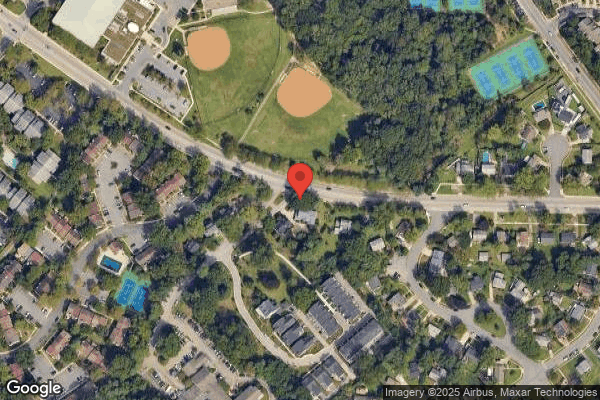
35 MILKSHAKE LANE, ANNAPOLIS, MD 21403 (410) 269-5100
For profit - Limited Liability company 130 Beds AUTUMN LAKE HEALTHCARE Data: November 2025 1 Immediate Jeopardy citation
Trust Grade
33/100
#145 of 219 in MD
Last Inspection: February 2023

Over 2 years since last inspection. Current conditions may differ from available data.

Overview

Autumn Lake Healthcare at Spa Creek has received a Trust Grade of F, indicating significant concerns about the facility. Ranked #145 out of 219 in Maryland, this places it in the bottom half of nursing homes in the state, while locally, it ranks #9 out of 13 in Anne Arundel County, with only a few better options available. The facility is showing improvement, reducing issues from 25 in 2023 to 13 in 2025, but it still reported 65 total issues, including one critical incident where a resident received excessive doses of medication, raising serious safety concerns. Staffing is a weakness here, with a 56% turnover rate which is above the Maryland average, and RN coverage is below that of 89% of state facilities, though the facility has no fines on record. While quality measures are rated excellent, there are serious concerns with compliance, including failures to meet professional standards during medication administration, which could jeopardize resident safety.

Trust Score
F
33/100
In Maryland
#145/219
Bottom 34%
Safety Record
High Risk
Review needed
Inspections
Getting Better
25 → 13 violations
Staff Stability
⚠ Watch
56% turnover. Above average. Higher turnover means staff may not know residents' routines.
Penalties
✓ Good
No fines on record. Clean compliance history, better than most Maryland facilities.
Skilled Nurses
○ Average
Each resident gets 30 minutes of Registered Nurse (RN) attention daily — about average for Maryland. RNs are the most trained staff who monitor for health changes.
Violations
⚠ Watch
65 deficiencies on record. Higher than average. Multiple issues found across inspections.
★★☆☆☆
2.0
Overall Rating
★★☆☆☆
2.0
Staff Levels
★★★★★
5.0
Care Quality
★☆☆☆☆
1.0
Inspection Score
Stable
2023: 25 issues
2025: 13 issues

The Good

  • 5-Star Quality Measures · Strong clinical quality outcomes
  • Full Sprinkler Coverage · Fire safety systems throughout facility
  • No fines on record

Facility shows strength in quality measures, fire safety.

The Bad

2-Star Overall Rating

Below Maryland average (3.0)

Below average - review inspection findings carefully

Staff Turnover: 56%

Near Maryland avg (46%)

Frequent staff changes - ask about care continuity

Chain: AUTUMN LAKE HEALTHCARE

Part of a multi-facility chain

Ask about local staffing decisions and management

Staff turnover is elevated (56%)

8 points above Maryland average of 48%

The Ugly 65 deficiencies on record

1 life-threatening
Aug 2025 2 deficiencies
CONCERN (E) 📢 Someone Reported This

A family member, employee, or ombudsman was alarmed enough to file a formal complaint

Potential for Harm - no one hurt, but risky conditions existed

Deficiency F0658 (Tag F0658)

Could have caused harm · This affected multiple residents

Based on observations, interviews and record reviews it was determined that the facility failed to ensure staff provided services that met professional standards of practice. This was found to be evid...

Read full inspector narrative →
Based on observations, interviews and record reviews it was determined that the facility failed to ensure staff provided services that met professional standards of practice. This was found to be evident for 5 (Resident #55, #131, #81, #142, and #96) out of 5 Residents reviewed for Services Meet Professional Standards of Practice during the recertification survey.The findings include: 1) During a medication administration observation conducted on 07/31/25 at 7:31 AM, this Surveyor observed License Practice Nurse (LPN) #4 administer Resident #55’s morning medications. The following medications were administered: Amlodipine 10 mg (milligram)1 tab (tablet) Aspirin 81 mg 1 tab, Escitalopram Oxala 5 mg 1 tab, Losartan Potassium 100 mg 1 tab, Metoprolol 25 mg 1 tab, and Vitamin D 25 mcg (microgram) 1000 iu (international unit). During a review of Resident #55’s Medication Administration Record (MAR) conducted on 07/31/25 at 7:41AM, it was discovered that LPN #4 documented that she administered Bio freeze topical to the right foot. However, during the medication administration observation this Surveyor did not observe the LPN administer that medication. 2) During a medication administration observation conducted on 07/31/25 at 7:48 AM, this Surveyor observed LPN #4 administer Resident #131’s morning medications. The following medications were administered: Multivitamin Centrum Sil 300 -600 mcg 1 tab, Levothyroxine 125 mcg 1 tab before meal, Gabapentin 300 mg 1-tab, Ferrous Sulfate 325 mg elemental 65 mg 1 tab, Pantoprazole 40 mg 1 tab, 30 cc (cubic centimeter) Lactulose and 1 Lidocaine patch 4%. During the application of the Lidocaine 4% patch, Resident #131 advised LPN #4 that the night shift had placed a Lidocaine patch on his/her lower right back. The LPN removed the Lidocaine patch dated 07/31/25 11p-7a and placed her Lidocaine 4% patch on the Resident. During an interview following the medication administration observation, this Surveyor discussed the concern that the Lidocaine patch would now be applied to Resident #131 for an extended period time. When asked what the facility’s expectation was when there was a discrepancy in a medication administration, the LPN #4 replied that she had to follow the MAR. During a review of Resident #55’s MAR conducted on 07/31/25 at 8:07 AM, it was discovered that LPN #4 signed off on an order for Bio Freeze apply to right foot that she administered the medication. However, this Surveyor did not observe the LPN administer that medication. During a review of Resident #131’s MAR conducted on 07/31/25 at 8:09 AM, it was discovered that LPN #4 signed off that that she administered 1 tab of Entecavir oral. However, during the medication administration observation this Surveyor did not observe the LPN administer that medication. A review of the Lidocaine patch order showed there were two active orders for the Lidocaine patch: Lidocaine External Patch 4% apply to lower right Back topically in the morning for pain remove at PM (after midday) and remove per schedule – Apply 0800 Remove 1959 Order Date - 12/13/24; and Lidoderm External Patch 5% (Lidocaine) apply to lower back topically in the morning for back pain leave on 12 hours only Order date- 07/29/25 Apply 0600. During an interview conducted on 07/31/25 at 8:13 AM, LPN #4 acknowledged that she had not applied Resident #55’s Bio Freeze to the right foot. The LPN further stated that she spoke with her unit manager and had Resident #131’s Lidocaine orders clarified. After clarifying the orders, the order for Lidoderm (Lidocaine) 5% was discontinued. The LPN stated that she believed that she administered the Resident #131’s 1 tab of Entecavir oral medication. However, the LPN admitted that prior to administering the medications this Surveyor and the LPN reviewed each medication that was to be administered and Entecavir was not included in the medications reviewed. 3) During Resident #81’s medication administration observation conducted on 07/31/25 at 8:18 AM, LPN #11 administered the following medications: Aspirin 81 mg 1 tab, Amlodipine 10 mg 1 tab, Carvedilol 3.125mg 1 tab, Escitalopram Oxalate 10 mg 1 tab, Hydralizam HCL 25 mg 1 tab, and Multivitamin. During a review of Resident #81’s MAR it was discovered that LPN #11 signed off that she administered 1 tab of Brillanta Oral tab 90 mg. However, this Surveyor did not observe this medication administered. 4) A PEG tube, or Percutaneous Endoscopic Gastrostomy tube, is a feeding tube inserted through the abdominal wall into the stomach, providing direct access for nutrition, hydration, and medication. It's used when a person can't safely swallow or eat enough to meet their nutritional needs. During Resident #142’s medication administration observation conducted on 07/31/25 at 8:32 AM. This Surveyor observed LPN #11 crush each of the following medications individually and place each medication in a separate medication cup in preparation to administer them in the Resident’s PEG tube. The following medications were crushed: Clopidogrel 75 mg 1 tab, Metformin HCL 100 mg 1-tab, Ferrous Sulfate 325 mg 1 tab, Lisinopril 2.5 mg 1 tab, Aspirin 81 mg 1 tab, and Senna enteric coated 5 mg. The bottle of Senna reads enteric coated do not crush. This Surveyor observed LPN #11 fill each medication cup with 30 ml (millimeters) of warm water and then flushed the Peg tube with 30 ml of water. The LPN began to administer each medication separately. The LPN flushed the PEG tube after each medication alternating the amount of water between 10 ml, 20 ml, and 30 ml. Once the medications were administered this Surveyor observed undissolved medication in each medication cup. During an interview with LPN #11 following the medication administration, this Surveyor expressed concern that Resident #142 had not received the full dosage of each medication. The LPN agreed and stated that “it’s impossible to dissolve the medications.” During a review of Resident’s #142’s MAR, it was discovered that LPN #11 signed off on an order for Omeprazole Oral Tablet Release 20 mg Order Date- 07/25/25 at 2139. However, this Surveyor did not observe LPN #11 administer that medication. A continued review of the MAR showed an order that stated: “Enteral Feed: Flush tube with 15 ml of water before each medication pass every shift Order Date – 07/25/25 at 2040.” Another order stated: “Flush tube with at least 15 ml of water after final medication every shift Order date- 07/25/25 at 2040.” During a follow up interview conducted on 07/31/25 at 12:09 PM, LPN #11 reviewed Resident 81’s MAR and confirmed that she had not administered Brillanta 90 mg. During a review of Resident #142’s MAR, LPN #11 confirmed that she had not administered Omeprazole Oral Table 20 mg. She also reviewed the order for flushing before each medication administration and acknowledged that she did not follow the order to flush with 15 ml of water before each medication. An interview was conducted on 07/31/25 at 1:07 PM with the Nursing Home Administrator (NHA) and the Director of Nursing (DON). During the interview the DON stated he would notify the physician of the missed medications and incomplete dosages of medications administered. He further stated that he would provide an in-service on the education of proper medication administration and following physician orders. 5) During an interview conducted on 08/04/25 at 2:14 PM, Resident #96 reported that on the evening of 08/01/25 he/she felt anxious. The Resident explained that his/her anxiety had been previously treated with 1 mg of Lorazepam. The Resident stated that he/she advised License Practice Nurse (LPN) #12 of his/her anxiety and requested Lorazepam. The Resident further stated that LPN #12 returned and advised that the Lorazepam order had been discontinued and she would need to contact the physician. The LPN returned and informed the Resident that the Physician ordered 0.5 mg (milligram) of Lorazepam. The Resident reported that he/she told the LPN that the dose was incorrect and that his/her anxiety had been previously treated effectively with 1 mg of Lorazepam. According to the Resident the LPN did not administer the medication nor communicate that she would contact the Physician. The Resident advised as a result his/her anxiety was not treated. On 08/04/2025 at approximately 3:00 PM, this surveyor conducted a record review of Resident #96’s Medication Administration Record (MAR) for July and August 2025. The July 2025 MAR showed that Resident #96 had an order for Lorazepam Oral Tablet 0.5 MG with instructions to “Give 0.5 tablet by mouth every 12 hours as needed for anxiety for 14 days. May give two ½ tabs of (0.5 mg) to equal 1 mg dosing until med supply complete, then can switch to full tab of 1 mg.” This order was placed on 07/17/2025 at 12:22 PM. The MAR indicated that Resident #96 had received this medication and that it had been effective on July 19th, 20th, 25th, 27th, and 28th. On 08/04/2025 at approximately 3:10 PM, this surveyor conducted a continued review of Resident #96’s Medication Administration Record (MAR) for August 2025. The MAR showed that Lorazepam Oral Tablet 0.5 mg was ordered on 07/31/2025 at 11:45 PM to “Give 2 tablets by mouth every 12 hours as needed for anxiety for 1 day,” which was discontinued on 08/01/2025 at 4:34 PM. A subsequent order for Lorazepam 0.5 mg was started on 08/01/2025 at 4:32 PM to “Give 0.5 tablet by mouth every 12 hours as needed for anxiety for 14 days.” According to the MAR, there was no documentation showing that this medication was administered to Resident #96 on 08/01/2025. This order was discontinued on 08/04/2025 at 11:47 AM, and a new order was initiated at that time to “Give 2 tablets by mouth every 12 hours as needed for anxiety for 14 days.” On 08/04/2025 at approximately 3:30 PM, this surveyor conducted a record review of #96’s progress notes. A note documented by the Advanced Practice Nurse (APN) on 08/01/2025 at 12:46 AM stated, “Communication from patient received via nurse requesting a medication. Counseled that bridge supply will be ordered until evaluated by the primary team. Patient was prescribed 0.5 mg Lorazepam tablet, take 2 tablets by mouth twice daily for anxiety. This fell off the MAR this evening. Patient requesting a dose. No previous side effects reported.” At this time, there were no progress notes found that discussed Resident #96 requesting the lorazepam dose be changed to 1 mg instead of 0.5 mg. On 08/05/2025 at 9:00 AM, this surveyor attempted to contact LPN #12, who cared for Resident #96 on 08/01/2025, for an interview. There was no answer, and a voicemail was left. On 08/05/2025 at 10:00 AM, this surveyor conducted an interview with the Director of Nursing (DON) to discuss his expectations when a resident refuses medication. The DON stated that if a resident refuses any medication, the nurse is expected to notify the physician by calling the on-call doctor and documenting the notification in a progress note. When asked about the procedure if the medication offered is not the correct dose or if the resident requests a different dose, the DON responded that the nurse should notify the physician, who will then decide how to proceed. During the interview, the surveyor informed the DON of concerns that Resident #96 did not receive the lorazepam needed for anxiety. Specifically, Resident #96 had requested a 1 mg dose instead of 0.5 mg, and there was no documentation indicating that LPN #12 had contacted the physician to report the resident’s refusal or to request a medication change. The DON stated he would need to speak with the nurse to clarify what had occurred. On 08/05/2025 at 12:00 PM, this surveyor conducted record review of the narcotic book, which showed an order for Lorazepam 0.5 mg under Resident #96’s name. For the date 08/01/2025, the entry stated “Wasted 1 tablet,” signed with a signature bearing the same first initial and full last name as LPN #12. A photograph of this page in the narcotic book was taken at that time.
CONCERN (F) 📢 Someone Reported This

A family member, employee, or ombudsman was alarmed enough to file a formal complaint

Potential for Harm - no one hurt, but risky conditions existed

Room Equipment (Tag F0908)

Could have caused harm · This affected most or all residents

Based on observations and interviews it was determined that the facility failed to ensure equipment was operational. This was found to be evident for 1 out of 1 observation for the door alarm operatin...

Read full inspector narrative →
Based on observations and interviews it was determined that the facility failed to ensure equipment was operational. This was found to be evident for 1 out of 1 observation for the door alarm operating system during the recertification survey.The findings include: During a facility tour conducted on 08/01/25 at 6:30 AM, this Surveyor and the Maintenance Director (MD) opened an exit door located in the first-floor stairwell due to a concern of a recent elopement. The MD explained that only authorized personnel are allowed to use the stairwell door. If an authorized personnel inputs the code into the pin pad then an audible alarm will not sound at the first-floor nursing station. He further stated if no code is entered on the pin pad then an audible alarm will sound at the first-floor nursing station. Both this Surveyor and MD went to the first-floor nursing station to observe the audible alarm however the alarm had not sounded. The MD explained that we would not have heard the audible alarm because he had inputted the code on the pin pad located next to the first-floor stairwell exit door. The MD then attempted to open the wall panel however this Surveyor advised the MD to not change anything but to return to the stairwell door and open it without inputting the code on the pin pad to allow the audible alarm to sound. This Surveyor remained at the first-floor nursing station while the MD returned to the first-floor stairwell to open the exit door that leads outside of the facility. The MD returned to the stairwell and opened the first-floor stairwell exit door; this Surveyor observed the number 36 illuminated on the panel, however no audible alarm sounded. There were 4 staff members at the first-floor nursing station: Unit Secretary #14, LPN #15, LPN #16, and LPN Supervisor #1 all unaware that the number 36 light had illuminated to alert the staff that the stairwell door that leads directly outside of the facility had been opened. The MD returned and stated that there should have been an audible alarm. He then opened the wall panel of the door alarm system and connected two wires which then resulted in an audible alarm sounding.
Jun 2025 11 deficiencies
CONCERN (D) 📢 Someone Reported This

A family member, employee, or ombudsman was alarmed enough to file a formal complaint

Potential for Harm - no one hurt, but risky conditions existed

Resident Rights (Tag F0550)

Could have caused harm · This affected 1 resident

Based on observation and staff interview, it was determined the facility staff failed to treat each resident in a dignified manner by standing over a resident while feeding the resident and speaking t...

Read full inspector narrative →
Based on observation and staff interview, it was determined the facility staff failed to treat each resident in a dignified manner by standing over a resident while feeding the resident and speaking to a resident in a harsh tone. This was evident for 3 (#37, #9, #38) of 38 residents reviewed during a complaint survey. The findings include: 1) On 6/3/25 at 8:40 AM the surveyor walked into Resident #37 and Resident #9's room. Geriatric Nursing Assistant (GNA) #15, from a staffing agency, was standing to feed Resident #37. GNA #15 was observed quickly shoveling the food in the resident's mouth. While GNA #15 was standing to feed Resident #37, the surveyor observed the roommate, Resident #9 sleeping, curled up in a fetal position, covered with a blanket, on the bed. The over the bed tray table was next to the bed and had Resident #9's breakfast tray on the top, which was covered. The surveyor proceeded to walk into the resident's bathroom, which was by the exit door, to observe the contents of the bathroom. While standing in the bathroom the surveyor observed GNA #15 state in a harsh and loud voice as she walked over to Resident #9, wake up, stop sleeping. Your breakfast is here. Wake up! GNA #15 repeated stop sleeping, wake up multiple times until Resident #9 rolled on his/her back and sat up in bed. 2) On 6/3/25 at 9:07 AM GNA #15 was observed in the second floor dining room standing to feed Resident #38 while another resident was at the same table. On 6/3/25 at 10:24 AM an interview was conducted with the Director of Nursing (DON). The DON was informed about the way GNA #15 spoke to Resident #9. The DON stated, she should not talk like that. The DON was also informed about GNA #15 standing to feed the roommate and he said, Oh, no, she must sit to feed. The DON was also informed about GNA #15 not sanitizing her hands between resident contact. On 6/3/25 at 11:39 AM the DON informed the surveyor that he addressed the issue with the GNA and did an in-service. He also said he sent the GNA back to the staffing agency so they could in-service her and he called the staffing agency to express his concerns.
CONCERN (D) 📢 Someone Reported This

A family member, employee, or ombudsman was alarmed enough to file a formal complaint

Potential for Harm - no one hurt, but risky conditions existed

Report Alleged Abuse (Tag F0609)

Could have caused harm · This affected 1 resident

Based on reviews of facility reported incidents and interview, it was determined the facility failed to report allegations of abuse to the regulatory agency, the Office of Health Care Quality (OHCQ) w...

Read full inspector narrative →
Based on reviews of facility reported incidents and interview, it was determined the facility failed to report allegations of abuse to the regulatory agency, the Office of Health Care Quality (OHCQ) within 2 hours of the allegation. This was evident for 1 (Resident #13) of 17 residents reviewed for facility reported incidents during a complaint survey. The findings include: On 6/2/25 at 9:05 AM a review of facility reported incident MD00197617 was conducted and revealed an allegation that housekeeping staff reported on 9/27/23 at 5:45 AM they saw Resident #13 sitting at the first-floor nursing station in a wheelchair with a bed sheet that appeared to be tied around the resident's back in a knot. The investigation documented that there was no one to report the issue to on the first floor so the housekeeper went up to the second-floor nursing unit and reported it to a geriatric nursing assistant (GNA). The charge nurse on the second floor overheard the conversation and immediately reported it to the first-floor charge nurse. Review of the facility's documentation revealed the initial report was not sent to OHCQ until 9/27/23 at 2:45 PM, which was not within 2 hours of the alleged abuse. On 6/3/25 at 10:12 AM an interview was conducted with the Director of Nursing (DON). The case was reviewed with the DON, and he confirmed that it was not reported within 2 hours.
CONCERN (D) 📢 Someone Reported This

A family member, employee, or ombudsman was alarmed enough to file a formal complaint

Potential for Harm - no one hurt, but risky conditions existed

Quality of Care (Tag F0684)

Could have caused harm · This affected 1 resident

Based on review of complaint, medical record review, and staff interview, it was determined the facility failed to properly perform neuro checks after a fall for residents (Resident #33 and #34). This...

Read full inspector narrative →
Based on review of complaint, medical record review, and staff interview, it was determined the facility failed to properly perform neuro checks after a fall for residents (Resident #33 and #34). This was evident for 2 of 22 residents reviewed during a complaint survey. The findings include: A neuro check after a fall refers to a neurological assessment performed by a healthcare professional to evaluate potential brain injuries by checking a person's level of consciousness, orientation, pupil response, muscle strength, sensation, and coordination. 1. Review of Resident #33's medical record on 5/28/25 revealed the Resident was admitted to the facility in February 2025 with a diagnosis to include history of falling. Further review of Resident #33's medical record revealed a nurse's note from Staff #10 on 2/8/25 at 3:44 PM that stated: Resident had a fall around 1:30 PM. This writer heard a loud sound while in another resident room. As this writer walked down the hallway checking on each resident, this writer came upon resident in bathroom on the floor kneeling. Review of Resident #33's change in condition on 2/8/25 revealed the facility staff notified the provider on 2/8/25 at 2:25 PM and the recommendation was to monitor the Resident per facility protocol. During interview with the Assistant Director of Nursing (ADON) on 5/30/25 at 11:00 AM, the ADON stated the facility staff are to complete neuro checks on a resident for an unwitnessed fall and provided the Surveyor with the facility's neurological checklist schedule protocol that details at what intervals the facility staff should do neuro checks. The neuro check schedule is to obtain post neuro assessment, then every 15 minutes times 3, every 30 minutes times 2, every hour times 4, and every shift times 6. Further review of Resident #33's medical record for neuro checks on 2/8 and 2/9/25 revealed the facility staff completed neuro checks at the following times: 2/8/25 at 1:30 PM, 3:41 PM 4:00 PM, 4:45 PM, 5:15 PM, 6:15 PM, 7:15 PM, 8:15 PM and 2/9/25 at 3:40 PM. Review of Resident #33's neuro checks revealed the 2/8/25 1:30 PM neuro checks revealed the facility staff used vital signs from 12:03 PM. The facility staff did not complete neuro checks on 2/8/25 at 1:45 PM, 2:00 PM, 2:15 PM, 2:45 PM and 3:15 PM. The neuro checks on 2/8/25 at 3:41 PM used vitals signs from 2/8/25 at 12:03 PM. No neuro checks were completed from 2/8/25 8:15 PM and 2/9/25 at 3:40 PM, the facility staff did not complete the every shift vital signs on 2/8/25 night shift. During interview with Staff #10 on 5/30/25 at 11:19 AM, Staff #10 stated when she found Resident #33 in the bathroom on 2/8/25 no one else was in the Resident's room. Interview with the ADON on 5/30/25 at 12:45 PM confirmed the facility staff completed neuro checks for Resident #33 at incorrect time intervals per facility protocol and inaccurately on 2/8 and 2/9/25. 2. Review of Resident #34's medical record on 5/29/25 revealed the Resident was admitted to the facility in March 2025 with a diagnosis to include weakness. Further review of Resident's medical record revealed a change in condition note on 3/11/25 at 12:01 AM that states, called to room and observed patient sitting between bed and wall holding onto water bottle. Range of motion to all extremities without difficulty, hoyer lift to used to assist patient back to bed. Patient denies pain and hitting head. Review of physician note on 3/11/25 at 12:51 AM states resident with unwitnessed fall. follow facility protocol for unwitnessed fall. Monitor with neuro checks per facility protocol. During interview with the Assistant Director of Nursing (ADON) on 5/30/25 at 11:00 AM, the ADON stated the facility staff are to complete neuro checks on a resident for an unwitnessed fall and provided the Surveyor with the facility's neurological checklist schedule protocol that details at what intervals the facility staff should do neuro checks. The neuro check schedule is to obtain post neuro assessment, then every 15 minutes times 3, every 30 minutes times 2, every hour times 4, and every shift times 6. Further review of Resident #34's medical record for neuro checks on 3/11 and 3/12/25 revealed the facility staff completed neuro checks at the following times: 3/11/25 at 12:16 AM, 12:33 AM, 12:45 AM, 2:45 AM, 3:45 AM, 4:45 AM, 5:45 AM, 6:57 PM and 3/12/25 at 3:52 AM, 3:16 PM. Review of Resident #34's neuros checks revealed the 3/11/25 12:16 AM neuro checks revealed the facility staff used vital signs from 3/10/25 at 7:02 PM. The facility staff did not complete neuro checks on 3/11/25 at 1:15 AM and 1:45 AM. The facility staff did not complete neuro checks on 3/11/25 day shift. The neuro checks on 3/12/25 at 3:16 PM revealed the facility staff used vital signs from 3/12/25 at 2:45 AM, 12 hours prior. Interview with the Director of Nursing on 6/2/25 at 9:20 AM confirmed the facility staff completed neuro checks for Resident #34 at incorrect time intervals per facility protocol and inaccurately on 3/11 and 3/12/25.
CONCERN (D) 📢 Someone Reported This

A family member, employee, or ombudsman was alarmed enough to file a formal complaint

Potential for Harm - no one hurt, but risky conditions existed

Pressure Ulcer Prevention (Tag F0686)

Could have caused harm · This affected 1 resident

**NOTE- TERMS IN BRACKETS HAVE BEEN EDITED TO PROTECT CONFIDENTIALITY** Based on medical record review and interview, it was determined that the facility staff failed to provide treatment/services to ...

Read full inspector narrative →
**NOTE- TERMS IN BRACKETS HAVE BEEN EDITED TO PROTECT CONFIDENTIALITY** Based on medical record review and interview, it was determined that the facility staff failed to provide treatment/services to prevent/heal pressures ulcers. This is evident for 2 (Resident #15 and #16) of 4 residents reviewed for pressure ulcers during a complaint survey. The findings included: A pressure ulcer also known as pressure sore or decubitus ulcer is any lesion caused by unrelieved pressure that results in damage to the underlying tissue. Pressure ulcers are staged according the their severity from Stage I (area of persistent redness), Stage II ( superficial loss of skin such as an abrasion, blister or shallow crater), Stage III ( full thickness skin loss involving damage to subcutaneous tissue presenting as a deep crater), Stage IV (full thickness skin loss with extensive damage to muscle, bone or tendon) or Unstageable Pressure Ulcer (full thickness tissue loss in which the base of the ulcer is covered by slough and / or eschar in the wound bed). A deep tissue injury (DTI) is a unique form of pressure ulcer. The National Pressure Ulcer Advisory Panel defines a deep tissue injury as A pressure-related injury to subcutaneous tissues under intact skin. Initially, these lesions have the appearance of a deep bruise. The findings include: 1. Review of Resident #15's medical record on 6/2/25 revealed the Resident was admitted to the facility in August 2023 with diagnosis to include cerebral infarction. Cerebral infarction, often referred to as a stroke, is a serious medical condition that occurs when blood flow to the brain is interrupted, leading to a lack of oxygen and nutrients to brain tissue. Further review of the Resident's medical record revealed the Resident was seen weekly by the Wound Nurse Practitioner (WNP). On 9/14/23 the WNP assessed Resident #15 and documented the Resident had an unstageable pressure ulcer to the sacrum. The WNP documented the Treatment Instructions for the sacral pressure ulcer were to cleanse with dakins, apply santyl with dakins wet to dry dressing every day. Review of Resident #15's September 2023 Medication and Treatment Administration Records revealed the facility staff failed to administer the sacral treatment of dakins and santyl on 9/16, 9/17 and 9/18/2023. The facility did document the sacral treatment was administered on 9/19/23 and the Resident was discharged to the hospital on the same day. Interview with the Director of Nursing on 6/2/25 at 11:30 AM confirmed there is no evidence the facility staff administered Resident #15's ordered sacral pressure ulcer treatment of dakins and santyl on 9/16, 9/17 and 9/18/2023. 2. Review of Resident #16's medical record on 5/28/25 revealed the Resident was admitted to the facility in January 2023. a. Further review of Resident #16's medical record revealed the Resident was readmitted to the facility on [DATE] from the hospital. The Resident was assessed by the WNP (Wound Nurse Practitioner) on 4/20/23 to have a Stage 3 sacral pressure ulcer. Review of the facility staff's weekly wound assessments revealed the facility staff failed to assess Resident #16's wounds to include measurements on 11/9/23, 11/28/23 and 3/11/24. Interview with the ADON (Assistant Director of Nursing) on 6/2/25 at 8:15 AM confirmed the facility staff failed to do weekly wound assessments on 11/9/23, 11/28/23 and 3/11/24 to include measurements. b. Further review of Resident #16's medical record revealed the Resident was readmitted to the facility on [DATE] from the hospital. Review of Resident's Weekly Skin Evaluation on 11/9/23 revealed the Resident was assessed to have a left heel pressure ulcer but the evaluation does not contain measurements. Further review of Resident #16's medical record revealed the Resident was seen by the WNP on 11/16/23 and assessed the Resident to have a left heel DTI. The WNP ordered treatment of paint with betadine daily to left heel. Review of Resident #16's November 2023 Treatment Administration Records revealed although the facility staff assessed the Resident to have a left heel wound on 11/9/23, treatment did not begin until 11/22/23.
CONCERN (D) 📢 Someone Reported This

A family member, employee, or ombudsman was alarmed enough to file a formal complaint

Potential for Harm - no one hurt, but risky conditions existed

Pharmacy Services (Tag F0755)

Could have caused harm · This affected 1 resident

**NOTE- TERMS IN BRACKETS HAVE BEEN EDITED TO PROTECT CONFIDENTIALITY** Based on review of a complaint, record review, and interview, it was determined the facility failed to provide timely medication...

Read full inspector narrative →
**NOTE- TERMS IN BRACKETS HAVE BEEN EDITED TO PROTECT CONFIDENTIALITY** Based on review of a complaint, record review, and interview, it was determined the facility failed to provide timely medication to meet the needs of the residents. This was evident for 1 (#17) of 22 residents reviewed for complaints during a complaint survey. The findings include: On 5/30/25 at 8:11 AM a review of complaint MD00199890 alleged that the facility failed to have prescribed medications available for Resident #17 after the resident was admitted . Review of Resident #17's medical record revealed the resident was admitted to the facility on [DATE] around 2:00 PM from an acute care hospital. Resident #17 was treated at the hospital for a fall off a roof which resulted in a displaced fracture of the left humerus, a closed fracture of the ribs, and a fractured pelvis. Review of the hospital discharge summary documented the order for Hydromorphone 2 mg. every 4 hours PRN (when necessary) for moderate pain or 2 tablets every 4 hours PRN severe pain, Alprazolam (Xanax) 2 mg. for anxiety, Lorazepam (Ativan) 2 mg. for anxiety, and pregabalin (Lyrica) 100 mg. for nerve pain/seizures. All of the medications were considered controlled substance prescriptions. Review of Resident #17's November 2023 Medication Administration Record (MAR) did not have evidence that the hydromorphone, alprazolam, lorazepam, or pregabalin were administered on 11/24/23. Review of the complaint alleged after 2 hours from admission, Resident #17 was in pain and the family asked for pain medication for the resident but was told the resident would have to wait for the order to be cleared by the physician since it was a controlled medication. The complaint alleged that after 6 hours of being in pain and not having any of the prescribed medications, the spouse signed the patient out AMA (against medical advice) and was taking the resident to the hospital for medication. Review of Resident #17's medical record revealed a 11/24/23 at 16:30 (4:30 PM) nurse's note that documented the process for getting pain medication was explained to the resident and spouse. The note documented that the resident did not voice any complaints of pain. A 11/24/23 at 19:00 (7:00 PM) nurse's note documented that Resident #17 wanted to leave the facility and go home and have the physician on call to phone in the pain medication order. The note documented that the resident was informed that his/her medications were called in STAT (immediate) and pending delivery. The note documented the resident was assessed for pain and offered alternatives such as Acetaminophen 500 mg and Ibuprofen 800 mg, however the resident refused. The note did not document the level of pain. On 5/28/25 at 8:30 AM an interview was conducted with LPN #8 as he was the admitting nurse on 11/24/23. LPN #8 stated Resident #17 was assessed and did not complain of pain. LPN #8 stated the resident was medicated prior to arrival and that he had started on the medication paperwork right away so he could get the medication ordered and delivered. On 5/30/25 at 10:24 AM the ADON was interviewed and stated that the process was when the resident gets to the facility the nurse will go over the medications from the hospital discharge summary and review them with the physician. The ADON stated that the physician has to fill out a C2 form (for controlled substances) and then it gets faxed to the pharmacy. She stated, if it is a narcotic we ask for it STAT. The ADON stated that they had narcotics in the Omnicell, but they have to get an authorization code from the pharmacy before it is pulled from the Omnicell. The ADON stated, I would expect 4 to get the medication within 4 hours with pharmacy delivery and if we get a code we should be able to get it right away. The ADON stated, I would expect within 4 hours that the medications would be here. If I was the nurse, especially with the resident coming with a fracture, if the pain med was not here I would call the physician. The resident should have gotten the medications. That was an isolated incident. On 5/30/25 at 11:20 AM a review of the list of medications that the facility had available in the Omnicell (medication system for when medications are needed but had not been sent to the facility) was given to the surveyor from the ADON. On the list of available medications was alprazolam 0.25 mg and 0.5 mg., hydromorphone 2 mg., lorazepam 0.5 mg., and pregabalin 25 mg. and 50 mg. capsules. On 6/4/25 at 9:20 AM an interview was conducted with the Director of Nursing (DON). The DON showed the surveyor a grievance form the spouse had submitted to the facility on [DATE]. The DON did an investigation and confirmed that the medications were not available. The findings were, medications/orders should have been entered into the system within 4 hours of admission. If Omnicell is not available, medications should be ordered STAT from pharmacy without delay or waiting for resident/wife to determine if they were staying or leaving against medical advice.
CONCERN (D) 📢 Someone Reported This

A family member, employee, or ombudsman was alarmed enough to file a formal complaint

Potential for Harm - no one hurt, but risky conditions existed

Deficiency F0840 (Tag F0840)

Could have caused harm · This affected 1 resident

**NOTE- TERMS IN BRACKETS HAVE BEEN EDITED TO PROTECT CONFIDENTIALITY** Based on medical record review and interview, it was determined that the facility staff failed to obtain outside services for re...

Read full inspector narrative →
**NOTE- TERMS IN BRACKETS HAVE BEEN EDITED TO PROTECT CONFIDENTIALITY** Based on medical record review and interview, it was determined that the facility staff failed to obtain outside services for residents in a timely manner. This was evident for 2 (Resident #15 and #16) of 22 residents reviewed for complaints during a complaint survey. The findings include: 1. The facility staff failed to schedule a follow up neurologist appointment for Resident #15. A neurologist is a medical doctor specializing in diagnosing and treating diseases of the brain, spinal cord, and nerves. Review of Resident #15's medical record on 6/2/25 revealed the Resident was admitted to the facility in August 2023 with diagnosis to include cerebral infarction. Cerebral infarction, often referred to as a stroke, is a serious medical condition that occurs when blood flow to the brain is interrupted, leading to a lack of oxygen and nutrients to brain tissue. Review of Resident #15's hospital Discharge summary dated [DATE] revealed a discharge instruction to follow up with neurology and call for an appointment with neurologist. Further review of Resident #15's medical record revealed no order was placed or neurologist appointment scheduled from admission to the Resident's discharge on [DATE]. Interview with the Director of Nursing on 6/3/25 at 11:39 AM confirmed the facility staff did not schedule a neurologist appointment for Resident #15. 2. The facility staff failed to schedule follow up appointments with urology, pulmonology and orthopedic for Resident #16 in a timely manner. Review of Resident #16's medical record on 5/28/25 revealed the Resident was admitted to the facility in January 2023 with diagnosis to include bladder neck obstruction, solitary pulmonary nodule and low back pain. Review of the Resident's hospital Discharge summary dated [DATE] revealed the Resident is to have follow up outpatient appointment scheduled with urology, pulmonology and orthopedic. a. Further review of Resident #16's medical record revealed the Resident urology appointment was not ordered until 4/6/23 and the Resident saw the urologist on 4/10/23. b. Further review of Resident #16's medical record revealed the Resident's pulmonology appointment was not ordered until 5/3/23 and there is no evidence the Resident was seen by the pulmonologist. c. Further review of Resident #16's medical record revealed the Resident's orthopedic appointment was not ordered until 5/3/23 and there is no evidence the Resident was seen by the orthopedic surgeon. Interview with the Administrator on 5/30/25 confirmed the Resident's appointments for urology, pulmonlogy and orthopedics were not ordered timely and there is no evidence the Resident was seen by the pulmonologist or orthopedics.
CONCERN (D) 📢 Someone Reported This

A family member, employee, or ombudsman was alarmed enough to file a formal complaint

Potential for Harm - no one hurt, but risky conditions existed

Medical Records (Tag F0842)

Could have caused harm · This affected 1 resident

Based on medical record review and interview, it was determined the facility failed to maintain complete and accurate medical records in accordance with accepted professional standards. This was evide...

Read full inspector narrative →
Based on medical record review and interview, it was determined the facility failed to maintain complete and accurate medical records in accordance with accepted professional standards. This was evident for 1 (Resident #16) of 22 residents reviewed for complaints during a complaint survey. The findings include. A medical record is the official documentation of a healthcare organization. As such, it must be maintained in a manner that follows applicable regulations, accreditation standards, professional practice standards, and legal standards. All entries to the record should be legible and accurate. Review of Resident #16's medical record on 5/29/25 revealed the Resident was admitted to the facility in January 2023 with a diagnosis to include bladder neck obstruction. Further review of the Resident's medical record revealed an order for a cystoscopy on 10/23/23. Review of the electronic and paper medical record did not reveal the results of the cystoscopy. Interview with the Administrator on 5/30/25 at 9:00 AM confirmed Resident #16's medical record did not contain the results of cystoscopy on 10/23/23.
CONCERN (E) 📢 Someone Reported This

A family member, employee, or ombudsman was alarmed enough to file a formal complaint

Potential for Harm - no one hurt, but risky conditions existed

Safe Environment (Tag F0584)

Could have caused harm · This affected multiple residents

**NOTE- TERMS IN BRACKETS HAVE BEEN EDITED TO PROTECT CONFIDENTIALITY** 3. On 6/3/25 at 8:40 AM the following environmental observations were made on 3 of the 4 hallways on the second-floor nursing un...

Read full inspector narrative →
**NOTE- TERMS IN BRACKETS HAVE BEEN EDITED TO PROTECT CONFIDENTIALITY** 3. On 6/3/25 at 8:40 AM the following environmental observations were made on 3 of the 4 hallways on the second-floor nursing unit: In room [ROOM NUMBER]B there were (2) areas on the night stand where the laminate was missing on the right top and the left lower corner. In the bathroom the toilet riser frame had rust in the front middle bar and on the legs. In room [ROOM NUMBER]A laminate was peeling off the bed's footboard approximately 6 inches on the left side and on the right corner. In room [ROOM NUMBER]B the vinyl on the left wheelchair armrest was cracked on the front side. The laminate on the dresser was peeling on the third drawer on the right and left side. There was no handle on the drawer. In room [ROOM NUMBER]A the laminate on the over the bed tray table was missing about 5 inches by 4 inches with the particle board exposed. The laminate was missing on the night stand top right corner. In room [ROOM NUMBER]A the laminate was peeling off all four of the dresser drawers and a 6-inch by 3-inch area on top of the nightstand. In room [ROOM NUMBER]A the second drawer handle was hanging sideways. The laminate on the fourth drawer on the right side was missing. The nightstand was missing laminate on the bottom right corner. In room [ROOM NUMBER] the laminate was missing on the first drawer approximately five inches in length. On 6/3/25 at 3:29 PM an interview was conducted with the Nursing Home Administrator (NHA). The NHA stated she was aware of the issue, and they had planned a renovation, and the furniture was going to be replaced. Based on review of complaints, interview, and observation, it was determined the facility staff failed to provide maintenance services necessary to maintain a sanitary, orderly, and comfortable interior. This was evident for 12 of 70 resident rooms. The findings include: 1. The Surveyor began an environmental tour with the Maintenance Director on 5/29/25 at 12:10 PM. The following were observed: room [ROOM NUMBER] baseboard molding loose and hole in ceiling in bathroom room [ROOM NUMBER] tile not covering bathroom floor fully and hole in molding room [ROOM NUMBER] dry wall exposed above heater room [ROOM NUMBER] dry wall exposed above heartier, baseboard molding missing by bed room [ROOM NUMBER] baseboard molding loose room [ROOM NUMBER] fan dirty, plastic pipe for bathroom sink on floor, drain broken in bathroom sink room [ROOM NUMBER] baseboard molding loose in bathroom The Maintenance Director confirmed the Surveyor's findings during the tour on 5/29/25 at 12:10 PM 2. Interview with Resident #20 on 6/2/25 at 1:00 PM, Resident states his/her wheelchair has been in disrepair since September 2023 and he/she has advised facility staff. Observation of Resident #20's wheelchair at that time revealed the arms could be lifted up and not secured to chair. The Resident stated the corners of wheelchair seat are sharp so he/she covered with a seat pad. Observation of the wheelchair seat corners revealed sharp metal. Resident #20 also stated the curtain between the beds is dirty and has a brown spot not sure what it is from, Surveyor observation confirmed. Observation of Resident's footboard revealed the top of footboard material worn away and baseboard molding missing. The Surveyor shared the Resident's concerns with the Administrator on 6/2/25 at 1:07 PM. Interview with the Administrator on 6/2/25 at 2:30 PM, the Administrator stated Resident #20's footboard and wheelchair has been replaced. Interview with the Administrator on 6/3/23 at 9:50 AM states the facility staff will replace Resident #20's curtain.
CONCERN (E) 📢 Someone Reported This

A family member, employee, or ombudsman was alarmed enough to file a formal complaint

Potential for Harm - no one hurt, but risky conditions existed

Assessment Accuracy (Tag F0641)

Could have caused harm · This affected multiple residents

Based on medical record review and staff interview, it was determined the facility staff failed to ensure Minimum Data Set (MDS) assessments were accurately coded. This was evident for 4 (#26, #18, #2...

Read full inspector narrative →
Based on medical record review and staff interview, it was determined the facility staff failed to ensure Minimum Data Set (MDS) assessments were accurately coded. This was evident for 4 (#26, #18, #22, #33) of 38 residents reviewed during a complaint survey. The findings include: The MDS is part of the Resident Assessment Instrument that was Federally mandated in legislation passed in 1986. The MDS is a set of assessment screening items employed as part of a standardized, reproducible, and comprehensive assessment process that ensures each resident's individual needs are identified, that care is planned based on those individualized needs, and that the care is provided as planned to meet the needs of each resident. 1) On 5/29/25 at 7:45 AM Resident #26's medical record was reviewed. Review of the November 2024 Medication Administration Record (MAR) documented that Resident #26 received Oxycodone (Opioid) for pain on 11/1/24 and 11/4/24. Review of the MDS assessment, with an assessment reference date (ARD) of 11/6/24, failed to capture the use of an Opioid. On 6/3/25 at 1:47 PM an interview was conducted with the MDS Coordinator who confirmed the finding. 2) On 6/2/25 at 9:50 AM Resident #18's medical record was reviewed. Review of Resident #18's October 2024 Medication Administration Record (MAR) documented Resident #18 received Lidocaine External Patch 4 % (Lidocaine) to both knees every day for chronic pain. The October 2024 MAR also documented that Resident #18 received Voltaren External Gel 1 % (Diclofenac Sodium) Topical three times a day for pain. Review of the 10/11/24 MDS assessment, Section J0100 Pain management, J0100A, received scheduled pain medication regimen, was coded no. The facility failed to capture the use of scheduled pain medications. Further review of the October 2024 MAR revealed Resident #18 received the medication Gabapentin 300 MG twice per day for osteoarthritis. Gabapentin belongs to a class of medications called anticonvulsants. Review of the 10/11/24 MDS, Section N, Medications, failed to capture the use of an anticonvulsant. On 6/3/25 at 2:34 PM an interview was conducted with the MDS Coordinator who confirmed the findings and stated it was an oversight. 3) On 6/3/25 at 10:30 AM Resident #22's medical record was reviewed. Review of Resident #22's July 2024 MAR revealed the medication Amoxicillin 500 mg. was administered 3 times a day for a urinary tract infection. Amoxicillin belongs to a class of medications called antibiotics. Review of the MDS assessment with an ARD of 7/27/24, Section N, Medications, coded 0 for the use of antibiotic medication. The facility failed to capture the use of antibiotics. Review of Section M1200, Skin and Ulcer/injury treatments, H. applications of ointments/medications other than to feet was coded no. Review of Resident #22's July 2024 Treatment Administration Record (TAR) documented the treatment, apply Zinc Oxide to Sacrum. The order stated to apply every shift and PRN (when necessary.) The facility failed to capture the application of the Zinc Oxide cream on the MDS. On 6/4/25 at 10:11 AM an interview was conducted with the MDS Coordinator. The MDS Coordinator confirmed the errors and said it was an oversight. 4) Review of Resident #33's medical record on 5/28/25 revealed the Resident was admitted to the facility in March 2025 with a diagnosis to include history of falling. Further review of Resident #33's medical record revealed the Resident had a fall during his/her stay on 4/2/25. The facility staff assessed the Resident on 4/2/25 quarterly MDS assessment and 4/18/25 discharge MDS assessment and coded the Resident with no falls. Interview with the MDS Coordinator on 5/30/25 at 12:17 PM confirmed the facility staff failed to assess the Resident correctly and capture the 4/2/25 fall.
CONCERN (E) 📢 Someone Reported This

A family member, employee, or ombudsman was alarmed enough to file a formal complaint

Potential for Harm - no one hurt, but risky conditions existed

Infection Control (Tag F0880)

Could have caused harm · This affected multiple residents

**NOTE- TERMS IN BRACKETS HAVE BEEN EDITED TO PROTECT CONFIDENTIALITY** Based on observation and staff interview, it was determined that the facility staff failed to follow infection control practices...

Read full inspector narrative →
**NOTE- TERMS IN BRACKETS HAVE BEEN EDITED TO PROTECT CONFIDENTIALITY** Based on observation and staff interview, it was determined that the facility staff failed to follow infection control practices and guidelines to prevent the development and transmission of disease. This was evident on 1 of 2 nursing units observed during a complaint survey. The findings include: 1) On 6/3/25 at 8:40 AM GNA #15 was observed feeding Resident #37. GNA #15 finished feeding Resident #37 and proceeded to walk to the next bed and set up Resident #9's breakfast tray. GNA #15 then walked back to Resident #37. She did not sanitize her hands in between patient contact. 2) On 6/3/25 at 9:07 AM GNA #15 was observed in the second-floor dining room standing to feed Resident #38. GNA #15 wiped Resident #38's mouth and cleaned up the breakfast tray, put it on a rack and retrieved another soiled tray to place on the food tray rack. GNA #15 then walked down the center hallway and walked into room [ROOM NUMBER]. GNA #15 did not sanitize her hands after contact with Resident #38 and the soiled breakfast trays. 3) On 6/3/25 at 8:40 AM a tour was conducted on the second-floor nursing unit and the following was observed in resident bathrooms: In room [ROOM NUMBER] there was a gray round basin sitting on a white laundry container. The basin was not in plastic. There was also a round gray basin sitting on a trash can with used paper towels in the basin. In room [ROOM NUMBER] bathroom there were round, gray basins that were not covered, sitting on a white container. In room [ROOM NUMBER] there were 2 gray round basins sitting on top of the laundry basket inside each other and not covered. There was a soiled fork in the top shelf of the wire rack on the wall next to the sink. In room [ROOM NUMBER] under the sink were 2 white containers with dirty lids and handles. There were 2 gray basins sitting on top of the dirty containers and they were not covered. There was a soiled white washcloth on the floor behind the toilet. In room [ROOM NUMBER] there was 1 pink and 1 gray basin sitting inside each other on laundry container and not in plastic. In room [ROOM NUMBER] there was 1 square gray basin on the floor with 2 paper towels in it and 1 pink round basin in 1 gray round basin in the seat of a wheelchair in the bathroom. In room [ROOM NUMBER] in the bathroom were 2 square gray basins and 1 round basin on top of the laundry basket not labeled or covered. In room [ROOM NUMBER] there were 2 urinals that were not labeled that were hanging on the grab bar behind the toilet. It was noted that 2 females occupied the room. There was a gray basin sitting in a w/c not covered. In room [ROOM NUMBER] there was 1 gray basin on a laundry basket not covered and 1 pink in 2 gray basins sitting on the second laundry basket not labeled or covered. On 6/3/25 at 9:50 AM an interview was conducted with the Infection Control Nurse (ICP). The ICP was informed of the findings and stated, each resident's basin is supposed to be cleaned after use, put in a bag and kept in the bathroom. Some residents prefer it to be kept in their closet. Ideally it should be cleaned, dried and stored in the bathroom in a bag. They should be labeled with the resident's name. On 6/3/25 at 12:47 PM the ICP came back to the surveyor and stated she went up into all the rooms that the surveyor had told her about and saw that they do have a problem. She validated each finding and said it would be ongoing training. She said the only policy she could find was the Bed Bath policy #22 which said to, empty, rinse and dry the bath basin, returning it to its storage location. The ICP stated that the basins should be stored in plastic.
CONCERN (E) 📢 Someone Reported This

A family member, employee, or ombudsman was alarmed enough to file a formal complaint

Potential for Harm - no one hurt, but risky conditions existed

Deficiency F0925 (Tag F0925)

Could have caused harm · This affected multiple residents

**NOTE- TERMS IN BRACKETS HAVE BEEN EDITED TO PROTECT CONFIDENTIALITY** Based on review of the facility's and vendor's pest control logs, observations and interviews, it was determined that the facili...

Read full inspector narrative →
**NOTE- TERMS IN BRACKETS HAVE BEEN EDITED TO PROTECT CONFIDENTIALITY** Based on review of the facility's and vendor's pest control logs, observations and interviews, it was determined that the facility failed to maintain an effective pest control program. This was evident for kitchen, nurses stations, pantries, and 26 of 70 resident rooms during a complaint survey. The findings include: During investigation of multiple complaints from residents and families regarding pest control, the Surveyor reviewed the pest control logs maintained at the front lobby of the facility from January 2025 through May 2025 and vendor pest control reports from January 2025 through May 2025 1. Review of the facility's pest control logs revealed the following: a) 2/3/25 roaches room [ROOM NUMBER] b) 2/10/25 roaches elevator c) 2/16/25 roaches pantry 1st floor d) 2/16/25 roaches 2nd floor employee lounge e) 2/16/25 ants room [ROOM NUMBER] f) 2/16/25 roaches guest services g) 2/17/25 roaches room [ROOM NUMBER] h) 2/24/25 ants room [ROOM NUMBER] i) 2/24/25 roaches room [ROOM NUMBER] j) 3/10/25 roaches room [ROOM NUMBER] k) 3/26/25 ants room [ROOM NUMBER] l) 3/29/25 roaches 1st floor pantry m) 3/29/25 roaches 2nd floor pantry n) 3/30/25 roaches guest services o) 5/13/25 ants and roaches room [ROOM NUMBER] p) 5/13/25 ants and roaches room [ROOM NUMBER] q) 5/23/25 ants vending sink room r) 5/23/25 roach rehab gym 2. Review of vendor's pest control logs revealed the following: a) 1/8/25 reported roach activity in rooms [ROOM NUMBERS], inspected and treated room [ROOM NUMBER] and 223, activity seen during service. Inspected and treated 2nd floor pantry for reported roach activity. Activity seen on monitors. b) 1/9/25 Inspected and treated room [ROOM NUMBER] for roach activity. Heavy activity seen during service. c) 1/15/25 Inspected and treated nurses station 1 and 2 and kitchen and dishwasher room for occasional invaders. Inspected and treated rooms 222, 223 and 224 for prior roach activity. Minor activity seen on monitors in room [ROOM NUMBER] during service. d) 1/22/25 Reports of roach activity in room [ROOM NUMBER], no activity seen during service, placed monitors and gel baited as needed. Inspected and treated kitchen area and dishwasher room, nurses stations 1 and 2 for occasional invaders. e) 1/27/25 Complainant of roaches in room [ROOM NUMBER]. Staff verbally also stated the 1st floor pantry had roach activity. Inspected kitchen dish room since this was a hot spot for roaches during previous visits. Observed moderate activity on glue board. Observed poor sanitation and tins of standing water which is attracting pest to area. f) 1/29/25 Reports of roach activity in 1st floor pantry. Inspected and treated kitchen, dish area, nurses stations 1 and 2 for occasional invaders. Inspected and treated 1st and 2nd floor pantry rooms, no activity seen during service. g) 2/5/25 Reports of room [ROOM NUMBER] for roach activity. h) 2/12/25 Reports of roach activity in elevator, no activity seen during service. Inspected and treated 1st floor pantry room for reported roach activity, minor activity seen in cabinet during service. Inspected and treated nurses stations 1 and 2 for occasional invaders. Inspected and treated room [ROOM NUMBER] for reported roach activity, no activity seen. i) 2/19/25 Inspected and treated room [ROOM NUMBER] for reported ant activity. Inspected and treated room [ROOM NUMBER] and guest services for reported roach activity. Inspected and treated nurses stations 1 and 2 for occasional invaders. Inspected and treated kitchen area and dishwasher room for occasional invaders, roach activity seen on monitors during service, recommend better sanitation. j) 2/27/25 Treated room [ROOM NUMBER] for reports of roach sighting in bathroom, no activity observed. Treated for ants in rooms 206, 105, 106 and 107 minimal activity observed. Observed heavy roach activity on monitors in kitchen, recommend roach cleanout. Observed standing water in dish room, recommend removal due to being a positive condition for roaches. k) 3/12/25 Reports of roach activity in rooms [ROOM NUMBERS], activity seen on monitors during service, inspected and treated. Inspected and treated kitchen area, dishwasher room, nurses station 1 and 2 for occasional invaders. l) 3/19/25 Inspected and treated room [ROOM NUMBER] for reported ant activity. Inspected and treated rooms [ROOM NUMBERS] for reported roach activity. Minor activity seen in room [ROOM NUMBER]. Inspected and treated kitchen area, dishwasher room, nurses station 1 and 2 for occasional invaders. Inspected room [ROOM NUMBER] that technician treated for roaches. Observed roach droppings on nightstand of bed b, found live and dead activity. m) 3/26/25 Inspected and treated kitchen area, dishwasher room, nurses station 1 and 2 for occasional invaders. Inspected and treated room [ROOM NUMBER] and 205 for reported ant activity. n) 4/2/25 Inspected and treated room [ROOM NUMBER], guest services, 1st and 2nd floor pantry rooms for reported roach activity. Inspected and treated kitchen area, dishwasher room, nurses station 1 and 2 for occasional invaders. o) 4/23/25 Inspected and treated kitchen area, dishwasher room, nurses station 1 and 2 for occasional invaders. Inspected and treated room [ROOM NUMBER] for reported ant activity. Inspected and treated room [ROOM NUMBER] for reported roach activity. p) 5/7/25 Inspected and treated kitchen area, dishwasher room, storage room, nurses station 1 and 2 for occasional invaders. q) 5/21/25 Inspected and treated kitchen area, dishwasher room, nurses station 1 and 2 for occasional invaders. Inspected and treated 1st floor pantry room for reported ant activity. Observation with Maintenance Director on 5/29/25 at 12:10 PM revealed the following: a) room [ROOM NUMBER]-ants b) room [ROOM NUMBER]-ants c) room [ROOM NUMBER]-ants d) room [ROOM NUMBER]-ants e) room [ROOM NUMBER]-ants and roach in bathroom Observation with Staff #10 on 6/2/25 at 10:42 AM roach in 1st floor pantry. Observation on 6/4/25 at 10:32 AM ants in vending machine room sink. Observation on 6/4/25 at 10:34 AM roach in 1st floor pantry. 5/29/25 at 12:00 PM During interview with resident in room [ROOM NUMBER], the resident stated he/she thought he/she saw a bed bug a few days ago and told the staff but no one has followed up. During interview with the Administrator on 6/2/25 at 2:00 PM, the Administrator stated after the Surveyor's concerns were shared with the facility staff on 5/29/25 the facility had the pest control company in for service on 6/1/25. The Administrator also stated the facility staff followed up on the resident in room [ROOM NUMBER]'s concerns and found no evidence of bed bugs. On 6/4/25 at 8:15 AM the Administrator provided the Surveyor the list of the resident rooms the pest control treated: 105, 109, 110, 112, 124, 125, 126, 201, 204, 206, 211, 213, 214, 217, 218, 221, 224, 226, 228, 231, 232, 234, 235, 236, 238, 239 and 240.
Feb 2023 25 deficiencies
CONCERN (D) 📢 Someone Reported This

A family member, employee, or ombudsman was alarmed enough to file a formal complaint

Potential for Harm - no one hurt, but risky conditions existed

Deficiency F0559 (Tag F0559)

Could have caused harm · This affected 1 resident

**NOTE- TERMS IN BRACKETS HAVE BEEN EDITED TO PROTECT CONFIDENTIALITY** Based on medical record review and interview it was determined the facility failed to provide a written notice to a resident, re...

Read full inspector narrative →
**NOTE- TERMS IN BRACKETS HAVE BEEN EDITED TO PROTECT CONFIDENTIALITY** Based on medical record review and interview it was determined the facility failed to provide a written notice to a resident, responsible party, and/or family member with a reason why the room assignment was changed. This was evident in one (Resident#112) of 2 resident records reviewed for changed room assignments. The findings include: On 01/30/23 at 1:29 pm during an interview with Resident #112 family member, he/she reported the resident was moved to a different room multiple times and the family was not aware until they went to visit the resident. A review of the electronic medical record (EMR) on 01/31/23 at 11:01 am the resident had multiple room changes per the census. The EMR revealed the resident was transferred from room [ROOM NUMBER] A to 130-B on 02/17/22. The Director of Nursing (DON) verified there was no documentation to confirm the resident, the responsible party, or the family were made aware of the room change. If the resident was not transferred to another room, there was no documentation to verify the room change did not occur.
CONCERN (D) 📢 Someone Reported This

A family member, employee, or ombudsman was alarmed enough to file a formal complaint

Potential for Harm - no one hurt, but risky conditions existed

Safe Environment (Tag F0584)

Could have caused harm · This affected 1 resident

**NOTE- TERMS IN BRACKETS HAVE BEEN EDITED TO PROTECT CONFIDENTIALITY** 2. On 01/05/23 at 7:58 am during the initial walk through of the facility, there were several pieces of paper, two thermometer p...

Read full inspector narrative →
**NOTE- TERMS IN BRACKETS HAVE BEEN EDITED TO PROTECT CONFIDENTIALITY** 2. On 01/05/23 at 7:58 am during the initial walk through of the facility, there were several pieces of paper, two thermometer probe covers, and the paper covering from straws on the floor around the nurse's station on Lighthouse. The Day Room IV had food on the floor new the second table by the window. In room [ROOM NUMBER] there were multiple pieces of paper on the floor, a small empty plastic bag, and a plastic lid on the floor. The Soiled Utility Room's trash bin was overflowing, and trash was around the bin. There was trash on the floor in the Pantry. The hand sanitizer dispensers outside Rooms 201-201 and 203-204 were empty. On 01/26/23 at 9:20 am during an interview with the Director of Environmental Services #51, stated housekeeping responsibility is to keep the building clean, sanitize, do laundry, clean the rooms and offices, and do some groundwork. The shifts are 6:30 am - 2:30 pm and 8:00 am - 4:00 pm and someone volunteers to stay until 7:00 pm. The department is currently short-staffed, two staff quit three weeks ago, a housekeeper and floor tech quit. The deep cleaning schedule consists of one-two rooms a day throughout the month. If there is a need the staff can call or page Environmental Services. Once the housekeepers clean, they only come by request because they don't clean around the clock. They don't go into the rooms twice unless an incident occurs. There are two housekeepers upstairs and two downstairs, one-floor tech, and two laundry aides. They are responsible for filling hand sanitizer and soap dispensers, along with providing paper towels. Maintenance had to put batteries in some of the hand sanitizer dispensers. The floor tech comes in at 6:30 am; he/she empties the bins and trash cans. Housekeeping comes in at 8:30 am everybody has two halls to cover. Based on observations and interviews with facility staff it was determined the facility failed to ensure that a resident environment was homelike and maintained in an orderly manner. This was found to be evident for the 2nd floor of the facility and 1 of 91 residents (resident #9) observed during the facility's annual Medicare/Medicaid survey. Findings include: An observation was made on 1/9/23 at 11:13 AM of resident # 9 room and the following concerns were identified: Inside the resident's bathroom, there was a marring noted on the wall and on the bottom of the door. An opened scraped area on the lower wall was approximately 1-2 feet long. A hole was noted in the wall near the entrance of the resident's room and located where the door handle meets the wall when the door is completely opened. The hole was stuffed with a brown napkin. An interview was conducted with the Maintenance Director (MD) Staff # 29 on 1/26/23 at 11:00 AM and he was made aware of all the environmental concerns. The MD was asked if any of these concerns were identified when room rounds are conducted, and he stated that he does not do room rounds because he currently is working by himself. He went on to say that when the resident leaves and when the room is empty, he will go in and inspect the room. He also stated that if someone puts in a request, he will follow up. The MD told the survey team that the facility will be hiring additional staff in the coming days.
CONCERN (D)

Potential for Harm - no one hurt, but risky conditions existed

Free from Abuse/Neglect (Tag F0600)

Could have caused harm · This affected 1 resident

Based on review of the facility investigation; review of other pertinent documentation and interview with staff it was determined that the facility failed to protect resident #131 from and verbal abus...

Read full inspector narrative →
Based on review of the facility investigation; review of other pertinent documentation and interview with staff it was determined that the facility failed to protect resident #131 from and verbal abuse and protect residents from potential verbal abuse. This occurred in on 1 of 10 residents reviewed for abuse. The findings include: On 2/1/23 at 2:42 pm, A review of the facility reported incident MD00123643 revealed that on 05/25/2019 GNA (Geriatric Nursing Assistant) staff #61 reported; to the Nurse Supervisor (staff #63) that the housekeeper (staff #60) and resident (#131) were at the residents' door. Resident # 131 asked staff #60 could she get some of the water and food crumbs off the floor. Staff # 60 responded to the resident, If you want the shit up get it up your damn self. You (Resident #131) don't tell me how to do my Job. Further review of the facility investigation revealed staff #60 refused to give a statement regarding the incident, walked out of the facility dropping her badge off to the with the Department Manager. According to the facility investigation the allegation of verbal abuse was substantiated and facility then initiated retraining on abuse prevention and reporting training for employees. Review of staff #60 employee file on 2/1/23 at 3:30 pm revealed she was a contract worker and worked for Health Service Group. An Employee Corrective Action dated 3/29/22 for poor performance was noted in the employee file; however, staff #60 had an allegation of verbal abuse on 5/25/19 which was substantiated by the facility. . During interview with Environmental Director for Health Service Group #62 at 12:08 pm on 2/2/23, he/she stated that the housekeeper was not on a do not rehire list and that is why she was able to return to the facility. During interview with Account Manager for Health Service Group #64 on 2/2/23 at 1:00 pm he stated that the employee no longer works for the company [Healthcare Service Group] she was terminated due to job performance. He also stated the employee was not on the do not return list therefore she was allowed to return to the facility. He stated that all environmental staff received abuse training. During an interview with the Administrator on 2/2/23 at 4:00 pm she stated she keeps a list of contract workers who are no longer allowed in the facility, and it is shared with the Director of Nursing and the Human Resource Director. She stated she was not the Administrator at the time of this incident. Allowing this staff member to continue to work and or return to work at the facility put all resident at risk for verbal abuse.
CONCERN (D) 📢 Someone Reported This

A family member, employee, or ombudsman was alarmed enough to file a formal complaint

Potential for Harm - no one hurt, but risky conditions existed

Deficiency F0603 (Tag F0603)

Could have caused harm · This affected 1 resident

**NOTE- TERMS IN BRACKETS HAVE BEEN EDITED TO PROTECT CONFIDENTIALITY** Based on record review and interviews it was determined the facility failed to protect residents from being forced to stay in th...

Read full inspector narrative →
**NOTE- TERMS IN BRACKETS HAVE BEEN EDITED TO PROTECT CONFIDENTIALITY** Based on record review and interviews it was determined the facility failed to protect residents from being forced to stay in their rooms by staff tying a sheet to the doorknob and outside corridor rail. This was evident in 2 (Resident #2 & #119) of 2 residents reviewed for involuntary seclusion. The findings are: On 01/18/23 during the investigation of the Facility Reported Incident (FRI) MD #00178083 revealed, on 05/21/22, 05/22/22, and the morning of 05/23/22 Resident #2 and Resident #119 who resided in room [ROOM NUMBER] were held in their room by a bed sheet tied to corridor arm rail and the doorknob which prevented the ambulatory residents from exiting the room. A review of Resident #2's medical record on 01/17/23 at 11:30 am revealed his/her medical diagnoses included but were not limited to Dementia with Agitation, Anxiety Disorder, Adjustment Disorder with Depressed Mood, and a history of other Mental and Behavioral Disturbances. A review of the Minimum Data Set (MDS) dated [DATE], 04/18/22, and 5/19/22 revealed the resident's Basic Interview for Mental Status (BIMS) score was not assessed; however, the MDS dated [DATE] revealed the resident's BIMS score was 11/15 which indicated the resident had moderately impaired cognition. Further review of the medical record on 01/18/23 revealed the resident was diagnosed with COVID-19 on 05/18/22. A review of the Medication Administration Record (MAR) revealed the resident was receiving Seroquel 25mg by mouth in the morning and 50 mg by mouth at the hour of sleep. The medication was placed on hold on 5/19/22 due to a contraindication to the COVID medication. A review of Resident #119's medical record on 1/17/23 at 12:30 pm revealed his/her medical diagnoses included but were not limited to Dementia with Behavioral Disturbance, Psychotic Disturbance, Mood Disturbance, and Anxiety Disorder. A review of the MDS dated [DATE] revealed the resident's BIMS score was 15/15 which indicated he/she was cognitively intact. Further review of the medical record revealed on 05/17/22 the resident tested positive for COVID-19. On 01/18/23 at 7:19 am during an interview with GNA# 46, she reported remembering something that happened on the morning shift. She got the report from the agency GNA who worked prior to her shift and told her what was going on. A flat sheet was on the door; the door could still be opened. She was told the nurse and the doctor knew the sheet was there. The nurse pulled the sheet to the side, gave them medications, and put it back. She questioned it when she got there but was told it was a doctor's order. On 01/19/23 at 11:08 am during an interview with Administrator #1, who reported on the morning of 05/23/22 the unit secretary saw the sheet on the door while on the unit getting diapers. The sheet was on the door and handrail Saturday and Sunday; she found out on Monday. The nurse who applied the sheet knew both residents were COVID-positive and reported the physician instructed them to do what needed to be done to keep them in the room. The physician reported to Administrator #1 there were ways to keep the COVID-positive residents safe. The nurse tied the sheet around the handrail and put it around the doorknob. The incident started Saturday on day shift. The GNA who questioned the placement of the sheet was told there was a physician order and the physician said to keep them in that room because they have COVID. The nurse who initially placed the sheet did not have any remorse about what happened. All the nurses involved were terminated and reported to the Board of Nursing. The agency nurse and GNA were placed on the Do Not Return list. GNA #46 was not terminated because he/she questioned the nurse about having the sheet placed. On 01/20/23 at 10:33 am during a telephone interview with Physician #59, he stated Resident #2 was not his patient; he came to the facility to see Resident #119. Both had COVID and were under quarantine. He did not instruct the nurse regarding any restraints. Resident #119 was very calm and was wheelchair-bound. He doesn't know what happened; they are not allowed to use restraints in rehab. On 01/20/23 at 12:04 pm during a telephone interview with Physician #30, she denied giving a nurse an order to keep Resident #2 in the room.
CONCERN (D) 📢 Someone Reported This

A family member, employee, or ombudsman was alarmed enough to file a formal complaint

Potential for Harm - no one hurt, but risky conditions existed

Report Alleged Abuse (Tag F0609)

Could have caused harm · This affected 1 resident

Based on administrative record review and interviews with facility staff, it was determined the facility failed to report allegations of abuse to the State Licensing Agency. This was found to be evide...

Read full inspector narrative →
Based on administrative record review and interviews with facility staff, it was determined the facility failed to report allegations of abuse to the State Licensing Agency. This was found to be evident for 1 (Resident # 8) of 91 residents reviewed during the facility's annual Medicare/Medicaid survey. Findings include: Resident #8 was admitted with the following, but not limited to, diagnosis: Fracture of Lateral Malleolus of Right Fibula and Vascular Dementia. On 01/09/23 at 03:25 PM, an interview was conducted with resident #8 who is alert and oriented x 3 to person, place, and time, was asked if s/he was abused by anyone, and the resident stated the following: A male resident tried to get in bed with me about 6-12 months ago. The resident went on to say, s/he pressed the call light and called for the nurse. The nurse on duty responded immediately and removed the male resident who had climbed on top, and he was taken out of the room. Resident # 8 confirmed that nothing happened. On 01/11/23 at 01:15 PM, an interview was conducted with the NHA (Staff #1) and she was informed about the concerns and was asked if she was aware of this allegation. She stated that she would investigate it. On 01/12/23 at 08:00 AM during another interview with Staff # 1, she reported to the survey team per her investigation there was no record of this incident regarding a male resident entering resident #8 room and climbing on top of the resident. Staff # 1 stated that the facility will begin an investigation into the resident's allegations. On 01/18/23 at 03:00 PM during an interview with Staff # 1 she reported the facility investigated the concerns. The investigation occurred six days later and was not investigated at the time the survey team informed Staff # 1 on 1/11/23. She provided a copy of the investigation to the survey team but confirmed she did not report this to the Office of Health Care Quality (OHCQ). She further stated that she did not look at this as abuse because the resident stated that she/he was not afraid. She confirmed that no further investigation was done when it was first reported. Upon review of the investigation that was submitted on 1/18/23 by Staff # 1, fifteen (15) out of twenty (20) staff interviews did not have a date. On 01/18/2023 at 03:30 PM, a review of the facility's Abuse Policy Explanation and Compliance Guidelines read as follows: 1. The abuse coordinator in the facility is the Administrator. Report allegations or suspected abuse, neglect, or exploitation immediately to: Administrator Other Officials in accordance with State Law State Survey and Certification agency through established procedures On 01/19/23 at 12:53 PM during another interview with Staff #1, the survey team discussed the facility's policy of reporting allegations of abuse. She confirmed that an investigation should have been reported to the OHCQ. On 2/3/23 at 5:00 PM, all concerns were discussed with Administration at the time of exit.
CONCERN (D) 📢 Someone Reported This

A family member, employee, or ombudsman was alarmed enough to file a formal complaint

Potential for Harm - no one hurt, but risky conditions existed

Investigate Abuse (Tag F0610)

Could have caused harm · This affected 1 resident

Based on an administrative record review and interviews with facility staff, it was determined the facility failed to complete a thorough investigation into allegations of abuse. This was found to be ...

Read full inspector narrative →
Based on an administrative record review and interviews with facility staff, it was determined the facility failed to complete a thorough investigation into allegations of abuse. This was found to be evident for 3 of 91 residents (Resident # 8, #108 & #134) reviewed during the facility's annual Medicare/Medicaid survey. Findings include: Resident #8 was admitted with the following but not limited to diagnosis: Fracture of Lateral Malleolus of Right Fibula and Vascular Dementia. On 01/09/23 at 03:25 PM, an interview was conducted with resident #8 who is alert and oriented x 3 to person, place, and time, was asked if s/he was abused by anyone, and the resident stated the following: A male resident tried to get in bed with me about 6-12 months ago. The resident went on to say, s/he pressed the call light and called for the nurse. The nurse on duty responded immediately and removed the male resident who had climbed on top, and he was taken out of the room. Resident # 8 confirmed that nothing happened. On 01/11/23 at 01:15 PM, an interview was conducted with the Administrator. She was informed about the concerns and was asked if she was aware of this allegation. She stated that she would investigate it. On 01/12/23 at 08:00 AM, during another interview with the Administrator, she reported to the survey team per her investigation there was no record of this incident regarding a male resident entering resident #8 room and climbing on top of the resident. Staff # 1 stated that the facility will begin an investigation into the resident's allegations. On 01/18/23 at 03:00 PM during an interview with Administrator, she reported the facility investigated the concerns. The investigation occurred six days later and was not investigated at the time the survey team informed the Administrator on 1/11/23. She provided a copy of the investigation to the survey team but confirmed she did not report this to the Office of Health Care Quality (OHCQ). She further stated that she did not look at this as abuse because the resident stated that she/he was not afraid. She confirmed that no further investigation was done when it was first reported. Upon review of the investigation that was submitted on 1/18/23 by the Administrator, fifteen (15) out of twenty (20) staff interviews did not have a date. On 01/18/23 at 03:30 PM, a review of the facility's Abuse Policy Explanation and Compliance Guidelines are as follows: 7. Investigation of Alleged Abuse, Neglect, and Exploitation. -When suspicion of abuse, neglect, or exploitation, or reports of abuse, neglect, or exploitation occurs, an investigation is immediately warranted. Once the resident is cared for and initial reporting has occurred, an investigation should be conducted. Components of an investigation may include: a. Interview the involved resident, if possible, and document all responses. If the resident is cognitively impaired, interview the resident several times to compare responses. c. Interview all witnesses separately. Include roommates, residents in adjoining rooms, staff members in the area, and visitors in the area. Obtain witness statements, according to appropriate policies. All statements should be signed and dated by the person making the statement. d. Document the entire investigation chronologically. On 01/19/23 at 12:53 PM during another interview with the Administrator, the survey team discussed the facility's policy of immediately investigating allegations of abuse. She confirmed that an investigation should have been done immediately. All concerns were discussed with the administration team at the time of the exit meeting on 2/3/23 at 5:00 PM. 2. Review of resident #108's facility reported incident complaint on 1/6/2023 1:30 pm revealed the resident reported alleged abuse by a staff member on 11/7/2018. Review of the facility's investigation was unable to be done because the facility was unable to locate the resident's closed records nor the facility's abuse investigation. The surveyor interviewed the Administrator on 1/25/2023 at 10:30 am regarding the facility's failure to locate resident #108's closed records and the facility abuse investigation. The Administrator stated that the abuse event occurred when the former company (Genesis) was managing the facility. The Administrator stated that he/she requested the information from Genesis several times since 1/6/2023. The surveyor expressed concerns that the facility was unable to produce resident #108's closed record and abuse investigation. The Administrator confirmed the surveyor's concerns and offered no other information on the deficient practice. 3. Review of resident #134's facility reported incident complaint on 2/1/2023 at 5:43 pm revealed the resident reported alleged abuse by a GNA on 10/9/2018. The resident alleged that the facility nursing staff hit the resident in his/her private area. The facility reported that they reported the incident to authorities after assessing the resident. The facility also reported the resident failed to complain of pain and the facility was unable to find bruises. The facility investigation contained interviews from day staff only on 10/9/18 and failed to include GNAs statements in the investigation. The surveyor interviewed the Administrator on 2/2/2023 at 11:00 am regarding the facility's failure to provide a complete investigation for resident #134's abuse complaint. The Administrator stated that the abuse event occurred when the former company (Genesis) was managing the facility. The surveyor expressed concerns that the facility failed to fully investigation a resident's abuse complaint. The Administrator confirmed the surveyor's concerns and offered no other information on the deficient practice.
CONCERN (D) 📢 Someone Reported This

A family member, employee, or ombudsman was alarmed enough to file a formal complaint

Potential for Harm - no one hurt, but risky conditions existed

Deficiency F0638 (Tag F0638)

Could have caused harm · This affected 1 resident

Based on record reviews and staff interviews it was determined that the facility failed to: 1) complete Quarterly Minimum Data Set (MDS) assessments which should have included the resident's participa...

Read full inspector narrative →
Based on record reviews and staff interviews it was determined that the facility failed to: 1) complete Quarterly Minimum Data Set (MDS) assessments which should have included the resident's participation in the resident interviews and 2) failed to ensure that Quarterly MDS assessments were completed within the required time frame. This was evident for 18 of 20 residents (Residents # 8, # 18, # 21, # 27, # 34, # 38, # 39, # 40, # 46, # 54, # 61, # 63, # 76, # 78, # 79, # 86, # 88, and # 303) selected for assessment reviews during the survey. The Findings Include: The Minimum Data Set (MDS) is a standardized assessment tool that measures health status in nursing home residents. MDS assessments are completed Quarterly (every 3 months) or more often, depending on circumstances. An Assessment Reference Date (ARD) is the date that shows the end of the look back (observation) period. This date is used to base responses to all MDS coding items during the MDS assessment. The regulations require that the MDS must be completed no later than 14 days after the ARD. (The ARD + 14 calendar days). The resident interviews on the Quarterly MDS assessment include interviews assessing mental/cognitive status, resident preferences, mood, and pain. Resident interviews should be conducted within the look-back period of the ARD of the MDS assessment. Information obtained directly from residents allows for the incorporation of the resident's voice in the individualized care plan. In Appendix D of the RAI Manual, CMS notes the critical importance of the assessment interview by documenting that All residents capable of any communication should be asked to provide information regarding what they consider to be the most important facets of their lives. There are several MDS 3.0 sections that require direct interview of the resident as the primary source of information (e.g., mood, preferences, pain). Self-report is the single most reliable indicator of these topics. Staff should actively seek information from the resident regarding these specific topic areas; however, resident interview/inquiry should become part of a supportive care environment that helps residents fulfill their choices over aspects of their lives. The Brief Interview for Mental Status (BIMS) is a screening tool used to assist with identifying a resident's current cognition. CMS notes that it is a brief screening tool that aids in detecting potential cognitive impairment but does not assess all possible aspects of cognitive impairment. A series of standardized questions are scored with the total screening score falling into one of three cognitive categories: Intact which is 13 to 15 points, Moderate which is 8 to 12 points or Severe cognitive impairment which is 0 to 7 points. The Resident Mood Interview is a validated interview that screens for symptoms of depression. It provides a standardized severity score and a rating for evidence of a depressive disorder. The numeric value falls into one of five categories: 1 to 4 minimal depression, 5 to 9 mild depression, 10 to 14 moderate depression, 15 to 19 moderately severe depression, and 20 to 27 severe depression. The Pain Assessment Interview assesses the presence of pain, pain frequency, effect on function, intensity, management, and control. 1a. Review on 1/10/2023 of the following Quarterly assessments revealed that residents did not participate in the Brief Interview for Mental Status (BIMS) and Resident Mood Interview. Interviews were dashed on the MDS assessments which indicated that the information was not available because it was not assessed. Resident #8 Quarterly MDS ARD 12/1/2022, Resident #18 Quarterly MDS ARD 10/23/2022, Resident #21 Quarterly MDS ARD 12/15/2022, Resident #40 Quarterly MDS ARD 10/20/2022, Resident #46 Quarterly MDS ARD 12/5/2022, Resident #54 Quarterly MDS ARD 12/3/2022, Resident #61 Quarterly MDS ARD 12/1/2022, Resident #78 Quarterly MDS ARD 10/23/2022, Resident #86 Quarterly MDS ARD 12/13/2022, Resident #88 Quarterly MDS ARD 11/26/2022, and Resident #303 Quarterly MDS ARD 12/22/2022. 1b. Record review on 1/10/2023 of Resident #34's Quarterly MDS ARD 12/14/2022 and Resident #79's Quarterly MDS ARD 9/29/2022 revealed that the residents did not participate in the Brief Interview for Mental Status (BIMS). Interviews were dashed on the MDS assessments which indicated that the information was not available because it was not assessed. On 1/11/23 at 1:18 p.m. during an interview with the Social Services Director #4, she indicated that the resident interviews were missed due to not having the personnel to complete the assessments. She stated that the facility identified the Social Worker assistant was dashing the BIMS and Mood Interviews on the MDSs for most of her residents. She went on to say that the social worker assistant is no longer working at the building as of 1/11/23 , and she is now the only social worker. On 1/12/2023 at 12:00 p.m., during an interview with the Regional MDS Coordinator #24 she indicated that the social work department had staffing issues, and the MDS staff had assisted in completing the BIMS and Mood interviews. She also stated that it was an ongoing issue as they had different social workers. She further indicated that they had tried processes, such as communicating by email and morning meetings, to have a system in place. 2. Record review on 1/10/2023 at 10:30 a.m. of the following Quarterly MDS assessments revealed that the facility did not complete the following MDS assessments within the required time frame. 2a. Resident #8 Quarterly MDS ARD 12/1/2022 due on 12/15/2022 was completed on 12/20/2022. 2b. Resident #21 Quarterly MDS ARD 12/15/2022 due on 12/29/2022 was completed on 1/6/2023. 2c. Resident #27 Quarterly MDS ARD 11/29/2022 due on 12/13/2022 was completed on 12/15/2022. 2d. Resident #38 Quarterly MDS ARD 12/2/2022 due on 12/16/2022 was completed on 12/22/2022. 2e. Resident #39 Quarterly MDS ARD 11/17/2022 due on 12/1/2022 was completed on 12/20/2022. 2f. Resident #40 Quarterly MDS ARD 10/20/2022 due on 11/3/2022 was completed on 11/5/2022. 2g. Resident #46 Quarterly MDS ARD 12/5/2022 due on 12/19/2022 was completed on 12/20/2022. 2h. Resident #54 Quarterly MDS ARD 12/3/2022 due on 12/17/2022 was completed on 12/22/22. 2i. Resident #63 Quarterly MDS ARD 12/22/2022 due on 1/5/2023 was completed on 1/9/2023. 2j. Resident #76 Quarterly MDS ARD 11/11/2022 due on 11/25/2022 was completed on 11/29/2022. 2k. Resident #78 Quarterly MDS ARD 10/23/2022 due on 11/6/2022 was completed on 11/25/2022. 2l. Resident #88 Quarterly MDS ARD 11/26/2022 due on 12/10/2022 was completed on 12/15/2022 2m. Resident #303 Quarterly MDS ARD 12/22/2022 due on 1/5/2023 was completed on 1/9/2023. During an interview with the MDS Coordinator #23 on 1/11/23 at 1:12 p.m., she stated that she was unaware of the late MDS because the Regional MDS Coordinator completes and transmits the MDS assessments. Furthermore, the MDS Coordinator reported that they had MDS staffing challenges and many things happening during that time. In an interview on 1/12/2023 at 12:00 p.m., with the Regional MDS Coordinator #24, she indicated that the facility completed MDS assessments late due to MDS staffing. She also stated that they use offsite MDS Coordinators to assist with timely completion.
CONCERN (D) 📢 Someone Reported This

A family member, employee, or ombudsman was alarmed enough to file a formal complaint

Potential for Harm - no one hurt, but risky conditions existed

Deficiency F0657 (Tag F0657)

Could have caused harm · This affected 1 resident

**NOTE- TERMS IN BRACKETS HAVE BEEN EDITED TO PROTECT CONFIDENTIALITY** 3. On 1/31/23 at 11:22 am, the surveyor reviewed a complaint (MD00175051) which alleged that the resident was transferred from t...

Read full inspector narrative →
**NOTE- TERMS IN BRACKETS HAVE BEEN EDITED TO PROTECT CONFIDENTIALITY** 3. On 1/31/23 at 11:22 am, the surveyor reviewed a complaint (MD00175051) which alleged that the resident was transferred from the facility to a hospital for emergency treatment. The resident had a non-draining catheter, enlarged testicles and was not physically clean. On 1/13/23 at 1:21 pm, the surveyor reviewed Resident #122's medical records. The resident was admitted on [DATE] for rehabilitation after an prostate infection. The resident's medical records revealed that the resident was admitted with swollen testicles. Progress notes on 3/26/22 revealed that the resident was diagnosed with pneumonia and was displaying confusion and disorientation. Progress note on 3/28/22 revealed due to the resident's confusion and disorientation, the resident continually was getting out of bed and dragging the foley draining tube on the floor. Review of the resident's care plan found no interventions for confusion nor prostate difficulties. The surveyor expressed findings and concerns regarding the lack of interventions for the resident's confusion and prostate difficulties in the resident's care plan on 2/1/22 at 2:55 pm. 4. On 1/9/23 8:30 am, the surveyor interviewed Resident #144 regarding care during the resident's stay. The resident reported that nursing staff was unkind, and the facility failed to provide necessary tracheostomy supplies. On 1/12/23 11:00 am, the surveyor interviewed Unit Secretary #5 regarding Resident #144's tracheostomy supplies. Unit Secretary #5 stated that he/she orders supplies for the unit and he/she ordered tracheostomy supplies for Resident #144. Unit Secretary #5 was able to provide proof that the resident's tracheostomy supplies were ordered by the facility and are available for the resident to use when needed. On 1/12/23 at 11:30 am, the surveyor reviewed the medical record for Resident #144. Review of diagnosis and care plans found not mention of a psychiatric diagnosis. Review of a psychiatric evaluation on 12/19/22 revealed that the resident was diagnosed with adjustment disorder and mild depression. The psychiatric provider recommended that the resident be re-evaluated in 6 months. On 1/17/23 at 8:37 am, the surveyor interviewed the 1st floor Unit Manger #6 regarding the lack of a care plan with intervention for Resident #144's diagnosis of adjustment disorder. 1st Unit Manager #6 confirmed that the resident did not have a care plan for interventions for adjustment disorder. On 1/17/23 at 11:38 am, the surveyor expressed concerns regarding a lack of a care plan with interventions for adjustment disorder for Resident #144 to Regional Director of Nursing #22. Regional Director of Nursing #22 confirmed that lack of a care plan for adjustment disorder for Resident #144. 2. On 01/09/23 at 2:05 pm during an interview with Resident #48, he/she reported there have not been any care plan meetings concerning his/her care at the facility. A review of the electronic medical record (EMR) on 01/11/23 at 10:34 am revealed there were no documented care plan meeting notes in the EMR from August 2022 until the present January 2023. On 01/12/23 at 3:25 pm during an interview with Social Services Director # 4 who reported Mondays, Wednesdays, and Fridays care plan meetings are done. For new admissions, the meeting takes place on day 14 and 21 after the assessment reference date (ARD) date. The baseline care plan is completed within 48 hours. When a meeting takes place, a note should be in the care plan note section. The surveyor requested a copy of Resident # 48 care plan meeting notes from the past two quarters but did not receive the requested information. On 01/12/23 at 3:55 pm, the surveyor received a copy of Resident #4's care plan meeting notes from 02/18/22 to 11/28/22. The resident had a care plan meeting on 05/20/22 and the next meeting was held on 11/18/22 which was past the quarterly requirement date. Based on medical record review and interviews with facility staff, the facility failed to update a resident's care plan after a change of status, and failed to consistently conduct quarterly care plan meetings. This was found to be evident for 5 of 91 residents reviewed during the facility's annual Medicare/Medicaid survey (Resident # 9, #48, #53 #122, and #144). Findings include: 1. Resident # 9 was admitted to the facility with the following but not limited to diagnosis: Acquired Absence of Specified Leg Below Knee and Cerebrovascular Disease. On 1/27/23 at 12:00 PM a medical record review was completed for resident # 9. Upon review of a care plan initiated on 12/7/22, it revealed the resident has skin breakdown (MASD) which is Moisture Associated with Skin Damage on the sacrum area as evidenced by limited mobility and incontinent (having no voluntary control over urination or defecation. Further review of a skin/wound note dated 12/8/22 at 16:49 (4:49 PM) as follows: Initial/Current stage and locations: MASD of sacrum on 12/6/2022 assessed by a nurse. On 12/8/2022 reassessed by wound CRNP who renamed the stage and site to Stage 2 pressure ulcer on the coccyx. A Review of the MDS (Quarterly in progress dated 1/15/23) on 1/27/23 reveals section M0300 B1, Number of stage 2 pressure ulcers does not have documentation of the stage 2 pressure ulcer. Further review of the resident current care plan that was provided by the facility revealed a care plan initiated on 12/28/22 resident with stage 2 pressure ulcer on the coccyx r/t immobility An interview was conducted with the DON on 1/27/23 at 1:45 PM and he was asked to review the resident wound note dated 12/8/23 and the care plan that was initiated on 12/28/23 and explain to the survey team why the resident care plan was not updated to reflect the resident stage 2 pressure ulcer that was diagnosed on [DATE] and he stated that on 12/8/22 the resident was diagnosed as having a stage 2 pressure ulcer and that the care plan should have been revised at that time to reflect the resident current status and treatment changes. All concerns were discussed with the Administrator at the time of exit on 2/3/22 at 5:00 PM. 5. Review of the care plan for Resident #53 on 1/10/23 at 2:24 pm revealed Urinary Incontinence which was initiated on 11/2/22. The problem stated, the resident has mixed incontinence with potential for improved control or management of urinary elimination and the goals: will demonstrate improved urinary elimination control as evidenced by experiencing less than 1 episodes of urinary incontinence per day, this was revised on 11/21/22. Complete an incontinence assessment at interval was also included in the care plan. The approach on the care plan was to complete an incontinence assessment initially and at intervals. The care plan for bladder incontinence was not resident centered as the goal addressed urinary episodes, not the reason for the incontinence and how to either decrease or prevent from further decline. The only intervention was to complete an incontinence assessment, which the facility was unable to present to this surveyor. There were no interventions about how much assistance was required to remind the resident to go to the bathroom. During interview with the corporate nurse at 3:11 pm on 1/11/23 she verified a bowel and bladder assessment was not done.
CONCERN (D) 📢 Someone Reported This

A family member, employee, or ombudsman was alarmed enough to file a formal complaint

Potential for Harm - no one hurt, but risky conditions existed

Deficiency F0658 (Tag F0658)

Could have caused harm · This affected 1 resident

Based on observations, medical record review, and interviews with facility staff it was determined the facility failed to follow the physician's order for a resident during medication administration o...

Read full inspector narrative →
Based on observations, medical record review, and interviews with facility staff it was determined the facility failed to follow the physician's order for a resident during medication administration observation. This was found to be evident for 1 (Resident # 89) of 3 residents observed during the observation of medication administration during the facility's annual Medicare/Medicaid survey. Findings include: An observation was made on 1/10/23 at 8:10 AM of the delivery of breakfast trays to the residents on the first floor. The dietary staff delivered trays to the residents in the observed unit at 8:15 AM. On the same date at 9:31 AM, an observation was made of staff # 28, a Registered Nurse (RN) who poured each of resident # 89 prescribed medications into a cup and then administered them to the resident at 9:47 AM. A review of the physician orders revealed that the resident is to receive Omeprazole 20 mg PO (By Mouth) QD (Every Day) 30 minutes before meals for therapeutic interchange. An interview was conducted with Staff # 28 on 1/11/23 at 2:45 PM and she was asked if there are any special instructions that are to be followed when giving Omeprazole. She stated that all the scheduled morning medications for resident # 89 were given together, including Omeprazole. The surveyor informed staff # 28 that according to the physician's order, Omeprazole is to be given 30 minutes prior to breakfast. At this time the surveyor and staff # 28, went to the computer to check the physician's order and confirmed that the medication order for Omeprazole is to be given 30 minutes before meals (breakfast). The nurse stated that she made a mistake and will ensure that the medication is given 30 minutes before the resident's meal. An interview was conducted on 01/11/23 at 03:00 with staff # 22, the Regional Director of Nursing, and she was made aware of the medication concern involving staff # 28. She stated that education will be provided to staff. All concerns were discussed with the Administration team at the time of the exit meeting on 2/3/23 at 5:00 PM.
CONCERN (D)

Potential for Harm - no one hurt, but risky conditions existed

ADL Care (Tag F0677)

Could have caused harm · This affected 1 resident

Based on observation and interview it was determined the facility failed to provide oral care in a timely manner to a resident dependent on activities of daily living care (ADL). This was evident in o...

Read full inspector narrative →
Based on observation and interview it was determined the facility failed to provide oral care in a timely manner to a resident dependent on activities of daily living care (ADL). This was evident in one (#78) of three residents reviewed for dependent ADL care. The findings include: On 01/09/23 at 11:45 am while in Resident #78 room, the surveyor asked the resident to open her mouth. The surveyor observed thick white secretions in the resident's oral cavity. A review of Resident # 78 electronic medical record (EMR) on 01/09/23 at 12:01 pm revealed there was an order for the resident to receive oral care daily at 9:00 am. It was after 12 pm and oral care was not completed, and the surveyor bought it to Lighthouse Assistant Unit Manager # 19 attention. During an interview with Lighthouse Unit Manager #18 on 01/26/23 at 10:41 am the Geriatric Nursing Assistants (GNAs) have their tasks and they should be aware of what needs to be done for the residents. They are supposed to receive a report from the outgoing shift. She will speak with the GNAs if something is not done. GNA #34 is the resident's permanent GNA.
CONCERN (D)

Potential for Harm - no one hurt, but risky conditions existed

Deficiency F0679 (Tag F0679)

Could have caused harm · This affected 1 resident

Based on observations, interview with family and review of medical records it was determined that the facility staff failed to ensure residents are provided with activities that meet the resident's ne...

Read full inspector narrative →
Based on observations, interview with family and review of medical records it was determined that the facility staff failed to ensure residents are provided with activities that meet the resident's needs based on their assessment. This was evident for 1 out of 4 (R#453) residents reviewed for activities during the investigation stage of the long-term care survey. The findings include: On 1/5 and 1/6 Resident # 453 was observed in her/his room with the television on and family present. During the interview with the resident's family on 1/6 at 10:30 AM, they had concerns about the lack of activities for the resident. They also revealed that since admission they had not seen anyone from activities. On 1/19/23 at 11:30 AM the initial activity assessment for resident # 453 dated 12/21/2022, was reviewed. It revealed that it was important for resident to listen to music and have magazines or papers read to her/him. Further review of the medical records failed to reveal documentation for activities. Surveyor requested from the administrator any documentation related to activities for the resident. The administrator informed the surveyor that she was unable to provide any activity related documents. During an interview with the Activity Director (AD) (Staff #5) on 1/19/23 at 3:00 PM the surveyor asked her about the resident activities, she informed the surveyor that the resident did not enjoy group activities. The surveyor asked about other activities that the resident enjoyed according to her/his initial activity assessment. The AD informed the surveyor that she has to look for the activity sheets, notes and care plans for the resident On 1/19/23 at 3:45 PM the activity director returned and informed the surveyor that she cannot provide activity sheets for the resident indicating that he/she was seen by activity, not could she provide notes, or an activity care plan for the resident. She further reported that activity staff was low but now the facility has hired additional staff residents will be able to have the 1 on 1. Surveyor informed her of the concern of not having any activities since admission The DON and the administrator were informed of the surveyor concern during the exit
CONCERN (D)

Potential for Harm - no one hurt, but risky conditions existed

Quality of Care (Tag F0684)

Could have caused harm · This affected 1 resident

Based on medical record review and interviews, the facility staff failed to administer medication according to a physician's order and failed to clarify a physician's order prior to administering oxyg...

Read full inspector narrative →
Based on medical record review and interviews, the facility staff failed to administer medication according to a physician's order and failed to clarify a physician's order prior to administering oxygen. This was evidenced in 2 of 5 resident records reviewed for medication administration during a facility's annual survey (Resident #66 & #458). The findings include: On 01/11/23 at 12:55 pm, a review of Resident #66 Medication Administration Record (MAR) revealed a physician's order written on 11/25/22 as wean oxygen (02) as tolerated, goal 02 > 90%, use the lowest effective dose of 02 via nasal cannula (NC) to achieve goal every shift for COPD, Hypercapnia use lowest effective dose of 02 via NC to support the goal of >90% Sp02 (oxygen saturation). The order did not indicate how much oxygen the resident should receive, and the nurses did not reach out to the physician to clarify the order. When the surveyor asked the assigned nurse how much 02 the resident was receiving, LPN #37 was unable to answer the question. Further review of the electronic medical record (EMR) revealed the nurses were not consistently documenting the amount of 02 the resident was receiving or the effectiveness of the 02 therapy. On 10/06/22 Resident #66 was ordered to receive Levothyroxine Sodium 25 MCG 1 tablet by mouth in the morning for Hypothyroidism. A review of the MAR revealed the resident did not receive the medication on 01/11/23 at 6:00 am. There was no note in the resident's chart indicating why the medication was not given to the resident. On 02/01/23 at 11:04 am Director of Nursing (DON) confirmed there was not a note written to explain why the resident did not receive the Levothyroxine as ordered. The DON also confirmed the resident was receiving oxygen without an ordered amount; the oxygen therapy and saturations were not consistently documented by the nursing staff. 2. Resident # 458 medical records were reviewed on 1/30/23 at 8:30 AM This review reveal that the resident was admitted to the facility in December for rehabilitation and then long term with diagnosis that includes hypotension (low blood pressure), adult failure to thrive, generalize weakness and heart failure. The resident's current orders for as needed pain medication included the following: Oxycodone 5 mg give two tablets every 6 hours as needed for moderate to severe pain and Tylenol 325 mg give two tablets by mouth every 6 hours as needed for mild pain. Even though the facility was utilizing a numerical pain scale to administer the pain medication, the facility failed to clarify what numbers corresponded to mild pain and what numbers for moderate pain. No documentation was found in the orders regarding when the oxycodone was indicated verses when Tylenol was indicated. Oxycodone is used to relieve pain severe enough to require opioid treatment and when other pain medicines did not work well enough. Tylenol is a pain reliever and a fever reducer; it used to reduce fever and relieve mild pain. Review of the Medication Administration Record for the as needed pain medications revealed an area for the nurse to document the resident's pain on a 0-10 scale at the time of administration. On 1/31/23 review of the December 2022 and January 2023 Medication Administration Records (MAR) failed to reveal any documentation that the Tylenol had been administered during this monthly review period. No documentation was found that the Tylenol had been offered and was refused. Further review of the December and January MARs revealed the Oxycodone had been administered on 8 occasions and of these occasions the pain level was documented 1-4. On 1/31/23 at 12:48 PM the unit nurse manager #7 reported that for pain at a level 2 [on a 0-10 scale] she would administer Tylenol. She went on to report that she would administer Oxycodone for pain at a level between 5 - 10. During an interview with RN staff # 28 surveyor asked at what level does she consider sever pain she replied between 6-10, surveyor asked why was pain medication given to the resident for pain scale of 2 and 4 she replied because the resident wanted it. The Director of Nursing was interviewed on 2/1/23 at 3 PM about the lack of numerical pain scale and he replied that pain scale is according to what the resident is feeling and maybe the resident has been asking for it. The Administrator and the DON (Director of Nursing) was made aware of medication concerns at time of survey exit
CONCERN (D) 📢 Someone Reported This

A family member, employee, or ombudsman was alarmed enough to file a formal complaint

Potential for Harm - no one hurt, but risky conditions existed

Deficiency F0692 (Tag F0692)

Could have caused harm · This affected 1 resident

**NOTE- TERMS IN BRACKETS HAVE BEEN EDITED TO PROTECT CONFIDENTIALITY** Based on medical record review and interviews it was determined the facility failed to monitor a resident's weight who was ident...

Read full inspector narrative →
**NOTE- TERMS IN BRACKETS HAVE BEEN EDITED TO PROTECT CONFIDENTIALITY** Based on medical record review and interviews it was determined the facility failed to monitor a resident's weight who was identified as being at risk for weight loss. This was evident in one (#112) of one resident record reviewed for weight loss during the annual survey. The findings include: On 01/31/23 at 11:01 am a review of Resident #112 electronic medical record revealed the resident was admitted to the facility on [DATE]. The resident's weight on 12/18/22 at 6:40 pm was documented as 168.3 pounds. The resident's weight on 01/18/22 at 6:17 pm was documented as 163.8 pounds; the resident was weighed in a wheelchair. On 01/20/22 the resident fell and sustained a head injury while in the facility. Consequently, Resident #112 was sent to the hospital for further medical evaluation. On 01/31/23 at 11:45 am a review of John Hopkins Medicine Endocrinology Consultation dated 01/24/22 revealed Resident #112 weight was documented as 148 pounds 13 ounces on 01/21/22. Further review of the resident's electronic medical record on 01/31/23 at 11:57 am revealed the resident was readmitted to the facility on [DATE] status post hospitalization. On 02/14/22 at 11:36 am the resident's weight was documented as 132.8 pounds via mechanical lift. Resident #112 was in the facility for 18 days before their weight was obtained. A review of the facility's Weight Monitoring Policy indicated that newly admitted residents' weight should be monitored weekly for four weeks. When the resident was initially admitted to the facility on [DATE] a weight was obtained; the next weight was obtained on 01/11/22 which was 24 days after the initial weight was obtained. On 02/04/22 at 1:56 pm, a Nutrition Evaluation was completed after the resident's hospitalization and the resident's weight was documented as 163.8 pounds which was obtained on 01/18/22. The resident was identified as having an active nutrition problem. The previous Nutrition Evaluation completed on 12/22/21 at 9:35 am indicated the resident had less than adequate intake with increased needs for healing of the surgical wound. On 02/15/22 at 12:39 pm, a Dietician documented the resident had an undesirable weight loss in one month and the family was made aware. On 01/31/23 at 12:16 pm during an interview with Registered Dietician #9 when a resident has a weight loss, they typically do an assessment and a note to decipher whether interventions are needed. A follow-up is done as needed. If the resident has a weight loss nursing is made aware and nursing does a change in condition; they notify the family and the physician. On 02/01/23 at 9:24 am during an interview with Registered Dietician #9 who reported the resident was seen by the three Dieticians who worked at the facility at that time. The resident had fluid offloaded and decreased intake while hospitalized . When he/she came back they identified weight as an issue but were not certain why he didn't get weighed.
CONCERN (D) 📢 Someone Reported This

A family member, employee, or ombudsman was alarmed enough to file a formal complaint

Potential for Harm - no one hurt, but risky conditions existed

Staffing Information (Tag F0732)

Could have caused harm · This affected 1 resident

Based on record review and interviews it was determined the facility failed to maintain the daily staffing schedule for 18 months. This deficient practice was evident in one of the units observed duri...

Read full inspector narrative →
Based on record review and interviews it was determined the facility failed to maintain the daily staffing schedule for 18 months. This deficient practice was evident in one of the units observed during a facility's annual survey. The findings include: On 01/11/23 at 1:43 pm, the surveyor requested a copy of the unit Lighthouse daily assignment sheet from Unit Secretary #35. Unit Secretary #35 confirmed the assignment was not completed on 01/11/23 during the 7am - 3 pm shift. On 01/11/23 at 1:45 pm the surveyor requested a copy of the unit Lighthouse assignment sheets for all shifts on 01/10/23 from Unit Secretary #35. Unit Secretary #35 confirmed the assignment sheets were not completed on 01/10/23 for any shift. On 01/11/23 at 1:45 pm during an interview with Lighthouse's Unit Manager # 18 who reported the outgoing shift completes the assignment sheet for the next shift. and if the charge nurse doesn't complete the form any of the nurses can complete the assignment sheet.
CONCERN (D) 📢 Someone Reported This

A family member, employee, or ombudsman was alarmed enough to file a formal complaint

Potential for Harm - no one hurt, but risky conditions existed

Deficiency F0740 (Tag F0740)

Could have caused harm · This affected 1 resident

**NOTE- TERMS IN BRACKETS HAVE BEEN EDITED TO PROTECT CONFIDENTIALITY** Based on record review and interview, the facility failed to provide necessary behavioral health services for the diagnosis of a...

Read full inspector narrative →
**NOTE- TERMS IN BRACKETS HAVE BEEN EDITED TO PROTECT CONFIDENTIALITY** Based on record review and interview, the facility failed to provide necessary behavioral health services for the diagnosis of adjustment disorder (resident #352). This was found to be true for 1 of 96 residents reviewed during a facility's annual survey. The findings include: Care Plan - This term refers to document which is the written plan of how a long-term care facility will provide care. This plan is based on resident health assessments, preferences and goals. Minimum Data Set (MDS) - clinical assessment required for federally funded long term care facilities. The MDS assesses resident's functional capabilities and assist federally funded long term care facilities identify health problems. On 1/6/23 at 9:45 am, the surveyor interviewed resident #352 regarding any complaints about his/her care at the facility. The resident expressed distress about personal finances, property, and the future costs and quality of his/her health care. On 1/23/23 at 11:27 am, the surveyor reviewed the resident's medical records. The resident was admitted to the facility on [DATE] for rehabilitation after surgery on right ankle and foot. Review of the resident's care plan found no interventions for a psychiatric diagnosis or behavioral issues. Review of the psychiatric assessments given in December 2022 and January 2023 revealed that the resident was assessed as displaying increasing depression symptoms including having trouble falling to sleep and feeling stressed. On 1/24/23 at 9:28 am, the surveyor had an interview with the Social Services Director #4. Social Services Director #4 reported that resident #352 required psychiatric assessments in December 2022 and January 2023 for admission and an MDS quarterly assessment. The surveyor asked Social Services Director #4 if the resident was seen by psychiatric services. Social Services Director #4 reported that the resident was seen by psychiatric services on 12/13/22. Social Services Director #4 displayed a electronic copy of the psychiatric report from 12/13/22. The surveyor reviewed the document and discovered that the resident was diagnosed with adjustment disorder which presented as social isolation and sleep disturbances. The psychiatric report also recommended that the resident receive therapy 1-5 times a month to reduce depression and should be reassessed every 6 months. Social Services Director #4 admitted that the resident hadn't received any psychiatric services since 12/13/22 nor received an updated care plan with interventions for the diagnosis of adjustment disorder. On 1/24/23 at 12:30 pm, the surveyor expressed concerns about resident #352's failure to receive recommended psychiatric services and the lack of an updated care plan with interventions for the diagnosis of adjustment disorder. The Administrator confirmed the facility failed to provide a comprehensive care plan that provided interventions for adjustment disorder. The Administrator provided no other information on the deficient practice.
CONCERN (D)

Potential for Harm - no one hurt, but risky conditions existed

Deficiency F0761 (Tag F0761)

Could have caused harm · This affected 1 resident

Based on observations, a review of the facility's policies and interviews of the facility's staff. it was determined that the facility failed to ensure that the medication refrigerator temperature log...

Read full inspector narrative →
Based on observations, a review of the facility's policies and interviews of the facility's staff. it was determined that the facility failed to ensure that the medication refrigerator temperature logs were maintained, and the medication storage room was always locked. This was found to be evident during observations made during the facility's annual Medicare/Medicaid survey. The findings include: On 01/20/23 at 11:03 AM while touring the first floor an observation was made of the medication storage room. The medication refrigerator temperature logs were reviewed, and they revealed missed temperature entries for the following dates: November 2022: 1,2,3,4,5,6,7, 8, 10,13, 15, 24, 25, and 29 December 2022: 2, 4, 5,6,7,8,9,10,11, 22, 27, and 31 January 2023: 5, 10, 16, and 19. On 01/23/23 at 09:42 AM during another medication storage room observation, the first-floor medication storage room was observed unlocked. There was no staff present at the surrounding nurse station. At that time the floor nurse, Staff # 28 entered the nurse station, and she was informed that the medication storage room was unlocked. She stated that there is no key to the medication storage room. She went on to say to the surveyors that the maintenance director should have been informed of this. The DON was made aware of the concern regarding the medication storage key at 9:50 AM and was asked to provide a copy of the medication storage policy to the survey team. On 01/23/23 at 10:00 AM the facility provided a copy of the medication storage policy and upon review, it stated the following: 1. General Guidelines- a. All drugs and biologicals will be stored in locked compartments (i.e., medication carts, cabinets, drawers, refrigerators, medication rooms) under proper temperature controls. On 01/23/23 at 10:27 AM during an interview with the DON, he stated he spoke with the nurse regarding the medication storage room being unlocked and said the key was located and that the medication storage room is currently locked. The Administration team was made aware of all concerns at the exit meeting on 2/3/23 at 5:00 PM.
CONCERN (D)

Potential for Harm - no one hurt, but risky conditions existed

Food Safety (Tag F0812)

Could have caused harm · This affected 1 resident

Based on observation, record review, and interview it was determined the facility staff failed to monitor the temperature of the refrigerator located in the pantry located on the Unit Lighthouse. This...

Read full inspector narrative →
Based on observation, record review, and interview it was determined the facility staff failed to monitor the temperature of the refrigerator located in the pantry located on the Unit Lighthouse. This deficient practice has the potential to affect all the residents who reside in Unit Lighthouse. The findings are: On 01/05/23 at 8:41 am during the initial walk through of the facility the surveyor entered the pantry located on the Unit Lighthouse with Lighthouse Assistant Unit Manager #19; there was no temperature log for the month of January 2023. The surveyor observed a half-eaten pie on the lower shelf, a plate of food, an opened carton of milk, a container of pasta, a sandwich bag with slices of an orange, and a container of food in the refrigerator. None of the contents in the refrigerator were labeled or dated. On 01/05/23 at 8:47 am during an interview with Lighthouse Assistant Unit Manager #19 who stated the refrigerator is used for the residents. The temperatures are supposed to be done daily and the managers are supposed to make sure they are done. The surveyor received a copy of the refrigerator temperature logs for 2022; the refrigerator logs were incomplete and multiple months were missing. On 01/25/23 at 4:53 pm during an interview with the Director of Nursing #2, he verbalized being aware the refrigerator temperatures were not being done and that an in-service will be done with all the nurses. The day shift charge nurse and evening shift charge nurse are assigned to complete the temperature logs. The unit manager is supposed to check to make sure the temperatures were done. Due to COVID-19 their focus was managing outbreaks.
CONCERN (D)

Potential for Harm - no one hurt, but risky conditions existed

Administration (Tag F0835)

Could have caused harm · This affected 1 resident

Based on medical record review and interview, the facility failed to provide an accurate matrix for all current residents. This deficient practice was found during a facility's annual survey. The fin...

Read full inspector narrative →
Based on medical record review and interview, the facility failed to provide an accurate matrix for all current residents. This deficient practice was found during a facility's annual survey. The findings includes: Minimum Data Set (MDS) - clinical assessment required for federally funded long term care facilities. The MDS assesses resident's functional capabilities and assist federally funded long term care facilities identify health problems. On 1/5/23 at 10:03 am, at the entrance conference, the team leader provided a list of required documents that are required upon the survey team's entrance in the facility. The Administrator confirmed that he/she understood what needed to be provided. On 1/5/23 at 12:30 pm, the Assistant Director of Nursing (ADON) provided the matrix of the facility's new admissions in the last 30 days. On 1/5/23 at 2:01 pm, the team leader interviewed the ADON regarding failure to receive the complete matrix of all residents. The ADON was unable to explain why the survey team failed to receive the complete matrix because the matrix is completed in the MDS system. On 1/5/23 at 3:30 pm, the survey team received a complete matrix with all of the facility's current residents. On 1/9/23 at 1:33 pm, the survey team discovered that the complete matrix was not correct. Residents were missing and some of the diagnoses were incorrect. On 1/10/23 at 2:30 pm, the team leader expressed concerns about the facility's failure to provide a accurate complete matrix to the survey team.
CONCERN (D)

Potential for Harm - no one hurt, but risky conditions existed

Medical Records (Tag F0842)

Could have caused harm · This affected 1 resident

Based on medical record review and interview it was determined the facility failed to maintain medical records according to professional standards. This was evident in one (#66) resident of thirteen m...

Read full inspector narrative →
Based on medical record review and interview it was determined the facility failed to maintain medical records according to professional standards. This was evident in one (#66) resident of thirteen medical records reviewed during the annual survey. The findings include: On 01/23/23 at 12:22 pm, the surveyor received a copy of the Resident and Family grievances Policy and Concern Forms related to Resident #66 from the Director of Guest Services #50. The Concern Forms and the Action Form to address the concern were not filled out completely. The incomplete Concern Forms were dated 12/15/22, 01/04/23, and 01/13/23. The incomplete Action Forms were dated 12/15/22, 01/19/23, and 01/20/23. When interviewed, the Director of Guest Services #50 reported the forms were supposed to be completed in their entirety. On 01/23/23 at 02:48 pm a review of the Concern Form dated 12/15/22, revealed Resident #66's daughter requested to have keys to the resident's drawer. During an interview with the Director of Guest Services #50, she believed the resident received keys to the locked drawer in her room were provided but was unable to provide documentation that the request was honored. On 01/26/23 at 09:38 am the Director of Maintenance #29 reported giving the resident keys to the bedside table twice. He does not remember when the keys were provided and there is no record of when Resident #66 received the keys.
CONCERN (D)

Potential for Harm - no one hurt, but risky conditions existed

Safe Environment (Tag F0921)

Could have caused harm · This affected 1 resident

Based on observations and interviews it was determined that the facility failed to provide a safe, functional, sanitary, and comfortable environment for residents and staff. This deficient practice ha...

Read full inspector narrative →
Based on observations and interviews it was determined that the facility failed to provide a safe, functional, sanitary, and comfortable environment for residents and staff. This deficient practice has the potential to affect all the residents who reside in the unit Lighthouse. The findings include: On 01/05/23 at 8:27 am while on the unit Lighthouse, the surveyor entered the unlocked Soiled Utility Room which had a Biohazard sign on the door. There was gray tape over the door latch which prevented to door from locking. The sink had standing water, a trash can was on the counter, and the hand sanitizer dispenser was broken. The door to the Clean Utility Room was unlocked and the contents in the trash can were overflowing onto the floor. The door to the Respiratory Room which has respiratory supplies was unlocked. On 01/05/23 at 8:50 am Lighthouse Assistant Unit Manager #19 confirmed problems with the Clean Utility Room, the Soiled Utility Room, and the Respiratory Room. During an interview with Maintenance Director #29 on 01/26 23 9:38 am, his responsibilities include making sure the heater is working, residents' rooms are in good condition, call lights are working, and all building repairs; some repairs are outsourced as necessary. There is no maintenance schedule; he is currently working alone and on call. He has been working at the facility for about 15 months and normally works 8:30 am - 5:00 pm. There is a maintenance log at the nurse's stations that he checks daily. The staff can call the office or email him any maintenance concerns. Also, if he sees something that needs to be repaired, he will do so. He takes notes, makes a list, and completes the job. Since January he has been working alone, but a new maintenance employee is scheduled to start orientation on 01/30/23.
CONCERN (E) 📢 Someone Reported This

A family member, employee, or ombudsman was alarmed enough to file a formal complaint

Potential for Harm - no one hurt, but risky conditions existed

Resident Rights (Tag F0550)

Could have caused harm · This affected multiple residents

Based on observation, medical record review and interviews, it was determined that the facility staff failed to promote care for residents in a manner and in an environment that maintained or enhanced...

Read full inspector narrative →
Based on observation, medical record review and interviews, it was determined that the facility staff failed to promote care for residents in a manner and in an environment that maintained or enhanced the resident's dignity and respect. This was evident in 3 (residents #54, #66, #459) of 12 residents observed for dignity during the annual survey. The findings include: On 01/06/09 at 11:59 am when the surveyor walked into Resident #54 room, the resident was sitting in the wheelchair near the bathroom. The surveyor noticed the resident's bed did not have any linen and the mattress was exposed. The resident's call bell was on the opposite side of the bed from where he/she was located which was not within the resident's reach. On 01/06/23 at 12:09 PM, the surveyor asked the Assistant Unit Manager Lighthouse #19 to go to the resident's room. The Assistant Unit Manager Lighthouse #19 confirmed the resident's bed did not have any linen and the call bell was not within the resident's reach. On 01/06/23 at 1:38 PM Resident #54 still did not have linen on the bed. On 01/11/23 at 1:19 PM, the surveyor asked Resident #66 assigned nurse how much oxygen the resident was receiving. LPN #37 was unable to answer the question and went to the resident's room. LPN #37 entered the resident's room without knocking. Assistant Unit Manager #19 witnessed the action and verbalized that LPN #37 must have forgotten to knock on the door. On 01/12/23 at 12:31 PM Physician #30 walked into the resident's room without knocking. When interviewed Physician #30 reported the door was opened that's why he/she didn't knock but he/she normally knocks on the door. 2. A Foley catheter is a urinary collection system consisting of a tube inserted into the bladder. The urine then drains through the tubing into a drainage bag that is attached to the side of the bed or chair. A privacy cover is placed over the drainage bag to hide the contents thus ensuring privacy and preventing embarrassment for the resident, roommate, or visitors. On 1/30/23 at 10:15 AM Resident # 459 was observed in his/her room. An uncovered foley drainage bag was observed from the hallway. During an interview he/she revealed it would be nice to have something over or covering it especially going to therapy. During an interview with RN # 59, surveyor asked if he noticed anything about his/her foley bag. RN# 59 acknowledged that he/she should have a privacy bag on covering the drainage bag. The Administrator and the DON (Director of nursing) was made aware of privacy concerns at time of survey exit. The concern that the resident did not have a privacy bag promoting dignity was discussed with staff at the time of observation.
CONCERN (E)

Potential for Harm - no one hurt, but risky conditions existed

Deficiency F0558 (Tag F0558)

Could have caused harm · This affected multiple residents

Based on observation and interview, the facility failed to accommodate the needs of residents by failing to ensure resident meal trays reflect the resident-completed meal slips, (Residents #6, #14, #1...

Read full inspector narrative →
Based on observation and interview, the facility failed to accommodate the needs of residents by failing to ensure resident meal trays reflect the resident-completed meal slips, (Residents #6, #14, #18, #27, #36, #44, #46, #61, #63, #65, #67, #69, #82, #147, #203). This was evident in 15 of 91 residents reviewed during the facility's annual survey. The findings include: On 1/9/2023 at 7:50 am, the surveyor interviewed resident's #69 and #147 regarding the facility's failure to ensure meal trays reflect the meal slips present with the meal tray. The surveyor compared the meal slips that accompanied the meal trays for residents #69 and #147 and discovered that the meal tray food selections did not match the meal slips. On 1/10/2023 at 2:10 PM, the surveyor attended a resident council meeting. Residents #6, #14, #18, #27, #36, #44, #46, #61, #63, #65, #67, #82, #203 complained of the facility's failure to ensure meal trays reflect the meal slips present with the meal tray. On 1/17/2023 at 3:30 PM, the surveyor interviewed Dietary Manager #16 regarding resident complains of the meal trays failing to accurately match resident-completed meal slips. Dietary Manager #16 confirmed that the meal trays were not accurately reflecting meal slips consistently because the facility's kitchen staff is understaffed. The Dietary Manager #16 stated that new kitchen staff was being currently trained and he/she expected the accuracy of meal trays to reflect resident-completed meal slips to increase. The surveyor expressed concerns regarding the resident's meal tray with the Administrator and the Assistant Director of Nursing at 1/17/2023 at 4:00 PM.
CONCERN (E) 📢 Someone Reported This

A family member, employee, or ombudsman was alarmed enough to file a formal complaint

Potential for Harm - no one hurt, but risky conditions existed

Comprehensive Assessments (Tag F0636)

Could have caused harm · This affected multiple residents

**NOTE- TERMS IN BRACKETS HAVE BEEN EDITED TO PROTECT CONFIDENTIALITY** Based on record reviews and staff interviews it was determined that the facility failed to complete the Comprehensive Minimum Da...

Read full inspector narrative →
**NOTE- TERMS IN BRACKETS HAVE BEEN EDITED TO PROTECT CONFIDENTIALITY** Based on record reviews and staff interviews it was determined that the facility failed to complete the Comprehensive Minimum Data Set (MDS) assessments which should have included the resident's participation in the resident interviews, and failed to complete MDS assessments timely. This was evident for 8 of 12 residents reviewed for assessment reviews during an annual survey (Residents #12, #23, #53, #66, #67, #89, #142, and #452) . The Findings Include: The Resident Assessment Instrument (RAI) delineates the process that long term care facilities follow to screen residents, assess resident strengths and needs, plan for resident care delivery, and evaluate the residents' progress and needs on an ongoing basis by returning to additional, periodic screening, assessment and planning throughout a resident admission. The Minimum Data Set (MDS) assessments are an integral part of the RAI and include completion of standardized assessment questions. There are comprehensive MDS assessments and periodic non-comprehensive MDS assessments which facilities conduct to maintain an accurate understanding of each resident's most current needs and strengths, and to ensure care planning remains current and effective. Comprehensive OBRA MDS assessment (Omnibus Reconciliation Act of 1987) assess residents and drive the mandatory care planning process; whereas, required Quarterly OBRA assessments are less comprehensive but nonetheless provide facilities opportunity to periodically reassess resident needs. The admission assessment is a comprehensive assessment for a new resident and, under some circumstances, a returning resident that must be completed by the end of day 14, counting the date of admission to the nursing home as day 1. The Annual assessment is a comprehensive assessment for a resident that must be completed on an annual basis (at least every 366 days) unless a Significant Change in Assessment has been completed since the most recent comprehensive assessment was completed. Completion of the Comprehensive Annual MDS assessment including the Care Area Assessments (CAA) must be completed no later than 14 days after the Assessment Reference Date (ARD) (ARD + 14 calendar days). Resident interviews should be conducted within the look-back period of the ARD of the MDS assessment. Information obtained directly from residents allows for the incorporation of the resident's voice in the individualized care plan. In Appendix D of the RAI Manual, CMS notes the critical importance of the assessment interview by documenting that All residents capable of any communication should be asked to provide information regarding what they consider to be the most important facets of their lives. There are several MDS 3.0 sections that require direct interview of the resident as the primary source of information (e.g., mood, preferences, pain). Self-report is the single most reliable indicator of these topics. Staff should actively seek information from the resident regarding these specific topic areas; however, resident interview/inquiry should become part of a supportive care environment that helps residents fulfill their choices over aspects of their lives. The resident interviews in each comprehensive MDS assessment include interviews assessing mental/cognitive status, resident preferences, mood, and pain. The Brief Interview for Mental Status (BIMS) is a screening tool used to assist with identifying a resident's current cognition. CMS notes that it is a brief screening tool that aids in detecting potential cognitive impairment but does not assess all possible aspects of cognitive impairment. A series of standardized questions are scored with the total screening score falling into one of three cognitive categories: Intact which is 13 to 15 points, Moderate which is 8 to 12 points or Severe cognitive impairment which is 0 to 7 points. The Resident Mood Interview is a validated interview that screens for symptoms of depression. It provides a standardized severity score and a rating for evidence of a depressive disorder. The numeric value falls into one of five categories: 1 to 4 minimal depression, 5 to 9 mild depression, 10 to 14 moderate depression, 15 to 19 moderately severe depression, and 20 to 27 severe depression. 1. Record review on 1/10/2023 of admission MDS ARD 11/21/2022 of Resident # 23, Annual MDS ARD 11/26/2022 of Resident # 66, and Annual MDS ARD 11/13/2022 of Resident # 67 revealed that the residents did not participate in the Brief Interview for Mental Status (BIMS) and Resident Mood Interview. Interviews were dashed on the Comprehensive MDS assessments which indicated that the information was not available because it was not assessed. On 1/11/23 at 1:18 p.m. during an interview with the Social Services Director # 4 she indicated that the resident interviews were missed due to not having the personnel to complete the assessments. She stated that the facility identified the Social Worker assistant was dashing the BIMS and Mood Interviews on the MDS's for most of her residents. She went on to say that the social worker assistant is no longer working at the building as of 1/11/23 and she is now the only social worker. On 1/12/2023 at 12:00 p.m., during an interview with the Regional MDS Coordinator # 24, she indicated that the social work department had staffing issues, and the MDS staff had assisted in completing the BIMS and Mood interviews. She also stated that it was an ongoing issue as they had different social workers. She further indicated that they had tried processes, such as communicating by email and morning meetings, to have a system in place. 2. The following Comprehensive MDS assessments and their corresponding CAA's were not completed within the regulatory timeframe. Review on 1/10/2023 of the Annual MDS assessment with an ARD of 11/11/2022 due on 11/25/2022 for Resident #12 revealed that the facility completed the comprehensive assessment and its corresponding CAA's on 12/13/2022. 3. Review on 1/10/2023 of Resident #23's admission MDS with an of ARD 11/21/2022 revealed that Resident #23 was admitted on [DATE]. Further review of the MDS revealed that the comprehensive assessment and the CAA's due on 11/27/2022 were completed on 12/14/2022. 2 c. Review on 1/10/2023 of the Annual MDS assessment with an ARD of 11/26/2022 due on 12/10/2022 for Resident # 66 revealed that the facility completed the comprehensive assessment and its corresponding CAA's on 12/15/2022. 2nd. Review on 1/10/2023 of the Annual MDS assessment with an ARD of 11/13/2022 due on 11/27/2022 for Resident # 67 revealed that the facility completed the comprehensive assessment and its corresponding CAA's on 12/13/2022. 2 e. Review on 1/10/2023 of Resident # 89's admission MDS ARD 11/15/2022 assessment revealed that Resident #89 was admitted on [DATE]. Further review of the MDS revealed that the comprehensive assessment and the CAA's due on 11/22/2022 were completed on 12/5/2022. 2. Review on 1/10/2023 of Resident # 142's admission MDS assessment with an ARD of 12/21/2022 revealed that Resident #142 was admitted on [DATE]. Further review of the MDS revealed that the assessment and the CAA's due on 12/28/2022 were completed on 1/4/2023. 2. Review on 1/10/2023 of Resident # 452's admission MDS assessment with an ARD of 12/16/2022 revealed that Resident # 452 was admitted on [DATE]. Further review of the MDS revealed that the comprehensive assessment and the CAA's due on 12/22/2022 were completed on 1/4/2023. During an interview with the MDS Coordinator # 23 on 1/11/23 at 1:12 p.m., she stated that she was unaware of the late MDS because the Regional MDS Coordinator completes and transmits the MDS assessments. Furthermore, the MDS Coordinator reported that there had MDS staffing challenges and many things happening during that time. In an interview on 1/12/2023 at 12:00 p.m., with the Regional MDS Coordinator # 24, she indicated that the facility completed MDS assessments late due to MDS staffing. She also stated that they use offsite MDS Coordinators to assist with timely completion.
CONCERN (E)

Potential for Harm - no one hurt, but risky conditions existed

Assessment Accuracy (Tag F0641)

Could have caused harm · This affected multiple residents

**NOTE- TERMS IN BRACKETS HAVE BEEN EDITED TO PROTECT CONFIDENTIALITY** 2. 1. On 01-06-23 at 2:00 PM resident # 88 medical record review revealed an MDS assessment with a reference date of 11-14-2022....

Read full inspector narrative →
**NOTE- TERMS IN BRACKETS HAVE BEEN EDITED TO PROTECT CONFIDENTIALITY** 2. 1. On 01-06-23 at 2:00 PM resident # 88 medical record review revealed an MDS assessment with a reference date of 11-14-2022. A review of section G0110 for ADLs revealed the following documentation: Bed mobility was coded (2) limited assistance, transfer was coded (0) Independent/ Set-up only, and toilet use was coded (2). Limited assistance/ One-person physical assistance. Further review of the MDS assessment dated [DATE] section G0110 ADLs revealed the following areas of decline: bed mobility was coded (3) Extensive assistance, transfer was coded (2) limited assistance, and toilet use was coded (3) extensive assistance. 2. On 1-9-2023 at 10:35 AM another review of resident #88 MDS section P 0100 for restraint was coded (1) - use less than daily. An observation was made of resident #88 at that time and the resident did not have a restraint present. During an interview with NHA on the same date 1-9-2023 at 10:50 AM, she confirmed that resident # 88 does not have a restraint in place. During an interview with the MDS Coordinator staff # 23 on 1-12-2023 at 12:36 PM, she informed the survey team that upon review of the MDS many areas were coded incorrectly by the Geriatric Nurse Assistants (GNAs). The plan is to immediately work with the GNAs and educate them on coding the MDS correctly. The administration team was aware of all concerns at the exit meeting on 2-3-23 at 5:00 PM. Based on record reviews and staff interviews it was determined that the facility failed to use the instructions from Resident Assessment Instrument (RAI) to reflect resident's status accurately as of the Assessment Reference Date (ARD). This was found to be true for 5 of 6 residents (Residents #39, #86, #88, #452, and #303) reviewed for assessment accuracy during a annual survey. The Findings Include: The Resident Assessment Instrument (RAI) delineates the process that long term care facilities follow to screen residents, assess resident strengths and needs, plan for resident care delivery, and evaluate the residents progress and needs on an ongoing basis by returning to additional, periodic screening, assessment and planning throughout a resident admission. The RAI process is the basis for the accurate assessment of each resident The Minimum Data Set (MDS) assessments are an integral part of the RAI and include completion of standardized assessment questions. There are comprehensive MDS assessments and periodic non-comprehensive MDS assessments which facilities conduct to maintain an accurate understanding of each resident's most current needs and strengths, and to ensure care planning remains current and effective. An Assessment Reference Date (ARD) is the date that shows the end of the look back (observation) period. This date is used to base responses to all MDS coding items during the MDS assessment. Resident interviews should be conducted within the look-back period of the ARD of the MDS assessment. Information obtained directly from residents allows for the incorporation of the resident's voice in the individualized care plan. In Appendix D of the RAI Manual, CMS notes the critical importance of the assessment interview by documenting that All residents capable of any communication should be asked to provide information regarding what they consider to be the most important facets of their lives. There are several MDS 3.0 sections that require direct interview of the resident as the primary source of information (e.g., mood, preferences, pain). Self-report is the single most reliable indicator of these topics. Staff should actively seek information from the resident regarding these specific topic areas; however, resident interview/inquiry should become part of a supportive care environment that helps residents fulfill their choices over aspects of their lives. The Pain Assessment Interview assesses the presence of pain, pain frequency, effect on function, intensity, management, and control. Review on 1/12/2023 at 10:00 a.m. of the MDS Pain Assessment Interview for four residents (Residents #39, #86, #303, and #452) revealed that the Pain Assessment Interview was documented for Resident #39 on the Quarterly MDS with an ARD 11/17/2022, Resident #86 on the Quarterly MDS with an ARD 12/13/2022, Resident #303 on the Quarterly MDS with an ARD 12/22/2022, and Resident #452 on the admission MDS with an ARD 12/16/2022. In an interview with the MDS Coordinator #23 on 1/12/2023 at 12:40 p.m. the surveyor inquired about the process for completing the MDS Pain Assessment Interview. MDS Coordinator #23 reported that she interviews the resident or uses the documentation from the Medication Administration Record (MAR) and pain evaluation completed each shift by the nursing staff. She further stated that she believes that the offsite MDS Coordinators also use the MAR and pain evaluation completed by nursing. However, a review of the supporting documentation provided by the MDS Coordinator #23 revealed that the MAR and pain evaluation did not include the questions and steps as defined by the RAI guidelines for the MDS Pain Assessment Interview. When asked about the process for coding the resident MDS Pain Assessment Interview question, Over the past 5 days, has pain made it hard for you to sleep at night?, the MDS Coordinator stated, we use the night shift nurse documentation if it is indicated on the night shift that resident received pain medication, it is coded on the MDS interview for pain. The purpose of conducting the MDS Pain Assessment Interview is to ensure that the information about pain is directly from all residents capable of communicating, which improves the detection of pain rather than relying on the resident to volunteer the information or relying on clinical observation. The facility failed to use the RAI Manual's instructions for the interview, which requires the facility to directly ask the resident each question on the MDS Pain Assessment Interview in the order provided. On 1/12/2023 at 1:41 p.m. the Regional MDS Coordinator #24 was made aware of the concerns related to the MDS inaccuracies.
CONCERN (E) 📢 Someone Reported This

A family member, employee, or ombudsman was alarmed enough to file a formal complaint

Potential for Harm - no one hurt, but risky conditions existed

Comprehensive Care Plan (Tag F0656)

Could have caused harm · This affected multiple residents

**NOTE- TERMS IN BRACKETS HAVE BEEN EDITED TO PROTECT CONFIDENTIALITY** Based on medical record review and interview with facility staff it was determined the facility failed to initiate a care plan f...

Read full inspector narrative →
**NOTE- TERMS IN BRACKETS HAVE BEEN EDITED TO PROTECT CONFIDENTIALITY** Based on medical record review and interview with facility staff it was determined the facility failed to initiate a care plan for a resident that was identified with urinary and bowel incontinence on the admission assessment. This was found to be evident during a review of 2 of 91 residents' care plans reviewed during a facility's annual Medicare/Medicaid survey (Resident #88 & #352) . The findings include: Care Plan - This term refers to document which is the written plan of how a long-term care facility will provide care. This plan is based on resident health assessments, preferences and goals. Minimum Data Set (MDS) - clinical assessment required for federally funded long term care facilities. The MDS assesses resident's functional capabilities and assist federally funded long term care facilities identify health problems. 1. On 01-06-23 at 1:36 PM, resident # 88's medical record review revealed an MDS admission assessment with a reference date of 11-14-2022. Further review of section H0110 for Bladder was coded (1) occasional incontinent and Bowel was coded (2) frequently incontinent. On 01-12-23 at 09:05 AM resident # 88's care plan was reviewed and there was no care plan to address the resident's urinary and bowel incontinence. On 01-18-2023 at 10:36 AM an interview was conducted with the Regional Director of Nursing, Staff # 22. She was made aware that resident # 88 did not have a care plan that addressed the incontinent bowel and bladder identified on the 11-14-22 MDS assessment. She explained that care plans are included as part of the general training for Geriatric Nurse Assistants (GNAs). She further stated that GNAs should be able to find resident-specific information from the unit [NAME] during every shift. She added that staff should be able to determine the right size of the incontinent product, provide skin care, ensure the resident is dry, and change the resident's clothing and bedding accordingly. She confirmed there was no care plan at the time of assessment. Staff # 22 informed the survey team the bowel and bladder care plan were created on 1/12/23 and not at the time of the admission assessment. The Administration team was informed of all concerns at the time of the exit meeting on 2/3/23 at 5:00 PM. 2. On 1/6/23 at 9:45 am, the surveyor interviewed resident #352 regarding any complaints about his/her care at the facility. The resident expressed distress about personal finances property and the future costs and quality of his/her health care. On 1/23/23 at 11:27 am, the surveyor reviewed the resident's medical records. The resident was admitted to the facility on [DATE] for rehabilitation after surgery on right ankle and foot. Review of the resident's care plan found no interventions for a psychiatric diagnosis or behavioral issues. Review of the psychiatric assessments given in December 2022 and January 2023 revealed that the resident was assessed as displaying increasing depression symptoms including having trouble falling to sleep and feeling stressed. On 1/24/23 at 9:28 am, the surveyor had an interview with Social Services Director #4. Social Services Director #4 reported that resident required psychiatric assessments in December 2022 and January 2023 for admission and an MDS quarterly assessment. The surveyor asked Social Services Director #4 if the resident was seen by psychiatric services. Social Services Director #4 reported that the resident was seen by psychiatric services on 12/13/22. Social Services Director #4 displayed a electronic copy of the psychiatric report from 12/13/22. The surveyor reviewed the document and discovered that the resident was diagnosed with adjustment disorder which presented as social isolation and sleep disturbances. The psychiatric report also recommended that the resident receive therapy 1-5 times a month to reduce depression and should be reassessed every 6 months. Social Services Director #4 admitted that the resident hasn't received any psychiatric services since 12/13/22 nor received an updated care plan that has interventions for the diagnosis of adjustment disorder. On 1/24/23 at 12:30 pm, the surveyor expressed concerns about resident #352's failure to receive recommended psychiatric services and the lack of an updated care plan with interventions for the diagnosis of adjustment disorder. The Administrator confirmed the facility failed to provide a comprehensive care plan that provided interventions for adjustment disorder. The Administrator provided no other information on the deficient practice.
Nov 2018 21 deficiencies 1 IJ (1 affecting multiple)
CRITICAL (K)

Immediate Jeopardy (IJ) - the most serious Medicare violation

Deficiency F0760 (Tag F0760)

Someone could have died · This affected multiple residents

**NOTE- TERMS IN BRACKETS HAVE BEEN EDITED TO PROTECT CONFIDENTIALITY** Based on administrative and medical record review and staff interview it was determined the facility failed to ensure residents ...

Read full inspector narrative →
**NOTE- TERMS IN BRACKETS HAVE BEEN EDITED TO PROTECT CONFIDENTIALITY** Based on administrative and medical record review and staff interview it was determined the facility failed to ensure residents were free of significant medication errors when two nurses administered five times the prescribed amount of Morphine Sulfate within a six and one-half hour period with the facility failed to thoroughly investigate the systems failures that contributed to the error and failed to ensure staff clarified an order for an antibiotic prior to administration. This was evident for 2 of 5 residents (Resident #103 and #11) reviewed for unnecessary medications and during the observation of medication pass for 1 of 4 residents (Resident #90) observed during the facility's annual survey. The failure of the facility to ensure Resident #103 was free of significant medication errors and the failure to thoroughly investigate the incident, resulted in the determination of an immediate jeopardy situation being identified on [DATE] at 12:14 PM. The Office of Health Care Quality accepted the facility plan to remove the immediacy at 6:54 PM on [DATE] while on-site. After removal of the immediacy, the deficiency remained at a scope and severity of E for all other residents. The findings include: 1. The facility failed to ensure Resident #103 was free of significant medication errors and thoroughly investigate the circumstances related to the administration of 2 excessive doses of a Morphine Sulfate to Resident #103. Resident #103 was admitted to the facility for palliative care with diagnoses that included but were not limited to cancer with associated cardiac complications. A Nurse Practitioner documented on [DATE] that s/he was asked by nursing staff to see the resident regarding complaints of shortness of breath and abdominal pain. The Nurse Practitioner documented that s/he would prescribe Morphine Sulfate, 5 milligrams sublingually (under the tongue) twice a day and every 4 hours as needed. Review of the physician's orders revealed that an order was entered in the electronic medical record system, on [DATE] at 11:47 AM, for Morphine Sulfate solution, 20 milligrams per milliliter, give 5 milligrams by mouth every 4 hours as needed for pain or shortness of breath and 5 milligrams by mouth twice a day for end of life pain. Review of facility reported incident #MD00131807 revealed Resident #103 received 5 milliliters (100 milligrams) of Morphine Sulfate on [DATE] at 2:26 PM and on [DATE] at 9:00 PM. The resident should have received 0.25 milliliters (5 milligrams) of Morphine Sulfate. Review of the Narcotics Accountability sheet confirmed that LPN #1 and LPN #2 both administered 5 milliliters or 100 milligrams of Morphine Sulfate which was 5 times the dose ordered by the nurse practitioner. Review of the facility's investigation revealed LPN #1obtained the Morphine Solution from the Omnicell (supplemental medication storage system) at the facility. The medication was labeled and indicated the strength of the narcotic was 20 milligrams per milliliter. Upon further examination of the narcotic sheet, by the surveyor, it was discovered that the nurse entered the wrong concentration of the Morphine Sulfate solution. LPN #1 entered 30 milliliters/5milliliters. The order was for 20 milligrams/milliliter. LPN #1 and LPN #3 signed for this medication after it was removed from the Omnicell. In interview with LPN #3 on [DATE] at 4:30 PM s/he acknowledged signing for the medication and that it was entered incorrectly on the narcotic sheet. Staff #3 (LPN) acknowledged during the interview that this error had not been identified prior to the survey. The Director of Nursing (DON) stated in interview with the surveyor, on [DATE] at 10:23 AM, that the facility had implemented a procedure that requires 2 staff to verify that the correct dose of Morphine Sulfate solution has been poured prior to administering it to the resident. This is not a policy but a measure that has been put into place until they are sure the matter has resolved. The DON stated education has been provided to current staff and agency staff are required to review the education packet prior to assuming their duties. During interviews with the surveyor on [DATE] at 1:45 PM, LPN #3, RN #5, RM #7, and LPN #8 all stated 2 nurses were required to verify that the correct dosage of Morphine Sulfate solution was poured prior to administration to the resident. LPN #3 also stated a pharmacist is available should staff have a question about any resident's medication. LPN #6 stated s/he would check the physician's orders and the resident but did not indicate another nurse was needed to check the dosage. The Director of Nursing stated in interview, on [DATE] at 10:23 AM, that there was no opportunity for discovery of the medication discrepancy due to the resident's death. A General Nursing note, dated [DATE] at 3:50 AM, reported the resident was without pulse or respirations. The resident was deceased . Review of the Narcotics Shift Count record revealed LPN #1 and LPN #2 counted narcotics at the change of shift on [DATE] at 3:30 PM and LPN #2 and RN #4 counted narcotics at the change of shift on [DATE] at 11:00 PM and failed to identify the error. The facility's investigation did not contain statements from the staff regarding the shift counts in order to determine why the error went undetected. In interview with the surveyor on [DATE] at 10:23 AM the Director of Nursing (DON) stated LPN #1 and LPN #2 were referred to the Board of Nursing for further review and actions. The DON stated that LPN #2 reported during an interview that he/she thought the dose was incorrect but administered the medication despite his/her suspicions. During an interview with the surveyor on [DATE] the Director of Nursing stated the staffing agency that employed LPN #2 did not refer this employee to the Board of Nursing and the facility did not take further action to ensure this serious medication error was reported. During an interview with the surveyor on [DATE] at 12:25 PM, the Assistant Director of Nursing (ADON) stated that on [DATE] s/he was preparing to destroy the remaining the Morphine Sulfate solution when s/he realized the amount of medication in the bottle was not correct. The ADON stated s/he called the Nurse Practice Educator to confirm that Resident #103 had received an incorrect dose of Morphine Sulfate solution, twice. During an interview with the Director of Nursing (DON) on [DATE] at 10:55 AM s/he informed the surveyor that s/he had the bottle of Morphine Sulfate solution that was used for Resident #103 on [DATE]. S/he stated s/he asked the Assistant Director of Nursing not to destroy it in the event it was needed for further investigation. Two surveyors observed a bottle with approximately 21 milliliters of liquid, the name and strength of the medication was obscured by a label that was applied to the bottle by Staff #1. The surveyors asked how staff could identify the medication and strength with the label obscured. The DON indicated that the number (130) that was written on the top of the bottle corresponded with the narcotic sheet, bearing the name and dosage of the medication. Review of narcotic sheet #130 revealed staff entered the strength of the narcotic solution as 30 milliliters/5 milliliters instead of the 20 milligrams/milliliter ordered. The DON confirmed during this interview that the improper labeling was not addressed prior to the survey. Further review of the incident revealed the facility failed to thoroughly investigate other systems failures that may have contributed to the error including the process for counting narcotics at the change of shift, the procedure for obtaining and labeling medications retrieved from the Omnicell, completing narcotics accountability sheets and ensuring staff are proficient in calculating medication dosages to ensure safe medication practices. These multiple systemic failures resulted in an Immediate Jeopardy situation being identified on [DATE] at 12:14 PM. The Office of Health Care Quality accepted the facility plan to remove immediacy at 6:54 PM on [DATE] while on-site. The plan included: 1) The inspection of all narcotic books to determine that all orders for narcotic pain medications were transcribed properly. 2) Re-interview of the two current nurses involved to determine their complete role in the administration of the medication. The Director of Nursing will utilize a Medication Error Investigation/QA form when investigating medication errors in the future. 3) All licensed staff and management team will be educated on [DATE] on the Medication Administration and Controlled Drug Policies. Education will include a. Narcotic Shift Count b. Consistency in transcription of orders c. Proper labeling of medication obtained from the Omnicell d. Proper documentation of the dosage, directions and discontinuation of narcotics e. Monitoring residents for effectiveness and potential adverse reactions to the medication f. The investigation and interview process 4) The Nurse Practice Educator will continue to provide education to the licensed staff (including staffing agencies) until 100% of licensed staff have been educated. All education will be completed prior to the next scheduled shift and competence validated via a post-test. 5) An emergency Ad-Hoc Quality Assurance and Performance Improvement (QAPI) meeting was held on [DATE] to review the Immediate Jeopardy statement and formulate a plan to abate the immediacy. 6) Narcotic medication documentation will be audited daily for the next 30 days, then weekly for a total of six months to monitor compliance with narcotic management by the Director of Nursing. The results of the investigation will be reported to the QAPI Committee, monthly for at least six months or until 100% compliance is achieved. 7) The Director of Nursing will conduct narcotic shift observation, weekly, for a random narcotic book for four weeks. The results of the audits will be reported to the QAPI Committee, monthly for at least 3 months or until 100% compliance is reached. 3. During observation of medication pass for Resident #90 it was determined that the facility failed to administer an ordered medication timely. Observation of medication pass for Resident #90 on [DATE] at 9:19 AM revealed that his/her diphehydrine-lidocaine nystatin suspension (magic mouthwash) was due at 7:30 AM before meals and was not administered. During medication pass at 9:19 AM resident was interviewed and stated that s/he had already had his/her breakfast. Further review of Resident #90's medical record revealed that the magic mouthwash was ordered on [DATE] to be given before meals and at night for sore throat. Medical record review of Resident # 90 revealed admission to the facility for surgical aftercare. admission treatment included speech and occupational therapy with retraining on eating skills secondary to full reliance on total parental nutrition (TPN). The concern that a medication ordered specifically for a resident with problems related to eating, a diagnosis of throat pain and discomfort that was ordered a medication to alleviate the discomfort and assist in eating was not administered was reviewed with the Director of Nursing (DON) on [DATE] at 10:53 AM and notified that this would be included in the medication errors and concern for significant medication errors as it related to a resident's pain and comfort. 2. On [DATE] review of Resident #11's medical record revealed the presence of a urinary catheter and the resident had been treated for urinary tract infections on several occasions during the past several months. In [DATE] the resident received intramuscular injections of 80 mg gentamycin for 3 days for the treatment of a urinary tract infection. Further review of the medical record revealed an order, dated [DATE] for Gentamicin in Saline Solution 2 mg/ml Inject 2 gram intramuscularly one time for UTI. Review of the Medication Administration Record (MAR) revealed documentation that this dose of Gentamicin was administered to the resident on [DATE] at 12:43 PM. 2 grams is equal to 2000 mg. In order to administer 2 grams of the medication at a strength of 2 mg/ml would require an injection of 1000 ml. Injections of 3 to 5 ml are considered large injections. On [DATE] at 2:04 PM surveyor reviewed this order with the Unit Nurse Manager #14 who acknowledged that the order did not add up. Review of the nursing note dated [DATE] at 1:42 PM revealed the following: ABT Gentamycin 2mg/ml IM [intramuscular] one time dose administered this AM for UTI NAR [no allergic reaction] noted. On [DATE] at 6:06 PM surveyor requested any information regarding the [DATE] gentamycin order from the Director of Nursing. On [DATE] at 11:32 AM, Nurse #11 was shown the [DATE] gentamycin order and stated that it was probably an error. The nurse reported that gentamycin does not come like that. She went on to report that the Omnicell [machine that dispenses medications on-site] contains small vials of 80 or 40mg and that the first dose is usually obtained from the Omnicell. On [DATE] at 9:59, Nurse #10, who had documented the administration of the gentamycin on [DATE], reported that the nurse who wrote the order wrote it wrong. She also reported that she had another staff member pull the gentamycin [from the Omnicell] and that it was the small 40 mg vial. On [DATE] review of the Omnicell report revealed on [DATE] a Gentamycin 40 mg/ml vial 2 M was removed for Resident #11. Based on review of the nursing documentation at the time of the medication administration it is unclear how much gentamycin was administered to the resident on [DATE]. No documentation was found that the physician was contacted to clarify the order. On [DATE] at 11:01 AM the Corporate Clinical Quality Specialist reported that the gentamycin administration from [DATE] had been written-up as a medication error. This medication error write- up was not provided to surveyor for review at the time of the survey.
CONCERN (D)

Potential for Harm - no one hurt, but risky conditions existed

Deficiency F0565 (Tag F0565)

Could have caused harm · This affected 1 resident

Based on interviews with residents and staff and a review of resident council meeting minutes it was determined the facility failed to give adequate responses to grievances that were presented by the ...

Read full inspector narrative →
Based on interviews with residents and staff and a review of resident council meeting minutes it was determined the facility failed to give adequate responses to grievances that were presented by the resident council. This was found to be evident during a resident council meeting that was conducted during the facility's annual survey. Findings include: The survey team conducted a resident council meeting on 10/30/18 at 10:36 AM and the following residents were in attendance: Resident #72, Resident #38 and Resident #15. The residents expressed the following concerns: The staff does not always respond to grievances. Resident #72 reported that an employee bleached clothing items that belonged to him/her and the staff was made aware of this and as of 10/30/18, those items had not been replaced. Resident #38 reported that an aide spilled a cup of water on his/her tablet and as a result it had not worked due to it being wet. Resident #38 stated that s/he told every staff that would listen about this incident including the Director of Nursing (DON). All three residents reported that resident rooms were not being cleaned on a daily basis. The residents indicated that this was a retaliation employed by a housekeeper staff. The residents reported that the night time cleaning supervisor was told of the residents concerns and did not do anything about it. All of the residents present stated that staff does not respond to call lights timely. The response time is 15 minutes on one hallway, and 1.5 hours on another hallway. Residents reported that staff will come into the room and say that they are short of staff and/or they are working with another resident and don't come back for over 45 minutes. All of the residents in attendance reported that snacks are only given at breakfast, lunch and dinner and during activities. No snacks are given at any other time, even if requested. The residents further stated that diabetic residents do not get snacks and that residents' families have to bring in snacks. One of the residents in attendance reported that s/he has diabetes. On 10/31/18 a review of the resident council minutes revealed that July and August 2018, residents reported that call lights were not being answered on 3-11pm and 11-7 pm shifts. A Geriatric Nursing Assistant (GNA) floater was noted on the resident council minutes. Additionally the minutes for July, September and October 2018 revealed that residents requested a snack cart and drinks be available all day. The facility acknowledged that they would review allergies and the budget, according to the minutes. An interview was conducted with the DON on 10/31/18 at 1:45 PM and s/he was asked to clarify GNA floater that was noted on the resident council minutes. The DON stated that the interpretation is possibly that a GNA was replaced as a result of a GNA who called out and/or a GNA who could have floated from another team. The DON stated that the facility has never had a GNA who floated to help with answering call lights. The DON stated that the facility does not have cameras or a system of monitoring call lights. In an interview with the Nursing Home Administrator (NHA), s/he stated that the facility identified that snacks being available was a concern and is currently under review by the facility Quality Assurance Program to be resolved. In a follow up interview with the NHA on 11/1/18 s/he stated that Resident #72 was going to be reimbursed for his/her clothing items and Resident #38 tablet was currently working as it was no longer wet.
CONCERN (D)

Potential for Harm - no one hurt, but risky conditions existed

Deficiency F0604 (Tag F0604)

Could have caused harm · This affected 1 resident

Based on medical record review, observation and interview it was determined that the facility failed to ensure a chair alarm was only used when there was a physician order for the use of the alarm. Th...

Read full inspector narrative →
Based on medical record review, observation and interview it was determined that the facility failed to ensure a chair alarm was only used when there was a physician order for the use of the alarm. This was found to be evident for 1 out of the 2 residents (Resident #35) reviewed for the use of restraints during the survey. The findings include: Review of Resident #35's medical record revealed a diagnosis of dementia and a dependence on a wheelchair for moving around the facility. On 10/29/18 at 2:07 PM the resident was observed in the wheelchair independently wheeling himself/herself down the hall of the unit. A position change alarm [also known as a tab alarm] was observed on the wheelchair and was attached to the resident's clothing. A tab alarm is a device that is put on the resident's wheelchair and a string is then attached from the alarm to the resident's clothing by use of a clip. When a resident stands up, or otherwise leaves the chair, the string pulls free of the device causing the alarm to sound. On 10/31/18 review of the medical record failed to reveal a physician order for the use of a tab alarm while the resident was in the wheelchair. On 11/01/18 at 3:24 PM the resident was observed wheeling himself/herself independently in the hall. The tab alarm was on the wheelchair and attached to the resident's clothing. This observation was made with the Unit Nurse Manager #14 who reported the chair alarm was there for safety. The Unit Nurse Manager #14 also reported there was an order for the chair alarm but was unable to find the order. On 11/1/18 at 4:32 PM, Nurse #11 reported the resident usually has the tab alarm on because the resident tries to get up and confirmed that the alarm does go off when the resident gets up. The nurse went on to report that the resident doesn't like the alarm stating: s/he complains. On 11/01/18 the surveyor reviewed the concern that the resident had a chair alarm with no order for the device with the Director of Nursing.
CONCERN (D)

Potential for Harm - no one hurt, but risky conditions existed

Transfer Notice (Tag F0623)

Could have caused harm · This affected 1 resident

Based on medical record review and interviews it was determined that the facility failed to have an effective system in place to ensure residents and responsible parties were provided written notifica...

Read full inspector narrative →
Based on medical record review and interviews it was determined that the facility failed to have an effective system in place to ensure residents and responsible parties were provided written notification regarding the reason for a hospital transfer, the location to which the resident was transferred, a statement of appeal rights or the contact information for the ombudsman. This was found to be evident for 1 out of 5 residents (Resident #11) reviewed for hospitalization during the investigative portion of the survey. On 10/30/18 review of Resident #11's medical record revealed the resident had been discharged to the hospital in July 2018 with a readmission several days later. Further review of the medical record failed to reveal any documentation that the resident or a responsible party was provided any information in writing in regard to the hospital transfer. On 10/31/18 at 10:41 AM the Director of Nursing reported that nursing does not provide any written notification regarding a hospital transfer but that she would check to see if medical records was doing something about that. No additional documentation was provided during the survey regarding written transfer summary information. On 11/5/18 at 1:03 PM surveyor addressed the concern with the Administrator regarding the failure to provide written notification of transfer to the resident or responsible party.
CONCERN (D)

Potential for Harm - no one hurt, but risky conditions existed

Deficiency F0625 (Tag F0625)

Could have caused harm · This affected 1 resident

Based on on medical record review, interview and review of recent facility discharge practices, it was determined that the facility failed to provide residents and or the resident representative (RP) ...

Read full inspector narrative →
Based on on medical record review, interview and review of recent facility discharge practices, it was determined that the facility failed to provide residents and or the resident representative (RP) with the proper paper documentation of the facility's bed-hold policy when a discharge to the hospital occurred, and failed to ensure correct information was shared when contact was made regarding the bed-hold policy. This was evident for 3 of 3 resident records (Resident #13, #47 and # 11) reviewed regarding planned and unplanned hospitalizations. The findings include 1. Review of the medical record for Resident #13 on 10/31/18 at 2:06 PM revealed diagnosis including a history of stroke and respiratory failure. During interview with Resident #13 on 10/29/18 at 10:33 AM s/he stated that s/he had a hospitalization in September 2018 related to another stroke. Review of Resident #13's medical record on 10/31/18 at 2:06 PM revealed that s/he was sent out 9/24/18 for symptoms related to a stroke. Further review of the medical record revealed a bed-hold carbon copy form that was blank. The record was reviewed for a completed carbon copy of the bed-hold form from the 9/24/18 hospitalization however, there was no form in the chart or the thinned record. The Administrator was interviewed on 11/2/18 at 12:59 PM regarding bed-hold notices. She stated that it was something identified and put into Quality Assurance Performance Improvement (QAPI) and they need to tighten up on it. 2. Review of the medical record for Resident #47 on 10/31/18 at 2:50 PM revealed diagnosis including a cerebral infarction, respiratory failure, aphonia (loss of ability to speak) and aphasia (loss of ability to understand or express speech). Review of Resident #47's medical record revealed hospitalization on 7/19-7/24/18 secondary to vomiting and increased secretions from his/her tracheostomy and again on 8/9-8/13/18 for a scheduled surgical procedure. Review of Resident #47's medical record failed to reveal any documentation that the resident or his/her representative were notified of the the bed-hold policy for either hospitalization. The Administrator was interviewed on 11/2/18 at 12:59 PM regarding bed-hold notices. She stated that it was something identified and put into QAPI and they need to tighten up on it. 3. On 10/30/18 review of Resident #11's medical record revealed the resident had been discharged to the hospital in July 2018 with a re-admission several days later. On 11/2/18 the Director of Marketing #15 reported there is a form that is required to go out with the residents regarding bed-hold policy. Further review of the medical record failed to reveal any documentation that the resident, or a responsible party, was provided a copy of the facility's bed-hold policy at the time of discharge to the hospital in July 2018. On 11/5/18 at 1:03 PM surveyor addressed the concern with the Administrator regarding the failure to provide a copy of the bed-hold policy at the time of hospital discharge.
CONCERN (D)

Potential for Harm - no one hurt, but risky conditions existed

Assessment Accuracy (Tag F0641)

Could have caused harm · This affected 1 resident

3. Review of the medical record for Resident #88 on 10/29/18 at 8:40 AM, revealed diagnoses including admission to the facility post fall with fractures, joint replacement, generalized muscle weakness...

Read full inspector narrative →
3. Review of the medical record for Resident #88 on 10/29/18 at 8:40 AM, revealed diagnoses including admission to the facility post fall with fractures, joint replacement, generalized muscle weakness, pneumonia and mild cognitive impairment. Review of the Resident #88's weights revealed a 14.64% weight loss in 1 month. Resident #88's admission weight was documented as 112 pounds and his/her weight was documented as 95.6 pounds on 10/26/18. Interview on 11/1/18 at 2:02 PM with the Registered Dietitian (RD) Staff #40 regarding the significant weight loss that occurred for Resident #88 revealed that at the time of her review of Resident #88 the weights were not available on the chart so all she went by was the admission weight. The RD further stated that she asked the nurse caring for the resident to get a weight on the resident but did not go any further to see if weights were available in a different location. The MDS Staff #12 was interviewed on 11/02/18 at 1:37 PM regarding section K-nutritional status of the MDS for Resident #88. MDS Staff #12 stated that the dietitian fills out that section. According to the resident's 10/8/18 and 10/22/18 MDS, Resident #88 was not coded as having a significant weight loss in section K0300, as the dietitian did not have the most accurate and up-to-date weights. According to the RD, Staff #40 during the interview on 11/1/18, she stated that the weights were not available so she entered the admission weights on the MDS and therefore the MDS did not code the resident as having a significant weight change. This concern was reviewed with the MDS Staff #12 and the Administrator during the survey. Based on medical record review, observation and interview it was determined that the facility failed to ensure accurate Minimum Data Set (MDS) assessments as evidenced by 1. failure to assess the use of a chair alarm; 2. failure to assess a resident who is dependant on g-tube feeding for nutrition as being totally dependant for eating. and 3. failed to identify a resident's weight loss and therefore, code a significant weight loss on the MDS correctly. This was found to be evident for 3 out of the 29 residents reviewed (Resident #35, #74 and # 88) during the survey. The findings include: The MDS is a federally-mandated assessment tool that helps nursing home staff gather information on each resident's strengths and needs. Information collected drives resident care planning decisions. MDS assessments need to be accurate to ensure each resident receives the care they need. 1. Review of Resident #35's medical record revealed diagnosis of dementia and a dependence on a wheelchair for moving around the facility. On 10/29/18 at 2:07 PM the resident was observed in the wheelchair independently wheeling himself/herself down the hall of the unit. A position change alarm [also known as a tab alarm] was observed on the wheelchair and was attached to the resident's clothing. A tab alarm is a device that is put on the resident's wheelchair and a string is then attached from the alarm to the resident's clothing by use of a clip. When a resident stands up, or otherwise leaves the chair, the string pulls free of the device causing the alarm to sound. On 10/31/18 review of the medical record failed to reveal a physician order for the use of a tab alarm while the resident was in the wheelchair. On 11/01/18 at 3:24 PM the resident was observed wheeling himself/herself independently in the hall. The tab alarm was on the wheelchair and attached to the resident's clothing at this time. This observation was made with the Unit Nurse Manager #14 who reported the chair alarm was there for safety. The unit nurse manager also reported there was an order for the chair alarm but was unable to find the order at this time. On 11/1/18 at 4:32 PM, Nurse #11 reported the resident usually has the tab alarm on because the resident tries to get up. Review of the Minimum Data Set Assessments with assessment reference dates (ARD) of 6/20/18 and 9/2/18 revealed documentation that a chair alarm was not used for this resident. On 11/2/18 at 10:17 AM the MDS Nurse #12 reported that she was familiar with the resident but did not see a chair alarm being used at the time of the assessment. She went on to report that she checks the MAR [medication administration record] and orders during her assessment. Further review of the medical record revealed the following care plan intervention, with an initiation date of 8/26/16: chair alarm to chair/wheelchair to alert staff members of resident's need to ambulate. On 11/2/18 at 10:47 AM surveyor reviewed the concern with the MDS nurse of the failure to assess the use of the chair alarm despite the use being documented as an intervention in the care plan since 2016. 2. Review of Resident #74's medical record revealed the resident was admitted in 2017 and whose diagnosis included, but not limited to, stroke with muscle weakness. The resident received all nutrition via a g-tube with an order for nothing to be administered by mouth since March 2018. On 10/29/18 review of the MDS with an ARD of 10/4/18 revealed the resident was assessed as requiring extensive assistance for eating. On 11/2/18 the MDS Nurse #12 confirmed that the assessment was suppose to be for total dependence. On 11/5/18 the concern regarding the inaccuracy of the MDS assessment regarding eating dependence was reviewed with the Administrator.
CONCERN (D)

Potential for Harm - no one hurt, but risky conditions existed

Deficiency F0655 (Tag F0655)

Could have caused harm · This affected 1 resident

**NOTE- TERMS IN BRACKETS HAVE BEEN EDITED TO PROTECT CONFIDENTIALITY** Based on medical record review and interviews with facility staff it was determined the facility failed to complete a baseline c...

Read full inspector narrative →
**NOTE- TERMS IN BRACKETS HAVE BEEN EDITED TO PROTECT CONFIDENTIALITY** Based on medical record review and interviews with facility staff it was determined the facility failed to complete a baseline care plan on a resident admitted with a Deep Tissue Injury (DTI), a pressure related injury to subcutaneous tissue under the skin. This was found to be evident for 1 resident (Resident #253) reviewed for pressure ulcers during the facility's annual survey. Findings include: A medical record review was completed for Resident #253 on 10/29/18 and it revealed the resident was admitted on [DATE] with a left buttock stage 3 pressure ulcer and a DTI to the left heel. Upon review of the resident care plan, it revealed a care plan for an actual pressure ulcer to left buttock. There was no care plan for the DTI located to the resident left heel. An interview was conducted with the Director of Nursing (DON) on 10/31/18 at 1:00 PM and s/he was asked if the resident had a care plan for the DTI to the left heel. The DON was unable to provide the survey team with a baseline care plan for Resident #253's DTI that was present on admission. The DON stated that the care plan was initiated on 10/15/18.
CONCERN (D)

Potential for Harm - no one hurt, but risky conditions existed

Comprehensive Care Plan (Tag F0656)

Could have caused harm · This affected 1 resident

**NOTE- TERMS IN BRACKETS HAVE BEEN EDITED TO PROTECT CONFIDENTIALITY** 4. Failed to develop and implement a care plan that addressed urinary incontinence based on a comprehensive assessment of the re...

Read full inspector narrative →
**NOTE- TERMS IN BRACKETS HAVE BEEN EDITED TO PROTECT CONFIDENTIALITY** 4. Failed to develop and implement a care plan that addressed urinary incontinence based on a comprehensive assessment of the resident's needs: The Minimum Data Set (MDS) is a comprehensive assessment of the resident completed by the facility staff. The MDS is a multi-disciplinarian tool that allows many facets of the resident's care (cognition, behavior, mobility, activities of daily living, accidents, activities, weight, pain and medications to name a few) to be addressed. The MDS assessment is part of a broader RAI (Resident Assessment Instrument) process. The RAI process ties the assessment and care plan to the delivery of care to meet the needs of the resident. The facility staff failed to conduct a comprehensive assessment to determine the cause of Resident #24's urinary incontinence and develop and implement a plan to maintain or restore as much normal bladder function as possible. Review of complaint #MD00132880 revealed an allegation that Resident #24 was not receiving the necessary assistance with toileting resulting in the resident sitting in a soaked brief before receiving the needed assistance. Review of the quarterly MDS assessment dated [DATE] revealed a Brief Interview for Mental Status (BIMS) score of 14 out of 15 in Section C Cognitive Patterns. Brief Interview for Mental Status is an assessment that assists staff in determining a resident's cognitive status. A score of 13-15 indicates cognitively intact, 08-12 indicates moderately impaired, and 00-07 indicates severe impairment. The resident's BIMS score indicated he/she could make her/his needs known. Further review of the Quarterly MDS assessment dated [DATE], revealed the facility staff coded the resident in Section H Urinary Continence H0300 as a 2 (frequently incontinent-seven or more episodes of urinary incontinence, but at least one episode of continent voiding), in section H0300 Bladder Continence the resident was coded as a 1 (occasionally incontinent-less than seven episodes of incontinence in a seven day look back period) and section HO200 indicated the resident was not on a toileting program and there were no attempts to implement a program to manage incontinence. Review of Section G-Functional Status, I-Toileting revealed facility staff coded the resident as requiring the limited assistance of 2 staff. Further medical record review failed to reveal a bladder assessment to determine the type of incontinence the resident was experiencing, a plan to implement a toileting program or an explanation as to why this was not indicated or individualized interventions to address the resident's bladder management needs to prevent further decline. During an interview with the surveyor, on 11/2/18 at 2:30 PM, the Guest Services Director stated s/he met with the resident's family member on 11/1/18 to discuss concerns about the resident's care which included the resident's expressed need for more assistance with toileting to avoid episodes of incontinence. Medical record review and staff interview failed to reveal a plan to address urinary incontinence based on a comprehensive assessment of the resident needs. Based on medical record review and interview with facility staff it was determined that the facility 1. A. Failed to implement interventions identified in a resident's care plan related to psychotropic medications, B. Failed to develop a care plan related to a resident's insomnia, 2. Failed to develop and individualized a care plan for a resident with depression, 3. Failed to ensure care plans were updated to reflect current functional maintenance program (FMP) interventions and, 4. Failed to develop and implement a care plan that addressed urinary incontinence based on a comprehensive assessment of a resident's needs. This was found to be evident during the review of 5 of 5 residents' care plans (Resident #64, #79, #26, #74, and #24) reviewed during the investigative portion of the survey. The findings include: A care plan is a guide that addresses the unique needs of each resident. It is valuable in preventing avoidable declines in functioning or functional levels. It must reflect immediate steps for assuring outcomes which improve the resident's status and progress. 1. A. Failed to implement interventions identified in a resident's care plan related to psychotropic medications: Review of the medical record on 11/01/18 01:17 PM for Resident #64 revealed admission to the facility for rehabilitation following falls and subsequent fractures. Review of the medical record for Resident #64 revealed a care plan for psychotropic medications. A review of the resident's physician orders revealed that Resident #64 was receiving Remeron as an appetite stimulant and for sleep. In addition Resident #64 was receiving Ambien for insomnia nightly. Interventions for the use of Remeron included to complete behavior monitoring flow sheets. A review of the resident's medical record failed to reveal any behavior monitoring flow sheets in the medical record. Interview with the Director of Nursing (DON) on 10/30/18 at 12:37 PM regarding behavior monitoring flow sheets in general, revealed that the facility does not do them or use them. During review of the medical record for Resident #64 although interventions included to complete behavior monitoring flow sheets, no sheets were available for the resident regarding monitoring of sleep or concerns with insomnia. B. Failed to develop a care plan related to a residents insomnia: Review of Resident #64's care plans also failed to reveal any care plan in place related to the residents insomnia and need for Ambien nightly. The concerns related to Resident #64 were reviewed with the DON throughout the survey and was reviewed with the Administrator during exit. 2. Failed to develop and individualized care plan for a resident with depression: Review of the medical record for Resident #79 on 10/30/18 at 10:00 AM revealed diagnoses including Parkinson's disease, depression and anxiety. Further review of Resident #79's medical record revealed care plans in place for psychotropic medications and to monitor for changes in mental status, psych evaluation as ordered and monitor for side effects. Review of the resident's physician ordered medications revealed an order for Xanax for anxiety, Trazadone and Cymbalta for depression and Ambien and Melatonin for insomnia. A care plan is to be individualized and tailored to meet the individual needs of each resident. The care plan regarding psychotropic medications failed to identify Resident #79's individual diagnoses of depression and anxiety and subsequent use anxiolytic and hypnotic medications. Further the care plan failed to identify specific monitoring needed for Resident #79's diagnosis of anxiety and depression. Review of Resident #79's care plans also failed to reveal any care plan in place related to the resident's insomnia and need for Ambien and Melatonin nightly. The concerns related to Resident #79 were reviewed with the DON throughout the survey and reviewed with the Administrator during exit. 3. Failed to ensure care plans were updated to reflect current functional maintenance program (FMP) interventions: A. On 11/1/18 review of Resident #26's medical record revealed the resident was admitted in 2016 and whose diagnoses included stroke with right sided weakness, high blood pressure, diabetes and lung disease. Review of the 8/16/18 Minimum Data Set (MDS) assessment revealed the resident was cognitively intact as evidenced by a Brief Interview for Mental Status score of 15 out of 15; with clear speech and ability to understand and make self understood verbally. Further review of the 8/16/18 MDS revealed the resident was not steady during transfers and walking, and was only able to stabilize with staff assistance. On 10/29/18 at 11:25 AM the resident reported a concern regarding his/her toe related to poor circulation. Review of the medical record revealed a change in condition form on 9/24/18 that revealed documentation regarding pain and redness of the right great toe, the resident also received antibiotics at that time for a toe infection. A care plan was initiated on 9/25/18 regarding risk for complications of infection related to infected right second toe. Further review of the medical record revealed a care plan for: Restorative Ambulation with a goal of Patient will walk from 15 to 20 feet at least 2 times per day using gait belt and hand rail in hall x 90 days. This care plan had an initiation date of 10/4/16 with a goal revision date of 8/30/18. The revision was documented as completed by the social worker. All of the interventions for this care plan were dated 2016. On 11/01/18 at 1:20 PM the resident reported that staff had been walking with her/him when first discharged from therapy but not recently; and confirmed s/he had not been walking since the issue with the toe. On 11/1/18 at 12:29 PM the Director of Rehab #13 reported therapy writes up the FMP, one copy goes to the unit and therapy keeps a copy. She went on to report that normally they write an order for whatever the program is, then nursing translates it in to the system and then it is care planned. The director also reported the FMP involves training of nursing staff and the geriatric nursing assistants (GNA). The Director of Rehab provided copies of two FMP programs for this resident: 2/14/18 for a Walking program; and 6/4/18 for Range of Motion and the use of an elbow splint. She also provided Therapy Follow-Up Recommendations, dated 8/22/18, to improve safety during toileting and edema management of RLE [right lower extremity]. Further review of the care plan failed to reveal any documentation regarding the Range of Motion and use of the elbow splint, or the plan for improving safety during toileting or the interventions to assist with edema management. On 11/1/18 at 2:02 PM Geriatric Nursing Assistant (GNA #17) reported that she was familiar with Resident #26 and confirmed that the resident had been on a restorative walking program and that they did document when they provided restorative services. The GNA acknowledged that the GNA documentation continues to ask for documentation regarding the Restorative Walking Program, and stated that she didn't know why they didn't take it out of the electronic documentation system. On 11/2/18 review of the GNA documentation for the past 15 days for the Restorative Program Walking revealed that most GNA's responded either Resident Refused or Not Applicable. However on 10/26/18 and 10/31/18 staff documented good in response to How well did the resident tolerate the activity? On 10/26/18 the staff documented that the resident had walked 12 feet and spent 14 minutes on training and skill practice in walking. [Cross reference to F 842] Further review of the medical record revealed an order, dated 9/6/18 to follow FMP [functional maintenance program] for positioning and toileting to maintain safety and prevent further contractures for RUE [right upper extremity]. No documentation was found in the care plans or the GNA documentation system regarding this order for FMP. On 11/02/18 at 9:23 AM the Director of Rehab reported that she was made aware yesterday on 11/1/18 that the resident was no longer receiving the FMP for walking and stated: we were not made aware of that, it would of been good to re-address it at that time. On 11/5/18 the concern regarding the failure to ensure updates to care plans to reflect changes in the FMPs was addressed with the Administrator. B. Review of Resident #74's medical record revealed the resident was admitted in 2017 and whose diagnosis include, but not limited to, stroke with muscle weakness. On 10/29/18 at 10:25 AM the resident was observed with a rolled washcloth in his/her right hand. Review of the medical record failed to reveal an order for the use of a washcloth or other splint device. Review of the care plan also failed to reveal any interventions regarding use of a washcloth or other splint device. On 10/30/18 at 2:54 PM the resident was again observed with a rolled washcloth in his/her right hand. On 11/1/18 the assigned GNA #18 reported that they put a rolled washcloth between the resident's fingers because a splint causes pain. When asked how s/he knows what the resident's needs were the GNA reported that she asks questions, receives verbal report from the nurse or whoever else had been assigned to the resident. On 11/01/18 at 12:34 PM the Director of Therapy reported they instituted washcloth rolls because of contractures to the hands. Review of the 1/1/18 Functional Maintenance Plan revealed splinting recommendations of a single rolled wash cloth to be worn 8 consecutive hours during 1st shift. Surveyor reviewed with the Director of Therapy that no order or care plan update had been found to regarding the use of the washcloth as a splint. On 11/5/18 the concern regarding failure to update the care plan with the FMP interventions was reviewed with the Administrator.
CONCERN (D)

Potential for Harm - no one hurt, but risky conditions existed

Deficiency F0657 (Tag F0657)

Could have caused harm · This affected 1 resident

Based on medical record review and staff interview it was determined the facility failed to update the care plan that addressed: 1. the risk for fluid volume excess for a resident and 2. the use of a ...

Read full inspector narrative →
Based on medical record review and staff interview it was determined the facility failed to update the care plan that addressed: 1. the risk for fluid volume excess for a resident and 2. the use of a gait belt for a resident with a history of falls. This was evident for 2 residents (Resident #24 and #252) reviewed for care plan updates during this annual survey. The findings include: A care plan is a guide that addresses the unique needs of each resident. It is used to plan, assess and evaluate the effectiveness of the resident's care. 1. The facility failed to update the care plan that addressed the risk for fluid volume excess for Resident #24 to include current treatment needs. Medical record review on 11/1/18 revealed Resident #24 was a long-term care resident with diagnosis that included but were not limited to Lymphedema. Medical record review revealed a Nurse Practitioner's note, dated 3/29/18, that reported the resident had edema of both lower extremities. Recommendations included the administration of Lasix (diuretic), the application of ace wraps to the lower legs and instructions to have the resident elevate his/her legs in bed. The medical record contained a care plan that addressed fluid volume excess, with an initiation date of 8/16/18. The plan included two interventions that instructed staff to monitor the resident's weight as ordered and report to the physician and provide a No Added Salt dysphagia advanced diet. A dysphagia advanced diet is used with people who have problems chewing and swallowing. Further medical record review revealed a General Progress note, dated 10/3/18 at 4:22 PM, that reported the resident was observed crying with complaints of leg pain and was encouraged to stay in bed with his/her legs elevated. The care plan was not updated to include the recommendations for the application of ace wraps or elevating the legs in bed. 2. The facility failed to update a resident care plan to include the use of a gait belt for a resident with a history of falls: Review of Resident #252's medical record revealed the resident had a history of recurrent falls. Review of the resident care plan revealed the resident was at risk for falls and lacked safety awareness. An assessment was completed on 10/23/18 for Resident #252 which indicated a gait belt to be used. An interview was conducted with the Director of Nursing (DON) on 11/1/18 at 3:00 PM in regards to the use of a gait belt and the DON stated that sometimes the gait belt was in the resident room to be used. The surveyor did not observe a gait belt in the resident room when observed on 11/1/18 at 3:15 PM. The DON confirmed that the careplan did not include the use of a gait belt for the resident.
CONCERN (D)

Potential for Harm - no one hurt, but risky conditions existed

Accident Prevention (Tag F0689)

Could have caused harm · This affected 1 resident

Based on interview and review of medical records it was determined that the facility failed to ensure staff reported when a resident sustained a fall. This was found to be evident for 1 out of 6 resid...

Read full inspector narrative →
Based on interview and review of medical records it was determined that the facility failed to ensure staff reported when a resident sustained a fall. This was found to be evident for 1 out of 6 residents (Resident #26) reviewed for falls during the survey. The findings include: On 11/1/18 review of Resident #26's medical record revealed the resident was admitted in 2016 and whose diagnosis included stroke with right sided weakness, high blood pressure, diabetes and lung disease. Review of the 8/16/18 Minimum Data Set (MDS) assessment revealed the resident was cognitively intact as evidenced by a Brief Interview for Mental Status score of 15 out of 15; with clear speech and ability to understand and make self understood verbally. Further review of the 8/16/18 MDS assessment revealed the resident was not steady during transfers and walking, and was only able to stabilize with staff assistance. The MDS is a federally-mandated assessment tool that helps nursing home staff gather information on each resident's strengths and needs. Information collected drives resident care planning decisions. MDS assessments need to be accurate to ensure each resident receives the care they need. On 10/29/18 at 11:27 AM the resident reported that the previous Saturday s/he had been sitting on the side of the bed and slipped off the bed onto the floor. S/he went on to report that the staff that was in the room at the time went to get someone to help and when they tried to get the resident in the chair they did not lock the wheelchair and the resident slid to the floor a second time. Resident denied injury with either fall. On 10/30/18 review of the medical record failed to reveal documentation that the resident sustained a fall in October 2018. On 10/30/18 at 4:06 PM surveyor reviewed with the Administrator and the Director of Nursing (DON) that the resident reported a fall the previous Saturday but record review failed to reveal any documentation regarding a fall. On 10/31/18 at 8:55 AM the DON reported there was no investigation regarding a fall and that she was currently working on the investigation herself. On 11/1/18 at 6:13 PM the DON reported that the resident confirmed a fall a week or so ago. The DON reported she had interviewed several GNA's and the nurse. The DON reported that there is one agency GNA that she had not been able to reach and that she was continuing the investigation. On 11/5/18 surveyor reviewed the concern regarding staff failure to report a fall with the Administrator.
CONCERN (D)

Potential for Harm - no one hurt, but risky conditions existed

Deficiency F0730 (Tag F0730)

Could have caused harm · This affected 1 resident

Based on review of employee files and interview it was determined that the facility failed to have a system in place to ensure annual evaluations and required dementia training had been completed by t...

Read full inspector narrative →
Based on review of employee files and interview it was determined that the facility failed to have a system in place to ensure annual evaluations and required dementia training had been completed by the geriatric nursing assistants (GNAs). This was found to by evident for 3 out of the 3 GNAs (GNA's #20, #21 and #22) reviewed for annual evaluations. The findings include: On 11/5/18 review of GNA #20's employee file revealed a hire date in May 2016. No documentation was found that an annual evaluation had been completed in the past year. No documentation was found of in-service education having been completed by this GNA in the past year. On 11/5/18 review of GNA #21's employee file revealed a hire date in 2013. No documentation was found that an annual evaluation had been completed in the past year. No documentation was found of in-service education for dementia or abuse training during the past year. On 11/5/18 review of GNA #22's employee file revealed a hire date in 2006. No documentation was found that an annual evaluation had been completed in the past year, the most recent evaluation found was dated 2015. No documentation was found of in-service education having been completed by this GNA in the past year. On 11/5/18 Staff #23 confirmed that GNA's #20, 21 and 22 all still work at the facility. On 11/5/18 the concern regarding the failure to complete annual evaluations and provide required inservice training was reviewed with the Administrator. The Administrator did provide evidence that the issue regarding facility employees not being up-to-date on mandatory training had been identified prior to the survey.
CONCERN (D)

Potential for Harm - no one hurt, but risky conditions existed

Pharmacy Services (Tag F0755)

Could have caused harm · This affected 1 resident

**NOTE- TERMS IN BRACKETS HAVE BEEN EDITED TO PROTECT CONFIDENTIALITY** Based on administrative and medical record review and staff interview it was determined the facility failed to promptly dispose ...

Read full inspector narrative →
**NOTE- TERMS IN BRACKETS HAVE BEEN EDITED TO PROTECT CONFIDENTIALITY** Based on administrative and medical record review and staff interview it was determined the facility failed to promptly dispose of Morphine Sulfate, prescribed for Resident #103 upon the resident's death. This was evident for 1 of 3 residents reviewed for narcotics accountability during this annual survey. The findings include: Morphine Sulfate is a pain reliever used to treat moderate to severe pain. Resident #103 was admitted to the facility for palliative care with diagnoses that included but were not limited to cancer with associated cardiac complications. A Nurse Practitioner documented on [DATE] that s/he was asked by nursing staff to see the resident regarding complaints of shortness of breath and abdominal pain. The Nurse Practitioner documented that s/he would prescribe Morphine Sulfate 5 milligrams sublingually (under the tongue) twice a day and every 4 hours as needed. Review of the physician's orders revealed an order that was entered in the electronic medical record system, on [DATE] at 11:47 AM, for Morphine Sulfate Solution 20 milligrams per milliliter, give 5 milligrams by mouth every 4 hours as needed for pain or shortness of breath and 5 milligrams by mouth twice a day for end of life pain. The resident expired on [DATE]. During an interview with the surveyor on [DATE] at 12:25 PM, the Assistant Director of Nursing (ADON) stated that on [DATE] s/he was preparing to destroy the remaining Morphine Sulfate when s/he realized the amount of medication in the bottle was not correct. The ADON stated s/he called the Nurse Practice Educator to confirm that Resident #103 had received an incorrect dose of Morphine, twice. Review of the Narcotic Count sheet on [DATE] revealed the section regarding destruction of the medication was blank. During an interview with the Director of Nursing on [DATE] at 10:55 AM s/he informed the surveyor that s/he had the bottle of Morphine that was used for Resident #103 on [DATE]. S/he stated s/he asked the ADON not to destroy it in the event it was needed for further investigation. Two surveyors observed a bottle with approximately 21 milliliters of liquid, the name and strength of the medication was obscured by a label that was applied to the bottle by LPN #1. The facility failed to demonstrate the implementation of a system to account for the disposition of a controlled substance to ensure accuracy in drug reconciliation.
CONCERN (D)

Potential for Harm - no one hurt, but risky conditions existed

Drug Regimen Review (Tag F0756)

Could have caused harm · This affected 1 resident

2. A medical record review was done on 11/1/18 and review of the Medication Regimen Review for Resident # 49 revealed that an irregularity was noted on 10/11/18. A copy of the recommendation was not i...

Read full inspector narrative →
2. A medical record review was done on 11/1/18 and review of the Medication Regimen Review for Resident # 49 revealed that an irregularity was noted on 10/11/18. A copy of the recommendation was not in the resident medical record. An interview was conducted with the Director of Nursing (DON) on 11/1/18 at 2:00 PM and s/he was asked to provide a copy of the 10/11/18 pharmacy recommendation to the survey team, as the surveyor could not locate it in the chart. The DON stated that s/he had to research it. On 11/2/18 at 9:00 AM the pharmacy recommendation for Resident # 49 was inside of the resident chart, flagged for the physician to review. The pharmacy recommendation was to titrate up the dose as follows: Namenda 10 mg p.o. Bid (by mouth two times a day). The DON who was present at the nurse station was asked to explain the process for reviewing pharmacy recommendations. The DON stated that when the pharmacist comes into the facility to to do a review and if irregularities are noted a copy of the recommendation is given to the DON. The DON stated that the recommendation is then given to the Assistant Director of Nursing (ADON) to ensure that the physician follow up. The physician will check the box to carry out the recommendation or not to carry it out with an explanation. Review of the physician progress notes revealed the resident was seen by the physician for a follow-up visit on 10/18/18 and the pharmacy recommendation was not addressed at that time. In another interview with the DON on 11/2/18 at 10:15 AM s/he stated that the physician was currently in the building and that the pharmacy recommendation was completed. The DON went on to say that if the nurse does not flag the pharmacy recommendation, the physician will not address it, and that was why the physician did not complete the recommendation when s/he saw the resident on 10/18/18. Based on medical record review and interview with staff it was determined that the facility failed to have a system in place to ensure monthly pharmacist reviews were completed for each resident. This was found to be evident for 1 out of 6 residents (Resident #11) selected for unnecessary medication review. The facility also failed to respond to pharmacy irregularities that were identified by the pharmacy. This was found to be evident for 1 resident (Resident # 49) reviewed. The findings include: 1. On 10/31/18 review of Resident #11's medical record revealed the resident had several admissions to and discharges from the facility in the past year. Review of the Minimum Data Set assessments revealed the resident had been re-admitted to the facility in mid May 2018. On 10/31/18 review of the medical record failed to reveal any documentation that a pharmacist had completed a medication regimen review during the month of June 2018. On 10/31/18 at 1:57 PM the surveyor reviewed the concern with the Unit Nurse Manager #14 that there was no evidence that a pharmacy review had been completed for the month of June 2018. This concern was reviewed with the Director of Nursing on 10/31/18 at 4:12 PM. On 11/1/18 the Director of Nursing reported she was still looking for evidence of a pharmacy review for June 2018. Further review of the medical record revealed Minimum Data Set assessments that revealed the resident had been discharged to the hospital in mid June 2018 and was re-admitted to the facility two days later. No additional documentation was found that the resident, or the resident's medical record, was not available for review during the rest of the month of June 2018. On 11/05/18 at 1:19 PM surveyor reviewed with Administrator the concern that there was no documentation that a pharmacist review had been completed in June 2018. As of time of survey exit no additional documentation had been provided regarding a pharmacist review for this resident for the month of June 2018.
CONCERN (D)

Potential for Harm - no one hurt, but risky conditions existed

Deficiency F0757 (Tag F0757)

Could have caused harm · This affected 1 resident

2. Review of the medical record for Resident #79 on 10/30/18 at 10:00 AM revealed diagnoses including Parkinson's disease and chronic pain syndrome. Further review of Resident #79's medical record re...

Read full inspector narrative →
2. Review of the medical record for Resident #79 on 10/30/18 at 10:00 AM revealed diagnoses including Parkinson's disease and chronic pain syndrome. Further review of Resident #79's medical record revealed physician orders on 10/3/18 for Percocet to be administered every 6 hours as needed for moderate to severe pain (4-10 on a pain score). Review of Resident #79's medication administration record (MAR) revealed administration of the Percocet 25 of 29 days in October 2018, one to four times a day. According to the MAR the medication was documented as E for effective. A closer look at the residents nursing notes revealed that the E for effectiveness was not documented or assessed within an hour after the medication was administered. This was evident in only three days of review were there were five occasions between 10/7/18 and 10/10/18 that the effectiveness of the medication was not documented or assessed within an hour of administration. The concern that the effectiveness of the Percocet was not assessed on a consistent basis throughout the month of October 2018 according to the nurses notes was reviewed with the Director of Nursing on 11/05/18. Based on medical record review and interview it was determined that the facility failed to ensure an antibiotic ordered for a possible urinary tract infection was discontinued after results of the urinalysis failed to identify a bacterial infection and adequately monitor the effectiveness of the administration of pain medication. This was found to be evident for 2 out of 6 residents (Resident #11 and #79) reviewed for unnecessary medications during the survey. The findings include: 1. On 10/31/18 review of Resident #11's medical record revealed the presence of a urinary catheter and the resident had been treated for urinary tract infections on several occasions during the past several months. Review of the urologist report, dated 6/20/18 revealed the following recommendations: urine culture with foley change, only treat infections if symptomatic. On 10/31/18 review of Resident #11's medical record revealed an order dated 6/28/18 for Bactrim DS [an antibiotic] give two times a day for Possible UTI [urinary tract infection] for 7 days. Review of the medication administration record [MAR] revealed the antibiotic was administered for the full 7 days with the final dose having been administered on 7/5/18. Review of the urine culture results from the sample obtained on 6/28/18, and sent to the facility on 7/1/18, revealed a colony count of less than 10,000 and thus with no susceptibility report. There is a notation that these results were reviewed by a primary care provider on 7/2/18 with no new order. On 11/05/18 at 11:46 AM surveyor reviewed the concern with the infection control nurse that, based on the urine culture report, the completion of the antibiotic was an unnecessary medication. The infection control nurse reported that once the culture is out the facility staff are suppose to call the physician and the physician should stop the antibiotic.
CONCERN (D)

Potential for Harm - no one hurt, but risky conditions existed

Unnecessary Medications (Tag F0759)

Could have caused harm · This affected 1 resident

Based on observation and medical record review it was determined that the facility failed to administer medications and maintain an error rate of less than 5% by following physician orders. This was e...

Read full inspector narrative →
Based on observation and medical record review it was determined that the facility failed to administer medications and maintain an error rate of less than 5% by following physician orders. This was evident during the observation of medication pass by 4 nurses and 5 residents and 30 medication opportunities. The findings include: 1. During the observation of medication pass on 10/30/18 at 9:10 AM with Staff Nurse #41 during the preparation of medication pass a Centrum Vitamin fell onto the nursing cart. Staff #41 threw the medication into the trash, leaving the medication accessible for any resident that may pass in the hall. At the end of observation of medication pass, Staff #41 was notified of the potential that this was a medication error that the Centrum was not disposed of properly. Interview with the Director of Nursing (DON) on 10/30/18 at 10:53 AM revealed that it was the expectation that any medication (non-narcotic) that was not given to a resident that needed to be destroyed should go into the sharps container. The DON was notified at that time that this would be considered a medication error. 2. Observation of medication pass for Resident #90 on 10/30/18 at 9:19 AM revealed that his/her diphehydrine-lidocaine nystatin suspension (magic mouthwash) was due at 7:30 AM before meals and was not administered. During medication pass at 9:19 AM resident was interviewed and stated that s/he had already had his/her breakfast. Further review of Resident #90's medical record revealed that the magic mouthwash was ordered on 10/18/18 to be given before meals and at night for sore throat. The concern that a medication ordered for discomfort and to assist a resident with eating was not administered was reviewed with the DON on 10/30/18 at 10:53 AM and that this would be included in the medication errors.
CONCERN (D)

Potential for Harm - no one hurt, but risky conditions existed

Medical Records (Tag F0842)

Could have caused harm · This affected 1 resident

**NOTE- TERMS IN BRACKETS HAVE BEEN EDITED TO PROTECT CONFIDENTIALITY** 2. Resident #103 was admitted to the facility for palliative care with diagnoses that included but were not limited to cancer wi...

Read full inspector narrative →
**NOTE- TERMS IN BRACKETS HAVE BEEN EDITED TO PROTECT CONFIDENTIALITY** 2. Resident #103 was admitted to the facility for palliative care with diagnoses that included but were not limited to cancer with associated cardiac complications. Palliative care is an approach that improves the quality of life of patients and their families facing the problem associated with life-threatening illness, through the prevention and relief of suffering by means of early identification and impeccable assessment and treatment of pain and other problems, physical, psychosocial and spiritual. A Nurse Practitioner documented on [DATE] that s/he was asked by nursing staff to see the resident regarding complaints of shortness of breath and abdominal pain. The Nurse Practitioner documented that s/he would prescribe a narcotic pain medication, 5 milligrams sublingually (under the tongue) twice a day and every 4 hours as needed. Review of the physician's orders revealed an order that was entered in the electronic medical record system, on [DATE] at 11:47 AM, for a narcotic pain solution, 20 milligrams per milliliter, give 5 milligrams by mouth every 4 hours as needed for pain or shortness of breath and 5 milligrams by mouth twice a day for end of life pain. Review of the Narcotics Accountability sheet confirmed that Staff #1 (LPN) and Staff #2 (LPN) both administered 5 milliliters or 100 milligrams of the narcotic pain medication which was 5 times the dose ordered by the nurse practitioner. The medical record did not contain documentation of an assessment, by Staff #2 (LPN) of the resident's condition at the time the medication was administered or after to determine the effect of the medication. A General Nursing note, dated [DATE] at 3:50 AM, reported the resident was without pulse or respirations. The resident was deceased . Medical record review and staff interview failed to reveal evidence documentation of ongoing monitoring of Resident #103's condition and response to a medication, not previously prescribed, including vital signs. The findings were discussed with the Director of Nursing on [DATE] at 10:55 AM. Refer to F684 Based on medical record review and interview it was determined that the facility failed to 1. ensure medical records were accurately documented as evidenced by failure to ensure staff did not document services which were not provided, and 2. document evidence of ongoing monitoring of a resident (Resident #103) with a change in condition that required the administration of narcotic pain medication. This was found to be evident for 2 out of 29 residents (Resident #26 and Resident #103) reviewed during the survey. The findings include: 1. On [DATE] review of Resident #26's medical record revealed the resident was admitted in 2016 and whose diagnoses included stroke with right sided weakness, high blood pressure, diabetes and lung disease. Review of the [DATE] Minimum Data Set (MDS) assessment revealed the resident was cognitively intact as evidenced by a Brief Interview for Mental Status score of 15 out of 15; with clear speech and ability to understand and make self understood verbally. Further review of the [DATE] MDS assessment revealed the resident was not steady during transfers and walking, and was only able to stabilize with staff assistance. The MDS is a federally-mandated assessment tool that helps nursing home staff gather information on each resident's strengths and needs. Information collected drives resident care planning decisions. MDS assessments need to be accurate to ensure each resident receives the care they need. On [DATE] at 11:25 AM the resident reported a concern regarding his/her toe related to poor circulation. Review of the medical record revealed a change in condition form on [DATE] that revealed documentation regarding pain and redness of the right great toe. A care plan was initiated on [DATE] regarding risk for complications of infection related to infected right second toe. Further review of the medical record revealed a care plan for: Restorative Ambulation with a goal of Patient will walk from 15 to 20 feet at least 2 times per day using gait belt and hand rail in hall x 90 days. This care plan had an initiation date of [DATE] with a goal revision date of [DATE]. The revision was documented as completed by the social worker. All of the interventions for this care plan were dated 2016. On [DATE] at 1:20 PM the resident reported that staff had been walking with her/him when first discharged from therapy but not recently; and confirmed s/he had not been walking since the issue with the toe. On [DATE] at 2:02 PM Geriatric Nursing Assistant (GNA #17) reported that she was familiar with Resident #26 and confirmed that the resident had been on a restorative walking program and that they did document when they provided restorative services. The GNA acknowledged that the GNA documentation continues to ask for documentation regarding the Restorative Walking Program, and stated that she didn't know why they didn't take it out of the electronic documentation system. On [DATE] review of the GNA documentation for the past 15 days for the Restorative Program Walking revealed that most GNAs responded either Resident Refused or Not Applicable. However on [DATE] and [DATE] staff documented good in response to How well did the resident tolerate the activity? On [DATE] the staff documented that the resident had walked 12 feet and spent 14 minutes on training and skill practice in walking. On [DATE] at 9:23 AM the Director of Rehab reported that she was made aware on [DATE] that the resident was no longer receiving the Functional Maintenance Program (FMP) for walking and stated: we were not made aware of that, it would of been good to re-address it at that time. On [DATE] the concern regarding staff documenting a the provision of a FMP when it was not done was reviewed with the Administrator.
CONCERN (D)

Potential for Harm - no one hurt, but risky conditions existed

Deficiency F0883 (Tag F0883)

Could have caused harm · This affected 1 resident

Based on medical record review and interview with staff it was determined that the facility failed to have an effective system in place to ensure influenza consents were obtained from the appropriate ...

Read full inspector narrative →
Based on medical record review and interview with staff it was determined that the facility failed to have an effective system in place to ensure influenza consents were obtained from the appropriate party and administration of the influenza vaccine were administered to newly admitted residents. This was found to be evident for 1 out of the 5 resident's (Resident #151) reviewed for administration of the influenza vaccine. The findings include: On 11/1/18 review of Resident #151's medical record revealed two Physician Certifications Related to Medical Condition, Decision Making and Treatment Limitations forms, signed by physicians on 10/17/18 and 10/18/18, which documented that the resident lacks adequate decision making capacity. Further review of the medical record revealed the Influenza Immunization Informed Consent form had been signed by the resident on 10/27/18 and witnessed by a licensed practical nurse. On 11/1/18 at 3:16 PM the Unit Nurse Manager #14 reported that to identify the responsible party you access the electronic health record (EHR). Review of the EHR face sheet information revealed two emergency contacts, one of which was a financial power of attorney. No surrogate decision maker was identified on the face sheet. On 11/1/18 at 3:58 PM the Social Worker #16 reported that a surrogate decision maker had been identified for this resident and reported during this interview that there was a way to designate the individual as such in the electronic health record's face sheet information. On 11/01/18 at 6:09 PM surveyor reviewed the concern with the Director of Nursing that nursing staff had obtained consent for the influenza vaccine from the resident despite the resident having two two certifications of lacking the adequate decision making capacity to make health care decisions. On 11/02/18 Further review of the medical record failed to reveal any documentation that the surrogate decision maker had been contacted regarding the administration of the influenza vaccine and no documentation was found that the flu vaccine had been administered. On 11/2/18 at 3:07 PM the Infection Control Nurse #19 confirmed that the resident had not received the flu vaccine and that there was no documentation regarding attempts to obtain consent from the surrogate.
CONCERN (E)

Potential for Harm - no one hurt, but risky conditions existed

Quality of Care (Tag F0684)

Could have caused harm · This affected multiple residents

Based on administrative and medical record review and staff interview it was determined the facility failed to: 1. report a subnormal temperature to the physician and monitor the resident (Resident #2...

Read full inspector narrative →
Based on administrative and medical record review and staff interview it was determined the facility failed to: 1. report a subnormal temperature to the physician and monitor the resident (Resident #255) after noting the change in condition and 2. failed to ensure initial smoking and elopement evaluations accurately reflected a resident's (Resident #67) diagnosis of dementia. This was evident for 2 of 3 residents reviewed for quality of care during this annual survey. The findings include: 1. The facility staff failed to monitor and report a subnormal body temperature for Resident #255. Normal body temperature varies by person, age, activity, and time of day. The average normal body temperature is generally accepted as 98.6°F (37°C). Some studies have shown that the normal body temperature can have a wide range, from 97°F (36.1°C) to 99°F (37.2°C). www.mayoclinic.org Review of complaint #MD00121537 revealed a concern that facility staff failed to monitor and address a subnormal temperature reading for resident #255. A Nurse Practitioner documented on 12/4/17 that a hematology consult would be ordered as the resident's anemia was not improving. The resident's temperature was noted as 97.7 degrees Fahrenheit. A Nurse Practitioner's note dated 12/6/17 reported the resident's temperature was 96.7 degrees Fahrenheit on 12/5/18. Review of the Temperature Summary revealed that on 12/9/17 at 7:38 PM the resident's temperature was recorded as 86 degrees. A Skilled Nursing note, dated 12/10/17 at 2:09 AM, failed to note the resident's vital signs or address the subnormal temperature of 86 degrees including reassessing the temperature and reporting the findings to the physician. Review of the vital signs summary record revealed the resident's blood pressure was recorded on 12/10/17 at 12:18 AM but not the temperature or pulse. A Nursing Home to Hospital Transfer form, dated 12/11/17, noted the resident had a change in mental status and staff were unable to obtain an oral or axillary (under the arm) temperature. The resident was transported to the hospital. During an interview with the surveyor, on 11/1/18 at 10:23 AM, the Director of Nursing stated nursing assistants are to report abnormal vital signs to the charge nurse who would then report the findings to the physician. The surveyor discussed the findings regarding staff's failure to reassess the resident and report the abnormal findings to the physician during this interview. 2. On 10/30/18 review of Resident #67's medical record revealed the resident was admitted to the facility in September 2018 with diagnosis that included dementia. Review of the 9/26/18 primary care physician note revealed dementia as the one of the Chief Complaint/Nature of Presenting Problem. Further review of the medical record revealed two Physician Certifications Related to Medical Condition, Decision Making and Treatment Limitations forms, signed by physicians on 9/26/18 and 10/17/18, which documented that the resident lacks adequate decision making capacity. The diagnosis for the incapacity was documented as dementia. On 10/30/18 review of the list, provided by the facility, of resident's who smoke revealed Resident #67 was a smoker. On 10/30/18 at 10:25 AM the resident was observed sitting outside in smoking area but not smoking. The resident was able to verbalize how to get back into the building. On 10/30/18 at 10:34 AM Director of Nursing (DON) reported that staff completes a smoking assessment to determine if a resident is a safe smoker. If determined to be a safe smoker then the resident can go out and smoke on their own, if unsafe then they have to be supervised. The DON went on to report that if certain items are checked on the smoking assessment then it triggers that the resident is an unsafe smoker. The DON went on to report that the resident was not an elopement risk and that s/he had checked on the resident and the resident was ok outside. Review of the medical record revealed a smoking assessment was completed on 10/29/18 by the Unit Nurse Manager #14. This smoking assessment requires staff to answer a series of questions, one of which is Does the resident have dementia? This question was answered No on the 10/29/18 smoking assessment. Review of the Elopement Evaluation form revealed a section to mark off diagnoses that apply, included in the list of diagnoses was dementia. Further review of the medical record revealed an Elopement Evaluation was completed 9/26/18 which failed to include the diagnosis of dementia in the assessment. On 10/30/18 at approximately 11:00 AM surveyor reviewed with the Director of Nursing (DON) that the smoking and the elopement evaluations both failed to include the fact that the resident had a diagnosis of dementia. On 10/30/18 at 12:37 PM the DON reported s/he clicked on dementia in the electronic medical record and it triggered a care plan for elopement. The DON went on to report that they were going to monitor the resident every 2 hours and were going to go out with the resident when s/he goes outside to monitor the resident. The DON also provided updated Elopement and Smoking Evaluations, dated 10/30/18, that included assessment of the resident's dementia diagnosis. A care plan, with an initiation date of 10/30/18, for risk of elopement related to diagnosis of Dementia was also provided for review. On 11/5/18 the concern regarding failure to accurately complete the smoking and elopement assessments to reflect the diagnosis of dementia was reviewed with the Administrator.
CONCERN (E)

Potential for Harm - no one hurt, but risky conditions existed

Deficiency F0692 (Tag F0692)

Could have caused harm · This affected multiple residents

Based on medical record review and interview it was determined the facility staff failed to establish and maintain a system for ensuring accuracy in weight measurements for a nutritionally compromised...

Read full inspector narrative →
Based on medical record review and interview it was determined the facility staff failed to establish and maintain a system for ensuring accuracy in weight measurements for a nutritionally compromised resident, and failed to ensure that physician ordered weekly weights were obtained and recorded as ordered. This was evident in 2 of 5 residents (Resident #24 and #11) reviewed for nutrition during this annual survey. The findings include: 1. The facility failed to ensure facility staff implemented consistent measures for ensuring accuracy of weight measurements for Resident #24. Medical record review revealed Resident #24 was a long-term care resident with diagnosis that included but were not limited to Lymphedema. Lymphedema is a condition that results in swelling of the upper and lower limbs. A Nutritional Assessment, dated 8/16/18, revealed the resident's weight was 208 pounds. The resident was noted to have a significant weight gain over the last 6 months primarily related to edema (swelling due to fluid retention) of both lower extremities. Further review of the medical record revealed that between 11/1/17 and 10/18/18, eight weights were obtained by method of resident standing, by total lift and while in a wheelchair. During an interview with the surveyor, on 11/1/18 at 2:22 PM, Staff #16 stated s/he emailed the nurse practitioner regarding weight gain. Staff #16 also stated the resident had a physician's order, at one time, for standing weights only. Staff #16 further stated the resident usually had difficulty standing and the family had concerns about what medications the resident received to treat edema. Medical record review failed to reveal a plan to address weight fluctuations for Resident #24 based on a comprehensive assessment by the interdisciplinary team that included a consistent routine and method for weighing the resident to ensure accuracy in measurements. 2. The facility failed to ensure that physician ordered weekly weights were obtained and recorded as ordered for Resident # 11. On 10/31/18 review of Resident #11's medical record revealed an order, written on 10/11/18, for weekly weights x 4 every day shift on Tuesdays for significant weight change. Review of the October 2018 Treatment Administration Record revealed the order was put into the electronic health record system and staff had documented that the weight was obtained on October 16, 23, and twice on on the 30, 2018. Further review of the medical record failed to reveal any documentation of the actual weight readings for these dates. On 10/31/18 at 1:57 PM the Unit Nurse Manager #14 reported that once obtained the nurse reviews the weight, if there is a variant then the nurse will do a re-weight. He/she also reported that the nurse would put the weight into the electronic health record. Surveyor then reviewed the concern that no weights could be found for the resident despite documentation that they had been obtained on several occasions, as ordered, in October 2018. On 11/5/18 at 12:15 PM the Director of Nursing reported that no one had entered the weights and confirmed no weights were available for review.
CONCERN (E)

Potential for Harm - no one hurt, but risky conditions existed

Deficiency F0809 (Tag F0809)

Could have caused harm · This affected multiple residents

Based on administrative record review and interviews with facility staff it was determined the facility failed to ensure that there was not greater than 14 hours between the residents receiving their ...

Read full inspector narrative →
Based on administrative record review and interviews with facility staff it was determined the facility failed to ensure that there was not greater than 14 hours between the residents receiving their last meal for the evening and the next scheduled meal. This was found to be evident during the facility's annual survey. Findings include: The facility's scheduled meals were reviewed on 10/31/18 and revealed that there is greater than 14 hours between dinner being served to residents in the evening and breakfast being served the following morning. The facility's breakfast begins at 7:40 AM and dinner is served at 5:20 PM. Additionally, the residents reported during the resident council meeting held on 10/30/18 at 10:36 AM that the facility does not provide snacks to residents when requested or to diabetic residents. Cross reference F-565 An interview was conducted with the Director Nursing and Nursing Home Administrator (NHA) on 10/30/18 at 3:50 PM and they were made aware of all concerns. The NHA stated that s/he presented this to Quality Assurance Committee to be addressed, as it was a concern.
CONCERN (E)

Potential for Harm - no one hurt, but risky conditions existed

Food Safety (Tag F0812)

Could have caused harm · This affected multiple residents

Based on observations and interviews with facility staff it was determined the facility failed to ensure that sanitary conditions were maintained in the kitchen and food was stored properly. This was ...

Read full inspector narrative →
Based on observations and interviews with facility staff it was determined the facility failed to ensure that sanitary conditions were maintained in the kitchen and food was stored properly. This was found to be evident during an initial tour of the facility during the facility's annual survey. Findings include: On 10/28/18 at 8:45 PM an initial tour of the facility was conducted and the following concerns were identified: Upon entry into the kitchen there was a cart that contained greater than 20 trays that had dirty dishes with food on each plate that was not disposed. To the right and inside of the room where the dish wash machine is located, there was standing puddles of water observed on the floor. There were dirty dishes on the counter top next to the dish washer. Inside of the dry storage area, on top of the shelf was a plastic bag of cake mix that was 1/2 filled, opened package of hamburger buns, Penne Pasta x 5 bags (1 pound each), a 5 pound bag of Uncle Bens Rice. All of the items did not have a date label on them. Inside of the refrigerator were a tray of small cups that contained food without a date label on it. Inside of the freezer were a large bag of Kielbasa Sausage links, a tray that was full of slices of cakes, and multiple bags of meats. All of the items did not have a date label on them. The Director of Marketing was present at the time of the tour and stated that all concerns would be addressed. The Director of Nursing was made aware of all of the concerns on 10/29/18 at 12:00 PM.
Jul 2017 6 deficiencies
CONCERN (D)

Potential for Harm - no one hurt, but risky conditions existed

Deficiency F0166 (Tag F0166)

Could have caused harm · This affected 1 resident

**NOTE- TERMS IN BRACKETS HAVE BEEN EDITED TO PROTECT CONFIDENTIALITY** Based on review of the medical record and other pertinent documentation and staff interview it was determined the facility faile...

Read full inspector narrative →
**NOTE- TERMS IN BRACKETS HAVE BEEN EDITED TO PROTECT CONFIDENTIALITY** Based on review of the medical record and other pertinent documentation and staff interview it was determined the facility failed to establish an orderly system to address resident/family grievances. This was evident for 2 of 2 residents (Resident #220 and #230) selected for review of grievances in stage 2 of the survey. The findings included: 1) Resident #220 was admitted to the facility with diagnoses that included but were not limited to Alzheimer's, Diabetes and Gout. Review of complaint #MD00112382 revealed a concern regarding management of the resident's incontinence. A care plan meeting note dated 11/10/16 reported the resident's family was concerned about response time to the resident's call light when the resident needs to be toileted. It was noted that the Assistant Director of Nursing would consider a toileting plan. Subsequent care plan evaluation notes did not address this issue. Review of the resident's admission Minimum Data Set (MDS) assessment completed on 1/31/17 revealed the facility staff coded the resident in Section H Urinary Continence H0300 as a 1 (occasionally incontinent-less than 7 episodes of urinary incontinence). The resident was coded as a 2 (frequently incontinent- 7 or more episodes of urinary incontinence, but at least one episode of continent voiding) on the admission MDS assessment dated [DATE] and a 3 (always incontinent- no episodes of continent voiding) on the quarterly MDS assessment dated [DATE]. The scores represented a significant decline in bladder function. Review of section HO200 for the MDS assessments dated 1/31/17, 2/23/17 and 4/12/17 revealed the resident was not on a toileting program and there were no attempts to implement a program to manage incontinence. Further review of the admission MDS assessment dated [DATE] revealed the facility staff coded the resident in Section H0400 Bowel Continence as a 1 (occasionally incontinent- 1 episode of bowel incontinence) and on 2/23/17 and 4/12/17 the resident was coded as a 2 (frequently incontinent- 2 or more episodes of bowel incontinence but at least one continent bowel movement). Facility staff indicated in section H0500 that the resident was not on a bowel toileting program. Despite the decline in the resident's bowel and bladder function there was no evidence that facility staff developed a care plan based on a comprehensive assessment that identified the type of incontinence, with individualized interventions to address the resident's needs or a documented explanation of why a management plan was not indicated. During an interview with the Administrator on 7/13/17 at 9:05 AM the surveyor asked about the process of tracking and addressing grievances. The administrator responded that sometimes the Social Services staff get complaints or it may be other nursing staff who receive the complaint. The Administrator stated that not all complaints/grievances are documented. The surveyor discussed the findings related to the unresolved concern regarding Resident #220's incontinence. In interview with the surveyor, on 7/13/17 at 11:00 AM, the Director of Social Services reported the resident's family member calls or emails concerns. She reported that some concerns have been addressed in care plan meetings. The Director of Social Services further stated the facility staff do not always document concerns, particularly if the concerns are addressed promptly. 2) Resident #230 was admitted to the facility for long term care with diagnoses that included but were not limited to Dementia, Kidney Disease and Intestinal Disorders. Review of complaint #MD00112382 revealed a concern that the family's request for a diet change was not addressed. Medical record review revealed a nutrition note dated 3/3/17 that noted a consult was received for a Gluten Free Diet. The Dietitian reported there was no clinical rationale for this diet and recommended that the resident continue his/her regular diet. There was no indication that this was discussed with the family. During an interview with the surveyor on 7/12/17 at 11:22 AM, the resident's physician concurred that there was no clinical rationale for a Gluten Free Diet. The physician also acknowledged that he/she did not discuss the concern with the family. Staff interviews and medical record review failed to reveal a process for receiving and tracking grievances through to their conclusions.
CONCERN (D)

Potential for Harm - no one hurt, but risky conditions existed

Deficiency F0274 (Tag F0274)

Could have caused harm · This affected 1 resident

**NOTE- TERMS IN BRACKETS HAVE BEEN EDITED TO PROTECT CONFIDENTIALITY** Based on medical record review and staff interview, it was determined facility staff failed to conduct a comprehensive assessmen...

Read full inspector narrative →
**NOTE- TERMS IN BRACKETS HAVE BEEN EDITED TO PROTECT CONFIDENTIALITY** Based on medical record review and staff interview, it was determined facility staff failed to conduct a comprehensive assessment when a significant decline occurred in Resident #225's physical condition. This was evident for 1 of 3 reviewed for decline in activities of daily living. The findings include: Medical record review revealed Resident #225 was a long-term care resident with diagnoses that included but were no limited to Chronic Obstructive Pulmonary Disease, Anemia, Arthritis and Thrombocytopenia (not enough platelets in the blood which can cause bleeding into the tissues, bruising, and slow blood clotting after injury). Review of the resident's admission Minimum Data Set (MDS) assessment completed on 1/31/17 revealed the facility staff coded the resident in Section H Urinary Continence H0300 as a 1 (occasionally incontinent-less than 7 episodes of urinary incontinence). The resident was coded as a 2 (frequently incontinent- 7 or more episodes of urinary incontinence, but at least one episode of continent voiding) on the admission MDS assessment dated [DATE] and a 3 (always incontinent- no episodes of continent voiding) on the quarterly MDS assessment dated [DATE]. The Minimum Data Set (MDS) is a comprehensive assessment of the resident completed by the facility staff. The MDS is a multi-disciplinarian tool that allows many facets of the resident's care [cognition, behavior, mobility, activities of daily living, accidents, activities, weight, pain and medications to name a few] to be addressed. The scores represented a significant decline in bladder function. Review of section HO200 for the MDS assessments dated 1/31/17, 2/23/17 and 4/12/17 revealed the resident was not on a toileting program and there were no attempts to implement a program to manage incontinence. Further review of the admission MDS assessment dated [DATE] revealed the facility staff coded the resident in Section H0400 Bowel Continence as a 1 (occasionally incontinent- 1 episode of bowel incontinence) and on 2/23/17 and 4/12/17 the resident was coded as a 2 (frequently incontinent- 2 or more episodes of bowel incontinence but at least one continent bowel movement). Facility staff indicated in section H0500 that the resident was not on a bowel toileting program. Review of the 14 day PPS MDS assessment dated [DATE] revealed facility staff coded the resident in Section G Functional Status G0110 E Locomotion on the Unit, F Locomotion on the Unit and H Eating as a 0/0 (independent-no set-up or physical help from staff). Facility staff coded the resident as a 1/2 (supervision with 1 person physical assist) for locomotion on and off the unit and eating on the quarterly MDS assessment dated [DATE]. Despite noted changes in the resident's condition between January 2017 and April 2017 a significant change assessment was not completed. The findings were discussed with the Administrator on 7/13/17 at 8:11 AM.
CONCERN (D)

Potential for Harm - no one hurt, but risky conditions existed

Deficiency F0315 (Tag F0315)

Could have caused harm · This affected 1 resident

**NOTE- TERMS IN BRACKETS HAVE BEEN EDITED TO PROTECT CONFIDENTIALITY** Based on medical record review and staff interview it was determined the facility staff failed to conduct a comprehensive assess...

Read full inspector narrative →
**NOTE- TERMS IN BRACKETS HAVE BEEN EDITED TO PROTECT CONFIDENTIALITY** Based on medical record review and staff interview it was determined the facility staff failed to conduct a comprehensive assessment to determine the cause of a decline in Resident #225's urinary and bowel function and develop and implement a plan to maintain or restore as much normal bowel and bladder function as possible. This was evident for 2 of 3 residents (#220, #225) reviewed for urinary incontinence in stage 2 of the survey. The findings are as follows: 1) Resident #225 was admitted to the facility with diagnoses that included but were not limited to Chronic Obstructive Pulmonary Disease (a progressive disease of the lungs that makes it hard to breath), Anemia, and Thrombocytopenia (not enough platelets in the blood which can cause bleeding into the tissues, bruising, and slow blood clotting after injury). Review of the admission Minimum Data Set (MDS) assessment dated [DATE] and the quarterly assessment dated [DATE] revealed a BIMS score of 15 out of 15 in Section C Cognitive Patterns. Brief Interview for Mental Status (BIMS) is an assessment that assists staff in determining a resident's cognitive status. A score of 13-15 indicates cognitively intact, 08-12 indicates moderately impaired, and 00-07 indicates severe impairment. The Minimum Data Set (MDS) is a comprehensive assessment of the resident completed by the facility staff. The MDS is a multi-disciplinarian tool that allows many facets of the resident's care [cognition, behavior, mobility, activities of daily living, accidents, activities, weight, pain and medications to name a few] to be addressed. Review of the resident's admission MDS assessment completed on 1/31/17 revealed the facility staff coded the resident in Section H Urinary Continence H0300 as a 1 (occasionally incontinent-less than 7 episodes of urinary incontinence). The resident was coded as a 2 (frequently incontinent- 7 or more episodes of urinary incontinence, but at least one episode of continent voiding) on the admission MDS assessment dated [DATE] and a 3 (always incontinent- no episodes of continent voiding) on the quarterly MDS assessment dated [DATE]. The scores represented a significant decline in bladder function. Review of section HO200 for the MDS assessments dated 1/31/17, 2/23/17 and 4/12/17 revealed the resident was not on a toileting program and there were no attempts to implement a program to manage incontinence. Further review of the admission MDS assessment dated [DATE] revealed the facility staff coded the resident in Section H0400 Bowel Continence as a 1 (occasionally incontinent- 1 episode of bowel incontinence) and on 2/23/17 and 4/12/17 the resident was coded as a 2 (frequently incontinent- 2 or more episodes of bowel incontinence but at least one continent bowel movement). Facility staff indicated in section H0500 that the resident was not on a bowel toileting program. Surveyor review of the Activities of Daily Living (ADL) sheets, on 7/13/17, for the period February 2017 through April 2017 revealed documentation regarding bowel and bladder function was incomplete. Facility staff failed to consistently document episodes of urination and bowel movements as well as other information, including but not limited to continence or incontinence, the amount of assistance provided for toileting, the device used (bedpan, urinal, etc.) and the consistency and size of the resident's bowel movements. In interview with the surveyor on 7/13/17 at 7:47 AM, Clinical Record Coordinator (CRC) #1 confirmed that the nursing assistants' ADL documentation was incomplete. He/she stated the CRCs use the information from the ADL sheets, as best we can, noting they also interview staff and review rehabilitation notes. Despite the decline in the resident's bowel and bladder function there was no evidence that facility staff developed a care plan based on a comprehensive assessment that identified the type of incontinence, with individualized interventions to address the resident's needs or a documented explanation of why a management plan was not indicated. The findings were discussed with the Administrator on 7/13/17 at 8:11 AM. 2) Resident #220 was admitted to the facility with diagnoses that included but were not limited to Alzheimer's, Diabetes and Gout. Review of complaint #MD00112382 revealed a concern regarding management of the resident's incontinence. A care plan meeting note dated 11/10/16 reported the resident's family was concerned about response time to the resident's call light when the resident needs to be toileted. It was noted that the Assistant Director of Nursing would consider a toileting plan. Subsequent care plan meeting notes do not address this issue. Review of the quarterly Minimum Data Set (MDS) assessments dated 2/10/17 and 6/27/17 revealed a BIMS score of 6 out of 15 in Section C Cognitive Patterns. Brief Interview for Mental Status (BIMS) is an assessment that assists staff in determining a resident's cognitive status. A score of 13-15 indicates cognitively intact, 08-12 indicates moderately impaired, and 00-07 indicates severe impairment. The Minimum Data Set (MDS) is a comprehensive assessment of the resident completed by the facility staff. The MDS is a multi-disciplinarian tool that allows many facets of the resident's care [cognition, behavior, mobility, activities of daily living, accidents, activities, weight, pain and medications to name a few] to be addressed. Review of the resident's quarterly MDS assessment dated [DATE] revealed the facility staff coded the resident in Section H Urinary Continence H0300 as a 1 (occasionally incontinent-less than 7 episodes of urinary incontinence). The resident was coded as a 2 (frequently incontinent- 7 or more episodes of urinary incontinence, but at least one episode of continent voiding) on the quarterly MDS assessments dated 3/29/17 and 6/27/17. Facility staff indicated in section H0200 that the resident was not on a urinary toileting program. Further review of the MDS assessment dated [DATE] revealed the facility staff coded Resident #220 in Section H0400 Bowel Continence as a 0 (always continent) and on the assessments dated 3/29/17 and 6/27/17 the resident was coded as a 2 (frequently incontinent- 2 or more episodes of bowel incontinence but at least one continent bowel movement). Facility staff indicated in section H0500 that the resident was not on a bowel toileting program. A physician's progress note dated 7/5/17 reported the resident's urinary urgency and frequency was normal. Surveyor review of the Activities of Daily Living (ADL) sheets, on 7/13/17, for the period April 2017 through July 2017 revealed that documentation regarding bowel and bladder function was incomplete. Facility staff failed to consistently document episodes of urination and bowel movements as well as whether or not the resident was continent or incontinent, the amount of assistance provided for toileting, the device used (bedpan, urinal, etc.) and the consistency and size of the resident's bowel movements. The medical record did not contain a plan to manage the resident's incontinence. The ADL care plan did not reflect a comprehensive review of the resident's bowel and bladder function despite a noted decline between the period 2/10/17 and 3/29/17. The care plan evaluations dated 2/21/17 and 7/3/17 noted, the resident's care needs are anticipated and met in order to maintain the highest practicable level of functioning and physical well-being. There was no indication that interventions were reviewed and adjusted according to the resident's needs. In interview with the surveyor on 7/12/17 at 11:22 AM the resident's physician stated he/she may consider a trial of medication to address the resident's urinary frequency. The findings were discussed with the Administrator on 7/13/17 at 8:11 AM.
CONCERN (D)

Potential for Harm - no one hurt, but risky conditions existed

Deficiency F0371 (Tag F0371)

Could have caused harm · This affected 1 resident

Based on observations of the facility's food service operations and staff interviews it was determined that the facility failed to assure proper sanitation of dish and cookware. This was noted in the ...

Read full inspector narrative →
Based on observations of the facility's food service operations and staff interviews it was determined that the facility failed to assure proper sanitation of dish and cookware. This was noted in the facility's main kitchen. The findings include. On 7/10/17 beginning at 8:50 AM, an initial tour and observations of the facility's kitchen revealed incomplete documentation for monitoring of dishwasher machine. Review of the Machine Warewashing Sanitation Log for July revealed that monitoring of appropriate wash temperature and final rinse temperature is to occur minimally three times per day at each meal time. The document only displayed 5 entries (7/1 evening, 7/5 all three meals, and 7/6 breakfast AM only). A follow up tour of the kitchen on 7/12/17 revealed the missing documentation was filled in. The filled in documentation indicated that the same person would have worked 12 days straight. During a discussion with the Director of Dietary service (Staff #2) at 11:45 AM on 7/12/17, he/she acknowledged the missing documentation to show ongoing monitoring for correct operating dish machine temperatures.
CONCERN (D)

Potential for Harm - no one hurt, but risky conditions existed

Deficiency F0431 (Tag F0431)

Could have caused harm · This affected 1 resident

Based on medical record review and staff interview, it was determined that the facility failed to 1) maintain accurate records of narcotic medication change of shift reconciliation counts and 2) ensur...

Read full inspector narrative →
Based on medical record review and staff interview, it was determined that the facility failed to 1) maintain accurate records of narcotic medication change of shift reconciliation counts and 2) ensure that staff only signed the Controlled Drug Count Verification at the time the count was completed. This was true for 4 of 5 narcotic log books reviewed for completion on unit 1, and 1 of 4 narcotic books reviewed for unit 2. The findings include: Review of Controlled Drug Management policy revealed the following; A complete count of all schedule II-IV controlled drugs is required at the change of each shifts per state regulations. The count must be performed by two licensed nurses. They must sign the shift count page in the controlled substance book to acknowledge the completion of the shift count. The nurses conduct the review simultaneously to maintain accountability and then sign in a controlled substance log to represent their participation. Entries that lack two signatures suggest that the review did not take place with two nurses simultaneously and lacks the credibility of dual signatures. 1) On 7/13/17 at 11:00 AM the controlled drug shift count was reviewed for Unit 1 Teams 1, 2, 4 and 5. This review revealed the controlled drug count was not consistently counted on each shift for May, June and July. This review revealed missing signatures and counts for the following days: -Team 1: May 1, 2, 12, 13, 18; June 1, 5, 30; and July 1-12; -Team 2: May 13-31 missing signatures on the 14, 16, 18, 19, 24, 25, 28; June 8, 16, 17 and 18. -Team 4: May 5, 7, 16, 22, 23, 26; June 8, 10, 11 and 14. -Team 5: May 6-31 revealed missing signatures on 6, 8, and 9, there were no signatures on May 13 indicating a count had been completed, May 14, 20, 23, 28, June 2, 6, 11, 15, 16, 19, 20 and from July 1-12; July 2 and 9 were missing. During an interview with the Unit 1 manager and the resource nurse on 7/13/17 they both acknowledged that the narcotic count sheet should not have any missing signatures or missing days of not counting. 2) On 7/13/17 Unit 2 controlled substance logs were reviewed. This review revealed that the team 3 shift count sheet was last completed on 7/12/17 at 3 PM. No documentation could be found that indicated the 2nd floor team 3 counted on 7/12/17 night shift or 7/13 day shift. Further review revealed that on team 4, the day shift nursed signed the shift count sheet before the end of the shift. On 7/13/17 the surveyor reviewed with the nurse unit manager the concern that failure to document that the shift verification of the controlled drugs had been a concern.
CONCERN (D)

Potential for Harm - no one hurt, but risky conditions existed

Deficiency F0514 (Tag F0514)

Could have caused harm · This affected 1 resident

**NOTE- TERMS IN BRACKETS HAVE BEEN EDITED TO PROTECT CONFIDENTIALITY** Based on medical record review and staff interview it was determined the facility failed to 1. demonstrate the implementation of...

Read full inspector narrative →
**NOTE- TERMS IN BRACKETS HAVE BEEN EDITED TO PROTECT CONFIDENTIALITY** Based on medical record review and staff interview it was determined the facility failed to 1. demonstrate the implementation of a system of accurately documenting bowel and bladder function (#220 and #225), and 2. have a death certificate readily available for a resident that had expired (#349). This was evident for 3 of 29 residents reviewed during stage 2 of the survey. The findings include: 1) Review of the resident's admission Minimum Data Set (MDS) assessment completed on [DATE] revealed the facility staff coded the resident in Section H Urinary Continence H0300 as a 1 (occasionally incontinent-less than 7 episodes of urinary incontinence). The resident was coded as a 2 (frequently incontinent- 7 or more episodes of urinary incontinence, but at least one episode of continent voiding) on the admission MDS assessment dated [DATE] and a 3 (always incontinent- no episodes of continent voiding) on the quarterly MDS assessment dated [DATE]. Further review of the admission MDS assessment dated [DATE] revealed the facility staff coded the resident in Section H0400 Bowel Continence as a 1 (occasionally incontinent- 1 episode of bowel incontinence) and on [DATE] and [DATE] the resident was coded as a 2 (frequently incontinent- 2 or more episodes of bowel incontinence but at least one continent bowel movement). Facility staff indicated in section H0500 that the resident was not on a bowel toileting program. Surveyor review of the Activities of Daily Living (ADL) sheets, on [DATE], for the period February 2017 through [DATE] revealed that documentation regarding bowel and bladder function was incomplete. Facility staff failed to consistently document episodes of urination and bowel movements as well as whether or not the resident was continent or incontinent, the amount of assistance provided for toileting, the device used (bedpan, urinal, etc.) and the consistency and size of the resident's bowel movements. In interview with the surveyor on [DATE] at 7:47 AM, Clinical Records Coordinator (CRC) #1 confirmed that the nursing assistants' ADL documentation was incomplete. He/she stated the CRCs use the information from the ADL sheets, as best we can. The findings were discussed with the Administrator on [DATE] at 8:11 AM. 2) Review of complaint #MD00112382 revealed a concern regarding management of the resident's urinary incontinence. Review of the resident's quarterly Minimum Data Set (MDS) assessment completed dated [DATE] revealed the facility staff coded the resident in Section H Urinary Continence H0300 as a 1 (occasionally incontinent-less than 7 episodes of urinary incontinence). The resident was coded as a 2 (frequently incontinent- 7 or more episodes of urinary incontinence, but at least one episode of continent voiding) on the quarterly MDS assessments dated [DATE] and [DATE]. Facility staff indicated in section H0200 that the resident was not on a urinary toileting program. Further review of the MDS assessment dated [DATE] revealed the facility staff coded Resident #220 in Section H0400 Bowel Continence as a 0 (always continent) and on the assessments dated [DATE] and [DATE] the resident was coded as a 2 (frequently incontinent- 2 or more episodes of bowel incontinence but at least one continent bowel movement). Facility staff indicated in section H0500 that the resident was not on a bowel toileting program. Surveyor review of the Activities of Daily Living (ADL) sheets, on [DATE], for the period [DATE] through [DATE] revealed that documentation regarding bowel and bladder function was incomplete. Facility staff failed to consistently document episodes of urination and bowel movements as well as whether or not the resident was continent or incontinent, the amount of assistance provided for toileting, the device used (bedpan, urinal, etc.) and the consistency and size of the resident's bowel movements. Clinical Records Coordinator (CRC) #1 confirmed during an interview with the surveyor on [DATE] at 7:47 AM that the nursing assistants' ADL documentation was incomplete. He/she stated the CRCs use the information from the ADL sheets, as best we can. The findings were discussed with the Administrator on [DATE] at 8:11 AM. Cross reference F315 3) During a review of Resident #349's medical record that took place on [DATE] at 11:25 AM, it was found that the resident had passed away on [DATE]. No death certificate was found on the chart at this time. The Resource Nurse Services was made aware of this on [DATE] and she revealed that the death certificate is placed on the chart as soon as it is made available. The resource nurse also acknowledged that it was not in the facility and that they would contact the funeral home and have it faxed to the facility to place it on the resident's chart. All findings discussed with the Administrator and the resource nurse during the survey exit on [DATE].
Understanding Severity Codes (click to expand)
Life-Threatening (Immediate Jeopardy)
J - Isolated K - Pattern L - Widespread
Actual Harm
G - Isolated H - Pattern I - Widespread
Potential for Harm
D - Isolated E - Pattern F - Widespread
No Harm (Minor)
A - Isolated B - Pattern C - Widespread

Questions to Ask on Your Visit

  • "What changes have you made since the serious inspection findings?"
  • "Why is there high staff turnover? How do you retain staff?"
  • "Can I speak with families of current residents?"
  • "What's your RN coverage like on weekends and overnight?"

Our Honest Assessment

Strengths
  • • No fines on record. Clean compliance history, better than most Maryland facilities.
Concerns
  • • Multiple safety concerns identified: 1 life-threatening violation(s). Review inspection reports carefully.
  • • 65 deficiencies on record, including 1 critical (life-threatening) violation. These warrant careful review before choosing this facility.
  • • Grade F (33/100). Below average facility with significant concerns.
  • • 56% turnover. Above average. Higher turnover means staff may not know residents' routines.
Bottom line: Trust Score of 33/100 indicates significant concerns. Thoroughly evaluate alternatives.

About This Facility

What is Autumn Lake Healthcare At Spa Creek's CMS Rating?

CMS assigns AUTUMN LAKE HEALTHCARE AT SPA CREEK an overall rating of 2 out of 5 stars, which is considered below average nationally. Within Maryland, this rating places the facility higher than 0% of the state's 100 nursing homes. A rating at this level reflects concerns identified through health inspections, staffing assessments, or quality measures that families should carefully consider.
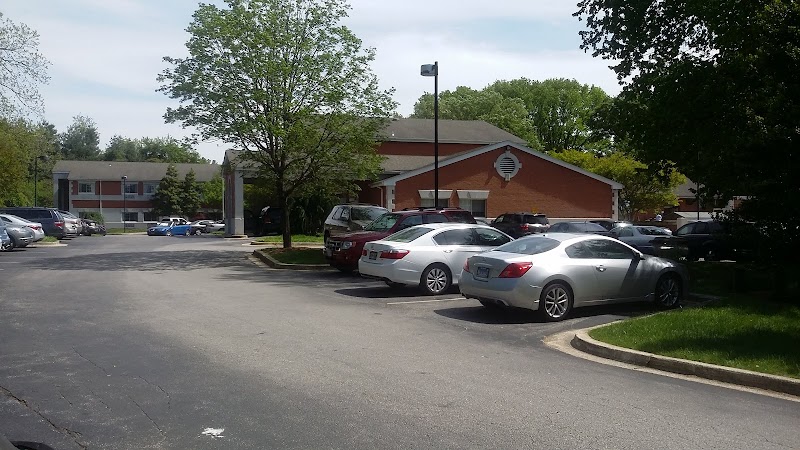
How is Autumn Lake Healthcare At Spa Creek Staffed?

CMS rates AUTUMN LAKE HEALTHCARE AT SPA CREEK's staffing level at 2 out of 5 stars, which is below average compared to other nursing homes. Staff turnover is 56%, which is 10 percentage points above the Maryland average of 46%. High turnover can affect care consistency as new staff learn residents' individual needs.

What Have Inspectors Found at Autumn Lake Healthcare At Spa Creek?

State health inspectors documented 65 deficiencies at AUTUMN LAKE HEALTHCARE AT SPA CREEK during 2017 to 2025. These included: 1 Immediate Jeopardy (the most serious level, indicating potential for serious harm or death) and 64 with potential for harm. Immediate Jeopardy findings are rare and represent the most serious regulatory concerns. They require immediate corrective action.
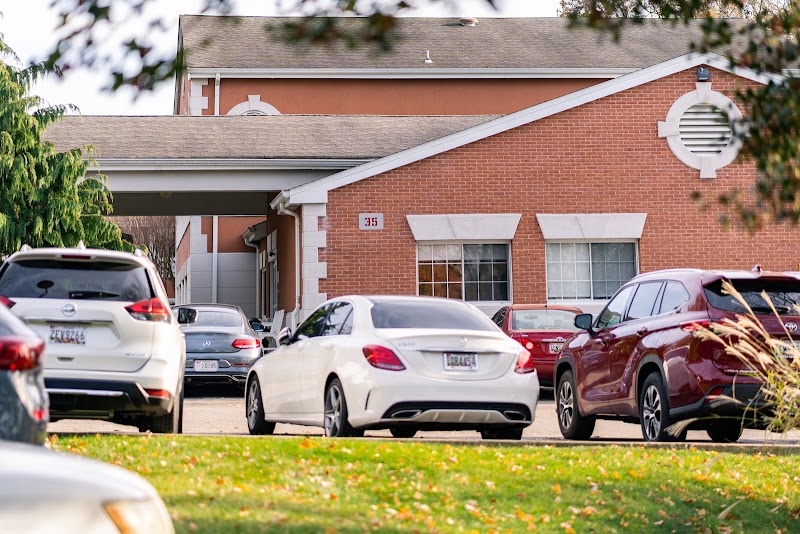
Who Owns and Operates Autumn Lake Healthcare At Spa Creek?

AUTUMN LAKE HEALTHCARE AT SPA CREEK is owned by a for-profit company. For-profit facilities operate as businesses with obligations to shareholders or private owners. The facility is operated by AUTUMN LAKE HEALTHCARE, a chain that manages multiple nursing homes. With 130 certified beds and approximately 116 residents (about 89% occupancy), it is a mid-sized facility located in ANNAPOLIS, Maryland.
How Does Autumn Lake Healthcare At Spa Creek Compare to Other Maryland Nursing Homes?

Compared to the 100 nursing homes in Maryland, AUTUMN LAKE HEALTHCARE AT SPA CREEK's overall rating (2 stars) is below the state average of 3.0, staff turnover (56%) is near the state average of 46%, and health inspection rating (1 stars) is much below the national benchmark.

What Should Families Ask When Visiting Autumn Lake Healthcare At Spa Creek?

Based on this facility's data, families visiting should ask: "What changes have been made since the serious inspection findings, and how are you preventing similar issues?" "How do you ensure continuity of care given staff turnover, and what is your staff retention strategy?" "Can you walk me through typical staffing levels on day, evening, and night shifts?" "Can I visit during a mealtime to observe dining assistance and food quality?" These questions are particularly relevant given the facility's Immediate Jeopardy citations, the facility's high staff turnover rate, and the below-average staffing rating.

Is Autumn Lake Healthcare At Spa Creek Safe?

Based on CMS inspection data, AUTUMN LAKE HEALTHCARE AT SPA CREEK has documented safety concerns. Inspectors have issued 1 Immediate Jeopardy citation (the most serious violation level indicating risk of serious injury or death). The facility has a 2-star overall rating and ranks #100 of 100 nursing homes in Maryland. Families considering this facility should ask detailed questions about what corrective actions have been taken since these incidents.

Do Nurses at Autumn Lake Healthcare At Spa Creek Stick Around?

Staff turnover at AUTUMN LAKE HEALTHCARE AT SPA CREEK is high. At 56%, the facility is 10 percentage points above the Maryland average of 46%. High turnover means new staff may not know residents' individual needs, medications, or preferences. It can also be disorienting for residents, especially those with dementia who rely on familiar faces. Families should ask: What is causing the turnover? What retention programs are in place? How do you ensure care continuity during staff transitions?

Was Autumn Lake Healthcare At Spa Creek Ever Fined?

AUTUMN LAKE HEALTHCARE AT SPA CREEK has no federal fines on record. CMS issues fines when nursing homes fail to meet care standards or don't correct problems found during inspections. The absence of fines suggests the facility has either maintained compliance or corrected any issues before penalties were assessed. This is a positive indicator, though families should still review recent inspection reports for the full picture.

Is Autumn Lake Healthcare At Spa Creek on Any Federal Watch List?

AUTUMN LAKE HEALTHCARE AT SPA CREEK is not on any federal watch list. The most significant is the Special Focus Facility (SFF) program, which identifies the bottom 1% of nursing homes nationally based on persistent, serious quality problems. Not being on this list means the facility has avoided the pattern of deficiencies that triggers enhanced federal oversight. This is a positive indicator, though families should still review the facility's inspection history directly.