MARLEY NECK HEALTH AND REHABILITATION CENTER
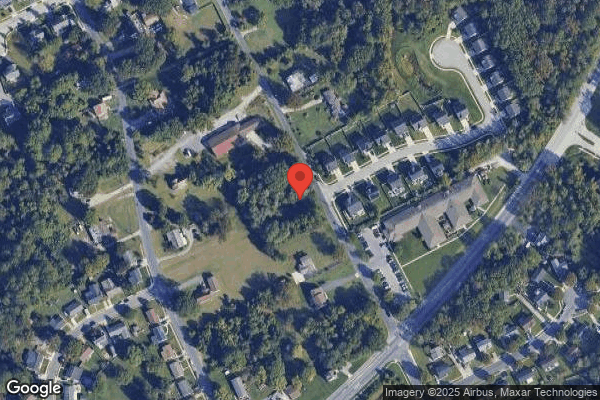

7575 EAST HOWARD ROAD, GLEN BURNIE, MD 21060 (410) 768-8200
For profit - Corporation 95 Beds COMMUNICARE HEALTH Data: November 2025
Trust Grade
85/100
#31 of 219 in MD
Last Inspection: June 2025

Inspected within the last 6 months. Data reflects current conditions.

Overview

Marley Neck Health and Rehabilitation Center has a Trust Grade of B+, indicating it is above average and recommended for families considering care options. It ranks #31 out of 219 facilities in Maryland, placing it in the top half, and #4 out of 13 in Anne Arundel County, meaning only three local facilities are rated higher. The facility is improving, with the number of issues decreasing from 12 in 2022 to 11 in 2025. Staffing has a 3-star rating with a 24% turnover, which is below the state average of 40%, suggesting that staff members tend to stay longer and build relationships with residents. Notably, there have been no fines recorded, which is a positive sign. However, there are some concerns. The inspector found that food storage practices did not meet safety standards, with items left open, unlabeled, and undated, posing potential risks to residents. Additionally, there were multiple instances where no activities were taking place for residents, indicating a lack of engagement. Overall, while there are strengths such as good staffing stability and no fines, families should be aware of these operational concerns.

Trust Score
B+
85/100
In Maryland
#31/219
Top 14%
Safety Record
Low Risk
No red flags
Inspections
Getting Better
12 → 11 violations
Staff Stability
✓ Good
24% annual turnover. Excellent stability, 24 points below Maryland's 48% average. Staff who stay learn residents' needs.
Penalties
✓ Good
No fines on record. Clean compliance history, better than most Maryland facilities.
Skilled Nurses
○ Average
Each resident gets 39 minutes of Registered Nurse (RN) attention daily — about average for Maryland. RNs are the most trained staff who monitor for health changes.
Violations
⚠ Watch
45 deficiencies on record. Higher than average. Multiple issues found across inspections.
★★★★★
5.0
Overall Rating
★★★☆☆
3.0
Staff Levels
★★★★★
5.0
Care Quality
★★★★☆
4.0
Inspection Score
Stable
2022: 12 issues
2025: 11 issues

The Good

  • 5-Star Quality Measures · Strong clinical quality outcomes
  • Low Staff Turnover (24%) · Staff stability means consistent care
  • Full Sprinkler Coverage · Fire safety systems throughout facility
  • No fines on record
  • Staff turnover is low (24%)

    24 points below Maryland average of 48%

Facility shows strength in quality measures, staff retention, fire safety.

The Bad

Chain: COMMUNICARE HEALTH

Part of a multi-facility chain

Ask about local staffing decisions and management

The Ugly 45 deficiencies on record

Jun 2025 11 deficiencies
CONCERN (D) 📢 Someone Reported This

A family member, employee, or ombudsman was alarmed enough to file a formal complaint

Potential for Harm - no one hurt, but risky conditions existed

Investigate Abuse (Tag F0610)

Could have caused harm · This affected 1 resident

Based on interview, review of facility-reported incident investigation and record review, it was determined that the facility failed to thoroughly investigate an incident. This was evident for 1 (Resi...

Read full inspector narrative →
Based on interview, review of facility-reported incident investigation and record review, it was determined that the facility failed to thoroughly investigate an incident. This was evident for 1 (Resident #59) of 3 residents reviewed for abuse during the recertification survey. The findings include: A Hoyer lift, also known as a patient lift, is a mechanical device used to safely lift and transfer individuals who are unable to move themselves, often due to mobility limitations. On 6/16/25 at 11:11 AM, in an interview with Resident #59, he/she stated that a Geriatric Nurse Assistant (GNA) was rough when he/she was transferred from wheelchair to bed. He/she added that he/she was supposed to be transferred via Hoyer lift, however, the GNA picked him/her up from my wheelchair and transferred him/her manually to the bed. On 6/27/2025 at 8:09 AM, a review of facility-reported incident MD00211974 revealed that on 11/19/24 at 6:00 PM, Resident #59 was transferred by GNA #10 from the wheelchair to the bed without using a lift. The allegation was confirmed with a statement provided by Resident #53. Further review of the facility's investigation revealed that the facility obtained statements from the staff and witnesses, however, the facility indicated, there were no interviews with other residents. The facility's findings also stated, failure to honor the resident's request for Hoyer lift was substantiated. On 6/27/25 at 10:35 AM, a review of Resident #59's medical records indicated a BIMS score of 13 of 15, cognitively intact (Brief Interview for Mental Status, BIMS, is a screening tool used to assess basic cognitive function in patients in long-term care facilities.) On 6/27/25 at 12:45 PM, in interview with the NHA, she stated that once the facility received a report of an incident from a resident/ family or staff, the facility immediately started the investigation. She added that the facility obtained statements from the victim, perpetrator, witnesses, staff and added that she expected that other residents who were under the care of the alleged perpetrator would be interviewed by the facility.
CONCERN (D)

Potential for Harm - no one hurt, but risky conditions existed

Assessment Accuracy (Tag F0641)

Could have caused harm · This affected 1 resident

Based on record review and interview, it was determined that the facility failed to accurately code the resident's discharge status on the Discharge MDS assessment. This was evident for 1 (Resident #8...

Read full inspector narrative →
Based on record review and interview, it was determined that the facility failed to accurately code the resident's discharge status on the Discharge MDS assessment. This was evident for 1 (Resident #88) of 3 residents reviewed for hospitalization during the recertification survey. The findings include: Minimum Data Set (MDS) is a core set of screening, clinical, and functional status data elements, including common definitions and coding categories, which form the foundation of a comprehensive assessment for all residents of nursing homes certified to participate in Medicare or Medicaid. According to the Long-Term Care Facility Resident Assessment Instrument (RAI) 3.0 User's Manual, discharge assessments include the completion of a select number of MDS items in order to track residents when they enter or leave a facility. A Discharge Assessment-Return Not Anticipated (DCRNA) must be completed when the resident is discharged from the facility and the resident is not expected to return to the facility within 30 days while a Discharge On 6/20/25 at 7:20 AM, a review of Resident #88's medical records indicated a discharge date of 3/25/2025 at 11:50 AM to an Assisted Living Facility (ALF). This was supported by a Nurses note, a Discharge summary visit notes by Nurse Practitioner (NP #9), a Social Services note and a Physician's order dated 3/25/2025 which indicated, Discharge to ALF. However, a review of Section A of the MDS Discharge Return Not Anticipated (DCRNA) assessment with an Assessment Reference Date (ARD) of 3/25/2025 revealed that the discharge status was incorrectly coded as Discharge Status- Short- term General hospital (acute hospital). On 6/20/25 at 9:08 AM, during an interview with the Social Worker (SW), she described that changes to the residents' discharge status were communicated to the Interdisciplinary Team (IDT) through a weekly meeting. She also verified that Resident #88 was discharged to an ALF in Severna Park. On 6/20/25 at 9:17 AM, in an interview with the Minimum Data Set (MDS) coordinator, she confirmed that Resident #88 was discharged to an ALF and acknowledged that the discharge assessment should have been coded as discharged to community/AL. On 6/20/25 at 12:58 PM, the Director of Nursing (DON) was notified of the concern.
CONCERN (D)

Potential for Harm - no one hurt, but risky conditions existed

Comprehensive Care Plan (Tag F0656)

Could have caused harm · This affected 1 resident

Based on medical record reviews and facility staff interviews, it was determined that the facility failed to initiate care plans based on medication use. This was evident for 2 (Residents #4, #32) out...

Read full inspector narrative →
Based on medical record reviews and facility staff interviews, it was determined that the facility failed to initiate care plans based on medication use. This was evident for 2 (Residents #4, #32) out of 36 residents reviewed for care plan implementation during a recertification survey process. The findings include: A care plan details the daily support an individual requires to maintain quality of life, including personal care, medication, meals, social interaction, and mobility assistance. It ensures coordinated care across caregivers and service providers. On 6/18/25 at 6:35 AM, a review of Resident #32's medical record revealed a physician order dated 3/21/25 for busPIRone HCl 5 mg oral tablet. The order directs staff to administer 1 tablet by mouth every 8 hours for treatment of anxiety. On 6/18/25 at 12:49 PM, further review of the medical record revealed that the facility failed to initiate a care plan related to antianxiety medication to reflect the plan of care for Resident #32. During an interview with the Director of Nursing (DON) on 6/18/25 at 1:49 PM regarding Care Plan Initiation Process, the DON stated that a care plan is initiated upon admission and is updated as needed. She explained that the MDS Coordinators, in collaboration with the interdisciplinary team, are responsible for updating the care plan when there is a change in the resident's condition. When asked who is responsible for initiating the care plan, the DON responded, Any of the nurses, especially the admission nurse, managers, and MDS Coordinators. She further noted that medication updates are handled by both the nursing staff and MDS Coordinators. The surveyor informed the DON on 6/18/25 at 1:55 PM of concerns related to Resident #32, whose care plan had not been initiated for antianxiety medication. The DON acknowledged the concern and stated, I will look into it, noting that the resident is frequently admitted and discharged from the facility. On 6/20/25 at 8:33 AM, the DON confirmed that no care plan had been initiated for the resident #32's antianxiety medication. The DON stated, I went ahead and initiated one. The surveyor brought the concern to her attention, and she acknowledged the oversight. On 6/20/25 at 12:10 PM,a review of the medical record revealed that the care plan addressing the Resident #32 's antianxiety medications was initiated on 6/18/25, following surveyor's intervention. On 6/20/25 at 12:36 PM, a review of Resident #4's medical record review revealed the physician orders for Eliquis Oral Tablet 5 MG (Apixaban) Give 1 tablet by mouth two times a day for DVT on 3/21/25. On 6/20/25 at 1:27 PM, the surveyor informed the DON that Resident #4 is currently receiving anticoagulant therapy; however, there is no care plan in place addressing this intervention. The DON confirmed that a care plan for anticoagulant therapy had not been initiated and acknowledged the concern. On 6/20/25 at 1:52 PM, further review of the medical record revealed that a care plan addressing Resident #4's anticoagulant medication was initiated on 6/20/25, following the surveyor's intervention.
CONCERN (D) 📢 Someone Reported This

A family member, employee, or ombudsman was alarmed enough to file a formal complaint

Potential for Harm - no one hurt, but risky conditions existed

ADL Care (Tag F0677)

Could have caused harm · This affected 1 resident

Based on record reviews and facility staff interviews it was determined that the facility failed to ensure a Resident was provided scheduled showers. This was found to be evident for 1 (Resident #77) ...

Read full inspector narrative →
Based on record reviews and facility staff interviews it was determined that the facility failed to ensure a Resident was provided scheduled showers. This was found to be evident for 1 (Resident #77) out of 1 Resident reviewed for Activities of Daily Living (ADL) during the re-certification survey. The findings include: According to the National Institute of Health (NIH) Activities of Daily Living (ADL) are basic routine tasks that most healthy individuals can perform without assistance. These activities include personal care tasks such as eating, dressing, bathing, toileting, managing continence, and transferring (moving from 1 position to another). The ability to perform activities of daily living is an essential measure of an individual's functional status. The inability to perform basic activities of daily living may lead to unsafe conditions and a poor quality of life. The healthcare team should be aware of the importance of assessing activities of daily living in patients to help identify those who require assistance, whether for temporary rehabilitation or long-term care planning. On 6/30/25 at 6:06 AM a review of the complaint MD00218418 revealed a concern that Resident #77 did not receive routine showers. A review of Resident #77's ADL's Documentation Survey Reports V2 was conducted on 6/30/25 at 6:39 AM. The report showed that the Resident's scheduled shower days were Tuesdays and Fridays on the day shift. Further review of the reports showed that the Resident had 13 opportunities since admission to receive a shower: 5/16/25,05/20/25, 05/23/25, 05/27/25, 05/30/25, 06/03/25, 06/06/25, 06/10/25, 06/13/25, 06/17/25, 06/20/25, 06/24/25, and 06/27/25. However, the Resident received 7 showers duing this period: 5/16/25,05/20/25, 05/23/25, 05/27/25, 05/30/25, 06/20/25, and 06/24/25. During an interview conducted on 6/30/25 at 8:40 AM, Geriatric Nursing Assistant (GNA)#7 stated that she had provided care routinely for Resident #77 and stated that the Resident had been compliant with all care and had not refused showers when offered. The GNA further stated that she was unaware of a reason why the Resident had not received his/her showers as scheduled. During an interview conducted on 6/30/25 at 9:16 AM, this Surveyor discussed the concern that Resident #77 had not received showers as scheduled. The Nursing Home Administrator (NHA) stated she understood the concern and would speak with the Director of Nursing.
CONCERN (D)

Potential for Harm - no one hurt, but risky conditions existed

Quality of Care (Tag F0684)

Could have caused harm · This affected 1 resident

**NOTE- TERMS IN BRACKETS HAVE BEEN EDITED TO PROTECT CONFIDENTIALITY** Based on interview, observation and record review, it was determined that the facility failed to apply a preventative brace orde...

Read full inspector narrative →
**NOTE- TERMS IN BRACKETS HAVE BEEN EDITED TO PROTECT CONFIDENTIALITY** Based on interview, observation and record review, it was determined that the facility failed to apply a preventative brace ordered for a resident. This was found to be evident for 1 (Resident #1) out of 1 resident reviewed for quality of care. The findings include: Foot drop is an inability to lift the front part of the foot and toes. This can be caused by nerve injuries, muscle disorders, brain or spinal cord disorders (such as stroke). If foot drop persists, the muscles that point the foot downward can become tight and lead to a contracture. A foot drop brace, is designed to support the ankle and foot. The brace extends from the calf, wraps around the ankle, and extends under the foot, often inside the shoe. It provides support and can help lift the foot, preventing it from dropping and allowing for a more normal gait. An Ankle-Foot Orthosis (AFO) is a brace worn on the lower leg to support the ankle and foot. It is commonly used to treat foot drop by holding the foot in a proper position to prevent dragging and improve walking safety. On 6/16/25 at 2:36 PM, during an interview with Resident #1, he/she expressed a concern that he/she was supposed to have a foot brace on his/her left foot. He/she reported that the last time the foot brace had been worn was about a month prior. The resident explained that the brace was used to help with his/her foot drop. On 6/16/25 at approximately 2:40 PM, an observation in Resident #1's room showed that he/she was not wearing his/her brace. On 6/25/25 at approximately 8:30 AM, this surveyor conducted an interview with the Rehab Director. During the interview, the surveyor inquired about the status of Resident #1 and his/her left foot brace. The Rehab Director explained that the Resident had been using the brace to help maintain proper foot alignment and prevent contracture; however, use of the brace had resulted in a wound. He stated that the anticipated plan involved consulting with the wound care nurse and obtaining his/her approval before proceeding with a new brace. When asked about the current plan for the Resident and the brace, he further explained that once the wound healed, the team would move forward with reintroducing the brace. When asked what type of wound it was, he responded that he believed it was an ankle wound. On 6/25/25 at 9:11 AM, a record review of Resident #1 ' s Task Treatment Administration Record (TAR) for June 2025 showed that he/she had an order for: Hard Brace to LT [left] Lower Leg on while at bedtime & off in morning - check skin with application & removal every day and evening shift every day and evening shift for CONTRACTURE PREVENTION Record review also showed that a new order had been placed on 06/24/2025: Hold off Hard Brace to LT [left] Lower Leg on while at bedtime & off in morning - check skin with application & removal every day and evening shift every day and evening shift for CONTRACTURE PREVENTION due to impaired skin integrity. On 6/25/25 at 9:30 AM, a record review of Resident #1 showed a care plan for the following: MR. [NAME] has an ADL [activities of daily living] Self Care Performance Deficit r/t [related to] Limited ROM [range of motion]/Mobility, Weakness, Hemiplegia, with an intervention of AFO [ankle foot orthoses] to left lower leg during bedtime hours. On 6/25/25 at 9:43 AM, a record review of Resident #1's records showed that there was no documentation indicating that he/she had a wound on his/her left ankle. There was no documentation of a change in condition, and no mention of the ankle wound was found in the wound care orders. On 6/25/25 at 10:08 AM, this surveyor conducted an interview along with an observation of Resident #1 in his/her room. He/she did not have a foot brace on at that time. It was observed that a brace was sitting in the corner of the room, and on the side of the brace it stated, Foot Drop Protection. A picture was taken of the brace at that time. On 6/25/25 at 10:15 AM, this surveyor conducted an interview with Licensed Practical Nurse (LPN) #5. During the interview, she was asked if she was aware whether the resident had a wound. She responded that she was aware of a sacral wound but was not aware of any other wounds. She reported that she did not know of any other wounds. At that time, this surveyor requested that LPN #5 go to Resident #1 ' s room. This surveyor then asked LPN #5 to check the resident ' s ankles for wounds. Together, the resident ' s ankles were observed, and no wounds were identified. His/her skin was clear, with no open areas noted. On 6/25/25 at 10:20 AM, during an interview, this surveyor asked Licensed Practical Nurse (LPN) #5 if she was aware of any orders for Resident #1 to utilize a foot brace. She explained that he/she was supposed to use compression stockings but was not aware of any braces or similar equipment ordered for the feet. At that time, the foot drop brace was still visible in the corner of the room. On 6/25/25 at 10:42 AM, an interview was conducted with the Administrator. This surveyor made the Administrator aware of the concern that Resident #1 had an order to wear a foot drop brace for contracture prevention, and that LPN #5 was not aware of this order. Based on observation and interview, it appeared that he/she had not worn the brace in some time. The Administrator confirmed understanding.
CONCERN (D) 📢 Someone Reported This

A family member, employee, or ombudsman was alarmed enough to file a formal complaint

Potential for Harm - no one hurt, but risky conditions existed

Accident Prevention (Tag F0689)

Could have caused harm · This affected 1 resident

**NOTE- TERMS IN BRACKETS HAVE BEEN EDITED TO PROTECT CONFIDENTIALITY** Based on interview and record review, it was determined that the facility failed to 1. provide a Resident with safe transfer fro...

Read full inspector narrative →
**NOTE- TERMS IN BRACKETS HAVE BEEN EDITED TO PROTECT CONFIDENTIALITY** Based on interview and record review, it was determined that the facility failed to 1. provide a Resident with safe transfer from chair to bed and 2. ensure a Resident was free from an accident. This was found to be evident for 2 (Residents #59 and #146) out of 3 Residents reviewed for accidents during the re-certification survey. The findings include: 1. On 6/30/25 at 8:06 AM a review of the Facility Reported Incident (FRI) MD00178278 revealed a report of a fall to the Office of Health Care Quality (OHCQ). The report advised that Resident #146 complained that during incontinent care the Resident fell off the bed. During review of the investigation file conducted on 6/30/25 at 8:17 AM, this surveyor reviewed the statement from Geriatric Nursing Assistant (GNA)#8. In the statement the GNA reported that around 5 am on 5/18/22, while changing Resident #146, the Resident rolled toward me but was sliding off the bed. I quickly grabbed him/her upper body that was leaning toward the floor and guided the Resident to the floor. I was unable to get the Resident back on to the bed alone. I then covered him/her up and called the nurse for assistance. According to the Centers of Medicare and Medicaid Services (CMS) a Minimum Data Set (MDS) is part of the federally mandated process for clinical assessment of all residents in Medicare and Medicaid certified nursing homes. This process provides a comprehensive assessment of each resident's functional capabilities and helps nursing home staff identify health problems. Care Area Assessments (CAAs) are part of this process and provide the foundation upon which a resident's individual care plan is formulated. MDS assessments are completed for all residents in certified nursing homes, regardless of source of payment for the individual resident. MDS assessments are required for residents on admission to the nursing facility, periodically, and on discharge. All assessments are completed within specific guidelines and time frames. Bed mobility indicates how a resident moves to and from a lying position, turns side to side, and positions body while in bed or alternate sleep furniture On 6/30/25 at 8:32 AM a review of Resident #146's MDS quarterly assessment dated [DATE] was conducted. The Care Area Assessment (CAA) for Functionality showed that the resident required extensive assistance with a 2-person assist for bed mobility. During an interview conducted on 6/30/25 at 8:42 AM, GNA # 7 stated that she refers to the nurse assigned to the resident to understand the level of care a resident needed which included how many people are needed to provide care and transfer the resident. During an interview conducted on 6/30/25 at 11:00 AM, the Director of Nursing (DON) stated it is the expectation of the facility that if the Resident's bed mobility is a 2 person assist than there should be 2 staff assisting the Resident when turning on their side. This surveyor explained the concern for their being one staff member when Resident#146 rolled to one side and fell off the bed. The DON stated that she would review the investigation file and return to discuss. On 6/30/25 at 11:50 AM, the DON returned and stated that after reviewing Resident #146's medical record it was determined that GNA #8 did not follow protocol. The Resident required a 2 person assist for bed mobility therefore the GNA should have gotten a second staff member to assist in the care of the Resident. 2. A Hoyer lift , also known as a patient lift, is a mechanical device used to safely lift and transfer individuals who are unable to move themselves, often due to mobility limitations. On 6/16/25 at 11:11 AM, in an interview with Resident #59, he/she stated that a Geriatric Nurse Assistant (GNA) was rough when he/she was transferred from wheelchair to bed. He/she added that he/she was supposed to be transferred via Hoyer lift, however, the GNA picked him/her up from my wheelchair and transferred him/her manually. On 6/27/2025 at 8:09 AM, a review of facility-reported incident MD00211974 revealed that on 11/19/24 at 6:00 PM, Resident #59 was transferred by GNA #10 from the wheelchair to the bed without using a lift. The allegation was confirmed with a statement provided by Resident #53. The reported indicated that the Nursing Home Administrator (NHA) interviewed GNA#10, and he/she admitted to seeing the green Hoyer pad in the wheelchair prior to transferring Resident #59 to the bed. He/she admitted not checking the care plan on how the resident should be transferred. Further review of the facility's investigation revealed this findings: failure to honor the resident's request for Hoyer lift was substantiated. On 6/27/25 at 10:35 AM, a review of Resident #59's medical records indicated a BIMS score of 13 of 15, cognitively intact (Brief Interview for Mental Status, BIMS, is a screening tool used to assess basic cognitive function in patients in long-term care facilities.) The care plan initiated on 6/2/24 had an intervention of Mechanical lift required with transfers. On 6/27/25 at 11:57 AM, in an interview with GNA#11, he/she confirmed that the nursing staff are expected to utilize 2- 3 staff when transferring the residents using a Hoyer lift. On 6/27/25 at 12:45 PM, the Nursing Home Administrator was notified of the concern.
CONCERN (D) 📢 Someone Reported This

A family member, employee, or ombudsman was alarmed enough to file a formal complaint

Potential for Harm - no one hurt, but risky conditions existed

Deficiency F0697 (Tag F0697)

Could have caused harm · This affected 1 resident

Based on record review and interview, it was determined that the facility failed to implement nonpharmacological interventions of pain and ensure that pain medication was given consistent with the pro...

Read full inspector narrative →
Based on record review and interview, it was determined that the facility failed to implement nonpharmacological interventions of pain and ensure that pain medication was given consistent with the professional standards of practice. This was evident for 1 (Resident #59) of 3 residents reviewed for pain management during the recertification survey. The findings include: The medical abbreviation PRN stands for pro re nata, a Latin phrase that translates to as needed or as the situation arises. Nonpharmacological interventions are treatments that manage pain without the use of medication. These interventions may include but are not limited to massage, music therapy, aromatherapy, applying mild heat or cold packs and repositioning. Oxycodone is a strong painkiller from a group of medicines called opiates, or narcotics used to treat moderate to severe pain. Pain parameters are the specific aspects of pain that are evaluated during an interview to understand a person's pain experience. On 6/18/25 at 7:18 AM, a review of Resident #59's active Physician's orders revealed the following: 1. Oxycodone HCl Oral Tablet 5 MG (Oxycodone HCl) Give 5 mg by mouth every 6 hours as needed for pain. 2. Acetaminophen Oral Tablet 325 MG (Acetaminophen) Give 2 tablet by mouth every 8 hours as needed for Pain. 3. Pain level Q (every) shift (1-3 mild) (4-7 moderate) (8-10 severe) pain of 1-3 with no prn: contact practitioner, >= 4 with no prn or prn non-effective or new onset pain: contact practitioner. Document nonpharmacological pain intervention prior to PRN pain medication administration every shift for Assessment. 4. Non-pharmacological interventions: 1. Repositioning 2. Distraction 3.Activity involvement 4. As needed for Assessment. Further review of the medical record revealed a Care plan intervention which indicated Administer non-pharmacological interventions (repositioning, diversion activities, snacks and fluids, ice / heat, music therapy, relaxation techniques, imagery. On 6/18/25 at 1:18 PM, in an interview with Registered Nurse/Unit Manager (RN/UM #3) and Licensed Practical Nurse (LPN #1) with regards to the facility's pain management process, they described that when a resident complained of pain, the nurses were expected to assess the resident and ask for their pain level. They added that the facility used a pain scale from 0-10. They stated that prior to giving the PRN pain medication, they would verify the orders in the medical record and checked the options based on the residents' pain level. They revealed that the facility used Tylenol for mild pain and gave stronger pain medication for severe pain. They confirmed that the nurses utilized pain parameters set in the PRN order before administering pain medication, however, if the resident had 2 PRN pain medications without pain parameters in the order, they would use their nursing judgment to determine which pain medication was the best for the resident. They added that generally, the Physician would specify if the medication was for mild, moderate or severe pain. However, after verifying the PRN pain medications of Resident #59 with RN/UM #3, he/she agreed that medications had no pain parameters. RN/UM #3 attempted to show the surveyor where the nonpharmacological interventions were documented in the medical record, however, after he/she verified the Medication Administration Record (MAR) and the Treatment Administration Record (TAR) she confirmed that there was no evidence that the interventions were documented. He/she stated she would inform the Director of Nursing (DON) of the issue. On 6/18/25 at 1:42 PM, in an interview with the DON, she stated that in pain management, the facility utilized nonpharmacological interventions for pain and if the interventions were not effective, the nurses were expected to administer the medication based on the resident's pain level. The DON added that the pain parameters should be part of the PRN pain medication orders. The surveyor reviewed the June MAR of Resident #59 with the DON which showed that PRN Oxycodone and Tylenol did not have any pain parameters in the orders. The surveyor also informed the DON that the Oxycodone was administered on 6/9/25 for a pain level of 2 and Tylenol was administered on 6/2/25 and 6/11/25 for a pain level of 4. The surveyor also showed the June TAR with the DON, which indicated that the nonpharmacological interventions were not documented by the nurses as ordered. The DON stated that she would look for any documentation to verify the concern. On 6/18/25 at 1:55 PM, a review of the facility's Pain Management policy approved on 3/28/25, indicated the following: 1. The use of the appropriate Pain Management Scale for the resident's ability to express pain. 2. History of pain and treatment for the resident- To include non-pharmacological and pharmacological treatment and whatever or not each treatment has been effective. On 6/20/25 at 8:34 AM, the DON confirmed that the nonpharmacological interventions for pain were not implemented, she stated that she notified the staff development and an in-service/education for the nurses will be conducted. The DON added that she discussed the PRN pain parameters concern with the attending Physicians, and they all agreed to include them in the PRN pain med orders.
CONCERN (D)

Potential for Harm - no one hurt, but risky conditions existed

Unnecessary Medications (Tag F0759)

Could have caused harm · This affected 1 resident

**NOTE- TERMS IN BRACKETS HAVE BEEN EDITED TO PROTECT CONFIDENTIALITY** Based on observation, interview and record review, it was determined that the facility failed to ensure that the medication erro...

Read full inspector narrative →
**NOTE- TERMS IN BRACKETS HAVE BEEN EDITED TO PROTECT CONFIDENTIALITY** Based on observation, interview and record review, it was determined that the facility failed to ensure that the medication error rate was not 5% or greater. This was evident for 2 (Resident #74 and #82) out of 6 residents observed for medication administration. 2 errors were discovered out of 38 opportunities. The findings include: According to the Centers for Medicare and Medicaid (CMS) the Medication error rate is determined by calculating the percentage of medication errors observed during a medication administration observation. The numerator in the ratio is the total number of errors that the survey team observes, both significant and non-significant. The denominator consists of the total number of observations or opportunities for errors and includes all the doses the survey team observed being administered plus the doses ordered but not administered. The equation for calculating a medication error rate is as follows: Medication Error Rate = Number of Errors Observed divided by the Opportunities for Errors (doses given plus doses ordered but not given) X 100. On 06/18/25 at 8:26 AM, the surveyor observed Licensed Practical Nurse (LPN) #1 administered the following medication order in error to Resident #74: Med Pass Product (2 [NAME]) one time a day for nutritional supplement. Give 6 oz. The surveyor observed LPN #1 pour the Med Pass Product into a plastic cup. When asked how the quantity of medication was supposed to be measured, LPN #1 stated that she did not know. She explained that the plastic cup held approximately 240 milliliters (mL) but was unsure of the exact method for measuring the amount of Med Pass Product. LPN #1 proceeded to administer the full cup to Resident #74. This is a medication error, as 240 mL equals approximately 8 ounces-exceeding the prescribed dose of 6 ounces. On 06/18/25 at 9:29 AM, it was observed that LPN #1 also administered the incorrect dose of medication to Resident #82: Spiriva Respimat Inhalation Aerosol Solution 2.5mcg/act (Tiotropium Bromide Monohydrate). 2 puff inhale orally in the morning for COPD educate the resident to rinse mouth after use. The surveyor observed LPN #1 administer only one puff inhalation of the medication to Resident #82, instead of the prescribed two puffs. On 06/18/25 at approximately 9:40 AM, an interview was conducted with LPN #1. The medication errors were discussed, and she confirmed her understanding. She further explained that, in the future, she could measure the Med Pass Product using the plastic medication cups, which have ounce measurements marked on the side. LPN #1 also apologized for not administering two inhalations of Spiriva to Resident #82 as ordered. On 06/18/25 at 12:46 PM, a record review of the Medication Administration Record (MAR) for Resident #74 confirmed that the medication order for Med Pass Product was for 6 ounces. Additionally, the MAR for Resident #82 confirmed that the medication order for Spiriva required two puff inhalations, not one.
CONCERN (D)

Potential for Harm - no one hurt, but risky conditions existed

Infection Control (Tag F0880)

Could have caused harm · This affected 1 resident

Based on observation and interview, it was determined that the facility failed to ensure that the staff followed infection control protocols. This was found to be evident during the review of (1) medi...

Read full inspector narrative →
Based on observation and interview, it was determined that the facility failed to ensure that the staff followed infection control protocols. This was found to be evident during the review of (1) medication administration and (2) laundry services, it has the ability to affect all residents. The findings include: 1) On 6/18/25 at 9:09 AM, this surveyor observed Licensed Practical Nurse (LPN) #1 administering medications to residents. At that time, it was observed that LPN #1 did not perform hand hygiene before entering the room to administer medication to Resident #82 and Resident #60. On 6/18/25 at 9:43 AM, this surveyor also observed that LPN #1 did not wipe down the blood pressure cuff or the pulse oximeter probe between use on Resident #82 and Resident #60. On 6/18/25 at 9:59 AM, this surveyor conducted an interview with LPN #1 to discuss concerns regarding infection control practices during medication administration. It was explained that the surveyor observed a failure to perform hand hygiene before entering residents' rooms, as well as a failure to disinfect the blood pressure cuff and pulse oximeter before using them on another resident. LPN #1 acknowledged the concerns and confirmed understanding that these practices pose infection control risks. 2) On 6/23/25 at approximately 12:50 PM, prior to the initial tour, this surveyor conducted a brief walkthrough of the laundry area. It was observed that clothing, which appeared to belong to residents, was hanging on a rack located in a hallway. The hallway was dirty, placing the clothing at risk for contamination. On 6/23/25 at 12:59 PM, this surveyor began a brief tour of the laundry room. At that time, it was observed that the Account Manager was covering the clothing in the hallway with blankets. On 6/23/25 at 01:00 PM, this surveyor conducted an interview with the Account Manager and inquired about the clothing and its ownership. The Account Manager explained that the clothing was intended for residents as donations, in case some arrived without any personal clothing. On 6/23/25 at 01:03 PM, this surveyor completed an interview and observation with the Account Manager regarding the blankets placed over the clothing. It was explained to the Account Manager that earlier, at approximately 12:50 PM, the clothing had not been covered at all. The surveyor further explained the concern that, even with blankets placed on top, the clothing remained at risk for contamination because it was not fully covered. Multiple areas of the clothing remained exposed and visible. Pictures were taken at that time of the clothing hanging on the racks with the blankets placed on top. This was identified as an infection control concern, as the hallway where the clothing was stored-based on the laundry area tour-was not clean and posed a contamination risk to the clothing intended for resident donations. The Account Manager reported understanding of the concern and stated that the issue would be addressed immediately.
CONCERN (D)

Potential for Harm - no one hurt, but risky conditions existed

Deficiency F0919 (Tag F0919)

Could have caused harm · This affected 1 resident

**NOTE- TERMS IN BRACKETS HAVE BEEN EDITED TO PROTECT CONFIDENTIALITY** Based on interview, observation and record review, it was determined the facility failed to ensure that the resident's bathroom ...

Read full inspector narrative →
**NOTE- TERMS IN BRACKETS HAVE BEEN EDITED TO PROTECT CONFIDENTIALITY** Based on interview, observation and record review, it was determined the facility failed to ensure that the resident's bathroom call system was functioning properly. This evident for 1 of multiple rooms observed during the recertification survey. The findings include: On 6/24/25 at 1:02 PM, in an interview with Resident #47, he/she stated that she fell in the bathroom on 6/23/25. He/she added that he/she attempted to pull the bathroom call cord to alert the staff, however, he/she was unsuccessful. He/she described the the cord got stuck and was not functioning, so he/she started yelling and maneuvered themselves towards the switch and slid the on/off switch for the call bell to activate. During an observation, the surveyor noted that the bathroom call cord was attached to a switch on the wall; the cord was hanging approximately 2 inches from the floor and the switch was 40 inches from the floor. Also, the surveyor attempted to pull the cord to activate the switch and confirmed that the pull cord was not functioning. The surveyor had to slide the on/off switch for the bathroom call light to activate the light. On 6/24/25 at 1:21 PM, the surveyor requested Licensed Practical Nurse (LPN #4) to test the call device of Resident #47's bathroom. The nurse demonstrated to the surveyor that for the bathroom light to function, the resident would pull the cord to activate the call light, however, when he/she pulled the cord, it did not work, he/she had to slide the switch to activate the light. The surveyor requested the LPN #4 to test the bathroom call cords of rooms #40 and #41, and as soon as he/she pulled the cords, it activated the call light. On 6/24/25 at 1:30 PM, the surveyor informed the Nursing Home Administrator (NHA) about the concern and asked her to accompany the surveyor to Resident #47's bathroom to test the call device. She pulled the cord and confirmed that it was not working and stated that she would put up a maintenance request and conduct an audit of all the bathroom call devices. On 6/26/25 at 8:09 AM, the surveyor conducted a follow up observation of the call device in the of Resident #47, the pull cord was still not working. The observation was witnessed by another surveyor. On 6/25/25 at 10:27 AM, the surveyor received a copy of the Bathroom Call Light Audits from the Business Office Manager (BOM). A review of the audit which was completed by the Interdisciplinary Team (IDT) on 6/25/25 revealed the following: room [ROOM NUMBER]- 1- no battery (replaced), room [ROOM NUMBER]-1 no battery (replaced) , room [ROOM NUMBER]-2 no battery (replaced). On 6/25/25 at 11:16 AM, the surveyor notified the NHA and the Maintenance Director that the bathroom call device of Resident #47 was still not functioning. They confirmed that the device has been fixed.
CONCERN (F)

Potential for Harm - no one hurt, but risky conditions existed

Food Safety (Tag F0812)

Could have caused harm · This affected most or all residents

Based on observations, interviews and record reviews it was determined that the facility failed to store food in a manner that maintains professional standards of food service safety. This practice ha...

Read full inspector narrative →
Based on observations, interviews and record reviews it was determined that the facility failed to store food in a manner that maintains professional standards of food service safety. This practice had the potential to affect all residents eating food prepared by the facility's kitchen. The findings include: During the initial tour of the main kitchen on 6/16/25 at 08:00 AM with the Certified Dietary Manager (CDM), the following items were found open, unlabeled, and undated. 1. Frozen Omelets were found in a clear plastic bag on a shelf in the freezer. The bag was open and not labeled or dated. 2. An opened container of Tajín seasoning was found on a shelf in the kitchen area. It was not labeled or dated. During an interview with the Certified Dietary Manager (CDM) on 6/16/25 at 9:00 AM, he stated that the items found unlabeled should have been dated after opening. On 6/16/25 at 9:05 AM, the CDM was made aware of the findings and acknowledged the concerns. An observation with the CDM and District Manager was conducted on 6/20/25 at 7:05 AM of a food cart for breakfast service in A Wing. This Surveyor, the CDM, and District Manager observed the staff began to pass the breakfast tray at 7:10 AM and completed the service at 7:18 AM. Following the last tray served the CDM, then began to take the temperature of the food on the test tray. The following food temperatures were recorded: Orange Juice - 49 degrees Fahrenheit Milk - 49 degrees Fahrenheit Oatmeal - 163.9 degrees Fahrenheit Sausage Patty - 139 degrees Fahrenheit Eggs Florentine Bake - 140 degrees Fahrenheit On 6/20/25 at 7:25 AM, the surveyor informed both the CDM and the District Manager of concerns regarding the temperatures of milk and orange juice. Both acknowledged the findings. On 6/20/25 at 7:28 AM, an observation was conducted in the A-Wing nutrition storage room with the Certified Dietary Manager (CDM). The following was noted: A sandwich in a Ziplock bag labeled with resident #243's name was observed in the refrigerator without a date. On 6/20/25 at 7:35AM, the surveyor inquired about the expectations for resident food storage. The CDM stated that items should be labeled with the residents' name and the date of placement. He further confirmed that, according to facility policy, food may be stored in the refrigerator for up to five days. The surveyor informed the CDM of the concern, and he acknowledged the finding. Review of facility Food Safe Handling for Food from Visitor Policy statement on 6/20/25 at 8:19AM revealed that label foods with the resident name and the current date. On 6/20/25 at 8:46 AM, the Surveyor made the CDM and the Administrator aware of the above concern and both acknowledged receipt. On 6/24/25 at 7:20 AM, an observation on B-Wing Breakfast Service with Administrator and CDM recorded the following food temperatures: Fried eggs: 136°F Hot Ham: 126°F Apple juice: 50.5°F These findings were confirmed on-site with both the Administrator and the Certified Dietary Manager (CDM). The surveyor informed them of the concerns regarding food safety and temperature compliance. Both individuals acknowledged receipt of the information. On 6/24/25 at 8:30 AM, the Policy Review of Health Services Group, Inc Policy for Food Storage: Cold Foods/Beverages and Hot Foods explicitly required that: Cold beverages and cold foods must be maintained at 41 degrees Fahrenheit or below to ensure proper temperature control and prevent bacterial growth. Hot foods must be held at 135 degrees Fahrenheit or above to maintain food safety and prevent the growth of harmful microorganisms.
May 2022 12 deficiencies
CONCERN (D)

Potential for Harm - no one hurt, but risky conditions existed

Resident Rights (Tag F0550)

Could have caused harm · This affected 1 resident

Based on surveyor observation during tour of the facility, it was determined that the facility failed to maintain and enhance the dignity of Resident #70, this occurred in 1 of 37 sampled residents. T...

Read full inspector narrative →
Based on surveyor observation during tour of the facility, it was determined that the facility failed to maintain and enhance the dignity of Resident #70, this occurred in 1 of 37 sampled residents. The findings include: On 5/18/22 at 10:00 am during tour of the facility this surveyor observed Resident #70 lying in bed near the door. The resident was uncovered and exposed. The privacy curtain was partially pulled back, Staff # 22, a GNA, was assisting the resident with morning care. Staff #22 was interviewed about the observation on 5/18/22 at 1:00 pm. She stated, I became busy helping the resident and forgot to pull the curtain around. On 5/19/22 at 9:30 am, surveyor #42782 interviewed Resident #70 was interviewed about the incident. According to the resident, s/he stated, I felt bad. when receiving care while exposed. The Director of Nursing (DON) was made aware of the observation on 5/18/22 at 10:30 am. She stated she would be speaking with Staff #22 regarding the observation.
CONCERN (D)

Potential for Harm - no one hurt, but risky conditions existed

Deficiency F0558 (Tag F0558)

Could have caused harm · This affected 1 resident

2). On 5/25/2022 at 1:10 pm, surveyor observed that Resident #56's call bell was not within his/her reach. The surveyor asked Resident #56 if he/she knew where the call bell was located. Resident #56 ...

Read full inspector narrative →
2). On 5/25/2022 at 1:10 pm, surveyor observed that Resident #56's call bell was not within his/her reach. The surveyor asked Resident #56 if he/she knew where the call bell was located. Resident #56 was unable to locate the call bell. At 1:17 pm, LPN #7 entered Resident #56's room to locate the missing call bell. At 1:20 pm LPN #7 found the call bell under a nightstand wrapped around the leg of of Resident #56's bed. LPN #7 retrieved the call bell from the floor, disinfected the call bell, and placed the call bell on Resident #56's bed. In an interview at 5/25/2022 at 1:30 pm. LPN #7 revealed that it is standard facility practice to have call bells available for all residents and he/she did not know why Resident #56's call bell was found on the floor wrapped around the resident's bed leg. The surveyor expressed concerns regarding the resident's missing call bell with the administrator and Director of Nursing at 5/25/2022 at 2:30 pm. Based on interviews with residents and staff it was determined the facility failed to: 1). Provide a resident with with the appropriate size adult brief (Resident #50), and 2). Ensure a resident's call bell was in reach when needed (Resident #56). This was found to be evident for 2 of 24 sampled for accommodation during the survey. The findings include: 1). While conducting an interview with Resident #50 on 5/18/22 at 11:38 AM, the resident told the surveyor that his/her adult briefs do not fit. The resident stated that brief size the facility provides does not fully cover him/her and it cannot be closed. The resident showed the package to the surveyor and the size on the package read, Large. The resident stated that s/he thought the brief size was extra-large, which explains why the briefs do not fit. The resident went on to say that the facility does not provide the appropriate size adult briefs and that s/he will have to purchase their own supply. During another interview with Resident #50 on 5/25/22 at 10:00 AM, the resident stated that s/he had to purchase several packs of diapers in the correct size because the facility has not provided these supplies to him/her. An interview was conducted with the Administrator on 5/25/22 at 10:30 AM and he was asked who is responsible for supplying the residents with the appropriate size adult briefs. The Administrator stated that the facility is responsible for providing supplies to the residents. He was made aware of the resident's concerns and stated that he would speak with the resident regarding concerns about not having the appropriate size adult briefs. During a subsequent meeting with the Administrator at on 05/25/2022 at 1:45 PM, he stated that he spoke with the resident and the resident will be reimbursed for the adult briefs he/she self-purchased.
CONCERN (D)

Potential for Harm - no one hurt, but risky conditions existed

Safe Environment (Tag F0584)

Could have caused harm · This affected 1 resident

**NOTE- TERMS IN BRACKETS HAVE BEEN EDITED TO PROTECT CONFIDENTIALITY** 2). On 05/18/22 at 9:30 am during the initial tour of the facility the surveyor noticed exposed corner bead and missing drywall ...

Read full inspector narrative →
**NOTE- TERMS IN BRACKETS HAVE BEEN EDITED TO PROTECT CONFIDENTIALITY** 2). On 05/18/22 at 9:30 am during the initial tour of the facility the surveyor noticed exposed corner bead and missing drywall in Resident #187's room. On 05/19/22 at 10:14 am Staff #6 the Director of Maintenance was shown the exposed and rusted corner bead and missing drywall in Resident #187's room. On 05/24/22 at 9:05 am the surveyor noticed a hole in the wall beneath the air conditioning unit in the resident's room. Staff #6 the Director of Maintenance was made aware and observed the hole in the wall. During an interview with LPN #5 on 05/24/22 at 9:40 am he/she made the surveyor aware the facility uses the Tels system to put in a work order for a maintenance problem and the work order goes directly to maintenance's handheld device. The staff doesn't have to run around looking for them to report a problem. The Geriatric Nursing Assistants have access to the system, but they usually tell the nurse, and the nurse will enter the work order. During an interview with Staff #6, the Director of Maintenance on 05/24/22 at 10:05 am, he/she made the surveyor aware the maintenance department receives work orders through the TELS app. There are two people in the maintenance department and they both have access to the TELS app which is located on their phones. When a work order is entered the app will notify them of the person who reported the problem, the maintenance issue, the location of the problem, and the order is time-stamped. Depending on the issue it will be resolved within a day or two. He/she checks to make sure the problem was resolved. He/she reports directly to the administrator who also has access to the TELS system. Preventive maintenance is performed every day, week, month, quarterly, semi-annually, and yearly. After surveyor intervention, on 05/24/22 at 10:48 am. it was noticed the hole in the wall beneath the air conditioner unit was patched. Based on observations and interviews with facility staff it was determined the facility failed to ensure that residents' rooms were maintained in a homelike environment by conducting routine assessments of the resident room and completing repairs when needed. This was found to be evident while touring rooms #43, #45, #47, #48 and for Resident #187's the facility during the facility's annual Medicare/Medicaid survey. The findings include: 1). On 5/18/22 at 12:00 PM during a tour of residents rooms 40-1 through 48-2 were observed. There were multiple rooms noted to have large, spackled areas above the head of the bed in need of repair and paint. On 5/25/22 at 10:37 AM a tour of the unit was done with the Maintenance Director (MD), Staff #6, present. The Maintenance Director observed each of the rooms. room [ROOM NUMBER]-1: had a large, spackled area above the head of the bed. room [ROOM NUMBER]-2: had a large area with a hole in it above the head of the bed. room [ROOM NUMBER]: the was wallpaper was lifted behind the head of the bed. room [ROOM NUMBER]: large scrapings were noted to the wall above the head of the bed. On 05/25/22 at 10:37 AM in an interview, the Maintenance Director was asked to explain the facility's process for repairs and routine maintenance for resident rooms. He explained that when a resident leaves or is transferred out of the room, an assessment of the room is done, and repairs are completed at that time. The Maintenance Director went on to say that assessments of resident rooms need to be done more frequently and that he will do a walk-through of all the rooms and complete all necessary repairs that are identified. A follow-up observation was made on 5/27/22 at 10:00 AM and there were rooms that were still in need of repair on the 40-1 through 48-2 unit. The Administrator was made aware of all concerns at the time of exit on 5/27/22 at 2:15 PM.
CONCERN (D)

Potential for Harm - no one hurt, but risky conditions existed

Transfer Notice (Tag F0623)

Could have caused harm · This affected 1 resident

Based on medical record review and interview with staff it was determined the facility staff failed to provide written notice for emergency transfers to the residents, the resident's representatives, ...

Read full inspector narrative →
Based on medical record review and interview with staff it was determined the facility staff failed to provide written notice for emergency transfers to the residents, the resident's representatives, and the ombudsman along with the reason for transfer. This was found to be evident for 2 out of 5 residents reviewed for a facility-initiated transfer during the investigative of the survey (Residents #67 and #87). The findings include: 1). A review of Resident #67's clinical record revealed on 1/23/21, the resident was sent to the hospital for treatment and evaluation. The review also revealed that the facility staff failed to provide written notice for emergency transfers to the residents, and or the residents' representative. The Administrator was informed of the regulatory concern on 5/25/22 at 10:30 AM, and no evidence of the notification was provided prior to exit. 2). A review of the medical record for Resident #87 on 5/24/22 at 10:00 am revealed Resident #87 was transferred to the hospital on 7/6/21. The continued review of the medical record did not reveal evidence that the resident or resident's responsible party was notified in writing of the transfer. During an interview of the Administrator on 5/24/22 1:00 pm he stated the written notification of transfer could not be located.
CONCERN (D)

Potential for Harm - no one hurt, but risky conditions existed

Deficiency F0625 (Tag F0625)

Could have caused harm · This affected 1 resident

Based on medical record review it was determined the facility failed to notify the resident or resident representative in writing of the facility's bed-hold policy upon transfer of a resident to an ac...

Read full inspector narrative →
Based on medical record review it was determined the facility failed to notify the resident or resident representative in writing of the facility's bed-hold policy upon transfer of a resident to an acute care facility. This was evident for 1 of 2 residents reviewed during the annual survey (Resident # 87). The findings include: A review of Resident #87's medical record on 5/24/22 at 10:00 am revealed the resident was transferred to the hospital on 7/6/21. A continued review of the medical record did not reveal evidence that the resident or resident's responsible party was notified in writing of the behold policy. During an interview of the Administrator on 5/24/22 1:00 pm he stated the written notification of the bed hold policy could not be located.
CONCERN (D)

Potential for Harm - no one hurt, but risky conditions existed

Deficiency F0657 (Tag F0657)

Could have caused harm · This affected 1 resident

**NOTE- TERMS IN BRACKETS HAVE BEEN EDITED TO PROTECT CONFIDENTIALITY** 2). On 5/25/22 at 8:30 a.m. a review of the medical record for Resident #42 revealed the resident had a fall on 5/03/22 with no ...

Read full inspector narrative →
**NOTE- TERMS IN BRACKETS HAVE BEEN EDITED TO PROTECT CONFIDENTIALITY** 2). On 5/25/22 at 8:30 a.m. a review of the medical record for Resident #42 revealed the resident had a fall on 5/03/22 with no apparent injuries noted. Further review of the medical record and the 'falls' Care Plan for Resident #42 revealed no updated interventions were documented. On 5/25/22 at 2:45 p.m. DON was interviewed and asked if the care plan for the resident was updated after the fall on 5/3/22. The DON reviewed Resident #42's care plan and acknowledge the the care plan did not list updated interventions. The DON explained the following Updates to Care Plan are done via [NAME], which the GNA can access from kiosk, however, all information does not flow over from [NAME]. The DON stated there is a 'glitch' in the system regarding dissemination of information to the GNA's through the kiosk and that it is being addressed. The Administrator was mad aware of all concerns at the time of exit on May 27, 2022 at 3:00 p.m. Based on medical record review and interviews it was determined the facility failed to: 1). Have a quarterly care plan meeting for Resident #2; 2). Update Resident #2's care plan; and 3). Follow Resident #79's care plan interventions for rendering care when the resident is resistive services. This was evident for 3 of 24 residents sampled during the survey. The findings include: 1). On 05/26/22 at 9:44 am a review of the resident's electronic medical record revealed the last care plan meeting was held on 1/22/22. On 05/26/22 at 10:30 am the surveyor spoke with Staff #2, the Director of Nursing (DON), about the timing of the resident's last documented care plan meeting. On 05/26/22 at 3:11 pm, Staff #2, the DON, provided a list of care plan meetings held for the resident. The dates were documented as 02/18/21, 07/08/21, 10/24/21, and 01/22/22. There was no record of a care plan meeting between February 2021 and July 2021. There was no evidence of a meeting after January 2022. According to the list provided by the DON, the next scheduled care plan meeting for the resident is 06/02/22, which is out of the quarterly compliance requirement. 3). On 05/27/2022 a review the facility's investigation into an incident regarding Resident #79, revwhile the resident was receicivng care, revealed the resident became agitated and was verbally abusive to the an aide (Staff #72) while the staff provided care to the resident. Staff #72 continued to render care while explaining to the resident, if I don't clean you, your skin will become worsened. On 05/27/2022 a review of the Resident #79's care plan revealed the resident has demonstrated physical behaviors calling staff names, yelling, throwing things at staff, hitting staff. A review of the care plan interventions listed to address this behavior revealed the following listed interventions: Two staff to assist with ADL care and a nurse to ensure there is another person in the room during medication administration. When the resident is at a heightened level of behavior, staff to leave the resident and reproach later. Provide some quiet time for the resident and then re-attempt the task again. On 05/27/2022 at 12:45 PM an interview was conducted with the DON. She was made aware of the concerns that the staff did not follow the resident care plan. The DON confirmed this to be true when she reviewed the care plan with the survey team.
CONCERN (D)

Potential for Harm - no one hurt, but risky conditions existed

Quality of Care (Tag F0684)

Could have caused harm · This affected 1 resident

**NOTE- TERMS IN BRACKETS HAVE BEEN EDITED TO PROTECT CONFIDENTIALITY** 4). Float heels are devices used to ensure a patient's heels should be positioned in such a way as to remove all contact betwee...

Read full inspector narrative →
**NOTE- TERMS IN BRACKETS HAVE BEEN EDITED TO PROTECT CONFIDENTIALITY** 4). Float heels are devices used to ensure a patient's heels should be positioned in such a way as to remove all contact between the heel and the bed. On 5/19/2022 at 9:45 a.m. a review of Resident #42's record revealed a physician order for float heels to be worn every shift, while in bed and as resident allows, for pressure relief. On 5/19/2022 at 10:00 a.m. Resident #42 was observed in bed without heel protectors. At that time Nurse #15 was observed in the hallway. On 5/19/2022 at 9:45 a.m. Nurse #15 was interviewed. She was asked why Resident #42 was not wearing heel protectors as ordered, she stated, We use a pillow instead, Nurse #15 was informed the resident did not have a pillow under his/her heels when observed in bed by the surveyor. Nurse #15 entered room with surveyor and pulled back the blanket and confirmed there was no pillow or float heels relieving pressure to Resident #42's. b). A record review was conducted on 5/20/2022 at 10:00 a.m. for Resident #137. It revealed a physician's order for Oxycodone HCl tablet 5 mg, give 1 tablet by mouth every 6 hours as needed for severe pain, and to monitor for pain every shift. Further review of the medical record revealed pain assessments were not documented between May 18, 2022 and May 26, 2022. An interview was conducted on 5/26/2022 at 1:40 p.m. with DON #2 regarding process for assessing pain prior to administering pain medication. DON #2 replied The assessment score is entered once pain medicine is administered. The system pops up a yellow box that requires the nurse to come back 30 minutes later to document pre pain assessment. The DON was made aware that Resident # 137's pain assessment monitoring on the Medication Administration Record (MAR), indicated zeros for May 18-26, 2022. The DON was unable to provide documentation that pre-pain monitoring assessment were completed. The Administrator was made aware of all concerns at the time of exit on May 27, 2022, at 3:00 p.m. 3). A review of Resident #81's medical record on 5/19/22 at 9:15 am revealed the resident was admitted to the facility on [DATE] for long term nursing care after decrease of joint function. Further review of the resident's medical record on 5/19/22 at 10:03 am revealed that Resident #81 has physician orders for enablers to be available for assistance when the resident wants to re-position while lying in bed. On 5/18/22 at 8:50 am, during the initial tour, Resident #81 was observed lying in an awkward position. There were no of the bed rails or other assistive devices were available for the resident to use for re-position while lying in bed. On 5/19/22 at 10:30 am and 5/24/22 at 8:30 am; Resident #81 was observed lying in bed without the physician ordered enablers available for the resident's use. The surveyor expressed concerns with the Director of Nursing on 5/24/22 at 10:30 am. 5) On 05/26/22 a review of Resident #187's Medication Administration Record (MAR) for May 2022 revealed the resident was prescribed Albuterol Sulfate HFA Aerosol Solution MCG/ACT 2 puff inhale orally one time a day for shortness of breath and Amoxicillin Capsule 500 mg Give 2 capsules by mouth in the am fo 3 days. Further review of the MAR revealed the the resident did not receive Abuteral Sulfate or Amoxicillin on 05/08/22. On 05/26/22 at 1:49 pm during an interview with LPN #20 stated if a resident has medication ordered the nurse checks to see if the medication is in the Neysx (an automated dispensing cabinet for medication storage). If a medication is not available, the nurse would call a physician to let them know that the medication is not avaliable, and ask if there a susbstitite medication avialble. When we get a new admission, the orders have a cut-off time. If someone comes into the facility after 9:00 pm, they usually have the medications the next day. On 05/27/22 at 10:52 am Staff #2, the Director of Nursing, confirmed the Resident #87 did not receive the medications as ordered; there must have been a delay in pharmacy orders being put into the system. 2). The facility staff failed to administer medication as ordered by the physician to Resident #43 in accordance with professional standards. On 5/18/22 at 11:11 AM during an interview, Resident #43 revealed he/she receives his/her Methadone medication after the scheduled time. On 05/18/22 the review of Resident #43's medication administration audit for 4/30/22 - 4/30/22, revealed the resident had an order for Methadone HCL 10 mg with instructions to take the medication twice a day at 8:00 am and 8:00 PM. Further review of the audit confirmed Resident #43 received his/her medications late on a regular basis. According to the audit, the facility administered Resident #43's Methadone outside the 1-hour time frame on the following days: On 4/19/22 the 8:00 AM medication was administered at 9:55 AM and the 8:00 PM dose was administered at 10:55 PM. On 4/22/22 the 8:00 AM medication was administered at 10:58 AM. On 4/24/22 the 8:00 PM dose was administered at 9:39 PM. On 4/25/22 the 8:00 PM dose was administered at 9:30 PM. On 4/28/22 the 8:00 AM medication was administered at 10:47 AM. On 4/29/22 the 8:00 AM medication was administered at 10:36 AM and the 8:00 PM dose was administered at 10:06 PM. On 4/29/22 the 8:00 AM medication was administered at 11:11 AM and the 8:00 PM dose was administered at 10:21 PM. On 5/24/22 at 10:30 AM an interview with the DON and administrator revealed that DON had been aware of the concerns with late administration times. DON reported that education was provided on medication administration. Based on medical record review and interview, the facility staff failed to follow physician orders for 6 out of 37 residents sampled for record review during the survey (#4, 42, #43, #81, #137, and #187). The findings include: 1). A suprapubic catheter is a surgically created connection between the urinary bladder and the skin used to drain urine from the bladder in individuals with obstruction of normal urinary flow. On 5/24/22 at 10:00 an interview was completed with Resident #4's responsible party (RP). According to the RP, Resident #4 was sent to the emergency room) twice because the resident suprapubic catheter was not flushed. The resident's RP stated, I told the nurse his/her catheter was not being flushed; however, nothing was done. During observation on 5/24/22 at 11:30 am Resident #4 was noted lying in bed with his/her Foley bag covered by a pillowcase hanging on the left side of the bed. On 5/24/22 at 12:00 pm during an interview, Staff #14, a Geriatric Nursing Assistant (GNA), stated the pillowcase was placed over the Foley bag at the request of Resident #4's RP. A review of Resident #4's medical record on 5/24/22 at 1:30 PM revealed the resident was admitted to the facility September of 2021 with diagnosis that included Hemiplegia, Traumatic Brain Injury and Urinary Retention. Further review revealed that on 3/12/21 a physician wrote an order nursing to irrigate Resident #4's Catheter with 100 cc of Normal Saline every day. Further review of the medical record revealed Resident #4 was transferred to the emergency room twice May 2022 for a clogged catheter. A review of Resident #4's [NAME] (MAR) tion Administration Record on 5/25/22 at 10:00 am, revealed the flushes were signed off as being administered on day shift from 5/1/22 - 5/10/22, however, the order was discontinued on 5/10/22. During the interview with Nurse Practitioner (NP) #28 on 5/24/22 at 1:45 pm, she stated she spoke to the physician in the ER regarding Resident #4. He stated the suprapubic catheter was not being flushed sat the facility. She stated resident #4 has an appointment scheduled with the Urologist for possible removal for trial voiding.
CONCERN (D)

Potential for Harm - no one hurt, but risky conditions existed

Deficiency F0685 (Tag F0685)

Could have caused harm · This affected 1 resident

Based on medical record review and interview, the facility failed to provide treatment/services to maintain Resident #11's vision. This is evident for 1 out of 2 residents selected for review during t...

Read full inspector narrative →
Based on medical record review and interview, the facility failed to provide treatment/services to maintain Resident #11's vision. This is evident for 1 out of 2 residents selected for review during the investigation stage of the survey process. The findings include: During an interview with Resident #11 on 5/19/22 at 10:00 AM, the resident stated he/she is waiting for an appointment with the eye doctor. The resident stated I can't see; my glasses were broken in October 2021, and I need a new pair. On 5/23/22 at 11:30 AM the review of Resident #11's record revealed that the Ophthalmologist saw the resident on 11/1/21 and noted that the current glasses were broken beyond repair and Resident #11 requested replacement. Further review of the medical record did not reveal evidence that the facility placed an order for the resident's glasses. An interview with the Administrator on 5/25/22 at 9:18 AM confirmed Resident #11's glasses were not ordered prior to 05/23/22.
CONCERN (D)

Potential for Harm - no one hurt, but risky conditions existed

Accident Prevention (Tag F0689)

Could have caused harm · This affected 1 resident

**NOTE- TERMS IN BRACKETS HAVE BEEN EDITED TO PROTECT CONFIDENTIALITY** Based on medical record review and staff interview, the facility staff failed to provide supervision to prevent an accident (Res...

Read full inspector narrative →
**NOTE- TERMS IN BRACKETS HAVE BEEN EDITED TO PROTECT CONFIDENTIALITY** Based on medical record review and staff interview, the facility staff failed to provide supervision to prevent an accident (Resident #56). This was evident for 1 out of 19 residents reviewed during an annual survey. The findings include: During an interview with Resident #56 on 5/18/2022 at 8:25 am, the resident reported a fall incident that morning which was witnessed by facility staff. The surveyor reported the fall incident to the Administrator at 5/18/2022 at 10:00 am. An interview was conducted with the Administrator and Director of Nursing (DON) on 5/18/2022 at 12:30 pm. The DON revealed that facility staff reported that Resident #56's fall incident occurred at approximately 5:30 am that morning and there was no mention of injuries or pain when the resident was assessed. The DON interviewed Resident #56, after the surveyor reported the fall incident, and the resident reported having right shoulder pain and no other injuries. The Administrator revealed that the facility would investigate to determine the cause of the fall. A review of Resident #56's medical record on 5/19/2022 at 8:20 am revealed that Resident #56 was sent to University of Maryland Baltimore [NAME] Medical Center (BWMC) on 5/18/2022 for an x-ray of the right shoulder due to possible shoulder dislocation. The x-ray results on 5/18/2022 revealed that the resident's right shoulder was not dislocated, and BWMC diagnosed the right shoulder pain as strain from arthritis. The resident was transported back to the facility and Tylenol was administered for the right shoulder pain. Interview with the DON on 05/25/2022 at 2:30 pm revealed that resident #56's fall incident occurred because facility staff failed to use proper technique when changing the resident's clothing. The DON also revealed that the facility staff would receive in-service training on fall prevention techniques. The surveyor expressed concerns with the Administrator and DON on 5/25/2022 at 1:45 pm.
CONCERN (D)

Potential for Harm - no one hurt, but risky conditions existed

Food Safety (Tag F0812)

Could have caused harm · This affected 1 resident

Based on observation and interview during the initial tour of the facility kitchen it was determined that the facility staff, failed to store, food under sanitary conditions. The findings include: On...

Read full inspector narrative →
Based on observation and interview during the initial tour of the facility kitchen it was determined that the facility staff, failed to store, food under sanitary conditions. The findings include: On 5/19/22 10:33 am, during the initial tour and observation of the facility kitchen with the Dietary [NAME] staff #23, it was found that: 1. The dry storage room door was propped open, and two dietary aides', Staff #24 and Staff #25 were in the dry storage room labeling food. A box of relish packets was noted on the floor. 2. The storage room floor was dirty. 3. The storage room walls had chipped paint. 4. Observation was made of the stand-up refrigerator near the kitchen stove. In the refrigerator were an unlabeled 1/2 sandwiches that were in a plastic bag and a drink that was opened and unlabeled. Staff #23 stated the items belonged to a dietary aide who worked on 5/18/21. After surveyor intervention the items were discarded. 5. The 3-compartment sink had no test strips. On Staff #23 stated the Food Service Director, Staff #26 had the additional strips locked up and he would be in the facility shortly. During a follow-up interview with the Administrator on 5/19/22 at 1:00 pm, he verified the test strips were locked in Staff #26's desk. These deficiencies were confirmed with the Dietary Cook, Dietary Aide and the Administrator 5/19/22.
CONCERN (D)

Potential for Harm - no one hurt, but risky conditions existed

Safe Environment (Tag F0921)

Could have caused harm · This affected 1 resident

**NOTE- TERMS IN BRACKETS HAVE BEEN EDITED TO PROTECT CONFIDENTIALITY** Based on observation and interview, the facility failed to provide a safe and sanitary environment for its residents that access...

Read full inspector narrative →
**NOTE- TERMS IN BRACKETS HAVE BEEN EDITED TO PROTECT CONFIDENTIALITY** Based on observation and interview, the facility failed to provide a safe and sanitary environment for its residents that access entrance units, in the therapy room, and when storing resident's urinals. This deficient practice affects all residents in the facility. The findings include: 1). On 5/18/2022 at 8:10 am, during the initial tour, the surveyor observed dirty floors and debris at the entrance of the unit for the A and B halls. The surveyor also observed a soiled medication cart and a broken bed in the hall of Unit A. The surveyor expressed concerns to the Administrator and Director of Nursing on 5/24/2022 at 1:50 pm. 2). On 5/18/2022 at 8:30 am, during the initial tour, the surveyor observed facility staff member hanging clean urinals on the lip of the trash can in room [ROOM NUMBER]. On 05/18/2022 at 8:31 am, the surveyor interviewed Resident #41 and Resident #45 about the facility staff's storage of clean urinals. Both residents revealed that it was normal for facility staff members to hang clean urinals on the lip of the room's trash can until needed. The surveyor notified the Administrator and Director of Nursing of concerns during a meeting on 5/24/2022 at 9:00 am. 3). On 05/24/22 at 9:05 am the surveyor observed a hole in the wall beneath the air conditioning unit in the therapy room. The Director of Maintenance was immediately made aware and observed the hole in the wall beneath the air conditioning unit. On 05/24/22 at 10:05 am Staff #6, the Director of Maintenance, explained that the maintenance department receives work orders through the TELS, an application ( app). There are two people in the maintenance department and they both have access to the TELS app which is located on their phones. When a work order is entered the app will notify them of the person who reported the problem, the maintenance issue, the location of the problem, and the order is time-stamped. Depending on the issue it will be resolved within a day or two. He/she checks to make sure the problem was resolved. He/she reports directly to the administrator who also has access to the TELS system. Preventive maintenance is performed every day, week, month, quarterly, semi-annually, and yearly. On 05/24/22 at 10:48 am observation of the air condition unit was noticed the hole in the wall beneath the air conditioner unit in the therapy gym was covered with a metal plate.
CONCERN (E)

Potential for Harm - no one hurt, but risky conditions existed

Deficiency F0679 (Tag F0679)

Could have caused harm · This affected multiple residents

Based on observations and interviews with facility staff it was determined the facility failed to provide ongoing activities to residents. This deficient practice has the potential to affect all resid...

Read full inspector narrative →
Based on observations and interviews with facility staff it was determined the facility failed to provide ongoing activities to residents. This deficient practice has the potential to affect all residents. This was found to be evident when multiple observations were made during the survey. The findings include: While conducting the facility's annual survey, multiple observations were made on the nursing unit as follows: On 5/18/22 at 12:14 PM an observation was made and there were no activities taking place. On 5/19/22 at 11:00 AM an observation was made and there were no activities taking place. On 5/24/22 at 1:00 PM an observation was made and there were no activities taking place. An interview was conducted with the Activity Assistant (AA), Staff # 17, on 5/24/22 at 11:48 AM and she was made aware that multiple observations were made and there were no activities taking place. She acknowledged that activities were not ongoing contributing this to being new to the facility. During a subsequent interview at 12:30 PM with Staff #7 provided a copy of the facility's activity calendar for May 2022 to the survey team. Staff #17 stated that the calendar is posted on the wall in the nursing unit, and in the resident's room. She explained that she does not document activities, instead, she goes to the resident's room and asks the resident if they want to participate. She went on to explain that the facility does an ice cream activity with the residents, we will go to the resident room and ask if they want to participate, for the residents that are unable to come out of the room and/or do not want to come out of the room we will get the ice cream from the truck and take it to them. Staff #17 stated that the dining room is used to do activities for those who want to participate. She added that although there are two activity assistants, the second assistant only works on certain days. Staff #17 also stated that facetime visits are done every day with residents and their families. She further explained that she was unable to locate an activity book, but that she will begin documenting when activities are being done. She stated that when working alone, she can only do what she can. Staff #17 further stated the Activities Director has been out sick for over a week. The Administrator was interviewed on 5/24/22 at 12:30 PM. He was made aware that the surveyors made multiple observations during the survey and that there were no activities taking place with the residents. The Administrator stated that the Activity Director has been out sick since 5/17/22 and that the Activity Assistant, Staff #17, was hired less than a month ago. The Administrator stated that moving forward, the facility will ensure that activities are ongoing for the residents. An interview was conducted on 5/25/22 at 9:40 AM with Resident #48. The resident was asked if one-to-one activities were provided. The resident stated that no one comes in and provides activities. The resident went on to say that no activity was provided by the facility the day prior to the interview. An interview was conducted with Resident #50 on 5/25/22 at 11:30 AM. The resident was asked if the facility provides activities every day. The resident stated that bingo is provided in the afternoon at 2:30 PM, however, it is not done every day. The resident was asked if a replacement activity was provided for yesterday in place of the scheduled scavenger hunt and the resident stated that there were no activities done yesterday. An interview was conducted with Resident #56 on 5/25/22 at 1:15 PM the resident was asked if the facility provides one-on-one activity the day prior. The resident stated, no. The resident was asked if anyone came to the room yesterday to provide one to one activity. The resident stated, no An interview was conducted with the Activity Director (AD), Staff #18, on 5/27/22 at 9:25 AM. The Activities Director stated that she was made aware that there were multiple observations of no activities taking place. Staff #18 was asked if one-to-one activities are provided for residents and she stated that this is done for residents, who are unable to go to an activity. She stated that although she was out sick activities should have continued. She stated the Administrator met with her regarding this concern.
Oct 2018 22 deficiencies
CONCERN (D)

Potential for Harm - no one hurt, but risky conditions existed

Deficiency F0557 (Tag F0557)

Could have caused harm · This affected 1 resident

Based on observation it was determined that the facility failed to provide a resident with dignity and respect by improperly transporting a resident down the hall. This was evident during a random obs...

Read full inspector narrative →
Based on observation it was determined that the facility failed to provide a resident with dignity and respect by improperly transporting a resident down the hall. This was evident during a random observation. The findings include: During tour of the facility on 10/15/18 at 1:08 PM Surveyor observed GNA staff # 13 pulling Resident #67 backwards down the hall. Resident #67 was positioned in a Geri chair (medical clinical style recliner). Staff #13 was observed walking forward with her arm extended backwards pulling the Geri chair down the main hallway and turned onto Hallway A wing. Resident #67 could not be observed from the staff's position and was not checked on by the staff during this observation. Staff #13 was asked by the surveyor if she knew this was a dignity concern and she stated no, but thank you for telling me. The Director of Nursing and the Unit Manger of the A wing were notified at 1:11 PM of the concern and the observation.
CONCERN (D)

Potential for Harm - no one hurt, but risky conditions existed

Deficiency F0565 (Tag F0565)

Could have caused harm · This affected 1 resident

Based on interviews with residents and facility staff it was determined the facility failed to give adequate responses to grievances that were presented by the resident council. This was found to be e...

Read full inspector narrative →
Based on interviews with residents and facility staff it was determined the facility failed to give adequate responses to grievances that were presented by the resident council. This was found to be evident during a resident council meeting that was conducted during the facility's annual survey. The findings include: The survey team conducted a resident council meeting on 10/12/18 at 11:08 AM with the following residents in attendance: Resident #46, Resident #36, Resident #11, Resident #12 and Resident #74. The residents expressed the following concerns: One of the residents reported that a resident who uses a CPAP (Continuous Positive Airway Pressure) machine, requested assistance with putting it on and was told by staff that it is almost morning and that s/he probably did not need to have it on. The CPAP machine is used to help a person with sleep apnea breathe more easily during sleep. The resident said the staff did put the mask on but did not have to make that comment. Another resident stated that recently, s/he put the call light on because they wanted Tylenol and it took 5 hours to get it. All the resident's stated that the aide may not have told the nurse about the concern after they turned the call light off and that better responses to call lights was needed. The residents stated that miscommunication occurs frequently with the aides. The residents also expressed that smoke breaks are difficult because there are times when there is no staff to take them out on smoke breaks. The residents further stated that this causes the residents to become anxious. An interview was conducted with the Director of Nursing and the Nursing Home Administrator on 10/12/18 at 2:35 PM and they were made aware of the above concerns reported by the residents. They stated that all resident's concerns would be addressed.
CONCERN (D)

Potential for Harm - no one hurt, but risky conditions existed

Deficiency F0577 (Tag F0577)

Could have caused harm · This affected 1 resident

Based on observations and interviews with residents it was determined the facility failed to have survey results accessible to residents and a sign posted identifying where the survey results are loca...

Read full inspector narrative →
Based on observations and interviews with residents it was determined the facility failed to have survey results accessible to residents and a sign posted identifying where the survey results are located. This was found to be evident during a resident council meeting and during an observation of the facility during the facility's annual survey. The findings include: The survey team conducted a resident council meeting on 10/12/18 at 11:08 AM with the following residents in attendance: Resident #46, Resident 36, Resident #11, Resident #12 and Resident #74. The question was asked are the results of the state inspection available to read, and the residents responded by saying, we don't know where we can find the results. During an observation on 10/12/18 at 1:00 PM the state survey book was on the bottom of a table located in the front lobby. There was no sign posted identifying the state survey results location. In a meeting with the Nursing Home Administrator on 10/12/18 at 1:30 PM, s/he acknowledged that there was no sign posted and stated that the facility will post a sign in the front lobby.
CONCERN (D)

Potential for Harm - no one hurt, but risky conditions existed

Notification of Changes (Tag F0580)

Could have caused harm · This affected 1 resident

Based on medical records review and staff interview it was determined that the facility staff failed to notify the physician that the resident blood test to measure the effectiveness of medication was...

Read full inspector narrative →
Based on medical records review and staff interview it was determined that the facility staff failed to notify the physician that the resident blood test to measure the effectiveness of medication was hemolyzed. This was true for 1 of 1 residents (Resident #89) reviewed during the investigative stage of the survey. The findings include, On 10/16/18 Resident #89's medical records were reviewed. This review revealed that the resident was admitted to the facility in September for rehabilitation and with diagnosis that includes Venous thrombosis and embolism transient ischemia attack (TIA). A venous thrombus is a blood clot (thrombus) that forms within a vein. An embolism obstruction of an artery, typically by a clot of blood or an air bubble. A TIA is a temporary blockage of blood flow to the brain. Review of the physician orders reveal an order for Coumadin (medication to keep the blood thin). The dose of coumadin is determined by the resident Prothrombin Time and International Normalized Ratio (PT/INR). The goal is to keep the INR greater than 2 and less than 3. The international normalized ratio (INR) is calculated from a PT result and is used to monitor how well the blood-thinning medication (anticoagulant) Coumadin is working to prevent blood clots. Review of the coumadin log revealed that on 10/8/18 the INR was greater than 2 and the physician order a PT INR to be drawn on 10/15/18. During an interview with the Director of Nursing (DON) on 10/16/18 the surveyor requested a copy of the PT INR ordered for 10/15/18. The DON informed the surveyor that the facility does not have the results because the blood was hemolyzed. Hemolysis can produce interference and bias in 39 different laboratory tests. Thus, hemolyzed samples are rejected for coagulation testing. The surveyor further requested documentation showing that the physician was made aware of the hemolysis and the failure to obtain a PT INR. The DON informed the surveyor that she is unable to provide any documentation of notification because staff failed to notify the doctor of the missed sample. All concerns discussed with the DON and the administrator during the survey exit on 10/16/18.
CONCERN (D)

Potential for Harm - no one hurt, but risky conditions existed

Transfer Notice (Tag F0623)

Could have caused harm · This affected 1 resident

Based on medical record review and interview with staff it was determined that the facility failed to have a system in place to ensure that the resident and/or resident's representative were notified ...

Read full inspector narrative →
Based on medical record review and interview with staff it was determined that the facility failed to have a system in place to ensure that the resident and/or resident's representative were notified in writing of the resident's transfer and the rationale for the transfer. This was found to be evident for 3 of the 3 residents (Resident #53, #241 and #28) reviewed for hospitalization during the investigative portion of the survey. The finding includes: 1. Interview with Resident #53 on 10/10/18 at 10:09 AM revealed that s/he was hospitalized for approximately a month and a half but not sure how long ago. A review of Resident #53's medical record revealed diagnoses including seizures, chronic kidney disease, legal blindness, cognitive communication deficit and history of falls. Further review of Resident #53's electronic and paper medical record on 10/15/18 at 9:51 AM revealed hospitalizations on: 2/14-2/17, 7/11-7/15 and 7/30-8/11. Review of the medical record failed to reveal any documentation that the resident or the responsible party had been provided with a written notification of the transfer or the rationale for the transfer. 2. Review of the medical record for Resident #241 on 10/10/18 at 1:47 PM revealed that the resident was admitted to the facility and then sent back to the hospital within the first few days of admission to the facility. The resident's initial admission diagnoses to the facility was a cerebral infarction, aphasia and generalized muscle weakness, with subsequent admission diagnosis of sepsis. Medical record showed that the resident was hospitalized from 9/28-10/3/18. Review of the medical record failed to reveal any documentation that the resident or the responsible party had been provided with a written notification of the transfer or the rationale for the transfer. The Director of Nursing was interviewed on 10/12/18 at 10:35 AM regarding Resident #241, any residents that are transferred to the hospital and if notification of the reason for transfer if given to the resident or representative and she stated no. These concerns were discussed with the DON and Administrator throughout the survey and at the time of exit. 3. Review of Resident #28's medical record revealed the resident had resided at the facility for several years and had discharged to the hospital in May 2018. On 10/16/18 further review of the medical record failed to reveal any documentation that the resident or the responsible party had been provided with a written notification of the discharge or the rationale for the transfer to the hospital. On 10/16/18 at 1:50 PM the Director of Nursing confirmed that there was no process in place to provide written notice of the reason for transfers to the residents or the responsible parties.
CONCERN (D)

Potential for Harm - no one hurt, but risky conditions existed

Comprehensive Assessments (Tag F0636)

Could have caused harm · This affected 1 resident

Based on medical record review and interview with the facility staff it was determined that the facility failed to ensure the Comprehensive Minimum Data Set (MDS) assessments accurately reflected the ...

Read full inspector narrative →
Based on medical record review and interview with the facility staff it was determined that the facility failed to ensure the Comprehensive Minimum Data Set (MDS) assessments accurately reflected the resident's status as evidenced by: 1) failing to assess the resident functional status and 2) failing to accurately assess a residents wandering status. This was found to be evident for 2 out of 42 residents (Resident #42 and #23) reviewed during the investigative stage of the survey. The findings include: The MDS is a federally-mandated assessment tool used by nursing home staff to gather information on each resident's strengths and needs. Information collected drives resident care planning decisions. MDS assessments need to be accurate to ensure each resident receives the care they need. 1. On 10/12/18 Resident #42's medical records were reviewed. This review revealed that the resident was admitted in August 2014 for long term care and with diagnoses which includes Rheumatoid arthritis, Chronic Obstruction Pulmonary Disease and Renal disease. Review of the Comprehensive assessment completed in June 2018 section G Functional status assessed Transfer (how the resident moves between surfaces). The resident was coded a 3 extensive assistance, which means the resident is involved but that staff does most of the help. During an interview with the geriatric nursing assistance on 10/12/18 GNA staff # 30 she revealed that she has been taking care of the resident for a long time, she further revealed that the resident is dependent on staff for everything. She further revealed that the resident will no longer get out of bed, when he does it for dialysis. An interview with the unit manager staff #14 on 10/12/18 verified that the resident is dependent on staff for transfer. The surveyor asked her why would staff code the resident as extensive if the resident is dependent but she could not provide an answer. All findings discussed in length at the survey exit on 10/16/18. 2. Review of the medical record for Resident #23 revealed diagnoses including; Parkinson disease, unspecified dementia with behavioral disturbances, psychosis and cognitive communication deficit. Further review of the resident's nursing notes and medical record on 10/11/18 at 11:00 AM revealed documentation that the resident was wandering throughout the facility and in and out of other residents rooms. Nursing notes document that residents were scared and at times staff were not able to easily redirect him/her. According to the 6/30/18 comprehensive MDS assessment section E-Behavior, Resident #23 was coded as having wandering behaviors however was also coded as not having an impact on others. A review of nursing notes from 6/24 and 6/26, Resident #23 was documented as being aggressive to staff, entering other residents rooms and scaring them. Staff #9 and #10 were interviewed on 10/16/18 at 9:10 AM regarding concerns that Resident #23 was a documented wanderer with aggressive tendencies according to the nursing notes. However, in the comprehensive MDS, Resident #23 was only coded as being a wanderer but not intruding on others. They stated according to ADL documentation there was nothing documented so the coding was based on that. However after review of nursing notes from the resident admission through the 6/30/18, Resident #23 was documented as intruding on others. Staff #9 verbalized understanding and that intruding on the privacy of others Section E1000 (B) should have been coded as yes. The findings were reviewed with the Director of Nursing and Nursing Home Administrator during exit.
CONCERN (D)

Potential for Harm - no one hurt, but risky conditions existed

Assessment Accuracy (Tag F0641)

Could have caused harm · This affected 1 resident

Based on medical record review and interview with the facility staff it was determined that the facility failed to ensure Quarterly Minimum Data Set (MDS) assessments accurately reflected the resident...

Read full inspector narrative →
Based on medical record review and interview with the facility staff it was determined that the facility failed to ensure Quarterly Minimum Data Set (MDS) assessments accurately reflected the resident's status as evidenced by: 1) failure to accurately assess antidepressant use and 2) failure to assess the resident functional status This was evident for 2 out of 46 records (Resident #42 and #32) reviewed during the investigation stage of the survey The Findings include: The MDS is a federally-mandated assessment tool used by nursing home staff to gather information on each resident's strengths and needs. Information collected drives resident care planning decisions. MDS assessments need to be accurate to ensure each resident receives the care they need. 1. Resident #32 quarterly MDS was reviewed on 10/15/2018. This review revealed a quarterly MDS assessment completed on September 1, 2018. Review of section N medication usage revealed that the facility coded antidepressant uses for 0 days indicating the resident did not receive antidepressants. Review of the medication administration records (MAR) revealed that the resident was administered Remeron 22.5 milligram every night. During an interview with the MDS nurse on 10/15/18 and reviewing the MAR she acknowledged that section N medication use of the quarterly MDS was inaccurate, she further revealed that she will be sending in a modification. 2. On 10/15/18 Resident #32's medical records were reviewed. This review revealed the resident was admitted to the facility in January 2017 for long term care and with diagnosis which includes bilateral hand contractures. Review of the August 2018 section G functional status for eating revealed the facility coded the resident a 3 extensive indicating the resident is able to feed self but staff has to help. During an interview with unit A manager she revealed that because of the resident contractures she is unable to feed self. All findings discussed during the survey exit on 10/16/18.
CONCERN (D)

Potential for Harm - no one hurt, but risky conditions existed

Deficiency F0676 (Tag F0676)

Could have caused harm · This affected 1 resident

Based on medical record review, interview and observation it was determined that the facility failed to have an effective system in place to ensure restorative nursing services were put in place after...

Read full inspector narrative →
Based on medical record review, interview and observation it was determined that the facility failed to have an effective system in place to ensure restorative nursing services were put in place after the resident was discharged from therapy. This was found to be evident for 2 out of 3 residents (Resident #28 and #65) reviewed for activities of daily living during the investigative portion of the survey. The findings include: 1) On 10/11/18 review of Resident #28's medical record revealed the resident had resided at the facility for several years and whose diagnosis included heart disease, diabetes and dementia. The resident also has left sided hemiparesis (weakness or partial loss of movement). On 10/15/18 review of the medical record revealed an order, dated 8/23/18, for the following: OT (occupational therapy) Clarification: D/C (discharge) from skilled OT with restorative nursing for orthotic management. This physician order had been initiated by Occupational Therapist (OT) #11. Further review of the medical record failed to reveal any documentation regarding the specifics of the restorative nursing for orthotic management or that it was occurring. Review of the care plans failed to reveal any documentation regarding restorative nursing services for this resident. On 10/15/18 at 5:16 PM the Director of Nursing (DON) reported that the information regarding the restorative nursing program should be in the electronic health record. Surveyor informed the DON that review of the electronic health record failed to reveal any documentation regarding restorative nursing services. On 10/16/18 at 11:30 AM the restorative coordinator nurse #9 reported that therapy has a paper with instructions which the GNAs (geriatric nursing assistant) and the nurse sign off on and then they send the paperwork to her. She confirmed that she had the recommendation from therapy but that when they brought it to her the resident was sick so the plan was not implemented at that time. At 11:45 AM the restorative coordinator nurse confirmed that restorative is not being completed at present and that she believes the resident is feeling better now. Review of the Therapy Referral To Restorative form provided by the restorative coordinator nurse revealed signatures by six staff members, but no documentation was found as to the staff's title or the date the instruction was completed. Under Special Instructions the following was found: See Attached Splint care form. There was a hand written notation at the top of the form sick not able at this time will reassess. Review of the Rehab Department form (splint care form) provided by the restorative nurse revealed it was signed by OT#11, but failed to include any dates. Review of this form revealed the type of splint was a left handroll splint which should be applied after AM ADLs (activities of daily living) and taken off before PM ADLs. This form also revealed the resident should receive passive range of motion to the left upper extremity and an inspection of skin integrity for redness both before and after application. On 10/16/18 at 11:55 AM surveyor observed the resident in bed, the resident's brace was noted to be on the bedside table. Both the resident and the responsible party confirmed that the resident had not had the brace on today. On 10/16/18 at 12:05 PM the OT #11 reported that the process once discharged from occupational therapy with a restorative plan is that they have a paper that everyone signs off then they usually give the paperwork to the rehab tech who then makes copies and gives it to the people that need it. The OT #11 also confirmed that the recommendation was for the splint to be on after AM care and off before PM care. Surveyor then reviewed the concern that there was no evidence that the recommendations had been implemented. The OT #11 responded that she would re-assess to make sure the interventions were still appropriate. Prior to exit on 10/16/18 at 6:30 PM the facility provided an updated care plan, with initiation date of 10/16/18, that addressed the restorative nursing interventions including the resident's use of a hand splint and the need for passive range of motion. 2. On 10/16/18 review of Resident #65's medical record revealed that the resident had resided at the facility for several years with diagnoses that included end stage renal disease, diabetes and heart disease. Further review of the medical record revealed a physician order, dated 10/4/18 and initiated by OT #11, for OT clarification: D/C (discharge) from skilled OT with restorative splinting program for left resting hand splint. Review of the Therapy Referral To Restorative form for this resident revealed the following instructions: donn (put on) left resting handsplint after AM ADLs and remove at PM ADLS. Provide PROM (passive range of motion) to LUE (Left upper extremity) before and after splint wear. Of note: six staff signed the Therapy Referral To Restorative form, but no documentation was found as to the staff's title or the date the instruction was completed. On 10/16/18 at 1:40 PM the resident was observed, with unit nurse manager #6, to be in his/her room with no splint on at this time. On 10/16/18 no documentation was found in the medical record that the hand splint was being donned or that the PROM was being provided prior to 10/16/18. Review of the care plan addressing the restorative nursing that included the use of the hand splint and the PROM was dated as initiated on 10/16/18. This is twelve days after the order for restorative and after surveyor identification of the issue regarding another resident. The failure to initiate the restorative nursing program was addressed with the Director of Nursing at time of exit.
CONCERN (D)

Potential for Harm - no one hurt, but risky conditions existed

Quality of Care (Tag F0684)

Could have caused harm · This affected 1 resident

Based on medical record review and interview with facility staff it was determined that the facility failed to administer medication as ordered by the physician. This was evident during the review of ...

Read full inspector narrative →
Based on medical record review and interview with facility staff it was determined that the facility failed to administer medication as ordered by the physician. This was evident during the review of 1 of 5 (Resident #77) records reviewed for unnecessary medications. The findings include: Review of the medical record on 10/15/18 at 9:30 AM for Resident #77 revealed diagnosis including chronic pain. In addition there was a physician order for morphine sulfate 15 mg twice a day secondary to a compression fracture. Further review of Resident #77's medical record revealed on 10/12 and 10/13/18 at 8:00 PM the scheduled morphine dose was documented as a '9' on the medication administration record (MAR). According to the Assistant Director of Nursing (ADON) when interviewed on 10/15/18 at 5:49 PM the '9' means not given. On 10/12/18 an as needed dose of Oxycodone was administered to Resident #77 at 8 PM and on 10/13/18 an as needed dose of Oxycodone was given at 7:00 PM. Throughout the month of October the Oxycodone was only given in the morning except on 10/12/18 and 10/13/18. No where in the nursing notes was there documentation that the physician was notified that the morphine was unavailable or that the nurse on duty checked the interim narcotic supply. The nursing notes on 10/12/18 and 10/13/18 also did not document that the morphine was unavailable, only that the resident was medicated and as ordered. A list of all the narcotics available in the interim box was requested. A review of the interim narcotic supply list revealed that the ordered dose of morphine was available had the nurse checked in the interim supply.
CONCERN (D)

Potential for Harm - no one hurt, but risky conditions existed

Deficiency F0685 (Tag F0685)

Could have caused harm · This affected 1 resident

Based on medical records review and interview with staff it was determined that the facility failed to provide follow-up care for a resident regarding hearing impairments. This was evident for 1 out o...

Read full inspector narrative →
Based on medical records review and interview with staff it was determined that the facility failed to provide follow-up care for a resident regarding hearing impairments. This was evident for 1 out of 1 residents (Resident #21) reviewed for hearing during the investigation stage of the survey The findings include: On 10/15/18 Resident #21's medical records were reviewed. This review revealed that in March 2018 the resident had an audiology consult. This consult revealed that the resident needed wax removed from both ears. The consult further revealed that the resident should not be scheduled for a follow up appointment until the resident has seen an ears, nose and throat (ENT) specialist and after the ears are clean the resident can reschedule for an evaluation. During an interview with the unit manage on 10/15/18 the surveyor asked what the process after the resident has been seen by the specialist and they make recommendation. She revealed that after the recommendations are made, either she or the unit managers will call the attending physician and arrange a follow-up. The Director of Nursing informed the surveyor that the resident is now schedule for an ENT appointment to have the wax removed.
CONCERN (D)

Potential for Harm - no one hurt, but risky conditions existed

Accident Prevention (Tag F0689)

Could have caused harm · This affected 1 resident

Based on medical record review, interview and observation it was determined that the facility failed to adequately assess and implement interventions related to a resident with known wandering tendenc...

Read full inspector narrative →
Based on medical record review, interview and observation it was determined that the facility failed to adequately assess and implement interventions related to a resident with known wandering tendencies. This was evident for 1 of 1 residents (Resident #23) identified for wandering. The findings include: Review of the medical record for Resident #23 on 10/11/18 at 11:00 AM, including nursing notes revealed diagnoses including Parkinson disease and unspecified dementia with behavioral disturbances. Nursing notes throughout the resident's stay documented wandering behavior with intrusion on other residents' rooms from June 2018 to October 2018. Nursing notes also documented attempts at redirecting the resident that were not always effective. Resident #23 was observed on 10/11/18 at 12:12 PM entering another resident's room and being redirected by his/her roommate. There were no staff around at this time during this observation. A review of the resident #23's care plans on 10/15/18 at 11:52 AM revealed a failure to include wandering and possible interventions related to the resident's wandering, his/her safety and/or the safety of others. This concern was reviewed with the facility Medical Director and Director of Nursing prior to exit on 10/16/18. Cross reference with F 600, F 656
CONCERN (D)

Potential for Harm - no one hurt, but risky conditions existed

Deficiency F0700 (Tag F0700)

Could have caused harm · This affected 1 resident

Based on observation, interview and medical record review it was determined that the facility failed to assess and implement bed rails when ordered for a resident with repeated falls. This was evident...

Read full inspector narrative →
Based on observation, interview and medical record review it was determined that the facility failed to assess and implement bed rails when ordered for a resident with repeated falls. This was evident for 1 of 2 residents (Resident #53) reviewed for bed rails. The findings include: During an interview with Resident #53 on 10/10/18 at 10:10 AM s/he revealed to the surveyor that s/he is always falling and they are getting me a set of 'bars' to put here (pointed to the side of the bed) so I will hit them and know when to stop. I have fallen about 4 times, had a blackened eye, hit my forehead and had a big knot on my head from the bed side table. A review of Resident #53's medical record on 10/15/18 at 8:51 AM revealed diagnoses to include: generalized muscle weakness, seizures, history of traumatic brain injury and legal blindness. Further review of the resident's medical record revealed a fall occurring on 9/22/18 where Resident #53 fell out of bed and hit the bed side table. Another fall on 9/28/18 occurred and resident was found sitting on the floor with no injuries. A physical therapy clarification order was entered into the physician interim orders on 10/8/18 stating Patient would benefit from half bed rails to avoid falls risk and improve bed mobility. This was written in by the physical therapist and telephone order co-signed by the residents attending physician. Interview on 10/15/18 at 10:23 AM with the Director of Nursing (DON) regarding the facility policy on side rail evaluation revealed that yes nursing and physical therapy do evaluations. Surveyor requested any information or assessments related to Resident #53 at that time. As of exit on 10/16/18 the only assessment given to the survey team was from 8/11/18 and documented 'no device' and 'low bed' for Resident #53. Resident #53 was observed again on 10/15/18 at 1:10 PM and no bed rails were observed in place. The DON and the Unit manager of the A hall Staff #6 were interviewed on 10/15/18 at 2:09 PM regarding Resident #53. The concern that the falls care plan that documents Resident #53 has quarter side rails with implementation date of 5/2017 and revision on 6/2018, the order from 10/8/18 for 1/2 bed rails that still had not been implemented and the concern that there was no new 'Bed Safety Review' after the new order for the bed rails was reviewed. This concern was reviewed again at exit with the DON and the Administrator.
CONCERN (D)

Potential for Harm - no one hurt, but risky conditions existed

Deficiency F0757 (Tag F0757)

Could have caused harm · This affected 1 resident

Based on medical record review and interview with staff it was determined that the facility failed to ensure pain medication ordered to be given as needed was only administered when indicated. This wa...

Read full inspector narrative →
Based on medical record review and interview with staff it was determined that the facility failed to ensure pain medication ordered to be given as needed was only administered when indicated. This was found to be evident for 1 out of the 6 residents (Resident #2) reviewed for unnecessary medications during the investigative portion of the survey. The findings include: On 10/12/18 review of Resident #2's medical record revealed the resident had resided at the facility for more than a year and whose diagnosis include: diabetes, high blood pressure and high cholesterol. The resident's current orders for as needed pain medication included the following: Oxycodone 5 mg give one tablet every 6 hours as needed for pain and Tylenol 325 mg give two tablets by mouth every 6 hours for pain. No documentation was found in the orders regarding when the oxycodone was indicated verses when Tylenol was indicated. Oxycodone is an opiate medication used to treat pain. Review of the Medication Administration Record for the as needed pain medications revealed an area for the nurse to document the resident's pain on a 0-10 scale at the time of administration. On 10/12/18 review of the August, September and October 2018 Medication Administration Records (MAR) failed to reveal any documentation that the Tylenol had been administered during this 10 week period. No documentation was found that the Tylenol had been offered and was refused. Further review of the August, September and October 2018 MARs revealed the Oxycodone had been administered on 66 occasions. On three of these occasions the pain level was documented as 0. On 47 occasions the pain was documented at a level 2. On only four occasions was the pain documented at a 5 or above, with a maximum level documented as a 7. On 10/12/18 at 12:48 PM the unit nurse manager #14 reported that for pain at a level 2 (on a 0-10 scale) she would administer Tylenol. She went on to report that she would administer Oxycodone for pain at a level between 5 - 10. Surveyor then reviewed the concern that, for Resident #28, nursing staff documented no pain on some occasions but administered the Oxycodone and that pain was frequently documented as being a level 2 and the only as needed pain medication that was administered was the Oxycodone. The concern regarding an opiate pain medication being administered without adequate indication for its use was reviewed with the Director of Nursing on 10/16/18 prior to exit.
CONCERN (D)

Potential for Harm - no one hurt, but risky conditions existed

Medication Errors (Tag F0758)

Could have caused harm · This affected 1 resident

Based on medical record review and interview with staff it was determined that the facility failed to ensure that a resident's drug regimen was free from unnecessary drugs as evidenced by: 1) failure ...

Read full inspector narrative →
Based on medical record review and interview with staff it was determined that the facility failed to ensure that a resident's drug regimen was free from unnecessary drugs as evidenced by: 1) failure to provide adequate indication for the administration of psychotropic medications. This was evident for 1 out of 3 (Resident #32) residents reviewed during the investigation stage of the long-term care survey. The findings include: On 10/15/18 Resident #32's medical records were reviewed. This review revealed that the resident was admitted to the facility in January 2017 for rehabilitation and long-term care and with diagnosis that include Bipolar without psychotic features. Review of the medical records revealed that in January 2017 the resident was started on Seroquel 50 milligram every night. Review of the corresponding note revealed staff reported the resident had been stable will continue the resident on Seroquel 50 milligram. April 2017: the resident's dose of Seroquel was increased to 75 milligram the psychiatry note revealed the following; resident denies feeling depressed, pleasant demeanor, patient denies feeling anxious denies feeling irritable affect is mood appropriate. December 2017: continue Seroquel 75 milligram and start Cymbalta 60 milligram one a day (antidepressant). Psychiatry note revealed complains of roommate loud television keeping the resident up some nights, reports improved mood denies any agitation or anxiety, patient has been stable and has not exhibited any psychotic behaviors. February 2018: Seroquel 75 milligram increase Cymbalta to 90 milligram every day. The note revealed the following; pleasant demeanor, mood has been stable, cooperative with treatment. March 2018: revealed the following; Seroquel 100 milligram, Cymbalta 90 milligram and Melatonin 6 milligram. Review of the corresponding note revealed the following; quarterly follow up, pleasant demeanor, patient denies current concerns mood has been stable May 2018: revealed the following; Seroquel 100 milligram Cymbalta 90 milligram and Melatonin 6 milligram. Review of the following note revealed the resident continue to complain of pain in her hands, the resident reported improved sleep, mood has been stable. Further review of the psychiatry note visit failed to identify symptoms that warrant increased dosage of psychotropic medications. During an interview with the medial director on 10/15/18 the surveyor asked if he noticed any acute psychotic features that warranted increase dose of medication. He replied no and initiated a gradual dose reduction of the medication. During an interview with the nurse practitioner on 10/15/18 to discuss the resident after reading the notes to her she revealed that this is a case that needs to be reviewed. All findings discussed during the survey exit.
CONCERN (D)

Potential for Harm - no one hurt, but risky conditions existed

Deficiency F0761 (Tag F0761)

Could have caused harm · This affected 1 resident

Based on observations and interviews with facility staff it was determined the facility failed to date medications upon opening them and discard expired medications. This was found to be evident for 2...

Read full inspector narrative →
Based on observations and interviews with facility staff it was determined the facility failed to date medications upon opening them and discard expired medications. This was found to be evident for 2 out of 3 medication carts reviewed during the facility's annual survey. The findings include: An observation was conducted on 10/10/18 at 9:30 AM of three of the facility's medication carts and the following concerns were identified: In medication cart #1, there was a bottle of Systane Balance Lubricant eye drops for Resident #49 that was not dated when opened. There was a bottle of Artificial Tears Solution for Resident #27 with a date on the bottle that read, opened 4/1/18. The medication was to be discarded after 30 days of opening it. The nurse, Staff #16 was interviewed on 10/10/18 at 10:35 AM and stated that the medications were brought over with the resident when s/he was transferred to the unit. There was also a bottle of Xalatan 0.005% eye drops for Resident #17 that was not dated when opened. In medication cart # 3 there was a bottle of Refresh Liquigel Solution 1% that was not date labeled when opened. Staff #15 removed the bottle. In an interview with the Nursing Home Administrator and the Director of Nursing, they were made aware on 10/12/18 at 10:36 AM. The DON stated that staff had been made aware of the concerns that ongoing education is being done with the staff currently.
CONCERN (D)

Potential for Harm - no one hurt, but risky conditions existed

Medical Records (Tag F0842)

Could have caused harm · This affected 1 resident

Based on medical record review and interview with staff it was determined that the facility failed to maintain medical records in accordance with professional standards as evidenced by failure to ensu...

Read full inspector narrative →
Based on medical record review and interview with staff it was determined that the facility failed to maintain medical records in accordance with professional standards as evidenced by failure to ensure primary care physician notes were printed and kept in the medical record for review by other health care providers. This was found to be evident for 1 out of 42 residents (Resident #28) reviewed during the investigative portion of the survey. The findings include: On 10/11/18 review of Resident #28's medical record revealed the resident had resided at the facility for several years and whose diagnoses included heart disease, diabetes and dementia. On 10/15/18 review of Resident #28's medical record, including the electronic health record and the paper chart, failed to reveal any primary care physician notes for 2018. On 10/15/18 at 3:41 PM surveyor informed the Director of Nursing (DON) that no primary care physician notes could be found for this resident. At this time surveyor also addressed a concern regarding diabetes management and blood sugar monitoring that occurred in April and May of 2018. On 10/15/18 at 4:49 PM the DON presented with primary care provider physician notes dated 9/6/18 and 6/18/18. DON reported that these were found in her email. Review of the documents section of the electronic health record failed to reveal either of these notes, or any other primary care physician notes for 2018. On 10/16/18 at 9:15 AM the medical record clerk provided copies of primary care provider physician progress notes dated 4/16/18, 4/30/18 and 5/6/18. The 4/16/18 and 5/6/18 notes addressed the concern the surveyor had voiced to the DON on 10/15/18 regarding the diabetes management.
CONCERN (D)

Potential for Harm - no one hurt, but risky conditions existed

Deficiency F0883 (Tag F0883)

Could have caused harm · This affected 1 resident

Based on medical record review and interview with staff it was determined that the facility failed to ensure newly admitted residents, with signed consents, received the flu vaccination. This was foun...

Read full inspector narrative →
Based on medical record review and interview with staff it was determined that the facility failed to ensure newly admitted residents, with signed consents, received the flu vaccination. This was found to be evident 1 out of 5 residents (Resident #296) reviewed for immunizations during survey. The findings include: On 10/16/18 review of Resident #296's medical record revealed the resident was admitted to the facility in October 2018. The resident's responsible family member signed the Consent for Immunization of Influenza on 10/3/18. Further review of the medical record failed to reveal any documentation that the resident received the flu vaccine since admission to the facility. On 10/16/18 at 1:03 PM the Assistant Director of Nursing #2 reported that the flu vaccine is usually given when the consent is obtained and stated: don't know how (his/hers)got overlooked. She went on to report that they have put in for the resident to receive the immunization today, 10/16/18. The concern regarding the failure to administer the flu vaccine when consent was obtained was reviewed with the Director of Nursing prior to exit on 10/16/18.
CONCERN (E)

Potential for Harm - no one hurt, but risky conditions existed

Deficiency F0578 (Tag F0578)

Could have caused harm · This affected multiple residents

**NOTE- TERMS IN BRACKETS HAVE BEEN EDITED TO PROTECT CONFIDENTIALITY** Based on medical record review and interview with staff it was determined that the facility failed to 1. ensure that a copy of t...

Read full inspector narrative →
**NOTE- TERMS IN BRACKETS HAVE BEEN EDITED TO PROTECT CONFIDENTIALITY** Based on medical record review and interview with staff it was determined that the facility failed to 1. ensure that a copy of the resident's Maryland Medical Orders for Life Sustaining Treatment (MOLST) and the medical ineffectiveness forms match. This was found to be evident for 1 out of 42 residents (Resident #32) reviewed for Advance Directives 2. ensure that the residents current code status matched the MOLST and the computer orders and ensure an effective system in place to ensure a resident's code status was communicated to nursing staff providing care. This was evident for 2 of 2 residents reviewed (Resident #23 and #28) in the investigative stage of the survey. The findings include: 1. On [DATE] Resident #32's medical records were reviewed. The review revealed that resident was admitted to the facility in [DATE] for rehabilitation and for long term care and with diagnoses that included Anoxic Brain Damage (injury to the brain due to a lack of oxygen), muscle weakness and stroke. Review of the Physician Certification related to medical condition, substitute decision making, and treatment limitations revealed that the resident had two certificates of incapacity indicating the resident was unable to understand and sign admission documents and that the resident was unable to understand the nature, extent, or probable consequences of the proposed treatment or course of treatment. Further review of the physician certification revealed the following signed by two physicians. They hereby certify that to a reasonable degree of medical certainty that the following treatments which under general accepted medical practice are life sustaining, in nature are being withheld because they would not prevent or reduce the deterioration of the individual health or prevent his or her pending death. CPR (cardiopulmonary resuscitation and intubation). Further review of the documents failed to reveal a check indicating that the resident's agent, guardian or surrogate decision maker was informed of the treatment on the basis that it would be medically ineffective. Review of the MOLST revealed that the patient's surrogate had made the resident a No CPR with Option A-1 Intubate. According to the physician certification, CPR and intubation are life sustaining treatments and should not be done. During an interview with the medical director on [DATE] he acknowledged that the resident's MOLST and the medical ineffectiveness physician certification for CPR/Intubation are different. The surveyor revealed that according to the MOLST, staff would intubate the resident if the resident went into cardiac arrest which is against the certification of medical ineffectiveness. He agreed that they were different, and he revealed that the MOLST would be revisited on [DATE] by the attending and family. Review of the revised MOLST revealed that the resident is a NO CPR, with option B, Palliative and Supportive Care with no intubation. All findings discussed during the survey exit 2. Review of the medical record for Resident #23 on [DATE] at 12:04 PM revealed diagnosis including dementia with behavioral disturbances and unspecified psychosis. In addition the resident's MOLST was reviewed. The MOLST on the chart was dated [DATE] and documented do not use artificial ventilation, no cardiopulmonary resuscitation (CPR). Interview with staff nurse #16 on [DATE] at 12:06 PM who was caring for Resident #23 as to what she would do if she would come upon the resident and s/he was without a pulse and respiration. She stated after reviewing Resident #23's electronic medical record, which documented that the resident was a full code, that she would initiate CPR. The discrepancy between what was found on the paper chart and what was on the electronic chart and what the nurse would do was reported to the A wing Unit manager, Staff #6, on [DATE] at 12:08 PM. Staff #6 reviewed all the documents and stated that she would immediately correct them and do an in-service with the staff. 3. On [DATE] review of Resident #28's medical record revealed the resident had resided at the facility for several years and whose diagnoses included heart disease, diabetes and dementia. Further review of the medical record revealed a primary care physician note, dated [DATE], which revealed that the physician had evaluated the resident for a possible change in [his/her] life-sustaining treatment form. A corresponding Maryland Orders for Life Sustaining Treatment (MOLST) form, also dated [DATE], was found and revealed an order for No CPR, Option B, Palliative and Supportive Care. Further review of the electronic health record on [DATE] at 10:09 AM revealed an order for CPR (cardiopulmonary resuscitation). On [DATE] at 10:20 AM Nurse #15, who was assigned to care for the resident at that time, reported that if the resident was found to have no pulse and no respirations she would initiate CPR. The nurse was noted to check the order in the electronic health record to confirm that the resident is still CPR. Surveyor then reviewed the concern that the MOLST order is for No CPR with the nurse. This concern was also reviewed with the unit nurse manager #14. On [DATE] at 10:57 AM the unit nurse manager provided a copy of the electronic health record orders that had been updated to reflect the No CPR order.
CONCERN (E)

Potential for Harm - no one hurt, but risky conditions existed

Free from Abuse/Neglect (Tag F0600)

Could have caused harm · This affected multiple residents

Based on medical record review, interview with residents, facility staff and observations, it was determined that the facility failed to keep residents free from abuse related to the fear that a known...

Read full inspector narrative →
Based on medical record review, interview with residents, facility staff and observations, it was determined that the facility failed to keep residents free from abuse related to the fear that a known wandering resident had the potential to inflict abuse (verbal, physical or sexual) secondary to his/her mental status on residents that were dependent on staff for all activities of daily living. This was evident for 1 resident identified during an abuse allegation (Resident #23). The findings include: During the initial screening process Resident #77 was interviewed on 10/11/18 at 9:03 AM. S/he had no concerns with the facility and as the interview was ending s/he stated, the facility does have one problem, it's the wanderers. S/he further stated that, two men come in, they stand by the night stand and one by the door. The resident was asked if s/he has ever been touched and s/he stated no. S/he further stated that during the resident council meeting on 10/9/18, this concern was brought up and the facility put up stop signs at the door, but s/he doesn't feel like that will stop the wandering residents from entering his/her room. Resident #77 stated that because s/he is paralyzed s/he is in fear and scared that s/he can't stop them should one of them try and do anything to him/her. A review of Resident #77 medical record on 10/11/18 at 9:30 AM revealed diagnoses including cerebral palsy, quadriplegia, reduced mobility, scoliosis, muscle weakness and anxiety disorder. According to the resident's 9/23/18 minimum data set quarterly assessment section G-functional assessment the resident required extensive assist of 2 people for bed mobility and transfers. Once the resident was up in his/her motorized wheelchair s/he was able to operate it using one finger and eat at meal times. However, based on observation of the resident in bed and up in the chair from 10/11, 10/12 and 10/15/18 Resident #77 was completely dependent on the assistance of staff for all other activities of daily living. The concern reported to the survey team was brought to the attention of the facility Assisted Director of Nursing (ADON) and Unit manager of the A wing on 10/11/18 at 9:53 AM. They stated that they were aware of the wandering residents and put the stop signs up after the concern was brought to their attention. Surveyor reiterated to the ADON that Resident #77 verbalized that although the stop sign was placed on 10/9/18, 2 days ago, Resident #77 was still scared, and the stop sign did not alleviate his/her fear secondary to his/her paralysis. The facility Medical Director addressed the survey team on 10/11/18 at 11:00 AM regarding the concerns of Resident #77. Upon his interview with Resident #77 and medical record review of the identified wanderers one wanderer was identified by the medical director and the Administration as having the highest potential and or likelihood of inflicting abuse of any specified type. The medical director believed Resident #77's concerns to be credible and after identification of the wanderer with the potential of inflicting abuse, identified as Resident #23, that resident was placed on 1:1 supervision at night. The Medical Director further stated concern that although Resident #23 may have the potential to inflict abuse s/he is not responsible for what s/he is doing, stating I can see him/her doing this without the resident knowing what s/he is doing. Resident #23 was identified as a wanderer with potential of inflicting unwarranted abuse on other individuals in the nursing home. Resident #23's medical record was reviewed at this time. According to the medical director the resident's diagnose includes Parkinson disease, unspecified dementia with behavioral disturbances, psychosis and cognitive communication deficit. Further review of the Resident #23's medical record revealed admission to the facility the end of June 2018. Nursing notes on the resident's admission document the resident as confused per baseline and wanderer, continue to monitor as per protocol. Day 2 in the facility, nursing document resident as alert, very confused/forgetful, ambulate throughout the halls without difficulty. On the evening of the second day in the facility after the family left, nursing document the following: confused per baseline, came out of room and tried to go to a different room and close the door, when told that wasn't his/her room and that his/her dinner was ready became extremely agitated and angry. Started to go in other people's room and try to lock the door. Resident #23 further went into 2 different women's rooms and shut the door. According to the note, the supervisor quickly redirected and tried to calmly explain that it is not his/her room, the resident yelled and cursed at the supervisor and proceeded to try and slam the door and punch and kick the supervisor. The resident was unable to be redirected and was given an intramuscular (IM) injection to calm him/her down. The resident was further assessed for any elopement or combative behavior. On day 3 according to the nursing notes Resident #23 was very agitated and staff was unable to give care as s/he was very verbally abusive and swinging at staff and yelling at nurses as well, continues to wander in and out of resident rooms scaring other residents, not easily redirected. The resident was given another IM injection to assist in calming him/her down. Review of the resident's record revealed a physician review of his/her medications and his/her medications were reviewed and changed related to the resident's behavior. During the interview with the Medical Director on 10/11/18 at 11:00 AM he stated that when Resident #23 first came to the facility he had changed the resident's medications and the resident was placed on 1:1 for monitoring of behaviors of agitation, wandering, insomnia and refusal of care. A review of the medical record and documentation provided by the Administrator on 10/16/18 revealed the 1:1 monitoring continued through 7/31/18. On 7/2/18 the resident was noted as still entering other patients' rooms at night but was able to be redirected to the nurse's station according to the nurses note. On 7/7/18 Resident #23 was documented as being very combative with staff, going into other resident rooms, pulling his/her pants down, was unable to be redirected. The staff called the resident's spouse to come to the facility to assist in calming the resident. The resident's physician was notified, and s/he was ordered a sedative to be administered twice a day. According to nursing documentation on 7/11/18 hourly rounds continued for Resident #23. Through the remainder of July and August 2018 according to the nursing notes Resident #23 was noted as wandering up and down the halls of the facility but staff was able to redirect him/her, there was no documentation of any aggressive behavior towards residents or staff. On 9/3, 9/10 and 9/11/18 Resident #23 was noted as refusing care from staff, vital signs and was showing anxious behavior, hitting and yelling. On 9/13 and 9/14 Resident #23 was reported as wandering into other residents' rooms and was unable to be redirected, was combative, yelling and verbally abusive. Nursing also documented on 9/14/18 that the resident went into his/her former room and slept there, refusing ADL care and refusing to go to his/her new room that was changed on 9/10/18. Nursing notes documented on 9/21/18 from the night shift and the day shift that the resident continued to wander into other resident rooms and was redirected several times. Nursing documented on 10/9/18 that Resident #23 had behavioral concerns, was walking along the hallway and getting into other patients' rooms, insulting aides and nursing trying to give him care. This concern was documented 2 days before the concern from Resident #77 was reported to the survey team. On 10/10/18 at 06:48 AM nursing documented Resident #23 was entering other residents' rooms at the beginning of the shift. On 10/11/18 Resident #23 was placed on 1:1 monitoring due to aimlessly wandering. On 10/11/18 at 12:12 PM Resident #23 was observed going into another residents room across the hall from his/her room. His/her roommate could be heard in the hall trying to redirect the resident and get him/her to come back in the room for lunch. On 10/12/18 Resident #23 was observed in the hallway with staff grabbing at them and attempting to grab at the surveyor. A review of Resident #23's care plan failed to reveal any intervention related to wandering into other residents rooms. Resident #77 is located on the same hallway as Resident #23. Although Resident #23 was placed on 1:1 monitoring temporarily during his/her admission the resident continued to wander and attempt to enter other residents' rooms which staff documented that redirection was not always effective. This behavior of wandering, aggression towards residents and staff was present on the resident's admission and continued intermittently throughout his/her stay. Staff continued to document during the residents stay in the facility that his/her, at times aggressive and wandering behavior, was not always able to be redirected even after medication changes, room changes and ongoing monitoring. The facility failed to put an intervention in place to effectively ensure the safety of the residents in the facility from a resident with known aggression and wandering into resident rooms.
CONCERN (E)

Potential for Harm - no one hurt, but risky conditions existed

Deficiency F0625 (Tag F0625)

Could have caused harm · This affected multiple residents

Based on on medical record review, interview and review of recent facility discharge practices, it was determined that the facility failed to provide residents and/or their representative (RP) with th...

Read full inspector narrative →
Based on on medical record review, interview and review of recent facility discharge practices, it was determined that the facility failed to provide residents and/or their representative (RP) with the proper paper documentation of the facility's bed-hold policy when a discharge to the hospital occurred, and failed to ensure correct information was shared when contact was made regarding the bed-hold policy. This was evident for 3 of 3 resident records reviewed (Resident #53, #241, #28) regarding planned and unplanned hospitalizations. The findings include: 1. Review on 10/15/18 at 9:51 PM, of the unplanned hospitalization of Resident #53 on: 2/14-2/17, 7/11-7/15 and 7/30-8/11, revealed that the facility failed to provide the resident or RP with a copy of the bed-hold policy upon transfer/admission to the hospital for any of the hospitalizations. 2. Review on 10/12/18 at 9:29 AM of Resident #241's hospitalization on 9/28/18 revealed that the resident and or RP was not given a copy of the facility bed-hold policy. 3. Review of Resident #28's medical record revealed the resident had resided at the facility for several years and had a discharge to the hospital in May 2018. The resident's primary payer for his/her care was Medicaid. The state Medicaid program does not pay for bed holds. Review of the Bed Hold Authorization Form provided by the facility revealed the form was reviewed by the Chief Clinical Officer and had an Effective date of 5/19/17. On 10/16/18 at 3:18 PM review of the Bed Hold Authorization Form for Resident #28 failed to reveal any documentation that a copy of the form had been provided to the resident or the responsible party. The form did reveal that contact was made by phone on 5/31/18 regarding the bed hold. Further review of this form revealed the following statements: The Medicaid program in each state determines the number of calendar days per year in which Medicaid will pay to hold a resident's bed .This serves as your notice of bed hold days the resident currently has remaining that will be paid by Medicaid: 15 days. On 10/16/18 at approximately 3:30 PM the Administrator confirmed that Medicaid is not paying for bed holds and that a bed is only held if the resident or responsible party chooses to pay the daily rate. The Administrator went on to report that the hospital liaison, who had signed the form, sees the resident in the hospital. The Administrator was unable to confirm if a copy was provided to the resident or responsible party. After review of the form, the Administrator reported that he would be educating the hospital liaison that Medicaid no longer pays for bed holds.
CONCERN (E)

Potential for Harm - no one hurt, but risky conditions existed

Comprehensive Care Plan (Tag F0656)

Could have caused harm · This affected multiple residents

Based on medical record review and interviews with staff it was determined that the facility failed to develop comprehensive care plans that describes the resident's 1. psychosocial needs and preferen...

Read full inspector narrative →
Based on medical record review and interviews with staff it was determined that the facility failed to develop comprehensive care plans that describes the resident's 1. psychosocial needs and preference and how the facility will assist in meeting these needs and preferences, 2. wandering tendencies, 3. the use of side rails, 4. a restorative nursing plan including the use of a splint; 5. the treating of diabetes with diet only. This was evident for 4 out of 42 residents (Resident #42, #23, #77, and #28) reviewed during the investigation stage of the long-term care survey. The findings include: A care plan is a guide that addresses the unique needs of each resident. It is used to plan, assess and evaluate the effectiveness of the resident's care. 1. On 10/12/18 Resident #42's medical records and care plans were reviewed. This review revealed that the resident was admitted to the facility in 2014 for long term care and with diagnosis which includes cerebrovascular accident or stroke (the sudden death of some brain cells due to lack of oxygen when the blood flow to the brain is impaired by blockage) and aphasia which is a disorder caused by damage to the parts of the brain that control language. It can make it hard to read, write, and speak. Review of the resident's care plan revealed the following: the resident is resistive to care at times and the resident is non-compliant with care (refusing showers and care). Review of the goals include the resident will cooperate with more than refusing care through next review and resident will have reduce episodes of non-compliance by the next review date. Further review of the interventions includes encourage as much participation by the resident, give positive reinforcement for compliant behavior. During an interview with Staff #35 on 10/12/18 the surveyor asked if she was familiar with the resident, she stated yes, she further revealed that she has been taking care of the resident for a while. The surveyor asked Staff #35 why do you think the resident is resistive to care or refusing care. Staff #35 revealed that she is aware of the resident likes and dislikes. She further revealed that the resident has to trust you to get the resident to agree to care. She further reported that because of the resident's aphasia the resident can become easily frustrated, and once the resident becomes frustrated it is difficult to break that cycle. She reported that you have to take your time and tell the resident you have time and not to become upset. The surveyor asked if she goes to any of the care plan meeting to discuss the resident she verbalized that she does not, the surveyor asked why the information provided about the resident is not anywhere in the care plan, she could not verbalize why that information is not discussed in the care plan meeting. She also reveals that if staff knew about how to care then maybe the resident would not refuse. During an interview with the Director of Nursing on 10/12/18 the surveyor discussed the findings about lack of patient centered care plans. She verbalized understanding. 2. Review of the medical record for Resident #23 on 10/11/18 at 11:00 AM revealed diagnosis including unspecified dementia with behavioral disturbances. Review of the resident's nursing notes document frequent wandering up and down the halls throughout the day and night and into resident rooms. A review of the residents Comprehensive Minimum Data Set (MDS) assessment completed on 6/30/18 section E-Behavior, Resident #23 was coded as a wanderer. Behavioral symptoms were identified in section V-care area assessment and also identified as being care planned. A review of the resident's care plan on 10/15/18 and interview with the DON at 11:52 AM it was revealed that there was nothing in the care plan about wandering into other resident rooms only the residents risk for elopement and behaviors towards nursing, not other residents. This concern was addressed with the DON and Administrator again at the time of exit. 3. Review of the medical record for Resident #77 revealed diagnosis including cerebral palsy and quadriplegia. Observation of the resident during interview on 10/11/18 at 9:03 AM revealed the presence of a side rail on his/her bed. A review of Resident #77's medical record on 10/15/18 at 5:30 PM revealed no care plan for the side rail. Further review revealed, no order or recent assessment for the side rail. An assessment completed on 4/24/18 regarding Bed Safety Review documented the resident as having a mattress with raised perimeter edges and a positioning device. Neither one of these items were found care planned or included as interventions related to the care needs of Resident #77. These concerns were reviewed with the DON on 10/15/18. 4. On 10/11/18 review of Resident #28's medical record revealed the resident had resided at the facility for several years and whose diagnoses included heart disease, diabetes and dementia. The resident also has left sided hemiparesis (weakness or partial loss of movement). On 10/15/18 review of the medical record revealed an order, dated 8/23/18, for the following: OT (occupational therapy) Clarification: D/C (discharge) from skilled OT with restorative nursing for orthotic management. This physician order had been initiated by Occupational Therapist (OT) #11. Further review of the medical record failed to reveal any documentation regarding the specifics of the restorative nursing for orthotic management or that it was occurring. Review of the care plans failed to reveal any documentation regarding restorative nursing services for this resident. On 10/15/18 at 5:16 PM the Director of Nursing (DON) reported that the information regarding the restorative nursing program should be in the electronic health record. Surveyor informed the DON that review of the electronic health record failed to reveal any documentation regarding restorative nursing services. On 10/16/18 at 11:30 AM the restorative coordinator nurse #9 reported that therapy has a paper with instructions which the GNAs (geriatric nursing assistant) and the nurse sign off on and then they send the paperwork to her. She confirmed that she had the recommendation from therapy but that when they brought it to her the resident was sick so the plan was not implemented at that time. At 11:45 AM the restorative coordinator nurse confirmed that restorative is not being completed at present and that she believes the resident is feeling better now. Review of the Therapy Referral To Restorative form provided by the restorative coordinator nurse revealed signatures by six staff members, but no clearly documented titles of the staff who signed and no dates on the form at all. Under Special Instructions the following was found: See Attached Splint care form. There was a hand written notation at the top of the form sick not able @ this time will reassess. Review of the Rehab Department form provided revealed it was signed by OT #11, but failed to include any dates. Review of this form revealed the type of splint was a left handroll splint which should be applied after AM ADLs (activities of daily living) and taken off before PM ADLs. This form also revealed the resident should receive passive range of motion to the left upper extremity and an inspection of skin integrity for redness both before and after application. On 10/16/18 at 11:55 AM surveyor observed the resident in bed, the resident's brace was noted to be on the bedside table. Both the resident and the responsible party confirmed that the resident had not had the brace on today. On 10/16/18 at 12:05 PM the OT #11 reported that the process once discharged from occupational therapy with a restorative plan is that they have a paper that everyone signs off then they usually give the paperwork to the rehab tech who then makes copies and gives it to the people that need it. The OT #11 also confirmed that the recommendation was for the splint to be on after AM care and off before PM care. Surveyor then reviewed the concern that there was no evidence that the recommendations had been implemented. The OT #11 responded that she would re-assess to make sure the interventions were still appropriate. Prior to exit on 10/16/18 at 6:30 PM the facility provided an updated care plan, with initiation date of 10/16/18, that addressed the restorative nursing interventions including the resident's use of a hand splint and the need for passive range of motion. 5. On 10/15/18 further review of Resident #28's medical record revealed that on 4/5/18 the resident's Glipizide was discontinued. Glipizide is an oral hypoglycemic medication used to treat type two diabetes. On 10/16/18 review of the primary care physician note, dated 4/16/18, revealed Diabetes will be controlled by diet and HGA1C monitoring. HGA1C is a lab test that provides information regarding blood glucose levels over a period of time. The 5/6/18 primary care physician note addressed that the diabetic medication was stopped and monitoring will continue with the HGA1C. This note also addressed the issue of family bringing food in to the resident. Of note: these two primary care physician notes were not available in the medical record for review on 10/15/18. Cross reference to F 842. Review of the sign in sheets for the Care Conference Review (care plan meeting) revealed that a meeting occurred on 5/10/18 and was attended by the resident's responsible family member. Review of the care plans that were in effect as of 5/10/18 failed to reveal a plan addressing the resident's diabetes and the plan to treat with diet only. The resident was sent to the hospital on 5/30/18. Review of the report from the hospital revealed the resident had an elevated blood sugar of 597 at the time s/he was sent to the hospital. Further review of the care plans revealed that a care plan addressing the resident's diabetes and the need to reinforce education of family regarding food from home was initiated on 6/6/18. This was a month after the primary care physician had identified the issue of family bringing in food for the resident. The concern regarding the failure to establish a care plan to address the diabetes prior to the May 2018 hospitalization was addressed with the Director of Nursing prior to exit on 10/16/18.
MINOR (B)

Minor Issue - procedural, no safety impact

Safe Environment (Tag F0921)

Minor procedural issue · This affected multiple residents

**NOTE- TERMS IN BRACKETS HAVE BEEN EDITED TO PROTECT CONFIDENTIALITY** Based on observation and interview it was determined that the facility failed to ensure staff reported environmental concerns to...

Read full inspector narrative →
**NOTE- TERMS IN BRACKETS HAVE BEEN EDITED TO PROTECT CONFIDENTIALITY** Based on observation and interview it was determined that the facility failed to ensure staff reported environmental concerns to the maintenance department for repair. This was found to be evident for 2 out of 2 units in the facility. The findings include: On 10/10/18 at 1:45 PM Resident #50's wheelchair was observed and both armrests were noted to cracked/not intact. On 10/11/18 in room [ROOM NUMBER] at least four floor tiles near the A bed were noted to be in disrepair. In the bathroom the area behind the sink was observed to have a wooden board approximately 10 inches by 12 inches by 0.5 inches covering the area where the sink meets the wall. The area under the sink where the pipes go into the wall was not fully sealed. On 10/11/18 in room [ROOM NUMBER] the area of the wall behind the B bed was noted to be in need of repair, and an area of wallpaper of approximately 5 inches by 8 inches was observed to be missing from this area of the wall as well. On 10/16/18 between 3:40 PM and 4:04 PM the above observations were found to still be in need of repair. Additional observations made at this time included: in the bathroom of room [ROOM NUMBER] the area where some of the pipes go into the wall was not sealed; in the shower room on Unit B at least three 2 x 2 inch tiles were missing from the wall; in the sink room of the Unit B shower room damage was noted to the baseboard; in the Unit A shower room damage was noted to several wall tiles including an approximately 5 inch by 3 inch area missing from one large tile. On 10/16/18 at 4:04 PM the Maintenance Director reported that staff can put in work orders in the system for items in need of repair. He confirmed that staff do report when wheelchair arm rests are in need of repair. He also confirmed there were currently zero work orders pending in his system for any needed repairs. On 10/16/18 between 4:05 and 4:25 PM surveyor and the Maintenance Director toured the facility. During this tour the Maintenance Director acknowledged the above observations. Surveyor reviewed the concern that many of these maintenance concerns had been identified the week before and he had no work order requests for repairs of any of them.
Understanding Severity Codes (click to expand)
Life-Threatening (Immediate Jeopardy)
J - Isolated K - Pattern L - Widespread
Actual Harm
G - Isolated H - Pattern I - Widespread
Potential for Harm
D - Isolated E - Pattern F - Widespread
No Harm (Minor)
A - Isolated B - Pattern C - Widespread

Questions to Ask on Your Visit

  • "Can I speak with families of current residents?"
  • "What's your RN coverage like on weekends and overnight?"

Our Honest Assessment

Strengths
  • • Grade B+ (85/100). Above average facility, better than most options in Maryland.
  • • No major safety red flags. No abuse findings, life-threatening violations, or SFF status.
  • • No fines on record. Clean compliance history, better than most Maryland facilities.
  • • 24% annual turnover. Excellent stability, 24 points below Maryland's 48% average. Staff who stay learn residents' needs.
Concerns
  • • 45 deficiencies on record. Higher than average. Multiple issues found across inspections.
Bottom line: Generally positive indicators. Standard due diligence and a personal visit recommended.

About This Facility

What is Marley Neck Center's CMS Rating?

CMS assigns MARLEY NECK HEALTH AND REHABILITATION CENTER an overall rating of 5 out of 5 stars, which is considered much above average nationally. Within Maryland, this rating places the facility higher than 99% of the state's 100 nursing homes. This rating reflects solid performance across the metrics CMS uses to evaluate nursing home quality.
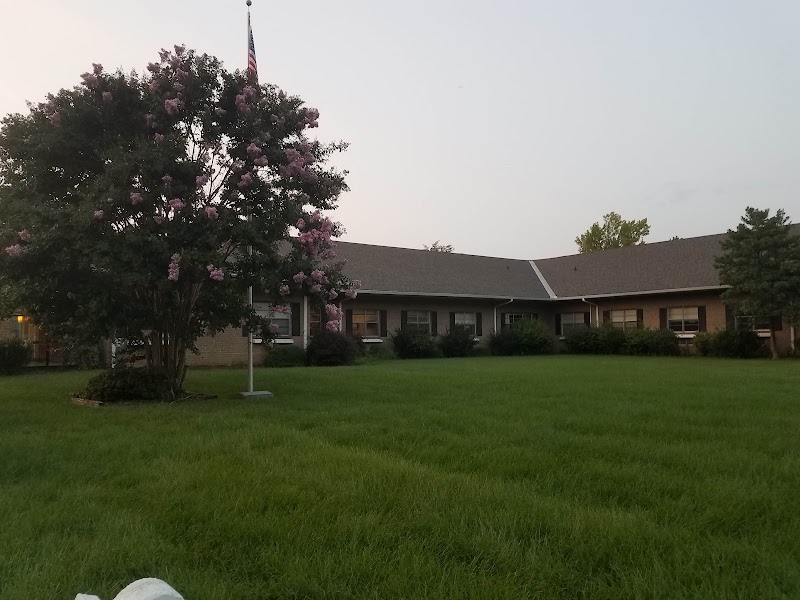
How is Marley Neck Center Staffed?

CMS rates MARLEY NECK HEALTH AND REHABILITATION CENTER's staffing level at 3 out of 5 stars, which is average compared to other nursing homes. Staff turnover is 24%, compared to the Maryland average of 46%. This relatively stable workforce can support continuity of care.

What Have Inspectors Found at Marley Neck Center?

State health inspectors documented 45 deficiencies at MARLEY NECK HEALTH AND REHABILITATION CENTER during 2018 to 2025. These included: 44 with potential for harm and 1 minor or isolated issues.
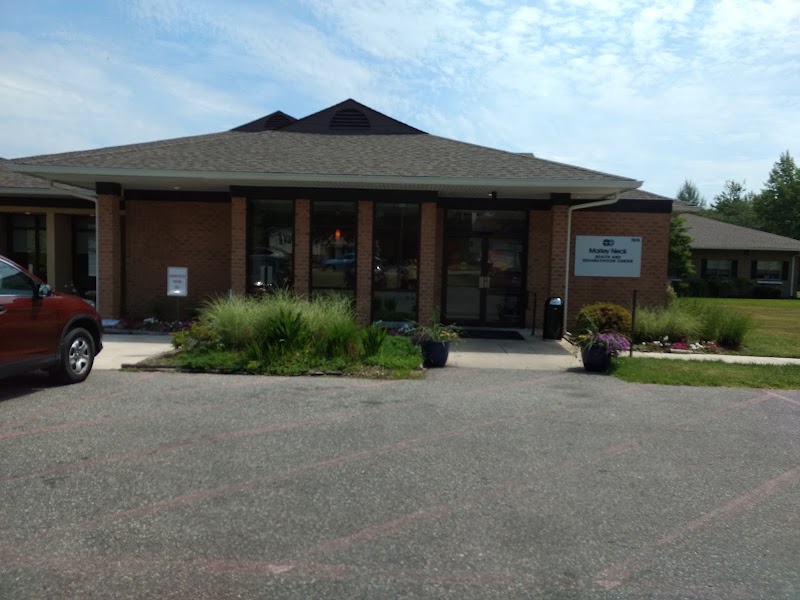
Who Owns and Operates Marley Neck Center?

MARLEY NECK HEALTH AND REHABILITATION CENTER is owned by a for-profit company. For-profit facilities operate as businesses with obligations to shareholders or private owners. The facility is operated by COMMUNICARE HEALTH, a chain that manages multiple nursing homes. With 95 certified beds and approximately 86 residents (about 91% occupancy), it is a smaller facility located in GLEN BURNIE, Maryland.
How Does Marley Neck Center Compare to Other Maryland Nursing Homes?

Compared to the 100 nursing homes in Maryland, MARLEY NECK HEALTH AND REHABILITATION CENTER's overall rating (5 stars) is above the state average of 3.1, staff turnover (24%) is significantly lower than the state average of 46%, and health inspection rating (4 stars) is above the national benchmark.

What Should Families Ask When Visiting Marley Neck Center?

Based on this facility's data, families visiting should ask: "Can I visit during a mealtime to observe dining assistance and food quality?" "How do you handle medical emergencies, and what is your hospital transfer rate?" "Can I speak with family members of current residents about their experience?"

Is Marley Neck Center Safe?

Based on CMS inspection data, MARLEY NECK HEALTH AND REHABILITATION CENTER has a clean safety record: no substantiated abuse findings (meaning no confirmed cases of resident harm), no Immediate Jeopardy citations (the most serious violation level indicating risk of serious injury or death), and is not on the Special Focus Facility watch list (a federal program monitoring the lowest-performing 1% of nursing homes). The facility has a 5-star overall rating and ranks #1 of 100 nursing homes in Maryland. While no facility is perfect, families should still ask about staff-to-resident ratios and recent inspection results during their visit.

Do Nurses at Marley Neck Center Stick Around?

Staff at MARLEY NECK HEALTH AND REHABILITATION CENTER tend to stick around. With a turnover rate of 24%, the facility is 22 percentage points below the Maryland average of 46%. Low turnover is a positive sign. It means caregivers have time to learn each resident's needs, medications, and personal preferences. Consistent staff also notice subtle changes in a resident's condition more quickly. Registered Nurse turnover is also low at 17%, meaning experienced RNs are available to handle complex medical needs.

Was Marley Neck Center Ever Fined?

MARLEY NECK HEALTH AND REHABILITATION CENTER has no federal fines on record. CMS issues fines when nursing homes fail to meet care standards or don't correct problems found during inspections. The absence of fines suggests the facility has either maintained compliance or corrected any issues before penalties were assessed. This is a positive indicator, though families should still review recent inspection reports for the full picture.

Is Marley Neck Center on Any Federal Watch List?

MARLEY NECK HEALTH AND REHABILITATION CENTER is not on any federal watch list. The most significant is the Special Focus Facility (SFF) program, which identifies the bottom 1% of nursing homes nationally based on persistent, serious quality problems. Not being on this list means the facility has avoided the pattern of deficiencies that triggers enhanced federal oversight. This is a positive indicator, though families should still review the facility's inspection history directly.