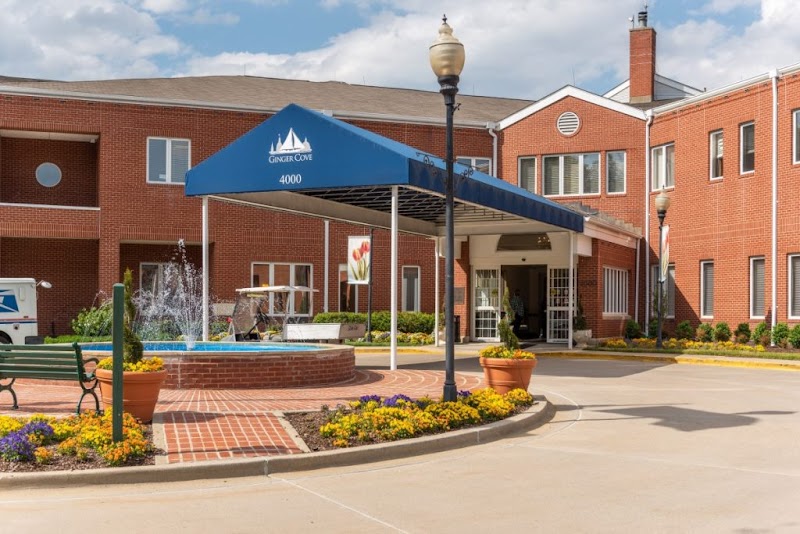

GINGER COVE

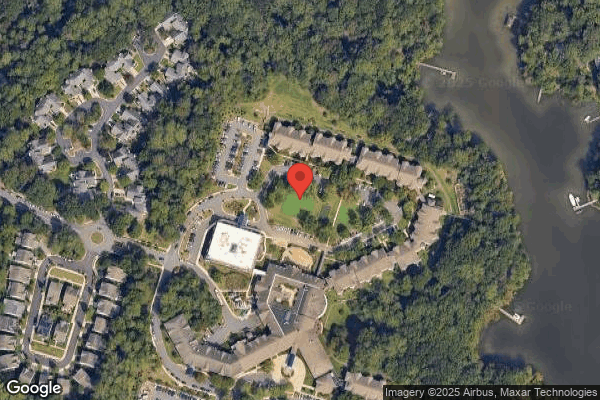
4000 RIVER CRESCENT DRIVE, ANNAPOLIS, MD 21401 (410) 266-7300
Non profit - Corporation 55 Beds Independent Data: November 2025
Trust Grade
80/100
#66 of 219 in MD
Last Inspection: June 2024

Within standard 12-15 month inspection cycle. Federal law requires annual inspections.

Overview

Families considering Ginger Cove in Annapolis, Maryland should note that the facility has a Trust Grade of B+, indicating it is above average and recommended. It ranks #66 out of 219 nursing homes in Maryland, placing it in the top half, and #6 out of 13 in Anne Arundel County, meaning only five local options are better. However, the trend is concerning as the number of issues reported has worsened from 2 in 2019 to 9 in 2024. Staffing is a clear strength, with a perfect 5-star rating and a low turnover rate of 23%, which is significantly below the state average. The facility has also not incurred any fines, which is positive, and it provides more RN coverage than 81% of state facilities, ensuring better oversight of resident care. On the downside, recent inspections revealed multiple cleanliness issues, including black marks on walls and peeling grip strips in bathrooms, along with a concerning incident where a resident was transferred to the hospital without proper notification to their family. While Ginger Cove has solid staffing and no fines, families should be aware of the recent increase in reported issues and specific incidents that raise concerns about care quality.

Trust Score
B+
80/100
In Maryland
#66/219
Top 30%
Safety Record
Low Risk
No red flags
Inspections
Getting Worse
2 → 9 violations
Staff Stability
✓ Good
23% annual turnover. Excellent stability, 25 points below Maryland's 48% average. Staff who stay learn residents' needs.
Penalties
✓ Good
No fines on record. Clean compliance history, better than most Maryland facilities.
Skilled Nurses
✓ Good
Each resident gets 69 minutes of Registered Nurse (RN) attention daily — more than 97% of Maryland nursing homes. RNs are the most trained staff who catch health problems before they become serious.
Violations
⚠ Watch
19 deficiencies on record. Higher than average. Multiple issues found across inspections.
★★★★☆
4.0
Overall Rating
★★★★★
5.0
Staff Levels
★☆☆☆☆
1.0
Care Quality
★★★★★
5.0
Inspection Score
Stable
2019: 2 issues
2024: 9 issues

The Good

  • 5-Star Staffing Rating · Excellent nurse staffing levels
  • Low Staff Turnover (23%) · Staff stability means consistent care
  • Full Sprinkler Coverage · Fire safety systems throughout facility
  • No fines on record
  • Staff turnover is low (23%)

    25 points below Maryland average of 48%

Facility shows strength in staffing levels, staff retention, fire safety.

The Bad

No Significant Concerns Identified

This facility shows no red flags. Among Maryland's 100 nursing homes, only 1% achieve this.

The Ugly 19 deficiencies on record

Jun 2024 9 deficiencies
CONCERN (D)

Potential for Harm - no one hurt, but risky conditions existed

Safe Environment (Tag F0584)

Could have caused harm · This affected 1 resident

Based on observation and interview it was determined that the facility failed to ensure residents had a homelike environment. This was evident for 3 (#21, #34, and #39) of 16 residents reviewed during...

Read full inspector narrative →
Based on observation and interview it was determined that the facility failed to ensure residents had a homelike environment. This was evident for 3 (#21, #34, and #39) of 16 residents reviewed during the initial pool process. The findings include: An observation of Resident #21's room on 5/28/24 at 12:29 PM revealed the walls on the right side of the hallway had 7 or more black marks varying from light to dark and measuring from 3-12 inches in length. In the bathroom the shower stall had grip strips that were partially peeled up. An observation of Resident #34's room on 5/28/24 at 12:06 PM revealed on the left side of the hallway there were multiple black marks varying from light to dark and measured between 47 inches to 3 inches in length and between the second and third picture hanging in the hallway there were 2 circular black marks measuring about 2 ½ inches. There were black marks on the right side of the hallway between the closet door and the corner wall. The door to the bathroom had two holes the size of a nail head on the right side. Inside the bathroom was a shower stall that had grip strips that were peeling or torn off. An observation of Resident #39's room on 5/29/24 at 11:35 AM revealed the wall to the left of the doorway multiple black marks varying in shades of black that extended about 3 feet up the wall and over to the resident's dresser. The wall to the right of the entrance and adjacent to the closet door had black marks and on the corner of the wall the metal corner piece was exposed. The closet doors had multiple black marks on them. The bathroom had a shower stall, and the grip strips were peeling off. One tile in front of the toilet had a 2 x 2 area that the coating was peeled off, a second and third tile had an area the size of a dime that was peeled off. An interview with Director of Maintenance and the Chief Engineer on 6/4/24 at 12:00 PM revealed they have a computer-based system for staff to put in work orders when they notice anything that needed fixed. They reported that they make weekly rounds to check the resident's rooms. Also, when a resident was discharged the rooms were painted and new carpet installed. However, these areas had not been fixed. At the time of the interview a tour of Resident #34's and Resident #39's room was conducted, and the areas of concern were reviewed with them. Resident #21's room was not available for a tour at that time, so the concerns were reviewed with the staff verbally.
CONCERN (D) 📢 Someone Reported This

A family member, employee, or ombudsman was alarmed enough to file a formal complaint

Potential for Harm - no one hurt, but risky conditions existed

Transfer Notice (Tag F0623)

Could have caused harm · This affected 1 resident

2. An attempt to review the electronic medical record (EMR) on 5/31/24 at 10:30 AM revealed Resident #246 could not be viewed by the surveyor. A review of Resident #246's closed medical record on 6/4/...

Read full inspector narrative →
2. An attempt to review the electronic medical record (EMR) on 5/31/24 at 10:30 AM revealed Resident #246 could not be viewed by the surveyor. A review of Resident #246's closed medical record on 6/4/24 at 7:45 AM revealed a progress note printed from the EMR that was dated 5/20/24. The note read that the resident was transferred to the local acute care hospital for emergent treatment. The resident was nonresponsive at the time of transfer and family were made aware of the transfer via a phone call. Further review failed to reveal a written notice of transfer was given to the resident and the resident's representative. An interview with Licensed Practical Nurse (LPN) #18 on 6/4/24 at 7:59 AM revealed that a transfer form was completed when a resident was sent to the hospital and copy was given to the emergency medical services (EMS) staff and not to the resident. She was not aware of it being sent to the resident representative as they were verbally made aware either in person or over the phone. An interview with LPN #19 on 6/4/24 at 8:18 AM revealed that the transfer form was completed when a resident was sent to the hospital and a copy was given to EMS staff. She was not aware that it was given to the resident unless the resident was alert and oriented with capacity to make health care decisions. She reported she was not aware that the transfer form was sent to the resident's representative, but that they will call them when a resident was transferred to the hospital. On 6/4/24 at 11:09 AM the concerns were discussed with the Director of Nursing (DON) and she confirmed that the notice of transfer was not provided to Resident #246 or to their representative as soon as possible after a hospital transfer. Based on medical record review and interview it was determined that the facility failed to have a process in place to ensure that residents and resident representatives received a notice of transfer in writing. (Resident #40 and #246). This was evident in 2 of 3 residents reviewed for hospitalization during the survey. The findings include: 1. Review of Resident #40's medical record on 5/29/24 revealed the Resident was transferred to the hospital on 1/9/24. Further review of Resident #40's medical record revealed the Resident had 2 physician certifications of incapacity. Review of the facility's hospital transfer documents on 5/29/24 revealed no written notification to the Resident's representative of the transfer to the hospital on 1/9/24. On 6/3/24 at 11:05 AM, Interview with the Director of Nursing (DON) confirmed the facility staff failed to provide written notification to Resident #40's Representative of transfer to the hospital on 1/9/24.
CONCERN (D) 📢 Someone Reported This

A family member, employee, or ombudsman was alarmed enough to file a formal complaint

Potential for Harm - no one hurt, but risky conditions existed

Deficiency F0625 (Tag F0625)

Could have caused harm · This affected 1 resident

2. An attempt to review the electronic medical record (EMR) for Resident #246 on 5/31/24 at 10:30 AM revealed the resident was not showing up in the system. During a closed record review for Resident...

Read full inspector narrative →
2. An attempt to review the electronic medical record (EMR) for Resident #246 on 5/31/24 at 10:30 AM revealed the resident was not showing up in the system. During a closed record review for Resident #246's on 6/4/24 at 7:45 AM a copy of a progress note printed from the EMR was reviewed. The note read that Resident # 246 was transferred to the local acute care hospital for emergent treatment in 5/20/24. The resident was nonresponsive at the time of transfer and family were aware of the transfer via a phone call. Further review failed to reveal a notice of transfer for the resident and the resident representative. An interview with Licensed Practical Nurse (LPN) #18 on 6/4/24 at 7:59 AM revealed that a copy of the bed hold policy was given to the emergency medical services (EMS) staff when a resident was sent to the hospital and not to the resident. She reported that the resident or resident representative signs a bed hold policy at the time of admission. Furthermore, she reported that she will make a copy of the signed form and change the date on it. She was not aware that it was given to the resident or resident representative each time the resident was sent to the hospital. An interview with LPN #19 on 6/4/24 at 8:18 AM revealed that a copy of the bed hold policy was given to EMS staff at the time a resident was transferred to the hospital. She was not aware that it was given to the resident unless the resident was alert and oriented with capacity to make health care decisions. She was unaware of whether the bed hold policy was sent to the resident's representative at the time of each transfer because it was signed on admission and a copy was in the chart. On 6/4/24 at 11:09 AM the concerns were discussed with the Director of Nursing (DON) and she confirmed that the bed hold policy was not provided to the resident or the resident representative within 24 hours after a hospital transfer. Based on record review and staff interview it was determined that the facility failed to have a process in place to ensure that residents and resident representatives received the bed hold policy in writing within 24 hours after being sent to the hospital (Resident #40 and #246). This was evident for 2 of 3 resident records reviewed for hospitalization during an annual survey. The findings include: Bed hold notice includes providing written information to the resident; and bed charges, including the duration, during which the resident is permitted to return and resume residence in the nursing facility. 1. Review of Resident #40's medical record on 5/29/24 revealed the Resident was transferred to the hospital on 1/9/24. Further review of Resident #40's medical record revealed the Resident had 2 physician certifications of incapacity. Review of the facility's hospital transfer documents on 5/29/24 revealed no evidence that the Resident or representative received a bedhold notice on 1/9/24. Interview with the Director of Nursing on 6/3/24 at 11:05 AM confirmed the facility staff failed to provide bedhold notice to Resident #40's representative on 1/9/24.
CONCERN (D)

Potential for Harm - no one hurt, but risky conditions existed

Deficiency F0655 (Tag F0655)

Could have caused harm · This affected 1 resident

**NOTE- TERMS IN BRACKETS HAVE BEEN EDITED TO PROTECT CONFIDENTIALITY** 2. During an interview with Resident #42's family on 5/28/24 at 2:15 PM it was reported that they were informed of the resident'...

Read full inspector narrative →
**NOTE- TERMS IN BRACKETS HAVE BEEN EDITED TO PROTECT CONFIDENTIALITY** 2. During an interview with Resident #42's family on 5/28/24 at 2:15 PM it was reported that they were informed of the resident's plan of care until 6 days after admission. A medical record review for Resident #42 on 5/30/24 at 11:18 AM revealed a base line care plan. Review of the baseline care plan revealed that dietary, nursing, and rehab staff had signed a review of the care plan was conducted on 5/3/24, however it was blank where they could check if the resident or resident agent had participated in the review. Further down the page it noted that 4 days after admission the resident's agent had signed the care plan and Unit Manager (UM) Staff #17 signed she provided a copy. An interview with UM Staff #17 on 5/30/24 at 1:05 PM revealed that Resident #42 had been admitted to the facility on a weekend and was not able to review the baseline with the family until Tuesday. She reported she works Monday - Friday. She reported that she was aware of the required 48-hour timeframe but was not meeting that timeframe with every new admission. On 5/30/24 at 2:11 PM the concerns were discussed with the Director of Nursing (DON). She reported that they have weekend supervisors who could ensure that baseline care plans are reviewed with the 48-hour requirement. Based on record review and interview it was determined that the facility failed to have a process in place to ensure that a baseline care plan was provided to the resident and resident representative within 48 hours of admission to the facility (Resident #40 and #42). This was evident for 2 of 4 residents reviewed for baseline care plans during an annual survey. The findings include: The baseline care plan is given to residents within 48 hours of their admission and details a variety of components of the care that the facility intends to provide to that resident. In addition to the baseline care plan, residents are also expected to receive a list of their admission medications. This allows residents and their representatives to be more informed about the care that they receive. 1. Review of Resident #40's medical record on 5/29/24 revealed the Resident was admitted to the facility on [DATE] from the hospital and the facility staff developed a baseline care plan on 1/5/24. Further review of Resident #40's medical record revealed the Resident had 2 physician certifications of incapacity. Review of the baseline care plan developed on 1/5/24 by facility staff revealed it was not signed by the Resident's representative. Further review of the Resident's medical record revealed the Resident was discharged from the facility on 1/9/24 and returned to the facility on 1/14/24. The facility staff completed a baseline care plan on 1/15/24 and 1/16/24. Review of the baseline care plan revealed it was not completed with the Resident and their representative. It was not signed and given to the Resident's representative until 1/29/24, 2 weeks after completion. The medical record review failed to reveal evidence that the facility offered the Resident and their representative a summary of the baseline care plan that included initial goals, physician orders, therapy services, dietary services, and social services within 48 hours of the resident's admission to the facility. Interview with the Director of Nursing on 5/31/24 at 1:00 PM confirmed the facility staff failed to provide a summary of the baseline care plan to Resident #40 and their representative within 48 hours of the resident's admission to the facility.
CONCERN (D)

Potential for Harm - no one hurt, but risky conditions existed

Comprehensive Care Plan (Tag F0656)

Could have caused harm · This affected 1 resident

Based on medical record review and interview with the resident and staff it was determined the facility staff failed to ensure residents' plans of care included individual resident care needs and inte...

Read full inspector narrative →
Based on medical record review and interview with the resident and staff it was determined the facility staff failed to ensure residents' plans of care included individual resident care needs and interventions to assist each resident in reaching their highest practicable level of wellbeing. This was evident for 1 (#10) of 1 resident reviewed for Dialysis. The findings include: A care plan is a guide that addresses the unique needs of each resident. It is used to plan, assess and evaluate the effectiveness of the resident's care. In an interview on 5/29/24 at 10:36 AM, Resident #10 revealed he/she received dialysis 3 times per week. When asked if he/she was on a specialized diet he/she indicated yes but did not know what it involved. Resident #10 also stated he/she was on a fluid restriction but didn't know what the restriction was. Review of Resident #10's medical record on 6/3/24 at 9:37 AM revealed physicians' orders which included but were not limited to a diet order for: Regular diet, regular texture, thin liquids, renal precautions. No citrus fruit or juices; no bananas, no tomatoes, milk/dairy limited to 1 cup per day, Potatoes limited to 1 serving at lunch and/or supper. Avoid dark sodas, chocolate. Protein served at all meals. Another physician order for 1.5 L(liter) fluid restriction - 350 ml(milliliters) four times a day allows for 350 ml with all meals and before bedtime. Allow for an extra 100 ml of fluids to be consumed in food with high water content. Please document ml consumed. Another order for: Offer ice chips if resident gets thirsty, every shift. Resident #10's Nutritional Plan of Care revealed that the facility staff failed to include Resident #10's specific fluid and dietary restrictions related to his/her dialysis and renal needs as ordered by the physician, including the provision of ice chips. The record review also revealed physician orders for weights 3 times per week before dialysis, application of Lidocaine-Prilocaine 2.5%-2.5%, a numbing cream, 1 application topical 3 times per week. Apply to the access site 1 hour prior to dialysis; and another physician's order for no tub baths. A Renal Care Plan was developed with the problem: Dialysis: (Resident #10) receives hemodialysis and has potential for complications. The Resident's goal was identified as: he/she would not experience complications from hemodialysis requiring hospitalization for medical intervention. The interventions for staff to implement to assist the resident in reaching his/her goals were: Arrange for meals around dialysis session (with instructions). Provide water soluble medications after dialysis to avoid being dialyzed out of system. Check with physician about holding antihypertensive medications and check with physician about removing nitroglycerin patch if applicable. If blood work is ordered, coordinate with Dialysis nurse about who is to draw the blood to prevent unnecessary needlesticks and loss of blood. Send IV (intravenous) medications with the client to dialysis sessions for the dialysis nurse to administer so that fluid removal rates are adjusted to prevent fluid overload. When client returns from dialysis, assess access site for bleeding and make sure BP (blood pressure) is stable before client resumes activity. The plan did not identify specific complications related to hemodialysis the staff should monitor for. The plan did not identify Resident #10's individual care and precautions staff should implement related to Resident #10's dialysis access site. It did not identify that blood pressures blood samples should not be obtained from the arm with the access site or that Resident #10 should not take tub baths. The plan did not identify assessments of the access site including frequency, patency, infection or complications other than bleeding and who should be notified and when. The plan did not reflect the resident's other care needs including application of numbing cream and weight assessments 3 times per week, prior to dialysis. During an interview on 6/4/24 at 11:00 AM Resident #10's Plan of Care was reviewed with the Director of Nursing. She was made aware that standard and individualized care interventions related to renal/dialysis and dietary restrictions were not included in Resident #10's Plan of Care.
CONCERN (D)

Potential for Harm - no one hurt, but risky conditions existed

Deficiency F0657 (Tag F0657)

Could have caused harm · This affected 1 resident

**NOTE- TERMS IN BRACKETS HAVE BEEN EDITED TO PROTECT CONFIDENTIALITY** 3) The facility staff failed to have a quarterly care plan meeting for Resident #40. Review of Resident #40's medical record on ...

Read full inspector narrative →
**NOTE- TERMS IN BRACKETS HAVE BEEN EDITED TO PROTECT CONFIDENTIALITY** 3) The facility staff failed to have a quarterly care plan meeting for Resident #40. Review of Resident #40's medical record on 5/29/24 revealed the Resident was admitted to the facility on [DATE] and the facility staff completed a quarterly MDS assessment on 4/22/24. During interview with the Resident's Representative on 5/29/24 at 9:00 AM, the Representative stated the facility staff has not had a care plan meeting since January 2024. Further review of Resident #40's medical record revealed no care plan meeting since 1/22/24. Interview with the Director of Nursing on 5/31/24 at 1:00 PM confirmed the facility staff failed to hold a quarterly care plan meeting for Resident #40 in April 2024. Based on medical record review and interview with staff it was determined the facility staff 1) failed to measure resident centered objectives in order to determine the effectiveness of the residents care plan interventions; (Resident #10) and 2) failed to ensure resident's care plan reviews were completed by an interdisciplinary team which included the attending physician, a registered nurse and nurse aide involved in the resident's care, a member of food and nutrition services staff and the resident/representative; (Resident #10) and 3) failed to hold quarterly care plan meetings to include the interdisciplinary team, resident and resident's representative for residents. (Resident #40). This was evident for 2 out of 5 residents reviewed for care planning during an annual survey. The findings include: Once the facility staff completes an in-depth assessment (MDS) of the resident, the interdisciplinary team meet and develop care plans. A care plan is a guide that addresses the unique needs of each resident. It is used to plan, assess and evaluate the effectiveness of the resident's care. Care planning drives the type of care and services that a resident receives and must include person-specific, measurable objectives and timeframes in order to evaluate the resident's progress toward his/her goal(s). The care plan is to be reviewed and revised at each assessment time of the resident to ensure the interventions on the care plan is accurate and appropriate for the resident. Care plan meetings are held each quarter and as needed. 1) Review of Resident #10's medical record on 6/3/24 at 9:37 AM revealed Plans of Care which included but were not limited to: Impaired mobility, Urinary incontinence, Alteration in mood related to Anxiety, Multiple fall history related to decreased safety awareness and unsteady gait, Dental care, Risk for skin breakdown due to incontinence and needs help for bed mobility and constant reminders for positioning and fragile skin, Pain, Potential for complications due to Anemia, At risk for complications from blood thinning medication, Cardiovascular related to Atrial Fibrillation, Potential for complications from Diabetes, Potential for complications due to gastrointestinal distress, Renal - receives hemodialysis and has potential for complications, Potential for complications from Hypothyroidism, Has Systemic Lupus Erythematosus and has potential for complications, Podiatry care, Potential for adverse drug effects and drug interactions related to use of 9 or more medications, Potential for cardiac alteration secondary to diagnosis of Hypertension, At risk for impaired skin integrity due to fragile skin, Hyperlipidemia (high cholesterol), Remains at risk for COVID-19 related to advanced age greater than 74, and other comorbidities HTN (hypertension), DM (Diabetes), ESRD (End Stage Renal Disease) as evidenced by global pandemic COVID-19 of geriatric patients. Risk for infection while in healthcare. In an interview on 6/3/24 at approximately 1:00 PM Staff #4 the Assistant Director of Nursing (ADON) who is also the MDS (Minimum Data Set) coordinator was asked where to find the treatment team's evaluation notes for Resident #10's plans of care. She showed the surveyor a tab located in the Care Plan section of Resident #10's Electronic Medical Record (EMR). She confirmed that care plan evaluations were not documented anywhere else in the medical record. Further review of the resident's medical record on 6/3/24 at 1:05 PM revealed the most recent evaluation notes for Resident #10's care plans were dated 5/27/24. The evaluation notes for the plans of care identified above reflected the conclusion: Goals and approaches reviewed and continue to be appropriate. Continue with current approaches x 90 days. The notes did not reflect how the treatment team came to the conclusion that the approaches continued to be appropriate. There was no evidence that resident specific objectives were measured and evaluated to determine the resident's progress. 2) In an interview on 5/29/24 at 10:36 AM, Resident #10 revealed he/she received dialysis 3 times per week. When asked if he/she was on a specialized diet he/she indicated yes but did not know what it involved. Resident #10 also stated he/she was on a fluid restriction but didn't know what the restriction was. A review of Resident #10's medical record on 6/3/24 at 1:05 PM revealed that there were no evaluations of the effectiveness of Resident #10's Nutrition Care Plan interventions or if any revisions were made to assist the resident in better meeting his/her goals. On 6/4/24 at 9:36 AM the surveyor requested copies of documentation including but not limited to Resident #10's Care Plans with evaluations and a Care Plan meeting attendance sheet from his/her most recent care plan meeting. Review of the copies on 6/4/24 at 11:00 AM failed to reveal an evaluation of Resident #10's Nutrition Care Plan. No Care Plan meeting attendance record was provided. A Social Work progress note dated 5/23/24 at 8:36 AM by Staff #6 a Social Worker stated, Careplan meeting held today with IDT (Interdisciplinary Team). R/T (resident)/family invited but declined to attend. The progress note did not identify the members of the IDT that attended the meeting. A copy of an email correspondence between the Social Worker and the resident's representative was included with the copies of documents requested. The email was dated 5/15/24 at 8:17 AM from the Social Worker which stated, Just confirming that we are cancelling our meeting for this afternoon? Resident #10's representative responded on 5/15/24 at 11:19 AM: Yes, we are cancelling since we probably wont be back. Lets reschedule, just sure when yet. No documentation was found in Resident #10's record to indicate that facility staff attempted to reschedule Resident #10's Care Plan meeting as requested by the resident's representative in the email. An interview was conducted with Staff #6 the Social Worker on 6/4/24 at 11:18 AM. She confirmed that the resident's representative was not able to attend the meeting scheduled for 5/15/24 and requested that it be rescheduled, as indicated in the email. When asked if the meeting was rescheduled, she stated, the (representative) did not call back to reschedule. She then confirmed that the facility did not reach out to the representative to reschedule, and they did not have the meeting on 5/15/24 but instead held Resident #10's Care Plan meeting on 5/23/24. She confirmed that she did not reach out to the resident's representative regarding the meeting on 5/23/24 (which was the resident's scheduled dialysis day) yet documented that the resident and representative declined to attend. She stated, I see what you mean. She also confirmed that her note, written at 8:36 AM on 5/23/24, indicated the meeting was held that day. When asked what time the meeting was held, she stated I'm not sure. She was asked to provide the meeting attendance sheet and stated, there is none. On 6/4/24 at 11:00 AM, the Director of Nursing was made aware that there was no evidence that the required interdisciplinary team members met to review Resident #10's Plan of Care, or that a review was conducted of Resident #10's Nutrition Plan of Care. She indicated that no additional documentation was found.
CONCERN (D) 📢 Someone Reported This

A family member, employee, or ombudsman was alarmed enough to file a formal complaint

Potential for Harm - no one hurt, but risky conditions existed

Deficiency F0661 (Tag F0661)

Could have caused harm · This affected 1 resident

Based on record review and staff interview it was determined that the facility failed to ensure that a discharge summary was complete and accurate. This was evident for 1 (#42) of 3 closed records rev...

Read full inspector narrative →
Based on record review and staff interview it was determined that the facility failed to ensure that a discharge summary was complete and accurate. This was evident for 1 (#42) of 3 closed records reviewed. The findings include: A medical record review for Resident #42 on 5/30/24 at 11:18 AM revealed a history and physical visit conducted by the attending physician on the day of the resident's admission. The physician noted that the resident had progressing weakness, reoccurring falls, Parkinson's disease, and worsening dementia. The plan for treatment was noted as physical and occupational therapy, continue the same mediations, and repeat labs. The physician noted that the resident's potential for rehab was fair, and the resident had a poor prognosis. A review of the discharge summary revealed that the physician documented the resident had completed their course of treatment and was being discharged back to independent living with family. The physician failed to include the medications that the resident was on and which one that should be continued after discharged . An interview with the Social Worker (SW) #6 on 5/30/24 at 1:50 PM that the resident's family initiated the discharge. During an interview with the Director of Nursing (DON) on 5/30/24 at 2:15 PM she confirmed that Resident #42's discharge was initiated by family. She stated that there were safety concerns for the resident residing in independent living. The resident had been falling frequently while at home which was the reason s/he had been sent to the hospital before their admission to the facility. The facility felt the resident was better suited for long term care. An interview with the attending physician on 6/4/24 at 8:56 AM revealed that he was aware that the discharge summary includes a narrative of significant events during the resident's stay however, he failed to accurately document that the resident's discharge was initiated by family and that 24-hour supervision had been recommended due to the likelihood of the resident continuing to have falls. Lastly, he was aware that the resident's medications should be listed and which medications he wanted the resident to continue after discharge. However, he stated that if the facility form allows for this information, he will document it, but if a resident was on multiple medications he may not.
CONCERN (D)

Potential for Harm - no one hurt, but risky conditions existed

Deficiency F0883 (Tag F0883)

Could have caused harm · This affected 1 resident

**NOTE- TERMS IN BRACKETS HAVE BEEN EDITED TO PROTECT CONFIDENTIALITY** Based on record review and staff interview it was determined that the facility failed to develop and implement policies and proc...

Read full inspector narrative →
**NOTE- TERMS IN BRACKETS HAVE BEEN EDITED TO PROTECT CONFIDENTIALITY** Based on record review and staff interview it was determined that the facility failed to develop and implement policies and procedures to ensure all residents were offered and/or receive the appropriate pneumococcal vaccinations as per the national standards. This was evident for 2 (#21 and #34) of 5 residents reviewed for pneumococcal vaccinations. The findings include: The Centers for Disease Control (CDC) and the Advisory Committee on Immunization Practices (ACIP) releases an Adult Immunization Schedule which assist healthcare workers in determining the vaccinations that are recommended for their residents. CDC released a Morbidity and Mortality Weekly Report (MMWR) on January 28, 2022, with further guidance for determining which pneumococcal vaccination is recommended based on previous vaccinations. Pneumococcal vaccinations are available in a formulation of pneumococcal conjugate vaccine (PVC) followed by the number of strands of pneumonia it protects against and a 23 - valent pneumococcal polysaccharide vaccine (PPSV). On 6/4/24 at 11:30 AM a review of the facility's policy titled, Pneumococcal Vaccination revealed no date of implementation or a date it was last reviewed. The policy stated that staff were to review the preadmission history and physical form to determine if the resident had been previously vaccinated. Secondly, they were to offer the vaccination to all residents over [AGE] years of age who had no record of a previous vaccination. The policy provided no guidance to the staff as to how to determine which vaccine was recommended for each resident based on their history of immunizations, medical conditions, and age. The policy was misleading in the fact that if should be offered to residents over the age of 65 as this does not follow the national standards. 1) A medical record review of the hard chart for Resident #21 on 5/30/24 at 7:53 AM revealed the resident was admitted in 2023 and had no evidence of a pneumococcal vaccination in the medical record. A medical record review of the electronic medical record (EMR) for Resident #21 on 5/30/24 at 8:10 AM revealed no record of a pneumococcal vaccination being offered or administered. An interview with the Infection Preventionist (IP) on 6/3/24 at 1:37 PM revealed that the Assistant Director of Nursing (ADON) reviewed resident's vaccination history upon admission and informed her as to which vaccinations were needed. A subsequent interview with the IP on 6/4/24 at 9:13 AM revealed she had a printout of a clinical summary for Resident #21 as of 1/22. The form was highlighted where PPSV23 was noted. However, further review revealed that the resident had been due for this vaccine in 1989 and not administered on this date. Once the IP read it again, she confirmed that the resident had not been given a pneumococcal vaccination. 2) A medical record review for Resident #34 on 5/31/24 at 8:11 AM revealed the resident was admitted to the facility in 2022 and there was no evidence that the facility had obtained the residents vaccine history nor provided a pneumococcal vaccination. On 6/4/24 at 9:13 AM during an interview with the IP she provided a copy of a printout of a clinical summary for Resident #34 as of 1/15/22, which documented the resident had a PPSV23 vaccination in 1997. When asked if the resident should have been given additional pneumococcal vaccinations the IP stated she did not know. According to the national standards in 2022 the resident should have been offered a pneumococcal conjugate vaccine to compete the series, however this was not done. The ADON was interviewed on 6/4/24 at 9:53 AM, she reported that the clinical summaries provided to the surveyor were from a system called EPIC which was used in other sections of the facility, but not in the long-term care section. She reported that the resident's vaccine information was documented in the EMR under the immunization tab. When the surveyor reviewed Resident #21 and #34 with the ADON it was confirmed the surveyor was unable to view this information. The ADON provided printed copies of the vaccination information entered for Resident #21 and #34, however, it confirmed that the pneumococcal vaccination history and not been added for Resident #34 and neither had been offered pneumococcal vaccine. She reported that when she checks the resident's vaccination records upon admission, she confirms that a pneumococcal vaccine was given and how many years ago it was given. Reviewed with the ADON that this does not follow the national standards.
MINOR (C)

Minor Issue - procedural, no safety impact

Staffing Information (Tag F0732)

Minor procedural issue · This affected most or all residents

Based on observations, a review of daily staffing records, and staff interviews it was determined the facility failed to post the total number and actual hours worked by categories of Registered nurse...

Read full inspector narrative →
Based on observations, a review of daily staffing records, and staff interviews it was determined the facility failed to post the total number and actual hours worked by categories of Registered nurses, Licensed practical nurses, and Certified nursing aides per shift and in an accurate, clear and readable format. The findings include. Observations on 6/4/24 at 10:30 AM, did not reveal the Federal requirements related to the posting of staff. The total number of and actual hours worked by categories of Registered nurses, Licensed practical nurses, and Certified nursing aides per shift was not observed in any part of the facility Nursing Units. On 6/4/24 at 11 AM, an interview was conducted with the Director of Nursing and a review of the current posting confirmed that the Staffing record failed to document the total number of hours worked by categories.
Jun 2019 2 deficiencies
CONCERN (D)

Potential for Harm - no one hurt, but risky conditions existed

Comprehensive Care Plan (Tag F0656)

Could have caused harm · This affected 1 resident

Based on observation, medical record review and staff interview it was determined that the facility failed to implement a comprehensive person-centered care plan. This was evident for 1 of 2 residents...

Read full inspector narrative →
Based on observation, medical record review and staff interview it was determined that the facility failed to implement a comprehensive person-centered care plan. This was evident for 1 of 2 residents (Resident #36) reviewed for ADL's during an annual recertification survey. The findings include: A care plan is a guide that addresses the unique needs of each resident. It is used to plan, assess and evaluate the effectiveness of the resident's care. An observation was made of Resident #36 on 06/05/19 at 2:44 PM sitting in his/her room watching television and seated next to his/her companion. The surveyor attempted to speak to Resident #36 but Resident #36 was having difficulty hearing the questions and had to ask his/her companion to repeat the surveyor's questions. Resident #36's companion indicated Resident #36 did not have his/her hearing aids in. In interview with Staff #3 on 06/05/19 at 2:50 PM, she/he indicated Resident #36 should have his/her hearing aids applied each morning. Staff #3 checked the medicine cart and Resident #36's hearing aids were still present in the medication cart. A review of Resident #36's ADL (activities of daily living) care plan revealed a nursing intervention instructing the staff to apply Resident #36's hearing aids daily. Further review of Resident #36's medical record revealed a physician order, dated 01/16/18, instructing the nursing staff to insert Resident #36's hearing aids by 8 AM and remove them at 8 PM. Findings were discussed with facility Director of Nursing at time of exit on 6/7/19.
CONCERN (D)

Potential for Harm - no one hurt, but risky conditions existed

ADL Care (Tag F0677)

Could have caused harm · This affected 1 resident

Based on observation, medical record review and staff interview it was determined that the facility failed to follow a physician order and insert a resident's hearing aids daily at 8 am. This was evid...

Read full inspector narrative →
Based on observation, medical record review and staff interview it was determined that the facility failed to follow a physician order and insert a resident's hearing aids daily at 8 am. This was evident for 1 of 2 residents (Resident #36) reviewed for ADL's during an annual recertification survey. The findings include: An observation was made of Resident #36 on 06/05/19 at 2:44 PM sitting in his/her room watching television and seated next to his/her companion. The surveyor attempted to speak to Resident #36 but Resident #36 was having difficulty hearing the questions and had to ask his/her companion to repeat the surveyor's questions. Resident #36's companion indicated Resident #36 did not have his/her hearing aids in. In interview with Staff #3 on 06/05/19 at 2:50 PM, she/he indicated Resident #36 should have his/her hearing aids applied each morning. Staff #3 checked the medicine cart and Resident #36's hearing aids were still present in the medication cart. A review of Resident #36's ADL (activities of daily living) care plan revealed a nursing intervention instructing the staff to apply Resident #36's hearing aids daily. Further review of Resident #36's medical record revealed a physician order, dated 01/16/18, instructing the nursing staff to insert Resident #36's hearing aids by 8 AM and remove them at 8 PM. In an interview with the facility Director of Nursing on 06/07/19 at 1:23 PM, the DON produced documentation indicating the nursing staff had inserted Resident #36's hearing aids at 10:23 AM on 06/05/19.
Feb 2018 8 deficiencies
CONCERN (D)

Potential for Harm - no one hurt, but risky conditions existed

Transfer Notice (Tag F0623)

Could have caused harm · This affected 1 resident

Based on medical record review and interview with staff it was determined that the facility failed to have a system in place to ensure that residents or resident representatives were notified in writi...

Read full inspector narrative →
Based on medical record review and interview with staff it was determined that the facility failed to have a system in place to ensure that residents or resident representatives were notified in writing that they are being transferred out of the facility to a hospital and the reason why the facility was transferring the resident out. This was found to be evident for 1 (Resident #244) of 1 resident reviewed for hospitalization during the investigative section of the survey. The finding includes: On 02/06/18 Resident #244's medical records were reviewed. This review revealed a nurse's note written on 02/02/18 which revealed that the resident had critical abnormal laboratory results. Further review of the nursing note reveal that the physician was called and made aware of the critical laboratory results and an order was given by the physician for nursing staff to transfer the resident out to the emergency room for further evaluation. Review of the nurse's note written on 02/02/18 revealed that the resident's responsible party (RP) was called to give an update on the resident's status but the RP was not home and a message was left. Further review of the nurse's notes revealed that the resident's emergency contact called the facility back and was informed that the resident was sent out to the hospital. Review of the medical record failed to reveal any documentation that the resident or the RP had been provided written notification of the transfer or the rationale for the transfer. During an interview with the Acting Director of Nursing (aDON) and the Social Worker (SW) on 02/02/18 the surveyor requested documentation that was provided to the RP notifying them that the resident was being transferred to the hospital and the reason for the transfer. The aDON provided the surveyor with the nursing note indicating that the emergency contact was notified via telephone and SW informed the surveyor that the resident was his/her own responsible person. Neither one could provide written documentation that notification was given in writing. All findings discussed with the Administrator and the aDON at the time of the survey exit.
CONCERN (D)

Potential for Harm - no one hurt, but risky conditions existed

Deficiency F0625 (Tag F0625)

Could have caused harm · This affected 1 resident

Based on medical record review and interview with staff it was determined that the facility failed to have a system in place to ensure that residents or resident representatives were given written not...

Read full inspector narrative →
Based on medical record review and interview with staff it was determined that the facility failed to have a system in place to ensure that residents or resident representatives were given written notification of the facility bed hold policy when they are being transferred out of the facility to a hospital. This was found to be evident for 1 (Resident #244) of 1 resident reviewed for hospitalization during the investigative section of the survey. The finding includes: On 02/06/18 Resident #244's medical records were reviewed. This review revealed a nurse's note written on 02/02/18 which revealed that the resident had critical abnormal laboratory results. Further review of the nursing note revealed that the physician was called and made aware of the critical laboratory results and an order was given by the physician to nursing staff to transfer the resident to the emergency room for further evaluation. Review of the nurse's note written on 02/02/18 revealed that the resident RP was called to give an update on the resident's transfer status. Review of the medical record failed to reveal any documentation that the resident or the responsible party had been provided written notification of the bed hold policy. During an interview with the acting Director of Nursing (aDON) and the Social Worker (SW) on 02/02/18 the surveyor requested documentation that was provided to the RP notifying them of the bed hold policy. The aDON informed the surveyor that the resident or the RP was not given a copy of the bed hold policy upon transfer to the hospital. All findings discussed with the Administrator and the aDON at the time of the survey exit.
CONCERN (D)

Potential for Harm - no one hurt, but risky conditions existed

Deficiency F0655 (Tag F0655)

Could have caused harm · This affected 1 resident

Based on review of the medical record and interview with facility staff it was determined that the facility failed to have a system in place to 1. complete an interim care plan and provide a copy of i...

Read full inspector narrative →
Based on review of the medical record and interview with facility staff it was determined that the facility failed to have a system in place to 1. complete an interim care plan and provide a copy of it to the resident or resident's responsible party, and 2. initiate a baseline care plan for residents. This was found to be evident for 2 out of 3 residents (#244 and #41) reviewed for care planning in the investigative section of the survey process. The findings include: A care plan is a guide that addresses the unique needs of each resident. It is used to plan, assess and evaluate the effectiveness of the resident's care. 1. On 02/06/18 Resident #244's medical records were reviewed. This review revealed that the resident was admitted to the facility in February 2017 for rehabilitation. Further review of the medical records revealed an interim care plan dated 5 days after the resident was admitted to the facility. During an interview with the acting Director of Nursing (aDON) and the Social Worker (SW) on 02/02/18 the surveyor requested documentation that an interim care plan was completed within 48 hours of admission and that the resident or the RP was given a written summary of the care plan. The aDON informed the surveyor that the care plan that was provided to the surveyor is the first one that was initiated and that resident or the RP was not given a copy of the care plan. 2. A care plan meeting was conducted with the interdisciplinary team on 01/25/18 with Resident #41's son who is recognized by the facility to be the resident's representative. During an interview with the acting Director of Nursing on 02/09/18 at 1:40 PM s/he confirmed that a summary of the care plan meeting was not provided and given to the family. All findings were discussed with the Administrator and the aDON at the time of the survey exit.
CONCERN (D)

Potential for Harm - no one hurt, but risky conditions existed

Deficiency F0657 (Tag F0657)

Could have caused harm · This affected 1 resident

2. A medical record review for Resident #22 was conducted on 02/02/18 at 1:54 PM and upon review it was noted that the resident had a wound to the left lower leg. The care plan that was submitted to t...

Read full inspector narrative →
2. A medical record review for Resident #22 was conducted on 02/02/18 at 1:54 PM and upon review it was noted that the resident had a wound to the left lower leg. The care plan that was submitted to the survey team for Resident #22 had evaluations but did not have an actual care plan for the wound to the resident's left lower leg. An interview was conducted with the aDON on 02/08/18 at 10:52 AM and s/he was asked if Resident #22 had a wound/pressure area to his/her left lower leg area and s/he responded, yes. The aDON confirmed that there was no update made to the resident's care plan to include an actual pressure ulcer to the left leg. Based on medical record review and interview with staff it was determined that the facility failed to update and revise a care plan for 1. falls to accurately reflect the resident's needs and current interventions to be provided, and 2. to include an actual pressure ulcer to leg. This was evident for 2 of 18 residents reviewed (#39 and #22) in stage 2 of the survey. The findings include: A care plan is a guide that addresses the unique needs of each resident. It is used to plan, assess and evaluate the effectiveness of the resident's care. 1. Review of the medical record on 02/08/18 at 3:24 PM for Resident #39 revealed a re-admission to the facility for focus on hospice care. It was noted that between the review and the resident's re-admission that the resident had 2 falls, 1 requiring hospitalization and treatment. A review of the resident's care plans on 02/08/18 failed to reveal updates and changes to the interventions for prevention of falls. The care plans were reviewed with the acting Director of Nursing (aDON) on 02/09/18. Surveyor discussed with the facility aDON on 02/09/18 at 1:20 PM the lack of interventions for the noted falls that occurred on 02/06/18 and 02/07/18. The aDON confirmed that updates and interventions on the care plan for those falls were not updated until surveyor intervention on 02/08/18. On 02/09/18 at 1:20 PM a meeting with aDON regarding falls revealed that the care plans were not updated. A copy of the care plans was given to the survey team which showed that it was most recently updated on 02/07/18. However, the aDON stated that s/he didn't know why it was dated 02/07/18 since the care plan was not updated until 2/8/18 after surveyor identified the concern on 02/08/18.
CONCERN (D)

Potential for Harm - no one hurt, but risky conditions existed

Deficiency F0700 (Tag F0700)

Could have caused harm · This affected 1 resident

Based on record review and staff interview it was determined that the facility staff failed to put a system in place to ensure that installed bed rails were provided with routine assessments and maint...

Read full inspector narrative →
Based on record review and staff interview it was determined that the facility staff failed to put a system in place to ensure that installed bed rails were provided with routine assessments and maintenance to reduce the risk for injury and that residents are assessed for appropriateness for ongoing use. This was found to be evident in 1 (Resident #3) of 1 residents reviewed for side rail use however this deficiency has the potential to affect all residents that use side rails in the facility. The findings include: Review of Resident #3 medical record on 02/09/2018 revealed diagnosis which include recent joint replacement surgery, muscle weakness, dysarthria, Parkinson's disease, lack of coordination, and a history of falling. Review of the care plan and physician's orders revealed that the resident used side rails for bed mobility. Further record review revealed that there was no scheduled function or installation re-assessments or maintenance care documented for Resident #3's bed rail. In addition, there was no documentation found to support that Resident #3 had routine re-assessments to determine if the bed rails were still an appropriate option for use by the resident. Interview with the acting Director of Nursing (aDON) at 12:45 PM revealed that although it is expected that the facility performs quarterly evaluations of bed rails for the correct installation, use, and maintenance in addition to a re-evaluation of the resident to make sure that the resident is still capable to use the rails safely and appropriately, these assessments were not done for any of the residents currently using side rails in the facility.
CONCERN (D)

Potential for Harm - no one hurt, but risky conditions existed

Deficiency F0757 (Tag F0757)

Could have caused harm · This affected 1 resident

Based on medical record review and interview with staff it was determined that the facility failed to ensure that a psychiatrist recommendation regarding an antidepressant medication was addressed in ...

Read full inspector narrative →
Based on medical record review and interview with staff it was determined that the facility failed to ensure that a psychiatrist recommendation regarding an antidepressant medication was addressed in a timely manner. This was evident for 1 (#27) of 5 residents reviewed for unnecessary medications. The findings include: Review of the medical record on 02/08/18 at 12:30 PM for Resident #27 revealed diagnosis including unspecified psychosis, dementia and behavioral disorders. Further review of the residents medical record revealed a psychiatric consult on 02/02/18 with recommendation to decrease the night time dose of Zyprexa (an antipsychotic) and to discontinue the morning dose of Trazadone (antidepressant) secondary to reports of increased sedation and resident noted as sleeping all day. This plan was discussed with the spouse according to the consult and the spouse agreed. Review of the residents medical record revealed a physician order to decrease the ordered Zyprexa on 02/02/18, however, the Trazadone was not addressed. These findings were brought to the attention of the acting Director of Nursing (aDON) on 02/08/18. On 02/09/18 at 9:29 AM the aDON presented the survey team with a physician progress note with date of service on 02/06/18 and electronically signed on 02/08/18. In the note, the physician addressed the Trazadone and plan to continue at current dose until the resident is stable on dose reduction of Zyprexa. The aDON concurred that there was no note addressing psychiatrists recommendation regarding the reduction of the Trazadone until surveyor intervention.
CONCERN (D)

Potential for Harm - no one hurt, but risky conditions existed

Medical Records (Tag F0842)

Could have caused harm · This affected 1 resident

2. A medical record review for Resident #9 was conducted on 02/09/18 at 12:49 PM. Review of the resident's MOLST revealed under 'Certification for basis of these orders,' both the patient; or/ the pat...

Read full inspector narrative →
2. A medical record review for Resident #9 was conducted on 02/09/18 at 12:49 PM. Review of the resident's MOLST revealed under 'Certification for basis of these orders,' both the patient; or/ the patient's health care agent as named in the patients advanced directive, was selected. Interview and record review with the SW (Staff #3) on 02/09/18 at 10:52 AM revealed that s/he selected both options because the resident was present when the discussion occurred regarding what options would be chosen regarding life sustaining options. SW confirmed the presence of resident's two signed certifications of incapacity for Resident #9 and the assignment of a healthcare agent for all healthcare decisions on their behalf. These concerns were reviewed with the acting Director of Nursing (aDON) on 2/9/18. 3. Review of Resident #22's medical record on 02/09/18 at 2:13 PM revealed the resident had a witnessed fall from a wheel chair during transport by a GNA on 11/01/17. There were no apparent injuries noted. An interview was conducted with the aDON on 02/09/18 at 3:00 PM and s/he was asked what is the nurse's responsibility when a resident has a fall. The aDON stated that the nurse must do an incident report and is also required to document on a resident for 24 hours after a fall. The aDON submitted a copy of the facility's fall monitoring policy to the survey team. Review of the fall monitoring policy indicated that incidents are to be completed on all falls including found on floor incidents. Each shift for 24 hours will note the resident's condition on the incident report as well as in the medical record. Review of the interdisciplinary notes revealed that on 11/01/17 at 8:47 PM Resident #22 had a witnessed fall. The resident condition was documented on 11/02/17 at 7:20 AM and again on 11/02/17 at 2:55 PM. There was no documentation of monitoring on the 11-7 shift and on the 3-11 shift. In a meeting on the same date with the aDON, s/he confirmed that the policy for 24-hour monitoring after a fall was not followed. Based on review of the medical record and interview with staff it was determined that the facility failed to 1. correctly document on a resident Maryland Order For Life Sustaining Treatment (MOLST). This was evident for 2 of 2 residents (#39 and #9) reviewed for MOLST documentation and 2. document for 24 hours on a resident who sustained a fall. This was found to be evident for 1 resident (Resident #22) during the investigative portion of the survey. The findings include: Completion of the MOLST begins with a conversation or a series of conversations between the patient, the health care agent or the surrogate, and a qualified, trained health care professional that defines the patient's goals for care, reviews possible treatment options on the entire MOLST form, and ensures shared, informed medical decision-making. The conversation should be documented in the medical record. 1. During the review of the medical record on 02/09/18 at 10:52 AM for Resident #39 it was determined that the residents MOLST was inaccurately completed by the facility Social Worker (SW- staff #3). Review of the residents MOLST revealed under 'Certification for basis of these orders,' both the patient; or/ the patient's health care agent as named in the patients advanced directive, was selected. In discussion with Staff #3, she revealed that she selected both options because the resident was present when the discussion occurred regarding what options would be chosen regarding life sustaining options. Further review of the resident's medical record revealed physicians' certification of residents inability to make an informed decision regarding medical treatment, completed on 09/22/17, 09/25/17 and again on 11/07/17. Only two certifications of incapacity are needed to certify a resident as incapable to make medical decisions. When this was reviewed with the SW staff #3 on 02/09/18 she stated she still felt that the resident should be involved and that is why she selected 'the patient; or' on the MOLST.
CONCERN (E)

Potential for Harm - no one hurt, but risky conditions existed

Food Safety (Tag F0812)

Could have caused harm · This affected multiple residents

Based on observation and interview it was determined that the facility failed to maintain proper infection control procedures by wearing hairnets in the kitchen. This was evident during the initial to...

Read full inspector narrative →
Based on observation and interview it was determined that the facility failed to maintain proper infection control procedures by wearing hairnets in the kitchen. This was evident during the initial tour of the kitchen. The findings include: Tour of the kitchen on 02/01/18 at 11:43 AM revealed 4 staff; 3 dietary aides and 1 staff identified as the backup manager. Surveyor requested a hairnet to proceed with tour. Staff #5 (later identified as a dietary aide) stated that Staff #4 (identified as the backup dietary manager) was going to get them [hairnets]. It was now that surveyor noted that none of the staff present in the kitchen had on hairnets. During interview with Staff #5 when asked if she normally wears a hairnet, s/he stated yes. When asked why she was not wearing one today, she stated that Staff #4 was going to get them. During interview with Staff #7 regarding when the lunch line started, s/he stated around 12:15 PM. Surveyor noted that staff was in the kitchen preparing meal tickets and preparing for the days lunch service. When asked if they are required to wear hair nets s/he stated 'yes.' S/he further acknowledged being in the kitchen without a hairnet. The concern was reviewed with Staff #4 when s/he returned to the kitchen with hairnets for the surveyor to tour the kitchen and the rest of the staff to continue their daily duties, which at the time had not ceased even though the surveyor was present and had brought to their attention that no one was wearing hairnets in the kitchen. The Administrator and acting Director of Nursing were made aware of surveyor's findings prior to the 02/09/18 exit meeting.
Understanding Severity Codes (click to expand)
Life-Threatening (Immediate Jeopardy)
J - Isolated K - Pattern L - Widespread
Actual Harm
G - Isolated H - Pattern I - Widespread
Potential for Harm
D - Isolated E - Pattern F - Widespread
No Harm (Minor)
A - Isolated B - Pattern C - Widespread

Questions to Ask on Your Visit

  • "Can I speak with families of current residents?"
  • "What's your RN coverage like on weekends and overnight?"

Our Honest Assessment

Strengths
  • • Grade B+ (80/100). Above average facility, better than most options in Maryland.
  • • No major safety red flags. No abuse findings, life-threatening violations, or SFF status.
  • • No fines on record. Clean compliance history, better than most Maryland facilities.
  • • 23% annual turnover. Excellent stability, 25 points below Maryland's 48% average. Staff who stay learn residents' needs.
Concerns
  • • 19 deficiencies on record. Higher than average. Multiple issues found across inspections.
Bottom line: Generally positive indicators. Standard due diligence and a personal visit recommended.

About This Facility

What is Ginger Cove's CMS Rating?

CMS assigns GINGER COVE an overall rating of 4 out of 5 stars, which is considered above average nationally. Within Maryland, this rating places the facility higher than 99% of the state's 100 nursing homes. This rating reflects solid performance across the metrics CMS uses to evaluate nursing home quality.

How is Ginger Cove Staffed?

CMS rates GINGER COVE's staffing level at 5 out of 5 stars, which is much above average compared to other nursing homes. Staff turnover is 23%, compared to the Maryland average of 46%. This relatively stable workforce can support continuity of care.

What Have Inspectors Found at Ginger Cove?

State health inspectors documented 19 deficiencies at GINGER COVE during 2018 to 2024. These included: 18 with potential for harm and 1 minor or isolated issues.

Who Owns and Operates Ginger Cove?

GINGER COVE is owned by a non-profit organization. Non-profit facilities reinvest revenue into operations rather than distributing to shareholders. The facility operates independently rather than as part of a larger chain. With 55 certified beds and approximately 41 residents (about 75% occupancy), it is a smaller facility located in ANNAPOLIS, Maryland.

How Does Ginger Cove Compare to Other Maryland Nursing Homes?

Compared to the 100 nursing homes in Maryland, GINGER COVE's overall rating (4 stars) is above the state average of 3.0, staff turnover (23%) is significantly lower than the state average of 46%, and health inspection rating (5 stars) is much above the national benchmark.

What Should Families Ask When Visiting Ginger Cove?

Based on this facility's data, families visiting should ask: "Can I visit during a mealtime to observe dining assistance and food quality?" "How do you handle medical emergencies, and what is your hospital transfer rate?" "Can I speak with family members of current residents about their experience?"

Is Ginger Cove Safe?

Based on CMS inspection data, GINGER COVE has a clean safety record: no substantiated abuse findings (meaning no confirmed cases of resident harm), no Immediate Jeopardy citations (the most serious violation level indicating risk of serious injury or death), and is not on the Special Focus Facility watch list (a federal program monitoring the lowest-performing 1% of nursing homes). The facility has a 4-star overall rating and ranks #1 of 100 nursing homes in Maryland. While no facility is perfect, families should still ask about staff-to-resident ratios and recent inspection results during their visit.

Do Nurses at Ginger Cove Stick Around?

Staff at GINGER COVE tend to stick around. With a turnover rate of 23%, the facility is 23 percentage points below the Maryland average of 46%. Low turnover is a positive sign. It means caregivers have time to learn each resident's needs, medications, and personal preferences. Consistent staff also notice subtle changes in a resident's condition more quickly.

Was Ginger Cove Ever Fined?

GINGER COVE has no federal fines on record. CMS issues fines when nursing homes fail to meet care standards or don't correct problems found during inspections. The absence of fines suggests the facility has either maintained compliance or corrected any issues before penalties were assessed. This is a positive indicator, though families should still review recent inspection reports for the full picture.

Is Ginger Cove on Any Federal Watch List?

GINGER COVE is not on any federal watch list. The most significant is the Special Focus Facility (SFF) program, which identifies the bottom 1% of nursing homes nationally based on persistent, serious quality problems. Not being on this list means the facility has avoided the pattern of deficiencies that triggers enhanced federal oversight. This is a positive indicator, though families should still review the facility's inspection history directly.