FUTURE CARE CHESAPEAKE
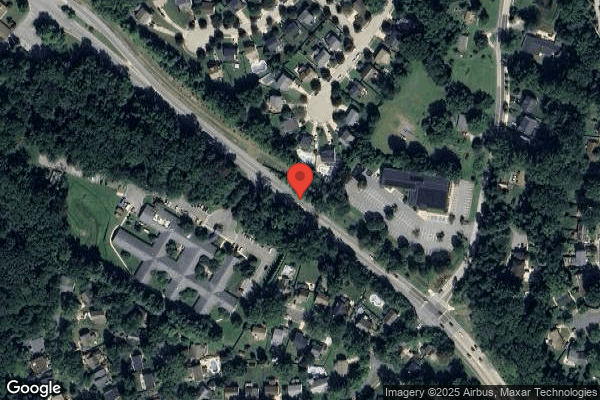

305 COLLEGE PARKWAY, ARNOLD, MD 21012 (410) 647-0015
For profit - Corporation 152 Beds FUTURE CARE/LIFEBRIDGE HEALTH Data: November 2025
Trust Grade
80/100
#20 of 219 in MD
Last Inspection: September 2024

Within standard 12-15 month inspection cycle. Federal law requires annual inspections.

Overview

Future Care Chesapeake in Arnold, Maryland, has earned a Trust Grade of B+, which indicates it is above average and recommended for potential residents. It ranks #20 out of 219 nursing homes in the state, placing it in the top half, and #3 out of 13 in Anne Arundel County, meaning only two local facilities are rated higher. The facility's trend is improving, with the number of issues decreasing from 9 in 2019 to 8 in 2024. Staffing is a relative strength, with a rating of 4 out of 5 stars and a turnover rate of 39%, which is below the state average of 40%. Importantly, the facility has not incurred any fines, indicating compliance with regulations. However, there are some concerns, such as 30 issues identified during inspections, all of which could pose potential harm. Specific incidents include a medication left at a resident's bedside, which goes against safety protocols, and past issues regarding the management of resident council complaints, indicating a lack of responsiveness to resident needs. While the nursing home shows strong RN coverage, more than 79% of facilities in Maryland, families should weigh these strengths and weaknesses carefully when considering this option for their loved ones.

Trust Score
B+
80/100
In Maryland
#20/219
Top 9%
Safety Record
Low Risk
No red flags
Inspections
Getting Better
9 → 8 violations
Staff Stability
○ Average
39% turnover. Near Maryland's 48% average. Typical for the industry.
Penalties
✓ Good
No fines on record. Clean compliance history, better than most Maryland facilities.
Skilled Nurses
✓ Good
Each resident gets 63 minutes of Registered Nurse (RN) attention daily — more than 97% of Maryland nursing homes. RNs are the most trained staff who catch health problems before they become serious.
Violations
⚠ Watch
30 deficiencies on record. Higher than average. Multiple issues found across inspections.
★★★★★
5.0
Overall Rating
★★★★☆
4.0
Staff Levels
★★★★☆
4.0
Care Quality
★★★★★
5.0
Inspection Score
Stable
2019: 9 issues
2024: 8 issues

The Good

  • 4-Star Staffing Rating · Above-average nurse staffing levels
  • 4-Star Quality Measures · Strong clinical quality outcomes
  • Full Sprinkler Coverage · Fire safety systems throughout facility
  • No fines on record
  • Staff turnover below average (39%)

    9 points below Maryland average of 48%

Facility shows strength in staffing levels, quality measures, fire safety.

The Bad

Staff Turnover: 39%

Near Maryland avg (46%)

Typical for the industry

Chain: FUTURE CARE/LIFEBRIDGE HEALTH

Part of a multi-facility chain

Ask about local staffing decisions and management

The Ugly 30 deficiencies on record

Sept 2024 8 deficiencies
CONCERN (D)

Potential for Harm - no one hurt, but risky conditions existed

Report Alleged Abuse (Tag F0609)

Could have caused harm · This affected 1 resident

**NOTE- TERMS IN BRACKETS HAVE BEEN EDITED TO PROTECT CONFIDENTIALITY** 2) A review of a facility reported incident, MD00199051, revealed Resident #69 had an x-ray ordered and completed in the facilit...

Read full inspector narrative →
**NOTE- TERMS IN BRACKETS HAVE BEEN EDITED TO PROTECT CONFIDENTIALITY** 2) A review of a facility reported incident, MD00199051, revealed Resident #69 had an x-ray ordered and completed in the facility on 10/25/23 at 2:09 PM with results that indicated an acute fracture of the right proximal humerus. The resident was transferred to the emergency room (ER) on 10/25/23, when the fracture was identified. The resident returned to the facility on [DATE] at 2:35 AM in a right arm sling along with confirmation of a right proximal humerus fracture. The resident also had an order to follow up with orthopedics. Further review of the facility investigation revealed that the initial report was not submitted to OHCQ (Office of Health Care Quality) until 10/31/23 at 4:45 PM although the injury was identified on 10/25/23. The facility is to report all allegations of abuse, including injuries of unknown source, that resulted in serious bodily injury within 2 hours of the incident. During an interview with the Director Of Nursing (DON) on 09/19/2024 at 9:42 AM, it was revealed that the injury was initially thought to be the result of a previous fall. The DON further stated the team began the investigation of the fall with fracture on 10/25/23. After in-depth chart review, staff interviews, and case review by the Medical Director was completed, the team decided that the injury was possibly an injury of unknown origin. The DON further stated that the injury of unknown origin was initially reported to OHCQ on 10/31/2023. An interview with the Administrator on 09/19/24 at 02:01 PM confirmed that the injury of unknown origin was not reported to OHCQ until 10/31/23 because the team initially thought the injury was the result of a previous fall. Based on record review and staff interview it was determined that the facility failed to ensure that all allegations of abuse were reported to the state agency (SA) within the required reporting timeframe. This was evident for 3 (#100, #69, and #2 ) of 5 residents reviewed for abuse. The findings include: 1) Review on 9/18/24 at 12:06 PM of the facility's investigation filed for the facility reported incident #MD00198616 revealed Resident #100 reported an allegation of abuse to facility staff. According to the statement written by the Social Worker the report of abuse was made on 10/6/23 at 12:15 PM. On 9/19/24 at 9:41 AM a review of the facility email confirmation, sent by the Director of Nursing (DON), revealed that the report had not been sent to the SA until 10/6/23 at 3:14 PM, which was beyond the 2-hour timeframe. An interview with the DON on 9/19/24 at 12:14 PM revealed that the facility had not developed a process to ensure timely submission of allegations of abuse related to the information requested on the facility report form and the approval from the corporate level before sending the report. The NHA was made aware of the concerns at 12:30 PM and confirmed what the DON had reported. 3) A review of a facility reported incident, MD00183710, revealed Resident #2 had a fall on 9/9/22 which was 12 days prior to the date of the incident. The Resident was in an electric wheelchair out front of the building. The resident was moving in the wheelchair and went off of the curb. As a result, the resident hit their head on the concrete. The resident maintained good head alignment and 911 was called. Resident did not lose consciousness. The resident had no change in vision or bleeding. Resident stated they misjudged where the curb was while backing up. The resident returned from the hospital on 9/11/22 at 7:43 PM. Further review of the clinical record failed to find evidence that the state agency had been notified. The Administrator was interviewed on 9/20/24 at 9:51 AM. She was informed of the fall and asked if she reported it. She recounted the incident and acknowledged the fall with injury. Confirmed that it was not reported the Maryland Office of Healthcare Quality.
CONCERN (D)

Potential for Harm - no one hurt, but risky conditions existed

Deficiency F0657 (Tag F0657)

Could have caused harm · This affected 1 resident

**NOTE- TERMS IN BRACKETS HAVE BEEN EDITED TO PROTECT CONFIDENTIALITY** Based on record review and interview it was determined that the facility failed to ensure a Resident's care plan was revised in ...

Read full inspector narrative →
**NOTE- TERMS IN BRACKETS HAVE BEEN EDITED TO PROTECT CONFIDENTIALITY** Based on record review and interview it was determined that the facility failed to ensure a Resident's care plan was revised in a timely manner. This was found to be evident for 1 (Resident # 113) out of 1 Resident reviewed for care plan revisions. The findings include: During a review of Resident #113's medical records conducted on 09/16/24 at 9:51 AM, it was discovered that the resident fell on [DATE], 07/28/23 & 07/31/23. A care plan is a document that outlines the actions and interventions needed to address a person's health or care needs. It can include information about a patient's health conditions, medications, and healthcare providers. Care plans can help ensure that patients receive consistent care. A review of Resident #113's care plan conducted on 09/16/24 at 10:00 AM, revealed the care plan for falls had not been revised to include the resident's falls on 07/14/23, 07/28/23 & 07/31/23. During an interview conducted on 09/16/24 at 12:19 PM, the Regional Clinical Services Manager stated that after she reviewed Resident #113's care plan she determined that the care plan had not been updated to include the falls for 07/14/23, 07/28/23, & 07/31/23.
CONCERN (D) 📢 Someone Reported This

A family member, employee, or ombudsman was alarmed enough to file a formal complaint

Potential for Harm - no one hurt, but risky conditions existed

ADL Care (Tag F0677)

Could have caused harm · This affected 1 resident

Based on record review and staff interview it was determined that facility staff failed to provide ADLs (activities of daily living such as, showers, dressing, and toileting) for a resident who was de...

Read full inspector narrative →
Based on record review and staff interview it was determined that facility staff failed to provide ADLs (activities of daily living such as, showers, dressing, and toileting) for a resident who was dependent on them for this care. This was evidence for 1 (101) of 2 residents reviewed for ADL care. The findings include: Hospice care focuses on the care, comfort, and quality of life of a person with a serious illness who is approaching the end of life. www.nia.nih.gov. During a review of complaint #MD00166118 for Resident #101 it was revealed there were concerns regarding the resident's care needs being provided. On 9/18/24 at 9:54 AM a medical record review for Resident #101 revealed a discharge summary from the hospital that noted the resident was on hospice care when s/he fell and broke his/her arm. The family decided to stop hospice care and send the resident to the facility for therapy. An attending physician note dated 2/7/24 noted the resident had advanced dementia (a general term for loss of memory, language, problem-solving and other thinking abilities that are severe enough to interfere with daily life. www.alz.org). A review of the GNA (geriatric nursing assistants) documentation on 9/18/24 at 10:50 AM revealed that the resident had not received a shower the 15 days s/he was at the facility. The resident was scheduled for showers on Mondays and Thursday during the evening shift, however it was marked N/A (not applicable) on 2/5/24 at 10:03 PM, marked n (no) for 2/8/24 at 7:41 PM, and N/A on 2/15/24 at 8:40 PM. Review of the documentation for the resident receiving a bed bath revealed the resident had not been bathed on 2/14/24 and 2/16/24. Review of the documentation for incontinence care reveal care was not provided on 2/6/24 and 2/7/24 on day shift. Review of the documentation for personal hygiene, such as combing his/her hair and oral care, revealed there was no documentation it was provided on 2/6/24, 2/7/24, and 2/11/24 during the day shift and on 2/5/24 during night shift. An interview with GNA #16 revealed that staff were to document the care that was provided. When asked why a staff member would document N/A, she stated that it may be because they did not know. Furthermore, GNA #16 reported the facility had provided the GNAs with training regarding how to document and N/A should not be used. She was unable to recall when this training occurred, but thought it was in 2023. The findings were reviewed with the Director of Nursing (DON) on 9/19/24 at 12:01 PM. He reported that it was acceptable for staff to use N/A if the resident was not available. However, review of the medical record revealed no evidence that the resident had been out of the facility on the days she was marked for N/A for a shower or other care.
CONCERN (D)

Potential for Harm - no one hurt, but risky conditions existed

Quality of Care (Tag F0684)

Could have caused harm · This affected 1 resident

**NOTE- TERMS IN BRACKETS HAVE BEEN EDITED TO PROTECT CONFIDENTIALITY** Based on interviews and record reviews it was determined that the facility failed to ensure a resident's safety. This was found ...

Read full inspector narrative →
**NOTE- TERMS IN BRACKETS HAVE BEEN EDITED TO PROTECT CONFIDENTIALITY** Based on interviews and record reviews it was determined that the facility failed to ensure a resident's safety. This was found to be evident for 1 (Resident #36) out of 1 resident's reviewed for quality of care during the re-certification survey. The findings include: During an interview conducted on 09/11/24 at 10:33 AM, Resident #36 stated that on 09/07/24 Geriatric Nursing Assistant (GNA) #8 attempted to assist the resident in the transfer from the bed to the electric wheelchair. The resident stated that the GNA assisted him/her from a lying position to a sitting position to the side of the bed. The resident stated that he/she advised the GNA that the back of his/her legs were not flush against the mattress which was required for a safe transfer from the bed to the wheelchair when using the transfer board. The resident further stated that the GNA went behind the bed from where the resident sat and attempted to pull the resident by his/her pants closer to the mattress. As a result, the resident slid off the bed and onto the floor. According to Centers of Medicare and Medicaid Services (CMS) the Minimum Data Set (MDS) is a powerful tool for implementing standardized assessment and for facilitating care management in nursing homes (NHs). On 09/11/24 at 11:02 AM a review of Resident #36's MDS mobility assessment dated [DATE] revealed the resident required partial/moderate assistance for lying to sitting on side of bed: The ability to move from lying on the back to sitting on the side of the bed and with no back support. On 09/14/24 at 6:19 AM a review of a written statement from GNA #8 stated that I went behind [resident's pronoun] and I was holding the back of his pant to prevent [resident's pronoun] from sliding; [resident's pronoun] also said [resident's pronoun] feel like [resident's pronoun] is sliding down. During an interview conducted on 09/14/24 at 7:30 AM, the Rehabilitation Director #14 stated that Resident #36 required 1 person to assist when using the transfer board. The Rehabilitation Director stated that GNA #8 should not have gone behind the resident to pull the resident closer to the mattress. The expectation for a proper transfer is to stand in front of the resident to perform a safe proper transfer. The Rehabilitation Director further stated that GNA #8 would be provided training on safe and proper transfer of a resident by the therapy department.
CONCERN (D) 📢 Someone Reported This

A family member, employee, or ombudsman was alarmed enough to file a formal complaint

Potential for Harm - no one hurt, but risky conditions existed

Medical Records (Tag F0842)

Could have caused harm · This affected 1 resident

**NOTE- TERMS IN BRACKETS HAVE BEEN EDITED TO PROTECT CONFIDENTIALITY** Based on record reviews and interviews it was determined that the facility failed to ensure the accuracy of Residents' medical r...

Read full inspector narrative →
**NOTE- TERMS IN BRACKETS HAVE BEEN EDITED TO PROTECT CONFIDENTIALITY** Based on record reviews and interviews it was determined that the facility failed to ensure the accuracy of Residents' medical records. This was found to be evident for 3 (Resident # 18, #106, & 99) out of 46 Residents reviewed during the recertification survey. The findings include: 1) During a review of Resident #18's Medication Administration Record (MAR) conducted on 09/09/24 at 11:44 AM revealed an order for Boost VHC two times a day 60 ml (millimeters) PO (oral) with med pass. A continued review of the MAR revealed that the order for BOOST VHC had been documented that Resident #18 had received Boost at 9:00 AM and 9:00 PM for the entire month of August of 2024 and from September 1, 2024, through September 8, 2024. During an interview conducted on 09/09/24 at 12:09 PM, Resident #18 and his/her assigned Geriatric Nursing Assistant (GNA) #5 stated that the Resident disliked Boost and refused it when offered. Both the Resident and the GNA stated that the Resident would only drink chocolate milk with med pas. 2) On 09/16/2024 at 8:09 AM a review of Resident #106's progress notes revealed a nurse's note that stated resident has a poor oral intake, and daughter is concerned [resident's gender pronoun] is deteriorating and would like to request some lab order to check if [resident's gender pronoun] is dehydrated. Based on the daughter [resident's gender pronoun] is not at [resident's gender pronoun] baseline. Primary Care Feedback: New order for BMP [NAME] (tomorrow). The basic metabolic panel (BMP) blood test helps doctors check the body's fluid balance and levels of electrolytes and see how well the kidneys are working. Further review of the resident's progress notes revealed a Change in Condition note. The note stated that the Resident has been declining with PO (oral) intake fluids and food by speech, staff. Daughters aware. BMP (Basic Metabolic Panel) drawn this AM. A review of Resident's 106 medical records did not reveal a BMP lab result. During an interview conducted on 09/16/24 at 11:29 AM, the Nursing Home Administrator (NHA) stated that she reviewed Resident #106's medical records and called the Good Samaritan laboratory company and confirmed that the BMP lab was not drawn. 3) A review of a Facility Reported Incident (FRI) investigation for Resident #99 was conducted on 09/19/24 at 10:30 AM. During the review a Provider's note from Physician #19 stated he provided services to the resident on 06/07/24. The note included details of the FRI and the investigation that was inaccurately based on the timeline of the FRI. During an interview conducted on 09/19/2024 at 11:45 AM, the Director of Nursing (DON) stated that he spoke with Physician #19 who advised the DON that he documented the date of service for Resident #99 in error. The DON stated that the Physician advised him that he provided services to the resident on 06/10/24 not 06/07/24 but signed the note on 06/13/24. The DON was advised that this was a concern for inaccurate medical records.
CONCERN (D)

Potential for Harm - no one hurt, but risky conditions existed

Infection Control (Tag F0880)

Could have caused harm · This affected 1 resident

Based on observation, interviews and medical record review it was determined that the facility failed to follow appropriate infection prevention and control practices. This was found to be evident dur...

Read full inspector narrative →
Based on observation, interviews and medical record review it was determined that the facility failed to follow appropriate infection prevention and control practices. This was found to be evident during the annual recertification survey. The findings include: During the initial tour of the laundry department on 9/9/2024 at 8:25 AM with the Housekeeping Floor Technician (#12) the surveyor observed an employee's personal backpack on the floor underneath the clean laundry folding table in the clean linen area of the laundry room. The surveyor conducted an interview on 9/9/2024 at 8:45 AM with the Housekeeping Floor Technician (#12) and the Laundry Aide (#13) who acknowledged that the employee's personal backpack was on the floor and that the expectation was that employee's personal items were not to be stored in the laundry room. Enhanced Barrier Precautions (EBP) are a set of infection control measures that aim to reduce the spread of multidrug-resistant organisms. Enhanced Barrier Precautions refer to an infection control intervention designed to reduce transmission of multi-drug-resistant organisms that employs targeted gown and glove use during high contact resident care activities. At 9:50 AM on 9/9/2024 the surveyor conducted infection control rounds on Nursing Unit 1. During the tour, the surveyor observed Resident (#81) and Resident (#89) rooms without an Enhanced Barrier Precautions (EBP) signage posted on the outside of the resident's room door. Enteral tube and feedings are a medical device used to provide nutrition to people who cannot obtain nutrition by mouth, are unable to swallow safely, or need nutritional supplementation. The state of being fed by a feeding tube is called gavage, enteral feeding or tube feeding. Foley catheter is a thin, flexible tube that drains urine from the bladder into a collection bag. It is a type of indwelling urinary catheter which means it is inserted into the body and left in place. The surveyor at 10:30 AM on 9/9/2024 reviewed the medical records of Residents (#81 and #89). Resident (#81) has physician orders for enteral tube care and feedings, Foley catheter care and Enhanced Barrier Precautions (EBP), and does not have an Enhanced Barrier Precautions (EBP) signage on the outside of the resident's room door. Resident (#89) has physician orders for wound care and Enhanced Barrier Precautions (EBP) and does not have an Enhanced Barrier Precautions (EBP) signage on the outside of the resident's room door. At 11:00 AM on 9/9/2024 the surveyor interviewed the Assistant Director of Nursing/Infection Preventionist (ADON/IP) regarding the policy and procedure for Enhanced Barrier Precautions (EBP). During this interview the ADON/IP stated that all residents with catheters, enteral feedings, wounds, central venous catheters, intravenous lines and tracheostomies should have an Enhanced Barrier Precautions (EBP) signage posted on the resident's room door and have a physician order for Enhanced Barrier Precautions (EBP). The surveyor toured Nursing Unit 1 with the ADON/IP at 11:10 AM on 9/9/2024. The ADON/IP and the surveyor observed that there was not signage posted on the resident's room doors for Residents (#81 and #89) for Enhanced Barrier Precautions (EBP). The ADON/IP stated that he would look into this. At 11:38 AM on 9/9/2024 the ADON/IP and the Regional Clinical Services Manager (RCSM) confirmed on observation with the surveyor that the Enhanced Barrier Precautions (EBP) signage was not posted on the room doors in the appropriate place for Residents (#81 and #89) and that Residents (#81 and #89) have physician orders for Enhanced Barrier Precautions (EBP). On 9/11/2024 at 11:08 AM the surveyor conducted an infection control tour of Nursing Unit 3. The surveyor observed Registered Nurse (#10) who was leaning over the counter eating her lunch in the clean utility room on Nursing Unit 3. In addition, this was observed by the Licensed Practical Nurse (#11) who stated to the Registered Nurse (#10) that she was not to be eating in the clean utility room. The surveyor interviewed the Nursing Unit 3 Unit Manager (#9) and asked her what the expectation was for the nursing staff eating in the clean utility room at 11:15 AM on 9/11/2024. The Unit Manager (#9) stated that nursing staff should not be eating in the clean utility room and that staff should be eating in the employee break room.
CONCERN (D) 📢 Someone Reported This

A family member, employee, or ombudsman was alarmed enough to file a formal complaint

Potential for Harm - no one hurt, but risky conditions existed

Deficiency F0925 (Tag F0925)

Could have caused harm · This affected 1 resident

Based on observation, staff interview and facility record review it was determined that facility failed to maintain an effective pest control program. This was evident in the facility kitchen and in t...

Read full inspector narrative →
Based on observation, staff interview and facility record review it was determined that facility failed to maintain an effective pest control program. This was evident in the facility kitchen and in the facility conference room. The findings include: On the initial tour of the facility's kitchen on 9/3/24 at 8:57 AM with the Certified Food Service Manager (CFSM) the surveyor observed a fly that was flying around near the top shelf of the food storage rack in the dry storage room located in the kitchen. The surveyor interviewed the Certified Food Services Manager (CFSM) at 9:15 AM on 9/3/24 during the kitchen tour, and the CFSM acknowledged that there was a fly that was observed flying around near the top shelf of the food storage rack in the dry storage room. The Certified Food Services Manager (CFSM) stated to the surveyor that the Pest Control Company is scheduled for service and treatment every other week for the facility. At 7:20 AM on 9/18/24 the surveyors observed gnats flying around in the conference room. Additionally, the Nursing Home Administrator (NHA) was observed by the surveyor swatting at a gnat in the conference room when the NHA delivered requested documents to the surveyors. The surveyors received the ORKIN Pest Control Service Reports from the Nursing Home Administrator on 9/12/24 at 9:10 AM. The surveyor reviewed the ORKIIN Pest Control Service Reports from March 2024 through August of 2024. The findings on these reports included the following dates and comments about service: 8/7/2024 - Inspected and treated throughout kitchen area storage area a few units with ants check log for notes check office areas added fly to kitchen due to fly issues; 7/25/2024 - Inspected and treated throughout kitchen area, storage area, break room area, fruit fly issue, and kitchen treated drains unit with ants and with spiders, check logbook for notes; 7/15/24 - Inspected and treated throughout checked all logbook. Treated rooms with ant issues throughout also kitchen has sanitation issues with drains fruit flies underneath sink areas trash cans need to be dumped, and clean drains need to be cleaned; 6/20/2024 - just flying ants around door just treated exterior last week. Told give it time to work, OK with it; 6/13/2024 - Inspected and treated throughout facility checked all logbook monitors no live pest issues to support a couple of Beatles and a few of the monitors and office areas changed out monitors and treated throughout. Wants to get exterior service. Will be there tomorrow morning to treat exterior; 5/31/2024 - Inspected and treated throughout office area break area no live pest issues to report few units with issues. No live and spotted on the interior. Still treated throughout; 4/12/2024 - Inspected and treated throughout kitchen area storage area, brake room area no live pest issues to report roach citing near vending machines put monitors out and treated around vending machines; 3/28/2024 - Inspected and treated throughout entire building checked all logbook only unit for treatment for ants Unit 211 no other issues to report in kitchen area, storage area or office areas; 3/20/2024 - Inspected and treated throughout kitchen area storage area break room area no live test issues to report sanitation issues in the kitchen areas check logbook for residence one unit with roaches 213 treated all around.
CONCERN (E) 📢 Someone Reported This

A family member, employee, or ombudsman was alarmed enough to file a formal complaint

Potential for Harm - no one hurt, but risky conditions existed

Deficiency F0761 (Tag F0761)

Could have caused harm · This affected multiple residents

**NOTE- TERMS IN BRACKETS HAVE BEEN EDITED TO PROTECT CONFIDENTIALITY** 4) During the initial tour of Nursing Unit 3 at 11:45 AM on 9/3/2024 the surveyor observed Resident #46 lying down in bed. On th...

Read full inspector narrative →
**NOTE- TERMS IN BRACKETS HAVE BEEN EDITED TO PROTECT CONFIDENTIALITY** 4) During the initial tour of Nursing Unit 3 at 11:45 AM on 9/3/2024 the surveyor observed Resident #46 lying down in bed. On the overbed table in Resident #46's room was a medication cup with one pink tablet in the medication cup at the resident's bedside. The surveyor interviewed the Assistant Director of Nursing/IP (ADON/IP) on 9/3/24 at 11:49 AM who was walking by Resident #46's room at the time of the surveyor observation of the medication at Resident #46's bedside. The surveyor asked the ADON/IP what the expectation was for medications at the resident's bedside and the ADON/IP stated that medication should not be left at the resident's bedside. The ADON/IP removed the medication cup with the one pink tablet from Resident #46's overbed table and indicated that he would investigate the medication. The ADON/IP returned to the surveyor and stated that the pink tablet was PreserVision and that this was confirmed with Resident #46's nurse. On 9/12/2024 at 9:30 AM the surveyor reviewed Resident #46's medical record specifically the physician orders for the month of September 2024. According to the physician orders for Resident #46, there is a medication order for PreserVision AREDS 2 Oral Tablet Chewable (Multiple Vitamin w/Minerals). Give 1 tablet by mouth one time a day for macular degeneration. Based on observations, interviews and record reviews it was determined that the facility failed to ensure that medications were secured and stored safely. This was found to be evident for 5 out of 7 observations for medication storage during the recertification survey. The findings include: Insulin is a hormone that helps regulate blood sugar levels by moving glucose from the bloodstream into cells for energy. Insulin therapy often is an important part of diabetes treatment. It helps keep blood sugar under control and prevents diabetes complications. It works like the hormone insulin that the body usually makes. 1) During a medication observation conducted on 09/05/24 at 8:00 AM, this Surveyor inspected Registered Nurse (RN) #4's medication cart. The Surveyor discovered an unopened Lispro Kwikpen 100/u/ml insulin pen for Resident #63. The insulin pen was dated 08/30/24 and stored in a plastic bag that had a pharmacy label on it that said refrigerate until open. Following the observation, an interview was conducted with RN #4 who confirmed the insulin pen had not been opened. The RN stated that the facility's expectation is that the pharmacy instructions were to be followed, and the insulin pen should have been refrigerated until opened. The RN further stated that the insulin pen would be discarded and reordered. During a review of Resident's Medication Administration Record (MAR) conducted on 09/05/24 at 9:17 AM it was revealed that Resident #63 had an order for HumaLOG KwikPen Solution Pen-injector 100 Unit/ML (millimeter) (Insulin Lispro) inject as per sliding scale. 2) During a medication observation conducted on 09/06/24 at 8:22 AM, this Surveyor inspected Licensed Practical Nurse (LPN) #22's medication cart. The Surveyor discovered an unopened Lispro Kwikpen 100/u/ml insulin pen for Resident #60. The insulin pen was dated 08/30/24 and stored in a plastic bag that had a pharmacy label on it that said refrigerate until open. 3) A continued inspection of LPN #22's medication cart revealed multiple loose pills in the bottom of the second drawer: 3 loose pink tablets, 2 loose white tablets, ½ pink tablet, 1 orange and blue capsule. Following the observations, an interview was conducted with LPN #22 who confirmed that the insulin pen that was stored in a plastic bag had not been opened. She confirmed that the plastic bag had a pharmacy label that stated refrigerate until open. The LPN further stated that she would speak with her Unit Manager to receive directions on disposing of the insulin pen and loose tablets and reordering the insulin pen. During a review of Resident's Medication Administration Record (MAR) conducted on 09/06/24 at 9:49 AM it was revealed that Resident #60 had an order for Insulin Lispro Solution (Insulin Lispro) Inject as per sliding scale. 5) This surveyor was touring the facility on 9/3/24 when an unlocked medication cart was observed at 11:10 AM. The medication cart was located next to room [ROOM NUMBER]. One staff member was observed walking past the cart at 11:13 AM and then a second staff member wearing a white lab coat with a stethoscope around her neck walked past the cart. A resident wheeled past it in their wheelchair at 11:17 AM followed by a staff member wearing black scrubs. A nurse, staff #26, walked past the cart at 11:19 AM while pushing a medication cart of her own and used her left hip to lock the cart. She was interviewed and confirmed it was unlocked. The Director of Nursing was interviewed on 9/4/24 at 11:53 AM. He was informed of the findings, and he said he would investigate.
Aug 2019 9 deficiencies
CONCERN (D)

Potential for Harm - no one hurt, but risky conditions existed

Deficiency F0561 (Tag F0561)

Could have caused harm · This affected 1 resident

Based on record review and interview with staff it was determined that the facility failed to offer twice weekly showers as scheduled or offer any showers. This was evident for 1 of 2 residents (Resid...

Read full inspector narrative →
Based on record review and interview with staff it was determined that the facility failed to offer twice weekly showers as scheduled or offer any showers. This was evident for 1 of 2 residents (Resident #235) reviewed for choices in the investigative stage of the survey. The findings include: Review of complaint MD00143959 on 8/22/19 revealed that the resident had not been getting showers. During an interview with the resident on 8/22/19, the resident revealed that he/she liked to take showers, the resident further revealed that the warm showers are very relaxing. Review of the physician orders on 8/22/19 revealed that the resident's shower days were every Wednesday and Saturday during day shift. Further review of the medical records revealed that the resident has an extensive stomach wound. During an interview with the Wound Nurse #11, it was revealed that taking showers was not contraindicated. Review of the shower log from August 8-22, 2019 revealed the facility documented that the resident only received 1 shower on 8/19/19. Further review of the log failed to reveal any documentation indicating that the resident refused showers. During an interview with the Regional Clinical Manager (Staff #2) on 8/22/19 the surveyor asked for any additional documentation showing that the resident received showers. Staff #2 revealed that she went through the resident's records and spoke with the Geriatric Nursing Assistant, but she was unable to provide any information or documentation indicating that the resident was receiving showers on Wednesday and Saturday as ordered. She further revealed that the resident would be receiving showers on her/his scheduled days. All findings discussed in depth with the Administrator and Director of Nursing at the survey exit on 8/22/19.
CONCERN (D)

Potential for Harm - no one hurt, but risky conditions existed

Notification of Changes (Tag F0580)

Could have caused harm · This affected 1 resident

**NOTE- TERMS IN BRACKETS HAVE BEEN EDITED TO PROTECT CONFIDENTIALITY** Based on complaint review, reviews of a closed medical record and staff interview, it was determined that the facility staff fai...

Read full inspector narrative →
**NOTE- TERMS IN BRACKETS HAVE BEEN EDITED TO PROTECT CONFIDENTIALITY** Based on complaint review, reviews of a closed medical record and staff interview, it was determined that the facility staff failed to immediately notify a resident's physician and resident's representative (RP) with a continued significant weight loss prior to discharging the resident home. This was evident for 1 of 42 residents (Resident #185) reviewed during the annual recertification survey. The findings include: Review of complaint MD00143384 on 08/19/19 revealed an allegation that Resident #185 suffered a steady weight loss during his/her stay in the facility. In an interview with the complainant on 08/19/19 9:07 AM, the complainant alleged that Resident #185 lost weight and the staff did not treat Resident #185 for the weight loss before discharging Resident #185 home. Review of Resident #185's closed medical record revealed Resident #185 was admitted to the facility on [DATE] after a fall in which Resident #185 suffered a fractured right leg and spine. Resident #185 required a neck brace and a leg splint when discharged from the hospital. Resident #185 was admitted to the facility with a weight of 134.5 pounds which included the weight of the brace and splint. On 05/06/19, Resident #185 was seen by the trauma surgeon and the leg splint was discontinued at that time. Resident #185 weighed 118.2 pounds on 05/06/19. Review of Resident #185's closed medical record revealed the following weights in pounds (lbs): 05/08 19 - 118.0 lbs. 05/13/19 - 113.0 lbs. 05/15/19 - 112.6 lbs. 05/20/19 - 108.0 lbs. 05/22/19 - 107.2 lbs. 05/27/19 - 107.4 lbs. 06/03/19 - 106.2 lbs. 06/10/19 - 100.0 lbs. 06/17/19 - 96.8 lbs. 06/18/19 - 95.8 lbs. On 05/15/19, Resident #185's physician gave orders instructing the nursing staff to administer the supplement, Ensure Clear, to be given two times a day at breakfast and dinner. On 05/22/19, the facility Nurse Practitioner (CRNP) #22 followed-up and reassessed Resident #185 for weight loss. The CRNP ordered a magic cup to be given to Resident #185 three times a day with meals. Review of Resident #185's supplement administration and amounts consumed for May 2019 show Resident #185 was accepting the supplements and consistently consuming 100% of each supplement administered. Review of Resident #185's supplement administration and amounts consumed for June 2019 revealed Resident #185 was accepting approximately 50% of the magic cup supplement and 50 to 100% of the Ensure Clear supplements in June 2019. Review of Resident #185's care plans revealed a care plan specific for: Inadequate oral food/beverage intake care plan which was initiated on 04/23/19. The goal of the care plan was that Resident #185 would consume 75% of meals, supplements thru review date. Nursing interventions included: maintain a regular diet with a dysphagia 2 texture and give Resident #185 thin liquids, administer Ensure Plus twice a day and magic cup with meals, monitor meal intake and document, weigh Resident #185 per facility protocol, monitor labs as needed, give feeding assistance and supervision. Review of Resident #185's June 2019 breakfast, lunch, and dinner meal percentages revealed the nursing staff were documenting progressive declines in food intake thru June 2019. From 06/11/19 thru 06/18/19, the nursing staff were frequently documenting Resident #185 would either refuse his/her meals or would only consume 0-25%. On 06/17/19, the nursing staff documented Resident #185 weighed 96.8 pounds. This is a 21.2 pound weight loss (17.9%) from 05/08/19. On 06/18/19, the nursing staff documented Resident #185 weighed 95.8 pounds which was a 22.2 pound weight loss (18.8%) from 05/10/19. A weight loss of 21.1 pounds (17.9%) on 06/17/19 and loss of 22.2 pounds (18.8%) on 06/18/19 from the 05/10/19 weight of 118 pounds was considered a significant weight loss. In an interview with the facility Dietician #21 on 08/22/19 at 8:53 AM, the facility dietician stated that s/he never received a call regarding Resident #185's weight loss on 06/17/19 or 06/18/19. The facility dietician stated that another dietician attempted to see Resident #185 on 06/11/19 but the staff were providing care and that dietician never returned for a follow-up assessment or conversation. In an interview with the facility CRNP #22 on 08/22/19 at 10:56 AM, the facility CRNP stated that s/he did not receive a call from the nursing staff regarding Resident #185's weight loss on 06/17/19 or 06/18/19. Review of Resident #185's June 2019 nursing notes failed to reveal any documentation the nursing staff notified Resident #185's physician or Resident #185's representative regarding the significant weight loss identified on 06/17/19 or 06/18/19. The concern regarding the failure to notify the physician and the RP of the significant weight loss was discussed with Administrator and the Director of Nursing at the survey exit on 8/22/19.
CONCERN (D)

Potential for Harm - no one hurt, but risky conditions existed

Deficiency F0582 (Tag F0582)

Could have caused harm · This affected 1 resident

Based on medical record review and interview with facility staff, it was determined that the facility was unable to provide documentation that a Notification of Medicare Non Coverage (NOMNC) was maile...

Read full inspector narrative →
Based on medical record review and interview with facility staff, it was determined that the facility was unable to provide documentation that a Notification of Medicare Non Coverage (NOMNC) was mailed to a resident. This was evident for 1 of 3 residents (Resident #236) reviewed for beneficiary protection notification. The findings include: The Notice of Medicare Non-Coverage (NOMNC) letter is intended to notify a Medicare member, in writing, that the member's Medicare health plan and/or provider have decided to terminate the member's covered services, and, because of the termination of services, the member has appeal rights. Resident #236's medical records were reviewed on 8/22/19, this review revealed that the resident had a responsible party (RP) that received all the notifications from the facility. A reviewed the Resident #236's NOMNC letter revealed that on 7/8/19 the resident's benefits were ending. Further review revealed that the Social Worker #15 called the RP on 7/5/19 to inform him that the resident's service was ending. Review of Social Worker #15's documentation revealed that she put the NOMNC form in the resident's room on the bedside table. During an interview with Social Worker #15 on 8/22/19 the surveyor asked if she mailed the NOMNC letter to the RP, she revealed that she did not mail it but just left it in the resident's room. During an interview with the Director of Social Work #10 on 8/22/19 she stated that she did not think it had to be mailed, she revealed that verbal notification was enough. The Requirements for delivering of the NOMNC notice which includes informing each resident in writing was reviewed with the Director of Social Worker #10 and she acknowledged that the facility did not mail the notice. The concern regarding the failure to complete all the requirements for delivery of the NOMNC notification was discussed with Administrator and the Director of Nursing at the survey exit on 8/22/19.
CONCERN (D)

Potential for Harm - no one hurt, but risky conditions existed

Deficiency F0657 (Tag F0657)

Could have caused harm · This affected 1 resident

Based on medical record review and staff interview, it was determined that the facility failed to revise a comprehensive care plan for the use of a restraint. This was evident for 1 of 1 resident (Res...

Read full inspector narrative →
Based on medical record review and staff interview, it was determined that the facility failed to revise a comprehensive care plan for the use of a restraint. This was evident for 1 of 1 resident (Resident #3) reviewed for restraints during the annual recertification survey. The findings include: A care plan is a guide that addresses the unique needs of each resident. It is used to plan, assess and evaluate the effectiveness of the resident's care. Review of Resident #3's medical record on 08/14/19 revealed that Resident #3 had a history of behavior problems that included screaming, crying, and pulling out the gastrostomy tube (g-tube). Nursing goals include to minimize the risk of having the g-tube dislodged. Nursing approaches included: the application of an abdominal binder but failed to show the interventions for checking the abdominal binder and skin observations every two hours. In an interview with the nursing Unit Manager #17 on 08/21/19 at 2:33 PM, the Unit Manager #17 indicated there was no documentation the nursing staff were removing and observing Resident #3's skin underneath the abdominal binder every 2 hours. The Unit Manager #17 did provide documentation Resident #3's abdominal binder was initiated as far back as July 2017. The Unit Manager #17 did provide the surveyor with an updated care plan on 08/17/19 with a new nursing intervention to release Resident #3's abdominal binder every 2 hours with routine care and observe for skin changes.
CONCERN (D)

Potential for Harm - no one hurt, but risky conditions existed

Quality of Care (Tag F0684)

Could have caused harm · This affected 1 resident

**NOTE- TERMS IN BRACKETS HAVE BEEN EDITED TO PROTECT CONFIDENTIALITY** Based on complaint review, review of a closed medical record, and staff interview, it was determined that the facility staff fai...

Read full inspector narrative →
**NOTE- TERMS IN BRACKETS HAVE BEEN EDITED TO PROTECT CONFIDENTIALITY** Based on complaint review, review of a closed medical record, and staff interview, it was determined that the facility staff failed to have a discussion with a resident and their responsible party following a physician consult recommending further work-up for a bladder mass. This was evident for 1 of 42 residents (Resident #185) reviewed during the annual recertification survey. The findings include: Review of complaint MD00143384 on 08/19/19 revealed an allegation that Resident #185 suffered from vaginal bleeding and was subsequently diagnosed with a bladder mass. The complaint also alleged the facility staff failed to take steps to determine if the bladder mass was cancerous. Review of Resident #185's closed medical record on 08/14/19 revealed a Urologist consultant note, dated 06/07/19, that detailed a Urology assessment and a plan for Resident #185. Resident #185 was referred to the Urologist for abnormal bleeding and assessment of a bladder mass measuring 4.8 x 5.7 x 1.6 cm which was identified by sonogram on 05/26/19. The Urology consult note indicated Resident #185 needed a follow up appointment with an OB/GYN physician regarding abnormal bleeding. In an interview with the facility Nurse Practitioner (CRNP) #22 on 08/22/19 at 10:56 AM, the facility CRNP #22 stated that she was aware of the Urologist recommendation that Resident #185 should follow-up with an OB/GYN after discharge on [DATE]. The facility CRNP #22 stated that s/he did not have a conversation with Resident #185's responsible party about obtaining an OB/GYN consult as indicated by the 06/07/19 Urology consult.
CONCERN (D)

Potential for Harm - no one hurt, but risky conditions existed

Deficiency F0730 (Tag F0730)

Could have caused harm · This affected 1 resident

Based on reviews of administrative records, it was determined that the nursing administrative staff failed to ensure that all Geriatric Nursing Assistant (GNA) staff completed a minimum of 12 hours of...

Read full inspector narrative →
Based on reviews of administrative records, it was determined that the nursing administrative staff failed to ensure that all Geriatric Nursing Assistant (GNA) staff completed a minimum of 12 hours of education per year. This was evident for 5 of 6 GNA records reviewed during the annual recertification survey. The findings include: On 08/19/19, a review of 6 random Geriatric Nursing Assistant (GNA) staff members, educational records for 2018, revealed that GNA #2 failed to complete at a minimum of 12 hours of education for the year of 2018/2019. The facility Administrator was made aware of the findings on 08/22/2019 at 6 PM.
CONCERN (D)

Potential for Harm - no one hurt, but risky conditions existed

Deficiency F0761 (Tag F0761)

Could have caused harm · This affected 1 resident

Based on observations and interviews it was determined the facility failed to ensure that the resident took the medications being administered as evidenced by the observation of a medication container...

Read full inspector narrative →
Based on observations and interviews it was determined the facility failed to ensure that the resident took the medications being administered as evidenced by the observation of a medication container with red liquid inside it left on top of the resident table. This was found to be evident for 1 out of 5 residents (Resident #35) reviewed during the investigative stage of the survey. The findings include: On 8/22/19 the survey observed a medication container with red liquid inside sitting on Resident #35's bedside table. During an interview with the resident he/she reported that the nurse brought the cup of cough medicine in and left it on the table and walked out. During an interview with the resident's nurse Registered Nurse (RN) #23 on 8/22/19 the surveyor asked her what the process was when you are administering medication to a resident. RN #23 replied, I know what to do, but the resident was not ready to take it, so I left it in the room. She further replied what else was I supposed to do? During an interview with the Unit Manager Staff #20 on 8/22/19, the surveyor asked what was process when nurses are administering medication to resident, he replied that the nurse takes the medication in the room and watches the resident take the medication and returns to the medication cart and sign the medication off as administered. The surveyor asked if it was acceptable to leave medication at the bedside and he replied it was not acceptable. The concern regarding the failure of the nurse to ensure a resident took a medication and leaving medication on the resident bedside table was reviewed with Administrator and the Director of Nursing at the survey exit on 8/22/19.
CONCERN (D)

Potential for Harm - no one hurt, but risky conditions existed

Medical Records (Tag F0842)

Could have caused harm · This affected 1 resident

**NOTE- TERMS IN BRACKETS HAVE BEEN EDITED TO PROTECT CONFIDENTIALITY** Based on review of a closed medical record and staff interview, it was determined that the facility failed to keep complete and ...

Read full inspector narrative →
**NOTE- TERMS IN BRACKETS HAVE BEEN EDITED TO PROTECT CONFIDENTIALITY** Based on review of a closed medical record and staff interview, it was determined that the facility failed to keep complete and accurate medical records. This was evident twice for 1 of 42 residents (Resident #185) reviewed during an annual recertification survey. The findings include: 1) Review of Resident #185's closed medical record on 08/20/19 revealed a hand-written Urology consult note, dated 06/07/19, that detailed a Urology assessment and a plan for Resident #185. Resident #185 was referred to the Urologist for abnormal bleeding and assessment of a bladder mass measuring 4.8 x 5.7 x 1.6 cm which was identified on a 05/26/19 sonogram. The Urology consult note indicated Resident #185 needed a follow-up appointment with an OB/GYN physician regarding abnormal bleeding. The Urology consult note also indicated Resident #185 should be followed up with a Urologist in the area for a cystoscopy and bladder biopsy for a definitive diagnosis regarding the bladder mass. The Urology consult note indicated that the follow-up Urology appointment could be done on an outpatient basis. The Urology consult note indicated the plan was discussed in detail with Resident #185's representative. Further review of the 06/07/19 Urology note revealed the additional hand-written words out pt. after the Urologist recommendation to see and OB/GYN for a follow-up appointment regarding abnormal bleeding. In an interview with the facility Nurse Practitioner (CRNP) #22 on 08/22/19 at 10:56 AM, the facility CRNP #22 stated that she wrote the words out pt. on the 06/07/19 Urology consult note on 06/12/19. The CRNP #22 stated that she did not have a conversation with Resident #185's representative regarding obtaining the OB/GYN consult as an outpatient procedure after discharge on [DATE]. Further review of Resident #185's closed medical failed to reveal a CRNP note on 06/12/19. Facility staff should create a new document when writing or typing in a resident's medical record and not on previously created documents. 2) Review of Resident #185's closed medical record revealed a care plan for dialysis. Further review of Resident #185's closed medical record did not reveal Resident #185 suffered from end stage renal disease or required any type of dialysis treatments or services. The facility Administrator and Director of Nursing were made aware of the findings during survey exit on 8/22/19.
CONCERN (D)

Potential for Harm - no one hurt, but risky conditions existed

Infection Control (Tag F0880)

Could have caused harm · This affected 1 resident

Based on observation, staff interview, facility policy review and review of medical records the facility failed to ensure that a system was followed to prevent and control the transmission of infectio...

Read full inspector narrative →
Based on observation, staff interview, facility policy review and review of medical records the facility failed to ensure that a system was followed to prevent and control the transmission of infectious and communicable disease for residents, staff and visitors. This was true for 1 out of 42 residents (Resident #253) reviewed during the annual survey. The facility also failed to conduct an annual review of its Infection Prevention Control Program (IPCP). This deficient practice has the potential to affect all residents in the facility. Findings include: Extended Spectrum Beta-Lactamase (ESBL) is an enzyme found in some strains of bacteria. ESBL-producing bacteria is highly communicable and difficult to kill because it is resistant to many antibiotics. Contact precautions are a series of procedures used by caregivers designed to minimize the transmission of infectious organisms by direct or indirect contact with an infected patient or their environment. Review of Resident #253's medical record on 8/22/19 at 9:55 AM revealed the resident had a diagnosis of a urinary tract infection with ESBL. The results of the urine culture (a test that looks for bacteria in the urine) was reported to the facility on 8/14/2019. Contact precautions were not ordered for the resident until 8/15/19. Review of the facility IPCP revealed the policies have not been reviewed on an annual basis. Interview with the Director of Nursing (DON) on 8/21/19 at 11:50 AM revealed the IPCP policies had not been reviewed since 2016. An observation of eating utensils on the tables in the main dining room on 8/15/19 at 10:42 AM revealed that the utensils were handled and re-arranged by residents and visitors during a resident activity prior to the lunch time meal. After sharing such observation during an interview with the Dietary Manager #5 and Corporate Nurse #3 on 8/15/19 at 11:15 AM, surveyor observed that the utensils were collected and dining tables reset prior to food service.
Apr 2018 13 deficiencies
CONCERN (D)

Potential for Harm - no one hurt, but risky conditions existed

Deficiency F0625 (Tag F0625)

Could have caused harm · This affected 1 resident

Based on medical record review and interview with staff it was determined that the facility failed to have a system in place to ensure bed-hold policies were provided to residents at the time of trans...

Read full inspector narrative →
Based on medical record review and interview with staff it was determined that the facility failed to have a system in place to ensure bed-hold policies were provided to residents at the time of transfer to the hospital. This was found to be evident for one out of three nursing units (Resident #19). The findings include: On 4/13/18 review of Resident #19's medical record revealed a transfer to the hospital in March 2018. No documentation was found that the resident had been provided the bed hold policy at the time of transfer to the hospital. On 4/13/18 at 2:07 PM interview with the unit nurse manager (Staff #14) revealed that she had no knowledge regarding providing the bed hold policy for residents being transferred to the hospital. On 4/13/18 at 2:23 PM the Administrator confirmed that the bed hold policy was not provided when resident's were sent to the hospital. On 4/17/18 at 12:05 PM surveyor reviewed with the Assistant Director of Nursing and the corporate nurse (Staff #4) the concern regarding the facility's failure to consistently, across all units, provide the bed hold policy at time of discharge.
CONCERN (D)

Potential for Harm - no one hurt, but risky conditions existed

Assessment Accuracy (Tag F0641)

Could have caused harm · This affected 1 resident

Based on medical record review and interview it was determined that the facility staff failed to 1. Accurately code the use of a resident's antibiotic use and 2. Accurately code a resident's anticoagu...

Read full inspector narrative →
Based on medical record review and interview it was determined that the facility staff failed to 1. Accurately code the use of a resident's antibiotic use and 2. Accurately code a resident's anticoagulant usage on a residents' MDS assessments This was evident for 2 out of 37 residents (#109 and 128) sampled. The findings include: 1. Review of the medical record on 4/16/18 at 2:18 PM for Resident #109 revealed multiple diagnosis. Review of the Residents MDS assessments completed from admission in January through the 60-day assessment in March revealed a discrepancy when the resident was coded as receiving anticoagulants twice on the 60-day assessment. The MDS coordinator (Staff #11) was interviewed on 4/16/18 at 2:39 PM and after review stated that it was an error, the coding should have been for antibiotics not anticoagulants and a modification would be completed. 2. Review of the medical record on 4/12/18 at 1:29 PM for Resident #128 revealed a readmission in March. The resident had a diagnosis of atrial fibrillation. Review of the medical record on 4/12/18 at 2:33 PM with the facility Assistant Director of Nursing and Director of Nursing revealed that the resident had a history of being on an anticoagulant however, on this readmission the physician did not want the medication reordered secondary to low platelets. Review of the 14-day admission MDS completed on 3/26/18 that the resident was coded as receiving an anticoagulant for 6 days. Review on of the MDS with the facility MDS coordinator (Staff #11) on 4/12/18 at 2:31 PM revealed that it was an error in coding and a modification would be completed. The findings were reviewed throughout the survey and again at exit with the facility on 4/17/18.
CONCERN (D)

Potential for Harm - no one hurt, but risky conditions existed

Comprehensive Care Plan (Tag F0656)

Could have caused harm · This affected 1 resident

Based on review of the medical record and interview with staff it was determined that the facility failed to update a resident's care plan to reflect current restorative nursing services. This was fou...

Read full inspector narrative →
Based on review of the medical record and interview with staff it was determined that the facility failed to update a resident's care plan to reflect current restorative nursing services. This was found to be evident for one out of two residents (Resident #55) reviewed for position/mobility during the investigative portion of the survey. The findings include: On 4/12/18 review of Resident #55's medical record revealed the resident had impairment in range of motion for both upper extremities [arms]. Further review of the medical record revealed a care plan for Restorative Nursing related to debility which included the following interventions: Perform Active Range of Motion hip/knee/ankle (flexion, ankle pumping x 20 reps/pain free range). This intervention had a start date of 1/30/18. No interventions were found in the care plan regarding the upper extremities. The care plan had been evaluated on 3/13/18 by the unit nurse manager (Staff #14). Further review of the medical record revealed the resident had received Occupational Therapy services from 2/2/18 thru 2/28/18. Review of the Discharge Recommendations revealed the following: Restorative nursing educated in delivery of AAROM [Active Assisted Range of Motion] and functional skills for ub [upper body]. The discharge summary had been signed as completed on 3/1/18. On 4/12/18 at 11:29 AM the therapy director (Staff #27) reported that she sometimes attended care plan meetings or may just send notes. After review of the Discharge Summary and the care plan notes the therapy director confirmed that the care plan did not include anything about the resident's upper extremities and that the plan had been updated after the resident had been discharged from OT in February. On 4/12/18 at 11:59 AM surveyor reviewed with the unit nurse manager the concern that the care plan failed to include any interventions for the upper extremities as indicated in the occupational therapy discharge. The failure to update the care plan regarding restorative nursing services to be provided was also addressed with the Assistant Director of Nursing on 4/17/18.
CONCERN (D)

Potential for Harm - no one hurt, but risky conditions existed

Deficiency F0657 (Tag F0657)

Could have caused harm · This affected 1 resident

Based on clinical record review, family interview, and staff interview it was determined that the facility staff failed to revise or update a care plan related to the removal of a residents Foley cath...

Read full inspector narrative →
Based on clinical record review, family interview, and staff interview it was determined that the facility staff failed to revise or update a care plan related to the removal of a residents Foley catheter and gastrostomy tube, (Resident #125). This was true for 1 of 37 residents reviewed in the investigative portion of the survey process. The findings include: Review of the medical record on 4/13/18 at 11:20 AM for Resident #125 revealed diagnosis including, dysphasia (difficulty swallowing), fibromyalgia (widespread muscular pain) and urinary retention. On admission the resident had a gastrostomy tube and a Foley catheter in place. Interview with Resident #125 on 4/11/18 at 10:01 AM revealed that the Foley catheter had been discontinued 3 weeks ago and the gastrostomy tube was no longer present. Further review of the resident's medical record on 4/13/18 revealed a care plan in place regarding the use of the gastrostomy tube including checking placement. In addition, a care plan was in place regarding the use of the residents Foley catheter and monitoring output. Review of the resident's medical record revealed that on 3/30/18 the gastrostomy tube was removed and on 4/4/18 the Foley catheter was discontinued. The failure to update and revise the residents care plans timely was reviewed with the facility Director of Nursing (DON), and Corporate Nurse on 4/13/18 at 1:58 PM.
CONCERN (D)

Potential for Harm - no one hurt, but risky conditions existed

Quality of Care (Tag F0684)

Could have caused harm · This affected 1 resident

Based on medical record review and interview with staff it was determined that the facility failed to administer a medication ordered for the treatment of oral thrush [a fungal infection of the mouth]...

Read full inspector narrative →
Based on medical record review and interview with staff it was determined that the facility failed to administer a medication ordered for the treatment of oral thrush [a fungal infection of the mouth] for 1 of 8 residents (#19) reviewed for hospitalization. The findings include: On 4/13/18 review of Resident #19's medical record revealed that on 3/20/18 the nurse completed a Concurrent Review Follow-Up Evaluation regarding Oral Thrush. This note revealed the following: 'Resident c/o [complaint of] throat discomfort when swallowing NP [nurse practitioner] in to assess, SNO [see new order] for mycelex lozenge.' A corresponding order, dated 3/20/18, for Mycelex 10 mg lozenges by mouth 5 times a day for 10 days for candidia was found in the medical record. Candidia is a fungal infection which causes oral thrush. On 4/13/18 review of the medication administration record (MAR) revealed documentation that the medication was not administered when due on 3/21/18 at 9:00 AM, 1:00 PM, 5:00 PM and 9:00 PM. This was evidenced by the nurse circling his/her initials, however there was no corresponding notation regarding why the medication was not administered found either on the back of the MAR or in the nursing notes. There was documentation that the medication was administered when due on 3/22/18 at 5:00 AM. However for the doses due on 3/22/18 at 9:00 AM and 1:00 PM, there were blanks. No documentation was found indicating whether or not the medication was administered or not for these two doses. For the dose due on 3/22/18 at 5:00 PM the nurse circled his/her initials and there was the following notation on the back of the MAR: mycelex not available from pharmacy. For the dose due on 3/23/18 at 5:00 AM the nurse circled his/her initial indicating the medication was not administered, however no documentation was found as to why the medication was not given. For the remaining 4 doses due on 3/23/18 there were blanks on the MAR. On 3/24/18 at 1:33 AM the nurse documented in the interdisciplinary notes of the electronic health record the following: .Call pharmacy for [his/her] mycelex lozenger states that it has been sent, but no where to be found, but requested pharmacy to resent it, but states that they will send document for DON [director of nursing] to sign, still await for it . Further review of the MAR revealed the dose due on 3/24/18 at 5:00 AM was documented as not administered. The doses due on 3/24/18 at 9:00 AM and 1:00 PM were documented as administered. The resident was discharged to the hospital on 3/24/18. Further review of the medical record failed to reveal any documentation that the physician or nurse practitioner had been made aware that the medication was not being administered as ordered. On 4/16/18 at 10:40 AM the nurse (Staff #32) confirmed that circled initials on the MAR mean that the medication was not administered and that sometimes they then write on the back of the MAR. The nurse also reported they are suppose to let the doctor know and contact the pharmacy. The nurse reported that she recalled there being a problem obtaining this medication for the resident but could not recall if the doctor had been made aware. On 4/16/18 at 10:53 AM surveyor reviewed the concern with the Assistant Director of Nursing (ADON) that the physician had not been made aware that the medication was not available and requested receipt of when the medication was delivered. A brief time later the ADON presented with evidence that the medication had been delivered on 3/21/18 at 1:09 AM and again on 3/26/18 at 1:02 AM. As of time of exit no additional information was provided as to where the first delivery of mycelex had been stored or why it had not been administered as ordered.
CONCERN (D)

Potential for Harm - no one hurt, but risky conditions existed

Deficiency F0692 (Tag F0692)

Could have caused harm · This affected 1 resident

Based on medical record review and kitchen diet orders; observation and interview with staff, it was determined that the facility failed to provide physician ordered diet. This was found to be evident...

Read full inspector narrative →
Based on medical record review and kitchen diet orders; observation and interview with staff, it was determined that the facility failed to provide physician ordered diet. This was found to be evident for one of three residents (Resident #19) reviewed for nutrition during the investigative portion of the survey. The findings include: On 4/13/18 review of Resident #19's medical record revealed an order, dated 4/9/18, for: Discharge full liquid diet - upgrade to pureed consistency. On 4/13/18 at 11:59 AM the Registered Dietitian (RD Staff #31) reported that she thought the resident was currently on puree diet. On 4/13/18 at 12:06 PM surveyor, in the presence of the corporate nurse (Staff #30), observed the resident's lunch to consist of clear liquids only. On 4/13/18 interview with the Dietary Manager (Staff #29) revealed that the resident's diet order, in the system used by the kitchen staff, was for a full liquid diet. The Dietary Manager also reported that the information goes thru the [name of Electronic Health Record] system and prints directly into the kitchen system and that speech [therapist] generally walks over a Dietary Communication Form. On 4/13/18 review of the communication log book, provided by the Dietary Manager, revealed a Dietary Communication Form which was completed by the speech therapist and printed on 4/9/18 at 1:14 PM which stated: please discontinue full liquid. Upgrade to pureed consistency. Continue honey thick liquids. On 4/13/18 the staff also provided another Dietary Communication Form completed by the nurse on 4/9/18 at 3:39 PM for Diet Order: Regular, Texture: Puree and included a notation to: discharge full liquid diet, upgrade to puree consistancy. On 4/13/18 at 1:02 PM surveyor discussed the concern with the Administrator regarding the failure to implement the diet change order in the kitchen. It was reviewed that the order was written, the dietary communication form was printed on 4/9/18 and found in the kitchen communication book but diet change was not implemented in the kitchen system. The failure to provide the diet as ordered was reviewed with the Assistant Director of Nursing and corporate nurse (Staff #4) on 4/17/18.
CONCERN (D)

Potential for Harm - no one hurt, but risky conditions existed

Pharmacy Services (Tag F0755)

Could have caused harm · This affected 1 resident

Based on medical record review and interview with staff it was determined that the facility failed to ensure medication ordered for the treatment of oral thrush [a fungal infection of the mouth] was s...

Read full inspector narrative →
Based on medical record review and interview with staff it was determined that the facility failed to ensure medication ordered for the treatment of oral thrush [a fungal infection of the mouth] was stored in an area accessible to all staff required to administer the medication. This was found to be evident for one out of eight residents (Resident #19) reviewed for hospitalization during the investigative portion of the survey. The findings include: On 4/13/18 review of Resident #19's medical record revealed that on 3/20/18 the nurse completed a Concurrent Review Follow-Up Evaluation regarding Oral Thrush. This note revealed the following: Resident c/o [complaint of] throat discomfort when swallowing NP [nurse practitioner] in to assess, SNO [see new order] for mycelex lozenge. A corresponding order, dated 3/20/18, for Mycelex 10 mg lozenges by mouth 5 times a day for 10 days for candidia was found in the medical record. Candidia is a fungal infection which causes oral thrush. Review of the pharmacy Proof of Delivery documentation revealed that the facility received 50 doses of Clotrimazole 10mg troche (this is the generic version of Mycelex lozenges) on 3/21/18 at 1:09 AM. On 4/13/18 review of the medication administration record (MAR) revealed documentation that the medication was not administered when due on 3/21/18 at 9:00 AM, 1:00 PM, 5:00 PM and 9:00 PM. This was evidenced by the nurse circling his/her initials, however there was no corresponding notation regarding why the medication was not administered found either on the back of the MAR or in the nursing notes. There was documentation that the medication was administered when due on 3/22 at 5:00 AM. However for the doses due on 3/22 at 9:00 AM and 1:00 PM, there were blanks. No documentation was found that the medication was administered or not for these two doses. For the dose due on 3/22 at 5:00 PM the nurse circled his/her initials and there was a notation on the back of the MAR that mycelex not available from pharmacy. For the dose due on 3/23 at 5:00 AM the nurse circled his/her initial indicating the medication was not administered, however no documentation was found as to why the medication was not given. For the remaining 4 doses due on 3/23 there were blanks on the MAR. On 3/24/18 at 1:33 AM the nurse documented in the interdisciplinary notes of the electronic health record the following: .Call pharmacy for [his/her] mycelex lozenger states that it has been sent, but no where to be found, but requested pharmacy to resent it, but states that they will send document for DON [director of nursing] to sign, still await for it . Further review of the MAR revealed the dose due on 3/24 at 5:00 AM was documented as not administered. The doses due on 3/24 at 9:00 AM and 1:00 PM were documented as administered. The resident was discharged to the hospital on 3/24/18. On 4/16/18 at 10:40 AM the nurse (Staff #32) confirmed that circled initials on the MAR mean that the medication was not administered. The nurse reported that she recalled there being a problem obtaining this medication for the resident but could not recall if the doctor had been made aware. On 4/16/18 at 10:53 AM surveyor requested the receipt of delivery from the Assistant Director of Nursing (ADON). A brief time later the ADON presented with evidence that the medication had been delivered on 3/21/18 at 1:09 AM and again on 3/26/18 at 1:02 AM. As of time of exit no additional information was provided as to where the first delivery of mycelex had been stored or why it had not been administered as ordered. On 4/17/18 surveyor reviewed with the ADON and the corporate nurse (Staff #4) the concern regarding the failure to store medications so they can be accessed as needed.
CONCERN (D)

Potential for Harm - no one hurt, but risky conditions existed

Drug Regimen Review (Tag F0756)

Could have caused harm · This affected 1 resident

Based on medical record review and interview with staff it was determined that the facility failed to ensure that the physician provided a rationale for declining recommendations made by the pharmacis...

Read full inspector narrative →
Based on medical record review and interview with staff it was determined that the facility failed to ensure that the physician provided a rationale for declining recommendations made by the pharmacist. This was found to be evident for one out of the five residents (Resident #9) reviewed for unnecessary medications, psychotropic medications and medication regimen review during the investigative portion of the survey. The findings include: Review of Resident #9's medical record revealed a Change of Condition Medication Regimen Review Report was completed by the pharmacist on 2/3/18. This report included the following: [name of resident] is noted to be experiencing new onset or worsening of falls, dizziness or impaired coordination as indicated on a change of condition medication regimen review request completed by the facility. Recommendation: Please evaluate OLAZAPINE as contributing to this change in status, perhaps discontinuing its use or considering alternative therapy. Additional medications that may be associated with falls include: ATORVASTATIN, Diltiazem, Alprazolam, Sertraline, Myrbetriq, and Metoprolol. Further review of the this form revealed the physician checked the option: I decline the recommendation(s) above and do not wish to implement any changes due to the reasons below. The section of the form for the physician to address the rationale for not accepting the recommendation was blank. The concern regarding the physician's failure to provide a rationale for declining the recommendation was reviewed with the Assistant Director of Nursing on 4/17/18 at 12:05 PM. As of time of exit at 4:15 PM no additional information had been provided regarding this concern. Cross reference to F 757
CONCERN (D)

Potential for Harm - no one hurt, but risky conditions existed

Deficiency F0757 (Tag F0757)

Could have caused harm · This affected 1 resident

Based on medical record review and interview with staff it was determined that the facility failed to monitor the use of medications used to treat high blood pressure as evidenced by failure to routin...

Read full inspector narrative →
Based on medical record review and interview with staff it was determined that the facility failed to monitor the use of medications used to treat high blood pressure as evidenced by failure to routinely measure a resident's blood pressure for a 3 month period of time, during which the resident experienced at least 3 falls; and the physicians failure to address the pharmacist recommendation to address the use of Metoprolol and Diltiazem. This was found to be evident for one out of five residents (Resident #9) reviewed for unnecessary medications, psychotropic medications and medication regimen review during the investigative portion of the survey. The findings include: On 4/12/18 review of Resident #9's medical record revealed that the resident had been admitted to the facility in November 2017. The resident's diagnosis included dementia with behavioral problems, high blood pressure and arthritis. Review of the physician orders revealed the following medications for the treatment of high blood pressure: Metoprolol 50 mg extended release to be given every day and Diltiazem 300mg extended release to be given every day. The order date for the Metoprolol was 1/7/18 and the order date for the Diltiazem was 11/7/17. Further review of the medical record revealed the resident had at least one fall in the facility in November and again in December and in January. Further review of the medical record revealed that the resident had falls on 1/14; 2/10; 2/18; 2/24 and 4/9. Further review of the medical record revealed that a Change of Condition Medication Regimen Review Report was completed by the pharmacist on 2/3/18. This report included the following: [name of resident] is noted to be experiencing new onset or worsening of falls, dizziness or impaired coordination as indicated on a change of condition medication regimen review request completed by the facility. The pharmacist recommended evaluation of the use of an antipsychotic that the resident was receiving but also included a list of medications that may be associated with falls. The Metoprolol and the Diltiazem were included in the list of medications that may be associated with the falls. The physician declined the pharmacist recommendations and failed to provide a rationale as to why. Further review of the medical record revealed that the resident was seen by the primary care physician on 2/10/18; 3/4/18; and 4/11/18. Review of the 2/10/18 hand written progress note revealed the following vital signs: P 78; R 18; BP 143/77; T 98.0 and a notation HTN [hypertension] BP stable. Review of the 3/4/18 hand written progress note revealed the following vital signs: P 78; R 18; BP 143/77; T 98.0 and a notation HTN - stable. Review of the 4/11/18 hand written progress note revealed the following vital signs: P 78; R 18; BP 143/77; T 98.0 and a notation HTN - BP acceptable cont cardizem [name brand for diltiazem] and metroprolol. All three of these progress notes referenced the exact set of vitals signs found in the Vital Stats section of the electronic health record for 1/3/18. On 4/12/18 review of the electronic health record [computer record] revealed a Vital Stats tab which displayed the date, time and record of the vital signs taken in a grid format. Review of the Vital Stats for this resident revealed the most recent set of Vital Signs were recorded on 1/3/18 and were as follows: Temperature 98.0, Pulse 78, Respirations 18, Oxygen [saturation] 97 [on] room air, and Blood Pressure 143/77. Review of the facility's Vital Signs policy revealed that the policy was to perform [vital signs] upon admission and then per physician's orders and nursing judgement. Review of the medical record failed to reveal any physician orders regarding the monitoring of blood pressure for this resident. Review of the care plan addressing hypertension [high blood pressure] revealed the following interventions: assess vital signs per MD order and call MD if BP [blood pressure] persistently remains elevated and is not relieved with medication. During an interview with the unit nurse manager (Staff #14) regarding the care plan interventions she revealed that if there are ordered parameters then they take the blood pressure but if there is no reason to take the blood pressure then they don't take it. When asked about how they would identify if a blood pressure were persistently elevated if they never took the blood pressure, the unit manager responded that this intervention should probably be removed. A resident's blood pressure can be elevated without any visible signs prior to a heart attack or stroke. A low blood pressure can lead to light headedness and falls. On 4/17/18 at 11:13 AM the medical director reported that in general her expectation is that vital signs be taken every 30 day unless there is an indication to complete them more frequently. On 4/16/18 at 9:15 AM surveyor reviewed the concern with the the corporate nurse (Staff #33) regarding failure to monitor the high blood pressure medications based on the following: that the resident is on two medications to treat high blood pressure, the pharmacist made a recommendation about evaluating the medications due to increase in falls in which the physician failed to provide a rationale for declining and that they physician notes reflect a blood pressure from January for 3 months in a row. The corporate nurse reported he would investigate. On 4/16/18 at approximately 11:20 AM the facility did provide documentation that blood pressures were recorded as part of the neurological checks completed after the January and February falls. Review of the Concurrent Review for the 4/9 fall revealed the following under Vital Signs: See the Vital Stats section of the resident's Smart Chart [electronic health record page for the resident which includes the most recent blood pressure]. Review of the Smart Chart Vital Stats section of the electronic health record failed to reveal any documentation of a blood pressure for 4/9 or any other date since 1/3/18. There was a blood pressure recorded on the hand written incident report for the 4/9/18 fall, however this document is not part of the resident's medical record. On 4/16/18 the Assistant Director of Nursing confirmed that a provider would view vital signs in Vital Stats section of the in electronic health record or the provider may ask for staff to take vitals or may view them on the [hand written] MAR [Medication Administration Record]. Further review of the medical record failed to reveal any hand written blood pressures on the MARs. On 4/17/18 at 12:05 PM surveyor reviewed the concern regarding the facility's failure to monitor the use of blood pressure medication with the ADON and the corporate nurse (Staff #4). Cross reference F 756.
CONCERN (D)

Potential for Harm - no one hurt, but risky conditions existed

Deficiency F0761 (Tag F0761)

Could have caused harm · This affected 1 resident

**NOTE- TERMS IN BRACKETS HAVE BEEN EDITED TO PROTECT CONFIDENTIALITY** Based on observations and staff interviews it was determined that the facility staff failed to 1.) accurately label multi-dose m...

Read full inspector narrative →
**NOTE- TERMS IN BRACKETS HAVE BEEN EDITED TO PROTECT CONFIDENTIALITY** Based on observations and staff interviews it was determined that the facility staff failed to 1.) accurately label multi-dose medications that expired based on their open date and 2). ensure safe storage and handling of refrigerated medications by not recording refrigerator temperatures. This was true for 2 (unit #2 and #3) of 2 medication storage rooms reviewed during survey. The findings include: 1. Insulin expires 28 days after opening. The standard of practice requires that, when opened, a vial of insulin is labeled with both an opened date and or a discard after date which is 28 days later. On [DATE] two opened and undated vials of Lantus were found in the medication storage refrigerator located behind the nurse station. Nurse (Staff #4) was present, acknowledged these findings, and immediately discarded the vial. Observation of unit #3 medication storage room was conducted on [DATE] at 11:36 AM in the presence of Unit Managers (Staff #2) and (Staff #5). Review of the medication refrigerator revealed an open multi-dose vial of insulin unsigned and undated. Interview with UM (staff #6) revealed that it is expected that opened multi-dose vials would be signed and dated by the nurse to determine an expiration date of 28 days after opening. The UM (staff #6) acknowledge surveyor's finding and removed the vial from inventory. 2. Observation of the #2 unit's medication storage room on [DATE] at 11:41 PM was conducted. Unit Manager (staff #14) was present during observation. Review of unit #2 Refrigeration Temperature Log for [DATE] thru [DATE] revealed no entries for [DATE] and 30, 2017, and [DATE] and February 11, 2018. Interview with the Unit Manager (staff #14) revealed that her expectation is that the night shift nurses would check and record refrigerator temperatures during their shift. The Unit Manager acknowledged surveyor's findings. Review of Unit #3's Refrigerator Temperature logs on [DATE] at 11:38 AM in the presence of Unit Manager (staff #2) revealed that the medication refrigerator temperature was not recorded for [DATE] on the [DATE] log. Interview with the Unit Manager (staff #2) revealed that his/her expectation that the night shift nurses would check and record refrigerator temperatures during their shift. The Administrator and Director of Nursing were made aware of surveyor's findings during exit meeting on [DATE].
CONCERN (D)

Potential for Harm - no one hurt, but risky conditions existed

Medical Records (Tag F0842)

Could have caused harm · This affected 1 resident

3) Review of the medical record regarding Resident #125 revealed admission to the facility with a Foley catheter. On 4/4/18 the Foley catheter was removed per physician order. Review of the nursing no...

Read full inspector narrative →
3) Review of the medical record regarding Resident #125 revealed admission to the facility with a Foley catheter. On 4/4/18 the Foley catheter was removed per physician order. Review of the nursing notes for the time frame of 4/4-4/6 revealed a discrepancy regarding the residents nursing assessment. On 4/6/18 at 4:34 AM nursing documented that the residents Foley catheter was 'intact, draining ok .staff will continue with plan of care.' The discrepancy regarding the documentation that the resident still had a Foley in place was brought to the attention of the facility DON, Corporate Nurse, ADON and Administrator on 4/13/18 at 1:58 PM. Based on review of the medical record and interview with staff it was determined that the facility failed to ensure that medical records were complete as evidenced by failure to 1) ensure restorative nursing services provided were being documented in the medical record (Resident #55), 2) document on the MAR when medication ordered for the treatment of oral thrush was due to be administered on at least 6 occasions in a 2 day period (Resident #19), and 3) determine if a foley was present (Resident #125). This was found to be evident for three out of three residents (Resident #55 #19 and 125) reviewed during the investigative portion of the survey. The findings include: 1) On 4/12/18 review of Resident #55's medical record revealed the resident had impairment in range of motion for both upper extremities [arms]. Further review of the medical record revealed a care plan for Restorative Nursing related to debility which included the following interventions: Perform Active Range of Motion hip/knee/ankle (flexion, ankle pumping x 20 reps/pain free range). This intervention had a start date of 1/30/18. The care plan had been evaluated on 3/13/18 by the unit nurse manager (Staff #14). On 4/12/18 at 11:29 AM the rehab therapy director reported that there was a book that the restorative aides use with instructions for all of their residents and that the book is reviewed by the unit managers. On 4/12/18 the restorative aide (Staff #28) reported that she provides upper and lower extremity range of motion for the resident twice a week. And that she documents services provided prior to leaving for the day. Review of the Restorative Care Documentation Form for April 2018 revealed that AAROM [assisted active range of motion] for the upper body was being completed. However, no documentation was found that the active range of motion for the lower extremities was being completed as indicated in the care plan, or as reported by the restorative aid. On 4/12/18 at 11:59 AM surveyor reviewed with the unit nurse manager (Staff #14) the concern that the care plan included range of motion services for the lower extremities, however review of the April Restorative Care Documentation Form failed to reveal any document that this service was being provided or that it should be provided to the resident. On 4/17/18 the concern regarding failure to document restorative services provided was reviewed with the Assistant Director of Nursing. 2) On 4/13/18 review of Resident #19's medical record revealed that on 3/20/18 the nurse completed a Concurrent Review Follow-Up Evaluation regarding Oral Thrush. This note revealed the following: Resident c/o [complaint of] throat discomfort when swallowing NP [nurse practitioner] in to assess, SNO [see new order] for mycelex lozenge. A corresponding order, dated 3/20/18, for Mycelex 10 mg lozenges by mouth 5 times a day for 10 days for candidia was found in the medical record. Candidia is a fungal infection which causes oral thrush. On 4/13/18 review of the medication administration record (MAR) revealed for the doses due on 3/22 at 9:00 AM and 1:00 PM there were blanks. No documentation was found that the medication was administered or not for these two doses. For the dose due on 3/22 at 5:00 PM the nurse circled his/her initials and there was a notation on the back of the MAR that mycelex not available from pharmacy. For the dose due on 3/23 at 5:00 AM the nurse circled his/her initials indicating the medication was not administered, however no documentation was found as to why the medication was not given. For the remaining 4 doses due on 3/23 there were blanks on the MAR. On 4/16/18 at 10:40 AM the nurse (Staff #32) confirmed that circled initials on the MAR meant that the medication was not administered and that sometimes they then write on the back of the MAR. On 4/17/18 surveyor reviewed the concern with the Assistant Director of Nursing and the corporate nurse (Staff #4) regarding the failure of staff to document regarding the mycelex lozenges when due.
CONCERN (E)

Potential for Harm - no one hurt, but risky conditions existed

Deficiency F0565 (Tag F0565)

Could have caused harm · This affected multiple residents

Based upon resident and staff interviews, and review of resident council minutes, it was determined that the facility staff failed to put a system in place to ensure that resident council concerns wer...

Read full inspector narrative →
Based upon resident and staff interviews, and review of resident council minutes, it was determined that the facility staff failed to put a system in place to ensure that resident council concerns were acknowledged, addressed as soon as possible, and outcomes were communicated back to residents. This deficient practice has the potential to affect all residents in the facility. The findings include: A resident council is an independent, organized group of persons living in a nursing facility who meet on a regular basis to discuss concerns, develop suggestions, and plan activities. Telephone interview with state's Ombudsman on 4/11/18 at 9:30 AM revealed that residents in the facility had reported numerous complaints regarding the lack of timeliness of the call bell light response and that staff would answer lights but leave resident unattended for lengths of time before returning. On 04/11/18 at 10:26 AM surveyor participated in a resident council meeting. In attendance was the resident council president (RCP) Resident #83, Resident #20 and Resident #110. When asked if the facility acted promptly to grievances and recommendations, the RCP replied that their concerns regarding facility staff responding to residents' call bells had not been addressed. S/he went on to say that in the past 12 meetings call bell answering issues was mentioned in at least 10 of them. Resident #110 stated residents complained that staff would come in their room to turn off the call bell, state they would return and not come back. RCP added that they would argue with staff to not turn off the call bell signal if they did not plan to stay and address the request. Resident #20 agreed that this concern was bought to the council meetings frequently and that he/she had experienced this personally. The issues occurred more on the weekends, in late evening and early mornings. On 04/11/18 at 1:50 PM, review of the Resident Council Meeting minutes for February 2017 through February 2018 revealed that call bell light concerns was mentioned in 11 out of the 13 meetings. Concerns expressed were in regards to: Staff not answering call bell lights in a timely manner, Nursing staff turning off the call light before providing service and leaving without any explanation given, Staff would forget to tell the nurse or GNA that a resident requested assistance. Further review of the Resident Council Meeting minutes revealed that the Ombudsman was present for 7 of the 11 meetings reviewed. For all 7 meetings she attended, complaints of call bell light answering was presented by residents to the council. Interview with the Activities Director (Staff #22) on 04/13/18 revealed that it was her responsibility to notify the various managers in the facility regarding concerns associated with their department. The manager would report back in writing what was done to address the issue and the resident council would be updated at the next meeting. She acknowledged that the residents had repeated concerns regarding the call bell light responses. Review of follow up reports revealed that nursing staff was educated, however the same concerns continued to be expressed. Interview with Nurse Education Specialist (NES) (Staff #12) was conducted on 04/13/18 at 11:30 AM. She stated that it was her responsibility to re-educate staff regarding issues and concerns discovered while in the facility or alerted to by Nurse Managers. She went on to say that she observed the call bell light responses on the units during the day shift and it was expected that all staff would answer call bell lights within 3 minutes. If they could not assist the resident, they would get someone that could. She also mentioned that she has had to re-educate nursing staff regarding timely call bell light responses. When asked if she was aware that there have been concerns reported over the past 12 resident council meetings regarding call bell answering issues, she replied that she was new to the facility and was not informed about the issue. When asked if she had an opportunity to investigate call bell light responses on the weekend and off hours, she replied she had not. When asked if she trained other staff regarding the facility's expectation she replied no but would begin training all staff. The Administrator and Director of Nursing was informed of surveyor's findings on 04/17/18 during exit meeting.
CONCERN (E)

Potential for Harm - no one hurt, but risky conditions existed

Deficiency F0655 (Tag F0655)

Could have caused harm · This affected multiple residents

Based on review of the medical record and interview it was determined that the facility failed to have 1. a system in place to provide a summary of the interim plan of care to the resident or responsi...

Read full inspector narrative →
Based on review of the medical record and interview it was determined that the facility failed to have 1. a system in place to provide a summary of the interim plan of care to the resident or responsible party. This was found to be evident for 8 out of 9 residents (Resident #72, 73, 92, 109, 125, 128, 132, 100) reviewed for care planning in the investigative portion of the survey process. The facility also failed to include interventions related to a known infection in the baseline care plan for a resident with admitted with c-diff. This was found to be evident for one out of three residents (Resident #182) reviewed for infections during the investigative portion of the survey. The findings include: 1A. Review of the medical record of Resident #72 on 04/10/18 at 1:01 PM revealed that no interim baseline care plan was created and therefore given to the resident/responsible party. This was confirmed with the Assistant Director of Nursing (ADON) on 4/13/18 at 9:15 AM. 1B. Review of the medical record of Resident #73 on 4/10/18 at 12:38 PM revealed that no interim baseline care plan was created and therefore given to the resident/responsible party. This was confirmed with the Assistant Director of Nursing on 4/13/18 at 9:15 AM. 1C. Review of the medical record for Resident #92 on 4/12/18 at 11:38 AM revealed that no interim baseline care plan was created and therefore given to the resident/responsible party. Review of the baseline care plan provided by the facility revealed that one was initiated on 3/12/18 at 11:05 AM, however it was blank, and nothing was completed regarding Resident #92. This was confirmed with the facility Assistant Director of Nursing on 4/12/18 at 4:02 PM. 1D. Review of the medical record for Resident #109 on 4/11/18 at 12:04 PM revealed that no interim baseline care plan was created and therefore given to the resident/responsible party. This was confirmed with the Assistant Director of Nursing on 4/13/18 at 9:15 AM. 1E. Review of the medical record for Resident #125 on 4/11/18 at 10:01 AM revealed that no interim baseline care plan was created and therefore given to the resident/responsible party. This concern was reviewed and confirmed with the facility Director of Nursing and Assistant Director of Nursing on 4/13/18 at 1:58 PM. 1F. Review of the medical record for Resident #128 on 4/11/18 at 9:48 AM, revealed that no interim baseline care plan was created and therefore given to the resident/responsible party. Meeting with Director of Nursing on 4/12/18 2:56 PM confirmed that an interim baseline care plan was not created. Interview with Resident #128 on 4/16/18 11:01 AM revealed concurrence that s/he had not received any communication from the facility regarding a care plan since admission in February 2018. 1G. Review of the medical record for Resident #132 on 4/17/18 at 11:05 AM revealed that no interim baseline care plan was created and therefore given to the resident/responsible party. Meeting with the Assistant Director of Nursing and Corporate Nurse on 4/17/18 at 11:58 AM revealed concurrence that no interim care plan was developed for Resident #132. 1H. On 4/10/18 interview with Resident #100's responsible party revealed that a copy or summary of the baseline care plan had not been provided after the initial care plan meeting. On 4/16/18 the Assistant Director of Nursing was informed that a family member also reported not receiving a summary of the initial care plan. On 4/17/18 at 12:05 PM surveyor reviewed with the Assistant Director of Nursing and the corporate nurse (Staff #4) the concern regarding failure to provide the summary of the baseline care plans to residents and or responsible parties. 2. On 4/11/18 review of Resident #182's medical record revealed the resident was re-admitted from the hospital in April 2018 with orders for antibiotics for the treatment of c-diff. There was an order written on 4/5/18 for contact isolation related to + c-diff [infection]. C-diff [clostridium difficile] is a bacterium that causes watery diarrhea that that can occur several times a day; and may also result in severe cramping; fever; dehydration and colitis ( a serious inflammation of the colon). Further review of the medical record revealed that a care plan meeting occurred on 4/11/18. Review of the care plan failed to reveal any interventions in relation to the c-diff infection or the isolation precautions. On 4/17/18 at 10:50 AM, surveyor reviewed the concern with Assistant Director of Nursing (ADON) that the resident's care plan failed to address the c-diff and contact precautions at all. The ADON reported she would investigate. On 4/17/18 at 11:08 AM, the Administrator provided a copy of a care plan addressing skin breakdown that included Resident also has c-diff in an evaluation written on 4/6/18, however, the Administrator then confirmed there were no interventions regarding the c-diff in the resident's care plan.
Understanding Severity Codes (click to expand)
Life-Threatening (Immediate Jeopardy)
J - Isolated K - Pattern L - Widespread
Actual Harm
G - Isolated H - Pattern I - Widespread
Potential for Harm
D - Isolated E - Pattern F - Widespread
No Harm (Minor)
A - Isolated B - Pattern C - Widespread

Questions to Ask on Your Visit

  • "Can I speak with families of current residents?"
  • "What's your RN coverage like on weekends and overnight?"

Our Honest Assessment

Strengths
  • • Grade B+ (80/100). Above average facility, better than most options in Maryland.
  • • No major safety red flags. No abuse findings, life-threatening violations, or SFF status.
  • • No fines on record. Clean compliance history, better than most Maryland facilities.
  • • 39% turnover. Below Maryland's 48% average. Good staff retention means consistent care.
Concerns
  • • 30 deficiencies on record. Higher than average. Multiple issues found across inspections.
Bottom line: Generally positive indicators. Standard due diligence and a personal visit recommended.

About This Facility

What is Future Care Chesapeake's CMS Rating?

CMS assigns FUTURE CARE CHESAPEAKE an overall rating of 5 out of 5 stars, which is considered much above average nationally. Within Maryland, this rating places the facility higher than 99% of the state's 100 nursing homes. This rating reflects solid performance across the metrics CMS uses to evaluate nursing home quality.
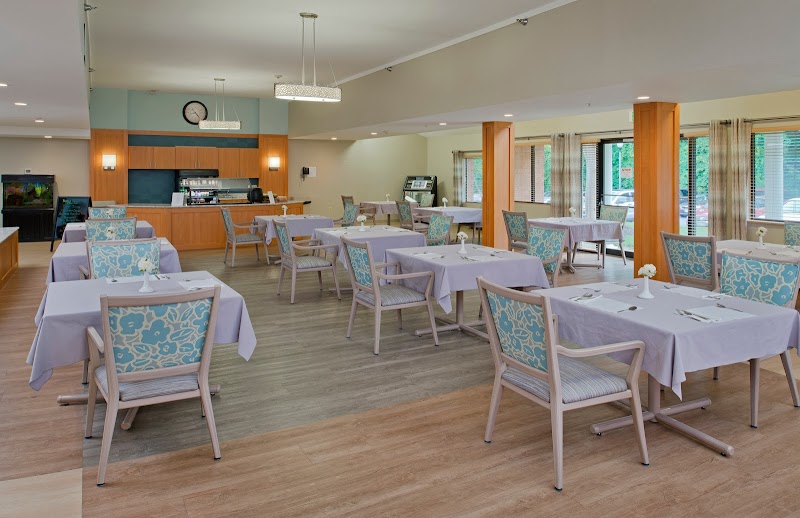
How is Future Care Chesapeake Staffed?

CMS rates FUTURE CARE CHESAPEAKE's staffing level at 4 out of 5 stars, which is above average compared to other nursing homes. Staff turnover is 39%, compared to the Maryland average of 46%. This relatively stable workforce can support continuity of care.

What Have Inspectors Found at Future Care Chesapeake?

State health inspectors documented 30 deficiencies at FUTURE CARE CHESAPEAKE during 2018 to 2024. These included: 30 with potential for harm.
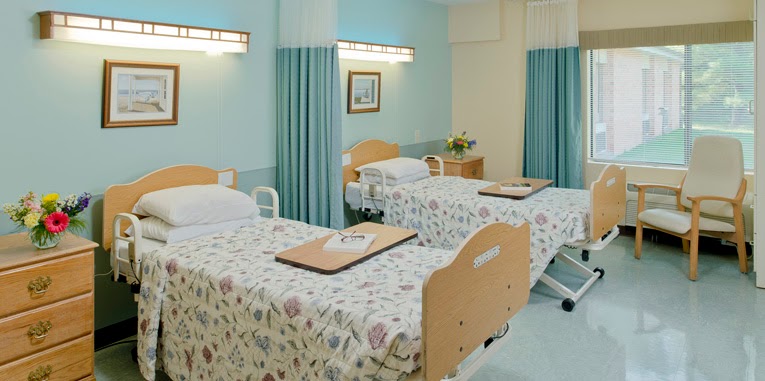
Who Owns and Operates Future Care Chesapeake?

FUTURE CARE CHESAPEAKE is owned by a for-profit company. For-profit facilities operate as businesses with obligations to shareholders or private owners. The facility is operated by FUTURE CARE/LIFEBRIDGE HEALTH, a chain that manages multiple nursing homes. With 152 certified beds and approximately 126 residents (about 83% occupancy), it is a mid-sized facility located in ARNOLD, Maryland.
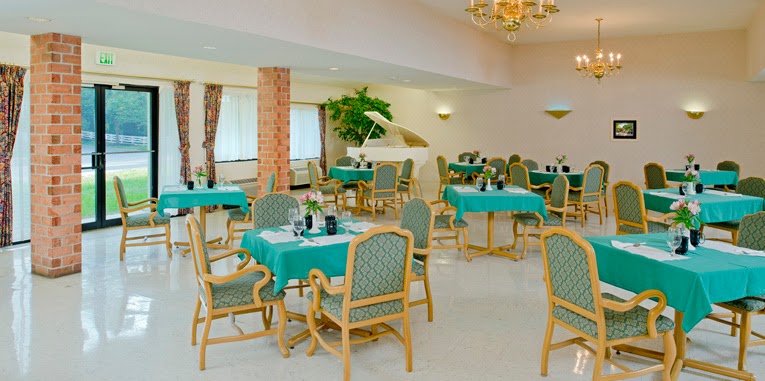
How Does Future Care Chesapeake Compare to Other Maryland Nursing Homes?

Compared to the 100 nursing homes in Maryland, FUTURE CARE CHESAPEAKE's overall rating (5 stars) is above the state average of 3.1, staff turnover (39%) is near the state average of 46%, and health inspection rating (5 stars) is much above the national benchmark.

What Should Families Ask When Visiting Future Care Chesapeake?

Based on this facility's data, families visiting should ask: "Can I visit during a mealtime to observe dining assistance and food quality?" "How do you handle medical emergencies, and what is your hospital transfer rate?" "Can I speak with family members of current residents about their experience?"

Is Future Care Chesapeake Safe?

Based on CMS inspection data, FUTURE CARE CHESAPEAKE has a clean safety record: no substantiated abuse findings (meaning no confirmed cases of resident harm), no Immediate Jeopardy citations (the most serious violation level indicating risk of serious injury or death), and is not on the Special Focus Facility watch list (a federal program monitoring the lowest-performing 1% of nursing homes). The facility has a 5-star overall rating and ranks #1 of 100 nursing homes in Maryland. While no facility is perfect, families should still ask about staff-to-resident ratios and recent inspection results during their visit.

Do Nurses at Future Care Chesapeake Stick Around?

FUTURE CARE CHESAPEAKE has a staff turnover rate of 39%, which is about average for Maryland nursing homes (state average: 46%). Moderate turnover is common in nursing homes, but families should still ask about staff tenure and how the facility maintains care continuity when employees leave.

Was Future Care Chesapeake Ever Fined?

FUTURE CARE CHESAPEAKE has no federal fines on record. CMS issues fines when nursing homes fail to meet care standards or don't correct problems found during inspections. The absence of fines suggests the facility has either maintained compliance or corrected any issues before penalties were assessed. This is a positive indicator, though families should still review recent inspection reports for the full picture.

Is Future Care Chesapeake on Any Federal Watch List?

FUTURE CARE CHESAPEAKE is not on any federal watch list. The most significant is the Special Focus Facility (SFF) program, which identifies the bottom 1% of nursing homes nationally based on persistent, serious quality problems. Not being on this list means the facility has avoided the pattern of deficiencies that triggers enhanced federal oversight. This is a positive indicator, though families should still review the facility's inspection history directly.