AUTUMN LAKE HEALTHCARE AT ALICE MANOR
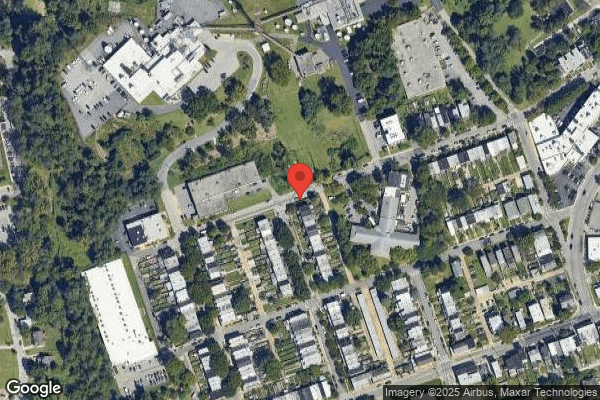
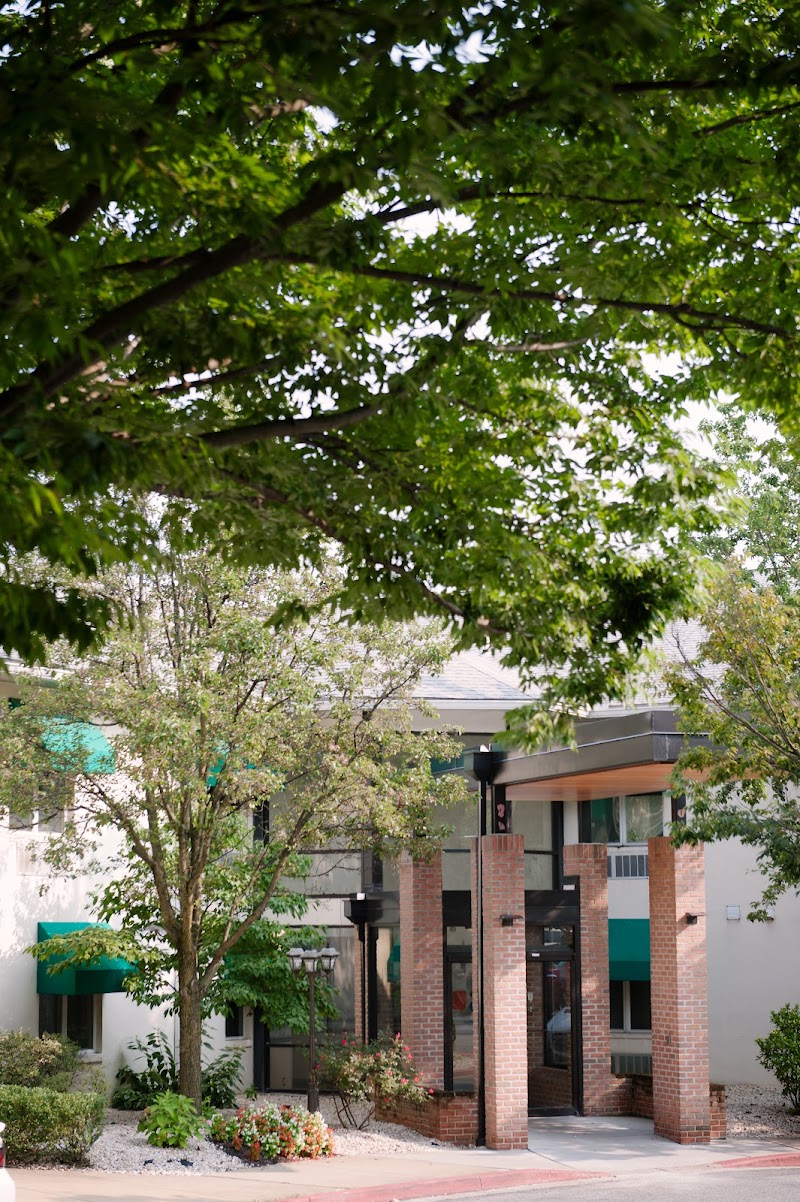
2095 ROCKROSE AVENUE, BALTIMORE, MD 21211 (410) 889-9700
For profit - Limited Liability company 105 Beds AUTUMN LAKE HEALTHCARE Data: November 2025
Trust Grade
30/100
#182 of 219 in MD
Last Inspection: May 2025

Inspected within the last 6 months. Data reflects current conditions.

Overview

Autumn Lake Healthcare at Alice Manor has a Trust Grade of F, indicating significant concerns about the quality of care provided. Ranking #182 out of 219 facilities in Maryland places it in the bottom half, while its county rank of #22 out of 26 means there are only a few local options that are better. The facility is currently improving, with a reduction in reported issues from 14 in 2024 to 12 in 2025. However, staffing is a major concern, as it has a low rating of 1 out of 5 stars and a high turnover rate of 66%, which is significantly above the state average. Notably, there was a serious incident where a resident received medication that was not prescribed, leading to hospitalization, and residents have expressed concerns about staffing levels, reporting delays in medication delivery and response to call lights. While there are no fines reported, which is a positive aspect, the low RN coverage raises questions about the adequacy of care.

Trust Score
F
30/100
In Maryland
#182/219
Bottom 17%
Safety Record
Moderate
Needs review
Inspections
Getting Better
14 → 12 violations
Staff Stability
⚠ Watch
66% turnover. Above average. Higher turnover means staff may not know residents' routines.
Penalties
✓ Good
No fines on record. Clean compliance history, better than most Maryland facilities.
Skilled Nurses
⚠ Watch
Each resident gets only 11 minutes of Registered Nurse (RN) attention daily — below average for Maryland. Fewer RN minutes means fewer trained eyes watching for problems.
Violations
⚠ Watch
54 deficiencies on record. Higher than average. Multiple issues found across inspections.
★☆☆☆☆
1.0
Overall Rating
★☆☆☆☆
1.0
Staff Levels
★★★★☆
4.0
Care Quality
★★☆☆☆
2.0
Inspection Score
Stable
2024: 14 issues
2025: 12 issues

The Good

  • 4-Star Quality Measures · Strong clinical quality outcomes
  • Full Sprinkler Coverage · Fire safety systems throughout facility
  • No fines on record

Facility shows strength in quality measures, fire safety.

The Bad

1-Star Overall Rating

Below Maryland average (3.0)

Significant quality concerns identified by CMS

Staff Turnover: 66%

20pts above Maryland avg (46%)

Frequent staff changes - ask about care continuity

Chain: AUTUMN LAKE HEALTHCARE

Part of a multi-facility chain

Ask about local staffing decisions and management

Staff turnover is elevated (66%)

18 points above Maryland average of 48%

The Ugly 54 deficiencies on record

1 actual harm
May 2025 12 deficiencies
CONCERN (D) 📢 Someone Reported This

A family member, employee, or ombudsman was alarmed enough to file a formal complaint

Potential for Harm - no one hurt, but risky conditions existed

Safe Environment (Tag F0584)

Could have caused harm · This affected 1 resident

Based on observation, record review, and interviews with residents and facility staff, it was determined that the facility failed to maintain a safe environment. This was evident for 1 of 2 soiled uti...

Read full inspector narrative →
Based on observation, record review, and interviews with residents and facility staff, it was determined that the facility failed to maintain a safe environment. This was evident for 1 of 2 soiled utility rooms observed during a tour of the environment during the recertification/complaint survey. Findings Included: On 05/01/25 at 10:13 AM, during a tour of the facility during the system triggered environment task, it was observed that the soiled utility room on the first floor was unlocked, this soiled utility room contained used biohazard bags, used needle/sharps containers, used oxygen equipment and trash. On 05/01/25 at 10:47 AM, during the facility tour with the Maintenance Director (Staff #26), he was notified that the soiled utility room on the 1st floor was unlocked and was a safety concern. He attempted to lock the door, but he was unable to fix the issue, and he stated he was not sure why the door was unlocked, and they would address the issue. On 05/01/25 at 11:28 AM, in an interview with the Director of Nursing (DON), the DON was notified that the 1st floor soiled utility closet was unlocked and there were biohazard bags and needle containers stored in the room, which was a safety concern. She verbally acknowledged the concern.
CONCERN (D) 📢 Someone Reported This

A family member, employee, or ombudsman was alarmed enough to file a formal complaint

Potential for Harm - no one hurt, but risky conditions existed

Grievances (Tag F0585)

Could have caused harm · This affected 1 resident

Based on medical record reviews and interviews with residents and staff, it was determined that the facility staff failed to provide adequate responses to grievances presented by the residents. This w...

Read full inspector narrative →
Based on medical record reviews and interviews with residents and staff, it was determined that the facility staff failed to provide adequate responses to grievances presented by the residents. This was evident for 2 (Resident #55, #64) of the 3 residents whose grievance records were reviewed during the recertification/complaint survey. The findings include: 1) During the screening process on 4/24/25, at 2:00 PM, Resident #55 reported that a couple of weeks prior, he/she was upset with a facility staff member, Geriatric Nurse Aide #31, because the aide had caused a plant to die. The resident stated that this plant had been given to him/her by a loved one. Resident #55 stated that he/she had requested that GNA #31 not come into his/her room, as seeing the staff member reminded him/her of the situation and caused him/her distress. Resident #55 stated that even though he/she had requested that GNA #31 not enter his/her room, the GNA still entered to care for his/her roommate. Resident #55 said, I did not understand why the staff still entered my room. I did not need to see him. On 4/28/25, at 10:20 AM, the surveyor requested and reviewed the grievance forms for Resident #55. The social worker provided seven grievance forms dating from March 2024 to January 2025, addressing issues such as wandering residents, room temperature, meal service, provider's care, and morning care. However, there was no grievance form filed regarding GNA #31 damaging his/her plant. In an interview with GNA #31 on 4/28/25 at 1:49 PM, the staff member recalled the incident involving Resident #55's plant. GNA #31 stated that he had reported the incident to the supervisor and written a statement. He said, The supervisor told me not to go to Resident #55's room, but I was still assigned to take care of [name of Resident #55's roommate]. Resident #55 saw me, then yelled and cursed at me, using the F-word. On 4/28/25, at 2:12 PM, the surveyor interviewed the Director of Nursing (DON) and the Nursing Home Administrator (NHA) and requested all documentation regarding the above incident. The facility staff provided a copy of GNA #31's written statement on 4/29/25, at 11:15 AM. However, there was no additional documentation to support the facility's response, such as a grievance form, supervisor's order, and/or follow-up documentation for this incident. On 4/30/25, at 12:47 PM, the surveyor interviewed the NHA and shared concerns. The NHA validated these concerns. 2) On 4/25/25, at 8:54 AM, Resident #64 reported the loss of multiple clothing, including pants, short-sleeved shirts, and underwear. The resident stated, Since the facility changed the laundry process - sending them out for washing - this has happened frequently. The resident indicated that the most recent instance of missing clothes occurred the previous week. Resident #64 also explained that all of their clothing had labels with their last name and room number. The resident reported that these issues had been brought to the attention of the social worker and management. On 4/25/25, at 10:55 AM, the surveyor interviewed Staff #4, the Environmental Services Director. Staff #4 confirmed that the facility had recently changed its laundry procedures: facility staff collected laundry every Monday and Wednesday, and a contracted company picked it up every Tuesday and Thursday to be washed in New Jersey and then delivered back to the facility. Staff #4 also stated awareness of residents' missing and/or damaged clothing. He commented, We did not have any issues when we washed them in the building. When asked how the facility addressed this recurring problem, Staff #4 stated, I contacted the company several times. They kept saying they would look into it. I reported it to the social worker, who filled out grievance forms and arranged for replacement or reimbursement. The surveyor requested and reviewed residents' grievance forms from the Social Worker on 4/25/25, at 11:40 AM. The review revealed two grievance forms filed by Resident #64 regarding their clothing. The first, dated 2/06/25, concerned the resident's belief that the contracted laundry company's detergent had damaged their clothes. The second grievance form, completed on 2/18/25, documented Resident #64's concerns about clothes not being returned by the washing company. These items were reimbursed by the facility on 3/21/25. However, no additional grievance forms related to missing clothing week of 4/17/25 were found. After the surveyor ' s intervention, the facility created a grievance form dated 4/25/25. During an interview with the Director of Nursing (DON) and the Nursing Home Administrator (NHA) on 4/25/25, at 12:29 PM, the surveyor inquired about the laundry issues. The NHA explained that since the laundry was being washed in New Jersey, returns to residents sometimes took time. He stated that facility staff were aware of the issue and that he had contacted the contracted company to resolve it. The NHA explained that the facility had not received a response from the company but would follow up with residents who had issues with damaged and/or missing clothing. On 4/30/25, at 2:58 PM, Resident #64 expressed significant frustration that their clothes were still missing and had not yet been received. On 4/30/25, at 3:20 PM, the surveyor informed the NHA of Resident #64's ongoing concerns. The NHA stated that he would follow up with the resident. In an interview with the DON on 5/01/25, around 12:45 PM, the surveyor shared concerns regarding the aforementioned issues. The DON validated these concerns.
CONCERN (D) 📢 Someone Reported This

A family member, employee, or ombudsman was alarmed enough to file a formal complaint

Potential for Harm - no one hurt, but risky conditions existed

Accident Prevention (Tag F0689)

Could have caused harm · This affected 1 resident

Based on observations, record review, and interviews with facility staff, it was determined that the facility failed to keep residents free from accidents and hazards, as evidenced by; 1) the failure ...

Read full inspector narrative →
Based on observations, record review, and interviews with facility staff, it was determined that the facility failed to keep residents free from accidents and hazards, as evidenced by; 1) the failure to lock a Geri chair while a resident was using it. This was evident in 1 (Resident #75) of the 3 residents reviewed for fall risk during the recertification/complaint survey. Also, the facility failed to 2) ensure the resident's environment was free from accident hazards by failing to keep a resident's fall mat clear of other objects. This was evident for 1 (Resident # 43) of 5 residents reviewed for accidents during the recertification/complaint survey. The findings include: Huntington's disease (HD) is an inherited neurological disorder that causes the breakdown of nerve cells in the brain, leading to a progressive decline in movement, cognitive function, and psychiatric health. The symptoms include uncontrolled, jerky movements (chorea), difficulty with balance, and coordination problems. A Geri chair, also known as a geriatric chair or medical recliner, is a type of chair designed for comfort and support, particularly for individuals with mobility limitations or who need to sit for extended periods. It combines the features of a recliner and a transport wheelchair, offering adjustable backrests, footrests, armrests, and sometimes head supports, as well as wheels for easy movement. For safe use of a Geri chair, it is recommended to lock the wheels and employ safe transfer techniques, proper footrest positioning, secure positioning of the resident, and safety belts/restraints (if applicable). [Reference : residentessentials.com] 1) Upon the recertification survey, which commenced on 4/24/25, around noon, surveyors observed that Resident #75 was lying in a Geri chair between the 2nd-floor nursing station and the activity (also used as the dining room) area. This area was noted to be busy, with 5-6 residents sitting in wheelchairs and/or passing by. Staff members were pushing meal carts or getting water from the nourishment room. Resident #75 exhibited shaking and/or jerky movements when the surveyor observed him/her. On 4/28/25, at 12:25 PM, two surveyors observed that Resident #75 was near the entrance door of the activity room in a Geri chair with unlocked wheels. At 12:27 PM on the same day, while the surveyor observed him/her, a Licensed Practical Nurse moved the resident's Geri chair slightly closer to the wall and locked only one wheel. Resident #75 began having uncontrolled movements, and it was noted that the chair moved slightly. The LPN remained next to the resident; however, only one wheel was locked. On 4/28/25, at 1:14 PM, a review of Resident #75's medical record revealed that the resident had a diagnosis of Huntington's disease and was at high risk for falls. Additionally, the resident had experienced a recent fall on 4/27/25, and had been transferred to the hospital for follow-up evaluation. Further review of Resident #75's medical record on 4/29/25, at 5:08 PM revealed that the resident had another fall on 4/29/25 around 1 AM, and was transferred to the hospital again. On 5/01/25 at 9:16 AM, the surveyor observed Resident #75 lying in the Geri chair in front of the nurse station with unlocked wheels. As the resident began moving involuntarily, the chair shook and moved forward slightly. After this observation, the surveyor interviewed the Director of Nursing (DON). She stated that Resident #75 was at high risk of falls and had a frequent fall history. For safety purposes, the facility staff placed him/her in a Geri chair near the nursing station so they could monitor the resident closely. The surveyor pointed out that the wheels were not locked. The DON immediately locked the wheels and acknowledged the surveyor's concern. The surveyor reviewed Resident #75's care plan on 5/01/25, at 10:00 AM. The review revealed that several care plans related to fall risk had been initiated. One intervention stated, resident to be in dining room for meals and activities only. Date initiated on 2/21/25. However, there were no care plans or interventions specifically addressing Resident #75's Geri chair use and/or placement. On 5/01/25, at 12:27 PM, the surveyor informed the DON about the above concern. She validated it. 2) During the initial tour of the facility on 04/24/25 at 08:22 AM, it was observed by the surveyors that there was an IV pole found being stored on top of Resident #43's safety fall mat. Review of Resident #43's medical records On 04/24/25 at 09:37 AM, revealed that there was an alert note on 1/10/25 at 2:34 PM stating that the resident was found on the floor by their bed after a fall. On 04/25/25 at 09:19 AM, an observation of Resident #43's room showed that the IV pole was still on the fall mat. During an Interview on 04/25/25 at 11:46 AM with Staff #10, a licensed practical nurse (LPN), he stated that for residents identified as a fall risk they do hourly safety rounds. He said that in his rounds he checks for bed in low position, other fall precautions are in place, that the resident is in the bed or wheel chair, and that if they have a fall mat he would make sure that the fall mat is clear from any objects. After the brief interview, the surveyor walked with the LPN into the Resident #43's room, the LPN immediately identified the issue on his own and removed the IV pole that was on the fall mat and ensured the resident's bed was in the low position. The Director of Nursing was also made aware of the concern on 4/29/25 and again at exit on 5/1/25.
CONCERN (D) 📢 Someone Reported This

A family member, employee, or ombudsman was alarmed enough to file a formal complaint

Potential for Harm - no one hurt, but risky conditions existed

Deficiency F0697 (Tag F0697)

Could have caused harm · This affected 1 resident

Based on record review and interview with facility staff, it was determined that the facility failed to initiate the use of nonpharmacological methods for pain management tool on the Resident's Medica...

Read full inspector narrative →
Based on record review and interview with facility staff, it was determined that the facility failed to initiate the use of nonpharmacological methods for pain management tool on the Resident's Medication and Treatment Administration Record (MAR and TAR). This was evident in the review of 1 of 1 (Resident #49) reviewed for unnecessary medications during the recertification/complaint survey. The findings include: On 04/29/25 at 09:34 AM during an unnecessary medication review for Resident #49, the surveyor found a physician order dated 12/24/2024 at 14:30 for Acetaminophen Oral Tablet 325 MG (Acetaminophen), Give 650 mg by mouth every 4 hours as needed for mild pain. Pain assessment: Pain management score .0=no pain, 1-3=mild pain, 4-7=moderate pain, 8-10=severe. Regularly assess those residents who receive routine pain medication every shift. The care plan review on 4/29/25 at 09:47 was initiated on 12/1/24 and indicated that Resident #49 had potential for alteration in comfort related to acute illness and chronic morbidities. The goal was for Resident to express level of comfort daily as evidenced by 0 pain. The interventions were for nurses to administer analgesic medication as ordered, monitor for pain daily using 0-10 pain scale and document and conduct pain assessment every shift and as needed. On further medical record review on 4/29/25 at 09:52 AM, the surveyor noted that there was no documentation for nonpharmacological pain interventions on the care plan, MAR, and TAR. Therefore, there was no way to validate that nonpharmacological measures were documented prior to the administration of pain medication. On 04/30/25 at approximately 09:00 AM, during an interview with the Unit Manager, Staff #18, the surveyor asked where the nonpharmacological methods were used in pain management documented on Resident # 49's chart. After Staff #18 reviewed the medical record, she/he stated that it was not there, and it should have been there. On 04/30/25 at 10:00 AM, an interview was conducted with the Director of Nursing (DON) who stated that the nonpharmacological pain intervention was not in Resident #49's medical record and it should have been there. DON agreed that this was a concern and that she will check all the other Resident's record to ensure this was corrected.
CONCERN (D) 📢 Someone Reported This

A family member, employee, or ombudsman was alarmed enough to file a formal complaint

Potential for Harm - no one hurt, but risky conditions existed

Deficiency F0726 (Tag F0726)

Could have caused harm · This affected 1 resident

Deficiency Text Not Available

Read full inspector narrative →
Deficiency Text Not Available
CONCERN (D) 📢 Someone Reported This

A family member, employee, or ombudsman was alarmed enough to file a formal complaint

Potential for Harm - no one hurt, but risky conditions existed

Deficiency F0728 (Tag F0728)

Could have caused harm · This affected 1 resident

**NOTE- TERMS IN BRACKETS HAVE BEEN EDITED TO PROTECT CONFIDENTIALITY** Based on record reviews and interviews, it was determined that the facility failed to ensure that a Certified Nursing Assistant ...

Read full inspector narrative →
**NOTE- TERMS IN BRACKETS HAVE BEEN EDITED TO PROTECT CONFIDENTIALITY** Based on record reviews and interviews, it was determined that the facility failed to ensure that a Certified Nursing Assistant (CNA) received the required training to become a Geriatric Nursing Assistant (GNA) within the 4-month timeframe, and that all nursing staff maintained active licenses. This was evident in 1 (Staff #20) of the 3 CNA/GNA employee records reviewed during the recertification/complaint survey. The findings include: On [DATE], at 6:00 PM, the surveyor reviewed a randomly selected sample of 3 CNA/GNA employee files. The review revealed that Staff #20, who was hired in [DATE] as a CNA, did not possess an active license. The Maryland Board of Nursing license verification website showed that Staff #20's CNA license had expired on [DATE], and the status for the entry date of [DATE], was listed as pending. Furthermore, the staff member's training records contained no documentation to support that she had received the necessary training and/or testing to become a GNA. During an interview with the Director of Nursing (DON) on [DATE], at 7:42 AM, the DON stated that the facility hires both CNAs and GNAs. CNAs are required to complete their training and pass the test to become GNAs. The DON also stated that the Human Resources team is responsible for maintaining staff licenses. In an interview with the Assistant Director of Nursing (ADON), who also serves as the educator, on [DATE], at 8:34 AM, she stated that she did not provide any specific training for aides to become GNAs. She commented, HR may know. On [DATE], at 8:34 AM, the surveyor interviewed the HR Director (Staff #28). She confirmed that the facility hires CNAs and GNAs. She stated, [Staff #20's name] is the only CNA currently working in this building. The facility does not have any special training course for CNAs to become GNAs. We just recognized this issue, as well as her license status, and we have now removed her from the schedule. The above concern was reviewed with the DON on [DATE], at 12:27 PM. She validated it.
CONCERN (D) 📢 Someone Reported This

A family member, employee, or ombudsman was alarmed enough to file a formal complaint

Potential for Harm - no one hurt, but risky conditions existed

Pharmacy Services (Tag F0755)

Could have caused harm · This affected 1 resident

Based on observation, review of records, and interview with staff, it was determined that the facility failed to ensure narcotics removed from the resident's supply were administered to the resident, ...

Read full inspector narrative →
Based on observation, review of records, and interview with staff, it was determined that the facility failed to ensure narcotics removed from the resident's supply were administered to the resident, as evidenced by staff documenting the removal of narcotics without documentation of the need for the narcotic or documentation that the narcotic was administered to the resident. This was evident for 2 (#38 and #69) of 2 residents reviewed for controlled drug administration and medication administration records reviewed during the recertification/complaint survey. The findings include: On 04/29/25 at 01:00 PM, the surveyor conducted a review of the facility's controlled drug administration records for medication cart 1 on floor 1 and medication cart 1 floor 2. 1) In medication cart 1 on floor 1, Resident #69's controlled drug administration record was reviewed for an order, Oxycodone 5mg 1 capsule by mouth every 12 hours as needed. During the review of the controlled drug record the resident's Medication Administration Record (MAR) was also being reviewed in order to compare and check for accuracy of documentation. The reviews showed that dates and times that were documented on the controlled drug record were missing in the resident's MAR. There were 5 dates and times that were not in the MAR but that were documented as signed out of the medication cart: - 4/22/25 at 12:20 PM - 4/23/25 at 09:00 AM - 4/24/25 at 09:00 AM - 4/25/25 at 11:00 AM - 4/27/25 (No time documented) The findings were reviewed with LPN #16 at this time. She confirmed they did not match. 2) In medication cart 1 on floor 2, Resident #38's controlled drug administration record was reviewed for an order, Tramadol half tab 25mg PO every 6 hours as needed for pain. The reviews showed that there are dates but no times documented on the controlled drug record for when the medication was removed. These findings were reviewed with LPN #8 at this time. She confirmed that the times were not documented on the controlled drug record. On 05/01/25 at 12:34 PM, the Director of Nursing was interviewed. She stated that her expectations for the narcotic tracking is that the controlled drug administration records are to match exactly with the MAR. At this time she was made aware of the findings.
CONCERN (D) 📢 Someone Reported This

A family member, employee, or ombudsman was alarmed enough to file a formal complaint

Potential for Harm - no one hurt, but risky conditions existed

Deficiency F0757 (Tag F0757)

Could have caused harm · This affected 1 resident

**NOTE- TERMS IN BRACKETS HAVE BEEN EDITED TO PROTECT CONFIDENTIALITY** Based on clinical record review and staff interview it was determined that the facility staff failed to implement behavior monit...

Read full inspector narrative →
**NOTE- TERMS IN BRACKETS HAVE BEEN EDITED TO PROTECT CONFIDENTIALITY** Based on clinical record review and staff interview it was determined that the facility staff failed to implement behavior monitoring for residents receiving antipsychotics medications and to ensure a resident received medications as ordered. This was evident for 3 (#34, #44 and #49) out of 5 reviewed for unnecessary medications during the recertification/complaint survey. The findings are: 1) A review of Resident #34's clinical record on 4/29/24 at 8:37 AM revealed the resident was being administered Seroquel 25 mg at bedtime for bipolar disorder. The physician ordered that the resident's behavior be monitored. The resident had a care plan to address: The resident has a behavior problem related to threatening, vandalism, using profanity on staff. The goal of this care plan was for the reduction of the behaviors. A behavior monitoring log would allow staff to determine if there is a decrease. A review of the resident's Medication Administration Records (MAR) revealed there was no behavior monitoring. The survey team interviewed the Unit Manager (Staff #18) on 4/30/25 at 10:00AM. The surveyor asked what was the expectation for monitoring when a resident is taking an antipsychotic or an anti-anxiety medication. The Unit Manager replied there should be a behavior management tool listed in Point Click Care (PCC - the name of the electronic health record system). A survey team member interviewed the Director of Nursing (DON) on 4/30/25 at 12:01 PM. The DON stated that the expectation was that residents prescribed an anti-psychotic and/or anti-anxiety medication should have a behavior monitoring tool. The DON stated that some residents did not have the behavior monitoring in their PCC record and that she is going through all the residents records who are prescribed anti-psychotics and/or anti-anxiety medications to ensure that they have it. DON was made aware that this was a concern. 2) A review of Resident #44's clinical record on 4/30/25 at 1:04 PM revealed the resident's primary physician ordered that the resident receive Tylenol as needed for pain. A review of the Medication Administration Records (MAR) revealed the order instructed staff to administer 2 500mg tablets every 8 hours for pain of 1-5. Nursing staff document numbers from 0-10 which indicated the pain scale being used was 0-10. The resident received Tylenol for pain even when staff documented there was no pain on 3/1/25 all three shifts, midnight of 3/2/25, midnight of 3/5 and 3/6, all three shifts on 3/7; 8 AM and 4 PM on 3/8, midnight and 4 PM on 3/9, midnight on 3/10, midnight on 3/11, midnight on 3/13, midnight on 3/14, 8 AM on 3/16, midnight on 3/17, midnight on 3/18, midnight and 8 AM on 3/19, midnight on 3/20, midnight and 8 AM on 3/21, midnight on 3/22, midnight and 8 AM on 3/23, every shift on 3/24, midnight on 3/25, and every shift for every day till the end of the month. The resident received Tylenol for pain even when staff documented there was no pain on midnight of 4/1/25, all shift of 4/2, midnight of 4/3, 4 PM on 4/4, all shift 4/5, midnight and 4 PM on 4/6, midnight and 8 AM on 4/7, midnight on 4/8, 8 AM and 4 PM on 4/9, midnight on 4/10, all shifts for 4/11 to 4/13, midnight of 4/14, midnight of 4/15, midnight of 4/16, all shift of 4/17, midnight and 4 PM of 4/18, midnight of 4/19, midnight on 4/20, all shift on 4/21, midnight of 4/22, and midnight of each day from 4/24 through 4/28. This surveyor interviewed the Assistant Director of Nursing on 5/1/25 at 10:27 AM. She was shown the Medication Administration Records which showed staff using a pain scale of 0-10 but only interventions for 1-5. She said it probably occurred when the resident started to receive oxycodone. Acknowledged that there no interventions for pain levels of 6-10. I then showed where the resident was administered medication even though the resident had pain levels of 0. 3) During the Unnecessary Medication Review of Psychotropic Medication on 04/29/25 at 10:35 AM, indicated that Resident #49 was admitted to the facility on [DATE] with diagnoses including bipolar disorder, paranoid schizophrenia, anxiety, and schizoaffective disorder. Medications ordered included: -Olanzapine Oral Tablet 7.5 MG by mouth one time a day for Bipolar -Olanzapine Oral Tablet 10 MG by mouth at bedtime for Bipolar -Divalproex Sodium Oral Tablet Delayed Release 125 MG, Give 375 mg by mouth two times a day for mixed bipolar affective disorder. Take 3 tablets by mouth every morning and evening - Lorazepam Oral Tablet 0.5 MG 1 tablet by mouth one time a day for Catatonia and Give 2 tablet by mouth at bedtime for Catatonia On 4/29/25 at 10:42, review of care plan initiated on 4/12/24 revealed that Resident #49 has a potential for mood disturbance related to schizophrenia, paranoid type and Bipolar disorder. The goal for Resident #49 was to remain free of signs and symptoms of distress, symptoms of depression anxiety or sad mood. The Interventions for nursing staff included monitor and record mood to determine if problems seem to be related to external causes and to observe for signs and symptoms of mania or hypomania racing thoughts or euphoria; increased irritability; frequent mood changes; pressured speech; flight of ideas; marked change in need for sleep; agitation or hyperactivity. Further review of records on 4/29/25 at 11:05 revealed that there was no initiation of a behavioral monitoring tool or documentation of behavior monitoring on the Medication or Treatment Administration Record (MAR or TAR) that are associated with antipsychotics and antianxiety medication. On 04/30/25 at approximately 09:00 AM, during an interview with the Unit Manager, Staff #18, the surveyor asked where the behavioral monitoring were documented on Resident # 49's chart. After Staff #18 reviewed the medical record, she/he stated that the behavioral monitoring tool was not in the Resident's record, and it should have been there. On 04/30/25 at 10:00 AM, an interview was conducted with the Director of Nursing (DON) who stated that the behavioral monitoring tool was not initiated in Resident #49's medical record and it should have been there. DON agreed that this was a concern.
CONCERN (D) 📢 Someone Reported This

A family member, employee, or ombudsman was alarmed enough to file a formal complaint

Potential for Harm - no one hurt, but risky conditions existed

Dental Services (Tag F0791)

Could have caused harm · This affected 1 resident

Based on interviews and a review of medical records, it was determined that the facility failed to ensure that residents who require dental services on a routine or emergent basis receive necessary an...

Read full inspector narrative →
Based on interviews and a review of medical records, it was determined that the facility failed to ensure that residents who require dental services on a routine or emergent basis receive necessary and recommended dental services in a timely manner. This was evident for 2 (#55, #60) of 4 residents reviewed for dental services during the recertification/complaint survey. The findings include: 1) During an interview on 4/24/25, at 2:13 PM, Resident #55 reported that he/she requested dental services but never received them. The resident stated, The facility said my insurance is not covering that service. Resident #55 further indicated that the facility never followed-up on this request. A review of Resident #55's medical records on 4/28/25, at 10:44 AM revealed that there was no dental consultation documentation since the resident's admission in February 2024. In an interview with the Director of Nursing (DON) on 4/28/25, at 11:10 AM, the DON explained that the facility had a contracted dental services team that visited monthly for resident dental care. The team followed residents on their list, and facility staff also scheduled outside dental services as needed. The DON confirmed that all dental service documentation would be filed in residents' medical records. When asked who received dental services, the DON stated, everybody can receive the services. The surveyor then informed the DON of the lack of dental service documentation in Resident #55's medical record. On 4/28/25, at 2:17 PM, the DON verified that no dental services had been provided to Resident #55. 2) On 04/24/25 at 10:13 AM, Resident #60 stated that she/he has a chipped tooth and is waiting for a dental appointment. The Resident showed the Surveyor chip tooth on the right upper side of the mouth. Record Review on 04/28/25 at 10:51 AM revealed a referral dated 10/22/24 with National Preventive Solutions (NPS) and examination note dated 10/22/24 by Staff # 30. The Note specified the following on dental exam: nurse requested an exam of Resident, who has a broken/ decayed tooth #7 and root tip #20 that should be evaluated off-site for treatment. The Resident would like to save #7 if possible so full X-ray evaluation is necessary. The Resident travels in wheelchair and may be able to sit in dental chair if she has assistance. On 4/28/25 at 11:05 AM, during an interview with the Director of Nursing (DON) about dental procedures, the DON stated that NPS provided a list of residents to be seen on their visit and if someone is not on the list, the facility will send face sheet so that they can add that Resident to be seen. If NPS suggest that Resident need to be referred out of the facility to get Xray or extractions, that will be set up by unit secretary. Surveyor asked if there is a log book to see if Resident #60 was scheduled to be evaluated for off-site treatment. On 04/29/25 at 11:37 the DON provided the surveyor with 2 emails. The 1st email was sent to pphealthplan on 4/28/25 at 12:05 PM requesting a dental appointment for Resident #60. The 2nd email was from pphealthplan that Resident #60 is scheduled for a dental consultation and evaluation on 5/27/25. On 04/29/25 at approximately 12:00 PM. The DON was made aware that this was a concern since the appointment was made after the surveyor intervened. DON agreed with the concern.
CONCERN (D) 📢 Someone Reported This

A family member, employee, or ombudsman was alarmed enough to file a formal complaint

Potential for Harm - no one hurt, but risky conditions existed

Infection Control (Tag F0880)

Could have caused harm · This affected 1 resident

3) On 04/24/25 at 02:43 PM, a record review revealed that Resident #16 had a left arm midline and was receiving multiple antibiotics. On 04/24/25 at approximately 02:50 PM, a review of the Medication ...

Read full inspector narrative →
3) On 04/24/25 at 02:43 PM, a record review revealed that Resident #16 had a left arm midline and was receiving multiple antibiotics. On 04/24/25 at approximately 02:50 PM, a review of the Medication Administration Record (MAR) revealed Contact/droplet precautions every shift for respiratory precautions, and there was also an order for Enhanced Barrier Precautions (EBP) to be maintained at all times every shift for 10 Days. As of 4/24/25 both isolation orders were signed off by staff on the MAR; however, there were no isolation precaution signs, or isolation cart in place in or near the resident's room. On 4/24/25 at approximately 02:54 PM, an observation of Resident #16's room and door revealed that there were no isolation signs on the door and no isolation cart near the resident's room to ensure proper isolation precautions were in place during resident care. On 04/25/25 at 09:26 AM, a second observation was made that there were no isolation precautions in place for Resident #16. In an interview with the resident's nurse, License Practical Nurse (LPN #10), he confirmed that Resident #16 had a midline and was receiving intravenous antibiotics. He was asked about isolation precaution for Resident #16 and after reviewing the resident's chart he confirmed that the resident has an order for enhanced barrier precaution. The surveyor notified LPN #10 that there was no isolation precaution signs or cart by the resident's door. He stated he will look into the issue and provide an update. On 04/25/25 at approximately 12:32 PM, in an interview with LPN #10, he stated that the resident's mid-line was removed yesterday, and the isolation signage was removed from the door. He stated that the midline was later replaced, but maybe they forgot to replace the enhance barrier precaution sign on the door. He stated that the issue has been addressed. On 04/25/25 at approximately 03:00 PM, the surveyor observed EBP sign on the door and an isolation cart by the room door. On 05/01/25 12:27 PM, in interview with the Director of Nursing (DON), the DON was notified of all the above-mentioned findings. She was also notified that the staff continued to sign on the MAR that the resident was on contact and droplet isolation precaution even though the order was not in place. She acknowledged the findings mentioned after reviewing the documents presented. She stated that the resident was no longer on contact/droplet precaution. Based on observation and interviews with staff, it was determined that the facility failed to: 1) ensure staff wore appropriate personal protective equipment (PPE) for enhanced barrier precautions while administering medications, and 2) ensure nursing staff use appropriate infection control practices during medication administration. This was evident for 2 (LPN #12 and LPN #16) out of 3 staff members observed during medication administration. It was also determined that the facility failed to 3) maintain isolation precautions as ordered. This was evident for 1 (Resident #16) of 24 residents records reviewed during the recertification/complaint survey process. The findings include: Enhanced Barrier Precautions (EBP) are infection control measures, particularly in nursing homes, that expand the use of personal protective equipment (PPE) like gowns and gloves beyond the standard precautions for anticipated blood and body fluid exposures. This focused approach aims to reduce the transmission of multidrug-resistant organisms (MDROs). A midline (also called a midline catheter) is an indwelling medical device that is inserted into a large vein in the upper arm. It is used to safely administer medication into the bloodstream. 1) On 04/28/25 at 09:12 AM, Licence Practical Nurse (LPN) #12 was being observed by the surveyor administering medications to Resident #16. There was an enhanced barrier precaution sign hanging outside of the residents room. LPN #12 walked in the room and provided midline care and hung Intravenous antibiotics without putting on an isolation gown. On 4/28/25 at 09:15 AM LPN #12 was interviewed by the surveyor. The LPN stated that Resident #16 was on enhanced barrier precautions and that she did not wear a gown for that resident's care because there were not any gowns in the isolation cart outside of the room. She stated that she knew enhanced barrier precaution rooms require isolation gowns to be worn. Review of Resident #16's medical records on 4/28/25 at 09:30 AM revealed that the Resident had a care plan for a Midline Catheter initiated on 4/15/25. The care plan states that the resident requires enhanced barrier precautions (EBP) for the midline and that all staff providing direct care follow EBP protocols on donning and doffing isolation garb. On 5/1/25 at 08:39 AM the facility policy titled Enhanced Barrier Precautions (EBP) was reviewed. In the policy, under definitions, it stated EBP refers to the use of gown and gloves for use during high-contact resident care activities for residents known to be colonized or infected with a Multidrug-Resistant Organism (MDRO) as well as those at increased risk of MDRO acquisition (e.g., residents with wounds or indwelling medical devices). Also in the policy, under section 2b it said, an order for enhanced barrier precautions will be obtained for residents with any of the following: .Indwelling medical devices.In section 4 of the policy it defined high-contact resident care activities and device care or use, which included indwelling medical devices. And in section 7 of the EBP policy it said enhanced barrier precautions should be used for the duration of the affected resident's stay in the facility or until . indwelling medical device is removed. The Director of Nursing (DON) was made aware of these concerns on 4/29/25 and again at exit on 5/1/25. 2) On 04/29/25 at 09:15 AM, the surveyor observed Licensed Practical Nurse (LPN) #16 administering medications to Resident #394. The medication that LPN #16 prepared was in capsule form. Resident #394 has a gastric feeding tube and all medications needed to be crushed up or in powder form and then administered with water into the feeding tube. Capsules are not able to be crushed because of the shell that is on the outside of the powder medication. In order to get the medication out of the capsule LPN #16 used her barehands to break it open and then poured the contents into a cup. On 4/29/25 at 09:15 AM, an interview with LPN #16 revealed that she did not use gloves to break open the medication because she was told that she was not allowed to use gloves in the hallway. On 4/29/25 at 11:37 AM an Interview with DON was conducted. She said that her expectation was that the Registered Nurses (RN), LPNs, and Certified Medication Aides (CMA) prepare medications and do their medication checks outside of the room and then go into the room to administer the medications. The DON said she does not want them to wear gloves and has told them not to wear gloves in the hallways. She said that LPNs and CMAs are not to touch the meds with their bare hands. If they need to break open a capsule they are to take it into the room and put gloves on and then break the capsule.
CONCERN (E) 📢 Someone Reported This

A family member, employee, or ombudsman was alarmed enough to file a formal complaint

Potential for Harm - no one hurt, but risky conditions existed

Deficiency F0725 (Tag F0725)

Could have caused harm · This affected multiple residents

Based on a review of complaints, observations, and interviews with residents and staff, it was determined that the facility failed to maintain sufficient staffing levels to meet the needs of its resid...

Read full inspector narrative →
Based on a review of complaints, observations, and interviews with residents and staff, it was determined that the facility failed to maintain sufficient staffing levels to meet the needs of its residents. This was evident in statements from 6 out of 10 interviewable residents (Resident #23, #29, #45, #54, #55, and #60 ), 1 of 11 complaints, and statements from nursing staff (2 out of 3) during the recertification/complaint survey. The findings include: 1) Interviews with residents (Resident #23, #29, #45, #54, #55, and #60) during the screening process on 4/24/25, revealed concerns regarding staffing levels: - On 4/24/25, at 9:12 AM, Resident #45 stated that the facility experienced the worst staffing on the evening shift (3:00 PM - 11:00 PM for Geriatric Nurse Aides). - On 4/24/25, at 10:26 AM, Resident #23 said, The nurses bring my medication whenever they want to; sometimes I get medication at noon. They are always short-staffed. Sometimes it takes them 2 hours to answer the call lights. - On 4/24/25, at 11:45 AM, Resident #60 stated, It takes hours to get assistance, especially at night, to get changed. - On 4/24/25, at 12:06 PM, Resident #54 reported that staff took a long time to respond when they called. - On 4/24/25, at 12:33 PM, Resident #29 stated that it appeared agency staff did not care about residents, adding, There are a lot of them on each shift. Also, on 5/01/25, at 9:20 AM, Resident #55 said, Last night I put the call light on around 2:00 AM. There was no response until 3:15 AM. The resident reported feeling fear when there was no response to the call bell, stating, If I pushed the call bell, it meant I needed help. I heard the staff talking and laughing from the hallway, but there was no help for more than an hour. If it was an emergency, someone could die. I am very concerned about the response times. Resident #55 also added, I observed several times that my roommate was not fed by staff. They tried to touch her lip a couple of times to see if she was hungry, then just gave up and left. And I observed that no one gave her water. 2) During a review of complaints on 4/30/25, at 10:00 AM, one anonymous complainant reported that the facility was significantly understaffed on a weekend in March 2025, and that was not an isolated incident. The complainant stated that they were responsible for over 30 patients without assistance from a supervisor or other nursing staff. During an interview with Staff #29 (Staffing Coordinator) on 4/30/25, at 10:23 AM, she outlined the facility's staffing goals per unit: - Unit One: 3 GNAs on day shift (7:00 AM - 3:00 PM), 3 GNAs on evening shift (3:00 PM - 11:00 PM), and 2 GNAs on night shift (11:00 PM - 7:00 AM). Two nurses for day shift (7:00 AM - 7:00 PM), and two nurses for night shift (7:00 PM - 7:00 AM). - Unit Two: 5-6 GNAs on day shift, 5 GNAs on evening shift, and 4 GNAs on night shift. Two nurses for day shift, two nurses for night shift, and one CMA (Certified Medical Assistant). On 4/30/25, at 12:54 PM, the surveyor received the facility's actual staffing records along with the resident census. This review revealed that: - On 2/08/25 (Saturday), Unit 1 had a census of 34 residents. The night shift was staffed with 2 nurses and one GNA (Geriatric Nursing Aide). - On 3/01/25 (Saturday), Unit 1 had a census of 37 residents. The night shift was staffed with 2 nurses and one GNA. - On 3/02/25 (Sunday), Unit 1 had a census of 37 residents, and Unit 2 had a census of 62 residents. The night shift on both units was staffed with 2 nurses and 1 GNA each. - On 3/16/25 (Sunday), Unit 1 had a census of 39 residents. The night shift was staffed with 2 nurses and one GNA. - On 3/30/25 (Sunday), Unit 1 had a census of 34 residents, and Unit 2 had a census of 63 residents. The night shift on both units was staffed with 2 nurses and 1 GNA each. - On 4/26/25 (Saturday), Unit 1 had a census of 29 residents. The night shift was staffed with 2 nurses and one GNA. 3) During an interview with Geriatric Nursing Aide (GNA #21) on 5/01/25, at 7:01 AM, they stated that the facility was sometimes understaffed, which caused GNA #21 to stay longer to finish their work. When asked about the resident-to-staff ratio, they said, The worst ratio was like yesterday. I was the only GNA on this floor. I needed to take care of more than 30 residents. In an interview with GNA #22 on 5/01/25, at 9:33 AM, the surveyor inquired about any staffing-related concerns. The GNA stated that there had been many call-outs, which made their workload heavier. GNA #22 said, Sometimes I was not able to complete work in a timely manner. Sometimes the night shift has only one GNA covering the entire 2nd floor, and they were not able to complete their tasks like changing pads and repositioning residents. During an interview with the Director of Nursing (DON) on 5/01/25, at 12:27 PM, the surveyor shared concerns about the staffing issues raised by residents and staff interviews, as well as the complaint. She validated these concerns.
CONCERN (E) 📢 Someone Reported This

A family member, employee, or ombudsman was alarmed enough to file a formal complaint

Potential for Harm - no one hurt, but risky conditions existed

Food Safety (Tag F0812)

Could have caused harm · This affected multiple residents

Based on observation and staff interviews, it was determined that the facility failed to ensure proper labeling of food and that food items were not expired, as evidenced by multiple food items unlabe...

Read full inspector narrative →
Based on observation and staff interviews, it was determined that the facility failed to ensure proper labeling of food and that food items were not expired, as evidenced by multiple food items unlabeled and expired in the refrigerator, freezer, and pantry. This was evident during the initial tour of the kitchen during the recertification/complaint survey. The findings include: On 04/24/25 at 07:20 AM, the initial tour of the kitchen with staff #27 revealed: In the walk-in refrigerator there were 12 total expired 12-packs of hamburger buns. 3 bags expired on 4/3/23, 4 bags expired on 4/17/25, and 5 bags expired on 4/22/25. In the walk-in freezer there was a bin labeled for discard which had 4 packs of 8 pieces of frozen waffle without an expiration date, there was an unlabeled and opened blue bag of green beans, there was a bag labeled slices of meat for sandwiches, 4/10/25, there was a box of french toast and a box of frozen chopped carrots both were open to air and did not have an expiration date, there were two bins full of 16 total frozen chunks of unlabeled meats. In the produce refrigerator there were 11 potatoes in a plastic bin without a label or dates, 1 box of celery opened to air without a label, and there were 9 green peppers some of which had a grey color appearance to them that were placed in a plastic bin without a label. In the dry storage the surveyor found an opened 5 pound bag of corn bread mix that was partially opened to air and had a date of 12/28/24 on it. There was a stack of newly delivered bread of all types sitting on the floor outside of the walk in refrigerator. On the top were 24 bags of 12-pack hot dog buns without expiration dates written on any of them. On 4/24/25 during the initial tour of the kitchen and at the time of the findings staff #27 was interviewed. She confirmed that the hamburger buns that were found were expired. She was unaware how long items in the freezer were able to stay until they needed to be discarded. And she confirmed that all items without a label should have been labeled when being stored. On 4/25/25 at 08:28 AM, during an interview with staff #3, the food service director/ Certified Dietary Manager, she stated that she agreed it was a concern that staff #27 was not aware how long items can be kept for before having to be discarded. She also verified that the new shipment of hotdog buns did not have an expiration date on them.
Nov 2024 14 deficiencies 1 Harm
SERIOUS (G) 📢 Someone Reported This

A family member, employee, or ombudsman was alarmed enough to file a formal complaint

Actual Harm - a resident was hurt due to facility failures

Deficiency F0760 (Tag F0760)

A resident was harmed · This affected 1 resident

**NOTE- TERMS IN BRACKETS HAVE BEEN EDITED TO PROTECT CONFIDENTIALITY** Based on medical record review, review of pertinent facility documentation, hospital record review and staff interview, it was d...

Read full inspector narrative →
**NOTE- TERMS IN BRACKETS HAVE BEEN EDITED TO PROTECT CONFIDENTIALITY** Based on medical record review, review of pertinent facility documentation, hospital record review and staff interview, it was determined the facility failed to ensure that residents were free from significant med errors as evidenced by a resident being administered medication that was not prescribed resulting in the resident ' s hospitalization. This was evident for 1 (#16) of 3 residents reviewed for medication administration during a complaint survey. This failure resulted in actual harm to Resident #16. The facility implemented effective and thorough corrective measures following this incident and prior to the start of this survey. The facilities plan and action were verified during this survey, therefore this deficiency was found to be past noncompliance with a compliance date of 3/15/24. The findings include: Methadone (a synthetic opioid used medically to treat chronic pain and opioid use disorders). Naloxone (Narcan) is a medication that quickly reverses an overdose of opioids. On 11/15/24 at 9:00 AM, a review of complaint MD00203494 was conducted. In the complaint, the complainant reported Resident #16 was admitted to the hospital on [DATE] with acute encephalopathy (change in brain function due to injury or disease), bradycardia (slow heart rate), acute hypercapnic respiratory failure (condition with too much carbon dioxide (CO2) in the blood) and the resident tested positive for methadone. Resident #16, who had not been receiving methadone treatment at that time, was managed for opioid intoxication. The complainant reported that the facility was called, and the Director of Nurses (DON) confirmed Resident #16 was not on methadone treatment and the DON did not know anything about the methadone overdose. On 11/15/24 at 9:28 AM, during a phone interview, the complainant indicated s/he was a hospital case manager and that following Resident #16 ' s arrival to the hospital emergency room, a toxicology screen revealed the resident, who had not been on a methadone treatment program, The emergency department (ED) records for Resident #16 ' s 3/9/24 ED visit, and the hospital records for his/her 3/10/24 to 3/14/24 hospital stay were requested by the State Office, received and reviewed by the surveyor on 11/18/24. In an ED note on 3/9/24 at 3:22 PM, the physician documented Resident #16 that Resident #16 presented to the ED for altered mental status and it had been reported that the resident was at his/her baseline when initially seen at 9:00 AM, and the resident was typically ambulatory and alert and oriented x 2. The physician wrote that Resident #16 ' s nurse checked on the resident around 12:45 PM and found him/her obtunded (diminished responsiveness to stimuli), in bed and hypoxic (too little oxygen). Review of Resident #16 ' s hospital discharge documentation dated 3/15/24, revealed, in a hospitalization summary, the physician documented Resident #16 presented from the nursing facility after being found lethargic, that upon presentation to the emergency department, s/he was hypoxic (deprived of oxygen), bradycardic (slow heart rate), and hypertensive (high blood pressure. The physician wrote that Resident #16 was given naloxone empirically, s/he started to regain consciousness, and the resident was placed on naloxone drip. Resident #16 ' s urine toxicology test came back positive for methadone and the resident was admitted to the Intensive Care Unit (ICU). Further review of the ED documentation revealed a Toxicology report on 3/9/24 at 8:03 PM, documented Methadone was detected in Resident #16 ' s urine. Review of Resident #16 ' s electronic medical record (EMR) revealed, on 3/9/24 at 2:25 PM, in a change in condition note, Staff #33, RN (Registered Nurse), agency nurse, documented that during lunch, Resident #16 was observed with excess saliva, sweating profusely, and high blood pressure, and the physician and resident representative were made aware. Staff #33, RN further documented on 3/9/24 at 7:58 PM, in a general nurses note, that Resident #16 had a change in condition and was sent to the emergency room (ER) for further evaluation. The nurse wrote that at 12:45 PM, though alert and breathing normally, Resident #16 was noted to be very lethargic, sweating profusely, with excessive salivation, high blood pressure (BP) reading of 195/75 and a heart rate (HR) of 33; the physician was notified and ordered Resident #33 be transferred to the ER for further evaluation. Also, on 3/9/24 at 11:02 PM, in a general nurses note, Staff #33 documented that Resident #16 was admitted to the Intensive Care Unit (ICU) for trouble breathing and hypoxia and indicated the ER physician had called the facility to make an inquiry on the resident ' s baseline status. Review of Resident #16 ' s March 2024 Medication Administration Record (MAR) revealed on 3/9/24 at 9:00 AM, Resident #16 was administered Acetaminophen (Tylenol) 1000 milligrams (MG) and an inhaler, Breo Ellipta. There was no other documentation in the MAR, to indicate that while s/he was in the facility, Resident #16 received any other medication on that day. Continued review of Resident #16 ' s medical record revealed no evidence to indicate the resident was on a methadone treatment program. On 11/15/24 at 11:38 AM, during an interview, the Nursing Home Administrator stated that he was aware Resident #16 was sent to the hospital when s/he had a change in condition, and at some point, the resident had a toxicology screen that was positive. The NHA indicated that an investigation into this had occurred, and would see what he could find. On 11/15/24 at 1:58 PM, Staff #16, the previous Director of Nurses (DON) confirmed s/he was the DON at the time of the above incident. During an interview, Staff #16 stated s/he had received a call from the facility ' s night shift nurse who reported s/he received a call from the hospital, asking clinical questions about the resident who had been admitted to the intensive care unit (ICU), and the physician was asking questions about the medication Resident #16 was prescribed. Staff #16 reported that the next morning, s/he received a call from a case manager at the hospital, who reported that a lab test found methadone in Resident #16 ' s system, and asking similar questions about the resident in reference to the methadone. Staff #16 indicated that at that time, they had no other information, except what was reported to him/her by the hospital. Staff #16 stated that once s/he was aware of the report from the hospital that Resident #16, who was not prescribed methadone, had methadone in his/her system, an investigation into the incident was initiated. The DON stated she reviewed medical records and confirmed Resident #16 was not prescribed Methadone. The DON stated that statements were received from the nurses who worked on that date (3/9/24) and received a statement from the nurse, Staff #33, RN, who was assigned to Resident #16 on that date. Staff #16 stated that Staff #33, the nurse assigned to Resident #16 that day was an agency nurse and that was the only day s/he had worked at the facility. The DON stated that Staff #33 reported Resident #16 was baseline at the beginning of the shift, ambulating back and forth to the bathroom, and noted to have a change in condition around mid-shift and was then sent to the hospital. Staff #16 reported that during the investigation, s/he identified Resident #24, who was the roommate of Resident #16, had been prescribed methadone. Staff #16 stated s/he re-interviewed the nurse, Staff #33 and asked if s/he remembered administering methadone to any residents and asked him/her to describe the resident who received the methadone. Staff #33 recalled administering the methadone, and described Resident #24, who was in a Geri-chair at that time, as the resident who had been administered the methadone. Staff #16 stated s/he was not able to substantiate that Resident #16 was inadvertently administered methadone his/her assigned nurse, Staff #33, that morning. Staff #16 stated that statements were also obtained from the nurses who cared for the resident in the days prior to the incident. Staff #16 stated that at the time of the incident, there were 2 residents in the building who were prescribed methadone, one was the resident ' s roommate, and the other resident was on another floor. Staff #16 stated that the facility was unable to determine how Resident #16 had gotten the methadone, however the resident's nurse on that day, Staff #33 was suspended during the investigation, and because s/he was an agency nurse, it was requested Staff #33 not return to the facility. Staff #16 stated that along with the investigation, an abatement plan was implemented which included the medication administration training of all nurses, including agency nurses, looking at medication transcription, completing audits and forwarding audit results to the facility's Quality Assurance and Performance Improvement (QAPI). Following the interview, Staff #16 provided the surveyor with a binder labeled, Medication Error, and indicated the binder contained documentation of the facility ' s investigation, and actions implemented to correct the deficient practice. Review of the binder revealed evidence of the facility ' s investigation, and correction plan that included the following provisions: 1. An audit of all resident ' s identification to assure all residents were validated with 2 identifiers per protocol. Completed 3/12/24. 2. Actions to prevent occurrence/recurrence implement: - All applicable facility policies and procedures (medication administration) were reviewed. - Re-educated licensed nurses on facility policies regarding medication administration as well as medication administration identification and transcription order guidelines. All nurses were educated and validated by test. - Educated the admission team on the importance of having the resident identifiers in place upon admission. Completed date 3/12/24. - Educate all orientees as part of the new hire process on medication administration identification and transcription orders. - The DON implemented a QAPI AD-Hoc to gather and process information from the audit with findings reported at the monthly QAA meeting for a minimum of 3 months. - Inservice Training Guide for Regulation F760 reviewed. The facility asserted likelihood for serious harm no longer existed 3/15/24. Included in the binder were:: - audits of all residents for 2 identifiers. - audits of medication orders for transcription errors, - Evidence of Medication administration observation of staff. - Evidence of licensed nurse training on facility policies regarding medication administration, and medication administration identification and transcription order guidelines, validated by medication errors policy review tests. The facility staff failed to ensure that Resident #16 was free from a significant medication error when the resident was administered medication (Methadone) that had not been prescribed, which caused the resident harm, and resulted in the resident ' s hospitalization. Based on the above actions taken by the facility and verified by surveyors on site, it was determined that the facility's deficient practice was past-noncompliance with a compliance date of 3/15/24 On 11/20/21 at 1:50 PM, the Nursing Home Administrator (NHA), the Director of Nurses, and Staff #6, [NAME] President of Operations were made aware of the above concerns, that the deficient practice had the potential to rise to a level of harm, and the concerns would be brought to the State Office for review. The NHA and Staff #6 acknowledged the concerns with no further comments offered at that time.
CONCERN (D) 📢 Someone Reported This

A family member, employee, or ombudsman was alarmed enough to file a formal complaint

Potential for Harm - no one hurt, but risky conditions existed

Free from Abuse/Neglect (Tag F0600)

Could have caused harm · This affected 1 resident

2. An admission Record revealed the facility admitted Resident #28 on 10/23/2018. According to the admission Record, the resident had a medical history that included diagnoses of schizoaffective disor...

Read full inspector narrative →
2. An admission Record revealed the facility admitted Resident #28 on 10/23/2018. According to the admission Record, the resident had a medical history that included diagnoses of schizoaffective disorder bipolar type, adjustment disorder with mixed anxiety and depressed mood, hemiplegia (paralysis) and hemiparesis (partial weakness) following cerebral infarction (stroke) affecting the right dominant side, and anxiety disorder. Resident #28's quarterly Minimum Data Set (MDS), with an Assessment Reference Date (ARD) of 08/07/2022, revealed the resident had a Brief Interview for Mental Status (BIMS) score of 15, which indicated the resident had intact cognition. The MDS revealed the resident had a mood interview score of 11, which indicated moderate depression. The MDS revealed Resident #28 had verbal behavioral symptoms directed toward others that occurred one to three days during assessment look-back period. The MDS revealed the resident rejected care one to three days during the assessment look-back period. Resident #28's care plan revealed a focus area initiated 01/24/2020 for the potential for verbally aggressive/antagonistic behavior toward peers, roommates, and staff related to impaired cognition, adjustment/schizoaffective disorder, and post-traumatic stress disorder. Interventions (initiated 01/27/2020) directed staff to explain constructive ways of expressing anger, help the resident express feelings of anger, listen attentively to the resident's expression of feelings, and provide an environment with minimum stimuli when possible. A facility Comprehensive & Extended Care Facilities Self-Report Form, dated 09/27/2022 at 11:00 AM, revealed during the evening shift on 09/26/2022, Licensed Practical Nurse (LPN) #37 told Resident #28 to Shut up and stop talking. Per the report, Resident #28 then told LPN #37 to Get the [expletive] out of my room before I [expletive] you up. The report revealed LPN #37 replied, No, you won't. I will [expletive] you up and left the room. According to the report, Resident #28 stated they felt safe and agreed to routine meetings with social services but declined to meet with psychiatric services. According to the report Geriatric Nursing Assistant (GNA) #36 witnessed the incident. An undated handwritten statement signed by GNA #36 revealed that GNA #36 overheard LPN #37 tell Resident #28 to Shut up. Stop talking. According to the statement, Resident #28 told LPN #37 to Get the [expletive] out of [their] room before [the resident] [expletive] her up. The statement revealed that LPN #37 replied, No I will [expletive] you up. An undated handwritten statement signed by Director of Social Work #8 revealed that on 09/27/2022, she met with Resident #28, who stated they felt threatened when LPN #37 said they needed to do what they were told or LPN #37 knew how to get back at [the resident]. Resident #28's social service Progress Notes dated 09/27/2022 at 1:25 PM, revealed Director of Social Work #8 met with the resident regarding the alleged situation with the staff person and provided one-to-one psychosocial wellbeing support and assistance. The notes revealed Director of Social Work #8 reassured the resident that they would be safe. According to the notes, Resident #28 stated that they felt safe and wanted to remain at the facility. During an interview on 11/14/2024 at 10:16 AM, Resident #28 (who had a BIMS of 13, which indicated intact cognition per a quarterly MDS with an ARD date of 08/26/2024) stated they remembered the incident. Resident #28 stated the nurse was very rude and thought the nurse swore at them. Resident #28 stated they never saw the nurse again. The facility's Comprehensive & Extended Care Facilities Self-Report Form, dated 09/27/2022, revealed that while staff were interviewing other residents in LPN #37's assigned group, Resident #27 (Resident #28's roommate) reported that LPN #37 had told Resident #27 to shut up and mind your own business on 09/06/2022. An admission Record indicated the facility admitted Resident #27 on 11/23/2021. According to the admission Record, the resident had a medical history that included diagnoses of major depressive disorder and low back pain. A quarterly MDS, with an ARD of 08/30/2022, revealed Resident #27 had a BIMS score of 15, which indicated the resident had intact cognition. Per the MDS, Resident #27 had no behavioral symptoms during the assessment look-back period. Resident #27's care plan included a focus area initiated 11/24/2021, that indicated the resident had a mood problem related to anxiety. Interventions (initiated 11/24/2021) directed staff to provide behavioral health consults as needed; monitor/document/report any risk for self-harm; and monitor/record/report any risk for harming others, including feeling threatened by others. A handwritten statement dated 09/26/2022 signed by GNA #36 revealed that LPN 37 was standing at a cart when Resident #27 called out to her. The statement revealed LPN #37 said what do you want I'm busy put your callight [sic] on. The statement revealed that when GNA #36 answered the call light Resident #27 stated why is she so mean I just wanted my pain medicine. An undated handwritten statement signed by Director of Social Work #8 revealed that on 09/27/2022, she interviewed Resident #27, who stated they were attempting to assist Resident #28, and LPN #37 told Resident #27 to Shut up and mind [their] own business. Resident #27's social service Progress Notes dated 09/28/2022 at 8:56 AM, revealed Director of Social Work #8 provided one-to-one psychosocial wellbeing support and assistance due to a nurse making a negative statement. The notes revealed that after spending some time with Resident #27 and reassuring the resident that the nurse had been removed from the resident's care and treatment, Resident #27 stated they felt better knowing that LPN #37 was not coming back. Resident #27's Psychological Services Supportive Care Progress Note, dated 09/27/2022, revealed the resident reported having an issue with one of the staff. Per the note, the resident was oriented but somewhat guarded; however, the resident explained an incident regarding their roommate with one of the nursing staff. The report revealed the resident stated their roommate looked uncomfortable in their bed and Resident #27 told the staff member. The staff member replied and told Resident #27 to shut up. The note revealed the provider would follow up with the facility's social worker regarding the resident's concerns. The note revealed that in addition, supportive therapy would be provided one to five times monthly to discuss coping skills and psychoeducation. During an interview on 11/18/2024 at 9:02 AM, GNA #36 stated she was at the desk and could hear LPN #37 talking to Resident #28 and Resident #27 because their rooms were close to the desk. GNA #36 stated that she reported the allegation to Assistant Director of Nursing (ADON) #3. During a follow-up interview on 12/11/2024 at 9:03 AM, GNA #36 stated she remembered the incident but could not remember if ADON #3 arrived at the facility before she left her shift (at 10:00 PM). GNA #36 stated she could not remember if LPN #37 was still working when she left at the end of her shift. During an interview on 11/18/2024 at 3:02 PM, Former Director of Nursing (DON) #16 stated GNA #36 witnessed the incident, and the facility substantiated the allegation and subsequently determined that LPN #37 could not return to the facility. Per Former DON #16, after the incident, Resident #27 and Resident #28 were not afraid and were happy that LPN #37 was not taking care of them anymore. During an interview on 11/20/2024 at 12:38 PM, the Administrator stated the allegation was substantiated, and they contacted the board of nursing. Per the Administrator, he could not remember the details. Based on interview, record review, facility document review, and facility policy review, the facility failed to protect the residents' rights to be free from verbal abuse from staff and sexual abuse from another resident, which affected 3 (Residents #27, #28, and #39) of 15 residents reviewed for abuse. Specifically, Resident #37 sexually abused Resident #39, and Resident #27 and Resident #28 were verbally abused by a staff member. Findings included: A facility policy titled, Abuse, Neglect and Exploitation, reviewed 11/13/2023, revealed, It is the policy of this facility to provide protections for the health, welfare and rights of each resident by developing and implementing written policies and procedures that prohibit and prevent abuse, neglect, exploitation and misappropriation of resident property. The policy revealed, 'Abuse' means the willful infliction of injury, unreasonable confinement, intimidation, or punishment with resulting physical harm, pain or mental anguish, which can include staff to resident abuse and certain resident to resident altercations. The policy revealed, 'Mental Abuse' includes but is not limited to humiliation, harassment, threats of punishment or deprivation. The policy also revealed, 'Sexual Abuse' is non-consensual sexual contact of any type with a resident. Per the policy, 'Verbal Abuse' means the use oral, written or gestured communication or sounds that willfully includes disparaging and derogatory terms to residents or their families, or within their hearing distance regardless of their age, ability to comprehend, or disability. 1. An admission Record revealed the facility admitted Resident #39 on 07/25/2022. According to the admission Record, the resident had a medical history that included unspecified dementia and delirium due to known physiological condition. A significant change in status Minimum Data Set (MDS), with an Assessment Reference Date (ARD) of 03/29/2023, revealed Resident #39 had severe impairment in cognitive skills for daily decision-making and had long-term and short-term memory problems per a Staff Assessment of Mental Status (SAMS). The MDS revealed Resident #39 had fluctuating behaviors of inattention, disorganized thinking, and altered level of consciousness during the assessment period. Resident #39's Care Plan, included a focus area initiated 04/27/2022, that indicated that the resident was dependent on staff for meeting emotional, intellectual, physical, and social needs related to cognitive deficits, immobility, and physical limitations. Interventions indicated that the resident needed assistance or an escort to activity functions. An admission Record revealed the facility admitted Resident #37 on 04/29/2022. According to the admission Record, the resident had a medical history that included a diagnosis of bipolar type schizoaffective disorder. An annual MDS, with an ARD of 02/20/2023, revealed Resident #37 had a Brief Interview for Mental Status (BIMS) score of 6, which indicated the resident had severe cognitive impairment. The MDS indicated that the resident did not exhibit any physical or verbal behavioral symptoms directed toward others during the assessment timeframe. The MDS indicated that the resident used a walker to aid in mobility. The MDS indicated that the resident received antipsychotic and antianxiety medication each day during the seven-day look-back period. Resident #37's Care Plan, included a focus area initiated 04/30/2022, that indicated the resident had an activity of daily living (ADL) self-care performance deficit related to confusion and impaired balance. The Care Plan included a focus area initiated 05/17/2022, that indicated that the resident had a behavior problem of rummaging through others' items and physical fighting with others, related to mental illness. Interventions directed staff to intervene as necessary to protect the rights and safety of others (initiated 07/29/2022) and to monitor the resident's behavior episodes and attempt to determine the cause (initiated 05/17/2022). Resident #37's Care Plan also included a focus area initiated 07/08/2022, that indicated the resident had the potential of being verbally inappropriate with poor impulse control with sexual verbalizations toward female residents and staff. Interventions directed staff to administer medications as ordered (initiated 07/08/2022); analyze the times of days, places, circumstances, triggers, and what de-escalated the resident's behavior (initiated 07/08/2022); provide physical and verbal cues to alleviate anxiety (initiated 07/08/2022); and allow the resident choices about care and activities (initiated 07/08/2022). Resident #37's Behavior Monitoring and Interventions Report for the timeframe from 09/04/2022 through 04/02/2023 reflected that staff did not document any behaviors. The report revealed staff did not document monitoring for each date in the timeframe and did not have any documented monitoring for 03/16/2023. Resident #37's General Nurses Note, dated 03/16/2023 at 9:00 PM, revealed that at 8:30 PM Resident #37 was noted to have an inappropriate behavior in the day room, where the resident exposed their genitals to another resident. A Comprehensive & Extended Care Facilities Self-Report Form, dated 03/16/2023, revealed that staff witnessed Resident #39 have their hands on Resident #37's genitals in the dining room. The document indicated that Resident #39 was fully dressed and in an adaptive ambulation device at the time of the incident. A Comprehensive & Extended Care Facilities Self-Report Form, dated 03/20/2023, revealed that after interviews with witnesses, Resident #37 did place Resident #39's hand on their (Resident #37's) genitals and the residents were immediately separated. A handwritten statement by Geriatric Nurse Aide (GNA) #31, dated 03/16/2023, indicated that she witnessed Resident #37 with their pants half-way down and Resident #37 using Resident #39's hand to touch their genitals. During an interview on 11/14/2024 at 10:15 AM, Director of Social Work #8 stated that she was told about the incident and then tried to talk to both residents, but neither was able to remember the situation. During an interview on 11/19/2024 at 1:54 PM, the Business Office Manager stated that she remembered hearing GNA #31 yell for help from the dining room. The Business Office Manager stated that when she arrived at the dining room, she saw GNA #31 trying to keep Resident #37 and Resident #39 separated. She stated that she saw the two residents, and both were dressed. The Business Office Manager stated that GNA #31 then took Resident #39 to their room to be put to bed. During an interview on 11/19/2024 at 3:05 PM, GNA #31 stated that she did not remember everything, but she did remember Resident #37 had their pants down and was holding Resident #39's hand on their (Resident #37's) genitals and telling the resident to perform a sexual act. GNA #31 stated that the residents were immediately separated, and Resident #39 was taken to their room and put to bed. She stated that Resident #39 was sent to the hospital to be examined but was fully clothed when staff discovered them. During an interview on 11/20/2024 at 11:41 AM, the Administrator stated that he did not have the clinical background to determine the level of supervision needed for Resident #37.
CONCERN (D) 📢 Someone Reported This

A family member, employee, or ombudsman was alarmed enough to file a formal complaint

Potential for Harm - no one hurt, but risky conditions existed

Transfer Notice (Tag F0623)

Could have caused harm · This affected 1 resident

Based on medical record review and staff interview, it was determined the facility failed to notify the resident's representative(s) in writing of the reason for transfer or discharge, along with the ...

Read full inspector narrative →
Based on medical record review and staff interview, it was determined the facility failed to notify the resident's representative(s) in writing of the reason for transfer or discharge, along with the required notification information, in a language and manner they understand and document that notification in the medical record. This was evident for 1 (#18) of 23 residents reviewed for complaints. The findings include: On 11/13/24 at 11:45 AM, a review of Complaint #MD00210696 was conducted. In the complaint, the complainant reported that s/he was not notified when Resident #18 was transferred and admitted to the hospital. On 11/14/2024 at 10:32 AM, a review of Resident #18's medical record revealed the resident was admitted to the facility in September 2022, and, in October 2024, Resident #18 was transferred to the hospital. There was no evidence in the clinical record that the facility staff had provided the resident's representative with written notification of the transfer at the time of transfer or as soon as practicable after the date of transfer out of the facility to the acute care setting. On 11/14/24 at 11:14 AM, an interview about the facility's notice of transfer process was conducted with the Nursing Home Administrator (NHA) and Director of Nurses (DON). At that time, the NHA indicated the Admissions department was responsible for sending the transfer notification, along with the bed hold policy to the Resident's Representative by mail or by email and document that it was sent in the resident's medical record. The NHA and DON were made aware of the concern that no documentation was found in Resident #18's medical record to indicate the resident's representative was notified in writing of the resident's transfer to the hospital. On 11/14/24 at 12:04 PM, , the NHA reported to the surveyor, that following a resident's transfer to the hospital, the facility's admissions department sends a copy of page of the resident's change in condition documentation which included a summary of the change in condition. At that time, the NHA was made aware of the guidance with written notification of transfer includes required information, and the and the Summary of the Change in Condition, did not include the required notification information. The NHA acknowledges the concerns, and no further comments were offered.
CONCERN (D) 📢 Someone Reported This

A family member, employee, or ombudsman was alarmed enough to file a formal complaint

Potential for Harm - no one hurt, but risky conditions existed

Assessment Accuracy (Tag F0641)

Could have caused harm · This affected 1 resident

**NOTE- TERMS IN BRACKETS HAVE BEEN EDITED TO PROTECT CONFIDENTIALITY** Based on medical record review and staff interview it was determined that the facility staff failed to code the resident's statu...

Read full inspector narrative →
**NOTE- TERMS IN BRACKETS HAVE BEEN EDITED TO PROTECT CONFIDENTIALITY** Based on medical record review and staff interview it was determined that the facility staff failed to code the resident's status accurately on the Minimum Data Set (MDS) assessment (Resident #8). This was true for 1 of 20 resident complaints reviewed during a complaint survey. The findings include: The facility staff failed to accurately document a residents' medication status on an admission MDS for Resident #8. The MDS is a federally mandated assessment tool that helps nursing home staff members gather information on each resident's strengths and needs. Information collected drives resident care planning decisions. MDS assessments need to be accurate to ensure each resident receives the care they need. A review of Resident #8's closed medical record on 11/13/24 at 10 AM revealed that an admission MDS was completed on 05/29/23. The MDS coded the resident under Section M0210 (unhealed pressure ulcers) as yes. However, a review of the nursing and physician assessments did not reveal Resident #8 had any healing or non-healed pressure wounds upon admission to the facility on [DATE]. In an interview with the facility MDS Coordinator (staff # 42) on 11/18/24 at 12:10 PM, the MDS coordinator confirmed the admission MDS was coded incorrectly regarding Resident #8 having pressure wounds.
CONCERN (D) 📢 Someone Reported This

A family member, employee, or ombudsman was alarmed enough to file a formal complaint

Potential for Harm - no one hurt, but risky conditions existed

Comprehensive Care Plan (Tag F0656)

Could have caused harm · This affected 1 resident

**NOTE- TERMS IN BRACKETS HAVE BEEN EDITED TO PROTECT CONFIDENTIALITY** Based on reviews of a complaint, a closed medical record and staff interview, it was determined that the facility staff failed t...

Read full inspector narrative →
**NOTE- TERMS IN BRACKETS HAVE BEEN EDITED TO PROTECT CONFIDENTIALITY** Based on reviews of a complaint, a closed medical record and staff interview, it was determined that the facility staff failed to initiate a care plan for a resident with a history of substance abuse disorder. This was evident for 1 (Resident #24) of 20 residents reviewed during a complaint survey. The findings include: Review of complaint MD00203494 on 11/19/2024 revealed allegation that Resident #16 was sent to the hospital on [DATE] with a change in condition. While Resident #16 was being evaluated in the emergency room, Resident #16 was identified as have received Methadone. Methadone is administered to treat moderate to severe pain. Methadone can also treat narcotic drug addiction. Resident #16 was a roommate to Resident #24 in March 2024. Review of Resident #24's closed medical record on 11/19/24 at 11 AM revealed diagnoses including a cerebrovascular accident, seizures, alcohol dependence and substance abuse disorder. Resident #24 was receiving the medication Methadone for substance abuse disorder. Upon Resident #24's admission to the facility in February 2024, the nursing staff implemented care plans for seizure disorder, potential for malnutrition and dehydration, being dependent on staff for all care, having a self-care deficit, and being a fall risk. In an interview with the former director of nurses on 11/18/24 at 3:24 PM, the former director confirmed that Resident #24 was receiving the medication Methadone for addiction, not pain management. Resident #24 was being administered Methadone upon admission to the facility. This concern was reviewed with the facility Administrator and DON during exit conference on 11/20/24.
CONCERN (D) 📢 Someone Reported This

A family member, employee, or ombudsman was alarmed enough to file a formal complaint

Potential for Harm - no one hurt, but risky conditions existed

Quality of Care (Tag F0684)

Could have caused harm · This affected 1 resident

**NOTE- TERMS IN BRACKETS HAVE BEEN EDITED TO PROTECT CONFIDENTIALITY** Based on compliant, reviews of a closed clinical record and administrative records, and staff interviews, it was determined that...

Read full inspector narrative →
**NOTE- TERMS IN BRACKETS HAVE BEEN EDITED TO PROTECT CONFIDENTIALITY** Based on compliant, reviews of a closed clinical record and administrative records, and staff interviews, it was determined that the facility failed to ensure that a resident received services to promote healing of a surgical wound. This was found evident in 1 (Resident #14) out of 2 Residents reviewed for wound care during a complaint survey. The finding include: A wound vacuum, also known as a vacuum-assisted closure (VAC) or negative-pressure wound therapy, is a medical device that uses suction to help wounds heal. Review of complaint MD00202563 on 11/12/24 at 11 AM revealed an allegation that Resident #14 was admitted to the facility on [DATE] with an abdominal surgical wound that was to have a wound-vac applied upon admission. The wound-vac was not applied on 01/03/24. Review of Resident #14's closed medical record on 11/12/24 revealed a nursing note, dated 01/04/24 at 10:30 PM indicating Resident #14 called 911 to be transported back to the hospital because the facility had not obtained a wound-vac and the supplies necessary to apply the wound-vac to Resident #14's surgical abdominal wound. Resident #14 was readmitted to the facility on [DATE]. Reviews of Resident #14's January 2024 medication and treatment administration records revealed the nursing staff first applied the wound-vac to Resident #14's surgical abdominal wound on 01/08/24. The staff documented applying a rescue dressing to Resident #14's wound until the wound-vac and supplies had arrived to the facility. In an interview with the facility director of nurses (DON) on 11/12/24 at 1 PM, the DON confirmed the facility had not obtained the wound-vac prior to Resident #14's admission to the facility. Resident #14's wound-vac was not applied until 01/08/24.
CONCERN (D) 📢 Someone Reported This

A family member, employee, or ombudsman was alarmed enough to file a formal complaint

Potential for Harm - no one hurt, but risky conditions existed

Pressure Ulcer Prevention (Tag F0686)

Could have caused harm · This affected 1 resident

Based on compliant, reviews of a closed clinical record and administrative records, and staff interviews, it was determined that the facility failed to ensure that a resident received services to prom...

Read full inspector narrative →
Based on compliant, reviews of a closed clinical record and administrative records, and staff interviews, it was determined that the facility failed to ensure that a resident received services to promote healing of a pressure ulcer. This was found evident in 1 (Resident #6) out of 2 Residents reviewed for pressure ulcers during a complaint survey. The finding include: A pressure ulcer (also known as pressure sore or decubitus ulcer) is any lesion caused by unrelieved pressure that results in damage to the underlying tissue. Pressure ulcers are staged according to their severity from Stage I (area of persistent redness), Stage II (superficial loss of skin such as an abrasion, blister, or shallow crater), Stage III (full thickness skin loss involving damage to subcutaneous tissue presenting as a deep crater), and Stage IV (full thickness skin loss with extensive damage to muscle, bone, or tendon). Review of complaint MD00188407 on 11/12/24 at 11 AM revealed an allegation that Resident #6 developed bed sores on his/her buttock area. A review of Resident #6's closed clinical record on 11/12/24 revealed that on 01/24/23 at 6:46 PM, Licensed Practical Nurse (LPN) #15 documented a weekly skin evaluation that indicated Resident #6 was observed with a skin issue on the sacral area. There were no description or measurements of the sacrum wound. LPN #15 did not indicate Resident #6 refused or declined the skin assessment. A review of Resident #6 physicians orders revealed that on 01/27/23 at 2:50 PM, Resident #6's attending physician gave orders instructing the nursing staff to cleanse Resident #6's sacral wound with normal saline, apply medihoney to the wound and cover with a dry dressing. The dressing was to be changed daily. A review of Resident #6's January 2023 treatment administration record indicated the nursing staff first applied the medihoney treatment and dressing to Resident #6's sacral wound on 01/28/23. A review of the facility policy Completing an Accurate Assessment Regarding Pressure Injuries on 11/15 24 revealed the purpose of the policy is to assure that all residents receive an accurate assessment of pressure injuries, including risk, presence, appearance, and change of the pressure injuries. Guidelines for compliance indicated: A qualified health professional will document the presence, number stage, and pertinent characteristics of any pressure injury on the wound documentation form in the medical record. In a telephone interview with Resident #6's attending physician on 11/15/24 at 12:54 PM, Resident #6's attending physician stated that the facility has a wound team that includes a physician that specialized in caring for wounds. Resident #6's attending physician stated that S/he did not recall being notified on 01/25/23 regarding Resident #6's sacral wound. Resident #6's physician stated that S/he has been following Resident #6 in the community before being admitted to the facility. Resident #6 has a history of schizoaffective disorder and would state that I was not his/her physician. Resident #6 would not allow him/her to perform examinations. Resident #6's physician stated that S/he spoke to the family regarding the problems. In a telephone interview with Resident #6's wound care physician on 11/15/24 at 1:15 PM, the wound physician stated that S/he is only able to visit/assess residents identified with wounds on Wednesdays. The wound physician stated that when S/he arrives at the facility, the staff inform him/her of the residents in the facility that need to be seen by him/her. The wound physician stated that he is unavailable to visit/assess any resident in the facility for an acute visit. Resident #6's wound physician stated that Resident #6 was identified with 3 wounds which I documented when I saw Resident #6 on 02/01/2023. The 2 ischium wounds were pressure, and the third wound was from lymphedema. A review of Resident #6's 02/01/23 wound assessment that was completed by the wound physician indicated Resident #6 had a wound on the right ischium that was Unstageable due to pressure. The wound physician documented the following measurements of the right ischial wound: 11 x 6.6 x 0.3 cm, moderate serous exudate, and had necrosis. The second wound, a left ischial pressure wound measured: 14.5 x 13.0 x 0.1 cm, with moderate serous exudate. The third wound, a lymphademic wound of the left, posterior leg measured: 4.6 x 3.0 x 0.1 cm, with moderate serous exudate.
CONCERN (D) 📢 Someone Reported This

A family member, employee, or ombudsman was alarmed enough to file a formal complaint

Potential for Harm - no one hurt, but risky conditions existed

Accident Prevention (Tag F0689)

Could have caused harm · This affected 1 resident

Based on record review, interview, and facility policy review, the facility failed to investigate a fall, determine root cause, and implement interventions to prevent further falls for 1 (Resident #40...

Read full inspector narrative →
Based on record review, interview, and facility policy review, the facility failed to investigate a fall, determine root cause, and implement interventions to prevent further falls for 1 (Resident #40) of 1 resident reviewed for accidents. Findings included: A facility policy titled, Falls and Fall Risk, Managing, revised 02/2018, indicated, After a fall: - If a resident has just fallen or is found on the floor without a witness to the event, nursing staff will record vital signs and evaluate for possible injuries to the head, neck, spine, and extremities. - An incident report must be completed for resident falls. The incident report form should be completed by the nursing supervisor/charge nurse on duty at the time and submitted to the Director of Nursing Services. The policy revealed, The nursing staff will begin to try to identify possible or likely causes of the incident. They will refer to resident-specific evidence including medical history, known functional impairment, etc. [et cetera; and so forth]. An admission Record indicated the facility admitted Resident #40 on 09/08/2014. According to the admission Record, the resident had a medical history that included diagnoses of degenerative disease of the nervous system, generalized muscle weakness, abnormalities of gait and mobility, and dementia. A quarterly Minimum Data Set (MDS), with an Assessment Reference Date (ARD) of 06/13/2022, revealed Resident #40 had a Brief Interview for Mental Status (BIMS) score of 10, which indicated the resident had moderate cognitive impairment. The MDS indicated the resident required extensive assistance with bed mobility, transfers, dressing, toilet use, and personal hygiene. The MDS revealed the resident used a wheelchair. The MDS revealed the activity of walking in the room only occurred once or twice during the assessment period and the resident required one-person physical assistance. Resident #40's care plan included a focus area revised 04/13/2022 that indicated the resident was at risk for injury related to actual falls due to being unaware of safety needs, non-compliance with plan of care, and gait and balance problems. Interventions directed staff to encourage the resident to ask for help when transferring between surfaces and in and out of chair, make sure chair brakes are locked and call bell within reach (initiated 11/29/2021); resident requires prompt response to all requests for assistance (initiated 01/16/2014); encourage the resident to call for assistance with activities of daily living to prevent injury or falls (initiated 12/07/2017); and instruct the resident to ask staff to take them to the bathroom whenever they went to the bathroom (initiated 09/16/2017). A Comprehensive & Extended Care Facilities Self-Report Form, dated 08/17/2022, revealed that Resident #40's roommate alleged that on 08/17/2022 at 3:00 AM, Resident #40 hit them in the back while they were sleeping. A Resident Safe Survey, dated 08/19/2022, completed by Geriatric Nursing Assistant (GNA) #67 revealed that she had worked with the resident on 08/16/2022 on the 11:00 PM to 7:00 AM shift. The survey revealed that GNA #67 stated she and another aid heard a noise and rushed to the resident's room and saw Resident #40 on the floor. A handwritten statement dated 08/17/2022 and signed by GNA #67 revealed she worked on 08/16/2022 and heard a noise from Resident #40's room. The statement revealed GNA #67 rushed to Resident #40's room and saw Resident #40 on the floor with their chair on the floor. The statement revealed GNA #67 helped the resident get back into their chair. The statement revealed that GNA #67 stated that they did not notify the nurse about the fall. A handwritten statement dated 08/17/2022 and signed by GNA #68 revealed Resident #40 was found sitting on the floor on the 11:00 PM to 7:00 AM shift. The statement revealed GNA #68 helped the resident into a wheelchair. An incident report dated 08/17/2022 revealed that Resident #40's roommate stated that they were hit in the back while they were sleeping so they pushed Resident #40 back. The incident report revealed no documentation whether the facility had determined if the push had led to the residents fall. During an interview on 12/12/2024 at 2:19 PM, the Director of Nursing (DON) stated she was not able to find a fall investigation for Resident #40 for the timeframe from 08/16/2022 through 08/19/2022. During an interview on 12/10/2024 at 2:51 PM, Registered Nurse (RN) #26 stated if she had been notified that Resident #40 had fallen, then she would have done an incident report as required and the resident would have been put on alert charting. During an interview on 12/12/2024 at 6:27 PM, GNA #67 stated that on 08/17/2022, GNA #68 rushed into the room and called her to help get Resident #40 up to their wheelchair. She stated she did not remember what time it occurred. She stated she did not report it because Resident #40 was not her resident, and she thought GNA #68 would. She stated she did not know why the resident fell and was on the floor. Attempts were made to contact GNA #68 on 12/12/2024 at 6:26 PM, 12/13/2023 at 9:42 AM, and 12/13/2024 at 4:28 PM. Messages were left for GNA #68 with no response by the end of the survey. During an interview on 12/13/2024 at 11:50 AM, Former (DON) #16 stated that once the fall for Resident #40 was identified, then an investigation should have been completed. She was not able to say why one was not done. During an interview on 12/13/2024 at 1:35 PM, the Administrator stated a fall investigation should have been completed for Resident #40 once it was revealed that staff assisted them off the floor.
CONCERN (D) 📢 Someone Reported This

A family member, employee, or ombudsman was alarmed enough to file a formal complaint

Potential for Harm - no one hurt, but risky conditions existed

Deficiency F0742 (Tag F0742)

Could have caused harm · This affected 1 resident

Based on medical record review, observation and interview with resident and facility staff, it was determined that the facility failed to provide appropriate interventions for a resident with identifi...

Read full inspector narrative →
Based on medical record review, observation and interview with resident and facility staff, it was determined that the facility failed to provide appropriate interventions for a resident with identified history of trauma. This was evident for 1 (#19) of 23 residents reviewed for complaints. The findings include: On 11/13/24 at 10:58 AM, a review of complaint # MD00211446 revealed the complainant reported that in October 2024, during a visit with Resident #19, in response to interactions with Resident #19, the complainant alleges s/he encountered unprofessional and inappropriate conduct from facility staff related to his/her interactions with Resident #19. On 11/14/24 at 2:07 PM, a review of Resident #19's electronic medical record (EMR) was conducted. The medical record documented that Resident #19 had medically complex conditions with multiple diagnosis which included Parkinson's, Schizophrenia, and depression and resided in the facility for long term care following admission to the facility in May 2023 until the beginning of September 2024, when the resident was admitted to the hospital for a change in condition. Resident #19 readmitted to the facility in mid-October 2024, following his/her acute hospitalization. Resident #19's admission assessment with an assessment reference date of 10/25/24 documented a brief interview for mental status could not be conducted because Resident #19 was rarely or never understood. The MDS Staff Assessment for Mental Status coded Resident #19 had memory problems, and severely impaired cognitive skills for daily decision making. Review of Resident #19's Social Service Notes in the medical record revealed on 7/28/23 at 1:40 PM, Staff #8, Director of Social Worker (DSW) wrote that when Resident #19 was admitted to the facility, the SW received a call from Adult Protective Services (APS) reporting that APS had open case involving Resident #19 due to the resident's significant other's alleged aggressive behavior in the community. On 3/20/24 at 1:29 PM, in a Social Service Quarterly note, Staff #8 wrote that Resident #19's significant other was an unwanted guest [in the facility] at that time. On 4/29/24 at 5:58 PM, in a Social Service Quarterly note, Staff #8 wrote that staff continued to support and assist Resident #19 due to the resident's history of aggression with his/her significant other. On 11/1/24 at 4:09 PM, in a Social Service Note, Staff #8's indicated that when the resident's public guardian social worker initially visited Resident #19, Staff #8 informed him/her of Resident #19's history of abuse from the resident's significant other. On 11/14/24 at 2:15 PM, during an interview, Staff #8, Director of Social Work (DSW), indicated Resident #19 had a history of trauma related to alleged abuse by Resident #19's significant other, and that the resident's significant other was not allowed in the facility. On 11/15/24 at 1:50 PM, during an interview, the Director of Nurses (DON) stated that prior to Resident #19's admission and readmission to the facility, the resident had been abused and hurt by his/her significant other. On 11/19/24, a continued review of Resident #19's medical record failed to reveal evidence that a care plan had been developed and implemented with person-centered, non-pharmacological approaches to care for the resident with a history of trauma resulting from abuse by his/her significant other. On 11/19/24 at 3:15 PM, during an interview, Staff #8, DSW stated that when Resident #19 was admitted to the facility, Staff #8 became aware APS had an open case of alleged abuse towards the resident by Resident #19's significant other and it was clear that Resident #19 did not want the significant other to come see him/her in the facility. Following the interview, the concerns with the facility failing to develop and implement a care plan that addressed Resident #19's potential trauma resulting from the resident's history of being abused, with person-centered interventions such as the resident's significant other was not allowed to visit, were discussed with Staff #8. At that time, Staff #8 indicated she understood the concerns, and stated she would look for further documentation. On 11/19/24 at 3:33 PM, Staff #8 reported to the surveyor that a trauma care plan for Resident #19 was not found in the resident's medical record, and that something should have been in place for the resident. The Nursing Home Administrator (NHA), the Director of Nurses, and Staff #6, [NAME] President of Operations, were made aware of the above concerns on 11/20/24 at 1:45 PM. The NHA acknowledged the concerns and offered not further comments at that time.
CONCERN (D) 📢 Someone Reported This

A family member, employee, or ombudsman was alarmed enough to file a formal complaint

Potential for Harm - no one hurt, but risky conditions existed

Medication Errors (Tag F0758)

Could have caused harm · This affected 1 resident

Based on medical record review and staff interview It was determined that the facility failed to ensure that a resident's medication regimen was free from an unnecessary psychotropic medication failin...

Read full inspector narrative →
Based on medical record review and staff interview It was determined that the facility failed to ensure that a resident's medication regimen was free from an unnecessary psychotropic medication failing to ensure that a psychotropic medication prescribed as needed was limited to 14 days. This was evident for 1 (#17) of 23 residents reviewed for complaints. The findings include: As needed (PRN) orders for psychotropic drugs are limited to 14 days. If the attending physician or prescribing practitioner believes that it is appropriate for the PRN order to be extended beyond 14 days, he or she should document their rationale in the resident's medical record and indicate the duration for the PRN order. On 11/12/24 at 10:33 AM, a review of complaint #MD00210287 was conducted. In the complaint, the complainant expressed concerns with how Resident #17's medication prescribed. On 11/12/24 at 12:36 PM, a review of Resident #17's November 2024 Medication Administration Record (MAR) revealed a 6/10/24 order for Ativan (Lorazepam) Injection Solution, inject 2 milligrams (MG) intramuscularly (IM) every 5 minutes as needed for uncontrolled seizures related to epilepsy, with a maximum of 3 doses. May administer a shot every 5 minutes x 3, if seizure is unresolved. The as needed order for Lorazepam was not limited to 14 days and the order did not have a duration and a discontinuation date. Review of the medical record failed to reveal physician documented rationale for continuing the order beyond 14 days. On 11/15/24 at 11:15 AM, the Director of Nurses (DON) was made aware of the concern with Resident #17's Lorazepam order, prescribed as needed, was not limited to 14 days and the order had no duration with physician documented rationale for continuing the order beyond 14 days, At that time, the DON acknowledged the concern and express understanding that psychotropic medications prescribed as needed, required a stop date.
CONCERN (D) 📢 Someone Reported This

A family member, employee, or ombudsman was alarmed enough to file a formal complaint

Potential for Harm - no one hurt, but risky conditions existed

Deficiency F0773 (Tag F0773)

Could have caused harm · This affected 1 resident

**NOTE- TERMS IN BRACKETS HAVE BEEN EDITED TO PROTECT CONFIDENTIALITY** Based on reviews of a closed medical record and staff interview, it was determined that the facility staff obtained a laboratory...

Read full inspector narrative →
**NOTE- TERMS IN BRACKETS HAVE BEEN EDITED TO PROTECT CONFIDENTIALITY** Based on reviews of a closed medical record and staff interview, it was determined that the facility staff obtained a laboratory specimen on a resident without a physician's order. This was evident for 1 (Resident #14) of 20 complaints reviewed during a complaint survey. The findings include: A review of Resident #14's closed medical record on [DATE] at 10 am, revealed a laboratory result, dated [DATE] at 9:33 am, that indicated Resident #14's TSH and Free T4 levels were within normal limits. Further review of Resident #14's closed medical record indicated that Resident #14 was readmitted to the facility on [DATE] and Resident #14's physician instructed the nursing staff to obtain a TSH level on [DATE] to measure Resident #14's Thyroid function (TSH). The facility laboratory staff obtained a blood specimen on [DATE] and reported on [DATE] that Resident #14's TSH level was 59.35 (normal 0.45 - 4.50) Resident #14's physician was notified and Resident #14's thyroid medication was adjusted. Resident #14's physician also instructed the nursing staff to obtain a TSH and Free T4 level in six weeks. On [DATE], Resident #14 was sent to the hospital due to a change in condition. Resident #14 did not return to the facility and subsequently died at the hospital on [DATE]. In an interview with the facility Director of Nurses (DON) on [DATE] at 2:15 PM, the facility DON stated that S/he spoke with the contracted laboratory representative who stated Resident #14 had a physician's order for the Thyroid studies from [DATE]. The laboratory representative could not determine what resident the laboratory staff obtained the thyroid specimen from on [DATE]. The DON stated that S/he believes the laboratory staff obtained the thyroid specimens from a resident who was residing in the facility on [DATE] and labeled the specimen with a pre-printed label that was created by the laboratory. A review of the laboratory policy for specimen collection and processing, dated [DATE] instructs the phlebotomist to obtain 2 patient identifiers - patient name and date of birth and if the resident is unable to speak then check the resident's wrist band. If there is no wrist band on the resident, then contact the nurse to verify the resident before starting the procedure and document the nurses name on the requisition.
CONCERN (E) 📢 Someone Reported This

A family member, employee, or ombudsman was alarmed enough to file a formal complaint

Potential for Harm - no one hurt, but risky conditions existed

Safe Environment (Tag F0584)

Could have caused harm · This affected multiple residents

Based on complaint, observation and staff interview, it was determined that the facility staff failed to provide maintenance and housekeeping services to maintain a safe, clean, comfortable and homeli...

Read full inspector narrative →
Based on complaint, observation and staff interview, it was determined that the facility staff failed to provide maintenance and housekeeping services to maintain a safe, clean, comfortable and homelike environment for the residents. This was evident for the residents residing on the first floor of the facility during a complaint survey. The findings include: Review of complaint MD00202825 on 11/12/24 revealed an allegation that the facility was very unclean. Observations of the first floor dining and activity room on 11/12/24 at 9 AM revealed a painting and the activity calendar (July 2024) resting on the floor, orange colored buckets with fish aquarium equipment and construction tools and debris, the HVAC units (6) are observed with dust, cobwebs and debris located in the top grates were the heating and air conditioning would exit the unit, and 10 unpackaged brand new chairs stacked in the middle of the room. The large pane windows in the dining/activity room were noted with cobwebs, general dirt and leaves that block the view on the property. In an interview with the facility administrator on 11/13/24 at 7:40 AM, the administrator stated that the facility has added improvements to the first floor and had to move the fish tank closer to the nurse's station due to the construction in the activity/dinning area. The administrator also stated that the staff were getting ready to unpackaged the new chairs and place them in the activity/dining area for the residents. In an interview with EVS/staff member #7 on 11/13/24 at 7:50 AM, the surveyor observed staff member #7 wet moping the floor of the activity/dining room. The surveyor observed bolts and screws laying on the floor in the corner of the activity/dining room and brought this to the attention of staff member #7.
CONCERN (E) 📢 Someone Reported This

A family member, employee, or ombudsman was alarmed enough to file a formal complaint

Potential for Harm - no one hurt, but risky conditions existed

Report Alleged Abuse (Tag F0609)

Could have caused harm · This affected multiple residents

2. An admission Record indicated the facility admitted Resident #41 on 07/16/2021. According to the admission Record, the resident had a medical history that included a diagnosis of schizophrenia. An...

Read full inspector narrative →
2. An admission Record indicated the facility admitted Resident #41 on 07/16/2021. According to the admission Record, the resident had a medical history that included a diagnosis of schizophrenia. An annual Minimum Data Set (MDS), with an Assessment Reference Date (ARD) of 06/25/2022, revealed Resident #41 had a Brief Interview for Mental Status (BIMS) score of 14, which indicated the resident had intact cognition. Resident #41's care plan included a focus area initiated 03/14/2022, that indicated the resident had a behavior problem related to schizophrenia and the resident perceived that staff mistreated them. Interventions (initiated 03/14/2022) directed staff to minimize the potential for the resident's allegations, offer tasks which diverted attention, monitor behavior episodes and attempt to determine the underlying cause, and praise any indication of the resident's progress/improvement in the behavior. A Comprehensive & Extended Care Facilities Self-Report Form dated 03/09/2022 at 5:10 PM indicated Resident #41 alleged that on 03/08/2022 at 10:00 PM, a man kicked them in the back. Further review revealed that the resident stated that they mixed up their days and the incident occurred on 03/05/2022 and not on 03/08/2022. An undated handwritten statement signed by Certified Medicine Aide (CMA) #23 revealed that on 03/05/2022, while administering Resident #41's medications, the resident stated their Geriatric Nurse Aide (GNA) had put his knee in the resident's back. Email correspondence from the Administrator to the State Survey Agency (SSA) revealed the facility submitted an initial report of abuse regarding the incident to the SSA on 03/09/2022 at 5:43 PM, four days after Resident #41 told CMA #23 about the incident. During an interview on 12/13/2024 at 8:56 AM, CMA #23 stated she did not feel that the situation was necessarily abuse so she did not report it but stated she probably should have. During an interview on 12/13/2024 at 11:50 AM, Former Director of Nurses (DON) #16 stated the CMA should have reported Resident #41's concern and let the abuse coordinator deal with the specifics. During an interview on 12/13/2024 at 1:35 PM, the Administrator stated that once abuse was identified, either alleged or witnessed, it should be reported within two hours. The Administrator revealed that after CMA #23 received the complaint from Resident #41, the incident should have been reported to him to investigate as an allegation of abuse. 3. An admission Record indicated the facility admitted Resident #37 on 04/29/2022. According to the admission Record, the resident had a medical history that included a diagnosis of bipolar type schizoaffective disorder. An annual Minimum Data Set (MDS), with an Assessment Reference Date (ARD) of 02/20/2023, revealed Resident #37 had a Brief Interview for Mental Status (BIMS) score of 6, which indicated the resident had severe cognitive impairment. Resident #37's Care Plan, included a focus area initiated on 05/17/2022, that indicated the resident had a behavior problem related to inappropriate sexual interaction with a peer. Interventions instructed staff to provide an opportunity for positive interaction and attention; stop and talk with the resident as passing by; monitor behavior episodes and attempt to determine underlying cause, considering location, time of day, persons involved, and situation; document behavior and potential causes, and praise any indication of the resident's progress/improvement in behavior. An admission Record revealed the facility admitted Resident #39 on 07/25/2022. According to the admission Record, the resident had a medical history that included a diagnosis of unspecified dementia. A significant change in status MDS, with an ARD of 03/29/2023, revealed Resident #39 had severe impairment in cognitive skills for daily decision-making and had short-term and long-term memory problems per a Staff Assessment of Mental Status (SAMS). Resident #39's Care Plan, included a focus area initiated 03/17/2023, that indicated the resident had a psychosocial well-being problem related to an alleged inappropriate sexual issue. Interventions instructed staff to initiate referrals as needed or increase social relationships, monitor and document the resident's feelings, monitor and document the resident's usual response to problems, and provide opportunities for the resident and family to participate in care. A Comprehensive & Extended Care Facilities Self-Report Form, dated 3/16/2023 at 9:00 PM, revealed the nursing staff witnessed Resident #37 in the dining room with Resident #39's hands on their genital area. The report indicated the residents were separated and assessed. An undated handwritten witness statement by Geriatric Nurse Aide (GNA) #12 revealed that on 03/16/2023 at 8:30 PM she witnessed the incident between Resident #37 and Resident #39. A handwritten witness statement dated 03/16/2023 by GNA #31 revealed that at around 8:30 PM she witnessed the incident between Resident #37 and Resident #39. Email correspondence from the Administrator to the State Survey Agency (SSA) revealed the facility submitted an initial report of abuse to the SSA on 03/16/2023 at 10:58 PM, over two hours after the abuse incident was observed. During an interview on 12/13/2024 at 1:35 PM, the Administrator stated that once abuse was identified, either alleged or witnessed, it should be reported to the SSA within two hours. After reviewing the investigation between Resident #39 and Resident #37, the Administrator stated if the witness statement indicated the incident occurred at 8:30 PM, then that should be the time on the report. He stated if the incident occurred at 8:30 PM then it should have been submitted to the state by 10:30 PM, and he agreed the report was not submitted timely. 4. An admission Record indicated the facility admitted Resident #37 on 04/29/2022. According to the admission Record, the resident had a medical history that included a diagnosis of bipolar type schizoaffective disorder. An annual Minimum Data Set (MDS), with an Assessment Reference Date (ARD) of 02/20/2023, revealed Resident #37 had a Brief Interview for Mental Status (BIMS) score of 6, which indicated the resident had severe cognitive impairment. Resident #37's Care Plan, included a focus area initiated on 05/17/2022, that indicated the resident was resistive to care including laboratory tests, tests, immunizations, showers, and medications related to mental health issues. Interventions (initiated 05/17//2022) directed staff to encourage as much participation/interaction by the resident as possible during care activities; give the resident clear explanation of all activities prior to and as they occur during each contact; if the resident resisted care, reassure the resident, leave, and return five to ten minutes later and try again; and provide the resident opportunities for choice during care provision. A Comprehensive & Extended Care Facilities Self-Report Form, dated 12/18/2022 at 8:00 PM, revealed that on 12/17/2022, a nurse reported that a Certified Medicine Aide (CMA) allegedly made a comment to Resident #37 that they were going to have another resident beat them up. Per the report, Registered Nurse (RN) #21 witnessed the incident. Email correspondence from Former Director of Nursing (DON) #16 to the State Survey Agency (SSA) revealed the facility submitted an initial report regarding the allegation to the SSA on 12/18/2022 at 8:59 PM, over 24 hours after the allegation was made. During a phone interview on 12/10/2024 at 2:24 PM, RN #21 stated that on the day in question, he was sitting at the desk and the CMA was trying to give Resident #37 their medications. RN #21 stated the resident did not want the medication and the CMA told the resident she was going to get another resident to beat them up. RN #21 stated that the resident then spit on the CMA. He stated he reported the CMA's comment to the DON and the supervisor on duty, Licensed Practical Nurse (LPN) #15. He stated any abuse situation/allegation should be reported immediately to the supervisor, the DON, and the Administrator. He stated he thought they had two hours to report it to the SSA. During an interview on 12/13/2024 at 11:50 AM, Former DON #16 stated once an allegation was reported it should be reported to the SSA within two hours. She stated she remembered the allegation was reported on a Sunday but could not say why it was reported to the SSA late. During an interview on 12/13/2024 at 1:35 PM, the Administrator stated that once abuse was identified, either alleged or witnessed, it should be reported to the SSA within two hours. After reviewing the investigation involving Resident #37 and the CMA, the Administrator stated the report was not submitted within the required timeframe but was unable to explain why it was not reported timely. Based on record review, interview, and facility document and policy review, the facility failed to report an allegation of abuse to the State Survey Agency immediately, but not later than two hours after an incident occurred for 4 (Residents #28, #37, #39, and #41) of 15 residents reviewed for abuse. Findings included: A facility policy titled, Abuse, Neglect, and Exploitation, reviewed 11/13/2023, revealed, VII. Reporting/Response. A. The facility will have written procedures that include: 1. Reporting of all alleged violations to the Administrator, state agency, adult protective services, and to all other required agencies (e.g.[exempli gratia, for example], law enforcement when applicable) within specified timeframes: a. Immediately, but not later than 2 hours after the allegation is made, if the events that cause the allegation involve abuse or result in serious bodily injury. 1. An admission Record revealed the facility admitted Resident #28 on 10/23/2018. According to the admission Record, the resident had a medical history that included diagnoses of schizoaffective disorder bipolar type, adjustment disorder with mixed anxiety and depressed mood, hemiplegia (paralysis) and hemiparesis (partial weakness) following cerebral infarction (stroke) affecting the right dominant side, and anxiety disorder. Resident #28's quarterly Minimum Data Set (MDS), with an Assessment Reference Date (ARD) of 08/07/2022, revealed the resident had a Brief Interview for Mental Status (BIMS) score of 15, which indicated the resident had intact cognition. The MDS revealed the resident had a mood interview score of 11, which indicated moderate depression. The MDS revealed Resident #28 had verbal behavioral symptoms directed toward others that occurred one to three days during assessment look-back period. The MDS revealed the resident rejected care one to three days during the assessment look-back period. A facility Comprehensive & Extended Care Facilities Self-Report Form, dated 09/27/2022 at 11:00 AM, revealed during the evening shift on 09/26/2022, Licensed Practical Nurse (LPN) #37 told Resident #28 to Shut up and stop talking. Per the report, Resident #28 then told LPN #37 to Get the [expletive] out of my room before I [expletive] you up. The report revealed LPN #37 replied, No, you won't. I will [expletive] you up and left the room. According to the report Geriatric Nursing Assistant (GNA) #36 witnessed the incident. An email dated 09/27/2022, indicated Assistant Director of Nursing (ADON) #3 notified the State Survey Agency of the abuse allegation on 09/27/2022 at 1:23 PM, the day after the incident occurred. An undated handwritten statement signed by GNA #36 revealed that GNA #36 overheard LPN #37 tell Resident #28 to Shut up. Stop talking. According to the statement, Resident #28 told LPN #37 to Get the [expletive] out of [their] room before [the resident] [expletive] her up. The statement revealed that LPN #37 replied, No I will [expletive] you up. During an interview on 11/18/2024 at 9:02 AM, GNA #36 stated she was at a desk and could hear LPN #37 talking to Resident #28 because their room was close to the desk. GNA #36 stated that she reported the allegation to Assistant Director of Nursing (ADON) #3. During a follow-up interview on 12/11/2024 at 9:03 AM, GNA #36 stated she went upstairs to report the allegation to a nurse (on 09/26/2022), noting that she could not remember to which nurse she reported it to. GNA #36 stated she then went downstairs and called ADON #3. She stated it was close to the end of the shift and ADON #3 stated she would take care of it. GNA #36 stated she could not recall if ADON #3 came into the building before she left at the end of her shift (on 09/26/2022). She stated she could not remember if LPN #37 was still there when she left. GNA #36 stated the Administrator asked her to write out a statement the next day. During an interview on 12/13/2024 at 2:37 PM, ADON #3 stated she did not work at the facility any longer and could not remember the incident. She stated when an allegation was reported she began an investigation and had two hours to report the allegation to the State Survey Agency. She stated she did not have any memory of the incident or the report and stated if it was submitted late, she had no memory of why that happened. During an interview on 12/11/2024 at 10:45 AM, the Administrator stated that based on documentation, he did not think he was informed of the allegation until the following day (09/27/2022). During an interview on 12/13/2024 at 2:22 PM, the Administrator stated he expected abuse allegations to be reported to the State Survey Agency within two hours. The Administrator stated this case was late. The Administrator stated if the incident was reported to a nurse, the nurse should have immediately stopped and investigated the situation and notified management because once management was aware, they reported the allegation.
CONCERN (E) 📢 Someone Reported This

A family member, employee, or ombudsman was alarmed enough to file a formal complaint

Potential for Harm - no one hurt, but risky conditions existed

Investigate Abuse (Tag F0610)

Could have caused harm · This affected multiple residents

**NOTE- TERMS IN BRACKETS HAVE BEEN EDITED TO PROTECT CONFIDENTIALITY** Based on interview, record review, and facility document and policy review, the facility failed to provide evidence they thoroug...

Read full inspector narrative →
**NOTE- TERMS IN BRACKETS HAVE BEEN EDITED TO PROTECT CONFIDENTIALITY** Based on interview, record review, and facility document and policy review, the facility failed to provide evidence they thoroughly investigated 15 of 20 facility-reported incidents reviewed by the survey team, involving 14 (Residents #9, #27, #28, #29, #30, #31, #32, #33, #34, #36, #37, #39, #40, and #41) of 15 sampled residents reviewed for abuse and 1 (Resident #38) of 1 sampled resident reviewed for an injury of unknown origin. Findings included: A facility policy titled, Abuse, Neglect, and Exploitation, dated 11/13/2023, indicated, 'Abuse' means the willful infliction of injury, unreasonable confinement, intimidation, or punishment with resulting physical harm, pain or mental anguish, which can include staff to resident abuse and certain resident to resident altercations. The policy specified, V. Investigation of Alleged Abuse, Neglect and Exploitation. A. An immediate investigation is warranted when suspicion of abuse, neglect or exploitation, or reports of abuse, neglect or exploitation occur. B. Written procedures for investigations include: 1. Identifying staff responsible for the investigation; 2. Exercising caution in handling evidence that could be used in a criminal investigation (e.g. [exempli gratia, for example], not tampering or destroying evidence); 3. Investigating different types of alleged violations; 4. Identifying and interviewing all involved persons, including the alleged victim, alleged perpetrator, witnesses, and others who might have knowledge of the allegations; 5. Focusing the investigation on determining if abuse, neglect, exploitation, and/or mistreatment has occurred, the extent, and cause; and 6. Providing complete and thorough documentation of the investigation. 1. Resident #27 A Comprehensive & [and] Extended Care Facilities Self-Report Form, dated 03/22/2022, revealed Resident #27 reported the night shift nurse called the resident a dog and wished the resident would fall from the bed and be sent to the hospital so the nurse would not have to deal with the resident. The facility's investigative file indicated the facility identified the accused night shift nurse as Registered Nurse (RN) #38. The facility's investigative file did not contain any interviews with other residents to determine the extent of the alleged abuse by RN #38, and no information was provided in the facility's investigative file on the resident census at that time of the allegation or the mental status of the residents that resided on RN #38's assigned hall. During an interview on 11/20/2024 at 11:28 AM, the Administrator stated there were roughly eight rooms, possibly 16 residents on the hall, but he did not know if any of them were cognitively intact enough to be interviewed during the investigation. 2. Resident #28 A Comprehensive & [and] Extended Care Facilities Self-Report Form, dated 11/24/2022, revealed Resident #28 reported that the previous night the supervisor hit the resident's leg and caused a discoloration. The facility's investigative file indicated the facility identified the accused night shift supervisor as Nursing Supervisor (NS) #47. The facility's investigative file revealed there were no statements, aside from one from NS #47, who denied the allegation. The investigation contained no additional staff interviews, no resident interviews with cognitively intact residents, and no physical assessments of cognitively impaired residents. During an interview on 11/20/2024 at 11:20 AM, the Administrator stated for physical abuse allegations, his initial response looking at the abuse allegations was that there should be resident interviews and at times physical assessments of cognitively impaired residents. During a follow-up interview on 11/20/2024 at 12:34 PM, the Administrator stated there should have been more staff interviews and resident interviews related to the incident. 3. Resident #28 and Resident #27 A Comprehensive & [and] Extended Care Facilities Self-Report Form, dated 09/27/2022, revealed Resident #28 reported on the previous day during evening shift on 09/26/2022 that a nurse told the resident to shut up and stop talking, and the resident felt threatened. the facility's investigative file indicated the facility identified as the accused nurse as Licensed Practical Nurse (LPN) #36. Further review of the facility's self-report form revealed that during the facility's investigation, an interview with Resident #27, the resident stated LPN #36 told them to shut up and mind your business. A witness statement included in the investigative file written by Director of Social Work (DSW) #8reflected that only one interview with an additional resident was conducted during the facility's investigation. There were no additional interviews with residents who resided on the hall assigned to LPN #36 to determine the extent of alleged abuse. During an interview on 11/20/2024 at 12:38 PM, the Administrator stated he could not remember the incident but his first inclination would be to have a few more statements from other residents about LPN #36. 4. Resident #29 A Comprehensive & [and] Extended Care Facilities Self-Report Form, dated 05/23/2023, revealed Resident #29 reported a woman entered their room to get them up for dinner, hit them across the face, and told them to go back to the country they were from. The facility's investigative file revealed four staff interviews were obtained, and no resident interviews were obtained to determine the extent of the alleged abuse. No physical assessments were recorded for Resident #29 on that day, and no physical assessments were conducted on residents who were cognitively impaired. During an interview on 11/20/2024 at 12:25 PM, the Administrator stated that after a reported allegation of physical abuse, there should be a skin assessment completed. 5. Resident #30 A Comprehensive & [and] Extended Care Facilities Self-Report Form, dated 06/16/2022, revealed Resident #30 reported that a year prior, a male staff member made a sexual gesture toward the resident. A written statement from Director of Social Work (DSW) #8, dated 06/16/2022, revealed that several residents were interviewed regarding any male staff member's ill treatment; however, the written statement did not identify which residents were interviewed. During an interview on 11/20/2024 at 11:38 AM, the Administrator stated that when there was a specific incident, the first thing he wanted was to determine what happened. He stated they would not be able to determine if a staff member may have done something until they interviewed other staff and residents. 6. Resident #31 A Comprehensive & [and] Extended Care Facilities Self-Report Form, dated 02/04/2022, revealed Resident #31 reported that a geriatric nursing assistant (GNA) told the resident to shut up and banged the resident's hand on the bed railing. The facility's investigative file revealed no interviews with other cognitively intact residents were conducted and no skin assessments of cognitively impaired residents were performed to determine the extent of the GNA's alleged abuse. During an interview on 11/20/2024 at 12:22 PM, the Administrator stated the facility generally did not conduct skin assessments on other residents on a hall or unit during an investigation, unless there was something to warrant it. He stated for physical abuse allegations, there should be at least resident interviews and, at times, physical assessments of cognitively impaired residents. 7. Resident #32 A Comprehensive & [and] Extended Care Facilities Self-Report Form, dated 09/20/2021, revealed Resident #32 reported Geriatric Nursing Assistant (GNA) #34 plucked the resident's lip the previous week, yelled at and threatened them, turned the resident when they had four falls, and pulled out the resident's indwelling urinary catheter, causing 12 days of bleeding. The facility's investigative file revealed no interviews with other cognitively intact residents were conducted and no skin assessments of cognitively impaired residents were performed to determine the extent of the GNA's alleged abuse. During an interview on 11/20/2024 at 12:22 PM, the Administrator stated the facility generally did not conduct skin assessments on other residents on a hall or unit during an investigation, unless there was something to warrant it. He stated for physical abuse allegations, there should be at least resident interviews and, at times, physical assessments of cognitively impaired residents. During a follow-up interview on 11/20/2024 at 12:45 PM, the Administrator stated that at least Resident #32's roommate should have been interviewed during the facility's investigation. 8. Resident #33 and Resident #9 A Facility Reported Incident Initial Report Form, dated 02/21/2024, revealed Resident #33 and Resident #9 were found by staff in Resident #33's room, where Resident #33 was naked and Resident #9 was partially undressed. Review of the investigation's Summary of interview(s) with other residents who may have had contact with the alleged perpetrator revealed the facility indicated, No other resident was interviewed due to [Resident #33's] belief that [Resident #9] was [their] fiancé. The facility's investigative file revealed no interviews with cognitively intact residents were conducted and no skin assessments of cognitively impaired residents were performed to determine the extent of the alleged/suspected abuse. During an interview on 11/20/2024 at 11:38 AM, the Administrator stated that when there was a specific incident, the first thing he wanted was to determine what happened. He stated they generally interviewed the staff to see if they heard or saw something. 9. Resident #34 A Comprehensive & [and] Extended Care Facilities Self-Report Form, dated 07/06/2022, revealed Resident #34's family member called the facility to report another person told them that Resident #34 was beat up and had a black eye. The facility's investigative file revealed no staff interviews, no interviews with cognitively intact residents, and no physical assessments of cognitively impaired residents to determine the extent of the alleged abuse. During an interview on 11/20/2024 at 8:15 AM, the Administrator stated they initiated an investigation in the case because a family member made the allegation, and when a family member alleged something, they would make sure it was investigated. The Administrator stated generally if there were allegations of physical abuse, they would interview other residents. In this case, the interviews were not done because the facility did a skin assessment and Resident #34 had no problems, and the family member realized the allegation did not happen. 10. Resident #41 A Comprehensive & [and] Extended Care Facilities Self-Report Form, dated 03/09/2022, revealed Resident #41 reported that on 03/08/2022 at 10:00 PM, they were kicked in the back. It was determined Geriatric Nurse Aide (GNA) #22 fit the description given by the resident of the accused staff. The resident later changed their statement to say the incident happened on 03/05/2022, and the aide pushed his knee into the resident's back. The facility's investigative file did not contain any interviews with other residents to determine the extent of the alleged abuse by GNA #22, and no information was provided on the resident census at the time or the mental status assessments of the residents on GNA #22's hall at the time of the incident. During an interview on 11/10/2024 at 11:59 AM, the Administrator stated he did not see any resident interviews for this incident other than the resident making allegations. 11. Resident #41 and Resident #40 A Comprehensive & Extended Care Facilities Self-Report Form, dated 08/17/2022, revealed Resident #41 reported that on 08/17/2022 at 3:00 AM, their roommate, Resident #40, hit them in the back while they were lying in bed. Review of a written statement dated 08/17/2022 by Geriatric Nurse Aide (GNA) #34 revealed staff heard a noise overnight from the room shared by Resident #40 and Resident #41 and rushed to the room, finding Resident #40 and their chair on the floor. The facility's investigative file did not contain any interviews with other residents to determine the extent of the alleged abuse by Resident #40, and no information was provided on the resident census or mental status assessments of the residents who resided on the same hall at the time of the incident. During an interview on 11/10/2024 at 11:50 AM, the Administrator stated that any residents in the area who were interviewable should have been interviewed, but he was unable to find any resident interviews other than the residents involved. 12. Resident #38 A Comprehensive & [and] Extended Care Facilities Self-Report Form, dated 08/30/2022, revealed that a family member of Resident #38 reported an injury of unknown origin to the facility on [DATE] that was seen on 08/25/2022. The resident had a scrape to the back of their left hand. The injury was reported to be a dime-size scrape on the back of the hand that was mostly healed. Staff were unable to determine how the injury happened. The facility's investigative file did not contain any interviews with other residents, and no information was provided on the resident census or mental status assessments of the residents on the same hall at the time of the incident. During an interview on 11/10/2024 at 11:50 AM, the Administrator stated during a psychological evaluation, Resident #38 reported there was no fight. The resident had reported to family that the scrape on their hand came from a fight. The Administrator stated there were no other residents interviewed for this incident. 13. Resident #37 A Comprehensive & [and] Extended Care Facilities Self-Report Form, dated 12/18/2022, revealed that on 12/17/2022 Registered Nurse (RN) #21 accused a certified medication aide of threatening Resident #37 by telling them that another resident was going to beat the resident up. The facility's investigative file did not contain any interviews with other residents to determine the extent of the alleged verbal abuse by CMA #30, and no information was provided on the resident census at the time or mental status assessments of the residents who resided on the same hall at the time of the incident. During an interview on 11/10/2024 at 11:32 AM, the Administrator stated the process would be to interview all staff on that schedule and any residents who may have witnessed the incident. The goal was to see if the incident happened. There was an undated note that someone interviewed four residents but it was not known who did the interviews or when they were done. 14. Resident #39 and Resident #37 A Comprehensive & [and] Extended Care Facilities Self-Report Form, dated 03/16/2023, revealed staff witnessed Resident #39 with their hands on the genitals of Resident #37 in the dining room. Resident #39 was fully dressed in a Merry [NAME] (a type of adaptive equipment that combines a walker and a wheelchair) at the time of the incident. The facility's investigative file did not contain any interviews with other residents to determine the extent of the alleged abuse by Resident #37, and no information was provided on the resident census at the time or mental status assessments of the residents on the same hall at the time of the incident. During an interview on 11/10/2024 at 11:41 AM, the Administrator stated other residents and staff should be interviewed to see if the resident had been inappropriate with any other residents. 15. Resident #36 A Comprehensive & [and] Extended Care Facilities Self-Report Form, dated 09/05/2023, indicated that Resident #36 reported to a rehabilitation team member that on 09/04/2023 between 6:00 PM and 7:00 PM, a member of the nursing team came into their room, pulled the call bell away, and told the resident to stop pushing the call bell. Per the form, the resident then pushed the call light again to get assistance to the administrative offices, and the staff member told the resident they would not help them, at which point Resident #36 attempted to transfer to their wheelchair, and the staff member allegedly pulled the wheelchair out from under the resident, resulting in a fall. The staff member then allegedly picked the resident up off the floor and threw them onto the bed and took their call light away. Per the form, the resident described the staff member as being a little taller and heavier than [the resident] with short hair and no glasses. In addition, the report indicated Resident #36 requested medications but was told the staff member had no medications to give them because there was no record of the patient. The form did not list the name of an alleged perpetrator. A Comprehensive & Extended Care Facilities Self-Report Form, dated 09/09/2023, revealed the facility updated the form to reflect their investigative findings. The form indicated the facility interviewed Resident #36's roommate, who reported they saw Resident #36 fall while attempting to transfer to their wheelchair, and an unnamed staff member came in and picked the resident up and put them back into bed. Resident #36's roommate reported Resident #36 was argumentative, combative, and resistant to help from the staff member who came to assist them. The resident's roommate also indicated the staff member did not say or do anything inappropriate while in the room. The form indicated the roommate could not provide the staff member's name that assisted the resident off the floor but was able to say the staff member had finger waves. The form indicated that during the facility's investigation, the facility determined Licensed Practical Nurse (LPN) #19 had finger waves. Per the form, LPN #19 denied all the allegations made by Resident #36 but said the resident requested eye drops multiple times throughout the night, but their eye drops were not scheduled to be given until the morning. LPN #19 indicated they relayed that information to the resident each time they asked for their eye drops. A Resident Safe Survey, dated 09/05/2023, revealed the facility interviewed LPN #19 regarding Resident #36's allegations. The Resident Safe Survey indicated LPN #19 confirmed she worked with the resident on 09/04/2023 and 09/05/2023. LPN #19 indicated the resident had not reported any incidents or falls to the LPN but had requested their eye drops. The facility's investigative file did not contain documentation of the interview conducted with Resident #36's roommate, nor did it contain documentation of interviews with other residents that resided in the same area of the facility or were cared for by LPN #19. No information was provided on the resident census at the time of the allegation or the mental status assessments of the residents on LPN #19's hall at the time of the incident. There was also no documentation of assessments of residents who were unable to answer questions about the alleged incident. During an interview on 11/10/2024 at 11:46 AM, the Administrator stated that during the investigation, staff and interviewable residents should have been interviewed. He said he did not see any resident interviews in the investigation packet.
Jun 2021 23 deficiencies
CONCERN (D)

Potential for Harm - no one hurt, but risky conditions existed

Deficiency F0645 (Tag F0645)

Could have caused harm · This affected 1 resident

Based on clinical record review and staff interview, it was determined that the facility staff failed to ensure that a PASARR was completed for the residents (Resident #31). This was evident for 1 out...

Read full inspector narrative →
Based on clinical record review and staff interview, it was determined that the facility staff failed to ensure that a PASARR was completed for the residents (Resident #31). This was evident for 1 out of 2 residents reviewed for PASARR compliance. The findings are: Residents are required to have a Preadmission Screening and Resident Review (PASARR) completed as part of the admission process. A PASARR is federal requirement to help ensure that individuals are not inappropriately placed in nursing homes for long term care. A review of Resident #31's clinical record on 6/4/21 and 6/11/21 revealed that the PASARR was not in the clinical record. The Assistant Director of Nursing (ADON) and the social worker were interviewed on 6/11/21 at 1:06 PM. They said it was not in the clinical record because it was pulled for the survey team. They said they would provide a binder with all of the PASARR's in them. The PASARR provided was completed on 12/17/20. It was reviewed and Section C was incomplete. The Administrator (Staff #4), Director of Nursing (Staff #3), and the ADON (Staff #2) were informed on 6/11/21 at 1:30 PM.
CONCERN (D)

Potential for Harm - no one hurt, but risky conditions existed

Comprehensive Care Plan (Tag F0656)

Could have caused harm · This affected 1 resident

**NOTE- TERMS IN BRACKETS HAVE BEEN EDITED TO PROTECT CONFIDENTIALITY** Based on medical record review and staff interview, it was determined that facility staff failed to develop and initiate a compr...

Read full inspector narrative →
**NOTE- TERMS IN BRACKETS HAVE BEEN EDITED TO PROTECT CONFIDENTIALITY** Based on medical record review and staff interview, it was determined that facility staff failed to develop and initiate a comprehensive, for a resident that was resident centered and specific to the resident's needs. This was evident for 1 (#32) of 5 residents reviewed for mobility and 1 (#79) of 16 residents reviewed in relation to complaints during an annual survey. The findings include: The MDS is part of the Resident Assessment Instrument that was Federally mandated in legislation passed in 1986. The MDS is a set of assessment screening items employed as part of a standardized, reproducible, and comprehensive assessment process that ensures each resident's individual needs are identified, that care is planned based on those individualized needs, and that the care is provided as planned to meet the needs of each resident. A care plan is a guide that addresses the unique needs of each resident. It is used to plan, assess, and evaluate the effectiveness of the resident's care. Resident #32's medical record was reviewed on 6/7/21 at 12:33 PM. Resident #32 had a history of a CVA (stroke) which affected the left side of the resident's body. Review of Resident #32's MDS, with an assessment reference date of 3/29/21, revealed documentation that the resident required extensive assistance with bed mobility, transfers, personal hygiene and was totally dependent for eating and bathing. Resident #32's care plan, is at moderate risk for injury from falls r/t hemiplegia and hemiparesis was initiated on 11/5/19 and revised on 12/22/20. The first six interventions on the care plan were not interventions. They were notes that the resident had a fall. They were dated 11/5/19, 2/1/20, 3/8/20, 3/24/20, 4/15/20 and 10/12/20. There were 3 interventions on the care plan; anticipate and meet the resident's needs, educate the resident/family/caregivers about safety reminders and what to do if a fall occurs, and encourage the resident to participate in activities that promote exercise, physical activity for strengthening and improved mobility. There were no interventions on the care plan to address what interventions were put into place to prevent a fall. Further review of Resident #32's medical record revealed a care plan, has potential/actual impairment to skin integrity r/t fragile skin with interventions, daily skin check by GNA and weekly skin check by nurse. Assess, report, measure and document findings; physician notified new order given to T&P (turn and reposition) to relieve pressure to back and resident uses a sling to the left shoulder due to dislocation. The care plan was not individualized for Resident #32 who was dependent on staff for all aspects of daily living. There were no interventions on the care plan to prevent skin breakdown to bony prominences where pressure ulcers could form. Continued review of Resident #32's medical record failed to produce a care plan for ADLs (activities of daily living) in which the resident depends on staff for all aspects of care including dressing, bathing, oral care, mobility, transfers, and toileting. The Administrator, Director of Nursing, and ADON were informed of the findings on 6/11/21 at 1:30 PM. 2) Complaint # MD00167344 was reviewed on 6/7/21 for multiple concerns. One of the concerns was that Resident #79's hand was caught in the wheelchair. Based on medical record review and interviews with facility staff, it was determined the facility failed to develop an Activities of Daily Living (ADL) care plan for a resident who required the assistance of staff for transport while in the wheelchair. This was found to be evident for 1 (Resident # 79) that was reviewed during the facility's annual Medicare/Medicaid survey. Findings include: Complaint # MD00167344 was reviewed on 6/7/21 for multiple concerns. One of the concerns was that resident # 79's hand was caught in one of the wheel spokes of their wheelchair Medical record review on 6/7/21 at 10:00 AM revealed resident # 79 was admitted to the facility with the following diagnoses; Weakness and Status Post (S/P) Stroke. On 6/7/21, a review of Resident # 79's medical record and the facility's incident report, revealed that, on 2/23/21 at 1:45 PM, resident # 79's right hand was observed to be stuck in their wheelchair wheel (as if the resident were trying to roll the wheelchair but could not maneuver the that their hand was stuck). Review of the resident's Minimum Data Set (MDS) dated [DATE], an assessment form used to help plan for the residents' care, was reviewed on 6/7/21. Review of Section G -Functional Status G0110- Activities of Daily Living (ADL) Assistance, revealed under section (B) Transfer- how resident moves between surfaces including to or from bed, chair, wheelchair, standing position is coded (3) Extensive Assistance and (3) two-person physical assist for support. A care plan is a guide that addresses the unique needs of each resident. It is used to plan, assess, and evaluate the effectiveness of the resident's care. A care plan is completed from the results of the MDS assessment. On 6/8/21, a review of the resident's care plan revealed the resident did not have an ADL care plan in place, despite the identified need that the resident required extensive assistance for mobility. On 6/8/21 at 10:35 AM, an interview was conducted with the ADON who stated that the resident had a stroke and required staff assistance to maneuver the wheelchair. The ADON was asked to provide the survey team with a copy of the resident ADL care plan, and she stated that the resident did not have one. She confirmed that an ADL care plan should be in place to address the resident's need for staff's assistance to move about in their wheelchair. The Administrator was made aware of all concerns on 6/10/21 at 2:30 PM.
CONCERN (D)

Potential for Harm - no one hurt, but risky conditions existed

ADL Care (Tag F0677)

Could have caused harm · This affected 1 resident

Based on clinical record review and staff interview, it was determined that the facility staff failed to ensure that activities of daily living (ADL's) were provided to residents who needed assistance...

Read full inspector narrative →
Based on clinical record review and staff interview, it was determined that the facility staff failed to ensure that activities of daily living (ADL's) were provided to residents who needed assistance (Resident #31). This was evident for 1 out of 4 residents reviewed for ADL care. The findings are: During the tour of the facility on 6/4/21 at 8:09 AM, Resident #31 was observed to have long fingernails on both hands. Resident #31 was observed again on 6/10/21 at 12:36 PM to have long fingernails. The Administrator (Staff #4), Director of Nursing (Staff #3), and the Assistant Director of Nursing (Staff #2) were informed of the findings on 6/11/21 at 1:30 PM.
CONCERN (D)

Potential for Harm - no one hurt, but risky conditions existed

Quality of Care (Tag F0684)

Could have caused harm · This affected 1 resident

Based on observation, record review and staff interview, it was determined that facility staff failed to provide care and treatment to Resident #32 in accordance with physician's orders and then signe...

Read full inspector narrative →
Based on observation, record review and staff interview, it was determined that facility staff failed to provide care and treatment to Resident #32 in accordance with physician's orders and then signed off that the treatment was performed. This was evident for 1 (#32) of 5 residents reviewed for mobility. The findings include: Observation was made, on 6/3/21 at 9:54 AM, of Resident #32 lying on his/her right side with his/her feet on the bottom sheet and nothing under the heels. A second observation was made with a second surveyor present on 6/3/21 at 2:02 PM of Resident #32 lying on the right side with feet crossed and on the bottom sheet. The heels were not offloaded. Subsequent observations were made on 6/4/21 at 7:15 AM, on 6/4/21 at 1:45 PM and on 6/7/21 at 11:05 AM of Resident #32 lying in bed, partially on the right side and the feet were not offloaded. On each day, 6/3, 6/4 and 6/7/21 the assigned nurse signed off on Resident #32's June 2021 Treatment Administration Record (TAR) that the feet were offloaded. Review of Resident #32's June 2021 physician's orders documented, off-load heels at all times when in bed every shift. The staff failed to follow physician's orders and falsely signed off that the physician's orders were carried out. On 6/7/21 at 11:36 AM, the surveyor went to observe Resident #32 with the Assistant Director of Nursing (ADON). Resident #32 was lying in bed and was leaning to the right side half way down the bed. Resident #32 did not have a pillow under his/her head and his/her feet were not offloaded. The ADON looked at Resident #32 and said, oh, you need to be repositioned. The ADON looked around the room and said where is your pillow? There is no pillow around here. There was no pillow on the bed or anywhere in the room. The ADON was informed of the observations that were made and that the nurse's signed off on the TAR that the heels were off-loaded when they were observed not off-loaded. At that time, the ADON called out into the hallway wanting to know who was assigned to Resident #32.
CONCERN (D)

Potential for Harm - no one hurt, but risky conditions existed

Pressure Ulcer Prevention (Tag F0686)

Could have caused harm · This affected 1 resident

Based on record review, observation and interview, it was determined the facility staff failed to provide the necessary treatment and services to promote healing and prevent infection to an existing p...

Read full inspector narrative →
Based on record review, observation and interview, it was determined the facility staff failed to provide the necessary treatment and services to promote healing and prevent infection to an existing pressure ulcer for Resident #46. This was evident for 1 (#46) of 4 residents reviewed for pressure ulcers during the annual survey. The findings include: Medical record review for Resident #46, on 6/7/21 at 7:23 AM, revealed a weekly skin evaluation with documentation that Resident #46 had a Stage 3 wound to the right buttock with a date of onset of 4/14/21. The skin evaluation documented treatment was in progress. Pressure ulcers are injuries to the skin and underlying tissue, primarily caused by prolonged pressure on the skin. They can happen to anyone, but usually affect people confined to bed or who sit in a chair or wheelchair for long periods of time or have compromised nutrition. Pressure ulcers most often develop on skin that covers bony areas of the body, such as the heels, ankles, hips, and tailbone and can develop over hours or days. At stage 3, there is full-thickness skin loss potentially extending into the subcutaneous tissue layer. Review of Resident #46's June 2021 physician's order revealed, Cleanse right buttock wound with wound cleanser then pat dry. Apply Collagen Powder to wound bed, cover with Calcium Alginate dry dressing. The new order was written on 6/4/21. On 6/14/21 at 10:10 AM, the surveyor asked LPN #28 about Resident #46's pressure ulcer. LPN #28 stated that the resident refused treatment, but she would try again. With LPN #28, observation was made of Resident #46 lying in bed getting a bed bath from geriatric nursing assistant (GNA) #26. GNA #26 stated that the resident refused a shower, however, GNA #26 and GNA #27 were giving the resident a full bed bath. At that time, LPN #28 requested that the GNAs turn the resident over so the treatment could be done to the pressure ulcer. When the GNAs turned Resident #46 over, they removed the resident's diaper (due to bowel and bladder incontinence), and the pressure ulcer was observed. There was no bandage or any type of covering on the pressure ulcer. GNA #26 stated that she worked the previous day, 7:00 AM to 3:00 PM and 3:00 PM to 11:00 PM and had Resident #46 on her assignment for both shifts. GNA #26 stated when she saw the pressure ulcer the day before she thought it was a new pressure ulcer, so she told the nurse and the nurse told her it was not new. She told the nurse that there was no dressing on the pressure ulcer. GNA #26 stated that there was no covering on the pressure ulcer for both shifts the day before and when she came back in today. At that time, LPN #28 cleaned the wound and put the physician ordered dressing on the wound. Review of Resident #46's June 2021 Treatment Administration Record (TAR) with the Assistant Director of Nursing (ADON) on 6/14/21 at 10:25 AM revealed documentation that treatment was done by the nurse on 6/13/21. The surveyor informed the ADON of the observation and interview of GNA #26 about the lack of a dressing on the resident. The ADON stated that an agency nurse worked yesterday and overnight and an agency GNA worked overnight. The ADON tried to call both nurses in the presence of the surveyor with no answer by either nurse. The ADON confirmed that Resident #46 should have had a dressing on the pressure ulcer to prevent contamination.
CONCERN (D)

Potential for Harm - no one hurt, but risky conditions existed

Deficiency F0688 (Tag F0688)

Could have caused harm · This affected 1 resident

Based on observation, record review and staff interview, it was determined that the facility failed to ensure that residents with limited range of motion received the appropriate treatment and service...

Read full inspector narrative →
Based on observation, record review and staff interview, it was determined that the facility failed to ensure that residents with limited range of motion received the appropriate treatment and services to prevent further decline in range of motion. This was evident for 2 (#46, #233) of 5 residents reviewed for positioning and mobility during the annual survey. The findings include: 1) Observation was made, on 6/3/21 at 9:43 AM, of Resident #46 lying in bed with bilateral elbows bent to the chest with the hands up by the shoulders, which were contracted. Resident #46 did not have anything in the palms of the hand and was not wearing any type of hand or arm splint. Resident #46 was observed again on 6/3/21, 6/4/21, 6/7/21 and 6/9/21. Resident #46 was not wearing any type of splints or anything in palms of hands. The surveyor observed a container of arm and hand splints in the resident's closet. Review of Resident #46's medical record on 6/7/21 at 7:40 AM revealed a care plan, has ADL (activities of daily living) self-care performance r/t impaired mobility, central cord syndrome with the intervention, Apply B/L (bilateral) resting hand splints and elbow extension splints with AM care, remove with PM care. Check skin and document any changes prior to and after splint application, that was initiated on 12/3/18. On 6/7/21 at 10:34 AM, an interview was conducted with the PT (physical therapy) Director, Staff #7, who stated she has been at the facility for 3 years. Staff #7 stated that Resident #46 was on the PT case load and had been seen multiple times. Staff #7 stated that Resident #46 was admitted with bilateral contractures and that Resident #46 had bilateral resting hand splints that were to be worn throughout the day. The surveyor informed Staff #7 that there was not a physician's order found for the splints, however, there was a care plan for the splints. Staff #7 stated, I don't know if the order was discontinued. I know that when we discharge from therapy we write the order. On 6/7/21 at 10:40 AM, Staff #7 went with the surveyor to observe Resident #46. Staff #7 looked at the resident and said, oh yes, he/she is supposed to have hand splints. At that time, Staff #7 looked in the resident's closet and observed the elbow splints and hand splints in a laundry basket. Staff #7 stated that the elbow splints were discontinued due to resident discomfort, however the hand splints should be worn. She said PT would screen Resident #46. Discussed with the Assistant Director of Nursing (ADON) and the Director of Nursing (DON) on 6/7/21 at 11:31 AM. 2) Record review for Resident #233 was conducted on 6/10/21 at 9:00 AM. Review of a 4/21/21 physician's note revealed documentation, contractures; joint, multiple sites. Review of Resident #233's care plan, has an ADL self-care performance deficit r/t impaired mobility and impaired cognition which was initiated after Resident #233's hospital return, on 5/27/21, that had the intervention, Nursing to apply bilateral resting hand splint with AM care and remove with PM care. Nursing to check pt. skin for redness or swelling when applying and removing splints as tolerated. An interview was conducted with Staff #9 (LPN), on 6/14/21 at 12:30 AM, who stated that Resident #233 did not have any contractures and did not wear splints. Resident #233 was lying in bed with his/her knees elevated on a wedge cushion and a sheet over his/her body. Staff #9 removed the sheet and Resident #233 was not wearing any splint devices on any part of the body. On 6/14/21 at 12:55 PM, an interview was conducted with Staff #7 who stated she attempted to evaluate the resident for physical therapy when he/she came back from the hospital, but the resident refused. When asked if Resident #233 was picked up on PT's case load, Staff #7 stated that they were waiting because Resident #233 was going to change payer sources. When asked if Resident #233 was treated before, she said, yes but the resident had met his/her max. Staff #7 stated that therapy saw Resident #233 for splinting & positioning in bed. When asked if Resident #233 should be wearing splints she said yes. Staff #7 was asked, since it has been 3 weeks since the resident came back from the hospital should the resident have started treatment? Staff #7 stated, yes, it is a matter of following up.
CONCERN (D)

Potential for Harm - no one hurt, but risky conditions existed

Medication Errors (Tag F0758)

Could have caused harm · This affected 1 resident

Based on medical record review and staff interviews, it was determined that the facility staff failed to ensure resident receiving antipsychotic medication had a gradual dose reduction (GDR) review co...

Read full inspector narrative →
Based on medical record review and staff interviews, it was determined that the facility staff failed to ensure resident receiving antipsychotic medication had a gradual dose reduction (GDR) review conducted by licensed pharmacist. This was evident for 1(#9) out 5 residents reviewed for unnecessary medications during the survey. The findings include: Risperidone is an antipsychotic mood stabilizer medication prescribed for treatment of acute manic or mixed episodes associated with bipolar disorder. www.medicinenet.com A psychotropic drug is any drug that affects brain activities associated with mental processes and behavior. These drugs include, but are not limited to anti-psychotic, anti-depressant, anti-anxiety, and hypnotic medications. On 6/8/21 at 1:18 PM, Resident #9 was selected for Unnecessary Meds, Psychotropic Meds, and Med Regimen Review during the investigation phase of survey. Medical record review on 6/10/21 revealed that Resident #9 was admitted to the facility with a history of Dementia, Parkinson Disease, Schizoaffective Disorders, history of fall and chronic medical conditions requiring medical management. Review of Resident #9 medical record revealed a physician's order for risperidone (psychotropic) medication. Written orders for Psychotropic medication require that a licensed pharmacist conduct a gradual medication dose reduction (GDR) review for this medication monthly, and on an as needed basis, with a reporting pharmacist making a recommendation to the physician if gradual dose reduction is advised or not advised. There was no documentation in the medical record that the pharmacist performed the required (GDR) monthly review for Resident #9 except for 4/11/19 and 8/12/20. On 6/10/21 at 10:23 AM during an interview with the ADON and DON, the surveyor was informed that a binder was created for the pharmacist's recommendations and the intent was to upload the documents into the facility's documentation system PCC I(Point Click Care). No signed medication regimen review was found in Resident # 9's medical record except for one pharmacy review, dated 4/11/19. The findings were discussed in length with the Director of Nursing and Administrator during the exit conference.
CONCERN (D)

Potential for Harm - no one hurt, but risky conditions existed

Deficiency F0790 (Tag F0790)

Could have caused harm · This affected 1 resident

**NOTE- TERMS IN BRACKETS HAVE BEEN EDITED TO PROTECT CONFIDENTIALITY** Based on medical record review and interview, the facility failed to provide medically ordered routine dental care to a resident...

Read full inspector narrative →
**NOTE- TERMS IN BRACKETS HAVE BEEN EDITED TO PROTECT CONFIDENTIALITY** Based on medical record review and interview, the facility failed to provide medically ordered routine dental care to a resident (Resident #1). This was evident in 1 of 60 residents reviewed during the facility's annual survey. The findings include: Review of Resident #1's medical records revealed the resident was admitted to the facility on [DATE] with the diagnosis of Dementia. Resident #1's Brief Interview of Mental Status (BIMS) score was unable to be calculated due to the resident's inability to answer questions in a coherent manner. The BIMS score is an assessment used by long term care facilities to determine how well the brain is functioning or cognition level. Because Resident #1 was unable to be scored on the BIMS test, the facility found it necessary to require a resident representative to assist the resident in making medical and/or financial decisions. Further review of Resident #1's medical records revealed that on February 10, 2021 the resident was ordered to have a dental consultation because of teeth grinding. Review of progress notes revealed the facility's Social Services' Unit sent a request on February 18, 2021 to the facility's dental provider to schedule the dental visit. Review of the resident's progress notes found no other notes regarding the status of the dental visit. Interview with Social Services Worker #6 on June 8, 2021 at 2:04PM confirmed the facility's failure to schedule the medically ordered dental consultation. Social Services' Worker #6 revealed the facility failed to schedule the dental consultation because the resident representative was unable to be contacted at the time. The Surveyor expressed concern that no other attempts were made to contact the resident representative to obtain permission to schedule a dental consultation. Social Services' Worker #6 agreed with the surveyor's findings. In an interview on June 9, 2021 at 8:30 AM, the Assistant Director of Nursing confirmed the surveyor's findings and
CONCERN (D)

Potential for Harm - no one hurt, but risky conditions existed

Deficiency F0924 (Tag F0924)

Could have caused harm · This affected 1 resident

**NOTE- TERMS IN BRACKETS HAVE BEEN EDITED TO PROTECT CONFIDENTIALITY** Based on observation and staff interview, it was determined the facility failed to equip and maintain secure handrails on 2 of 2...

Read full inspector narrative →
**NOTE- TERMS IN BRACKETS HAVE BEEN EDITED TO PROTECT CONFIDENTIALITY** Based on observation and staff interview, it was determined the facility failed to equip and maintain secure handrails on 2 of 2 nursing units observed during the annual survey. The findings include: On 6/11/21 at 12:01 PM, an environmental tour was conducted with the Director of Maintenance and the following observations of handrails, that had been made during the survey, were brought to his attention: A hand rail was missing approximately 2 feet in length in the hallway outside of room [ROOM NUMBER]. The Maintenance Director stated it was from where the previous maintenance staff took out the water fountain. The current Maintenance Director has been in his position since December 2020. The hand rail end cap was missing on the handrail outside of room [ROOM NUMBER], at the corner of the hall that was diagonal to the nurse's station on the second floor. The hand rail end cap was missing outside of room [ROOM NUMBER] and on the corner across from the first floor nursing station. There was a missing hand rail next to the housekeeping door and room [ROOM NUMBER]. The maintenance director stated he had some end caps in his office that he could apply.
CONCERN (D)

Potential for Harm - no one hurt, but risky conditions existed

Deficiency F0943 (Tag F0943)

Could have caused harm · This affected 1 resident

Based on review of facility employee's training files and staff interview, it was determined that the facility failed to ensure that all employees received mandatory abuse prevention training. This wa...

Read full inspector narrative →
Based on review of facility employee's training files and staff interview, it was determined that the facility failed to ensure that all employees received mandatory abuse prevention training. This was evident for 1 out 5 employee's human resource records reviewed during the survey. The finding includes: Facility must provide abuse training to all staff (which includes for the purposes of the training guidance), all facility staff, (direct and indirect care and auxiliary functions) contractors, and volunteers. On 6/10/21 at 9:30 a.m, review of staff member # 12's facility training transcripts revealed this staff member was employed in year 2008 and signed the pledge against abuse policy. Continued record review revealed no evidence that this staff received additional annual or semiannual abuse training from the facility, which is a federal employee requirement for all staff providing direct and indirect resident care for nursing home residents. On 6/7/21 at 10:00 a.m., surveyor conducted interview with ADON who was unable to provide staff members training manuscript to verify educational abuse training. ADON also stated the facility was using a new system for uploading HR files. ADON informed surveyor that she/he had contacted the human resource department who could not provide any additional evidence that staff member #12 received the required abuse training. All findings discussed with the Administrator, Director of Nursing with Assistant Director of Nursing in length during and prior to survey exit.
CONCERN (E)

Potential for Harm - no one hurt, but risky conditions existed

Safe Environment (Tag F0584)

Could have caused harm · This affected multiple residents

**NOTE- TERMS IN BRACKETS HAVE BEEN EDITED TO PROTECT CONFIDENTIALITY** Based on observation and staff interview, it was determined the facility staff failed to provide housekeeping and maintenance se...

Read full inspector narrative →
**NOTE- TERMS IN BRACKETS HAVE BEEN EDITED TO PROTECT CONFIDENTIALITY** Based on observation and staff interview, it was determined the facility staff failed to provide housekeeping and maintenance services necessary to maintain a sanitary, orderly, and comfortable interior. This was observed on 1 of 2 nursing units during the annual survey. The findings include: On 6/11/21 at 12:01 PM, an environmental tour was conducted with the Director of Maintenance and the following observations that had been made during the survey were brought to his attention: The right and left wheelchair armrests were missing from the wheelchairs in room [ROOM NUMBER]-1 and room [ROOM NUMBER]. The right wheelchair armrest was missing from the wheelchair in room [ROOM NUMBER]-2, room [ROOM NUMBER]-1 and room [ROOM NUMBER]. The left wheelchair armrest was missing on the wheelchair in room [ROOM NUMBER]-2. The vinyl covering on the right wheelchair armrest in room [ROOM NUMBER]-2 was split on the back panel with yellow foam exposed. The following observations were made while on tour with the Maintenance Director: In room [ROOM NUMBER]-2 the over the bed tray table was missing an area of laminate and the particle board was exposed. In room [ROOM NUMBER]-1, the over the bed tray table edges were ragged, missing some laminate with particle board exposed and the corner wall behind the bed was spackled with 2 small round holes in the wall. There were 2 baseboard moldings missing by the bathroom and closet door. In room [ROOM NUMBER]-2, there were 2 black marks on the floor and black markings on the floor in front of the toilet. The bottom of the bathroom mirror was delaminated. In room [ROOM NUMBER]-1, the molding on the over the bed tray table was hanging off the table and the particle board was exposed. In room [ROOM NUMBER]-2, the vinyl on the seat of the blue chair that was sitting next to the bed was torn in the front and on the corner with underneath padding exposed. The molding on the footboard of the bed was hanging off the left side of the bed. The nightstand laminate was ragged on the front and along the corner with particle board exposed. In room [ROOM NUMBER], there were 2 ceiling tiles that were missing corner pieces and there was spackling on the right wall next to the bathroom sink that was not painted over. In room [ROOM NUMBER]-1, the molding on the nightstand drawer was missing and the window blinds were in disrepair. In room [ROOM NUMBER]-1, the laminate was missing on the front of the second bureau drawer with the particle board exposed and the window blinds were in disrepair. In room [ROOM NUMBER]-2, the over the bed tray table was missing laminate with particle board exposed. In room [ROOM NUMBER]-2, there was a magazine imprint on the windowsill and the footboard molding was handing down under the bed. In the second floor common area, there was spackling on the wall by the bathing door and above the water fountain. During interview, the maintenance director stated that the geriatric nursing assistants (GNA) should put work orders in the maintenance book that is located at each nursing station and they should alert him about the missing wheelchair armrests, along with notification to the physical therapy staff. The Maintenance Director stated that he is the only one in maintenance right now and that he has started working on patching the walls. The Maintenance Director also stated they have ordered some furniture. 2. During the tour of the facility on 6/3/21 at 9:33 AM, it was observed that the nightstand for A bed in room [ROOM NUMBER] did not have a protective edge around the top of the nightstand. The rubber baseboard molding was missing in spots and the walls had chips in the drywall. 3. During the tour of the facility on 6/3/21, a crack in the center of the hallway floor that extended from room [ROOM NUMBER] and ended at room [ROOM NUMBER] was observed. 4. During the initial tour of the kitchen on 6/3/21, the flooring at the transition from the unit hallway to the kitchen was observed to be worn down to the original wood flooring. There was a crack in the tile floor, approximately 5 feet into the kitchen that runs perpendicular from the three-compartment sink to the other side of the room. The Administrator (Staff #4), Director of Nursing (Staff #3), and the ADON (Staff #2) were informed on 6/11/21 at 1:30 PM.
CONCERN (E)

Potential for Harm - no one hurt, but risky conditions existed

Transfer Requirements (Tag F0622)

Could have caused harm · This affected multiple residents

Based on medical record review and staff interview it was determined that the facility failed to document that information was provided to the acute care facility when a resident was transferred there...

Read full inspector narrative →
Based on medical record review and staff interview it was determined that the facility failed to document that information was provided to the acute care facility when a resident was transferred there emergently. This was evident for 2 (#229, #129) of 5 residents reviewed for transfer to an acute care facility. The findings include: 1a) Review of Resident #229's medical record on 6/8/21 at 7:55 AM revealed a nursing note dated 10/11/20 at 18:47 which documented that Resident #229 was found face down, lying in the hallway, bleeding with a deep laceration to the right side of the nose. Resident #229 was transferred to an acute care facility for treatment. 1b) Continued review of Resident #229's medical record revealed a change in condition note dated 10/12/20 at 6:50 AM which documented that Resident #229 was face down on the floor with a hematoma on the forehead. Resident #229 was sent out to an acute care facility. 1c) Further review of the medical record for Resident #229 revealed a change in condition note dated 11/10/20 at 17:27 documenting that Resident #229 complained of pain in the upper left part of chest radiating down the left arm. Medics were called and Resident #229 was transferred to an acute care facility. 1d) A change in condition note dated 2/5/21 at 16:41 documented Resident #229 had suicidal thoughts and a plan. Resident #229 was transferred to an acute care facility. There was no documentation found in the electronic or paper medical record that the receiving facility received any type of communication from nursing staff and there was no documentation that any paperwork was sent to the receiving provider. Discussed with the Assistant Director of Nursing (ADON) on 6/11/21 at 8:05 AM who confirmed the findings. 2) A review of Resident #129's clinical record revealed that, on 11/15/20, the resident was sent to the hospital as a result of consuming a non-food item. No evidence was found that paperwork was sent to the receiving hospital. The Director of Nursing (Staff #3) was interviewed on 6/11/21 at 7:52 AM. She was informed that the facility did not send the required paperwork with the resident went to the hospital. The Administrator (Staff #4), Director of Nursing (Staff #3), and the ADON (Staff #2) were informed on 6/11/21 at 1:30 PM.
CONCERN (E)

Potential for Harm - no one hurt, but risky conditions existed

Deficiency F0624 (Tag F0624)

Could have caused harm · This affected multiple residents

Based on medical record review and staff interview, it was determined that the facility failed to orient, prepare, and document a resident's preparation for a transfer to the hospital. This was identi...

Read full inspector narrative →
Based on medical record review and staff interview, it was determined that the facility failed to orient, prepare, and document a resident's preparation for a transfer to the hospital. This was identified for 2 (#229, #233) of 5 residents reviewed for hospitalization during the annual survey. The findings include. 1a ) Review of Resident #229's medical record on 6/8/21 at 7:55 AM revealed a nursing note dated 10/11/20 at 18:47 which documented that Resident #229 was found face down, lying in the hallway, bleeding with a deep laceration to the right side of the nose. Resident #229 was transferred to an acute care facility for treatment. 1b) Continued review of Resident #229's medical record revealed a change in condition note dated 10/12/20 at 6:50 AM which documented that Resident #229 was face down on the floor with a hematoma on the forehead. Resident #229 was sent out to an acute care facility. 1c) Further review of the medical record for Resident #229 revealed a change in condition note dated 11/10/20 at 17:27 documenting that Resident #229 complained of pain in the upper left part of chest radiating down the left arm. Medics were called and Resident #229 was transferred to an acute care facility. 1d) A change in condition note dated 2/5/21 at 16:41 documented Resident #229 had suicidal thoughts and a plan. Resident #229 was transferred to an acute care facility. There was no documentation each time Resident #229 was sent out to the hospital as to what interventions were put into place before the ambulance arrived, what the resident was told and if the resident understood where he/she was going and why. 2) Review of the medical record for Resident #233 on 6/10/21 at 9:00 AM revealed a change in condition note dated 5/5/21 at 8:19 AM that Resident #233 was having difficulty breathing and was sent out to an acute care facility.
CONCERN (E)

Potential for Harm - no one hurt, but risky conditions existed

Assessment Accuracy (Tag F0641)

Could have caused harm · This affected multiple residents

Based on medical record review and staff interview, it was determined the facility staff failed to ensure that Minimum Data Set (MDS) assessments were accurately coded. This was evident for 1 (#32) of...

Read full inspector narrative →
Based on medical record review and staff interview, it was determined the facility staff failed to ensure that Minimum Data Set (MDS) assessments were accurately coded. This was evident for 1 (#32) of 5 residents reviewed for unnecessary medications and 2 (#232, #233) of 5 residents reviewed for hospitalization during the annual survey. The findings include: The MDS is part of the Resident Assessment Instrument that was Federally mandated in legislation passed in 1986. The MDS is a set of assessment screening items employed as part of a standardized, reproducible, and comprehensive assessment process that ensures each resident's individual needs are identified, that care is planned based on those individualized needs, and that the care is provided as planned to meet the needs of each resident. 1) Review of Resident # 32's medical record on 6/7/21 at 12:33 PM revealed a quarterly MDS with an assessment reference date (ARD) of 3/29/21 that failed to capture diagnoses of depression, osteoporosis, anemia, GERD (Gastroesophageal reflux disease) and insomnia in Section I, Active Diagnosis. Review of a physician's note, dated 3/17/21, documented that Resident #32 had osteoporosis, anemia, and depression. Review of Resident #32's March 2020 MAR revealed documentation for the administration of Melatonin 3 mg. every night for insomnia, Mirtazapine 15 mg. every night for depression, Ferrous Sulfate 5 ml. every other day for anemia and Omeprazole 20 mg. every day for GERD. Section J0100 Pain Management failed to capture that Resident #32 received scheduled pain medication. Review of the March 2020 MAR documented the administration of Tylenol 325 mg. twice per day at 9 AM and 6 PM. 2a) Review of Resident #232's medical record, on 6/9/21 at 9:40 AM, revealed a change in condition form dated 1/1/20 that documented, complained of tenderness behind left ear, upon assessment a small opening was noted less than 0.5 cm. in measurement. The summary of the change in condition documented, Patient has encountered chafing behind the ear due to oxygen tubing which was applying direct pressure to the skin behind the left ear. Area was cleaned and Bacitracin was placed on area. Oxygen tubing has been padded with wrap; soft cell foam tubes have been placed behind both ears for protection. The change in condition also documented that Resident #232 was receiving 2 liters of oxygen through a nasal cannula. Review of Resident #232's quarterly MDS assessment with an ARD of 1/7/20, In Section M0210 Unhealed pressure ulcers/injuries, had been documented 0, which was incorrect as the resident had a pressure area behind the left ear and M0300, Current number of unhealed pressure ulcers at each stage was left blank. In Section N0410, Medications received in the last 7 days, had been documented 0 for antibiotic, which was incorrect, as the resident received Bacitracin every day for the open wound. In Section O100C, Oxygen Therapy , was coded 0, which was incorrect as the 1/1/20 change in condition note documented oxygen usage. In Section J1800, Any Falls since prior assessment, was coded 0 which was incorrect. A 1/1/20 at 16:05 (4:05 PM) nursing note documented, resident had a witnessed fall by GNA (geriatric nursing assistant) in the shower room. 2b) Review of Resident #232's Discharge Assessment, Return Anticipated ,MDS with an ARD of 1/17/20, in Section J1800, Any Falls since prior assessment, was coded 0 which was incorrect. A 1/17/20 change in condition note documented, patient noted sitting in wheelchair, O2 at 5 liters when patient slid to the floor and became unresponsive. In Section J1100, Shortness of Breath, was coded as none of the above, which was incorrect. A 1/11/20 at 11:46 AM note documented that the resident was seen by the physician and complained of shortness of breath. A 1/15/20 at 12:39 PM note documented, increase SOB (shortness of breath) and wheezing. A 1/15/20 at 16:22 (4:22 PM) change in condition note documented, increased SOB/Wheezing/desaturation 88% on 3 liters and dropping while patient is actively moving. 2c) Review of Resident #232's Discharge Assessment, Return Anticipated, MDS with an ARD of 2/7/20, failed to capture the use of PRN (when needed) Tylenol in Section J0100B, Received PRN pain management. Resident #232's February 2020 Medication Administration Record (MAR) documented that Resident #232 received Tylenol 500 mg. on 2/1/20 at 17:49 for a pain level of 4. Section J1100 Shortness of Breath was incorrect as it failed to capture shortness of breath. A 2/7/20 at 9:54 AM change in condition note documented, respiratory distress ,desaturation with pulse ox of 73% on 3l/min. 3) Review of Resident #233's medical record on 6/10/21 at 9:00 AM revealed the MDS with an ARD of 5/5/21, Section J1550, Problem Conditions, failed to capture fever. A 5/5/21 at 8:19 AM change in condition note documented a fever of 101.3. On 6/10/21 at 12:54 PM, the MDS Coordinator was interviewed and confirmed the errors.
CONCERN (E)

Potential for Harm - no one hurt, but risky conditions existed

Deficiency F0657 (Tag F0657)

Could have caused harm · This affected multiple residents

**NOTE- TERMS IN BRACKETS HAVE BEEN EDITED TO PROTECT CONFIDENTIALITY** 6) Review of Resident #1's medical records revealed the resident was admitted to the facility on [DATE] with the diagnosis of De...

Read full inspector narrative →
**NOTE- TERMS IN BRACKETS HAVE BEEN EDITED TO PROTECT CONFIDENTIALITY** 6) Review of Resident #1's medical records revealed the resident was admitted to the facility on [DATE] with the diagnosis of Dementia. Resident #1's Brief Interview of Mental Status (BIMS) score was unable to be calculated due to the resident's inability to answer questions in a coherent manner. The BIMS score is an assessment used by long term care facilities to determine how well the brain is functioning or cognition level. Because Resident #1 was unable to be scored on the BIMS assessment, the facility found it necessary to require that a resident representative assist the resident in making medical and/or financial decisions. Further review of Resident #1's medical records revealed the resident had an unwitnessed fall on May 18, 2021. Resident #1's care plan for May 13, 2021 revealed that the facility failed to update the resident's care plan after the unwitnessed fall on May 18, 2021. Review of Resident #1's care plan progress notes revealed that the interdisciplinary team did not meet for the review of the resident's May 13, 2021 care plan. Interview with the Social Services Worker #6 on June 7, 2021 at 12:19PM confirmed the facility's failure to update Resident #1's care plan after the unwitnessed fall on May 18, 2021. Social Services Worker #6 revealed that, due to facility restrictions for COVID-19, the facility only had the interdisciplinary team meet for care plan reviews when the resident or resident representative was present. Social [NAME] worker #6 revealed that this change in care plan meeting reviews occurred after February 2021. In an interview on June 8, 2021 at 10:55 AM, the Assistant Director of Nursing confirmed the findings that resident care plans were not being reviewed by the interdisciplinary team. Based on medical record review and staff interview, it was determined the facility staff 1) failed to review and revise the interdisciplinary care plans after MDS assessments and 2) failed to ensure that care plan meetings were held with the interdisciplinary team and residents/or resident responsible party. This was evident for 6 (#32, #46, #232, #233, #65, #1 ) of 60 residents reviewed for during the annual survey. The findings include: Once the facility staff completes an in-depth assessment (MDS) of the resident, the interdisciplinary team meets and develops care plans. Care plans provide direction for individualized care of the resident. A care plan flows from each resident's unique list of diagnoses and should be organized by the resident's specific needs. The care plan is a means of communicating and organizing the actions and assure the resident's needs are attended to. The care plan is to be reviewed and revised at each assessment of the resident and as needed to ensure the interventions on the care plan are accurate and appropriate for the resident. The MDS (Minimum Data Set) is part of the Resident Assessment Instrument that was Federally mandated in legislation passed in 1986. The MDS is a set of assessment screening items employed as part of a standardized, reproducible, and comprehensive assessment process that ensures each resident's individual needs are identified, that care is planned based on those individualized needs, and that the care is provided as planned to meet the needs of each resident. 1) Resident #32's medical record was reviewed on 6/7/21 at 12:33 PM. Resident #32's care plan, is at moderate risk for injury from falls r/t hemiplegia and hemiparesis was initiated on 11/5/19 and revised on 12/22/20. There were no evaluations found in the medical record as to whether the care plan was working, if the resident had any falls in the past quarter, and if there were any new interventions that needed to be put into place. It was noted in the medical record that the resident had a fall with fracture on 2/11/21. Further review of Resident #32's medical record failed to produce any evaluations of the other nursing care plans that were put in place. 2) On 6/3/21 at 9:31 AM, Resident #46 was interviewed and stated she did not go to care plan meetings. A review of Resident #46's medical record was conducted on 6/7/21 at 7:23 AM. The most recent MDS was a quarterly MDS with an assessment reference date (ARD) of 4/3/21. There were no care plan evaluations after the MDS and there was not a note indicating that a care plan meeting was held. In the resident's paper chart, there was 1 care plan meeting sign-in sheet, dated 4/9/20. 3) Review of Resident #232's medical record on 6/9/21 at 12:04 PM revealed a change in condition note dated 12/23/19 which documented the resident complained of trouble breathing. The resident was placed on oxygen. A 1/15/20 nurse's note documented increased shortness of breath and that the resident was on 3 liters of oxygen, the resident had severe COPD (Chronic Obstructive Pulmonary Disease) and it was now end stage. Review of Resident #232's care plan, has altered respiratory status/difficulty breathing r/t bronchial asthma was not updated to reflect oxygen use. 4) Resident #233's responsible party (RP) was interviewed on 6/3/21 at 12:38 PM and was asked if she participated in Resident #233's care plan meetings. The RP stated, I have never been asked and have not been involved in care plans. Resident #233's medical record was reviewed on 6/7/21 at 11:30 AM and there was no documentation in the medical record that a care plan meeting was held. Further review of Resident #233's medical record revealed a care plan, is at risk for contractures/deconditioning r/t contractures to the L shoulder, L elbow, R wrist and L wrist. Observation of Resident #233 on 6/14/21 at 12:30 PM revealed Resident #233 was not wearing any splint devices on any part of the body. There was no documentation in the medical record that the resident's care plan was evaluated to address whether splints were needed for Resident #233's contractures. An interview was conducted with the social worker, Staff #6 on 6/7/21 at 12:19 PM and Staff #6 was asked what the process was for care plan meetings. Staff #6 stated that a care plan invitation is sent out to families. Staff #6 stated they sat down as an IDT (interdisciplinary team) meeting, and she would document the ultimate meeting and each department would document for their area. Staff #6 stated that she documented under the social services care plan. The surveyor asked about all the nursing evaluations of the nursing care plans and Staff #6 said that nursing was responsible for documenting for their area. Staff #6 stated, If the RP would attend, I would document, if not I would conference in, however conference calls stopped in February 2021. Most of the RPs or guardians, they were not responding so we would just have individual meetings, but prior to that we would all get together. But then COVID hit, so we could not get together but would get on a conference call. When Staff #6 was asked if they held an IDT with all team members there to discuss the care plan, she said, No. I know it is not best practice. It has been very hard in this setting. It just did not happen. It fell off. On 6/11/21 at 1:30 PM, the Nursing Home Administrator, Director of Nursing and Assistant Director of Nursing were informed of the concern related to care plan evaluations and meetings. 5). This surveyor interviewed Resident #65 on 6/3/21 at 12:57 PM. The resident stated that he/she was not consulted with plan of care changes. A review of Resident #65's clinical record on 6/11/21 revealed that the resident had a care plan meeting on 2/3/21, but the resident was not invited. The Assistant Director of Nursing and Social worker were interviewed on 6/11/21 at 1:06 PM. She confirmed that the invitations sent to the responsible party and the resident were not in the chart. It was not evident that the resident was invited. The Administrator, Director of Nursing, and ADON were informed of the findings on 6/11/21 at 1:30 PM.
CONCERN (E)

Potential for Harm - no one hurt, but risky conditions existed

Deficiency F0804 (Tag F0804)

Could have caused harm · This affected multiple residents

**NOTE- TERMS IN BRACKETS HAVE BEEN EDITED TO PROTECT CONFIDENTIALITY** 2) During an interview for the facility's annual survey on June 4, 2021 at 9:50 AM, Resident #329 complained about the quality o...

Read full inspector narrative →
**NOTE- TERMS IN BRACKETS HAVE BEEN EDITED TO PROTECT CONFIDENTIALITY** 2) During an interview for the facility's annual survey on June 4, 2021 at 9:50 AM, Resident #329 complained about the quality of the food served to residents in facility. Resident #329 stated, The food here tastes awful. Review of Resident #329's medical record revealed the resident was admitted to the facility on [DATE] for physical therapy and rehabilitation after a fall at home. Review of Resident #329's care plan revealed that adequate nutrition was essential to the rehabilitation process. A food preparation and plating observation for the facility's annual survey was conducted on June 9, 2021 at 12:00PM in the facility's kitchen. On June 9 2021at 12:56PM, a test tray was requested from the facility's kitchen. Temperatures of the food items on the test tray were: Pork (84 degrees Fahrenheit), mashed potatoes (114 degrees Fahrenheit ) and spinach (139 degrees Fahrenheit). The pork and mashed potatoes temperatues did not meet the food holding temperature requirement that all hot food must be maintained at a temperature of 135 degrees Fahrenheit or higher. During an interview on June 11, 2021 at 11:40AM with the Director of Nursing and the Administrator, the surveyor explained the facility's failure to meet the food holding temperature requirement. Both the Director of Nursing and Administrator confirmed the surveyor's findings. Based on resident interview, staff interview, and observation, it was determined that the facility staff failed to ensure food was served in a palatable manner. This was evident for 2 (#30, #329) out of 3 residents reviewed for complaints about food. The findings include: 1. During the initial tour of the facility Resident #30 was interviewed on 6/3/21 at 1:40 PM and stated that the food tastes terrible. A test tray was obtained on 6/9/21 at 12:56 PM. Temperatures were taken to evaluate the palatability. The pork chops were 84 degrees F (Fahrenheit), the mashed potatoes were 114F, and the kale was 131F. A temperature of 130 degrees or above would indicate that hot food is served at level of palatability. The Administrator (Staff #4), Director of Nursing (Staff #3), and Assistant Director of Nursing (Staff #2) were informed of the findings on 6/11/21 at 1:30 PM.
CONCERN (E)

Potential for Harm - no one hurt, but risky conditions existed

Medical Records (Tag F0842)

Could have caused harm · This affected multiple residents

**NOTE- TERMS IN BRACKETS HAVE BEEN EDITED TO PROTECT CONFIDENTIALITY** 2) The facility failed to provide the correct Advanced Beneficiary Notice to residents who received Medicare Part A services. D...

Read full inspector narrative →
**NOTE- TERMS IN BRACKETS HAVE BEEN EDITED TO PROTECT CONFIDENTIALITY** 2) The facility failed to provide the correct Advanced Beneficiary Notice to residents who received Medicare Part A services. During the Skilled Beneficiary Protection Notification Review for the facility's annual survey, the Administrator provided the Surveyor with incorrect Advanced Benefit Notice of Medicare Non-coverage (ABN) forms as proof that the facility was in compliance with the Centers for Medicare Services (CMS) regulation to notify residents and their representatives in advance of Medicare Part A services termination. The Administrator provided ABN form CMS-10095 for Residents # 331, #332, and #333. The correct form should be ABN form CMS-10055. During an interview with the Administrator on June 7, 2021 at 10:41 AM, the surveyor discussed the concern that the incorrect ABN forms were being given to residents and their representatives as advanced notice of the termination of Medicare Part A services. The Administrator stated the task of providing ABN forms to the residents and their representatives was the responsibility of the facility's Social Services Unit. Interview with Social Services' Worker#6 on June 7, 2021 at 12:35 PM revealed that the facility's Social Services Unit was unaware that ABN form CMS-10095 was the incorrect form to be given to residents and their representatives as advanced notice of the termination of Medicare Part A services. On June 7, 2021 at 2:40PM, Social Services' Worker #6 informed the Surveyor that the facility's Social Services' Unit located the CMS-10055 form and the facility will be using the correct ABN forms for future notification of residents and their representatives. 5) Facility staff falsely documented that a treatment was performed. Observation was made on 6/3/21 at 9:54 AM of Resident #32 lying on his/her right side with feet on the bottom sheet and nothing under the heels. A second observation was made with a second surveyor present on 6/3/21 at 2:02 PM of Resident #32 lying on the right side with feet crossed and on the bottom sheet. The heels were not offloaded. Subsequent observations were made on 6/4/21 at 7:15 AM, on 6/4/21 at 1:45 PM and 6/7/21 at 11:05 AM of Resident #32 lying in bed, partially on the right side and the feet were not offloaded On each day, 6/3, 6/4 and 6/7/21 the assigned nurse signed off on Resident #32's June 2021 Treatment Administration Record (TAR) that the feet were offloaded. On 6/7/21 at 11:36 AM the surveyor went to observe Resident #32 with the Assistant Director of Nursing (ADON). The ADON wash shown that Resident #32's heels were not off-loaded and was informed of the observations that were made and that the nurse's signed off on the TAR that the heels were off-loaded when they were observed not off-loaded. 6) Facility staff failed to timely write a progress note in a resident's medical record. A record review was conducted for Resident #229 on 6/8/21 at 7:55 AM. Resident #229 was discharged to an acute care facility on 4/16/21. A social services note, late entry, was entered in Resident #229's medical record on 5/13/2021 at 12:49 PM which documented, While having 1.1 emotional time with [name], the writer asked the resident what was some of [his/her] hobbies? [name] shared that [he/she] enjoyed Art. The writer offered a Tablet to [name] to assist with free style art work, and also as a calming technique, as it appeared to reduce frustration from time to time. SS monitored closely. This was 1 month after the resident was discharged . Reviewed with the DON and ADON on 6/11/21 at 1:40 PM. Based on administrative record review, medical record review, observation and interviews with facility staff, it was determined the facility 1) failed to document in the resident medical record that pain medication was refused when offered to a resident for their complaints of pain 2) failed to provide the correct Advanced Beneficiary Notice to residents who received Medicare Part A services, 3) failed to protect resident medical information, 4) failed to accurately document when a treatment was or was not done and 5) failed to timely write a progress note. This was found to be evident for 7 ( #179, #331, #332, #333, #132, #32, #229) 60 residents reviewed and for 9 resident room numbers of 60 residents reviewed during the annual survey The findings include: 1) On 6/8/21, complaint # MD00164919 was reviewed for multiple concerns. One of the concerns was resident # 179's transfer to an acute care hospital on 3/5/21 for chronic back pain. Review of the medical record on 6/8/21, and a pain assessment done on 3/5/21, revealed that the resident expressed their pain level as being the worst possible pain. In addition, a change in condition/concurrent review form, dated 3/5/21 at 21:40 ,indicated that during medication rounds, Resident # 179 complained of severe back pain which could not be controlled by medication. The MD (Medical Doctor) was notified and gave an order for Ibuprofen 400 mg to be administered x 1 dose, however, Resident # 179 refused the medication. Review of resident # 179's medical record on 6/8/21 at 10:15 AM revealed a physician order for Acetaminophen 325 mg 1 tablet every 6 hours for pain as needed. Further review of the medical record failed to reveal any documentation that the resident had received or refused the medication. Review of the Medication Administration Record (MAR) showed no entries on 3/5/21 for the administration of Acetaminophen 325 mg. On 6/10/21 at approximately 11:45 AM, the ADON brought a phone into the conference room and the nurse, staff # 16 who was assigned to resident # 179 on 3/5/21, was on the phone. The nurse stated that she offered the resident acetaminophen for pain and that the resident refused. When asked why this was not documented, the nurse was unable to explain, other than it should have been documented. The ADON who was present confirmed that it should have been documented. The ADON was made aware of the documentation concern. The administrator was made aware of all concerns on 6/10/21 at 2:30 PM. 3) During a tour of the facility on 6/3/21 at 1:34 PM a list of residents' vital signs with their room numbers were found on a cart just outside of the stairway on the first floor. The information on the sheet: 101B ------ 104 A 96.1 106/50 63 105 A 97.6 109/65 96 107 A 95.7 139/71 55 107 B 97.2 140/70 86 109 B 97.5 141/85 87 112 A 96.9 183/53 87 113 A 96.9 166/83 62 114 A 97.4 115/80 66 118 B 97.2 150/82 97 This surveyor told the Director of Nursing (DON) on 6/3/21 at 1:55 PM. 4) Resident #132's clinical records were reviewed on 6/11/21 at 11:20 AM. During the review a list of residents who had pressure sores during the week of 11/27/19 was found in the clinical record. The Administrator, Director of Nursing, and the Assistant Director of Nursing were informed of the findings on 6/11/21 at 1:30 PM.
CONCERN (E)

Potential for Harm - no one hurt, but risky conditions existed

Infection Control (Tag F0880)

Could have caused harm · This affected multiple residents

**NOTE- TERMS IN BRACKETS HAVE BEEN EDITED TO PROTECT CONFIDENTIALITY** 2) Observation was made, on 6/3/21 at 1:07 PM, of a suction machine sitting on the floor to the right side of the bed with attac...

Read full inspector narrative →
**NOTE- TERMS IN BRACKETS HAVE BEEN EDITED TO PROTECT CONFIDENTIALITY** 2) Observation was made, on 6/3/21 at 1:07 PM, of a suction machine sitting on the floor to the right side of the bed with attached tubing lying on the floor. A second observation was made, on 6/4/21 at 7:15 AM, of the suction machine and tubing still sitting on the floor. On 6/7/21 at 11:36 AM, the surveyor went to room [ROOM NUMBER]-1 with the Assistant Director of Nursing (ADON) and the surveyor showed the ADON that the suction machine and tubing were still sitting on the floor. At that time, there was a gray cushion laying on the floor in front of the suction machine. Portable suction units that are placed on the floor where they can pick up dust, debris and contamination are at risk for transmitting dangerous pathogens to vulnerable residents. 3) Observation was made, on 6/3/21 at 10:13 AM, of a bed pan and pink basin with 3 disposable razors sitting on the floor next to the toilet in a shared bathroom. 4) Observation was made, on 6/4/21 at 8:00 AM, of a pink basin sitting on the floor in a shared bathroom in room [ROOM NUMBER]. 5) Observation was made, on 6/4/21 at 8:31 AM, of a pink basin and a bed pan sitting on the floor next to the toilet in the shared bathroom of room [ROOM NUMBER]. The Maintenance Director was shown the items during an environmental tour on 6/11/21 at 12:01 PM. 6) Observation was made, on 6/11/21 at 8:25 AM, of Certified Medicine Aide (CMA) #24 preparing and passing medications. CMA #24 walked into Resident #55's room and took Resident #55's blood pressure. CMA #24 handed Resident #55 the medication cup and a cup of water. After Resident #55 was finished with the cup of water, Resident #55 handed the cup to CMA #24. CMA #24 walked out of Resident #55's room and proceeded to log back onto the computer at the medication cart to sign off the administered medications. CMA #24 did not sanitize her hands. CMA #24 proceeded to pour medications for Resident #22. CMA #24 walked into Resident #22's room and handed Resident #22 the medication cup. CMA #24 then walked in the bathroom after touching the door handle to get an item for Resident #22 and walked back to hand the item to Resident #22. CMA #24 handed Resident #22 the item and then walked out of the room to the medication cart. CMA #24 did not sanitize her hands after the encounter with the resident. CMA #24 prepared the medication for Resident #59. CMA #24 walked into Resident #59's room and then sanitized her hands. A second observation was made on 6/11/21 at 8:55 AM of CMA #24 walking out of room [ROOM NUMBER] after administering medications. CMA #24 went to the medication cart and prepared medications for the resident in room [ROOM NUMBER]. CMA #24 proceeded to walk to room [ROOM NUMBER] and give the resident the medications. CMA #24 did not sanitize her hands after coming out of room [ROOM NUMBER] and before preparing medications for the resident in room [ROOM NUMBER]. Based on observations and interviews with facility staff, it was determined that the facility failed to adhere to infection control practices and guidelines to prevent the transmission and spread of germs and microorganisms in the facility. This was found to be evident during the facility's annual Medicare/Medicaid survey. The findings include: 1) On 6/3/21 at 9:33 AM, Staff # 10 was observed leaving Resident #181's room without wearing a gown or eye protection. Resident #118 was newly admitted without verification of their COVID status. The door was open and there were no Transmission Based Precautions (TBP) signs posted on the door. Staff # 10 did not wear a gown or eye protection while inside of the resident room while they were providing services to the resident. An interview was conducted with the ADON, on 6/3/21 at 10:00 AM, and she stated that the resident was admitted to the facility 2 days ago and the facility was awaiting documentation of the resident Covid Vaccination status to be brought in by the family. The ADON confirmed that the facility should have implemented TBP and donned appropriate PPE when providing care and services to the resident. On 6/4/21 at 8:37 AM, an observation was made of residents on the first floor on observation status. TBP signs were posted on the front of the door. The plastic bins that were placed in front of the observation doors did not have appropriate PPE inside. There were no gloves, goggles and/or face shields and N-95 masks inside of the bins. The ADON was made aware at that time and had staff fill the bins with the needed supplies. On 6/4/21 at 11:30 AM, the surveyors conducted a resident council meeting with several residents. The Activity Director (Staff # 5) gathered the residents into the dining room on the second floor. Resident # 15 was brought into the meeting without a mask. Staff # 9 was made aware and went to get a mask for the resident. The ADON was made aware of the concern on the same date at 12:00 PM.
CONCERN (F)

Potential for Harm - no one hurt, but risky conditions existed

Drug Regimen Review (Tag F0756)

Could have caused harm · This affected most or all residents

4). Risperidone is an antipsychotic mood stabilizer medication prescribed for treatment of acute manic or mixed episodes associated with bipolar disorder. (www.medicinenet.com) A psychotropic drug is ...

Read full inspector narrative →
4). Risperidone is an antipsychotic mood stabilizer medication prescribed for treatment of acute manic or mixed episodes associated with bipolar disorder. (www.medicinenet.com) A psychotropic drug is any drug that affects brain activities associated with mental processes and behavior. These drugs include, but are not limited to anti-psychotic, anti-depressant, anti-anxiety, and hypnotic medications. On 6/8/21 at 1:18 PM, Resident #9 was selected for Unnecessary Meds, Psychotropic Meds, and Med Regimen Review during the investigation phase of survey. Medical record review on 6/10/21 revealed that Resident #9 was admitted to the facility with a history of Dementia, Parkinson Disease, Schizoaffective Disorders, history of falls and chronic medical conditions requiring medical management. Review of Resident #9 medical record revealed a physician's order for risperidone (psychotropic) medication. Written order for Psychotropic medication require that pharmacy reviews these medications monthly and on an as needed basis with reporting pharmacy recommendation to the physician. There was no documentation in the medical record that pharmacy reviews were done monthly except for 4/11/19 for Resident #9. On 6/10/21 at 10:23 AM, during interview with ADON and DON, the surveyor was informed that a binder had been created with the pharmacist's recommendations and the intent was to upload the reviews into PCC (Point Click Care), however, the upload into the medical record was never completed. The findings were discussed in length with the Director of Nursing and Administrator during the exit conference. Based on review of medical records and interview with staff, it was determined that the facility failed to have an effective system in place to 1) ensure that drug regimen reviews were done for all residents at least monthly, 2) ensure tht pharmacist recommendations were acted upon timely from identified irregularities during the monthly pharmacy review and 3) have evidence that drug regimen reviews were completed, addressed and acted on by the physician. This was evident for 4 (#32, #31, #54, #9) out of the 5 residents reviewed for medication regimen review during the annual survey but affected all residents in the facility. The findings include: 1) A record review was conducted for Resident #32 on 6/7/21 at 12:33 PM. Documentation of the monthly drug regimen reviews were not found in Resident #32's medical record. An interview was conducted with the Director of Nursing (DON) on 6/9/21 at 8:23 AM. The DON stated the pharmacist was doing monthly reviews remotely and would send the report to the DON and Assistant Director of Nursing (ADON). The pharmacy reviews/ recommendations would be referred to the doctor and then filed in a binder. The DON stated, since I have been here there has been no pharmacy reviews in the medical record. We were trying to upload them electronically. That was never done. If recommendations are made, we ask the physician immediately. Since I came here the NP (Nurse Practitioner) can address all of them, but the turn around time depends on what the recommendation is. We don't have anything set in place. There was no documentation in Resident #32's medical record that pharmacy reviews were done monthly, except for a 3/11/21 review and a 6/10/20 recommendation, which documented please evaluate if a Buspar dosage reduction could be attempted at this time (GDR). The physician signed off 3 months later on 9/14/20. On 6/10/21 at 10:23 AM, the ADON and DON came to talk to the surveyors. The DON stated, the monthly pharmacy reviews are emailed to us and we address and we normally would put into the resident's chart. A binder was created and the intent was to upload into PCC (electronic medical record). The binder was created after February. We initially had the reviews in a binder and then we tried to audit and we were trying to find a best process. We found a process that would work and we just started a new binder. Prior to February they are either in another binder that we have to look for or in the chart. They are not in the electronic record. We have hard copies. When I first got here I was looking for the recommendations and I asked for the process and I didn't see that there was a system in place. I wasn't receiving them and I asked about the process and I was looking for the hard copies. There were different players involved. We have been trying to work on a process and then upload them. If they didn't have a recommendation then nothing was sent over. The pharmacist did come to quarterly QA (quality assurance) meetings and he was very forthright and said, I didn't want to inundate you with residents that did not have recommendations. We asked him moving forward to send over documentation that all residents were reviewed. On 6/10/21 at 10:49 AM, the DON gave the surveyor a copy of the Medication Regimen Review policy which stated, copies of medication regimen review reports, including physician response, are maintained as part of the permanent medical record. 2) A review of Resident #31's clinical record on 6/10/21 revealed that the resident had not had a pharmacy review since March of 2020. There were no other reviews in the chart. 3) A review of Resident #54's clinical record on 6/10/21 revealed that the only pharmacy review in the chart was one done 4/27/21. There were no other reviews in the chart. The Administrator (Staff #4), Director of Nursing (Staff #3), and Assistant Director of Nursing (Staff #2) were informed of the findings on 6/11/21 at 1:30 PM.
MINOR (C)

Minor Issue - procedural, no safety impact

Deficiency F0559 (Tag F0559)

Minor procedural issue · This affected most or all residents

**NOTE- TERMS IN BRACKETS HAVE BEEN EDITED TO PROTECT CONFIDENTIALITY** 3) On 6/11/21 at 1:19 PM during a medical record review for Resident #330 documentation revealed that resident had a room change...

Read full inspector narrative →
**NOTE- TERMS IN BRACKETS HAVE BEEN EDITED TO PROTECT CONFIDENTIALITY** 3) On 6/11/21 at 1:19 PM during a medical record review for Resident #330 documentation revealed that resident had a room change in the facility. Resident was moved on 5/14/21 from room [ROOM NUMBER]-2 to room [ROOM NUMBER]-2 and on 6/3/21 move again from room [ROOM NUMBER]-2 to room [ROOM NUMBER]-2 their current assigned room during the annual survey. The facility failed to provide documentation showing Resident#330 received notice before the room change occurred to allow resident's input on the choice of roommates. On 6/10/21 at 11:30 AM, an interview was conducted with director of nursing and assistant director of nursing about the facility failing to provide in writing to the resident the reason for the change in room to the resident. During the same interview, both Director of Nursing and Assistant Director of Nursing stated they were not aware that written notice had to be given to residents for room changes. All findings discussed with the Administrator, Director of Nursing with Assistant Director of Nursing in length at the time of the survey exit. Based on medical record review and staff interview, it was determined the facility failed to provide a resident and the resident's responsible party with a written notice and reason for a room change before the resident was moved to a different room. This was evident for 2 (#233, #12,) of 9 residents reviewed for abuse and 1(#330) of 4 residents reviewed for discharge during an annual recertification survey, however the deficient practice affected all residents as the facility staff were not aware of the regulation The findings include: 1) A review of Resident #233's medical record, on 6/10/21 at 11:20 AM, revealed a nurse's note, dated 4/28/21 at 6:42 PM, which documented, resident was transferred from room [ROOM NUMBER]B to 216A. RP (responsible party) made aware of room change. Further review of Resident #233's electronic and paper medical record failed to produce evidence that written documentation was given to Resident #233's responsible party. 2) Medical record review of Resident #12's medical record on 6/10/21 at 11:30 AM revealed a Social Service note dated 4/30/21 at 9:10 AM which stated, was moved immediately to another room. All parties are made aware. Further review of Resident #12's electronic and paper medical record failed to produce evidence that written documentation was given to Resident #12 or Resident #12's responsible party. An interview was conducted with the Director of Nursing (DON) and Assistant Director of Nursing (ADON) on 6/10/21 at 11:34 AM. Both stated they were not aware of the regulation.
MINOR (C)

Minor Issue - procedural, no safety impact

Transfer Notice (Tag F0623)

Minor procedural issue · This affected most or all residents

**NOTE- TERMS IN BRACKETS HAVE BEEN EDITED TO PROTECT CONFIDENTIALITY** 4) During a review of Preadmission Screening and Resident Review (PASARR) documents for the facility's annual survey, it was rev...

Read full inspector narrative →
**NOTE- TERMS IN BRACKETS HAVE BEEN EDITED TO PROTECT CONFIDENTIALITY** 4) During a review of Preadmission Screening and Resident Review (PASARR) documents for the facility's annual survey, it was revealed that the resident had several hospitalizations that required the facility to provide notice to the resident or the resident representative when the resident transferred to the hospital. The hospitalizations were on the following dates: December 2, 2020, December 20, 2020, April 15, 2021, and May 5, 2021. Review of Resident #74's medical records revealed the resident was admitted to the facility on [DATE] with the diagnosis of Dementia with Behavioral Disturbances. Resident #74's Brief Interview of Mental Status (BIMS) score was unable to be calculated due to the resident's inability to answer questions in a coherent manner. The BIMS score is an assessment used by long term care facilities to determine how well the brain is functioning or cognition level. Because Resident #74 was unable to be scored on the BIMS assessment , the facility found it to notify the resident/resident representative in writing of a transfer/discharge of a resident along with the reason for the transfer. This was evident for 4 (#229, #232, #233, #74) of 5 residents reviewed for hospitalization. The findings include: 1a) Review of Resident #229's medical record on 6/8/21 at 7:55 AM revealed a nursing note dated 10/11/20 at 18:47 which documented that Resident #229 was found face down, lying in the hallway, bleeding with a deep laceration to the right side of the nose. Resident #229 was transferred to an acute care facility for treatment. 1b) Continued review of Resident #229's medical record revealed a change in condition note dated 10/12/20 at 6:50 AM which documented that Resident #229 was face down on the floor with a hematoma on the forehead. Resident #79 was sent out to an acute care facility. 1c) Further review of the medical record for Resident #229 revealed a change in condition note dated 11/10/20 at 17:27 documenting that Resident #229 complained of pain in the upper left part of chest radiating down the left arm. Medics were called and Resident #229 was transferred to an acute care facility. 1d) A change in condition note dated 2/5/21 at 16:41 documented Resident #229 had suicidal thoughts and a plan. Resident #79 was transferred to an acute care facility. Medical record documentation revealed that the responsible party was called each time, however, there was no written documentation that the responsible party and/or resident were notified in writing of the hospital transfer. 2) Review of the medical record for Resident #232 on 6/9/21 at 12:04 PM revealed a 1/17/2020 at 00:22 change in condition note which documented that Resident #232 became unresponsive and was transferred to an acute care facility. Medical record documentation revealed that the responsible party was called however, there was no written documentation that the responsible party and/or resident were notified in writing of the hospital transfer. 3) Review of the medical record for Resident #233 on 6/10/21 at 9:00 AM revealed a change in condition note dated 5/5/21 at 8:19 AM that Resident #233 was having difficulty breathing and was sent out to an acute care facility. There was no documentation in the paper or electronic medical record that written notification was given to the resident or responsible party. On 6/10/21 at 11:34 AM an interview was conducted with the Director of Nursing (DON) and Assistant Director of Nursing (ADON). The both stated they were not aware of the regulation.
MINOR (C)

Minor Issue - procedural, no safety impact

Deficiency F0625 (Tag F0625)

Minor procedural issue · This affected most or all residents

Based on medical record review and staff interview, it was determined the facility failed to notify the resident/resident representative in writing of the bed hold policy upon transfer of a resident t...

Read full inspector narrative →
Based on medical record review and staff interview, it was determined the facility failed to notify the resident/resident representative in writing of the bed hold policy upon transfer of a resident to an acute care facility. This was evident for 3 (#229, #232, #233) of 5 residents reviewed for hospitalization. The findings include: 1a) Review of Resident #229's medical record on 6/8/21 at 7:55 AM revealed a nursing note, dated 10/11/20 at 18:47 which documented that Resident #229 was found face down, lying in the hallway, bleeding with a deep laceration to the right side of the nose. Resident #229 was transferred to an acute care facility for treatment. 1b) Continued review of Resident #229's medical record revealed a change in condition note dated 10/12/20 at 6:50 AM, which documented that Resident #229 was face down on the floor with a hematoma on the forehead. Resident #229 was sent out to an acute care facility. 1c) Further review of the medical record for Resident #229 revealed a change in condition note dated 11/10/20 at 17:27 documenting that Resident #229 complained of pain in the upper left part of chest radiating down the left arm. Medics were called and Resident #229 was transferred to an acute care facility. 1d) A change in condition note dated 2/5/21 at 16:41 documented Resident #229 had suicidal thoughts and a plan. Resident #229 was transferred to an acute care facility. Medical record documentation revealed that the responsible party was called each time, however, there was no written documentation that a copy of the bed hold policy was sent/given to the responsible party and/or resident were notified in writing of the hospital transfer. 2) Review of the medical record for Resident #232 on 6/9/21 at 12:04 PM revealed a 1/17/2020 at 00:22 change in condition note which documented that Resident #232 became unresponsive and was transferred to an acute care facility. Medical record documentation revealed that the responsible party was called however, there was no written documentation that the responsible party and/or resident were given a copy of the bed hold policy after the resident was transferred to an acute care facility. 3) Review of the medical record for Resident #233 on 6/10/21 at 9:00 AM revealed a change in condition note dated 5/5/21 at 8:19 AM that Resident #233 was having difficulty breathing and was sent out to an acute care facility. There was no documentation in the paper or electronic medical record that a copy of the bed hold policy was given/sent to the resident or responsible party. On 6/10/21 at 11:34 AM, an interview was conducted with the Director of Nursing (DON) and Assistant Director of Nursing (ADON). They both stated they were not aware of the regulation. On 6/10/21 at 12:47 PM an interview was conducted with Staff #32 who stated she only recently started sending the bed hold policy out about a month ago.
MINOR (C)

Minor Issue - procedural, no safety impact

Staffing Information (Tag F0732)

Minor procedural issue · This affected most or all residents

Based on observations, review of daily staffing records, and staff interview, it was determined that the facility failed to post the total number and actual hours worked by categories of Registered Nu...

Read full inspector narrative →
Based on observations, review of daily staffing records, and staff interview, it was determined that the facility failed to post the total number and actual hours worked by categories of Registered Nurses (RN), Licensed Practical Nurses(LPN), and Certified Geriatric Nurse Aides (GNA) per shift. This was evident on 2 of 2 nursing units observed. The findings include. Observation was made on 6/3/21 at 7:30 AM of the facility lobby area and the bulletin boards on the first floor hallway. There were no nurse staffing schedules posted. Observation was made on 6/3/21 at 9:59 AM of the second floor nursing unit. There was a white dry erase board in the sitting area adjacent from the nurse's station. The board listed the census, date, 6 GNA names and nurse's names. There were no nursing hours documented on the board. There were no other staffing sheets observed on the second floor nursing unit. On 6/3/21 at 10:10 AM the first floor nursing unit was observed. The board listed the census, nurse's names and GNA names, however there were no nursing hours listed. Observation was made on 6/4/21 at 7:00 AM of the facility lobby. There were no staffing sheets displayed. On the first floor nursing unit at 7:00 AM there was no staffing listed on the dry erase board and no staffing sheets posted on the unit. At 8:00 AM the staffing was listed on the dry erase board, however there were no nursing hours posted. On the second floor nursing unit the nursing assignments were listed, however no nursing hours were posted. A tour was conducted of the nursing units with the Assistant Director of Nursing (ADON) on 6/4/21 at 10:30 AM. The ADON was shown the staffing boards and confirmed that the nursing hours were not posted.
Sept 2018 5 deficiencies
CONCERN (D)

Potential for Harm - no one hurt, but risky conditions existed

Resident Rights (Tag F0550)

Could have caused harm · This affected 1 resident

Based on observation the facility staff failed to maintain dignity for Resident #24 while bathing the resident in the resident's bedroom. This was evident for 1 out of 30 residents investigated during...

Read full inspector narrative →
Based on observation the facility staff failed to maintain dignity for Resident #24 while bathing the resident in the resident's bedroom. This was evident for 1 out of 30 residents investigated during the survey process. The findings include: On September 3, 2018 around 10:00 AM, while interviewing residents during the first part of the survey, this writer went to Resident #24 and 25's bedroom door which was closed. The writer knocked on the bedroom door, asking for Resident #25, whose bed is by the window of the room. Staff person #10 answered, come in, you can come in. Upon entrance into the bedroom the writer observed Resident #24 in the first bed near the door. The resident was completely unclothed, exposed to the writer. The Geriatric Nursing Assistant (GNA) was bathing the resident without having pulled the privacy curtain around the resident. The writer stated to the GNA, doesn't the resident have a privacy curtain, noticing the privacy curtain behind the GNA. The GNA stated, oh, I'm sorry. Residents have a right to receive services from the facility that when performed, maintains the resident's dignity. The GNA #10 was not aware of who was at the door at the time the writer was told to come in. In exposing the resident to the surveyor, the facility failed to maintain the resident's dignity and privacy.
CONCERN (D)

Potential for Harm - no one hurt, but risky conditions existed

Deficiency F0583 (Tag F0583)

Could have caused harm · This affected 1 resident

Based on medication cart observations and staff interviews it was determined the facility staff failed to ensure that the medical records were kept in a confidential manner. This was evident in 1 out ...

Read full inspector narrative →
Based on medication cart observations and staff interviews it was determined the facility staff failed to ensure that the medical records were kept in a confidential manner. This was evident in 1 out of 3 medication carts. The findings include: On 9/4/18 at 10:55 A.M. on the second-floor long term care 200-Unit the surveyor observed on top of the unattended medication cart, the nursing second floor nursing shift to shift report document exposed and was not kept in a confidential manner. This document is used by the facilities nursing staff for assigned nursing task preformed during the nurses shift on assigned residents. On this shift to shift report the surveyor was able to view the resident's names, room numbers for rooms 316A through 233B and vital signs that were visible for public access. The residents' room assignment and personal information was available to be viewed by any observer. On the same day on 9/4/18 at 11:26 A.M., the surveyor interviewed the Certified Medication Aide (CMA), staff member #1, who replied, I was providing care to another resident and forgot to turn over the report sheet. The CMA staff member #1 with the Unit Manager verified that the nursing shift to shift report sheet was face up on top of an unattended medication cart that had resident's medical information visible for public viewing. During the same interview, staff member #1 informed the surveyor, all medical records are to be kept in a confidential manner and out of public viewing. On 9/4/18 at 11:29 A.M. during an interview with the Director of Nursing who informed the surveyor that the resident's medical record is to be kept in a confidential manner per facility policies and nursing practices. The Administrator and Director of Nursing were informed of the surveyor's concerns prior to the facility survey exit.
CONCERN (D)

Potential for Harm - no one hurt, but risky conditions existed

Deficiency F0761 (Tag F0761)

Could have caused harm · This affected 1 resident

Based on observation and staff interview, it was determined the facility failed to ensure that glucose test strips and medications used for treatments were properly labeled. This was evident in 2 of 1...

Read full inspector narrative →
Based on observation and staff interview, it was determined the facility failed to ensure that glucose test strips and medications used for treatments were properly labeled. This was evident in 2 of 13 storage areas inspected during the survey. The findings include: On 9/11/18 beginning at 1:30 PM, an inspection of areas used to store medications and medical supplies was initiated. This included inspection of 2 medication storage rooms, 1 clean utility room, 4 nurses' medication carts, 4 carts used by Certified Medicine Aides (CMAs), and 2 treatment carts. In the first-floor nurses' medication cart #2, a vial of Glucocard Vital Glucose Test Strips was observed not marked with the date when opened or the discard date. On the side of the vial it stated, Use within 90 days (3 months) of first opening. Once the vial has been opened and test strips have been exposed to air, a gradual process of deterioration begins. It is a minimal standard of nursing practice to label items with the date when opened or the discard date if opening the item changes the expiration date. In the first-floor treatment cart the following opened and partially used medications were found with no resident names or pharmacy information labels: a. One 4-ounce (oz) tube of Skin Integrity b. One 30-oz tube of DermSyn Hydrogel Wound Dressing with Vitamin E c. Two 8 fluid oz bottles of antiseptic skin cleanser d. One jar of 100 Tucks Hemorrhoidal Medicated Cooling Pads
CONCERN (D)

Potential for Harm - no one hurt, but risky conditions existed

Food Safety (Tag F0812)

Could have caused harm · This affected 1 resident

Based on meal service observations and staff interviews it was determined that the facility staff: 1) failed to demonstrate appropriate hand hygiene practices during meal service involving residents o...

Read full inspector narrative →
Based on meal service observations and staff interviews it was determined that the facility staff: 1) failed to demonstrate appropriate hand hygiene practices during meal service involving residents on the 200 Nursing Unit. This was evident for one 1 out of 3 units, and 2) failed to install plumbing in a manner that ensures that food contact equipment is not contaminated in case of a sewage blockage. The findings include: 1) On 9/4/18 at 11:50 AM during a meal observation of the lunch tray service on the 200 Nursing Unit, Geriatric Nursing Assistant's (GNA's) #5, #6, #7, and #8 was observed touching uniformed clothing with hands without washing hands or sanitizing hands before pulling and serving lunch trays from the food cart and delivered the breakfast trays to resident's Rooms #218, 221, 219, 206, 202 and 201. 2) On 9/12/18 at 12:30 PM during the lunch meal observation in the main dining room, the surveyor observed Geriatric Nursing Assistant (GNA) #4 touching and pulling his/her nursing uniform top down over their nursing uniform pants and continued pulling resident's lunch trays off the food cart to distribute to other waiting (GNA) staff to serve to resident's without washing or sanitizing his/her hands before touching lunch tray's. On 9/12/18 at 12:30 PM, during interviews with the surveyor, staff and the Director of Nursing, the surveyor was informed that all staff members are trained in the facilities hand washing policy and will be in serviced. The findings include: 3) During a tour of the kitchen on 9/4/2018 at 10:20 AM, this surveyor observed that 5 drain lines in the kitchen area did not have air gaps between the drains and sewer flood rim. An air gap is a space between the drain and sewer flood rim (sewers drain) that prevents sewer water from backing up the drain and causing sewer water contamination. The areas in question were the cooks sink, three compartment sink and the dishwasher. Findings were brought to the attention of the Kitchen Manager. Factors in these observations can lead to foodborne illnesses if sewer water backed up into an area that is used to prepare food or make ice. The Administrator and Director of Nursing were made aware of the surveyor's findings during the survey exit.
CONCERN (E)

Potential for Harm - no one hurt, but risky conditions existed

Infection Control (Tag F0880)

Could have caused harm · This affected multiple residents

Based on observation and staff interview, the facility staff failed to store linen in an appropriate manner to prevent the spread of infection. This practice was observed on an outside location of the...

Read full inspector narrative →
Based on observation and staff interview, the facility staff failed to store linen in an appropriate manner to prevent the spread of infection. This practice was observed on an outside location of the building during the survey process. The findings include: On 9/6/18 at approximately 9:00 AM, the surveyor noted that on the third-floor balcony, outside of the facility's building, there were two rolling racks full of clothing hanging on the racks. Some of the clothes had fallen to the bottom of the rack. Along with the racks of clothing there was a large tiered linen rack with the flaps completely open. On the linen cart was clean folded linen open to the air. The Assistant Director of Nursing (ADON) was informed. At 10:15 AM The Corporate Nurse, the Director of Nursing (DON), ADON and staff #9 were on the balcony observing the contents and began removing the items. At approximately 10:30 AM the facility Administrator was interviewed and acknowledged being aware that the clothing and linen had been removed from the laundry room. It is the facility's responsible to protect its residents from any possible infections. Clean linen stored openly outside of the building exposes it to all kinds of contaminants.
Understanding Severity Codes (click to expand)
Life-Threatening (Immediate Jeopardy)
J - Isolated K - Pattern L - Widespread
Actual Harm
G - Isolated H - Pattern I - Widespread
Potential for Harm
D - Isolated E - Pattern F - Widespread
No Harm (Minor)
A - Isolated B - Pattern C - Widespread

Questions to Ask on Your Visit

  • "Why is there high staff turnover? How do you retain staff?"
  • "Can I speak with families of current residents?"
  • "What's your RN coverage like on weekends and overnight?"

Our Honest Assessment

Strengths
  • • No fines on record. Clean compliance history, better than most Maryland facilities.
Concerns
  • • 54 deficiencies on record, including 1 serious (caused harm) violation. Ask about corrective actions taken.
  • • Grade F (30/100). Below average facility with significant concerns.
  • • 66% turnover. Above average. Higher turnover means staff may not know residents' routines.
Bottom line: Trust Score of 30/100 indicates significant concerns. Thoroughly evaluate alternatives.

About This Facility

What is Autumn Lake Healthcare At Alice Manor's CMS Rating?

CMS assigns AUTUMN LAKE HEALTHCARE AT ALICE MANOR an overall rating of 1 out of 5 stars, which is considered much below average nationally. Within Maryland, this rating places the facility higher than 0% of the state's 100 nursing homes. A rating at this level reflects concerns identified through health inspections, staffing assessments, or quality measures that families should carefully consider.
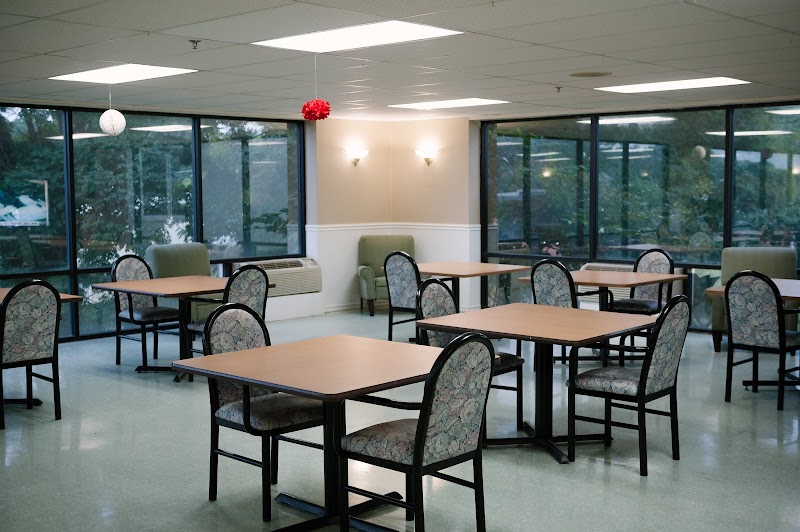
How is Autumn Lake Healthcare At Alice Manor Staffed?

CMS rates AUTUMN LAKE HEALTHCARE AT ALICE MANOR's staffing level at 1 out of 5 stars, which is much below average compared to other nursing homes. Staff turnover is 66%, which is 20 percentage points above the Maryland average of 46%. High turnover can affect care consistency as new staff learn residents' individual needs.

What Have Inspectors Found at Autumn Lake Healthcare At Alice Manor?

State health inspectors documented 54 deficiencies at AUTUMN LAKE HEALTHCARE AT ALICE MANOR during 2018 to 2025. These included: 1 that caused actual resident harm, 49 with potential for harm, and 4 minor or isolated issues. Deficiencies causing actual harm indicate documented cases where residents experienced negative health consequences.

Who Owns and Operates Autumn Lake Healthcare At Alice Manor?

AUTUMN LAKE HEALTHCARE AT ALICE MANOR is owned by a for-profit company. For-profit facilities operate as businesses with obligations to shareholders or private owners. The facility is operated by AUTUMN LAKE HEALTHCARE, a chain that manages multiple nursing homes. With 105 certified beds and approximately 92 residents (about 88% occupancy), it is a mid-sized facility located in BALTIMORE, Maryland.
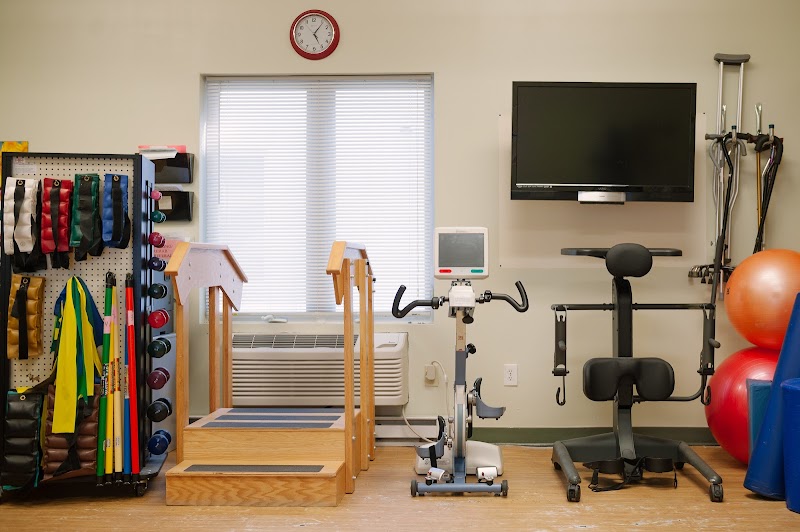
How Does Autumn Lake Healthcare At Alice Manor Compare to Other Maryland Nursing Homes?

Compared to the 100 nursing homes in Maryland, AUTUMN LAKE HEALTHCARE AT ALICE MANOR's overall rating (1 stars) is below the state average of 3.0, staff turnover (66%) is significantly higher than the state average of 46%, and health inspection rating (2 stars) is below the national benchmark.

What Should Families Ask When Visiting Autumn Lake Healthcare At Alice Manor?

Based on this facility's data, families visiting should ask: "How do you ensure continuity of care given staff turnover, and what is your staff retention strategy?" "Can you walk me through typical staffing levels on day, evening, and night shifts?" "Can I visit during a mealtime to observe dining assistance and food quality?" "How do you handle medical emergencies, and what is your hospital transfer rate?" These questions are particularly relevant given the facility's high staff turnover rate and the below-average staffing rating.

Is Autumn Lake Healthcare At Alice Manor Safe?

Based on CMS inspection data, AUTUMN LAKE HEALTHCARE AT ALICE MANOR has a clean safety record: no substantiated abuse findings (meaning no confirmed cases of resident harm), no Immediate Jeopardy citations (the most serious violation level indicating risk of serious injury or death), and is not on the Special Focus Facility watch list (a federal program monitoring the lowest-performing 1% of nursing homes). The facility has a 1-star overall rating and ranks #100 of 100 nursing homes in Maryland. While no facility is perfect, families should still ask about staff-to-resident ratios and recent inspection results during their visit.

Do Nurses at Autumn Lake Healthcare At Alice Manor Stick Around?

Staff turnover at AUTUMN LAKE HEALTHCARE AT ALICE MANOR is high. At 66%, the facility is 20 percentage points above the Maryland average of 46%. High turnover means new staff may not know residents' individual needs, medications, or preferences. It can also be disorienting for residents, especially those with dementia who rely on familiar faces. Families should ask: What is causing the turnover? What retention programs are in place? How do you ensure care continuity during staff transitions?

Was Autumn Lake Healthcare At Alice Manor Ever Fined?

AUTUMN LAKE HEALTHCARE AT ALICE MANOR has no federal fines on record. CMS issues fines when nursing homes fail to meet care standards or don't correct problems found during inspections. The absence of fines suggests the facility has either maintained compliance or corrected any issues before penalties were assessed. This is a positive indicator, though families should still review recent inspection reports for the full picture.

Is Autumn Lake Healthcare At Alice Manor on Any Federal Watch List?

AUTUMN LAKE HEALTHCARE AT ALICE MANOR is not on any federal watch list. The most significant is the Special Focus Facility (SFF) program, which identifies the bottom 1% of nursing homes nationally based on persistent, serious quality problems. Not being on this list means the facility has avoided the pattern of deficiencies that triggers enhanced federal oversight. This is a positive indicator, though families should still review the facility's inspection history directly.