AUTUMN LAKE HEALTHCARE AT HOMEWOOD
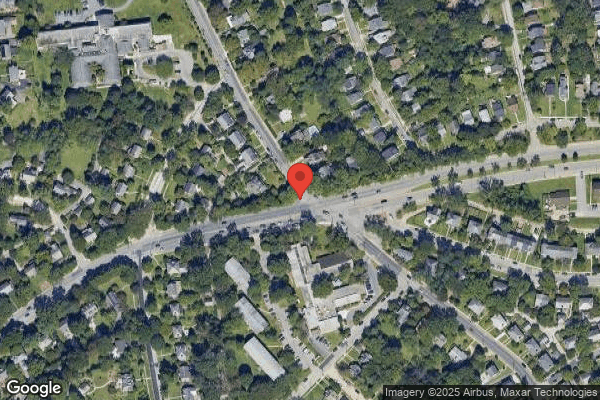
6000 BELLONA AVENUE, BALTIMORE, MD 21212 (410) 323-4223
For profit - Individual 112 Beds AUTUMN LAKE HEALTHCARE Data: November 2025
Trust Grade
30/100
#139 of 219 in MD
Last Inspection: July 2025

Inspected within the last 6 months. Data reflects current conditions.

Overview

Autumn Lake Healthcare at Homewood has received a Trust Grade of F, indicating significant concerns about the facility's quality of care. It ranks #139 out of 219 nursing homes in Maryland, placing it in the bottom half of facilities in the state, and #15 out of 26 in Baltimore City County, showing limited local competition. The facility's trend is worsening, with issues increasing from 21 in 2022 to 30 in 2025. Staffing is a concern here, with a low rating of 2 out of 5 stars and a high turnover rate of 58%, significantly above the state average. Although there have been no fines recorded, the nursing home has faced serious deficiencies, including a failure to conduct annual performance reviews for nursing assistants, inadequate housekeeping leading to unsanitary conditions, and failing to report abuse allegations promptly, all of which raise serious red flags about resident safety and care quality.

Trust Score
F
30/100
In Maryland
#139/219
Bottom 37%
Safety Record
High Risk
Review needed
Inspections
Getting Worse
21 → 30 violations
Staff Stability
⚠ Watch
58% turnover. Above average. Higher turnover means staff may not know residents' routines.
Penalties
✓ Good
No fines on record. Clean compliance history, better than most Maryland facilities.
Skilled Nurses
○ Average
Each resident gets 30 minutes of Registered Nurse (RN) attention daily — about average for Maryland. RNs are the most trained staff who monitor for health changes.
Violations
⚠ Watch
72 deficiencies on record. Higher than average. Multiple issues found across inspections.
★★☆☆☆
2.0
Overall Rating
★★☆☆☆
2.0
Staff Levels
★★★★☆
4.0
Care Quality
★★☆☆☆
2.0
Inspection Score
Stable
2022: 21 issues
2025: 30 issues

The Good

  • 4-Star Quality Measures · Strong clinical quality outcomes
  • Full Sprinkler Coverage · Fire safety systems throughout facility
  • No fines on record

Facility shows strength in quality measures, fire safety.

The Bad

2-Star Overall Rating

Below Maryland average (3.0)

Below average - review inspection findings carefully

Staff Turnover: 58%

12pts above Maryland avg (46%)

Frequent staff changes - ask about care continuity

Chain: AUTUMN LAKE HEALTHCARE

Part of a multi-facility chain

Ask about local staffing decisions and management

Staff turnover is elevated (58%)

10 points above Maryland average of 48%

The Ugly 72 deficiencies on record

Jul 2025 30 deficiencies
CONCERN (D)

Potential for Harm - no one hurt, but risky conditions existed

Deficiency F0558 (Tag F0558)

Could have caused harm · This affected 1 resident

Based on observation during the initial tour of the facility and staff interviews, it was determined that the facility staff failed to ensure a resident had the call bell control by their side. This w...

Read full inspector narrative →
Based on observation during the initial tour of the facility and staff interviews, it was determined that the facility staff failed to ensure a resident had the call bell control by their side. This was evident for 2 (Resident #9 and #43) out of the 64 residents in the survey sample. The findings include: 1)During the initial tour of the facility on 07/15/2025 8:33 AM this surveyor entered Resident #43's room and observed that the call bell cord and plunger were on the floor to the right of the bed near the headboard and out of reach of the resident. The resident was unaware of the call bell's location. 2)On 07/15/2025 at 9:35 AM during the surveyor’s initial tour of the facility, an observation of Resident #9’s call bell (an item used to press and alert staff that a resident needed assistance) was on the floor and out of reach of the resident. On 07/15/2025 at 09:40 AM during an interview with staff #20 a Geriatric Nursing Assistant/Certified Medication Tech (GNA/CMA) stated the call light should be within reach and verified that Resident #9’s call light was not within reach. The facility was informed of the findings at the exit conference.
CONCERN (D)

Potential for Harm - no one hurt, but risky conditions existed

Deficiency F0565 (Tag F0565)

Could have caused harm · This affected 1 resident

Based on review of Resident Council meeting minutes and interview with facility staff, it was determined that the facility failed to have an effective system in place to demonstrate their response and...

Read full inspector narrative →
Based on review of Resident Council meeting minutes and interview with facility staff, it was determined that the facility failed to have an effective system in place to demonstrate their response and rationale for concerns identified by the Resident Council. This was found to be evident based on review of 4 months of Resident Council meeting minutes.The findings include:The Resident Council is a group of residents that meets regularly on the behalf of all residents in the facility to discuss concerns about facility policies and procedures affecting residents' care, treatment, and quality of life. Facility staff are required to consider resident and family group views and act upon grievances and recommendations. This may include developing or changing policies affecting resident care and life. Facility staff should discuss their decisions with the resident and/or family group and document in writing its response and rationale. The facility must be able to demonstrate their response and rationale. On 7/21/2025 at 8:29 AM a review of the most recent 4 months' Resident Council meeting minutes was conducted. Review of the June 2025's Resident Council meeting minutes revealed a concern with medications not being refilled before they ran out. The Actions Taken section of the minutes revealed, All medications will be reordered on Friday. The Person Responsible was listed as Nursing and the Outcome section had 2 options, Resolved and Not Resolved with neither box checked and no further documentation as to the facility's response and/or rationale. Review of the March 2025 Resident Council meeting minutes revealed the following concern: Staff are not introducing their self before giving care. The Person Responsible was listed as Nursing. The Actions Taken section of the minutes failed to reveal any actions and the Outcome section had 2 options, Resolved and Not Resolved with neither box checked and no further documentation as to the facility's response and/or rationale. Review of the April 2025 Resident Council meeting minutes failed to reveal any evidence that this [March 2025] concern was acknowledged by Nursing nor any documentation as to the facility's response and/or rationale. Further review of the April 2025 Resident Council meeting minutes revealed the following concern listed in the Old Business Review section of the minutes [the same concern from last month]: Staff are not introducing their self before giving care. In the Status Update section, there was no information written nor any documentation as to the facility's response and/or rationale. Additional review of the April 2025 Resident Council meeting minutes revealed Residents are being discouraged from coming to Resident Council because they're not getting any responses from other departments. The Actions Taken section of the minutes revealed, The rec [Activities Director #11] staff will bring the resident council minutes to the morning meeting for a respond. Further review of the April meeting minutes failed to reveal any evidence that the resident council minutes were taken to the meeting. The Outcome section of the minutes had 2 options, Resolved and Not Resolved with neither box checked and no further documentation as to the facility's response and/or rationale. Review of the May 2025 Resident Council meeting minutes failed to reveal any evidence that the Activities Director had brought the Resident Council meeting minutes to the morning meeting for a response. Further review of the May minutes revealed the following concern [the same concern from last month]: Residents are being discouraged from coming to Resident Council because they're not getting any responses from other departments. Again, there was no outcome noted [Resolved or Not Resolved] and no further documentation as to the facility's response and/or rationale. On 7/24/25 at 11:46 AM in an interview with Activities Director #11 when asked about the Resident Council process, she stated, I just take the minutes, that's it. When asked how long she has performed that duty, she stated, I've been here 26 years in October [2025]. So, for about 25 years, I've been taking the notes. During the interview, when asked what she does after the meeting ends, she stated she had to type up the notes because she hand writes them during the meeting. Then, she prints them out and puts them in a book. After that, she emails all the department heads of the department that the resident council's concern falls under. For example, if it is a nursing concerns, she emails that concern to the Director of Nursing (DON). She stated she was looking for a response from the department head within 72 hours and if she does not receive one, she verbally informs the Nursing Home Administrator (NHA). Finally, she said when she gets a response/resolution, she shares it at the next Resident Council meeting. On 7/24/25 at 12:32 PM in an interview with the Grievance Officer, the NHA, she stated, I am the grievance officer for the facility. When asked about the grievance process she stated, when residents share a concern she gives it to that department head to do the investigation and then follow up with the resident/family. During the interview she stated, if it is something customer service, not clinical, then she generally takes it. Then she writes it up, investigates, and follows up with the resident/family. When asked how grievances/concerns are tracked, she stated we have a grievance binder and at the beginning of each month there is a spreadsheet. In a dual observation of the June 2025 Resident Council meeting minutes with the NHA, the surveyor shared the residents' concern that Resident #27 and Resident #89's medications were not being refilled before they ran out and therefore unable to be given. The surveyor noted two specific residents were listed, and asked if actions taken by the facility would be applied to all residents. For example, if one resident shared a concern of cold food, would the facility only ensure that that specific resident's food was hot and she stated no. The NHA verified and confirmed that any actions taken to resolve a grievance/concern would apply to all residents. The surveyor showed the NHA the Resident Council minutes where it stated the Actions Taken was that all medications would be reordered Friday; however, there were still [new, additional] residents whose medications were not being refilled before they ran out and therefore not available to be administered. The surveyor shared two examples: on 7/20/25 Resident #1's oxycontin had run out and was not able to be administered and on several dates, most recently 7/16/25, Resident #67's nicotine patch had run out and was not able to be administered. When asked if she would say that the issue had been resolved, the NHA stated no. She said the previous DON was not addressing these grievances timely, but that she and the [current] DON were working on this. The surveyor shared this was a concern that issues brought up last month were not resolved and that there was no supporting documentation for the facility's response or rationale. The NHA stated, I know, I get it. The surveyor shared the concern that several months of the minutes noted that staff is not introducing themselves to the residents or letting them know what they are going to do before doing it. NHA stated she was aware and they had recently provided an in-service on this such as knocking before entering and introducing themselves. On 7/24/25 at 12:54 PM in an interview with the DON when asked if in the June 2025 Resident Council minutes it was her resolution in the Actions Taken section that All medications will be reordered Friday. she stated yes. When asked if she could provide evidence that this was completed she stated no. During the interview she stated, I did tell the Unit Managers (UMs). When asked if she or anyone else followed up with them to ensure it was completed she stated, No, I would think if I was telling the UM that something needs to be done, it would be, but no I did not follow up. The surveyor shared the concern that several months of the Resident Council minutes noted that staff is not introducing themselves to the residents or letting them know what they are going to do before doing it. The DON acknowledged the concern. On 7/24/25 at 1:32 PM review of the facility's Resident and Family Grievances policy revealed, The Grievance Official is responsible for overseeing the grievance process: receiving and tracking grievances through to their conclusion; leading any necessary investigations by the facility; maintaining the confidentiality of all information associated with grievances; issuing written grievance decisions to the resident; and coordinating with state and federal agencies as necessary in light of specific allegations. Further review of the policy revealed that Grievances may be voiced in the following forums: a. Verbal complaint to a staff or Grievance Official b. Written complaint to a staff member or Grievance Official c. Written complaint to an outside party d. Verbal complaint during resident or family council meetings. Additional review of the police revealed, In accordance with the resident's right to obtain a written decision regarding his or her grievance, the Grievance Official will issue a written decision on the grievance to the resident or representative at the conclusion of the investigation. The written decision will include at minimum: i. The date the grievance was received.ii. The steps taken to investigate the grievance.iii. A summary of the pertinent findings or conclusions regarding the resident's concern(s).iv. A statement as to whether the grievance was confirmed or not confirmed.v. Any corrective action taken or to be taken by the facility as a result of the grievance.vi. The date the written decision was issued. Also included in the facility's policy, Evidence demonstrating the results of all grievances will be maintained for a period of no less than 3 years from the issuance of the grievance decision.
CONCERN (D) 📢 Someone Reported This

A family member, employee, or ombudsman was alarmed enough to file a formal complaint

Potential for Harm - no one hurt, but risky conditions existed

Notification of Changes (Tag F0580)

Could have caused harm · This affected 1 resident

Based on medical record review and interview, it was determined the facility staff failed to notify a resident's representative (Resident #13 and #110) and a resident's physician (Resident #13) for a ...

Read full inspector narrative →
Based on medical record review and interview, it was determined the facility staff failed to notify a resident's representative (Resident #13 and #110) and a resident's physician (Resident #13) for a change in condition. This was evident for 2 of 64 residents reviewed during a recertification/complaint survey. The findings include:1.The facility staff failed to notify Resident #13's representative and physician on 6/10/25 when the Resident's BiPAP machine stopped working. BiPAP, or bilevel positive airway pressure, is a type of non-invasive ventilation used to assist breathing, particularly for individuals with sleep apnea or other respiratory conditions. A review of a complaint was conducted on 7/17/25 regarding the Resident's representative (RP) was not notified when the Resident's BiPAP stopped working on 6/10/25. Review of Resident #13's medical record on 7/17/25 revealed the Resident was admitted to the facility with diagnosis to include chronic respiratory failure and obstructive sleep apnea. Obstructive sleep apnea (OSA) is a common sleep disorder where breathing repeatedly stops and starts during sleep due to a blockage of the airway. Further review of Resident #13's medical record revealed a nurse's note on 6/10/25 at 9:20 PM that states Patient's BiPAP was not administered, device dysfunctioning, shows error code, writer called supplier, order placed awaiting technician. There is no documentation the RP was notified. There is no documentation the physician was notified in case the physician wanted to change the Resident's orders while the BiPAP machine was not working. Review of facility documentation provided by the Administrator revealed the BiPAP machine was replaced on 6/11/25. Interview with the Director of Nursing on 7/23/25 at 2:20 PM confirmed the facility staff failed to notify Resident #13's RP and physician when the Resident BiPAP machine was not working on 6/10/25. 2.The facility staff failed to notify Resident #110's representative timely when the Resident was transferred to the hospital. A review of a complaint was conducted on 7/16/25 regarding the Resident's representative (RP) was not notified about the Resident's transfer to the hospital until after the hospital had notified the RP first. Review of Resident #110's medical record on 7/16/25 revealed the Resident was admitted to the facility in May 2023 with a diagnosis to include Dementia. Dementia is a general term for loss of memory, language, problem-solving and other thinking abilities that are severe enough to interfere with daily life. Further review of Resident #110's medical record revealed the Resident was assessed by the doctor (Staff #59) on 9/24/23 at 10:58 AM and ordered to be sent to the Emergency Room. Review of the emergency room Clinical Summary revealed the Resident arrived at the emergency room on 9/24/23 at 12:57 PM. Further review of Resident #110's medical record revealed a Change in Condition that stated the Resident's RP was notified on 9/24/23 at 2:00 PM. Review of a nurse's note documented on 9/24/23 at 2:11 PM stated RP was notified that patient was sent out via 911 per On-call Doctor's order after he/she was found unarousable. Interview with the Director of Nursing on 7/16/25 at 11:45 AM confirmed the facility staff did not notify Resident #110's RP timely for a change of condition and transfer to the emergency room on 9/23/23.
CONCERN (D) 📢 Someone Reported This

A family member, employee, or ombudsman was alarmed enough to file a formal complaint

Potential for Harm - no one hurt, but risky conditions existed

Free from Abuse/Neglect (Tag F0600)

Could have caused harm · This affected 1 resident

Based on medical record review, review of facility documentation and interview, it was determined the facility staff failed to protect a resident from verbal abuse from facility staff (Resident #104)....

Read full inspector narrative →
Based on medical record review, review of facility documentation and interview, it was determined the facility staff failed to protect a resident from verbal abuse from facility staff (Resident #104). This was evident for 1 of 64 residents reviewed during a recertification/complaint survey.The findings include: On 7/16/25 a review of facility reported incident 326163 was conducted. The facility reported on 10/3/24 at approximately 6:46 PM, Staff #55 and #56 were providing care to Resident #104. Resident #104 was screaming in pain and stated I am dying, I have cancer. Staff #55 reportedly told Resident #104 well go ahead and die then so you can stop all this screaming. Review of Resident #104's medical record on 7/16/25 revealed the Resident was admitted to the facility in February 2024 with a diagnosis to include malignant neoplasm of the bone (bone cancer). Review of the facility's investigation revealed a statement from the Resident's family member to the Administrator stating at the time of the incident he/she was on the phone with the Resident and heard Staff #55 say to the Resident: go ahead and die then so you can stop all this screaming. The family stated he/she came to the facility later that evening on 10/3/24 and spoke with Staff #56 who confirmed what Staff #55 stated to Resident #104. Further review of the facility's investigation revealed a statement from Staff #56 confirming Staff #55 told Resident #104 to go ahead and die. Review of the completed investigation submitted on 10/10/24 to OHCQ (Office of Health Care Quality) stated the allegation of abuse was verified in that the Resident's family member was on the phone and Staff #56 stated Staff #55 told Resident #104 to go ahead and die then after Resident #104 stated he/she felt like he/she was dying. After the incident the facility terminated Staff #55 and reported Staff #55 to the board of nursing. Review of the facility's Abuse, Neglect and Exploitation policy provided by the Administrator revealed the facility's definition of verbal abuse is the use of oral, written or gestured communication or sounds that willfully includes disparaging and derogatory terms to residents or their families, or within their hearing distance regardless of their age, ability to comprehend, or disability. Interview with the Administrator on 7/16/25 at 9:00 AM confirmed the verbal abuse of Resident #104 by Staff #55 on 10/3/24.
CONCERN (D) 📢 Someone Reported This

A family member, employee, or ombudsman was alarmed enough to file a formal complaint

Potential for Harm - no one hurt, but risky conditions existed

Deficiency F0602 (Tag F0602)

Could have caused harm · This affected 1 resident

**NOTE- TERMS IN BRACKETS HAVE BEEN EDITED TO PROTECT CONFIDENTIALITY** Based on review of a facility reported incident, medical records, controlled drug sheets, and interviews it was determined that ...

Read full inspector narrative →
**NOTE- TERMS IN BRACKETS HAVE BEEN EDITED TO PROTECT CONFIDENTIALITY** Based on review of a facility reported incident, medical records, controlled drug sheets, and interviews it was determined that the facility failed to ensure residents were free from misappropriation of narcotics. This was evident for 1 (#81) of 22 residents reviewed for facility reported incidents during the recertification/complaint survey. The findings include: On 7/18/25 at 6:49 AM a review of facility reported incident 326170 was conducted and it was alleged that narcotic medication was missing from Resident #81 on 5/13/25 at the end of the 3:00 PM to 11:00 PM shift. A review of Resident #81's medical record revealed the resident was admitted to the facility in January 2025 with diagnoses that included, but were not limited to, unilateral primary osteoarthritis of the left knee, pain in the left ankle and joints of the left ankle, low back pain, other polyneuropathies, chronic pain syndrome, and spinal stenosis of the cervical and lumbar region. The resident had an order for the (Opioid) Oxycodone 5 mg to be administered every 8 hours as needed for pain. This order has been in effect since 2/18/25. The Controlled Drug Administration Record includes information as to when the supply of the narcotic was received, and the total number of doses received. There are spaces for nursing staff to document the date and time a dose was removed, the number of doses removed, the number of remaining doses and if any were wasted. There is also an area for the nurse who removed the narcotic to sign their name. Review of the facility's investigation revealed that on 5/13/25 at the end of the 3:00 PM to 11:00 PM shift the sheet of medication (oxycodone) was missing. The facility interviewed the 7:00 AM to 3:00 PM nurse, Staff #8 who stated she turned the medication cart over to the agency nurse, Staff #46, and the count was 24 at the start of the shift. Staff #8 stated that Resident #81 did not receive any Oxycodone on her shift. When the 11:00 PM to 7:00 AM nurse came on duty, Staff #21, the count was 23, but the discrepancy wasn't noticed until 5/14/25 at 7:00 AM when the 7:00 AM to 3:00 PM nurse, Staff #8, came on duty. A written statement from Staff #21 on 5/16/25 documented, I relieved the nurse working on [NAME] hallway 5/13/25 (3p-11p) at or around 11 PM. I counted with the nurse and the count was 23 narcotic cards and 23 sheets. The count was not altered by me from the morning 7-3 shift which indicated that there were 24 narcotic cards and 24 sheets. I did not know that the count had been altered until it was brought to my attention by the nurse who relieved me and worked 7-3 the next day. The 7-3 nurse did not bring it to my attention until I came back into work 3-11 later on 5/14/25. A written statement from Staff #8 documented, On 5/14 I noticed [resident #81] did not have any Oxycodone 5 mg on the med cart. I checked the order to see if it was d/c (discontinued). It was not. I checked with oncoming nurse; it was not discharged . So, I reordered it. On 5/16/25, which was a Friday, the unit one unit manager informed the Assistant Director of Nursing (ADON), who was the current DON, by phone at 7:23 AM of the missing narcotics. The unit one unit manager was notified by Staff #8 that the narcotic and the narcotic sheet were missing. Upon discovery of the discrepancy the staffing manager was notified by Staff #21 on Wednesday, 5/14/25. A search was done by the Director of Nursing (DON) and the Assistant DON. The staffing manager at the agency was notified and stated that they talked to the nurse, Staff # 46, and she said she did not have the medication and that she did not wish to speak with anyone at the facility. Review of Resident #81's May 2025 Medication Administration Record (MAR) documented the resident only received the medication one time in May, on 5/20/25 at 9:15 AM. Review of the Controlled Substance Administration and Accountability Policy with a revision date of 4/8/24 revealed the following under Procedures: #8: Inventory Verification, b. for areas without automated dispensing systems, two licensed nurses account for all controlled substances and access keys at the end of each shift. Discrepancy Resolution, a. any discrepancy in the count of controlled substances or disposition of the narcotic keys is resolved by the end of the shift during which it is discovered. D. any discrepancies which cannot be resolved must be reported immediately as follows: i. Notify the DON, charge nurse, or designee and the pharmacy. On 7/18/25 at 7:50 AM an interview was conducted with the DON, who was the ADON at the time of the incident. The investigation was reviewed with the DON and the DON was asked if she expected the RN Supervisor, Staff #21, who was the weekend supervisor and also worked on the floor, to have reported the incident sooner. The DON stated, Yes. I have concerns with the process as it is broken. The DON confirmed that it was misappropriation of resident property. On 7/22/25 at 7:23 AM an interview was conducted with Staff #21. Staff #21 stated that he came in at 11:00 PM to take over. During the count at the end of the shift I did not see it because she counted the numbers. When I came back in 3 to 11 the next day, [Staff #8] said, you know when I left [Resident #81] had about 20 oxy and now there is none. She double checked it was missing, and she said, I know for a fact, and I saw it. Staff #21 stated that Staff #8 and the 3-11 agency nurse had to come in and do a drug test, but the agency nurse never came in and she just vanished. On 7/22/25 at 10:24 AM Staff #8 was interviewed and stated, When I counted the first day it was there and the next day the (narcotic) card was gone. The narcotic sheet was reviewed with Staff #8. Staff #8 stated, the oncoming agency nurse did not write 23 in my presence. I looked for the sheet and I brought it to the manager's attention that the card of pills was missing. They made me get a drug test and of course it came back clean. I work every day, and I know what's there. I know what [Resident #81] takes, and I knew exactly how many [he/she] had. It was an agency nurse that followed me, and I had never seen her before.
CONCERN (D) 📢 Someone Reported This

A family member, employee, or ombudsman was alarmed enough to file a formal complaint

Potential for Harm - no one hurt, but risky conditions existed

Assessment Accuracy (Tag F0641)

Could have caused harm · This affected 1 resident

Based on medical record review and staff interview, it was determined the facility staff failed to ensure Minimum Data Set (MDS) assessments were accurately coded. This was evident for 3 (#127, #111, ...

Read full inspector narrative →
Based on medical record review and staff interview, it was determined the facility staff failed to ensure Minimum Data Set (MDS) assessments were accurately coded. This was evident for 3 (#127, #111, #108) of 64 residents reviewed during the recertification/complaint survey. The findings include: The MDS is part of the Resident Assessment Instrument that was Federally mandated in legislation passed in 1986. The MDS is a set of assessment screening items employed as part of a standardized, reproducible, and comprehensive assessment process that ensures each resident's individual needs are identified, that care is planned based on those individualized needs, and that the care is provided as planned to meet the needs of each resident. 1) On 7/16/25 at 9:33 AM a review of Resident #127's medical record was conducted. Resident #127 was admitted to the facility in September 2024 with diagnoses that included polyneuropathy, chronic pain, generalized osteoarthritis and gout.Review of Resident #127's September 2024 Medication Administration Record (MAR) documented that the resident received Diclofenac external gel 1% for right knee pain 4 times per day. Review of Resident #127's MDS assessment with an assessment reference date (ARD) of 9/5/24, Section J0100A Pain, coded that the resident did not receive regular pain medication. That was an error as the resident received the Diclofenac gel 4 times per day.Review of Resident #127's October 2024 MAR documented Resident #127 received Gabapentin 2 times a day for nerve pain. Gabapentin is in a drug class called anticonvulsants.Review of Resident #127's MDS assessment with an ARD of 10/11/24, Section N0415 High-Risk Drug Class medications, K. anticonvulsant, was not coded as being received. This was an error as the resident received Gabapentin.On 7/21/25 at 9:49 AM an interview was conducted with the MDS Coordinator. Both MDS assessments were reviewed and the MDS Coordinator confirmed the findings.2) On 7/21/25 at 2:00 PM a review of Resident #111's medical record was conducted. Review of the 1/25/24 admission MDS, Section E0800, rejection of care was marked 0. Review of the 1/23/24 at 17:01 behavior note documented, refusal of medication and weight. Resident refused to be weighed and take AM meds despite education and encouragement.On 7/22/25 at 1:45 PM an interview was conducted with the MDS coordinator who confirmed the behavior was not captured.On 7/22/25 at 7:25 AM the MDS coordinator gave the surveyor a care plan that was initiated on 1/23/24 related to non-compliance with the plan of care/treatment plan. The MDS coordinator stated that they had a care plan that addressed the problem and since they had a care plan they did not need to code it on the MDS.Review of the RAI (Resident Assessment Instrument) manual, page E-16 documented that the intent of this item, is to identify potential behavioral problems, not situations in which care has been rejected based on a choice that is consistent with the resident's preferences or goals for health and well-being, or a choice made on behalf of the resident by a family member or other proxy decision maker.3) On 7/18/25 at 10:55 AM a review of Resident #108's medical record was conducted. Review of the 4/13/23 admission MDS, Section N medications, coded that the resident had received 3 injections. The MDS was coded as the resident did not receive any opioid medications.Review of Resident #108's April 2023 MAR documented that Resident #108 received 5 injections of the antibiotic Ceftriaxone and had received the opioid Methadone from 4/8/23 to 4/13/23. On 7/21/25 at 9:49 AM an interview was conducted with the MDS Coordinator. After review of Section N, the MDS Coordinator confirmed the errors. The MDS Coordinator was not at the facility during that time.
CONCERN (D)

Potential for Harm - no one hurt, but risky conditions existed

Deficiency F0655 (Tag F0655)

Could have caused harm · This affected 1 resident

**NOTE- TERMS IN BRACKETS HAVE BEEN EDITED TO PROTECT CONFIDENTIALITY** Based on review of medical records and interview with facility staff, it was determined that the facility failed to ensure 1) a ...

Read full inspector narrative →
**NOTE- TERMS IN BRACKETS HAVE BEEN EDITED TO PROTECT CONFIDENTIALITY** Based on review of medical records and interview with facility staff, it was determined that the facility failed to ensure 1) a baseline care plan was completed and 2) a summary, including a current list of medications, was provided to the resident. This was evident for 1 (Resident #101) out of 3 closed records reviewed during the facility's recertification survey.The findings include:A baseline care plan (BLCP) must be completed within 48 hours of a resident's admission to the facility and include the initial goals based on admission orders, physician orders, dietary orders, therapy services, and social services. A summary of the BLCP and current medication list must be given to each resident and/or his/her representative. Completion and implementation of the BLCP is intended to promote continuity of care and communication among staff, increase resident safety, and safeguard against adverse events (undesirable outcomes) that can occur right after admission. On 7/23/25 at 11:41 AM review of Resident #101's medical record revealed that he/she was admitted to the facility on [DATE]. Further review of the medical record failed to reveal a BLCP.On 7/23/25 at 2:27 PM in an interview with the Director of Nursing (DON) when asked who initiates and completes the BLCP, she stated that the admitting nurse initiates it and each disciplines has a part to put in. During the interview, when asked for the timeframe of completion, the DON stated as soon as possible, but she believed it was within 72 hours. When asked why the BLCP is completed, she stated to set the type of care that is going to be rendered to the residents. When asked where it was located in the medical record, the DON stated it is in the Evaluations tab, and it is called baseline care plan. When asked if a copy is provided to the resident and/or resident representative, she stated yes. When asked if this was documented in the medical record, the DON stated she would not say that she has seen it documented. On 7/23/25 at 2:36 PM in a dual observation on the surveyor's computer, the surveyor asked if the DON could show where Resident #101's BLCP was located and/or evidence that the resident had received a copy of his/her BLCP. The DON was unable to and stated if she found a copy, she would provide it. On 7/23/25 at 3:20 PM in an interview with the DON she stated the surveyor would not find a BLCP for Resident #101 because one was never completed for him/her.
CONCERN (D)

Potential for Harm - no one hurt, but risky conditions existed

Comprehensive Care Plan (Tag F0656)

Could have caused harm · This affected 1 resident

**NOTE- TERMS IN BRACKETS HAVE BEEN EDITED TO PROTECT CONFIDENTIALITY** Based on clinical record review and staff interview it was determined that the facility staff failed to ensure a care plan was d...

Read full inspector narrative →
**NOTE- TERMS IN BRACKETS HAVE BEEN EDITED TO PROTECT CONFIDENTIALITY** Based on clinical record review and staff interview it was determined that the facility staff failed to ensure a care plan was developed to address a resident's catheter use. This was evident for 1 (Resident #80) out 64 residents that were part of the survey sample. The findings include: A Minimum Data Set (MDS) is a federally mandated assessment tool that helps nursing home staff gather information on each resident's strengths and needs. The information collected drives resident care planning decisions. MDS assessments need to be accurate to ensure each resident receives the care they need. A review of Resident #80's clinical record on 7/22/25 at 9:00 AM revealed that the resident's primary physician ordered on 3/11/25 that the resident have an indwelling urinary catheter. The Resident's Admissions MDS was completed on 3/16/25. It had a Care Area Assessment (CAA) that noted the Interdisciplinary team (IDT) agreed to complete a care plan to address the ordered catheter. The Quarterly MDS completed on 5/3/25 scored the resident as having a catheter. The clinical record did not have a care plan addressing the use of a catheter. This surveyor interviewed the Director of Nursing (DON) on 7/22/25 at 9:08 AM. This surveyor stated the above findings and explained the need for a care plan. The DON asked for clarification as to what the deficient practice was. I stated the facility did not develop a care plan for catheter use even though the facility staff said they would. She said she would review the clinical record and come back with any new information. The DON was interviewed on 07/22/2025 at 11:41 AM. She had provided a copy of a care plan for catheter use to address neurogenic bladder (loss of bladder control). The surveyor pointed out that the care plan was initiated on 6/20/25 but the resident had been admitted on [DATE]. This meant that the resident went for three months without a care plan that the facility staff agreed to develop. The DON acknowledged the findings.
CONCERN (D) 📢 Someone Reported This

A family member, employee, or ombudsman was alarmed enough to file a formal complaint

Potential for Harm - no one hurt, but risky conditions existed

Deficiency F0692 (Tag F0692)

Could have caused harm · This affected 1 resident

**NOTE- TERMS IN BRACKETS HAVE BEEN EDITED TO PROTECT CONFIDENTIALITY** Based on a review of resident medical records and interviews with facility staff, the facility failed to 1) address a significan...

Read full inspector narrative →
**NOTE- TERMS IN BRACKETS HAVE BEEN EDITED TO PROTECT CONFIDENTIALITY** Based on a review of resident medical records and interviews with facility staff, the facility failed to 1) address a significant weight loss, and 2) follow the recommendations of the Dietitian for a resident. This deficiency was evident in 2 (Resident #9 and #116) of 2 residents reviewed for nutrition during this recertification/complaint survey. Findings included: 1)During a review of Resident #9's medical record on 07/16/25 at 11:52 AM, it was revealed that the resident was readmitted to the facility from the hospital on [DATE]. The resident's body weight was documented as: 06/02/25: 170.2 lbs (via Hoyer lift) 07/09/25: 158 lbs (via Hoyer lift, a loss of 12.2 lbs, 7.17%) 07/15/25: 163 lbs (via Hoyer lift) Further review of Resident #9's medical records showed that their nutrition evaluation was documented on 06/03/25. However, there was no additional evaluation regarding this significant weight loss. In an interview with Licensed Practical Nurse (LPN) #8 on 07/16/25 at 12:55 PM, she stated that the Geriatric Nurse Aide checks residents' body weight at least monthly (or as per provider's order), and nurses enter the data into the system. When asked about residents receiving hospice care, LPN #8 confirmed that even hospice residents require regular weight checks unless a hospice team order specifies otherwise. LPN #8 also explained that if a resident's weight changes are noted, staff should re-weigh the resident, notify the dietitian and provider, and document it as a change in condition in the system. During an interview with the Director of Nursing (DON) on 07/16/25 at 1:46 PM, she stated that if a resident's weight loss is noted, she expects nursing staff to re-weigh the resident and initiate treatment (including physician's orders and dietitian's interventions). She indicated, those should be documented in progress notes and risk meeting. The surveyor reviewed Resident #9's body weight changes with the DON, who confirmed that there was no documentation regarding the resident's weight loss noted on 07/09/25. The DON validated the concern. 2) Review of Resident #116’s medical record on 7/17/25 revealed the Resident was admitted to the facility in June 2024 with a diagnosis to include malnutrition and dysphagia. Malnutrition occurs when the body doesn't get enough nutrients. Dysphagia is the difficulty swallowing of foods and liquids. Further review of Resident #116’s medical record revealed the Dietitian (Staff #58) assessed the Resident on 6/19/24 and recommended the following interventions: offer pudding and shakes twice a day for additional calories. Review of Resident #116’s physician orders revealed the Resident was not ordered pudding and shakes after the nutritional assessment on 6/19/24. Further review of Resident #116’s medical record revealed the Resident was admitted to hospice care on 6/14/24 and died in the facility on 7/6/24. Interview with the Director of Nursing on 7/17/25 at 3:05 PM confirmed the facility staff failed to follow the recommendations of the Dietitian for Resident #116.
CONCERN (D) 📢 Someone Reported This

A family member, employee, or ombudsman was alarmed enough to file a formal complaint

Potential for Harm - no one hurt, but risky conditions existed

Respiratory Care (Tag F0695)

Could have caused harm · This affected 1 resident

**NOTE- TERMS IN BRACKETS HAVE BEEN EDITED TO PROTECT CONFIDENTIALITY** Based on observation, interviews, and medical record review, it was determined that facility staff failed to provide respiratory...

Read full inspector narrative →
**NOTE- TERMS IN BRACKETS HAVE BEEN EDITED TO PROTECT CONFIDENTIALITY** Based on observation, interviews, and medical record review, it was determined that facility staff failed to provide respiratory care to meet the needs of residents. This was evidenced by: absence of physician orders indicating the use of oxygen for residents, failure to maintain nasal cannulas in a sanitary manner, and failure to administer oxygen according to the prescribed settings. This was evident for three residents (#1, #3, and #13) reviewed for respiratory care during the recertification/complaint survey. The findings include:1) Review of Resident #13’s medical record on 7/17/25 revealed the Resident was admitted to the facility with diagnosis to include chronic respiratory failure and obstructive sleep apnea. Obstructive sleep apnea (OSA) is a common sleep disorder where breathing repeatedly stops and starts during sleep due to a blockage of the airway. BiPAP, or bilevel positive airway pressure, is a type of non-invasive ventilation used to assist breathing, particularly for individuals with sleep apnea or other respiratory conditions. A review of a complaint was conducted on 7/17/25 regarding respiratory services for the Resident in November 2022, January 2023, November 2024 and June 2025. a) Review of Resident #13’s November 2022 Treatment Administration Record (TAR) revealed the facility staff failed to document the administration of the Resident’s BiPAP on 11/2, 11/3, 11/7 and 11/8/22. The Resident was transferred to the hospital on [DATE] and returned on 11/17/22. Review of the Resident’s November and December 2022 TAR’s the facility staff did not include the BiPAP administration to confirm if the BiPAP was administered. b) Review of Resident #13’s January 2023 Medication and Treatment Administration Record revealed the facility staff did not document the administration of the Resident’s BiPAP on 1/13, 1/14, 1/15, 1/16, 1/17, 1/18, 1/23 and 1/27/23. c) Review of Resident #13’s November 2024 TAR revealed the facility staff did not include the BiPAP administration from 11/1/22 until the Resident’s hospitalization on 11/9/22 to confirm if the BiPAP was administered. d) Review of Resident #13’s medical record revealed the Resident’s BiPAP was not administered on 6/10/25 due to malfunction. An interview with the Director of Nursing on 7/23/25 at 2:20 PM confirmed the Surveyor’s findings for the administration of Resident #13’s BiPAP in November 2022, December 2022, January 2023, November 2024 and June 2025. 2) During an observation on 7/21/2025 at 12:05 PM Resident #1 was receiving O2 via NC (nasal cannula) and the setting was at 3L (liters per minute). On 07/21/2025 at 12:10 PM a review of Resident #1 medical record revealed that there was a Physician order dated 03/04/2025 for Oxygen at 2L/min via NC as needed. However, there was no indication for Oxygen therapy documented in the order. In an interview on 07/21/2025 at 12:20 PM with Staff #19, Licensed Practical Nurse (LPN), the staff stated nurses identified the amount of Oxygen should be on the Physician order. Nurses were the ones who adjusted the O2 Liters. Staff #19 verified the Oxygen settings for R#1 was set at 3L/min. She confirmed that it should have been on 2L/min. per Physician orders. Also, she verified there was no indication for use on the Physician order for the Oxygen, stated, doesn't say exactly why; there is no indication of use.” 3) During an observation on 07/15/2025 at 10:37 AM Resident #3 was lying in bed with O2 (oxygen) via NC (nasal cannula), the O2 tubing was dated 07/09. Another observation on 7/21/2025 at 12:25 PM, it was noted that Resident #3 O2 tubing was dated 07/09 and Oxygen setting was at 2.5L/min. On 07/17/2025 at 12:30 PM in review of Resident #3’s Physician orders dated 6/20/2025 revealed “Oxygen at 2L/min via Nasal Cannula continuously. Every shift Post Tx: Evaluate heart rate, respiratory rate, pulse oximetry, skin color, and breath sounds” However, there was no indication documented for the Oxygen use. Continued review of Resident #3 Physician orders dated 6/26/2025 revealed Oxygen tubing change weekly Label each component with date and initials. Every night shift every Thursday Label each component with date and initials Continued review of Resident #3 Respiratory care plan revised on 06/23/2025 indicated altered respiratory status and resident is on Oxygen therapy at 2L/min(minute) via nasal canula. Further review of Resident #3 TAR(Treatment Administer Record) review for the month of July had a Physician order dated 06/20/2025 for Oxygen tubing change weekly, label each component with date and initials every Thursday. Signatures were signed on the TAR as being completed for the following dates of 07/03/2025, 07/10/2025, and 07/17/2025. In an interview on 07/21/2025 at 12:26 PM Interview with Employee #18, the Unit Manager verified the O2 tubing for Resident #3 was dated 7/9 and stated O2 tubing should be changed weekly and on Thursdays. Also verified Resident #3’s O2 setting was at 2.5L/min. and the oxygen Physician order was for 2L/min. In an interview on 07/21/2025 at 1:21 PM with the Director of Nursing clarified that a Physician order for oxygen should include the indication for use, the tubing should be dated and changed weekly, and Oxygen settings should be according to the Physician order.
CONCERN (D)

Potential for Harm - no one hurt, but risky conditions existed

Deficiency F0697 (Tag F0697)

Could have caused harm · This affected 1 resident

Based on medical record review, resident and staff interview, it was determined that the facility failed to 1) properly assess for pain, 2) have parameters for pain medications used for pain managemen...

Read full inspector narrative →
Based on medical record review, resident and staff interview, it was determined that the facility failed to 1) properly assess for pain, 2) have parameters for pain medications used for pain management, 3) provide nonpharmacological intervention for a resident's reported pain, 4) received PRN (as needed) pain medication according to the Physician order set parameters (a specific instruction given for administration of medication), and 5) failed to administer a scheduled pain medication according to a Physician order. This was evident for 2 (Resident #1 and # 2) out of 2 residents reviewed for pain during this recertification/complaint survey.The findings include: Oxycodone is a strong short acting prescription pain medication classified as an opioid, used to manage moderate to severe pain. Oxycontin is a long-acting pain medication classified as an opioid that is specifically formulated as a controlled-release tablet designed to deliver oxycodone over a 12-hour period, providing sustained pain relief for chronic or constant pain that requires around-the-clock pain management. 1) Interview with Resident # 2 on 07/16/2025 at 9:02 AM revealed that s/he did have pain on the right side of his/her body. This resident further stated that the staff did medicate him/her, as needed, for pain. Review of the resident’s medical record on 7/15/18 at 09:13 AM revealed a care plan in place for potential alteration in comfort related to acute illness/Chronic Morbidities with interventions to monitor for pain daily using 0-10 pain scale, pain assessment every shift and as needed, and administer analgesic medication as ordered. On 07/16/2025 at 1:05 PM A review of the resident's medical record revealed an order to monitor pain every shift, however, the Medication Administration Record (MAR) had documentation only for the Day shift with a “0” pain level documented for the months of May 2025, June 2025, and July 1-16, 2025. 2)Further review of Resident #2’s medical record on 7/16/2025 at 1:09 PM revealed an order for oxycodone 5 mg every 6 hours as needed for 5-10 pain written on 4/18/2025 to 6/22/2025. A review of the Medication Administration Record (MAR) revealed Oxycodone was administered on 5/17/25, 5/21/25, 5/25/25, 5/31/25, 6/9/29/25, 7/3/25, and 7/5/25. The pain parameter was not included in the oxycodone order written after 6/22/2025. 3a) On 7/16/2025 at 1:22 PM a record review for Resident #2 revealed an order for Non-Pharmacological Interventions to be attempted prior to administering any as needed pain medication. There was no documentation of attempted interventions for the months of May 2025, June 2025, or 1-16 July, 2025. During an interview with the DON on 07/18/2025 at 11:23 AM, when asked about pain assessment, nonpharmacological interventions for pain management, and parameters for pain medication, the DON stated that pain assessment should be done on every shift, non- pharmacological interventions should be attempted prior to giving as needed pain medications, and parameters should be written as part of the order for as needed pain medication. On 07/18/2025 at 11:23 AM DON was made aware of the concern for pain management, and she agreed with the findings. 3b) On 7/18/2025 at 2:07 PM review of Resident #1’s MAR for the month of July revealed Oxycodone pain medication as needed was administered a total of 17 times from 07/01/2025 through 07/18/2025. However, there were no non- pharmacological interventions documented on the MAR prior to the administered Oxycodone. On 07/18/2025 at 1:56 PM Interview with the facility’s Director of Nurses (DON) she stated, Non-pharmacological Interventions are documented on the MAR and should be offered prior to administration of a PRN pain medication. At that time she verified MAR for Resident #1’s Oxycodone was administered for the incorrect parameters and there were no non-pharmacological interventions documented. 4) On 7/18/2025 at 2:07 PM in review of Resident #1’s medical record revealed Physician orders pain medications as: Tylenol 325 mg give 3 tablets by mouth every 8 hours as needed for pain (1-5) started date as 1/03/2025. Oxycodone HCI 10mg give 1 tablet by mouth every 6 hours as needed for pain, however there were no set perimeters for this medication. Started date as 03/13/2025. Oxycontin ER 12-hour 15 MG give 1 tablet by mouth two times a day for Chronic Pain. Started date of 03/31/2025. Non-Pharmacological interventions attempted prior to administering any PRN pain medication as needed. Document the number that corresponds to the Non-Pharmacological Interventions attempted; started date of 01/29/2025: i) warm beverage offered, ii) repositioned, iii) soft music played, iv) lights dimmed, and v) other (document in progress note), and vi) resident refused NPI. On 07/18/25 at 2:10 PM, Resident #1’s medical record review revealed that that resident had a PRN (as needed) pain medications, Tylenol and Oxycodone: The Tylenol order had a parameter pain score 1 to 5, however, Oxycodone order did not have any parameter. Further review of Resident 1’s Medical record revealed Medication Administration Record (MAR) for the month of July of 2025 revealed there were no signed administration doses for the Tylenol 325 mg give 3 tablets by mouth every 8 hours as needed for pain level range of 1-5, and facility staff administered Oxycodone instead of Tylenol for the following dates and pain levels: 07/02/2025 at 7:15 PM for a pain score of 5 07/03/2025 at 5:14 AM for a pain score of 4 07/05/2025 at 2:44 AM for a pain score of 0 07/07/2025 at 2:48 AM for a pain score of 5 07/10/2025 at 9:47 PM for a pain score of 5 07/15/2025 at 9:13 AM for a pain score of 5 07/18/2025 at 3:15 AM for a pain score of 4 07/18/2025 at 3:10 PM for a pain score of 0 On 07/18/2025 at 1:56 PM in an interview with the facility’s Director of Nurses (DON) she stated, if a medication had 2 pain medications that are PRN, an example of Tylenol and something else. The Tylenol would be to give 1-5 and the other medication parameter would be 6-10. 5)During an interview with Resident #1 on 07/21/2025 at 12:55 PM, the resident reported he/she did not receive his/her OxyContin over the weekend. On 07/21/2025 at 1:15 PM, the surveyor reviewed Resident #1’s MAR for July 2025. The review revealed that on July 20th, 2025, at 9:00 AM for Oxycontin 15mg was documented as “9” which indicated a medication administration note was placed in the progress notes. Further review of Resident #1’s medical record revealed on 07/20/2025 at 2:29 PM a Progress Note of: Oxycontin Oral Tablet ER 12 Hour 15MG give 1 tablet by mouth two times a day for chronic pain not available, pharmacy contacted, processing, awaiting delivery. On 07/21/2025 at 2:00 PM, an interview with DON stated the nurses should look in their medication carts and order any medication prior to the last dose of medication being used. At this time, she stated that she was aware Resident #1 did not receive his/her scheduled dose of Oxycontin on 07/20/2025 at 9:00 AM. On 07/24/2025 8:48 AM interview with Staff # 28 (LPN Agency) stated nurses order new medications before a resident uses the last dose of a scheduled pain medication, it is a nursing judgement, scheduled pain medications we try to order timely, as we may need a C2 form (a form that the Physician has to sign for Narcotic pain medication) filled out by the Physician which takes time.” Staff #28 also said, [name of Resident #1] is very sensitive with his/her pain medications, we are very careful with his/her ordered pain medication.” On 07/24/2025 at 9:04 AM the DON was made aware of concerns related to pain medications given for the incorrect parameter, non-pharmacological interventions not documented prior to administration of a PRN pain medication, and pain medication not given according to the physician order.
CONCERN (D)

Potential for Harm - no one hurt, but risky conditions existed

Deficiency F0742 (Tag F0742)

Could have caused harm · This affected 1 resident

Based on clinical record review and staff interview it was determined that the nursing staff failed to monitor behavior of a resident. This was evident for 3 (Resident #3, #6, and #45) out of 64 resid...

Read full inspector narrative →
Based on clinical record review and staff interview it was determined that the nursing staff failed to monitor behavior of a resident. This was evident for 3 (Resident #3, #6, and #45) out of 64 residents assessed for behavior monitoring during this recertification/complaint survey.The findings include:1)The surveyor conducted an initial interview with Resident #3 on 7/15/25 at 10:35 AM. During the interview the resident became tearful, expressing sadness stating a family member had passed away a few weeks ago. On 07/21/2025 at 10:40 AM in review of Resident #3’s medical record revealed the following physician orders dated 05/05/2025: Bupropion HCI ER oral tablet Extended Release 24-hour 300 MG (Bupropion HCI) give one tablet by mouth one time a day for depression. Sertraline HCI Oral tablet 100 MG give 1 tablet by mouth one time a day for Depression. Trazadone HCI Oral Tablet 50 MG give 25 MG by mouth at bedtime for Depression. Continued review of Resident # 3's medical record revealed that there was a care plan dated 05/06/2025 for use of antidepressant medication related to depression. With an intervention to monitor/document/report to Physician for signs and symptoms of depression and side effects of medications to treat depression. Further review of Resident # 3’s Medical record revealed that there was no Physician order indicating monitoring for signs and symptoms of depression or side effects of receiving the medication. In an interview on 07/22/2025 at 9:31 AM with the Director of Nursing (DON), she confirmed that any resident receiving an Antidepressant medication should have a Physician order for monitoring for signs and symptoms of depression and there should be monitoring of the medication for side effects. At this time the DON validated signs and symptoms of depression including the monitoring of side effects that were not in place prior for this resident and a Physician order that was just placed on 07/22/2025 when Surveyor had voiced concern. 2) On 7/23/2025 at 10:00 AM, a review of Resident #45’s medical record revealed an order to monitor target behaviors, such as agitation, restlessness, wandering, withdrawal, combativeness, verbal outbursts, refusal of care, tearfulness, anxiety, paranoia, and other behaviors not yet identified every shift. Further record review on 7/23/2025 at 10:14 AM the care plan initiated on 7/22/22, noted that Resident #45 had behavior problems including: refusing showers, refusing incontinent care after bowel movement, refusing meals prepared by the facility, refusing to get out of bed for therapy, refusing continuous positive airway pressure (CPAP) machine, refusing to allow weights, and accusing staff of wrongful doing. An intervention was to monitor behavior episodes and attempt to determine underlying cause. Consider location, time of day, persons involved, and situations. Document behavior and potential causes. On 7/23/2025 at 12:30 PM review of the Treatment Administration Record (TAR) revealed no documentation of behavior monitoring for May 2025, June 2025, and documentation of monitor for target behavior initiated on 22 July 2025. On 7/23/2025 at approximately 12:25 PM the DON was made aware of the findings and was informed of the concern. The DON shook head in agreement. 3) A review of Resident #6's clinical record on 07/23/2025 at 1:36 PM revealed that the resident's primary physician ordered on 10/16/24 that the nursing staff monitor certain identified behaviors. These behaviors included: agitation, restlessness, wandering, withdrawal, combativeness, verbal outbursts, refusal of care, tearfulness, anxiety, paranoia, and other behaviors not yet identified. Staff are to enter numbers that correspond to these behaviors onto the Medication Administration Record (MAR). Review of the July MAR revealed no behavioral monitoring. Further review revealed the resident had a care plan to address the use of psychotropic medications for behavior management related to schizophrenia. The interventions included Monitor/record occurrence for target behavior symptoms I.e., pacing, wandering, disrobing, inappropriate response to verbal communication, violence/aggression towards staff/others. etc. and document per facility protocol. The care plan was initiated on 6/26/24. The target behavior symptoms were not on the July MAR. The facility administrative staff were informed of the findings at the exit conference.
CONCERN (D)

Potential for Harm - no one hurt, but risky conditions existed

Deficiency F0757 (Tag F0757)

Could have caused harm · This affected 1 resident

Based on clinical record review and staff interview, it was determined that the facility staff failed to ensure medications were held according to the physician orders. This was evident for 1 (Residen...

Read full inspector narrative →
Based on clinical record review and staff interview, it was determined that the facility staff failed to ensure medications were held according to the physician orders. This was evident for 1 (Resident #43) out of 64 residents in the survey sample. The findings include: A review of Resident #43's clinical record revealed that the resident had an order for Midodrine 5mg three times a day for orthostatic hypotension and to hold if systolic (top number) blood pressure is above 130. A review of the July Medication Administration Record revealed that on 7/2/25 at 6:30 AM the blood pressure was 132/74, but the medication was still given. A review of the June Medication Administration Record revealed that on 6/2/25 at 6:30 AM the resident had a blood pressure of 132/75, but the medication was still given. On 6/8/25 at 11:30 AM the resident had a blood pressure of 136/72, but the medication was still given. On 6/15/25 at 6:30 AM the resident had a blood pressure of 136/70, but the medication was still given. On 6/16/25 at 11:30 AM the resident had a blood pressure of 134/68, but the medication was still given. On 6/17/25 at 6:30 AM the resident had a blood pressure of 134/81, but the medication was still given. The Director of Nursing (DON) was interviewed on 7/18/25 at 1:58 PM. This surveyor showed her the June and July MAR's. The Surveyor and DON then went through the MAR's starting with July and counted the times the medication was administered when it was supposed to be held.
CONCERN (D)

Potential for Harm - no one hurt, but risky conditions existed

Deficiency F0761 (Tag F0761)

Could have caused harm · This affected 1 resident

**NOTE- TERMS IN BRACKETS HAVE BEEN EDITED TO PROTECT CONFIDENTIALITY** Based on observation, documentation review, and interview with resident and staff, it was determined that the facility staff fai...

Read full inspector narrative →
**NOTE- TERMS IN BRACKETS HAVE BEEN EDITED TO PROTECT CONFIDENTIALITY** Based on observation, documentation review, and interview with resident and staff, it was determined that the facility staff failed to 1) properly store medication by leaving a narcotic medication on the bedside table in the resident's room, and 2) keep treatment carts locked when unattended and discard medications/biologicals when expired. This was evident for 1 (Resident # 40) of 29 residents bedroom areas observed, and 1 of 3 nursing units observed during random observations made during the recertification/complaint survey. The findings include: 1) On [DATE] at 09:40, Resident #40 informed the surveyor that his/her medication was left on his/her bedside table. The surveyor observed a small bottle of medication labeled Methadone 115mg on the resident’s bedside table. An interview was conducted on [DATE] at 09:43 with Staff # 12 who stated that s/he was administering medication and resident was getting care and she left the medication on his/her bedside table. Staff #12 stated that it was not the right thing to do. On [DATE] at 8:56 AM, an interview with the DON revealed that his/her expectation is that when staff administered medication they must ensure that the resident took the medication at that time unless there is an order to leave medication at bedside. DON was made aware of the finding on [DATE] at 9:02 AM and agreed that the Methadone should not have been left at the bedside. 2) On [DATE] from 9:30 AM to 9:45 AM observation was made of an unlocked and unattended treatment cart sitting in the hallway between room [ROOM NUMBER] and room [ROOM NUMBER]. The surveyor was able to open the top drawer. In the top drawer were prescription creams, lotions, ointments, Famotidine (heartburn/indigestion) suspension, Diclofenac gel (for pain), and Benadryl ointment. In the second drawer was Nystop powder for fungal infections, prescription ointments and creams. In the third drawer was Lidocaine cream, Aspercream, gauze, and iodoform packing strips. In the fourth drawer there were (2) Nystatin Zinc (Greers Goo) tubs for Resident #18. In the fifth drawer were supplies for dressing changes. Observation of the Integrity Medical Iodoform Packing Strips, Lot #03174 had an expiration date of [DATE]. A second packing strip, Lot #04119, had an expiration date of [DATE]. Observation of the Nystatin Zinc (Greers Goo) tubs for Resident #18, that were in the third drawer, had an expiration of [DATE] and a second Nystatin Zinc had an expiration of [DATE]. Observation of a 473 ml. opened bottle of Dakins solution NDC 0436-0672-11 that was one eighth full in the bottom drawer did not have a cap on the bottle and was wide open for any debris to enter the container. The surveyor stood at the treatment cart until Staff #17; an agency nurse came down the hall. At that time the surveyor informed her of the findings, and she said, I did not check that cart this morning. I am agency. I don't work here that much. Review of the Medication Storage Policy that was implemented on [DATE] and given to the surveyor by the Director of Nursing (DON) on [DATE] at 1:06 PM documented under General Guidelines, b. Only authorized personnel will have access to the keys to locked compartments. On [DATE] at 9:13 AM the concern was reviewed with the Director of Nursing and the Assistant Director of Nursing who stated the treatment cart should have been locked.
CONCERN (D)

Potential for Harm - no one hurt, but risky conditions existed

Dental Services (Tag F0791)

Could have caused harm · This affected 1 resident

Based on observation, interviews, and medical record review, it was determined that the facility failed to arrange for dental services within a reasonable time frame following the dental consultant re...

Read full inspector narrative →
Based on observation, interviews, and medical record review, it was determined that the facility failed to arrange for dental services within a reasonable time frame following the dental consultant recommendation. This was evident for 1 of 2 residents (#45) selected for dental complaints during this recertification/complaint survey process.The findings include:On 07/15/2025 at 12:20 PM Resident #45's Son stated that the resident often complained of tooth pain. The son stated that the resident had a dental consultation, but there had been no follow up. An interview was conducted with the resident on 07/16/2025 at 10:06 AM and when asked if the resident had dental pain, the resident showed surveyor his/her teeth and stated, I have no teeth on top, or bottom and it hurts when I eat. The surveyor observed resident missing teeth to top and bottom of mouth with 2 side teeth on the top of the mouth.A review of the resident's care plan on 7/16/25 at 12:02 PM revealed that the resident had oral/dental health problems as evidenced by broken teeth/likely cavity. Date Initiated: 07/22/2022 Revision on: 07/22/2022. Staff were to monitor/document/report to MD as needed with any sign or symptoms of oral/dental problems needing attention: Pain (gums, toothache, palate), Abscess, Debris in mouth, Lips cracked or bleeding, Teeth missing, loose, broken, eroded, decayed, Tongue (black, coated, inflamed, white, smooth), Ulcers in mouth, Lesions. Further medical record review on 07/16/2025 at 1:12 PM noted documentation from a dental consult dated 4/9/2025 stating that a Periapical radiograph taken of upper anterior which revealed presence of root tip #8 and #9 below the gum line and fractured tooth #7 and #10. The patient's son was contacted and left a message to review findings. Patient's Power Of Attorney (POA) to be notified that extractions to be completed outside of the facility if family wants to proceed with recommended treatment plan. An additional note stated that the patient's POA was to be notified that the extractions are to be completed outside of the facility if the family wants to proceed with the recommended treatment plan.An interview was conducted with the DON on 07/17/2025 at 8:56 AM who stated that she thought that the son was supposed to make arrangement, but we usually make the appts.The DON phoned the unit manager, who confirmed that an appointment was not set up for the resident's dental extractions. On 07/17/2025 at 11:45 AM the DON provided surveyor with email from the facility dental service provider National Preventive Solutions (NPS) that there was no referral for this resident. The email further added we can have our dentist see the resident again and the family member can be there to discuss options.07/17/2025 12:05 PM The DON was made aware that this was a concern because there was no follow up for the resident's dental issue until after the surveyor‘s intervention. The DON agreed and stated that the facility will place the resident on the NPS dental follow up list.
CONCERN (D) 📢 Someone Reported This

A family member, employee, or ombudsman was alarmed enough to file a formal complaint

Potential for Harm - no one hurt, but risky conditions existed

Medical Records (Tag F0842)

Could have caused harm · This affected 1 resident

**NOTE- TERMS IN BRACKETS HAVE BEEN EDITED TO PROTECT CONFIDENTIALITY** Based on medical record review and interview, it was determined the facility failed to maintain complete and accurate medical re...

Read full inspector narrative →
**NOTE- TERMS IN BRACKETS HAVE BEEN EDITED TO PROTECT CONFIDENTIALITY** Based on medical record review and interview, it was determined the facility failed to maintain complete and accurate medical records in accordance with accepted professional standards. This was evident for 3 (Resident #67, #75, and #108) of 64 residents reviewed during an recertification/complaint survey. The findings include. A medical record is the official documentation of a healthcare organization. As such, it must be maintained in a manner that follows applicable regulations, accreditation standards, professional practice standards, and legal standards. All entries to the record should be legible and accurate. 1) Review of Resident #75’s medical record revealed the Resident was admitted to the facility in July 2024 and after a hospitalization was readmitted to the facility on [DATE]. Review of Resident #75’s hospital discharge summary on 5/23/25 stated Patient was subsequently discharged in stable condition. All non-essential medications from a palliative standpoint were discontinued. Further review of Resident #75’s medical record revealed the Resident was admitted to hospice care on 5/25/25. Review of the Physician notes for Resident #75 on 5/27/25 and 6/24/25 revealed the Physician (Staff #48) documented the Resident was on Pravastatin 20 mg nightly for secondary stroke prevention. Review of Resident #75’s physician orders revealed the Resident was not on Pravastatin 20 mg since readmission to the facility on 5/23/25. Interview with the Chief Clinical Officer on 7/23/25 at 8:00 AM confirmed the Physician’s documentation of Pravastatin for Resident #75 on 5/23 and 6/24/25 was an error and the Resident is not supposed to be on Pravastatin. 2) On 7/18/25 at 10:55 AM a review of complaint 316136 alleged that Resident #108 did not receive medications as prescribed. Review of Resident #108’s July 2023 Medication Administration Record (MAR) had several blank spaces for several medications. On 7/12/23 at 9:00 PM there were blank spaces for the administration of Seroquel, Metformin, Pregabalin, and Senna. On 7/13/23 at 9:00 PM there were blank spaces for the administration of Seroquel, Metformin, Pregabalin, Senna, and Trulicity. On 7/8/23, 7/12/23, and 7/13/23 there were blank spaces for the injection Enoxaparin. On 7/13/23 in the evening there was a blank space for the Normal Saline Solution flush. On 7/12/23 at 4:30 PM, on 7/13/23 at 11:30 AM and 4:30 PM the Humalog insulin sliding scale spaces were blank. On 7/12/23 at 4:00PM, 7/13/23 at 9:00 AM and 4:00 PM, there were blank spaces for the application of sliver sulfadiazine external cream. On 7/12/23 and 7/13/23 there were blank spaces for the Normal Saline Flush 5 ml with Heparin flush 5 ml on the 3-11 shift. On 7/18/25 at 11:17 AM an interview was conducted with the Director of Nursing (DON). When asked about the blank spaces on the MAR, the DON stated, “if it is blank then I would take that as the medication was not given and signed off.” The DON stated it could not be determined if the medication was given. 3) On 7/16/25 at 1:23 PM a review of Resident #67’s medical record was conducted. Review of progress notes in the medical record failed to produce evidence of care plan meetings in either the miscellaneous section of the medical record or in social work documentation. On 7/23/25 at 1:13 PM an interview was conducted with the Social Work Director #15. Staff #15 stated that she just started on 5/5/25. Staff #15 stated there was a care plan meeting on 5/21/25 but there was no sign-in sheet, and the notes were handwritten in her notepad book and not in the electronic medical record. Since the notes were handwritten in a notepad, the notes were not available for other disciplines. On 7/24/25 at 7:51 AM the Director of Nursing and Nursing Home Administrator were informed.
CONCERN (D)

Potential for Harm - no one hurt, but risky conditions existed

Deficiency F0849 (Tag F0849)

Could have caused harm · This affected 1 resident

Based on medical record reviews and staff interviews, it was determined that the facility staff failed to ensure timely updates to the residents' hospice status. This was evident for 1 (Resident #9) o...

Read full inspector narrative →
Based on medical record reviews and staff interviews, it was determined that the facility staff failed to ensure timely updates to the residents' hospice status. This was evident for 1 (Resident #9) of 2 residents reviewed for hospice care during this recertification/complaint survey. Finding includes: During a review of Resident #9's medical record on 07/16/25, at 2:32 PM, it was revealed that a document from a contracted company in their hard copy chart indicated hospice care began on 03/29/25 and was discharged on 05/29/25.However, a review of Resident #9's care plan on 07/17/25, around 9:00 AM, showed an active care plan for hospice care. The Minimum Data Set (MDS) Section O (Special Treatments, Procedures, and Programs), dated 06/20/25, also indicated the resident was in hospice care.Additionally, during an interview with Staff #10 (Rehab Director) on 07/17/25, at 11:36 AM, they stated that the resident was not evaluated for a rehabilitation program due to being under hospice care.In an interview with the Director of Nursing (DON) on 07/16/25 at 2:50 PM, she confirmed that Resident #9 was discharged from hospice care on 05/29/25. She further stated that this information should have been updated in the MDS, care plan, and the list of rehabilitation candidate residents. The surveyor shared concerns about Resident #9's hospice care, and the DON validated these concerns.
CONCERN (D)

Potential for Harm - no one hurt, but risky conditions existed

Deficiency F0883 (Tag F0883)

Could have caused harm · This affected 1 resident

**NOTE- TERMS IN BRACKETS HAVE BEEN EDITED TO PROTECT CONFIDENTIALITY** Based on medical record review and staff interviews, it was determined that the facility failed to provide education regarding t...

Read full inspector narrative →
**NOTE- TERMS IN BRACKETS HAVE BEEN EDITED TO PROTECT CONFIDENTIALITY** Based on medical record review and staff interviews, it was determined that the facility failed to provide education regarding the risks versus benefits of the pneumonia vaccine. This was evident for 2 out of 5 residents (Resident #1 and #5) whose immunization records were reviewed during this recertification/complaint survey. Finding included: Pneumococcal vaccine help prevents pneumococcal disease, which is any type of illness caused by streptococcus pneumonia bacteria. The Centers for Disease Control and Prevention (CDC) recommends a pneumococcal vaccine for age [AGE] years or older and adults 19 through [AGE] years old with certain medical conditions or risk factors. (Centers for Disease Control and Prevention- vaccines and preventable disease) On July 22, 2025, at 8:46 AM, immunization records for five randomly selected residents were reviewed. The immunization tab in the electronic medical record documented that both Resident #1 and Resident #5 refused the pneumonia vaccine. However, there was no documentation indicating when the facility offered the vaccine or provided education about its benefits and risks. During an interview with the Director of Nursing (DON) on July 22, 2025, at 1:26 PM, she stated that the facility offers vaccines to residents and that any refusals should have education. The surveyor requested further documentation to confirm Resident #1 and #5 received education regarding the pneumonia vaccine. The DON confirmed that the facility did not have such education documentation and validated the surveyor's concern.
CONCERN (D)

Potential for Harm - no one hurt, but risky conditions existed

Deficiency F0887 (Tag F0887)

Could have caused harm · This affected 1 resident

Based on record review and staff interviews, it was determined that the facility failed to ensure residents' COVID-19 vaccination status was properly monitored. This was evident for one (Resident #5) ...

Read full inspector narrative →
Based on record review and staff interviews, it was determined that the facility failed to ensure residents' COVID-19 vaccination status was properly monitored. This was evident for one (Resident #5) of five residents whose COVID-19 vaccination records were reviewed during this recertification/complaint survey. The findings include: A COVID-19 vaccine is designed to provide acquired immunity against severe acute respiratory syndrome coronavirus 2, the virus that causes coronavirus disease. On July 22, 2025, at 8:46 AM, immunization records for five randomly selected residents were reviewed. Resident #5, who was admitted in July 2024, this resident had no evidence of COVID-19 vaccination, neither historical data nor an offer from the facility. During an interview with the Director of Nursing (DON) on 7/22/2025, at 1:26 PM, she stated that the Infection Preventionist typically monitors residents' vaccination status (e.g., Pneumonia, Flu, and COVID-19) upon admission. When informed there was no information for Resident #5's COVID-19 vaccination status, the DON validated the concern.
CONCERN (E) 📢 Someone Reported This

A family member, employee, or ombudsman was alarmed enough to file a formal complaint

Potential for Harm - no one hurt, but risky conditions existed

Safe Environment (Tag F0584)

Could have caused harm · This affected multiple residents

**NOTE- TERMS IN BRACKETS HAVE BEEN EDITED TO PROTECT CONFIDENTIALITY** Based on observation and interviews, it was determined the facility staff failed to provide housekeeping and maintenance service...

Read full inspector narrative →
**NOTE- TERMS IN BRACKETS HAVE BEEN EDITED TO PROTECT CONFIDENTIALITY** Based on observation and interviews, it was determined the facility staff failed to provide housekeeping and maintenance services necessary to maintain a sanitary, orderly, and comfortable interior. This was evident on 2 of 3 nursing units observed during the recertification/complaint survey. The findings include:The following environmental concerns were observed during the initial entrance rounds in the facility on 7/15/25 at 7:45 AM and throughout the survey until 7/25/24.room [ROOM NUMBER] - in the bathroom there were 4 ceiling tiles with brown stains/water marks.room [ROOM NUMBER] - there was no toilet paperroom [ROOM NUMBER]A - the laminate was peeling on the headboard and footboard of the bed. There was peeling paint on the entire front edge of the window sill down to the bare wood. There was no string for the over-the-bed light.room [ROOM NUMBER] - The frame on the over the toilet riser was rusted in the front and on the legs room [ROOM NUMBER] - There was approximately 3 feet of molding by the window that was separated from the wall approximately 3 to 4 inches.There were several rooms that had spackled walls that were not painted.There were wheelchairs that had torn vinyl on the armrests:Observation was made of Resident #58 sitting in a wheelchair. The vinyl on the right front armrest was missing and the vinyl on the left armrest was cracked throughout.Observation was made of Resident #53 sitting in a wheelchair. The vinyl on the right wheelchair armrest was cracked throughout.Observation was made of Resident #6 sitting in a wheelchair. There was an approximate 2- inch tear in the vinyl on the right wheelchair armrest with the underneath foam padding exposed.On 7/15/25 at 8:47 AM an interview was conducted with the Maintenance Director who stated that he had just started the end of July 2024 and August/September 2024 is when they switched to TELS so staff could put any concerns about repairs in the system. The Maintenance Director stated he was the only staff member in the maintenance department and sometimes one of the housekeeping staff will help him.On 7/22/25 at 9:13 AM went over the environmental concerns with the Director of Nursing.
CONCERN (E) 📢 Someone Reported This

A family member, employee, or ombudsman was alarmed enough to file a formal complaint

Potential for Harm - no one hurt, but risky conditions existed

Report Alleged Abuse (Tag F0609)

Could have caused harm · This affected multiple residents

**NOTE- TERMS IN BRACKETS HAVE BEEN EDITED TO PROTECT CONFIDENTIALITY** Based on review of facility reported incidents, record review, and interview, it was determined the facility failed to report al...

Read full inspector narrative →
**NOTE- TERMS IN BRACKETS HAVE BEEN EDITED TO PROTECT CONFIDENTIALITY** Based on review of facility reported incidents, record review, and interview, it was determined the facility failed to report allegations of abuse within 2 hours of the allegation and misappropriation of property within 24 hours to the regulatory agency, the Office of Health Care Quality (OHCQ). This was evident for 8 (#120, #107, #117, #67, #81, #103, #104, #122) residents reviewed for 21 facility reported incidents during the recertification/complaint survey. The findings include: 1) On 7/16/25 at 8:23 AM a review of facility reported incident 326126 was conducted and revealed Resident #120 alleged that on 3/21/23 at 12:30 PM the phlebotomist came to draw the resident’s blood while the resident was in the middle of prayer. The resident alleged the phlebotomist punched him/her in the chest and wrestled his/her arms and said, “listen to me. Review of the facility’s investigation failed to produce an email confirmation as to when the initial report was submitted to OHCQ. Review of the Comprehensive and Extended Care Facilities Self-Report Form documented the form was submitted on 3/22/23 at 12:00 PM. Review of Resident #120’s medical record revealed a 3/21/23 at 12:30 PM nurses note that documented the attempted blood draw. On 7/16/25 at 9:05 AM an interview was conducted with the NHA. The NHA stated that this incident happened prior to her working at the facility. The NHA agreed that residents should have been interviewed. The NHA confirmed finding of timely reporting. 2) On 7/17/25 at 8:45 AM a review of facility reported incident 326115 was conducted and revealed Resident #109 alleged that he/she saw a GNA (geriatric nursing assistant) #38 hit Resident #107 in the chest on 10/31/22 at 3:45 PM. Review of the facility’s investigation revealed an email confirmation that the initial report was not submitted to OHCQ until 11/1/22 at 12:09 PM. The initial report was not submitted within 2 hours of alleged abuse. On 7/17/25 at 10:56 AM an interview was conducted with the NHA. The NHA stated she was not employed at the facility during the time period. The investigation was reviewed with the NHA, and she confirmed the findings. 3) On 7/16/25 at 12:35 PM a review of facility reported incident 326120 was conducted and revealed Resident #117 alleged that he/she was hit by GNA #39 and GNA #40 and that GNA #40 picked up a wheelchair and threatened to hit the resident with it on 1/20/23 at 11:00 PM. Review of the facility’s investigation revealed the initial self-report was emailed to OHCQ on 1/21/23 at 2:27 PM, which was not within 2 hours of the alleged abuse. On 7/23/25 at 9:21 AM an interview was conducted with the Director of Nursing (DON). The DON stated she was not employed at the facility during that time period. The DON confirmed the findings. 4) On 7/16/25 at 1:16 PM a review of facility reported incident 326129 was conducted and revealed Resident #117 alleged Licensed Practical Nurse (LPN) #45 hit the resident on the arm on 3/16/23. The resident alleged that he/she was asking questions about the prescriptions being delivered to the nurse in the hallway and that the nurse hit him/her on the hand and that the nurse was lying. Review of the OHCQ’s intake form documented the initial report was received on 3/29/23. There was no investigation provided to the surveyor from the facility. On 7/16/25 at 2:48 PM the NHA was interviewed. The NHA stated they have looked around and cannot find the investigation or report, therefore could not validate when the initial and 5-day report were submitted to OHCQ. The NHA stated she was not employed at the facility at the time. 5) On 7/16/25 at 1:23 PM a review of complaint 326172 alleged that sometime in April 2025 Resident #67 sustained swelling in the wrist with an unknown cause. Review of Resident #67’s medical record revealed the resident was admitted to the facility in January 2025 with diagnoses that included but were not limited to Hemiplegia and hemiparesis following cerebral infarction affecting left non-dominant side, Type 2 Diabetes Mellitus, and Alzheimer’s disease. Review of a 4/14/25 change in condition note documented, “pt. reported swelling in the left wrist. Denies recent trauma or fall. Denies pain or discomfort. Visible swelling noted to the left wrist.” An x-ray was ordered to rule out dislocation or cyst. On 7/24/25 at 7:51 AM an interview was conducted with the DON and NHA. The 4/15/25 incident with the swelling was reviewed. The DON and NHA were asked if the incident was reported to OHCQ. The DON stated that the physician determined the swelling was from the stroke. The DON was asked if they knew why there was swelling when they first saw Resident #67’s wrist, knowing that the resident had cognitive impairment and memory problems. The DON and NHA were asked if someone had grabbed or twisted the resident’s wrist. The DON and NHA agreed that the incident should have been reported. 6) On 7/18/25 at 6:49 AM a review of facility reported incident 326170 was conducted and it was alleged that narcotic medication was missing from Resident #81 on 5/13/25 at the end of the 3:00 PM to 11:00 PM shift. Review of the facility’s investigation revealed that the initial report was not submitted to OHCQ until 5/16/25 at 2:30 PM. On 7/18/25 at 7:50 AM an interview was conducted with the DON, who was the Assistant Director of Nursing at the time of the incident. The timeline was reviewed with the DON, and she confirmed that the staff did not report it timely to nursing administration, therefore it was not reported to OHCQ within 24 hours. 7) On 7/18/25 a review of facility reported incident 326161 was conducted. The facility reported on 9/27/24 Resident #103 alleged some of his/her personal items and money were missing after his/her return from the hospital. Review of Resident #103’s medical revealed on 7/18/25 the Resident was admitted to the facility on [DATE] and transferred to the hospital on 9/24/24 returning the same day at approximately 9:30 PM. Review of the facility’s investigation revealed a statement from Staff #54 that stated: On 9/25/24 Resident #103 advised Staff #54 that someone went into his/her room and took his/her candy and cigars. Staff #54 stated she told the Resident to report to his/her nurse. Review of the facility's investigation revealed although the Resident reported the incident on 9/25/24 to Staff #54 the facility administration did not become aware of the incident until the next day 9/26/24. The facility administration began their investigation on 9/26/24. The incident was not reported to the Office of Health Care Quality (OHCQ) until 9/27/24, 2 days after the Resident first reported the incident to staff. 8) On 7/16/25 a review of facility reported incident 326163 was conducted. The facility reported on 10/3/24 at approximately 6:46 PM, Staff 55 and #56 were providing care to Resident #104. Resident #104 was screaming in pain and stated I am dying, I have cancer. Staff #55 reportedly told Resident #104 “well go ahead and die then so you can stop all this screaming”. Review of Resident #104’s medical record on 7/16/25 revealed the Resident was admitted to the facility in February 2024 with a diagnosis to include malignant neoplasm of the bone (bone cancer). Review of the facility’s investigation revealed a statement from the Resident’s family member to the Administrator stating at the time of the incident he/she was on the phone with the Resident and heard Staff #55 say to the Resident: “go ahead and die then so you can stop all this screaming”. The family stated he/she came to the facility later that evening on 10/3/24 and spoke with Staff #56 who confirmed what Staff #55 stated to Resident #104. Further review of the facility’s investigation revealed a statement from Staff #56 confirming Staff #55 told Resident #104 to “go ahead and die”. Review of the facility reported incident revealed although the incident occurred on 10/3/24 at approximately 6:46 PM, it was not reported to OHCQ (Office of Health Care Quality) until 10/4/24 5:01 PM. Interview with the Administrator on 7/16/25 at 9:00 AM confirmed the facility did not report an allegation of abuse for Resident #104 on 10/3/24 within 2 hours as required to OHCQ. 9) On 7/18/25 a review of facility reported incident 326131 was conducted. The facility reported Residents #122 and #123 were having a verbal altercation on 4/23/23 when Resident #123 started hitting Resident #122. Review of Resident #123’s medical record on 7/18/25 revealed the Resident had just been admitted to the facility 4 days prior. Review of the facility’s investigation revealed although the police were called on 4/23/23 at 10:00 PM, the facility staff did not notify the Office of Health Care Quality (OHCQ) until 4/24/23 at 9:00 AM. Interview with the Administrator on 7/18/25 at 12:35 PM confirmed the facility did not report an allegation of abuse for Resident #122 on 4/23/23 within 2 hours as required to OHCQ.
CONCERN (E) 📢 Someone Reported This

A family member, employee, or ombudsman was alarmed enough to file a formal complaint

Potential for Harm - no one hurt, but risky conditions existed

Investigate Abuse (Tag F0610)

Could have caused harm · This affected multiple residents

**NOTE- TERMS IN BRACKETS HAVE BEEN EDITED TO PROTECT CONFIDENTIALITY** Based on review of facility reported incidents, medical records, and staff interview, it was determined the facility failed to p...

Read full inspector narrative →
**NOTE- TERMS IN BRACKETS HAVE BEEN EDITED TO PROTECT CONFIDENTIALITY** Based on review of facility reported incidents, medical records, and staff interview, it was determined the facility failed to provide documentation that allegations of abuse and misappropriation of property were thoroughly investigated. This was evident for 7 (#120, #127, #117, #101, #81, #103, #126) of 21 residents reviewed for facility reported incidents during the recertification/complaint survey. The findings include: 1) On 7/16/25 at 8:23 AM a review of facility reported incident 326126 was conducted and revealed Resident #120 alleged that on 3/21/23 at 12:30 PM the phlebotomist came to draw the resident’s blood while the resident was in the middle of prayer. The resident alleged the phlebotomist punched him/her in the chest and wrestled his/her arms and said, “listen to me.” Review of Resident #120’s medical record revealed a 3/24/23 change in condition note that documented the resident filed a grievance related to the incident. Review of the facility’s investigation revealed (13) staff interviews and an interview with the resident and the phlebotomist. The facility failed to interview other residents on the unit to determine if any of the other residents had concerns about the phlebotomist. On 7/16/25 at 9:05 AM an interview was conducted with the Nursing Home Administrator (NHA). The NHA stated that the incident happened prior to her working at the facility. The NHA confirmed the finding and agreed that residents should have been interviewed. 2) On 7/16/25 at 9:33 AM a review of facility reported incident 326154 was conducted and revealed Resident #127 alleged that there was a specific amount of money that was in an envelope that was in the resident’s purse. The resident alleged that money was missing on 9/22/24 at 11:00 AM. Review of the facility’s investigation documented that the police were notified, and the roommate was interviewed. The report stated that all alert and oriented residents were given an education and reminder to keep their valuables locked up at all times when not in use. There were 2 unsigned statements from staff and 4 residents were interviewed. There were no other staff interviews from previous shifts of staff that worked on the weekend and with the resident. The investigation was incomplete. On 7/16/25 at 9:45 AM an interview was conducted with the NHA, and the facility’s investigation was reviewed. The NHA confirmed that the investigation was incomplete. 3) On 7/16/25 at 1:16 PM a review of facility reported incident 326129 was conducted and revealed Resident #117 alleged that Licensed Practical Nurse (LPN) #45 hit the resident on the arm on 3/16/23. The resident alleged that he/she was asking questions about the prescriptions being delivered to the nurse in the hallway and that the nurse hit him/her on the hand and that the nurse was lying. Review of OHCQ’s intake form documented the initial report was received on 3/29/23. There was no investigation provided to the surveyor from the facility. On 7/16/25 at 2:48 AM the NHA was interviewed. The NHA stated they have looked around and cannot find the investigation or report, therefore could not validate that a complete investigation was done. The NHA stated she was not employed at the facility at the time. 4) On 7/17/25 at 7:50 AM a review of facility reported incident 326138 was conducted and revealed another resident in the facility alleged that she witnessed Resident #101, “being treated in a “not normal way” and it was observed from the courtyard” on 8/20/23 in the morning. Review of the facility’s investigation revealed Resident #101 was assessed and noted to have a bruise on the right interior forearm. Resident #101 reported that the right anterior forearm bruise was caused during ADL (activities of daily living) care. The staff member that was assigned to the resident was an agency GNA (geriatric nursing assistant) and had been made to be a do not return pending finalization of the investigation. Review of Resident #101’s medical record revealed an 8/23/23 psychiatric evaluation that documented, “this patient was seen per facility request for psychiatric evaluation due to a recent incident that occurred. The patient states, “she was rough, and she grabbed my hand, and it hurt.” The facility’s investigation failed to produce staff interviews and there were no other resident interviews. The investigation was incomplete. On 7/17/25 at 10:55 AM an interview was conducted with the Nursing Home Administrator (NHA). The NHA stated she was not employed at the facility at the time of the incident. The NHA stated she found the investigative file in the drawer, and she said it was kind of thrown together. The NHA confirmed the incomplete investigation. 5) On 7/18/25 at 6:49 AM a review of facility reported incident 326170 was conducted and it was alleged that narcotic medication was missing from Resident #81 on 5/13/25 at the end of the 3:00 PM to 11:00 PM shift. Review of the facility’s investigation revealed that on 5/13/25 at the end of the 3:00 PM to 11:00 PM shift the sheet of medication was missing. The facility interviewed the 7:00 AM to 3:00 PM nurse who stated she turned the medication cart over to the agency nurse, Staff #46 and the count was 24 at the start of the shift. When the 11:00 PM to 7:00 AM nurse came on duty the count was 23, but the discrepancy wasn’t noticed until 5/14/25 at 7:00 AM when the 7:00 AM to 3:00 PM nurse came on duty. However, at that time nothing was done until it was brought to the unit manager’s attention on 5/16/25 at 7:23 AM. There were other staff that worked that were not interviewed. On 7/18/25 at 7:50 AM an interview was conducted with the DON, who was the Assistant Director of Nursing at the time of the incident. The investigation was reviewed with the DON and the DON was asked if she expected the RN Supervisor, Staff #21, who was the weekend supervisor and also worked on the floor, to have reported the incident sooner. The DON stated, “Yes. I have concerns with the process as it is broken.” The DON confirmed that the other nurse documented that she noticed the medication was missing, so she reordered the medication. The DON also confirmed that the investigation was incomplete because there was no other nurse interviews for the 3-day lapse prior to reporting to nursing administration. 6) On 7/18/25 a review of facility reported incident 326161 was conducted. The facility reported Resident #103 alleged some of his/her personal items and money were missing on 9/27/24 after his/her return from the hospital. Review of Resident #103’s medical revealed on 7/18/25 the Resident was admitted to the facility on [DATE] and transferred to the hospital on 9/24/24 returning the same day at approximately 9:30 PM. Review of the facility investigation revealed no statement from the Resident to include when he/she noticed the items missing and who he/she told. Further review of the facility investigation revealed that although the facility identified an alleged perpetrator, there is no dated statement from that resident. The investigation also does not include a statement from a staff member or resident that notified the facility administration of the incident and when. Interview with the Administrator on 7/18/25 at 12:20 PM confirmed the facility staff failed to complete a thorough investigation of Resident #103’s alleged incident of misappropriation of the Resident’s property. 7) On 7/17/25 a review of facility reported incident 326139 was conducted. The facility reported on 8/26/23 Staff #57 gave Resident #126 the middle finger and said, “If you ever put your middle finger up at me again I will F*** you up”. Review of the facility investigation revealed although 2 witnesses were named there is no statement from either witness to confirm or deny the allegation. Interview with the Administrator on 7/17/25 at 2:25 PM confirmed the facility staff failed to complete a thorough investigation of alleged abuse for Resident #126.
CONCERN (E) 📢 Someone Reported This

A family member, employee, or ombudsman was alarmed enough to file a formal complaint

Potential for Harm - no one hurt, but risky conditions existed

Deficiency F0657 (Tag F0657)

Could have caused harm · This affected multiple residents

Based on medical record review and interview, it was determined the facility staff failed to hold care plan meetings to include the interdisciplinary team, resident and resident's representative for r...

Read full inspector narrative →
Based on medical record review and interview, it was determined the facility staff failed to hold care plan meetings to include the interdisciplinary team, resident and resident's representative for residents. This was evident for 5 (Resident #1, #4, #9, #67, and #75) of 64 residents reviewed during a recertification/complaint survey. The findings include: Once the facility staff completes an in-depth assessment (MDS) of the resident, the interdisciplinary team meet and develop care plans. Care plans provide direction for individualized care of the resident. A care plan flows from each resident's unique list of diagnoses and should be organized by the resident's specific needs. The care plan is a means of communicating and organizing the actions and assure the resident's needs are attended to. The care plan is to be reviewed and revised at each assessment time of the resident to ensure the interventions on the care plan is accurate and appropriate for the resident. Care plan meetings are held each quarter and as needed. 1)On 7/16/25 at 1:23 PM a review of Resident #67’s medical record was conducted. Review of progress notes in the medical record failed to produce evidence of care plan meetings in either the miscellaneous section of the medical record or in social work documentation. On 7/23/25 at 1:13 PM an interview was conducted with the Social Work Director #15. Staff #15 stated that she just started on 5/5/25. Staff #15 stated there was a care plan meeting on 5/21/25 but there was no sign-in sheet, and the notes were handwritten in her notepad book and not in the electronic medical record. Staff #15 also confirmed that there was no evidence of care plan meetings in February 2024, May 2024, November 2024, and February 2025. 2) On 7/18/25, at 11:30 AM, a review of Resident #9's medical records revealed they have resided in this facility since 2020. During his/her residency, the resident had been transferred to the hospital (staying 2-12 days) and subsequently readmitted to the facility. Further review of Resident #9's MDS assessments showed that the facility staff completed annual assessments on 02/27/24 and 01/25/25, and quarterly assessments on 04/24/24, 07/25/24, 10/25/24, 04/27/25, and 06/05/25. However, only two care plan meeting notes were documented in the resident's progress note: 02/05/25 and 05/07/25. 3)On 7/21/25, at 10:27 AM, a review of Resident #4's medical records revealed that he/she initially admitted in July 2023. The resident had been transferred to the hospital (6-10 days) and later readmitted . Further review of Resident #4's MDS assessments showed annual assessments completed on 05/03/24 and 12/10/24, and quarterly assessments completed on 01/17/24, 05/20/24, 08/20/24, 09/09/24, 11/07/24, 03/19/25, and 06/30/25. However, only three care plan meeting notes were documented in their progress note: 12/17/24, 04/29/25, and 07/01/25. During an interview with the Director of Nursing (DON) on 7/21/25, at 11:35 AM, she stated that the facility's social worker arranges care plan meetings and documents the summary in residents' medical records. The DON also explained that care plan meetings are supposed to be held after each quarterly MDS assessment. The surveyor shared concerns that Resident #4 and #9 lacked documentation to support that care plan meetings were held after each MDS assessment, and the DON validated these concerns. 4)Review of Resident #75’s medical record on 7/22/25 revealed the Resident was admitted to the facility in July 2024 and had a quarterly MDS assessment on 11/9/24 completed by the facility staff. Review of the Resident’s care plan meetings in 2024 revealed no evidence a care plan meeting was held after the quarterly MDS assessment on 11/9/24. Interview with the Director of Nursing on 7/23/25 at 12:45 PM confirmed the facility staff failed to have a quarterly care plan meeting for Resident #75 in November 2024. 5) On 07/24/2025 at 9:48 AM, a review of Resident #1’s medical records revealed they have resided in the facility since 2022. During his/her residency, the resident was transferred to the hospital emergency room (staying for observation <24) and subsequently readmitted to the facility. Further review of Resident #1’s MDS assessments showed that the facility staff completed Quarterly assessments on 10/6/2024, 10/30/2024, 02/04/2025, 05/07/2025, and an annual assessment on 01/07/2025. However, only two care plan meeting notes were documented in the resident’s progress notes: 10/08/2024 and 01/14/2025. On 07/24/2025 at 9:10 AM interview with the DON, she stated that residents care plan meetings are scheduled according to when the MDS is due. At this time DON was made aware of the concern of no evidence of care plan meetings.
CONCERN (E) 📢 Someone Reported This

A family member, employee, or ombudsman was alarmed enough to file a formal complaint

Potential for Harm - no one hurt, but risky conditions existed

Quality of Care (Tag F0684)

Could have caused harm · This affected multiple residents

**NOTE- TERMS IN BRACKETS HAVE BEEN EDITED TO PROTECT CONFIDENTIALITY** Based on medical record review and interview, it was determined the facility staff failed to provide treatment and care in accor...

Read full inspector narrative →
**NOTE- TERMS IN BRACKETS HAVE BEEN EDITED TO PROTECT CONFIDENTIALITY** Based on medical record review and interview, it was determined the facility staff failed to provide treatment and care in accordance with professional standards of practice for residents (Resident #40, # 75, #106 and #113). This was evident for 4 of 64 residents reviewed during a recertification/complaint survey. The findings include:1.The facility staff failed to follow the nurse practitioner's instructions for Resident #40. Review of Resident #40's medical record on 7/22/25 revealed the Resident was admitted to the facility in March 2024 with a diagnosis to include hypertension. Hypertension (high blood pressure) is when the pressure in your blood vessels is too high. a) Further review of Resident #40's medical record revealed the Resident was seen by the Nurse Practitioner (NP) (Staff #47) on 7/7/25. Review of the NP's 7/7/25 note revealed the Resident was seen for a follow-up lab review. The NP documented the Resident continues on Lasix 20 mg daily for bilateral lower extremity edema and to monitor weights weekly. Lasix is a medication that can be used to treat fluid retention (edema) and swelling caused by congestive heart failure, liver disease, kidney disease and other medical conditions. Review of Resident #40's medical record revealed the last documented weight on the Resident was 6/2/25. b) Further review of the NP's note on 7/7/25 for Resident #40 revealed the NP documented for Assessment and Plan for the Resident's diagnosis of hypertension: Not on blood pressure medications, monitor blood pressure daily. Review Resident #40's medical record revealed since 7/7/25 there is only one blood pressure documented on 7/17/25. Interview with the Chief Clinical Officer on 7/23/25 at 9:50 AM confirmed the facility staff were not weighing Resident #40 weekly and not monitoring the Resident's blood pressure daily. 2. The facility staff failed to maintain Resident #75's tube feeding properly. Observation of Resident #75 on 7/15/25 at 8:52 AM, revealed the Resident's feeding tube pump alarming with code inactive 10 minutes. The tube feeding and water flush tubing were not dated. The tube feeding bottle was dated 7/14/25 at 4 AM. The syringe used for flushing the feeding tube is dated 7/13/25 at 4 AM. The Surveyor had the Unit Manager (Staff #19) come to the Resident's room on 7/15/25 at 8:55 AM and confirmed the Surveyor's observations. Review of Resident #75's medical record on 7/15/25 revealed the Resident was admitted to the facility on [DATE] with a diagnosis to include gastrostomy. Gastrostomy, often referred to as a G-tube, is a surgical procedure where a tube is inserted through the abdominal wall and into the stomach. Review of the facility's Flushing a Feeding Tube policy date 12/12/22 provided by the Director of Nursing states Change the 60 ml catheter tip syringe used every 24 hours or as needed. Review of the Resident's physician orders revealed the physician ordered on 5/23/25 for the tube feeding to hang up at 2 PM, take down 10 AM. Interview with the Director of Nursing on 7/24/25 at 11:10 AM confirmed tube feeding tubing, flush bag tubing and syringe should be dated and changed every 24 hours. 3. The facility staff failed to provide wound care to Resident #106 per physician orders.On 7/15/25 a review of Complaint 326122 was conducted. The complaint alleged Resident #106 did not receive proper wound care. Review of Resident #106's medical record on 7/15/25 revealed the Resident was admitted to the facility on [DATE] with a diagnosis to include open wound of left great toe and peripheral vascular disease. Peripheral vascular disease (PVD) is a slow and progressive circulation disorder caused by narrowing, blockage or spasms in a blood vessel. Review of Resident #106's hospital Discharge summary dated [DATE] revealed it stated Exam at discharge: left great toe with dry gangrene and Wound care: paint gangrenous toes with Betadine daily. Review of Resident #106's November 2022 Treatment Administration Record revealed the facility staff did not administer Betadine to Resident #107's left gangrenous toe until 11/21/22, 3 days after admission. Further review of Resident #106's medical record revealed on 12/9/22 the Resident was seen by vascular surgery. Review of the vascular surgery's Report of Consultation dated 12/9/22 revealed the physician after visit instructions included left foot-apply small piece of xeroform over raw areas dorsal foot and anterior ankle. Paint gangrenous toes with Betadine, let air dry, then dry gauze between the toes, cover with rolled gauze. Betadine is a topical antiseptic that provides infection protection against a variety of germs for minor cuts, scrapes and burns. Review of Resident #106's December 2022 Treatment Administration Record revealed the facility staff did perform the dressings per the vascular surgery consult on 12/9/22. The Resident transferred to the hospital on [DATE]. Interview with Resident #106's representative on 7/17/25 at 8:47 AM, the Resident's representative stated when he/she came to visit the Resident at the facility the Resident never had dressing on his/her left foot. Interview with the Director of Nursing on 7/17/25 at 10:58 AM confirmed the facility staff failed to administer Betadine to Resident #106 from 11/18/22 until 11/21/22 and failed to follow the vascular surgery instructions on 12/9/22 for care of Resident #106's wound. 4. The facility staff failed to perform wound care per the wound specialist orders for Resident #113. Review of Resident #113's medical record on 7/17/25 revealed the Resident was admitted to the facility in April 2024 with a diagnosis to include malignant neoplasm of oropharynx. A malignant neoplasm of the oropharynx, also known as oropharyngeal cancer, is a cancerous tumor that develops in the middle part of the throat, or oropharynx. Further review of Resident #113's medical record revealed the Resident was seen by the Wound Nurse Practitioner (Staff #37) on 5/23/24 to evaluate the Resident's left neck wound. Staff #37 ordered the Resident to have wound dressings twice daily. Review of Resident #113's May 2024 Treatment Administration Record revealed the facility staff only did the dressings once a day. Further review of Resident #113's medical record revealed the Resident was seen by the Wound Nurse Practitioner on 5/30/24. At that time the Wound Nurse Practitioner changed the neck dressing order to cleanse with Dakins 1/4 solution apply Flagyl powder. Flagyl powder is a medication that can be used to treat bacterial infections. Review of Resident #113's May and June 2024 Treatment Administration Records revealed the facility staff failed to change the treatment per the Wound Nurse Practitioner's orders until 6/8/22, 9 days later. Interview with the Director of Nursing on 7/17/25 at 10:59 AM confirmed the facility staff failed to follow the Wound Practitioner's recommendations in a timely manner for Resident #113's neck wound.
CONCERN (E) 📢 Someone Reported This

A family member, employee, or ombudsman was alarmed enough to file a formal complaint

Potential for Harm - no one hurt, but risky conditions existed

Accident Prevention (Tag F0689)

Could have caused harm · This affected multiple residents

Based on medical record review, observation, and interview, it was determined the facility failed to 1) ensure that fall precautions were in place, per the physician's orders, for a resident with a hi...

Read full inspector narrative →
Based on medical record review, observation, and interview, it was determined the facility failed to 1) ensure that fall precautions were in place, per the physician's orders, for a resident with a history of falls from the bed, 2) follow the resident's smoking plan of care, and 3) provide supervision for residents requiring supervision while smoking. This was evident for 4 (Resident #4, #1, #83, and #97) of 64 residents reviewed during the recertification/complaint survey.The findings include: 1)On 7/16/25 at 11:15 AM Resident #4’s medical record was reviewed and revealed Resident #4 was admitted to the facility in July 2023 with diagnoses that included cerebral infarction, symptoms and signs involving cognitive function following cerebral infarction, osteoarthritis of the right knee, and bipolar disorder. A 6/11/25 at 19:30 (7:30 PM) change in condition note documented Resident #4 had an unwitnessed fall from the fall from the bed. There were no visible injuries noted other than a skin tear on the right forearm. A 6/24/25 at 4:05 AM change in condition note documented Resident #4 rolled out of bed and landed on the fall mat on the right side of the bed. A skin tear to the right forearm was noted. A 6/26/25 at 22:58 (10:58 PM) general nurses note documented Resident #4 was found lying on his/her right side on the floor mat by the bed side. The resident was helped back to bed. There were no apparent injuries noted. Review of June 2025 physician’s orders revealed an order written on 6/24/25 for, “floor mat to be placed on left and right side of the bed for fall precaution every shift.” Review of Resident #4’s care plan, “Resident is at risk for falls r/t hx. (history) of falls, increased need for assistance with ADLs/transfers, medication use, poor safety awareness Date Initiated: 06/24/2025.” Intervention on the care plan, “floor mats as ordered.” On 7/16/25 at 11:00 AM observation was made of Resident #4 lying in bed sleeping. There was a fall mat on the resident’s right side of the bed standing up against the wall. There was a fall mat on the floor on the resident’s left side of the bed. On 7/16/25 at 11:32 AM an interview was conducted with Geriatric Nursing Assistant (GNA) #7. GNA #7 was shown the fall mat standing up against the wall. GNA #7 stated that she had not put the fall mat down yet because the resident had the over-the-bed tray table next to her and the table could not go on top of the fall mat. On 7/22/25 at 9:13 AM the observation was discussed with the Director of Nursing (DON) and the Assistant DON. The DON confirmed that the fall mat should have been on the floor. 2) During an observation on 07/15/2025 at 9:20 AM Resident #1, there were 3 lighters in the resident’s room. One lighter on the bedside table and 2 lighters on a low-level dresser in the room. A review of Resident #1’s medical record on 7/16/25, at 12:20 PM revealed that the “Smoking Safety Screen” form was completed on 7/02/25. The overall score was documented as 3, which is a high-risk category. The form, which has six questions, noted a Yes for question C (Dexterity). For question E (Safety), the box was checked indicating the resident follows the facility smoking policy (smokes in a designated area, follows a schedule, does not smoke with oxygen present, etc.). Continued review of Resident #1's care plan revealed that on 1/03/24 few interventions were listed regarding smoking: Resident is not to have smoking materials on her person, resident’s cigarettes are to be held on the nursing cart and given to Resident #1 as requested. Educated about the smoking policy and safety and how dangerous it can be if she sets herself on fire while smoking in bed. In addition, she is putting the building and all the residents at risk. She stated that it will not happen again. In an interview with Resident #1 on 07/15/2025 at 9:20 AM resident stated he/she kept his/her smoking materials (cigarettes and lighters) in his/her room. In an interview on 07/16/2025 at 12:59 PM, Staff #2, a Geriatric Nursing Assistant (GNA) stated that residents' smoking materials (cigarettes and lighters) were kept at the nurse’s station and residents were not able to keep smoking material on them. In an interview on 07/16/2025 at 1:03 PM, Staff #8, a Licensed Practical Nurse stated that residents' smoking materials were kept at the nurse’s station and residents were not to have smoking materials on them. In an interview on 07/16/2025 at 1:41 PM with the Nursing Home Administrator (NHA) stated that alert and oriented residents were able to keep smoking materials (cigarettes and lighters). In a second Interview on 07/16/2025 at 2:03 PM with the NHA, she/he clarified that residents were allowed to have cigarettes, but they were not allowed to keep lighters on them. NHA said, “Lighters are kept at the nurses’ station, and it is hard to check every resident that smokes because there are so many smokers and families will bring in lighters and cigarettes for them.” The surveyor shared concerns that Resident #1 kept his/her own smoking materials which was not allowed per the care plan. The NHA validated the concern. 3) During an observation on 07/16/2025 at 1:08 PM in the designated smoking area, two surveyors observed Resident #83 sitting in a wheelchair smoking and Resident #97 observed in a wheelchair leaning towards his/her left side with a lit cigarette in his/her left hand with no smoking apron on. There was no facility staff present. On 07/16/2025 2:24 PM of Resident #97's medical record an evaluation titled “Smoking Safety screen” completed on 07/02/2025 indicated resident requires supervision and an apron. Further review of Resident #97’s medication record plan of care related to smoking with a revision date of 07/04/2025 indicated a focus of, “history of unsafe smoking practices.” and an intervention indicating, “Cigarettes and lighting material will be kept at the nurses’ station, supervisor’s office or designated location.” On 07/16/2025 at 2:41 PM in review of Resident #83’s medical record revealed that the smoking evaluation dated 7/2/2025 stated that the resident required supervision with smoking. Further review of Resident #83’s medical record plan of care for smoking revised on 07/02/2025 indicated a Focus of, “may not smoke independently per smoking assessment.” and an intervention indicating, “supervise patient with smoking in accordance with assessed needs.” and “maintain patients' smoking material at nurses’ station.” In an interview with Staff #2 (GNA) on July 16, 2025, at 12:59 PM, she stated that residents who required smoking supervision would be supervised by whoever was available, including a GNA or sometimes Activities staff. In an interview on 07/16/2025 at 1:03 PM, Staff #8 (LPN), stated the GNA’s supervise residents requiring supervision during smoking and all residents supposed to keep their cigarettes and lighters at the nurses station. In an interview on 07/16/2025 at 1:10 PM with Resident #97, the resident stated he/she kept his/her cigarettes and lighter. In an interview on 07/17/2025 at 10:58 AM with the NHA, stated “supervision” is for a staff member to light the cigarette and observe the resident smoke from the time cigarette is lit until it is disposed of. She stated Resident #83 needed supervision because he/she was shaky and Resident #97 required supervision because he/she only has one good arm.” At this time the NHA confirmed Resident #83 and Resident #97 required supervision and was made aware of the concern of residents with smoking material (cigarettes and lighters) in their possession and residents identified as requiring supervision were observed smoking unsupervised.
CONCERN (E) 📢 Someone Reported This

A family member, employee, or ombudsman was alarmed enough to file a formal complaint

Potential for Harm - no one hurt, but risky conditions existed

Pharmacy Services (Tag F0755)

Could have caused harm · This affected multiple residents

**NOTE- TERMS IN BRACKETS HAVE BEEN EDITED TO PROTECT CONFIDENTIALITY** Based on review of complaints, medical record review, and staff interview, it was determined the facility failed to 1) provide t...

Read full inspector narrative →
**NOTE- TERMS IN BRACKETS HAVE BEEN EDITED TO PROTECT CONFIDENTIALITY** Based on review of complaints, medical record review, and staff interview, it was determined the facility failed to 1) provide timely medication to meet the needs of the residents, and 2) ensure that narcotic medications were consistently reconciled by two nurses at change of shift. This was evident for 3 (#67, #108, #111) of 64 residents reviewed, and 4 halls ([NAME], [NAME], [NAME], and [NAME]) of 4 halls of narcotic and controlled substance log binders reviewed for accuracy and completeness of controlled medication storage and documentation during the recertification/complaint survey. The findings included: Narcotic (controlled) medication, due to its potential for abuse and addiction, is required to be thoroughly tracked and accounted for by the facility. This includes but is not limited to an accounting of all narcotics in storage whenever a change of shift among nursing staff occurs. This medication count must be performed by two nursing staff at the same time to verify the counts being conducted. Any discrepancy in the count from what is expected to be found must be addressed immediately. 1a) On 7/16/25 at 1:23 PM a review of complaint 326172 alleged that Resident #67 was not receiving medications timely. A review of Resident #67’s medical record was conducted and revealed a physician’s order for, “Nicotine Transdermal Patch 24 Hour 14 MG/24HR (Nicotine)”. The order stated to remove the old patch prior to administering the new patch. Review of nursing notes and the Medication Administration Record (MAR) showed a pattern of the Nicotine Patch, that was to be applied every day, was not being given consistently due to issues with reordering and waiting for pharmacy delivery. A 12/28/24 at 10:14 AM note documented, “is being delivered today.” A 12/29/24 at 9:43 AM documented, “Nicotine Patch, did not apply one on 12/28/24.” A 1/7/25 at 11:06 AM note documented, “had to reorder.” A 2/3/25 at 10:44 AM note documented, “had to be reordered.” Two notes were written on 2/4/25 that documented that the provider and RP (responsible party) were notified of the missed dose and that the medication was delivered last night. A 3/18/25 at 10:46 AM note documented, “had to reorder.” A 3/19/25 at 10:44 AM noted documented, “did not have yesterday.” On 4/7/25 at 9:53 AM a note documented, “awaiting med from pharmacy.” A 4/8/25 at 10:54 AM note documented, “had to be reordered.” A 4/10/25 at 10:39 AM note documented, “there was none there.” On 7/16/25 at 12:17 PM a note documented, “had to reorder.” A 7/17/25 at 10:35 AM note documented, “had to reorder on yesterday.” On 7/23/25 at 1:56 PM an interview was conducted with Certified Medicine Aide (CMA #35). CMA #35 was asked when she re-ordered medications and she said usually when there are 4 left or when she looks at the date. CMA #35 stated, “sometimes the nurse may give the meds if I am not here and then it doesn’t get reordered so when I get back I have to look through the cart to make sure they get reordered.” On 7/24/25 at 7:51 AM an interview was conducted with the Director of Nursing (DON). The DON was informed about the availability of the Nicotine patch and what CMA #35 stated about it not being ordered timely. 1b) On 7/18/25 at 10:55 AM a review of complaint 316136 alleged that Resident #108 did not receive medications as prescribed. The complaint alleged that Resident #108 did not receive the IV (intravenous) medication Vancomycin on 7/8/23 and in the morning on 7/9/23. IV Vancomycin is a powerful antibiotic used to treat serious bacterial infections. Vancomycin has a narrow therapeutic window, therefore has to be monitored by frequent blood draws to ensure the medication is both effective and safe. Review of Resident #108’s medical record revealed Resident #108 was admitted to the facility in April 2023 with diagnoses that included, but were not limited to, bipolar disorder, phlebitis and thrombophlebitis of the deep vessels of the lower extremity, local infection of the skin and subcutaneous tissue, bacteremia, cellulitis of the right upper limb, sepsis, acute hematogenous osteomyelitis of the right ankle and foot, and opioid abuse. Review of physician’s orders revealed the order, “Vancomycin HCl in NaCl intravenous Solution 1.25-0.9 GM/250 ML) use 1.25 gram intravenously two times a day related to bacteremia.” This was ordered on 6/23/23. Review of a nursing note dated 7/8/23 at 18:00 (6 PM) documented, “No IV Vancomycin available from pharmacy or in Pyxis. Spoke with on call pharmacist at [name] whom stated it would arrive to facility by 0600.” A 7/9/23 at 6:44 AM medication administration note documented that the Vancomycin was not administered and pharmacy was called, and they stated that they would deliver the medication that morning. A 7/17/23 at 18:14 (6:14 PM) eMAR administration note documented, “waiting for pharmacy to deliver.” Review of the July 2023 Medication Administration Record (MAR) had a blank space for 7/8/23 at 6:00 PM and had a “9” with the nurse’s initials on 7/9/23 at 6:00 AM. A “9” indicated that the medication was not administered and there was a nursing note to state the reason. On 7/17/23 at 6:00 PM there was a “9” that indicated the medication was not administered. On 7/18/25 at 11:17 AM an interview was conducted with the DON who stated that she was not employed at the facility during that time. 1c) On 7/21/25 at 2:00 PM a review of complaint 326146 alleged the facility didn’t have Resident #111’s medication. The complaint alleged that blood pressure medications and pain medications start the resident’s day. Review of Resident #111’s medical record revealed Resident #111 was admitted to the facility in January 2024 with diagnoses that included nontraumatic intracerebral hemorrhage in cerebellum, hypertension, and acute kidney failure. Review of Resident #111’s February 2024 MAR revealed on 2/5/24 at 6:00 AM the blood pressure medication Captopril 100 mg, that the resident was to receive 3 times per day, was not available as evidenced by the nurse’s initials and the number 9 which indicated that the medication was not given and there was a corresponding note. Review of the 2/5/24 at 6:39 AM eMAR note documented, “awaiting order from pharmacy.” On 7/22/25 at 12:25 PM an interview was conducted with the DON, who was previously the Assistant Director of Nursing. The DON confirmed that they have issues with staff not ordering medications on time for residents. Review of the Medication Reordering Policy, that was given to the surveyor by the DON on 7/22/25 at 1:06 PM documented that the policy was implemented on 12/14/22. The policy documented #3. “Each time a nurse is administering medications and observes (6) or less doses left of one kind, that nurse will reorder the medication, time permitting.” On 7/24/25 at 11:59 AM an interview was conducted with the DON as review of resident council meetings minutes revealed issues with other residents not receiving medications timely. The DON stated she was aware that medications were running out, but the issue had not been taken to Quality Assurance meetings. On 7/24/25 at 12:32 PM an interview was conducted with the NHA, as acting grievance officer of the facility. The NHA was informed that one of the concerns that was raised at the June 2025 resident council meetings, according to the minutes, was 2 specific residents’ medications had not been refilled before they ran out. The surveyor showed the NHA the resident council minutes where it stated the resolution was that all medications would be reordered Friday, but in July, there were still residents whose medications were running out and not available. When asked if she would say that the issue has been resolved, the NHA stated, “no.” The NHA stated that the previous DON was not addressing the grievances timely, but she and the new DON were working on the issue. The surveyor shared this was a concern that issues brought up last month were still an issue. The NHA stated, “I know I get it.” 2)During the medication storage facility task on 7/22/25 at 10:13 AM, the surveyor reviewed the narcotic and controlled substance log binders for June 2025 and July 2025, for [NAME], [NAME], [NAME], and [NAME] medication carts. During the review, it was noted that signatures were missing for the following changes of shift: 2a) For [NAME] – Month of June 6/9/25, 11-7 shift: missing Off-Going and On-Coming nurse signatures For [NAME] – Month of July 7/2/25, 11-7 shift: missing On-Coming nurse signature 7/5/25, 7-3 shift: missing Off-Going nurse signature 7/11/25, 11-7 Shift: missing Off-Going nurse signature 7/12/25, 7-3 shift: missing Off-Going nurse signature 7/14/25, 3-11 shift: missing Off-Going nurse signature 2b) For [NAME] 20’s Hall – Month of July 7/8/25, 7-3: missing Off-Going nurse signature 7/11/25, 3-11: missing On-Coming nurse signature 7/21/25, 3-11: missing On-Coming nurse signature 7/21/25, 11-7: missing Off-Going nurse signature For [NAME] 30’s Hall – Month of July 7/2/25, 3-11: missing Off-Going nurse signature 7/5/25, 3-11: missing On-Coming and Off-Going nurse signature 7/11/25, 11-7: missing Off-Going and On-Coming nurse signatures 2c) For [NAME] – Month of June 6/3/25,7-3: missing On-Coming nurse signature 6/18/25, 11-7: missing On-Coming nurse signature 6/19/25, 7-3: missing Off-Going nurse signature For [NAME] – Month of July 7/1/25, 3-11: missing Off-Going nurse signature 7/13/25, 11-7: missing On-Coming nurse signature 7/14/25, 7-3: missing Off-Going nurse signature 7/16/25,7-3: missing Off-Going nurse signature 2d) For [NAME] – Month of July 7/13/25, 11-7 Shift: missing Off-Going nurse signature 7/19/25, 7-3 shift: missing Off-Going nurse signature During an interview, on 7/22/25 at 10:55 AM with staff # 29 and staff # 24 both indicated that the narcotic and controlled substance shift to shift count sheets were to be signed by on coming and off going nurses. A current facility policy, titled Controlled Substance Administration and Accountability,” dated 12/16/21 and revised on 4/8/24 stated in the inventory verification section that For areas without automated dispensing systems, two licensed nurses account for all controlled substances and access keys at the end of each shift. On 7/22/25 at approximately 11:13, The DON was aware of the findings when he/she explained that the expectation was that at the end of the shift the oncoming and off going nurse must sign off on the narcotic and controlled substance shift to shift count sheet indicating that a narcotic inventory count was conducted and that the count was correct.
CONCERN (E) 📢 Someone Reported This

A family member, employee, or ombudsman was alarmed enough to file a formal complaint

Potential for Harm - no one hurt, but risky conditions existed

Food Safety (Tag F0812)

Could have caused harm · This affected multiple residents

**NOTE- TERMS IN BRACKETS HAVE BEEN EDITED TO PROTECT CONFIDENTIALITY** Based on a tour of the kitchen, staff interview and observation, it was determined that the facility staff failed to 1) ensure p...

Read full inspector narrative →
**NOTE- TERMS IN BRACKETS HAVE BEEN EDITED TO PROTECT CONFIDENTIALITY** Based on a tour of the kitchen, staff interview and observation, it was determined that the facility staff failed to 1) ensure proper disposal of foods no longer safe to consume, and 2) store food in accordance with professional standards for food service safety. This was evident for 2 out of 3 kitchen tours and observation of a nourishment room during the recertification/complaint survey. The findings include: 1)During the initial tour of the kitchen on 7/15/25 at 7:34 AM these items were found in the walk-in cooler: 4 - 4 packs of yogurt (2 strawberry yogurt cups and 2 vanilla yogurt cups per pack), 2 loose containers of strawberry yogurt, and 1 loose container of vanilla yogurt that had best by dates of 7/2/25. The Dietary Manager (Staff #53) was interviewed on 7/15/25 at 7:40 AM. This surveyor showed her the yogurts and their dates. She replied by saying that they needed to be thrown out. She then took the items off of the shelf to be discarded. During a tour of the kitchen on 7/22/25 at 8:10 AM this surveyor observed an open case of tomatoes on the shelf of a rack that was on the right-hand side of the walk-in cooler. There were about 12 tomatoes in the box and 4 of those tomatoes had white fuzzy material around the stems. Staff #53 was interviewed on 7/22/25 at 8:13 AM. This surveyor showed her the tomatoes and explained finding the white fuzzy material. She replied that the tomatoes were bad. She then picked up the box of tomatoes and said she was throwing all of the tomatoes out. 2) On 7/24/25 at 10:10 AM observation was made of the Nourishment room next to the nurse's station and across from room [ROOM NUMBER]. There were 2 vinyl gray floor tiles lying sideways in front of the ice machine that was dripping water. There was a puddle of water on top of one of the tiles. There were black specs that appeared to be a moldlike substance on the wall and floor base molding by the ice machine. There were no caution signs in the Nourishment rooms by the puddle of water. Observation was made of the under the counter cabinets which were dirty. There was a butcher knife with a 2-inch blade on the bottom shelf of the cabinet that was located in front of the ice machine. There were water spill marks, a red solo cup laying sideways, a plastic plate cover lid, and a zip lock back with pink envelopes of sweetener in the middle cabinet. Observation of the freezer section of the nourishment refrigerator had at least a 1 inch ice build-up on all walls of the freezer. On 7/24/25 at 10:23 AM the Nursing Home Administrator (NHA) was shown the areas of concern. The NHA stated that the floor tile issue had just happened and she was in the processing of having it repaired. The NHA was shown the knife and the response was, what is that doing in there? The NHA was then shown the other objects in the cabinets and the freezer. The NHA stated that she had told them to make sure the refrigerator was clean the other day.
CONCERN (E) 📢 Someone Reported This

A family member, employee, or ombudsman was alarmed enough to file a formal complaint

Potential for Harm - no one hurt, but risky conditions existed

Infection Control (Tag F0880)

Could have caused harm · This affected multiple residents

**NOTE- TERMS IN BRACKETS HAVE BEEN EDITED TO PROTECT CONFIDENTIALITY** Based on review of a complaint, observation of resident rooms, common shared areas, interviews, and documentation review, it was...

Read full inspector narrative →
**NOTE- TERMS IN BRACKETS HAVE BEEN EDITED TO PROTECT CONFIDENTIALITY** Based on review of a complaint, observation of resident rooms, common shared areas, interviews, and documentation review, it was determined that the facility staff failed to 1)follow infection control practices and guidelines to prevent the development and transmission of infection and disease, 2) ensure staff donned appropriate personal protective equipment (PPE) for enhanced barrier precautions during medication administration to resident with a Gastrostomy tube and post appropriate Enhanced Barrier Precautions (EBP) signage, 3) place order for contact precaution and care plan for a resident with an infectious disease, 4) place precaution order and signage on the door for EBP residents. This was evident on 3 of 3 hallways observed, 5 (Residents #11, #128, #12, #27, and #44) of 7 residents reviewed for Infection Control during the recertification/complaint survey.The findings include: TBP definitions: Transmission Based Precautions (TBPS) (a set of infection control measures used in addition to standard precautions when patients are known or suspected to be infected with pathogens that can be transmitted through specific routes. These precautions are designed to prevent the spread of infection and are implemented based on the mode of transmission of the infectious agent.) EBP definitions: Enhanced Barrier Precautions (EBP) (An infection control intervention designed to reduce transmission of multidrug-resistant organisms (MDROs) in nursing homes. Enhanced Barrier Precautions involve gown and glove use during high-contact resident care activities for residents known to be colonized or infected with a MDRO as well as those at increased risk of MDRO acquisition (e.g., residents with wounds or indwelling medical devices). EBP and TBP require the use of PPE (Personal Protective Equipment) of gloves, gown, mask, and/or eye shields depending on the type of infection and risk for exposure to prevent the spread of infections. 1)On 7/15/25 at 9:30 AM a review of complaint 326160 alleged there was mold in the building. The following were several infection control concerns that were observed during the annual survey from 7/15/25 to 7/24/25. On 7/15/25 at 7:45 AM observation was made on the [NAME] Unit of the storage closet. There was a small gray basin on the floor under the storage cart. Under the storage cart there were multiple spoons, debris, toothbrushes, torn tissues, straws, and diapers. On 7/16/25 at 11:00 AM observation was made in room [ROOM NUMBER] of soiled clear plastic gloves on the cart under the television. In the bathroom there was a white urine hat on the floor behind the toilet. The urine hat was not labeled. There were black specs on the blind slats of the ac unit that had the appearance of mold. In the utility room on the [NAME]/[NAME] unit were plastic cup lids lying on the floor. In room [ROOM NUMBER] there were 3 basins sitting on the toilet tank lid which was 1 dark pink basin, 1 salmon colored basin, and 1 gray basin. The basins were not labeled or dated. There was a white urine hat on the floor by the toilet that was not labeled. In room [ROOM NUMBER] there was a round gray basin on the floor in the corner behind the toilet that was not labeled. In room [ROOM NUMBER] there were 3 round gray basins sitting on the toilet tank that were not labeled. There was a urinal hanging on the toilet grab bar and 1 square gray basin on the floor under the sink that were not labeled. In room [ROOM NUMBER] there was a gray bed pan and a gray basin under the sink on the floor that was not labeled. It was noted that this was a shared bathroom with room [ROOM NUMBER] where there was an enhanced barrier precaution sign hanging on the door. Observation was made in the Human Resources Director’s (HR) office of black specs which appeared to be a moldlike substance on the window blinds and covering the slats of the air conditioning unit which also had condensation around the unit. An interview was conducted with Staff #5 who confirmed there was mold growing in the office and that she had reported it. In the shower room on the [NAME] nursing unit by the first and second stall was a moldlike substance appearing in the grout of the ceramic tile. In the shower room on the [NAME]/[NAME] unit were soiled washcloths on the floor and on top of a bariatric shower chair. There was moldlike substance appearing in the grout of tile on the right-side stall that was approximately one foot in height from the corner. In the activity room office, there was a corner ceiling tile that was totally covered in what appeared to be black mold and appeared sunken like it was caving in. The Director of Activities stated it had been like that for a month. On 7/22/25 at 9:13 AM the infection control concerns were discussed with the Director of Nursing (DON) and the Assistant DON. The DON stated that the basins, urinal, and urine collection hats should have been labeled and not stored inside of each other. The DON stated she was aware of a mold issue in the building, especially in the shower rooms where there was increased humidity. On 7/22/25 at 1:06 PM a review of the Disinfection of the Bedpans and Urinals policy that was given to the surveyor by the DON and was implemented on 12/15/22 documented, #1. Bedpans and urinals are for single resident use only. [NAME] with the resident's name or room number and discard upon discharge. #2. Store bedpans and urinals in the resident's bedside cabinet or drawer after placing in a plastic bag or as per facility policy. On 7/24/25 at 10:43 the Nursing Home Administrator (NHA) was shown the areas of concern. The NHA stated they had a problem with the gutters on that side of the building where the activities office was located and she stated the ceiling tile was supposed to have been replaced. 2) During observation of medication administration on 7/22/2025 at 8:10 AM, staff # 8 failed to put on Personal Protective Equipment (PPE) while administering medication to Resident # 11 with a Gastrostomy tube (Gtube). The surveyor noted that Resident #11 also had a foley catheter and there was no Enhanced Barrier Precaution (EBP) signage on the resident’s door or inside of the room. On record review 7/22/2025 at 11:06 AM there was an order for Enhanced Barrier Precaution, and it was also noted in the Care Plan. Records provided by the facility of all residents on EBP identified Resident #11 as resident on EBP for foley catheter, have sign on door, EBP on GNA task, and care plan in place and updated. An interview was conducted on 07/22/2025 at 11:26 AM with Staff #28 who stated that PPE should be worn when administering medication via G Tube. On 07/22/2025 at 11:54 AM during an interview DON stated that staff must wear PPE during medication administration to residents who have a Gtube and there should be an EBP sign on the door for residents with Gtube and or a foley catheter. On 7/22/2025 at 11:56 AM, DON was made aware of the findings and agreed that staff should have put on PPE for the medication administration and that an EBP sign should have been on the resident’s door. 3) On 07/22/2025 at 08:30 AM in a review of Resident # 128 medical records revealed that a Discharge Summary from the hospital printed on 07/17/2025 indicating Resident #128 was sent to the hospital. He/she was found to have Sepsis (a life-threatening condition) with several infections. Further review of Resident #128’s medical record revealed a Progress Note effective date of 07/17/2025 at 6:59 PM written by on-call physician note that indicated a complicated UTI (Urinary tract infection) ESBL (Extended-spectrum beta-lactamase) versus infected necrotic sacral wound. In an interview on 07/22/2025 at 09:03 AM with the Director of Nursing (DON), the surveyor asked about the facility’s TBP status (details about who required each precaution). She stated that there was one resident, Resident #128, that required contact precautions needed related to MRSA (Methicillin-resistant Staphylococcus aureus: a type of bacteria that is resistant to many common types of antibiotics), E. coli (a bacteria), and other things. 7/22/25 at 9:05 AM, review of Resident #128’s medical record revealed there was no order for contact precaution for the resident, nor a care plan regarding his/her infection status. Additionally, an observation on 07/22/2025 at 9:10 AM of Resident #128's room showed that there was no evidence in the room that PPE was being used related to no waste/trash container present in the room for disposal of PPE. In an interview with Staff #24 ( Licensed Practical Nurse) on 07/22/2025 at 09:15 AM, she said, I was not sure why Resident # 128 is on Contact Precautions. But thought it may be related to the resident's wound. The surveyor asked if a resident had contact precaution what they required to set for PPE. Staff #24 stated that the resident should have a garbage can to dispose of PPE used for donning and doffing and at that time verified that there was no garbage can in room for disposal of PPE. In a second interview with the DON on 07/22/2025 at 1:26 PM, she stated staff should know contact precautions because it was in the computer as a Physician Order and a sign would be posted outside the door of a resident’s room, she would expect staff to use PPE of a gown and gloves. There were regular trash bins in residents' rooms for disposal of PPE. At this time DON was made aware of the concerns related to Resident #128 that included, one of their staff did not know the reason for contact precautions, there was no order for contact precautions, which DON stated she knew, that the physician order was placed on 07/22/2025, after the surveyor's intervention. There was no care plan for contact precautions, and no trash bin in the room for disposal of PPE. 4) On 07/22/2025 at 08:00 AM, the surveyor requested a list of residents that required Enhanced Barrier Precautions (EBP). Review of the list revealed the list had 43 residents that required EBP including Resident’s #12, #27, and #44. 4a) On 07/23/2025 at 07:30 AM in review of Resident #12’s medical records revealed that the resident was an EBP candidate for ESBL and MRSA. However, there was no order for EBP from the provider. 4b) On 07/23/2025 at 07:45 AM in review of Resident #27 medical records it revealed that the resident was an EBP candidate related to having a Suprapubic Catheter (a flexible tube inserted through a small incision in the abdomen, just above the pubic bone, to drain urine from the bladder). 4c) On 07/23/2025 at 08:00 AM in review of Resident #44 medical records revealed that the resident was a candidate for EBP related to a Gastrostomy tube (a surgically placed tube that provides a direct route for delivering nutrition, fluids, and medications into the stomach used for individuals unable to swallow) and a Colostomy (a surgical procedure that creates an opening (a stoma) in the colon, bringing a portion of the colon to the surface of the abdomen to allow for the elimination of stool) On 07/23/2025 at 08:15 AM during an observation of Resident’s #12, #27, and #44 room there was no signage on the door that indicated the need for Enhanced Barrier Precautions. On 07/23/2025 at 8:30 AM Interview with the Assistant Director of Nursing (ADON) stated residents that are on EBP should have a Physician order and signage on the door. On 07/23/2025 at 8:43 AM the ADON verified with surveyor there was no signage on the doors indicating EBP for Resident’s #12, #27, and #44 and Resident #12 had no order for Enhanced Barrier Precautions. On 07/24/2025 at 9:07 AM DON was made aware of the concerns of residents that require EBP, no physician order or signage on the door to alert staff of the precautions needed.
CONCERN (E) 📢 Someone Reported This

A family member, employee, or ombudsman was alarmed enough to file a formal complaint

Potential for Harm - no one hurt, but risky conditions existed

Safe Environment (Tag F0921)

Could have caused harm · This affected multiple residents

**NOTE- TERMS IN BRACKETS HAVE BEEN EDITED TO PROTECT CONFIDENTIALITY** Based on observations of restrooms for residents and visitors, a nursing station, a public shower room, and facility staff offic...

Read full inspector narrative →
**NOTE- TERMS IN BRACKETS HAVE BEEN EDITED TO PROTECT CONFIDENTIALITY** Based on observations of restrooms for residents and visitors, a nursing station, a public shower room, and facility staff offices, it was determined that the facility failed to provide a safe, functional, sanitary, and comfortable environment for residents, visitors, and staff as identified. This was evident in 2 staff bathrooms observed on 2 nursing units, 2 of 2 shower rooms, and 2 staff offices observed during the recertification/complaint survey. The findings include:On 7/15/25 at 9:03 AM observation was made in the Human Resources Director's (HR) office of black specs which appeared to be a moldlike substance on the window blinds and covering the slats of the air conditioning unit which also had condensation around the unit. An interview was conducted with Staff #5 who confirmed there was mold growing in the office and that she had reported it to administration. On 7/24/25 at 9:00 AM and 10:20 AM observation was made of the bathroom in the [NAME] unit nurse's station. The base molding was pulled away from the wall to the left of the toilet exposing debris and the open area behind the plasterboard. The gap was approximately 3-4 inches wide, and the length was about 2 to 4 feet long. The toilet paper roll was sitting on top of the toilet paper holder as there was no rod in the toilet paper holder to hold the toilet paper. There was no gooseneck faucet at the sink. The Nursing Home Administrator (NHA) was with the surveyor for the observation. The NHA appeared surprised to see the condition of the base molding and she acknowledged the condition of the bathroom. Observation was then made of the shower room on the [NAME] nursing unit. There appeared to be a mold type substance in the grout in the first and second stalls along with chipped ceramic tile. The NHA was with the surveyor and confirmed the findings. On 7/24/25 at 10:24 AM observation was made of the bathroom on the [NAME]/[NAME] unit in the hallway across from the nurse's station that was used for residents, staff, and visitors. The faucet at the sink was not a gooseneck faucet. Observation was made in the shower room on the [NAME]/[NAME] unit. In the shower stall on the right there were (2) ceramic tile corner pieces broke about 1 1/4 inches and the mastic was exposed. There was molded grout approximately 1 foot high on the corner. The shower stall on the left had 2 cracked ceramic base tiles. The back shower stall had (3) broken ceramic tiles on the corner. There were soiled washcloths on the floor and in a bariatric shower chair. The ceiling had cracks in the central area of the room. The NHA was with the surveyor at the time and confirmed the findings. In the activity room observation was made of a corner ceiling tile that was totally covered in what appeared to be black mold and appeared sunken like it was caving in. The Director of activities stated it had been like that for a month. The NHA was with the surveyor at the time of the observation on 7/24/25 at 10:43 AM. The NHA stated they had a problem with the gutters on that side of the building. She stated the ceiling tile was supposed to have been replaced.
CONCERN (F)

Potential for Harm - no one hurt, but risky conditions existed

Deficiency F0730 (Tag F0730)

Could have caused harm · This affected most or all residents

Based on review of employee records and interview with facility staff, it was determined that the facility failed to 1) conduct annual performance reviews of Geriatric Nursing Assistants (GNAs) and 2)...

Read full inspector narrative →
Based on review of employee records and interview with facility staff, it was determined that the facility failed to 1) conduct annual performance reviews of Geriatric Nursing Assistants (GNAs) and 2) provide regular, in-service education based on the outcome of those individual performance reviews. This was evident for 5 (GNA #49, GNA #50, GNA #1, GNA #51, GNA #52) of 5 randomly selected GNAs' records reviewed during the facility's recertification survey. The findings include:Performance reviews are to be completed for every GNA at least every 12 months to identify specific in-service education based on the outcome of those individual performance reviews. On 7/22/25 at 9:15 AM in an interview with the Director of Nursing (DON) when asked who conducted performance reviews for the GNAs and nurses, she stated the Unit Managers. When asked where they were stored, she stated, We were in the process of getting them done when you came in. Additionally, she stated, From my understanding, they have not been done for quite some time. On 7/22/25 at 1:02 PM, a review of 5 GNAs' randomly selected records revealed the following:GNA #49 was hired on 10/30/23 and there were no performance reviews observed in his/her employee file.GNA #50 was hired on 8/8/22 and there were no performance reviews observed in his/her employee file.GNA #1 was hired on 2/3/24 and there were no performance reviews observed in his/her employee file.GNA #51 was hired on 4/27/11 and there were no performance reviews observed in his/her employee file.GNA #52 was hired on 2/18/24 and there were no performance reviews observed in his/her employee file.On 7/23/25 at 10:31 AM in a dual observation with the DON, the DON flipped through the employee files for GNA #49, GNA #50, GNA #1, GNA #51, GNA #52. When asked if there were any performance reviews for any of these employees, she stated no, there were no performance reviews. The surveyor shared the concern that there were no performance reviews for any of the employees and asked how the facility provided regular in-service education to these GNAs based on the outcome of their performance review if performance reviews were not being conducted. The DON stated the trainings cannot be based on a performance review if a performance review had not been conducted.
Sept 2022 21 deficiencies
CONCERN (D)

Potential for Harm - no one hurt, but risky conditions existed

Notification of Changes (Tag F0580)

Could have caused harm · This affected 1 resident

Based on medical record review and interview, it was determined the facility staff failed to notify the physician of a resident's abnormal radiology results in a timely manner (Resident #47). This was...

Read full inspector narrative →
Based on medical record review and interview, it was determined the facility staff failed to notify the physician of a resident's abnormal radiology results in a timely manner (Resident #47). This was evident for 1 of 66 residents reviewed during an annual survey. The findings include: Review of Resident #47's medical record on 9/12/22 revealed the Resident had a fall at the facility on 7/4/22. On 7/4/22 the facility obtained a left hip X-ray that showed no fracture. On 7/6/22 the Resident was seen and assessed by Physician #1 who documented, Unwitnessed fall with left hip pain: First X-ray negative but having persistent pain and exam significant for high possibility of left hip fracture. Repeat X-ray pending. Further review of Resident #47's medical record revealed on 7/6/22 at 1:39 PM the X-ray was completed and reported at 5:00 PM. The Radiology Results Report stated, There is an acute intertrochanteric fracture. Further review of the Resident's record revealed the facility staff did not notify Physician Assistant #1 of the Resident's abnormal X-ray results until 7/7/22 at 10:00 AM. At that time the Resident was sent to the hospital. Interview with the Director of Nursing on 9/13/22 at 8:15 AM confirmed the facility staff did not notify Resident #47's physician of abnormal radiology results in a timely manner.
CONCERN (D)

Potential for Harm - no one hurt, but risky conditions existed

Free from Abuse/Neglect (Tag F0600)

Could have caused harm · This affected 1 resident

**NOTE- TERMS IN BRACKETS HAVE BEEN EDITED TO PROTECT CONFIDENTIALITY** Based on a review of the facility's investigation of a facility reported incident and staff interview it was determined that the...

Read full inspector narrative →
**NOTE- TERMS IN BRACKETS HAVE BEEN EDITED TO PROTECT CONFIDENTIALITY** Based on a review of the facility's investigation of a facility reported incident and staff interview it was determined that the facility failed to protect a resident from abuse. (Resident #41). This was evident for 1 out of 17 residents selected for review for abuse during the annual survey process. The findings include: A review of the facility's investigation revealed that on 6/5/22 Resident #41 reported Nurse #5 gave him/her the middle finger and it was witnessed by Nurse #2. During interview with Resident #41 on 9/15/22 at 8:30 AM, he/she stated he/she was going to visit Resident #45 when Nurse #5 told him/her that he/she was not allowed in the room and he/she was a creep. Resident #41 stated he/she went to tell Nurse #2 and Nurse #5 told him/her why don't you tell your mother and the [NAME]. Resident #41 stated he/she said to Nurse #5 why do you have to be such a bitch and Nurse #5 stated your mom is a bitch and gave Resident #41 the middle finger. During the interview, Resident #41 stated he/she was not harmed by the incident but did not believe a nurse should act like that. During interview with Nurse #2 on 9/15/22 at 8:44 AM, he stated he was standing at the nurses' station when Resident #41 came up to him and reported what was going on when he observed Nurse #5 give the Resident the middle finger and said your mother something. Interview with the Administrator on 9/15/22 at 8:48 AM confirmed the results of the facility investigation and Nurse #5 was terminated after the incident.
CONCERN (D)

Potential for Harm - no one hurt, but risky conditions existed

Report Alleged Abuse (Tag F0609)

Could have caused harm · This affected 1 resident

Based on medical record review, staff interview and review of facility statements, it was determined the facility staff failed to report an incident of alleged abuse to the Office of Health Care Quali...

Read full inspector narrative →
Based on medical record review, staff interview and review of facility statements, it was determined the facility staff failed to report an incident of alleged abuse to the Office of Health Care Quality (OHCQ) and local law enforcement as required (Resident #186). This was evident for 1 out of 17 residents reviewed for abuse during an annual survey. The findings include: During investigation of an anonymous complaint, it was reported the facility staff failed to report an allegation of alleged abuse regarding an unknown geriatric nursing assistant (GNA) and Resident #186. Review of the facility investigation revealed that on 3/25/22 Resident #191 reported to Social Worker #2 that last Saturday or the Saturday before he/she heard Resident #186 yelling and moaning. Resident #191 stated could not see anything but heard an unknown GNA changing and yelling at Resident #186. Resident #191 then stated he/she heard a sound that sounded like a slap, the sound a glove makes against the skin. Further review of the facility investigation revealed although the facility investigated the allegation of alleged abuse and it could not be substantiated, the allegation was not reported to the OHCQ or local law enforcement. Interview with the Administrator on 9/19/22 at 8:18 AM confirmed the facility failed to report an incident of alleged abuse to OHCQ and local law enforcement.
CONCERN (D)

Potential for Harm - no one hurt, but risky conditions existed

Assessment Accuracy (Tag F0641)

Could have caused harm · This affected 1 resident

**NOTE- TERMS IN BRACKETS HAVE BEEN EDITED TO PROTECT CONFIDENTIALITY** Based on medical record review, observation and staff interview it was determined that the facility staff failed to accurately c...

Read full inspector narrative →
**NOTE- TERMS IN BRACKETS HAVE BEEN EDITED TO PROTECT CONFIDENTIALITY** Based on medical record review, observation and staff interview it was determined that the facility staff failed to accurately code the resident's status on the Minimum Data Set (MDS) assessment (Resident #7 and #23). This was evident for 2 out of 66 residents selected for review during an annual survey. The findings include: The MDS is a federally-mandated assessment tool that helps nursing home staff gather information on each resident's strengths and needs. Information collected drives resident care planning decisions. MDS assessments need to be accurate to ensure each resident receives the care they need. 1. Observation of Resident #7 on 9/7/22 at 11:30 AM revealed the Resident had a Foley catheter. Review of Resident #7's medical record on 9/8/22 revealed the Resident was readmitted to the facility from the hospital on 3/28/22. Review of the resident's physician's orders revealed an order for Foley catheter care on 3/28/22. A Foley catheter is a thin, flexible tube placed in your bladder to drain your urine. Further review of Resident #7's medical record revealed the facility staff completed a quarterly MDS assessment on 8/25/22 and in Section H (Bladder and Bowel) did not indicate the resident had an indwelling catheter. Interview with the Director of Nursing on 9/9/22 at 1:00 PM confirmed the facility staff inaccurately coded Resident #7's Section H on the 8/25/22 MDS Assessment. 2. Observation of Resident #23 on 9/6/22 at 1:00 PM revealed the Resident had a Foley catheter. Review of Resident #23's medical record on 9/8/22 revealed the Resident was admitted to the facility on [DATE]. Review of the resident's care plans revealed on 3/22/22 the facility staff initiated a care plan for the use of an indwelling urinary catheter due to pressure ulcer. Further review of Resident #23's medical record revealed the facility staff completed a quarterly MDS assessment on 6/18/22 and in Section H (Bladder and Bowel) did not indicate the resident had an indwelling catheter. Interview with the Director of Nursing on 9/13/22 at 8:20 AM confirmed the facility staff inaccurately coded Resident #23's Section H on the 6/18/22 MDS Assessment.
CONCERN (D)

Potential for Harm - no one hurt, but risky conditions existed

Deficiency F0655 (Tag F0655)

Could have caused harm · This affected 1 resident

**NOTE- TERMS IN BRACKETS HAVE BEEN EDITED TO PROTECT CONFIDENTIALITY** Based on medical record review and staff interview, it was determined the facility failed to provide the resident or resident re...

Read full inspector narrative →
**NOTE- TERMS IN BRACKETS HAVE BEEN EDITED TO PROTECT CONFIDENTIALITY** Based on medical record review and staff interview, it was determined the facility failed to provide the resident or resident representative with a summary of their baseline care plan upon admission. This was evident for 1 of 6 (Resident #27) residents reviewed during the complaint investigations. The findings include: A baseline care plan must be prepared for all residents within 48 hours of a resident's admission. Its purpose is to provide the minimum healthcare information necessary to properly care for a resident until a comprehensive care plan can be completed for the resident. The baseline care plan, along with a copy of their medications, is given to the resident and details a variety of components of the care that the facility intends to provide to that resident. This allows residents and their representatives to be more informed about the care that they receive. On 9/9/22 at 9 AM, a review of Resident #27's medical record revealed documentation that Resident #27 was admitted to the facility on [DATE], following an acute hospital stay. On 3/16/2022 at 12:30 AM, in a progress note, the nurse documented that a baseline care plan had been created for Resident #27. Continued review of Resident #27's medical record failed to reveal documentation that Resident #27 had received a copy of his/her baseline care plan. On 9/9/22 at 11:00 AM, the Director of Nursing was made aware of the findings.
CONCERN (D)

Potential for Harm - no one hurt, but risky conditions existed

Comprehensive Care Plan (Tag F0656)

Could have caused harm · This affected 1 resident

**NOTE- TERMS IN BRACKETS HAVE BEEN EDITED TO PROTECT CONFIDENTIALITY** Based on medical record review and interview, it was determined the facility staff failed to develop comprehensive care plans fo...

Read full inspector narrative →
**NOTE- TERMS IN BRACKETS HAVE BEEN EDITED TO PROTECT CONFIDENTIALITY** Based on medical record review and interview, it was determined the facility staff failed to develop comprehensive care plans for residents (Resident #38 and #32). This was evident for 2 out of 66 residents reviewed during an annual survey. The findings include: A care plan is an outline of nursing care showing all the resident's needs and the ways of meeting the needs. Care plans provide direction for individualized care of the resident. A care plan flows from each resident's unique list of diagnoses and should be organized by the individual's specific needs. It is a dynamic document initiated at admission and subject to continuous reassessment and change by the nursing staff caring for the resident. The care plan typically includes nursing and medical diagnoses, nursing interventions, and outcomes to ensure consistency of care. 1. The facility staff failed to develop a care plan addressing Resident #38's need for oxygen therapy. Observation of Resident #38 on 9/6/22 at 1:49 PM revealed the resident was wearing oxygen via nasal cannula. Review of Resident #38's medical record on 9/8/22 revealed the Resident was admitted to the facility on [DATE] from the hospital with a diagnosis to include Chronic Obstructive Pulmonary Disease. Review of the Resident's physician orders revealed on 8/9/22 there was a physician order for Oxygen concentrator set to 3 liters/min. Review of Resident #38's care plans revealed the Resident did not have a care plan that would include goals and interventions to manage the resident's oxygen therapy. Interview with Director of Nursing on 9/9/22 at 11:18 AM confirmed the facility staff failed to develop a care plan to manage Resident #38's oxygen therapy. The Minimum Data Set (MDS) is a federally mandated assessment tool that helps nursing home staff gather information on each resident's strengths and needs. Information collected drives resident care planning decisions. MDS assessments need to be accurate to ensure each resident receives the care they need. 2. A review of Resident #32's clinical record on 9/15/22 revealed that the resident was prescribed Sertraline (antidepressant) 25 mg once a day. On 7/6/22 the resident had an admission MDS assessment completed. The MDS section V Care Area Assessment (CAA) noted that the Interdisciplinary Team (IDT) agreed to create a care plan for antipsychotic/antidepressant use. Review revealed that the resident did not have a care plan to address the antidepressant use. The Administrator and the Director of Nursing were informed of the findings on 9/20/22 at 1:30 PM.
CONCERN (D)

Potential for Harm - no one hurt, but risky conditions existed

Deficiency F0658 (Tag F0658)

Could have caused harm · This affected 1 resident

**NOTE- TERMS IN BRACKETS HAVE BEEN EDITED TO PROTECT CONFIDENTIALITY** Based on medical record review and staff interviews, it was determined that the facility failed to document or assess the care f...

Read full inspector narrative →
**NOTE- TERMS IN BRACKETS HAVE BEEN EDITED TO PROTECT CONFIDENTIALITY** Based on medical record review and staff interviews, it was determined that the facility failed to document or assess the care for a peripherally inserted central catheter (PICC) line in accordance with generally accepted standards of nursing practice for Resident #235. This was evident in 1 of 66 residents selected for review during the annual survey process. The findings included: A peripherally inserted central catheter (PICC) is a long, thin tube that is advanced into the body in the veins until the internal tip of the catheter is in the superior vena cava. The PICC insertion procedure is to provide medicinal therapy and fluids through an intravenous catheter. On 9/20/22 at 11 AM an investigation of complaint MD00175761 revealed that Resident #235 was admitted to the facility on [DATE] for IV antibiotic treatment through his/her PICC line. A further record review revealed that the facility staff failed to document or assess the sight for infection and verify that the PICC line was functional by using flushes and documenting the daily assessment in the Electronic medical record. On 9/20/22 at 11 AM, an interview of Staff #10 revealed that education and competencies on Central Venous catheters are done yearly, and if needed reeducation is done at random times during the year. The facility failed to adhere to the standard of practice in the care and maintenance of Central Venous catheters. On 9/20/22 at 12 PM, the above finding was confirmed with the DON.
CONCERN (D)

Potential for Harm - no one hurt, but risky conditions existed

Quality of Care (Tag F0684)

Could have caused harm · This affected 1 resident

**NOTE- TERMS IN BRACKETS HAVE BEEN EDITED TO PROTECT CONFIDENTIALITY** Based on medical record review and staff interview, it was determined the facility staff failed to follow physician's orders in ...

Read full inspector narrative →
**NOTE- TERMS IN BRACKETS HAVE BEEN EDITED TO PROTECT CONFIDENTIALITY** Based on medical record review and staff interview, it was determined the facility staff failed to follow physician's orders in the care of a resident (Resident #187). This was evident for 1 out of 66 residents reviewed during an annual survey. The findings include: Review of Resident #187's medical record on 9/15/22 revealed the Resident was admitted to the facility on [DATE] from the hospital with diagnosis to include right hip open wound. Further review of the resident's medical record revealed on 7/2/22 at 9:15 AM, the facility staff documented a Change of Condition Note that stated, resident received methadone 120 mg in error. Methadone is a narcotic medication that is used to treat moderate to severe pain. It can also treat narcotic drug addiction. Review of the resident's physician orders revealed the resident was not ordered Methadone. Further review of the Change of Condition Note on 7/2/22 at 9:15 AM revealed the facility staff documented, resident received methadone 120 mg in error, receive every 2 hour vitals signs for 24 hours. Review of Resident #187's medical record revealed the facility staff only documented vitals signs for the resident on 7/2/22 at 2:54 AM and 7/3/22 at 1:30 AM and not every 2 hours as ordered by the physician. Further review of Resident #187's medical record revealed the resident was seen and assessed by an Orthopedic Surgeon on 6/16/22. Review of the Report of Consultation revealed the recommendation to: start twice a day wet to dry dressings to hip. Review of the Resident's Medication and Treatment administration records for June and July 2022 revealed the facility staff administered dressing changes to the Resident's right hip once a day instead of twice a day as ordered by the Orthopedic Surgeon from 6/17/22 until the resident's discharge on [DATE]. Interview with Director of Nursing on 9/16/22 at 8:16 AM confirmed the facility staff administered Methadone to Resident #187 in error, failed to do vital signs every 2 hours for 24 hours after the administration of the Methadone and failed to provide twice a day dressing changes to the Resident's right hip as ordered.
CONCERN (D)

Potential for Harm - no one hurt, but risky conditions existed

Pressure Ulcer Prevention (Tag F0686)

Could have caused harm · This affected 1 resident

**NOTE- TERMS IN BRACKETS HAVE BEEN EDITED TO PROTECT CONFIDENTIALITY** Based on medical record review and interview, the facility staff failed to provide treatment/services to prevent/heal pressures ...

Read full inspector narrative →
**NOTE- TERMS IN BRACKETS HAVE BEEN EDITED TO PROTECT CONFIDENTIALITY** Based on medical record review and interview, the facility staff failed to provide treatment/services to prevent/heal pressures ulcers for a resident (Resident #7). This is evident for 1 of 4 residents reviewed for pressure ulcers during an annual survey. The findings include: A pressure ulcer also known as pressure sore, or decubitus ulcer is any lesion caused by unrelieved pressure that results in damage to the underlying tissue. Pressure ulcers are staged according the their severity from Stage I (area of persistent redness), Stage II ( superficial loss of skin such as an abrasion, blister or shallow crater), Stage III ( full thickness skin loss involving damage to subcutaneous tissue presenting as a deep crater), Stage IV (full thickness skin loss with extensive damage to muscle, bone or tendon) or Unstageable Pressure Ulcer (full thickness tissue loss in which the base of the ulcer is covered by slough and/or eschar in the wound bed). Review of Resident #7's medical record on 9/8/22 revealed the resident was admitted to the facility on [DATE] with a sacral pressure ulcer. Further review of the Resident's medical record revealed the Resident was seen and assessed weekly by a Wound Care Specialist. On 6/30/22 the Wound Care Specialist documented treatment recommendations: 1. Pressure ulcer sacral: Wet to dry with vaseline every day. 2. Pressure ulcer neck: crushed flagyl to would bed, calcium alginate 4 by 4 gauze every day. Review of Resident #7's Medication and Treatment administration records on 9/9/22 for July 2022 revealed although the facility staff were doing daily dressing changes to the sacral wound they were not per the Wound Care Specialist recommendation on 6/30/22. Further review of the resident's medical record revealed the resident was seen assessed by the Wound Care Specialist on 8/3/22 and at that time documented the following treatment recommendations: 1. Pressure ulcer sacral: wet to dry with vashe every day 2. Pressure ulcer neck: calcium alginate 4 by 4 gauze every day. Vashe Wound Solution helps to cleanse the wound and accomplish the goals of wound bed preparation in a biocompatible, safe, effective, and natural way. Review of the Resident's #7's Medication and Treatment administration records on 9/9/22 for August and September 2022 revealed the facility failed to administer 1. Vashe wound solution on the sacral pressure ulcer and 2. Continued to use Flagyl on the neck pressure ulcer even though it was discontinued on 8/3/22. Interview with the Director of Nursing on 9/9/22 at 11:18 AM confirmed the facility staff failed to follow the Wound Care Specialist recommendations for Resident #7's pressure ulcers.
CONCERN (D)

Potential for Harm - no one hurt, but risky conditions existed

Accident Prevention (Tag F0689)

Could have caused harm · This affected 1 resident

**NOTE- TERMS IN BRACKETS HAVE BEEN EDITED TO PROTECT CONFIDENTIALITY** Based on observation and staff interviews, the facility staff failed to ensure that a resident's environment was reasonably free...

Read full inspector narrative →
**NOTE- TERMS IN BRACKETS HAVE BEEN EDITED TO PROTECT CONFIDENTIALITY** Based on observation and staff interviews, the facility staff failed to ensure that a resident's environment was reasonably free of hazards (Resident #20 and # 133). This was evident for 2 of 66 residents reviewed during an annual survey. The findings include: 1. An observation was made of the Resident #20's room on 9/06/22 at 10:49 AM, 9/07/22 at 9:50 AM, and 9/8/22 at 8:50 AM and revealed the television that was present in the room with the legs attached was resting on top of a box on the nightstand. The TV was bigger than the nightstand's top surface therefore a box was sitting on the nightstand and the TV was on top of the unsecured box surface. The administration was made aware of the concerns on 9/8/22 at 9:30 AM. 2. A review of Resident #133's clinical record on 9/20/22 revealed that the resident was admitted to the facility on [DATE] during the evening shift. The resident had orders to be fed by tube feeding alone and nothing by mouth. Further record review revealed that on 4/16/21 at 10:50 AM the resident's son came out of the room and mentioned that the resident got a breakfast tray and some of the food had been eaten. The nurse checked the resident's lung sounds which were clear. Resident did not cough and did not have any other signs or symptoms of aspiration. The nurse practitioner gave an order to monitor resident for signs of aspiration pneumonia and that there was no need for an x-ray. The Administrator and the Director of Nursing were informed of the findings on 9/20/22 at 1:30 PM.
CONCERN (D)

Potential for Harm - no one hurt, but risky conditions existed

Deficiency F0697 (Tag F0697)

Could have caused harm · This affected 1 resident

Based on medical record review and interview it was determined the facility staff failed to thoroughly assess the need for pain medication and medicate Resident #63. This was evident for 1 of 66 resid...

Read full inspector narrative →
Based on medical record review and interview it was determined the facility staff failed to thoroughly assess the need for pain medication and medicate Resident #63. This was evident for 1 of 66 residents selected for review of pain assessment during the annual survey. The findings include: Pain is often regarded as the fifth vital sign in healthcare because it is accepted now in healthcare that pain, like other vital signs, is an objective sensation rather than a subjective one. As a result, nurses are trained and expected to assess pain. A component of pain assessment-focusing on words to describe pain, intensity, location, duration, and aggravating or alleviating factors. It is the expectation the facility staff assesses pain prior to and after the administration of pain medication to determine the need for the medication and its effectiveness of the medication. The pain scale is a numerical scale from 0 to 10. Number 0 means no pain; one to three means mild pain; four to six is considered moderate pain; seven and above is severe pain. A medical record review for Resident #63 revealed the physician ordered: On 4/25/2022 oxycodone HCl Oral Tablet 10 MG, give 1 tablet by mouth every 6 hours as needed for Pain (7 to 10). Oxycodone (oxicodone) is a narcotic pain medication. Narcotic pain medications are potent and effective at managing moderate to severe pain but have significant side effects and the potential for abuse. As a result, it is a standard of nursing practice to administer narcotic medication only from sources that can be accounted for and reconciled. This practice discourages the diversion of abusable medication and ensures that narcotic medication is tracked according to federally mandated standards. On 9/12/22 at 8:30 AM a review of the Medication Administration Record (MAR) revealed the facility staff assessed the resident's pain on, 8/20, 8/29, 8/30, 9/2, 9/3, and 9/11/2022 and documented the resident's pain level as a 0 out of 10 and administrated the oxycodone HCl Oral Tablet. The staff documented that the oxycodone HCl Oral Tablet was effective. On 9/12/2022 at 10 AM the Nursing Home Administrator and the Director of Nursing were informed of the concerns.
CONCERN (E)

Potential for Harm - no one hurt, but risky conditions existed

Deficiency F0558 (Tag F0558)

Could have caused harm · This affected multiple residents

**NOTE- TERMS IN BRACKETS HAVE BEEN EDITED TO PROTECT CONFIDENTIALITY** Based on observation, record review, and interview it was determined that the facility failed to provide reasonable accommodatio...

Read full inspector narrative →
**NOTE- TERMS IN BRACKETS HAVE BEEN EDITED TO PROTECT CONFIDENTIALITY** Based on observation, record review, and interview it was determined that the facility failed to provide reasonable accommodations for 1.) Resident #40 as evidenced by failing to have a language line communication system. The Language Line allows the Service Provider to access a translator by phone to communicate with people who speak a language other than English and 2). failed to ensure call bells were within reach of the Residents (#25 and #26). This was evident for 3 (Residents #40, #25 and #26) out of 66 residents reviewed during an annual recertification survey. The findings include: Minimum Data Set (MDS) is a standardized, primary screening and assessment tool of health status which forms the foundation of the comprehensive assessment for all residents of long-term care facilities certified to participate in Medicare or Medicaid. The MDS contains items that measure physical, psychological, and psycho-social functioning. The items in the MDS give a multidimensional view of the patient's functional capacities. 1. On 9/6/21 at 11 AM review of Resident #40's electronic medical record revealed the MDS dated [DATE] Section A 1000 and 1100 revealed the following: 1000. Race/Ethnicity: C. Hispanic or Latino. Section A 1100 Does the resident need or want an interpreter to communicate with a doctor or health care staff? Unable to determine B. Preferred language was left blank Further medical record review revealed a Physician Assistant #1 admission assessment that referred to Resident #40 as a Spanish-speaking male and the use of interpreter service. An observation on 09/06/22 at 9:58 AM, revealed Resident #40 in a wheelchair entering the Physician's Office speaking in Spanish to Physician Assistant #1. Physician #1 was unable to communicate with Resident #40 and stated out loud that the language line was down. Further interviews revealed on 09/08/22 at 12:39 PM, the Administrator stated the Language line service was suspended for non-payment of service and the bill was paid today. On 09/09/22 at 08:51 AM an interview of the Social Worker revealed that he was aware of the language line service being down on Monday 9/4/22 and had not used the language line since the end of August 2022. 2. Tour of the facility on 9/8/22 revealed the following: On 09/08/22 at 08:44 AM, Resident #26 in room [ROOM NUMBER]A was observed to have a call bell cord that was not intact. The end piece of the cord was plugged into wall outlet but there was no cord. On 9/8/22 at 9:02 AM, in room [ROOM NUMBER] surveyor observed the call bell cord to be out of reach for Resident #25. The call bell cord was on the bedside table which the resident could not reach secondary to the resident's limited ability to move. Registered Nurse (RN) #1 was interviewed on 9/8/22 at 9:10 AM and shown rooms [ROOM NUMBERS]. She placed Resident #25's call bell back within reach and switched cords for Resident #26 with the one for bed 12B which was vacant. The Administrator was interviewed on 09/08/22 at 09:53 AM and informed of the above findings regarding the call bells. 3. Two members of the survey team toured the facility on 09/13/22 and had the following observations: The call bell for room [ROOM NUMBER]B was observed at 01:04 PM to be out of the wall. The outlet plate was not secured appropriately to the wall. When the plate was moved the electrical components behind the plate were observed to be partially attached and not appropriately secure. The call bell for room [ROOM NUMBER]B was observed at 1:09 PM to have a cord but did not have a plunger which is the part the resident presses to turn on the call bell. room [ROOM NUMBER] was observed at 1:16 PM. The call bell for bed B was missing the plunger. room [ROOM NUMBER] was observed at 1:28 PM. There was no call bell cord for bed B. The Administrator was interviewed and shown the observations on 9/13/22 at 2:31 PM.
CONCERN (E)

Potential for Harm - no one hurt, but risky conditions existed

Deficiency F0565 (Tag F0565)

Could have caused harm · This affected multiple residents

Based on review of Resident Council meeting minutes and interview with members of the resident council it was determined that the facility staff failed to consistently update the residents with respon...

Read full inspector narrative →
Based on review of Resident Council meeting minutes and interview with members of the resident council it was determined that the facility staff failed to consistently update the residents with responses to their concerns. This was evident for 6 out of the 18 months reviewed. The findings include: Members of the resident were interviewed on 9/15/22 at 1:30 PM. During the interview the residents said that they make complaints to staff that attend the resident council meetings but they don't have an answer. When I asked if staff provide a response the following month. The residents responded, they never come back with an answer. A review of the resident council meeting notes revealed the following: The minutes for the 2/23/22 Resident Council meeting mention that the residents brought up concerns of restrooms not being cleaned, weekend housekeeping staff just taking out trash, and the courtyard not being cleaned with overflowing trash cans. The minutes for the 3/23/22 Resident Council meeting mention the housekeeping concerns from the February minutes as old business. New business included the weekend the housekeeping staff were just taking out the trash, rooms were not being cleaned properly, and shower rooms were not being cleaned. On 3/31/22, a response was provided. Staff re-educated on importance of cleaning & maintaining shower rooms after use. Individual staff assigned to check shower rooms qs [every shift]. The minutes for the 4/28/22 Resident Council meeting mention the previous months housekeeping concerns as old business but of these issues being addressed. The minutes for the 5/26/22 Resident Council meeting mention as new business: rooms are not being cleaned properly, residents are cleaning their own rooms and pulling their own trash, and laundry is not coming back in a timely manner or just not coming back. The minutes for the 7/28/22 Resident Council meeting do not mention a specific response to the concerns raised in the previous meeting. The Administrator and the Director of Nursing were informed of the findings on 9/20/22 at 1:30 PM.
CONCERN (E)

Potential for Harm - no one hurt, but risky conditions existed

Deficiency F0578 (Tag F0578)

Could have caused harm · This affected multiple residents

Based on clinical record review and staff interview it was determined that the facility staff failed to ensure that Advanced Directives were offered and/or available in the clinical record for 5 out o...

Read full inspector narrative →
Based on clinical record review and staff interview it was determined that the facility staff failed to ensure that Advanced Directives were offered and/or available in the clinical record for 5 out of the 66 residents reviewed as part of the survey sample (Residents #16, #32, #41, #42, and #43). The findings include: A review of the facility's policies and procedures for Advanced Directives revealed: On admission, the facility will determine if the resident has executed an advanced directive, and if not, determine whether the resident would like to formulate an advance directive. Upon admission, should the resident have an advanced directive, copies will be made and placed on the chart as well as communicated to the staff. 1. A review of Resident #16's clinical record on 9/6/22 at 11:18 AM revealed that there was no note stating that the resident was informed of the right to formulate an Advanced Directive nor was there a copy of an Advanced Directive. Resident #16 was interviewed on 9/9/22 at 10:06 AM. The resident could not remember if an Advanced Directives were discussed at admission. Social Worker (SW) #1 was interviewed on 9/9/22 and he confirmed that a copy of an Advanced Directive was not in the clinical record. It was also confirmed that there was no note indicating that the resident was informed of the right to formulate an Advanced Directive. 2. Review of Resident #32's clinical record on 9/6/22 revealed that a hard copy of an Advanced Directive was not present. A progress note stating a discussion regarding formulating an Advanced Directive was also not in the clinical record. Resident #32 was interviewed on 9/9/22 at 10:01 AM. The resident indicated they were not sure what was discussed at admission. 3. Review of Resident #41's clinical record revealed that the resident does not have a copy of Advanced Directives nor was there a progress note showing that formulating one was discussed. 4. Review of Resident #42's clinical record on 9/7/22 failed to reveal a copy of an Advanced Directive or a progress note indicating advanced directives were discussed. 5. Review Resident #43's clinical record on 9/7/22 failed to reveal a copy of an Advanced Directive or a progress note indicating advanced directives were discussed. Resident #43 was interviewed on 9/9/22 at 9:56 AM. The resident did not remember a discussion about advanced directives on admission. The survey team met on 9/9/22 with the Administrator, Director of Nursing, and Social Worker #1. The residents' advanced directives and/or progress notes regarding discussions about advanced directives upon admission were not presented to the team.
CONCERN (E)

Potential for Harm - no one hurt, but risky conditions existed

Safe Environment (Tag F0584)

Could have caused harm · This affected multiple residents

**NOTE- TERMS IN BRACKETS HAVE BEEN EDITED TO PROTECT CONFIDENTIALITY** Based on observations and interviews with facility staff it was determined the facility failed to ensure that residents' rooms w...

Read full inspector narrative →
**NOTE- TERMS IN BRACKETS HAVE BEEN EDITED TO PROTECT CONFIDENTIALITY** Based on observations and interviews with facility staff it was determined the facility failed to ensure that residents' rooms were maintained in a homelike environment by failing to conduct routine assessments of the resident room and completing repairs when needed. This was found to be evident while touring the facility during the facility's annual Medicare/Medicaid survey. Findings include: A tour of the facility on 09/07/22 at 8:35 AM revealed multiple areas that needed to be repaired/maintained: 1. room [ROOM NUMBER] had 3 large bags of clothes sitting on the floor, flies in the room, and smashed grapes on the floor. 2. room [ROOM NUMBER]'s dry wall was in various stages of disrepair. Clothes and supplies were piled high on chairs making the chair unusable for residents or visitors. 3. room [ROOM NUMBER] had a pile of clean towels and gowns folded and on the floor. The Ceiling tile above bed was observed with brown and dark black patches, wound vac medical equipment packets were observed on the floor, over bed tray was taped together, and flies noted in room. 4. Outside the laundry room pooling of water was observed with towels and blankets on the floor absorbing some of the water overflows. 5. The wallpaper in the dining area was peeling with the wall border hanging down in some areas. 6. The curtains in the dining room were missing curtain hooks or clips causing them to sag. 7. The shower room was missing tiles. The Administrator was informed of the concern on 9/12/22 at 1:30 PM. 8. During a tour of the facility on 9/7/22 at 8:09 AM the wall molding between rooms [ROOM NUMBERS] was observed to be separating. room [ROOM NUMBER] was observed to need a coat of paint and/or a touch up of several areas. 9. During a tour of the facility on 9/13/22 two members of the survey team observed: At 1:14 PM, room [ROOM NUMBER] bed B had a foot board that was secured by one bolt and tilting in a downward angle with the bottom right touching the bedframe. At 1:16 PM, room [ROOM NUMBER] was observed to have an outlet cover near bed B missing. At 1:26 PM, room [ROOM NUMBER] had a clear bag of medications observed on top of a laundry basket. The medications were: losartan (treats hypertension), Lasix (diuretic), Tylenol, thiamine, and multivitamins. Staff #3 was asked to enter the room and confirm the observation. Interview with Staff #3 revealed the resident was sent to the hospital. Staff #3 took possession of the medications in room [ROOM NUMBER] and took them to the medication room. This surveyor showed the Administrator the findings on 9/13/22 at 2:29 PM. The findings were confirmed.
CONCERN (E)

Potential for Harm - no one hurt, but risky conditions existed

Transfer Notice (Tag F0623)

Could have caused harm · This affected multiple residents

Based on medical record review and interview with staff it was determined the facility staff failed to provide written notice for emergency transfers to the resident's responsible party and/or the Omb...

Read full inspector narrative →
Based on medical record review and interview with staff it was determined the facility staff failed to provide written notice for emergency transfers to the resident's responsible party and/or the Ombudsman. This was found to be evident for 5 out of 66 (Resident #27, #75, #14, #12 and #47) residents reviewed for a facility-initiated transfer during the investigation of the survey. The findings include: 1. On 9/7/22 at 8:30 AM a review of Resident #27's clinical record revealed that in April 2022, the resident was sent to the hospital for treatment and evaluation. The review also revealed that the facility staff failed to provide written notice for emergency transfers to the Ombudsman. 2. On 9/7/22 at 11 AM a review of Resident #14's clinical record revealed that in January 2022, the resident was sent to the hospital for treatment and evaluation. The review also revealed that the facility staff failed to provide written notice for emergency transfers to the Ombudsman. 3. On 9/7/22 at 9:30 AM a review of Resident #75's clinical record revealed that in July 2022, the resident was sent to the hospital for treatment and evaluation. The review also revealed that the facility staff failed to provide written notice for emergency transfers to the Ombudsman. The Administrator was informed of the regulatory concern on 9/7/22 at 11 AM. 4. Review of Resident #12's medical record on 9/8/22 revealed the Resident was transferred from the facility to the hospital in August 2022. Further review of the Resident's medical record failed to reveal any documentation that a written notice regarding the transfer had been provided to the Resident's responsible party. Interview with Director of Nursing and Administrator on 9/13/22 at 8:00 AM confirmed the facility had no evidence Resident #12's responsible party had been given written notification of the transfer to the hospital and the reason for the transfer. 5. Review of Resident #47's medical record on 9/8/22 revealed the Resident was transferred from the facility to the hospital in July 2022. Further review of the Resident's medical record failed to reveal any documentation that a written notice regarding the transfer had been provided to the Resident's responsible party. Interview with Director of Nursing and Administrator on 9/13/22 at 8:00 AM confirmed the facility had no evidence Resident #47's responsible party had been given written notification of the transfer to the hospital and the reason for the transfer.
CONCERN (E)

Potential for Harm - no one hurt, but risky conditions existed

Deficiency F0625 (Tag F0625)

Could have caused harm · This affected multiple residents

Based on clinical record review and staff interview it was determined that the facility staff failed to ensure a copy of the facility bed hold policy was provided to the resident's responsible party. ...

Read full inspector narrative →
Based on clinical record review and staff interview it was determined that the facility staff failed to ensure a copy of the facility bed hold policy was provided to the resident's responsible party. This was evident for 2 (#12 and #47) out of the 66 residents in the survey sample. The findings include: 1. Review of Resident #12's medical record on 9/8/22 revealed the Resident was transferred from the facility to the hospital in August 2022. Further review of the resident's medical record failed to reveal any documentation that a written notice regarding the bed hold policy had been provided to the resident's responsible party. Interview with Director of Nursing and Administrator on 9/13/22 at 8:00 AM confirmed the facility had no evidence Resident #12's responsible party had been given written notification of the facility's bed hold policy upon transfer. 2. Review of Resident #47's medical record on 9/8/22 revealed the Resident was transferred from the facility to the hospital in July 2022. Further review of the resident's medical record failed to reveal any documentation that a written notice regarding the bed hold policy had been provided to the resident's responsible party. Interview with Director of Nursing and Administrator on 9/13/22 at 8:00 AM confirmed the facility had no evidence Resident #47's responsible party had been given written notification of the facility's bed hold policy on transfer.
CONCERN (E)

Potential for Harm - no one hurt, but risky conditions existed

Deficiency F0657 (Tag F0657)

Could have caused harm · This affected multiple residents

5. A review of Resident #27's clinical record on 9/9/22 at 10:30 AM revealed that the resident had a care plan meeting on 3/16/2022 at 12:30 PM. The Interdisciplinary Care Plan attendance sheet showed...

Read full inspector narrative →
5. A review of Resident #27's clinical record on 9/9/22 at 10:30 AM revealed that the resident had a care plan meeting on 3/16/2022 at 12:30 PM. The Interdisciplinary Care Plan attendance sheet showed that only the social worker, a nurse, and a dietary staff member attended the meeting. The team should include the primary physician and a nurse aide, and any other necessary staff. The Director of Nursing was interviewed on 12/4/19 at 11:00 AM, and confirmed the facility staff failed to ensure all members of the interdisciplinary team attended the care plan meeting for Resident #27. 4A. The facility staff failed to conduct quarterly care plan meetings for Resident #7. During interview with Resident #7's family member on 9/7/22 at 11:15 AM, he/she stated the last time they had a meeting to discuss the resident's care was in May 2022. Review of the resident's medical record revealed the last care plan meeting was held 5/10/22. 4B. The facility staff failed to revise Resident #7's sacral pressure ulcer care plan. Review of the Resident's medical record on 9/7/22 revealed a care plan that stated: resident has sacral pressure ulcer/injury with wound vac in place. Further review of Resident #7's medical record revealed the Resident's wound vac was discontinued on 5/13/22. Interview with the Director of Nursing on 9/9/22 at 1:00 PM confirmed the facility staff failed to have a quarterly care plan meeting and failed to revise the sacral pressure ulcer care plan for Resident #7. Based on clinical record review and staff interview it was determined that the facility staff failed to ensure care plan meetings were held, failed to update care plans for residents and failed to ensure the full interdisciplinary team including residents and/or their responsible parties were invited to the quarterly care plan meetings. This was evident for 5 (Resident #2, #16, #41, #7, and #27) out of 66 residents in the survey sample. The findings are: A comprehensive care plan is an outline of nursing care showing all the resident's needs and the ways of meeting those needs. It is a dynamic document initiated at admission and subject to continuous reassessment and change by the nursing staff caring for the resident. The care plan includes nursing and medical diagnoses, nursing interventions, and outcomes to ensure consistency of care. 1. Resident #2 was interviewed on 9/7/22 at 8:28 AM. The resident was uncertain if a care plan meeting has been held. A review of Resident #2's clinical record revealed that the last care meeting was held on 4/15/21. A progress note dated 12/28/2021 noted that the care plan was reviewed, and no changes were needed. There was no indication that the resident was included in the review decision making process. A progress note dated 5/30/22 indicated the nutritional care plan was reviewed by dietary but did not note if the resident was part of the decision making process. The Administrator was interviewed on 9/13/22 at 9:25 AM. He confirmed that there had not been a recent care plan meeting. 2. Resident #16 was interviewed on 9/6/22 at 10:59 AM. Resident was unsure if there had been any care plan meetings. A review of the clinical records revealed that on 12/3/21 a care plan meeting was held. Interview with the social worker #19 on 9/9/22 at 8:38 AM revealed that there had not been a care plan meeting since 12/3/21. 3. Resident #41 was interviewed on 9/6/22 at 1:22 PM. The resident stated that care plan meetings have not been held in a while. A review of the progress notes showed that the last care plan meeting was held 5/4/21. The last care plan evaluation was 4/30/21. Interview with the social worker #19 on 9/9/22 at 8:38 AM revealed that there had not been a care plan meeting since 5/4/21.
CONCERN (E)

Potential for Harm - no one hurt, but risky conditions existed

Food Safety (Tag F0812)

Could have caused harm · This affected multiple residents

Based on observation and interviews with facility staff, it was determined that the facility failed to ensure that food was stored in accordance with professional standards for food service safety. Th...

Read full inspector narrative →
Based on observation and interviews with facility staff, it was determined that the facility failed to ensure that food was stored in accordance with professional standards for food service safety. This had the potential to affect all residents in the facility. The Findings: On 09/06/22 at 9:19 AM during the initial facility tour and observation of the facility kitchen with the Dietary Manager, it was found that: 1. The pipes behind the stove had a build-up of grease and grease-laden dust hanging from the pipes. 2. The wall above the double sink had 2 large holes. 3. The kitchen walls had chipping paint. 4. The kitchen walls were missing random baseboard tiles and had holes in the baseboard where the tiles used to be. 5. Standing water on the floor near the dishwasher. 6. The drain traps had paper, food particles, and flies. 7. A rusted cast iron pan was noted on the shelf. 8. The knife holder had a build-up of grease and dust on the top with the knives in place in the holder. 9. A scoop was on lying inside the oat cereal container. 10. The cereal was marked with an expiration date of 8/20/22. 11. The Windowsills were observed soiled with loose food debris, crumbs, and dust. 12. The kitchen doors had a build-up of dirt. 13. Crumbs and food debris were observed along the kitchen floor between and behind appliances. 14. The dry storage area was noted with brown ceiling tiles throughout and chipping paint. These findings were reviewed with the Dietary Manager and Administrator on 9/6/22 at 10 AM.
CONCERN (E)

Potential for Harm - no one hurt, but risky conditions existed

Deficiency F0919 (Tag F0919)

Could have caused harm · This affected multiple residents

**NOTE- TERMS IN BRACKETS HAVE BEEN EDITED TO PROTECT CONFIDENTIALITY** Based on observation and resident interview it was determined that the facility staff failed to ensure a cord used to turn on/of...

Read full inspector narrative →
**NOTE- TERMS IN BRACKETS HAVE BEEN EDITED TO PROTECT CONFIDENTIALITY** Based on observation and resident interview it was determined that the facility staff failed to ensure a cord used to turn on/off a call light was in working condition to allow the residents a means of directly contacting staff. This was evident for 5 rooms (room [ROOM NUMBER], 17, 41, 56, and Resident #27's room) toured as part of the annual survey. The findings include: 1. On 09/07/22 at 8:15 AM, an interview with Resident #27 revealed that she/he had no way of contacting the nurse and that her call bell was broken for a week. The Resident made staff aware of the broken call light and the Resident stated that she/he needs staff assistance for turning in bed. Observation of the called light cord revealed it was attached to an outlet on the wall, but the end of the cord was frayed, and the push button was missing from the cord. On 9/7/22 at 10:18 AM the Administrator and DON were made aware. 2. The call bell cord for room [ROOM NUMBER] was observed on 9/8/22 at 8:44 AM to have one end plugged into the wall plate but no cord. Staff #9 was interviewed on 9/8/22 at 9:10 AM. She was shown the missing call bell cord and switched it with one from bed 12B which was vacant. 3. The call bell cord for room [ROOM NUMBER] bed B was observed on 9/13/22 to be out of the wall and therefore not functional. 4. The call bell for room [ROOM NUMBER] bed B was observed on 9/13/22 at 1:16 PM to be missing the plunger which is the handheld end that allows the resident to turn on the call bell. 5. The call bell cord for room [ROOM NUMBER] bed B was noted to be missing. The Administrator was shown the findings on 9/13/22 at 2:29 PM.
MINOR (C)

Minor Issue - procedural, no safety impact

Deficiency F0577 (Tag F0577)

Minor procedural issue · This affected most or all residents

Based on observation and interview, it was determined that the facility staff failed to display the results of the annual recertification survey and plan of correction in a place readily accessible to...

Read full inspector narrative →
Based on observation and interview, it was determined that the facility staff failed to display the results of the annual recertification survey and plan of correction in a place readily accessible to residents, family members, and legal representatives. This was evident in 1 of 1 survey results book posted in the facility. The findings include: Surveyor observation of the lobby on 9/6/2022 through 9/9/2022 revealed no evidence of the State inspection results in an open and readily accessible area for residents, staff, and visitors to review and a tour of the facility did not reveal any signs posted telling residents where the state survey results were located. On 9/9/22 at 8:15 AM an interview with the Nursing Home Administrator confirmed the facility staff failed to place the results of survey inspections in a place easily accessible to any persons to be reviewed.
Dec 2018 21 deficiencies
CONCERN (D)

Potential for Harm - no one hurt, but risky conditions existed

Deficiency F0558 (Tag F0558)

Could have caused harm · This affected 1 resident

Based on observation and interview, the facility staff failed to ensure that call bells were within reach. This was evident for 1 out of 29 residents (Resident #46). This was evident during the invest...

Read full inspector narrative →
Based on observation and interview, the facility staff failed to ensure that call bells were within reach. This was evident for 1 out of 29 residents (Resident #46). This was evident during the investigative portion of the survey. The findings include: During surveyor observation of Resident #46 on 12/06/18 at 8:20 AM, 9:45 AM and 12 PM the resident was observed in bed, however, the facility staff failed to place the call light within the resident's reach. The call light on all three observations was on the floor at the right-sided of the bed. On 12/07/18 at 1:00 PM, an interview with the Director of Nursing confirmed the facility staff failed to provide Resident #46 with a call lights in reach.
CONCERN (D)

Potential for Harm - no one hurt, but risky conditions existed

Deficiency F0577 (Tag F0577)

Could have caused harm · This affected 1 resident

**NOTE- TERMS IN BRACKETS HAVE BEEN EDITED TO PROTECT CONFIDENTIALITY** Based on observation, document review, resident interview and staff interview, it was determined the facility failed to ensure s...

Read full inspector narrative →
**NOTE- TERMS IN BRACKETS HAVE BEEN EDITED TO PROTECT CONFIDENTIALITY** Based on observation, document review, resident interview and staff interview, it was determined the facility failed to ensure survey results were posted in a place readily accessible to residents. The findings include: On 12/07/2018 at approximately 1:30 PM surveyors held a Resident Council meeting during which residents were asked if they could read the results of the previous State inspection. None of the eight residents that attended the meeting, which included the Resident Council President, knew what the survey binder was, where it was kept or that the results of the previous survey should be available for residents to read without asking. At approximately 1:56 PM on 12/7/18, surveyors attempted to locate the facility's survey binder but were unsuccessful. During interview with the administrator at approximately 1:58 PM he stated that the binder was usually kept secured in a wire rack on the wall inside the front entrance and acknowledged that the survey binder was missing. At approximately 2:10 PM the Administrator approached surveyors with the facility's survey book stating it was found in room [ROOM NUMBER] which is used as a workroom by the facility and is not accessible to residents. These findings were confirmed via interview with the Administrator on 12/7/2018 and with the Director of Nursing on 12/10/2018.
CONCERN (D)

Potential for Harm - no one hurt, but risky conditions existed

Deficiency F0578 (Tag F0578)

Could have caused harm · This affected 1 resident

**NOTE- TERMS IN BRACKETS HAVE BEEN EDITED TO PROTECT CONFIDENTIALITY** Based on record review and staff interview, it was determined that the facility staff failed to follow the Health Care Decisions...

Read full inspector narrative →
**NOTE- TERMS IN BRACKETS HAVE BEEN EDITED TO PROTECT CONFIDENTIALITY** Based on record review and staff interview, it was determined that the facility staff failed to follow the Health Care Decisions Act by obtaining the end of life wishes for a resident before being properly adjudicated. This was evident for 1 (Resident #82) of 2 residents reviewed for advance directives during an annual recertification survey. The findings include: A Maryland MOLST (Medical Orders for Life-Sustaining Treatment) form is used for documenting a resident's specific wishes related to life-sustaining treatments. The MOLST form includes medical orders for Emergency Medical Services (EMS) and other medical personnel regarding cardiopulmonary resuscitation and other life-sustaining treatment options for a specific patient. Instructions for completing a Maryland MOLST include: A Physician, Nurse Practitioner (NP), or a Physician Assistant (PA) must be accurately and legibly complete the form and then sign and date it. In Maryland Law: Surrogates and Life-Sustaining Treatment: A surrogate may consent to the withholding or withdrawal of life-sustaining procedures if the patient's attending physician and a consulting physician certify, to a reasonable degree of medical certainty, that the patient has a terminal or end-stage condition or is in a persistent vegetative state. A surrogate may not consider a patient's pre-existing, long-term mental or physical disability in making a decision to withhold or withdraw life-sustaining procedures. A surrogate who is a guardian usually must obtain the court's permission to authorize the withholding or withdrawal of life-sustaining procedures. Review of Resident #82's medical record on [DATE], revealed that on [DATE] Resident #82's physician certified that Resident #82 was in an end stage condition and lacked adequate decision-making capacity. There was also a second physician certification form completed related to medical condition, decision making, and treatment limitations but the second form failed to have a physician's signature. On [DATE], Resident #82's physician completed a new MOLST form by using a family member without properly being adjudicated. The [DATE] MOLST indicated the family member wanted the following life sustaining treatments for Resident #82: No CPR, option B, Palliative and Supportive Care, Do not use any artificial ventilation, Do not give any blood products, Do not transfer to the hospital, Only perform limited medical tests necessary for symptomatic treatment or comfort, Do not treat with antibiotics, Do not provide artificially administered fluids or nutrition, and Do not provide acute or chronic dialysis. In an interview with the facility social service specialist, on [DATE] at 1:25 PM, the facility social service specialist stated that s/he was unable to find any advance directives in the chart for Resident #82. The facility social service specialist also stated that there was a note in Resident #82's medical record, from a previous social worker, about obtaining a set of Resident #82's advance directives upon admission to the facility. The facility social service specialist indicated that this was not done.
CONCERN (D)

Potential for Harm - no one hurt, but risky conditions existed

Transfer Notice (Tag F0623)

Could have caused harm · This affected 1 resident

**NOTE- TERMS IN BRACKETS HAVE BEEN EDITED TO PROTECT CONFIDENTIALITY** Based on medical record review and interview, it was determined that the facility failed to notify the responsible party in writ...

Read full inspector narrative →
**NOTE- TERMS IN BRACKETS HAVE BEEN EDITED TO PROTECT CONFIDENTIALITY** Based on medical record review and interview, it was determined that the facility failed to notify the responsible party in writing of a resident's transfer to the hospital (#28) and failed to notify the State Ombudsman of two resident hospital transfers (#20, #73). This was evident for 3 of 4 residents reviewed for hospitalization. The findings include: 1. Resident #28 was transferred to the hospital on [DATE] for a change in condition requiring hospital level care. The facility verbally notified the responsible party but not in writing in language that is understandable for the reason for the hospital transfer (the reasons for the transfer were not fully or clearly documented). Interview with the Director of Nursing on 12-7-18 at 1:30 PM confirmed that the facility failed to notify the responsible party in writing of a hospital transfer and the reason for the transfer. 2. A review of Resident #73's clinical record revealed on 7/23/18 the resident was sent to the hospital for treatment and evaluation and returned on 7/26/2018. The review also revealed that the facility staff failed to inform the ombudsman of the transfer to the hospital. The Director of Nursing (DON) was interviewed and made aware of the findings at 11:30 PM on 12/11/18. The Director of Nursing also revealed the Ombudsman was notified of all residents with transfers starting in August 2018 and Resident 73's transfer was not included. 3. A review of Resident #20's clinical record revealed that the resident was sent to the hospital on [DATE]. There was no evidence that the ombudsman was notified of the transfer. The Director of Nursing was interviewed on 12/11/18 at 1:06 PM. She confirmed that the notice was not sent to the ombudsman and stated that they started sending the notifications on 11/27/18.
CONCERN (D)

Potential for Harm - no one hurt, but risky conditions existed

Assessment Accuracy (Tag F0641)

Could have caused harm · This affected 1 resident

Based on medical record review and staff interview, it was determined that the facility staff failed to ensure that a Minimum Data Set (MDS) Assessment accurately reflected a residents' status (#10, #...

Read full inspector narrative →
Based on medical record review and staff interview, it was determined that the facility staff failed to ensure that a Minimum Data Set (MDS) Assessment accurately reflected a residents' status (#10, #36). This was evident for 2 of 2 residents reviewed for accuracy of MDS assessments. The findings include: The MDS is a federally mandated assessment tool that helps nursing home staff gather information on each resident's strengths and needs. Information collected drives resident care planning decisions. MDS assessments need to be accurate to ensure each resident receives the care they need. 1. Review of Resident #10's MDS assessments revealed the 5/31/18 assessment Section I reported the resident had a multi-drug resistant organism infection. Review of all the MDS assessments with Staff #11 on 12/10/18 at 12:00 PM confirmed the 5/31/18 assessment inaccurately reported Resident #10 had an infection. 2. Medical record review for Resident #36 revealed on 7/6/18 the facility staff assessed the resident and documented on the MDS-Section K0300: Weight Loss, the resident had a loss of 5% or more in the last month or loss of 10% or more in the last 6 months. The facility staff at that time indicated Resident #36 was on a prescribed weight-loss regimen. (Of note, the resident did have a weight loss from 3/5/18 of 121 pounds to 7/4/18 of 107.6 pounds-a loss of 13.4 pounds or 11.07%). Interview with the Director of Nursing on 12/10/18 at 11:30 AM confirmed the documentation on the MDS for 7/6/18 was an error, the resident was not on a prescribed weight loss regimen.
CONCERN (D)

Potential for Harm - no one hurt, but risky conditions existed

Comprehensive Care Plan (Tag F0656)

Could have caused harm · This affected 1 resident

Based on a review of resident clinical records and staff interview it was determined that the facility staff failed to plan and develop a care plan to address the use of an anticoagulant (#75). This w...

Read full inspector narrative →
Based on a review of resident clinical records and staff interview it was determined that the facility staff failed to plan and develop a care plan to address the use of an anticoagulant (#75). This was evident for 1 out 7 residents chosen to be reviewed for unnecessary medications. The findings are: A review of Resident #75's clinical record review revealed the resident's primary physician ordered Xarelto (a medication to thin the blood). Taking this medication increases the risk from bleeding. A care plan to address the risk for bleeding was not developed. The Director of Nursing was interviewed on 12/11/18 at 10:06 AM. She confirmed that the care plan was not done and informed me that the unit manager was developing a care plan.
CONCERN (D)

Potential for Harm - no one hurt, but risky conditions existed

Deficiency F0657 (Tag F0657)

Could have caused harm · This affected 1 resident

2. A review of Resident #22's clinical record revealed that the resident had care plan meetings on 12/6/18, 9/13/18, and 6/7/18. The Interdisciplinary Care Plan attendance sheet showed that only the s...

Read full inspector narrative →
2. A review of Resident #22's clinical record revealed that the resident had care plan meetings on 12/6/18, 9/13/18, and 6/7/18. The Interdisciplinary Care Plan attendance sheet showed that only the social worker, responsible party (RP), DON and a nurse attended the meeting on 12/6, on 9/13 the social worker, responsible party (RP), nurse manager and recreation/activates attended the meeting, and on 6/7 only the social worker, responsible party (RP), nurse manager and recreation/activates attended the meeting. The team should include the primary physician, a nurse, a nurse aide, a dietary staff member, the resident and/or responsible party (if practicable), and any other necessary staff. The Director of Nursing was interviewed on 12/07/18 11:00 AM. The findings were shared with her. Based on review of the medical record and interviews with staff, it was determined that the facility staff failed to revise a comprehensive care plan for a resident (#79) with depression and to ensure the full interdisciplinary team including residents and/or their responsible parties are invited to the quarterly care plan meetings (#22). This was evident for 2 of 29 residents reviewed for care plans. The findings include: A care plan is a written guideline of care based on the individual resident's needs developed by an interdisciplinary team which includes nursing, rehabilitation staff, and dietary that communicates to other health care professionals. A written care plan decreases the risk of incomplete, incorrect or inaccurate care. 1. Depression is a mental disorder characterized by a pervasive and persistent low mood that is accompanied by low self-esteem and by a loss of interest or pleasure in normally enjoyable activities. The depressive disorder is a disabling condition that adversely affects a person's family or work life, sleeping and eating habits, and general health. Resident #79 was admitted to the facility after life altering surgery with a life limiting diagnosis. On admission it was determined he/she had depression related to the diagnosis. The depression was managed with medications and a care plan was developed by the interdisciplinary team. The care plan said to monitor changes in mood state and evaluate need for psychologist consult. On 11/22/18, Resident #79 indicated to a facility staff suicidal ideation's. The care plan was not updated to include the change in mood status. Interview with Director of Nursing on 2/11/18 at 9:30 AM confirmed the care plan had not been revised to include Resident #79's change in mood.
CONCERN (D)

Potential for Harm - no one hurt, but risky conditions existed

Deficiency F0676 (Tag F0676)

Could have caused harm · This affected 1 resident

Based on medical record review and resident and staff interview it was determined the facility staff failed to provide residents with showers. This was true for 2 out of 29 residents reviewed for ADL ...

Read full inspector narrative →
Based on medical record review and resident and staff interview it was determined the facility staff failed to provide residents with showers. This was true for 2 out of 29 residents reviewed for ADL care during the survey process. The findings are: 1. The facility staff failed to provide showers for Resident #11. Interview with Resident #11 on 12/10/18 at 10:30 AM revealed the resident stating he/she did not receive showers. Interview with the Director of Nursing on 12/11/18 at 10:00 AM revealed Resident #11 was scheduled for showers on: Tuesday and Friday on 7-3 shift. Further record review revealed the facility staff failed to provide showers to Resident #11 from 11/11-11/26 and 11/28-12/10. Interview with the Director of Nursing on 12/11/18 at 1:00 PM confirmed the facility staff failed to provide showers to Resident #11. 2. The facility staff failed to provide showers to Resident #73. Record review revealed Resident #73 was scheduled for showers on Wednesday and Saturday, 7-3 shift. Further record review revealed the facility staff failed to document showers for Resident #73 from 11/11-11/16, 11/20-12/7 and from 12/9-12/10. Interview with the Director of Nursing on 12/11/18 at 1:00 PM confirmed the facility staff failed to provide showers to Resident #73.
CONCERN (D)

Potential for Harm - no one hurt, but risky conditions existed

ADL Care (Tag F0677)

Could have caused harm · This affected 1 resident

Based on medical record review and resident and staff interviews it was determined the facility staff failed to ensure that dependent resident's personal hygiene needs were adequately met by offering ...

Read full inspector narrative →
Based on medical record review and resident and staff interviews it was determined the facility staff failed to ensure that dependent resident's personal hygiene needs were adequately met by offering and providing showers as scheduled. This was evident for 1 of 29 (#17) residents reviewed during the survey process. The findings include: In an interview with Resident #17 on 12/04/18 at 9:48 AM, revealed that Resident #17 stated they don't give showers I get a bed bath every day. I would like a shower. Review of Resident #17's most recent MDS completed on 9/8/18 revealed that s/he is total dependent for bathing requiring extensive assistance for all Activities of Daily Living (ADL). The Brief Interview for Mental Status (BIMS) revealed a score of 15 indicating adequate cognitive ability. The MDS is a federally-mandated assessment tool that helps nursing home staff gather information on each resident's strengths and needs. Information collected drives resident care planning decisions. MDS assessments need to be accurate to ensure each resident receives the care they need. Further review of Resident #17's shower schedule which is every Tuesday and Saturday, as well as the Geriatric Nursing Assistant (GNA) task documentation of Activity of Daily Living (ADL) revealed that from 11/01/18 until 12/07/18, Resident #17 received no showers. The Director of Nursing (DON) was made aware of this concern on 12/10/18 at 9:30 AM.
CONCERN (D)

Potential for Harm - no one hurt, but risky conditions existed

Quality of Care (Tag F0684)

Could have caused harm · This affected 1 resident

Based on medical record review and interviews with facility staff, it was determined that the facility staff failed to follow a written physician order in a timely manner (Resident #79). This is evide...

Read full inspector narrative →
Based on medical record review and interviews with facility staff, it was determined that the facility staff failed to follow a written physician order in a timely manner (Resident #79). This is evident for 1 of 2 resident's reviewed in the hospice care area. The findings include: Resident #79 was admitted with a life altering condition and as a result had depression. Depression is a mental disorder characterized by a pervasive and persistent low mood that is accompanied by low self-esteem and by a loss of interest or pleasure in normally enjoyable activities. The depressive disorder is a disabling condition that adversely affects a person's family or work life, sleeping and eating habits, and general health. On 11/22/18 Resident #79 stated to a facility staff suicidal ideation's. After this was reported to the physician a psychiatric consult was ordered. The facility staff did not obtain the psychiatric consult until 12-6-18, 15 days after the suicidal ideation's were stated by Resident #79. After the psychiatric consult on 12-6-18 the written results were not available for 24 hours. On 12/7/18 at 11:26 AM the Director of Nursing confirmed the 15 day delay in obtaining the psychiatric consult and the 24 hour delay in getting the written results for the medical record.
CONCERN (D)

Potential for Harm - no one hurt, but risky conditions existed

Accident Prevention (Tag F0689)

Could have caused harm · This affected 1 resident

Based on a review of a facility reported incident and staff interview it was determined that the facility staff failed to ensure residents were free of accidents (#282). This was evident for 1 out of ...

Read full inspector narrative →
Based on a review of a facility reported incident and staff interview it was determined that the facility staff failed to ensure residents were free of accidents (#282). This was evident for 1 out of 1 resident reviewed as part of a facility reported incident. The findings are: A review of the incident revealed that Staff #19 entered Resident #282's room on 10/12/18 to assist the resident to transfer from the bed to a wheelchair. Staff #19 ignored the wet floor sign and proceeded to assist the resident with the transfer. While transferring the resident to the wheelchair the resident slipped and started to fall. Staff #19 held onto the resident and assisted him/her to the floor. The resident did not complain of pain, but the facility staff sent the resident to the hospital for evaluation and to treat if necessary. The Director of Nursing was interviewed on 12/11/18. She stated she was aware of the incident and was made aware of the findings. Evidence to dispute the resident falling was not present prior to exit.
CONCERN (D)

Potential for Harm - no one hurt, but risky conditions existed

Deficiency F0692 (Tag F0692)

Could have caused harm · This affected 1 resident

Based on medical record review and interview, it was determined the facility staff failed to document the amount of a supplement consumed for Resident #36 and failed to obtain a weight for Resident #3...

Read full inspector narrative →
Based on medical record review and interview, it was determined the facility staff failed to document the amount of a supplement consumed for Resident #36 and failed to obtain a weight for Resident #36. This was evident for 1 of 3 residents selected for review of nutrition during the annual survey process. The findings include: 1A. The facility staff failed to document the amount of supplement consumed to ensure Resident #36 was drinking the supplement. Medical record review for Resident #36 revealed on 7/4/18 the dietitian (in collaboration with the physician ordered) Health Shake, daily at 2:00 PM as a supplement. Health shake is a balanced fortified nutrition which provides a convenient way to supplement calories and protein. Review of the Medication Administration Record (MAR) revealed the facility staff documented the administration of the Health shake to the resident at 2:00 PM, however, failed to document the amount of the supplement consumed by Resident #36. Review of the MAR revealed the facility staff failed to document the amount of the Health shake consumed from: 10/1/18-10/9/18, 10/11/18, 10/13/18-10/14/18, 10/16/18, 10/18/18, 10/20/18-10/31/18, 11/5/18-11/8/18, 11/17/18-11/20/18, 11/22/18-11/24/18 and 11/26/18-11/30/18. Interview with the Director of Nursing on 12/10/18 at 1:40 PM confirmed the facility staff failed to document the amount of Health Shake consistently consumed by Resident #36. 1B. The facility staff failed to obtain a weight for Resident #36. Medical record review for Resident #36 revealed the resident was noted with a weight loss from 6/4/18 (115.2 lbs.) to 7/4/18 (109.2 lbs.)-a 6-pound weight loss noted in 1 month. On 7/4/18 the dietitian assessed the resident and the weight loss. During that assessment, it was ordered (in collaboration with the physician): weekly weights. Further record review revealed the facility staff obtained weights on 7/9/18, 7/24/18 and 8/2/18, however, the facility staff failed to obtain a weight on Resident #36 on 7/16/18. Interview with the Director of Nursing on 12/10/18 at 1:00 PM confirmed the facility staff failed to obtain a weight on 6/16/18 for Resident #36.
CONCERN (D)

Potential for Harm - no one hurt, but risky conditions existed

Deficiency F0742 (Tag F0742)

Could have caused harm · This affected 1 resident

Based on medical record review and interview, it was determined the facility staff failed to obtain a psychiatric consultation for Resident #11 in a timely manner. This was evident for 1 of 2 resident...

Read full inspector narrative →
Based on medical record review and interview, it was determined the facility staff failed to obtain a psychiatric consultation for Resident #11 in a timely manner. This was evident for 1 of 2 residents selected for review for review of Behavior/Mood during the survey process. The findings include: Medical record review for Resident #11 revealed on 11/9/18 the physician ordered psychiatric consultation for withdrawn behavior. Further record review during the survey process revealed the facility staff failed to obtain the psychiatric consultation as ordered. Interview with the Director of Nursing on 12/11/18 at 9:30 AM revealed the facility staff failed to obtain the psychiatric consultation as ordered in a timely manner.
CONCERN (D)

Potential for Harm - no one hurt, but risky conditions existed

Deficiency F0745 (Tag F0745)

Could have caused harm · This affected 1 resident

Based on medical record review and interview, it was determined the facility staff failed after assessing a resident (#79) to document the assessment in the medical record and provide a schedule of re...

Read full inspector narrative →
Based on medical record review and interview, it was determined the facility staff failed after assessing a resident (#79) to document the assessment in the medical record and provide a schedule of reassessments to monitor progress. This is evident for 1 of 26 residents reviewed for care plans. The findings include: Resident #79 was admitted with a life altering diagnosis and also depression related to the diagnosis. On 11-22-18 Resident #79 expressed suicidal ideation's to a facility staff member. Eight days later social worker #9 interviewed Resident #79 concerning the suicidal ideation's thoughts. Social Worker #9 did not document in the medical record the interview or the results for access by all facility staff. Social Worker #9 only sent an e-mail to the Director of Nursing with the assessment results. Social Worker #9 did not schedule follow-up times to monitor Resident #79's changing mood and only reassessed him/her 4 days later on a mandated quarterly assessment. On 12-7-18 at 11:26 AM the Director of Nursing confirmed that Social Worker #9 did not document in the medical record the results of the 11-30-18 assessment and only sent an email. There was a 15 day delay in obtaining the psychiatric consult and a 24 hour delay in getting the written results for the medical record. On 12-7-18 at 1:30 PM Social Worker #9 confirmed he/she did not document the 11-30-18 encounter with Resident #79 and only followed up during the mandated 12-4-18 assessment.
CONCERN (D)

Potential for Harm - no one hurt, but risky conditions existed

Deficiency F0757 (Tag F0757)

Could have caused harm · This affected 1 resident

Based on medical record review and interview, it was determined the facility staff failed to hold blood pressure medication as ordered by the physician when the blood pressure was below the parameter ...

Read full inspector narrative →
Based on medical record review and interview, it was determined the facility staff failed to hold blood pressure medication as ordered by the physician when the blood pressure was below the parameter for Resident #73. This was evident for 1 of 7 residents selected for unnecessary medication review. The findings include: Medical record for Resident #73 revealed on 7/26/18 the physician ordered: Atenolol 25 milligrams via G-tube every day for high blood pressure, hold for systolic blood pressure (top number) less than 110 or heart rate less than 60. A gastrostomy tube (also called a G-tube) is a tube inserted through the abdomen that delivers nutrition directly to the stomach. It is used to provide nutrition to individuals who have difficulty eating by mouth, cannot swallow safely, or need nutritional supplementation. Atenolol is in a group of drugs called beta-blockers. Beta-blockers affect the heart and circulation (blood flow through arteries and veins). Atenolol is used to treat hypertension (high blood pressure). Review of the Medication Administration Record (MAR) revealed on 9/7/18 the facility staff documented the resident's blood pressure as 106/61, on 9/28/18 as 102/81 and 9/29/18 as 107/76 at 8:00 AM, however, documented administration of the medication. On 10/5/18 the facility staff documented the resident's blood pressure as 103/81, 10/12/18 as 107/80 and 11/9/18 the blood pressure as 101/52 and documented the administration of the medication. Interview with the Director of Nursing on 12/11/18 at 2:00 PM confirmed the facility staff failed to hold a blood pressure for Resident #73 when the blood pressure was below the parameter as ordered.
CONCERN (D)

Potential for Harm - no one hurt, but risky conditions existed

Medication Errors (Tag F0758)

Could have caused harm · This affected 1 resident

Based on medical record review and interview, it was determined the facility failed to clearly identify target symptoms for the administration of psychotropic medications and establish a plan for the ...

Read full inspector narrative →
Based on medical record review and interview, it was determined the facility failed to clearly identify target symptoms for the administration of psychotropic medications and establish a plan for the ongoing monitoring of those symptoms for Resident (#73). This was evident for 1 of 7 residents selected unnecessary medication for review in the stage 2 survey sample. The findings include: Medical record review for Resident #73 revealed on 2/16/18 the physician ordered: Risperidone .5 milligrams by mouth every day for Bipolar. Risperidone, sold under the trade name Risperdal among others, is an antipsychotic medication. It is mainly used to treat bipolar disorder. Bipolar disorder, also known as manic-depressive illness, is a brain disorder that causes unusual shifts in mood, energy, activity levels, and the ability to carry out day-to-day tasks. On 11/13/18 the physician ordered: Depakote 125 milligram at hour of sleep for mood. Depakote is also used to treat manic episodes related to bipolar disorder (manic depression), and to prevent migraine headaches. Further record review revealed the facility staff failed to identify specific target behaviors and target symptoms for the administration of psychotropic medications and establish a plan for the ongoing administration of the medications. Interview with the Director of Nursing on 12/11/18 at 1:30 PM confirmed the facility staff failed clearly identify specific targeted symptoms for the use of Risperidone and Depakote for Resident #73.
CONCERN (E)

Potential for Harm - no one hurt, but risky conditions existed

Safe Environment (Tag F0584)

Could have caused harm · This affected multiple residents

**NOTE- TERMS IN BRACKETS HAVE BEEN EDITED TO PROTECT CONFIDENTIALITY** Based on observation and staff interview, it was determined that the facility failed to provide a safe, clean, comfortable and ...

Read full inspector narrative →
**NOTE- TERMS IN BRACKETS HAVE BEEN EDITED TO PROTECT CONFIDENTIALITY** Based on observation and staff interview, it was determined that the facility failed to provide a safe, clean, comfortable and homelike environment. The findings include: 1. On 12/04/2018 at 11:01 AM room [ROOM NUMBER]A was observed to have cracked drywall beside the window as well as chipped and peeling paint on the window and walls. 2. On 12/04/2018 at 11:13 AM the acrylic glass covering the light over the bed of room [ROOM NUMBER]C was observed to be loose and hanging off the fixture. 3. On 12/04/2018 at 11:32 AM the wall outside room [ROOM NUMBER]B had a fist sized hole in it. 4. On 12/06/2018 at 11:04 AM the floor in room [ROOM NUMBER]A was observed to be soiled and sticky in the area between the bed and window. These findings were confirmed with Maintenance and the Director of Nursing (DON) on 12/10/2018. 5. The tour of the nursing facility with the Maintenance Director and Administrator on 12/11/18, revealed the following: --Shower valves for some shower stalls within both nursing care units were found with water dripping. -- [NAME] shower room found with cracked or missing tiles on the floor and walls. --[NAME] shower room found with cracked or missing tiles on the floor and walls was noted. Some sections of the walls and ceiling were found with mold growth in evidence. -- Other concerns included the storage of excess equipment inside of the bathtubs, the floors were dirty, and miscellaneous equipment was stored in the center of the bathing suite in such a manner as to obstruct the entry of staff and residents. --room [ROOM NUMBER] had a chair with one broken and one missing arm rest. --room [ROOM NUMBER] had peeling paint on the window still and the wall next to the window. --room [ROOM NUMBER] was found with damaged or scraped walls, and a hole in the wall near the head of the bed. --room [ROOM NUMBER] found with damaged or scraped walls, a hole in the wall and a section of the baseboard was missing. --room [ROOM NUMBER] was found to have damaged or worn paint and needed repainting. --room [ROOM NUMBER] was found to have damaged or worn paint and needed repainting. ---room [ROOM NUMBER] was found to have damaged or worn paint and needed repainting. The Director of Maintenance and the Administrator was made aware and observed these findings during walking rounds with the surveyor on 12/11/18 at 9:30 AM.
CONCERN (E)

Potential for Harm - no one hurt, but risky conditions existed

Deficiency F0730 (Tag F0730)

Could have caused harm · This affected multiple residents

Based on review of employee files and staff interview, it was determined that the facility failed to perform annual performance reviews for 3 of 5 employee staff members reviewed during an annual rece...

Read full inspector narrative →
Based on review of employee files and staff interview, it was determined that the facility failed to perform annual performance reviews for 3 of 5 employee staff members reviewed during an annual recertification survey. The findings include: 1) Review of Employee #15's employee and education records revealed Employee #15's last performance evaluation was conducted on 07/14/2017. 2) Review of Employee #16's employee and education records revealed Employee #16's last performance evaluation was conducted on 05/25/2017. 3) Review of Employee #18's employee and education records revealed GNA #18's last performance evaluation could not be located by the facility administrative staff. In an interview with the facility staff development and educator on 12/11/18 at 11:15 AM, the facility staff development and educator confirmed that the facility had not conducted a yearly performance evaluation for Employee's #15, #16 and #18.
CONCERN (E)

Potential for Harm - no one hurt, but risky conditions existed

Garbage Disposal (Tag F0814)

Could have caused harm · This affected multiple residents

Based on observation and staff interview, it was determined the facility staff failed to dispose of garbage and refuse properly. The findings include: An observation of the facility's dumpster/trash ...

Read full inspector narrative →
Based on observation and staff interview, it was determined the facility staff failed to dispose of garbage and refuse properly. The findings include: An observation of the facility's dumpster/trash disposal area was conducted on 12/07/2018 at approximately 10:00 AM. A mattress and chair cushions were observed on the ground beside the dumpsters. Both dumpster lids and side doors were observed to be open. Discarded cardboard, boxes, drink cups and plastic trash were scattered on the ground around the dumpster area. Proper disposal of garbage and refuse maintains facility cleanliness and reduces the risk of pests. The findings were confirmed via walk through of the dumpster area and interview with the Director of Maintenance on 12/07/2018.
CONCERN (E)

Potential for Harm - no one hurt, but risky conditions existed

Room Equipment (Tag F0908)

Could have caused harm · This affected multiple residents

Based on observation, staff interview and record review it was determined that the facility failed to maintain all mechanical, electrical, and patient care equipment in safe operating condition. The f...

Read full inspector narrative →
Based on observation, staff interview and record review it was determined that the facility failed to maintain all mechanical, electrical, and patient care equipment in safe operating condition. The findings include: 1. On 12/06/2018 at 10:16 AM a blue bariatric wheelchair was observed against the wall in Resident #2's room. The arms of the wheelchair were in disrepair with a worn and cracked plastic covering over the arm rests. The front of the armrests were observed wrapped in gauze and covered in clear tape. The back of the armrests were ripped exposing the cushioning underneath. Based on an interview with Resident #2 at 10:17 AM it was confirmed that the resident used the chair daily. Interview with the Maintenance Director at 10:18 AM confirmed that Resident #2 used this chair to sit in the hall. 2. A review of the facility's maintenance records for their Hoyer Lifts was conducted on 12/10/2018. A Hoyer Lift is a mechanical device used by nursing staff to lift and transfer residents. Review of the inspection record revealed that the next inspection was due in June 2019. However, review of the manufacturer's recommendations revealed that the lifts should be inspected monthly. The lifts were not being maintained according to the manufacturer's recommendations. The findings were reviewed with the DON on 12/10/2018.
CONCERN (E)

Potential for Harm - no one hurt, but risky conditions existed

Deficiency F0947 (Tag F0947)

Could have caused harm · This affected multiple residents

Based on review of employee files and staff interview, it was determined that the facility failed to ensure the nurses' aides had continuing education of no less than 12 hours per year. This was evide...

Read full inspector narrative →
Based on review of employee files and staff interview, it was determined that the facility failed to ensure the nurses' aides had continuing education of no less than 12 hours per year. This was evident for 3 of 5 employees' educational records reviewed during an annual recertification survey. The findings include: 1) Review of Employee #15's employee and education records revealed Employee #15 only received 8 hours and 20 minutes worth of continuing education through the last year. 2) Review of Employee #17's employee and education records revealed Employee #17 only received 4 hours and 30 minutes worth of continuing education through the past year. 3) Review of Employee #18's employee and education records revealed Employee #18 only received 4 hours and 15 minutes worth of continuing education through the past year. In an interview with the facility staff development and educator on 12/11/18 at 11:15 AM, the facility staff development and educator confirmed that Employee's #15, #17 and #18 had only received those amounts of continuing education through the last year and that the facility did not have any addition educations records for each employee.
Understanding Severity Codes (click to expand)
Life-Threatening (Immediate Jeopardy)
J - Isolated K - Pattern L - Widespread
Actual Harm
G - Isolated H - Pattern I - Widespread
Potential for Harm
D - Isolated E - Pattern F - Widespread
No Harm (Minor)
A - Isolated B - Pattern C - Widespread

Questions to Ask on Your Visit

  • "What safeguards are in place to prevent abuse and neglect?"
  • "Why is there high staff turnover? How do you retain staff?"
  • "Can I speak with families of current residents?"
  • "What's your RN coverage like on weekends and overnight?"

Our Honest Assessment

Strengths
  • • No fines on record. Clean compliance history, better than most Maryland facilities.
Concerns
  • • Multiple safety concerns identified: Federal abuse finding. Review inspection reports carefully.
  • • 72 deficiencies on record. Higher than average. Multiple issues found across inspections.
  • • Grade F (30/100). Below average facility with significant concerns.
  • • 58% turnover. Above average. Higher turnover means staff may not know residents' routines.
Bottom line: This facility has a substantiated abuse finding. Extreme caution advised. Explore alternatives.

About This Facility

What is Autumn Lake Healthcare At Homewood's CMS Rating?

CMS assigns AUTUMN LAKE HEALTHCARE AT HOMEWOOD an overall rating of 2 out of 5 stars, which is considered below average nationally. Within Maryland, this rating places the facility higher than 0% of the state's 100 nursing homes. A rating at this level reflects concerns identified through health inspections, staffing assessments, or quality measures that families should carefully consider.
How is Autumn Lake Healthcare At Homewood Staffed?

CMS rates AUTUMN LAKE HEALTHCARE AT HOMEWOOD's staffing level at 2 out of 5 stars, which is below average compared to other nursing homes. Staff turnover is 58%, which is 12 percentage points above the Maryland average of 46%. High turnover can affect care consistency as new staff learn residents' individual needs. RN turnover specifically is 59%, which is notably high. RNs provide skilled clinical oversight, so turnover in this role can affect medical care quality.

What Have Inspectors Found at Autumn Lake Healthcare At Homewood?

State health inspectors documented 72 deficiencies at AUTUMN LAKE HEALTHCARE AT HOMEWOOD during 2018 to 2025. These included: 71 with potential for harm and 1 minor or isolated issues. While no single deficiency reached the most serious levels, the total volume warrants attention from prospective families.
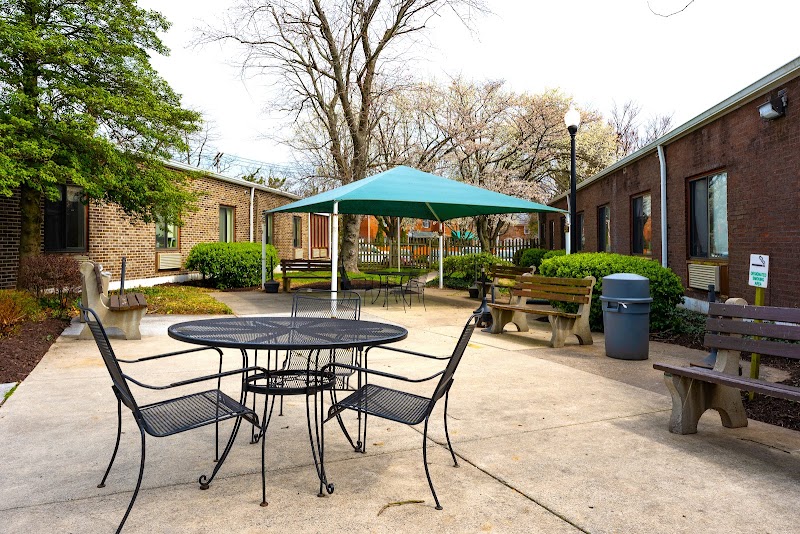
Who Owns and Operates Autumn Lake Healthcare At Homewood?

AUTUMN LAKE HEALTHCARE AT HOMEWOOD is owned by a for-profit company. For-profit facilities operate as businesses with obligations to shareholders or private owners. The facility is operated by AUTUMN LAKE HEALTHCARE, a chain that manages multiple nursing homes. With 112 certified beds and approximately 96 residents (about 86% occupancy), it is a mid-sized facility located in BALTIMORE, Maryland.
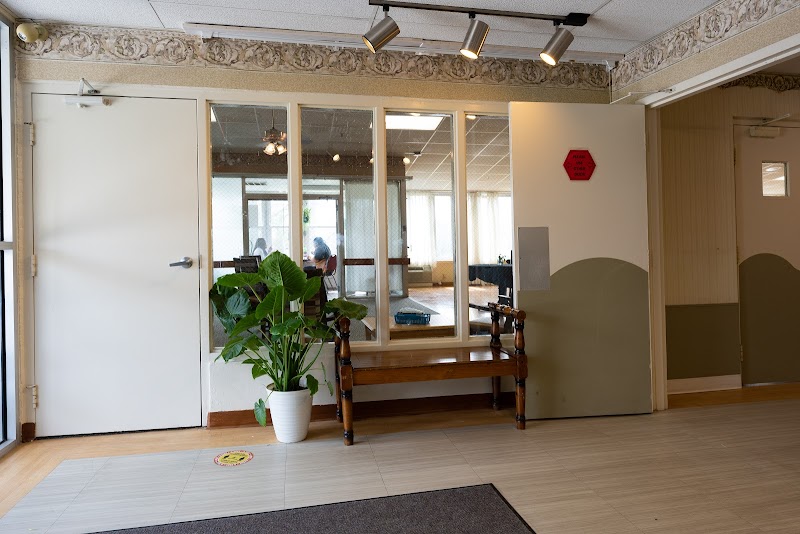
How Does Autumn Lake Healthcare At Homewood Compare to Other Maryland Nursing Homes?

Compared to the 100 nursing homes in Maryland, AUTUMN LAKE HEALTHCARE AT HOMEWOOD's overall rating (2 stars) is below the state average of 3.0, staff turnover (58%) is significantly higher than the state average of 46%, and health inspection rating (2 stars) is below the national benchmark.

What Should Families Ask When Visiting Autumn Lake Healthcare At Homewood?

Based on this facility's data, families visiting should ask: "What safeguards and monitoring systems are in place to protect residents from abuse or neglect?" "How do you ensure continuity of care given staff turnover, and what is your staff retention strategy?" "Can you walk me through typical staffing levels on day, evening, and night shifts?" "Can I visit during a mealtime to observe dining assistance and food quality?" These questions are particularly relevant given the substantiated abuse finding on record, the facility's high staff turnover rate, and the below-average staffing rating.

Is Autumn Lake Healthcare At Homewood Safe?

Based on CMS inspection data, AUTUMN LAKE HEALTHCARE AT HOMEWOOD has documented safety concerns. The facility has 1 substantiated abuse finding (meaning confirmed case of resident harm by staff or other residents). The facility has a 2-star overall rating and ranks #100 of 100 nursing homes in Maryland. Families considering this facility should ask detailed questions about what corrective actions have been taken since these incidents.

Do Nurses at Autumn Lake Healthcare At Homewood Stick Around?

Staff turnover at AUTUMN LAKE HEALTHCARE AT HOMEWOOD is high. At 58%, the facility is 12 percentage points above the Maryland average of 46%. Registered Nurse turnover is particularly concerning at 59%. RNs handle complex medical decisions and coordinate care — frequent RN changes can directly impact care quality. High turnover means new staff may not know residents' individual needs, medications, or preferences. It can also be disorienting for residents, especially those with dementia who rely on familiar faces. Families should ask: What is causing the turnover? What retention programs are in place? How do you ensure care continuity during staff transitions?

Was Autumn Lake Healthcare At Homewood Ever Fined?

AUTUMN LAKE HEALTHCARE AT HOMEWOOD has no federal fines on record. CMS issues fines when nursing homes fail to meet care standards or don't correct problems found during inspections. The absence of fines suggests the facility has either maintained compliance or corrected any issues before penalties were assessed. This is a positive indicator, though families should still review recent inspection reports for the full picture.

Is Autumn Lake Healthcare At Homewood on Any Federal Watch List?

AUTUMN LAKE HEALTHCARE AT HOMEWOOD is not on any federal watch list. The most significant is the Special Focus Facility (SFF) program, which identifies the bottom 1% of nursing homes nationally based on persistent, serious quality problems. Not being on this list means the facility has avoided the pattern of deficiencies that triggers enhanced federal oversight. This is a positive indicator, though families should still review the facility's inspection history directly.