AUTUMN LAKE HEALTHCARE AT OVERLEA
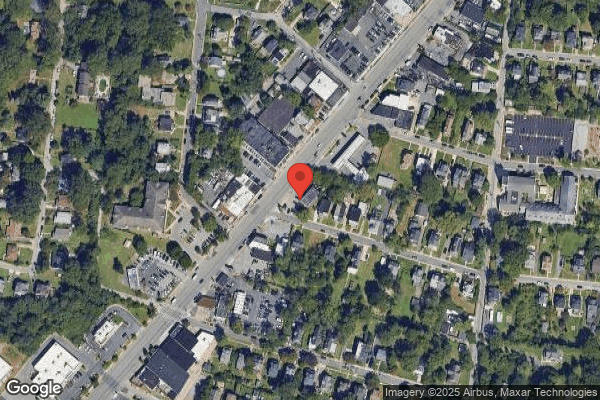
6116 BELAIR ROAD, BALTIMORE, MD 21206 (410) 426-1424
For profit - Corporation 160 Beds AUTUMN LAKE HEALTHCARE Data: November 2025
Trust Grade
40/100
#186 of 219 in MD
Last Inspection: April 2025

Within standard 12-15 month inspection cycle. Federal law requires annual inspections.

Overview

Autumn Lake Healthcare at Overlea has a Trust Grade of D, indicating below-average quality and some concerns about care. They rank #186 out of 219 facilities in Maryland, placing them in the bottom half of options available in the state, and #25 out of 26 in Baltimore City County, meaning there is only one local facility rated higher. Unfortunately, the facility is worsening, with issues increasing from 8 in 2021 to 23 in 2025. Staffing is relatively stable with a turnover rate of 33%, which is better than the state average, but they have concerning RN coverage, being below 95% of other Maryland facilities. While there have been no fines reported, the inspector found significant issues, such as failure to sanitize dishes properly and unlabeled bathroom basins, which could lead to contamination risks. Overall, while there are some strengths, like staffing stability and absence of fines, the increasing number of health and safety concerns should be carefully considered by families.

Trust Score
D
40/100
In Maryland
#186/219
Bottom 16%
Safety Record
Low Risk
No red flags
Inspections
Getting Worse
8 → 23 violations
Staff Stability
○ Average
33% turnover. Near Maryland's 48% average. Typical for the industry.
Penalties
✓ Good
No fines on record. Clean compliance history, better than most Maryland facilities.
Skilled Nurses
⚠ Watch
Each resident gets only 23 minutes of Registered Nurse (RN) attention daily — below average for Maryland. Fewer RN minutes means fewer trained eyes watching for problems.
Violations
⚠ Watch
59 deficiencies on record. Higher than average. Multiple issues found across inspections.
★☆☆☆☆
1.0
Overall Rating
★★☆☆☆
2.0
Staff Levels
★☆☆☆☆
1.0
Care Quality
★★☆☆☆
2.0
Inspection Score
Stable
2021: 8 issues
2025: 23 issues

The Good

  • Full Sprinkler Coverage · Fire safety systems throughout facility
  • No fines on record
  • Staff turnover below average (33%)

    15 points below Maryland average of 48%

Facility shows strength in fire safety.

The Bad

1-Star Overall Rating

Below Maryland average (3.0)

Significant quality concerns identified by CMS

Staff Turnover: 33%

13pts below Maryland avg (46%)

Typical for the industry

Chain: AUTUMN LAKE HEALTHCARE

Part of a multi-facility chain

Ask about local staffing decisions and management

The Ugly 59 deficiencies on record

Apr 2025 12 deficiencies
CONCERN (D)

Potential for Harm - no one hurt, but risky conditions existed

Safe Environment (Tag F0584)

Could have caused harm · This affected 1 resident

Based on observations and staff interviews, it was determined that the facility failed to provide a clean, comfortable and homelike environment. This was found to be evident in 2 (G10 and G11) out of ...

Read full inspector narrative →
Based on observations and staff interviews, it was determined that the facility failed to provide a clean, comfortable and homelike environment. This was found to be evident in 2 (G10 and G11) out of 11 ground floor rooms reviewed during the annual survey. The findings include: On 04/29/25 at 10:33 AM, the surveyors observed the environment of the resident's room. The room was dirty, sticky on the floor when stepped on, and the bathroom wall had brown stains smeared on the wall. On further observation, the surveyors saw that the window blinds were broken, the ceiling tiles were coming apart, the toilet pipe wasn't fixed in the wall and the wall was cracked around the pipe. The floor was cracked and broken at the joint at the entry to the bathroom. On 04/29/25 at 11:42 AM, interviews and observations were conducted with the Administrator, Maintenance Director, and Account Manager of the Healthcare Services Group (AMHSG) were conducted to review the concerns. The Maintenance Director said the facility performed some repairs and contracted out other repair work when necessary. The AMHSG, who had oversight for environmental services, acknowledged the surveyor's concerns and stated the room would be cleaned. The Administrator acknowledged the concerns and stated the facility is working on all environmental concerns.
CONCERN (D)

Potential for Harm - no one hurt, but risky conditions existed

Comprehensive Care Plan (Tag F0656)

Could have caused harm · This affected 1 resident

Based on medical record review and interview it was determined that the facility staff failed to implement a patient centered care plans for dental care and integumentary care. This deficient practice...

Read full inspector narrative →
Based on medical record review and interview it was determined that the facility staff failed to implement a patient centered care plans for dental care and integumentary care. This deficient practice was evidenced in 3 (#25, #37, #112) of five resident records reviewed for dental and integumentary care during the recertification survey. The findings include: On 04/25/25 at 1:41 PM a review of Resident #37 electronic medical record revealed the resident did not have a care plan for dental care. On 04/28/25 at 9:21 AM a review of Resident #25 electronic medical record (EMR) revealed the resident did not have a care plan for dental care. On 04/30/25 at 11:39 AM a review of Resident #112 EMR revealed a care plan for integumentary care was not initiated although the resident is ordered to receive a skin treatment twice a day for his/her skin condition. On 04/30/25 at 11:56 AM during an interview with the Director of Nursing (DON) the surveyor asked, should Resident's #25 & #37 have a care plan for poor dentition and should Resident #112 have an integumentary care plan? The DON verbalized that each resident mentioned should have care plans. He/she would have to ask the Unit Managers why care plans for the residents were not initiated. The management team randomly review care plans on a weekly basis. Unit Managers review care plans daily and update the care plans as changes occur.
CONCERN (D) 📢 Someone Reported This

A family member, employee, or ombudsman was alarmed enough to file a formal complaint

Potential for Harm - no one hurt, but risky conditions existed

ADL Care (Tag F0677)

Could have caused harm · This affected 1 resident

Based on medical record review and resident's family and staff interviews it was determined the facility staff failed to ensure that dependent resident's personal hygiene needs were adequately met by ...

Read full inspector narrative →
Based on medical record review and resident's family and staff interviews it was determined the facility staff failed to ensure that dependent resident's personal hygiene needs were adequately met by offering and providing showers as scheduled. This was evident for 1 of 1 (101) residents reviewed during the survey process. The findings include: In an interview with Resident #101's son on 4/24/2025 at 12:00 PM, revealed that Resident #101 stated they don't give showers I get a bed bath every day. I would like a shower. The son stated that the resident had asked their spouse to take them to the shower, but the spouse was physically unable to do so and instead gave the resident a sponge bath. The Resident's son reported that both the water and the washcloth that had been used were black with dirt. The complainant also reported that the Resident had stated that they were itchy from lack of washing. Review of Resident #101's most recent MDS revealed that s/he is totally dependent for bathing requiring extensive assistance for all Activities of Daily Living (ADL). The Minimum Data Set (MDS) is a federally mandated assessment tool that helps nursing home staff gather information on each resident's strengths and needs. The information collected drives resident care planning decisions. MDS assessments need to be accurate to ensure each resident receives the care they need. Further review of Resident #101's shower schedule which is every Tuesday and Friday, as well as the Geriatric Nursing Assistant (GNA) task documentation on the Task Administration Record (TAR) revealed that from 3/25/2025 until 4/18/2025, Resident #101 received no showers. The Director of Nursing (DON) was made aware of this concern on 4/30/2025 at 1:30 PM and a request for documentation of the resident receiving a shower was made. The DON provided a copy of the TAR for April that confirmed that the resident had not been showered.
CONCERN (D)

Potential for Harm - no one hurt, but risky conditions existed

Quality of Care (Tag F0684)

Could have caused harm · This affected 1 resident

Based on observations, medical record reviews, and interviews it was determined that the facility staff: 1) failed to clarify a physician's order, failed to monitor a resident for extrapyramidal side ...

Read full inspector narrative →
Based on observations, medical record reviews, and interviews it was determined that the facility staff: 1) failed to clarify a physician's order, failed to monitor a resident for extrapyramidal side effects who was prescribed psychotropic medication, failed to ensure a resident received their therapeutic treatment for a skin condition, and 2) failed to follow through on laboratory monitoring recommendations. This was found evident of 3 (Resident #72, #112, and #126) out of 6 Residents reviewed for medication regimen review. The findings include: 1) During observation rounds on 04/24/24 at 11:03 AM the surveyor observed Resident #112 skin was extremely dry and scaly. A review of the resident's electronic medical record revealed the resident was diagnosed with Atopic Dermatitis. On 04/29/25 at 9:42 AM a review of Resident #112 treatment administration record (TAR) revealed the resident was ordered to receive a dermatologic cream to their skin twice a day. Further review of the order revealed the physician failed to indicate where the cream should be applied. At 1:40 PM the surveyor went to the resident's room and observed their arms were ashen and face was dry. The surveyor asked Geriatric Nursing Assistant (GNA) #27 did they apply the cream to Resident #112 skin. GNA #27 verbalized the cream was applied to the resident's skin that morning. The surveyor asked to see the cream and the GNA was unable to find the prescribed cream. The surveyor asked Licensed Practical Nurse (LPN) #30 to show the surveyor the prescribed cream. The surveyor observed LPN # 30 check the treatment cart twice and the medication cart and the cream were not available. LPN #30 verbalized the previous nurse failed to reorder the cream. The Director of Nursing was made aware the cream was not available to apply to the resident's skin and the lack of clarity to where the cream should have been applied. On 04/30/25 at 12:01 PM, during an interview with the Director of Nursing the surveyor asked what the process is to ensure that physician orders are reviewed and carried out effectively. The DON verbalized the management team goes through the order listing daily to see if they are correct. Also, they randomly pick orders for review during the morning on a weekly basis. On 04/30/25 at 8:37 AM a review of Resident #72 pharmacy recommendation dated 02/18/25 indicated there was a recommendation to monitor the resident for effectiveness and adverse consequences. The pharmacy review was signed on 02/25/25. Review of the MAR/TAR in February, March, and April revealed there was no documentation indicating the resident was being monitored for extrapyramidal side effects. On 04/30/25 at 11:25 AM the DON #2 was made aware Resident #72 was prescribed psychotropic medications (EPS) and there was a recommendation to monitor the resident for extrapyramidal side effect. The DON verbalized they did not see an order to monitor for EPS. When a resident is prescribed a psychotropic medication the standard of practice is to monitor the resident for EPS. 2) On 4/29/25 at 12 noon, the surveyor reviewed Resident #126's medical record. The review revealed that an order for Resident #126 was written on 8/2/24, to take Ferrous Sulfate (iron) 325 milligrams twice daily. On further review the surveyor noted that on 3/13/25 a pharmacist completed a Medication Regimen Review (MRR) and noted that he/she made recommendations. The surveyor requested the report with the recommendations. On 4/30/25 at 9:33 AM, the surveyor reviewed the report from the 3/13/25 MRR. The recommendations were to monitor laboratory (labs) values related to iron supplement and noted the last iron lab levels were from November of 2024. The labs to monitor were, Complete Blood Count (CBC), ferritin (a protein that stores iron in the body, is measured in a blood test to assess iron stores), Total Iron Binding Capacity (TIBC) (measures the blood's ability to bind with iron), and Transferrin saturation (TSAT) (amount of iron in the blood that is bound to transferrin). A provider signed the recommendation and checked I accept the recommendation above, please implement as written. Next the surveyor reviewed the labs ordered. The review revealed the only labs ordered after the recommendation were CBC, Comprehensive Metabolic Panel (CMP), and lipid. No Ferritin, TIBC or TSAT were ordered. On 4/30/25 at 10:48 AM, the surveyor interviewed the Director of Nursing (DON). During the interview the surveyor reviewed the concern that the recommendation for lab monitoring that the provider agreed to do was not completed. The DON stated she would follow-up and review the lab order for Resident #126 On 4/30/25 at 11:15 AM, the surveyor conducted a follow-up interview with the DON. During the interview the DON confirmed that the iron labs were missed from the lab order. She further stated that she had obtained an order to add the missed labs to the blood work that was drawn today for Resident #126 and to monitor every 3 months as recommended.
CONCERN (D)

Potential for Harm - no one hurt, but risky conditions existed

Drug Regimen Review (Tag F0756)

Could have caused harm · This affected 1 resident

Based on medication record review and interviews it was determined that the facility staff failed to act upon a pharmacy recommendation to add a dosage to a supplement prescribed to a resident. The de...

Read full inspector narrative →
Based on medication record review and interviews it was determined that the facility staff failed to act upon a pharmacy recommendation to add a dosage to a supplement prescribed to a resident. The deficient practice was evidenced in 1 (#127) of 2 pharmacy recommendations reviewed during the recertification survey. The findings include: On 04/28/25 at 10:38 AM a review of the pharmacist recommendations revealed there was a recommendation dated 02/19/25 in which the nursing staff failed to act upon. During an interview with the Director of Nursing (DON) at 12:25 PM the surveyor asked what the process is for addressing pharmacy recommendations. The DON verbalized the recommendations are received via email and the unit managers print the reviews and give them to the physicians. After they review the recommendations, the management team checks to see if there is a new order to be carried out. The form is signed and given to Medical Records to file. On 04/30/25 at 9:36 AM review of the pharmacy review dated 02/19/25 revealed Cyanocobalamin did not have strength. There are multiple doses of the supplement, but the order writes 1 tab PO QD. The pharmacy review was not signed. A dose was not added to the supplement until 04/28/25 at 1349 (1:49 PM). The Licensed Practical Nurse (LPN) #30 signed off the dose as given at 800 AM and 900 AM (500 mg). At 11:53 AM the DON verbalized they were unable to explain why the pharmacy recommendation was not addressed. The DON was made aware that LPN #30 signed off that the supplement was given twice.
CONCERN (E)

Potential for Harm - no one hurt, but risky conditions existed

Deficiency F0558 (Tag F0558)

Could have caused harm · This affected multiple residents

Based on observations and interviews it was determined that the facility staff failed to ensure residents had their call bells in reach to notify the staff when assistance was needed. This deficient p...

Read full inspector narrative →
Based on observations and interviews it was determined that the facility staff failed to ensure residents had their call bells in reach to notify the staff when assistance was needed. This deficient practice was evidenced in 5 (#5, #30, #47, #94, #97) resident observed without their call bells during the recertification survey. The findings include: During observation rounds on 04/23/25 at 8:25 AM the surveyor observed Resident #47 call bell on the floor and Resident # 30 call bell was on the other side of the room which was not in reach. Geriatric Nursing Assistant (GNA) # 27 confirmed the residents did not have their call bells. At 8:43 AM the surveyor observed Resident # 94's call bell on the floor near the left side of the bed. At 9:08 AM the surveyor observed Resident #97's call bell on the floor near the right side of the bed. At 9:10 AM the surveyor observed Resident #5's call bell on the floor on the left side of the bed. On 04/29/25 at 9:53 AM during an interview with the Assistant Director of Nursing (ADON) #1 the surveyor asked, does the management team expect the staff to ensure the residents have their call bells? ADON #1 verbalized, every resident should always have their call bells. However, from time to time the call bell can fall. The nursing staff round at least every 2 hours. If they see a call bell on the floor, the staff will raise it and ask questions regarding whether the residents need anything. ADON #1 was made aware of the surveyor's observations while performing resident rounds.
CONCERN (E)

Potential for Harm - no one hurt, but risky conditions existed

Deficiency F0730 (Tag F0730)

Could have caused harm · This affected multiple residents

Based on review of Geriatric Nursing Assistant personnel files and staff interview, it was determined that the facility staff failed to conduct yearly performance reviews at least every 12 months on 3...

Read full inspector narrative →
Based on review of Geriatric Nursing Assistant personnel files and staff interview, it was determined that the facility staff failed to conduct yearly performance reviews at least every 12 months on 3 out of 5 personnel files reviewed. The findings included: On 4/29/25 at 8:03 AM, the surveyor reviewed 5 Nursing Assistant employees' files. The review revealed that the employee files for Staff # 20, 21, and 22 (all three staff had been employed over a year) did not contain a yearly performance reviews. On 4/29/2025 at 9:21 AM, the surveyor conducted an interview with the Assistant Director of Nursing (ADON) who was also in charge of staff development. During the interview the surveyor asked if GNAs had yearly performance reviews. The ADON stated he had just started in October of last year and would follow-up. On 4/30/25 at 8:22 AM, the surveyor conducted an interview with the Nursing Home Administrator (NHA). During the interview the NHA confirmed that annual evaluations of GNA were not being completed.
CONCERN (E)

Potential for Harm - no one hurt, but risky conditions existed

Deficiency F0761 (Tag F0761)

Could have caused harm · This affected multiple residents

Based on observations, staff interviews, and records review, it was determined that the facility failed to adhere to the professional standards of practice regarding medication storage. This was found...

Read full inspector narrative →
Based on observations, staff interviews, and records review, it was determined that the facility failed to adhere to the professional standards of practice regarding medication storage. This was found to be evident in 2 (Ground, and 2nd floor) out of 2 medicine drawers and 1 (2nd floor) out of 2 medication storage rooms reviewed for medicine storage. The findings include: On 04/25/25 at 8:00 AM, the surveyors reviewed the medicine room with LPN # 3 on the 2nd floor. The surveyors observed a blister pack labelled Famotidine 20 mg tablet that expired on 10/26/ 2024.The surveyor verified with LPN # 3 that the medication expired. LPN # 3 stated that the drugs would be removed and returned to the pharmacy. On 4/28/25 at 08:57 AM the surveyors observed the 3rd floor medication cart with RN # 13 and found 11 loose pills. The surveyors asked where the pills came from. RN # 13 stated the pills might have fallen out of the packets and she would turn them in to Unit Manager # 4. On 04/28/25 at 11:00 AM, the surveyors observed 4 loose pills in the ground floor medication cart. LPN # 11 stated that she did not know where the pills came from. She further stated that when a loose pill is found, it is given to Unit Manager # 3.
CONCERN (E)

Potential for Harm - no one hurt, but risky conditions existed

Safe Environment (Tag F0921)

Could have caused harm · This affected multiple residents

**NOTE- TERMS IN BRACKETS HAVE BEEN EDITED TO PROTECT CONFIDENTIALITY** Based on observations and interviews it was determined that the facility staff failed to consistently provide a clean, comfortab...

Read full inspector narrative →
**NOTE- TERMS IN BRACKETS HAVE BEEN EDITED TO PROTECT CONFIDENTIALITY** Based on observations and interviews it was determined that the facility staff failed to consistently provide a clean, comfortable and home-like environment. This deficient practice was discovered during the recertification survey. The findings include: During observation rounds on 04/23/25 at 8:16 AM the clothing armoire door was hanging off in room [ROOM NUMBER]. At 8:32 AM the surveyor observed an empty bottle of Pepsi, a folded piece of paper, two small blue packs of a snack, and tissues under Resident #25's bed. At 8:41 AM the surveyor observed the toilet paper dispenser was broken and the middle light bulb was out in the shared bathroom between Rooms 213 & 215. Geriatric Nursing Assistant (GNA) #28 confirmed the surveyor's findings. At 8:47 AM the surveyor observed room [ROOM NUMBER]-B did not have a privacy curtain. At 8:50 AM the surveyor observed room [ROOM NUMBER]-B did not have a privacy curtain. At 8:53 AM the surveyor noticed the faucet was loose and the surveyor was unable to turn the water off in the shared bathroom between Rooms 208-210. At 9:03 AM, the third light on the light fixture was blown and there were stains on the wall behind the commode in the shared bathroom. At 9:11 AM the surveyor observed the third drawer was missing on Resident #121's dresser. On 04/24/25 at 10:13 AM the surveyor observed an empty bottle of Pepsi, a folded piece of paper, two blue small packs of a snack, and multiple tissues and packets of sweetener under Resident #25's bed. Some of the items were observed under the bed the previous day. On 04/29/25 at 9:58 AM the surveyor informed Assistant Director of Nursing (ADON) #1 of the observations made during the initial walkthrough of the facility. The surveyor asked ADON to explain the process in which the staff report maintenance concerns. ADON #1 verbalized there was a binder on every unit for the staff to report maintenance concerns. If there is an urgent need they are expected to call the Maintenance Director directly. They don't determine what is urgent, they just write it in the binder. On 04/30/25 at 12:22 PM during an interview with the Maintenance Director #16 and the Administrator, the surveyor asked if there was a preventative maintenance schedule in place. Maintenance Director #16 verbalized that room audits are completed depending on the issues they found. They can do 2-3 rooms a week, but they try to do a room daily. Every resident's room is audited quarterly. They have a preventive maintenance list. The maintenance assistant takes care of the problems reported in the binder. They also have TELS to report maintenance issues. The GNA's document maintenance problems in the binder and the nurses' document in TELS.
CONCERN (F)

Potential for Harm - no one hurt, but risky conditions existed

Deficiency F0567 (Tag F0567)

Could have caused harm · This affected most or all residents

Based on record review and interview it was determined that the facility staff failed to ensure residents whose funds were managed by the facility had access to their money anytime. This deficient pra...

Read full inspector narrative →
Based on record review and interview it was determined that the facility staff failed to ensure residents whose funds were managed by the facility had access to their money anytime. This deficient practice was evidenced in 94 of 94 resident accounts being managed by the facility staff. The findings include: On 04/28/25 at 11:28 AM during an interview with Business Office Manager # 31 the surveyor asked a series of questions related to the residents' ability to access their finances. Business Officer Manager #31 verbalized the normal business hours at the facility was 8:30 AM-5:00 PM Monday-Friday and he/she is available on Friday if any of the residents need money for the weekend. Prior to the Coronavirus Disease 2019 (COVID-19) pandemic the Receptionist would give the residents money. If they worked on Saturday or Sunday he/she would be available to give them money. When asked can residents access their funds on the weekend? Business Office Manager #31 verbalized nobody can access the funds during the weekend. When asked how many residents funds are being managed, Business Office Manager #31 verbalized they are managing 157 resident accounts. On 04/28/25 at 2:22 PM a review of the Trail Balance list of residents with financial accounts revealed that there were 94 open resident accounts that had a balance. During the beginning of the recertification survey on 04/23/25 the facility census was reported by the Administrator as 141 residents.
CONCERN (F)

Potential for Harm - no one hurt, but risky conditions existed

Food Safety (Tag F0812)

Could have caused harm · This affected most or all residents

**NOTE- TERMS IN BRACKETS HAVE BEEN EDITED TO PROTECT CONFIDENTIALITY** Based on observation, record review and interviews it was determined that the facility staff failed to ensure the high temperatu...

Read full inspector narrative →
**NOTE- TERMS IN BRACKETS HAVE BEEN EDITED TO PROTECT CONFIDENTIALITY** Based on observation, record review and interviews it was determined that the facility staff failed to ensure the high temperature dishwasher's final rinse was at the temperature to sanitize the dishes and utensils at the required 180F-Fahrenheit degree temperature,and 2) failed to ensure that the foods are stored, prepared, distributed, and served in accordance with professional standards for food service safety procedures. This was evident for 11 of 11 food service and kitchen equipment in the kitchen areas noted during survey activities. The findings include: 1) On 04/23/25 at 10:15 AM, an initial tour of the kitchen area was conducted with the District Manager and the Dietary Manager. A record review of the mechanical dishwasher log revealed that the final rinse temperatures did not reach the required final rinse temperature of 180F on 04/23/2025 at 10:17 AM as indicated on the data plate by the unit manufacturer specifications. A follow up observation of the dishwasher was conducted on 04/23/2025 at 10:22 AM. The first final rinse cycle temperature measured 162F and the second final rinse cycle temperature measured 163F. On 04/23/25 at 10:40 AM, an interview with the District Manager and the Dietary Manager, revealed that the ventilation system was improperly pulling the steam out the mechanical dishwashing area which triggered the fire alarm a week prior to the survey. The staff indicated that the unit was switched to operate as low temperature washing with chemical sanitizing for the rinse cycle. A 30-gallon chlorine sanitizing bucket was observed next to the booster heater to confirm the staff statement. The surveyors observed excessive food debris, and grease build-up inside and outside the unit. The staff were notified not to use the dishwasher until it was deep cleaned and a final chemical sanitizing level must be noted on the dishwashing log for verification. On 4/23/25 at 10:44 AM, the clean dish warming carts were observed visibly soiled on the inside and outside the carts. An interview with the District Manager revealed that the units are scheduled to be deep cleaned. On 04/23/25 at 10:46 AM, surveyors observed the 3-compartment sink set-up and verified the sanitizing dispenser potency level was too strong which exceeded the 400 parts per million (ppm) level. 2) On 4/23/25 at 10:47 AM, the 3-compartment sink dump test revealed that the grease trap interceptor could not handle the flowrate of the greywater discharge, causing greywater to overflow from the top lid of the unit onto the kitchen floor. An interview with the District Manager verified that both the position of the grease trap interceptor and the elevated flowrate of the greywater discharge impeded proper drainage. Therefore, the kitchen staff were instructed to release the vats gradually, one at a time. At 10:50 AM, the Administrator confirmed that a licensed grease removal company would increase the frequency of cleaning of the grease trap interceptor. On 4/23/25 at 10:55 AM, surveyors observed a 55-gallon trashcan placed less than five inches from the ice machine and in front of a cracked wall-mounted ice scoop holder with an ice scoop in it. An interview with the Administrator revealed that the broken wall- mounted ice scoop holder was ordered and the trashcan will not be placed next to the ice machine to avoid potential cross-contamination. On 4/23/25 at 11:40 AM, surveyors observed a beverage dispenser near a food prep area. An interview with Staff #25, revealed that only one of the four bag-in--the- box beverages, which was a cranberry juice flavor, was only being used. After examination of the water line, the unit was stored in unsanitary conditions. Staff #25 confirmed that the beverage dispenser was no longer in use and will be removed from the kitchen area. On 4/23/25 at 11:51 AM a tour of the kitchen with the Maintenance Director revealed that he was unable to verify that the backflow prevention devices on the waterlines of the ice maker, coffee maker, dishwasher, mop sink, and sanitizing dispensers at the 3-compartment sink and the dishwasher have been replaced or inspected by a licensed plumber. On 4/28/25 at 2:40 PM, surveyors observed a visibly soiled non-commercial light blue portable ice chest cooler with its lid falling off the hinges, which was used to store ice for resident use, placed on top of a noticeably unclean rolling cart on the second floor. On 4/29/25 at 11:00 AM, surveyors notified Staff #10 of the broken non-commercial portable ice chest coolers located on the resident floors and requested information about cleaning schedules for the equipment. Staff #10 explained that the portable ice chest coolers got washed, rinsed, and sanitized every night. Then placed in a designated area on a stainless-steel pre-table to air dry. The kitchen staff filled the portable ice chest coolers, which were collected by one of the unit nurses each morning for delivery to their residents. The cleaning schedules were not provided to the surveyor. A follow up interview with the Administrator revealed that the broken portable ice chest cooler was removed from use in the facility. On 4/29/25 at 11:05 AM, during the interview with the Staff #10 , surveyors observed excessive buildup of dirt, dust, debris, and food spills on the wall mounted knife holder. The District Manager in training promptly removed the knife holder off the wall for cleaning and explained that a cleaning schedule would be implemented for the knife holder. On 4/30/25 at 12:20 PM, the Administrator provided the make and model number for the non-commercial portable ice chest cooler as: [NAME] model number [PHONE NUMBER]-5295-5242.
CONCERN (F)

Potential for Harm - no one hurt, but risky conditions existed

Infection Control (Tag F0880)

Could have caused harm · This affected most or all residents

Based on observations and interviews it was determined that the facility staff: 1) failed to label residents basins and urinals to prevent cross contamination of bodily fluids in shared bathrooms loca...

Read full inspector narrative →
Based on observations and interviews it was determined that the facility staff: 1) failed to label residents basins and urinals to prevent cross contamination of bodily fluids in shared bathrooms located on the second floor and 2) failed to ensure that the clean linens were kept separate from the contaminated linen by the use of separate rooms, closets, or other designated spaces with a closing door to provide secure methods for reducing the risk of accidental contamination within the laundry rooms. This was observed during an annual survey. The findings include: 1) During observation rounds on 04/24/25 at 8:26 AM the surveyor observed two round and 1 square unlabeled basin in the shared bathroom between Rooms 205-207 located on the second floor. There was an unlabeled urinal in the bathroom as well. The surveyor asked Geriatric Nursing Assistant # 27 how the staff deciphers which basin belongs to each resident. GNA #27 verbalized they usually write the room numbers on the basin so they could know which resident's they belong to. At 8:34 AM the surveyor observed a used urinal in a shared bathroom for the residents in Rooms 209-211. On 04/29/25 at 10:04 AM the surveyor informed Assistant Director of Nursing (ADON)/Infectious Preventionist (IP) #1 the surveyor observed unlabeled basins and urinals in shared bathrooms located on the second floor. The surveyor asked what the management expects of the staff in relation to preventing cross contamination by using another resident's personal care items. ADON/IP #1 verbalized they have spoken with supervisors and staff about the issue; it's an infection control issue. They have come in the middle of the night and discarded basins. They monitor the issue on a routine basis. Extensive education has been done with the staff. The findings include: 2) On 04/29/25 at 11:10 AM, an initial tour of the laundry areas was conducted with Staff #17. The lower corner of the drywall, which divided the dirty laundry room from the clean laundry room, revealed exposed wall frames and a gap caused by water damage. On 04/29/25 at 11:15 AM, the surveyors noted that grey water was splashing onto the drywall. This resulted in the drywall becoming saturated with the discharged grey water, with the moisture extending to the corner edge and reaching the corner ceiling. Additionally, the washing machine drain line was supported by an empty 30-gallon bucket positioned on its side, while another empty 30-gallon bucket was situated inside the floor sink. On 04/29/25 at 11:25 AM, the surveyors observed two washing machines, which showed excessive brownish and whitish residues accumulated on both the interior and exterior surfaces of the doors, door gaskets, and door handles. At 11:27 AM, Staff #17 acknowledged the significant accumulation of substances on the washing machines and agreed to thoroughly deep clean both the interior and exterior of the units to avoid potential cross-contamination. On 04/29/25 at 12:40 PM, the Administrator was interviewed about the damaged dry wall and the improper use of the empty 30-gallon buckets in the laundry rooms. The Administrator confirmed that the wall and washing machine drainpipes were already scheduled to be repaired. In addition, a properly fitted floor sink cover will be replaced to avoid greywater splashing onto the dry wall areas.
Feb 2025 11 deficiencies
CONCERN (D) 📢 Someone Reported This

A family member, employee, or ombudsman was alarmed enough to file a formal complaint

Potential for Harm - no one hurt, but risky conditions existed

Notification of Changes (Tag F0580)

Could have caused harm · This affected 1 resident

Based on record review and interview it was determined that the facility staff failed to immediately inform the resident representative of the residents' transfer to the hospital. This was evident for...

Read full inspector narrative →
Based on record review and interview it was determined that the facility staff failed to immediately inform the resident representative of the residents' transfer to the hospital. This was evident for 1 (#16) of 42 residents reviewed during the complaint survey. The findings include: Resident #16's medical record was reviewed on 2/18/25 at 9:33 AM. A change in Condition progress note dated 1/21/24 at 00:15 (12:15 AM) indicated that Resident #16 was found lying on the floor. Upon assessment the resident had no apparent injuries however his/her oxygen saturation (SpO2) was 75% (Normal SpO2 is between 95%-100%). A respiratory assessment revealed diminished lung sounds and grunting-like breathing. The physician was notified and ordered oxygen administration and if there was no improvement, send to the emergency room (ER) for further evaluation. The note indicated that the resident's representative was made aware. It did not identify the time of the notification. Another progress note at 1:00 AM on 1/21/24 indicated that the resident's oxygen saturation improved to 85%, and 911 was called for ER evaluation. The note did not indicate that the resident's representative was updated. A Change in Condition/Concurrent Review note dated 1/21/24 at 6:44 AM reflected the unwitnessed fall, assessment findings, and the interventions ordered by the physician. The note indicated the resident's representative, including name, was notified on 1/21/24 at 6:00 AM. The facility Administrator was informed of these findings on 2/18/25 at 11:35 AM. He was unable to provide additional evidence that Resident #16's representative was informed immediately of his/her hospital transfer.
CONCERN (D) 📢 Someone Reported This

A family member, employee, or ombudsman was alarmed enough to file a formal complaint

Potential for Harm - no one hurt, but risky conditions existed

Report Alleged Abuse (Tag F0609)

Could have caused harm · This affected 1 resident

Based on review of facility reported incidents and staff interview, it was determined the facility failed to provide documentation that allegations of abuse were reported timely to the appropriate age...

Read full inspector narrative →
Based on review of facility reported incidents and staff interview, it was determined the facility failed to provide documentation that allegations of abuse were reported timely to the appropriate agencies. This was evident for 2 (#26, #27) residents of 42 residents reviewed during a complaint survey. The findings include: 1) On 2/20/25 at 11:49 AM a review of facility reported incident MD00186485 alleged that on 12/6/22 Resident #26 alleged that a geriatric nursing assistant (GNA) had abused the resident during care early on 12/6/22. Review of the facility reported incident was blurred as to the actual time, with it either being at 3:00 AM or 8:00 AM, which was confirmed by the NHA. Review of the email confirmation that was submitted to OHCQ documented that the initial report was not filed until 12/6/22 at 5:25 PM, which was not within 2 hours of suspected abuse. There was no email confirmation as to when the final report was submitted to the Office of Healthcare Quality (OHCQ). On 2/20/25 at 12:05 PM an interview was conducted with the NHA. The NHA confirmed the report was not submitted timely to OHCQ. The NHA stated that he was not employed at the facility during that time.2) On 2/13/25, surveyor review of a facility reported incident for resident #27 revealed the resident alleged on 10/21/22 that a staff member scratched, grabbed and shoved him/her after s/he asked to be sent to the hospital. Further review of the facility report revealed that the facility submitted the initial and final reports to OHCQ. However, the facility's report indicated that local law enforcement was not contacted. The Administrator was made aware of this finding and asked to provide any additional evidence to confirm that the police were contacted. No additional information was provided.
CONCERN (D) 📢 Someone Reported This

A family member, employee, or ombudsman was alarmed enough to file a formal complaint

Potential for Harm - no one hurt, but risky conditions existed

Assessment Accuracy (Tag F0641)

Could have caused harm · This affected 1 resident

Based on medical record review and staff interview, it was determined the facility staff failed to ensure Minimum Data Set (MDS) assessments were accurately coded. This was evident for 2 (#10, #14) of...

Read full inspector narrative →
Based on medical record review and staff interview, it was determined the facility staff failed to ensure Minimum Data Set (MDS) assessments were accurately coded. This was evident for 2 (#10, #14) of 42 residents reviewed during a complaint survey. The findings include: The MDS is part of the Resident Assessment Instrument that was Federally mandated in legislation passed in 1986. The MDS is a set of assessment screening items employed as part of a standardized, reproducible, and comprehensive assessment process that ensures each resident's individual needs are identified, that care is planned based on those individualized needs, and that the care is provided as planned to meet the needs of each resident. 1) On 2/14/25 at 12:25 PM Resident #10's medical record was reviewed and revealed Resident #10 was admitted to Hospice services on 11/9/24. Review of the quarterly MDS with an assessment reference date of 2/10/25, Section O, failed to capture that the resident received Hospice services. On 2/20/25 at 12:55 PM an interview was conducted with the MDS coordinator who confirmed the findings. 2) On 2/19/25 at 7:57 AM Resident #14's medical record was reviewed and revealed a progress note written on 7/18/24 at 8:33AM that documented, Resident verbally aggressive with staff yelling and cursing at them, as well as getting in their face screaming. Not able to be redirected. Psych aware and consult requested. A 7/18/24 at 10:27 AM note documented, Resident making false accusations towards staff. Psych made aware to follow up. MD aware of behaviors. CP updated and ongoing. Review of Resident #14's MDS with an assessment reference date of 7/22/24, Section E, behaviors, Verbal behavioral symptoms directed towards others (e.g., threatening others, screaming at others, cursing at others) was coded, no behaviors. Review of Resident #14's annual MDS with an assessment reference date of 1/3/25, Section N, Medications, documented the resident received a hypnotic medication. Review of Resident #14's January 2025 Medication Administration Record (MAR) failed to reveal a hypnotic medication. On 2/19/25 at 9:57 AM an interview was conducted with the MDS coordinator who stated that the resident received Lorazepam (an antianxiety medication) and that it was also a hypnotic as it had a dual classification. Informed the MDS coordinator the drug had to be coded in the classification that it was intended for according to the physician's order. Review of the January 2025 physician's order documented the medication Lorazepam to be given twice per day for anxiety. On 2/20/25 at 12:49 PM the MDS Coordinator confirmed the errors.
CONCERN (D) 📢 Someone Reported This

A family member, employee, or ombudsman was alarmed enough to file a formal complaint

Potential for Harm - no one hurt, but risky conditions existed

Deficiency F0657 (Tag F0657)

Could have caused harm · This affected 1 resident

Based on record review, observation and staff interview, it was determined the facility staff failed to revise a resident's care plan. This was evident for 1 (#10) of 42 residents reviewed during a co...

Read full inspector narrative →
Based on record review, observation and staff interview, it was determined the facility staff failed to revise a resident's care plan. This was evident for 1 (#10) of 42 residents reviewed during a complaint survey. The findings include: On 2/14/25 at 12:25 PM facility reported incident MD00209375 was reviewed and revealed Resident #10 alleged that on 9/1/24 GNA #23 hurt Resident #10's arm. Review of the facility investigation documented that Resident #10 had a history of banging his/her arm on the side rail. The investigation documented that padding had been placed on the side rail to prevent further injury and that the issue had been care planned. On 2/19/25 at 11:30 AM observation was made of Resident #10 lying in bed having a dressing change by hospice staff. There was a quarter bed rail up on the right side of the bed with a yellow foam noodle on the top of the bed rail. Review of the care plan, has potential for skin tear, failed to have the intervention of padding the side rail. Review of the care plan, has skin tears to right lower arm and has a behavior problem r/t banging the phone, the remote and hand on the side rails of the bed and yelling, failed to have the intervention of padding on the side rail. On 2/20/25 at 2:00 PM an interview was conducted with the Director of Nursing (DON). The care plan was reviewed with the DON. The DON confirmed that the padding was not added to the care plan.
CONCERN (D) 📢 Someone Reported This

A family member, employee, or ombudsman was alarmed enough to file a formal complaint

Potential for Harm - no one hurt, but risky conditions existed

Deficiency F0661 (Tag F0661)

Could have caused harm · This affected 1 resident

**NOTE- TERMS IN BRACKETS HAVE BEEN EDITED TO PROTECT CONFIDENTIALITY** Based on record review and interview with facility staff, it was determined that the facility failed to ensure that a recapitula...

Read full inspector narrative →
**NOTE- TERMS IN BRACKETS HAVE BEEN EDITED TO PROTECT CONFIDENTIALITY** Based on record review and interview with facility staff, it was determined that the facility failed to ensure that a recapitulation of the resident's stay was completed following a resident's discharge from the facility. This was evident for 1 (Resident #23) of 42 residents reviewed during a complaint survey. The findings include: On 2/14/25 at 10:42 AM a record review was conducted for Resident #23. Resident #23 was admitted to the facility in July 2017 for physical and occupational therapy following an amputation of the right leg above the knee. On 1/20/23 a care plan note documented, Family and patient in agreement that they desire the matter of social work addressing alternative nursing home locations. Patient will look to pursue further the Alf [assisted living facility] after that patient is located within another nursing home facility. On 4/28/23 social services documented a Maryland Discharge Instructs for Resident #23 for a discharge of 5/1/23 to an assisted living facility. It was completed by the social worker. Continued review of Resident #23's medical record failed to produce a physician's discharge summary. There was no documentation of what medications Resident #23 should take once discharged and there was no summary for the receiving facility. Further review of Resident #23's medical record revealed the last note documented about the resident was dated 5/13/23. There were no notes after 5/13/23. The last evaluation in the medical record was dated 5/15/23. Review of the census tab in the electronic medical record revealed Resident #23 was discharged on 6/1/23. There was no nursing documentation in the medical record that Resident #23 had left the building to be discharged to an assisted living facility. There was no documentation as to the condition of the resident, how the resident left the building and with whom, and what the resident took when he/she left and what documentation was given to the resident prior to discharge and to the receiving facility. On 2/14/25 at 12:45 PM the Director of Nursing (DON) was interviewed and stated she could not find a discharge summary. The DON stated she looked through the paper chart and electronic chart and she could not find one. On 2/14/25 at 1:40 PM the Nursing Home Administrator (NHA) brought the Discharge summary dated [DATE] and gave it to the surveyor. The NHA stated that what he remembered was that Resident #23 wanted to discharge to assisted living (ALF) but ALF needed the resident to be there by the first of the month in order to collect payment so the resident did not discharge from the facility until 6/1/23. The NHA confirmed that there were no nursing notes to reflect when the resident was discharged . The NHA acknowledged that there was no physician's discharge summary.
CONCERN (D) 📢 Someone Reported This

A family member, employee, or ombudsman was alarmed enough to file a formal complaint

Potential for Harm - no one hurt, but risky conditions existed

ADL Care (Tag F0677)

Could have caused harm · This affected 1 resident

**NOTE- TERMS IN BRACKETS HAVE BEEN EDITED TO PROTECT CONFIDENTIALITY** Based on medical record review and interview, it was determined the facility staff failed to provide showers twice weekly to a r...

Read full inspector narrative →
**NOTE- TERMS IN BRACKETS HAVE BEEN EDITED TO PROTECT CONFIDENTIALITY** Based on medical record review and interview, it was determined the facility staff failed to provide showers twice weekly to a resident (Resident #17). This was evident for 1 of 42 residents reviewed during a complaint survey. The findings include: Review of Resident #17's medical record on 2/14/25 for a concern related not receiving showers from October 2023 until January 2024 revealed the Resident was admitted to the facility on [DATE] with a diagnosis to include dementia. Dementia is a general term for a decline in mental abilities that impacts a person's daily life. It's caused by brain damage that destroys nerve cells. Further review of Resident #17's medical record revealed the facility staff assessed the Resident on 11/7/23 to need supervision and/or touching assistance for showering and bathing. Review of Resident #17's care plans revealed a care plan entitled: Resident has an ADL (Activities of Daily Living) Self Care Performance Deficit related to dementia initiated on 10/26/23 that included an intervention of Resident requires 1 staff participation with bathing. Review of Resident #17's documented showers on Documentation Survey Report and Shower Sheet Assessment Tool for October 2023, November 2023, December 2023 and January 2024 revealed the facility staff documented the Resident received no showers for the 5 days in October 2023, one shower in November 2023, 2 showers in December 2023 and 4 showers in January 2024. Review of the Resident's nursing notes from admission through January 2024 did not reveal any documented refusal of showers by the Resident. During interview with the Director of Nursing (DON) on 2/19/25 at 9:10 AM, the DON stated the expectation is a Resident is to receive 2 showers a week. The DON confirmed the Resident #17 did not receive 2 showers a week from October 2023 until January 2024.
CONCERN (D) 📢 Someone Reported This

A family member, employee, or ombudsman was alarmed enough to file a formal complaint

Potential for Harm - no one hurt, but risky conditions existed

Pressure Ulcer Prevention (Tag F0686)

Could have caused harm · This affected 1 resident

**NOTE- TERMS IN BRACKETS HAVE BEEN EDITED TO PROTECT CONFIDENTIALITY** Based on medical record review and interview, the facility staff failed to provide treatment/services to prevent/heal pressures ...

Read full inspector narrative →
**NOTE- TERMS IN BRACKETS HAVE BEEN EDITED TO PROTECT CONFIDENTIALITY** Based on medical record review and interview, the facility staff failed to provide treatment/services to prevent/heal pressures ulcers for a resident (Resident #1). This is evident for 1 of 3 residents reviewed for pressure ulcers during a complaint survey. The findings included: A pressure ulcer also known as pressure sore or decubitus ulcer is any lesion caused by unrelieved pressure that results in damage to the underlying tissue. Pressure ulcers are staged according the their severity from Stage I (area of persistent redness), Stage II ( superficial loss of skin such as an abrasion, blister or shallow crater), Stage III ( full thickness skin loss involving damage to subcutaneous tissue presenting as a deep crater), Stage IV (full thickness skin loss with extensive damage to muscle, bone or tendon) or Unstageable Pressure Ulcer (full thickness tissue loss in which the base of the ulcer is covered by slough and / or eschar in the wound bed). Review of Resident #1's medical record on 2/14/25 revealed the Resident was admitted to the facility on [DATE] and on 8/15/24 the Resident was assessed by the Wound Care physician for pressure ulcers to bilateral heels. Resident #1 continued to be seen weekly by the Wound Care physician until discharge on [DATE]. Further review of Resident #1's medical record revealed a nurse's note on 8/19/24 at 9:48 PM that stated Resident noted with open areas to sacrum and right buttocks. Review of the 8/19/24 Change of Condition Staff #19 documented doctor notified on 8/19/24 at 10:30 PM and doctor recommendations to apply dry dressing and do wound consult. Review of the Wound Care physician notes on 8/22, 8/29 and 9/6/24 reveal no assessment of the sacral and right buttock wounds to include measurements or changes in the wound's status. Further review of the Wound Care physician notes reveal Resident #1 sacral pressure wound was not assessed until 9/12/24, 24 days after it was discovered. Interview with the Director of Nursing on 2/18/25 at 3:10 PM confirmed Resident #1 sacral pressure ulcer was not assessed by the Wound Care physician until 9/12/24.
CONCERN (D) 📢 Someone Reported This

A family member, employee, or ombudsman was alarmed enough to file a formal complaint

Potential for Harm - no one hurt, but risky conditions existed

Deficiency F0757 (Tag F0757)

Could have caused harm · This affected 1 resident

**NOTE- TERMS IN BRACKETS HAVE BEEN EDITED TO PROTECT CONFIDENTIALITY** Based on medical record review and interview, the facility failed to ensure a resident's drug regimen was free from an unnecessa...

Read full inspector narrative →
**NOTE- TERMS IN BRACKETS HAVE BEEN EDITED TO PROTECT CONFIDENTIALITY** Based on medical record review and interview, the facility failed to ensure a resident's drug regimen was free from an unnecessary drug (Resident #6 and #15). This was evident for 2 of 42 residents reviewed during a complaint survey. The findings include: 1. Review of Resident #15's medical record on 2/14/25 revealed the Resident was admitted to the facility on [DATE] with a diagnosis to include hypertension. Hypertension, also known as high blood pressure, is a condition where the blood pressure in the arteries is consistently elevated above normal levels. Review of Resident #15's physician orders revealed on 4/1/24 the Resident was ordered Metoprolol 25 mg one time a day for high blood pressure, hold if blood pressure is less than 110 or heart rate less than 60. Review of Resident #15 April 2024 Medication Administration Record revealed from 4/1 through 4/14/24 the Resident was administered Metoprolol 2 times outside of the parameters: a) on 4/8/24 at 6:00 PM when the Resident's heart rate was 59 and b) on 4/13/24 at 6:00 PM the Resident's blood pressure was 100/60. Interview with the Director of Nursing on 2/19/25 at 8:19 AM confirmed Resident #15 was administered Metoprolol on 4/8 and 4/13/24 outside of physician ordered parameters. 2. Review of Resident #6's medical record on 2/19/25 revealed the Resident was admitted to the facility on [DATE] with a diagnosis to include hypertension. Hypertension, also known as high blood pressure, is a condition where the blood pressure in the arteries is consistently elevated above normal levels. Review of Resident #6's physician orders revealed on 1/14/25 the Resident was ordered Metoprolol 50 mg one time a day for high blood pressure, hold if blood pressure is less than 110 or heart rate less than 60. Review of Resident #6's February 2025 Medication Administration Record revealed on 2/16/25 the Resident was administered Metoprolol 50 mg outside of the parameters when the Resident's blood pressure was 107/73. Interview with the Director of Nursing on 2/20/25 at 11:05 AM confirmed Resident #6 was administered Metoprolol on 2/16/25 outside of physician ordered parameters.
CONCERN (D) 📢 Someone Reported This

A family member, employee, or ombudsman was alarmed enough to file a formal complaint

Potential for Harm - no one hurt, but risky conditions existed

Deficiency F0840 (Tag F0840)

Could have caused harm · This affected 1 resident

**NOTE- TERMS IN BRACKETS HAVE BEEN EDITED TO PROTECT CONFIDENTIALITY** Based on medical record review and interview, the facility staff failed to schedule a follow up appointment with a consultant fo...

Read full inspector narrative →
**NOTE- TERMS IN BRACKETS HAVE BEEN EDITED TO PROTECT CONFIDENTIALITY** Based on medical record review and interview, the facility staff failed to schedule a follow up appointment with a consultant for a resident (Resident #15). This was evident for 1 of 42 residents reviewed during a complaint survey. The findings include: Review of Resident #15's medical record on 2/14/25 revealed the Resident was admitted to the facility on [DATE] with a diagnosis to include hydronephrosis. Hydronephrosis is a condition where urine backs up into the kidney, causing it to swell. Review of a nurse's note on 3/31/24 at 11:37 PM stated the Resident had a Foley in place. A Foley catheter is a thin, flexible tube inserted into the bladder to drain urine. Review of the Resident's hospital Discharge summary dated [DATE] revealed the Resident's plan: 1. Will need outpatient urology follow up for moderate right hydronephrosis, referral for urology appointment has been made. 2. Foley catheter currently in place, will need voiding trial. Further review of Resident #15's medical record revealed a nurse's note on 4/2/24 at 2:05 PM that stated, Patient was scheduled for follow up urology 4/9/24 appointment as writer spoke to the Resident's responsible party. Medical records was made aware and reported appointment was canceled due to out of network insurance. During interview with Medical Records Staff #19 on 2/19/25 at 8:34 AM, Staff #19 stated no other urology appointment was made for Resident #15 during the Resident's stay until discharge on [DATE]. Further review of Resident #15's medical record revealed no evidence of a voiding trial or follow up urologist appointment was completed for the Resident. Interview with Director of Nursing on 2/19/25 at 8:19 AM confirmed the Surveyor's findings.
CONCERN (E) 📢 Someone Reported This

A family member, employee, or ombudsman was alarmed enough to file a formal complaint

Potential for Harm - no one hurt, but risky conditions existed

Investigate Abuse (Tag F0610)

Could have caused harm · This affected multiple residents

Based on review of facility reported incidents and staff interview, it was determined the facility failed to provide documentation that allegations of abuse were thoroughly investigated. This was evid...

Read full inspector narrative →
Based on review of facility reported incidents and staff interview, it was determined the facility failed to provide documentation that allegations of abuse were thoroughly investigated. This was evident for 4 (#31, #7, #26, #33) residents of 19 facility reported incidents reviewed during a complaint survey. The findings include: 1) On 2/13/25 at 2:00 PM facility reported incident MD00182916 was reviewed and revealed that Resident #31 was discharged to the hospital on 7/25/22 due to abnormal blood work. On 8/26/22 the facility was made aware by a hospital social worker that Resident #31 alleged verbal abuse by nurses at the facility and physical abuse by the geriatric nursing assistants at the facility. According to the facility's documentation an investigation was initiated. Review of the investigative packet that was given to the surveyor by the Nursing Home Administrator (NHA) revealed an initial and 5 day email confirmation that an investigation was done, however there was no investigation included in the paperwork. On 2/13/25 at 2:23 PM an interview was conducted with the NHA. The NHA stated he could not find the investigative file. The NHA stated the was from the previous ownership. The surveyor explained that the investigation could not be validated. The NHA stated that he understood. 2) On 2/18/25 at 3:15 PM facility reported incident MD00182384 was reviewed. On 2/13/22 Resident #7 alleged that Resident #34 attempted to touch Resident #7 inappropriately and Resident #7 hit Resident #34 with a reacher causing an injury. On 2/18/25 at 2:15 PM the surveyor had requested to review the investigation that had not been provided upon entrance on 2/13/25. An interview was conducted with the NHA who stated the building was owned by another corporation at that time and he can not find the investigation even though he has torn the office apart. 3) On 2/20/25 at 11:49 AM a review of facility reported incident MD00186485 alleged that on 12/6/22 Resident #26 alleged that a geriatric nursing assistant (GNA) had abused the resident during care early on 12/6/22. Review of the facility reported incident was blurred as to the actual time, with it either being at 3:00 AM or 8:00 AM, which was confirmed by the NHA. Review of the facility's investigation, that was given to the surveyor from the NHA, revealed documentation of a skin assessment, 1 resident interview and the staffing schedule. There was no investigation provided, no other resident interviews, and no staff interviews. On 2/20/25 at 12:05 PM an interview was conducted with the NHA. The NHA confirmed the investigation was incomplete and that was all he could find. The NHA stated that he was not employed at the facility during that time.4) Upon entrance to the facility on 2/13/25 the Administrator was provided with a list of facility reported incidents (FRI's) that would be reviewed during the survey and asked to provide the facility's investigation pertaining to each, to the survey team for review. On 2/18/25 at 3:00 PM the Administrator confirmed he was unable to locate the investigation pertaining to Resident #33. He indicated that the abuse allegation occurred during the facility's prior ownership. He indicated that he reached out to the prior administration to inquire on the possible location of the investigation, and they indicated that it should be in the facility. He stated, we've looked everywhere and could not find it.
CONCERN (E) 📢 Someone Reported This

A family member, employee, or ombudsman was alarmed enough to file a formal complaint

Potential for Harm - no one hurt, but risky conditions existed

Medical Records (Tag F0842)

Could have caused harm · This affected multiple residents

**NOTE- TERMS IN BRACKETS HAVE BEEN EDITED TO PROTECT CONFIDENTIALITY** Based on medical record review and interview, it was determined the facility failed to maintain complete and accurate medical re...

Read full inspector narrative →
**NOTE- TERMS IN BRACKETS HAVE BEEN EDITED TO PROTECT CONFIDENTIALITY** Based on medical record review and interview, it was determined the facility failed to maintain complete and accurate medical records in accordance with accepted professional standards. This was evident for 4 (#12, #23, #7, #21) of 42 residents reviewed during a complaint survey. The findings include. A medical record is the official documentation of a healthcare organization. As such, it must be maintained in a manner that follows applicable regulations, accreditation standards, professional practice standards, and legal standards. All entries to the record should be legible and accurate. 1.Review of Resident #12's medical record on 2/13/25 revealed the Resident was admitted to the facility on [DATE] with a diagnosis to include cerebral infarction. Cerebral infarction, also known as an ischemic stroke, is a condition where blood flow to the brain is interrupted, causing brain cells to die. Further review of Resident #12's medical record revealed a nurse's note on 7/3/24 at 10:15 AM that stated, Resident left facility stable in wheelchair with daughter who will be escorting him/her to neurology appointment that the daughter had scheduled. A nurse's note on 7/3/24 at 3:48 PM stated, Resident returned back to facility on a wheelchair accompanied by his/her daughter with no new orders. Further review of Resident #12's paper and electronic medical record revealed no documentation from the neurology appointment on 7/3/24. Interview with the Director of Nursing on 2/18/25 at 10:15 AM confirmed Resident #12's medical record did not include documentation from the neurology appointment on 7/3/24.4) Resident #21's medical record was reviewed on 2/13/25 at 9:30 AM. A Wound Physician progress note dated 6/6/22 identified a Stage II pressure wound, on the resident's Sacrum (lower back above the tail bone), and indicated it was healed on that date. A Weekly Wound Assessment form also dated 6/6/22 indicated the resident had a Stage II pressure ulcer on his/her sacrum. There was no description of the wound, no indication if the wound was healed as indicated in the wound physicians note or if the nurse was identifying a new wound. Another Weekly Wound Assessment form dated 6/13/22 indicated only, Patient wound has healed up and resolved it did not identify the location of the wound it was referring to. No documentation was found to reflect ongoing monitoring of the sacral wound prior to 6/6/22. Two Weekly Wound Assessment forms dated 7/25/22 indicated only: cleared to clean pcc it was unclear what pcc was or if the resident had a wound. A Weekly Skin Evaluation form dated 6/25/22 identified Open pressure ulcer at sacrum there was no assessment of the wound, or a date the wound was first identified. Another Weekly Skin Evaluation form was dated 7/27/22. It identified a right trochanter (hip) blister, and skin is not open. There was no assessment of the wound. One additional Weekly Skin Evaluation form dated 8/3/22 did not identify any wounds but stated: Resident can't verbalize pains. The physicians' orders revealed an order written 2/23/23 for Wound Consult -Sacrum. No documentation was found in the medical record regarding the identification or ongoing monitoring of a Sacral wound at that time. The record failed to include clear ongoing documentation of the progress or lack of progress related to Resident #21's wounds. 5) The MDS (Minimum Data Set) is a complete assessment of the resident which provides the facility information necessary to develop a plan of care, provide the appropriate care and services to the resident, and to modify the care plan based on the resident's status. A care plan is a guide that addresses the unique needs of each resident. It is used to plan, assess and evaluate the effectiveness of the resident's care. Care Conferences are to be conducted after each Comprehensive and Quarterly MDS assessment. MDS assessments were conducted for Resident #21 on 5/6/22, 5/20/22, and 7/8/22. The resident was discharged from the facility on 8/3/22. Resident #21's Record revealed a progress note dated 2/23/22 documenting that a Care Conference was held and included the participants. No documentation was found to reflect that conferences were held to update Resident #21's plan of care after the MDS assessments dated 5/6/22, 5/20/22 and 7/8/22. On 2/13/25 at 1:20 PM the Director of Nursing (DON) was made aware that the surveyor was unable to find the wound and Care Conference documentation in Resident #21's medical record. She indicated that she did not work in the facility at that time but would see if she could find any additional documentation. On 2/18/25 at 9:40 AM the DON was again asked about the wound and Care Conference documentation. She confirmed that after reviewing the medical record she was unable to find the documentation. 2) On 2/14/25 at 10:42 AM a review of Resident #23's medical record was conducted. While reviewing the medical record it was noted that the last progress note in Resident #23's medical record was dated 5/13/23. There were notes after that date. The last evaluation note in the medical record was dated 5/15/23. Review of the census tab in the electronic medical record revealed Resident #23 was discharged on 6/1/23. There was no nursing documentation in the medical record that Resident #23 had left the building to be discharged to an assisted living facility. There was no documentation as to the condition of the resident, how the resident left the building and with whom, and what the resident took when he/she left and what documentation was given to the resident prior to discharge. On 2/14/25 at 12:45 PM with the Director of Nursing (DON), Resident #23's entire closed record was reviewed and there was no documentation of Resident #23's discharge. On 2/14/25 at 1:40 PM the Nursing Home Administrator (NHA) brought the Discharge summary dated [DATE] and gave to the surveyor. The NHA stated that what he remembered was that Resident #23 wanted to discharge to assisted living (ALF) but ALF needed the resident to be there by the first of the month in order to collect payment so the resident did not discharge from the facility until 6/1/23. The NHA confirmed that there were no nursing notes to reflect when the resident was discharged . 3) On 2/18/25 at 1:19 PM a review of Resident #7's medical record was conducted and revealed a physician's order dated 9/21/22 that ordered a CT (CAT) scan of the chest without contrast to evaluate for malignancy. Review of the medical record failed to produce the results of a CT in September or October 2022. On 2/18/25 at 1:43 PM an interview was conducted with the DON. The DON brought a copy of the CT of the chest dated 5/8/23. The DON was asked where the documentation was as to why the CT scan was not done in September 2022. The DON stated she found a 2/17/23 note that the resident's appointment was rescheduled but she could not find documentation as to why it did not happen in September 2022. The DON thought maybe the resident refused because the resident normally refuses, but there was no documentation to substantiate that statement. The DON stated she was not here during that time period, however she would have expected to see documentation in the medical record. On 2/19/25 at 8:39 AM Staff #19, medical records/scheduler for appointments was interviewed about the CT order that was written in September 2022. Staff #19 was asked why the appointment did not happen in September 2022. Staff #19 stated she was not in that position back in September 2022. Staff #19 looked through the medical record and did not see anything documented regarding that order. Staff #19 stated she saw something for February 2023 for an appointment at the hospital and the family was supposed to take the resident. On 2/20/25 at 2:30 PM the Nursing Home Administrator was informed of the concern related to complete and accurate medical records.
Aug 2021 8 deficiencies
CONCERN (D)

Potential for Harm - no one hurt, but risky conditions existed

Deficiency F0558 (Tag F0558)

Could have caused harm · This affected 1 resident

Based on surveyor observation and interview with staff it was determined the facility staff failed to ensure that residents call bells were within reach. This was evident for 2 (#27 and #74) of 60 res...

Read full inspector narrative →
Based on surveyor observation and interview with staff it was determined the facility staff failed to ensure that residents call bells were within reach. This was evident for 2 (#27 and #74) of 60 residents observed during the initial resident sample observations. The findings include: On 7/22/2021 at 10:18 A.M. Resident #74 and Resident #27's call bells were observed on the floor where the residents could not reach them. Staff #5 was made aware of the call bell issues at this time. The Administrator and Director of Nursing were made aware of these findings on 8/4/2021 during the survey exit conference.
CONCERN (D)

Potential for Harm - no one hurt, but risky conditions existed

Safe Environment (Tag F0584)

Could have caused harm · This affected 1 resident

**NOTE- TERMS IN BRACKETS HAVE BEEN EDITED TO PROTECT CONFIDENTIALITY** Based on surveyor observation and resident interview it was determined that the facility failed to provide a safe, clean, comfor...

Read full inspector narrative →
**NOTE- TERMS IN BRACKETS HAVE BEEN EDITED TO PROTECT CONFIDENTIALITY** Based on surveyor observation and resident interview it was determined that the facility failed to provide a safe, clean, comfortable and homelike environment. This deficiency has the potential to affect multiple residents. The findings include: On 7/22/2021 at 10:34 AM during an initial tour of the facility, Resident #31's bathroom was observed with no soap or paper towels. On 7/27/2021 at 1:10 PM room [ROOM NUMBER]'s window was observed with 4 missing pieces of the vertical blinds. Resident #89 stated that they had to hang a blanket over the broken blinds to prevent the sun from waking them up in the morning. On 8/3/2021 at 9:33 AM the facility's rear elevator, registration # BC4264, was observed with dust buildup on the ceiling vent. At 9:43 AM the air intake vent on the side of the building facing the main parking lot was observed in disrepair and protruding from the wall allowing for possible pest entry. The Administrator and Director of Nursing were made aware of these findings on 8/4/2021 during the survey exit conference.
CONCERN (D)

Potential for Harm - no one hurt, but risky conditions existed

Free from Abuse/Neglect (Tag F0600)

Could have caused harm · This affected 1 resident

Based on clinical record review, observation, staff interview and review of an abuse investigation it was determined that nursing staff failed to ensure that residents were free of abuse. This was evi...

Read full inspector narrative →
Based on clinical record review, observation, staff interview and review of an abuse investigation it was determined that nursing staff failed to ensure that residents were free of abuse. This was evident for 1 (#59) out of 3 residents reviewed for abuse. The findings are: A review of the facility investigation into a reported incident of staff to resident abuse revealed that Resident #59 was being assisted in bed by Nurse #14 on 1/1/21 at 7:30 PM. GNA #15 was assisting Resident #59's roommate and had the privacy curtain closed. She heard Nurse #14 talking loudly and very mean to Resident #59 because the resident got out of bed again. GNA #15 wrote that she continued with the task. When Nurse #14 became louder and started cursing she looked around the curtain. Nurse #14 was struggling to get the resident into the bed. Nurse #14 asked for her assistance, and she helped the resident back into bed. GNA #15 wrote that she called the (now former) Director of Nursing (DON) (Staff #16) to report the incident. A follow up interview with GNA #15 revealed that Nurse #14 was saying Get the fuck back in bed, you are going to fall and hit your head. The resident would laugh at the nurse in response and kept asking what are you doing? GNA #15 stated that the resident eventually stayed in bed and went to sleep. Resident #59 was examined head to toe by another nurse. No signs or symptoms of injury were found. The police were called. Officer arrived at 8:24 PM and the officer interviewed all of the involved parties. The facility interviewed Nurse #14 on 1/1/21 via telephone. She stated that she was trying to assist the resident in going to bed and to keep the resident from falling when the resident stood up. When asked if she used profanity she responded, This isn't my fault. The nurse then refused to answer any more questions. Statements were obtained from other residents on the unit, and none reported a negative interaction with Nurse #14. Education of nursing staff on the subject of abuse was done on 1/4/21. The Administrator was interviewed on 7/28/21 at 7:28 AM. She said she did not have the phone number of the alleged perpetrator. This surveyor called the former DON on 7/28/21 at 12:53 PM but the phone number was disconnected. This surveyor interviewed Staff #15 on 7/29/21 at 3:14 PM. She said she remembered having a change in assignment. The resident was awake and didn't want to stay in the bed. Nurse #14 used profanity like the F word. She said she was asked by Nurse #14 to assist in getting the resident into the bed. She made sure the resident was safe and then called the former DON to report the incident. This surveyor asked if there was any injury to the resident and she replied that there was no bruising or any other injury that she was aware of. The facility abuse policy was reviewed on 8/2/21. Facility abuse policy defines verbal abuse: the use of oral, written, or gestured language that willfully includes disparaging and derogatory terms to residents or to others regarding the resident, or within the resident's hearing distance regardless of their age, ability to comprehend, or disability. The Administrator was interviewed on 8/4/21 at 8:23 AM. The nurse works for an agency and not allowed to return. The Administrator was notified of the results to the investigation.
CONCERN (D)

Potential for Harm - no one hurt, but risky conditions existed

Deficiency F0657 (Tag F0657)

Could have caused harm · This affected 1 resident

Based on medical record review and staff interview, it was determined that facility staff failed to update a resident's care plan after a change in status. This was evident in 1 (resident #31) of 60 r...

Read full inspector narrative →
Based on medical record review and staff interview, it was determined that facility staff failed to update a resident's care plan after a change in status. This was evident in 1 (resident #31) of 60 residents reviewed during a survey. The findings include: Review of Resident #31's medical records on July 29, 2021 at 7:01A.M. revealed that on February 25, 2021, the resident attempted to escape from their assigned floor several times during the day. Resident #31's escape attempts caused the facility to complete a risk assessment on February 25, 2021 at 3:48 P.M. which assessed the resident as being at risk of attempting to escape from the facility in the future. Further review of Resident #31's medical records on July 29, 2021 at 9:20 A.M. revealed that a medical order for a Wanderguard was issued on February 25, 2021. A Wanderguard is a device used to monitor the location of a resident who was assessed as being at risk of escaping from the facility. A Wanderguard will make an alarm sound if the resident is close to elevators, steps, or doors that lead from the floor or unit to which they are assigned. Further review of Resident #31's medical records on July 29, 2021 at 10:30 A.M. revealed that the resident's care plan was not updated to include the resident's escape attempts, the risk assessment, nor the use of the Wanderguard. The resident's care plan updates were also reviewed for May 21, 2021 and July 26, 2021 on July 29, 2021 at 10:50 A.M. None of the care plans included the resident's escape attempts, the risk assessments, nor the use of the Wanderguard. During an interview on July 29, 2021 at 11:28 A.M., the Surveyor shared these findings with the Administrator and Assistant Director of Nursing.
CONCERN (D)

Potential for Harm - no one hurt, but risky conditions existed

Medical Records (Tag F0842)

Could have caused harm · This affected 1 resident

Based on clinical record review and staff interview it was determined that the facility staff failed to ensure that resident clinical records were maintained in a complete and accurate manner. This wa...

Read full inspector narrative →
Based on clinical record review and staff interview it was determined that the facility staff failed to ensure that resident clinical records were maintained in a complete and accurate manner. This was evident for 2 (#34 and #55) out of 60 resident clinical records reviewed. The findings are: 1) A review of Resident #34's clinical record revealed that the resident had a Preadmission Screening and Resident Review (PASRR) completed on 2/26/19. The resident's PASRR was to be reviewed by the state agency for determination of additional services and care related to mental illness. Further review revealed that the state agency reviewed the resident's PASRR for Intellectual Disability (ID) and determined that the PASRR would not be the subject of review because the resident did not have a diagnosis of ID. The facility social worker failed to thoroughly review this inaccurate determination and resubmit it for a corrected review. 2) A review of Resident #55's clinical record revealed that a PASRR was completed on 6/7/17. The state agency determined that additional services and/or a directed plan of care was not warranted. The Level I screening form was not updated to reflect the determination. The Administrator was interviewed on 8/4/21 at 10:30 AM. The findings were reviewed.
CONCERN (D)

Potential for Harm - no one hurt, but risky conditions existed

Deficiency F0924 (Tag F0924)

Could have caused harm · This affected 1 resident

**NOTE- TERMS IN BRACKETS HAVE BEEN EDITED TO PROTECT CONFIDENTIALITY** Based on observation and staff interview it was determined that the facility staff failed to ensure hand rails were secured firm...

Read full inspector narrative →
**NOTE- TERMS IN BRACKETS HAVE BEEN EDITED TO PROTECT CONFIDENTIALITY** Based on observation and staff interview it was determined that the facility staff failed to ensure hand rails were secured firmly to the wall. This was evident for 1 resident floor observed during the survey. This deficient practice has the potential to affect all residents, staff, and visitors on the unit. The findings include: On 8/4/2021 at 09:21 AM during a tour of the facility, the handrail outside room [ROOM NUMBER] was observed to be loose and not securely affixed to the walls. It was also observed at this time that the handrail end caps were missing on the handrails outside of room [ROOM NUMBER] and the Spa/shower room. The Administrator and Director of Nursing were made aware of these findings during the exit conference on 8/4/2021.
CONCERN (E)

Potential for Harm - no one hurt, but risky conditions existed

Deficiency F0886 (Tag F0886)

Could have caused harm · This affected multiple residents

Based on record review and staff interview, it was determined that facility staff failed to properly maintain the mandatory testing frequency for staff to help prevent the spread of COVID-19. This was...

Read full inspector narrative →
Based on record review and staff interview, it was determined that facility staff failed to properly maintain the mandatory testing frequency for staff to help prevent the spread of COVID-19. This was found to be true for all employees tested during the week of November 17, 2020. This deficient practice has the potential to affect all residents, staff, and visitors in the facility. The findings include: A review of intake # MD00160661 conducted on August 3, 2021 at 8:30 a.m. revealed a concern about the facility failing to maintain the mandatory COVID-19 testing frequency outlined in the Amended Directive and Order Regarding Nursing Home Matters document (MDH 2020-11-17-02) effective November 17, 2020. MDH 2020-11-17-02 which stated to increase mandatory COVID-19 testing to twice a week for nursing home employees and once a week for nursing home residents. A review of facility COVID-19 testing records for facility staff and residents for the month of November 2020 conducted on August 3, 2021 at 10:30 am revealed facility staff were not tested twice a week as ordered by MDH 2020-11-17-02. The surveyor shared concerns with the Administrator during an interview conducted on August 4, 2021 at 8:30 a.m.
CONCERN (E)

Potential for Harm - no one hurt, but risky conditions existed

Deficiency F0925 (Tag F0925)

Could have caused harm · This affected multiple residents

**NOTE- TERMS IN BRACKETS HAVE BEEN EDITED TO PROTECT CONFIDENTIALITY** Based on observation it was determined that the facility failed to maintain an effective pest control program as evidenced by th...

Read full inspector narrative →
**NOTE- TERMS IN BRACKETS HAVE BEEN EDITED TO PROTECT CONFIDENTIALITY** Based on observation it was determined that the facility failed to maintain an effective pest control program as evidenced by the presence of insects. This was evident for the ground floor conference room and the back staircase. The findings include: On 7/29/2021 at 8:18 AM room [ROOM NUMBER] was observed with live gnats flying in the room. On 8/3/2021 at 10:43 AM, a live gnat was observed in the ground floor conference room that the survey team was working from. At 10:45 AM observation of the employee entrance/ground floor exit/outdoor smoking section revealed the presence of multiple gnats just outside the facility door. A nonfunctional Ecolab bug trap was observed inside the door to the stairwell among 3 live gnats. On 8/4/2021 at 10:25 AM a house fly and a gnat were observed inside the ground floor conference room. The Administrator and Director of Nursing were made aware of these findings on 8/4/2021 during the exit conference.
Aug 2018 28 deficiencies
CONCERN (D)

Potential for Harm - no one hurt, but risky conditions existed

Deficiency F0558 (Tag F0558)

Could have caused harm · This affected 1 resident

Based on observation and interview, it was determined the facility staff failed to provide residents with reasonable accommodations. This was evident for 2 of 5 residents observed during medication pa...

Read full inspector narrative →
Based on observation and interview, it was determined the facility staff failed to provide residents with reasonable accommodations. This was evident for 2 of 5 residents observed during medication pass. The findings include: Observation of Resident #54's room during medication pass on 8/29/18 at 8:15 AM revealed the resident's sheet was worn through to the point of being able to see the mattress. Observation of Resident #110 on 8/29/18 at 9:00 AM revealed the resident in bed and the sheet was noted to be worn through and the mattress seen. Interview with the Director of Nursing on 8/31/18 at 2:00 PM confirmed the facility staff failed to provide Residents #54 and #110 with reasonable accommodations using bed sheets worn through so the mattress can be seen.
CONCERN (D)

Potential for Harm - no one hurt, but risky conditions existed

Notification of Changes (Tag F0580)

Could have caused harm · This affected 1 resident

Based on medical record review and interview, it was determined the facility staff failed to notify the physician of the results of a urine culture in a timely manner for Resident (#100). This was evi...

Read full inspector narrative →
Based on medical record review and interview, it was determined the facility staff failed to notify the physician of the results of a urine culture in a timely manner for Resident (#100). This was evident for 1 of 48 residents selected for review during the survey process. The findings include: Medical record review for Resident #100 revealed on 7/17/18 the physician ordered: Urine culture. Further record review revealed the facility staff obtained the urinalysis as ordered. Urine culture is a simple test that can provide many useful pieces of information about various diseases and conditions. Urine can be evaluated by its physical appearance (color, cloudiness, odor, clarity) it can also be analyzed based on its chemical and molecular properties, including microscopic assessment. Urine culture and sensitivity (C&S) a microscopic study of the urine performed to determine the presence of pathogenic bacteria in patients with suspected urinary tract infection. Review of the medical record revealed the urinalysis results were in the facility on 7/18/18; however, it is not uncommon for the physician to wait for the results of the C+S to determine evidence of an actual infection and the most effective antibiotic. On 7/20/18, results of the C+S were in the facility; however, the facility staff failed to notify the physician of those results until 7/24/18 (following which the physician ordered an antibiotic). Interview with the Director of Nursing on 8/31/18 at 2:00 PM confirmed the facility staff failed to notify the physician in a timely manner of the results of a urine culture for Resident #100.
CONCERN (D)

Potential for Harm - no one hurt, but risky conditions existed

Deficiency F0583 (Tag F0583)

Could have caused harm · This affected 1 resident

Based on clinical record review, observation, and staff interview it was determined that the facility staff failed to ensure clinical records were completed in an accurate manner (#81). This was true ...

Read full inspector narrative →
Based on clinical record review, observation, and staff interview it was determined that the facility staff failed to ensure clinical records were completed in an accurate manner (#81). This was true for 1 out of the 48 residents selected for review during the annual survey process. The findings are: A review of Resident #81's clinical record revealed that the resident's physician wrote an order on 5/9/18 for the resident to have a helmet on while out of bed. The resident was observed on 8/29/18 at 1:56 PM to be without a helmet on while in the third-floor dining room. The resident was observed again on 8/29/18 from 2:28 PM to 2:31 PM to not have the helmet on while in the third-floor dining room. Two staff members were present in the room. One of whom exited upon my arrival. The resident was observed without the helmet on while in the third-floor dining room on 8/30/18 at 7:54 AM. The resident was observed without the helmet on while in the third-floor dining room on 8/30/18 at 11:18 AM. The resident was observed without the helmet on while in the third-floor dining room on 8/31/18 from 8:19 AM to 8:29 AM. Three staff were observed to be in the dining room at different times during the observation period. A review of the resident's clinical record revealed that staff were documenting that the resident wore the helmet at all times during all shifts. Documenting that the helmet was on at all times during a shift when the helmet was off presents inaccurate information to anyone reviewing the documentation which could affect decisioning making by the interdisciplinary team. The Director of Nursing was interviewed on 8/31/18 and she expressed an understanding of the findings.
CONCERN (D)

Potential for Harm - no one hurt, but risky conditions existed

Safe Environment (Tag F0584)

Could have caused harm · This affected 1 resident

**NOTE- TERMS IN BRACKETS HAVE BEEN EDITED TO PROTECT CONFIDENTIALITY** During the initial tour of the facility on August 27, 2018 the survey team observed the following evidence of unattended mainten...

Read full inspector narrative →
**NOTE- TERMS IN BRACKETS HAVE BEEN EDITED TO PROTECT CONFIDENTIALITY** During the initial tour of the facility on August 27, 2018 the survey team observed the following evidence of unattended maintenance and/or housekeeping concerns: The findings include: 1. A tour of the environment of care was conducted on August 27,2018. Based on this tour, there was evidence of unattended maintenance needs. The following is a summation of those findings. 2. Strong order of urine in room [ROOM NUMBER] and 219 3. room [ROOM NUMBER] the floor at the entrance of the door was extremely sticky. 4. Flies on dirty linens in room [ROOM NUMBER]. 5. Broken and chipped bed table in room [ROOM NUMBER]. 6. room [ROOM NUMBER] with curtain partially down. 7. room [ROOM NUMBER] 3 towels scattered on the floor. 8. room [ROOM NUMBER] the floor with yellow and brown debride next to the bed. 9. Shower room with mold on the tiles. 10. Shower room with 3 lights out. 11. Dirty Geri chairs with food and dust. The Director of Nursing, Maintenance Director and Housekeeping Regional Director were made aware of these concerns on 8/28/18 at 3:30 PM. Based on observation and interview, it was determined the facility staff failed to maintain the room of Resident #55 in a home like environment. This was evident for 1 of 48 residents selected for review during the survey process. The findings include: Surveyor observation of Resident #55's room on 8/28/18 at 7:50 AM and 12:40 PM and 8/29/18 at 7:35 AM and 11:06 AM revealed Resident #55 had a 3-drawer dresser used for the resident's clothes. Further observation at that time revealed the top drawer of the dresser missing. It was further observed 2 drawers in place and the residents clothing placed in the top area that did not contain a drawer. Interview with the Director of Nursing on 8/31/18 at 2:00 PM confirmed the facility staff failed to maintain the environment for Resident #55 home like.
CONCERN (D)

Potential for Harm - no one hurt, but risky conditions existed

Transfer Notice (Tag F0623)

Could have caused harm · This affected 1 resident

Based on medical record review and interview with staff it was determined that the facility failed to have a system in place to ensure that the resident, resident's representative and the Ombudsman we...

Read full inspector narrative →
Based on medical record review and interview with staff it was determined that the facility failed to have a system in place to ensure that the resident, resident's representative and the Ombudsman were notified in writing of the resident's transfer and the rationale for the transfer to an acute care facility. This was evident for 3 of 48 (#2; #64; #88) residents reviewed during the investigative portion of the survey. The finding includes: 1. Review of the medical record for Resident #2 was conducted on 8/28/18 at 9:03 AM. Review of the nurse's notes revealed that resident #2 was transferred to the hospital on 8/1/18 and 7/21/18 via 911. Review of the medical record revealed Physician orders for transfer to the hospital. Further review failed to disclose evidence that Resident #2, their representative or the Ombudsman had been provided with a written notification or the rationale for the transfer. Interview with the Director of Nursing on 8/28/18 at 1:30 PM confirmed that written notifications to residents, their representatives and the Ombudsman were not sent out for this resident. 2. A medical record review for Resident # 64 was conducted on 8/28/18 at 8:30 AM. Review of the nursing note written on 4/13/18 revealed that Resident #64 had a change in their medical condition that required an immediate transfer to an acute care hospital for further evaluation. Review of the medical record failed to reveal any documentation that the resident or the responsible party had been provided with a written notification of the transfer or the rationale for the transfer. Interview with the Director of Nursing on 8/29/18 at 12:30 PM confirmed that written notifications to ombudsman and the residents and/or their representatives was not sent. Interview with the Director of Social Work on 8/30/18 at 3:00 PM stated that notification to the ombudsman was started in June 2018. 3. A review of Resident #88's clinical record revealed that the resident was sent to the hospital on 8/27/18. There was no evidence in the clinical record that the ombudsman was notified of the transfer. The Director of Nursing was interviewed on 8/30/18 at 8:23 AM. She was notified of the findings and replied that they were sending monthly lists at the beginning of the year but stopped.
CONCERN (D)

Potential for Harm - no one hurt, but risky conditions existed

Deficiency F0637 (Tag F0637)

Could have caused harm · This affected 1 resident

**NOTE- TERMS IN BRACKETS HAVE BEEN EDITED TO PROTECT CONFIDENTIALITY** Based on medical record review, observation and interview, it was determined the facility staff failed to reassess a resident (#...

Read full inspector narrative →
**NOTE- TERMS IN BRACKETS HAVE BEEN EDITED TO PROTECT CONFIDENTIALITY** Based on medical record review, observation and interview, it was determined the facility staff failed to reassess a resident (#48) following a significant change in condition related to a significant weight loss. This was evident for 1 of 48 residents selected for review during the survey process. The MDS (Minimum Data Set) is a federally-mandated assessment tool that helps nursing home staff gather information on each resident's strengths and needs. Information collected drives resident care planning decisions. MDS assessments need to be accurate to ensure each resident receives the care they need. MDS assessments are completed upon admission, quarterly and for any significant change in condition. Categories of MDS are: Cognitive patterns, Communication and hearing patterns, Vision patterns, Physical functioning and structural problems which includes the assessment of range of motion, Continence, Psychosocial well-being, Mood and behavior patterns, Activity pursuit patterns, Disease diagnosis, Other health conditions, Oral/nutritional status, Oral/dental status, Skin condition, Medication use and Treatments and procedures. At the end of the MDS assessment the interdisciplinary team develops the plan of care for the resident to obtain the optimal care for the resident. The findings include: Medical record review revealed that Resident #48 was admitted to the facility on [DATE] with diagnoses including but not limited to Malnutrition; Adult Failure to thrive and Major Depressive Disorder. A Physicians order dated 4/10/18 for Weight on admission, next day and weekly x 4 weeks, then monthly. Following a change in condition on 5/19/18 Resident #48 was admitted to the hospital, returning to the facility on 6/21/18 with a G-tube which was placed due to Malnutrition and weight loss. A gastrostomy tube (also called a G-tube) is a tube inserted through the abdomen that delivers nutrition directly to the stomach and is one way of providing nutrients and calories for someone who is unable to take adequate calories by mouth to gain or sustain desired weight. Upon Resident #48's readmission on [DATE] monthly weights were resumed, and weights were recorded as follows 6/21-79.8 lbs.; 6/28-78.5 lbs.; 7/10- 82 lbs. and 8/13- 74.3 lbs. Following the 7.7 lb. (9.39%) weight loss from 7/10-8/13 Resident #48 was evaluated by the Registered Dietician (RD) who documented that resident remains on tube feeding and PO (by mouth) diet, RD to continue to monitor. Further review of the medical record failed to provide evidence that the Physician was notified of Resident #48's significant weight loss or that a MDS assessment was completed. In an interview on 8/28/18 at 3:15 PM the Director of Nursing was made aware of this concern.
CONCERN (D)

Potential for Harm - no one hurt, but risky conditions existed

Comprehensive Care Plan (Tag F0656)

Could have caused harm · This affected 1 resident

**NOTE- TERMS IN BRACKETS HAVE BEEN EDITED TO PROTECT CONFIDENTIALITY** Based on medical record review, observation and interview, it was determined the facility staff failed to conduct a thorough and...

Read full inspector narrative →
**NOTE- TERMS IN BRACKETS HAVE BEEN EDITED TO PROTECT CONFIDENTIALITY** Based on medical record review, observation and interview, it was determined the facility staff failed to conduct a thorough and comprehensive assessment prior to initiating a care plan for Resident #110. This was evident for 1 of 48 residents selected for review during the survey process. The findings include: Medical record review revealed Resident #110 was admitted to the facility on [DATE]. Medical record review revealed on 7/10/17 the facility staff initiated a care plan: resident has a behavior problem (Pica, eating nonfood items). An intervention on that care plan: keep items that resident can easily pick up and put in his/her mouth such as gloves out of reach. The care plan is a written document that is used and altered constantly. The care plan covers essentials of care - nutrition, mobility, sleeping, positioning, oral care and personal hygiene, falls prevention, psychological needs, recording of clinical signs, communication and information, and sexuality. An individual care plan is prepared for each resident after the resident has been assessed and needs have been identified. Surveyor observation of the resident on 8/28/18 at 12:45 PM revealed Resident #110 out of bed in the room. It was also noted a box of gloves next to the resident. Further record review of the: transfer summary dated 12/12/16, new admission assessment dated [DATE], psychiatric consultations dated 8/28/18, 6/5/18, 3/1/8, 2/22/18, 12/28/17, 12/14/17 and 12/12/17; physician progress notes dated: 5/30/18, 4/30/18, 3/28/18, 2/26/18, 12/30/17, 11/20/17, 8/31/17, 7/13/17 and 5/25/17 revealed no evidence of the resident having the diagnosis of Pica. Further record review revealed the facility staff conducted care plan meetings on: 5/16/17, 8/15/17, 11/13/17, 2/28/18, 5/30/18 and 8/10/18; however, the facility staff failed to determine the care plan for [NAME] was not accurate and completed a comprehensive assessment of the resident to determine if the [NAME] care plan was appropriate. Interview with the Director of Nursing on 8/31/18 at 2:00 PM confirmed the facility staff failed to conduct and thorough and comprehensive assessment for Resident #110 prior to initiating a care plan for pica.
CONCERN (D)

Potential for Harm - no one hurt, but risky conditions existed

Deficiency F0657 (Tag F0657)

Could have caused harm · This affected 1 resident

Based on clinical record review and staff interview it was determined that the facility staff failed to revise resident's care plans as needed (#31 and #81). This was true for 2 out of the 48 resident...

Read full inspector narrative →
Based on clinical record review and staff interview it was determined that the facility staff failed to revise resident's care plans as needed (#31 and #81). This was true for 2 out of the 48 residents selected for review during the annual survey process. The findings include: 1. A review of Resident #31's clinical record revealed that the resident has a care plan to address Restorative Care/Functional maintenance with Splinting and PROM [Passive Range of Motion]. One of the interventions is Apply splints to bilateral hands. Keep on for up to 8 hours as tolerated. Skin check every 2 hours and PRN. The Director of Therapy was interviewed on 8/29/18 at 1:09 PM. He stated that the resident was discharged on 5/8/18 and it was recommended that the resident continue to wear left hand splint according to schedule (5 hours). A review of a facility form entitled Screening Form completed on 8/28/18 noted that per nursing report, pt [patient] removes the splint and therefore, it is difficult to maintain donning schedule. Change in RNP [Restorative Nursing Program]? Y/N (Y was circled). Discontinue donning of Left resting hand splint at this time secondary to poor compliance/tolerance however continue PROM exercises on Left wrist and digits. Continue PROM exercises on Left wrist and digits. The Director of Nursing was interviewed on 8/31/18. She said she understood the findings and no evidence was presented prior to the exit conference to dispute the findings. 2. A review of Resident #81's clinical record revealed that the resident has a care plan to wear a helmet while out of bed. This surveyor made multiple observations. The resident was observed on 8/29/18 at 1:56 PM to be without a helmet on while in the third-floor dining room. The resident was observed again on 8/29/18 from 2:28 PM to 2:31 PM to not have the helmet on while in the third-floor dining room. Two staff were present in the room. One of whom exited upon my arrival. The resident was observed without the helmet on while in the third-floor dining room on 8/30/18 at 7:54 AM. The resident was observed without the helmet on while in the third-floor dining room on 8/30/18 at 11:18 AM. The resident was observed without the helmet on while in the third-floor dining room on 8/31/18 from 8:19 AM to 8:29 AM. Three staff were observed to be in the dining room at different times during the observation period. The third floor Unit Manager was interviewed on 8/31/18 at 8:29 AM. She stated that the resident constantly removes the helmet. When she was asked about the resident not wearing the helmet while in the dining room she said staff found it on the floor in the hallway and put it in the resident's room. I asked why staff did not attempt to place it back on after a short period of time. She had no response. The Director of Nursing was interviewed on 8/31/18. She said she understood the findings and no evidence was presented prior to the exit conference to dispute the findings.
CONCERN (D)

Potential for Harm - no one hurt, but risky conditions existed

Deficiency F0675 (Tag F0675)

Could have caused harm · This affected 1 resident

Based on observation and interview, it was determined the facility staff failed to place Resident # 63 in a position conducive to eating. This was evident for 1 of 17 residents observed during lunch ...

Read full inspector narrative →
Based on observation and interview, it was determined the facility staff failed to place Resident # 63 in a position conducive to eating. This was evident for 1 of 17 residents observed during lunch in the second-floor dining room. The findings include: Observation of dining on 8/28/18 at 12:17 PM revealed Resident #63 positioned in a recliner chair. The recliner positioned Resident #63 in a backward tilt instead of an upright position. The facility staff served Resident #63 lunch; however, failed to re-position the resident in the recliner in a more suitable position to eat. It was further noted the resident attempting to eat lunch and dropping food on his/herself. Interview with the Director of Nursing on 8/31/18 at 2:00 PM confirmed the facility staff failed to provide a position for Resident #63 conducive to eating.
CONCERN (D)

Potential for Harm - no one hurt, but risky conditions existed

Deficiency F0676 (Tag F0676)

Could have caused harm · This affected 1 resident

Based on observation and interview, it was determined the facility staff failed to assist residents eating lunch in the second-floor dining room. This was evident for 2 of 17 residents observed during...

Read full inspector narrative →
Based on observation and interview, it was determined the facility staff failed to assist residents eating lunch in the second-floor dining room. This was evident for 2 of 17 residents observed during dining observation. The findings include: Observation of dining in the 2nd floor dining room on 8/27/18 at 12:12 PM revealed the facility staff failed to assist residents while eating lunch. Observation of lunch at that time revealed Residents #23 and #78 sitting next to each other eating. It was noted Resident #78 had a carton of milk and juice on the lunch tray. It was further noted; the containers were not opened for the resident. It was further revealed, Resident # 78 handed the carton of milk and juice to Resident #23 who opened a container of juice and milk for Resident #78 and handed the milk and juice back to Resident #78. Interview with the Director of Nursing on 8/31/18 at 2:00 PM confirmed the facility staff failed to assist Resident #78 by failing to open cartons of milk and juice.
CONCERN (D)

Potential for Harm - no one hurt, but risky conditions existed

ADL Care (Tag F0677)

Could have caused harm · This affected 1 resident

Based on observation, medical record review and interview it was determined the facility staff failed to provide grooming and personal hygiene services (Resident #80). This is evident for 1 of 48 resi...

Read full inspector narrative →
Based on observation, medical record review and interview it was determined the facility staff failed to provide grooming and personal hygiene services (Resident #80). This is evident for 1 of 48 residents selected for review during the investigation stage of the survey process. The findings include: Observation of Resident #80 on 8/27/18 at 9:30 AM revealed the Resident to be unshaven and have elongated fingernails. Interview with the Resident at that time revealed the Resident would like to be shaven and have his fingernails trimmed. Further observation of the Resident on 8/28/18 at 12:15 PM, 8/29/18 at 10:42 AM and 8/30/18 at 7:39 AM revealed the Resident remains unshaven with elongated fingernails. Review of Resident #80's medical record revealed the Resident is dependent on the facility staff for his care, comfort and safety. The facility staff conducted a quarterly MDS assessment on 7/27/18 and coded the Resident in Section G Functional Status as a one person physical assist for personal hygiene. Interview with the Director of Nursing on 8/30/18 at 8:10 AM confirmed the surveyor's findings.
CONCERN (D)

Potential for Harm - no one hurt, but risky conditions existed

Quality of Care (Tag F0684)

Could have caused harm · This affected 1 resident

2. Based on medical record review and interview, it was determined the facility staff failed to get Resident # 42 out of bed daily as ordered. This was evident of 1 of 48 residents selected for review...

Read full inspector narrative →
2. Based on medical record review and interview, it was determined the facility staff failed to get Resident # 42 out of bed daily as ordered. This was evident of 1 of 48 residents selected for review during the survey process. The findings include: Medical record review for Resident # 42 revealed on 6/27/18 the physician ordered: Out of bed for 8 hours every day. On 8/27/2018 and 8/28/18 Resident was observed in bed dressed in a hospital gown. On 8/28/18 at 2pm interview of Resident # 42 revealed that he did not get out of bed yesterday or today and was not offer the choice to get out of bed. Interview with the Director of Nursing on 8/29/18 confirmed the facility staff failed to get Resident # 42 out of bed as ordered. 3. The facility staff failed to schedule a follow up appointment with a specialist. Review of Resident #57's medical record revealed the Resident saw a pulmonologist 1/16/18 for diagnosis of COPD (chronic obstructive pulmonary disease) with end-stage lung disease. Pulmonology is an area of medicine that focuses on the health of the respiratory system. Pulmonologists treat everything from asthma to tuberculosis. Review of the pulmonologist's physician note revealed the Resident was to follow up in 3 months. Further review of the Resident's medical record revealed the Resident did not have the follow up appointment. Interview with Resident #57 on 8/29/18 at 11:06 AM revealed the Resident would like to see the pulmonologist as recommended. Interview with the Director of Nursing on 8/30/18 at 8:10 AM confirmed the facility staff failed to schedule a follow up appointment. Based on medical record review, observation and interview, it was determined the facility staff failed to follow Physician's orders as written for residents (#42; #55; #57). This was evident for 3 of 48 residents selected for review during the survey process. The findings include: 1. Based on medical record review, observation and interview, it was determined the facility staff failed to elevate the heels off of the bed for Resident (#55). Medical record review for Resident #55 revealed on 7/15/17 the physician ordered: float heels while in bed. When a resident must spend prolonged periods of time in bed, the risk for pressure ulcers to form increases. There are, however, several methods that, when employed properly, can greatly reduce those chances. A pillow (or a soft piece of foam) can be an effective tool in reducing pressure, when placed between parts of a patient's body that press against each other or against the mattress. When it comes to wound care, the term float the heels means that a resident's heels should be positioned in such a way as to remove all contact between the heel and the bed. Surveyor observation of Resident #55 on 8/28/18 at 7:50 AM and 12:45 PM and 8/29/18 at 7:45 AM revealed the resident in bed; however, the facility staff failed to float the heels as ordered. The heels were noted to be flat on the mattress of the bed. Interview with the Director of Nursing on 8/31/18 at 2:00 PM confirmed the facility staff failed to float the heels for Resident #55 as ordered by the physician.
CONCERN (D)

Potential for Harm - no one hurt, but risky conditions existed

Deficiency F0685 (Tag F0685)

Could have caused harm · This affected 1 resident

Based on medical record review and interview it was determined the facility staff failed to follow up and ensure ophthalmology services were obtained for Resident # 86. This is evident for 2 of 48 res...

Read full inspector narrative →
Based on medical record review and interview it was determined the facility staff failed to follow up and ensure ophthalmology services were obtained for Resident # 86. This is evident for 2 of 48 residents selected for review during the survey process. The findings include: 1. Medical record review for Resident # 86 revealed the resident was seen by Ophthalmology on 7/29/17 for a diagnosis of blepharitis. Ophthalmology is the branch of medicine that deals with the anatomy, physiology and diseases of the eye. An ophthalmologist is a specialist in medical and surgical eye problems. Blepharitis is a common eye condition characterized by chronic inflammation of the eyelid, resulting in inflamed, irritated, itchy, and reddened eyelids. Review of the Resident's Ophthalmology consultation report dated 7/29/17 revealed the Resident was recommended to return in one year for a follow up appointment. Further review of the medical record revealed the Resident has not had the follow up appointment. Interview with the Director of Nursing on 8/30/18 at 8:10 AM confirmed the facility staff failed to follow up and ensure ophthalmology services were provided. Based on medical record review and interview, it was determined the facility staff failed to obtain an ophthalmology consultation as recommended by the ophthalmologist for Resident #53. This was evident for 1 of 48 residents selected for review during the survey process. The findings include: Medical record review for Resident #53 revealed the resident had an ophthalmology consultation on 10/24/17. Ophthalmology is the branch of medicine that deals with the anatomy, physiology and diseases of the eye. Review of that consultation revealed the resident was to return to the ophthalmology clinic in 6 months- 4/18. Further record review revealed the facility staff failed to obtain that consultation. Interview with the Director of Nursing on 8/31/18 at 2:00 PM confirmed the facility staff failed to obtain the follow up ophthalmology consultation for Resident #53.
CONCERN (D)

Potential for Harm - no one hurt, but risky conditions existed

Pressure Ulcer Prevention (Tag F0686)

Could have caused harm · This affected 1 resident

Based on medical record review and interview, the facility staff failed to provide treatment/services to prevent/heal pressures ulcers for residents with pressure ulcers (Residents #80 and #86). This ...

Read full inspector narrative →
Based on medical record review and interview, the facility staff failed to provide treatment/services to prevent/heal pressures ulcers for residents with pressure ulcers (Residents #80 and #86). This was evident for 2 out of 48 residents selected for review during the investigation stage of the survey process. A pressure ulcer also known as pressure sore or decubitus ulcer is any lesion caused by unrelieved pressure that results in damage to the underlying tissue. Pressure ulcers are staged according the their severity from Stage I (area of persistent redness), Stage II (superficial loss of skin such as an abrasion, blister or shallow crater), Stage III (full thickness skin loss involving damage to subcutaneous tissue presenting as a deep crater), Stage IV (full thickness skin loss with extensive damage to muscle, bone or tendon) or Unstageable (Full thickness tissue loss in which the base of the ulcer is covered by slough (yellow, tan, gray, green or brown) and/or eschar (tan, brown or black) in the wound bed). The findings include: 1. Review of Resident #80's medical record revealed the Resident currently has a Stage IV left heel pressure ulcer that the Resident was admitted with on 7/21/17. At the time of admission the left heel pressure ulcer was a Stage II. Review of the Resident's orders reveals a physician order on 7/22/17 to float bilateral heels when in bed and on 3/1/18 Multipodus boots to both feet. Observation of Resident #80 on 8/27/18 at 9:30 AM, 8/28/18 at 12:15 PM, 8/29/18 at 10:42 AM and 8/30/18 at 7:39 AM revealed the Resident's heels not floated or boots in place. During interview with the Resident on 8/29/18 at 10:42 AM the Resident stated staff do not elevate his/her heels and he/she has never been given boots. 2. Review of Resident #86's medical record revealed the Resident has an unstageable left heel pressure ulcer that was facility acquired on 3/3/18. Review of the Resident's orders reveals a physician order on 7/4/18 to float heels while in bed and on 7/5/18 heel protectors for both heels. Observation of Resident #86 on 8/27/18 at 9:20 AM, 8/28/18 at 11:40 AM, 8/29/18 at 8:18 AM, and 8/29/18 at 10:39 AM revealed the Resident not to have heels floated or heel protectors in place. Interview with the Director of Nursing on 8/30/18 at 8:10 AM confirmed the surveyor's findings.
CONCERN (D)

Potential for Harm - no one hurt, but risky conditions existed

Deficiency F0687 (Tag F0687)

Could have caused harm · This affected 1 resident

Based on medical record review, observation and interview it was determined the facility staff failed to ensure a resident received proper foot care and treatment (Resident #86). This was evident for ...

Read full inspector narrative →
Based on medical record review, observation and interview it was determined the facility staff failed to ensure a resident received proper foot care and treatment (Resident #86). This was evident for 1of 48 residents selected for review during the survey process. The findings include: Review of Resident #86's medical record revealed the Resident was last seen by the podiatrist on 2/26/18 for the care of elongated, thickened toenails bilaterally and a callous on the side of the left foot. Podiatrists are health care professionals who have been trained to prevent, diagnose, treat and rehabilitate abnormal conditions of the feet and lower limbs. They can also treat and alleviate day-to-day foot problems, including: toenail problems, such as thickened, fungal or ingrown toenails. corns and calluses. Review of the Podiatrist's progress note reveals the Podiatrist documented RTC (return to clinic) in 2 to 3 months. Further review of the medical record revealed Resident #86 has not been seen by the Podiatrist since 2/26/18. Observation of Resident #86 on 8/29/18 at 10:39 AM with facility staff present revealed the Resident to have long untrimmed toenails. Interview with the Director of Nursing on 8/30/18 at 8:10 AM confirmed the facility staff failed to provide foot care and treatment.
CONCERN (D)

Potential for Harm - no one hurt, but risky conditions existed

Accident Prevention (Tag F0689)

Could have caused harm · This affected 1 resident

Based on record review, observation and interview, it was determined the facility staff failed to apply fall mats as ordered and failed to place the bed in low position for Resident #55; in addition f...

Read full inspector narrative →
Based on record review, observation and interview, it was determined the facility staff failed to apply fall mats as ordered and failed to place the bed in low position for Resident #55; in addition failed to prevent Resident #110 from taking food off the lunch delivery cart and eating it. This was evident for 2 of 48 residents selected for review during the survey process. The findings include: 1 A. The facility staff failed to place a fall mat next the resident's bed as ordered. Medical record review for Resident #55 revealed on 1/8/18 the physician ordered: floor mat at bedside, remove mat when resident is not in bed. Bedside fall mats are safety features that are placed on the floor at the side of the bed. Fall mats are made from high-impact foam and are designed to help prevent injury from potential falls. Surveyor observation of Resident #55's room on 8/27/18 at 12:00 PM, 8/28/18 at 12:40 PM and 8/29/18 at 7:35 AM revealed the resident in bed; however, the facility staff failed to place a fall mat next to the bed as ordered. The fall mat was observed folded and placed against the wall between a 3-drawer dresser and a wall unit. 1 B. The facility staff failed to place Resident 55's bed in the lowest position. Medical record review revealed on 1/8/18 the physician ordered: bed in the lowest position. Surveyor observation of Resident #55 on 8/27/18 at 12:00 PM, 8/28/18 at 12:40 PM and 8/29/18 at 7:35 AM revealed the facility staff failed to place the bed in the lowest position. Observation of Resident 55's bed revealed the bed to be approximately 3 feet off the ground and a positioned bed is approximately 1 feet off the ground. Interview with the Director of Nursing on 8/31/18 at 2:00 PM confirmed the facility staff failed to place a fall mat next to the bed of Resident #55 as ordered and failed to place the bed of Resident #55 in the lowest position. 2. The facility staff failed to provide supervision to prevent Resident #110 from taking food off of the lunch cart and eating it. Observation of lunch on 8/27/18 at 12:12 PM revealed Resident #110 ambulatory in the hall. The facility staff was serving lunch trays to the residents in their rooms. It was further noted, Resident #110 removed a bowl of peaches from the cart that belong to Resident #40 and ate the peaches. Interview with the Director of Nursing on 8/31/18 at 2:00 PM confirmed the facility staff failed to provide supervision to prevent Resident #110 from taking food from the lunch cart and eating it.
CONCERN (D)

Potential for Harm - no one hurt, but risky conditions existed

Deficiency F0692 (Tag F0692)

Could have caused harm · This affected 1 resident

Based on record review, observation and interview, it was determined the facility staff failed to monitor a resident consumption of nutritional juice drink three times a day. (Resident #42)). This was...

Read full inspector narrative →
Based on record review, observation and interview, it was determined the facility staff failed to monitor a resident consumption of nutritional juice drink three times a day. (Resident #42)). This was evident for 1 of 48 residents selected for review during the investigation stage of the survey process. The findings include: Medical record review for Resident # 42 revealed on 12/10/2016 the physician ordered nutritional juice drink- orange-6 oz, three times a day for dietary supplement. Nutritional juice helps residents with malnutrition or involuntary weight loss by providing a high-calorie, high protein supplement to help improve nutritional status preventing further weight loss and and maintenence of a healthy weight. The medical record review also revealed that in the month of August Resident #42 consumed 100% of the nutritional juices 3 times a day except on 8 /12/18 0% at 1700 and on 8/13/18 he consume 0% x3. Surveyor observation of the Resident # 42 for lunch on 08/27/18 and 08/28/18: 1. On 08/27/18 at 11:39 AM revealed 4 nutritional juices on bedside table/unopened and warm to touch. 2. On 08/28/18 at 11:51 AM revealed 3 nutrition juices with 2 nutritional juices warm and unopened. Interview with the Director of Nursing on 08/29/18 at 1:30 PM confirmed the facility staff failed to monitor Resident # 42 consumption of the nutritional juice drink. Based on medical record review and interview, it was determined the facility staff failed to obtain weights as ordered for Resident (#110). This was evident for 1 of 48 residents selected for review during the annual survey process. The findings include: Medical record review for Resident #110 revealed on 5/25/18 the physician ordered: weigh 3 times a week due to weight gain, every day shift every Monday, Wednesday and Friday. Observation of medical record revealed the facility staff failed to obtain weights on 6/8/18 and 6/15/18 (Fridays) as ordered by the physician. Interview with the Director of Nursing on 8/31/18 at 2:00 PM confirmed the facility staff failed to obtain weights as ordered on Resident #110.
CONCERN (D)

Potential for Harm - no one hurt, but risky conditions existed

Deficiency F0710 (Tag F0710)

Could have caused harm · This affected 1 resident

**NOTE- TERMS IN BRACKETS HAVE BEEN EDITED TO PROTECT CONFIDENTIALITY** Based on medical record review, observation and interview, it was determined the facility staff failed to notify the Physician f...

Read full inspector narrative →
**NOTE- TERMS IN BRACKETS HAVE BEEN EDITED TO PROTECT CONFIDENTIALITY** Based on medical record review, observation and interview, it was determined the facility staff failed to notify the Physician following a resident's (#48) significant weight loss and change in condition. This was evident for 1 of 48 residents selected for review during the survey process. The findings include: Medical record review revealed that Resident #48 was admitted to the facility on [DATE] with diagnoses including but not limited to Malnutrition; Adult Failure to thrive and Major Depressive Disorder. A Physicians order dated 4/10/18 for Weight on admission, next day and weekly x 4 weeks, then monthly. Following a change in condition on 5/19/18 Resident #48 was admitted to the hospital, returning to the facility on 6/21/18 with a G-tube which was placed due to Malnutrition and weight loss. A gastrostomy tube (also called a G-tube) is a tube inserted through the abdomen that delivers nutrition directly to the stomach and is one way of providing nutrients and calories for someone who is unable to take adequate calories by mouth to gain or sustain desired weight. Upon Resident #48's readmission on [DATE] monthly weights were resumed, and weights were recorded as follows 6/21-79.8 lbs.; 6/28-78.5 lbs.; 7/10- 82 lbs. and 8/13- 74.3 lbs. Following the 7.7 lb. (9.39%) weight loss from 7/10-8/13 Resident #48 was evaluated by the Registered Dietician (RD) who documented that resident remains on tube feeding and PO (by mouth) diet, RD to continue to monitor. Further review of the medical record failed to provide evidence that the Physician was notified of Resident #48's significant weight loss. In an interview with the RD on 8/28/18 at 1:55 PM surveyor asked if the Physician was made aware of Resident #48's significant weight loss. She stated, that is usually done by the unit manager. At 2:30 PM the RD confirmed that the Physician had not been notified or consulted regarding Resident #48's weight loss. In an interview on 8/28/18 at 3:15 PM the Director of Nursing was made aware of this concern.
CONCERN (D)

Potential for Harm - no one hurt, but risky conditions existed

Drug Regimen Review (Tag F0756)

Could have caused harm · This affected 1 resident

Based on medical record review and interview, it was determined the consultant pharmacist failed to identify and bring to the facility staff's attention Resident #19 not receiving Levemir as ordered b...

Read full inspector narrative →
Based on medical record review and interview, it was determined the consultant pharmacist failed to identify and bring to the facility staff's attention Resident #19 not receiving Levemir as ordered by the physician. This was evident for 1 of 48 residents selected for review during the survey process. The findings include: Medical record review for Resident #19 revealed on 3/7/18 the physician ordered: Levemir 30 units at hour of sleep. Levemir is a long-acting injectable insulin that can be used for long-term management of diabetes. Insulin is a hormone that is naturally produced in the body by the pancreas. It helps convert the glucose (sugar) in the bloodstream into energy. This energy is then distributed to cells throughout the body. On 5/30/18 the physician ordered: finger stick 2 times a day, morning and night, call physician if below 60 or above 400. Finger sticks are a way of testing the concentration of glucose in the blood. Particularly important in diabetes management, a blood glucose test is typically performed by piercing the skin (typically, on the finger) to draw blood, then applying the blood to a chemically active disposable 'test-strip'. It is not uncommon for the physician to monitor finger sticks to determine the amount of insulin to be administered. Review of the Medication Administration Record (MAR) revealed on the documented dates below, the facility staff performed a finger stick on Resident #19; however, failed to administer the Levemir insulin as ordered. 7/1/18--FS 95 7/2/18--FS 78 7/5/18--FS 135 7/6/18--FS 110 7/12/18--FS 98 7/14/18--FS 105 7/16/18--FS 98 7/20/18--FS 96 7/23/18--FS 98 7/24/18--FS 110 7/26/18--FS 90 8/11/18--FS 96 8/12/18--FS 102 8/13/18--FS 88 8/16/18--FS 88 8/17/18--FS 102 8/20/18--FS 95 8/25/18--FS 88 8/26/18--FS 99 8/27/18--FS 88 Further record review revealed the consultant pharmacist was in the facility and documented medical record review on 7/20/18 and 8/16/18; however, failed to notify the facility staff of Resident #19 not receiving insulin on the above dates. It is the expectation the consultant pharmacist reviews the MAR and bring any irregularities related to medication administration to the attention of the facility staff. Interview with the Director of Nursing on 8/31/18 at 2:00 PM confirmed the consultant pharmacist failed to identify and bring to the attention of the facility staff failure of Resident #19 to receive all doses of Levemir insulin as ordered by the physician. Refer to F 658
CONCERN (D)

Potential for Harm - no one hurt, but risky conditions existed

Deficiency F0757 (Tag F0757)

Could have caused harm · This affected 1 resident

Based on medical record review and interview, it was determined the facility staff failed to ensure Resident #100 was free from unnecessary medications. This was evident for 1 out of 48 residents sele...

Read full inspector narrative →
Based on medical record review and interview, it was determined the facility staff failed to ensure Resident #100 was free from unnecessary medications. This was evident for 1 out of 48 residents selected for review during the survey process. The findings include: Medical record review for Resident #100 revealed on 7/17/18 the physician ordered: Urine culture. Further record review revealed the facility staff obtained the urinalysis as ordered. Urinalysis is a simple test and can provide many useful information about various diseases and conditions. Urine can be evaluated by its physical appearance (color, cloudiness, odor, clarity), also referred to as a macroscopic analysis. It can be also analyzed based on its chemical and molecular properties, including microscopic assessment. Urine culture and sensitivity (C&S) a microscopic study of the urine culture performed to determine the presence of pathogenic bacteria in patients with suspected urinary tract infection. The results of the C+S will guide the physician to determine if antibiotics are needed and which medication would be the most effective. A Urinary Tract Infection (UTI) is an infection involving any part of the urinary system. (On 5/8/18, review of consultation by the urologist revealed: only treat with antibiotics unless symptomatic, urine will always be colonized. Extended-spectrum beta-lactamases are chemicals made by certain kinds of germs (bacteria). These germs (or ESBL for short) break down several types of antibiotic medicine. So, when you get sick because of ESBL, the infection is harder to treat, and you may need different antibiotics. Infections caused by ESBL usually affect the urinary tract. Sometimes the resident can carry ESBL and not be sick. This is called being colonized with ESBL). Antibiotics do not help when there are no UTI symptoms. Review of the urinalysis results revealed they were in the facility on 7/18/18; however, it is not uncommon for the physician to wait for the results of the C+S to determine evidence of an actual infection and the most effective antibiotic. On 7/20/18, results of the C+S were in the facility; Review of the laboratory slip revealed Resident #100 was positive for bacteria, blood and protein the urine (which would indicate an infection). It was also revealed (as a component of the C+S) which antibiotics would be indicated/treat the infection. The laboratory slip indicated: Ampicillin and Ampicillin/Sulbactam (Penicillin derivatives) were resistant (not an effective antibiotic for the bacteria noted in the urine of Resident #100). It was further noted, on 7/24/18 the physician ordered: Amoxicillin (another Penicillin derivative) 500 milligrams via PEG-tube, 3 times a day for 10 days. PEG stands for percutaneous endoscopic gastrostomy, a procedure in which a flexible feeding tube is placed through the abdominal wall and into the stomach. PEG allows nutrition, fluids and/or medications to be put directly into the stomach, bypassing the mouth and esophagus. (The resident was noted with a slightly elevated white blood cell count would/could indicate the beginning of a urinary tract infection). Review of the Medication Administration Record (MAR) revealed the facility staff documented administration of the Amoxicillin on 7/25/18 and 7/26/18. Of note, review of the C+S results revealed Penicillin was resistant to the bacteria noted in the urine and Amoxicillin is a derivate of Penicillin and therefore, resistant to the bacteria noted in the urine. On 7/26/18, the physician ordered: d/c (discontinue) Amoxicillin. Start Macrobid 100 milligrams via G-tube 2 times a day for 10 days. Macrobid is an antibacterial agent specific for urinary tract infections. Macrobid brand of is a hard gelatin capsule shell. On 7/27/18 the pharmacist contacted the facility with the following instruction: Macrobid is not suitable for G-tube use and should not be opened. Please consider changing order to Macrodantin 100 mg every 6 hours. Of note, although this recommendation from pharmacy was in the medical record, the physician again ordered Macrobid on 8/20/18 and with 2 documented administrations by the facility staff before being changed to Macrodantin. Review of the MAR revealed the facility staff documented the Macrobid administered on 7/26/18 at 8:00 PM and 7/27/18 at 8:00 AM. On 7/27/18 at 11:00 AM, the physician ordered: d/c Macrobid. Macrodantin 100 mg G-tube every 6 hours for 10 days for UTI which was administered as ordered. Macrodantin is specifically indicated for the treatment of urinary tract infections when due to susceptible strains of Escherichia coli, enterococci, Staphylococcus aureus, and certain susceptible strains of Klebsiella and Enterobacter species. On 8/15/18 the facility staff obtained another urinalysis, C+S. Interview with the Director of Nursing on 8/30/18 at 12:00 PM revealed the urine C+S was obtained to determine if the urine was clear from any bacteria; however, the urologist determined the resident will always have bacteria in the urine and may not indicate an actual infection. There is no evidence of the resident having any symptoms of urinary tract infection- no evidence of pain, no temperature and no elevation in the white blood cell count). Results of the C+S revealed the results of positive for: bacteria, blood and protein. On 8/20/18 the physician ordered: Macrobid 100 mg via G-tube 2 times a day for 10 days for UTI. Review of the MAR revealed the facility staff documented the administration of the Macrobid on 8/20/18 at 8:00 PM and 8/21/18 at 8:00 AM. On 8/21/18, the physician ordered: d/c Macrobid. Start Macrodantin 100 mg via G-tube every 6 hours for 10 days. (of note, there is no evidence the resident being symptomatic with the positive urine culture. No evidence of temperature or elevated white blood cells). Interview with the Director of Nursing on 8/31/18 at 2:00 PM confirmed the facility staff failed to ensure Resident #100 was free from unnecessary medications by: ordering a medication in a class noted to be resistant; ordered and administered via a PEG tube and notified by pharmacy Macrobid was not to be administered via PEG and the administration of an antibiotic when the resident failed to reveal symptoms of a UTI. F 881
CONCERN (D)

Potential for Harm - no one hurt, but risky conditions existed

Deficiency F0761 (Tag F0761)

Could have caused harm · This affected 1 resident

**NOTE- TERMS IN BRACKETS HAVE BEEN EDITED TO PROTECT CONFIDENTIALITY** Based on observation and staff interview it was determined that the facility staff failed to ensure resident medications were pr...

Read full inspector narrative →
**NOTE- TERMS IN BRACKETS HAVE BEEN EDITED TO PROTECT CONFIDENTIALITY** Based on observation and staff interview it was determined that the facility staff failed to ensure resident medications were properly secured. This was true for 1 out of the 3 nursing units. Findings include: This surveyor observed the medication cart for the first-floor unit to be unlocked and unattended on [DATE] at 12:10 PM. Drawers filled with medications which could be opened and pose a risk to any resident opening the drawers. The Certified Medication Aid (CMA) was observed in a resident's room at the bedside administering medications. This surveyor was standing by the medication cart when the CMA returned. CMA was interviewed, and the findings were explained to her. Based on observation and staff interview it was determined the facility staff failed to dispose of expired medical supplies on 1 of 3 nursing units observed. Observation was made on [DATE] at 9:15 AM of a bag with 25 blue top blood collection tubes with an expiration date of [DATE]; 1 Blood culture bottle with an expiration date of [DATE] and 1 stool culture bottle with and expiration date of 7/18. The unit manager was present and made aware. In an interview with The Director of Nursing on [DATE] at 12:43 PM she was made aware of these concerns.
CONCERN (D)

Potential for Harm - no one hurt, but risky conditions existed

Laboratory Services (Tag F0770)

Could have caused harm · This affected 1 resident

Based on medical record review and interview, it was determined the facility staff failed to obtain laboratory blood work as ordered by the physician for Resident (#53). This was evident for 1 of 48 r...

Read full inspector narrative →
Based on medical record review and interview, it was determined the facility staff failed to obtain laboratory blood work as ordered by the physician for Resident (#53). This was evident for 1 of 48 residents selected for review during the survey process. The findings include: Medical record review for Resident #53 revealed on 6/22/18 the physician ordered: CBC, CMP, Mg, P, BNP, FLP, TSH and free T4. A complete blood count (CBC) is a test that measures the cells that make up the blood: red blood cells, white blood cells, and platelets. The comprehensive metabolic panel (CMP) is a blood test that gives doctors information about the body's fluid balance, levels of electrolytes like sodium and potassium, and how well the kidneys and liver are working. Magnesium testing may be ordered as a follow up to chronically low blood levels of calcium and potassium. It also may be ordered when a person has symptoms that may be due to a magnesium deficiency, such as muscle weakness, twitching, cramping, confusion, cardiac arrhythmias, and seizures. Phosphorus is a mineral the body needs to build strong bones and teeth. It is also important for nerve signaling and muscle contraction. This test is ordered to see how much phosphorus is in your blood. Kidney, liver, and certain bone diseases can cause abnormal phosphorus levels. Brain natriuretic peptide (BNP) test is a blood test that measures levels of a protein called BPN that is made by the heart and blood vessels. BNP levels are higher than normal when you have heart failure. Fasting Lipid Panel includes: total cholesterol, LDL (low-density lipoprotein), the bad cholesterol, HDL (high-density lipoprotein), the good cholesterol and triglycerides, another form of fat. A TSH (Thyroid Stimulation Hormone) test is done to find out if your thyroid gland is working the way it should. It can tell you if it's overactive (hyperthyroidism) or underactive (hypothyroidism). The test can also detect a thyroid disorder before you have any symptoms. If untreated, a thyroid disorder can cause health problems. TSH stands for thyroid stimulating hormone and the test measures how much of this hormone is in your blood. TSH is produced by the pituitary gland in your brain. This gland tells your thyroid to make and release the thyroid hormones into your blood. This test measures the level of free T4, or free thyroxine, in your blood. A free T4 test is used to find out how well your thyroid gland is working. Interview with the Director of Nursing on 8/29/18 at 1:00 PM revealed the laboratory blood test was not obtained as ordered by the physician. Interview with the Director of Nursing on 8/31/18 at 2:00 PM confirmed the facility staff failed to obtain a laboratory blood test for Resident #53 as ordered by the physician.
CONCERN (D)

Potential for Harm - no one hurt, but risky conditions existed

Dental Services (Tag F0791)

Could have caused harm · This affected 1 resident

**NOTE- TERMS IN BRACKETS HAVE BEEN EDITED TO PROTECT CONFIDENTIALITY** 2. Medical record review on 03/29/2006 revealed Resident # 64 was admitted to the facility with a diagnosis of multiple sclerosi...

Read full inspector narrative →
**NOTE- TERMS IN BRACKETS HAVE BEEN EDITED TO PROTECT CONFIDENTIALITY** 2. Medical record review on 03/29/2006 revealed Resident # 64 was admitted to the facility with a diagnosis of multiple sclerosis. Multiple sclerosis (MS) is a potentially disabling disease of the brain and spinal cord. On 1/23/18, the physician ordered chlorhexidine gluconate 5ml to mucous membrane for gingivitis 2 times a day. 08/29/18 at 12:13 PM an interview with the Nurse Manager stated that the Resident has a standing order for dental care and is not having any problems. Interview with the Director of Nursing on 8/29/18 confirmed that the resident is being treated for gingivitis and has not had a dental appointment since admission to the facility in 2006. Based upon resident interview, staff interview and medical record review it was determined that facility staff failed to assist a resident in obtaining routine and emergency dental care. This was evident for 2 of 48 residents (#57 and #64) selected for review during the survey process. The findings include: 1. During interview with Resident #57 on 8/27/18 at 12:21 PM, he/she stated he/she would like to be seen by the dentist. Observation of the Resident at that time revealed the Resident has missing teeth, broken teeth and decayed teeth with blackened roots. Review of Resident #57's medical record revealed the Resident was admitted to the facility on [DATE]. An annual Minimum Data Set (MDS) assessment was completed on 10/13/17 and the facility staff coded the Resident in Section L Oral/Dental Status as Obvious or likely cavity or broken natural teeth. The facility staff also documented in a MDS note at that time, Missing several teeth, remaining are broken and decayed. On 7/10/18 the facility staff documented in a MDS note He is missing most teeth, has root tips and reports difficulty chewing. The MDS is a federally-mandated assessment tool that helps nursing home staff gathers information on each resident's strengths and needs. Information collected drives resident care planning decisions. Further review of the medical record revealed the Resident has not seen a dentist since admission to the facility. Interview with the Director of Nursing on 8/30/18 at 8:10 AM confirmed the surveyor's findings.
CONCERN (D)

Potential for Harm - no one hurt, but risky conditions existed

Food Safety (Tag F0812)

Could have caused harm · This affected 1 resident

Based on observation and staff interview it was determined that the facility staff failed to properly maintain the temperature of the first-floor resident nourishment refrigerator. This was evident du...

Read full inspector narrative →
Based on observation and staff interview it was determined that the facility staff failed to properly maintain the temperature of the first-floor resident nourishment refrigerator. This was evident during the review of the Medication Storage room. The findings include: Observation was made on 8/31/18 at 12:38:PM of the Resident Nourishment refrigerator found to be at 24 degrees with a frozen ½ gallon of milk labeled with a resident's name and a bag with 4 frozen plums. The unit manager was present and made aware of this concern. According to the Center for Disease Control the refrigerator should be maintained between 35- 46 degrees. In an interview with the Director of Nursing on 8/31/18 at 12:55 PM she was made aware of this concern.
CONCERN (D)

Potential for Harm - no one hurt, but risky conditions existed

Medical Records (Tag F0842)

Could have caused harm · This affected 1 resident

**NOTE- TERMS IN BRACKETS HAVE BEEN EDITED TO PROTECT CONFIDENTIALITY** Based on record review and interview, it was determined the facility staff failed to maintain a medical record in the most compl...

Read full inspector narrative →
**NOTE- TERMS IN BRACKETS HAVE BEEN EDITED TO PROTECT CONFIDENTIALITY** Based on record review and interview, it was determined the facility staff failed to maintain a medical record in the most complete and accurate form (Resident #80). This was evident for 1 of 48 residents selected for review during the investigation stage of the survey process. The findings include: Review of Resident #80's medical record revealed the Resident was admitted to the facility on [DATE] and has a physician order on 7/22/17 for weekly weights. Further review of the Resident's medical record revealed the facility staff has not obtained weekly weights since 8/9/17. Interview with the Director of Nursing on 8/30/18 at 8:13 AM revealed the Resident should be on monthly weights and the order is incorrect. Interview with the Director of Nursing on 8/30/18 at 8:13 AM confirmed the facility staff failed to maintain an accurate medical record.
CONCERN (E)

Potential for Harm - no one hurt, but risky conditions existed

Resident Rights (Tag F0550)

Could have caused harm · This affected multiple residents

3. Based on review of a facility reported incident, staff and resident interviews it was determined that the facility staff failed to provide the most dignified existence for Resident #112 by not allo...

Read full inspector narrative →
3. Based on review of a facility reported incident, staff and resident interviews it was determined that the facility staff failed to provide the most dignified existence for Resident #112 by not allowing him/her to choose his/her own bed time. Review of the facility report and investigation which included staff interviews with 2 Geriatric Nursing Assistants (GNA's) Staff #1 and Staff #2 reported that on 7/28/18 they were instructed by the nurse to put Resident #112 into bed. Staff #1 and #2 stated that Resident #112 reused to go to bed at 3:30 PM and when they asked again at 6:00 PM resident #112 was still resistant. Per their statements Staff #1 and Staff #2 then did a 2 person transfer and put Resident #112 into his/her bed though s/he continued to verbally and physically resist. In an interview on 8/29/18 at 12:05 PM with Resident #112 s/he confirmed the incident stating that I remember that about 2-3 weeks ago 2 GNA's made me go to bed when I wasn't ready, further stated I was very upset and the GNA's were very rough when they put me to bed In an interview with the DON on 8/31/18 at 2:10 PM confirmed the facility staff failed to provide Resident #112 with the most dignified existence by not allowing the resident to choose what time s/he wanted to go to bed. Based on observation, record review, staff and resident interviews it was determined that the facility staff failed to provide residents with the most dignified existance (#53, #112, #121). This was evident for 3 of 48 residents selected for review during the survey process. The findings include: Based on observation of lunch in the second-floor dining room it was determined the facility staff failed to provide residents with the most dignified existence by not all residents being served lunch at the same time while seated at the same table, failing to offer or provide clothing protectors and failed to provide Resident #53 with the most dignified existence. This was evident for 2 of 17 residents in the dining room for lunch. 1 A. The facility staff failed to provide lunch to all residents seated at the same table in a timely manner. Observation of lunch in the 2nd floor dining room on 8/27/18 at 12:12 PM revealed resident #117 was served lunch. The resident was seated at a table with 7 other residents. The facility staff continued to serve lunch to the other residents at the table. At 12:30 PM the facility staff removed Residents #27 and #67 from the dining room. Of note, Residents #27 and #67 had been seated at the table with Resident #117 and the other residents while they were eating. 1 B. The facility staff failed to provide lunch to all residents seated at the same table in a timely manner. On 8/28/18, observation of dining in the 2nd floor dining room revealed Resident #9 seated at a table at 12:10 PM and already in the process of eating lunch. Seated also at the table was Resident #121, not eating. At 12:20 PM, a facility staff member removed Resident #121 from the dining room. 1 C. The facility staff failed to offer or provide residents with clothing protectors. Observation of lunch in the second floor on 8/27/18 at 12:12 PM and 8/28/18 at 12:10 PM revealed resident eating in the dining room; however, the facility staff failed to offer or provide the residents with clothing protectors. Interview with the Director of Nursing on 8/31/18 at 2:00 PM confirmed the facility staff failed to provide the most dignified existence for residents by failing to serve lunch trays to all residents seated at the same table at the same time and failed to offer/provide clothing protectors to residents. 2. The facility staff failed to provide the most dignified existence for Resident #53. Surveyor observation of Resident #53's breakfast on 8/29 and 8/30/18 at 8:00 AM revealed the resident served paper plates. Review of the resident's meal ticket revealed: Paper and Plastic with meal. Further review of the medical record revealed no physicians' order for the paper plate and plastic cutlery. It was also noted, the medical record failed to reveal any care plan to reflect the rationale for paper plate or plastic cutlery. A nursing care plan contains all the relevant information about a resident's diagnoses, the goals of treatment, the specific nursing orders (including what observations are needed and what actions must be performed), and a plan for evaluation. Over the course of the resident's stay, the plan is updated with any changes and new information as it presents itself. Resident care is a team effort. Whether it's one nurse taking over another's shift, or a collaboration between different healthcare professionals, having a consistent care plan is what will ensure that everyone is on the same page. Interview with the Director of Nursing (DON) on 8/30/18 at 11:15 AM revealed: someone said they saw Resident #53 with a knife that he/she did not want to let go of in 2014. The DON verified no physicians' order, care plan or any rationale to justify Resident #53 having paper plate and plastic cutlery. Interview with the DON on 8/31/18 at 2:00 PM confirmed the facility staff failed to provide Resident #53 with the most dignified existence in serving the resident meals on paper plate and plastic cutlery without documented justified rationale.
CONCERN (E)

Potential for Harm - no one hurt, but risky conditions existed

Deficiency F0658 (Tag F0658)

Could have caused harm · This affected multiple residents

Based on medical record review and interview, it was determined the facility staff failed to administer a medication to Resident #19 per the standard of practice and physicians' order. This was eviden...

Read full inspector narrative →
Based on medical record review and interview, it was determined the facility staff failed to administer a medication to Resident #19 per the standard of practice and physicians' order. This was evident for 1 of 48 residents selected for review during the survey process. The findings include: Medical record review for Resident #19 revealed on 3/7/18 the physician ordered: Levemir 30 units at hour of sleep. Levemir is a long-acting injectable insulin that can be used for long-term management of diabetes. Insulin is a hormone that is naturally produced in the body by the pancreas. It helps convert the glucose (sugar) in the bloodstream into energy. This energy is then distributed to cells throughout the body. On 5/30/18 the physician ordered: finger stick 2 times a day, morning and night, call physician if below 60 or above 400. Finger sticks are a way of testing the concentration of glucose in the blood. Particularly important in diabetes management, a blood glucose test is typically performed by piercing the skin (typically, on the finger) to draw blood, then applying the blood to a chemically active disposable 'test-strip'. It is not uncommon for the physician to monitor finger sticks to determine the amount of insulin to be administered. Review of the Medication Administration Record revealed on the documented dates below, the facility staff performed a finger stick on Resident #19; however, failed to administer the Levemir insulin as ordered and per the standard of practice. Interview with the Director of Nursing on 8/29/18 at 10:00 AM revealed it is the standard to practice administering medications as ordered by the physician to residents. 7/1/18---FS 95 7/2/18-- FS 78 7/5/18--FS 135 7/6/18--FS 110 7/12/18-FS 98 7/14/18-FS 105 7/16/18-FS 98 7/20/18-FS 96 7/23/18-FS 98 7/24/18-FS 110 7/26/18-FS 90 8/11/18-FS 96 8/12/18-FS 102 8/13/18-FS 88 8/16/18-FS 88 8/17/18-FS 102 8/20/18-FS 95 8/25/18-FS 88 8/26/18--FS 99 8/27/18-FS 88 Interview with the Director of Nursing on 8/31/18 at 2:00 PM confirmed the facility staff failed to administer Levemir insulin to Resident #19 as ordered by the physician per the standard of practice. See F 756
CONCERN (E)

Potential for Harm - no one hurt, but risky conditions existed

Antibiotic Stewardship (Tag F0881)

Could have caused harm · This affected multiple residents

Based on medical record review and interview, it was determined the Antibiotic Stewardship Program committee failed to conduct meetings as least quarterly. The findings include: Medical record review ...

Read full inspector narrative →
Based on medical record review and interview, it was determined the Antibiotic Stewardship Program committee failed to conduct meetings as least quarterly. The findings include: Medical record review for Resident #100 revealed on 12/30/17 the physician ordered: Ceftriaxone Sodium Solution 1 gram intravenously every 24 hours for urinary tract infection (UTI) for 5 Days. A UTI is an infection involving any part of the urinary system. Ceftriaxone, sold under the trade name Rocephin, is an antibiotic useful for the treatment of several bacterial infections. An intravenous is a thin, soft, plastic tube called a catheter that is inserted through the skin and into a vein and is used to give medicines and fluids. On 1/03/2018, the physician ordered: Ertapenem Sodium Solution, 1 gram intravenously one time a day for UTI until 1/11/2018 (8 days). Ertapenem injection is used to treat certain serious infections such as urinary tract infections that are caused by bacteria. It works by killing bacteria. On 4/16/2018, the physician ordered: Meropenem Solution, use 1 gram intravenously two times a day for antibiotic until 4/25/2018 (another 9 days of antibiotic use). Meropenem, is a broad-spectrum antibiotic used to treat a variety of bacterial infections. It is given by injection into a vein. On 5/8/18, review of consultation by the urologist revealed: only treat with antibiotics unless symptomatic, urine will always be colonized. Extended-spectrum beta-lactamases are chemicals made by certain kinds of germs (bacteria). These germs (or ESBL for short) break down several types of antibiotic medicine. So, when you get sick because of ESBL, the infection is harder to treat, and you may need different antibiotics. Infections caused by ESBL usually affect the urinary tract. Sometimes the resident can carry ESBL and not be sick. This is called being colonized with ESBL). Antibiotics do not help when there are no UTI symptoms. Review of a laboratory slip revealed Resident #100 was positive for bacteria, blood and protein in the urine (which would indicate an infection). It was also revealed (as a component of the C+S) which antibiotics would be indicated/treat the infection. The laboratory slip indicated: Ampicillin and Ampicillin/Sulbactam (Penicillin derivatives) were resistant (not an effective antibiotic for the bacteria noted in the urine of Resident #100). It was further noted, on 7/24/18 the physician ordered: Amoxicillin (another Penicillin derivative) 500 milligrams via PEG-tube, 3 times a day for 10 days. PEG stands for percutaneous endoscopic gastrostomy, a procedure in which a flexible feeding tube is placed through the abdominal wall and into the stomach. PEG allows nutrition, fluids and/or medications to be put directly into the stomach, bypassing the mouth and esophagus. Review of the Medication Administration Record (MAR) revealed the facility staff documented administration of the Amoxicillin on 7/25/18 and 7/26/18. (An antibiotic resistant to the bacteria noted in the urine). On 7/26/18, the physician ordered: d/c (discontinue) Amoxicillin. Start Macrobid 100 milligrams via G-tube 2 times a day for 10 days. Macrobid is an antibacterial agent specific for urinary tract infections and is a hard gelatin capsule shell. Review of the MAR revealed the facility staff documented the Macrobid administered on 7/26/18 at 8:00 PM and 7/27/18 at 8:00 AM. On 7/27/18 at 11:00 AM, the physician ordered: d/c Macrobid. Macrodantin 100 mg G-tube every 6 hours for 10 days for UTI which was administered as ordered. Macrodantin is specifically indicated for the treatment of urinary tract infections when due to susceptible strains of Escherichia coli, enterococci, Staphylococcus aureus, and certain susceptible strains of Klebsiella and Enterobacter species. On 7/27/18 the pharmacist contacted the facility with the following instruction: Macrobid is not suitable for G-tube use and should not be opened. Please consider changing order to Macrodantin 100 mg every 6 hours; however, the physician ordered, and the facility staff administered Macrobid on 7/27/18. On 8/15/18 the facility staff obtained another urinalysis, C+S. Results of the C+S revealed the results of positive for: bacteria, blood and protein. On 8/20/18 the physician ordered: Macrobid 100 mg via G-tube 2 times a day for 10 days for UTI. Review of the MAR revealed the facility staff documented the administration of the Macrobid on 8/20/18 at 8:00 PM and 8/21/18 at 8:00 AM. On 8/21/18, the physician ordered: d/c Macrobid. Start Macrodantin 100 mg via G-tube every 6 hours for 10 days. (of note, there is no evidence the resident being symptomatic with the positive urine culture. No evidence of temperature or elevated white blood cells). Although the facility initiated an Antibiotic Stewardship Program which included team members of: medical director, director of nursing, infection preventionist and consultant pharmacist, there is no evidence the committee met to determine the appropriate use of antibiotics review Resident #100 such as: receiving IV antibiotics on 3 occasions; receiving an antibiotic known to be resistant to the organism in question; the administration of an antibiotic not recommended for administration via PEG tube (Macrobid) and the administration of antibiotic when Resident #100 failed to present with symptoms of an UTI to identify trends of antibiotic use Interview with the Director of Nursing on 8/31/18 at 2:00 PM confirmed the facility staff- Antibiotic Stewardship Committee failed to meet quarterly to determine: appropriate use of antibiotics to ensure residents are not un-necessarily administered and ensure the optimal use of antibiotics. F 757
Understanding Severity Codes (click to expand)
Life-Threatening (Immediate Jeopardy)
J - Isolated K - Pattern L - Widespread
Actual Harm
G - Isolated H - Pattern I - Widespread
Potential for Harm
D - Isolated E - Pattern F - Widespread
No Harm (Minor)
A - Isolated B - Pattern C - Widespread

Questions to Ask on Your Visit

  • "Can I speak with families of current residents?"
  • "What's your RN coverage like on weekends and overnight?"

Our Honest Assessment

Strengths
  • • No major safety red flags. No abuse findings, life-threatening violations, or SFF status.
  • • No fines on record. Clean compliance history, better than most Maryland facilities.
  • • 33% turnover. Below Maryland's 48% average. Good staff retention means consistent care.
Concerns
  • • 59 deficiencies on record. Higher than average. Multiple issues found across inspections.
  • • Grade D (40/100). Below average facility with significant concerns.
Bottom line: Trust Score of 40/100 indicates significant concerns. Thoroughly evaluate alternatives.

About This Facility

What is Autumn Lake Healthcare At Overlea's CMS Rating?

CMS assigns AUTUMN LAKE HEALTHCARE AT OVERLEA an overall rating of 1 out of 5 stars, which is considered much below average nationally. Within Maryland, this rating places the facility higher than 0% of the state's 100 nursing homes. A rating at this level reflects concerns identified through health inspections, staffing assessments, or quality measures that families should carefully consider.
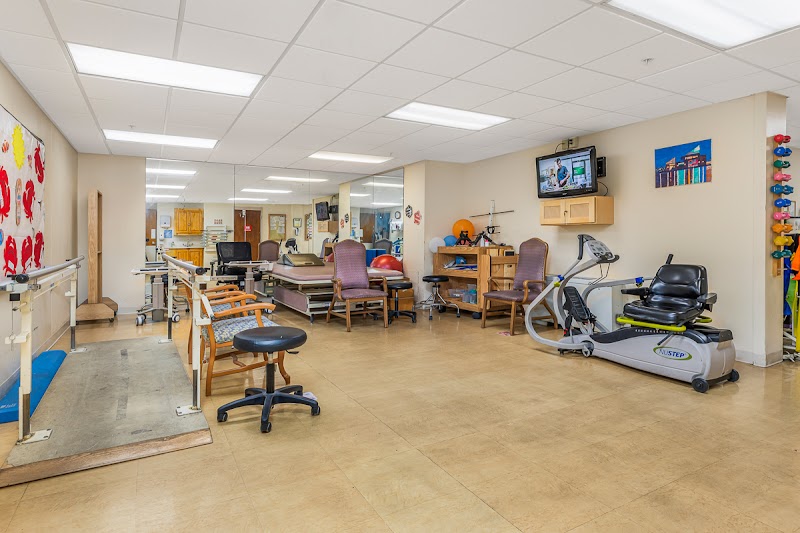
How is Autumn Lake Healthcare At Overlea Staffed?

CMS rates AUTUMN LAKE HEALTHCARE AT OVERLEA's staffing level at 2 out of 5 stars, which is below average compared to other nursing homes. Staff turnover is 33%, compared to the Maryland average of 46%. This relatively stable workforce can support continuity of care.

What Have Inspectors Found at Autumn Lake Healthcare At Overlea?

State health inspectors documented 59 deficiencies at AUTUMN LAKE HEALTHCARE AT OVERLEA during 2018 to 2025. These included: 59 with potential for harm. While no single deficiency reached the most serious levels, the total volume warrants attention from prospective families.
Who Owns and Operates Autumn Lake Healthcare At Overlea?

AUTUMN LAKE HEALTHCARE AT OVERLEA is owned by a for-profit company. For-profit facilities operate as businesses with obligations to shareholders or private owners. The facility is operated by AUTUMN LAKE HEALTHCARE, a chain that manages multiple nursing homes. With 160 certified beds and approximately 141 residents (about 88% occupancy), it is a mid-sized facility located in BALTIMORE, Maryland.
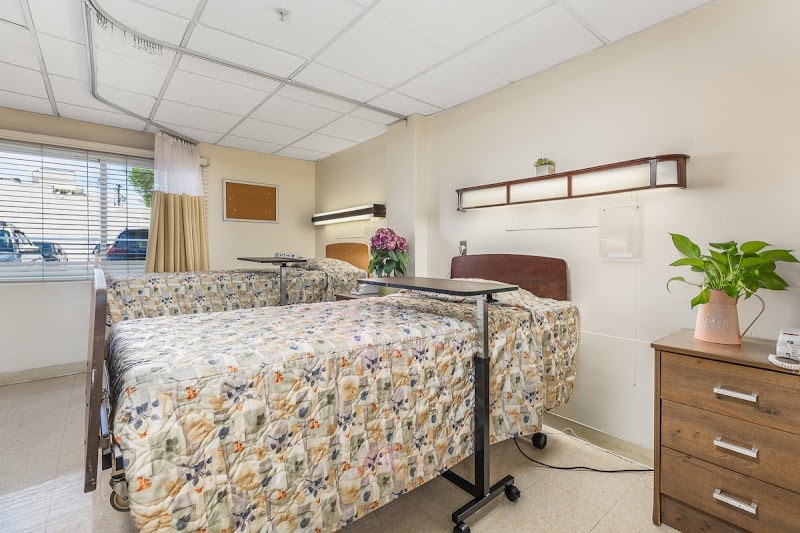
How Does Autumn Lake Healthcare At Overlea Compare to Other Maryland Nursing Homes?

Compared to the 100 nursing homes in Maryland, AUTUMN LAKE HEALTHCARE AT OVERLEA's overall rating (1 stars) is below the state average of 3.0, staff turnover (33%) is significantly lower than the state average of 46%, and health inspection rating (2 stars) is below the national benchmark.

What Should Families Ask When Visiting Autumn Lake Healthcare At Overlea?

Based on this facility's data, families visiting should ask: "Can you walk me through typical staffing levels on day, evening, and night shifts?" "Can I visit during a mealtime to observe dining assistance and food quality?" "How do you handle medical emergencies, and what is your hospital transfer rate?" "Can I speak with family members of current residents about their experience?" These questions are particularly relevant given the below-average staffing rating.

Is Autumn Lake Healthcare At Overlea Safe?

Based on CMS inspection data, AUTUMN LAKE HEALTHCARE AT OVERLEA has a clean safety record: no substantiated abuse findings (meaning no confirmed cases of resident harm), no Immediate Jeopardy citations (the most serious violation level indicating risk of serious injury or death), and is not on the Special Focus Facility watch list (a federal program monitoring the lowest-performing 1% of nursing homes). The facility has a 1-star overall rating and ranks #100 of 100 nursing homes in Maryland. While no facility is perfect, families should still ask about staff-to-resident ratios and recent inspection results during their visit.

Do Nurses at Autumn Lake Healthcare At Overlea Stick Around?

AUTUMN LAKE HEALTHCARE AT OVERLEA has a staff turnover rate of 33%, which is about average for Maryland nursing homes (state average: 46%). Moderate turnover is common in nursing homes, but families should still ask about staff tenure and how the facility maintains care continuity when employees leave.

Was Autumn Lake Healthcare At Overlea Ever Fined?

AUTUMN LAKE HEALTHCARE AT OVERLEA has no federal fines on record. CMS issues fines when nursing homes fail to meet care standards or don't correct problems found during inspections. The absence of fines suggests the facility has either maintained compliance or corrected any issues before penalties were assessed. This is a positive indicator, though families should still review recent inspection reports for the full picture.

Is Autumn Lake Healthcare At Overlea on Any Federal Watch List?

AUTUMN LAKE HEALTHCARE AT OVERLEA is not on any federal watch list. The most significant is the Special Focus Facility (SFF) program, which identifies the bottom 1% of nursing homes nationally based on persistent, serious quality problems. Not being on this list means the facility has avoided the pattern of deficiencies that triggers enhanced federal oversight. This is a positive indicator, though families should still review the facility's inspection history directly.