BLUE POINT HEALTHCARE CENTER
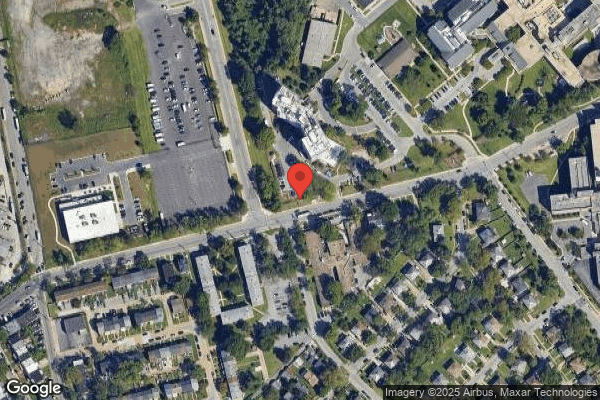
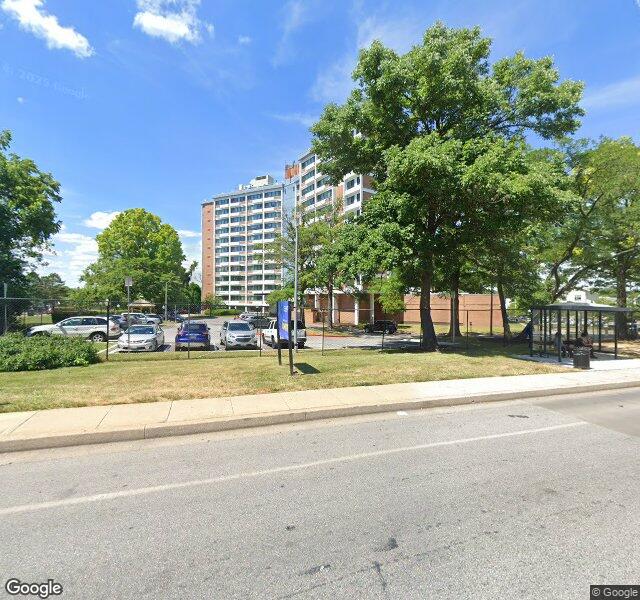
2525 WEST BELVEDERE AVENUE, BALTIMORE, MD 21215 (410) 367-9100
For profit - Corporation 135 Beds COMMUNICARE HEALTH Data: November 2025 2 Immediate Jeopardy citations
Trust Grade
0/100
#190 of 219 in MD
Last Inspection: November 2023

Within standard 12-15 month inspection cycle. Federal law requires annual inspections.

Overview

Blue Point Healthcare Center has received a Trust Grade of F, indicating significant concerns about the facility's overall quality and care. It ranks #190 out of 219 in Maryland and #26 out of 26 in Baltimore City County, placing it in the bottom half of all facilities in the state and at the bottom locally. The trend is worsening, with issues increasing from 1 in 2024 to 11 in 2025. While staffing is an average strength with a turnover rate of 36%, below the state average, the facility has concerning fines totaling $484,200, which is higher than any other facility in Maryland, suggesting repeated compliance problems. There have been critical incidents, including failures in communication regarding residents' substance abuse issues, leading to immediate jeopardy, and inadequate investigations into allegations of abuse, indicating serious deficiencies in care and oversight.

Trust Score
F
0/100
In Maryland
#190/219
Bottom 14%
Safety Record
High Risk
Review needed
Inspections
Getting Worse
1 → 11 violations
Staff Stability
○ Average
36% turnover. Near Maryland's 48% average. Typical for the industry.
Penalties
⚠ Watch
$484,200 in fines. Higher than 89% of Maryland facilities, suggesting repeated compliance issues.
Skilled Nurses
○ Average
Each resident gets 36 minutes of Registered Nurse (RN) attention daily — about average for Maryland. RNs are the most trained staff who monitor for health changes.
Violations
⚠ Watch
82 deficiencies on record. Higher than average. Multiple issues found across inspections.
★☆☆☆☆
1.0
Overall Rating
★★★☆☆
3.0
Staff Levels
★★★★☆
4.0
Care Quality
★☆☆☆☆
1.0
Inspection Score
Stable
2024: 1 issues
2025: 11 issues

The Good

  • 4-Star Quality Measures · Strong clinical quality outcomes
  • Full Sprinkler Coverage · Fire safety systems throughout facility
  • No fines on record
  • Staff turnover below average (36%)

    12 points below Maryland average of 48%

Facility shows strength in quality measures, fire safety.

The Bad

1-Star Overall Rating

Below Maryland average (3.0)

Significant quality concerns identified by CMS

Staff Turnover: 36%

Near Maryland avg (46%)

Typical for the industry

Federal Fines: $484,200

Well above median ($33,413)

Significant penalties indicating serious issues

Chain: COMMUNICARE HEALTH

Part of a multi-facility chain

Ask about local staffing decisions and management

The Ugly 82 deficiencies on record

2 life-threatening
Jul 2025 11 deficiencies 2 IJ
CRITICAL (J) 📢 Someone Reported This

A family member, employee, or ombudsman was alarmed enough to file a formal complaint

Immediate Jeopardy (IJ) - the most serious Medicare violation

Deficiency F0740 (Tag F0740)

Someone could have died · This affected 1 resident

**NOTE- TERMS IN BRACKETS HAVE BEEN EDITED TO PROTECT CONFIDENTIALITY** Based on medical record review, staff interviews, and review of facility investigation documents, it was determined that the fac...

Read full inspector narrative →
**NOTE- TERMS IN BRACKETS HAVE BEEN EDITED TO PROTECT CONFIDENTIALITY** Based on medical record review, staff interviews, and review of facility investigation documents, it was determined that the facility failed to effectively communicate with the Substance Abuse Disorder (SUD) team, the physician and direct care staff regarding residents in order to develop and maintain a comprehensive plan of care to address residents substance abuse disorders and treatment plans. This was evident for 1 of 11 residents (Resident #56) reviewed during the complaint survey.As a result of this deficient practice, an Immediate Jeopardy was identified on [DATE] at 12:15 PM and an IJ summary tool was provided to the facility. The removal plan was accepted by OHCQ on [DATE] at 9:20 PM after 5 initial plans were submitted to the surveyors at 3:40 PM, 4:45 PM, 7:45 PM, 7:48 PM and 8:45 PM. After removal of the immediacy, the deficient practice remained with a scope and severity of E. The Immediate Jeopardy was removed on [DATE] at 10:45 AM after on-site confirmation of the completion of the facility's plan of removal.The findings include:Substance Use Disorder is a treatable mental disorder that affects a person's brain and behavior, leading to their inability to control their use of substances like legal or illegal drugs, alcohol, or medications.Suboxone: is part of a family of medications used in Medication Assisted Treatment (MAT).Medication Assisted Treatment (MAT): is an addiction recovery treatment plan that includes medications designed to treat opioid use disorders.Narcan: A medication given to help reverse an opioid overdose.A list of residents provided by the Director of Nursing (DON) and reviewed on [DATE] at 10:32 AM revealed that 94 out of 111 residents who resided in the facility had diagnoses which included but were not limited to Substance Use Disorder (SUD). On [DATE] at 8 AM, the surveyor reviewed Resident #56's medical record which revealed a change in condition report on [DATE], that the resident was observed with decreased responsiveness with limp body, decreased respiration and decreased heart rate. The resident was given 2 doses of Narcan and transported to the hospital. The resident returned to the facility on [DATE]. Further, review of the medical record failed to identify the overdose. The resident was seen by the SUD staff on [DATE] and the assessment failed to identify the overdose on [DATE] and documented that the resident admitted to occasional craving and thoughts, however, denied desire to use at this time.A review of the SUD staff assessment dated [DATE] revealed that the resident disclosed an incident where he/she unknowingly ingested heroin given to him/her by someone else, leading to an overdose that required Narcan administration. The resident mentioned being on Suboxone and stated that no adjustments were needed. However, he/she reported experiencing cravings.Further, a review of the SUD assessments revealed:1. That on [DATE], Resident #56 reported experiencing cravings.2. On [DATE], the client disclosed having last used illicit drugs yesterday, stating he/she liked using drugs even if on Suboxone.3. On [DATE] progress notes revealed that Resident #56 last used 2 days ago.4. On [DATE] and [DATE] Resident # 56 admitted occasional craving and thoughts of using drugs.5. On [DATE] Resident #56 disclosed to SUD staff having used drugs a week ago. All of the above information on the SUD assessments was not communicated to the facility staff.A review of the electronic medical record revealed that that Resident #56 refused his/her suboxone from [DATE] - [DATE]. On [DATE] Resident #56 was observed slumping down in his wheelchair in the hallway. Prior to finding the resident slumped down, the resident was self-propelling in his wheelchair. The resident was assisted into the bed. The resident was assessed as follows: Slow shallow breathing and faint pulse. Narcan was given x 2, due to resident drug history without positive results. CPR was initiated, 911 called and one shock by AED was given. The Resident was pronounced dead on [DATE] at 0446 in the facility.On [DATE] @ 1:15 PM an interview with LPN #33 stated that he did not inform the physician or the SUD team of Resident #56's refusal of suboxone. LPN #33 also said that he does not communicate with the SUD team, only the physician.On [DATE] @ 9:17 AM an interview with the Unit Manager #6 revealed that if a resident refuses medications that the Physician is made aware and a note is written in the resident's medical record. The Unit Manager #6 stated that he/she did not communicate with the SUD team or physician. The Unit Manager confirmed that she/he attends the care plan meeting, but the SUD staff does not.The SUD program NP, Staff #36, was interviewed on [DATE]. She indicated that she had worked in the facility since [DATE]. She revealed that she does not develop SUD care plans nor attend the care plan meetings for the residents in the SUD program. She also indicated that a resident who has used and overdosed is at high risk and she would expect a change in the care plan to find out the reason, whether it's a personal event, pain or a need for medication changes.When asked how staff would know how to assist the residents if they are voicing or expressing symptoms of cravings, she indicated, that would be up to the nursing staff. On [DATE] at 9:43 AM an interview with SUD Program NP Staff #36 stated we are working on improving communication with nursing staff by placing a binder at the nurse's station to communicate the residents' SUD needs. The SUD team needs to be aware as with the physician when the resident is refusing SUD medications to find out the reason why and educate the resident of risk. The SUD does not go to the care plan meetings or create care plans for the residents. The provision of the plan to remove the Immediate Jeopardy immediacy had a completion date of [DATE] and included the following:Brighter Days Regional team will educate all facility nursing staff on their substance use disorder program. Brighter Days Regional team to educate nursing staff on notifying providers of medication refusal related to Medication Assisted Treatment (MAT), and providers to notify facility staff of changes with substance use disorder residents by [DATE].Brighter Days to educate license nurses on maintaining a comprehensive plan of care to address residents' substance abuse disorders and treatment plans by [DATE].Nursing staff to audit the care plans of all residents admitted in the last 30-days with substance use disorder to determine an appropriate treatment plan with substance use disorder.Nursing staff to audit the medication administration record of all residents with substance abuse disorder admitted in the last 30-days to ensure all MAT refusals are reported to the providers.Brighter Day's NP to attend care plan meetings for substance use disorder residents. Ad Hoc QAPI meeting conducted to review processes for monitoring of1. Residents at risk for substance use disorder.2. Review process for nursing staff on communicating changes to Brighter Days and facility providers for residents with substance use disorder.3. Review process for Brighter Days communicating changes to facility nursing staff.4. Staff Development Coordinator (SDC) to educate all nursing staff on Substance Use Disorder policy and Behavior Management by [DATE].5. SDC to educate licensed nurses on maintaining a comprehensive plan of care to address residents' substance abuse disorders and treatment plans by [DATE]. Identification of Others: All residents have the potential to be affected by this deficient practice1. An audit of the medication administration record of all current residents with substance use disorder will be reviewed to ensure medication compliance with MAT.2. An audit of all current residents' (admitted in the last 30 days) care plan with history of substance abuse reviewed for risk of overdose.3. An audit of the last 30 days of SUD NP's notes of current residents with substance use disorder regarding communication to facility staff and facility providers regarding resident changes. Education:1. Facility nursing staff and Brighter Days providers will be educated by the Regional clinical team on notifying providers of medication refusals related to MAT, and providers to notify facility staff of changes with the substance use disorder residents by [DATE].2. SDC to educate license nurses on maintaining a comprehensive plan of care to address residents' substance abuse disorders and treatment plans by [DATE].3. SDC to educate all nursing staff on Substance Use Disorder policy and Behavior Management by [DATE]. System Change:1. Brighter Days to attend weekly RISK meeting to discuss substance use disorder residents.2. ADON and/or Unit Manager to communicate changes and document communication to Brighter Days providers.3. Brighter Days providers to communicate changes to ADON and/or Unit Manager.4. Facility nursing staff to notify providers of residents' refusals of MAT.5. In the daily clinical meeting, ADON and/or Unit Manager will communicate changes to SUD NP. All residents discussed will be logged the concern list.6. SDC to educate license nurses on maintaining a comprehensive plan of care to address residents' substance abuse disorders and treatment plans by [DATE].7. SDC to educate all nursing staff on Substance Use Disorder policy and Behavior Management by [DATE]. Monitoring:Director of Nursing and Executive Director to audit residents' PCC documentation daily Monday - Friday during clinical risk meeting to assure:1. Providers and Brighter Days providers were notified of MAT refusals.2. DON to track and monitor residents who received Narcan.3. Facility staff to review treatment and appropriateness of the comprehensive care plan for residents with a substance use disorder. Audits to be completed weekly x 4, The monthly x 3 Audits to be reviewed monthly at Quality Assurance Performance Improvement CommitteeResults of the audits will be submitted to the Quality Assurance Performance Improvement Committee monthly for 3 months, the Committee will determine the need for further audits and/or action plans. Beginning [DATE] ADHOC then monthly for 3 months. Facility to be compliant by [DATE].
CRITICAL (J) 📢 Someone Reported This

A family member, employee, or ombudsman was alarmed enough to file a formal complaint

Immediate Jeopardy (IJ) - the most serious Medicare violation

QAPI Program (Tag F0867)

Someone could have died · This affected 1 resident

Based on record reviews and interviews, it was determined that the facility failed to use the Quality Assurance Performance Improvement (QAPI) process to track, review, and analyze residents at risk f...

Read full inspector narrative →
Based on record reviews and interviews, it was determined that the facility failed to use the Quality Assurance Performance Improvement (QAPI) process to track, review, and analyze residents at risk for illicit drug use/overdoses. This was evident during review of the facility's QAPI process after 11 residents (#56, #8, #4, #45, #31, #11, #33, #32, #7, #36 and #37) were reported by the facility to the state agency for suspected drug overdoses in the past 13 months and has the potential to affect all residents with Substance Use Disorders. As a result of this deficient practice, an Immediate Jeopardy was identified on 7/2/2025 at 10:00 AM and an IJ summary tool was provided to the facility. The removal plan was accepted by OHCQ on 7/2/25 at 9:20 PM after 5 initial plans were submitted to the surveyors at 3:40 PM, 4:45 PM, 7:45 PM, 7:48 PM and 8:45 PM. After removal of the immediacy, the deficient practice remained with a scope and severity of F.The Immediate Jeopardy was removed on 7/7/25 at 10:45 AM after on-site confirmation of the completion of the facility's plan of removal. The findings include:The Centers for Medicare and Medicaid Services (CMS), defines Quality Assurance (QA) and Performance Improvement (PI) as a systematic, comprehensive, and data-driven approach to maintaining and improving safety and quality in nursing homes while involving all nursing home caregivers in practical and creative problem-solving. Narcan is a medication that rapidly reverses an opioid overdose. A list of residents provided by the Director of Nursing (DON) and reviewed on 6/27/25 at 10:32 AM revealed that 94 out of 111 residents who resided in the facility had diagnoses which included but were not limited to Substance Use Disorder (SUD). Between 5/23/24 and 6/2/25 the facility reported 11 incidents to the state agency involving suspected resident drug overdoses: 1. Resident #56 overdosed on 5/23/24, passed away2. Resident #8 overdosed on 9/4/243. Resident #4 overdosed on 10/2/244. Resident #45 overdosed on 12/27/245. Resident #31 overdosed on 12/31/246. Resident #11 overdosed on 2/3/257. Resident #33 overdosed on 3/3/25 8. Resident #32 overdosed on 4/10/259. Resident #7 overdosed on 4/15/25, passed away10. Resident #36 overdosed on 5/23/2511. Resident #37 overdosed on 6/2/25, passed away Review of Resident #56's record on 6/30/25 at 8:00 AM revealed the resident had a prior overdose on 2/23/24. During an interview on 6/27/25 at 12:10 PM the Director of Nursing identified that the SUD program was overseen by an outside contracted service provider that provided psychiatric services in the facility. 1 Nurse Practitioner (NP), Staff #36, oversaw the SUD program and another NP provided other psychiatric services. The SUD program NP, Staff #36, was interviewed on 7/1/25. She indicated that she had worked in this facility since April 2025. She revealed that she did not develop SUD care plans nor attend the care plan meetings for the residents in the SUD program. She also indicated that a resident who has used and overdosed is at high risk, and she would expect a change in the plan of care to find out the reason, whether it's a personal event, pain or a need for medication changes. When asked how staff would know how to assist the residents if they voiced or expressed symptoms such as cravings, she indicated, that would be up to the nursing staff. When asked if she attended QAPI meetings she indicated she had in the past, in other facilities but not in this facility. Review of QAPI meeting records for the past year revealed the facility included Quality Measures for: Behavior Affecting Others - with the Action Plan: Continue to partner with [Contracted psychiatric services provider] and insert appropriate interventions as needed; and, Depressive Symptoms - with the Action Plan: Continue to partner with [Contracted psychiatric services provider] and insert appropriate interventions as needed. Facility has a high admission rate of residents admitted with depression diagnoses due to prior history and/or possible substance abuse. However, the QAPI process did not include measures to track and analyze illicit drug use and/or overdoses in the facility. In an interview on 7/1/25 11:02 AM the Administrator and DON were asked if the facility developed and conducted performance improvement activities for drug overdoses. The Administrator indicated, no, that they did not determine that there was a break in their system. She indicated that they investigated all the overdoses and determined during their investigations that processes were followed, that some overdoses were out of their control even though the facility's processes were followed. She indicated that the facility would QAPI if they determined the overdoses were a break in their system. However, there was no evidence that the overdose incidents were systemically tracked, reviewed or analyzed in the aggregate to identify trends or systemic issues. The provision of the plan to remove the Immediate Jeopardy immediacy had a completion date of 7/7/2025 and included the following:QAPI Governing body to be educated on monitoring and tracking/trending Narcan administration by Regional clinical team by 7/3/25.SUD NP to attend monthly QAPI meetings.DON to track Narcan administration and report findings during QAPI.Ad hoc QAPI meeting conducted to review processes for monitoring of: 1) Residents at risk for substance use disorder; 2) Review updated QAPI process in relation to reporting and tracking Narcan administration; 3) Staff Development Coordinator to educate all nursing staff on Substance Use Disorder policy and Behavior Management.Identification of Others: The DON to complete an audit of all residents that received Narcan within the last 12 months to determine the appropriateness of treatment plan.Education: Facility Governing Body to be educated by Regional clinical leadership on monitoring and tracking Narcan administration by 7/3/25. System Change: 1) The SUD NP to attend weekly RISK meeting to discuss substance use disorder residents, 2) SUD NP to attend the monthly QAPI meeting and present trends related to the Substance Use Disorder program. 3) DON to audit the chart of the resident who received Narcan to ensure the facility is following the SUD policy, program and appropriateness of the comprehensive care plan - Finding will be presented during the monthly QAPI meeting.Monitoring: The DON and Executive Director to validate tracking/monitoring of residents that received Narcan administration during QAPI meeting. 1) SUDs NP to attend monthly QAPI. 2) SUDs NP to present information regarding the SUDs program.Audits to be completed weekly x 4, the monthly x 3 Audits to be reviewed monthly at QAPI committee. Results of the audits will be submitted to the QAPI committee monthly for 3 months, the Committee will determine the need for further audits and/or action plans. Beginning 7/2/25 Ad Hoc then monthly for 3 months. Facility to be compliant by 7/7/25.
CONCERN (D) 📢 Someone Reported This

A family member, employee, or ombudsman was alarmed enough to file a formal complaint

Potential for Harm - no one hurt, but risky conditions existed

Deficiency F0554 (Tag F0554)

Could have caused harm · This affected 1 resident

Based on observation, interviews and medical record review, it was determined that the facility failed to assess residents for the ability to self administer medication. This was evident during random...

Read full inspector narrative →
Based on observation, interviews and medical record review, it was determined that the facility failed to assess residents for the ability to self administer medication. This was evident during random observations when medications were found at the bedside of 2 residents (Resident #61 and #62). The findings include: During the tour of the 'C' unit of the facility on 6/25/25 at 8:15 AM, this surveyor and another surveyor completing tour observed a medication cup on a bedside table full of pills. There were no residents observed or staff from the doorway. This surveyor knocked and entered the multiple person room. There were 2 people, an individual in the 'b' bed was awake, 'c' bed asleep and the 'a' bed resident sounded to be in the bathroom. The medication cup of pills was at the 'a' bed. There were 7 pills in the cup, 5 white, 1 pink and 1 brown. This surveyor asked the other surveyor to please go get a nurse to assist. LPN #15 arrived at the room and was asked if she passed the medication or who did. She picked up the medication and stated it was not her. At this time Resident # 61 proceeded out of the bathroom and too was asked about the medications. S/he stated that s/he told the nurse s/he had to go to the bathroom, so the nurse left the medication there for him/her. Resident #61 then took the medication from LPN #15 and swallowed all the pills with the water that was also on the bedside table. This surveyor and the other surveyor proceeded up the hall when another resident with pills at the bedside were observed at 8:25 AM. This surveyor asked Resident #62 about the pills on his/her bedside. S/he stated that s/he got distracted working on the computer but will take it now, there were 6 pills in that medication cup. This surveyor then interviewed LPN #14. She was asked about her process for passing medications. She stated that she gives it to the residents and watches them and that there were no narcotics left with either of the identified residents whose pills were reportedly left at the bedside. The records of both individuals were reviewed on 6/25/25 at 8:30 AM. Both residents were recently assessed with a current brief interview of mental ( BIMS) status of 15, meaning that they were cognitively intact and were documented as making their own medical decisions. However, there was no current assessment or evaluation in the medical record that determined their ability to self administer medication without the supervision of medical nursing staff. This was reviewed with the current facility NHA and DON on 6/25/25 and again on 6/27/25.
CONCERN (D) 📢 Someone Reported This

A family member, employee, or ombudsman was alarmed enough to file a formal complaint

Potential for Harm - no one hurt, but risky conditions existed

Notification of Changes (Tag F0580)

Could have caused harm · This affected 1 resident

Based on medical record review and interview with facility staff, it was determined that the facility staff failed to notify the attending physician when the resident was refusing their medications. T...

Read full inspector narrative →
Based on medical record review and interview with facility staff, it was determined that the facility staff failed to notify the attending physician when the resident was refusing their medications. This was evident during the review of 1 of 3 residents administered Narcan (Resident #11) The findings include: The medical record for Resident #11 was reviewed on 6/23/25 at 10:51 AM related to a facility reported incident where Resident #11 was administered Narcan secondary to a suspected overdose occurring on 2/3/25. Further review at this time of Resident #11's medical record revealed admission to the facility for a minimal 6-week course of intravenous antibiotics for septic wounds on the leg and abdomen from suspected drug use and related endocarditis (inflammation of the heart due to an infection). Resident #11 was ordered Suboxone as part of his/her substance use disorder treatment. According to his/her medication administration record (MAR), Resident #11 refused 9 doses for the month of January and 5 of 8 doses for February 2025. Surveyor interviewed physician staff #35 on 6/25/24 at 10:12 AM regarding a note from 1/31/25 that referred to Resident #11 appearing high. She was asked about interventions related to this and she stated that that is why [resident] is on suboxone and followed by mental health. This surveyor asked who would have been responsible for letting mental health know that there was a concern that Resident #11 had an incident where s/he could have relapsed and she stated that it would have been her or the nursing staff. Concurrent review of the record with Staff #35 revealed there was no report to mental health or a meeting with any other discipline than her after this occurrence prior to the overdose incident. She was also asked if she had been notified of the numerous refusals of the Suboxone in January and for February 2025 and she reported no. The concern about the notification was reviewed with the current DON and NHA throughout the survey and again on 6/27/25.
CONCERN (D) 📢 Someone Reported This

A family member, employee, or ombudsman was alarmed enough to file a formal complaint

Potential for Harm - no one hurt, but risky conditions existed

Deficiency F0602 (Tag F0602)

Could have caused harm · This affected 1 resident

**NOTE- TERMS IN BRACKETS HAVE BEEN EDITED TO PROTECT CONFIDENTIALITY** Based on record review and staff interview; it was determined that the facility failed to protect a resident (Resident #43) from...

Read full inspector narrative →
**NOTE- TERMS IN BRACKETS HAVE BEEN EDITED TO PROTECT CONFIDENTIALITY** Based on record review and staff interview; it was determined that the facility failed to protect a resident (Resident #43) from misappropriation of personal funds by failing to provide the resident with way to secure the resident's valuables from theft. This was evident for 1 of 67 residents reviewed during the complaint survey. The findings include: The surveyor reviewed a facility reported incident (MD00217424) sent to the State of Maryland ' s Office of Health Care Quality alleging that Resident #43's money was stolen from his/her room. Medical record review for Resident #43 on 6/24/25 at 1:28 pm revealed the facility documented a change on condition which reported that the resident alleged that his/her money ($110.00) was stolen from the resident's room. On 6/24/25 at 1:40pm, the surveyor reviewed the facility investigation of the reported incident. The investigation contained a concern form dated 4/28/25 which reported that the resident was given a lock box to secure his/her valuables. On 6/25/25 at 8:30am, the surveyor interviewed Resident #43 in his/her room. The resident stated that he/she did not have a lock box at the time of the interview. The resident stated that his/her valuables were in a drawer unsecured. The resident also stated that he/she was transferred to his/her present room on 6/20/25. Interview with the Director of Nursing (DON) on 9:40am confirmed that the resident was transferred from room [ROOM NUMBER]C to 305C on 6/20/25. The surveyor informed the DON that the facility failed to provide the resident with a locked box to secure his/her valuables. The DON confirmed that the locked box was not the new room.
CONCERN (D) 📢 Someone Reported This

A family member, employee, or ombudsman was alarmed enough to file a formal complaint

Potential for Harm - no one hurt, but risky conditions existed

Deficiency F0628 (Tag F0628)

Could have caused harm · This affected 1 resident

**NOTE- TERMS IN BRACKETS HAVE BEEN EDITED TO PROTECT CONFIDENTIALITY** Based on medical record review and interview, it was determined the facility staff 1) failed to provide written notice to the re...

Read full inspector narrative →
**NOTE- TERMS IN BRACKETS HAVE BEEN EDITED TO PROTECT CONFIDENTIALITY** Based on medical record review and interview, it was determined the facility staff 1) failed to provide written notice to the resident and resident representative of the transfer to a local hospital for evaluation on 12/17/24. (Resident # 38). This was evident in 1 of 67 residents reviewed during a complaint survey; and 2) failed to ensure that hospital transfers were documented in the residents' medical records and that appropriate information was communicated to the receiving health care institution. This was evident for 1 (Resident #14) of 67 residents reviewed. Findings include:1) On 6/25/25 at 12:00pm, the surveyor reviewed complaint MD00212839 that was sent to the State of Maryland's Department of Health Care Quality alleging that the facility failed to recognize Resident #38's change in status resulting in the resident's family calling for emergency assistance to have the resident transferred to the local hospital on [DATE]. Review of Resident #38's medical records on 6/25/25 at 12:29pm revealed that the resident was treated for abnormal laboratory results by his/her primary provider on 12/17/24. Further review of the resident's medical record revealed that nursing staff documented that the resident was hospitalized as of 12/18/24. There was no evidence that the facility documented the resident's change of condition nor transfer of the resident for treatment prior to the hospitalization documentation.During an interview with the Director of Nursing (DON) on 6/25/25 at 1:36pm confirmed that that nursing staff failed to create a transfer for treatment documentation prior to the resident being transferred to the local hospital. The DON also confirmed that the facility was unable to confirm that this transfer document was given to the resident or the resident representative prior to the resident being transferred to the local hospital. 2) Resident #14's medical record was reviewed on 6/30/25 at 8:24 AM. S/he was admitted to the facility on [DATE]. The census record indicated that the resident was discharged 2 days later on 1/30/24. A Nursing progress note dated 1/30/24 16:03 (4:03 PM) Stated Resident called 911. Upon request resident transported to emergency room. Further review of the record failed to reveal the location of the transfer, the reason for the transfer, that the required information was provided to the receiving health care institution including but not limited to advance directive information, diagnoses and allergies, medications, most relevant labs other diagnostic tests, all special instructions and/or precautions for ongoing care, and care plan goals; there was no evidence that the resident was provided with a written discharge notice nor the facility's bed hold and return notice. There was no documentation in the record regarding the resident's orientation or that the physician was notified. On 6/30/25 at 9:50 AM the DON (Director of Nursing) was made aware of the above concerns and asked to provide all additional documentation pertaining to the residents hospital transfer on 1/30/24 including but not limited to change in condition, assessment and hospital transfer. He returned at 10:21 AM on 6/30/25 and confirmed that the only documentation related to Resident #14's hospital transfer was the nurses note which indicated the resident called 911. He indicated he was unable to locate any additional documentation. These findings were reviewed with the Administrator and Director of Nursing on 7/2/25 at 1:15 PM.
CONCERN (D) 📢 Someone Reported This

A family member, employee, or ombudsman was alarmed enough to file a formal complaint

Potential for Harm - no one hurt, but risky conditions existed

Comprehensive Care Plan (Tag F0656)

Could have caused harm · This affected 1 resident

**NOTE- TERMS IN BRACKETS HAVE BEEN EDITED TO PROTECT CONFIDENTIALITY** Based on medical record reviews, the facility failed to have individualized care plans in place for Resident #32, #36, and #37 w...

Read full inspector narrative →
**NOTE- TERMS IN BRACKETS HAVE BEEN EDITED TO PROTECT CONFIDENTIALITY** Based on medical record reviews, the facility failed to have individualized care plans in place for Resident #32, #36, and #37 who have SUD (substance use disorder). This was evident for 3 out of 5 residents reviewed for care planning who had SUD.Findings include:1. On [DATE] at 10:55 AM, a medical record review revealed Resident #37, who had a diagnosis of SUD (Substance Use Disorder) and a BIMS score of 15/15, indicating intact cognition. On [DATE], GNA (Geriatric Nursing Assistant) called the Nurse into the room. The Nurse entered the room and found the resident unresponsive with no respirations and no pulse and no response to any verbal or tactile pain stimuli. A STAT (immediate) Code was called and all life-saving measures were given including CPR (cardiopulmonary resuscitation), Narcan x 4 administered and use of AED (automated external defibrillator) until emergency services staff arrived. Continued review of the record revealed Behavior Health saw resident on [DATE] where he/she described mood as 5/10 being depressed in the morning. Resident denied drug use and participated in SUD group activities. Review of the care plan only indicated to administer medications as ordered and evaluate resident for the following symptoms such as nodding off, stumbling, incoherent speech and anything that might indicate drug use. The Care plan failed to list interventions such as SUD group meetings, 1:1 if needed, and SUD mental health and recovery services which participated on [DATE], and [DATE], 5/27, and [DATE]. Resident #37 was required to take urinalysis for drug use and also comply with policies of the facility. There were no notes from the social worker and nothing noted in the QA book suggesting they discussed what interventions were put in place for the resident. Interview with DON, Administrator and Clinical Director of operations on [DATE] at 10:17 AM about concern with care plans and they offered no response.2. On [DATE] at 9:31 AM, a medical record review revealed Resident #36 had a diagnosis of SUD (substance use disorder). On [DATE] Resident #36 was observed sitting on the floor of the courtyard next to his/her walker unresponsive to tactile and verbal stimuli, respirations were slow and shallow. Narcan was given x 2 and the resident woke up. No other substances were found in the resident's room and resident denied taking any drugs. Police were called but did not respond because the resident was transported to the hospital. Review of the Care plan documented to approach in a calm manner, redirect behavior and monitor for the safety of others. The Care plan failed to include interventions such as SUD group meetings, 1:1 if needed, and SUD mental health services and recovery services if needed which the resident was receiving. Interview with the DON, Administrator and Clinical Director of operations on [DATE] at 10:17 AM regarding Care plans and they offered no response. 3. On [DATE] at 8:45 AM a medical record review was conducted for Resident #32 who had a diagnosis of SUD (substance use disorder) with a known history of opioid use and had been administered 2 doses of Narcan by staff after a change in condition. Resident had refused transport to the Emergency Department for further evaluation and stated that someone gave him/her the drugs, however the care plan was not updated to show behavior health was contacted to see resident. Review of the Care Plan only documented to administer medication as ordered and evaluate for the following symptoms: slurred speech, sleepy, erratic behavior. There was no care plan for 1:1, Behavioral contract that had been issued to the resident, or reference to seeing SUD abuse Nurse Practitioner or attending SUD groups. Interview with the DON, Administrator and Clinical Director of operations on [DATE] at 10:17 AM regarding Care Plans and they said nothing.
CONCERN (D) 📢 Someone Reported This

A family member, employee, or ombudsman was alarmed enough to file a formal complaint

Potential for Harm - no one hurt, but risky conditions existed

Quality of Care (Tag F0684)

Could have caused harm · This affected 1 resident

**NOTE- TERMS IN BRACKETS HAVE BEEN EDITED TO PROTECT CONFIDENTIALITY** Based on interview and medical record review, it was determined that the facility 1) failed to intervene when a resident that wa...

Read full inspector narrative →
**NOTE- TERMS IN BRACKETS HAVE BEEN EDITED TO PROTECT CONFIDENTIALITY** Based on interview and medical record review, it was determined that the facility 1) failed to intervene when a resident that was admitted with a known history of substance use disorder was showing signs and symptoms of potential use and abuse of those substances. This was evident during the review of 1 of 3 residents administered Narcan (Resident #11); and 2) failed to ensure hospital instructions for surgical wound care were addressed upon the resident's admission to the facility. This was evident for 1 (Resident #14) of 10 residents reviewed for neglect.The findings include:1) Review of the facility reported incident on 6/23/25 at 10:51 AM for Resident #11 revealed that on 2/3/25 Resident #11 was observed on the ground outside appearing non-responsive, two doses of Narcan were administered with a positive response from the resident and s/he became alert and responsive to staff who had gathered to assist. Continued record review revealed that Resident #11 was admitted to the facility post hospitalization for septic wounds on the leg and abdomen from suspected drug use and related endocarditis (inflammation of the heart due to an infection) requiring minimally 6 weeks of intravenous antibiotics with a follow up with infectious disease to determine what further course is needed. For Resident #11's initial hospitalization s/he was observed injecting a substance into the central catheter, therefore the catheter was removed prior to discharge, however, the resident was readmitted to the hospital for worsening symptoms and discharged to this nursing facility with a central catheter intact. According to progress notes on 1/31/25 Resident #11's peripherally inserted central catheter was reported by the resident to staff to be dislodged. According to the physician, staff #35's encounter note completed on 1/31/25 also documented that staff had reported the resident to be high earlier that day. Further progress notes reported that for medications and wound care Resident #11 was unavailable on 2/1/25 and 2/2/25. The subsequent progress notes that were available were on 2/3/25 when Resident #11 were observed in the courtyard unresponsive. An additional review of the resident's medication administration record (MAR) revealed that his/her ordered Suboxone for opioid withdrawal was refused multiple times in January and every day in February 2025. Surveyor interviewed physician staff #35 on 6/25/24 at 10:12 AM regarding the note from 1/31/25 that referred to Resident #11 appearing high. She was asked about interventions related to this and she stated that that is why [he] is on suboxone and followed by mental health. This surveyor asked who would have been responsible for letting mental health know that there was a concern that Resident #11 had an incident where s/he could have relapsed and she stated that it would have been her or the nursing staff. Surveyor and Staff #35 concurrently reviewed the record and there was no report to mental health or a meeting with any other discipline than Staff #35 after this occurrence prior to the overdose incident. She was also asked if she had been notified of the numerous refusals of the suboxone in January and for all of February 2025 and she reported no.These collaborative concerns were reviewed with the facility current DON and NHA throughout the survey and again on 6/27/25. 2) Resident #14's medical record was reviewed on 6/30/25 at 8:24 AM. S/he was admitted to the facility with hospital discharge diagnoses which included: Motor vehicle accident injuring pedestrian, Cardiac Contusion, bladder rupture, closed fracture of left distal tibia (lower leg), multiple fractures of pelvis and closed compression fracture of L4 lumbar vertebrae (lower back). The hospital Discharge summary dated [DATE] included: instructions to schedule 2 week follow up appointments with providers for spine injuries, pelvic injuries and bladder injuries, it included the providers' contact information; and Wound/Ostomy/Drain Care: Dressing Instructions (specific): keep surgical dressings intact unless soiled until follow up in clinic. Should the dressings need to be changed, clean the incision with normal saline and apply a dry dressing secured with tape. Resident #14's admission nursing assessment dated [DATE] 16:30 (4:30 PM) did not identify the presence and location of the resident's surgical wounds. A TAR (Treatment Administration Record) is a tool used to record the physicians' orders for treatments. It is initialed by the nurse each time the prescribed treatment has been provided. It provides verifiable documentation of what treatments a patient has received. Resident #14's TAR (Treatment Administration Record) did not include wound care. Further review of the record revealed there were no physicians' orders for the care of Resident #14's wounds including the instructions provided in the hospital Discharge Summary. A care plan is a guide that addresses the unique needs of each resident. It is used to plan, assess and evaluate the effectiveness of the resident's care. A Plan of Care for Impaired Skin integrity was developed for Resident #14 related to prevention of pressure ulcers. However, it did not include Resident #14's surgical wounds nor their care. No other plan of care was developed to address Resident #14's surgical wounds. An interview was conducted with the DON (Director of Nursing) on 6/30/25 at 10:21 AM. He was made aware of the above concerns. He confirmed that there should have been some type of order on admission regarding the wound care identified in Resident #14's hospital discharge instructions. He indicated that he would reach out to the wound care nurse to see if she could locate any additional documentation regarding Resident #14's wounds. However, no further information was provided to the surveyor prior to the end of the survey. These findings were reviewed with the Administrator and Director of Nursing on 7/2/25 at 1:15 PM.
CONCERN (D) 📢 Someone Reported This

A family member, employee, or ombudsman was alarmed enough to file a formal complaint

Potential for Harm - no one hurt, but risky conditions existed

Deficiency F0697 (Tag F0697)

Could have caused harm · This affected 1 resident

Based on a review of medical records, facility reported incidents, Controlled Medication Utilization Record sheets, Medication Administration Record (MAR), and interviews with staff, it was determined...

Read full inspector narrative →
Based on a review of medical records, facility reported incidents, Controlled Medication Utilization Record sheets, Medication Administration Record (MAR), and interviews with staff, it was determined that the facility failed to consistently document address residents' pain, ensure prescribed medications had adequate parameters, ensure non-pharmacological interventions were attempted prior to the administration of narcotic pain medication, document assessment of pain and administration of an as-needed (PRN) pain medication on the electronic MAR and further monitor the resident's pain level and efficacy of the medication. This was evident for 3 of 5 residents reviewed for pain Resident #48, #5, #16 The findings include: A review of complaint MD00211655, revealed the following: 1. On 6/27/25 at 8 AM a review of Resident #48's clinical record revealed that the resident's primary physician on 10/25/24 ordered Dilaudid (Hydromorphone) Oral Tablet 4 MG, give 1 tablet by mouth every 6 hours as needed for Pain. This medication is used to help relieve moderate to severe pain. Dilaudid (Hydromorphone) belongs to a class of drugs known as opioid analgesics. A review of October and November 2024, Control Medication Utilization Record revealed Dilaudid (Hydromorphone) on the following days and times was removed from the controlled lock box on 10/28/24 at 5:30 AM, 10/29/24 at 12 PM, 10/30/24 at 1 PM and 7 PM, and 10/31/24 at 11:48 AM and 7 PM, 11/1/24 at 8 AM, 11/2/24 at 9 AM and 11:20 PM, 11/3/24 at 5 PM, 11/05/24 at at 11 AM, 11/7/24 at 6 PM, and 11/8/24 at 7 AM. Further review of the resident's clinical records revealed that the resident's October and November 2024, Medication Administration Record (EMAR) revealed that the Dilaudid (Hydromorphone) medication on the stated date was not documented as given to the Resident and the resident's pain level and efficacy of the medication was not monitored. The facility staff failed to administered pain medication as ordered by the physician. Interview with the Director of Nursing on 06/27/25 at 9 AM confirmed the facility staff failed to ensure Resident #48's, was administered pain medication as ordered by the physician after reviewing the EMR and Controlled Medication Utilization Record sheets. 2) Pain medications written on a PRN (as needed) basis are given for unpredictable changes in a resident's pain level. Part of the nursing process is to obtain a pain level from the resident prior to administration (to indicate what level of pain is being treated) and after administration (to assess the effectiveness of the pain medication). Furthermore, good nursing assessment identifies the quality, the source, the location, and duration a of pain, not only to ensure that a medication is effective, but also to help the interdisciplinary team adjust the resident's medication and plan of care to best address their pain management needs.The pain level scale, where a resident reports their level of pain from 0 (no pain) to 10 (worse pain imaginable). When administering as-needed pain medication, an evaluation of the effectiveness of the medication is determined by asking a resident's pain level score prior to administration of the pain medication and their pain level after receiving the medication.Acetaminophen (Tylenol) is a non-opioid analgesic used to treat mild to moderate pain and fever.Tramadol is an opioid analgesic, also known as a narcotic. Narcotic pain medications are potent and effective at managing moderate to severe pain but have significant side effects and the potential for abuse.On 6/24/25 at 12:20 PM, review of complaint #MD00204000 alleged the facility was not administering medication to Resident #5 properly, that the resident was in pain and moaning all day. A review of the resident's medical record revealed Resident #5 resided in the facility for long term care since February 2018 and had diagnosis which included dementia, a history of a right hip fracture with right hip pain and chronic pain syndrome. A) Review of Resident #5's June 2025 MAR (medication administration sheet) revealed a 8/2/24 order for Acetaminophen (Tylenol) Extra Strength oral tablet by mouth every 8 hours for pain and a 5/13/25 order for Tramadol tablet by mouth every 12 hours as needed for pain. The orders failed to have adequate parameters to indicate when to administer which medication as needed for pain.B) The MAR documented Resident #5 was administered Acetaminophen by mouth on 6/20/25 at 6:49 PM for pain level 5. Review of Resident #5's eMar (electronic medication administration record) - Medication Administration Note (eMar note) dated 6/20/25 at 10:01 PM documented the resident's follow-up (f/u) pain scale was 0; PRN administration was effective. There was no documentation in the medical record to indicate the location or source of Resident #5's pain, or that an assessment of the resident's pain had been completed and non-pharmacological interventions had been attempted prior to the administration of the pain medication C) The MAR documented Resident #5 was administered Tramadol by mouth for pain 4 times in June 2025:- Resident #5 received Tramadol on 6/7/25 at 6:30 PM for pain level 8. An eMar note on 6/7/25 at 8:10 PM, documented f/u pain scale was 0, PRN administration was effective. There was no documentation to indicate the location of the pain or that an assessment of the resident's pain had been completed and non-pharmacological interventions had been attempted prior to the administration of the pain medication- Resident #5 received Tramadol by mouth on 6/8/25 at 5:00 PM for pain level 7. An eMar note on 6/8/25 at 5:42 PM documented f/u pain scale was 1, PRN administration was effective. There was no documentation to indicate the location of the pain or that an assessment of the resident's pain had been completed and non-pharmacological interventions had been attempted prior to the administration of the pain medication- The Resident #5 received Tramadol by mouth on 6/17/25 at 2:16 AM for pain level 8. An eMar note on 6/16/25 at 2:16 AM documented Resident #5 was medicated for left jaw pain (Parotitis) (inflammation of the parotid (salivary) gland(s)). An eMar note on 6/17/25 at 4:48 AM documented f/u pain scale was 0, PRN administration was effective. There was no documentation to indicate non-pharmacological interventions had been attempted prior to the administration of the narcotic pain medication- Resident #5 received Tramadol on 6/22/24 at 9:09 AM for pain level 6. An eMAR note on 6/22/25 at 10:43 AM, documented the resident's f/u pain scale was 0, PRN administration was effective. There was no documentation to indicate the location or source of the pain, that an assessment of the resident's pain had been completed and non-pharmacological interventions had been attempted prior to the administration of the pain medication.The above concerns were discussed with the Director of Nurses (DON) on 6/26/25 at 3:16 PM. The DON acknowledged the concerns, and no further comments were offered at that time. 3) Review of the medical record for Resident #16 related to an injury of unknown origin on 6/24/25 at 8:20 AM revealed that on 3/23/24 Resident #16 was noted with a change in condition to their arm with noted tenderness and pain upon movement. Further review noted that a telehealth notification was sent to the on-call provider overnight reporting that Resident #16 had a right humeral fracture and was 'in excruciating pain'. Screaming out and inconsolable. The right arm is 'swollen.' Concurrent comparison with the resident's medication administration record (MAR) failed to reveal the administration of any scheduled or as needed pain medication at this time frame. Resident #16 was ordered to be sent to the emergency room secondary to the fracture and pain, however, pain was not documented in the record or the MAR as treated prior to the transfer except for 1 time at 6:05 PM. There was no documentation of any Tylenol administered after that dose although the order stated the Tylenol could be administered again every 6 hours.The concern Resident #16 was documented as being in excruciating pain and no further documentation of a pain intervention was reviewed with the current facility DON (Director of Nursing) and NHA (Nursing Home Administrator) on 6/24/25 and again on 6/27/25.
CONCERN (D) 📢 Someone Reported This

A family member, employee, or ombudsman was alarmed enough to file a formal complaint

Potential for Harm - no one hurt, but risky conditions existed

Deficiency F0777 (Tag F0777)

Could have caused harm · This affected 1 resident

**NOTE- TERMS IN BRACKETS HAVE BEEN EDITED TO PROTECT CONFIDENTIALITY** Based on medical record review and interview with facility staff it was determined that the facility failed to ensure that a rad...

Read full inspector narrative →
**NOTE- TERMS IN BRACKETS HAVE BEEN EDITED TO PROTECT CONFIDENTIALITY** Based on medical record review and interview with facility staff it was determined that the facility failed to ensure that a radiology report was timely accessible to the attending physician. This was evident during the review of 1 of 3 fractures (Resident #13)The findings include:Revie of the medical record for Resident #13 on 6/24/25 at 11:17 AM for an injury of unknown origin revealed an x-ray was ordered for this resident on 11/6/24 and completed on 11/6/24 at 2:13 PM. This report was then reported back to the facility on [DATE] at 6:32 PM stating that Resident #13 had a fracture of the right femoral neck and recommended further imaging of the right hip. This report was not responded to or followed up on by the facility attending physician until 11/7/24 at 12:12 PM. The current facility DON was interviewed on 6/24/25 at 1:56 PM and was notified of the findings. There was no further information provided prior to exit regarding the delay in reviewing the x-ray by the attending physician.
CONCERN (D) 📢 Someone Reported This

A family member, employee, or ombudsman was alarmed enough to file a formal complaint

Potential for Harm - no one hurt, but risky conditions existed

Deficiency F0887 (Tag F0887)

Could have caused harm · This affected 1 resident

Based on record review and interview with staff it was determined the facility staff failed to ensure that the resident's appointed decision maker was provided education and opportunity to consent or ...

Read full inspector narrative →
Based on record review and interview with staff it was determined the facility staff failed to ensure that the resident's appointed decision maker was provided education and opportunity to consent or decline the COVID-19 vaccine booster on the resident's behalf. This was evident for 1 (#21) of 67 residents reviewed during the complaint survey. The findings include: A complaint reviewed on 6/23/25 at 1:15 PM alleged that Resident #21, a resident who was incapable of making decisions for him/herself received a COVID-19 vaccine booster on 1/16/24 without the consent of his/her guardian. Resident #21's medical record confirmed the resident had a court appointed guardian since 2017. The Resident's immunization record revealed 2 electronic consent forms which indicated 2023-2024 COVID-19 Moderna. One was dated 1/30/24 and the other 4/26/24, both indicated education was provide and Resident Refused. The documentation did not indicate that the resident's court appointed guardian was contacted, provided education and either declined or consented for the resident to receive the vaccine. On 6/24/25 at 11:23 AM the DON (Director of Nursing) was made aware of these findings. He indicated that unfortunately the facility had gone to electronic documentation. He was made aware that the electronic documentation indicated the resident refused and did not reflect that his/her guardian was contacted as required. The facility's current IP (Infection Preventionist) Staff #21 was interviewed on 6/24/25 at 12:25 PM. She indicated that she had been the IP for 1 month and that the IP identified on the consent forms dated 1/30/24 and 4/26/24 no longer worked in the facility. She identified the Assistant Director of Nursing Staff #13 as a former IP at the facility. Staff #13 was interviewed on 6/24/25 at 12:30 PM. She confirmed that she was the IP in 2021. She was asked to explain the facility's process for offering COVID-19 or any vaccines to residents with guardians. She indicated call the guardian, let them know, provide education and get consent/declination - either verbally, or some wanted to consent in writing. She indicated the consent form would be sent by mail or email or given to them in person and returned to the facility after signing. When asked if staff were able to specify in the electronic system whether the resident or a guardian consented or declined, she indicated yes, that she had the ability to identify the name of the guardian/representative. She confirmed that if the electronic consent form indicated Resident then it would mean that the resident either consented or refused. These findings were reviewed with the Administrator and Director of Nursing on 7/2/25 at 1:15 PM.
Feb 2024 1 deficiency
CONCERN (D) 📢 Someone Reported This

A family member, employee, or ombudsman was alarmed enough to file a formal complaint

Potential for Harm - no one hurt, but risky conditions existed

Deficiency F0625 (Tag F0625)

Could have caused harm · This affected 1 resident

**NOTE- TERMS IN BRACKETS HAVE BEEN EDITED TO PROTECT CONFIDENTIALITY** Based on the review of a recent facility discharge practice and interview with facility staff, it was determined that the facili...

Read full inspector narrative →
**NOTE- TERMS IN BRACKETS HAVE BEEN EDITED TO PROTECT CONFIDENTIALITY** Based on the review of a recent facility discharge practice and interview with facility staff, it was determined that the facility failed to provide a resident and or their representative (RP) with the proper paper documentation of the facilities bed hold policy. This was evident for 1 of 1 (#1) reviewed for hospitalization during a complaint survey. The findings include: 1. Medical record review for Resident #1 was completed throughout the day on 2/7/24. Resident #1, according to facility and hospital documentation, was hospitalized on [DATE]. A review of the facility discharge transfer form was reviewed with the facility Regional Director of Clinical Operations (RDCO) on 2/7/24 at 1:32 PM. The discharge/transfer form previously had a check off list to show that the bed hold policy was given. However, the form had recently been modified and that area was no longer available on the form. A comprehensive review of the facility documentation failed to reveal documentation that a bed hold notice was provided to the resident prior to or timely after the resident's hospital admission. After further investigation and follow up from the Nursing Home Administrator (NHA) by email on February 8, 2024, revealed that the bed hold notice was not given prior to or at the time of transfer. The concern that the facility failed to provide a bed hold notice to a resident at the time of hospitalization was reviewed with the facility Assistant Director of Nursing on 2/12/24.
Nov 2023 27 deficiencies
CONCERN (D)

Potential for Harm - no one hurt, but risky conditions existed

Resident Rights (Tag F0550)

Could have caused harm · This affected 1 resident

Based on observation and interviews it was determined that the facility staff failed to provide a dignified existence to a resident evidenced by a resident wearing a soiled jacket multiple times. This...

Read full inspector narrative →
Based on observation and interviews it was determined that the facility staff failed to provide a dignified existence to a resident evidenced by a resident wearing a soiled jacket multiple times. This deficient practice was evident in 1 (#5) of 4 residents assessed for dignity. The findings include: On 10/18/23 at 10:00 am while on Unit D the surveyor observed Resident #5 in the wheelchair in the hallway with a black jacket on that was heavily soiled. On 10/25/23 at 9:39 am during an interview with Geriatric Nursing Assistant # 51 reported when a family member brings in clothing, the staff ask the family to add the clothing to the inventory sheet; all personal property and belongings are labeled. When a resident's clothes are soiled, the staff try to accumulate a load to be laundered. The soiled items are bagged and labeled then sent to laundry. Personal laundry is not done every day. During an interview with Laundry Assistant #54 on 10/31/23 at 11:09 am he/she stated, the GNA's put the dirty laundry in a bag and place the bag in the bin located on the unit. He/she goes to the unit to retrieve the clothes. The clothes are laundered, then taken back to the resident's room. When the residents are admitted the clothed are labeled and an inventory sheet is completed.
CONCERN (D)

Potential for Harm - no one hurt, but risky conditions existed

Deficiency F0558 (Tag F0558)

Could have caused harm · This affected 1 resident

Based on record review and interviews it was determined that the facility staff failed to accommodate a resident with a known visual impairment with large print documents for the resident to read. Thi...

Read full inspector narrative →
Based on record review and interviews it was determined that the facility staff failed to accommodate a resident with a known visual impairment with large print documents for the resident to read. This deficient practice was evident in 1(#101) of 1 resident assessed for visual accommodations during the survey. The findings include: On 10/16/23 at 1:39 pm when the surveyor asked Resident #101 did he/she participate in the Activities offered by the facility, he/she made the surveyor aware that nobody came to talk to him/her about the Activities they have to offer. He/she is unable to read the calendar because he/she needed glasses and can only read large print. On 10/30/23 3:26 pm during an interview with Activities Assistant #24 he/she reported, every month they have a committee meeting, and they find out what activities the residents like. They have basic activities daily which may include the Cafe, worship services, and listening to music. They offer 1:1 Activities with a lot of residents. They have a calendar for Activities, but it is scheduled to change. The calendar goes out monthly. They don't have a specific calendar for visually impaired residents. On 10/24/23 at 2:04 pm a review of Resident #101 electronic medical record revealed, the resident had a care plan for impaired visual function related to disease process with an intervention for the staff to provide large print reading materials as needed. On 10/24/23 at 3:13 pm the surveyor received a copy of a letter dated 09/27/23 inviting the resident to a care plan meeting on 10/11/23. The letter was not in large print. The Director of Social Services #36 verified the resident was not provided a copy of the letter in large print.
CONCERN (D)

Potential for Harm - no one hurt, but risky conditions existed

Safe Environment (Tag F0584)

Could have caused harm · This affected 1 resident

**NOTE- TERMS IN BRACKETS HAVE BEEN EDITED TO PROTECT CONFIDENTIALITY** Based on observations and interview it was determined the facility staff failed to keep the facility in a comfortable homelike e...

Read full inspector narrative →
**NOTE- TERMS IN BRACKETS HAVE BEEN EDITED TO PROTECT CONFIDENTIALITY** Based on observations and interview it was determined the facility staff failed to keep the facility in a comfortable homelike environment. This deficient practice was evidenced on Unit D during the survey. The findings include: On 10/16/23 at 7:50 am during observation rounds on Unit D the surveyor observed multiple maintenance issues on the unit as well as resident dignity concerns. 1. Multiple ceiling tiles located in the main hall were peeling, two of the lights in the hallway were uncovered, and the blinds in rooms [ROOM NUMBER] were damaged. 2. room [ROOM NUMBER] did not have closet doors, personal items were in a crate, trash was on the floor in the closet (cup, paper towel, and straw). Geriatric Nursing Assistant (GNA) #39 confirmed the surveyor's findings. 3. Resident #45's call bell was hanging from a string on the wall. The top-drawer front on the dresser was missing and the resident's belongings were exposed. 4. The call bell system on the unit was not working; Director of Nursing # 13 and Maintenance Director #16 confirmed the surveyor's findings. 5. In room [ROOM NUMBER] items of clothing were on the floor, the window blinds were damaged, and wires were exposed on the wall behind the bedside table where the call bell system belonged. The resident's clothes were not hanging in the cabinet. There were three bags of clothing on the floor in the closet. 6. room [ROOM NUMBER] bathroom sink was separated from the wall and standing water was in the bathroom sink. The window blinds were also damaged. Nurse Practitioner #26 confirmed the surveyor's findings. 7. room [ROOM NUMBER] did not have a call bell system, the blinds were damaged, the ceiling tile in the bathroom over the commode was buckled. The bathroom light switches did not work. The tile under Bed A was torn and buckled. The closet had at least seven bags of clothing in trash bags. On 11/03/23 at 11:01 am during an interview with Regional Maintenance Director #71 reported the maintenance department has a preventative maintenance schedule through The Equipment Life Service (TELS). When there is a maintenance concern the staff logs into Point Click Care (PCC) to open the tab to TELS and put a work order in. When a work order goes in the maintenance director can review the order on their phone. On 11/03/23 at 11:45 an during an interview with Unit Manager #53 he/she reported when unit rounds are done, the residents are assessed to make sure they have their call bells on the bed and the beds are in lowest position. If he/she comes across a maintenance issue the maintenance director is made aware. If there is an issued then the charge nurse is made of aware of the maintenance issues immediately so repairs can be done especially if the problem may cause harm or injury to a resident.
CONCERN (D)

Potential for Harm - no one hurt, but risky conditions existed

Transfer Notice (Tag F0623)

Could have caused harm · This affected 1 resident

Based on medical record review and staff interview it was determined the facility failed to notify the resident/resident representative in writing of a transfer/discharge of a resident along with the ...

Read full inspector narrative →
Based on medical record review and staff interview it was determined the facility failed to notify the resident/resident representative in writing of a transfer/discharge of a resident along with the reason for the transfer. This was evident for 1 (#35) of 1 resident reviewed during the annual survey. The findings include: Review of Resident #35's medical record on 10/17/23 at 9:40am and 10/24/23 at 9am revealed on 6/22/23 the resident was transferred to the hospital for an altered mental status. Further review of the medical record failed to reveal that the resident and/or the resident representative was notified in writing of the transfer/discharge of the resident along with the reason for the transfer. During an interview with the Director of Nursing (staff #13) on 10/25/23 at 10:31am, he stated he was unable to locate any documents that the resident and/or the resident representative was notified in writing of the transfer/discharge of the resident along with the reason for the transfer. He stated that a form has now been developed to correct the issue.
CONCERN (D)

Potential for Harm - no one hurt, but risky conditions existed

Deficiency F0625 (Tag F0625)

Could have caused harm · This affected 1 resident

Based on medical record review and staff interview it was determined the facility failed to notify the resident and/or the resident representative in writing of the bed-hold policy upon transfer of th...

Read full inspector narrative →
Based on medical record review and staff interview it was determined the facility failed to notify the resident and/or the resident representative in writing of the bed-hold policy upon transfer of the resident to an acute care facility. This was evident for 1 resident of 5 residents (Resident # 35) reviewed during the annual Survey. The findings include: Review of the medical record for Resident #35 on 10/24/23 at 10:51am revealed that on 6/22/23 Resident #35 was transferred to an acute care facility for an altered mental status. Medical record documentation revealed that the resident representative was called, however there was no written documentation that the resident and/or the resident representative was notified in writing of the facility bed-hold policy. During an interview with the Director of Nursing (staff #13) on 10/25/23 at 10:31am, he stated he was unable to locate any documents that the resident and/or the resident representative was notified in writing of the bed hold policy. He stated that a form has now been developed to correct the issue.
CONCERN (D)

Potential for Harm - no one hurt, but risky conditions existed

Deficiency F0658 (Tag F0658)

Could have caused harm · This affected 1 resident

3. On 10/24/23 at 11:34 am review of Resident #102's treatment administration record (TAR) revealed the resident had two wound care orders for the sacral wound. The first order read Dakins (1/2) stren...

Read full inspector narrative →
3. On 10/24/23 at 11:34 am review of Resident #102's treatment administration record (TAR) revealed the resident had two wound care orders for the sacral wound. The first order read Dakins (1/2) strength) External Solution 0.25% (Sodium Hypochlorite) Apply to sacrum topically every day shift for wound care; the start date was 01/19/23 0700. The second order read, Cleanse sacrum with Dakins apply Silver Calcium Alginate to wound bed and cover with bordered dressing two times a day (BID) and until resolved, every day and evening shift for wound care; start date 10/05/23 0700. The second wound care order was signed off as completed. On 10/25/23 at 1:33 pm during an interview with Wound Nurse #32 who stated, since the resident was receiving Dakin's solution the order had to be written separately. The dressing was changed that day and the resident was receiving Dakin's and getting Calcium Alginate with Medi-Honey. When the surveyor questioned Resident #102's wound care treatment, Wound Nurse #32 verbalized, he/she was about to write the order. On 10/30/23 1:44 pm during an interview with Director of Nursing #13 he/she was made aware Wound Nurse #32 provided a treatment to Resident # 102 without a physician's order. Director of Nursing #13 made the surveyor aware Wound Care Nurse #32 should not provide any treatments without an order. Also, the orders are reviewed in the morning and if it's the weekend he/she reviews the orders within 72 hours. The Assistant Director of Nursing #14 and the unit managers review the physician orders as well. Wound care orders fall on the list and if there is anything that needs to be questioned, the wound care nurse is consulted. 4. On 11/21/23 at 10:22 am A review of Resident #123's electronic medical record (EMR) revealed that on 01/14/22 the resident's weight was 150 lbs. On 04/06/22 the resident's weight was 1328.7; the resident had a 7.53 % weight loss. There was on order written on 03/31/22 and 04/01/22 to weigh the resident weekly for a month. The resident was weighed on 04/06/22 only. The Director of Nursing #13 was made aware and was unable to provide verification that the nursing staff weighed the resident as ordered. Based on record review, observation, and interview with facility staff and residents, it was determined that the facility staff failed to: 1) administer medications as ordered by the physician for residents (#30, #95). This was evident for 2 of 5 residents selected for a follow-up medication chart review; and 2) follow professional standards by providing a treatment without a physician's order (Res. #102) and failing to monitor a resident's weight as ordered (Resident #123). This deficient practice was evident in 2 (#102 and #123) of 5 resident records reviewed for standards of practice. The findings include: 1.During observation rounds on 10/17/23 at 10 am, Resident #30 stated s/he does not receive his/her medications on time. Review of the (MAR) Medication Administration Record on 10/23/23 at 1pm revealed the following: 1a. Resident #30 was scheduled to receive Gabapentin 800mg(milligrams) by mouth at 1pm on 10/13/23 for neuropathy pain (nerve pain); according to the Medication Administration Audit Record, the medication was not signed off as being administered until at 2:34pm on 10/13/23. 1b. Resident #30 was scheduled to receive Methadone 90mg by mouth on 10/20/23 and 10/21/23 at 7am for opioid maintenance; according to the Medication Administration Audit Record, the medication was not signed off as being administered until at 11:42 am on 10/20/23 and 11:01am on 10/23/23. 2. Review of resident #95's medical record on 10/24/23 at 2pm revealed the resident was scheduled to receive Aspercreme Lidocaine Patch 4 % (Lidocaine) to the Left hip and lower back topically one time a day at 9am for Pain. Apply only to intact skin and remove patch after a maximum of 12 hours of application within a 24-hour period and remove per schedule. According to the Medication Administration Audit Record, the resident patch was applied at 2:12pm on 10/1/23 and 2:13pm on 10/2/23 not at 9 AM as ordered. Further review of the Medication Administration Audit Record revealed the patch was removed on 10/1/23 at 2:13pm and 10/2/23 at 2:14pm. During an interview with Licensed Practical Nurse (staff # 2) on 10/23/23 at 7:30 am, she stated that the medication times should be changed. It is difficult to administer these medications at the proper times that they are ordered with the number of medications that need to be passed out. During an interview with DON on 10/24/23 at 2:30 am he stated he will investigate the issues. He stated the times for medication administration may need to be changed. He stated the facility has a liberal medication time pass for morning, evening, and nighttime medications; however, if there are specific times the medication has been ordered it must be given at that time. He stated the standard of practice is to administer medications an hour before or an hour after the medication ordered time.
CONCERN (D)

Potential for Harm - no one hurt, but risky conditions existed

Deficiency F0679 (Tag F0679)

Could have caused harm · This affected 1 resident

Based on observations, record review and interviews with facility staff, it was determined that the facility failed to provide activities designed to support the physical, mental, and psychosocial wel...

Read full inspector narrative →
Based on observations, record review and interviews with facility staff, it was determined that the facility failed to provide activities designed to support the physical, mental, and psychosocial well-being of the resident. This was evident for 2 (Resident #31 and Resident #50) out of 3 residents reviewed for activities. The findings include: 1. On 10/16/23 at 10:59 AM, the surveyor observed Resident #31 in their room and not receiving one-to-one (1-1) activities. In addition, on 10/17/23 between 09:30 and 10:30 AM, and on 10/18/23 between 9:30 and 11:00 AM, surveyors were on Resident #31's unit at the nurse's station with direct view of Resident #31's room; no 1-1 activities were observed with the resident and the resident was not seen being transported to activities during that time. On 10/16/23 at 2:45 PM, Resident #31's medical record was reviewed. The review revealed that Resident #31 was bed bound and entirely dependent on staff for care. The surveyor interviewed the Administrator and Activities Leader #29 (AL #29) on 10/18/23 at 02:00 PM regarding activities at the facility . During the interview, AL #29 reported that AL #29 and AL #33 are the staff who get immobile residents to the activity room. For residents that prefer not to go down to the activities room or are unable, they (activities staff) have 1-1 room visits and do things like tic tac toe, checkers, chess, et cetera. The survey team asked if there was documentation of 1-1 activities completed with residents. AL #29 stated, No. The Administrator interjected, We (facility) have to have documentation because it's part of the MDS (Minimum Data Set) assessment. AL #29 then stated, I think it's downstairs. The survey team requested to see the 1-1 activities documentation for Resident #31. On 10/18/23 at 3:00 PM, the survey team made a second request to see documentation of the 1-1 activities with residents and the Regional Director of Clinical Operations #30 (RDCO) handed the survey team a binder. The surveyor reviewed the facility's 1-1 activities binder on 10/18/23 at 3:05 PM. The review failed to reveal any 1-1 activities documentation for Resident #31. The Director of Nursing (DON) was interviewed on 10/18/23 at 3:15 PM. During the interview, the DON confirmed there was no evidence in the 1-1 activities binder of activities provided for Resident #31. On 10/19/23 at 11:15 AM, the surveyor reviewed Task documentation for Resident #31 entitled, Activity Participation for the previous 14 days. Only 3 of the 14 days contained task documentation: on 10/16, 10/17, and 10/20. All three dates had Not Applicable as the activity offered to the resident. Over the course of the survey, Resident #31 was never observed to be involved in or receiving activities. 2. On 10/20/23 at 10:47 AM, the surveyor observed a September 2023 Activities Calendar in Resident #50's room. Upon interview with Resident #50, they denied being offered to participate in any activities today. Review of the current Activities Calendar (October 2023) revealed that Morning Cafe was listed at 9:00 AM.
CONCERN (D)

Potential for Harm - no one hurt, but risky conditions existed

Accident Prevention (Tag F0689)

Could have caused harm · This affected 1 resident

**NOTE- TERMS IN BRACKETS HAVE BEEN EDITED TO PROTECT CONFIDENTIALITY** 2. A review of MD00188503 on 10/17/23 11:13 am revealed Resident #59 was found outside of the facility in the parking lot on 02/...

Read full inspector narrative →
**NOTE- TERMS IN BRACKETS HAVE BEEN EDITED TO PROTECT CONFIDENTIALITY** 2. A review of MD00188503 on 10/17/23 11:13 am revealed Resident #59 was found outside of the facility in the parking lot on 02/01/23. Resident #59 was assessed with no injuries noted. On 12/5/22 Resident #9 was assessed as having a Brief Interview for Mental Status (BIMS) score of 3/15, indicating severe cognitive impairement. On 11/13/23 at 8:52 am, a review of the electronic medical record revealed the Resident #59 was admitted to the facility on [DATE] with a diagnosis of Dementia. Review of the referral paperwork dated 12/27/17 revealed the resident had a diagnosis of Dementia with Behavioral Disturbance and Elopement precautions prior to being admitted to the facility. The resident was not on elopement precautions prior to the incident on 2/1/23 and did not have a risk for elopement care plan in place. On 11/09/23 at 11:39 am Director of Nursing #13 confirmed the resident eloped on 02/01/23 but denied the resident eloped prior to that incident. After the 2/1/23 incident, the resident was placed on 1:1 supervision and a care plan was created for elopement precautions. Resident #59 also had a wanderguard placed to alarm the staff if the resident attempted to leave the building and the resident was also relocated to the first for increased supervision. Based on medical record review, staff interviews, and facility investigation documents, and other pertain information it was determined that the facility failed to provide adequate supervision to residents (#508 and #59). This was evident in 2 of 2 residents reviewed for elopement during this survey. The findings Include: 1. Review of Resident #508's medical record revealed the resident was admitted to the facility in February of 2022, with diagnosis that included schizoaffective disorder and ambulatory dysfunction. Review of the Facility Reported Incident MD00179418 on 11/13/23 at 3 pm for Resident #508, revealed on the morning of 6/23/23, at approximately 7:51am it was discovered that Resident # 508 was located outside the facility premises a few houses down from the facility sitting on a neighbor's step. A review of Resident #508's Electronic Medical Record on 11/13/23 at 3:30pm revealed that the resident has a Brief Interview for Mental Status (BIMS) score of 5, which indicates severe cognitive impairment. According to the medical record an Head toe assessment was completed by (staff #8), no visible signs of injury were noted. During an interview with staff #8 on 11/14/23 at 11am, she stated, the resident was last seen at 6:30am on the morning of the incident. The resident had never gone outside of the doors; however, [s/he] frequently walked down that hallway on the units. When asked how the resident was able to exit the building, she stated that a door on D wing was not working. During an interview with the DON on 11/14/23 at 2 pm, he stated, the Maintenance Supervisor assessed the door that the resident went out of and found that the door was not locking properly A full audit of all windows and doors was conducted to maintain the safety of all residents. The resident was placed on 1:1 observation. An elopement action plan was initiated, and continued safety checks were conducted. During an interview with the maintenance staff, it was revealed, the doors are checked every day on 7-3 pm shift by himself and nursing staff. The resident no longer resides in the facility.
CONCERN (D)

Potential for Harm - no one hurt, but risky conditions existed

Incontinence Care (Tag F0690)

Could have caused harm · This affected 1 resident

Based on observation, record review, and interviews with facility staff, it was determined that the facility failed to follow a physician's order. This was evident for 1 (Resident #31) of 3 residents ...

Read full inspector narrative →
Based on observation, record review, and interviews with facility staff, it was determined that the facility failed to follow a physician's order. This was evident for 1 (Resident #31) of 3 residents reviewed for urinary catheters. The findings include: A Foley catheter is an invasive urinary drainage device that is inserted into a patient's urethra and remains in place. It can be ordered for several reasons including to facilitate urinary drainage when a patient is retaining urine. However, catheters are associated with an increased risk of urinary tract infection as well as other adverse events and should be used only when clinically indicated and ordered by a physician. On 10/16/23 at 11:00 AM, Resident #31 was observed with a Foley catheter in place. On 10/19/23 at 1:27 PM, record review of Resident #31's electronic health record (EHR) revealed a diagnosis of neurogenic bladder, a physician's order for a Foley catheter, and a physician's order to change the Foley catheter every 4 weeks and as needed. On 10/19/23 at 1:52 PM, review of the resident's medical record revealed no documented occurrences of the resident's Foley catheter being changed from its insertion on 08/31/23 to present. In an interview with the Director of Nursing (DON) on 10/23/23 at 11:32 AM, he reported the resident's catheter was inserted on 8/31/23 as stated in the emergency department (ED) discharge summary. The survey team asked if the urinary catheter had been changed since admission to the facility (on 9/20/23) and the DON stated it is not the policy to change urinary catheters every 30 days. However, if ordered by a physician, the DON stated it was the expectation to follow the physician's orders to change the urinary catheter every 30 days and document afterwards. Ongoing record review failed to reveal documentation of the resident's Foley catheter being changed through surveyor exit of the facility on 11/2/23.
CONCERN (D)

Potential for Harm - no one hurt, but risky conditions existed

Deficiency F0710 (Tag F0710)

Could have caused harm · This affected 1 resident

**NOTE- TERMS IN BRACKETS HAVE BEEN EDITED TO PROTECT CONFIDENTIALITY** Based on observation, medical record review and staff interview, it was determined that the facility failed to ensure a physicia...

Read full inspector narrative →
**NOTE- TERMS IN BRACKETS HAVE BEEN EDITED TO PROTECT CONFIDENTIALITY** Based on observation, medical record review and staff interview, it was determined that the facility failed to ensure a physician supervised the care of a resident as evidenced by the physician failing to evaluate if a resident admitted to the facility with a foley catheter still required to have the foley catheter in place. This was evident for 1 (#95) of 2 residents reviewed for foley catheters during the annual survey. The findings include: Observation was made on 10/16/23 at 8:16 am of Resident #95 lying in bed with a foley catheter bag lying on the floor in a covered bag. A Foley catheter is a flexible tube placed in the body which is used to empty the bladder and collect urine in a drainage bag. Review of Resident #95's medical record on 10/17/23 at 11:55 AM revealed the resident was admitted to the facility in September of 2023 from an acute care facility with diagnoses including but not limited to Acute urinary retention and type 2 diabetes mellitus. Review on 10/30/23 at 9am of the hospital Discharge summary dated [DATE] documented that Resident #95 had a foley catheter placed earlier during admission. The foley catheter was discontinued on 9/1/23; however, the resident started retaining urine. Therefore, the foley was reinserted. The hospital discharge instructions stated, attempt a trial of void once the resident is ambulatory and having regular bowel movements and follow-up with urology. Over 6 weeks had passed since the resident was admitted to the facility and there was no documentation in the medical record that the resident was sent to the urology appointment, or a trial void was attempted. Continued review of the medical record revealed that the resident was seen by the attending physician (Staff #83) on 10/19/23. There was no documentation in the physician's history and physical about a foley catheter. The resident was seen again by the Nurse Practitioner (NP) staff #26 on 10/22/23. There was no documentation regarding a foley catheter. During the interview with the NP staff # 26 on 10/23/23 at 1pm she stated she was not aware of the recommendations from the hospital; however, she will be reviewing the chart today. During interview with the DON on 10/30/23 at 11am he stated a voiding trial was not done nor could he locate a urology consult. During an interview with the LPN staff #8 on 10/30/23 at 11:30am she stated the resident was admitted to the facility with the foley. He had a trial voiding in the hospital but failed. Therefore, one was not done here at the facility. When asked by this survey if she made the physician aware of the recommendations, she stated I don't remember. An interview was conducted with LPN (Licensed Practical Nurse) Staff # 8 on 10/30/23 at 3:05 PM who stated, the appointment scheduler quit, and we couldn't find who had already gone out on appointments and who had not. Then after 14 days the resident was sent downstairs to the other unit. There was no follow-up done by nursing. During a follow up review of the medical record on 11/2/23 at 10:30am the NP (staff #26), ordered a urology consult ASAP (As soon as possible) to follow up for urinary Retention.
CONCERN (D)

Potential for Harm - no one hurt, but risky conditions existed

Drug Regimen Review (Tag F0756)

Could have caused harm · This affected 1 resident

2. Thyroid-Stimulating Hormone (TSH) and Thyroxine (T4) are two common tests for measuring someone's thyroid function. Someone who takes thyroid medication often requires periodic monitoring of their ...

Read full inspector narrative →
2. Thyroid-Stimulating Hormone (TSH) and Thyroxine (T4) are two common tests for measuring someone's thyroid function. Someone who takes thyroid medication often requires periodic monitoring of their TSH and T4 levels. These are obtained by performing laboratory testing of a blood sample. On 10/23/23 at 10:24 AM, record review of physician's orders in the electronic health record (EHR), revealed Resident #83 was ordered Levothyroxine Sodium Oral Tablet 25 MCG (Levothyroxine Sodium) for hypothyroidism. On 10/26/23 at 2:00 PM, record review of Resident #83's EHR revealed the following pharmacist recommendation dated 05/04/23, Please consider monitoring a TSH and free T4 on the next convenient lab day from consulting Pharmacist #43. The pharmacist recommendation did not contain a written response from the resident's attending physician. A TSH was collected on 5/16/23 as documented in Resident #83's medical record under lab results. There were no documented T4 lab results from the 5/4/23 pharmacy recommendation in the medical record, nor was there evidence that a T4 lab had ever been ordered or obtained. On 10/27/23 at 10:30 AM, the surveyor requested that the Director of Nursing (DON) provide the survey team with any evidence that the facility collected a T4 lab for Resident #83. No such records were provided to the survey team by the time of surveyor exit. In an interview with the Nursing Home Administrator, DON, and Regional Director of Clinical Operations (RDCO) on 11/2/23 at 3:00 PM, they confirmed that no evidence could be found that facility staff had obtained a T4 lab for Resident #83 following the pharmacy recommendation on 5/4/23. 3. On 10/24/23 at 1:40 PM, record review of physician's orders in the EHR for Resident #61 revealed the following insulin medications: Insulin Glargine Solution, 50 units two times a day; Ordered 2/23/23 and discontinued on 10/12/23. Novolog Solution (Insulin Aspart), administered on a sliding scale based on the resident's blood glucose levels; Ordered 6/10/21 and discontinued on 10/12/23. On 10/25/23 at 9:13 AM, record review of of Resident #61's EHR revealed the following Pharmacist Recommendation dated 07/10/23, This resident has diabetes and has received sliding scale insulin with Insulin Aspart since 6/10/21. The resident also receives basal and bolus insulin, Jardiance, Metformin and Pioglitazone. The most recent A1c was 7.2% on 6-21-23. Long-term use of sliding scale insulin is generally not recommended. If clinically appropriate, please consider discontinuing sliding scale insulin with Insulin Aspart to conserve valuable nursing time and for resident comfort. The pharmacist recommendation did not contain a written response from the resident's attending physician. On 10/25/23 at 9:38 AM, the surveyor requested the physician response to the July 2023 pharmacy recommendation for the resident from the DON. The DON was unable to provide. On 10/25/23 at 10:10 AM, the surveyor requested from the DON, RDCO #30, and Corporate Registered Nurse (RN) #21 the discontinue order for Insulin Aspart for Resident #61. On 10/25/23 at 11:00 AM, Corporate RN #21 provided the surveyor with Discontinue Order for Insulin Aspart. The order was dated 10/12/23 at 13:13. Upon record review of the discontinue order, the Reason for Discontinue field was blank with no reason documented. The facility's policy entitled Medication Regimen Review was reviewed on 10/25/23 at 1:15 PM. According to the policy, the pharmacist will report any irregularities to the attending physician, the facility's medical director and director of nursing, and these reports must be acted upon in a timely manner that meets the needs of the residents. Attending physician may delegate this task to a non-physician practitioner (NPP) .as this task is not a personally required task of the physician in the SOM. Furthermore, it stated, b. The review shall be completed by the last day of the month. On 10/25/23 at 3:00 PM, record review of Resident #61's medical record revealed several physician notes, all dated after the 7/10/23 Pharmacy Recommendation, to discontinue the sliding scale Insulin Aspart which revealed: a. On 7-13-23, Resident #61 was seen by the resident's physician, also the facility's Medical Director #75, with a signed Progress Note that stated, Monitor/follow on Aspart. b. On 7-20-23, the resident was seen by Nurse Practitioner (NP) #26 with a signed Progress Note that stated, Medications List: Medications reviewed in PCC .Insulin Aspart, NovoLOG Solution 100 UNIT/ML, Inject as per sliding scale . ACTIVE, 6/10/2021 to . c. On 8-10-23, the resident was seen by Nurse Practitioner #26 with a signed Progress Note that stated, Medications List: Medications reviewed in PCC .Insulin Aspart, NovoLOG Solution 100 UNIT/ML, Inject as per sliding scale . ACTIVE, 6/10/2021 to . d. On 8-31-23, the resident was seen by Medical Director #75 with a signed Progress Note that stated, .Continue on Aspart . On 10/25/23 at 3:54 PM, in an interview with Pharmacist #47, he stated if he makes a recommendation and the next month there was not any action taken, he addresses it in that month's visit. When asked directly why there was not any action taken on his 7/10/23 recommendation for Resident #61 until 10/12/23, he asked if he could call the survey team back. On 10/25/23 at 4:37 PM in a second interview with Pharmacist #47, he couldn't provide documentation that the physician received the 7/10/23 pharmacy recommendation and stated he mistakenly noted that the physician had declined the recommendation. Based on record review and interview with staff it was determined that the facility staff failed to ensure the physician reviewed and addressed irregularities identified by the clinical pharmacist in a timely manner. This was evident for 3 (Resident #74, #83 and #61) of 8 residents reviewed for Unnecessary Medications. The findings include: 1. A review of Resident #74's medical records on 11/3/23 at 12:46pm revealed that Pharmacist Medication Regimen Review was conducted monthly by consultant pharmacist. On 5/9/23 consultant pharmacist recommended as below: This resident has an order for Gabapentin 300mg three times a day. The listed diagnosis is seizure control, but after review of the chart, there is no history of seizures. However, there was no documentation of physician/prescriber response to the pharmacist recommendations to agree, disagree, or other comments. As of 11/3/23 the diagnosis for the Gabapentin continued to read for seizure control. On 11/3/23 at 1:00 pm, the surveyor shared the above concerns with DON. The DON verified the findings.
CONCERN (D)

Potential for Harm - no one hurt, but risky conditions existed

Deficiency F0757 (Tag F0757)

Could have caused harm · This affected 1 resident

Based on medical record review and staff interview it was determined the facility staff failed to clearly establish a rationale for the administration of three Blood Coagulation medications for Reside...

Read full inspector narrative →
Based on medical record review and staff interview it was determined the facility staff failed to clearly establish a rationale for the administration of three Blood Coagulation medications for Resident #74. This was evident for 1 of 8 residents reviewed for unnecessary medication. The findings include: Blood Coagulation medications slow down the body's process of making clots. Medical record review on 11/3/23 at 12:46 pm revealed Resident #74 was admitted to the facility with a history of diagnoses that included but were not limited to Cerebral Vascular Accident and Deep Vein Thrombosis. Cerebral Vascular Accident (stroke) is when blood flow to part of your brain is stopped either by a blockage or the rupture of a blood vessel. Deep Vein Thrombosis (DVT)-A blood clot in a deep vein, usually in the legs. Review of the medication orders revealed a physician order dated 9/27/22 to administer the following medications. Aspirin EC Low Dose 81 MG by mouth once a day for Blood coagulation, Plavix 75 MG by mouth once a day for blood coagulation and Eliquis 5 MG by mouth two times a day for coagulation. Review of the resident plan of care revealed a plan which stated the resident was at risk for abnormal bleeding or hemorrhage due to anticoagulant use related to DVT prophylaxis; Eliquis, Plavix; however, the low dose aspirin was not documented. During an interview with DON on 11/3/23 at 1pm he stated he was not aware that the resident was receiving 3 medications for the same and diagnosis. He stated would be discussing this matter with the resident physician or the Nurse Practitioner.
CONCERN (D)

Potential for Harm - no one hurt, but risky conditions existed

Menu Adequacy (Tag F0803)

Could have caused harm · This affected 1 resident

Based on medical record review, observation and staff interview it was determined the facility failed to follow prescribed dietary orders for a resident. This was evident for 1 resident (#99) out of 1...

Read full inspector narrative →
Based on medical record review, observation and staff interview it was determined the facility failed to follow prescribed dietary orders for a resident. This was evident for 1 resident (#99) out of 11 residents reviewed during the annual survey. The findings include the following: Review of Resident #99's medical record on 11/17/2023 at 11:20 AM revealed a Physician order on 10/17/2023 for Resident #99 to be served meals with paper or plastic. During observation rounds on 11/17/2023 at 12:55 PM Resident #99 was noted to be eating lunch using metal silverware. During an interview on 11/17/2023 at 01:15 PM staff (#19) stated he/she was not sure why Resident #99 was served with the metal silverware but would educate staff and counsel staff right away. After surveyor intervention, Resident #99's metal silverware was replaced with plastic silverware. On 11/17/2023 at 1:20 PM a copy of Resident #99's menu ticket that was for lunch served on 11/17/2023 and was used by the Dietary department was given to surveyor by the Director of Nursing. The menu ticket stated that Resident #99 was to be provided Plastic/Paper utensils only.
CONCERN (D)

Potential for Harm - no one hurt, but risky conditions existed

Food Safety (Tag F0812)

Could have caused harm · This affected 1 resident

**NOTE- TERMS IN BRACKETS HAVE BEEN EDITED TO PROTECT CONFIDENTIALITY** Based on observation and interview it was determined the facility staff failed to discard spoiled perishable food and outdated d...

Read full inspector narrative →
**NOTE- TERMS IN BRACKETS HAVE BEEN EDITED TO PROTECT CONFIDENTIALITY** Based on observation and interview it was determined the facility staff failed to discard spoiled perishable food and outdated dry storage items. This deficient practice was discovered during the kitchen tour during the survey. The findings include: On 10/16/23 at 8:03 am, during the initial walk through of the kitchen area, the surveyor observed a box of spoiled cucumbers, oranges with mold, and molded red onions. There was a cart of outdated turkey and cheese, ham & cheese, and salmon & cheese sandwiches. On 10/16/23 at 8:16 am, while checking the dry storage room with Certified Dietary Manager #19 the surveyor observed a bag of expired Marshmallows dated 08/24/22, 2 bags of opened cake mix that were not dated, a gallon of [NAME] Cooking wine dated 10/03/17 and four bags of expired Quick Oats hot cereal dated 09/11/23. During an interview on 11/02/23 at 12:31 pm with CDM #19 he/she reported produce is delivered once a week. He/she goes through the produce regularly to consolidate and inspect it and cucumbers go bad quickly. CDM #19 revealed usually they discard spoiled produce and CMD #19 usually takes care of the dry storage and puts the orders away.
CONCERN (D)

Potential for Harm - no one hurt, but risky conditions existed

Garbage Disposal (Tag F0814)

Could have caused harm · This affected 1 resident

Based on observation and interview it was determined that the facility staff failed to dispose the garbage and refuse properly as evidenced by garbage on the ground and the inability to close the dump...

Read full inspector narrative →
Based on observation and interview it was determined that the facility staff failed to dispose the garbage and refuse properly as evidenced by garbage on the ground and the inability to close the dumpster lid. This deficient practice was discovered during the survey. The findings include: On 10/25/23 at 10:25 am, the surveyor went outside with Certified Dietary Manager #19 to access the area where the dumpsters are in the rear of the facility. The surveyor observed three dumpsters; the dumpster to the far right was overflowing with waste and the lid was unable to close. The surveyor observed waste on the ground between dumpsters number one and two. The waste on the ground was cup lids, gloves, empty juice containers, cartons of milk, and an empty intravenous medication bag with a resident's name on the sticker. On 11/13/23 at 9:38 am during an interview with EVS Director #7 who reported the floor techs have access to the dumpsters and whoever is assigned to take the trash out and the kitchen uses the same dumpsters. They have three pick-ups on a weekly basis. The days are Monday, Wednesday, and Friday. The maintenance department makes arrangement for the dumpster pickup.
CONCERN (D) 📢 Someone Reported This

A family member, employee, or ombudsman was alarmed enough to file a formal complaint

Potential for Harm - no one hurt, but risky conditions existed

Infection Control (Tag F0880)

Could have caused harm · This affected 1 resident

Based on observation and staff interview it was determined that the facility failed to correctly store and clean medical equipment to prevent infection. This was evident in 1 out of 4 clean utility ro...

Read full inspector narrative →
Based on observation and staff interview it was determined that the facility failed to correctly store and clean medical equipment to prevent infection. This was evident in 1 out of 4 clean utility rooms observed during the annual survey. The findings include: Intravenous poles are medical devices that are designed to hang bags and tubing containing intravenous fluids or medicines which need to be administered to a resident. During observation rounds on 11/15/23 at 10:23 AM, the clean utility room located on C wing was found to have two dirty Intravenous poles with one partial used Intravenous bag containing clear fluid as well as used Intravenous tubing hanging from one of the Intravenous poles. During an interview on 11/15/23 at 10:40 AM Staff #73 stated that the dirty IV poles should not be stored in this clean location and should be cleaned after each use. After surveyor intervention, the Intravenous poles were disinfected, and the partial used Intravenous bag and tubing was discarded.
CONCERN (D)

Potential for Harm - no one hurt, but risky conditions existed

Deficiency F0917 (Tag F0917)

Could have caused harm · This affected 1 resident

Based on observations and interviews with facility staff it was determined the facility failed to ensure that resident rooms were maintained in a homelike manner and kept clean and comfortable. This w...

Read full inspector narrative →
Based on observations and interviews with facility staff it was determined the facility failed to ensure that resident rooms were maintained in a homelike manner and kept clean and comfortable. This was found to be evident during observations made of 3 resident rooms observed during the survey. Findings include: An observation was made during the initial tour of the facility on 10/16/23 at 7:35 AM and the following concerns were identified: 1. While touring the 100 hallway two surveyors observed a resident room (# 111) and the closet doors were leaning inside the closet and not attached to hinges. 2. While touring the 200 hallway two surveyors observed a resident room (# 202) that had blinds that needed repair. The Administrator and DON was made aware of the concerns on 10/16/23 at 2:00 PM. 3. Another observation was made on 11/1/23 at 2:27 PM while two surveyors toured the building, of a resident room located on the left side of the 100 hallway, next to the therapy room. There was a large amount of clothes on the floor underneath the bed covering the entire area beneath the bed. An interview was conducted with Licensed Practical Nurse (LPN) #9 on 11/1/23 at 2:40 PM and he was made aware of the clothing items that was observed on the floor in the resident room. The surveyor asked him who was responsible for ensuring that the resident environment is clean, and he stated that the assigned aide and nurse are responsible for ensuring the resident environment is clean and that clothes are not stored on the floor. He stated that he would remove the items off the resident floor. The administration team was made aware of all concerns at the time of exit on 11/22/23 at 2:45 PM.
CONCERN (D)

Potential for Harm - no one hurt, but risky conditions existed

Safe Environment (Tag F0921)

Could have caused harm · This affected 1 resident

Based on observations and interviews with facility staff it was determined the facility failed to ensure that resident environment is functional and comfortable, clean and well maintained. This was fo...

Read full inspector narrative →
Based on observations and interviews with facility staff it was determined the facility failed to ensure that resident environment is functional and comfortable, clean and well maintained. This was found to be evident during observations made of 1 exit door and 2 shower rooms observed during the survey. Findings include: 1. An observation was made on 10/16/23 at 7:55 AM while touring the facility. Two surveyors entered the 100 hallway and noted that while walking toward the exit door located straight ahead at the end of the hallway, the area was noted to be cold. Two residents were observed with coats on while in the hallway. One of the residents reported to the surveyors that the hallway is always cold. The exit door had steps that lead directly to a gate located at the bottom of the stairway. Beyond the gate was an adjacent parking lot. During an interview with the DON on 10/16/23 at 2:00 PM he was made aware that a resident reported the hallway being extremely cold and that two residents were observed wearing coats while in the hallway. During a subsequent interview with Administration, the survey team was made aware that the bottom of the door was sealed by maintenance to keep cold air from coming through. 2. An observation was made of the shower room (A) located next to panel 13 that had no curtain to the stall on the left side which was the handicap accessible side. 3. An observation was made of shower room (B) located further down the hallway, that had a visibly soiled wet towel and wash cloth and a dirty dry towel noted to the floor. A dark substance was observed along the trim in the shower stall. The DON was made aware of all the concerns on 10/16/23 at 2:00 PM. While touring the facility on 11/1/23 at 2:27 PM, two surveyors made another observation of shower room (A) to see if the room was clean. The Assistant Director of Nursing (ADN) and Staff # 9, a nurse who was in the hallway was summoned to open the locked door. As Staff # 9 opened the door, the ADN stated to staff # 9, I hope the room is clean. The door was opened and there was a pile of dirty clothes on the floor. Staff # 9 removed the clothes from the floor. The ADN stated that the shower room should have been cleaned after use and stated that staff will be re-educated. All concerns were discussed with the administration team at the time of exit on 11/22/23 at 2:45 PM.
CONCERN (D)

Potential for Harm - no one hurt, but risky conditions existed

Deficiency F0923 (Tag F0923)

Could have caused harm · This affected 1 resident

Based on observation and interview it was determined that the facility failed to provide adequate ventilation in the kitchen as evidenced by condensation dropping from the ceiling when the steamer was...

Read full inspector narrative →
Based on observation and interview it was determined that the facility failed to provide adequate ventilation in the kitchen as evidenced by condensation dropping from the ceiling when the steamer was used. This deficient practice was discovered during the facility's survey. The findings include: On 10/16/23 at 12:58 pm, the surveyor entered the kitchen with Certified Dietary Manager #19 and observed condensation falling from the ceiling over the steamer and the entry point of the kitchen. The ceiling tile above the steamer was buckled and the ceiling tile near the plate warmer was damaged. On 11/02/23 at 12:31 pm, during an interview with CDM #19 he/she expressed concerns about the ventilation to the maintenance department and was told it was not an issue via the Fire Marshall and the Regional District Manager told him/her it was not an issue but now that they know it's a problem they are going to work on correcting the issue.
CONCERN (E)

Potential for Harm - no one hurt, but risky conditions existed

Investigate Abuse (Tag F0610)

Could have caused harm · This affected multiple residents

Based on observations, interviews with facility staff, and record review, it was determined that the facility failed to complete a thorough investigation of an incidents submitted to the state agency....

Read full inspector narrative →
Based on observations, interviews with facility staff, and record review, it was determined that the facility failed to complete a thorough investigation of an incidents submitted to the state agency. This was evident for 4 (Resident #91, #2, #268, and #270) of 12 facility reported incidents reviewed with allegations of abuse. The findings include: 1. On 10/23/23 at 10:40 AM, the surveyor reviewed facility investigation material regarding MD00183300 (an allegation of resident-to-resident abuse) provided by the Director of Nursing (DON). The investigation only included an eInteract Change in Condition Evaluation that indicated behavioral changes of physical aggression for Resident #91. The investigation did not contain any interviews with residents or facility staff, or any other evidence that could be used to determine if abuse had occurred. On 10/23/23 at 10:44 AM, the survey team interviewed the Director of Nursing (DON), Regional Director of Clinical Operations (RDON) #30, and Corporate Nurse #21 regarding facility investigation material. At the time of the interview, the DON was unable to provide copies of the initial or 5-day reports for the incident, evidence of interviews with residents and staff, or any other evidence related to their abuse determination. The DON stated the initial and 5-day reports were sent to the Office of Health Care Quality (OHCQ) office but were not attached to the investigative report. The DON provided the survey team with an initial and 5-day report on 10/24/23 at 01:21 PM. The DON confirmed there were no interviews included with the investigation file. When asked what his expectations were for a complete investigation file, the DON stated that he expected it to include resident and staff interviews, a physical assessment of the resident's skin, a summary of the findings, the investigation's conclusion, and any follow up that occurred with the victim or perpetrator. The DON verified that none of these were available to provide to the survey team. 2. On 10/17/23 at 10:13 am a review of intake MD00184516 revealed on 10/10/22 Resident #2 was found with bruising below the knees, x-rays were done which revealed the resident had acute fractures. A review of the facility's investigation revealed only the staff who discovered something was wrong with the resident were interviewed. The other staff who worked on the unit were not interviewed as part of the investigation. On 11/08/23 at 1:42 pm during an interview with Director of Nursing (DON) #13 He/she verbalized being familiar with the abuse case because he/she was a part of the investigation. He/she does not know why all the staff who worked during the time of the incident were not interviewed or why there were no statements from them. 3. On 11/14/23 at 2:20 pm MD00182775 revealed Resident #270 had an overdose. A review of the facility's investigation revealed a nurse was notified of the resident being on the ground in the courtyard unresponsive. There was a statement from a GNA stating another resident was pushing Resident #270 up the hallway prior to the incident of the resident overdosing. Further review of the investigation revealed that there was not a statement from the person who notified the nurse the resident overdosed nor a statement from the resident who was with Resident # 270 prior to the incident. 4. On 11/17/23 at 10:55 am a review of the facility's investigation involving Resident # 268 facility reported incident revealed the resident was found in bed unresponsive & without vital signs from an overdose. There was a statement from a Geriatric Nursing Assistant indicating a resident told him/her Resident #268 was unresponsive. Further review of the investigation revealed the resident who notified the GNA of the resident's condition did not have a statement or was not interview. DON #13 was asked to provide more information of the investigation but was unable to do so. On 11/08/23 at 1:30 pm during an interview with Director of Nursing (DON) #13 he/she revealed he/she investigates incidents within the facility and completes the forms required when incidents occur. He/she was trained by the former DON on how to complete investigations and formulate different care plans, and audits. Per DON #13, during an investigation, statements would be obtained from all the staff that are present at that time the allegation or incident and other units if indicated. A head-to-toe assessment would be done with all the residents on the unit. They would meet with Social Services if there was an allegation of abuse and review resident data to see if a care plan is required, talk to Human Resources if a staff member was involved. Care plan assessments and skin sheets would also be completed and the Administrator, the physician, and police if indicated would be notified.
CONCERN (E) 📢 Someone Reported This

A family member, employee, or ombudsman was alarmed enough to file a formal complaint

Potential for Harm - no one hurt, but risky conditions existed

Comprehensive Care Plan (Tag F0656)

Could have caused harm · This affected multiple residents

**NOTE- TERMS IN BRACKETS HAVE BEEN EDITED TO PROTECT CONFIDENTIALITY** Based on record reviews and interviews it was determined that the facility failed to implement comprehensive person-centered car...

Read full inspector narrative →
**NOTE- TERMS IN BRACKETS HAVE BEEN EDITED TO PROTECT CONFIDENTIALITY** Based on record reviews and interviews it was determined that the facility failed to implement comprehensive person-centered care plans. This deficient practice was evident in 4 (#97, #101, #102, and #270) of 8 resident records reviewed for comprehensive care plans during the survey. The findings include: 1. On 10/17/23 at 11:03 am a review of Resident #102's care plans revealed a care plan for impaired skin integrity was initiated on 10/13/22. The care plan did not mention the wound care that was being provided. 2. A review of Resident #101's electronic medical record on 10/30/23 at 3:22 pm revealed the resident was admitted to the facility on [DATE] and the Activities care plan was not completed until 10/04/23. 3. On 11/15/23 at 11:02 am A review of Resident #97 care plans revealed the resident did not have a care plan for substance abuse even though the resident had a known substance abuse disorder when admitted . A care plan for substance abuse was initiated on 02/28/23 which was after an overdose. 4. On 11/16/23 at 11:01 am a review of the Resident's #270 care plans revealed a substance abuse care plan was not initiated. The resident had a recent overdose at a sister facility prior to being admitted to the current facility. During an interview on 10/25/23 at 11:06 am with Director of Nursing #13 he/she reported the unit managers complete the initial care plan and they update the care plans as well. When a new resident is admitted , they automatically populate the care plan and then individualize the care plans and care plans as updates as needed. When a resident has a wound, the wound care should be mentioned on the care plan and the nurse is expected to complete the wound care plan.
CONCERN (E)

Potential for Harm - no one hurt, but risky conditions existed

Deficiency F0657 (Tag F0657)

Could have caused harm · This affected multiple residents

Based on record review and staff interview it was determined that the facility staff failed to update a resident's plan of care after an antibiotic was completed. This occurred for 1 (Resident #95) of...

Read full inspector narrative →
Based on record review and staff interview it was determined that the facility staff failed to update a resident's plan of care after an antibiotic was completed. This occurred for 1 (Resident #95) of 10 residents reviewed for care plans during the annual survey. Findings include: Ertapenem is an antibiotic used to treat infections. A care plan is a federally mandated tool that is based on a resident's assessment and describes the services that the facility will provide to the resident to attain or maintain the resident's physical, mental, and psychosocial well-being. The care plan must be developed and revised after each assessment, including the comprehensive yearly assessment and quarterly assessments, and when the resident displays a change in condition. Review of Resident #95's medical record on 10/27/23 at 2:31pm revealed the resident was admitted to the facility with diagnosis that included Osteomyelitis. Osteomyelitis is inflammation of bone caused by infection, generally in the legs, arms, or spine. Further review of Resident's #95's medical record on 10/27/23 at 2:45pm, revealed a plan of care that was initiated on 9/7/23 and goal revised on 9/28/23 which stated resident is currently receiving Ertapenem intravenous therapy for osteomyelitis. Continued review of the medical record revealed a physician order to administer Ertapenem 1 gram intravenous (IV) every 24 hours, started on 9/6/23 and stopped on 10/6/23. According to the plan of care the resident was still currently receiving IV Ertapenem therapy. During an interview with the Licensed Practical Nurse (staff #8) she stated the plan of care should have been updated and verified. After surveyor intervention the antibiotic plan of care was closed.
CONCERN (E)

Potential for Harm - no one hurt, but risky conditions existed

Quality of Care (Tag F0684)

Could have caused harm · This affected multiple residents

**NOTE- TERMS IN BRACKETS HAVE BEEN EDITED TO PROTECT CONFIDENTIALITY** Based on medical record review and interview with resident family and facility staff, it was determined the facility failed to a...

Read full inspector narrative →
**NOTE- TERMS IN BRACKETS HAVE BEEN EDITED TO PROTECT CONFIDENTIALITY** Based on medical record review and interview with resident family and facility staff, it was determined the facility failed to administer a medication as ordered by the physician. This was evident for 1 of 15 residents (#134) reviewed records. The findings include: Resident #134's family member requested to speak to the survey team on 11/20/23 at 3pm, s/he stated the resident had not been receiving his/her medication for Liver Failure. Review of Resident #134's medical record on 11/20/23 at 4pm revealed a physician order dated 11/10/23 to administer Xifaxan 550mg (milligrams) by mouth for Liver Cirrhosis. Xifaxan is an antibiotic that can help prevent recurrence of certain liver problems. Further review of the medical record revealed a Medication Administration Record (MAR) for November 2023, in which resident #134's Xifaxan was signed off as being administered starting on 11/11/23 at AM. Continued review revealed the nurses coded the MAR a (9) on 11/17/23 (pm), 11/19/23 (pm) and 11/20/23 (am) meaning the medication was not available from pharmacy. During an interview with the DON, on 11/20/23 at 5pm, he stated, the nurse RN (Registered Nurse)#3 made him aware of the missing medication. He stated he was unable to remember the date; but could recall it was 11:30pm at night. He stated he contacted the pharmacy today, and preauthorization was needed. Which was done today; however, the resident family member requested the resident to be sent out to the hospital. During an interview with RN #3 on 11/20/23 at 5:30pm she stated the medication was not available from pharmacy on 11/17/23 (pm), 11/19/23 (pm) or 11/20/23 (pm). She stated she called the DON on 11/19/23 and 11:30pm made him aware. During an interview on 11/20/23 at 5:45pm with the Pharmacy Technician #84 she stated 10 tablets were sent to the facility on [DATE]. And no further doses have been dispensed to the facility. During a follow-up interview with the DON on 11/21/23 he stated the resident was transferred out per family member request.
CONCERN (E)

Potential for Harm - no one hurt, but risky conditions existed

Deficiency F0711 (Tag F0711)

Could have caused harm · This affected multiple residents

3. A Hgb A1C test is a blood test that shows what your average blood sugar (glucose) level was over the past two to three months. Other abbreviations for a Hgb A1C include HbA1C and A1C, amongst other...

Read full inspector narrative →
3. A Hgb A1C test is a blood test that shows what your average blood sugar (glucose) level was over the past two to three months. Other abbreviations for a Hgb A1C include HbA1C and A1C, amongst others. High A1C levels are a sign of high blood glucose from diabetes. The current guidelines according to the American Diabetes Association for most adults with diabetes is an A1C that is less than 7%. Record review of Resident #61's electronic health record on 10/25/23 at 09:18 AM revealed: 1. The most recent hemoglobin A1C (Hgb A1C) results were 7.2% dated from 06-21-23. 2. A progress note written by Nurse Practitioner (NP #26) dated 7/20/23 stated: Monitor labs for .Hgb A1C in AM ''. 3. Resident #61 was seen by NP #26 on 8/10/23 with no documented follow up of the Hgb A1C lab requested in her note from 7/20/23. 3. A physician (Medical Director #75) progress note dated 08/31/23 that stated in the Diagnosis, Assessment, and Plan: Diabetes Mellitus: Monitor/follow diet/labs .Time spent 35 min w/ chart review, exam, documentation, and discussion with nursing and Facility CRNP. On 10/25/23 at 11:02 AM, during an interview with the Regional Director of Clinical Operations (RDCO), RDCO #30 provided the surveyor with physician orders with an order date starting on 6/1/23 to present day. There was only one lab order listed on the physician orders beginning June 1st through present day and it was dated 6/20/23 for a HgbA1C. On 10/25/23 at 1:38 PM in an interview with NP #26, she verified the Hgb A1C lab was not collected. On 10/30/2023 at 7:47 AM, in an interview with NP #26, she stated that she puts in the labs she orders. Ongoing review of Resident #61's medical record failed to demonstrate evidence anywhere that the Hgb A1C had been collected by facility nursing staff. The concern regarding failure of facility staff to ensure that physicians assess and document resident conditions and treatments accurately was discussed with the Administrator and RDCO #30 on 11/2/23 at 3:00PM. The Administrator and RDCO #30 confirmed that no evidence could be provided that facility staff had collected a HgA1C lab for Resident #61. Based on medical record review and staff interview it was determined 1.) what the Psychiatric Nurse Practitioner Consultant documented in the resident's progress notes did not accurately reflect what was in residents' medical records (Residents #7 and #35) and 2.) the facility failed to ensure that physicians place orders in the electronic health record (EHR) and follow up on labs for the purpose of assessing and documenting resident conditions and treatments accurately (Resident #61). This was evident for 3 of 114 residents (#7, #35, #61) reviewed during the survey. The findings include: 1. Resident #7's medical record was reviewed on 10/25/23 at 11:30 am. The review revealed resident #7 was admitted to the facility with diagnosis that included Paranoid Schizoaffective and Major Depression. Review of the medical record on 10/25/23 at 12pm revealed resident #7 was seen by Consultant Nurse Practitioner from Counter Point Health Services (Staff #45) on 10/13/23 at that time (Staff # 45) documented that resident was receiving Lexapro 10mg (milligrams) by mouth every day for depression; however, according to the Medication Administration Record and the Physician Orders the resident Lexapro was discontinued on 10/12/23. On 10/13/23 (staff # 45) started resident #7 on Seroquel 25mg two times a day for Schizophrenia and Depakote 125mg two times a day for mood disorder. Review of resident #7's behavioral monitoring sheet and progress notes failed to reveal the resident had any behavioral issues in the past 6 months warranting a medication increase or change. During an interview with (staff # 45) on 10/25/23 at 1pm he stated that he was unsure of why the resident medications were changed and that he would be coming into the facility in the next couple of days to review the resident chart. During an interview with the facility Nurse Practitioner (staff #26) on 10/25/23 at 11am, she stated the Consultant Psychiatric Nurse Practitioner (staff # 45) writes orders in the chart for each resident that is seen by Counter Point Health Services. She also revealed she is present in the facility Monday through Thursday; however, she did not see the order changes and cannot find a clinical indication for the medication changes. During the interview with the Divisional Director of Clinical Operations (staff #30) and the DON (staff #13) on 10/30/23 at 12:30pm they both stated they could not find a documented reason the resident was placed on additional medications for behavior and the Medical Director would be reviewing the chart. During a follow up on 11/1/23 at 11am with the Divisional Director of Clinical Operations (staff #30) she stated the Medical Director reviewed the chart and the Seroquel was discontinued; and the diagnosis for the Depakote was changed from mood disorder to seizure disorder. 2. Review of Resident #35's medical record on 10/25/23 at 12pm, revealed that Consultant Nurse Practitioner from Counter Point Health Services (Staff #45) documented in his progress notes on 9/8/23 and 9/29/23 that Resident (#35) was receiving the following medications: Depakote Extended Release 500mg (milligrams) by mouth two times a day. Trazadone 75mg by mouth at bedtime Fluoxetine 40mg by mouth everyday Paliperidone Extended-Release Suspension 546mg/1.75ml IM (Intramuscular) every 3 months. Risperidone 2mg by mouth every 12 hours. Clonazepam 1mg by mouth every 12 hours. Review of Resident #35's Physician orders and Medication Administration record revealed the resident was not receiving the following medications that had been document by the Consultant Nurse Practitioner (staff #45): Depakote Extended Release 500mg (milligrams) by mouth two times a day. Trazadone 75mg by mouth at bedtime Paliperidone Extended-Release Suspension 546mg/1.75ml IM (Intramuscular) every 3 months. Risperidone 2mg by mouth every 12 hours. During an interview with Staff #45 on 10/25/23 at 1pm he stated that he could not answer questions about the documentation until he reviewed the chart and that he would be coming into the facility in the next couple of days to review the medical record. On 10/30/23 at 9am during a follow-up review of the resident medical record revealed Staff #45 was in the facility on 10/27/23 during the evening and ordered the following medications for Resident #35: Depakote Extended Release 500mg (milligrams) by mouth two times a day. Trazadone 75mg by mouth at bedtime. Further Review of the medical record failed to indicate why Resident #35 Depakote and the Trazadone was added to the resident drug regimen. During the interview with the Divisional Director of Clinical Operations (staff #30) and the DON (staff #13) on 10/30/23 at 12:30pm they both stated they could not find a documented reason the resident Depakote and the Trazadone was added. Staff #30 stated the medical Director will be conducting an audit of the medical record to assure the residents are on the appropriate drug regimen.
CONCERN (E)

Potential for Harm - no one hurt, but risky conditions existed

Unnecessary Medications (Tag F0759)

Could have caused harm · This affected multiple residents

Based on observation, record review, and interview with facility staff, it was determined that the facility failed to ensure the medication error rate was less than 5% during the medication administra...

Read full inspector narrative →
Based on observation, record review, and interview with facility staff, it was determined that the facility failed to ensure the medication error rate was less than 5% during the medication administration facility task. This was evident for 8 of 26 opportunities for error observed during the medication administration facility task, resulting in an error percentage of 30.77%. The findings include: On 10/25/23 at 6:14 PM, the surveyor observed Certified Medication Aid (CMA) #66 prepare medication for Resident #167. CMA #66 poured two tablets of Colace into a cup, but when questioned by surveyors if this medication was intended for Resident #167, CMA #66 stated it was the wrong medication and instead poured out two tablets of Sennosides-Docusate Sodium oral tablets. Later review of Resident #167's orders confirmed that the resident was ordered Sennosides-Docusate, not Colace. On 10/27/23 at 8:35 AM, the surveyor observed Registered Nurse (RN #22) administer oral medications to Resident #418 including pancrealipase tablets, sodium zirconium cyclosilicate capsules, B complex-C-folic acid packet, prednisolone acetate eye drops, diphenhydramine capsules, methadone oral liquid, and furosemide tablets. Later review of the resident's medical record revealed that all of the above medications were ordered for 7:00 AM and administration of these took place one hour and 35 minutes after their order time. On 10/27/23 at 9:30 AM, the surveyor was provided with a policy entitled, Medication Administration. The policy stated, Medications will be administered within the time frame of one hour before up to one hour after time ordered. On 10/27/23 at 11:23 AM, the surveyor interviewed the Divisional Director of Clinical Operations (Staff #30). During the interview, Staff #30 confirmed that medications scheduled at specific times (such as 7:00 AM) were to be given within 1 hour before and 1 hour after the scheduled time.
CONCERN (E)

Potential for Harm - no one hurt, but risky conditions existed

Deficiency F0761 (Tag F0761)

Could have caused harm · This affected multiple residents

**NOTE- TERMS IN BRACKETS HAVE BEEN EDITED TO PROTECT CONFIDENTIALITY** Based on observations and interviews the facility failed to properly store and monitor medications and medical supplies and disp...

Read full inspector narrative →
**NOTE- TERMS IN BRACKETS HAVE BEEN EDITED TO PROTECT CONFIDENTIALITY** Based on observations and interviews the facility failed to properly store and monitor medications and medical supplies and dispose of medications according to professional standards. This was evident in 3 out of 3 medication storage rooms observed during the annual survey. The findings include: 1. During observation rounds on [DATE] at 12:28 PM the following was found in A-B wing medication room: a) 1 tray of tiger top test tubes that expired on [DATE]. b) 2 Lipo filter [NAME] locks that expired on [DATE]. c) 10 blue top test tubes that expired on [DATE]. d) 1 expired straight catheter that expired on [DATE]. e) 2 foley catheters that expired on [DATE] and [DATE]. f) 2 tiger top test tubes with resident's names that had been discharged from facility, were found unused. g) 1 Lift lock safety infusion set that expired on [DATE]. h) There was no thermometer in the refrigerator where the facility stored medications. During an interview on [DATE] at 12:35 PM staff (#14) stated that the nurses monitor temperature of refrigerator and there should be a thermometer in the refrigerator. During an interview on [DATE] 12:45 PM staff (#22) stated the entire staff is responsible for making sure that the supplies have not expired and that when they call to the lab for supplies, and they will bring in within 24 hours. After surveyor intervention, expired supplies were discarded by facility. 2. During observation rounds on [DATE] at 12:55 PM the following was found in C wing medication room: a) 1 container of Nectar Thick Apple Juice that expired on [DATE]. b) 5 Foley catheters that expired on [DATE]. During an interview on [DATE] at 1:04 staff (#9) stated the nurses are supposed to check supplies and central supply will change the expired supplies that are in-house. 3. During observation rounds on [DATE] at 11:15 PM the following was found in D wing medication storage room: a) 1 tube of antibiotic ointment that expired on 11/2022. b) 1 bottle of Simethicone 80mg tablets that expired on 2/2022. c) 1 IV start kit that expired on [DATE]. d) 5 blood collection sets that expired on [DATE]. During an interview on [DATE] at 12:50 PM staff (#35) stated that the nurses give me a list every week of supplies that are needed. I also check the inventory every week on Tuesday for supplies that are needed. 4. During observation rounds on [DATE] at 7:48 am while the surveyor was on Unit D the surveyor walked over to the medication room, pushed the door, and the door opened without incidence. On [DATE] at 8:58 am, while on Unit D the surveyor walked to the medication room, pushed the door, and the door opened. The surveyor entered the medication room without incidence. On [DATE] at 1:50 pm, during an interview with Unit Manager #56 who reported managing Units A/B Wing & D Wing and revealed the medication room was supposed to be always locked. When leaving the medication room, the nurse was expected to make sure the room was locked. Over the counter medications, vitamins, refrigerated medications and cases of tube feeding are kept in the medication room. On [DATE] at 1:55 pm, during an interview with LPN #17 He/she stated, most of the time the door is locked, but it was an oversight when the door was unlocked. Most of the time he/she makes sure the door is locked. On [DATE] at 10:25 am, the surveyor went outside with Certified Dietary Manager #19 to access the area where the dumpsters are in the rear of the facility. The surveyor observed three dumpsters and in between dumpster #1 and dumpster #2 there was waste on the ground. The surveyor observed on the ground an empty intravenous medication bag with a resident's name on the sticker. On [DATE] at 9:48 am, during an interview with Director of Nursing #13 He/she reported, the name should have taken the name off the antibiotic bag before being disposed and it should have been in a red bag once disposed. DON #13 indicated he/she will follow up with the staff to find where the breakdown was to prevent it from happening again.
CONCERN (E)

Potential for Harm - no one hurt, but risky conditions existed

Medical Records (Tag F0842)

Could have caused harm · This affected multiple residents

2. On 11/08/23 at 8:15 am, a review of Resident #2's electronic medical record revealed a smoking assessment was completed on 10/26/23. It was documented on the smoking assessment that the resident sm...

Read full inspector narrative →
2. On 11/08/23 at 8:15 am, a review of Resident #2's electronic medical record revealed a smoking assessment was completed on 10/26/23. It was documented on the smoking assessment that the resident smoked cigarettes. It was also documented the resident was a non-smoker. The surveyor went to the unit to observe the resident who was bedbound and unable to smoke. On 11/08/23 at 8:50 am, during an interview with Director of Nursing (DON) #13 He/she reported a smoking assessment must be completed for every resident. There is no prompt to indicate a resident does not smoke. It was an issue when the previous DON was at the facility, and they were instructed to complete them that way. On 11/08/23 at 10:01 am, during an interview with Unit Manager #53, s/he revealed the smoking assessment form does not give an option to say a resident is not a smoker. They must complete the form as if the resident is a smoker, then put a note in the assessment that the resident is not a smoker. The resident was not a smoker. Whether they are a smoker or not they still complete a care plan. 3. On 11/15/23 at 11:02 am, a review of Resident #97's EMR revealed that the resident was a known substance abuse user who had a known overdose and a questionable overdose. On 11/15/23 at 11:08 am, during an interview with Electronic Health Records Designee #73 He/she was asked about Resident #97 getting into a Methadone program. There was no documentation to support who Staff #73 contacted to get the resident assistance. Resident #97 went to a Methadone program but Staff #73 was unsure when he/she went. On 11/15/23 at 2:37 pm, the surveyor spoke with DON #13 who was not certain when Resident #97 went out for treatment or where he/she went. There was no documentation to verify the information. 4. On 11/21/23 at 2:31 pm, a review of the Resident #122's medication administration record (MAR) revealed the resident was prescribed intravenous antibiotic therapy every 8 hours. The start date was 01/07/23 and discontinued on 01/26/23. The nurse assigned to the resident on 01/15/23 documented at 2 pm the resident refused the antibiotic therapy and on 01/17/23 at 2 pm the nurse documented see note. There was not a note in the EMR for the days Resident #122 did not receive the prescribed antibiotic therapy. On 11/21/23 at 2:57 pm, during an interview, the DON#13 revealed the nursing staff is expected to document when a resident misses a medication especially antibiotics; the physician should be notified because the treatment may need to be extended. A missed treatment may affect lab values as well. Based on medical record review and interview with facility staff, it was determined the facility failed to maintain an accurate medical records for a residents. This was evident for 3 of 16 residents (Resident# 2, #97, and #122) reviewed for complaints. The findings include: 1. Review of complaint MD00179418 and Resident # 2's medical record on 11/20/23 at 5:48pm revealed the resident was transferred to hospital on 7/3/22. According to the MAR (Medication Administration Record) the resident was scheduled to receive the following on 7/4/22: A blood Glucose level at 7:30am and 11:30am with sliding scale insulin. Aspirin, Folic Acid, Metoprolol, Thiamine, Zoloft, and Lisinopril (including obtaining a pulse prior to administration) at 9am. Further review of the Medication Administration Record (MAR) revealed the blood sugar level was signed off as being obtained at 7:30am and 11:30am on 7/4/22 and resulted a level of 231 at 7:30am and 155 at 11:30am. According to the MAR the resident received 3 units of insulin at 7:30am and 2 units of insulin at 11:30am on 7/4/22. Continued review of the MAR revealed the 9am medications were signed off as being administered, including a pulse of 74 (for the Lisinopril). The vital signs were documented on 7am-3pm shift as follows, Temp 97.6, Resp 20, including a pulse oximetry of 98% on 7/4/22 During an interview with the DON on 11/21/23 at 11am, he stated the nurse that signed and documented the information on 7/4/22 was an agency nurse and she no longer come to the facility. The DON verified the findings.
Sept 2021 27 deficiencies
CONCERN (D)

Potential for Harm - no one hurt, but risky conditions existed

Deficiency F0561 (Tag F0561)

Could have caused harm · This affected 1 resident

**NOTE- TERMS IN BRACKETS HAVE BEEN EDITED TO PROTECT CONFIDENTIALITY** Based on resident interview, staff interview, and clinical record review, it was determined that the facility staff failed to en...

Read full inspector narrative →
**NOTE- TERMS IN BRACKETS HAVE BEEN EDITED TO PROTECT CONFIDENTIALITY** Based on resident interview, staff interview, and clinical record review, it was determined that the facility staff failed to ensure that residents received at least two showers each week as requested and that the facility failed to provide the opportunity for residents to participate in resident council meetings. This was evident for 1(#39) out of 4 residents reviewed for choices as part of the survey process and was found to be true for 9 (# 27, #26, #86, #24 #72, #76, #32, #68, and #31) of 61 residents observed for resident council and grievance process during an annual survey. The findings include: Resident #39 was interviewed on 8/31/21 at 10:43 AM. The resident stated that he/she does not get weekly showers. Resident would like showers every week but has only received one in the past month. A review of the clinical record on 9/13/21 revealed that, during the past 30 days, the resident received a shower on 8/21/21. The resident received bed baths on 8/18, 8/25, 8/28, 9/1, 9/4, 9/8, and 9/11. The Director of Nursing was interviewed on 9/13/21 at 2:01 PM. The bathing documentation was shown and discussed. No further evidence of showers being provided was presented prior to exit. Surveyor: Tour, [NAME] On 9/2/2021 at 11:18 AM, the Surveyor requested that the Activities Director (staff #14) schedule a resident council meeting. Staff #14 stated that, We don't have resident council meetings normally because of COVID restrictions and the residents are not interested and don't participate. Staff #14 informed the surveyor that the resident council president (Resident #64) was provided a notebook with blank grievance forms so that s/he was able to record resident complaints for the Administrator instead of regular resident council meetings. The resident council meeting was scheduled for 9/8/2021 at 11:30 AM. During the scheduled resident council meeting on 9/8/2021 at 11:30 AM, the surveyor was able to confirm that the resident council president Resident #64, recorded resident grievances using the grievance forms and discussed the grievances with the Administrator weekly. Residents # 27, #26, #86, and #24, complained that the resident council president was not always available to take their grievances, so their complaints have been unheard. On 9/8/2021 at 1:30 PM, Resident #72 requested another resident council meeting because other residents wanted to voice their grievances. The Surveyor requested that Staff #14 schedule another resident council meeting on 9/9/2021 at 11:30 AM. During the second scheduled resident council meeting on 9/9/2021 at 11:30 AM, Residents #72, #76, #32, #68, and #31 also complained that the resident council president did not take their grievances, and, without a regular resident council meeting, their complaints have been unheard. Review of medical records for residents (#24, #26, #27, #31, #32, #68, #76 and #86) on 9/10/2021 at 06:50 AM revealed that there was no evidence of grievances or concerns in the progress notes. The surveyor's concerns and findings were reviewed with the Administrator and the Director of Nursing on 9/10/2021 at 10:30 AM.
CONCERN (D)

Potential for Harm - no one hurt, but risky conditions existed

Deficiency F0577 (Tag F0577)

Could have caused harm · This affected 1 resident

Based on observation and interview, it was determined that the facility staff failed to display the results of the most recent annual recertification survey and plan of correction in a place readily a...

Read full inspector narrative →
Based on observation and interview, it was determined that the facility staff failed to display the results of the most recent annual recertification survey and plan of correction in a place readily accessible to residents, family members and legal representatives of residents. This was evident for 1 of 1 survey results book posted in the facility. The findings include: Surveyor observation of the lobby on 8/31/21 and 9/1/21 revealed no evidence of the state inspection results in an open and readily accessible area for residents, staff, and visitors to review and a tour the facility did not reveal any signs posted that indicatedwhere the state survey results were located. The surveyor asked the receptionist (staff #15) where the state inspection results were, and the receptionist presented a white binder that was located behind the desk of the receptionist which contained the results of the survey inspections. It is the expectation that the results of survey inspections (both complaint and annual) be placed in an open, easily accessible location and labeled so that interested parties can review the results without asking. Interview with the Director of Nursing and Nursing Home Administrator confirmed that the facility staff failed to place the results of survey inspections in an easily accessible area.
CONCERN (D)

Potential for Harm - no one hurt, but risky conditions existed

Free from Abuse/Neglect (Tag F0600)

Could have caused harm · This affected 1 resident

Based on clinical record review and staff interview, it was determined that the facility failed to ensure that a resident admitted with a history of abuse of a vulnerable individual had their whereabo...

Read full inspector narrative →
Based on clinical record review and staff interview, it was determined that the facility failed to ensure that a resident admitted with a history of abuse of a vulnerable individual had their whereabouts and interactions monitored. This was evident for 1 (Resident #6).out of 61 residents reviewed as part of the survey process. The findings include: A review of Resident #6's clinical record on 9/8/21 revealed that the resident was admitted with a history of abuse of a vulnerable individual. The resident had a psychological consult on 6/4/21 and there was no mention of the abuse. The nurse assigned to the resident (Staff #8) was interviewed on 9/8/21 at 10:17 AM. Staff #8 said the resident does leave the room and usually goes to the courtyard to sit and/or smoke. Resident #6 did not go down to the lower level of the facility to the best of their knowledge. The resident did not have a behavioral monitoring program, nor were staff expected to observe the resident's whereabouts. The social worker (Staff #12) was interviewed on 9/8/21 at 10:31 AM. She said Resident #6 was a laid back person . Resident #6 was known to go out to the yard, but he/she had not seen the resident in anyone else's room. Staff #12 said he/she was aware that the resident had a history of a past incident, but was unaware of specific details. The social worker stated that he/she had been employed at the facility since January 2021 and had not received any communication from outside agencies regarding Resident #6's past behavior and was unaware that the information regarding the past abuse of a vulnerable individual was in the electronic record. When he/she read the information, he/she expressed surprise and stated that he/she did not know. She confirmed that, to the best of his/her knowledge, the facility did not have a behavior monitoring tool regarding the whereabouts of the resident and was not aware of any need for monitoring Resident #6's location in the facility. The Administrator was interviewed on 9/8/21 at 10:50 AM andwas asked what the procedure was for residents who were admitted with a history similar to Resident #6. She replied that she was unaware but would investigate. The Administrator and Director of Nursing were interviewed on 9/8/21 at 11:21 AM and said the resident's history of abuse was against a child, so they did not view the resident as a threat to the other residents. Refer to F 745
CONCERN (D)

Potential for Harm - no one hurt, but risky conditions existed

Comprehensive Care Plan (Tag F0656)

Could have caused harm · This affected 1 resident

Based on observation, medical record review and interview, it was determined that the facility failed to provide a comprehensive care plan that included smoking interventions. This was found to be tru...

Read full inspector narrative →
Based on observation, medical record review and interview, it was determined that the facility failed to provide a comprehensive care plan that included smoking interventions. This was found to be true for 2 of 61 residents (#95 and #104) reviewed for care plan accuracy during an annual survey. Care Plan - This term refers to a document which is the written plan of how a long-term care facility will provide care. This plan is based on resident health assessments, preferences, and goals. The findings include: 1. On 8/31/2021 at 1:30 PM, Resident #95 was observed during the facility scheduled smoking time. Resident #95 had an excessive amount of cigarette ash on his/her clothing and wheelchair. Another resident was assisting the resident #95 with holding the cigarette to his/her mouth. Review of resident #95's medical records on 9/1/2021 at 7:10 AM revealed that the resident hadn't received a smoking assessment since admission, 7/15/2021. On 9/2/2021 at 9:54 AM, interview with the rehabilitation manager (Staff # 22) revealed that resident #95 had a weakness on the right side, but believed that the resident was able to hold a cigarette without assistance. Surveyor observed on 8/31/21 that Resident # 95 required assistance with smoking when another resident was seen holding the cigarette to his/her mouth. The surveyor concerns and findings were reviewed with the Administrator and Director of Nursing on 9/3/2021 at 9:45 AM. 2. A review of Resident # 104's medical record was conducted on 09/02/21 at 01:08 PM. Review of a nursing smoking safety evaluation, dated 5/17/2021 at 7:08: PM, revealed that the resident was identified as a non-smoker. However, a nurse's note, dated 8/2/2021, reported the resident went out to the courtyard daily to smoke. A late entry nurse's note, dated 9/3/2021 at 06:46 AM, reported that Resident #104 was educated on safe smoking habits. Review of the resident's care plan, dated 5/21/21, failed to reveal documentation regarding the smoking activity referenced in the progress notes. Further record review of the facility's active smoking residents on 9/2/21 at 8:43 AM revealed that Resident # 104 was included in the list. An interview was conducted on 09/02/21 at 01:33 PM with the Unit Manager (staff# 18). S/he stated Resident # 104 had not been identified as a smoker, but it was reported staff observed the resident smoking in the courtyard. During an interview with Resident # 104 on 9/3/21 at 1:43 pm, s/he admitted to having always been a smoker and revealed s/he had continued smoking while at the facility. Further review of the medical record revealed the facility failed to develop a care plan that addressed tobacco use and included interventions for monitoring. The facility's failure to develop a care plan to address the resident's smoking needs and include interventions for monitoring were discussed and confirmed with the Director of Nursing on 9/3/21 at approximately 1:50 PM.
CONCERN (D)

Potential for Harm - no one hurt, but risky conditions existed

Deficiency F0657 (Tag F0657)

Could have caused harm · This affected 1 resident

**NOTE- TERMS IN BRACKETS HAVE BEEN EDITED TO PROTECT CONFIDENTIALITY** Based on medical record review and staff interview, it was determined the facility staff failed to update Resident # 104's care ...

Read full inspector narrative →
**NOTE- TERMS IN BRACKETS HAVE BEEN EDITED TO PROTECT CONFIDENTIALITY** Based on medical record review and staff interview, it was determined the facility staff failed to update Resident # 104's care plan to address actual skin impairment (pressure ulcers). This was evident for 1 of 2 residents reviewed for pressure ulcer/ injury. A Pressure Ulcer is any lesion caused by unrelieved pressure that damages the underlying tissue(s). Although friction & shear are not primary causes of pressure ulcers, friction and shear are important contributing factors to the development of pressure ulcers. Pressure (decubitus) ulcer stages are as follows: Stage I - Intact skin that is red or discolored. Stage II - A partial-thickness loss of skin involving the outer and inner layers of the skin Stage III- the sore gets worse and extends into the tissue beneath the skin, forming a small crater. Fat may show in the sore, but not muscle, tendon, or bone. Stage IV- the pressure sore is very deep, reaching into muscle and bone and causing extensive damage. Damage to deeper tissues, tendons, and joints may occur. Unstageable Pressure Injury- Full-thickness skin and tissue loss in which the extent of tissue damage within the ulcer cannot be confirmed because it is obscured by slough (mass of dead tissue) or eschar (dead tissue). Abrasion- A superficial rub or wearing off of the skin. Moisture Associated deep tissue injury- An injury to the soft tissue under the skin due to pressure, usually over a boney area. The findings included: Review of the Nursing admission assessment dated [DATE] at 3:45PM revealed facility staff documented the resident # 104's skin was intact except for an old sacral wound that was healed. The wound consult admission evaluation dated 5/18/2021 and on 6/16/21 reported the resident had a deep tissue injury to the right heel, stage 3 pressure ulcer to the right upper buttock, stage 2 pressure ulcer to the left buttock and an abrasion to the right posterior thigh area. A care plan initiated on 5/18/21 addressed the resident's potential/actual impairment related to fragile skin and deconditioning. A Change in Condition note dated 8/10/21reported resident # 104's abrasion to the right posterior thigh area had deteriorated to a moisture associated deep tissue injury. A Physician's order dated 8/11/21 instructed staff to apply Dermaseptine (barrier cream that protects skin against moisture, itching, minor irritation, and diaper rash caused by wetness, urine, and/or stool) to the resident's right posterior thigh every shift and as needed and after each incontinence episode. During an interview on 09/08/21 at 12:21 PM with the Wound Nurse (staff #19), s/he stated that his/her role is to update the resident's care plan following a change in condition and to include physician orders and recommendations, s/he added that resident # 104's wound dressing treatment was changed to hydrogel cream daily and cover with foam, including turning and repositioning every two hours, and stated that the physician ordered a low air mattress on 9/2/21 following the change in condition. A wound consult note dated 08/18/2021 reported resident has frequent incontinence, which can decrease the healing rate of the wound. With recommendations to provide incontinence care as needed, increase moisture at wound site, and the keep wound site covered and avoid contamination with feces at all times to promote wound healing. Further review of medical records on 09/08/21 at 12:46 PM failed to reveal a care plan that addressed actual skin impairment that included individualized interventions that addressed the resident's current treatment needs. The goal for the care plan initiated on 5/18/21 for resident # 104 was related to skin impairment from abrasion to the right posterior thigh. The goals and interventions were not adjusted to address the development of actual moisture associated deep tissue injury. The findings were discussed with the Director of Nursing on 9/8/21 at 1:50 PM.
CONCERN (D)

Potential for Harm - no one hurt, but risky conditions existed

Deficiency F0660 (Tag F0660)

Could have caused harm · This affected 1 resident

Based on clinical record review and staff interview it was determined that the facility staff failed to ensure discharge plans were made for residents that were given thirty-day discharge notices. Thi...

Read full inspector narrative →
Based on clinical record review and staff interview it was determined that the facility staff failed to ensure discharge plans were made for residents that were given thirty-day discharge notices. This was evident for 2 (#61 and #86) out of 61 residents reviewed as part of the survey process. The findings include: 1. A review of Resident #61's clinical record revealed that the resident was given a thirty-day discharge notice on 5/14/20. There was no discharge plan to determine what support the resident would need. The Administrator was interviewed on 9/13/20 at 7:33 AM. She was notified of the lack of a discharge plan. 2. A review of Resident #86's clinical record on 9/13/21 revealed the resident was given a thirty-day discharge notice on 2/12/20. There was no discharge plan to determine what support the resident would need. The Administrator was interviewed on 9/13/20 at 7:33 AM. She was notified of the lack of a discharge plan. No further evidence was presented to the team prior to exit.
CONCERN (D)

Potential for Harm - no one hurt, but risky conditions existed

Deficiency F0676 (Tag F0676)

Could have caused harm · This affected 1 resident

Based on resident interview, staff interview, observation, and clinical record review it was determined that the facility staff failed to ensure a resident's activities of daily living (ADL) was carri...

Read full inspector narrative →
Based on resident interview, staff interview, observation, and clinical record review it was determined that the facility staff failed to ensure a resident's activities of daily living (ADL) was carried out (Resident #39). This was evident for 1 out of the 61 residents reviewed as part of the survey process. The findings include: Resident #39 was observed to have long fingernails on both hands on 8/31/21 at 10:57 AM. On 9/10/21 at 9:24 AM the resident's fingernails were observed to be long. The resident was asked if long fingernails were a preference or did, they need to be cut. Resident expressed a desire to have the nails cut. The Director of Nursing was interviewed on 9/10/21at 10:57 AM. He was informed of the findings.
CONCERN (D)

Potential for Harm - no one hurt, but risky conditions existed

Quality of Care (Tag F0684)

Could have caused harm · This affected 1 resident

Based on medical record review and interview with facility staff, it was determined the facility failed to; 1) to perform a preventive physician order for turning and repositioning for (Resident # 104...

Read full inspector narrative →
Based on medical record review and interview with facility staff, it was determined the facility failed to; 1) to perform a preventive physician order for turning and repositioning for (Resident # 104), and 2) consistently obtain weights for the resident as ordered by the physician. The findings include: A care plan is a guide that addresses the unique needs of each resident. It is used to plan, assess and evaluate the effectiveness of the resident's care. Morbid Obesity. Morbid (Severe) Obesity is an abnormal or excessive fat accumulation that presents a health risk. During a facility tour on 8/31/21 at 6:50 AM on Unit A, the surveyor observed resident # 104 lying flat on his/her back in bed, with face upward, while (GNA #3) provided bedside care to the resident. GNA #3 after completing the task, was observed walking out of the resident's room, leaving the resident lying flat on his/her back. At 09:42 AM, the surveyor performed a second observation, during which the resident # 104 was noted lying flat on his/her back, facing upward. Further observation at 11:04 AM found the resident # 104 lying in the same position. A review of Resident # 104's records on 9/1/21 at 1:38 pm revealed the Physician's order dated 7/19/21 with orders for turning and repositioning every two hours and every shift. A care plan dated 5/18/21 revealed interventions for turning and repositioning for skin impairment. During an interview on 09/02/21 at 10:16 AM with resident # 104, s/he complaint about being left in the same position over a long time and stated his/her plan of care included physician orders for turning and repositioning, which staff failed to do. An interview was conducted on 9/2/21 at 11:08 am with staff #2, who revealed that resident # 104 could perform the task by his/herself using the bed remote and needed assistance from staff except for bed transfers. However, the facility failed to provide required care and services by failing to ensure that Resident # 104 was turned and repositioned every two hours as ordered by the physician. 2) The facility failed to consistently obtain weights for the resident as ordered. On 9/3/21 at 9/2/21 at 12:28 PM, Resident # 104's medical record was reviewed. The record revealed that the resident was admitted to the facility with a diagnosis of Morbid (severe) obesity. A physician's order was written on 8/17/21 for weekly weight everyday shift for three weeks. A review of medical records at 1:40 PM revealed the resident's weight was last obtained on 8/17/21 at 12:01 PM.
CONCERN (D)

Potential for Harm - no one hurt, but risky conditions existed

Deficiency F0685 (Tag F0685)

Could have caused harm · This affected 1 resident

Based on resident interview, staff interview, and clinical record review it was determined that the facility staff failed to ensure a resident who had the need for new glasses received new glasses or ...

Read full inspector narrative →
Based on resident interview, staff interview, and clinical record review it was determined that the facility staff failed to ensure a resident who had the need for new glasses received new glasses or was seen by an audiologist for routine services. This was evident for 1 out of 4 residents reviewed for communication and sensory issues. The findings include: Resident #61 was interviewed on 9/1/21 at 10:58 AM. Resident stated that glasses were ordered two years ago but have not been delivered. Resident #61 also said that it has been more than two years since the last hearing exam. A review of Resident #61's clinical record revealed that the resident had two eye exams: 11/21/18 and 1/21/20. Both of the exams recommended that glasses be obtained. The Director of Nursing (DON) was interviewed on 9/13/21 at 2:01 PM. The information regarding the need for glasses and the lack of an audiological exam was shared with the DON. No evidence of glasses being purchased or that audiological exams were obtained were presented to the team prior to exit.
CONCERN (D)

Potential for Harm - no one hurt, but risky conditions existed

Respiratory Care (Tag F0695)

Could have caused harm · This affected 1 resident

Based on surveyor observation, review of the medical record and an interview with facility staff it was determined the facility staff failed to ensure that the oxygen tubing and humidification bottles...

Read full inspector narrative →
Based on surveyor observation, review of the medical record and an interview with facility staff it was determined the facility staff failed to ensure that the oxygen tubing and humidification bottles were date labeled to ensure timely replacement to minimize risk of infections. This was evident for 1 of 2 residents observed (resident #75). Findings include: 09/01/2021 11:42 AM Resident #75 was observed lying in bed on his right side looking towards the doorway. Surveyor observed that the O2 meter on the concentrator was set at 3.5 liters/minute. The label on the humidifier bottle that was connected to the oxygen tubing was label with the date of 08.24.2021. 09/01/2021 11:43 AM the resident stated that sometimes he changes his own tubing and humidifier bottle because the staff forget. Also, during an interview the resident he stated that he had using oxygen for two years. On 09/0202021 at 08:02 AM the surveyor observed that Resident #75's oxygen humidifier bottle had not been changed and the tubing to the humidifier was labeled with the date of 08.24.2021. On 09/02/2021 at 8:47 AM during an interview in the conference room, the surveyor informed the DON and the unit manager of the observation of the outdated labeling of Resident # 75's oxygen humidifier bottle and oxygen tubing. During this interview with the DON, the surveyor inquired was the facility's policy for changing the oxygen tubing and replacing the humidifier bottle. The DON responded that the oxygen tubing and the humidifier are to be changed weekly and labeled with the date of completion. The surveyor requested a copy of the respiratory therapy facility policy from the DON at the end of the interview . On 09/02/21 at 10:47 AM a review of the Communicare Supplemental Oxygen Using Nasal Cannula Policy (# NS 1236-01, Reviewed 05/30/2019) revealed page 2 of 4, section III. Maintenance states in section b Nasal cannula tubing and humidifier bottles are to be changed weekly or when soiled and labelled with date completed. On 09/02/2021 at 11:00 AM the physician orders, progress notes, TARS, and care plan were reviewed via the electronic medical record were reviewed. The initial physician orders for the oxygen tubing and humidifier weekly changes and completion date labeling was on 10/17/2019. The findings were shared with the DON and administrator as part of the exit conference on 09/14/21.
CONCERN (D)

Potential for Harm - no one hurt, but risky conditions existed

Deficiency F0757 (Tag F0757)

Could have caused harm · This affected 1 resident

Based on multiple observations, interviews with resident and staff and medical record review, it was determined that the facility failed to monitor the administration of a resident receiving a nicotin...

Read full inspector narrative →
Based on multiple observations, interviews with resident and staff and medical record review, it was determined that the facility failed to monitor the administration of a resident receiving a nicotine patch and cessation of smoking. This was evident for 1 of 2 (#51) residents reviewed observed during smoking times identified with nicotine patches. The findings include: On 9/3/2021 at 1:20 PM, Resident #51 was observed outside smoking. S/he was noted with his/her own cigarettes and lighter in addition to receiving a cigarette from the activities staff #20, who was in the courtyard to monitor residents. At 1:39 PM on 9/3/2021, this observation was reported to the DON. On 9/7/2021 LPN staff #8, was interviewed at 9:17 AM. She showed the surveyor his /her documentation on the medication administration record that Resident #51's nicotine patch was administered this morning. At 9:30 AM on 9/7/2021, Resident #51 was observed going outside to the courtyard during the smoking break. Resident #51 was observed smoking and was asked if s/he would show me his/her left shoulder and s/he complied. A clear patch was observed. The activities director, staff # 14 was interviewed at 9:33 AM, and was asked if he was aware of any residents that had a nicotine patch. He stated no. Surveyor notified him and he further called the DON. LPN staff#16 was interviewed at 9:42 AM on 9/7/2021. She stated that she was familiar with the resident though was not assigned to him/her. She was asked if she would identify the resident as a smoker and she stated 'yes.' She was asked if she would put a nicotine patch on a resident that smokes, and she stated 'no.' Staff #8 was interviewed again at 9:45 AM regarding the placement of the patch on staff #51. She stated that the resident verbalized wanting to quit that is why the nurse practitioner ordered the patch. She was asked if she knew he was actively still smoking and she stated 'no,' and that they would have to have a conversation with the nurse practitioner. As of 10:10 AM on 9/7/2021 the nicotine patch was discontinued. At 11:30 AM on 9/7/2021 during observation of the smoking area, Resident #51 approached the surveyor regarding the stopping of the nicotine patch. S/he verbalized concern about the sudden stopping of the patch and that s/he ripped it off and gave it to the nurse. Surveyor asked if the risks of smoking while being on the patch were reviewed with him/her. Resident wheeled away and threw his/her hands up. This observation and conversation were reviewed with the DON.
CONCERN (D)

Potential for Harm - no one hurt, but risky conditions existed

Medication Errors (Tag F0758)

Could have caused harm · This affected 1 resident

Based on clinical record review and staff interview, it was determined that the facility staff failed to ensure that a resident was free of unnecessary medications (#79). This was evident for 1 out of...

Read full inspector narrative →
Based on clinical record review and staff interview, it was determined that the facility staff failed to ensure that a resident was free of unnecessary medications (#79). This was evident for 1 out of 1 resident reviewed for unnecessary medications. Medical record reviewed for Resident #79 revealed on 7/28/2021 the physician ordered: clonazepam Give 0.5 mg by mouth at bedtime for Anxiety (Clonazepam is a benzodiazepine medication for the treatment of panic disorder). Anxiety is a nervous disorder characterized by a state of excessive uneasiness and apprehension, typically with compulsive behavior or panic attacks and can be displayed by various behaviors or verbalizations; Trazodone HCl Tablet 50 MG Give 1 tablet by mouth at bedtime for Depression with Insomnia was also ordered by the physician (Trazodone is a psychotropic medication used to treat depression). Medical record reviewed on 9/3/21 at 1 PM, revealed the facility staff failed to clearly identify target symptoms for the administration of psychotropic and anxiety medications and establish a plan for the ongoing monitoring of those symptoms for Resident (#79). On 9/3/21 at 1:30 PM, interview with Staff # 7 (Regional Directors of Clinical Operations) acknowledged that the Resident #79 was not monitored for target symptoms for the administration of psychotropic and anxiety medications.
CONCERN (D)

Potential for Harm - no one hurt, but risky conditions existed

Unnecessary Medications (Tag F0759)

Could have caused harm · This affected 1 resident

**NOTE- TERMS IN BRACKETS HAVE BEEN EDITED TO PROTECT CONFIDENTIALITY** Based on medication administration observation, medical record review, and staff interview, It was determined the facility staff...

Read full inspector narrative →
**NOTE- TERMS IN BRACKETS HAVE BEEN EDITED TO PROTECT CONFIDENTIALITY** Based on medication administration observation, medical record review, and staff interview, It was determined the facility staff failed to ensure a medication error rate of less than 5 percent for 3 (#72, # 84, and # 85) of 7 residents observed during 36 medication administration opportunities resulted in an error rate of 11.11%. Findings included: The surveyor observed medication administration on [DATE] and noted that LPN # 16 carried out her med pass for Resident # 72 at 0832 AM on [DATE]. Resident #72 missed the Vita D 2000mg Cholecalciferone dose due at 0900 as the medication was not located in two of two medication carts and was considered a missed dose. 2. The surveyor observed LPN # 16 performingmed pass at 09:19 AM on [DATE] for Resident #84. The resident did not receive the I-vite Multivitamin tablet due at 0900 as the medication was not located in two of two medication carts checked by staff # 16, therefore a missed dose occurred due to the unavailability of the medication. 3. LPN #16 performed the medication administration at 08:17 AM on [DATE] for Resident # 85, who missed the Haloperidol Lactate Concentrate 2mg/ml liquid dose due at 0900 AM, The resident was ordered to receive 3milliters by mouth two times a day. The medication was not located in the medication cart. The unavailability of the medication was considered a missed dose. 4. Additionally, Resident # 85 was ordered Keppra Tablet 500 MG (levetiraactam), give 1 tablet by mouth two times a day for seizures. The medication was located in the medication cart in a liquid form. LPN #16 and surveyor found one expired bottle of Levitritrec 100 mg/ml with an expiration date of [DATE] and an opened date of [DATE]. The surveyor and Staff #16 also found an unopened second bottle of Levitritraactam 100 mg/ml that was labeled with an expiration date of [DATE] and with an order date of [DATE]. The 0900 AM scheduled dose of Levitritrec 100mg/ml was documented as a missed dose since the medication was expired and could not be administered. The facility medication administration policy was obtained from the DON and reviewed by the surveyor on [DATE] at 1:00 PM. During an interview, the medication administration error rate was reviewed with the DON and administrator on [DATE] at 1:30 PM. The DON stated that the pharmacy delivery usually occurred around 11 AM each day. Upon further questioning by the surveyor, the DON stated that the facility's contract did not include emergency delivery of routine medications. The DON agreed to provide the surveyor a copy of the contract. The pharmacy contract with the facility was reviewed by the surveyor on [DATE] at 09:30 AM. On page 4 , paragraph (ii)Standard Delivery: Pharmacy will deliver Medications and provide services to the Facility seven (7) days a week, three hundred sixty -five days a year( with modified schedules on national holidays), based on daily delivery schedule mutually determined by the Facility and the Pharmacy. The medication administration error rate was discussed and reviewed at the time of the exit conference on [DATE] at 1:00 PM.
CONCERN (D)

Potential for Harm - no one hurt, but risky conditions existed

Dental Services (Tag F0791)

Could have caused harm · This affected 1 resident

Based on observation, interviews, and medical record review, it was determined that the facility failed to provide dental services within a reasonable time frame following a physician's dental consult...

Read full inspector narrative →
Based on observation, interviews, and medical record review, it was determined that the facility failed to provide dental services within a reasonable time frame following a physician's dental consult request. This was found to be evident for 1 out of 3 residents (Resident #104) reviewed for dental. The findings include: During the interview on 8/31/21 at 10:23 AM, Resident #104 stated that his/her lower-middle tooth was broken and painful. The resident stated that s/he has been on pain medication for the toothache for a while, but the pain had worsened. The surveyor observed that the resident's lower-middle tooth was visibly broken. The resident stated that s/he had requested multiple times to be seen by a dentist, but had not been seen. On 9/1/21 at 12:42 PM, a review of the Resident # 104's physician's order revealed a dental consult ordered on 6/22/21 at 1:44 PM for a dental appointment for toothache. Further review of physician orders revealed a dental consult ordered on 7/28/21 at 4:44 PM for a dental appointment for toothache. During the interview on 09/07/21 01:19 PM with the DON (Director of Nursing), s/he confirmed resident #104 had not yet been seen by a dentist following the dental consult request on 7/28/21. The DON added that the facility does not provide dental services in house and, therefore, would have to call an outside provider to schedule the appointment, and make arrangements for transportation for resident #104 to get to the appointment, which the facility failed to do.
CONCERN (D)

Potential for Harm - no one hurt, but risky conditions existed

Medical Records (Tag F0842)

Could have caused harm · This affected 1 resident

2. On 9/8/2021 at 12:50 PM, Resident #52 explained that s/he was unable to receive billing records from the facility when requested. Resident #52 was unsure if s/he was receiving the correct balance o...

Read full inspector narrative →
2. On 9/8/2021 at 12:50 PM, Resident #52 explained that s/he was unable to receive billing records from the facility when requested. Resident #52 was unsure if s/he was receiving the correct balance of her/his social security benefit after paying monthly obligations to the facility. Review of resident #52's medical records on 9/9/2021 at 1:30 PM revealed no evidence in the progress notes that resident #52 requested billing records. Interview with the Business Manager (Staff #10) on 9/13/2021 at 10:45am revealed that billing statements were normally not given to residents. If requested, the business office will verbally give residents the information. The surveyor asked if there was any request for billing information by resident #52. Staff #10 stated that there was no request for billing information. The surveyor concerns and findings were reviewed with the Administrator and Director of Nursing on 9/13/2021 at 1:45 PM. Based on medical record review and interview, it was determined the facility staff failed to maintain a medical record in the most accurate form for a resident (# 113 and 52). This was evident for 2(# 113 and 52) of 61 residents reviewed in the survey process. The findings include: A medical record is the official documentation for a healthcare organization. As such, it must be maintained in a manner that follows applicable regulations, accreditation standards, professional practice standards, and legal standards. All entries to the record should be legible and accurate. 1. Resident #113 was discharged from the facility on 6/15/2021. On 8/19/2021, 2 months after discharge, a comprehensive skin and wound evaluation was completed for Resident #39 and the information was recorded in the medical record for Resident #113. The inaccurate medical record assessment was confirmed with the Director of Nursing on 9/3/21 at 11:42 AM.
CONCERN (E)

Potential for Harm - no one hurt, but risky conditions existed

Transfer Notice (Tag F0623)

Could have caused harm · This affected multiple residents

Based on medical record review and interview with staff, it was determined the facility staff failed to provide a written notice for emergency transfers to the residents, residents representative and ...

Read full inspector narrative →
Based on medical record review and interview with staff, it was determined the facility staff failed to provide a written notice for emergency transfers to the residents, residents representative and the ombudsman. This was found to be evident for 4 out of 5 (#61, #84, #86, #90) residents reviewed for a facility-initiated transfer during the investigative portion of the survey. The findings include: Review of Resident #90's electronic and paper medical record on 9/09/21 at 8:30 AM revealed that, on 7/15/2021, Resident #90 was transferred to the hospital for a change in medical condition. Further review of Resident #90's medical record documentation revealed that the responsible party was called, however, there was no written documentation that the responsible party, ombudsman and/or resident was notified in writing of the hospital transfer. An interview was conducted with the Social Worker on 9/09/21 (staff #12) at 10:41 AM she/he indicated that she/he was not aware that she must report transfers or discharge to the ombudsman or to notified the resident or resident's responsible party in writing. The Director of Nursing was informed of the regulatory concern on 9/09/21 at 11:15 AM. 2. A review of Resident #61's clinical record revealed that the facility sent a discharge notice to the resident on 5/14/20. The notice did not include where the resident was going or who is responsible for overseeing the discharge. There was no discharge planning in the chart. The Administrator was interviewed on 9/13/20 at 7:33 AM. She was informed of the findings. No additional information was provided to the team prior to exit. 3. A review of Resident #84's clinical record on 8/31/21 revealed that the resident was sent to the hospital on 6/4/21 for an evaluation of a change in condition. There was no evidence that the ombudsman was notified. The Social worker (#12) was interviewed on 9/9/21 at 10:41 AM. She said she does not send the names of residents who go to the hospital to the ombudsman but will now. 4. A review of Resident #86's clinical record on 9/13/21 revealed that the resident was given a discharge notice on 2/12/20. The discharge notice did not include where the resident was being discharged to or who was overseeing the process. The Administrator was interviewed on 9/13/21 at 7:33 AM. She was informed of the findings. No additional information was provided prior to exit.
CONCERN (E)

Potential for Harm - no one hurt, but risky conditions existed

Deficiency F0645 (Tag F0645)

Could have caused harm · This affected multiple residents

Based on clinical record review and staff interview, it was determined that the facility staff failed to ensure that a resident had a complete and accurate Preadmission Screening and Resident Review (...

Read full inspector narrative →
Based on clinical record review and staff interview, it was determined that the facility staff failed to ensure that a resident had a complete and accurate Preadmission Screening and Resident Review (PASRR). This was evident for 2 (#61 and #73) out of the 61 residents that were reviewed as part of the survey process. The findings include: The Level I Pre-admission Screening and Resident Review (PASARR) must be completed by either the nursing facility or the referring doctor for every individual who will be admitted to a nursing facility to identify individuals who may have Mental Illness (MI), Intellectual Disability (ID), and/or Related Condition (RC). The nursing facility is responsible for ensuring that a Level I screen is completed for everyone prior to admission. The PASRR determines whether an individual, who has an active diagnosis of Mental Illness (MI) or Intellectual/Developmental Disability (ID/DD), meets the criteria for admission to a nursing facility and may require specialized services. PASARR is required for all persons seeking admission to Medicaid certified nursing facilities, regardless of whether their stay at the nursing facility will be paid for by Medicaid, Medicare or through other resources. 1. A review of Resident #61's clinical record on 9/1/21 revealed that the resident had an inaccurate PASRR. Section B Mental Retardation (MR) and related conditions were scored as though the resident had been diagnosed as MR or a related condition. The Director of Nursing (DON) was interviewed on 9/10/21 at 8:34 AM. He was shown the PASRR and confirmed the findings. The DON stated that he had spoken with the resident, and he did not agree that that resident had a diagnosis of MR. 2. A review of Resident #73's clinical record on 9/1/21 revealed that the PASRR was completed on 7/11/12. Section B Mental Retardation and Related Conditions were left blank. The chart had been reviewed by nursing and social work for nine years and the PASRR was not completed during that time. The DON was interviewed on 9/1/21 at 8:34 AM. He confirmed the section was incomplete.
CONCERN (E)

Potential for Harm - no one hurt, but risky conditions existed

Accident Prevention (Tag F0689)

Could have caused harm · This affected multiple residents

Based on observation, interview with resident and facility staff and medical record review, it was determined that the facility failed to 1. be able to identify all residents that are identified as sm...

Read full inspector narrative →
Based on observation, interview with resident and facility staff and medical record review, it was determined that the facility failed to 1. be able to identify all residents that are identified as smokers in the courtyard, 2. provide a safe smoking environment for residents. 3, complete assessments related to a resident's smoking status and therefore needs related to smoking. This was evident for 4 of 4 (#6, #51, #104 and #112 residents observed and reviewed for safe smoking. The findings include: 1. During an observation of residents smoking in the courtyard on 1/3/2021 at 1:17 PM, 2 residents identified as #6 and #51 were identified as having cigarettes in their own possession. Resident #6 and #51 had entered the courtyard at the same time and remained by the entrance. Resident #6 had a cigarette in his/her mouth, lit and was actively smoking when staff # 20 came up with a cigarette for Resident #51 and lit his/her cigarette. Staff #20 did not question Resident #6 where his/her cigarette came from. Staff #6 was asked if she knew everyone who was out in the courtyard and she stated no, some people she gets mixed up, but she knows who needs supervision. Resident #6 is on the list as a smoker and needing supervision. When staff #20 was asked for Resident #6's name, she stated she was not sure. 2. Continued observations of residents in the courtyard, at 1:31 PM Resident #104 was observed sitting in the middle of the courtyard under the awning smoking, currently on his/her second cigarette. An oxygen tank could be observed along with oxygen tubing. Surveyor interviewed Resident #104, who was surrounded by at least 5 other residents, if s/he was aware that there was an oxygen tank on the back of the wheelchair. S/he stated that someone from rehab was supposed to remove it. Staff #21 was interviewed and asked if she was aware who brought Resident #104 outside. She stated that she was unaware of the oxygen and didn't know anything about it. Staff #21 than proceeded inside to get assistance. Surveyor noted that Resident #104 continued to smoke as did the residents around him/her. The observations were reported to staff #20 who was also in charge of monitoring the residents in the courtyard. Surveyor than went in to report the observations and immediate concerns to the DON who went directly to the courtyard to rectify the situation. 3A. On 8/31/2021 the survey team reviewed the smoking assessment of Resident #104. The last completed smoking assessment was completed on 5/17/2021 and documented that 'resident does not use tobacco,' although s/he was on the smoking list. On 9/3/2021 at 1:43 PM Resident #104 was interviewed about current smoking status and stated I have always been a smoker and have always smoked from the time I got here. The Unit Manager, staff #18 was then interviewed regarding the resident's smoking status and he stated that he was unaware that s/he was a smoker. Additionally, during the resident of Resident #104's medical record, there was no care plan noted in place related to his/her smoking status and oxygen use. B. The medical record for Resident #112 was reviewed on 8/31/2021 at 1:28 PM. The last smoking assessment was completed on 11/6/2020. Resident #112 is identified on the smoking list provided by the facility as a smoker. C. Secondary to identified concerns with Resident # #51, his/her smoking assessment was reviewed on 8/31/21. It was determined that it was not until and surveyor request that a smoking assessment was completed although Resident #W was identified on the smoking list provided to the survey team upon entry to the facility. The facility smoking policy was reviewed on 9/2/2021. According to the facility policy, smoking assessments are to be completed on admission, quarterly and with any change in the resident clinical condition, the interdisciplinary team is also to update the care plan.
CONCERN (E)

Potential for Harm - no one hurt, but risky conditions existed

Deficiency F0745 (Tag F0745)

Could have caused harm · This affected multiple residents

Based on interview residents and staff and medical record review, it was determined that the facility failed to provide residents with needed Social Work services and assistance to attain their highes...

Read full inspector narrative →
Based on interview residents and staff and medical record review, it was determined that the facility failed to provide residents with needed Social Work services and assistance to attain their highest wellbeing. This was evident during the review of 2 of 61 residents (# 34 and #6 ) reviewed during the annual survey. MOLST Maryland order for Life Sustatining Treatments is a portable and enduring medical order form covering options for cardiopulmonary resuscitation and other life-sustaining treatments. The medical orders are based on a patient ' s wishes about medical treatments. The findings include: 1. During the review of the medical record for Resident #34 surveyor noted that a MOLST was on file stating that s/he was a Do not intubate in the event of a code as per the surrogate decision maker. Surrogate paperwork regarding Resident #34 was requested on 9/7/2021 at 1:14 PM. The paperwork was requested again on 9/8/2021 at 8 AM and on 9/8/2021 at 1:14 PM. On 9/9/2021 the facility social work (SW) director/designee stated that there was no paperwork. She further stated that the physician changed the MOLST without her knowing in December. The SW director/designee was asked if she has care plan meetings and if the MOLST is reviewed during the care plan meetings and she stated yes. On 9/14/2021, the sign in sheets for Resident #34's care plan meetings was requested. The list showed that no care plan meetings were held with the resident or family since 12/20/2020, prior to the resident's hospitalization and prior to the MOLST change. A SW assessment completed on 2/15/2021, however stated that the MOLST was reviewed. The facility social work designee and the DON were interviewed on 9/14/2021 at 11:22 AM regarding the concerns that there was a MOLST in place regarding a surrogate decision maker, with no paperwork in place against a MOLST that was previously in place with decisions made by a resident that had chosen to be a full code. 2. The social worker failed to identify a resident's needs based on the resident's behavioral history. A review of Resident #6's clinical record on 9/8/21 revealed that the resident was admitted with a history of abuse of a vulnerable individual. The resident had a psychological consult on 6/4/21 and there was no mention of the abuse. The nurse assigned to the resident (Staff #8) was interviewed on 9/8/21 at 10:17 AM. Staff #8 said the resident does leave the room. The resident usually goes to the courtyard to sit and/or smoke. Resident #6 does not go down to the lower level to the best of her knowledge but definitely not now because of COVID. The resident does not have a behavioral monitoring program, nor are they expected to observe the resident's whereabouts. The social worker (Staff #12) was interviewed on 9/8/21 at 10:31 AM. She said Resident #6 is a laid back [person]. The resident goes out to the yard, but she has not seen the resident in anyone else's room. Staff #12 said she is aware that the resident has done something in the past but is unaware of what specifically. She has been with the facility since January and has not received any phone calls from outside agencies regarding the resident. Staff #12 was unaware that the information regarding the past abuse of a vulnerable individual was in the electronic record. When she read the information, she said Oh my God. I didn't know. She confirmed that to the best of her knowledge the facility does not have a behavior monitoring tool to be informed of the whereabouts of the resident. She was unaware of any need to monitor the resident's whereabouts or why. A review of the resident's clinical record revealed an absence of communication with psychological and/or counseling services regarding the resident's behavioral history to determine any need for possible intervention.
CONCERN (E)

Potential for Harm - no one hurt, but risky conditions existed

Deficiency F0804 (Tag F0804)

Could have caused harm · This affected multiple residents

Based on resident interview and a test tray from the kitchen, it was determined that the facility failed to ensure palatable meals are served. The findings include: 1. Resident #6 was interviewed on 9...

Read full inspector narrative →
Based on resident interview and a test tray from the kitchen, it was determined that the facility failed to ensure palatable meals are served. The findings include: 1. Resident #6 was interviewed on 9/1/21 at 10:25 AM. The resident stated, the food sucks. 2. Resident #61 was interviewed on 9/1/21 at 11:17 AM. The resident stated It sucks. I have to order out every day. 3. Resident #86 was interviewed on 8/31/21 at 10:22 AM. The resident said the food was awful. The survey team ordered two test trays: a regular and a lacto-ovo vegetarian. The food trays were received on the unit at 12:22 PM on 9/9/21. The trays were taken by the team at 12:26 PM, the same time the residents were to receive their trays. The team checked the temperatures and tasted the food. The results of the temperature check were: Grilled ham and cheese - the temperature was 118 degrees Fahrenheit (F) cranberry juice - the temperature was 42 degrees F nutritional juice - the temperature was 48 degrees F No double portions on tray as ordered for the resident. Grilled cheese - the temperature was 80 Degrees F Noodles - They were cold to the touch and had no flavor. 95 degrees F (temperature taken by Staff #58) Peas - The temperature was 94 Degrees F (temperature taken by Staff #58) The district manager (Staff #59) was interviewed on 9/9/21 at 12:40 PM. He said the temperature for the food was reviewed at the food line and the temperatures were within normal limits prior to going to the floor.
CONCERN (E)

Potential for Harm - no one hurt, but risky conditions existed

Food Safety (Tag F0812)

Could have caused harm · This affected multiple residents

Based on observation and interviews of facility staff, it was determined that food service employees failed to ensure that sanitary practices were followed, equipment was maintained, and safe food han...

Read full inspector narrative →
Based on observation and interviews of facility staff, it was determined that food service employees failed to ensure that sanitary practices were followed, equipment was maintained, and safe food handling practices were followed to reduce the risk of foodborne illness. This deficient practice has the potential to affect all residents. The findings include: On 8/31/21 at 8:30 AM,a tour of the facility's main kitchen was conducted with the Food Service Manager (Staff #58) and the following was observed: 1. In the refrigerator, surveyor identified Italian sausage label with a use by date of 8/22/21. 2. In the refrigerator, surveyor identified ground beef label with a use by date of 8/22/21. 3. In the refrigerator, surveyor identified cherry pie filling with a use by date of 8/21/21. 4. The hand washing sink in the kitchen had a buildup of debride in the sink and drain. 5. The sugar container had the scoop inside. 6. The trash can by the hand sink was dirty with black marks and food debris. 7. An empty rice container was observed with debris of rice and brown/ orange and yellow spots inside the container. The lid to the rice container was splattered with food debride. 8. The walls in in kitchen supply room were missing the baseboard and had holes. 9. The pipes behind the stove had a built up of grease and grease laden dust hanging from the pipes. 10. The freezer had a buildup of ice on the floor and the ceiling above the fans had brown and black spots. 11. The 3-compartment sink had a leak from the middle sink, which caused water to pool on the floor. These deficiencies were confirmed with the food service manager on 8/31/21 at 9 AM and acknowledged surveyor's concerns.
CONCERN (E)

Potential for Harm - no one hurt, but risky conditions existed

Deficiency F0838 (Tag F0838)

Could have caused harm · This affected multiple residents

Based on review of pertinent facility documents and interview with facility staff, it was determined that the facility failed to have an updated facility assessment that included information relevant ...

Read full inspector narrative →
Based on review of pertinent facility documents and interview with facility staff, it was determined that the facility failed to have an updated facility assessment that included information relevant to the services provided and the needs of the residents. The findings include: Initial review of the facility assessment on 9/8/2021 at 7:55 AM revealed a title page identifying the 'Facility Assessment Tool for Blue Point 11/2019 through 10/2020. However, after further review of the assessment, the data in the assessment was for October 1, 2016- September 30, 2017. This was brought to the attention of the DON on 9/8/2021. Staff #22, the Rehab manager was interviewed on 9/8/2021 at 11:17 AM regarding the identified therapy vendor in the facility assessment. He stated that, as of 2019, the identified therapy vendor in the assessment changed and there was a new therapy vendor in place. Additionally at that time, the facility DON, and staff #7, the Regional Clinical director of operations were interviewed and confirmed that the laboratory and X-ray services that were identified in the assessment were no longer the same vendors. Additionally, during the annual survey, it was noted that the facility had a significant number of smokers in house, 58 of 113 current residents identified as smokers. These identified residents were documented as requiring supervision and or other specialized assistance i.e., apron, assistance putting out cigarettes, lighting cigarettes. There was nothing in the facility assessment regarding the facility needs related to smoking residents. The concerns identified in the facility assessment were reviewed with the DON on 9/14/2021 at 7:00 AM and again with the Administrator during the exit conference on 9/14/2021.
CONCERN (E)

Potential for Harm - no one hurt, but risky conditions existed

Social Worker (Tag F0850)

Could have caused harm · This affected multiple residents

Based on facility staff roster and staff interview, it was determined that the facility had a bed capacity of 135 and did not employ a qualified social worker from March 2021 to the present on a full-...

Read full inspector narrative →
Based on facility staff roster and staff interview, it was determined that the facility had a bed capacity of 135 and did not employ a qualified social worker from March 2021 to the present on a full-time basis. This deficient practice was found during an annual survey and has the potential to affect all residents. The findings include: Interview with the social work director (staff #12) on 9/2/2021 at 10:00 AM revealed that the facility social worker department only employed the director and an assistant. Staff #12 stated that none of the social worker staff, including him/herself, had the educational credentials as a qualified social worker. Staff #12 further stated that the facility had a contract with a qualified social worker that reviewed the social work documents/records monthly by telephone. On 9/2/2021 at 11:30 AM, the surveyor interviewed the Administrator and the Director of Nursing regarding the contract with the social worker consultant. The Administrator stated that the social worker consultant was employed by the facility since September 2020. The Administrator also confirmed that the social worker consultant reviewed social work documents/records monthly by telephone. The Administrator provided a copy of the contract for review. On 9/2/2021 at 12:50PM, the surveyor reviewed the social worker consultant contract. The contract, effective on September 22, 2020, provided support to the social work department virtually or by telephone. The virtual meetings were done quarterly and there was one yearly face to face meeting at the consultant's offices. Review of facility medical records on 9/2/2021 at 1:00 PM revealed that the resident discharge and transfer information was found to be out of date facility-wide. The surveyor concerns and findings were reviewed with the Administrator and Director of Nursing on 9/3/2021 at 9:45 AM.
CONCERN (E)

Potential for Harm - no one hurt, but risky conditions existed

Infection Control (Tag F0880)

Could have caused harm · This affected multiple residents

Based on observation, interviews, and policy review, it was determined that the facility staff failed to adhere to appropriate standard and transmission based precautions to help prevent the spread of...

Read full inspector narrative →
Based on observation, interviews, and policy review, it was determined that the facility staff failed to adhere to appropriate standard and transmission based precautions to help prevent the spread of infection. This was found to be true for 1 (LPN#16) of 2 licensed staff members observed on one unit in the facility during the Medication Administration Observation conducted during the survey. This deficient practice has the potential to affect all residents, staff, and visitors in the facility. Findings include: On 5/4/2021, The Maryland Department of Health (MDH) Secretary issued an amended Directive and Order Regarding Nursing Home Matters. The 5/4/21 Directive and Order, finding it necessary for the prevention and control of 2019 Novel Coronavirus (SARS-CoV-2 or 2019-NCoV or COVID-19), and for the protection of the health and safety of patients, staff, and other individuals in Maryland, hereby authorize and order the following actions for the prevention and control of this infectious and contagious disease under the Governor's Declaration of Catastrophic Health Emergency. This Amended Directive and Order replaces and supersedes the Directives and Orders Regarding Nursing Home Matters, dated February 8, 2021, November 17, October 1, July 24, June 19, April 29, April 24, April 9, and April 5, 2020. 1C. documented, All staff, volunteers, vendors, visitors, and residents, shall follow CDC and CMS guidance on face covering usage when in the facility. On 5/8/2020, the Centers for Disease Control and Prevention (CDC) released updated guidance on Hand Hygiene noting that hand hygiene should be performed in the following situations: before resident contact, even if PPE is worn; after contact with the resident; after contact with blood, body fluids, or contaminated surfaces or equipment; before performing aseptic tasks; and after removing PPE. An updated version was distributed on 08/13/2021. 1. Facility staff failed to properly wear a face mask. On 09/08/2021 at 08:14 AM, during the medication administration observation, LPN #16 failed to wear a snug fitting face mask. LPN #16 was observed adjusting the surgical face mask while preparing medication on three occasions within a forty five minute time observation period. During an interview with LPN #16 on 09/08/2021 at 09:00 AM the surveyor discussed the observation of the employee's adjustment of face mask. LPN #16 acknowledged frequently adjusting the facemask while administering medications. 2. Facility staff failed to perform hand hygiene. On 09/08/2021 at 08:14 AM during the medication administration observation LPN #16 failed to follow hand hygiene CDC guidelines while administering medications. During an interview with LPN #16 on 09/08/2021 at 09:00 AM the surveyor discussed the observation of the LPN#16's failure to perform hand hygiene after touching equipment and her PPE, prior to administering medications, and prior to entering a resident's room. During an interview with LPN #16 on 09/08/2021 at 09:00 AM, the surveyor discussed the observation of the employee not performing hand hygiene practices while administering medications. LPN #16 acknowledged the missed opportunities to perform hand hygiene practices while administering medications. On 09/08/2021t at 11:45 AM during an interview, the Director of Nursing (DON) was advised of the surveyor's observation related to the non-fitting face mask and hand hygiene behaviors. The DON stated the staff would be provided re-education regarding the use of snug fitting face masks and compliance with hand washing infection control protocols. On 09/14/2021 at 12:55 PM, the DON and Administrator were notified of the non-adherence of an employee with hand hygiene and face mask fitting protocols.
CONCERN (E)

Potential for Harm - no one hurt, but risky conditions existed

Deficiency F0920 (Tag F0920)

Could have caused harm · This affected multiple residents

Based on tour of the facility, observation, and interview with facility staff, it was determined that the facility did not have a designated location that would accomodate all residents for dining. T...

Read full inspector narrative →
Based on tour of the facility, observation, and interview with facility staff, it was determined that the facility did not have a designated location that would accomodate all residents for dining. The findings include: During tour of the facility on 9/9/2021 at 11:45 AM during the observation of lunch, it was determined that there was no designated location where all residents could dine outside of their rooms if they chose. The facility Administrator was interviewed on 9/9/2021 at 12:10 PM. The surveyor raised the concern that the facility was not able to provide a location for all residents to dine outside their rooms if they chose. She stated that the facility was in the process of remodeling. There was a small room on each floor where residents could dine outside of their rooms, however, it was not large enough to accomodate all residents living on the floor. The Administrator further verbalized concern related to COVID-19 and having a communal dining room; however, the facility was not in outbreak status and secondary to the current community positivity rate <5% and vaccination rate of residents and staff in the facility, the facility should be providing the opportunity for communal dining for all eligible residents.
CONCERN (E)

Potential for Harm - no one hurt, but risky conditions existed

Deficiency F0922 (Tag F0922)

Could have caused harm · This affected multiple residents

Based on observation and staff interview, it was determined that the facility failed to ensure that the facility maintained an adequate amount of potable emergency water available. This was evident du...

Read full inspector narrative →
Based on observation and staff interview, it was determined that the facility failed to ensure that the facility maintained an adequate amount of potable emergency water available. This was evident during the facilities annual survey. The findings include: Potable water on hand is calculated at 1 gallon per resident (total bed capacity) x 3 days. The total bed capacity was 135 at 3 gallons which would be a total of 405 gallons needed on hand. On 9/2/21 at 11:45 PM, the facility's emergency water storage was observed to have 240 gallons of potable water on hand; 165 gallons short of 1 gallon per resident per day for 3 days. The Administrator and Director of Nursing were made aware of these findings during the exit conference on 9/14/21.
CONCERN (E)

Potential for Harm - no one hurt, but risky conditions existed

Deficiency F0924 (Tag F0924)

Could have caused harm · This affected multiple residents

Based on observation and staff interview, it was determined that the facility staff failed to ensure that a handrail was secured to the wall. This was evident for 1 resident area observed during the s...

Read full inspector narrative →
Based on observation and staff interview, it was determined that the facility staff failed to ensure that a handrail was secured to the wall. This was evident for 1 resident area observed during the survey. This deficient practice has the potential to affect all residents, staff, and visitors on the unit. The findings include: On 08/31/21 at 09:08 AM during a tour of the facility, it was observed the handrail was misisng outside of elevator #1 to the left . The wall was noted with holes where the handrail was once secured. On 9/7/21 at 11 AM, during a tour of the facility, it was noted that the wall outside of elevator #1 was covered with 8 x 10 paper signs covering where the handrail was once secured. On 9/7/21 at 1 PM, an interview with the Regional Director of Clinical Operations was made aware of these findings.
Oct 2018 16 deficiencies
CONCERN (D)

Potential for Harm - no one hurt, but risky conditions existed

Deficiency F0561 (Tag F0561)

Could have caused harm · This affected 1 resident

Based on observation and interview it was determined that the facility staff failed to allow a resident to dine in the dining room per the resident's request. This was found to be evident for 1 (Resid...

Read full inspector narrative →
Based on observation and interview it was determined that the facility staff failed to allow a resident to dine in the dining room per the resident's request. This was found to be evident for 1 (Resident #37) out of 43 residents reviewed during the investigative portion of the survey. The findings include: Review of Resident #37's medical record revealed the resident has resided at the facility for more than one year and was cognitively intact as evidenced by a BIMS [Brief Interview of Mental Status] score of 15 out of 15 in August 2018. On 10/2/18 at 12:34 PM approximately five residents were observed sitting at tables in the main dining room. The tables had tablecloths on them at the time. The residents were watching a program on the large screen television located in the dining room. Nurse #10 entered the dining room and informed the residents they needed to go to their rooms for lunch. Resident #37 then asked Nurse #10, can't we eat in here? and the nurse responded that they could not. Surveyor then asked the resident if s/he wanted to eat in the dining room. The resident responded that s/he would like to eat in here but everyone was going to their rooms. The resident was then observed wheeling his/herself out of dining room. On 10/2/18 at 12:36 PM Nurse #10 confirmed that she told the residents they had to go to their rooms to eat. When asked if the residents could eat in the dining room the nurse responded no, that everyone had to be supervised. When asked how eating in their rooms assisted with supervision the nurse then responded that it wasn't just the supervision but that there was no where in the dining room to clean their hands. On 10/02/18 at 12:40 PM the Administrator reported that they have a dining room and that residents do eat in it. The surveyor then reviewed the concern that a resident had been denied the opportunity to eat in the dining room and reviewed the above observation of staff informing a resident they could not eat in the dining room. The Administrator reported he would address the issue. On 10/2/18 at 12:51 PM the resident was observed eating lunch in his/her room at this time. On 10/3/18 at 11:56 AM the resident reported s/he did not know why they were not able to eat lunch in the dining room the day before and confirmed that s/he had wanted to eat in the dining room.
CONCERN (D)

Potential for Harm - no one hurt, but risky conditions existed

Deficiency F0604 (Tag F0604)

Could have caused harm · This affected 1 resident

Based on medical record review, observation and interview with staff it was determined the facility failed to 1) ensure accurate assessment of the use of a restraint, 2) to have a physician order for ...

Read full inspector narrative →
Based on medical record review, observation and interview with staff it was determined the facility failed to 1) ensure accurate assessment of the use of a restraint, 2) to have a physician order for the use of the restraint as evidenced by no order found for the use of a chair tray that prevented the resident access to the lower half of the resident's body, and 3) failed to provide regular documentation regarding the use of the chair tray as per the care plan. This was found to be evident for 1 (Resident #59) out of 1 resident reviewed for restraints during the investigative portion of the survey. The findings include: Review of Resident #59's medical record revealed the resident has resided at the facility for several years, has severe cognitive impairment and is dependent on staff assistance for activities of daily living. On 9/27/18 at 12:30 PM and again at 4:22 PM the resident was observed in his/her room sitting in a chair with a tray attached to the chair that prevented the resident access to the lower half of his/her body. On 10/2/18 at 3:07 PM the resident was observed alone in his/her room sitting in a chair with the tray attached to the chair. Review of an occupational therapy assessment from 2017 revealed the following: Pt requires a tray table for safety. [S/he] leans laterally to the right and forward. Pt also can use the armrest to raise [his/her] buttocks off the seat. [S/he] does not have the cognitive skills to keep him/herself safe while moving in [his/her] chair. On 10/3/18 at 2:16 PM the charge nurse #15 reported that the resident is not able to remove the tray from the chair. She went on to report that the resident is up in the chair for maybe 4 or 5 hours per day. Review of the medical record failed to reveal any physician orders for the use of the tray with the chair. Further review of the medical record did reveal a care plan addressing the use of a specialized chair with tray and pelvis belt for safety and positioning . This care plan was initiated in 2015 with a revision date of 5/23/18. Interventions included: Monitor resident for safety and document every shift; [resident] will receive circulation assessments every two hours; and release tray table and pelvic strap every 2 hours when resident is in wheel chair check skin integrity and document every shift. No documentation was found in the medical record that the safety, circulation and skin integrity checks were being completed and documented as indicated in the care plan. Review of the 8/24/18 quarterly MDS assessment failed to reveal any documentation regarding the use of a restraint. On 10/4/18 at 9:27 AM the MDS nurse #4 reported she did not observe the resident in the chair with the tray during the assessment time period. She went on to report that there was no documentation of the resident being up in the chair during the assessment period. On 10/4/18 at 10:37 AM surveyor reviewed with the Director of Nursing the concern that the staff is failing to implement the care plan for the use of the tray, failing to document the use of the tray and there is no physician order for the use of the tray. Also reviewed the concern that the MDS failed to assess the use of the restraint since there was no documentation of it's use in the medical record.
CONCERN (D)

Potential for Harm - no one hurt, but risky conditions existed

Transfer Notice (Tag F0623)

Could have caused harm · This affected 1 resident

Based on medical record review and interview it was determined that the facility failed to have a system in place to ensure residents/responsible parties were provided written notification of the reas...

Read full inspector narrative →
Based on medical record review and interview it was determined that the facility failed to have a system in place to ensure residents/responsible parties were provided written notification of the reason for a transfer, the date of the transfer, the location of the transfer, and a statement of the resident's appeal rights for residents transferred to the hospital. This was found to be evident for 2 (Resident #59 and #99) out of 4 residents reviewed for hospitalization. The findings include: 1) Review of Resident #59's medical record revealed the resident had resided at the facility for several years. In August 2018 the resident was discharged to the hospital. Review of the medical record failed to reveal any documentation that a written notification regarding the transfer was provided to the resident or the responsible party. On 10/3/18 at 2:26 PM nurse #15 reported the responsible parties are called when a resident goes to the hospital but that documentation would be provided to the responsible party only upon request or visit. 2) On 10/3/18 review of Resident #99's medical record revealed the resident was discharged to the hospital in June 2018. Further review of the medical record failed to reveal any documentation that a written notification regarding the transfer was provided to the resident or the responsible party. On 10/3/18 at 5:22 PM the Director of Nursing (DON) was unable to verbalize a process to provide transfer information in writing to a resident or responsible party when discharged to the hospital. The DON did report that the Administrator has a process in place for informing the ombudsman. On 10/4/18 at 10:44 AM the Administrator confirmed no written information regarding transfers is provided to residents or responsible parties when a resident is discharged to the hospital.
CONCERN (D)

Potential for Harm - no one hurt, but risky conditions existed

Deficiency F0625 (Tag F0625)

Could have caused harm · This affected 1 resident

Based on medical record review and interview it was determined that the facility failed to have a system in place to ensure residents/responsible parties were provided written notification of the faci...

Read full inspector narrative →
Based on medical record review and interview it was determined that the facility failed to have a system in place to ensure residents/responsible parties were provided written notification of the facility's bed hold policy when transferred to the hospital. This was found to be evident for 2 (Resident #59 and #99) out of 4 residents reviewed for hospitalization. The findings include: 1) Review of Resident #59's medical record revealed the resident had resided at the facility for several years. In August 2018 the resident was discharged to the hospital. Review of the medical record failed to reveal any documentation that a written notification regarding the bed hold policy was provided to the resident or the responsible party. On 10/3/18 at 2:26 PM nurse #15 reported the responsible parties are called when a resident goes to the hospital but that documentation would only be provided to the responsible party upon request or visit. 2) On 10/3/18 review of Resident #99's medical record revealed the resident was discharged to the hospital in June 2018. Further review of the medical record failed to reveal any documentation that a written notification regarding the bed hold policy was provided to the resident or the responsible party. On 10/4/18 at 10:44 AM the Administrator confirmed no written information regarding the bed hold policy is provided to residents or responsible parties when a resident is discharged to the hospital.
CONCERN (D)

Potential for Harm - no one hurt, but risky conditions existed

Assessment Accuracy (Tag F0641)

Could have caused harm · This affected 1 resident

Based on medical record review, observation and interview with staff it was determined the facility failed to 1) ensure accurate assessment of the use of a restraint on the Minimum Data Set (MDS) asse...

Read full inspector narrative →
Based on medical record review, observation and interview with staff it was determined the facility failed to 1) ensure accurate assessment of the use of a restraint on the Minimum Data Set (MDS) assessment. This was found to be evident for 1 (Resident #59) out of 1 resident reviewed for restraints during the investigative portion of the survey. The findings include: The MDS is a federally mandated assessment tool used to identify resident needs and help with the development of the resident's plan of care. Review of Resident #59's medical record revealed the resident has resided at the facility for several years, has severe cognitive impairment and is dependant on staff assistance for activities of daily living. On 9/27/18 at 12:30 PM and again at 4:22 PM the resident was observed in his/her room sitting in a chair with a tray attached to the chair that prevented the resident access to the lower half of his/her body. On 10/2/18 at 3:07 PM the resident was observed alone in his/her room sitting in a chair with the tray attached to the chair. Review of an occupational therapy assessment from 2017 revealed the following: Pt requires a tray table for safety. [S/he] leans laterally to the right and forward. Pt also can use the armrest to raise [his/her] buttocks off the seat. [S/he] does not have the cognitive skills to keep him/herself safe while moving in [his/her] chair. On 10/3/18 at 2:16 PM the charge nurse #15 reported that the resident is not able to remove the tray from the chair. She went on to report that the resident is up in the chair for maybe 4 or 5 hours per day. Review of the medical record failed to reveal any physician orders for the use of the tray with the chair. Further review of the medical record did reveal a care plan addressing the use of a specialized chair with tray and pelvis belt for safety and positioning . This care plan was initiated in 2015 with a revision date of 5/23/18. Interventions included: Monitor resident for safety and document every shift; [resident] will receive circulation assessments every two hours; and release tray table and pelvic strap every 2 hours when resident is in wheel chair check skin integrity and document every shift. No documentation was found in the medical record that the safety, circulation and skin integrity checks were being completed and documented as indicated in the care plan. Review of the 8/24/18 quarterly MDS assessment failed to reveal any documentation regarding the use of a restraint. On 10/4/18 at 9:27 AM the MDS nurse #4 reported she did not observe the resident in the chair with the tray during the assessment time period. She went on to report that there was no documentation of the resident being up in the chair during the assessment period. On 10/4/18 at 10:37 AM surveyor reviewed with the Director of Nursing the concern that the MDS nurse failed to assess the use of the restraint since there was no documentation of it's use in the medical record.
CONCERN (D)

Potential for Harm - no one hurt, but risky conditions existed

Deficiency F0655 (Tag F0655)

Could have caused harm · This affected 1 resident

Based on review of the medical record and interview it was determined that the facility failed to have a system in place to complete and implement a baseline care plan within 48 hours of a resident's ...

Read full inspector narrative →
Based on review of the medical record and interview it was determined that the facility failed to have a system in place to complete and implement a baseline care plan within 48 hours of a resident's admission and provide a summary of the interim plan of care to the resident or responsible party. This was found to be evident for 1 (Resident #97) out of 2 residents reviewed for care planning in the investigative portion of the survey process. Findings include: A review of Resident #97's medical record was conducted on 10/02/18 at 9:12 AM. It revealed that the resident was admitted to the facility of 08/17/18 with diagnosis that included: fracture of femur, sequela, failure to thrive, cognitive communication deficit, muscle weakness, and lack of coordination. Further record review revealed that the facility staff re-activated a care plan that was initiated in September 2017. Interview with the Resident Assessment Coordinator (RAC) (staff #4) on 10/02/18 at 12:32 PM revealed that residents' care plans are a team effort between the Interdisciplinary Team (IDT), the resident, and /or the resident's representative (RR). Current diagnosis and treatments are discussed and with the residents' and or their RR's input appropriate interventions are put in place. Surveyor asked if a new care plan was started after resident #97's re-admission. The RAC (staff #4) replied that she was not sure and agreed to submit documentation if found. Interview with the Director of Social Services (DSS) (staff #9) was conducted on 10/04/18 at 10:09 AM. He stated that it was expected to meet with resident #97 and /or resident's representative within 48 hours of their August admission to discuss their care plan and to provide a summary. He went on to say that he kept weekly attendance records of all care plans conducted each month. Review of the care plan attendance records for the month of August submitted by staff #9 on 10/04/18 at 11:30 AM failed to show that a care plan meeting occurred for Resident #97. The DSS (staff #9) also confirmed that as of date a care plan summary was not provided to the resident or their responsible party. The Administrator and Director of Nursing was made aware of surveyor's findings during a pre-exit meeting on 10/04/18.
CONCERN (D)

Potential for Harm - no one hurt, but risky conditions existed

Comprehensive Care Plan (Tag F0656)

Could have caused harm · This affected 1 resident

**NOTE- TERMS IN BRACKETS HAVE BEEN EDITED TO PROTECT CONFIDENTIALITY** 3). A review of Resident #97's medical record was conducted on 10/02/18 at 9:12 AM. It revealed that the resident was admitted t...

Read full inspector narrative →
**NOTE- TERMS IN BRACKETS HAVE BEEN EDITED TO PROTECT CONFIDENTIALITY** 3). A review of Resident #97's medical record was conducted on 10/02/18 at 9:12 AM. It revealed that the resident was admitted to the facility in August 2018 with diagnosis that included: fracture of right femur, sequela, failure to thrive, cognitive communication deficit, muscle weakness, and lack of coordination. Review of the resident's 09/14/18 MDS assessment in Section H (Bladder and Bowel) revealed that the resident was occasionally incontinent. During an interview with Resident #97 on 09/27/18 at 3:56 PM, the resident shared that since their admission, they have had episodes of incontinence related to the increase in difficulty in standing, chair and bed mobility. However, review of the resident's care plan revealed no plan of care documented that addressed the resident's incontinence was found. Interview with the Resident Assessment Coordinator (RAC) (staff #4) on 10/02/18 at 12:32 PM revealed that she coded (indicated) Resident #97 was occasionally incontinent based upon documentation of the Nursing Assistants during her assessment time frame. She acknowledged that based upon the assessment coding, a plan of care for incontinence to address the resident's needs and current interventions should have been in place for the resident. The Administrator and Director of Nursing was made aware of surveyor's findings during a pre-exit meeting on 10/04/18. 2). During initial tour of the facility on 9/28/18 at 7:15 AM, interview with Resident #6 revealed concern that s/he could not find his/her glasses. Resident was attempting to read from a book to the surveyor and the resident's glasses were not visible to the surveyor within reach for the resident. Further review of the resident's medical record on 10/2/18 at 9:03 AM revealed a face sheet of the resident showing the residents picture with glasses on. A review of the residents 6/28/18 quarterly minimum data set section B1000 showed vision as impaired, section B1200 yes for glasses. The 6/3/18 annual MDS care area assessment documented that vision would be addressed in the care plan however there was no care plan noted for the resident's vision and need for glasses. A review of the residents GNA [NAME] did not document that the resident needed or used glasses or required them to have adequate vision to see. This concern was reviewed with the MDS staff on 10/3/18 at 9:05 AM and they concurred that there was no care plan for vision initiated and one would be initiated. Based on review of the medical record, resident, and staff interview it was determined that the facility failed to have a system in place to develop care plans that accurately reflected the needs and current interventions for residents. This was found to be evident for 3 (Resident #59, #6, and #97) out of 3 residents reviewed for care planning during the investigative portion of the survey process. The findings include: The Minimum Data Set (MDS) is a federally-mandated assessment tool used by nursing home staff to gather information on each resident's strengths and needs. Its designed to collect the minimum amount of data to guide care planning and monitoring for residents in long-term care settings. 1). Review of Resident #59's medical record revealed the resident has resided at the facility for several years, has severe cognitive impairment and is dependent on staff assistance for activities of daily living. On 9/27/18 at 12:30 PM and again at 4:22 PM the resident was observed in his/her room sitting in a chair with a tray attached to the chair that prevented the resident access to the lower half of his/her body. On 10/2/18 at 3:07 PM the resident was observed alone in his/her room sitting in a chair with the tray attached to the chair. Review of an occupational therapy assessment from 2017 revealed the following: Pt requires a tray table for safety. [S/he] leans laterally to the right and forward. Pt also can use the armrest to raise [his/her] buttocks off the seat. [S/he] does not have the cognitive skills to keep him/herself safe while moving in [his/her] chair. On 10/3/18 at 2:16 PM the charge nurse #15 reported that the resident is not able to remove the tray from the chair. She went on to report that the resident is up in the chair for maybe 4 or 5 hours per day. Review of the medical record failed to reveal any physician orders for the use of the tray with the chair. Further review of the medical record did reveal a care plan addressing the use of a .specialized chair with tray and pelvis belt for safety and positioning . This care plan was initiated in 2015 with a revision date of 5/23/18. Interventions included: Monitor resident for safety and document every shift; [resident] will receive circulation assessments every two hours; and release tray table and pelvic strap every 2 hours when resident is in wheel chair check skin integrity and document every shift. No documentation was found in the medical record that the safety, circulation and skin integrity checks were being completed and documented as indicated in the care plan. Review of the 8/24/18 quarterly MDS assessment failed to reveal any documentation regarding the use of a restraint. On 10/4/18 at 9:27 AM the MDS nurse #4 reported she did not observe the resident in the chair with the tray during the assessment period. She went on to report that there was no documentation of the resident being up in the chair during the assessment period. On 10/4/18 at 10:37 AM surveyor reviewed with the Director of Nursing the concern that the staff is failing to implement the care plan for the use of the tray on the resident's chair.
CONCERN (D)

Potential for Harm - no one hurt, but risky conditions existed

Deficiency F0657 (Tag F0657)

Could have caused harm · This affected 1 resident

Based on interview and medical record review it was determined that the facility failed to have an effective system in place to ensure residents and or the resident's responsible party was invited to ...

Read full inspector narrative →
Based on interview and medical record review it was determined that the facility failed to have an effective system in place to ensure residents and or the resident's responsible party was invited to participate in the care plan meeting and failed to ensure documentation of why the resident or the responsible party was unable to attend a care plan meeting. This was found to be evident for 3 (Resident #45, #55, and #59) out of the 3 residents reviewed during the investigative portion of the survey. The findings include: 1) On 10/3/18 review of Resident #45's medical record revealed the resident was admitted to the facility in 2017 with diagnosis that include dementia high blood pressure and high cholesterol. Minimum Data Set assessments were found with Assessment Reference Dates of 7/6/18 and 7/23/18. Further review of the medical record revealed a quarterly care plan note dated 7/11/18 which revealed that a meeting had been held that day with the IDT [interdisciplinary team] however no documentation was found that the resident or the responsible party had attended or were invited to the meeting. On 10/3/18 at 12:59 PM the Director of Social Services (DSS) reported that for that meeting he thought they did a conference call with the responsible party. Surveyor requested any documentation regarding either invitation to or attendance by the responsible party at the care plan meeting. On 10/4/18 review of the care plan invitation paperwork provided by the DSS revealed that on 7/18/18 an invitation was extended for a meeting to be held on 7/25/18. The DSS also provided a Care Plan List 07/25/18 that included Resident #45's name. Further review of the medical record did reveal a care plan update note completed by Activities, but it failed to reveal any documentation about a meeting having occurred on 7/25/18. On 10/4/18 at approximately 9:00 AM this information was reviewed with the Administrator and DSS. As of time of exit at 4:45 PM no additional documentation had been provided regarding the responsible party's participation in the July care plan meeting. 2) On 10/4/18 review of Resident #55's medical record revealed the resident was originally admitted in 2017 with diagnosis of a pressure ulcer, diabetes and kidney disease. A Minimum Data Set assessment with an Assessment Reference Date of 8/26/18 was found in the medical record. Further review of the medical record revealed a quarterly care plan note, dated 9/14/18, but review of this note failed to reveal any documentation that a care plan meeting had occurred. On 10/4/18 at 1:50 PM surveyor requested any evidence of the most recent care plan meeting from the DSS. At 2:00 PM the Administrator present with a sheet of paper titled 9/12/18 Care Plan Meetings which did include the resident's name as having a meeting scheduled for 1:45 PM. Surveyor then reviewed the concern with the Director of Nursing that there was no evidence that an IDT care plan meeting had occurred. The DON reported that nursing completes the quarterly care plan note after the meeting has occurred. As of time of exit no documentation had been provided regarding the care plan meeting that had been scheduled for 9/12/18; including no documentation that the resident or a responsible party had attended the meeting or not. 3) Review of Resident #59's medical record revealed the resident has resided at the facility for several years, has severe cognitive impairment and is dependent on staff assistance for activities of daily living. Further review of the medical record and interview with staff revealed the resident has an involved responsible party. On 10/3/18 review of the medical record revealed documentation that a responsible party attended the care plan meeting held in February. Review of the note for the May care plan meeting failed to reveal any documentation regarding the attendance of the resident or the responsible party. A Minimum Data Set assessment with an ARD of 8/24/18 was found in the medical record, however no documentation was found in the medical record that a care plan meeting had occurred since May. On 10/3/18 at 12:55 PM the DSS reported that he generally does not write a summary note when a care plan meeting occurs. Surveyor discussed the concern regarding lack of documentation regarding the resident or the responsible party's participation. On 10/03/18 at 1:01 PM surveyor reviewed the concern with the DSS that the May note failed to mention the responsible party or resident's attendance and that there was no evidence of care plan meeting having occurred since May. DSS reported that he thought the resident was on a recent care plan meeting list and later provided a copy of an invitation dated 8/14/18 for a meeting to be held on 8/29/18.
CONCERN (D)

Potential for Harm - no one hurt, but risky conditions existed

Respiratory Care (Tag F0695)

Could have caused harm · This affected 1 resident

Based on medical record review, observation and interview with facility staff it was determined that the facility failed to 1. assess and provide respiratory care as ordered by the physician, and 2. e...

Read full inspector narrative →
Based on medical record review, observation and interview with facility staff it was determined that the facility failed to 1. assess and provide respiratory care as ordered by the physician, and 2. educate the staff on the needs of a tracheostomy resident. This was evident in the review of 1 tracheostomy resident (#69) The findings include: Review on 10/02/18 11:50 AM of the medical record for Resident #69 revealed diagnosis including hemiplegia (paralysis of one side of the body) following cerebral infarction affecting the left dominant side, muscle weakness, chronic respiratory failure with the presence of a tracheostomy and a gastrostomy. Review of the medical record for Resident #69 on 10/2/18 at 11:50 AM revealed a physician order on 8/13/18 for O2 Solutions to evaluate and treat the resident. The admission orders for Resident #69 stated for the resident to be on 8 liters of oxygen. On 8/13/18 after assessment and treatment by O2 solutions there was on order to wean the oxygen down to 4 liters. Observation of Resident #69 on 10/02/18 at 2:58 PM with Unit Manager (staff #17) and the assigned nurse (staff #18) found the residents O2 set at 3.5L. The Unit Manager (staff #17) confirmed the physician order from 8/13/18 on the interim order sheet for 4 liters. However, the current physician order set for 10/1/18 still stated 8 liters in addition to the resident's medication administration record (MAR). During observation of Resident #69 on 10/2/18 the Unit Manager (staff #17) was asked to find the resident's Oxygen and determine how many liters the resident was on. He was hesitant and wanted to check the orders before he said what the resident was on. He was also hesitant as to what machine to look at in the resident's room to determine what litter flow of oxygen the resident was on. Tour on 10/03/18 at 9:14 AM of Resident #69's room revealed the resident's oxygen was set at 4 liters. Interview on 10/03/18 at 11:47 AM with staff #20 he stated that he had completed tracheostomy care on the resident earlier in the day. Surveyor asked the assigned nurse(staff #20) about the current respiratory order for the resident and he confirmed that he, along with other staff since 8/13/18 was signing off on the MAR that the oxygen was set at 8 liters although the resident was on 4 liters as per the recommendation by O2 solutions from 8/13/18. 2. A review of the facilities in-servicing and education of staff on tracheostomy care revealed the most recent facility in-service and training provided on respiratory and tracheostomy care was in February 2018 and only 1 of 3 of the nursing staff chosen for review caring for Resident #69 was identified as in-service in February 2018 on how to care for tracheostomy's according to the facility policy. Interview with the DON and ADON regarding education on 10/03/18 4:26 PM pertaining to respiratory care and Resident #69 revealed that initial training is given during orientation and other in-services are given as needed. Any in-services related to respiratory or tracheostomy care was requested. On 10/04/18 at 12:31 PM surveyor reviewed with the DON and ADON concern that in-service was completed in February 2018 and there are currently staff caring for Resident #69 that were unable to immediately identify respiratory equipment when asked by the survey team and in addition only 1 of 3 staff providing care for the resident were in-serviced. The concerns were reviewed with the facility during exit.
CONCERN (D)

Potential for Harm - no one hurt, but risky conditions existed

Deficiency F0700 (Tag F0700)

Could have caused harm · This affected 1 resident

Based on observation, interview and medical record review it was determined that the facility failed to ensure informed consent was obtained from the resident or the responsible party prior to the use...

Read full inspector narrative →
Based on observation, interview and medical record review it was determined that the facility failed to ensure informed consent was obtained from the resident or the responsible party prior to the use of side rails and failed to address the side rail risks in the resident's care plan. This was found to be evident for one out of three residents (Resident #20) reviewed for accident hazards during the investigative portion of the survey. The findings include: Review of Resident #2's medical record revealed the resident had resided at the facility for several years and whose diagnosis include history of stroke and high blood pressure. The resident has severely impaired cognitive skills and also requires extensive assistance for bed mobility. On 9/28/18 at 10:06 AM surveyor observed the resident in bed and one quarter side rail was noted to be in the up position. The side rail was also noted to be very loose. This observation was confirmed by nurse #15 who reported that the resident shakes the rail. The nurse also reported that she would ask maintenance to look at the side rail. Review of the physician orders revealed a current order, with a start date of 11/14/16, for: Left bedrail to enable resident to position self, improve functional mobility and delineation of boundaries. Review of the Side Rail Assessment and Consent Policy [revised 4/23/18 ] revealed the following: e. General Instructions: 2. All potential risk problems from side rail use such as strangulation and entrapment must be care planned regardless of reason for use. Further review of the medical record revealed a Bed Safety Review assessment had been completed on 8/28/18. Review of this assessment revealed documentation that no device was currently in use for bed mobility or support. Quarter side rails were one of the listed devices on this form, but it was not marked as being used for the resident. On 10/2/18 surveyor again observed the rail to be in the up position but it was noted to have been tightened. Review of the medical record on 10/2/18 failed to reveal any paperwork regarding informed consent for the use of the side rail. Review of the care plan also failed to reveal any documentation addressing the potential risks associated with side rail use. On 10/02/18 at 1:57 PM surveyor discussed the concern with the Director of Nursing (DON) regarding the August Bed Safety Review assessment which failed to assess the use of the side rail for this resident and the failure of the care plan to address the safety risks presented by the use of the side rail. On 10/03/18 at 9:53 AM surveyor informed the Director of Nursing that review of the medical record failed to reveal a Side Rail consent documentation. As of time of exit on 10/4/18 no documentation had been provided regarding a side rail consent or a care plan addressing the risks of side rail use for this resident.
CONCERN (D)

Potential for Harm - no one hurt, but risky conditions existed

Deficiency F0712 (Tag F0712)

Could have caused harm · This affected 1 resident

Based on review of the medical record and interview with staff it was determined that the facility failed to ensure a resident was seen by either a physician or physician assistant, nurse practitioner...

Read full inspector narrative →
Based on review of the medical record and interview with staff it was determined that the facility failed to ensure a resident was seen by either a physician or physician assistant, nurse practitioner or clinical nurse specialist at least every 60 days. This was found to be evident for one out of the 43 resident's (Resident #59) reviewed during the investigative portion of the survey. The findings include: On 10/3/18 review of Resident #59's medical record revealed the resident had resided at the facility for several years and has diagnosis of cerebral palsy and is dependant on a g-tube for nutrition. In August 2018 the resident was discharged to the hospital due to issues with the g-tube. Further review of the medical record revealed the resident was seen by the primary care provider on 5/16/18. No documentation was found that a physician or other primary care provider examined the resident in June or July. A primary care provider note was found for 8/23/18 but this visit was after the resident had returned from the hospitalization. On 10/4/18 at 10:49 AM surveyor reviewed the concern that the resident had not been seen by the primary care provider for more than 60 days with the director of nursing. As of time of exit at 4:15 PM no further documentation was provided to indicate the resident had been seen by a primary care provider after 5/16/18 and prior to the hospitalization in August.
CONCERN (D)

Potential for Harm - no one hurt, but risky conditions existed

Pharmacy Services (Tag F0755)

Could have caused harm · This affected 1 resident

Based on observations and interviews with facility staff, it was determined that the facility failed to reconcile medications for a resident who received a controlled medication. This was found to be ...

Read full inspector narrative →
Based on observations and interviews with facility staff, it was determined that the facility failed to reconcile medications for a resident who received a controlled medication. This was found to be evident for 1 of 3 medication carts reviewed during the facility's annual Medicare/Medicaid survey. Findings include: On 10/3/18 at 11:15 AM an observation was made of a medication cart and a narcotic reconciliation review was done. Upon review of the controlled drug receipt record/disposition form it revealed 2 capsules of Lyrica 75 mg remaining for resident #116. Staff #6 who was assigned to the medication cart and staff #5 who was present, pulled the blister pack from the narcotic box for resident #116. There was 1 Lyrica 75 mg capsule left in the blister pack. Staff #6 was interviewed at that time and stated that s/he was unsure of where the second Lyrica 75 mg capsule was. At the same time the unit manager, staff #5 stated to staff #6, did you waste the medication and if so, I will get that nurse to sign with you. The Director of Nursing (DON) was immediately made aware of this on 10/3/18 at 11:25 AM. The DON was asked to provide a copy of the facility's policy on Wasting of Controlled Substances. A copy of the Controlled Drug/Disposition Record Form for Lyrica 75 mg for Resident #116 was provided to the surveyor at 11:40 AM on 10/3/18 and upon review it revealed documentation indicating that 1 pill remained with 2 initials on the form. There was no time or notation indicating that the pill was wasted. The facility's policy on Controlled Substances was reviewed on 10/3/18 and it revealed the following: Wasted Medications-Spilled, dropped or wasted doses of a controlled substance must be properly disposed of and witnessed by two nurses. -The medication will be secured using a double-lock system until a second nurse witness is available to witness the disposal -Nurses will only witness spilled, dropped or wasted controlled substances that they have personally witnessed. An interview was conducted with the Staff # 22 on 10/3/18 at 11:45 AM and s/he was asked to explain the policy for wasting controlled medications. S/he stated that the controlled substance disposition record form for resident #116 was documented inappropriately because the nurse did not put a time that the medication was wasted. A follow-up interview was conducted with the DON on 10/3/18 at 2:25 PM and s/he was asked to explain the policy on controlled medications and the process for wasting controlled medications. The DON stated that when a medication is wasted, 2 nurses are to discard the medication into the sharps container and document the medication was wasted at that time. The DON went on to say that the Staff #12 told him/her that a pill popped out of resident #116 blister pack and that the pill was discarded into the sharp's container. The DON stated that both staff #12 and staff #6 confirmed that they should have signed the form as the pill being wasted at the time that it occurred. The Nursing Home Administrator (NHA) was made aware of all concerns at the time of exit.
CONCERN (D)

Potential for Harm - no one hurt, but risky conditions existed

Deficiency F0802 (Tag F0802)

Could have caused harm · This affected 1 resident

Based on observation, interview and review of meal delivery times schedule it was determined that the facility failed to have an effective system in place to ensure meals were served to resident in th...

Read full inspector narrative →
Based on observation, interview and review of meal delivery times schedule it was determined that the facility failed to have an effective system in place to ensure meals were served to resident in the dining room. This was identified during the dining observation task and had the potential to affect any resident wishing to eat in the dining room. The findings include: Review of the facility's meal delivery times schedule provided at the beginning of the survey process revealed service for the Main Dining Room started at 12:00 PM for lunch. Further review of the schedule revealed the carts with trays were scheduled to be delivered to the units for lunch as follows: D Wing: 12:10 PM C North: 12:20 PM C South: 12:30 PM A Wing: 12:40 PM B Wing: 12:50 PM On 10/2/18 at 12:34 PM approximately 5 residents were observed sitting at tables in the main dining room. The tables had tablecloths on them at the time. The residents were watching a program on the large screen television located in the dining room. Lunch had not been served to any of the residents in the dining room at this time. Nurse #10 entered the dining room and informed the residents they needed to go to their rooms for lunch. Resident #37 then asked Nurse #10 can't we eat in here? and the nurse responded that they could not. Surveyor then asked the resident if s/he wanted to eat in the dining room. The resident responded that s/he would like to eat in here but everyone was going to their rooms. The resident was then observed wheeling her/himself out of dining room. On 10/2/18 at 12:36 PM Nurse #10 confirmed that she told the residents they had to go to their rooms to eat. When asked if the residents could eat in the dining room the nurse responded no, that everyone had to be supervised. When asked how eating in their rooms assisted with supervision the nurse then responded that it wasn't just the supervision but that there was no where in the dining room to clean their hands. On 10/02/18 at 12:40 PM the Administrator reported that they have a dining room and that residents do eat in it. The surveyor then reviewed the above observation and interview with the nurse. The Administrator reported he would address the issue. On 10/2/18 at 12:51 PM Resident #37 was observed eating lunch in his/her room at this time. On 10/2/18 at 12:55 PM kitchen staff #14 reported that they send the steam table up when doing a dining room service and confirmed the portable steam table had not been sent up today. The kitchen staff #14 also confirmed that they do not send carts to dining room. On 10/02/18 at 12:59 PM the food service director reported that if a resident wants to eat in the dining room then a GNA [geriatric nursing assistant] will bring the resident's tray to the dining room. He confirmed that they do not send a cart up to the dining room but that everyone's tray is sent to their individual unit. He went on to report that they had tried serving directly from a steam table in the dining room but this did not work out due to infection control concerns. On 10/03/18 at 11:48 AM GNA #13, who worked on a unit on a different floor than where the main dining room is located, reported that some residents prefer to eat upstairs [main dining room] and that the kitchen serves the food upstairs. She went on to report that Resident #89 likes to eat upstairs. On 10/3/18 at 11:56 AM Resident #37 and #89 were observed in the dining room with several other residents. Table cloths on the tables and placemats were observed on the tables. Resident #37 reported s/he did not know why they were not able to eat lunch in the dining room the day before and confirmed that s/he had wanted to eat in the dining room yesterday. The activity director was observed asking Resident #37 what music s/he wanted to listen to during lunch. On 10/3/18 at 12:35 PM a follow up observation in the dining room failed to reveal either Resident #37 or Resident #89 in the dining room. Resident #37 was then observed in his/her room. The resident reported that they had announced that lunch would not be served in the dining room. At 12:42 PM the resident was observed in his/her room with their lunch tray. On 10/3/18 at 12:52 PM the Registered Dietitian reported that Resident #37 eats lunch in the dining room frequently. Surveyor reviewed the resident's report regarding being informed they would not be serving lunch in the dining room today. The dietitian indicated she would follow up with the resident regarding any miscommunication. On 10/03/18 at 2:13 PM Resident #89 reported that s/he had eaten lunch on the unit [rather than main dining room] because there had been a mix up today and s/he had been told it would take a half hour to get his/her tray. So when s/he came down to the unit and found his/her tray s/he just went on and ate. On 10/4/18 at 8:48 AM surveyor reviewed the concerns with the Administrator and the food service director regarding the failure to have an effective system in place to ensure trays are delivered to the residents wishing to eat in the dining room. Also reviewed the concern regarding staff telling residents they cannot be served lunch in the dining room.
CONCERN (D)

Potential for Harm - no one hurt, but risky conditions existed

Deficiency F0909 (Tag F0909)

Could have caused harm · This affected 1 resident

Based on observation, interview and review of maintenance documentation it was determined that the facility failed to ensure regular inspection of bed rails as part of the regular maintenance program ...

Read full inspector narrative →
Based on observation, interview and review of maintenance documentation it was determined that the facility failed to ensure regular inspection of bed rails as part of the regular maintenance program to identify areas of possible entrapment. This was found to be evident for 1 (Resident #2) out of 3 residents reviewed for accident hazards during the investigative portion of the survey but has the potential to affect any resident with side rails on their bed. The findings include: On 9/28/18 at 10:06 AM surveyor observed the Resident #2 in bed and one quarter side rail was noted to be in the up position. The side rail was also noted to be very loose. This observation was confirmed by nurse #15 who reported that the resident shakes the rail. The nurse also reported that she would ask maintenance to look at the side rail. On 10/2/18 surveyor again observed the rail to be in the up position but it was noted to have been tightened. On 10/3/18 at 10:12 AM the Maintenance Director reported that nursing completes a side rail assessment for a resident and then informs him to put on, or remove, a side rail from a resident's bed. He went on to confirm that there was no regularly scheduled plan to assess the side rails. The concern was then addressed with the Administrator and the Maintenance Director regarding the failure to conduct regular inspections of the bed rails. Later in the survey the Administrator did provide documentation of monthly inspections of the beds however, this documentation failed to reveal any documentation that the side rails were completed in these inspections. The concern regarding the failure to have a preventative maintenance program for side rails was reviewed with the Administrator on 10/4/18 at 4:10 PM.
CONCERN (E)

Potential for Harm - no one hurt, but risky conditions existed

Food Safety (Tag F0812)

Could have caused harm · This affected multiple residents

Based on observation and interview it was determined that the facility failed to ensure the nursing unit refridgerator, used to keep resident's food brought from outside sources, was kept at a safe te...

Read full inspector narrative →
Based on observation and interview it was determined that the facility failed to ensure the nursing unit refridgerator, used to keep resident's food brought from outside sources, was kept at a safe temperature. This was found to be evident for the one refridgerator used for the A, B and C units and had the potential to affect any resident who consumed food kept in this refridgerator. The findings include: Foods stored in the Danger Zone temperatures may cause a foodborne illness outbreak if consumed. Danger Zone means temperatures above 41 degrees Fahrenheit (F) and below 135 degrees F that allow the rapid growth of pathogenic microorganisms that can cause foodborne illness. On 10/4/18 at 11:55 AM observation of the food refridgerator located on the A/B unit revealed a thermometer reading 50 degrees F. The unit manager confirmed the 50 degree temperature reading. No temperature monitoring log was found for this refridgerator. The unit manager reported the items in the refridgerator would be discarded. On 10/4/18 at 4:15 surveyor reviewed the concern regarding the failure to monitor the temperature of the unit food refridgerator as well as the observation of a temperature of 50 degrees with the Administrator.
CONCERN (E)

Potential for Harm - no one hurt, but risky conditions existed

Medical Records (Tag F0842)

Could have caused harm · This affected multiple residents

Based on medical record review and interview it was determined that the facility failed to ensure records were kept in accordance with accepted professional standards as evidenced by: 1) documentation...

Read full inspector narrative →
Based on medical record review and interview it was determined that the facility failed to ensure records were kept in accordance with accepted professional standards as evidenced by: 1) documentation of administration of a medication which was not available to be administered (Resident #327) and 2) failure to ensure physician progress notes were readily accessible in the medical record (Resident #86). The findings include: 1) On 10/3/18 review of Resident #327's medical record revealed an order in effect from 8/1/18 - 8/20/18 for Celexa 20 mg one tablet one time a day, and another order, in effect from 8/10/18 - 8/20/18 for Celexa 30 mg one tablet one time a day. Celexa is an antidepressant medication. Review of the Medication Administration Record revealed documentation from 8/10/18 thru 8/20/18 that the resident received both the 20 mg and the 30 mg of Celexa daily. On 10/3/18 at 9:43 AM the Director of Nursing reported that the order had been to increase the Celexa from 20 mg to 30 mgs and that she had checked with the pharmacy and confirmed that they only sent 30 mg Celexa not the 20 mg as well. On 10/3/18 review of the pharmacy invoice confirmed that starting on 8/10/18 the pharmacy sent only 30 mg of Celexa once daily. On 10/3/18 at 12:20 PM surveyor reviewed the concern with the Assistant Director of Nursing that staff had been documenting the administration of the 20 mgs of Celexa in addition to the 30 mg of Celexa despite the only 30 mgs being available. 2) On 10/3/18 review of Resident #86's medical record revealed the resident was admitted more than one year ago. Further review of the medical record revealed the most recent primary care provider note was dated 6/19/18. No documentation was found in the chart that the resident had been seen by a physician in 2018. On 10/3/18 at 5:20 PM this information was reviewed with the Director of Nursing. On 10/4/18 at approximately 10:30 AM the facility provided documentation of a physician visit dated 9/28/18. Surveyor reviewed the concern regarding lack of documentation of physician visits with the Administrator at this time.
Understanding Severity Codes (click to expand)
Life-Threatening (Immediate Jeopardy)
J - Isolated K - Pattern L - Widespread
Actual Harm
G - Isolated H - Pattern I - Widespread
Potential for Harm
D - Isolated E - Pattern F - Widespread
No Harm (Minor)
A - Isolated B - Pattern C - Widespread

Questions to Ask on Your Visit

  • "What changes have you made since the serious inspection findings?"
  • "What safeguards are in place to prevent abuse and neglect?"
  • "Can I speak with families of current residents?"
  • "What's your RN coverage like on weekends and overnight?"

Our Honest Assessment

Strengths
  • • 36% turnover. Below Maryland's 48% average. Good staff retention means consistent care.
Concerns
  • • Multiple safety concerns identified: Federal abuse finding, 2 life-threatening violation(s), $484,200 in fines. Review inspection reports carefully.
  • • 82 deficiencies on record, including 2 critical (life-threatening) violations. These warrant careful review before choosing this facility.
  • • $484,200 in fines. Extremely high, among the most fined facilities in Maryland. Major compliance failures.
  • • Grade F (0/100). Below average facility with significant concerns.
Bottom line: This facility has a substantiated abuse finding. Extreme caution advised. Explore alternatives.

About This Facility

What is Blue Point Healthcare Center's CMS Rating?

CMS assigns BLUE POINT HEALTHCARE CENTER an overall rating of 1 out of 5 stars, which is considered much below average nationally. Within Maryland, this rating places the facility higher than 0% of the state's 100 nursing homes. A rating at this level reflects concerns identified through health inspections, staffing assessments, or quality measures that families should carefully consider.

How is Blue Point Healthcare Center Staffed?

CMS rates BLUE POINT HEALTHCARE CENTER's staffing level at 3 out of 5 stars, which is average compared to other nursing homes. Staff turnover is 36%, compared to the Maryland average of 46%. This relatively stable workforce can support continuity of care.

What Have Inspectors Found at Blue Point Healthcare Center?

State health inspectors documented 82 deficiencies at BLUE POINT HEALTHCARE CENTER during 2018 to 2025. These included: 2 Immediate Jeopardy (the most serious level, indicating potential for serious harm or death) and 80 with potential for harm. Immediate Jeopardy findings are rare and represent the most serious regulatory concerns. They require immediate corrective action.

Who Owns and Operates Blue Point Healthcare Center?

BLUE POINT HEALTHCARE CENTER is owned by a for-profit company. For-profit facilities operate as businesses with obligations to shareholders or private owners. The facility is operated by COMMUNICARE HEALTH, a chain that manages multiple nursing homes. With 135 certified beds and approximately 120 residents (about 89% occupancy), it is a mid-sized facility located in BALTIMORE, Maryland.

How Does Blue Point Healthcare Center Compare to Other Maryland Nursing Homes?

Compared to the 100 nursing homes in Maryland, BLUE POINT HEALTHCARE CENTER's overall rating (1 stars) is below the state average of 3.0, staff turnover (36%) is near the state average of 46%, and health inspection rating (1 stars) is much below the national benchmark.

What Should Families Ask When Visiting Blue Point Healthcare Center?

Based on this facility's data, families visiting should ask: "What changes have been made since the serious inspection findings, and how are you preventing similar issues?" "What safeguards and monitoring systems are in place to protect residents from abuse or neglect?" "Can I visit during a mealtime to observe dining assistance and food quality?" "How do you handle medical emergencies, and what is your hospital transfer rate?" These questions are particularly relevant given the facility's Immediate Jeopardy citations and the substantiated abuse finding on record.

Is Blue Point Healthcare Center Safe?

Based on CMS inspection data, BLUE POINT HEALTHCARE CENTER has documented safety concerns. The facility has 1 substantiated abuse finding (meaning confirmed case of resident harm by staff or other residents). Inspectors have issued 2 Immediate Jeopardy citations (the most serious violation level indicating risk of serious injury or death). The facility has a 1-star overall rating and ranks #100 of 100 nursing homes in Maryland. Families considering this facility should ask detailed questions about what corrective actions have been taken since these incidents.

Do Nurses at Blue Point Healthcare Center Stick Around?

BLUE POINT HEALTHCARE CENTER has a staff turnover rate of 36%, which is about average for Maryland nursing homes (state average: 46%). Moderate turnover is common in nursing homes, but families should still ask about staff tenure and how the facility maintains care continuity when employees leave.

Was Blue Point Healthcare Center Ever Fined?

BLUE POINT HEALTHCARE CENTER has been fined $484,200 across 1 penalty action. This is 12.8x the Maryland average of $37,921. Fines at this level are uncommon and typically indicate a pattern of serious deficiencies, repeated violations, or failure to correct problems promptly. CMS reserves penalties of this magnitude for facilities that pose significant, documented risk to resident health or safety. Families should request specific documentation of what issues led to these fines and what systemic changes have been implemented.

Is Blue Point Healthcare Center on Any Federal Watch List?

BLUE POINT HEALTHCARE CENTER is not on any federal watch list. The most significant is the Special Focus Facility (SFF) program, which identifies the bottom 1% of nursing homes nationally based on persistent, serious quality problems. Not being on this list means the facility has avoided the pattern of deficiencies that triggers enhanced federal oversight. This is a positive indicator, though families should still review the facility's inspection history directly.