FAYETTE HEALTH AND REHABILITATION CENTER
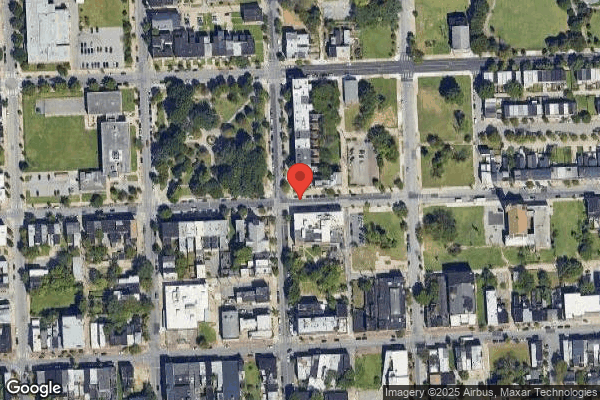
1217 WEST FAYETTE STREET, BALTIMORE, MD 21223 (410) 727-3947
For profit - Corporation 156 Beds COMMUNICARE HEALTH Data: November 2025 1 Immediate Jeopardy citation
Trust Grade
8/100
#159 of 219 in MD
Last Inspection: April 2024

Within standard 12-15 month inspection cycle. Federal law requires annual inspections.

Overview

Fayette Health and Rehabilitation Center has received a Trust Grade of F, indicating significant concerns about the quality of care provided. Ranking #159 out of 219 nursing homes in Maryland places it in the bottom half of facilities in the state, and #17 out of 26 in Baltimore City County means only a few local options are worse. Although the facility is trending towards improvement, having reduced issues from 26 in 2024 to 2 in 2025, the staffing situation is concerning with RN coverage lower than 82% of Maryland facilities, which can lead to missed problems. Families should note the alarming $162,159 in fines, indicating repeated compliance issues, and recent inspector findings included a critical incident where staff failed to supervise a resident after administering Narcan, putting them at risk, along with serious cases of inadequate medication management resulting in harm. Overall, while there are some strengths in staffing turnover being below the state average, the numerous deficiencies and fines raise significant red flags for potential residents and their families.

Trust Score
F
8/100
In Maryland
#159/219
Bottom 28%
Safety Record
High Risk
Review needed
Inspections
Getting Better
26 → 2 violations
Staff Stability
○ Average
33% turnover. Near Maryland's 48% average. Typical for the industry.
Penalties
✓ Good
$162,159 in fines. Lower than most Maryland facilities. Relatively clean record.
Skilled Nurses
○ Average
Each resident gets 30 minutes of Registered Nurse (RN) attention daily — about average for Maryland. RNs are the most trained staff who monitor for health changes.
Violations
⚠ Watch
65 deficiencies on record. Higher than average. Multiple issues found across inspections.
★★☆☆☆
2.0
Overall Rating
★★★☆☆
3.0
Staff Levels
★★★★☆
4.0
Care Quality
★★☆☆☆
2.0
Inspection Score
Stable
2024: 26 issues
2025: 2 issues

The Good

  • 4-Star Quality Measures · Strong clinical quality outcomes
  • Full Sprinkler Coverage · Fire safety systems throughout facility
  • No fines on record
  • Staff turnover below average (33%)

    15 points below Maryland average of 48%

Facility shows strength in quality measures, fire safety.

The Bad

2-Star Overall Rating

Below Maryland average (3.0)

Below average - review inspection findings carefully

Staff Turnover: 33%

13pts below Maryland avg (46%)

Typical for the industry

Federal Fines: $162,159

Well above median ($33,413)

Significant penalties indicating serious issues

Chain: COMMUNICARE HEALTH

Part of a multi-facility chain

Ask about local staffing decisions and management

The Ugly 65 deficiencies on record

1 life-threatening 3 actual harm
Aug 2025 2 deficiencies
CONCERN (D) 📢 Someone Reported This

A family member, employee, or ombudsman was alarmed enough to file a formal complaint

Potential for Harm - no one hurt, but risky conditions existed

Quality of Care (Tag F0684)

Could have caused harm · This affected 1 resident

**NOTE- TERMS IN BRACKETS HAVE BEEN EDITED TO PROTECT CONFIDENTIALITY** Based on medical record review and interview, it was determined that the facility's nursing staff failed to ensure that an newly...

Read full inspector narrative →
**NOTE- TERMS IN BRACKETS HAVE BEEN EDITED TO PROTECT CONFIDENTIALITY** Based on medical record review and interview, it was determined that the facility's nursing staff failed to ensure that an newly admitted resident (resident #17) had a complete discharge summary from the local hospital. This failure to have a complete discharge summary from the local hospital led to the facility being unsure if they had the complete list of medications needed for the resident's care. This was evident for 1 of 2 residents reviewed for neglect during a complaint survey. The findings include:On 8/12/25 at 8:00am, the surveyor reviewed complaint MD00210531/ IQIES 342276 which alleged that the facility failed to provide continuous oxygen to resident #17 when he/she was admitted to the facility on the evening of 10/3/24. Resident #17 had a family member call 911 for assistance and the resident was transferred to the local hospital on [DATE]. On 8/12/25 at 8:10am, surveyor review of resident #17's medical records revealed the resident was admitted from the local hospital with a portable oxygen tank that was administering 3 liters of oxygen though a nasal cannula. Further review of the medical record revealed that the resident complained of the tank being empty at 11:15pm on 10/3/24. The oxygen tank was replaced and the resident's oxygen saturation levels were measured at 98%. Continued review of resident #17's medical record on 8/12/24 at 8:45am revealed that an emergency transport (911) came to the facility on [DATE] at approximately 4:30am to transport the resident to the local hospital after the resident's family called for assistance. Facility nursing staff assessed the resident and discovered that the resident's oxygen saturation level was 84%. Facility nursing staff exchanged the nasal cannula with a re-breather mask. The resident's oxygen saturation level remained at 84%. The resident was transferred to the local hospital for treatment. Further review of resident #17's medical record on 8/12/24 at 9:00am revealed that the nursing staff consulted a telehealth provider on 10/3/24 at approximately 11:30pm to reconcile the medication list provided on the discharge summary and to order medications necessary for the resident's stay. The provider ordered a breathing treatment that was listed on the resident's discharge summary that was needed every 8 hours. Surveyor review of resident #17's discharge instructions on 8/13/24 at 2:30pm revealed the scanned document was not complete. The surveyor observed that the document was split between two scanned documents. The 1st part of the discharge summary was pages 1-17. The second part of the discharge summary was pages 18-36. The surveyor observed that the 2nd part of the discharge summary was missing pages 21-24 and 25-26. Surveyor review of resident #17's orders revealed no evidence of an oxygen administration order. Surveyor interview of LPN #45 on 8/13/25 at 3:15pm revealed that LPN #45 did not remember resident #17 even after the surveyor reminded LPN #45 that he/she wrote the resident's change in condition note 10/4/24. He/she stated that when new residents are admitted to the facility, the admitting nursing staff would assess the resident for the admission records. If the resident came to the facility after the providers left the facility for the day, nursing staff would call the telehealth provider (Convergence) to verify the medications from the hospital discharge summary, if necessary. The telehealth provider would also order any medications needed for the resident at that time. Surveyor interview of RN #46 on 8/13/25 at 3:55pm revealed that RN #46 also did not remember resident #17 even after the surveyor reminded RN #46 that he/she wrote the admission note on 10/3/24. The surveyor asked RN#46 why would an admitting resident be using an oxygen tank instead of an oxygen concentrator. RN#46 stated that the oxygen tank would be used during the initial assessment of the resident and eventually switched to an oxygen concentrator after the assessment by the provider. During an interview of the Executive Director (ED), Director of Nursing (DON), and Regional Clinical Director #44 on 8/13/25 at 4:15pm, the surveyor stated that a review of resident #17's medical record revealed that the resident did not have an oxygen administration order and the local hospital's discharge summary was missing pages in the scanned version of the discharge summary. The ED stated that the resident's paper records would be searched for the complete discharge summary and the oxygen order. The surveyor asked the group if nursing staff were responsible for ensuring that any discharge summaries were complete. Regional Clinical Director #44 confirmed that it is a shared responsibility for nursing staff and providers to ensure that a resident's discharge summaries are complete. Regional Clinical Director #44 also stated that every resident that required oxygen must have an order for oxygen administration. On 8/14/25 at 9:00am, interview of the ED, DON and Regional Clinical Director #44 confirmed that resident #17's medical records failed to contain an order for oxygen administration and a complete discharge statement from the local hospital. The ED also confirmed that the nursing staff and the provider failed to confirm that the discharge summary from the hospital was complete. The ED also confirmed that the telehealth provider failed to issue an oxygen administrator order for the resident after chart evaluation. The ED then stated that after surveyor intervention, the facility completed an audit of residents that were admitted in the last 30 days with oxygen to ensure that all of these residents had oxygen administration orders. Nurses were re-educated on the importance of ensuring that residents that are admitted with oxygen have a oxygen administration order as needed.
CONCERN (D) 📢 Someone Reported This

A family member, employee, or ombudsman was alarmed enough to file a formal complaint

Potential for Harm - no one hurt, but risky conditions existed

Respiratory Care (Tag F0695)

Could have caused harm · This affected 1 resident

**NOTE- TERMS IN BRACKETS HAVE BEEN EDITED TO PROTECT CONFIDENTIALITY** Based on medical record review and interview, the facility's nursing staff and telehealth provider failed to ensure that a newly...

Read full inspector narrative →
**NOTE- TERMS IN BRACKETS HAVE BEEN EDITED TO PROTECT CONFIDENTIALITY** Based on medical record review and interview, the facility's nursing staff and telehealth provider failed to ensure that a newly admitted resident with respiratory issues (resident #17) had an order for oxygen administration. This was evident for 1 of 2 residents reviewed for neglect during a complaint survey. The findings include:On 8/12/25 at 8:00am, the surveyor reviewed complaint MD00210531/ IQIES 342276 which alleged that the facility failed to provide continuous oxygen to resident #17 when he/she admitted to the facility on the evening of 10/3/24. Resident #17 had a family member call 911 for assistance and the resident was transferred to the local hospital on [DATE]. On 8/12/25 at 8:10am, surveyor review of resident #17's medical records revealed the resident was admitted from the local hospital with a portable oxygen tank that was administering 3 liters of oxygen though a nasal cannula. Further review of the medical record revealed that the resident complained of the tank being empty at 11:15pm on 10/3/24. The oxygen tank was replaced and the resident's oxygen saturation levels were measured at 98%. Continued review of resident #17's medical record on 8/12/24 at 8:45am revealed that an emergency transport (911) came to the facility on [DATE] at approximately 4:30am to transport the resident to the local hospital after the resident's family called for assistance. Facility nursing staff assessed the resident and discovered that the resident's oxygen saturation level was 84%. Facility nursing staff exchanged the nasal cannula with a re-breather mask. The resident's oxygen saturation level remained at 84%. The resident was transferred to the local hospital for treatment. Further review of resident #17's medical record on 8/12/24 at 9:00am revealed that the nursing staff consulted a telehealth provider on 10/3/24 at approximately 11:30pm to reconcile the medication list provided on the discharge summary and to order medications necessary for the resident's stay. The provider ordered a breathing treatment that was listed on the resident's discharge summary that was needed every 8 hours. Surveyor review of resident #17's discharge instructions on 8/13/24 at 2:30pm revealed the scanned document was not complete. The surveyor observed that the document was split between two scanned documents. The 1st part of the discharge summary was pages 1-17. The second part of the discharge summary was pages 18-36. The surveyor observed that the 2nd part of the discharge summary was missing pages 21-24 and 25-26. Surveyor review of resident #17's orders revealed no evidence of an oxygen administration order. Surveyor interview of LPN #45 on 8/13/25 at 3:15pm revealed that LPN #45 did not remember resident #17 even after the surveyor reminded LPN #45 that he/she wrote the resident's change in condition note 10/4/24. He/she stated that when new residents are admitted to the facility, the admitting nursing staff would assess the resident for the admission records. If the resident came to the facility after the providers left the facility for the day, nursing staff would call the telehealth provider (Convergence) to verify the medications from the hospital discharge summary, if necessary. The telehealth provider would also order any medications needed for the resident at that time. Surveyor interview of RN #46 on 8/13/25 at 3:55pm revealed that RN #46 also did not remember resident #17 even after the surveyor reminded RN #46 that he/she wrote the admission note on 10/3/24. The surveyor asked RN#46 why would an admitting resident be using an oxygen tank instead of an oxygen concentrator. RN#46 stated that the oxygen tank would be used during the initial assessment of the resident and eventually switched to an oxygen concentrator after the assessment by the provider. During an interview of the Executive Director (ED), Director of Nursing (DON), and Regional Clinical Director #44 on 8/13/25 at 4:15pm, the surveyor stated that a review of resident #17's medical record revealed that the resident did not have an oxygen administration order and the local hospital's discharge summary was missing pages in the scanned version of the discharge summary. The ED stated that the resident's paper records would be searched for the complete discharge summary and the oxygen order. The surveyor asked the group if nursing staff were responsible for ensuring that any discharge summaries were complete. Regional Clinical Director #44 confirmed that it is a shared responsibility for nursing staff and providers to ensure that a resident's discharge summaries are complete. Regional Clinical Director #44 also stated that every resident that required oxygen must have an order for oxygen administration. On 8/14/25 at 9:00am, interview of the ED, DON and Regional Clinical Director #44 confirmed that resident #17's medical records failed to contain an order for oxygen administration and a complete discharge statement from the local hospital. The ED also confirmed that the nursing staff and the provider failed to confirm that the discharge summary from the hospital was complete. The ED also confirmed that the telehealth provider failed to issue an oxygen administrator order for the resident after chart evaluation. The ED then stated that after surveyor intervention, the facility completed an audit of residents that were admitted in the last 30 days with oxygen to ensure that all of these residents had oxygen administration orders. Nurses were re-educated on the importance of ensuring that residents that are admitted with oxygen have a oxygen administration order as needed.
Apr 2024 26 deficiencies
CONCERN (D)

Potential for Harm - no one hurt, but risky conditions existed

Resident Rights (Tag F0550)

Could have caused harm · This affected 1 resident

**NOTE- TERMS IN BRACKETS HAVE BEEN EDITED TO PROTECT CONFIDENTIALITY** Based on observation and interviews, it was determined that the facility staff failed to ensure the dignity of the residents as ...

Read full inspector narrative →
**NOTE- TERMS IN BRACKETS HAVE BEEN EDITED TO PROTECT CONFIDENTIALITY** Based on observation and interviews, it was determined that the facility staff failed to ensure the dignity of the residents as evidenced by: 1) Nursing staff failed to wear a name tag and 2) Nursing staff use of a personal cell phone during Resident's (#16) care. This was found to be evident for 1 out of 1 Resident for dignity. The findings include: 1) On 3/18/24 at 9:13 AM the surveyor observed Geriatric Nursing Assistant (GNA) #12 on the 3rd floor nursing unit without a name tag. During an interview the surveyors asked GNA #12 what was the facility's expectation for name tags. The GNA advised the surveyors that she was expected to wear a name tag at all times. The GNA #12 then wrote her name on a piece of tape and placed it on her uniform. On 3/20/24 at 6:30 AM the surveyors observed that Registered Nurse (RN) #22 walked out of resident room [ROOM NUMBER] and into the hallway toward the 3rd floor nursing station without a name tag. During an interview the surveyors asked the RN what was the expectation for the name tag. The RN replied that the expectation was for him to have worn a name tag at all times. 2) On 3/19/24 at 8:40 AM the surveyor observed GNA #49 on her personal cell phone while she assisted Resident #16 with their lunch. During an interview, the surveyors observed the GNA's uniform without a name tag. The surveyor asked GNA #49 what was the facility's expectation for name tags and personal phone usage in resident rooms. The GNA stated that she should not use her cell phone inside of the resident room and she should have worn a name tag.
CONCERN (D) 📢 Someone Reported This

A family member, employee, or ombudsman was alarmed enough to file a formal complaint

Potential for Harm - no one hurt, but risky conditions existed

Deficiency F0551 (Tag F0551)

Could have caused harm · This affected 1 resident

Based on interviews and record review it was determined that the facility failed to honor the rights, delegated to a Resident's Representative by informing them of changes to the plan of care. This wa...

Read full inspector narrative →
Based on interviews and record review it was determined that the facility failed to honor the rights, delegated to a Resident's Representative by informing them of changes to the plan of care. This was found evident of 1 (Resident #77) of 9 residents reviewed for advanced directive during an annual and complaint survey. The finding include: On 3/19/24 at 10:08 AM, the surveyor reviewed Resident #77's medical records. The review revealed that Resident #77 was admitted to the facility in early August 2023. Further review revealed on 9/8/23 and on 9/11/23 two providers evaluated Resident #77 and documented their findings on a form titled, Physician Certification Related to Medical Condition, Substitute Decision Making, and Treatment limitations. Both providers evaluated that Resident #77 was unable to understand and sign admission documentation, unable to understand the nature, extent or probable consequences of the proposed treatment, and unable to make a rational evaluation of the burdens, risks, and benefits of the treatments. Both Providers deemed Resident #77 incapable of making an informed decision regarding the provision of withholding or withdrawing of all medical treatments. The provider on 9/8/23 checked that Resident #77 was unable to appoint a health care representative and the Provider on 9/11/23 checked that Resident #77 was able to appoint a health care representative. On 3/25/24 at 10:52 AM, the surveyor reviewed the social history assessment completed by the Social Worker's Assistant Staff #17. The assessment was completed after Resident #77's was readmitted to the facility in October of 2023. Staff #17 indicated that Resident #77 had decision making-capacity and no name was written in the section Resident's health care proxy or agent. On 3/25/24 at 11:17 AM, the surveyor interviewed the Social Worker Staff #16 and Social Worker Assistant Staff #17. The surveyor showed the social history form to Staff #16. Staff #16 stated Resident #77 came in as his own decision maker but currently his/her ex-significant other is the decision maker. She further stated the Resident #77 was evaluated by his/her provider and is currently unable to make decisions. She further stated that in order to change that decision a new evaluation would have to be completed. The surveyor asked for documentation to validate this information. The surveyor informed Staff #16 that currently the contact information in Resident #77's medical record states Resident #77's Representative as Self/Resident and listed as emergency contact as Resident #77's ex- spouse. On 3/25/24 at 11:35 AM, the surveyor reviewed Resident #77's recent change of condition evaluations. On 11/12/23 Resident #77 made an allegation of abuse and was injured. The name of the family/resident representative notified was Resident #77's ex-spouse. The following change of condition was written on that same day, also notified the ex-spouse of Resident #77's non-compliance with treatment of the injury. On 12/12/23 Resident #77 had an increase to his/her methadone (a medication prescribed to treat narcotic drug addiction). In the summary section it stated Nurse Practitioner (NP) notified and the Resident is his/her own Responsible Person (RP). On 2/2/24 the summary of Resident #77's change of condition summarizes that Resident #77's potassium was low, the NP is aware, and Resident is his/her own RP. On 2/6/24 Resident #77's methadone was increased again and in the change of condition summary it stated NP aware, and Resident is his/her own RP. On 3/25/24 at 1:11 PM, the surveyor interviewed Licensed Practical Nurse (LPN) Staff #38. During the interview, Staff #38 stated when needing to communicate plan of care changes to the Resident's responsible party, she would look at the face sheet. She further stated the face sheet has an area that indicates who the Resident's Representative is and if they are unable to be reached then the next person listed should be contacted. On 3/25/24 at 12:07 PM, the surveyor conducted an interview with the Nursing Home Administrator (NHA). During the interview the NHA stated she was under the impression that Resident #77 was not capable of making medical decisions. She further stated that a surrogate form should be filled out to indicate who is to help make the decision for the resident and the social services staff should have had this filled out.
CONCERN (D) 📢 Someone Reported This

A family member, employee, or ombudsman was alarmed enough to file a formal complaint

Potential for Harm - no one hurt, but risky conditions existed

Deficiency F0583 (Tag F0583)

Could have caused harm · This affected 1 resident

Based on a review of clinical records, staff interview, and an investigation of Intake #MD00203099 it was determined that the facility staff failed to ensure a resident's personal and medical informat...

Read full inspector narrative →
Based on a review of clinical records, staff interview, and an investigation of Intake #MD00203099 it was determined that the facility staff failed to ensure a resident's personal and medical information. That was placed in another resident's clinical record. This was evident for 1 (#382) out of 48 residents in the survey sample. The findings include: A review of Resident #382's clinical record on 4/3/24 at 10:50 AM revealed that a discharge summary and Preadmission Screening and Resident Review (PASRR) form for Resident #41 was present. Interviewed the Administrator 4/3/24 at 12:12 PM. Showed the attached personal information and she stated that it should not be there.
CONCERN (D)

Potential for Harm - no one hurt, but risky conditions existed

Safe Environment (Tag F0584)

Could have caused harm · This affected 1 resident

Based on observations, interviews and documentation review it was determined the facility failed to ensure that personal property was not lost. This was found to be evident for 1 (Resident #28) out of...

Read full inspector narrative →
Based on observations, interviews and documentation review it was determined the facility failed to ensure that personal property was not lost. This was found to be evident for 1 (Resident #28) out of 1 Resident observed for missing property. The findings include: During the initial tour conducted on the 3rd floor nursing unit on 03/17/24 at 12:25 pm, the surveyors interviewed Resident #28. The Resident informed the surveyors that he/she had missing clothes and that he/she went down to the laundry department often to look for clothes. The Resident further stated that he/she had reported the missing clothes several times to the Nurses, Social Service Director, and the Administrator. On 3/29/24 at 9:05 am the surveyors interviewed the Nursing Home Administrator (NHA) about the process for missing personal property. The NHA conveyed to the surveyors that an inventory list is completed when the Resident is first admitted to the facility. The facility will review the inventory form when Residents have a concern about missing items, a grievance form would be completed and an investigation would be conducted. If the missing item is not located the facility would replace the missing item. The surveyor reviewed the grievance forms that were provided by the NHA on 3/29/24 at 10:30 am. The following grievance forms were reviewed by the surveyor: 12/1/23, 12/4/23, 1/3/24, 1/10/24, 1/16/24, 2/15/24 and 2/22/24. The facility did not have any grievance forms for Resident #28 related to missing personal property (specifically missing clothes). The NHA confirmed that there were not any grievance forms for Resident #28. The surveyors interviewed Resident #28 again on 4/1/24 at 8:14 am, Resident #28 stated that she lost a shirt, pants and coat, but was not aware that he/she needed to include these items on the inventory sheet. On 4/1/24 at approximately 8:45 am the surveyor interviewed Geriatric Nursing Assistant (GNA) #12 and Licensed Practical Nurse (LPN) #6. Both employees conveyed that the personal inventory sheet is kept in the back of the physical chart. On 4/1/24 at 8:50 am the surveyor reviewed Resident #28's physical chart and was unable to locate a personal inventory sheet. The surveyors interviewed Social Service Director #16 at 9:03 am on 4/1/24 about the procedure for missing personal items. The Social Service Director stated that she would check the personal inventory sheet to see if the item is listed on the inventory sheet, the Housekeeping Supervisor #42 would look for any missing clothing items, and if the item could not be located the NHA would replace the missing item. The Social Service Director further indicated that she was aware of Resident #28'ss missing clothing items and that Resident had three bags of clothes when he/she moved-in to the facility. The Social Service Director stated that the Housekeeping Supervisor was now looking for these clothing items. At 9:30 am on 4/1/24 the surveyor asked the NHA if there now was a grievance form completed since Resident #28 had once again expressed his/her concern for the missing clothing items. NHA revealed that she was not aware of missing clothing items for Resident #28 and that she would follow-up with the Social Service Director and Housekeeping Supervisor. On 4/2/24 at 9:35 am the surveyors interviewed Housekeeping Supervisor #42 with the NHA present. The facility is unable to locate Resident #28's personal inventory sheet as conveyed by the NHA. The Housekeeping Supervisor stated that he had met with Resident #28 on 3/29/24 to review his/her missing items and provided the surveyors with a 1 1/2-page list of the missing items. The NHA stated that she will review this list of missing items from Resident #28 and replace items as indicated. The Housekeeping Supervisor further stated that when Resident #28 first came into the facility, he/she had 3 bags of clothing,1 bag to be washed and the other 2 bags to be donated. The Housekeeping Supervisor advised the surveyors that he believed all 3 bags of clothing were donated by mistake because he could not locate the bag of clothes that were labeled to be washed. The NHA provided the surveyor with a grievance form on 4/3/24 at 10:10 am for Resident #28 missing clothing items that included two clothing items listed as an immediate need. This grievance form was dated 3/29/24 as date received from Social Service Director #16 and the NHA signature was signed with a date of 4/2/24.
CONCERN (D) 📢 Someone Reported This

A family member, employee, or ombudsman was alarmed enough to file a formal complaint

Potential for Harm - no one hurt, but risky conditions existed

Free from Abuse/Neglect (Tag F0600)

Could have caused harm · This affected 1 resident

Based on record review, review of facility incidents, and interviews it was determined that the facility failed to ensure that a resident was free from verbal abuse. This was found to be evident for 2...

Read full inspector narrative →
Based on record review, review of facility incidents, and interviews it was determined that the facility failed to ensure that a resident was free from verbal abuse. This was found to be evident for 2 (Resident #24 and #78) out of 9 residents reviewed for abuse. The findings include: 1) On 3/20/24 at 12:18 PM, the surveyors reviewed the Facility Reported Incident (FRI) dated 11/27/23 that had an allegation of verbal abuse against Resident #24. The resident alleged that the Registered Nurse (RN) used profane words and was dismissive when he/she advised the RN that he/she had a cold room.The statement obtained by the facility during their investigation revealed an admission from the RN that she had used profanity and was dismissive of the resident's concern. The surveyors reviewed the facility's Policies and Standard Procedures for Abuse on 3/20/23 at 12:45 PM. The definition of verbal abuse means the use of oral, written, or gestured communication or sounds that willfully includes disparaging and derogatory terms to residents, or within hearing distance, regardless of their age, ability to comprehend, or disability. On 3/19/23 at 8:20 AM the surveyors conducted an interview with Resident #24 who did not recall that the incident occurred but stated, that the staff was rude. The surveyors conducted an interview with the Nursing Home Administrator (NHA) on 3/21/24 at 12:15 PM about the allegation of verbal abuse. During the interview the NHA stated that she vaguely remembered the incident that occurred with the resident and the nurse. NHA stated that she and her corporate office felt as though there was no intent of the verbal abuse by the nurse and that was why the NHA concluded that the allegation could not be verified; therefore, the allegation of verbal abuse was unsubstantiated. The NHA added that the nurse felt very remorseful and did not mean to cause agitation to the resident by her response to him/her. On 3/22/24 at 10:58 AM the NHA provided the surveyors with the In-Service Training Report and in-service content dated 11/30/23 that RN #60 received for abuse training. 2) An investigation of intake #MD00203099 on 3/20/24 revealed the Administrator was informed by an anonymous caller on 2/2/24 that a video was being circulated online of an alleged verbal abuse of a resident by a staff member. The staff members were interviewed and there were no witnesses of the alleged abuse. The allegation was verified as evident of staff witnessing the alleged verbal abuse of video. Staff education and in-service on abuse was conducted on 2/2/24. Resident reported to staff on 2/2/24 that he/she did not feel disrespected in any way. The Director of Nursing (DON) was interviewed on 3/20/24 at 10:42 AM. Another resident recorded the incident and posted it. That resident then took it down. Staff member was terminated as a result. The Administrator was informed of the findings and the conclusion on 4/2/24 at 10:05 AM. She said she was aware of the incident and understood it as a concern.
CONCERN (D)

Potential for Harm - no one hurt, but risky conditions existed

Report Alleged Abuse (Tag F0609)

Could have caused harm · This affected 1 resident

Based on medical record review and interview, it was determined that the facility failed to ensure that the reporting of reasonable suspicion of an abuse result in serious bodily injury was no later t...

Read full inspector narrative →
Based on medical record review and interview, it was determined that the facility failed to ensure that the reporting of reasonable suspicion of an abuse result in serious bodily injury was no later than 2 hours to the State Agency after informing the State Agency of the suspicion of an abuse incident. This was evident for 1 (Resident #64) out of 12 residents reviewed for the facility self-report incidents. The findings include: An incident that involves a reasonable suspicion of abuse of a resident must be reported in an initial facility self-report to the State Agency within 2 hours after the incident was reported. Record review, on 03/28/24 at 1:20 PM, of the facility's self-report file found that an initial self-report (MD00200322) was sent, on 12/6/23 at 5:45 PM, to the State Agency. Further review revealed that within the facility's self-report investigation form, the alleged incident date and time was on 12/4/23 at 10:49 PM. It meant the incident occurred 2 days prior to the initial report date. On page 5 out of 7 of the self-report investigation form Resident #64 complained of right hip pain at that time. On 12/4/23 Nurse Practitioner #52 charted that Resident #64 had, a fall 3 days ago but not documented, which meant that the resident was injured on 12/1/23. On 12/5/23 an x-ray was ordered and confirmed that Resident #64 had a right hip intertrochanteric fracture. The resident was transferred to a community hospital where he/she had urgent surgery on 12/6/23. Hip intertrochanteric fracture- A hip fracture is a break in the upper portion of the femur thighbone. Most hip fractures occur in elderly patients whose bones have become weakened. During a telephone interview, on 4/3/24 at 11:06 AM, nurse (Staff #38) stated that on 12/4/23 at 10:49 PM Resident #64 returned to his/her room in a wheelchair. At that time the resident told Staff #38 about the right hip pain and mentioned that he/she fell 3 days ago but he/she did not tell anyone. Staff #38 added this resident usually was ambulatory upon this date. During an interview, on 4/3/2024 at 11:25 AM, the Administrator confirmed that the facility staff were made aware of this reasonable suspicion of serious bodily injury on 12/4/23 at 10:49 PM, however, the initial self-report was not sent to the State Agency until 12/6/23 at 5:45 PM, 2 days and 7 hours later.
CONCERN (D)

Potential for Harm - no one hurt, but risky conditions existed

Transfer Notice (Tag F0623)

Could have caused harm · This affected 1 resident

**NOTE- TERMS IN BRACKETS HAVE BEEN EDITED TO PROTECT CONFIDENTIALITY** 2) On 03/22/2024 at 08:13 AM, a review of Resident #63's electronic and paper medical record revealed that Resident #63 was tran...

Read full inspector narrative →
**NOTE- TERMS IN BRACKETS HAVE BEEN EDITED TO PROTECT CONFIDENTIALITY** 2) On 03/22/2024 at 08:13 AM, a review of Resident #63's electronic and paper medical record revealed that Resident #63 was transferred to the hospital on [DATE] due to abdominal pain and vomiting. Further review of Resident #63's medical record revealed no documentation that the resident/resident representative was notified in writing of the hospital transfer. On 03/25/24 at 08:35 AM, an interview conducted with Registered Nurse (RN #4) revealed that prior to the transfer, he/she verbally told the resident that they are being transferred to the hospital. RN #4 further stated that he/she does not give a written notice to the resident when they transfer. At the time of exit conference, the facility did not provide any evidence that a written notice of transfer was given to Resident #63 and the resident's representative. 3) On 03/22/2024 at 08:13 AM, a review of Resident #109's electronic and hospital discharge summary revealed that Resident #109 was admitted to the facility on [DATE] and transferred to the hospital on 1/10/2024 due to the facility not having appropriate respiratory equipment on hand. Further review of Resident #109's medical record revealed no documentation that the resident/resident representative was notified in writing of the hospital transfer. On 03/25/24 at 08:35 AM, an interview conducted with RN #4 revealed that prior to transfer, he/she verbally told the resident that they are being transferred to the hospital. RN #4 further stated that he/she does not give a written notice to the resident when they transfer. At the time of exit conference, the facility did not provide any evidence that a written notice of transfer was given to Resident #109 and the resident's representative. Based on record review, and interviews, it was determined the facility failed to: 1) provide written notice with the reason for transfer to a Resident and 2) failed to notify the Ombudsman of residents that transferred. This was found evident of 3 of 6 (Resident #332, #63, and #109) residents reviewed for hospitalization during the survey. The findings included: 1a) On 3/18/24 at 9:49 AM, the surveyor conducted an interview with Resident #332. During the interview Resident #332 stated he/she had recently been hospitalized . On 3/22/24 at 7:56 AM, the surveyor reviewed Resident #332's medical record. The review revealed that in early February 2024 Resident #332 was transferred to the hospital. Further review revealed a change of condition progress note written by Licensed Practical Nurse (LPN) Staff #50 for the hospital transfer. The note stated, the resident was notified of the reason for transfer. However there was no indication that the resident received a written notice for the reason for transfer or that the resident understood or acknowledged the transfer notification. 1b) On 3/27/24 at 9:52 AM, the surveyor requested the notification of transfers and discharges that were given to the Ombudsman for the month of February 2024. On 3/27/24 at 2:01 AM, the surveyor and the Nursing Home Administrator (NHA) reviewed the email sent to the Ombudsman Office regarding February's transfers and discharges. The NHA stated that the Social Worker provided the list. After review, Resident #332 was not on the February 2024 transfer and discharge list. The NHA acknowledged that the transfers for the month were not sent to the Ombudsman, only the discharges.
CONCERN (D)

Potential for Harm - no one hurt, but risky conditions existed

Deficiency F0655 (Tag F0655)

Could have caused harm · This affected 1 resident

Based on interview and record review it was determined that the facility failed to develop and provide the baseline care plan to a newly admitted resident. This was found to be evident for 1(Resident ...

Read full inspector narrative →
Based on interview and record review it was determined that the facility failed to develop and provide the baseline care plan to a newly admitted resident. This was found to be evident for 1(Resident #125 and #109) of 6 residents reviewed for care planning during the survey. The finding include: On 3/21/24 at 8:51 AM the surveyor reviewed Resident #125's medical record. The review revealed that Resident #125 was admitted to the facility in late January 2024. Further review revealed no baseline care plan note. A nursing evaluation was completed on 1/24/24, however in the evaluation there was no indication that any care planning was discussed with the resident or that the resident received a summary. The evaluation did not document the therapy services the facility planned to provide, the resident's goals to be obtained or a summary of the resident's medications with dietary instructions. On 3/21/24 at 12:54 PM, the surveyor requested the baseline care plan for Resident #125 from the Nursing Home Administrator (NHA). On 3/21/24 at 1:41 PM, the NHA returned stating that nursing does the baseline care planning in their initial assessment. The surveyor reviewed the concerns that there was no indication that the care plan was discussed with the resident and that the services that the facility was planning on providing was not part of the evaluation. The NHA stated that she would investigate the concern. At the time of exit no additional information was given to the surveyor regarding baseline care planning.
CONCERN (D)

Potential for Harm - no one hurt, but risky conditions existed

Comprehensive Care Plan (Tag F0656)

Could have caused harm · This affected 1 resident

**NOTE- TERMS IN BRACKETS HAVE BEEN EDITED TO PROTECT CONFIDENTIALITY** Based on observation, interviews and record review it was determined that the facility failed to develop a care plan for smoking...

Read full inspector narrative →
**NOTE- TERMS IN BRACKETS HAVE BEEN EDITED TO PROTECT CONFIDENTIALITY** Based on observation, interviews and record review it was determined that the facility failed to develop a care plan for smoking. This was found to be evident for 3 (Resident #28, #125, and #111) out of 6 residents reviewed for care plans. The findings include: On the initial tour of the facility on 3/17/24 at 12:10 PM the surveyors smelled smoke in Resident #28's room as they entered the room. Resident #28 was the only resident residing in the room at that time. The surveyors immediately interviewed the resident with the Unit Manager #50. The resident conveyed that he/she does not smoke. The surveyors and Unit Manager #50 observed 3 cigarette butts in water in a plastic cup and an empty pack of [NAME] cigarettes on the dresser in the rsident's room. Resident #28 denied the use of these cigarette butts. Review of the care plan for Resident #28 conducted by the surveyor on 3/17/24 at 1:00 PM revealed that the resident did not have a care plan for smoking. The surveyors interviewed the Nursing Home Administrator (NHA) at 1:20 PM on 3/17/24 and told the NHA that there was a smell of smoke in Resident #28's room along with cigarette butts and an empty pack of cigarettes. The NHA confirmed that Resident #28 had a smoking contract. A review of the facility's smoking list was conducted on 3/19/24 at 11:45 AM by the surveyors. The smoking list identified Resident #28 as a smoker. During an interview with the Activities Assistant (Staff #35) on 3/19/24 at 11:48 AM, Activities Assistant #35 stated that Resident #28 comes outside to smoke two times a month without his/her oxygen tank. The Activities Assistant further stated that the resident stopped off at the therapy department to drop off his/her oxygen tank prior to going outside to smoke. Once the resident had finished smoking outside Resident #28 would return to the therapy department to retrieve his/her oxygen tank. Review of the medical record by the surveyor on 3/27/24 at 7:15 AM revealed that Resident #28 had smoking assessments completed on the following dates: 11/7/22, 11/29/22, 10/18/23 & 2/17/24 which indicated cigarettes as the type of nicotine used. Further review of the medical record revealed a Notice of Violation of Guidelines or Resident Behavior form signed by Resident #28 on 1/2/24 that indicated that the resident had been observed, and documented that he/she had smoked with oxygen in the room. Also, Resident #28 signed the Smoking Acknowledgement Form (smoking contract) on the following dates: 1/2/24 and 3/12/24. Upon review of Resident #28's care plan on 3/27/24 at 9:45 AM the surveyor noted that a care plan was not added for Resident #28 related to the use of nicotine products until 3/18/24. 2) On 3/19/24 at 9:43 AM, the surveyor interviewed Resident #125. During this interview Resident #125 stated that he/she had just been discharged from physical therapy and was waiting on someone to help him/her with discharge planning. On 3/21/24 at 8:51 AM the surveyor reviewed Resident #125's medical record. The review revealed that Resident #125 was admitted to the facility in late January 2024. Further review revealed on Resident #125's admission Minimum Data Set (MDS) assessment that Resident #125 indicated his/her discharge goal was to be discharged to the community. The assessment stated no, to the question; Is active discharge planning already occurring for the resident to return to the community? The surveyor next reviewed Resident #125's care plan. No care plan was initiated for anticipating the resident's discharge needs. On 3/21/24 at 1:41 PM, the surveyor conducted an interview with the Nursing Home Administrator (NHA). During the interview the NHA confirmed that there was no discharge care plan initiated and there should have been one. 3) A review of Resident #111's clinical record on 3/18/24 revealed that the resident has incontinence and that staff use incontinence briefs on him/her. The resident was not on a toileting program to correct the incontinence. The resident's care plan noted that the resident was independent with bathroom Activities of Daily Living (ADL). A resident who is independent with bathroom ADL's is usually able to use a commode or toilet, and does not need to use an incontinence brief. The Administrator was interviewed on 4/2/24. She was informed of the findings and asked why the nursing was using the incontinence briefs on the resident. She acknowledged the findings, said it was a concern to her, and she would look into it.
CONCERN (D)

Potential for Harm - no one hurt, but risky conditions existed

ADL Care (Tag F0677)

Could have caused harm · This affected 1 resident

Based on resident interview, staff interview, and observation it was determined that the facility staff failed to ensure that residents toenails were cut. This was evident for 1 (#183) out of 48 resid...

Read full inspector narrative →
Based on resident interview, staff interview, and observation it was determined that the facility staff failed to ensure that residents toenails were cut. This was evident for 1 (#183) out of 48 residents in the survey sample. The findings are: This surveyor observed Resident #183 on 3/18/24 at 9:59 AM and witnessed that the right foot had a long toenail on the big toe that measured about one inch above the toe. This surveyor interviewed Resident #183 on 3/18/24 at 10:02 AM. The resident stated that no one has cut the toenails even after the dressings on the feet were changed. The resident's toenail was observed on 3/22/24 at 1:13 PM to still be long. The Regional Clinical Director (Staff # 20) was interviewed on 4/2/24 at 11:40 AM. He confirmed that the resident had a podiatry appointment last week and said the facility will complete an 100% audit of all residents to ensure nails would be cut.
CONCERN (D)

Potential for Harm - no one hurt, but risky conditions existed

Deficiency F0679 (Tag F0679)

Could have caused harm · This affected 1 resident

Based on interviews and record review it was determined that the facility failed to have an activities program designed to meet the interests and needs of residents based on the resident's comprehensi...

Read full inspector narrative →
Based on interviews and record review it was determined that the facility failed to have an activities program designed to meet the interests and needs of residents based on the resident's comprehensive assessment and care plan. This was found evident of 2 (Resident #7 and #79) of 5 residents reviewed for activity during the survey. The findings include: 1) On 3/18/24 at 10:33 AM, and on 3/19/24 at 10:21 AM, the surveyor observed Resident #7 lying in bed with the covers pulled over his/her head. On 3/21/24 at 6:43 AM, the surveyor reviewed Resident #7's medical record. The review revealed that Resident #7 was admitted to the facility in early 2020 with a medical diagnosis, of, but not limited to, paranoid schizophrenia, major depressive disorder, adjustment insomnia, and mild cognitive impairment. Further review revealed a Minimum Data Set (MDS) assessment was conducted on 1/15/24 for Resident #7 and indicated his/her preferences in section F of the assessment. Resident #7 indicated it was very important to do things in group activities, keep up with the news, go outside, participate in religious practices and to do his/her favorite activities. Resident #7 also indicated it was somewhat important to listen to music and be around animals. Next the care plan was reviewed and Resident #7 had two care plans for activities. The first care plan was initiated in October of 2021 and the stated focus was for Resident #7 to engage in self-directed activities. The second care plan was developed in February of 2024 and the focus stated, Resident #7's activities to be self-directed and for activities in and out of the room daily. It further stated Resident #7 was dependent on staff for activities, cognitive simulation, or social interaction due to the disease process of paranoid schizophrenia. Interventions listed were, encourage attendance to entertainment programs, large and small group activities, volunteer demonstrations and religious activities. On 3/25/24 at 1:08 PM, the surveyor again observed Resident #7 lying in bed. The lunch tray was at the bedside table and the juice container was empty. On 3/27/24 at 6:58 AM, the surveyor reviewed a progress note written on 2/27/23 Activities Assistant Staff #50. In the progress note Staff # 50 described that the Activities Director Staff #28 followed up with Resident #7 about an altercation Resident #7 had with another Resident. The plan described Resident #7 will be receiving 1:1 programs. The plan further states the activities staff would visit 1-2 times per day and provide 1:1 in and out room diversionary activities and materials of interest for the resident. The notes stated an infant doll was provided and the Resident was pleased with the plan. On 3/27/24 at 12:25 PM, the surveyor interviewed the Activities Director Staff #28. During the interview Staff #28 stated she had completed the last preference assessment on Resident #7. She further stated she could provide the attendance log for the activities that were provided to Resident #7. On 3/29/24 at 9:25 AM, the surveyor reviewed the one-on-one visit logs provided by the activities staff. The documented activities are as follows: On 2/15/24, a notation that activities staff delivered a snack to Resident #7, on 2/17/24 tea and coffee was delivered with music stimulation. In March of 2024 on 3/4/24 and 3/24/24 a snack was delivered with music playing during distribution, on 3/8/24 a light conversation was offered, and 3/25/24 a crossword and snack was delivered and on 3/27/24 a snack and a conversation was offered. In the two months reviewed no activities were offered that Resident #7 had expressed were very important in the MDS preferences assessment or the 1-2 time a day interaction as written in the activities progress note. 2) This surveyor interviewed Resident #79 on 3/17/24 at 11:42 AM. Resident #79 was asked about the facility's activity program and he/she replied that the activities were limited to being provided a snack such as fruit or pizza, listening to music or talking with each other. This surveyor requested activity logs from the Administrator on 3/21/24. The logs were for 2/9/24, 2/11/24, and 2/23/24. The activities were coloring material dropped off (3/21), supplies delivery (2/11), and nails and conforsation. This surveyor interviewed the Administrator and the Regional Clinical Director (Staff #20) on 4/2/24 at 10:15 AM. They were shown the sheets, and the lack of activities was shared with them including supplies delivery being used as an activity. They saw the sheets and did not disagree that the activities were lacking.
CONCERN (D)

Potential for Harm - no one hurt, but risky conditions existed

Unnecessary Medications (Tag F0759)

Could have caused harm · This affected 1 resident

Based on observations, record reviews and interviews it was determined that the facility failed to ensure the medication error rate of 5% or less. This was found to be evident for the medication admin...

Read full inspector narrative →
Based on observations, record reviews and interviews it was determined that the facility failed to ensure the medication error rate of 5% or less. This was found to be evident for the medication administration observation during the re-certification survey. The findings include: During an observation of medication administration conducted on 3/20/24 at 8:38 AM for Resident #113, the surveyor observed Certified Medication Aide (CMA) #14 check off Vitamin D 25 mEq (milliequivalent) 2 tablets in the resident's electronic health record as administered. The surveyor observed the CMA retrieve and place all medications ordered for 8:00 AM except for Vitamin D in a medication cup. The CMA entered the resident's room, handed the resident the medication cup and stated here are your morning medications. During the continued observation of the medication administration conducted on 03/20/24 at 9:08 AM, CMA #14 and the surveyor reviewed Resident #72's electronic health record for medications. The resident had an order for Levothyroxine 50 mcg (1 millionth of a gram) to be administered before breakfast. The surveyor observed CMA administer 1 tablet of Levothyroxine 50 mcg to Resident #72. During the observation the surveyor observed a breakfast tray that appeared to have been eaten. The surveyor asked the resident had he/she eaten breakfast; the resident replied yes. On 03/20/24 at 9:14 AM the surveyor conducted an interview with CMA #14. During the interview the CMA confirmed that she failed to administer the Vitamin D tablet for Resident #113 and stated she did not realize that Resident #72's order for Levothyroxine was to be administered before breakfast. During an interview conducted on 03/20/24 at 10:25 AM, the surveyor advised the Nursing Home Administrator (NHA) and Director of Nursing (DON) that the medication administration observation resulted in an error rate of 8%.
CONCERN (D)

Potential for Harm - no one hurt, but risky conditions existed

Deficiency F0761 (Tag F0761)

Could have caused harm · This affected 1 resident

**NOTE- TERMS IN BRACKETS HAVE BEEN EDITED TO PROTECT CONFIDENTIALITY** Based on observations and staff interviews it was determined that the facility failed to maintain a safe and effective system fo...

Read full inspector narrative →
**NOTE- TERMS IN BRACKETS HAVE BEEN EDITED TO PROTECT CONFIDENTIALITY** Based on observations and staff interviews it was determined that the facility failed to maintain a safe and effective system for securing medication and treatments in designated carts on the nursing units. This was found to be evident for 1 out of 7 medication carts and 2 out of 5 treatment carts observed during random tours of the facility. The findings include: During a random tour of the 1st floor nursing station conducted on 03/18/24 at 6:30 AM, the surveyor observed a medication cart unlocked. This surveyor was able to open each drawer of the cart and observe medications that were labeled with the resident's name and room number, as well as, house medications. On 03/18/24 at 6:33 AM an interview was conducted with the Licensed Practical Nurse (LPN) #18. During the interview the LPN confirmed that the unlocked medication cart was assigned to him and that he was responsible for the cart being unlocked. The LPN further stated the facility's expectation was for the medication cart to be always locked when unattended. During an interview with the Nursing Home Administrator (NHA) conducted on 03/18/24 at 7:00 AM, the NHA stated that she had been made aware of the unlocked cart and would educate LPN #18. She further stated that she had begun to conduct an in-service for unlocked medication carts. During a random tour of the 1st floor nursing station conducted on 03/19/24 at 7:58 AM, the Surveyor observed an unlocked treatment cart labeled treatment 1st floor. The Surveyors observed LPN #13 leave the nursing station and go into the service room located on the 1st floor nursing unit. This surveyor was able to open each of the drawers and observe a suture removal kit, scissors, creams, ointments, bandages, and dressings. On 03/19/24 at 8:03 AM an interview was conducted with LPN #13. During the interview LPN stated, she was aware the cart was unlocked, and it had been unlocked prior to her taking possession. When asked what the facility's expectations were for unlocked carts the LPN replied that the facility's expectation was that the treatment cart always remained locked when unattended. During an interview conducted on 03/19/24 at 8:04 AM, the Director of Nursing (DON), stated the facility's expectation was that once the Nurse or Certified Medication Aide (CMA) took possession of the cart, they were responsible for ensuring the cart is locked at all times when unattended. During a random tour of the 3rd floor nursing unit conducted on 03/20/24 at 6:30 AM, the surveyor observed a treatment cart unlocked and unattended. This surveyor as able to open each drawer of the cart and observe scissors, ointments, bandages, and dressing. Further in the observations the surveyor observed Registered Nurse (RN) #22 exit resident room [ROOM NUMBER] and return to the 3rd floor nursing station on 03/20/24 at 6:34 AM. During an interview conducted on 03/20/24 at 6:34 AM, RN #22 stated the treatment cart was his responsibility and confirmed the cart should have been locked. During an interview conducted on 03/20/24 at 7:15 AM, the surveyor notified the NHA of the observation of the unlocked cart. The NHA stated that she had an in-service conducted for unlocked carts. The surveyor inquired how were new and agency night shift employees provided the education and in-service. The NHA replied that new hires work during the day shifts during orientation and are provided impromptu education and in-services. The NHA further stated that agency staff assigned to work the night shift should receive the education and in-services by the night supervisor.
CONCERN (D)

Potential for Harm - no one hurt, but risky conditions existed

Dental Services (Tag F0791)

Could have caused harm · This affected 1 resident

Based on observation, interview and medical record review it was determined that the facility staff failed to assist the resident as necessary to make appointments for dental care or treatment. This w...

Read full inspector narrative →
Based on observation, interview and medical record review it was determined that the facility staff failed to assist the resident as necessary to make appointments for dental care or treatment. This was found to be evident for 1 (Resident # 13) out of 3 residents reviewed for dental treatments during an annual survey. The findings include: During observation and interview, on 03/18/24 at 10:06 AM, Resident #13 showed that he/she only had 3 teeth left and reported some of the gum areas were hurting. Record review, on 3/26/24 at 2:43 PM, of Resident #13's record revealed that the admission date was 6/11/2015 with the diagnoses of tobacco use, bilateral above knee amputations, dementia and anxiety. Further review of a dental on-site visit on 4/3/23, signed by Dentist Staff #58 for dental cleaning, found that Resident #13 had dormant retained roots and the dentist recommended extractions. However, during the following two on-site visits on 6/23/23 and 7/5/23 teeth were not extracted. And no further dental appointment was made. During interview, on 3/27/24 at 12:07 AM, the Administrator was notified that Resident #13's teeth were not extracted during on-site visit on 6/23 or 7/5/23. Additionally, no documentation was found that identified the Resident's specific teeth needed to be extracted. The Administrator agreed that the facility staff- failed to assist Resident #13 to obtain the necessary dental care/treatments.
CONCERN (D)

Potential for Harm - no one hurt, but risky conditions existed

Deficiency F0839 (Tag F0839)

Could have caused harm · This affected 1 resident

Based on interviews and employee file review it was determined that the facility failed to employ a Licensed Practical Nurse in accordance with Maryland State laws. This was found evident in 1 (Staff ...

Read full inspector narrative →
Based on interviews and employee file review it was determined that the facility failed to employ a Licensed Practical Nurse in accordance with Maryland State laws. This was found evident in 1 (Staff #13) out of 11 employees reviewed during the survey. The findings include: On 3/20/24 at 1:37 PM, the surveyor reviewed Staff # 13's employee file. In the review it was noted that Staff #13 had an active Virginia Practical Nurse License, however the employee file was not complete. No education transcripts, hire application, evaluations or disciplinary actions were in the file. The surveyor requested the entire employee file from the Nursing Home Administrator (NHA). On 2/21/24 at 9:59 AM the NHA provided additional documents as part of Staff #13's employment file. The surveyor reviewed the additional paperwork. Staff #13 was hired in May of 2022. However, no up-to-date human resources documents were in the file. On 3/22/24 at 11:09 AM, the surveyor interviewed the Corporate Human Resources Business Partner Staff # 30. During the interview Staff #30 confirmed that Staff #13 was hired while residing in Virginia however on her current I-9 or Employment Eligibility Verification form Staff #13 reported her residence in Maryland. On 3/25/23 at 11:13 AM, the surveyor conducted a follow-up interview with the NHA. The NHA confirmed she was aware that in Maryland a nurse is required to have an active license in the State of their primary residence. The NHA further stated she has been in contact with Staff #13 and Staff #13 has been informed she needs to apply for her license with the Maryland State Board of Nursing.
CONCERN (D)

Potential for Harm - no one hurt, but risky conditions existed

Deficiency F0909 (Tag F0909)

Could have caused harm · This affected 1 resident

Based on observations and interviews it was determined that the facility failed to ensure that a resident's bed mattress was properly secured to the bed frame. This was found evident of 2 residents (R...

Read full inspector narrative →
Based on observations and interviews it was determined that the facility failed to ensure that a resident's bed mattress was properly secured to the bed frame. This was found evident of 2 residents (Resident #85, & #97) on 4 different observations. The findings include: 1a) On 3/19/24 at 9:17 AM, the surveyor observed Resident #97's mattress slid over and approximately 4 inches of the bed frame exposed while Resident 97 was laying in his/her bed. The surveyor asked Resident #97 why the mattress was slid over and Resident # 97 stated the mattress always slides over when he/she gets into bed. On 3/25/24 at 1:25 PM, the surveyor again observed Resident # 97's mattress slid over approximately 4 inches exposing the bed frame. On 3/27/24 the surveyor reviewed Resident #97's medical record. The review revealed on admission, Resident #97 had a history of falling and on the February 6, 2024 Minimum Data Set (MDS) assessment Resident #97 required supervision or touching assistance while moving from sitting to lying flat in bed. On 3/28/24 at 8:56 AM, the surveyor conducted an interview with the Maintenance Director Staff #37. During the interview Staff #37 stated he does room and bed inspections when they are prompted, and the report is generated monthly. He further stated throughout the year, all rooms and beds are inspected as prompted. The surveyor showed the picture the surveyor had taken of Resident #97's mattress and the exposed bed frame. Staff #37 agreed it was a safety concern and it should not look like that. He stated he would look at the bed and mattress. On 3/29/24 at 8:58 AM, the surveyor observed Resident #97's mattress slid over exposing the bed frame again even after Staff #37 stated he would look at the bed. On 3/29/24 at 1:28 PM, the surveyor conducted and interview with the Nursing Home Administrator (NHA) and reported the 3rd observation of Resident #97's mattress slid over with the bed frame being exposed. The NHA stated she would talk to the Maintenance Director. On 3/29/24 at 1:38 PM, the surveyor conducted a follow-up interview with Staff #37. During the interview Staff #37 was able to provide the last scheduled bed inspection reports for Resident #97's room number. The inspection was completed in May of 2023. Staff #37 stated he would re-look at the mattress because the bed frame should not be exposed. No update on corrections that were done were reported back to the surveyor at the time of exit. 1b) On 3/22/24 at 11:48 AM, the surveyor observed Resident # 85's mattress slid down exposing the top right corner of the bed frame. Resident # 85 stated that due to his/her bilateral amputation he/she needed to use the bed frame to help him/her move around. On 3/28/24 at 8:01 AM, the surveyor reviewed Resident #85's medical record the review revealed that Resident # 85's MDS assessment completed February 12, 2024 that documented, Resident #85 needed supervision or touching assistance with the ability to transfer from bed to wheelchair and set up assistance from sitting to lying flat in bed. On 3/28/24 at 8:56 AM, the surveyor conducted and interview with the Maintenance Director Staff #37. During the interview Staff #37 stated he does room and bed inspections when they are prompted, and the report is generated monthly. He further stated, throughout the year all rooms and beds are inspected as prompted. The surveyor showed the picture of Resident #85's mattress and bed frame exposed and the safety concern. Staff #37 stated he would look at the bed because it shouldn't be like that and it was a safety concern. On 3/29/24 at 8:59 AM, the surveyor observed Resident #85's room and noted a new bed and mattress. On 3/29/24 at 1:28 AM, the surveyor conducted an interview with the NHA. During the interview the NHA stated that Staff #37 changed the beds for Resident #85. On 3/29/24 at 1:38 PM, the surveyor conducted an interview with Staff #38. During the interview staff #37 provided the last bed inspection for Resident #85's room. The report was dated 5/31/23 stated that the bed was compliant, however the bed was changed due to concerns brought to the attention of the facility.
CONCERN (D)

Potential for Harm - no one hurt, but risky conditions existed

Deficiency F0925 (Tag F0925)

Could have caused harm · This affected 1 resident

Based on observation and interview it was determined that the facility failed to maintain an effective pest control program as evidenced by the presence of insects. This was found to be evident for 1 ...

Read full inspector narrative →
Based on observation and interview it was determined that the facility failed to maintain an effective pest control program as evidenced by the presence of insects. This was found to be evident for 1 out of 1 resident's (#77) room observed for pest control. The findings include: During a medication administration observation conducted on 03/21/24 at 7:11 AM, this surveyor observed multiple gnats swarming around the inside of the resident's room. The surveyor left the room to asked the Director of Nursing (DON) who was at the 3rd floor nursing station to come to the resident's room for the concern of gnat infestation. Both the surveyor and DON observed a privacy curtain covered in gnats from the top of the curtain to the bottom of the curtain. The DON took a picture of the infestation and stated she would report the observation to the Nursing Home Administrator (NHA). During an interview conducted on 03/21/24 at 11:25 AM, the surveyor asked the NHA what the facility's plan was to address the gnat infestation in Resident #77's room. The NHA stated she was not aware of the infestation and stated she would investigate the situation. The surveyor advised the NHA that the DON had taken pictures of the infestation. During a follow-up interview conducted on 03/21/24 at 12:45 PM, the NHA stated that all residents had been moved out the room and the room was scheduled to be fumigated. A review of the pest logs conducted on 03/21/24 at 1:00 PM revealed the facility had received extermination treatments for gnats.
CONCERN (D)

Potential for Harm - no one hurt, but risky conditions existed

Deficiency F0947 (Tag F0947)

Could have caused harm · This affected 1 resident

Based on employee record review and interviews it was determined that the facility failed to monitor staff to ensure required in-service training for nurse aide staff was completed. This was found evi...

Read full inspector narrative →
Based on employee record review and interviews it was determined that the facility failed to monitor staff to ensure required in-service training for nurse aide staff was completed. This was found evident in 1 out of 5 Geriatric Nursing Assistants (GNA# 48) reviewed. The finding include: On 3/20/24 at 1:17 PM, the surveyor reviewed the employee file for Geriatric Nursing Assistant (GNA) Staff #49. During the review of the employee's file the surveyor noted the facility completed a criminal background check, a sex offender registry check and a licensure check. The application and hire date for Staff #48 was 10/16/2023. No other documentation was in the employee file. 3/21/24 at 09:59 AM, the surveyor conducted an interview with the Nursing Home Administrator (NHA). During the interview the surveyor informed the NHA that Staff #48 had no records of education in his employee file. The NHA stated she would look to see if there were more documents. On 3/22/24 at 8:18 AM, the surveyor conducted an interview with the facility's staff educator, Staff #3. During the interview, Staff #3 stated she had been in the job position of staff educator for 2 months. She further stated it was her responsibility to keep track of in-service and education that was provided for nursing staff. She stated that new hires are required to do in-service training depending on their hired positions. Staff #3 stated the facility also utilizes Relias, a computer based training program as well. Staff #3 reported that when a staff is due for required education an email is sent out as a reminder. She also reported using On Shift a messaging system that can send out general information to the staff. On 3/22/24 at 11:04 AM, the surveyor interviewed the Human Resources Director, Staff #29. During the interview Staff #29 stated that on the first day of hire the Human Resources department along with the Social Services department conduct abuse training with all staff. She further stated she would provide a list of required training. On 3/22/24 at 11:09 AM, the surveyor conducted and interview with the Corporate Human Resource Business Partner, Staff #30. During the interview Staff #30 confirmed that all completed education should be a part of the employee's file. And would look into getting training records. On 3/22/24 at 1:16 PM, Staff #29 delivered the required hire training completed on Relias. 30 different training modules were required and to be completed by the 60th day from hire. On 3/25/24 at 11:13 AM, the Nursing Home Administration (NHA) brought in additional training documentation for Staff #48. On review the surveyor asked the NHA why did the Staff (#48) complete only one training in 2024. All other completed training modules were recorded in 2019 & 2020. The NHA stated that Staff #48 was hired in a different position in October of 2023 and he had worked in a different position in 2019. She stated she would look for additional education. On 3/26/24 at 6:55 AM, the surveyor conducted a follow-up interview with the NHA. During this interview the NHA confirmed that there are no additional education records for Staff #48.
CONCERN (E)

Potential for Harm - no one hurt, but risky conditions existed

Deficiency F0561 (Tag F0561)

Could have caused harm · This affected multiple residents

4) On 3/17/24 at 12:29 PM the surveyor conducted an interview with Resident #28 who stated that he/she had received 2 showers since being admitted a year ago. Activities of Daily Living (ADL) are act...

Read full inspector narrative →
4) On 3/17/24 at 12:29 PM the surveyor conducted an interview with Resident #28 who stated that he/she had received 2 showers since being admitted a year ago. Activities of Daily Living (ADL) are activities related to personal care. They include bathing or showering, dressing, getting in and out of bed or a chair, walking, using the toilet and eating. On 3/29/24 at 8:30 AM the surveyor reviewed the Geriatric Nursing Assistant (GNA) ADL flow sheets for bathing for the period of 12/29/23 through 3/28/24 for Resident #28. There was documentation that the resident received BB which indicated bed bath according to the POC Legend Report for this time period. Further review of the documentation of the ADL flow sheet did not indicate that the resident received a shower during this period. There was documentation of T on the date of 3/18/24 which indicated the resident received a tub bath according to the POC Legend Report. On 4/1/24 at 8:14 AM the surveyor interviewed Resident #28 again and the Resident stated that staff do not offer me showers and that I will take a shower if I get assistance. On 4/1/24 at 8:30 AM the surveyor reviewed the Potomac Hall 7-3 shower list provided by LPN (Licensed Practical Nurse) #6. According to the shower list Resident #28 was scheduled to receive showers on the 7-3 shift every Monday and Thursday. The surveyor interviewed Resident #28's assigned GNA #12 on 4/1/24 at 8:32 AM who confirmed that the resident had not routinely received showers as scheduled. GNA #12 stated that she wanted the residents to get a shower at least monthly. On 4/1/24 at 8:59 AM the surveyor interviewed LPN #6 who conveyed that if a resident refused a shower, the GNA should tell the nurse. Further review on 4/2/24 at 10:10 AM of Resident #28 medical records did not reveal any documentation that the resident refused showers. During an interview conducted on 4/2/24 at 10:23 AM, the Nursing Home Administrator (NHA) and Regional Director of Operations #20 confirmed that the facility expectation is that all residents should receive a shower twice a week. The NHA further stated that the GNAs are expected to document the shower on the ADL flow sheet. Based on resident interview, staff interview, and clinical record review it was determined that the facility staff failed to ensure residents received showers at least twice a week. This was evident for 4 residents (#81, #111, #116, and #28) out of 48 residents who were part of the survey sample. The findings include: 1) This surveyor interviewed Resident #81 on 3/18/24 at 9:19 AM. The resident stated that he/she has not had a shower in three days and needs one. Resident declared that he/she stinks. Resident stated that he/she has requested showers, but the staff say to just go even though the resident cannot physically go on his/her own. A review of Resident #81's clinical record revealed that the Geriatric Nursing Assistants (GNA) documented only providing bed baths for the resident during the months of February and March. This surveyor interviewed the Unit Manager (Staff #50) on 3/28/24 at 9:06 AM. The lack of showers and the resident's right to showers twice a week was discussed. The Unit Manager said he was not surprised that Resident #81 complained and that he would look into it. 2) Resident #111 was interviewed on 3/18/24 at 1:41 PM. Resident stated they have not been receiving showers. A review of Resident #111's clinical record revealed that the facility's Documentation Survey Report form showed the resident only received baths for the months of February and March. Nurse #13 was interviewed on 3/28/24 at 8:46 AM. She was asked about the resident's statement that they have not received any showers. She replied that the resident received a shower on Friday (3/22/24) and is scheduled to receive a shower on every Monday, Wednesday, and Friday. She repeated that the resident got a shower on Friday but refused one yesterday (3/27/24). This surveyor informed the Administrator and the Regional Director of Clinical Operations (Staff #20) on 4/2/24 of the findings. 3) Resident #116 was interviewed on 3/18/24 at 1:25 PM. Resident #116 stated that he/she has not had weekly showers and has had only one shower in the last 30 days. A review of the resident's clinical record on 3/22/24 revealed that the facility's Documentation Survey Report form showed the resident did not receive a shower in either February or March of 2024. This surveyor interviewed Staff #50 on 3/28/24 at 9:06 AM. He informed me that the previous Unit Manager quit recently but he thought that the resident can do things independently and is free to shower on own. Suggested the resident simply chose not to take showers. This surveyor informed him that the clinical record made no mention of the resident refusing to shower.
CONCERN (E)

Potential for Harm - no one hurt, but risky conditions existed

Deficiency F0578 (Tag F0578)

Could have caused harm · This affected multiple residents

**NOTE- TERMS IN BRACKETS HAVE BEEN EDITED TO PROTECT CONFIDENTIALITY** Based on medical record review and interview it was determined that the facility failed to ensure the accuracy of the Medical Or...

Read full inspector narrative →
**NOTE- TERMS IN BRACKETS HAVE BEEN EDITED TO PROTECT CONFIDENTIALITY** Based on medical record review and interview it was determined that the facility failed to ensure the accuracy of the Medical Orders for Life-Sustaining Treatment (MOLST) and to maintain a proper resident's Advance Directive in the resident's medical record. This was found to be evident for 7 (Resident #27, #64, #61 and #111) out of 9 residents reviewed for advance directives. The findings include: Medical Orders for Life-Sustaining Treatment (MOLST) is a medical order form that relays instructions between health professionals about patient care. MOLST certifies orders that were agreed to by a patient or a patient's health care agent as named in the patient's advance directive. MOLST determines resuscitation status and includes other 8 sections of treatment choices. An Advance Directive is a legal document that states a person's wishes about receiving medical care if that person is no longer able to make medical decisions because of a serious illness. An advance directive may also give a person (such as a spouse, relative, or friend) the authority to make medical decisions. 1) During interview, on 03/19/24 at 04:15 PM, Resident #27's legal contact person/family member (per facility's facesheet) revealed that he/she could not remember that the facility staff had a completed MOLST nor an advance directive on admission but the facility had determined this family member as the legal contact person. Record review, on 3/20/24 at 10:31 AM, of Resident # 27's admission record revealed that the resident was admitted to the facility on [DATE] with diagnoses of schizophrenia, major depression, and dementia. During interview, on 03/20/24 at 02:34 PM, Social Worker Staff #16 revealed that Resident #27's advance directive information was built into the facility's internal face sheet section i.e., the legal contact person. Therefore, she was unsure if there was a MOLST or an advance directive on file from the admission date 3/24/20. Requested Staff #16 to provide a copy of the MOLST and Advance Directive from the admission period. Record floor chart review, on 3/20/23 at 3:00 PM, revealed that a MOLST form completed on 9/7/23, it stated that Doctor Staff #61 had had a discussion as Resident #27 as he/she mentally competent and informed consent of the patient which it was a mistake. Not only was this MOLST form an error, but the facility staff also failed to comply with and implement a proper MOLST form and an advance directive on admission to avoid the mistake. During interview, on 3/21/24 at 1:37 PM, Staff #16 stated that MOLST form and Advance Directive had not been obtained during the admission period and that she had sent a blank form out yesterday to the legal contact person. Staff #16 admitted it was an omission on her part. During interview, on 3/21/24 at 2:07 PM, the Administrator was notified of the above findings and was made aware that there was a concern. 2) Record review, on 3/20/24 at 10:31 AM, of Resident #64's medical record revealed that the resident had resided at the facility for more than 11 months since 4/28/23. Facility staff identified that the resident needed a representative but no proper documentation of MOLST or Advance Directive were found. Further review of the medical record failed to reveal documentation of advanced directives or that a discussion about advanced directives had occurred with the resident's legal contact person. During interview, on 3/20/24 at 2:34 PM, Social Worker Staff #16 stated that she did not have the MOLST nor the advance directive completed on file because the facility was using their internal face sheet section instead. Record floor chart review, on 3/20/24 at 3:20 PM, unable to find a MOLST nor an advance directive in the medical chart. During interview, on 3/21/24 at 2:07 PM, the Administrator was notified that the facility failed to ensure that copies of the resident's MOLST form and advance directive were in the resident's medical record. After surveyor's interventions, on 3/20/24, facility staff had a MOLST and an affidavit for other relative as surrogate decision maker form completed. 3) A review of Resident #61's clinical record on 3/18/24 revealed that the resident did not have an Advance Directive. Further review showed that the resident and/or their responsible party was not offered an Advance Directive to complete. The Social Work Director (Staff #16) was interviewed on 3/22/24 at 9:20 AM. Staff #16 said that most residents who are their own responsible party (RP) do not have one and that they do not ask them if they want to get one. She added that they have not always documented that in the residents' progress notes. This surveyor informed the Administrator and the Regional Director of Clinical operations (Staff #20) of the findings on 4/2/24 at 10:00 AM. Staff #20 said that the residents often refuse, and he would check to see if it was occurring in this case. 4) A review of Resident #111's clinical record revealed that there wasn't an Advance Directive present nor was there any evidence that facility staff offered to assist the resident with its completion. Further review revealed that on 3/22/24 at 9:03 AM the Social Worker wrote a note Writer spoke with resident about Advance Directive, resident stated [he/she's] well aware of what an Advance Directive is and is not interested in doing one at this time. This surveyor informed the Administrator and the Regional Director of Clinical operations (Staff #20) of the findings on 4/2/24 at 10:00 AM. Staff #20 said that the residents often refuse, and he would check to see if it was occurring in this case.
CONCERN (E) 📢 Someone Reported This

A family member, employee, or ombudsman was alarmed enough to file a formal complaint

Potential for Harm - no one hurt, but risky conditions existed

Deficiency F0625 (Tag F0625)

Could have caused harm · This affected multiple residents

**NOTE- TERMS IN BRACKETS HAVE BEEN EDITED TO PROTECT CONFIDENTIALITY** Based on interviews and medical record review, it was determined that the facility failed to have an effective system in place t...

Read full inspector narrative →
**NOTE- TERMS IN BRACKETS HAVE BEEN EDITED TO PROTECT CONFIDENTIALITY** Based on interviews and medical record review, it was determined that the facility failed to have an effective system in place to ensure that residents and resident representatives are notified in writing of the bed hold policy upon transfer to the hospital. This was found to be evident for 4 (Residents #16, #63, #109, and #117) out of 6 residents reviewed for hospitalization during the annual survey. The findings include: A Bed Hold is the act of holding or reserving a resident's bed while the resident is absent from the facility for therapeutic leave or hospitalization. It must be provided to all facility residents regardless of payment source. Bed Hold policy should be disclosed in the admission packet during initial admission to the facility and it should be disclosed to resident and, if applicable, resident representatives at the time of transfer; if emergency transfer, within 24 hours. 1) On 3/28/24 at 9:40 am the surveyor conducted a review of Resident #16's medical record. According to the documentation in the medical record Resident #16 called 911 on 3/6/24 to be transferred to the hospital. Resident #16 is his own responsible party and there was no emergency contact listed. Further review of the medical record by the surveyor on 4/1/24 at 8:48 am failed to indicate that the bed hold was offered to Resident #16 upon transfer, and there was no documentation of Resident #16 being offered a bed hold in his/her physical chart on the nursing unit. On 4/1/24 at 8:50 am the surveyor interviewed Licensed Practical Nurse (LPN) #43 in reference to the procedure to offer a bed hold to a Resident upon transfer to the hospital. LPN #43 stated that she completes the information on the etransfer form in the computer and that she has only transferred one Resident to hospital since she has been employed here at facility. LPN #43 stated that she did not offer Resident a bed hold. At 8:54 am on 4/1/24 the surveyor interviewed LPN #6 in reference to the procedure to offer a bed hold to a Resident upon transfer to the hospital. LPN #6 stated that she will document the note in the electronic medical record within 4 hours if the Resident stayed in the hospital or returned to the facility. LPN #6 further stated that she did not offer Residents a bed hold upon transfer to hospital. During an interview conducted by the surveyor with the Nursing Home Administrator (NHA) on 4/2/24 at 9:02 am, the NHA stated that the expectation for staff was to offer and document bed holds to Residents or their responsible parties upon transfer to hospital. The surveyor conveyed to the NHA the response from the two nurses regarding the bed hold process. NHA further stated that she was unable to locate any documentation that staff offered a bed hold to Resident #16 upon transfer to hospital on 3/6/24. 2) On 03/22/2024 at 08:13 AM, a review of Resident #63's electronic and paper medical record revealed that Resident #63 was transferred to the hospital on [DATE] due to abdominal pain and vomiting. Further review of Resident #63's medical record revealed no documentation that the resident/resident representative was given a copy of the bed hold policy. 03/25/24 08:35 AM, an interview conducted with RN #4 regarding the bed hold policy. RN #4 confirmed that a copy of the bed hold policy for Resident #63 was not in the medical record. RN #4 stated that the social worker reviews the bed hold policy with the resident during the admissions process. RN #4 further stated that he/she verbally lets the resident know that their bed will be held for 24 hours when they transfer and that he/she does not give the resident a copy of the bed hold policy. On 03/25/24 08:40 AM, an interview was conducted with the Director of Nursing (DON) #4. DON #4 confirmed that the social worker reviews the bed hold policy with the resident once, on admission. DON #4 further confirmed that the nursing staff does not provide written notice of the bed hold policy to residents when they transfer out of the facility. On 03/25/2024 at 11:26 AM, an interview was conducted with the Social Worker #16. Social Worker #16 stated, We don't go over bed holds on admission, that is nursing. On 03/25/24 at 11:32 AM, an interview was conducted with the Administrator. The Administrator stated that nursing should offer a written copy of the bed hold policy when the resident goes out to hospital. The Administrator further stated that the Admissions department should be reaching out to the resident within 24 hours of transfer to let him/her know they may not be going back to the same room when they return to the facility. At the time of exit conference, the facility did not provide any evidence that a copy of the bed hold policy was given to Resident #63 and the resident'ss representative. 3) On 03/22/2024 at 08:13 AM, a review of Resident #109 's electronic and paper medical record revealed that Resident #109 was admitted to the facility on [DATE] and transferred to the hospital on 1/10/2024 due to the facility not having appropriate respiratory equipment on hand. Further review of Resident #109's medical record revealed no documentation that the resident/resident representative was given a copy of the bed hold policy. 03/25/24 08:35 AM, an interview conducted with RN #4 regarding the bed hold policy. RN #4 confirmed that a copy of the bed hold policy for Resident #63 was not in the medical record. RN #4 stated that the social worker reviews the bed hold policy with the resident during the admissions process. RN #4 further stated that he/she verbally lets the resident know that their bed will be held for 24 hours when they transfer and that he/she does not give the resident a copy of the bed hold policy. On 03/25/24 08:40 AM, an interview was conducted with the Director of Nursing (DON) #4. DON #4 confirmed that the social worker reviews the bed hold policy with the resident once, on admission. DON #4 further confirmed that the nursing staff does not provide written notice of the bed hold policy to residents when they transfer out of the facility. On 03/25/2024 at 11:26 AM, an interview was conducted with the Social Worker #16. Social Worker #16 stated, We don't go over bed holds on admission, that is nursing. On 03/25/24 at 11:32 AM, an interview was conducted with the Administrator. The Administrator stated that nursing should offer a written copy of the bed hold policy when the resident goes out to hospital. The Administrator further stated that the Admissions department should be reaching out to the resident within 24 hours of transfer to let him/her know they may not be going back to the same room when they return to the facility. At the time of exit conference, the facility did not provide any evidence that a copy of the bed hold policy was given to Resident #109 and the resident's representative. 4) A review of Resident #117's clinical record on 3/21/24 revealed that the resident was sent to the hospital on 3/9/24. There was no documentation that the resident was provided with a copy of the facility bed hold policy at the time of being sent out or having the policy sent to the hospital at a later time. The Administrator and Regional Clinical Director was interviewed on 4/2/24 at 11:00 AM. Informed them of the concern as well as the need to inform the residents and reminded the Administrator that I had requested the bed hold notice days earlier. They did not dispute the findings or provide any evidence that the resident was notified.
CONCERN (E) 📢 Someone Reported This

A family member, employee, or ombudsman was alarmed enough to file a formal complaint

Potential for Harm - no one hurt, but risky conditions existed

Assessment Accuracy (Tag F0641)

Could have caused harm · This affected multiple residents

**NOTE- TERMS IN BRACKETS HAVE BEEN EDITED TO PROTECT CONFIDENTIALITY** Based on staff interview and medical record review, it was determined that the facility failed to accurately document resident a...

Read full inspector narrative →
**NOTE- TERMS IN BRACKETS HAVE BEEN EDITED TO PROTECT CONFIDENTIALITY** Based on staff interview and medical record review, it was determined that the facility failed to accurately document resident assessment on the MDS (Minimum Data Set) as evidenced by the inaccurate coding for residents. This was found to be evident for 4 out of 6 Residents (#13, #16, #24, & #28) reviewed for accuracy of MDS assessments. The findings include: The MDS (Minimum Data Set) is a health status screening and assessment tool used for all residents of long-term care nursing facilities. The MDS is part of the federally mandated process for clinical assessment of all residents in Medicare and Medicaid certified nursing homes. This process provides a comprehensive assessment of each resident's functional capabilities and helps nursing home staff identify health problems. Hemodialysis is a process of filtering the blood of a person whose kidneys are not working normally and is a treatment to filter wastes and water from the blood, as the kidneys did when they were healthy. Hemodialysis helps control blood pressure and balance important minerals, including potassium, sodium, and calcium in the blood. 1) On 03/18/24 at 9:59 AM, the surveyor conducted medical record review for Resident #16. The medical record revealed that Resident #16 had a medical diagnosis of ESRD (End Stage Renal Disease) and was dependent on dialysis as documented in the Medical Diagnosis tab of the electronic medical record. Further review of the medical record on 3/25/24 at 11:40 AM, revealed that Resident #16 had a quarterly MDS assessment dated [DATE]. Section I of the MDS had a diagnosis of Dependence on Renal Dialysis listed, but Section O of the MDS had dialysis not checked. On 4/3/24 at 12:50 PM the surveyor reviewed Resident #16's MDS assessment dated [DATE] with the NHA (Nursing Home Administrator) and explained that Section I of the MDS assessment had a diagnosis of Dependence on Renal Dialysis, but Section O of the MDS did not indicate that the resident received dialysis. The NHA confirmed that Resident #16 did not receive dialysis. 2) On 3/27/24 at 7:15 AM a review of Resident #28's medical record by the surveyor revealed an annual MDS assessment dated [DATE]. Section J had documented that the resident's Health Condition for Current Tobacco Use is checked as, no. Further review of the medical record revealed that the resident had Smoking Assessments completed on the following dates 11/7/22, 11/29/22, 10/18/23, and 2/17/24 which indicated that the resident uses nicotine. On 4/3/24 at 11:20 AM the surveyor reviewed Resident #28's MDS assessment dated [DATE] with the Lead MDS Coordinator (Staff #46) via telephone interview and in the presence of the NHA. The surveyor explained that, no, was checked on the MDS for Tobacco use, and that the four smoking assessments indicated that the resident uses nicotine. The Lead MDS Coordinator (#46) stated that she was not aware that the resident is a smoker. 3) On 4/1/24 review of the Resident #24's medical record by the surveyor revealed that the resident had a medical diagnosis of Depression and Anxiety disorder, unspecified as documented on the encounter progress note dated 1/20/24 by the psychiatric Nurse Practitioner (NP #51) from Brighter Days Recovery Center. The quarterly MDS assessment dated [DATE] Section I did not have Anxiety Disorder or Depression checked as active diagnoses, but Section N did have antianxiety and antidepressant medication checked as being used by the resident. On 4/3/24 at 11:20 AM the surveyor reviewed Resident #24's MDS assessment dated [DATE] with Lead MDS Coordinator (#46) via telephone interview and in the presence of the NHA. The surveyor explained that Section I of the MDS assessment did not indicate that the resident has an active diagnosis of depression and anxiety disorder, and Section N of the MDS indicated that the resident does receive antianxiety and antidepressant medications. The Lead MDS Coordinator (#46) stated, I see that, error on our part, can we do a modification. 4) During observation and interview, on 03/18/24 at 10:06 AM, Resident #13 was in a sitting upright position with visible two above-the-knee stumps. The resident reported he/she had bilateral above knee amputations several years ago but could not remenber what year. Record review, on 3/26/24 at 3:11 PM, of Resident #13's MDS assessment found that the resident had the following diagnoses: bilateral above knee amputations, mood disturbance and anxiety. Resident #13's two MDS assessments contained the following documentation: Dated 9/26/23 by MDS Staff #34 under GG section -H putting on/off footwear was coded maximal assistance. Dated 12/26/23 by MDS Staff #23 under GG section -H putting on/off footwear was coded maximal assistance. However, Resident #13 had bilateral above knee amputation years ago and did not have protheses. During an interview, on 3/27/24 at 11:50 AM, the MDS Coordinator (Staff #23) stated that she oversaw the putting on/off footwear section and miscoded the level of assistance was maximal. During interview, on 3/27/24 at 12:50 AM, the Administrator stated that she was not aware of the MDS incorrect coding under the GG section, letter H and agreed that it was an MDS coding error.
CONCERN (E)

Potential for Harm - no one hurt, but risky conditions existed

Deficiency F0657 (Tag F0657)

Could have caused harm · This affected multiple residents

2) During interview, on 3/19/24 at 2:25 PM, Resident #33 reported that he/she did not remember that he/she had a care plan meeting in the past. Record review, on 3/21/24 at 10:10 AM, of Resident #33's...

Read full inspector narrative →
2) During interview, on 3/19/24 at 2:25 PM, Resident #33 reported that he/she did not remember that he/she had a care plan meeting in the past. Record review, on 3/21/24 at 10:10 AM, of Resident #33's record, from January 1, 2022 to March 21, 2024, for social worker care plan notifications and meetings documentation, revealed that there was none. During interview, on 3/22/24 at 11:11 AM, Social Worker Staff #16 stated that on or about 9/3/23 there should have been an annual care plan meeting, Staff #16 stated the last annual care plan meeting was 2020. However, Staff #16 confirmed that the last care plan meeting was on 1/29/20 and no other care plan meetings were conducted after that date. On 3/22/24 at 11:23 AM, the Administrator was made aware that the last care plan meeting was 2020 and it was a concern that facility staff had failed to not properly notify and conduct the care plan meetings. Based on record review, and interviews, it was determined that the facility failed to hold care plan meetings with an interdisciplinary team for residents at the time of the Minimum Data Set (MDS) assessment. This was found evident for 3 (#97, #33, and #81) of 6 residents reviewed for care planning. The findings include: Care plans are developed for residents to guide the care that residents receive in the facility. They are required to be developed within 7 days of completion of a resident's admission comprehensive Minimum Data Set (MDS) assessment and revised at least every quarter (or more often as needed). The facility is required to have care plans developed and revised by an interdisciplinary team. 1) On 3/19/24 at 9:05 AM, the surveyor interviewed Resident #97. During the interview Resident #97 stated he/she was never invited to a care plan meeting. On 3/22/24 at 9:36 AM, the surveyor conducted an interview with Social Worker Staff #16. During the interview Staff #16 stated that Resident #97 was a long term care resident and her Social Work Assistant, Staff #17, would be more familiar with Resident #97's care plan meetings. Staff #16 however, stated that Resident #97's sister had recently called and she spoke with her and gave her an update on Resident #97. On 3/22/24 at 9:54 AM, the surveyor interviewed Social Worker Assistant Staff #17. In the interview Staff #17 stated she plans her care plan meeting following the Minimum Data Set (MDS) assessment calendar. She further stated that a week before the meeting she sends an invitation letter stating a care plan meeting is going to be held. She stated that residents are always invited to the meetings even if they have a Resident Representative helping them make decisions. Staff #17 stated a call is made to update the Resident Representative/Responsible Party (RP) if needed. After the care plan meeting, Staff #17 stated she records the care plan meeting in the Resident's progress notes and documents the topics that were discussed and everyone that was in attendance. When asked if Resident #97 was ever invited a to a care plan meeting Staff #17 stated she couldn't remember having a care plan meeting with him/her. She further stated she is not up-to-date on conducting care plan meetings for her residents. The surveyor requested any progress notes from a care plan meetings for Resident #97. On 3/22/24 at 10:06 AM, the surveyor interviewed Staff #16. Staff #16 confirmed she was responsible for overseeing Staff #17's work. She stated she was unaware that Staff #17 was behind on the care plan meeting but would work on getting the meetings up to date. At the time of exit no care plan meeting notes were provided to the surveyor for Resident #97. 3) This surveyor interviewed Resident #81 on 3/18/24 at 9:23 AM. Resident stated that he/she has not had a care plan meeting and has not seen the Social Worker since admission. This surveyor requested the care plan attendance sheets on 3/26/24 at 10:30 AM from the Administrator. The sheets had not been provided prior to the exit conference.
CONCERN (E) 📢 Someone Reported This

A family member, employee, or ombudsman was alarmed enough to file a formal complaint

Potential for Harm - no one hurt, but risky conditions existed

Quality of Care (Tag F0684)

Could have caused harm · This affected multiple residents

4) During an interview with a complainant on 3/18/24 at 8:27 AM the surveyor was informed that the facility had to be reminded to perform bandage changes on Resident #74 or they were not completed. A...

Read full inspector narrative →
4) During an interview with a complainant on 3/18/24 at 8:27 AM the surveyor was informed that the facility had to be reminded to perform bandage changes on Resident #74 or they were not completed. A record review by the surveyor on 3/21/24 at 7:10 AM, revealed that Resident #74 had 12 out of 60 wound care dressing changes for September of 2023 that were not documented as completed on the Treatment Administration Record. During an interview on 3/21/2024 at 8:55 AM, the Director of Nursing (DON) was informed of the concern that 12 out of 60 dressing changes were not documented as complete on Resident #74 in September of 2023. She stated 12 missing doses out of 60 was a lot and she would look for documentation in the record and that it may have been documented by the wound nurse. The DON returned on 03/21/2024 at 10:33 AM and stated that she found notes related to two of the dressing changes for Resident #74, but I would have expected to find notes for all wound cares that were not completed. She further stated that staff would be educated on documentation and wound care requirements. Based on interviews, record review, and observation it was determined that the facility failed to provide wound care treatments according to professional standards. This was found evident of 4 (Resident #101, #21, #332, and #74) of 6 Residents reviewed for skin and wound care. The findings include: 1) On 3/22/24 at 11:54 AM, the surveyor interviewed Resident #101 along with his/her significant other. During the interview Resident #101 stated his/her significant other was performing the wound care and that he/she was content with this arrangement. Resident #101's significant other stated he/she had no problem with providing the wound care. He/she further stated that until recently the facility's wound nurse would watch and evaluate the wounds while they were being changed; however, the wound nurse had not been in for several weeks and since then no other staff had watched the wound dressing change. On 3/26/24 at 9:53 AM, the surveyor reviewed Resident #101's care plan. On 2/14/24 a care plan was initiated that stated Resident #101 had his/her wound care treatment preference. On 7/27/23 an intervention was initiated that stated; evaluate existing wound daily for changes (redness, edema, drainage, pain and foul odor). On 3/26/24 at 1:35 PM, the surveyor reviewed the progress notes for Resident #101. On 2/13/24 at 4:19 PM, Wound Nurse Staff #39, wrote a progress note and documented the size, skin characteristic and drainage of all 5 of Resident #101's wounds. She wrote treatment for the resident's right foot wound would change and ended her note by writing, nursing to continue with the current plan of treatment for the rest of the wounds. On 2/20/24 a progress note written by Wound Nurse Practitioner Staff # 40 documented an assessment on all 5 of Resident #101's wounds. The assessment included size, skin characteristics and drainage. The assessment documented that Resident #101's right toe wound status was resolved and the other 4 were either stable or stalled. On 3/22/24 at 11:22 AM the surveyor reviewed a progress note written by Staff # 40. In this progress note Staff #40 wrote; the wound was not seen. If further stated; patient was unable to be evaluated by the skin and wound team today; patient refused care today. The notes next stated, Staff reports [significant other] has been completing wound dressing changes. On 3/6/24 at 10:38 AM, the surveyor interviewed Licensed Practical Nurse (LPN) Staff #45. During the interview staff #45 stated the facility used to have a wound nurse who would perform the wound care but a few weeks ago she left. He further stated the nurses are now doing their Resident's wound cares. Staff #45 stated the wound Nurse Practitioner still comes once a week and does wound care evaluations and is responsible for measurements of the wounds to keep consistent documentation. He further stated the nurse should assess the wound each dressing change and notify the provider if there are any changes. Further review of Resident #101's medical record revealed wound care signed off on the Resident #101's Treatments Administration Record (TAR) however, no size, skin characteristic or drainage was noted since the 2/20/24 progress note written by NP Staff #40. On 3/28/24 at 9:23 AM, the surveyor interviewed the Nursing Home Administrator (NHA) along with Resident #101's Nurse Practitioner Staff # 41 about the lack of wound documentation. During this interview the NHA confirmed that on 2/27/24 the facility's wound nurse no longer worked at the facility and that the nurses are expected to provide their Resident's wound care Staff #41 stated that Resident #101 should have had his/her wounds assessed and documentation of that assessment should be in the medical record. On 4/1/24 at 7:30 AM, the surveyor reviewed the facility's Skin Care and Wound Treatment policy the NHA provided when asked for skin and wound policy. The policy was specific to a skin tear wound (a laceration of the epidermis (superficial layer of the skin)). In the policy it states that documentation of the wounds measurements and characteristics should be completed no less than weekly. At the time of exit no additional assessments were provided with wound care assessments. 2) On 3/25/24 at 7:59 AM, the surveyor reviewed Resident #21's medical record. The review revealed in March the Wound Nurse Practitioner (NP) Staff #40 evaluated Resident #21's left ankle wound on 3/5/24, 3/12/24 and attempted to 3/22/24 but was unable to due to Resident #21 not present in the facility at the time of the visit. On further review no documentation of Resident #21's wounds measurements were found after the 3/12/24 visit from the wound NP. On 3/25/24 at 1:20 PM, the surveyor interviewed Resident #21. During the interview Resident #21 stated that during the night he/she had to remove his/her sock because the left leg started to hurt. He/she told the night nurse and she changed the dressing on his/her left leg wound. Resident #21 further stated that the Nurse Practitioner Staff #41 was in to see the wound and told him/her she would be starting antibiotics due to the leg wound infection. The surveyor observed Resident #21's left leg. The leg appeared red, swollen and Resident #21 reported it be hot to touch. On 3/25/24 at 1:26PM, the surveyor reviewed the orders. Resident #21 had an order placed on 3/25/24 for clindamycin (antibiotic) described for cellulitis (skin infection). On 3/26/24 at 9:23 AM, the surveyor reviewed Resident #21's March Treatment Administration Record (TAR). The TAR had a chart to document daily assessment of the left ankle wound. Drainage, dressing, infection, necrotic (dead) tissue present, odor, surrounding skin, and pain at wounds site were to be assessed. Instructions were Y=yes, N=No and specifically for surrounding skin, N=normal A=abnormal and level of pain. On further review NA was documented in all the assessment boxes on three of the days in March. On three additional days the boxes were left blank and on 3/14/24 0 was in all of the assessment boxes. On 3/25/24 and 3/26/24 the assessment for infection was documented no and the assessment for surrounding skin was normal even as the Resident was on antibiotics for the infection. On 3/28/24 at 9:28 AM, the surveyor conducted an interview with the Regional Director of Clinical Operations Staff #20. During the interview the concern of lack of and inaccurate wound documentation was discussed. Staff #20 stated he would look into the documentation and return with the rationale the documentation. At the time of exit not additional information was provided. 3) On 3/22/24 at 7:41 AM, the surveyor reviewed Resident #332's medical record. The record revealed that in late February Resident #332 was discharged from a hospital and readmitted to the facility. On further review Resident #332 was seen by the Wound Nurse Practitioner (NP) Staff # 40 on 3/1/24. Staff #40 evaluated Resident #332's wounds. Resident #332's right hand and right ischium (back/hip) wound had measurement and treatment recommendation and his/her left heel wound was assessed as resolved. On 3/26/24 at 10:46 AM, the surveyor observed Resident #332 in the hallway. Resident #332's right hand had a dressing covering his/her hand and forearm. The dressing was dated 3/22/24 to indicate when it was last changed. On 3/27/24 at 11:39 AM, the surveyor reviewed additional wound notes written by Staff NP #40. The note written on 3/22/24 stated Resident #332's skin and wound was not seen. It further stated; patient was unable to be evaluated by skin and wound team today; primary nurse reported he already completed wound dressing. The note written on 3/26/24 stated skin and wound was not seen again and that Resident was in the hallway and when asked to return to his room for the dressing change did not comply. After returning to attempt dressing change again Resident #332 was not available. No documentation of wound measurements or skin characteristics were found between these missed dressing changes. On 3/27/24 at 11:45 AM, the surveyor reviewed the wound care orders for Resident #332. No wound care order was found for Resident #332's right hand wound. No documentation was found on the Treatment Administration Record (TAR) for Resident #332's right hand wound. On 3/28/24 at 9:19 AM, the surveyor conducted and interview with Nurse Practitioner Staff #41 and the Nursing Home Administrator (NHA). During the interview Staff #41 stated that the wound Nurse Practitioner will write recommendations for dressing changes in her note and sometimes the wound nurse working with her will write the orders. Staff #41 confirmed if a wound care needs to be done there should be an order for it in the medical record. The NHA stated currently the facility does not have a dedicated wound nurse. She reported the wound nurse they had left on February 27th. On 3/29/24 at 1:55 PM, the surveyor conducted an interview with the wound Nurse Practitioner Staff #40. During the interview the surveyor asked Staff #40 how wound care orders get placed. Staff #40 confirmed that the nurse she works with writes verbal orders for the wound treatment. Staff #40 was not aware Resident #332 did not have right arm treatment orders.
CONCERN (E)

Potential for Harm - no one hurt, but risky conditions existed

Medical Records (Tag F0842)

Could have caused harm · This affected multiple residents

**NOTE- TERMS IN BRACKETS HAVE BEEN EDITED TO PROTECT CONFIDENTIALITY** 3) On 3/19/24 at 8:10 AM the surveyors observed LPN (Licensed Practical Nurse) #13 administer medications to Resident #533. Dur...

Read full inspector narrative →
**NOTE- TERMS IN BRACKETS HAVE BEEN EDITED TO PROTECT CONFIDENTIALITY** 3) On 3/19/24 at 8:10 AM the surveyors observed LPN (Licensed Practical Nurse) #13 administer medications to Resident #533. During the medication administration observation the LPN did not administer the following four medications: Diclofenac Sodium 1% gel, Jardiance 10 mg tablet, Enoxaparin 40 mg/0.4 ml syringe and Senokot 8.6 mg capsule because these medications were not available in the medication cart. The LPN stated that the resident was admitted to the facility on [DATE] and the pharmacy had not delivered those medications yet. The LPN further stated she would follow up with the pharmacy to determine the status of the medication. During medical record review by the surveyors on 3/19/24 at 11:00 AM it was revealed that LPN #13 had documented on the Medication Administration Record (MAR) that Resident #13 was given the four medications that the LPN stated were not available. During an interview conducted on 03/19/24 at 11:15 AM, the surveyors asked LPN #13 if she was able to obtain any of the four missing medications, the LPN #13 stated no. During an interview conducted on 03/19/24 at 12:00 PM with the Nursing Home Administrator (NHA) and the Director of Nursing (DON), the surveyors reviewed Resident #533's MAR. The surveyors advised the NHA and DON that LPN #13 had not administered the four missing medications during the medication administration observation however she documented that the medications were administered. The surveyors also advised the NHA and DON of the interview with LPN #13 where the LPN stated she had not obtained the resident's four missing medications. On 03/20/24 at 9:30 AM the DON notified the surveyors that the resident had now received all the missing medications. The DON stated that LPN #13 located the bag of medications at the back door of the facility in the evening of 03/19/24 and had administered the medications at that time. Based on observation, interviews, and record review, it was determined that the facility failed to maintain medical records in accordance with acceptable professional standards and practices by: 1) safeguarding resident identifiable information from the public and 2) keeping accurate documentation. This was found evident in 4 of 45 (Resident #73, #101, #332, and #533) residents reviewed during the survey. The findings include: 1) On 3/19/24 at 9:25 AM, the surveyor observed an unattended medication cart on the third floor with a computer on top of the cart. The computer screen was facing out into the hallway. On further observations, the computer screen had Resident #73's medication profile displayed and the surveyor could see a list of medications. On 3/19/24 at 9:26 AM, the surveyor interviewed Licensed Practical Nurse (LPN) Staff #25 who had walked up to the medication cart. During the interview Staff #25 closed out the computer screen and confirmed that the computer screen should not have been displaying the resident's health care information. She further stated she has been having technology issues all morning and the screen has been cutting out and not displaying anything. She further stated it was not displaying anything before she left. She stated that her Unit Manager was aware and was working on the issue. On 3/19/24 at 9:30 AM, the surveyor interviewed the Unit Manager Staff #50. During the interview Staff #50 stated he was aware that staff were having issues with the computers this morning and that Staff #25 told him about the screen displaying resident health information. When asked if the screen could have been closed to prevent the information from being displaced when Staff #25 walked away, Staff #50 stated that the screens could be closed. 2a) On 3/26/24 at 9:50 AM, the surveyor reviewed Resident #101's medical record. The review reviewed that Resident #101 was admitted to the facility in July of 2023. Further review of the medical record revealed a note written on 3/13/24 by Licensed Practical Nurse (LPN) Staff #54 that stated, the patient was escorted to dialysis. On 3/27/24 at 1:04 PM, the surveyor interviewed the interim Director of Nursing (DON) and when asked about the progress notes she stated it was an error because Resident #101 does not go to dialysis. 2b) On 4/1/24 at 10:30 AM, the surveyor reviewed Resident #101's Treatment Administration Record (TAR). The review revealed that the current day time dressing change for a toe wound was documented as completed for 4/1/24. On 4/1/24 at 10:42 AM, the surveyor interviewed LPN Staff #43. During the interview Staff #43 stated she was the nurse assigned to Resident 101 but had not completed the dressing change yet. She further stated that LPN Staff 38's initials signed off on the dressing change. She stated that maybe Staff #38 was completing the dressing changes today but was not informed it was completed. On 4/1/24 at 11:06 AM, the surveyor interviewed LPN Staff #38. During the interview Staff #38 stated she was assigned to work on the 4th floor and did not change Resident 101's dressing today. She further stated she did not know how her name got put on to Resident #101's TAR. On 4/1/24 at 11:20 AM, the surveyor interviewed the Unit Manager Staff #50. During the interview Staff #50 stated that nobody should have had the ability to sign off using another person's access. He stated he could not understand how the documentation happened. Staff #50 agreed it was a concern to have incorrect documentation but also a concern that the dressing change for Resident 101 may have been missed if signed off after not being completed. On 4/1/24 at 11:21 AM, the surveyor interviewed Resident #101. During the interview Resident #101 stated the toe dressing was not completed this morning and that he doesn't have a toe wound anymore. On 4/1/24 at 11:31 AM, the surveyor interviewed the Nursing Home Administrator (NHA). During the interview the NHA stated she did not understand how the dressing change was being documented as completed by a nurse that doesn't have the resident and would look into the issue. At the time of exit no additional information was given as to why inaccurate documentation was being recorded. 2c) On 2/22/24 at 7:41 AM, the surveyor reviewed Resident #332's medical record. The review revealed that Resident #322 had a past medical history of acute renal failure, weakness, open wounds and substance abuse disorder. On 3/27/24 at 9:52 AM, the surveyor reviewed Resident #332's progress notes. A note written on 3/23/24 at 1:30 PM, by Registered Nurse Staff #53, listed skilled services for Resident #332 and documented urostomy (a surgical opening that re-director urine away from the bladder), and nephrostomy (a tube placed in surgery that drains urine from the kidney). On 3/29/24 at 9:03 AM, the surveyor interviewed Staff #6. During the interview Staff #6 was asked about documenting that Resident #332 had an ostomy and/or foley/suprapubic catheter. Staff #6 stated Resident #332 does not have any of those devices. She further stated it was an error. She stated the skilled service notes are done by clicking checkboxes and she must have checked those boxes in error. Further review of the progress notes revealed a note was written by Licensed Practical Nurse (LPN) Staff #6 on 3/24/24 at 11:04 AM and 6:03 PM, both documenting skilled services being provided as; general maintenance of ostomy (a surgical opening that allows waste to pass through a stoma in the abdomen into a pouch) and maintenance of foley/suprapubic catheter (tube that drains urine from the bladder through the abdomen). Additionally a monthly progress note written by Nurse Practitioner Staff #41 written on 3/25/24 included Gabapentin (nerve pain medication and Buprenorphine HCL-Naloxone HCL (prescribed to help with substance use disorders ) as medications Resident #332 was currently taking. On 3/28/24 at 8:51 AM, the surveyor interviewed Staff #41. During the interview staff #41 stated in the monthly review she would review the medications a resident is currently on. She further stated that the medications list that is reviewed in the note is automatically pulled over from Point Click Care (PCC) (the software the facility uses for electronic medical records) into the platform she used for documenting her medical notes. The surveyor asked Staff #41 if the resident was currently taking Gabapentin and Buprenorphine HCL-Naloxone. After reviewing her notes in her computer, Staff #41 stated that the resident was not currently taking those medications and the medications were pulled over in error. She further stated after refreshing her credentials in her software the correct medications were pulled from PCC.
CONCERN (E)

Potential for Harm - no one hurt, but risky conditions existed

Infection Control (Tag F0880)

Could have caused harm · This affected multiple residents

2) According to the Center for Disease Control and Prevention, Enhanced Barrier Precautions (EBP) involve gown and glove use during high-contact resident care activities for residents known to be colo...

Read full inspector narrative →
2) According to the Center for Disease Control and Prevention, Enhanced Barrier Precautions (EBP) involve gown and glove use during high-contact resident care activities for residents known to be colonized or infected with a multi drug resistant organism (MDRO) as well as those at increased risk of MDRO acquisition. On 03/19/24 at 08:25 AM, the surveyor observed that Enhanced Barrier Precaution signs were posted on rooms #300, #336, #338, and #340, however there were no gowns stocked in the wall caddies or on a cart outside the room for staff use. During an interview on 03/19/24 at 08:31 AM, LPN #6 was asked where the PPE is kept for EBP we don't keep gowns on the wall caddies, we call Central Supply Staff #21 to bring up the cart to get gowns. During an interview on 03/19/24 at 08:34 AM, GNA #12 was asked what PPE she was supposed to wear for EBP. She stated those EBP signs were just put up there, the signs weren't there yesterday but I would ask my nurse for the day what precautions I need to use. On 03/19/24 at 08:36 AM, the 3rd floor Unit Manager asked the surveyor to be shown the concern of the rooms with no gowns available. The Unit Manager and the Regional Director of Clinical Operations were shown rooms with no gowns available for staff to use. The Infection Control Nurse joined the group and supplies were obtained from the Central Supply Room in the basement and the wall caddies were stocked. The Infection Control Nurse was interviewed on 03/20/24 at 08:15 AM and asked what the expectation was for staff to wear when a resident is on EBP. He replied staff are expected to wear gloves and gowns for direct resident care. He further stated that the facility will work on training and keeping supplies stocked. The Director of Nursing was interviewed on 3/21/24 at 10:39 AM and stated that she was aware of the concern with gowns being available for use at the bedside and the Infection Control Nurse was educating staff and working with Central Supply to keep the gowns available for use. Based on observations and interviews it was determined that the facility failed to ensure staff sanitized medical equipment between residents and failed to ensure gowns were available for staff use as posted on the Enhanced Barrier Precaution signage at the door. This was found to be evident for 1 out of 3 staff observed for infection control and for 4 rooms (#300, #336, #338, and #340) out of 10 rooms observed for Personal Protective Equipment (PPE)availability. The findings include: 1) During an observation of the medication administration conducted on 3/20/24 at 8:38 AM for Resident #113, the surveyor observed Certified Medication Aide (CMA) #14 obtain the resident's blood pressure reading with a blood pressure monitor that had a wrist blood pressure cuff. The CMA returned to the medication cart and placed the blood pressure monitor on top of the medication cart. The CMA did not sanitize the blood pressure monitor and cuff. On 03/20/24 at 9:08 AM, the surveyor observed the CMA retrieve the blood pressure monitor with the wrist blood pressure cuff off the top of the medication cart. The CMA did not sanitize the monitor or cuff. The surveyor then observed the CMA obtain Resident #72's blood pressure reading. The CMA returned to the medication cart and placed the blood pressure monitor back on top of the medication cart. The CMA again did not sanitize the blood pressure monitor and cuff. During an interview conducted with CMA (#14) on 03/20/24 at 9:14 AM, the CMA acknowledged that she had not sanitized the blood pressure monitor and cuff between residents. The CMA further stated that the facility's expectations were to sanitize all shared medical equipment after each use and between each resident. During an interview conducted on 03/20/24 at 9:45 AM, the Director of Nursing (DON) advised the surveyors that it is expected of all nursing staff to sanitize all medical equipment between the use of each resident with sanitizing wipes.
Oct 2023 8 deficiencies 1 IJ
CRITICAL (J) 📢 Someone Reported This

A family member, employee, or ombudsman was alarmed enough to file a formal complaint

Immediate Jeopardy (IJ) - the most serious Medicare violation

Accident Prevention (Tag F0689)

Someone could have died · This affected 1 resident

**NOTE- TERMS IN BRACKETS HAVE BEEN EDITED TO PROTECT CONFIDENTIALITY** Based on medical record review and staff interview, the facility staff failed to provide adequate supervision to a resident, who...

Read full inspector narrative →
**NOTE- TERMS IN BRACKETS HAVE BEEN EDITED TO PROTECT CONFIDENTIALITY** Based on medical record review and staff interview, the facility staff failed to provide adequate supervision to a resident, who received a recent Narcan administration. This was evident for 1 of 74 residents (Resident #41) reviewed during a complaint survey. As a result of these findings, an immediate jeopardy was declared on [DATE] at 12:00 PM and the immediate jeopardy tool was provided. The facility submitted several versions of a plan to abate the IJ that were rejected by the Office of Health Care Quality. The rejected plans to abate the IJ were submitted on [DATE] at the following times: 4:09 PM, 4:43 PM, 6:21 PM, 6:46 PM, 8:13 PM and 8:27 PM. The facility submitted the final plan to abate the IJ on [DATE] at 9:36 PM. On [DATE] at 10:00 PM, the facility's abatement plan was accepted by the Office of Health Care Quality. On [DATE] at 12:00 PM, after validation of the completion of the plan of correction, the Administrator was informed the IJ was abated. After removal of the immediacy, the deficient practice remained with the potential for more than minimal harm for all remaining residents at a scope and severity of G. The findings include: A review on [DATE] at 10:00 AM of Resident #41's closed medical record revealed the resident was admitted to the facility on [DATE] for orthopedic aftercare after left knee joint replacement surgery. The facility determined on [DATE] that Resident # 41 had no cognitive impairments and was able to make decisions for his/her well-being. An additional review on [DATE] at 10:10 AM of Resident #41's closed medical record revealed the resident was found unresponsive on [DATE] at approximately 3:00 PM. Progress notes revealed the resident was revived with Narcan. Narcan is a drug that is used to treat an overdose of narcotics. A progress note from Behavioral Staff #17 revealed Resident #41 was interviewed after the unresponsive episode and the resident stated he/she took illegal substances because the facility failed to give him/her pain medication to alleviate the pain from the knee joint surgery. A review on [DATE] at 1:00 PM of Resident #41's closed medical record revealed progress notes from on-call Physician Assistant #34 dated [DATE] at 3:03 PM which stated the on-call Physician Assistant #34 ordered nursing staff to monitor the resident closely after the resident refused to go to the hospital after the first unresponsive episode on [DATE]. Additional review on [DATE] at 1:15 PM of Resident #41's closed medical record revealed a neurological evaluation document dated [DATE] which was used by nursing staff to document neurological evaluation of the resident after the unresponsive episode on [DATE] at approximately 3:00 PM. The neurological evaluation form required nursing staff to track the resident 's neurological and physical state. The neurological evaluation form required nursing staff to document resident observations and vital signs over 4 days and 19 hours in the following intervals: every 15 minutes for one hour, every hour for 4 hours, every 4 hours for 16 hours, then daily for 4 days. Resident #41's neurological evaluations started on [DATE] and facility nursing staff only documented two 15-minute intervals and both observations documented the time of the observations as [DATE] at 12:00 AM, before Resident #41's unresponsive episode on [DATE] at approximately 3:00 PM. Additionally, the documented 15 minute observations indicated the resident refused the neurological assessment. The resident's refusals were both documented as being done on [DATE] at 12:00 AM, which was before Resident #41's unresponsive episode on [DATE] at approximately 3:00 PM. The remaining neurological evaluations (hourly, every 4th hour and daily) stated that the resident was out of the facility and dated the observation as [DATE] at 12:00 AM. Based on the neurological evaluation form, the neurological observations should have started on [DATE] at approximately 3:00 PM. The hourly assessments should have started at approximately 4:00 PM. The four-hour assessments should have started at approximately 8:00 PM. The daily should have started on [DATE] at approximately 12:00 PM. Interview with LPN #33 on [DATE] at 1:45 PM revealed LPN #33 was the assigned nursing staff to Resident #41 on [DATE] from 7 AM-3 PM. LPN#33 stated the resident was found unresponsive in his/her wheelchair in his/her room on [DATE] at approximately 3:00 PM. LPN #33 attempted to unsuccessfully wake the resident then LPN #33 started CPR and used two doses of Narcan to revive the resident. The resident refused to speak to LPN #33 and immediately left his/her room and went to the elevator to go to the courtyard. LPN #33 also stated that he/she followed the resident with an iPad so On-Call Physician Assistant #34 could complete the telehealth assessment. The surveyor interviewed LPN #31 on [DATE] at 1:00 PM. The interview revealed LPN#31 worked on [DATE] from 7:00 AM -7:00 PM. The surveyor presented the neurological assessment form dated [DATE] - [DATE]. LPN #31 confirmed that he/she documented his/her neurological assessment of Resident #41 after the resident 's first unresponsive episode on [DATE]. The surveyor pointed out the two assessments signed by LPN #31, the 1st and 4th 15-minute neurological checks, were documented as being completed at [DATE] at 12:00 AM. LPN#31 confirmed the neurological assessments were completed on [DATE] at 12:00 AM. The surveyor pointed out that LPN# 31 stated that he/she worked from 7:00 AM - 7:00 PM on [DATE] and he/she was not in the facility at the time of the documented neurological assessment. LPN #31 was unable to provide an explanation for the time discrepancy. The surveyor also asked LPN #31 about the steps involved in completing a resident 's neurological evaluation. LPN #31 stated that he/she would ask for consent to complete the evaluation. If the resident refused, then LPN #31 would indicate this on the assessment form. If the resident agreed to the evaluation, then a list of tasks would appear including vital signs and observations of mental status. LPN #31 also added that Resident #41 refused all of his/her neurological assessments on [DATE] between the hours of 3:00 PM - 7:00 PM. The survey team interviewed On-Call Physician Assistant #34 on [DATE] at 1:45 PM. The interview revealed On-Call Physician Assistant #34 was unaware that Resident #41 refused a room search and neurological evaluations after the [DATE] unresponsive episode. On-Call Physician Assistant #34 stated facility nursing staff failed to contact him/her about the resident 's refusal of a room search and neurological checks. On-Call Physician Assistant #34 stated that if he/she had known of the resident ' s refusal of interventions then he/she would have ordered one-to-one monitoring of the resident. The surveyor also asked On-Call Physician Assistant #34 about his/her expectation of close monitoring and On-Call Physician Assistant #34 stated that he/she expected facility nursing staff to monitor Resident #41 every 15 minutes to assist in preventing the resident from obtaining illegal substances. The surveyor interviewed GNA #35 on [DATE] at 8:40 AM about Resident #41's unresponsive episode on [DATE]. GNA #35 stated that he/she remembered the episode and he/she worked 3:00 PM - 11:00 PM on [DATE]. The surveyor asked GNA #35 to describe the process of monitoring residents after a Narcan administration. GNA #35 stated it is facility policy to monitor the resident closely after a Narcan administration to deter the resident from taking or acquiring illegal substances. GNA #35 also stated that monitoring closely means to monitor the resident ' s location at all times and not let the resident be alone without supervision whenever possible. GNA #35 stated this is normally done for the shift after the Narcan administration. A review on [DATE] at 10:15 AM of Resident #41 ' s closed medical record revealed the resident was found unresponsive again on [DATE] at approximately 6:45 AM. Facility staff attempted to revive the resident by administering Narcan, performing CPR and using an Automated External Defibrillator or Automated Electronic Defibrillator (AED). An AED is a portable electronic device that is used to regulate an irregular heartbeat in an emergency. All attempts to revive Resident #41 were unsuccessful, and the resident expired in the facility on [DATE]. An interview was held on [DATE] at 1:30 PM with the Director of Nursing (DON) regarding the facility 's process/plan to keep a resident, recently revived by Narcan, safe from possible further use of illegal substances. The DON provided the surveyor with a facility policy titled Resident Substance Abuse in Facility, last revised on [DATE], which stated that the facility would obtain consent for search of a resident 's room when the facility suspected the resident to possibly have illegal substances in their room. Also, the Administrator or Administrator Designee would notify the local police to assist with the removal of any illicit substances found in the facility. After the DON and the surveyor reviewed the facility 's substance abuse policy, the surveyor asked what specific actions, performed by facility nursing staff, are used to monitor their condition and assist in reducing the possibility of a resident's continued illegal substance use after the facility found the resident unresponsive and used Narcan to revive the resident. The DON stated the use of neurological checks and behavioral monitoring are used to reduce the possibility of continued illegal substance use after a resident is revived by Narcan. The surveyor asked the DON about the facility's expectation of close monitoring as ordered by on-call Physician Assistant #34. The DON stated that close monitoring included neurological checks and frequent rounding every hour to ensure the resident is safe from continued illegal substance use. The DON also stated the facility does not have the staff to provide one-to-one monitoring of residents after a Narcan administration. Further review on [DATE] at 1:30 PM of Resident #41's closed medical record revealed facility nursing staff 's last progress note, prior to the second unresponsive episode on [DATE] at approximately 6:45 AM, was documented on [DATE] at 7:01 PM. The last vital signs were documented on [DATE] at 4:35 PM, and last activities of daily living (ADLs) were documented on [DATE] at 10:59 PM. These assessments documented that Resident #41 was in the building, however the resident was documented as being out of the building on the neurological assessment form. The surveyor interviewed GNA #37 about Resident #41's unresponsive episode on [DATE]. GNA #37 stated that he/she normally works on the 11:00 PM - 7:00 AM shift and he/she believed that he/she worked this shift on [DATE]. GNA #37 was unable to remember Resident #41's unresponsive episode on [DATE] or [DATE]. The surveyor asked GNA #37 about the process of monitoring residents after a Narcan administration. GNA #37 was unable to give any information on monitoring residents after a Narcan administration. The surveyor interviewed the DON about the facility 's failure to monitor Resident #41 after his/her [DATE] unresponsive episode leading to another unresponsive episode on [DATE]. The DON provided no additional information. As a result of these findings, an immediate jeopardy was declared on [DATE] at 12:00 PM. The provision of the plan to remove the immediate jeopardy immediacy had a completion date of [DATE] and include the following: The Director of Nursing (DON) conducted an audit on residents who have had an unresponsive episode in the last 30 days to review for appropriate monitoring of the resident including neurological evaluations and documentation of any mental changes from the resident 's baseline. The Administrator amended facility policy to include the following additions: When a resident receives Narcan administration for an overdose and the resident refuses consent to have his/her room search for illegal substances and/or refuses consent for neurological evaluation; the facility will place the resident on one-to-one observation in and around the facility to prevent the resident from obtaining illegal substances that may cause an additional overdose and repeat administration of Narcan. This one-to-one evaluation will continue until provider assessment. The resident 's primary provider or on-call provider will be notified if a resident who recently received Narcan administration refuses a room search, refuses neurological evaluations, or has changes from their usual baseline. The DON educated all nursing employees and agency employees on the changes in resident monitoring policy. All nursing employees must receive this in-service training before working on their next shift. The facility orientation process will be adjusted to include the changes in resident monitoring policy. The facility nursing staff will notify the DON when Narcan is administered. The DON will audit all Narcan administration for compliance to facility policy. These audits will occur daily for twelve (12) weeks. Audit results will be forwarded to the facility 's QAPI 's committee. Audit results will be reviewed monthly at the Quality Assurance meeting for 3 months. After on-site confirmation of the completion of the facility 's plan of removal through record review, and interviews of facility staff, the Immediate Jeopardy was removed on [DATE].
SERIOUS (G) 📢 Someone Reported This

A family member, employee, or ombudsman was alarmed enough to file a formal complaint

Actual Harm - a resident was hurt due to facility failures

Deficiency F0697 (Tag F0697)

A resident was harmed · This affected 1 resident

**NOTE- TERMS IN BRACKETS HAVE BEEN EDITED TO PROTECT CONFIDENTIALITY** Based on medical record review and staff interview, facility nursing staff failed to sufficiently manage a resident ' s pain (Re...

Read full inspector narrative →
**NOTE- TERMS IN BRACKETS HAVE BEEN EDITED TO PROTECT CONFIDENTIALITY** Based on medical record review and staff interview, facility nursing staff failed to sufficiently manage a resident ' s pain (Resident #41), resulting in harm to the resident. This was evident for 1 of 74 residents reviewed during a complaint survey. After review of pain management staff training completed after the incident and changes to facility pain management policy the deficient practice was cited as past non-compliance. The compliance date was [DATE]. The findings include: A review of resident #41 ' s closed medical record on [DATE] at 8:30 AM revealed the resident was admitted to the facility on [DATE] for orthopedic aftercare after left knee joint replacement surgery. A review on [DATE] at 9:00 AM of Resident #41's provider orders revealed an order for Oxycodone, 10 mg tablets, to be administered orally every 4 hours as needed for pain. This order started on [DATE] and stopped on [DATE]. A review of Resident #41's closed medical record on [DATE] at 9:30 AM revealed nursing pain assessments in the resident 's vitals section of the record revealed the following: a pain score of 5 on [DATE] at 9:02 PM, a pain score of 5 on [DATE] at 7:48 PM, and a pain score of 7 on [DATE] at 7:55 PM. Review of the [DATE] Medication Administration record (MAR) revealed the resident did not receive any Oxycodone from [DATE] to his/her [DATE] discharge from the facility. The nursing staff also failed to document any non pharmacological nursing interventions used to alleviate Resident #41's complaints of pain. Further review of Resident #41 ' s closed medical record on [DATE] at 10:00 AM revealed the resident was found unresponsive on [DATE] at approximately 3:00 PM. Progress notes revealed the resident was revived with Narcan. A progress note from Behavioral Staff #17 revealed Resident #41 was interviewed after the unresponsive episode and the resident stated he/she used illegal substances because the facility failed to give him/her pain medication to alleviate the pain from the knee joint surgery. On [DATE] at 8:06 AM, the survey team interviewed the facility pharmacy customer service #38 regarding Resident #41 's Oxycodone 10 mg orders. The facility pharmacy customer service #38 indicated the provider ordered Oxycodone on [DATE], but the pharmacy was never faxed or supplied the required C-II form from the provider. A C-II narcotic form is a form that the providers are required to complete before the pharmacy will dispense narcotic medications. The pharmacist stated that the pharmacy never authorized dispensing the medication to the facility for Resident #41. Interview with the Director of Nursing on [DATE] at 11:00 AM regarding the facility 's failure to provide pain medication to Resident #41 revealed the facility ordered other medications to assist in reducing pain from the knee joint surgery. The DON stated that the resident was ordered ibuprofen 800 mg, cyclobenzaprine (Flexeril) 10 mg, gabapentin 600 mg, and baclofen 5 mg as additional medication to reduce the pain from the knee joint surgery. The surveyor pointed out that the resident had breakthrough pain on three occasions and nursing progress notes revealed no evidence that the resident was offered any additional pain medication for his/her breakthrough pain. The DON restated that the provider ordered the flexeril, gabapentin and the baclofen to assist with the resident 's pain. The DON provided no further information to the surveyor. On [DATE] at 10:30 AM, the DON provided the survey team with evidence that the facility addressed the issue of pain management in their QAPI process on [DATE]. Review of the QAPI documents revealed the facility changed their medication ordering policy to include automatic prompts that ensure the proper authorization forms are included when providers sign their medication orders. Also, the facility conducted in-service education to all licensed nursing staff regarding the pain management process including the process of ordering medications that required a C-2 authorization form to be signed by the provider on [DATE]. A review of the QAPI process documents also revealed the facility placed the pain management process on their QAPI schedule as a continuous process to be monitored as of [DATE]. The continuous QAPI process includes continuous auditing of medication records, nursing progress notes and care plans of residents that are prescribed pain medications. After review of the QAPI documents provided by the DON on [DATE] at 10:30 AM, the survey team considered the deficient practice as past non-compliance with a correction date of [DATE].
CONCERN (D) 📢 Someone Reported This

A family member, employee, or ombudsman was alarmed enough to file a formal complaint

Potential for Harm - no one hurt, but risky conditions existed

Free from Abuse/Neglect (Tag F0600)

Could have caused harm · This affected 1 resident

Based on a review of facility-reported incidents, employee personnel files, closed clinical record review, facility abuse policy review, and staff interview, it was determined that facility staff fail...

Read full inspector narrative →
Based on a review of facility-reported incidents, employee personnel files, closed clinical record review, facility abuse policy review, and staff interview, it was determined that facility staff failed to ensure resident # 71 was free from verbal abuse. This was evident for 1 out of 3 residents reviewed during a complaint survey. Findings include: On 9/25/23 at 11:20 AM a review of facility-reported incident #MD00197120 revealed that the facility reported an allegation of staff-to-resident verbal abuse on 9/17/23 in which Geriatric Nursing Assistance (GNA) #32 cursed at Resident #71. A medical record review on 9/25/23 at 11:20 AM revealed Resident # 71 was admitted to the facility in August 2023. A continued medical record review on 9/25/23 at 11:30 AM revealed an investigation of an alleged staff-to-resident verbal abuse incident that took place on 9/17/23 at 12:10 PM. GNA #32 observed Resident #71 brushing Resident #79's hair and feeding Resident #79 food and asked resident #71 to stop. Resident #71 left the area near Resident #79 and walked to his/her room loudly saying profanity at GNA #32. Staff interviews from GNA #10 and RN #30 on 9/23/23 revealed Resident #71 was cursing and using profanity. During an interview on 9/25/23 at 2:20 PM, GNA #32 denied that he/she used inappropriate language during the 9/17/23 incident. Telephone interview with RN #30 on 9/25/23 at 1:03 PM revealed RN #30 observed GNA #32 having a verbal altercation with Resident #71 during lunch time. RN #30 stated that he heard GNA arguing and cursing at Resident # 71 and requested GNA #32 to stop arguing with Resident #71. GNA # 32 told RN #30, Don't tell me to stop! RN # 30 stated that GNA #32 continued to argue with Resident #71. RN # 30 then stated he/she reported GNA #32's actions to Supervisor Staff #31. Surveyor interview on 9/25/23 at 1:30 PM with Supervisor staff #31 revealed he/she spoke to Resident #71 after RN #30 informed him/her of GNA #32's verbal altercation with Resident #71. Supervisor Staff #31 stated that he/she suspended GNA #32 pending an investigation. An employee corrective action form (education and discipline) was completed on 9/25/23 stating GNA #32 used inappropriate language to a resident and insubordination toward RN #30. GNA #32 was educated on abuse and how to deal with resident difficult behaviors. The Director of nursing was made aware of surveyor concerns on 9/27/23 at 10:23 AM and the DON stated the facility started in-service education on abuse on 9/18/23.
CONCERN (D) 📢 Someone Reported This

A family member, employee, or ombudsman was alarmed enough to file a formal complaint

Potential for Harm - no one hurt, but risky conditions existed

Employment Screening (Tag F0606)

Could have caused harm · This affected 1 resident

Based on review of a facility reported incident, administrative files and staff interview, it was determined that the facility administration failed to implement the facility abuse policy by not perfo...

Read full inspector narrative →
Based on review of a facility reported incident, administrative files and staff interview, it was determined that the facility administration failed to implement the facility abuse policy by not performing a back-ground check on an employee. This was evident for 1 of 8 employee files reviewed for abuse during a complaint survey. The findings include: Review of facility reported incident MD00146699 on 08/21/2023 revealed an allegation GNA #1 was physically abusive to Resident #36 when providing care on 10/14/2019. In an interview with the facility's Director of Nursing (DON) on 08/31/23 at 9:10 AM, the DON stated that s/he was unable to locate a background check for GNA #1 in the administrative files. The facility administration failed to implement the facility abuse policy for GNA #1 when s/he was hired as an employee and obtain a back ground check.
CONCERN (D) 📢 Someone Reported This

A family member, employee, or ombudsman was alarmed enough to file a formal complaint

Potential for Harm - no one hurt, but risky conditions existed

Quality of Care (Tag F0684)

Could have caused harm · This affected 1 resident

Based on review of a complaint and a closed health record, as well as staff interview, it was determined that the nursing staff failed to administer an antibiotic as ordered. This was evident for 1 (R...

Read full inspector narrative →
Based on review of a complaint and a closed health record, as well as staff interview, it was determined that the nursing staff failed to administer an antibiotic as ordered. This was evident for 1 (Resident #45) of 70 residents reviewed during a complaint survey. The findings include: Review of complaint MD00182802 on 08/23/23 at 10 AM, revealed an allegation that Resident #45 did not receive his/her intravenous antibiotics as prescribed by his/her physician. A review of Resident #45's closed medical record revealed a physician's order, dated 08/04/22, instructed the nurses to administer the antibiotic, Cefazolin, 2 grams, intravenously, every 8 hours for 6 weeks, to treat Bacteremia. Further review of Resident #45's closed medical record revealed that the nursing staff did not sign off that Resident #45 received a dose of the antibiotic on the following days: 08/14/22, the evening shift, 10 PM dose. 08/18/22, the evening shift, 10 PM dose 08/19/22, the evening shift, 10 PM dose. 08/25/22, the evening shift, 10 PM dose. There were no nurses progress notes indicating a reason why Resident #45 did not receive these four doses. In an interview with the facility Director of Nurses on 08/31/23 at 12:10 PM, the DON did not have an answer as to why the antibiotics were not administered to Resident #45 on these four days.
CONCERN (D) 📢 Someone Reported This

A family member, employee, or ombudsman was alarmed enough to file a formal complaint

Potential for Harm - no one hurt, but risky conditions existed

Pharmacy Services (Tag F0755)

Could have caused harm · This affected 1 resident

**NOTE- TERMS IN BRACKETS HAVE BEEN EDITED TO PROTECT CONFIDENTIALITY** Based on complaint, reviews of a closed medical record, and staff interview, it was determined the facility failed to timely pro...

Read full inspector narrative →
**NOTE- TERMS IN BRACKETS HAVE BEEN EDITED TO PROTECT CONFIDENTIALITY** Based on complaint, reviews of a closed medical record, and staff interview, it was determined the facility failed to timely provide medication to meet the needs of the residents. This was evident for 1 (Resident #35) of 70 residents reviewed during a complaint survey. The findings include: A review of complaint MD00176023 on 08/21/23 revealed an allegation that residents are complaining prescribed medications are not available. A review of Resident #41 closed medical record on 08/21/23 revealed that Resident #41 was admitted to the facility on [DATE] with diagnoses that included but are not limited to a status post knee replacement, sciatica, poor vision, and osteoarthritis. Further reviewed revealed that on 10/10/22, a physician ordered the nursing staff to administer Oxycodone, 10 mg orally, every 4 hours as needed for pain. A review of Resident #41's October 2022 medication administration record (MAR) on 08/23/23, failed to reveal the nursing staff had administered any Oxycodone to Resident #41 from 10/10/22 through 10/16/22 during Resident #41's residency in the facility. In a telephone call to the facility pharmacy on 08/23/23 at 8:06 AM, a pharmacist indicated Resident #41's physician did order the pain medication Oxycodone for Resident #41 on 10/10/22, but the pharmacy was never faxed or supplied a C-II form from Resident #41's physician. A C-II narcotic form is a form that the physician staff need to complete before a pharmacy will dispense narcotic medications. The pharmacist stated that the pharmacy never dispensed the medication Oxycodone to the facility for Resident #41.
CONCERN (D) 📢 Someone Reported This

A family member, employee, or ombudsman was alarmed enough to file a formal complaint

Potential for Harm - no one hurt, but risky conditions existed

Drug Regimen Review (Tag F0756)

Could have caused harm · This affected 1 resident

Based on reviews of medical records and staff interviews, it was determined that the facility staff failed to 1) have a process to ensure the clinical pharmacist's monthly medication reviews were revi...

Read full inspector narrative →
Based on reviews of medical records and staff interviews, it was determined that the facility staff failed to 1) have a process to ensure the clinical pharmacist's monthly medication reviews were reviewed by the physician with a documented response in the resident's medical record. This was evident for 1 (Residents #41) of 70 residents reviewed during a complaint survey. The findings include: Medication Regimen Review (MRR) or Drug Regimen Review is a thorough monthly evaluation of the medication regimen of a resident, with the goal of promoting positive outcomes and minimizing adverse consequences and potential risks associated with medication. The MRR includes review of the medical record in order to prevent, identify, report, and resolve medication-related problems, medication errors, or other irregularities. Resident #41's medical record was reviewed on 08/22/23 at 10 AM. The pharmacist's monthly medication regimen reviews (MRR) were documented under the evaluations tab in the electronic health record (EHR) and reviewed for monthly compliance. The MRR dated 10/11/22 indicated that there was an irregularity. Recommendation made see report. A review of both the electronic and paper versions of resident #41's medical records did not reveal a report. The director of nursing was informed of the missing pharmacist report dated 10/11/22 on 08/24/23 at 11:20 AM and indicated that S/he just printed out the Pharmacy report. The 10/11/22 Pharmacy report did not reveal a physician's signature nor a response. There was not any evidence that the attending physician took action as the see report was not found.
CONCERN (D) 📢 Someone Reported This

A family member, employee, or ombudsman was alarmed enough to file a formal complaint

Potential for Harm - no one hurt, but risky conditions existed

Social Worker (Tag F0850)

Could have caused harm · This affected 1 resident

Based on facility staff roster review and staff interview, it was determined that the facility has a bed capacity of 150 and did not employ a qualified social worker from January 2016 to the present o...

Read full inspector narrative →
Based on facility staff roster review and staff interview, it was determined that the facility has a bed capacity of 150 and did not employ a qualified social worker from January 2016 to the present on a full-time basis. This deficient practice was found during a complaint survey and has the potential to affect all residents. The findings include: Interview with the Social Services Director #8 on 8/24/2023 at 1:00 PM revealed that the facility's Social Services Department employs staff that are unlicensed and uncertified. Social Services Director #8 also revealed that none of the Social Services staff, including him/herself, had the educational qualifications to be a qualified social worker. Social Services Director #8 further revealed that the facility has a contract with a qualified Social Worker that reviews resident records weekly by telephone. On 8/30/23 at 11:30 AM, the Surveyor interviewed the Director of Nursing (DON) regarding the contract with the Social Worker Consultant. The DON confirmed the Social Worker Consultant was employed by the facility since March 2022. The DON also confirmed the Social Worker Consultant reviews resident records weekly by telephone. The DON provided a copy of the contract for review. On 8/31/2023 at 9:50 AM, the Surveyor interviewed the Social Services Consultant #36 regarding the details of the consultant's contract with the facility. Social Services Consultant #36 confirmed that he/she provides support to the Social Services Department by meeting virtually with Social Services Director #8 on Zoom every month and talking on the telephone weekly. Social Services Consultant #36 admitted that Social Services Director #8 decides which records/tasks are to be discussed during the weekly/monthly meetings. Social Services Consultant #36 also admitted that he/she does not have electronic access to resident records, so he/she is unable to truly review the resident records for completion. The surveyor concerns and findings were reviewed with the DON on 8/31/23 at 11:30 am.
Mar 2019 20 deficiencies
CONCERN (D)

Potential for Harm - no one hurt, but risky conditions existed

Resident Rights (Tag F0550)

Could have caused harm · This affected 1 resident

Based on record review, observation and interview, it was determined the facility staff failed to provide Resident #23 with the most dignified existence. This was evident for 1 of 44 residents selecte...

Read full inspector narrative →
Based on record review, observation and interview, it was determined the facility staff failed to provide Resident #23 with the most dignified existence. This was evident for 1 of 44 residents selected for resident rights during the annual survey. The findings include: Surveyor observation of Resident #23 on 3/6/19 at 12:45 PM revealed the resident's breakfast tray was still in the room, on the over-bed table and sitting in front of the resident. Of note, breakfast is usually served 8:15 AM. Observation revealed the breakfast tray was not removed until the resident was served lunch at 12:45 PM. Further observation of Resident #23 on 3/6/19 at 12:45 PM revealed the resident was in bed, in a hospital gown and the gown was noted with multiple dried stains. Interview with the interim Director of Nursing on 3/11/19 at 1:30 PM confirmed the facility staff failed to provide Resident #23 with the most dignified existence.
CONCERN (D)

Potential for Harm - no one hurt, but risky conditions existed

Deficiency F0561 (Tag F0561)

Could have caused harm · This affected 1 resident

Based on medical record review, observation and interview, it was determined the facility staff failed to promote self-determination for Residents (#23 and #92). This was evident for 1 of 44 residents...

Read full inspector narrative →
Based on medical record review, observation and interview, it was determined the facility staff failed to promote self-determination for Residents (#23 and #92). This was evident for 1 of 44 residents selected for review of self-determination during the annual survey process. The findings include: 1. The facility staff failed to honor Resident's 23 certification of inability to make informed decisions. Medical record review for Resident #23 revealed on 10/31/17, 2 physicians assessed the resident and determined: the resident was unable to understand and sign admission documents and other documents; unable to understand the nature, extent, or probable consequences of the proposed treatment or course of treatment; unable to make a rational evaluation of the burdens, risks, and benefits of the treatment and unable to effectively communicate a decision. Further record review revealed on 11/12/18 the facility staff approached the resident about the flu vaccine. Influenza (Flu) is a viral infection that attacks the respiratory system - the nose, throat and lungs. Influenza vaccines protect against infection. It was further noted the facility staff approached the resident to obtain consent for the Flu vaccine. The resident was permitted to sign the consent for the flu vaccine and it was determined the facility staff administered the flu vaccine to the resident on 11/12/18, although the resident was certified not able to make and understand decisions about treatment. Interview with the interim Director of Nursing on 3/11/19 at 1:30 PM confirmed the facility staff failed to honor the self-determination for Resident #23. 2. The facility staff failed to protect property for Resident #92. Surveyor interview with Resident #92 on 3/3/19 at 10:00 AM revealed the resident was missing hats from his/her wall closet unit. The resident verbalized at that time the hats were in the closet in the evening and were missing when he/she looked for them in the morning. Further interview and observation at that time revealed the wall closets were provided with locks, however the resident stated there were no keys. (Further interview with the resident revealed the hats were found). After surveyor inquiry, the resident was provided with 2 keys for the wall closet unit. Interview with the interim Director of Nursing on 3/11/19 at 1:30 PM confirmed the facility staff failed to protect Resident #92's property by failing to provide keys to the wall closet locks.
CONCERN (D)

Potential for Harm - no one hurt, but risky conditions existed

Safe Environment (Tag F0584)

Could have caused harm · This affected 1 resident

**NOTE- TERMS IN BRACKETS HAVE BEEN EDITED TO PROTECT CONFIDENTIALITY** Based on surveyor observation and resident interview during facility environmental observations it was determined that the facil...

Read full inspector narrative →
**NOTE- TERMS IN BRACKETS HAVE BEEN EDITED TO PROTECT CONFIDENTIALITY** Based on surveyor observation and resident interview during facility environmental observations it was determined that the facility staff failed to provide housekeeping and maintenance services necessary to maintain a sanitary, orderly, and comfortable interior. The findings include: On 3/3/2019 the following observations were made: 1. At 9:08 AM in room [ROOM NUMBER], bed A was observed to have a bag on the floor covered in debris beside the damaged bedside cabinet. At 9:19 AM, in room [ROOM NUMBER], bed B was observed with spills and debris on the bedside table. 2. At 9:55 AM in room [ROOM NUMBER], a hole was observed in the wall next to the A bed and Resident #92 stated that the blinds in that room do not close properly. 3. At 10:42 AM in room [ROOM NUMBER], bed B was observed with a damaged footboard and a dirty wheelchair. These findings were reviewed with the Director of Nursing and Administrator on 3/11/2019.
CONCERN (D)

Potential for Harm - no one hurt, but risky conditions existed

Assessment Accuracy (Tag F0641)

Could have caused harm · This affected 1 resident

Based on medical record review and staff interview it was determined the facility staff failed to document accurate assessment for Resident (#23) on the MDS. This was evident for 1 of 44 residents sel...

Read full inspector narrative →
Based on medical record review and staff interview it was determined the facility staff failed to document accurate assessment for Resident (#23) on the MDS. This was evident for 1 of 44 residents selected for review of MDSs assessment during the annual survey process. The MDS is a federally-mandated assessment tool that helps nursing home staff gathers information on each resident's strengths and needs. Information collected drives resident care planning decisions. MDS assessments need to be accurate to ensure each resident receives the care they need. Categories of MDS (Minimum Data Set) are: Cognitive patterns, Communication and hearing patterns, Vision patterns, Physical functioning and structural problems which includes the assessment of range of motion, Continence, Psychosocial well-being, Mood and behavior patterns, Activity pursuit patterns, Disease diagnosis, Other health conditions, Oral/nutritional status, Oral/dental status, Skin condition, Medication use and Treatments and procedures. At the end of the MDS assessment the interdisciplinary team develops the plan of care for the resident to obtain the optimal care for the resident. The findings include: Medical record review for Resident #23 revealed on 2/5/19 the facility staff assessed the resident and documented Section G-Activities of Daily Living Assistance: G0120-Bathing-how the resident takes full bath/shower, sponge bath and how resident transfers in and out of shower/tub. The facility staff documented Resident #23 had not received any shower or bath during the 7 day look back period. Review of facility staff documentation revealed Resident #23 had been provided showers/baths during the look back period. Interview with the interim Director of Nursing on 3/11/19 at 1:30 PM confirmed the facility staff failed to accurately document Bathing on the MDS for Resident #23.
CONCERN (D)

Potential for Harm - no one hurt, but risky conditions existed

Comprehensive Care Plan (Tag F0656)

Could have caused harm · This affected 1 resident

Based on review of the medical record and interviews with staff, it was determined that the facility staff failed to develop a comprehensive care plan for a resident (#131). This was evident for 1 of ...

Read full inspector narrative →
Based on review of the medical record and interviews with staff, it was determined that the facility staff failed to develop a comprehensive care plan for a resident (#131). This was evident for 1 of 2 residents reviewed for urinary tract infections during the annual survey. The findings include: A care plan is a written guideline of care based on the individual resident's needs developed by an interdisciplinary team which includes nursing, rehabilitation staff, and dietary that communicates to other health care professionals. A written care plan decreases the risk of incomplete, incorrect or inaccurate care. During the initial resident interaction on 3-3-19 at 11:27 AM Resident #131 was asked why he/she had three urinary straight catheters lying on top of the bed. Resident #131 said the catheters were for him/her to do a straight catheter insertion to empty his/her bladder. Resident #131 performs self-catherizations every 6 hours due to a paralyzed bladder from being a paraplegic. On 3-7-19 at 12:00 PM Employee #10 stated Resident #131 performs his/her own catherization to empty their bladder. Review of Resident #131's care plans revealed no care plan for self-catherization with an assessment by the nursing staff that Resident #131 was capable of performing the task. On 3-7-19 at 1:45 PM the Director of Nursing confirmed Resident #131 did not have a care plan for self-catherization.
CONCERN (D)

Potential for Harm - no one hurt, but risky conditions existed

Quality of Care (Tag F0684)

Could have caused harm · This affected 1 resident

Based on medical record review and interview, it was determined the facility staff failed provide care to promote the highest well-being to residents. The facility staff failed to obtain an infectious...

Read full inspector narrative →
Based on medical record review and interview, it was determined the facility staff failed provide care to promote the highest well-being to residents. The facility staff failed to obtain an infectious disease consultation for Resident (#12) as ordered; failed to obtain a Hematology/Oncology consultation as ordered for Resident (#71) and failed to provide a dressing change as ordered for Resident (#251). This was evident for 1 of 44 residents selected for review for provision of care during the annual survey process. The findings include: 1. The facility staff failed to obtain an infectious disease consultation as ordered by the physician. Medical record review for Resident #12 revealed on 11/4/18 and 11/9/18 the physician ordered: infectious disease consultation. Infectious diseases are disorders caused by organisms - such as bacteria, viruses, fungi or parasites. Further record review revealed the facility staff failed to obtain the consultation as ordered by the physician. Interview with the interim Director of Nursing on 3/11/19 at 1:30 PM confirmed the facility staff failed to obtain an infectious disease consultation for Resident #12 as ordered by the physician. 2. The facility staff failed to obtain an Oncology/Hematology consultation as ordered by the physician for Resident #71. Medical record review for Resident #71 revealed on 1/7/19 the physician ordered: Hematology consultation and on 1/10/19 ordered Oncology consultation. Interview with the interim Director of Nursing on revealed the Hematology and Oncology consultations are by the same physician and at the same place. Further record review revealed the facility staff failed to obtain the consultations as ordered by the physician. A hematologist is a doctor who specializes in the diagnosis, treatment, and prevention of diseases of the blood. The oncology consultation is with a doctor who specializes in treating cancer. Interview with the interim Director of Nursing on 3/11/19 at 1:30 PM confirmed the facility staff failed to obtain the Hematology/Oncology consultations as ordered by the physician for Resident #71. 3. The facility staff failed to provide a dressing change for Resident #251. Medical record review for Resident #251 revealed on 2/28/19 the physician ordered: Betadine solution dressing to right foot, day shift, every other day. Betadine is a solution to quickly kill the germs that cause wound infections. Interview with the resident on 3/7/19 at 1:00 PM revealed the resident stating the dressing was not done on 3/6/19. The wound nurse was not available, and the dressing was not done. Review of the medical record revealed the facility staff failed to do the dressing change on 3/6/19 on day shift as ordered. Interview with the interim Director of Nursing on 3/11/19 at 10:00 AM revealed the facility staff failed to change Resident #251's dressing on 3/6/19 on day shift as ordered by the physician. Interview with the interim Director of Nursing on 3/11/19 at 1:30 PM confirmed the facility staff failed to provide Resident #251 with a dressing change as ordered by the physician.
CONCERN (D)

Potential for Harm - no one hurt, but risky conditions existed

Deficiency F0692 (Tag F0692)

Could have caused harm · This affected 1 resident

Based on medical record review, observation and interview, it was determined the facility staff failed to provide Resident (#23) with a sippy cup as ordered and failed to notify the Certified Register...

Read full inspector narrative →
Based on medical record review, observation and interview, it was determined the facility staff failed to provide Resident (#23) with a sippy cup as ordered and failed to notify the Certified Registered Nurse Practitioner (CRNP)/physician of a weight loss for Resident (#71). This was evident for 2 of 44 residents selected for review during the annual survey process. The finding includes: 1. The facility staff failed to provide Resident #23 with a sippy cup. Medical record review for Resident #23 revealed on 2/27/18 the physician ordered: sippy cup. A sippy cup has a screw or snap on lid and a spout that lets the resident drink without spilling. Surveyor observation of the resident's breakfast on 3/6/19 at 8:30 AM and lunch on 3/6/19 at 12:00 PM revealed the facility staff failed to supply the resident with the sippy as ordered by the physician. Interview with the interim Director of Nursing on 3/6/19 at 1:30 PM confirmed the facility staff failed to provide Resident #23 with a sippy cup as ordered by the physician. 2. The facility staff failed to notify the CRNP or physician of a noted weight loss for Resident #71. Medical record review for Resident #71 revealed the facility staff obtained and documented the resident's weight on: 1/2/19 as 252 pounds, 2/28/18 as 239 pounds (13 pounds in 5 weeks) and 3/5/19 as 192.6 (46.4 pounds loss in 1 week). Further record review revealed and interview with the dietician on 3/11/19 at 10:30 AM revealed the dietician was notified of the weight loss and documented in in the medical record on 3/1/19 and 3/6/19. Although, the dietician was aware of the weight loss, interview with the Certified Registered Nurse Practitioner (CRNP) on 3/11/19 at 10:30 AM revealed the CRNP or physician was not notified of the documented weight loss on 2/28/19. Interview with the interim Director of Nursing on 3/11/19 at 1:30 PM confirmed the facility staff failed to notify the CRNP or physician of a weight loss for Resident #71.
CONCERN (D)

Potential for Harm - no one hurt, but risky conditions existed

Deficiency F0697 (Tag F0697)

Could have caused harm · This affected 1 resident

**NOTE- TERMS IN BRACKETS HAVE BEEN EDITED TO PROTECT CONFIDENTIALITY** Based on medical record review and interviews with facility staff, it was determined that the facility staff failed to obtain an...

Read full inspector narrative →
**NOTE- TERMS IN BRACKETS HAVE BEEN EDITED TO PROTECT CONFIDENTIALITY** Based on medical record review and interviews with facility staff, it was determined that the facility staff failed to obtain and administer an ordered pain medication (Resident # 304) and failed to follow physician orders in administering a pain medication (Resident #84). This is evident for 2 out of 3 residents reviewed for pain management. The findings include: 1. Resident #304 was ordered on admission [DATE] methadone 15 mg three times a day for pain. Resident #304 received the ordered methadone on 11-1-18 at 12:00 AM, 11-2-18 at 8:00 AM, 4:00 PM and 12:00. The methadone was not administered on 11-3-18 at 8:00 AM, 4:00 PM, 12:00 AM and 11-4-18 at 8:00 AM. The 4 missed doses were due to the facility not having the Controlled Substance Prescription signed by the physician. The facility filled out the form on 11-2-18 but did not have the physician sign and fax the form to the pharmacy until 11-4-18 at 11:33 AM. After the 11-3-18 dose was not available Employee #12 stated during interview on 3-7-19 at 8:00 AM that he/she did not call the pharmacy or the physician. On 3-7-19 at 11:48 AM the Director of Nursing confirmed the facility failed to obtain and administer Resident #304's ordered methadone. 2. Pain is often regarded as the fifth vital sign regarding healthcare because it is accepted now in healthcare that pain, like other vital signs, is an objective sensation rather than subjective. As a result, nurses are trained and expected to assess pain. A component of pain assessment-focusing on words to describe pain, intensity, location, duration, and aggravating or alleviating factors. It is the expectation the facility staff assess pain prior to and after the administration of pain medication to determine the need of the medication and the effectiveness of the medication. Medical record review for Resident #84 revealed on 1/22/19 the physician ordered: Oxycodone 5 milligrams (mgs)/5 cc (a liquid medication) by mouth every 4 hours as needed for pain 6-10. Oxycodone is a strong narcotic pain-reliever like morphine, codeine, and hydrocodone. The precise mechanism of action is not known but may involve stimulation of opioid receptors in the brain. Oxycodone does not eliminate the sensation of pain but decreases discomfort by increasing the tolerance to pain. In addition to tolerance to pain, oxycodone also causes sedation and depression of respiration. It is prescribed to treat moderate to severe pain. Review of the Medication Administration Record revealed the facility staff documented the resident's pain level: 1/2/19 as 4 at 6:50 AM,1/6/19 as 5 at 8:51 PM, 1/6/19 as 5 at 4:24 PM, 1/6/19 as 3 at 12:30 PM, 1/6/19 as 4 at 6:57 AM, 1/18/19 as 4 at 6:57 PM, 1/25/19 as 3 at 10:16 AM, 2/2/19 as 0 at 1:55 PM, 2/12/19 as 0 at 12:59 PM and 2/19/19 as 3 at 1:36 PM; however, the facility staff documented the administration of the medication when the rated pain was below the set parameter as ordered by the physician. It is the expectation, the facility staff assess the resident's pain prior to the administration of the medication and to administer the medication in accordance with the physician's parameters. Interview with the interim Director of Nursing on 3/11/19 at 1:30 PM confirmed the facility staff failed to thoroughly assess the need for pain medication for Resident #84 prior to the administration of pain medicine.
CONCERN (D)

Potential for Harm - no one hurt, but risky conditions existed

Deficiency F0725 (Tag F0725)

Could have caused harm · This affected 1 resident

Based on medical record review and interview, it was determined the facility staff failed to have enough staffing to ensure Resident #71 was provided an escort for an appointment. This was evident for...

Read full inspector narrative →
Based on medical record review and interview, it was determined the facility staff failed to have enough staffing to ensure Resident #71 was provided an escort for an appointment. This was evident for 1 of 44 residents selected for review of enough staffing during the survey process. The findings include: Medical record revealed on 2/19/19 Resident #71 was seen in a cardiology consultation. At that time, it was ordered for the resident to return to the clinic on 3/1/19 to have device checked. Interview with the Certified Registered Nurse Practitioner on 3/7/19 at 11:30 AM revealed Resident #71 has a: Linq ICM System in place. The Reveal LINQ (Trademark) Insertable Cardiac Monitor is a wireless and powerfully small insertable cardiac monitor ideal for patients experiencing infrequent symptoms that require long-term monitoring or ongoing management. The study using small, subcutaneous implantable cardiac monitors for long-term, 24-hour a day monitoring, detected a high incidence of atrial fibrillation (AF) in patients previously undiagnosed but suspected to be at high-risk for AF and stroke Atrial Fibrillation. Further medical record review revealed Resident #71 was not able to be transported to the follow up appointment as scheduled. Interview with the interim Director of Nursing on 3/6/19 at 11:30 AM revealed the facility staff appointed escort failed to work and the facility failed to have any other staff to escort the resident to the appointment on 3/1/19. (Of note, the appointment is now scheduled for 5/6/19; over 2 months past the original scheduled appointment). Interview with the interim Director of Nursing on 3/11/19 at 1:30 PM confirmed the facility staff failed to have enough staffing to ensure Resident #71 was escorted to an appointment as scheduled.
CONCERN (D)

Potential for Harm - no one hurt, but risky conditions existed

Deficiency F0742 (Tag F0742)

Could have caused harm · This affected 1 resident

Based on medical record review and interview, it was determined the facility staff failed to obtain a psychiatric consultation for Resident #84 in a timely manner. This was evident for 1 of 44 residen...

Read full inspector narrative →
Based on medical record review and interview, it was determined the facility staff failed to obtain a psychiatric consultation for Resident #84 in a timely manner. This was evident for 1 of 44 residents selected for review during the annual survey process. The findings include: Medical record review for Resident #84 revealed on 2/5/19 the physician ordered: psychiatric consultation for depression. Depression is classified as a mood disorder. It may be described as feelings of sadness, loss, or anger that interfere with a person's everyday activities. Further record review during the survey process revealed the facility staff failed to obtain the psychiatric consultation as ordered. Interview with the interim Director of Nursing on 3/11/19 at 1:30 PM confirmed the facility staff failed to obtain the psychiatric consultation as ordered for Resident #84.
CONCERN (D)

Potential for Harm - no one hurt, but risky conditions existed

Drug Regimen Review (Tag F0756)

Could have caused harm · This affected 1 resident

Based on medical record review and interview, it was determined the consultant pharmacist failed to conduct a thorough medical record review to identify and bring to the facility staff's attention Res...

Read full inspector narrative →
Based on medical record review and interview, it was determined the consultant pharmacist failed to conduct a thorough medical record review to identify and bring to the facility staff's attention Resident #23 not receiving blood pressures and heart rate ordered by the physician. This was evident for 1 of 5 residents selected for review of un-necessary medications. The findings include: Medical record review for Resident #23 revealed on 2/5/18 the physician ordered: Carvedilol 6.25 milligrams by mouth 2 times a day for blood pressure, hold for SBP (systolic blood pressure-top number less than 110 and heart rate less than 60). Carvedilol is used to treat high blood pressure. This drug works by blocking the action of certain natural substances in your body, such as epinephrine, on the heart and blood vessels and this effect lowers the heart rate and blood pressure. Carvedilol belongs to a class of drugs known as alpha and beta blockers. On 2/5/18 the physician ordered: Procardia XL, 90 ER (extended release) milligrams by mouth 1 time a day, call physician for SBP above 170. Procardia XL is used to treat high blood pressure. Review of the Medication Administration Record revealed the facility staff failed to obtain the blood pressure or heart rate from 1/1/19-1/31/19, 2/2/19-2/28/18 and 3/1/19-3/6/19 at 10:00 AM and 10:00 PM however, documented the administration of the Carvedilol. Review of the Medication Administration Record revealed the facility staff failed to obtain the blood pressure from 1/1/19-1/31/19, 2/2/19-2/28/18 and 3/1/19-3/6/19 at 10:00 AM; however, documented the administration of the Procardia. It was further noted, the consultant pharmacist failed to conduct a thorough review of the medical record to identify that the facility staff was not obtaining/documenting the blood pressure and heart rate for Resident #23 when the physician ordered parameters. Interview with the interim Director of Nursing on 3/11/19 at 1:30 PM confirmed the consultant pharmacist failed to conduct a thorough medical record review to identify that the facility staff failed to obtain/document the blood pressure and heart rate for Resident #23 when the physician ordered parameters for the administration of blood pressure medications.
CONCERN (D)

Potential for Harm - no one hurt, but risky conditions existed

Garbage Disposal (Tag F0814)

Could have caused harm · This affected 1 resident

Based on observation and staff interview, it was determined the facility staff failed to dispose of garbage and refuse properly. The findings include: An observation of the facility's dumpster/trash ...

Read full inspector narrative →
Based on observation and staff interview, it was determined the facility staff failed to dispose of garbage and refuse properly. The findings include: An observation of the facility's dumpster/trash disposal area was conducted on 3/3/2019 at 9:11 AM with the Environmental Services (EVS) Director (Staff #6). Discarded medical gloves and trash were observed on the ground beside the dumpster. Garbage and refuse should be disposed of properly to prevent harborage and feeding of pests. The findings were acknowledged by the EVS Director.
CONCERN (E)

Potential for Harm - no one hurt, but risky conditions existed

Transfer Notice (Tag F0623)

Could have caused harm · This affected multiple residents

**NOTE- TERMS IN BRACKETS HAVE BEEN EDITED TO PROTECT CONFIDENTIALITY** Based on medical record review and interview with staff it was determined that the facility staff failed to provide a written no...

Read full inspector narrative →
**NOTE- TERMS IN BRACKETS HAVE BEEN EDITED TO PROTECT CONFIDENTIALITY** Based on medical record review and interview with staff it was determined that the facility staff failed to provide a written notice for emergency transfers to the resident /or the resident representative and ombudsman. This was found to be evident for 5 out of 5 residents reviewed for a facility-initiated transfer during the investigative portion of the survey. The findings include: 1. A medical record review for Resident #109 was conducted on 03/3/19. Review of the physician order written on 11/02/18 revealed that Resident #109 had a change in their medical condition that required an immediate transfer to an acute care hospital for further evaluation. Review of the medical record failed to reveal a written notice for emergency transfers to the resident/ or the resident representative and the ombudsman. The Director of Nursing (DON) was interviewed and made aware of the findings at on 03/07/19 at 08:10 AM, No evidence of the notification was made provided to the team prior to exit. 2. A review of Resident #14's clinical record revealed that the resident was sent to the hospital on [DATE]. Further review revealed no evidence that the reason for the transfer was provided to the resident or the resident's responsible party (RP) in writing. There was also no evidence that the reason for the transfer was provided to the local Ombudsman. 3. A review of Resident #90's clinical record revealed that the resident was sent to the hospital on [DATE]. Further review revealed there was also no evidence that the reason for the transfer was provided to the resident and/or the resident's RP or to the local Ombudsman. 4. A review of Resident #108's clinical record revealed that the resident was sent to the hospital on 2/9/19. Further review revealed there was also no evidence that the reason for the transfer was provided to the local Ombudsman. 5. A review of Resident #98's clinical record revealed that the resident was sent to the hospital on [DATE]. Further review revealed there was also no evidence that the reason for the transfer was provided to the resident and/or the RP or to the local Ombudsman. The Director of Nursing was interviewed on 03/06/19 at 12:34 PM. She confirmed that they have not been sending notifications to the ombudsman and have not been notifying the resident/RP in writing.
CONCERN (E)

Potential for Harm - no one hurt, but risky conditions existed

Deficiency F0657 (Tag F0657)

Could have caused harm · This affected multiple residents

Based on medical record review, observation and staff interview, it was determined the facility staff failed to review and revise the interdisciplinary care plans to reveal accurate interventions for ...

Read full inspector narrative →
Based on medical record review, observation and staff interview, it was determined the facility staff failed to review and revise the interdisciplinary care plans to reveal accurate interventions for Residents (#57 and #23). This was evident for 2 of 40 residents selected for investigation during the survey process. Findings include: 1. Once the facility staff completes an in-depth assessment of the resident, the interdisciplinary team meet and develop care plans. Care plans provide direction for individualized care of the resident. A care plan flows from each resident's unique list of diagnoses and should be organized by the resident's specific needs. The care plan is a means of communicating and organizing the actions and assure the resident's needs are attended to. The care plan is to be reviewed and revised at each assessment time of the resident to ensure the interventions on the care plan is accurate and appropriate for the resident. Surveyor observation of Resident #57 on 03/03/19 at 09:50 AM revealed the resident in his room with a ½ pack of cigarettes. Medical record review revealed the facility staff initiated a care plan for Resident #57 that the resident will not be in possession of cigarettes, lighters and matches. Resident #57 has a behavior problem of selling cigarettes to other residents. The facility staff failed to monitor Resident #57 cigarettes possession as indicated on the care plan. Interview with the Director of Nursing on 03/07/19 at 12:00 PM confirmed the facility staff failed to review and revise care plans for Resident #57 to reflect current and appropriate interventions. 2 A. The facility staff failed to review and revise a care plan for Resident #23 to reflect current and accurate interventions. Medical record review for Resident #23 revealed on 9/9/15 the facility staff initiated a care plan for Resident #23 that addressed: wandering and potential for elopement. At that time, an intervention on the care plan stated was a wandergaurd. Surveyor observation of Resident #23 throughout the annual survey revealed no evidence of a wandergaurd. The wanderguard alert system incorporates a controller and an exciter providing a turn-key solution to the facilities wander management needs. The wander guard will activate when a wanderer approach. Interview with the interim Director of Nursing on 3/7/19 at 9:30 AM revealed the resident did not have a wandergaurd and was not an elopement risk 2 B. The facility staff failed to review and revise a care plan for Resident #23 to reflect current and accurate interventions. Medical record review for Resident #23 revealed on 2/7/2015 the facility staff initiated a care plan for: Performance Deficit related to limited mobility. An intervention on that care plan was: Restorative nursing at least 6 days/week for AROM (active range of motion) to BLE (bilateral lower extremities) and ambulation with a wheeled walker. Interview with the restorative nursing aide on 3/6/19 at 1:30 PM revealed the resident was not on the case load and not a participate for the restorative nursing program and was not receiving the active range of motion to bilateral lower extremities or ambulating with a wheeled walker. Further record review revealed the facility staff assessed the resident and completed the MDS on: 8/11/18, 9/5/18, 12/1/18 and 2/5/19; however, failed to review and revised the care plans to reflect current and accurate interventions for Resident #23. It is the expectation the facility staff review and revise care plans to reveal current and accurate interventions when the MDS is completed. Interview with interim Director of Nursing on 3/11/19 at 1:30 PM confirmed the facility staff failed to review and revise care plans for Resident #23 to reflect current and accurate interventions.
CONCERN (E)

Potential for Harm - no one hurt, but risky conditions existed

Deficiency F0757 (Tag F0757)

Could have caused harm · This affected multiple residents

Based on medical record review and interview, it was determined the facility staff failed to document/obtain the blood pressure for a resident with parameters (Resident #102 and #23). This was evident...

Read full inspector narrative →
Based on medical record review and interview, it was determined the facility staff failed to document/obtain the blood pressure for a resident with parameters (Resident #102 and #23). This was evident for 2 of 40 residents reviewed during survey investigation. The findings include: 1. Medical record review for Resident # 102 revealed on 12/6/2017, the physician ordered: Clonidine HCl Give 0.2 mg by mouth two times a day for Hypertension hold for systolic blood pressure (top number) <100 (less than and hold for diastolic blood pressure (bottom number) below 60. Clonidine is a medication used alone or with other medications to treat high blood pressure (hypertension). Review of the Medication Administration Record revealed the facility staff failed to obtain/document the resident's blood pressure from 2/1/19 to 3/5/19 at 8:0O AM and 8:00 PM as ordered by the physician. Interview with the Director of Nursing on 03/07/19 10:10 AM confirmed the facility staff failed to document/obtain Resident's #102 blood pressure as ordered by the physician. 2. Medical record review for Resident #23 revealed on 2/5/18 the physician ordered: Carvedilol 6.25 milligrams by mouth 2 times a day for blood pressure, hold for SBP (systolic blood pressure-top number less than 110 and heart rate less than 60). Carvedilol is used to treat high blood pressure. This drug works by blocking the action of certain natural substances in your body, such as epinephrine, on the heart and blood vessels and this effect lowers the heart rate and blood pressure. Carvedilol belongs to a class of drugs known as alpha and beta blockers. On 2/5/18 the physician ordered: Procardia XL, 90 ER (extended release) milligrams by mouth 1 time a day, call physician for SBP above 170. Procardia XL is used to treat high blood pressure. Review of the Medication Administration Record revealed the facility staff failed to obtain the blood pressure or heart rate from 1/1/19-1/31/19, 2/2/19-2/28/18 and 3/1/19-3/6/19 at 10:00 AM and 10:00 PM however, documented the administration of the Carvedilol. Review of the Medication Administration Record revealed the facility staff failed to obtain the blood pressure from 1/1/19-1/31/19, 2/2/19-2/28/18 and 3/1/19-3/6/19 at 10:00 AM; however, documented the administration of the Procardia Interview with the interim Director of Nursing on 3/11/19 at 1:30 PM confirmed the facility staff failed to obtain/document the blood pressure and heart rate for Resident #23 when parameters were ordered by the physician.
CONCERN (E)

Potential for Harm - no one hurt, but risky conditions existed

Laboratory Services (Tag F0770)

Could have caused harm · This affected multiple residents

Based on medical record review and interview, it was determined the facility staff failed to obtain laboratory blood specimens on Residents (#12, #23, #84, #59 and #90). This was evident for 5 of 44 r...

Read full inspector narrative →
Based on medical record review and interview, it was determined the facility staff failed to obtain laboratory blood specimens on Residents (#12, #23, #84, #59 and #90). This was evident for 5 of 44 residents selected for review during the survey process. The findings include: 1. The facility staff failed to obtain laboratory blood specimen as ordered for Resident #12. Medical record review for Resident #12 revealed on 12/28/18 the facility staff obtained laboratory blood results. At that time, the Certified Registered Nurse Practitioner (CRNP) was notified and ordered intravenous fluids of dextrose 5% with water (D5W) at 100cc per hour for 2 liters and repeat BMP tomorrow (12/29/18). The Basic Metabolic Panel (BMP) can be used to evaluate kidney function, blood acid/base balance, and levels of blood sugar, and electrolytes. Components of the BMP are four electrolytes: sodium, potassium, chloride, bicarbonate, blood urea nitrogen, creatinine and glucose. Further record review revealed the facility staff failed to obtain the laboratory blood test as ordered by the CRNP. Interview with the interim Director of Nursing on 3/11/19 at 1:30 PM confirmed the facility staff failed to obtain laboratory blood test as ordered for Resident #12. 2 A. The facility staff failed to obtain laboratory blood test for Resident #23. Medical record review for Resident #23 revealed on 8/13/18 the facility staff obtained a potassium level with the results of 3.29 (normal 3.5-5.5 mEq/L). Potassium is an electrolyte. Electrolytes conduct electrical impulses throughout the body. They assist in a range of essential body functions, including: blood pressure, normal water balance, muscle contractions, nerve impulses, digestion, heart rhythm and pH balance (acidity and alkalinity). The Certified Registered Nurse Practitioner was notified and ordered a potassium supplement and to repeat the potassium level on 8/14/18; however, the facility staff failed to obtain the laboratory blood test as ordered. 2 B. The facility staff failed to obtain laboratory blood test as ordered for Resident #23. Medical record review revealed on 1/1/19 the physician ordered: CBC and BMP in the am. Further record review revealed the facility staff failed to obtain the laboratory blood test as ordered by the physician. A complete blood count (CBC) is a blood test used to evaluate the overall health and detect a wide range of disorders, including anemia, infection and leukemia. A complete blood count test measures several components and features of your blood, including: Red blood cells, which carry oxygen. A basic metabolic panel is a blood test that measures the sugar (glucose) level, electrolyte and fluid balance, and kidney function. Glucose is a type of sugar the body uses for energy. Electrolytes keep the body's fluids in balance such as: sodium, potassium, chloride, calcium and creatinine. 3. The facility staff failed to obtain laboratory blood specimen for Resident #84. Based on medical record review for Resident #84 the facility staff failed to obtain laboratory blood test as ordered by the physician. Record review revealed on 2/13/19 the physician ordered: CBC and BMP. Record review revealed the facility staff failed to obtain the laboratory blood test as ordered by the physician. Interview with interim Director of Nursing on 3/11/19 at 1:30 PM confirmed the facility staff failed to obtain laboratory blood specimens as ordered for Residents #12, #23 and #84. 4. A review of Resident #59's clinical record revealed that the resident's primary physician ordered on 2/15/19 at 10:35 AM for a Complete Blood Count (CBC) and a Basic Metabolic Panel (BMP) to be done weekly. A CBC tests the makeup of a person's blood and a BMP tests a person's metabolism, including the status of the kidneys and the level of blood glucose. They were obtained on 2/15/19 but not again as of 3/7/19. 5. A review of Resident #90's clinical record revealed that on 1/23/19 at 12:27 PM the resident's primary physician ordered a repeat viral load, a CD4, and a count. These tests were not obtained as of 3/7/19. The Director of Nursing was interviewed on 3/7/19 at 12:01 PM. The findings were presented, and evidence of these laboratory tests being obtained were not provided prior to exit.
CONCERN (E)

Potential for Harm - no one hurt, but risky conditions existed

Deficiency F0804 (Tag F0804)

Could have caused harm · This affected multiple residents

Based on resident complaints and surveyor observation it was determined the facility failed to provide food at a safe and appetizing temperature. This deficient practice has the potential to affect al...

Read full inspector narrative →
Based on resident complaints and surveyor observation it was determined the facility failed to provide food at a safe and appetizing temperature. This deficient practice has the potential to affect all residents. The findings include: On the morning of 3/6/2019 the Director of Culinary Services (DCS, Staff #5) was asked to provide a test tray of a regular diet lunch to the 4th floor of the facility in response to resident complaints of cold food. The 4th floor is the last floor to receive food service and is serviced by one meal cart via elevator from the ground floor kitchen. On 3/6/2019 at 1:00 PM the DCS arrived on the first floor hand carrying the requested lunch test tray containing cooked tilapia, broccoli and rice. The remainder of resident lunches for the floor were located in a metal food cart. At 1:02 PM the temperature of the food was taken with a calibrated thermometer in cooperation with the DCS. The tilapia measured 100 degrees Fahrenheit (F). The broccoli measured 95 F. The rice temperature could not be accurately measured due to the interstitial space between the grains of rice. Food was still being distributed to 4th floor residents from the meal cart during the temperature observations. Food should be held hot and served in a manner which ensures a safe and appetizing temperature. The findings were acknowledged by the DCS at the time of observation.
CONCERN (E)

Potential for Harm - no one hurt, but risky conditions existed

Food Safety (Tag F0812)

Could have caused harm · This affected multiple residents

Based on observation and interviews of facility staff, it was determined that food service employees failed to ensure that sanitary and safe food handling practices were followed to reduce the risk of...

Read full inspector narrative →
Based on observation and interviews of facility staff, it was determined that food service employees failed to ensure that sanitary and safe food handling practices were followed to reduce the risk of foodborne illness. This deficient practice has the potential to affect all residents. The findings include: On 3/3/2019 at 8:45 AM an initial tour of the facility's food storage and kitchen was conducted and the following observations were made: 1. Boxes of chemicals including degreaser and detergent observed stored in the dry goods storage room. 2. The kitchen hand washing sink nearest the walk in refrigerator was blocked by a trash can preventing access for food service employees. 3. A mop was observed stored within a mop bucket containing dark grey water. Mop buckets should be emptied and cleaned after use and mops should be stored off the ground. 4. Wet stacked pans were observed on the drying rack. Air drying dishes is required to ensure adequate sanitization. 5. The thermometer in the walk in refrigerator was attached to the compressor under the outlet which pumps cold air into the unit. Thermometers should be located in the warmest area of equipment where cold foods are stored to ensure proper temperatures are being maintained. 6. Crumbs and food debris observed throughout the kitchen floor inbetween and behind equipment. 7. Spices were observed stored on a baking pan which was placed on the bottom shelf of a food prep table. The baking pan was soiled with crumbs and dried food debris. Foods prepared on the top surface of the table have the potential to contaminate the spice containers stored below. The Director of Culinary Services (Staff #5) was immediately made aware of the findings.
CONCERN (E)

Potential for Harm - no one hurt, but risky conditions existed

Safe Environment (Tag F0921)

Could have caused harm · This affected multiple residents

Based on observation and interview of facility staff, it was determined that the facility failed to provide a safe, functional, sanitary, and comfortable environment for residents, staff and the publi...

Read full inspector narrative →
Based on observation and interview of facility staff, it was determined that the facility failed to provide a safe, functional, sanitary, and comfortable environment for residents, staff and the public. This deficient practice has the potential to affect all residents. The findings include: On 3/3/2019 at 9:12 AM an inspection of the facility's on site emergency water was conducted with the Environmental Services (EVS) Director. Emergency water for the facility was stored outdoors in a locked wooden shed beside the dumpsters. The interior of the shed showed extensive white/brown mold growth on the top right ceiling approximately 2 feet in diameter as well as water damage to the roof and walls. The plastic containers of emergency water were stored below the mold growth on shelves. The shed did not provide insulation from freezing or extreme temperatures or shield emergency water from potential contamination from mold spores. The EVS Director confirmed that all on site emergency water for the facility was stored in this shed. These findings were acknowledged by the EVS Director at the time of observation.
MINOR (C)

Minor Issue - procedural, no safety impact

Staffing Information (Tag F0732)

Minor procedural issue · This affected most or all residents

Based on observation and staff interview it was determined that the facility staff failed to ensure staffing hours for nursing staff were posted and to ensure 18 months of posted nursing data were mai...

Read full inspector narrative →
Based on observation and staff interview it was determined that the facility staff failed to ensure staffing hours for nursing staff were posted and to ensure 18 months of posted nursing data were maintained. This was true for 4 out of 4 nursing units. The findings are: Survey team toured the facility and made observations of staffing. This surveyor interviewed the Director of Nursing on 3/7/19 at 8:16 AM and requested the posted staffing data for each unit for the past 18 months. The posted staffing data for the past 18 months was not presented to the team prior to exit.
Oct 2017 9 deficiencies 2 Harm
SERIOUS (G)

Actual Harm - a resident was hurt due to facility failures

Deficiency F0155 (Tag F0155)

A resident was harmed · This affected 1 resident

**NOTE- TERMS IN BRACKETS HAVE BEEN EDITED TO PROTECT CONFIDENTIALITY** Based on medical record review and facility staff interview, it was determined that the facility failed to honor the advanced di...

Read full inspector narrative →
**NOTE- TERMS IN BRACKETS HAVE BEEN EDITED TO PROTECT CONFIDENTIALITY** Based on medical record review and facility staff interview, it was determined that the facility failed to honor the advanced directives of a resident in regards to not having Cardiopulmonary Resuscitation performed upon arrest. This was evident for 1 of 34 (Resident #168) residents reviewed during stage 2 of the Quality indicator Survey. The findings include: During review of closed records that took place on [DATE] at 9:45 AM, Resident #168 was identified as having expired within the facility on [DATE]. A nurse's note, dated [DATE] at 8:46 AM, stated that Resident #168 was found unresponsive and that Cardiopulmonary Resuscitation (CPR) was initiated. The writer indicated that both 911 emergency services and Resident #168's attending physician were called once the code was initiated. The note stated, 911 arrived after few minutes later and took over CPR. At 3:47 the [patient] was pronounced dead. In closer review of the resident's closed record, the resident was noted to have a Maryland Orders for Life Sustaining Treatment (MOLST) form, dated [DATE], that specified NO CPR option A-2, Do not intubate. The MOLST form is a standard form used in Maryland for individuals or their surrogate decision makers to express their wishes at end-of-life or in the event of death. The status of NO CPR option A-2, Do not intubate, specifies not to perform CPR if a person dies and not to use artificial breathing machines if a person cannot breathe on their own prior to death. Nurse #11 was interviewed in person, on [DATE] at 9:05 AM. During the interview, Nurse #11 stated that one of the Geriatric Nursing Assistants (GNA) came and got me and told me [Resident #168] wasn't responsive. I checked on the resident, then looked at the Resident's MOLST and saw that the resident had [Option A-2] ' Do Not Intubate ' marked. I knew that we wouldn't need to intubate this resident, but saw no reason not to begin CPR, so I had the GNA start CPR immediately. Shift Supervisor #3 was interviewed in person on [DATE] at 10:20 AM. The Supervisor stated that, on the night in question, she/he saw the same MOLST form as Nurse #11 had, confirmed that the resident was only Do Not Intubate, and encouraged staff to continue CPR. During an interview that took place on [DATE] at 10:15 AM, the DON confirmed that Resident #168 did receive CPR, despite having orders that specified not to perform CPR in the event of Resident #168's arrest. When asked how staff determine whether a resident should receive CPR after an arrest, the DON stated that the expectation is for staff members to look at the MOLST sheet which is kept as the first page in the Physicians' Orders section of a resident's paper chart. The DON stated that, in the case of Resident #168, both the assigned Nurse of the 3rd floor unit (Nurse #11) and the overnight shift supervisor (Shift Supervisor #3) misinterpreted Resident #168's MOLST and instructed staff to perform CPR on Resident #168. The DON also clarified that Nurse #11 was the first staff member to make the decision to begin CPR. On [DATE], a list of residents who had died in the facility from [DATE] to [DATE] was obtained and reviewed, and all seven other residents' code status orders on their MOLST forms correctly corresponded with whether CPR was performed upon their arrest. The Facility's Plan of Correction included the following: Resident #168 no longer resides in the facility. Licensed Staff directly involved immediately received additional training on correctly interpreting the MOLST. An Ad-HOC QAPI meeting was held to determine and review root cause and evaluate the facility's plan of corrective action. Facility submitted a request for onsite training on the MOLST (the MOLST form: learn what you need to know) by Asst. Attorney General . The interdisciplinary team audited 100% of resident's charts to ensure code status was accurate and nurses are able to correctly interpret MOLST forms. Licensed nurses received training on how to clearly interpret the MOLST form to assure the facility honors advanced directives of a resident. Newly hired nurses will be educated on interpreting the MOLST form during orientation to assure resident's advanced directives are honored. Social Service Director will audit 25% of residents' charts MOLST forms monthly for accuracy. 25% of licensed nursed will be assessed every month for 6 months to evaluate MOLST education and competency. The results of the audit findings will be discussed in the monthly QAPI meeting x 6 months. Facility was in compliance on [DATE].
SERIOUS (H)

Actual Harm - a resident was hurt due to facility failures

Deficiency F0333 (Tag F0333)

A resident was harmed · This affected multiple residents

Based on medical record review, interviews with facility staff and pharmacy and review of facility investigation, it was determined that the facility staff failed to obtain a Phenytoin level and admin...

Read full inspector narrative →
Based on medical record review, interviews with facility staff and pharmacy and review of facility investigation, it was determined that the facility staff failed to obtain a Phenytoin level and administer Phenytoin as ordered by the physician for (resident #151). This was evident for 1 of 9 residents selected for review. The findings include: The facility failed to obtain a Phenytoin level and administer the correct dosage of Phenytoin for 22 days as ordered by the physician; resulting in the resident falling, becoming lethargic, confused and Phenytoin toxic. The resident was transferred to the hospital via 911 on 7/18/17 with a toxic Phenytoin level of 52.8. Phenytoin (Dilantin) is an Anticonvulsant medication that can treat and prevent seizures. Phenytek (Dilantin) is an extended release phenytoin Anticonvulsant medication that can treat and prevent seizures. The phenytoin test is used to measure and monitor the amount of phenytoin in the blood and to determine whether drug concentration are in the therapeutic range. According to the lab the therapeutic range Phenytoin is 10 -20 ug/ml. Review of the medical record on 10/4/17 at 10 am, revealed resident (#151) was admitted to the facility with diagnoses that include seizure disorder. According to the medical record the resident was ordered Phenytoin 100 mg (milligrams) three times a day. On 6/21/17, the resident's Dilantin level was 8.5 (below normal range), the physician was made aware and a new order was obtained to draw a free Dilantin on 6/22/17. On 6/22/17, the free Dilantin was drawn. On 6/26/17, the free Dilantin result was .67mcg/ml (therapeutic range is 1.00-2.00). The physician was made aware. A new order to give 700 mg (milligrams) of Phenytoin tonight and repeat Dilantin level on 7/3/17. Review of Medication Administration Record revealed the resident was given two 200 mg capsules and one 300 mg capsule by mouth. Review of the pharmacy manifest on 6/27/17 revealed 500 mg of Phenytoin and 1400 mg of Phenytek was delivered to the facility. This is above the dosage ordered. On 7/3/17, the resident Dilantin level was 20.1. The physician ordered that the current dose on Phenytoin 100 mg TID (three times a day) be continued. On 7/9/17, the resident experienced a change in condition, vomited times one and had confusion. Stat labs were ordered including a Dilantin level. Medical record revealed the staff failed to draw the stat Dilantin level. During interview with nurse #1 on 10/4/17 at 2 pm, s/he stated the Dilantin Level was discontinued by the physician. On 10/5/17 at 11 am, the physician who ordered the labs was interviewed. S/he stated the labs were not discontinued, s/he was waiting for the results, but never received them. On 7/12/17 according to the medical record, the resident was found on the floor in the room during medication pass. A new order was obtained for stat labs and Intravenous fluids; however, did not include a Dilantin level. According to the medical record on 7/14/17 at 3:44 pm, labs were ordered including a free Dilantin level. At 10 pm the resident was found on the floor with increased confusion and hallucinations. According to the medical record on 7/16/17 at 12:37am, the resident was transferred to the hospital via 911 for change in mental status, due to increased confusion, hallucinations, and a fall. At 7:14 am, the resident returned to the facility with no new orders. Lab work was drawn at the hospital; however, a Dilantin level was not obtained. Continued review of the medical record revealed at 6:45 pm the resident was confused and had a fall from the wheelchair. According to the medical record on 7/17/17 at 10:45 pm, lab results revealed a free Dilantin level of greater than 4. The normal therapeutic range is 1.00-2.00. The physician gave orders to repeat Free /Total Dilantin level and hold the am dose of Phenytoin. According to the medical record on 7/18/17 at 7:08 pm, the Total/Free Dilantin level was drawn. At 8:30 pm, the resident was noted on the floor beside the bed sustaining a laceration to the middle of the forehead. The physician was made aware and gave an order to continue monitoring. At 10 pm, the resident had a change in mental status with increased confusion and incontinence. Lab called the facility with a critical High Total Dilantin level of 52.8. The Physician was made aware and ordered the resident to be transferred to the Emergency Department. According to the medical record, the resident was admitted to the hospital with a change in mental in mental status secondary to phenytoin toxicity. The resident's Phenytoin level was 51.3 at the hospital (per the hospital discharge summary). During interview with the DON (Director of Nursing) on 10/4/17 at 2 pm, it was revealed on 7/18/17, resident #151's Total Phenytoin level showed a critical high level of 52.8 ug/ml. The DON stated on review of the medication cart, it was found that the pharmacy was sending (prepackaged) Phenytoin 300 mg (milligrams) TID (three times a day), instead of the physician ordered Phenytoin 100 mg three times a day. The MAR (Medication Administration Record) revealed the nurses were incorrectly signing off Phenytoin 100 mg TID. A review of the facility medication Delivery Manifest on 10/5/17 at 1pm revealed the following Phenytoin was delivered to the facility: Pheytoin Deliveries to facility based on Delivery Manifests: 6/26/2017 11:39 PM: phenytoin 100 mg ( 3 tablets)= 300 mg 6/27/2017 1:54 AM: phenytoin 100 mg (2 tablets) 200 mg , phenytoin 100 mg (3 tablets) (in two separate orders)= 300 mg 6/27/2017 6:05 PM: Phenytek 200 mg (7 tablets) =1400 mg 6/28/2017 6:10 PM: Phenytek 200 mg (3 tablets) =600 mg 6/29/2017 6:02 PM: Phenytek 200 mg (3 tablets) =600 mg 6/30/2017 6:22 PM: Phenytek 200 mg (3 tablets) =600 mg 7/1/2017 5:55 PM: Phenytek 200 mg (9 tablets) = 1800 mg 7/2/2017 5:12 PM: Phenytek 200 mg (3 tablets) = 600 mg 7/2/2017 5:12 PM: (different manifest #) phenytoin 100 mg (9 tablets) =900 mg 7/3/2017 6:12 PM: phenytoin 200 mg (3 tablets)=600 mg and phenytoin 100 mg (3 tablets)=300 mg 7/4/2017 4:46 PM: phenytoin 200 mg (3 tablets)= 600 mg and phenytoin 100 mg (3 tablets)= 300 mg 7/5/2017 6:14 PM: phenytoin 200 mg (3 tablets)= 600 mg and phenytoin 100 mg (3 tablets)= 300 mg 7/6/2017 6:40 PM: phenytoin 200 mg (3 tablets)= 600 mg and phenytoin 100 mg (3 tablets)= 300 mg 7/7/2017 6:15 PM: phenytoin 200 mg (3 tablets) )= 600 mg and phenytoin 100 mg (3tablets) = 300 mg 7/8/2017 3:53 PM: phenytoin 200 mg (3 tablets) )= 600 mg and phenytoin 100 mg (3 tablets) = 300 mg 7/9/2017 4:21 PM: phenytoin 200 mg (3 tablets) )= 600 mg and phenytoin 100 mg (3 tablets) = 300 mg 7/10/2017 6:05 PM: phenytoin 200 mg (3 tablets) )= 600 mg and phenytoin 100 mg (3 tablets) = 300 mg 7/11/2017 6:05 PM: phenytoin 200 mg (3 tablets) )= 600 mg and phenytoin 100 mg (3 tablets) = 300 mg 7/12/2017 8:43 PM: phenytoin 200 mg (3 tablets) )= 600 mg and phenytoin 100 mg (3 tablets) = 300 mg 7/13/2017 5:50 PM: phenytoin 200 mg (3 tablets)and phenytoin 100 mg (3 tablets) =300 mg 7/14/2017 6:05 PM: phenytoin 200 mg (3 tablets )= 600 mg and phenytoin 100 mg (3 tablets) =300 mg 7/15/2017 5:13 PM: phenytoin 200 mg (3 tablets )= 600 mg and phenytoin 100 mg (3 tablets) =300 mg 7/16/2017 4:38 pm: phenytoin 200 mg (3 tablets )= 600 mg and phenytoin 100 mg (3 tablets) =300 mg 7/17/2017 6:20 PM: phenytoin 200 mg (3 Tablets)= 600 mg and phenytoin 100 mg (3 tablets) =300 mg 7/18/2017 6:29 PM: phenytoin 200 mg (3 tablets) = 600 mg and phenytoin 100 mg (3 tablets) =300 mg Review of the Pharmacy Delivery Manifest revealed the resident was sent the incorrect dose of Phenytoin for 22 days. During interview with the pharmacy on 10/4/17 at 12:30 pm, it was revealed that the Pharmacy Representative (#7) stated too many Phenytoin were prepackaged in the packages. This caused the error. Also, s/he stated the incident is being internally investigated. During interviews on 10/5/17 at 5 pm five of the 14 nurses involved in the medication error revealed the following: Interview with Nurse #1 revealed that a one-time order was turned into a recurring dose from the pharmacy. S/he stated double checking pharmacy orders with the MD order would have prevented it. Interview with Nurse #2 revealed s/he pulled the bag, matched it with the resident and administered whatever was in the bag. S/he stated s/he used poor judgment to administer the medication. Interview with Nurse #3 revealed the resident was given routine medications per MD order. On 6/26/17, s/he stated the resident's free Dilantin level was .67. A new order was given for one-time dose of 700 mg of Phenytoin to be given the following shift. Interview with Nurse # 4 revealed s/he worked on 7/8/17 (3-11 shift) and emptied the medications on top of the cart and cross checked it to the resident. The nurse stated s/he does not remember if s/he gave all the medications to the resident. Interview with Nurse #5 revealed s/he worked on June 29th and July 6th, 2017 and administered medications to resident #151. S/he stated, s/he had the computer MAR open and checked to make sure all medications ordered were in the package that came from pharmacy. S/he stated The mistake I made, was not looking at the medication doses. Therefore, resident #151 received the wrong dose of Dilantin. I made an honest mistake and I am truly sorry. Following the incident, a review of the facility's investigation noted that the facility in-serviced 27 of 34 nurses. This included the 14 nurses that were involved in the medication error. The facility also did a medication check for all resident's receiving Phenytoin. This was also ongoing. Seven of the 34 nurses, who were not inserviced, are no longer working at the facility. The facility's plan of correction included the following: Nurses directly involved in the incident received immediate education and corrective counseling. 100% medication cart audit was completed by nursing administration and, again by a pharmacy representative. AD-HOC QAPI meeting was held to determine and review root cause, and evaluate facility's plan for corrective action Corrective action plan was developed and completed by contracted pharmacy. Joint QAPI meeting held with facility and pharmacy to review joint plan for corrective action. Family care conference was held to appraise responsible party of the medication error and discuss preventative measure implemented to avoid further incidents Nurse Managers completed 100% audit of residents ordered Dilantin levels were within therapeutic range, and correct medication dosages are administered. No other residents were identified. Nurse account manager and Pharmacy representative completed med pass observations and in servicing on 100% licensed staff (Note: 2567 references 7 nurses who failed to complete the required training. These individuals were removed from the schedule and subsequently prohibited from returning to work until mandatory training was successfully completed.). Med pass observations and in servicing is ongoing for all new hires, and nurses identified for additional training. All licensed nurses were in-serviced on safe medication administration practices. Pharmacy and facility clinical staff completed medication observations with 100% license nurses. Nurses who have not been in-serviced and received medication administration observations are not allowed to take a clinical assignment without completing training and assessment. Newly hired nurses will receive medication administration in-service and medication administration observation during their clinical onboarding and orientation. Pharmacy team completed 100% audit of PAXIT and pharmacy system orders against facility PCC orders to ensure accuracy. Pharmacy and facility clinical teams will provide on-going medication observation of nurses to improve practice standards with medication administration. Pharmacy team will complete a minimum of 30 resident's medications reviews monthly by reconciling physician orders and medications on hand to validate accuracy. The results of audit will be discussed in QAPI meetings monthly x 6. Nursing team to complete med pass observations of 25% of licensed nurses to assure medications are administered as ordered. The results of audit will be discussed in QAPI meetings monthly x 3 and then quarterly x 3. Facility was in compliance by 9/10/17
CONCERN (D)

Potential for Harm - no one hurt, but risky conditions existed

Deficiency F0226 (Tag F0226)

Could have caused harm · This affected 1 resident

Based on review of facility documentation and interview with facililty staff, it was determined that the facility staff failed to report allegations of abuse to responsible administrative staff in a t...

Read full inspector narrative →
Based on review of facility documentation and interview with facililty staff, it was determined that the facility staff failed to report allegations of abuse to responsible administrative staff in a timely manner. This was true for 1 of 6 incidents (#MD00117038) reviewed in the process of the annual QIS survey. The findings include: During review of the facility reported incident #MD00117038, in regards to Resident #35, the facility's internal investigation was obtained and reviewed. The reported incident and investigation outline that Resident #35 alleged physical abuse toward Resident #35 by GNA #10. In the Resident's own words, after requesting [GNA #10] to come pull me up in bed, [GNA #10] had my remote control in his/her hand and threw it at me, hitting my right hand, as [GNA #10] was leaving the room. The investigation concludes there were no witnesses to alleged physical abuse. In the course of the investigation, Charge Nurse #7 is quoted as saying I was in the hallway and heard an argument in [Resident #35's] room which drew my attention. I rushed in the room and was told by [Resident #35] that she/he was hit by [GNA #10]. The events of the alleged abuse took place on 8/19/2017, but an investigation was not initiated until 8/23/2017, four days later. Charge Nurse #7's own statement demonstrates that Charge Nurse #7 was aware of the allegation of abuse on the same day that it took place. The investigation began on 8/23/2017, when Resident #35 described the events directly to the Social Work Director. During an interview that took place on 9/27/2017 at 10:15 AM, Charge Nurse #7 confirmed the details of his/her statement above, and confirmed that he/she did not report the allegation of abuse to any higher position for investigation. These concerns were reviewed with the administrator prior to exit and the Director of Nursing during exit.
CONCERN (D)

Potential for Harm - no one hurt, but risky conditions existed

Deficiency F0241 (Tag F0241)

Could have caused harm · This affected 1 resident

Based on surveyor observation on September 30, 2017, it was determined that the facility failed to maintain and enhance the dignity and respect of a resident. This occurred in 1(#95) of 34 sampled res...

Read full inspector narrative →
Based on surveyor observation on September 30, 2017, it was determined that the facility failed to maintain and enhance the dignity and respect of a resident. This occurred in 1(#95) of 34 sampled residents. The findings include: During observation rounds, on September 30, 2017 at 9 am, resident #95 was observed sitting up in the bed approximately 45 degrees. GNA #1 (Geriatric Nursing Assistant) was sitting at the bedside with the resident's tray on the bedside table. During observation, the GNA was looking down at the cell phone scrolling the screen up and down. The surveyor immediately located the charge nurse. The charge nurse informed the GNA not to use the cell phone while rendering patient care. The GNA stated I was not talking on my phone. I was completing an in-service.
CONCERN (D)

Potential for Harm - no one hurt, but risky conditions existed

Deficiency F0272 (Tag F0272)

Could have caused harm · This affected 1 resident

Based on medical record review and staff interview, it was determined that the facility staff failed to ensure that the Comprehensive or Annual Minimum Data Set (MDS) assessment and Quarterly Minimum ...

Read full inspector narrative →
Based on medical record review and staff interview, it was determined that the facility staff failed to ensure that the Comprehensive or Annual Minimum Data Set (MDS) assessment and Quarterly Minimum Data Set (MDS) assessment regarding pressure ulcers was accurate. This was evident for 1 of 34 (Resident #183) residents reviewed in stage 2 of the Quality Indicator Survey. The findings include: The Minimum Data Set (MDS) is part of the U.S. federally mandated process for clinical assessment of all residents. This process provides a comprehensive assessment of each resident's functional capabilities and helps nursing home staff identify health issues. At the end of the MDS assessment, the interdisciplinary team develops a plan for the resident to obtain optimal care while in the facility. Review of Resident #183's comprehensive MDS with an ARD (Assessment Reference Date) of 02/01/2017, section M0300 Current number of unhealed pressure ulcers at each stage, indicated presence of three pressure ulcers at stage 3. Review of the skin sheets, dated 02/01/2017, by the wound care nurse indicated a presence of four pressure ulcers at stage 3. Further review of MDS with ARD of 04/29/2017, section M0300 documented a presence of two pressure ulcers at stage 3. Review of the skin sheets dated 04/26/2017, by the wound care nurse indicated a presence of one pressure ulcer at stage 3. Skin sheets were reviewed with the wound care nurse, on 10/03/2017 at 12 PM, and confirmed inaccuracy of pressure ulcers' assessment. Skin sheets and MDS assessments were reviewed with MDS coordinator, on 10/03/2017 at 2:45 PM, and confirmed inaccuracy of MDS. DON was made aware of above findings at the exit conference.
CONCERN (D)

Potential for Harm - no one hurt, but risky conditions existed

Deficiency F0279 (Tag F0279)

Could have caused harm · This affected 1 resident

**NOTE- TERMS IN BRACKETS HAVE BEEN EDITED TO PROTECT CONFIDENTIALITY** Based on a review of medical records and staff interviews, it was determined that the facility staff failed to develop a compreh...

Read full inspector narrative →
**NOTE- TERMS IN BRACKETS HAVE BEEN EDITED TO PROTECT CONFIDENTIALITY** Based on a review of medical records and staff interviews, it was determined that the facility staff failed to develop a comprehensive care plan for Resident (#185). This was evident for 1 of 34 residents selected for review in the stage 2 survey sample. The findings include: A comprehensive care plan is an outline of nursing care showing all the residents' needs and the ways of meeting these needs. It is a dynamic document initiated on admission and subject to continuous reassessment and change by the nursing staff caring for the resident. The Care Plan typically includes nursing and medical diagnoses, nursing interventions and outcomes to include consistency of care. The facility staff failed to update a care plan for a resident with a sacral ulcer. On 9/28/17, a review of resident #185's medical record was initiated. The concern existed that the resident had a sacral ulcer (which was not being identified correctly in the medical record). The resident was admitted [DATE] with a diagnosis of end stage renal disease, COPD and multiple other medical modalities. On admission, a Braden observation tool was done with a score of (16) indicating low risk for pressure areas. This test was done multiple times with a low risk identified until 6/21/17 on reentry to the facility, the resident scored a 12, indicating high risk for skin integrity issues. In an interview, on 10/3/17 at 10:30 AM, with the wound care nurse (Staff #1), there was clarification that the Resident's wound had been incorrectly identified in the record and the Resident did have a sacral wound. A review of the record revealed no care plan for the presence of a pressure area identified on the sacrum. The care plan identified a risk for skin impairment related to the presence of the dialysis access site. In an interview with the Director of Nursing on 10/5/17 at 10:00 AM, it was confirmed that the Resident's care plan did not identify the presence of a sacral wound. The Administrator, DON and corporate staff were made aware of the findings at the exit conference on 10/5/17.
CONCERN (D)

Potential for Harm - no one hurt, but risky conditions existed

Deficiency F0280 (Tag F0280)

Could have caused harm · This affected 1 resident

Based on review of medical record, residents and staff interview, it was determined that the facility staff failed to have quarterly care plan meetings for the residents. This was evident for 2 of 34...

Read full inspector narrative →
Based on review of medical record, residents and staff interview, it was determined that the facility staff failed to have quarterly care plan meetings for the residents. This was evident for 2 of 34 (Resident #160 and #183) residents reviewed during stage 2 of the Quality Indicator Survey. The findings include: An interview was conducted with Resident #160 on September 26, 2017 at 1:20 PM. When the surveyor asked if the resident had quarterly Care Plan conferences, Resident #160 responded that she/he was not sure if she/he had quarterly care plan conferences. Sign in sheet for the care plan conferences revealed that the last documented care plan conference was held on January 19, 2017. A quarterly care plan conference was not held in April, 2017. An interview was conducted with Resident #183 on September 26, 2017 at 12:15 PM. When the surveyor asked if the resident had quarterly Care Plan conferences, Resident #183 responded that s/he did not have quarterly care plan conferences. Review of the medical record revealed a care plan conference documented on May 4, 2017. A quarterly care plan conference was not held in August, 2017. The findings were confirmed with the Social Worker on September 28, 2017 at 2 PM. DON was made aware of the findings at the exit conference.
CONCERN (D)

Potential for Harm - no one hurt, but risky conditions existed

Deficiency F0309 (Tag F0309)

Could have caused harm · This affected 1 resident

**NOTE- TERMS IN BRACKETS HAVE BEEN EDITED TO PROTECT CONFIDENTIALITY** Based on medical record review and staff interview, It was determined that the facility staff failed to obtain a psychiatric con...

Read full inspector narrative →
**NOTE- TERMS IN BRACKETS HAVE BEEN EDITED TO PROTECT CONFIDENTIALITY** Based on medical record review and staff interview, It was determined that the facility staff failed to obtain a psychiatric consultation for resident #160. This was evident for 1 of 34 (Resident #160) residents reviewed during stage 2 of the Quality indicator Survey. The findings include: Resident #160's medical record review revealed a physician's order for Lithium 300 mg twice daily for mood, dated June 28, 2017, and a physician's order to monitor Lithium level monthly, dated July 27, 2017. Lithium is a medication used to treat mental illnesses, including bipolar disorder, depression and schizophrenia. The Lithium test is used to measure and monitor the amount of Lithium in the blood, so that a healthcare practitioner can determine whether the drug blood concentration is within the range that will adequately treat an individual's mental illness. A blood specimen for Lithium level was collected on August 25, 2017, and results reported to the Nurse Practitioner (NP) on August 27, 2017. An order then was made by NP, to repeat Lithium level in one week on Friday, September 1, 2017 and to schedule a follow up appointment with psychiatrist. A blood specimen for Lithium level was collected on September 1, 2017 as previously ordered. Nurse's documentation, dated September 4, 2017 on the laboratory report, indicated that NP on call was made aware of the Lithium level and an order was given for the resident to follow up with psychiatrist. A blood specimen for Lithium level was collected on September 22, 2017. Nurse's documentation dated September 23, 2017 on the laboratory report, indicated that a physician was made aware of the Lithium level. On September 23, 2017, physician's order was written for psychiatry evaluation to re-evaluate Lithium for mood. No documentation of psychiatric consultation was available in the medical record. On [DATE] at 2 PM, DON confirmed that a psychiatric consultation was not done for Resident #160.
CONCERN (D)

Potential for Harm - no one hurt, but risky conditions existed

Deficiency F0514 (Tag F0514)

Could have caused harm · This affected 1 resident

**NOTE- TERMS IN BRACKETS HAVE BEEN EDITED TO PROTECT CONFIDENTIALITY** Based on medical record review and interview, it was determined that the facility staff failed to maintain the medical record i...

Read full inspector narrative →
**NOTE- TERMS IN BRACKETS HAVE BEEN EDITED TO PROTECT CONFIDENTIALITY** Based on medical record review and interview, it was determined that the facility staff failed to maintain the medical record in the most complete and accurate form for Resident (#185). This was evident for 1 of 34 residents selected for review in the stage 2 survey sample. The findings include: A medical record is the official documentation for a healthcare organization. As such, it must be maintained in a manner that follows applicable regulations, accreditation standards, professional practice standards, and legal standards. All entries to the record should be legible and accurate. On 9/28/17, a review of Resident (#185's) medical record was initiated. The concern was noted that the Resident had a sacral ulcer, which was not being identified correctly in the medical record. The Resident was admitted [DATE] with a diagnosis of end stage renal disease, COPD and multiple other medical modalities. On admission, a Braden observation tool was done with a score of (16) indicating low risk for pressure areas. This test was done multiple times with a low risk identified, until 6/21/17 on reentry to the facility, the Resident scored a 12, indicating high risk for skin integrity issues. A continued review of the record revealed multiple discrepancies in the documentation of the sacral ulcer identified on 6/21/17 after reentry to the facility. The Braden score on readmission to the facility revealed the resident identified as High Risk due to a problem. On 6/22/17 at 7:10 PM, nursing documentation indicated no skin issues. Nursing documentation on 6/23/17 revealed a sacral wound present with no drainage, but complaints of pain. In an interview with the wound care nurse, (staff #1) on 10/3/17 at 10 AM, there was confirmation that documentation on the presence and clarification of the staging of the area was inaccurate on multiple dates. Additional concerns with documentation existed on 9/14/17 by the wound care nurse, who identified the area as a stage IV on the sacrum on the Skin Grid Pressure V2, and on 9/21/17, the same nurse documented the left toe pressure area as unstageable. In an interview, on 10/3/7 at 10:30 am with the wound care nurse, she/he stated that she/he mistakenly put the area as the left toe when it should have been the sacral area, in addition to incorrectly identifying the area as stage IV on 9/14/17 but should have been unstageable. Progress notes, dated 6/21/17 written by (staff #2), indicated Wound Observation as an existing wound right buttock, left buttocks -abrasion, and a Sacral wound -length 5 cm, width, 4.5 cm and depth 4 cm. On 6/22/17 at 19:10, (7:10 PM) skilled documentation included a Wound Observation as No skin issues. On 7/25/17 at 1:44 AM, documentation in the progress notes failed to identify any skin issues; however, on 7/25/17, the wound care physician had documented an unstageable, necrotic wound on the sacrum. In an interview with the Director of Nursing on 10/3/17 at 11:30 AM, it was confirmed that the documentation by this wound care nurse on the Resident Progress Notes was frequently wrong.
Understanding Severity Codes (click to expand)
Life-Threatening (Immediate Jeopardy)
J - Isolated K - Pattern L - Widespread
Actual Harm
G - Isolated H - Pattern I - Widespread
Potential for Harm
D - Isolated E - Pattern F - Widespread
No Harm (Minor)
A - Isolated B - Pattern C - Widespread

Questions to Ask on Your Visit

  • "What changes have you made since the serious inspection findings?"
  • "Can I speak with families of current residents?"
  • "What's your RN coverage like on weekends and overnight?"

Our Honest Assessment

Strengths
  • • 33% turnover. Below Maryland's 48% average. Good staff retention means consistent care.
Concerns
  • • Multiple safety concerns identified: 1 life-threatening violation(s), 3 harm violation(s), $162,159 in fines, Payment denial on record. Review inspection reports carefully.
  • • 65 deficiencies on record, including 1 critical (life-threatening) violation. These warrant careful review before choosing this facility.
  • • $162,159 in fines. Extremely high, among the most fined facilities in Maryland. Major compliance failures.
  • • Grade F (8/100). Below average facility with significant concerns.
Bottom line: Trust Score of 8/100 indicates significant concerns. Thoroughly evaluate alternatives.

About This Facility

What is Fayette Center's CMS Rating?

CMS assigns FAYETTE HEALTH AND REHABILITATION CENTER an overall rating of 2 out of 5 stars, which is considered below average nationally. Within Maryland, this rating places the facility higher than 0% of the state's 100 nursing homes. A rating at this level reflects concerns identified through health inspections, staffing assessments, or quality measures that families should carefully consider.
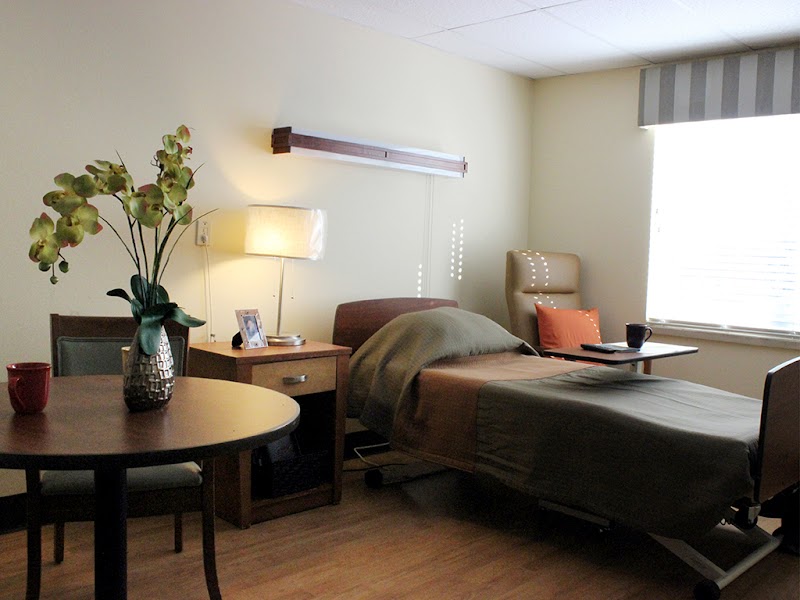
How is Fayette Center Staffed?

CMS rates FAYETTE HEALTH AND REHABILITATION CENTER's staffing level at 3 out of 5 stars, which is average compared to other nursing homes. Staff turnover is 33%, compared to the Maryland average of 46%. This relatively stable workforce can support continuity of care.

What Have Inspectors Found at Fayette Center?

State health inspectors documented 65 deficiencies at FAYETTE HEALTH AND REHABILITATION CENTER during 2017 to 2025. These included: 1 Immediate Jeopardy (the most serious level, indicating potential for serious harm or death), 3 that caused actual resident harm, 60 with potential for harm, and 1 minor or isolated issues. Immediate Jeopardy findings are rare and represent the most serious regulatory concerns. They require immediate corrective action.
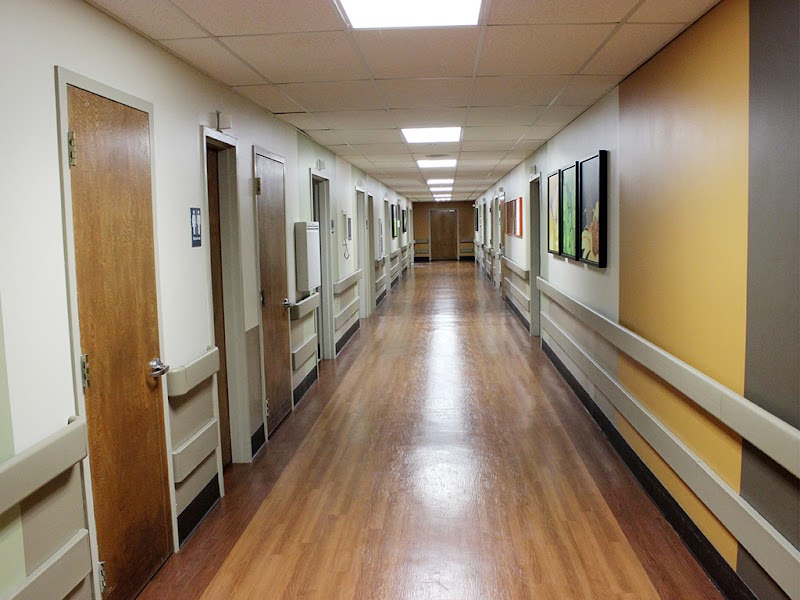
Who Owns and Operates Fayette Center?

FAYETTE HEALTH AND REHABILITATION CENTER is owned by a for-profit company. For-profit facilities operate as businesses with obligations to shareholders or private owners. The facility is operated by COMMUNICARE HEALTH, a chain that manages multiple nursing homes. With 156 certified beds and approximately 133 residents (about 85% occupancy), it is a mid-sized facility located in BALTIMORE, Maryland.
How Does Fayette Center Compare to Other Maryland Nursing Homes?

Compared to the 100 nursing homes in Maryland, FAYETTE HEALTH AND REHABILITATION CENTER's overall rating (2 stars) is below the state average of 3.0, staff turnover (33%) is significantly lower than the state average of 46%, and health inspection rating (2 stars) is below the national benchmark.

What Should Families Ask When Visiting Fayette Center?

Based on this facility's data, families visiting should ask: "What changes have been made since the serious inspection findings, and how are you preventing similar issues?" "Can I visit during a mealtime to observe dining assistance and food quality?" "How do you handle medical emergencies, and what is your hospital transfer rate?" "Can I speak with family members of current residents about their experience?" These questions are particularly relevant given the facility's Immediate Jeopardy citations.

Is Fayette Center Safe?

Based on CMS inspection data, FAYETTE HEALTH AND REHABILITATION CENTER has documented safety concerns. Inspectors have issued 1 Immediate Jeopardy citation (the most serious violation level indicating risk of serious injury or death). The facility has a 2-star overall rating and ranks #100 of 100 nursing homes in Maryland. Families considering this facility should ask detailed questions about what corrective actions have been taken since these incidents.

Do Nurses at Fayette Center Stick Around?

FAYETTE HEALTH AND REHABILITATION CENTER has a staff turnover rate of 33%, which is about average for Maryland nursing homes (state average: 46%). Moderate turnover is common in nursing homes, but families should still ask about staff tenure and how the facility maintains care continuity when employees leave.

Was Fayette Center Ever Fined?

FAYETTE HEALTH AND REHABILITATION CENTER has been fined $162,159 across 1 penalty action. This is 4.7x the Maryland average of $34,700. Fines at this level are uncommon and typically indicate a pattern of serious deficiencies, repeated violations, or failure to correct problems promptly. CMS reserves penalties of this magnitude for facilities that pose significant, documented risk to resident health or safety. Families should request specific documentation of what issues led to these fines and what systemic changes have been implemented.

Is Fayette Center on Any Federal Watch List?

FAYETTE HEALTH AND REHABILITATION CENTER is not on any federal watch list. The most significant is the Special Focus Facility (SFF) program, which identifies the bottom 1% of nursing homes nationally based on persistent, serious quality problems. Not being on this list means the facility has avoided the pattern of deficiencies that triggers enhanced federal oversight. This is a positive indicator, though families should still review the facility's inspection history directly.