FUTURE CARE CANTON HARBOR
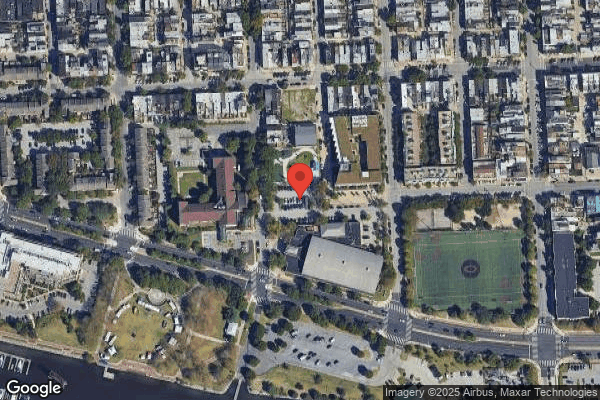
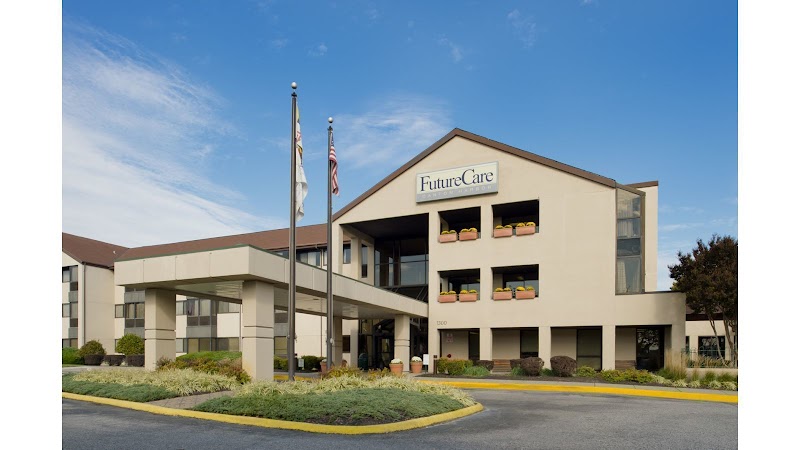
1300 SOUTH ELLWOOD AVENUE, BALTIMORE, MD 21224 (410) 342-6644
For profit - Corporation 160 Beds FUTURE CARE/LIFEBRIDGE HEALTH Data: November 2025 1 Immediate Jeopardy citation
Trust Grade
56/100
#63 of 219 in MD
Last Inspection: September 2023

Over 2 years since last inspection. Current conditions may differ from available data.

Overview

Future Care Canton Harbor in Baltimore, Maryland has a Trust Grade of C, which means it is average-neither great nor terrible compared to other facilities. It ranks #63 out of 219 in the state, placing it in the top half, and #5 out of 26 in the county, indicating that only four local options are better. The facility is improving, having reduced its issues from four in 2024 to three in 2025. Staffing is rated 4 out of 5 stars, but it has a turnover rate of 48%, which is around the state average, suggesting that while some staff stay, there is still room for improvement. There have been notable concerns, including a critical incident where a cognitively impaired resident was not protected from physical abuse by staff, leading to immediate action by the facility to correct this issue. Another finding showed that the facility did not adequately adjust care plans when residents' needs changed, which could lead to inadequate care. While the facility has some strengths, such as good quality measures and RN coverage, these incidents highlight significant weaknesses that families should consider.

Trust Score
C
56/100
In Maryland
#63/219
Top 28%
Safety Record
High Risk
Review needed
Inspections
Getting Better
4 → 3 violations
Staff Stability
⚠ Watch
48% turnover. Above average. Higher turnover means staff may not know residents' routines.
Penalties
✓ Good
$13,627 in fines. Lower than most Maryland facilities. Relatively clean record.
Skilled Nurses
✓ Good
Each resident gets 48 minutes of Registered Nurse (RN) attention daily — more than average for Maryland. RNs are trained to catch health problems early.
Violations
⚠ Watch
58 deficiencies on record. Higher than average. Multiple issues found across inspections.
★★★★☆
4.0
Overall Rating
★★★★☆
4.0
Staff Levels
★★★★★
5.0
Care Quality
★★★☆☆
3.0
Inspection Score
Stable
2024: 4 issues
2025: 3 issues

The Good

  • 4-Star Staffing Rating · Above-average nurse staffing levels
  • 5-Star Quality Measures · Strong clinical quality outcomes
  • Full Sprinkler Coverage · Fire safety systems throughout facility
  • No fines on record

Facility shows strength in staffing levels, quality measures, fire safety.

The Bad

Staff Turnover: 48%

Near Maryland avg (46%)

Higher turnover may affect care consistency

Federal Fines: $13,627

Below median ($33,413)

Minor penalties assessed

Chain: FUTURE CARE/LIFEBRIDGE HEALTH

Part of a multi-facility chain

Ask about local staffing decisions and management

The Ugly 58 deficiencies on record

1 life-threatening
Apr 2025 3 deficiencies
CONCERN (D) 📢 Someone Reported This

A family member, employee, or ombudsman was alarmed enough to file a formal complaint

Potential for Harm - no one hurt, but risky conditions existed

Quality of Care (Tag F0684)

Could have caused harm · This affected 1 resident

**NOTE- TERMS IN BRACKETS HAVE BEEN EDITED TO PROTECT CONFIDENTIALITY** Based on complaint and reviews of a closed medical record, it was determined that the facility staff failed to follow a physicia...

Read full inspector narrative →
**NOTE- TERMS IN BRACKETS HAVE BEEN EDITED TO PROTECT CONFIDENTIALITY** Based on complaint and reviews of a closed medical record, it was determined that the facility staff failed to follow a physician's order to administer an antibiotic for 3 days, a total of 6 doses. This was evident for 1 (Resident #6) of 11 residents reviewed during a complaint survey. The findings include: A review of complaint MD00213834 on 03/27/25 revealed an allegation Resident #6 was not receiving quality care and not being cared for properly. A review of Resident #6's closed medical record revealed that Resident #6 was admitted to the facility on [DATE] with diagnoses that included post-surgical orthopedic procedure due to a fractured right ankle and cystitis with pyuria. A review of Resident #6's closed medical record on 03/27/25 at 12 PM revealed a physician order dated 01/18/25 at 9 AM instructing the nursing staff to administer the antibiotic, Cefpodoxime Proextill, 100 mg, orally, every 12 hours for cystitis for 3 days. A review of Resident #6's January 2025 Medication Administration Record (MAR) revealed Resident #6 did not receive a dose of the antibiotic on 01/18/25. A review of Resident #6's nursing progress notes, dated 01/18/25 at 2:11 PM revealed a nursing progress note indicating that the charge nurse had contacted the facility pharmacy and requested the pharmacy to send Resident #6's antibiotic stat. Further review revealed that Resident #6 only received 2 doses of the antibiotic on 01/19/25 and 01/20/25 (4 doses). The nursing staff failed to administer a total of 6 doses of the antibiotic Cefpodoxime Proextill to Resident #6 every 12 hours over 3 days for a total of 6 doses. The facility administrator and corporate nurse were made aware of the finding during the exit conference on 04/01/25 at 1:30 PM.
CONCERN (D) 📢 Someone Reported This

A family member, employee, or ombudsman was alarmed enough to file a formal complaint

Potential for Harm - no one hurt, but risky conditions existed

Pressure Ulcer Prevention (Tag F0686)

Could have caused harm · This affected 1 resident

**NOTE- TERMS IN BRACKETS HAVE BEEN EDITED TO PROTECT CONFIDENTIALITY** Based on complaint, reviews of a closed medical record, reviews of the resident's electronic medical records, and interviews wit...

Read full inspector narrative →
**NOTE- TERMS IN BRACKETS HAVE BEEN EDITED TO PROTECT CONFIDENTIALITY** Based on complaint, reviews of a closed medical record, reviews of the resident's electronic medical records, and interviews with facility staff members, it was determined that the facility staff failed to 1) update a resident's skin and wound care plan after being readmitted with actual stage II wounds, 2) document a resident's assessment timely demonstrating the healing or deterioration of a resident's Stage II wounds, and notifying the resident's physician and family of the resident's stage II wounds. This was evident in 1 (Resident #2) of 11 residents reviewed during a complaint survey. The findings include. A pressure ulcer also known as pressure sore, or decubitus ulcer is any lesion caused by unrelieved pressure that results in damage to the underlying tissue. Pressure ulcers are staged according to their severity from Stage I (area of persistent redness), Stage II (superficial loss of skin such as an abrasion, blister, or shallow crater), Stage III ( full-thickness skin loss involving damage to subcutaneous tissue presenting as a deep crater), Stage IV (full-thickness skin loss with extensive damage to muscle, bone or tendon) or Unstageable Pressure Ulcer (full-thickness tissue loss in which the base of the ulcer is covered by slough and/or eschar in the wound bed). A review of complaint MD00204530 on 03/20/25 revealed an allegation Resident #2 was not being provided incontinence care timely. A review of Resident #2's closed medical record revealed that Resident #2 was originally admitted to the facility on [DATE]. Resident #2 then went to the hospital on [DATE] and then readmitted to the facility on [DATE] for the reinsertion of a feeding tube. Resident #2 is totally dependent upon the facility staff for all of her care and needs. Further review of Resident #2's closed medical revealed a readmission skin assessment that was documented as being performed on 04/09/24 at 1:36 AM. At this time, Resident #2 was identified with 4 - stage II wounds. They included: Site #1 - a new Left Gluteal Fold, Pressure Injury, Stage II, that measured 1 cm x 0.4 cm, 25-50% epithelial skin present, with redness observed. Site #2 - a new Left Gluteal Fold, Pressure Injury, Stage II, that measured 1 cm x 0.5 cm, 51-75% epithelial skin present. Site #3 - a new Left Inner Buttock, Pressure Injury, Stage II, that measured 1 cm x 2 cm, 51-75% epithelial skin present, with Wound edges that are Undefined/Irregular, and redness was observed. Site #4 - a new Right Inner Buttock, Pressure Injury, Stage II, that measured 2 cm x 2 cm, 51-75% epithelial skin present, with Wound edges that are Undefined/Irregular, and redness was observed. Greer's goo ointment was indicated as treatments for the wounds. After the 04/09/24 readmission skin assessment that identified the 4 different - Stage II wounds on Resident #2 skin, the staff failed to document on a skin record if the 4 different wounds healed or deteriorated before being sent to the hospital on [DATE]. Between 04/09/24 and 04/25/24, Resident #2's physician failed to document a skin assessment on the following assessment dates: 04/09/24, 04/11/24, 04/12/24, 04/15/24, 04/16/24, 04/18/24, 04/19/24, 04/23/24, and 04/24/24. On 04/26/24 at 11:08 AM the Nurse Practitioner documented Resident #2 was being treated with Greer's [NAME] for sacral excoriation. Resident #2 was sent to the hospital on [DATE] after a fall and did not return to the facility. A review of Resident #2's care plans on 03/20/25 revealed an impaired skin integrity prevention care plan related to Resident #2's fragile skin and decreased mobility. This care plan was initiated on 03/22/24. The goal was to maintain Resident #2's intact skin through the review period. Nursing approaches included: to remind/assist resident to turn/reposition at least every 2 hours, apply arm/leg protectors per order, apply air mattress per order, apply barrier cream after each incontinent episode, apply a brief as needed, apply a pressure reducing cushion to chair, apply a pressure relieving mattress to bed, to avoid scrubbing and pat dry sensitive skin, clean peri-area after each incontinent episode, then apply barrier cream. After Resident #2 was readmitted to the facility on [DATE] and identified with 4 new areas of skin breakdown (4 - stage II wounds), the facility staff failed to update Resident #2's impaired skin integrity prevention care plan to an actual impairment skin integrity and update the nursing interventions on 04/09/24. On 04/29/24, the facility wound nurse did update Resident #2's skin/wound prevention care plan. The skin/wound prevention care plan goal was to heal Resident #2's right inner buttocks, Gluteal crease moisture associated skin damage. On 04/29/24, Nursing approaches were updated included: monitor Resident #2's wounds for effectiveness, assist resident to turn/reposition at least every 2 hours, a nurse to perform weekly assessments, document and notify providers of changes, observe for changes and report changes to the nurse, and to provide education to resident/family/caregivers related to impaired skin integrity and plan of care. Resident #2 was sent to the hospital on [DATE] and did not return to the facility. The nursing staff were unable to implement these new interventions since the care plan had not been updated until 04/29/24 after Resident #2 was discharged from the facility on 04/28/24. Review of Resident #2's 04/08/24 readmission care plan summary that was created on 04/09/24 at 2:21 AM, revealed a nursing skin condition that indicated Resident #2 was readmitted with a pressure injury. Resident #2's family was not presented with the readmission care plan summary until 04/22/24 via a telephone call. In an interview with the facility wound nurse and the Director of Nurses on 03/20/25 at 11:44 AM, the facility wound nurse stated that the facility does have a Wound Care Physician that assesses residents weekly but does not see Residents Identified with Stage I or II wounds unless she asks for a consultation. The wound nurse stated that she documents resident skin/wound assessments on paper and then at a later time she will document the resident skin/wound assessments in the resident's electronic medical record. The wound nurse stated it takes time to place my skin/wound assessments into the computer. The nurse surveyor indicated that he was unable to locate any wound assessments regarding Resident #2 wounds after being readmitted on [DATE]. The nurse surveyor requested the wound nurse to locate any hand written/paper assessments that she may have regarding Resident #2's wounds. In an interview with the Regional Nurse Consultant on 03/21/25 at 12:25 PM, the Regional Nurse Consultant stated that the wound nurse could not located any hand written paper/written skin/wound assessments for Resident #2. The Regional Nurse Consultant also stated that the wound nurse did document in the electronic medical record that on 04/11/24 Resident #2's 4 - stage II wounds, identified on 04/08/24, were moisture associated skin damage (MASD). The 04/11/24 wound assessments were entered into Resident #2's electronic medical record on 04/29/24 as late entries after the Resident had been discharged from the facility.
CONCERN (E) 📢 Someone Reported This

A family member, employee, or ombudsman was alarmed enough to file a formal complaint

Potential for Harm - no one hurt, but risky conditions existed

Medical Records (Tag F0842)

Could have caused harm · This affected multiple residents

**NOTE- TERMS IN BRACKETS HAVE BEEN EDITED TO PROTECT CONFIDENTIALITY** Based on complaints, reviews of active and closed medical records, reviews of the residents' electronic medical records, and int...

Read full inspector narrative →
**NOTE- TERMS IN BRACKETS HAVE BEEN EDITED TO PROTECT CONFIDENTIALITY** Based on complaints, reviews of active and closed medical records, reviews of the residents' electronic medical records, and interviews with staff members, it was determined that the facility staff failed to maintain complete and accurate medical records in accordance with accepted professional standards. This was evident in 3 (Resident #2, #6, #10) of 11 residents reviewed during a complaint survey. The findings include. A medical record is the official documentation of a healthcare organization. As such, it must be maintained in a manner that follows applicable regulations, accreditation standards, professional practice standards, and legal standards. All entries to the record should be legible and accurate. 1) A review of complaint MD00204530 on [DATE] revealed an allegation Resident #2 was not being provided incontinence care timely. A review of Resident #2's closed medical record revealed that Resident #2 was originally admitted to the facility on [DATE] and then readmitted to the facility on [DATE] due to being sent to the hospital for the reinsertion of a feeding tube. Resident #2 is totally dependent upon the facility staff for all of her care and needs. Further review of Resident #2's closed medical revealed a readmission skin assessment that was documented as being performed on [DATE] at 1:36 AM. At this time, Resident #2 was identified with 4 - stage II wounds. They included: Site #1 - a new Left Gluteal Fold, Pressure Injury, Stage II, that measured 1 cm x 0.4 cm, 25-50% epithelial skin present, with redness observed. Site #2 - a new Left Gluteal Fold, Pressure Injury, Stage II, that measured 1 cm x 0.5 cm, 51-75% epithelial skin present. Site #3 - a new Left Inner Buttock, Pressure Injury, Stage II, that measured 1 cm x 2 cm, 51-75% epithelial skin present, with Wound edges that are Undefined/Irregular, and redness was observed. Site #4 - a new Right Inner Buttock, Pressure Injury, Stage II, that measured 2 cm x 2 cm, 51-75% epithelial skin present, with Wound edges that are Undefined/Irregular, and redness was observed. Greer's goo ointment was indicated as treatments for the wounds. After the [DATE] readmission skin assessment that identified the 4 different - Stage II wounds on Resident #2 skin, the staff failed to document on a skin record if the 4 different wounds healed or deteriorated before being sent to the hospital on [DATE]. Between [DATE] and [DATE], Resident #2's physician failed to document a skin assessment on the following assessment dates: [DATE], [DATE], [DATE], [DATE], [DATE], [DATE], [DATE], [DATE], and [DATE]. On [DATE] at 11:08 AM the Nurse Practitioner documented Resident #2 was being treated with Greer's [NAME] for sacral excoriation. Resident #2 was sent to the hospital on [DATE] after a fall and did not return to the facility. A review of Resident #2's care plans on [DATE] revealed an impaired skin integrity prevention care plan related to Resident #2's fragile skin and decreased mobility. This care plan was initiated on [DATE]. The goal was to maintain Resident #2's intact skin through the review period. Nursing approaches included: to remind/assist resident to turn/reposition at least every 2 hours, apply arm/leg protectors per order, apply air mattress per order, apply barrier cream after each incontinent episode, apply a brief as needed, apply a pressure reducing cushion to chair, apply a pressure relieving mattress to bed, to avoid scrubbing and pat dry sensitive skin, clean peri-area after each incontinent episode, then apply barrier cream. After Resident #2 was readmitted to the facility on [DATE] and identified with 4 new areas of skin breakdown (4 - stage II wounds), the facility staff failed to update Resident #2's impaired skin integrity prevention care plan to an actual impairment skin integrity and update the nursing interventions on [DATE]. On [DATE], the facility wound nurse did update Resident #2's skin/wound prevention care plan. The skin/wound prevention care plan goal was to heal Resident #2's right inner buttocks, Gluteal crease moisture associated skin damage. On [DATE], Nursing approaches were updated included: monitor Resident #2's wounds for effectiveness, assist resident to turn/reposition at least every 2 hours, a nurse to perform weekly assessments, document and notify providers of changes, observe for changes and report changes to the nurse, and to provide education to resident/family/caregivers related to impaired skin integrity and plan of care. Resident #2 was sent to the hospital on [DATE] and did not return to the facility. Review of Resident #2's [DATE] readmission care plan summary that was created on [DATE] at 2:21 AM, revealed a nursing skin condition that indicated Resident #2 was readmitted with a pressure injury. Resident #2's family was not presented with the readmission care plan summary until [DATE] via a telephone call. In an interview with the facility wound nurse and the Director of Nurses on [DATE] at 11:44 AM, the facility wound nurse stated that the facility does have a Wound Care Physician that assesses residents weekly but does not see Residents Identified with Stage I or II wounds unless she asks for a consultation. The wound nurse stated that she documents resident skin/wound assessments on paper and then at a later time she will document the resident skin/wound assessments in the resident's electronic medical record. The wound nurse stated it takes time to place my skin/wound assessments into the computer. The nurse surveyor indicated that he was unable to locate any wound assessments regarding Resident #2 wounds after being readmitted on [DATE]. The nurse surveyor requested the wound nurse to locate any written/paper assessments that she may have regarding Resident #2. In an interview with the Regional Nurse Consultant on [DATE] at 12:25 PM, the Regional Nurse Consultant stated that the wound nurse could not locate any paper/written skin/wound assessments for Resident #2. The Regional Nurse Consultant also stated that the wound nurse did document in the electronic medical record that on [DATE] Resident #2's 4 - stage II wounds identified on [DATE] were moisture associated skin damage (MASD). These [DATE] wound nurse assessments were entered into Resident #2's electronic medical record on [DATE] as late entries after the Resident had been discharged from the facility. 2) A review of complaint MD00213834 on [DATE] revealed an allegation Resident #6 was not receiving quality care and being not cared for properly. A review of Resident #6's closed medical record revealed that Resident #6 was admitted to the facility on [DATE] with diagnoses that included a post-surgical orthopedic procedure due to a fractured right ankle and cystitis with pyuria. A review of Resident #6's closed medical record on [DATE] 12 PM revealed a physician order dated [DATE] at 11 PM instructing the nursing staff to apply a pressure relieving mattress to the bed every shift for skin protection and offloading. A review of Resident #6's [DATE] Treatment Administration Record (TAR) revealed that the nursing staff signed off, every shift, that a specialty mattress had been applied to Resident #6's bed starting on [DATE]. In an interview with the facility Central Supply Director (Staff Member #27) on [DATE] at 2:45 PM, The Central Supply Director stated that she does not have a supply of specialty mattresses in the facility and that a specialty mattress has to be ordered by the nursing staff through our vendor. In an interview with the facility Corporate Nurse, [DATE] at 2:45 PM, the facility Corporate Nurse stated that the facility admissions director or the nursing unit manager will order specialty mattresses for the residents. The facility Corporate Nurse presented the nurse surveyor with a mattress order receipt that indicated the facility received a specialty mattress for Resident #6 on [DATE]. The Corporate Nurse confirmed that the nursing staff were signing off the use of a specialty mattress for Resident #6's bed since [DATE] but the mattress had not been delivered and applied to Resident #6's bed until [DATE]. 3) A Maryland MOLST (Medical Orders for Life-Sustaining Treatment) form is used for documenting a resident's specific wishes related to life-sustaining treatments. The MOLST form includes medical orders for Emergency Medical Services (EMS) and other medical personnel regarding cardiopulmonary resuscitation and other life-sustaining treatment options for a specific patient. Instructions for completing a Maryland MOLST include: A Physician, Nurse Practitioner (NP), or a Physician Assistant (PA) must accurately and legibly complete the form and then sign and date it. This also includes correctly identifying the name of the resident at the top of the form. Voiding the Form: to void this medical order form, a physician or nurse practitioner shall draw a line through the sheet, write VOID in large letters across the page, and sign and date below the line. A nurse may take a verbal order from a physician or nurse practitioner to void the MOLST form. Keep the voided order form in the patient's active or archived medical record. In Maryland Law: Surrogates and Life-Sustaining Treatment: A surrogate may consent to the withholding or withdrawal of life-sustaining procedures if the patient's attending physician and a consulting physician certify, to a reasonable degree of medical certainty, that the patient has a terminal or end-stage condition or is in a persistent vegetative state. A surrogate may not consider a patient's pre-existing, long-term mental or physical disability in making a decision to withhold or withdraw life-sustaining procedures. A surrogate who is a guardian usually must obtain the court's permission to authorize the withholding or withdrawal of life-sustaining procedures. Review of complaint MD00210555 on [DATE] revealed an allegation Resident #10 was not receiving quality care while residing in the facility. A review of Resident #10's medical record on [DATE] at 12:56 PM revealed 2 current MOLST forms in Resident #10 paper medical record. The first MOLST form was dated [DATE] and indicated Resident #10 did not want: CPR, option a - 2, to be placed on a ventilator, did not want blood products, did not want artificial nutrition and hydration, and did not want dialysis. The second MOLST form found in Resident #10's medical record was dated [DATE] and indicated that Resident #10 wanted to be a Full Code. The back page of the [DATE] MOLST form had not been completed. The two active incongruent MOLST forms could be confusing to staff if an emergency situation arose regarding Resident #10. The facility corporate Registered Nurse (RN) was immediately made aware of the situation, she contacted Resident #10's attending physician who was in the facility. Resident #10's physician voided the [DATE] MOLST form.
Apr 2024 4 deficiencies 1 IJ
CRITICAL (J) 📢 Someone Reported This

A family member, employee, or ombudsman was alarmed enough to file a formal complaint

Immediate Jeopardy (IJ) - the most serious Medicare violation

Free from Abuse/Neglect (Tag F0600)

Someone could have died · This affected 1 resident

**NOTE- TERMS IN BRACKETS HAVE BEEN EDITED TO PROTECT CONFIDENTIALITY** Based on medical record review, administrative record review, and staff interview; it was determined that the facility failed to...

Read full inspector narrative →
**NOTE- TERMS IN BRACKETS HAVE BEEN EDITED TO PROTECT CONFIDENTIALITY** Based on medical record review, administrative record review, and staff interview; it was determined that the facility failed to protect a cognitively impaired resident (resident #1) from physical abuse from a facility staff member. This was evident for 1 of 5 residents reviewed for abuse during a complaint survey. This failure to protect residents from physical abuse by a facility staff member resulted in an Immediate Jeopardy. However, the facility developed, initiated, and completed an acceptable plan of correction to prevent further abuse which met all elements of past noncompliance. The period of noncompliance began on 2/12/24 and ended on 2/20/2024. The findings include: The following terms are defined for comprehension of the investigative findings: Minimum Data Set (MDS): The Minimum Data Set (MDS) is a comprehensive assessment of a resident completed by facility staff. The MDS is a multi-discipline tool that allows many facets of the resident's care [cognition, behavior, mobility, activities of daily living, accidents, activities, weight, pain, and medications to name a few] to be addressed. The MDS assessment is part of the broader Resident Assessment Instrument (RAI) process. The RAI process ties the assessment and care plan to the delivery of care to meet the needs of the resident. A care plan is a guide that addresses the unique needs of each resident. It is used to plan, assess, and evaluate the effectiveness of the resident's care. Brief Interview for Mental Status (BIMS) is an assessment that assists staff in determining a resident's cognitive status. A score of 13-15 indicates cognitively intact, 08-12 indicates moderately impaired, and 00-07 indicates severe impairment. A score of 99 indicates the facility was unable to complete the assessment. The findings include: On 4/8/24 at 9:00 am, surveyor review of resident #1's medical record revealed resident #1 was admitted to the facility alert and oriented x3 with a BIMS 15/15 documented in the quarterly MDS assessment dated [DATE]. On 4/8/24 at 10:00 am, surveyor review of facility reported incident intake MD#00202562, dated 2/13/2024, revealed that on 2/12/24 resident #1 alleged that he/she was punched in the nose by Agency GNA #1. On 4/8/24 at 10:30 am, surveyor review of related complaint MD#00204268, dated 4/2/2024, alleged resident #1 received improper treatment by the facility. On 4/8/24 at 11:00 am, surveyor review of the facility's investigation of the incidents that occurred on 2/12/24 revealed the facility's investigation contained a witness statement from Agency LPN#4, dated 2/13/24, which revealed that on 2/12/24 at approximately 5:00 pm resident #1 required care after Agency LPN #4 observed resident #1's room was soiled from urine and stool after resident #1 detached his/her colostomy bag. On 2/12/24 at approximately 5:15 pm, Agency LPN#4 asked Agency GNA #1 to assist resident #1 with his/her care while Agency LPN #4 finished necessary nursing tasks. On 2/12/24 at approximately 5:30 pm, Agency LPN #4 then stated in the witness statement that Agency GNA #1 came to him/her and reported that resident #1 hit him/her in the mouth while he/she was providing care. On 2/12/24 at approximately 5:45 pm, Agency LPN #4 and RN Night Supervisor #5 entered resident #1's room and found resident #1's nose bleeding. Agency LPN #4 stated that he/she immediately provided treatment by applying ice to resident #1's nose to stop the bleeding. Agency LPN #4 also stated that resident#1 told him/her that he/she was punched in the nose by Agency GNA #1. On 4/8/24 at 11:30 am, surveyor review of witness statements from GNA #2 and GNA #3, both dated 2/13/24, revealed that GNAs #2 and #3 observed resident #1 entering Unit 3's dining room on 2/12/24 at approximately 6:15 pm. GNA #2 and GNA #3 observed that resident #1 had scant bleeding from his/her nose when he/she stated that a GNA punched him/her in the nose. GNA #2 and #3 observed Agency GNA#1 enter Unit 3's dining room on 2/12/24 at approximately 6:20 pm. GNA #2 and #3 stated in their witness statements that they heard resident #1 apologize to Agency GNA #1 for hitting him/her in the mouth and resident #1 added, .but you hit me first. Further review of the facility investigation on 4/8/24 at 11:45 am revealed facility nursing staff failed to inform the facility's DON or the Executive Director after the discovery of the alleged abuse of resident #1. Agency LPN #4 and GNA #3 contacted RN Night Supervisor #5 to report the alleged abuse of resident #1 on 2/12/24 by approximately 6:30 pm. The Director of Nursing (DON) discovered the alleged abuse of resident #1 on 2/13/24 when he/she viewed local hospital records of resident #1's emergency room visit. Continued review of the facility investigation on 4/8/24 at 11:50 am revealed resident #1 self-contacted law enforcement on 2/12/24 at approximately 10:30 pm. According to the witness statement from RN Night Supervisor #5, resident #1 told local law enforcement that he/she was not being treated well in the facility and he/she was also having chest pains. Resident #1 requested to be transferred to the local hospital for treatment. On 4/8/24 at 12:30 pm, surveyor review of local hospital records detailing resident #1's admission assessment on 2/13/24 at 9:22 pm revealed the hospital assessed the resident and found mild soft tissue swelling in the left nose area after taking a maxillofacial CT scan. On 4/8/24 at 1:59 pm, surveyor interview with Agency LPN#4 confirmed the written statement in the facility investigation. Agency LPN #4 also added that resident #1's nose was not bleeding prior to care being provided by Agency GNA#1 on 2/12/24 at approximately 5:15 pm. After care was provided by Agency GNA #1, Agency LPN#4, and RN Night Supervisor #5 observed resident #1 was bleeding from his/her nose that required treatment to stop on 2/12/24 at approximately 5:45 pm. Agency LPN #4 confirmed that he/she treated resident #1's nosebleed with ice. Agency LPN #4 also added that resident #1 was not violent or uncontrollable when he/she made contact with the resident after his/her contact with Agency GNA #1 on 2/12/24 at approximately 5:45 pm. Resident #1 told Agency LPN #4 on 2/12/24 at approximately 5:45 pm that Agency GNA #1 punched him/her in the nose. On 4/8/24 at 2:55 pm, surveyor interview with Agency GNA #1 confirmed that Agency GNA #1 was in resident #1's room on 2/12/24 at approximately 5:30 pm. Agency GNA #1 also confirmed the statements made by GNAs #2 and #3. Agency GNA #1 stated that he/she entered the Unit #3's dining room on 2/12/24 at approximately 6:15 pm where two other GNAs (GNAs #2 and #3) were feeding residents. Agency GNA #1 stated that resident #1 approached him/her and stated . I know I punched you in the mouth, but you punched me first. Agency GNA #1 stated resident #1 was winking at him/her when the statement was made in the Unit 3 dining room. Agency GNA #1 then stated that he/she turned to GNAs #2 and #3 and stated, Did you see that he/she (resident #1) winked when he/she said that to me? Agency GNA #1 stated that GNAs #2 and #3 did not respond to her statement about resident #1. On 4/9/24 at 11:45 am, surveyor interview with the Executive Director, DON, Regional Director of Operations, and Regional Clinical Services Manager revealed that Agency GNA #1's last day working at the facility was 2/12/24. The DON stated that Agency GNA #1 was placed on the Do Not Call list on 2/15/24 when he/she refused to return to the facility on 2/15/24 for re-training on abuse prohibition. The Regional Executive Director provided proof of abuse and prohibition education that was given to all nursing staff. Medical record review on 4/9/24 at 12:30 pm revealed resident #1 had care plans which contained interventions for behavior that included resident swinging at staff and physically and verbally abusing staff since 1/22/24. On 4/11/24 at 11:30 am, the DON provided the surveyor with facility reports on all agency staff that worked in the facility from 2/12/24 to the present. The DON also provided proof that all agency staff received abuse prohibition training from their agency and refresher training from the facility prior to their first shift. Review of the information given by the DON revealed that the facility employed agency staff from 2 nursing agencies, Agency A and Agency B. Agency GNA #1 was employed by Agency B. The DON provided proof of a background check (dated 4/25/23), completion of abuse prohibition training by Agency B (dated 12/4/23) and completion of abuse prohibition training by the facility (dated 11/3/23). The information obtained from Agency B also contained confirmation that Agency GNA #1 worked in the facility on 2/12/24 at 3:00 pm to 2/13/24 at 7:00 am. On 4/11/24 at 1:30 pm, interview with the DON, Executive Director, Regional Director of Operations and Regional Clinical Services Manager revealed the RN Night Supervisor #5 failed to remove Agency GNA #1 from the building after resident #1 alleged Agency GNA #1 hit him/her in the nose. RN Night Supervisor #5 told Agency GNA #1 that resident #1 was no longer assigned to him/her. The interview also revealed the resident was transferred to the local hospital after his/her complaint to local law enforcement on 2/12/24 at approximately 10:00 pm. The surveyor asked the facility administration team why the RN Night Supervisor #5 failed to remove Agency GNA #1 from the facility after resident #1 alleged that he/she was punched in the nose by Agency GNA #1. None of the facility administration team was able to explain why Agency GNA #1 was allowed to work the remainder of the shift on 2/12/24 (after 6:00 pm) to 2/13/24 at 7:00 am. The surveyor also asked the DON when he/she became aware of resident #1's allegation of abuse. The DON stated that he/she became aware of the abuse allegation when he/she reviewed local hospital records for resident #1's status on 2/13/24. The local hospital records documented that resident #1 alleged that he/she was punched in the nose on 2/12/24. The DON further stated that he/she started the abuse investigation on 2/13/24. The DON stated that he/she suspended Agency GNA #1 from all of his/her scheduled shifts until completion of the abuse investigation. On 4/12/24 at 12:00 pm, the Executive Director, DON, Regional Director of Operations and Regional Clinical Services Manager were notified by the surveyor that the facility failed to protect a cognitively impaired resident (resident #1) from physical abuse from a facility staff member (Agency GNA #1). The facility's failure to remove Agency GNA #1 from the facility on 2/12/24, after nursing supervisory staff became aware of the allegation of abuse, placing all residents in the facility in immediate jeopardy. Agency GNA#1 was allowed to continue working from 2/12/24 at approximately 6:00 pm to 2/13/24 at 7:00 am. The facility's corrective actions included: Suspending all up-coming scheduled shifts for Agency GNA #1 as of 2/13/24 at approximately 2 pm. Agency GNA #1 was also placed on the facility's Do Not Call List as of 2/15/24 due to his/her refusal to return to the building for one-on-one abuse prohibition training. Creating a QAPI plan to prevent future errors in adherence to CMS abuse procedures including re-education of all nursing staff (including agency staff) by 2/20/24, auditing all abuse complaints to ensure the facility adhered to the 2 hours time limit for reporting of alleged abuse by 4/1/24. A review of the facility records and staff interviews revealed that the facility completed corrective actions on 2/29/24. This deficient practice was cited as past noncompliance with Federal and State requirements with a compliance date of 2/20/24.
CONCERN (D) 📢 Someone Reported This

A family member, employee, or ombudsman was alarmed enough to file a formal complaint

Potential for Harm - no one hurt, but risky conditions existed

Report Alleged Abuse (Tag F0609)

Could have caused harm · This affected 1 resident

**NOTE- TERMS IN BRACKETS HAVE BEEN EDITED TO PROTECT CONFIDENTIALITY** Based on medical record review, administrative record review, and staff interview; it was determined that the facility failed to...

Read full inspector narrative →
**NOTE- TERMS IN BRACKETS HAVE BEEN EDITED TO PROTECT CONFIDENTIALITY** Based on medical record review, administrative record review, and staff interview; it was determined that the facility failed to report the alleged abuse of a cognitively impaired resident (resident #1) to the proper authorities. This was evident for 1 of 5 residents reviewed for abuse during a complaint survey. The following terms are defined for comprehension of the investigative findings: Minimum Data Set (MDS): The Minimum Data Set (MDS) is a comprehensive assessment of a resident completed by facility staff. The MDS is a multi-discipline tool that allows many facets of the resident's care [cognition, behavior, mobility, activities of daily living, accidents, activities, weight, pain, and medications to name a few] to be addressed. The MDS assessment is part of the broader Resident Assessment Instrument (RAI) process. The RAI process ties the assessment and care plan to the delivery of care to meet the needs of the resident. A care plan is a guide that addresses the unique needs of each resident. It is used to plan, assess, and evaluate the effectiveness of the resident's care. Brief Interview for Mental Status (BIMS) is an assessment that assists staff in determining a resident's cognitive status. A score of 13-15 indicates cognitively intact, 08-12 indicates moderately impaired, and 00-07 indicates severe impairment. A score of 99 indicates the facility was unable to complete the assessment. The findings include: On 4/8/24 at 9:00am, surveyor review of resident #1's medical record revealed resident #1 was a long-term care resident admitted to the facility on [DATE] with diagnoses that include but are not limited to Bipolar Disorder, Heart Disease, and Colostomy status. The resident was admitted to the facility alert and oriented x3 with a BIMS 15/15 documented in the quarterly MDS assessment dated [DATE]. On 4/8/24 at 10:00am, surveyor review of facility reported incident intake MD#00202562, dated 2/13/2024, revealed that on 2/12/24 resident #1 alleged that he/she was punched in the nose by Agency GNA #1. On 4/8/24 at 10:30am, surveyor review of related complaint MD#00204268, dated 4/2/2024, alleged resident #1 received improper treatment by the facility. On 4/8/24 at 11:00am, surveyor review of the facility's investigation of the incidents that occurred on 2/12/24 revealed the facility's investigation contained a witness statement from Agency LPN#4, dated 2/13/24, which revealed that on 2/12/24 at approximately 5:00pm resident #1 required care after Agency LPN #4 observed resident #1's room was soiled from urine and stool after resident #1 detached his/her colostomy bag. On 2/12/24 at approximately 5:15pm, Agency LPN#4 asked Agency GNA #1 to assist resident #1 with his/her care while Agency LPN #4 finished necessary nursing tasks. On 2/12/24 at approximately 5:30pm, Agency LPN #4 then stated in the witness statement that Agency GNA #1 came to him/her and reported that resident #1 hit him/her in the mouth while he/she was providing care. On 2/12/24 at approximately 5:45pm, Agency LPN #4 and RN Night Supervisor #5 entered resident #1's room and found resident #1's nose bleeding. Agency LPN #4 stated that he/she immediately provided treatment by applying ice to resident #1's nose to stop the bleeding. Agency LPN #4 also stated that resident#1 told him/her that he/she was punched in the nose by Agency GNA #1. On 4/8/24 at 11:30am, surveyor review of witness statements from GNA #2 and GNA #3, both dated 2/13/24, revealed that GNAs #2 and #3 observed resident #1 entering Unit 3's dining room on 2/12/24 at approximately 6:15pm. GNA #2 and GNA #3 observed that resident #1 had scant bleeding from his/her nose when he/she stated that a GNA punched him/her in the nose. GNA #2 and #3 observed Agency GNA#1 enter Unit 3's dining room on 2/12/24 at approximately 6:20pm. GNA #2 and #3 stated in their witness statements that they heard resident #1 apologize to Agency GNA #1 for hitting him/her in the mouth and resident #1 added, .but you hit me first. Further review of the facility investigation on 4/8/24 at 11:45am revealed facility nursing staff failed to inform the facility's DON or the Executive Director after discovery of the alleged abuse of resident #1. Agency LPN #4 and GNA #3 contacted RN Night Supervisor #5 to report the alleged abuse of resident #1 on 2/12/24 by approximately 6:30pm. The Director of Nursing (DON) discovered the alleged abuse of resident #1 on 2/13/24 when he/she viewed local hospital records of resident #1's emergency room visit. The DON informed the State of Maryland's Office of Health Care Quality (OHCQ) of the alleged abuse on 2/13/24 at 5:24pm, the Baltimore City Department of Aging on 2/13/24 at 5:59pm, and local law enforcement on 2/13/24 at 6:00pm. Continued review of the facility investigation on 4/8/24 at 11:50am revealed resident #1 self-contacted law enforcement on 2/12/24 at approximately 10:30pm. According to the witness statement from RN Night Supervisor #5, resident #1 told local enforcement that he/she was not being treated well in the facility and he/she was also having chest pains. Resident #1 requested to be transferred to the local hospital for treatment. On 4/8/24 at 12:30pm, surveyor review of local hospital records detailing resident #1's admission assessment on 2/13/24 at 9:22pm revealed the hospital assessed the resident and found mild soft tissue swelling in the left nose area after taking a maxillofacial CT scan. On 4/8/24 at 1:59pm, surveyor interview with Agency LPN#4 confirmed the written statement in the facility investigation. Agency LPN #4 also added that resident #1's nose was not bleeding prior to contact with Agency GNA#1 on 2/12/24 at approximately 5:15pm. After contact with Agency GNA #1, Agency LPN#4 and RN Night Supervisor #5 observed resident #1 was bleeding from his/her nose that required treatment to stop on 2/12/24 at approximately 5:45pm. Agency LPN #4 confirmed that he/she treated resident #1's nosebleed with ice. Agency LPN #4 also added that resident #1 was not violent or uncontrollable when he/she made contact with the resident after his/her contact with Agency GNA #1 on 2/12/24 at approximately 5:45pm. Resident #1 told Agency LPN #4 on 2/12/24 at approximately 5:45pm that Agency GNA #1 punched him/her in the nose. On 4/8/24 at 2:55pm, surveyor interview with Agency GNA #1 confirmed that Agency GNA #1 was in resident #1's room on 2/12/24 at approximately 5:30pm. Agency GNA #1 also confirmed the statements made by GNAs #2 and #3. Agency GNA #1 stated that he/she entered the Unit #3's dining room on 2/12/24 at approximately 6:15pm where two other GNAs (GNAs #2 and #3) were feeding residents. Agency GNA #1 stated that resident #1 approached him/her and stated . I know I punched you in the mouth, but you punched me first. Agency GNA #1 stated resident #1 was winking at him/her when the statement was made in the Unit 3 dining room. Agency GNA #1 then stated that he/she turned to GNAs #2 and #3 and stated, Did you see that he/she (resident #1) winked when he/she said that to me? Agency GNA #1 stated that GNAs #2 and #3 did not respond to her statement about resident #1. On 4/9/24 at 11:45am, surveyor interview with the Executive Director, DON, Regional Director of Operations, and Regional Clinical Services Manager revealed that Agency GNA #1's last day working at the facility was 2/12/24. The DON stated that Agency GNA #1 was placed on the Do Not Call list on 2/15/24 when he/she refused to return to the facility on 2/15/24 for re-training on abuse prohibition. The Regional Director of Operations and the Regional Clinical Services Manager admitted the facility failed to report the alleged abuse timely to the State of Maryland's Office of Health Care Quality (OHCQ), the Baltimore City Department of Aging and local law enforcement. The Regional Executive Director provided proof of abuse and prohibition education that was given to all nursing staff. Medical record review on 4/9/24 at 12:30pm revealed resident #1 had care plans which contained interventions for behavior that included resident swinging at staff and physically and verbally abusing staff since 1/22/24. Resident #1 also had a care plan for bleeding as a side effect of anticoagulation medication since 5/24/21. On 4/11/24 at 11:30am, the DON provided the surveyor with facility reports on all agency staff that worked in the facility from 2/12/24 to the present. The DON also provided proof that all agency staff received abuse prohibition training from their agency and refresher training from the facility prior to their first shift. Review of the information given by the DON revealed that the facility employed agency staff from 2 nursing agencies: Agency A and Agency B. Agency GNA #1 was employed by Agency B. The DON provided proof of a background check (dated 4/25/23), completion of abuse prohibition training by Agency B (dated 12/4/23) and completion of abuse prohibition training by the facility (dated 11/3/23). The information obtained from Agency B also contained confirmation that Agency GNA #1 worked in the facility on 2/12/24 at 3:00pm to 2/13/24 at 7:00am. On 4/11/24 at 1:30pm, interview with the DON, Executive Director, Regional Director of Operations and Regional Clinical Services Manager revealed the RN Night Supervisor #5 failed to remove Agency GNA #1 from the building after resident #1 alleged Agency GNA #1 hit him/her in the nose. RN Night Supervisor #5 told Agency GNA #1 that resident #1 was no longer assigned to him/her. The interview also revealed the resident was transferred to the local hospital after his/her complaint to local law enforcement on 2/12/24 at approximately 10:00pm. The surveyor asked the facility administration team why the RN Night Supervisor #5 failed to remove Agency GNA #1 from the facility after resident #1 alleged that he/she was punched in the nose by Agency GNA #1. None of the facility administration team was able to explain why Agency GNA #1 was allowed to work the remainder of the shift on 2/12/24 (after 6:00pm) to 2/13/24 at 7:00am. The surveyor also asked the DON when he/she became aware of resident #1's allegation of abuse. The DON stated that he/she became aware of the abuse allegation when he/she reviewed local hospital records for resident #1's status on 2/13/24. The local hospital records documented that resident #1 alleged that he/she was punched in the nose on 2/12/24. The DON further stated that he/she started the abuse investigation on 2/13/24. The DON stated that he/she suspended Agency GNA #1 from all of his/her scheduled shifts until completion of the abuse investigation. The DON then contacted OHCQ on 2/13/24 at 5:24pm, the Baltimore City Department of Aging on 2/13/24 at 5:59pm and local law enforcement on 2/13/24 at 6:00pm. On 4/12/24 at 12:00pm, the surveyor expressed concern to the Executive Director, DON, Regional Director of Operations and Regional Clinical Services Manager surveyor that the facility failed to report the alleged abuse of a cognitively impaired resident (Agency GNA #1). The facility administrative staff understood.
CONCERN (D) 📢 Someone Reported This

A family member, employee, or ombudsman was alarmed enough to file a formal complaint

Potential for Harm - no one hurt, but risky conditions existed

Investigate Abuse (Tag F0610)

Could have caused harm · This affected 1 resident

Based on review of facility reported incident investigations and interview, it was determined the facility staff failed to thoroughly investigate allegations of abuse. This was evident for 1 (Resident...

Read full inspector narrative →
Based on review of facility reported incident investigations and interview, it was determined the facility staff failed to thoroughly investigate allegations of abuse. This was evident for 1 (Resident #2) of 5 residents reviewed for abuse during a complaint survey. The findings include: 1) On 4/11/2024 at 9:30 AM, review of Facility Reported Incident (FRI), MD00202778, revealed that Resident #2's sister reported on 2/19/2024 that the resident told her a couple of weeks ago that Geriatric Nursing Assistant (GNA # 11) told him/her To shut up and was rough with care. Further review of the facility investigation report of the incident on 4/11/2024 at 11:00 AM, revealed that there were interviews /statements from staff and other residents. However, some of the interview statements on file did not indicate the titles nor identify the persons completing the forms and/or the date the statements were obtained. There was no interview statement of the resident, resident's roommate and/or statements from other residents. The investigation was not thorough. On 4/11/2024 at 12:50 PM, in an interview with the Director of Nursing (DON) in the presence of the Regional Clinical Services Manager (Staff #7), the surveyor asked if DON had documentation of residents' interviews. DON stated that she did not have. Surveyor informed them that the investigation was not thorough as interview statements were incomplete and did not identify the persons completing the interviews, no statements from the resident, resident's roommate, and/or other residents on file. 2) On 4/11/2024 at 1:15 PM, review of Facility Reported Incident (FRI), MD00202775, revealed Resident #2 alleged that staff took their call bell from them and shut the door. Further review of the facility investigation report of the incident on 4/11/2024 at 1:50 PM, noted resident and staff interviews. However, only staff statements/interviews were on file. There was no interview statement of the resident, resident's roommate, and/or other residents on file. The investigation was not thorough. On 4/11/2024 at 2:05 PM, in an interview with the Director of Nursing (DON), they were informed that the investigation of the above allegation was not thorough: No evidence of Resident #2, resident's roommate and/or any other residents' interviews on file. DON provided no new/additional information to validate that the above allegation was thoroughly investigated.
CONCERN (D) 📢 Someone Reported This

A family member, employee, or ombudsman was alarmed enough to file a formal complaint

Potential for Harm - no one hurt, but risky conditions existed

Accident Prevention (Tag F0689)

Could have caused harm · This affected 1 resident

**NOTE- TERMS IN BRACKETS HAVE BEEN EDITED TO PROTECT CONFIDENTIALITY** Based on tour, observation, and interview, it was determined that the facility failed to secure and monitor chemicals in an acti...

Read full inspector narrative →
**NOTE- TERMS IN BRACKETS HAVE BEEN EDITED TO PROTECT CONFIDENTIALITY** Based on tour, observation, and interview, it was determined that the facility failed to secure and monitor chemicals in an active resident area. This was evident during a random tour on the 3rd floor of the facility. The findings include: During a tour on the 3rd floor of the facility at 12:44 PM on 4/11/24 revealed a maintenance cart with 4 cans of Ultra Power Foam for stripping and cleaning the floors. It was observed and noted at this time that multiple rooms were being deep cleaned. An additional can of the Ultra Power Foam was sitting on the railing next to room [ROOM NUMBER]. This surveyor continued observations through 12:53 PM when the facility Assistant Director of Nursing arrived on the floor and made the same observations. The chemicals remained on the floor as 2 residents were observed rolling down the hall. Resident #6 stopped at all the items and stated 'wow there is a lot of stuff here.' Their medical records were reviewed on 4/12/24 at 10:20 AM. Resident #6 was documented with a brief interview of mental status (BIMS) 3 meaning severe cognitive impairment according to his/her 3/2024 MDS and Resident was documented with a BIMS of 15, according to the 2/2024 MDS, meaning that s/he is cognitively intact. Staff #13, identified as a floor tech, was interviewed at 1:05 PM on 4/11/24. He acknowledged that he was responsible for the chemicals that were left on the floor. This surveyors' observations and concerns were reviewed with him at that time. He took the cart, moved it to a corner and placed a 'wet floor' sign in front of it. These concerns were reviewed with the facility DON on 4/11/24 at approximately 1:30 PM
Sept 2023 11 deficiencies
CONCERN (D) 📢 Someone Reported This

A family member, employee, or ombudsman was alarmed enough to file a formal complaint

Potential for Harm - no one hurt, but risky conditions existed

Comprehensive Care Plan (Tag F0656)

Could have caused harm · This affected 1 resident

2) The surveyors reviewed the care plan for Resident # 146 on 9/12/23 at 11:44 AM. There was no intervention found in the care plan for combative behaviors. The surveyors requested a care plan for co...

Read full inspector narrative →
2) The surveyors reviewed the care plan for Resident # 146 on 9/12/23 at 11:44 AM. There was no intervention found in the care plan for combative behaviors. The surveyors requested a care plan for combative behaviors from the Regional Clinical Service Manager (RCSM) on 9/14/23 at 9:00 AM. It was not received prior to the survey exit. The surveyors interviewed the RCSM # 5 on 9/15/23 at 12:30 PM, about the concern that Resident # 146 did not have a care plan for combative behaviors. She responded that there should have been care plan for combative behaviors. Based on interviews and record reviews, it was determined that the facility failed to develop and implement a comprehensive person-centered care plan to meet a resident's medical and nursing needs. This finding was evident for 2 of 4 residents (#103 and #146) review for care plan. The findings include: 1) During an interview conducted on 8/29/23 at 10:45 AM, Resident #103 stated that he/she was upset because the staff did not provide continent care when needed and had been left soiled for long periods of time. The resident further stated that when my son came to visit he would change my soiled diaper routinely. The Minimum Data Set (MDS) is a federally mandated assessment tool used by nursing home staff to gather information on each resident's strength and needs. Information collected drives resident care planning decisions. MDS assessments need to be accurate to ensure each resident receives the care they need. A care plan is a guide that addresses the unique needs of each resident. It is used to plan, assess, and evaluate the effectiveness of the resident's care. On 9/11/23 at 12:02 PM a review of resident #103's medical records showed a MDS assessment for Urinary Continence which was coded a 2 for frequently incontinent. A care plan is an ongoing, regular assessment of a resident's condition to see if their health status has changed. Further review of resident #103's medical record did not reveal an incontinent care plan. On 9/11/23 at 03:00 PM the surveyor conducted a phone interview with the Resident #103's son. The son stated that he had changed the resident's soiled diaper during their visit almost 3 times per week. During an interview conducted on 9/12/23 at 9:00 AM, the Director of Nursing (DON) and surveyor reviewed resident #103's care plan. The DON confirmed the resident did not have a care plan for incontinent care.
CONCERN (D) 📢 Someone Reported This

A family member, employee, or ombudsman was alarmed enough to file a formal complaint

Potential for Harm - no one hurt, but risky conditions existed

Deficiency F0657 (Tag F0657)

Could have caused harm · This affected 1 resident

**NOTE- TERMS IN BRACKETS HAVE BEEN EDITED TO PROTECT CONFIDENTIALITY** Based on interview and medical record review it was determined that facility staff failed to provide an explanation in the resid...

Read full inspector narrative →
**NOTE- TERMS IN BRACKETS HAVE BEEN EDITED TO PROTECT CONFIDENTIALITY** Based on interview and medical record review it was determined that facility staff failed to provide an explanation in the resident's medical record to demonstrate the absence of the resident from their care plan meetings and 2) update a resident's care plan to reflect a new diagnosis with recommended treatments. This was evident for 1 (Resident #99) out of 3 residents reviewed for care planning during the investigation portion of the survey. The findings include: A care plan is a guide that addresses the needs of each resident. It is used to plan, assess, and evaluate the effectiveness of the resident's care. In a care plan meeting, staff and residents/families talk about life in the facility-meals, activities, therapies, personal schedule, medical and nursing care, and emotional needs. Residents/families can bring up problems, ask questions, or offer information to help staff provide care. The Brief Interview for Mental Status (BIMS) assessment is a 15-point cognitive screening used to screen and identify the cognitive condition of residents. It's a structured evaluation aimed at evaluating aspects of cognition in elderly patients. The BIMS score interpretation is, 0 - 7: Severe cognitive impact, 8 - 12: Moderate impairment, 13 - 15: Intact cognitive response. 1) On 8/31/2023 at 7:00AM A record review was conducted for Resident #99 which revealed diagnoses including dementia, major depressive disorder, mood disturbance and psychotic disturbance. The resident's BIMS score on 5/22/2023 was 12 out of 15. During a tour of the unit on 8/31/2023 at 8:45 AM, the surveyor conducted an interview with Resident #99 who revealed I do not see the social worker. They (the facility staff) change the social workers often so I am not sure who the person is, and I was told I can only see her on Mondays. I ask for her every day, but she is never here. When I have a problem, I can't talk to anyone. On 8/31/2023 at 10:00 AM Surveyor conducted a review of Resident #99's social services notes and plan of care notes dated from 10/22/2022 through 06/16/2023 which revealed no mention of Resident # 99's invitation or refusal to attend care plan meetings. During an interview with the Social Work Director staff #7 on 8/31/2023 at 1:28 PM, it was revealed that the resident had two certifications of incapacity related to a diagnosis of dementia and she was not familiar with Resident #99's current care plan meeting attendance. The Social Work Director recalled the resident had a history of refusing to attend care plan meetings and deferred to the social work assistant, Staff #67, for answers to questions about Resident #99's care plan meeting attendance. 09/01/23 at 07:26 AM, the surveyor reviewed Care Plan meeting sign in sheets for Resident #99 and the facility's Care Planning Process policy. During review, it was revealed under Section D- 3 of the policy, it read the resident and his/her family member/significant other shall be notified of the care planning process on admission and shall be notified in advance of each care plan conference. Review of care plan meeting attendance sign in sheets with dates ranging from 07/15/2021 to 03/10/2023 revealed no signatures from Resident #99. During an interview on 09/07/23 at 08:44 AM Staff #67 stated, I visit the resident at least weekly. I met with Resident #99 and invited the resident to his/her next care plan meeting. If the resident refuses to attend, I will document it in his/her chart and then attempt to reschedule it. During an interview on 09/07/23 at 12:00 PM with Staff #5 and the Social Work Director confirmed that there was no documentation of Resident #99's invitation/refusal to or attendance at his/her care plan meetings since 11/12/2021 and Resident #99 was invited to attend his/her next scheduled care plan meeting. 2) On 8/31/2023 at 10:30 AM the surveyor requested Resident #99's care plan. On 09/01/23 at 09:17 AM surveyor reviewed Resident #99's medical record for hospitalizations. Resident #99 had the hospital admission dates of 4/01/2023, 5/02/2023, and 5/10/2023. A nurse's note #18 revealed that Resident #99 was hospitalized on [DATE] due to complaint of chest pain and the physician ordered the resident to go to the emergency department. Review of the hospital discharge note dated 4/06/2023 revealed the resident had a mental status change and solemnness due to a urinary tract infection (UTI) and was treated with antibiotics. The resident was discharged from the hospital back to the facility on 4/06/2023. The discharge summary also stated the resident was to begin taking an oral antibiotic which was to start on 4/07/2023. Review of the resident's care plan showed no update to include the new diagnosis and treatment plan. An electroencephalogram (EEG) is a test that measures electrical activity in the brain using small, metal discs (electrodes) attached to the scalp. Brain cells communicate via electrical impulses and are active all the time, even during sleep. This activity shows up as wavy lines on an EEG recording. Further review into Resident #99's medical record revealed another hospitalization on 5/02/2023. A nurse's (#18) note dated 5/02/2023 at 5:27 PM stated the resident complained of chest pain. The chest pain was unrelieved, and the facility's interventions were ineffective, so the Nurse Practitioner (#68) ordered to send Resident #99 out for evaluation and treatment. Review of the resident's hospital discharge summary revealed the resident was treated for a UTI and discharged from the hospital on 5/05/2023. The summary gave instructions for the resident to take Macrobid 100mg capsule, to treat the UTI, Flomax 0.4 mg 24-hour capsule for possible benign prostatic hyperplasia (BPH), maintain good perineal hygiene, and avoid catheterization. Resident #99's care plan showed no update to include the UTI diagnosis and treatment plan. In addition, further review into Resident #99's medical record revealed another hospitalization dated 5/10/2023. The resident was sent to the hospital for observed seizure activity by a staff member. The hospital discharge summary noted that seizure activity was not seen on the electroencephalogram (EEG). During Resident #99's hospital stay, he/she was treated for 5 days on an antibiotic for a UTI and discharged on 5/15/2023. Resident #99's care plan showed no update to include the UTI diagnosis and treatment plan. On 9/01/2023 at 12:05 PM the Director of Nursing (DON) provided a care plan for impaired elimination related to incontinence; created on 2/11/2020. Review of the care plan revealed no updates that correlated with the UTI diagnosis on hospital admissions dated 4/01/2023, 5/05/2023, and 5/10/2023. On 9/08/2023 at 11:15 PM an interview was held with the DON and Staff #5 who confirmed Resident #99's care plan was not updated. Cross Reference (F655 and F656)
CONCERN (D) 📢 Someone Reported This

A family member, employee, or ombudsman was alarmed enough to file a formal complaint

Potential for Harm - no one hurt, but risky conditions existed

Deficiency F0676 (Tag F0676)

Could have caused harm · This affected 1 resident

Based on interviews and resident record reviews, it was determined that the facility failed to provide scheduled showers to residents. This was evident of 2 of 2 residents (Resident #398 and #108) rev...

Read full inspector narrative →
Based on interviews and resident record reviews, it was determined that the facility failed to provide scheduled showers to residents. This was evident of 2 of 2 residents (Resident #398 and #108) reviewed for Activities of Daily Life (ADL) care on an annual and complaint survey. The finding include: Activities of Daily Living (ADLs) are everyday routine activities that are done to take care of oneself. 1a) On 8/28/23 at 12:13 PM, the surveyor conducted an interview with Resident #398. During this interview Resident #398 stated that they had been here over a week and hadn't gotten a shower. On 9/5/23 at 10:58 AM, the surveyor reviewed Resident #398's electronic medical record. This review revealed that Resident #389 had been admitted to the facility in the middle of August 2023 and had a past medical history that included, difficulty in walking, weakness, history of falling, and cerebral infarction (disruption of blood flow to the brain). On 9/6/23 at 10:52 AM, the surveyor interviewed Geriatric Nursing Assistant (GNA) Staff #22. During this interview Staff # 22 stated the GNA's are aware of who is scheduled to get a shower on what day by the shower book located in the nursing station. Staff #22 further stated, we check the book before we start our shift and would document if a shower was refused. On 9/6/23 at 1:30 PM, the surveyor requested shower documentation for Resident #398. On 9/6/23 at approximately 2:30 PM, the surveyor reviewed the second-floor shower schedule along with the shower documentation. The surveyor reviewed the ADL shower section for August of 2023, where the question is asked: Did the resident receive a shower? y-yes n- no. The date after Resident #398's admission was coded with NA (non-applicable) and the next 5 days were coded as N, for no shower given. The surveyor next reviewed the most current floor shower schedule and noted all residents were on a shower schedule twice per week. Resident #398's dates were Wednesday and Saturday. On 9/7/23 at 10:45 AM, the surveyor reviewed the nursing admission assessment. The review revealed that Resident #398 expressed his/her preference was to receive showers. On 9/8/23 at 11:15 AM, the surveyor conducted an interview with the Director of Nursing (DON). The DON agreed that showers were not documented as given per the resident's schedule. 1b) On 8/28/23 at 12:20 PM, the surveyor interviewed Resident #108. During this interview Resident #108 stated he/she has scheduled shower days but had only had a shower twice since admission. On 9/5/23 at 1:49 PM, the surveyor reviewed Resident #108's medical record. The review revealed that Resident #108 was admitted to the facility in late October 2022. Further review of the record revealed that Resident #108 had a care plan for self-care deficit related to musculoskeletal impairment as evidenced by left sided hemiplegia (loss of movement of one side of the body). The goal stated, Resident will perform ADLs with minimum level of assistance through review period. On 9/6/23 at 1:30 PM, the surveyor requested shower documentation for Resident #108. On 9/6/23 at approximately 2:30 PM, the surveyor reviewed the second-floor shower schedule along with the shower documentation from August of 2023. The ADL shower section asked the question: Did the resident receive a shower? y-yes n- no. On 8/7/23 and 8/14/23, y was coded for yes. On 8/10/23, 8/21/23, 8/23/23, and 8/30/23 NA was coded. On 8/17/23, and 8/26/23 n was coded for no. Only 2 showers were documented as given for the month of August 2023. Review of the floor shower schedule revealed that all residents were on a shower schedule twice per week and Resident #108's dates were Tuesday and Friday. On 9/7/23 at 10:45 AM, the surveyor reviewed the nursing admission assessment. The review revealed that Resident #398's expressed he/she had a preference to receive showers. On 9/8/23 at 11:15 AM, the surveyor conducted an interview with the Director of Nursing (DON). The DON agreed that showers were not documented as given per the resident's schedule.
CONCERN (D) 📢 Someone Reported This

A family member, employee, or ombudsman was alarmed enough to file a formal complaint

Potential for Harm - no one hurt, but risky conditions existed

Quality of Care (Tag F0684)

Could have caused harm · This affected 1 resident

**NOTE- TERMS IN BRACKETS HAVE BEEN EDITED TO PROTECT CONFIDENTIALITY** Based on record review and staff interview, it was determined that the facility staff failed to ensure skin alterations were doc...

Read full inspector narrative →
**NOTE- TERMS IN BRACKETS HAVE BEEN EDITED TO PROTECT CONFIDENTIALITY** Based on record review and staff interview, it was determined that the facility staff failed to ensure skin alterations were documented in the medical record. This was evident for 1 (#451) of 65 residents reviewed during the recertification survey. It was determined that the facility's failure to document the skin alterations resulted in past non-compliance which existed from 01/12/2023 until 01/29/2023. The findings include: On 09/12/2023 at 9:00 AM, a record review revealed that on 01/18/2023 the facility received a complaint from Resident #451's son alleging that the resident had obtained a wound on [his/her] right hip where a previous wound had been healed. When investigating the concern, facility staff members were interviewed. Staff #59 recalled that Resident #451's right hip had a dark spot, like a bruise. Staff #61 also remembered a dark area on the right hip. Staff #61 stated that it wasn't new and that it was darker but was there before. Staff #60, a nurse that cared for Resident #451 on the day of discharge, admitted that she did not assess the resident completely. She wrote I didn't look at his skin. A review of Resident #451's medical record revealed that from the date of admission on [DATE] through discharge on [DATE], there was no documentation of skin discoloration on the right hip. On 09/12/2023 at 10:00 AM the findings were brought to the attention of the Director of Nursing (DON). The DON acknowledged that it is the expectation for staff to document any skin alterations, including discoloration. The DON provided documentation proving that after the facility completed their investigation, the facility provided education to nurses and GNA's related to properly documenting and reporting skin alterations. Additionally, all residents were audited to ensure that skin checks were completed.
CONCERN (D) 📢 Someone Reported This

A family member, employee, or ombudsman was alarmed enough to file a formal complaint

Potential for Harm - no one hurt, but risky conditions existed

Respiratory Care (Tag F0695)

Could have caused harm · This affected 1 resident

Based on interviews and record review, it was determined that the facility failed to provide respiratory care consistent with professional standards for oxygen administration. This was found evident o...

Read full inspector narrative →
Based on interviews and record review, it was determined that the facility failed to provide respiratory care consistent with professional standards for oxygen administration. This was found evident of 1 out of 5 (Resident #128) residents reviewed for respiratory care during an annual and complaint survey. The findings include: Pulse oximeter - a device that uses a light source to analyze the light that passes through a finger and can determine the percentage of oxygen in the red blood cells, referred to as a pulse ox. Nasal cannula- a medical device used to provide supplemental oxygen therapy to people who have lower oxygen levels. On 8/30/23 at 10:25 AM, the surveyor observed Resident #41 resting in bed noted to have oxygen being delivered via nasal cannula. On 9/6/23 at 8:58 AM, the surveyor reviewed Resident #128's medical records. The review revealed that Resident #128 was admitted to the facility in early 2022 and had a past medical history of, acute pulmonary edema (fluid on the lungs), Chronic Obstructive Pulmonary Disorder (COPD), and lung cancer. Further review revealed Resident # 41's care plan stating impaired gas (oxygen) exchange related to COPD as evident by shortness of breath and wheezing. On 9/6/23 at 11:13 AM, the surveyor observed Resident #128 again resting in bed with oxygen being delivered via nasal cannula. On 9/8/23 at 9:33 AM, the surveyor reviewed Resident #128's orders. The review revealed an order for oxygen via nasal cannula at 2 Liters per Minute (LPM) as needed to keep oxygen saturation 90% or greater. On 9/8/23 at 11:33 AM, the surveyor conducted an interview with Registered Nurse Staff #37. During the interview Staff #37 stated she would check the order before applying oxygen. She further stated that if a resident is receiving oxygen the expectation is that the pulse oximeter be monitored. On 9/11/23 at 12:38 PM, the surveyor reviewed the most recent pulse oximeter reading for Resident #128. The review revealed the last documented pulse oximeter reading was on 8/29/23. No additional documentation was found even though Resident #128 continued to have oxygen administer. On 9/12/23 at 8:38 AM the surveyor interviewed the Director of Nursing (DON). The DON confirmed that Resident #128's oxygen level was not monitored and added that Resident #128's vitals may have been adjusted after hospice care was started. The DON confirmed that Resident #128's oxygen order required monitoring for determining oxygen therapy. That respiratory care could not be followed as written if the pox was not taken.
CONCERN (D)

Potential for Harm - no one hurt, but risky conditions existed

Deficiency F0697 (Tag F0697)

Could have caused harm · This affected 1 resident

Based on interview and record review it was determined that the facility failed to administer pain medications consistent with professional standards. This was found evident of 1 of 5 (Resident # 41) ...

Read full inspector narrative →
Based on interview and record review it was determined that the facility failed to administer pain medications consistent with professional standards. This was found evident of 1 of 5 (Resident # 41) residents reviewed for pain management during the annual survey. The findings include: On 8/31/23 at 12:41 PM, the surveyor reviewed Resident #41's medical record. The review revealed Resident #41 had a past medical history of polyneuropathy (multiple nerves damaged causing pain in different areas of the body), surgical amputation, diabetes type 2 with foot ulcer and muscle weakness. A care plan is a guide that addresses the needs of each resident. It is used to plan, assess, and evaluate the effectiveness of the resident's care. Further review of the record revealed Resident #41 had a care plan for chronic pain related to diabetic neuropathy (damaged nerves that cause pain) and arthritis. On 9/5/23 at 9:54 AM, the surveyor reviewed Resident #41's hospital discharge summaries. The review revealed a hospital discharge summary from a hospital stay Resident #41 had in early July 2023. The discharge instruction titled chronic pain states to continue oxycodone (narcotic pain medication) and wean (slowly decrease) as tolerated. On 9/5/23 at 11:05 AM, the surveyor reviewed the July 2023 Medication Administration Records (MAR) for Resident #41. The review revealed oxycodone was prescribed to be given with pain parameters starting on 7/13/23. The instructions in all the oxycodone orders after 7/13/23 were written to give oxycodone for assessed pain of 7 through 10 on a 1-10 pain scale rating. The surveyor noted several administrations on the MAR that were given outside of the pain rating parameters, such as: Oxycodone 10 mg was documented as given on 7/13/23 with a pain assessment of 6. Oxycodone 10 mg was documented as given on 7/14/23 twice with a pain assessment of 6 both times. Oxycodone 10 mg was documented as given on 7/17/23 with a pain assessment of 6. Oxycodone 10 mg was documented as given on 7/19/23 twice, once with a pain assessment of 5 and another with a pain assessment of 6. Oxycodone 5 mg was documented as given on 7/22/23 with a pain assessment of 6. Oxycodone 5 mg was documented as given on 7/23/23 with a pain assessment of 5. On 9/12/23 at 2:05 PM, the surveyor interviewed Licensed Practical Nurse (LPN) Staff #21. During this interview Staff #21 stated that if a resident is having severe pain, she would administer a narcotic (controlled pain prescribed by doctors to treat severe pain) and give as ordered. She further stated she would give something like Tylenol for mild pain. She further stated both medications can be given together if it is part of the resident's plan of care. On 9/13/23 at 2:18 PM, the surveyor interviewed the Director of Nursing (DON). The DON stated a resident is expected to be assessed using a pain scale and pain medications should be given as ordered. The DON further stated that if a pain assessment falls outside of the prescribed administer parameters the nurse would be expected to clarify the orders with the provider and provide the appropriate pain medication. The surveyor reviewed the July 2023 MAR with the DON and agreed the medications were given outside of the prescribed parameters.
CONCERN (D)

Potential for Harm - no one hurt, but risky conditions existed

Deficiency F0761 (Tag F0761)

Could have caused harm · This affected 1 resident

**NOTE- TERMS IN BRACKETS HAVE BEEN EDITED TO PROTECT CONFIDENTIALITY** 2) On 9/6/23 at 11:20 AM, the surveyor observed a medication cart that was unattended and unlocked located on the first floor ha...

Read full inspector narrative →
**NOTE- TERMS IN BRACKETS HAVE BEEN EDITED TO PROTECT CONFIDENTIALITY** 2) On 9/6/23 at 11:20 AM, the surveyor observed a medication cart that was unattended and unlocked located on the first floor hallway located just outside room [ROOM NUMBER]. At this time no staff were in the hallway. On 9/6/23 at 11:32 AM, the surveyor observes the Unit Manager Staff #19 walk over and lock the unlocked medication cart. The surveyor asked Staff #19 if she was aware of who was responsible for that medication cart. Staff #19 stated it was assigned to Registered Nurse (RN) Staff #20. She further stated she was not unsure why the medication cart was left open, and the expectation is that when a medication cart is not in use it should be locked. On 9/6/23 at 11:38 AM, the surveyor conducted an interview with Staff #20. During the interview Staff #20 stated that she was busy working with a resident when Licensed Practical Nurse (LPN) Staff #21 offered to help by obtaining a blood glucose (blood sugar) level on another resident who had a critical laboratory value. Staff #20 stated that Staff #21 took her keys to the medication cart in order to get the blood glucose machine and must have left it open. Staff #20 confirmed that Staff #21 had her own medication cart and was aware of the expectations of a medication cart. On 9/6/23 at 11:42 AM, the surveyor interviewed Staff #21. Staff #21 confirmed she left the medication cart open and stated that the medication cart should always be locked when not in use and unattended. Based on observations and interviews with staff, it was determined that the facility failed to store medication in a locked compartment. This was found evident on 2 of 2 random observations. The findings include: 1) This surveyor observed on the second floor an unlocked medication cart on 9/6/23 at 10:42 AM. The cart was located by room [ROOM NUMBER] and across from room [ROOM NUMBER]. Five different staff members, including nursing staff, walked past the cart without securing it. They continued down the hallway without maintaining eye contact with the medication cart. Staff at the nursing station were not looking at the cart. There were no residents in the vicinity. This surveyor checked the drawers at 10:57 AM. Every medication except the controlled substances which were in a locked drawer within the cart were accessible. A nurse (Staff #37) walked up to the cart at 10:58 AM and locked it. This surveyor approached and informed her that the cart has been under observation. I asked if it was her assigned medication cart and she replied yes. This surveyor informed her that the medication cart had been unlocked. She replied that she didn't know it was unlocked. I mentioned to her that she had just locked it and she replied oh, I didn't know. Staff #5 was interviewed on 09/15/23 at 8:00 AM. She was informed of the findings. This surveyor emphasized that five staff members walked past the medication cart and not one secured the medication cart. She replied that she understood the importance of ensuring the medication carts are locked and secured. She also stated that she was made aware by nursing shortly after Staff #37 was informed of the unlocked cart.
CONCERN (D)

Potential for Harm - no one hurt, but risky conditions existed

Infection Control (Tag F0880)

Could have caused harm · This affected 1 resident

Based on observation and interview with facility staff, it was determined that the facility failed to ensure that infection control practices and guidelines were followed. This was found to be evident...

Read full inspector narrative →
Based on observation and interview with facility staff, it was determined that the facility failed to ensure that infection control practices and guidelines were followed. This was found to be evident for 3 (resident #474, 475 and #110) out of 65 residents reviewed for infection control. The findings include: 1) On 08/31/23 at 09:28 AM, an observation was conducted in Resident #475's room. The Surveyor observed Geriatric Nursing Assistant (GNA) #8 obtain Resident #474's blood pressure. She (#8) did not disinfect the shared blood pressure cuff prior to taking Resident #475's blood pressure. During an interview conducted on 08/31/23 at 09:35 AM, the surveyor asked GNA #8 how she provided infection control when using a shared blood pressure cuff. The GNA admitted that she did not apply the infection control practices properly in terms of disinfecting the shared blood pressure cuff. An interview with the Regional Clinical Service Manager (RCSM, Staff #5) on 08/31/23 at 11:18 AM confirmed that the expectation was for all staff to consistently apply the infection control practices on shared equipment. The RCSM provided the surveyor with GNA #8's one to one education for infection control in regards to shared equipment and in service for nursing unit staff. 2) On 8/29/23 at 8:22 AM, the surveyor observed Geriatric Nursing Assistant - GNA (Staff #9) walk in and deliver Resident #110's breakfast tray. On further observation the surveyor noted after Staff #9 delivered Resident #110's breakfast tray, she helped reposition the resident. Next Staff #9 returned to the hallway and headed back to the food cart. On 8/29/23 at 8:25 AM, the surveyor interviewed Staff #9. During the interview Staff #9 stated that she did reposition Resident #110 and after providing care to the resident she should have sanitized her hands but did not.
CONCERN (E) 📢 Someone Reported This

A family member, employee, or ombudsman was alarmed enough to file a formal complaint

Potential for Harm - no one hurt, but risky conditions existed

Investigate Abuse (Tag F0610)

Could have caused harm · This affected multiple residents

Based on reviews of a Facility Reported Incident (FRI) and interviews, it was determined that the facility failed to thoroughly investigate allegations of abuse. This was evident for 6 (#4, #21, #57, ...

Read full inspector narrative →
Based on reviews of a Facility Reported Incident (FRI) and interviews, it was determined that the facility failed to thoroughly investigate allegations of abuse. This was evident for 6 (#4, #21, #57, #55, #106, & 455) out 21 residents reviewed for abuse. The findings include: 1) During review of a FRI on 9/11/23 at 9:00 AM, the surveyors found interviews of 5 residents cared for by Geriatric Nurse Assistant (GNA) # 40), a staff member under investigation for allegations of abuse. The report of the resident's interviews stated GNA # 40 was not physically abusive to them however the interview comments read: Resident # 4 stated, it is GNA # 40's way or no way, Resident # 57 stated GNA # 40 is not good to work with and sometimes rude, Resident # 21 stated, I feel that GNA # 40 is mad at me, she is not always polite and does not socialize with me. No follow-up was found in the FRI regarding these comments. During an interview on 9/14/23 at 7:15 AM, the Director of Nursing (DON) was shown the above report of the statements made by residents regarding GNA # 40. The DON was asked what follow up was done with these concerns and she stated she would have to review her files to make sure but thought GNA # 40 had Customer Service training and Anger and Dementia response training. 09/15/2023 at 7:27 AM interview with the DON, Regional Clinical Service Manager and the Administrator, the surveyors asked about the follow up on the interviews with the other residents (#4, #21, #57). The DON responded that she would get back to the surveyors with more information. The DON provided Psychiatric notes to the surveyors from Residents # 4, # 21, and # 57 on 9/15/23 at 1:00 PM. When the surveyor questioned the timing of the notes, the DON acknowledged that the notes were routine, not related to the incident and, one of the notes was written prior to the incident. 2) On 9/1/23 at 1:18 PM, a review was conducted of the Facility Reported Incident (FRI) # MD 00191424. The report stated that, on 3/18/23 at 6:35 PM Unit Manager (UM) #58 heard Residents #55 and #106 argue in the dining room. The UM entered the dining room and found Resident #55 attempted to strike Resident #106 with a magazine. On 9/1/23 at 2:00 PM, review of the Facility's Incident Investigation file revealed one interview from the UM Nurse #58 and one intervew from Resident #55. No other interviews were conducted for the staff on duty and residents from that nursing unit. During an interview conducted on 9/1/23 at 2:10 PM, the DON was unable to explain why only staff UM #58 and Resident #55 were interviewed, but no other residents and other staff members on that day were interviewed. 3) On 09/11/2023 at 1:18PM, a record review revealed that a FRI involving Resident #455 was received by the Office of Healthcare Quality on 09/06/2022 at 12:19 PM. Further review on the FRI conducted on 09/11/23 at 1:18 PM revealed the facility's investigation was missing two key components: Only 1 staff member interview was conducted and no other residents, including the roommate, were interviewed. On 09/11/2023 at 1:30 PM, the Director of Nursing (DON) acknowledged that only one staff member had been interviewed. Per the DON, the roommate had not been interviewed due to having cognitive impairment.
CONCERN (E)

Potential for Harm - no one hurt, but risky conditions existed

Deficiency F0804 (Tag F0804)

Could have caused harm · This affected multiple residents

Based on observation and interview with facility staff it was determined that the facility failed to serve food at appetizing temperatures. This was evident during 1 of 1 food test tray samples review...

Read full inspector narrative →
Based on observation and interview with facility staff it was determined that the facility failed to serve food at appetizing temperatures. This was evident during 1 of 1 food test tray samples reviewed during an annual survey. The finding include: On 9/15/23 at 11:57 AM, the surveyor observed the facility's kitchen staff assemble food trays for the lunch mealtime. The surveyor requested a sample tray be placed on the food cart that was scheduled to be delivered to the 1st floor. Further observation revealed a log of recorded temperatures taken from the foods that were contained on the steam table assembly line in preparation for the lunch meal. The temperatures were: Entrée (Chicken Salad)- 37 degrees Fahrenheit (F) Vegetable (buttered beets)- 37 degrees F Soup (Cream of Broccoli)- 198 degrees F Mechanical soft meat- 41 degrees F Pureed Meat -30 degrees F Pureed Vegetable- 38 degrees F Dessert- 41 degrees F Juice- 41 degrees F On 9/15/23 at 12:33 PM, the surveyor observed the food cart delivered to the 1st floor. On 9/15/23 at 12:46 PM, all the trays were delivered and only the test trays were left. The surveyor observed the following temperatures taken, from the regular food tray, by the Certified Dietary Manager (Staff #10): Apple juice- 56 degrees F - 15 degrees increase from recorded kitchen temperature. Berries- 67 degrees F - 26 degree increase from recorded kitchen temperature. Cream of broccoli soup- 122 degrees F -76 degree decrease from the recorded kitchen temperature. Chicken salad- 43 degrees F - 6 degrees increase from the recorded kitchen temperature. Beets-55 degrees F- 18 degree increase from the recorded kitchen temperature. Following the Regular tray, temperatures were taken from the pureed (blended) food tray. The temperatures were as follows: Cream of Broccoli soup-110 degrees - 12 degrees cooler than the regular soup temperature. Pureed strawberries- 67 degrees - 26 degree increase the kitchen and same as the regular tray. Puree beets-63 degrees - 25 degrees increase from the recorded kitchen temperature. Puree-chicken salad- 67 degrees- 37 degrees increase from recorded kitchen temperature. After recording all of the temperatures, the surveyor reviewed the concerns with Staff #10. The hot soup had cooled significantly and the cool foods had risen, both producing non desirable food temperatures.
CONCERN (E) 📢 Someone Reported This

A family member, employee, or ombudsman was alarmed enough to file a formal complaint

Potential for Harm - no one hurt, but risky conditions existed

Food Safety (Tag F0812)

Could have caused harm · This affected multiple residents

Based on observations, interviews with facility staff and review of facility records it was determined that the facility failed to: 1) store food in accordance with professional standards for food ser...

Read full inspector narrative →
Based on observations, interviews with facility staff and review of facility records it was determined that the facility failed to: 1) store food in accordance with professional standards for food service and safety, and 2) keep complete kitchen records. This was found evident of 1 of 4 kitchen observation and 2 of 3 kitchen record reviews during the annual survey. The findings include: 1) On 8/28/23 at 8:35 AM, the surveyor conducted an initial tour of the facility's kitchen. The surveyor observed the facility's Certified Dietary Manager (CDM) Staff #10 walk into the kitchen's walk-in refrigerator. The surveyor conducted an interview at this time. Staff #10 stated she usually comes to the kitchen in the morning to check the dates labeled on the food. The surveyor asked Staff #10 what was in the square clear container on the shelf. Staff #10 stated it was pudding and that it was just made but agreed it had no label to indicate what it was or when it was made. Staff #10 explained that different items have different discard dates depending on the product. The date that it was received and opened should be on the label. On further observation of the walk-in refrigerator, the surveyor observed a container, with no label to identify what the contents were, or no label to indicate when the substance was opened. Staff #10 stated it was Italian dressing and was opened the date it was received, pointing to a label indicating the bottle was received on. Additionally, the surveyor observed a bag of slaw received on 8/3/23 with darker liquid at the bottom of the bag, Celery received on 7/11/23 wilted with a fuzzy substance on one of the stalks and a bag of cut lettuce received on 8/17/23 with liquid leaking from the bag when lifted. Staff #10 stated she expects that all food should be inspected before use and would throw all those items out. The surveyor noted a bag of onions on the lower shelf, and within the bag was an onion, identified by Staff #10, cut in half, wrapped with aluminum foil. Staff #10 stated that the partial onion should not have been stored with the bag of onions but on the shelf labeled and designated for opened items. On 8/28/23 at 9:08 AM, the surveyor observed the walk-in freezer along with Staff #10. The surveyor noted an open bag with no label on it. The item was covered in frost. Staff # 10 identified the item as waffles and stated that the waffles did not belong in the freezer and would get rid of them. On 8/28/23 at 9:19 AM, the surveyor observed the dry storage room accompanied by Staff #10. The surveyor noted six, 6-pound 11-ounce cans of corn beef hash with an expiration date of December 2022. Staff #10 stated the cans must have rotated in from the emergency supply and that she would discard them. On further observation the surveyor reviewed the emergency supply section that was covered by a plastic drape. This section contained: A box of pudding snack packs received on 9/9/22 with a best used by date of 8/10/2023. A box of Mott's apple sauce 4-ounce containers received 9/6/22 with a best used by date of 8/26/23. A box of apple cinnamon Nutri Grain bars receive on 9/6/22 with an expiration date of 3/5/23. A box of Pineapple tidbits 4-ounce containers received on 9/6/22 with expiration of 12/23/22. After the observations Staff #10 stated, the kitchen employees will always check expiration dates before using and that inventory is done twice a week. She stated all these items need to be thrown out. The surveyor observed an additional section of the dry storage. The items below had no received dates or expiration dates: 1 one-gallon honey mustard and dip. 3 one-gallon bottles of relish with dust noted on the top. 4 six pound five-ounce cranberry sauce jars. After this observation, Staff #10 stated she would toss these items because she could not indicate how old the items were. On the same shelf the surveyor observed 7 unopened boxes of one pound confectioners' sugar with a best by date of 12/20/22. An additional box was opened with a label written, opened on 1/3/23. The best by date was 12/20/22. This indicated that the package was opened after the best buy date. Staff #10 stated that the kitchen staff should check the date before opening and education would need to be done with the kitchen staff. 2a) On 8/28/23 at 9:08 AM, the surveyor observed the temperature logs for both refrigerators and the walk-in freezer with Staff #10. Staff #10 stated they check the temperature log times three times a day with meal prep. The freezer log was missing a logged temperature on 8/26/23 in the designated time for lunch schedule and was also missing documentation in the morning. The log was also missing lunch and afternoon time slots on the date 8/27/23. Staff # 10 stated the cook is responsible for documenting and would do further education. 2b) On 9/7/2023 at 10:09 AM, the surveyor observed the kitchen dishwashing area. The surveyor observed dietary aide/cook Staff #27 rinsing dishes with a spray hose, placing them in a tray, and sending them through the dishwasher. The surveyor noted the digital screen below the dishwasher was blinking and displayed, GF wash temp but no reading, and then the screen switched and read rinse, with a reading 2 PSI. The surveyor asked Staff #27 how they would know if the dishwasher was reaching sanitization temperatures. Staff #27 stated she didn't know because it was not reading but believed that Dietary Aide (Staff #29) had checked it before using it this morning. On 9/7/23 at 10:13 AM, the surveyor interviewed the Food Service Manager, Staff #62. Staff #62 reported she was filling in for Staff #10 while she was out. Staff #62 stated she was unaware that the temperature gauge was not reading a temperature. The surveyor and Staff #62 reviewed the temperature log for the dishwasher. No temperature was documented for 9/7/23 in the morning time slot. Staff #62 stated the expectation is that the temperature is taken before use to ensure the dishes are sanitized. On 9/7/23 at 10:19 AM, the surveyor interviewed Dietary Aide, Staff #29. Staff #29 stated that he took the temperatures and chemical checks for the three-compartment sink but he was not responsible for the dishwasher. On 9/7/23 at 10:20 AM, the surveyor conducted an interview with Maintenance Director, Staff #2. During this interview Staff #2 stated that he had a replacement part for the temperature gauge. He also reported that when the temperature gauge got wet from the spray hose, the digital temperature gauge on the dishwasher was affected and lost the ability to display the temperature reading. On 9/7/23 at 10:23 AM, Staff #2 returned to the kitchen and produced a temperature strip. The strip had 3 boxes indicating a temperature range of 160 degrees Fahrenheit (F), 170 degrees F, and 180 degrees F. The surveyor observed the strip go through the dishwasher and no box changed to indicate that the temperature reached the levels on the strip. Staff #2 continued to place 2 additional strips, one after another, through the dishwasher which all had the same results. There was no indication the temperature reached the described levels. On 9/7/23 at 10:40 AM, Staff #2 returned to the dishwasher with a different supply of temperature strips. Staff #2 placed the new strip through the dishwasher. The temperature registered within the 180-degree F box. On 9/7/23 at approximately 10:42 AM, the surveyor conducted an interview with the Nursing Home Administrator (NHA). During that interview it was determined that the facility would use paper products until the dishwasher was fixed.
Feb 2019 33 deficiencies
CONCERN (D)

Potential for Harm - no one hurt, but risky conditions existed

Resident Rights (Tag F0550)

Could have caused harm · This affected 1 resident

Based on observationt it was determined that the facility staff failed to treat a resident with respect and dignity by standing to feed a resident and not being at eye level. This was evident for 1 (#...

Read full inspector narrative →
Based on observationt it was determined that the facility staff failed to treat a resident with respect and dignity by standing to feed a resident and not being at eye level. This was evident for 1 (#89) random observation. The findings include: Observation was made, on 1/25/19 at 9:12 AM, of Geriatric Nursing Assistant #24 standing to feed breakfast to Resident #89. There was a fold up chair next to the bed. According to Resident #89's care plan, the resident was totally dependent on staff for all care needs. The Corporate Nurse was made aware of the observation on 2/1/19 at 8:36 AM.
CONCERN (D)

Potential for Harm - no one hurt, but risky conditions existed

Deficiency F0557 (Tag F0557)

Could have caused harm · This affected 1 resident

Based on observation and interview with residents, it was determined that the facility failed to ensure that residents were treated with respect and dignity as evidenced by the failure of staff to kno...

Read full inspector narrative →
Based on observation and interview with residents, it was determined that the facility failed to ensure that residents were treated with respect and dignity as evidenced by the failure of staff to knock on resident doors and request permission to enter prior to entry. This was evident for 1 of 5 observed medication passes during medication administration observation. The findings include: Registered Nurse (RN) #17 was observed while performing medication administration for Resident #91 on 1/31/19 at 8:24 AM. During the medication administration, RN #17 entered the room a total of 4 different times. Resident #91 was in the bed closer to the window and Resident #389 was in the bed closer to the door. The first time that RN #17 entered the room (approximately 8:26 AM), s/he walked past the open door and into the room a short way without knocking, then turned around and returned to the door. S/he then knocked loudly on the door and called out, It's time for your medicines. RN #17 then exited the room at 8:27 AM and returned to the room quickly with more supplies. RN #17 did not knock this second time. After returning to the medication cart and finding more medications that were due for Resident #91, RN #17 again entered the room at 8:31 AM, again without knocking. During this administration, RN #17 informed Resident #91 that the resident's eye drops were also due and the drops had to be located. RN #17 exited the room at 8:32 AM. RN #17 located Resident #17's eye drops at 8:35 AM after conferring with other staff, and entered the room a fourth time, again without knocking. In addition to only knocking when s/he entered the room the first time, RN #17 also never waited to receive permission from Resident #91 to enter the room. Nor did RN #17 ever greet or address Resident #389 in the eight times that s/he walked past the resident. Resident #389 was interviewed at 8:40 AM. When asked if the resident was bothered by the nurse coming into and out of the room without addressing him/her, Resident #389 stated, yes but I'm used to it.
CONCERN (D)

Potential for Harm - no one hurt, but risky conditions existed

Deficiency F0559 (Tag F0559)

Could have caused harm · This affected 1 resident

Based on medical record review and interview with facility staff, it was determined that the facility staff failed to provide written notification of room/roommate change. This was evident for 1 (#437...

Read full inspector narrative →
Based on medical record review and interview with facility staff, it was determined that the facility staff failed to provide written notification of room/roommate change. This was evident for 1 (#437) of 5 residents reviewed for abuse. The findings include: Resident #437's medical record was reviewed on 1/31/19 at 1:45 PM. A progress note, dated 11/4/18 16:00, revealed that the resident was involved in a verbal altercation with his/her roommate. The roommate alleged that the altercation turned physical. A progress note, dated 11/5/18 02:59, indicated that Resident #437's room was changed for arguing with his/her roommate. The record failed to reveal that Resident #437 was provided with written notification of the room change. During an interview on 1/31/19 at 2:15 PM, Staff #1 confirmed that the resident was not provided with a written notification for the room change. Staff #3 was made aware of these findings on 2/1/19 at 8:40 AM. Cross reference F 600.
CONCERN (D)

Potential for Harm - no one hurt, but risky conditions existed

Deficiency F0583 (Tag F0583)

Could have caused harm · This affected 1 resident

Based on observation, it was determined that facility staff failed to assure that resident medical records remained private and confidential as evidenced by resident information being left visible on ...

Read full inspector narrative →
Based on observation, it was determined that facility staff failed to assure that resident medical records remained private and confidential as evidenced by resident information being left visible on the medication administration computer while the nurse entered the resident's room to administer medications. This was evident for 1 of 5 observed medication passes during medication administration observation. The findings include: Staff #17 was observed while performing medication administration for Resident #91 on 1/31/19 at 8:24 AM. When Staff #17 first entered Resident #91's room at 8:26 AM, the surveyor noted that the medication administration computer was left still displaying Resident #91's medical information, including name, date of birth , allergies, diagnoses, prescribed medications, and other information.
CONCERN (D)

Potential for Harm - no one hurt, but risky conditions existed

Free from Abuse/Neglect (Tag F0600)

Could have caused harm · This affected 1 resident

Based on review of resident and facility records and interviews with staff, it was determined that the facility staff failed to provide a safe resident environment free from abuse by failing to addres...

Read full inspector narrative →
Based on review of resident and facility records and interviews with staff, it was determined that the facility staff failed to provide a safe resident environment free from abuse by failing to address a resident to resident altercation resulting in a second altercation. This was evident for 1 (#25) of 5 residents reviewed for abuse. The findings include: On 1/31/19 at 10:00 AM, the surveyor reviewed facility incident reports for 2 alleged physical altercations between Resident #25 and #437, who were roommates. The incidents occurred on 10/27/18 and 11/4/18. The report from the incident dated 10/27/18 alleged that Resident #437 struck Resident #25. The report from 11/4/18 alleged that Resident #437 attempted to strike Resident #25 causing Resident #25 to fall from his/her wheelchair. A nursing progress note, dated 11/4/18 16:00, in Resident #437's record indicated Patient had verbal altercation with his/her roommate. Reported by the roommate that the altercation turned physical. The surveyor requested the facility's record of the report to the state agency, investigation follow up report and the facility's investigations of both incidents. At 12:20 PM Staff #1 informed the surveyor that he/she was unable to find that either incident had been reported, investigated or addressed. Staff #1 stated I don't know why it wasn't done. Review of Resident #437's record revealed that he/she was moved to another room on 11/5/18 after the second incident. Staff failed to implement measures to protect Resident #25 from further potential abuse after the first alleged assault resulting in a second incident and failed to report, investigate and address both incidents of alleged resident abuse. Staff #3 was made aware of these findings on 2/1/19 at 8:40 AM. Cross reference F 559, F 609, and F 610.
CONCERN (D)

Potential for Harm - no one hurt, but risky conditions existed

Report Alleged Abuse (Tag F0609)

Could have caused harm · This affected 1 resident

Based on review of resident and facility records and staff interviews, it was determined that the facility staff failed to immediately report allegations of abuse to the facility administrator and sta...

Read full inspector narrative →
Based on review of resident and facility records and staff interviews, it was determined that the facility staff failed to immediately report allegations of abuse to the facility administrator and state agency. This was evident for 1 (#25) of 5 residents reviewed for abuse. The findings include: On 1/29/19, the surveyor requested and received the facility's incident reports related to 2 alleged physical altercations between Resident's #25 and #437. On 1/31/19 at 10:00 AM, the surveyor requested the facility's documentation that the initial report and investigation follow up report had been sent to the state regulatory agency for each incident. At 12:20 PM on 1/31/19, Staff #1 informed the surveyor that he/she was unable to find that the reports had been sent to the state agency for either incident and stated, I don't know why it wasn't done. Staff #3 was made aware of these findings on 2/1/19 at 8:40 AM. On 2/1/19 at 8:47 AM, Staff #2 informed the surveyor that a nurse reported the incident on 10/27/18 to the supervisor, but the supervisor did not report the incident. Cross reference F 600 and F 610.
CONCERN (D)

Potential for Harm - no one hurt, but risky conditions existed

Investigate Abuse (Tag F0610)

Could have caused harm · This affected 1 resident

Based on review of resident and facility records and staff interviews, it was determined that the facility staff failed to investigate alleged abuse and prevent further potential abuse by failing to a...

Read full inspector narrative →
Based on review of resident and facility records and staff interviews, it was determined that the facility staff failed to investigate alleged abuse and prevent further potential abuse by failing to address an alleged resident to resident altercation resulting in a second allegation of assault. This was evident for 1 (#25) of 5 residents reviewed for abuse. The findings include: On 1/31/19 at 10:00 AM, the surveyor reviewed facility incident reports for 2 physical altercations between Resident #25 and #437 who were roommates. The incidents occurred on 10/27/18 and 11/4/18. The report from the incident dated 10/27/18 alleged that Resident #437 struck Resident #25. The report from 11/4/18 alleged that Resident #437 attempted to strike Resident #25 causing Resident #25 to fall from his/her wheelchair. The surveyor requested the facility's investigation documentation for both incidents. At 12:20 PM, Staff #1 informed the surveyor that he/she was unable to find that either incident had been investigated. Staff #1 stated I don't know why it wasn't done. Review of Resident #437's record revealed that he/she was not moved to another room until 11/5/18 the day after the second incident. Staff failed to protect Resident #25 from further potential abuse by failing to move Resident #437 to another room after the first alleged assault. Staff #3 was made aware of these findings on 2/1/19 at 8:40 AM. Cross reference F 600 and F 609.
CONCERN (D)

Potential for Harm - no one hurt, but risky conditions existed

Deficiency F0624 (Tag F0624)

Could have caused harm · This affected 1 resident

3) On 2/1/19, review of Resident #130's medical record revealed the resident had been transferred to an acute care facility. On 1/27/19 at 4:00 PM, the nurse documented in a nursing home to hospital t...

Read full inspector narrative →
3) On 2/1/19, review of Resident #130's medical record revealed the resident had been transferred to an acute care facility. On 1/27/19 at 4:00 PM, the nurse documented in a nursing home to hospital transfer form that the resident was being transferred to the hospital because of abnormal labs. On 1/27/19, at 6:29 PM, in a progress note, the nurse documented that the resident was sent to the hospital via 911 ambulance. Continued review of the medical record failed to reveal documentation that the resident had received an explanation as to why he/she was going to the hospital and the potential response of the resident. Based on medical record review and staff interview, it was determined the facility failed to document what preparation and orientation was given to residents to ensure an orderly transfer to an acute care facility. This was evident for 3 (#51, #132, #130) of 9 residents reviewed for hospitalization. The findings include: 1) Review of Resident #51's medical record on 1/29/19 revealed the resident had a fall on 7/15/18. Nursing documentation on 7/16/18 revealed, swelling, bruising, painful left hip. The 7/16/18 22:20 nurse's note documented, resident was transported to ER via 911 for left acute femoral fracture. There was no further documentation that the resident was prepared and oriented to the transfer. On 1/29/19 at 1:35 PM, an interview was conducted with the charge nurse, Staff #33. Staff #33 went through the medical record with the surveyor and confirmed there was no documentation that the resident was prepared for transfer to the hospital. 2) Review of the medical record for Resident #132 on 1/30/19 revealed a 11/17/18 change in condition nursing note which documented the resident had increased shortness of breath, abdomen distended, rapid onset with x-ray results which showed a possible bowel obstruction. The resident was transported to the emergency room. There was no documentation found in the medical record that the resident was prepared and oriented for the transfer to the hospital. Staff #3 confirmed the findings. Reviewed with the Corporate Nurse on 1/31/19 at 12:53 PM.
CONCERN (D)

Potential for Harm - no one hurt, but risky conditions existed

ADL Care (Tag F0677)

Could have caused harm · This affected 1 resident

Based on observation, family and staff interview and medical record review, it was determined that the facility staff failed to provide the appropriate care for activities of daily living to residents...

Read full inspector narrative →
Based on observation, family and staff interview and medical record review, it was determined that the facility staff failed to provide the appropriate care for activities of daily living to residents who were totally dependent on staff for all aspects of care. This was evident for 1 (#48) of 2 residents reviewed for activities of daily living. The findings include: On 1/28/19 at 9:16 AM, during an interview, when asked if Resident #48 got the help needed to clean his/her teeth, the resident's representative (RP) stated that they could do better oral care because sometimes when he/she visited, the resident's breath smelled bad. The RP also stated that the resident has had infections of his/her finger nails and toes. On 1/30/19, Resident #48's medical record was reviewed and documented that the resident was totally dependent on staff for all activities of daily living (ADL). On 1/30/19 at 3:31 PM, an observation of Resident #48 revealed that the resident's finger nails were long and dirty on both of the resident's hands. On 1/31/19, at 10:23 AM, during an observation of Resident #48, Staff #5 confirmed the findings. Review of Resident #48's care plans revealed a care plan Potential for skin impairment r/t (related to) impaired mobility had the goal Will remain free from skin impairment through the review date, target date 12/1/18, included the approach The resident needs their nails kept short to reduce risk of scratching or injury from picking at skin. The facility staff failed to follow the care plan by failing to keep the resident's nails short. Review of the medical record failed to reveal documentation that the plan of care was reviewed and updated based on the needs of the resident after the resident's most recent 12/1/18 assessment Continue review of Resident #48's care plans revealed a care plan ADL self-care performance deficit r/t to Quadriplegia (paralyzed) secondary to anoxic (no oxygen) brain injury had the goal will maintain current level of function in ADLs through the review date, target date: 12/1/18. Review of the medical record failed to reveal documentation that the care plan had been reviewed and updated based on the resident's needs after the resident's most recent 12/1/18 assessment. Staff #3 was made aware of these findings on 1/31/19 at 11:58 PM.
CONCERN (D)

Potential for Harm - no one hurt, but risky conditions existed

Quality of Care (Tag F0684)

Could have caused harm · This affected 1 resident

Based on review of residents' medical records and interview with facility staff, it was determined that the facility failed to ensure that a physician's order for twice-daily blood glucose checks was ...

Read full inspector narrative →
Based on review of residents' medical records and interview with facility staff, it was determined that the facility failed to ensure that a physician's order for twice-daily blood glucose checks was performed for the first 7 days of the order. This was evident for 1 of 40 residents (Resident #7) reviewed during the investigation phase of the survey. The findings include: Resident #7's medical record was reviewed on 1/28/19 at 11:16 AM. During the review, a note was found written by the resident's primary physician on 1/6/19 that stated, The patient's fingersticks are running significantly elevated. We need to check his/her fingersticks. They are now being checked at this current time at least twice a day. Further review of the medical record did not reveal that the resident was receiving twice-daily fingersticks prior to 1/6/19, however. A physician's order, dated 1/6/19, was also found that ordered twice daily fingersticks to check for blood glucose. In reviewing Resident #7's January treatment administration record (TAR), a treatment was found that stated check finger sticks bid / check hba1c / check cbc bmp esr crp in am. This treatment had no finger stick blood glucose values associated with it, nor times that the treatment should have been performed. Another treatment was found on the resident's January TAR with a start date of 1/15/19. This treatment read check finger sticks bid two times a day related to type 2 diabetes mellitus without complications. Notify doctor or nurse practitioner for blood glucose less than 60 or greater than 400. Twice daily fingersticks with associated blood glucose levels are documented in this treatment, although they begin on 1/15/19. The corporate nurse was interviewed on 2/1/19 at 11:35 AM. During the interview, Staff #3 stated that there was a single blood glucose value obtained on 1/7/19, but no other blood gluose values were recorded until 1/15/19, when they began to be obtained twice daily.
CONCERN (D)

Potential for Harm - no one hurt, but risky conditions existed

Deficiency F0685 (Tag F0685)

Could have caused harm · This affected 1 resident

Based on resident and staff interview and medical record review, it was determined the facility failed to arrange follow-up consultation with eye care practitioner to ensure that the resident received...

Read full inspector narrative →
Based on resident and staff interview and medical record review, it was determined the facility failed to arrange follow-up consultation with eye care practitioner to ensure that the resident received proper treatment. This was evident for 1 (#38) of 3 residents reviewed with sensory problems related to vision and/or hearing problems. The findings include: Upon introduction and interview on 1/25/19 at 8:30 AM, resident #38 indicated that he/she was waiting for glasses. At the time, resident #38 was not wearing glasses and indicated that the television was blurry. Review of the resident's medical record on 1/29/19 revealed that resident #38 was seen by an ophthalmologist on 3/21/18. The consultant ophthalmology report indicated issues with the resident's left eye and prescribed medicated drops with follow-up in 6-months. Review of resident #38's care plans revealed developed care plan related to impaired visual function dated 3/13/18. One of the care plan interventions was written as Arrange consultation with eye care practitioner as required. Further review of the medical record did not reveal any documentation of that the resident was seen for follow-up ophthalmology 6 months after the initial 3/21/18 consultation. The clinical charge nurse (staff #14) was interviewed 1/29/19 at 10:15 AM and questioned regarding the resident's follow-up ophthalmology appointment. Upon surveyor intervention, the charge nurse called and obtained a future ophthalmology consultation appointment, as the facility had failed to previously arrange the 6-month consultation follow-up for October 2018.
CONCERN (D)

Potential for Harm - no one hurt, but risky conditions existed

Incontinence Care (Tag F0690)

Could have caused harm · This affected 1 resident

Based on observation, medical record review and staff interview, it was determined the facility failed to ensure a resident with urinary incontinence received the appropriate services to achieve or ma...

Read full inspector narrative →
Based on observation, medical record review and staff interview, it was determined the facility failed to ensure a resident with urinary incontinence received the appropriate services to achieve or maintain as much normal bladder function as possible. This was evident for 1 (#81) of 1 resident reviewed for bladder incontinence. The findings include: Observation was made of Resident #81, on 1/25/19 at 9:48 AM, lying in bed asleep. There was a urinal sitting on the window sill adjacent to the bottom of the bed. Review of Resident #81's medical record revealed a 12/1/18 quarterly MDS which documented that the resident was frequently incontinent. On 1/31/19 at 2:22 PM, Staff #7 was asked if the resident was able to use the urinal. Staff #7 stated, he has come a long way. We discussed this in care plan meeting. The resident will let you know after he urinates. We have worked hard with him to try to get him to go in the urinal, but it has not been successful. The family wants us to continue to offer him the urinal and we do without success. Review of the ADL (activities of daily living) care plan, ADL self-care performance deficit r/t disease process Alzheimer, limited mobility, limited ROM (range of motion) had the approaches toilet use: requires (assistance) by (1) staff for toileting which was created on 6/11/18 and toilet use: totally dependent on 1 staff for toilet use which was initiated on 5/17/18. There was no specific care plan for incontinence and there was nothing in the ADL care plan that would have addressed the resident's family's wishes for the urinal to be offered, even though the resident told the nurse after he urinated. There was no documentation that the resident was offered the urinal and/or how often it was offered. There was no documented plan for the use of the urinal. Discussed with the Corporate Nurse on 2/1/19 at 10:28 AM.
CONCERN (D)

Potential for Harm - no one hurt, but risky conditions existed

Drug Regimen Review (Tag F0756)

Could have caused harm · This affected 1 resident

Based on review of the medical record and interview with staff, it was determined that the facility's consultant pharmacist failed to identify and report irregularities in the physicians orders during...

Read full inspector narrative →
Based on review of the medical record and interview with staff, it was determined that the facility's consultant pharmacist failed to identify and report irregularities in the physicians orders during the monthly drug regimen review. This was evident for 1 (#25) of 6 residents reviewed for Unnecessary Drugs. The findings include: A review of Resident #25's medical record on 2/1/19 at 11:04 AM revealed physicians orders for pain medications written on 11/13/18. One order was for Percocet 10-325 mg (milligrams) 1 tablet by mouth every 6 hours as needed for pain. The other order was for Acetaminophen 325 mg administer 1 tablet by mouth every 4 hours as needed for pain related to acute paralytic poliomyelitis (an infectious viral disease that affects the central nervous system and can cause temporary or permanent paralysis). The physicians orders were not clear as to how staff would identify if the resident was having pain related to acute paralytic poliomyelitis nor how staff were to determine which of the two pain medications to administer when the resident had pain. Further review of the record revealed that the consultant pharmacist reviewed the residents drug regimen on 12/24/18 and 1/8/19. The reviews failed to identify and refer the Acetaminophen and Percocet orders to the physician for clarification. Staff #3 was made aware of this finding on 2/1/19 at 2:32 PM. Cross reference F 757.
CONCERN (D)

Potential for Harm - no one hurt, but risky conditions existed

Deficiency F0757 (Tag F0757)

Could have caused harm · This affected 1 resident

Based on review of the medical record and interview with staff, it was determined that the facility staff failed to ensure the residents drug regimen was free from unnecessary drugs. This was evident ...

Read full inspector narrative →
Based on review of the medical record and interview with staff, it was determined that the facility staff failed to ensure the residents drug regimen was free from unnecessary drugs. This was evident for 1 (#25) of 6 residents reviewed for Unnecessary Drugs. The findings include: Resident #25's medical record was reviewed on 2/1/19 at 11:04 AM. The record revealed physicians orders for pain medications written on 11/13/18. One order was for Percocet 10-325 mg (milligrams) 1 tablet by mouth every 6 hours as needed for pain. The other order was for Acetaminophen 325 mg administer 1 tablet by mouth every 4 hours as needed for pain related to acute paralytic poliomyelitis. Poliomyelitis is an infectious viral disease that affects the central nervous system and can cause temporary or permanent paralysis. The physicians orders were not clear as to how staff would identify if the resident was having pain related to acute paralytic poliomyelitis nor how staff were to determine which of the two pain medications should have been administered when the resident had pain. During an interview on 2/1/19 at 2:27 PM, Staff #32 was asked how staff determined when to administer the Acetaminophen for Acute Paralytic Poliomyelitis or when it would be appropriate to administer Percocet for pain. He/She indicated there was a pain scale and confirmed when asked that the physicians orders did not identify parameters based on the pain scale. Staff #3 was made aware of this finding on 2/1/19 at 2:32 PM.
CONCERN (D)

Potential for Harm - no one hurt, but risky conditions existed

Medication Errors (Tag F0758)

Could have caused harm · This affected 1 resident

Based on medical record review and staff interviews, it was determined that the facility staff failed to ensure that a resident's medication regimen was free from unnecessary psychotropic medication b...

Read full inspector narrative →
Based on medical record review and staff interviews, it was determined that the facility staff failed to ensure that a resident's medication regimen was free from unnecessary psychotropic medication by failing to initiate a gradual dose reduction timely when prescribed. This was evident for 1 (#38) of 5 residents reviewed for unnecessary medications. The findings include. Resident # 38's medical record was reviewed throughout the survey. Diagnoses of resident #38 include dementia, with anxiety, mood, and depressive disorder. The resident was prescribed psychotropic medications and received ongoing outside psychiatric health consultations for evaluation of the resident's mood, behavior, and psychotropic medications. The resident had received an on sight psychiatric consultation on 1/2/19. The consultation visit recommended for the resident to have a gradual dose reduction of the anti-psychotic medication Olanzapine. The consultant practitioner recommended to reduce the dosage from 2.5 milligrams (mg) to 1.25 mg daily. A nursing progress note, dated 1/4/19, indicated that the resident was seen by Psych and that there were not any new medication recommendations. Hand written documentation on the psych consultants reported indicated that an order was written on 1/4/19 to implement the recommended dose reduction. Review of the medication administration record for January 2019 revealed a delay for the implementation of the prescribed dose reduction. The resident continued to receive the higher dose (2.5 mg) of Olanzapine until 1/17/19. The clinical charge nurse (staff #14) was interviewed on 1/29/19, related in the delay of treatment/prescribed dose reduction. Staff #14 responded on 1/30/19 at 3:10 PM with indication that a clinical concern form was filed in relationship to the delay in implementation of the gradual dose reduction.
CONCERN (D)

Potential for Harm - no one hurt, but risky conditions existed

Food Safety (Tag F0812)

Could have caused harm · This affected 1 resident

Based on observations of the facility's food service operations and staff interviews, it was determined that the facility failed to properly store an ice machine dispensing scoop and failed to utilize...

Read full inspector narrative →
Based on observations of the facility's food service operations and staff interviews, it was determined that the facility failed to properly store an ice machine dispensing scoop and failed to utilize appropriate hair restraints for employees preparing meals for residents. This was noted in the facilities kitchen during random observations. The findings include. Initial inspection of the facility's food service operation on 1/24/19 at in the kitchen revealed that the scoop to the ice machine was stored on the ice within the ice machine. The person in charge of the kitchen at the time (staff #35) was notified of the inappropriate storage of the ice scoop. It was noted that there was an ice scoop holding receptacle on the outside of the ice machine. [Appropriate ice and water handling practices prevent contamination and the potential for waterborne illness.] A random inspection of the kitchen on 1/30/19 at 10:38 AM revealed a male dietary person (Staff #11) working with open cans of food preparing individual dishes. Staff #11 was not wearing a beard restraint to cover his facial hair/beard. The certified food service manger was notified and identified the individual who was not wearing the hair restraint. [Dietary staff must wear hair restraints (e.g., hairnet, hat, and/or beard restraint) to prevent hair from contacting food.]
CONCERN (D)

Potential for Harm - no one hurt, but risky conditions existed

Medical Records (Tag F0842)

Could have caused harm · This affected 1 resident

Based on review of the medical record and interview with staff, it was determined that the facility staff failed to maintain accurate medical records by failing to ensure a resident's smoking assessme...

Read full inspector narrative →
Based on review of the medical record and interview with staff, it was determined that the facility staff failed to maintain accurate medical records by failing to ensure a resident's smoking assessment was complete and accurate, failing to ensure a medication order was transcribed accurately and failing to ensure an accurate diagnosis list in the resident record. This was evident for 1 (#6) of 5 residents reviewed for accidents and 1 (#25) of 5 residents reviewed for unnecessary medications. The findings include: 1) 1/30/19 at 1:02 PM, review of Resident #6's most recent assessment, with a reference date of 1/1/19, indicated that Resident #6 had severe cognitive impairment. Review of Resident #6's Smoking Assessment, dated 1/3/19 ,documented that the resident was not cognitively impaired, which was inaccurate, and the smoking assessment was not completed in full as a final decision of either 'safe to smoke without supervision' or 'unsafe to smoke with supervision' had not been completed. 2) On 2/1/19, a review of Resident #25's January 2019 MAR (medication administration record) revealed an order for Acetaminophen tablet 325 mg (milligrams) give 2 tablets every 6 hours as needed for fever. Give 1 tablet for temperature over 100.0 F. The order was unclear as to whether 1 tablet or 2 tablets should be given for fever. 3) Resident #25's electronic medical record (EMR) was reviewed on 2/1/19 at 2:32 PM. The resident's diagnoses list included, but was not limited to, Type 1 Diabetes Mellitus and Type 2 Diabetes Mellitus. A person can have either Type 1 or Type 2 diabetes but not both. Staff #3 was made aware and confirmed this finding at that time.
CONCERN (E)

Potential for Harm - no one hurt, but risky conditions existed

Deficiency F0558 (Tag F0558)

Could have caused harm · This affected multiple residents

5) On 1/24/19 at 10:07 AM, an observation of the 300 Hall was completed. Surveyor noted that Resident # 388 was in bed. Behind the resident, (approximately 3 feet) a cord for the overhead light hung a...

Read full inspector narrative →
5) On 1/24/19 at 10:07 AM, an observation of the 300 Hall was completed. Surveyor noted that Resident # 388 was in bed. Behind the resident, (approximately 3 feet) a cord for the overhead light hung against the wall. Surveyor also noted that the resident's feet hit the foot board of the bed. Interview with the resident revealed that he/she was not able to reach the cord to turn the light on/off and, that the assigned bed was not long enough. The Administrator was made aware/acknowledged surveyor's finding's/concern prior to the exit meeting on 2/1/19. 3) On 1/25/19 at 9:34 AM, Resident #6 was observed lying in his/her bed. At that time, the resident's call light was observed to be tied to the light cord behind the head of the resident's bed and not within the resident's reach. When asked if the resident could reach his/her call bell, Resident #6 attempted to reach the call bell and was observed unable to reach it. On 1/25/19 at 9:42 AM, Staff #13 confirmed the finding. Review of Resident #6's care plan At risk of falls r/t gait/balance problems had the approach Ensure call light is within reach and encourage to use it for assistance as needed. 4) On 1/25/18 at 2:20 PM, Resident #90 was observed in bed. The resident's call bell was observed to be on the floor between the resident's bed and his/her roommate's bed. The call bell was not within reach of Resident #90. Staff #14 confirmed the finding on 1/25/18 at 2:34 PM. Review of Resident #90's care plan At risk for falls r/t decrease mobility/gait/balance problems had the approach Ensure call light is within reach and encourage to use it for assistance as needed. Based on resident interview, observation and medical record review, it was determined that the facility staff 1) failed to ensure access to the nurse call bell for a resident who was dependent on nursing staff due to impaired mobility and 2) failed to ensure access to be able to turn the over the bed light on and off. This was evident for 5 (#51, #127, #6, #90, #388) of 32 residents observed in the initial resident pool. The findings include: 1) An interview was conducted with Resident #51 on 1/25/19 at 9:28 AM. During the interview, the resident was asked to activate the call light, so the surveyor could make sure the call light worked. Resident #51 looked around and saw the call bell cord clipped to the privacy curtain on the left side of the bed and stated that he/she could not reach the call bell cord. The surveyor advised Staff #28. Review of Resident #51's care plan, ADL (activities of daily living) self-care performance deficit r/t impaired balance had the approach encourage the use of bell to call for assistance. The care plan at risk for falls r/t gait/balance problems had the approach, ensure call light is within reach and encourage to use it for assistance as needed. 2) An interview was conducted with Resident #127 on 1/25/19 at 9:08 AM. The resident was asked if he/she had any concerns and the resident stated, I can't turn my light on and off. Observation was made of the over the bed light cord hanging down behind the bed approximately 4 feet away from the resident. The resident could not reach the cord. The Corporate Nurse was advised on 2/1/19 at 8:36 AM.
CONCERN (E)

Potential for Harm - no one hurt, but risky conditions existed

Safe Environment (Tag F0584)

Could have caused harm · This affected multiple residents

**NOTE- TERMS IN BRACKETS HAVE BEEN EDITED TO PROTECT CONFIDENTIALITY** 5) On 1/24/19 at 9:42 AM in room [ROOM NUMBER]-2, observation revealed that the laminate on the bedside table was noted to be fr...

Read full inspector narrative →
**NOTE- TERMS IN BRACKETS HAVE BEEN EDITED TO PROTECT CONFIDENTIALITY** 5) On 1/24/19 at 9:42 AM in room [ROOM NUMBER]-2, observation revealed that the laminate on the bedside table was noted to be frayed. There were multiple wet marks on the bedsheet, water was spilled on table and running off onto the floor. The bottom sheet was noted to have a dry yellow stain on it. In the bathroom, there was soiled linen noted on top of the trash can. There was a bed pan sitting on top of 2 basins. There was a toilet hat (used to collect urine) sitting on top of the grab rail, not covered. Also noted, was a brown stain on the corner ceiling tile by the bathroom door, approximately 4 x 4 inches 6) On 1/24/19 at 11:00 AM, observation was conducted in room [ROOM NUMBER]. It revealed that the rubber trim was falling off near the bathroom door. There were spackled areas, 3 feet x 4 inches and a 6 x 6 area, unpainted. There were streaks running down the wall, approximately 2 feet long and both sides of wall near bathroom door had spackled areas, unpainted. 7) Observation was conducted on 1/24/19 at 10:06 AM of room [ROOM NUMBER]. It was noted to have an approximate 4 x 4-inch spackled area on the wall, next to bathroom door, unpainted. The front piece of the radiator was not fully attached. There was noticeable dirt built up around the baseboard trim on floor. 8) On 1/25/19 at 12:26 PM, observation of room [ROOM NUMBER] was conducted and it was noted that the radiator front was not fully attached. 9) On 1/25/19 at 12:52 PM, an observation of room [ROOM NUMBER] revealed the baseboard was peeling away from the right wall next to the bathroom. 10) On 1/25/19 at 9:29 AM, observation of room [ROOM NUMBER] revealed the metal front cover of the heating unit was coming off the unit. The wall along the top of the heater unit was caulked and unpainted. 11) On 1/25/19 at 10:50 AM, observation of room [ROOM NUMBER] revealed the right window, above the wall next to the resident's bed, was taped along the bottom of the window and a portion of the tape was peeling. 12) In room [ROOM NUMBER]-2 on 1/25/19 at 8:48 AM, a piece of the heating unit was lying on the floor under the unit. In the bathroom there were soiled towels and washcloths lying on top of the trashcan. 13) In room [ROOM NUMBER]-2 on 1/25/19 at 9:58 AM, the vinyl on the left wheelchair armrest was torn along the left side and the upper one third of the armrest. The vinyl on the right armrest was torn along the outside with the underneath padding exposed. 14) In room [ROOM NUMBER]-2 on 1/25/19 at 9:10 AM, the base molding by the bathroom door to the left was pulled away from the wall. There were several scrapes and divot marks in the wall. In the bathroom there was a pillow that was torn in a couple of places sitting on top of a wheelchair, and the stuffing was exposed. 15) In room [ROOM NUMBER]-2 on 1/24/19 at 12:48 PM, the wall next to the bathroom had a large area of white spackle that was not painted. It was up the wall approximately 2 feet above the floor to the corner wall. On 2/1/19 at 10:16 AM, the environmental concerns were shared with the Nursing Home Administrator (NHA) as the Maintenance Director was not available at that time. The NHA stated that the facility had a monthly project plan along with audits. The NHA also stated there was a maintenance log book on the units that staff could write concerns and the logs were checked every morning. Based on observation and staff interview, it was determined that the facility staff failed to provide housekeeping and maintenance services necessary to maintain a sanitary, orderly, and comfortable interior. This was evident for 15 of 35 resident rooms observed during the survey. The findings include: 1) Surveyor observed two stained ceiling tiles above the window in room [ROOM NUMBER], on 1/24/19 at 10:02 AM. Additionally, there was a separation between the wood molding by the window, with exposure of rough wood along the separation. The filter of the heating /air conditioning unit was exposed and hanging down to the floor, with noted dust accumulations. 2) On 1/24/19 at 11:09 AM in room [ROOM NUMBER], observation revealed that the window ledge above the b-bed was separating from the wall, with additional wall damage noted behind the bed. 3) On 1/24/19 at 11:09 AM in room [ROOM NUMBER], observation revealed that the cover of the heating/AC unit was off the unit and sitting on the floor, exposing the insides of the heating/AC unit. 4) On 1/25/19 at 8:54 AM in the bathroom of room [ROOM NUMBER], observation revealed that the vinyl cove molding was separating from the wall, exposing a hollow gap in the wall.
CONCERN (E)

Potential for Harm - no one hurt, but risky conditions existed

Comprehensive Assessments (Tag F0636)

Could have caused harm · This affected multiple residents

Based on medical record review and staff interview, it was determined the facility staff failed to conduct an accurate, comprehensive assessment by failing to assess a resident's cognition and mood on...

Read full inspector narrative →
Based on medical record review and staff interview, it was determined the facility staff failed to conduct an accurate, comprehensive assessment by failing to assess a resident's cognition and mood on comprehensive MDS assessments and failing to accurately code a resident's dental status. This was evident for 7 (#6, #130, #110, #31, #42, #51, #53) of 40 residents reviewed. The MDS is part of the Resident Assessment Instrument that was Federally mandated in legislation passed in 1986. The MDS is a set of assessment screening items employed as part of a standardized, reproducible, and comprehensive assessment process that ensures each resident's individual needs are identified, that care is planned based on these individualized needs, and that the care is provided as planned to meet the needs of each resident. The findings include: 1) On 1/25/19 at 9:28 AM, observation of Resident #6 revealed the resident did not have any teeth. Review of Resident #6's annual comprehensive assessment with and assessment reference date (ARD) of 8/20/18 revealed Section L0200. Dental was coded inaccurately. B. No natural teeth or tooth fragments (edentulous) was not coded. On 1/30/18 at 12:37 PM, Staff #9 confirmed the MDS inaccuracy. Continued review of the resident's 8/20/18 MDS revealed Section C- Cognitive Patterns, C0100 coded that a brief interview of the resident's mental status (BIMS) should be conducted. Continued review of the MDS revealed Section C, Cognition and Section D, Mood was not completed. 2) Review of Resident #130's 30-day MDS with an assessment reference date (ARD) of 1//19, Section C - Cognitive Patterns, C0100. Should brief interview of mental status be conducted was coded yes. Review of the resident's brief interview for mental status (BMIS) revealed that next to the interview questions there were no resident responses documented. Review of Section D-Mood, D0100. Should resident mood interview be conducted? was coded yes. The responses to the mood interview were blank, indicating that a mood interview had not been conducted. On 1/30/19 at 12:50 PM, during an interview, when asked why a brief interview of Resident #130's mental status had not been conducted, Staff #12 stated the facility staff were unable to interview the resident within the ARD range. Staff #12 stated that the facility had a lot of assessments and couldn't get to them due to a shortage of social workers. 4) Review of the medical record for Resident #31 on 1/28/19 revealed that the annual MDS, with an assessment reference date (ARD) of 12/7/18, Section C, Cognition and Section D, Mood was not completed. 5) Review of the medical record for Resident #42 on 1/28/19 revealed that facility staff failed to assess Cognition and Mood on the annual MDS with an ARD of 7/17/18. 6) Review of the medical record for Resident #51 on 1/28/19 revealed that Cognition and Mood was not assessed on the significant change MDS assessment with an ARD of 7/27/18. 7) Review of the medical record for Resident #53 on 1/28/19 revealed that staff failed to assess Cognitive Patterns on the admission MDS with an ARD of 9/8/18. Staff #12 stated on 1/28/19 that the Cognition and Mood sections on the MDS were not assessed because, we did not have time to get to them. Discussed with the Corporate Nurse on 2/1/19 at 10:28 AM. 3) Review of the medical record for resident #110 on 1/28/19, revealed an incomplete MDS assessment. Review of the quarterly MDS with an ARD of 11/1/18 failed to assess the resident in Cognition and Mood, Section C & D
CONCERN (E)

Potential for Harm - no one hurt, but risky conditions existed

Deficiency F0638 (Tag F0638)

Could have caused harm · This affected multiple residents

2) Review of the medical record for Resident #31 on 1/28/19 revealed that the facility failed to assess the resident's Cognition and Mood in Sections C and D on the quarterly MDS, with an assessment A...

Read full inspector narrative →
2) Review of the medical record for Resident #31 on 1/28/19 revealed that the facility failed to assess the resident's Cognition and Mood in Sections C and D on the quarterly MDS, with an assessment ARD of 9/7/18. 3) Review of the medical record for Resident #42 on 1/28/19 revealed that the facility staff failed to assess Cognition and Mood in Sections C and D on the quarterly MDS with an ARD of 10/17/18. 4) Review of the medical record for Resident #51 on 1/28/19 revealed that Cognition and Mood was not assessed on the quarterly MDS assessment with an ARD of 10/27/18. 5) Review of the medical record for Resident #26 on 1/28/19 revealed that staff failed to assess Cognitive Patterns and Mood on the quarterly MDS assessment with an ARD of 9/7/18 and 12/7/18. Staff #12 stated on 1/28/19 that the Cognition and Mood sections on the MDS were not assessed because, we did not have time to get to them. The Corporate Nurse was advised on 2/1/19. Based on medical record review and staff interview, it was determined that the facility staff failed to conduct an accurate assessment by failing to assess a resident's cognition and mood on quarterly MDS assessments. This was evident for 5 (#110, #31, #42, #51, #26) of 40 residents reviewed. The MDS (Minimum Data Set) is part of the Resident Assessment Instrument that was federally mandated in legislation passed in 1986. The MDS is a set of assessment screening items employed as part of a standardized, reproducible, and comprehensive assessment process that ensures each resident's individual needs are identified, that care is planned based on those individualized needs, and that the care is provided as planned to meet the needs of each resident. The findings include: 1) Review of the medical record for resident #110 on 1/28/19, revealed an incomplete MDS assessment. Review of the quarterly MDS with an assessment reference date (ARD) of 11/1/18 failed to assess the resident in Cognition and Mood, Sections C & D.
CONCERN (E)

Potential for Harm - no one hurt, but risky conditions existed

Assessment Accuracy (Tag F0641)

Could have caused harm · This affected multiple residents

**NOTE- TERMS IN BRACKETS HAVE BEEN EDITED TO PROTECT CONFIDENTIALITY** 5) On 2/1/19, review of Resident #25's December 2018 MAR (medication administration record) documented the resident received an ...

Read full inspector narrative →
**NOTE- TERMS IN BRACKETS HAVE BEEN EDITED TO PROTECT CONFIDENTIALITY** 5) On 2/1/19, review of Resident #25's December 2018 MAR (medication administration record) documented the resident received an antibiotic, Augmentin (Amoxicillin-Pot Clavulanate) every day for an upper respiratory infection starting on 12/11/19 and ending on 12/21/19. Review of Resident #25's quarterly MDS assessment with an ARD of 12/22/18, Section I, Active Diagnosis, failed to capture the resident's upper respiratory infection. Section N. Medications, Antibiotic was coded 3 which was inaccurate as the resident had received an antibiotic during the 7 days prior to the MDS. Resident #25's December 2018 MAR documented the resident received an antidepressant, Venlafaxine HCL ER (Effexor XR) every day for depression. Resident #25's quarterly MDS with an ARD of 12/22/18, Section I. documented the active diagnose of depression. However, in Section N. Medications, coded that the resident did not receive antidepressants during the 7 days prior to the MDS. Section N. Hypnotic was coded 7, indicating that the resident had received a hypnotic. Further review of the medical record revealed the resident had not received a hypnotic medication. Staff #9 confirmed the MDS inaccuracies on 2/1/19 at 11:45 AM. 2) An interview was conducted with Resident #51 on 1/25/19. The resident stated that he/she fell and broke his/her hip. Review of Resident #51's medical record revealed documentation that the resident fell and was transported to the hospital on 7/16/18 after an x-ray showed an acute femoral (leg) fracture. Review of the Discharge Return Anticipated MDS assessment with an assessment reference date (ARD) of 7/16/18, captured the fall with injury, but failed to capture the fall with major injury as the resident had a fracture. The MDS Coordinator confirmed the error on 1/29/18 at 11:58 AM. Further review of Resident #51's medical record revealed an MDS assessment with an ARD of 10/27/18. In Section, N, Medications, it was documented that the resident took an anticoagulant (blood thinner) medication. However, in Section I, Diagnoses, the diagnosis of atrial fibrillation was not coded. The reason for the anticoagulant was due to atrial fibrillation. The staff also failed to capture GERD (gastro esophageal reflux disease) as the resident took Omeprazole every day for GERD and the resident had a care plan for GERD. The MDS Coordinator confirmed the error on 1/29/18 at 11:58 AM. 3) Review of the medical record for Resident #53 on 1/30/19 revealed the resident had a fall on 11/5/18. The resident sustained a hematoma (a solid swelling of clotted blood within the tissues) to the back of the head. The resident was sent to the emergency room. Review of the quarterly MDS assessment with an ARD of 12/8/18, Section J, Falls, was coded (2) falls with no injury. The facility failed to capture the fall with injury. The MDS Coordinator confirmed the error on 1/30/19 at 2:06 PM. 4) Review of the medical record for Resident #132 on 1/30/19 revealed documentation that the resident was sent to the hospital on [DATE] for a change in condition. An x-ray was done in the facility prior to transport with results that indicated, moderate colonic ileus, possible obstruction). An Ileus is the medical term for lack of movement somewhere in the intestines that leads to a buildup and potential blockage of food material. An ileus can lead to an intestinal obstruction. Review of the Discharge Return Anticipated MDS with an ARD of 11/17/18 failed to capture the ileus in Section I, Diagnosis. Further review revealed an admission MDS with an ARD of 12/11/18, Section I, which failed to capture the ileus. The staff also failed to capture hyponatremia in which a 12/3/18 physician's progress note documented hyponatremia and ordered lab work (BMP - basic metabolic profile) to be followed weekly. The resident also received Sodium Chloride twice per day for the hyponatremia. Neuropathy was not captured, and the resident took Gabapentin every day for the neuropathy. Review of the MDS assessment with an ARD of 12/18/18, Section K0510, Nutrition failed to capture that the resident received IV (intravenous) Dextrose-NaCl Solution, 75 ml/hour times 2 liters from 12/12/18 to 12/14/18 for hydration. Review of the MDS assessment with an ARD of 1/1/19, Section I, Diagnosis, failed to capture hyponatremia and neuropathy. Reviewed all MDS concerns with the Corporate Nurse on 1/31/19 at 12:53 PM. Based on resident interview, medical record review and staff interview, it was determined the facility staff failed to ensure that Minimum Data Set (MDS) assessments were accurately coded. This was evident for 1 (#38) of 4 residents reviewed for dental status, 2 (#51, #53) of 9 residents reviewed for hospitalizations, 1 (#132) of 5 residents reviewed for accidents and 1 (#25) of 5 residents reviewed for unnecessary medications. The MDS is part of the Resident Assessment Instrument that was Federally mandated in legislation passed in 1986. The MDS is a set of assessment screening items employed as part of a standardized, reproducible, and comprehensive assessment process that ensures each resident's individual needs are identified, that care is planned based on those individualized needs, and that the care is provided as planned to meet the needs of each resident. The findings include: The MDS (Minimum Data Set) is a complete assessment of the resident which provides the facility information necessary to develop a plan of care, provide the appropriate care and services to the resident, and to modify the care plan based on the resident's status. 1) Resident #38 was interviewed on 1/25/19 at 8:25 AM. Resident #38 was observed to not have any teeth and upon interview, the resident indicated they had a partial plate, but had not used it in some time. Review of the resident #38's medical record on 1/29/19 revealed that the annual comprehensive MDS assessment with an assessment reverence date (ARD) of 2/12/18 was not coded correctly. Section L Oral/Dental Status was not coded to reflect that the resident had no natural teeth or tooth fragment(s) (edentulous) but was coded as None of the above (meaning no issues with teeth). The cooperate nurse (staff #3) was informed of the MDS inaccuracy related to edentulous not being assessed on 2/1/19.
CONCERN (E)

Potential for Harm - no one hurt, but risky conditions existed

Deficiency F0697 (Tag F0697)

Could have caused harm · This affected multiple residents

Based on record review, the facility failed to ensure that resident's pain was managed for 1 ( #131) of 3 residents reviewed for pain. The findings include: A record review for Resident #131, on 1/29...

Read full inspector narrative →
Based on record review, the facility failed to ensure that resident's pain was managed for 1 ( #131) of 3 residents reviewed for pain. The findings include: A record review for Resident #131, on 1/29/19 at 8:14 AM, revealed a care plan, initiated 1/27/19; for pain related to healing fractures with the goal; Resident #131 will not have an interruption in normal activities due to pain through the review date with the following interventions; Administer analgesia (Tylenol) as per orders, initiate non-pharmacological interventions (like relaxation, guided imagery, music distraction and massage) before, after and if possible, during painful activities or before pain occurs., Orders included to notify physician if interventions are unsuccessful or if current complaint is a significant change from residents past experience of pain., PT/OT (physical therapy/occupational therapy) treatment as ordered. Review of medical records, for resident #131, revealed that this resident's medication administration record (MAR) did not have a pain medication order. On 1/30/19 at 1:35 PM, record review revealed that, on 1/25/19, 1/7/19, 1/6/19, 12/23/18, and on 12/25/18, Resident #131 was noted with a pain level of 5/10, and on 12/26/19, and a pain level of 2 was noted. Further review of the medical chart revealed progress notes dated: 12/10/18, 12/11/18, 12/12/18, 12/15/18, 12/16/18, 12/18/18, 12/19/18, 12/21/18, 12/22/18, 12/23/18, 12/26/18 all revealing documentation that the resident verbalizes presence of pain. On 1/29/19 at 10:03 AM, in a telephone interview with Staff #22 regarding Resident # 131's documentation of pain in the record without a pain medication order, Staff # 22 stated that he/she did not think that the resident was having pain but had more agitation due to the neck collar not fitting properly and then stated that with the dementia, it makes it harder to tell if resident is in pain. Staff # 22 had the expectation that if the resident was having pain, the staff would notify the doctor. When staff # 22 was asked about the Tylenol order that the physician wrote to continue in his progress notes, she/ he stated, I can't explain why the Tylenol was not ordered. In an interview with resident #387, on 1/24/19 at 9:34 AM, the resident stated that she/he was having pain in the abdomen area and that she/he received oxycodone every 4 hours and Tylenol in between. Resident stated that nursing doesn't always give her/him the medication and misses some doses at times. On 1/29/19 at 12:42 PM, the medical chart was reviewed, and revealed documentation of this resident having pain daily, at least 2 shifts out of 3 and the resident's pain level at 5-7, most of the time. The medication administration record revealed orders for Oxycodone HCL tablet 5mg, give 5mg, by mouth, every 3 hours as needed for pain 6-10. and acetaminophen tablet 500mg, give 500mg, by mouth, every 6 hours, as needed, for pain 1-5. The resident was not ordered a routine pain medication. Record review did not reveal documentation that the physician was notified of the resident's consistent pain. The Administrator and DON was made aware/acknowledged surveyor's findings/concern at the exit meeting on 2/1/19.
CONCERN (E)

Potential for Harm - no one hurt, but risky conditions existed

Deficiency F0710 (Tag F0710)

Could have caused harm · This affected multiple residents

Based on medical record review and staff Interview, it was determined that the facility failed to ensure that a physician or nurse practitioner supervised the immediate care and needs for a resident w...

Read full inspector narrative →
Based on medical record review and staff Interview, it was determined that the facility failed to ensure that a physician or nurse practitioner supervised the immediate care and needs for a resident with a pressure ulcer. This was evident for 1 (#29) of 5 residents reviewed for pressure ulcers. The findings include: Upon entering the facility on 1/24/19 for the recertification survey, review of the facility matrix revealed that Resident # 29 had a facility acquired pressure ulcer, stage 3 (a stage 3 pressure ulcer has full thickness tissue loss; subcutaneous fat may be visible, but bone, tendon or muscle are not exposed; slough may be present but does not obscure the depth of tissue loss and may include undermining and tunneling). During record review of Resident # 29's chart on 1/31/19 at 11:06 AM, the progress notes written on 10/8/18, 11/15/18, 11/21/18, 12/5/18, and 12/26/18 failed to reveal that the pressure ulcer was being followed by the physician and/or certified nurse practitioner. On 01/31/19 at 12:06 PM, an interview was conducted with the CRNP (certified register nurse practitioner). He/she was asked about following the pressure ulcer and he/she stated that the pressure ulcer was unknown to them until yesterday (1/30/18) when a staff member brought it to his/her attention.
CONCERN (E)

Potential for Harm - no one hurt, but risky conditions existed

Deficiency F0711 (Tag F0711)

Could have caused harm · This affected multiple residents

#4) Record review on 1/30/19 at 10:48 AM, revealed that Resident #131's progress notes were not in the chart at the time of the physician visit. The physician encounter date on 11/3018 was not faxed t...

Read full inspector narrative →
#4) Record review on 1/30/19 at 10:48 AM, revealed that Resident #131's progress notes were not in the chart at the time of the physician visit. The physician encounter date on 11/3018 was not faxed to the facility until 1/19/19 and the encounter date on 1/9/19 was not faxed to the facility until 1/16/19. The Administrator and DON were made aware/acknowledged surveyor's finding's/concern at the exit meeting on 2/1/19. Based on review of medical records and interview with facility staff, it was determined that the facility failed to ensure that physicians assess and document resident conditions and treatments accurately and failed to ensure that physician progress notes were entered into the medical record in a timely manner. This was evident for 4 (#7, #132, #130. #131) of 40 residents reviewed as part of the investigation phase of the survey. The findings include: 1) Resident #7's medical record was reviewed on 1/28/19 at 11:16 AM. During the review, it was found that the resident was admitted to the facility at the beginning of November, 2018. All of the notes written by the resident's primary physician in November (6 notes) and December (4 notes) of 2018, and the first two notes in January stated that Resident #7 had Type 1 Diabetes Mellitus and is on sliding scale [insulin] coverage. After further review of the resident's medical history, the resident's discharge diagnoses from the hospital that s/he entered the facility from stated that the resident had Type 2 Diabetes Mellitus, not Type 1. The facility's own list of diagnoses for the resident was also reviewed and the resident was listed as having Type 2 there as well. Furthermore, the resident's history of medications while at the facility was reviewed and the resident was never prescribed insulin. All of the above mentioned physician notes also stated under the Plan heading and Diabetes Mellitus subheading, Check [hemoglobin A1c], lipid panel and fingersticks. Although the resident's hemoglobin A1c and lipid panel were performed twice for the resident during the resident's stay up to the point of the survey, no order for fingersticks to measure blood glucose were found for the first two months and four days from the date of the resident's original admission. These concerns were shared with the corporate nurse on the final day of the survey. 3) On 1/25/19, a review of Resident #130's medical record revealed that physician notes were not in the resident's medical record the day the resident was seen. A physician's history and physician note with a visit date of 12/10/18 was electronically signed on 12/17/18, a physician progress note with a visit date of 12/13/18 was electronically signed on 12/17/18, a physician progress note with a visit date of 1/11/9 was electronically signed on 1/16/18, a physician progress note with a visit date of 1/22/19 was electronically signed on 1/25/19 and a physician progress note with a visit date of 1/23/19 was electronically signed on 1/25/19. 2) Review of the medical record for Resident #132 on 1/30/19 revealed a physician's History and Physical note dated 12/3/18. The note was printed on 12/11/18. An 11/16/18 physician's History and Physical note was printed on 11/21/18. Further review of the medical record revealed a physician's progress note dated 12/20/18 was printed on 12/26/18, a 12/25/18 physician's progress note that was printed on 1/23/19 and a 1/2/19 physician's progress note that was printed on 1/23/19. The physician's progress notes were not in the medical record the day of the visit. The medical records clerk stated during an interview on 1/30/19 at 2:43 PM, the physician dictates the note and then it is sent over through a secure email. Every morning when I come in I print the physician's notes and give it to the charge nurse to file. The medical records clerk acknowledged that some of the physician notes took 3 to 4 weeks to arrive at the facility via email. Discussed with the Corporate Nurse on 2/1/19 at 8:36 AM.
CONCERN (E)

Potential for Harm - no one hurt, but risky conditions existed

Deficiency F0761 (Tag F0761)

Could have caused harm · This affected multiple residents

**NOTE- TERMS IN BRACKETS HAVE BEEN EDITED TO PROTECT CONFIDENTIALITY** Based on observation on [DATE] at 09:25 AM, it was determined the facility failed to properly store medications as evidenced by ...

Read full inspector narrative →
**NOTE- TERMS IN BRACKETS HAVE BEEN EDITED TO PROTECT CONFIDENTIALITY** Based on observation on [DATE] at 09:25 AM, it was determined the facility failed to properly store medications as evidenced by 1) failing to label and date medications when opened and 2) failing to discard a medication after the expiration date. This was evident in 4 of 4 medication carts observed. The findings include: 1) Inspection of medication cart on 2nd floor revealed that the facility failed to ensure that the medications were labeled appropriately and not expired. [DATE] 09:25 AM 2nd floor Medication Cart: Resident #4; Humalog Kwik Pen dispensed on [DATE] did not have an open date. Resident #6; Novolog flexpen dispensed on [DATE], did not have an open date. Resident #87; Humalog Qwik pen dispensed on [DATE], did not have an open date. Resident #6; novolog flex pen, dispensed on [DATE], was opened on [DATE] and was expired Resident #92; Levemir flex touch did not have an open date. Resident #83; Novolog injection opened on [DATE], had expired Resident # 99; Lantus injection opened on [DATE] expired. Resident #3; Lantus dispensed on [DATE], did not have an open date. Resident # 99 Lantus opened on [DATE], was expired Resident #3; Lantus opened on [DATE], was expired. Resident # 12; Lantus opened on [DATE] was expired Resident # 99 Lantus opened on [DATE], was expired Resident # 98; Humalog dispensed on [DATE] did not have an open date. Resident #83; Latanoprost opened on [DATE], was expired Resident #4; Combigan, dispensed on [DATE], did not have an open date. Resident #4; Tobramycin dispensed on [DATE], did not have an open date. Resident #4; Latanoprost, dispensed on [DATE] with a yellow sticker printed with: discard 6 weeks after opening Resident # 12; Ciprofloxacin op solution opened on [DATE], was expired Resident # 108; Latanoprost, dispensed on [DATE], did not have an open date. The Administrator, Regional Nurse, and DON were made aware/acknowledged surveyor's finding's/concern on [DATE] 2) Observation was made of medication cart Unit B front on [DATE] at 12:11 PM. Resident #64's Bacitracin Ophthalmic Ointment. that was dispensed on [DATE]. was not dated when opened. 3) Observation was made of medication cart unit 3B back on [DATE] at 12:13 PM. Resident #127's Lantus insulin. had a date opened of [DATE]. The insulin was expired as the insulin should have been discarded 28 days after it was opened. Resident #43's Elllipta inhaler was opened on [DATE] and was only good for 6 weeks after opening. The inhaler should have been discarded on [DATE]. 4) Observation was made of medication cart unit 3A front on [DATE] at 12:17 PM. Resident #93's Breo Ellipta inhaler was dispensed on [DATE]. The inhaler was not dated when opened. Resident #237's Ellipta inhaler was dispensed on [DATE] and was not dated when opened. Staff #7 was with the surveyor at the time of the observations. The Corporate Nurse was advised on [DATE] at 8:36 AM.
CONCERN (E)

Potential for Harm - no one hurt, but risky conditions existed

Infection Control (Tag F0880)

Could have caused harm · This affected multiple residents

**NOTE- TERMS IN BRACKETS HAVE BEEN EDITED TO PROTECT CONFIDENTIALITY** Based on observation and staff interview, it was determined that the facility staff failed to follow infection control practices...

Read full inspector narrative →
**NOTE- TERMS IN BRACKETS HAVE BEEN EDITED TO PROTECT CONFIDENTIALITY** Based on observation and staff interview, it was determined that the facility staff failed to follow infection control practices and guidelines by 1) failing to label and store resident care equipment in a manner to prevent the development and transmission of disease 2) and failing to ensure that medications were administered in a hygienic manner. This was evident for 1 of 5 observed medication passes during medication administration and 3 of 15 resident room observed on Unit 3. The findings include: 1) During observation of the bathroom in room [ROOM NUMBER], a bed pan was laying inside of a basin on top of the trash can. 2) Observation conducted in the bathroom of room [ROOM NUMBER], on 01/24/19 at 9:42 AM, revealed soiled linen lying on top of the trash can, a bed pan sitting on top of 2 basins, and a toilet hat (to collect urine) sitting on top of the grab rail. 3) Observation conducted in the bathroom of room [ROOM NUMBER], on 1/25/19 at 11:42 AM, revealed that a bed pan was sitting inside basins on top of the dirty laundry bins. The Administrator, Regional Nurse, and DON were made aware/acknowledged surveyor's finding's/concern on 2/1/19 at exit meeting 5) Staff #17 was observed while performing medication administration for Resident #91 on 1/31/19 at 8:24 AM. During the medication pass, Staff #17 transferred three of Resident #'s 91's tablets out of a plastic measuring cup using his/her bare fingers. At the conclusion of the administration, the surveyor notified Staff #17 of this finding. The surveyor also notified the corporate nurse of this observation at 8:50 AM. 4) Observation was made on 1/25/19 at 8:48 AM of soiled towels and washcloths lying on top of the trashcan in room [ROOM NUMBER] and room [ROOM NUMBER]. The Corporate Nurse was advised on 2/1/19 at 8:36 AM.
CONCERN (F)

Potential for Harm - no one hurt, but risky conditions existed

Comprehensive Care Plan (Tag F0656)

Could have caused harm · This affected most or all residents

12) During record review on 1/29/19 at 8:14 AM of the care plan for Resident #131, it was noted that the facility staff failed to capture strict spinal precautions. In an interview on 1/30/19 at 11:35...

Read full inspector narrative →
12) During record review on 1/29/19 at 8:14 AM of the care plan for Resident #131, it was noted that the facility staff failed to capture strict spinal precautions. In an interview on 1/30/19 at 11:35 AM, Staff #7 was made aware of the spinal precautions. The administrator, DON, and regional nurse were made aware of the finding/concern on exit interview on 2/1/19. 11) Resident #59's medical record was reviewed on 1/31/19 at 12:13 PM. During the review, it was found that the resident had been hospitalized two times in December, 2018 for sepsis. Sepsis is a severe form of infection in which the blood stream itself is infected, taking the infection to all parts of the body and causing a systemic response. A resident with a history of sepsis requires increased attention during nursing assessment to signs of systemic infection such as elevated vital signs, dehydration, changes in mental status, increased fatigue, etc. Such a resident is also at greater risk for dehydration and malnutrition, and requires extra precautions with perineal and wound care. The current care plan and the care plan as it appeared during prior facility admissions was reviewed for an accounting of the resident's history of sepsis. No care plan topic of sepsis was found in any of the resident's current or past care plans nor did any other topic mention sepsis. These concerns were conveyed to the Administrator and Director of Nursing at time of exit. 7) On 1/25/19 at 9:34 AM, Resident #6 was observed lying in his/her bed. At that time, the resident's call light was observed to be tied to the light cord behind the head of the resident's bed and not within the resident's reach. When asked if the resident could reach his/her call bell, Resident #6 attempted to reach the call bell and was observed to not be able to reach it. On 1/25/19 at 9:42 AM, Staff #13 confirmed the finding, Review of Resident #6's care plan At risk of falls r/t gait/balance problems had the approach Ensure call light is within reach and encourage to use it for assistance as needed, and the care plan Behavior problem r/t refusing showers and saying no one offers her shower; hoarding of items including food; clipping call bell to curtain had the approach Clip call light on curtain where resident can reach it per (resident's) preference. The facility staff failed to follow the care plan by failing to ensure the resident's call bell was within reach. 8) On 1/25/18 at 2:20 PM, Resident #90 was observed in bed. The resident's call bell was observed to be on the floor between the resident's bed and his/her roommate's bed. The call bell was not within reach of Resident #90. Staff #14 confirmed the finding on 1/25/18 at 2:34 PM. Review of Resident #90's care plan At risk for falls r/t decrease mobility/gait/balance problems had the approach Ensure call light is within reach and encourage to use it for assistance as needed. The facility staff failed to follow the care plan by failing to ensure that the resident's call bell was within reach. 9) On 1/25/19, review of Resident #130's medical record revealed documentation that the resident was blind and hard of hearing. Review of the resident's most recent 30-day assessment with a reference date of 1/7/19 documented that Resident #130 had moderate difficulty hearing and the resident's vision was severely impaired as well. On 1/7/19, in a progress note, the physician documented that the resident was very hard of hearing and had the disorder of blindness. Review of Resident #130's care plans failed to reveal a resident centered care plan with measurable goals and interventions that address the resident's hearing and visual sensory impairments. 10) On 2/1/19, review of Resident #25's medical record revealed the resident had a diagnosis of Atrial Fibrillation (A-fib). On 12/14/18, in a progress note, the Certified Registered Nurse Practitioner (CRNP) documented that the resident had A-fib and continue Warfarin (Coumadin) (anticoagulant) (blood thinner). Review of Resident #25's most recent quarterly assessment with a reference date of 12/22/19 drevealed the resident's A-fib diagnosis and documented the resident received an anticoagulant. Resident 25's January 2018 MAR (medication administration record) documented the resident received Coumadin every day for A-fib. Resident #25's care plan review revealed a care plan Alteration in Hematological Status r/t anticoagulant side effects had the goal Will remain free of complications related to altered hematological status through the review date with the approaches 1) Administer anticoagulants as order by the MD/NP, 2) Give medications as ordered. Monitor for side effects, effectiveness. Obtain and monitor lab/diagnostic work as ordered. Report results to MD and follow up as indicated. The care plan was not comprehensive with measurable, resident centered interventions and it did not address the reason why the resident received an anticoagulant. Continued review of Resident #25's care plans failed to reveal a resident centered care plan with measurable goals and individualized approaches to care to address the resident's A-fib and his/her use of an anticoagulant. Resident #25's medical record was reviewed on 1/31/19 at 11:25 AM. The record revealed a Plan of Care for ADL (Activities of Daily Living) self-care performance deficit related to activity intolerance, impaired balance. The residents goal was: Will improve current level of function in ADL's through the review date. The goal did not identify what the resident's current level of functioning was nor the objectives staff would measure to determine the residents progress or lack of progress toward reaching his/her stated goal. Resident #25 had a Plan of Care for pain related to chronic disease process. The resident's goal was that he/she will not have an interruption in normal activities due to pain through the review date. Approaches were: administer medication as directed, anticipate the residents need for pain relief and respond immediately to any complaint of pain, and monitor/document for side effects of pain medication. The plan was not resident centered - it did not identify type or location of pain, aggravating factors or any non-pharmacological approaches. The plan failed to include objectives to be measured when evaluating if the interventions were effective in assisting the resident in reaching his/her pain management goals. 2) An interview was conducted with Resident #51 on 1/25/19 at 9:28 AM. During the interview, the resident was asked to activate the call light, so the surveyor could make sure the call light worked. Resident #51 looked around and saw the call bell cord clipped to the privacy curtain on the left side of the bed and stated that he/she could not reach the call bell cord. The surveyor advised Staff #28. Review of Resident #51's care plan, ADL (activities of daily living) self-care performance deficit r/t impaired balance had the approach encourage the use of bell to call for assistance. The care plan at risk for falls r/t gait/balance problems had the approach, ensure call light is within reach and encourage to use it for assistance as needed. The facility staff failed to follow the care plan. 3) Review of the medical record for Resident #53 on 1/30/19 revealed that the resident had a fall on 11/5/18, suffered a hematoma to the back of the head, and was sent to the emergency room. Review of the care plan, actual fall r/t unsteady gait had the goal will resume usual activities without further incident through the review date. The goal was not measurable. 4) Observation was made of Resident #81 on 1/25/19 at 9:48 AM, lying in bed asleep. There was a urinal sitting on the window sill adjacent to the bottom of the bed. Review of Resident #81's medical record revealed a 12/1/18 quarterly MDS which documented that the resident was frequently incontinent. On 1/31/19 at 2:22 PM, Staff #7 was asked if the resident was able to use the urinal. Staff #7 stated, he has come a long way. We discussed this in care plan meeting. The resident will let you know after he urinates. We have worked hard with him to try to get him to go in the urinal, but it has not been successful. The family wants us to continue to offer him the urinal and we do, without success. Review of the ADL (activities of daily living) care plan, ADL self-care performance deficit r/t disease process Alzheimer, limited mobility, limited ROM (range of motion) had the approaches toilet use: requires (assistance) by (1) staff for toileting and toilet use: totally dependent on 1 staff for toilet use. There was no specific care plan for incontinence and there was nothing in the ADL care plan that addressed the resident's family's wishes for the urinal to be offered to the resident. Further review of care plans for Resident #81 revealed a care plan, Decreased nutrient needs (sodium) r/t heart failure dx (diagnosis) with hx (history) diuretic use AEB (as evidenced by) benefits of sodium restricted therapeutic diet. The goal, will meet estimated nutritional needs via po (by mouth) intake thru review date was not measurable. Discussed with the Dietician on 1/31/19 at 3:49 PM. 5) Resident #127's medical record was reviewed on 1/28/19 and revealed that a significant change MDS (minimal data set) assessment was done on 9/19/18 due to the resident being admitted to Hospice services. The facility did not develop and implement a care plan until 1/27/19, which was 4 months later. Staff #7 confirmed on 1/28/19 at 11:56 AM that the care plan was not initiated right after the resident was admitted to Hospice. 6) Review of the medical record for Resident #132 on 1/30/19 revealed a care plan, Swallowing problem r/t difficulty swallowing r/t dysphagia AEB need for EN (enteral nutrition) to meet 100% estimated nutrient needs with mechanically altered diet consistency diet provided for pleasure. The goal, Will experience adequate nutritional intake thru review date was not measurable. Further review of care plans for Resident #132 revealed an indwelling catheter care plan indwelling catheter r/t skin breakdown, sacral wound that was initiated on 1/14/19. The only interventions on the care plan were Position catheter bag and tubing below the level of the bladder and away from entrance room door and Monitor/document for pain/discomfort due to catheter. The care plan was not resident centered as the care plan did not address the care of the catheter and did not address that the catheter bag needed to be removed before therapy and a leg bag was to be attached. Discussed with the Corporate Nurse on 2/1/19 at 10:28 AM. Based on resident and staff interview, observation and medical record review, it was determined that the facility failed to develop and implement comprehensive person-centered care plans with measurable goals. This was evident for 12 (#38, #51, #53, #81, #127, #132, #6, #90, #130, #25, #59, #31) of 40 residents reviewed. The findings include: A care plan is a guide that addresses the unique needs of each resident. It is used to plan, assess and evaluate the effectiveness of the resident's care. 1) Upon introduction and interview on 1/25/19 at 8:30 AM, resident #38 indicated that he/she was waiting for glasses. At the time, resident #38 was not wearing glasses and indicated that the television was blurry. Review of the resident's medical record on 1/29/19 revealed that resident #38 was seen by an ophthalmologist on 3/21/18. The consultant ophthalmology report indicated issues with the resident's left eye and prescribed medicated drops with follow-up in 6-months. Review of resident #38's care plans revealed a care plan related to impaired visual function, dated 3/13/18. One of the care plan interventions was written as Arrange consultation with eye care practitioner as required. Further review of the medical record did not reveal documentation of that the resident was seen for follow-up ophthalmology 6 months after the initial 3/21/18 consultation. The clinical charge nurse (staff #14) was interviewed 1/29/19 at 10:15 AM and questioned about the resident's follow-up ophthalmology appointment. Staff #14 acknowledged that resident #38 had not had the 6-month follow-up appointment, therefore, the facility failed to implement the resident's plan of care as written.
CONCERN (F)

Potential for Harm - no one hurt, but risky conditions existed

Deficiency F0657 (Tag F0657)

Could have caused harm · This affected most or all residents

Based on observation and review of medical records, it was determined that the facility failed to perform appropriate revision to care plan goals and interventions as resident care needs became appare...

Read full inspector narrative →
Based on observation and review of medical records, it was determined that the facility failed to perform appropriate revision to care plan goals and interventions as resident care needs became apparent or changed over time. This was evident for 6 (# 48, #53, #27, #110, #25, #437) of 40 residents reviewed. The findings include: A care plan is a guide that addresses the unique needs of each resident. It is used to plan, assess and evaluate the effectiveness of the resident's care. 1) On 1/25/19 at 12:57 AM, an observation of Resident #48 revealed that the resident had a contracture (shortening of a muscle or joint) of both hands. Review of Resident #48's physician orders revealed that a 9/16/18 order for bilateral hand splints was discontinued on 11/28/18. On 1/30/19 at 3:51 PM, during an interview, Staff #34 stated that Resident #48 recently received OT and it was determined that hand splints were no longer needed. Review of Resident #48's care plans revealed a care plan Alteration in musculoskeletal status r/t (related to) contracture of bilateral upper extremities which included the goal Skin beneath splint/device will remain intact through the next review date (whose target date was 12/1/19) and had approaches that included Apply splint to bilateral upper extremities as ordered and monitor skin beneath splint for signs of skin impairment. The facility staff failed to evaluate and update the care plan's goal and approaches to reflect that Resident #48 no longer wore splints. Continued review of Resident #48's care plans revealed a care plan Potential for skin impairment r/t impaired mobility had the goal Will remain free from skin impairment through the review date, target date 12/1/18 and the care plan ADL self-care performance deficit r/t to Quadriplegia (paralyzed) secondary to anoxic (no oxygen) brain injury had the goal will maintain current level of function in ADLs through the review date, target date: 12/1/18. There was no documentation in the medical record that the care plans had been evaluated after the resident's most recent 12/1/18 assessment. Staff #3 was made aware of these findings on 1/31/19 at 11:58 AM. 5) Resident #25's medical record was reviewed on 1/31/19 at 11:25 AM. The plan of care progress notes failed to measure Resident #25's progress or lack of progress toward reaching his/her care plan goals including but not limited to: congestive heart failure, potential adjustment issues, mood problems, psychotropic drug use, lack of participation in groups and activities, pain, alteration in hematological status, altered respiratory status, behavior problem and hypertension. 6) Resident #437's medical record was reviewed on 1/31/19 at 3:06 PM. The record revealed that the resident was involved in an altercation with his/her roommate on 2 occasions. Resident #437 was moved to another room after the second incident. Plans of care were developed on 5/10/18 for behavior problem and on 5/15/18 for mood problem. Review of the plan of care updated notes for 10/2018 and 11/2018 failed to reveal that the resident's plan of care had been updated to reflect the altercations and the resulting room change. Staff #3 was made aware of this finding on 2/1/19 at 2:32 PM. 3) Review of Resident #53's medical record on 1/30/19 revealed a care plan, will be discharged to another SNF (skilled nursing facility) or remain in the facility LTC (long term care) which was created on 9/10/18 with the goal resident will be discharged to a SNF closer to the family or remain in this facility LTC. There was a revision date of 10/11/18, with a target date of 3/8/19, which had the approaches evaluate and discuss with the resident/family/caregivers the prognosis for discharge. Identify, discuss and address limitations, risks, benefits and needs for maximum independence. The care plan was not updated to reflect the family's wishes for the resident to remain at facility, per social work documentation found in the medical record. 4) Review of Resident #27's medical record on 1/28/19 revealed an 8/21/18 social work note which stated, resident was referred to Hospice in the hospital. Family meeting to occur this week to discuss hospice enrollment once rt (resident) is dc'd (discharged ) from therapy. A care plan was initiated on 8/8/18 which stated, will be d/c to the community with the goal will be discharged to the community with all necessary support services in place. The goal was updated on 10/4/18. Interview of the Social Worker on 1/28/19 at 1:07 PM revealed that it was decided back in August 2018 that the resident would remain long term. The Social Worker confirmed that the care plan had not been updated to reflect the long term care status. 2) Resident #110's medical record was reviewed on 1/30/19. Review of resident #110's care plans related to respiratory care revealed an intervention written as suction every 4 hours and prn (as needed). The clinical charge nurse (staff #14) on 1/30/19 at 2:03 PM was asked how often does (name of resident) get suctioned? Staff #14 had reviewed resident #110's medical orders and indicated that the resident only gets suctioned as needed. This is one example of the resident's care plan not being revised to reflect the current needs of the resident.
CONCERN (F)

Potential for Harm - no one hurt, but risky conditions existed

QAPI Program (Tag F0867)

Could have caused harm · This affected most or all residents

Based on staff interview, observations and review of the medical record, it was determined that the facility staff failed to have an effective quality assessment and assurance (QAA) program based on r...

Read full inspector narrative →
Based on staff interview, observations and review of the medical record, it was determined that the facility staff failed to have an effective quality assessment and assurance (QAA) program based on repeat deficiencies related to ensuring a resident's dignity, accurate comprehensive assessments and the facilities ineffective QAA program. The findings include: On 2/1/19 at 3:01 PM, review of the Quality Assurance Program with Staff #13 revealed that effective processes had not been put in place regarding repeat deficiencies. The facility's action plans did not resolve quality deficiencies identified during the last recertification survey, which was concluded on 9/22/17, with a plan of correction date of 11/6/17. Dignity and respect of individuality, comprehensive assessments and having an effective quality assurance program were cited during the annual survey on 9/22/19. Effective processes were not put in place to correct the deficiencies. Cross Reference F557, F636. During an interview, when asked about the QA process put into place following the prior deficiencies, Staff #13 stated that the facility had a calendar of concerns that were monitored monthly and if any other concerns came up, they would also be monitored. Staff #13 stated that problems identified in the morning meetings and identified by the unit managers would be focused on by the QA committee. The facility staff failed to have an effective QAA program which effectively monitors, and revises plans of action to correct quality deficiencies as evidenced by repeat deficiencies.
MINOR (B)

Minor Issue - procedural, no safety impact

Transfer Notice (Tag F0623)

Minor procedural issue · This affected multiple residents

**NOTE- TERMS IN BRACKETS HAVE BEEN EDITED TO PROTECT CONFIDENTIALITY** Based on medical record review and staff interview, it was determined the facility failed to notify the resident/resident repres...

Read full inspector narrative →
**NOTE- TERMS IN BRACKETS HAVE BEEN EDITED TO PROTECT CONFIDENTIALITY** Based on medical record review and staff interview, it was determined the facility failed to notify the resident/resident representative in writing of a transfer/discharge of a resident along with the reason for the transfer. This was evident for 2 (#387, #102, #51, #132, #130) of 9 residents reviewed that were transferred to an acute care facility. The findings include: 1) In an interview on 1/24/19 at 9:33 AM, Resident #387 stated that the transfer notice was not given at the time of their transfer to the hospital, or upon their return to facility. Record review did not reveal documentation that Resident #387 was notified, in writing, of the transfer notice. 2) Record review on 1/25/19 at 11:13 AM, of Resident #102, hospitalized on [DATE], did not reveal documentation that the resident or resident representative received a transfer notice. In an interview on 1/25/19 at 11:13 AM, the administrator stated that the facility recently began mailing out the transfer notices, but had not done so previously. 5) Review of Resident #130's medical record revealed the resident was transferred to an acute care facility on 1/27/19. Continued review of the medical record failed to produce documentation that the resident/resident representative had been notified in writing of the transfer. On 2/1/19, Staff #1 provided the surveyor with a copy of a Notice of Facility Initiated Transfer form letter sent to Resident #130's representative. The letter did not document the name of the facility the resident had been transferred to and failed to document the clinical condition warranting transfer to an acute care facility. 3) Review of the medical record for Resident #51 on 1/29/19 revealed documentation that Resident #51 was sent to an acute care facility on 7/16/18. There was no written documentation found in the medical record that the resident and/or resident representative was notified of the transfer in writing. Staff #33 reviewed the resident's paper medical record on 1/29/19 at 1:35 PM and was unable to find documentation. 4) Review of the medical record for Resident #132 on 1/30/19 revealed documentation that Resident #132 was sent to an acute care facility on 11/17/18. There was no written documentation found in the medical record that the resident and/or resident representative was notified of the transfer in writing. On 1/30/19 at 11:54 AM, the Nursing Home Administrator confirmed that the facility had just started notifying residents/resident representatives of the transfer to the hospital. Reviewed with the Corporate Nurse on 1/31/19 at 12:53 PM.
MINOR (B)

Minor Issue - procedural, no safety impact

Deficiency F0625 (Tag F0625)

Minor procedural issue · This affected multiple residents

**NOTE- TERMS IN BRACKETS HAVE BEEN EDITED TO PROTECT CONFIDENTIALITY** Based on medical record review and interview with facility staff, it was determined that the facility failed to provide notice o...

Read full inspector narrative →
**NOTE- TERMS IN BRACKETS HAVE BEEN EDITED TO PROTECT CONFIDENTIALITY** Based on medical record review and interview with facility staff, it was determined that the facility failed to provide notice of the facility's bed hold policy to residents who were transferred to an acute care facility. This was evident for 4 (Resident #387, #102, #51, #132) of 9 residents reviewed for hospitalization. The findings include: 1) In an interview on 1/24/19 at 9:33 AM, resident #387, stated that the bed hold notice was not given at time of transfer to the hospital, or upon return to facility. Record review did not reveal documentation that the resident was notified in writing of the facility's bed hold policy. 2) On 1/25/19 at 11:13 AM, record review of resident #102, hospitalized on [DATE], did not reveal documentation that the resident or resident representative were notified of the facility's bed hold policy. In an interview with the administrator, on 1/25/19 at 11:13 AM, it was stated that the facility recently began mailing out the bed hold and transfer notices, but had not previously done so. 3) Review of the medical record for Resident #51 on 1/29/19 revealed documentation that Resident #51 was sent to an acute care facility on 7/16/18. There was no written documentation found in the medical record that the resident and/or resident representative was notified of the bed hold policy in writing. Staff #33 reviewed the resident's paper medical record on 1/29/19 at 1:35 PM and was unable to find documentation. 4) Review of the medical record for Resident #132 on 1/30/19 revealed documentation that Resident #132 was sent to an acute care facility on 11/17/18. There was no written documentation found in the medical record that the resident and/or resident representative was notified of the bed hold policy in writing. On 1/30/19 at 11:54 AM, the Nursing Home Administrator confirmed that the facility had just started notifying residents/resident representatives of the bed hold policy. Reviewed with the Corporate Nurse on 1/31/19 at 12:53 PM.
MINOR (C)

Minor Issue - procedural, no safety impact

Deficiency F0655 (Tag F0655)

Minor procedural issue · This affected most or all residents

**NOTE- TERMS IN BRACKETS HAVE BEEN EDITED TO PROTECT CONFIDENTIALITY** 9) In an interview on 1/28/19 at 11:02 AM, Resident #78 stated that a baseline care plan or medication list was not given, withi...

Read full inspector narrative →
**NOTE- TERMS IN BRACKETS HAVE BEEN EDITED TO PROTECT CONFIDENTIALITY** 9) In an interview on 1/28/19 at 11:02 AM, Resident #78 stated that a baseline care plan or medication list was not given, within 48 hours of admission, from the facility staff. On 1/31/19 at 9:25 AM, a record review for Resident # 78, was conducted and it did not show documentation that the resident received a baseline care plan or medication list within 48 hours of admission 10) In an interview on 1/24/19 at 9:29 AM, resident # 387 stated that she/he did not receive a copy of a baseline care plan or a medication list, from the facility staff, within 48 hours of admission. Record review on 1/28/19 at 11:45 AM, did not reveal documentation that Resident #387 was notified of the baseline care or the medication list. 11) On 01/24/19 at 10:05 AM, in an interview with Resident # 388, the resident stated that the facility did not give them a baseline care plan or medication list within 48 hours of admission. On 1/28/19 at 11:48 AM, a record review for Resident # 388, was conducted and there was no documentation that the resident received a baseline care plan or medication list within 48 hours of admission. 12) A record review on 01/31/19 at 9:25 AM, for Resident # 74, did not reveal documentation that the resident or responsible person received a baseline care plan or medication list within 48 hours of admission. The Administrator and DON were made aware/acknowledged surveyor's finding's/concern prior to the exit meeting on 2/1/19. 7) Resident #7's medical record was reviewed on 1/28/19 at 11:16 AM. It was found that the resident had been hospitalized on ce in November and once in December, 2018. During the review, evidence was sought that demonstrated the resident was provided with a summary of the baseline care plan that was created within 48 hours of the resident's arrival at the facility and a copy of the resident's list of medications. No evidence was found in either the paper medical record or in the electronic record among nursing notes from either of the two readmissions. The Director of Nursing (DON) was notified on 1/29/19 at 1:00 PM that this evidence could not be found and was requested to provide anything that might demonstrate that the resident received these documents. None was provided by the conclusion of the survey. Resident #7 was interviewed on 1/30/19 at 3:17 PM and stated that s/he did not recall receiving a summary of the baseline careplan or a copy of his/her list of medications. 8) Resident #59's medical record was reviewed on 1/31/19 at 12:13 PM. It was found that the resident had been hospitalized twice in September, once in October, and once in December, 2018. During the review, evidence was sought that demonstrated the resident was provided with a summary of the baseline care plan that was created within 48 hours of the resident's arrival at the facility and a copy of the resident's list of medications. No evidence was found in either the paper medical record or in the electronic record among nursing notes from any of the four readmissions. Two interviews with the resident were attempted and the resident was unavailable for interview both times. 4) On 1/25/19 at 10:09 AM, during an interview, Resident #297's representative (RP) stated that the resident had been admitted to the facility in the middle of January 2019. When asked, the RP stated he/she was unsure if the facility had given him/her a copy of the resident's baseline care plan along with a copy of the resident's medications. A review of Resident #297's medical record failed to reveal documentation that a base line care plan along with a copy of the resident's medications had been given to the resident/resident's representative. 5) On 1/30/19 at 12:05 PM, a review of Resident #130's medical record revealed the resident was admitted to the facility in December 2018. Continued review of the medical record failed to reveal documentation that a baseline care plan along with a copy of the Resident #130's medications had been given to the resident and/or resident representative. 6) On 1/30/19 at 1:38 PM, review of Resident #294's medical record revealed the resident was admitted to the facility in the beginning of January 2019. Review of the medical record failed to reveal a baseline care plan. Staff #3 was made aware of these findings on 2/1/18 at 8;36 AM. Based on record review and interview with facility staff, it was determined the facility staff failed to provide the resident/resident representative with a summary of the baseline care plan including the resident's medications and dietary instructions. This was evident for 12 (#53, #127, #132, #297, #130, #294, #7, #59, #78,#387, #388, #74) of 40 residents reviewed during the investigative stage of the survey. The findings include: 1) Review of the medical record for Resident #53 on 1/28/19 revealed that a baseline care plan was created on 9/1/18. According to the unit manager, Staff #7 on 1/28/19 at 3:00 PM, baseline care plans are filled out in the electronic medical record. We only give a copy of the medications if the resident asks for it. We have not been giving a copy of the baseline care plan and a list of medications to the family or resident. 2) Review of the medical record for Resident #127 on 1/28/19 revealed that a baseline care plan was developed on 7/30/18, however, was not given to the resident or resident's representative per Staff #7 on 1/28/19 at 3:00 PM. 3) Review of the medical record for Resident #132 revealed the resident was admitted to the facility on [DATE]. A baseline care plan was viewed in the electronic medical record, however was not given to the resident or resident representative according to Staff #7. Discussed with the Corporate Nurse on 1/31/19 at 12:53 PM.
Sept 2017 7 deficiencies
CONCERN (D)

Potential for Harm - no one hurt, but risky conditions existed

Deficiency F0242 (Tag F0242)

Could have caused harm · This affected 1 resident

Based on review of medical record, interview of facility staff and resident interview, it was determined that the facility staff failed to honor the resident's right to have showers as often as she/he...

Read full inspector narrative →
Based on review of medical record, interview of facility staff and resident interview, it was determined that the facility staff failed to honor the resident's right to have showers as often as she/he wanted. This was evident for 1 of 35 (Resident #95) residents reviewed during stage 2 of the Quality Indicator Survey. The findings include: An interview with Resident #95 was conducted on September 19, 2017 at 1:10 PM. When the surveyor asked if the resident was allowed to choose how many times a week she/he bathed or showered, Resident #95 responded that she/he was not bathed as often as was his/her preference. Resident #95 also stated that no shower was given last week. Review of Resident #95's Minimum Data Set (MDS) Assessment with an Assessment Reference Date (ARD) of August 21, 2017, was conducted on September 21, 2017. The Minimum Data Set (MDS) is part of the U.S. federally mandated process for clinical assessment of all residents. This process provides a comprehensive assessment of each resident's functional capabilities and helps nursing home staff identify resident's health issues. Upon the completion of the MDS assessment, the interdisciplinary team develops a plan for the resident to obtain optimal care. The MDS was coded to reflect that it was very important for the resident to choose between a tub bath, shower, bed bath, or sponge bath while she/he was in the facility. Review of resident's shower schedule revealed that Resident #95 was scheduled to have a shower every Tuesday and Friday while in the facility. Instructions for the facility's shower sheets indicated that a shower sheet must be completed for each resident after that resident was showered or bathed, and that no changes were permitted to this schedule without the unit manager's authorization. Shower sheets were reviewed from July 1 through September 20, 2017 and revealed that no shower sheets were found for Resident #95 for July 7, 11, and 28, August 1, 8, 11, 15, 18, 25, and 29, and September 1, 8, 12, 15, and 19, 2017. During an interview on September, 21, 2017 at 1 PM, unit manager #2 stated that the facility could not locate any missing shower sheets for the resident. Interview of DON on September 22, 2017, at 8:55 AM indicated that the facility does not have a shower policy, but two showers are given to each resident, and the resident could get more showers if she/he would have requested.
CONCERN (D)

Potential for Harm - no one hurt, but risky conditions existed

Deficiency F0272 (Tag F0272)

Could have caused harm · This affected 1 resident

Based on medical record review and interview with staff, it was determined that the facility failed to accurately assess the resident's dental status on the Minimum Data Set assessment. This was found...

Read full inspector narrative →
Based on medical record review and interview with staff, it was determined that the facility failed to accurately assess the resident's dental status on the Minimum Data Set assessment. This was found to be evident for one (Resident #101) out of 33 residents reviewed during stage two of the survey sample. The Minimum Data Set is an assessment used by staff to assist in planning care for the resident. The findings include: On 9/21/17, review of Resident #101's medical record revealed a Minimum Data Set (MDS) Comprehensive assessment, with an assessment reference date of 5/24/17, which assessed the resident as not having any Oral/Dental issues. Further review of the medical record revealed that the resident had an order dated 1/24/17 for a dental consult, re: loose teeth. On 9/22/17 at 12:05 PM, surveyor reviewed with MDS nurse (Staff#3) that the 5/24/17 Comprehensive MDS failed to document the resident had loose natural teeth. The MDS nurse stated that the MDS was coded incorrectly.
CONCERN (D)

Potential for Harm - no one hurt, but risky conditions existed

Deficiency F0329 (Tag F0329)

Could have caused harm · This affected 1 resident

Based on medical record review and interview with the facility staff, it was determined that the facility failed to consistently monitor a resident's blood pressure prior to the administration of a me...

Read full inspector narrative →
Based on medical record review and interview with the facility staff, it was determined that the facility failed to consistently monitor a resident's blood pressure prior to the administration of a medication. This was evident for 1 of 33 residents (#128) selected for medication review. The findings include: Resident #128's medical record was reviewed on 9/20/17 at 1:30 pm. This review revealed that the resident was admitted to the facility with diagnoses that included Hypertension. Hypertension (high blood pressure) - is a condition in which the force of the blood against the artery walls is too high. Review of the medical record revealed the following physician's orders, dated 11/12/16, for: Lisinopril 40 mg (milligram) 1 tablet by mouth every day for hypertension: hold for systolic pressure less than 110; and a physician ordered dated 11/16/17 for: Procardia (XL) 90mg 1 tablet by mouth 1 a day for hypertension: hold for systolic pressure less than 110. Lisinopril is a medication used to lower the blood pressure. Procardia XL is also a medication used to treat high blood pressure and chest pain. The systolic pressure is the top number of a blood pressure reading. For example, in a blood pressure of 120/80 the 120 is the systolic. A normal blood pressure is a systolic of less than or equal to 120 and a diastolic (bottom number) of less than or equal to 80. If an individual's blood pressure becomes too low, they are at risk for dizziness and increased risk of falls. Review of the medication administering record revealed the orders to monitor the blood pressure before administering Lisinopril and Procardia XL, but failed to reveal that the blood pressure was consistently being monitored prior to administering the medications on the July 2nd, 8th , 9th, 10th , 11th , 14th, 25th, 26th , 29th, 30th. During interview with the unit manager on 2nd floor, [she] acknowledged that the pressure was not consistently being monitored. All findings discussed at length again during the survey exit on 9/22/17 at 12:30 pm.
CONCERN (E)

Potential for Harm - no one hurt, but risky conditions existed

Deficiency F0241 (Tag F0241)

Could have caused harm · This affected multiple residents

**NOTE- TERMS IN BRACKETS HAVE BEEN EDITED TO PROTECT CONFIDENTIALITY** 4. An interview was conducted with Resident #95 on [DATE] at 1:10 pm. During the interview, Geriatric Nursing Assistant (GNA) #1...

Read full inspector narrative →
**NOTE- TERMS IN BRACKETS HAVE BEEN EDITED TO PROTECT CONFIDENTIALITY** 4. An interview was conducted with Resident #95 on [DATE] at 1:10 pm. During the interview, Geriatric Nursing Assistant (GNA) #1 walked into the resident's room after knocking but not waiting for the resident's permission to enter the room. GNA #1 then walked to the resident's roommate to check on that resident's lunch tray. 5. An interview was conducted with Resident #305 on September 20, 2017 at 10:05 am. During the interview, GNA #2 walked into the resident's room without knocking and without asking for permission to enter the room. The Director of Nursing was made aware of these observations on 09/21/2017 at 2:40 PM. 3. During an interview with Resident #91 that took place on 9/19/2017 at 1:30 PM, Maintenance Staff #2 entered the room without knocking. Prior to the beginning of this interview, nursing staff identified that a wall bracket that holds a box of gloves was preventing the door from closing all the way. Then during the interview, Maintenance Staff #2 entered the room without knocking or acknowledging the two residents in the room and performed about 35 seconds of work to uninstall the wall bracket and close the door. The Director of Nursing was made aware of this incident during facility exit. 2. The facility staff failed to respect the dignity of Resident # 304, by not obtaining permission to enter the room. This happened three times during the observation and interview with Resident #304. During the initial observation and introduction by the surveyor, on 9/17/17 at 9AM, a staff person walked into the room without knocking and proceeded to apply an additional part of the bandage to the Resident's bilateral legs. The second and third occurrences were on 9/19/17 at 3PM during a private interview with the Resident. Two facility staff persons, housekeeping and maintenance, entered the room after knocking but did not allow the resident time to acknowledge permission to enter. This action interrupted the interview process and caused notable irritation of the Resident and family member. The Administrator and Director of Nursing were made aware prior to the exit conference. Based on observation and interview with facility staff, it was determined that the facility staff failed to provide dining assistance in a manner that promotes resident dignity and respect by having (resident #204) wait for lunch while watching other residents dine. This was evident for 1 resident (Resident #204) observed during dining observation. Additionally, the facility failed to respect residents' privacy and dignity by entering rooms without knocking or asking permission of the resident to enter. This was true for 4 of 40 residents (Residents #304, #91,#95, and #305) reviewed during stage 1 of the survey. The findings include: 1. During dining observation on 9/21/17 at 12:30 PM in the 2nd floor dining area, the surveyor observed 7 tables with 10 residents in the day room/dining area waiting for the lunch trays. The tray cart arrived at 12:30 PM and the facility staff randomly passed out the lunch trays in no particular orders and left the plates, silverware and drinks on top of the food trays. At 12:40, all trays on the cart were passed out and all 9 residents were eating; however resident #204 did not receive a lunch tray. During interview with GNA #1 at 12:45pm, he/she stated the resident usually eats in their room, but that the resident likes to listen to the music in the day room. After surveyor intervention, a tray was obtained from dietary and given to the resident. During an interview with the Dietary Manager, on 9/21/17 at 1:10PM, she/he stated that the resident eats in his/her bedroom and their tray comes up on the last meal cart. She/he stated that a slip was never received informing the kitchen the resident wanted to eat in the dining room. During interview with Nurse #1 on 9/21/17 at 1:10 PM She/he stated that a slip had then been sent to dietary requesting that (resident #204's) meal be delivered on the day room/dining cart.
CONCERN (E)

Potential for Harm - no one hurt, but risky conditions existed

Deficiency F0309 (Tag F0309)

Could have caused harm · This affected multiple residents

2. Review of Resident #306's medical record revealed admission physician's order dated September 14, 2017 for Trazodone 100 mg to be administered at bedtime for anxiety. Trazodone is an antidepressant...

Read full inspector narrative →
2. Review of Resident #306's medical record revealed admission physician's order dated September 14, 2017 for Trazodone 100 mg to be administered at bedtime for anxiety. Trazodone is an antidepressant used to treat depression and anxiety disorders. Further Review of the physician's orders revealed a clarification order dated September 18, 2017 for Trazodone 100 mg to be administered at bedtime for anxiety. Medication Administration Record (MAR) review documented that Trazodone 100 mg at bedtime was not administered on September 15, 16, 17, 18, and September 19, 2107, and administration of Trazadone 100 mg began on September 20, 2017 at 8 PM. The Director of Nursing (DON) was made aware of these findings on September 21, 2017 at 2:30 PM. During an interview that took place on September 22, 2017 at 9:00 AM, the DON indicated that the medication had not been delivered by the pharmacy prior to September 20th, but that Trazodone 50 mg was available in the Omnicell medication dispensing system; therefore, Trazodone 50 mg 2 tablets should have been administered to the resident in order to avoid this five day delay in Trazodone administration. 3. Review of Resident #306's skin sheets revealed that the resident was being treated for an ulcerated lesion to right medial foot with Skin Prep. This was documented by nursing staff on September 14, 2017. The skin sheet, dated September 20, 2017, documented that the resident's right medial foot wound was treated with Skin Prep. The skin sheet dated September 21, 2017 documented that the resident's right medial foot wound was treated with Santyl ointment. Physician's orders were reviewed and no order for right medial foot wound care was found. The DON was made aware of these findings on September 21, 2017 at 2:30 PM. The DON stated that no physician's order for right medial foot wound care was present on admission, and that the order for the wound care was first written on September 21, 2017 at 5 PM. Based on medical record review and interview with facility staff, it was determined the facility failed to administer medications as ordered by the physician for residents. This was evident for 2 of 33 residents (Residents #128 and #306) reviewed as part of Stage 2 of the survey. The findings include: 1. The facility staff failed to administer Lasix as ordered by the physician. Lasix is used to treat fluid retention (edema) and swelling caused by congestive heart failure, liver disease, kidney disease, and othe medical conditions. Plural Effusion is a buildup of fluid between the tissues that line the lungs and the chest. Review of resident (#128) medical record on 9/20/17 at 11am revealed a physician order, dated 7/14/17, to administer Lasix 20mg (milligrams) by mouth at 4pm times seven days for Plural Effusion. Review of the review of the MAR (Medication Administration Record) revealed that the Lasix was not signed off on 7/17/17 at 4pm as being administered. Interview with the 2nd floor unit manager, at 11:30PM on 9/20/17, verified that the medication was not signed off as being administered.
CONCERN (E)

Potential for Harm - no one hurt, but risky conditions existed

Deficiency F0520 (Tag F0520)

Could have caused harm · This affected multiple residents

Based on review of facility documentation and interview with facility staff, it was determined that the facility failed to maintain a quality assessment and assurance (QAA) program that sufficiently d...

Read full inspector narrative →
Based on review of facility documentation and interview with facility staff, it was determined that the facility failed to maintain a quality assessment and assurance (QAA) program that sufficiently developed plans to correct previously cited deficiencies, as evidenced by the repeated citation regarding failure to accurately follow physician orders. The findings include: Review of the findings from previous surveys revealed that the facility was cited under F309 during the previous four QIS surveys, dated 8/2013, 8/2014, 8/2015, and 9/29/2016. The specific text of the most recent F309 citation (from the survey dated 9/29/2016) indicated that the facility staff failed to apply interventions as ordered by the physician, and involved positioning devices and [NAME] stockings. The facility is again receiving a citation under F309 as a result of this annual recertification survey. It is due to the facility's failure to administer the medications Lasix and Trazodone as prescribed by a physician. Although the modalities of assistive devices and medications are different, the substantive process of reviewing and acting on physician orders is implicated in both cases. In the presence of these uncorrected systems failures, the facility's QAA program has failed to demonstrate sufficient resolution of identified concerns across multiple surveys.
MINOR (C)

Minor Issue - procedural, no safety impact

Deficiency F0356 (Tag F0356)

Minor procedural issue · This affected most or all residents

Based on observation and interview with facility staff, it was determined that the facility failed to post adequate information about nursing staff in a prominent place readily accessible to residents...

Read full inspector narrative →
Based on observation and interview with facility staff, it was determined that the facility failed to post adequate information about nursing staff in a prominent place readily accessible to residents and visitors. This was true for 1 of 3 observational tours performed during the survey to locate this posting. The evidence includes: During an initial tour of the facility on 9/19/2017 at 9:00 AM, it was found that the facility did not maintain a posting of adequate nursing staff information in a publicly accessible place. Although individual units had staff assignment posted that included staff names, positions, room assignments, and the date, no paper was available that displayed the facility's name, census, number of nursing staff broken down by discipline, with the date. During an interview ) on 9/19/2017 at 11:15 AM, the DON stated that no such sheet was maintained for the previous 18 months.
Understanding Severity Codes (click to expand)
Life-Threatening (Immediate Jeopardy)
J - Isolated K - Pattern L - Widespread
Actual Harm
G - Isolated H - Pattern I - Widespread
Potential for Harm
D - Isolated E - Pattern F - Widespread
No Harm (Minor)
A - Isolated B - Pattern C - Widespread

Questions to Ask on Your Visit

  • "What changes have you made since the serious inspection findings?"
  • "Can I speak with families of current residents?"
  • "What's your RN coverage like on weekends and overnight?"

Our Honest Assessment

Strengths
  • • Licensed and certified facility. Meets minimum state requirements.
Concerns
  • • Multiple safety concerns identified: 1 life-threatening violation(s). Review inspection reports carefully.
  • • 58 deficiencies on record, including 1 critical (life-threatening) violation. These warrant careful review before choosing this facility.
  • • $13,627 in fines. Above average for Maryland. Some compliance problems on record.
  • • Grade C (56/100). Below average facility with significant concerns.
Bottom line: Mixed indicators with Trust Score of 56/100. Visit in person and ask pointed questions.

About This Facility

What is Future Care Canton Harbor's CMS Rating?

CMS assigns FUTURE CARE CANTON HARBOR an overall rating of 4 out of 5 stars, which is considered above average nationally. Within Maryland, this rating places the facility higher than 99% of the state's 100 nursing homes. This rating reflects solid performance across the metrics CMS uses to evaluate nursing home quality.
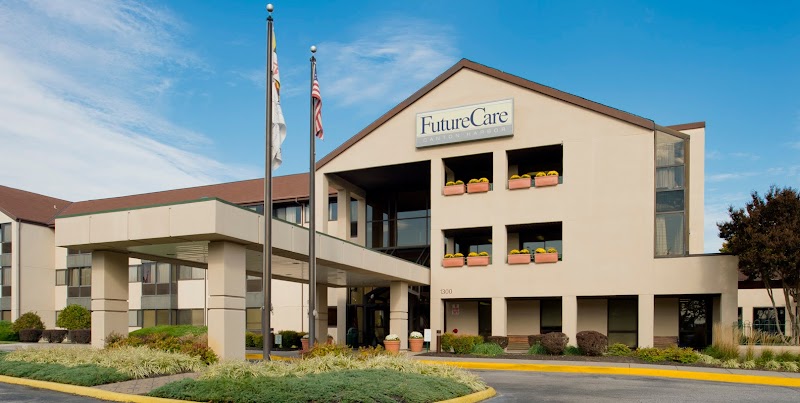
How is Future Care Canton Harbor Staffed?

CMS rates FUTURE CARE CANTON HARBOR's staffing level at 4 out of 5 stars, which is above average compared to other nursing homes. Staff turnover is 48%, compared to the Maryland average of 46%.

What Have Inspectors Found at Future Care Canton Harbor?

State health inspectors documented 58 deficiencies at FUTURE CARE CANTON HARBOR during 2017 to 2025. These included: 1 Immediate Jeopardy (the most serious level, indicating potential for serious harm or death), 53 with potential for harm, and 4 minor or isolated issues. Immediate Jeopardy findings are rare and represent the most serious regulatory concerns. They require immediate corrective action.
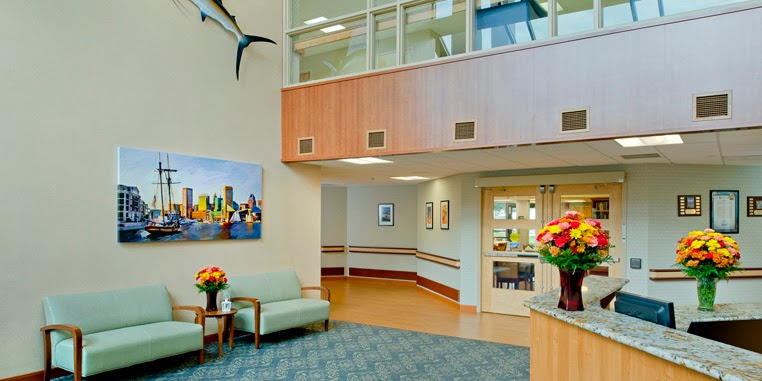
Who Owns and Operates Future Care Canton Harbor?

FUTURE CARE CANTON HARBOR is owned by a for-profit company. For-profit facilities operate as businesses with obligations to shareholders or private owners. The facility is operated by FUTURE CARE/LIFEBRIDGE HEALTH, a chain that manages multiple nursing homes. With 160 certified beds and approximately 149 residents (about 93% occupancy), it is a mid-sized facility located in BALTIMORE, Maryland.

How Does Future Care Canton Harbor Compare to Other Maryland Nursing Homes?

Compared to the 100 nursing homes in Maryland, FUTURE CARE CANTON HARBOR's overall rating (4 stars) is above the state average of 3.0, staff turnover (48%) is near the state average of 46%, and health inspection rating (3 stars) is at the national benchmark.

What Should Families Ask When Visiting Future Care Canton Harbor?

Based on this facility's data, families visiting should ask: "What changes have been made since the serious inspection findings, and how are you preventing similar issues?" "Can I visit during a mealtime to observe dining assistance and food quality?" "How do you handle medical emergencies, and what is your hospital transfer rate?" "Can I speak with family members of current residents about their experience?" These questions are particularly relevant given the facility's Immediate Jeopardy citations.

Is Future Care Canton Harbor Safe?

Based on CMS inspection data, FUTURE CARE CANTON HARBOR has documented safety concerns. Inspectors have issued 1 Immediate Jeopardy citation (the most serious violation level indicating risk of serious injury or death). The facility has a 4-star overall rating and ranks #1 of 100 nursing homes in Maryland. Families considering this facility should ask detailed questions about what corrective actions have been taken since these incidents.

Do Nurses at Future Care Canton Harbor Stick Around?

FUTURE CARE CANTON HARBOR has a staff turnover rate of 48%, which is about average for Maryland nursing homes (state average: 46%). Moderate turnover is common in nursing homes, but families should still ask about staff tenure and how the facility maintains care continuity when employees leave.

Was Future Care Canton Harbor Ever Fined?

FUTURE CARE CANTON HARBOR has been fined $13,627 across 1 penalty action. This is below the Maryland average of $33,215. While any fine indicates a compliance issue, fines under $50,000 are relatively common and typically reflect isolated problems that were subsequently corrected. Families should ask what specific issues led to these fines and confirm they've been resolved.

Is Future Care Canton Harbor on Any Federal Watch List?

FUTURE CARE CANTON HARBOR is not on any federal watch list. The most significant is the Special Focus Facility (SFF) program, which identifies the bottom 1% of nursing homes nationally based on persistent, serious quality problems. Not being on this list means the facility has avoided the pattern of deficiencies that triggers enhanced federal oversight. This is a positive indicator, though families should still review the facility's inspection history directly.