FUTURE CARE CHARLES VILLAGE
2327 NORTH CHARLES STREET, BALTIMORE, MD 21218 (410) 889-8500
For profit - Limited Liability company 109 Beds FUTURE CARE/LIFEBRIDGE HEALTH Data: November 2025
Trust Grade
80/100
#19 of 219 in MD
Last Inspection: January 2024

Within standard 12-15 month inspection cycle. Federal law requires annual inspections.

Overview

Future Care Charles Village, located in Baltimore, Maryland, has a Trust Grade of B+, which means it is above average and recommended for families looking for care. It ranks #19 of 219 facilities in Maryland, placing it in the top half, and #1 of 26 in Baltimore City County, indicating it is the best option locally. However, the facility is experiencing a worsening trend, with issues increasing from 10 in 2019 to 17 in 2024. Staffing is a strength here, with a rating of 4 out of 5 stars and a turnover rate of 38%, which is below the state average of 40%. Notably, there have been no fines reported, and the facility has more registered nurse coverage than 85% of Maryland facilities, ensuring better oversight of resident care. On the downside, there were some concerning incidents noted during inspections. For example, the facility lacked proper consent forms for the use of side rails for residents, which could lead to potential safety risks. Additionally, there were issues with the showers, including a broken heating unit and some shower stalls being used for storage, compromising resident comfort and hygiene. Lastly, the elevator cars were found to be uncomfortably cold due to significant openings in the building, which could pose risks for residents being transported. Families should weigh these strengths and weaknesses when considering this nursing home for their loved ones.

Trust Score
B+
80/100
In Maryland
#19/219
Top 8%
Safety Record
Low Risk
No red flags
Inspections
Getting Worse
10 → 17 violations
Staff Stability
○ Average
38% turnover. Near Maryland's 48% average. Typical for the industry.
Penalties
✓ Good
No fines on record. Clean compliance history, better than most Maryland facilities.
Skilled Nurses
✓ Good
Each resident gets 62 minutes of Registered Nurse (RN) attention daily — more than 97% of Maryland nursing homes. RNs are the most trained staff who catch health problems before they become serious.
Violations
⚠ Watch
31 deficiencies on record. Higher than average. Multiple issues found across inspections.
★★★★★
5.0
Overall Rating
★★★★☆
4.0
Staff Levels
★★★★★
5.0
Care Quality
★★★★☆
4.0
Inspection Score
Stable
2019: 10 issues
2024: 17 issues

The Good

  • 4-Star Staffing Rating · Above-average nurse staffing levels
  • 5-Star Quality Measures · Strong clinical quality outcomes
  • Full Sprinkler Coverage · Fire safety systems throughout facility
  • No fines on record
  • Staff turnover below average (38%)

    10 points below Maryland average of 48%

Facility shows strength in staffing levels, quality measures, fire safety.

The Bad

Staff Turnover: 38%

Near Maryland avg (46%)

Typical for the industry

Chain: FUTURE CARE/LIFEBRIDGE HEALTH

Part of a multi-facility chain

Ask about local staffing decisions and management

The Ugly 31 deficiencies on record

Jan 2024 17 deficiencies
CONCERN (D) 📢 Someone Reported This

A family member, employee, or ombudsman was alarmed enough to file a formal complaint

Potential for Harm - no one hurt, but risky conditions existed

Deficiency F0558 (Tag F0558)

Could have caused harm · This affected 1 resident

2) During an interview on 01/22/24 at 10:10 AM, staff (#29) expressed concerns about the showers in the facility. Staff (#29) stated that, because the 1st floor shower room's heating unit wasn't worki...

Read full inspector narrative →
2) During an interview on 01/22/24 at 10:10 AM, staff (#29) expressed concerns about the showers in the facility. Staff (#29) stated that, because the 1st floor shower room's heating unit wasn't working, facility management staff told him/her to turn on showers #2 and #3 to heat up the room while using shower #1 to shower a resident. Staff (#29) also stated that the facility uses some of the resident shower stalls as storage and they could not shower the residents in them. During observation rounds of the facility on 01/22/24 at 11:12 AM with the Administrator and Staff (#9) of the facility's 1st, 2nd, and 3rd floors, it was found there that there was 1 resident shower room on each floor with 3 resident shower stalls to shower facility residents in each room. The following observations were found: First floor resident shower room: a. The heating unit that provides heat to the shower room was broken and could not be used and there was cold air coming from the outside through the heating unit and its surroundings. After the surveyor's intervention the heating unit was replaced. b. Resident shower stall # 2 located on the right side of the room, had 2 wheelchairs and part of a Hoyer lift was stored in the shower stall. c. Resident shower stall #3 located on the right side of the room had no intact or visible shower head or hose attached to the shower piping located on the wall. Therefore, the shower was not able to be used by staff or residents. Second floor resident shower room: a. Resident shower stall # 2 located on the right side of the room, had no water handle hardware. Therefore, the water could not be turned on. There were 2 bedside commodes stacked on each other, a Hoyer lift and other medical equipment stored in the shower stall. b. Resident shower stall #3 located on the right side of the room and when the surveyor attempted to turn the water faucet on there was no running water coming out of the pipes therefore the shower was unable by staff or residents. There was an electric scooter and other medical equipment stored in the shower stall. Third floor resident shower room: a. Resident shower stall #2 located on the right side of the room had a Hoyer lift and other medical equipment stored in the shower stall. b. Resident shower stall #3 located on the right side of the room had no intact or in sight shower head or hose attached to the shower piping located on the wall therefore the shower was not able to be used by staff or residents. During an interview on 01/22/2024 at 11:45 AM, Staff (#9) stated that they would contact a plumber to come in and work on the water problems and fixtures in the resident's shower stalls. During an interview on 01/23/2024 at 12:30 PM the Administrator stated that the plumber was in the building and the facility was looking for a storage unit off site to place equipment that is being stored in the residents' shower stalls. During exit conference with facility on 01/26/2024 at 5:00 PM the above concerns were discussed with the administrative staff. Based on staff interviews and observations, it was determined the facility staff failed to: 1) provide a resident with a locked cabinet to secure valuables, and 2) maintain residents' shower rooms to be operational, usable, and in good repair. This was evident in 1(#59) of 1 resident records reviewed for accommodation of needs during the survey and 6 out of 9 resident shower stalls observed during the survey. The findings include: 1) On 01/10/24 at 10:05 am during an interview with Resident #59, he/she reported having money taken from his/her drawer a month prior and requested to have a lock on the bedside table. The surveyor checked the bedside table, and a lock was not in place. On 01/18/24 at 2:16 pm, the Administrator reported a Concern Form was completed in November 2023 and they spoke with the resident. He/she indicated she misplaced the money and didn't believe it was taken. A lock box with a key will be provided. Review of the Concern Form dated 11/01/23 revealed that maintenance would apply a lock to her stand/closet. On 01/23/24 at 10:52 am during an interview with Maintenance and EVS Director #24 he/she stated, if a resident wanted a lock, the request would come through TELS from the staff or the resident could tell him/her directly. He/she was out sick in November & December 2023. Upon return he/she was made aware the resident requested to have the lock. Maintenance Assistant #10 covered while he/she was out on leave.
CONCERN (D) 📢 Someone Reported This

A family member, employee, or ombudsman was alarmed enough to file a formal complaint

Potential for Harm - no one hurt, but risky conditions existed

Safe Environment (Tag F0584)

Could have caused harm · This affected 1 resident

**NOTE- TERMS IN BRACKETS HAVE BEEN EDITED TO PROTECT CONFIDENTIALITY** 2) During observation rounds, on 01/18/2024 at 9:30 AM with the Administrator and Staff (#9) revealed that the temperature in bo...

Read full inspector narrative →
**NOTE- TERMS IN BRACKETS HAVE BEEN EDITED TO PROTECT CONFIDENTIALITY** 2) During observation rounds, on 01/18/2024 at 9:30 AM with the Administrator and Staff (#9) revealed that the temperature in both facility elevator cars was uncomfortably cold. Both elevator cars were used by facility staff to transport residents to other floors for rehabilitation services and other resident needs. Staff (#9) stated that there was an opening in the top level of the building, and they were working on closing the holes in the building to keep the elevators warm. Further observations during rounds revealed a large opening in the elevator shaft to the outdoors at the top of the facility building and approximately 1 to 2 inches of water on floor of lowest level of the elevator shaft. Staff (#9) stated that the facility was looking into getting sump pumps to remove any standing water that may accumulate. Staff (#9) took elevator temperatures using a digital infrared thermometer gun in both elevators during observation rounds and both elevator cars were found to be between 50 - 51 degrees Fahrenheit. During an interview on 01/25/2024 at approximately 10:00 AM the Administrator stated that the facility was still working on addressing the elevators' temperature, water collection on lowest level of the elevator shaft and the corporate office was discussing different options to correct these issues. During the exit conference with the facility staff, on 01/26/2024 at 5:00 PM, the above described conditions and concerns were discussed with the administrative staff. Based on observation and interviews it was determined that the facility staff failed to:1) maintain the residents rooms in a homelike environment, and 2) provide comfortable and safe temperatures in a common space used by and for residents. This deficient practice was evident in 1 of 3 clinical units, 2 out of 2 elevator cars observed during the survey. The findings include: 1) During observation rounds on 01/09/24 at 9:40 am when the surveyor entered room [ROOM NUMBER], the surveyor observed the call bell system hanging from the wall. The surveyor observed marring on the wall behind Bed-1. Certified Medicine Aide # 37 confirmed the surveyor's findings. On 01/10/24 at 2:05 pm while in the bathroom of room [ROOM NUMBER], the surveyor observed the ceiling tile with a vent was buckled and the floor tile around the commode was dirty and discolored. GNA #38 confirmed the surveyor's findings. On 01/26/24 at 11:25 am the Director of Nursing reported every 2-3 hours the staff should visibly check on the residents. The call bell that was hanging out of the wall was repaired. They have the TELS system in Point Click Care and maintenance books on the units. On 01/26/24 at 11:37 am during an interview with Assistant Director of Nursing #1 who reported the staff are encouraged to use TELS system and the maintenance log has not been used since October 2023. The staff were educated several months ago to use TELS to put work orders and any type of maintenance issues. On 01/26/24 at 11:48 am during an interview with Maintenance Assistant #10, who stated, the call light was out of the wall, he/she is unsure if the work order was in TELS or he/she was told verbally and the entire box had to be changed. 3) An observation was made on 1/18/24 at 11:00 AM of a resident room during an interview with the resident to discuss concerns. Resident #141 stated that a mouse was seen in the room and that the mouse retreated in a hole that is in the wall behind the toilet. At that time an observation was made of the bathroom and there was a hole in the wall next to the toilet and above the base board. It was approximately the size of 3 silver dollars. Review of the maintenance logs that were provided to the survey team indicated that the building was treated on 1/5/24 by a pest control company for mouse complaints on the first floor. An interview was conducted with the Maintenance Director on 1/18/24 at 3:40 PM and he was made aware of the resident concern regarding the mice and the observation of the hole in the resident bathroom and he stated that he would repair the hole. The Maintenance Director returned to the survey team on 1/19/24 and reported that the hole in the resident room was repaired. He also stated that the pest control service will be returning to treat the mice concerns. The administration team was made aware of all concerns at the time of exit on 1/26/24 at 5:05 PM.
CONCERN (D) 📢 Someone Reported This

A family member, employee, or ombudsman was alarmed enough to file a formal complaint

Potential for Harm - no one hurt, but risky conditions existed

Free from Abuse/Neglect (Tag F0600)

Could have caused harm · This affected 1 resident

Based on record review and interview it was determined that the facility failed to protect a resident from verbal abuse. This deficient practice was evident in 1 (#241) of 4 facility reported incident...

Read full inspector narrative →
Based on record review and interview it was determined that the facility failed to protect a resident from verbal abuse. This deficient practice was evident in 1 (#241) of 4 facility reported incidents investigated during the survey. The findings include: On 01/24/24 at 2:50 pm a review of the facility's investigation of MD00184620 revealed that on 10/11/22 while providing personal care to Resident # 241 the Geriatric Nursing Assistant (GNA) #49 yelled at and spoke to Resident #241 in a demeaning manner according to the resident's roommate. On 01/24/24 at 3:24 pm further review of the investigation revealed Resident # 241's roommate reported the GNA #49 was verbally abusive to the resident. The alleged GNA was interviewed. A complaint was filed with the Maryland Board of Nursing (MBON) on 10/18/22. Review of the five-day follow-up report submitted by the facility indicated the allegation of abuse was not substantiated. On 01/26/24 at 12:38 pm the surveyor asked the Director of Nursing why abuse was not substantiated when GNA #49 was terminated on 10/18/22 and reported to the MBON for verbal abuse. 01/26/24 at 1:12 pm the Administrator verbalized, after review of the investigation he/she realized an error was made and the result of the investigation should have said the allegation was substantiated.
CONCERN (D) 📢 Someone Reported This

A family member, employee, or ombudsman was alarmed enough to file a formal complaint

Potential for Harm - no one hurt, but risky conditions existed

Report Alleged Abuse (Tag F0609)

Could have caused harm · This affected 1 resident

3) Record review on 01/23/24 at 2:45 PM, of the facility's self-report investigation file revealed that the Director of Nursing (DoN) documented on the Facility's Incident Investigation Form that the ...

Read full inspector narrative →
3) Record review on 01/23/24 at 2:45 PM, of the facility's self-report investigation file revealed that the Director of Nursing (DoN) documented on the Facility's Incident Investigation Form that the incident occurred on 06/29/23 at 11:50 AM (page 1 of 5). The facility's initial self-report was sent to the State agency on 6/29/23 at 2:53 PM, more than 3 hours later. During the interview, on 01/23/23 at 3:02 PM, the Regional Nurse staff #3 confirmed that the initial self-report for this abuse allegation had not been sent within 2 hours. 4) Review on 01/24/24 at 01:35 PM, of the facility's self-report investigation file revealed that the Director of Nursing (DoN) documented on the Facility's Incident Investigation Form the incident time was on 06/21/22 at 12:30 PM (page 1 of 5). GNA staff #47 allegedly hit Resident #97's head while providing care. Based on the allegation of abuse/harm, the facility's self-report had to be sent to the State agency no later than 2 hours after the incident had occurred or was reported. Further review revealed that staff had sent the facility self-report to the State agency, on 06/21/22 at 7:50 PM, 7 hours and 20 minutes after the incident. During the interview on 1/25/24 at 12:50 PM, the DoN, the Administrator, and the Regional Administrator Staff #4, confirmed that facility staff was made aware of the abuse allegation on 06/21/22 at 12:30 PM, however, the initial self-report was not sent to the State agency until 6/21/22 at 7:50 PM. 2) While speaking with Resident #52 on 01/10/24 at 2:12 pm the surveyor asked the resident if he/she had any concerns. Resident #52 reported having a verbal confrontation with a GNA and the GNA cursed at him. Also, he/she asked the nurse to have the room cleaned after a resident with COVID was removed. The nurse allegedly refused and kept telling the resident, he/she had something for him/her and he/she felt threatened by the nurse. On 01/12/24 at 4:26 pm the surveyor asked the Director of Nursing if there was a self-report for abuse concerning Resident #52. On 01/17/24 at 2:21 pm the Director of Nursing reported the facility did not have a self-report for Resident #52. The surveyor made the Director of Nursing and Administrator aware of the alleged allegation of abuse concerning Resident #52. On 01/18/24 02:11 pm interview with the DON revealed the alleged staff members were suspended pending investigation. On 01/25/24 at 3:08 pm a review of the initial report and 5-day follow-up revealed the initial self-report regarding abuse allegation was not reported to the state agency within the 2-hour allotted time frame. On 01/26/24 at 11:00 am during an interview with the Director of Nursing, he/she stated, the abuse case was reported late, that they have an abuse policy, and they are familiar with the policy. Based on administrative record review and interviews with facility staff it was determined the facility failed to report allegations of abuse to the state agency within the two hour timeframe. This was found to be evident for 4 of 22 facility reported abuse investigations reviewed during the facility's survey. Findings include: 1) While the survey team was conducting the survey, the facility administration team was informed on 1/17/24 at 2:19 PM of an allegation of abuse by residents regarding a staff member. The facility stated to the survey team that they would investigate. A meeting was conducted with the Administration team on 1/22/24 at 10:30 AM and they gave an update to the survey team. The Administrator was asked if the facility sent an initial report to the state agency and he stated that after conducting their investigation, abuse was unsubstantiated and that it was a customer service concern provided education to the staff. The Administrator returned to the survey team on 1/23/24 and stated that he submitted a late initial report to the state agency and will follow-up by sending the required 5-day final report. All concerns were discussed with the administrative team at the time of exit on 1/26/24 at 5:05 PM.
CONCERN (D)

Potential for Harm - no one hurt, but risky conditions existed

Transfer Notice (Tag F0623)

Could have caused harm · This affected 1 resident

Based on record review and interview it was determined that the facility staff failed to send a copy of a resident's transfer to the hospital to the Ombudsman. This deficient practice was evident in 1...

Read full inspector narrative →
Based on record review and interview it was determined that the facility staff failed to send a copy of a resident's transfer to the hospital to the Ombudsman. This deficient practice was evident in 1 (#20) of 2 resident records reviewed for transfer/discharge paperwork during the survey. The findings include: On 01/10/24 at 11:34 am, a review of Resident #20's electronic medical record revealed the resident was transferred to the emergency department on 10/20/23. On 01/23/24 at 3:04 pm the surveyor requested a copy of the resident's transfer notice sent to the responsible party and verification a copy was sent to the ombudsman. On 01/24/24 at 9:32 am the surveyor received a copy of the October 2023 admission/discharge list that was emailed to the ombudsman on 11/01/23 at 7:12 am. Resident #20 was not included on the list. On 01/24/24 at 10:41 am during an interview with Regional Nursing Director #3 who verbalized the staff did not do the quick editing and when the Administrator pulled the report, Resident #20 was not on the list which was realized on 1/23/24.
CONCERN (D)

Potential for Harm - no one hurt, but risky conditions existed

Comprehensive Care Plan (Tag F0656)

Could have caused harm · This affected 1 resident

3) On 01/10/24 11:34 AM, the surveyor interviewed Resident #12 who stated he/she was unable to recall the last time a care plan meeting was held with the facility staff. A review of the electronic me...

Read full inspector narrative →
3) On 01/10/24 11:34 AM, the surveyor interviewed Resident #12 who stated he/she was unable to recall the last time a care plan meeting was held with the facility staff. A review of the electronic medical record on 1/11/24 at 10:30 AM revealed that the social worker # 7 described Resident #12 as displaying impaired memory and poor problem solving and insight per the results of the resident's Brief Cognitive Assessment Tool (BCAT) documented on 1/4/2024. Further review of the resident's care plan on the same day failed to reveal a care plan specifically addressing the resident's diagnosis of dementia. On 01/22/24 at 01:29 PM a record review was performed by surveyor and no dementia care plan was documented in the electronic medical record. Additionally, the surveyor received a copy of the care plan meeting held in the resident's room with the resident's son participating by telephone on 1/4/2024. The resident's dementia was not addressed during the care plan discussion per the written care plan meeting notes. During an interview with the director of nursing (DON) and the social worker # 7 confirmed that the interdisciplinary team had not created a dementia care plan for Resident #12 as of 1/22/24 at 1:30 PM. The concern that the facility failed to create, and to implement a comprehensive dementia care plan that addressed the resident's specific physical, social, and psychological needs was addressed with the DON, two regional RNs, and the administrator during the exit conference on 1/26/24. Based on medical record review and interview it was determined that the facility staff failed to: 1) initiate a patient centered care plan for a resident who was ordered oxygen therapy, 2) initiate a care plan for a resident who had a significant weight loss, and 3) establish a care plan specific to one of the resident's primary diagnosis. This deficient practice was evident in 3 (#20, #32, #12) out of 6 resident records reviewed for the initiation of care plans for residents. The findings include: 1) On 01/17/24 A review of Resident #20's electronic medical record revealed the resident had an order for oxygen therapy. Further review of the EMR revealed the resident did not have a patient specific care plan for oxygen therapy. On 01/17/24 at 12:38 PM during an interview with Director of Nursing #1, If a resident has a diagnosis indicating the need oxygen he/she would put the care plan under respiratory or cardiac depending on the resident's needs. DON #1 confirmed Resident #20 did not have a patient specific care plan for oxygen therapy. 2) On 01/17/24 at 11:30 am a review of Resident #32's electronic medical record revealed that the resident did not have a care plan for weight loss despite having a significant weight loss. On 01/17/24 at 12:50 pm during an interview with the Director of Nursing, when asked if Resident #32 had a care plan for weight loss, he/she verbalized the resident did not have a care plan for weight loss. On 01/17/24 at 1:17 pm during an interview with Dietician #21 he/she reported he/she typically does not care plan for weight loss.
CONCERN (D) 📢 Someone Reported This

A family member, employee, or ombudsman was alarmed enough to file a formal complaint

Potential for Harm - no one hurt, but risky conditions existed

Deficiency F0657 (Tag F0657)

Could have caused harm · This affected 1 resident

**NOTE- TERMS IN BRACKETS HAVE BEEN EDITED TO PROTECT CONFIDENTIALITY** 3) On 1/23/24 at approximately 3:45 PM the surveyor reviewed the Diagnosis Report provided by the DON. This report listed all re...

Read full inspector narrative →
**NOTE- TERMS IN BRACKETS HAVE BEEN EDITED TO PROTECT CONFIDENTIALITY** 3) On 1/23/24 at approximately 3:45 PM the surveyor reviewed the Diagnosis Report provided by the DON. This report listed all residents currently in the facility with a diagnosis of dementia. There were a total of 38 residents with the diagnosis of dementia and Resident #12 was listed on the report. Resident #12 was listed as having an admission date of 6/19/22. The surveyor asked the DON whether the expectation would be that a dementia care plan should have been created for Resident #12 and the response was 'Yes. On 01/22/24 at 11:54 AM during an interview with social worker #7, the surveyor asked whether the Resident #12 had a dementia care plan and the response was No. Social worker #7 also stated that there had not been any interventions related to dementia discussed with the resident or family members. On 1/22/24 at 11:30 AM the surveyor reviewed the Resident #12's care plans located in the electronic medical record and determined no care plan was initiated after admission for the diagnosis of dementia. On 01/22/24 at 11:00 AM an interview with staff 4, activities director stated that there was no specific dementia related activities program at the facility. Also, staff # 4 stated that he/she has not provided Resident #12 any dementia focused activities. The concern that the facility failed to initiate a dementia care plan for Resident #12 was discussed with the DON and the administrator on 1/26/24 during the exit conference. 2) On 01/16/24 at 10:45 am review of Resident #89's electronic medical record revealed a care plan meeting was held on 09/21/23. The previously held care plan meetings were on 4/20/23 and 8/5/2022. On 01/16/24 at 12:20 pm the surveyor requested a copy of the care plan sign in sheet for 09/21/23. On 01/17/24 at 12:09 pm during an interview with Director of Social Services #5 verbalized a list of residents who needed a care plan meeting is obtained from the MDS coordinator. Short term resident meetings are usually held on Tuesdays and long-term resident meetings are held on Thursdays depending on the availability of the resident and family. Arrangements are made about a week in advance. The interdisciplinary team which includes nursing, Activities, the Dietician, therapy, the resident, and family. A sign-in sheet is created, and a note will be entered into PCC as the interdisciplinary team talks about changes with the team and possibly the physician. The resident is provided a copy of the meeting date, and the letter explains what a care plan meeting is. Care plan meetings are done upon admission, quarterly, and with a significant change. When asked why the resident did not have quarterly care plan meetings, Director of Social Services #5 was unable answer the surveyor's question. On 01/17/24 at 1:31 pm the surveyor received a copy of the care plan meeting note and the sign in sheet for the 9/21/2023 care plan meeting. The Director of Social Services #5, someone from nursing, and Resident #89 significant other attended the meeting. On 01/17/24 at 2:07 pm during an interview with Dietician #21 who verbalized he/she does not know why he/she didn't attend the care plan meeting in September 2023. He/she was not sure if they were in the building but the social worker had access to his/her notes. Based on observations and interviews with facility staff it was determined the facility failed to: 1) update a resident care plan to address the resident specific needs (Resident #63), 2) have quarterly care plan meetings including the dietician for a resident who had a significant weight loss (Resident #89), 3) initiate a diagnosis specific care plan for a resident during the resident's length of stay (Resident #12). This was found to be evident for 3 of 62 residents, reviewed for care plan timing. Findings include: 1) During an observation made on 1/10/24 at 12:10 PM, Resident #63 was observed lying in the bed and the resident was noted to have lesions present to the right neck area near the ear and left ear area. The area had redness with a small amount of heme (blood) present. A staff nurse who was present at the nurse station was made aware of the observation and she stated that she would assess the resident. Resident #63's medical record was reviewed on 1/23/24 at 11:30 AM and upon review it revealed the resident had a care plan in place for impaired skin integrity of Right Neck and Left ear. The care plan was created on 12/8/23 with a revision date of 1/10/24. During an interview with the Director of Nursing (DON) on 1/24/24 at 9:30 AM she was asked to provide the survey team with a copy of any recent Dermatology and/or ENT (Ear, Nose and Throat) Consultations. The DON returned to the survey team on the same date at 3:00 PM and provided a copy of the resident Dermatology and Plastics Consultation scheduled for 2/1/2024. The form indicated an order date of 1/24/24 at 14:39. The DON informed the survey team that the resident was diagnosed with Squamous Cell Carcinoma (Skin Cancer) on 1/8/2024. The DON was asked if the resident had a care plan in place for Squamous Cell Carcinoma when diagnosed on [DATE] and she stated no, but she would update the resident care plan to address the resident specific needs to include consultations as needed. The Administration team was made aware of all concerns at the time of exit on 1/26/24 at 5:05 PM.
CONCERN (D)

Potential for Harm - no one hurt, but risky conditions existed

Deficiency F0661 (Tag F0661)

Could have caused harm · This affected 1 resident

Based on record review and interviews it was determined that the facility staff failed to provide a summary of a resident's stay and a copy of the most recent comprehensive assessment to a resident wh...

Read full inspector narrative →
Based on record review and interviews it was determined that the facility staff failed to provide a summary of a resident's stay and a copy of the most recent comprehensive assessment to a resident who initiated a discharge. This deficient practice was evident in 1 (#241) of 1 resident-initiated discharge record reviewed. The findings include: On 01/25/24 at 10:14 am a review of Resident #241's electronic medical record (EMR) revealed the resident was discharged on 07/01/23. On 01/25/24 at 11:01 am during an interview with Director of Social Services #5 revealed the resident initiated the discharge so arrangements were made after gathering information with the resident for needs at home and process is to provide discharge instructions, prescriptions and a medication list. On 01/25/24 at 11:05 am the surveyor requested to view Resident #241's discharge instructions, post discharge plan of care, and all the documents provided to Resident #241 when discharged . On 01/25/24 at 11:40 am the surveyor reviewed Resident #241's post discharge plan of care, 17 prescriptions, and a note dated 06/30/23 which was included in the care area. A summary of the resident's stay at the facility and a comprehensive assessment was not included in the documentation provided to the resident upon discharge. On 01/25/24 at 1:27 pm during an interview with Director of Social Service #5 when the surveyor asked if the resident was provided a summary of his/her stay at the facility and a copy of their most recent comprehensive assessment, Director of Social Services #5 verbalized he/she does not have that information but could get that information from the hospital. The post discharge plan of care and prescriptions was prepared in a discharge folder for the nurses to go over with Resident #241 before they leave. On 01/25/24 at 3:12 pm during an interview with the Director of Nursing who verbalized if a resident says they want to go home they find out why. Resources in the community are provided, the discharge documentation is provided by the nurses. The post discharge plan of care, a list of medications and prescriptions, an AMA form if indicated are also provided and the nurse is expected to write a note. Included in the note is where the resident is going and who they are going with. On 01/25 24 at 4:15 pm a review the discharge note written by the nurse who discharged Resident #241 wrote the time the resident was picked up and by whom, the resident left with all medications in cart with wheelchair and walker, all belongings went with the resident, all paperwork needed was signed and scripts faxed to pharmacy. There was no documentation to support the resident received a copy of his/her most recent comprehensive assessment or a summary of his/her stay within the facility.
CONCERN (D)

Potential for Harm - no one hurt, but risky conditions existed

ADL Care (Tag F0677)

Could have caused harm · This affected 1 resident

**NOTE- TERMS IN BRACKETS HAVE BEEN EDITED TO PROTECT CONFIDENTIALITY** Based on medical record reviews, observations, and interviews it was determined that the facility failed to ensure that resident...

Read full inspector narrative →
**NOTE- TERMS IN BRACKETS HAVE BEEN EDITED TO PROTECT CONFIDENTIALITY** Based on medical record reviews, observations, and interviews it was determined that the facility failed to ensure that residents requiring assistance with activities of daily living (ADL's) such as bathing and/or showering were provided these services. This was found to be true for 3 of 3 residents (#32, #38, and #82) reviewed for activities of daily living. The findings include: 1. On 1/22/24 at 10:12 AM the surveyor toured three clinical units in the facility. The surveyor was informed by the administrator that there were three single occupancy resident rooms with private showers. The surveyor observed that the bathroom in room [ROOM NUMBER] did not have a shower curtain and there was storage of a wheelchair, and walker inside the shower stall. Resident #82 was present in his/her bed watching the TV, dressed in civilian clothes. At approximately 10:15 AM on 1/23/24 the surveyor interviewed Resident #82 who stated that he/she had not been provided a shower since his admission, but the staff had assisted him with getting washed up. The surveyor asked the resident what his/her preference and he/she stated that he/she preferred having a shower and loves to shower every day. The surveyor reviewed the resident's [NAME] which listed the resident's weekly schedule for showers was on Tuesday and Thursdays on the 3-11 PM shift. 2. On 1/24/23 at 2:45 PM the surveyor interviewed Resident #32 who stated that he/she usually receives assistance with a shower one time per week but is supposed to get a shower twice a week. On 1/25/24 at 14:30 PM the surveyor reviewed the Documentation Survey Record for the following residents: a. Resident # 32's personal hygiene/shower PCC form showed that he/she was not helped with personal hygiene on 12/12/23 on the 3-11 shift (the space was left blank), and on 12/19/23 on the evening shift, the entry space was left blank. 12/26/24 the documentation space on the 7-3 shift entry was 09 which equals to not applicable per the legend listed on PCC form. b. On 12/26/23 for Resident #32 the shower/tub bath box, the day shift entry documentation slot was left blank. The slot for personal hygiene dated 12/30/23, 3-11 shift left blank. Also, the personal hygiene data entry field for 1/19/24, 3-11 shift was left blank as well as the entry box for showers on the 3-11 shift for the same date was left empty as well. c. Resident # 82's personal hygiene/shower PCC (Point Click Care) form showed that he/she was not provided either personal hygiene and/or a shower/tub bath on 12/24/23 and 12/25/23 on either the day or evening shift. Resident # 82's personal hygiene/shower PCC form 12/25/23 and 12/26/23 had entries in the 7-3 and 3-11shift shower entry space of not applicable and on 12/28/23 on the day shift for the shower section. 3. Resident # 38's personal hygiene/shower PCC form showed that on 1/2/24 the staff did not enter any data whether the resident was assisted with personal hygiene on dayshift. Additionally, on 1/2/24 the data entry field for shower/tub bath was blank for day shift and entered the evening shift space was marked as not applicable. An interview with the level 2-unit manager, staff# 31 on 01/24/24 at 2:46 PM revealed that documentation of residents' shower schedule entered onto handwritten shower logs and include the resident preferences. Staff #31 stated that the shower log listed which residents had received and or refused a shower on a specific date and time. Also, that the GNAs document in the electronic medical record whether resident does or not receive a bed bath and/or a shower. The GNAs are expected to inform the LPN or RN of any resident refusals during the shift. On 1/24/24 at approximately 3:15 PM the surveyor interview was held the DON and staff #5 regarding the documentation of the provision of assistance with showering and/or bathing for residents. Staff #5 stated that the staff use a hard copy document that reflects whether a resident refused to bathe or shower, and that form is kept at the nurses' station. Also, staff #5 stated that the geriatric nursing assistants (GNAs) document in the electronic medical record during day and evening shifts. During an interview on 1/24/24 at 09:05 AM, the surveyor requested that staff #5 provide a copy of the facility's ADL policy. During an interview on 1/25/24 at 2:54 PM staff # 3 stated that there was some confusion regarding whether the shower rooms were available on 1/23/24 which explained why some residents did not receive scheduled showers. Also, staff # 3 stated that the GNAs have the option to take the residents to other floors to ensure showers are provided to residents. Also, staff # 3 was asked by the surveyor what was the expectation for the GNA staff to document refusal to ADL care. Staff # 3 stated that if the resident is refusing to shower then that information is triggered in PCC. Also, staff # 3 showed the surveyor where in PCC the GNAs document whether the resident refused or received a shower. On 1/26/24 at approximately 11:10 AM the surveyor requested the DON to provide a copy of the facility's ADL policy. At approximately, 3:20 PM staff # 5 informed the surveyor that the facility did not have an all-inclusive ADL policy but had 5 individual policies that addressed skin preventative care, nail care, passive range of motion, oral hygiene, tepid sponge bath, and shaving a resident. The concern that the facility failed to consistently provide personal hygiene and /or showers to three residents based on the documentation was reviewed with the administrator, Staff #5 during the exit interview on 1/26/24.
CONCERN (D)

Potential for Harm - no one hurt, but risky conditions existed

Pressure Ulcer Prevention (Tag F0686)

Could have caused harm · This affected 1 resident

**NOTE- TERMS IN BRACKETS HAVE BEEN EDITED TO PROTECT CONFIDENTIALITY** Based on medical record review, observation and interview, the facility staff failed to prevent new pressure ulcers/in-house acq...

Read full inspector narrative →
**NOTE- TERMS IN BRACKETS HAVE BEEN EDITED TO PROTECT CONFIDENTIALITY** Based on medical record review, observation and interview, the facility staff failed to prevent new pressure ulcers/in-house acquired wounds from occurring. This was evident for 2 (Resident #242 and #92) out of 3 residents reviewed for new pressure ulcers during the survey. The findings include: A pressure ulcer also known as pressure sore or decubitus ulcer is any lesion caused by unrelieved prolonged pressure that results in damage to the underlying tissue. Pressure ulcers are staged according the their severity from Stage I (area of persistent redness), Stage II ( superficial loss of skin such as an abrasion, blister or shallow crater), Stage III ( full thickness skin loss involving damage to subcutaneous tissue presenting as a deep crater), Stage IV (full thickness skin loss with extensive damage to muscle, bone or tendon) or Unstageable Pressure Ulcer (full thickness tissue loss in which the base of the ulcer is covered by slough and /or eschar in the wound bed). 1). Record review, on 01/25/24 at 11:50 AM, revealed Resident #242 was readmitted to the facility on [DATE] with major diagnosis of an old Stroke with left side hemiplegia. Reviewing the admission nursing assessment revealed this resident's skin was intact. (A Stroke occurs when blood flow to part of your brain is blocked or when a blood vessel in the brain ruptures. When this happens, the brain cells in the affected area are deprived of oxygen or damaged. A left sided stroke affects the right side of a person's body.) Further record review on 1/25/24 of complaint MD00185884 alleged that Resident #242 was not admitted to the facility with pressure ulcers but had developed after admission with allegations regarding being left in urine and not turned and re-positioned every 2 hours. Record review, on 1/25/24, of the Wound Physician Staff #30's initial evaluation and summary dated 11/28/22, revealed two new wounds: 1. on 11/23/22, a left heel wound measuring 2.0 x 1.5 centimeters and 2. on 11/28/22, a right upper buttock deep tissue injury (DTI) measuring 4.0 x 2.0 centimeters. A deep tissue injury (DTI) is a unique form of pressure ulcer. The National Pressure Ulcer Advisory Panel defines a deep tissue injury as A pressure-related injury to subcutaneous tissues under intact skin. Initially, these lesions have the appearance of a deep bruise. During the interview, on 1/26/24 at 9:12 AM, the Director of Nursing (DoN) stated that the resident did not have the right buttock pressure wound upon readmission on [DATE]. 2). On 01/10/24 at 02:09 PM, the surveyor was touring the unit, Resident #92 reported I have a new wound on my buttock, and I was sore staying in one position. On 01/16/24 at 11:45 AM, review of Resident #92's record revealed admission on [DATE] with the major diagnoses of Chronic Respiratory Failure and Incontinence of Bowel and Bladder. The resident was identified as a pressure ulcer risk per facility's assessment 10/6/23. Review of the skin and wound record on 1/16/24 revealed a new open wound on 12/4/23 at 15:32 PM by the Unit Manager Staff #31's documentation. The size of the open left lower buttock's wound was 1.0 x 1.0 x 0.2 centimeters. On 01/17/24 at 01:14 PM, during an interview, Staff #31 confirmed the left buttock wound developed while the resident was residing in the facility. Staff #31 stated that this resident often refused to be turned. However, Staff #31 could not provide any documentation to show this resident refused to be turned prior to when the wound developed. The DoN was made aware of the concern.
CONCERN (D)

Potential for Harm - no one hurt, but risky conditions existed

Deficiency F0730 (Tag F0730)

Could have caused harm · This affected 1 resident

2) On 1/22/2024 at 2:30 PM, the employee files of five GNA's were reviewed. During the review, no performance evaluation could be found that had been performed for GNA #7 of the 5 GNA's reviewed in th...

Read full inspector narrative →
2) On 1/22/2024 at 2:30 PM, the employee files of five GNA's were reviewed. During the review, no performance evaluation could be found that had been performed for GNA #7 of the 5 GNA's reviewed in the 2023 calendar year. On 1/24/24 at 1:40 PM, in an interview with the Administrator , he provided documentation that GNA #7 began working in the capacity of GNA in Training on 6/28/23 and continues to work in that capacity currently. On 01/25/24 at 12:48 PM, in an interview with the Director of Nursing (DON), she stated if employee performance evaluations are not in the employee's file, then they have not been completed. On 1/26/24 at 11:36 AM, the DON stated she did not think GNA #7 had an annual performance review and that she should have completed one after three months. On 1/26/24 at 12:40 PM, the DON left a note for the survey team stating they GNA #7 did not have an Annual Performance Review. Based on administrative record review and interviews with facility staff it was determined the facility failed to: 1) ensure annual staff performance reviews were completed as required, 2) ensure an annual performance review for the facility Geriatric Nurse Aides (GNAs), 3) provide performance related outcomes based staff education. This was found to be evident for 1 of 7 clinical employee files reviewed and for 1 of 5 GNA's that were reviewed during the survey. Findings include: On 1/26/24 at 2:00 PM two employee files were reviewed after Resident #143 reported allegations of abuse to the facility staff on 1/24/24. Upon review of the employee file for Licensed Practical Nurse (LPN) #43 who was hired in 2021 did not contain documentation of a performance evaluation. Further review of LPN #43's file revealed a documented disciplinary notice dated 11/15/22 with an (x) documented next to written warning, for not following proper infection control procedures. On 1/4/23 LPN # 43 did not complete schedule evaluations for a shift and on 1/5/23 she did not complete lab report documentation as instructed by supervisor. There was a check mark in the box indicating verbal counseling. There was a disciplinary notice form dated 11/15/23 which indicated LPN # 43 was insubordinate to the Nurse Practitioner regarding care of a resident and communication with supervisor. There was an (x) marked in the box on the form next to written and next to final written warning. An interview was conducted with the Director of Nursing (DON) and the Regional Nurse (RN) Staff # 3 on 1/26/24 at 3:00 PM and they both stated that the annual performance evaluation should have been completed and confirmed that if the evaluation was not in the employee file, that it was not done. They stated that it is the facility's goal for 2024 is to complete all employee's annual performance evaluations. All concerns regarding annual performance reviews and any training for identified problems were discussed with the administration team at the time of exit on 1/26/24 at 5:05 PM.
CONCERN (D)

Potential for Harm - no one hurt, but risky conditions existed

Deficiency F0761 (Tag F0761)

Could have caused harm · This affected 1 resident

Based on observations, interviews and review of facility documentation the facility failed to properly store medications and biologicals under proper temperature controls according to professional sta...

Read full inspector narrative →
Based on observations, interviews and review of facility documentation the facility failed to properly store medications and biologicals under proper temperature controls according to professional standards. This was evident in 1 out of 3 medication storage refrigerators observed during the survey. The findings include: During observation rounds of the facility 2nd floor medication storage room on 01/12/24 at 11:37 AM with Staff (#3) the refrigerator storing medications and biologicals thermometer read 58 degrees F. Several medications and biologicals for facility residents were found in this refrigerator. During an interview on 01/12/24 at 11:50 AM Staff (#3) stated that yes, the refrigerator was too hot and confirmed that the refrigerator thermometer read 58 degrees F. Staff (#3) stated that he/she will get someone to come now to fix it. Review of facility policy for Medication Storage on 01/12/24 at 3:30 PM revealed that medications requiring refrigeration or temperatures between 36 degrees F and 46 degrees F are to be kept in a secure refrigerator with a thermometer to allow temperature monitoring. During the exit conference with facility on 01/26/2024 at 5:00 PM the above concerns were discussed with the administrative staff.
CONCERN (D)

Potential for Harm - no one hurt, but risky conditions existed

Deficiency F0804 (Tag F0804)

Could have caused harm · This affected 1 resident

**NOTE- TERMS IN BRACKETS HAVE BEEN EDITED TO PROTECT CONFIDENTIALITY** Based on interview, observation and record review, it was determined that the facility failed to follow a resident's food intole...

Read full inspector narrative →
**NOTE- TERMS IN BRACKETS HAVE BEEN EDITED TO PROTECT CONFIDENTIALITY** Based on interview, observation and record review, it was determined that the facility failed to follow a resident's food intolerance list and to honor requested double-portion meals. This was evident for 1 (Resident #391) out of 9 residents reviewed for food preference and nutritional adequacy. The findings include: On 1/9/23 at 10:28 AM, the surveyor interviewed Resident #391 who stated I could not do too much .too weak and needed to re-strengthen. I was hungry and told the staff that I need .more food on my tray, like a doubled portion. This resident was observed in bed with a 30 degrees up sitting position. Visibly excessive nasal and neck muscles were being used to gain air intake from his/her oxygen supply. During record review on 1/11/24 at 13:19 PM, it was revealed that Resident #391 was admitted to the facility on [DATE] after an intensive care hospitalization. The resident had a history of gastro-esophageal reflux disease (GERD). Gastroesophageal reflux disease (GERD) is a common condition in which the stomach contents move up into the esophagus. Reflux becomes a disease when it causes frequent or severe symptoms or injury. Reflux may damage the esophagus, pharynx or respiratory tract. On 1/11/24 at 13:19 AM, record review revealed that Resident #391 was seen on 1/8/24 by the Speech Therapist Staff #48 that the resident complained to her I was still receiving orange juice and acidic foods (despite the food service communication form being filled out on 1/4/24) that such food/drinks should not be served. staff #48 entered an order on the same day to the Dietician Staff #21 for additional interventions. Further observation, on 1/12/24 at 11:45 AM, revealed that the resident was telling the staff who delivered his/her meal tray I need a larger portion of food today and I do not like snacks. During an interview with Staff #21 at that time, regarding the resident's concerns, Staff #21 stated she had the resident assessed and had the intolerance list and food portions set up in the system. On 1/16/24 at 09:05 AM Resident #391 continued to report I need more food each meal to help me to gain weight and strength. An interview with Kitchen Manager Staff #39 right afterwards revealed that the facility only allowed larger proportion meals if the order had to be coming from this resident's Attending Physician. Record review, on 1/16/24 at 1:30 PM, revealed this resident was on a modified diet: National Dysphagia Diet 3 (NDD3) and advanced to regular texture trial on 1/14/23 so that he/she could have more food intake. Additional complaints received on 1/11/24 per Staff #48 Pt. expressed numerous other dietary concerns/preferences and on 1/16/24 continued receiving items that can aggravate his/her ulcer. The clinician emailed the dietician and kitchen manager requesting another consult. A level 3 National Dysphagia Diet includes moist foods in bite-sized pieces. Additional observation, on 1/17/24 at 1:15 PM, revealed that this resident received broccoli and berries. During an interview, on 1/17/24 at 2:20 PM, Staff #21 did not provide any improvement documentation in regard to Resident #391's multiple food complaints in the last 8 days. The Kitchen Manager Staff #39 and the DoN were made aware.
CONCERN (D)

Potential for Harm - no one hurt, but risky conditions existed

Food Safety (Tag F0812)

Could have caused harm · This affected 1 resident

Based on observation and interview regarding the facility kitchen's operation, it was determined that the facility failed to store food in accordance with professional standards for food service to pr...

Read full inspector narrative →
Based on observation and interview regarding the facility kitchen's operation, it was determined that the facility failed to store food in accordance with professional standards for food service to prevent the potential for contamination. This was evident for 2 out of 3 observations in the kitchen. The findings include: On 1/9/24 at 10:31 AM, a tour was conducted in the kitchen with Regional Kitchen Director Staff #13. The surveyor observed and pointed out that there was a bucket sitting on the floor with labeled food items and dates. Further observation, on 1/22/24 at 10:00 AM, revealed that a stack of fresh bread in eight large trays was sitting on the kitchen floor in the middle of a high foot traffic area. The last tray was only less than one inch from touching the floor. During interview, Kitchen Director Staff #39 stated that she was about to move the bread.
CONCERN (D)

Potential for Harm - no one hurt, but risky conditions existed

Infection Control (Tag F0880)

Could have caused harm · This affected 1 resident

**NOTE- TERMS IN BRACKETS HAVE BEEN EDITED TO PROTECT CONFIDENTIALITY** Based on observation and interview it was determined that the facility staff failed to maintain infection control practices as e...

Read full inspector narrative →
**NOTE- TERMS IN BRACKETS HAVE BEEN EDITED TO PROTECT CONFIDENTIALITY** Based on observation and interview it was determined that the facility staff failed to maintain infection control practices as evidenced by a resident's oxygen tubing being uncovered and draped over the oxygen concentrator and five used, unlabeled, and undated urinals being left in the bathroom cabinet. The deficient practice had the potential to affect Resident #20 and the residents who reside in room [ROOM NUMBER]. The findings include: During observation rounds on Unit 1 on 01/09/24 at 9:32 am, while in Resident #20's room the surveyor observed the resident's oxygen tubing draped over the oxygen concentrator. Under further inspection the surveyor noted the oxygen tubing was not labeled or dated. The sterile water connected to the oxygen concentrator was not labeled or dated. Geriatric Nursing Assistance (GNA) #7 was in the resident's room and confirmed the surveyor's findings. On 01/10/24 at 2:05 pm while in room [ROOM NUMBER]'s bathroom, the surveyor observed five used urinals under the bathroom sink. GNA #38 confirmed the surveyor's findings. On 01/23/24 at 11:54 am during an interview with the Director of Nursing he/she stated, the expectation is for a urinal to have the resident's room number, bed, and the date it was provided. The urinals are changed when visibly soiled and the same for bed pans. The oxygen tubing should have been dated, along with the sterile water and the tubing is usually changed weekly or when soiled. The resident's oxygen was ordered as needed.
CONCERN (D)

Potential for Harm - no one hurt, but risky conditions existed

Deficiency F0925 (Tag F0925)

Could have caused harm · This affected 1 resident

Based on observations and interviews of facility staff it was determined the facility failed to ensure an effective pest control as flying gnats were observed throughout the building. This was found t...

Read full inspector narrative →
Based on observations and interviews of facility staff it was determined the facility failed to ensure an effective pest control as flying gnats were observed throughout the building. This was found to be evident during the survey. Findings include: During the survey multiple observations were made of gnat sightings throughout the building. On the first day of the survey on January 9, 2024, surveyors were placed in one of the facility's rooms and with multiple flying gnats observed in the room. During a resident council meeting conducted on 1/11/24 at 10:00 AM in the dining room on the second floor, the residents that were in attendance were swatting at the gnats throughout the meeting. The residents stated that at one time, the problem with the gnats were brought under control, but currently, it has been an ongoing problem. A meeting was conducted with the Regional Director of Operations (RDO) Staff # 5 and the DON on 1/11/24 at approximately 10:38 AM after the resident council meeting, to make the facility aware of the resident's concerns. They told the survey team that the building is treated weekly for pest concerns. The Maintenance Director (MD) provided maintenance logs of the facility's pest control services. According to the log, the facility was last treated on 1/7/24 for fruit flies on second floor and on 9/1/2023 for fruit flies in kitchen area. During a follow-up meeting with the MD and the Administration team, they stated that the plan moving forward is to treat the building more frequently and as needed. All concerns were discussed with the Administration team at the time of exit on 1/26/24 at 5:05 PM.
CONCERN (E)

Potential for Harm - no one hurt, but risky conditions existed

Medical Records (Tag F0842)

Could have caused harm · This affected multiple residents

2) On 01/23/24 at 03:07 PM the surveyor interviewed staff #5 and the director of nursing (DON) regarding the siderail assessment, installation, and consent process. Also, the surveyor requested that s...

Read full inspector narrative →
2) On 01/23/24 at 03:07 PM the surveyor interviewed staff #5 and the director of nursing (DON) regarding the siderail assessment, installation, and consent process. Also, the surveyor requested that staff # 5 provide a copy of the siderail assessment and the siderail consent form for three residents, #2, #28, and #80. On 1/24/24 at approximately 09:45 AM during an interview with staff #5 there was confirmation that the clinical staff are expected to document in the progress note, the date and time the side rail consent was obtained. However, the side rail assessment was completed by the DON on 1/16/24 for Resident #28. The DON and staff #5 stated the facility does not have a separate consent form for the resident or the resident representative to sign regarding side rails. On 1/24/24 at approximately 11:45 AM the DON provided the surveyor with a hard copy of the side rail assessment for Residents #28 and # 80. During an interview with DON the surveyor asked why three residents on the same day had orders for side rails installation for mobility without evaluations by the physical therapy and/or occupational therapy departments. The DON responded that she was not sure. A review of the electronic medical records on 1/25/24 at 09:30 AM the surveyor determined that there was no documentation in the electronic medical record related to the resident or resident representative consent being obtained prior to the installation of the side rails for Residents #2, #28, or #80. On 1/26/24 at 10:45 AM, the surveyor reviewed the hard copy progress note for Resident # 28 which documented a late entry progress note dated 1/18/24 at 17:01 PM, stated Resident #28 consented to bilateral grab handles for bed mobility. The siderail assessment and installation was documented as occurring on 1/16/24 at 21:37 PM. On 1/26/24 at 11:10 AM, the surveyor reviewed the late entry note progress note for Resident # 2 which was dated 1/24/24 at 11:05 AM and signed by staff # 3. Resident #2's late entry progress note read: on 1/17/24 resident spouse consented for resident to have ¼ bedside rails for resident bed mobility. The assessment and installation of resident # 2's siderails occurred on 1/16/24 at 21:37. On 1/26/24 at 11:15 AM the surveyor reviewed the order summary (TAR) form for Resident # 80. The order date for the ¼ siderails secondary to assist in bed mobility was 1/17/24. However, the siderail assessment and installation occurred on 1/16/24. The late entry progress note dated 1/23/24 at 20:55 for 1/16/24 at 8:54 PM stated, Resident #80 consented for the use of bilateral ¼ bedside rails. He/she verbalized that he/she uses the rails to assist with bed mobility while receiving care from staff and was signed by staff #3. The surveyor reviewed the Bed Rails: Use of Corporation policy provided by the DON on 1/25/24 which stated that: 1. Residents will be assessed prior to the implementation of bedrails/assist handles as enablers to increase residents' functional ability. Line #4. If bed rails /assist handles are assessed as an enabler and not a restraint, consent for use shall be obtained from the resident/healthcare decision maker and documented in the clinical record. The concern for the timing of the bed rail consents and assessment/installation of bed was was discussed with the administrative staff prior to and during the exit conference on 1/26/24. Based on medical record review, observations, and interview it was determined that the facility staff failed to: 1) consistently document whether a resident was having psychotropic medication side effects or behaviors. This deficient practice was evidenced in 1 (Resident #32) of 3 Behavioral Records reviewed during the survey; and 2) document in the progress notes, the consent of the resident or the resident representation prior to the installation of the side rails. This was evident for 3 out of 3 residents, (#2, #28, and #80) reviewed for siderail consent. The findings include: 1) On 01/12/24 on 12:15 pm Review of Resident #32's Behavioral Record for November 2023 there was no documentation on the behavioral record on 11/18/23 and 11/19/23 during day shift for signs and symptoms of depression, inappropriate behaviors towards female staff, or psychotropic medication side effects. In December 2023 there is no documentation on 12/04/23, 12/09/23, and 12/14/23 for behavioral monitoring for signs and symptoms of depression, inappropriate behaviors towards female staff, or psychotropic medication side effects. In January 2024 on 01/03/24, 01/05/24, and 01/08/24 there was no documentation for behavioral monitoring for signs and symptoms of depression, inappropriate behaviors towards female staff, or psychotropic medication side effects. On 01/12/24 at 4:21 pm the surveyor and Director of Nursing reviewed Resident #32's Behavioral Record simultaneously and the DON confirmed the documentation was not completed on the days mentioned. During an interview with the Director of Nursing, he/she made the surveyor aware the nursing team reviews the orders and she makes sure the orders are carried out and the leadership team meets in the morning and afternoon to double back to see if the nurses forget to document.
Feb 2019 10 deficiencies
CONCERN (D)

Potential for Harm - no one hurt, but risky conditions existed

Transfer Notice (Tag F0623)

Could have caused harm · This affected 1 resident

Based on medical record review and interviews it was determined that the facility failed to ensure the resident, or the resident's representative, was notified in writing regarding the reason for a ho...

Read full inspector narrative →
Based on medical record review and interviews it was determined that the facility failed to ensure the resident, or the resident's representative, was notified in writing regarding the reason for a hospital transfer. This was found to be evident for two out of four residents (Resident #85 and #52) reviewed for hospitalization during the survey. The findings include: 1) On 2/14/19 review of Resident #85's medical record revealed the resident had resided at the facility for several years and whose diagnosis included severe dementia. The resident had a hospital transfer in December 2018. On 2/14/19 at 2:14 PM the Unit Nurse Manager #13 reported that a Notice of Facility Initiated Transfer form is sent with the resident to the hospital, a copy is kept on the chart and one is mailed to the responsible party. Further review of the medical record failed to reveal documentation that the resident or the responsible party had received a Notice of Facility Initiated Transfer. On 2/14/19 at 2:19 PM this information was reviewed with the Unit Nurse Manager. On 2/14/19 at 2:42 PM the corporate nurse confirmed that they do not have the documentation regarding the transfer notification. 2) On 2/15/19 review of the medical record revealed that Resident #52 had been transferred to the hospital in December 2018, however no Notice of Facility Initiated Transfer form was found in the medical record for this transfer. At 11:08 AM the concern regarding no documentation of the transfer notification was addressed with the corporate nurse. At 12:50 PM the Director of Nursing confirmed that the transfer notification for the December 2018 transfer could not be located. On 2/19/19 the concern regarding the failure to provide written notice of the reason for transfer was reviewed with the Director of Nursing and the Administrator.
CONCERN (D)

Potential for Harm - no one hurt, but risky conditions existed

Deficiency F0625 (Tag F0625)

Could have caused harm · This affected 1 resident

Based on medical record review and interviews it was determined that the facility failed to ensure the resident, or the resident's representative, was notified in writing of the bed-hold policy at the...

Read full inspector narrative →
Based on medical record review and interviews it was determined that the facility failed to ensure the resident, or the resident's representative, was notified in writing of the bed-hold policy at the time of a hospital transfer. This was found to be evident for two out of four residents (Resident #85 and #52) reviewed for hospitalization during the survey. The findings include: 1) On 2/14/19 review of Resident #85's medical record revealed the resident had resided at the facility for several years and whose diagnosis included severe dementia. The resident had a hospital transfer in December 2018. On 2/14/19 at 2:14 PM the Unit Nurse Manager #13 reported that the bed-hold policy is sent with the resident to the hospital, a copy is kept on the chart and one is mailed to the responsible party. Further review of the medical record failed to reveal documentation that the resident or the responsible party had received a copy of the bed-hold policy at the time of the December 2018 transfer. On 2/14/19 at 2:19 PM this information was reviewed with the Unit Nurse Manager. On 2/14/19 at 2:42 PM the Corporate Nurse confirmed that they did not have the documentation regarding the bed- hold policy notification. 2) On 2/15/19 review of Resident #52's medical record revealed the resident had been transferred to the hospital in December 2018, however no documentation regarding the provision of the bed-hold policy at the time of transfer was found in the medical record. At 11:08 AM the concern regarding no documentation of the bed-hold information was addressed with the Corporate Nurse. At 12:50 PM the Director of Nursing confirmed that the documentation that the bed-hold information had been provided for the December 2018 transfer could not be located. On 2/19/19 the concern regarding the failure to provide bed-hold information at time of hospital transfer was reviewed with the Director of Nursing and the Administrator.
CONCERN (D)

Potential for Harm - no one hurt, but risky conditions existed

Comprehensive Care Plan (Tag F0656)

Could have caused harm · This affected 1 resident

2) A medical record review conducted on 02/12/19 at 02:40 PM revealed documentation from 2/8/19 that Resident #398 had developed a new Stage II sacral pressure ulcer. Further record review revealed th...

Read full inspector narrative →
2) A medical record review conducted on 02/12/19 at 02:40 PM revealed documentation from 2/8/19 that Resident #398 had developed a new Stage II sacral pressure ulcer. Further record review revealed this Resident had multiple diagnoses which included a left leg above the knee amputation, iron deficiency anemia and generalized weakness. Review of the initial care plan on 2/15/19 at 10:00 AM for Resident #398 revealed that no specific interventions were listed to reduce the Resident's risk of developing a pressure ulcer. During a staff interview with Unit Manager (UM) #6 on 02/19/19 at 09:50 AM it was revealed that Resident #398 was at risk for developing a pressure ulcer and that interventions such as turning and re-positioning, use of a pressure reducing mattress and encouraging the Resident to get out of bed were not put in place for Resident #398 prior to him/her developing a Stage II pressure ulcer. (Cross Reference F686). A review of Resident #398's care plan on 2/15/19 at 11:45 AM revealed that it was not updated with the above interventions until 2/8/19, the same day the pressure ulcer was first documented. The Director of Nursing and the Corporate Administrator were notified on 2/15/19 at 11:30 AM of these concerns and again upon exit of the facility. Based on medical record review, and interview with facility staff it was determined that the facility failed to develop person-centered comprehensive care plans as evidenced by 1) failure to develop a care plan to address a resident diagnosis and 2) failure to develop a care plan to address the prevention and treatment of pressure ulcers. This was found to be evident for two out of twenty-four residents (Resident #78 and #398) reviewed during the investigative stage of the survey. The findings include: A care plan is a guide that addresses the unique needs of each resident. It is used to plan, assess and evaluate the effectiveness of the resident's care. 1) On 2/13/19 Resident #78's medical records were reviewed and revealed the resident was originally admitted to the facility in December 2018 for long term care and with diagnosis which included breast cancer. Further review of the medical records revealed that the resident had monthly follow-up related to the diagnosis and was currently receiving chemotherapy. Review of the care plans failed to reveal a care plan for cancer. During an interview with the Director of Nursing (DON) on 2/17/19 the surveyor requested a care plan for the resident diagnoses. The DON acknowledged that a care plan for cancer was not done. All findings discussed with the DON and the Corporate Nurse during the survey exit.
CONCERN (D)

Potential for Harm - no one hurt, but risky conditions existed

Deficiency F0657 (Tag F0657)

Could have caused harm · This affected 1 resident

2) A record review conducted on 02/12/19 at 03:00 PM for Resident #397 revealed an eInteract Change of Condition note written on 1/31/19 that stated the Resident was depressed and stated that h/she wa...

Read full inspector narrative →
2) A record review conducted on 02/12/19 at 03:00 PM for Resident #397 revealed an eInteract Change of Condition note written on 1/31/19 that stated the Resident was depressed and stated that h/she wanted to die. Further record review revealed the resident was assessed by Social Work at that time. The physician was also notified and ordered a psych consult and a medication for depression. Review of the care plan for Resident #397 on 2/15/19 at 11:12 AM revealed the care plan was not updated for depression until 2/6/19. An interview with Social Worker #25 on 2/15/19 at 11:35 AM revealed that she was responsible for updating the care plan regarding behavior and mood and confirmed it was not completed until 2/6/19. Based on medical records review and interview with staff it was determined that the staff failed to 1) revise care plans with appropriate goals and interventions and 2) review and revise the care plan for a resident after a significant change. This was found to be evident for two of twenty-nine residents (Resident #78 and #397) reviewed for care plan timing and revisions during the investigative stage of the survey. The findings include: A care plan is a guide that addresses the unique needs of each resident. It is valuable in preventing avoidable declines in functioning or functional levels. It must reflect immediate steps for assuring outcomes which improve the resident's status and progress. 1) Review of Resident #78's medical record on 2/13/19 revealed the resident's diagnoses which included cancer and a remote history of substance abuse. Review of the resident medical records also revealed that the resident developed a wound secondary to her/his medical diagnosis. Further review of the medical records revealed weekly visits by the wound team. Review of the impaired skin integrity care plan revealed generalized intervention not individualized for the resident. Further review of the care plan revealed a care plan for substance abuse which no longer reflected the resident status. During an interview with the Director of Nursing on 2/13/19, the Director of Nursing (DON) acknowledged understanding that care plans need to be individualized and current. All findings discussed with the DON and Corporate Nurse during the survey exit on 2/19/19.
CONCERN (D)

Potential for Harm - no one hurt, but risky conditions existed

Deficiency F0660 (Tag F0660)

Could have caused harm · This affected 1 resident

Based on record review and staff interview it was determined that the facility failed to follow their policy for proper notification of a physician when Resident #62 left the facility. This was eviden...

Read full inspector narrative →
Based on record review and staff interview it was determined that the facility failed to follow their policy for proper notification of a physician when Resident #62 left the facility. This was evident for one out of one residents (Resident #62) reviewed during closed record reviews. Findings include: A medical record review conducted on 02/14/19 at 10:03 AM for Resident #62 revealed Resident had signed out Against Medical Advice (AMA) on 1/30/19 and left the facility. Review of the facility's policy regarding Residents signing out AMA conducted on 02/15/19 at 08:57 AM revealed the Administrator and attending physician must be notified immediately of the AMA discharge. Review of medical record at this time failed to provide documentation of either the Administrator or physician being notified on 1/30/19. These concerns were discussed during an interview with the Corporate Manager on 2/15/19 at 11:00 AM who confirmed that no documentation was found verifying that the Administrator and physician had been notified when Resident #62 signed out AMA on 1/30/19.
CONCERN (D)

Potential for Harm - no one hurt, but risky conditions existed

Quality of Care (Tag F0684)

Could have caused harm · This affected 1 resident

Based on medical record review and interview with facility staff, it was determined that the facility failed to: 1) have an effective system in place to ensure that the hand off communication regardin...

Read full inspector narrative →
Based on medical record review and interview with facility staff, it was determined that the facility failed to: 1) have an effective system in place to ensure that the hand off communication regarding resident consultations and prescriptions were clearly and effectively communicated with staff and 2) make a referral to hospice in a timely manner. This was evident for two of twenty-nine residents (Resident #78 and #93) reviewed during the investigation process of the long-term care process. The findings include: 1) On 2/15/19 Resident #78's medical records were reviewed. This review revealed that the resident was admitted to the facility in 2016 for long term care and with diagnoses which included cancer, Lymphedema (swelling that generally occurs in one of your arms or legs and is most commonly caused by the removal of or damage to your lymph nodes as a part of cancer treatment). Medical record review also revealed that the resident had monthly visits with the Oncologist. Further review of the medical records revealed that on 1/4/19 the resident returned from the oncologist appointment (treating facility) with a prescription for an oral chemotherapy agent. Review of the nursing notes dated 1/4/19 acknowledging the new medication order for the oral chemotherapy agent with the instructions for the resident to take the medication for 15 days and off for 7 days. Further review of the nursing notes failed to reveal any documentation about the chemotherapy medication until 1/9/19 when the facility staff called the treating facility to follow-up on the order for the oral chemotherapy agent. The note revealed that the treating facility provided instructions for the facility staff to safely administer the medication. On 1/10/19 the nurse's note revealed that the treating facility was called and informed the staff that the specialty pharmacy will be sending the chemotherapy medication out today and that the medication should be started on 1/15/19. During an interview with the Director of Nursing (DON) on 2/17/19 the surveyor asked, what is the process when a resident returns from an outside appointment with prescriptions and or recommendations? The DON replied that the staff should call the physician and inform him/her of the recommendations and if the residents came with prescriptions they send it to the pharmacy. The surveyor asked the DON that if the resident returned to the facility on 1/4/19 with the prescription and staff followed the process why did it take until 1/15/19 to start the medication? The DON replied that the chemotherapy medication had to come from a specialty pharmacy. The surveyor informed the DON that the facility found out about the specialty pharmacy on 1/10/19, 6 days after the resident returned with the prescription. The DON acknowledge that he understood the concern about the delay in the resident getting the medication. All concerns discussed with the DON and Corporate Nurse during the survey exit. 2) Review of the medical record for Resident #93 on 2/15/19 at 8:35 AM revealed the passing of Resident #93 on 11/13/18 secondary to natural causes. Further review of the medical record revealed an order for a hospice consult on 11/9/18. However, according to the medical record hospice was not consulted prior to the residents passing. Interview with the DON on 2/15/19 at 9:55 AM revealed that he recalled a family meeting around 11/9/18 and the family was not in complete agreement with hospice however, there was physician documentation that day that the family decided on hospice and that is when the consult was ordered. A social work note was completed the night of 11/12/19 that stated the family was interested in hospice and that she would get in touch with the hospice company, however that did not occur, and the resident passed away on 11/13/18. The concern related to the facility delay in intervening in a resident's death with hospice care was reviewed with the DON, Corporate Nurse and Unit 2-Unit Manager on 2/15/19 at 2:49 PM.
CONCERN (D)

Potential for Harm - no one hurt, but risky conditions existed

Pressure Ulcer Prevention (Tag F0686)

Could have caused harm · This affected 1 resident

Based on medical record review and staff and resident interviews it was determined that the facility failed to properly assess and implement interventions to prevent the development of a pressure ulce...

Read full inspector narrative →
Based on medical record review and staff and resident interviews it was determined that the facility failed to properly assess and implement interventions to prevent the development of a pressure ulcer for Resident #398. This was evident for one out of five Residents investigated for pressure ulcers. Findings include: A medical record review conducted on 02/12/19 at 02:40 PM revealed documentation that on 2/8/19 Resident #398 had developed a new Stage II sacral pressure ulcer. Further record review at that time revealed this resident had diagnoses of but not limited to a left leg above the knee amputation, iron deficiency anemia and generalized weakness. Although there were several documented occasions that the Resident was refusing care, i.e. physical therapy and showers, the facility failed to implement strategies to encourage him/her to do so. A resident interview was conducted on 02/14/19 at 01:13 PM. The surveyor asked Resident #398 how often someone helps him/her change positions and/or get out of the bed. The resident stated only when h/she asks or when they bring the food tray and sit him/her up to eat. Review of the initial care plan on 2/15/19 at 10:00 AM for Resident #398 revealed that no specific interventions were listed to reduce the Resident's risk of developing a pressure ulcer. A medical record review conducted on 2/15/19 at 12:30 PM revealed a physician order for Resident #398 written on 1/31/19 for weekly skin assessments to be done every Thursday on the 3-11 shift, however they were not started until one week later on 2/6/19, just two days prior to identification of the Stage II sacral ulcer. During a staff interview with Unit Manager (UM) #6 on 02/19/19 at 09:50 AM it was revealed that interventions such as turning and repositioning, and encouraging the Resident to get out of bed were not put in place for Resident #398 prior to him/her developing a Stage II pressure ulcer. (Cross Reference F656). The Director of Nursing and Administrator were made aware of these concerns throughout the survey process.
CONCERN (D)

Potential for Harm - no one hurt, but risky conditions existed

Deficiency F0740 (Tag F0740)

Could have caused harm · This affected 1 resident

Based on record review and staff interviews it was determined that the facility failed to provide Resident #397 with the necessary behavioral health care in the expected time frame. This was evident f...

Read full inspector narrative →
Based on record review and staff interviews it was determined that the facility failed to provide Resident #397 with the necessary behavioral health care in the expected time frame. This was evident for one out of two residents (Resident #397) noted to be receiving behavioral health services. Findings include: Record review on 02/12/19 on 03:00 PM for Resident #397 revealed an eInteract change of condition note written on 1/31/19 that stated the Resident was depressed and a possible suicide potential. Further record review revealed that on 1/31/19 the Social Worker (SW) #25 met with Resident #397 and determined h/she was not a suicide risk, however h/she was depressed and did not desire to live anymore. At that time the SW called the physician who wrote an order for a psychology consult. During an interview with SW #25 conducted on 02/15/19 at 11:35 AM she revealed per her evaluation on 1/31/19 of Resident #397 that the Resident was sad and depressed over his/her current medical conditions and wanted to die but did not have a plan to hurt his/herself. An interview with the Corporate Manager (CM) and Director of Nursing (DON) on 02/15/19 at 11:12 AM revealed the psychology consult was not completed for Resident #397 until 2/11/19. The CM and DON both stated that per the agreement between the facility and Med Options, psychology consults are done every Monday. However, they revealed being unaware until now that the Resident was not seen on the Monday following the 1/31/19 event and that it was 11 days from the change in condition before the consult was completed.
CONCERN (D)

Potential for Harm - no one hurt, but risky conditions existed

Medical Records (Tag F0842)

Could have caused harm · This affected 1 resident

Based on medical record review and interview with facility staff it was determined that the facility failed to maintain records that were legible. This was evident during the review of two of two medi...

Read full inspector narrative →
Based on medical record review and interview with facility staff it was determined that the facility failed to maintain records that were legible. This was evident during the review of two of two medical records (Resident #38 and #93) reviewed during the annual review. The findings include: 1. Review of the medical record for Resident #38 regarding unnecessary medications on 02/14/19 at 10:56 AM revealed physician notes from 1/29/18 thru 1/27/18 that were not legible to the surveyor. The Corporate Nurse and Unit Manager and Director of Nursing (DON) were subsequently called in and asked to read the physician notes from the Physician in the presence of the survey team. They were unable to decipher the entirety of the physician notes from 1/29/18 thru 1/27/19. 2. During the review of the medical record for Resident #93 on 2/15/19 at 8:31 AM surveyor attempted to review the physician documentation related to the resident's assessment. Again, the surveyor was unable to decipher the physician's documentation and showed the physician notes to the Corporate Nurse on 2/15/19 at 2:49 PM who stated he was now aware of the illegible handwriting regarding the Physician.
MINOR (B)

Minor Issue - procedural, no safety impact

Food Safety (Tag F0812)

Minor procedural issue · This affected multiple residents

Based on observation and staff interview, it was determined that the facility failed to properly label and date leftover food that was in the refrigerator. This was true of on out three observations m...

Read full inspector narrative →
Based on observation and staff interview, it was determined that the facility failed to properly label and date leftover food that was in the refrigerator. This was true of on out three observations made in the kitchen's walk-in refrigerator. Findings include: On the initial kitchen observation tour on 2-11-2019 at 10:00 AM with Food Service Manager (Staff #11), a large package of aluminum foil was observed on the second shelf in the walk-in refrigerator. The package was not labeled or dated. Interview with the Staff #11 revealed it was determined to be left over ham that was being used to make ham sandwiches as an alternate meal for the residents. The Food Service Manager (Staff #11) was aware of the unlabeled package at the time of the tour. The administrator was also made aware on 2-19-2019 at 4:05 PM.
Sept 2017 4 deficiencies
CONCERN (D)

Potential for Harm - no one hurt, but risky conditions existed

Deficiency F0309 (Tag F0309)

Could have caused harm · This affected 1 resident

Based on observation, medical record documentation review, and staff interview, it was determined that the facility staff failed to obtain an order for the wound care, to administer wound care accordi...

Read full inspector narrative →
Based on observation, medical record documentation review, and staff interview, it was determined that the facility staff failed to obtain an order for the wound care, to administer wound care according to the physician's order, and to clarify a stage of the pressure ulcer with a physician in the timely manner. This was evident for 1 (Resident #214) of 24 residents reviewed during stage 2 of the Quality Indicator Survey. The findings include: Review of Resident #214 medical record revealed documentation indicating that the resident was admitted to the facility with the Deep Tissue Injury (DTI) to right dorsal heel, right hip, and sacrum. A deep issue injury (DTI) is a purple or maroon localized area of discolored, intact skin or blood-filled blister due to damage of underlying soft tissue from pressure and/or shear. Review of physician's order revealed orders, dated September 7, 2017, instructed nursing staff to provide wound care with Calcium Alginate to the right dorsal heel DTI, care with Sensicare to the right hip DTI, and care with Idoform to sacrum DTI. Interview of RN #1 on September 14, 2017 at 1:15 PM stated that all pressure ulcers are small and they look like stage II pressure ulcers, not a DTI. The wound care observed on September 15, 2017 at 9:45 AM provided by RN #2. During observation a left hip dressing observed being intact but not dated, when dressing was removed by RN #2, two open areas were observed. When asked by surveyor if RN #2 was aware of any loss of skin integrity to the left hip, RN #2 replied No, and further stated that s/he will notify the physician and obtain an order for the wound care to the left hip. No physician's order was noted for the left hip wound care in the medical record at the time care was provided on September 15, 2107 at 9:45 AM. When RN #2 removed an old dressing dated September 13, 2017, from the right hip, a Calcium Alginate was observed. When asked by surveyor, RN #2 stated that the physician's order for the right hip wound care instructed nursing to provide wound care with Sensicare, and not Calcium Alginate. When surveyor questioned a stage of the pressure ulcers, RN #2 stated that the pressure ulcers to the right heel, and right and left hips look like stage I pressure ulcers. When surveyor indicated that physician's orders indicate DTI to the right hip and right heel, RN #2 stated that s/he will contact the physician for clarification. DON was made aware of the findings on September 15, 2017 at 1:30 PM.
CONCERN (D)

Potential for Harm - no one hurt, but risky conditions existed

Deficiency F0329 (Tag F0329)

Could have caused harm · This affected 1 resident

Based on medical record review and interview with facility staff, it was determined that the facility failed to indicate what clinical condition is being treated with Remeron for a resident who is rec...

Read full inspector narrative →
Based on medical record review and interview with facility staff, it was determined that the facility failed to indicate what clinical condition is being treated with Remeron for a resident who is receiving it. This was true for 1 of 20 residents (Resident #16) reviewed during Stage 2 of the Quality Indicator Survey. The findings include: During review of Resident #16's medical record that took place on 9/14/2017 at 10:15 AM, it was found that the Resident had been receiving Remeron since April of 2016. The order stated Remeron 7.5mg, take one tablet daily by mouth. No indication for its use was mentioned in the order. When asked about the expectation of psychoactive medications having indications for use, the Director of Nursing (DON) stated we expect each one to have an indication written. These concerns were reviewed with the Administrator prior to exit.
CONCERN (D)

Potential for Harm - no one hurt, but risky conditions existed

Deficiency F0332 (Tag F0332)

Could have caused harm · This affected 1 resident

Based on observation, medical record review, and interview with facility staff, it was determined that the facility failed to maintain a medication error rate of less than 5% during the medication adm...

Read full inspector narrative →
Based on observation, medical record review, and interview with facility staff, it was determined that the facility failed to maintain a medication error rate of less than 5% during the medication administration observation portion of the annual survey. Two errors were made out of a potential 36 administrations. The findings included: During a medication administration observation that took place on September 14, 2017 at 9:00 AM, Resident #8 was administered his/her morning medications scheduled for 9:00 AM by Certified Medication Assistant (CMA) #1. Following the administration of these medications, the Resident's physician orders were reviewed to ensure accuracy of administration. It was discovered that Resident #8 had a physician's order for Azelastine ophthalmic drops with instructions to administer one drop to each eye every day. During a medication administration observation two drops to each eye were administered by CMA #1. During a medication administration observation that took place on September 14, 2017 at 9:10 AM, Resident #20 was administered his/her morning medications scheduled for 9:10 AM by Certified Medication Assistant (CMA) #1. Following the administration of these medications, the Resident's physician orders were reviewed to ensure accuracy of administration. It was discovered that Resident #20 had physician's order for Deep Sea Spray (Saline Nasal Spray) with instructions to administer 2 sprays to each nostril every day. During a medication administration observation only one spray to each nostril was administered by CMA #1. Medication administration errors were discussed with CMA #1 after the errors were discovered, and CMA #1 acknowledged the errors. DON and Staff #2 made aware of the medication administration errors on September 15, 2017 at 10 AM.
MINOR (C)

Minor Issue - procedural, no safety impact

Deficiency F0167 (Tag F0167)

Minor procedural issue · This affected most or all residents

Based on observation and interview with facility staff, it was determined that the facility failed to make the results of the most recent state survey available to residents without requiring resident...

Read full inspector narrative →
Based on observation and interview with facility staff, it was determined that the facility failed to make the results of the most recent state survey available to residents without requiring residents to ask for the survey results. The findings include: During the entrance tour of the facility that was conducted on 9/12/2017 at 12:30 PM, the results of the previous survey were looked for but not located in the common areas of the facility. Furthermore, no posting was found that stated where the previous survey results could be found. When asked where the results of the most recent survey were kept, Receptionist #1 stated that it is kept behind the front desk. Receptionist #1 stated that the survey book is made available to residents who ask for it at the front desk. These concerns were brought to the attention of the Administrator and Director of Nursing during the exit conference.
Understanding Severity Codes (click to expand)
Life-Threatening (Immediate Jeopardy)
J - Isolated K - Pattern L - Widespread
Actual Harm
G - Isolated H - Pattern I - Widespread
Potential for Harm
D - Isolated E - Pattern F - Widespread
No Harm (Minor)
A - Isolated B - Pattern C - Widespread

Questions to Ask on Your Visit

  • "Can I speak with families of current residents?"
  • "What's your RN coverage like on weekends and overnight?"

Our Honest Assessment

Strengths
  • • Grade B+ (80/100). Above average facility, better than most options in Maryland.
  • • No major safety red flags. No abuse findings, life-threatening violations, or SFF status.
  • • No fines on record. Clean compliance history, better than most Maryland facilities.
  • • 38% turnover. Below Maryland's 48% average. Good staff retention means consistent care.
Concerns
  • • 31 deficiencies on record. Higher than average. Multiple issues found across inspections.
Bottom line: Generally positive indicators. Standard due diligence and a personal visit recommended.

About This Facility

What is Future Care Charles Village's CMS Rating?

CMS assigns FUTURE CARE CHARLES VILLAGE an overall rating of 5 out of 5 stars, which is considered much above average nationally. Within Maryland, this rating places the facility higher than 99% of the state's 100 nursing homes. This rating reflects solid performance across the metrics CMS uses to evaluate nursing home quality.
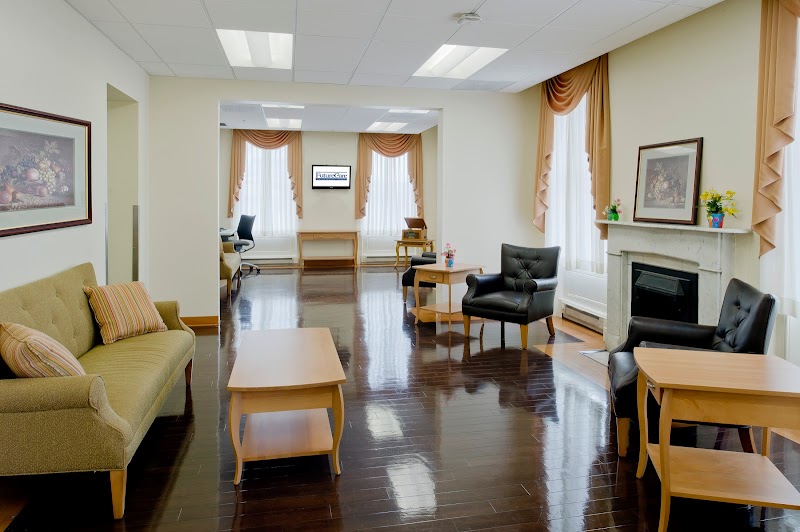
How is Future Care Charles Village Staffed?

CMS rates FUTURE CARE CHARLES VILLAGE's staffing level at 4 out of 5 stars, which is above average compared to other nursing homes. Staff turnover is 38%, compared to the Maryland average of 46%. This relatively stable workforce can support continuity of care.

What Have Inspectors Found at Future Care Charles Village?

State health inspectors documented 31 deficiencies at FUTURE CARE CHARLES VILLAGE during 2017 to 2024. These included: 29 with potential for harm and 2 minor or isolated issues.

Who Owns and Operates Future Care Charles Village?

FUTURE CARE CHARLES VILLAGE is owned by a for-profit company. For-profit facilities operate as businesses with obligations to shareholders or private owners. The facility is operated by FUTURE CARE/LIFEBRIDGE HEALTH, a chain that manages multiple nursing homes. With 109 certified beds and approximately 101 residents (about 93% occupancy), it is a mid-sized facility located in BALTIMORE, Maryland.
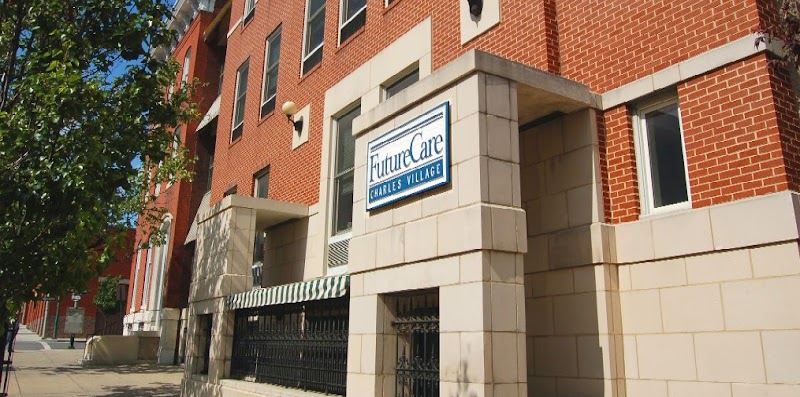
How Does Future Care Charles Village Compare to Other Maryland Nursing Homes?

Compared to the 100 nursing homes in Maryland, FUTURE CARE CHARLES VILLAGE's overall rating (5 stars) is above the state average of 3.1, staff turnover (38%) is near the state average of 46%, and health inspection rating (4 stars) is above the national benchmark.

What Should Families Ask When Visiting Future Care Charles Village?

Based on this facility's data, families visiting should ask: "Can I visit during a mealtime to observe dining assistance and food quality?" "How do you handle medical emergencies, and what is your hospital transfer rate?" "Can I speak with family members of current residents about their experience?"

Is Future Care Charles Village Safe?

Based on CMS inspection data, FUTURE CARE CHARLES VILLAGE has a clean safety record: no substantiated abuse findings (meaning no confirmed cases of resident harm), no Immediate Jeopardy citations (the most serious violation level indicating risk of serious injury or death), and is not on the Special Focus Facility watch list (a federal program monitoring the lowest-performing 1% of nursing homes). The facility has a 5-star overall rating and ranks #1 of 100 nursing homes in Maryland. While no facility is perfect, families should still ask about staff-to-resident ratios and recent inspection results during their visit.

Do Nurses at Future Care Charles Village Stick Around?

FUTURE CARE CHARLES VILLAGE has a staff turnover rate of 38%, which is about average for Maryland nursing homes (state average: 46%). Moderate turnover is common in nursing homes, but families should still ask about staff tenure and how the facility maintains care continuity when employees leave.

Was Future Care Charles Village Ever Fined?

FUTURE CARE CHARLES VILLAGE has no federal fines on record. CMS issues fines when nursing homes fail to meet care standards or don't correct problems found during inspections. The absence of fines suggests the facility has either maintained compliance or corrected any issues before penalties were assessed. This is a positive indicator, though families should still review recent inspection reports for the full picture.

Is Future Care Charles Village on Any Federal Watch List?

FUTURE CARE CHARLES VILLAGE is not on any federal watch list. The most significant is the Special Focus Facility (SFF) program, which identifies the bottom 1% of nursing homes nationally based on persistent, serious quality problems. Not being on this list means the facility has avoided the pattern of deficiencies that triggers enhanced federal oversight. This is a positive indicator, though families should still review the facility's inspection history directly.