FUTURE CARE SANDTOWN-WINCHESTER
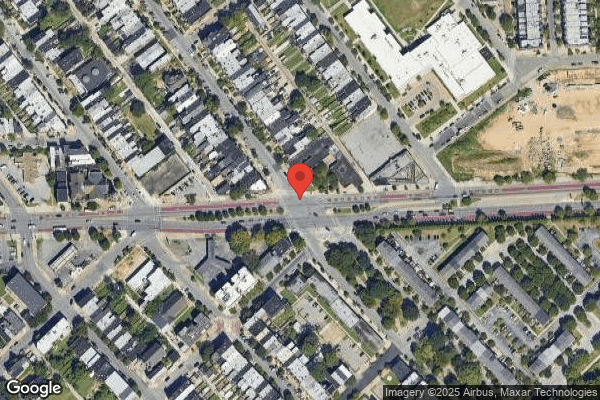
1000 NORTH GILMORE STREET, BALTIMORE, MD 21217 (410) 669-2750
For profit - Corporation 148 Beds FUTURE CARE/LIFEBRIDGE HEALTH Data: November 2025
Trust Grade
73/100
#65 of 219 in MD
Last Inspection: February 2025

Within standard 12-15 month inspection cycle. Federal law requires annual inspections.

Overview

Future Care Sandtown-Winchester in Baltimore, Maryland has a Trust Grade of B, which means it is a good choice, indicating a solid level of care. It ranks #65 out of 219 facilities in the state, placing it in the top half, and #7 out of 26 in Baltimore City County, indicating only six local options are better. However, the facility is experiencing a worsening trend, with issues increasing from 8 in 2020 to 21 in 2025. Staffing is a positive aspect, boasting a turnover rate of 26%, which is significantly lower than the Maryland average of 40%. Notably, there have been no fines recorded, which reflects well on compliance. Despite these strengths, there are concerning deficiencies. Five residents were found without accessible call bells, making it difficult for them to request help when needed. Additionally, the facility failed to ensure that residents could access their personal funds, as there were no weekend or evening staff available to assist with transactions. Lastly, there were issues with reporting incidents accurately, which raises questions about oversight. Overall, while there are some strengths in staffing and compliance, families should be aware of the rising number of concerns and specific incidents noted in the inspections.

Trust Score
B
73/100
In Maryland
#65/219
Top 29%
Safety Record
Low Risk
No red flags
Inspections
Getting Worse
8 → 21 violations
Staff Stability
✓ Good
26% annual turnover. Excellent stability, 22 points below Maryland's 48% average. Staff who stay learn residents' needs.
Penalties
✓ Good
No fines on record. Clean compliance history, better than most Maryland facilities.
Skilled Nurses
○ Average
Each resident gets 40 minutes of Registered Nurse (RN) attention daily — about average for Maryland. RNs are the most trained staff who monitor for health changes.
Violations
⚠ Watch
36 deficiencies on record. Higher than average. Multiple issues found across inspections.
★★★★☆
4.0
Overall Rating
★★★☆☆
3.0
Staff Levels
★★★★★
5.0
Care Quality
★★★☆☆
3.0
Inspection Score
Stable
2020: 8 issues
2025: 21 issues

The Good

  • 5-Star Quality Measures · Strong clinical quality outcomes
  • Low Staff Turnover (26%) · Staff stability means consistent care
  • Full Sprinkler Coverage · Fire safety systems throughout facility
  • No fines on record
  • Staff turnover is low (26%)

    22 points below Maryland average of 48%

Facility shows strength in quality measures, staff retention, fire safety.

The Bad

Chain: FUTURE CARE/LIFEBRIDGE HEALTH

Part of a multi-facility chain

Ask about local staffing decisions and management

The Ugly 36 deficiencies on record

Feb 2025 21 deficiencies
CONCERN (D)

Potential for Harm - no one hurt, but risky conditions existed

Resident Rights (Tag F0550)

Could have caused harm · This affected 1 resident

Based on record review and interviews with facility staff, it was determined that the facility failed to provide an environment that promotes resident respect and dignity. This was evident for 2 (Resi...

Read full inspector narrative →
Based on record review and interviews with facility staff, it was determined that the facility failed to provide an environment that promotes resident respect and dignity. This was evident for 2 (Resident #10 and #34) out of 4 residents reviewed for dignity during the survey. The findings include: 1. On 1/30/2025 at 9:15AM, the Surveyor conducted an interview with Resident #10 in his/her room. The resident informed the Surveyor that if he/she must try to get all of his/her cares done on the 3PM-11PM shift because the nursing staff will not check on him/her or answer the call bell overnight. If the resident has a bowel movement or urinates in their diaper from 11PM-6AM, that he/she has to sit in it until someone does rounds after 6AM. BIMS stands for Brief Interview for Mental Status, a cognitive screening tool used to assess a person's mental status and scored from 0-15. During a review of Resident #10's electronic medical record, the Surveyor discovered that the resident had a BIMS score of 15, indicating the resident was cognitively intact. Further review revealed the resident was dependent on nursing staff for activities of daily living and was bedbound with bilateral hand and feet contractures. During a review of the Geriatric Nursing Assistant (GNA) Point of Care documentation for January 2025 on 2/5/2025 at 8AM, the Surveyor discovered that the Resident #10 was provided bowel and bladder incontinent care 1/2/2025 at 10:56PM and then 1/3/2025 at 7:50AM, 1/4/2025 at 11:11PM and then 1/5/2025 at 1:27PM, 1/5/2025 at 11:27PM then 1/6/2025 at 8:02AM, 1/6/2025 at 8:02AM and then 1/7/2025 at 7:41AM, 1/8/2025 at 12:53AM and then 1/8/2025 at 1:54PM, 1/8/2025 at 11:27PM and then 1/9/2025 at 7:31AM, 1/12/2025 at 1:34PM and then 1/13/2025 at 6:59AM, 1/13/2025 at 11:10PM and then 1/14/2025 at 9:08AM, 1/20/2025 at 9:53PM and then 1/21/2025 at 7:22AM, 1/22/2025 at 11:06PM and then 1/23/2025 at 1:46PM, 1/25/2025 at 10:59PM and then 1/26/2025 at 1:36PM, and 1/29/2025 at 9:33PM and then 1/30/2025 at 2:34PM. On 2/6/2025 at approximately 3:30PM, the Nursing Home Administrator (NHA) informed the Surveyor that the facility does not keep a record of call bell logs by room and the duration of time it takes for staff to respond to the call bells. 2. On 1/29/2025 at 12:41PM, the Surveyor conducted an interview with Resident #34. During the interview, the resident stated that Geriatric Nursing Assistant (GNA) #50 speaks to you like you nothing. The resident stated that he/she reported how they felt to the facility and didn't want to work with GNA #50 any longer. The resident stated that he/she was assigned to GNA#50 recently but never told the facility he/she wanted to be assigned to GNA #50. During further interview with Resident #34, the Surveyor was informed that GNA #51 washed the resident's face with a washcloth that had feces on it. The resident reported his/her concern to the facility and did not want to be assigned to GNA #51 any longer. The resident stated that he/she was recently assigned to GNA #51. On 1/30/2025 at 12:30PM, the Surveyor reviewed Resident Concern Forms for Resident #34. On 6/7/2024 Resident #34 filed a grievance with the Nursing Home Administrator (NHA) against GNA #50 which stated GNA #50 at times has an attitude when working with her/him. GNA #50 was educated and signed the Employee Education Form which included, [GNA #50] is no longer assigned to the resident. On 6/7/2024 Resident #34 filed a grievance with the NHA against GNA #51 which stated that about 3 weeks ago, [GNA #51] was providing activity of daily living care to the resident and GNA #51 washed the resident's face with a washcloth that had feces on it. GNA #51 was educated and signed the Employee Education Form which included, [GNA #51] is no longer assigned to the resident. On 2/5/2025 at 9:50AM, during an interview conducted with the Director of Nursing (DON), the Surveyor was informed that once a resident expresses that they don't want to work with a staff member, she would talk with the resident to find out why, fill out a Resident Concern Form, and start an investigation if needed. That staff member is taken off the resident's assignment and will not work with that resident again unless the resident says they want them back. On 2/5/2025 at 11:41AM, a review of the Daily Unit Staffing and Assignment Forms for Unit 4 from 1/30/2025 through 2/3/2025 revealed that Resident #34 was assigned to GNA #50 on 2/3/2025 for the 7AM-3PM shift and assigned to GNA #51 on 2/1/2025 for the 3PM-11PM shift and 2/2/2025 for the 3PM-11PM shift. On 2/5/2025 at 3:00PM, during an interview with the NHA and Regional Clinical Service Nurse #17, the Surveyor expressed the concern that Resident #34 was assigned to work with GNA #50 and GNA #51 even though they were to no longer be assigned to the resident as stated in the employee education on 6/7/2024 and the resident did not request them.
CONCERN (D)

Potential for Harm - no one hurt, but risky conditions existed

Deficiency F0561 (Tag F0561)

Could have caused harm · This affected 1 resident

Based on observations and interviews, it was determined that that facility staff failed to give residents the option of getting dressed and out of bed. This deficient practice was evidenced in 2 (Resi...

Read full inspector narrative →
Based on observations and interviews, it was determined that that facility staff failed to give residents the option of getting dressed and out of bed. This deficient practice was evidenced in 2 (Resident #37 and #50) assessed for Activities of Daily Living (ADL) choices during the survey. The findings include: During observation rounds on 01/29/24 at 9:20 am the surveyor observed Resident #37 in bed with a gown on. The resident verbalized he/she would like to get dressed and out of bed. At 9:36 am the surveyor observed Resident #50 in bed and the resident verbalized they are not able to get out of bed and get dressed. On 02/06/25 at 4:39 pm the surveyor made Director of Nursing (DON) #2 aware Resident's #37 & Resident #50 had been undressed and in bed every weekday during the past week. During an interview with DON #2 they verbalized the staff are expected to ask the residents if they want to get dressed and get out of bed. If the resident refuses the nurse should be made aware and a note should be written as it's the preference of the resident. There was no documentation to support the residents refused to get dressed or get out of bed.
CONCERN (D)

Potential for Harm - no one hurt, but risky conditions existed

Deficiency F0578 (Tag F0578)

Could have caused harm · This affected 1 resident

**NOTE- TERMS IN BRACKETS HAVE BEEN EDITED TO PROTECT CONFIDENTIALITY** Based on observation, record review, and interview with staff, the facility failed to ensure that a current copy of a resident's...

Read full inspector narrative →
**NOTE- TERMS IN BRACKETS HAVE BEEN EDITED TO PROTECT CONFIDENTIALITY** Based on observation, record review, and interview with staff, the facility failed to ensure that a current copy of a resident's advance directive was in the resident's medical record and that every resident had the opportunity to execute an advanced directive. This was evident for 2 (Residents #7 and #46 ) out of 8 residents investigated for advanced directives during the survey. The findings include: Maryland Medical Orders for Life-Sustaining Treatment (MOLST) is a form which includes medical orders for emergency medical services or other medical personnel regarding CPR (cardiopulmonary resuscitation) and other life-sustaining treatment options. Cardiopulmonary resuscitation (CPR) is a lifesaving technique used in emergencies in which someone's breathing or heartbeat has stopped. Do Not Resuscitate (DNR) is an order placed in a person's medical record by a doctor informs the medical staff that CPR should not be attempted. Advance directive is a written instruction, such as a living will or durable power of attorney for health care, recognized under State law (whether statutory or as recognized by the courts of the State), relating to the provision of health care when the individual is incapacitated. 1. On [DATE] at 12:30PM a review of Resident #7's paper medical record revealed a MOLST form signed and dated [DATE], with a code status of No CPR. On [DATE] at 12:56PM, during a review of Resident #7's electronic medical record, the Surveyor discovered an Oral Advanced Directive form signed and dated [DATE] which stated, At this time, [Resident #7] would like CPR performed. Additional review revealed a Social Services Advanced Directive note written on [DATE] which stated that the Resident verbalized understanding of CPR, currently FULL CODE and requesting change to DNR. MOLST reviewed with [resident] and Health Care Agent. [Resident] is now NO CPR. On [DATE] at 10:51AM, during an interview conducted with Interim Social Work Director #45, in the presence of Regional Clinical Services Registered Nurse #17, the Surveyor confirmed that the MOLST form and the Advanced Directives documents should reflect the same code status for a resident to maintain accurate medical records. The Surveyor reviewed the concern that the current MOLST form in Resident #7's paper medical record stated NO CPR , which indicated the resident's current medical wishes and the current Oral Advanced Directive form in Resident #7's electronic medical record stated FULL CODE. 2. On [DATE] at 10:58 AM, Resident #46's medical record was reviewed. The medical record review revealed that Resident #46 did not have an advanced directive in place. On [DATE] at 11:11 AM, Resident #46 was interviewed. During the interview, resident #46 stated that the facility did not ask him/her if he/she wanted to complete an advance directive. On [DATE] at 12:41 PM, staff RN Regional Clinical Services Manager #17 was interviewed. During the interview, staff RN Regional Clinical Services Manager #17 stated that Social Work does not have an advance directive for Resident #46, and the facility does not have a progress note indicating that Resident #46 was presented with an opportunity to complete an advance directive.
CONCERN (D)

Potential for Harm - no one hurt, but risky conditions existed

Safe Environment (Tag F0584)

Could have caused harm · This affected 1 resident

**NOTE- TERMS IN BRACKETS HAVE BEEN EDITED TO PROTECT CONFIDENTIALITY** Based on observations and facility record reviews, it was determined that the facility failed to provide residents with a homeli...

Read full inspector narrative →
**NOTE- TERMS IN BRACKETS HAVE BEEN EDITED TO PROTECT CONFIDENTIALITY** Based on observations and facility record reviews, it was determined that the facility failed to provide residents with a homelike environment in good repair. This was evident for resident bathrooms observed during the survey. The findings include: On 01/29/25 at 08:28 AM during observation rounds, room [ROOM NUMBER] bathroom was observed to have a cracked toilet seat. On 01/29/25 at 08:37 AM during observation rounds, room [ROOM NUMBER] bathroom was observed to have cracked caulking around the bathroom sink where it meets the wall. On 01/29/25 at 08:44 AM during observation rounds, room [ROOM NUMBER] bathroom was observed to have a hole in the wall behind the toilet, the cove base was separated and peeling from the wall, and the wall directly in front of the toilet had large pieces of dry wall missing. On 02/04/25 at 09:34 AM, the facility's pest control records were reviewed. The facility's pest control records revealed that when Orkin Pest Control services treated the facility on 02/03/25, they recommended that the facility seal the hole in the wall in room [ROOM NUMBER] bathroom.
CONCERN (D) 📢 Someone Reported This

A family member, employee, or ombudsman was alarmed enough to file a formal complaint

Potential for Harm - no one hurt, but risky conditions existed

Free from Abuse/Neglect (Tag F0600)

Could have caused harm · This affected 1 resident

Based on interviews, medical record reviews, and record review, the facility failed to protect the residents' right to be free from neglect and failed to notify the medical staff, the facility adminis...

Read full inspector narrative →
Based on interviews, medical record reviews, and record review, the facility failed to protect the residents' right to be free from neglect and failed to notify the medical staff, the facility administrative staff, and the resident's representative of a resident's change in condition in a timely manner. This was found to be true for 1 of 1 (#134) investigated for neglect during the survey. The findings include: On 01.30.25 at 3:00 PM the surveyor reviewed the complaint MD00197046 submitted to OHCQ on 09.18.23. The complainant addressed the late notification by the facility to the resident representative related to resident # 134's fall on 09.08.23 and delay in immediate care status post a fall. On 01.31.25 at 09:45 AM the regional district RN #17 provided the surveyor with the facility incident documents related to resident # 134. On one page of the hard copy facility incident report Resident had a fall on 09.08.23 without complaint of pain/visible injury was written by the director of nursing (DON). with a date of 09.10.23. Further review of the facility incident report included an interview conducted by the DON with LPN #25 via telephone on 09.10.23. The documentation stated that LPN #25 witnessed the resident fall on 09.08.23. LPN #25's statement included requested a [GNA #23's] assistance to return the resident to bed, the resident did not complain of pain, there were no visible injuries .and was returned to bed. The DON documented asking LPN #25 if it were possible that resident #134 hit his/her left hip during the fall and documented that LPN #25 responded Yes to the question. The DON documented that the interview was performed by telephone. On 02.03.25 at 1:30 PM the DON stated to the surveyor that LPN # 25 was informed by GNA # 23 of resident #134's fall on 09.08.23. The charge nurse, LPN # 26 did not notify the resident representative, the medical director, nurse practitioner, or the facility administrative staff. Additionally, LPN # 25 and LPN #26 did not document a physical assessment being conducted on 09.08.23 status post the fall of resident #134 in the electronic medical record per the DON. On 01.31.25 at 1:30 PM the surveyor reviewed the facility incident report which revealed that on 09.09.23 Resident #134 complained of pain at a 2/10 rating. An X-ray was ordered. The SBAR communication form completed by RN # 37 documented that at 1:07 PM resident # 134 complained of pain to left hip, staff noted slight swelling and discomfort on palpation to the left thigh. The X-ray results completed on 09.09.23 showed a left proximal femur fracture in subtrochanteric region fracture. The results of the X-ray were reported to the facility on 09.10.23 Resident #134 was sent to the hospital and notification of the resident responsible party completed on 09.10.23 at 06:30AM. The concerns for failure to take immediate action and notification post fall were discussed with the administrator, DON, and regional nursing manager and director prior to the exit conference.
CONCERN (D)

Potential for Harm - no one hurt, but risky conditions existed

Investigate Abuse (Tag F0610)

Could have caused harm · This affected 1 resident

Based on record review and interviews it was determined that the facility staff failed to complete a thorough investigation of an allegation of abuse. This deficient practice was evidenced in 1 (#66) ...

Read full inspector narrative →
Based on record review and interviews it was determined that the facility staff failed to complete a thorough investigation of an allegation of abuse. This deficient practice was evidenced in 1 (#66) of 1 Facility Reported Incident (FRI) reviewed during the survey. The findings include: On 02/06/25 at 10:30 am a review of the Facility Reported Incident (FRI) involving Resident #66 revealed the alleged incident occurred on 01/30/25 during the 3:00 pm - 11:00 pm shift. The surveyor requested and received a copy of the staffing sheets for Unit #5 when the alleged incident occurred. On 02/06/25 at 12:15 pm review of the staffing sheet 01/30/25 for the 3 pm- 11 pm shift revealed the alleged perpetrator's name was not on the assignment sheet. At 12:35 pm the surveyor received the staffing sheet for 7 am - 3 pm shift and the alleged perpetrator's name was present. Received a copy of Registered Nurse # 37 time sheet for 01/30/25 day shift which revealed he/she clocked out at 4:24 pm. Review of the interviews conducted by Director of Nursing #2 revealed all the staff who worked on Unit #5 when the alleged incident occurred were not interviewed. On 02/06/25 at 4:13 pm during an interview with Director of Nursing (DON) #2 the surveyor asked what constitutes a thorough investigation. DON #2 verbalized interviews are conducted by the involved residents, staff, and anyone involved in the situation. The surveyor asked would they interview all the staff who worked during the alleged incident. DON #2 verbalized depending on the situation or the incident they are investigating. The surveyor made DON#2 aware the staff who worked during the alleged incident of abuse. DON #2 verbalized they were off when the alleged incident occurred and an addendum to the investigation would be done.
CONCERN (D)

Potential for Harm - no one hurt, but risky conditions existed

Deficiency F0658 (Tag F0658)

Could have caused harm · This affected 1 resident

Based on record review and interviews it was determined that the facility staff failed to practice according to professional nursing standards as evidenced by failing to complete a narcotic count prio...

Read full inspector narrative →
Based on record review and interviews it was determined that the facility staff failed to practice according to professional nursing standards as evidenced by failing to complete a narcotic count prior to their shift and failing to sign the narcotic sheet after completing the narcotic count. This deficient practice was discovered during the survey. The findings include: On 02/04/25 at 1:45 pm the surveyor asked Licensed Practical Nurse (LPN) #30 who completed the narcotic count with them when their shift started. LPN #30 verbalized the narcotic count was completed with Unit Manager #34. The surveyor looked at the narcotic sign off sheet and did not see Unit Manager #34's name. The surveyor asked who signed the narcotic sheet. LPN #30 verbalized, oh that's right I did the count with Registered Nurse #33. The controlled narcotics sheet was signed by LPN #30 and RN #33. On 02/04/25 at 2:00 pm while on the third floor, the surveyor asked Registered Nurse # 33 who completed the narcotic count. RN #33 verbalized they completed the narcotic count with Registered Nurse #49 on the third and fifth floors that morning. Registered Nurse #33 worked on the fifth floor during the 11 pm - 7 am shift on 02/03/25. RN #49 did not sign the controlled substance form on Unit #5 after completing the count with RN #33. On 02/04/25 at 2:08 pm Director of Nursing #2 was made aware there LPN #30 told the surveyor two separate nurses completed the narcotic count with them that morning. RN #33 verbalized completing the narcotic count on Unit #5 with RN #49 but RN #49 did not sign the controlled substance form. DON #2 verbalized the nurses are supposed to complete the narcotic count and sign the sheet prior to their shift. On 02/04/25 at 3:08 pm the surveyor confirmed RN #33 and RN #49 completed the narcotic count on Unit #3 and Unit #5. RN #33 verbalized RN #49 wanted to make sure the count was correct before leaving the building. RN #49 worked on Unit #3 during the night shift on 02/03/25.
CONCERN (D)

Potential for Harm - no one hurt, but risky conditions existed

Deficiency F0679 (Tag F0679)

Could have caused harm · This affected 1 resident

Based on observation, record review, and interview with staff, it was determined that the facility failed to ensure a resident had the opportunity to participate in daily activity programs and maintai...

Read full inspector narrative →
Based on observation, record review, and interview with staff, it was determined that the facility failed to ensure a resident had the opportunity to participate in daily activity programs and maintain documentation of resident participation. This was evident for 1 (Resident #10) out of 4 residents investigated for activities during the survey. The findings include: On 1/30/2025 at 9:08AM, the Surveyor conducted an interview with Resident #10 which revealed that the resident was not offered activities every day. The resident also stated that they used to participate in activities at the facility, but now it takes the staff too long to bring him/her back to their room when ready. BIMS stands for Brief Interview for Mental Status, a cognitive screening tool used to assess a person's mental status and scored from 0-15. During a review of Resident #10's electronic medical record, the Surveyor discovered that the resident had a BIMS score 15 indicating the resident was cognitively intact. Further review revealed the resident was dependent on nursing staff for activities of daily living and was transferred in and out of the bed using a mechanical lift device. The resident has bilateral hand and feet contractures and was bedbound. Additional review revealed that Resident #10 likes word search puzzles, listening to music, to do things in a group, talk shows, happy hour, baseball and football, and religious services. The resident needs escort assistance. On 2/3/2025 at 9:58AM, the Surveyor conducted an interview with the Activities Director (AD) #48. During the interview, the Surveyor was informed that activities are held every day in various activity rooms. The activity staff conduct room visits with bed bound residents and provide transportation to and from activities for those who require an escort. The Surveyor expressed the concern that Resident #10 was observed on 1/29/2025, 1/30/2025, 1/31/2025, and 2/3/2025 in their room with no activities at the bedside. The Surveyor also expressed the concern that the resident stated that he/she was not offered the opportunity to attend activities or have a one-on-one visits every day. The resident was not hands on and needed assistance with activities that he/she likes such as word search puzzles. AD #48 was made aware that the resident stated that he/she used to go to activities more when he/she was first admitted , but now it takes the staff too long to get the resident back to his/her room when he/she was ready to go back, and so at times, he/she declines. AD #48 confirmed that she hadn't seen Resident #10 participate in activities lately and did not inquire why he/she was not coming. AD #48 also has not made him/her a one on one room visit hoping he/she would come to the activities. On 2/3/2025 at 10:30AM, a review of Resident #10's Resident Participation Record revealed that Resident #10 was offered an activity 13 days in November 2024, 4 days in December 2024, 1 day in January 2025, and no days in February 2025. On January 21, 23, 28, and 30 it was documented that activity staff conducted a room visit with the resident. Further review failed to reveal documentation that activity staff offered the resident activities daily.
CONCERN (D) 📢 Someone Reported This

A family member, employee, or ombudsman was alarmed enough to file a formal complaint

Potential for Harm - no one hurt, but risky conditions existed

Quality of Care (Tag F0684)

Could have caused harm · This affected 1 resident

Based on observations and interviews it was determined that the facility staff failed to monitor a resident's oxygen saturation as ordered and failed to follow a physician's order for oxygen therapy. ...

Read full inspector narrative →
Based on observations and interviews it was determined that the facility staff failed to monitor a resident's oxygen saturation as ordered and failed to follow a physician's order for oxygen therapy. This deficient practice was evidenced in 1 (#80) of 1 resident assessed for oxygen therapy during the survey. The findings include: On 01/29/25 at 9:03 am the surveyor observed Resident #80 in bed receiving 3L of oxygen therapy via NC. On 01/30/25 at 12:58 pm the surveyor observed Resident #80 receiving 3 liters of oxygen (02) therapy via nasal cannula (NC). On 01/31/25 9:29 am a review of the electronic medical record revealed an order was written on 11/24/24 for Resident #80 to receive 3L of oxygen via NC as needed (PRN) for shortness of breath (SOB) and pulse ox below 95%. A review of the resident's medication and treatment administration records for November 24, December 24, and January 25 revealed there was no documentation to support the resident was receiving oxygen therapy. A review of the resident's vital signs revealed the resident's oxygen saturation was not being checked daily. The surveyor observed the resident receiving oxygen therapy continuously for the past two days. The last documented oxygen saturation was 01/29/25 at 1:35 pm which was 98%. The previous oxygen saturation was documented on 01/22/25 at 5:07 pm with a result of 98%. On 01/31/24 at 1:41 pm during an interview with Registered Nurse #32 the surveyor asked if a resident is receiving oxygen therapy where it would be documented. RN #32 verbalized oxygen therapy would be documented on the treatment administration record. The surveyor made RN #32 aware Resident #80 was receiving oxygen therapy continuously and it was ordered PRN for a saturation below 95% and there was no documentation in the EMR to verify the resident was receiving the therapy. Also, the surveyor reported the resident's saturation has not been checked in two days. Nurse #32 confirmed the surveyor's findings.
CONCERN (D)

Potential for Harm - no one hurt, but risky conditions existed

Accident Prevention (Tag F0689)

Could have caused harm · This affected 1 resident

Based on observation and interviews, it was determined that the facility staff failed to ensure a resident who smokes did not have readily available cigarettes. This deficient practice was evidenced i...

Read full inspector narrative →
Based on observation and interviews, it was determined that the facility staff failed to ensure a resident who smokes did not have readily available cigarettes. This deficient practice was evidenced in 1 (#6) of 1 residents assessed for safe smoking monitoring during the survey. The findings include: On 02/06/25 at 1:17 pm while the surveyor was on Unit #5 the surveyor noticed something on the floor in Resident #6's room. The surveyor walked into the room and observed a cigarette on the floor next to the bed in front of a black tennis shoe. Another cigarette along with unsmoked tobacco was on the floor in the walking path. The surveyor asked Registered Nurse #37 if Resident #6 was supposed to have their cigarettes. Registered Nurse #37 verbalized the resident was care planned for having their cigarettes. Review of Resident #6 care plans revealed, four separate care plans were initiated related to the resident smoking including adhering to the smoking policy. No interventions included monitoring the resident for smoking paraphernalia. On 02/06/25 at 2:50 pm the surveyor reported to Administrator #1 that Resident#6 had multiple cigarettes in their room. Administrator #1 verbalized the residents should not have cigarettes on hand.
CONCERN (D)

Potential for Harm - no one hurt, but risky conditions existed

Incontinence Care (Tag F0690)

Could have caused harm · This affected 1 resident

Based on observation, medical record review, and interview with staff, it was determined that the facility staff failed to provide care, treatment, and appropriate and sufficient services for a reside...

Read full inspector narrative →
Based on observation, medical record review, and interview with staff, it was determined that the facility staff failed to provide care, treatment, and appropriate and sufficient services for a resident with an indwelling urinary catheter. This was evident for 2 (Resident #52, #50) of 3 residents reviewed for Urinary Catheters during the survey. The findings include: An indwelling urinary catheter is a thin flexible tube inserted through the urethra into the bladder to drain urine. The catheter is held in the bladder by a water-filled balloon, which prevents it falling out. These types of catheters are often known as Foley catheters. 1. On 1/30/2025 at 11:52AM, during an interview with Resident #52, the Surveyor observed the indwelling catheter bag with cloudy urine, hanging from the side bed frame facing the wall. On 2/3/2025 at 12:56PM, a review of Resident #52's electronic medical record failed to reveal physician orders for an indwelling catheter or for catheter care. The Treatment Administration Record (TAR) had no provision for the staff to sign off the presence of the indwelling catheter, size of catheter, monitoring or care provided for the resident related to the maintenance for the indwelling catheter such as changing the drainage bag, perineal and catheter care. During an additional review of Resident #52's electronic medical record, the Surveyor discovered a urology consultation note dated 9/6/2024 for urinary retention requiring an indwelling Foley catheter. The Urologist made recommendations to maintain Foley to SD for one more week, remove Foley for a repeat voiding trial, perform a bladder scan 6 hours post void, and straight catheter the resident for post void residual greater than 250ml for 3 days. If the resident failed the voiding trail, the Urologist wrote further instructions for treatment and services. There were no indwelling catheter orders in place after the urology consult. During an interview with the Director of Nursing (DON) on 2/3/2025 at 1:58PM, the Surveyor confirmed that there should be cleanse and care physician orders for residents with an indwelling catheter. The Surveyor asked the DON to provide documentation Resident #52's urology consult was reviewed by the physician and physician orders were initiated and implemented based on the urology consult. On 2/4/2025 at 8:03AM, the Regional Clinical Service Nurse #17 confirmed that there were no physician orders for Foley maintenance and care nor physician orders regarding the urology consult on 9/6/2024 for Resident #52. On 2/4/2025 at 9:03AM, during review of Resident #52's electronic medical record, the Surveyor observed new physician orders for a follow up with urology for urinary retention and indwelling care and maintenance placed on 2/3/2025. 2. On 01/31/25 at 9:41 am during observation rounds the surveyor observed Resident #50 in bed with an indwelling urinary catheter. The indwelling catheter tubing was cloudy with sediment. Review of Resident #50 electronic medical record (EMR) on 02/03/25 at 10:27 am revealed an order was written on 08/22/24 at 9:50 pm that read Change catheter per physician order and PRN (10/10/24) Change catheter tubing and bag for malfunction, contamination, odor or sedimentation as needed. Review of the residents' medication and treatment administration records for the months of November & December 2024 and January 2025; there was no documentation to support the indwelling catheter or tubing had been changed. While on Unit #5 on 02/03/25 at 11:33 am the surveyor asked Registered Nurse (RN) #32 when the last time Resident #50 indwelling catheter was changed. RN #32 verbalized not being sure when the catheter was changed last but would check the medical record. RN #32 was unable to verify when the last time the indwelling catheter was changed. At 11:44 am RN #32 and the surveyor went to the resident's room and observed the indwelling catheter tubing was cloudy and had sediment. Also, the drainage bag was soiled with urine. RN #32 verbalized the catheter would be changed.
CONCERN (D)

Potential for Harm - no one hurt, but risky conditions existed

Pharmacy Services (Tag F0755)

Could have caused harm · This affected 1 resident

Based on record review and interviews it was determined that the facility staff failed to ensure the controlled substance count was completed and the records were accurate. This was evident for 2 medi...

Read full inspector narrative →
Based on record review and interviews it was determined that the facility staff failed to ensure the controlled substance count was completed and the records were accurate. This was evident for 2 medication carts out of 4 medication carts reviewed during the survey. The findings include: 1. On 02/04/25 at 1:45 pm the surveyor asked Licensed Practical Nurse (LPN) #30 who completed the narcotic count with them when their shift started. LPN #30 verbalized the narcotic count was completed with Unit Manager #34. The surveyor looked at the narcotic sign off sheet and did not see Unit Manager #34 name. The surveyor asked who signed the narcotic sheet. LPN #30 verbalized, oh that's right I did the narcotic count with Registered Nurse #33. On 02/04/25 at 2:00 pm while on the third floor, the surveyor asked Registered Nurse # 33 who completed the narcotic count. RN #33 verbalized they completed the narcotic count with Registered Nurse #49 on the third and fifth floors. Registered Nurse #33 worked on the fifth floor during the 11 pm - 7 am on 02/03/25. On 02/04/25 at 2:08 pm Director of Nursing #2 was made aware there LPN #30 told the surveyor two separate nurses completed the narcotic count with them that morning. RN #33 verbalized completing the narcotic count on Unit #5 with RN #49 but RN #49 did not sign the controlled substance form. DON #2 verbalized the nurses are supposed to complete the narcotic count and sign the sheet prior to their shift. On 02/04/25 at 3:08 pm the surveyor confirmed RN #33 and RN #49 completed the narcotic counts on Unit #3 and Unit #5. RN #33 verbalized RN #49 wanted to make sure the count was correct before leaving the building. 2. During review of facility Unit 2 medication cart #2 on 02/04/25 at 2:20 PM revealed that nightshift staff RN #37 and dayshift RN#36 completed a shift-to-shift narcotic count on 02/04/25 by signing on the facility's Shift-to Shift Narcotics Count form. On 02/04/25 at 02:22 PM, the dayshift staff RN #36 was interviewed. During the interview, the dayshift staff RN #36 stated that she did a shift-to-shift narcotics count with staff, RN, Unit Manager, (Unit 2) #27 not the nightshift staff RN #37, on the morning of 02/04/25, because the nightshift staff RN #37 had already left the facility. On 02/04/25 at 02:23 PM, the RN, Unit Manager # 27, was interviewed. During the interview, the RN, #27 stated that she did a shift-to-shift narcotics count with the dayshift staff RN #36 on the morning of 02/04/25, because the nightshift staff RN #37 had already left the facility. The RN, Unit Manager #27 also stated that she did not sign the Shift-to-Shift Narcotics Count Sheet and never signs the Shift-to-Shift Narcotics Count Sheet when she does a shift-to-shift narcotics count with the oncoming RN whenever the outgoing RN has already left the facility. On 02/05/25 at 01:33 PM, the facility's Narcotics: Counting policy was reviewed. The facility's Narcotics: Counting policy states that narcotics will be counted, and the narcotics audit form signed each time a nurse assumes responsibility for the cart (on going and off going nurses). On 02/06/25 at 12:13 PM, the facility's Punch Logs for the dayshift staff RN #36 and nightshift staff RN #37 were reviewed. The facility's Punch Logs for staff RN #36 and staff RN #37 shows that on the morning of 02/04/25, the nightshift staff RN #37 has an Out punch log of 02/04/25 at 7:26 AM, and the dayshift staff RN #36 has an In punch log of 02/04/25 at 8:52 AM.
CONCERN (D)

Potential for Harm - no one hurt, but risky conditions existed

Deficiency F0761 (Tag F0761)

Could have caused harm · This affected 1 resident

**NOTE- TERMS IN BRACKETS HAVE BEEN EDITED TO PROTECT CONFIDENTIALITY** Based on observation and interview it was determined that the facility staff failed to store medication in the refrigerator, dis...

Read full inspector narrative →
**NOTE- TERMS IN BRACKETS HAVE BEEN EDITED TO PROTECT CONFIDENTIALITY** Based on observation and interview it was determined that the facility staff failed to store medication in the refrigerator, discard expired intravenous tubing kits, discard an opened gastrostomy tube, discard expired COVID-19 Rapid Test Kits, and an open vial of medication. This deficient practice was evidenced in 1 (Unit #5) of 2 medication storage units reviewed during the survey. The findings include: On [DATE] at 1:18 pm the surveyor reviewed the medication storage room on Unit 5. There was a pack of [NAME] cigarettes that belonged to a resident per RN Unit Manager #34 who the cigarettes were given to. A bag of 5 vials of Lorazepam was in the left upper cabinet on the second shelf behind a box. The bag had a label indicating the medication should have been refrigerated. The cap was removed from one vial and the vial was almost empty. The medication was prescribed for Resident #37. An opened package with a gastrostomy tube 14F/5ml was in the cabinet along with two packages of COVID 19 Rapid Test Kits that expired on 09-30-24. One IV Start Kit expired on [DATE] and another expired on [DATE]. Licensed Practical Nurse #30 confirmed the surveyor's findings. The surveyor asked who was responsible for checking medications and other items in the medication storage room, LPN #30 verbalized being unsure. On [DATE] at 2:25 pm Director of Nursing #2 was made aware of the surveyor's findings in the medication room on Unit #5.
CONCERN (D)

Potential for Harm - no one hurt, but risky conditions existed

Deficiency F0790 (Tag F0790)

Could have caused harm · This affected 1 resident

Based on observation and interviews it was determined that the facility staff failed to ensure a resident received dental care. This deficient practice was evidenced in 1 (#121) of 2 residents assesse...

Read full inspector narrative →
Based on observation and interviews it was determined that the facility staff failed to ensure a resident received dental care. This deficient practice was evidenced in 1 (#121) of 2 residents assessed for dental care during the survey. The findings include: On 01/30/25 at 10:23 am while speaking with Resident #121 the surveyor noticed the resident had two teeth; one in the right lower quadrant and one in the left lower quadrant. On 01/30/25 at 11:30 am the reported to the management team Resident #121 had poor dentition and asked if the resident had dental care since being admitted to the facility. On 02/03/25 at 8:45 am the surveyor received a copy of Health Drive request for Services/Consultation form for Resident #121. After surveyor intervention, the resident was ordered a consultation for dental care services. On 02/06/25 at 2:56 pm during an interview with Assistant Director of Nursing #3 he/she reported there was a referral process for prophylactic dental measures. The residents are seen but if they have pain or other issues they are referred as well and Long Term Care residents are referred to for dental care routinely.
CONCERN (D)

Potential for Harm - no one hurt, but risky conditions existed

Deficiency F0806 (Tag F0806)

Could have caused harm · This affected 1 resident

Based on resident interview, observation and staff interview, it was determined that the facility failed to provide food in accordance with the resident's preferences. This was evident in 1 of 1 (Resi...

Read full inspector narrative →
Based on resident interview, observation and staff interview, it was determined that the facility failed to provide food in accordance with the resident's preferences. This was evident in 1 of 1 (Resident #1) resident selected for review during the survey. The findings include: The surveyor interviewed resident #1 on 2/3/2025 at approximately 12:15 pm regarding their lunch tray. The resident stated that they never got what they wanted to eat. They also stated that I don't get to choose what I want on a daily basis. I was asked what I liked and didn't like when I first got here, but when the food gets to me, it usually nothing like what I said I liked. The surveyor observed the tray and reviewed the dietary slip on the tray. The tray had a very small hot dog on a plain piece of bread with no condiments available. According to the dietary sheet, there was supposed to be steamed broccoli but instead there was zucchini squash, which the resident had identified as a dislike. For dessert the resident had a plain unfrosted piece of cake that on the dietary slip was supposed to be a cranberry swirl cake. The resident had cranberry juice, they had identified as a dislike, hot tea with no sugar, sweeteners, or cream/creamer though they had identified wanting condiments for their beverages. The only item on their tray that was an item they wanted was noodles. The surveyor interviewed the Director of Food Services on 2/3/2025 at approximately 2:30 pm, who stated that the menu for the day and alternatives were posted on the unit but they could not guarantee that every resident that wanted to see the menu and any alternatives would be able to see it. The residents' dietary slips were only used by the dietary staff to be able to deliver the residents' tray to the appropriate resident. The confirmed that resident #1 dislikes on the lunch menu slip for 2/3/2025 was not honored.
CONCERN (D)

Potential for Harm - no one hurt, but risky conditions existed

Medical Records (Tag F0842)

Could have caused harm · This affected 1 resident

Based on observation, record review, and interview with staff, it was determined that the facility failed to maintain medical records in accordance with accepted professional standards and practices. ...

Read full inspector narrative →
Based on observation, record review, and interview with staff, it was determined that the facility failed to maintain medical records in accordance with accepted professional standards and practices. This was evident for 2 (Resident #10 and Resident #86) out of 34 resident's paper medical record reviewed during the survey. The findings include: On 1/30/2025 at 12:17PM during a review of Resident #10's paper medical record, the Surveyor discovered an Anticoagulation Record form for Resident #86. On 1/30/2025 at 12:20PM, the Surveyor informed Unit Manager (UM) #44 of their observation. UM #44 was unable to explain how Resident #86's document was placed into Resident #10's paper medical record. UM #44 removed Resident #86's Anticoagulation Record form from Resident #10's paper medical record and placed in it the correct medical record for Resident #86.
CONCERN (E)

Potential for Harm - no one hurt, but risky conditions existed

Deficiency F0558 (Tag F0558)

Could have caused harm · This affected multiple residents

Based on observation and interview, it was determined that the facility failed to ensure that call bells were kept within reach for residents to utilize. This deficient practice was evidenced in 5 (#5...

Read full inspector narrative →
Based on observation and interview, it was determined that the facility failed to ensure that call bells were kept within reach for residents to utilize. This deficient practice was evidenced in 5 (#57, #38, #66, #37 and #152) of 28 residents during the survey. The findings include: 1. On 2/3/2025 at approximately 9:30 AM, during a tour of the facility it was observed in Resident #57's room that the call bell was under the resident's bed. The call bell itself was a regular push-style call button that due to the resident's arm and hand contractures it would be difficult to use. During this tour, GNA #22 was asked where the call bell was. The GNA went to the head of the bed, reached under it and retrieved the call bell and attached it to the resident's bed sheet. The GNA stated that the resident couldn't communicate and wouldn't be able to use it anyway. When asked why they attached it to the bed sheet then, the GNA stated because the call bell was supposed to be within the resident's reach. On 2/3/2025 at approximately 1:00 pm, The Regional Clinical Services Manager #8 was made aware of where the call bell was found and what type it was. She was also made aware of GNA #22's response when made aware of the call bell not being available to the resident. After her investigation she reported that Resident #57's call bell had been replaced with a pressure sensor call bell that would be a more appropriate device so the resident could activate it. She also made the surveyor aware that GNA #22 had been educated on the issue. 2. On 01/29/25 at 8:39 am during observation rounds on Unit #5 the surveyor observed Resident #152 call bell on the floor on the right side of the bed. Geriatric Nursing Assistant #19 was made aware and provided the resident with the call bell. At 8:46 am the surveyor observed Resident #66 call bell under the left lower wheel of the bed. At 8:49 am the surveyor observed Resident #37 call bell on the floor on the upper left side of the bed and Resident # 38's call bell was clipped to the privacy curtain. GNA #18 was made aware that the residents did not have their call bells. On 02/06/25 at 3:44 pm during an interview with Assistant Director of Nursing (ADON) # 3 the surveyor asked what the expectation of the staff is to ensure the residents have their call bells. ADON #3 verbalized the residents call bells should always be in reach and the GNA's and nurses should make sure the residents have their call bells.
CONCERN (E)

Potential for Harm - no one hurt, but risky conditions existed

Deficiency F0567 (Tag F0567)

Could have caused harm · This affected multiple residents

Based on review of administrative records and interviews with staff, it was determined during the investigative phase of the survey, that the facility failed to permit 5 of 5 residents (#45, #72, #78,...

Read full inspector narrative →
Based on review of administrative records and interviews with staff, it was determined during the investigative phase of the survey, that the facility failed to permit 5 of 5 residents (#45, #72, #78, #67, #77) to access their personal funds. The findings include: On 8/6/2024 a complaint MD00208837 was submitted to the Office of Health Care Quality regarding the ability of the residents to access their personal funds. The surveyor interviewed Staff #52, the Business Office Manager on 2/4/2025 at 1:15 pm who stated that the Administrator, Staff #1 was aware of the need for petty cash to be available to the residents when she was not onsite. She provided The Resident Statements for 5 residents (#45, 72, 78, 67,77), the Surety Bond, a Trial Balance sheet and the Resident Trust fund policy. None of the Resident Statements had withdrawals on weekends or evenings with all transactions occurring Monday through Friday. The surveyor then Interviewed he Staff #1 on 2/4/2025 at 1:30 PM, he stated that there wasn't anyone on the weekends and evenings available to disperse resident funds unless he was in the building. When asked was he was frequently in the building on evenings and weekends, he stated he was rarely there after hours. He also stated that there was no petty cash available to be distributed by supervisors when the Business Office Manager was not onsite.
CONCERN (E) 📢 Someone Reported This

A family member, employee, or ombudsman was alarmed enough to file a formal complaint

Potential for Harm - no one hurt, but risky conditions existed

Report Alleged Abuse (Tag F0609)

Could have caused harm · This affected multiple residents

Based on record review and interview it was determined that the facility staff failed to: 1.) report an allegation of abuse to the state agency within the 2-hour allotted timeframe; 2.) report episode...

Read full inspector narrative →
Based on record review and interview it was determined that the facility staff failed to: 1.) report an allegation of abuse to the state agency within the 2-hour allotted timeframe; 2.) report episodes of a resident's falls in a timely manner to the resident representative, physician, and facility administrative staff; 3.) report the results of the final investigation within five working days to the Office of Health Care Quality (OHCQ) This was evident for 2 out of 12 facility reported incidents reviewed, 2 out 4 residents (#134 andResident #40) reviewed intakes during the survey. The findings include: 1. On 02/06/25 at 10:30 am a review of the Facility Reported Incident (FRI) involving Resident #66 revealed the alleged incident occurred on 01/30/25 during the 3:00 pm - 11:00 pm shift. On 02/06/25 at 12:15 pm the surveyor received a copy of the staffing sheet 01/30/25 for the 3 pm- 11 pm shift and realized the alleged perpetrator's name was not on the assignment sheet. At 12:35 pm the surveyor received the staffing sheet for 7 am - 3 pm shift and the alleged perpetrator's name was present. Additionally, suveyor received a copy of Registered Nurse # 37's time sheet for 01/30/25 day shift which revealed he/she clocked out at 4:24 pm. On 02/06/25 at 4:04 pm during an interview with Administrator #1 the surveyor made him/her aware the alleged incident occurred on 01/29/25 during the 3 pm - 11 pm shift. The surveyor interviewed Resident #66 and the alleged perpetrator Registered Nurse #37. Administrator #1 reported when they found out about an alleged case of abuse the incident is reported within 2 hours. Resident #66 told them on the 31st and was told it happened on the 30th. Administrator #1 was shocked that the dates were different and that's when he did the self- report. Administrator #1 was made aware that the resident told the surveyor the incident was reported in the morning of 01/30/25 and Director of Nursing #2 interviewed some of the staff who worked on 01/29/25 when the alleged incident occurred. 2. On 01.30.25 at 3:00 PM the surveyor reviewed the complaint, MD00197046 submitted to OHCQ on 09.18.23. The complainant addressed the late notification by the facility to the resident representative related to resident # 134's fall on 09.08.23. On 01.31.25 at 09:45 AM the regional district RN #17 provided the surveyor with the facility incident documents related to resident # 134 which was investigated on 09.10.23 and 09.11.23. The document stated that the resident had a fall on 09.08.23 and was diagnosed with a fractured left hip on 09.10.23 Further review of the facility incident report included an interview conducted by the DON with LPN #25 via telephone on 09.10.23. The documentation stated that LPN #25 witnessed the resident fall on 09.08.23. LPN #25's statement included requested a GNA #23's assistance to return the resident to bed, the resident did not complain of pain, there were no visible injuries .and was returned to bed. The DON documented asking LPN #25 if it were possible that resident #134 hit his/her left hip during the fall and documented that LPN #25 responded Yes to the question. The DON documented that the interview was performed by telephone. On 02.03.25 at 1:30 PM the DON stated to the surveyor that LPN # 25 was informed by GNA # 23 of resident #134's fall on 09.08.23. The charge nurse, LPN # 26 did not notify the resident representative, the medical director, nurse practitioner, or the facility administrative staff. Additionally, LPN # 25 and LPN #26 did not document a physical assessment being conducted on 09.08.23 status post the fall of resident #134 in the electronic medical record per the DON. On 01.31.25 at 1:30 PM the surveyor reviewed the facility incident report which revealed that on 09.09.23 Resident #134 complained of pain at a 2/10 rating. An X-ray was ordered. The SBAR communication form completed by RN # 37 documented that at 1:07 PM resident # 134 complained of pain to left hip, staff noted slight swelling and discomfort on palpation to the left thigh. The X-ray results completed on 09.09.23 showed a left proximal femur fracture in subtrochanteric region fracture. The results of the X-ray were reported to the facility on 09.10.23 Resident #134 was sent to the hospital and notification of the resident responsible party completed on 09.10.23 at 06:30AM. On 09.10.23 at 01:30 AM resident #134's fall incident that occurred on 09.08.23 was reported to the facility administrative staff per the facility incident report. The clinical incident report included a description of incident/issue: Resident had fall, family and MD notifications was late as written by the DON on 09.10.23. The facility failed to follow its own policy and procedure related to reporting resident fall. These deficient practices were discussed with the administrator, regional nurses, and the DON during the exit conference as well. 3. On 2/4/2025 at 7:21AM, the Surveyor reviewed the investigative file for a facility reported incident MD00205043, reported by Resident #5 on 4/17/2024 at 2:00PM. Further review of the investigative file revealed that the facility initiated an investigation and submitted an initial report to OHCQ on 4/17/2024 at 4:30PM, within 24 hours of the allegation as required. The results of the final investigation were completed and submitted to OHCQ 4/24/2024 at 12:00PM. On 2/4/2025 at 9:22AM, an interview with the Nursing Home Administrator (NHA) confirmed that the results of a final investigation should be submitted to OHCQ within five working days of the incident. 4. On 01/30/25 at 10:58 AM, Resident #40's Facility Reported Incident Initial Report Form and Facility Reported Incident Follow-Up Investigation Report Form were reviewed. The Facility Reported Incident Initial Report Form revealed that the facility was made aware of the alleged abuse incident on 12/02/24 at 3:30 PM. The Facility Reported Incident Follow-Up Investigation Report Form revealed that the facility reported the results of the investigation to the State Survey Agency on 12/09/24 at 6:15 PM and was not within 5 working days. On 02/05/25 at 12:23 PM, staff RN Regional Clinical Services Manager #8 was interviewed. During the interview, staff RN Regional Clinical Services Manager #8 agreed that the facility reported the results of the investigation to the State Survey Agency, beyond 5 working days of the incident, on 12/09/24 at 6:15 PM.
CONCERN (E)

Potential for Harm - no one hurt, but risky conditions existed

Deficiency F0657 (Tag F0657)

Could have caused harm · This affected multiple residents

**NOTE- TERMS IN BRACKETS HAVE BEEN EDITED TO PROTECT CONFIDENTIALITY** Based on medical record review and interview, it was determined that the facility staff failed to: 1.) have quarterly care plan ...

Read full inspector narrative →
**NOTE- TERMS IN BRACKETS HAVE BEEN EDITED TO PROTECT CONFIDENTIALITY** Based on medical record review and interview, it was determined that the facility staff failed to: 1.) have quarterly care plan meetings; 2.) ensure a resident was offered the opportunity to participate in their care planning process by being invited to their care plan meeting; and 3.) complete resident care plan meetings that were prepared and revised by the entire interdisciplinary team. This was evident for: 2 (#37 & #121) of 2 resident records reviewed for care plan meeting, 2 (Resident #10, #39) out of 4 residents investigated for care planning during the survey. The findings include: A care plan is used to summarize a person's health conditions, specific care needs, and current treatments and outlines what needs to be done to plan, assess, and manage care. This helps to evaluate the effectiveness of the resident's care. 1. During observation rounds on 01/30/25 at 10:22 am the surveyor asked Resident #121 were participating in the care plan meetings. Resident #121 verbalized they were not having care plan meetings. On 01/31/25 at 10:29 am a review of Resident #121 electronic medical record revealed the resident's last admission date was 08/09/24. Further review of the EMR revealed the last documented care plan meeting note was 08/12/24. 2. On 01/31/25 at 11:45 am a review of Resident #37 EMR revealed the resident was admitted [DATE] the last documented social service note was 05/14/24. The last documented care plan meeting was held 08/26/21. There was a note indicating a meeting would be held on 04/28/22, but there was no note in the medical record to verify the meeting occurred. The surveyor received a copy of a care conference sign in sheet dated 10/30/24, but there was not a note in the EMR. Further review of the Resident Care Plan Attendance form revealed Resident #37 was not receiving quarterly care plan meetings. Regional Clinical Services Manager #17 was made aware. 3 On 1/30/2025 at 9:15AM during an interview conducted with Resident #10, the Surveyor was informed that the resident was unaware of care plan meetings and would like the opportunity to participate in their plan of care. BIMS stands for Brief Interview for Mental Status, a cognitive screening tool used to assess a person's mental status and scored from 0-15. On 1/31/2025 at 10:39AM, during a review of Resident #10's electronic medical record, the Surveyor discovered that the resident had a BIMS score of 15, indicating the resident was cognitively intact. Further review of the electronic and paper medical record failed to reveal the resident was invited to or attended the care plan meeting on 1/16/2025. There was no documentation with an explanation as to why Resident #10 did not participate in his/her care planning process. On 1/31/2025 at 11:45AM, the Surveyor reviewed the facility's Assessment of Residents: Care Planning Process. According to the policy under Scheduling of Care Plan Conferences #3, the resident and his/her family member/significant other shall be notified of the care planning process and shall be notified in advance of each care planning conference. Also, under Documentation #1, attendees at the Care Plan Conference shall indicate their presence by signing the Resident Care Plan Attendance record. On 1/31/2025 at 12:50PM, during a review of Resident #10's Resident Care Plan Attendance date of conference 1/16/2025, the Surveyor noticed that Resident #10 was not on the list of attendees. The Nursing Home Administrator (NHA) and the Regional Clinical Service Nurse were asked to provide the Surveyor with documentation to verify Resident #10 was invited to the care plan meeting on 1/16/2025. As of 1/31/2025 at 2:15PM, the NHA and the Regional Clinical Service Nurse failed to provide the Surveyor with documentation that Resident #10 was invited to participate in their care plan meeting. 4. On 01/30/25 at 01:39 PM, Resident #39's medical record was reviewed. The medical record review revealed that Resident #39's Resident Care Plan Attendance sheet, dated 01/28/25, showed that Dietary, an LPN and Rehab were the only interdisciplinary team members who attended Resident #39's care plan meeting on 01/28/25. On 01/31/25 at 11:00 AM, staff Social Work Assistant #43 was interviewed. During the interview, staff Social Work Assistant #43 stated that the typical interdisciplinary team members who attend resident care plan meetings are Rehab, Nursing, Dietary and Activities.
CONCERN (E)

Potential for Harm - no one hurt, but risky conditions existed

Food Safety (Tag F0812)

Could have caused harm · This affected multiple residents

Based on observations and facility policy review, it was determined that the facility failed to store and prepare food in accordance with professional standards for food service safety. The findings ...

Read full inspector narrative →
Based on observations and facility policy review, it was determined that the facility failed to store and prepare food in accordance with professional standards for food service safety. The findings include: 1) During observation rounds with Director of Food Service staff #7 on 01/29/25 at 07:56 AM, the kitchen's dry goods storage room was observed to have sealed bins of flour, sugar, rice, and food thickener; canned beets and banana pudding; and bags of croutons without expiration dates labeled on them. During observation rounds with Director of Food Service on 01/29/25 at 08:09 AM, the kitchen's refrigerator was observed to have 9 Imperial chocolate shake cartons without expiration or a used by dates labeled on them. On 01/29/25 at 12:20 PM, the facility's Manufactured Food without Provided Use by Dating policy was reviewed. The facility's Manufactured Food without Provided Use by Dating policy states that when the facility receives manufactured products without a printed Use-By date on the original packaging, the facility will label and date the product, so it clearly shows a Received Date. The Received Date for the non-labeled manufactured products will become the facility's baseline date to establish the Use-by date from. The facility's Manufactured Food without Provided Use by Dating policy also states that the facility will refer to the following for general product guidelines: frozen products - 3 months; refrigerated products - 3 days; canned products - 2 years; and dried pastas/grain - 2 years. 2) During observation rounds on 02/03/25 at 11:56 AM, the kitchen's food serving line and preparation station for the resident's lunch time meal was observed to have cooked ground beef that had a temperature taken by staff [NAME] #28, using the facility's thermometer, at 140 degrees Fahrenheit. During observation rounds on 02/03/25 at 11:58 AM, the kitchen's food serving line and preparation station for the resident's lunch time meal was observed to have cooked pork that had a temperature taken by the Director of Food Service staff #7, using the facility's thermometer, at 130 degrees Fahrenheit.
Feb 2020 8 deficiencies
CONCERN (D)

Potential for Harm - no one hurt, but risky conditions existed

Assessment Accuracy (Tag F0641)

Could have caused harm · This affected 1 resident

**NOTE- TERMS IN BRACKETS HAVE BEEN EDITED TO PROTECT CONFIDENTIALITY** Based on medical record review and staff interview, it was determined the facility staff failed to ensure that the Minimum Data ...

Read full inspector narrative →
**NOTE- TERMS IN BRACKETS HAVE BEEN EDITED TO PROTECT CONFIDENTIALITY** Based on medical record review and staff interview, it was determined the facility staff failed to ensure that the Minimum Data Set (MDS) assessments were accurately coded. This was evident for 1 (#132) of 5 residents reviewed for hospitalization. The findings include: The MDS (minimum data set) is part of the Resident Assessment Instrument (RAI) that was federally mandated in legislation passed in 1986. The MDS is a set of assessment screening items employed as part of a standardized, reproducible, and comprehensive assessment process that ensures each resident's individual needs are identified, that care is planned based on those individualized needs, and that the care is provided as planned to meet the needs of each resident. A review of the medical record for Resident #132 was conducted on 2/12/20, documents that Resident #132 was discharged to the community/home on [DATE]. A nursing progress note was written on 12/20/19 by a Licensed Practical Nurse indicating that the resident was discharged home with his/her daughter. Review of the MDS assessment with an assessment reference date (ARD) of 12/20/19 indicated that the resident was discharged to the hospital. The MDS assessment for Discharge Status at A2100 was inaccurately coded on 12/26/19 by the MDS Coordinator (staff #7). Staff #7 was informed of the inaccurate MDS coding on 2/13/20 at 2:15 PM.
CONCERN (D)

Potential for Harm - no one hurt, but risky conditions existed

Comprehensive Care Plan (Tag F0656)

Could have caused harm · This affected 1 resident

Based on medical record review and staff interview it was determined that the facility failed to develop and implement a comprehensive person-centered care plan, that included measurable objectives to...

Read full inspector narrative →
Based on medical record review and staff interview it was determined that the facility failed to develop and implement a comprehensive person-centered care plan, that included measurable objectives to meet the residents medical, nursing, mental and psychosocial needs. This was evident for 1 (#72) of 5 residents reviewed for unnecessary medications. A care plan is a guide that addresses the unique needs of each resident. It is used to plan, assess and evaluate the effectiveness of the resident's care. The findings include: Review of Resident # 72's care plans on 2/13/20, revealed an intervention was written for a Coronary artery disease problem as Encourage resident to refrain from smoking. This plan of care was created on 5/16/18 and last revised on 9/17/19. Review of the resident's annual comprehensive assessments (9/17/17, 9/18/18 and 9/19/19) indicated that the resident was not a tobacco user. Review of the facility's smoker list did not include Resident #72. Review of the care plan problem Limited physical mobility related to (r/t) Cerebrovascular Accident (CVA) lower extremity paralysis created on 1/2/18 revealed a goal written as Resident totally dependent for bed mobility and transfers through the next review date. The written goal did not reveal the objective to be achieved for the plan of care problem. An interview was conducted with the Unit Manager (Staff #1) on 2/18/20 at 10:50 AM. The Unit Manager indicated that Resident #72 had smoked a long time ago and has not smoked since being in the facility. The Unit Manager indicated that she would remove the refrain from smoking intervention as this is not applicable to Resident #72. Upon reading the goal for the problem area of limited physical mobility she acknowledged that the stated goal was not quantitative or measurable, and the goal should be changed.
CONCERN (D)

Potential for Harm - no one hurt, but risky conditions existed

Staffing Information (Tag F0732)

Could have caused harm · This affected 1 resident

Based on observations, review of daily staffing records, and staff interview it was determined the facility failed to post the total number and actual hours worked by categories of Registered nurses, ...

Read full inspector narrative →
Based on observations, review of daily staffing records, and staff interview it was determined the facility failed to post the total number and actual hours worked by categories of Registered nurses, Licensed practical nurses, and Certified nursing aides per shift and failed to have the staff data requirements available in an accurate, clear and readable format. The was identified that the facility did not have staffing information readily available in a readable format for residents and visitors for any given time. The findings include: Tour of the facility on 2/14/20 did not reveal a facility wide staff posting indicating the total number and actual hours worked by categories of Registered nurses (RN), Licensed practical nurses (LPN), and Certified nursing aides (CAN) per shift. It was noted that the facility was posting staffing data/information on the units. On 2/14/20 at 9:40 AM the posting of staffing on the 5th floor was not accurate as the facility used a pre-filled staffing sheets that did not reflect the actual hours worked for the Geriatric Nursing Assistant (GNA) category. For GNA hours worked was pre-printed indicating 22.5 hrs. At the time there was 5 GNA working the unit and the correct actual hours worked on the unit, should have equaled 37.5 hours. An interview was conducted with the Nursing Home Administrator (NHA) and the Regional Corporate Nurse (staff #6) at 10:00 AM on 2/14/20. They had both indicated that the staff posting requirement is posted on each unit and acknowledge that the individual unit postings would not show the totals by classification for the entire facility. The NHA was asked, How does the facility maintain the posted daily nursing staff data? as the facility is required to maintain this data for public access. The NHA had indicated that they keep copies of the Daily Attendance Report as previously provided to the survey team. Review of a sampling of the Daily Attendance Reports did not reveal the data requirements related to the daily Staffing posting. The Daily attendance reports did not show the totals of staffing per classification and did not include any facility census data. The forms that identified a shift supervisor did not reveal the classification of nurse as RN of LPN.
CONCERN (D)

Potential for Harm - no one hurt, but risky conditions existed

Unnecessary Medications (Tag F0759)

Could have caused harm · This affected 1 resident

Based on observation, the facility failed to keep the medication error rate under 5%. A total of 35 med's were given and 2 errors were found which made the med error rate of 5.71 %. According to the r...

Read full inspector narrative →
Based on observation, the facility failed to keep the medication error rate under 5%. A total of 35 med's were given and 2 errors were found which made the med error rate of 5.71 %. According to the regulation, the medication error rate cannot be greater than 5 %. This was evident for 2 (R#286 and R#72) out of 5 residents receiving medication during med pass. The findings include: 1. According to medical record review, Resident # 286 was admitted in February 2020. He/She has a history of (H/O) smoking. On 2/8/2020 at 6 PM the Doctor ordered Nicotine step 1 patch 21 mg/24 hr., apply 1 application transdermally one time per day for smoking cessation and remove per schedule. On 2/14/20 at 8:40 AM, during a med pass observation for Resident #286, it was noted that nurse ( RN # 9) took off a Nicotine patch from Resident # 286's left shoulder without gloves on, twisted the patch with her bare hands and later disposed of the patch into the trash. Immediately after, the same nurse, (RN # 9) without implementing any hand hygiene techniques administered a new Nicotine patch on the right shoulder of Resident # 286 with her bare hands and left the residents room without implementing any infection control measures. 2) Medication administration observations were made of certified medicine aide (CMA) (staff #8) to Resident #72 beginning at 8:20 AM on 2/14/20. In addition to other medications Resident #72 was prescribed to receive a daily nasal spray administration of Fluticasone [Flonase] (used to relieve seasonal and year-round allergic and non-allergic nasal symptoms). The CMA had instructed Resident #72 to raise his/her chin up and proceed to administer 1 spray into each nostril without closing the other nostril during administration of the nasal spray. The CMA had failed to administer the medication per the medication manufacturer's instructions. Upon coming out of the resident's room the CMA was informed of the inaccurate administration of the medication. The packaging insert for the medication was not found in the box that holds the spray bottle. The CMA had failed to instruct the resident to put chin to chest and failed to hold one nostril when spraying into the other. The CMA had also failed to instruct the resident to gently inhale as the spray was being administered. The CMA was informed that the directions for the administration of Flonase nasal spray could be found on the manufactures web site as, How you position your head is important. When your mom gave you nose drops she probably told you to lean your head backwards. Instead, when using FLONASE Allergy Relief, keep your head upright and sniff gently. Leaning back makes the medicine run down your throat-where it can't do you as much good and may feel uncomfortable. Keep the opposite nostril closed. Gently holding down the nostril you're not spraying can help you draw the spray into your upper nose more easily. Breathe in easily. As you spray, just inhale gently-that's all you need to do. Aim the nozzle away from the middle of the nose. Direct the spray away from the septum-the cartilage dividing the two sides of your nose-and toward the side of your nostril. Breathe out gently through your mouth after each spray. And make sure to spray correctly in both nostrils.
CONCERN (D)

Potential for Harm - no one hurt, but risky conditions existed

Medical Records (Tag F0842)

Could have caused harm · This affected 1 resident

Based on medical record review, and staff interviews, it was determined that the facility staff failed to accurately document the respiratory status of Resident #117 . This was evident for 1 Resident ...

Read full inspector narrative →
Based on medical record review, and staff interviews, it was determined that the facility staff failed to accurately document the respiratory status of Resident #117 . This was evident for 1 Resident investigated during the complaint survey process. The findings include: Resident #117 was placed on Isolation droplet precautions for RSV (Respiratory Syncytial Virus) a viral infection of the respiratory tract that is transmitted through airborne exposure from 01/30/20 until 2/12/20. On 02/12/20 around 02:58 PM, while reviewing the resident's record, it was noted that on 2/2/20 @ 19:36 (7:36 PM) and on 2/10/20 @ 8:16 AM nursing documented that the resident was not on isolation. The Director of Nursing (DON) was made aware.
CONCERN (E)

Potential for Harm - no one hurt, but risky conditions existed

Safe Environment (Tag F0584)

Could have caused harm · This affected multiple residents

**NOTE- TERMS IN BRACKETS HAVE BEEN EDITED TO PROTECT CONFIDENTIALITY** Based on observations and staff interviews during the environmental tour. It was determined that the facility staff failed to pr...

Read full inspector narrative →
**NOTE- TERMS IN BRACKETS HAVE BEEN EDITED TO PROTECT CONFIDENTIALITY** Based on observations and staff interviews during the environmental tour. It was determined that the facility staff failed to provide maintenance services necessary to maintain a sanitary, orderly, and comfortable interior. This is evident for 6 out of 40 residents reviewed during the survey process. The findings include: The facilities Maintenance Director accompanied this surveyor on an environmental tour and verified all of the environmental concerns addressed. On 02/05/20 11:26 AM during Resident #128's interview, it was observed that the bed side tray table was unclean with black stains. The entire tray table was dirty. The exterior door of the same room was observed to have a panel corner of the room's door detaching and in disrepair with a circular shape cut out from the door. On 02/13/20 at 8:34 A.M. during an observation with resident's (R#13, R#38, R#100 and R#111), who share the same bathroom, it was observed on the bathroom interior wall that a hole in the interior bathroom wall was exposed and punched out. The Maintenance Director verified the punched out hole in the interior wall and gave it measurement of 8 inches from the floor X 5 inches wide. The Maintenance Director was observed taking a photo of the wall damage with a cell phone for documentation of the needed repair. On 02/07/20 at 12:22 P.M. during Resident #72's room observation and inspection of the bathroom in room [ROOM NUMBER], two unused wheelchairs were stored in the bathroom. In one wheelchair seat there was an uncovered used bed pan placed in the wheelchair seat. On 02/07/20 at 12:40 P.M. while being accompanied by the 5th Floor Nurse Unit RN staff member #1, who observed and verified the surveyors' environmental concerns that the used and uncovered bed pan was placed on the wheelchair in the seat that had visible stains and was soiled. The Surveyor observed staff member RN #1 remove the wheelchair out of the bathroom for immediate cleaning.
CONCERN (E)

Potential for Harm - no one hurt, but risky conditions existed

Infection Control (Tag F0880)

Could have caused harm · This affected multiple residents

**NOTE- TERMS IN BRACKETS HAVE BEEN EDITED TO PROTECT CONFIDENTIALITY** 2. On 02/07/20 at 12:22 P.M. during Resident #72's room observation of the bathroom in room [ROOM NUMBER] the surveyor observed ...

Read full inspector narrative →
**NOTE- TERMS IN BRACKETS HAVE BEEN EDITED TO PROTECT CONFIDENTIALITY** 2. On 02/07/20 at 12:22 P.M. during Resident #72's room observation of the bathroom in room [ROOM NUMBER] the surveyor observed two unused wheelchairs being stored in the resident's bathroom. Within the seat of one wheelchair was observed an uncovered used bed pan placed upside down with visible liquid surrounding the bedpan spilled on the wheelchair seat. 3. On 02/07/20 at 12:30 P.M. the Surveyor conducted an interview with the nursing Unit Manager, staff member RN #1, who observed and verified this writers' findings of the uncovered used bed pan that was placed on the wheel chair seat with visible spills of urine and feces under the bed pan in the wheel chair seat. Unit Manager (staff member RN #1) stated, I will take care of this. Staff member RN #1 informed the surveyor that according to the facility's infection control policy all resident care equipment is to be clean and covered when not in use by staff. On 02/07/20 at 12:40 P.M. this writer observed staff member RN #1 remove the wheelchair out of Resident #72's bathroom for immediate cleaning. The Administrator, Director of Nursing and Corporate staff were informed of the surveyor's findings prior to the survey exit. Based on observation, staff # 9 failed to follow infection control practices, during medication pass on 2/14/20 for Resident # 286. The facility staff also failed to follow infection control practices and guidelines to prevent the development and transmission of disease by failing to store resident care equipment in a sanitary manner for Resident # 72. This was evident for 2 out of 41 residents during the survey process. Findings include: 1. The resident's medical record review was conducted on 2/14/20. Resident #286 was admitted in February 2020. He/SHE has a history of (H/O) smoking. On 2/8/2020 at 6 PM the physician ordered Nicotine step 1 patch 21 mg/24 hr., apply 1 application transdermally one time per day for smoking cessation and remove per schedule. On 2/14/120 at 8:40 AM, during medication pass observation for Resident #286, it was noted that nurse ( RN # 9) took off a Nicotine patch from Resident # 286's left shoulder without gloves on, twisted the patch with her bare hands and later disposed of the patch into the trash. Immediately after, the same nurse (RN # 9), without implementing any hand hygiene techniques, administered a new Nicotine patch on the right shoulder with her bare hands and left the residents room without implementing any infection control measures.
MINOR (C)

Minor Issue - procedural, no safety impact

Free from Abuse/Neglect (Tag F0600)

Minor procedural issue · This affected most or all residents

**NOTE- TERMS IN BRACKETS HAVE BEEN EDITED TO PROTECT CONFIDENTIALITY** Based on review of medical records and staff interviews, it was determined that facility staff failed to provide adequate superv...

Read full inspector narrative →
**NOTE- TERMS IN BRACKETS HAVE BEEN EDITED TO PROTECT CONFIDENTIALITY** Based on review of medical records and staff interviews, it was determined that facility staff failed to provide adequate supervision to ensure the safety of Resident #105 and Resident #182, who are cognitively and functionally impaired. This resulted in a forehead, left eyebrow laceration and fracture of the Resident's left nasal bone. This was evident for 1 out of 1 resident's investigated for accidents during the survey. The findings include: Per the medical record Resident #105 was admitted to the facility on [DATE] and had a BIMS (Brief Interview for Mental Status (BIMSs) exam of 3 out of 15, representing severe cognitive impairment. Resident #182 was admitted to the nursing facility on 9/7/18 and had a BIMS of 4 out of 15, representing the same level of impairment as Resident #105. On 1/7/20, a record review indicated that on 3/16/19 at 10:30 PM, Resident #105, walked into Resident #182's room and picked up Resident #182's sneakers. Resident #182 became upset and struck Resident #105 in the head. Resident #105 struck Resident #182 in the nose. Both residents were sent out to the hospital. According to the Emergency Department (ED) hospital records, a CT scan was completed for Resident #105 revealed a left nasal bone fracture that was noted as non-operative Resident #105 also had a forehead laceration and eyebrow laceration that was repaired with sutures and Dermabond. Resident # 182 was sent to the ED for an evaluation due to a nosebleed. As noted within Resident #182's ED records, Resident #182 had a nasal contusion, and a nosebleed had resolved spontaneously prior to arrival to the emergency department. Resident #182's diagnoses included but was not limited to, as represented in the diagnosis list and the Care Plan for Psychotropic drug use: Resistive to care r/t Dementia, Mood problems r/t Disease process of Epilepsy and H/O ETOH (History of Alcohol Ethanol Abuse). Resident #105 had been in the facility for 8 days and had no behavior problems up until the time of the incident and had a diagnosis of Dementia, too. During an interview with the Assistant Director of Nursing (ADON) on 2/18/20 at 9:57AM, the ADON stated that prior to the episode on 3/16/19, Resident #105 had not shown any problems with aggression or wandering in and out of any other Resident's rooms. An interview by the Surveyor with the Director of Nursing (DON) on the same day confirmed that information.
Aug 2018 7 deficiencies
CONCERN (D)

Potential for Harm - no one hurt, but risky conditions existed

Deficiency F0572 (Tag F0572)

Could have caused harm · This affected 1 resident

Based on observation, record review, resident and staff interviews, it was determined that the facility staff failed to inform residents of their rights during their stay at the facility. The finding...

Read full inspector narrative →
Based on observation, record review, resident and staff interviews, it was determined that the facility staff failed to inform residents of their rights during their stay at the facility. The findings include: The Surveyor attended a resident council meeting on 8/16/18 at 10:00 AM with 5 residents #72; #47; #78; #31; #26 who regularly attend the monthly resident council meetings. When asked if they were aware of their rights the residents were unclear and stated that no one has ever really told them what their rights are. In an interview with the Activities Director on 8/16/18 at 11:35 AM, who assists residents with facilitating their Resident Council meetings, the surveyor asked if resident rights were presented at the monthly meetings to provide ongoing communication to residents about their rights. The Activities Director confirmed that resident rights are only discussed during the meetings if residents have a specific question or concern regarding one of their rights. Additionally, review of the meeting minutes for February, March, April, May, June and July of 2018 revealed that there was no discussion of resident rights. In an interview on 8/16/18 at 1:55 PM the Corporate Nurse and The Director of Nursing were made aware of this concern.
CONCERN (D)

Potential for Harm - no one hurt, but risky conditions existed

Transfer Notice (Tag F0623)

Could have caused harm · This affected 1 resident

Based on medical record review and interview with staff it was determined that the facility failed to have a system in place to ensure that the resident and resident's representative were notified in ...

Read full inspector narrative →
Based on medical record review and interview with staff it was determined that the facility failed to have a system in place to ensure that the resident and resident's representative were notified in writing of the resident's transfer and the rationale for the transfer. This was found to be evident for 5 out of the 33 (# 50, # 18, # 94, # 116 and # 65) residents reviewed for hospitalization during the investigative portion of the survey. The finding includes: 1. A medical record review for Resident #50 was conducted on 8/16/18 at 8:30 AM. Review of the nursing note written on December 1, 2017 revealed that Resident #50 had a change in their medical condition that required an immediate transfer to an acute care hospital for further evaluation. Review of the medical record failed to reveal any documentation that the resident or the responsible party had been provided with a written notification of the transfer or the rationale for the transfer. 2. A medical record review for Resident # 18 was conducted on 8/16/18 at 8:30 AM. Review of the nursing note written on January 11, 2018 revealed that Resident # 18 had a change in their medical condition that required an immediate transfer to an acute care hospital for further evaluation. Review of the medical record failed to reveal any documentation that the resident or the responsible party had been provided with a written notification of the transfer or the rationale for the transfer. 3. A medical record review for Resident # 94 was conducted on 8/14/18 at 9:30 AM. Review of the nursing note written on June 27, 2018 revealed that Resident # 94 had a change in their medical condition that required an immediate transfer to an acute care hospital for further evaluation. Review of the medical record failed to reveal any documentation that the resident or the responsible party had been provided with a written notification of the transfer or the rationale for the transfer. 4. A medical record review for Resident # 116 was conducted on 8/17/18 at 11:30 AM. Review of the nursing note written on June 20, 2018 revealed that Resident # 116 had a change in their medical condition that required an immediate transfer to an acute care hospital for further evaluation. Review of the medical record failed to reveal any documentation that the resident or the responsible party had been provided with a written notification of the transfer or the rationale for the transfer. Interview with the Director of Nursing on 8/17/18 at 9:30 AM confirmed that written notifications to residents and/or their representatives was not sent out. 5. Review of the medical record for Resident # 65 on 8/14/18 at 2:05 PM revealed a change in condition in the residents status resulting in a subsequent hospitalization on 5/7/18. Further review of the medical record failed to reveal any documentation of a written explanation to the resident or the representative of why the resident was going to the hospital. The Corporate nurse was interviewed on 8/16/18 and confirmed that they are in the process of creating a unified way to notify residents and or their respective representatives in writing of the rational for a residents hospitalization.
CONCERN (D)

Potential for Harm - no one hurt, but risky conditions existed

Comprehensive Care Plan (Tag F0656)

Could have caused harm · This affected 1 resident

Based on review of medical record and staff interview, it was determined the facility staff failed to develop a comprehensive care plan for Resident # 18. This was evident for 1 of 33 residents review...

Read full inspector narrative →
Based on review of medical record and staff interview, it was determined the facility staff failed to develop a comprehensive care plan for Resident # 18. This was evident for 1 of 33 residents reviewed during the investigative portion of the survey. The findings include: A comprehensive care plan is an outline of nursing care showing all the resident's needs and the ways of meeting the needs. It is a dynamic document initiated at admission and subject to continuous reassessment and change by the nursing staff caring for the patient. The care plan typically includes nursing and medical diagnoses, nursing interventions, and outcomes to ensure consistency of care. On 8/14/18 at 12:35 PM an interview with Resident # 18 stated that his/her teeth are broken and painful. A review of Resident # 18's clinical record revealed on 3/21/18 documentation that the resident had dental problems as indicated by broken natural teeth and or likely cavities on the Minimum Data Set (MDS). The MDS is a federally-mandated assessment tool that helps nursing home staff gathers information on each resident's strengths and needs. Information collected drives resident care planning decisions. MDS assessments need to be accurate to ensure each resident receives the care they need. Categories of MDS (Minimum Data Set) are: Cognitive patterns, Communication and hearing patterns, Vision patterns, Physical functioning and structural problems which includes the assessment of range of motion, Continence, Psychosocial well-being, Mood and behavior patterns, Activity pursuit patterns, Disease diagnosis, Other health conditions, Oral/nutritional status, Oral/dental status, Skin condition, Medication use and Treatments and procedures. At the end of the MDS assessment the interdisciplinary team develops the plan of care for the resident to obtain the optimal care for the resident. Review of Resident #18's MDS- Section V (15), with an ARD of 3/12/18, dental care was trigger for care plan and the decision by interdisciplinary team was not to care plan for dental. The Director of Nursing (DON) was interviewed on 8/16/18 at 10:30 AM. The DON confirmed that there wasn't a care plan for dental care.
CONCERN (D)

Potential for Harm - no one hurt, but risky conditions existed

Deficiency F0657 (Tag F0657)

Could have caused harm · This affected 1 resident

Based on medical record review and staff interview, it was determined the facility staff failed to review and revise the interdisciplinary care plan to reveal accurate assessment and interventions for...

Read full inspector narrative →
Based on medical record review and staff interview, it was determined the facility staff failed to review and revise the interdisciplinary care plan to reveal accurate assessment and interventions for Resident (#9). This was evident for 1 of 41 residents reviewed during the survey process. The findings include: The MDS is a federally-mandated assessment tool that helps nursing home staff gather information on each resident's strengths and needs. Information collected drives resident care planning decisions. MDS assessments need to be accurate to ensure each resident receives the care they need. Categories of MDS (Minimum Data Set) are: Cognitive patterns, Communication and hearing patterns, Vision patterns, Physical functioning and structural problems which includes the assessment of range of motion, Continence, Psychosocial well-being, Mood and behavior patterns, Activity pursuit patterns, Disease diagnosis, Other health conditions, Oral/nutritional status, Oral/dental status, Skin condition, Medication use and Treatments and procedures. At the end of the MDS assessment the interdisciplinary team develops the plan of care for the resident to obtain the optimal care for the resident. Once the facility staff completes an in-depth assessment of the resident, the interdisciplinary team meet and develop care plans. Care plans provide direction for individualized care of the resident. A care plan flows from each resident's unique list of diagnoses and should be organized by the resident's specific needs. The care plan is a means of communicating and organizing the actions and assure the resident's needs are attended to. The care plan is to be reviewed and revised at each assessment time of the resident to ensure the interventions on the care plan is accurate and appropriate for the resident. Medical record review and staff interview revealed that Resident # 9 has diagnoses including but not limited to Mood Disorder; Major Depressive Disorder and Dementia with Behavioral Disturbance. The facility staff-initiated a care plan on 9/21/16 for Potential for drug related complications associated with use of psychotropic medications. Further review of the medication administration record and current care plans revealed that Resident #9 continues to receive psychotropic medications and there is no evidence of a current care plan. Interview with the Assistant Director of Nursing on 8/16/18 at 2:00 PM confirmed that the facility staff failed to revise and maintain an updated care plan for Resident #9 for the care and management of psychotropic medications.
CONCERN (D)

Potential for Harm - no one hurt, but risky conditions existed

Quality of Care (Tag F0684)

Could have caused harm · This affected 1 resident

Based on record review and interview, it was determined the facility failed to follow the physicians' order for blood pressures for Resident # 50, and to flush a suprapubic catheter for Resident # 18....

Read full inspector narrative →
Based on record review and interview, it was determined the facility failed to follow the physicians' order for blood pressures for Resident # 50, and to flush a suprapubic catheter for Resident # 18. This was evident for 2 of 33 residents selected for review during investigation stage of the survey process. The finding includes: 1. Medical record review for Resident # 50 revealed on the 2/05/18 physicians' order: resident to have blood pressures taken on Wednesday. Blood pressure is the strength of your blood pushing against the sides of your blood vessels. Further record review of staff documentation revealed the facility staff failed to follow the physician order and continue to take residents' blood pressure from February 05, 2018 through August 14, 2018. Interview with the Director of Nursing on 08/14/18 at 10:50 AM confirmed the facility staff failed to follow the physician's ordered for Resident # 50. 2. The facility staff failed to flush a suprapubic catheter (SPC). Medical record review for Resident # 18 revealed on the 4/14/18 physicians' order: resident to have SPC flush every 8 hours as needed to prevent clogging. A suprapubic catheter is a hollow flexible tube that is used to drain urine from the bladder. Further record review of staff documentation revealed facility staff failed to flush the SPC from April 12, 2018 through August 16, 2018. Interview with the Director of Nursing on 8/16/18 at 10 AM confirmed the facility staff failed to flush the SPC for Resident # 18.
CONCERN (D)

Potential for Harm - no one hurt, but risky conditions existed

Deficiency F0697 (Tag F0697)

Could have caused harm · This affected 1 resident

Based on medical record review, observation and interview with residents and staff, it was determined that the facility failed to asses a resident's reported pain as per the resident's care plan. This...

Read full inspector narrative →
Based on medical record review, observation and interview with residents and staff, it was determined that the facility failed to asses a resident's reported pain as per the resident's care plan. This was evident during the initial tour and interview process. (Resident #68) The findings include: Interview with Resident #68 on 8/14/18 at 11:40 AM during the initial questioning revealed that s/he does have pain in his/her left thigh. This resident further stated that the staff do medicate him/her, as needed, for pain. Review of the Residents medical record on 8/15/18 at 11:43 AM revealed that the resident has diagnoses to include multiple sclerosis, anemia and chronic pain syndrome. A further review of the residents medical record revealed a care plan in place related to the resident's pain with interventions including to assess the pains location, duration and intensity. A review of the resident's chart failed to show any documentation of pain in the resident's left thigh, or a history of pain in the left thigh. A review of the resident's medication administration record (MAR) revealed an as needed order for Oxycodone. A review of the MAR revealed that the Oxycodone was administered at least once a day. The residents initial pain score was documented on the MAR with the corresponding documentation of an 'E' meaning the medication was effective. However, no where on the MAR or nursing notes was there supplemental documentation regarding the location of the residents pain. The concern was brought to the attention of the Corporate Nurse on 8/15/18 at 12:27 PM regarding the lack of assessment of the location of the residents pain.
CONCERN (D)

Potential for Harm - no one hurt, but risky conditions existed

Deficiency F0761 (Tag F0761)

Could have caused harm · This affected 1 resident

Based on observation staff interviews it was determined that the facility staff failed to consistently maintain Resident nourishment, and Medication storage refrigerators at an appropriate temperature...

Read full inspector narrative →
Based on observation staff interviews it was determined that the facility staff failed to consistently maintain Resident nourishment, and Medication storage refrigerators at an appropriate temperature. The findings include: Facilities are required to maintain refrigerator temperatures for the safe storage of foods and medications at or below 41 degrees Fahrenheit. On 8/15/18 at 8:50 AM while reviewing the medication storage surveyor observed temperature logs for the medication and resident nourishment refrigerators on the 2nd, 3rd and 4th floors. Review of the 2nd floor log revealed that from 5/29/18 through 8/15/18 a total of 79 days, the temperature was not recorded on either refrigerator on 24 days; the Medication Refrigerator temp was above the safe storage range of 41 degrees on 17 days and the nourishment refrigerator was above 41 degrees on 36 days. Review of the 3rd floor log revealed that from 4/9/18 through 8/15/18 a total of 129 days, the temperature was not recorded on either refrigerator on 37 days; the Medication Refrigerator temp was above the safe storage range of 41 degrees on 40 days and the nourishment refrigerator was above 41 degress on 53 days. Review of the 4th floor log revealed that from 7/4/18 through 8/15/18 a total of 43 days, the temperature was not recorded on either refrigerator on 12 days; the Medication Refrigerator temp was above the safe storage range of 41 degrees on 10 days and the nourishment refrigerator was above 41 degrees on 16 days. Interview with staff #13 on 8/15/18 at 10:50 AM revealed that he was responsible for maintaining the temperature logs and stated that he was told that the temperatures should be between 35-47degrees. On 8/15/18 at 1:50 PM the Director of Nursing and Regional Nurse were made aware of this concern.
Understanding Severity Codes (click to expand)
Life-Threatening (Immediate Jeopardy)
J - Isolated K - Pattern L - Widespread
Actual Harm
G - Isolated H - Pattern I - Widespread
Potential for Harm
D - Isolated E - Pattern F - Widespread
No Harm (Minor)
A - Isolated B - Pattern C - Widespread

Questions to Ask on Your Visit

  • "Can I speak with families of current residents?"
  • "What's your RN coverage like on weekends and overnight?"

Our Honest Assessment

Strengths
  • • No major safety red flags. No abuse findings, life-threatening violations, or SFF status.
  • • No fines on record. Clean compliance history, better than most Maryland facilities.
  • • 26% annual turnover. Excellent stability, 22 points below Maryland's 48% average. Staff who stay learn residents' needs.
Concerns
  • • 36 deficiencies on record. Higher than average. Multiple issues found across inspections.
Bottom line: Mixed indicators with Trust Score of 73/100. Visit in person and ask pointed questions.

About This Facility

What is Future Care Sandtown-Winchester's CMS Rating?

CMS assigns FUTURE CARE SANDTOWN-WINCHESTER an overall rating of 4 out of 5 stars, which is considered above average nationally. Within Maryland, this rating places the facility higher than 99% of the state's 100 nursing homes. This rating reflects solid performance across the metrics CMS uses to evaluate nursing home quality.

How is Future Care Sandtown-Winchester Staffed?

CMS rates FUTURE CARE SANDTOWN-WINCHESTER's staffing level at 3 out of 5 stars, which is average compared to other nursing homes. Staff turnover is 26%, compared to the Maryland average of 46%. This relatively stable workforce can support continuity of care.

What Have Inspectors Found at Future Care Sandtown-Winchester?

State health inspectors documented 36 deficiencies at FUTURE CARE SANDTOWN-WINCHESTER during 2018 to 2025. These included: 35 with potential for harm and 1 minor or isolated issues.

Who Owns and Operates Future Care Sandtown-Winchester?

FUTURE CARE SANDTOWN-WINCHESTER is owned by a for-profit company. For-profit facilities operate as businesses with obligations to shareholders or private owners. The facility is operated by FUTURE CARE/LIFEBRIDGE HEALTH, a chain that manages multiple nursing homes. With 148 certified beds and approximately 134 residents (about 91% occupancy), it is a mid-sized facility located in BALTIMORE, Maryland.

How Does Future Care Sandtown-Winchester Compare to Other Maryland Nursing Homes?

Compared to the 100 nursing homes in Maryland, FUTURE CARE SANDTOWN-WINCHESTER's overall rating (4 stars) is above the state average of 3.0, staff turnover (26%) is significantly lower than the state average of 46%, and health inspection rating (3 stars) is at the national benchmark.

What Should Families Ask When Visiting Future Care Sandtown-Winchester?

Based on this facility's data, families visiting should ask: "Can I visit during a mealtime to observe dining assistance and food quality?" "How do you handle medical emergencies, and what is your hospital transfer rate?" "Can I speak with family members of current residents about their experience?"

Is Future Care Sandtown-Winchester Safe?

Based on CMS inspection data, FUTURE CARE SANDTOWN-WINCHESTER has a clean safety record: no substantiated abuse findings (meaning no confirmed cases of resident harm), no Immediate Jeopardy citations (the most serious violation level indicating risk of serious injury or death), and is not on the Special Focus Facility watch list (a federal program monitoring the lowest-performing 1% of nursing homes). The facility has a 4-star overall rating and ranks #1 of 100 nursing homes in Maryland. While no facility is perfect, families should still ask about staff-to-resident ratios and recent inspection results during their visit.

Do Nurses at Future Care Sandtown-Winchester Stick Around?

Staff at FUTURE CARE SANDTOWN-WINCHESTER tend to stick around. With a turnover rate of 26%, the facility is 20 percentage points below the Maryland average of 46%. Low turnover is a positive sign. It means caregivers have time to learn each resident's needs, medications, and personal preferences. Consistent staff also notice subtle changes in a resident's condition more quickly. Registered Nurse turnover is also low at 21%, meaning experienced RNs are available to handle complex medical needs.

Was Future Care Sandtown-Winchester Ever Fined?

FUTURE CARE SANDTOWN-WINCHESTER has no federal fines on record. CMS issues fines when nursing homes fail to meet care standards or don't correct problems found during inspections. The absence of fines suggests the facility has either maintained compliance or corrected any issues before penalties were assessed. This is a positive indicator, though families should still review recent inspection reports for the full picture.

Is Future Care Sandtown-Winchester on Any Federal Watch List?

FUTURE CARE SANDTOWN-WINCHESTER is not on any federal watch list. The most significant is the Special Focus Facility (SFF) program, which identifies the bottom 1% of nursing homes nationally based on persistent, serious quality problems. Not being on this list means the facility has avoided the pattern of deficiencies that triggers enhanced federal oversight. This is a positive indicator, though families should still review the facility's inspection history directly.