GOOD SAMARITAN NURSING HOME OPERATOR, LLC
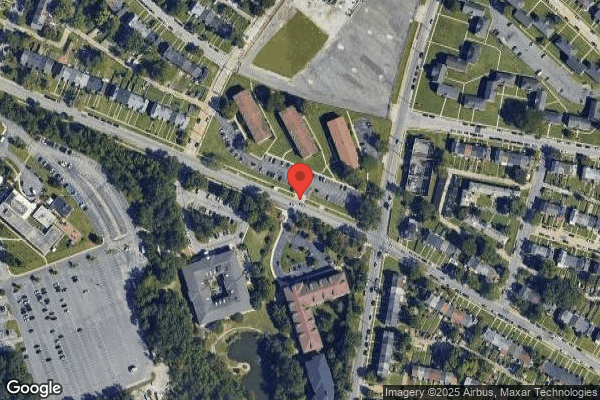
1601 EAST BELVEDERE AVENUE, BALTIMORE, MD 21239 (410) 532-5600
For profit - Limited Liability company 146 Beds FUTURE CARE/LIFEBRIDGE HEALTH Data: November 2025
Trust Grade
70/100
#67 of 219 in MD
Last Inspection: May 2025

Inspected within the last 6 months. Data reflects current conditions.

Overview

Good Samaritan Nursing Home in Baltimore has a Trust Grade of B, indicating it is a good choice among nursing facilities. It ranks #67 out of 219 in Maryland, placing it in the top half of the state, and #8 out of 26 in Baltimore City County, meaning only seven local options are better. However, the facility has been worsening, with issues increasing from 5 in 2021 to 14 in 2025. While staffing is average with a rating of 3 out of 5 stars and a turnover rate of 49%, the home benefits from more RN coverage than 76% of Maryland facilities, which helps ensure better care. Notably, there have been concerns such as expired food in the kitchen and failure to administer medication properly to a resident, highlighting areas that need improvement. Despite these weaknesses, the absence of fines indicates some level of compliance with regulations.

Trust Score
B
70/100
In Maryland
#67/219
Top 30%
Safety Record
Low Risk
No red flags
Inspections
Getting Worse
5 → 14 violations
Staff Stability
⚠ Watch
49% turnover. Above average. Higher turnover means staff may not know residents' routines.
Penalties
✓ Good
No fines on record. Clean compliance history, better than most Maryland facilities.
Skilled Nurses
✓ Good
Each resident gets 53 minutes of Registered Nurse (RN) attention daily — more than average for Maryland. RNs are trained to catch health problems early.
Violations
⚠ Watch
42 deficiencies on record. Higher than average. Multiple issues found across inspections.
★★★★☆
4.0
Overall Rating
★★★☆☆
3.0
Staff Levels
★★★★☆
4.0
Care Quality
★★★★☆
4.0
Inspection Score
Stable
2021: 5 issues
2025: 14 issues

The Good

  • 4-Star Quality Measures · Strong clinical quality outcomes
  • Full Sprinkler Coverage · Fire safety systems throughout facility
  • No fines on record

Facility shows strength in quality measures, fire safety.

The Bad

Staff Turnover: 49%

Near Maryland avg (46%)

Higher turnover may affect care consistency

Chain: FUTURE CARE/LIFEBRIDGE HEALTH

Part of a multi-facility chain

Ask about local staffing decisions and management

The Ugly 42 deficiencies on record

May 2025 12 deficiencies
CONCERN (D) 📢 Someone Reported This

A family member, employee, or ombudsman was alarmed enough to file a formal complaint

Potential for Harm - no one hurt, but risky conditions existed

Resident Rights (Tag F0550)

Could have caused harm · This affected 1 resident

**NOTE- TERMS IN BRACKETS HAVE BEEN EDITED TO PROTECT CONFIDENTIALITY** Based on observation and an interview with Residents and staff, it was determined that the facility failed to maintain Residents...

Read full inspector narrative →
**NOTE- TERMS IN BRACKETS HAVE BEEN EDITED TO PROTECT CONFIDENTIALITY** Based on observation and an interview with Residents and staff, it was determined that the facility failed to maintain Residents' dignity as evidenced by 1) residents (Resident #14, #96, #30, #56) not being served meals at same time, and 2) Staff availability during the dining process to provide sufficient cueing, prompting, serving, and assisting residents to eat. This was evident for 1 of 2 dining observations performed at the main dining room with 5 large dining tables and 1 small dining table. The findings include: On 04/30/25 at 12:27 PM, an observation was made in the main dining room. Residents #14,# 96, #30, and #56 at table #1, were served their meals in the dining room [ROOM NUMBER] minutes after other residents were served their meals. Geriatric Nursing Assistant (GNA) staff # 28 sat at table #4, where she/he assisted Residents who sat at that table and socialized but did not offer assistance to residents at other tables. Resident # 19, with left-sided body weakness, sat in a wheelchair, seated at Table #6. He/she attempted to eat with the right hand, but the food was not cut, and he/she ate ham and other food with his/her fingers. Resident #19 was not offered assistance to cut food. Additionally, a dietary staff # 29 served hot food, but gave minimal attention to the residents and made no conversation with the residents at the table. The sound of the television in the dining room was completely turned down during the entire mealtime. During an interview with dietary staff # 29 on 04/30/25 at 12:53 PM, it was revealed that most times he/she serves food alone in the dining room, setting up the hot food. Residents join from different floors as hot food was available only in the main dining room. Reviewed with Unit Manager, staff # 30, and Director of Nursing (DON) and both of them acknowledged the findings, on 04/30/25 at 3:25 PM. On 05/01/25 at 12:10 PM, the Facility administrator showed the surveyor that changes and improvements were made. The surveyor subsequently witnessed meals being served at same time and staff assisting residents.
CONCERN (D) 📢 Someone Reported This

A family member, employee, or ombudsman was alarmed enough to file a formal complaint

Potential for Harm - no one hurt, but risky conditions existed

Deficiency F0637 (Tag F0637)

Could have caused harm · This affected 1 resident

Deficiency Text Not Available

Read full inspector narrative →
Deficiency Text Not Available
CONCERN (D) 📢 Someone Reported This

A family member, employee, or ombudsman was alarmed enough to file a formal complaint

Potential for Harm - no one hurt, but risky conditions existed

MDS Data Transmission (Tag F0640)

Could have caused harm · This affected 1 resident

**NOTE- TERMS IN BRACKETS HAVE BEEN EDITED TO PROTECT CONFIDENTIALITY** Based on a review of Minimum Data Set (MDS) Assessment documentation and an interview with facility staff, it was determined tha...

Read full inspector narrative →
**NOTE- TERMS IN BRACKETS HAVE BEEN EDITED TO PROTECT CONFIDENTIALITY** Based on a review of Minimum Data Set (MDS) Assessment documentation and an interview with facility staff, it was determined that the facility failed to complete discharge resident assessments as required. This finding was evident for 1 (Resident # 65) of 33 residents reviewed during the resident assessment task during the recertification/complaint survey. The findings included: The MDS is a federally mandated assessment tool that helps nursing home staff gather information on each resident's strengths and needs. The information collected drives resident care planning decisions. Each assessment must be encoded within seven days and transmitted within fourteen days of the assessment being performed. On 05/01/25 at 11:44 AM, medical record review revealed that the resident # 65 was admitted for short-term rehab services to the facility on [DATE] and was discharged from the facility on 1/2/2025, in stable condition. Further review of the clinical record of resident #65 revealed no evidence that a discharge assessment was completed as required. On 05/01/25 at 01:14 PM, interviewed MDS staff # 13 and it was validated that assessment was missed. On 05/01/25 at 1:30 PM, DON also validated that the Resident's discharge assessment was missing.
CONCERN (D) 📢 Someone Reported This

A family member, employee, or ombudsman was alarmed enough to file a formal complaint

Potential for Harm - no one hurt, but risky conditions existed

Assessment Accuracy (Tag F0641)

Could have caused harm · This affected 1 resident

Based on review of the medical record and interviews with facility staff, it was determined that the facility staff failed to ensure Minimum Data Set (MDS) assessments were accurately coded. This was ...

Read full inspector narrative →
Based on review of the medical record and interviews with facility staff, it was determined that the facility staff failed to ensure Minimum Data Set (MDS) assessments were accurately coded. This was evident for 1 (Resident #2) of 47 residents reviewed during the facility's recertificaiton/complaint survey. The findings include: The MDS is a federally mandated assessment of the resident which provides the facility information necessary to develop a plan of care, provide the appropriate care and services to the resident, and to modify the care plan based on the resident's status. MDS assessments need to be accurate to ensure each resident receives the care they need. According to CMS's (Centers for Medicare & Medicaid Services) Resident Assessment Instrument (RAI) Version 3.0 Manual, the RAI process has multiple regulatory requirements. Federal regulations at 42 CFR 483.20 (b)(1)(xviii), (g), and (h) require that: (1) the assessment accurately reflects the resident's status (2) a registered nurse conducts or coordinates each assessment with the appropriate participation of health professionals (3) the assessment process includes direct observation, as well as communication with the resident and direct care staff on all shifts. The Coding Instructions in CMS's RAI Version 3.0 Manual are as follows: - Code 06, Independent: if the resident completes the activity by themselves with no assistance from a helper. - Code 05, Setup or clean-up assistance: if the helper sets up or cleans up; resident completes activity. Helper assists only prior to or following the activity, but not during the activity. For example, the resident requires assistance cutting up food or opening containers or requires setup of hygiene item(s) or assistive device(s). - Code 04, Supervision or touching assistance: if the helper provides verbal cues or touching/steadying/contact guard assistance as resident completes activity. Assistance may be provided throughout the activity or intermittently. For example, the resident requires verbal cueing, coaxing, or general supervision for safety to complete activity; or resident may require only incidental help such as contact guard or steadying assist during the activity. Code 04, Supervision or touching assistance: if the resident requires only verbal cueing to complete the activity safely. - Code 03, Partial/moderate assistance: if the helper does LESS THAN HALF the effort. Helper lifts, holds, or supports trunk or limbs, but provides less than half the effort. - Code 02, Substantial/maximal assistance: if the helper does MORE THAN HALF the effort. Helper lifts or holds trunk or limbs and provides more than half the effort. - Code 01, Dependent: if the helper does ALL of the effort. Resident does none of the effort to complete the activity; or the assistance of two or more helpers is required for the resident to complete the activity. On 4/24/25 at 10:40 AM a review of Resident #2's medical record revealed that the most recent quarterly MDS was completed on 4/17/25. Section GG 0130: Self-Care- A5. is where residents are coded for Eating: The ability to use suitable utensils to bring food and/or liquid to the mouth and swallow food and/or liquid once the meal is placed before the resident. This MDS assessment had Resident #2 coded as Code 05, Setup or clean-up assistance meaning that a helper assists only prior to or following the activity [eating], but not during the activity [eating]. On 4/24/25 at 10:46 AM a review of Resident #2's medical record revealed the following diagnoses: - unspecified dementia, unspecified severity, with other behavioral disturbance - mood disorder due to known physiological condition - vascular dementia - major depressive disorder, recurrent, mild - mild cognitive impairment of uncertain or unknown etiology On 4/25/25 at 8:22 AM in an interview with Resident #2's family member, s/he stated the resident is eating and losing weight, even though they have someone feeding him/her. During the interview the family member stated that when s/he last came up there [to the facility] on 4/19/25, they had someone feeding her. On 4/30/25 at 1:35 PM Resident #2's care plan revealed a problem of imbalanced nutrition with a goal for the resident to meet estimated nutritional needs through oral intake. One of the approaches documented to meet this goal was, Dietary: Additional directions 1:1 assistance created on 3/6/25 by the Registered Dietician (RD #7). An interview was conducted with RD #7 on 4/30/25 at 2:02 PM. During the interview when asked to clarify Dietary: Additional directions 1:1 assistance in Resident #2's care plan, she stated that the staff must pick up the utensils for him/her and s/he actually needs to be fed by the staff. The Unit Manager (UM #18) was interviewed on 4/30/25 at 9:00 AM. During the interview when asked if there was a list of residents who needed feeding assistance, she provided the surveyor with a list. A review of the list revealed Resident #2's name documented. UM #18 was interviewed on 5/1/25 at 11:45 AM. During the interview when asked about the level of assistance Resident #2 needed, she stated that s/he needs someone to actually hold the utensil and feed him/her. On 5/1/25 at 12:01 PM the surveyor requested evidence used to make the determination to code Resident #2 as set up/clean up assistance on the most recent (4/17/25) quarterly MDS assessment. On 5/1/25 at 12:30 PM MDS Coordinator #13 provided documentation, GG Consolidation Review dated 4/17/25. Review of the document revealed Question 4 is written as follows: Facility clinicians established resident's 'usual baseline performance' from information obtained during the 3-day lookback period from the following sources (check all that apply). Further review of the document revealed the box for Other (specify below) checked and documentation typed into the field below. The other sources listed: direct observation; interview with nursing staff; interview with resident/family; PT direct observation as documented in PT evaluation, daily note, progress note, recertification, and/or discharge summary; OT direct observation as documented in OT evaluation, daily note, progress note, recertification, and/or discharge summary; and SLP direct observation as documented in SLP evaluation, daily note, progress note, recertification, and/or discharge summary were not checked. On 5/2/25 at 1:32 PM in an interview with the MDS Coordinator #13 she verified and confirmed that for the April 2025 MDS, the only documentation she used to make the determination to code Resident #2 as set up/clean up assistance was from the GNA's (Geriatric Nursing Assistants') documentation.
CONCERN (D) 📢 Someone Reported This

A family member, employee, or ombudsman was alarmed enough to file a formal complaint

Potential for Harm - no one hurt, but risky conditions existed

Deficiency F0655 (Tag F0655)

Could have caused harm · This affected 1 resident

**NOTE- TERMS IN BRACKETS HAVE BEEN EDITED TO PROTECT CONFIDENTIALITY** Based on review of medical records and interview with facility staff, it was determined that the facility failed to ensure that ...

Read full inspector narrative →
**NOTE- TERMS IN BRACKETS HAVE BEEN EDITED TO PROTECT CONFIDENTIALITY** Based on review of medical records and interview with facility staff, it was determined that the facility failed to ensure that residents were provided with summaries of their baseline care plans including a list of their medications. This was evident for 1 (Resident #67) of 47 residents reviewed during the facility's recertification/complaint survey. The findings include: A baseline care plan (BLCP) must be completed within 48 hours of a resident's admission to the facility and include the initial goals based on admission orders, physician orders, dietary orders, therapy services, and social services. A summary of the BLCP and medication list must be given to each resident and/or his/her representative. Completion and implementation of the BLCP is intended to promote continuity of care and communication among staff, increase resident safety, and safeguard against adverse events (undesirable outcomes) that can occur right after admission. On 4/28/25 at 9:11 AM, Resident #67's medical record was reviewed. The review revealed the resident was admitted to the facility on [DATE] but failed to reveal a BLCP or any evidence that Resident #67 had been provided with a summary of his/her BLCP along with a summary of his/her medications. On 4/28/25 at 9:17 AM the Director of Nursing (DON) was interviewed. During the interview, she stated that BLCPs are initiated by the admitting nurse and completed by any nurse within 48 hours. Additionally she stated that the nurse is supposed to print them out, sign it, have the resident or RP (responsible party) sign it and then upload it into PCC (electronic medical record) under Documents. When asked who was responsible for providing the resident and/or RP with the copies, the DON said, Nursing. When asked if the process was documented, she stated it should be in a progress note. Finally, when asked who was ultimately responsible for ensuring the completion of this process, the DON stated the Unit Managers (UMs). On 4/28/25 at 11:18 AM the DON was asked to provide evidence that Resident #67 received a BLCP summary including a list of his/her medications following his/her 9/9/23 admission to the facility. On 4/30/25 at 11:12 AM the DON verified and confirmed that there was no BLCP completed for this resident's original admission date.
CONCERN (D) 📢 Someone Reported This

A family member, employee, or ombudsman was alarmed enough to file a formal complaint

Potential for Harm - no one hurt, but risky conditions existed

Quality of Care (Tag F0684)

Could have caused harm · This affected 1 resident

Based on interview with residents, surveyor observations, interview with facility staff, and review of medical records, it was determined that the facility failed to follow physician orders as evidenc...

Read full inspector narrative →
Based on interview with residents, surveyor observations, interview with facility staff, and review of medical records, it was determined that the facility failed to follow physician orders as evidenced by ensuring a resident's peripherally inserted central catheter (PICC line) dressing was changed as ordered by the physician. This was evident for 1 (Resident #67) of 47 residents reviewed during the facility's recertification/complaint survey. The findings include: A PICC line, or peripherally inserted central catheter, is a long, thin tube inserted into a vein in the arm and threaded up to a larger vein in the chest, near the heart. It provides long-term intravenous access for medications, fluids, blood draws, and other treatments. A PICC line requires careful care and monitoring for complications, including infections and blood clots. Dressings should be changed typically once a week, or sooner if they become wet, dirty, or loose as dressing changes are crucial for infection prevention. On 4/24/25 at 9:44 AM in an interview with Resident #67, s/he stated s/he was getting IV (intravenous) antibiotics. During the interview s/he stated s/he did not know why they left it (dressing) on there looking like that (soiled). Additionally, s/he stated s/he could not remember the last time they took the sticker off and cleaned and changed it but said that it had been a while. The surveyor observed the PICC line dressing with a date of 4/3/25. On 4/24/25 at 9:59 AM Resident #67's nurse, Licensed Practical Nurse (LPN #3) was interviewed. During the interview, she stated that the dressing was supposed to be changed once a week. When asked the date documented on the dressing during a dual observation she stated, it says 4/3/25. When asked if the dressing had been changed weekly, LPN #3 stated no. On 4/24/25 at 11:54 AM review of Resident #67's medical record revealed a physician order to change the catheter site dressing on admission, Q (every) week and PRN (as needed) with transparent dressing, one time a day every Thursday. Further review of the medical record revealed an order for a PICC line dated 4/3/25. Resident #67's PICC line dressing had not been changed since the line was placed on 4/3/25.
CONCERN (D) 📢 Someone Reported This

A family member, employee, or ombudsman was alarmed enough to file a formal complaint

Potential for Harm - no one hurt, but risky conditions existed

Deficiency F0688 (Tag F0688)

Could have caused harm · This affected 1 resident

Based on observation, medical record review, and interview, it was determined the facility staff failed to provide adequate care to prevent complications from hand contractures. This was evident for 1...

Read full inspector narrative →
Based on observation, medical record review, and interview, it was determined the facility staff failed to provide adequate care to prevent complications from hand contractures. This was evident for 1 (#83) of 3 residents reviewed for limited range of motion (ROM) during a recertification/complaint survey. The findings include: A contracture is an abnormal shortening of muscle tissue causing the muscle to be resistant to stretching. Failure to protect the palm of the hand when the hand is contracted can result in injury to the palm of the hand caused by the pressure of fingers/fingernails pressing into the palm of the hand. Observation of Resident #83 on 4/25/2025 at 9:15 AM revealed that the resident's left hand was contracted. The resident's fingers were bent inwards and nails pressing into the palm of the resident's hand. When instructed to open their left palm, Resident #83 stated s/he could not do so. The resident did not have a protective device (palm protector/splint) to prevent pressure to their palm, and none was visible in their room. The observation was brought to the attention of Resident #83's nurse, Registered Nurse (RN #23) on 4/25/2025 at 9:17 AM. RN #23 confirmed that Resident #83 was supposed to be wearing a left hand splint. On 4/30/2025 at 10:22 AM, a review of Resident 83's clinical records revealed the resident was initially admitted to the facility in May 2020 and readmitted in July 2024 with medical diagnoses that include but not limited to Unspecified Dementia, Hemiplegia and Hemiparesis following Cerebral Infarction affecting left dominant side, and Contracture left wrist. On 4/30/2025 at 10:38 AM, a review of physician orders revealed the following active orders for Resident #83 dated 7/12/2023: Splint Order: Left resting hand splint On daily after AM care and Off after lunch following 2-3 hours of wear as tolerated. every day shift Apply Splint - provide hand hygiene and PROM of digits AND every evening shift Remove Splint and provide skin check. On 4/30/2025 at 10:50 AM, a review of Resident #83's April 2025 Treatment Administration Record (TAR) revealed that the nursing staff signed off on the day (7a-3p) shift that a left resting hand splint was applied every day including 4/24/2025 through 4/30/2025. However, it was inconsistent with surveyor observation on 4/25/2025 at 9:15 AM where no left resting hand splint was observed. On 4/30/2025 at 11:45 AM another surveyor conducted a follow up observation and interview of Resident #83: Resident was observed lying in bed watching TV, his/her left arm was contracted and lying unsupported at his/her side with no splints on. Resident was asked if s/he could move the left arm and s/he was able to move it slightly. Resident was asked if s/he had a splint for the left arm and s/he said yes that it was in the drawer; S/he asked the surveyor to look in the drawer. The surveyor looked and could not find it. S/he was asked if the staff put the splint on him/her daily and s/he said not really. Resident was asked if s/he had it on yesterday, or the day before and s/he said no. On 4/30/2025 at 12:27 PM, surveyor conducted an interview with the Rehab Director (Staff #10). Staff #10 stated that Resident #83 has a left grip splint ordered to be worn during the day since July 2023 to minimize further contracture and reduce resident's report of pain. On 5/1/2025 at 10:01 AM, surveyor made a third (3rd) observation of Resident #83 in their room and accompanied by the Interim Unit Manager (UM #21). Resident #83 was observed in bed and had no left resting hand splint in place. When asked where the splint was, the resident stated, I don't know. when asked if staff had been applying the splint on his/her left hand, the resident shook their head and said No. UM #21 searched resident's room and could not find the left hand splint. UM #21 then left the resident's room and said she was going to follow up with rehab department (OT) to get another splint for the resident. On 5/1/2025 at 10:12 AM, Surveyor reviewed with UM #10, Resident #83's TAR for April 2025 that revealed staff signature that they were applying the splint on day shift inconsistent with surveyors observations on 4/25/2025 and 4/30/2025 when 2 different surveyor's made observations of the resident and s/he did not have the left resting hand splint on. UM #10 stated that she was going to address that with staff. On 5/1/2025 at 1:07 PM in an interview with the Director of Nursing (DON), surveyor reviewed observations made on 4/25/2025, 4/30/2025, and 5/1/2025 of resident not having the left resting hand splint applied as per orders. DON stated that GNAs (Geriatric Nursing Assistants) on the floor told her the splint was removed and taken out of the resident's room by OT (Occupational Therapy) but they could not tell her (DON) the exact date that OT took the splint out of the resident's room. However, surveyor reviewed resident's TAR for April 2025 that revealed staff documentation that they were applying the splint including the days that surveyors did not see the splint on the resident's left hand and/or in their room. DON stated she was going to follow up with OT regarding when they removed the splint from the resident's room.
CONCERN (D) 📢 Someone Reported This

A family member, employee, or ombudsman was alarmed enough to file a formal complaint

Potential for Harm - no one hurt, but risky conditions existed

Respiratory Care (Tag F0695)

Could have caused harm · This affected 1 resident

Based on observation, medical record review, and interview, it was determined the facility staff failed to 1) label oxygen tubing and humidifier bottle when changed, and 2) equip a resident with an in...

Read full inspector narrative →
Based on observation, medical record review, and interview, it was determined the facility staff failed to 1) label oxygen tubing and humidifier bottle when changed, and 2) equip a resident with an incentive spirometer to address their respiratory needs per physicians order. This was evident for 2 (#45, #67) of 3 residents reviewed for respiratory care during a recertification/complaint survey. The findings include: Oxygen (O2) therapy is a treatment that provides you with extra oxygen to breathe in. It is also called supplemental oxygen. It is only available through a prescription from your health care provider. An incentive spirometer is a simple, plastic medical device that exercises your lungs. Your healthcare provider may recommend that you use an incentive spirometer after an illness, surgery or an injury to your chest or abdomen. An incentive spirometer helps prevent lung infections by expanding your lungs, strengthening your lungs, keeping your lungs inflated and clearing mucus and other secretions. You may have low oxygen levels after surgery or a serious illness, and an incentive spirometer helps you achieve a normal oxygen level. 1) On 4/24/2025 at 9:25 AM, during initial pool screening, surveyor observed Resident #45 in bed with their eyes closed. The resident was wearing a nasal cannula (a device that delivers extra oxygen through a tube and into your nose) that was connected to a humidifier (water) bottle connected to an oxygen concentrator set at 3LPM (liters per minute). The LPM oxygen flow rate of 3 indicates that 3 liters of oxygen should flow into the resident's nose in 1 minute. There was no date/time noted on both the oxygen tubing and humidifier bottle. On 4/24/2025 at 9:30 AM, Resident #45's nurse, Licensed Practical Nurse (LPN #20) observed and verified that the oxygen tubing and the humidifier bottle were not labeled with date/time. In an interview LPN #20 stated that the expectation was for the humidifier bottle and oxygen tubing to be labeled with date/time they were hung/changed. She added that she was going to change both the humidifier bottle and oxygen tubing so as to label them. During a review of Resident #45's medical record conducted on 4/25/2025 at12:28 PM, surveyor noted an active physician order dated 4/23/2025 for: Oxygen via Nasal Cannula at 3LPM every shift. There were additional orders dated 4/23/2025 for Change Oxygen tubing every week. Initial and date tubing every night shift every Wed, and Change Humidifier Bottle Q week and PRN. Initial and date bottle, every night shift every Wed AND as needed. On 4/25/2025 at 12:46 PM, review of Medication Administration Record (MAR) and Treatment Administration Record (TAR) for April 2025 revealed staff documentation that the humidifier bottle and oxygen tubing were changed on 4/23/2025. However, when surveyor observed the humidifier bottle and Oxygen tubing on 4/24/2025, there was no date/time and/or initial to indicate that the humidifier bottle and oxygen tubing had been changed as per physician orders. On 4/29/2025 at 10:39 AM, in an interview with the Director of Nursing (DON), surveyor reviewed resident's orders for Oxygen, staff documentation on the MAR/TAR, and surveyor's observations on 4/24/2025 regarding resident's Oxygen tubing and humidifier bottle not labeled as per physician orders. No other information was provided. 2) On 4/24/25 at 10:03 AM in an interview with Resident #67 s/he stated s/he needed an incentive spirometer. During the interview, s/he stated every time s/he asks a staff such as nurses or Geriatric Nursing Assistants (GNAs) for one, they say it is on order. S/he stated that one nurse did not know what an incentive spirometer was or what it was used for. Additionally, Resident #67 stated s/he has a lot of mucus and worries s/he is going to choke on it since s/he hardly gets out of bed. S/he also stated that s/he has had pneumonia twice, and most recently, this year. The surveyor did not observe an incentive spirometer in Resident #67's room. On 4/24/25 at 11:57 AM review of Resident #67's medical record revealed a physician order for incentive spirometer 10 times per hour while awake every shift for atelectasis that was ordered on 1/31/25. On 4/29/25 at 8:15 AM during a second observation, no incentive spirometer was noted to be in Resident #67's room and stated s/he still had been asking the nurse or GNA every day and not received one. Licensed Practical Nurse (LPN #24) was interviewed on 4/29/25 at 8:25 AM. During the interview, LPN #24 stated that Resident #67's respiratory treatments included an incentive spirometer, oxygen therapy, and BiPAP (bilevel positive airway pressure) at night. When asked if the resident had the incentive spirometer at his/her bedside, LPN #24 stated she had not been in his/her room yet. When asked if she does bedside rounds with the off going (11 PM - 7AM) nurse, she stated yes. On 4/29/25 at 8:31 AM LPN #24 and the surveyor walked from the nurse's station to Resident #67's room. LPN #24 told Resident #67 that she wanted to see if s/he had his/her breathing machine, the incentive spirometer. Resident #67 said, No, I have been asking every day for the past 3 weeks and still do not have one. LPN #24 looked around the resident's room, and with permission from Resident #67, his/her drawers and was unable to find an incentive spirometer. LPN #24 stated, Let me go get one for you. On 4/29/25 at 8:33 AM LPN #24 asked the Unit Manager (UM #18), Do you know where the incentive spirometers are? UM #18 stated we have to get it from central supply, from Central Supply Clerk #6. On 4/29/25 at 8:35 AM during an interview with LPN #24 when asked if residents should have ordered equipment at their bedside, she stated of course they should have the necessary equipment at their bedside. When asked why the incentive spirometer was not at Resident #67's bedside, LPN #24 stated after going through the resident's orders, if she saw s/he did not have it, she would have gotten it, but that had not happened yet because she had just started her shift. When asked what time her shift started, LPN #24 stated 7:00 AM. The UM #18 brought several incentive spirometers to the unit. LPN #24 and the surveyor walked back down to Resident #67's room and she gave an incentive spirometer to the resident. Resident #67 stated s/he was supposed to have already had one and had been asking for so long.
CONCERN (D) 📢 Someone Reported This

A family member, employee, or ombudsman was alarmed enough to file a formal complaint

Potential for Harm - no one hurt, but risky conditions existed

Deficiency F0697 (Tag F0697)

Could have caused harm · This affected 1 resident

2) During an initial pool screen of Resident #37 on 4/24/2025 at 9:10 AM, the resident stated that s/he was always having bilateral leg pain and the staff did not give them pain medications on time. R...

Read full inspector narrative →
2) During an initial pool screen of Resident #37 on 4/24/2025 at 9:10 AM, the resident stated that s/he was always having bilateral leg pain and the staff did not give them pain medications on time. Resident #37 further stated that sometimes s/he has waited for about an hour for the nurse to bring their pain medication. Review of Resident #37's clinical records on 4/29/2025 at 10:42 AM revealed the resident was admitted to the facility in May 2014 with medical diagnoses that include but not limited to Chronic pain, Unilateral primary Osteoarthritis left hip, Pain in right leg, Pain in left leg, other Muscle spasm, Peripheral vascular disease, Type 2 Diabetes. On 4/29/2025 at 10:58 AM, a review of physician orders as of 1/1/2025 revealed the following orders: - Acetaminophen tab 325MG: Give 2 tablets orally every 6 hours as needed for pain 1-5 use caution with APAP total daily dose greater than 3,000MG, start date 2/21/2025. - Tramadol HCl Oral Tablet 50 MG (Tramadol HCl): Give 1 tablet by mouth every 6 hours as needed for Pain, start date 3/28/2025. [Of note: this PRN (as needed) order has no parameters for administration] There were also discontinued orders for: - Acetaminophen tab 325MG: Give 2 tablets orally every 6 hours as needed for pain 1-4 use caution with APAP total daily dose greater than 3,000MG, start date 1/18/2019 and discontinued on 2/21/2025; and - Hydrocodone-Acetaminophen Tablet 7.5-325 mg : Give 1 tablet by mouth every 6 hours as needed for pain 6-10, start date 12/13/2024 and discontinued on 2/21/2025. On 4/29/2025 at 11:16 AM, record review revealed that Resident # 37's pain was not managed consistently: A review of the Medication Administration Record (MAR) and Treatment Administration Record (TAR) for January 2025 was completed. Staff documentation revealed that the resident was given: - Acetaminophen 325 mg (2 tabs) for pain outside ordered parameters (pain 1-4) on the following dates: 1/22/2025 at 17:02 (5:02 PM) for pain score of 6; 1/26/2025 at 20:15 (8:15 PM) for pain score of 8. - Hydrocodone-Acetaminophen 7.5-325 mg (pain 6-10) was given outside ordered parameters on the following dates: 1/13/2025 at 20:48 (8:48 PM) for pain score of 4; 1/19/2025 at 21:27 (9:27 PM) for pain score of 4; 1/24/2025 at 21:00 (9:00 PM) for pain score of 5; and 1/30/2025 at 12:56 PM for pain score of 5. A review of Resident #37's MAR and TAR for April 2025 revealed that the resident received: - PRN Acetaminophen 325 mg (2 tabs) for pain outside ordered parameters (pain 1-5) on the following dates: 4/1/2025 at 2020 (8:20 PM) for pain score of 0; 4/24/2025 at 13:47 (1:47 PM) for pain score of 9. - PRN Tramadol 50 mg was ordered and given multiple times (27 times) without parameters and pain assessment (no pain score indicated). Moreso, Resident #37 had no non-pharmacological (use of non-chemical methods to reduce pain without medications) interventions for pain management put in place. On 4/30/2025 at 8:10 AM, Resident #37's Medication Administration Audit Report for January 2025 reviewed to see actual times that medications were given revealed that some of the residents meds (including pain meds) were given late on multiple days: - All meds scheduled to be given on 1/1/2025 at 8:00 AM were given after 10:00 AM including pain meds such as Meloxicam and lidocaine patches. - Lidocaine patches scheduled on 1/2/2025 at 20:00 (8:00 PM) were given at 02:17 (2:17 AM) on 1/3/2025 including cyclobenzaprine and gabapentin scheduled at 22:00 (10:00 PM) were also given 02:17 (2:17 AM) on 1/3/2025. - Meloxicam and lidocaine patches scheduled on 1/6/2025 at 8:00 AM and 9:00 AM were given at 11:31 AM and 11:30 AM respectively. All other meds scheduled on 1/6/2025 to be given at 8:00 AM were given at 11:30 AM. - Meloxicam and lidocaine patch scheduled on 1/7/2025 at 8:00 AM were given at 11:50 AM. - Calc Antacid Chew, Gabapentin, Cyclobenzaprine, and ProHeal Liquid protein scheduled on 1/14/2025 at 14:00 (2:00 PM) were all given at 16:36 (4:36 PM) - Meloxicam scheduled on 1/23/2025 at 8:00 AM was given at 12:23 PM. On 4/30/2025 at 10:05 AM, in an interview with the Director of Nursing (DON), she stated that they were aware of residents' concerns with delays in getting their meds. DON stated that they were in the process of working with staff in relation to time management. Surveyor reviewed Resident 37's meds that were given late in January 2025. Surveyor also reviewed with the DON the MAR and TAR for January and April 2025 regarding staff not following ordered parameters for PRN pain med administration. DON stated the meds should be given base on the doctor's orders. Surveyor reviewed resident's Tramadol that was ordered PRN without parameters. DON stated they had identified that and were in the process of fixing it. On 4/30/2025 at 10:08 AM In a follow up interview with the Regional Clinical Services Manager, Staff #12 (in the presence of the DON), she stated that they have identified the above issues regarding staff administration of meds and were currently working on staff education to fix those issues. Based on interviews with residents and staff and medical record reviews, it was determined the facility failed to ensure that residents were given pain medications timely and consistent with professional standards of practice. This was evident for 2 ( #237, #37) of 4 residents reviewed for pain management during a recertification/complaint survey. The findings include: 1) On 4/24/25 at 11:10 AM during the initial tour of the facility, Resident #237 told the surveyor that s/he was not sure if their pain medication was ordered as needed or scheduled because they were not getting it on time. Review of the Physicians' order on 4/28/25 at 11:59 AM had orders written as: 4/19/25: Hydrocodone-Acetaminophen Oral Tablet 5-325 MG (Hydrocodone-Acetaminophen) *Controlled Drug* Give 2 tablet by mouth at bedtime for Back pain. 4/20/25: Acetaminophen Oral Tablet 500 MG (Acetaminophen), Give 1 tablet by mouth at bedtime for pain Do not exceed 3 gm in 24 hours. On 4/28/25 at 1:50 PM a review of the facilities medication administration policy had under #5 that medication passes must be started no more than (1) hour before, and completed no more than one (1) hour after the scheduled time Further Review of the medication Administration Audit Report for the month of April on 4/29/25 at 9:27 AM revealed different days when scheduled medications including pain medications were given more than 2 hours late. Some of the dates include: 4/20/25 the lidocaine patch scheduled for 9:00 AM was given at 12:12 PM 4/21/25 Lidocaine patch scheduled for removal at 8:00PM, was removed at 11:40PM 4/22/25 Lido Patch scheduled for removal on 8:59PM, was removed at 01:14AM 4/23/25 Lidocaine patch scheduled for 9am was given at 12:16 PM 4/23/25 Hydrocodone-Acetaminophen oral tab 5-325 scheduled for 9:00PM was given at 01:14 AM On 4/29/25 at 11:25 AM Staff #18 a unit manager was asked about medication (MED) pass hours, and she said that medications are expected to be given an hour before the time scheduled and an hour afterward, she confirmed that there are days when med pass are late due to interruptions from residents or staffing issues. On 4/29/25 at 12:57 PM the Director of Nursing (DON) was made aware of the concern. She stated that they are working with the nurses by providing education to adhere to med pass hours.
CONCERN (D) 📢 Someone Reported This

A family member, employee, or ombudsman was alarmed enough to file a formal complaint

Potential for Harm - no one hurt, but risky conditions existed

Dental Services (Tag F0791)

Could have caused harm · This affected 1 resident

Based on interview with residents, review of medical records, and interviews with facility staff, it was determined that the facility staff failed to ensure that residents who require dental services ...

Read full inspector narrative →
Based on interview with residents, review of medical records, and interviews with facility staff, it was determined that the facility staff failed to ensure that residents who require dental services on a routine or emergent basis receive necessary or recommended dental services in a timely manner. This was evident for 1 (Resident #67) of 47 residents reviewed during the facility's recertification/complaint survey. The findings include: Resident #67 was interviewed on 4/24/25 at 10:06 AM. During the interview s/he stated s/he was missing some teeth, and it was causing him/her pain and discomfort. Resident #67 opened his/her mouth to show the surveyor. The surveyor observed several missing and/or jagged teeth. Additionally, s/he stated that x-rays were taken, but s/he had not heard anything after that and was waiting for a follow up appointment with the dentist. On 4/29/25 at 8:05 AM review of Resident #67's medical record revealed the following dental notes: - 2/10/25 Dentist Note: The Tooth Grid of the dental note revealed the resident had 9 missing teeth, 2 non-restorable teeth, 3 fractured teeth, and 6 teeth with retained roots. Additionally, in the Recommended Treatment section it was documented: Extractions teeth 19 and #30. Furthermore, in the Actions Required by Nursing Home Staff section it stated, need responsible party to give consent for extraction, please obtain signature on Consent for Extraction form (CFE), and please consult [dental group's name] scheduling for date of extraction appointment once CFE signed. Finally, in the Recall section it listed CFE needed: 2/11/25 and X-ray: 2/11/25. - 4/1/25 Dentist Note: Called to notify patient extraction will be rescheduled due to needing images prior. - 4/2/25 Dentist Note: Pt has broken teeth that are sharp and causing discomfort. Recommending FMX (full mouth x-ray) due to pt inability to isolate which teeth are of concern. Pt is describing referred pain. FMX will be taken and will review and phase out extractions PRN. Reviewed risks and benefits of extraction with pt. - 4/7/25 Dental Hygienist Note: FMX taken which patient tolerated, patient has pain on retained roots, request dentist return to evaluate images. Dentist #27 had noted x-rays: 2/11/25 however x-rays were obtained almost 2 months later. On 4/29/25 at 8:54 AM in an interview with Unit Secretary (US #25) she stated Resident #67 was not on the list to be seen by the dentist, but after surveyor intervention stated she could email [dental group]. During the interview, when asked if there was a consent on file for Resident #67, US #25 looked through the resident's chart and stated there was not one in his/her chart, but she remembered there was one flagged. She stated they (dental group) sent one on April 25th and she could look to see if it was thinned from the resident's chart. UM #18 said if they just sent it on 4/25/25, it would not have been thinned from the chart. US #25 stated that after a consent is filled out, she sends it to [dental group] and files it in the resident's chart. US #25 was unable to provide a copy of a signed consent for Resident #67 that was requested by the dentist almost 3 months prior. Obtaining a copy of a signed consent was listed in the dentist's note in the Actions Required by Nursing Home Staff section of her 2/10/25 visit. On 4/29/25 at 11:08 AM the Director of Nursing (DON) provided the surveyor with an email from [dental group's] Staff #26. In the email, [dental group's] Staff #26 had written [Resident #67] due for a dental visit again in August and Hygienist in June, asked if the resident was experiencing any issues, and noted that Dentist #27 would be back on 5/28/25. On 4/29/25 at 11:11 AM in an interview with [dental group's] Staff #26, when asked if the dentist had seen Resident #67's x-rays, she stated the dentist had not seen the x-rays because she is not due to be back to the facility until the end of May. During the interview, she stated we only know what the facility tells us. It has to come from the facility. Additionally, she stated she only recently heard from the facility that they wanted the dentist to come back out and see this resident. When asked what date the facility made the request for Resident #67 to be seen by the dentist for follow up, [dental group's] Staff #26 stated that the request came to us today (after surveyor intervention). She stated the dentist gets booked out very quickly and so that is when we rely on the facility to communicate if a resident is having pain, an infection or anything else that warrants the resident to be seen more quickly. During the interview, [dental group's] Staff #26 stated, US #25 did not say in her email that she needed an earlier date for Resident #67, she just asked when the dentist was coming back to the facility. On 4/30/25 at 8:51 AM after surveyor intervention, US #25 provided the surveyor documentation that Resident #67 was now on the list to be seen by the dentist on 5/6/25.
CONCERN (D) 📢 Someone Reported This

A family member, employee, or ombudsman was alarmed enough to file a formal complaint

Potential for Harm - no one hurt, but risky conditions existed

Menu Adequacy (Tag F0803)

Could have caused harm · This affected 1 resident

Based on a complaint, record review, resident and staff interviews, it was determined the facility failed to develop, prepare, and distribute menus that reflect a resident's nutritional wishes. This w...

Read full inspector narrative →
Based on a complaint, record review, resident and staff interviews, it was determined the facility failed to develop, prepare, and distribute menus that reflect a resident's nutritional wishes. This was evident for 1 (#37) of 2 residents reviewed for food during a recertification/complaint survey. The findings include: In an interview with Resident #37 on 4/24/2025 at 9:05 AM, the Resident stated that the food served did not match what was on the meal ticket. Resident #37 stated that s/he was allergic to pork but they served her/him pork sausage and bacon. Resident #37 further stated that s/he did not eat corn because of a medical condition but they served her/him corn even though the meal ticket indicated no pork and no corn. Review of Resident #37's clinical records on 4/29/2025 at 10:42 AM revealed the resident had allergies that include but not limited to Corn and Pork. An interview was conducted with the Registered Dietitian (RD #7) on 5/2/2025 at 9:13 AM: Regarding Resident #37's food concerns, RD #7 stated they were aware that the resident was served food items (pork and corn) listed as allergies on the resident's meal ticket. However, RD #7 added that the then Kitchen Manager provided training/in-service to the kitchen staff after the deficient practice was identified. In an interview on 5/2/2025 at 11:15 AM with the Food Service Director /Kitchen Manager (Staff #15), she confirmed to the surveyor that Residents' allergies were listed on their meal tickets. Regarding Resident #37's concerns of being served pork and corn (that the resident was allergic to), Staff #15 stated she was not working in the facility at the time but was made aware by the resident during one of her (Staff #15) routine rounds that s/he (resident) had been served pork sausage and bacon. However, Staff # 15 stated that since working in the facility, Resident #37 has not been served pork sausage, bacon nor corn. In an interview with the Nursing Home Administrator (NHA) on 5/2/2025 at 11:56 AM, surveyor shared the above food concerns. NHA stated that the incident occurred in October 2024 when they had a new Food Service Director (no longer works in facility) and facility was changing systems. NHA stated that in the process of changing systems some residents' diets and allergies were not properly updated. Hence, Resident #37's allergies were not updated and s/he ended up getting pork sausage and bacon. However, NHA added that it was caught in time and Resident #37 did not eat any of the pork sausage and/or bacon. NHA further stated that a Resident Concern Form was written and they might have provided verbal education with the tray line staff. Surveyor requested a copy of the concern form from NHA. On 5/2/2025 at 12:31 PM, surveyor received and reviewed the Resident Concern Form dated 10/17/2024 that revealed: Resident received bacon on her/his breakfast tray. S/he has an allergy to pork and should not have received pork on her/his tray. S/he then requested milk and cereal but it never arrived. Resident stated s/he did not eat the bacon. Under Steps taken to investigate/Results of the Investigation dated 10/21/2024: I will educate cooks on education form. I have in-service all team members on tray accuracy. Dietary staff must send resident meal tickets. The findings confirmed that the resident was served pork. However, NHA did not provide proof of staff education (staff sign-in sheet). On 5/2/2025 at 2:17 PM, in a follow up interview with the NHA, she stated that she had looked everywhere but could not find any in-service/sign-in sheet on dietary/kitchen staff education regarding accuracy of the tray line after the above incident and/or as indicated on the Resident Concern Form.
CONCERN (E) 📢 Someone Reported This

A family member, employee, or ombudsman was alarmed enough to file a formal complaint

Potential for Harm - no one hurt, but risky conditions existed

Food Safety (Tag F0812)

Could have caused harm · This affected multiple residents

Based on an observation and facility staff interviews, it was determined that the kitchen failed to store food items, so as to maintain the integrity of the specific item. This was evident during the ...

Read full inspector narrative →
Based on an observation and facility staff interviews, it was determined that the kitchen failed to store food items, so as to maintain the integrity of the specific item. This was evident during the initial tour of the kitchen, by noting expired food items and undated opened items, observed by the surveyor during the recertification/complaint survey. The findings include: On 04/24/25 at 8:19 AM observations with the Food Service Director (FSD) revealed the following: In the kitchen dry storage room on at 8: 25 AM, Extra heavy half full one gallon Mayonnaise container without an open date. Several snack cups were on the floor under the storage shelves, Magic cup dessert, (2) vanilla (3) chocolate (2) and wild berry (1). Complete butter milk pan cake mix expired on 04/03/25. On 04/24/25 at 09:32 AM, the walk-in freezer had ice built up on the floor, noted hanging icicles under the condenser. Corn beef, wrapped in plastic wrap, was found in the kitchen fridge without an open date. On 04/24/25 at 09:06 AM Interview with dietary staff # 33 revealed that kitchen staff date the left over food items after they are opened, and discard after 72 hrs. On 04/24/25 at 9:30 AM reviewed with Food Service Director all the above findings and he/she validated the findings.
Jan 2025 2 deficiencies
CONCERN (D) 📢 Someone Reported This

A family member, employee, or ombudsman was alarmed enough to file a formal complaint

Potential for Harm - no one hurt, but risky conditions existed

Deficiency F0553 (Tag F0553)

Could have caused harm · This affected 1 resident

**NOTE- TERMS IN BRACKETS HAVE BEEN EDITED TO PROTECT CONFIDENTIALITY** Based on records review and interviews during a complaint survey, the facility did not ensure each resident had the right to par...

Read full inspector narrative →
**NOTE- TERMS IN BRACKETS HAVE BEEN EDITED TO PROTECT CONFIDENTIALITY** Based on records review and interviews during a complaint survey, the facility did not ensure each resident had the right to participate in the development and implementation of their person-centered plan of care, including to participate in the planning process and to request meetings for one resident (Resident # 8) out of three residents reviewed for resident rights. Specifically, the facility did not schedule quarterly case plan conferences to evaluate Resident #8's plan of care and to allow for the resident's representative to participate in plan of care decision making. The findings include: The facility's policy and procedure titled Assessment of Resident: Comprehensive Care Planning Process, (last revised June 2024), read in part that the purpose of the policy is to ensure that the best approaches to provide for the quality of care for each resident were developed, implemented and evaluated and to assure that care planning was performed in a timely manner. Participants in the care planning process were to include the resident and their representative (if they chose to attend), direct care givers, representatives from each clinical discipline and representative from the facility administration, clergy and ombudsman if appropriate. An initial planning conference was to be scheduled within one week of the completion of the admission Minimum Data Set (MDS) assessment. Subsequent care planning conferences were to be scheduled within one week of the resident 's quarterly MDS assessment or within one week after the completion of a significant change MDS assessment. The resident and their representative/family member were to be notified of the care planning process upon admission and notified in advance of each care planning conference. Resident #8 was admitted to the facility with diagnoses which included type II diabetes mellitus with unspecified complications, unspecified dementia with behavioral disturbance, adjustment disorder with anxiety, and major depressive disorder. The Minimum Data Set (MDS) dated [DATE] documented Resident #8 had a Brief Interview for Mental Status (BIMS) score of 0/15 which was indicative of severe cognitive impairment. A Social Services Note, dated 6/13/24, documented the facility held a care plan conference for Resident #8 during which the resident's family member/ power of attorney attended on their behalf. Resident #8 was documented to have had a BIMS assessment completed 3/13/24 and scored a 14/15 which was indicative of intact cognition. Resident #8 was documented to have been experiencing audio and visual hallucinations and refusing care at times. Review of Resident #8's Electronic Health Record (EHR) revealed that no subsequent care plan conferences had been held for Resident #8 since 6/13/24. The record documented the resident had a cognitive decline with their BIMS score assessed as 14/15 (intact cognition) on 3/13/24 to 0/15 (severe cognitive impairment) on 10/29/24. During an interview on 1/23/25 at 12:13 PM, Resident #8's representative stated Resident #8 had not had a care plan conference scheduled since June of 2024, despite requesting that a conference be scheduled by the facility multiple times. They stated when they had made requests for a conference to be held, the facility staff would respond that they would inform the Director of Social Work (DSW), however, no one would ever follow-up with them. During an interview on 1/29/25 at 1:58 PM, the DSW stated they had started working at the facility in November 2024. The DSW stated prior to November 2024, the facility had been without a Director of Social Work for several months. They stated the social services department was responsible for facilitating care plan conferences and they had noticed that many residents had gone for an extended period of time without having a care plan conference scheduled. They stated they did not believe that any other facility staff stepped in to facilitate care conferences while the Director of Social Work position was vacant. The DSW stated Resident #8 last had a care plan conference in June of 2024 and therefore should have had conferences scheduled in September and December of 2024. During an interview on 1/31/25 at 12:00 PM, the Nursing Home Administrator (NHA) stated care plan conferences should be scheduled upon admission, quarterly and following any significant change for a resident. They stated that care plan conferences were an opportunity for residents/their representative to provide their input on the resident's plan of care. They stated the DSW was the primary person responsible for scheduling care plan conferences for long term care residents. They stated Resident #8 had been due for care plan conferences in September and December 2024. The NHA stated the intent of holding care plan conference was to provide an overall and multidisciplinary clinical update on the resident' s status and review any changes. They stated resident representatives should be invited and given advance notice of when a care plan conference would be held.The NHA concurred that the facility had failed to schedule care plan conferences for Resident #8 in September and December of 2024.
CONCERN (D) 📢 Someone Reported This

A family member, employee, or ombudsman was alarmed enough to file a formal complaint

Potential for Harm - no one hurt, but risky conditions existed

Accident Prevention (Tag F0689)

Could have caused harm · This affected 1 resident

**NOTE- TERMS IN BRACKETS HAVE BEEN EDITED TO PROTECT CONFIDENTIALITY** Based on observations, record review, and interviews during a complaint survey the facility failed to ensure the resident enviro...

Read full inspector narrative →
**NOTE- TERMS IN BRACKETS HAVE BEEN EDITED TO PROTECT CONFIDENTIALITY** Based on observations, record review, and interviews during a complaint survey the facility failed to ensure the resident environment remained free of accident hazards and adequate supervision was provided to prevent accidents for one resident (Resident #10) out of five residents reviewed for accidents/hazards. Specifically, for Resident #10 the facility failed to ensure the following: new interventions were implemented to prevent accidents after the resident had a fall on 2/3/2022 and sustained a laceration to their head; fall care plan was followed; was not left unattended on their side while they were being changed which resulted in a fall; and the behavioral care plan was followed for staff to not leave plastic items within reach of the resident; this created an environmental hazard due to the resident ' s behavior of eating plastic. The findings include: The facility ' s Fall Prevention/ Management Program and Incident/ Accident Management Policy, last revised June 2005, documented once a resident experienced a fall in the facility, with or without injuries resulting, the facility would initiate a prompt assessment of the cause of the fall and implement additional interventions to prevent recurrence based on an interdisciplinary approach. Licensed nurses were to complete a Fall Risk Identification Tool and additional members of the interdisciplinary team (IDT) were to participate in the identification of potential or actual problems, possible interventions and ongoing monitoring. Resident #10 was admitted to the facility with diagnosis which included epilepsy, vascular dementia and psychotic and mood disturbances. The Minimum Data Set (MDS) dated [DATE] documented the resident was assessed with a Brief Interview for Mental Status (BIMS) score of 9/15 which was indicative of moderate cognitive impairment. Review of Resident #10 ' s Care Plan, initiated 6/8/2020, revealed Resident #10 was at risk of falls related to diagnoses of Parkinson ' s Disease, a history of falls and a belief that they could still ambulate. Interventions included that the resident ' s bed should remain in the lowest position when in bed and for staff to anticipate the resident ' s needs. An Incident Investigation Form dated 2/3/2022 documented at 8:30 PM, Resident #10 was found on the floor with their head on the ground, near their bedside table. The resident was noted with an injury to their right eyebrow and was transported to the hospital via emergency services. The investigation concluded that the resident attempted to get out of their bed unassisted, fell and hit their head on the bedside table. Resident #10 was documented as having floor mats on the side of their bed at the time of the fall. The factors related to the incident were documented as patient overestimates their limits. The corrective action plan was documented as redirect to safety as needed. The facility investigation did not include/document any IDT conference notes, evaluation, or new interventions implemented to prevent recurrence. A Nurse Progress Note dated 2/4/2022 documented Resident #10 returned from hospital at approximately 3:00 AM, following their fall. Resident #10 returned from the hospital with dissolving stitches on their right eyelid and swelling was noted to the right side of their face. An Incident Investigation Form dated 8/26/24 documented Resident #10 was observed on the floor of their room with Geriatric Nurse Aide (GNA) #15 also present in the room. GNA #15 was documented to have stated they were trying to change the resident when they rolled onto the floor. Upon assessment, the resident was found to have a hematoma on the left side of their forehead and a broken tooth. Resident #10 was sent to the emergency room for further evaluation. During interview at the time of the investigation, GNA #15 stated they turned the resident toward the window to remove their soiled brief. They turned around to place the soiled brief in the trash can and when they turned back, Resident #10 had rolled onto the floor. During an observation on 1/24/25 at 11:45 AM, Resident #10 was sleeping in their bed. The head of the resident's bed was in an elevated position and the height of the bed was not in a lowered position. During an interview on 1/24/25 at 11:50 AM, Licensed Practical Nurse (LPN) #3 stated Resident #10 typically required two people to transfer and reposition them. They stated the resident was heavy and did not move well in bed. During an interview on 1/29/25 at 10:29 AM, Resident #10 ' s representative stated the resident had multiple falls while at the facility and had sustained injuries. They stated they were unaware of anything being done differently by the facility to prevent the resident ' s falls. They stated they thought the resident was supposed to have their bed in a lowered position and that fall mats were be placed on the side their bed, however, during visits with the resident they had observed that the bed would not be in a lowered position and they would not see fall mats. During an interview on 1/29/25 at 12:40 PM, GNA #15 stated while they were changing Resident #15 ' s brief on 8/26/24 they turned the resident on their side, removed the soiled brief and stepped away to dispose of the soiled brief. They stated when they turned back, the resident had rolled from their side onto the floor. They stated the resident ' s care plan documented the resident required one person to perform care, however, added it would be good to have two people assisting due to the resident ' s size. GNA #15 stated they received education after the incident on how to perform the resident ' s care without stepping away from them. During an interview on 1/31/25 at 11:52 AM, the Regional Nurse Consultant (RNC) stated they were the acting Director of Nursing (DON) at the facility. They stated when a resident experienced a fall, the facility should assess the resident for injuries, conduct an investigation and perform a root cause analysis to identify what factors contributed to the fall. The RNC stated based on what occurred with a fall multiple interventions could be implemented which may include more frequent rounding on the resident, evaluation of the resident ' s medication regime, and referral to therapy services. The RNC stated new interventions should be implemented and documented in the resident ' s care plan. They stated Resident #10 ' s bed should be in the lowest position when the resident was lying in bed, per the resident's care plan. They stated GNA #15 should not have stepped away from Resident #10 during care and was provided with reeducation on how perform to activities of daily living (ADL) care safely for the resident. The Policy and Procedure titled, Incident/Accident Management, last revised June 2005, read in pertinent part the facility would investigate and manage the risk of accidents and incidents. Examples of accidents/ incidents provided included environmental hazards and ingestion of dangerous substances. Review of Resident #10 ' s Behavioral Care Plan, initiated 6/16/2020 documented Resident #10 had ineffective impulse control related to the behavior of eating paper and plastic. On 9/30/21, the care plan was updated to include that Resident #10 should not be provided with plastic utensils on their meal trays. On 11/27/24, the resident ' s care plan was updated to include that no plastic object should be left within reach of the resident. Resident #10 was also documented to be at risk for aspiration due to their history of stroke; interventions included the resident was not to be provided with straws. During an interview on 1/29/25 at 10:49 AM, Resident #10 ' s representative stated that Resident #10 had the behavior of eating plastic and had been found with diabetic testing equipment in their mouth. They stated it was brought to the facility ' s attention and staff were instructed that plastic items should not be left within reach of the reach of the resident, however, during subsequent visits they had continued to see the resident with plastic items left at bedside. During an observation on 1/30/25 at 11:37 AM, Resident #10 was lying in their bed; a small, clear plastic cup was tucked in the resident ' s right arm. The cup was crumpled up and had bite/teeth marks around the rim of the cup and other areas. On the resident ' s over-bed table was a clear plastic cup with a lid and a plastic straw. During an interview and observation on 1/30/25 at 11:41 AM, GNA #18 stated they were assigned to Resident #10 ' s care that day. When asked whether they were aware of any behavioral/environmental safety interventions for Resident #10, they stated they were not aware of any. GNA #18 entered Resident #10 ' s room, observed the clear plastic cup that had been in the resident ' s possession and stated that it appeared that there were bite/teeth marks on the cup. They stated the plastic cup appeared to be the same kind used by the nurses when passing medications. During an interview on 1/31/25 at 12:02 PM, the Nursing Home Administrator (NHA) stated Resident #10 had a safety care plan in place which included interventions to prevent falls as well as interventions related to the resident ' s behaviors. They stated plastic items were not to be left where the resident could reach them due to the behavior of placing plastic items in their mouth and chewing on them. They stated the resident had previously been noted with a plastic piece of diabetic testing equipment in their mouth. They stated plastic cups, utensils and straws should not be left on the resident ' s bedside table.
Jul 2021 5 deficiencies
CONCERN (D)

Potential for Harm - no one hurt, but risky conditions existed

Deficiency F0561 (Tag F0561)

Could have caused harm · This affected 1 resident

Based on interviews and review of medical records, it was determined that the facility staff failed to provide showers to the resident as per preference and request. This was found to be evident for 1...

Read full inspector narrative →
Based on interviews and review of medical records, it was determined that the facility staff failed to provide showers to the resident as per preference and request. This was found to be evident for 1 (Resident #88) out of the 1 residents reviewed during the survey. The findings include: The Minimum Data Set (MDS) is a comprehensive assessment of the resident completed by the facility staff. The MDS is a multi-disciplinarian tool that allows many facets of the resident's care [cognition, behavior, mobility, activities of daily living, accidents, activities, weight, pain and medications to name a few] to be addressed. The findings include: On 7/8/2021 at 7:18 AM, Resident #88 was asked about his/her choices related to bathing, and questioned if s/he received showers. S/he shook his/her head left to right. Surveyor confirmed with Resident # 88 that s/he meant 'no.' S/he then stated that s/he only gets bed baths. Resident #88 was then asked if s/he would like to receive showers and s/he indicated 'yes.' Review of Resident #88's medical record, on 7/8/2021 at 11:13 AM, revealed a physician's order initiated on 7/3/2021 for showers to occur on Tuesdays and Fridays, to document and verify all shower refusals and to notify the resident's representatives of the refusals. On 7/12/2021, Resident #88's shower record was reviewed for the last 30 days (June 2021). There was 1 shower documented as occurring, with no documentation of any refusals. This concern was reviewed with the Regional Clinical Services Manager, (Staff #4) on 7/12/2021 at 12:48 PM regarding the GNA task documentation which indicated that the resident received 1 shower in the past 30 days. Resident #88's MDS was also reviewed regarding his/her preferences. This was completed on 6/18/2021 and noted that having a choice about how s/he is bathed was somewhat important this year, compared to 6/2020 when it was coded as not very important. Resident #88's medical record was reviewed again on 7/15/2021 at 11:15 AM. S/he was due for a shower on 7/13/2021, and according to the GNA task documentation, no shower was given and there was no documentation of refusals. The surveyor concerns and findings were reviewed with the facility staff, including the DON and staff #4, during the survey and at exit on 7/15/2021.
CONCERN (D)

Potential for Harm - no one hurt, but risky conditions existed

Grievances (Tag F0585)

Could have caused harm · This affected 1 resident

Based on review of resident council meeting minutes, residents and staff interview, it was determined that the facility staff failed to give adequate responses to grievances presented by the resident ...

Read full inspector narrative →
Based on review of resident council meeting minutes, residents and staff interview, it was determined that the facility staff failed to give adequate responses to grievances presented by the resident council. This was found evident for 3 of 8 months of resident council meeting minutes and facility responses reviewed during the survey. The findings include: On 7/8/2021 at 1:50 PM, the surveyor interviewed the Activity Director (Staff # 17), who stated that there were no group meetings during the pandemic. However, the residents were given a sheet (Resident Council Precautionary Isolation Questionnaire) for them to submit their concerns/grievances. The first group meeting post pandemic was held on 6/22/2021. On 7/9/2021 at 7:30 AM, a review of the resident council meeting minutes on the resident council Precautionary Isolation Questionnaire form revealed documentation of repeat concerns regarding some in- room phones having a very low volume and clothes returning late from the laundry. The concerns related to the phones was noted on the November 2020 resident council Precautionary isolation Questionnaire form: Residents stated that some phones still have a low hearing volume during calls. Review of the March 2021 resident council precautionary isolation questionnaire form, in the section under Maintenance concerns/suggestions, it was noted hard to hear on in-room telephones. Review of the May 2021 resident council precautionary isolation questionnaire form noted Clothes returned late. Again on the June 2021 form under old business, the concern related to clothes returning late from the wash and Some in-room phones have a very low volume were noted. However, under the section New Business (old business resolution and any outstanding issues will be addressed within this section), had no resolutions of the above concerns and there was no documentation about any response to the residents' grievances. At the Resident Council meeting observed by the survey team on 7/9/2021, all six residents that attended the meeting verbalized that they were not getting responses to their concerns/grievances and confirmed that the in-room phones still had a very low volume. They further stated that not all the residents were getting updated information from the Activity department regarding the resumption of group and outdoor activities. The residents that attended the meeting denied having issues with their laundry. They stated it may take a day or two to get laundered clothes returned, depending on the size of the load. On 7/9/2021 at 7:56 AM, Staff # 17 was interviewed in the presence of the Administrator regarding the process for responding to residents' grievances. She stated that, pre-pandemic, she contacted the department heads with resident concerns and would follow up with the resident council members about the resolution of their grievances at the next meeting. During the pandemic, she stated that it took, at most 3 days, to find answers from the department heads and would go to the individual resident with a verbal response to their grievances. When asked where the resolutions were documented, Staff # 17 stated she did not document the resolution of grievances on the resident council Precautionary Isolation Questionnaires.
CONCERN (D)

Potential for Harm - no one hurt, but risky conditions existed

ADL Care (Tag F0677)

Could have caused harm · This affected 1 resident

Based on observation, clinical record review, and staff interview, it was determined that the facility staff failed to ensure that residents who were dependent on staff for activities of daily living ...

Read full inspector narrative →
Based on observation, clinical record review, and staff interview, it was determined that the facility staff failed to ensure that residents who were dependent on staff for activities of daily living (ADL) had their toenails trimmed. This was evident for 2 (#64 and #79) out of 5 residents reviewed for ADL care. The findings are: 1. Observation of Resident #64 on 7/7/21 at 11:22 AM revealed resident to be in bed with both feet exposed. The resident's toenails were elongated, thick, and yellow. Observations were made on 7/12/21 at 1:42 PM, 7/13/21 at 11:20 AM, and 7/14/21 at 2:13 PM, and the toenails were elongated, thick, and yellow. Resident #64's clinical record was reviewed on 7/14/21 and their last podiatry appointment was documented as 3/3/21. Interviewed the unit manager (Staff #21) was conducted on 7/14/21 at 2:15 PM and she was shown the resident's toenails. She said the podiatrist comes every two months and agreed that the resident's toenails needed to be trimmed. This surveyor interviewed the regional clinical services manager (Staff #4) on 7/15/21 at 8:18 AM. He was informed of the findings. He said he observed the resident's feet on 7/14/21 a few minutes after the most recent surveyor observation. He agreed the toenails needed to be trimmed and arranged for the podiatrist to come in that day. This surveyor interviewed the Director of Nursing (DON) on 7/15/21 at 8:34 AM. She was informed of the findings and confirmed that the podiatrist would see the resident in the afternoon on 7/15/21. 2. Resident #79 was observed on 7/7/21 at 11:30 AM with both feet exposed. The toenails were observed to be elongated. A review of the resident's clinical record revealed the resident had a care plan to address ADL self-care performance deficit r/t [related to] impaired balance as evidence by staff assistance needed to perform activities of daily living. This care plan was created on 7/4/19. The resident's toenails were observed to be elongated on 7/12/21 at 1:42 PM, 7/13/21 at 11:20 AM, and 7/14/21 at 2:13 PM. This surveyor interviewed the unit manager (Staff #21) on 7/14/21 at 2:15 PM. She was shown Resident #79's toenails. She said the podiatrist comes every two months and agreed that the toenails needed to be trimmed. This surveyor interviewed the regional clinical services manager (Staff #4) on 7/15/21 at 8:18 AM. He was informed of the findings. He said he observed the resident's feet on 7/14/21 a few minutes after surveyor observation. He agreed the toenails needed to be trimmed and had arranged for the podiatrist to come in during the afternoon. This surveyor interviewed the Director of Nursing (DON) on 7/15/21 at 8:34 AM. She was informed of the findings and confirmed that the podiatrist would see the resident on 7/15/21 in the afternoon. Resident #79's clinical record was reviewed on 7/14/21 and their last podiatry appointment was on 10/9/20.
CONCERN (D)

Potential for Harm - no one hurt, but risky conditions existed

Medical Records (Tag F0842)

Could have caused harm · This affected 1 resident

**NOTE- TERMS IN BRACKETS HAVE BEEN EDITED TO PROTECT CONFIDENTIALITY** Based on medical record review and interview with facility staff, it was determined that the facility failed to have a consisten...

Read full inspector narrative →
**NOTE- TERMS IN BRACKETS HAVE BEEN EDITED TO PROTECT CONFIDENTIALITY** Based on medical record review and interview with facility staff, it was determined that the facility failed to have a consistent process in place to ensure that the computer and the physician orders consistently referred to the correct Maryland Order of Life Sustaining Treatments (MOLST). This was evident for 3 of 4 residents (#25, #69 and #38) reviewed during the initial review of residents during the annual survey. The findings include: MOLST (Maryland Medical Orders for Life-Sustaining Treatment) is a form which includes medical orders for emergency medical services or other medical personnel regarding CPR (cardiopulmonary resuscitation) and other life sustaining treatment options. 1. Review of the medical record for Resident #25 on [DATE] at 9:44 AM revealed a notation in the electronic health record (EHR) under the resident's picture, date of birth and allergies noted: 'See MOLST dated [DATE].' However, according to the physician orders, it states 'See MOLST' dated [DATE]. A review of Resident #25's paper chart on [DATE] at 11:55 AM revealed a MOLST dated [DATE]. 2. Review of the medical record for Resident #69 on [DATE] at 10:57 AM did not reveal any reference in the EHR or physician orders to the residents MOLST. This was noted to be inconsistent as there was documentation on the EHR and the physician orders noted for 3 other residents reviewed regarding the MOLST as to where to refer to regarding the resident's code status. 3. Review of the medical record for Resident #38 on [DATE] at 11:36 AM revealed documentation in the computer to 'See MOLST' dated [DATE]. There was a corresponding physician order to refer to a MOLST dated [DATE]. Review of Resident #38's paper chart on [DATE] at 12:01 PM revealed a paper MOLST dated [DATE]. These inconsistencies reviewed in the EHR and the paper chart for the reviewed residents were reviewed with the Regional Clinical Manager-2 staff #5 on [DATE] at 12:40 PM. The identified concerns were reviewed again with the facility DON and Administrator prior to exit from the facility on [DATE].
CONCERN (E)

Potential for Harm - no one hurt, but risky conditions existed

Deficiency F0757 (Tag F0757)

Could have caused harm · This affected multiple residents

Based on clinical record review and staff interview, it was determined that the facility staff failed to ensure a resident was administered medication according to parameters (#73). This was evident f...

Read full inspector narrative →
Based on clinical record review and staff interview, it was determined that the facility staff failed to ensure a resident was administered medication according to parameters (#73). This was evident for 1 out of the 5 residents reviewed for unnecessary medications. The findings include: A review of Resident #73's clinical record on 7/9/21 at 10:38 AM revealed the resident was ordered Humalog 100 units/ml inject 15 units, subcutaneously with meals, and to hold if fingerstick is less than 110. A review of the Resident #73's Medication Administration Records (MAR) for June and July 2021 revealed that the resident had fingersticks below 110 but was administered the medication on these dates and times: 6/3/21 at 6:30 AM, 6/12/21 at 6:30 AM, 6/15/21 at 6:30 AM, 6/29/21 at 6:30 AM, 7/1/21 at 6:30 AM, 7/1/21 at 4:30 PM, 7/8/21 at 4:30 PM, 7/9/21 at 6:30 AM, 7/10/21 at 4:30 PM, and 7/13/21 at 6:30 AM. The Director of Nursing (DON) was interviewed on 7/14/21 at 8:05 AM. She was shown the MAR's and the coding of the MAR was discussed. She said that when staff code a medication administration with a 9, the wording of the order is automatically copied to the progress note. Nurse should type in a note, but they do not always do so. This surveyor interviewed the regional clinical services manager on 7/15/21 at 8:18 AM. He was informed of the findings. We discussed the MAR's and the coding used.
Aug 2018 23 deficiencies
CONCERN (D)

Potential for Harm - no one hurt, but risky conditions existed

Deficiency F0568 (Tag F0568)

Could have caused harm · This affected 1 resident

**NOTE- TERMS IN BRACKETS HAVE BEEN EDITED TO PROTECT CONFIDENTIALITY** Based on review of facility documentation and interviews with staff, residents and family, it was determined the facility failed...

Read full inspector narrative →
**NOTE- TERMS IN BRACKETS HAVE BEEN EDITED TO PROTECT CONFIDENTIALITY** Based on review of facility documentation and interviews with staff, residents and family, it was determined the facility failed to ensure that residents and their interested family members were provided a quarterly statement of their personal funds account. This was evident for 2 out of 38 residents (# 27; # 116) reviewed during the survey process. The findings include: An interview with Resident's #27 and his/her surrogate (family member) on 8/13/18 at 10:30 AM revealed that a quarterly statement of Resident #27's personal funds account had not been provided since his/her admission on [DATE]. The medical record for Resident #27 identifies him/her as his/her own Financial Responsible Party. An interview with Resident's #116 and his/her surrogate (family member) on 8/13/18 at 12:25 PM revealed that a quarterly statement of Resident #116's personal funds account had not been provided since his/her admission on [DATE]. The medical record for Resident #116 identifies him/her as his/her own Financial Responsible Party. In an interview with the Business Office Manager and the Facility Administrator on 8/14/18 at 11:55 AM it was confirmed that the facility did not provide the required quarterly Personal Funds Account statements to residents #27 and #116. The Business Office Manager stated that she had been instructed not to provide statements to residents with a diagnosis of dementia who have two certifications of incapacity unless they have a designated Power of Attorney.
CONCERN (D)

Potential for Harm - no one hurt, but risky conditions existed

Deficiency F0578 (Tag F0578)

Could have caused harm · This affected 1 resident

**NOTE- TERMS IN BRACKETS HAVE BEEN EDITED TO PROTECT CONFIDENTIALITY** Based on medical record review and interview, it was determined that the facility failed to ensure two physicians deemed cardiop...

Read full inspector narrative →
**NOTE- TERMS IN BRACKETS HAVE BEEN EDITED TO PROTECT CONFIDENTIALITY** Based on medical record review and interview, it was determined that the facility failed to ensure two physicians deemed cardiopulmonary resuscitation (CPR) as medically ineffective prior to writing a No CPR order for a resident who did not have an advance directive. This was found to be evident for one out of the 31 residents reviewed during the initial pool process (Resident #179). The findings include: On [DATE], review of Resident # 179's medical record revealed that the resident had resided at the facility for more than a year. Review of the Maryland Medical Orders for Life-Sustaining Treatment (MOLST) revealed the physician had discussed these orders with the patient's surrogate as per the authority granted by the Health Care Decisions Act. These orders included: No CPR, Option B Palliative and Supportive Care. The orders were dated [DATE]. Per the state Health Care Decisions Act: a patient's attending physician may withhold or withdraw as medically ineffective a treatment that, under generally accepted medical practices, is life-sustaining in nature only if the patient's attending physician and a second physician certify in writing that the treatment is medically ineffective and the attending physician informs the patient or the patient's agent or surrogate of the physician's decision. Further review of the medical record revealed only one certification of medical ineffectiveness. On [DATE] at 11:22 AM, this concern was addressed with the corporate nurse. On [DATE] at 3:47 PM, the corporate nurse reported that the needed paperwork had been completed for this resident. He also reported a full house audit was also conducted.
CONCERN (D)

Potential for Harm - no one hurt, but risky conditions existed

Transfer Notice (Tag F0623)

Could have caused harm · This affected 1 resident

Based on medical record review and interview, it was determined that the facility failed to have a system in place to ensure that resident # 41 and resident #129 and the resident's representatives wer...

Read full inspector narrative →
Based on medical record review and interview, it was determined that the facility failed to have a system in place to ensure that resident # 41 and resident #129 and the resident's representatives were provided with written notification of a transfer and the reasons for the move. This was found to be evident for 2 (#41, #129) out of the 38 residents reviewed for hospitalization during the survey and has the potential to affect any resident discharged to the hospital. (Resident #41). The findings include: 1 Review of Resident #41's medical record revealed that the resident had been discharged to the hospital in June 2018 and again in July 2018. Further review of the medical record failed to reveal documentation that the resident or the responsible family member had been provided written notification of the transfer and the reason for the move. On 8/10/18 at 3:52 PM, the corporate nurse confirmed that there was no process in place to provide a written notice of the reason for the transfer. 2. Review of the medical record for Resident # 129 was conducted on 8/13/18 at 5:52 PM. Review of the nurse's notes written on 6/22/18 and 6/23/18, revealed that Resident # 129 had a change in medical condition that required an immediate transfer to an acute care hospital for further evaluation. Review of the medical record failed to reveal any documentation that the resident or the responsible party had been provided with a written notification of the transfer or the rationale for the transfer. Interview with the Director of Nursing and Corporate Nurse on 8/14/18 at 1:30 PM confirmed that written notifications to residents and/or their representatives were not sent out for this resident.
CONCERN (D)

Potential for Harm - no one hurt, but risky conditions existed

Comprehensive Assessments (Tag F0636)

Could have caused harm · This affected 1 resident

Based on medical record review and interview with staff, it was determined that the facility failed to submit required Minimum Data Set assessment data for one out of the five residents selected for R...

Read full inspector narrative →
Based on medical record review and interview with staff, it was determined that the facility failed to submit required Minimum Data Set assessment data for one out of the five residents selected for Resident Assessment review during the survey (Resident #2). The findings include: The MDS is a federally-mandated assessment tool used by nursing home staff to gather information on each resident's strengths and needs. Information collected drives resident care planning decisions. MDS assessments need to be accurate to ensure that each resident receives the care they need. On 8/9/18, review of Resident #2's medical record revealed that a 14 day MDS was submitted for 3/4/18. No further MDS assessments were found after the 3/4/18 MDS. Further review of the medical record revealed that the resident had been discharged from the facility prior to the survey, however, no discharge MDS was found. On 8/10/18 at 1:44 PM, the concern regarding the lack of MDS assessments was addressed with MDS nurse #30 and #31. On 8/10/18 at 3:00 PM, MDS nurse #30 confirmed that there had been no follow up MDS for the resident and stated that she would complete one.
CONCERN (D)

Potential for Harm - no one hurt, but risky conditions existed

Deficiency F0655 (Tag F0655)

Could have caused harm · This affected 1 resident

Based on medical records and staff interviews, it was determined that the facility failed to have a care plan in place for resident # 75 who was prescribed a diuretic for edema and resident # 44 who r...

Read full inspector narrative →
Based on medical records and staff interviews, it was determined that the facility failed to have a care plan in place for resident # 75 who was prescribed a diuretic for edema and resident # 44 who received psychotropics for Bipolar and Schizophrenia. This was evident for 2 (#75, #44) out of 2 records reviewed. The findings include: 1. A chart review was done for resident # 75 on 8/9/18 at 1:39 PM. Resident was ordered Lasix 40 mg 1 time a day for edema of bilateral lower legs. There was no care plan found on chart for the use of lasix. 2 .Resident # 44 had a history of Bipolar and Schizophrenia with visual hallucinations. Resident was receiving zyprexia 10 mg 1 time per day, Trazadone 50 mg per day for insomnia and olanzapine 10 mg. There was no care plan on the chart at the time of review. A care was added on 8/10/18 after surveyor intervention. The Director of Nursing (DON) and Regional director of Nursing was made aware.
CONCERN (D)

Potential for Harm - no one hurt, but risky conditions existed

Comprehensive Care Plan (Tag F0656)

Could have caused harm · This affected 1 resident

Based on medical record review ,the facility failed to have a comprehensive care plan for resident # 44 diagnosed with Bipolar and Schizophrenia and prescribed psychotropic medication for treatment, r...

Read full inspector narrative →
Based on medical record review ,the facility failed to have a comprehensive care plan for resident # 44 diagnosed with Bipolar and Schizophrenia and prescribed psychotropic medication for treatment, resident # 117 prescribed an anticoagulant for treatment of cardiovascular disease, and resident # 75 who was prescribed a diuretic for edema. This was evident for 3 (#44, 117, #117) out of 49 residents reviewed for care plans. 1. 1. A chart review was done for resident # 75 on 8/9/18 at 1:39 PM. Resident was ordered Lasix 40 mg 1 time a day for edema of bilateral lower legs. There was no care plan found on chart addressing the use of lasix. 2 . A resident record review, completed on 8/9/18, revealed that resident # 44 had a history of Bipolar and Schizophrenia with visual hallucinations. Resident is currently receiving Zyprexia 10 mg 1 time per day, Trazadone 50 mg 1 time per day for insomnia and Olanzapine 10 mg 1 time per day. There was no care plan on the chart at the time of review. (A care was added on 8/10/18 after surveyor intervention.) The Director of Nursing (DON) and Regional director of Nursing were made aware. Resident was sent out on 8/10/18 AM to Hospital for evaluation of change in mental status. Resident was combative with care. Dr. was called and ordered urinalysis with culture and sensitivity via straight catheter. Resident refused and he/she was sent to the hospital. Director of Nursing (DON) and Regional Director were made aware. 3. On 8/9/18 at 10:28 AM, a medical record review was conducted for resident # 117. Resident had a history of Cardiovascular Disease, Gastro Reflux Disease, Ulcerative Colitis, Hemiplegia and Hemiparesis, Anemia, Coronary Artery Disease (CAD) Hypertension, (HTN), Hyperlipidemia, Chronic Pain. Resident is taking plavix for Cardio Vascular accident (CVA), Hyperlipidemia and carotid stenosis. There was no care plan for anticoagulant use.
CONCERN (D)

Potential for Harm - no one hurt, but risky conditions existed

Deficiency F0661 (Tag F0661)

Could have caused harm · This affected 1 resident

Based on medical record review and staff interview, it was determined that the facility failed to complete a post-discharge plan that evidenced participation by the resident's (Resident #131) represen...

Read full inspector narrative →
Based on medical record review and staff interview, it was determined that the facility failed to complete a post-discharge plan that evidenced participation by the resident's (Resident #131) representative and included post-discharge medical services and contact information for the resident's representative. This was evident for 1 (#131) of 3 residents reviewed for discharge during this annual survey. The findings included: Medical record review revealed that Resident #131 was admitted to the facility with diagnoses that included, but were not limited to, Cerebrovascular Accident, Dementia and Hypercalcemia. Review of the 14-day PPS assessment dated , 6/2/18, revealed that the facility staff entered a score of 5 out of 15 in Section C Cognitive Patterns. Brief Interview for Mental Status (BIMS) is an assessment that assists staff in determining a resident's cognitive understanding. A score of 13-15 indicates cognitively intact, 08-12 indicates moderately impaired, and 00-07 indicates severe impairment. The Minimum Data Set (MDS) is a comprehensive assessment of the resident completed by the facility staff. The MDS is a multi-disciplinarian tool that allows many facets of the resident's care [cognition, behavior, mobility, activities of daily living, accidents, activities, weight, pain and medications to name a few] to be addressed. The MDS assessment directs the facility staff on issues that may need to be addressed. Within the Minimum Data Set (MDS) resident assessment system, long term care providers complete clinical assessments that drive care planning. For residents receiving a Medicare benefit, providers also complete Prospective Payment System (PPS) assessments that are utilized to determine resident acuity and to determine a measure of expected resource utilization for each resident. A Social Services note, dated 6/6/18 at 3:06 PM, reported that, during a care plan meeting, it was determined that the resident would need 24-hour supervision due to impaired cognition and poor safety awareness. Review of complaint #MD00127327 revealed a concern that the family did not have information about medical follow-up upon the resident's discharge. Medical record review revealed a Post-Discharge Plan of Care that did not contain information regarding nursing needs, family systems, scheduled appointments with contact information or a primary care physician. This form was signed by the resident who was determined to have severe cognitive impairment. Review of the Medication Discharge Summary revealed this document was not signed by the resident's representative or by the nurse providing the instructions. The surveyor discussed the findings with the Administrator on 8/13/18 at 12:33 PM.
CONCERN (D)

Potential for Harm - no one hurt, but risky conditions existed

Quality of Care (Tag F0684)

Could have caused harm · This affected 1 resident

**NOTE- TERMS IN BRACKETS HAVE BEEN EDITED TO PROTECT CONFIDENTIALITY** 3. Review of Resident #102's medical record revealed that the Resident had a physician's order on 7/21/18 for a dietary suppleme...

Read full inspector narrative →
**NOTE- TERMS IN BRACKETS HAVE BEEN EDITED TO PROTECT CONFIDENTIALITY** 3. Review of Resident #102's medical record revealed that the Resident had a physician's order on 7/21/18 for a dietary supplement, Ensure Clear with juice 2 times a day, with documentation of the percentage consumed. Further review of the medical record revealed that the Resident began receiving the Ensure clear with juice on 7/21/18, the percentage consumed was recorded once in the month of July with 21 opportunities and was recorded 11 times from 8/1/18- 8/9/18 with 18 opportunities. In an interview on 8/10/18 at 3:45 PM, the Director of Nursing (DON) was made aware of this concern. On 8/13/18 at 10:20 AM, the DON confirmed that the facility staff failed to follow the physicians order to record the amount of the dietary supplement consumed 2 times daily. 2. Medical record review revealed that Resident #131 was admitted to the facility with diagnoses that included, but were not limited to, Cerebrovascular Accident and Hypercalcemia. Review of complaint #MD00127327, on 8/10/18, revealed a concern about the management of the resident's hypercalcemia (elevated calcium levels in the blood). Review of the resident's laboratory results revealed that, on 5/22/18, his/her Calcium level was 10.7 and on 5/29/18 it was 12.3. (The normal range was noted as 8.4-10.2) The medical record contained a consultation note, dated 5/29/18, which directed facility staff to stop Vitamin D as it would further increase Resident #131's calcium level. Review of the Medication Administration Records for May and June 2018 revealed that the resident continued to receive Vitamin D until his/her discharge from the facility. Further review of the medical record failed to reveal documentation of the rationale for continuing the Vitamin D. The findings were discussed with the Administrator on 8/13/18 at 12:33 PM. Based on administrative and medical record review and staff interview, it was determined that the facility 1. failed to follow a medical consultant's recommendation to discontinue an order for Vitamin D or document a rationale for not following the recommendation for Resident #131. 2. The facility also failed to ensure that a follow up appointment was scheduled for resident #41 following discharge from the hospital after a heart attack. 3. Resident # 105 received ensure clear. The facility failed to record the amount taken in by the resident. This was evident for 3 out of 3 residents reviewed for quality care during the annual survey. The findings include: On 8/11/18, review of Resident #41's medical record revealed that the resident resided at the facility for several years. The resident's diagnosis included heart disease and had been seen by a cardiologist on 1/2/18 with a follow up scheduled for 7/5/18. Further review of the medical record failed to reveal documentation that the resident attended or refused to go to the 7/5/18 appointment. On 8/13/18 at 2:26 PM, surveyor requested information regarding the scheduled 7/5/18 cardiology appointment from the unit nurse manager #34. On 8/14/18 at 1:40 PM, the Director of Nursing (DON) reported that, on 5/2/18, Resident #41 had a fainting episode so the cardiologist was called and rescheduled the 7/5/18 appointment to 5/23/18. Documentation was provided that the resident refused to attend the 5/23/18 appointment. Further review of the medical record revealed that the resident was hospitalized in June after experiencing a mild heart attack. The resident was re-admitted to the facility on [DATE]. Review of the discharge instructions revealed orders for a follow up with cardiologist [#33] within 1 to 2 weeks. Further review of the medical record revealed an order on 6/21/18 to d/c [discontinue] f/u apt with Dr [#33] pt [patient] already has a f/u apt schedule for 7/5/18. On 8/14/18 at approximately 1:45 PM, surveyor addressed the concern with the DON that the 7/5/18 cardiology appointment that, according to the 6/21/18 order, was to be a follow up to the resident's heart attack and had already been rescheduled and missed when the order was written. On 8/14/18 at 1:50 PM, the DON reported that facility contacted the cardiologist's office and that the office reported no record of a 7/5 appointment because it had been changed to 5/23/18.
CONCERN (D)

Potential for Harm - no one hurt, but risky conditions existed

Pressure Ulcer Prevention (Tag F0686)

Could have caused harm · This affected 1 resident

Based on observation, medical record review, and staff interview, it was determined that the facility staff failed to provide treatment and services for the care of a pressure ulcer consistent with pr...

Read full inspector narrative →
Based on observation, medical record review, and staff interview, it was determined that the facility staff failed to provide treatment and services for the care of a pressure ulcer consistent with professional standards of practice. Staff failed to follow facility policy for Handwashing and Clean Dressing Change for 1 (#102) of 38 residents reviewed during the survey process. The findings include: Professional standard of practice for a Clean technique dressing change include proper hand hygiene and glove use cleansing hands between each glove change; Maintaining a clean environment by: preparing a clean field, use of clean instruments, and preventing direct contamination of materials and supplies. On 8/10/18 at 10:20 AM, surveyor observed wound care for Resident #102's sacral pressure ulcer completed by LPN (Licensed Practical Nurse) staff #1 assisted by GNA (Geriatric Nursing Assistant) staff #2. Staff #1 opened the residents incontinent brief which revealed that resident had been incontinent of loose stool. Using the brief, Staff #1 pushed the stool down from the back toward the groin area and did not thoroughly clean Resident #102 prior to providing wound care. Staff #1 washed her hands at the sink and put on clean gloves. Staff #1 proceeded to cleans the wound and surrounding tissue then changed gloves without cleaning her hands. Staff #1 then reached into her pants pocket with the clean gloved hand for a pair of scissors, and without cleaning or sanitizing the scissors she cut the Alginate wound dressing and placed it on the wound bed. Staff #1 then covered the wound with a dry dressing and tape. While taping the dry dressing in place over the sacral area, the dressing became soiled with stool. Staff #1 then got a wash basin and wash cloth, removed the soiled outer dressing, cleansed Resident #102's rectal area and around Resident 102's urinary catheter from the back. Staff #1 then changed gloves again without sanitizing/washing her hands and applied a clean outer dressing with tape at that time with her gloved hand reached into the same pocket for a pen to write the date on the outer dressing. Review of the facilities policies and procedures for dressing change and for Handwashing include instructions to wash or sanitize hands after removing gloves. The wound care policy further instructs to cleans hands with each glove change throughout the wound care process. In an interview on 8/10/18 at 1:50 PM, the Director of Nursing, The Corporate Nurse and the Facility Administrator were made aware of this concern.
CONCERN (D)

Potential for Harm - no one hurt, but risky conditions existed

Incontinence Care (Tag F0690)

Could have caused harm · This affected 1 resident

Based on medical record review, and staff interviews, it was determined that facility staff failed to provide appropriate care and services for a resident with an indwelling urinary catheter. This was...

Read full inspector narrative →
Based on medical record review, and staff interviews, it was determined that facility staff failed to provide appropriate care and services for a resident with an indwelling urinary catheter. This was true for 1 of 38 (#102) residents reviewed during the survey process. Findings include: On 8/10/18 at 10:20 AM, surveyor observed wound care for Resident #102's sacral pressure ulcer completed by LPN (Licensed Practical Nurse) staff #1 assisted by GNA (Geriatric Nursing Assistant) staff #2. Staff #1 opened residents incontinent brief which revealed resident had been incontinent of loose stool. Using the brief, Staff #1 pushed the stool down from the back toward the groin area and did not thoroughly clean Resident #102 prior to providing wound care allowing the loose stool to remain around the foley catheter. A Foley catheter is a thin, sterile tube inserted into the bladder to drain urine. After completing the wound care, Staff #1 then got a wash basin and wash cloth, removed the soiled outer dressing, cleansed Resident #102's rectal area and around Resident 102's urinary catheter from the back. Staff #1 and #2 then placed a clean incontinent brief on Resident #102 without ever turning him/her to clean from the front to ensure that the foley insertion site was clean of all stool. Staff #1 approached surveyor a short time later in the hall to ask how she did with the dressing change. Surveyor voiced the concerns regarding the dressing change as well as a concern for not cleaning around the foley catheter adequately. Staff #1 stated I didn't clean his/her front because s/he had already had their AM care. In an interview on 8/10/18 at 1:50 PM the Director of Nursing, The Corporate Nurse and the Facility Administrator were made aware of this concern. Cross Reference F 686
CONCERN (D)

Potential for Harm - no one hurt, but risky conditions existed

Deficiency F0726 (Tag F0726)

Could have caused harm · This affected 1 resident

Based on review of employee files and interview, it was determined that the facility failed to have an effective system in place to ensure geriatric nursing assistants (GNA) and nurses demonstrated sk...

Read full inspector narrative →
Based on review of employee files and interview, it was determined that the facility failed to have an effective system in place to ensure geriatric nursing assistants (GNA) and nurses demonstrated skills competency prior to being scheduled to work independently with residents. This was found to be evident for three out of three GNAs (#40 , #41 and #42) and three out of three nurses ( #43, #44 and #45) hired since December 2017 and reviewed during the sufficient and competent nurse staffing review. The findings include: On 8/13/18, review of employee files for GNAs #40 revealed a start date in March 2018. Review of GNA #41 had a start date in April 2018. GNA #42 had a start date in July and was noted to be on the schedule for 8/10/18. Further review of these GNA's employee files failed to reveal any documentation of a skills assessment having been completed during their orientation in the facility with actual residents. On 8/14/18 at approximately 10:00 AM, the corporate nurse confirmed that the expectation is that GNAs demonstrate competency with caring for residents prior to being permitted to work independently. Review of nurse #43's employee file revealed a start date in July 2018. Review of nurse #44's file revealed a start date in December 2017. Review of nurse #45's file revealed a start date in May 2018. Further review of these nurse's employee files failed to reveal any documentation of a skills assessment having been competed during their orientation in the facility with actual residents. On 8/13/18 at 4:30 PM, the corporate nurse confirmed that there was no new hire skills assessment checklist completed for the 3 out of 3 GNAs and 3 out of 3 nurses reviewed. The concern regarding the failure to have documentation of skills assessments for GNAs or nurses was reviewed with the Administrator and Director of Nursing at time of exit.
CONCERN (D)

Potential for Harm - no one hurt, but risky conditions existed

Deficiency F0730 (Tag F0730)

Could have caused harm · This affected 1 resident

Based on review of employee files and interview with staff, it was determined that the facility failed to ensure that geriatric nursing assistants (GNA) received annual performance evaluations. This w...

Read full inspector narrative →
Based on review of employee files and interview with staff, it was determined that the facility failed to ensure that geriatric nursing assistants (GNA) received annual performance evaluations. This was found to be evident for three out of thee GNAs (#37, #38, and #39) who have worked for the facility for more than a year and were sampled as part of the staffing review during the investigative portion of the survey. The findings include: Review of GNA #37's employee file revealed a start date in April 2017. Review of GNA #38's file revealed a start date in July 2016. Review of GNA #39's file revealed a start date in July 2016. Further review of these GNA's employee files failed to reveal any annual performance evaluation having been completed in the past 12 months. On 8/13/18 at 4:30 PM, the corporate nurse confirmed there had been no annual evaluation for 3 out of the 3 GNAs reviewed. The concern regarding failure to complete annual evaluations was addressed with the Administrator and Director of Nursing at time of exit on 8/14/18.
CONCERN (D)

Potential for Harm - no one hurt, but risky conditions existed

Deficiency F0740 (Tag F0740)

Could have caused harm · This affected 1 resident

Based on medical record review, and interview with staff, the facility failed to obtain a psychological consult for resident # 44. This was for 1 out of 43 records reviewed. Findings include: On 8/9/...

Read full inspector narrative →
Based on medical record review, and interview with staff, the facility failed to obtain a psychological consult for resident # 44. This was for 1 out of 43 records reviewed. Findings include: On 8/9/18 at 9:11 AM during record review, resident # 44 was found to have a diagnosis of Bipolar and Schizophrenia with visual hallucinations. Resident was taking Zyprexia 10 mg 1 tab per day for Bipolar. On the primary Doctors note, dated 7/14/18, under assessment plan # 3, he wrote Bipolar Disorder with physiological follow up. Doctor never wrote an order for this follow up to be done on an order sheet. The behavior sheet provided by the pharmacy, listed Trazadone tab 50 mg and Olanzapine 10 mg, however, there were no targeted behaviors listed for Zyprexia, or Olanzapine and Trazadone was listed for insomnia. Resident was sent out to the hospital on 8/10/18 AM for a change in mental status. Resident was combative with care. Dr. was notified and ordered a urinalysis, culture and sensitivity via a straight catheter. Resident refused and she was sent to the hospital for further evaluation. Medical Director and DON was made aware of the findings.
CONCERN (D)

Potential for Harm - no one hurt, but risky conditions existed

Drug Regimen Review (Tag F0756)

Could have caused harm · This affected 1 resident

Based on medical record review and interviews, it was determined that the pharmacist failed to identify a significant medication error as evidenced by a resident receiving Pravastatin 40 mg in additio...

Read full inspector narrative →
Based on medical record review and interviews, it was determined that the pharmacist failed to identify a significant medication error as evidenced by a resident receiving Pravastatin 40 mg in addition to Atoravastin 40 mg for more than 3 months despite no actual order for the Pravastatin. This was found to be evident for one out of 8 residents (Resident #41) reviewed for unnecessary medications during the investigative portion of the survey. The findings include: 1) On 8/11/18, review of Resident #41's medical record revealed that the resident resided at the facility for several years. The resident diagnoses included heart disease and high cholesterol (aka hyperlipidemia). Hyperlipidemia is often treated with a class of drugs known as statins. There are several different statin medications on the market. Atorvastatin, Pravastatin and Lovastatin are three different medications but can all be used to treat hyperlipidemia. Review of the physician orders and the Medication Administration Records (MAR) revealed an order, originally written on 12/17/18, for Atorvastatin (aka Lipitor) 40 mg to be given one time a day at bedtime for cholesterol. Review of the MARs for Feb, March, April, May and June 2018 revealed that the Atorvastatin 40 mg was administered daily. Further review of the medical record revealed a hand written order, dated 2/5/18, to Give Atorvastatin 40 mg po [by mouth] qhs [bedtime] for hyperlipidemia. Review of the February MAR revealed that the printed Atorvstatin 40 mg order was modified by hand to read hyperlipidemia rather than cholesterol. On 8/14/18 at 11:29 AM, the unit nurse manager #34, who had taken the verbal order on 2/5/18, stated that this was a clarification order for the diagnosis. Further review of the medical record revealed that, starting on March 1st, the resident began receiving both Atorvastatin 40 mg and Pravastatin 40 mg daily at bedtime. Review of the orders revealed a printed order, dated 2/5/18, for Pravastatin 40 mg to be administer one time a day at bedtime for hyperlipidemia. The printed order for the Atorvastatin remained for cholesterol and was again corrected by hand. Further review of the medical record revealed the resident continued to receive both the Atorvastatin and the Pravastatin daily until the Pravastatin was discontinued on 6/4/18. A clinical incident report was completed on 6/4/18 regarding the administration of both the Pravastatin and the Lipitor. On 8/14/18, the unit nurse manager reported that it was a nurse who realized the resident was receiving two different statins and brought this to the nurse practitioner's attention. Further review of the medical record revealed that a pharmacy review of the resident's medications had been completed in March, April and May, however, none of these reviews identified the issue of the duplicate therapy, or the fact that the Pravastatin had not been ordered on 2/5/18 [the order was for Atorvastatin]. On 8/14/18, the unit manager and the DON confirmed that the pharmacy did not pick up the error. On 8/14/18 at 11:02 AM, surveyor reviewed with the Director of Nursing the concern that the resident received Pravastatin, without an order for this specific medication, for more than 3 months. The DON was unable to provide an explanation as to how the order was put into the system as Pravastatin.
CONCERN (D)

Potential for Harm - no one hurt, but risky conditions existed

Deficiency F0761 (Tag F0761)

Could have caused harm · This affected 1 resident

**NOTE- TERMS IN BRACKETS HAVE BEEN EDITED TO PROTECT CONFIDENTIALITY** Based on observation of medicine carts, on [DATE] at 12:14 PM , it was determined that the facility failed to label eye drops an...

Read full inspector narrative →
**NOTE- TERMS IN BRACKETS HAVE BEEN EDITED TO PROTECT CONFIDENTIALITY** Based on observation of medicine carts, on [DATE] at 12:14 PM , it was determined that the facility failed to label eye drops and nasal sprays with dates when opened and expired. There were also eye drops that should have been refrigerated that were not stored in the refrigerator. This was evident for 27 meds out of 37 meds in 7 out of 15 medication carts reviewed. 2. The facility also failed to ensure that narcotic medication removed from resident's supply was administered to resident # 25 This was evident for 1 (#25) resident out of 43 residents. The findings include: 1. On [DATE] at 12:14 PM, 2 med rooms and 7 medicine carts were checked for compliance. The terrace front hall medicine cart had 5 out of 6 eye drops not labeled with date and 3 out of 3 nasal sprays not labeled with dates. One eye drop was not refrigerated. Unit Manager made aware. Terrace front hall had Humalog insulin with no date. This was 1 out of 1 med. Unit Manager notified of findings. Park Front Hall had had 6 out of 9 eye drops not dated. Unit Manager notified of findings. Lake front Hall had 12 out of 18 eye drops not dated. One eye drop was not refrigerated. Unit Manager Made aware. 2. On [DATE], review of the narcotic control log revealed that 5 one dose of the oxycodone was removed from the supply on [DATE]. Review of the July MAR failed to reveal any documentation that this medication had been administered to Resident #25 in the month of July. On [DATE] at 1:49 PM, surveyor reviewed with the unit nurse manager # 35 the concern that a narcotic had been removed from the supply and no documentation was found to indicate Resident #25 needed or received this medication. As of time of exit at 5:15 PM on [DATE], no documentation had been provided to indicate that the medication had been administered to the resident. This concern was reviewed with the Director of Nursing prior to exit on [DATE].
CONCERN (D)

Potential for Harm - no one hurt, but risky conditions existed

Dental Services (Tag F0791)

Could have caused harm · This affected 1 resident

Based on medical record review and staff interview, it was determined that the facility staff failed to document accurate MDS assessments for Resident (#80) and appropriately assess the need for a den...

Read full inspector narrative →
Based on medical record review and staff interview, it was determined that the facility staff failed to document accurate MDS assessments for Resident (#80) and appropriately assess the need for a dental evaluation. This was evident for 1 (#80) of 38 residents selected for review during the survey process. Findings include: The MDS is a federally-mandated assessment tool that helps nursing home staff gather information on each resident's strengths and needs. Information collected drives resident care planning decisions. MDS assessments need to be accurate to ensure that each resident receives the care they need. Categories of MDS (Minimum Data Set) are: Cognitive patterns, Communication and hearing patterns, Vision patterns, Physical functioning and structural problems which includes the assessment of range of motion, Continence, Psychosocial well-being, Mood and behavior patterns, Activity pursuit patterns, Disease diagnosis, Other health conditions, Oral/nutritional status, Oral/dental status, Skin condition, Medication use, Treatments and procedures. At the end of the MDS assessment the interdisciplinary team develops a plan for the resident to obtain optimal care. The findings include: Observation, medical record review, staff and resident interviews revealed that the facility staff failed to accurately assess Resident #80's dental status and need for a dental evaluation. Review of the MDS assessments section L0200 from admission to present completed on 2/18/18; 2/28/18; 3/7/18; 3/12/18; 6/5/18; 7/16/18 revealed that Resident #80 was at no time assessed as having missing teeth. In addition, the Nursing admission Database completed on 2/13/18 failed to assess missing teeth and there is no evidence of an order for a dental consult. A Nutrition assessment was completed on 2/13/18 and documented that resident #80 had missing teeth. In an interview on 8/13/18 at 11:15 AM, the Director of Nursing, the Corporate Nurse and the Administrator were made aware of this concern. Cross reference F641
CONCERN (D)

Potential for Harm - no one hurt, but risky conditions existed

Infection Control (Tag F0880)

Could have caused harm · This affected 1 resident

Based on observation, record review, and staff interview, it was determined that the facility staff failed to provide safe and sanitary conditions to prevent the development and transmission of diseas...

Read full inspector narrative →
Based on observation, record review, and staff interview, it was determined that the facility staff failed to provide safe and sanitary conditions to prevent the development and transmission of disease and infection by failing to carry out a sanitary dressing change (which includes handwashing, and failed to store clean washcloths in a sanitary manner. This was evident for 1 (#102) of 38 residents reviewed during the survey process. The findings include: 1. Professional standard of practice for a clean technique dressing change include proper hand hygiene and glove use cleansing hands between each glove change; Maintaining a clean environment by: preparing a clean field, use of clean instruments, and preventing direct contamination of materials and supplies. On 8/10/18 at 10:20 AM, surveyor observed wound care for Resident #102's sacral pressure ulcer completed by LPN staff #1 assisted by GNA staff #2. Staff #1 opened the resident's incontinent brief which revealed that the resident had been incontinent of loose stool. Using the brief, Staff #1 pushed the stool down from the back toward the groin area and did not thoroughly clean Resident #102 prior to providing wound care. Staff #1 washed his/her hands at the sink and put on clean gloves. Staff #1 proceeded to cleanse the wound and surrounding tissue, then changed gloves without cleaning her hands. Staff #1 then reached into her pants pocket with the clean gloved hand for a pair of scissors, and without cleaning or sanitizing the scissors, she cut the Alginate wound dressing and placed it on the wound bed. Staff #1 then covered the wound with a dry dressing and tape. While taping the dry dressing in place over the sacral area the dressing became soiled with stool. Staff #1 then got a wash basin and wash cloth, removed the soiled outer dressing, cleansed Resident #102's rectal area and around Resident 102's urinary catheter from the back. Staff #1 then changed gloves again without sanitizing/washing her hands and applied a clean outer dressing with tape at that time with her gloved hand reached into the same pocket for a pen to write the date on the outer dressing. Review of the facilities policies and procedures for dressing change and for Handwashing include instructions to wash or sanitize hands after removing gloves. The wound care policy further instructs to cleanse hands with each glove change throughout the wound care process. In an interview on 8/10/18 at 1:50 PM, the Director of Nursing, The Corporate Nurse and the Facility Administrator were made aware of this concern. On 8/13/18 at 9:46 AM, when asked where she would obtain a clean wash cloth, the GNA #46 identified a mesh bag hanging in the linen room which contained several washcloths. Surveyor observed that the bag the GNA identified as containing clean wash clothes was touching the floor of the linen room. The unit nurse manager #34 was asked to observe the linen room and identified the concern of the mesh bag touching the floor. The unit manager reported that she would have housekeeping address this issue. On 8/13/18 at 12:00 PM, surveyor reviewed the concern with the Administrator and the Environmental Service Director that the GNA failed to recognize that the mesh washcloth bag on the floor as a problem. The Environmental Service Director reported she has replaced the bag and the new bag was observed to be hanging higher up and was covered at this time.
CONCERN (E)

Potential for Harm - no one hurt, but risky conditions existed

Assessment Accuracy (Tag F0641)

Could have caused harm · This affected multiple residents

**NOTE- TERMS IN BRACKETS HAVE BEEN EDITED TO PROTECT CONFIDENTIALITY** 5. Observation, medical record review, staff and resident interviews revealed that the facility staff failed to accurately asses...

Read full inspector narrative →
**NOTE- TERMS IN BRACKETS HAVE BEEN EDITED TO PROTECT CONFIDENTIALITY** 5. Observation, medical record review, staff and resident interviews revealed that the facility staff failed to accurately assess Resident #80's dental status and need for a dental evaluation. Review of the MDS assessments, section L0200, from admission to present completed on 2/18/18; 2/28/18; 3/7/18; 3/12/18; 6/5/18; and 7/16/18 revealed that Resident #80 was at no time assessed as having missing teeth. In addition, the Nursing admission Database completed on 2/13/18 did not capture missing teeth and there was no evidence of an order for a dental consult. On 8/8/18 at 12:58PM, surveyor observed resident during lunch and noted that Resident #80 had several missing teeth and was unable to eat the cantaloupe that was served, s/he was observed spitting it out. Further medical record review revealed that Resident #80 sustained a fall on 7/3/18. The MDS assessment section J1800 Any falls since prior assessment completed on 7/20/18 was marked as no falls. On 8/13/18 at 11:15 AM, the Director of Nursing, the Corporate Nurse and the Administrator were made aware of this concern. Resident #80 was immediately evaluated by the dietician to ensure s/he is receiving an appropriate diet. Cross Reference F791 Based on medical record review and staff interview, it was determined that te facility staff failed to ensure that the information used to complete the Minimum Data Set (MDS) comprehensive assessments was accurate for: 1) Health Conditions regarding falls for Resident #72; 2) Active Diagnoses for Resident who had dementia and falls; #72; 3) Behaviors for Resident #129, 4. resident # 80 for dental services and 5. resident # 34 who was receiving hospice services. This was evident for 4 (#72, #129, #80, #34) of 38 residents reviewed for MDS accuracy during this licensure survey. The Minimum Data Set (MDS) is a comprehensive assessment of the resident completed by the facility staff. The MDS is a multi-disciplinarian tool that allows many facets of the resident's care [cognition, behavior, mobility, activities of daily living, accidents, activities, weight, pain and medications to name a few] to be addressed. The MDS assessment is part of a broader RAI (Resident Assessment Instrument) process. The RAI process ties the assessment and care plan to the delivery of care to meet the needs of the resident. MDS or Minimum Data Set coordinators are nurses that are tasked to ensure that patient servicing is well documented, especially during the assessment phase in facilities that are accredited or offer Medicaid or Medicare services. A care plan is a guide that addresses the unique needs of each resident. It is used to plan, assess and evaluate the effectiveness of the resident's care. The findings include: 1. The facility failed to enter accurate information in the MDS assessment regarding falls for Resident #72. Medical record review on 8/10/18, revealed that Resident #72 was admitted to the facility with diagnoses that included, but were not limited to, Dementia and a history of falls. Review of complaint #MD00128196 revealed a concern that resident # 72 fell out of bed while receiving care and sustained injuries. A Concurrent Review note, dated 6/25/18 at 9:20 AM, reported that the resident was found or fell on the floor during care. It was noted that the resident complained of left forehead pain. A Nurse's note, dated 6/25/18 at 9:28 AM, also reported the fall and noted that the resident sustained a hematoma to the left forehead. A CAT scan was ordered, and the resident was transported to the hospital for further evaluation. Review of the Annual MDS assessment, dated 7/4/18, revealed that facility staff failed to enter information regarding the fall with injury in Section J Health Conditions, J1900 B, Number of Falls with Injury Since the Prior Assessment. The findings were discussed with the Regional Nurse and Administrator on 8/13/18 at 2:30 PM. 2. The facility failed to enter accurate information in the MDS assessment regarding diagnoses for Resident #72. Medical record review on 8/10/18, revealed that Resident #72 was admitted to the facility with diagnoses that included, but were not limited to, Dementia and a history of falls. Review of complaint #MD00128196 revealed a concern that resident #72 fell out of bed while receiving care and sustained injuries. A Nurses note, dated 6/25/18 at 9:28 AM, also reported the fall and noted the resident sustained a hematoma to the left forehead, that a CAT scan was ordered, and the resident was transported to the hospital for further evaluation. A Nurse's Note, dated 6/25/18 at 11:37 PM, reported that a Nurse from the hospital called to inform facility staff that the resident was being transported to another hospital for further evaluation. A Nurse's Note, dated 6/26/18 at 5:55 PM, reported that the resident had an old cervical spine fracture. Review of the Annual MDS assessment, dated 7/4/18, revealed that facility staff failed to enter information regarding the diagnosis of fracture in Section I Active Diagnoses. The findings were discussed with the Regional Nurse and Administrator on 8/13/18 at 2:30 PM. 3. Medical record review revealed that Resident #129 was admitted to the facility for rehabilitation services with diagnoses that included, but were not limited to, Parkinson's Disease, Diabetes, Arthritis and Muscle Weakness. Section I, Active Diagnoses did not note psychiatric or mood disorders. Review of the discharge MDS assessment dated [DATE], revealed that facility staff coded the resident in section E-Behaviors 0100, as having hallucinations, delusions and other behaviors. Further review of the medical record failed to reveal documentation of psychotic behaviors or a care plan that addressed these issues. The findings and MDS inaccuracy were discussed with the Director of Nursing and Administrator on 8/13/18 at 12:45 PM 4. On 8/9/18, review of Resident #34's medical record revealed that the resident was admitted to hospice on 5/22/18. Further review of the medical record revealed a Significant Change MDS with an Assessment Reference Date (ARD) of 5/22/18. Review of Section O Special Treatment and Programs failed to identify that the resident was receiving hospice services. On 8/10/18 at 3:57 PM, surveyor reviewed with the Director of Nursing and the corporate nurse that a MDS was completed with an ARD of 5/22/18, but hospice services were not included in the assessment. On 8/14/18, MDS nurse #30 confirmed that the hospice information had been omitted and that a modification was sent on Friday [8/10/18].
CONCERN (E)

Potential for Harm - no one hurt, but risky conditions existed

Deficiency F0657 (Tag F0657)

Could have caused harm · This affected multiple residents

Based on medical record review and interview with staff, it was determined that the facility failed to have an interdisciplinary care plan meeting involving the resident and or the resident's family m...

Read full inspector narrative →
Based on medical record review and interview with staff, it was determined that the facility failed to have an interdisciplinary care plan meeting involving the resident and or the resident's family member for more than six months (resident # 41). The facility also failed to update a care plan, based on a comprehensive assessment that addressed: 2. the risk for dehydration for Resident #56; 3.the risk for choking for Resident #56; and 4. the risk for falls for Resident #56. This was found to be evident for 2 (#41, #56) out of 5 residents reviewed for care planning during the survey. The findings include: A care plan is a guide that addresses the unique needs of each resident. It is used to plan, assess and evaluate the effectiveness of the resident's care. Brief Interview for Mental Status (BIMS) is an assessment that assists staff in determining a resident's cognitive understanding. A score of 13-15 indicates cognitively intact, 08-12 indicates moderately impaired, and 00-07 indicates severe impairment. 1. The facility failed to update Resident #56's care plans to include individualized interventions and incorporate the dietitian's recommendations. Surveyor review of complaint of MD00129109 revealed a concern about Resident #56's hydration status. 2. Medical record review revealed that Resident #56 was admitted to the facility with diagnoses that included, but were not limited to, Alzheimer's Disease, Dysphagia (difficulty swallowing) and Quadriplegia (paralysis of all four limbs). Review of the significant change MDS assessments, dated 5/21/18 and 6/22/18, revealed that the facility assessed resident #56 as severely cognitively impaired. Review of a Diet Clarification order, dated 6/4/18, directed staff to start puree solids and thin liquids via teaspoon, no straws. It was noted that the Resident required nutritional assistance with all oral intake. A dietary note, dated 6/18/18, indicated that the speech therapist started 4-6 oz of nectar thickened liquids via a teaspoon. A nursing progress note, dated 6/13/18, reported the resident went to the hospital for Gastric tube (feeding tube) placement. The feeding tube was placed to improve nutrition and hydration. A care plan that addressed the risk for dehydration, with an initiation date of 7/4/18, contained interventions that included : assess the resident's understanding of reasons for maintaining adequate hydration and methods for reaching the goal of fluid intake and keep fresh water in reach. The interventions do not address the placement of the feeding tube, the level of supervision required with oral intake, the consistency of liquids prescribed, or the individualized needs of the resident based on his/her cognitive and functional limitations. 3. )The facility failed to update and implement a care plan that addressed the risk for choking based on the Resident #56's individualized needs. Medical record review revealed that Resident #56 was admitted to the facility with diagnoses that included, but were not limited to, Alzheimer's Disease, Dysphagia (difficulty swallowing) and Quadriplegia (paralysis of all four limbs). Review of the significant change MDS assessments, dated 5/21/18 and 6/22/18, revealed that the facility assessed the resident as severely cognitively impaired. Review of a Diet Clarification order, dated 6/4/18, directed staff to start puree solids and thin liquids via teaspoon, no straws. It was noted that the Resident required nutritional assistance with all oral intake. Strict aspiration precautions were to be followed and the resident was only to be assisted with oral nutrition when the resident was awake, alert and accepting. A dietary note, dated 6/18/18, indicated that the speech therapist started 4-6 oz of nectar thickened liquids via a teaspoon. A nursing progress note, dated 6/13/18, reported the resident went to the hospital for Gastric tube (feeding tube) placement. A care plan that addressed the risk for choking, with an initiation date of 7/4/18, contained two interventions. Staff were to ensure the resident was to sit up at least at a 60-degree angle and the head of the bed was to be elevated 45 degrees during meals and for thirty minutes after meals. Speech therapy notes, dated 7/4/18 and 7/5/18, reported that, during a trial feeding, it was necessary for the clinician to manually remove the bolus of food with dental swabs and a gloved finger. It was noted on 7/4/18 that nursing staff were educated on the resident's mealtime plan and the need to discontinue feeding if the resident began holding food in his/her mouth. A Nursing note, dated 7/10/18 at 2:33 PM, reported that the resident was sleepy, awakened when his/her name was called at breakfast. Staff #47 documented that the resident took a spoon of cream of wheat, went back to sleep almost immediately, and held the cream of wheat in his/her mouth for 35 minutes. These actions were not consistent with recommendations to only attempt feeding when the resident was awake, alert and accepting, and placed the resident at risk for choking. A speech therapy note, dated 7/10/18, reported that nursing assistants were educated to withhold feeding if resident showed decreased alertness and increased fatigue. The assigned nursing assistant was educated to inspect the oral cavity to ensure complete clearance of food and to use a toothette (oral swab) to clear any residue. These interventions were not incorporated into the resident's care plan. 4)The facility failed to update the care plan that addressed the risk for falls for a cognitively and functionally impaired resident (Resident #56) to include individualized interventions. Medical record review revealed that Resident #56 was admitted to the facility with diagnoses that included, but were not limited to, Alzheimer's Disease, Dysphagia (difficulty swallowing) and Quadriplegia (paralysis of all four limbs). Review of the significant change MDS assessments, dated 5/21/18 and 6/22/18, revealed that the facility assessed the resident as severely cognitively impaired. A Concurrent Review note, dated 6/28/18, reported that the resident had a fall and was found on the floor. The medical record did not contain details of the fall to include possible contributing factors, or if the fall was from a chair or from the bed. The medical record contained a care plan, with an initiation date of 7/4/18, that addressed the risk for falls. Interventions included: educate the resident/family/caregivers about safety reminders and what to do if a fall occurs, ensure appropriate footwear when ambulating or mobilizing in a wheelchair, ensure the call light is within reach and encourage the resident to use it, ensure the environment is free of clutter and spills and the resident needs assistance with ambulation. The interventions were not based on a comprehensive assessment of the resident's cognitive and physical impairments or his/her individualized needs as the resident was non-ambulatory and was assessed as severely cognitively impaired. The findings regarding the failure to individualize the care plans were discussed with the Administrator on 8/14/18 at 2:36 PM. Based on medical record review and interview with staff, it was determined that the facility failed to have a interdisciplinary care plan meeting involving the resident and or the resident's family member for more than six months. This was found to be evident for one out of two residents reviewed for care planning during the survey (Resident #41). The findings include: 5. Review of a 6/13/18 Minimum Data Set assessment revealed that Resident #41 was noted to display mild cognitive impairment but with adequate hearing, and the ability to make self understood and to understand others. Further review of the medical record revealed quarterly MDS assessments with Assessment Referenced Dates of 3/31/18 and 6/13/18 had been completed. Further review of the medical record revealed documentation that the resident had attended a care plan meeting in October 2017. No further documentation was found that any care plan meeting had occurred since October. A letter, dated 2/28/18, inviting a family member to contact the facility to schedule a care plan meeting was found. No documentation was found that the resident had been contacted about scheduling a care plan meeting. On 8/11/18, surveyor reviewed with Director of Nursing and the corporate nurse that no documentation had been found that the resident had been invited or attended a care plan meeting after the MDS assessments. On 8/14/18 at 12:17 PM, the regional Social Worker #32 reported that she was unable to locate any documentation that care plan meetings were held. She also reported that she did not see a care plan meeting for this resident on the schedule for the coming week.
CONCERN (E)

Potential for Harm - no one hurt, but risky conditions existed

Deficiency F0757 (Tag F0757)

Could have caused harm · This affected multiple residents

**NOTE- TERMS IN BRACKETS HAVE BEEN EDITED TO PROTECT CONFIDENTIALITY** 3. Review of the medical record revealed that Resident # 102 was admitted to the facility on [DATE] with diagnoses including, bu...

Read full inspector narrative →
**NOTE- TERMS IN BRACKETS HAVE BEEN EDITED TO PROTECT CONFIDENTIALITY** 3. Review of the medical record revealed that Resident # 102 was admitted to the facility on [DATE] with diagnoses including, but not limited to, an Infected stage 3 sacral (area at the base of the spine) pressure ulcer; Chronic pain and Weakness. Stage 3 pressure ulcers involve full-thickness skin loss potentially extending into the subcutaneous tissue layer. Further review of the medical record revealed a Physician's order on 8/3/18 Please test for C-diff; Patient to be changed frequently for incontinence. Clostridium difficile, is a bacterium that can cause symptoms ranging from diarrhea to life-threatening inflammation of the colon. Review of the Geriatric Nursing Assistant Task record for bowel elimination revealed loose Bowel Movements were recorded on: 8/1 x 1; 8/2 x 4; 8/3 x 2; 8/4 x 2; 8/5 x 2; 8/6 x 2; 8/7 x 2 and 8/8 x 3. An additional Physicians order written on 8/8/18 for Lactulose, 15 milliliters single dose by mouth. Lactulose is a medication used to treat constipation. In an interview on 8/10/18 at 2:27 PM, the Director of Nursing and the Corporate Nurse were made aware of this concern and confirmed that the facility failed to clearly identify symptoms for the use of Lactulose. Based on medical record review and interview, it was determined that the facility failed to ensure that residents did not receive unnecessary medications as evidenced by: a significant medication error resulting in the resident #41 receiving duplicate therapy for high cholesterol for more than 3 months, despite multiple reviews by the physician and the pharmacist during this time frame; and the failure to ensure that as needed medication for resident # 25 were only administered when there was indication for their use as evidenced by the administration of a narcotic pain medication without any documentation of a pain assessment. The facility also failed to clearly identify target symptoms for the administration of medications and establish a plan for the ongoing monitoring of those symptoms for Resident #102. This was evident for 3 of 38 residents selected for review during the annual survey process. The findings include: 1. On 8/11/18, review of Resident #41's medical record revealed that the resident resided at the facility for several years. The resident's diagnoses included heart disease and high cholesterol (aka hyperlipidemia). Hyperlipidemia is often treated with a class of drugs known as statins. There are several different statin medications on the market. Atorvastatin, Pravastatin and Lovastatin are three different medications, but can all be used to treat hyperlipidemia. Review of the physician orders and the Medication Administration Records (MAR) revealed an order, originally written on 12/17/18, for Atorvastatin (aka Lipitor) 40 mg to be given one time a day at bedtime for cholesterol. Review of the MARs for Feb, March, April, May and June 2018 revealed that the Atorvastatin 40 mg was administered daily. Further review of the medical record revealed a hand written order, dated 2/5/18, to Give Atorvastatin 40 mg po [by mouth] qhs [bedtime] for hyperlipidemia. Review of the February MAR revealed that the printed Atorvstatin 40 mg order was modified by hand to read for hyperlipidemia rather than for cholesterol. On 8/14/18 at 11:29 AM, the unit nurse manager #34, who had taken the verbal order on 2/5/18, stated that this was a clarification order for the diagnosis. Further review of the medical record revealed that, starting on March 1st, the resident began receiving both Atorvastatin 40 mg and Pravastatin 40 mg daily at bedtime. Review of the orders revealed a printed order, dated 2/5/18, for Pravastatin 40 mg to be administer one time a day at bedtime for hyperlipidemia. The printed order for the Atorvastatin remained for cholesterol and was again corrected by hand. Further review of the medical record revealed that the resident continued to receive both the Atorvastatin and the Pravastatin daily until the Pravastatin was discontinued on 6/4/18. A clinical incident report was completed on 6/4/18 regarding the administration of both the Pravastatin and the Lipitor. On 8/14/18, the unit nurse manager reported that it was a nurse who realized that the resident was receiving two different statins and brought this to the nurse practitioner's attention. Further review of the medical record revealed that a pharmacy review of the resident's medications had been completed in March, April and May, however, none of these reviews identified the issue of the duplicate therapy, or the fact that the Pravastatin had not been ordered on 2/5/18 [the order was for Atorvastatin]. On 8/14/18, the unit manager and the DON confirmed that the pharmacy did not pick up the error. Further review of the medical record revealed that the resident had been seen multiple times by the physician and the nurse practitioner during the time period between March and June. No documentation was found that there had been a need to add a second statin medication. Review of the 4/2/18 physician #36 note revealed the following: Current Medications Taking Lovastatin 20 mg tablet 1 tablet with a meal Orally Once a day. The Lovastatin was the only medication listed in this note. Further review of the medical record failed to reveal any documentation that the resident was receiving Lovastatin at all in March or April 2018. Further review of the physician note, dated 4/2/18, revealed in the Treatment section of this note: Patient's active and complete medication list has been reviewed and verified on paper chart. Please refer to patient's paper chart for complete medication list. This Treatment notation regarding review of the medications was also found in the physician's notes dated 3/2/18, 3/23/18 and 3/26/18. On 8/14/18 at 11:02 AM, surveyor reviewed with the Director of Nursing the concern that the resident received Pravastatin, without an order for this specific medication, for more than 3 months. The DON was unable to provide an explanation as to how the order was put into the system as Pravastatin. 2). On 8/10/18, review of Resident #25's medical record revealed an order for oxycodone 2.5 mg to be given every 6 hours as needed. Review of the Medication Administration Record (MAR) for June 2018 and the narcotic control logs revealed the oxycodone was administered on the following dates on 6/5, 6/7, and 6/15. Further review of the medical record failed to reveal any documentation of a pain assessment prior to the administration of the oxycodone on these three occasions. The concern with the failure to document a need for the narcotic was reviewed with the Director of Nursing (DON). Later in the survey, the DON confirmed that there was no additional documentation in regard to the need for these doses of medication.
CONCERN (E)

Potential for Harm - no one hurt, but risky conditions existed

Food Safety (Tag F0812)

Could have caused harm · This affected multiple residents

Based on medical record review and interview, it was determined that the facility failed to ensure that temperatures of food were monitored prior serving to the residents. This was found to be evident...

Read full inspector narrative →
Based on medical record review and interview, it was determined that the facility failed to ensure that temperatures of food were monitored prior serving to the residents. This was found to be evident for 17 out of 105 meals reviewed and had the potential to affect any resident who consumes food produced by the kitchen. The findings include: On 8/8/18, review of the HACCP [Hazard Analysis Critical Control Point] Temperature Record for the meals prepared by the facility kitchen for 7/2 thru 8/5 failed to reveal any documented temperatures for 13 suppers; 2 lunches and 2 breakfasts. On 8/8/18 at 11:30 AM, the surveyor reviewed the concern with the Certified Dietary Manager (CDM)regarding the failure to ensure that temperatures are monitored prior to meal service as evidenced by missing temperature recordings on multiple meals every week for past month. The CDM reported that she does review the temperature log, but provided no evidence that this issue had been identified or addressed at this time. On 8/14/18, the CDM reported she has initiated an action plan regarding the concern regarding failure to monitor the food temperatures.
CONCERN (E)

Potential for Harm - no one hurt, but risky conditions existed

QAPI Program (Tag F0867)

Could have caused harm · This affected multiple residents

Based on review of facility documentation and interviews with the facility staff, it was determined that the facility failed to ensure that effective quality assessment and assurance performance impro...

Read full inspector narrative →
Based on review of facility documentation and interviews with the facility staff, it was determined that the facility failed to ensure that effective quality assessment and assurance performance improvement interventions were implemented to address deficiencies from a previous survey. This was evident during the investigative stage of the survey and a review of the Quality Assurance Program. The findings include: Review of the Quality Assurance Program with the Assistant Director of Nursing on 8/14/18 at 12:15 PM revealed that effective processes were not put in place regarding repeat deficiencies related to providing medication for residents along with accuracy of medical record documentation as these areas of concern were evident during the investigative stage of the survey.
MINOR (B)

Minor Issue - procedural, no safety impact

Deficiency F0625 (Tag F0625)

Minor procedural issue · This affected multiple residents

Based on review of medical records and interviews, it was determined that the facility failed to provide residents and or their representative (RP) with written documentation of the facilities bed hol...

Read full inspector narrative →
Based on review of medical records and interviews, it was determined that the facility failed to provide residents and or their representative (RP) with written documentation of the facilities bed hold policy when transferred to the hospital. This was evident for 1 out of the 6 resident's reviewed for hospitalization during the investigative portion of the survey (Resident #41). The findings include: Review of Resident #41's medical record revealed that the resident had been discharged to the hospital in June 2018 and again in July 2018. Further review of the medical record failed to reveal documentation that the resident or the responsible family member had been provided written documentation of the bed hold policy at time of transfer. On 8/13/18 at 4:08 PM, the Administrator reported that corporate liaisons speak with resident/family while in the hospital regarding bed holds, but confirmed that they do not provide a written bed hold policy when residents are discharged to the hospital. Surveyor reviewed the concern that the regulation requires written notice of the bed hold policy upon transfer to the hospital.
Understanding Severity Codes (click to expand)
Life-Threatening (Immediate Jeopardy)
J - Isolated K - Pattern L - Widespread
Actual Harm
G - Isolated H - Pattern I - Widespread
Potential for Harm
D - Isolated E - Pattern F - Widespread
No Harm (Minor)
A - Isolated B - Pattern C - Widespread

Questions to Ask on Your Visit

  • "Can I speak with families of current residents?"
  • "What's your RN coverage like on weekends and overnight?"

Our Honest Assessment

Strengths
  • • No major safety red flags. No abuse findings, life-threatening violations, or SFF status.
  • • No fines on record. Clean compliance history, better than most Maryland facilities.
Concerns
  • • 42 deficiencies on record. Higher than average. Multiple issues found across inspections.
Bottom line: Mixed indicators with Trust Score of 70/100. Visit in person and ask pointed questions.

About This Facility

What is Good Samaritan Operator, Llc's CMS Rating?

CMS assigns GOOD SAMARITAN NURSING HOME OPERATOR, LLC an overall rating of 4 out of 5 stars, which is considered above average nationally. Within Maryland, this rating places the facility higher than 99% of the state's 100 nursing homes. This rating reflects solid performance across the metrics CMS uses to evaluate nursing home quality.

How is Good Samaritan Operator, Llc Staffed?

CMS rates GOOD SAMARITAN NURSING HOME OPERATOR, LLC's staffing level at 3 out of 5 stars, which is average compared to other nursing homes. Staff turnover is 49%, compared to the Maryland average of 46%.

What Have Inspectors Found at Good Samaritan Operator, Llc?

State health inspectors documented 42 deficiencies at GOOD SAMARITAN NURSING HOME OPERATOR, LLC during 2018 to 2025. These included: 41 with potential for harm and 1 minor or isolated issues.
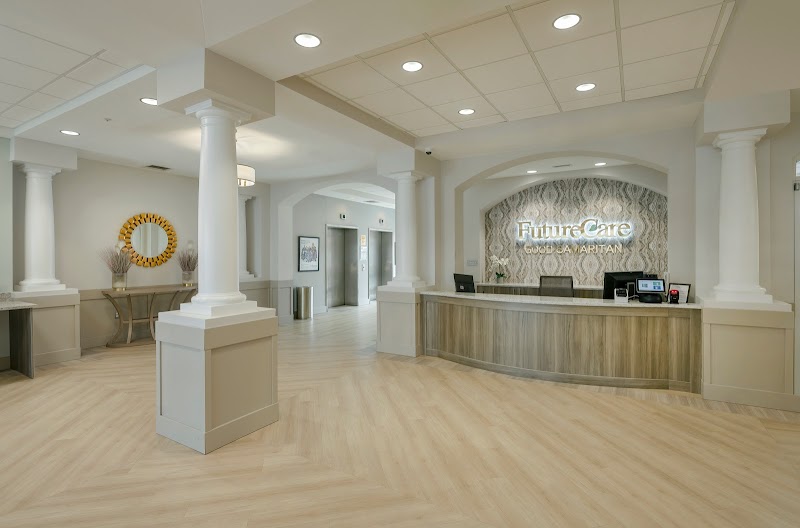
Who Owns and Operates Good Samaritan Operator, Llc?

GOOD SAMARITAN NURSING HOME OPERATOR, LLC is owned by a for-profit company. For-profit facilities operate as businesses with obligations to shareholders or private owners. The facility is operated by FUTURE CARE/LIFEBRIDGE HEALTH, a chain that manages multiple nursing homes. With 146 certified beds and approximately 137 residents (about 94% occupancy), it is a mid-sized facility located in BALTIMORE, Maryland.

How Does Good Samaritan Operator, Llc Compare to Other Maryland Nursing Homes?

Compared to the 100 nursing homes in Maryland, GOOD SAMARITAN NURSING HOME OPERATOR, LLC's overall rating (4 stars) is above the state average of 3.0, staff turnover (49%) is near the state average of 46%, and health inspection rating (4 stars) is above the national benchmark.

What Should Families Ask When Visiting Good Samaritan Operator, Llc?

Based on this facility's data, families visiting should ask: "Can I visit during a mealtime to observe dining assistance and food quality?" "How do you handle medical emergencies, and what is your hospital transfer rate?" "Can I speak with family members of current residents about their experience?"

Is Good Samaritan Operator, Llc Safe?

Based on CMS inspection data, GOOD SAMARITAN NURSING HOME OPERATOR, LLC has a clean safety record: no substantiated abuse findings (meaning no confirmed cases of resident harm), no Immediate Jeopardy citations (the most serious violation level indicating risk of serious injury or death), and is not on the Special Focus Facility watch list (a federal program monitoring the lowest-performing 1% of nursing homes). The facility has a 4-star overall rating and ranks #1 of 100 nursing homes in Maryland. While no facility is perfect, families should still ask about staff-to-resident ratios and recent inspection results during their visit.

Do Nurses at Good Samaritan Operator, Llc Stick Around?

GOOD SAMARITAN NURSING HOME OPERATOR, LLC has a staff turnover rate of 49%, which is about average for Maryland nursing homes (state average: 46%). Moderate turnover is common in nursing homes, but families should still ask about staff tenure and how the facility maintains care continuity when employees leave.

Was Good Samaritan Operator, Llc Ever Fined?

GOOD SAMARITAN NURSING HOME OPERATOR, LLC has no federal fines on record. CMS issues fines when nursing homes fail to meet care standards or don't correct problems found during inspections. The absence of fines suggests the facility has either maintained compliance or corrected any issues before penalties were assessed. This is a positive indicator, though families should still review recent inspection reports for the full picture.

Is Good Samaritan Operator, Llc on Any Federal Watch List?

GOOD SAMARITAN NURSING HOME OPERATOR, LLC is not on any federal watch list. The most significant is the Special Focus Facility (SFF) program, which identifies the bottom 1% of nursing homes nationally based on persistent, serious quality problems. Not being on this list means the facility has avoided the pattern of deficiencies that triggers enhanced federal oversight. This is a positive indicator, though families should still review the facility's inspection history directly.