LEVINDALE HEBREW GER CTR & HSP
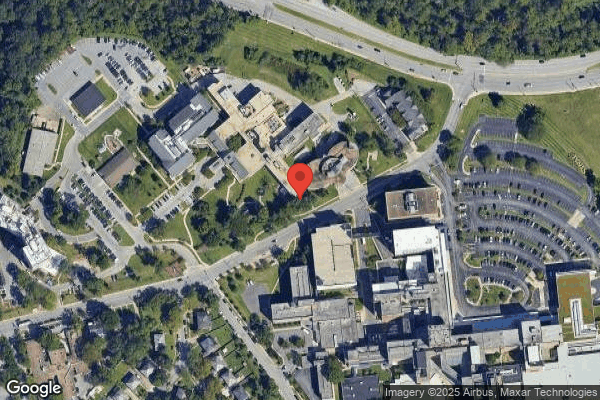
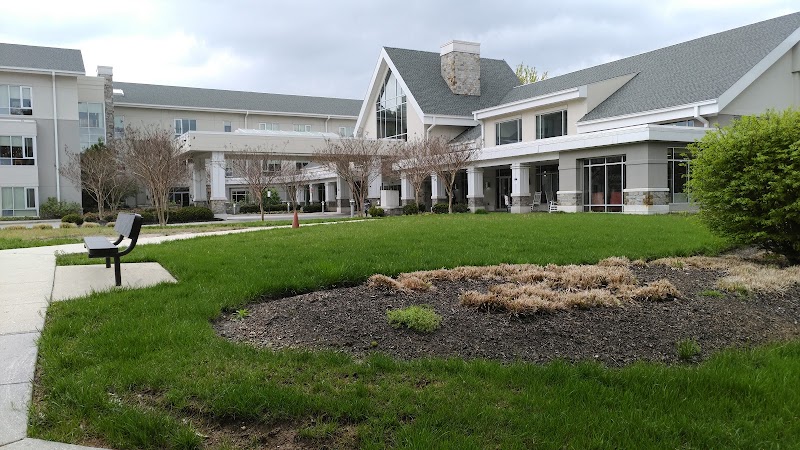
2434 WEST BELVEDERE AVENUE, BALTIMORE, MD 21215 (410) 466-8700
Non profit - Corporation 210 Beds FUTURE CARE/LIFEBRIDGE HEALTH Data: November 2025
Trust Grade
60/100
#111 of 219 in MD
Last Inspection: November 2024

Within standard 12-15 month inspection cycle. Federal law requires annual inspections.

Overview

Levindale Hebrew Geriatric Center and Hospital has a Trust Grade of C+, indicating it is slightly above average but still has room for improvement. It ranks #111 out of 219 nursing homes in Maryland, placing it in the bottom half of facilities statewide, and #12 out of 26 in Baltimore City County, meaning only 11 local options are better. Unfortunately, the facility is showing a worsening trend, with issues increasing from 8 in 2023 to 27 in 2024. While staffing is a relative strength with a rating of 4 out of 5 stars and a turnover rate of 47%, which is around the state average, there have been concerning incidents. For example, a resident reported abuse by a staff member that was not properly documented, and there were multiple cases where residents' dignity was not respected, such as visible urinary bags. Overall, while there are areas of strength, families should weigh these concerns carefully.

Trust Score
C+
60/100
In Maryland
#111/219
Top 50%
Safety Record
Low Risk
No red flags
Inspections
Getting Worse
8 → 27 violations
Staff Stability
⚠ Watch
47% turnover. Above average. Higher turnover means staff may not know residents' routines.
Penalties
✓ Good
No fines on record. Clean compliance history, better than most Maryland facilities.
Skilled Nurses
✓ Good
Each resident gets 59 minutes of Registered Nurse (RN) attention daily — more than average for Maryland. RNs are trained to catch health problems early.
Violations
⚠ Watch
66 deficiencies on record. Higher than average. Multiple issues found across inspections.
★★★☆☆
3.0
Overall Rating
★★★★☆
4.0
Staff Levels
★★★☆☆
3.0
Care Quality
★★★☆☆
3.0
Inspection Score
Stable
2023: 8 issues
2024: 27 issues

The Good

  • 4-Star Staffing Rating · Above-average nurse staffing levels
  • Full Sprinkler Coverage · Fire safety systems throughout facility
  • No fines on record

Facility shows strength in staffing levels, fire safety.

The Bad

3-Star Overall Rating

Near Maryland average (3.0)

Meets federal standards, typical of most facilities

Staff Turnover: 47%

Near Maryland avg (46%)

Higher turnover may affect care consistency

Chain: FUTURE CARE/LIFEBRIDGE HEALTH

Part of a multi-facility chain

Ask about local staffing decisions and management

The Ugly 66 deficiencies on record

Nov 2024 27 deficiencies
CONCERN (D) 📢 Someone Reported This

A family member, employee, or ombudsman was alarmed enough to file a formal complaint

Potential for Harm - no one hurt, but risky conditions existed

Resident Rights (Tag F0550)

Could have caused harm · This affected 1 resident

Based on review of the facility's investigation file, review of medical records and interviews, it was determined that the facility failed to honor and respect a resident's wishes for Activities of Da...

Read full inspector narrative →
Based on review of the facility's investigation file, review of medical records and interviews, it was determined that the facility failed to honor and respect a resident's wishes for Activities of Daily Living (ADL) cares. This was found evident in 1 (Resident #77) of 3 residents reviewed for Resident rights. The findings include: On 10/29/24 at 9:03 AM, the surveyor interviewed Resident #77. During the interview Resident #77 was able to answer questions by nodding, mouthing answers and using electronic devices to communicate. During the interview Resident #77 confirmed that a Geriatric Nursing Assistant (GNA) held him/her down and continued to perform cares that he/she had expressed he/she did not want or need to be performed. Resident #77 further communicated that he/she had not seen that GNA since the incident. On 11/13/24 at 1:12 PM, the surveyor reviewed Resident #77's medical record. The review revealed that Resident #77 was assessed as cognitively intact on 8/21/24 with a Brief Interview for Mental Status (BIMS) score of 15. Resident #77's Decision Making Capacity and Treatment Limitation form dated 11/18/23 documented yes to all three competency ability questions, deeming Resident #77 capable of making his/her own medical decisions. On 11/13/24 at 1:38 PM, the surveyor reviewed the facility's investigation file into the alleged abuse of Resident #77 by GNA #33. The surveyor reviewed the statement written by GNA #33. GNA #33 stated that on the day of the alleged incident she was told by other staff that Resident #77 was resistant to cares and that he/she should be checked even if the resident refused. She further wrote when she went into Resident #77 room and told him/her that she was there to check for him/her for incontinence, Resident #77 communicated that he/she did not want to be checked or changed. GNA #33 instructed Resident #77 that the other GNAs and nurses told her she needed to check for incontinence. GNA #33 next stated that Resident #77 held his/her cover so tight to his/her neck she was not able to pull the covers back. After this GNA #33 decided to pull the covers up from the foot of the bed and hold Resident #77's arm across him/her. On 11/14/24 at 7:09 AM, the surveyor interviewed the Director of Nursing (DON). The DON confirmed that GNA #33 was suspended and was placed on the do not return list to the facility. The DON agreed that the GNA should have respected Resident #77 request to not have the ADL cares performed and honor his/her rights to refuse.
CONCERN (D)

Potential for Harm - no one hurt, but risky conditions existed

Deficiency F0551 (Tag F0551)

Could have caused harm · This affected 1 resident

Based on record review, and interviews it was determined that the facility failed to notify the Resident's health care Responsible Party (RP) of a change to the Resident's plan of care and the facilit...

Read full inspector narrative →
Based on record review, and interviews it was determined that the facility failed to notify the Resident's health care Responsible Party (RP) of a change to the Resident's plan of care and the facility failed to provide a Resident's Representative/guardian the right to be involved in the care planning process. This was found evident in 2 (Resident #51 and #40) of 3 Residents reviewed for resident rights. The findings include: 1. On 10/30/24 at 12:59 PM, the surveyor reviewed Resident #51's paper medical record. The review revealed that on 3/3/21 Resident # 51 was deemed not to have the capacity for decision making capacity for medical treatments. On further review it was noted that Resident #51's daughter was the Responsible Party (RP) for Resident #51. On 11/7/24 at 1:36 PM, the surveyor reviewed Resident #51's electronic medical record. The review revealed a change of condition evaluation written on 8/20/24. The evaluation noted a new skin tear on Resident #51. At the end of the report the section titled, Resident Representative Notification had a statement; Name of the family/resident representative notified. The respective answer was documentation as self. On 11/7/24 at 12:09 PM, the surveyor conducted an interview with the Director of Nursing (DON). During the interview the DON stated that the RP should have been notified of the new skin condition and she would look for documentation to support the RP was notified. On 11/7/24 at 1:33 PM, the surveyor conducted a follow-up interview with the DON and at this time the DON confirmed she could not provide documentation that the RP was notified. 2. On 10/30/24 at 1:07 PM, the surveyor reviewed Resident #40's paper medical record. The review revealed documentation dated 1/21/19 that established Resident #40 had co-guardians. On 11/1/24 at 1:32 PM, the surveyor reviewed Resident #40's electronic medical record. The review revealed that on 2/14/24 and 10/30/24 Social Worker Staff #30 documented a care plan meeting was held and the family was in attendance for Resident #40. However, a care plan meeting note written by Staff #30 dated 7/17/24 stated Staff #30 left a detailed voice message for Resident #40's son pertaining to Resident #40's care plan. On 11/6/24 at 10:30 AM, the surveyor interviewed the Director of Nursing (DON). During the interview the DON stated that Resident #40 did not have his/her care plan in June of 2024 due to being hospitalized . The surveyor asked if the family was invited or in attendance for the July 2024 care plan meeting that was held. The DON stated she would look into the concern and follow up. On 11/6/24 at 11:58 AM, the surveyor conducted a follow-up interview with the DON. The DON confirmed that there was no documentation that the family was invited or in attendance of the care plan meeting that was held in July of 2024.
CONCERN (D)

Potential for Harm - no one hurt, but risky conditions existed

Deficiency F0578 (Tag F0578)

Could have caused harm · This affected 1 resident

Based on record review and interview, it was determined that the facility failed to maintain a proper resident's Advance Directives in the Resident's medical record and/or offer to formulate one. This...

Read full inspector narrative →
Based on record review and interview, it was determined that the facility failed to maintain a proper resident's Advance Directives in the Resident's medical record and/or offer to formulate one. This was found to be evident for 2 (Residents #32 and #49) out of 7 residents reviewed for the Advance Directives during the annual survey. The findings include: An Advance Directive is a legal document that states a person's wishes about receiving medical care if that person is no longer able to make medical decisions because of a serious illness. An Advance Directive may also give a person (such as a spouse, relative, or friend) the authority to make medical decisions. 1a) Record review, on 10/31/24 at 1:03 PM, revealed that Resident 32's Medical Orders for Life-Sustaining Treatment (MOLST) certification stated that his/her Advance directives was selected on 8/5/24 by Nurse Practitioner Staff #42. However, no Advance Directives document was found. During the interview, on 10/31/24 at 2:17 PM, the Director of Social Service Staff #6 stated that Advance Directives information was built into the facility's internal face sheet section under the legal contact person. She stated there was no need to maintain proper Advance Directives records. Staff #6 was informed that she failed to comply with and implement the MOLST certification/order to obtain a proper Advance Directive to direct Resident #32's life-sustaining treatments. During an interview, on 11/1/24 at 11:09 AM, the Director of Nursing (DoN) reviewed the above-mentioned deficiency concerns. The DoN agreed that a copy of the Advance Directives should be on file either in the floor chart or in the electronic record. After the surveyor's intervention, the DoN later presented a copy of the Advance Directives that she had obtained from the hospital's record. 1b) On 10/30/24 at 12:55 PM, the surveyor reviewed Resident #49's paper medical record. The review revealed that Resident #49 was deemed to have capacity to make medical decisions for him/herself. On 11/8/24 at 7:27 AM, the surveyor reviewed Resident #49's electronic medical record. The review revealed a psychosocial assessment was completed on 5/14/20 and noted that Resident #49 did not have advanced directives. A box was checked that stated, resident/family had been informed of surrogate decision making regulations. On further review a progress note was written by Social Worker Assistant Staff #30 on 9/11/24 stated that Resident #49 requested information about advanced directives be sent to his/her mother. On 11/12/24 at 9:19 AM, the surveyor interviewed the Director of Social Service Staff # 6 and the Director of Nursing (DON). The surveyor asked how the facility determines if the Resident has advanced directives. Staff #6 stated during the psychosocial history assessment advanced directives are addressed. The surveyor asked if Resident #49 was offered to make advanced directives on 5/14/20 when his/her psychosocial assessment was completed it was noted that Resident #49 did not have any advanced directives. Staff #6 stated because there is no area on the psychosocial history assessment to indicate if advanced directives were offered to be formulated, she is unclear if Resident #49 was offered the opportunity to create one on 5/14/20 when it was identified that Resident #49 did not have one.
CONCERN (D)

Potential for Harm - no one hurt, but risky conditions existed

Notification of Changes (Tag F0580)

Could have caused harm · This affected 1 resident

Based on record review and interviews it was determined that the facility failed to inform the Resident's primary care physician of the need to alter treatment. This was found evident of 1 (Resident #...

Read full inspector narrative →
Based on record review and interviews it was determined that the facility failed to inform the Resident's primary care physician of the need to alter treatment. This was found evident of 1 (Resident #51) of 2 residents reviewed for change of condition. The findings include: On 11/7/24 at 11:04 AM, the surveyor reviewed Resident #51's medical record. The review revealed that Resident #51 was admitted to the facility in early 2021. On admission Resident #51 had a percutaneous endoscopic gastrostomy (PEG) tube (a feeding tube that is inserted through the skin and into the stomach to provide direct access to the stomach). The PEG tube was used to provide tube feeding for Resident #51. On further review the surveyor noted Resident #51 had vomited on 10/1/24, 10/10/24, 10/11/24, (an X-ray was ordered) 10/13/24 (tube feed held),10/17/24 (tube feed held for 2 hours),10/18/24 (tube feed held for 2 hours) with notation provided notified, 10/19/24 2 (tube feed held for 2 hours), 10/21/24, 10/23/24 (tube fee on hold), 10/27/24,10/31/24 (tube feed held for 2 hours) and on 11/2/24. The surveyor reviewed the orders. 10/18/24 and 10/24/24 were the only two days where orders were written to hold or restart the tube feeding. The surveyor reviewed the Tasks documentation for bowel regimen notation. The review revealed Resident #51 had no bowel movement documented from 10/16/24-10/21/24 and none from 11/1/24-11/6/24. Review of the facility policy titled: Bowel Assessment and Management revealed that if a resident does not have a bowel movement within 48 hours an order should be obtained from a physician to initiate a bowel protocol or other alternative bowel management treatment. On 11/8/24 at 6:30 AM, the surveyor reviewed a progress note written by Physician #20. The note was written after a follow-up visit on 11/7/24. Staff #20 documented that Resident #51 was noted to have been given Zofran (a medication given to help with nausea) and also vomited on 11/6/24. The note further stated that Resident #51 is likely constipated due to his/her bowel movement was last recorded on 10/31/24. A new bowel regimen was ordered. On 11/14/24 at 9:42 AM, the surveyor interviewed Staff #20 along with the Director of Nursing (DON). During the interview Staff #20 stated that Resident #51 has had chronic vomiting. She further stated that sometimes his/her coughing could lead to vomiting and that the vomiting is not always gastrointestinal related. The surveyor asked Staff #20 if she was aware of the number of episodes of vomiting, the number of times tube feeding that were held and the two times Resident #51 went 6 days without a bowel movement in the last two months. Staff #20 stated she discovered the 6 days without a bowel movement on her visit on 11/7/24 but was not informed of the days in October. She further stated she was not notified of all of the vomiting episodes or the number of times the tube feeds were put on hold. She further stated she would have liked to have been notified of these episodes.
CONCERN (D) 📢 Someone Reported This

A family member, employee, or ombudsman was alarmed enough to file a formal complaint

Potential for Harm - no one hurt, but risky conditions existed

Deficiency F0583 (Tag F0583)

Could have caused harm · This affected 1 resident

Based on record review and staff interviews, it was determined that the facility failed to protect the residents' private space from unauthorized photographs and recordings. This was evident for 1 (Ho...

Read full inspector narrative →
Based on record review and staff interviews, it was determined that the facility failed to protect the residents' private space from unauthorized photographs and recordings. This was evident for 1 (Household 5) out of 10 units. The findings include: On 11/12/24 at 11:53 AM, a review of complaint #MD00194059 was conducted. The complaint stated that Staff #19 recorded themselves in a common care area and posted it on the social media platform Tiktok. On 11/13/2024 at 9:58 AM, Staff #19's employee file was reviewed. The employee file revealed that Staff #19 was terminated for Gross Misconduct. The specific incident causing termination was that the employee was caught recording a video of themselves in a clinical area and posted it on social media. In Staff #19's statement, they stated that she admitted to recording video in the care area while on break. Staff #19 stated that no residents were recorded. On 11/13/2024 at 10:30 AM, an interview with the Director of Nursing (DON) was conducted. When asked if Staff #19 was educated on resident rights and Health Insurance Portability and Accountability Act HIPAA (a federal law that protects the security and confidentiality of personal health information), the DON stated that they were educated on orientation. The DON provided this surveyor with proof of the education provided to Staff #19. On 11/13/24 at 1:26 PM, an interview was conducted with the Administrator (Staff #1). Staff #1 stated that the incident was reported to administration anonymously and was reported to have happened on Household 5. Staff #1 stated that no specific resident was involved but Staff #19 did record a video on Household #5 and posted it on social media.
CONCERN (D) 📢 Someone Reported This

A family member, employee, or ombudsman was alarmed enough to file a formal complaint

Potential for Harm - no one hurt, but risky conditions existed

Free from Abuse/Neglect (Tag F0600)

Could have caused harm · This affected 1 resident

1b) On 10/29/24 at 9:45 AM, an observation of Resident #53 was made. The resident was observed lying in bed and was noted to have a hearing impairment. Upon further review of the resident's record, th...

Read full inspector narrative →
1b) On 10/29/24 at 9:45 AM, an observation of Resident #53 was made. The resident was observed lying in bed and was noted to have a hearing impairment. Upon further review of the resident's record, the resident was noted to have a Brief Interview for Mental Status (BIMS) score of 6. The Brief Interview for Mental Status (BIMS) is a structured evaluation aimed at evaluating aspects of cognition in elderly patients. BIMS score: Interpretation, 0 - 7: Severe cognitive impact, 8 - 12: Moderate impairment, 13 - 15: Intact cognitive response. On 11/4/24 at 9:10 AM, a review of Facility Reported Incident #MD00203620 was conducted. The report stated that on 3/14/24 at 6:00 PM, Resident #224 pushed Resident #53 causing them to fall. On 11/4/24 at 10:29 AM, a review of the facility's investigation was conducted. The facility conducted an interview with Resident #224 and the resident confirmed they pushed the linen cart knocking Resident #53 to the floor because Resident #53 was trying to wander into Resident #224's room. Resident #224 stated in the interview that they told staff to keep the wandering residents out of his room or he would hurt them. On 11/4/24 at 11:23 AM, a review of Resident #53 care plans was conducted. A care plan for wandering was created after the incident on 3/14/24. On 11/4/24 at 11:45 AM, a review of Resident #224's care plans. The care plan initiated on 7/12/23 stated [Resident #224] has a behavior problem (conflict with other residents & staff, potential for physical and/or verbal aggression) r/t threats made to harm a neighboring resident on unit. The intervention for this care plan is documented as the resident's triggers for verbal aggression are invasion of privacy by residents wandering into [his/her] room. The resident's behavior is de-escalated by removing other residents from [his/her] room and minimizing wandering into [his/her] room through increased supervision. Based on observation, review of the facility's investigation report, record review, and interviews, it was determined that the facility failed to protect a resident from physical and verbal abuse. This was found evident of 2 (Resident #201 & #53) of 7 Residents reviewed for abuse. The findings include: 1a) On 11/15/25 at 8:53 AM, the surveyor reviewed Resident #201's medical record. The review revealed that Resident #201 was re-admitted to the facility related to multiple falls. Further review revealed a progress note written by Physician #34 on 11/30/24 that reported Resident #201 was very confused at baseline and due to impaired gait and high fall risk a 1:1 (one resident to one staff person care services) sitter was ordered. The surveyor reviewed a summary for provider note written by Registered Nurse (RN)# 35 dated 12/26/23. RN #35 described in the note that she heard the 1:1 sitter shouting out from Resident #201's room. When she entered the room Resident #201 was lying in the bed with his legs hanging out of bed. She further reported she did not know what happened in the room before she entered. On 11/15/24 at 9:10 AM, the surveyor reviewed the facility's investigation file into the alleged abuse reported by Resident #201 from Certified Nursing Assistant (CNA)#32. The file contained a statement from Resident #201 and alleged CNA #32 provided rough care, hit him/her with a flashlight, and kept yelling at him/her. The surveyor reviewed the statement from Resident #201's roommate Resident #46. Resident #46 witnessed CNA #32 be rough with Resident #201 and reported CNA #32 was grabbing him/her by the wrists, ankles and feet. Resident #46 also stated CNA #32 was slamming Resident #201 into the wheelchair and when Resident #201 stated ouch your hurting me CNA #32 did not stop. There was, however, no corroboration that Resident #201 was hit by CNA #32 with a flashlight. On 11/18/24 at 9:13 AM, the surveyor interviewed the Director of Nursing (DON). During the interview the DON stated the CNA#32 was suspended and later terminated related to the incident. She further stated that it was determined that CNA#32 had poor customer service. The DON agreed that CNA #32 was verbally abusive to Resident #201 and should not have been yelling at the resident. On 11/18/24 at 9:13 AM, the surveyor interviewed Resident #46, Resident #201's roommate at the time of the incident. During the interview Resident #46 confirmed his/her statement that rough care was witnessed, and that CNA #32 was rough with Resident #201. He/she stated that he/she remembered the day of the incident because he/she had been woken up in the early hours of the morning from CNA #32 yelling at Resident #201. Resident #46 further stated he/she felt scared in that moment due to the yelling.
CONCERN (D) 📢 Someone Reported This

A family member, employee, or ombudsman was alarmed enough to file a formal complaint

Potential for Harm - no one hurt, but risky conditions existed

Deficiency F0604 (Tag F0604)

Could have caused harm · This affected 1 resident

Based on review of the facility's investigation report, record review, and interviews, it was determined that the facility failed to protect a resident from being physically restrained by an employee....

Read full inspector narrative →
Based on review of the facility's investigation report, record review, and interviews, it was determined that the facility failed to protect a resident from being physically restrained by an employee. This was found evident on 1 (Resident #77) of 7 Residents reviewed for abuse. The findings include: On 10/29/24 at 9:03 AM, the surveyor interviewed Resident #77. During the interview Resident #77 was able to answer questions by nodding, mouthing answers and using electronic devices to communicate. During the interview Resident #77 confirmed that a Geriatric Nursing Assistant (GNA) held him/her down and continued to perform cares that he/she expressed he/she did not want or need to be performed. Resident #77 further communicated that he/she had not seen that GNA since the incident. On 11/13/24 at 1:12 PM, the surveyor reviewed Resident #77's medical record. The review revealed that Resident #77 was assessed as cognitively intact on 8/21/24 with a Brief Interview for Mental Status (BIMS) score of 15. On 11/13/24 at 1:38 PM, the surveyor reviewed the facility's investigation file in the alleged abuse of Resident #77 by GNA #33. The surveyor reviewed the statement written by GNA #33. GNA #33 stated that on the day of the alleged incident she was told by other staff that Resident #77 was resistant to cares and that he/she should be checked even if the resident refuses. She further stated when she went into Resident #77's room and told him/her that she was there to check for incontinence Resident #77 communicated he/she did not want to be checked or changed. GNA #33 instructed Resident #77 that the other GNAs and nurses told her she needed to check for incontinence. GNA #33 next stated that Resident #77 held his/her cover so tight to his/her neck she was not able to pull the covers back so she pulled the covers up from the foot of the bed and held Resident #77's arm across him/her. On 11/14/24 at 7:09 AM, the surveyor interviewed the Director of Nursing (DON). The DON confirmed that GNA #33 was suspended and was placed on the do not return list to the facility. The DON agreed that Resident #77 should not have been held down by GNA #33.
CONCERN (D) 📢 Someone Reported This

A family member, employee, or ombudsman was alarmed enough to file a formal complaint

Potential for Harm - no one hurt, but risky conditions existed

Investigate Abuse (Tag F0610)

Could have caused harm · This affected 1 resident

Based on record review and staff interview, it was determined the facility failed to maintain pertinent documentation of a reported investigation. This was evident for 1 (Resident #197) of 24 facility...

Read full inspector narrative →
Based on record review and staff interview, it was determined the facility failed to maintain pertinent documentation of a reported investigation. This was evident for 1 (Resident #197) of 24 facility reported incidents. The findings include: On 10/31/24 at 9:00 AM, an interview was conducted with Staff #1 and Staff #2. The staff members provided the surveyors with their investigations for all facility reported incidents. When asked if the documents provided were their complete investigations, they responded that they provided the surveyors with the complete investigation for each of the incidents that were reported. On 11/8/24 at 8:53 AM, a review of Facility Reported Incident #MD00189103 was conducted. On 2/6/23, Resident #197 was sent out for further evaluation related to fever, tachycardia, and hypotension. The facility identified that the nurse incorrectly entered the medications from the discharge summary on 2/8/2023. In the facility's report they stated, The current hospital course c/b AMS and hypotension initially requiring pressor support. Ongoing leukocytosis. Treated with empiric meropenem for possible sepsis, abx. Per hospital documentation, [Resident #197]'s AKI is the result of [his/her] Sepsis. On 11/8/24 at 1:30 PM, an interview was conducted with the Director of Nursing (Staff #2). When asked if they could provide the hospital records of resident's course at hospital after discharge from Levindale on 2/6/23, Staff #2 stated she cannot provide this because they would be breaking HIPAA if they were to ask for the records from the outside hospital. This surveyor was able to obtain records directly from the hospital.
CONCERN (D)

Potential for Harm - no one hurt, but risky conditions existed

Transfer Notice (Tag F0623)

Could have caused harm · This affected 1 resident

1b) On 10/29/24 at 9:14 AM, Resident #30 was interviewed. When asked if they had been hospitalized recently, they stated once this year for sepsis from a [Urinary Tract Infection (UTI)]. On 11/06/24 ...

Read full inspector narrative →
1b) On 10/29/24 at 9:14 AM, Resident #30 was interviewed. When asked if they had been hospitalized recently, they stated once this year for sepsis from a [Urinary Tract Infection (UTI)]. On 11/06/24 at 10:28 AM, a review of Resident #30's records was conducted. The resident was sent out to hospital on 4/20/24. The resident has history of UTIs and had received antibiotics prior to hospitalization. A provider's progress note from 4/18/24, prior to hospitalization, states: Pt is seen today for follow up of dysuria, choking episodes, and chronic pain. S/he recently completed a course of cefuroxime [an antibiotic] (4/4-4/11/24) for UTI. S/he reports that it didn't help because s/he still has dysuria. Ordered repeat [Urinalysis] and urine culture. On 11/06/24 at 10:51 AM, an interview was conducted with Administrator (Staff #1). When asked if the Ombudsman was notified of Resident # 30's transfer to the hospital on 4/20/24, Staff #1 stated, it does not appear that the resident was included in the report [a report of discharges and transfers in the month of April sent to the Ombudsman]. We know it's something we should be doing, and we have changed the way we manage transfers to hospitals so the Ombudsman can be notified. Staff #1 provided this surveyor a copy of the report of resident transfer and discharges that was provided to the Ombudsman. Based on facility staff interview and medical record review it was determined that the facility failed to provide notification to the Ombudsman of the residents that transferred to the hospital. This was found to be evident in 2 (#191 & #30) out of 3 residents reviewed for hospitalizations. The findings include: 1a) On 11/1/2024 at 11:30 AM the surveyor reviewed Resident #191's closed medical record. Review of the medical record revealed that Resident #191 was transferred to the hospital on 7/20/2024 and 7/29/2024. In an interview at 8:55 AM on 11/4/2024 the surveyor requested from the Director of Nursing (DON) the documentation of the Ombudsman notification for Resident #191's transfers to the hospital on 7/20/2024 and 7/29/2024. The DON stated to the surveyor that the facility does not provide notification to the Ombudsman when a resident is transferred to the hospital and that she would follow-up with the Nursing Home Administrator (NHA). At 9:32 AM on 11/4/2024 the surveyor interviewed the Nursing Home Administrator (NHA) for documentation of Ombudsman notification for Resident #191's transfers to the hospital on 7/20/2024 and 7/29/2024 and asked what the expectation was for Ombudsman notification of Resident transfers to hospital. The NHA stated that he was responsible for Ombudsman notification of Resident transfers to hospital and discharges. The NHA stated that the Ombudsman notification was done for the 7/29/2024 transfer of Resident #191 to the hospital, but the Ombudsman notification for the 7/20/2024 transfer of Resident #191 to the hospital was not done because the Resident was going to return to the facility. Additionally, on 11/4/2024 the Nursing Home Administrator (NHA) provided the surveyor with an email that he sent to the Ombudsman on 8/5/2024 at 9:49 AM and a computer-generated report titled Discharges 7/1/2024 to 7/31/2024 from the facility's clinical documentation system. This email that the Nursing Home Administrator sent to the Ombudsman included Residents who were discharged for the month of July 2024, and Resident #191 was included in this report for transfer to the hospital on 7/30/2024, but Resident #191 was not included in this report for the transfer to the hospital on 7/20/2024. The surveyor conveyed this to the Nursing Home Administrator. The NHA acknowledged the surveyor and did not provide any additional documentation.
CONCERN (D)

Potential for Harm - no one hurt, but risky conditions existed

Deficiency F0625 (Tag F0625)

Could have caused harm · This affected 1 resident

Based on medical record review, and interviews it was determined the facility failed to provide the Resident and/or Representative with a written notice of the facility's bed hold policy upon transfer...

Read full inspector narrative →
Based on medical record review, and interviews it was determined the facility failed to provide the Resident and/or Representative with a written notice of the facility's bed hold policy upon transfer to an acute care facility. This was evident for 1 (Resident #21) of 3 residents reviewed for hospitalization. The findings include: On 11/6/24 at 11:07 AM, the surveyor reviewed Resident #21's medical record. The review revealed that on 7/14/24 and 8/1/24 Resident #21 was sent out to the hospital. An e-interact note dated 8/1/24 stated Resident #21's legal guardian was notified by the on-call provider of the transfer. No documentation was noted on 7/14/24 or 8/1/24 that the bed hold policy was given to the legal guardian. On 11/6/24 at 2:09 PM, the surveyor interviewed the Director of Nursing (DON). The surveyor asked the DON if the facility provided the bed hold policy to Resident #21's legal guardian related to the transfers on 7/14/24 and 8/1/24 of Resident #21 to the hospital. The DON stated the facility would send the bed hold policy in a packet to the hospital and would also mail the policy to the Responsible Party or guardian. The DON confirmed the facility had no documentation to support that these processes happened for Resident #21's transfers.
CONCERN (D) 📢 Someone Reported This

A family member, employee, or ombudsman was alarmed enough to file a formal complaint

Potential for Harm - no one hurt, but risky conditions existed

Comprehensive Care Plan (Tag F0656)

Could have caused harm · This affected 1 resident

Based on record review and staff interview, it was determined that the facility failed to implement interventions in a care plan. This was evident for 1 (Resident #224) of 13 residents reviewed for ca...

Read full inspector narrative →
Based on record review and staff interview, it was determined that the facility failed to implement interventions in a care plan. This was evident for 1 (Resident #224) of 13 residents reviewed for care plans. The findings include: On 11/4/24 at 9:10 AM, a review of Facility Reported Incident #MD00203620 was conducted. The report stated that on 3/14/24 at 6:00 PM, Resident #224 pushed Resident #53 causing them to fall. On 11/4/24 at 10:29 AM, a review of the facility's investigation was conducted. The facility conducted an interview with Resident #224 and the resident confirmed they pushed the linen cart knocking Resident #53 to the floor because Resident #53 was trying to wander into Resident #224's room. Resident #224 stated in the interview that they told staff to keep the wandering residents out of his/her room or he/she would hurt them. On 11/4/24 at 11:23 AM, a review of Resident #53 care plans was conducted. A care plan for wandering was created after the incident on 3/14/24. On 11/4/24 at 11:45 AM, a review of Resident #224's care plans. The care plan initiated on 7/12/23 stated [Resident #224] has a behavior problem (conflict with other residents & staff, potential for physical and/or verbal aggression) r/t threats made to harm a neighboring resident on unit. The intervention for this care plan is documented as the resident's triggers for verbal aggression are invasion of privacy by residents wandering into [his/her] room. The resident's behavior is de-escalated by removing other residents from [his/her] room and minimizing wandering into [his/her] room through increased supervision.
CONCERN (D)

Potential for Harm - no one hurt, but risky conditions existed

Deficiency F0657 (Tag F0657)

Could have caused harm · This affected 1 resident

**NOTE- TERMS IN BRACKETS HAVE BEEN EDITED TO PROTECT CONFIDENTIALITY** Based on interview and record review it was determined that the facility staff failed to ensure a resident's right to participat...

Read full inspector narrative →
**NOTE- TERMS IN BRACKETS HAVE BEEN EDITED TO PROTECT CONFIDENTIALITY** Based on interview and record review it was determined that the facility staff failed to ensure a resident's right to participate in the resident-centered care plan meeting and failed to conduct care plan meetings after each resident Minimum Data Set (MDS) assessment. This was found evident in 2 (Resident #147 & #51) out of 13 Residents reviewed for care planning. The findings include: 1) During a floor rounding, on 10/31/24 at 10:47 AM, Resident #147 stated, I don't remember I had a care-plan meeting. And I can be in the meeting. Resident #147 was admitted to the facility on [DATE] with diagnoses of dementia, dysphagia and abnormal gait. This resident's speech was logical, clear and he/she was able to make his/her needs known. Record review, on 10/31/24 at 2:17 PM, of Director of Social Service Staff #6's documentation revealed that the care-plan meeting was held by the care team on 10/21/24 attempted telephonically with this resident's family (no mention about if the resident was invited). Although, after they were unable to reach the family, the meeting was conducted by Staff #6 and the care team made care-plan decisions. Previous care-plan meetings on 7/30/24 and 4/29/24 were also conducted without the family nor the resident involved making decisions about his or her care. During the interview, on 10/31/24 at 3:26 PM, Staff #6 stated that she could not answer why the resident was not invited because she left it up to the family to decide. In fact, she never talked to the resident about his/her care-plan meeting. Staff #6 was informed that the care plan meeting practice was not resident centered and conducting an ineffective meeting pattern which were concerns. Further interviews, on 10/31/24 at 3:53 PM, reviewing the Social Work Services Staff's notes with DON and the Administrator concluded that the resident was excluded from his/her care plan meeting, which was a concern. Additionally, both agreed that it was a concern when a care-plan meeting did not get rescheduled after a resident or representative was unable to attend. 2) On 11/7/24 at 8:47 AM, the surveyor reviewed Resident #51's medical record. The review revealed that Resident #51 had a quarterly Minimum Data Set (MDS) assessment completed on 7/13/24 and 10/24/24. On further review it was noted that a care plan meeting was held on 7/17/24, however, there was no care plan meeting documentation for the care plan to follow the 10/24/24 MDS assessment. On 11/7/24 at 12:12 PM, the surveyor conducted an interview with the Director of Nursing (DON). During the interview the DON stated that Resident #51 should have had a care plan meeting following her October MDS assessment and would look for documentation. At the time of the exit no documentation was provided that the care plan was held or scheduled.
CONCERN (D)

Potential for Harm - no one hurt, but risky conditions existed

Deficiency F0679 (Tag F0679)

Could have caused harm · This affected 1 resident

Based on interviews and record review it was determined that the facility failed to have an activities program designed to meet the interests and needs of Residents based on the Residents comprehensiv...

Read full inspector narrative →
Based on interviews and record review it was determined that the facility failed to have an activities program designed to meet the interests and needs of Residents based on the Residents comprehensive assessment and care plan. This was found evident of 1 (Resident #40) of 4 residents reviewed for activity during an annual survey. The findings include: On 10/29/24 at 11:49 AM, the surveyor interviewed Resident #40's family member. During the interview the family member reported that music was such a big part of Resident #40's life and that he/she used to play the guitar. The family member further stated that they had even brought in a music player to his/her room that would play Resident #40's favorite music. On 11/1/24 at 1:50 PM, the surveyor reviewed Resident #40's medical record. The review revealed a progress note dated 8/18/23 that stated a care plan meeting was held with Resident #40's family members in attendance. It further stated that the family was requesting Resident #40 be seen by a music recreational therapist if possible. A previous care plan note written on 6/2/23 reported Resident #40 received visits from staff that offer light hand message for relaxation, sound stimulation with familiar music and lights on for stimulation. Next the surveyor reviewed Resident #40's care plan and discovered a care plan that stated, Resident #40 is dependent on staff for meeting emotional, intellectual, physical and social needs related to cognitive deficits and physical limitations. One of the interventions listed was to provide residents with music engagement. On 11/6/24 at 2:09 PM, the surveyor conducted an interview with the Director of Nursing (DON). During the interview the surveyor asked the DON for the activity assessments and activities that were offered and provided to Resident #40. On 11/7/24 at 7:38 AM, the surveyor conducted an interview with the Therapeutic Recreational Manager Staff #10. Staff #10 stated that when a resident is admitted a leisure inventory and history assessment is completed to help develop a plan care and that care plan is updated quarterly. She further stated that currently oversaw Resident #40's activities at this time. Staff #10 clarified that Resident #40 did not qualify to be seen by a Recreational Music Therapist but could be provided with music. The surveyor requested any activities that were provided to Resident #40 along with assessments. The surveyor reviewed the therapeutic recreational re-assessment completed on 6/26/24. Music listening was not checked as an activity in which the resident has participated in since the last review. However, the therapeutic recreational re-assessment completed on 10/7/24 did have music listening checked. The surveyor reviewed Resident #40's activity log for 1:1 sensory stimulation visits. There were 3 documented activities in August, 3 in September, 5 in October, and as of November 7th no activities were documented in November. On average Resident #40 was offered an activity less than weekly even when his/her care plan stated he/she was dependent on staff to meet this need.
CONCERN (D)

Potential for Harm - no one hurt, but risky conditions existed

Quality of Care (Tag F0684)

Could have caused harm · This affected 1 resident

Based on observations, interviews, and record review, it was determined that the facility failed to provide treatments according to a Resident's plan of care. This was found evident of 1 (Resident #77...

Read full inspector narrative →
Based on observations, interviews, and record review, it was determined that the facility failed to provide treatments according to a Resident's plan of care. This was found evident of 1 (Resident #77) out of 2 residents reviewed for skin care. The findings include: On 10/29/24 at 9:24 AM, the surveyor conducted an interview with Resident #77 who stated that he/she had swelling in both lower legs. On 11/12/24 at 8:14 AM, the surveyor reviewed Resident #77's medical record. The review revealed a progress note written on 4/2/24 by Physician #20 after a follow-up visit. The note stated that Resident #77 reported that he/she spoke to the Nurse Practitioner about his/her feet swelling. The NP recommended compression socks. The note stated Resident #77 agreed to treatment and that Thrombo-Embolic Deterrent (TED) hose (hose or stockings that are applied to the lower legs and are designed to prevent blood clots and swelling in the legs) would be ordered. An order was then placed on 4/2/24 for TEDs to be applied during the day and taken off at night. The surveyor was not able to find any documentation in Resident #77's medical record that documented the TEDs were applied as ordered. On 11/12/24 at 10:40 AM, the surveyor conducted an interview with the Nursing Home Administrator (NHA). During the interview the NHA confirmed that the order for TEDs did not translate to the Treatment Administration Record (TAR) and therefore was not able to provide documentation that the treatment was provided to Resident #77. On 11/12/24 at 12:55 PM, the surveyor observed Resident #77 in bed. Bilateral feet appeared to be swollen and no TEDs stocking were on. The surveyor asked Resident #77 if the TED stocking were on today. Resident #77 reported that the TEDs had not been on for weeks.
CONCERN (D)

Potential for Harm - no one hurt, but risky conditions existed

Deficiency F0685 (Tag F0685)

Could have caused harm · This affected 1 resident

Based on record review and interviews it was determined that the facility failed to ensure a Resident in need of hearing aides received services to obtain replacement hearing aides. This was found evi...

Read full inspector narrative →
Based on record review and interviews it was determined that the facility failed to ensure a Resident in need of hearing aides received services to obtain replacement hearing aides. This was found evident of 1 (Resident #105) of 2 residents reviewed for hearing and vision. The findings include: On 11/1/24 at 9:56 AM, the surveyor reviewed Resident #105 ' s medical record. The review revealed that Resident #105 had a care plan that stated, Resident #105 has a communication problem related to hearing deficit in both ears as evidence by the use of hearing aids. The care plan further documented that Resident #105 had misplaced his/her hearing aids on 10/29/23. The hearing aid care plan updated on 12/29/23 stated that Resident #105 ' s brother would order another set of hearing aids with insurance coverage. The surveyor next reviewed October 2024 Treatment Administration Order (TAR). The treatment order stated, please check right and left ear hearing aids and assist resident and to apply hearing aids every shift. Every day there was a slot for the day time documentation for application and night time documentation for removal. 13 out to the 62 times a note was written that stated, Resident #105's hearing aids were missing. The other boxes were checked as completed. On further review the surveyor noted a progress note dated 7/10/24 from Social Worker Assistant Staff #30, that stated a care plan meeting was held with Resident #105's brother. It further stated that nursing was able to follow up with Resident #105 ' s brother regarding Resident #105's missing hearing aids. On 10/9/24 Staff #30 wrote another progress note that documented a clinical update was provided by nursing and that social work planned to follow up with guest relations to inquire about a solution for Resident #105's hearing aids. On 11/12/24 at 9:19 AM, the surveyor conducted an interview with the Director of Nursing (DON) and the Director of Social Service Staff #6. During the interview the surveyor asked for clarification if Resident #105 had hearing aids or if they were missing. Staff #6 stated she would find out when Resident #105's hearing aids went missing but believed that Staff #30 was working with Resident #105's brother to obtain new hearing aids. On 11/12/24 at 10:10 AM, the surveyor conducted a follow-up interview with Staff #6. During the interview Staff #6 confirmed that the hearing aids went missing on June 15th 2024. She further stated that after talking to Resident #105's brother, he does not want to pay for replacement hearing aids and that guest services would then need the information to go forward with replacing them. The surveyor relayed the concern that for over three months Resident #105 was without his/her hearing aids.
CONCERN (D)

Potential for Harm - no one hurt, but risky conditions existed

Deficiency F0688 (Tag F0688)

Could have caused harm · This affected 1 resident

**NOTE- TERMS IN BRACKETS HAVE BEEN EDITED TO PROTECT CONFIDENTIALITY** Based on observation, record review, and interviews it was determined that the facility failed to provide treatment to prevent f...

Read full inspector narrative →
**NOTE- TERMS IN BRACKETS HAVE BEEN EDITED TO PROTECT CONFIDENTIALITY** Based on observation, record review, and interviews it was determined that the facility failed to provide treatment to prevent further decreased range of motion for a Resident. This was found evident of 1 (Resident #40) out of 5 residents reviewed for mobility. The findings include: On 10/29/24 at 12:05 PM, the surveyor observed splints off in the corner of Resident #40's room. The surveyor asked Resident #40's family member if the splints were supposed to be on or off and the family member stated he/she was unclear at this time how they were to be used and that Resident #40 had contracted hands. On 11/12/24 at 1:07 PM, the surveyor interviewed Registered Nurse (RN) #27 in Resident #40's room. During the interview the surveyor asked RN #27 if Resident #40 was supposed to be wearing splints. RN #27 stated that Resident #40 was being trialed for tolerance of the splints by therapy before he/she went out to the hospital. She further stated that once a resident tolerates 8 hours in the splints, therapy gives nursing the splinting schedule and the nurses are to provide the cares. RN #27 was not aware of a splinting schedule for Resident #40 and stated that therapy usually puts the schedule on the wall when it becomes the nursing staff's responsibility to manage the splints. On 11/13/24 at approximately 8:30 AM, the surveyor reviewed Resident #40's Occupational Therapy (OT) notes. A note written on 7/22/24 documented Resident #40 tolerated passive range of motion to bilateral shoulder, elbows, wrists, hands/digits to maintain range of motion. It further stated Resident #40 was able to tolerate 3.5 hours of resting hand splints to the right hand but not able to for the left hand due to an intravenous line in Resident #40's hand. On 11/13/24 at 9:45 AM, the surveyor conducted an interview with the Rehab Manager Occupational Therapist (OT) Staff #22. During the interview Staff #22 stated that Residents who leave and return to the facility after a hospital stay are screened for splinting needs quarterly and that the department works with the Minimum Data Set (MDS) assessment department to help establish needs. Staff #22 further stated residents that require splints are started on a light schedule and are built up to tolerate 6-8 hours. The surveyor asked Staff #22 if Resident #40 was screened and triggered to be seen after returning to the facility from the hospital and from having a MDS assessment dated [DATE]. Staff #22 confirmed Resident #40 was not currently on the schedule but would benefit from splints. He further stated that splinting would start today. Cross reference F641
CONCERN (D)

Potential for Harm - no one hurt, but risky conditions existed

Accident Prevention (Tag F0689)

Could have caused harm · This affected 1 resident

Based on review of medical records and interviews it was determined that the facility failed to adequately supervise and assist a dependent resident during Activity of Daily Living (ADL) care. This wa...

Read full inspector narrative →
Based on review of medical records and interviews it was determined that the facility failed to adequately supervise and assist a dependent resident during Activity of Daily Living (ADL) care. This was found evident for 1 (Resident #121) out of 9 residents reviewed for accidents. The findings include: On 11/6/24 at 9:26 AM, the surveyor reviewed Resident #121 ' s medical record. The review revealed that a progress note written on 10/22/24, by Nurse Practitioner (NP) #39 that documented Resident #121 sustained a fall after attempting to transfer him/herself to the bedside commode. The note stated that the Geriatric Nursing Assistant (GNA) helped Resident #121's to the edge of the bed and stand up however left the room before Resident #121 transferred to the commode. Further review revealed Resident #121 had a care plan that was initiated on 10/21/24 that stated Resident #121 has a self-care deficit related to impaired mobility. One of the interventions listed was for Resident #121 to have assistance with toileting. On 11/6/24 at 11:59 AM, the surveyor interviewed the Director of Nursing (DON). In the interview the DON confirmed that the GNA assisting Resident #121 did not follow protocol and that Resident #121 should not have been left alone.
CONCERN (D)

Potential for Harm - no one hurt, but risky conditions existed

Tube Feeding (Tag F0693)

Could have caused harm · This affected 1 resident

**NOTE- TERMS IN BRACKETS HAVE BEEN EDITED TO PROTECT CONFIDENTIALITY** Based on observation, record review and interview it was determined that the facility staff failed to follow appropriate tube fe...

Read full inspector narrative →
**NOTE- TERMS IN BRACKETS HAVE BEEN EDITED TO PROTECT CONFIDENTIALITY** Based on observation, record review and interview it was determined that the facility staff failed to follow appropriate tube feeding treatment and gastrostomy tube (G-tube) site care. This was evident for 1 (Resident #36) out of 2 residents reviewed for tube feeding treatment during the annual survey. The findings include: Gastrostomy tube refers to a medical device which is placed directly into the resident's stomach, used to provide liquid nourishment, fluids, and medications by bypassing oral intake. Observation, on 10/31/24 at 9:26 AM, revealed that Resident #36's feeding pump was turned off but the feeding tubing was connected to the resident's G-tube. No label was on the formula bottle and the feeding tubing was not dated. Observation, on 11/7/24 at 10:15 AM, found that Resident #36's feeding formula bottle with tube feeding was hanging on a pole but not running and the feeding tube was connected to the Resident's G-tube again. No date was on the feeding tubing nor was the feeding formula bottle properly labeled. Record review, on 11/07/24 at 11:22 AM, found that Resident #36 was admitted to the facility on [DATE] with diagnoses of hemiplegia after a stroke, dysphagia and dementia. The last tube feeding order: Keep nothing by mouth, Nepro formula for 20 hours feeding time; off at 8 AM and on at 12 Noon daily. The G-tube site dressing order: Two times a day for infection prevention clean with normal saline, apply sponge gauze. Nepro is therapeutic nutrition specifically designed to help meet nutritional needs. For tube feeding supplemental or sole-source nutrition. Use under medical supervision. Observation and interview, on 11/08/24 at 1:30 PM, the surveyor went with the Nurse Manager Staff #8 to this resident's bedside and discovered that the feeding tube was not dated and the Nepro bottle was not properly labeled which did not follow the facility's tube feeding treatment policy. The G-tune site dressing was dated with the day before 11/7 with oozing drainage on the gauze. Additionally, on 10/31/24 & 11/7/24 after 8 AM, the tube feeding pump was observed turned-off but the feeding tube was still connected to the resident and pulled on the Resident's G-tube site. Per physician's orders the tube feeding stopped at 8 AM so the tubing should be disconnected at that time and the G-tube site dressing should have been changed twice a day. The on duty Nurse Staff #18 failed to ensure that Nepro container was labeled, take down the feeding tubing at 8 AM and change the G-tube site dressing twice each day. Labeling tube feeding containers ensured that the right resident receives the ordered product and that those providing care know what date and time the tube feeding was hung. The date and time were important pieces of information because hanging a tube feeding longer than the manufacturer's recommendations can lead to contamination which could potentially affect residents. Furthermore, Staff #8 and the Director of Nursing were informed that all the above findings were deficient practice concerns.
CONCERN (D) 📢 Someone Reported This

A family member, employee, or ombudsman was alarmed enough to file a formal complaint

Potential for Harm - no one hurt, but risky conditions existed

Deficiency F0697 (Tag F0697)

Could have caused harm · This affected 1 resident

Based on record review and staff interview, it was determined that the facility failed to adequately evaluate the effectiveness of pain medication for a resident. This was evident for 1 (Resident #22)...

Read full inspector narrative →
Based on record review and staff interview, it was determined that the facility failed to adequately evaluate the effectiveness of pain medication for a resident. This was evident for 1 (Resident #22) out of 14 residents reviewed for pain management. The findings include: On 11/12/24 at 1:24 PM, a review of complaint #MD00194402 was conducted. The complainant stated that Resident #221 did not receive medications including tramadol as ordered. On 11/12/24 at 1:27 PM, Resident #22's orders were reviewed. Tramadol, an opiate and pain relief medication, oral tablet 50 MG was ordered to be given as 1 tablet by mouth every 6 hours as needed for moderate to severe pain. On 11/12/24 at 1:28 PM, a review of Resident #22's administration notes was conducted. A follow-up note on 7/12/2023 at 2:34 AM to the administration of Tramadol on 7/11/2023 at 6:59 PM, stated follow-up Pain Scale was 5 out of 10 and stated [As needed] Administration was: Ineffective. The effectiveness of the pain medication was evaluated 7 hours and 30 minutes after administration. A follow-up note on 7/11/2023 at 5:59 PM to the administration of Tramadol on 7/11/2023 at 6:14 AM, stated follow-up Pain Scale was 0 out of 10 and stated [As needed] Administration was: Effective. The effectiveness of the pain medication was evaluated approximately 12 hours after administration. The standard of practice to evaluate effectiveness of pain medication is between 1 to 2 hours of administration. On 11/12/24 at 02:21 PM, an interview was conducted with Director of Nursing (Staff #2) on the reevaluation of pain after as needed pain medication administration. When asked what the expectation was for the time to reevaluate pain after administration of pain relief medication, Staff #2 stated a resident should be reevaluated for effectiveness 30 minutes after the medication is administered .
CONCERN (D)

Potential for Harm - no one hurt, but risky conditions existed

Deficiency F0700 (Tag F0700)

Could have caused harm · This affected 1 resident

Based on observation, record review, and interview with facility staff, it was determined that the facility failed to obtain a bed rail assessments and documentation that informed consent was obtained...

Read full inspector narrative →
Based on observation, record review, and interview with facility staff, it was determined that the facility failed to obtain a bed rail assessments and documentation that informed consent was obtained prior to the use of the bed rails. This was evident of 1 (Resident #141) residents reviewed for accidents. The findings include: Bed rails also known as side rails are adjustable bars that attach to the bed. They vary in size, including full, half, and quarter lengths depending on their intended purpose. They can be used to prevent falls, help assist residents with movement, and provide a feeling of security. Bed rails also have potential risks associated with them, such as suffocation, entrapment, and psychological risks. A Resident or Resident Representative should be provided with the risks and benefits along with a signed consent obtained before the use of bedrails. On 10/29/24 at 11:26 AM, the surveyor observed Resident #141 turned and facing the left side of the bed. All 4 bed rails were noted up and Resident #141 was grabbing the bed rail. On 11/6/24 at 9:09 AM, the surveyor reviewed Resident #141 ' s medical record. The review revealed Resident #141 had a past medical history that included, but not limited to, hemiplegia (partial or complete paralysis on one side of the body) affecting left side and muscle weakness. On further review Resident #141 had a care plan initiated on 2/8/24 that stated Resident #141 was hemiplegia/hemiparesis related to a stroke. One of the interventions listed was to discuss any concerns, fears, issues regarding diagnoses or treatments with the resident/resident family. The surveyor was unable to find a bed rail evaluation or consent for bed rail use in Resident #141's medical record. On 11/6/24 at 1:03 PM, the surveyor conducted an interview with the Nursing Home Administrator (NHA). During the interview the NHA stated that he was unable to find a bed rail assessment for Resident #141and further stated that Resident #141 was in a specialty bed that rotated, and that the bedrails needed to be up in order for the bed to work correctly. On 11/6/24 at 1:03 PM, the surveyor conducted a follow-up interview with the NHA and the Director of Nursing (DON). The surveyor asked if the beds were inspected and/or an assessment done to evaluate the risk for entrapment. The NHA stated the facility shared the clinical engineering with the hospital on campus and would reach out for clarifications. On 11/7/24 at 9:34 AM, the surveyor conducted a phone interview with the Corporate Director of Clinical Operations Staff #31. During the interview Staff #31 stated his department is only involved in servicing the specialty beds when they are not working correctly and do not evaluate for entrapment. He further stated any manufacture manual for a bed will give the warning there is a risk of the possibility of entrapment. He further stated he refers to the instruction for use manual for guidance. On 11/7/24 at 11:11 AM, the surveyor reviewed the Specialty Bed Instruction for Use manual. In the section labeled Siderails there is a statement that stated; The use of siderails in the bed position should be determined according to patient need after assessing any risk factors according to the facility protocols for safe positioning. A warning stated; Evaluate patient for entrapment risk according to facility protocol, and monitor patient appropriately. Make sure that all siderails are fully latched when in the raised position. Failure to do either of these could cause serious injury or death. A side note stated; Siderails are intended to be a reminder, not a patient restraining device. The manufacturer recommends that the appropriate medical personnel determine appropriate siderail usage. After review of the user manual the surveyor relayed the concerns there was no evaluation or consent for use of bedrails in Resident #141's medical record.
CONCERN (D) 📢 Someone Reported This

A family member, employee, or ombudsman was alarmed enough to file a formal complaint

Potential for Harm - no one hurt, but risky conditions existed

Deficiency F0726 (Tag F0726)

Could have caused harm · This affected 1 resident

Based on review of the facility's investigation report, record review, and interviews, it was determined that the facility failed to provide a resident with an employee that practiced the appropriate ...

Read full inspector narrative →
Based on review of the facility's investigation report, record review, and interviews, it was determined that the facility failed to provide a resident with an employee that practiced the appropriate skill set according to their education. This was found evident on 1 (Resident #201) of 7 Residents reviewed for abuse. The findings include: On 11/15/25 at 8:53 AM, the surveyor reviewed Resident #201's medical record. The review revealed that Resident #201 was re-admitted to the facility related to multiple falls. Further review revealed a progress note written by Physician #34 on 11/30/24 that reports Resident #201 was very confused at baseline and due to impaired gait and high fall risk a 1:1 sitter was ordered. The surveyor reviewed a summary for provider note written by Registered Nurse (RN)# 35 dated 12/26/23. RN #35 described in the note that she heard the 1:1 sitter shouting out from Resident #201's room. When she entered the room Resident #201 was lying in the bed with his legs hanging out of bed. She further reported she did not know what happened in the room before she entered. On 11/15/24 at 9:10 AM, the surveyor reviewed the facility's investigation file into the alleged abuse reported by Resident #201 from Certified Nursing Assistant (CNA)#32. The file contained a statement from Resident #201 and alleged CNA #32 provided rough care. The surveyor reviewed the statement from Resident #201's roommate Resident #46. Resident #46 witnessed CNA #32 be rough with Resident #201 and reported CNA #32 was grabbing him/her by the wrists, ankles and feet. Resident #46 also stated CNA #32 was slamming Resident #201 into the wheelchair. On 11/18/24 at 9:13 AM, the surveyor interviewed the Director of Nursing (DON). During the interview the DON stated the role of a sitter is to monitor and communicate the needs of the Resident with nursing staff. She further clarified that a sitter is not allowed to have direct hand contact with a resident unless they are a Certified Geriatric Nursing Assistant (GNA). The DON confirmed that CNA#32 acted outside of her scope of practice and was terminated related to the incident.
CONCERN (D) 📢 Someone Reported This

A family member, employee, or ombudsman was alarmed enough to file a formal complaint

Potential for Harm - no one hurt, but risky conditions existed

Deficiency F0740 (Tag F0740)

Could have caused harm · This affected 1 resident

Based on observations, reviews, and interviews it was determined that the facility failed to provide necessary behavioral health services according to the identified individual need in the plan of car...

Read full inspector narrative →
Based on observations, reviews, and interviews it was determined that the facility failed to provide necessary behavioral health services according to the identified individual need in the plan of care. This was found evident of 3 (Resident #105, #245 & #214) 3 residents reviewed for behavioral health services. The findings include: 1a) On 10/29/24 at 1:07 PM, the surveyor observed Resident #105 clapping and speaking to things/people that were not in the room. On 10/31/24 at 2:06 PM the surveyor reviewed Resident #105's medical record. The review revealed that Resident #105 had a care plan for altered thought processes related to dementia, hallucinations and psychosis as well as inappropriate/disruptive behavior related to hallucinations and psychophysical visual disturbances. Additionally, Resident #105 had a care plan for mood disturbances related to dementia and major depressive disorder. Listed interventions for this care plan were to administer medications as ordered and behavior health consults as needed. Review of the progress notes revealed a note written on, 4/19/24 by Licensed Practical Nurse (LPN) Staff #25, that described Resident #105 was speaking to him/herself and asking staff to leave the room. The note then describes Resident #105 had thrown his/her beverage across the floor and continued to have an intense conversation while talking to him/herself when no one was present in the room. Another nursing note written, by LPN Staff #26 on 5/1/24, documented Resident #105 was getting louder and more agitated. The note described that Resident #105 was using foul language and having hallucinations screaming at whoever he/she believes was in the room with him/her. The surveyor next reviewed a note written by Nurse Practitioner (NP) Staff #24 on 6/5/24, that stated Resident #105 had chronic hallucinations and was being followed closely by psychiatry/psychology (psych) services. On further review psych wrote progress notes on 7/11/23, 8/14/23, 8/25/23, 1/5/24, 10/4/23 and 10/7/24. On 11/1/24 at 2:25 PM, the surveyor conducted an interview with the Director of Nursing (DON). During the interview the DON confirmed that there were only three psych visits from 2024. Two from the previous psych provider and one from the new provider Nurse Practitioner (NP) Staff #15. The surveyor reviewed the concern that no psych services were documented from January 5th 2024 to October 4th 2024 even though it was documented that psych services were closely monitoring. 1b) On 10/29/24 at 9:44 AM, the surveyor observed Resident #245 restless in bed and pulling at his/her Gastrostomy (a surgically inserted into the stomach through the abdominal wall). On 11/7/24 at 11:47 AM, the surveyor reviewed Resident #245's medical record the review revealed a note written by Registered Nurse (RN) Staff #27 that stated Resident #245 disconnected him/herself from the ventilator (machine that helps a person breathe) pulling at tubes and wrapping tubing around the neck. The note further states that Resident #245 appears to be anxious. On further review an order was written on 11/4/24 for Resident #245 to have psych consultation (consult) related to agitation. On 11/8/24 at 10:15 AM, the surveyor conducted an interview with the Nursing Home Administrator (NHA). The NHA confirmed that the consultation had not happened yet and the expectation was that when the provider comes into the building the consultation would be completed. On 11/8/24 at 10:45 AM, the surveyor conducted a phone interview with NP Staff #15 along with the NHA. During the interview Staff #15 stated she is alerted to a new consult either by fax or when she is in the facility she is told by staff. Staff #15 further stated she is in the facility 3-4 days per week and was last at the facility on Monday. When asked if she was aware of any new consults Staff #15 stated she was not aware of any new consults this week and would have seen them if she was aware. She stated she was just told about the consult for Resident #245 today and planned on seeing him/her tomorrow. After the call ended, the surveyor reviewed the concern with the NHA that the psych consult was delayed and the provider would have performed the consultation this week if the order had been relayed. 1c) On 11/18/24 at 7:41 AM, the surveyor reviewed Resident #214's medical record. The review revealed a progress note written on 5/17/24 by Licensed Practical Nurse (LPN) Staff #28. The note stated that Resident #214 reported being short of breath and was observed holding a pillow tight rocking back and forth. It further described Resident #214 was screaming for his/her sister. In the note Staff #28 stated that an as needed Seroquel (an antipsychotic medication given to treat several kinds of mental health conditions) was given and effective. On further review, a progress note written by Physician, Staff #29 on 5/17/24 wrote, Resident #214 is requiring multiple antipsychotic mediation regimens and having behaviors off and on. Staff #29 then wrote, Psych consulted. The surveyor next reviewed orders for Resident #214. An order for a psych consult was written on 5/26/24. This was 9 days after Staff #28 identified the need for a psych consult. On 11/18/24 at 8:21 AM, the surveyor conducted an interview with the Nursing Home Administrator (NHA). During the interview the surveyor reviewed the concern that there was a delay in ordering psych services after the need was identified by the provider.
CONCERN (D)

Potential for Harm - no one hurt, but risky conditions existed

Drug Regimen Review (Tag F0756)

Could have caused harm · This affected 1 resident

Based on record review and staff interview, it can be determined that the provider failed to follow through with a pharmacist's recommendation after a medication regimen review. This was evident for 1...

Read full inspector narrative →
Based on record review and staff interview, it can be determined that the provider failed to follow through with a pharmacist's recommendation after a medication regimen review. This was evident for 1 (Resident #92) of 5 resident's reviewed for unnecessary medications. The findings include: On 11/06/24 at 11:45 AM, a review of Resident #92's medication regimen reviews was conducted. In the pharmacy medication review conducted on 10/19/24, the pharmacist requested Novolog to be discontinued and to have the resident's A1C checked. Provider agreed to this recommendation and signed and dated the signature 11/11/24 per the documentation provided. On 11/06/24 at 12:00 PM, Resident #92's orders were reviewed. Novolog was shown as an active order and there was no order for an A1C lab since the medication regimen review. On 11/06/24 at 12:06 PM, an interview was conducted with the Director of Nursing (Staff #2). When asked what the expectation was for the providers to place orders on recommendations from the pharmacist that the provider agrees with, Staff #2 stated that if the provider agrees with a recommendation, they should write the order at the time of signing the recommendation.
CONCERN (D) 📢 Someone Reported This

A family member, employee, or ombudsman was alarmed enough to file a formal complaint

Potential for Harm - no one hurt, but risky conditions existed

Deficiency F0760 (Tag F0760)

Could have caused harm · This affected 1 resident

Based on record review and staff interview, it was determined that the facility failed to protect a resident from significant medication errors by inaccurately ordering medications on admission. This ...

Read full inspector narrative →
Based on record review and staff interview, it was determined that the facility failed to protect a resident from significant medication errors by inaccurately ordering medications on admission. This was evident for 1 (Resident #197) of 5 residents reviewed for medications. The findings include: On 11/12/24 at 8:53 AM, a review of facility reported incident #MD00189103 was conducted. Resident #197 had a diagnosis of Heart Failure, Chronic Kidney Disease, and Peripheral Vascular Disease. On 2/6/24 Resident #197 was sent out to to a hospital for further evaluation related to confusion, tachycardia, and hypotension. On 2/8/24, the facility identified that the nurse incorrectly entered the medications from the discharge summary into the resident's chart as active medications on the 1/31/23 admission. The medications include the following: - Lasix or Furosemide (a diuretic) - Quetiapine Fumarate (an antipsychotic) - Metoprolol tartrate (a beta blocker used to help lower heart rate and blood pressure) - Sacubitril-Valsartan (used to treat Heart Failure) On 11/12/24 at 9:11 AM, a review of the Medication Administration Record (MAR) was conducted. Metoprolol Tartrate Oral Tablet 100 MG was ordered on 1/31/2023 as Give 1 tablet by mouth one time a day for Blood Pressure. Metoprolol Tartrate was given on 2/4/23, 2/5/23, and 2/6/23 at 9:00 AM. Furosemide oral tablet 40 MG was ordered on 1/31/2023 as Give 1 tablet by mouth three times a day for edema. Furosemide was given on 2/1/23, 2/2/23, 2/3/23, and 2/6/23. Quetiapine Fumarate Oral Tablet 25 MG was ordered on 1/31/23 as Give 1 tablet by mouth at bedtime for Antipsychotic. Quetiapine Fumarate was given on 2/1/23, 2/2/23, 2/3/23, 2/4/23, and 2/5/23. Sacubitril-Valsartan Oral Tablet 49-51 MG was ordered on 1/31/24 as Give 1 tablet by mouth two times a day for Heart Failure. Sacubitril-Valsartan was given on 2/1/23, 2/2/23, 2/3/23, 2/4/23, and 2/5/23 twice a day and once on 2/6/23. On 11/12/24 at 9:30 AM, Resident #197's hospital records prior to admission to Levindale were reviewed. Per hospital MAR the medications being administered while hospitalized were: - Sacubitril-Valsartan 24-26 MG BID. The difference between this and the Sacubitril-Valsartan ordered at Levindale is the dosage. A side effect of this is tiredness, dizziness, and swelling of the face and lips. - Furosemide 40 MG once a day. The difference between this and the Furosemide ordered at Levindale is frequency or how often the medication was given. A side effect of this is Acute Kidney Injury, Low potassium, Low sodium, and dehydration. - Metoprolol Succinate 100 MG once a day. The difference between this and Metoprolol Tartrate is the time it takes for the medication to take effect. Tartrate is an immediate release while Succinate is an extended release. A side effect of this is hypotension or bradycardia, low heart rate. - Quetiapine Fumarate 25 MG as needed. The difference between this and the ordered Quetiapine ordered at Levindale is that it was ordered as a scheduled medication to take every day rather than giving it only if the resident has psychotic behaviors or episodes. A side effect of this medication is lethargy. On 11/12/24 at 10:00 AM, Resident #197's hospital record was reviewed. The admitting diagnosis was Sepsis because of an ongoing Urinary Tract Infection (UTI). Sepsis can cause Hypotension, tachycardia, altered mental status, and may cause Acute Kidney Injury. Treatment provided to the resident for sepsis at the hospital resolved these symptoms. On 11/12/24 at 9:42 AM, an interview with Staff #41 in Household 2's nurses' station was conducted. When asked to explain how the Medication reconciliation is done when a resident is admitted from the hospital, Staff #41 stated that the nurse would review the discharge summary and review the medications with the provider. The provider would then accept or deny the medications for the stay at Levindale.
CONCERN (D)

Potential for Harm - no one hurt, but risky conditions existed

Medical Records (Tag F0842)

Could have caused harm · This affected 1 resident

**NOTE- TERMS IN BRACKETS HAVE BEEN EDITED TO PROTECT CONFIDENTIALITY** 1b) On [DATE] at 1:38 PM, a review of Resident #33 and #72 electronic and paper records was conducted. The code status in the pa...

Read full inspector narrative →
**NOTE- TERMS IN BRACKETS HAVE BEEN EDITED TO PROTECT CONFIDENTIALITY** 1b) On [DATE] at 1:38 PM, a review of Resident #33 and #72 electronic and paper records was conducted. The code status in the paper charts for both residents was No CPR. The code status in the electronic charts for both residents stated, Full Code See MOLST [Maryland Orders for Life Sustaining Treatment], MOLST form on file. On [DATE] at 1:45 PM, an interview was conducted with the Nurse Manager (Staff #8). When asked what the expectation for nursing staff to check for code status is, Staff #8 stated the nurses are to check the most up to date MOLST in the paper chart. This surveyor notified Staff #8 of discrepancy in Resident #33 and #72's code statuses. Staff #8 corrected the code status orders in electronic chart after surveyor intervention. On [DATE] at 2:05 PM, an interview was conducted with Staff #14. When asked where nursing staff is expected to check for a resident's code status, Staff #14 stated they would use the most up to date MOLST in the paper chart as determinant of the resident's code status. When asked if the code statuses in the paper and electronic chart do not match which one would they use, Staff #14 stated they would check the dates of both orders and use the most up to date. Based on interviews and record review it was determined that the facility failed to maintain medical records in accordance with acceptable professional standards and practices. This was found evident in 3 (Resident #140, #33 and #72) out of 73 residents reviewed during the survey. The findings include: 1a) On [DATE] at 7:23 AM, the surveyor reviewed Resident #140's medical record. The review revealed that Resident #140 had two bed rotation orders. The first order was written on [DATE] and stated, Rotation via bed, when on back, 50% turn to right 50% turn to left, turn for 5 minutes. The second order was written on [DATE] and stated, Total care low air loss bed with rotation, 40% right turn, 40% left turn, 0.5 minute pause. The surveyor reviewed the November Treatment Administration Record (TAR). The review revealed that both orders were checked as completed [DATE]-[DATE]. On [DATE] at 9 AM, the surveyor interviewed the Director of Nursing (DON). During the interview the DON stated that when an order is changed the physician should go through and update and/or discontinue orders that are not needed. The DON was not sure why the two different orders were written for bed rotation and stated she would follow-up after looking into the concern. On [DATE] at 12:25 PM, the surveyor conducted a follow-up interview with the DON. During the interview the DON explained that the first bed rotation order was put in as a standard order. The following bed order was placed by the treatment team. She further stated that having the two different orders in Resident #140's record was an error.
CONCERN (E) 📢 Someone Reported This

A family member, employee, or ombudsman was alarmed enough to file a formal complaint

Potential for Harm - no one hurt, but risky conditions existed

Report Alleged Abuse (Tag F0609)

Could have caused harm · This affected multiple residents

1c) On 11/15/24 at 10:55 AM, Facility Reported Incident #MD00185819 was reviewed. The report stated that Resident #195 alleged abuse from a GNA. The allegation was that the GNA pulled the resident on ...

Read full inspector narrative →
1c) On 11/15/24 at 10:55 AM, Facility Reported Incident #MD00185819 was reviewed. The report stated that Resident #195 alleged abuse from a GNA. The allegation was that the GNA pulled the resident on to the floor on 11/17/2022 at 8:30 AM. The resident's representative reported this incident to staff 11/17/2022 at 9:30 AM. On 11/15/24 at 11:15 AM, The facility's report of the alleged abuse was reviewed. The documentation provided indicated that the initial and final report was sent to the Office of Health Care Quality on 11/18/2022 at 9:30 AM. On 11/15/24 at 11:20 AM, an interview was conducted with the Administrator. The Administrator confirmed that the initial and final report were sent together on 11/18/2022 at 9:30 AM. Based on facility staff interviews and closed record reviews it was determined that the facility failed to report alleged violations of abuse as required. This was found to be evident in 5 (Resident #11, #217, #195 & #39 & #147) out of 13 Residents reviewed for reporting of alleged violations. The findings include: 1a) On 11/4/2024 at 9:45 AM the surveyor reviewed the facility investigation file for the facility reported incident (FRI) #MD00200402 for Resident #11. Review of the facility investigation file revealed that Resident #11 sustained a fracture of the right hip, and the facility Director of Nursing (DON) reported the fracture as an injury of unknown origin on the initial report form that was submitted to the Office of Healthcare Quality (OHCQ) on 12/8/2023 at 14:30 PM (2:30 PM). Further review of the facility investigation file (FRI) and Resident #11's closed medical record on 11/4/2024 at 11:00 AM revealed that Resident #11 reported that he/she had a fall. A fall risk assessment tool, neurological assessments and change in condition progress note was documented by nursing staff for Resident #11 on 12/8/2023. In an interview with the Nursing Home Administrator (NHA) on 11/4/2024 at 11:30 AM, the surveyor conveyed to the NHA that the Office of Healthcare Quality (OHCQ) did not receive a final investigation/follow-up report form for this 12/8/2023 facility reported incident (FRI) from the facility. The NHA acknowledged the surveyor and was unable to provide the surveyor with a final/investigation follow-up report for this 12/8/2023 facility reported incident (FRI). The only report that the OHCQ received from the facility was the initial report form on 12/8/2023 at 14:30 PM, and the only report that the Nursing Home Administrator was able to provide was the initial report form for this 12/8/2023 facility reported incident (FRI). 1b) On 11/15/2024 at 9:01 AM the surveyor reviewed complaint #MD00171165 that was received on 8/27/2021 at 15:55 PM (3:55 PM at the Office of Healthcare Quality (OHCQ) and Resident #217's closed medical record. Review of the medical record revealed that Registered Nurse (RN) #36 documented in the progress notes of Resident #217 at 7:43 AM on 8/27/2021 that Geriatric Nursing Assistant (GNA) stated by informed daughter on phone that Resident #217 was strangled by staff. Additionally, in the progress notes for Resident #217, there was a skin/wound note dated 8/27/2021 at 13:36 PM (1:36 PM), skin evaluation completed by treatment team, skin intact with no open areas, no rash, no lesions, bruise noted to right hand. In an interview with the Nursing Home Administrator (NHA) on 11/18/2024 at 8:00 AM, the surveyor conveyed to the NHA the progress note that was documented in Resident #217's medical record by RN #36 regarding an allegation of abuse. The surveyor asked the NHA for any concern or compliant forms for Resident #217. In a follow-up interview at 10:22 AM, the NHA stated that he did not have any concern or complaint forms for Resident #217 and he further stated that he would review his files to see if he had any facility reported incidents (FRI) for Resident #217. Follow-up interview with the Nursing Home Administrator (NHA) at 11:52 AM on 11/18/2024, the NHA stated that he was not able to locate any facility reported incidents (FRI) for Resident #217, and that he was not notified of any allegation of abuse for Resident #217. Additionally, the NHA stated that he was not aware of the progress note and the allegation of abuse that was documented in Resident #217's closed medical record. The surveyor reviewed the employee personnel file for Registered Nurse (RN) #36 on 11/19/2024 at 9:15 AM. Review of the employee personnel file revealed that RN #36 received abuse training and abuse education which included reporting of allegations of abuse to facility management. RN #36 was no longer employed by the facility. No additional information was provided by the Nursing Home Administrator (NHA). 1d) Record review, on 11/14/24 at 2:20 PM, of the facility's self-report investigation file MD: 00206273, revealed that the medical record Nurse Staff #37 documented that Resident #39 had a change in condition of left knee pain and swelling on 6/2/24 at 5:58 PM. Further review found that the facility initial self-report to OHCQ was sent on 6/3/24 at 5:06 AM which was 9 hours later. The facility staff failed to report the allegation of abuse immediately but not later than 2 hours after the event. During the interview, on 11/14/24 at 3PM, the Director of Nursing (DON) was made aware of the concern related to the late reporting on 6/3/24 at 5:06 AM. The DON indicated that she did not handle this incident but understood that it was a concern that the initial report to OHCQ was outside of the 2 hours timeline. 1e) Record review, on 11/4/24 at 9:30 AM, of the facility's self-report investigation file MD: 00196122, revealed that Geriatric Nursing Assistant (GNA) Staff #38's interview statement that she reported to shift nurse, on 8/27/23 at 8:20 PM, of the Resident #147's multiple bruises to the right eye, right hand and bilateral lower extremities. This reasonable suspicion of abuse should have been reported immediately to OHCQ but not later than 2 hours from the time that the event was reported. However, the facility's initial report to OHCQ was not sent until 8/28/23 at 12:16 AM, almost 16 hours later. During interview, on 11/4/24 at 12:01 PM, the DON confirmed that the facility initial self-report was sent on 8/28/23 at 12:16 AM. The DON was informed that it was a concern.
CONCERN (E)

Potential for Harm - no one hurt, but risky conditions existed

Assessment Accuracy (Tag F0641)

Could have caused harm · This affected multiple residents

**NOTE- TERMS IN BRACKETS HAVE BEEN EDITED TO PROTECT CONFIDENTIALITY** Based on facility staff interview and medical record review, it was determined that the facility failed to accurately document R...

Read full inspector narrative →
**NOTE- TERMS IN BRACKETS HAVE BEEN EDITED TO PROTECT CONFIDENTIALITY** Based on facility staff interview and medical record review, it was determined that the facility failed to accurately document Resident assessments on the Minimum Data Set (MDS) assessment as evidenced by inaccurate coding for Residents. This was found to be evident for 4 (Resident #191, #11, #164 and #40) out of 73 Residents reviewed on the survey. The findings include: The Minimum Data Set (MDS) is a health status screening and assessment tool used for all Residents of long-term care nursing facilities. The MDS is part of the federally mandated process for clinical assessment of all Residents in Medicare and Medicaid certified nursing homes. This process provides a comprehensive assessment of each Resident's functional capabilities and helps nursing home staff identify health problems 1a) The surveyor conducted a record review of the closed medical record for Resident #191 on 11/1/2024 at 9:10 AM. The review revealed documentation in the progress notes that Resident #191 was transferred to the hospital on 7/29/2024 at 19:15 PM. Further review of the medical record on 11/1/2024 revealed that Resident #191 had a 7/30/2024 Discharge - Return Not Anticipated Minimum Data Set (MDS) assessment completed by the facility staff. The surveyor interviewed the Director of Clinical Reimbursement #21 on 11/18/2024 at 10:00 AM. The surveyor conveyed to the Director #21 that Resident #191 was discharged to the hospital on 7/29/2024 as documented in the progress notes, but the MDS assessment was coded as Resident #191 discharged to the hospital on 7/30/2024. Director #21 stated that she would review Resident #191's Discharge MDS and hospital records and follow up with the surveyor. At 12:32 PM on 11/18/2024 a follow-up interview was conducted with the Director of Clinical Reimbursement #21. Director #21 stated that Resident #191 did transfer and was admitted to the hospital on [DATE], and that she completed a modification to the 7/30/2024 Discharge MDS. Director #21 provided the surveyor with the modified Discharge MDS coded with the accurate discharge date of 7/29/2024. 1b) An indwelling catheter is a thin, hollow tube that is inserted into the bladder to drain urine. It is also known as a Foley catheter. An ostomy is an opening (stoma) from an area inside the body to the outside of the body. The surveyor conducted a record review of the closed medical record for Resident #11 on 11/1/2024 at 11:31 AM. Review of the 12/21/2023 Significant Change MDS assessment revealed that Resident #11 had an indwelling catheter and did not have an ostomy. Further review of the 12/21/2023 MDS revealed that Resident #11 for urinary continence was coded as always incontinent and for bowel continence was coded as Not rated. On 11/18/2024 at 10:00 AM the surveyor interviewed the Director of Clinical Reimbursement #21. The surveyor conveyed to the Director #21 that Resident #11 had indwelling catheter coded as Yes but urinary continence coded as always incontinent, and ostomy coded as a No, but bowel continence coded as Not rated on the 12/21/2023 Significant Change MDS assessment. Director #21 acknowledged the inaccurate coded MDS assessment and stated to the surveyor that she would correct and complete a modification to the 12/21/2023 Significant Change MDS for Resident #11. At 12:32 PM on 11/18/2024 a follow-up interview was conducted with the Director of Clinical Reimbursement #21. Director # 21 stated that she completed a modification to the 12/21/2023 Significant Change MDS and provided the surveyor with a copy of the modified MDS assessment for Resident #11 coded with the accurate assessments for catheter, ostomy, and urinary and bowel continence. 1c) During the interview, on 10/29/24 at 1:12 PM, Resident #164 stated that an accident knocked his/her front teeth out almost 30 years ago. Visibly this resident's front upper and lower teeth were missing and the resident had no dentures. Further record review revealed that on 2/12/ 2024 at 3:49 PM the MDS coordinator Staff #40 coded section L0200D in the MDS, No for obvious or likely cavity or broken natural teeth. During the interview, on 11/06/24 at 3:14 PM, the Director of Nursing reviewed the MDS record as above for miscoding and she was made aware of the concern that the initial MDS's full assessment did not code that and noted the upper and lower front natural teeth were missing. 1d) On 10/29/24 at 12:05 PM, the surveyor observed that Resident #40 had no splints on and had bilateral (both) contracted hands. On 11/13/24 at 9:45 AM, the surveyor conducted an interview with the Rehab Manager Occupational Therapist (OT) Staff #22. During the interview Staff #22 stated that Resident #40 would benefit from hand splints and the rehab department utilizes the Minimum Data Set assessment to determine which residents should be screened for splint application. The surveyor noted that on Resident #40's quarterly MDS assessment dated [DATE] the upper extremity impairment was coded for yes for both sides. On the significant change assessment dated [DATE] and the quarterly MDS assessment dated [DATE] the upper extremity impairments were coded to indicate that Resident #40 had no upper extremity impairments. On 11/13/24 at 11:19 AM, the surveyor conducted a phone interview with the Clinical Director of Reimbursement Staff #21. During the interview Staff #21 confirmed that the MDS assessments dated 6/28/24 and 9/28/24 were inaccurately coded for Resident #40's upper-extremity abilities. Cross reference F688
Jun 2023 8 deficiencies
CONCERN (D) 📢 Someone Reported This

A family member, employee, or ombudsman was alarmed enough to file a formal complaint

Potential for Harm - no one hurt, but risky conditions existed

Safe Environment (Tag F0584)

Could have caused harm · This affected 1 resident

**NOTE- TERMS IN BRACKETS HAVE BEEN EDITED TO PROTECT CONFIDENTIALITY** Based on observation and staff interview, it was determined the facility staff failed to provide housekeeping and maintenance se...

Read full inspector narrative →
**NOTE- TERMS IN BRACKETS HAVE BEEN EDITED TO PROTECT CONFIDENTIALITY** Based on observation and staff interview, it was determined the facility staff failed to provide housekeeping and maintenance services necessary to maintain a sanitary, orderly, and comfortable interior. This was evident in 2 of 10 nursing units. The findings include: On 6/6/23 at 11:40 AM in the Household 6-unit, observation was made of Resident #18 and Resident #19 sitting in wheelchairs at a table in the common area waiting for lunch. Resident #18's wheelchair was missing an armrest on the left side of the wheelchair. Resident #18 had to put her arm on the silver rod where the armrest would have been located. The vinyl on the left wheelchair armrest on Resident #19's wheelchair had cracks in the front and back. The vinyl on the right armrest was cracked and there was no underneath padding or cushion material on the right armrest. Observation was made of a wheelchair in the hallway across from room [ROOM NUMBER]. The vinyl seat was caked with a substance and there was no armrest on the right side of the wheelchair. On 6/6/23 at 11:47 AM geriatric nursing assistant (GNA) #17 was interviewed and asked what staff did when they saw that something needed to be repaired. GNA #17 stated, we will call 2HELP to put in a request for repair. We leave a name and the area where the need of the repair is located. We get an order number so if the repair was not completed we can call back and give the order number to inquire about the status of the repair. On 6/7/23 at 2:15 PM observation was made of Resident #16 sitting in a wheelchair. The vinyl covering on the right armrest was torn with the underneath padding exposed. Also observed Resident #17's wheelchair. The vinyl on the right and left armrest was cracked and torn around the edges. On 6/7/23 at 2:00 PM the Nursing Home Administrator (NHA) and the Director of Nursing (DON) were informed of the observations of the wheelchairs.
CONCERN (D) 📢 Someone Reported This

A family member, employee, or ombudsman was alarmed enough to file a formal complaint

Potential for Harm - no one hurt, but risky conditions existed

Free from Abuse/Neglect (Tag F0600)

Could have caused harm · This affected 1 resident

Based on review of facility reported incident MD00190819, medical record review and staff interview, it was determined the facility failed to protect a vulnerable resident from inappropriate sexual to...

Read full inspector narrative →
Based on review of facility reported incident MD00190819, medical record review and staff interview, it was determined the facility failed to protect a vulnerable resident from inappropriate sexual touching from another resident. This was evident for 1(#3) of 5 residents reviewed for abuse during a complaint survey. The findings include: On 6/5/23 at 11:00 AM a review of facility reported incident MD00190819 revealed on 3/31/23 at 1:25 PM Staff #9 witnessed Resident #2 with a hand inside of Resident #3's robe and up the resident's shirt rubbing the resident's breast. When Resident #2 saw staff, Resident #2 immediately removed the hand and stated, oh. This incident occurred in the open area on Household 5. Review of Resident #2's medical record revealed a 6/3/23 physician's note which documented Resident #2 had diagnoses which included schizophrenia and dementia with behavioral disturbance. Resident #2 was admitted to a hospital emergency department (ED) from another long-term care facility for aggressive behavior and for being sexually inappropriate with cognitively impaired female residents and sexually assaulted female patients at a facility in October 2021. Resident #2 was transferred to this facility's BHU (behavioral health unit) from the ED in October 2021. Resident #2 stayed in the Behavioral Health Unit until March 2022. Resident #2 had medication changes, was followed by psychiatry, participated in therapies, and was transferred to the long-term care units. Further review of Resident #2's medical record revealed that behaviors were monitored, and the resident did not have any episodes of inappropriate touching until 3/31/23. The facility immediately put the resident on a one to one with a sitter until psychiatry services could see Resident #2. Review of psychiatry progress notes dated 4/4/23 documented that Resident #2 did not recall the event, police were called, and no action was taken. The psychiatrist discussed personal space with the resident, keeping boundaries, and respecting privacy of others. The resident verbalized understanding. The psychiatrist documented, assessment of imminent risk of harm to self or others was not evident. Further review of Resident #2's medical record revealed there had been no further episodes of inappropriate touching of other residents. Review of Resident #3's medical record on 6/5/23 at 12:00 PM revealed a 4/3/23 social work note that documented Resident #3's emotion state was assessed following the incident and the resident, was friendly, talkative in word salad and invited SW (social work) to sit down in recliner chair. The noted documented that when asked about the incident the resident did not demonstrate recall. No signs of distress noted. Resident carried on wandering the unit as baseline. On 6/6/23 at 11:11 AM geriatric nursing assistant (GNA) #8 was interviewed and stated that Resident #2 had an incident a couple of months ago with Resident #3, but she didn't see it. When asked if it had happened again or if Resident #2 went after other residents, GNA #8 stated, no, it was a one-time thing. On 6/6/23 at 3:19 PM Staff #6 was interviewed and stated that Resident #2 doesn't immediately show his/her cognitive impairment with short-term memory. Staff #6 stated Resident #2 did have impulsivity and poor judgement at a higher level. Staff #6 stated other than this incident that she had not seen any other inappropriate or unsafe behaviors. On 6/7/23 at 8:36 AM Staff #9 was interviewed and stated that she did not feel Resident #2 was a danger to anyone and that it was the first time she had ever seen the resident touch anyone inappropriately. Staff #9 stated that she has not seen Resident #2 do it again and that Resident #1 has, really bad dementia and needs a lot of redirections and doesn't really understand. Review of the facility investigation revealed the facility was able to substantiate abuse. On 6/7/23 at 10:45 AM discussed with the Nursing Home Administrator and the Director of Nursing.
CONCERN (D) 📢 Someone Reported This

A family member, employee, or ombudsman was alarmed enough to file a formal complaint

Potential for Harm - no one hurt, but risky conditions existed

Abuse Prevention Policies (Tag F0607)

Could have caused harm · This affected 1 resident

Based on facility documentation review, policy review, and interviews, it was determined that the facility failed to accurately reflect in their abuse policy the correct reporting requirements for all...

Read full inspector narrative →
Based on facility documentation review, policy review, and interviews, it was determined that the facility failed to accurately reflect in their abuse policy the correct reporting requirements for alleged abuse. This was evident during a review of facility reported incidents for 3 (#1, #3, #4) of 5 residents reviewed for abuse and review of the facility's abuse policy. The findings include: 1) On 6/5/23 at 9:30 AM a review of facility reported incident MD00192773 revealed on 5/24/23 at approximately 7:00 PM x-ray results revealed Resident #1 had a right humerus fracture (upper arm bone) fracture. Resident #1 was transported to the emergency room on 5/24/23 at 7:40 PM. According to EMS (emergency medical services) documentation Resident #1 stated that he/she had been pushed off the bed. Review of the emergency room physician documentation revealed that Resident #1 stated he/she was, assaulted by a staff member. The facility's investigation was reviewed and revealed the initial report email confirmation was not sent to OHCQ until 5/25/23 at 4:54 PM. At the top of the self-report, it documented the report was filled out on 5/25/23 at 5:50 AM. The report was not sent within 2 hours of alleged abuse. 2) On 6/5/23 at 11:00 AM a review of facility reported incident MD00190819 revealed on 3/31/23 at 1:25 PM Staff #9 witnessed Resident #2 inappropriately touching Resident #3. Review of the email confirmation revealed the facility reported incident was sent to OHCQ on 3/31/23 at 11:24 PM, which was not within 2 hours of the alleged abuse. 3) On 6/5/23 at 3:30 PM a review of facility reported incident MD00183241 revealed on 9/6/22 at 5:00 PM Resident #4 alleged that a staff member inappropriately touched the resident. The date of the alleged incident was on 9/3/22, however Resident #4 did not report it to staff until 9/6/22 at 5:00 PM. Review of the email confirmation revealed the facility sent the initial report to OHCQ on 9/7/22 at 4:50 PM, which was not within 2 hours of being notified of alleged abuse. On 6/8/23 at 11:20 AM the abuse policy was reviewed and revealed page 9 of 11 documented, In LTC (long term care), alleged resident abuse, neglect, exploitation or mistreatment is reported to the Office of Health Care Quality (OHCQ) within two hours if the alleged events have resulted in serious bodily injury. If the alleged events did not result in abuse or serious bodily injury, the report is reported to OHCQ within twenty-four hours of discovery. On 6/8/23 at 11:14 AM an interview was conducted with the Nursing Home Administrator (NHA) and the Director of Nursing (DON). It was pointed out that the facility's abuse policy did not accurately reflect the regulation. The regulation stated, ensure that all alleged violations involving abuse, neglect, exploitation or mistreatment, including injuries of unknown source and misappropriation of resident property, are reported immediately, but not later than 2 hours after the allegation is made, if the events that cause the allegation involve abuse or result in serious bodily injury. The NHA stated he was going to change the policy and put the correct verbiage in the policy.
CONCERN (D) 📢 Someone Reported This

A family member, employee, or ombudsman was alarmed enough to file a formal complaint

Potential for Harm - no one hurt, but risky conditions existed

Report Alleged Abuse (Tag F0609)

Could have caused harm · This affected 1 resident

Based on record review and interview it was determined the facility failed to report allegations of abuse within 2 hours of the allegation to the regulatory agency, the Office of Health Care Quality (...

Read full inspector narrative →
Based on record review and interview it was determined the facility failed to report allegations of abuse within 2 hours of the allegation to the regulatory agency, the Office of Health Care Quality (OHCQ). This was evident for 3 (#1, #3, #4) of 5 residents reviewed for abuse. The findings include: 1) On 6/5/23 at 9:30 AM a review of facility reported incident MD00192773 revealed on 5/24/23 at 12:23 PM Resident #1 became combative with staff and staff heard a pop. After the pop was heard Resident #1 began complaining of arm pain. The physician was called and ordered an x-ray. The results of the x-ray at approximately 7:00 PM revealed Resident #1 had a right humerus fracture (upper arm bone) fracture. Resident #1 was transported to the emergency room on 5/24/23 at 7:40 PM. According to EMS (emergency medical services) documentation Resident #1 stated that he/she had been pushed off the bed. Review of the emergency room physician documentation revealed that Resident #1 stated he/she was, assaulted by a staff member. The facility's investigation was reviewed and revealed the police were notified and came to the facility on 5/25/23. Review of the email confirmation revealed that the initial self-report was not sent to OHCQ until 5/25/23 at 4:54 PM. At the top of the self-report, it documented the report was filled out on 5/25/23 at 5:50 AM. The report was not sent within 2 hours of the alleged abuse. 2) On 6/5/23 at 11:00 AM a review of facility reported incident MD00190819 revealed on 3/31/23 at 1:25 PM Staff #9 witnessed Resident #2 inappropriately touching Resident #3 and as soon as Resident #2 saw Staff #9, Resident #2 immediately withdrew his/her hand. This incident occurred in the open area on Household 5. Review of the email confirmation revealed the facility reported incident was sent to OHCQ on 3/31/23 at 11:24 PM, which was not within 2 hours of the alleged abuse. 3) On 6/5/23 at 3:30 PM a review of facility reported incident MD00183241 revealed on 9/6/22 at 5:00 PM that Resident #4 alleged that a staff member inappropriately touched the resident. The date of the alleged incident was on 9/3/22, however Resident #4 did not report it to staff until 9/6/22 at 5:00 PM. Review of the email confirmation revealed the facility sent the initial report to OHCQ on 9/7/22 at 4:50 PM, which was not within 2 hours of being notified of alleged abuse. On 6/8/23 at 11:14 AM an interview was conducted with the Nursing Home Administrator (NHA) and the Director of Nursing (DON). Both confirmed the surveyors findings and acknowledged the reports were not sent within 2 hours of the alleged abuse.
CONCERN (D) 📢 Someone Reported This

A family member, employee, or ombudsman was alarmed enough to file a formal complaint

Potential for Harm - no one hurt, but risky conditions existed

Comprehensive Care Plan (Tag F0656)

Could have caused harm · This affected 1 resident

**NOTE- TERMS IN BRACKETS HAVE BEEN EDITED TO PROTECT CONFIDENTIALITY** Based on review of a complaint, medical record review, and staff interview, it was determined that the facility staff failed to ...

Read full inspector narrative →
**NOTE- TERMS IN BRACKETS HAVE BEEN EDITED TO PROTECT CONFIDENTIALITY** Based on review of a complaint, medical record review, and staff interview, it was determined that the facility staff failed to develop and implement a comprehensive person-centered care plan that was resident specific with measurable objectives, goals, and interventions. This was evident for 2 (#1, #2) of 4 residents reviewed that resided in the facility during a complaint survey. The findings include: A care plan is a guide that addresses the unique needs of each resident. It is used to plan, assess, and evaluate the effectiveness of the resident's care. 1) On 6/5/23 at 9:30 AM a review of facility reported incident MD00192773 revealed on 5/24/23 at 12:23 PM Resident #1, became physically combative towards a staff member by swinging [his/her] arms attempting to hit a staff member for removing bread and ice from [his/her] hand to prevent [him/her] from aspirating. During the assessment the nurse noticed that Resident #1 was in extreme pain when lifting the right arm. An x-ray was ordered and indicated a right humerus fracture. Resident #1 was sent to the emergency room for evaluation. Review of Resident #1's medical record revealed a physician's note dated 5/29/23 which documented that Resident #1 was seen by an orthopedic physician in the hospital and it was determined for the resident needed to wear a right [NAME] brace. A [NAME] brace is used to stabilize a fracture in the upper arm while leaving the elbow free, allowing motion in the forearm and hand. Review of Resident #1's care plans failed to produce a care plan for care of the right upper arm. The resident returned from the hospital on 5/26/23. 2) On 6/7/23 at 8:00 AM Resident #2's medical record was reviewed and revealed a physician's order for Hydralazine 25 mg. 3 times per day, hold for b/p (blood pressure) less than 110 and pulse less than 60. Hydralazine is a medication used to treat high blood pressure. Review of Resident #2's June 2023 Medication Administration Record (MAR) revealed the medication was given at 9:00 AM, 2:00 PM, and 9:00 PM. This was indicated by nurses initialing and checking off the medication was given. There was no place on the MAR that the blood pressure or the pulse was documented as being done. Review of Resident #2's care plan, will maintain a blood pressure within the following parameters through review date that was initiated on 3/5/22, revised on 2/21/23 with a target date of 6/8/23, had the goal, will remain free of complications related to hypertension through review date. The problem did not have the parameters and the goal was not measurable. Interventions on the care plan, give antihypertensive medications as ordered. Monitor for side effects such as orthostatic hypotension and increased heart rate (Tachycardia) and effectiveness. The care plan was not implemented as there was no documentation that the vital signs were monitored prior to the medication being administered. On 6/7/23 at 10:45 AM the Director of Nursing (DON) was informed of the finding. The DON stated when the order was put in the computer system it should have had supplementary documentation checked off. At that time the DON looked in the computer and showed the surveyor where the supplementary documentation was to be checked off and she confirmed it was not there, in the order, to alert the nurses to document the vital signs. The DON acknowledged that the care plan was not implemented and that the goal was not measurable.
CONCERN (D) 📢 Someone Reported This

A family member, employee, or ombudsman was alarmed enough to file a formal complaint

Potential for Harm - no one hurt, but risky conditions existed

Drug Regimen Review (Tag F0756)

Could have caused harm · This affected 1 resident

Based on medical record review and staff interview it was determined the facility pharmacist failed to identify and report irregularities in the resident's drug regimen to the physician, facility's me...

Read full inspector narrative →
Based on medical record review and staff interview it was determined the facility pharmacist failed to identify and report irregularities in the resident's drug regimen to the physician, facility's medical director and the director of nursing. This was evident for 1 (#2) of 4 complaint residents reviewed that currently resided in the facility during a complaint survey. The findings include: On 6/7/23 at 8:00 AM Resident #2's medical record was reviewed and revealed a physician's order for Hydralazine 25 mg. 3 times per day, hold for b/p (blood pressure) less than 110 and pulse less than 60. Hydralazine is a medication used to treat high blood pressure. Review of Resident #2's June 2023 Medication Administration Record (MAR) revealed the medication was given at 9:00 AM, 2:00 PM, and 9:00 PM. This was indicated by nurses initialing and checking off the medication was given. There was no place on the MAR that the blood pressure or the pulse was documented as being done. Review of the vital sign section of Resident #2's medical record was inconsistent as to the days and times the vital signs were taken and the vital signs were not taken every day, three times a day. Review of monthly pharmacy reviews dated 4/2/23 and 4/30/23 documented that no recommendations were made regarding the pharmacy reviews. The 5/31/23 pharmacy review documented a recommendation related to an iron pill, not the omission of vital sign monitoring. The pharmacist failed to pick up that the blood pressures and pulses were not being monitored when the blood pressure medication had physician ordered parameters. On 6/7/23 at 10:45 AM the Director of Nursing (DON) was informed that the pharmacist failed to pick up that the vital signs were not being monitored. The DON stated when the order was put in the computer system it should have had supplementary documentation checked off so the nurses could document the blood pressure and pulse. At that time the DON looked in the computer and showed the surveyor where the supplementary documentation was to be checked off and she confirmed it was not there. The DON confirmed the pharmacist should have picked that up in her review.
CONCERN (D) 📢 Someone Reported This

A family member, employee, or ombudsman was alarmed enough to file a formal complaint

Potential for Harm - no one hurt, but risky conditions existed

Deficiency F0757 (Tag F0757)

Could have caused harm · This affected 1 resident

Based on medical record review and staff interview it was determined the facility failed to keep a resident's drug regimen free from unnecessary drugs by failing to monitor the blood pressure and hear...

Read full inspector narrative →
Based on medical record review and staff interview it was determined the facility failed to keep a resident's drug regimen free from unnecessary drugs by failing to monitor the blood pressure and heart rate prior to administering a blood pressure medication with physician ordered parameters. This was evident for 1 (#2) of 4 complaint residents reviewed that currently resided in the facility during a complaint survey. The findings include: On 6/7/23 at 8:00 AM Resident #2's medical record was reviewed and revealed a physician's order for Hydralazine 25 mg. 3 times per day, hold for b/p (blood pressure) less than 110 and pulse less than 60. Hydralazine is a medication used to treat high blood pressure. Review of Resident #2's June 2023 Medication Administration Record (MAR) revealed the medication was given at 9:00 AM, 2:00 PM, and 9:00 PM. This was indicated by nurses initialing and checking off the medication was given. There was no place on the MAR that the blood pressure or the pulse was documented as being done and monitored. Review of the vital sign section of Resident #2's medical record was inconsistent as to the days and times the vital signs were taken and the vital signs were not taken every day, three times a day. Further review of Resident #2's medical record revealed the Hydralazine order was written on 4/5/22 and review of previous months MARs failed to produce documentation that the vital signs were taken prior to the medication being administered. On 6/7/23 at 10:45 AM the Director of Nursing (DON) was informed of the finding. The DON stated when the order was put in the computer system it should have had supplementary documentation checked off. At that time the DON looked in the computer and showed the surveyor where the supplementary documentation was to be checked off and she confirmed it was not there, in the order, to alert the nurses to document the vital signs.
CONCERN (E) 📢 Someone Reported This

A family member, employee, or ombudsman was alarmed enough to file a formal complaint

Potential for Harm - no one hurt, but risky conditions existed

Resident Rights (Tag F0550)

Could have caused harm · This affected multiple residents

**NOTE- TERMS IN BRACKETS HAVE BEEN EDITED TO PROTECT CONFIDENTIALITY** Based on observation and interview, it was determined that the facility staff failed to promote care for residents in a manner a...

Read full inspector narrative →
**NOTE- TERMS IN BRACKETS HAVE BEEN EDITED TO PROTECT CONFIDENTIALITY** Based on observation and interview, it was determined that the facility staff failed to promote care for residents in a manner and in an environment that maintained or enhanced the resident's dignity and respect. This was evident for 6 (#20, #21, #22, #23, #24, #25) of 25 residents reviewed during a complaint survey. The findings include: A urinary drainage bag collects urine through a tube that is inserted into the bladder. On 6/5/23 at 8:32 AM observation was made of Resident #20. There was a urinary bag hanging on the right side of the bed with the contents visible from the hallway. A second observation was made on 6/6/23 at 12:01 PM of the same urinary bag hanging off the side of the bed. On 6/5/23 at 8:34 AM observation was made of Resident #21 in room [ROOM NUMBER] drainage bag lying on floor at end of bed and on 6/6/23 at 12:01 PM. On 6/5/23 at 8:42 AM observation was made of Resident #22 lying in bed with a drainage bag hanging on the bed frame with the contents seen from the hallway. There was a black dignity bag further down the bed frame, however the drainage bag was not in the dignity bag. On 6/5/23 at 8:48 AM observation was made of Resident #23 lying in bed. There was a drainage bag hanging off the right side of bed with the contents visible from the hallway. On 6/7/23 at 1:58 PM observation was made on hall 1 of Resident #24 lying in bed. The drainage bag was hanging off the right side of the bed frame. Also on Hall 1, observation was made of Resident #25 lying in bed with a drainage bag hanging off the right side of the bed. Review of Resident #25's medical record revealed it was not a urinary drainage bag. It was a gastrostomy drainage bag which is a tube that is put into the stomach to drain stomach juices and fluids into a bag. There were no dignity bags used for any of the 6 residents that were observed with either urinary or gastrostomy drainage bags. A dignity bag is a bag that the drainage bag can be placed in that preserves the dignity of the patient by hiding the fluid from view of the public. On 6/7/23 at 2:00 PM an interview was conducted with the Nursing Home Administrator (NHA) and the Director of Nursing (DON). They were informed of the observations of the contents of drainage bags being visible from the hallway. The DON stated that they should have been in dignity bags and that she understood the concern.
Nov 2019 6 deficiencies
CONCERN (D)

Potential for Harm - no one hurt, but risky conditions existed

Transfer Notice (Tag F0623)

Could have caused harm · This affected 1 resident

Based on medical record review and interview with the Director of Nursing (DON) the facility failed to notify the responsible party in writing of the transfer to hospital. This was evident for 2 out o...

Read full inspector narrative →
Based on medical record review and interview with the Director of Nursing (DON) the facility failed to notify the responsible party in writing of the transfer to hospital. This was evident for 2 out of 2 residents (Resident #188 and Resident #160) investigated for hospital transfer. Findings include: 1. Resident #188 was readmitted to the hospital on 8/22 through 8/27/19 and underwent upper endoscopy with gastrointestinal and was found to have an ulcer beneath the Gastronomy tube (G-tube) bumper site and treated with a heater probe. A G-tube is a tube inserted through the abdomen that delivers nutrition directly to the stomach. Resident #188 remained thermodynamically stable and no further bleeding occurred. All transfer paperwork was sent to the hospital with the resident, with the exception of a written notice of hospitalization which was sent to the responsible party and not also with the resident. 2. Resident #160 was admitted to the facility in 10/2017 with a past medical history of Multiple Sclerosis, Neurogenic Bladder, Respiratory Failure, Cognitive Disorder, Breast Cancer, A-Fib with RVR, Dysphasia and many other diagnoses. Resident was originally admitted to Levindale Psychiatric unit from 10/2/17 to 10/10/17 for agitation with yelling and screaming, refusing tube feedings, medications, and Activities of Daily Living. On 6/15/19, the resident was admitted to the hospital for malfunctioning Percutaneous Endoscopic Gastrostomy (PEG) Tube and incidentally found to have two bilateral pelvic collections. A percutaneous endoscopic gastrostomy tube is an endoscopic medical procedure in which a tube (PEG tube) is passed into a patient's stomach through the abdominal wall, most commonly to provide a means of feeding when oral intake is not adequate. The resident was then subsequently sent to another hospital for further management of the Peg Tube, and then sent back to Levindale. Transfer paperwork was sent with the resident to the hospital on 6/15/19. A written notice of transfer to the hospital was not sent to the responsible party as required. The Director of Nursing was contacted on 11/20/19 to discuss the findings and she stated she was unaware a letter must be sent to the responsible party on why resident was transferred to the hospital as well as the bed-hold policy. She stated the facility notifies the responsible party by phone.
CONCERN (D)

Potential for Harm - no one hurt, but risky conditions existed

Deficiency F0757 (Tag F0757)

Could have caused harm · This affected 1 resident

Based on review of medical record and interview with facility staff, it was determined that the facility failed to ensure that residents receiving insulin had physician prescribed parameters and that ...

Read full inspector narrative →
Based on review of medical record and interview with facility staff, it was determined that the facility failed to ensure that residents receiving insulin had physician prescribed parameters and that those parameters were followed. This was evident for 1 of 4 residents (Resident #163) reviewed for receiving insulin. The findings include: Resident #163's medical record was reviewed on 11/18/19 at 9:46 AM. During the review, it was found that the resident was ordered insulin on a sliding scale. The sliding scale order began at 3 units of insulin to be given for a blood glucose of 250-299, 4 units for a glucose of 300-349, and 5 units for a glucose of 350-399. The resident's glucose administration record for the month of October 2019 was also reviewed at this time. The record showed that sliding scale instructions that were handwritten on the side specified two additional doses from the order in the medical record: 1 unit for a blood glucose of 150-199 and 2 units for a blood glucose of 200-249. Furthermore, it was found that it was documented on 10/17, 10/18, and 10/21/19 that Resident #163 received 3 units of insulin for blood glucose levels between 200 - 249. Sliding scale insulin orders are based on fingerstick glucose readings. A fingerstick is used to determine a resident's current blood glucose level and the insulin dose is determined based on that reading. This method allows the amount of insulin given to the resident to vary by the resident's need. The Director of Nursing (DON) was interviewed on 11/18/19 at 1:40 PM. During the interview, the DON confirmed the above findings by the surveyor. The DON stated that the electronic physician order in the computer was incorrect based on the facility's policy for sliding scale insulin regimens and that she would contact the prescribing physician to confirm doses of 1 unit and 2 units of insulin should also be accounted for in a new physician order. The DON also stated that the times Resident #163 was documented as having received 3 units for glucose levels of 200-249 in October 2019 were mistakes.
CONCERN (D)

Potential for Harm - no one hurt, but risky conditions existed

Medication Errors (Tag F0758)

Could have caused harm · This affected 1 resident

Based on medical record review and interview, the facility failed to reorder Ativan 0.5 mg PRN (as needed) after 14 days. This was evident for 1 out of 4 residents (Resident #143) reviewed for psychot...

Read full inspector narrative →
Based on medical record review and interview, the facility failed to reorder Ativan 0.5 mg PRN (as needed) after 14 days. This was evident for 1 out of 4 residents (Resident #143) reviewed for psychotropic medications. Findings include: Resident #143 was admitted to this facility on 9/2017. She/he had a history of Lymphedema, Vascular Dementia, Major depression, HTN, Unspecified symptoms and signs involving cognitive functions and awareness and other diagnoses. Review of Resident #143's record revealed the resident was taking Seroquel 12.5 mg. P.O. BID (by mouth, 2 times per day), Aricept 10 mg, Namenda 10 mg. BID, Cymbalta 30 mg every AM, Depakote 250 mg BID, Gabapentin 400 mg BID, and PRN (as Needed) Ativan 0.5 mg. The last time Ativan was reordered was on 10/15/19. Per record review, Resident #143 was last seen by behavior health on 10/21/19 as a follow-up for agitation and aggressive behavior. During the visit, it was noted the resident was cooperative and pleasant, that the resident was eating and sleeping well and there had been no PRN Ativan taken. Nursing reports noted there had been no behavior issues and resident was more directable now then when she was first admitted , however the resident still could become very labile and aggressive without cause. It was also noted that the resident was obsessed with her bed not being right and the bed had been replaced 7 times since she had been admitted and that the residents also threatened to leave the facility. Nursing reports also noted that there are no delusions or hallucinations present and no change in medications given for intermittent agitation. A care plan was observed on the resident's chart which included the use of medications and structured socialization. A Pharmacy review was done on 10/29/19 with no recommendations. No documentation was found that there was a rational by the prescribing physician for continued use of the Ativan. The Director of Nursing (DON) was made aware of the findings on 11/20/19 and stated that she was unaware that PRN psychotropic medications were to be renewed on the 14th day. The DON gave no reason for not renewing the medication.
CONCERN (D)

Potential for Harm - no one hurt, but risky conditions existed

Infection Control (Tag F0880)

Could have caused harm · This affected 1 resident

2. During an observation that took place on 11/14/19, a housekeeper was noted to leave a resident's room while transporting linen. The linen was not in a bag although the staff person was wearing glov...

Read full inspector narrative →
2. During an observation that took place on 11/14/19, a housekeeper was noted to leave a resident's room while transporting linen. The linen was not in a bag although the staff person was wearing gloves. The housekeeper passed a resident's room to reach the room with the linen chute. The door to the room with the linen chute was propped open with a doorstop. The housekeeper opened the chute with her gloved hand and then sent the linen down the chute. The housekeeper then removed her gloves and applied hand sanitizer to her hands. The Infection Preventionist was interviewed on 11/19/19 at 1:40 PM. The Infection Preventionist stated that her expectation for soiled linen transport is that soiled linen is placed into a clear plastic bag prior to being removed from a resident's room. The linen in the plastic bag should be deposited into the linen chute without being removed from the bag to avoid exposure of possibly infectious linen to common spaces. Further, the Infection Preventionist stated that gloves should not be worn in the hallways. When told of the findings from 11/14/19, the Infection Preventionist stated that the housekeeper should not have transported linen in that manner. Based on observation, the facility staff 1) on household #6 failed to properly wash their hands prior to the lunch service. This was evident for 4 out of 5 employees (Staff # 4, #5, #6, #7) observed on one of six households during observations made during the survey and 2) the facility failed to ensure that linen was transported in a sanitary manner. This was observed on one of nine units during observations made during the survey. The Findings Include: 1. On 11/19/19 during the 12:00 lunch service on Household #6 was observed. The following staff washed their hands incorrectly: Staff #4 washed their hands with water and turned off the faucet with bare hands and not with a clean towel (2 times). Transferring germs from the faucet to the clean towels to the hands. Staff #5 washed their hands, used clean towels to turn off the faucet then, dried the hands with the towel used to turned off the faucet. Transferring germs from the towel to the clean hands. Staff #6 washed their hands with water, turned off the faucet with the back of the wet hand, then dried hands with a towel. Transferring germs from the faucet, to the back of the hand, to the clean towel. Staff #7 washed their hands and turned off the faucet with bare hands then dried them. Transferring germs from the faucet to the towels, to the hands.
CONCERN (D)

Potential for Harm - no one hurt, but risky conditions existed

Room Equipment (Tag F0908)

Could have caused harm · This affected 1 resident

Based on observation and staff interview the facility staff failed to maintain kitchen equipment in an operating condition. This was evident for 1 out of 6 satellite kitchens observed during the surve...

Read full inspector narrative →
Based on observation and staff interview the facility staff failed to maintain kitchen equipment in an operating condition. This was evident for 1 out of 6 satellite kitchens observed during the survey. The Findings include: Six households with in the facility each have their own complete kitchen set-ups that serve the resident's breakfast and lunch. On 11/13/19, around 11:30 AM, while touring the Household #5, it was noted that the stove top in the kitchen of the unit was in a non-working condition. The whole top of the stove, including the burners was covered and taped off. The Household #5 chef informed the writer that the stove top was broken and not operable.
MINOR (B)

Minor Issue - procedural, no safety impact

Deficiency F0638 (Tag F0638)

Minor procedural issue · This affected multiple residents

Based on medical record review and staff interview, it was determined the facility failed to ensure Resident #6 had a Minimum Data Set (MDS) assessment review completed in a timely manner. This was ev...

Read full inspector narrative →
Based on medical record review and staff interview, it was determined the facility failed to ensure Resident #6 had a Minimum Data Set (MDS) assessment review completed in a timely manner. This was evident for 1 of 7 residents reviewed for timeliness of MDS reports during the survey. The findings include: The Minimum Data Set (MDS) is part of the federally mandated process for clinical assessment of all residents in Medicare and Medicaid certified nursing homes. This process provides a comprehensive assessment of each resident's functional capabilities and helps nursing home staff identify health problems. A facility is required to assess current residents at least every 3 months. On 11/20/19 beginning at 9:16 AM, 7 residents's records were reviewed for timely completion of MDS assessment reports. During the review for Resident #6, it was noted the last MDS assessment completed was on 7/8/19. On 11/20/19 at 11:15 AM, facility MDS Coordinator #8 was interviewed and stated that she also was unable to find a more recent MDS assessment report. She called the Director of Reimbursement who was interviewed on 11/20/19 around 1:30 PM. The Director of Reimbursement stated she had investigated the missing MDS report. She explained that on 8/1/19, the facility had changed electronic health records from Health Care Software Interactant Production Application to Point Click Care. She stated that somehow, perhaps during this transition, the MDS report for Resident #6 that was due in September 2019 was missed.
Jun 2018 25 deficiencies
CONCERN (D)

Potential for Harm - no one hurt, but risky conditions existed

Deficiency F0553 (Tag F0553)

Could have caused harm · This affected 1 resident

Based on family interview, observation, record review and staff interview it was determined that the facility staff failed to include the Responsible Party (RP) in the provision of care for a resident...

Read full inspector narrative →
Based on family interview, observation, record review and staff interview it was determined that the facility staff failed to include the Responsible Party (RP) in the provision of care for a resident. This was true for 1 of 3 (#179) residents reviewed for care planning during the survey. The findings include: An interview with Resident #179's RP was conducted on 6/20/18 at 11:08 AM in the resident's room. The RP shared that the facility inconsistently informed him/her when specific providers come in to care for the resident. He/She stated that a podiatrist came by to treat the resident but they were not aware until after the visit. S/he went on to say that his/her presence during these visits were important to provide information to the providers since the resident was unable to express him/herself verbally. During the interview, the resident's ophthalmologist (staff #30) arrived. Interview with staff #30 revealed that he was there to complete a visual assessment on the resident that was started 2 days before. The RP stated that although she/he had discussed with facility staff numerous times about concerns regarding the resident's vision decline, she was not informed that an evaluation was scheduled. During the interview, the ophthalmologist stated he was unaware that the resident's RP had any concerns and added that it would have been beneficial for him/her to be present during the initial visit to provide a history about the resident's vision, and to personally address any concerns. Interview with the Unit Manager (UM staff #31) on 06/20/18 at 11:49 AM revealed that an appointment was arranged for the ophthalmologist for 06/18/18 however, there was no documentation to support that the RP was notified of this. She explained that the RP is very involved with the resident's care. She added that s/he is present daily, so staff had opportunities to inform him/her of any scheduled physician visits confirming surveyor's concerns. Review of the resident's medical record was conducted on 6/20/18 at 1:30 PM. A Care Conference note written by the Social Worker (SW staff #34) revealed that on 06/13/18 the resident's RP expressed concerns regarding the resident's ophthalmology follow-up and medication protocol and stated that the RN would check with MD and provide update to resident's RP. However, further record review revealed no documentation to support that this notification had occurred. The Director of Nursing was made aware of surveyor's findings during an interview on 06/22/18 at 01:20 PM.
CONCERN (D)

Potential for Harm - no one hurt, but risky conditions existed

Deficiency F0558 (Tag F0558)

Could have caused harm · This affected 1 resident

**NOTE- TERMS IN BRACKETS HAVE BEEN EDITED TO PROTECT CONFIDENTIALITY** Based on interviews of residents and staff and a review of facility documents it was determined the facility failed to provide r...

Read full inspector narrative →
**NOTE- TERMS IN BRACKETS HAVE BEEN EDITED TO PROTECT CONFIDENTIALITY** Based on interviews of residents and staff and a review of facility documents it was determined the facility failed to provide reasonable accommodations for residents and ensure that the showers on the unit were functioning properly and that safe temperatures were maintained. This was found to be evident for 1 unit (Hall 2) after a resident council meeting was conducted during the facility's annual Medicare/Medicaid survey. The findings includes: The survey team conducted a resident council meeting with residents on 6/21/18 at 11:15 AM and the residents who reside on Hall 2 unit stated that they have not been able to take a shower for 2 weeks because the water is either too hot or too cold. The Nursing Home Administrator (NHA) and the Director of Nursing (DON) were made aware of this concern on 6/21/18 at 2:00 PM. An interview was conducted with the DON on 6/25/18 at 8:10 AM and s/he submitted an invoice that was dated 5/20/18 in which a service was provided regarding no running hot water on Hall 2 unit. According to the DON, a quote was provided by the company. The DON went on to say that the facility researched and found that the part in which they needed to correct the problem was found to be obsolete. The facility found another option and was given a quote. The facility is awaiting a date to start demolition to resolve the issue. As of current date, the showers are not working. The DON stated that the residents on Hall 2 are being taken to [NAME] 1 for showers. Cross Reference F-689
CONCERN (D)

Potential for Harm - no one hurt, but risky conditions existed

Deficiency F0565 (Tag F0565)

Could have caused harm · This affected 1 resident

**NOTE- TERMS IN BRACKETS HAVE BEEN EDITED TO PROTECT CONFIDENTIALITY** Based on review of resident council meeting minutes and interview with residents and facility staff, it was determined the facil...

Read full inspector narrative →
**NOTE- TERMS IN BRACKETS HAVE BEEN EDITED TO PROTECT CONFIDENTIALITY** Based on review of resident council meeting minutes and interview with residents and facility staff, it was determined the facility failed to give adequate responses to grievances that was presented by the resident council. This was found to be evident during a resident council meeting, and a review of the resident council meeting minutes that was completed during the facility's annual Medicare/Medicaid survey. The findings include: Resident Council is a group of residents that meets regularly the on behalf of all residents in the facility to discuss and offer suggestions about facility policies and procedures affecting residents' care, treatment, and quality of life. Facility staff are required to consider residents' views and act upon grievances and recommendations. Facility staff must consider these recommendations and attempt to accommodate them, to the extent practicable. Review of the resident council meeting minutes for April, May and June 2018 revealed ongoing concerns regarding food. There were complaints about the temperature of the food when served and alternate food choices. Additionally, there were ongoing concerns of mice noted in the building. Although traps had been set by the pest company, there had been no resolve of this issue. The survey team conducted a resident council meeting on 6/20/18 at 11:15 AM and there was a total of 14 residents in attendance. The residents represented various units including House Hold 1, 3 and 4, [NAME] 1 and Hall 2. The residents expressed the following concerns: -3 out of 14 residents raised their hands and stated that if they ordered food, they received something different; -1 resident stated that the same snack is served (turkey sandwich) for residents with Diabetes Mellitus; -All the residents stated that menus have been changed and no one received the updated ones; -All residents stated that the taste of food is not good, the food is horrible, and the food had no flavor; -Several residents stated that the lettuce was served alone as a salad. Residents further stated that the cores of lettuce was not cut out of the salad and the coleslaw was not cut up; it was coarse and rough; -Household 3's ice-maker was broken but House Hold 4 got a new ice-maker; -Several residents stated they were not given a choice of foods, and if they didn't eat the food it was put in the computer as the residents not eating the food, however, they were not offered alternates. An interview was conducted with the Nursing Home Administrator (NHA) and the Director of Nursing (DON) on 6/21/18 at 2:00 PM and they were made aware of all the concerns that were brought up in the resident council meeting. In addition to all the food concerns, they were made aware of the following concerns as well: Two GNA's (Staff #24 and Staff #25) were not empathetic to the residents when providing care and that the GNA's had nasty attitudes. The residents also stated that they did not receive mail on Saturdays, and the showers on Hall 2 had not been working for two weeks. The NHA and the DON stated that they would investigate all concerns. An interview was conducted with the Dietary Manager (DM) on 6/25/18 at 2:00 PM and s/he stated that the facility now had a new person who was hired to address the resident concerns specifically involving resident food complaints. The DM went on to say that diabetic snacks are no longer provided, and that everything is now individualized; if the resident requires a snack, one will be provided.
CONCERN (D)

Potential for Harm - no one hurt, but risky conditions existed

Deficiency F0576 (Tag F0576)

Could have caused harm · This affected 1 resident

Based on interviews with residents and facility staff it was determined the facility failed to deliver mail to residents unopened on Saturdays. This was found to be evident after a resident council me...

Read full inspector narrative →
Based on interviews with residents and facility staff it was determined the facility failed to deliver mail to residents unopened on Saturdays. This was found to be evident after a resident council meeting was conducted during the facility's annual Medicare/Medicaid survey. The findings include: The survey team conducted a resident council meeting on 6/21/18 at 11:15 AM and the residents in attendance stated that mail was not delivered until Monday. The residents were asked if they received mail unopened on Saturdays and they responded, no. The residents further stated that mail was delivered on Friday evening and that it was not delivered again until Monday. The Nursing Home Administrator (NHA) and Director of Nursing (DON) were made aware of this during a meeting on 6/21/18 at 2:00 PM when all the residents' concerns from the council meeting were discussed. An interview was conducted with the DON on 06/25/18 at 9:40 AM and s/he was asked if the facility delivered mail to residents on Saturdays. The DON stated that the facility receives delivery of mail Monday thru Saturday. The DON stated that the activity person delivers the mail to residents Monday thru Friday. The DON went on to say that mail is not hand delivered on Saturdays and that residents must request the mail to be delivered on Saturdays.
CONCERN (D)

Potential for Harm - no one hurt, but risky conditions existed

Deficiency F0578 (Tag F0578)

Could have caused harm · This affected 1 resident

**NOTE- TERMS IN BRACKETS HAVE BEEN EDITED TO PROTECT CONFIDENTIALITY** Based on medical record review, and interview with staff it was determined that the facility staff failed to ensure 1) the appro...

Read full inspector narrative →
**NOTE- TERMS IN BRACKETS HAVE BEEN EDITED TO PROTECT CONFIDENTIALITY** Based on medical record review, and interview with staff it was determined that the facility staff failed to ensure 1) the appropriate Responsible Person was identified and consulted to complete the Medical Order for Life-Sustaining Treatment (MOLST) and 2) the process in determining a resident's decision making capacity and certification regarding medical ineffectiveness of treatment was completed timely. This was evident for 1 of 4 (#94) residents reviewed during the investigative stage of the survey. The findings include: MOLST is a standardized medical order form covering options for cardiopulmonary resuscitation (CPR) and other life sustaining treatments. It is used for medical personnel regarding CPR. 1) On [DATE] Resident #94's clinical records were reviewed. This review revealed that the resident was admitted to the facility in [DATE] and with diagnosis of alcohol abuse, heart failure and status post cardiac arrest and ventilator dependent. Review of the MOLST from February 2018 revealed the following: Certification for the Basis of these orders: the patient's guardian of the person - Attempt CPR, if cardiac or pulmonary arrest occurs attempt to resuscitation. Further review of the medical records failed to reveal any guardian or surrogacy documentation. Review of the nurse practitioner progress note dated February 2018 revealed that code status was confirmed with the resident's brother. Further review of the progress notes also revealed that the resident had a son. According to Maryland MOLST for the Health Care Practitioner: Maryland MOLST Training Task Force [DATE] If there is no health care agent, Maryland law specifies the type and order of the surrogate decision maker(s) as follows: 1. Guardian of the person 2. Spouse or domestic partner 3. Adult child 4. Parent 5. Adult brother or sister 6. Friend or other relative. During an interview with the Social Worker Director she acknowledged that the resident does have a son and they had not attempted to contact him, but they had been getting instructions from the brother. The surveyor asked if they had any legal documentation making the brother and not the son the health care agent, and she replied no. 2) Review of the facility Decision Making Capacity and Treatment Limitation reveal that on [DATE] a month after admission the physician obtained certification which indicated that the resident was not capable of making and communicating decision regarding medical care, financial decision and code status. Review of the physician not dated [DATE] revealed the following: The Code Status is No CPR. The patient does not have capacity to decide to decide the issue. Do not resuscitate/Do not intubate was confirmed with the resident's brother. A new MOLST was completed on [DATE] which revealed the following: Certification-the patient's guardian of the person made the resident a No CPR which means prior to cardiac arrest the facility should provide oxygen for comfort, if cardiac and/or pulmonary arrest occurs do not attempt to resuscitate. Further review of the medical records revealed a second medical certification dated [DATE] which indicated the resident was not capable of making and communicating decisions regarding medical care. The second medical certification revealed a statement of Resident Condition which documented that the resident had an End-Stage Condition. An End-stage Condition is an advanced, progressive and irreversible condition Severe and permanent deterioration indicated by incompetency and complete physical dependency. Treatment of the irreversible condition would be medically ineffective. On [DATE] a physician completed a third statement of Decision making Capacity indicating that the resident was not capable of making or communicating decision regarding medical care. The physician also completed Certification regarding Medical Ineffectiveness of Treatment. All findings and concerns discussed during the survey exit on [DATE].
CONCERN (D)

Potential for Harm - no one hurt, but risky conditions existed

Notification of Changes (Tag F0580)

Could have caused harm · This affected 1 resident

Based on medical record review and interview with staff it was determined that the facility failed to 1) notify the responsible party of a change in the resident's condition This was found to be evide...

Read full inspector narrative →
Based on medical record review and interview with staff it was determined that the facility failed to 1) notify the responsible party of a change in the resident's condition This was found to be evident for 1 out of 4 residents (#94) reviewed during the investigation stage of the survey. The findings include: On 6/22/18 Resident #94's medical records were reviewed. This review revealed that the resident had 3 Situation, Background, Assessment, Recommendation (SBAR) or change in conditions completed. A SBAR is a way for health care professionals to communicate effectively with one another Review of the nursing note and SBAR that was completed on 2/24/18 revealed that the resident had an unwitnessed fall. The nursing note was reviewed, and it documented that a call was placed to the physician, but staff did not receive a return call. Further review of the nursing note failed to reveal any documentation indicating that family was called and made aware of the resident's fall. The SBAR was completed on 2/24/18 due to the resident having a fall. Review of the SBAR failed to reveal any documentation indicating that the physician or the responsible party was made aware. During an interview with the Director of Nursing (DON) on 6/21/18 the surveyor discussed her concerns about physician and responsible party notification. The surveyor requested any additional documentation showing that the physician and the RP was notified of the fall. At the time of the survey exit on 6/25/18 no additional documentation was provided to the surveyor showing notification to the physician and or RP. All findings discussed during the survey exit on 6/25/18.
CONCERN (D)

Potential for Harm - no one hurt, but risky conditions existed

Deficiency F0583 (Tag F0583)

Could have caused harm · This affected 1 resident

Based on medication cart observations and staff interviews it was determined the facility staff failed to ensure medical record was kept in confidential manner. This was evident in 1 out of 2 medicati...

Read full inspector narrative →
Based on medication cart observations and staff interviews it was determined the facility staff failed to ensure medical record was kept in confidential manner. This was evident in 1 out of 2 medication carts. The finding includes: On 6/21/18 at 9:30 AM on the third floor Long Term Care unit surveyor observed on top of an unattended medication cart, the nursing third floor shift to shift report document. This document is used by the facilities nursing staff for assigned nursing task preformed during the nurses shift on assigned residents. This shift to shift report surveyor viewed included resident's names, room numbers, vital signs, pain medications, labs, code status, bowel movement status with nursing medication and treatment comments. This document was visible for the public to view for all residents who resided on the third floor which effected resident's #84, #10, and other residents on the unit. On the same day at 9:45 AM during interview of nurse #13, he/she stated, I just stepped away for a minute to assist a resident and forgot to the turn over the report sheet. Nurse #13 verified the nursing shift to shift report sheet was face up on top of the unattended medication cart with resident's medical information visible for public viewing. During same interview Nurse #13 informed surveyor, all medical records are to be kept in confidential manner and out of public viewing. On 6/25/18 at 8:25 AM during interview with the Director of Nursing (DON), he/she informed surveyor that resident's medical record is to be kept in confidential manner per facility policies and nursing practices. The Administrator, Corporate Clinical Nurse and Director of Nursing were informed of privacy concerns prior to facility survey exit.
CONCERN (D)

Potential for Harm - no one hurt, but risky conditions existed

Safe Environment (Tag F0584)

Could have caused harm · This affected 1 resident

**NOTE- TERMS IN BRACKETS HAVE BEEN EDITED TO PROTECT CONFIDENTIALITY** Based on observation and staff interviews during an environmental tour, it was determined that the facility staff failed to prov...

Read full inspector narrative →
**NOTE- TERMS IN BRACKETS HAVE BEEN EDITED TO PROTECT CONFIDENTIALITY** Based on observation and staff interviews during an environmental tour, it was determined that the facility staff failed to provide maintenance services necessary to maintain a sanitary, orderly, and comfortable interior. This was evident for 1 out of 10 nursing care units The finding includes: On 6/21/18 at 11:05 AM during the environmental tour, surveyor observed with Nurse #12 on Household 5 a Geri-chair in room [ROOM NUMBER] with the arm rest was ripped along the outside of the arm rest with exposed cotton padding. The plastic covering to the handle bar behind the Geri-chair was also broken and ripped off jagged edges. On 6/21/18 at 11:10 AM during interview with Nurse #12, he/she verified the Geri-chair needed repair. On 06/21/18 at 8:30 a.m. Director of Nursing was informed of environmental observations prior to survey exit.
CONCERN (D)

Potential for Harm - no one hurt, but risky conditions existed

Comprehensive Care Plan (Tag F0656)

Could have caused harm · This affected 1 resident

Based on medical record review, observation and interview it was determined that the facility failed to develop comprehensive care plans as evidenced by failure to develop care plans to 1. address the...

Read full inspector narrative →
Based on medical record review, observation and interview it was determined that the facility failed to develop comprehensive care plans as evidenced by failure to develop care plans to 1. address the use of a CPAP machine, 2. the use of a Foley catheter and 3. need for oxygen. This was found to be evident for 1 of 38 residents (#149) reviewed during the investigative portion of the survey. The findings include: 1a) Review of Resident #149's medical record revealed the resident was originally admitted to the facility in May 2018 for rehabilitation after hip surgery. On 6/21/18 at 8:50 AM Resident #149 was observed in bed asleep. No CPAP machine or tubing was observed at this time. On 6/22/18 review of resident #149's medical record revealed a diagnosis of obstructive sleep apnea and an order, in effect since 6/13/18, to use the resident's CPAP machine from home at night. CPAP [continuous positive airway pressure] is a common treatment for obstructive sleep apnea. The machine uses a hose and mask, or nose piece, to deliver constant and steady air pressure. Common problems with the use of CPAP include leaky masks, trouble falling asleep, stuffy nose and dry mouth. Further review of the medical record revealed Resident #149's was moderately cognitively impaired as evidenced by a BIMS [Brief Interview of Mental Status] of 11 out of 15. Review of the 6/18/18 nurse practitioner note revealed that the resident had the order for CPAP from home to be used at night. Review of the Treatment Administration Record (TAR) revealed that on 6/18/18 the resident refused the CPAP machine. No other documentation was found on the TAR regarding the use of, or refusal of, the CPAP machine as evidenced by blanks for 6/13 thru 6/17 and 6/19 thru 6/21. On 6/22/18 at 12:52 PM the resident's nurse #17 confirmed the presence of the CPAP machine in the corner of the resident's room. Further review of the medical record failed to reveal a care plan to address the need for or the use of the CPAP machine. This concern was addressed with the Director of Nursing (DON) on 6/22/18 at 1:30 PM. Prior to exit the DON confirmed that there had been no care plan addressing the CPAP usage prior to surveyor review. 1b) Further review of Resident #149's medical record revealed a diagnosis of BPH (Benign Prostatic Hyperplasia - also known as enlarged prostate) with chronic urinary retention requiring an indwelling Foley catheter since March 2018. The resident was seen by the urologist on 6/13/18. Further review of the progress note for this visit revealed the following recommendation: Will plan to do a bedside simple CMG (cystometrogram) to assess bladder tone followed by a voiding trial if indicated once [resident] is more active physically. Further review of the medical record failed to reveal any care plan interventions to address the need for or use of the urinary Foley catheter. On 6/22/18 at approximately 1:40 PM, surveyor reviewed the concern with the DON that, according to the medical record, the urinary catheter is new since March of 2018 and that there are no care plan interventions regarding it's use or risks. Prior to exit, the DON confirmed that there had been no care plan addressing the catheter use and provided evidence of a care plan, established 6/23/18 to address the resident's use of a urinary catheter.
CONCERN (D)

Potential for Harm - no one hurt, but risky conditions existed

Deficiency F0687 (Tag F0687)

Could have caused harm · This affected 1 resident

Based on observation, record review, Resident Representative (RP) and staff interview, it was determined that the facility staff failed to provide routine foot treatment to prevent complications from ...

Read full inspector narrative →
Based on observation, record review, Resident Representative (RP) and staff interview, it was determined that the facility staff failed to provide routine foot treatment to prevent complications from conditions such as diabetes or immobility. This was found to be true in 1 (Resident #179) of 10 residents reviewed during the initial pool phase of the survey. The findings include: Review of Resident #179's medical record was conducted on 6/20/18 at 1:30 PM. The resident diagnosis included Dependency of mechanical ventilation, Diabetes Mellitus, limited mobility related to Cerebral vascular accident, and hypertension. An interview with Resident #179's responsible party (RP) was conducted on 06/20/18 at 11:08 AM in the resident's room. The RP stated that the facility was inconsistent with identifying potential concerns regarding the condition of the resident's feet and had not provided a podiatrist to come in to evaluate a recent concern he/she reported to nursing staff. During the interview at the RP request, an observation of the resident's feet was conducted. Several dark and misshapen toenails were noted by surveyor. In addition, the nails on both great toes were lifted away from the nail bed. An interview was conducted with the Unit Manager (UM staff #31) on 06/20/18 at 11:49 AM revealed that it is expected that nursing staff would perform routine body checks and report needs. She went on to say that a podiatrist is available on call and visits at least once a month. In addition, there is a binder with the names of residents that have an identified need that is available for the podiatrist to review when they arrive on the unit. However, review of the podiatry binder failed to indicate that Resident #179's name was entered for podiatry care. Review of the medical recorded revealed an order entry for a podiatry consult was entered on 09/25/17. Further record review revealed no other order for podiatry care was entered for this resident after that date. During an interview on 06/22/18 at 01:20 PM the Director of Nursing (DON) was made aware of surveyor's findings. The DON reported to the survey team on 06/22/18 at 02:39 PM that after surveyor intervention, the resident was scheduled for the following week to have a podiatry evaluation and the RP was made aware of the upcoming visit. Cross Reference F 553
CONCERN (D)

Potential for Harm - no one hurt, but risky conditions existed

Respiratory Care (Tag F0695)

Could have caused harm · This affected 1 resident

Based on medical record review, observation and interview it was determined that the facility failed to 1. ensure the use of a physician ordered treatment for obstructed sleep apnea, 2. ensure a resid...

Read full inspector narrative →
Based on medical record review, observation and interview it was determined that the facility failed to 1. ensure the use of a physician ordered treatment for obstructed sleep apnea, 2. ensure a residents respiratory status was monitored as ordered, and 3. inform the physician of continued use of oxygen that had been ordered for use as needed. This was found to be evident for two out of four residents (#149 and #252) reviewed for respiratory care during the investigative portion of the survey. The findings include: 1) On 6/21/18 at 8:50 AM Resident #149 was observed in bed asleep. No CPAP machine or tubing was observed at this time. On 6/22/18 review of Resident #149's medical record revealed a diagnosis of obstructive sleep apnea and an order, in effect since 6/13/18, to use the resident's CPAP machine from home at night. CPAP [continuous positive airway pressure] is a common treatment for obstructive sleep apnea. The machine uses a hose and mask, or nose piece, to deliver constant and steady air pressure. Common problems with the use of CPAP include leaky masks, trouble falling asleep, stuffy nose and dry mouth. Review of the 6/18/18 nurse practitioner note revealed that the resident had the order for CPAP from home to be used at night and that, when asked, the resident informed the NP that the CPAP was being used. Further review of the medical record revealed Resident #149 was moderately cognitively impaired as evidenced by a BIMS [Brief Interview of Mental Status] of 11 out of 15. Review of the Treatment Administration Record (TAR) revealed that on 6/18/18 the resident refused the CPAP machine. No other documentation was found on the TAR regarding the use or refusal of the CPAP machine as evidenced by blanks for 6/13 thru 6/17 and 6/19 thru 6/21. On 6/22/18 at 12:52 PM the resident's nurse (staff #17) confirmed the presence of the CPAP machine indicating it was in the corner of the resident's room. On 6/22/18 at 1:30 PM surveyor reviewed the concern with the Director of Nursing that there was no documentation that resident had been using the CPAP and requested any additional documentation they may have regarding the use of the CPAP. As of time of exit on 6/25/18 no additional documentation was provided regarding the previous use, or refusal of, the CPAP. 2) On 6/22/18 review of Resident #252's medical record revealed orders, dated 6/8/18, to : Titrate 02 [oxygen] to maintain SA02 [oxygen saturation measured by a pulse oximeter] equal to or greater than 92% via nasal cannula; and Pulse Oximetry every shift and as needed. On 6/20/18 at 11:06 AM Resident #252 was observed to be receiving oxygen via a NC [nasal cannual] while sitting in a chair in his/her room. The resident reported that the oxygen is on at all times. At 12:06 PM unit nurse manager #15 confirmed that oxygen was currently set at 2 liters and was observed replacing the oxygen tank. On 6/20/18 at 12:34 PM the nurse (staff #18), who was assigned to the resident, reported that the resident was currently on 2 lpm [liters per minute] via NC and that the resident's pulse ox today was 97. When asked why the resident was receiving the oxygen at this time the nurse reported that sometimes when the resident is eating or ambulating s/he feels out of breath. Review of the medical record failed to reveal any documentation of the resident's pulse ox being below 92% or documentation of the resident being out of breath. On 6/22/18 at 10:55 AM the charge nurse (Staff #14) reported in regard to the order to titrate the oxygen, that nursing staff would start the oxygen at two liters and adjust it accordingly and notify the physician that they started the resident on oxygen. She went on to report that the pulse ox is taken as part of the vital signs and if it was found to be less than 92 then oxygen would be initiated. The charge nurse also reported that if the oxygen was in use then the nursing staff should initial on the TAR that the prn oxygen was being used. Review of the Treatment Administration Record (TAR) for June revealed nursing staff initialed that the pulse oximetry was being completed on the day, evening and night shift from 6/8 thru 6/22 for a total of 41 occasions documented; however no recording of the value of the oxygen saturations were found on the TAR. The section of the TAR for documentation that the oxygen was administered was blank. Review of the electronic health record revealed 22 oxygen saturation readings for the period between 6/9 - 6/22. All of the recorded readings, prior to the reading on 6/22 at 11:15 AM, were noted to be above 92%. There were notations that the resident was receiving oxygen at either 2 or 3 liters per minute for the majority of these readings. There were three readings during which the resident was on room air [not receiving supplemental oxygen] on 6/9 at 95%, 6/13 at 96% and 6/21 at 100%. Review of the nursing notes for June revealed the following: -6/10 .continue on 02 therapy via n/c. No respiratory distress noted. -6/11 .O2 in progress via NC [nasal cannula] with no SOB [shortness of breath] noted . -6/13 .Resident had O2 in use via NC during interview . -6/16 .Continues on O2 via NC . -6/17 .O2 at 2 lpm [liter per minute] via NC . On 6/22/18 at 11:04 AM unit nurse manger reported that the geriatric nursing assistant (GNA) had told her the other day that when they take the resident to the bathroom and bring him/her back [s/he] de-sats [pulse ox less than 92%]. Further review of the medical record at that time failed to reveal documentation that the resident's oxygen saturation was ever less than 92 indicating the need for the supplemental oxygen. On 6/22/18 at approximately 1:30 PM the surveyor reviewed with the Director of Nursing the concern that staff failed to monitor the pulse ox every shift as ordered, failed to routinely document the use of oxygen for this resident, and failed to notify the physician of the continued need for and use of the oxygen. On 6/25/18 further review of the medical record revealed a that on 6/22/18 at 11:15 AM the oxy saturation was 89% while resident was on room air. A corresponding physician order, dated 6/22/18 at 11:59 AM to d/c the titrate O2 to maintain SaO2 equal to or greater than 92% via nc prn and to start O2 at 2 L via NC continuous to maintain O2 equal to or greater than 92% was also found.
CONCERN (D)

Potential for Harm - no one hurt, but risky conditions existed

Deficiency F0776 (Tag F0776)

Could have caused harm · This affected 1 resident

Based on medical records review and interview with staff it was determined that the facility failed to obtain a radiology test in a timely manner causing a potential delay in treatment. This was evide...

Read full inspector narrative →
Based on medical records review and interview with staff it was determined that the facility failed to obtain a radiology test in a timely manner causing a potential delay in treatment. This was evident for 1 out of 4 residents (Resident #94) reviewed during the investigative stage of the survey. The findings include: On 6/21/18 Resident #94's medical records and physician orders were reviewed. This review revealed that the resident was admitted to the facility in January 2018 for rehabilitation. Further review of the medical records reveal that the resident had 3 falls with complaints of pain from the third fall. Review of the physician orders revealed an order dated 5/11/18 for x-ray to right pinky finger. Review of the medical records failed to reveal documentation indicating that the resident had an x-ray completed. During an interview with the Director of Nursing on 6/21/18 the surveyor requested documentation indicating that the x-ray had been completed. On 6/22/18 the DON revealed that the x-ray had been done and that they are unable to locate the films or reports. The DON further reveal that radiology was called and that they are unable to locate the films or reports. The DON informed the surveyor that she obtained a new order to do an x-ray of the right hand and right 5th digit. During an interview with staff #9 on 6/22/18 she revealed that she was the one who ordered the x-ray for the resident. She also revealed she had no idea why she requested another x-ray. Staff #9 revealed she remember the nurse calling and asking for an x-ray and giving the verbal order to order the x-ray. She also acknowledged that she did not follow up on the x-ray. All findings discussed with the Quality Assurance and the DON during the survey exit on 6/25/18
CONCERN (D)

Potential for Harm - no one hurt, but risky conditions existed

Medical Records (Tag F0842)

Could have caused harm · This affected 1 resident

**NOTE- TERMS IN BRACKETS HAVE BEEN EDITED TO PROTECT CONFIDENTIALITY** Based on medical record review and interview, it was determined the facility staff failed to maintain a medical record in the mo...

Read full inspector narrative →
**NOTE- TERMS IN BRACKETS HAVE BEEN EDITED TO PROTECT CONFIDENTIALITY** Based on medical record review and interview, it was determined the facility staff failed to maintain a medical record in the most accurate form for a Resident (#446). This was evident for 1 of 35 residents reviewed for advanced directives. The findings include: A medical record is the official documentation for a healthcare organization. As such, it must be maintained in a manner that follows applicable regulations, accreditation standards, professional practice standards, and legal standards. All entries to the record should be legible and accurate. resident records. Resident #446 was admitted to the facility on [DATE]. On 6-20-18 and 6-22-18 the medical record was reviewed and the residents wishes concerning life sustaining measures on the Maryland Medical Orders for Life-Sustaining Treatment (MOLST) was not on the chart. Staff #10 was able to locate the MOLST form after the unit nurses were unable to locate. The MOLST form was in Resident #446's soft, or un-filed, chart kept in a drawer that included the discharge paperwork from the prior medical facility. The nursing staff was unaware of the soft chart. This finding was confirmed by the Director of Nursing on 6-22-18 at 1:30 PM.
CONCERN (D)

Potential for Harm - no one hurt, but risky conditions existed

Infection Control (Tag F0880)

Could have caused harm · This affected 1 resident

Based on observation and staff interview it was determined that facility staff failed to follow transmission-based precautions while providing care to residents. This was true in for 1 of 19 residents...

Read full inspector narrative →
Based on observation and staff interview it was determined that facility staff failed to follow transmission-based precautions while providing care to residents. This was true in for 1 of 19 residents (#179) observed during the initial screening process of the survey. This deficient practice however has the potential to affect all the residents on the unit. The findings include: On 06/20/18 at 11:22 AM surveyor observed Geriatric Nursing Assistant (GNA staff #32) enter into the room of resident #179 carrying towels, washcloths and 2 to 3 bottles of commercial brand hygiene products. When the GNA was noted leaving the resident's room, surveyor observed GNA walk down the hallway and place the hygiene products into a locker. Interview with the GNA staff #32 revealed that it was his/her personal items that were stored in her locker and used on her residents for daily grooming. The concern exist that a potential of cross contamination can occur from the sharing of the containers between the residents on the unit. The unit manager (staff #31) acknowledged surveyor's findings
CONCERN (D)

Potential for Harm - no one hurt, but risky conditions existed

Deficiency F0925 (Tag F0925)

Could have caused harm · This affected 1 resident

Based on resident and staff interviews and review of facility pest control logs it was determined the facility failed to keep resident's environment safe and free of pests and rodents. This was found ...

Read full inspector narrative →
Based on resident and staff interviews and review of facility pest control logs it was determined the facility failed to keep resident's environment safe and free of pests and rodents. This was found to be evident after a resident council meeting was conducted during the facility's annual Medicare/Medicaid survey and had the potential to affect all residents. The findings include: The survey team conducted a resident council meeting on 6/21/18 at 11:15 AM and the residents reported that mice were seen on the Hall 2 Unit. The residents went on to say that mice were a problem throughout the building. The Nursing Home Administrator (NHA) and the Director of Nursing (DON) were made aware of this during an interview on 6/21/18 at 2:00 PM. Review of the facility Pest Control Log on 6/21/18 revealed that the facility had been treating a rodent concern for multiple months. An interview was conducted with the Director of Nursing (DON) on 6/25/18 and s/he stated that the building was inspected on 6/22/18. The DON submitted a copy of the report to the survey team. The comments on the work order indicated that no pest problems were observed in the food service areas and that the older glue boards were replaced.
CONCERN (E)

Potential for Harm - no one hurt, but risky conditions existed

Transfer Notice (Tag F0623)

Could have caused harm · This affected multiple residents

2. Review of Resident #94's medical records on 6/21/18 revealed that the resident was transferred to the hospital in March 2018 and that the representative was called and made aware of the transfer to...

Read full inspector narrative →
2. Review of Resident #94's medical records on 6/21/18 revealed that the resident was transferred to the hospital in March 2018 and that the representative was called and made aware of the transfer to the hospital. Further review of the medical records failed to reveal any documentation that the resident or the representative had been provided written notification regarding the transfer and the reason. 3. On 6/21/18 Resident #346's medical records were reviewed. This review revealed that the resident was transferred to the hospital in February 2018. Further review of the medical records failed to reveal any documentation indicating that the resident or the representative was given written notice of transfer. 4. Resident #122 medical records was reviewed on 6/21/18. This review revealed that the resident was transferred to the hospital in March 2018. Further review of the medical records failed to reveal any documentation indicating that that the resident or the resident's representatives was given notification in writing of the reason and the transfer. During an interview with unit manager #2 on 6/21/18 about Residents #94, #346 and #122, she revealed that nursing staff will call the family and make them aware of the transfer, but they do not have a system in place to provide documentation to the family notifying them of the reason for hospital transfer. On 6/25/18 during an interview with the Director of Nursing she acknowledged that there was no system in place for notifying resident's or representatives in writing of the reason for the transfer. Based on medical record review and interview with staff it was determined that the facility failed to have a system in place to ensure that the residents and the resident's representatives were provided written notification of the transfer and the reason for the transfer to the hospital. This was found to be evident for 4 out of 5 residents (#149, #94, #346 and #122) reviewed for hospitalization during the investigative stage of the survey. The findings include: 1. On 6/25/18 review of Resident #149's medical record revealed the resident was transferred to the hospital in May 2018. Further review of the medical record failed to reveal any documentation that the resident or the family had been provided written notification regarding the reason for the transfer. On 6/25/18 at 1:01 PM the charge nurse #14 reported that either nursing or the physician calls the family to inform them why the resident was sent out to the hospital, and confirmed this notification was just verbal. On 6/25/18 the Director of Nursing also confirmed that there was no process for written notification of the reason for hospital transfers.
CONCERN (E)

Potential for Harm - no one hurt, but risky conditions existed

Assessment Accuracy (Tag F0641)

Could have caused harm · This affected multiple residents

Based on medical record review and interview with the facility staff it was determined that the facility failed to ensure Minimum Data Set (MDS) assessments accurately reflected the resident's status ...

Read full inspector narrative →
Based on medical record review and interview with the facility staff it was determined that the facility failed to ensure Minimum Data Set (MDS) assessments accurately reflected the resident's status as evidenced by failure to: 1) assess the resident's Activities of daily living (ADL), 2) assess the resident's bowel and bladder status, 3) assess the resident's skin condition and 4) assess the resident's health condition. This was found to be evident for 2 of 5 residents (Resident #346 and #94) reviewed during the investigative stage of the survey. The findings include: The MDS is a federally-mandated assessment tool used by nursing home staff to gather information on each resident's strengths and needs. Information collected drives resident care planning decisions. MDS assessments need to be accurate to ensure each resident receives the care they need. 1a) On 6/21/19 Resident #346's medical records were reviewed. This review revealed that the resident was admitted to the facility for long term care and with diagnosis which included high blood pressure seizure disorder and respiratory arrest with ventilator dependency. Further review of the medical records revealed that the resident was dependent on staff for all ADL care. ADL's are basic self-care tasks. They include feeding, toileting, selecting proper attire, grooming, maintaining continence, putting on clothes, bathing, walking and transferring (such as moving from bed to wheelchair). Resident's medical record revealed an MDS with an Assessment Reference Date (ARD) of 6/7/18 with the following ADL assessment: Bed mobility, Transfer, Locomotion off the unit, Dressing, Eating, Toilet use and Personal hygiene. The facility coded the resident as extensive meaning the resident is involved in activity staff provided weight bearing support. 1b) Review of the resident's medical records revealed that the resident had a Foley catheter and a colostomy. A Foley catheter is a flexible tube which a clinician passes through the urethra an into the bladder to drain urine. A Colostomy is a surgical procedure that brings one end of the large intestine out through an opening (stoma) made in the abdominal wall. Stools moving through the intestine drain through the stoma into a bag attached to the abdomen. Review of section H Bladder and Bowel of the MDS reveal that the facility failed to code that the resident had an indwelling catheter and a colostomy. Further review of the MDS revealed that the facility coded the resident as always being incontinent of bladder and bowel. Since the resident had a Foley catheter and colostomy the facility should have coded it as not rated due to the Foley and Colostomy. 1c) Further review of the medical records reveal that the resident was followed by a wound doctor due to the resident's extensive pressure ulcers. Review of the wound note revealed the resident had 4 pressure ulcers. Review of the MDS section M Skin condition the facility coded the resident as not having any pressure ulcers or wounds. During an interview with the MDS coordinator on 6/21/18 at 3:00 PM and reviewing the resident's chart, she acknowledged that the ADL's, Bladder and Bowel and Skin condition were all inaccurate. 2) On 6/21/18 Resident #94's medical records were reviewed. This review revealed that the resident was admitted to the facility in January 2018 for rehabilitation. Review of the medical records revealed the resident had a fall on 2/24/18, 3/1/18 and 3/23/18. Further review of the medical records revealed that the resident had an x-ray of the right hand related to the fall and pain. The results showed a displaced fracture. Medical records revealed an MDS with an Assessment Reference Date (ARD) of 5/11/18 with the following Health condition: Did the resident have any falls since admission/entry or Reentry or prior assessment? The facility coded 0 which indicates the resident did not have any falls. Further review of the MDS revealed since the facility failed to accurately code the fall from March, the facility failed to code the resident as having a major injury associated with the fall. During an interview with the MDS coordinator on 6/25/17 she revealed that the fall with injury should have been coded on the MDS section. All findings discussed at the survey exit on 6/25/18.
CONCERN (E)

Potential for Harm - no one hurt, but risky conditions existed

Accident Prevention (Tag F0689)

Could have caused harm · This affected multiple residents

**NOTE- TERMS IN BRACKETS HAVE BEEN EDITED TO PROTECT CONFIDENTIALITY** 2. On 6-22-18 at 10:28 AM during the interview process a medication pill was found on the floor by the clothes closet in Residen...

Read full inspector narrative →
**NOTE- TERMS IN BRACKETS HAVE BEEN EDITED TO PROTECT CONFIDENTIALITY** 2. On 6-22-18 at 10:28 AM during the interview process a medication pill was found on the floor by the clothes closet in Resident #118's room. When questioned Staff #11 stated Resident #118 administers his/her own medication and it was the morning laxative pill. Resident #118's self-medication care plan stated observe the resident while taking medications and/or applying lotions/ointments. Record this information as appropriate on the MAR (medication administration record). Staff #11 had documented the morning laxative as given when in reality the resident had not taken the ordered medication. On 6-22-18 at 1:30 PM the Director of Nursing confirmed the staff should have remained with Resident #118 while taking his/her medications to ensure accuracy and safety. 3. On 6-22-18 at 9:00 AM Resident #446 was eating breakfast with his/her morning medications in a cup beside the food tray. The medications had not been taken. When questioned Staff #11 said, to make the floor home like the pills are to be left at bedside for resident to take at leisure with breakfast. On 6-22-18 at 1:30 PM the Director of Nursing confirmed nurses are to remain with residents until all medications are taken and not to leave the medications at the bedside unsupervised. The nurses are to observe the resident taking their medication. Based on observation, interview and review of water temperature logs it was determined that the facility failed to 1. have a system in place to address potentially dangerously high water temperatures on two out of the ten units of the facility. Additionally, it was determined the nursing staff failed to properly administer and secure medications left for residents to self-administer (Resident #446 and #118). This was evident for 2 of 5 residents selected for accident hazard investigative review. The findings include: Water may reach hazardous temperatures in hand sinks, showers, and tubs. Burns related to hot water/liquids may also be due to spills and/or immersion. Many residents in long-term care facilities have conditions that may put them at increased risk for burns caused by scalding. These conditions include: decreased skin thickness, decreased skin sensitivity, peripheral neuropathy, decreased agility (reduced reaction time), decreased cognition or dementia, decreased mobility, and decreased ability to communicate. The degree of injury depends on factors including the water temperature, the amount of skin exposed, and the duration of exposure. Table 1 illustrates damage to skin in relation to the temperature of the water and the length of time of exposure. Table 1. Time and Temperature Relationship to Serious Burns Water Temp Time Required for a 3rd Degree Burn to Occur 155°F 1 sec 148°F 2 sec 140°F 5 sec 133°F 15 sec 127°F 1 min 124°F 3 min 120°F 5 min 100°F 37°C Safe Temperatures for Bathing (see Note) NOTE: Burns can occur even at water temperatures below those identified in the table, depending on an individual's condition and the length of exposure. State regulations require water temperatures for washing, bathing and other personal use to not be more than 120 degrees. On 6/20/18 at 11:07 AM surveyor observed the water in room [ROOM NUMBER] to be 123 degrees. Surveyor immediately informed the unit nurse manager of the hot water finding and requested maintenance be notified. The facility manager #19 arrived on the unit and confirmed the water temperature of 123 degrees and that this was too high. The facility manager reported that she was having staff check several other rooms at this time and that she would be adjusting the mixing valves. She also reported that staff take the water temperatures every morning. On 6/20/18 at 11:26 AM maintenance worker #16 reported that he just checks the water and that they have a plumber who lowers and raises the temperature. He reported if the temperature was 124 they would report it to the plumber. On 6/20/18 review of the Hot Water Temperature logs for June 7 - June 20 revealed documentation of water temperautes above 120 degrees on both Hall One and Hall Two for every day for the two week period except 6/17. The space for the date that should of been 6/17 was blank but the recorded temperatures on Hall Two were above 120 and included the maximum high temperature reading for this time period of 127 degrees in room [ROOM NUMBER]. Of note, the water temperature that had been recorded on 6/20/18 at 8:10 AM was 123 degrees for room [ROOM NUMBER]; 124 degrees for room [ROOM NUMBER] and 126 degrees for room [ROOM NUMBER]. No documentation was provided, nor was there any report by staff, to indicate the plumber had been notified of these elevated temperatures prior to surveyor observation and notification at 11:07 AM. Review of Hot Water Temperatures for [DATE] thru February 7, 2018 revealed 10 out of the 12 days had recorded water temperatures above 120. January 31 did not have any recorded water temperatures for Hall One or Hall Two. On [DATE] the water temperature in room [ROOM NUMBER] was recorded as 128; on [DATE] the water in room [ROOM NUMBER] was 127 and in room [ROOM NUMBER] was 129. Of note, the Hot Water Temperatures logs document water temperature in the same rooms on each unit everyday. On 6/20/18 at 11:35 AM surveyor reviewed the concern regarding the elevated water temperatures with the Administrator who reported he would follow up regarding this issue. On 6/21/18 at 9:48 AM the Administrator provided credible evidence dated 6/20/18 of education of maintenance staff regarding reporting water temperatures and that all water temps were less than or equal to 120 degrees since 6/20/18 at 2:00 PM.
CONCERN (E)

Potential for Harm - no one hurt, but risky conditions existed

Deficiency F0726 (Tag F0726)

Could have caused harm · This affected multiple residents

Based on review of employee files and interview it was determined that the facility failed to have an effective system in place to ensure skills competencies were demonstrated by newly hired nurses an...

Read full inspector narrative →
Based on review of employee files and interview it was determined that the facility failed to have an effective system in place to ensure skills competencies were demonstrated by newly hired nurses and geriatric nursing assistants (GNA). This was found to be evident for 1 of 3 newly hired nurses (Nurse #20) and 2 out of 3 newly hired GNAs (GNA #26 and #27) reviewed for staffing during the investigative portion of the survey and has the potential to affect all residents. The findings include: 1) Review of the LPN/RN Orientation Checklist revealed a lists of skill and competencies with areas for the preceptor to document the date and method of validation. On 6/25/18 review of Nurse #20's employee file revealed the nurse was hired in October 2017. Further review of the file failed to reveal any Orientation Checklist validating the nurse's skills and competencies. On 6/25/18 at 3:16 PM surveyor reviewed with Director of Nursing the concern regarding lack of evidence of skills competencies for nurse #20. As of time of exit on 6/25/18 at 7:00 PM no Orientation Checklist had been provided for Nurse #20. 2) Review of the GNA Orientation Competency Checklist revealed a list of Performance Criteria with areas for the preceptor to document the date and method of validation. On 6/25/18 review of GNA #26's employee file revealed the GNA was hired in February 2018. Further review of the file failed to reveal GNA Orientation Competency Checklist. Review of GNA #27's employee file revealed a hire date in May 2018. Further review of the file failed to reveal a GNA Orientation Competency Checklist. On 6/25/18 at 3:16 PM surveyor reviewed with Director of Nursing the concern regarding lack of evidence of skills competencies for GNA #26 and #27. As of time of exit on 6/25/18 at 7:00 PM no GNA Orientation Competency Checklist had been provided for GNA #26 or #27.
CONCERN (E)

Potential for Harm - no one hurt, but risky conditions existed

Deficiency F0730 (Tag F0730)

Could have caused harm · This affected multiple residents

Based on review of employee files and interview it was determined that the facility failed to perform annual performance reviews for the geriatric nursing assistants (GNA). This was found to be eviden...

Read full inspector narrative →
Based on review of employee files and interview it was determined that the facility failed to perform annual performance reviews for the geriatric nursing assistants (GNA). This was found to be evident for 3 out of 3 GNAs (#21, #22, #23) reviewed for regular in-service training. The findings include: On 6/25/18 review of GNA #21, #22, #23 employee files revealed all three have been employed by the facility since before 2015. No annual performance review could be found for the years 2018 or 2017 for any of these three GNAs. On 6/25/18 at 3:16 PM surveyor reviewed with the Director of Nursing the concern regarding failure to have annual evaluations, and training based on those evaluations, for the GNAs. On 6/25/18 at 4:40 PM DON confirmed that there had been no recent evaluation for the reviewed GNAs.
CONCERN (E)

Potential for Harm - no one hurt, but risky conditions existed

Staffing Information (Tag F0732)

Could have caused harm · This affected multiple residents

Based on review of staffing sheets it was determined that the facility failed to ensure required information was included on the daily posted staffing. This was found to be evident for all ten of the ...

Read full inspector narrative →
Based on review of staffing sheets it was determined that the facility failed to ensure required information was included on the daily posted staffing. This was found to be evident for all ten of the units in the facility. The findings include: On 6/25/18 review of the daily posted staffing sheets for all 10 units of the facility for the period between 6/15 thru 6/22/2018 failed to reveal documentation regarding the total number and actual hours worked by the nurses and geriatric nursing assistants. Further review of the posted staffing sheets revealed inconsistencies with the posting of resident census as evidenced by blanks in the section for Unit Census for Hall 2 on the following dates/shifts: -6/16/18 evening shift; -6/17/18 day and evening shift; -6/18/18 evening and night shift; -6/19/18 evening shift; -6/20/18 evening shift. On 6/25/18 at 3:16 PM surveyor informed the Director of Nursing that there were concerns in regard to the the posting of staffing. Further review of copies of the staffing sheets that had been provided for review during the survey for Hall 1 failed to reveal any information regarding the unit's census or the RN/LPN assignments for June 15, 16, 17, 18, 19 or 21.
CONCERN (E)

Potential for Harm - no one hurt, but risky conditions existed

Drug Regimen Review (Tag F0756)

Could have caused harm · This affected multiple residents

4. Resident #25's medical record was reviewed on 06/22/18 at 1:58 PM. During the review, a Pharmacy Consultant report was also reviewed for dates 9/9/16 thru 5/30/18. The concern exists that the Resid...

Read full inspector narrative →
4. Resident #25's medical record was reviewed on 06/22/18 at 1:58 PM. During the review, a Pharmacy Consultant report was also reviewed for dates 9/9/16 thru 5/30/18. The concern exists that the Resident was placed on Klonopin tabs. 0.5mg with an order to take 3 1/2 tabs 0.75mgm by mouth every 12 hours. Current medications included Klonopin 0.5mgm (3 1/2 tabs 0.75mgm) by mouth every 12 hours., Seroquel 50mgm 2 x a day for psychosis, Topamax 100mgm 2 times a day for mood stabilizer, Effexor XR 150mgm for depression. The concern exists there was no written documentation from the Pharmacy Consultant in the record to clarify the use of the medication, Klonopin 0.5mgm. 5. Resident 88's medical record was viewed on 6/22/18 at 12 PM. The Resident was admitted to the facility at the beginning of May 2017 with a diagnosis of dementia with agitation and neuropathy. Pharmacy Consultant Reports were reviewed for dates 5/25/17 through 5/20/18 and no recommendations on the intended use of the medication, Lexapro could be found in the record. Medications ordered consisted of Depakote 125mgm for mood stability, Seroquel 25mgm for psychosis, Trazadone 175mgm for insomnia and Lexapro 10mgm. Physician orders, Pharmacy Consultant Reports and Behavioral health records were part of the medical review. There is no documentation in the record that the Pharmacy Consultant identified the lack of intended use for the medication, Lexapro 10mgm. Based on medical record review and interviews with facility staff, it was determined that the facility pharmacist failed to recognize and report the lack of indications for use of ordered medications for 5 of 9 residents reviewed for unnecessary medications (#129, #137, #148, #25 and #88). The findings include: 1. Resident #129 was ordered Ritalin tablets 15 mg twice a day, Senokot Plus 8.6/50mg 2 tablets once a day and Zoloft 50 mg once a day. The orders did not indicate the disease being treated or the symptom these medications were treating. The pharmacist last reviewed the medical record on 5/30/18 and did not report the omission to the Physician or Director of Nursing (DON). 2. Resident #137 was ordered Metoprolol ER tablet 12.5 mg once a day. The orders did not indicate the disease being treated or the symptom being treated. The pharmacist last reviewed the medical record on 5/29/18 and did not report the omission to the physician or the DON. 3. Resident #148 was ordered Canasa suppository 1000mg once a day and Lanoxin tablet 0.125 mg once a day. The orders do not include the symptoms or diseases the medications are treating. The pharmacist last reviewed the medical record 5/29/18 and did not report the omission to the physician or the DON. The DON confirmed the above findings on 6-22-18 at 1:30 PM. Cross reference with F757.
CONCERN (E)

Potential for Harm - no one hurt, but risky conditions existed

Deficiency F0757 (Tag F0757)

Could have caused harm · This affected multiple residents

5. The facility failed to secure adequate rational for the use of Klonopin. Klonopin is identified as a Benzodiazepine used in the treatment of seizures and anxiety disorders as well as sleep disorder...

Read full inspector narrative →
5. The facility failed to secure adequate rational for the use of Klonopin. Klonopin is identified as a Benzodiazepine used in the treatment of seizures and anxiety disorders as well as sleep disorders. Review of Resident #25's medical record revealed the Resident was admitted to the facility in December 2011 with a diagnosis of Dementia, depression and anxiety. Other medications included Seroquel 50mgm for psychosis, Topamax 10mgm as a mood stabilizer, Effexor XR 150mgm for depression. All these medications had an identified rationale for the use, except Klonopin. There was no rationale for the use of Klonopin in the physician orders, Pharmacy reports or progress notes from Behavioral Health. On 6/26/18 at 3PM, in an interview with the Director of Nursing, she was made aware of the concern. 6. The facility failed to secure adequate rationale for the use of Lexapro. Lexapro is an antidepressant belonging to a group of drugs called Selective Serotonin Reuptake Inhibitors (SSRIs) used to treat depression and generalized anxiety disorders. Review of Resident #88's medical record revealed the resident was admitted to the facility 5/1/17 with a diagnosis of Dementia with agitation, neuropathy and HTN (Hypertension). Other medications identified in the record included Depakote 375 mgm for mood stability, Seroquel 25mgm every 12 hours for psychosis, Trazadone 50mgm for insomnia. All these medications have an identified rationale for their use. There isn't any rationale for the use of Lexapro in the physician's orders, pharmacy reports or Behavioral Health. On 6/26/18 at 3:10 PM, in an interview with the Director of Nursing, she was made aware of this concern. Based on record review and interview, it was determined that the facility staff failed to ensure that medication regimens were free from unnecessary medications. This is evident for 6 of 9 residents (#129, #98, #137, #148, #25, and #88) selected for review of unnecessary medications. The findings include: 1. Resident #98 was ordered Valproic Acid capsules 250 mg to be administered at 2 capsules one time a day at bedtime as a mood stabilizer. This medication requires a behavior monitoring tool to identify the behaviors it is stabilizing and assess the medications effectiveness. On 6-25-18 at 9:15 AM the Director of Nursing (DON) confirmed the facility had not implemented a behavior monitoring tool to identify and assess daily the behavior Valproic Acid is to control. 2. Resident #129 was ordered a Ritalin 15 mg tablet to be administered twice a day, 2 senokot plus tablets 8.6/50 mg once time a day at bedtime and Zoloft 150 mg tablet once a day. The facility failed to identify the indication for use of these medications. 3. Resident #137 was ordered Metoprolol ER 25 mg give 1/2 tablet once a day. The facility failed to identify the indication for use of this medication. 4. Resident #148 has Canasa suppository 1000 mg daily and Lanoxin 0.125 mg once every other day. The facility failed to identify the indication for use of these medications. The Director of Nursing confirmed the above findings on 6-22-18 at 1:30 PM. Cross reference with F756.
CONCERN (E)

Potential for Harm - no one hurt, but risky conditions existed

Food Safety (Tag F0812)

Could have caused harm · This affected multiple residents

Based on observation record review and staff interview it was determined that the facility staff failed to follow proper food handling practices to prevent the outbreak of foodborne illness. The defic...

Read full inspector narrative →
Based on observation record review and staff interview it was determined that the facility staff failed to follow proper food handling practices to prevent the outbreak of foodborne illness. The deficient practices have the potential to affect all residents in the facility The findings include: On 06/20/18 at 8:25 AM initial tour of the kitchen with Manager of Patient Services (staff #35) was conducted. Observation of Hold Freezer #4 revealed a loosely wrapped package of cookies on one of the shelves. Staff #35 acknowledged observation and removed the package from the refrigerator. Observation in the kitchen meat preparation area with Staff #36 revealed the lids of 2 floor bins labeled Flour and Sugar were opened with the contents exposed. Although several kitchen staff members had walked by the bins Staff #36 approached and closed the lids. Further observation of the lids showed that there was a label instructing to keep them closed. During a later observation of the area at approximately 9:00 AM, surveyor noted the lids were opened. Staff #36 was present, approached and closed the lids on the bins. As surveyor and Staff #36 returned pass through the meat preparation area, surveyor noted that the lids were once again off the bins. The lids were replaced by Staff #36. Observation of the cool down compartment revealed the tracking temperature logs for the months of February and March 2017 had several consecutive days that were missing entries. Further review of the records revealed that the logs for April and May 2018 were not available. Interview with Staff #36 revealed that it was expected that the chef that placed the cooked meats into the cooling cubicle would start a log to document the monitoring of the temperature of the meats while cooling in the department. He went on to say that there was a cook that was putting the meats in the cooling boxes too early, at high temperatures, and he/she was disciplined. The cook was replaced in April by [NAME] staff #38 who was responsible for the May and June entries. He went on to say that it is expected for the cook to place the logs in his office at the end of their shift for his review. The concern existed that the facility could potentially serve the meat without access to the records that validated that the protocol was followed for the cooling process. At 9:00 AM the surveyor observed [NAME] #9 locate the records in his locker. [NAME] #9 stated that the Manager's (#36) office was locked and so he kept them in his locker for safe keeping. The Managers (Staff #35 and #36), along with Director of Nursing were made aware of surveyor's findings.
MINOR (C)

Minor Issue - procedural, no safety impact

Deficiency F0838 (Tag F0838)

Minor procedural issue · This affected most or all residents

Based on review of the facility assessment it was determined that it failed to include information in regard to the number and qualifications of staff that the facility employs or the number of staff ...

Read full inspector narrative →
Based on review of the facility assessment it was determined that it failed to include information in regard to the number and qualifications of staff that the facility employs or the number of staff that are needed to provide care for the resident population. This has the potential to affect all residents and was identified during the staffing review. The findings include: On 6/25/18 review of the facility assessment revealed section II. Staffing, Training, Services, & Personnel. For every category listed the facility assessment listed sufficient for Overall Staffing; Staff Competencies and Services. No documentation was found in regard to staff currently employed or staffing ratios that would be required to provide for the needs of the facility's resident population. On 6/25/18 at 3:16 PM the surveyor reviewed with Director of Nursing the concerns regarding the facility assessment's failure to include information in regard to the number of and qualifications of staff that the facility employs or the numbers of staff that are needed to provide care.
Understanding Severity Codes (click to expand)
Life-Threatening (Immediate Jeopardy)
J - Isolated K - Pattern L - Widespread
Actual Harm
G - Isolated H - Pattern I - Widespread
Potential for Harm
D - Isolated E - Pattern F - Widespread
No Harm (Minor)
A - Isolated B - Pattern C - Widespread

Questions to Ask on Your Visit

  • "Can I speak with families of current residents?"
  • "What's your RN coverage like on weekends and overnight?"

Our Honest Assessment

Strengths
  • • No major safety red flags. No abuse findings, life-threatening violations, or SFF status.
  • • No fines on record. Clean compliance history, better than most Maryland facilities.
Concerns
  • • 66 deficiencies on record. Higher than average. Multiple issues found across inspections.
Bottom line: Mixed indicators with Trust Score of 60/100. Visit in person and ask pointed questions.

About This Facility

What is Levindale Hebrew Ger Ctr & Hsp's CMS Rating?

CMS assigns LEVINDALE HEBREW GER CTR & HSP an overall rating of 3 out of 5 stars, which is considered average nationally. Within Maryland, this rating places the facility higher than 0% of the state's 100 nursing homes. This mid-range rating indicates the facility meets federal standards but may have areas for improvement.
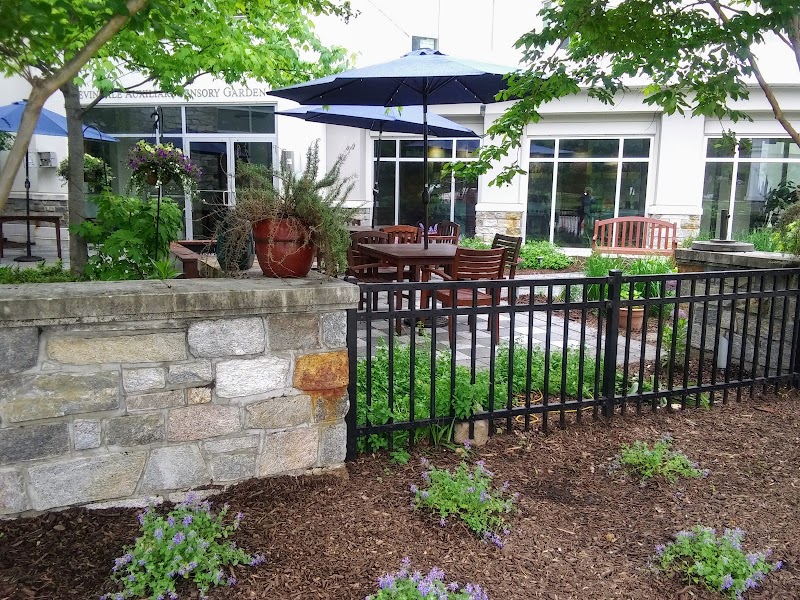
How is Levindale Hebrew Ger Ctr & Hsp Staffed?

CMS rates LEVINDALE HEBREW GER CTR & HSP's staffing level at 4 out of 5 stars, which is above average compared to other nursing homes. Staff turnover is 47%, compared to the Maryland average of 46%.

What Have Inspectors Found at Levindale Hebrew Ger Ctr & Hsp?

State health inspectors documented 66 deficiencies at LEVINDALE HEBREW GER CTR & HSP during 2018 to 2024. These included: 64 with potential for harm and 2 minor or isolated issues. While no single deficiency reached the most serious levels, the total volume warrants attention from prospective families.
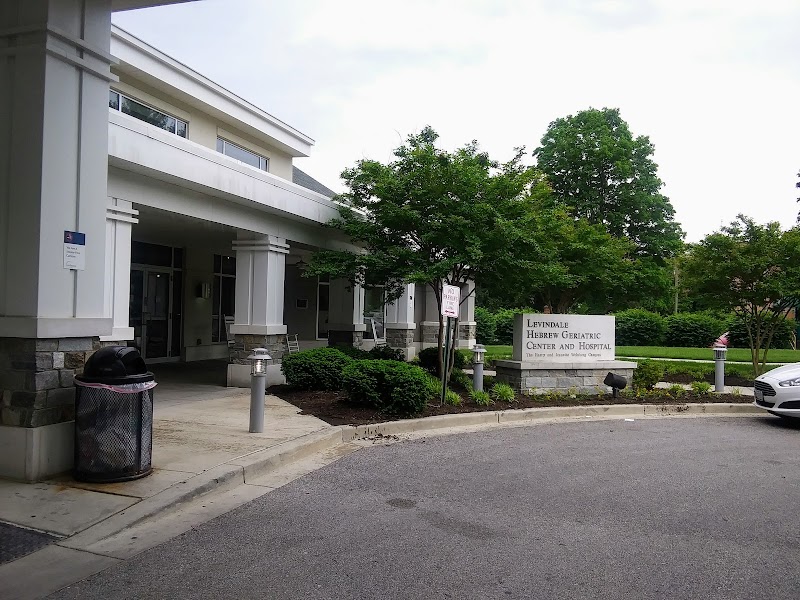
Who Owns and Operates Levindale Hebrew Ger Ctr & Hsp?

LEVINDALE HEBREW GER CTR & HSP is owned by a non-profit organization. Non-profit facilities reinvest revenue into operations rather than distributing to shareholders. The facility is operated by FUTURE CARE/LIFEBRIDGE HEALTH, a chain that manages multiple nursing homes. With 210 certified beds and approximately 192 residents (about 91% occupancy), it is a large facility located in BALTIMORE, Maryland.
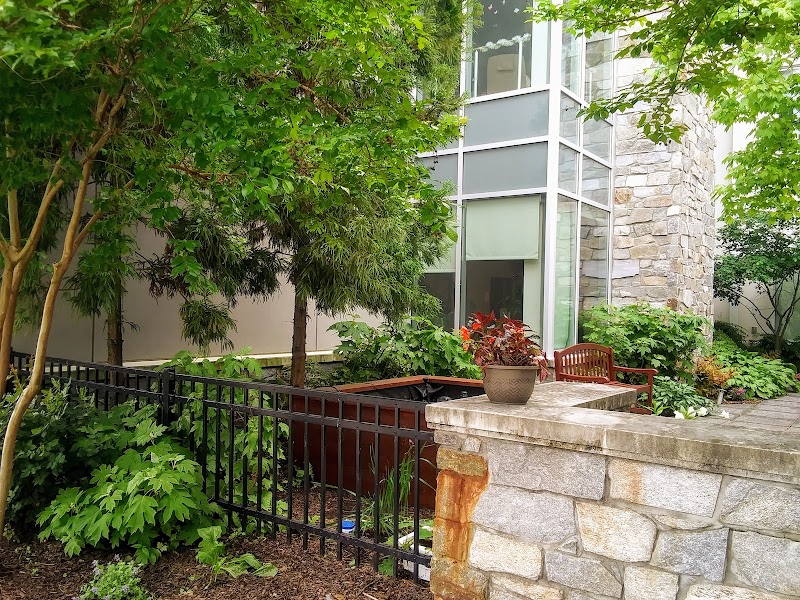
How Does Levindale Hebrew Ger Ctr & Hsp Compare to Other Maryland Nursing Homes?

Compared to the 100 nursing homes in Maryland, LEVINDALE HEBREW GER CTR & HSP's overall rating (3 stars) is below the state average of 3.0, staff turnover (47%) is near the state average of 46%, and health inspection rating (3 stars) is at the national benchmark.

What Should Families Ask When Visiting Levindale Hebrew Ger Ctr & Hsp?

Based on this facility's data, families visiting should ask: "Can I visit during a mealtime to observe dining assistance and food quality?" "How do you handle medical emergencies, and what is your hospital transfer rate?" "Can I speak with family members of current residents about their experience?"

Is Levindale Hebrew Ger Ctr & Hsp Safe?

Based on CMS inspection data, LEVINDALE HEBREW GER CTR & HSP has a clean safety record: no substantiated abuse findings (meaning no confirmed cases of resident harm), no Immediate Jeopardy citations (the most serious violation level indicating risk of serious injury or death), and is not on the Special Focus Facility watch list (a federal program monitoring the lowest-performing 1% of nursing homes). The facility has a 3-star overall rating and ranks #100 of 100 nursing homes in Maryland. While no facility is perfect, families should still ask about staff-to-resident ratios and recent inspection results during their visit.

Do Nurses at Levindale Hebrew Ger Ctr & Hsp Stick Around?

LEVINDALE HEBREW GER CTR & HSP has a staff turnover rate of 47%, which is about average for Maryland nursing homes (state average: 46%). Moderate turnover is common in nursing homes, but families should still ask about staff tenure and how the facility maintains care continuity when employees leave.

Was Levindale Hebrew Ger Ctr & Hsp Ever Fined?

LEVINDALE HEBREW GER CTR & HSP has no federal fines on record. CMS issues fines when nursing homes fail to meet care standards or don't correct problems found during inspections. The absence of fines suggests the facility has either maintained compliance or corrected any issues before penalties were assessed. This is a positive indicator, though families should still review recent inspection reports for the full picture.

Is Levindale Hebrew Ger Ctr & Hsp on Any Federal Watch List?

LEVINDALE HEBREW GER CTR & HSP is not on any federal watch list. The most significant is the Special Focus Facility (SFF) program, which identifies the bottom 1% of nursing homes nationally based on persistent, serious quality problems. Not being on this list means the facility has avoided the pattern of deficiencies that triggers enhanced federal oversight. This is a positive indicator, though families should still review the facility's inspection history directly.