ST. ELIZABETH REHABILITATION & NURSING CENTER
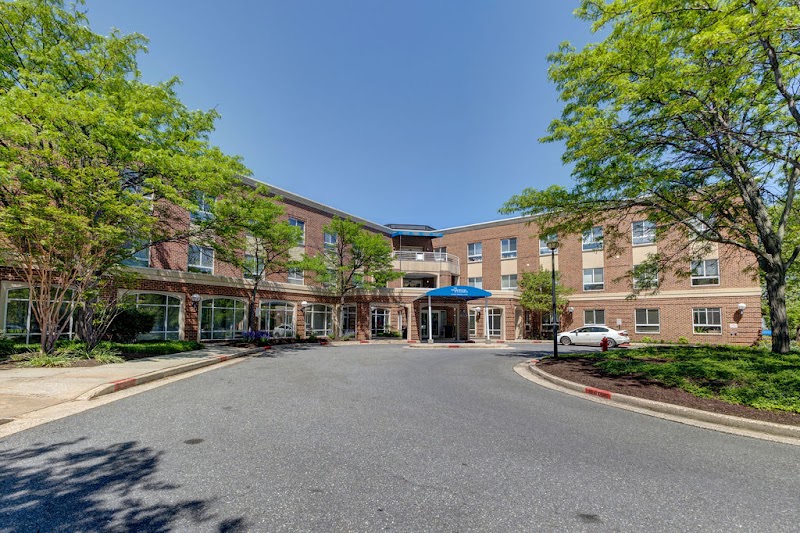
3320 BENSON AVENUE, BALTIMORE, MD 21227 (667) 600-2600
Non profit - Other 162 Beds Independent Data: November 2025 1 Immediate Jeopardy citation
Trust Grade
1/100
#175 of 219 in MD
Last Inspection: October 2024

Within standard 12-15 month inspection cycle. Federal law requires annual inspections.

Overview

St. Elizabeth Rehabilitation & Nursing Center has received a Trust Grade of F, which indicates significant concerns about the quality of care provided. Ranked #175 out of 219 facilities in Maryland, this places it in the bottom half of nursing homes in the state, and #20 out of 26 in Baltimore City County, meaning only a few local options are worse. The facility is reportedly improving, as issues decreased from 20 in 2024 to 14 in 2025. However, staffing is a major concern with a low rating of 1 out of 5 stars and a high turnover rate of 73%, significantly above the state average of 40%. While the facility has average RN coverage, it has faced serious incidents, such as failing to supervise a resident in a secure unit, leading to an elopement risk. Additionally, there were reports of neglect where a resident did not receive necessary care despite repeated requests, and another resident experienced an avoidable fall that resulted in actual harm. Overall, families should weigh these serious issues alongside the noted improvements when considering this facility for their loved ones.

Trust Score
F
1/100
In Maryland
#175/219
Bottom 21%
Safety Record
High Risk
Review needed
Inspections
Getting Better
20 → 14 violations
Staff Stability
⚠ Watch
73% turnover. Very high, 25 points above average. Constant new faces learning your loved one's needs.
Penalties
✓ Good
$16,341 in fines. Lower than most Maryland facilities. Relatively clean record.
Skilled Nurses
✓ Good
Each resident gets 43 minutes of Registered Nurse (RN) attention daily — more than average for Maryland. RNs are trained to catch health problems early.
Violations
⚠ Watch
38 deficiencies on record. Higher than average. Multiple issues found across inspections.
★★☆☆☆
2.0
Overall Rating
★☆☆☆☆
1.0
Staff Levels
★★★★★
5.0
Care Quality
★★☆☆☆
2.0
Inspection Score
Stable
2024: 20 issues
2025: 14 issues

The Good

  • 5-Star Quality Measures · Strong clinical quality outcomes
  • Full Sprinkler Coverage · Fire safety systems throughout facility
  • No fines on record

Facility shows strength in quality measures, fire safety.

The Bad

2-Star Overall Rating

Below Maryland average (3.0)

Below average - review inspection findings carefully

Staff Turnover: 73%

27pts above Maryland avg (46%)

Frequent staff changes - ask about care continuity

Federal Fines: $16,341

Below median ($33,413)

Minor penalties assessed

Staff turnover is very high (73%)

25 points above Maryland average of 48%

The Ugly 38 deficiencies on record

1 life-threatening 2 actual harm
Aug 2025 14 deficiencies 2 Harm
SERIOUS (G) 📢 Someone Reported This

A family member, employee, or ombudsman was alarmed enough to file a formal complaint

Actual Harm - a resident was hurt due to facility failures

Free from Abuse/Neglect (Tag F0600)

A resident was harmed · This affected 1 resident

Based on medical record review and interview with staff and resident it was determined that the facility staff neglected his assigned patients and failed to provide care to them causing identified har...

Read full inspector narrative →
Based on medical record review and interview with staff and resident it was determined that the facility staff neglected his assigned patients and failed to provide care to them causing identified harm to a resident when the care was refused to be administered. This resulted in psychosocial harm to Resident #2 and was evident during the review of a facility reported incident reviewing documented neglected care of 13 (Residents #2, #29, #33, #39 #40 #30, # 31, #32, #34, #35, #36,# 37, and # 38 ) of 13 residents reviewed during the complaint survey. The findings include: 1. A review on 8/27/25 at 8:45 AM of the facility investigation into the allegation of neglect for Resident #2 revealed allegations that the resident repeatedly requested throughout the nightshift on 7/6/25 assistance for incontinent care. However, according to all available statements, documentation and interviews, staff GNA #7 failed to ever provide that care.Staff ADON # 8 made a statement in the investigation and again on 8/27/25 that the charge nurse from the night shift reported to her on the morning of 7/7/25, concerns that GNA #7 was not providing care to Resident #2 even after repeatedly being asked by said charge nurse. Staff ADON #8 approached Resident #2 on the morning of 7/7/25 after the night shift and found him/her soiled and took a picture of what was left by GNA #7 for the investigation packet. The image in the packet showed Resident #2 in a soiled brief with evidence of stool on the resident's leg and bed. ADON #8 then proceeded to change Resident #2 into a new brief. ADON #8 documented that when she changed Resident #2's brief, the resident's perineal and buttock area were excoriated which was a new occurrence. An order was placed to apply Calmoseptine to the perineal and buttock area after each incontinent episode and the facility DON was notified of the findings. Review on 8/28/25 at 8:30 AM revealed Resident #2 scored with a brief interview of mental status (BIMS) of 13 on admission, meaning that s/he is cognitively intact. S/he was also assessed on the 7/2/25 MDS as being dependent on staff for toileting hygiene. A comprehensive review of GNA #7's documentation from the night of 7/6/24 was completed. Review of the ‘documentation survey report', where GNAs document the care that they provide to residents revealed that form documents the level of care and assistance that a GNA provides a resident for specific activities of daily living. According to the documentation survey report the following was identified as documented by GNA #7 on the nightshift 11-7 am on 7/6/24 into 7/7/24 regarding Resident #2: 1, M, 1 for bowel, NA for bladder. This coding meant that he changed the resident, s/he was dependent for care, incontinent of bowel and there was no urine in the brief when he changed the resident documented at 6:59 AM. A review of Resident #2's medical record revealed that s/he was seen on 7/16/25 by the facility psychiatrist secondary to the incident that occurred on 7/6/25. Resident #2 expressed to the psychiatrist that s/he had intermittent thoughts of hopelessness and stated, I personally would rather die than continue. The assessment continued to document that the resident was frustrated surrounding the events of ‘perceived neglect' and was exacerbating [his/her] emotional vulnerability. There were recommendations to continue support, and s/he was provided with a crisis line for support. Resident #2 was seen again on 7/17/25 with notes that a safety plan would be implemented.The Administrator was interviewed on 8/27/25 and 8/28/25 regarding the status of the ‘safety plan' that was identified and recommended for Resident #2 in the psychiatry notes from admission to the incident that occurred on 7/6/25. As of exit, there was no safety plan provided to the survey team for Resident #2 after the recommendations from the facility psychiatrist and with collaboration from the facility for Resident #2.Resident #2 was interviewed on 8/28/25 at 8:45 AM. S/he was very tearful during the interview regarding the incident that occurred on 7/6/25 and stated s/he had told GNA #7 at the beginning of the (11pm-7am) shift that [s/he] really needed to be changed and he stated, ‘well no we will have to wait until the morning.' S/he stated that s/he was scared as he would just stand there and not do anything and is still scared as the facility has yet to follow up directly with him/her about the status of the employee and if he is ever coming back and if he will ever care for him/her again. S/he further stated that the excoriation on his/her buttocks has gotten worse and is painful. The DON and NHA were interviewed on 8/28/25 regarding this after the interview with Resident #2. The DON stated that she had followed up and met with the resident, however, could not verify what she told the resident or when she followed up with the resident.2. Record review of Resident #29 on 8/27/25 at 11:21 AM revealed MDS assessments showing on 7/7/25; a BIMS of 15 and according to section ‘GG' that assesses functional abilities, Resident #29 was documented as always incontinent of bowel and occasionally incontinent of urine and requires supervision assistance with the wheelchair/walker. Review of an interview with Resident #29 documented in the facility investigation noted that s/he was ‘ignored on purpose and given the silent treatment' according to question #3 on the psychological abuse questionnaire that was given out on 7/10/25 after the abuse allegations reported on 7/7/25 from Resident #2. Resident #29 further reported that on the 11-7 shift that [s/he] was not offered toileting or incontinent care. The Resident stated that [s/he] can go to the bathroom but was not offered help. According to the documentation survey report for Resident #29, GNA #7 documented that s/he was ‘NA' for bowel and bladder, meaning that s/he was unavailable. However, reviews of the progress notes revealed that the resident was in the facility at that time. 3. Review on 8/28/25 of GNA #7's documentation for the remainder of the residents on his assignment from the night of 7/6/25 revealed the following: GNA #7 documented the same thing for-Resident # 33, 39 and #40 as was documented for Resident #2; 1, M, 1 for bowel, NA for bladder. This coding meant that he changed the resident, s/he was dependent for care, incontinent of bowel and no urine in the brief when he changed the resident also documented at 6:59 AM. The following residents were documented as ‘RU,' (not available) for 7/6/25 or ‘NA' (not applicable): Resident #30, 31, 32, 34, 35, 36, 37, 38 all signed off on the documentation survey report between 6:50 AM and 6:59 AM. Further review revealed that GNA #7 worked the 11-7 AM shift on 7/4, 7/5 and 7/6 and that this documentation and lack of care occurred over 3 consecutive days.A review of the above identified resident's progress notes and statuses revealed that the residents noted as ‘NA' or unavailable were all present in the facility. The 13 identified, according to their completed MDS's surrounding the time of the incident revealed that they all required some sort of dependence and support from staff for care from partial to complete for toileting. Review of the employee file for GNA #7 on 8/27/25 at 10:30 AM revealed that GNA #7 was recently hired on 6/12/25 and completed orientation with basic abuse education and training completed on 6/14/25 with skills orientation completed on 6/18/25. The DON and NHA were interviewed regarding these concerns on 8/27/25 at 11:58 AM. They were asked about the thoroughness of the investigation, including completing a skin assessment of the residents. The DON stated that an order was put in for Resident #2 related to the excoriation. However, it was brought to their attention that there is no record or documentation of the excoriation anywhere in the medical record, only the ordered treatment. In addition, there were no assessments of the other identified residents and their skin status from the incident. The DON and the NHA were also unaware that GNA #7 had coded residents that were in the facility as ‘NA' and ‘RU.Cross reference, F585, F609, F610, F656
SERIOUS (G) 📢 Someone Reported This

A family member, employee, or ombudsman was alarmed enough to file a formal complaint

Actual Harm - a resident was hurt due to facility failures

Accident Prevention (Tag F0689)

A resident was harmed · This affected 1 resident

Based on review of medical records and other pertinent documentation, observations, and interviews, it was determined that the facility failed to prevent avoidable falls. This was found to be evident ...

Read full inspector narrative →
Based on review of medical records and other pertinent documentation, observations, and interviews, it was determined that the facility failed to prevent avoidable falls. This was found to be evident for 1 (Resident #7) out of 2 residents reviewed for accidents during the survey. The fall resulted in actual harm to Resident #7. The findings include:On 8/21/25 at 10 AM, review of Resident #7's medical record revealed the resident was admitted to the facility with diagnosis that included but not limited to dementia, polyarthritis, and contracture of muscle. On 8/26/25 at 11 AM, a review of the admission Minimum Data Set Assessment (MDS), section GG0100 with an Assessment Reference Date of 11/21/24 revealed the resident's Upper extremity (shoulder, elbow, wrist, hand) and Lower extremity (hip, knee, ankle, foot) were impaired on both sides. The resident was dependent for toileting, shower/bathe, dressing and personal hygiene. On 11/21/24 the MDS 3.0 Section C - Cognitive Patterns revealed A Brief Interview for Mental Status (BIMS) was conducted. The staff assessment for mental status revealed both short- and long-term memory problems and that the resident had severely impaired cognitive skills for daily decision making.On 8/26/25 at 12PM a review of the care plan that addressed the resident's requirement for assistance with activities of daily living revealed the following intervention, which was initiated on 05/30/2024, that Resident #7 will need assistance/escort to activity functions.On 8/21/25 at 10 AM, a review of the complaint #347680 revealed that, on 11/13/2024, the resident was pushed out of the dining room while in a wheelchair , after breakfast, by GNA # 4. While GNA # 4 was pushing the Resident in the wheelchair, the resident fell forward hitting her/his head on the floor. On 11/13/2024 at 12:42, the electronic medical record revealed a Nursing note that the resident had a sustained laceration to forehead. The area was cleansed with NSS, pressure applied to stop bleeding and dressing applied. The resident was then transferred to the hospital at 0850 for further evaluation per the physician's order. On 11/13/24 the resident was returned to the facility from the hospital with a report of closed head injury, skin tears and abrasion. The laceration could not be approximated with sutures because of missing skin tissue.On 8/21/25 at 11:55 am an interview with the Director of Physical Therapy (PT) revealed that if a resident is being wheeled to PT by staff a footrest is needed for the wheelchair. If the resident can self-propell then no footrest is needed. If a resident is receiving a wheelchair leg rests are provided and the resident can keep them in the room. The Director of PT did not remember Resident # 7. On 12/2/2024 the physician ordered PT to evaluate the wheelchair and positioning for resident #7. The Director of Physical Therapy (PT) stated that he could not confirm or deny that the evaluation occurred.8/21/25 at 12PM the Director of nursing revealed that if a resident is being wheeled by staff a footrest is needed for the wheelchair. If the resident can be self-propell then no footrest is needed. The DON did not remember the incident with Resident # 7. The DON gave the surveyor in-service education for the importance of leg rest during residents' transfer that was provided for staff dated 11/14/24.On 8/26/25 at 11:30 am the DON reported that she could not find a summary of the investigation, witness statement, or a root cause analysis/conclusion for Resident #7's fall.On 8/25/25 at 10:59 AM a telephone interview with GNA # 4 recalled when Resident # 7 fell from the wheelchair. GNA #4 remembered the resident had tennis shoes on but did not remember if the wheelchair had leg rests. GNA #4 stated that the resident put his/her feet down while being wheeled to the other room and his/her feet went under the wheelchair, and he/she fell forward. On 8/26/25 at 10:19 AM interview with Unit manger # 6 recalled when Resident # 7 fell from the wheelchair. The unit manager did not witness the fall, but heard the noise from the fall and investigated. The Unit Manager confirmed that the wheelchair did not have leg rests attached. On 8/26/25 at 12:58 PM, surveyor reviewed with the Director of Nursing the concern that the fall resulted in harm to Resident #7.On 8/28/25 at 12:30 PM at the time of exit conference the Administrator handed the surveyor a plan of correction that was incomplete and the Wheelchair leg rest policy which stated; when residents are transported by staff (pushed in wheelchair): leg rest and footplates shall be in place with both feet supported to prevent dragging, injury, or entrapment.
CONCERN (D) 📢 Someone Reported This

A family member, employee, or ombudsman was alarmed enough to file a formal complaint

Potential for Harm - no one hurt, but risky conditions existed

Deficiency F0578 (Tag F0578)

Could have caused harm · This affected 1 resident

Based on record review and interview it was determined the facility staff 1) failed to determine on admission if a resident had an advance directive and provide information about the right to formulat...

Read full inspector narrative →
Based on record review and interview it was determined the facility staff 1) failed to determine on admission if a resident had an advance directive and provide information about the right to formulate an advance directive; and 2) failed to identify a primary decision-maker for a resident determined not to have decision-making capacity. This was evident for 1 (Resident #5) of 17 residents reviewed for Quality of Care and Treatment during the complaint survey. The findings include:1) Resident #5's medical record was reviewed on 8/25/25 at 12:30 PM. An admission BIMS (Brief Interview of Mental Status) cognitive screening tool dated 5/25/25 revealed Resident #5 score was 14. A score of 13-15 is categorized as cognitively intact. The admission Record revealed the resident was his/her own Responsible Party. The section of the admission record titled, Advance Directive was blank.No documentation was found in the resident's medical record to indicate the facility staff determined if Resident #5 had an Advance Directive on admission, that they informed the resident of his/her right to establish an Advance Directive and provided him/her assistance if he/she wished to establish one.2) The record review also revealed that Resident #5 experienced changes in his/her condition including but not limited to increased confusion. On 8/5/25 2 physicians assessed Resident #5 and certified that s/he lacked the capacity to make informed medical decisions. Further review of the medical record failed to reveal who was responsible for making decisions on Resident #5's behalf nor how they identified Resident #5's decision maker.On 9/29/25 at 9:20 AM the Surveyor requested all documentation related to Resident #5's Advance Directives and determination of decision maker.On 9/29/25 at 11:10 AM the Administrator indicated that the resident did not bring Advance Directives with him/her on admission. He was made aware of the above concerns and asked to provide evidence that the facility offered the resident an opportunity and assistance to develop advanced directives upon admission and documentation reflecting the determination of a surrogate decision maker for Resident #5.He returned at 1:48 PM on 8/29/25 and indicated that he was unable to find any additional documentation and added that the facility's Social Worker at that time no longer worked in the facility.
CONCERN (D) 📢 Someone Reported This

A family member, employee, or ombudsman was alarmed enough to file a formal complaint

Potential for Harm - no one hurt, but risky conditions existed

Notification of Changes (Tag F0580)

Could have caused harm · This affected 1 resident

Based on medical record and statement from Staff # 13, the facility failed to notify Responsible party after the Resident fell on 8/23/24. This was evident for 1 (Resident # 21) out of 1 resident revi...

Read full inspector narrative →
Based on medical record and statement from Staff # 13, the facility failed to notify Responsible party after the Resident fell on 8/23/24. This was evident for 1 (Resident # 21) out of 1 resident reviewed during the complaint survey. Findings include:On 8/23/24 Resident #21 was lowered to the floor by Staff # 13. Resident #21 was assessed and put back to bed. The Resident's daughter came to visit and noticed he/she was slumped to the left side of wheelchair and left ankle was swollen. Resident # 21 had a history of blood clots and asked that resident be checked for blood clots and have his/her left lower ankle be x-rayed. On 8/25/24 Lower left ankle was x-rayed and venous doppler was done. Results were the same as before, mild degeneration changes done on 8/26/24. On 8/26/24 Resident #21 could not stand or put pressure on his/her foot. The Resident was sent out 911 to hospital on 8/26/24 and noted to have a left hip fracture. The Resident had it repaired and was sent back to facility.The Responsible party was not notified of the fall that occurred until 8/26/24 when she went to the hospital. DON and administrator aware and stated they spoke with Staff # 13 asking about a fall that resident had on 8/23/24. Staff #13 stated she lowered resident to the floor so she did not consider this a fall so she never reported this. Staff was counselled on 9/5/24 on importance of reporting all incidents.
CONCERN (D) 📢 Someone Reported This

A family member, employee, or ombudsman was alarmed enough to file a formal complaint

Potential for Harm - no one hurt, but risky conditions existed

Grievances (Tag F0585)

Could have caused harm · This affected 1 resident

Based on interviews with resident, staff and review of the grievance process it was determined that the facility failed to give adequate responses to grievances presented by a resident/family regardin...

Read full inspector narrative →
Based on interviews with resident, staff and review of the grievance process it was determined that the facility failed to give adequate responses to grievances presented by a resident/family regarding an allegation of neglect. This was found evident in the review a facility reported incident of neglect that was also a reported grievance from Resident #2 reviewed during the complaint survey.The findings include:A review of the medical record for Resident #2 on 8/28/25 at 8:25 AM revealed admission to the facility in June of 2025 for therapy and antibiotics. On the nightshift of 7/6/25 into 7/7/25 Resident #2 put on their call-light repeatedly asking for help to be changed out of a soiled brief. According to a grievance form completed by Resident # 2's family on 7/9/25, GNA #7 failed to provide any activities of daily living on the night shift for Resident #2. According to the response and resolution on the form the employee was terminated, however, there is nothing noted that there was follow up with the family or the resident. Resident #2 was interviewed on 8/28/25 at 8:42 AM. Resident #2 was very tearful and revealed that at that moment s/he was still very upset and scared as according to the resident there was no follow up and s/he did not know if the GNA that neglected him/her that night was coming back. Interview with the facility DON and NHA on 8/28/25, the DON stated that she had followed up with the resident regarding the incident that occurred on 7/6/25 however, she was unable to provide any documentation that there was follow-up.According to the facility grievance policy 10. e. The grievance official will keep the residents appropriately appraised of progress towards resolution of the grievances. f.the Grievance official will issue a written decision on the grievance to the resident or representative at the conclusion of the investigation.
CONCERN (D) 📢 Someone Reported This

A family member, employee, or ombudsman was alarmed enough to file a formal complaint

Potential for Harm - no one hurt, but risky conditions existed

Report Alleged Abuse (Tag F0609)

Could have caused harm · This affected 1 resident

Based on record review and interviews it was determined the facility staff failed to report incidents within required timeframes. This was evident for 2 (#21 and #2) of 12 residents reviewed for negle...

Read full inspector narrative →
Based on record review and interviews it was determined the facility staff failed to report incidents within required timeframes. This was evident for 2 (#21 and #2) of 12 residents reviewed for neglect and 2 (#15 and #4) of 6 residents reviewed for abuse during the complaint survey. The findings include:1) On 8/23/24 Resident #21 was lowered to the floor by staff # 13. Resident #21 was assessed and put back to bed. The Resident's daughter came to visit and noticed the resident was slumped to the left side of wheelchair and left ankle was swollen. Resident # 21 had a history of blood clots and asked that resident be checked for blood clots and have his/her left lower ankle be x-rayed. On 8/25/24 Lower left ankle was x-rayed and venous doppler was done. Results were the same as before, mild degeneration changes done on 8/26/24. On 8/26/24 resident could not stand or put pressure on foot. Resident was sent out 911 to hospital on 8/26/24 and noted to have a left hip fracture. It was repaired and the resident was sent back to facility. Responsible party was not notified of the fall that occurred until 8/26/24 when he/she went to the hospital. DON and administrator aware and stated they spoke with Staff # 13 asking about a fall that resident had on 8/23/24. Staff #13 stated she lowered resident to the floor so she did not consider this a fall so she never reported this. Staff was counselled on 9/5/24 on importance of reporting all incidents. Staff # 13 never reported a fall or lowering a patient to the floor that day on 8/23/24. There were no nursing notes. When administrator and DON found out Staff # 13 lowered a resident to the floor on 9/5/24 there was still no investigation done and no one else was interviewed on how resident received a broken hip. When administrator and DON were asked these questions, there was no response. 2) On 8/26/25 at 11:31 AM, a review of a facility’s self-reported incident, 347659, alleged that Resident #15 reported an allegation of possible sexual abuse to a family member, who then reported the allegation to the facility staff. The facility’s investigation documented that the facility staff became aware of the incident on 11/16/24 at 3:00 PM. Further review of the facility’s documentation revealed an email confirmation that documented the facility's initial self-report was submitted to the state survey agency, the Office of Health Care Quality (OHCQ) on 11/17/24 at 6:02 PM. The facility failed to report the allegation of abuse immediately, but not later than 2 hours after the allegation was made. The concerns with the late reporting of an allegation of abuse was discussed with the Director of Nurses (DON) on 8/29/25 at 1:25 PM. The DON acknowledged the concerns and offered no further comments at that time. 3) Review on 8/27/25 at 8:45 AM of the facility reported incident regarding Resident #2 involving an allegation of neglect revealed that the facility was aware of the allegation on the morning of 7/7/25, however, did not make a report until 7/10/25 to the Office of Health Care Quality (OHCQ) as there was an official grievance completed by the family on 7/9/25. This concern was reviewed with the facility DON and NHA (Nursing Home Administrator) on 8/27/25 at 1:24 PM. Although the facility had initiated an internal investigation, there was not a formal report to OHCQ for 48 hours post the finding of a resident being neglected for activities of daily living. 4) Facility reported incident 347683 was reviewed on 8/27/25 at 1:00 PM. The report indicated that on 5/11/25 at approximately 2:45 PM Resident #4's family member reported that the resident stated “bum, bum, bum.” The facility reported an allegation abuse to the state agency, and the police were notified. The facility investigation included statements from several staff members. A statement from Staff #19 a GNA (Geriatric Nursing Assistant) dated 5/11/25 7-3 indicated that on Saturday 5/10/25 she arrived at 7 AM and checked on residents. She stated: [Resident #4] was very upset, crying, and doing a hand movement gesture waving back and forth saying something happened, but I couldn’t understand him/her, and it kept making [him/her] more upset. So, I said don’t worry I’ll be back”, “but [s/he] didn’t say anything the rest of the day”. Staff #19 added “today” the resident’s family member reported Resident #4 made similar remarks to them. There was no evidence that Staff #19 reported the resident’s distress or report that “something happened” immediately to a nurse or supervisor on 5/10/25. On 8/29/25 at 12:32 PM Staff #3 the Corporate Administrator (former NHA of the facility) and the current NHA were made aware of these findings. The Corporate Administrator indicated that agitated and upset behavior was baseline for Resident #4 and not unusual. However, the facility’s summary from the investigation indicated - Resident #4 had “no signs of mood disturbance at this time. However, s/he does have a history per nursing staff. There have been no mood or behavior disturbance reported at this time.”
CONCERN (D) 📢 Someone Reported This

A family member, employee, or ombudsman was alarmed enough to file a formal complaint

Potential for Harm - no one hurt, but risky conditions existed

Investigate Abuse (Tag F0610)

Could have caused harm · This affected 1 resident

Based on record review and interview with facility staff it was determined that the facility staff failed to thoroughly investigate allegations of abuse and neglect. This was evident for 2 (Residents ...

Read full inspector narrative →
Based on record review and interview with facility staff it was determined that the facility staff failed to thoroughly investigate allegations of abuse and neglect. This was evident for 2 (Residents #15 and #4) of 6 residents reviewed for abuse and for 1 (Resident #2) of 12 residents reviewed for neglect during the complaint survey. The findings include:1) On 8/26/25 at 11:31 AM, a review of a facility’s self-reported incident, 347659, alleged that Resident #15 reported an allegation of possible sexual abuse to a family member, who then reported the allegation to the facility staff. The facility’s investigation documented that staff became aware of the incident on 11/16/24 at 3:00 PM. The facility’s follow-up investigation report on 11/21/24 documented that Resident #15 was moderately cognitively impaired and resided on the memory care unit. The self-report further documented that Resident #15 was interviewed by the DON (Director of Nurses) and there were no witnesses to the allegation. The facility’s investigation concluded that the allegation of sexual abuse was not verified, there was no evidence to show that any sexual assault had occurred, and interviews with family, the resident and staff did not show any evidence of sexual activity. The self-report documented that Resident #15 was assessed by the physician on 11/18/24, that lab work was ordered to determine any underlying medical condition that might be related to the resident’s allegation, and the medical work was unremarkable. Continued review of the facility’s investigation and review of Resident #15’s medical record failed to reveal evidence that a physical assessment of Resident #15 had been conducted on 11/16/24, when the facility staff became aware of the resident’s sexual abuse allegation. Further review of the facility’s investigation revealed no resident interviews were conducted during the facility’s investigation of the alleged sexual abuse. A review of the facility’s midnight census report for 11/16/24 documented that on that date, 22 residents resided on Unit A-1 (Noah’s Place), including Resident #15. Continued review of facility’s documentation failed to reveal evidence that during the facility’s investigation of the alleged sexual abuse, interviews had been conducted with any of the residents who resided on the same nursing unit Resident #15. In addition, there was no evidence that during the alleged sexual abuse investigation, vulnerable residents who resided on the same unit as Resident #15 had been assessed for potential abuse. On 8/29/25 at 1:31 PM, the concerns with failing to complete a thorough investigation were discussed the Nursing Home Administrator (NHA), the Corporate Administrator, and the Director of Nurses (DON). The DON acknowledged the concerns at that time and stated residents were not interviewed because of their cognitive status, and indicated resident assessments should have been completed and documented in the facility’s self-report 2) Review on 8/27/25 at 8:45 AM of the facility reported incident regarding Resident #2 involving an allegation of neglect revealed that the facility DON was made aware of an allegation of neglect on the morning of 7/7/25. The facility initiated an investigation and GNA (Geriatric Nursing Assistant) #7 was suspended. A review at this time of the facility investigation revealed that the facility ADON (Assistant Director of Nursing), was so concerned about that status she found Resident #2 in that she took a picture of him/her in their soiled brief prior to initiating activities of daily living and changing the resident into a new brief. When the ADON changed Resident #2 she noted that Resident # 2's sacrum was red and excoriated and immediately ordered Calmoseptine, a multipurpose moisture barrier cream to help with the excoriation. Further record review failed to reveal any documented skin assessment showing the presence of the sacral excoriation. Surveyor reviewed the medical records of the 12 other residents on GNA#7's assignment. The documentation survey report was reviewed and revealed that GNA #7 documented the same thing for-Resident # 33, 39 and #40 as was documented for Resident #2; 1, M, 1 for bowel, NA for bladder, even though it was established care was not provided for Resident #2. This coding meant that he changed the resident, s/he was dependent for care, incontinent of bowel and no urine was in the brief when he changed the resident, all documented between 6:51-6:59 AM. The remaining residents on his assignment were documented as ‘RU,’ (not available) for 7/6/25 or ‘NA’ (not applicable): Resident #30, 31, 32, 34, 35, 36, 37, 38 all were signed off on the documentation survey report between 6:50 AM and 6:59 AM. Further review revealed that GNA #7 worked the 11-7 AM shift on 7/4, 7/5 and 7/6 and that this documentation and lack of care occurred over 3 consecutive days. The DON and NHA were interviewed regarding these concerns on 8/27/25 at 11:58 AM. They were asked about the thoroughness of the investigation, including completing a skin assessment of the residents and/or assessments of the other identified residents and their skin status from the incident. The DON and the NHA also verbalized that they were unaware that GNA #7 had coded 8 residents that were in the facility as ‘NA’ and ‘RU' for ADL care over 3 nights. 3) Review of facility reported incident 347683 on 8/29/25 at 12:02 PM revealed that on 5/11/25 at approximately 2:45 PM Resident #4’s family member reported that the resident stated “bum, bum, bum.” The facility reported an allegation of abuse to the state agency and the police and conducted an investigation. The facility’s investigation included 11 statements from staff. Staff did not identify the date or shift to which their statement pertained in 9 of the 11 statements. Review of the nursing staffing schedule for Sarah’s Circle where Resident #4 resided revealed there were no statements from 7 staff who worked on the unit on 5/9/25 and 5/10/25. The census on Sara’s Circle on 5/9/25 and 5/10/25 was 32 – 33 residents. Physical Abuse interviews were conducted with only 4 of the 32/33 residents. There were no physical assessments of residents who were not interviewable. These concerns were reviewed with the Administrator, DON & Corporate Administrator on 8/29/25 at 2:00 PM.
CONCERN (D) 📢 Someone Reported This

A family member, employee, or ombudsman was alarmed enough to file a formal complaint

Potential for Harm - no one hurt, but risky conditions existed

Assessment Accuracy (Tag F0641)

Could have caused harm · This affected 1 resident

**NOTE- TERMS IN BRACKETS HAVE BEEN EDITED TO PROTECT CONFIDENTIALITY** Based on medical record review, observation and interview it was determined that the facility failed to complete accurate assess...

Read full inspector narrative →
**NOTE- TERMS IN BRACKETS HAVE BEEN EDITED TO PROTECT CONFIDENTIALITY** Based on medical record review, observation and interview it was determined that the facility failed to complete accurate assessments of a resident related to the Brief interview of mental status (BIMS) assessment completed on the minimum data set (MDS). This was evident for 1 of 5 residents (Resident #2) reviewed during the complaint survey. The findings include:The Minimum Data Set (MDS) is a federally mandated assessment tool used by nursing home staff to gather information on each Resident's strengths and needs. Information collected drives resident care planning decisions. MDS assessments must be accurate to ensure that each resident receives the care they need. BIMS (mandatory, cognitive screening tool used in long-term care facilities to identify and monitor cognitive changes in residents upon admission and periodically thereafter)Review of the medical record for Resident #2 on 8/28/25 at 8:25 AM revealed that on admission to the facility in 2025, the resident signed the admission contract and was identified as their own representative. The facility social worker also completed a BIMS assessment on admission on [DATE] and Resident #2 scored a 13 meaning that s/he was cognitively intact. However, further review of the medical record for Resident #2 revealed that the submitted MDS assessments for section ‘C' cognitive status since admission all noted that the BIMS for Resident #2 was not assessed or rated and should be scored by the facility staff. The facility social worker who completed all the BIMS assessments and MDS assessments was interviewed on 8/28/25 at 11:35 AM. She stated that she was not sure and could not recall and would like to review her notes.Follow-up from the facility social worker at approximately 12:30 PM on 8/28/25 revealed that yes there was an error in documentation on the submitted MDS related to Resident #2 related to the coded BIMS and that another resident's information was entered under him/her and that it will be corrected.
CONCERN (D) 📢 Someone Reported This

A family member, employee, or ombudsman was alarmed enough to file a formal complaint

Potential for Harm - no one hurt, but risky conditions existed

Comprehensive Care Plan (Tag F0656)

Could have caused harm · This affected 1 resident

Based on medical record review and interview with facility staff it was determined that the facility failed to develop a comprehensive resident-centered care plan regarding the resident's pertinent di...

Read full inspector narrative →
Based on medical record review and interview with facility staff it was determined that the facility failed to develop a comprehensive resident-centered care plan regarding the resident's pertinent diagnosis. This was evident for 1(Resident #5) of 17 residents reviewed for Quality of Care and for 1 (Resident #2) of 6 residents reviewed for Abuse during the complaint survey.The findings include:A care plan is a guide that addresses the unique needs of each resident. It is used to plan, assess, and evaluate the effectiveness of the resident's care.A PEG (percutaneous endoscopic gastrostomy) tube is a thin, flexible tube inserted through the skin and into the stomach. It provides a direct route for administering food, fluids, and medications and is used in patients who cannot swallow safely.1) Resident #5’s medical record was reviewed on 8/25/25 at 12:30 PM. The Resident’s diagnoses included but were not limited to: Dysphagia (swallowing disorder) with a history of pneumonitis (inflammation of the lungs) due to inhalation of food and vomit, Pulmonary fibrosis (scar tissue in the lungs which makes it difficult for the lungs to expand to take in oxygen), Dependence on supplemental oxygen, Atherosclerotic heart disease (caused by plaque buildup in arterial walls), Paroxysmal atrial fibrillation (irregular heart beat), Idiopathic hypotension (low blood pressure), severe protein-calorie malnutrition, Type II Diabetes, Parkinson’s disease, Stage 2 (mild) Chronic Kidney Disease, and Anxiety disorder. A plan of care was developed on 5/22/25 with the Focus: Nursing care needs: [Resident #5] has clinical care needs r/t Acute resp. (respiratory) failure, T2DM (Type II Diabetes Mellitus), A-fib (Atrial fibrillation), Hypotension, CKD (chronic kidney disease) stg 2, Parkinsons disease, Malnutrition, Anxiety. Resident #5’s goal was: [Resident #5] will not experience any acute complications, or if experienced any acute complications r/t current diagnoses, the condition will be managed/stabilized through the next review date. The interventions identified were: Administer medication as ordered by the physician. Monitor side effects and report to MD if any noted. Labs/radiology tests as ordered by the physician or as needed. Report any noted/assessed acute change of condition to the physician. Vital signs as needed or indicated by patient change of condition. The facility failed to develop individualized resident specific care interventions related to Resident #5’s identified problems: Type II Diabetes, Parkinson's Disease, Cardiovascular needs - Hypotension, Atrial Fibrillation & Heart disease, and Respiratory/pulmonary needs including oxygen use. The plan did not include measurable objectives. Resident #5 had a PEG tube, was receiving prescribed nutrition via the PEG tube and had a physician order for NPO (nothing by mouth). Staff #18 a Speech Therapist was interviewed on 8/29/25 at 9:35 AM. She indicated that she worked 1:1 with Resident #5 on swallowing exercises and was gradually progressing with oral intake of pureed food and thickened liquids provided by Speech Therapy 5 times per week, Monday - Friday only. Otherwise, the resident was to receive nothing by mouth. She confirmed that the Resident’s nutrition was provided by the physician prescribed tube feedings. A plan of care for tube feeding related to dysphagia was dated 6/2/25. The plan of care failed to identify Resident #5’s specific NPO oral status nor Speech Therapy interventions, specific oral care needs. An ADL (Activities of Daily Living) plan of care interventions indicated: Eating: The resident is totally dependent on staff for eating. Personal Hygiene: The resident requires assistance by staff with personal hygiene and oral care. It did not identify that Resident #5 was to receive nothing by mouth except with Speech Therapy and did not identify his/her specific oral care needs considering the Resident’s NPO status. The Administrator, Corporate Administrator and DON were made aware of these concerns on 8/29/25 at 2:00 PM. 2) During the review of an allegation of abuse on 8/27/25 at 8:45 AM, regarding Resident #2 it was revealed that there was no care plan established regarding the resident’s psychiatric diagnosis’ and needed interventions. This was reviewed with the facility DON and NHA on 8/29/25.
CONCERN (D) 📢 Someone Reported This

A family member, employee, or ombudsman was alarmed enough to file a formal complaint

Potential for Harm - no one hurt, but risky conditions existed

Deficiency F0676 (Tag F0676)

Could have caused harm · This affected 1 resident

**NOTE- TERMS IN BRACKETS HAVE BEEN EDITED TO PROTECT CONFIDENTIALITY** Based on interview and record review, the facility failed to clean and change the brief of an incontinent resident. This was evi...

Read full inspector narrative →
**NOTE- TERMS IN BRACKETS HAVE BEEN EDITED TO PROTECT CONFIDENTIALITY** Based on interview and record review, the facility failed to clean and change the brief of an incontinent resident. This was evident for 1 resident (Resident # 6) out of 5 residents reviewed during the complaint survey.Findings include:On 8/26/25 at 1:58 PM an investigation was done for Resident # 6 who complained about not being changed on a regular basis. According to the medical record, the resident is incontinent of bowl and bladder. The GNA Kardex is a record of what is being done for the resident. The GNA Kardex indicated the resident had not been changed on the following days:On June 2025 documentation states the nursing staff did not change Resident on the following:Day shift 6/2/25, 6/7/25, 6/8/25, 6/9/25, 6/16/25, 6/22/25Evening shift 6/1, 2, 3, 4, 5, 7, 8, 9, 10, 11, 12, 13, 16, 17, and 29Night shift 6/1, 3, 4, 6, 8, 9, 10, 11, 12, 15.July 2025 documentation states the nursing staff did not change Resident on the following:Day shift: 7/4, 14, 25, 28Evening shift: 7/2, 5, 14, 30August 2025 documentation states the nursing staff did not change Resident on the following:Day shift: 8/5, 6, 7, 27On 8/27/25 at 1:10PM an interview was held with the Director of Nursing and Administrator who was in the room at the time of the interview, and stated the agency GNA's were not aware of where to sign off on the record that care was completed. A tour of the 3rd floor at 10:30 AM indicated [NAME] Circle smelled of urine and the resident in room [ROOM NUMBER]-1 complained of not being changed and having to wait a long period of time for someone to come in. The Administrator said nothing.
CONCERN (D) 📢 Someone Reported This

A family member, employee, or ombudsman was alarmed enough to file a formal complaint

Potential for Harm - no one hurt, but risky conditions existed

ADL Care (Tag F0677)

Could have caused harm · This affected 1 resident

Based on medical record review and staff interviews it was determined the facility staff failed to ensure that Resident #25's personal hygiene needs were adequately met by offering and providing showe...

Read full inspector narrative →
Based on medical record review and staff interviews it was determined the facility staff failed to ensure that Resident #25's personal hygiene needs were adequately met by offering and providing showers as scheduled. This was evident for 1 (Resident # 25) of 4 residents reviewed during the survey process. The findings include:On 8/28/25 9:30 AM review of complaint 347660 alleged that Resident #25's did not receive showers in the month of December 2024.The MDS is a federally mandated assessment tool that helps nursing home staff gather information on each resident's strengths and needs. Information collected drives resident care planning decisions. MDS assessments need to be accurate to ensure each resident receives the care they need.Review of Resident #25's most recent MDS completed on 1/30/25, revealed that s/he is maximal assistance for bathing. The Brief Interview for Mental Status (BIMS) revealed a score of 13 indicating adequate cognitive ability.Further review of Resident #25's shower schedule which is every Wednesday and Saturday, as well as the Geriatric Nursing Assistant (GNA) task documentation of Activity of Daily Living (ADL) revealed that from 12/5/25 until 1/30/25, Resident #25 received showers on 1/16/25, and 1/19/25. Resident # 25 did not have any showers in the month of December.On 8/28/25 at 9:45 AM the DON stated that she could not find shower sheets.The Director of Nursing (DON) was made aware of this concern on 8/28/25 at at 11 AM.
CONCERN (D) 📢 Someone Reported This

A family member, employee, or ombudsman was alarmed enough to file a formal complaint

Potential for Harm - no one hurt, but risky conditions existed

Deficiency F0692 (Tag F0692)

Could have caused harm · This affected 1 resident

Based on medical record review and interview, the facility failed to monitor a resident's hydration and nutrition status resulting in the resident's change in condition that led to the resident being ...

Read full inspector narrative →
Based on medical record review and interview, the facility failed to monitor a resident's hydration and nutrition status resulting in the resident's change in condition that led to the resident being transferred to the local hospital to be treated for dehydration. This was evident for 1 (Resident #17) of 3 residents reviewed for neglect during a complaint survey. The findings include:On 8/25/25, the surveyor reviewed complaint 347682/MD00215742 which alleged that facility staff members failed to offer water to Resident #17 leading to the resident being transferred to the local hospital for emergency services. Review of Resident #17's medical record on 8/25/25 at 12:39pm revealed that the resident had a change in condition on 3/6/25. The resident was unable to speak, and his/her eyes were unfocused. Facility nursing staff assessed the resident, treated the resident with supplemental oxygen, and received orders to start an IV with a saline solution. Facility nursing staff were unable to establish the IV and the resident was transferred to the local hospital for treatment. Continued review of resident #17's medical record on 8/25/25 at 1:00pm revealed that the resident's last nutritional assessment was completed on 9/9/24. The assessment stated that the resident was dependent on facility staff for feeding. The resident was also assessed as having adequate fluid intake. Further review of resident #17's medical record on 8/25/25 at 1:10pm revealed a discharge summary from a local hospital dated 3/8/25. The discharge summary stated that facility staff told the hospital that the resident had decreased oral intake prior to the resident's change of condition on 3/6/25. The hospital records stated that the resident was diagnosed with dehydration and the resident was treated with IV fluids. Additional review of Resident #17's medical record on 8/25/25 at 8:00am revealed the resident had reduced oral intake on 3/1/25 - 3/5/25. The resident was documented as normally eating 75-100% of meals. From 3/1/25 - 3/5/25, the resident was documented as eating nothing for lunch on 3/1/25, no dinner on 3/4/25, and no meals at all on 3/5/25. On 8/26/25 at 9:08am, the surveyor interviewed Dietitian #15 regarding the hydration/nutritional management of residents in the facility. Dietitian #15 stated that all residents have a nutritional assessment quarterly. Any residents that are identified as being at risk would be monitored more frequently in daily and weekly clinical meetings. Dietitian #15 also stated that resident intake percentages are monitored regularly and reduced resident intake percentages should trigger an alert to the dietitian. The surveyor pointed out that Resident #17 had reduced intake percentages from 3/1/25 - 3/5/25 and there was no documentation that the resident was assessed by the dietitian. The surveyor also pointed out that resident #17's last nutritional assessment prior to the change in condition was on 9/9/24. Dietitian #15 confirmed that the resident should have had another nutritional assessment prior to the resident's change in status on 3/6/25. Also, the resident's reduced intake should have alerted the Dietitian in 3/2025.On 8/26/25 at 11:54am, the surveyor informed the Director of Nursing (DON) of the facility's failure to monitor the resident's reduced intake from 3/1/25 - 3/5/25 and provide interventions to prevent dehydration.
CONCERN (D) 📢 Someone Reported This

A family member, employee, or ombudsman was alarmed enough to file a formal complaint

Potential for Harm - no one hurt, but risky conditions existed

Medical Records (Tag F0842)

Could have caused harm · This affected 1 resident

Based on medical record review and interview it was determined the facility staff failed to maintain the medical record in the most complete and accurate form for a Resident. This was evident for 1 (R...

Read full inspector narrative →
Based on medical record review and interview it was determined the facility staff failed to maintain the medical record in the most complete and accurate form for a Resident. This was evident for 1 (Resident #7) of 2 residents selected for review during the survey process.The findings include:A medical record is the official documentation for a healthcare organization. As such, it must be maintained in a manner that follows applicable regulations, accreditation standards, professional practice standards, and legal standards. All entries to the record should be legible and accurate.On 8/21/ 25 at 10 AM a review of Resident # 7's electronic medical record revealed a physician order for PT to evaluate wheelchair and positioning on 12/2/24.On 8/26/25 at 10 AM an interview with the Director of Physical Therapy (PT) revealed that he could not confirm or deny that the evaluations occurred. The information was not available in the electronic medical record.On 8/28/25 at 1:30PM , in an interview with the Director of Nursing confirmed the facility staff failed to maintain the medical record in the most complete form for Resident #7.
CONCERN (E) 📢 Someone Reported This

A family member, employee, or ombudsman was alarmed enough to file a formal complaint

Potential for Harm - no one hurt, but risky conditions existed

Quality of Care (Tag F0684)

Could have caused harm · This affected multiple residents

Based on record review and interview, it was determined the facility staff failed to identify and provide needed care and services by 1) failing to respond timely when residents activated their call b...

Read full inspector narrative →
Based on record review and interview, it was determined the facility staff failed to identify and provide needed care and services by 1) failing to respond timely when residents activated their call bells for assistance, and 2) failing to provide Gastrostomy Tube site care. This was evident for 1 (Resident #5) of 17 residents reviewed for Quality of Care during the complaint survey.The findings include:1) Complaint 2592016 was reviewed on 8/26/25 at 9:00 AM. The complaint included but was not limited to allegations that on numerous occasions staff failed to respond for over an hour after residents activated their call bells for assistance. This concern was confirmed with the complainant during a telephone interview on 8/26/25 at 9:03 AM.On 8/27/25 at approximately 8:00 AM, the Administrator was asked to provide the surveyors with the call bell logs. Review of 3rd floor call bell logs for a 1-week period from 8/1/25 - 8/7/25 revealed 114 occasions in which resident call bells were ringing for more than 30 minutes. On 31 of the 114 occasions staff failed to answer the call bells for more than 1 hour.The facility policy for Call Lights: Accessibility and Timely Response included but was not limited to: 10. All staff members who see or hear an activated call light are responsible for responding within a reasonable timeframe.During an interview on 8/28/25 at 1:14 PM the Director of Nursing (DON) was was asked to identify a reasonable timeframe for staff to answer resident call bells. She stated: at least within 15 minutes. If they're with another resident, about 25 minutes. She added that everyone working in the facility can answer call bells, if it's something they can't address, they should notify the nurse and tell the resident to turn the bell back on, if no one returns within 10 minutes. She was asked if the facility had identified any issues related to timeliness of staff answering call bells. The Administrator, who was also present, responded that the facility recently had a Town Hall meeting where answering call bells timely was discussed. When asked how they identified the need to address answering call bells timely, the DON stated, we looked at trends. She was asked to explain how they looked for trends and what trends they identified. She did not provide an answer but instead provided several examples of why call bells might not be answered timely. The Administrator attempted to explain the question to the DON, then indicated to the surveyor that he would sometimes stand in the hallway during his rounds, observing to see if call lights were on for a long time.They were made aware of the call bell audit review findings at that time.2) A percutaneous endoscopic gastrostomy (PEG) tube is a thin, flexible tube inserted through the skin and into the stomach. It provides a direct route for administering food, fluids, and medications and is used in patients who cannot swallow safely. TAR's (Treatment Administration Records) and MAR's (Medication Administration Records) are used to convey the physicians' orders to the nurse and are signed (initialed) off to document each time the nurse administered the prescribed treatment or medication.Complaint 2592016 included a concern that staff did not clean the area around Resident #5's PEG tube on a regular basis and that on numerous occasions it was covered in gunk.In an interview on 8/28/25 Staff #16, the Assistant Director of Nursing indicated that care of a PEG tube site should be documented on the TAR.Resident #5's medical record was reviewed on 8/28/25 at approximately 2:40 PM. A physician's order was written on 5/22/25 to Cleanse PEG tube site with soap and water and cover with dry gauze every night shift. The order was renewed for July 2025. However, the order was not included on Resident #5's July 2025 TAR or MAR (Medication Administration Record). The resident was transferred to the hospital on 7/28/25. No order was written for PEG tube care upon Resident #5's return to the facility on 7/30/25. The August 2025 physician orders, TAR, and MAR did not include PEG tube site care.In an interview on 8/28/25 at 3:05 PM, the DON (Director of Nursing) indicated that the nurse is responsible for performing routine PEG tube site care and that if there was an order it should be on the TAR. She confirmed that if a Resident had a PEG tube there should be a physician order for PEG tube care. During an interview on 8/29/23 at 9:53 AM, Staff #17 the 3rd floor Nurse Manager was made aware, reviewed Resident #5's medical record, and confirmed the above findings.The Administrator, DON and Corporate Administrator were made aware of these findings on 8/29/25 at 2:00 PM.
Oct 2024 20 deficiencies 1 IJ
CRITICAL (J) 📢 Someone Reported This

A family member, employee, or ombudsman was alarmed enough to file a formal complaint

Immediate Jeopardy (IJ) - the most serious Medicare violation

Accident Prevention (Tag F0689)

Someone could have died · This affected 1 resident

Based on observation, medical record review, review of the facility's investigation reports, and interviews with staff, it was determined that the facility failed to supervise and provide a secure env...

Read full inspector narrative →
Based on observation, medical record review, review of the facility's investigation reports, and interviews with staff, it was determined that the facility failed to supervise and provide a secure environment for a resident residing in a secure unit. These failures contributed to the resident eloping and placed the resident at increased risk for serious harm. This was evident for 1 (Residents #374) of 3 residents reviewed for elopement. The Maryland Office of Health Care Quality (OHCQ) determined that this concern met the Federal definition of Immediate Jeopardy Past Non-compliance. The findings include: On 10/4/24 at 9:18 AM, the surveyor reviewed the medical record for Resident #374. The review revealed that Resident #374 was admitted to the facility in late 2020 and had a past medical history that included, but was not limited to, vascular dementia , and other abnormalities of gait and mobility. The surveyor reviewed the care plans for Resident #374. A care plan initiated on 11/30/20 stated, that Resident #374 has a diagnosis of dementia and presents with memory impairments. Listed as an intervention was; cue, reorient and supervise as needed. On 12/8/20 an additional care plan was initiated that stated, Resident is an elopement risk/wanderer and exhibits exit seeking behaviors related to vascular dementia; disoriented to place, impaired safety awareness, resident wanders aimlessly and significantly intrudes on the privacy or activities of others. On 5/13/22 a care plan was initiated that stated Resident #374 had a behavior problem related to unspecified dementia. On 1/20/23 Resident #374 had another care plan added that stated, Resident has poor safety awareness related to cognitive function/dementia or impaired thought processes, dementia, impaired cognitive function, impaired decision making. Interventions for this care plan listed to check frequently on the Resident when in his/her room and ensure orders for safety precautions are in place. On further review, the surveyor noted that there were several progress notes written regarding Resident #374's wandering and inappropriate behaviors. On 5/20/22 a progress note was written by Certified Registered Nurse Practitioner in Psychiatric Mental Health (CRNP-PMH) Staff #34, that stated, Resident #374 lacked judgment and insight regarding everyday activities. A progress note written by the Social Service Staff #34 on 6/9/23 stated Resident #374 continues to wander on the secure unit. The note further stated that staff will continue to provide redirection as needed. The surveyor next reviewed a progress note dated 6/23/23, that described an event where Resident #374 exited the patio gate with his/her walker and walked through the grass, down the hill, to the hospital. The note further stated that Resident #374 was returned to the unit by the Unit Manager and an assessment was completed with no injuries noted. On 10/4/24 at 11:01 AM, the surveyor reviewed the facility's investigation file. The review revealed that Resident #374 was attending an outdoor activity on the patio. The patio was attached to the locked unit. During the activity, the activity staff was assisting another resident, at which time it was determined that Resident #374 was able to open the gate to the enclosed patio and leave the gated area. The hospital notified the facility at 2 PM, that Resident #374 was located at the hospital and at 2:10 PM Resident #374 was returned to the facility. The report further concluded that the locking mechanism to the gate was open and disarmed due to a fire drill that was conducted the day before. On 10/7/24 at 8:15 AM, the surveyor observed the courtyard connected to the secured unit. The gate was secured and there was no ability for a Resident to leave the gated courtyard. The hospital ' s parking lot was able to be seen from the courtyard. To get there a person would have to walk down a grassy hill which would lead you to the parking area connected to the hospital. On 10/07/24 at 9:29 AM, the surveyor interviewed the Activities Assistant Staff #28, who was working with residents in the locked unit. During the interview, Staff #28 stated that she had just started the job a few weeks ago and due to the constant rain, no activities had been held into the courtyard. When asked what the protocol was for activities conducted in the courtyard staff #28 stated that the activities person should first check the gate to make sure it is locked. She further stated she and an additional person would obtain a census for the residents that were scheduled to attend the activity and would take attendance before and after the activity. She stated that two people were required to supervise the residents. On 10/7/24 at 2:02 PM, the surveyor interviewed the Director of Nursing (DON). During the interview the DON stated the facility staff that supervised the outdoor activity when Resident #374 eloped was no longer working at the facility. She further stated while investigating the incident it was determined that the gate within the enclosed fence that surrounded the patio was unlocked due to a fire drill that was conducted the day before. The DON stated that education was provided to activities staff and nursing on the protocol for activities conducted on the patio. Also, she stated that education was provided to the maintenance staff that included checking the gate after all fire drills and/or power outages. On 10/10/24 at 7:30 AM, the surveyor interviewed the Maintenance Manager Staff #12. During the interview Staff #12 stated that after the elopement incident with Resident #374, his staff were educated on the protocol to check the magnetic locks after every fire drill or power outage. On 10/10/24 the surveyor reviewed the corrective action the facility provided to the surveyor. An in-service was completed on 6/23/23 with the maintenance staff that included the education training to check all exits after fire drills. An in-service was completed for staff on the protocol for resident safety during outside activities on the locked unit. The education included: 1. directions to split up residents into two different groups with two staff members. 2. Activity and nursing staff to check the gate prior to outside activities to ensure that it ' s locked during activities. 3. Collaboration with nursing staff with a roll call at the beginning of an activity and the end of an activity to make sure all the residents are accounted for. 4. Activity staff and nursing staff have been educated on the steps to protect our patients from leaving the facility unaccompanied during outside therapeutic activities. This education was completed on 6/26/23. The facility was in substantial compliance as of 6/26/2023.
CONCERN (D) 📢 Someone Reported This

A family member, employee, or ombudsman was alarmed enough to file a formal complaint

Potential for Harm - no one hurt, but risky conditions existed

Deficiency F0551 (Tag F0551)

Could have caused harm · This affected 1 resident

2. During an interview on 10/04/2024 at 8:12 AM, Resident #66's daughter stated she is the RP and the facility changed her mother's medications without discussions or notifications. A record review o...

Read full inspector narrative →
2. During an interview on 10/04/2024 at 8:12 AM, Resident #66's daughter stated she is the RP and the facility changed her mother's medications without discussions or notifications. A record review on 10/04/24 at 09:34 AM, did not reveal notification to the RP. The surveyor requested the facility provide notification to the RP of medication changes for Aricept. On 10/04/24 at 11:23 AM, the Administrator and 2nd Floor Unit Manager reported they were not able to find notification to Resident #66's RP for Aricept changes. The Administrator acknowledged the concern about lack of notification to the RP. 3. On 10/7/24 at 1:02 PM, the surveyor received an email from Resident's #101's RP that there was no notification that Remeron was started. The surveyor did not find documentation in a record review and requested the facility provide documentation. During an interview on 10/09/2024 at 8:28 AM, the Assistant Director of Nursing (ADON) stated that no notification was found that Resident #101's RP was notified that Remeron was being ordered. The ADON stated that when medication changes are considered the expectation is that we discuss medication changes with the RP and make sure they agree. If we leave a message we still need to call back and discuss the changes. She further stated the facility discussed the importance of notifications to the RP with the Medical Director, and providers in the group were notified of this. Based on medical record review and interviews with facility staff, it was determined the facility failed to identify the responsible party (RP) and notify them of changes. This was evident for 3 (Resident #382, #66, and #101) out of 57 residents reviewed for resident rights during the facility's annual and complaint survey. The findings include: 1. On 10/10/24 at 7:14 AM, the surveyor reviewed Resident # 382's medical record. The review revealed that Resident #382 was admitted to the facility in 2021 and had a past medical history that included, but not limited to, congestive heart failure, hypertension, paroxysmal atrial fibrillation, and altered mental status. Further review revealed on 2/23/24 at 9:35 AM, the Unit Manager, Staff #36 wrote a progress note that stated Resident #382 is alert and oriented with some confusion noted. The note further clarifies that Resident #382 remains his/her own health care decision maker at this time. A decisional capacity evaluation was performed by Psychologist Staff #38 on 3/38/24 at 12:22 PM. The evaluation determined that Resident #382 did not possess sufficient cognitive capacity to make relevant, valid and reliable decisions about health care and or finances. The note further stated Resident #382 however, did have the capacity to appoint an alternate decision maker. On 3/28/24 at 1:53 PM and order was placed for an increase in Resident #382's Semaglutide from 0.25mg injection weekly for diabetes control to 0.5mg injection. The surveyor could not find any notification that the Responsible Party (RP) was notified. A progress note written by Social Service Director Staff #16 on 4/2/24 stated that Resident #382 had a Health Care Agent (HCA) already in place and after Resident #382's capacity evaluation deemed him/her incapable of making healthcare decisions. The note further stated the Attending physician would have to discuss health care decisions with Resident #382's HCA. At the time of exit no documentation was provided that would indicate the RP was notified of the medication increase.
CONCERN (D) 📢 Someone Reported This

A family member, employee, or ombudsman was alarmed enough to file a formal complaint

Potential for Harm - no one hurt, but risky conditions existed

Deficiency F0552 (Tag F0552)

Could have caused harm · This affected 1 resident

Based on medical record review and interviews it was determined that the facility failed to inform in advance of treatment changes. This was found evident for 1 (Resident #382) out of 18 residents rev...

Read full inspector narrative →
Based on medical record review and interviews it was determined that the facility failed to inform in advance of treatment changes. This was found evident for 1 (Resident #382) out of 18 residents reviewed for rights during the complaint portion of the annual survey. The findings include: On 10/10/24 at 7:14 AM, the surveyor reviewed Resident # 382's medical record. The review revealed that Resident #382 was admitted to the facility in 2021 and had a past medical history that included, but not limited to, congestive heart failure, hypertension, paroxysmal atrial fibrillation, and altered mental status. On 2/23/24 at 9:35 AM, the Unit Manager Staff #36 wrote a progress note stated Resident #382 is alert and oriented with some confusion noted. The note further clarifies that Resident #382 remains his/her own health care decision maker at this time. The surveyor next reviews an order written on 3/7/24 for a new medication Semaglutige 0.25mg injection weekly for diabetes control. The surveyor was unable to find documentation in the medical record that Resident #382 was informed that a new medication was being started or the possible side effects. However, on 3/12/24 a progress note was written that stated that Resident #382 was informed of his/her laboratory results and updated on the start of a different medication. The surveyor noted that even after Resident #382's medical team visited with Resident #382 on 3/15/24, there was no mention of the new medication or that Resident #382 was updated on changes to the plan of care.
CONCERN (D)

Potential for Harm - no one hurt, but risky conditions existed

Deficiency F0557 (Tag F0557)

Could have caused harm · This affected 1 resident

Based on observation and interviews with facility staff, it was determined that the facility failed to provide the residents ' care with privacy and dignity when providing medications and administerin...

Read full inspector narrative →
Based on observation and interviews with facility staff, it was determined that the facility failed to provide the residents ' care with privacy and dignity when providing medications and administering care. This was found to be evident for 3 (Resident #111,114 and #143) out of 5 residents during medication administration. The findings include: Registered Nurse (RN) #20 was observed during medication administration, on October 3, 2024 at approximately 8:00 AM. It was observed that he did not close the patient door or draw the room divider curtain when he assessed the resident, provided treatments, and administered medication. This was observed while Registered Nurse #20 provided care to residents # 111, 114, and 143. An interview with RN #20 was conducted after the completion of medication administration on October 3, 2024 at approximately 9:20 AM. He stated he usually closes the door during assessments, medication administration, and treatments and was aware that maintaining the residents ' privacy and dignity was facility policy.
CONCERN (D) 📢 Someone Reported This

A family member, employee, or ombudsman was alarmed enough to file a formal complaint

Potential for Harm - no one hurt, but risky conditions existed

Deficiency F0558 (Tag F0558)

Could have caused harm · This affected 1 resident

Based on record review and interviews with the residents and staff, it was determined that the facility failed to answer call bells timely to attend to the needs of dependent residents. This was evide...

Read full inspector narrative →
Based on record review and interviews with the residents and staff, it was determined that the facility failed to answer call bells timely to attend to the needs of dependent residents. This was evident for 3 (Resident # 81, #106, and #382) out of 6 residents call history reports reviewed during the annual and complaint survey. The findings include: 1. On 9/30/2024 at 1:30PM, the Surveyor conducted an interview with roommates, Resident #81 and Resident #106 in their room. An interview with Resident #81 revealed that the resident had to wait over an hour last week for staff to answer the call bell and address his/her needs. On 9/30/2024 at 1:35PM, the Surveyor conducted an interview with Resident #106. The resident informed the Surveyor that one night last week, he/she used the call bell for assistance with incontinent care and had to sit and wait for hours before his/her needs were addressed. During an interview conducted with Nursing Home Administrator (NHA) #1 on 10/3/2024 at 7:43AM, the Surveyor was informed that when a resident uses the call bell, the call will be transmitted to all call system monitor screens located on each unit near the Unit Managers offices, there is a pager system that alerts the nursing staff, and a green light illuminates outside the residents door to let the staff know who needs assistance. Call bells should be answered within 10 minutes, anything longer than that would be unacceptable. Once staff has responded to the residents' call, the nursing staff should turn off the call bell. On 10/03/2024 at 8:00AM, during a review of call history reports from 9/01/2024 through 10/01/2024 for Resident #81's and Resident #106's room, the Surveyor discovered call times on 9/18/2024 at 6:56PM with a wait time of 1 hour, 9/21/2024 at 8:44AM with a wait time of 42 minutes, 9/21/2024 at 11:16AM with a wait time of 1 hour, 9/21/2024 at 12:55PM with a wait time of 2 hours, 9/22/2024 at 7:38PM with a wait time of 1 hour, and 10/1/2024 at 3:16PM with a wait time of 41 minutes. During a review of the facilities procedure for Answering the Call Light, the Surveyor discovered that all staff are to ensure timely responses to the resident's requests and needs. On 10/11/2024 at approximately 11:00AM during an interview conducted with NHA #1, the Surveyor confirmed that Resident #81's and Resident #106's call bell was not answered according to expectation on 9/18/2024, 9/21/2024, 9/22/2024, and 10/1/2024. NHA #1 stated that call bell audits are done every morning. Call bell follow-up sheets are completed by the Unit Managers to address the call bells that were not answered according to the expectation of 10 minutes. A review of the Call Bell Follow-up sheets for 9/18/2024 at 6:56PM, 9/21/2024 at 11:16AM, and 10/1/2024 at 2:35PM revealed that the nursing staff did not have their pagers at the time the call bell was activated. 2. On 10/9/24 at 7:58 AM, the surveyor reviewed intake MD00202308. The intake described that Resident #382 had a call light unanswered during the evening into morning shift. The intake stated that the same morning Resident #382 was later discovered to have had a medical emergency. Next the surveyor reviewed the progress notes and discovered that Resident #382 was sent to the hospital for a medical emergency on 2/4/24. On 10/9/24 at 12:06 PM, the surveyor requested the call bell log response log for Resident #382's room from 2/3/24 through 2/4/24. On 10/11/24 at 2:19 PM, the surveyor conducted an interview with the Nursing Home Administrator (NHA) #1. During the interview the surveyor showed the NHA #1 that on 2/4/24 at 7:01 AM a call light from Resident #382's room was put on and the log revealed it was canceled at 8:09 AM, this was over an hour. The NHA #1 agreed that the response time was unacceptable.
CONCERN (D) 📢 Someone Reported This

A family member, employee, or ombudsman was alarmed enough to file a formal complaint

Potential for Harm - no one hurt, but risky conditions existed

Free from Abuse/Neglect (Tag F0600)

Could have caused harm · This affected 1 resident

Based on facility investigations, record reviews, interviews, and observations, the facility failed to protect residents from abuse and neglect. This was found to be evident for 2 (Resident #41 and #4...

Read full inspector narrative →
Based on facility investigations, record reviews, interviews, and observations, the facility failed to protect residents from abuse and neglect. This was found to be evident for 2 (Resident #41 and #47) out of 12 residents investigated during for abuse and neglect during the annual and complaint survey. The findings include: During a review of intake #MD00205837 on 10/06/2024 at 1:24 PM, the facility had reported on 5/16/24 that Resident #63 was observed hitting Resident #47 in the face. The facility sent Resident #63 to the hospital for emergency evaluation of behaviors and possible changes to medications. On 10/06/2024 at 1:24 PM, the surveyor reviewed a facility reported incident #MD00205828, dated 5/18/24, that reported Resident #41 was kicked in the face by Resident #63. No injuries were noted, and the residents were immediately separated. During an interview with the Director of Nursing (DON) #2 on 10/07/2024 9:29 AM, the surveyor was told that when Resident #63 first arrived at the facility there had a lot of adjustment problems managing her behavior. Resident #63 has involuntary movements based on his/her condition. An Emergency Petition was obtained, and Resident #63 was transferred to the hospital for emergency psychiatric care. The facility was unable to place her into another facility until her behavior could be managed and Resident #63 was closely monitored and kept away from other residents. The DON #2 acknowledged that all residents have the right to be free from abuse and failure to protect the residents from abuse was a concern.
CONCERN (D) 📢 Someone Reported This

A family member, employee, or ombudsman was alarmed enough to file a formal complaint

Potential for Harm - no one hurt, but risky conditions existed

Investigate Abuse (Tag F0610)

Could have caused harm · This affected 1 resident

Based on record review, review of facility investigation, and interviews it was determined that the facility failed to suspend a staff member and prevent potential abuse while an abuse investigation w...

Read full inspector narrative →
Based on record review, review of facility investigation, and interviews it was determined that the facility failed to suspend a staff member and prevent potential abuse while an abuse investigation was still being conducted. This was found evident of 1 (Resident #385) out of 12 Residents reviewed for abuse. The findings include: On 10/3/24 at 8:03 AM, the surveyor reviewed Resident #385's medical record. The review revealed a note written on 8/6/24 by Unit Manager (UM) #36 that described Resident #385's Responsible Party (RP) wanted to report that he was informed by a family member that his mom/dad alleged they were beaten up by the staff. Next the surveyor reviewed the facility's investigation into the incident. After interviews, review of Resident #385's assessments and statements, the facility was unable to substantiate the allegation. On review of the Geriatric Nursing Assistance (GNA) #37 employee file, there was no indication the GNA #37 was suspended. On 10/8/24 at 1:42 PM, the surveyor interviewed the Director of Nursing (DON). When asked if the alleged GNA #37 was suspended during the investigation, the DON stated the GNA #37 was only reassigned and however, did not work with Resident #385. The DON stated she should have suspended GNA #37 until the investigation was complete.
CONCERN (D)

Potential for Harm - no one hurt, but risky conditions existed

Transfer Notice (Tag F0623)

Could have caused harm · This affected 1 resident

Based on record review and interview with staff, it was determined that the facility failed to ensure the local Ombudsman was notified of a facility initiated resident discharge or transfer. This was ...

Read full inspector narrative →
Based on record review and interview with staff, it was determined that the facility failed to ensure the local Ombudsman was notified of a facility initiated resident discharge or transfer. This was evident for 1 (Resident #25) out of 3 residents investigated for hospitalizations during the annual survey. The findings include: On 10/2/2024 at 9:43AM, during review of Resident #25's electronic medical record, the Surveyor discovered that the resident had Physician orders to transfer to the emergency room on 6/19/2024 for evaluation and treatment. The resident returned to the facility on 6/26/2024. Long term care Ombudsmen are advocates for nursing home residents. On 10/3/2024 at 12:00PM, a review of the Admission/Discharge To/From Report for discharges from 6/1/2024 to 6/30/2024, provided to the Ombudsman, did not include Resident #25's discharge to the hospital on 6/19/2024. During an interview conducted with the Director of Nursing (DON) #2 on 10/3/2024 at approximately 12:30PM, the Surveyor requested documentation to show that a copy of the notice of transfer or discharge to the Ombudsman. On 10/3/2024 at approximately 2:00PM, DON #2 was unable to provide the Surveyor with documentation to show that a notice of transfer or discharge was sent to the Ombudsman for Resident #25. DON #2 confirmed that the facility was not sending the Ombudsman copies of notice of transfer or discharge provided to the residents or resident representatives.
CONCERN (D)

Potential for Harm - no one hurt, but risky conditions existed

Assessment Accuracy (Tag F0641)

Could have caused harm · This affected 1 resident

**NOTE- TERMS IN BRACKETS HAVE BEEN EDITED TO PROTECT CONFIDENTIALITY** Based on observation, medical record review, and staff interview it was determined that the facility staff failed to code the re...

Read full inspector narrative →
**NOTE- TERMS IN BRACKETS HAVE BEEN EDITED TO PROTECT CONFIDENTIALITY** Based on observation, medical record review, and staff interview it was determined that the facility staff failed to code the resident's status accurately on the Minimum Data Set (MDS) assessment. This was found to be evident for 1 (Resident #63) out of 57 residents reviewed during the annual survey. The findings include: The MDS is a federally mandated assessment tool that helps nursing home staff members gather information on each resident's strengths and needs. Information collected drives resident care planning decisions. MDS assessments need to be accurate to ensure each resident receives the care they need. During a MDS record review on 09/12/2024 at 08:34 AM, the surveyor noted that Resident #63's current Annual MDS dated [DATE], Section E 0200 Behavioral Symptoms - Presence and Frequency was answered No. However, Resident #63 was noted in the record as having behaviors in the 7 day look back period. During an interview with the MDS Coordinator #15 on 10/02/24 at12:16 PM, the surveyor asked the process for coding Section E for Resident #63. The MDS Coordinator #15 replied that she would need to look back 7 days to see what behaviors she had. After reviewing Resident's chart the MDS Coordinator #15 stated, We probably should have coded it differently. She further stated, I will do a modification. The MDS Coordinator #15 reported back to the surveyor that the MDS modification was completed on 10/02/24 at 12:46 PM. The surveyor confirmed that the MDS modification was made. The Nursing Home Administrator (NHA) #1 and Director of Nursing (DON) #2 confirmed that they were aware of the concern about the MDS coding 10/02/24 at 12:16 PM and they were looking into it. On 10/16/2024 at 7:45 AM, the surveyor interviewed the DON #2 and (NHA) #1 about the MDS coding concerns for behaviors. They confirmed that they had discussed this with the MDS Coordinator #15 and the modification had been submitted.
CONCERN (D) 📢 Someone Reported This

A family member, employee, or ombudsman was alarmed enough to file a formal complaint

Potential for Harm - no one hurt, but risky conditions existed

Deficiency F0660 (Tag F0660)

Could have caused harm · This affected 1 resident

Based on review of medical records, review of correspondences, and interviews with staff, it was determined that the facility failed to have complete, appropriate documentation in the medical record t...

Read full inspector narrative →
Based on review of medical records, review of correspondences, and interviews with staff, it was determined that the facility failed to have complete, appropriate documentation in the medical record to ensure the discharge needs of a resident were met. This was found evident of 1 (Resident #390) of 3 Residents reviewed for discharges. The findings include: On 10/9/24 at 7:26 AM, the surveyor reviewed Resident #390 ' s medical record. The review revealed Social worker Staff #18 wrote a progress note on 6/28/24 stating that Resident #390 was anticipating returning home with his/her daughter. If further stated that home health equipment had been assessed and the current needed equipment was delivered to the Resident ' s home. The note concludes by stating that Resident #390 will be receiving home health services from an outside company that will include, home health Physical Therapy (PT), Occupational Therapy (OT), Home Nurse, Social Work and Home Health Aide. The discharge information was written in the Resident ' s interdisciplinary team (IDT) discharge form. Home Health Physical Therapy (PT), Occupational Therapy (OT), Home Nurse, Social work and Home Health Aide were all checked to indicate the resident would be receiving the services on discharge. The document was signed by the resident on 6/30/24. The surveyor reviewed the discharge recommendation from OT. The recommendations stated that Resident #390 should receive caregiver assist from family and home health services additionally which includes OT. The PT discharge recommendations recommend home health PT to progress towards his/her prior level of function and ensure safe transition home. Both of these notes were signed on 7/1/24. On 6/30/24 a discharge note was written that stated Resident #390 verbalized understanding of the discharge and a copy of the IDT discharge form was given to the Resident. On 7/3/24 a follow up progress note was written by Staff #18 that documented the home health agency contacted the facility and stated the physician notes reviewed did not reflect the need for home health care and that the notes would need to be revised in order for home health to start for Resident #390 On 7/8/24 Staff #18 wrote a note that stated the home health agency receive the updated note and would be contacting Resident #390 ' s daughter. This was 8 days after the resident was discharged . On 10/11/24 at 9:17 AM, the surveyor interviewed Staff #18. During the interview Staff #18 stated that she had set up home health services on 6/28/24 which was a Friday and that the Resident #390 was discharged that Sunday 6/30/24. She further stated she received an email from the home health agency on 7/2/24 asking for clearer documentation to support home care from the provider. Staff #18 stated she emailed the providers on that same day asking them to clarify their notes to indicate the need for home health. Staff #18 provided the email correspondence. She next stated that after not getting a response from the providers she forwarded the request to the Nursing Home Administrator (NHA). In the email correspondents dated 7/8/24 the NHA sends an email to the home health agency that stated Resident #390 ' s family was reporting to the facility that the home health care services have not yet started. The NHA asked the home health agency to validate/clarify if home health care services were started. Next the home health agency replies that they are still waiting for clarification from the provider. The follow up email is from the NHA to the home health agency and has an attached progress note with the providers addendum that was requested on 7/2/24. On 10/11/24 at 1:23 PM, the surveyor conducted an interview with the NHA. During the interview the surveyor brought up the concerns that due to incomplete documentation and delay in updating documentation a resident that was discharged with needs for home health service did not receive the services for over a week. The NHA agreed that there was a delay in providing the discharge needs for Resident #390.
CONCERN (D)

Potential for Harm - no one hurt, but risky conditions existed

ADL Care (Tag F0677)

Could have caused harm · This affected 1 resident

Based on observation, record review, and interview, it was determined that the facility failed to provide necessary services to maintain good personal hygiene for dependent residents. This was found e...

Read full inspector narrative →
Based on observation, record review, and interview, it was determined that the facility failed to provide necessary services to maintain good personal hygiene for dependent residents. This was found evident in 1 (Resident #28) out of 3 Residents reviewed for Activity of Daily Living (ADL) cares. The findings include: On 10/3/24 at 8:55 AM, the surveyor observed Resident #28 sitting at the edge of his/her bed and noted the resident was only in a brief for incontinence. At 9:11 AM, the surveyor informed the Geriatric Nursing Assistant (GNA) of the observations. The GNA went to get new briefs and then went into the resident's room. Following the observation the surveyor review Resident #28's medical record. The review revealed that Resident #28 was admitted to the facility in late August 2024. On review of Resident #28's admission functional abilities assessment, Resident #28 was coded as dependent for the ability to bathe self. On 7/7/24 at 7:18 AM, the surveyor asked the Director of Nursing (DON) for shower records for Resident #28. On review of the shower records from 9/8/24-10/7/24 it was documented that Resident #28 was given a shower on 9/11/24, 9/23/24, 9/29/24 and 10/3/24. A complete bed bath was documented on 9/24/24. 4 showers were documented as given in 24 days along with one bed bath. On 10/7/24 at 1:37 PM, the surveyor interviewed the Nursing Home Administrator (NHA). During the interview the NHA stated the Resident should be getting showers twice per week. On review of the shower documentation the NHA agreed that Resident #28 appeared not to get a shower twice per week.
CONCERN (D) 📢 Someone Reported This

A family member, employee, or ombudsman was alarmed enough to file a formal complaint

Potential for Harm - no one hurt, but risky conditions existed

Quality of Care (Tag F0684)

Could have caused harm · This affected 1 resident

**NOTE- TERMS IN BRACKETS HAVE BEEN EDITED TO PROTECT CONFIDENTIALITY** The findings include: On 10/10/24 at 7:14 AM, the surveyor reviewed Resident # 382 ' s medical record. The review revealed that ...

Read full inspector narrative →
**NOTE- TERMS IN BRACKETS HAVE BEEN EDITED TO PROTECT CONFIDENTIALITY** The findings include: On 10/10/24 at 7:14 AM, the surveyor reviewed Resident # 382 ' s medical record. The review revealed that Resident #382 was admitted to the facility in 2021 and had a past medical history that included, but not limited to, congestive heart failure, hypertension, paroxysmal atrial fibrillation, diabetes, and left foot open wound. The surveyor further reviewed the Treatment Administration Record (TAR) for Resident #382 for the month of November 2023, December 2023 and January 2024. Resident #382 had multiple treatments ordered for different locations. On November 6th Resident #382 had eight treatment orders for wound care. Only one (location on the coccyx) was documented as completed and all other 7 sites were left blank. The days that Resident #382 refused were documented with a refusal comment. On review of the December 2023 TAR the coccyx wound treatment was left blank on 12/4/23, 12/14/23, 12/15/23, 12/18/23, 12/22/23, 12/23/24 and 12/24/23. The wound treatment for the left lower leg and right heel were left blank on 12/2/23 and 12/12/24. The days that Resident #382 refused were documented with a refusal comment. The January 2024 TAR revealed the coccyx wound was left blank on 1/1/14, 1/2/24, and 1/8/24 and 1/30/24. The wound treatment for the right heel was left blank on 12/14/24. The days that Resident #382 refused were documented with a refusal comment. On 10/10/24 at 9:18 AM, the surveyor interviewed the Director of Nursing (DON). During the interview the DON confirmed that when a dressing change is completed it should be documented in the TAR. She confirmed that the multiple times the resident refused the dressing treatment it was documented appropriately in the progress notes. The DON was not able to explain why several of the dressing changes were left blank. She agreed that without it being documented as completed it appeared that the dressing was not changed as ordered. Based on medical record reviews and interviews, it was determined that 1) the facility staff failed to maintain supervision of a resident to minimize the risk for falls. This was evident for 1 (Resident #224) out of 9 residents reviewed for accidents during the annual survey. 2) The facility staff failed to provide treatments according to a Resident ' s plan of care. This was found evident of 1 (Resident #382) out of 4 residents reviewed for pressure ulcers. The findings include: A care plan is a guide that addresses the unique needs of each resident. It is used to plan, assess, and evaluate the effectiveness of the resident's care. On 10/09/24 at 9 AM, review of complaint MD00192468 revealed that on 10/19/22, Resident #224 sustained a fall when left unsupervised in the shower room. A review of Resident #224's medical record was done on 10/09/24 at 9:30 AM. The review revealed that the resident was admitted to the facility on [DATE] with diagnoses including dementia, impaired balance, history of falls and limited mobility. Further review of the resident's medical record showed a care plan related to his/her self- care performance deficit that determined the resident required assistance by (1) staff with bathing/showering. On 10/10/24 at 11 AM review of the facility's policy and procedures titled Bath, Shower/Tub under subsection General Guidelines, read: Stay with the resident throughout the bath. Never leave the resident unattended in the tub or shower. An ongoing record review revealed a physician communication form (SBAR) that had been completed by nursing staff on 10/19/22 which revealed that Resident #224 had an unwitnessed fall and was found in the bathroom after falling from a broken shower chair. The resident had not sustained any visible injuries, however orders for an x-ray of Resident #224's back were ordered. The results from the the x-rays done on 10/20/22 of Resident # 224's back revealed there were no fractures. During an interview with the Director of Nursing (DON) on 10/10/24 1:48 PM the surveyor asked what happened to Resident #224' s on 10/19/22. The DON stated she reviewed the SBAR dated 10/19/22 and determined the resident fell due to a broken shower chair and the resident was found on the floor. She audited all shower chairs in use in the facility and found that broken shower chair was the only one that was broken. The DON went on to say, That shower chair had not been noted to be broken before that incident. Sometimes staff do not report broken equipment, the expectation is that the staff are to put in a request to the maintenance staff as soon as broken equipment is identified as unusable, remove it from the resident care area, and staff are to notify their charge nurse immediately. Later during the interview, the surveyor asked why the resident was found on the floor and the incident listed as an unwitnessed fall, the DON replied, I do not know. It is our policy that staff are not to leave any residents unattended during baths/showers. The incident was investigated as a broken shower chair and not as a lack of supervision. I overlooked that part. I immediately had the shower chair removed and conducted an in-house audit of all shower chairs, then ordered new shower chairs. The surveyor expressed the concern that the resident was unsupervised and sustained an unwitnessed fall when the resident required (1) person assistance for bathing/showers. 10/11/24 1:30 PM the DON confirmed that on 10/19/22, Resident #224 sustained an unwitnessed fall, and the resident was not to be left alone during showers/baths. The surveyor relayed the concern that there was a lack of supervision for a resident who was assessed and care planned for needing assistance during showers/baths was made to the DON and the Nursing Home Administrator (NHA).
CONCERN (D)

Potential for Harm - no one hurt, but risky conditions existed

Staffing Information (Tag F0732)

Could have caused harm · This affected 1 resident

Based on observations and interviews, it was determined that the facility failed to post updated staffing information daily. This was found evident in 2 of 12 days observed on the survey. The findings...

Read full inspector narrative →
Based on observations and interviews, it was determined that the facility failed to post updated staffing information daily. This was found evident in 2 of 12 days observed on the survey. The findings include: On 9/30/24 at 8:08 AM, the surveyor observed that the staffing information posted in the front lobby was dated Friday September 27th. On 10/7/24 at 9:20 AM, the surveyor observed the staffing information posted in the front lobby was dated 10/4/24. The surveyor next asked the front desk personnel who was in charge of posting staffing information. The surveyor was directed to the Staffing Coordinator Staff #25. On 10/7/24 at 9:23 AM, the surveyor interviewed Staff #25. During the interview Staff #25 stated that she was in charge of posting the staffing information. The surveyor reported the two observations in which the last two Mondays the staffing information that was posted was from the Friday before. Staff #25 stated she did not work the weekends and that the nursing supervisor was responsible for updating the staffing information on the weekend. The surveyor next conducted an interview with the Nursing Home Administrator (NHA). During the interview the NHA was made aware of the observations that staffing was not up to date on the last two consecutive weekends.
CONCERN (D)

Potential for Harm - no one hurt, but risky conditions existed

Pharmacy Services (Tag F0755)

Could have caused harm · This affected 1 resident

**NOTE- TERMS IN BRACKETS HAVE BEEN EDITED TO PROTECT CONFIDENTIALITY** Based on review of the facility's Controlled Medication Shift Change Log and interview with staff, it was determined that the fa...

Read full inspector narrative →
**NOTE- TERMS IN BRACKETS HAVE BEEN EDITED TO PROTECT CONFIDENTIALITY** Based on review of the facility's Controlled Medication Shift Change Log and interview with staff, it was determined that the facility failed to ensure that an account of all controlled drugs was completed. This was found to be evident for 6 out of 14 logs reviewed during medication administration observation. The findings include: According to the National Institute of Health (NIH) a controlled substance are drugs or medications that possess the potential for being misused and are considered to be substances that have a substantially high risk of resulting in substance use disorder. A Controlled Medication Shift Change Log is a form that is used to document that an account for all controlled medications was completed for each shift change. The count of the controlled medications is completed by 2 licensed nurses. During an observation of the [NAME] medication cart conducted on 10/04/2024 at 11:25 AM, the Surveyors and Licensed Practical Nurse (LPN) #11 reviewed 14 Controlled Medication Shift Change Logs. The Surveyors and the LPN #11 identified 6 logs that showed that a count of the controlled medications was not completed for 31 shifts. During an interview conducted on 10/04/2024 at 11:26 AM, LPN #11 stated it is the facility's policy for the incoming licensed nurse and outgoing licensed nurse to complete a count of all the controlled medications locked in the medication cart. In an interview conducted on 10/04/2024 at 12:39 PM, the Director of Nursing (DON) reviewed the Controlled Medication Shift Change Logs and stated that it was unacceptable practices of her staff to not complete an account of the controlled medications. The DON further stated that she would conduct an in-service to provide education on the necessity and requirement to complete an account of the controlled medications.
CONCERN (D)

Potential for Harm - no one hurt, but risky conditions existed

Deficiency F0761 (Tag F0761)

Could have caused harm · This affected 1 resident

**NOTE- TERMS IN BRACKETS HAVE BEEN EDITED TO PROTECT CONFIDENTIALITY** 2. On [DATE] at 12:55 PM, the surveyor and Unit Manager #30 observed the medication storage room on the third floor and revealed...

Read full inspector narrative →
**NOTE- TERMS IN BRACKETS HAVE BEEN EDITED TO PROTECT CONFIDENTIALITY** 2. On [DATE] at 12:55 PM, the surveyor and Unit Manager #30 observed the medication storage room on the third floor and revealed a bag of individual medications found in a drawer. The medication were: 2 tablets of Quetiapine, 7 tablets of Hydralazine 100 mg, 2 tablets of Amlodipine 5 mg, 2 capsules of Florastor 250 mg, 1 tablet of Amoxicillin 125 mg, 1 tablet Hydroclorothiazide 25 mg x1, 1 tablet Spirolactone 25mg, 3 tablets Torsemide 10 mg, 2 tablets of Doxycycline 200 mg, 1 tablet of Carvedilol 6.25 mg, 2 tablets of Metoprolol 25mg, 2 tablets of Azithromycin 500 mg, 1 capsule of Gabapentin 300 mg, 1 tablet of Donepezil 10 mg. During the continued observation the Surveyor and Unit Manager found daily medication packs for Resident #5 dated [DATE], [DATE], [DATE]. The following medications were found: 4 tablets of Carvedilol 6.25, 2 tablets of Losartan 100 mg, 4 tablets of Metformin 500 mg, 2 caplets of Preservision Areds, 4 capsules of Gabapentin 300 mg, 4 tablets of Hydralazine 100 mg, 1 tablet of Levothyroxine 25mcg, 1 tablet of Levothyroxine 50 mcg. Also in that drawer was a daily medication pack for Resident #424. The medication found was 2 tablets of Quetiapine 50 mg. In an interview with Unit Manager #30, she stated that the medication should have been placed in a red biohazard bag and disposed of. On [DATE] 12:23, the surveyor and Unit Manager #23 observed the medication storage room on the second floor. During the observation a box of Heparin Flush pre-filled syringes with the expiration date of [DATE] was found. Additionally, there were another 8 expired Heparin Flush pre-filled syringes found co-mingled in a box of unexpired Heparin pre-filled syringes. In an interview with Unit Manager #23, she said she would have them disposed of immediately. 1b) On [DATE] at 6:51AM, the Surveyor conducted a tour of the 2nd floor [NAME] nursing unit. During a tour of a wing with rooms 228-236, the Surveyor observed an unattended unlocked medication cart and 2 Geriatric Nursing Assistants (GNA) staff members walking down the hallway. During an interview conducted with Registered Nurse (RN) #39 on [DATE] at 6:53AM, the Surveyor was informed that she was the nurse on duty for the [NAME] unit. RN #39 and the Surveyor confirmed that the medication cart was unlocked and that the cart should not be unlocked when unattended by authorized staff. RN #39 locked the medication cart. On [DATE] at 6:55 AM during a continued tour of a wing with rooms 219-227, the Surveyor discovered another unattended and unlocked medication cart. During another interview conducted with RN #39 on [DATE] at 6:57AM, the Surveyor confirmed that the cart was unlocked and unattended. RN #39 locked the medication cart. On [DATE] at 7:05AM, the Surveyor informed the Director of Nursing (DON) #2 of the findings on the [NAME] nursing unit. The Surveyor expressed the concern that 2 medication carts on that unit was left unlocked and unattended with unauthorized staff members in the hallways. DON #2 informed the Surveyor that RN #39 and a Certified Medicine Aide (CMA) #40 authorized at that time on that unit to access the medication cart. DON #2 immediately educated RN #39 and CMA #40 on making sure the medication cart is locked and secure before walking away from it. Based on observations and staff interviews it was determined that the facility failed to: 1) maintain a safe and effective system for securing medication and treatment supplies and 2) properly store and dispose of medications. This was found to be evident for 1) 3 out of 10 medication carts and 2) 2 of 2 medication storage rooms observed during the annual survey. The findings include: 1a. During a tour of the 2nd floor nursing unit conducted on [DATE] at 5:55 AM, this Surveyor observed a medication cart labeled 210-218 unlocked. The Surveyor was able to open each medication drawer that had labeled medications packets with the resident's name and room number, insulin pens, in-house liquid medications, eye drops and inhalers. Insulin is a naturally occurring hormone your pancreas makes that's essential for allowing your body to use sugar (glucose) for energy. If your pancreas doesn't make enough insulin or your body doesn't use insulin properly, it leads to high blood sugar levels (hyperglycemia). This results in diabetes. There are also manufactured types of insulin that people with diabetes use to manage the condition. On top of the medication cart there was a white basket that contained the following diabetic insulin supplies: 1 unopened Humalog Kwik insulin pen with no label of the resident's name dated [DATE] and had a pharmaceutical label that stated refrigerate until opened, 1 unopened Lantus insulin pen dated [DATE] for Resident #116 and had pharmaceutical label that stated refrigerate unit open, 1 opened Lantus insulin pen dated [DATE] with no label with Resident's name ,1 unopened Humalog Kwik insulin pen for Resident #173 dated [DATE] with a pharmaceutical label that stated refrigerate until opened, 1 opened Humalog Kwik insulin pen dated [DATE] unlabeled with the resident's name, 1 opened Humalog Kwik insulin pen dated [DATE] unlabeled with the resident's name, 1 opened Humalog Kwik insulin pen dated [DATE] unlabeled with the resident's name, and 1 opened Humalog Kwik insulin pen dated [DATE] with the resident's name. During the continued observation the Surveyor observed Charge Nurse#19 come from around the corner and walk back to the unlocked medication cart at 5:59 AM. In the interview conducted on [DATE] at 6:03 AM, the Charge Nurse stated that the facility's expectation is that the medication cart and its medications are to be locked when unattended. During an interview conducted on [DATE] at 8:10 AM, the Director of Nursing (DON) stated she would provide education regarding securing the medication cart and proper storage of unopened insulin pens.
CONCERN (D)

Potential for Harm - no one hurt, but risky conditions existed

Deficiency F0772 (Tag F0772)

Could have caused harm · This affected 1 resident

Based on record review and interviews, it was determined that the facility failed to have a system in place that assured accurate entry was completed to enable the ability for laboratory specimens to ...

Read full inspector narrative →
Based on record review and interviews, it was determined that the facility failed to have a system in place that assured accurate entry was completed to enable the ability for laboratory specimens to be processed by an outside company. This was found evident in 5 out of 8 laboratory samples reviewed for Resident #28. The findings include: On 10/3/24 at 2:30 PM, the surveyor reviewed Resident #28's laboratory results. On 9/3/24 Resident #28 was ordered to have blood samples for a Comprehensive Metabolic Panel (CMP), Lipid Panel, Complete Blood Count (CBC) with differential, and a stool sample for Clostridioides difficile (C-diff). On review of the results a note was written by an outside laboratory company that stated, blood samples rejected/canceled due to wrong date of birth (DOB) on the specimen tubes. Confirmed the DOB with the Nurse but the date was not changed. It further stated the wrong DOB was on the specimen cup with the stool sample by the nurse and was also rejected/canceled. Next the surveyor reviewed the blood lab result for a CBC with diff for 9/23/24. The comment was rejected/canceled due to the wrong DOB. If further stated please enter a new order for any redraws pertaining to this sample. On 10/4/24 at 6:43 AM, the surveyor interviewed the Director of Nursing (DON). During the interview the DON stated the facility used an outside company for laboratory results. She further stated that the nurses enter the order into a web based system. When entering the resident's name they also would enter the resident's DOB. The DON reported that the only time a nurse labels the specimen would be when the nurse obtains the specimen themselves. The surveyor reviewed the multiple canceled labs with the DON. Both the samples, one by the outside lab and the other sample obtained by the facility's nurse were obtained and discarded due to the same error. DON agreed on both dates the labs were not obtained due to error.
CONCERN (D)

Potential for Harm - no one hurt, but risky conditions existed

Food Safety (Tag F0812)

Could have caused harm · This affected 1 resident

Based on observation and staff interviews, it was determined that the facility failed to properly store food in a manner that maintains professional standards of food service safety. This practice had...

Read full inspector narrative →
Based on observation and staff interviews, it was determined that the facility failed to properly store food in a manner that maintains professional standards of food service safety. This practice had the potential to affect all residents eating food prepared by the facility's kitchen. The findings include: On 10/01/2024 at 9:45 AM the Surveyors and the Certified Dietary Manager (CDM) #8 conducted an initial tour of the kitchen. The Surveyors and the CDM #8 observed the following: in the walk-in freezer there was 1 frozen pork loin that was partially unwrapped that appeared to have freezer burn and was undated and a partial package of Polish Pork sausage that was in an opened plastic bag and was undated. In the walk in refrigerator there were 9 packages of bologna that had an expiration date of 9/29/2024 and no internal thermometer. In the dry storage room there were 3 boxes of bananas with the fruit wrapped in plastic and condensation inside the bags and on the bananas, and 9 boxes of Baker's Source [NAME] Cake Mix that did not have an expiration date. An interview was conducted with Certified Dietary Manager (CDM) #8 on 10/1/2024 at approximately 10:15 AM. During the interview the CDM #8 stated that it was the facility's policy to securely wrap food products and label with an open date and expiration date once opened. The CDM #8 further stated that she would contact the food supplier and obtain the expiration date for the Baker's Source [NAME] Cake Mix. The second tour of a food service area occurred on 10/4/2024 at approximately 10:30 AM in the third floor dining room. During the tour the Surveyors observed food stored in the Nursing Nutrition Refrigerator unlabeled. The Certified Dietary Manager #8 was made aware of the missing labels and stated she would have someone correct it.
CONCERN (D)

Potential for Harm - no one hurt, but risky conditions existed

Infection Control (Tag F0880)

Could have caused harm · This affected 1 resident

Based on observations and staff interviews it was determined that the facility failed to ensure the staff sanitized medical equipment between residents. This was found to be evident for 4 out of 5 res...

Read full inspector narrative →
Based on observations and staff interviews it was determined that the facility failed to ensure the staff sanitized medical equipment between residents. This was found to be evident for 4 out of 5 residents (Residents #111, #424, #426, and #114) observed for infection control. The findings include: During an observation of the medication administration conducted on 10/03/2024 at approximately 10:15 AM, the surveyor observed Registered Nurse (RN) #20, remove the upper arm blood pressure cuff from the monitor and thoroughly clean it with a disinfectant wipe. He obtained Resident #111's blood pressure and returned the cuff to the monitor without sanitizing the cuff or the monitor. RN# 20 was observed on 10/03/2024 at approximately 10:30 AM, obtaining blood pressure for Resident #424. He did not sanitize the blood pressure cuff and monitor before or after he obtained #424's blood pressure. RN #20 then proceeded to the next Resident #114's room on 10/03/2024 at approximately 10:45 AM where he obtained their blood pressure. The blood pressure cuff and monitor were not sanitized before or after Resident #114 ' s blood pressure was obtained. On 10/ 03/2024 at approximately 11:00 AM, RN #20 proceeded to take the blood pressure cuff and stand to Resident #426's room and the resident's blood pressure obtained. The blood pressure cuff and monitor were not sanitized before or after obtaining Resident #426's blood pressure. During an interview conducted with RN #20 on 10/03/2024 at approximately 11:20 AM, the RN acknowledged that he had not sanitized the blood pressure monitor and cuff between residents. RN #20 further stated that the facility's expectations was to sanitize all shared medical equipment after each use and between each resident.
CONCERN (E) 📢 Someone Reported This

A family member, employee, or ombudsman was alarmed enough to file a formal complaint

Potential for Harm - no one hurt, but risky conditions existed

Safe Environment (Tag F0584)

Could have caused harm · This affected multiple residents

**NOTE- TERMS IN BRACKETS HAVE BEEN EDITED TO PROTECT CONFIDENTIALITY** Based on observations, interviews and record reviews, it was determined that the facility failed to maintain clean carpets. This...

Read full inspector narrative →
**NOTE- TERMS IN BRACKETS HAVE BEEN EDITED TO PROTECT CONFIDENTIALITY** Based on observations, interviews and record reviews, it was determined that the facility failed to maintain clean carpets. This was found to be evident in many carpeted areas of the facility. The findings include: On 09/30/24 at 08:38 AM, the surveyor walked into room [ROOM NUMBER] and observed that the floor was sticky, and shoes were sticking to the carpet. During an observation on 10/01/24 at 09:19 AM, the surveyor noted sticky carpet in room [ROOM NUMBER]. During an interview with the Maintenance Director on 10/4/24 at 02:03 PM, the surveyor asked about the sticky carpets and floors. The Maintenance Director replied that the floors get sticky when staff use too much cleaning solution ratio to water. He later provided a Staff Education sign in sheet where employees were educated on proper dilution of chemicals to water for floor cleaning. A record review of the facility web based work orders from Technology Enhanced Learning and Science (TELS) log on 10/10/24 at 08:50 AM, revealed many requests for carpet cleaning by staff. On 10/10/24 at 9:45 AM, a complainant told the surveyor that the carpet in room [ROOM NUMBER] was sticky, dirty and needed to be replaced when Resident #381 was there in April of 2023. Another complainant for Resident #379 stated that the carpet was dirty in room [ROOM NUMBER] in 2023. During an interview on 10/10/24 at 11:00 AM, the Nursing Home Administrator (NHA) #1 acknowledged the carpet concerns and stated the facility is planning to replace the carpet during the upcoming renovations.
CONCERN (E) 📢 Someone Reported This

A family member, employee, or ombudsman was alarmed enough to file a formal complaint

Potential for Harm - no one hurt, but risky conditions existed

Report Alleged Abuse (Tag F0609)

Could have caused harm · This affected multiple residents

Based on review of a facility reported incident and interview with staff, it was determined that the facility failed to report the results of an alleged abuse investigation within five working days to...

Read full inspector narrative →
Based on review of a facility reported incident and interview with staff, it was determined that the facility failed to report the results of an alleged abuse investigation within five working days to the Office of Health Care Quality. This was evident for 4 (Resident #375, #29, #72, and #223) out of 12 residents investigated for abuse during the annual and complaint survey. The findings include: 1.On 10/9/2024 at 8:58AM, the Surveyor reviewed Resident #375's facility reported incident of alleged abuse which occurred 11/28/2023. Additional review of the facility reported incident revealed that the facility initiated an investigation and submitted a self-report on 11/29/2023 to the Office of Health Care Quality. The final investigation report was completed and submitted to the Office of Health Care Quality on 12/12/2023. On 10/10/2024 at 1:15PM, the Surveyor conducted an interview with the Director of Nursing (DON) #2 and confirmed that the final investigation report was not submitted to the Office of Health Care Quality within five working days of the incident. 2. On 10/03/24 at 1:30 PM surveyor review of the facility reported incident MD0020597 revealed that, on 5/21/24 Residents #29, #72 and #223 alleged that a staff member geriatric nursing assistant (GNA), Staff #24, was verbally abusive and rough with them while receiving assistance with cares. Review of the facility investigation revealed that the facility submitted the initial report to the Office of Health Care Quality (OHCQ) on 5/22/24 within 24 hours of the allegation as required. However, the final report was not submitted to the OHCQ until 5/31/24. The facility is required to complete the final investigation and submit the final report within 5 working days. On 10/4/24 at 11:20 AM the surveyor conducted an in-person interview with the Director of Nursing (DON) #2 and Unit Manager (UM) #23, to share the concerns that the final report related to MD00205957 was not received within five working days of the initial report. The DON #2 confirmed that she was aware of the late submission.
Oct 2019 2 deficiencies
CONCERN (D)

Potential for Harm - no one hurt, but risky conditions existed

Transfer Notice (Tag F0623)

Could have caused harm · This affected 1 resident

**NOTE- TERMS IN BRACKETS HAVE BEEN EDITED TO PROTECT CONFIDENTIALITY** Based on interviews with staff and medical record reviews the facility failed to send out written notices to the responsible par...

Read full inspector narrative →
**NOTE- TERMS IN BRACKETS HAVE BEEN EDITED TO PROTECT CONFIDENTIALITY** Based on interviews with staff and medical record reviews the facility failed to send out written notices to the responsible party for Resident numbers 123, 5, and 81 when discharged to the hospital . This was evident for 3 out of 3 residents transfered to the hospital. The findings include: 1. On 8/2/19 Resident # 123 got up in the middle of the night to use the bathroom. The resident stated after using the bathroom she /he attempted to wash his/her hands and lost his/ her balance and fell to the floor. Resident #123 experienced pain on the right side od body. She/he was sent to the hospital and diagnosed with a fracture of the right hip and underwent surgery. The resident was sent back to the nursing home on 8/4/19. According to nursing notes, Resident #123 does not ask for help when she /he wants to get up, and has an unsteady gait. On 9/27/19-10/18/19 Resident #123 was sent to the hospital with complaints of dizziness and weakness on the right side. The resident diagnosed with a stroke. The resident's paperwork was sent to the hospital including the medication sheet, diagnoses, care plan and bedhold policy. There was no written notice sent to the Responsible Party of the resident's discharge. 2. On 7/23/19 Resident #5 was sent to the hospital with a change in mental status and lethargy. The resident was found to be in septic shock due to an urinary infection which culture grew E. coli. She/he was treated with IV antibiotics while in the hospital. The resident was, also, positive for aspiration pneumonia. Resident #5 was transferred back to nursing home in stable condition on 7/30/19. Paperwork including the care plan with medical diagnoses, medications and the bed hold policy was sent to the hospital with the resident. No written notice was sent to Resident # 5's representative regarding the hospital transfer. 3. Resident # 81 was sent to the hospital with an altered mental status and shortness of breath. She/he was unresponsive at the nursing home. While in the hospital the resident had [NAME] cardia and a pulse rate of 40. He/ she did improve and was sent back to the facility on 7/26/19. The facility sent the resident's medical and care paperwork to the hospital but did not provide in writing a letter to the Responsible Party of why the resident went to the hospital.
CONCERN (D)

Potential for Harm - no one hurt, but risky conditions existed

ADL Care (Tag F0677)

Could have caused harm · This affected 1 resident

Based on observations, medical record review and resident and staff interview it was determined the facility failed to ensure that fingernails were kept trimmed for Resident #2. This was evident for 1...

Read full inspector narrative →
Based on observations, medical record review and resident and staff interview it was determined the facility failed to ensure that fingernails were kept trimmed for Resident #2. This was evident for 1 of 3 residents reviewed for Activities of Daily Living (ADLs) during the survey. The findings include: On 10/28/19 at 2:17 PM Resident #2 was noted to have a contracted right hand with long fingernails. When asked if she liked her nails long, she stated, No. On 10/31/19 beginning at 11:30 AM the Care Plan for Resident #2 was reviewed. Included in the Care Plan was a Focus area stating, The resident has an ADL self-care performance deficit . According to https://www.elderlawanswers.com/activities-of-daily-living-measure-the-need-for-long-term-care-assistance-15395: .The long-term care community measures personal needs by looking at whether an individual requires help with six basic activities that most people do every day without assistance, called activities of daily living (ADLs). This includes the ability to perform personal hygiene tasks such as trimming the fingernails. According to the ADL the Care Plan for Resident #2, stated: Check nail length and trim and clean on bath day and as necessary. Report any changes to the nurse .Personal Hygiene/Oral Care: The resident is totally dependent on staff for personal hygiene and oral care. On 10/31/19 at 11:40 AM, the fingernails on the right hand of Resident #2 were observed again. They were still noted to be untrimmed. At 11:45 AM staff nurse #1 was brought in to observe the nails and said, They are definitely long.
Jun 2018 2 deficiencies
CONCERN (D)

Potential for Harm - no one hurt, but risky conditions existed

Report Alleged Abuse (Tag F0609)

Could have caused harm · This affected 1 resident

Based on record review and staff interviews, it was determined that the facility staff failed to report an injury of unknown origin to the Office of Heath Care Quality for Resident #117. This was evid...

Read full inspector narrative →
Based on record review and staff interviews, it was determined that the facility staff failed to report an injury of unknown origin to the Office of Heath Care Quality for Resident #117. This was evident for 1 of 36 residents reviewed during the final sample selection. The findings include: On 6/7/18 a review of Resident #117's medical record was initiated. On 4/20/18 an incident in the record revealed the Resident was noted with a bruise and hematoma to left side of forehead. The documentation in the record revealed an assumption that the injury was the result of the Resident transferring from chair to bed without assistance. In an interview with the Director of Nursing (DON) on 6/7/18 at 1:45 PM, it was confirmed the incident should have been reported as an injury of unknown origin. The DON was made aware of the deficient practice in reporting the injury.
CONCERN (D)

Potential for Harm - no one hurt, but risky conditions existed

Deficiency F0757 (Tag F0757)

Could have caused harm · This affected 1 resident

Based on review of resident medical records and interview with facility staff, it was determined that the facility failed to 1. ensure pain medication orders specified under what conditions the pain m...

Read full inspector narrative →
Based on review of resident medical records and interview with facility staff, it was determined that the facility failed to 1. ensure pain medication orders specified under what conditions the pain medication should be given, and failed to document when residents were offered and refused pain medication. This was true for 1 of 5 residents (Resident #47) reviewed for unnecessary medications. The findings include: Acetaminophen (Tylenol) is an over-the-counter pain relieving medication that does not cause sedation nor constipation and is not habit forming. Oxycodone is an opioid-based pain medication that is considered stronger than acetaminophen and is appropriate for higher levels of pain, but causes sedation and constipation and is also habit forming. Overdoses of oxycodone can cause respiratory depression and lead to death. During a review of Resident #47's medical record that took place on 6/7/18 at 10:45 AM, the following pain medication orders were found: oxycodone 5mg tablets: give 1 tablet by mouth every 6 hours as needed for pain; and acetaminophen 325mg tablets: give 2 tablets by mouth every 4 hours as needed for pain. Neither order specified how nursing staff should select between these two as needed pain medication orders. Concurrent review of the Medication Administration Record (MAR) revealed that for the months of May and June, 2018, Resident #47 received no doses of the as-needed acetaminophen but received the oxycodone 29 times. During an interview with licensed practical nurse (LPN) #5 that took place on 6/7/18 at 11:15 AM, LPN #5 stated that s/he always offers Resident #47 the acetaminophen before offering the oxycodone but that Resident #47 always refuses the acetaminophen and requests the oxycodone. When asked if LPN #5 documents Resident #47's refusal, LPN #5 states that s/he doesn't. The Director of Nursing (DON) was interviewed on 6/8/18 at 11:38 AM. During the interview s/he stated that there were no notes from psychiatry or other providers referencing a trial or consideration of alternative pain medications. The DON also confirmed that there was no documentation of resident refusals of lower-tier pain medication nor were there instructions on when to administer which pain medication. Surveyor concerns were reviewed with the administrator at the time of exit.
Understanding Severity Codes (click to expand)
Life-Threatening (Immediate Jeopardy)
J - Isolated K - Pattern L - Widespread
Actual Harm
G - Isolated H - Pattern I - Widespread
Potential for Harm
D - Isolated E - Pattern F - Widespread
No Harm (Minor)
A - Isolated B - Pattern C - Widespread

Questions to Ask on Your Visit

  • "What changes have you made since the serious inspection findings?"
  • "What safeguards are in place to prevent abuse and neglect?"
  • "Why is there high staff turnover? How do you retain staff?"
  • "Can I speak with families of current residents?"
  • "What's your RN coverage like on weekends and overnight?"

Our Honest Assessment

Strengths
  • • Licensed and certified facility. Meets minimum state requirements.
Concerns
  • • Multiple safety concerns identified: Federal abuse finding, 1 life-threatening violation(s), 2 harm violation(s). Review inspection reports carefully.
  • • 38 deficiencies on record, including 1 critical (life-threatening) violation. These warrant careful review before choosing this facility.
  • • $16,341 in fines. Above average for Maryland. Some compliance problems on record.
  • • Grade F (1/100). Below average facility with significant concerns.
Bottom line: This facility has a substantiated abuse finding. Extreme caution advised. Explore alternatives.

About This Facility

What is St. Elizabeth Rehabilitation & Nursing Center's CMS Rating?

CMS assigns ST. ELIZABETH REHABILITATION & NURSING CENTER an overall rating of 2 out of 5 stars, which is considered below average nationally. Within Maryland, this rating places the facility higher than 0% of the state's 100 nursing homes. A rating at this level reflects concerns identified through health inspections, staffing assessments, or quality measures that families should carefully consider.
How is St. Elizabeth Rehabilitation & Nursing Center Staffed?

CMS rates ST. ELIZABETH REHABILITATION & NURSING CENTER's staffing level at 1 out of 5 stars, which is much below average compared to other nursing homes. Staff turnover is 73%, which is 27 percentage points above the Maryland average of 46%. High turnover can affect care consistency as new staff learn residents' individual needs. RN turnover specifically is 77%, which is notably high. RNs provide skilled clinical oversight, so turnover in this role can affect medical care quality.

What Have Inspectors Found at St. Elizabeth Rehabilitation & Nursing Center?

State health inspectors documented 38 deficiencies at ST. ELIZABETH REHABILITATION & NURSING CENTER during 2018 to 2025. These included: 1 Immediate Jeopardy (the most serious level, indicating potential for serious harm or death), 2 that caused actual resident harm, and 35 with potential for harm. Immediate Jeopardy findings are rare and represent the most serious regulatory concerns. They require immediate corrective action.
Who Owns and Operates St. Elizabeth Rehabilitation & Nursing Center?

ST. ELIZABETH REHABILITATION & NURSING CENTER is owned by a non-profit organization. Non-profit facilities reinvest revenue into operations rather than distributing to shareholders. The facility operates independently rather than as part of a larger chain. With 162 certified beds and approximately 150 residents (about 93% occupancy), it is a mid-sized facility located in BALTIMORE, Maryland.
How Does St. Elizabeth Rehabilitation & Nursing Center Compare to Other Maryland Nursing Homes?

Compared to the 100 nursing homes in Maryland, ST. ELIZABETH REHABILITATION & NURSING CENTER's overall rating (2 stars) is below the state average of 3.0, staff turnover (73%) is significantly higher than the state average of 46%, and health inspection rating (2 stars) is below the national benchmark.

What Should Families Ask When Visiting St. Elizabeth Rehabilitation & Nursing Center?

Based on this facility's data, families visiting should ask: "What changes have been made since the serious inspection findings, and how are you preventing similar issues?" "What safeguards and monitoring systems are in place to protect residents from abuse or neglect?" "How do you ensure continuity of care given staff turnover, and what is your staff retention strategy?" "Can you walk me through typical staffing levels on day, evening, and night shifts?" These questions are particularly relevant given the facility's Immediate Jeopardy citations, the substantiated abuse finding on record, the facility's high staff turnover rate, and the below-average staffing rating.

Is St. Elizabeth Rehabilitation & Nursing Center Safe?

Based on CMS inspection data, ST. ELIZABETH REHABILITATION & NURSING CENTER has documented safety concerns. The facility has 1 substantiated abuse finding (meaning confirmed case of resident harm by staff or other residents). Inspectors have issued 1 Immediate Jeopardy citation (the most serious violation level indicating risk of serious injury or death). The facility has a 2-star overall rating and ranks #100 of 100 nursing homes in Maryland. Families considering this facility should ask detailed questions about what corrective actions have been taken since these incidents.

Do Nurses at St. Elizabeth Rehabilitation & Nursing Center Stick Around?

Staff turnover at ST. ELIZABETH REHABILITATION & NURSING CENTER is high. At 73%, the facility is 27 percentage points above the Maryland average of 46%. Registered Nurse turnover is particularly concerning at 77%. RNs handle complex medical decisions and coordinate care — frequent RN changes can directly impact care quality. High turnover means new staff may not know residents' individual needs, medications, or preferences. It can also be disorienting for residents, especially those with dementia who rely on familiar faces. Families should ask: What is causing the turnover? What retention programs are in place? How do you ensure care continuity during staff transitions?

Was St. Elizabeth Rehabilitation & Nursing Center Ever Fined?

ST. ELIZABETH REHABILITATION & NURSING CENTER has been fined $16,341 across 1 penalty action. This is below the Maryland average of $33,242. While any fine indicates a compliance issue, fines under $50,000 are relatively common and typically reflect isolated problems that were subsequently corrected. Families should ask what specific issues led to these fines and confirm they've been resolved.

Is St. Elizabeth Rehabilitation & Nursing Center on Any Federal Watch List?

ST. ELIZABETH REHABILITATION & NURSING CENTER is not on any federal watch list. The most significant is the Special Focus Facility (SFF) program, which identifies the bottom 1% of nursing homes nationally based on persistent, serious quality problems. Not being on this list means the facility has avoided the pattern of deficiencies that triggers enhanced federal oversight. This is a positive indicator, though families should still review the facility's inspection history directly.