THE NURSING AND REHAB CENTER AT STADIUM PLACE
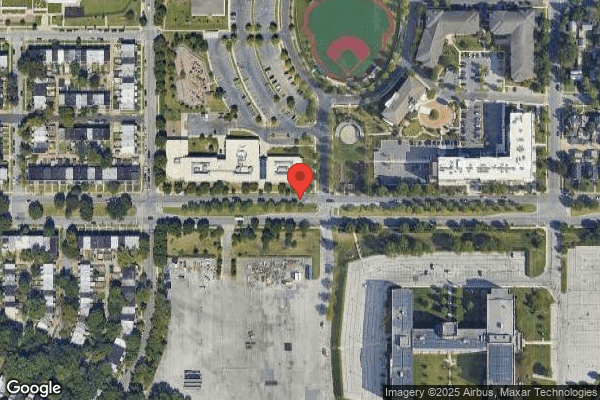
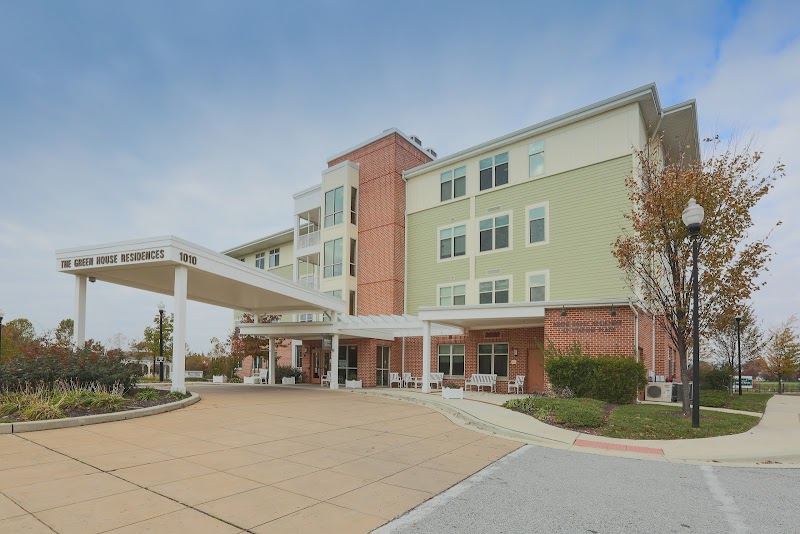
1010 EAST 33RD STREET, BALTIMORE, MD 21218 (410) 554-9890
For profit - Corporation 49 Beds LIFEWORKS REHAB Data: November 2025
Trust Grade
55/100
#84 of 219 in MD
Last Inspection: July 2025

Inspected within the last 6 months. Data reflects current conditions.

Overview

The Nursing and Rehab Center at Stadium Place has a Trust Grade of C, which means it is average-neither standing out as excellent nor significantly lacking. It ranks #84 out of 219 facilities in Maryland, placing it in the top half, and #10 out of 26 in Baltimore City County, suggesting there are only a few local options that are better. The facility's trends are improving, with a notable decrease in issues from 32 in 2023 to just 11 in 2025. However, staffing is concerning, with a 52% turnover rate, which is higher than the state average, and RN coverage is below that of 83% of facilities in Maryland. Additionally, the facility has incurred $66,638 in fines, indicating potential compliance problems, and there were serious incidents, such as failing to address a resident's discomfort related to a catheter, which raises concerns about care quality. Overall, while there are some strengths like good quality measures, these weaknesses warrant careful consideration.

Trust Score
C
55/100
In Maryland
#84/219
Top 38%
Safety Record
Moderate
Needs review
Inspections
Getting Better
32 → 11 violations
Staff Stability
⚠ Watch
52% turnover. Above average. Higher turnover means staff may not know residents' routines.
Penalties
⚠ Watch
$66,638 in fines. Higher than 95% of Maryland facilities. Major compliance failures.
Skilled Nurses
○ Average
Each resident gets 36 minutes of Registered Nurse (RN) attention daily — about average for Maryland. RNs are the most trained staff who monitor for health changes.
Violations
⚠ Watch
60 deficiencies on record. Higher than average. Multiple issues found across inspections.
★★★★☆
4.0
Overall Rating
★★★☆☆
3.0
Staff Levels
★★★★★
5.0
Care Quality
★★★☆☆
3.0
Inspection Score
Stable
2023: 32 issues
2025: 11 issues

The Good

  • 5-Star Quality Measures · Strong clinical quality outcomes
  • Full Sprinkler Coverage · Fire safety systems throughout facility
  • No fines on record

Facility shows strength in quality measures, fire safety.

The Bad

Staff Turnover: 52%

Near Maryland avg (46%)

Higher turnover may affect care consistency

Federal Fines: $66,638

Above median ($33,413)

Moderate penalties - review what triggered them

Chain: LIFEWORKS REHAB

Part of a multi-facility chain

Ask about local staffing decisions and management

The Ugly 60 deficiencies on record

1 actual harm
Jul 2025 11 deficiencies
CONCERN (D)

Potential for Harm - no one hurt, but risky conditions existed

Resident Rights (Tag F0550)

Could have caused harm · This affected 1 resident

Based on administrative record review and interviews with the residents, family and facility staff, it was determined the facility staff failed to provide an environment that promotes dignity and resp...

Read full inspector narrative →
Based on administrative record review and interviews with the residents, family and facility staff, it was determined the facility staff failed to provide an environment that promotes dignity and respect for residents who require assistance with their daily care. This was found to be evident for 1(Resident #49) of 5 residents reviewed for abuse allegations during the survey.The findings include:Intake #331013 was reviewed on 7/21/25 at 11:00AM for allegations of resident abuse to Resident # 49. The abuse allegations were unsubstantiated.Resident #49 was admitted to the facility with the following but not limited diagnosis: Osteoarthritis (Degenerative Joint Disease) Right Hip and Muscle Weakness.An interview was conducted with Resident #49 on 7/22/25 at 10:59AM and the resident was asked about the care that s/he received while at the facility. The resident went on to say that a few months ago while in the facility a nurse (Staff #21) did not provide assistance when requested. The resident stated that the nurse questioned why s/he did not ask the aide for assistance. The resident stated s/he called their daughter, and their daughter wrote down the date and the staff name.During an interview with the resident daughter on 7/23/25 at 11:10AM she stated that she received a call from Resident #49 and the resident explained to her what happened. She stated that she wrote down the nurse name (Staff #21) and the date, which was 4/25/25 and she immediately spoke with the facility administration and reported this to the state office.Review of Staff #21's employee file had a corrective action form dated 4/25/25 which indicated the employee conduct during an interaction with a resident was inappropriate and did not reflect the respectful, compassionate and patient-centered care that the facility was committed to providing, and the disciplinary action includes termination.During an interview on with the DON with the Administrator present on 7/23/25 at 1:04 PM they explained to the survey team that the corrective action form was a result of the interaction regarding Resident #49 and the nurse (#21). The DON went on to explain that it was reported to her that while the nurse was in the resident room, the resident asked the nurse to give him/her the TV remote, and the nurse told the resident that s/he could have asked the aide to get it. The DON went on to explain that this behavior is unacceptable and that the nurse was to assist the resident. The DON explained that everyone is responsible for assisting the resident and the resident was not treated with respect and the nurse was terminated.All concerns were discussed with the administration team at the exit conference on 7/23/25 at 4:00PM.
CONCERN (D)

Potential for Harm - no one hurt, but risky conditions existed

Deficiency F0582 (Tag F0582)

Could have caused harm · This affected 1 resident

**NOTE- TERMS IN BRACKETS HAVE BEEN EDITED TO PROTECT CONFIDENTIALITY** Based on medical record review and interviews with facility staff, it was determined the facility failed to ensure that a reside...

Read full inspector narrative →
**NOTE- TERMS IN BRACKETS HAVE BEEN EDITED TO PROTECT CONFIDENTIALITY** Based on medical record review and interviews with facility staff, it was determined the facility failed to ensure that a resident and /or the resident representative (RP) received notice in a timely manner regarding notification and explanation of their rights pending discharge from Medicare. This was found to be evident for 1 (Resident # 67) of 4 residents reviewed regarding liability notices during the survey.The findings include:Notice of Medicare Non-Coverage (NOMNC) is notification to residents and/or their representative (RP) regarding the end of their Medicare coverage. Notification is required to be minimally 48 hours prior to the scheduled effective date that coverage will end, therefore, affording the resident an opportunity to appeal the decision or to prepare for discharge.During a medical record review on [DATE] at approximately 11:30AM for Resident # 67 for discharge, the facility provided the survey team with the non-medical coverage documentation. The form indicated that the resident services were going to expire on [DATE]. The notice was signed by the resident on [DATE].An interview was conducted with the Business Office Manager (BOM) on [DATE] at 12:02 PM and she was asked to explain why the resident was provided with the non-medical coverage form after the services expired and she stated the following:Resident # 67 did not discharge from the facility until [DATE] and that the resident should have been provided with the notice two days before the date the services were due to expire. She went on to say that she recognized that this was an error and submitted that the resident cost be wiped out as the resident was billed.During a subsequent meeting with the survey team, the BOM provided an activity report of the resident account that showed a note dated [DATE] as follows: an amount submitted for potential write off. Prior days used removed from census. Exhausted Medicare A days. Facility responsibility. She confirmed that the resident should have been provided with the notice 48 hours prior to the date that the services were due to end and that the resident should not have been charged. All concerns were discussed with the Administration team on [DATE] at 4:00PM at the exit conference.
CONCERN (D) 📢 Someone Reported This

A family member, employee, or ombudsman was alarmed enough to file a formal complaint

Potential for Harm - no one hurt, but risky conditions existed

Investigate Abuse (Tag F0610)

Could have caused harm · This affected 1 resident

Based on interview and record review, it was determined that the facility failed to maintain documentation related to an allegation of abuse. This was evident for 2 of 6 facility reports reviewed duri...

Read full inspector narrative →
Based on interview and record review, it was determined that the facility failed to maintain documentation related to an allegation of abuse. This was evident for 2 of 6 facility reports reviewed during the annual recertification survey.The findings include: 1.) On 07/18/2025 at 11:45 AM, the surveyor requested information related to an abuse allegation reported by the facility to the State Agency on 2/23/23. The Director of Nursing stated that the facility had no records related to the report. On 07/21/2025, the surveyor requested additional information from the State Agency. The initial report and 5-day report were reviewed and indicated that the investigation had been completed in a satisfactory manner, and reporting appeared to have occurred within the required 2-hour timeframe. However, exact incident times were not documented, and the facility failed to retain required records of the incident investigation or reporting process. 2.) On 07/17/25 at 1:10 PM the surveyor reviewed the change in condition report dated 01/03/2023 which was located in the electronic medical record (EMR). There was a late entry created by the current DON which documented the statements made by the resident and the actions of the DON. Per the documentation in the EMR on 01/02/2023, on the night shift, Resident # 63 stated that a geriatric nursing assistant (GNA) tried to fight him/her and refused to help him/her put on a pull up. The resident stated that he/she feels safe here and this was the first time this had happened. Police were called and an investigation was initiated. Resident was followed by psych services. The resident reported to nursing staff that she/he was concerned about her/his daughter not visiting. Resident #63 stated that she/he did not like the way the GNA spoke to him/her. Resident admitted to being the person who asked the GNA if she/he wanted to fight. Resident #63 continued to be followed by psych services after the incident on 01.02.2023. The change in condition report revealed that the alleged perpetrator/employee/GNA was immediately suspended and did not return to work until after the investigation was completed. According to the intake information, the facility determined there was insufficient evidence to support the allegations of abuse. On 07/17/25 at 1:15 PM the surveyor requested a copy of the FRI for this Resident #63. As of 2:37 PM the surveyor had not received the FRI for review. On 07/17/2025 2:41 PM Resident #63's hard copy facility incident report had not be received from the DON. On 07/18/25 at 09:44 AM the administrator stated that the DON was unable to locate the hard copy of the facility report for the incident that allegedly occurred on 01/02/2023. On 07/18/2025 at 09:47 AM the administrator stated in the presence of two other surveyors that the DON stated that she could not locate any electronic and/or hard copy documentation of the FRI related to the alleged incident that occurred on 01.02.2023.
CONCERN (D)

Potential for Harm - no one hurt, but risky conditions existed

Deficiency F0657 (Tag F0657)

Could have caused harm · This affected 1 resident

**NOTE- TERMS IN BRACKETS HAVE BEEN EDITED TO PROTECT CONFIDENTIALITY** Based on record review and interview with staff, it was determined that the facility failed to ensure a resident's person-center...

Read full inspector narrative →
**NOTE- TERMS IN BRACKETS HAVE BEEN EDITED TO PROTECT CONFIDENTIALITY** Based on record review and interview with staff, it was determined that the facility failed to ensure a resident's person-centered care plan was reviewed and revised to reflect the resident's current code status. This was evident for 1 (Resident #68) out of 2 residents reviewed for care planning during the survey.The findings include:A care plan is used to summarize a person's health conditions, specific care needs, and current treatments and outlines what needs to be done to plan, assess, and manage care. Care plans are developed, reviewed, and/or revised by the IDT after the completion of a comprehensive MDS assessment (Admission, Annual, Quarterly, Significant Change) to help to evaluate the effectiveness of the resident's care while in the facility.Do Not Resuscitate (DNR) is an order placed in a person's medical record by a doctor informs the medical staff that CPR should not be attempted.Do Not Intubate (DNI) is an order placed in a person's medical record by a doctor informs the medical staff that chest compressions and cardiac drugs may be used, but no breathing tube will be placedMaryland Medical Orders for Life-Sustaining Treatment (MOLST) is a form which includes medical orders for emergency medical services or other medical personnel regarding CPR (cardiopulmonary resuscitation) and other life-sustaining treatment options.On [DATE] at 7:40AM, during a review of Resident #68's electronic medical record, the Surveyor discovered a physician's Medical Visit note created on [DATE] which identified the resident's code status as DNR/DNI with all other interventions under the Advance care planning section.Further review revealed a MOLST form, signed and dated [DATE] by the physician, which stated that Resident #68's code status of No CPR, DNR/DNI.A full code provides full support, including CPR, and allows all interventions needed to restore breathing and/or heart functioning.On [DATE] at 7:51AM, during a review of Resident #68's active physician's orders, the Surveyor noted an order for Full Code created on [DATE].An additional review of the electronic medical record revealed a care plan created on [DATE] with a focus stating, The resident has an advanced directive of Full Code.On [DATE] at 8:44AM, during an interview conducted with the Director of Nursing (DON), the Surveyor expressed the concern that the resident's care plan had not been revised to reflect the resident's current code status of DNR/DNI. The DON confirmed the Surveyors' findings and stated that the resident's care plan will be reviewed and revised to reflect the resident's current code status of DNR/DNI.On [DATE] at 9:51AM, the Surveyor was informed that Resident #68's care plan was revised to reflect the resident's code status of DNR/DNI.
CONCERN (D)

Potential for Harm - no one hurt, but risky conditions existed

Quality of Care (Tag F0684)

Could have caused harm · This affected 1 resident

Based on observations, record review, and interviews with residents and staff, it was determined that the facility failed to ensure a physician's order for tube feeding was accurately followed (Reside...

Read full inspector narrative →
Based on observations, record review, and interviews with residents and staff, it was determined that the facility failed to ensure a physician's order for tube feeding was accurately followed (Resident #12) who was reviewed for tube feeding. The findings include:On 7/15/2025 at 8:53AM, during an interview with Resident #12, the Surveyor observed the resident's tube feeding running at 75ml/hour and the flush bag was not labeled.On 7/15/2025 at 10:30AM, a review of Resident #12's electronic medical record revealed an active physician's order for Jevity 1.5kcal Up : 5 pm Down : 3 am TV : 75 mL/hr x 10 hrs.During an interview with the Director of Nursing on 7/21/2025 at 12:45PM, the Surveyor was informed that Resident #12's order for the tube feed to be started at 5PM and ended at 3AM. The tube feed should be labeled with the resident name, room number, name of the formula, formula rate, the date and time hung, and nurse initials. The flush bag should also be labeled with the resident name, flush rate, date and time hung, and the nurse initials. The Surveyor expressed the concern that Resident #12's tube feed was running on 7/15/2025 at 8:53AM and the flush bag was not labeled.
CONCERN (D)

Potential for Harm - no one hurt, but risky conditions existed

Deficiency F0697 (Tag F0697)

Could have caused harm · This affected 1 resident

**NOTE- TERMS IN BRACKETS HAVE BEEN EDITED TO PROTECT CONFIDENTIALITY** Based on reviews of medical records, interviews with residents, and interviews with facility staff, it was determined that facil...

Read full inspector narrative →
**NOTE- TERMS IN BRACKETS HAVE BEEN EDITED TO PROTECT CONFIDENTIALITY** Based on reviews of medical records, interviews with residents, and interviews with facility staff, it was determined that facility staff failed to document administration of as needed (PRN) pain medications in a resident's medication administration record. This was evident for 1 (Resident #66) of two residents reviewed for pain management during the survey.The findings include:Resident #66 was diagnosed with displaced closed fracture of the left tibia and admitted to the facility on [DATE].On 07/16/2025 at 11:24 AM Resident #66 stated that right leg pain occurs regularly and there had been a delay in the staff responding to the call bell which meant the resident was in pain for longer periods of time. The resident's spouse stated that he/she spoke to nursing staff regarding the delay in the delivery of pain medication and some improvements occurred, but the delays in the staff's response to the call bells still occur routinely. Resident # 66's spouse explained that the staff response to the call bell would sometimes be between thirty minutes to an hour.On 07/18/2025 at 9:10 AM Resident #66 's care plan and medication administration record (MAR) was reviewed by the surveyor via the electronic medical record. On 07/18/2025 at 1:39 PM Resident #66's hard copy MAR was reviewed by the surveyor. Specific instructions regarding the order of and use of a Pain Assessment using a 0-10 scale or non-verbal scoring tool every shift had an order date of 07/02/2025 on the resident's medication administration record. On 07/21/2025 at 12:48 PM the surveyor interviewed the Resident # 66's spouse and the resident. Resident #66 stated that she/he wanted to leave the facility. Stated that over the weekend there were terrible problems to the evening staff answering the call bells in a timely manner. The resident's spouse stated that he/she had to return to the facility on July 19th, because Resident #66 was upset because his/her pain medication and bedtime medications were not delivered in a timely manner. On 07/21/2025 at 1:48 PM the surveyor interviewed the DON regarding Resident # 66's concerns with untimely delivery of pain and bedtime medications to the resident in a timely fashion on evening shift as well as the delayed response of staff to the call lights on evening shift this past Saturday and Sunday, July 19th and 20th. The surveyor also requested a copy of the medication reconciliation review document located in the Point Click Care electronic medical record (EMR). The surveyor, upon review of the medication administration review form electronically, found that there was no documentation of the Resident #66 receiving Tylenol 650 mg po for pain during the evening shift on 07/19/2025 and 07/20/2025.On 07/21/2025 at 2:48 PM the surveyor informed the DON of the results of the surveyor's review of the EMR related to Resident #66's medication administration record for July 19, 2025, and July 20, 2025 evening shift. On 07/21/2025 at 2:58 PM the surveyor requested a copy of the Medication Administration Record (MAR) for the dates of July 19th and 20th, 2025 related to Resident #66's evening pain and bedtime medications.On 07/21/2025 at 3:02 PM the surveyor received a copy of the Resident #66's MAR that reflected the LPN assigned to administer medications did not sign off that the PRN pain medication was given on evening of July 19th or the evening of July 20, 2025. On 07/21/2025 at 3:10 PM the DON stated that she had spoken with Resident #66 and the resident's spouse. The DON stated that she informed the couple that the medication administration time for the 1st floor was 8:00 PM and that the physician would need to be contacted to change the administration of Resident #66's evening shift pain medication and bedtime (HS) medication in order for them to be given at the same time as requested by the resident.On 07/22/2025 at 08:52 AM the surveyor requested that the administrator provide a copy of the staffing assignment sheet for the evening shifts on July 19th and 20th for Resident #66. On 07/22/2025 at 09:38 AM the surveyor reviewed the staffing assignment sheets for evening shift LPNs for 07/19 and 07/20, 2025. Resident #66's assigned LPN for both days 7/19 and 7/20 was LPN # 13. The surveyor's review of the MAR revealed, LPN #13 did not document in the electronic MAR that Resident # 66 received his/her pain medication on the evening shift on both days. The review of the Resident # 66's MAR revealed that the PRN Tylenol Extra Strength Oral table 500mg (2 tablets) by mouth every 8 hours as needed (ordered on 07/02/25) was not documented as given on 07/19 and 07/20/2025 the evening shifts (3PM-11:00PM). Both the Resident #66's and the Resident # 66's spouse stated the Tylenol for pain was received 30 to 60 minutes after requested on these two dates.The potential deficit practice was discussed with the administrator and DON prior to and during the exit conference on July 23, 2025.
CONCERN (D) 📢 Someone Reported This

A family member, employee, or ombudsman was alarmed enough to file a formal complaint

Potential for Harm - no one hurt, but risky conditions existed

Medical Records (Tag F0842)

Could have caused harm · This affected 1 resident

**NOTE- TERMS IN BRACKETS HAVE BEEN EDITED TO PROTECT CONFIDENTIALITY** Based on reviews of medical records, interviews with residents, and interviews with facility staff, it was determined that facil...

Read full inspector narrative →
**NOTE- TERMS IN BRACKETS HAVE BEEN EDITED TO PROTECT CONFIDENTIALITY** Based on reviews of medical records, interviews with residents, and interviews with facility staff, it was determined that facility staff failed to maintain complete and accurate medical records in accordance with acceptable professional standards. This was evident for 1 of 2 residents (Resident #66) reviewed for pain management and 1 of out of 4 residents (Resident #68) reviewed for accidents during the survey. The findings include: 1. Resident #66 was diagnosed with displaced closed fracture of the left tibia and admitted to the facility on [DATE]. On [DATE] at 11:24 AM Resident #66 stated that right leg pain occurs regularly and there has been a delay in the staff responding to the call bell which means the resident is in pain for longer periods of time. The resident's spouse stated that he/she spoke to nursing staff regarding the delay in the delivery of pain medication and some improvements occurred, but the delays in the staff’s response to the call bells still occur routinely. On [DATE] at 9:10 AM Resident #66 's care plan and medication administration record (MAR) was reviewed by the surveyor via the electronic medical record. The review of the Resident # 66's MAR revealed that the PRN Tylenol Extra Strength Oral table 500mg ( 2 tablets) by mouth every 8 hours as needed (ordered on [DATE]) was not documented as given on 07/19 and [DATE] the evening shifts (3PM-11:00PM). Both the Resident #66's and the Resident # 66's spouse stated the Tylenol for pain was received 30 to 60 minutes after requested on these two dates. On [DATE] at 1:39 PM Resident #66's hard copy MAR was reviewed by the surveyor. Specific instructions regarding the order of and use of a Pain Assessment using a 0-10 scale or non-verbal scoring tool every shift had an order date of [DATE] on the resident’s medication administration record. On [DATE] at 12:48 PM the surveyor interviewed the resident # 66's spouse and the resident. Resident #66 stated that she/he wanted to leave the facility. Stated that over the weekend there were terrible problems to the evening staff answering the call bells in a timely manner. The resident's spouse stated that he/she had to return to the facility on Saturday, [DATE]th, because Resident #66 was upset because his/her pain medication and bedtime medications were not delivered in a timely manner. On [DATE] at 3:02 PM the surveyor received a copy of the Resident #66's MAR that reflected the LPN #13 assigned to administer medications did not sign off that the PRN pain medication was given on evening of [DATE]th or the evening of [DATE]. On [DATE] at 3:10 PM the DON stated that she had spoken with Resident #66 and the Resident's spouse. The DON stated that she informed the couple that the medication administration time for the 1st floor was 8:00 PM and that the physician would need to be contacted to change the administration of Resident #66's evening shift pain medication and bedtime (HS) medication in order for them to be given at the same time as requested by the resident. The potential deficit practice was discussed with the administrator and DON prior to and during the exit conference on [DATE]. 2. On [DATE] at 7:40AM, during a review of Resident #68’s electronic medical record, the Surveyor discovered that the resident was admitted to the facility on [DATE] with diagnoses of but not limited to hemiplegia and hemiparesis after a stroke affecting the left dominant side, seizures, high blood pressure, diabetes, difficulty walking, and adult failure to thrive. Additional review revealed Resident #68 was taking medications for high blood pressure, diabetes, seizures, and insomnia. On [DATE] at 8:00AM, the Surveyor discovered that Resident #68 had an un-witnessed fall on [DATE] at 7:30AM. At the time, the resident was alert to self and confused. A Fall Risk Scoring Tool assessment was completed on [DATE] at 9:05AM. The resident scored a 10, equaling moderate risk. Scores less than 9 are low risk, 10-11 moderate risk, and 12 and above high risk. A review of the Fall Risk Scoring Tool assessment failed to reveal Resident #68’s predisposing diagnoses of a cerebrovascular accident (CVA or stroke) and seizures or the use of antiseizure medication for seizures. The Fall Risk Scoring Tool assessment did not include the current fall history. On [DATE] at 9:00AM, the Surveyor expressed the concern that the resident had an inaccurate Fall Risk Scoring Tool assessment completed after the fall on [DATE]. The DON stated she would review the assessment. On [DATE] at 9:51AM, the DON provided the Surveyor with an updated Fall Risk Scoring Tool. Resident #68 scored 16 and was considered a high fall risk. 3. Do Not Resuscitate (DNR) is an order placed in a person’s medical record by a doctor informs the medical staff that CPR should not be attempted. Do Not Intubate (DNI) is an order placed in a person’s medical record by a doctor informs the medical staff that chest compressions and cardiac drugs may be used, but no breathing tube will be placed. Maryland Medical Orders for Life-Sustaining Treatment (MOLST) is a form which includes medical orders for emergency medical services or other medical personnel regarding CPR (cardiopulmonary resuscitation) and other life-sustaining treatment options. On [DATE] at 7:40AM, during a review of Resident #68’s electronic medical record, the Surveyor discovered a physician’s Medical Visit note created on [DATE] which identified the resident’s code status as DNR/DNI with all other interventions under the Advance care planning section. Further review revealed a MOLST form, signed and dated [DATE] by the physician, which stated that Resident #68’s code status of “No CPR”, DNR/DNI. A full code provides full support, including CPR, and allows all interventions needed to restore breathing and/or heart functioning. On [DATE] at 7:51AM, during a review of Resident #68’s active physician’s orders, the Surveyor noted an order for Full Code created on [DATE]. On [DATE] at 8:44AM, during an interview conducted with the Director of Nursing (DON), the Surveyor expressed the concern that Resident #68 had a active physician’s order stating that the resident was a Full Code and a MOLST stating that the resident’s current code status was DNR/DNI as of [DATE]. The DON confirmed the Surveyors’ findings and stated that the resident’s orders would be reviewed and revised to reflect the resident’s current code status of DNR/DNI.
CONCERN (D)

Potential for Harm - no one hurt, but risky conditions existed

Infection Control (Tag F0880)

Could have caused harm · This affected 1 resident

Based on observation, record review, and interview with staff, it was determined that the facility failed to ensure staff donned appropriate personal protective equipment for enhanced barrier precauti...

Read full inspector narrative →
Based on observation, record review, and interview with staff, it was determined that the facility failed to ensure staff donned appropriate personal protective equipment for enhanced barrier precautions and failed to ensure a resident's order for enhanced barrier precautions was maintained and followed. This was evident for 2 (Resident #21 and #32) out of 14 residents reviewed for enhanced barrier precautions during the survey.The findings include:Enhanced Barrier Precautions (EBP) are an infection control strategy that uses gloves and gowns during high-contact resident care to reduce the spread of multidrug-resistant organisms (MDROs). EBP's are used in nursing homes for residents who are infected with an MDRO, or those at risk for acquiring one, such as residents with wounds or indwelling devices.Personal protective equipment (PPE) refers to protective items or garments worn to protect the body or clothing from hazards that can cause injury and to protect residents from cross-transmission. PPE can include gloves, masks, safety goggles, and gowns. 1. On 7/16/2025 at 1:40PM, the Surveyor observed an Enhanced Barrier Precautions sign on the resident's door and a PPE cart at the doorway upon entering the room. During an interview with Resident #21, the Surveyor was informed that the resident had his/her left great toe amputated. The Surveyor observed a white, gauze-like dressing covering the area of the wound stump.On 7/16/2025 at 1:58PM, the Surveyor observed Licensed Practical Nurse (LPN) #23 enter Resident #21's room and inform the resident that they were there to provide wound care and change the resident's dressing. The Surveyor observed LPN #23 set up the materials necessary to change the resident's dressing, put on gloves, and proceed to change the resident's wound dressing and provide wound care to the left great toe stump. LPN #23 failed to put on a gown during wound care and the dressing change.On 7/16/2025 at 2:10PM, the Surveyor conducted an interview with LPN #23 regarding their understanding of PPE needed to be worn for a resident on enhanced barrier precautions. The Surveyor confirmed LPN #23 wore gloves during the dressing change and the LPN acknowledge they did not wear a gown during the dressing change. The Surveyor and LPN #23 reviewed an EBP sign, Wear a gown and gloves when entering room to provide the following high-contact resident care activities: dressings, bathing/showering, transferring, changing linens, providing hygiene, changing briefs or assisting with toileting, device care or use: central line, urinary catheter, feeding tube, tracheostomy, and wound care: any skin opening requiring a dressing. LPN #23 reported to the Surveyor that he did not have to wear a gown because he was not coming in contact with any body fluids and because he changes the dressing in a way that it will not come in contact with his clothing or have the resident's body touch him in any way. The Surveyor expressed the concern that a gown was not worn during wound care and dressing change for Resident #21.On 7/16/2025 at 2:25PM the Surveyor conducted an interview with the Assistant Director of Nursing (ADON) and Infection Preventionist (IP)#3. The Surveyor informed the ADON/IP #3 of their findings regarding LPN #23 performing wound care and a dressing change for Resident #21 without wearing a gown. The Surveyor confirmed that the facility's expectation is for personal protective equipment to be utilized for enhanced barrier precautions as stated on the signs on resident's rooms. Staff are required to wear a gown and gloves when providing wound care and dressing changes. ADON/IP #3 stated that LPN #23 will be reeducated regarding EBP and proper PPE to wear during wound care and dressing changes. 2. On 7/21/2025 at 8:05AM, a review of Resident #32's electronic medical record, the Surveyor discovered an active physician's order for Enhanced Barrier Precautions.On 7/21/2025 at 12:00PM, the Surveyor conducted a tour of the 2nd floor nursing unit. During the tour, the Surveyor noted that Resident #32 did not have an Enhance Barrier Precautions sign on the door nor did the resident have a PPE cart outside their room.On 7/21/2025 at 12:45PM, during an interview with ADON/IP #3 and the Director of Nursing (DON), the Surveyor was informed that any resident with an order for Enhanced Barrier Precautions should have an Enhanced Barrier Precautions sign on their door and a PPE cart outside their door for staff to utilize. Resident #32 was on EBP for a healing sacral wound with a dressing and was being seen by a wound care physician. The Surveyor confirmed that the resident should have an Enhanced Barrier Precautions sign on their door and a PPE cart outside the room.
CONCERN (E)

Potential for Harm - no one hurt, but risky conditions existed

Deficiency F0700 (Tag F0700)

Could have caused harm · This affected multiple residents

**NOTE- TERMS IN BRACKETS HAVE BEEN EDITED TO PROTECT CONFIDENTIALITY** Based on record reviews, observations, and interviews it was determined that the facility failed to perform bed rail assessments...

Read full inspector narrative →
**NOTE- TERMS IN BRACKETS HAVE BEEN EDITED TO PROTECT CONFIDENTIALITY** Based on record reviews, observations, and interviews it was determined that the facility failed to perform bed rail assessments and obtain resident consent for bedrails. This was evident for 4 (Resident #17, # 21, #68, and #64) out of 5 residents reviewed for bedrails during the survey. The findings include: Bedrails, also known as side rails, are adjustable bars that attach to the bed. They vary in size, including full, half, and quarter lengths depending on their intended purpose. They can be used to prevent falls, help assist residents with movement, and provide a feeling of security. Bed rails also have potential risks associated with them, such as suffocation, entrapment, and psychological risks. A Resident or Resident's Representative should be provided with the risks and benefits along with a signed consent obtained before the use of bedrails. 1. On 07/14/2025 at 08:35 AM the surveyor observed Resident # 64 was in bed with bilateral bed rails and the bed was in the high Fowler position. On 07/15/2025 at 10:45 AM the surveyor reviewed the electronic medical record and found the resident did not have a bed rail assessment form present in the chart and the resident was admitted on [DATE]. On 07/16/2025 at 09:30 AM the surveyor interviewed Resident # 64 who stated the staff had not discussed the bedrails with him/her. The resident stated the bedrails did assist him/her with mobility while in the bed and with exiting the bed. On 07/16/2025 at 12:30 PM the surveyor reviewed the electronic medical record and there was no documentation of a completed bed rail assessment. On 07/16/2025 at approximately 1:30 PM the surveyor interviewed the DON and asked whether the facility had a bed rail assessment policy and if the resident and /or resident representative would normally consent to the bedrail placement. The DON stated yes. The surveyor informed the DON that a bed rail assessment was not present in the electronic medical record for Resident #64. On 07/17/ 2025 at 2:30 PM the DON provided the surveyor with a hard copy of Resident # 64’s bed rail assessment and consent with a completion date of 07/17/2025 at 13:40 PM. This deficient practice was also reviewed with the DON and administrator during the exit conference on 07/23/2025. 2. On 7/15/2025 at 9:15AM, the Surveyor observed Resident #17 laying in bed sleeping. The head of the bed was raised to about 30 degrees and the resident was facing the left side towards the window. There were half bedrails on each side of the bed and the bedrail on the left side was raised. On 7/16/2025 at 9:30AM, the Surveyor observed Resident #17 lying in bed with the head of the bed at about 30 degrees facing the left side. The left bedrail was raised. The resident was awake watching TV. During an interview, Surveyor was informed that the resident did not request the bedrails and was not asked if they needed the bedrails, however the bedrails are helpful with bed mobility. A review of Resident #17’s electronic medical record on 7/17/2025 at 8:15AM failed to reveal documentation of a Bed Side Rail Tool assessment, the resident’s consent for use of bedrails, and a device assessment for the half bedrails. On 7/17/2025 at 9:20AM the Surveyors and the Director of Nursing (DON) confirmed that Resident #17 had half bedrails in place after going to the resident’s room. The DON stated that any resident with bedrails should have a Bed Side Rail Tool assessment, the resident’s or resident representative’s consent for use of bedrails, and a device assessment for the half bedrails documented in their electronic medical record. The Surveyor expressed the concern that the resident did not have these documents. The Surveyor requested the documents. On 7/17/2025 at 2:00PM, the DON stated that Resident #17 did not have a Bed Side Rail Tool assessment, the resident’s consent for use of bedrails, and a device assessment for the half bedrails. The nursing staff were working on completing all assessments. The DON provided the Surveyor with a copy of the Resident #17’s device assessment. On 7/18/2025 at approximately 1:00PM, the DON provided the Surveyor with a copy of the Bed Side Rail Tool assessment with the resident’s consent. 3. On 7/15/2025 at 9:25AM, during an interview with Resident #21, the Surveyor observed half size bedrails on each side of the resident’s bed. The head of the bed was raised to about 90 degrees and the right bedrail was raised. The Surveyor was informed that the resident did not need the bedrails, but they were already on the bed when he/she was admitted to that room. A review of Resident #21’s electronic health on 7/17/2025 at 8:10AM failed to reveal documentation of a Bed Side Rail Tool assessment, the resident’s consent for use of bedrails, and a device assessment for the half bedrails. On 7/17/2025 at 9:20AM, the Surveyor and the Director of Nursing (DON) confirmed that any resident with bedrails should have a Bed Side Rail Tool assessment, the resident’s or resident representative’s consent for use of bedrails, and a device assessment for the half bedrails documented in their electronic medical record. The Surveyor expressed the concern that the resident did not have these documents. The Surveyor requested the documents. On 7/17/2025 at 2:00PM, the DON stated that Resident #21 did not have a Bed Side Rail Tool assessment, the resident’s consent for use of bedrails, and a device assessment for the half bedrails. The nursing staff were working on completing all assessments. The DON provided the Surveyor with a copy of the Resident #21’s device assessment. On 7/18/2025 at approximately 1:00PM, the DON provided the Surveyor with a copy of the Bed Side Rail Tool assessment with the resident’s consent. 4. On 7/22/2025 at 2:30PM, during an interview with a family member, the Surveyor observed Resident #68 in bed with the head of the bed raised about 30 degrees and half bedrails raised on each side of the bed. The resident appeared anxious and restless. The resident grabbed the right bedrail with his/her right arm and swung his/her feet to the right side of the bed attempting to get out of the bed. The family member was able to redirect the resident back to a laying position on the bed. On 7/23/2025 at 7:30AM, a review of Resident #68’s electronic medical record failed to reveal documentation of a Bed Side Rail Tool assessment.
CONCERN (E)

Potential for Harm - no one hurt, but risky conditions existed

Food Safety (Tag F0812)

Could have caused harm · This affected multiple residents

Based on observation and interview with staff, it was determined that the facility failed to maintain proper infection control procedures and failed to store and prepare food in a manner that maintain...

Read full inspector narrative →
Based on observation and interview with staff, it was determined that the facility failed to maintain proper infection control procedures and failed to store and prepare food in a manner that maintains professional standards of food service safety. This practice was evident for 2 of 4 kitchens that prepare food for residents within the facility. The findings include:During a tour of the facility's 2nd floor kitchen conducted on 7/15/2025 at 8:00AM, the Surveyor observed [NAME] #28, Dietary Aide #29, and Dietary Aide #30 standing in the kitchen without hairnets while breakfast was being prepared. [NAME] #28 stated that they ran out of hairnets and the Dietary Manager #25 ordered some and they should be in today. The Surveyor observed a personal black handbag on the counter between the portable steam tray and sink, and a fabric covered book and two 16.9oz bottles of Pepsi sitting on the silver island in the food prep area. The black handbag was moved into a tall brown cabinet with a sticky-like substance on the handles. Inside the cabinet, the Surveyor observed one open 25lb white bag of sugar and one open 25lb white bag of flour, neither in plastic containers or labeled.During a continued tour of the 2nd floor kitchen, the Surveyor observed the brown cabinets and drawers. The handles of the cabinets and drawers had sticky-like substance on them and the doors had dried cream colors stains. Inside the cabinets were random items like white towels with tan colored stains on them, clear plastic trash bags, and serving utensils. The fans were blowing with a thick gray dust like material stuck to tall black fan and thick brown and gray dust like material stuck to the white floor fan. Under the base of the black fan, there was an orange color stain with a circular pattern. The floor had tan and brown stains, especially in the corners.During a tour of the facility's 3rd floor kitchen conducted on 7/15/2025 at 8:24AM, the Surveyor observed the refrigerator. There was a container of watermelon pieces that was not fully covered with plastic wrap and sitting on the bottom shelf. There was a carton of Sysco Thickened cranberry cocktail with opened and labeled with a date of 6/30-7/19; the directions state to refrigerate after opening and discard after 7 days.On a continued tour of the 3rd floor kitchen, the Surveyor observed the brown cabinets and drawers. The handles of the cabinets and drawers had sticky-like substance on them and the doors had dried cream colors stains. Inside the cabinets were random items like white towels with tan colored stains on them, clear plastic trash bags, serving utensils, a clear plastic container with a silver and black coffee container, and dried food-like substance by the door. There was a paper cup of dried brown meat sitting in the cabinet next to the plastic container. The kitchen floor had tan and brown stains, especially in the corners. In the dry goods area, there was a clear cup with a white granule-like substance inside. On 7/15/2025 during an interview with Dietary Manager #25, the Surveyor reviewed the concerns of the 2nd and 3rd floor kitchens. The Surveyor reviewed the staff not wearing hairnets, the personal items in the food prep area, the cleanliness of the fans, floors, and cabinets, the opened and unlabeled bags of sugar and flour, the poorly covered container of watermelon on the bottom shelf of the refrigerator, and the expired carton of thickened cranberry cocktail. Dietary Manager #25 stated that there were hairnets available to the kitchen staff on the 3rd floor kitchen. Once the stock gets low, she places an order for more. The personal items were removed from the food prep area and tall cabinet, the sugar and the flour needed to be replaced, the watermelon and the expired thickened cranberry cocktail was discarded. The cup of dried brown meat and clear cup of white granule-like substance were discarded.On 7/18/2025 at 12:30PM, the Regional Dietary Manager #26 informed the Surveyor that the fans, floor, and cabinets were cleaned out on the 2nd and the 3rd floor kitchens.
CONCERN (E)

Potential for Harm - no one hurt, but risky conditions existed

Deficiency F0919 (Tag F0919)

Could have caused harm · This affected multiple residents

Based on observations, record review, and interviews with residents and staff, it was determined that the facility failed to ensure a system was in place to timely respond to the needs of a resident (...

Read full inspector narrative →
Based on observations, record review, and interviews with residents and staff, it was determined that the facility failed to ensure a system was in place to timely respond to the needs of a resident (Resident #21) reviewed for accommodation of needs during the survey.The findings include: On 07/15/2025 at 9:25AM, the Surveyor conducted an interview with Resident #21. The resident stated that he/she had to wait for 2 hours to get cleaned up over the weekend. The resident stated that he/she would not use the call bell because the staff does not respond and they do not carry the pagers they are supposed to carry to alert them to the resident's call. Instead, the resident has to yell out into the hallway for assistance. The resident pressed the call bell at that time.On 7/15/2025 at 9:45AM, the Surveyor walked into the hallway and observed staff passing out breakfast trays and preparing PPE carts. The Surveyor did not hear any beeping sounds. The Surveyor stopped Geriatric Nursing Assistant (GNA) #24 in the hallway. The Surveyor asked the GNA how she would know when a resident needs assistance. The GNA informed the Surveyor that the facility uses pagers. When the resident presses the call bell, a message is sent to the pagers. The Surveyor requested to see the pager to see how the alert message would appear. GNA #24 did not have a pager. Resident #21's call bell was still on in his/her room.On 7/15/2025 at 10:15AM, during an interview with the Nursing Home Administrator (NHA), the Surveyor was informed that the facility uses a pager system for call bells. The nursing staff and the NHA carry pagers which alert them when a resident needs assistance. The Surveyor expressed the concern that Resident #21 stated that they have to yell out in order to get assistance because the nursing staff do not carry or use their pagers. The NHA stated that all nursing staff should be carrying pagers.On 7/16/2025 at 1:00PM, the Surveyor requested to see Registered Nurse (RN) #9's pager. RN#9 stated the pager was not currently on her, it was in the nurse's office. The Surveyor requested to see GNA #15's pager. The GNA stated she did not have one.On 7/17/2025 at 9:12PM An interview with the DON was conducted. The Surveyor expressed the concern that nursing staff do not have pagers to alert them when a resident needs assistance. The DON stated that GNA's and nurses should have pagers. There are 2 nurses, one on first and second floors and one on third and fourth floors, the DON, the Assistant Director of Nursing (ADON), and NHA have all floor pagers. The GNA's have floor specific pagers. The resident would press the call bell in their room or bathroom, the message would go to the pagers with the room number and the location of the resident (room or bathroom). Reasonably, staff should answer within 15-20 mins. If they check on the resident and they are in the middle of care with another, they should let them know what they are doing and give a time they will come back. When the staff answers the call bell and presses the lit button in the room, the pager will show cancelled. Some staff do not have pagers. People have taken them home and haven't brought them back or they are just lost. If nursing staff do not have a pager, they should be making frequent rounding on their residents, every 1-2 hours every shift especially for those residents who usually need more assistance. The DON advised the facility had to order more pagers and there will be 8 new pagers used for all floors and 8 floor specific pagers for total of 16 new pagers. The new pagers should be in 7/18/2025 at 10:30AM.On 7/19/2025 at 8:00AM during a tour of the facility, the Surveyor observed nursing staff with pagers and the Surveyor could hear the beeping alert when a resident used the call bell.
Jan 2023 32 deficiencies 1 Harm
SERIOUS (G)

Actual Harm - a resident was hurt due to facility failures

Incontinence Care (Tag F0690)

A resident was harmed · This affected 1 resident

**NOTE- TERMS IN BRACKETS HAVE BEEN EDITED TO PROTECT CONFIDENTIALITY** Based on medical record review, observations, and interview with facility staff, it was determined that the facility failed to a...

Read full inspector narrative →
**NOTE- TERMS IN BRACKETS HAVE BEEN EDITED TO PROTECT CONFIDENTIALITY** Based on medical record review, observations, and interview with facility staff, it was determined that the facility failed to address and implement interventions for a resident admitted with a suprapubic catheter. This was identified during the review of 1 of 1 residents with suprapubic catheters. The findings include: On 1/4/23 Surveyor met with Resident #20 during the initial tour. During this initial meeting and interview, Resident #20 reported that s/he was in discomfort and believed that they had a urinary tract infection (UTI) as there was some pressure and discomfort in their abdomen and they could tell that the catheter was probably clogged as s/he could feel it was leaking. Surveyor asked if this was reported to the staff, and s/he stated that staff were aware. Medical record review of Resident #20 starting on 1/09/23 at 9:56 AM revealed admitting diagnoses' including multiple sclerosis (the immune system attacks the protective sheath (myelin) that covers nerve fibers and causes communication problems between your brain and the rest of your body) and neuromuscular dysfunction of bladder (the nerves that carry messages back-and-forth between the bladder and the spinal cord and brain don't work the way they should). Further review revealed an initial history and physical (H and P) completed by the resident's attending physician staff #22, on 12/21/2021. This H and P documented in the resident's plan #4. 'The patient needs a follow up with Urology.' Surveyor review of the 'misc.' (miscellaneous) section of the facility's electronic health record (EHR) noted a Physicians Standard Written Order-Urinary Catheter form, uploaded into the system on 12/16/2022. This form was completed with Resident #20's personal information, insurance information, and specific catheter information noted with a request for '12' refills signed by staff #22. Staff #22 saw Resident #20 on 12/2/21 and 1/27/22 and continued to document that Resident #20 needed a Urology follow-up. On 2/24/22 Resident #20 saw a Urologist. The recommendations and report from the consultation were that the catheter was changed and that it needed to be changed monthly. In addition, 'the resident needs to see a spinal cord/neurogenic bladder expert for urology care, and information was provided to the facility for that expert.' Staff #22 saw Resident #20 on 3/3/22 and on 3/8/22 and in the Plan: #2 for the neurogenic bladder documented that the catheter needed to be changed every four week the attending visit. Staff #22 saw Resident #20 on 3/29 and 4/2 and 5/3 and still noted in the 'Plan' to continue with catheter care and that s/he is to follow up with a neurogenic bladder specialist. Surveyor concurrent review of Resident #20's 2022 March and April medication and treatment administration record (MAR/TAR) failed to identify an order or staff signing off that the suprapubic catheter was changed since 2/24/22 as noted from the consult and the physician progress notes. On 5/11/22 Resident #20 was sent to the emergency room (ER) with a noted change in condition and for possible sepsis (the body's extreme response to an infection). Continued review on 1/9/23 at 12:06 PM of Resident #20's hospital record from 5/11/22 noted that on arrival to the hospital, s/he was 'noted with a blocked suprapubic catheter that was manipulated and flushed in the ER that drained 1400 milliliters (ml/cc) of old infected urine.' Resident #20 was started on antibiotics. According to the National Institutes of Health (NIH) the urinary bladder can store up to 500 ml of urine in women and 700 ml in men. A person can feel the need to urinate when their bladder has between 200 and 350 ml of urine in it. On 8/11/22 Resident #20 was sent to the ER again with concerns related to Diabetic ketoacidosis (DKA develops when your body doesn't have enough insulin to allow blood sugar into your cells for use as energy). However, while in the ER it was determined that Resident #20 additionally had another UTI and was started on antibiotics again. Surveyor continued to review Resident #20's medical record on 1/9/23 including nursing progress notes. This review revealed on 11/10/22, Resident #20 was noted with no drainage from the catheter with abdominal distention and green drainage noted from the genital area. A Health status note was completed by the Director of Nursing on 11/10/22 at 6:19 PM that the suprapubic catheter was changed and tolerated well. According to the note, Resident#20 stated s/he felt better when the catheter was replaced, and the genitals were cultured. Resident #20 was again started on antibiotics as the culture results were positive. On 12/5/22 Resident #20 saw the neurogenic bladder specialist as recommended from February 2022, more than 9 months after the urologist documented that the resident needed to see the specialist. The recommendations from this neurogenic bladder consultant stated that s/he cannot return to this office as they do not have the accommodations to care for him/her. In addition, the consultant stated that the catheter was changed because it was 'not in the proper location.' A culture was completed at the consult and resulted in another positive UTI. The results were reported back to the facility on [DATE] that the culture results were positive, and Resident #20 was started on antibiotics again. A nursing health status note documented on 12/18/22 that geriatric nursing assistant (GNA) caring for Resident #20 reported that his/her adult brief was wet. Upon assessment of the resident, s/he reported 'pressure and feeling like they had to urinate.' The nurse documented that the lower abdomen felt firm and tender upon palpation. The catheter was irrigated, and 900 cc of urine was drained into a new catheter bag. Review on 1/19/23 at 8:00 AM revealed that nursing notes documented that on 1/7/23 Resident #20 was complaining of frequent urine out of his/her genitals. Another urine culture was completed and resulted in a positive UTI and Resident #20 was started on antibiotics again and an order was placed for a Urology consult. On 1/17/23 his/her catheter was changed by the facility DON. Review of the treatment administration record on 1/19/2023 at 8:30 AM from January 2022 through December 2022 failed to show any documentation of regularly ordered or scheduled catheter changes. The DON was interviewed on 1/19/2023 at 9:08 AM. She was asked about her credentials related to suprapubic catheters. She stated that she and the Assistant Director of Nursing (ADON), who was also present, were both trained in changing and caring for suprapubic catheters. She was asked at that time that if they were both trained in the care, why they did not change the catheter monthly as ordered by the consultant or as previously asked why the resident did not go to the urologist monthly and she stated that she did not have an answer. The ADON also shook her head 'no' that she did not have an answer either. Resident #20 had an appointment with another urologist on 1/23/23. This consultant report stated that the catheter was replaced again using sterile technique, recommended 'performance of routine catheter care, and follow up in 1 month.' The cumulative review of Resident #20's 13 month stay in the facility has resulted in the official diagnosis of 5 UTI's, 2 hospitalizations and only 3 consultations at a Urologist out of the recommended monthly consultations. The failure of the facility to provide suprapubic catheter care according to recommendations by the facility attending and Urologist and the resultant infections and hospitalizations were reviewed with the Administrator and DON throughout the survey and again during exit on 1/23/23.
CONCERN (D)

Potential for Harm - no one hurt, but risky conditions existed

Resident Rights (Tag F0550)

Could have caused harm · This affected 1 resident

**NOTE- TERMS IN BRACKETS HAVE BEEN EDITED TO PROTECT CONFIDENTIALITY** Based upon observations and interview, the facility failed to ensure Resident #40 had laundered personal clothing available to w...

Read full inspector narrative →
**NOTE- TERMS IN BRACKETS HAVE BEEN EDITED TO PROTECT CONFIDENTIALITY** Based upon observations and interview, the facility failed to ensure Resident #40 had laundered personal clothing available to wear in accordance with this resident's wishes in order to maintain the resident's dignity. On 01/05/2023 at 08:00 AM, Resident #40 was observed dressed in a hospital gown in the hallway, verbalizing that they had no clothes to wear. Staff #26: GNA (geriatric nursing assistant) #4, was seen in the hall by the laundry room and acknowledged the resident's clothes were in the laundry and not ready. On 01/05/2023 at 09:35 AM, the resident was observed by surveyors sitting in a chair in the community area dressed in the hospital gown and pants verbalizing that his/her own clothes were preferred but were not laundered yet. On 01/10/2023 at 08:30 AM, Resident #40 was observed sitting in a chair in the community area with an upset facial expression. At this time, the resident was interviewed by surveyors. The resident reported during the interview that they did not want to wear a hospital gown but didn't have enough clothing. Staff #10: ADON (Assistant Director of Nursing), thanked the surveyors for asking the resident about clothing and stated this was the first they had heard about this resident needing clothing. Staff #10 further stated that the resident's daughter did provide some clothing but that the resident doesn't find the clothing to be comfortable and it doesn't fit him/her. Based on this statement, Staff #10 was aware that this resident didn't find the clothing that had been provided to be comfortable and that it didn't fit the resident. The resident was admitted to the facility on [DATE]. Personal clothing was not laundered for the resident prior to him/her needing them to get dressed on the mornings of 01/05/2023 and 01/10/2023.
CONCERN (D) 📢 Someone Reported This

A family member, employee, or ombudsman was alarmed enough to file a formal complaint

Potential for Harm - no one hurt, but risky conditions existed

Deficiency F0573 (Tag F0573)

Could have caused harm · This affected 1 resident

Based on interview and facility documentation review, it was determined the facility staff failed to provide a resident's representative copy of the resident's medical record in a timely manner (Resid...

Read full inspector narrative →
Based on interview and facility documentation review, it was determined the facility staff failed to provide a resident's representative copy of the resident's medical record in a timely manner (Resident #53). This was evident for 1 of 50 residents reviewed during an annual survey. The findings include: The Surveyor began on 1/17/23 a review of a complaint regarding a delay in obtaining a copy of the medical records for Resident #53 that was requested on 7/6/22 and still had not been received as of 10/7/22. Review of Resident #53's medical record on 1/17/23 revealed the Resident was discharged from the facility on 12/26/21. Further review of the facility documentation provided to the Surveyor revealed the Resident's representative was granted access to the medical records by the State of Maryland on 2/10/22. Further review of the facility documentation revealed a notice to the facility on 5/13/22 from a law office that notified the facility of the company that was authorized to receive the copy of the medical records. During interview with Medical Records (Staff #16) on 1/17/23 at 1:45 PM, she stated she is in charge of getting copies of medical records to families and residents after they leave upon their request. The Surveyor asked Staff #16 the reason for the delay in Resident #53's representative receiving a copy of the medical records. Staff #16 stated she sent the medical record request to corporate and had to wait for their approval before sending out. On 1/17/23 at 2:15 PM the Administrator provided a copy of the receipt that the medical records were sent to Resident #53's representative on 12/30/22, approximately 6 months after the initial request. Interview with the Administrator on 1/17/23 at 2:15 PM confirmed the facility staff failed to provide a copy of Resident #53's medical records as requested in a timely manner.
CONCERN (D)

Potential for Harm - no one hurt, but risky conditions existed

Safe Environment (Tag F0584)

Could have caused harm · This affected 1 resident

Based on an initial observation prior to and of dining the facility failed to provide the residents with and environment that included comfortable sound levels with appropriate entertainment. This was...

Read full inspector narrative →
Based on an initial observation prior to and of dining the facility failed to provide the residents with and environment that included comfortable sound levels with appropriate entertainment. This was evident during the first observation of dining occurring on the 4th floor. The findings include: Surveyor initiated observations of the community sitting area on 1/3/23 at 12:30 PM There were 4 residents observed gathered around the television, Resident #2, #17, #24 and #29. Surveyor was located near the exit of the unit and could hear from the kitchen music blaring. The lyrics were audible and identified as belonging to two prominent rappers. The music was overpowering the sound from the television. When the staff began serving the lunch meal trays to the residents at 12:42 PM they turned the music off. This concern was reviewed with the facility Administrator and DON during the exit conference on 1/23/2023.
CONCERN (D) 📢 Someone Reported This

A family member, employee, or ombudsman was alarmed enough to file a formal complaint

Potential for Harm - no one hurt, but risky conditions existed

Report Alleged Abuse (Tag F0609)

Could have caused harm · This affected 1 resident

**NOTE- TERMS IN BRACKETS HAVE BEEN EDITED TO PROTECT CONFIDENTIALITY** Based on medical record review and staff interview, it was determined the facility staff failed to report an incident of alleged...

Read full inspector narrative →
**NOTE- TERMS IN BRACKETS HAVE BEEN EDITED TO PROTECT CONFIDENTIALITY** Based on medical record review and staff interview, it was determined the facility staff failed to report an incident of alleged abuse to local law enforcement and the Office of Health Care Quality (OHCQ) as required (Resident #46). This was evident for 1 out of 4 residents reviewed for allegations of abuse during an annual survey. The findings include: Review of Resident #46's medical record on 1/12/23 revealed the Resident was admitted to the facility on [DATE] with a diagnosis to include cognitive communication deficit and was transferred to the hospital on [DATE]. Review of Resident #46's hospital record from 12/27/22 - 12/31/22 revealed the Resident had a urinalysis completed on 12/27/22 that indicated Trichinosis in the urine. Trichinosis is an infection that is sexually transmitted and is acquired by direct sexual contact. During interview with the Director of Nursing (DON) and Administrator on 1/12/23 at 1:05 PM the Surveyor asked if any resident in the facility for last 6 months had a diagnosis of Trichinosis. The DON at that time stated the only resident was Resident #46. During interview with the DON on 1/18/23 at 9:15 AM, the DON stated she was notified by a physician at the hospital that the Resident was positive for Trichinosis and the physician was questioning if the facility had tested the Resident when he/she was in the facility for Trichinosis. The DON stated she told the hospital physician they had not tested the Resident for Trichinosis. The DON confirmed on 1/18/23 at 9:15 AM the facility staff failed to report an incident of alleged abuse to HOC and the local law enforcement.
CONCERN (D) 📢 Someone Reported This

A family member, employee, or ombudsman was alarmed enough to file a formal complaint

Potential for Harm - no one hurt, but risky conditions existed

Investigate Abuse (Tag F0610)

Could have caused harm · This affected 1 resident

**NOTE- TERMS IN BRACKETS HAVE BEEN EDITED TO PROTECT CONFIDENTIALITY** Based on medical record review and staff interview, it was determined the facility staff failed to investigate an incident of al...

Read full inspector narrative →
**NOTE- TERMS IN BRACKETS HAVE BEEN EDITED TO PROTECT CONFIDENTIALITY** Based on medical record review and staff interview, it was determined the facility staff failed to investigate an incident of alleged abuse as required (Resident #46). This was evident for 1 out of 4 residents reviewed for allegations of abuse during an annual survey. The findings include: Review of Resident #46's medical record on 1/12/23 revealed the Resident was admitted to the facility on [DATE] with a diagnosis to include cognitive communication deficit and was transferred to the hospital on [DATE]. Review of Resident #46's hospital record from 12/27/22 - 12/31/22 revealed the Resident had a urinalysis completed on 12/27/22 that indicated Trichinosis in the urine. Trichinosis is an infection that is sexually transmitted and is acquired by direct sexual contact. During interview with the Director of Nursing (DON) and Administrator on 1/12/23 at 1:05 PM the Surveyor asked if any resident in the facility for last 6 months had a diagnosis of Trichinosis. The DON at that time stated the only resident was Resident #46. During interview with the DON on 1/18/23 at 9:15 AM, the DON stated she was notified by a physician at the hospital that the Resident was positive for Trichinosis and the physician was questioning if the facility had tested the Resident when he/she was in the facility for Trichinosis. The DON stated she told the hospital physician they had not tested the Resident for Trichinosis. During the interview with the DON at that time, the Surveyor asked the DON if the facility staff investigated if the Resident contracted Trichinosis at the facility, the DON stated no. The DON confirmed on 1/18/23 at 9:15 AM the facility staff failed to investigate an incident of alleged abuse as required.
CONCERN (D)

Potential for Harm - no one hurt, but risky conditions existed

Deficiency F0625 (Tag F0625)

Could have caused harm · This affected 1 resident

Based on a review of the medical record and staff interview, it was determined that the facility staff failed to provide the resident and their representative with written notice of bed hold policy, a...

Read full inspector narrative →
Based on a review of the medical record and staff interview, it was determined that the facility staff failed to provide the resident and their representative with written notice of bed hold policy, at the time of the resident's transfer for hospitalization. This was evident for 2 (Residents #19 and #48) of 6 residents reviewed for hospitalization during an annual recertification survey. The findings include: 1. A review of the medical record for Resident #48 revealed the resident was transferred to an acute care facility on 10/9/2022. There was no documentation found in the medical record that the resident or the resident's responsible party was given a copy of the bed hold policy upon transfer to the hospital. On 1/19/23 at 11:06 AM, the Administrator confirmed that Resident #48 and the Resident's responsible party did not receive the facility bed hold policy when Resident #48 was transferred to the hospital. 2. The resident and family were not notified of the facility bed hold policy at the time of the resident transfer to the hospital. A review of Resident #19's clinical record revealed that on 10/10/22 the resident was sent to the hospital to treat the left leg and then was sent again on 10/17/22. There was no mention in the electronic health record of the resident and family being provided with the bed hold policy at the time of the transfer. The Administrator was interviewed on 1/11/23 at 1:23 PM. He provided to the survey team a list of residents who were transferred/discharged to the hospital that the ombudsman was notified of as well. He said the list was sent to the ombudsman on 12/2/22. The Director of Nursing was interviewed on 1/11/23 at 2:24 PM. She confirmed there was no written notice of the bed hold policy.
CONCERN (D) 📢 Someone Reported This

A family member, employee, or ombudsman was alarmed enough to file a formal complaint

Potential for Harm - no one hurt, but risky conditions existed

Deficiency F0658 (Tag F0658)

Could have caused harm · This affected 1 resident

Based on the medical record review and interview, the facility failed to follow the standard of practice during medication administration for the care of the resident (Resident # 55). This was evident...

Read full inspector narrative →
Based on the medical record review and interview, the facility failed to follow the standard of practice during medication administration for the care of the resident (Resident # 55). This was evident for 1 of 50 residents selected for review during the annual survey. The findings include: One of the recommendations to reduce medication errors and harm is to use the five rights. The Five Rights of Medication Administration are the right patient, the right drug, the right dose, the right route, and the right time. The facility uses an Electronic Medical Record (EMR) for the administration and documentation of medications for administration to the residents. The physician's orders for the medications are entered in the EMR with the times of medication administration. Medications must be given within 1/2 hour of the time that is listed on the medication log. This means that you have 1/2 hour before the medication is due, and 1/2 hour after it is due to administering the medication to be on time with medication administration. A medical record review for Resident # 55 revealed on 1/19/23 at 1:30 PM the facility staff failed to administer medication to Resident # 55 as ordered by the physician and according to The Five Rights of Medication Administration. The following medications were to be given on 1/2/23 at 8 AM and were administered at 10:49 AM one and ½ hours outside the time frame. Treprostinil diolamine ER 5 mg by mouth 2 times a day for pulmonary hypertension. Apixaban (blood thinner) 2.5 mg tablet is given by mouth two times a day. Vancomycin (antibiotic) HCL 125 mg by mouth 2 times a day. The following medications were to be given on 1/2/23 at 9 AM and were administered at 10:50 AM one hour outside the time frame. Amiodarone (is used to treat life-threatening heart rhythm) HCL 100 mg tablet by mouth every day. Digoxin (used to treat heart failure) tablet 5 mcg by mouth once a day. Torsemide (treat edema) tablet 20 mg by mouth one time a day. Famotidine (for GERD) tablet 20 mg give 1 tablet by mouth every day. An interview with the Director of Nursing on 1/19/23 at 1:30 PM confirmed the facility staff failed to administer medications according to The Five Rights of Medication Administration and as ordered by the physician.
CONCERN (D)

Potential for Harm - no one hurt, but risky conditions existed

ADL Care (Tag F0677)

Could have caused harm · This affected 1 resident

**NOTE- TERMS IN BRACKETS HAVE BEEN EDITED TO PROTECT CONFIDENTIALITY** Based on medical record review, observation and interview, it was determined the facility staff failed to provide grooming and p...

Read full inspector narrative →
**NOTE- TERMS IN BRACKETS HAVE BEEN EDITED TO PROTECT CONFIDENTIALITY** Based on medical record review, observation and interview, it was determined the facility staff failed to provide grooming and personal hygiene services for a resident (Resident #204). This was evident for 1 out of 50 residents reviewed during an annual survey. The findings include: Observation of Resident #204 on 1/4/23 at 9:42 AM revealed the Resident to have elongated and dirty fingernails. Interview with the Resident at that time revealed the Resident would like to have his/her fingernails trimmed. Further observation of the Resident on 1/20/23 at 8:10 AM with the Administrator present revealed the Resident remains with elongated and dirty fingernails. Review of Resident #204's medical record on 1/5/23 revealed the Resident was admitted to the facility on [DATE] is dependent on the facility staff for his care, comfort and safety. The facility staff conducted a MDS (Minimum Data Set) assessment on 12/31/22 and coded the Resident in Section G Functional Status as a one person physical assist for personal hygiene. Further review of Resident #204's medical record revealed the Resident had a care plan entitled Resident requires assistance with their activities of daily living due to chronic health conditions, recent hospitalization created on 1/2/23. Interview with the Director of Nursing on 1/20/23 at 1:00 PM confirmed the facility staff failed to provide grooming services for Resident #204.
CONCERN (D)

Potential for Harm - no one hurt, but risky conditions existed

Deficiency F0700 (Tag F0700)

Could have caused harm · This affected 1 resident

Based on observation, resident interview, and staff interview it was determined that the facility staff failed to ensure a resident's bed had a complete pair of siderails. This was evident for 1 out o...

Read full inspector narrative →
Based on observation, resident interview, and staff interview it was determined that the facility staff failed to ensure a resident's bed had a complete pair of siderails. This was evident for 1 out of the 50 residents selected for the survey sample. The findings include: This surveyor was interviewing Resident #19 on 1/12/23 at 9:30 AM. During the interview it was observed that both of the resident's bed's siderails were missing the top wooden rail. Resident said it has been off since admission and they are stored in the bathroom. Resident stated that he/she uses the rails to move in bed especially when transferring to the wheelchair. Resident stated he/she can still maneuver in bed without the rails. The Administrator was informed and shown the bed on 1/12/23 at 9:40 AM. He called for maintenance staff to come fix the bed and had a geriatric nursing assistant come into the room to assist the resident to a wheelchair.
CONCERN (D)

Potential for Harm - no one hurt, but risky conditions existed

Deficiency F0710 (Tag F0710)

Could have caused harm · This affected 1 resident

Based on medical record review and interview with facility staff, it was determined that the physician progress notes did not contain or address pertinent issues that were relevant at the time the not...

Read full inspector narrative →
Based on medical record review and interview with facility staff, it was determined that the physician progress notes did not contain or address pertinent issues that were relevant at the time the notes were completed. This was evident during the review of 1 of 26 resident physician notes. (#7) The findings include: Review of the medical record for Resident #7 on 1/5/2023 at 10:18 AM revealed diagnosis including adult failure to thrive (a state of decline that is multifactorial and may be caused by chronic concurrent diseases and functional impairments), abnormal weight loss and the presence of multiple wounds. Further review of Resident #7 specifically focusing on his/her weights noted that according to the facility electronic health record (EHR) under weights and vitals noted the following weights: 12/7/22: 93, 12/14: 80.2, 12/28:81.2, 1/4/23:80.0, a 13 lb weight loss identified on 12/14 that was maintained through 1/4/23. The attending medical notes for Resident #7 were reviewed following the noted significant weight loss. The attending note completed by staff #22 on 1/6/23 documented that Resident #7 has had progressive weight loss however in the last 30 days [resident] weight is stable. However, as reviewed with the DON on 1/11/23 at 10:40 AM this was inaccurate as Resident #7 was being reviewed/monitored for significant weight loss and was recommended for weekly weights by the interdisciplinary team on 12/15/2022, that was already identified as not completed. The concern of the inaccurate physician note was reviewed with the Administrator and DON at the time of the review and again on exit on 1/23/23. cross reference with F692
CONCERN (D)

Potential for Harm - no one hurt, but risky conditions existed

Deficiency F0726 (Tag F0726)

Could have caused harm · This affected 1 resident

Based on the review of employee files and interview with facility staff, it was determined that the facility failed to have competency skills list provided and available for Geriatric Nursing Assistan...

Read full inspector narrative →
Based on the review of employee files and interview with facility staff, it was determined that the facility failed to have competency skills list provided and available for Geriatric Nursing Assistance (GNA) upon hire. This was evident for 2 of 4 GNA employee files reviewed. The findings include: Review of the employee files for staff GNA #18 and #19 who were hired within the past 2 years failed to reveal a skills checklist with appropriate GNA competencies reviewed upon hire. There were two other GNA files reviewed however, they have been employed at the facility prior to the last survey and had their annual competencies completed up through the current administration. Employee files were reviewed, and missing information was requested from the DON on 1/23/23. The DON followed up with the survey team on 1/23/23 at 11:39 AM and stated that she was unable to locate any skills checklist for the identified GNA's.
CONCERN (D)

Potential for Harm - no one hurt, but risky conditions existed

Pharmacy Services (Tag F0755)

Could have caused harm · This affected 1 resident

**NOTE- TERMS IN BRACKETS HAVE BEEN EDITED TO PROTECT CONFIDENTIALITY** Based on medical record review, observation and interview it was determined that the facility failed to ensure medications were ...

Read full inspector narrative →
**NOTE- TERMS IN BRACKETS HAVE BEEN EDITED TO PROTECT CONFIDENTIALITY** Based on medical record review, observation and interview it was determined that the facility failed to ensure medications were destroyed after a resident expired or the medications were discontinued; and secure a medication storage room and properly label resident medication. This was found to be evident during observation of two of four medication storage rooms. The findings include: 1. During observations of Residents [DATE] at 1:16 PM, surveyor observed at the external nursing desk on the 4th floor in the overhead cabinets multiple bags of intravenous fluid and other nursing care supplies. Closer look in the unsecured cabinets and drawers found the following items: First identified for Resident #152, who passed away in the facility 10/2022, are items with his/her name specifically on it dressing change set 8 bags of 2-liter sodium chloride intravenous fluid (IVF) Vancomycin-antibiotic intravenous (2) 16 saline chloride syringes dated as delivered on [DATE] with a primary tubing set up, needless connector and extension set. Dextrose solution-beyond use date [DATE] Second for Resident #40, who still resides in the facility the following items were found: IV set up kit, delivered on [DATE]. 22-gauge syringe Sodium Chloride 2-liter IVF bag Third for Resident # 17 who still resides in the facility: 3 open tubes of Diflucan cream, antifungal used to treat yeast infections. Additionally found generic supplies: Expired foley tubing, 24 French and 2-14 French catheters. 19-1 cc syringes. Open jar of peanut butter not labeled. Multiple other open items: oxygen tubing, 60 cc syringe, scissors. There are at least 3 identified residents that are able to wander around the 4th floor unit at the time of this review, Resident #17,#29 and #40. These medication storage concerns were reviewed with the facility Director of Nursing and Administrator on [DATE] at 2:00 PM. 2. The facility failed to ensure pharmacy services provided sufficient oversight and review to ensure nursing staff secure a medication storage room and properly label resident medication. This surveyor observed on [DATE] at 9:15 AM the first-floor medication storage/nurse manager's room was open and unattended. The medication refrigerator was unlocked. This surveyor opened the refrigerator and observed the following medications that were not labeled with the names of the resident or a designation that the medication was for emergency/house usage: Vials of Tuberculin purified protein derivative 5 TU/0.1 ml x 3, Basaglar Kwik pen(treats diabetes) no name and undated, Insulin Lispro (treats diabetes) U 100 unopened - x 3 vials, Levemir (treats diabetes) flex touch 100 u/ml 3 ml prefilled pen, Humalog Kwik pen (treats diabetes) 100u/ml, and a Lantus 3 ml prefilled pen (treats diabetes)100 u/ml. A container filled with items related to treating residents with diabetes was on the counter. It contained a vial of insulin gargine (treats diabetes) 100 u/ml with no name and a vial of Humalog (treats diabetes) with no name. The unit manager (Staff #11) was interviewed on [DATE] at 9:46 am. She said the door is locked at night and left open during the day. She was shown the unlocked refrigerator and the diabetes related items. She confirmed the findings and said she would get a key to secure the room.
CONCERN (D)

Potential for Harm - no one hurt, but risky conditions existed

Drug Regimen Review (Tag F0756)

Could have caused harm · This affected 1 resident

Based on clinical record review and staff interview it was determined that the facility staff failed to ensure a resident's medication regimen was reviewed monthly (#19). This was true for 1 out of 50...

Read full inspector narrative →
Based on clinical record review and staff interview it was determined that the facility staff failed to ensure a resident's medication regimen was reviewed monthly (#19). This was true for 1 out of 50 residents that were part of the survey sample. The findings include: A review of Resident #19's clinical record on 1/9/23 and 1/10/23 revealed that the resident's primary physician prescribed Olanzapine 2.5 mg (antipsychotic), tamsulosin 0.4 mg (treats renal conditions), apixaban 2.5 mg (an anticoagulant), mirtazapine (an antidepressant), multi-vitamin tablet, Senna-Docusate 8.6-50 mg tablet (bowel regimen), Sennosides (bowel regimen), and Metoprolol 12.5 mg (hypertension). A pharmacy review for October 2022 was not in the clinical record. The Director of Nursing was interviewed on 1/11/23 at 11:14 AM. She stated that the resident was not seen by pharmacy in October 2022.
CONCERN (D)

Potential for Harm - no one hurt, but risky conditions existed

Deficiency F0761 (Tag F0761)

Could have caused harm · This affected 1 resident

Based on random observations it was determined that the facility failed on multiple occasions to ensure that the code cart and the medication carts were secure. This was observed on different occasion...

Read full inspector narrative →
Based on random observations it was determined that the facility failed on multiple occasions to ensure that the code cart and the medication carts were secure. This was observed on different occasions and locations. The findings include: 1. During initial tour and observations, the facility code cart was observed without a red security tag sealing the cart closed on 1/3/23 at 09:13 AM. Surveyor was able to pull open all the drawers and observe needed code supplies including scissors, paramedic shears, 9 hypodermic needles and razors. Staff observed the surveyors at the code cart. On 1/3/23 at 12:34 PM surveyor observed a white plastic bag covering the code cart and a red tab interlocking the drawers for security. Additionally at this time 4 residents were observed sitting in the common area watching television. On 1/6/23 at 12:00 PM Surveyor took a closer look at the code cart and the red tag. Surveyor was able to still open all the drawers. The surveyor notified the DON on 1/6/23 at 12:37 of the observations when she arrived on the 4th floor. The DON stated that the cart was fixed. Surveyor showed her the drawers opening and that the red tag was not placed properly on the cart to ensure the safety of the residents. 2. Entrance into the facility on 1/20/23 at 7:20 AM, surveyor identified a medication cart sitting in the common area. The cart was identified as unlocked as the silver locking mechanism could be seen protruding out. There were 2 contracted dietetic staff cleaning the kitchen and a GNA doing rounds. Surveyor asked where the assigned nurse was, and they all stated that they did not know or shrugged their shoulders. The surveyor was able to open the drawers of the medication cart. At 7:25 AM the DON entered unit 4 and stated that 'you wanted to see me.' Surveyor pointed to the cart. During this observation, there was no residents up and in the common area or walking the halls of the unit. The DON was notified that this observation and that of the code cart were cumulative concerns the surveyor was reviewing. 3. The facility failed to secure a medication storage room and to properly label resident medication. This surveyor observed on 1/4/23 at 9:15 AM the first-floor medication storage/nurse manager's room was open and unattended. The medication refrigerator was unlocked. This surveyor opened the refrigerator and observed the following medications. Vials of Tuberculin purified protein derivative 5 U/0.1 ml x 3, Basaglar Kwik pen (treats diabetes) no name and undated, Vial of Trulicity 0.75 mg/0.5 ml (treats diabetes) for Resident #101, Insulin Lispro (treats diabetes) U100 unopened - x 3 vials with no name, Levemir (treats diabetes) flex touch 100 U/ml 3 ml prefilled pen with no name, Humalog Kwik pen (treats diabetes) 100 U/ml with no name, and a Lantus 3 ml prefilled pen (treats diabetes)100 U/ml with no name. A container filled with items related to treating residents with diabetes was on the counter. It contained a vial of insulin glargine (treats diabetes) 100 U/ml with no name, a vial of Humalog (treats diabetes) with no name, an Insulin glargine Kwik pen (treats diabetes) for Resident #204 Humalog Kwikpen (treats diabetes) 100 units for Resident #47, Lantus 3 ml prefilled pen 100u/ml (treats diabetes) for Resident #47, Insulin safety syringe U 100 1 cc x 16, Insulin safety syringe U 100 .5 cc x 5, and assorted lancets with autoshield 0.3 mm x 5 mm 30 gauge x 3/16 single use. A cabinet on the left-hand side of the room had these items inside: 22 gauge x 1.00 in instep autoguard for Resident #38, 1 bag of NaCl 0.9% 1L, 1 box of U 100 syringes 1 cc, and 1 box of U 100 insulin syringes 0.5 cc. A cabinet on the back wall of the room had: 2 boxes of U 100 1 cc syringes and 1 box of 0.5 cc syringes. The unit manager (Staff #11) was interviewed on 1/4/23 at 9:46 am. She said the door is locked at night and left open during the day. She was shown the unlocked refrigerator and the diabetes related items. She confirmed the findings and said she would get a key to secure the room.
CONCERN (D)

Potential for Harm - no one hurt, but risky conditions existed

Deficiency F0790 (Tag F0790)

Could have caused harm · This affected 1 resident

Based on clinical record review, observation, resident interview, and staff interview it was determined that the facility staff failed to ensure a resident was screened for dental services (#28). This...

Read full inspector narrative →
Based on clinical record review, observation, resident interview, and staff interview it was determined that the facility staff failed to ensure a resident was screened for dental services (#28). This was evident for 1 out of 50 residents reviewed as part of the survey sample. The findings include: Resident #28 was interviewed on 1/3/23 at 10:30 AM. Resident stated that he/she has not been seen by a dentist since admission. Resident was noted to have debris between the teeth. A review of the resident's clinical record revealed that there has not been a dental consult within the last 12 months. Resident was interviewed on 1/18/23 at 1:35 PM. Resident stated that he/she would like to see a dentist and to have implants for both the upper and lower. The Administrator and Director of Nursing were informed of the findings at the exit conference on 1/23/23.
CONCERN (D)

Potential for Harm - no one hurt, but risky conditions existed

Infection Control (Tag F0880)

Could have caused harm · This affected 1 resident

Based on observation, it was determined that the facility staff failed to follow infection control practices and guidelines by failing to maintain a sanitary environment to prevent the development and...

Read full inspector narrative →
Based on observation, it was determined that the facility staff failed to follow infection control practices and guidelines by failing to maintain a sanitary environment to prevent the development and transmission of disease-causing organisms from exposed foam and underneath padding due to torn and cracked vinyl on stools. The findings: The observation was made, on 3/17/2023 at 10:20 AM in the 2nd-floor kitchen area: One stool at the counter with vinyl material was peeling off from 9 o'clock to 2 o'clock with the foam exposed. Another stool had random wear on the top and the sides with the foam exposed. The stools cannot be disinfected and cleaned properly to prevent the spread of microorganisms. The Director of Nursing and the Administrator were advised on 3/21/23 at 2:30 pm.
CONCERN (E)

Potential for Harm - no one hurt, but risky conditions existed

Transfer Notice (Tag F0623)

Could have caused harm · This affected multiple residents

**NOTE- TERMS IN BRACKETS HAVE BEEN EDITED TO PROTECT CONFIDENTIALITY** Based on medical record review and staff interviewed it was determined that the facility failed to ensure the resident, and/or t...

Read full inspector narrative →
**NOTE- TERMS IN BRACKETS HAVE BEEN EDITED TO PROTECT CONFIDENTIALITY** Based on medical record review and staff interviewed it was determined that the facility failed to ensure the resident, and/or their responsible party, received written notification of a transfer to the hospital, including appeal rights and ombudsman contact information (Residents #19, #201 and #202). This was found to be evident for 3 out of 6 residents reviewed for hospitalization during an annual survey. The findings include: 1. Review of Resident #201's medical record on 1/6/23 revealed the Resident was admitted to the facility on [DATE]. The Resident was transferred from the facility on 12/13/22 to the hospital. Further review of the Resident's medical record failed to reveal any documentation that a written notice regarding the transfer had been provided to the resident and/or the resident's responsible party. Interview with the Director of Nursing (DON) on 1/10/23 at 2:00 PM confirmed neither Resident #201 nor their responsible party had been sent a letter that notified them of the transfer to the hospital on [DATE]. 2. Review of Resident #202's medical record on 1/5/23 revealed the Resident was admitted to the facility on [DATE]. The Resident was transferred from the facility on 10/25/22 to the hospital. Further review of the Resident's medical record failed to reveal any documentation that a written notice regarding the transfer had been provided to the resident and/or the resident's responsible party. Interview with the Director of Nursing (DON) on 1/10/23 at 2:00 PM confirmed neither Resident #202 nor their responsible party had been sent a letter that notified them of the transfer to the hospital on [DATE]. 3. The ombudsman was not provided notification of resident transfer to the hospital. A review of Resident #19's clinical record revealed that on 10/10/22 the resident was sent to the hospital to treat the left leg and then was sent again on 10/17/22. There was no mention in the electronic health record of the ombudsman being contacted. The Administrator was interviewed on 1/11/23 at 1:23 PM. He provided to the survey team a list of residents who were transferred/discharged to the hospital that the ombudsman was notified of as well. He said the list was sent to the ombudsman on 12/2/22.
CONCERN (E)

Potential for Harm - no one hurt, but risky conditions existed

Assessment Accuracy (Tag F0641)

Could have caused harm · This affected multiple residents

Based on medical record review and interview with resident and facility staff, it was determined that the facility staff failed to 1. appropriately code a residents suprapubic catheter on the quarterl...

Read full inspector narrative →
Based on medical record review and interview with resident and facility staff, it was determined that the facility staff failed to 1. appropriately code a residents suprapubic catheter on the quarterly Minimum Data Set (MDS). This was evident during the review of 1 of 1 residents identified as having suprapubic catheters (Resident #20). 2. accurately code significant weight loss (Resident #7), 3. accurately code the use of oxygen (Resident #35) and 4. accurately code the use of antibiotics (Resident #28). This was evident for 4 out of 50 residents reviewed during an annual survey. The MDS is a federally mandated assessment tool used by nursing home staff to gather information on each resident's strengths and needs. Information collected drives resident care planning decisions. MDS assessments need to be accurate to ensure each resident receives the care they need. The findings include: 1. Interview with Resident #20 on 1/4/23 at 9:39 AM revealed s/he has a suprapubic catheter (A suprapubic catheter (tube) drains urine from your bladder. It is inserted into your bladder through a small hole in your belly) and was admitted to the facility last November (2021) with it already in place. S/he further stated that there has been issues with it and there are times that it leaks. Review of Resident #20's medical record, including the MDS on 1/17/23 at 11:12 AM revealed that the 8/16/22 MDS coded Resident #20 as always incontinent. According to the resident assessment instrument (RAI) a resident with a catheter; Code 9, not rated: if during the 7-day look-back period the resident had an indwelling. bladder catheter, condom catheter, ostomy, or no urine output (e.g., is on chronic dialysis with no urine output) for the entire 7 days. However, interview with the MDS coordinator on 1/18/23 at 9:30 AM, she stated that because there was noted and documented leakage in the adult brief, they documented that Resident #20 was 'incontinent,' and coded him/her as a '3' on the MDS as always incontinent. The MDS coordinator, staff #5, was also asked if she ever went and did actual assessments of the residents and she stated that she must rely on the written documentation from the staff and does not regularly assess residents herself when it comes to MDS coding. When there are discrepancies between resident diagnosis' and previous MDS' surveyor asked what staff #5's process is. Again she stated that she has to go by the documentation. During that interview in which the Administrator was present, the plethora of identified concerns in relation to Resident #20's suprapubic catheter were enhanced and reviewed. 2. Review of the medical record for Resident #7 on 1/17/23 at 9:51 AM revealed noted significant weight loss per CMS regulatory calculations of weight loss over 1 month which is when there is a loss of 5% or more. According to a dietary note completed on 3/15/22, Resident #7 was documented as having a 6.1% weight loss over 1 month going from 91.6 pounds (lbs.) to 86 lbs. The quarterly MDS for March 2022 under section 'K' nutrition failed to identify under K0330 that Resident #7 had a significant weight loss of 5%. Interview with staff #6, identified as the Regional MDS coordinator on 1/6/2023 at 11:49 AM revealed concurrence that the weight loss was not captured and a modification would be completed. 3. On 1/4/23 at 10:12 AM during tour of the facility, Resident #35 was observed in bed with a nasal cannula on. Resident #35 was greeted by the surveyor but refused an interview. Medical record review on 1/4/23 at 10:19 AM revealed Resident #35 with current diagnosis including chronic obstructive pulmonary disease (COPD) and pneumonia requiring antibiotics. A review on 1/17/23 at 11:40 AM of Resident #35's MDS for August 2022 section 'O' failed to reveal coding that s/he was on oxygen. Review Resident #35's medication and treatment administration record revealed documentation during the lookback period for the August MDS that Resident #35 was on oxygen at that time. A follow up interview with MDS coordinator staff #5 on 1/18/23 9:26 AM revealed agreement that there was a coding error for section 'O' regarding the use of Resident #35's oxygen use and that a modification will be completed. 4. The facility staff failed to ensure comprehensive assessments are accurate. A review of Resident #28's clinical record revealed that the resident had Minimum Data Sets (MDS), which are comprehensive assessments, completed on 10/21/22 and 11/29/22. The MDS section N (medications) notes that the resident was administered an antibiotic 6 times over the two respective 7 day look back periods. Further review revealed that the resident was not prescribed an antibiotic during those two months. The facility was informed of the findings at the exit conference on 1/23/23.
CONCERN (E) 📢 Someone Reported This

A family member, employee, or ombudsman was alarmed enough to file a formal complaint

Potential for Harm - no one hurt, but risky conditions existed

Deficiency F0642 (Tag F0642)

Could have caused harm · This affected multiple residents

**NOTE- TERMS IN BRACKETS HAVE BEEN EDITED TO PROTECT CONFIDENTIALITY** Based on medical record review and staff interview, it was determined the facility staff completed MDS (Minimum Data Set) assess...

Read full inspector narrative →
**NOTE- TERMS IN BRACKETS HAVE BEEN EDITED TO PROTECT CONFIDENTIALITY** Based on medical record review and staff interview, it was determined the facility staff completed MDS (Minimum Data Set) assessments without the proper qualifications (Residents #7, #17, #31, #37, #53, #201, #202). This was evident for 7 of 50 residents reviewed during an annual survey. The findings include: The MDS is a federally-mandated assessment tool that helps nursing home staff gathers information on each resident's strengths and needs. Information collected drives resident care planning decisions. MDS assessments need to be accurate to ensure each resident receives the care they need. MDS Section V Care Area Assessment (CAA) Summary contains B. Signature of RN (Registered Nurse) Coordinator for CAA Process. MDS Section Z Assessment Administration contains Z0500 Signature of RN Assessment Coordinator verifying assessment completion. During interview with the Regional MDS Coordinator on 1/18/23 at 9:30 AM she states she is a LPN (Licensed Practical Nurse) and not a RN. Review of the following Residents' medical records revealed the Regional MDS Coordinator signed Section V and Section Z as a RN when in fact she is a LPN and does not meet the qualifications to sign Section V and Z on the MDS: 1. Review on 1/18/23 of Resident #7's annual MDS dated [DATE] revealed Section V and Section Z were signed by the Regional MDS Coordinator. 2. Review on 1/18/23 of Resident #17's annual MDS dated [DATE] revealed Section V and Section Z were signed by the Regional MDS Coordinator. 3. Review on 1/18/23 of Resident #31's annual MDS dated [DATE] revealed Section V and Section Z were signed by the Regional MDS Coordinator. 4. Review on 1/18/23 of Resident #37's quarterly MDS dated [DATE] revealed Section Z was signed by the Regional MDS Coordinator. 5. Review on 1/18/23 of Resident #53's quarterly MDS dated [DATE] revealed Section Z was signed by the Regional MDS Coordinator. 6. Review on 1/18/23 of Resident #201's quarterly MDS dated [DATE] revealed Section Z was signed by the Regional MDS Coordinator. 7. Review on 1/18/23 of Resident #202's annual MDS dated [DATE] revealed Section V and Section Z were signed by the Regional MDS Coordinator. Interview with the Director of Nursing on 1/18/23 at 12:45 PM confirmed the Regional MDS Nurse is a LPN and not a RN and signed the MDS assessments for Resident #7, #17, #31, #37, #53, #201 and #202 as a RN.
CONCERN (E)

Potential for Harm - no one hurt, but risky conditions existed

Comprehensive Care Plan (Tag F0656)

Could have caused harm · This affected multiple residents

**NOTE- TERMS IN BRACKETS HAVE BEEN EDITED TO PROTECT CONFIDENTIALITY** 3. Based on observations, interviews, and record review it was determined that the facility failed to implement the comprehensiv...

Read full inspector narrative →
**NOTE- TERMS IN BRACKETS HAVE BEEN EDITED TO PROTECT CONFIDENTIALITY** 3. Based on observations, interviews, and record review it was determined that the facility failed to implement the comprehensive person-centered care plan for Resident #29. Resident # 29 was observed during the annual survey from 01/03/2023 through 01/23/2023 on several occasions eating independently in his/her room and also calling for assistance for activities of daily living (ADL) with dressing with no response from staff. On 1/09/2023 at 09:30 AM, surveyors heard the resident calling out for staff loudly from his room: I need your assistance, I need your assistance. At 09:32 AM Resident #29 spoke to Resident #40, who was in the hallway, about facility staff: They aren't paying us any attention. Review of the resident's care plan on 01/17/2023 at 10:43 AM revealed this resident requires minimum to moderate assistance with activities of daily living and addresses deficits related to memory and cognition. Upon review of the medical orders this resident is a fall risk, requires a dysphagia ground diet and is ordered safe swallow precautions which includes close supervision. In an interview on 01/18/2023 at 12:47 PM with Staff #2, DON, they defined close supervision of a resident as: direct eye contact. On 01/18/2023 PM at 12:50 PM the surveyor's concern with this resident's care plan was brought to the attention of Staff #2, Staff #10: ADON, and Staff #1: Administrator. No response was provided to the surveyor's question of how the facility staff is ensuring they know when this resident who has documented fluctuating cognition and memory deficits needs staff assistance. It was determined that the facility failed to implement the care plan and ensure supervision for this resident. Refer to Citation F657 Refer to Citation F689 Based on medical record review and interview, it was determined the facility staff failed to develop and/or implement a resident's interdisciplinary care plan (Residents #29, #37, #201). This was evident for 3 of 50 residents reviewed during an annual survey. A care plan is a guide that addresses the unique needs of each resident. It is used to plan, assess and evaluate the effectiveness of the resident's care. The findings include: 1. The facility staff failed to develop a vision care plan for Resident #37. During interview of Resident #37 on 1/3/23 at 11:37 AM, Resident #37 stated he/she needs glasses. Review of Resident #37's medical record on 1/11/23 revealed the Resident was admitted to the facility on [DATE] with a diagnosis to include Glaucoma. Glaucoma is a disease that damages your eye's optic nerve. Further review of Resident #37's medical record revealed the facility staff completed a MDS (Minimum Data Set) admission Assessment on 4/6/22. The MDS is a federally-mandated assessment tool that helps nursing home staff gathers information on each resident's strengths and needs. Information collected drives resident care planning decisions. Review of Resident #37's 4/6/22 MDS Assessment revealed the facility staff assessed the Resident in Section B1000 Vision as 1. Impaired and in Section B1200 Corrective Lens as 0. No. Further review of the 4/6/22 MDS Assessment revealed the facility staff coded in Section V03. Visual Function as Care Area triggered and marked for Care planning. Review of Resident #37's care plans revealed no care plan for vision. Interview with the Director of Nursing on 1/11/23 at 11:09 AM confirmed the facility staff failed to develop a vision care plan for Resident #37 when they indicated they would on 4/6/22 MDS admission Assessment. 2. The facility staff failed to implement interventions as indicated in Resident #201's pressure ulcer care plan. Review of Resident #201's medical record on 1/6/23 revealed the Resident was admitted to the facility on [DATE] and has a diagnosis to include pressure ulcer. A pressure ulcer also known as pressure sore or decubitus ulcer is any lesion caused by unrelieved pressure that results in damage to the underlying tissue. Review of Resident #201's care plans revealed a care plan entitled I am at risk for pressure ulcer development related to history of pressure ulcers, incontinence of bowel and bladder, bed and wheelchair bound, cancer that was created on 8/15/19. Included in the care plan was an intervention entitled skin checks weekly by licensed nurse. Further review of Resident #201's medical record revealed no documentation that skin checks weekly were being completed from 9/14/22 until 11/25/22. On 11/25/22 the facility staff documented the Resident is noted to have a pressure ulcer. Interview with the Director of Nursing on 1/11/23 at 8:15 AM confirmed the facility staff failed to implement Resident #201's pressure ulcer care plan for weekly skin checks from 9/14/22 until 11/25/22.
CONCERN (E)

Potential for Harm - no one hurt, but risky conditions existed

Deficiency F0657 (Tag F0657)

Could have caused harm · This affected multiple residents

**NOTE- TERMS IN BRACKETS HAVE BEEN EDITED TO PROTECT CONFIDENTIALITY** 4. During the course of the annual survey, upon initial tour on 01/03/2023 at 08:43 am, Resident #29 reported not being involved...

Read full inspector narrative →
**NOTE- TERMS IN BRACKETS HAVE BEEN EDITED TO PROTECT CONFIDENTIALITY** 4. During the course of the annual survey, upon initial tour on 01/03/2023 at 08:43 am, Resident #29 reported not being involved in the care planning process. On 01/17/23 at 12:42 PM Staff #15, Director of Social Services was interviewed. Staff #15 reported in the interview that the facility has used a document called VITA-care conference to document multidisciplinary care conferences in the past, and now uses a document called multidisciplinary care conference. Staff #15 stated that multidisciplinary care conferences occur for residents upon admission, quarterly, upon a significant change, and upon family request. At this interview, it was requested that any documentation that could be provided of multidisciplinary care conferences held for resident #29 be provided. Three records of multidisciplinary care conferences were provided on 01/17/2023. 3 out of 6 possible multidisciplinary care planning meetings were documented as held on 12/15/2021, 09/06/2022, and 01/12/2023. On 01/18/2023 at 10:37 AM, Staff #2: DON, was asked for any further documentation, at which time they acknowledged that there was no other documentation. Only three multidisciplinary care planning meetings for Resident #29 were held between the following time frames: 12/15/2021 and 01/12/2023 out of six possible meetings. 2. During interview with Resident #37 on 1/3/23 at 11:35 AM, he/she stated doesn't have care plan meetings quarterly. Review of Resident #37's medical record on 1/6/23 revealed the Resident was admitted to the facility on [DATE]. Further review of the Resident's medical record revealed the Resident had a care plan meeting in April 2022 and October 2022, but no quarterly care plan meeting in July 2022. Interview with the Director of Nursing on 1/11/23 at 11:03 AM confirmed the facility staff failed to have a quarterly care plan meeting in July 2022 for Resident #37. 3. During interview with Resident #202 on 1/3/23 at 11:16 AM, the Resident state he/she can't remember having care plan meetings recently. Review of Resident #202's medical record on 1/5/23 revealed the Resident was admitted to the facility on [DATE]. Further review of the Resident's medical record revealed the Resident had a care plan meeting in September 2022, but no quarterly care plan meeting in March, June and December 2022. Interview with the Administrator on 1/11/23 at 1:00 PM confirmed the facility staff failed to have quarterly care plan meetings in March, June and December 2022 for Resident #202. Based on clinical record review, staff interview, and resident interview it was determined that the facility staff failed to ensure care plan meetings were held. This was evident for 4 (#28, #29, #37, #202) out of 50 residents that were part of the survey sample. The findings include: 1. The facility failed to ensure care plan meetings were held for a resident and failed to invite the resident. Resident #28 was interviewed on 1/3/23 at 10:28 AM. The resident stated that he/she has never been to a care plan meeting. A review of the resident's clinical record revealed that the last care plan meeting in the clinical record was for 1/27/21 and there was an absence of sign in sheets. Interview with the Director of Nursing on 1/18/23 at 10:40 AM revealed that evidence of care plans was not present in the clinical record.
CONCERN (E) 📢 Someone Reported This

A family member, employee, or ombudsman was alarmed enough to file a formal complaint

Potential for Harm - no one hurt, but risky conditions existed

Pressure Ulcer Prevention (Tag F0686)

Could have caused harm · This affected multiple residents

**NOTE- TERMS IN BRACKETS HAVE BEEN EDITED TO PROTECT CONFIDENTIALITY** Based on medical record review and interview, the facility staff failed to provide treatment/services to prevent/heal pressures ...

Read full inspector narrative →
**NOTE- TERMS IN BRACKETS HAVE BEEN EDITED TO PROTECT CONFIDENTIALITY** Based on medical record review and interview, the facility staff failed to provide treatment/services to prevent/heal pressures ulcers (Resident #7, #46 and #201). This is evident for 3 of 4 residents reviewed for pressure ulcers during an annual survey. A pressure ulcer also known as pressure sore or decubitus ulcer is any lesion caused by unrelieved pressure that results in damage to the underlying tissue. Pressure ulcers are staged according the their severity from Stage I (area of persistent redness), Stage II ( superficial loss of skin such as an abrasion, blister or shallow crater), Stage III ( full thickness skin loss involving damage to subcutaneous tissue presenting as a deep crater), Stage IV (full thickness skin loss with extensive damage to muscle, bone or tendon) or Unstageable Pressure Ulcer (full thickness tissue loss in which the base of the ulcer is covered by slough and / or eschar in the wound bed). A deep tissue injury (DTI) is a unique form of pressure ulcer. The National Pressure Ulcer Advisory Panel defines a deep tissue injury as A pressure-related injury to subcutaneous tissues under intact skin. Initially, these lesions have the appearance of a deep bruise. The findings included: 1. The facility failed to provide treatment for Resident #46's pressure ulcers. Review of Resident #46's medical record on 1/18/23 revealed the Resident was admitted to the facility on [DATE] from the hospital. Review of the hospital discharge summary revealed the Resident had wounds to his/her perineum and left heel with instructions for daily care. Review of the Resident's care plans revealed the Resident had a care plan entitled, The resident is at risk for pressure ulcers related to immobility created on 12/21/22. Review of Resident #46's December 2022 Treatment Administration Record revealed the facility staff did not provide pressure ulcer treatment for the Resident's perineum and did not provide left heel pressure ulcer treatment until 12/26/22, 5 days after admission. Further review of Resident #46's medical record revealed the Resident was transferred back to the hospital on [DATE] and returned to the facility on [DATE]. Review of the hospital wound care notes documented on 12/29/22 the Resident had a Stage II pressure ulcer to his/her left buttock, a left and right heel DTI that were present on admission. Review of Resident #46's January 2023 Treatment Record revealed the facility staff failed to provide treatment to the left and right heel pressure ulcers on 1/1/23. The Resident was then discharged to the hospital on 1/2/23. 2. The facility staff failed to: A. conduct weekly skin assessments and B. provide treatment for Resident #201's pressure ulcers. Review of Resident #201's medical record on 1/6/23 revealed the Resident was admitted to the facility on [DATE] and has a diagnosis to include pressure ulcer. Review of Resident #201's care plans revealed a care plan entitled I am at risk for pressure ulcer development related to history of pressure ulcers, incontinence of bowel and bladder, bed and wheelchair bound, cancer that was created on 8/15/19. Included in the care plan was an intervention entitled skin checks weekly by licensed nurse. A. Further review of Resident #201's medical record revealed no documentation that skin checks weekly were being completed from 9/14/22 until 11/25/22. On 11/25/22 the facility staff documented the Resident is noted to have a sacral pressure ulcer. B. Further review of Resident #201's medical record revealed the Resident was transferred to the hospital on [DATE] and returned to the facility on [DATE]. Review of Resident #201's December 2022 and January 2023 Treatment Administration Records revealed no treatment was administered for the Resident's sacral pressure ulcer until 1/3/23, 4 days after admission. Interview with the Director of Nursing on 1/11/23 at 8:15 AM confirmed the facility staff failed to perform weekly skin checks for Resident #201 from 9/14/22 until 11/25/22 and failed to provide treatment for the Resident's sacral pressure ulcer on return from the hospital from [DATE] until 1/3/23. 3. Review of the medical record for Resident #7 related to initial screening and a complaint, it was noted that s/he at the time of the review on 1/3/2023 at 11:18 AM had a diagnosis of adult failure to thrive (failure to thrive describes a state of decline that is multifactorial and may be caused by chronic concurrent diseases and functional impairments), abnormal weight loss and the presence of multiple wounds. Further review of Resident #7's wounds, identified as pressure ulcers by the facility's contracted wound company revealed that from November 2022 to January 2023 the wounds went from stable to improving to stable to worsening. The contracted wound company on 11/28/2022 changed the dressing order for the stage 3 pressure ulcer identified on the residents left buttock from every other day with barrier cream and a hydrocolloid dressing(a special kind of wound dressing used in the treatment of mildly exuding wounds, like minor burns or bed sores), to the addition of 'Greers Goo' (mixture containing nystatin powder, hydrocortisone powder and zinc oxide paste) and the removal of the hydrocolloid dressing Review on 1/5/23 at 9:01 AM of the treatment administration record (TAR) revealed that the order from the wound company initiated on 11/7/22 for the hydrocolloid dressing to be applied every other day was continued until 1/3/23, although there was a recommendation on 11/28/22 to discontinue to hydrocolloid dressing and start the Greers [NAME] and barrier cream every other day. Those recommendations had continued onto the 12/5, 12/12, 12/19 and 12/28/22 consultations. On 1/2/2023 the consultation documented the left buttock wound as more than 3 times the size when last seen and as 'worsening.' The order recommendations changed from every other day to 3 times a day. According to the TAR for November through January 2023, staff were signing off that they were still applying the hydrocolloid pad dressing every other day shift to the left buttock wound in addition to applying the Greers goo topically to the left buttock (same spot/wound) as the hydrocolloid dressing. These findings were reviewed with the DON throughout the survey and again during the exit conference on 1/23/23.
CONCERN (E) 📢 Someone Reported This

A family member, employee, or ombudsman was alarmed enough to file a formal complaint

Potential for Harm - no one hurt, but risky conditions existed

Accident Prevention (Tag F0689)

Could have caused harm · This affected multiple residents

**NOTE- TERMS IN BRACKETS HAVE BEEN EDITED TO PROTECT CONFIDENTIALITY** 3. Surveyor interviewed and observed Resident #29 on 1/3/2023 at 8:43 AM. S/he was in his/her room on the bed preparing for the ...

Read full inspector narrative →
**NOTE- TERMS IN BRACKETS HAVE BEEN EDITED TO PROTECT CONFIDENTIALITY** 3. Surveyor interviewed and observed Resident #29 on 1/3/2023 at 8:43 AM. S/he was in his/her room on the bed preparing for the day. They stated that they use the side rails and the bathroom door to assist in getting out of bed to the wheelchair. At the time of the interview, their main concern was that they had not participated in or were aware of any care plan meetings. On 01/03/2023 at 08:49 AM, the resident was observed on the initial tour attempting to get themselves back into bed without staff assistance or supervision. The resident communicated at that time to surveyors that s/he uses the door as their bodyguard in order to get to and from the bathroom. Record review on 01/06/23 at 09:08 AM included the occupational therapy (OT) Discharge summary dated [DATE] at 10:58 AM which provided that the resident required supervision upon discharge from therapy for the following functional skills: hygiene, toilet transfers, showering and bathing, and lower body dressing. On 01/09/2023 at 09:30 AM, surveyors heard the resident calling out for staff loudly from their room: I need your assistance, I need your assistance. At 09:32 AM the Resident #29 spoke to Resident #40, who was in the hallway, about facility staff: They aren't paying us any attention. On 01/10/2023 at 11:47 AM Resident #29 was overheard by surveyors calling for staff assistance and was subsequently observed alone sitting on the bed, at the foot of the bed with knees up in the bed with pants bunched around their ankles. The bed was observed to not be in the lowest position. Surveyor did not see available staff until 11:53 AM, at which time a staff member with a PT badge who was assisting another resident onto the floor from the elevator was informed of the resident's need for assistance and safety concern that the bed was not in the lowest position. This staff member communicated to the resident that they would go get staff to assist them and was then observed proceeding down the hallway to find staff leaving the resident and the bed in the same position. On 01/12/2023 at 08:45 AM, the resident was observed in bed with their breakfast eating alone. On 01/17/2023 at 08:54 AM the survey team heard the resident yelling help, and the resident was subsequently observed alone in their room, positioned at the lower end of the bed. The resident reported being unable to lift themselves up and reported attempting to change their own incontinence brief which was observed wrapped around their right foot. The resident reported s/he could not reach that far to his/her feet. The breakfast tray was present, the call bell on the floor and the wheelchair was not within reach and the brakes were unlocked. The resident reported having a fall on 01/15/2023. Staff #1: Administrator and Staff #2 were approaching the hallway unaware that the resident needed assistance at which time the surveyor informed them. Staff #1 and Staff #2 looked at the resident from the hallway and did not proceed to assist or approach the resident. Staff #2 communicated they were going to find staff and figure out why the pagers weren't alarming. The resident verbalized the following: I have a whole audience seeing me. At this time, the surveyor provided for privacy of the resident by shutting the door ¾ of the way while standing in front of the door opening to maintain safety and dignity of the resident. At 09:05 AM a staff GNA arrived to assist the resident. According to review of the staffing sheets there were four GNA's and two nurses on staff for the facility which has four floors. Review of the resident's care plan on 01/17/2023 at 10:43 AM revealed that Resident #29 requires minimum to moderate assistance with activities of daily living and addresses deficits related to memory and cognition. Upon review of the medical orders this resident is a fall risk, requires a dysphagia ground diet, and is ordered safe swallow precautions to be in place to include close supervision. Upon record review on 01/18/2023 at 08:26 AM, the following documents were reviewed: vita care conference sheets and multi-disciplinary care conference sheets. The facility utilizes these forms to document multidisciplinary care conferences. On a vita care conference sheet dated 09/08/2022, under section G, signed as completed by Staff #15, Director of Social Services, they noted the resident requires significant assistance. Multi-disciplinary care conference documentation dated 01/12/2023 signed by Staff #15 under section G, documents the resident's need for assistance with ADL care, clinical monitoring and maintenance, and support with cognition. In an interview on 01/18/2023 at 12:47 PM with Staff #2, DON, they defined close supervision of a resident as: direct eye contact. On 01/18/2023 at 12:50 PM the surveyor's concerns for this resident were brought to the attention of Staff #2, Staff #10: ADON, and Staff #1. No response was provided to the surveyor's question of how the facility staff is ensuring they know when this resident who has documented fluctuating cognition and memory deficits needs staff assistance. It was determined that the facility failed to implement the resident's care plan, ensure supervision of the resident, and maintain an environment free from accident hazards. Cross reference to F657, F656 Based on medical record review, observation and staff interview, the facility staff failed to provide supervision to prevent an accident (Resident #201, #29) and failed to ensure a resident room was safe (Resident #151). This was evident for 3 out of 50 residents reviewed during an annual survey. The findings include: 1. Review of Resident #201's medical record on 1/6/23 revealed the Resident was admitted to the facility on [DATE] and has a diagnosis of repeated falls. The facility staff completed a BIMS (Brief Interview of Mental Status) for the Resident on 8/19/22 and coded the Resident as a 2, indicating severe cognitive impairment. Further review of Resident #201's medical record revealed the Resident had a fall forward from his/her wheelchair on 6/14/22. The Resident was evaluated by Physical Therapy on 6/17/22 for use of the wheelchair. Review of the Physical Therapy assessment on 6/17/22 included, patient demonstrated poor trunk control, cognitive and sitting balance impairment resulting in higher tendencies of falling forward from the standard wheelchair, wheelchair safety belt, wedge cushion, arm trace and high back wheelchair are recommended to prevent forward fall from the wheelchair. Further review of Resident #201's medical record revealed on 7/28/22 the Resident had a fall backward from his/her wheelchair in the dining room. Although a staff member was in the area at the time of the fall the facility staff failed to provide adequate supervision to prevent a cognitively impaired resident with history of falls from sustaining a backward fall. The Resident was sent to the emergency room and review of the hospital record revealed the Resident did not sustain an injury from the fall. Interview with the Director of Rehabilitation on 1/11/23 at 11:58 AM revealed the facility staff put interventions in place to prevent forward falls from the wheelchair after the 6/17/22 assessment, but at this time the Resident is only using the bedside chair until the Resident receives more therapy to determine if can safely use wheelchair again. Interview with the Director of Nursing on 1/20/23 at 1:00 PM confirmed the facility staff failed to provide adequate supervision to prevent the fall of Resident #201 on 7/28/22. 2. During random observations on 1/6/23 of residents on the 4th floor, Surveyor was waved into room [ROOM NUMBER] at 9:30 AM by Resident #151. Surveyor introduced herself to Resident #151 who was newly admitted to the facility the prior evening according to the census. During the conversation of which Resident #151 was sitting in a chair that was located against a wall, Surveyor observed a screw protruding from the wall approximately 3/4 of inch just above the resident's head. Surveyor placed a hand over the screw as there was a high potential that upon rising s/he could hit their head on it upon rising was high. Resident #151 at this time was actually conversing with this surveyor about the numerous screws s/he was observing all over the room. In front of the resident on the wall adjacent to the bathroom were 3 more screws observed protruding from the wall that the resident would need to pass by in order to go to the bathroom or back to their bed. Moments later the facility Administrator was seen walking up the hall of the unit and was called into the room by this surveyor for assistance. Upon entering the room, the surveyor and Resident #151 started pointing out the screws around the room and the one located immediately above the residents head and the other screws and their proximity to the resident and his/her room. The Administrator attempted to manually move the screw out of the wall above the residents head and was unsuccessful. He stated that the maintenance director was on the way. When the maintenance director arrived he removed the screws from the wall with a power drill with the resident still sitting there, including the one directly over his/her head. The Administrator stated that all the screws were left from the previous resident and their decorations and pictures.
CONCERN (E) 📢 Someone Reported This

A family member, employee, or ombudsman was alarmed enough to file a formal complaint

Potential for Harm - no one hurt, but risky conditions existed

Deficiency F0692 (Tag F0692)

Could have caused harm · This affected multiple residents

**NOTE- TERMS IN BRACKETS HAVE BEEN EDITED TO PROTECT CONFIDENTIALITY** Based on medical record review, observation and interview, it was determined the facility staff failed to failed to obtain weigh...

Read full inspector narrative →
**NOTE- TERMS IN BRACKETS HAVE BEEN EDITED TO PROTECT CONFIDENTIALITY** Based on medical record review, observation and interview, it was determined the facility staff failed to failed to obtain weights on Resident #37 as recommended by the dietitian and facility staff failed to thoroughly monitor and add interventions timely when the facility staff documented a significant weight loss for a resident Resident #7. This was evident for 2 of 5 residents selected for review for nutrition during the annual survey. The findings include: 1. The facility staff failed to obtain weights for Resident #37 as recommended by the dietitian. Review of Resident #37's medical record on 1/6/23 revealed he/she was admitted to the facility on [DATE] with diagnosis to include malnutrition. Further review of the Resident's medical record revealed a Nutrition/Dietary note on 5/5/22 that included, weekly weights times 4 weeks ordered. Review of Resident #37's weights revealed a weight on 5/5, 5/13 and 5/19/22. There was no weekly weight on 5/26/22. Further review of the Resident's medical record revealed a Nutrition/Dietary note on 9/6/22 that included, monitor his/her weekly weights for next 4 weeks Review of Resident #37's weights revealed a weight on 9/5 and 9/12/22. There was no weekly weight on 9/19 and 9/26/22. Interview with the Director of Nursing on 1/11/23 at 11:09 AM confirmed the facility staff failed to obtain weekly weights as recommended by the dietitian for Resident #37. 2. Review of the medical record for Resident #7 related to initial screening and a complaint, it was noted that s/he at the time of the review on 1/3/2023 at 11:18 AM has a diagnosis of adult failure to thrive (failure to thrive describes a state of decline that is multifactorial and may be caused by chronic concurrent diseases and functional impairments), abnormal weight loss and the presence of multiple wounds. Further review of Resident #7 specifically focusing on his/her weights noted that according to the facility electronic health record (EHR) under weights and vitals noted the following weights: 12/7/22: 93, 12/14: 80.2, 12/28:81.2, 1/4/23:80.0. A multidisciplinary care conference was held on 12/15/22 that included a nurse, dietician (staff #4) and a social worker. As part of this care conference the plan put in place was for weekly weights and snacks 3 times a day. A different dietitian came and reviewed Resident #7 and completed a note on 12/27/22 regarding the 12/14/22 weight. She requested a reweight as there was a 13lb. noted significant weight loss of 6.1%. The dietary note documented that the weight of 80.2 is significant weight loss x 1 week, 1 mo. Question current weight as large weight discrepancy noted x 1 week. Weight loss unplanned and undesirable r/t (related to) low BMI. Likely r/t variable PO (oral) intakes. Will work with nursing to obtain reweight. Weight gain is the goal at this time. Although the multidisciplinary team intervened with weekly weight requests on 12/15/22 another weight was not completed until 12/28/22 and that was the 'reweight' requested from the dietician from the 12/14 measured weight. According to the weights section of the EHR, a reweight was completed on 12/28/22 and varied only 1lb from the significant weight loss. Resident #7 was weighed again on 1/4/23 and was documented as weighing 80.0 lbs. At the time of this review, there was no further dietetic consult or documentation following up on the requested reweight from the initial significant weight loss identified on 12/14/22. On 1/6/2023 Surveyor requested to talk to the facility dietician. At 9:40 AM the Administrator entered the conference room with staff #4 identified as 1 of 4 dieticians currently serving the residents of the facility. She stated that she is contracted with the facility and when one dietician is unavailable another dietician comes. She was not readily familiar with the resident in question, although further review she was identified as participating in the multidisciplinary committee that created a plan for Resident #7. She was asked multiple questions regarding facility and dietary policies and expectations as well as about Resident #7. However, at the time of the interview, she was unable to or would not answer any questions and stated, 'I will get back to you.' Questions included; when there is a significant weight loss, how are you notified,? what is the facility weight policy for admissions,? When there is a recommendation for a reweight what is the follow up? Regarding Resident #5, staff #4 was asked about the resident's significant weight loss from January to March 2022 when s/he went from 96.9 to 86 lbs. This was documented even though a February dietitian note recommended weekly weights on 2/24/22 however was not noted as implemented until 3/31/22. Now again with December's significant weight loss the concern increased that another occasion occurred where there was significant weight loss with lack of implementation of a plan and follow up. Again, she stated that she was not familiar with Resident #7 and that she would need to follow up. On 1/11/2023 at 10:40 AM, 5 days after the initial interview with staff #4 she returned with answers related to facility policy however, still had no information related to Resident #7 and his/her weight loss. Again, she had to get back to the survey team. On 1/11/23 at 12:53 PM staff #4 returned to the conference room regarding Resident #7. She stated that in December 'nursing was alerted to the weight and the dietician requested a reweight and that information was taken to the IDT (interdisciplinary team) meeting.' However, if this was discussed in IDT, there is further concern that the residents attending physician documented on 1/6/23 in their medical progress note that Resident #7 has had progressive weight loss however in the last 30 days her weight is stable. cross reference F710, F840
CONCERN (E) 📢 Someone Reported This

A family member, employee, or ombudsman was alarmed enough to file a formal complaint

Potential for Harm - no one hurt, but risky conditions existed

Deficiency F0697 (Tag F0697)

Could have caused harm · This affected multiple residents

Based on a review of the clinical records and staff interview it was determined that the facility staff failed to document the administration of pain medication, assess the need for pain medication, a...

Read full inspector narrative →
Based on a review of the clinical records and staff interview it was determined that the facility staff failed to document the administration of pain medication, assess the need for pain medication, and thoroughly monitor the effectiveness. This was true for 1 (#54) out of the 2 residents reviewed for pain management during an annual recertification survey. The findings include: Pain is often regarded as the fifth vital sign in healthcare because it is accepted now in healthcare that pain, like other vital signs, is an objective sensation rather than a subjective one. As a result, nurses are trained and expected to assess pain. A component of pain assessment-focusing on words to describe pain, intensity, location, duration, and aggravating or alleviating factors. It is the expectation the facility staff assesses pain prior to and after the administration of pain medication to determine the need for the medication and its effectiveness of the medication. The pain scale is a numerical scale from 0 to 10. Number 0 means no pain; one to three means mild pain; four to six is considered moderate pain; seven and above is severe pain. A medical record review for Resident #54 revealed the physician ordered: 1. On 11/17/2021 Dilaudid Tablet 2 MG Give 1 tablet by mouth every 4 hours as needed for pain take 1 for mild pain 1 - 5. 2. On 11/17/2021 Dilaudid Tablet 2 MG Give 2 tablets by mouth every 4 hours as needed for severe pain 5-10. Dilaudid is a narcotic pain medication. Narcotic pain medications are potent and effective at managing moderate to severe pain but have significant side effects and the potential for abuse. As a result, it is a standard of nursing practice to administer narcotic medication only from sources that can be accounted for and reconciled. This practice discourages the diversion of abusable medication and ensures that narcotic medication is tracked according to federally mandated standards. 1. On 1/6, 1/9, 1/12, 1/17, 1/22, 1/23, 1/24, 1/27, 1/29, 1/30, and 1/31/22 the narcotic sheet revealed that Dilaudid 2 tablets were given to Resident #54, but the facility staff didn't assess the pain scale, the effectiveness of the pain medication and document in the Electric Medical Record. 2. On 2/1, 2/3, and 2/5/22 the narcotic sheet revealed that Dilaudid 2 tablets were given to Resident #54, but the facility staff didn't assess the pain scale, the effectiveness of the pain medication, and documented in the Electric Medical Record. On 1/23/23 at 2 PM the Nursing Home Administrator and the Director of Nursing were informed of the concerns.
CONCERN (E)

Potential for Harm - no one hurt, but risky conditions existed

Deficiency F0740 (Tag F0740)

Could have caused harm · This affected multiple residents

Based on clinical record reviews, resident interviews, and staff interviews, it was determined that the facility staff failed to provide a comprehensive psychiatric evaluation and consultation for (#3...

Read full inspector narrative →
Based on clinical record reviews, resident interviews, and staff interviews, it was determined that the facility staff failed to provide a comprehensive psychiatric evaluation and consultation for (#3), 6 months out of 12 possible months in 2022. This was evident in 1 out of 50 residents sampled as part of this survey. The findings are: Resident #3 was interviewed on 01/03/2023 at 10:48 am. Resident #3 stated the facility did not address his/her mood behavior consistently on a monthly basis. Review of Resident #3 medical record revealed that on 01/10/2022, 5/05/2022, 7/17/2022, 8/21/2022, 9/15/2022, and 12/03/2022 a Psychiatric evaluation and consultation for the resident was completed. The records include documentation that assessments of Resident #3 were done on these dates. Further review of Resident #3 clinical record revealed that a mental health consult did not occur for 6 months. There was no documentation of a consult for February, March, April, June, October, and November to address his/her depression.
CONCERN (E)

Potential for Harm - no one hurt, but risky conditions existed

Food Safety (Tag F0812)

Could have caused harm · This affected multiple residents

Based on the tour of the four kitchens, observation, and staff interview it was determined that the facility staff failed to ensure food is stored and prepared in a properly maintained kitchen. This w...

Read full inspector narrative →
Based on the tour of the four kitchens, observation, and staff interview it was determined that the facility staff failed to ensure food is stored and prepared in a properly maintained kitchen. This was evident for 4 out of the 4 kitchens. The findings include: A tour of the 2nd floor kitchen on 1/12/23 at 11:25 AM revealed that several of the cabinets had broken cabinet drawer faces. Observation of the 4th floor kitchen on 1/12/23 at 11:40 AM revealed that some of the cabinets had broken drawer faces, the freezer had six bags of unidentified food sitting in a box that was unlabeled and stuck to the bottom of the freezer, both ovens were dirty on the inside, and the electric stove top was cracked with a piece missing on the edge closest to the user. Observation of the 3rd floor kitchen on 1/12/23 at 12:15 PM revealed both ovens were dirty on the inside, the freezer had a box of 12 croissants in it with a hole in the shrink wrap along the upper right quadrant (roughly the size of a croissant). Staff #13 was interviewed on 1/12/13 at 11:30 AM. He said he was aware of the condition of the kitchens. This surveyor toured the kitchens again on 1/17/23. At 12:33 PM the 4th floor freezer was observed to have the unidentified food items still on the bottom shelf. These items were possibly some kind of meat or red sauce that were not labeled or dated. A cabinet was was found to be unlocked with dishwashing chemicals inside. The Administrator was informed of the findings at 12:42 PM. He was shown the freezer and the items inside. He said he could not identify the frozen items and suggested this surveyor ask Food Service. Inspection of the 4th floor kitchen on 1/23/23 at 1:20 PM revealed a cracked stovetop, 4 cabinet drawer faces were broken and a missing center piece for the sink vanity. Inspection of the 3rd floor kitchen on 1/23/23 at 1:30 PM revealed 3 broken cabinet drawer faces. Inspection of the 2nd floor kitchen on 1/23/23 at 1:35 PM revealed 6 broken cabinet drawer faces. Inspection of the 1st floor kitchen on 1/23/23 at 1:40 PM revealed 2 broken cabinet drawer faces, a cracked stove top with the upper left and lower right corners missing, and a freezer and cooler that had dirty exteriors.
CONCERN (E)

Potential for Harm - no one hurt, but risky conditions existed

Deficiency F0840 (Tag F0840)

Could have caused harm · This affected multiple residents

**NOTE- TERMS IN BRACKETS HAVE BEEN EDITED TO PROTECT CONFIDENTIALITY** Based upon interview and record review, the facility failed to 1. failed to follow the recommendations of a consultant (Resident...

Read full inspector narrative →
**NOTE- TERMS IN BRACKETS HAVE BEEN EDITED TO PROTECT CONFIDENTIALITY** Based upon interview and record review, the facility failed to 1. failed to follow the recommendations of a consultant (Resident #40) 2. ensure timely consult reports from the use of outside resources (Resident #17) 3. failed to ensure urology consults were obtained and recommendations followed (Resident #20), 4. failed to follow up and implement interventions for a resident with an identified impaired nutritional status (Resident #7). This was evident for 4 out of 12 residents with outside consults during the annual survey. The findings include: 1. Resident #40 was reviewed for general skin condition beginning on 01/03/2023 at 09:46 AM. During initial tour, this resident was concerned for a sore toe on their right foot that they did not feel was being checked on. The resident was admitted to the LTC facility on 12/09/2022. Hospital discharge record dated 12/09/2022 at 3:57 PM was reviewed for this resident. Surveyor's review of this record occurred on 01/05/2023 at 01:31 PM. The resident had a prominent ulcer on the right great toe and right second toe which was evaluated by podiatry during hospital admission and twice daily Betadine washing and dressing was recommended upon discharge on [DATE]. Beginning on 12/10/2022, two orders were in place, one for the right great toe and one for the right second toe. Treatment with Betadine began and continued through the resident's entire stay at the LTC facility through discharge on [DATE]. On 12/12/2022 documented at 10:00 AM, the resident's wound was assessed and measured by the outside resource the facility utilizes for wound evaluation and a recommendation was made. The recommendation made on the wound evaluation documentation states the following information: daily dressing change frequency, cleanse wound with normal saline, medical grade honey dressings, and bordered gauze as a secondary dressing. The facility utilizes an assessment to document wounds and their status titled: Skin Observation Tool-V2. On 12/12/2022 at 10:42 AM, Staff #2, DON, documented the wound's measurements. A medical progress note documented by Staff #25: Physician #2, dated 12/12/2022 at 09:52 PM was reviewed and it was noted: To continue sterile dressing. Upon further review of a medical note with an effective date of 12/14/2022 signed by Staff #23: Nurse Practitioner, noting the wound consultant's note was reviewed and continue daily treatment with Medihoney and monitor for wound infection and plan of care discussed with patient and assigned nurse. According to the treatment administration record for December 2022 through January 5, 2023, no new order based on recommendations made had been implemented for Medihoney to be used for this resident's wound instead of the Betadine wash. Further review of the outside resource's wound evaluation documentation revealed that the resident's wound was healed on 12/19/2022. The skin observation tool dated 12/19/2022 and signed on 12/20/2022 was completed by staff #10: ADON describing the wound as healed. The treatment administration record consistently continued with various staff continuing to document that they were treating the resident with Betadine through discharge on [DATE]. A skin observation tool completed by Staff #24: LPN #2, dated 12/26/2022 noted the resident's skin was intact. A medical progress note written by Staff #22: Attending Physician, was reviewed on 01/05/2023 at 10:28 AM. The medical progress note has an effective and signed date of 12/27/2022. Staff #22 noted the resident's assessment and plan on page 4, under section F. This assessment states the following information: To continue sterile dressing. However, this does not address the use of Betadine or Medihoney, and the wound was previously documented by the outside resource as healed on 12/19/2022. The skin observation tool was completed again on 01/02/2023 by staff #2 and did not note any wounds present. On 01/03/2023, surveyor began initial tour and heard resident's concern for a sore toe as previously described. On 01/06/2023 at 09:35 AM, surveyor requested to view the next treatment for this resident. Surveyor observed Betadine applied to R second toe with 2 band aids utilized for a covering on 01/06/2023 at 10:08 AM. On a skin observation tool dated 01/09/23, staff #10 noted right great toe onychomycosis for this resident noted continue with current treatment. These concerns were reviewed with administrator and DON during the exit conference. 2. Resident #17 was reviewed for positioning and mobility beginning on 01/03/2023 at 09:01 AM. The facility utilized an outside resource to provide podiatry services to Resident #17. Podiatry consult records were not readily accessible when requested during the annual survey. On the morning of 01/11/2023, podiatry consult records were requested, as they were not available on the charting system. On 01/11/2023 at 11:13 AM, Staff #2: Director of Nursing, was interviewed. During this interview, podiatry consult records were requested again. Staff #2 reported having requested that podiatry information be emailed to them. Podiatry consult documentation could not be provided at that time. Upon record review, podiatry rendered care to Resident #17 on the following dates: 11/15/2020, 03/05/2021, 04/22/2021, 06/04/2021, 08/24/2021, 10/29/2021, 12/21/2021, 01/05/2022, 02/11/2022, 03/18/2022, 05/20/2022, 07/18/2022, 07/29/2022, 08/05/2022, 08/11/2022, 09/30/2022, 11/14/2022 and 12/02/2022. It was determined by record review that 10 of 18 consult notes from podiatry were provided. 10 out of 10 consult notes from podiatry, of which many included provider recommendations, were not timely provided. Services completed dated back to 11/15/2020. 3. Medical record review of Resident #20 starting on 1/09/23 at 9:56 AM revealed admitting diagnoses' including multiple sclerosis (the immune system attacks the protective sheath (myelin) that covers nerve fibers and causes communication problems between your brain and the rest of your body) and neuromuscular dysfunction of bladder (the nerves that carry messages back-and-forth between the bladder and the spinal cord and brain don't work the way they should). Further review revealed an initial history and physical (H and P) completed by the residents attending physician staff #22, on 12/21/20/21. This H and P documented in the residents plan #4. The patient needs a follow up with Urology. On 2/24/22 Resident #20 saw a Urologist. The recommendations and report from the consultation reported to the facility were that the catheter was changed and that it needs changed monthly. The cumulative review of Resident #20's 13 month stay in the facility has resulted in the official diagnosis of 5 UTI's, 2 hospitalizations and only 3 consultations at a Urologist out of the recommended monthly consultations. The failure of the facility to provide suprapubic catheter care according to recommendations by the facility attending and Urologist and the resultant infections and hospitalizations were reviewed with the Administrator and DON throughout the survey and again during exit on 1/23/23. cross refernce F690 4. Review of the medical record for Resident #7 related to initial screening and a complaint, it was noted that s/he at the time of the review on 1/3/2023 at 11:18 AM has a diagnosis of adult failure to thrive (failure to thrive describes a state of decline that is multifactorial and may be caused by chronic concurrent diseases and functional impairments), abnormal weight loss and the presence of multiple wounds. Further review of Resident #7 specifically focusing on his/her weights noted that on 2 occasions 1, from January to March 2022 and 1 in December 2022 s/he was noted with a significant weight loss. A dietician consult report noted on 2/24/22 for weekly weights secondary to a significant weight loss from January of 96.9 lbs. to February of 91.6 lbs. However, further review failed to find documentation of the implementation of the interventions until 3/31/22 when Resident #7 was noted to have lost 5 more lbs. down to 86.0 lbs. another significant weight loss for that month. A multidisciplinary care conference was held on 12/15/22 that included a nurse, dietician (staff #4) and a social worker. As part of this care conference the plan developed was for weekly weights and snacks 3 times a day after the significant weight loss was calculated for Resident #7 from 12/7/22 of 93lbs to 12/14 of 80.2lbs. Although the multidisciplinary team intervened with weekly weight requests on 12/15/22 another weight was not completed until 12/28/22 and that was the 'reweight' requested from the dietician from the 12/14 measured weight. At the time of this review, there was no further dietetic consult or documentation following up on the requested reweight from the initial significant weight loss identified on 12/14/22. On 1/6/2023 Surveyor requested to talk to the facility dietician. At 9:40 AM on 1/6/23, the Administrator entered the conference room with staff #4 identified as 1 of 4 dieticians currently serving the residents of the facility. She stated that she is contracted with the facility and when one dietician is unavailable another dietician comes. She was not readily familiar with the resident in question, although further review she was identified as participating in the multidisciplinary committee that created a plan for Resident #7. She was asked multiple questions regarding facility and dietary policies and expectations as well as about Resident #7. However, at the time of the interview, she was unable to or would not answer any questions and stated, 'I will get back to you.' Questions included; when there is a significant weight loss, how are you notified,? what is the facility weight policy for admissions,? When there is a recommendation for a reweight what is the follow up? On 1/11/2023 at 10:40 AM, 5 days after the initial interview with staff #4 she returned with answers related to facility policy however, still had no information related to Resident #7 and his/her weight loss. Again, she had to get back to the survey team. Staff #4 followed up with the survey team on 1/11/23 at 10:40 AM. She stated with regard to significant weight loses, she reviews the computers on Tuesdays and will alert nursing for a reweight and the weights are reviewed at clinical IDT on Thursdays. Further she stated that if she puts in a recommendation, she follows up the next day or the next day she is in the building. At that time the concern that there was no follow up to the recommendation from the IDT from 12/14 or the dietician from February 2022 was reviewed with no follow up and no response from staff #4. The cumulative concern that staff #4 and all the dieticians responsible for resident care failed to follow up on their interventions was reviewed throughout the annual survey. Cross reference with F692, F710 Cross reference F690
CONCERN (E) 📢 Someone Reported This

A family member, employee, or ombudsman was alarmed enough to file a formal complaint

Potential for Harm - no one hurt, but risky conditions existed

Medical Records (Tag F0842)

Could have caused harm · This affected multiple residents

**NOTE- TERMS IN BRACKETS HAVE BEEN EDITED TO PROTECT CONFIDENTIALITY** 3. Facility staff failed to accurately document seizure precautions for Resident #24. Resident #24 was reviewed for seizures on ...

Read full inspector narrative →
**NOTE- TERMS IN BRACKETS HAVE BEEN EDITED TO PROTECT CONFIDENTIALITY** 3. Facility staff failed to accurately document seizure precautions for Resident #24. Resident #24 was reviewed for seizures on 01/20/2023 at 11:01 AM. This review revealed the resident continues with anticonvulsant medication and has documented diagnoses which included: other seizure. The facility failed to accurately document seizure precautions for Resident #24. The facility utilizes a form that is titled: COMS Skilled Evaluation, to document daily evaluation and assessments of residents. 7 out of 14 COMS Skilled Evaluations that were reviewed were found to be documented as the resident not being on seizure precautions. During an interview on 01/20/2023 at 11:50 AM, Staff #11, RN, stated if residents are on medication for seizures or have a seizure history or are at risk for seizures, residents are put on seizure precautions even if not ordered and nursing implements it. Documentation of Resident #24 not being on seizure precautions was shown to Staff #11 and they acknowledged this was a note staff must type into the computer system. The facility's policy for seizure precautions was reviewed. Upon this review, the policy states the following information: A licensed nurse will provide seizure precautions for any patient with diagnosed seizure disorders. 4. Facility staff failed to have podiatry consults not readily accessible and skin sheets not available for Resident #17. A. Resident #17 was reviewed for positioning and mobility beginning on 01/03/2023 at 09:01 AM. The facility failed to maintain complete and readily accessible records for Resident #17. On the morning of 01/11/2023 podiatry consult records were requested, as they were not available on the charting system. Podiatry consult records that included provider recommendations were not readily accessible when requested during the annual survey. On 01/11/2023 at 11:13 AM, Staff #2: Director of Nursing, was interviewed. During this interview, podiatry consult records were requested again. Staff #2 reported having requested that podiatry information be emailed to them. Podiatry consult documentation could not be provided at that time. After records were obtained and provided, based on record review, 10 of 18 podiatry consult records which included recommendations for care were provided. B. Additionally, skin sheets could not be found on the charting system for Resident #17 between the following dates: 09/13/2022-11/28/2022. Skin sheet documents between this timeframe were requested on 01/09/2023. During an interview on 01/11/2023 at 08:15 AM, Staff #2, Director of Nursing, was made aware that the previously requested skin sheets between this timeframe were not available in the charting system. Staff #2 stated that there are no skin sheets available during this timeframe, the facility does not have them, and skin assessments were not being triggered during this timeframe. Upon further review, Resident #17 has limited bed mobility, a history of impaired skin integrity, and a documented medical note on 09/30/2022 at 03:19 PM describing a chief complaint of dry gangrene/necrosis of the 2nd toe, right foot during this timeframe in which there are no skin sheets. In a podiatry consult note dated 09/30/2022 Resident #17 had a dark and tender 2nd toe on the right foot that had more discoloration present. Failing to maintain complete and accessible records for skin assessment has the potential to place the resident at risk for unidentified, untreated, and/or delayed treatment of skin issues should they occur, reoccur, or change in condition. Based on medical record review and interview, it was determined the facility staff failed to maintain the medical record in the most complete and accurate form for Residents (#17, #19, #24, #54 and #201). This was evident for 5 of 50 residents selected for medical record review during the annual survey process. The findings include: A medical record is simply a record of a resident's health and medical history. Consistent, current, and complete documentation in the medical record is an essential component of quality resident care. 1. The facility staff failed to document the administration of medications for Resident #54. A medical record review for Resident #54 revealed the physician ordered: 1. On 11/17/2021 Dilaudid Tablet 2 MG Give 1 tablet by mouth every 4 hours as needed for pain take 1 for mild pain 1 - 5. 2. On 11/17/2021 Dilaudid Tablet 2 MG Give 2 tablets by mouth every 4 hours as needed for severe pain 5- 10. Dilaudid is a narcotic pain medication. Narcotic pain medications are potent and effective at managing moderate to severe pain but have significant side effects and the potential for abuse. As a result, it is a standard of nursing practice to administer narcotic medication only from sources that can be accounted for and reconciled. This practice discourages the diversion of abusable medication and ensures that narcotic medication is tracked according to federally mandated standards. A. On 1/6/22, 1/9, 1/12, 1/17, 1/22,1/23, 1/24, 1/27, 1/29, 1/30, and 1/31/22 the narcotic sheet revealed that Dilaudid 2 tablets were given to Resident #54, but the facility staff didn't assess the pain scale, the effectiveness of the pain medication and document in the Electric Medical Record. B. On 2/1/22, 2/3, and 2/5/22 the narcotic sheet revealed that Dilaudid 2 tablets were given to Resident #54, but the facility staff didn't assess the pain scale, the effectiveness of the pain medication, and documented in the Electric Medical Record. On 1/23/22 at 2 PM the Nursing Home Administrator and the Director of Nursing were informed of the concerns. 5. Review of Resident #201's medical record on 1/10/23 revealed the Resident was admitted to the facility on [DATE]. Further review of the Resident's medical record revealed no physician notes for September and October 2022. The Director of Nursing (DON) provided the Surveyor physician notes for Resident #201 dated 9/13/22 and 10/8/22 on 1/10/23. During interview of the DON on 1/10/23 at 1:00 PM, the DON stated physician notes get emailed to her and then she sends them to Medical Records. The DON also stated that Medical records (Staff #16) will upload the physician notes into the resident's electronic medical record. The DON confirmed at that time the 9/13/22 and 10/8/22 physician notes for Resident #201 were not in the medical record. 2. The facility nursing staff failed to document treatment and/or refusal of treatment. A review of Resident #19's clinical record revealed the resident's primary physician ordered that the right stump be cleansed with normal saline solution, patted dry, and covered with a dry cover dressing. The resident's Treatment Administration Record (TAR) for November 2022 was reviewed and the entries for November 22 to 28 were blank. It is not clear if the resident received the treatment or not. The Administrator and Director of Nursing were informed at the exit conference on 1/23/23.
CONCERN (E)

Potential for Harm - no one hurt, but risky conditions existed

QAPI Program (Tag F0867)

Could have caused harm · This affected multiple residents

Based on a revisit of previous annual surveys and deficient practices identified during this survey, it was determined that the facility failed to have an effective Quality Assurance Program as eviden...

Read full inspector narrative →
Based on a revisit of previous annual surveys and deficient practices identified during this survey, it was determined that the facility failed to have an effective Quality Assurance Program as evidenced by the identification of 7 repeat deficiencies. The failure to identify and develop appropriate plans of correction to correct quality deficiencies places all residents at risk. The findings include: The repeat deficiencies reviewed included areas of 1. In accordance with accepted professional standards and practices, the facility must: maintain medical records on each resident that are complete and accurately documented. 2. must store, prepare, distribute, and serve food in accordance with professional standards for food service safety. 3.the facility staff must ensure that pain management is provided to residents who require such services, consistent with professional standards of practice, and the resident's goals and preferences. 4. The services provided or arranged by the facility staff must meet professional standards of quality. 5. The facility must ensure that the resident environment remains as free of accident hazards as possible. 6. The facility must provide pharmaceutical services (including procedures that assure the accurate acquiring, receiving, dispensing, destroying, and administering of all drugs and biologicals) to meet the needs of each resident. 7. Labeling of Drugs and Biologicals used in the facility must be labeled in accordance with currently accepted professional principles, and include the appropriate accessory and cautionary instructions, and the expiration date when applicable. On 3/21/23 at 12 pm, during an interview, the concerns regarding repeat deficiencies and the failure of the previous plan of correction to address issues with the QA process were discussed with the Administrator and Director of Nursing who acknowledged the surveyor's concerns.
CONCERN (E)

Potential for Harm - no one hurt, but risky conditions existed

Deficiency F0925 (Tag F0925)

Could have caused harm · This affected multiple residents

**NOTE- TERMS IN BRACKETS HAVE BEEN EDITED TO PROTECT CONFIDENTIALITY** Based on observation of the residents and facility, and a review of the facility pest control records, it was determined that th...

Read full inspector narrative →
**NOTE- TERMS IN BRACKETS HAVE BEEN EDITED TO PROTECT CONFIDENTIALITY** Based on observation of the residents and facility, and a review of the facility pest control records, it was determined that the facility staff failed to maintain an effective pest control program, specifically concerning fly control (Resident #7), 2nd 3rd, and 4th floors of the facility. The findings included: On 3/17/23 at 8:30 AM, Resident #7 was eating breakfast and 2 flies were flying around the food. Resident #7 was swatting the flies away with his/her hand while eating breakfast on the fourth floor. On 3/17/ 23 at 10:20 am, a tour of the facility's 2nd floor revealed flies in rooms [ROOM NUMBERS]. Flies were noted in the long hallway on the second floor and in the kitchen area. A tour of the 3rd floor at 1:30 pm revealed that under the hand sink in the kitchen were approximately 30 dead flies in the cabinet. The Surveyors opened the pantry door and 2 flies were noted flying out. A tour of the 4th floor at 9 am revealed flies in the kitchen and conference room. The facility's pest control logs were reviewed on 3/17/23 and showed that a pest control company services the facility approximately once a month for flies and pests. The facility's pest control logs also revealed that, on 12/5/22, 1/2/23, 2/6/23, and 3/7/23, notes were made to clean out gunk from drains, not to put food down the handwashing sink, and to clean out sinks every night. On 3/7/23, the 3rd and 4th floors were treated for flies and the gunk was cleaned out from the drains. The Administrator and Director of Nursing were made aware of these findings on 3/21/23 at 2:30 pm during the exit conference.
Mar 2019 17 deficiencies
CONCERN (D)

Potential for Harm - no one hurt, but risky conditions existed

Deficiency F0582 (Tag F0582)

Could have caused harm · This affected 1 resident

Based on medical record review and interview with the facility staff, it was determined that the facility failed to: 1.) provide notice to residents informing them that Medicare may deny payments for ...

Read full inspector narrative →
Based on medical record review and interview with the facility staff, it was determined that the facility failed to: 1.) provide notice to residents informing them that Medicare may deny payments for procedures or treatments and that residents may be personally responsible for full payment, and 2.) provide notification to residents that their Medicare coverage was ending within the required time frame. This was evident in 3 of 3, residents (Resident #247, #248 and #21) reviewed during beneficiary protection notification. The findings include: Advance Beneficiary Notice (ABN) is a written notice from Medicare, given to residents before receiving certain items or services notifying beneficiaries that Medicare may deny payment for that specific procedure or treatment. An ABN gives residents the opportunity to accept or refuse the items or services and protects residents from unexpected financial liability in cases where Medicare denies payment. The Notice of Medicare Non-Coverage (NOMNC) letter is intended to notify a Medicare member, in writing, that the member's Medicare health plan and/or provider have decided to terminate the member's covered services, and, because of the termination of services, the member has appeal rights. 1.) On 3/11/19 Resident #247's Beneficiary Protection and Notification task was conducted. This review revealed that the last covered day for skilled rehabilitation/nursing for the resident was 10/1/18. Further review revealed that the facility failed to give the ABN notice to the resident. During an interview with the Nursing Home Administrator (NHA) on 3/11/19 she revealed that she was not aware of the ABN requirement. 2.) Review of the Beneficiary Protection and Notification for Resident #248 was completed on 3/11/19. This review revealed that the last covered day was 12/1/18. Review of the NOMNC letter revealed a signed copy by the resident dated 11/29/18 at 4:16 PM not the required 48-hour notice. Further review of the of the notification failed to reveal any documentation of the ABN notice. During an interview with the NHA on 3/11/19 she revealed that the ABN was not given to the resident either due to not being aware that the ABN forms needed to be given to the residents. 3. Resident #21 Beneficiary Protection and Notification was completed on 3/11/19. This review failed to have an ABN form in the resident's chart. During an interview with the NHA on 3/11/19 she again acknowledged that none of the ABN forms were given to the 3 residents reviewed for Beneficiary Protection Notification. All findings discussed with the Director of Nursing and the administrator during the survey exit on 3/11/19.
CONCERN (D)

Potential for Harm - no one hurt, but risky conditions existed

Investigate Abuse (Tag F0610)

Could have caused harm · This affected 1 resident

3) Review of the facility reported incident MD00121010 involving Resident #146 on 3/11/19 at 11:02 AM revealed an allegation of physical abuse occurring by an unnamed perpetrator. However, Resident #1...

Read full inspector narrative →
3) Review of the facility reported incident MD00121010 involving Resident #146 on 3/11/19 at 11:02 AM revealed an allegation of physical abuse occurring by an unnamed perpetrator. However, Resident #146 provided a description of the alleged perpetrator. Review of the facility investigation on 3/11/19 revealed that the resident consistently reported 4 potentially identifying characteristics and time frames surrounding the incident. Further review of the facility investigation failed to reveal documentation of interviews with everyone that worked on the identified shifts, interviews with any staff that potentially matched the description or interviews with any residents that were present during the time of the allegation that had the potential to be affected by the alleged perpetrator as well. The concerns related to the failure of the facility to do a thorough investigation related to an allegation of abuse was reviewed with the DON on 3/11/19 at 2:30 PM. Based on review of medical records and other pertinent documentation as well as staff interviews it was determined that the facility failed to ensure resident safety while an investigation was in process and failed to complete thorough investigations as evidenced by allowing an accused employee to work with residents prior to the completion of the investigation and failure to interview potential witnesses. This was found to be evident for 3 out of 4 residents (Resident #96, #297 and #146) reviewed for abuse during the survey. The findings include: 1) On 3/11/19 review of a facility report investigation revealed that on 10/13/17 Resident #96 made an abuse allegation involving Nurse #17 and Geriatric Nursing Assistant (GNA) #18. Review of the statement written by Nurse #17 revealed it was written on 10/15/17. Review of the final report sent to the state survey and certification agency, and was dated 10/17/17, revealed: After investigating the complaint that [resident] reported. The investigation is unfounded. On 3/11/19 interview with the Director of Social Services clarified that the allegation of abuse was unfounded. Review of the facility's abuse policy revealed the following: D. Abuse Investigation 3. [Resident] protection b. Employees of the facility who are suspected of alleged elder abuse will be suspended until the results of the investigation have been reviewed by the Administrator. Further review of the investigation documentation failed to reveal any documentation that either GNA #18 or Nurse #17 had been removed from care during the investigation. On 3/11/19 at 1:13 PM surveyor reviewed the concern with the Administrator that there was no documentation that the staff had been removed from care while the investigation was being completed. The Administrator reported that she would have to check the Timecards. On 3/11/19 review of Timecard documentation revealed that GNA #18 had worked the night shift on 10/13/17 that ended on the morning of 10/14/17. On 3/11/19 at 3:09 PM surveyor reviewed the concern, with the Director of Nursing and the Administrator, that the GNA was allowed to work prior to completion of the investigation. The Administrator acknowledged the concern stating it is what it is. 2) On 3/11/19 review of a facility report investigation revealed that on 10/12/17 Resident #297 made an abuse allegation that someone had hit [him/her] during the night but was unable to provide any description other than it was a male and a female. Review of the facility's abuse policy revealed the following: D. Abuse Investigation 2. The representative's investigation shall consist of: g. An interview with staff members (on all shifts) having contact with the elder during the period of the alleged incident. Review of the investigation documentation failed to reveal any interviews with the GNA's that had worked with the resident on the evening or night shift. On 3/11/19 at 3:00 PM surveyor reviewed with the Director of Nursing the concern that the facility failed to interview the GNA that had worked with the resident at the time of the alleged incident.
CONCERN (D)

Potential for Harm - no one hurt, but risky conditions existed

Assessment Accuracy (Tag F0641)

Could have caused harm · This affected 1 resident

Based on medical record review and interview with facility staff it was determined that the facility failed to accurately code a resident on the Minimum Data Set (MDS) regarding antipsychotic and anxi...

Read full inspector narrative →
Based on medical record review and interview with facility staff it was determined that the facility failed to accurately code a resident on the Minimum Data Set (MDS) regarding antipsychotic and anxiolytic usage. This was evident in the review of 2 of 6 residents (Resident #42 and #31) reviewed for unnecessary medications. The findings include: The Minimum Data Set (MDS) is a federally-mandated assessment tool used by nursing home staff to gather information on each resident's strengths and needs. It is designed to collect the minimum amount of data to guide care planning and monitoring for residents in long-term care settings. MDS assessments need to be accurate to ensure each resident receives the care they need. 1. Review of medical record for Resident #42 on 3/7/19 at 9:52 AM revealed documentation on the Quarterly MDS that the resident received antipsychotics on an as needed basis and in addition failed to document that the resident received anxiolytic during the assessment reference date (ARD) of 2/11/19. The MDS Coordinator was interviewed on 3/7/19 at 11:39 AM and 12:18 PM. After her review she confirmed the error that the resident did not receive any antipsychotics during the ARD and did receive 2 anxiolytic and completed an MDS modification. 2. Review of the MDS for Resident #31 on 3/8/19 at 1:38 PM revealed it was documented that Resident #31 received an opioid (pain reliever) for 7 of 7 days during the look back period of 1/30/19. Further review of the resident's medical record failed to reveal an order for any opioid medications during that time frame. Interview with the MDS coordinator on 3/8/19 at 10:50 AM revealed that she believed it was an error, would look into it and complete a modification if necessary. Follow-up from the MDS coordinator that afternoon on 3/8/19 revealed it was an error and an MDS modification was completed.
CONCERN (D)

Potential for Harm - no one hurt, but risky conditions existed

Deficiency F0655 (Tag F0655)

Could have caused harm · This affected 1 resident

Based on review of the medical record and staff interview it was determined that the facility failed to have a system in place to provide a summary of the Baseline Plan of Care to the resident or resp...

Read full inspector narrative →
Based on review of the medical record and staff interview it was determined that the facility failed to have a system in place to provide a summary of the Baseline Plan of Care to the resident or responsible party. This was found to be evident for 1 out of 6 residents (Resident #39) reviewed for care planning in the investigative section of the survey process. The findings include: A care plan is a guide that addresses the unique needs of each resident. It is used to plan, assess and evaluate the effectiveness of the resident's care. On 3/8/19 Resident #39's medical record review revealed that the resident was admitted to the facility in January 2019 for long term care and with diagnoses which included Heart Failure, Diabetes and Atrial Fibrillation (irregular heart rate). Review of the medical records for the Baseline Care Plan revealed that on admission the facility began to obtain information and assess the resident and from the gathering of information, the facility uses the information to build an interim care plan. That interim care plan or baseline care plan is discussed with the resident or the responsible party (RP) and a summary of the interim care plan is to be given to the resident or the RP. During an interview with Director of Social Services on 3/8/19 she revealed that the baseline care plan summaries are not being provided to the residents or their RP. She further revealed that the facility is giving the resident and/or their RP a copy of the major care plan but not the baseline care plan. The concern regarding the failure to provide baseline care plan summaries to residents or responsible parties was reviewed with the Director of Nursing and the administrator on 3/11/19 during the survey exit.
CONCERN (D)

Potential for Harm - no one hurt, but risky conditions existed

Comprehensive Care Plan (Tag F0656)

Could have caused harm · This affected 1 resident

5). Complaint # MD00135007 was reviewed on 3/6/19 and 3/7/19. According to complaint, the nursing staff did not administer regularly scheduled medications to Resident #23 because the medications were ...

Read full inspector narrative →
5). Complaint # MD00135007 was reviewed on 3/6/19 and 3/7/19. According to complaint, the nursing staff did not administer regularly scheduled medications to Resident #23 because the medications were not available. Review of the medical record on 3/7/19 revealed Resident #23 was admitted with the following but not limited diagnoses; Quadriplegia, Neuromuscular Dysfunction of Bladder, Orthostatic Hypotension (low blood pressure), Major Depressive Disorder, Fibromyalgia (pain). Review of the resident care plan on 3/7/19 revealed that medication will be administered as ordered. An interview was conducted with Resident #23 on 3/5/19 at 8:46 AM and s/he stated that approximately 1 week ago, Floraseff was not available for a day and previously, Midodrine was not available. The resident stated that his/her pain medication requires pre-authorization. The resident further stated that when the paper work was sent to the physician, it took a while to be completed and may have contributed to my medications not being available. Resident # 23 stated that the facility is currently working on resolving his/her concerns. In an interview with the DON on 3/11/19 at 11:52 AM and s/he confirmed that there were concerns with the resident medications and that the facility was working to resolve those concerns. 4). Review of the medical record for Resident #31 on 3/08/19 at 7:30 AM revealed diagnoses including heart failure, chronic atrial fibrillation (irregular heart beat) and dependent on supplemental oxygen. In addition, the resident was receiving oxygen and multiple medications to maintain his/her blood pressure. Further review of the resident's medical record failed to reveal an individualized care plan related to the cardiac diagnosis and concurrent medication administration and monitoring of blood pressure. This concern was reviewed with the DON on 3/11/19 at 2:30 PM. Based on medical record review, observation, and interview it was determined that the facility failed to ensure the development and implementation of comprehensive care plans as evidenced by: 1.) failure to update care plan to reflect that restorative services were on hold, 2.) failure to establish a care plan for restorative nursing services, 3.) failure to include safety measures in regard to dining precautions, 4.) failure to develop an individualized care plan related to a residents diagnosis of congestive heart failure (CHF), and 5.) failure to follow the resident care plan by ensuring that regularly scheduled medications were available to administer to the resident. This was found to be evident for 5 of 23 residents (Resident #28, #9, #25, #31, and #23) investigated during the survey. Findings include: A care plan is a guide that addresses the unique needs of each resident. It is valuable in preventing avoidable declines in functioning or functional levels. It must reflect immediate steps for assuring outcomes which improve the resident's status and progress. 1.) On 3/6/19, review of Resident #28's medical record and Restorative Nursing Care Referral revealed that a restorative nursing program was established for the resident in January 2019. Further review of the medical record revealed the resident had a brief hospitalization in February 2019. Review of the resident's current care plans revealed a care plan for a restorative program that was initiated on 2/17/19 with a goals revision date of 3/5/19. The goals included: participate in upper and lower AROM (active range of motion); and participate in bed mobility restorative plan at least 6 times per week. On 3/6/19 review of the medical record failed to reveal any documentation that the resident was receiving restorative services in March 2019. On 3/07/19 at 9:56 AM the Restorative Aide #6 reported that Resident #28's restorative was on hold due to a medical condition and that the resident would not be receiving restorative services until the nurses told her to put the resident back on [caseload]. Further review of the medical record revealed a Patient Order sheet, dated 3/4/19, that revealed the nurse had asked if therapy could be on hold until next [scheduled medical test] and the doctor documented yes, we can. A corresponding order on 3/5/19 to hold therapy until seen by vascular surgeon was also found. On 3/07/19 the rehab director confirmed that both therapy and restorative were currently on hold for Resident #28. On 3/7/19 at 1:12 PM surveyor reviewed the concern with the Director of Nursing (DON) that the current care plan stated that restorative services were currently being provided but interview with the restorative aide revealed these services were currently on hold. DON stated that the care plan needed to be updated. 2.) On 3/6/19 review of Resident #9's medical record revealed a Restorative Nursing Program had been established for the resident in September 2018. A review of the physician orders revealed the following, 9/21/18: restorative 6x/week starting 9/22/18: PROM (passive range of motion) to bilateral upper extremities; apply right upper extremity resting hand splint up to 8 hours or to tolerance. Review of current care record, where the geriatric nursing assistants record care, revealed a place for documentation of restorative services but only included the splint for 8 hours. No documentation was found on the care record regarding the passive range of motion. Review of the 12/19/18 Minimum Data Set (MDS) assessment revealed the resident was not receiving range of motion services during the 7 day assessment period. On 3/6/19 review of the Restorative Program Notes, completed by the restorative aides, revealed Range of Motion (ROM) services were provided on only 9 occasions in February 2019, and on 1 out of the 6 days of March 2019. Review of the resident's current care plans failed to reveal any plan to address restorative nursing services for this resident. On 3/6/19 at 12:59 PM surveyor discussed the concern with the Director of Nursing that there was no care plan found to address the resident's restorative nursing services. On 3/07/19 at 2:17 PM the Rehab Director #19 reported that when a resident transitions to the restorative nursing program they write the order and discuss the plan in morning meeting so the restorative care plan can be initiated. She went on to report that nursing sets up the plan in the system [electronic health record]. Prior to exit the DON provided a copy of a Restorative Nursing Program care plan with an initiation date of 3/6/19. 3.) On 3/5/19 review of Resident #25's medical record revealed a current order, originally written 6/27/18, for 1:1 feeding for all meals. On 3/6/19 review of the speech therapy evaluation, dated 9/28/18, revealed the resident had a swallowing functional limitation and tolerating mechanical soft diet, chopped meats and thin liquids via cup sips only. No straws. Review of the current care plan, with a revision date of 3/5/19, for swallowing difficulty failed to reveal documentation regarding no straws or the 1:1 supervision for all meals. Review of the TASKS (geriatric nursing assistant documentation tool) list also failed to reveal documentation regarding no straws or the 1:1 supervision. On 3/06/19 at 9:56 AM the resident was observed in bed with two cups with straws on bedside table within resident's reach. No staff were in view at this time. On 3/06/19 at 10:08 AM the surveyor reviewed the concern with the Director of Nursing that the most recent speech evaluation included a recommendation of no straws but the resident was observed with two cups with straws. When asked about the process when speech therapist makes a recommendation the DON reported that it is either put in the orders or the TASKS depending on the recommendation. On 3/11/19 at 3:00 PM the surveyor reviewed the concern with the DON that neither the 1:1 supervision nor the no straws recommendation had been included in the care plan.
CONCERN (D)

Potential for Harm - no one hurt, but risky conditions existed

Deficiency F0676 (Tag F0676)

Could have caused harm · This affected 1 resident

Based on medical record review and interview with staff it was determined that the facility failed to have an effective system in place to ensure restorative nursing services were provided as ordered....

Read full inspector narrative →
Based on medical record review and interview with staff it was determined that the facility failed to have an effective system in place to ensure restorative nursing services were provided as ordered. This was found to be evident for 1 out of 3 residents (Resident #9) reviewed for activities of daily living. The findings include: On 3/6/19 review of Resident #9's medical record revealed a Restorative Nursing Program had been established for the resident in September 2018. A review of the physician orders revealed the following, 9/21/18: restorative 6x/week starting 9/22/18: PROM (passive range of motion) to bilateral upper extremities. Apply right upper extremity resting hand splint up to 8 hours or to tolerance. Review of current care record, where the geriatric nursing assistants record care, revealed a place for documentation of restorative but only included the splint for 8 hours. No documentation was found on the care record regarding the passive range of motion. Review of the 12/19/18 Minimum Data Set (MDS) assessment revealed the resident did not receive range of motion services during the 7 day assessment period. Review of the resident's current care plan failed to reveal any plan to address restorative nursing services for this resident. (Refer to F 656) On 3/6/19 at 12:59 PM surveyor discussed the concern with the Director of Nursing that review of the documentation revealed the splint was being applied but failed to reveal documentation that the Range of Motion (ROM) was being provided. Surveyor requested any additional documentation regarding restorative services for this resident. On 3/6/19 review of the Restorative Program Notes, completed by the restorative aides, revealed ROM services were provided on only 9 occasions in February 2019, and on 1 out of the first 6 days of March 2019 On 3/07/19 at 9:56 AM the Restorative Aide #6 reported that she documents in [electronic health record] as she provides the services. Prior to exit, documentation was provided that PROM to bilateral upper extremities was added to the care record with documentation of service provided starting on 3/6/19.
CONCERN (D)

Potential for Harm - no one hurt, but risky conditions existed

Accident Prevention (Tag F0689)

Could have caused harm · This affected 1 resident

Based on medical record review, interview and observation it was determined that the facility failed to ensure a resident received 1:1 supervision during meals as ordered by the physician, and failed ...

Read full inspector narrative →
Based on medical record review, interview and observation it was determined that the facility failed to ensure a resident received 1:1 supervision during meals as ordered by the physician, and failed to implement the speech therapist recommendation of no straws for a resident with a swallowing dysfunction. This was found to be evident for 1 out of 1 resident (Resident #25) reviewed for potential accidents. The facility also failed to ensure pureed food was of a smooth pudding like consistency. This was found to be evident for 1 out of 1 pureed test tray obtained during the survey but has the potential to affect any resident receiving a pureed diet. The findings include: 1. On 3/5/19 at 9:10 AM Resident #25 was observed in bed with a breakfast tray with cut up pancake and sausage on the tray. No staff was present in the resident's room at the time of this observation. After the initial observation of the resident Geriatric Nursing Assistant (GNA #5) was briefly interviewed in the hall. The GNA #5 reported that she checks on the resident every few minutes and that the nurse assigned to the unit was on another floor. On 3/5/19 at 9:16 AM GNA #4 was observed assisting the resident at this time. Review of the posted staffing at this time failed to reveal GNA #4's name as being assigned to work on the unit. Follow up interview with GNA #4 revealed that she had worked the night shift. Further review of the posted staffing revealed only one GNA (GNA #5) was assigned to the unit for the day shift. On 3/05/19 11:45 AM review of medical record for Resident #25 revealed a current physician order for 1:1 supervision for all meals. This order had been in place since June 2018. On 3/05/19 at 12:13 PM GNA #5 was observed delivering Resident #25's lunch tray to the resident's room. At 12:17 PM the resident was observed feeding self at this time, no staff were observed in the room. GNA #5 is observed at this time to be taking a tray to another resident's room. GNA #5 was then observed in the hallway, the GNA verbalized that Resident #25 was suppose to have 1:1 supervision which meant that someone was suppose to be the the room with the resident and that she would be back in 5 minutes. The GNA went on to state that she is the only one [working] on the unit and that she has another resident that has to be fed by staff. Surveyor continued observation of Resident #25 until staff returned to the room at 12:25 PM. On 3/05/19 at 12:30 PM surveyor reviewed with the Director of Nursing the order for 1:1 supervision with meals since June 2018 and the observations from breakfast and lunch in which the resident was in the room eating unsupervised. Also reviewed was the statement from the GNA #5 that she was the only one on the unit and that this morning the night shift GNA was observed assisting the resident after 9:00 AM. On 3/6/19 review of the speech therapy evaluation, dated 9/28/18, revealed the resident had a swallowing functional limitation and tolerating mechanical soft diet, chopped meats and thin liquids via cup sips only. On 3/06/19 at 9:56 AM the resident was observed in bed with two cups with straws on bedside table within resident's reach. No staff were in view at this time. On 3/06/19 at 10:08 AM the surveyor reviewed the concern with the Director of Nursing (DON) that the most recent speech evaluation included a recommendation of no straws but the resident was observed with two cups with straws. When asked about the process when speech therapist makes a recommendation the DON reported that it is either put in the orders or the TASKS (geriatric nursing assistant documentation tool) depending on the recommendation. Further review of the medical record failed to reveal the recommendation for no straws in the orders, the TASKS or the care plan regarding swallowing difficulty. (Refer to F656) 2. On 3/6/19 at 12:00 noon taste test of the pureed lunch revealed a piece of onion that was approximately 0.5 x 0.5 inch square. The registered dietitian was immediately shown the piece of onion and confirmed this was not consistent with a pureed consistency. The observation was also reviewed with the Food Service Director who reported she would check the blades and inservice the staff. On 3/6/19 at 12:33 PM the Food Service Director reported that she had followed-up with the three residents in the facility who receive pureed diets.
CONCERN (D)

Potential for Harm - no one hurt, but risky conditions existed

Deficiency F0725 (Tag F0725)

Could have caused harm · This affected 1 resident

Based on administrative record review and interviews with the resident and facility staff it was determined the facility failed to have enough staff to: 1.) ensure that a resident's regularly schedule...

Read full inspector narrative →
Based on administrative record review and interviews with the resident and facility staff it was determined the facility failed to have enough staff to: 1.) ensure that a resident's regularly scheduled medication was available as ordered as to prevent missing doses at the time of administration, and 2.) provide physician ordered meal supervision. This was found to be evident for 2 of 23 residents (Resident #23 and #25) reviewed during the facility's annual Medicare/Medicaid survey. Findings include: 1. Complaint # MD00135007 was reviewed on 3/6/19 and 3/7/19. According to the complainant, nursing staff did not administer regularly scheduled medications to Resident #23 because the medications were not available. Review of the medical record on 3/7/19 revealed Resident #23 was admitted with the following but not limited diagnoses; Quadriplegia, Neuromuscular Dysfunction of Bladder, Orthostatic Hypotension (low blood pressure), Major Depressive Disorder, Fibromyalgia (pain). An interview was conducted with Resident #23 on 3/5/19 at 8:46 AM and s/he stated the following: that approximately 1 week ago, Floraseff was not available for a day and previously, Midodrine was not available. The resident stated that his/her pain medication requires pre-authorization. The resident further stated that when the paper work was sent to the physician, it took a while to be completed and may have contributed to my medications not being available. Resident #23 stated that the facility is currently working on resolving his/her concerns. Further record review on 3/8/19 revealed a physician order for Midodrine HCL Tablet 10 mg (a form of low blood pressure that happens when standing up from sitting or lying down), Give 10 mg by mouth two times a day. Review of the Medication Administration Record (MAR) revealed that there were missing entries on August 9 and 11, 2018 and December 6 at 12:00 PM, December 7 at 06:00 AM, December 15 at 06:00 AM and December 29th, 2018 at 06:00 AM. Record review revealed an order for Diazepam 5 mg along with Diazepam 2 mg one time daily for Muscle Spasms. There were missing entries on the MAR for the following dates; May 3, 4, and 23, 2018 and August 7, 9 and 15, 2018. Record review revealed a physician order for Fludrocortisone Acetate Tablet 0.1 mg. Give 0.2 mg one time a day for Autonomic Dysfunction (dysfunction of the nerves that regulate nonvoluntary functions, such as heart rate, blood pressure and sweating.) Review of the MAR revealed there were missing entries for the following dates; May 5 and 13, 2018, August 9, 2018 and December 7, 15 and 18, 2018. An interview was conducted with a Nurse #15 on the unit on 3/11/19 at 11:15 AM. The nurse was asked if there were any instances when Resident #23's medication were unavailable, and s/he stated, yes. The nurse went on to say that the resident's pain medication, Oxycodone 10 mg tablets were unavailable previously, on a weekend. The nurse explained that a C-2 form (a form used for controlled medications) was faxed to the pharmacy to request the medication. The nurse stated the pharmacy said the C-2 Form was too old but did not inform the facility staff of this when it was faxed. The nurse stated the resident was given Oxycodone 10 mg prn (as needed), that was available. An interview was conducted with the Director of Nursing (DON) on 3/11/19 at 11:52 AM and s/he was asked if there were any concerns regarding resident # 23 medications not being available and responded, yes. The DON stated that s/he was unsure if medications being accessible from the interim box caused a delay or if there was a problem with the resident's insurance needing pre-authorization and the delays were because of this. The DON went on to say that the facility has been able to resolve the problem and has implemented the following resolution; once the nurses make 3 calls to the pharmacy and no meds are received by the 3rd call, the DON is to be notified of this. The DON further stated, if there are any problems with the interim box (which requires a code from the pharmacy to access the medications), the DON is to be notified on the very first try if a problem is identified. The Nursing Home Administrator (NHA) was made aware of all the concerns at the time of exit on 3/11/19. 2. On 3/5/19 at 9:10 AM Resident #25 was observed in bed with a breakfast tray with cut up pancake and sausage on the tray. No staff was present in the resident's room at the time of this observation. After the initial observation of the resident, the Geriatric Nursing Assistant (GNA #5) was briefly interviewed in the hall. The GNA #5 reported that she checks on the resident every few minutes and that the nurse assigned to the unit was on another floor. On 3/5/19 at 9:16 AM GNA #4 was observed assisting the resident at this time. Review of the posted staffing at this time failed to reveal GNA #4's name as being assigned to work on the unit. Follow-up interview with GNA #4 revealed that she had worked on the unit during the night shift. Further review of the posted staffing revealed only one GNA (GNA #5) was assigned to the unit for the day shift. The nurse assigned to the unit was also assigned to another unit located on a different floor. On 3/05/19 at 11:45 AM review of the medical record revealed a current physician order for 1:1 [supervision] for all meals. This order had been in place since June 2018. On 3/05/19 at 12:13 PM GNA #5 was observed delivering Resident #25's lunch tray to the resident's room. At 12:17 PM the resident was observed feeding self at this time, no staff were observed in the room. GNA #5 is observed at this time to be taking a tray to another resident's room. GNA #5 was then observed in the hallway, the GNA verbalized that Resident #25 was supposed to have 1:1 supervision which meant that someone was supposed to be the the room with the resident and that she would be back in 5 minutes. The GNA went on to state that she is the only one [working] on the unit and that she has another resident that has to be fed by staff. Surveyor continued observation of Resident #25 until staff returned to the room at 12:25 PM. On 3/05/19 at 12:30 PM surveyor reviewed with the Director of Nursing the order for 1:1 supervision with meals since June 2018 and the observations from breakfast and lunch in which the resident was in the room eating unsupervised. Also reviewed was the statement from the GNA #5 that she was the only one on the unit and that this morning the night shift GNA was observed assisting the resident after 9:00 AM. Further review of posted staffing on 3/6/19 and 3/7/19 revealed two GNAs assigned to Resident #25's unit for the day shifts.
CONCERN (D)

Potential for Harm - no one hurt, but risky conditions existed

Deficiency F0726 (Tag F0726)

Could have caused harm · This affected 1 resident

Based on review of employee files and staff interviews it was determined that the facility failed to have an effective system in place to ensure both nurses and geriatric nursing assistants (GNA) demo...

Read full inspector narrative →
Based on review of employee files and staff interviews it was determined that the facility failed to have an effective system in place to ensure both nurses and geriatric nursing assistants (GNA) demonstrated skills competency prior to working independently with residents. This was found to be evident for 2 out of 3 recently hired GNA's (GNA #10 and #11) and 2 out of 2 recently hired nurses (Nurse #12 and #13). The findings include: On 3/8/19 at 8:10 AM the Administrator reported that newly hired GNA's and nurses work with a partner during a 5 day period in which a skills checklist is completed. She went on to report that staff should be giving this checklist back to her to put in the employee file. 1. On 3/8/19 review of GNA #10's employee file revealed a hire date of 2/18/19 but failed to reveal documentation of a skills checklist. Review of GNA #11's employee file revealed a hire date of 1/7/19 but failed to reveal documentation of a skills check list. During an interview, at 12:35 PM, regarding no documentation of skills checklist the Administrator reported: I had to ask [the GNA], she said she did not receive one [skills checklist]. The Administrator then confirmed that both GNA #10 and #11 were being allowed to work on the units prior to completion of the skills competency checklist. 2. Review of the Licensed Nurse Skill Competency Check List revealed a 4 page document with areas to document that skills were discussed and demonstrated. There is a section on the 4th page for the employee and the preceptor to sign. On 3/8/19 review of Nurse #12's employee file revealed a hire date in November 2018. Review of the Licensed Nurse Skill Competency Check for this nurse failed to reveal any signature or date on the final page. All of the items on page 3 and 4 were noted to be blank. Skills included on page 3 and 4 included but not limited to: Medications; Emergency Situations; Admission, Transfer and Discharge protocols. When asked about Nurse #12's competency check list the Administrator reported: I can't comment on that, it is what it is. On 3/8/19 review of Nurse #13's employee file revealed a hire date of 12/28/18. No skills checklist was found in Nurse #13's file. The Administrator reported they did not give a skills check list for this nurse because the nurse had been working for them for a long time as an agency nurse. On 3/11/19 at 3:00 PM surveyor reviewed with the Director of Nursing the concern regarding failure to ensure skills competencies for nursing staff.
CONCERN (D)

Potential for Harm - no one hurt, but risky conditions existed

Deficiency F0729 (Tag F0729)

Could have caused harm · This affected 1 resident

**NOTE- TERMS IN BRACKETS HAVE BEEN EDITED TO PROTECT CONFIDENTIALITY** Based on review of employee files and staff interview it was determined that the facility failed to have an effective system in ...

Read full inspector narrative →
**NOTE- TERMS IN BRACKETS HAVE BEEN EDITED TO PROTECT CONFIDENTIALITY** Based on review of employee files and staff interview it was determined that the facility failed to have an effective system in place to ensure geriatric nursing assistants (GNA) were currently certified. This was found to be evident for 1 out of 4 GNA's (GNA #20) files reviewed for GNA's that had worked at the facility for more than one year. The findings include: Of Note: this facility was cited for this issue during the annual survey in 2015. On [DATE] review of a list of nurses and GNA's revealed GNA #20 had been hired in [DATE]. Review of GNA #20's employee file failed to reveal documentation of an annual evaluation. On [DATE] at 10:55 AM when asked about this, the Administrator reported that this GNA had gone to work for housekeeping in August of 2017 and she was not sure of the date the employee had returned to working as a GNA. On [DATE] at 2:12 PM review of state board of nursing website revealed GNA #20's GNA certification expired on [DATE] and had not been renewed. Interview with the Administrator revealed that she was made aware of this fact this morning when she pulled up her [GNA #20] license and sent her home. On [DATE] at 11:49 AM the Administrator reported that her process for checking staff licensure is that she has a master list and I usually remind them a month before. In regard to GNA #20 she reported that she thought she wasn't on the list because of switching departments. The Administrator later confirmed that GNA #20 had not worked as a GNA for over one year prior to returning to work as a GNA, did not have any skills re-assessment upon restarting in a clinical position and did not have her certification status monitored. On [DATE] review of GNA #20's Timecard documentation revealed that she had worked more than 25 occasions as a GNA since the expiration of her certification in [DATE]. On [DATE] at 3:00 PM surveyor reviewed the concern with the Director of Nursing that a GNA had been permitted to work with an expired certification.
CONCERN (D)

Potential for Harm - no one hurt, but risky conditions existed

Drug Regimen Review (Tag F0756)

Could have caused harm · This affected 1 resident

Based on medical record review and interview with staff it was determined that the staff failed to have a system in place to ensure that the pharmacist recommendations were reviewed/addressed by the p...

Read full inspector narrative →
Based on medical record review and interview with staff it was determined that the staff failed to have a system in place to ensure that the pharmacist recommendations were reviewed/addressed by the physicians in a timely manner and failed to ensure that a prn (as needed) order for an anti-psychotic medication was limited to 14 days and then obtain a new order for the medication only after evaluation from the physician. This was evident for 1 of 6 residents (Resident #12) reviewed for unnecessary medications in the investigative stage of the survey process. The findings include: On 3/11/19 Resident #12's medical records were reviewed. This review revealed that the pharmacist had completed the monthly medication reviews and made a written recommendation to the physician on 1/10/19. This pharmacy review revealed the following: Recommended discontinuation/re-evaluation of the following Olanzapine 2.5 mg every 24 hours as needed. Further review of the medical record failed to reveal any documentation that this recommendation had been addressed by the physician. PRN (as needed) orders for anti-psychotic drugs are limited to 14 days and cannot be renewed unless the attending physician or prescribing practitioner evaluates the resident for the appropriateness of that medication. During an interview with the Director of Nursing (DON) on 3/11/19 the surveyor requested documentation from the physician indicating he was aware of the recommendation and his response. During a follow-up interview with the DON on 3/11/19 she informed the surveyor that the physician was not aware of the January 2019 recommendation and gave the DON an order to discontinue the Olanzapine order. The concern about the physician not addressing pharmacy recommendation was addressed with the DON and the administrator during the survey exit.
CONCERN (D)

Potential for Harm - no one hurt, but risky conditions existed

Deficiency F0757 (Tag F0757)

Could have caused harm · This affected 1 resident

Based on medical record review and interview with facility staff, it was determined that the facility staff failed to administer medication according to physician orders. This was evident during the r...

Read full inspector narrative →
Based on medical record review and interview with facility staff, it was determined that the facility staff failed to administer medication according to physician orders. This was evident during the review of 1 of 6 unnecessary medications (Resident #21). The findings include: Review of the medical record for Resident #21 on 3/8/19 at 1:38 PM revealed diagnoses including chronic viral hepatitis and polyneuropathy due to toxic agents. Further review revealed an order for Tylenol 2 tablets as needed every 12 hours for temperature over 100 degrees. In addition, an order to administer 2 tablets of Tylenol every 12 hours as needed for mild pain 1-5. A review of the January 2019 Medication Administration Record (MAR) revealed documentation that the Tylenol was administered on 1/7/19, 1/10/19 and 1/11/19 for a temperature of 97.2, 97 and 97.2 respectively. The Director of Nursing (DON) was interviewed and made aware of the documentation on the MAR and lack of corresponding nursing notes for those days on 3/8/19 at 1:38 PM. She stated that the employee that documented the administration of the Tylenol on those days was no longer employed at the facility and therefore could not be interviewed. She was also made aware at that time of the concern that the medication was administered, per documentation, unnecessarily.
CONCERN (D)

Potential for Harm - no one hurt, but risky conditions existed

Medication Errors (Tag F0758)

Could have caused harm · This affected 1 resident

Based on medical record review and interview with staff it was determined that the facility failed to ensure that a PRN (as needed) order for an anti-psychotic medication was limited to 14 days and th...

Read full inspector narrative →
Based on medical record review and interview with staff it was determined that the facility failed to ensure that a PRN (as needed) order for an anti-psychotic medication was limited to 14 days and then obtain a new order for the medication only after evaluation from the physician. This was found to be evident for 1 out of 7 residents (Resident #12) reviewed for unnecessary medications during the investigative stage of the survey. The findings include: PRN (as needed) orders for anti-psychotic drugs are limited to 14 days and cannot be renewed unless the attending physician or prescribing practitioner evaluates the resident for the appropriateness of that medication. On 3/11/19 a review of Resident #12's medical records revealed diagnoses which included dementia and altered mental status. Review of the current medication orders revealed the following in effect since January 3, 2019: Olanzapine 2.5 milligram (mg), give 1 tablet by mouth every 24 hours as needed for agitation QHS (at night) only. Review of the Medication Administration Record (MAR) for January thru March 2019 revealed documentation that the resident received the prn Olanzapine on 1/11/19, 1/17/19 none in February 2019 and on 3/3/19 received a dose. Further review of the medical record failed to reveal documentation that the attending physician, or the behavioral health care provider, completed evaluations every 14 days to determine the appropriateness of the continuation of the as needed anti-psychotic order. On 3/11/19 the concern regarding the failure to conduct a re-evaluation every 14 days for the as needed antipsychotic order was reviewed with the Director of Nursing and the administrator. At of time of exit on 11/19/18 no additional documentation had been provided regarding re-evaluations for the use of the as needed antipsychotic medication and the medication was discontinued.
CONCERN (D)

Potential for Harm - no one hurt, but risky conditions existed

Deficiency F0761 (Tag F0761)

Could have caused harm · This affected 1 resident

Based on review and observation of medical records, Controlled Drug Count Verification sheets, observation of the medication room refrigerators, and interview with staff it was determined that the fac...

Read full inspector narrative →
Based on review and observation of medical records, Controlled Drug Count Verification sheets, observation of the medication room refrigerators, and interview with staff it was determined that the facility failed to ensure the temperature on the medication refrigerator was documented daily. This was found to be evident for 3 out of the 3 nursing medication room refrigerators. The findings include: Review and observation of the refrigerator logs of Unit 2, 3 and 4 medication rooms on 3/11/19 between 3-3:30 PM revealed 'daily refrigerator temperature logs' with missing daily temperatures for the month of March 2019. Further review of the temperature logs for January and February of 2019 for all 3 units revealed sporadic documentation that the temperature was checked. The documentation on the 3rd floor 'Daily refrigerator temperature log' documented that for March 2019 the temperatures ranged from 46-50 degrees and with no subsequent interventions. According to the log, the refrigerator temperature is to be maintain between 35-41 degrees Fahrenheit. This concern was reviewed with the DON and Administrator during exit on 3/11/19.
CONCERN (D)

Potential for Harm - no one hurt, but risky conditions existed

Deficiency F0883 (Tag F0883)

Could have caused harm · This affected 1 resident

Based on medical record review and interview with staff it was determined that the facility failed to ensure residents were offered the flu vaccine annually. This was found to be evident for one out o...

Read full inspector narrative →
Based on medical record review and interview with staff it was determined that the facility failed to ensure residents were offered the flu vaccine annually. This was found to be evident for one out of five residents (Resident #3) reviewed for immunizations during survey. The findings include: Review on 3/11/19 at 10:29 AM of the selected residents flu vaccines for 2018 revealed that Resident #3 was not offered the flu vaccine for 2018. Interview with the Director of Nursing (DON) on 3/11/19 at 10:49 AM revealed that the although the previous DON was responsible for tracking the immunizations she would look into the concern and look for the vaccine logs. On 3/11/19 at 11:55 AM according to the paper work provided by the DON, Resident #3 was offered the flu vaccine in 2017 however, the facility had no documentation that the flu vaccine was offered in 2018. According to the facility 'Resident Immunization Policy,' 2. All elder should receive annual influenza immunization unless contraindicated. This concern was reviewed with the DON at that time and again at 2:30 PM on 3/11/19.
CONCERN (F)

Potential for Harm - no one hurt, but risky conditions existed

Infection Control (Tag F0880)

Could have caused harm · This affected most or all residents

Based on record review and staff interview it was determined that the facility failed to implement an Infection Prevention Control Program (IPCP) to provide appropriate infection surveillance, an effe...

Read full inspector narrative →
Based on record review and staff interview it was determined that the facility failed to implement an Infection Prevention Control Program (IPCP) to provide appropriate infection surveillance, an effective antibiotic stewardship program for residents, and review the IPCP annually . This deficient practice has the potential to affect all residents, staff, and visitors in the facility. Findings include: A record review was conducted on 3/8/2019 at 1:55 PM. Review of the facility's Infection Control Program policy failed to indicate protocols to determine antibiotic use and identified what infection assessment would be used to start antibiotic treatment for residents. Review of the submitted Quality Assurance Committee documentation and interview with the Director of Nursing and the Administration on 3/11/19 at 2:45 PM revealed that the facility did not maintain consistent documentation regarding antibiotic use reviews, monitoring of residents with infections or communicable diseases, or of staff call outs regarding illnesses. In addition there was no documentation submitted to support that the facility's IPCP was reviewed annually.
CONCERN (F)

Potential for Harm - no one hurt, but risky conditions existed

Antibiotic Stewardship (Tag F0881)

Could have caused harm · This affected most or all residents

Based on review of pertinent documentation and interview with facility staff, it was determined that the facility failed to have an active antibiotic stewardship program in place for the past year. Th...

Read full inspector narrative →
Based on review of pertinent documentation and interview with facility staff, it was determined that the facility failed to have an active antibiotic stewardship program in place for the past year. This was evident after the attempted review of the facility's antibiotic stewardship program. This deficient practice has the potential to affect all residents. The findings include: Interview with the Director of Nursing (DON) on 3/11/19 at 2:43 PM revealed the antibiotic stewardship policy was not able to be located for surveyor review at the time of the survey. Interview with the Administrator on 3/11/19 at 3:47 PM revealed the DON is to be responsible for overall compliance. In addition the fact that surveyors were unable to determine when the policy was implemented and last reviewed was discussed with the Administrator at that time.
Understanding Severity Codes (click to expand)
Life-Threatening (Immediate Jeopardy)
J - Isolated K - Pattern L - Widespread
Actual Harm
G - Isolated H - Pattern I - Widespread
Potential for Harm
D - Isolated E - Pattern F - Widespread
No Harm (Minor)
A - Isolated B - Pattern C - Widespread

Questions to Ask on Your Visit

  • "Can I speak with families of current residents?"
  • "What's your RN coverage like on weekends and overnight?"

Our Honest Assessment

Strengths
  • • Licensed and certified facility. Meets minimum state requirements.
Concerns
  • • 60 deficiencies on record, including 1 serious (caused harm) violation. Ask about corrective actions taken.
  • • $66,638 in fines. Extremely high, among the most fined facilities in Maryland. Major compliance failures.
  • • Grade C (55/100). Below average facility with significant concerns.
Bottom line: Mixed indicators with Trust Score of 55/100. Visit in person and ask pointed questions.

About This Facility

What is The Nursing And Rehab Center At Stadium Place's CMS Rating?

CMS assigns THE NURSING AND REHAB CENTER AT STADIUM PLACE an overall rating of 4 out of 5 stars, which is considered above average nationally. Within Maryland, this rating places the facility higher than 99% of the state's 100 nursing homes. This rating reflects solid performance across the metrics CMS uses to evaluate nursing home quality.
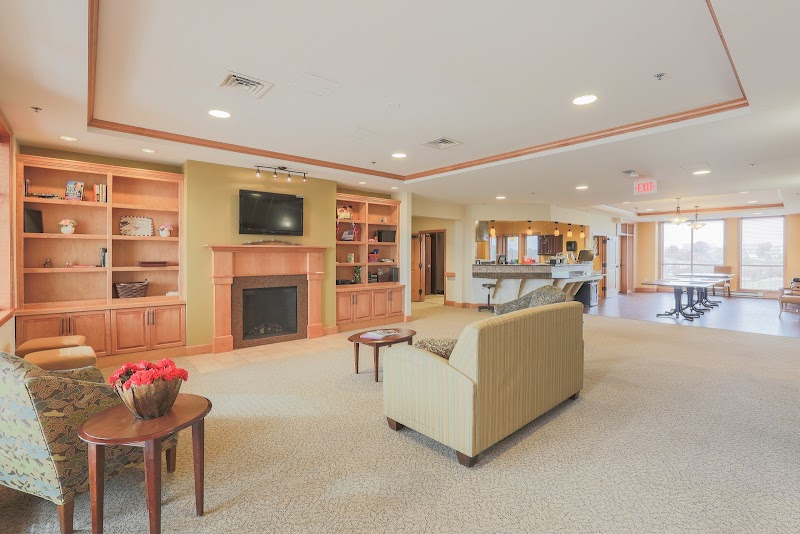
How is The Nursing And Rehab Center At Stadium Place Staffed?

CMS rates THE NURSING AND REHAB CENTER AT STADIUM PLACE's staffing level at 3 out of 5 stars, which is average compared to other nursing homes. Staff turnover is 52%, compared to the Maryland average of 46%.

What Have Inspectors Found at The Nursing And Rehab Center At Stadium Place?

State health inspectors documented 60 deficiencies at THE NURSING AND REHAB CENTER AT STADIUM PLACE during 2019 to 2025. These included: 1 that caused actual resident harm and 59 with potential for harm. Deficiencies causing actual harm indicate documented cases where residents experienced negative health consequences.
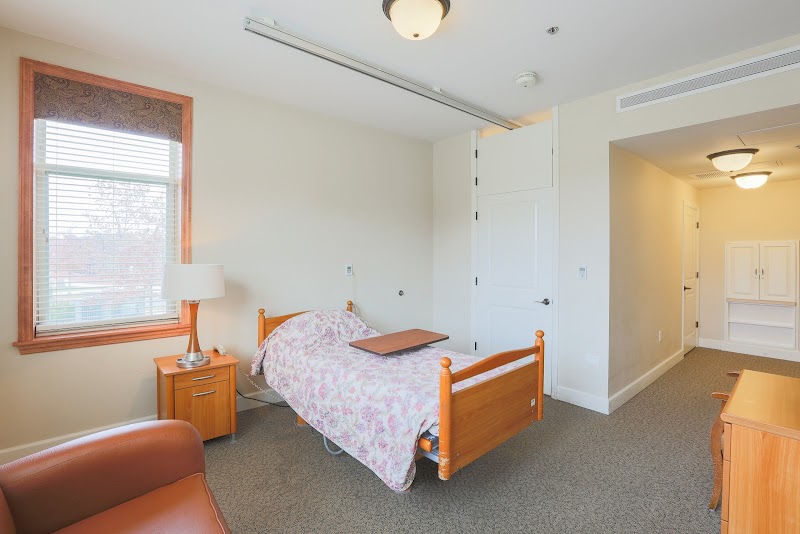
Who Owns and Operates The Nursing And Rehab Center At Stadium Place?

THE NURSING AND REHAB CENTER AT STADIUM PLACE is owned by a for-profit company. For-profit facilities operate as businesses with obligations to shareholders or private owners. The facility is operated by LIFEWORKS REHAB, a chain that manages multiple nursing homes. With 49 certified beds and approximately 44 residents (about 90% occupancy), it is a smaller facility located in BALTIMORE, Maryland.
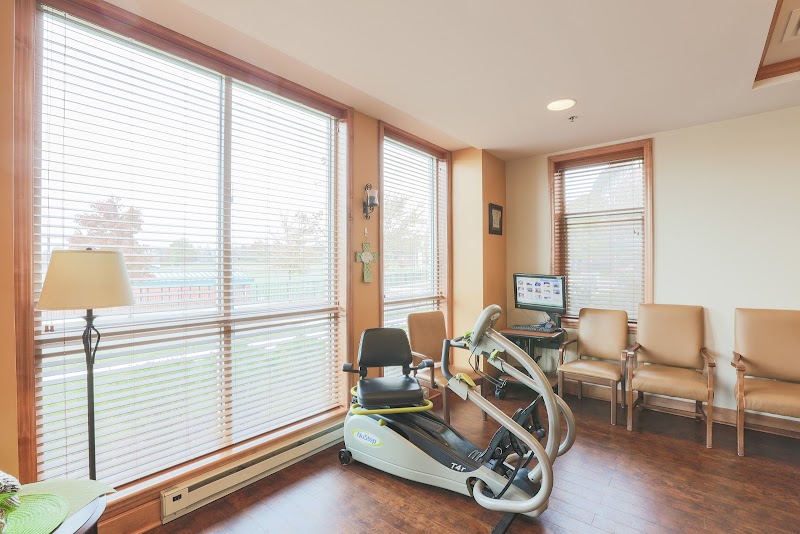
How Does The Nursing And Rehab Center At Stadium Place Compare to Other Maryland Nursing Homes?

Compared to the 100 nursing homes in Maryland, THE NURSING AND REHAB CENTER AT STADIUM PLACE's overall rating (4 stars) is above the state average of 3.0, staff turnover (52%) is near the state average of 46%, and health inspection rating (3 stars) is at the national benchmark.

What Should Families Ask When Visiting The Nursing And Rehab Center At Stadium Place?

Based on this facility's data, families visiting should ask: "Can I visit during a mealtime to observe dining assistance and food quality?" "How do you handle medical emergencies, and what is your hospital transfer rate?" "Can I speak with family members of current residents about their experience?"

Is The Nursing And Rehab Center At Stadium Place Safe?

Based on CMS inspection data, THE NURSING AND REHAB CENTER AT STADIUM PLACE has a clean safety record: no substantiated abuse findings (meaning no confirmed cases of resident harm), no Immediate Jeopardy citations (the most serious violation level indicating risk of serious injury or death), and is not on the Special Focus Facility watch list (a federal program monitoring the lowest-performing 1% of nursing homes). The facility has a 4-star overall rating and ranks #1 of 100 nursing homes in Maryland. While no facility is perfect, families should still ask about staff-to-resident ratios and recent inspection results during their visit.

Do Nurses at The Nursing And Rehab Center At Stadium Place Stick Around?

THE NURSING AND REHAB CENTER AT STADIUM PLACE has a staff turnover rate of 52%, which is 6 percentage points above the Maryland average of 46%. Moderate turnover is common in nursing homes, but families should still ask about staff tenure and how the facility maintains care continuity when employees leave.

Was The Nursing And Rehab Center At Stadium Place Ever Fined?

THE NURSING AND REHAB CENTER AT STADIUM PLACE has been fined $66,638 across 1 penalty action. This is above the Maryland average of $33,745. Fines in this range indicate compliance issues significant enough for CMS to impose meaningful financial consequences. Common causes include delayed correction of deficiencies, repeat violations, or care failures affecting resident safety. Families should ask facility leadership what changes have been made since these penalties.

Is The Nursing And Rehab Center At Stadium Place on Any Federal Watch List?

THE NURSING AND REHAB CENTER AT STADIUM PLACE is not on any federal watch list. The most significant is the Special Focus Facility (SFF) program, which identifies the bottom 1% of nursing homes nationally based on persistent, serious quality problems. Not being on this list means the facility has avoided the pattern of deficiencies that triggers enhanced federal oversight. This is a positive indicator, though families should still review the facility's inspection history directly.