LORIEN NSG & REHAB CTR BELAIR


1909 EMORTON ROAD, BEL AIR, MD 21015 (410) 803-1400
For profit - Corporation 120 Beds LORIEN HEALTH SERVICES Data: November 2025
Trust Grade
55/100
#114 of 219 in MD
Last Inspection: June 2024

Within standard 12-15 month inspection cycle. Federal law requires annual inspections.

Overview

Lorien Nursing and Rehabilitation Center in Bel Air, Maryland has a Trust Grade of C, which means it is average and falls in the middle of the pack for nursing homes. It ranks #114 out of 219 facilities in the state, placing it in the bottom half, and #5 out of 6 in Harford County, indicating that only one local option is better. The facility's trend is worsening, with issues increasing from 20 in 2019 to 24 in 2024. Staffing is rated 4 out of 5 stars, which is good, but the turnover rate of 58% is concerning as it is higher than the state average of 40%. While the facility has not incurred any fines, there have been multiple concerns noted, such as a resident struggling to access their hearing aids for weeks, and failures in maintaining proper food safety protocols in the kitchen. Overall, while there are strengths in staffing and a lack of fines, the increasing number of issues and some specific incidents raise concerns about the quality of care.

Trust Score
C
55/100
In Maryland
#114/219
Bottom 48%
Safety Record
Low Risk
No red flags
Inspections
Getting Worse
20 → 24 violations
Staff Stability
⚠ Watch
58% turnover. Above average. Higher turnover means staff may not know residents' routines.
Penalties
✓ Good
No fines on record. Clean compliance history, better than most Maryland facilities.
Skilled Nurses
✓ Good
Each resident gets 66 minutes of Registered Nurse (RN) attention daily — more than 97% of Maryland nursing homes. RNs are the most trained staff who catch health problems before they become serious.
Violations
⚠ Watch
57 deficiencies on record. Higher than average. Multiple issues found across inspections.
★★★☆☆
3.0
Overall Rating
★★★★☆
4.0
Staff Levels
★★★☆☆
3.0
Care Quality
★★★☆☆
3.0
Inspection Score
Stable
2019: 20 issues
2024: 24 issues

The Good

  • 4-Star Staffing Rating · Above-average nurse staffing levels
  • Full Sprinkler Coverage · Fire safety systems throughout facility
  • No fines on record

Facility shows strength in staffing levels, fire safety.

The Bad

3-Star Overall Rating

Near Maryland average (3.0)

Meets federal standards, typical of most facilities

Staff Turnover: 58%

11pts above Maryland avg (46%)

Frequent staff changes - ask about care continuity

Chain: LORIEN HEALTH SERVICES

Part of a multi-facility chain

Ask about local staffing decisions and management

Staff turnover is elevated (58%)

10 points above Maryland average of 48%

The Ugly 57 deficiencies on record

Jun 2024 17 deficiencies
CONCERN (D)

Potential for Harm - no one hurt, but risky conditions existed

Deficiency F0558 (Tag F0558)

Could have caused harm · This affected 1 resident

Based on observation, interview, and record review it was determined the facility failed to ensure Resident #68 had access to their call bell to call for staff assistance. This was evident for 1 out o...

Read full inspector narrative →
Based on observation, interview, and record review it was determined the facility failed to ensure Resident #68 had access to their call bell to call for staff assistance. This was evident for 1 out of 4 residents reviewed for environment. The findings include: During surveyor's initial tour of the facility on 5/28/24 at 10:28AM, Resident #68 was observed to be laying in bed with their call bell on the floor out of reach behind their bed. On 5/28/24 at 10:29AM the surveyor requested a dual observation with Licensed Practical Nurse (LPN) #35 who observed and upon interview, they confirmed the location of the call bell. The surveyor observed LPN #35 pick the call bell off of the floor and give it to Resident #68 and clipped the call bell cord to their bed. On 6/10/24 at 12:35PM the surveyor conducted review of the medical record for Resident #68 which revealed the following information included in the care plan interventions dated 3/5/24: keep call bell in reach and encourage me to use it for assistance and have commonly used articles within reach.
CONCERN (D)

Potential for Harm - no one hurt, but risky conditions existed

Deficiency F0578 (Tag F0578)

Could have caused harm · This affected 1 resident

**NOTE- TERMS IN BRACKETS HAVE BEEN EDITED TO PROTECT CONFIDENTIALITY** 3) A review of Resident #112's medical record on [DATE] at 12:39 PM revealed that the resident was admitted to the facility on [...

Read full inspector narrative →
**NOTE- TERMS IN BRACKETS HAVE BEEN EDITED TO PROTECT CONFIDENTIALITY** 3) A review of Resident #112's medical record on [DATE] at 12:39 PM revealed that the resident was admitted to the facility on [DATE]. There was no copy of his/her advance directive. Further review of Resident #112's admission Assessment Notes, written by a social worker on [DATE], showed that the social worker documented that the resident had an Advanced Directive, ask [family member]. During an interview with a social worker (Staff #21) on [DATE] at 3:51 PM, Staff #21 stated that if a resident had an advance directive, she would ask who the facility could contact to bring a copy to file in the medical record. On [DATE] at approximately 9 AM, the surveyor requested that the Director of Nursing (DON) submit copies of documentation regarding Resident #112's advance directive. On [DATE] at 10:39 AM, the DON brought a copy of Resident #112's Advance Directive. She stated that the facility's social worker had contacted resident #112's family member to get a copy of the advance directive upon admission (about a month ago). The DON confirmed that the advance directive was submitted from Resident #112's family member on [DATE] after the surveyor asked about the social worker follow up. 2) On [DATE] at 9:48 AM a review of Resident #54's electronic medical record revealed no evidence that the resident had an advance directive or that one had been offered to the resident. On [DATE] at 10:19 AM a review of Resident #54's paper chart revealed a Maryland Order for Life Sustaining Treatment (MOLST) dated [DATE] which indicated No CPR, Option B and indicated that this decision was per the resident's advance directives. However, there was no advance directive document found in the paper chart. On [DATE] at 11:39 AM in an interview with the social services designee (Staff #10), she stated that advance directive information should be in each resident's paper chart and may also be scanned into the electronic record. She further stated that the facility process was to offer advance directive information to all new admissions and document any discussion with residents in the progress notes section of the electronic record. Additionally, all residents were seen every quarter for assessments, perhaps sooner if the resident had a change in condition. At each of these assessments a review of the advance directives should take place and the review should be documented in the resident's medical record. On [DATE] at 11:51 AM a follow up interview with Staff #10 was conducted. When asked if Resident #54 had made or been offered to make an advance directive, Staff #10 said she was not sure and would look for that documentation. On [DATE] at 3:38 PM the Nursing Home Administrator (NHA) provided the surveyor a copy of documentation written by Staff #10 and dated [DATE] at 15:02 that stated SWA has discussed formulating an advance directive with resident in the past. She has previously declined. SWA approached the resident today and now [the resident] is in agreement to formulate a directive. SWA to assist with directive today. Since the documentation was written the day of the surveyor interview, the surveyor asked to speak to Staff #10 again. On [DATE] at 3:51 PM an interview with Staff #10 and the Director of Social Work (SW#21) was conducted. A review of Resident #54's record was conducted again with both Staff #10 and SW #21, and they both confirmed that there was no previous documentation of any discussion with the resident regarding advance directives, the resident did not have any advance directive, and the resident had been at the facility for two years. They both confirmed that there was no evidence that the resident had previously been asked for or provided information about advance directives. Based on observation, interview and record review it was determined the facility failed to 1) ensure a second certification of incapacity was obtained, 2) ensure that residents were provided information regarding advanced directives, and 3) obtain Advanced Directives from residents/resident's family. This was evident for 3 (Residents #54, #90, and #112) out of 7 residents reviewed for advanced directives during the recertification survey. The findings include: An advanced directive is a written instruction, such as a living will or durable power of attorney for health care, recognized under the State law (whether statutory or as recognized by the State courts) relating to the provision of health care when the individual is incapacitated. 1) On [DATE] at 9:57AM the surveyor observed the Maryland Order for Life Sustaining Treatment (MOLST) form in the paper chart of Resident #90 and noted that under the certification section, it was marked as the resident or authorized decision maker having declined to discuss or unable to make a decision about treatments, and the form was signed by Physician #41 and dated [DATE]. On [DATE] at 9:59AM the surveyor observed the advanced directive document dated [DATE] for Resident #90 located in their paper chart stating the advanced directive was for in the event they became incapable of making an informed decision, and further detailed that the determination of incapacity would be made by the attending and a second physician or licensed clinical psychologist after a personal examination of them, and was to be certified in writing. On [DATE] at 9:59AM the surveyor additionally observed only one certification of incapacity in the resident's medical record dated [DATE]. Upon further surveyor observation of the resident's paper chart, a facility health care decision maker form was completed which documented that as of [DATE], the health care decision maker named in the resident's advanced directive was already in place. On [DATE] at 10:05AM the surveyor conducted an interview with Unit Manager #9 who observed documentation in the medical record with the surveyor and confirmed that upon the resident's admission to the facility, the following information was documented by Physician #41: (Resident #90) came with a MOLST done by him/her, I tried to dicuss MOLST with (Resident #90) but he/she had little understanding, (Resident #90) will be full code by default until decision maker clarified. On [DATE] at 10:07AM the surveyor further inquired to Unit Manager #9 regarding a decision maker being in place for the resident without a second certification of incapacity present. At this time, they communicated to the surveyor that it was their job to ensure two certifications of incapacity were completed and confirmed with the surveyor that only one certification of incapacity was present, and informed the surveyor they would need to call a supervisor regarding the inquiry. On [DATE] at 10:29AM the surveyor conducted an interview with the Director of Social Work #21 who reported to the surveyor that they typically consulted with relatives of the resident for decision making regarding the resident. At this time, they confirmed with the surveyor that a second certification of incapacity should be present in the medical record. On [DATE] at 12:07PM after surveyor intervention, the Director of Social Work #21 provided the surveyor with a copy of a second certification of incapacity completed on and dated [DATE] and informed the surveyor that although regular audits were performed, I missed the chart.
CONCERN (D) 📢 Someone Reported This

A family member, employee, or ombudsman was alarmed enough to file a formal complaint

Potential for Harm - no one hurt, but risky conditions existed

Report Alleged Abuse (Tag F0609)

Could have caused harm · This affected 1 resident

Based on interview and record review it was determined the facility failed to ensure an allegation of neglect and an investigation of neglect were timely reported. This was evident for 1 (MD00205866) ...

Read full inspector narrative →
Based on interview and record review it was determined the facility failed to ensure an allegation of neglect and an investigation of neglect were timely reported. This was evident for 1 (MD00205866) out of 6 facility reported incidents reviewed during the facility's recertification survey. The findings include: On 5/28/24 the surveyor began review of a facility reported incident (MD00205866). On 5/31/24 at approximately 10:27AM the surveyor conducted an interview with the facility Administrator who reported the following information regarding the facility's process for the reporting of allegations of abuse and neglect: Supervisors report to us and we act on and start investigation immediately, we talk to residents, we determine if it is something we need to report, determine if it is a care concern or a customer service issue, or something that looks like it could be abuse or neglect, and investigation along the lines of abuse is reported to OHCQ within 2 hours of us getting notified. On 5/31/24 at 12:41PM the surveyor observed the following documented in the facility's initial self report: On 5/9/24, the SW (Social Worker) made the DON/NHA (Nursing Home Administrator) aware that the resident was left lying flat in bed, uncovered and call bell was not within reach. Resident reported time was from around 8:30am to 1pm. Additionally, the surveyor noted the facility documented the allegation type was an investigation for neglect, the incident was alleged as occurring on 5/9/24, and was not initially reported to the Office of Healthcare Quality until 5/17/24 at 5:00PM, approximately eight days later, during which time, a second alleged incident of neglect of Resident #3 was documented as occurring beginning on 5/11/24. On 5/31/24 at 2:41PM the surveyor conducted an interview with the Director of Nursing (DON) and Administrator who confirmed the dates and times of submission of the reports, at which time, the surveyor shared their concerns. When the surveyor inquired as to why the allegation was not reported timely, the DON reported the incident didn't feel intentional. When the surveyor inquired to the Administrator, they reported the following: It was not as big of a gap of time as we were first told. It wasn't that long the resident was left, typical rounding should be every two hours, it was one hour beyond that, the resident didn't feel it was intentional. When the surveyor further inquired as to if intention had to be present in order to report the allegation, the Administrator replied: No, it's not that we think it has to be intentional, what does the policy say? It doesn't have to be intentional to report it. On 6/11/24 at 1:19PM the surveyor conducted an interview with Geriatric Nursing Assistant (GNA) #27, who was assigned to the care of the resident on 5/9/24. GNA #27 reported to the surveyor that when they entered the resident's room, s/he was on their side, and had been left from wound rounds and verbalized needing LPN #5 to do a dressing. GNA #27 further reported that on 5/9/24, Resident #3 stated the following to them in response to the incident: Wound rounds left me like this. At this time, GNA #27 confirmed with the surveyor that the resident was upset by the incident. GNA #27 confirmed they believed it had been several hours since the resident had been checked on last, and additionally reported, that after the incident, all parties involved were taken to the Director of Nursing's office where staff were asked if they understood the severity of the situation.
CONCERN (D) 📢 Someone Reported This

A family member, employee, or ombudsman was alarmed enough to file a formal complaint

Potential for Harm - no one hurt, but risky conditions existed

Transfer Requirements (Tag F0622)

Could have caused harm · This affected 1 resident

**NOTE- TERMS IN BRACKETS HAVE BEEN EDITED TO PROTECT CONFIDENTIALITY** Based on complaint intake review, medical record review, and staff interview it was determined that the facility failed to docum...

Read full inspector narrative →
**NOTE- TERMS IN BRACKETS HAVE BEEN EDITED TO PROTECT CONFIDENTIALITY** Based on complaint intake review, medical record review, and staff interview it was determined that the facility failed to document the transfer of a resident in the medical record including the reason for the transfer. This was evident for 1 (#166) of 3 residents reviewed for discharge. The Findings include: Resident #166's closed medical record was initially reviewed on 6/5/24, in relation to complaint intake MD00206001. Resident #166 was admitted to the facility on [DATE]. Per the census tab in the electronic health record (EHR) revealed the resident was discharged on 3/7/23. There was not a discharge note to indicate the reason for the discharge, or information of how, or when the resident left the facility. Under the evaluations tab in the EHR was an in Progress discharge instructions document without indication as to who was provided the instructions. The Director of social services (staff #21) was interviewed on 6/5/24 at 1:30 PM. Upon identification of the resident in question she did a custom search of social work notes. She indicated that she could not remember the circumstance of the initiation for discharge, and she agreed that something should have been written. The social worker indicated that she may have some documentation in a soft file (personal file not in the medical record) and she would get back to the surveyor with any discovered information. On 6/6/24 at 10:16 AM the director of social services provided email documentation from March 2023 with indication the resident was issued a Notice of Medicare Non-Coverage (NOMNC) on 3/3/23 with indication of the discharge to occur on 3/6/23. The email documentation further indicated that resident #166 was granted an extra day with discharge set for 3/7/23. The social worker was informed of the concern that the medical record was absent and incomplete discharge documentation.
CONCERN (D)

Potential for Harm - no one hurt, but risky conditions existed

Transfer Notice (Tag F0623)

Could have caused harm · This affected 1 resident

Based on medical record review and staff interview it was determined the facility failed to notify the resident/resident representative (RP) in writing of a transfer/discharge of a resident along with...

Read full inspector narrative →
Based on medical record review and staff interview it was determined the facility failed to notify the resident/resident representative (RP) in writing of a transfer/discharge of a resident along with the reason for the transfer. This was evident for 1 (#86) of 6 residents reviewed for hospitalization during a recertification survey. The findings include: In an initial interview with Resident # 86 on 5/28/2024 at 11:14 AM, the resident stated that s/he was sent to the hospital over a week ago for low blood level. When asked if s/he was notified in writing the reason for the transfer, Resident #86 state s/he was told verbally about the reason for the transfer but was not given anything in writing. On 5/30/2024 at 11:45 AM, a review of nurses' progress notes revealed the following documentation dated 4/30/2024 at 23:37 (11:37 PM): Note Text: Resident admitted to UCMC (Upper Chesapeake Medical Center) per [staff name] for symptomatic anemia and GI bleed. Change in condition documentation (SBAR) dated 4/30/2024 at 17:09 (5:09 PM) revealed Resident #86 was transferred to the hospital. However, there was no documentation and/or evidence in the record indicating that the facility staff notified the resident/resident's representative (RP) in writing of the reason for the transfer to the hospital. On 5/30/2024 at 12:05 PM, surveyor requested from the Nursing Home Administrator (NHA) to see written notification for the reason of transfer to the hospital given to Resident #86 and/or their RP and a copy of the bed hold policy given to the resident or their RP. On 5/31/2024 at 10:31 AM, in an interview with the Director of Nursing (DON) and NHA, DON confirmed that she could not find any documentation that Resident #86 and/or their RP was given any written notification of the reason for transfer to the hospital on 4/30/2024. However, DON stated that the reason for transfer was documented on the change in condition form (SBAR) including that family/RP was notified. On 6/4/2024 at 8:30 AM, an interview was completed with Licensed Practical Nurse (LPN #14) who has worked full time in the facility for over a year. Regarding transferring residents out to the hospital, LPN #14 stated that she has never given a resident/RP anything in writing regarding reason for transfer out. LPN #14 further stated that the reason was written in transfer sheet placed in packet sent to the hospital. LPN #14 added that the residents and/or their families were told verbally why the residents were transferred to the hospital. On 6/4/24 at 8:54 AM, an interview was completed with Unit Manager (UM #1). UM #1 confirmed that she has never given residents/their RPs in writing the reason for transfer to the hospital. She stated that the resident and/RP were told verbally the reason why the resident was transferred (in person if RP was in the facility and/or phone call if not in facility).
CONCERN (D)

Potential for Harm - no one hurt, but risky conditions existed

Deficiency F0625 (Tag F0625)

Could have caused harm · This affected 1 resident

**NOTE- TERMS IN BRACKETS HAVE BEEN EDITED TO PROTECT CONFIDENTIALITY** 2) On 05/28/24 at 10:44 AM, an interview with resident #104 and the resident's family member/responsible party (R.P) revealed th...

Read full inspector narrative →
**NOTE- TERMS IN BRACKETS HAVE BEEN EDITED TO PROTECT CONFIDENTIALITY** 2) On 05/28/24 at 10:44 AM, an interview with resident #104 and the resident's family member/responsible party (R.P) revealed that the resident fell at the facility and was sent to the hospital on [DATE]. R.P. was present at the facility during the resident's transfer and confirmed that the facility did not offer a bed hold policy to the resident or R.P. On 5/29/2024 at 01:43 PM, the surveyor's record review revealed that the resident (#104) had been at the facility for the past two months for short-term rehabilitation. The resident was transferred to the hospital on [DATE] and was admitted . However, there was no evidence that the resident or resident's representative received a bed hold policy. Documentation from 05/08/24 at 8:50 PM, regarding the change in condition, by staff #42 revealed that Bed hold policy: Not given to resident or family. The package was given to EMTs. On 06/04/24 at 08:27 AM, an Interview with staff #43 revealed that the staff prepares the required documentation package, including the bed hold policy, and gives it to the paramedic (a person trained to give emergency medical care to people who are ill or injured outside the hospital) during resident emergency transfers. Staff #43 also confirmed that he/she does not communicate with residents or family, stating that maybe nursing supervisors communicate regarding the bed hold policy. On 06/04/24 at 01:13 PM, the surveyor reviewed the lack of communication with the resident or family member regarding the bed hold policy with the Director of Nursing (DON) and the Nursing home administrator (NHA). The surveyor's review also included resident #104 not receiving a bed hold policy from the facility at the time of transfer to the hospital. DON stated that the Director of admissions usually calls families, but was not able to provide documentation. Based on medical record review and staff interview it was determined the facility failed to notify the resident/resident representative in writing of the bed-hold policy upon transfer of a resident to an acute care facility. This was evident for 2 (#86, #104) of 6 residents reviewed for hospitalization during a recertification survey. The findings include: The bed-hold policy describes the facility's policy of holding or reserving a resident's bed while the resident is absent from the facility for therapeutic leave or hospitalization. 1) In an initial interview with Resident # 86 on 5/28/2024 at 11:14 AM, the resident stated that s/he was sent to the hospital over a week ago for low blood level. When asked if s/he was notified in writing the reason for the transfer, Resident #86 stated s/he was told verbally about the reason for the transfer but was not given anything in writing. Resident #86 added that s/he knew they were holding their bed but did not know for how long. On 5/30/2024 at 11:45 AM, a review of nurses' progress notes revealed the following documentation dated 4/30/2024 at 23:37 (11:37 PM): Note Text: Resident admitted to UCMC (Upper Chesapeake Medical Center) per [staff name] for symptomatic anemia and GI bleed. Change in condition documentation (SBAR) dated 4/30/2024 at 17:09 (5:09 PM) revealed Resident #86 was transferred to the hospital and the resident's representative (RP) notified of the transfer. However, there was no written documentation that the resident/responsible party was notified in writing of the bed-hold policy. Bed hold was not checked off as provided. On 5/30/2024 at 12:05 PM, in an interview with the Director of Nursing (DON), she stated that bed hold notification was given by the transferring nurse when a resident was transferred out to the hospital. The surveyor requested bed hold and written transfer notification given to Resident #86 and/or their RP when the resident was transferred out on 4/30/2024 including the facility's bed hold policy. On 5/30/2024 at 12:50 PM, in a follow up interview with the DON, she gave the surveyor copies of the facility's bed hold policy. However, DON stated that they were still looking for the bed hold notification that was provided to Resident #86 when s/he was transferred to the hospital on 4/30/2024. On 5/31/2024 at 10:31 AM, in an interview with the DON and Nursing Home Administrator (NHA), DON confirmed that she could not find any documentation that Resident #86 and/or their RP was given a copy of the bed hold notification and/or any written notification of the reason for transfer to the hospital. However, DON stated that the reason for transfer was documented on the change in condition form (SBAR) including that family/RP was notified. DON added that bed hold notification was supposed to be included in the change in condition form, but facility staff failed to complete that part of the form. On 6/4/2024 at 8:30 AM, an interview was completed with Licensed Practical Nurse (LPN #14) who has worked full time in the facility for over a year. Regarding bed hold, LPN #14 confirmed that the facility's bed hold policy was included in the transfer packet when a resident was sent out to the hospital. However, LPN #14 stated that she has never given any written bed hold policy notification to a resident and/or their representative upon transfer to the hospital. She further stated, It's my understanding that residents' and their families are aware of the bed hold policy. On 6/4/24 at 8:54 AM, an interview was completed with Unit Manager (UM #1). Regarding bed hold notification, UM #1 stated that she has never given residents/their RPs a copy of the bed hold notification upon transfer to the hospital. UM #1 confirmed that the 3-day bed hold policy was given in the envelope to the hospital upon transfer but not to the resident and/or their RP. When asked to show a copy of the written bed hold policy provided for Resident #86 when they were sent out to the hospital on 4/30/2024, UM #1 was unable to do so.
CONCERN (D)

Potential for Harm - no one hurt, but risky conditions existed

Assessment Accuracy (Tag F0641)

Could have caused harm · This affected 1 resident

**NOTE- TERMS IN BRACKETS HAVE BEEN EDITED TO PROTECT CONFIDENTIALITY** Based on observation, medical record review, and interview it was determined the facility staff failed to ensure Minimum Data Se...

Read full inspector narrative →
**NOTE- TERMS IN BRACKETS HAVE BEEN EDITED TO PROTECT CONFIDENTIALITY** Based on observation, medical record review, and interview it was determined the facility staff failed to ensure Minimum Data Set (MDS) assessments were accurately coded. This was evident for 1 (#70) of 42 residents reviewed during a recertification survey. The findings include: The MDS is part of the Resident Assessment Instrument that was Federally mandated in legislation passed in 1986. The MDS is a set of assessment screening items employed as part of a standardized, reproducible, and comprehensive assessment process that ensures each resident's individual needs are identified, that care is planned based on those individualized needs, and that the care is provided as planned to meet the needs of each resident. On 6/3/2024 at 11:45 AM, a review of Resident #70's clinical records revealed the resident was originally admitted to the facility on [DATE] and re-admitted on [DATE] with diagnoses that included but not limited to adjustment disorder with mixed anxiety and depressed mood, unspecified dementia, unspecified severity, without behavioral disturbance, psychotic disturbance, mood disturbance, and anxiety. On 6/3/2024 at 12:16 PM, review of physician orders revealed the following active orders originally written on 3/21/2024: Sertraline HCl Oral Tablet 25 MG (Sertraline HCl) Give 1 tablet by mouth in the morning for Depression. On 6/3/2024 at 12:34 PM, review of the Medication Administration Record (MAR) for March, April, and May 2024 revealed the resident was getting Sertraline HCl Tablet 25 mg 1 tablet by mouth in the morning for Depression, start date 3/21/2024. On 6/3/2024 at 2:17 PM, review of Resident #70's quarterly MDS with an assessment reference date (ARD) of 4/20/2024 was completed. Section I (Active Diagnoses) did not capture adjustment disorder with mixed anxiety and depressed mood and/or Depression under psychiatric/mood disorder (subsection 15800). However, Section N (Medications) captured use of Antidepressant on both the quarterly MDS of 4/20/2024 and Discharge Return Anticipated MDS dated [DATE]. Review of progress notes revealed the following Nursing Narrative Note written on 3/21/2024 at 9:30 AM: Resident saw [Name] CRNP on 3-19-24 from Counterpoint Health Services, recommendation to start Sertraline 25mg po daily for depression, secondary to increase tearfulness and signs and symptoms of depression, Recommendation to start Sertraline 25mg po daily approved by [name of medical director]. On 6/3/2024 at 2:35 PM, a review of psychiatry note dated 3/19/2024 at 21:23 (9:23 PM) revealed the following documentation: under chief complaint/nature of presenting problem: Follow up assessment for depressed mood/grief Under Assessment/Plan/Orders/Recommendations: [Resident's name] presented as sad and tearful today. Add sertraline 25 mg po q day. Under diagnosis, assessment . adjustment disorder with mixed anxiety and depressed mood. On 6/4/2024 at 8:30 AM, surveyor reviewed Resident #70's active orders with Licensed Practical Nurse (LPN #14) who confirmed that the resident was receiving an antidepressant Sertraline HCl Oral Tablet 25 MG daily in the morning for depression. When asked if Resident #70 had depression, LPN #14 immediately navigated to the medical diagnosis tab in PCC (electronic record) and confirmed that depression was not indicated in the medical diagnoses tab. LPN #14 further stated that she could review Psych notes for their recommendations/indication regarding the antidepressant medication. On 6/4/2024 at 9:08 AM, an interview was completed with the Unit Manager (UM #1). Regarding Resident #70's active diagnoses, UM #1 verified that Depression was not included under the medical diagnosis tab in PCC, however, adjustment disorder with mixed anxiety and depressed mood was indicated. UM #1 stated she could look under psych notes for diagnosis of depression. UM #1 reviewed and noted that Psych notes dated 3/19/2024 had recommendations to start resident on the above antidepressant and diagnosis of adjustment disorder with mixed anxiety and depressed mood. UM #1 further reviewed notes dated 3/21/2024 that she had written regarding starting the resident on the above antidepressant. She also reviewed physician orders for Sertraline 25 mg with indication Depression, and reviewed MDS sections I and N for both the quarterly on 4/20/2024 and discharge on [DATE] with the surveyor. UM #1 verified and confirmed that the diagnoses of adjustment disorder with mixed anxiety and depressed mood and/or depression were not captured on both 4/20/2024 and 5/28/2024. UM #1 stated it's a learning process. On 6/4/2024 at 9:58 AM, in an interview with the MDS Coordinator (Staff #11), surveyor reviewed Section I of Resident #70's quarterly MDS with ARD of 4/20/2024 and MDS of 5/28/2024. Staff #11 verified and confirmed that Resident #70's MDS assessment was inaccurate. She stated that usually the MDS coordinator would code the diagnosis and the expectation was to go back 60 days to look for active diagnoses and make sure the diagnoses were still active in the 7 days ARD look back period. Staff #11 added it was an oversight on their part. On 6/5/2024 at 10:55 AM, in a follow up interview with the Director of Nursing (DON) and Nursing Home Administrator (NHA), surveyor reviewed Resident #70's Section I of the quarterly MDS with ARD of 4/20/2024 and Discharge MDS of 5/28/2024. DON stated she was not aware that the resident's diagnosis of depression and/or adjustment disorder with anxiety and depressed mood was not captured on the MDS.
CONCERN (D)

Potential for Harm - no one hurt, but risky conditions existed

Deficiency F0657 (Tag F0657)

Could have caused harm · This affected 1 resident

Based on the resident and staff interviews and medical record review, it was determined that the facility failed to revise care plans after a resident sustained an injury after a fall. This was eviden...

Read full inspector narrative →
Based on the resident and staff interviews and medical record review, it was determined that the facility failed to revise care plans after a resident sustained an injury after a fall. This was evident for one resident (Resident #95) out of 42 residents reviewed for care plan timing and revision. The findings include: Resident #65 has been at the facility for a month to get short-term rehab for a respiratory infection. On 05/29/24 at 11:07 AM, an Interview with a resident (#95) revealed that the resident sustained Fracture after a fall in the facility on 05/16/24. The resident was sent to the Hospital and returned to the facility on 5/26/2024. On 06/06/24 at 10:05 AM Record review revealed that the risk for falls care plan was Initiated on 05/02/2024 with the goal will have no falls through the review period. The resident sustained injury after a fall on 05/16/24, and after returning from the Hospital, the resident's care plan goals and interventions were not revised until 06/05/2024 to provide appropriate care after injury. On 06/04/24 at 08:27 AM, an Interview with Nursing Staff #43 revealed that she/he works mostly during night shifts. She/he gets the status of the residents at the beginning of the shift from outgoing staff and sometimes from progress notes. She/he will not initiate or update any care plans; she/he stated that supervisors may do the care plans. On 06/04/24 at 08:33 AM, an Interview with staff #47 revealed that she/he works the day shift, gets the report from outgoing staff, and reads the notes from medical records. She/he does not initiate or update care plans. On 06/04/24 at 01:13 PM Interview with the Director of Nursing (DON) & Nursing home administrator (NHA) reviewed the care plan-related issues for resident # 95. The DON stated that fall risk was assessed during the admission. If the resident is at risk for falls, appropriate interventions are implemented. If any additional changes occur, the team makes recommendations and documents. The team, including the medical Director, reviews falls weekly at a risk management meeting. IDT also trends the falls and comes up with interventions. The team also discusses fall management at QA meetings each Month. DON also stated that most of the management team is new. The DON also reviewed the Care plan process. Between unit managers, the Assistant Director of Nursing manager (ADON), the Nursing Supervisor, DON, and the Minimum Data set (MDS) coordinator, do care plan follow-ups and updates. ADON compiles and ensures that all the plans and recommendations are implemented and compiles data for the risk meeting.
CONCERN (D)

Potential for Harm - no one hurt, but risky conditions existed

Deficiency F0676 (Tag F0676)

Could have caused harm · This affected 1 resident

**NOTE- TERMS IN BRACKETS HAVE BEEN EDITED TO PROTECT CONFIDENTIALITY** Based on observation, interview and record review, it was determined that the facility failed to have a resident's hearing aids ...

Read full inspector narrative →
**NOTE- TERMS IN BRACKETS HAVE BEEN EDITED TO PROTECT CONFIDENTIALITY** Based on observation, interview and record review, it was determined that the facility failed to have a resident's hearing aids accessible to the resident. This was evident for 1( Resident #46) of 1 resident reviewed for management of their hearing aids. The findings include: Minimum Data Set (MDS) is a standardized assessment tool that is used to evaluate the health status and functional capabilities of residents, and to help nursing home staff identify health issues. On 05/29/24 at 09:08 AM, Resident #46 was observed having difficulty hearing the surveyor while being interviewed. He/she was also observed not wearing hearing aids on both ears. No hearing aids were seen within the resident's reach or elsewhere in the room. On 05/29/24 at 09:08 AM, Resident #46 stated that his/her hearing aids were in the room somewhere but that he/she was not sure where they were. He/she expressed that he/she likes wearing hearing aids because it helps him/her hear better. He/she added that he/she feels discouraged not hearing conversations and keeps on saying huh? He/she stated, I would like them to be accessible. He/she indicated that staff do not help him/her access the hearing aids and that he/she hasn't worn hearing aids for several weeks. On 05/30/24 at 08:36 AM, a review of Resident #46's record revealed that the resident was bed-bound and unable to get out of bed independently to obtain supplies in his/her room. On 05/30/24 at 12:05 PM, a record review of Resident #46's treatment administration record (TAR) did not reveal any information about Resident #46's hearing aids such as instructions and care of the hearing aids. The resident's physician notes were also reviewed at that time and revealed a physician's progress note dated 5/14/24 that documented the resident was hard of hearing (HOH). On 05/30/24 at 01:01 PM, a record review of Resident #46's paper chart revealed a completed and signed belonging list dated 5/5/24, the resident's date of admission. The belonging list reflected that hearing aids 1 and 2 were present on admission. On 05/31/24 at 08:49 AM, the surveyor interviewed Licensed Practical Nurse (LPN)#20 who was assigned to work with Resident #46 on that day. When asked if she was aware that Resident #46 was hard of hearing (HOH), she stated no, I'm not aware. She further stated that other residents who use hearing devices keep the devices in a container in their rooms. On 05/31/24 at 09:28 AM, Resident #46 was again observed not wearing hearing aids. Hearing aids were also not noted on the bedside table. Resident #46 required the surveyor to repeat several times, indicating that Resident #46 had trouble hearing. On 05/31/24 at 11:19 AM, the surveyor reviewed the hearing aid policy revised on 10/2022. The policy indicated the following: - Assess resident's knowledge of operating the hearing aid. - Assist resident to adjust control to desired level. Required if physically disabled. - Place the hearing aid in appropriate container when not in use, and store in a safe place. - Document in resident's clinical record, response to use of hearing aid, adjustment and include all pertinent observations. If resident refuses to have nursing staff lock up hearing aid at night, order must be obtained to keep it at bedside. On 05/31/24 at 11:19 AM, the surveyor reviewed the Minimum Data Set (MDS) with an assessment reference date of 5/10/24 for section B. The section was coded with ability to hear with the use of hearing aid or other hearing appliance. Also, the nursing admission assessment dated [DATE] reflected that Resident #46's hearing was not adequate and hearing aids were present on admission. On 05/31/24 at 11:19 AM, the surveyor interviewed the Director of Nursing (DON) and the Nursing Home Administrator. The DON stated Resident #46's hearing aids were found locked in the night stand. The surveyor expressed concerns that Resident #46 can't reach the night stand independently and that the resident has expressed frustration at not hearing well. The DON acknowledged the concern and stated that she will talk to the nursing staff.
CONCERN (D) 📢 Someone Reported This

A family member, employee, or ombudsman was alarmed enough to file a formal complaint

Potential for Harm - no one hurt, but risky conditions existed

Quality of Care (Tag F0684)

Could have caused harm · This affected 1 resident

2) On 5/28/24 at 3:08 PM in an observation of Resident #71, a sign posted above the resident's bed indicated that the resident used a hand splint for their right hand. On 5/31/24 at 1:43 PM a review o...

Read full inspector narrative →
2) On 5/28/24 at 3:08 PM in an observation of Resident #71, a sign posted above the resident's bed indicated that the resident used a hand splint for their right hand. On 5/31/24 at 1:43 PM a review of Resident #71's physician orders revealed that there were no orders regarding the resident's hand splint. On 6/05/24 at 12:07 PM an interview with the Director of Nursing (DON) and the Nursing Home Administrator (NHA) was conducted to review splint care for Resident #71. The DON stated that the resident had used the splint since 2022. The DON was asked about the orders for the splint and documentation of the resident's use and response to use of the hand splint. The DON responded that she could not find any order for the splint or care of the splint, and because there was no order entered into the medical record the care was not entered into the Treatment Administration Record where documentation of care would be documented. She stated that there should have been an order and care documentation for the resident's splint care. She could not explain why the order and documentation was not in the resident's records. Based on interview and record review it was determined the facility failed to: 1) ensure timely and necessary care was provided to a resident, including following medical orders, staff communication regarding resident needs, oversight, assessment and action by staff trained and allowed within the scope of practice for care of resident tube feeding equipment and appropriate documentation of care concerns, and 2) ensure that there were accurate physician orders for resident care. This was evident upon surveyor's review of two facility self reported incidents (MD00205639 & MD00205866) regarding Resident #3, and one resident (Resident #71) of three residents reviewed for rehabilitation services. The findings include: 1.) On 5/28/24 the surveyor began review of two facility self-reported incidents concerning the care of Resident #3. On 6/3/24 at 12:55PM the surveyor conducted a review of the medical record which revealed the following care information for Resident #3 which included the following: turn and reposition every 2 hours and as needed while in bed, turn q2hr and PRN pillows- placement- repositioning, provide incontinence care every 2 hours and as needed, use barrier cream with incontinence care as indicated, side rails- observe for injury or entrapment related to side rail use, bed mobility- requires participation of 2 to reposition and turn in bed to prevent shearing, dependent on staff, prefers to re-position with 2 people, frequent repositioning, check enteral tube for residual every shift/if 150 ml or over, hold feeding for 1 hour and re-check: if residual 100ml or over, notify MD- document in ml- every shift document amount, provide water flush 300ml x 3 during tube feed time 4pm-5am every evening and night shift, enteral feeding via g-tube every shift via feeding pump at 60ml/hr x 13hrs total volume 780ml/24hr up at 4pm/down at 5am one time a day run tube feeding until total volume infused, safe environment- reachable call light, and call light within reach. On 5/30/24 at 1:05PM upon surveyor review of the initial self reports made by the facility it was noted that the facility documented the first incident concerning Resident #3 was alleged as having occurred on 5/9/24. On 5/30/24 at 1:05PM upon surveyor review of the initial self-reports made by the facility it was noted that the facility documented the second incident concerning the resident was alleged as having occurred on the 11pm-7am shift on 5/11/24 into 5/12/24. On 5/30/24 at 1:05PM, the Director of Nursing (DON) verbally confirmed with the survey team that the facility-reported incident investigation files presented to the surveyor were the complete investigation files for both incidents. During an interview on 5/31/24 at 2:52PM the DON and Administrator confirmed with the survey team that the list of times documented in the investigation files were complete from their review of camera footage of staff entering and exiting the room of Resident #3 during the alleged timeframes of the incidents and confirmed that their investigations relied upon this review and documented information. On 5/31/24 at 12:41PM the surveyor reviewed the facility's initial self report dated 5/9/24 which documented that the Social Worker made the facility's Director of Nursing and Administrator aware of an allegation involving Resident #3 on 5/9/23, having been left left lying flat in bed, uncovered without their call bell in reach for an extended period of time. The surveyor noted the incident was alleged as occurring on 5/9/24, and was not initially reported to the Office of Healthcare Quality until 5/17/24, approximately eight days later, during which time, a second alleged incident regarding Resident #3 was documented as occurring beginning on 5/11/24. Surveyor review of the facility's documented final self report for the 5/9/24 incident revealed the facility documented the outcome of the investigation was inconclusive, despite also documenting that it was determined that no staff rounded on the resident for three hours. On 6/11/24 at 1:19PM the surveyor conducted an interview with Geriatric Nursing Assistant (GNA) #27, who was assigned to the care of the resident on 5/9/24. GNA #27 reported to the surveyor that when they entered the resident's room on 5/9/24, Resident #3 was left laying on their side from after wound rounds and Resident #3 stated to them that they needed LPN #5 to do their dressing. GNA #27 further reported that on 5/9/24, Resident #3 stated the following to them in response to the incident: Wound rounds left me like this. At this time, GNA #27 confirmed with the surveyor that the resident was upset by the incident. GNA #27 confirmed they believed it had been several hours since the resident had been checked on last, and additionally reported, that after the incident, all parties involved were taken to the Director of Nursing's office where staff were asked if they understood the severity of the situation. Further review of the facility's complete investigation file revealed a written statement by Wound RN #28 regarding the 5/9/24 incident, which included the following: I entered first and noted location of (Resident #3's) call bell. I asked if s/he could tap it- s/he tried- unsuccessful. No documentation was found regarding any actions having been taken by Wound RN #28 in response to their initial finding that Resident #3 was unable to tap the call bell. On 6/11/24 at 1:26PM the surveyor conducted an interview with Licensed Practical Nurse (LPN) #20, who reported the following information regarding their role with wound rounding on 5/9/24: My job was to make sure the resident was prepped for the doctor to come in and see them. The doctor, wound nurse, and I went in and turned the resident on their side. When the surveyor inquired as to if the resident was left by the team with the call bell within reach, LPN #20 replied that they did not remember. Upon surveyor inquiry as to what measures were being put into place following the incident to prevent recurrence, they reported to the surveyor that temporary dressings were now being applied after at the conclusion of wound team rounding, so that no one has to be positioned in a way they can't reach a call bell. Further review of the facility's investigation revealed a statement collected from LPN #5, dated 5/10/24 which stated the following: Regarding repositioning, I am unable to confirm that it was performed as assigned GNA stated s/he knows residents routine. Wound nurse did not notify myself or orienting nurse that wound team saw resident during wound rounds to prioritize resident's wound treatment above all other tasks. Review of the facility's complete investigation file for the 5/9/24 incident revealed the Administrator's documented timeline review of camera footage of when staff was in the resident's room on 5/9/24: 9:33-9:38AM: Registered Nurse- Wound Nurse #28, LPN #20, and Physician #29, go into room (LPN #20 is last one to exit room) 1:18PM-GNA goes in room 1:21PM (LPN #5) goes in room as well 1:22PM RN #20 goes in to room as well, works on getting treatments from cart with LPN #5 1:27PM RN #20 and LPN #5 exit room 1:37PM GNA exits room. Review of the camera footage timeline documentation revealed no staff present in the resident's room between the hours of 9:38AM and 1:18PM, approximately three hours and forty minutes. Further review of the facility's complete investigation file revealed written information dated 5/9/24 by LPN Unit Manager #1, stating the following information: (Resident #3) did not request to not have the GNA or nurse again. S/he just wants to be taken care of and I agree totally. LPN Unit Manager #1 further documented they believed the assigned staff required education secondary to the resident's complaint. Continued review of the complete investigation file revealed the following information documented in employee education notes and/or disciplinary action form: On 5/9/24 resident was seen by wound rounds and was left on side with no dressing to sacrum. Resident is totally dependent on staff for repositioning and care. Resident is incapable of reaching for call bell and needs to be positioned in such a way that s/he is able to utilize the call bell for assistance. On 5/9/24 during wound rounds, a nurse was covering for a regular wound round staff member, and a dependent resident was left on his/her side, with call bell not able to be reached. In addition, the dressing was not intact, leaving wound exposed. On 5/9/24 [Resident #3] was left in a flat position after wound rounds and unable to have his/her call bell in reach. [Resident #3] is at high risk for pressure ulcers and aspiration and turning and repositioning are necessary for skin integrity and to prevent aspiration. Review of the active medical order dated as beginning on 12/28/22 on the treatment administration record for the month of May 2024 revealed the following was ordered to occur: Turn and reposition every 2 hours (every shift) every shift strict t & p (turning and repositioning) Q (every) 2 hrs. Review of the facility-reported incident alleged to occur on 5/11/24 and 5/12/24 revealed documentation that a weekend supervisor was called to the resident's room on 5/12/24 around 2pm, and it was reported that Resident #3 felt like food was coming up and was scared of aspiration and unable to call for help. The documentation submitted in the initial self report to the Office of Healthcare Quality on 5/13/24 documented a concern that the Resident was left in bed from 6pm to 6:30am without access to her call bell and being left in the same position. Surveyor review of the facility's follow-up self-report dated 5/17/24 regarding this second incident revealed the following information was documented by the facility: DON/NHA (Nursing Home Administrator) apologized on behalf of the facility that the situation occurred. DON and NHA placed the touch call pad in different locations near his/her cheek and hand and the Resident was unable to press the call bell in any position, regardless of proximity. Discussed concern for the resident not being able to use the call bell. Facility documentation for the conclusion/outcome of their investigation revealed it was deemed inconclusive, however, the facility documented the following in their conclusion: It is confirmed that the GNA did not provide care from 11p-6:30am. The nurse provided medications around 10pm and early morning medications/flush around 6:30am. The nurse did see the resident sleeping around 3-4am with no distress noted. On 5/30/24 at 2:16PM the surveyor conducted an interview with the Administrator and DON, at this time they confirmed with the survey team that based on their camera footage review of both shifts for 5/11 and 5/12/24, no one was in the room from approximately 11pm to 6:30am, and further confirmed that the documentation in the investigation file of camera footage times was for the dates of 5/11/24 and into 5/12/24. Review of the facility's complete investigation file for the 5/11/24 and 5/12/24 incident revealed the Administrator's documented timeline review of camera footage of when staff was in the resident's room on 5/11/24 into 5/12/24: 6:47-6:58PM- LPN #31 in room 8:49-9:01PM- LPN #31 in room 9:09PM- RN #28 and RN #26 open door and check in on Resident 10:40pm-10:43PM GNA #32 goes into room 6:30-6:35AM LPN #31 in room 6:38-7:00am GNA in room On 6/3/24 at 3:26PM the surveyor conducted an interview with the Administrator and DON who both verbally confirmed to the survey team that no staff was in the resident's room during the timeframe overnight in question. The DON stated to surveyors that a nurse was seen rounding, but did not go into Resident #3's room. The DON further confirmed with the surveyor that the overnight tube feed for the Resident needed to be checked on, and could not be observed appropriately from the hallway. On 6/3/24 at 10:43AM the surveyor conducted an interview with the DON who stated the following was their documentation expectation for facility staff: There should be something in the medical record that staff met with the resident and concerns were addressed. On 6/6/24 at 9:10AM the surveyor conducted an interview with the Administrator who reported there was no current process in place to ensure that documentation of resident complaints ends up in their medical records. On 6/11/24 at approximately 10:37AM the surveyor conducted an observation of Resident #3's room from the hallway prior to entering the room, and noted the resident's feed pump was unable to be visualized from the nursing unit hallway, and the resident was unable to be effectively visualized from the nursing unit hallway. After the facility concluded their final investigation on 5/17/24, and after surveyor intervention, the DON reported that disciplinary action would take place because of the rounding and checking on the infusing tube feeding that did not occur. Further surveyor review of the facility's complete investigation file revealed GNA #33 was assigned to the resident for the 11PM to 7AM shift beginning on 5/11/24 and into 5/12/24, as confirmed by the staffing schedule and their statement. The surveyor noted the following information included in GNA #33's statement sent to the DON: Upon commencing my shift, I found [Resident #33] asleep. I began my rounds at 5am, attending to him/her at approximately 6:30AM. During my care routine, I stopped his/her feeding before I attended to her personal needs, I completed my tasks by resuming her feeding and turning off the lights before departing his/her room. The surveyor noted at this time that the GNA was describing they had manipulated the Resident's tube feed pump. On 5/31/24 at 2:41PM the surveyor conducted an interview with the DON who reported the following information: The issue we had with them [GNA #33] was the 2 hour rounding not being done. When the surveyor further inquired as to the GNA performing stopping and starting of the tube feeding, the DON replied: The issue was the 2 hour rounding, I didn't catch that. The DON further reported that the issue of the tube feed not being checked on by LPN #31 was not thought of until recently, and they did not realize this issue at the time of their investigation. Further surveyor review of the investigation file revealed GNA #33 was not allowed to return to the facility beginning on 5/13/24, and the facility documented a complaint that was made regarding GNA #33 to the Maryland Board of Nursing. The following information was included in the investigation file: It was determined that the GNA (#33) was assigned 11PM-7AM but did not go into the Resident room for any care until 6:30AM. NHA notified GNA #33 that camera footage was reviewed and there was no evidence of him/her going into the room. On 6/11/24 at 12:20PM, after surveyor intervention, the Administrator informed the surveyor that a follow up complaint to the Maryland Board of Nursing, regarding GNA #33's documented actions of starting and stopping the Resident's tube feed pump were made on 6/11/24, and provided a copy. On 6/12/24 at approximately 9:03AM the surveyor shared concerns with the facility Administrator and DON, who both acknowledged understanding of the concerns.
CONCERN (D)

Potential for Harm - no one hurt, but risky conditions existed

Respiratory Care (Tag F0695)

Could have caused harm · This affected 1 resident

Based on observation, interview, and record review it was determined that the facility failed to ensure that residents received respiratory care consistent with professional standards of practice. Thi...

Read full inspector narrative →
Based on observation, interview, and record review it was determined that the facility failed to ensure that residents received respiratory care consistent with professional standards of practice. This was evident for 2 (#44, #86) of 2 residents reviewed for respiratory care during the recertification survey. The findings include: A care plan is a guide that addresses the unique needs of each resident. It is used to plan, assess, and evaluate the effectiveness of the resident's care. Oxygen therapy is a treatment that provides you with extra oxygen to breathe in. It is also called supplemental oxygen. It is only available through a prescription from your health care provider. 1) On 5/28/24 at 10:53 AM Resident #44 was observed in bed with oxygen tubing lying next to the bed. The oxygen tubing was connected to a wall oxygen outlet and was set at 1.5 liters. The connected humidification water bottle was empty and undated, and the oxygen tubing was also undated. When asked, the resident explained that they used oxygen all of the time but must have taken the tubing off sometime during the night but was not sure. During the same observation, the surveyor asked the resident to activate the call device to test it and the resident did so. At 11:02 AM, the unit manager (Staff #1) entered the resident's room and when asked about the resident's oxygen use, she said she thought the resident used oxygen continuously, but she was not sure and also said she wanted to check the resident's oxygen levels. Staff #1 left the room and returned with a pulse oximeter device and checked the resident's oxygen level which ranged from 90%-94% on room air. Staff #1 then explained that she would get a new oxygen set up since the one in place was undated and she did not know how long it had been in use. At 11:08 AM Staff #1 returned to the resident's room with new tubing and water bottle and connected them to the wall oxygen, she placed the oxygen nasal cannula (plastic tubing that goes into the nose) on the resident, dated the water bottle and tubing, and encouraged the resident to take deep breaths. On 5/28/24 at 1:55 PM a review of Resident #44's medical records revealed that there were no physician orders for oxygen and there was no mention of oxygen use in the resident's care plan. On 5/29/24 at 2:25 PM an interview with the Director of Nursing (DON) and the Nursing Home Administrator (NHA) was conducted. They both said they were aware that Resident #44 had been observed to be without oxygen and that the humidification water bottle and oxygen tubing were found undated. The DON and NHA were asked to provide evidence of an active physician order for oxygen and care plan documentation for oxygen use. On 5/30/24 at 1:14 PM a review of Resident #44's care plan revealed no problem listed for oxygen use. On 6/03/24 at 2:32 PM the DON brought copies of oxygen orders for Resident #44. The list of orders contained two active orders, one dated 5/30/24 to change oxygen equipment weekly, and an order dated 6/01/24 for oxygen at 2 liter/min[ute] continuously via N/C [nasal cannula] to maintain sats [oxygen level] above 92%. She confirmed that there was no active oxygen order in place on 5/28/24 when the resident was observed to have oxygen at bedside and then placed on the resident by Staff #1. The DON stated that she thought the oxygen order missed being re-entered when the resident returned from the hospital in March 2024. The DON also brought a copy of the resident's care plan which contained a problem for oxygen use which was dated 6/01/24. The DON confirmed that there was no problem for oxygen on the resident's care plan from 3/12/24 through 6/01/24 and that there should have been. 2) On 5/28/2024 at 10:56 AM, the surveyor observed Resident #86 lying in bed. The resident was wearing a nasal cannula (a device that delivers extra oxygen through a tube and into your nose) that was connected to a humidifier (water) bottle connected to wall oxygen set at 1LPM (liters per minute). The LPM oxygen flow rate of 1 indicates that 1 liter of oxygen should flow into the resident's nose in 1 minute. The humidifier bottle was empty and dated 5/15/2024. However, the oxygen tubing/ nasal cannula was not dated. When asked, the resident was unable to recall when the oxygen tubing was last changed but indicated that the oxygen should be set at 2L via nasal cannula. On 5/28/2024 at 11:09 AM, Licensed Practical Nurse, LPN #5 observed and confirmed that the oxygen was set at 1LPM, Oxygen tubing was not dated, and humidifier bottle empty and dated 5/15/2024. LPN#5 stated that the humidifier bottles were changed at night, but s/he was going to replace it. When asked what the ordered Oxygen setting for Resident #86 was, LPN #5 stated that s/he was going to find out if they were titrating the resident's oxygen down. Regarding labeling, LPN #5 stated that the expectation was that all oxygen tubing should be labeled with the date and time they were hung. On 5/28/2024 at 11:15 AM, LPN #5 came back to Resident #86's room and told the surveyor that the only order s/he found was for Oxygen at 2LPM via nasal cannula. LPN #5 then changed and dated the humidifier bottle and set the oxygen level to 2L via NC. During a review of Resident #86's medical record conducted on 5/30/2024 at 10:11 AM, surveyor noted an active physician order dated 5/11/2024 for: OXYGEN: Every Shift O2 @ 2L/MIN CONTINUOUS VIA N/C FOR hypoxia at bedtime every shift patient wears at hour of sleep. There was another order dated 5/12/2024 for OXYGEN EQUIPMENT: 11-7 Shift Weekly O2/NEB Equipment CHANGE O2 TUBING NASAL CANNULA/MASK WEEKLY IF IN USE every night shift every Wednesday- change and date oxygen tubing and humidifier. On 5/30/24 at 10:40 AM, review of Treatment Administration Record (TAR) for May 2024 revealed staff documentation that the Oxygen equipment was changed on 5/15/2024, 5/22/2024, and 5/29/2024. Staff on all 3 shifts from 5/11/2024 documented Oxygen was at 2L/min continuous via N/C for hypoxia at bedtime every shift patient wears at hour of sleep. However, the tubing had no date label, and the humidifier bottle was dated 5/15/2024 when surveyor did their observation on 5/28/2024. On 5/30/2024 at 11:23 AM, a review of Resident #86's care plan reveal that a plan of care was developed for Oxygen therapy r/t hypoxia, SOB. The interventions included but were not limited to: Oxygen via nasal cannula at 2L as needed to maintain oxygen saturation greater than 92%. The goal was for the resident to have no signs or symptoms of poor oxygen absorption through the review date. However, the plan of care did not instruct that the oxygen tubing and humidifier be changed and dated once a week as indicated in the physician's order and TAR. On 5/30/2024 at 12:51 PM, in an interview with the Director of Nursing (DON), surveyor reviewed resident's orders for Oxygen, staff documentation on the TAR, oxygen care plan, and surveyor's observations on 5/28/2024. DON stated it was the responsibility of all the nurses to replace the humidifier when the bottle was empty. Regarding care plans, DON stated that the care plan was updated by the IDT (Interdisciplinary Team) members. Surveyor reviewed the resident's care plan on Oxygen therapy with the DON. DON stated that the Unit/nurse managers were responsible for initiating that care plan. Regarding the interventions not being comprehensive and resident centered, DON stated that it would be of additional benefit if the care plan was reflective of the physician orders. However, she added that nurses would refer to the residents' orders, MAR and TAR to prioritize their day before going to look at the care plan. On 5/30/24 at 2:00 PM, the surveyor reviewed facility's policy on Oxygen Administration via Nasal Cannula or Mask: Under Policy - .Oxygen Therapy will be administered in accordance with Physician's order, or in an emergent situation by patient requirement by a Respiratory Therapist or licensed Nurse. Under procedure and Maintenance - Check equipment daily. Empty remaining water in refillable humidifier when water level is low and refill with distilled water. Under Set up: .Set flow meter to designated liter flow (read center of the ball. All concerns were addressed with the DON and Nursing Home Administrator (NHA) prior and during the exit conference on 6/12/2024 at 1:10 PM.
CONCERN (D)

Potential for Harm - no one hurt, but risky conditions existed

Drug Regimen Review (Tag F0756)

Could have caused harm · This affected 1 resident

**NOTE- TERMS IN BRACKETS HAVE BEEN EDITED TO PROTECT CONFIDENTIALITY** Based on medical record review and staff interview it was determined the facility staff failed to ensure that pharmacist recomme...

Read full inspector narrative →
**NOTE- TERMS IN BRACKETS HAVE BEEN EDITED TO PROTECT CONFIDENTIALITY** Based on medical record review and staff interview it was determined the facility staff failed to ensure that pharmacist recommendations were acted upon and documented in the resident's medical record. This was evident for 1 (#2) of 5 residents selected for Unnecessary Medications Review during a recertification/complaint survey. Findings include: Medication Regimen Review (MRR) or Drug Regimen Review is a thorough evaluation of the medication regimen of a resident with the goal of promoting positive outcomes and minimizing adverse consequences and potential risks associated with medication. The MRR includes review of the medical record in order to prevent, identify, report, and resolve medication-related problems, medication errors, or other irregularities. Resident #2's medical record was reviewed on 5/31/2024 at 11:37 AM. Resident #2 was admitted to the facility on [DATE]. Monthly medication regimen review with consultant pharmacist recommendation to physician was not readily found in Resident #2's medical record. On 6/3/2024 at 9:10 AM, in an interview with the Director of Nursing (DON), s/he stated that the pharmacist reports were in the resident's paper chart. DON was asked to provide copies of the drug regimen review and documentation that the recommendations, if any, were reviewed and/or addressed by the resident's physician for the months of January through May 2024. On 6/3/2024 at 12:45 PM, in a follow up interview with the DON, s/he stated that there were no pharmacist recommendations for February through May 2024. However, DON added that there was a pharmacist recommendation for the month of January 2024, but s/he was in the process of getting the documentation from medical records. On 6/4/2024 at 12:19 PM, the surveyor received and reviewed consultant pharmacist recommendation to physician for MRR dated 1/17/2024: This resident has been taking omeprazole 20 mg QD since 8/23/23. PPIs are potent drugs as inhibitors of gastric acid production at the parietal cell. Their inhibitory effects can last for up to 72 hours and even longer for most geriatric residents. Additionally, some studies have strongly indicated that patients taking PPIs for longer than one year are at significantly higher risks for hip fracture. All PPI drug therapy requires a documented review for continued use after 12 weeks of routine use. Further review revealed the following response was checked: This Resident's PPI therapy has been re-evaluated and is appropriate for continued use; dose reduction is contraindicated, and the benefit of use outweighs the risk. However, the form was signed on 6/3/2024 (same day surveyor requested information regarding the review from the DON). There was no indication that Resident #2's physician reviewed the above pharmacist recommendation on 1/17/2024 and signed off as accepting or declining it prior to surveyor's intervention. Further review of the progress notes did not reveal any documentation that the above pharmacy recommendation on 1/17/2024 had been addressed prior to 6/3/2024. There was no documentation by the attending physician that the identified irregularity had been reviewed and acted upon. In a follow-up interview conducted with the DON and Nursing Home Administrator (NHA) on 6/4/2024 at 12:45 PM, DON was asked if the recommendations by the pharmacist on 1/17/2024 for Resident #2 were evaluated by their attending physician. The DON confirmed that there was no documentation regarding the attending physician's evaluation addressing the medication in question for Resident #2. DON further stated that s/he (DON) had given the form to Resident #2's attending physician to sign on 6/3/2024 because they could not find any documentation that the pharmacist recommendation on the MRR dated 1/17/2024 was addressed. S/he acknowledged that it was missed.
CONCERN (D)

Potential for Harm - no one hurt, but risky conditions existed

Medication Errors (Tag F0758)

Could have caused harm · This affected 1 resident

Based on interviews and record reviews, it was determined that the facility failed to monitor and document residents' needs for the use of PRN (as needed) psychotropic medication. This was evident for...

Read full inspector narrative →
Based on interviews and record reviews, it was determined that the facility failed to monitor and document residents' needs for the use of PRN (as needed) psychotropic medication. This was evident for 1 (Resident #112) of 5 residents reviewed for unnecessary medication during the annual survey. The findings include: Clonazepam is a psychotropic medication used to treat seizures, panic disorder and anxiety. On 5/31/24 at 9:22 AM, a review of Resident #112's medical records revealed that the resident was prescribed Clonazepam routinely for panic disorder 2 times per day, at 4 PM and 8 PM, and was also prescribed a PRN dose that could be given once per day if needed for panic disorder that was not managed with the routinely scheduled doses. Further review of Resident #112's Medication Administration Record (MAR) showed that the resident received 5 PRN doses of Clonazepam in May 2024: 5/14/24 at 2:48 PM, 5/18/24 at 12:01AM, 5/19/24 at 1:56 PM, 5/21/24 at 8:36 AM, and 5/26/24 at 1:45 PM. However, there was no documentation of the resident's behavior that described the need for any of the PRN doses given. During an interview on 6/03/24 at 8:39 AM with Licensed Practical Nurse (LPN #12), she was asked how residents' were assessed for the need for PRN psychotropic medications. LPN #12 explained that if residents had mood and behavior concerns like agitation, medication would be given, and it would be documented on the MAR and on the progress notes why the medication was given. During an interview with the Director of Nursing (DON) on 6/03/24 at 12:01 PM, he/she confirmed the rationale for PRN medication should be documented in the progress notes when it was given. The surveyor shared that Resident #112's PRN Clonazepam doses did not have corresponding rationale documented in the progress notes. The DON validated the surveyors' concerns.
CONCERN (D)

Potential for Harm - no one hurt, but risky conditions existed

Medical Records (Tag F0842)

Could have caused harm · This affected 1 resident

**NOTE- TERMS IN BRACKETS HAVE BEEN EDITED TO PROTECT CONFIDENTIALITY** 3) On 6/04/24 at 10:10 AM, surveyors observed Licensed Practice Nurse (LPN #5's) administer eight oral medications and one subcu...

Read full inspector narrative →
**NOTE- TERMS IN BRACKETS HAVE BEEN EDITED TO PROTECT CONFIDENTIALITY** 3) On 6/04/24 at 10:10 AM, surveyors observed Licensed Practice Nurse (LPN #5's) administer eight oral medications and one subcutaneous medication to Resident #567. On 6/05/24 at 12:20 PM, surveyors requested copies of the Medication Administration Audit Report (a report which contained the actual time when a medication was given). The review revealed that the Breztri inhaler was documented as given at 10:30 AM. During an interview with LPN #5 on 6/06/24 at 10:23 AM, LPN #5 stated that he administered Resident #567's inhaler around lunch time on 6/04/24 although he documented that he gave it at 10:30 AM. The surveyor shared The Medication Administration Audit Report with LPN #5, which indicated that LPN #5 administered the Inhaler at 10:30 AM on 6/04/24. LPN #5 stated I know, I did it wrong, I charted that I gave the inhaler even before giving the meds, my bad. On 06/06/24 at 12:48 PM an interview was conducted with the Director of Nursing (DON) about medication administration and documentation. The surveyors shared the Medication Audit Report for Resident #567 with the DON on which the Bezetri inhaler was documented as given at 10:30 AM on 6/04/24 but not observed by the surveyors during medication pass observation, and LPN #5 admitted that he actually administered the medication around noon, but documented it as given before he gave it. The DON stated I do not know why LPN#5 would document before giving. The DON validated the above concerns. Based on the surveyor's observation, interview with facility staff, and medical record review, the facility failed to 1) maintain accurate medical records on each resident in accordance with professional standards. This was evident for 3 residents (Resident # 58, #3 and #567) out of 42 residents reviewed for the accuracy of medical records. Findings include: The medical record must reflect the resident's condition and the care and services provided across all disciplines. This ensures that information is available to facilitate communication among the interdisciplinary team. 1) Resident #58 had been at the facility since 03/11/24. The surveyor observed the resident in bed on 05/28/24 at 10:09 AM, 05/29/24 at 11:20 AM and 11:34 AM, and on 06/06/24 at 01:08 PM. The resident was not able to respond verbally. On 06/06/24 at 01:37 PM, a Medical record review revealed that staff #15 documented in monthly activity progress notes on 03/21/24, 04/12/24, and 05/07/24 that the resident was provided with books/magazines on request, hallway guitar music, pets on wheels and mail delivery. Has received a puzzle book to work on in the room and enjoyed in-room activities. On 06/10/24 at 12:33 PM, a medical record review of activity task / [NAME] documentation revealed the following: (Task) Creative arts offering PRN: for 22 times, (Task) Mental activity PRN; 15 times, (Task) Music and entertainment activities PRN: 13 times, (Task) Physical activities: 13 times, (Task) Social activities: 24 times, documented as the resident was not available during the month of May 2024. On 05/29/24, at 11:20 AM, an interview with Nursing Staff #44 revealed that the resident sometimes refuses showers and medication. On 05/29/24, at 11:30 am, Nursing Staff #45, a full-time day shift employee, revealed that she/he had never seen any activities offered to the resident inside the room. She/he hears the activity department making an announcement sometimes but has not seen anyone coming to the resident's room. On 06/06/24, at 01:08 PM, an Interview with Nursing staff #36 revealed that the resident refuses to get out of bed and care but has never seen activities coming to the resident's room unless the activity staff visited when the employee was on break. On 06/11/24 at 09:10 AM, an Interview with activity staff #15 stated that the staff working with residents may be able to give accurate information. Staff# 37 stated that people from a church take communion to the resident's room but he/she was unsure if the resident accepted the communion or if the family visited. On 06/11/24 at 09:55 AM, Staff #47 Stated that the resident was always sound asleep but left the daily agenda at the bedside. 2) During surveyor's record review of the medication administration audit report on 6/3/24 at 12:55PM the surveyor observed the following documentation in the medical record signed off by LPN #31 for the following care for Resident #3: On 5/12/24 at 1:58AM LPN #31 documented the following care occurred at 1:57AM: Assessment of the enteral tube for proper placement prior to each feeding, flush, or medication administration. On 5/12/24 at 1:58AM LPN #31 documented the following care occurred at 1:57AM: Check enteral tube for residual every shift/if 150ml or over, hold feeding for 1 hour and recheck: If residual 100ml or over, notify MD-document amount in ml every shift document amount. On 5/12/24 at 1:58PM LPN #31 signed off on enteral tube water flushes. On 5/12/24 at 2:02AM LPN #31 signed off on every shift monitoring of a pressure relief mattress for proper function. On 5/12/24 at 2:02AM LPN #31 signed off on an assistive device: wedge for repositioning in bed every shift and for pressure relief when in bed every shift. On 5/12/24 at 2:02AM LPN #31 signed off on elevation/floating of the Resident's heels while in bed every shift. On 5/12/24 at 2:02AM LPN #31 signed off on strict turning and repositioning of the Resident every 2 hours every shift. On 5/12/24 at 2:02AM LPN #31 signed off on skin prep wipe application to the Resident's heels every shift, assessment for change of status, barrier cream application, behavior monitoring, and aspiration precautions. Review of the facility reported incident alleged to occur on 5/11/24 and 5/12/24 revealed documentation that a weekend supervisor was called to the resident #3's room on 5/12/24 around 2pm, and it was reported that Resident #3 felt like food was coming up and was scared of aspiration and unable to call for help. The documentation submitted in the initial self report to the Office of Healthcare Quality on 5/13/24 documented a concern that the Resident was left in bed from 6pm to 6:30am without access to his/her call bell and being left in the same position. Surveyor review of the facility's follow up self report dated 5/17/24 revealed the facility's documentation for the conclusion/outcome of their investigation revealed it was deemed inconclusive, however, the facility documented the following in their conclusion: It is confirmed that the GNA did not provide care from 11p-6:30am, The nurse provided medications around 10pm and early morning medications/flush around 6:30am, The nurse did see the resident sleeping around 3-4am with no distress noted. On 5/30/24 at 2:16PM the surveyor conducted an interview with the Administrator and DON, at this time they confirmed with the survey team that based on their camera footage review of both shifts for 5/11 and 5/12/24, no one was in the room from approximately 11pm to 6:30am, and further confirmed that the documentation in the investigation file of camera footage times was for the dates of 5/11/24 and into 5/12/24. Review of the facility's complete investigation file for the 5/11/24 and 5/12/24 incident revealed the Administrator's documented timeline review of camera footage of when staff was in the resident's room on 5/11/24 into 5/12/24: 6:47-6:58PM- LPN #31 in room 8:49-9:01PM- LPN #31 in room 9:09PM- RN #28 and RN #26 open door and check in on Resident 10:40pm-10:43PM GNA #32 goes into room 6:30-6:35AM LPN #31 in room 6:38-7:00am GNA in room On 6/3/24 at 3:26PM the surveyor conducted an interview with the Administrator and DON who both verbally confirmed to the survey team that no staff was in the resident's room during the timeframe overnight in question. The DON stated to surveyors that a nurse was seen rounding, but did not go into Resident #3's room. The DON further confirmed with the surveyor that the overnight tube feed for the Resident needed to be checked on, and could not be observed appropriately from the hallway. On 6/3/24 at 10:43AM the surveyor conducted an interview with the DON who stated the following was their documentation expectation for facility staff: There should be something in the medical record that staff met with the resident and concerns were addressed. On 6/11/24 at approximately 10:37AM the surveyor conducted an observation of Resident #3's room from the hallway prior to entering the room, and noted the resident's feed pump was unable to be visualized from the nursing unit hallway, and the resident was unable to be effectively visualized from the nursing unit hallway. After the facility concluded their final investigation on 5/17/24, and after surveyor intervention, the DON reported that disciplinary action would take place because of the rounding and checking on the infusing tube feeding that did not occur. On 6/12/24 at approximately 8:43AM the surveyor shared their concerns with the Administrator and Director of Nursing who both acknowledged understanding of the concerns.
CONCERN (D)

Potential for Harm - no one hurt, but risky conditions existed

Infection Control (Tag F0880)

Could have caused harm · This affected 1 resident

3) On 6/04/24 at 10:10 AM, surveyors observed Licensed Practice Nurse (LPN #5's) administer medication to Resident #567. LPN #5 administered a subcutaneous anticoagulant medication with gloved hands t...

Read full inspector narrative →
3) On 6/04/24 at 10:10 AM, surveyors observed Licensed Practice Nurse (LPN #5's) administer medication to Resident #567. LPN #5 administered a subcutaneous anticoagulant medication with gloved hands to Resident #567. However, LPN #5 did not perform hand sanitizing before and after the injection. During an interview with LPN #5 on 06/06/24 at 10:23 AM, LPN #5 stated that nursing staff were supposed to perform hand washing before entering the room, handwashing before and after touching each patient and before putting on clean gloves, and after taking off dirty gloves. When LPN #5 was asked about the observation on 6/04/24 that he did not wash his hands either before putting gloves on or after removing his dirty gloves when he administered Resident #567's anticoagulation injection, LPN #5 said, my fault, I did not do handwashing before and after gloving. During an interview with Infection Preventionist (Staff #2) on 6/11/24 at 11:27 AM she confirmed that hand wash (sanitizing) was required when 1) entering/exiting residents' rooms, 2) touching resident's body, 3) touching the resident room's environment, and 4) before putting on clean gloves and after taking off dirty gloves. On 6/12/24 approximately 11 am, the surveyor shared the above concern with the Director of Nursing (DON). She validated the concern. Based on observation, record review, and interview it was determined the facility staff failed to 1) ensure proper hand hygiene while performing dressing changes. This was evident for 2 observed dressing changes for residents #44 and #54 conducted during the infection control facility task investigation. 2) perform handwashing before and after gloving. This was evident for one (Resident #567) of 6 residents reviewed for Infection Prevention and Control. The findings include: A pressure ulcer, also known as a pressure sore or decubitus ulcer, is any lesion caused by unrelieved pressure that results in damage to the underlying tissue. A nephrostomy tube is a thin, flexible catheter that is surgically inserted and drains urine from the kidney into a bag outside the body. 1)On 5/28/24 10:54 AM in an interview with Resident #44, the resident said they had a sore on their backside. On 5/30/24 at 1:14 PM a review of Resident #44's medical records revealed documentation that the resident had multiple pressure ulcers which required daily dressing changes. On 6/03/24 at 10:05 AM an observation was made of Resident #44's left heel ulcer dressing change by Licensed Practical Nurse (LPN #24). After removal of the old dressing, LPN #24 removed her dirty gloves but failed to perform hand hygiene before she donned clean gloves and applied the clean dressing to the resident's left heel ulcer. On 6/05/24 at 10:47 AM a follow up interview with LPN #24 was conducted. The dressing change steps were reviewed, and LPN #24 confirmed that she did not clean her hands after she removed her dirty gloves and before she put on clean gloves. She confirmed that she was aware that this was a deficient practice. On 6/05/24 at 11:04 AM the Director of Nursing (DON) and the Nursing Home Administrator were informed that nursing staff failed to perform hand hygiene after they removed dirty gloves and before they donned clean gloves during a dressing change procedure. The DON confirmed that this was a deficient practice. 2)On 5/29/24 at 9:36 AM a review of Resident #54's medical record revealed that the resident had a nephrostomy tube placed in April 2024. On 6/03/24 at 3:11 PM an interview with the Infection Prevention Registered Nurse (RN #2) was conducted regarding hand hygiene at the facility. RN #2 said she provided staff education on hand hygiene in multiple ways: 1) at staff orientation, 2) she sent text reminders, and 3) hand hygiene audits, which she and other staff conducted regularly. On 6/05/24 at 9:15 AM Licensed Practical Nurse (LPN #14) was observed to change Resident #54's nephrostomy tube site dressing. After LPN #14 removed the soiled dressing and removed her soiled gloves she failed to perform hand hygiene before she donned clean gloves and applied the clean dressing. On 6/05/24 at 10:51 AM a follow up interview with (LPN #14) was conducted. When asked to review the dressing change procedure, LPN #14 confirmed that she did not clean her hands and she also said she did not know it was required to clean her hands between glove changes. On 6/11/24 at 11:28 AM an interview with the Infection Prevention Registered Nurse (RN #2) was conducted. She was asked to describe the dressing change procedure and she confirmed that staff hands must be cleaned after removing dirty gloves and before donning clean gloves.
CONCERN (E)

Potential for Harm - no one hurt, but risky conditions existed

Comprehensive Care Plan (Tag F0656)

Could have caused harm · This affected multiple residents

**NOTE- TERMS IN BRACKETS HAVE BEEN EDITED TO PROTECT CONFIDENTIALITY** 2) On 05/29/24 at 09:08 AM, Resident #46 was observed having difficulty hearing the surveyor while being interviewed. He/she was...

Read full inspector narrative →
**NOTE- TERMS IN BRACKETS HAVE BEEN EDITED TO PROTECT CONFIDENTIALITY** 2) On 05/29/24 at 09:08 AM, Resident #46 was observed having difficulty hearing the surveyor while being interviewed. He/she was also observed not wearing hearing aids on both ears. No hearing aids were seen within the resident's reach or elsewhere in the room. On 05/29/24 at 09:08 AM, Resident #46 stated that his/her hearing aids were in the room somewhere but that he/she was not sure where they were. He/she expressed that he/she likes wearing hearing aids because it helps him/her hear better. He/she added that he/she feels discouraged not hearing conversations and keeps on saying huh? He/she stated, I would like them to be accessible. He/she indicated that staff do not help him/her access the hearing aids and that he/she hasn't worn hearing aids for several weeks. On 05/30/24 at 01:01 PM, a record review of Resident #46's paper chart revealed a completed and signed belonging list dated 5/5/24, the resident's date of admission. The belonging list reflected that hearing aids 1 and 2 were present on admission. On 05/31/24 at 11:19 AM, the surveyor reviewed the hearing aid policy revised on 10/2022. The policy indicated the following: - Assess resident's knowledge of operating the hearing aid. - Assist resident to adjust control to desired level. Required if physically disabled. - Place the hearing aid in appropriate container when not in use, and store in a safe place. - Document in resident's clinical record, response to use of hearing aid, adjustment and include all pertinent observations. If resident refuses to have nursing staff lock up hearing aid at night, order must be obtained to keep it at bedside. On 05/31/24 at 11:19 AM, the surveyor reviewed the Minimum Data Set (MDS) with an assessment reference date of 5/10/24 for section B. The section was coded with ability to hear with the use of hearing aid or other hearing appliance. Also, the nursing admission assessment dated [DATE] reflected that Resident #46's hearing was not adequate and hearing aids were present on admission. On 05/31/24 at 12:17 PM, the surveyor interviewed the Minimum Data Set (MDS) nurse (Staff #11). He/she stated that Resident #46 has a hearing aid care plan dated 5/31/24 but incomplete, he/she added that there were no interventions yet. He/she further stated that even if Resident #46's assessment did not trigger the communication care area, he/she confirmed that care planning should have been completed. On 06/03/24 at 12:03 PM, the surveyor received the paper copy of the hard of hearing and hearing aid care plan from the DON. The care plan was initiated on 5/31/24, which was more than 14 days from the date of admission and after surveyors had begun their investigation. 3) A nephrostomy tube is a thin, flexible catheter that drains urine from the kidney into a bag outside the body. On 5/29/24 at 9:36 AM a review of Resident #54's medical record revealed that the resident had been hospitalized in April 2024 for a urinary tract infection and kidney stones that obstructed the normal passage of urine. A nephrostomy tube was placed while the resident was at the hospital and was in place when the resident returned to the facility. On 5/31/24 at 12:54 PM a review of Resident #54's care plan revealed a problem for Risk for impairment to skin integrity related to surgical procedure (left flank nephrostomy tube) with the initiation date of 4/06/24. The associated goal for this problem was nephrostomy wound will have no complications through the review period. The following interventions were listed, all dated 4/06/24: -Check for incontinence every 2 hours and as needed. Use barrier cream with incontinence care to prevent skin breakdown. -Daily skin inspection. Notify the nurse of any changes to skin integrity. -Dietary consult for nutritional monitoring and evaluation of supplements for wound healing. -Enhanced Barrier Precautions-nephrostomy tube -Use caution with transfers The care plan lacked any care instructions for the nephrostomy wound site, care of the nephrostomy tube, or care of the urine collection bag. On 6/05/24 at 8:50 AM an interview with the Director of Nursing (DON) was conducted. Resident #54's care plan was reviewed with the DON, and she confirmed that the resident's care plan did not include care instructions for the resident's nephrostomy tube, site, and urine collection bag. 4) On 5/28/24 upon surveyor's initial tour at approximately 10:20AM the surveyor observed Resident #90 in bed with a piece of paper posted on the wall behind their bed which indicated observation of left hip precautions and that the resident required a pink wedge pillow when in bed. At this time, no wedge pillow was observed to be in place for the resident. On 5/28/24 at 2:55PM the surveyor conducted a second observation of Resident #90 who was observed to be in bed with the wedge pillow in place. On 6/4/24 at 2:30PM the surveyor reviewed the medical orders for Resident #90 which revealed active medical orders for the following care beginning on 5/1/24: Anterior hip precautions- do not step backwards with surgical leg, no hip extension, do not allow surgical leg to externally rotate (turn outwards), do not cross your legs, use a pillow between legs when rolling to observe anterior hip precautions for left hip, kindly use the abduction pillow in bed at nighttime, every shift for post surgical precautions, Weight bearing as tolerated on left lower extremity with use of walker every shift, Apply ice pack to left hip for 20 min., may repeat TID (three times a day) indication for use; post surgical pain every 8 hours as needed for post surgical pain. On 6/4/24 at 3:35PM the surveyor reviewed the care plan for Resident #90 which revealed the care plan did not reflect interventions necessary to care for the resident who was admitted to the facility after their left hip fracture with surgical repair. On 6/5/24 at 9:20AM the surveyor conducted an interview with Licensed Practical Nurse (LPN) Unit Manager #1 and LPN Nursing Supervisor #40 who both confirmed with the surveyor that the care plan did not include anterior hip precautions and other post surgical care for the left hip fracture, but should be included. At this time, the surveyor shared their concern and requested a copy of the current care plan. On 6/5/24 the surveyor was provided with a copy of a care plan, that after surveyor intervention, had been revised to reflect post surgical care of the left hip dated 6/5/24. On 6/5/24 at 9:53AM the surveyor reviewed the post surgical and orthopedic discharge instructions which included the following post operative care instructions: postoperative sequential compression devices on both legs whenever on bed or chair more than 30 minutes, weight bearing as tolerated status, follow anterior hip precautions, use of the abduction pillow when in bed, avoid active hip abduction exercises for 6 weeks to protect the abductor repair, limit hip extension to neutral, avoid figure 4 position, limit external rotation to to 20 degrees, instructions for care of the surgical site, and ice the surgical site as frequently as possible for 20 minute periods, among other recommendations. Further review of the care plan revealed that after revisions were made on 6/5/24, the interventions still did not comprehensively reflect all of the resident's care interventions. Based on observation, medical record review, and staff interview, it was determined that the facility staff failed to develop and initiate comprehensive person-centered care plans for residents residing in the facility. This was evident for 4 (# 70, #46, #54, #90) of 42 residents reviewed during a recertification survey. The findings include: A care plan is a guide that addresses the unique needs of each resident. It is used to plan, assess, and evaluate the effectiveness of the resident's care. Minimum Data Set (MDS) is a standardized assessment tool that is used to evaluate the health status and functional capabilities of residents, and to help nursing home staff identify health issues. 1) On 6/3/2024 at 11:45 AM, a review of Resident #70's clinical records revealed the resident was originally admitted to the facility on [DATE] and re-admitted on [DATE] with diagnoses that included but not limited to adjustment disorder with mixed Anxiety and Depressed Mood, Unspecified Dementia, unspecified severity, without Behavioral disturbance, Psychotic Disturbance, Mood disturbance, and Anxiety. During a review of Resident #70's medical record conducted on 6/3/2024 at 12:16 PM, surveyor noted active physician orders for: Sertraline HCl Oral Tablet 25 MG (Sertraline HCl) Give 1 tablet by mouth in the morning for Depression. On 6/3/2024 at 12:34 PM, review of the Medication Administration Record (MAR) for March, April, and May 2024 revealed staff documentation that Resident #70 was getting Sertraline HCl Tablet 25 mg 1 tablet by mouth in the morning for Depression, start date 3/21/2024. On 6/3/2024 at 2:30 PM, a review of Resident #70's care plan was completed: The Care plan did not address the diagnoses of depression and/or adjustment disorder with mixed anxiety and depressed mood. Furthermore, the plan of care did not mention that the resident was on a psychotropic (antidepressant) medication (sertraline 25 mg daily) as indicated in the physician's order and MAR. The facility staff failed to develop a comprehensive care plan for use of an antidepressant medication with measurable goals and nursing interventions/evaluations. On 6/4/2024 at 8:30 AM, surveyor reviewed Resident #70's active orders with Licensed Practical Nurse (LPN #14) who confirmed that the resident was receiving an antidepressant Sertraline HCl Oral Tablet 25 MG daily in the morning for depression. Regarding Care plans, LPN #14 stated that s/he has never updated/revised any resident's care plan. LPN #14 verified and confirmed that Resident #70's care plan did not address the use of antidepressant medication and/or depression. However, LPN #14 stated that she only referred to the care plan when she needed more information about a resident. The surveyor reviewed Resident #70's care plan with the Unit Manager (UM #1) during an interview on 6/4/2024 at 9:08 AM. UM #1 confirmed that there was no focus, goal, or interventions on the care plan for the use of antidepressant medication and/or indication for use of the medication. UM #1 stated s/he was going to revise the resident's care plan right away to address the use of antidepressant medication. On 6/5/2024 at 10:55 AM, in a follow up interview with the Director of Nursing (DON) and Nursing Home Administrator (NHA), surveyor reviewed the above findings with them. DON stated that the Unit Manager (UM #1) had informed them about the care plan not capturing Resident #70's diagnosis and use of antidepressant medication.
CONCERN (F)

Potential for Harm - no one hurt, but risky conditions existed

Food Safety (Tag F0812)

Could have caused harm · This affected most or all residents

Based on observation, interview and record review it was determined that the facility staff failed to: 1) ensure cold holding temperatures were consistently taken, ensure cold holding temperatures are...

Read full inspector narrative →
Based on observation, interview and record review it was determined that the facility staff failed to: 1) ensure cold holding temperatures were consistently taken, ensure cold holding temperatures are maintained within appropriate ranges, ensure ice cream freezers were free from ice build up, and ensure ice cream was covered, and 2) ensure the required sanitation levels of the facility's dishwashing machine at each mealtime were monitored. This was evident during the facility's recertification survey. The findings include: 1) On 5/28/24 at 9:01AM the surveyor conducted an initial tour of the facility's kitchen. On 5/28/24 at 9:05AM the surveyor observed the walk in refrigerator and the temperature documentation which revealed there were no documented temperature readings in the AM or PM for 5/1/24 and 5/2/24, no documented temperature readings for 5/9/24 in the AM, no documented temperature readings for 5/16/24 in the AM, and no documented temperature readings for 5/24/24 in the PM. Additionally, the surveyor observed the following temperatures documented above 41F for the walk-in refrigerator: 5/7/24 AM temperature of 42F 5/8/24 AM temperature of 42F 5/10/24 AM temperature of 43F 5/13/24 AM temperature of 45F 5/14/24 AM and PM temperature of 42F 5/15/24 AM temperature of 45F 5/25/24 AM temperature of 42F 5/28/24 AM temperature of 44F On 5/28/24 at 9:09AM the surveyor conducted an interview and shared their concerns with Staff #4, Food Service Director. At this time, the Food Service Director reported their awareness of missing temperatures and temperatures documented above 41F from a recent local health inspection. On 5/28/24 at 9:16AM the surveyor observed ice build up on top of a large ice cream tub with a damaged lid that was not securely covering the container, and approximately a one inch build up of ice was present around the perimeter of the freezer chest. On 5/28/24 at 9:23AM the surveyor observed a second freezer chest with a top sliding glass door, with several inches of ice build up around the perimeter present. On 5/28/24 at 9:26AM the surveyor observed the temperature log for the arctic air server refrigerator and noted that on 30 occasions during the month of May 2024, the temperature was documented as exceeding 41F. On 6/10/24 at 10:26AM the surveyor reviewed the local health inspecton report dated as performed on 5/23/24 documenting the facility was out of compliance for cold holding temperatures which was corrected on site. The surveyor noted that elevated temperatures and a missing temperature continued to occur after 5/23/24. On 5/29/24 at 2:25PM the surveyor shared additional kitchen concerns with the Administrator and Director of Nursing, who acknowledged understanding of the concerns. On 6/12/24 surveyor concerns were shared again during the exit conference. 2) A follow-up kitchen inspection was conducted on 6/10/24 to observe the functioning of the dish washing machine and review dishwashing monitoring logs. One dietary staff member was operating the dishwashing machine. The water temperature gauges were observed to be above the minimal wash and rinse temperatures as per the dish machines manufactures guidelines. Review of the current Dishwashing/warewashing machine temperature log revealed missing documentation as the dishwasher temperatures were not checked at each mealtime. On 6/3/24 there were only recorded hot water temperatures for breakfast. On 6/4/24 there were only recorded temperatures for dinner. On 6/6/24 there were only temperatures recorded for breakfast. There were not any temperatures recorded on 6/7/24. On 6/8/24 there were only temperatures recorded for breakfast with a rinse temperature recorded at 113 degrees Fahrenheit which was below the minimal requirement of 180 degrees. There were not any temperatures recorded for all three meals on 6/9/24. Review of the previous dishwashing log with dates between 5/10/24 to 5/27/24. Review of the document revealed only one mealtime dishwasher temperatures were documented on 5/11/24 (L), 5/12/24 (L), 5/13/24 (B), 5/16/24 (D), 5/21/24 (D), 5/22/24 (D), 5/26/24 (L), 5/27/24 (L). The following dates did not have any documented dishwashing temperatures, 5/15/24, 5/20/24, and 5/25/24. An introduction to the director of food service (staff#4) occurred at 10:32 AM with review of the current dishwashing log with her acknowledgement of missing temperature documentation for certain dates and mealtimes. She was asked to make a copy of the current and previous temperature log. She took the dishwashing temperature log and questioned the dietary worker (staff#23) and filled in a couple of temperatures before making the requested copies. Upon receipt of the dishwasher logs, the concern that staff were not routinely monitoring the dishwashing water temperatures was addressed with the food service director.
Apr 2024 7 deficiencies
CONCERN (D) 📢 Someone Reported This

A family member, employee, or ombudsman was alarmed enough to file a formal complaint

Potential for Harm - no one hurt, but risky conditions existed

Resident Rights (Tag F0550)

Could have caused harm · This affected 1 resident

Based on record review and interview it was determined that the facility failed to allow residents the right to have a dignified existence by failing to answer call lights in a timely manner. This was...

Read full inspector narrative →
Based on record review and interview it was determined that the facility failed to allow residents the right to have a dignified existence by failing to answer call lights in a timely manner. This was evident for 3 (#30, #43, and #42) of 41 residents reviewed during the survey. The findings include: 1) A review of the facility reported incident #MD00193246 on 4/4/24 at 10:24 AM revealed Resident #30 had reported an allegation of abuse on 6/9/23 because when s/he put his/her call light staff had not responded. A review of the call light response times included in the investigation filed revealed that the resident had waited 30 - 50 minutes for staff to respond to his/her call light between the dates of 6/1/23 - 6/7/23. A review of Resident #30's medical record on 4/4/24 at 9:00 AM revealed an admission assessment dated 5/2023 that documented the resident was able to use the toilet for urination and bowel movements. The care plan for Activities of Daily Living (ADL - everyday task that people do to care for themselves, such as eating, toileting, bathing, dressing, etc.) initiated at the time of admission revealed the resident required at least 1 staff member to assist them to the restroom. In addition, the resident was to be toileted at specific times and as needed to promote the continuation of using the toilet. An interview with Resident #30 on 4/4/24 at 1:29 PM revealed that s/he had a stroke and lost the use of the left side of his/her body. The resident reported s/he needed the assistance of staff for toileting. The resident reported that they still use the toilet for bowel movements, but they do not always make it to the toilet for urination. Furthermore, the resident was concerned about urinary tract infections and skin problems from being in a wet brief for an extended period. An interview with the Director of Nursing (DON) and Nursing Home Administrator (NHA) revealed that in response to this incident that they identified call light response times were too long. They reported that their expectation was 10 - 15 minutes. The DON provided education to staff that call bell response time was with 10 minutes. However, they failed to continue to audit call lights and determine if the education was effective and staff were answering call lights in a timely manner. 2) On 4/8/24 at 10:30 AM a review of complaint # MD00198476 revealed that an anonymous complaint had been reported to the State Agency (SA) that reported staff were not answering call lights in a timely manner. The complaint was filed on 10/19/23 and no specific residents had been named. A review of call bell response audits for 9/17/23 - 9/30/23 was conducted on 4/8/24 at 12:08 PM. The review revealed that residents were waiting 28 - 57 minutes for a call light response. On 4/8/24 a review of the facility's education on call light response times revealed that they had educated staff between 6/15/23 - 10/27/23 on call light response expectation. The expectation was a call light should be answered within 10 minutes and that other staff on the unit should answer the call lights for residents who were not assigned to them. In addition, on 9/11/23 an in-service was done for staff to encourage residents to use their call lights and that they should make sure the resident's needs have been met. However, the call light response times continued to be 28 - 57 minutes. On 4/9/24 at 8:17 AM, the concerns were reviewed with the Director of Nursing and Nursing Home Administrator. 3) On 4/8/24 at 10:41 AM a review of a grievance for Resident #42 revealed that on 3/4/24 during a care plan meeting, the resident complained of call light response times of an hour plus on dayshift during the week and weekends. The Director of Nursing (DON) responded that the resident's average call light response time was 13 minutes, and the longest time was 1 hour and 21 minutes with a few times it was in the range of 20-40 minutes. The response stated that staff were actively being trained on the expectations of call light response times, however this had been the 3rd training in the past year that was given to staff without success of correcting the issue. A review of the call light response times for Resident #42 the week prior to the complaint revealed the resident had waited 1 hour and 21 minutes for a response on 3/2/24 and early that day had waited 20 minutes. In addition, the resident had waited 43 minutes on 3/3/24 and 51 minutes on 3/5/24. 4) On 4/8/24 at 10:41 AM a review of a grievance for Resident #43 revealed that on 3/7/24 during a care plan meeting, the resident voiced concerns about the long call light response times. The resident reported that due to being on Lasix (a medication to get rid of excess fluid) caused him/her to have urinary urgency, but staff had not answered the call light in a timely manner. A review of those call light response times for Resident #43 the week prior to the complaint revealed that the resident had waited 19 - 50 minutes for staff to respond. The resident reported a urinary urgency and was subjected to waiting an extended period of time to have those needs met. An interview was conducted with the DON and NHA on 4/8/23 at 2:30 PM regarding the grievances filed by Resident #42 and Resident #43. The interview revealed that they had determined these residents had waited extended times for call lights responses, however they failed to investigate each of the extended times to determine the root cause of these long wait times. By failing to do this, they were unable to implement an appropriate corrective action. Cross Reference: F726
CONCERN (D) 📢 Someone Reported This

A family member, employee, or ombudsman was alarmed enough to file a formal complaint

Potential for Harm - no one hurt, but risky conditions existed

Free from Abuse/Neglect (Tag F0600)

Could have caused harm · This affected 1 resident

Based on medical record review of a complaint and a facility reported incident, review of medical records and interview with staff, it was determined that the facility failed to ensure that a resident...

Read full inspector narrative →
Based on medical record review of a complaint and a facility reported incident, review of medical records and interview with staff, it was determined that the facility failed to ensure that a resident was free from mental and physical abuse. This was evident during the review of 2 of 23 (#21 and #22) residents reviewed for abuse. The findings include: Review of the facility reported incident #MD00196006 and related complaint #MD00196058 on 4/3/24 at 10:44 AM revealed a concern regarding GNA staff # 17. According to the incidents, GNA #17 on 8/24/23 Resident #21 reported that s/he used the call bell for assistance to use the bathroom. S/he reported that after a long time GNA #17 came in and threw the call bell at Resident #2. GNA #17 then yelled at Resident #21 not to press the button again. According to the investigation and report Resident #21 reported that s/he was fearful following that incident and would not use the call bell for the remainder of the shift for any assistance. Review of the medical record for Resident #21 on 4/5/24 at 9:00 AM revealed that s/he had mixed incontinence, meaning that s/he was able to use the bathroom room with assistance, however, did have times when s/he would be incontinent in a brief. Record review also revealed that /she had a brief interview of mental status of 12 out of 15 at the time of the incident. Meaning that s/he was moderately impaired. Surveyor interviewed Resident #21 on 4/5/24 at 8:12 AM. S/he was alert and oriented. S/he stated that now staff treat him/her very well and that his/her roommate look out for each other. S/he stated that that incident was terrible, and the staff was yelling at her and saying such inappropriate things to him/her. S/he went on to state that currently s/he feels safe and is happy with the care they receive. Further review of the incident reports revealed an additional incident on the same day of 8/24/23 with GNA #17 that occurred with Resident #22. According to the incident reports GNA #17 during activities of daily living (ADL) care for Resident #22 turned him/her 'roughly' enough that Resident #22 verbalized discomfort. His/her brief interview for mental status at the time was assessed as a '1,' suggesting severe cognitive impairment. Therefore, a physical assessment was completed based on the residents' outward expressions of discomfort and pain. Resident #22's right arm and shoulder were assessed and noted painful. An x-ray was ordered of the elbow, humerus, and forearm. The results were negative; however, the resident was medicated with Tylenol for pain. The facility determined based on the interviews and observations with an orientee that was with GNA #17 at the time of the incidents and interviews with the Resident # 21 that staff #17 had done what she was accused of by the residents and was removed from the facility and not allowed to return. A review of GNA #17's employee file on 4/4/24 at 12:20 PM revealed that she had not completed her annual abuse training since 2020. The Director of Nursing (DON) and Administrator were interviewed on 4/4/24 at 12:25 PM regarding the surveyors' findings of the lack of abuse training and the findings related to the incident reports. The Administrator was not aware that the training was not completed but stated that the employee was reported to the Board of Nursing. The findings were reviewed throughout the survey and again during exit from the facility on 4/9/2024. cross reference F947
CONCERN (D) 📢 Someone Reported This

A family member, employee, or ombudsman was alarmed enough to file a formal complaint

Potential for Harm - no one hurt, but risky conditions existed

Investigate Abuse (Tag F0610)

Could have caused harm · This affected 1 resident

Based on record review and interview it was determined that the facility failed to conduct a thorough investigation of an allegation of neglect to determine the root cause and implement a plan of corr...

Read full inspector narrative →
Based on record review and interview it was determined that the facility failed to conduct a thorough investigation of an allegation of neglect to determine the root cause and implement a plan of correction. This was evident for 1 (#30) of 23 residents review for abuse. The findings include: On 4/4/24 at 10:24 AM a review of the facility's investigation for facility reported incident # MD00193246 revealed that Resident #30 had reported an allegation of neglect on 6/9/23. The allegation stated that the resident felt neglected because staff do not respond to the call light. A review of the facility's call light audit revealed that during the 7 days that were reviewed the resident had waited 30 - 50 minutes for call light response. However, these extended wait times were during all 3 shifts. Further review of the investigation revealed that facility staff had interviewed each Geriatric Nursing Assistant (GNA) who had been assigned to the resident during the long call light response times. However, they failed to interview the nurses and other GNAs assigned to the unit to determined what they were doing during the times the resident had waited extended time. In addition, they failed to interview any residents who may have been affected. An interview on 4/4/24 at 2:09 PM with the Director of Nursing (DON) and Nursing Home Administrator (NHA) regarding the incident investigation was conducted. The DON reported that when they collected the statements from the GNAs that stated they had been providing care in another room. They were not sure if they had interviewed other staff assigned during those times. The DON stated she would check and report back, however by the end of the survey she had not provided evidence of any additional interviews. In response to this incident, they determined that staff needed to be educated regarding call bell response time expectations. The NHA and DON both agreed that a reasonable response time was within 15 minutes. DON and NHA reported they had not audited call bell response times following the education to determine if it had been effective. A review of the call bell response time audit for 7/1/23-7/7/23 revealed that residents continued to wait 30 minutes to 64 minutes for responses to call bells after the education had been given. On 4/8/24 at 2:30 PM the concerns were reviewed with the DON and NHA.
CONCERN (D) 📢 Someone Reported This

A family member, employee, or ombudsman was alarmed enough to file a formal complaint

Potential for Harm - no one hurt, but risky conditions existed

ADL Care (Tag F0677)

Could have caused harm · This affected 1 resident

**NOTE- TERMS IN BRACKETS HAVE BEEN EDITED TO PROTECT CONFIDENTIALITY** Based on medical record review and interviews the facility failed to provide incontinent care for dependent residents. This was ...

Read full inspector narrative →
**NOTE- TERMS IN BRACKETS HAVE BEEN EDITED TO PROTECT CONFIDENTIALITY** Based on medical record review and interviews the facility failed to provide incontinent care for dependent residents. This was true for 2 out of 2 (resident # 6 and resident # 39) residents reviewed for Activities of Daily Living for dependent residents. Findings include: 1. A medical record review was conducted on 4/3/24 at 10:49 AM. Medical record revealed on 12/18/21, resident # 6 complained to the social worker about a GNA #21. The resident stated that GNA #21 changed him/her at 4 PM on 12/17/21. At 7 PM, resident called the GNA to change him/her again. GNA stated they would be right back but never showed up again. Resident was finally changed at 3 AM by the nurse staff # 4. On 12/19/21 GNA # 21 was called in to speak with the Administrator about the incident that took place with resident # 6 over the weekend. The nursing home administrator took GNA # 21 off the schedule for neglect and reported GNA #21 to the Board of Nursing. 2.On 4/5/24 at 8:26 AM a review of medical records indicated resident # 39 was admitted on [DATE] for rehab after a stay at the hospital. According to family, they came to visit Resident #39 every evening and found his/her brief soiled, which family cleaned up. Resident # 39 complained to family that he/she uses the call bell to ask for help to be changed but no one ever answers the call bell. Resident had a foley catheter due to urinary retention. A review of Resident #39 ' s [NAME] indicated that resident was not changed for bowel movements on the following days: day shift: 12/2/2021, 12/10, 12/11, 12/17, 12/18, 12/20, 12/22, and 12/24/21. Resident #39 also was did not receive incontinence care on the evening shift: 12/1/2021, 12/3/21, and 12/27/2021. There was no shower or bed bath given on 12/6/21, 12/10, 12/11, 12/17, 12/18, 12/20, 12/22, and 12/24/2021 on the day shift. Mobility in bed and dressing change was not documented on: 12/6/21, 12/10 and 12/11, 12/17, 12/18, 12/20, 12/22, 12/23, and 12/24/2021 on the day shift. The administrator and Director of Nursing were made aware of the missing documentation found in the [NAME]. During that time the Administrator and Director of nursing were not working at the facility. (A GNA [NAME]) Geriatric Nursing Assistant [NAME] is a record of all the ADL Activities of daily Living that a GNA does for the resident)
CONCERN (D) 📢 Someone Reported This

A family member, employee, or ombudsman was alarmed enough to file a formal complaint

Potential for Harm - no one hurt, but risky conditions existed

Pressure Ulcer Prevention (Tag F0686)

Could have caused harm · This affected 1 resident

**NOTE- TERMS IN BRACKETS HAVE BEEN EDITED TO PROTECT CONFIDENTIALITY** Based on medical chart review and interviews with the DON (Director of Nursing), the facility failed to ensure residents receive...

Read full inspector narrative →
**NOTE- TERMS IN BRACKETS HAVE BEEN EDITED TO PROTECT CONFIDENTIALITY** Based on medical chart review and interviews with the DON (Director of Nursing), the facility failed to ensure residents receive care, consistent with professional standards of practice, to prevent pressure ulcers. This was evident for 1(resident #39) out of 1 resident investigated for wounds. Findings include: On [DATE] at 8:26 AM a medical record review was completed for Resident #39, who was admitted to this facility for rehab therapy. When resident # 39 was admitted to the facility there were no wounds on their sacrum according to the admission assessment. On [DATE], a new open area was found on Resident 39's sacrum with a red wound bed; new orders were given for Splurge with Rotifer dressing daily. At the time the wound was discovered, nursing failed to obtain wound measurements for the new area on the sacrum. On [DATE], the wound was described as larger with foul smelling drainage and a dark brown in color. The surrounding area was red. There were still no measurements of the wound recorded. The physician ordered silver to treatment orders. Resident #39 was sent to the hospital on [DATE] for change in mental status and lethargy. An interview with the residents son on [DATE] at 9:56 AM, indicated resident died from sepsis and from sacral wound complications on [DATE] in the hospital. INterview__________________________________________________
CONCERN (D) 📢 Someone Reported This

A family member, employee, or ombudsman was alarmed enough to file a formal complaint

Potential for Harm - no one hurt, but risky conditions existed

Deficiency F0726 (Tag F0726)

Could have caused harm · This affected 1 resident

Based on record review and staff interview it was determined that the facility failed to ensure that nursing assistants were competent and had the skill set needed to care for the residents. This was ...

Read full inspector narrative →
Based on record review and staff interview it was determined that the facility failed to ensure that nursing assistants were competent and had the skill set needed to care for the residents. This was evident for 1 (#) of # nursing assistant staff reviewed. The findings include: On 4/8/24 at 9:48 AM, the Director of Nursing (DON) and Nursing Home Administrator (NHA) present a review of Geriatric Nursing Assistant (GNA) Staff #22's employee file. There was no evidence that the facility had determined the level of competence of Staff #22 to ensure she had the skill set to care for the residents. The DON and NHA reported they would check and report back to the surveyor. On 4/8/24 at 2:30 PM the NHA and DON reported that there was no additional paperwork for Staff #22 other than what had been provided to the surveyor. The Human Resources Director was asked to provide Staff #22's hire date and termination date. On 4/9/24 at 7:15 AM the paperwork was provided and according to the hire letter Staff #22 was hired 10/2022 as a nursing assistant in training as she had not been issued her GNA certification until 5/2023. On 4/9/24 at 8:17 AM the concern was reviewed with the DON and NHA. Cross Reference: F550
CONCERN (D) 📢 Someone Reported This

A family member, employee, or ombudsman was alarmed enough to file a formal complaint

Potential for Harm - no one hurt, but risky conditions existed

Deficiency F0947 (Tag F0947)

Could have caused harm · This affected 1 resident

Based on the review of complaints, facility reported incidents, interviews, and employee files, it was determined that the facility failed to ensure that geriatric nursing assistants (GNA) had the req...

Read full inspector narrative →
Based on the review of complaints, facility reported incidents, interviews, and employee files, it was determined that the facility failed to ensure that geriatric nursing assistants (GNA) had the required 1. abuse training and 2. competencies to provide safe and proper care to residents in the facility. This was determined during the review of 1 (GNA #17) of 9 employee files. The findings include: 1. Review of the employee file of staff GNA #17 on 4/4/24 at 12:20 PM revealed that she had not completed her annual abuse training since 2020. The Director of Nursing (DON) and Administrator were interviewed on 4/4/24 at 12:25 PM regarding the surveyors' findings of the lack of abuse training. They were not aware that the training was not up to date at that time, additionally, they were newly getting acclimated to the facility and had the employee immediately removed and reported to the board. The employee's file was reviewed secondary to allegations of abuse and neglect on 8/24/23. The Administrator and DON implemented education and inservices to the other employees related to the findings from the incidents that occurred on 8/24/23. The concerns were reviewed throughout the survey and again during exit on 4/9/24.
May 2019 20 deficiencies
CONCERN (D)

Potential for Harm - no one hurt, but risky conditions existed

Deficiency F0578 (Tag F0578)

Could have caused harm · This affected 1 resident

**NOTE- TERMS IN BRACKETS HAVE BEEN EDITED TO PROTECT CONFIDENTIALITY** Based on medical record review, it was determined the facility staff failed to 1. update a resident's care plans to properly ind...

Read full inspector narrative →
**NOTE- TERMS IN BRACKETS HAVE BEEN EDITED TO PROTECT CONFIDENTIALITY** Based on medical record review, it was determined the facility staff failed to 1. update a resident's care plans to properly indicate a resident's up to date wishes, and 2. void older MOLST forms located in a resident's active medical record. This was evident for 2 (Resident #31 and #41) of 5 residents reviewed for Advance Directives during an annual recertification survey. The findings include: 1. Review of Resident #31's medical record on [DATE] revealed an Advance Directive care plan, dated [DATE], instructing the nursing staff to follow Resident #31's surrogate decision maker's wish that Resident #31 is to be a No CPR, Do Not Resuscitate and Do Not Intubate. Further review of Resident #31's active MOLST form, dated [DATE], revealed Resident #31 surrogate decision maker had decided that Resident #31 is to be a Full Code. 2. Review of Resident #41's medical record on [DATE] revealed 3 different MOLST forms with 3 different dates ([DATE], [DATE], [DATE]) of when each of the MOLST forms went into effect. During the process of updating a resident's MOLST form, the facility staff need to draw a line thru the old MOLST form and write VOID across the form. The facility staff failed to void the [DATE] and the [DATE] MOLST forms.
CONCERN (D)

Potential for Harm - no one hurt, but risky conditions existed

Free from Abuse/Neglect (Tag F0600)

Could have caused harm · This affected 1 resident

Based on record review and interview, it was determined the facility staff failed to provide abuse updated training to a Geriatric Nursing Assistant, failed to provide in-service abuse training to all...

Read full inspector narrative →
Based on record review and interview, it was determined the facility staff failed to provide abuse updated training to a Geriatric Nursing Assistant, failed to provide in-service abuse training to all staff and failed to notify the physician and family member of the alleged abuse in a timely manner for Resident #12. This was evident for 1 of 1 resident selected for abuse investigation and 1 of 38 residents selected for review during the annual survey process. The findings include: Medical record review during the investigation of facility reported incident: MD00133011 revealed Geriatric Nursing Assistant #18 reported to have seen facility staff #19 aggressively push the arm of Resident #12 into his/her lap on 10/30/18 while pushing the resident in the wheelchair. Further investigation revealed facility staff #18 failed to report the alleged allegation of abuse/rough care to the administrative staff until 10/31/18. Facility staff #18 stated he was afraid to report the incident. Once the allegation of abuse/rough care was provided to the administrative staff, GNA #19 was removed from the scheduled pending results of the investigation. The resident was assessed and was determined to have: left upper and lower arm purplish areas (possible bruising). Noted to have right lower arm dime sized bruise and right lower leg small dime size bruise; however, the alleged bruising could not be determined to be a reaction to the alleged abuse/roughness by facility staff #19. (Of note, the resident is not able to verbalize any allegations of abuse or roughness in care). The investigation also revealed facility staff #19 refused to answer any questions related to the alleged abuse/roughness and was terminated as a result. Record review revealed the physician and the resident's family was not notified of the incident until 11/2/18 at 2:00 PM. The facility investigation also revealed that abuse in-service would be done with the staff; however, during the annual survey process, the facility staff was not able to provide evidence of that training. Interview with the Director of Nursing on 5/15/19 at 1:30 PM confirmed the facility staff failed to report an allegation of abuse/roughness in a timely manner; failed to notify the physician and family of the allegation in a timely manner and failed to provide evidence of abuse in-service training to the staff for Resident #12.
CONCERN (D)

Potential for Harm - no one hurt, but risky conditions existed

Transfer Notice (Tag F0623)

Could have caused harm · This affected 1 resident

Based on medical record review and staff interview it was determined the facility failed to notify the resident/resident representative in writing of a transfer/discharge of a resident along with the ...

Read full inspector narrative →
Based on medical record review and staff interview it was determined the facility failed to notify the resident/resident representative in writing of a transfer/discharge of a resident along with the reason for the transfer. This was evident for 2 (Residents #41 and #112) of 38 residents reviewed during an annual recertification survey. The findings include: 1. Review of the medical record for Resident #41 documented that the resident was transferred to an acute care facility on 2/8/19, 4/2/19, and 4/29/19. There was no documentation found in the medical record that the resident or family was notified in writing of the transfer to the emergency department. In an interview with the Director of Nursing (DON) on 5/15/19 at 9:00 AM, the DON stated there is no documentation the resident nor the resident's family received notification of Resident #41's transfers to the hospital. 2. Review of the medical record for Resident #112 documented that the resident was transferred to an acute care facility on 10/6/18. There was no documentation found in the medical record that the resident or family were notified in writing of the transfer to the emergency department. In an interview with the DON on 5/15/19 at 10:57 AM, the DON stated there is no documentation the resident nor the resident's family received notification of Resident #112's transfers to the hospital.
CONCERN (D)

Potential for Harm - no one hurt, but risky conditions existed

Deficiency F0625 (Tag F0625)

Could have caused harm · This affected 1 resident

**NOTE- TERMS IN BRACKETS HAVE BEEN EDITED TO PROTECT CONFIDENTIALITY** Based on medical record review and staff interview, it was determined the facility failed to notify the resident or the resident...

Read full inspector narrative →
**NOTE- TERMS IN BRACKETS HAVE BEEN EDITED TO PROTECT CONFIDENTIALITY** Based on medical record review and staff interview, it was determined the facility failed to notify the resident or the resident's responsible party in writing of the facilities bed-hold policy before transferring them to the hospital. This was evident for 2 (Residents #41 and #112) of 38 residents sampled for investigations. The findings include: 1. Review of the medical record for Resident #41 documented that the resident was transferred to an acute care facility on 2/8/19, 4/2/19, and 4/29/19. An interview with the facility Director of Nursing (DON) on 5/15/19 at 9:00 AM confirmed the facility did not give Resident #41 a copy of the facilities bed hold policy with each of these hospitalizations. 2. Review of the medical record for Resident #122 revealed the resident was transferred to an acute care facility on 10/6/18. There was no documentation found in the medical record that the resident or the resident's responsible party was given a copy of the bed hold policy upon transfer to the hospital. On 5/13/19 at 10:57 AM, the DON confirmed that Resident #112 and the Resident's responsible party did not receive the facility bed hold policy when Resident #112 was transferred to the hospital on [DATE].
CONCERN (D)

Potential for Harm - no one hurt, but risky conditions existed

Deficiency F0655 (Tag F0655)

Could have caused harm · This affected 1 resident

**NOTE- TERMS IN BRACKETS HAVE BEEN EDITED TO PROTECT CONFIDENTIALITY** Based on review of medical record and staff interview, it was determined the facility staff failed to develop a baseline care pl...

Read full inspector narrative →
**NOTE- TERMS IN BRACKETS HAVE BEEN EDITED TO PROTECT CONFIDENTIALITY** Based on review of medical record and staff interview, it was determined the facility staff failed to develop a baseline care plan for Residents (#211, #23 and #112). This was evident for 3 of 38 residents selected for review during the survey process. The findings include: A care plan is an outline of nursing care showing all the resident's needs and the ways of meeting the needs. It is a dynamic document initiated at admission and subject to continuous reassessment and change by the nursing staff caring for the patient. The care plan typically includes nursing and medical diagnoses, nursing interventions, and outcomes to ensure consistency of care. 1. Medical record review revealed for Resident #211 that he/she was admitted from the hospital on 4/30/19 with a recent fall and multiple fractures of the ribs. Further medical record review revealed the facility staff failed to initiate a care plan to address pain management and non-pharma logical interventions for resident #211. Interview with the Director of Nursing on 5/13/19 at 12:30 PM confirmed the facility staff failed to initiate a care plan for Resident #211 to address pain management. 2. The facility failed to develop a baseline care plan and provide the resident/resident representative with a copy within 48 hours of admission to the facility. A care plan is a guide that addresses the unique needs of each resident. It is used to plan, assess and evaluate the effectiveness of the resident's care. Review of Resident #23's medical record on 5/13/19 revealed Resident #23 was admitted to the facility on [DATE]. Review of the medical record failed to reveal documentation that a baseline care plan was developed within 48 hours of admission and a copy was provided to the resident/resident representative. In an interview with staff member #8 on 5/13/19 at 9:20 AM, staff member #8 stated that s/he was able to locate the form the nursing staff normally initiate the baseline care plan in Resident #23's chart but the form is blank. 3. The facility failed to develop a baseline care plan and provide the resident/resident representative with a copy within 48 hours of admission to the facility. Review of Resident #112's closed medical record on 5/13/19 revealed Resident #112 was admitted to the facility on [DATE]. Further review of Resident #112's closed medical record failed to reveal documentation that a baseline care plan was developed and a copy was presented to Resident #112/resident representative within 48 hours of admission.
CONCERN (D)

Potential for Harm - no one hurt, but risky conditions existed

Comprehensive Care Plan (Tag F0656)

Could have caused harm · This affected 1 resident

**NOTE- TERMS IN BRACKETS HAVE BEEN EDITED TO PROTECT CONFIDENTIALITY** Based on medical record review and interview, it was determined the facility staff failed to implement comprehensive care plans ...

Read full inspector narrative →
**NOTE- TERMS IN BRACKETS HAVE BEEN EDITED TO PROTECT CONFIDENTIALITY** Based on medical record review and interview, it was determined the facility staff failed to implement comprehensive care plans for Resident #9 to address bladder incontinence and to address pressure ulcer for Resident #112. This was evident for 1 of 1 resident selected for review of bladder incontinence and 1 of 3 residents selected for review of pressure ulcer during the survey process and 2 of 38 residents selected for review during the annual survey process. The findings include: The Minimum Data Set (MDS) is part of the federally mandated process for clinical assessment of all residents in Medicare and Medicaid certified nursing homes. This process provides a comprehensive assessment of each resident's functional capabilities and helps nursing home staff identify health problems. Care Area Assessments (CAAs) are part of this process and provide the foundation upon which a resident's individual care plan is formulated. MDS assessments are completed for all residents in certified nursing homes, regardless of source of payment for the individual resident. MDS assessments are required for residents on admission to the nursing facility, periodically, and on discharge. At the time of each MDS assessment, the expectation of the facility staff is to initiate a care plan or revise a current care plan to reveal current and appropriate interventions. A nursing care plan contains all the relevant information about a patient's diagnoses, the goals of treatment, the specific nursing orders (including what observations are needed and what actions must be performed), and a plan for evaluation. Over the course of the patient's stay, the plan is updated with any changes and new information as it presents itself; 1. The facility staff failed to initiate a care plan to address bladder incontinence for Resident #9. Medical record review for Resident #9 revealed the facility staff assessed the resident and documented on the MDS: Section H-Bowel and Bladder Incontinence; H0300-Urinary Continence on 9/27/18 that Resident #9 was (1)-occasionally incontinent of urine and on 12/28/18 and 2/5/19 assessed Resident #9 and documented that Resident was (2)-frequently incontinent of urine; however, the facility staff failed to initiate a care plan to address urinary incontinence for Resident #9. Interview with the Director of Nursing on 5/15/19 at 1:30 PM confirmed the facility staff failed to initiate a care plan to address urinary incontinence for Resident #9. Refer to F 690 2. The facility staff failed to develop a care plan for a resident who was admitted with a pressure wound. A care plan is a guide that addresses the unique needs of each resident. It is used to plan, assess and evaluate the effectiveness of the resident's care. Review of Resident #112's closed medical record on 5/10/19 revealed Resident #112 was admitted to the facility on [DATE] with a diagnosis of a pressure ulcer to the buttock area. Review of Resident #112's care plans failed to reveal a care plan to address Resident #112's pressure wound to the buttocks. In an interview with staff member #9 on 5/15/19 at 1:30 PM, staff member #9 stated that s/he is one of the nurses that reviews and assesses resident wounds and also assists the facility wound care physician with daily rounds. Staff member #9 stated that s/he does not initiate care plans for resident identified with pressure wounds and was not sure what nurse is responsible for initiating care plans for residents identified with pressure wounds.
CONCERN (D)

Potential for Harm - no one hurt, but risky conditions existed

Deficiency F0657 (Tag F0657)

Could have caused harm · This affected 1 resident

Based upon medical record review and staff interview it was determined that facility staff failed to update a resident's care plan to reflect the resident's need for two caregiver assistance with bed ...

Read full inspector narrative →
Based upon medical record review and staff interview it was determined that facility staff failed to update a resident's care plan to reflect the resident's need for two caregiver assistance with bed mobility. This was evident for 1 of 38 residents ( Resident #261) reviewed during survey investigation. The findings include: Resident #261's medical record was reviewed on 5/10/2019. This review revealed a Minimum Data Set (MDS) Assessment with an Assessment Reference Date of 5/4/2018. The MDS is a complete assessment of the resident that provides the facility information necessary to develop a plan of care, provide the appropriate care and services to the resident and to modify the care plan based on the resident's status. Resident #261's MDS Assessment is coded to reflect that the resident requires extensive assistance and the aid of two persons for bed mobility. Bed mobility refers to how a resident changes position in bed. Resident #261's careplan was reviewed on 5/10/2019. The care plan is a detailed written guide that is customized to address a resident's unique needs. This review revealed that Resident # 261's careplan stated that he/she needed the assistance of one caregiver for bed mobility. Staff member #20 was interviewed on 5/10/2019 at 12:00 PM. Staff member #20 stated that she makes the plan of care based on the information obtained from the MDS. Staff member #20 stated that Resident #261's careplan should have been updated to reflect that the resident needed the assistance of the two caregivers for bed mobility. The findings were shared with the Director of Nursing on 5/15/2019 at 12:30 PM who confirmed that facility staff did not update the resident's plan of care to indicate the need for two caregiver assistance with bed mobility.
CONCERN (D)

Potential for Harm - no one hurt, but risky conditions existed

Quality of Care (Tag F0684)

Could have caused harm · This affected 1 resident

Based on observation and interview, the facility staff failed to fail to apply Ted stockings for Resident #34 and failed to have two staff participation to reposition Resident #16. This was evident fo...

Read full inspector narrative →
Based on observation and interview, the facility staff failed to fail to apply Ted stockings for Resident #34 and failed to have two staff participation to reposition Resident #16. This was evident for 2 of 38 residents during the investigative portion of the survey. The findings include: 1. Medical record review for Resident #34 revealed on 3/20/2019 the physician ordered: Teds stockings, knee high apply in AM remove in PM. TEDS stockings lower your chances of getting deep vein thrombosis (DVT), a kind of blood clot, and other circulation problems after surgery. Surveyor observation of resident #34 on 5/9/19 at 1:02 PM and on 5/9/19 at 8:30 AM, revealed the resident sitting in his/her wheelchair in the room; however, the facility staff failed to apply the TEDS stockings. On 5/13/19 at 9:00 AM the Director of Nursing was informed that the facility staff failed to apply Ted stockings as ordered by the physician. 2. The facility nursing staff failed to follow a resident's care plan and obtain enough assistance to prevent a resident from receiving a skin tear during care. During an observation of Resident #16 on 5/9/19 at 11:08 AM, the surveyor observed a dressing to Resident #16's left lower leg. The surveyor interviewed Resident #16 as to what may have happened to his/her left lower leg but Resident #16 was unable to recall the reason why there was a dressing on his/her left leg. In an interview with staff member #8 on 5/13/19 at 8:01 AM, staff member #8 stated Resident #16 received a skin tear to his/her left lower leg with turning and repositioning on 4/27/19. Review of Resident #16's medical record on 5/13/19 revealed nursing documentation, dated 4/27/19 at 10:15 PM, indicating Resident #16 was noted with a U shaped skin tear that measured 4 cm x 5 cm x 7 cm with minimal blood loss. The 4/27/19 10:15 PM nurses note indicated Resident #16 has had multiple skin tears in the past. A review of Resident #16's ADL care plan revealed the following nursing intervention: Resident #16 requires an extensive assistance of two staff participation to reposition and turn in bed. This intervention was revised from one staff member to two staff members on 3/2/18. On 1/16/19, the nursing staff reviewed and maintained the use of two staff members to reposition and turn Resident #16 in bed. In an interview with staff member #17 on 5/15/19 at 9:10 AM, staff member #17 stated s/he was providing incontinence care to Resident #16 on 4/27/19 at approximately 6:30 PM. Staff member #17 stated Resident #16 is an extensive assist with turning. Staff member #17 stated Resident #16's skin came off when s/he went to turn Resident #16 in bed. Staff member stated s/he indicated Resident #16 was a one person assist for turning and repositioning.
CONCERN (D)

Potential for Harm - no one hurt, but risky conditions existed

Pressure Ulcer Prevention (Tag F0686)

Could have caused harm · This affected 1 resident

Based on observation, medical record review and interview, the facility staff failed to provide treatment/services to prevent/heal pressure ulcers to (Resident #34). This is evident for 1 of 3 residen...

Read full inspector narrative →
Based on observation, medical record review and interview, the facility staff failed to provide treatment/services to prevent/heal pressure ulcers to (Resident #34). This is evident for 1 of 3 residents selected for review of pressure ulcers and 1 of 38 residents selected for review during the survey process. A pressure ulcer (also known as pressure sore or decubitus ulcer) is any lesion caused by unrelieved pressure that results in damage to the underlying tissue. Pressure ulcers are staged according to their severity from Stage I (area of persistent redness), Stage II (superficial loss of skin such as an abrasion, blister, or shallow crater), Stage III (full thickness skin loss involving damage to subcutaneous tissue presenting as a deep crater), and Stage IV (full thickness skin loss with extensive damage to muscle, bone, or tendon). The findings included: Resident #34 was admitted from the hospital on 3/20/19 without any pressure ulcers. Review of Resident #34's medical record revealed a BRADEN scale assessment for predicting pressure sore risk. The Braden Scale is an evidenced-based tool, that predicts the risk for developing a hospital or facility acquired pressure ulcer/injury. The Braden Scale uses a scores from less than or equal to 9 to as high as 23. The lower the number, the higher the risk for developing an acquired ulcer/injury. Resident #34 scored 19 on the BRADEN scale a score of 19-23 is at no risk for developing a pressure sore. The standard of practice for the care of pressure ulcers is for the facility staff to conduct weekly assessments and document findings that include the location, measurement, stage and characteristics of a pressure ulcer. This information provides facility staff with information to determine whether the pressure ulcer is healing or worsening at future assessments and to evaluate which treatment plan would be most effective to heal the ulcer. Further review of resident's #34 medical record revealed on 4/21/19 a left Heel wound, (pressure ulcer) that measured 0.5 length x 1.0 width, and depth of 0.2cm. with no drainage or necrotic tissue. On 4/24/19 the resident was seen for an initial wound evaluation and management by a physician. The wound is a stage 2 pressure wound that measured 0.3 length x .5 width, and depth of 0.1 cm with moderate drainage. On 4/24/19 the physician ordered to off load heels and to apply a primary dressing of Alginate calcium once daily for 30 days. Alginate dressings are absorbent wound care products that contain sodium and calcium fibers derived from seaweed that can be placed over open ulcers, which absorb fluids and promote healing with pressure ulcers. On 5/13/19 the resident's treatment record revealed that the first dressing was done on 4/27/19 to the left heel and not as ordered by the physician on 4/24/19. Interview with the Director of Nursing on 5/13/19 at 8:30 AM confirmed the facility staff failed to utilize preventive measures to protect Resident #34 from developing a pressure ulcer.
CONCERN (D)

Potential for Harm - no one hurt, but risky conditions existed

Accident Prevention (Tag F0689)

Could have caused harm · This affected 1 resident

**NOTE- TERMS IN BRACKETS HAVE BEEN EDITED TO PROTECT CONFIDENTIALITY** Based on complaint, reviews of a medical record, and staff interview, it was determined the facility failed to 1. obtain enough ...

Read full inspector narrative →
**NOTE- TERMS IN BRACKETS HAVE BEEN EDITED TO PROTECT CONFIDENTIALITY** Based on complaint, reviews of a medical record, and staff interview, it was determined the facility failed to 1. obtain enough staff assistance to protect a resident from falling, and 2. provide a resident with supervision to prevent the resident from falling. This was evident for 2 (Resident's #23 and #112) of 7 residents reviewed for accidents during an annual recertification survey. The findings include: 1. In an interview with Resident #23 on 5/9/19 at 9:51 AM, Resident #23 stated a facility GNA (geriatric nursing assistant) dropped me after I was admitted to the facility. A review of Resident #23's ADL care plan revealed that Resident #23 is totally dependent upon staff for all transfers which was updated on 10/1/18. Review of Resident #23's medical record revealed nursing documentation indicating that on 10/18/18 at 10:28 AM, Resident #23 had to be eased to the floor during a transfer. In an interview with staff member #14 on 5/15/19 at 9:15 AM, staff member #14 stated s/he was taking care of Resident #23 on 10/18/18 and that s/he was the staff member who lowered Resident #23 to floor during the 10/18/18 10:28 AM transfer. Staff member #14 stated s/he was aware Resident #23 required two staff members to be transferred out of bed but chose to transfer Resident #23 by him/herself because all of the other GNA's were unavailable. 2. Review of complaint MD00132489 revealed an allegation Resident #112 fell and was sent to the emergency room on [DATE]. Review of Resident #112's closed medical record on 5/9/19 revealed a physician history and physical assessment, dated 10/4/18, that indicated Resident #112 presented to the facility with a history of multiple strokes, functional quadriplegia, and chronic expressive aphasia. Resident #112's physician completed a certification related to medical condition, substitute decision making and treatment limitations, dated 10/4/18, indicating Resident #112 suffered from cognitive impairment and was deemed incapable of understanding his/her course of treatment. A review of Resident #112's fall prevention care plan, dated 10/4/18, revealed a nursing intervention instructing the nursing staff to anticipate and meet Resident #112's needs. Further review of Resident #112's closed medical record revealed nursing documentation, dated 10/6/18 at 4:42 PM, indicating Resident #112 had access to a walker and then fell with the walker. The 10/6/18 4:42 PM nursing note also indicated Resident #112 suffered from effects of a stroke with left sided weakness. Resident was subsequently sent to the emergency room after the 10/6/18 fall. In an interview with staff member #10 on 5/14/19 at 10:07 AM, staff member #10 stated Resident #112 was supposed to use the call bell if s/he needed assistance. Staff member stated Resident #112 had an unwitnessed fall and that it happened at change of shift and that s/he was not aware if Resident #112 was injured from the fall.
CONCERN (D)

Potential for Harm - no one hurt, but risky conditions existed

Incontinence Care (Tag F0690)

Could have caused harm · This affected 1 resident

Based on record review it was determined that the facility staff failed to thoroughly assess and intervene when Resident #9 was noted with a decrease in urinary continence. This was evident for 1 of 1...

Read full inspector narrative →
Based on record review it was determined that the facility staff failed to thoroughly assess and intervene when Resident #9 was noted with a decrease in urinary continence. This was evident for 1 of 1 resident selected for review of urinary continence and 1 of 38 residents selected for review during the annual survey. The findings include: The Minimum Data Set (MDS) is part of the U.S. federally mandated process for clinical assessment of all residents. This process provides a comprehensive assessment of each resident's functional capabilities and helps nursing home staff identify health problems. Categories of MDS (Minimum Data Set) are: Cognitive patterns, Communication and hearing patterns, Vision patterns, Physical functioning and structural problems which includes the assessment of range of motion, Continence, Psychosocial well-being, Mood and behavior patterns, Activity pursuit patterns, Disease diagnosis, Other health conditions, Oral/nutritional status, Oral/dental status, Skin condition, Medication use and Treatments and procedures. At the end of the MDS assessment the interdisciplinary team develops the plan of care for the resident to obtain the optimal care for the resident. Urinary incontinence is a symptom, not a disease. Urinary incontinence is loss of bladder control. It can have a significant impact on the resident's life. Although incontinence is common in the elderly, it is not a normal consequence of aging and can often be treated. Medical record review of Resident # 9's revealed that the facility staff assessed the resident and completed the MDS- Section H-0300-Urinary Continence on 9/27/18 and documented the resident's urinary continence was 1- occasionally incontinent. On 12/28/18 and 2/5/19 the facility staff completed other MDSs and assessed the resident at that time to be 2- frequently incontinent. At that time; however, the facility staff failed to thoroughly assess and intervene to determine the cause of decline in urinary continence for Resident #9 Interview with the Director of Nursing on 5/15/19 at 1:30 PM confirmed the facility staff failed to thoroughly assess and intervene when Resident #9 was noted to have a decline in urinary continence. See F 656
CONCERN (D)

Potential for Harm - no one hurt, but risky conditions existed

Deficiency F0692 (Tag F0692)

Could have caused harm · This affected 1 resident

Based on record review, observation and interview, it was determined the facility staff failed to provide 1:1 assistance to Resident #213. This was evident for 1 of 6 residents selected of nutrition a...

Read full inspector narrative →
Based on record review, observation and interview, it was determined the facility staff failed to provide 1:1 assistance to Resident #213. This was evident for 1 of 6 residents selected of nutrition and 1 of 38 residents selected for review during the survey process. The findings include: Medical record review for Resident #213 revealed on 2/16/19 the physician ordered 1:1 assist with all meals. The resident had a diagnosis that included but not limited to dysphagia. Dysphagia is the medical term used to describe difficulty swallowing. Dysphagia includes difficulty starting a swallow and the sensation of food being stuck in the neck or chest. Surveyor observation of Resident # 213 on 5/8/18 at 8:45 AM revealed the resident sitting in his/her wheelchair eating breakfast; however, no staff member in the room to assist or observe the resident. Interview with GNA #11 on 5/14/19 at 8:30 AM revealed that Resident #213 is a set-up only (opening the milk and condiments container) sometimes and that he/she is independent in eating. Interview with the Director of Nursing on 5/14/19 at 10:17 at that time revealed 1:1 assist referred that a staff member was to be in the room with the resident while eating.
CONCERN (D)

Potential for Harm - no one hurt, but risky conditions existed

Deficiency F0697 (Tag F0697)

Could have caused harm · This affected 1 resident

Based on medical record review and interview it was determined the facility staff failed to thoroughly assess the need for pain medication for Residents (#211) and failed to thoroughly document a pre ...

Read full inspector narrative →
Based on medical record review and interview it was determined the facility staff failed to thoroughly assess the need for pain medication for Residents (#211) and failed to thoroughly document a pre or post assessment of pain while administering pain medication to Resident (#62). This was evident for 2 of 5 residents selected for review of pain during the annual survey and 2 of 38 residents selected for review during the annual survey. The findings include: Pain is often regarded as the fifth vital sign regarding healthcare because it is accepted now in healthcare that pain, like other vital signs, is an objective sensation rather than subjective. As a result, nurses are trained and expected to assess pain. A component of pain assessment-focusing on words to describe pain, intensity, location, duration, and aggravating or alleviating factors. It is the expectation the facility staff assess pain prior to and after the administration of pain medication to determine the need of the medication and the effectiveness of the medication. 1. Medical record review for Resident #211 revealed on 5/1/19 the physician ordered: Tramadol 50 mg by mouth every 6 hours as needed for moderate to severe pain. Tramadol is a narcotic-like pain relieving oral medicine that is used as a treatment for moderate to severe pain in adults. Review of the Medication Administration Record revealed the facility staff documented administration of the Tramadol on: 5/2 at 1:56 pm, 5/4 at 11:30 AM, 5/5 at 1:30 PM and on 5/8 at 3:30 PM; however, failed to document an assessment of the residents' pain level prior to administration of the medication and after the pain medication was administrated. It is the expectation, the facility staff assess the resident's pain prior to the administration of the medication and 1/2 hour-1 hour after to determine the effectiveness of the medication and to determine the if the Tramadol is still the appropriate medication for the resident's pain. Interview with the Director of Nursing on 5/13/19 at 1:00 PM confirmed the facility staff failed to thoroughly assess the need for pain medication for Resident #211 and failed to conduct/document a pre and post pain assessment. 2. The facility staff failed to thoroughly document a pre or post assessment of pain while administering pain medication to Resident #62. Medical record review for Resident #62 revealed on 2/22/19 the physician ordered: Tylenol 650 milligrams by mouth every 6 hours as needed for pain. Tylenol is a pain reliever/fever reducer. On 2/22/19 the facility staff documented the administration of the Tylenol with pain level of 10 out 10; however, failed to document the effectiveness of the medication post administration. On 2/23/19 the facility staff documented the administration of the Tylenol at 3:27 PM for the reason of pain; however, the facility staff failed to document the level of pain prior to the Tylenol, the site of the pain and the effectiveness of the Tylenol post administration. On 2/22/19 the physician ordered: Oxycodone 5 milligrams every 6 hours as needed for pain. Oxycodone is indicated for the management of moderate to severe pain. The facility staff documented the administration of the Oxycodone on 2/23/19 at 3:54 AM; however, failed to document the level of pain prior to the medication and failed to document the effectiveness of the pain medication in a timely manner. It was documented by the facility staff at 8:59 AM, the effectiveness of the Oxycodone was unknown. On 2/23/19 at 10:00 AM the facility staff documented the administration of the Oxycodone; however, failed to document the level of pain prior to administration of the Oxycodone and failed to document the effectiveness of the medication after administration of the medication. On 2/23/19 at 8:44 PM the facility staff administered the Oxycodone for severe pain however, failed to however, failed to document the level of pain prior to administration of the Oxycodone, the site of pain and failed to document the effectiveness of the medication. On 2/24/19 at 8:00 AM the facility staff administered the Oxycodone for pain in right knee; however, failed to document the level of pain prior to administration of the Oxycodone and failed to document the effectiveness of the medication after administration of the medication. On 2/24/19 at 2:29 PM the facility staff administered the Oxycodone for pain knee; however, failed to document the level of pain prior to administration of the Oxycodone and failed to document the effectiveness of the medication after administration of the medication. On 2/24/19 at 10:22 PM the facility staff administered the Oxycodone for severe pain; however, failed to document the level of pain prior to administration of the Oxycodone and failed to document the effectiveness of the medication after administration of the medication. On 2/25/19 at 10:28 AM the facility staff administered the Oxycodone for pain to left knee however, failed to document the level of pain prior to administration of the Oxycodone and failed to document the level of effectiveness of the medication after administration of the medication. On 2/25/19 at 4:58 PM the facility staff administered the Oxycodone for pain to left knee however, failed to document the level of effectiveness of the medication after administration of the medication. On 2/26/19 at 6:43 AM the facility staff administered the Oxycodone for pain however, failed to document the level of pain prior to administration of the Oxycodone, the site of pain and failed to document the level of effectiveness of the medication after administration of the medication. On 2/26/19 at 4:58 AM the facility staff administered the Oxycodone for pain however, failed to document the level of pain prior to administration of the Oxycodone, the site of pain and failed to document the level of effectiveness of the medication after administration of the medication. Precise and systematic pain assessment is required to make the correct diagnosis and determine the most efficacious treatment plan for residents presenting with pain. It is the expectation the facility staff assess the resident's pain level prior to the administration of pain medication, the site of the pain and the effectiveness of the pain medication, usually assessed within 1 hour. Interview with the Director of Nursing on 5/15/19 at 1:30 PM confirmed the facility staff failed to thoroughly document a pre and post assessment of pain when administering pain medication to Resident #62.
CONCERN (D)

Potential for Harm - no one hurt, but risky conditions existed

Deficiency F0761 (Tag F0761)

Could have caused harm · This affected 1 resident

Based on observation and interview, it was determined the facility staff failed to ensure that medications were properly secured, thoroughly labeled with residents' name, and dated when the medication...

Read full inspector narrative →
Based on observation and interview, it was determined the facility staff failed to ensure that medications were properly secured, thoroughly labeled with residents' name, and dated when the medication was open. This was evident for 1 of 4 medication carts and 2 of 3 treatment carts observed during the annual survey process. And the facility nursing staff failed to properly store and secure medications in failing to maintain a treatment cart locked. The findings include: Observation of the medication carts and treatment carts on 5/15/19 at 12:30 PM revealed the following: 1. Humalog pen with no name to determine which resident it was to be administered to and no date to indicate when it was open on Treatment cart #1. Humalog (insulin lispro) is a short-acting type of insulin. Insulin helps to control blood sugar levels in diabetes mellitus. 2. Humalog pen with no date to indicate when it was open and the name of the resident to be administrated to was discharged from the facility. 3. Humalog pen with no date to indicate when it was open. 4. Systane eye drops with no name to determine which resident it was to be administered to and no date to indicate when it was open on medication cart #2. Systane is a solution specially formulated to moisten the eyes. Systane is used to relieve burning, irritation, and discomfort caused by dry eyes. Interview with the Director of Nursing on 5/15/19 at 1:00 PM confirmed the facility staff failed to ensure medications were thoroughly labeled with residents' name and dated indicating when it was open. Based on observation, it was determined the facility nursing staff failed to properly store and secure medications. During the initial tour of the facility Long Term Care Unit on 5/9/19 at 9:37 AM, the surveyor observed an unlocked treatment cart at the nursing station. The treatment cart held fingerstick glucometer and wound care equipment. No nursing staff members were present near the treatment cart at the time of the observation.
CONCERN (D)

Potential for Harm - no one hurt, but risky conditions existed

Laboratory Services (Tag F0770)

Could have caused harm · This affected 1 resident

Based on medical record review and interview, it was determined the facility staff failed to obtain laboratory blood test as ordered for Resident (#9). This was evident for 1 of 38 residents selected ...

Read full inspector narrative →
Based on medical record review and interview, it was determined the facility staff failed to obtain laboratory blood test as ordered for Resident (#9). This was evident for 1 of 38 residents selected for review of laboratory results in the survey sample. The findings include: Medical record review for Resident #9 revealed on 10/3/19 the physician ordered: CBC, CMP, Vitamin D and Depakote level every 3 months. A complete blood count (CBC) is a test that measures the cells that make up the blood: red blood cells, white blood cells, and platelets. A complete blood count (CBC) is a blood test used to evaluate overall health and detect a wide range of disorders, including anemia, infection and leukemia. The comprehensive metabolic panel (CMP) is a frequently ordered panel of 14 tests that gives a healthcare provider important information about the current status of a resident's metabolism, including the health of the kidneys and liver, electrolyte and acid/base balance as well as levels of blood glucose and blood proteins. Abnormal results, and especially combinations of abnormal results, can indicate a problem that needs to be addressed. Vitamin D is a fat-soluble vitamin that is naturally present in very few foods, added to others, and available as a dietary supplement. Vitamin D is essential for strong bones, because it helps the body use calcium from the diet. Depakote is used to treat manic episodes associated with bipolar disorder, epilepsy, and migraine headaches. The therapeutic range for valproic acid (total) is 50-125 µg/mL. Further record review revealed the facility staff failed to obtain the laboratory blood tests in 1/19 or 4/19 as ordered by the physician. Interview with the Director of Nursing on 5/15/19 at 1:30 PM confirmed the facility staff failed to obtain laboratory blood specimens as ordered for Resident #9.
CONCERN (D)

Potential for Harm - no one hurt, but risky conditions existed

Deficiency F0836 (Tag F0836)

Could have caused harm · This affected 1 resident

Based on observation and interview, it was determined the facility staff failed to maintain confidential information-HIPAA related to Resident (#312). This was evident for 1 of 38 residents selected f...

Read full inspector narrative →
Based on observation and interview, it was determined the facility staff failed to maintain confidential information-HIPAA related to Resident (#312). This was evident for 1 of 38 residents selected for review during the annual survey. The findings include: The Health Insurance Portability and Accountability Act (HIPAA) Privacy Rule is the first comprehensive Federal protection for the privacy of personal health. The HIPAA Privacy Rule establishes national standards to protect individuals' medical records and other personal health information and applies to health plans, health care clearinghouses, and those health care providers that conduct certain health care transactions electronically. The Rule requires appropriate safeguards to protect the privacy of personal health information and sets limits and conditions on the uses and disclosures that may be made of such information without patient authorization. The Rule also gives patients' rights over their health information, including rights to examine and obtain a copy of their health records, and to request corrections. Protected Health Information. The Privacy Rule protects all individually identifiable health information held or transmitted by a covered entity or its business associate, in any form or media, whether electronic, paper, or oral. Surveyor observation of the restorative dining room on 5/9/19 at 12:20 PM revealed a grievance submitted by Resident #312 in reference to a night shift facility staff nurse and the allegation of not receiving pain medication in a timely manner. The grievance was noted on the corner and face up of a dining room table. It was also noted at that time, 2 other facility staff and 5 residents in the dining room, with the opportunity of the grievance to be viewed by them. Further review of the grievance form revealed the resident's name and room number was present as well as the concern and the name of the facility staff involved. Further observation revealed the unit manager entered the dining room and removed the grievance form and indicated that she laid it down to assist with serving trays. Interview with the Director of Nursing on 5/15/19 at 1:30 PM confirmed the facility staff failed to maintain HIPAA practices for Resident #312 by failing to protect a grievance form from staff, residents and surveyor.
CONCERN (D)

Potential for Harm - no one hurt, but risky conditions existed

Medical Records (Tag F0842)

Could have caused harm · This affected 1 resident

Based on clinical record review, observation, and staff interview it was determined that the facility staff failed to ensure documentation of the use of a hand roll was recorded completely (#33). This...

Read full inspector narrative →
Based on clinical record review, observation, and staff interview it was determined that the facility staff failed to ensure documentation of the use of a hand roll was recorded completely (#33). This was true for 1 out of the 38 residents reviewed as part of the survey process. The findings include: Resident #33 was observed on 5/9/19 at 11:50 AM to be without a hand roll. A review of the clinical records revealed that on 8/15/18 the primary physician wrote an order to Apply small foam red roll to left hand 4 hours (or as tolerance) everyday. Monitor skin and pain. For contracture mgmt. The resident also has a care plan which instructs staff to place a roll in the left hand. The Director of Nursing (DON) was interviewed on 5/13/19 at 12:11 PM. The findings were discussed. The DON returned at 1:24 PM on 5/13/18. She confirmed that the roll is being placed in the resident's hand, but staff are not documenting it.
CONCERN (D)

Potential for Harm - no one hurt, but risky conditions existed

Infection Control (Tag F0880)

Could have caused harm · This affected 1 resident

**NOTE- TERMS IN BRACKETS HAVE BEEN EDITED TO PROTECT CONFIDENTIALITY** Based on observations and interview, it was determined the facility staff failed to promote an environment that decreased the po...

Read full inspector narrative →
**NOTE- TERMS IN BRACKETS HAVE BEEN EDITED TO PROTECT CONFIDENTIALITY** Based on observations and interview, it was determined the facility staff failed to promote an environment that decreased the potential of transmission of communicable diseases or infections for Resident (#26). This was evident for observations of dining in the restorative dining room [ROOM NUMBER] out of 10 residents observed for dining and 1 out of 38 residents selected for review of infection control during the survey process. The findings include: Observation of lunch in the restorative dining room on 5/9/19 at 12:20 PM revealed facility staff #3 assisting Resident 26 with his/her lunch. It was noted at that time, the facility staff used bare hands to apply mayonnaise to the sandwich. It was further noted during the observation, facility staff #4, also used bare hand food contact to apply lettuce and tomato to the sandwich and cut it for Resident #26. Interview with the Director of Nursing on 5/15/19 at 1:30 PM confirmed the facility staff failed to promote an environment that decreased the potential for transmission of communicable disease using bare hand food contact for Resident #26.
CONCERN (E)

Potential for Harm - no one hurt, but risky conditions existed

Medication Errors (Tag F0758)

Could have caused harm · This affected multiple residents

Based on medical record review and interview, it was determined the facility staff failed to clearly identify target symptoms for the administration of psychotropic medications and establish a plan fo...

Read full inspector narrative →
Based on medical record review and interview, it was determined the facility staff failed to clearly identify target symptoms for the administration of psychotropic medications and establish a plan for the ongoing monitoring of those symptoms for Residents (# 9 and #15). This was evident for 2 of 5 residents selected for review of unnecessary medication and 2 of 38 residents selected for review during the annual survey process. The findings include: 1. The facility staff failed to clearly identify target symptoms for the administration of psychotropic medications and establish a plan for the ongoing monitoring of those symptoms for Resident #9. Medical record review for Resident #9 revealed on 11/20/18 the physician ordered: Risperdal .25 milligrams (mgs) by mouth every morning for bipolar. On 1/8/19 the physician ordered: Risperdal .5 mg in morning for anxiety. Risperdal is used to treat certain mental/mood disorders. Risperdal belongs to a class of drugs called atypical antipsychotics. It works by helping to restore the balance of certain natural substances in the brain. On 12/11/18 the physician ordered: Klonopin .25 mgs 2 times a day for uncontrolled anxiety. Klonopin is an anti-anxiety medication in the benzodiazepine family and is primarily used for treating panic disorder and preventing certain types of seizures. On 9/10/18 the physician ordered Depakote 250 mg at hour of sleep for bipolar and on 11/27/18 the physician ordered: Depakote 250 mg in the morning for bipolar. Depakote is a mood stabilizer and is typically a first line drug for treating bipolar disorder. On 2/13/19 the physician discontinued the Risperdal and ordered: Seroquel 25 mg 2 times a day for bipolar/severe anxiety. Seroquel is used to treat certain mental/mood conditions (such as schizophrenia, bipolar disorder, sudden episodes of mania or depression associated with bipolar disorder). Seroquel is known as an anti-psychotic drug. It works by helping to restore the balance of certain natural substances (neurotransmitters) in the brain. Seroquel can decrease hallucinations and improve the concentration. It helps you to think more clearly and positively about yourself, feel less nervous, and take a more active part in everyday life. It may also improve the mood, sleep, appetite, and energy level. Seroquel can help prevent severe mood swings or decrease how often mood swings occur. Further record review and interview with the Director of Nursing on 5/15/19 at 1:30 PM confirmed the facility staff failed to identify specific behavior target behavior for the medications of: Risperdal, Klonopin, Depakote and Seroquel for Resident #9 and establish a plan for the ongoing monitoring of those symptoms. 2. The facility staff failed to clearly identify target symptoms for the administration of psychotropic medications and establish a plan for the ongoing monitoring of those symptoms for Resident 15. Medical record review for Resident #15 revealed on 2/1/19 the physician ordered: Buspar 10 milligrams by mouth 2 times a day for dementia. Buspar is indicated for the management of anxiety disorders or the short-term relief of the symptoms of anxiety. On 2/19/19 the physician ordered: Seroquel 12.5 milligrams by mouth for dementia with behavior disturbance. On 4/24/19 the physician ordered: Buspar 10 mgs 3 times a day for anxiety and on 5/3/19 ordered: Seroquel 25 mg hour of sleep (both increased) and added Ativan .25 mgs in the morning. Ativan is used to treat anxiety. Further record review and interview with the Director of Nursing on 5/15/19 at 1:30 PM confirmed the facility staff failed to identify specific behavior target behavior for the medications of: Buspar, Seroquel and Ativan for Resident #15 and establish a plan for the ongoing monitoring of those symptoms.
CONCERN (E)

Potential for Harm - no one hurt, but risky conditions existed

Dental Services (Tag F0791)

Could have caused harm · This affected multiple residents

Based on medical record review and staff interview it was determined that facility staff failed to provide dental services to a resident with a broken tooth for Resident (#26). This was evident for 1 ...

Read full inspector narrative →
Based on medical record review and staff interview it was determined that facility staff failed to provide dental services to a resident with a broken tooth for Resident (#26). This was evident for 1 of 2 residents selected for review of dental services and 1 of 38 residents selected for review during the annual survey process. The findings include: Resident #26's medical record was reviewed on 5/13/2019. Medical record review revealed a Change of Condition note dated 1/3/2019 that reads: Resident c/o (complained of) tooth pain, evaluated mouth and found upper left bicuspid tooth broken. No evidence of a subsequent dental evaluation was identifed in continued review of Resident #26's medical record. The Director of Nursing was interviwed on 5/15/2019 at 12:35 PM and confirmed that facility staff had failed to ensure that Resident #26 received dental services after he/she was identified with a broken tooth.
Feb 2018 13 deficiencies
CONCERN (D)

Potential for Harm - no one hurt, but risky conditions existed

Report Alleged Abuse (Tag F0609)

Could have caused harm · This affected 1 resident

Based on interviews and review of medical records it was determined that facility staff failed to notify Resident # 14's family and physician immediately of an allegation of staff to resident abuse. T...

Read full inspector narrative →
Based on interviews and review of medical records it was determined that facility staff failed to notify Resident # 14's family and physician immediately of an allegation of staff to resident abuse. The Findings include: Review of the medical records regarding an allegation of staff to Resident abuse which allegedly occurred on 09/12/17, revealed an incident report written on 09/13/17 by the Director of Nursing (DON). The report included a thorough investigation of the allegation including interviews with Resident # 14 and all staff working on the unit at the time of the reported abuse. The incident was reported to the Office of Health Care Quality within 24 hours. Further review of the clinical records failed to reveal any documentation indicating that Resident #14's Power of Attorney , Physician or local police were made aware of the allegation. During an interview with the Director of Nursing (DON) on 02/08/18 at 3:00 PM the surveyor requested any documentation indicating that Resident # 14's Power of Attorney, Physician and local police were notified about the abuse allegation and at that time it was revealed notification was not made.
CONCERN (D)

Potential for Harm - no one hurt, but risky conditions existed

Transfer Requirements (Tag F0622)

Could have caused harm · This affected 1 resident

Based on medical record review and interview with staff it was determined that the facility staff failed to have a system in place to ensure that the transfer of the resident's medical record and appr...

Read full inspector narrative →
Based on medical record review and interview with staff it was determined that the facility staff failed to have a system in place to ensure that the transfer of the resident's medical record and appropriate information is communicated to the receiving health care provider. This was found to be evident for 2 out of 33 (# 23 and # 212) residents reviewed for hospitalization during the investigative portion of the survey. The findings include: The facility staff failed to meet the requirement for transfer information. If the resident is being transferred, and return is expected, the following information must be conveyed to the receiving provider: o Contact information of the practitioner o Resident representative information, including contact information; o Advance directive information; o Special instructions and/or precautions for ongoing care, as appropriate, which must include, if applicable, but are not limited to: - Treatments and devices (oxygen, implants, IVs, tubes/catheters); - Precautions such as isolation or contact; - Special risks such as risk for falls, elopement, bleeding, or pressure injury and/or aspiration precautions; o the resident's comprehensive care plan goals; and o All information necessary to meet the resident's needs, which includes, but may not be limited to: - Resident status, including baseline and current mental, behavioral, and functional status, reason for transfer, recent vital signs; - Diagnoses and allergies; - Medications (including when last received); and - Most recent relevant labs, other diagnostic tests, and recent immunizations. The facility must ensure that the transfer or discharge is documented in the resident's medical record and, who is responsible for making the documentation. 1. A medical record review for Resident # 23 was conducted on 2/8/18. Review of the physician order written on 12/18/17 revealed that Resident # 23 had a change in their medical condition that required an immediate transfer to an acute care hospital for further evaluation. Review of the medical record failed to reveal if medical information was conveyed to the receiving provider. 2. A medical record review for Resident # 212 was conducted on 2/8/18. Review of the physician order written on 1/25/18 revealed that Resident # 212 had a change in their medical condition that required an immediate transfer to an acute care hospital for further evaluation. Review of the medical record failed to reveal if medical information was conveyed to the receiving provider. On 02/08/18 9:22 AM, interview with employee # 1 revealed that a copy of the Advance directive, Laboratory results, Medication list, History and Physical and a copy of the face sheet is sent with the resident. Employee # 1 also stated that a Transfer form is in the chart and that the information sent with the resident to the receiving facility is checked off and signed. On 02/08/18 9:34 AM, interview with the Unit Manager revealed that the transfer form for resident # 23 and resident # 212 are in the chart and not checked. Unit Manager was unable to confirmed if any information was conveyed to the receiving Facility. On 2/8/17 at 11: 30 AM, the Director of Nursing was made aware of the findings.
CONCERN (D)

Potential for Harm - no one hurt, but risky conditions existed

Transfer Notice (Tag F0623)

Could have caused harm · This affected 1 resident

**NOTE- TERMS IN BRACKETS HAVE BEEN EDITED TO PROTECT CONFIDENTIALITY** Based on medical record review and interview with staff it was determined that the facility staff failed to provide a written no...

Read full inspector narrative →
**NOTE- TERMS IN BRACKETS HAVE BEEN EDITED TO PROTECT CONFIDENTIALITY** Based on medical record review and interview with staff it was determined that the facility staff failed to provide a written notice for emergency transfers to the resident, resident representative and the ombudsman. This was found to be evident for 3 out of 33 (# 23, # 212 and # 47) residents reviewed for a facility-initiated transfer during the investigative portion of the survey. The findings include: 1. A medical record review for Resident # 23 was conducted on 2/8/18. Review of the physician order written on 12/18/17 revealed that Resident # 23 had a change in their medical condition that required an immediate transfer to an acute care hospital for further evaluation. Review of the medical record failed to reveal a written notice for emergency transfers to the resident, resident representative and the ombudsman. 2. A medical record review for Resident # 212 was conducted on 2/8/18. Review of the physician order written on 1/25/18 revealed that Resident # 212 had a change in their medical condition that required an immediate transfer to an acute care hospital for further evaluation. Review of the medical record failed to reveal a written notice for emergency transfers to the resident, resident representative and the ombudsman. Review of the medical record on 02/08/18 at 1:05 PM revealed that Resident # 47 was admitted to an acute care hospital on [DATE] following a fall with a head injury and again on 01/19/18 for Hypotension (low blood pressure). Further review of the clinical records failed to reveal any documentation indicating the Office of the State Long-Term Care Ombudsman was made aware. On 02/08/18 1:34 PM, an interview with the Administrator revealed that the ombudsman was not notified of any facility-initiated transfers and discharges. The Administrator then revealed that on 11/22/17 he contacted the ombudsman # 1 for clarification of the new regulations of facility-initiated transfers and discharges via of email. The ombudsman #1 responded back via email you are to notify us of involuntary discharge. According to 42 CFR 483.15(c)(4)(ii)(D). Copies of notices for emergency transfers must also still be sent to the ombudsman, but they may be sent when practicable, such as in a list of residents monthly.
CONCERN (D)

Potential for Harm - no one hurt, but risky conditions existed

Accident Prevention (Tag F0689)

Could have caused harm · This affected 1 resident

Based on record review, observation and interview, it was determined the facility staff failed to complete a change of condition/SBAR and failed to apply a dressing as ordered by the physician for Res...

Read full inspector narrative →
Based on record review, observation and interview, it was determined the facility staff failed to complete a change of condition/SBAR and failed to apply a dressing as ordered by the physician for Resident (# 5). This was evident for 1 of 33 residents selected for review during the survey process. The findings include: Medical record review for Resident # 5 revealed a nurse note on 1/30/18 at 11:00 AM: Resident s/p (status post) fall on 01/30/18, with skin tear to Right elbow; however, the facility staff failed to complete an: SBAR is an acronym for Situation, Background, Assessment, Recommendation; a technique that can be used to facilitate prompt and appropriate communication. It is a way for health care professionals to communicate effectively with one another, and allows for important information to be transferred accurately. The format of SBAR allows for short, organized and predictable flow of information between professionals The SBAR (Situation-Background-Assessment-Recommendation) technique provides a framework for communication between members of the health care team about a patient's condition. The facility staff also failed to complete an Change of Condition. An acute change of condition (ACOC) is a sudden, clinically important deviation from a resident's baseline in physical, cognitive, behavioral, or functional domains. In the long-term care setting a primary goal of identifying acute change of conditions (ACOCs) is to enable staff to evaluate and manage a patient at the facility and avoid transfer to a hospital or emergency room. On 1/30/18 the physician ordered: clean right skin tear with normal saline, pat dry, apply xeroform gauze, cover with 4 x 4 dressing everyday till healed. Xeroform is a sterile wound dressing that is non-adherent, which means it won't stick to the wound so dressing changes are less painful and trauma to the wound is minimized. Xeroform is also an occlusive dressing which means the dressing prevents air from reaching the wound. An occlusive dressing will retain moisture, heat, and it will help the medication stay in place, this promotes a moist healing environment. Surveyor observation of the resident on 2/6/18 at 11:30 AM, 2/7/18 at 8:30 AM and 2/8/18 at 10:00 AM revealed the facility staff failed to apply the dressing as ordered by the physician. (The facility staff applied steri-strips to the skin tear. Steristrips are sterile pieces of medical tape used to close wounds and help the edges grow back together. Steristrips keep the wound clean and protected while it heals. Steristrips usually fall off on their own in about 7 to 10 days). Review of the Treatment Administration Record revealed the facility staff documented the xeroform dressing on 1/31/18 and 2/1/18. There was no further documentation the facility staff applied the dressing as ordered by the physician; a discontinuation order for the xeroform or an order to apply the steri strips. Interview with the Director of Nursing on 2/9/18 at 2:30 PM confirmed the facility staff failed to complete an SBAR or change of condition for Resident # 25 when a fall was noted and failed to apply a xeroform dressing as ordered by the physician.
CONCERN (D)

Potential for Harm - no one hurt, but risky conditions existed

Deficiency F0692 (Tag F0692)

Could have caused harm · This affected 1 resident

Based on record review, observation and interview, it was determined the facility staff failed to provide 1:1 assistance to Resident # 52. This was evident for 1 of 33 residents selected for review du...

Read full inspector narrative →
Based on record review, observation and interview, it was determined the facility staff failed to provide 1:1 assistance to Resident # 52. This was evident for 1 of 33 residents selected for review during the survey process. The findings include: Medical record review for Resident # 52 revealed on 1/5/18 the physician ordered 1:1 assist with all meals. The resident had a diagnosis that included but not limited to dysphagia. Dysphagia is the medical term used to describe difficulty swallowing. Dysphagia includes difficulty starting a swallow and the sensation of food being stuck in the neck or chest. Further review of the resident's meal ticket that accompanied the dietary tray from the kitchen revealed: the resident to have 1:1 assist, with meals. Surveyor observation of Resident # 52 on 2/8/18 at 7:45 AM revealed the resident sitting on the side of the bed eating breakfast; however, no staff member in the room to assist or observe the resident. Interview with the Director of Nursing on 2/7/18 at that time revealed 1:1 assist referred that a staff member was to be in the room with the resident while eating. Interview with the Director of Nursing on 2/9/18 at 2:30 PM confirmed the facility staff failed to provide 1:1 meal assistance for Resident # 52 as ordered and per meal ticket.
CONCERN (D)

Potential for Harm - no one hurt, but risky conditions existed

Deficiency F0744 (Tag F0744)

Could have caused harm · This affected 1 resident

Based on record review, observation and interview, it was determined the facility staff failed to provide a resident with services to promote the highest practicable well-being (Resident # 27). This w...

Read full inspector narrative →
Based on record review, observation and interview, it was determined the facility staff failed to provide a resident with services to promote the highest practicable well-being (Resident # 27). This was evident for 1 of 33 residents selected for review during the survey process. The findings include; Medical record review for Resident # 27 revealed the resident has a diagnosis the included, but not limited to dementia. Dementia is not a specific disease. It's an overall term that describes a wide range of symptoms associated with a decline in memory or other thinking skills severe enough to reduce a person's ability to perform everyday activities. Once residents are assessed, the intra-disciplinary team meet and develops care plans which provide direction for individualized care of the resident. A care plan flows from each resident's unique list of diagnoses and should be organized by the individual's specific needs. Continuity of care. The care plan is a means of communicating and organizing the actions of a constantly changing nursing staff. Further record review revealed on 1/11/18 the facility staff initiated a care plan addressing: ADLs. Activities of daily living (ADL) are routine activities that people tend do every day without needing assistance. There are six basic ADLs: eating, bathing, dressing, toileting, transferring (walking) and continence. An intervention on the care plan was: EATING: can eat foods independently after being set-up. A tray set-up is the expectation that facility staff will open all containers, cut food, butter bread and make sure the resident is in position to eat. Surveyor observation of the resident on 2/8/18 at 7:40 AM revealed the resident in bed eating breakfast. Further observation of the resident revealed the facility staff failed to open the milk and juice container for the resident. The Director of Nursing was made aware of the concern at that time. Interview with the Director of Nursing on 2/9/18 at 2:30 PM confirmed the facility staff failed to provide Resident # 27 with services that promoted the highest practicable well-being.
CONCERN (D)

Potential for Harm - no one hurt, but risky conditions existed

Medication Errors (Tag F0758)

Could have caused harm · This affected 1 resident

Based upon medical record review and staff interview it was determined that facility staff failed to conduct behavior monitoring for a resident on a psychotropic drug. This was evident for 1 of 33 res...

Read full inspector narrative →
Based upon medical record review and staff interview it was determined that facility staff failed to conduct behavior monitoring for a resident on a psychotropic drug. This was evident for 1 of 33 resident's (Resident # 21) reviewed during survey investigation. The findings included: Resident # 21 was admitted to the facility with a diagnosis of, but not limited to, Major Depressive Disorder. A review of Resident # 21's medication orders revealed a physician's order for Cymbalta 30 mg (milligrams) PO (by mouth) daily. Cymbalta is a medication used to treat Depression. Resident # 21's care plan instructs staff to monitor and document the side effects and effectiveness of the medication. The resident's chart was absent any behavior monitor documentation that would indicate if the medication regimen was effective. The Director of Nursing (DON) was made aware of these concerns on 2/8/2017 at 2:30 PM. The DON confirmed that no behavior monitoring had been conducted for the resident in the past three months.
CONCERN (D)

Potential for Harm - no one hurt, but risky conditions existed

Laboratory Services (Tag F0770)

Could have caused harm · This affected 1 resident

Based upon medical record review and staff interview it was determined that facility staff failed to ensure that a resident's lab work was performed in accordance with a physician's order. This was ev...

Read full inspector narrative →
Based upon medical record review and staff interview it was determined that facility staff failed to ensure that a resident's lab work was performed in accordance with a physician's order. This was evident for 1 of 33 residents reviewed (Resident # 13) during survey investigation. The findings included: Resident # 13's medical record was reviewed on 2/9/2018. Medical record review revealed a physician's order dated 4/24/2017 that reads: CBC (Complete Blood Count) and BMP (Basic Metabolic Panel) q 3 months (every 3 months), LFT (Liver Function Test) and level q 6 months ( every 6 months). A complete blood count (CBC) test is a blood test that helps doctors check the level of different types of cells in the blood. The basic metabolic panel (BMP) is a blood test that gives doctors information about the body's fluid balance, levels of electrolytes like sodium and potassium, and how well the kidneys are working. A liver function panel is a blood test that helps doctors check for liver injury, infection, or disease. Liver function panels can also check for side effects in the liver from some medications. The resident's chart is absent any lab results after 4/25/2017. The findings were shared with the Director of Nursing (DON) on 2/9/2018 at 9:38 AM. The DON confirmed that facility staff had failed to obtain any lab work on Resident # 13 after 4/25/2017.
CONCERN (D)

Potential for Harm - no one hurt, but risky conditions existed

Infection Control (Tag F0880)

Could have caused harm · This affected 1 resident

Based upon facility document review and staff interview it was determined that facility staff failed to verify that an employee received a flu vaccination. This was evident for 1 of 5 employees (Emplo...

Read full inspector narrative →
Based upon facility document review and staff interview it was determined that facility staff failed to verify that an employee received a flu vaccination. This was evident for 1 of 5 employees (Employee # 1) reviewed during survey investigation. The findings included: A review of employee health records was conducted on 2/9/2018. Employee # 1's Health Record lacked documentation of the employee's flu vaccination. A note in the employee's file detailed that the facility was awaiting receipt of a copy of the employee's flu vaccination documentation. The findings were shared with the Administrator on 2/9/2017 at 2:00 PM. The Administrator confirmed that Employee #1's flu vaccine verification documentation had not been received by the facility.
CONCERN (E)

Potential for Harm - no one hurt, but risky conditions existed

Comprehensive Care Plan (Tag F0656)

Could have caused harm · This affected multiple residents

Based on review of medical record and staff interview, it was determined the facility staff failed to develop a comprehensive care plan for Resident (# 15). This was evident for 1 of 33 residents revi...

Read full inspector narrative →
Based on review of medical record and staff interview, it was determined the facility staff failed to develop a comprehensive care plan for Resident (# 15). This was evident for 1 of 33 residents reviewed during the investigative portion of the survey. The findings include: A comprehensive care plan is an outline of nursing care showing all of the resident's needs and the ways of meeting the needs. It is a dynamic document initiated at admission and subject to continuous reassessment and change by the nursing staff caring for the patient. The care plan typically includes nursing and medical diagnoses, nursing interventions, and outcomes to ensure consistency of care. A review of Resident # 15's clinical record revealed that the resident's physician ordered for Eliquis (an anticoagulant) 2.5 mg to be administered to the resident. A resident who is receiving an anticoagulant is at greater risk for bleeding. A review of the resident's care plans revealed that a care plan for the risk of bleeding was not developed. The Director of Nursing (DON) was interviewed on 2/8/18 at 3:00 PM. The DON confirmed that there wasn't a care plan for the risk of bleeding after verifying on the electronic medical record.
CONCERN (E)

Potential for Harm - no one hurt, but risky conditions existed

Deficiency F0657 (Tag F0657)

Could have caused harm · This affected multiple residents

2. Resident # 13's most recent Minimum Data Set Assessment with an Assessment Reference Date of 12/11/2018 is coded to reflect that the resident had a Stage II pressure ulcer. The MDS (Minimum Data Se...

Read full inspector narrative →
2. Resident # 13's most recent Minimum Data Set Assessment with an Assessment Reference Date of 12/11/2018 is coded to reflect that the resident had a Stage II pressure ulcer. The MDS (Minimum Data Set) is a complete assessment of the resident which provides the facility information necessary to develop a plan of care, provide the appropriate care and services to the resident and to modify the care plan based on the resident's status. A pressure ulcer is an injury to the skin and underlying tissue resulting from prolonged pressure on the skin. Pressure ulcers are staged to define the level of tissue injury. A Stage II pressure ulcer is characterized as partial thickness skin loss. On 2/9/2018 at 2:30 PM the Director of Nursing (DON) was asked about Resident # 13's current care plan for pressure ulcers. A care plan is a guide that addresses the unique needs of each resident. It is used to plan, assess and evaluate the effectiveness of the resident's care. The DON stated that Resident # 13's care plan was not updated to address the reoccurrence of his/her pressure ulcer or current risk for pressure ulcer development. Based on medical record review and staff interview, it was determined the facility staff failed to review and revise the interdisciplinary care plan to reveal accurate interventions for Resident (# 25 and # 13). This was evident for 2 of 33 residents reviewed during the survey process. The findings include: Once the facility staff completes an in-depth assessment of the resident, the interdisciplinary team meet and develop care plans. Care plans provide direction for individualized care of the resident. A care plan flows from each resident's unique list of diagnoses and should be organized by the resident's specific needs. The care plan is a means of communicating and organizing the actions and assure the resident's needs are attended to. 1. Medical record review for Resident # 25 revealed on 7/19/17 the physician ordered: Eliquis 2.5 milligrams by mouth, 2 times a day for A Fib. Atrial fibrillation (AFib) is the most common type of irregular heartbeat. The abnormal firing of electrical impulses causes the atria (the top chambers in the heart) to quiver (or fibrillate). Afib occurs when the top chambers of the heart fire with electrical activity that is completely chaotic throughout the atrium, without really forming a uniformly contracting atrium to pass blood down into the ventricles. Atrial fibrillation can lead to stroke from a blood clot in the heart dislodging and going to the brain. Medications referred to as blood thinners are frequently used for the treatment and management of AFib to prevent blood from clotting in the atria, which can lead to stroke. Eliquis (apixaban) blocks the activity of certain clotting substances in the blood. Eliquis is used to lower the risk of stroke caused by a blood clot in people with a heart rhythm disorder called atrial fibrillation. Further record review revealed the facility staff initiated a care plan initiated on 8/1/2017 to address the Eliquis anticoagulation. The resident was noted with fall 10/26/17 and at that time the physician discontinued the Eliquis. Record review during the survey process revealed the facility staff assessed the resident on 11/17/17 and 1/9/18; however, the facility staff failed to update the anticoagulation care plan to reflect current and accurate interventions. Once the facility staff assessed the resident, the intra-disciplinarian team meets and reviews all current interventions to determine the accuracy and revise care plans as needed. Interview with the Director of Nursing on 2/9/18 at 12:00 PM confirmed the facility staff failed to revise a care plan to reveal current and accurate interventions for Resident # 25.
CONCERN (E)

Potential for Harm - no one hurt, but risky conditions existed

Quality of Care (Tag F0684)

Could have caused harm · This affected multiple residents

5. Resident # 47 has diagnoses including but not limited to Congestive Heart Failure and fluid retention. Medical record review of physician orders and the Medication Administration Record (MAR) for R...

Read full inspector narrative →
5. Resident # 47 has diagnoses including but not limited to Congestive Heart Failure and fluid retention. Medical record review of physician orders and the Medication Administration Record (MAR) for Resident #47 on 02/09/18 revealed that on 01/12/18 the physician ordered daily weights to be done from 01/12/18 - 01/19/18. Review of weights and vitals summary revealed that weights were completed on January 15, 16, 17,18 and 19 with no weights recorded for January 12, 13 and 14. The Director of Nursing (DON) was made aware of surveyor's concerns on 02/09/18 at 9:44 AM. On 02/09/18 at 1:48 PM the DON confirmed the facility staff failed to obtain daily weights as ordered on January 12, 13 and 14 for Resident #47. 4. Resident # 21 was admitted to the facility with a diagnosis of, but not limited to, Congestive Heart Failure (CHF). Congestive Heart Failure is a condition in which the heart fails to pump efficiently, which can lead to the buildup of fluid in the body. It is common for individuals with CHF to have their weight closely monitored to keep track of how much fluid is being retained or lost. A review of Resident # 21's medical record reveals a physician's order for daily weights dated 8/8/2017. There were no weights recorded on 8/10/2017, 8/12/2017, 8/14/2017, 8/15/2017, 8/16/2017, 8/17/2017 and 8/24/2017. On 8/26/2017 an additional order for daily weights was entered into the medical record due to generalized edema. Generalized edema is fluid accumulation that affects the entire body. No weights were recorded on 8/27/2017. On 8/29/2017 an order for daily weights is again entered into the medical record with a note that reads: continue daily weights! not recorded for the last 3 days !! There were no weights recorded on 9/1/2017, 9/3/2017 and 9/5/2017. The findings were shared with the Director of Nursing (DON) on 2/8/2018 at 1:15 PM. The DON confirmed that Resident # 21's weights were not recorded in the medical record on the aforementioned dates. Compression ted stockings are elastic garments worn around the leg, compressing the limb. This reduces the diameter of distended veins and increases venous blood flow velocity and valve effectiveness. Compression therapy helps decrease venous pressure, prevents venous stasis and impairments of venous walls, and relieves heavy and aching legs. Knee-high compression stockings are used not only to help increase circulation, but also to help prevent the formation of blood clots in the lower legs. They also aid in the treatment of ulcers of the lower legs 2. The facility staff failed to apply ted stockings as ordered by the physician. Medical record review for Resident # 27 revealed on 1/2/18 the physician ordered: ted stockings, on morning and off evening. Surveyor observation of Resident # 27 on 2/7/18 at 3:40 PM revealed the resident was noted out of bed in the room; however, the facility staff failed to apply the ted stockings as ordered by the physician 3. The facility staff failed to apply ted stockings as ordered by the physician. Medical record review for Resident # 52 revealed on 1/4/18 the physician ordered: ted stockings on morning, of evening. Surveyor observation of Resident # 52 on 2/7/18 at 3:40 PM revealed the resident resting in bed; however, the facility staff failed to apply the ted stockings as ordered by the physician. Interview with the Director of Nursing on 2/9/18 at 12:00 PM confirmed the facility staff failed to apply ted stockings as ordered for Residents # 27 and # 52. Based on record review, observation and interview it was determined the facility staff failed to apply ted stockings to Residents (# 27 and # 52), obtain daily weights for Residents (# 21 and # 47) and remove a pressure dressing to Resident(# 19 ) as ordered by the physician. This was evident of 5 of 33 residents selected for review during the survey process. 1. A review of Resident # 19's clinical record revealed that on November 8, 2017 the resident went to an outside facility for a Computed Tomography Angiogram (CTA) scan (used to visualize the veins and arteries throughout the body). The resident received a dye into a vein via a venipuncture (procedure to access a vein) while at the facility. After the procedure the staff applied a pressure dressing that included the use of an elastic band to restrict the flow of blood. Instructions were provided to inform nursing home staff that the elastic band was to be removed 1 to 2 hours after the resident left the facility. On 11/9/17 at 5:30 AM, facility nursing staff observed the pressure dressing to still be in place. Nursing staff removed the pressure dressing and assessed the resident. No apparent harm resulted. Staff continued to monitor throughout the day. The Director of Nursing (DON) was interviewed on 2/8/18 at 2:55 PM. The DON stated she understood the findings and would review those findings. The DON was interviewed on 2/9/18 at 9:30 AM, the DON confirmed it was a pressure dressing with an elastic wrap. She confirmed that a tourniquet was not left on the resident.
CONCERN (E)

Potential for Harm - no one hurt, but risky conditions existed

Drug Regimen Review (Tag F0756)

Could have caused harm · This affected multiple residents

Based on medical record review and interview with staff it was determined that the facility staff failed to have a policies and procedures in place for the medication regimen review (MRR). This was fo...

Read full inspector narrative →
Based on medical record review and interview with staff it was determined that the facility staff failed to have a policies and procedures in place for the medication regimen review (MRR). This was found to be evident for 1 out of 33 (# 23) residents reviewed for medication regimen review (MRR) during the investigative portion of the survey. The findings include: A medical record review for Resident # 23 was conducted on 2/8/18 for medication regimen review (MRR). The MRR is to minimize or prevent adverse consequences by identifying irregularities related to medication therapy. The MRR also involves collaborating with other members of the Interdisciplinary Team (IDT), including the resident, their family, and/or resident representative. A review of the medication regimen policies and procedures revealed that the Facilities did not develop policies and procedures to address the MRR. The policies and procedures must specifically address: 1. The appropriate time frames for the different steps in the MRR process; and 2. The steps a pharmacist must follow when he or she identifies an irregularity that requires immediate action to protect the resident and prevent the occurrence of an adverse drug event. On 2/8/17 at 11: 30 AM, the Director of Nursing was made aware of the findings.
Understanding Severity Codes (click to expand)
Life-Threatening (Immediate Jeopardy)
J - Isolated K - Pattern L - Widespread
Actual Harm
G - Isolated H - Pattern I - Widespread
Potential for Harm
D - Isolated E - Pattern F - Widespread
No Harm (Minor)
A - Isolated B - Pattern C - Widespread

Questions to Ask on Your Visit

  • "Why is there high staff turnover? How do you retain staff?"
  • "Can I speak with families of current residents?"
  • "What's your RN coverage like on weekends and overnight?"

Our Honest Assessment

Strengths
  • • No major safety red flags. No abuse findings, life-threatening violations, or SFF status.
  • • No fines on record. Clean compliance history, better than most Maryland facilities.
Concerns
  • • 57 deficiencies on record. Higher than average. Multiple issues found across inspections.
  • • Grade C (55/100). Below average facility with significant concerns.
  • • 58% turnover. Above average. Higher turnover means staff may not know residents' routines.
Bottom line: Mixed indicators with Trust Score of 55/100. Visit in person and ask pointed questions.

About This Facility

What is Lorien Nsg & Rehab Ctr Belair's CMS Rating?

CMS assigns LORIEN NSG & REHAB CTR BELAIR an overall rating of 3 out of 5 stars, which is considered average nationally. Within Maryland, this rating places the facility higher than 0% of the state's 100 nursing homes. This mid-range rating indicates the facility meets federal standards but may have areas for improvement.
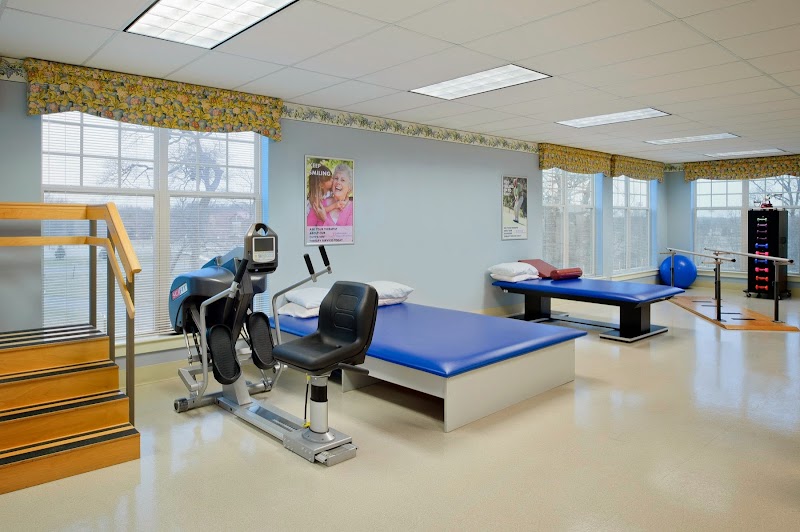
How is Lorien Nsg & Rehab Ctr Belair Staffed?

CMS rates LORIEN NSG & REHAB CTR BELAIR's staffing level at 4 out of 5 stars, which is above average compared to other nursing homes. Staff turnover is 58%, which is 11 percentage points above the Maryland average of 46%. High turnover can affect care consistency as new staff learn residents' individual needs.

What Have Inspectors Found at Lorien Nsg & Rehab Ctr Belair?

State health inspectors documented 57 deficiencies at LORIEN NSG & REHAB CTR BELAIR during 2018 to 2024. These included: 57 with potential for harm. While no single deficiency reached the most serious levels, the total volume warrants attention from prospective families.

Who Owns and Operates Lorien Nsg & Rehab Ctr Belair?

LORIEN NSG & REHAB CTR BELAIR is owned by a for-profit company. For-profit facilities operate as businesses with obligations to shareholders or private owners. The facility is operated by LORIEN HEALTH SERVICES, a chain that manages multiple nursing homes. With 120 certified beds and approximately 114 residents (about 95% occupancy), it is a mid-sized facility located in BEL AIR, Maryland.
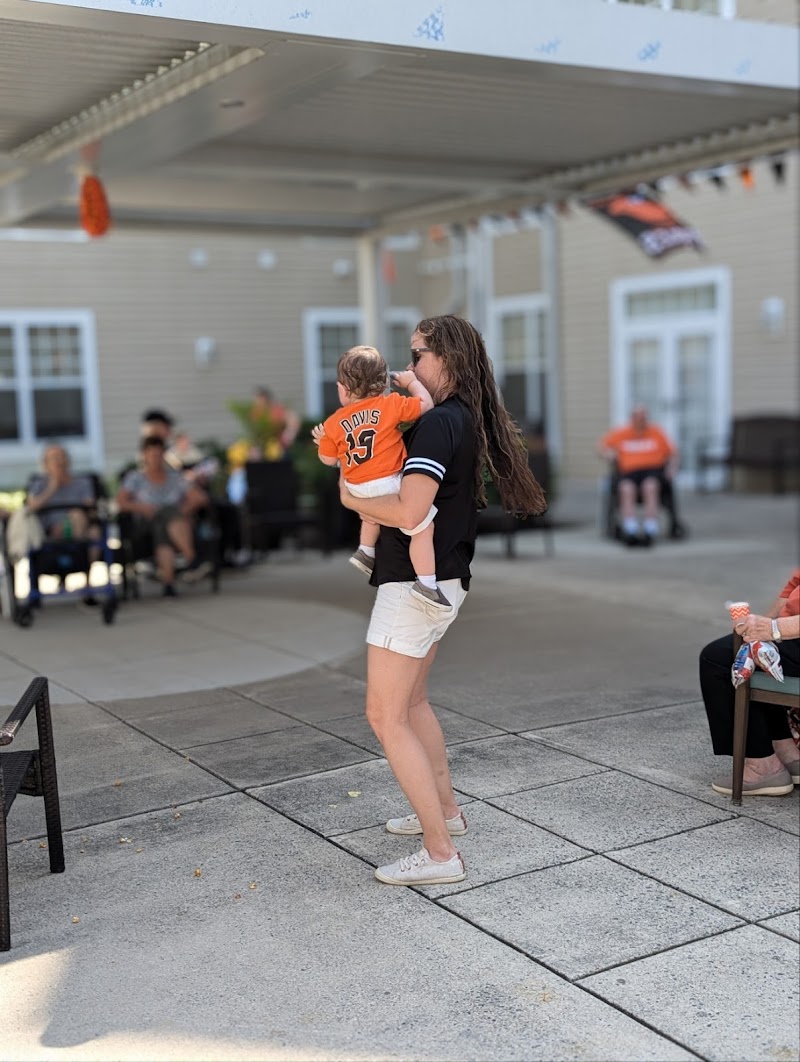
How Does Lorien Nsg & Rehab Ctr Belair Compare to Other Maryland Nursing Homes?

Compared to the 100 nursing homes in Maryland, LORIEN NSG & REHAB CTR BELAIR's overall rating (3 stars) is below the state average of 3.0, staff turnover (58%) is significantly higher than the state average of 46%, and health inspection rating (3 stars) is at the national benchmark.

What Should Families Ask When Visiting Lorien Nsg & Rehab Ctr Belair?

Based on this facility's data, families visiting should ask: "How do you ensure continuity of care given staff turnover, and what is your staff retention strategy?" "Can I visit during a mealtime to observe dining assistance and food quality?" "How do you handle medical emergencies, and what is your hospital transfer rate?" "Can I speak with family members of current residents about their experience?" These questions are particularly relevant given the facility's high staff turnover rate.

Is Lorien Nsg & Rehab Ctr Belair Safe?

Based on CMS inspection data, LORIEN NSG & REHAB CTR BELAIR has a clean safety record: no substantiated abuse findings (meaning no confirmed cases of resident harm), no Immediate Jeopardy citations (the most serious violation level indicating risk of serious injury or death), and is not on the Special Focus Facility watch list (a federal program monitoring the lowest-performing 1% of nursing homes). The facility has a 3-star overall rating and ranks #100 of 100 nursing homes in Maryland. While no facility is perfect, families should still ask about staff-to-resident ratios and recent inspection results during their visit.

Do Nurses at Lorien Nsg & Rehab Ctr Belair Stick Around?

Staff turnover at LORIEN NSG & REHAB CTR BELAIR is high. At 58%, the facility is 11 percentage points above the Maryland average of 46%. High turnover means new staff may not know residents' individual needs, medications, or preferences. It can also be disorienting for residents, especially those with dementia who rely on familiar faces. Families should ask: What is causing the turnover? What retention programs are in place? How do you ensure care continuity during staff transitions?

Was Lorien Nsg & Rehab Ctr Belair Ever Fined?

LORIEN NSG & REHAB CTR BELAIR has no federal fines on record. CMS issues fines when nursing homes fail to meet care standards or don't correct problems found during inspections. The absence of fines suggests the facility has either maintained compliance or corrected any issues before penalties were assessed. This is a positive indicator, though families should still review recent inspection reports for the full picture.

Is Lorien Nsg & Rehab Ctr Belair on Any Federal Watch List?

LORIEN NSG & REHAB CTR BELAIR is not on any federal watch list. The most significant is the Special Focus Facility (SFF) program, which identifies the bottom 1% of nursing homes nationally based on persistent, serious quality problems. Not being on this list means the facility has avoided the pattern of deficiencies that triggers enhanced federal oversight. This is a positive indicator, though families should still review the facility's inspection history directly.