STERLING CARE BEL AIR
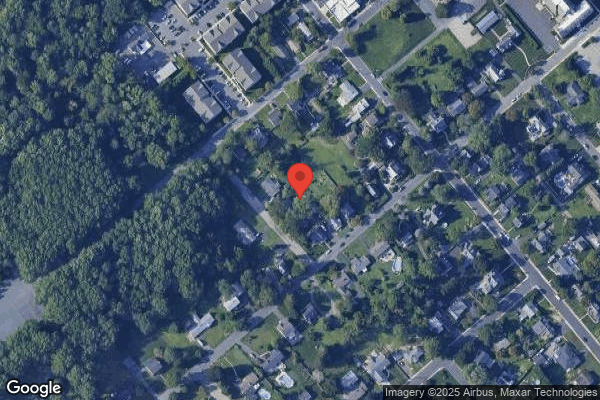
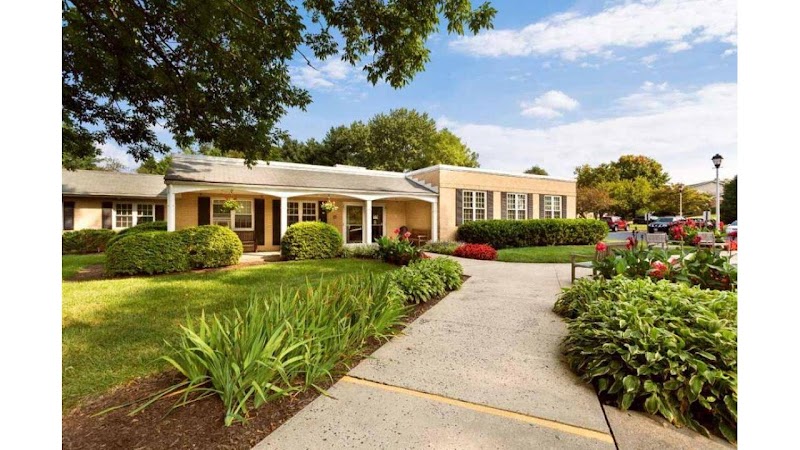
410 EAST MCPHAIL ROAD, BEL AIR, MD 21014 (410) 838-7810
For profit - Corporation 155 Beds STERLING CARE Data: November 2025 2 Immediate Jeopardy citations
Trust Grade
11/100
#128 of 219 in MD
Last Inspection: December 2024

Within standard 12-15 month inspection cycle. Federal law requires annual inspections.

Overview

Sterling Care Bel Air has received a Trust Grade of F, indicating significant concerns about the quality of care provided, which places it in the poor category. It ranks #128 out of 219 nursing homes in Maryland, meaning it is in the bottom half of facilities, and it's the lowest-ranked option in Harford County where it stands at #6 out of 6. Although the facility is improving with a decrease in issues from 13 in 2024 to 11 in 2025, it still reported 47 total deficiencies, with two critical incidents, including failure to honor a resident's end-of-life wishes and a serious allegation of abuse that caused psychosocial harm to a resident. Staffing is a weakness here, with a rating of 2 out of 5 stars and a turnover rate of 46%, which is average, but it offers less RN coverage than 91% of state facilities, suggesting potential gaps in care. On a positive note, there have been no fines reported, indicating compliance with regulations, and the facility received an excellent 5 out of 5 stars for quality measures.

Trust Score
F
11/100
In Maryland
#128/219
Bottom 42%
Safety Record
High Risk
Review needed
Inspections
Getting Better
13 → 11 violations
Staff Stability
⚠ Watch
46% turnover. Above average. Higher turnover means staff may not know residents' routines.
Penalties
✓ Good
No fines on record. Clean compliance history, better than most Maryland facilities.
Skilled Nurses
⚠ Watch
Each resident gets only 28 minutes of Registered Nurse (RN) attention daily — below average for Maryland. Fewer RN minutes means fewer trained eyes watching for problems.
Violations
⚠ Watch
47 deficiencies on record. Higher than average. Multiple issues found across inspections.
★★★☆☆
3.0
Overall Rating
★★☆☆☆
2.0
Staff Levels
★★★★★
5.0
Care Quality
★★☆☆☆
2.0
Inspection Score
Stable
2024: 13 issues
2025: 11 issues

The Good

  • 5-Star Quality Measures · Strong clinical quality outcomes
  • Full Sprinkler Coverage · Fire safety systems throughout facility
  • No fines on record

Facility shows strength in quality measures, fire safety.

The Bad

3-Star Overall Rating

Near Maryland average (3.0)

Meets federal standards, typical of most facilities

Staff Turnover: 46%

Near Maryland avg (46%)

Higher turnover may affect care consistency

Chain: STERLING CARE

Part of a multi-facility chain

Ask about local staffing decisions and management

The Ugly 47 deficiencies on record

2 life-threatening 2 actual harm
Aug 2025 11 deficiencies 2 Harm
SERIOUS (G) 📢 Someone Reported This

A family member, employee, or ombudsman was alarmed enough to file a formal complaint

Actual Harm - a resident was hurt due to facility failures

Free from Abuse/Neglect (Tag F0600)

A resident was harmed · This affected 1 resident

Based on medical record review, review of facility documentation and interview, it was determined the facility staff failed to prevent abuse of a resident resulting in psychosocial harm to the residen...

Read full inspector narrative →
Based on medical record review, review of facility documentation and interview, it was determined the facility staff failed to prevent abuse of a resident resulting in psychosocial harm to the resident (Resident #5). This was evident for 1 of 3 residents reviewed for abuse during a complaint survey. The findings include: The findings include: A review was conducted on Facility Reported Incident 302934 on 8/18/25 related to Resident #5's allegation of sexual abuse by Staff #11 on 1/25/25. Resident #5 alleged on 1/29/25 to Staff #12 that Staff #11 kissed the Resident on the lips and attempted to kiss the Resident's private area during care on 1/25/25. Review of Resident #5's medical record on 8/18/25 revealed the Resident was admitted to the facility in July 2024 with a diagnosis to include cerebral infarction (stroke). The facility staff conducted an MDS (Minimum Data Set) assessment on 8/6/25 and coded the Resident as dependent on facility staff for toileting. During interview with Resident #5 on 8/18/25 at 11:05 AM, the Resident was asked if he/she was okay telling the Surveyor what happened on 1/25/25, the Resident stated he/she was but began crying while giving his/her statement. The Resident stated on 1/25/25 Staff #11 kissed him/her on the lips and then attempted to kiss his/her private area. Resident #5 stated he/she told Staff #11 F*** No. The Resident then stated Staff #11 put the Resident in a wheelchair and took the Resident to the bathroom where Staff #11 took the Resident's hand and put it on Staff #11's penis on top of Staff #11's clothes. Resident #5 stated he/she has to go to court in September 2025 for the incident and Staff #11 is currently in jail and has a history of the same thing. The Resident stated he/she has been interviewed by the States Attorney over the phone. The Surveyor reviewed Maryland Judiciary Case Search on 8/18/25 which revealed Staff #11 was found guilty from a 5/31/19 case of 2nd degree assault and 4th degree sexual assault. Further review of Maryland Judiciary Case Search revealed on 3/18/25 Staff #11 was charged with abuse of vulnerable adult, 2nd degree rape and 4th degree sexual offense for an offense date of 1/25/25 and a hearing is scheduled for September 2025. During interview with Resident #5 on 8/19/25 at 7:28 AM, the Resident was asked if he/she could review the incident again with the Surveyor, the Resident stated no he/she can't because he/she had nightmares last night regarding the incident. The Surveyor asked the Resident if he/she is seeing a counselor, the Resident stated he/she did after the event, but that Counselor (Staff #23) has left and has not even met the new Counselor (Staff #27). The Resident states he/she is stressed about going to court, he/she doesn't want to mess up because he/she wants to make sure he (Staff #11) is not able to do this to someone else. The Resident stated after the incident he/she feels like he/she has become more withdrawn. During interview with the DON on 8/19/25 8:08 AM, the DON stated the Counselor (Staff #23) left in May 2025 and a new counselor (Staff #27) started in June 2025. The Surveyor asked for a list of residents receiving counseling services. Review of the list revealed Resident #5 wasn't on the list. The last documented visit by a Counselor was on 2/10/25. The Resident was seen by the Psychiatrist on 1/29/25, 2/22/25 and 5/19/25. Further review of Resident #5's medical record revealed the Resident had diagnoses to include anxiety and depression. After admission the Resident was seen by the Counselor (Staff #23) on 8/5/24 and 10/14/24. After the allegation of sexual abuse was made on 1/29/25 by Resident #5, the Resident was seen by the Counselor on 1/29/25, 2/3/25 and 2/10/25. Review of the Counselor's note on 1/29/25 revealed it stated: I was asked to see the patient to provide support as he/she had accused a male aide of sexually inappropriate behaviors. Patient reports feeling very anxious related to the situation. Mood testing reflects symptoms exacerbated by this situation as well as his/her general sadness about being in this setting. Review of the Counselor's note on 2/10/25 revealed it stated: I feel alright now, I just have to decide what I am going to do. He/she reports he/she is not anxious about the incident and feels safe. The Counselor documented will follow up with 1:1 therapeutic visits. During interview with the Psychiatrist on 8/19/25 at 9:02 AM, the Psychiatrist was asked why he changed the Resident's medications on 5/19/25 and he stated the Resident has a history of chronic anxiety and depression, he was aware of the Resident's allegation but can't say the medication change was related to the incident or the Resident's chronic anxiety and depression. The Psychiatrist stated he did tell the facility the Resident should not have male care givers. The psychiatrist was asked if he was aware the Resident has not been seen by a Counselor since 2/10/25, the Psychiatrist stated no that is a third party and not sure how that works but the Resident should be followed by a counselor regularly. Review of Resident #5's medical record on 8/19/25 revealed the Resident was seen by the Primary Care Physician on 3/7/25, 4/4/25, 5/27/25, 6/17/25 and 7/26/25 who documented under Assessment and Plan for Anxiety: We are continuing to provide the patient with emotional support. We will also have psych follow up with the patient. During interview with the Counselor (Staff #23) on 8/20/25 at 1:44 PM, Staff #23 stated he/she was not aware Staff #11 had a criminal background and was charged with a crime related to the allegation of sexual abuse on 1/25/25. Staff #23 also stated she was not aware Resident #5 was going to court in September 2025. Staff #23 stated Resident #5 would need more support now since going to court and she would update the Counselor (Staff #27) so he could follow up with the Resident immediately. Interview with Director of Nursing on 8/20/25 at 1:00 PM confirmed Resident #5 made an allegation of sexual abuse by Staff #11 who has a criminal record on 1/25/25, has not been seen by the Counselor since 2/10/25 and was not on the facility's list of residents who were receiving counseling services.
SERIOUS (G) 📢 Someone Reported This

A family member, employee, or ombudsman was alarmed enough to file a formal complaint

Actual Harm - a resident was hurt due to facility failures

Employment Screening (Tag F0606)

A resident was harmed · This affected 1 resident

Based on medical record review, review of facility documentation and interview it was determined the facility failed to ensure a criminal background check was completed on an agency GNA (geriatric nur...

Read full inspector narrative →
Based on medical record review, review of facility documentation and interview it was determined the facility failed to ensure a criminal background check was completed on an agency GNA (geriatric nursing assistant) which allowed a GNA (Staff #11) with a criminal background of assault and sexual assault to care for vulnerable residents. This was evident for 1 of 4 agency GNAs reviewed for criminal background checks during a complaint survey. Resident #5 alleged Staff #11 sexually abused him/her on 1/25/25. This resulted in psychosocial harm to Resident #5. The findings include:A review was conducted on Facility Reported Incident 302934 on 8/18/25 related to Resident #5's allegation of sexual abuse by Staff #11 on 1/25/25. Resident #5 alleged on 1/29/25, to Staff #12, that Staff #11 kissed the Resident on the lips and attempted to kiss the Resident's private area during care on 1/25/25.Review of Resident #5's medical record on 8/18/25 revealed the Resident was admitted to the facility in July 2024 with a diagnosis to include cerebral infarction (stroke). The facility staff conducted a MDS (Minimum Data Set) assessment on 8/6/25 and coded the Resident as dependent on facility staff for toileting. During interview with Resident #5 on 8/18/25 at 11:05 AM, the Resident was asked if he/she was okay telling the Surveyor what happened on 1/25/25, the Resident stated he/she was but began crying while giving his/her statement. The Resident stated on 1/25/25 Staff #11 kissed him/her on the lips and then attempted to kiss his/her private area. Resident #5 stated he/she told Staff #11 F*** No. The Resident then stated Staff #11 put the Resident in a wheelchair and took the Resident to the bathroom where Staff #11 took the Resident's hand and put it on Staff #11's penis on top of Staff #11's clothes. Resident #5 stated he/she has to go to court in September 2025 for the incident and Staff #11 is currently in jail and has a history of the same thing. The Resident stated he/she has been interviewed by the States Attorney over the phone. Review of Staff #11's employee file on 8/18/25 provided by the Director of Nursing revealed a criminal background check that was conducted 1/12/24 and it was incomplete. The criminal background check did not indicate if Staff #11 had a criminal background or not.During an interview with Human Resources (HR) on 8/18/25 at 1:41 PM, HR stated the agency provides the agency staff's criminal background checks. HR stated she reviews all criminal background checks the agency provides prior to the agency staff working at the facility. HR stated she missed that Staff #11's was incomplete.The Surveyor reviewed Maryland Judiciary Case Search on 8/18/25 which revealed Staff #11 was found guilty from a 5/31/19 case of 2nd degree assault and 4th degree sexual assault. Further review of Maryland Judiciary Case Search revealed on 3/18/25 Staff #11 was charged with abuse of vulnerable adult, 2nd degree rape and 4th degree sexual offense for an offense date of 1/25/25 and a hearing is scheduled for September 2025. During interview with Resident #5 on 8/19/25 at 7:28 AM, the Resident was asked if he/she could review the incident again with the Surveyor, the Resident stated no he/she can't because he/she had nightmares last night regarding the incident. The Surveyor asked the Resident if he/she is seeing a counselor, the Resident stated he/she did after the event, but that Counselor has left and has not even met the new counselor. The Resident states he/she is stressed about going to court, he/she doesn't want to mess up because he/she wants to make sure he (Staff #11) is not able to do this to someone else. The Resident stated after the incident he/she feels like he/she has become more withdrawn. During interview with HR on 8/19/25 at 7:45 AM, HR stated Staff #11 began working at the facility on 1/26/24. HR stated the facility stopped using agency staff on 7/6/25.Interview with the Director of Nursing (DON) on 8/19/25 at 8:37 AM confirmed the facility failed to have a complete background check on Staff #11 that included Staff #11's criminal record. The DON confirmed Resident #5 made an allegation of sexual abuse by Staff #11 on 1/25/25 and the Resident has no other allegations of sexual abuse by staff since admission in July 2024.
CONCERN (D) 📢 Someone Reported This

A family member, employee, or ombudsman was alarmed enough to file a formal complaint

Potential for Harm - no one hurt, but risky conditions existed

Deficiency F0551 (Tag F0551)

Could have caused harm · This affected 1 resident

**NOTE- TERMS IN BRACKETS HAVE BEEN EDITED TO PROTECT CONFIDENTIALITY** Based on review of complaint, medical record review, and interview, it was determined the facility violated the rights of a resi...

Read full inspector narrative →
**NOTE- TERMS IN BRACKETS HAVE BEEN EDITED TO PROTECT CONFIDENTIALITY** Based on review of complaint, medical record review, and interview, it was determined the facility violated the rights of a resident's representative (RP) by failing to follow the RP's wishes in where to send their loved one following their death in the facility. This was evident for 1 (#2) of 3 residents reviewed for death during a complaint survey.The findings include:On [DATE] at 10:00 AM a review of complaint 302938 was conducted. The complainant alleged that Resident #2 passed away in the evening on [DATE] and the nurse called the wrong place for Resident #2's body to be transferred. The complaint alleged that Resident #2 was to be transferred to the Anatomy Gifts Registry, however the facility called the State of Maryland Anatomy Board to pick up the resident.Review of Resident #2's medical record revealed on [DATE] Resident #2 signed that the healthcare agent's power to make decisions for the resident was effective immediately after the resident signed the form. Further review of the medical record revealed the resident had dementia and was receiving Hospice services.Review of Resident #2's medical record revealed a [DATE] Social Services (SS) note that documented SS spoke with Resident #2's daughters to inquire about end-of-life arrangements for the resident. The note documented that the resident's body was to be donated to Anatomy Gifts Registry.A [DATE] at 19:30 (7:30 PM) nursing note documented that Resident #2 was noted with no palpable pulse, no respirations and was pronounced deceased at 19:15. Hospice and the family along with the Nurse Practitioner were notified.A [DATE] at 2:48 AM nursing note documented, body released to Maryland State Anatomy Board at 0220 as noted in social worker progress note.Review of the miscellaneous section of Resident #2's medical record revealed a document dated [DATE] that stated, the donor is officially registered with our program. The note continued that after the passing occurred their office was to be called, and they would arrange transportation. The note was from the Anatomy Gift Board.Continue review of the miscellaneous section of Resident #2's medical record revealed a form dated [DATE], that was signed by Resident #2 that stated the resident was donating his/her body to the Maryland State Anatomy Board and in the event the resident died, the anatomy board was to be called immediately.On [DATE] at 3:10 PM the Director of Nursing (DON) was interviewed and stated the family wanted Resident #2's body to be donated to the Anatomy Gift Registry and prior to that the resident had already set up something with the state anatomy board. The DON stated that they called the gift registry first and they didn't come to pick the resident up and they deferred to the anatomy board.On [DATE] at 3:20 PM an interview was conducted with Staff #35, the RN supervisor who stated that she looks at the resident's face sheet as to who to call when the resident passes. The face sheet has demographic information.On [DATE] at 8:23 AM a call was placed to the Anatomy Gifts Registry. The staff member from the gift registry stated it was within the residents' rights to sign up for both boards. The staff member pulled up the information in her system and stated the facility never called the Anatomy Gift Registry, and they did not know the resident passed away until the RP called and was looking for the body. The staff at the Anatomy Gift Registry called and confirmed the body was sent to the Maryland State Anatomy Board. By the time the family called the anatomy board it was too late as the body was already injected with fluid. The staff member stated that the family was upset because the state board would have the body for 2 years and the gift registry would only have the body 4 to 6 weeks. The family wanted to [NAME] the ashes with the spouse.On [DATE] at 8:48 AM the Director of Social Work (DSW) was interviewed and stated, the family wishes were for the resident's body to be donated to the gift registry. The DSW stated that she was aware that the resident was registered with the state anatomy board and the family was aware too, but they wanted the resident to go to the gift registry. When asked who was responsible to put on the face sheet where the body was to go once the resident passed, the DSW stated, I guess I am.On [DATE] at 9:13 AM a second interview was conducted with the DON. Resident #2's face sheet was reviewed with her, and she confirmed the external facility (where the body was to go once deceased ) was blank. The DON stated, it is not a solid system as to who puts the information on the face sheet. It is evolving.On [DATE] at 9:14 AM Staff #29 was interviewed and stated, I called the anatomy board. I was told later it should have been the gift registry. Staff #29 stated the information was usually on the face sheet as who to call but she got the information out of the resident's chart. She stated, I do not know whose responsibility it is to put it on the face sheet. Staff #29 stated it was an honest mistake as she didn't know there were 2 different anatomy boards.On [DATE] at 9:15 AM an interview was conducted with the complainant who was also the RP. The complainant stated, they had all the paperwork in the file to go to anatomy gifts. The complainant stated that if Resident #2 went to the state anatomy board they could have the body for up to 2 years. If the Resident went to the gift registry it would be for 4 to 6 weeks, and they would be able to get the ashes back. The complainant stated that by the time she called the anatomy gifts it was too late because the anatomy board had already put fluid in Resident #2's body. The complainant stated, I called the anatomy board and they said it was too late. I asked them if they had already started using the body and they said yes. The whole thing was awful. You shouldn't have to deal with all of this when you already have to deal with a loss.
CONCERN (D) 📢 Someone Reported This

A family member, employee, or ombudsman was alarmed enough to file a formal complaint

Potential for Harm - no one hurt, but risky conditions existed

Notification of Changes (Tag F0580)

Could have caused harm · This affected 1 resident

Based on complaint, medical record review, and staff interview, it was determined the facility staff failed to timely notify a resident's physician/nurse practitioner of a change in condition. This wa...

Read full inspector narrative →
Based on complaint, medical record review, and staff interview, it was determined the facility staff failed to timely notify a resident's physician/nurse practitioner of a change in condition. This was evident for 1 (#6) of 9 residents reviewed for complaints during a complaint survey. The findings include: On 8/18/25 at 11:10 AM a review of complaint 302921 alleged unacceptable and negligent care provided to Resident #6 while under the care of the facility. Review of Resident #6's medical record revealed Resident #6 was admitted to the facility in December 2024 from an acute care facility with diagnoses including but not limited to generalized weakness, peripheral artery disease, COPD, slurred speech, history of falls, and hypertension. Review of a 1/10/25 at 8:58 AM eMar - Medication Administration Note documented, amlodipine Besylate tablet 10 mg. give 1 tablet by mouth one time a day for HTN (hypertension). Med not given due to low b/p (blood pressure). On 8/20/25 at 1:45 PM an interview was conducted with Nurse Practitioner #19 (NP). NP #19 stated that she did not see Resident #6 that morning and that she was not notified of the low blood pressure. There were no parameters as to when the nurse should have held the medication, so she would have expected to be notified. I was in the building that morning and I was not notified. I could have seen the resident and started [him/her] on IV fluids or Midodrine. They informed me at lunch that the resident's condition changed, but they did not notify me about the low blood pressure and holding the medication. Normally I would tell all the managers that if I am at the building call me and let me know. They did not tell me until [he/she] was not arousable. I was concerned because [he/she] was a stable patient. I was concerned that [he/she] went down that quickly. I feel I could have stabilized [him/her] and [his/her] b/p. On 8/21/25 at 10:55 AM the concern was reviewed with the Director of Nursing (DON). The DON agreed that the NP should have been notified about the low blood pressure and holding the medication.
CONCERN (D) 📢 Someone Reported This

A family member, employee, or ombudsman was alarmed enough to file a formal complaint

Potential for Harm - no one hurt, but risky conditions existed

Deficiency F0658 (Tag F0658)

Could have caused harm · This affected 1 resident

Based on medical record review and interview, it was determined that the facility staff failed to meet professional standards of practice as evidenced by licensed nursing staff documenting assessments...

Read full inspector narrative →
Based on medical record review and interview, it was determined that the facility staff failed to meet professional standards of practice as evidenced by licensed nursing staff documenting assessments, administration of medications, and treatments were completed when the resident was not in the facility (Resident #7 and #9). This was evident for 2 of 9 residents reviewed during a complaint survey. The findings include: According to the American Nurses Association Standards for documentation emphasize that records should be clear, accurate and accessible is essential element of safe, quality, evidence-based nursing practice. Accurate entries must be factual and reflect the patient's status and care without errors.A violation of the American Nurses Association standards for documentation includes inaccuracies and falsification. 1.The facility staff documented completed assessments and medication administration of Resident #7 when the Resident was not in the facility. Review of Resident #7's medical record on 8/18/25 revealed the Resident was admitted to the facility in April 2025 for rehabilitation following a hospitalization with a diagnosis to include muscle weakness. Review of Resident #7's medical record revealed a Change in Condition Assessment on 5/10/25 at 3:35 AM that stated During rounds around 2 AM patient was found in the bathroom on the floor lying on his/her right side. Patient was assisted back to bed with the help of the nursing supervisor, nursing aide and another nurse on duty. Patient vitals was assessed blood pressure 135/76, temperature 97.2, oxygen saturation 98 %, respirations 18, heart rate 89. Neuro checks was assessed and range of motion was performed, patient was noted with weakness to the right hand and was unable to talk, patient was also noted with the mouth switch to the side. On call APN (Advanced Practice Nurse) was made aware and order given to transfer to ER. After the fall, Resident #7 was transferred to the emergency room on 5/10/25 at an unknown time and the Resident did not return to the facility. Further review of Resident #7's medical record revealed on 5/11/25 the following assessments were completed by Staff #13 even though the Resident had been discharged from the facility: Change in Condition Follow up, Neurological Check List, Pain Assessment, and Nursing Skilled Charting. Review of Resident #7's May 2025 Medication Administration Record revealed on 5/11/25 Staff #13 documented he administered the following medications on 5/11/25 to the Resident even though the Resident had been discharged from the facility: Albuterol Inhaler 12 AM and 4 AM, Levothyroxine 175 mcq at 6 AM, Calcium Carbonate 500 mg at 6 AM and Sevelamer Carbonate at 6 AM. Interview with the Director of Nursing on 8/19/25 at 2:45 PM confirmed Staff #13 inaccurately documented nursing assessments and administration of medications to Resident #7 on 5/11/25. 2.The facility staff documented medication and treatment administration for Resident #9 even though the Resident was not in the facility. Review of Resident #9's medical record on 8/19/25 revealed the Resident was admitted to the facility in October 2024.Further review of Resident #9's medical record revealed a nurse's note on 2/11/25 at 3:06 PM that stated the Resident was transferred to the hospital. The Resident did not return to the facility. Review of Resident #9's February 2025 Medication Administration Record revealed Staff #18 documented she administered Aspirin 81 mg, Clopidogrel Bisulfate 75 mg, Metoprolol 100 mg, Prednisone 5 mg, Cyclosporine 5 ml, Levetiracetam 5 ml, flushed the Resident's tube feeding with 200 ml water on 2/12/25 when the Resident was not in the facility. Review of Resident #9's February 2025 Treatment Administration Record revealed Staff #18 documented they cleansed the Resident's gastric tube site, did a left buttock wound treatment, did a sacrum wound treatment, applied betadine to the Resident's right great toe, applied skin prep to the Resident's heels, elevated the Resident's heels and provided catheter cleaning on 2/12/25 when the Resident was not in the facility. Interview with the Director of Nursing on 8/21/25 at 11:54 AM confirmed Staff #18 inaccurately documented administration of medications and treatments to Resident #9 on 2/12/25.
CONCERN (D) 📢 Someone Reported This

A family member, employee, or ombudsman was alarmed enough to file a formal complaint

Potential for Harm - no one hurt, but risky conditions existed

Deficiency F0757 (Tag F0757)

Could have caused harm · This affected 1 resident

Based on medical record review and staff interview it was determined the facility failed to keep a resident's drug regimen free from unnecessary drugs by administering a medication not ordered by the ...

Read full inspector narrative →
Based on medical record review and staff interview it was determined the facility failed to keep a resident's drug regimen free from unnecessary drugs by administering a medication not ordered by the physician (Resident #5). This was evident for 1 of 9 residents reviewed for complaints during a complaint survey. The findings include:Review of Resident #5's medical record on 8/19/25 revealed the Resident was admitted to the facility with diagnosis to include mood disorder, depression and anxiety.Further review of Resident #5's medical record revealed on 5/18/25 the Resident was seen by the Psychiatrist. Review of Psychiatry Progress Note on 5/18/25 stated depressed very anxious. A nurse's note on 5/18/25 at 9:15 PM states at 8:57 PM the psych doctor new medication and made change in psych dose as follow: Hydralazine 50 mg every 8 hours for anxiety for 14 days. Hydralazine is a medication that is used for hypertension (high blood pressure) and heart failure.During interview with the Psychiatrist on 8/19/25 at 9:02 AM, the Psychiatrist stated the medication should have been hydroxyzine not hydralazine. Hydroxyzine is a medication that can used to help control anxiety.Review of Resident #5's MAR (Medication Administration Record) revealed the Resident was administered Hydralazine 50 mg every 8 hours for anxiety from 5/19/25 at 10:00 PM until 5/30/25 at 10:00 PM for a total of 34 doses.Interview with the Director of Nursing on 8/19/25 at 2:45 PM confirmed Resident #5 was administered Hydralazine 50 mg instead of Hydroxyzine from 5/19/25 until 5/30/25.
CONCERN (D) 📢 Someone Reported This

A family member, employee, or ombudsman was alarmed enough to file a formal complaint

Potential for Harm - no one hurt, but risky conditions existed

Deficiency F0761 (Tag F0761)

Could have caused harm · This affected 1 resident

**NOTE- TERMS IN BRACKETS HAVE BEEN EDITED TO PROTECT CONFIDENTIALITY** Based on observation, staff interview, and documentation review, it was determined that facility staff failed to keep treatment ...

Read full inspector narrative →
**NOTE- TERMS IN BRACKETS HAVE BEEN EDITED TO PROTECT CONFIDENTIALITY** Based on observation, staff interview, and documentation review, it was determined that facility staff failed to keep treatment and medication carts locked when unattended, failed to date medications when opened, discard medications/biologicals when expired, and refrigerate medication that required refrigeration. This was evident on 1 of 2 nursing units observed during random observations made during a complaint survey. The findings include:On [DATE] at 12:08 PM observation was made of an unlocked and unattended treatment cart on the Sunset Unit sitting in front of the nurse's station. The surveyor was able to open the cart and found in the top-drawer prescription creams and ointments. In the second and third drawers were dressing supplies and in the fourth drawer were prescription ointments and creams that included Diclofenac gel. In the fifth drawer was a 500 ml. bottle of Sterile water irrigation G176170 for Resident #24. There was 100 ml. left in the bottle. There was no date on the bottle as to when it was opened. Sterile water is only good for 24 hours once it is opened.On [DATE] at 12:14 PM there were no staff members that had noticed the surveyor at the treatment cart, so the surveyor started looking for a staff member on the unit. The surveyor proceeded to walk around the corner of the nurse's station and saw an unlocked and unattended medication cart sitting in the hallway outside of room [ROOM NUMBER]. Resident #21 was standing at the medication cart looking at the computer that was sitting on top of the cart. The surveyor walked up to the cart and Resident #21 proceeded to walk down the hallway. There were no nursing staff in the hallway. The surveyor opened the top drawer of the medication cart and observed insulin pens, syringes, and a cell phone.Resident #23's insulin vial was opened with no date opened along with an opened Insulin Aspart Pen that was dispensed on 6/2 7/25. The insulin pen was not dated. There was another opened insulin flex pen for Resident #23 that was not dated when it was opened. According to the manufacturer's directions, the insulin is only good for 28 days once it is opened.Resident #22's Lyumjev Kwick Pen was opened and dispensed on [DATE]. There was no date open on the Kwick Pen. Resident #21's Insulin pen was opened with no date opened. According to the manufacturer's directions, the insulin is only good for 28 days once it is opened.There were other insulin pens in the top drawer that were not opened; however, they were in a plastic bag that stated to refrigerate until opened.After a couple of minutes of going through the unlocked medication cart, licensed practical nurse (LPN) #4 walked up to the surveyor. The surveyor asked which nurse was using the medication cart and she stated LPN #5. The surveyor informed LPN #4 that the cart was unlocked and unattended with Resident #21 standing at the cart. LPN #4 was also shown the undated insulin pens. At 12:25 PM, which was 11 minutes after the initial observation, LPN #5 walked up to the medication cart. LPN #5 stated she didn't realize she left the cart unlocked. The surveyor showed her the insulin pens, and she said she just came on duty that morning. The surveyor asked about refrigeration of the insulin pens, and she stated that they were there when she got there in the morning. The surveyor asked why the insulin pens were not refrigerated after LPN #5 took possession of the medication cart for the day. LPN #5 did not have any answer for the surveyor.On [DATE] at 1:30 PM a review of the Storage of Medications Policy, that was given to the surveyor from the Director of Nursing (DON), revealed Number 7; compartments (including, but not limited to, drawers, cabinets, rooms, refrigerators, carts, and boxes.) containing drugs and biologicals shall be locked when not in use, and trays or carts used to transport such items shall not be left unattended if open or otherwise potentially available to others. Number 9 documented, medications requiring refrigeration must be stored in a refrigerator located in the drug room at the nurses' station or other secured location.On [DATE] at 8:30 AM the DON was informed of the observation. The DON stated she was aware and had already started to in-service staff.
CONCERN (E) 📢 Someone Reported This

A family member, employee, or ombudsman was alarmed enough to file a formal complaint

Potential for Harm - no one hurt, but risky conditions existed

Safe Environment (Tag F0584)

Could have caused harm · This affected multiple residents

Based on observation and interviews, it was determined the facility staff failed to provide maintenance services necessary to maintain resident wheelchairs. This was evident for 15 (#25, #26, #27, #14...

Read full inspector narrative →
Based on observation and interviews, it was determined the facility staff failed to provide maintenance services necessary to maintain resident wheelchairs. This was evident for 15 (#25, #26, #27, #14, #12, #28, #29, #30, #19, #20, #13, #16, #33, #34, #8) of 37 residents reviewed during a complaint survey. The findings include:The following maintenance concerns were observed during the initial rounds of the facility on 8/18/25 at 7:30 AM and throughout the survey until 8/21/25.Resident #25: There was no armrest on the left side of the wheelchair and the vinyl on the right side was cracked throughout.Resident #26: The vinyl on the left wheelchair armrest was torn approximately an inch from the top of the armrest exposing yellow foam. This could be seen from the hallway.Resident #27: There was no wheelchair armrest on the right or left side of the wheelchair. Resident #27 was noted with several bruises to the resident's arms.Resident #14: There was no armrest on the left side of the wheelchair.Resident #12: The vinyl was cracked along the edge of the left wheelchair armrest, and the yellow foam padding was exposed.Resident #28: The vinyl was cracked on the left wheelchair armrest.Resident #29: There was no padding on the left wheelchair armrest as the vinyl was pulled back and there was nothing underneath.Resident #30: There was no left or right wheelchair armrest on the wheelchair.Resident #19: The vinyl was cracked on the left and right wheelchair armrests.Resident #20: There was no wheelchair armrest on the right side of the wheelchair.Resident #13: The vinyl on the right wheelchair armrest was torn along the edges.Resident #16: The vinyl on the right and left wheelchair armrests was torn along both edges.Resident #33: There was a piece of vinyl approximately 1 inch that was missing from the left wheelchair armrest exposing the underneath foam padding.Resident #34: There was no left or right wheelchair armrest.Resident #8: The vinyl on the entire left wheelchair armrest was ripped and frayed.On 8/21/25 at 10:40 AM an interview was conducted with the Director of Maintenance, Staff #31. Staff #31 stated that most of the repair orders came through the electronic system, TELS. Staff #31 stated that all staff, including the geriatric nursing assistants (GNAs) had access to put work orders in when they saw that repairs were needed. Staff #31 stated that a lot of times staff would just tell him about the issue, and he would fix it when told about it. Staff #31 stated that they do maintenance on the wheelchairs once a month that includes armrests and brakes. Staff #31 stated it was his expectation that staff would notify him of the issues with the wheelchairs. At that time Staff #31 and the Director of Nursing were informed of the condition of the wheelchair armrests. Staff #31stated, we have extra wheelchairs, and they (staff) can swap out the wheelchairs and can put a notification in TELS.
CONCERN (E) 📢 Someone Reported This

A family member, employee, or ombudsman was alarmed enough to file a formal complaint

Potential for Harm - no one hurt, but risky conditions existed

Quality of Care (Tag F0684)

Could have caused harm · This affected multiple residents

Based on review of complaint, medical record review, and staff interview, it was determined the facility failed to provide care to meet the needs of a resident's physical, mental, and psychosocial hea...

Read full inspector narrative →
Based on review of complaint, medical record review, and staff interview, it was determined the facility failed to provide care to meet the needs of a resident's physical, mental, and psychosocial health (Resident #7, #8, #4, #6). This was evident for 4 of 9 complaint residents reviewed during a complaint survey. The findings include: 1. The facility staff failed to properly perform, and document neuro checks after a fall for Resident #7. A neuro check after a fall refers to a neurological assessment performed by a healthcare professional to evaluate potential brain injuries by checking a person's level of consciousness, orientation, pupil response, muscle strength, sensation, and coordination. Review of Resident #7’s medical record on 8/18/25 revealed the Resident was admitted to the facility in April 2025 for rehabilitation following a hospitalization with a diagnosis to include muscle weakness. Review of Resident #7’s medical record revealed a Change in Condition Assessment on 5/10/25 at 3:35 AM that stated “During rounds around 2 AM patient was found in the bathroom on the floor lying on his/her right side. Patient was assisted back to bed with the help of the nursing supervisor, nursing aide and another nurse on duty. Patient vitals were assessed blood pressure 135/76, temperature 97.2, oxygen saturation 98 %, respirations 18, heart rate 89. Neuro checks was assessed and range of motion was performed, patient was noted with weakness to the right hand and was unable to talk, patient was also noted with the mouth switch to the side. On call APN (Advanced Practice Nurse) was made aware and order given to transfer to ER. Further review of the Resident’s medical record revealed an APN note on 5/10/25 at 2:28 AM stating “Patient found on floor unresponsive. Patient seen he/she is not responding to his/her name or any directions. Transfer to Emergency Department”. The only neuro check documented after the fall for Resident #7 was on 5/10/25 at 3:24 AM with vitals signs from 5/10/25 at 3:24 AM. No other neuro checks documented. After the fall, Resident #7 was transferred to the emergency room on 5/10/25 at an unknown time and the Resident did not return to the facility. During interview with the Director of Nursing (DON) on 8/19/25 at 2:45 PM, the DON stated the expectation is neuro checks are to be done every 15 minutes for the first hour after a fall. The DON confirmed the neuro checks for Resident #7 are inaccurately documented since the Resident fell on 5/10/25 at approximately 2 AM and there is only one neuro check documented at 3:24 AM. 2a. The facility staff failed to properly perform, and document neuro checks after a fall for Resident #8. A neuro check after a fall refers to a neurological assessment performed by a healthcare professional to evaluate potential brain injuries by checking a person's level of consciousness, orientation, pupil response, muscle strength, sensation, and coordination. Review of Resident #8’s medical record on 8/18/25 revealed the Resident was admitted to the facility in April 2023 with a diagnosis to include weakness. Further review of Resident #8’s medical record revealed a nurse’s note on 3/28/25 at 8:57 PM that stated: around 7 PM writer was passing medication and found resident sitting on the floor beside his/her wheelchair. Further review of Resident #8’s medical record revealed an APN note on 3/28/25 that stated the Resident was seen 3/28/25 at 7:02 PM for fall with injury and to transfer to Emergency Department. Review of Resident #8’s neuro checks after the fall on 3/28/25 revealed neuro checks were completed for 3/28/25 at 8:00 PM with vital signs from 3/29/25 at 6:00 AM. The next neuro checks are documented for 3/29/25 at 12:02 AM with vital signs from 3/28/25 at 9:00 PM. During interview with the Director of Nursing (DON) on 8/20/25 at 9:20 AM, the DON stated the expectation is neuro checks are to be done every 15 minutes for the first hour after a fall. The DON confirmed the neuro checks for Resident #8 are inaccurately documented since the Resident fell on 3/28/25 at approximately 7:00 PM and there is only one neuro check documented on 3/28/25 8:00 PM and the next is documented at 3/29/25 at 12:02 AM using vital signs from 3/28/25 at 9:00 PM. 2b. The facility staff failed to accurately assess Resident #8 during a change in condition. Review of Resident #8’s medical record revealed the Resident had a change in condition 8/7/25 at 1:29 PM. Review of the Change in Condition Assessment on 8/7/25 revealed the Resident was noted to be coughing and lungs sound noted congested. Further review of the Change in Condition revealed vital signs including oxygen saturation level from 8/7/25 at 3:08 AM, 10 hours earlier. Interview with the Director of Nursing on 8/20/25 at 9:20 AM confirmed the facility staff failed to get current vital signs to accurately assess Resident #8 when there was a change in condition on 8/7/25. 3) On 8/18/25 at 10:14 AM a review of Resident #4’s medical record revealed Resident #4 was admitted to the facility in August 2019 and was currently on Hospice care. Review of Resident #4’s August 2025 physician’s orders revealed the order, “float bilateral heels when in bed.” Review of Resident #4’s care plan, “has the potential for pressure ulcer development r/t immobility and incontinence of B&B (bowel and bladder)” and the care plan, “has potential for actual and impaired skin r/t immobility, incontinence, and pain” had the interventions, “float heels.” On 8/19/25 at 1:55 PM observation was made of Resident #4 lying in bed. With permission from the resident, the surveyor looked at the resident’s feet and the resident’s feet were not elevated off of the mattress. The heels were lying directly on the mattress. Review of the August 2025 Treatment Administration Record (TAR) had documented the nurse had signed off for that shift that Resident #4’s heels were elevated while in bed. On 8/20/25 at 8:55 AM observation was made of Resident #4 lying in bed. There was a pillow between the resident’s knees, however the heels were not elevated and were lying directly on the mattress. On 8/20/25 at 2:55 PM a second observation that day was made of Resident #4 lying in bed. The resident’s family was visiting, and they looked at the resident’s heels with the surveyor. The heels were lying directly on the mattress and were not elevated. The nurse had already signed off on 8/20/25 at 2:55 PM on the TAR that the heels were elevated. On 8/20/25 at 3:00 PM the Director of Nursing (DON) went into the resident’s room with the surveyor and observed the resident’s heels. The DON confirmed the heels were not elevated and at that time placed a pillow under the resident’s heels. The DON was informed that the nurse had signed off for 2 consecutive days that the resident’s heels were elevated when they were observed not elevated. 4) On 8/18/25 at 11:10 AM a review of complaint 302921 alleged unacceptable and negligent care provided to Resident #6 while under the care of the facility. Review of Resident #6’s medical record revealed Resident #6 was admitted to the facility in December 2024 from an acute care facility with diagnoses including but not limited to generalized weakness, peripheral artery disease, COPD, slurred speech, history of falls, and hypertension. Review of a 1/10/25 at 8:58 AM eMar – Medication Administration Note documented, “amlodipine Besylate tablet 10 mg. give 1 tablet by mouth one time a day for HTN (hypertension). Med not given due to low b/p (blood pressure). Review of the medical record failed to reveal what the low blood pressure was as it was not documented on the MAR (medication administration record) or the vital sign section of the medical record or in any nursing progress notes. Continued review of the medical record failed to produce documentation that a follow-up blood pressure was taken or that the physician/nurse practitioner (NP) was made aware that the blood pressure medication was held, what the blood pressure was, and if any interventions should be put in place. The next documentation related to Resident #6 was on 1/10/25 at 15:04 (3:04 PM) that documented a change in condition that stated, “resident observed by staff with increased confusion, lethargic, unable to swallow at this time, low b/p.” Review of the b/p on the change in condition documented it as 76/56. The resident was transferred to the emergency room. Review of the hospital emergency room triage notes documented, “altered mental status: BIBA (brought in by ambulance) from [name of facility] for AMS (altered mental status) starting at 1245. Decreased LOC and low BP 87/40. SpO2 (oxygen level) 87 on room air, rhonchi. Received 1L fluids from EMS.” On 8/20/25 at 12:17 PM an interview was conducted with geriatric nursing assistant (GNA) #18 who stated, “when I was getting [him/her] ready to go to the hospital, [he/she] did not look good.” GNA #18 stated Resident #6 ate very little that morning, maybe about 25 percent of the food which was unusual for the resident. GNA #18 stated she thought that the resident didn’t feel well. On 8/20/25 at 1:45 PM an interview was conducted with Nurse Practitioner #19 (NP). NP #19 stated that she did not see Resident #6 that morning and that she was not notified of the low blood pressure. There were no parameters as to when the nurse should have held the medication, so she would have expected to be notified. “I was in the building that morning and I was not notified. I could have seen the resident and started [him/her] on IV fluids or Midodrine. They informed me at lunch that the resident’s condition changed, but they did not notify me about the low blood pressure and holding the medication. Normally I would tell all the managers that if I am at the building to call me and let me know. They did not tell me until [he/she] was not arousable. I was concerned because [he/she] was a stable patient. I was concerned that [he/she] went down that quickly. I feel I could have stabilized [him/her] and [his/her] b/p. On 8/21/25 at 10:55 AM the concern was reviewed with the Director of Nursing (DON). The DON agreed that the NP should have been notified about the low blood pressure and holding the medication and there should have been more follow-up from the nurse.
CONCERN (E) 📢 Someone Reported This

A family member, employee, or ombudsman was alarmed enough to file a formal complaint

Potential for Harm - no one hurt, but risky conditions existed

Medical Records (Tag F0842)

Could have caused harm · This affected multiple residents

Based on medical record review and interview, it was determined the facility failed to maintain complete and accurate medical records in accordance with accepted professional standards (Resident #4, #...

Read full inspector narrative →
Based on medical record review and interview, it was determined the facility failed to maintain complete and accurate medical records in accordance with accepted professional standards (Resident #4, #7 and #9). This was evident for 3 of 9 residents reviewed for complaints during a complaint survey. The findings include: A medical record is the official documentation of a healthcare organization. As such, it must be maintained in a manner that follows applicable regulations, accreditation standards, professional practice standards, and legal standards. All entries to the record should be legible and accurate. 1.The facility staff documented completed assessments and medication administration of Resident #7 when the Resident was not in the facility. Review of Resident #7’s medical record on 8/18/25 revealed the Resident was admitted to the facility in April 2025 for rehabilitation following a hospitalization with a diagnosis to include muscle weakness. Review of Resident #7’s medical record revealed a Change in Condition Assessment on 5/10/25 at 3:35 AM that stated “During rounds around 2 AM patient was found in the bathroom on the floor lying on his/her right side. Patient was assisted back to bed with the help of the nursing supervisor, nursing aide and another nurse on duty. Patient vitals was assessed blood pressure 135/76, temperature 97.2, oxygen saturation 98 %, respirations 18, heart rate 89. Neuro checks was assessed and range of motion was performed, patient was noted with weakness to the right hand and was unable to talk, patient was also noted with the mouth switch to the side. On call APN (Advanced Practice Nurse) was made aware and order given to transfer to ER.” After the fall, Resident #7 was transferred to the emergency room on 5/10/25 at an unknown time and the Resident did not return to the facility. Further review of Resident #7’s medical record revealed on 5/11/25 the following assessments were completed by Staff #13 even though the Resident had been discharged from the facility: Change in Condition Follow up, Neurological Check List, Pain Assessment, and Nursing Skilled Charting. Review of Resident #7’s May 2025 Medication Administration Record revealed on 5/11/25 Staff #13 documented he administered the following medications on 5/11/25 to the Resident even though the Resident had been discharged from the facility: Albuterol Inhaler 12 AM and 4 AM, Levothyroxine 175 mcq at 6 AM, Calcium Carbonate 500 mg at 6 AM and Sevelamer Carbonate at 6 AM. Interview with the Director of Nursing on 8/19/25 at 2:45 PM confirmed Staff #13 inaccurately documented nursing assessments and administration of medications to Resident #7 on 5/11/25. 2.The facility staff documented medication and treatment administration for Resident #9 even though the Resident was not in the facility. Review of Resident #9’s medical record on 8/19/25 revealed the Resident was admitted to the facility in October 2024.Further review of Resident #9’s medical record revealed a nurse’s note on 2/11/25 at 3:06 PM that stated the Resident was transferred to the hospital. The Resident did not return to the facility. Review of Resident #9’s February 2025 Medication Administration Record revealed Staff #18 documented she administered Aspirin 81 mg, Clopidogrel Bisulfate 75 mg, Metoprolol 100 mg, Prednisone 5 mg, Cyclosporine 5 ml, Levetiracetam 5 ml, flushed the Resident’s tube feeding with 200 ml water on 2/12/25 when the Resident was not in the facility. Review of Resident #9’s February 2025 Treatment Administration Record revealed Staff #18 documented they cleansed the Resident’s gastric tube site, did a left buttock wound treatment, did a sacrum wound treatment, applied betadine to the Resident’s right great toe, applied skin prep to the Resident’s heels, elevated the Resident’s heels and provided catheter cleaning on 2/12/25 when the Resident was not in the facility. Interview with the Director of Nursing on 8/21/25 at 11:54 AM confirmed Staff #18 inaccurately documented administration of medications and treatments to Resident #9 on 2/12/25. 3) On 8/18/25 at 10:14 AM a review of Resident #4’s medical record revealed Resident #4 was admitted to the facility in August 2019 and was currently on Hospice care.Review of Resident #4’s August 2025 physician’s orders revealed the order, “float bilateral heels when in bed.” On 8/19/25 at 1:55 PM observation was made of Resident #4 lying in bed. With permission from the resident, the surveyor looked at the resident’s feet and the resident’s feet were not elevated off of the mattress. The heels were lying directly on the mattress. Review of the August 2025 Treatment Administration Record (TAR) had documented the nurse had signed off for that shift that Resident #4’s heels were elevated while in bed.On 8/20/25 at 8:55 AM observation was made of Resident #4 lying in bed. There was a pillow between the resident’s knees, however the heels were not elevated and were lying directly on the mattress.On 8/20/25 at 2:55 PM a second observation that day was made of Resident #4 lying in bed. The resident’s family was visiting, and they looked at the resident’s heels with the surveyor. The heels were lying directly on the mattress and were not elevated. The nurse had already signed off on 8/20/25 at 2:55 PM on the TAR that the heels were elevated.On 8/20/25 at 3:00 PM the Director of Nursing (DON) went into the resident’s room with the surveyor and observed the resident’s heels. The DON confirmed the heels were not elevated and at that time placed a pillow under the resident’s heels. The DON was informed that the nurse had signed off for 2 consecutive days that the resident’s heels were elevated when they were observed not elevated.
CONCERN (F) 📢 Someone Reported This

A family member, employee, or ombudsman was alarmed enough to file a formal complaint

Potential for Harm - no one hurt, but risky conditions existed

Deficiency F0804 (Tag F0804)

Could have caused harm · This affected most or all residents

Based on review of complaint 302936, observation, interviews, review of resident council meeting minutes, attendance at the food committee meeting, and observations of the kitchen, it was determined t...

Read full inspector narrative →
Based on review of complaint 302936, observation, interviews, review of resident council meeting minutes, attendance at the food committee meeting, and observations of the kitchen, it was determined that the facility failed to serve food that was attractive, palatable, matched what was on the tray ticket, timely, and at the proper temperature. This was evident for 19 (#34, #25, #18, #17, #19, #12, #13, #15, #16, #23, #10, #11, #35, #21, #31, #30, #32, #36, #5) of 19 residents interviewed or observed with the deficient practice having the potential to affect all residents. The findings include:On 8/18/25 at 10:14 AM a review of complaint 302936 was conducted and revealed concerns with meals. The complaint alleged that a resident for dinner received a scoop of mashed potatoes, string beans, and a peanut butter and jelly sandwich. The complaint alleged that the food service was contracted out and that they are not providing sufficient food. The complaint alleged that something needs to be done.On 8/18/25 at 11:30 AM observation was made of residents going into the dining room for lunch. Lunch was not served until 1:00 PM. Review of Resident #34's meal ticket documented that the resident was to have a turkey club sandwich and a peanut butter sandwich. The turkey club sandwich that was served was sparse. The tray ticket documented there was to be lettuce and tomato on the sandwich along with turkey. The club sandwich that was served consisted of 2 slices of white bread that was not toasted, 1 folded in half piece of turkey breast and 2 slices of rubbery bacon. There was no lettuce or tomato on the sandwich, no cheese, and no condiment on the sandwich. There was no peanut butter sandwich on the tray as stated by the tray ticket. The resident stated that the staff told them they were out of lettuce and tomatoes.Resident #25 and Resident #18 did not have lettuce or tomato on the sandwich. Resident #18 complained about the sandwich and that the facility served chicken too many times.Resident #17's family complained about the food's appearance and the meal being served late. Resident #19 was sitting at the same table, and his/her lunch was served on a napkin. They did not bring the resident a plate. Resident #19's tray ticket stated that he/she was to have the macaroni salad. There was no macaroni salad served to the resident.At that time the surveyor went into the kitchen to observe. There was chaos in the kitchen by the plating table. The Dietary Manager was attempting to plate the food and instruct the staff on the tray line what to do with the trays. The Dietary Manager stated that the cook called out and the other cook had quit and so she had to hire new people, therefore they were short a cook and there were new people on the tray line. There were piles of bread slice diagonally and no lettuce or tomatoes were observed. The surveyor walked out on the units and saw a pattern of the same appearance of club sandwich served to all residents that were to receive a sandwich.On 8/18/25 at 1:00 PM interview of LPN #10 revealed that lunch was to be served between 12:00 PM and 12:30 PM and it was late.On 8/19/25 at 7:10 AM a dietary staff member brought in decaffeinated coffee to the conference room. The dietary staff member stated, we don't have any regular coffee in the facility to give the residents this morning. When asked if the residents were aware that they would be served decaffeinated coffee, the response was, no. On 8/19/25 at 8:08 AM observation was made on the nursing units of the serving of breakfast. Resident #12's tray ticket was reviewed and revealed there was no coffee, no salt, pepper, or sugar packets. According to Resident #12, they sent 2% milk that the resident did not like.On 8/19/25 at 8:13 AM Resident #13 stated that they typically miss something that should be on the tray. Resident #14 did not have coffee on the tray per the tray ticket. On 8/19/25 at 8:15 AM Resident #15 stated they had taken the packets off the tray. Resident #15 stated, I never get coffee. I have to ask for it. Unless I ask for condiments I don't receive them with my food. Every single time I have to ask. I order food out daily because the food is horrible. It is embarrassing. No one will complain because they are afraid of retaliation.On 8/19/25 at 8:18 AM Resident #16 stated, I like to drink tea, but I don't because it tastes like coffee. The water is terrible. I only have tea at 10:00 AM. I never get sugar. I have to ask for it. Condiments are hard to get. They don't put condiments on the tray.On 8/19/25 at 8:20 AM Resident #23 complained, the toast is overdone, too crunchy.On 8/19/25 at 8:21 AM Resident #10 stated that he/she did not have coffee even though it was listed on the tray ticket. Resident #10 stated, I want coffee but never get it.On 8/19/25 at 8:23 AM Resident #11 stated, some days we have to wait to eat. Are we being punished? We complained and nothing changed. We have to ask for sugar packets and condiments. We are scared to say anything because the aides will get blamed. They don't take individual diets seriously. They only bring so much coffee. They run out of coffee.On 8/19/25 at 12:15 PM an interview was conducted with the Resident Council President, Resident #35. Resident #35 stated, every time we have a meeting the main complaint is the food doesn't get out on time. It is late as dinner does not come out until 7 PM. Lunch is late every day. Dinner you get there at 4:30 PM and sit until 7:00 PM. They don't pay attention to the diet, so much salt. The coffee is often cold. By the time they pour 6 cups and give them out they are cold. They don't get delivery from Sysco (food distributor) and then they don't have things. We had a prayer service because of the food.On 8/19/25 at 12:24 PM observation was made of the serving of lunch. The tray tickets were compared to what was on tray.Resident #18, Resident #21, Resident #31, Resident #16, and Resident #30 did not have margarine served with the roll.Resident #32 did not have a cookie, roll, or margarine as the tray ticket documented.Resident #36 stated that the chicken was rubbery and did not look good and Resident #5 was not happy with how the chicken looked.At that time the corporate Nursing Home Administrator, Staff #32 was in the dining room. He was informed about the number of food complaints and the appearance of the club sandwich and the other food on the trays.On 8/19/25 at 1:00 PM a review of the Resident Council Meeting Minutes per authorization from the Resident Council President revealed on 2/5/25 the concern of tray tickets not matching diet restrictions. Residents discussed the time their meals arrive. Suggestions were made about putting seasoning on the side like salt and pepper, etc.On 3/5/25 the residents mentioned wanting their food delivered on time. Residents mentioned wanting their meat cooked well done. On 8/20/25 at 10:30 AM the surveyor was invited to attend the food committee meeting by the Resident Council President. The dietary manager opened up the meeting with issues from last month that included that meals were late, the soup had no flavor, needed assorted dressings for salad, and the coffee and tea could be hotter.Some of the current concerns that were voiced by the residents were:Blueberries were put on the hot plate and by the time they get to the room they are mushy. They serve too much chicken, 4 to 5 times a week, which is too much.The food was not always served at the proper temperature if it was not served when it was brought to the unit. They stated this issue had been addressed 3 months in a row, so they were reminding them that it was still a problem.The residents stated that the scheduled time for meals was accepted if they were served on time. The residents stated 7:00 PM for dinner is too late. The residents stated that there were residents that have-to-have medications with food along with have to go out to appointments in the morning. The residents complained it was hard to get an alternative meal. They don't know what to do. They were told that they should notify a GNA and they should bring them the form. The Nursing Home Administrator (NHA) stated he was checking on the process.The residents stated that evening snacks were not coming on some units.The residents stated that there were no beverages between meals and that they never bring salad dressing with meals. It was stated the change would be that they are going to have condiments going down to the halls. The residents complained that they have to ask for them.The residents stated there was frustration of over a year to get things changed.After the meeting, the Resident Council President called the surveyor over and gave the surveyor a list of concerns from him/her and another resident. The surveyor asked why they did not bring the concerns up in the meeting, and the response was, because they never do anything about it. The following were the concerns that were written down: Frozen and raw biscuit, English muffins not toasted, bagel not toasted, French toast cold and pancakes hard and cold. Bacon and sausage cold and raw. Meals sit at nurse's station for 10 minutes waiting to be served. Meals are cold and are served 30 minutes late or later. Use paper plates due to dish washer not working. One or more times a month, meals are on paper plates. Bugs on tray holder due to not being taken out to wash, silverware not clean, plate and glasses not clean. Meals are consistently late. Dining room meals are at least one-half hour to 1 hour late coming out. Trays to the floor (rooms) are then much later also.On 8/20/25 at 11:30 AM the concerns related to food were discussed with the NHA, Corporate Staff and the Director of Nursing. They were also informed of the fear of retaliation if the residents spoke up about the food as verbalized by some residents.
Dec 2024 13 deficiencies
CONCERN (D) 📢 Someone Reported This

A family member, employee, or ombudsman was alarmed enough to file a formal complaint

Potential for Harm - no one hurt, but risky conditions existed

Deficiency F0572 (Tag F0572)

Could have caused harm · This affected 1 resident

**NOTE- TERMS IN BRACKETS HAVE BEEN EDITED TO PROTECT CONFIDENTIALITY** Based on review of complaint, medical records, and interview, it was determined that the facility failed to review the admission...

Read full inspector narrative →
**NOTE- TERMS IN BRACKETS HAVE BEEN EDITED TO PROTECT CONFIDENTIALITY** Based on review of complaint, medical records, and interview, it was determined that the facility failed to review the admission agreement, which includes a notice of the resident's rights, with a resident and/or the Resident's responsible party at the time of admission and failed to ensure the admission agreement was signed and documented (Resident #906). This was evident for 1 of 33 complaint residents reviewed during a recertification/complaint survey. The findings include: On 12/10/24 a review of complaint MD00186565 was conducted and alleged that an admissions agreement was never executed. Review of Resident #906's electronic and paper medical record failed to produce a signed copy of the admissions agreement. Further review of Resident #906's medical record revealed the Resident was admitted to the facility on [DATE] and was alert and oriented times 1. Alert and oriented times 1 means that a person knows who they are but not where they are, what time it is, or what is happening to them. On 12/10/24 at 2:05 PM an interview was conducted with Staff #13, the Admissions Coordinator. Staff #13 stated she was not employed by the facility at the time of Resident #906's stay. Staff #13 stated the facility now uploads admissions contracts into the residents' medical record. Staff #13 stated she also looked for the Resident's admissions contract and was not able to find one for Resident #906. Interview with the Director of Nursing on 12/11/24 at 8:45 AM confirmed there is no evidence of an admissions contract with Resident #906.
CONCERN (D) 📢 Someone Reported This

A family member, employee, or ombudsman was alarmed enough to file a formal complaint

Potential for Harm - no one hurt, but risky conditions existed

Deficiency F0661 (Tag F0661)

Could have caused harm · This affected 1 resident

Deficiency Text Not Available

Read full inspector narrative →
Deficiency Text Not Available
CONCERN (D)

Potential for Harm - no one hurt, but risky conditions existed

ADL Care (Tag F0677)

Could have caused harm · This affected 1 resident

Based on complaint, medical record review, and interview with facility staff, it was determined that the facility failed to provide needed showers for residents' dependent on assistance with care. Thi...

Read full inspector narrative →
Based on complaint, medical record review, and interview with facility staff, it was determined that the facility failed to provide needed showers for residents' dependent on assistance with care. This was evident for 2 (#907, #912) of 33 residents reviewed for complaints during a recertification/complaint survey. The findings include: The MDS is part of the Resident Assessment Instrument that was Federally mandated in legislation passed in 1986. The MDS is a set of assessment screening items employed as part of a standardized, reproducible, and comprehensive assessment process that ensures each resident's individual needs are identified, that care is planned based on those individualized needs, and that the care is provided as planned to meet the needs of each resident. 1) On 12/11/24 at 1:22 PM a review of complaint MD00187130 revealed an allegation that Resident #907 complained that he/she had not received regular bathing. Resident #907's medical record was reviewed and revealed the resident was admitted to the facility in April 2021 and had diagnoses which included Cerebral Palsy and osteoarthritis. Review of the MDS assessment with an assessment reference date of 12/12/22 documented that Resident #907 was totally dependent on staff for bathing. Resident #907 was assigned to receive showers on Mondays and Thursdays. Review of Resident #907's documentation report for bathing for December 2022 documented the resident only had bed baths for the entire month. Resident #907 did not receive a shower. There were no other shower or skin sheets for December 2022 that were provided to the surveyor. Review of nursing notes for Resident #907 failed to produce documentation that the resident refused showers. On 12/12/14 at 1:48 PM Geriatric Nursing Assistant (GNA) #14 was interviewed and stated she did not know if the resident refused the showers because it was not documented. GNA #14 stated they were supposed to fill out a skin sheet when a shower was given. GNA #14 stated she usually would tell the nurse if the resident refused a shower. 2) On 12/11/24 at 2:33 PM a review of complaint MD00199751 alleged that Resident #912 and Resident #907, who were roommates, had not received showers within one to two weeks. According to the complaint, a relative had checked the shower log and discovered that both residents had not received any showers within that time frame. The complaint alleged that the NHA (nursing home administrator) stated they had not showered any of the residents due to a previous COVID outbreak. Resident #912's medical record was reviewed and revealed the resident was admitted to the facility in August 2021 and had diagnoses which included dementia, heart disease and osteoarthritis. Review of the MDS assessment with an assessment reference date of 10/14/23 documented that Resident #912 was totally dependent on staff for bathing. Resident #912 was assigned to receive showers on Mondays and Thursdays. Review of Resident #912's nursing notes documented that Resident #912 tested positive for COVID on 11/9/23. Review of the documentation report for bathing and showers for November 2023 for Resident #912 documented that there was a missed shower on 11/9/23 (day of COVID diagnosis) and a bed bath was given. On 11/13/23, 11/16/23, and 11/20/23 the resident received a bed bath. Resident #912 did not receive a shower until 11/23/23. Review of the documentation report for bathing and showers for November 2023 for Resident #907 documented that Resident #907 only received bed baths in November 2023, no showers. There was no documentation of refusal of showers anywhere in the medical record. There was only 1 bathing/skin sheet provided to the surveyor for November 2023 dated 11/17/23. It documented a bed bath was given. On 12/12/24 at 10:00 AM the Director of Nursing (DON) and Assistant Director of Nursing (ADON) were interviewed and stated that the GNAs gave showers during the time period when residents tested COVID positive. They stated that the COVID positive residents were the last showers given for the day and then the shower was cleaned and sanitized. On 12/12/24 at 1:48 PM GNA #14 was interviewed and stated that Resident #912 usually did not refuse showers and that GNA #14 could not recall if she was assigned to the resident and the roommate while they had COVID. GNA #14 stated, well, they were on isolation so technically they were not supposed to come out of their room. I was not aware of their policy that they could get a shower at the end of the shift. I don't know if they refused the shower because I didn't document that. On 12/12/24 at 3:15 PM the corporate nurse and DON were informed of the showers that were not given during a COVID outbreak.
CONCERN (D) 📢 Someone Reported This

A family member, employee, or ombudsman was alarmed enough to file a formal complaint

Potential for Harm - no one hurt, but risky conditions existed

Quality of Care (Tag F0684)

Could have caused harm · This affected 1 resident

Deficiency Text Not Available

Read full inspector narrative →
Deficiency Text Not Available
CONCERN (D)

Potential for Harm - no one hurt, but risky conditions existed

Deficiency F0757 (Tag F0757)

Could have caused harm · This affected 1 resident

Based on medical record review and staff interview it was determined the facility failed to keep a resident's drug regimen free from unnecessary drugs by failing to monitor the blood pressure and hear...

Read full inspector narrative →
Based on medical record review and staff interview it was determined the facility failed to keep a resident's drug regimen free from unnecessary drugs by failing to monitor the blood pressure and heart rate prior to administering a blood pressure medication per physician's orders. This was evident for 1 (#901) of 33 residents reviewed for complaints during the recertification/complaint survey. The findings include: On 12/11/24 at 9:46 AM a review of Resident #901's medical record was conducted and revealed a physician's order for Lisinopril 20 mg (milligrams) to be given every day for hypertension. The order stated to hold the medication for a SBP (systolic blood pressure) less than 110 or HR (heart rate) below 60. The top number of the blood pressure refers to the amount of pressure in the arteries during the contraction of the heart muscle. This is called systolic pressure. Review of Resident #901's March 2022 Medication Administration Record (MAR) failed to document that the blood pressure and the heart rate were being monitored when the 8:00 AM dose of Lisinopril was administered. Review of Resident #901's March 2022 Treatment Administration Record (TAR) documented vital signs were taken each shift, however it did not have the time that the vital signs were taken. Review of the vital sign section of Resident #901's medical record documented the blood pressure and heart rate were taken daily; however, the times did not correlate with the 8:00 AM administration of the Lisinopril. On 12/12/24 at 1:40 PM an interview was conducted with the Director of Nursing (DON) and the Assistant Director of Nursing (ADON). Both were shown the MAR/TAR and the lack of monitoring the blood pressure and pulse when the Lisinopril had parameters. The DON and ADON confirmed the findings and stated that the blood pressure and heart rate should have been documented where the Lisinopril was located on the MAR. On 12/12/24 at 3:15 PM the Corporate Nurse was informed of the finding.
CONCERN (D) 📢 Someone Reported This

A family member, employee, or ombudsman was alarmed enough to file a formal complaint

Potential for Harm - no one hurt, but risky conditions existed

Laboratory Services (Tag F0770)

Could have caused harm · This affected 1 resident

Deficiency Text Not Available

Read full inspector narrative →
Deficiency Text Not Available
CONCERN (D) 📢 Someone Reported This

A family member, employee, or ombudsman was alarmed enough to file a formal complaint

Potential for Harm - no one hurt, but risky conditions existed

Medical Records (Tag F0842)

Could have caused harm · This affected 1 resident

Deficiency Text Not Available

Read full inspector narrative →
Deficiency Text Not Available
CONCERN (E)

Potential for Harm - no one hurt, but risky conditions existed

Safe Environment (Tag F0584)

Could have caused harm · This affected multiple residents

**NOTE- TERMS IN BRACKETS HAVE BEEN EDITED TO PROTECT CONFIDENTIALITY** Based on observation of resident rooms and equipment and staff interview, it was determined the facility staff failed to provide...

Read full inspector narrative →
**NOTE- TERMS IN BRACKETS HAVE BEEN EDITED TO PROTECT CONFIDENTIALITY** Based on observation of resident rooms and equipment and staff interview, it was determined the facility staff failed to provide housekeeping and maintenance services necessary to maintain a sanitary, orderly, and comfortable environment. This was evident on 2 of 3 nursing units observed during a recertification/complaint survey. The findings include: On 12/12/24 at 11:50 AM an environmental tour was conducted related to a complaint regarding the facility not being clean and in disrepair. The following concerns were observed: In the shared bathrooms of rooms 116-118 there was toilet paper sitting on the grab bar across from the toilet. The toilet paper holder on the wall was broken off the wall. In room [ROOM NUMBER] the drywall to the right of the door inside the bathroom was pushed in from the base leaving an open gap between the base and drywall approximately 1 foot in height from the base. In the hall dining room Resident #89 was sitting in a wheelchair eating lunch. There was no armrest on the left side of the wheelchair. Resident #24 was also sitting in a wheelchair eating lunch. There was no armrest on the left side of the wheelchair. Resident #44 was sitting in a wheelchair in the dining room. The vinyl on the left wheelchair armrest was ripped off and there was no padding on the armrest. In the activities dining room Resident #14 was sitting in a wheelchair. The vinyl on the left armrest was cracked throughout exposing the underneath padding. Resident #51 was sitting in a wheelchair in the dining room. The vinyl on the right armrest was torn. On 12/12/24 at 12:13 PM an interview was conducted with the Maintenance Director, Staff #23. Staff #23 stated he audited wheelchairs once a week. Staff #23 stated he looked at brakes, handgrips, tires, frames, and cushions. Staff #23 also stated that nursing sends him work orders and he audits rooms once a month. At that time the surveyor went on a tour with Staff #23 and all of the above concerns were shown to Staff #23. Staff #23 stated he would get right on the issues. On 12/12/24 at 3:15 PM the corporate team was informed of the environmental concerns.
CONCERN (E) 📢 Someone Reported This

A family member, employee, or ombudsman was alarmed enough to file a formal complaint

Potential for Harm - no one hurt, but risky conditions existed

Deficiency F0692 (Tag F0692)

Could have caused harm · This affected multiple residents

Deficiency Text Not Available

Read full inspector narrative →
Deficiency Text Not Available
CONCERN (E) 📢 Someone Reported This

A family member, employee, or ombudsman was alarmed enough to file a formal complaint

Potential for Harm - no one hurt, but risky conditions existed

Deficiency F0809 (Tag F0809)

Could have caused harm · This affected multiple residents

**NOTE- TERMS IN BRACKETS HAVE BEEN EDITED TO PROTECT CONFIDENTIALITY** Based on observation, interview, record review, and facility policy review, the facility failed to ensure snacks were available ...

Read full inspector narrative →
**NOTE- TERMS IN BRACKETS HAVE BEEN EDITED TO PROTECT CONFIDENTIALITY** Based on observation, interview, record review, and facility policy review, the facility failed to ensure snacks were available to eight out of 33 sampled residents (Residents (R) 12, R112, R79, R106, R115, R87, R48, and R32) who desired snacks. The facility did not provide snacks to residents during the day and the evening/hours of sleep (HS) snack was not available to all residents who desired snacks. Findings include: Review of the facility's policy titled, Offering/Serving Bedtime Snacks, dated 02/23 and provided by the facility, revealed It is the practice of this facility to offer and serve residents with a nourishing snack in accordance with their needs, preferences, and requests at bedtime on a daily basis . Snacks are readily available to residents . 1. During an interview on 12/09/24 at 2:09 PM, R12 stated he/she did not always eat what was served and would like to be able to get a snack. R12 stated he/she was not offered snacks during the day or at night. Review of the quarterly Minimum Data Set (MDS) with an Assessment Reference Date (ARD) of 10/16/24 in the electronic medical record (EMR) under the MDS tab, revealed R12 was admitted to the facility on [DATE]. R12's Brief Interview for Mental Status (BIMS) score of 15 out of 15 revealed R12 had intact cognition. R12 resided at the 200 Unit. 2. During an interview on 12/10/24 at 10:55 AM, R112 stated he/she did not always get enough to eat. R112 stated he/she had not been offered snacks but would like to be offered snacks. Review of the admission MDS with an ARD of 10/04/24 in the EMR under the MDS tab, revealed R112 was admitted to the facility on [DATE]. R112's BIMS score of 15 out of 15 revealed R112 had intact cognition. R112 resided at the 200 unit. 3. During an interview on 12/11/24 at 8:58 AM, R79 stated he/she was not offered a bedtime snack; however, would like to be offered one. Review of the annual MDS with an ARD of 10/16/24 revealed R79 was admitted to the facility on [DATE]. R79's BIMS score of 14 out of 15 revealed R79 had intact cognition. R79 resided on the 300 unit. 4. During an interview on 12/11/24 at 12:52 PM, R106 stated no snacks were offered or available during the day. R106 stated (on the 300 Unit) that snacks came to the unit at night and one of the nurses passed them out; however, if she was not working, the snacks did not get offered. R106 stated residents lined up to get the HS snacks and they could all be gone quickly. R106 stated he/she would like to have snacks available more often. Review of the quarterly MDS with an ARD of 09/06/24 in the EMR under the MDS tab revealed R106 was admitted to the facility on [DATE]. R106's BIMS score of 15 out of 15 revealed R106 had intact cognition. 5. Observations during the survey by four surveyors on 12/09/24 from 8:45 AM to 4:45 PM, on 12/10/24 from 8:45 AM to 4:45 PM, and on 12/11/24 from 8:45 AM to 5:15 PM revealed snacks were not observed to be distributed to residents on any of the units. 6. During an interview on 12/11/24 at 10:00 AM, Geriatric Nursing Assistant (GNA) 3, who worked on the 300 Unit, stated the nursing stations used to receive bulk snacks from the kitchen during the day. GNA3 stated currently, In the daytime, there are no snacks. GNA3 stated the only snacks the nursing stations received now came at bedtime. GNA3 stated the nursing station received a tray of evening snacks with sandwiches, yogurts, crackers, and cookies. GNA3 stated residents lined up at the nursing station when the snacks arrived so they could get them. During an interview on 12/11/24 at 10:44 AM, Dietary Aide (DA) 1 stated her assignment included preparing the HS snack trays that went to the units. DA1 stated she prepared labeled snacks for specific residents and some general snacks for residents such as graham crackers, pies, pudding, and apple sauce. DA1 stated the snacks were taken to the nursing units between 7:30 PM - 8:00 PM. During an interview on 12/11/24 at 10:45 AM, The Dietary Manager (DM) stated the kitchen did not send any snacks to the units during the day and only sent the snack trays at HS. The DM stated she was brand new in her position and stated she had been wondering why more snacks had not been routinely sent to the units during the day. During an interview on 12/12/24 at 11:32 AM, the Registered Dietitian (RD) stated the dietary department provided a bedtime snack to residents but no snacks during the day. 7. During an observation on 12/09/24 at 9:30 AM, residents in the activity room were making Christmas cards, there was coffee and/or tea offered. There were no snacks offered to the residents. During the resident meeting interview on 12/10/24 at 2:09 PM, four of the seven residents, R32, R48, R87, and R115 stated they were not offered or received snacks during the daytime or before bedtime. They stated there were no free snacks offered. They stated if they wanted a snack, they would have to use the vending machine and pay for it. They stated there were other residents who received snacks at bedtime, but said those residents had special reasons for the snacks. They stated there was a coffee and tea cart offered three times a day, but there were no snacks offered. Review of R32's quarterly MDS with an ARD of 10/08/24 in the EMR under the MDS tab, revealed R32 was admitted to the facility on [DATE]. R32's BIMS score of eight out of 15 revealed R32 was moderately cognitively impaired. R32 lived on the 300 Unit. Review of R48's quarterly MDS with an ARD of 09/16/24 in the EMR under the MDS tab, revealed R48 was admitted to the facility on [DATE]. R48's BIMS score of 14 out of 15 revealed R48 had intact cognition. R48 lived on the 200 Unit. Review of R87's quarterly MDS with an ARD of 11/20/24 in the EMR under the MDS tab, revealed R87 was admitted to the facility on [DATE]. R87's BIMS score of 14 out of 15 revealed R87 had intact cognition. R87 lived on the 300 Unit. Review of R115's quarterly MDS with an ARD of 09/09/24 in the EMR under the MDS tab, revealed R115 was admitted to the facility on [DATE]. R115's BIMS score of 15 out of 15 revealed R115 had intact cognition. R115 lived on the 200 Unit. During an interview on 12/11/24 at 11:28 AM the Administrator stated he was not aware residents had not been receiving snacks during the day or at night. He stated residents should have snacks available for them during activities and before bedtime.
CONCERN (E)

Potential for Harm - no one hurt, but risky conditions existed

Food Safety (Tag F0812)

Could have caused harm · This affected multiple residents

Based on observation, interview, and facility policy review, the facility failed to ensure that the kitchen was maintained in a sanitary manner to prevent the potential spread of foodborne illness to ...

Read full inspector narrative →
Based on observation, interview, and facility policy review, the facility failed to ensure that the kitchen was maintained in a sanitary manner to prevent the potential spread of foodborne illness to all residents. Specifically, there were accumulated food and beverage spills, crumbs, and residue on kitchen surfaces such as on carts, shelving, tables, and the inside of the microwave; there was a black/grey substance on the wall above the dishwasher; there were unlabeled food items; and unclean cups and bowls stored as clean for one of one kitchen. This created the potential for the spread of foodborne illness for 105 out of 117 residents consuming food in the kitchen. Findings include: Review of the facility's policy titled, Environment, dated 09/17 and provided by the facility, revealed All food preparation areas, food service areas, and dining areas will be maintained in a clean and sanitary condition . All non-food contact equipment will be clean and free of debris . Review of the facility's undated policy titled, Labeling and Dating, provided by the facility, revealed, Food labels must include: The food item name . 1. The initial tour of the kitchen was conducted on 12/09/24 from 9:45 AM through 10:24 AM with the Dietary Manager (DM), who stated this was her first day working as DM in the facility. The following concerns were observed: a. There was a food service cart covered with accumulated food/beverage residue and crumbs. b. The stainless-steel tables and shelving throughout the kitchen were observed with accumulated food/beverage residue and crumbs on the surfaces. c. A bulk storage container of white granules of food was not labeled with the name of the food. The DM stated it was salt. d. There were three plastic cereal bowls stored as clean that had food particles adhered to the interior surface of the bowls. The DM verified the bowls were not clean and stated they would be re-washed. e. There was a black/grey substance on the wall directly above the dirty side of the dishwasher. The black substance covered an area approximately four feet by two feet. The DM stated she did not know what the substance was. f. The interior of the microwave oven was covered with accumulated food spatters. 2. During an observation on 12/11/24 at 10:42 AM with the DM, the following concerns were noted: a. The container of salt remained unlabeled, lacking the name of the food item (observed on 12/09/24). The DM stated she had forgotten to label it and stated salt, and sugar could be mistaken for each other. The DM stated the staff had cleaned the kitchen after the initial tour and the areas such as soiled kitchen surfaces, carts, wall above the dishwasher, and shelving/tables had been cleaned. b. Several plastic coffee cups stored as clean had food particles adhered to the interior drinking surfaces of the cups. The DM removed the cups and took them to be washed, confirming they were not clean.
CONCERN (E) 📢 Someone Reported This

A family member, employee, or ombudsman was alarmed enough to file a formal complaint

Potential for Harm - no one hurt, but risky conditions existed

Infection Control (Tag F0880)

Could have caused harm · This affected multiple residents

**NOTE- TERMS IN BRACKETS HAVE BEEN EDITED TO PROTECT CONFIDENTIALITY** Based on observation, interviews, record review, review of the facility policy, the facility failed to ensure that staff wore ap...

Read full inspector narrative →
**NOTE- TERMS IN BRACKETS HAVE BEEN EDITED TO PROTECT CONFIDENTIALITY** Based on observation, interviews, record review, review of the facility policy, the facility failed to ensure that staff wore appropriate Personal Protective Equipment (PPE) for two of twelve residents (Resident (R) 13 and R51) reviewed for enhanced barrier precautions (EBP) when providing care, and staff failed to follow infection control practices and guidelines to prevent the development and transmission of disease on 2 of 3 nursing units. These failures could promote the spread of multi-drug-resistant organisms (MDROs) throughout the facility. Findings include: Review of the facility's policy titled, Enhanced Barrier Precautions, implemented on 03/25/24, indicated, under the section Policy/Definition: It is the policy of this facility to implement enhanced barrier precautions for the prevention of transmission of multidrug-resistant organisms. Enhanced barrier precautions (EBP) refer to an infection control intervention designed to reduce transmission of multidrug-resistant organisms that employs targeted gown and glove use during high contact resident care activities. Under the section Policy Explanation and Compliance Guidelines: 2. Initiation of Enhanced Barrier Precautions: b. An order for enhanced barrier precautions will be obtained for residents with any of the following: Wounds (e.g., chronic wounds such as pressure ulcers, diabetic foot ulcers, unhealed surgical wounds, and chronic venous stasis ulcers) and/or indwelling medical devices (e.g., central lines, urinary catheters, feeding tubes, tracheostomy/ventilator tubes) even if the resident is not known to be infected or colonized with a MDRO. 9. Enhanced barrier precaution should be used for the duration of the affected resident's stay in the facility or until resolution of the wound or discontinuation of the indwelling medical device that placed them at higher risk. 1. Review of R13's undated admission Record in the Profile tab of the electronic medical record (EMR) revealed an admission date of 10/10/24. The admission Record revealed a diagnosis of cerebral infraction, muscle wasting, and atrophy. Review of R13's admission Minimum Data Set (MDS) with an Assessment Reference Date (ARD) of 10/17/24, located in the EMR MDS tab, revealed a Brief Interview for Mental Status (BIMS) score of 10 out of 15 which indicated R13 was moderately cognitively impaired. During an observation in R13's room on 12/10/24 at 1:16 PM, Licensed Practical Nurse (LPN) 5 performed trach care to resident R13. LPN5 performed hand hygiene, explained to the resident what she was doing, as she set up trach care supplies on a barrier sheet on the clean bedside table, and began trach care. LPN5 performed hand hygiene multiple times throughout trach care and after completion of the task. LPN5 had access to PPE gowns in the bottom drawer of trach supply cart and in PPE isolation cart outside of R13's doorway but did not wear a gown any time throughout providing trach care. During an interview on 12/10/24 at 1:42 PM, R13 stated, I don't ever see staff wear gowns while in my room. During an interview on 12/10/24 at 1:52 PM, LPN5 stated, I can't say that I've ever heard about EBP, but I can find out about it and let you know what it is. We keep gowns in the room in the trach cart in case R13 has a lot of secretions and we don't want to get them on us. Then we can wear one for protection. We get educated on infection control quarterly and reminders all the time. During an interview on 12/10/24 at 1:53 PM, LPN1 stated, All staff are to wear PPE if a resident is on EBP. This includes wounds, traches, foleys, g-tubes [gastric tubes], IVs [intravenous], or any areas that have open entries into the body. During an interview on 12/10/24 at 1:56 PM, Assistant Director of Nursing (ADON) stated, [LPN5] knows better and knows that she is to wear EBP during trach care. We will be reeducating her and the rest of the staff today. We use EBP for any staged wounds, foleys, traches, g-tubes, or any indwelling devices. EBP is only for staged wounds because they must have drainage within a certain classification. The (Infection Preventionist) IP educates EBP with new hires or with any changes. We as a facility educate annually, quarterly, or whenever there are new residents or a new diagnosis requiring the use of EBP. During an interview on 12/10/24 at 2:01 PM, the Director of Nursing (DON) stated, We use EBP when giving direct care to patients with g-tube, peripherally inserted central catheter (PICC) lines and IVs (intravenous), indwelling devices into the body, or wounds not including those with skin tears or abrasions. We do education quarterly at least or when we observe someone is not following best practice or guidelines. We have a sign on the door and an isolation cart at the door. We keep it posted on the door and PPE outside the doorway as it's a good reminder for them to use EBP. We'll be doing reeducation today with all the staff now after learning it wasn't followed for trach care. 2. Review of R51's Face Sheet located under the Profile tab of the EMR, indicated R51 was admitted to the facility on [DATE] with diagnoses that included heart failure, chronic obstructive pulmonary disease, and peripheral vascular disease. Review of R51's quarterly MDS, with an ARD of 10/31/24 and located under the MDS tab in the EMR, revealed R51 had a BIMS score of 15 out of 15, which indicated the resident was cognitively intact. Review of R51's Care Plan located in the EMR under the Care Plan tab and last revised 10/31/24, revealed R50 had actual or potential for alteration in skin integrity related to impaired mobility and occasional incontinence. R51's skin would show signs of healing and be free from infection by/through next review date. Interventions included floating heels, the application of barrier cream with toileting/incontinence care, and observing skin for change and notify physician. Review of R51's Skin/Wound, dated 12/09/24 at 4:33 PM and located under the Progress Notes tab of the EMR, indicated Nursing reports change in skin. Resident noted with cluster of two open areas to LLE [left lower extremity]. 8.5 cm [centimeter] X [by] 8cm. Area is red with white maceration [condition when skin softens and breaks down due to prolonged exposure to moisture) on the edges. Surrounding tissue is red, warm, swollen and tender to touch. Moderate serous drainage. CRNP [certified registered nurse practitioner] made aware. New order Cleanse LLE wound with NS [normal saline] and apply calcium alginate cut to fit with ABD [abdominal dressing] and Kerlix with QD [every day] and PRN [as needed] soiled or compromised. Arterial/venous dopplers ordered. Resident to continue on Doxycycline 100mg [milligram] BID [two times a day] until 12/12/24 and Florastor 250mg BID until 12/15/24. Wound culture obtained by primary nurse. During an observation on 12/10/24 at 9:15 AM, R51 was sitting on the side of her bed. LPN3 assisted her to a laying position. LPN3 did not wear a gown when she helped her. LPN1 then performed a dressing change to R51's left lower extremity, which had two open areas. LPN1 did not wear any PPE other than gloves. During an interview on 12/10/24 at 9:45 AM, LPN1 and LPN3 stated EBP only had to be followed for residents with pressure ulcers, sores with drainage, wounds with antibiotic resistant organisms, feeding tubes, and urinary catheters. They stated since R51's wound was not draining anymore; they did not have to follow EBP. They agreed she was receiving both oral and IV antibiotics due to the cellulitis on her leg and had drainage the day before which the CRNP wrote a strong IV antibiotic for. 3)On 12/13/24 at 11:50 AM a tour of the facility was conducted and the following infection control concerns were observed. In the shared bathroom for rooms [ROOM NUMBERS] there was a urinal sitting on the grab bar behind the toilet that was not labeled. The resident in room [ROOM NUMBER] was on enhanced barrier precautions at the time. In the shared bathroom for rooms [ROOM NUMBERS] there was a urinal sitting on the bar behind the toilet that was not labeled. The resident in room [ROOM NUMBER] was on enhanced barrier precautions at the time. In room [ROOM NUMBER] where females resided, there was a urinal on the bar behind the toilet that was not labeled. There was a soiled washcloth lying on the sink. There was a toothbrush and tube of toothpaste that was sticking out of a roll of toilet paper that was sitting on the shelf in the bathroom. In the shared bathroom for rooms [ROOM NUMBERS] there was toilet paper sitting on the grab bar across from the toilet. The toilet paper holder on the wall was broken off the wall. There was a urinal sitting on the grab bar that was not labeled or stored correctly. In the shared bathrooms for 120 and 122 there was toilet paper in the holder and another roll of toilet paper sitting on top of the roll. There were soiled towels sitting on the sink. On 12/12/24 at 1:40 PM an interview was conducted with the Director of Nursing (DON) and the Assistant Director of Nursing (ADON). They were informed of the observations. The DON stated they did not have a policy for the storage of bedpans and urinals.
CONCERN (F) 📢 Someone Reported This

A family member, employee, or ombudsman was alarmed enough to file a formal complaint

Potential for Harm - no one hurt, but risky conditions existed

Garbage Disposal (Tag F0814)

Could have caused harm · This affected most or all residents

Based on observation, interview, and facility policy review, the facility failed to ensure that the garbage dumpster area was maintained in a sanitary manner to prevent the harborage of pests and rode...

Read full inspector narrative →
Based on observation, interview, and facility policy review, the facility failed to ensure that the garbage dumpster area was maintained in a sanitary manner to prevent the harborage of pests and rodents having the potential to affect all residents. There was garbage strewn around the dumpster on three days of the survey. Findings include: Review of the facility's policy titled, Environment, dated 09/17 and provided by the facility, revealed All trash will be contained in covered, leak-proof containers that prevent cross contamination. 7. All trash will be properly disposed of in external receptacles (dumpsters) and the surrounding area will be free of debris. During observation on 12/09/24 at 8:45 AM, the area around the garbage dumpster was strewn with garbage up to approximately 30 feet away from compactor along the grass by a parking area and surrounding the dumpster area. Garbage included single use disposable gloves, plastic bags, cups, lids, straws, and assorted pieces, cardboard, individual portioned food containers such as an ice cream cups opened with ice cream on the pavement. There was a bag of garbage stuck in the lower-level opening of the dumpster partially opened, and a garbage can on the pavement uncovered (55 gallon) without a lid and with garbage bags sticking out of the top. During an observation on 12/10/24 at 8:37 AM, single use disposable gloves, plastic bags and pieces, assorted refuse, cardboard, individual portioned food containers were observed. There was a bag of garbage stuck in the lower level of the dumpster partially open, and a garbage can on the pavement uncovered (55 gallon) without a lid and with garbage bags sticking out of the top. During an observation on 12/11/24 at 8:40 AM, there was garbage on the ground, bags and plastic around the dumpster and a garbage bag stuck in the lower level of the dumpster with garbage in and strewn. During an interview on 12/12/24 at 11:55 AM, the Housekeeping/Laundry Director (HKSD) stated it was a group effort to keep the outdoor dumpster area cleaned up. The HKSD stated she and the maintenance staff had been cleaning up the garbage around the dumpster area the last couple days, stating, There was too much garbage out there. The HKSD stated there was no schedule for cleaning the area; staff checked it periodically and picked up the garbage. The HKSD stated there should not be any garbage on the ground, around the dumpster, or garbage cans with garbage and no lids. The HKSD stated she had seen garbage pulled out of a hole near the bottom of the dumpster by animals such as cats and raccoons. During an interview on 12/12/24 at 1:05 PM the Maintenance Director (MD) stated he had assisted to clean up the garbage dumpster area starting on Monday. He stated it was usually done daily and staff tried to maintain cleanliness in the area as much as possible. The Maintenance Director stated the 55-gallon garbage can should have a lid on it and there should not be garbage bags exposed. The Maintenance Director stated the dumpster had a hole in it and that was where the bag was observed on 12/09/24 - 12/11/24. He stated they were working on getting the dumpster replaced so it would be completely sealed.
Jul 2019 10 deficiencies
CONCERN (D)

Potential for Harm - no one hurt, but risky conditions existed

Deficiency F0558 (Tag F0558)

Could have caused harm · This affected 1 resident

Based on observation it is determined the facility staff failed to provide Resident # 115 with the means to communicate to nursing when the Resident is in the room. This was evident for 1 out of 43 Re...

Read full inspector narrative →
Based on observation it is determined the facility staff failed to provide Resident # 115 with the means to communicate to nursing when the Resident is in the room. This was evident for 1 out of 43 Resident investigated during the survey process. The Finding Include: The Resident is a quadriplegic due to multiple sclerosis. On 6/27/19 around 10:00 AM, while interviewing the resident during the first part of the survey, it was noted that the Resident uses a touch pad call bell in the room that enables clients with limited movement to summon help easily. Due to Resident #115's lack of mobility, the Resident uses the chin to touch the pad and summon nursing when needed. The call bell must be placed under the Resident's chin in order for the Resident to use it. The call bell was observed with the cord of the pad clipped to the Resident's left sleeve. The pad itself was lying on the sternum part of the Resident's body. When the surveyor asked the Resident how to summon the nursing staff, the Resident stated I use my chin, but I can't use it now because the pad is too far down to use it. The unit 3 charge nurse was notified on 6/27/19.
CONCERN (D)

Potential for Harm - no one hurt, but risky conditions existed

Deficiency F0559 (Tag F0559)

Could have caused harm · This affected 1 resident

Based on observation, medical record review and staff interview it was determined the facility failed to ensure the medication error rate was less than 5%. Two administration errors were noted for Res...

Read full inspector narrative →
Based on observation, medical record review and staff interview it was determined the facility failed to ensure the medication error rate was less than 5%. Two administration errors were noted for Resident #102. This was evident for 1 of 4 residents observed while receiving medications. The findings include: On 7/2/19 beginning at 9:26 AM, staff nurse #1 was observed administering 8:00 AM and/or 9:00 AM medications to Resident # 102. She was observed applying a Lidocream Aspercream 4% patch on the resident's sternum (breastbone) and 1 on each knee. Lidocream Aspercream is used for pain and adheres to the skin when the backing is removed. Prior to placing the new patches on the resident, staff nurse #1 was observed removing patches dated 7/1 from the sternum and each knee. At about 10:30 AM, the medical record for Resident #102 was reviewed. It was noted there was the order was for Lidocream Aspercream patches 5%, not 4%. The order also stated to apply the patches in the AM and remove at bedtime. The resident received the wrong dose of medication (4% instead of 5%) and received the medication at the wrong time (patch was left on all night instead of being removed). Out of 28 opportunities for medication errors, 2 were made on this resident. Therefore, the medication rate for the facility was 7.14%. It is the responsibility of the facility to ensure the medication error rate is less than 5%.
CONCERN (D)

Potential for Harm - no one hurt, but risky conditions existed

Safe Environment (Tag F0584)

Could have caused harm · This affected 1 resident

Based on Resident complaint and observation it was determined that the facility staff failed to maintain adequate lighting for Resident #33. This is evident during the interview/observation part of th...

Read full inspector narrative →
Based on Resident complaint and observation it was determined that the facility staff failed to maintain adequate lighting for Resident #33. This is evident during the interview/observation part of the survey. The Findings Include: On 07/01/19 around 01:35 PM while interviewing Resident #33, the Resident complained that the cord to the over bed light fixture was too short, therefore the light could not be used. Further review of the Resident's room revealed the Resident's bed to be in its highest position (resident's preference) and the pull to the fixture still could not be accessed. The maintenance manager was notified It is the facility's responsibility to ensure that Residents have access to lighting and provides Resident control.
CONCERN (D)

Potential for Harm - no one hurt, but risky conditions existed

Comprehensive Care Plan (Tag F0656)

Could have caused harm · This affected 1 resident

Based on review of resident medical records and interview with facility staff, it was determined that the facility failed to develop comprehensive pain care plans that included non-pharmacologic inter...

Read full inspector narrative →
Based on review of resident medical records and interview with facility staff, it was determined that the facility failed to develop comprehensive pain care plans that included non-pharmacologic interventions for residents. This was evident for 1 (Resident #76) of 2 residents reviewed for pain. The findings include: Resident #76's medical record was reviewed on 7/1/19 at 10:42 AM. During the review, it was found that the resident had the diagnosis of a chronic pain condition and was receiving scheduled and as-needed pain mediation for the condition. The resident's medication administration (MAR) was reviewed for the months of April and May, 2019, and it was found that the resident had high utilization of the as-needed pain medication. The resident received 93 doses of the as-needed pain medication in those two months. Concurrent review of the resident's pain management consultation notes revealed that the resident had received 9 pain management consultations in 2019 at that point. Each of the consultations stated, continue supportive modalities, referring to non-pharmacologic interventions. The National Institutes of Health stated in a position statement from 2018 that the standard of care for pain management includes the use of non-pharmacologic interventions. Resident #76's care plan was reviewed on 7/1/2019 at 10:50 AM. Although the review revealed a care plan topic that addressed the risks associated with the resident's use of narcotic analgesics, no care plan topic could be found that addressed the staff's non-pharmacologic efforts to relieve or mitigate the resident's pain. The Director of Nursing and Administrator were made aware of these concerns at time of survey exit.
CONCERN (D)

Potential for Harm - no one hurt, but risky conditions existed

ADL Care (Tag F0677)

Could have caused harm · This affected 1 resident

**NOTE- TERMS IN BRACKETS HAVE BEEN EDITED TO PROTECT CONFIDENTIALITY** Based on observation, medical record review and staff interview it was determined the facility failed to ensure dependent Reside...

Read full inspector narrative →
**NOTE- TERMS IN BRACKETS HAVE BEEN EDITED TO PROTECT CONFIDENTIALITY** Based on observation, medical record review and staff interview it was determined the facility failed to ensure dependent Resident #96 received personal care in a timely manner. This was evident for 1 of 43 residents investigated during the survey. The findings include: Beginning on 6/27/19 at 10:32 AM, the medical record for Resident #96 was reviewed. According to a Minimum Data Set (MDS) assessment dated [DATE], the resident is totally dependent on staff for transfers, dressing, eating, toileting and bathing and requires extensive assistance to move about in bed. The MDS report is a comprehensive assessment of a resident's functional capabilities and helps the long-term care facility identify health problems. On 6/28/19 at 9:34 AM, Resident #96 was observed lying in bed in a sitting position with the head of the bed up. He/she did not respond when spoken to and was not observed repositioning him/herself. His/her head was turned slightly to the right and saliva was dripping out of the right side of his/her mouth. The front of his/her hospital gown was wet around his/her neck and a towel had been laid over the wet part. Two hours later at about 11:38 AM, the resident was observed again. It appeared that no one had checked on the resident since first observed at 10:32 AM. The resident was in the same sitting position with saliva still dripping from the right side of his/her mouth. The towel was still covering the wet part of the hospital gown. Unit Manager #1 was with the surveyor and witnessed the finding.
CONCERN (D)

Potential for Harm - no one hurt, but risky conditions existed

Incontinence Care (Tag F0690)

Could have caused harm · This affected 1 resident

Based on medical records and staff interview, it was determined that the facility staff failed to respond to a consultant's response from a medical appointment for Resident #115. This was evident for ...

Read full inspector narrative →
Based on medical records and staff interview, it was determined that the facility staff failed to respond to a consultant's response from a medical appointment for Resident #115. This was evident for 1 out of 2 residents investigated for a catheter during the survey process. The Findings Include: Resident #115 is a quadriplegic from multiple sclerosis and has a supra public catheter (tube that drains urine from your bladder), because of a neurogenic bladder (urinary conditions in people who lack bladder control due to a brain, spinal cord or nerve problem). The Resident has been hospitalized multiple times from urinary tract infections and sepsis (a potentially life-threatening condition caused by the body's response to an infection). The Resident saw a urologist on 5/14/19 who recommended the catheter be changed every 2-3 weeks in an attempt to cut down on the number of infections. Review of the medical records on 07/01/19 around 12:44 PM revealed that the Resident has a standing order to change the catheter once a month on the 27th of each month, along with an order to change whenever necessary. The DON was asked if the Resident's physician had seen the urologist's recommendation, and about the physician response. On 7/2/19 the DON and the Administrator informed the surveyor that the physician had seen the recommendation and decided to keep the order to once a month because he felt there would be less chances of infection. None of this information was documented in the Resident's chart until after the surveyor inquiry.
CONCERN (D)

Potential for Harm - no one hurt, but risky conditions existed

Deficiency F0697 (Tag F0697)

Could have caused harm · This affected 1 resident

Based on review of resident medical records and interview with residents and facility staff, it was determined that the facility failed to ensure that residents with as-needed pain medication regimens...

Read full inspector narrative →
Based on review of resident medical records and interview with residents and facility staff, it was determined that the facility failed to ensure that residents with as-needed pain medication regimens received pain medication according to physician prescribed parameters. This was evident for 1 (Resident #76) of 2 residents reviewed for Pain Management. The findings include: A numeric pain scale is a common tool to evaluate a resident's perception of his or her own pain. The resident is asked to rate pain from 0 (no pain) to 10 (worst pain of your life). The American Nurse's Association defines severe pain as number 7-10 on that scale. Other references include the numbers 6-10 as severe pain. Resident #76's medical record was reviewed on 7/1/2019 at 10:42 AM. During the review, it was noted that the resident was prescribed as-needed narcotic pain medication for severe pain. Resident #76's medication administration record (MAR) was reviewed for the months of May and June, 2019. The review revealed that the resident was administered the above as-needed narcotic pain medication 36 times for resident pain scores of less than 6. The resident even received the as-needed pain medication 3 times for a pain level of 0 (indicating no pain). Licensed Practical Nurses (LPN) #26 and #27 were interviewed on 7/1/2019 at 11:40 AM. Both LPN's confirmed that as-needed pain medication should not be given for a pain score of 0. When asked to define severe pain, they both stated that severe pain is a score of 7-10. An interview with the Director of Nursing (DON) was conducted on 7/1/2019 at 11:49 AM. During the interview, the DON noted the above occurrences when the medication that was ordered for severe pain was given for pain scores under 6. When asked about them, the DON stated that s/he believed they were mistakes. Resident #76 was interviewed on 7/1/2019 at 12:15 PM. During the interview, the Resident stated that s/he was never given pain medication at times when s/he did not have pain. However, s/he did say, I like them to keep me on a schedule because I am in pain all day, every day. Sometimes I hurt more and sometimes I hurt less when I ask for the medication, but I'm trying to stay ahead of the pain. A follow up interview was conducted with the DON on 7/1/2019 at 12:25 PM. The DON was asked why the resident was not on a regular schedule for this narcotic pain medication since the resident has been taking it regularly. The DON stated at that time that the resident was receiving pain management consultation and that they were deciding which orders to maintain for the resident.
CONCERN (D)

Potential for Harm - no one hurt, but risky conditions existed

Unnecessary Medications (Tag F0759)

Could have caused harm · This affected 1 resident

Based on observation, medical record review and staff interview it was determined the facility failed to ensure the medication error rate was less than 5%. Two administration errors were noted for Res...

Read full inspector narrative →
Based on observation, medical record review and staff interview it was determined the facility failed to ensure the medication error rate was less than 5%. Two administration errors were noted for Resident #102. This was evident for 1 of 4 residents observed while receiving medications. The findings include: On 7/2/19 beginning at 9:26 AM, staff nurse #1 was observed administering 8:00 AM and/or 9:00 AM medications to Resident # 102. She was observed applying a Lidocream Aspercream 4% patch on the resident's sternum (breastbone) and 1 on each knee. Lidocream Aspercream is used for pain and adheres to the skin when the backing is removed. Prior to placing the new patches on the resident, staff nurse #1 was observed removing patches dated 7/1 from the sternum and each knee. At about 10:30 AM, the medical record for Resident #102 was reviewed. It was noted there was the order was for Lidocream Aspercream patches 5%, not 4%. The order also stated to apply the patches in the AM and remove at bedtime. The resident received the wrong dose of medication (4% instead of 5%) and received the medication at the wrong time (patch was left on all night instead of being removed). Out of 28 opportunities for medication errors, 2 were made on this resident. Therefore, the medication rate for the facility was 7.14%. It is the responsibility of the facility to ensure the medication error rate is less than 5%.
CONCERN (E)

Potential for Harm - no one hurt, but risky conditions existed

Deficiency F0726 (Tag F0726)

Could have caused harm · This affected multiple residents

Based on record review and staff interview it was determined the facility failed to have a process in place to ensure nursing staff were receiving competency evaluations. This was evident for 8 of 10 ...

Read full inspector narrative →
Based on record review and staff interview it was determined the facility failed to have a process in place to ensure nursing staff were receiving competency evaluations. This was evident for 8 of 10 employee records reviewed during the survey. The findings include: On 7/2/19 at about 10:30 AM, the education records and competency evaluations were requested for Geriatric Nurse Aides (GNAs) #7, #8 and #9, #13, # 6, # 3; Licensed Practical Nurse (LPN) #15 and Registered Nurse (RN) #14. These records were randomly selected by a surveyor from a list of all nursing staff who had worked at the facility for more than a year. The term, nursing competencies, refers to routine evaluations of nursing staff capabilities and skills. At about 10:30 AM when the employee records were reviewed, documentation did not support that they received comprehensive competency evaluations over the past year as required per regulation. At 11:57 AM during an interview with the Administrator, she stated there was a plan going forward.
CONCERN (E)

Potential for Harm - no one hurt, but risky conditions existed

Deficiency F0730 (Tag F0730)

Could have caused harm · This affected multiple residents

Based on record review and staff interview it was determined the facility failed to ensure nurses' aides received education that corresponded with annual performance evaluations. This was evident for ...

Read full inspector narrative →
Based on record review and staff interview it was determined the facility failed to ensure nurses' aides received education that corresponded with annual performance evaluations. This was evident for 3 of 3 employee records reviewed. The findings include On 7/2/19 at about 10:30 AM, the education records and competency evaluations were requested for Geriatric Nurse Aides (GNAs) #7, #8 and #9. These records were randomly selected by a surveyor from a list of all nursing assistants who had worked at the facility for more than a year. At 11:57 AM, the Administrator was asked if annual performance evaluations for GNAs included regular in-service education based on the outcome of these performance reviews. She stated this had not been done but will be done going forward.
Mar 2018 13 deficiencies 2 IJ
CRITICAL (J)

Immediate Jeopardy (IJ) - the most serious Medicare violation

Deficiency F0578 (Tag F0578)

Someone could have died · This affected 1 resident

**NOTE- TERMS IN BRACKETS HAVE BEEN EDITED TO PROTECT CONFIDENTIALITY** Based upon medical record review, staff and family interview it was determined the facility staff failed to honor a resident's (...

Read full inspector narrative →
**NOTE- TERMS IN BRACKETS HAVE BEEN EDITED TO PROTECT CONFIDENTIALITY** Based upon medical record review, staff and family interview it was determined the facility staff failed to honor a resident's (Resident #117) and resident's surrogate decision maker's right to forego cardiopulmonary resuscitation (CPR) in the event of the resident's death. This was demonstrated by the facility's failure to maintain a Maryland Medical Orders for Life Sustaining Treatment (MOLST) form that was consistent with the end of life wishes that were expressed by the resident's surrogate decision maker. This was evident for 1 of 54 residents selected for review during the survey process. The facility's failure to honor the resident's right to refuse CPR placed this resident and others at risk for potential adverse consequences. As a result, a condition of Immediate Jeopardy was declared by the Office of Healthcare Quality on [DATE] at 12:55 PM and the plan to remove the immediacy was accepted on [DATE] at 8:00 PM. The facility staff also failed to ensure Resident # 110 presented the correct Power of Attorney documentation to ensure the resident's decision maker was in compliance with the Health Care Decision Act. The finding includes: An advance directive is a written document, electronic document, or oral directive that indicates a patient's wishes about medical treatment and/or appoints a health care agent to make medical decisions. In the event, the resident does not have an advance directive, and no one is appointed a health care agent, a surrogate decision maker is appointed for the resident in accordance with the Health Care Decision Act. A surrogate decision maker are advocates for incompetent patients. A surrogate may consent to the withholding or withdrawal of life-sustaining procedures if the patient's attending physician and a consulting physician certify, to a reasonable degree of medical certainty, that the patient has a terminal or end-stage condition or is in a persistent vegetative state. Maryland MOLST is a portable and enduring medical order form covering options for cardiopulmonary resuscitation and other life-sustaining treatments. The medical orders are based on a resident's wishes about medical treatments. A do not resuscitate or DNR is a legal order written to respect the wishes of a patient not to undergo CPR or advanced cardiac life support if their heart were to stop or they were to stop breathing. Review of the medical record on [DATE] revealed that Resident # 117 was admitted from another long-term facility to the facility on [DATE]. The resident was admitted with a MOLST form dated [DATE] that indicated he/she did not want CPR. Review of the History and Physical from the hospital revealed Resident # 117 on [DATE] revealed Resident # 117 was a DNR. A History and Physical was completed by the physician (MD # 1) on [DATE]. Per the physician's notes MD # 1 reviewed the [DATE] MOLST and entered an order on [DATE] for the resident to be DNR/DNI A2. DNR/DNI A2- Do not intubate (a tube in the lungs to assist with breathing): comprehensive efforts may include limited ventilatory support with not intubation. MD # 1 also noted that the resident had been started on hospice care at the outside facility. Medical record review revealed an [DATE] MOLST form that was discussed in collaboration with the resident and his/her spouse as surrogate at an outside facility. The MOLST at that time indicated the resident was a DNR/DNI A2, to reflect his/her end of life wishes. DNR/DNI A2- Do not intubate (a tube in the lungs to assist with breathing): comprehensive efforts may include limited ventilatory support with not intubation Medical record review for Resident # 117, in collaboration with his/her spouse as surrogate, completed a MOLST on [DATE] at an outside facility. The MOLST at that time indicated the resident was a DNR/DNI A2, to reflect his/her end of life wishes. On [DATE] and [DATE] Resident # 117 was assessed by two physicians and was determined to be in End Stage Condition due to chronic obstructive pulmonary disease (COPD). End Stage condition which is an advanced, progressive, irreversible condition caused by an injury, disease of illness that has resulted in severe and permanent deterioration indicated by incompetency and complete physical dependency; and for which to a reasonable degree of medical certainly, treatment of the irreversible condition would be medically ineffective. COPD is a chronic inflammatory lung disease that causes obstructed airflow from the lungs. On [DATE] and [DATE] Resident # 117 was assessed by two physicians and determined to be incapable of making informed medical decisions. On [DATE] the physician wrote an order for Resident # 117 to be a DNR in the event of his/her death. The resident remained as a DNR. On [DATE] and [DATE] Resident # 117 was assessed by two physicians and determined to be incapable of making informed medical decisions. Physicians' Certification of Incapacity to make an Informed Decision determined the resident was assessed and is incapable of making informed decisions about the provision, withholding, or withdrawing of medical treatment and that the resident in unable to understand the nature, extent, or probable consequences of the proposed treatment or the course of treatment and is unable to make a rational evaluation of the burdens, risks, and benefits of the treatment or course of treatment. On [DATE] the physician wrote an order for Resident # 117 to be a DNR in the event of his/her death. The resident remained as a DNR. On [DATE] the facility conducted a Care Plan Conference with the following note in the medical record: Resident MOLST reviewed with resident's [spouse], resident's [spouse] reports that resident has expressed that he/she does not want CPR in the past. Social Work will follow up with [outside hospital] to see if they have a recent MOLST on file. Current MOLST on file is incorrect due to it not being filed out correctly. Continued record review revealed on [DATE], Social Worker # 1 indicated the [DATE] MOLST was not valid because the certification section of the MOLST form indicated the resident and the resident's surrogate were involved in the discussion and informed consent indicating that the resident did not want CPR. Although surveyor review of the certification section instructions on the MOLST form demonstrated that multiple options and parties can be chosen as the basis for certification. Social Worker # 1 is no longer employed at the facility and not available for interview. Social Worker # 2 had been employed at the facility since the middle of January. She further revealed that she was not familiar with the case and failed to follow up with obtaining a new MOLST. On [DATE] MD # 1 updated the MOLST form to indicate that the resident was to receive CPR. The MOLST form indicated the orders were entered because of discussion with and the informed consent of the patient's surrogate; however, review of progress notes in the medical record failed to reflect any conversation between the physician and the resident's spouse. On [DATE] interview at 12:50 PM, physician # 1 stated I was told by the Social Worker that they cannot be made DNR unless there is something in writing from them in the past or a power of attorney (POA). I think at that point we were not sure if Resident # 117 was going to be one of those people who would survive or not survive (CPR). We kept the resident Full Code because we did not have a clear cut MOLST and he/she was without a POA or Advanced Directive. I was told by Social Work that we must keep them Full Code unless we have something from the court or there is definite probability that he/she will not survive the CPR. I did not know that if a patient is made end stage that a surrogate could withhold life sustaining treatment. I'd never heard that before. The physician also stated at that time, she believed Resident # 117 could benefit from CPR and when and if the time came that she thought Resident # 117 would not benefit from CPR, physician # 1 would proceed and certify that CPR and other medical interventions would be medically ineffective for the resident, that the resident would not benefit from CPR. Medically ineffective treatment is defined as treatment that, as certified by the attending and a consulting physician to a reasonable degree of medical certainty, will neither prevent or reduce the deterioration of the health of an individual nor prevent the impending death of an individual. Interview with the resident's spouse on [DATE] at 5:20 PM revealed he/she had no idea that Resident' # 117's medical orders had been changed to attempt CPR and was under the assumption it had remained a DNR-DNI. Resident # 117's spouse was adamant that the resident wished to be a DNR-DNI A2. The resident's spouse also denied any conversation with the physician with regards to the MOLST and needing the change the code status. The facility's failure to honor the resident's right to refuse CPR placed this resident and others at risk for potential adverse consequences. As a result, a condition of Immediate Jeopardy was declared by the Office of Healthcare Quality on [DATE] at 12:55 PM. The Plan of Correction submitted by the facility to remove the immediacy of the Immediate Jeopardy included some of the interventions: A. The surrogate for Resident # 117 was contacted and confirmed the resident's desire to be a DNR/DNI. MOLST form corrected at that time and new MOLST reflecting the DNR/DNI placed on the medical record. B. A house wide audit was conducted of all residents to review MOLSTs in honor of the honor/surrogates wishes. C. The Corporate nurse provided education to the current Social Worker as well as the Director of Nursing, Assistant Director of Nursing and Unit Manager on the specifics of honoring resident's wishes and ensuing the accuracy of each resident's MOLST upon admission. D. The nursing staff educated on topics that include but not limited to, ensuring each resident's wishes/code status is being honored. E. Physician # 1 was provided education on [DATE] by the Corporate nurse related to surrogates and their ability to make changes to the MOLST per the Health Care Decision Act. All other physicians will be educated by [DATE]. F. The Corporate nurse notified the Medical Director and the Medical Director was educated by the Corporate nurse related to surrogates and the ability of the surrogate to update MOLST. The Immediate Jeopardy was abated on [DATE] at 8:00 PM. 2. The facility staff failed to ensure Resident # 110 presented the proper Power of Attorney. Medical record review for Resident # 110 revealed the resident was admitted to the facility [DATE]. Further record review revealed the facility staff completed a MOLST on [DATE]. At that time, the physician indicated the MOLST was completed in collaboration with the resident's health care agent as named in the resident's Advance Directive. Advance directives are legal documents that allows the resident or their appointed Health Care Agent to spell out their decisions about end-of-life care ahead of time. They give the resident a way to tell wishes to family, friends, and health care professionals and to avoid confusion later. A living will tell which treatments you want if you are dying or permanently unconscious. You can accept or refuse medical care. You might want to include instructions on: the use of dialysis and breathing machines, if you want to be resuscitated if your breathing or heartbeat stops, tube feeding and/or organ or tissue donation. Further record reviews no evidence of an Advance Directive. The medical record contained a: Durable General Power of Attorney and Nomination of Guardian of Property. A durable general power of attorney is a legal document which allowed the resident to appoint someone trusted to make financial, legal and other business decisions on the resident's behalf during any period in which the resident is incapacitated and unable to do so themselves. Durable general powers of attorney are virtually unlimited in scope. They allow your agent to act as your authorized legal representative in relation to the whole cross-section of your legal and financial affairs until that authorization is terminated. Although, some Durable General Power of Attorney may address medical care, review of this Durable General Power of Attorney failed to offer any provisions that addressed health care decisions for the resident. The Durable General Power of Attorney addressed topics such as: Collection of Debts; Acquisition, Management, and Disposition of Property; Borrowing and Lending; Deposits, Withdrawals and Payments; Life Insurance; Gifts; Funeral and Burial Arrangements and Tax Returns. Interview with the Director of Nursing on [DATE] at 2:00 PM confirmed the facility staff failed to ensure Resident # 110 possessed and provided to the facility the proper Advance Directive that named a Health Care Agent to decide medical decisions for him/her.
CRITICAL (J)

Immediate Jeopardy (IJ) - the most serious Medicare violation

Deficiency F0710 (Tag F0710)

Someone could have died · This affected 1 resident

**NOTE- TERMS IN BRACKETS HAVE BEEN EDITED TO PROTECT CONFIDENTIALITY** Based on record review and interview, it was determined the physician failed to intervene and ensure the end of life wishes for ...

Read full inspector narrative →
**NOTE- TERMS IN BRACKETS HAVE BEEN EDITED TO PROTECT CONFIDENTIALITY** Based on record review and interview, it was determined the physician failed to intervene and ensure the end of life wishes for Resident (# 117) were honored. This was evident for 1 of 54 residents selected for review during the survey process. The findings include: An advance directive is a useful legal document for an adult of any age to plan for future health care needs. The advance directive is the legal document prepared after discussing, deciding and putting into writing your choices for treatment and care and appointing a health care decision maker for care in the event you are not able to make medical decisions for yourself. This type of planning can make a critical difference in your life, and the lives of the ones who care about you, either in emergency situations or when facing end-of-life care situations. You can name anyone you want to be your health care agent. Your agent will speak for you and make decisions based on what you would want done or your best interests. You decide how much power your agent will have to make health care decisions and can also decide when you want your agent to have this power-right away, or only after a doctor says that you are not able to decide for yourself. In the event, the resident does not have an advance directive, and no one is appointed a health care agent, a surrogate decision maker is appointed for the resident in accordance with the Health Care Decision Act. A surrogate decision maker are advocates for incompetent patients. A surrogate may consent to the withholding or withdrawal of life-sustaining procedures if the patient's attending physician and a consulting physician certify, to a reasonable degree of medical certainty, that the patient has a terminal or end-stage condition or is in a persistent vegetative state. The Maryland MOLST (Medical Orders for Life-Sustaining Treatment) order form makes the treatment wishes known to health care professionals about artificial ventilation, blood transfusion, transfer to hospital, medical workups, antibiotics, artificial administered fluids and nutrition and dialysis. A do not resuscitate or DNR is a legal order written either in the hospital or on a legal form to respect the wishes of a patient not to undergo CPR or advanced cardiac life support if their heart were to stop or they were to stop breathing. The DNR request is usually made by the patient or health care power of attorney and allows the medical teams taking care of them to respect their wishes. DNI (Do Not Intubate) the insertion of a tube into the lungs for breathing. Resident # 117 was admitted to the facility on [DATE]. Review of the medical record revealed the resident was admitted with a MOLST from [DATE] and indicated he/she was a DNR. A History and Physical was completed by MD # 1 on [DATE]. Per the doctor's notes MD # 1 reviewed the [DATE] MOLST and entered an order on [DATE] for the resident's code status to be DNR/DNI A2. MD # 1 also noted that the resident had been started on hospice care at the outside facility. Hospice care is a type of care and philosophy of care that focuses on the palliation of a chronically ill, terminally ill or seriously ill patient's pain and symptoms, and attending to their emotional and spiritual needs. Medical record review for Resident # 117, in collaboration with his/her spouse as surrogate, completed a MOLST on [DATE] at an outside facility. The MOLST at that time indicated the resident was a DNR/DNI A2, to reflect his/her end of life wishes. DNR/DNI 2- Do not intubate (a tube in the lungs to assist with breathing): comprehensive efforts may include limited ventilatory support with not intubation On [DATE] and [DATE] Resident # 117 was assessed by two physicians and was determined to be in End Stage Condition due to COPD. End Stage condition which is an advanced, progressive, irreversible condition caused by an injury, disease of illness that has resulted in server and permanent deterioration indicated by incompetency and complete physical dependency; and or which to a reasonable degree of medical certainly, treatment of the irreversible condition would be medically ineffective. Chronic obstructive pulmonary disease (COPD) is a chronic inflammatory lung disease that causes obstructed airflow from the lungs. Symptoms include breathing difficulty, cough, mucus (sputum) production and wheezing. It's caused by long-term exposure to irritating gases or particulate matter, most often from cigarette smoke. People with COPD are at increased risk of developing heart disease, lung cancer and a variety of other conditions. On [DATE] and [DATE] Resident # 117 was assessed by two physicians and determined to be incapable of making informed medical decisions. Physicians' Certification of Incapacity to make an Informed Decision determined the resident was assessed and is incapable of making informed decisions about the provision, withholding, or withdrawing of medical treatment and that the resident in unable to understand the nature, extent, or probable consequences of the proposed treatment or the course of treatment and is unable to make a rational evaluation of the burdens, risks, and benefits of the treatment or course of treatment. On [DATE] the physician ordered Resident # 117 to be a DNR. The resident remained as a DNR. On [DATE] the facility conducted Care Plan Conference with the following note in the medical record: Resident MOLST reviewed with resident 's [spouse], resident's [spouse] reports that resident has expressed that he/she does not want CPR in the past. Social Work will follow up with [outside hospital] to see if they have a recent MOLST on file. Current MOLST on file is incorrect due to it not being filed out correctly. Continued record review revealed on [DATE], Social Worker # 1 indicated the present MOLST was not valid because the top portion of the MOLST had two indicators marked, although directions for that section instruct the writer to select all options that apply. The marked sections indicated the resident along with surrogate completed the MOLST, indicating the resident was to be a DNR. On [DATE] MD # 1 updated the MOLST form to change the resident's Code Status to Full Code. On [DATE] at 12:50 PM physician # 1 stated I was told by the Social Worker that they cannot be made DNR unless there is something in writing from them in the past or a POA. I think at that point we were not sure if Resident # 117 was going to be one of those people who would survive or not survive (CPR). We kept the resident Full Code because we did not have a clear cut MOLST and he/she was without a POA or Advanced Directive. I was told by Social Work that we must keep them Full Code unless we have something from the court or there is definite probability that he/she will not survive the CPR. I did not know that if a patient is made end stage that a surrogate could withhold life sustaining treatment. I'd never heard that before. The physician also stated at that time, she believed Resident # 117 could benefit from CPR and when and if the time came that she thought Resident (# 117) would not benefit from CPR, physician # 1 would proceed and make the resident medically ineffective. Medically ineffective treatment is defined as treatment that, as certified by the attending and a consulting physician to a reasonable degree of medical certainty, will neither prevent or reduce the deterioration of the health of an individual nor prevent the impending death of an individual. It is the expectation the physician be aware of and honor the end of life wishes of the resident. As noted, in the interview with the physician on [DATE] at 12:50 PM, the physician relied on the Social Worker for information and then stated that she felt Resident # 117 would benefit from CPR (although there are numerous documentations that he/she wanted to be a DNR) and when the physician felt CPR would not be beneficial, she would then proceed with obtaining DNR orders. Interview with the Director of Nursing on [DATE] at 2:00 PM confirmed the physician failed to ensure the end of life wishes for Resident # 117 were honored and failed to intervene so those wishes were attainable. Refer to 578
CONCERN (D)

Potential for Harm - no one hurt, but risky conditions existed

Safe Environment (Tag F0584)

Could have caused harm · This affected 1 resident

**NOTE- TERMS IN BRACKETS HAVE BEEN EDITED TO PROTECT CONFIDENTIALITY** Based on the March 19, 2018 observation of resident rooms during the initial tour of the facility, it was revealed that there wa...

Read full inspector narrative →
**NOTE- TERMS IN BRACKETS HAVE BEEN EDITED TO PROTECT CONFIDENTIALITY** Based on the March 19, 2018 observation of resident rooms during the initial tour of the facility, it was revealed that there was evidence of unattended maintenance and/or housekeeping needs. The findings include: During the initial tour of the facility on March 19, 2018 the survey team observed the following evidence of unattended maintenance and/or housekeeping concerns: 1.room [ROOM NUMBER] was found with base board molding behind beds B and C approximately 2 feet long pulled away from the wall. In addition, there was a 2-3-inch brown stain on the curtain for bed B. 2.room [ROOM NUMBER] the floor at the entrance of the door was extremely sticky. In an interview on 03/22/18 the Director of Nursing was made aware of these concerns.
CONCERN (D)

Potential for Harm - no one hurt, but risky conditions existed

Comprehensive Care Plan (Tag F0656)

Could have caused harm · This affected 1 resident

2. A care plan is an outline of nursing care showing all the resident's needs and the ways of meeting those needs. It provides direction for individualized care of the resident from their unique list ...

Read full inspector narrative →
2. A care plan is an outline of nursing care showing all the resident's needs and the ways of meeting those needs. It provides direction for individualized care of the resident from their unique list of diagnoses and should be organized by the individual's specific needs. It is a dynamic document initiated on admission or for a change in condition and is subject to continuous reassessment and change by the nursing staff caring for the resident. The care plan typically includes nursing and medical diagnoses, nursing interventions, and measurable outcomes to ensure consistency of care. Review of the medical record for Resident #61 on 03/23/18 revealed diagnoses of but not limited to Intrahepatic Bile Duct Carcinoma (cancer that develops in the smaller bile duct branches inside the liver). Further review revealed a physician's order dated 02/03/18 for a Hospice evaluation. Hospice Care is designed to give supportive care to people in the final phase of a terminal illness and focus on comfort and quality of life, rather than a cure. Resident #61 was admitted to Hospice on 02/03/18 and at that time the facility staff failed to initiate a Care Plan for Hospice Care. In an interview on 3/26/18 at 11:00 AM the Director of nursing (DON) was made aware of this concern. On 3/26/18 11:57 AM the DON Confirmed that the facility staff failed to initiate a hospice care plan when Resident #61 began hospice services on 02/03/18. Based upon staff interview, medical record review and a review of facility documentation it was determined that facility staff failed to provide two caregivers for a resident with a history of accusatory behavior (# 33) and to initiate a care plan for Hospice Care (# 61). This was evident for 1 of 54 residents reviewed during survey investigation. The findings included: 1. Resident # 33 has diagnoses of, but not limited to, Major Depressive Disorder, Generalized Anxiety Disorder and Dementia with Behavioral Disturbance. Resident's # 33 care plan was reviewed on March 20, 2018. A care plan is a guide that addresses the unique needs of each resident. It is used to plan, assess and evaluate the effectiveness of the resident's care. A Care Plan Focus, initiated on 09/07/2017 states: [Resident #33] has behavior problems, yelling, banging on the table to get staff attention, noncompliance with use of call bell, making false accusations against staff/others. A Care Plan intervention, initiated on 09/12/2017 reads: Two staff members to provide care to the resident with the goal of reducing the resident's episodes of false accusations against others. On March 3, 2018 Resident # 33 alleged that Geriatric Nursing Assistant # 1 (GNA #1) shoved him/her while providing care. The Facility and the Office of Healthcare Quality investigated the incident and found the allegation to be unsubstantiated. GNA #1 was interviewed on 3/22/2018 at 11:56 AM. Of the shift during which the incident was alleged to occur GNA # 1 stated I changed [Resident # 33] twice and did it both times by myself. [Resident # 33] didn't have anything on the chart about needing two people to care for him/her, but now I know. The findings were shared with the Director of Nursing (DON) on 03/26/2018 at 11:00 AM and it was confirmed that facility staff failed to provide Resident # 33 with two caregivers as outlined in the resident's plan of care.
CONCERN (D)

Potential for Harm - no one hurt, but risky conditions existed

Deficiency F0658 (Tag F0658)

Could have caused harm · This affected 1 resident

2. A medical record review for Resident # 123 was conducted on 3/22/18. The physician ordered on 3/20/28 orthostatic blood pressures three times a day for two days and to document results in the elect...

Read full inspector narrative →
2. A medical record review for Resident # 123 was conducted on 3/22/18. The physician ordered on 3/20/28 orthostatic blood pressures three times a day for two days and to document results in the electronic medical record. Review of the medical record failed to reveal documentation that orthostatic blood pressures were done. On 3/21/17 at 1:30 PM an interview of the Director of Nursing confirmed the facility staff failed to follow a physicians' order and failed to identify that error during the 24-hour chart check for Resident # 123. Based on record review, observation and interview, it was determined the facility staff failed to administer a medication to resident (# 100) in accordance with the standard of nursing practice and failed to monitor and document orthostatic vital signs (Measure and record blood pressure and pulse rate in lying, sitting, and standing position) for resident (# 123). This was evident for 1 of 54 residents reviewed during the investigative portion of the survey. The findings include: 1. Medical record review for Resident # 100 revealed on 2/27/2018 the physician ordered: Calcium Acetate (Phos Binder) Tablet 667 milligrams by mouth, give 1 tablet by mouth with meals related to end stage renal disease. Kidney failure, also called end-stage renal disease (ESRD), is the last stage of chronic kidney disease. When the kidneys fail, it means they have stopped working well enough for the resident to survive without dialysis or a kidney transplant. PhosLo Tablets (calcium acetate) is administered orally for the control of hyperphosphatemia (Hyperphosphatemia is an electrolyte disturbance in which there is an abnormally elevated level of phosphate in the blood) in end stage renal failure. Surveyor observation of the resident on 3/22/18 at 5:00 PM revealed the resident in his/her room eating dinner. It was also noted, a blue/white pill in a plastic medication cup on the resident's dinner tray, the resident then took the medication. The resident stated that the pill was his/her binder. Interview with the Director of Nursing on 3/23/18 at 10:00 AM revealed the standard of nursing practice is not leaving medications at bedside and to observe all residents taking their medications. Interview with the Director of Nursing on 3/26/18 at 2:00 PM confirmed the facility staff failed to administer medications in accordance with the standard of practice for Resident # 100 by failing to observe the resident taking the medication and leaving the medication at the bedside.
CONCERN (D)

Potential for Harm - no one hurt, but risky conditions existed

Deficiency F0692 (Tag F0692)

Could have caused harm · This affected 1 resident

Based on medical record review, observation and interview, it was determined the facility staff failed to ensure residents received dietary supplements in a timely manner to ensure proper temperature ...

Read full inspector narrative →
Based on medical record review, observation and interview, it was determined the facility staff failed to ensure residents received dietary supplements in a timely manner to ensure proper temperature for Residents (#7, # 105 and # 110). This was evident for 3 of 54 residents selected for review during the survey process. The findings include: 1. The facility staff failed to ensure Resident # 7 received dietary supplement in a timely manner. Medical record review for Resident # 7 revealed on 12/9/17 the physician ordered: Nutritional Juice drink, four times a day for supplement at 10:00 AM, lunch, 2:00 PM and 8:00 PM as a supplement. Nutritional Juice Drink is a high-calorie, high protein supplement to help improve the nutritional value of residents. 2. The facility staff failed to ensure Resident # 105 received dietary supplement in a timely manner. Medical record review for Resident # 105 revealed on 2/9/18 the physician ordered: Health shake,1 serving, 3 times a day at 10:00 AM, 2:00 PM and 8:00 PM. Supplemental nutrition drinks provide a healthy balance of protein, carbohydrate, and fat. The supplemental nutrition drinks can be helpful for people who struggle with a loss of appetite, have difficulty chewing, have trouble preparing balanced meals or need extra protein for healing. 3. The facility staff failed to ensure Resident # 110 received dietary supplement in a timely manner. Medical record review for Resident # 110 revealed on 12/27/17 the physician ordered: health shake at 10:00 AM, 2:00 PM and 8:00 PM for wound healing. Supplemental nutrition drinks provide a healthy balance of protein, carbohydrate, and fat. The supplemental nutrition drinks can be helpful for people who struggle with a loss of appetite, have difficulty chewing, have trouble preparing balanced meals or need extra protein for healing. Surveyor observation at the nurses' station on 3/23/18 at 8:53 AM revealed the dietary staff brought 3 supplements for Residents # 7, # 105 and # 110. The dietary staff brought the supplements (2 milk based- health shake and 1 orange drink-nutritional juice) and laid them on the counter of the nurses' station. The dietary staff failed to notify the nursing staff that the supplements were on the unit and needed to be administered to the residents. The supplements were not in any container to keep the supplements cold. Further observation revealed the facility staff failed to administer the supplements to the residents. At 10:00 AM the supplements were still on the side of the nurses' station, not delivered to the residents and no provision to keep them cold. (The supplements had been at room temperature for over an hour and not provided to Residents #7, # 105 and # 110). Interview with the Director of Nursing on 3/26/18 at 2:00 PM confirmed the facility staff failed to ensure Residents #7, # 105 and # 110 received dietary supplements in a timely manner to ensure proper temperatures.
CONCERN (D)

Potential for Harm - no one hurt, but risky conditions existed

Deficiency F0744 (Tag F0744)

Could have caused harm · This affected 1 resident

Based on record review and interview, it was determined the facility staff failed to provide Resident (# 110) with the highest practicable well-being for a resident when diagnosed with dementia. This ...

Read full inspector narrative →
Based on record review and interview, it was determined the facility staff failed to provide Resident (# 110) with the highest practicable well-being for a resident when diagnosed with dementia. This was evident for 1 of 54 residents selected for review during the survey process. The finding includes: Medical record for Resident # 110 revealed the following SBAR ( SBAR is an acronym for Situation, Background, Assessment, Recommendation) and is a technique that can be used to facilitate prompt and appropriate communication. Situation determines what is going on and why health care professionals are needed. Health care professionals become familiar with the environment and the patient. Identify the problem and concern and provide a brief description of it. Be able to describe what is going on with the patient and why they are experiencing what is going on. The goal of background is to be able to identify and provide the diagnosis or reason for the patient's admission, their medical status, and history. At the Assessment stage, the situation is surveyed to determine the most appropriate course of action. Here the medical professional states what they believe the problem is based on current assessments and medical findings. Recommendation is the process that health care professionals give very precise and descriptive explanations on exactly what they need during that time frame. Possible solutions that could correct the situation at hand are discussed between health care professionals. Further record review revealed on 10/9/17 the facility staff completed the following SBAR: Resident up in Geri chair by nurse's station in the hallway, became very combative, yelling and cursing and kicking. Resident hitting staff members and his/her spouse. Physician notified, STAT (immediate) order received for Ativan, 1 milligram, IM (needle into the muscle) for one dose ordered. Acute agitation occurs in a variety of medical and psychiatric conditions. Ativan can produce rapid sedation as the assertive use of medication to calm severely agitated patients quickly, decrease dangerous behavior and allow treatment of the underlying condition. Review of the SBAR revealed the facility staff completed the following: things that make the condition better and the facility staff responded: leave resident alone. The facility staff also completed a care plan to address the resident's behavior problem (fighting with the staff, resisting care, refusing care, throwing food, use of foul language) dementia with the following intervention of: non- pharmaceutical interventions or the least invasive method. Further review of the medical record revealed the facility staff failed to provide non-pharmaceutical intervention; failed to remove the resident to a quieter environment and leave alone as indicated on the SBAR and failed to attempt the least invasive method of medication administration as indicated on the care plan. Interview with the Director of Nursing on 3/26/18 at 2:00 PM confirmed the facility staff failed to provide non-pharmaceutical interventions or the least invasive method of medication administration for Resident # 110 prior to the administration of a needle.
CONCERN (D)

Potential for Harm - no one hurt, but risky conditions existed

Deficiency F0745 (Tag F0745)

Could have caused harm · This affected 1 resident

**NOTE- TERMS IN BRACKETS HAVE BEEN EDITED TO PROTECT CONFIDENTIALITY** Based on record review and interview, it was determined the Social Worker failed to intervene and ensure the end of life wishes ...

Read full inspector narrative →
**NOTE- TERMS IN BRACKETS HAVE BEEN EDITED TO PROTECT CONFIDENTIALITY** Based on record review and interview, it was determined the Social Worker failed to intervene and ensure the end of life wishes for Resident (# 117) were honored. This was evident for 1 of 54 residents selected for review during the survey process. The findings include: An advance directive is a useful legal document for an adult of any age to plan for future health care needs. The advance directive is the legal document prepared after discussing, deciding and putting into writing your choices for treatment and care and appointing a health care decision maker for care in the event you are not able to make medical decisions for yourself. This type of planning can make a critical difference in your life, and the lives of the ones who care about you, either in emergency situations or when facing end-of-life care situations. You can name anyone you want to be your health care agent. Your agent will speak for you and make decisions based on what you would want done or your best interests. You decide how much power your agent will have to make health care decisions and can also decide when you want your agent to have this power-right away, or only after a doctor says that you are not able to decide for yourself. In the event, the resident does not have an advance directive, and no one is appointed a health care agent, a surrogate decision maker is appointed for the resident in accordance with the Health Care Decision Act. A surrogate decision maker are advocates for incompetent patients. A surrogate may consent to the withholding or withdrawal of life-sustaining procedures if the patient's attending physician and a consulting physician certify, to a reasonable degree of medical certainty, that the patient has a terminal or end-stage condition or is in a persistent vegetative state. The Maryland MOLST (Medical Orders for Life-Sustaining Treatment) order form makes the treatment wishes known to health care professionals about artificial ventilation, blood transfusion, transfer to hospital, medical workups, antibiotics, artificial administered fluids and nutrition and dialysis. A do not resuscitate or DNR is a legal order written either in the hospital or on a legal form to respect the wishes of a patient not to undergo CPR or advanced cardiac life support if their heart were to stop or they were to stop breathing. The DNR request is usually made by the patient or health care power of attorney and allows the medical teams taking care of them to respect their wishes. DNI (Do Not Intubate) the insertion of a tube into the lungs for breathing. Resident # 117 was admitted to the facility on [DATE]. Review of the medical record revealed the resident was admitted with a MOLST from [DATE] and indicated he/she was a DNR. A History and Physical was completed by MD # 1 on [DATE]. Per the doctor's notes MD # 1 reviewed the [DATE] MOLST and entered an order on [DATE] for the resident's code status to be DNR/DNI A2. MD # 1 also noted that the resident had been started on hospice care at the outside facility. Hospice care is a type of care and philosophy of care that focuses on the palliation of a chronically ill, terminally ill or seriously ill patient's pain and symptoms, and attending to their emotional and spiritual needs. Medical record review for Resident # 117, in collaboration with his/her spouse as surrogate, completed a MOLST on [DATE] at an outside facility. The MOLST at that time indicated the resident was a DNR/DNI A2, to reflect his/her end of life wishes. DNR/DNI 2- Do not intubate (a tube in the lungs to assist with breathing): comprehensive efforts may include limited ventilatory support with not intubation On [DATE] and [DATE] Resident # 117 was assessed by two physicians and was determined to be in End Stage Condition due to COPD. End Stage condition which is an advanced, progressive, irreversible condition caused by an injury, disease of illness that has resulted in server and permanent deterioration indicated by incompetency and complete physical dependency; and or which to a reasonable degree of medical certainly, treatment of the irreversible condition would be medically ineffective. Chronic obstructive pulmonary disease (COPD) is a chronic inflammatory lung disease that causes obstructed airflow from the lungs. Symptoms include breathing difficulty, cough, mucus (sputum) production and wheezing. It's caused by long-term exposure to irritating gases or particulate matter, most often from cigarette smoke. People with COPD are at increased risk of developing heart disease, lung cancer and a variety of other conditions. On [DATE] and [DATE] Resident # 117 was assessed by two physicians and determined to be incapable of making informed medical decisions. Physicians' Certification of Incapacity to make an Informed Decision determined the resident was assessed and is incapable of making informed decisions about the provision, withholding, or withdrawing of medical treatment and that the resident in unable to understand the nature, extent, or probable consequences of the proposed treatment or the course of treatment and is unable to make a rational evaluation of the burdens, risks, and benefits of the treatment or course of treatment. On [DATE] the physician ordered Resident # 117 to be a DNR. The resident remained as a DNR. On [DATE] the facility conducted Care Plan Conference with the following note in the medical record: Resident MOLST reviewed with resident 's [spouse], resident's [spouse] reports that resident has expressed that he/she does not want CPR in the past. Social Work will follow up with [outside hospital] to see if they have a recent MOLST on file. Current MOLST on file is incorrect due to it not being filed out correctly. Continued record review revealed on [DATE], Social Worker # 1 indicated the present MOLST was not valid because the top portion of the MOLST had two indicators marked, although directions for that section instruct the writer to select all options that apply. The marked sections indicated the resident along with surrogate completed the MOLST, indicating the resident was to be a DNR. On [DATE] MD # 1 updated the MOLST form to change the resident's Code Status to Full Code. On [DATE] at 12:50 PM physician # 1 stated I was told by the Social Worker that they cannot be made DNR unless there is something in writing from them in the past or a POA. I think at that point we were not sure if Resident # 117 was going to be one of those people who would survive or not survive (CPR). We kept the resident Full Code because we did not have a clear cut MOLST and he/she was without a POA or Advanced Directive. I was told by Social Work that we must keep them Full Code unless we have something from the court or there is definite probability that he/she will not survive the CPR. I did not know that if a patient is made end stage that a surrogate could withhold life sustaining treatment. I'd never heard that before. The physician also stated at that time, she believed Resident # 117 could benefit from CPR and when and if the time came that she thought Resident # 117 would not benefit from CPR, physician # 1 would proceed and make the resident medically ineffective. Medically ineffective treatment is defined as treatment that, as certified by the attending and a consulting physician to a reasonable degree of medical certainty, will neither prevent or reduce the deterioration of the health of an individual nor prevent the impending death of an individual. It is the expectation the Social Worker be aware of the Health Care Decisions Act and the rights of a surrogate and at what time the surrogate can intervene and withhold care for the resident. It is also the expectation the Social Worker intervene and ensure the end of life wishes of the resident was honored. As noted, in the above care plan note, if the Social Worker believed the MOLST was not correct and voided that MOLST, it is the expectation the Social Worker act immediately to ensure the end of life wishes for Resident # 117 be honored. (Social Worker # 1 is no longer employed at the facility and not able to be interviewed). Social Worker # 2 stated she had only been at the facility for a few months and was not really aware of the case; however, also failed to follow through with ensuring the end of life wishes for Resident # 117 was adhered to. Interview with the Director of Nursing on [DATE] at 2:00 PM confirmed the Social Worker failed to ensure the end of life wishes for Resident # 117 were honored and failed to intervene so those wishes were attainable. Refer to 578
CONCERN (D)

Potential for Harm - no one hurt, but risky conditions existed

Drug Regimen Review (Tag F0756)

Could have caused harm · This affected 1 resident

Based on medical record review and interview, it was determined the facility staff failed to follow a physician's order to obtain weekly lab work for the care and management of a resident's (#81) Type...

Read full inspector narrative →
Based on medical record review and interview, it was determined the facility staff failed to follow a physician's order to obtain weekly lab work for the care and management of a resident's (#81) Type Two Diabetes Mellitus. In addition, the Consultant Pharmacist failed to identify that labs were not completed. This was evident for 1 of 54 residents reviewed during the survey process. The findings include: A review of Resident # 81's medical record revealed that on 10/14/17 Resident #81's primary physician wrote an order for a Complete Blood Count (CBC) and a Complete Metabolic Panel (CMP) to be drawn every Wednesday beginning 10/18/17, related to Resident #81's Type Two Diabetes Mellitus (DM II). Further review of the medical record revealed that the labs were not obtained on any of the following dates: 11/8/17; 12/27/17; 1/3/18; 1/17/18; 1/24/18; 1/31/18; 2/7/18; 2/14/18 then on 11/13/17 and 02/19/18 the labs were drawn on a Monday. Additional medical record review discovered that there were no labs in the clinical record after 02/19/18. Review of the clinical record also revealed Pharmacy Medication Regimen Reviews were completed each month. These Pharmacy reviews are done to ensure accuracy, to note any irregularities to medication orders, and/or to provide recommendations to the Physician for dosage changes based on review of the resident's condition and labs. Reviews were completed on 12/19/17 with a recommendation to obtain a A1c and a fasting Lipid panel (labs specific to the care and management of DM II) which were never drawn; 01/30/18 with no irregularities noted; 02/12/18 with no irregularities noted; and 03/09/18 referencing the order for the CBC and CMP to be drawn weekly on Wednesday and stated at the time of this review they were not available in the residents record. The most recent was 01/11/18. Pharmacy review notes indicate that the pharmacist reviewed the clinical record monthly but there was no evidence that the pharmacist was aware that the CBC and CMP were not done on the above-mentioned dates until the review completed on 03/09/18. In an interview on 03/23/18 at 10:10 AM this concern was brought to the attention of the Director of Nursing.
CONCERN (D)

Potential for Harm - no one hurt, but risky conditions existed

Deficiency F0757 (Tag F0757)

Could have caused harm · This affected 1 resident

2. Facility staff failed to respond in a timely manner to a pharmacy recommendation to discontinue a medication. Resident # 86 has a diagnosis of, but not limited to, Type 2 Diabetes Mellitus. Diabete...

Read full inspector narrative →
2. Facility staff failed to respond in a timely manner to a pharmacy recommendation to discontinue a medication. Resident # 86 has a diagnosis of, but not limited to, Type 2 Diabetes Mellitus. Diabetes is a chronic condition that affects the way the body processes blood sugar (glucose). Medical record review reveals that on 5/25/2017 Resident # 95 was prescribed Glipizide 5 mg (milligrams) 1 tablet by mouth once a day. Glipizide is a medication used to treat elevated blood sugar levels in individuals with Type 2 Diabetes On 6/23/2018 a Pharmacist Consultation Report was entered into the medical record. The recommendation reads: Please re-evaluate the continued use of this therapy. Patients with one or more episodes of severe hypoglycemia may benefit from relaxation of glycemic targets. Continued record review reveals that the Recommendation was acknowledged by MD # 3 on 8/29/2017 and the medication was discontinued on 8/30/2017. A review of Resident # 86's Medication Administration Record (MAR) reveals that Resident # 86 received 5 mg of Glipizide daily from 6/23/2017-8/30/2017 The findings were shared with the Director of Nursing (DON) on 3/26/2018 at 2:50 PM. The DON confirmed that the pharmacy recommendation was not addressed until 8/29/2017 and the medication discontinued on 8/30/2017. 3. Facility staff failed to implement routine behavior monitoring for a resident prescribed an anti-psychotic medication to reduce episodes of aggressive behavior. Resident # 86 has diagnoses of, but not limited to, Dementia, Major Depressive Disorder, and Psychosis. On 2/21/2018 Resident # 86 received a Psychiatric Consult from MD # 2 due to depression and aggressive behavior towards staff. The Physician's note reads: Patient has become very irritable and moody leading to aggression with a new onset of hitting staff. MD # 2 recommended an increase in Seroquel to reduce aggression and outlined the following medication order: Add Seroquel 12.5 mg PO (by mouth) q AM (every morning) to decrease physical aggression to staff. Seroquel is an anti-psychotic medication used to treat several mental and mood conditions. It can act to improve mood and prevent or decrease the incidence of mood swings. Resident # 86's care plan was reviewed on 3/23/2018. A Care Plan is a guide that addresses the unique needs of each resident. It is used to plan, assess and evaluate the effectiveness of the resident's care. The Resident's Anti-Psychotic Medication Care Plan, initiated 9/28/2015 calls for the staff to observe for side effect and effectiveness q shift (every shift) and to review behaviors/interventions and alternate therapies attempted and their effectiveness per facility policy. Medical record review reveals the absence of any documentation to support that routine behavior monitoring of Resident # 86's aggressive behaviors was implemented. The findings were shared with the Director of Nursing (DON) on 3/23/2018 at 2:30 PM and it was confirmed that facility staff failed to implement routine behavior monitoring of Resident # 86's targeted behaviors. Based on medical record review and interview, it was determined the facility staff failed to document/obtain the blood pressure for a resident with parameters (Resident # 100) and 1). Failed to respond in a timely manner to a pharmacy recommendation to discontinue a medication and 2.) Failed to implement routine targeted behavior monitoring for a resident (# 86) who was prescribed an anti-psychotic medication to diminish episodes of aggressive behavior. This was evident for 2 of 54 residents reviewed during survey investigation. The findings include: 1. Medical record review for Resident # 100 revealed on 2/27/2018 the physician ordered: Isosorbide Dinitrate tablet 10 milligrams, give 1 tablet by mouth every morning and at bedtime related to high blood pressure, hold for systolic blood pressure (top number) <100 (less than). Isosorbide dinitrate is a nitrate that dilates (widens) blood vessels, making it easier for blood to flow through them and easier for the heart to pump. Isosorbide Dinitrate tablets are indicated for the prevention of angina pectoris. Because of widening the blood vessels, it puts the resident at risk for a lowered blood pressure. Review of the Medication Administration Record revealed the facility staff failed to obtain/document the resident's blood pressure from 3/1/18 to 3/23/18 at 80 AM and 8:00 PM as ordered by the physician. Interview with the Director of Nursing on 3/26/18 at 2:00 PM confirmed the facility staff failed to document/obtain Resident 100's blood pressure as ordered by the physician.
CONCERN (D)

Potential for Harm - no one hurt, but risky conditions existed

Medical Records (Tag F0842)

Could have caused harm · This affected 1 resident

**NOTE- TERMS IN BRACKETS HAVE BEEN EDITED TO PROTECT CONFIDENTIALITY** Based on medical record review and interview it was determined the facility staff failed to maintain the medical record in the m...

Read full inspector narrative →
**NOTE- TERMS IN BRACKETS HAVE BEEN EDITED TO PROTECT CONFIDENTIALITY** Based on medical record review and interview it was determined the facility staff failed to maintain the medical record in the most complete and accurate form for Residents (# 130 and # 81). This was evident for 2 of 54 residents selected for review during the survey process. The findings include: A medical record is the official documentation for a healthcare organization. As such, it must be maintained in a manner that follows applicable regulations, accreditation standards, professional practice standards, and legal standards. All entries to the record should be legible and accurate. 1. Medical record review revealed that Resident # 81 was admitted to the facility on [DATE] with a colostomy. Upon admission a physician order was written for Colostomy care each shift. At the time of this survey the physician's order was most recently revised and updated on [DATE]. Review of the medical record including assessments and nurse progress notes revealed no evidence of colostomy care for Resident #81. On [DATE] this concern was brought to the attention of the Director of Nursing (DON). She stated that she would have to review the residents chart. On [DATE] at 8:55 AM in an interview with the Director of Nursing she confirmed the facility staff failed to maintain the medical record in the most complete form for Resident # 81. 2. Medical record review for Resident # 130 revealed the MOLST (Maryland Medical Orders for Life-Sustaining Treatment) indicating the resident is No CPR (Cardiopulmonary resuscitation) and Do No Intubate (The process of inserting a tube through the mouth and then into the airway to assist with breathing). Review of the Physicians' Order Sheets for the months of March and February 2018, revealed the resident was a full code. It is also noted the facility nursing staff conducted daily chart checks to ensure the accuracy and completeness of the medical record and failed to identify that error during the 24-hour chart check for Resident #130. Interview with the Director of Nursing on [DATE] at 10:00 AM confirmed the facility staff failed to maintain the medical record for Resident # 130 in the most accurate form.
CONCERN (E)

Potential for Harm - no one hurt, but risky conditions existed

Quality of Care (Tag F0684)

Could have caused harm · This affected multiple residents

3. Facility staff failed to acknowledge and implement Physician ordered medication adjustments for a resident exhibiting aggressive behaviors. Resident # 86 has diagnoses of, but not limited to, Demen...

Read full inspector narrative →
3. Facility staff failed to acknowledge and implement Physician ordered medication adjustments for a resident exhibiting aggressive behaviors. Resident # 86 has diagnoses of, but not limited to, Dementia, Major Depressive Disorder, and Psychosis. A review of Resident # 86's medical record reveals a Physician's Order for Seroquel 25 mg (milligrams) dated 12/14/2017. The order directs staff to: Give 0.5 tablet (12.5 mg) by mouth for Depression with Behavioral dyscontrol. Seroquel is an anti-psychotic medication used to treat several mental and mood conditions. It can act to improve mood and prevent or decrease the incidence of mood swings. On 2/21/2018 Resident # 86 received a Psychiatric Consult from MD # 2 due to depression and aggressive behavior towards staff. The Physician's note reads: Patient has become very irritable and moody leading to aggression with a new onset of hitting staff. MD # 2 recommendend an increase in Seroquel to reduce aggression and outlined the following medication order: Add Seroquel 12.5 mg PO (by mouth) q AM (every morning) to decrease physical aggression to staff. Review of Resident # 86's February 2018 Medication Administration Record (MAR) reveals that the resident continued to receive 12.5 mg of Seroquel in accordance with the order dated 12/14/2017 and lacks any evidence that the medication order outlined in the 2/21/2018 Psychiatric Consult note was acknowledged or implemented between 2/21/2018 and 3/07/2018. Continued review of Resident # 86's chart reveals a Nursing Note dated 3/07/2018 that reads: Patient using foul language and hitting GNA (Geriatric Nursing Assistant) during AM (morning) care and while GNA was cleaning BM (bowel movement) from patient. Roommate reported foul language to this nurse and this nurse and Unit Manager witnessed foul language and patient hitting GNA during care. Patient told to stop hitting GNA and patient told this nurse to shut the f**** up. Resident # 86 received a follow up Psychiatric Consult on 03/07/2018 due to combativeness. MD # 2 recommendend an increase in Seroquel to reduce aggression. The Medication Order reads: Increase Seroquel to 25 mg PO BID (twice a day) to reduce aggression during care. Review of Resident # 86's March 2018 MAR reveals that the resident continued to receive 12.5 mg of Seroquel in accordance with the order dated 12/14/2017 and lacks any evidence that the medication order outlined in the 3/07/2017 Psychiatric Consult note was acknowledged or implemented between 3/07/2018 and 3/26/2018. Medical record review reveals a Nursing Note dated 3/12/2018 that reads: Patient became combative during AM care with GNA. Patient continues to use foul language toward the staff. Patient grabbed the GNA's left arm during AM care and turned it causing the GNA discomfort. The GNA told the patient that he/she was hurting him, and the patient replied good! MD # 2, the Psychiatrist in the building made aware of the above behavior. The findings were shared with the Director of Nursing (DON) on 03/26/2018 at 11:00 AM. When asked how physicians in the facility communicated new orders the DON stated : It depends. Some physicians write an order on the order sheet and others include the orders in their progress notes. The DON confirmed that the facility expects Nursing staff to review the chart daily for new orders and confirmed that facility staff failed to acknowledge or implement Resident # 82's medication changes. 4. Facility staff failed to schedule a diagnostic exam and follow up appointment for a resident. Resident # 95 has diagnoses of, but not limited to, Cervical Disc Disorder and Osteoarthritis. Review of Resident # 95's medical record reveals the following orders, entered on 11/21/2017: MRI of Lumbar Spine r/o (rule out) lumbar disc or stenosis. F/U (follow up) with spine surgeon if MRI shows severe stenosis and Return visit to [neurologist] in 2-4 months. An MRI (Magnetic Resonance Imaging) is a noninvasive medical test that physicians use to diagnose medical conditions. Continued review of the medical record revealed the absence of any documentation to support that the MRI was completed or that a follow up appointment was scheduled or conducted. The findings were shared with the DON on 3/26/2018 at 2:50 PM. The DON confirmed that facility staff failed to schedule a MRI, or a neurology follow up visit for Resident # 95. Based on record review and interview, it was determined the facility staff failed to obtain an X-ray as ordered by hospice for Resident (# 40), failed to act upon recommendations made by SLP for Resident (# 110), acknowledge and implement Physician ordered medication adjustments for a resident (# 86) exhibiting aggressive behaviors and failed to schedule a diagnostic exam and follow up appointment for a resident (# 95) per a Physician's order. This was evident for 4 of 54 residents reviewed during survey investigation. The findings include: 1. The facility staff failed to obtain an x-ray as ordered by hospice. Medical record review for Resident # 40 revealed on 3/14/18 the physician ordered: hospice is requesting a left upper arm x-ray due to complaint of pain. Hospice is specialized type of care for those facing a life-limiting illness, their families and their caregivers. Hospice care addresses the patient's physical, emotional, social and spiritual needs. Hospice care also helps the patient's family caregivers. Hospice care concentrates on managing a patient's pain and other symptoms so that the patient may live as comfortable as possible and make the most of the time that remains. Further record review revealed the facility staff failed to obtain the X-ray as ordered. (The x-ray will be obtained on 3/23/18 after surveyor intervention). Interview with the Director of Nursing on 3/26/18 at 2:00 PM confirmed the facility staff failed to obtain an x-ray for Resident # 40 as ordered by the physician. 2. The facility staff failed to act upon recommendations from the SLP as ordered. Medical record review for Resident # 110 revealed on 2/20/18 the resident was assessed and evaluated by SLP to accurately assess the resident's swallow function. Speech-language pathologists (SLPs) work to prevent, assess, diagnose, and treat speech, language, social communication, cognitive-communication, and swallowing disorders in children and adults. On 2/20/18, record review revealed a Diet Change, completed by SLP and recommended: constant supervision during meals and resident to brush teeth at least 2 times a day. It is the usual standard of practice the comments/orders written by SLP are referred to the physician for a standing order. Further record review and observation revealed the facility staff failed to provide constant supervision during meals for the resident. It was noted on 3/23/18 at 12:20 PM the resident was served lunch. Further surveyor observation revealed the resident in his/her room, without staff supervision eating. During surveyor observation at that time, revealed the facility staff (Geriatric Nursing Assistant) and nurse periodically enter the room and assist; however, the facility staff failed to maintain constant supervision of the resident during meal time It was also revealed the facility staff failed to ensure the resident or the facility staff brushed the resident's teeth at least 2 times a day. (It was noted, the facility staff obtained the order for denture care- remove and soak at night and replace every morning before breakfast after surveyor intervention). Interview with the Director of Nursing on 3/26/18 at 2:00 PM confirmed the facility staff failed to provide constant supervision during meals and failed to brush the resident's teeth at least 2 times a day for Resident # 110.
CONCERN (E)

Potential for Harm - no one hurt, but risky conditions existed

Laboratory Services (Tag F0770)

Could have caused harm · This affected multiple residents

4. A review of Resident # 81's medical record revealed that on 10/14/17 Resident #81's primary physician wrote an order for a Complete Blood Count (CBC) and a Complete Metabolic Panel (CMP) to be draw...

Read full inspector narrative →
4. A review of Resident # 81's medical record revealed that on 10/14/17 Resident #81's primary physician wrote an order for a Complete Blood Count (CBC) and a Complete Metabolic Panel (CMP) to be drawn every Wednesday beginning 10/18/17, related to Resident #81's DM II. Further review of the medical record revealed that the labs were not obtained on any of the following dates: 11/8/17; 12/27/17; 1/3/18; 1/17/18; 1/24/18; 1/31/18; 2/7/18; 2/14/18 then on 11/13/17and 02/19/18 the labs were drawn on a Monday. Additional medical record review discovered that there were no labs in the clinical record after 02/19/18. In an interview on 03/21/18 this concern was brought to the attention of the Director of Nursing DON). On 03/22/18 at 8:55 AM the DON confirmed that there is no evidence that these labs have been completed. Based on record review and staff interview, it was determined that the facility staff failed to obtain laboratory tests as ordered by the physician for Residents (# 21, # 100, # 110, and # 81). This was evident for 4 of 54 residents selected for review during the survey process. The findings include: 1. The facility staff failed to obtain laboratory blood test as ordered by the physician. Medical record review for Resident # 21 revealed on 11/6/17 the physician ordered: repeat BMP in 1 week (11/13/17). The Basic Metabolic Panel (BMP) can be used to evaluate kidney function, blood acid/base balance, and levels of blood sugar, and electrolytes. Components of the BMP are four electrolytes: sodium, potassium, chloride, bicarbonate, blood urea nitrogen, creatinine and glucose. Further record review revealed the facility staff failed to obtain the laboratory blood test as ordered by the physician. 2. The facility staff failed to obtain laboratory blood test as ordered by the physician. Medical record review for Resident # 100 revealed the physician ordered Coumadin Tablet 2.5 MG (Warfarin Sodium) in the evening, give 1 tablet by mouth at bedtime related to Diabetes and Diabetic Neuropathy. Coumadin is an anticoagulant (blood thinner) and reduces the formation of blood clots. The physician determines the amount of Coumadin to be administered based on the results of the INR. The International Normalized Ratio (INR) measures the clotting tendency of blood. Further record review revealed the physician ordered an INR to be done on 3/12/18; however, further record review revealed the facility staff failed to obtain the laboratory blood test as ordered. 3. The facility staff failed to obtain a stool specimen as ordered by the physician for Resident # 110. Medical record review for Resident # 110 revealed on 12/5/17 the physician ordered: stool for C-Diff x 3. The stool C difficile toxin test detects harmful substances produced by the bacterium Clostridium difficile (C difficile). This infection is a common cause of diarrhea after antibiotic use; however, the facility staff failed to obtain the stool specimen as ordered. Interview with the Director of Nursing on 3/26/18 at 2:00 PM confirmed the facility staff failed to obtain laboratory blood specimens for Residents # 21 and # 100 and failed to obtain a stool specimen as ordered by the physician for Resident # 110 as ordered by the physician.
Understanding Severity Codes (click to expand)
Life-Threatening (Immediate Jeopardy)
J - Isolated K - Pattern L - Widespread
Actual Harm
G - Isolated H - Pattern I - Widespread
Potential for Harm
D - Isolated E - Pattern F - Widespread
No Harm (Minor)
A - Isolated B - Pattern C - Widespread

Questions to Ask on Your Visit

  • "What changes have you made since the serious inspection findings?"
  • "What safeguards are in place to prevent abuse and neglect?"
  • "Can I speak with families of current residents?"
  • "What's your RN coverage like on weekends and overnight?"

Our Honest Assessment

Strengths
  • • No fines on record. Clean compliance history, better than most Maryland facilities.
Concerns
  • • Multiple safety concerns identified: Federal abuse finding, 2 life-threatening violation(s), 2 harm violation(s). Review inspection reports carefully.
  • • 47 deficiencies on record, including 2 critical (life-threatening) violations. These warrant careful review before choosing this facility.
  • • Grade F (11/100). Below average facility with significant concerns.
Bottom line: This facility has a substantiated abuse finding. Extreme caution advised. Explore alternatives.

About This Facility

What is Sterling Care Bel Air's CMS Rating?

CMS assigns STERLING CARE BEL AIR an overall rating of 3 out of 5 stars, which is considered average nationally. Within Maryland, this rating places the facility higher than 0% of the state's 100 nursing homes. This mid-range rating indicates the facility meets federal standards but may have areas for improvement.
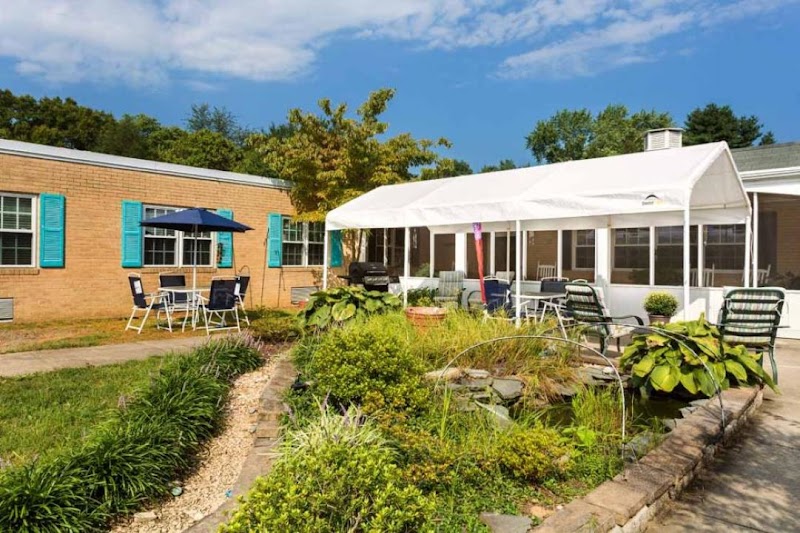
How is Sterling Care Bel Air Staffed?

CMS rates STERLING CARE BEL AIR's staffing level at 2 out of 5 stars, which is below average compared to other nursing homes. Staff turnover is 46%, compared to the Maryland average of 46%.

What Have Inspectors Found at Sterling Care Bel Air?

State health inspectors documented 47 deficiencies at STERLING CARE BEL AIR during 2018 to 2025. These included: 2 Immediate Jeopardy (the most serious level, indicating potential for serious harm or death), 2 that caused actual resident harm, and 43 with potential for harm. Immediate Jeopardy findings are rare and represent the most serious regulatory concerns. They require immediate corrective action.
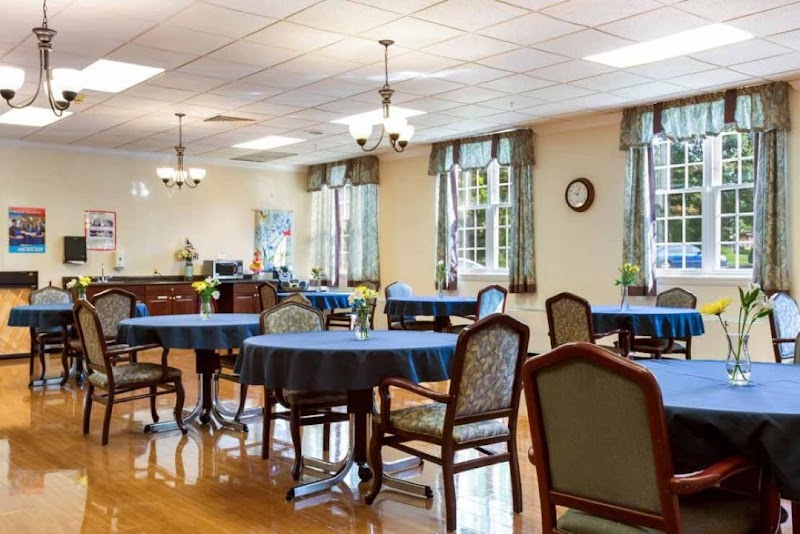
Who Owns and Operates Sterling Care Bel Air?

STERLING CARE BEL AIR is owned by a for-profit company. For-profit facilities operate as businesses with obligations to shareholders or private owners. The facility is operated by STERLING CARE, a chain that manages multiple nursing homes. With 155 certified beds and approximately 132 residents (about 85% occupancy), it is a mid-sized facility located in BEL AIR, Maryland.
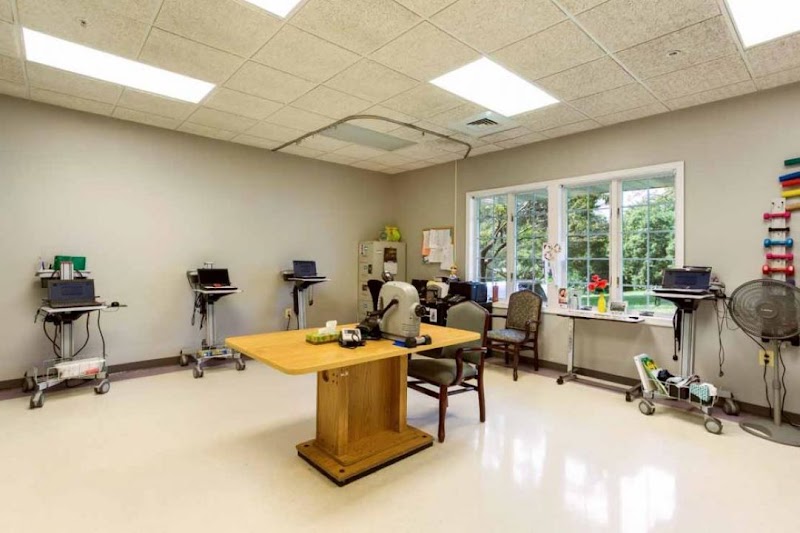
How Does Sterling Care Bel Air Compare to Other Maryland Nursing Homes?

Compared to the 100 nursing homes in Maryland, STERLING CARE BEL AIR's overall rating (3 stars) is below the state average of 3.0, staff turnover (46%) is near the state average of 46%, and health inspection rating (2 stars) is below the national benchmark.

What Should Families Ask When Visiting Sterling Care Bel Air?

Based on this facility's data, families visiting should ask: "What changes have been made since the serious inspection findings, and how are you preventing similar issues?" "What safeguards and monitoring systems are in place to protect residents from abuse or neglect?" "Can you walk me through typical staffing levels on day, evening, and night shifts?" "Can I visit during a mealtime to observe dining assistance and food quality?" These questions are particularly relevant given the facility's Immediate Jeopardy citations, the substantiated abuse finding on record, and the below-average staffing rating.

Is Sterling Care Bel Air Safe?

Based on CMS inspection data, STERLING CARE BEL AIR has documented safety concerns. The facility has 1 substantiated abuse finding (meaning confirmed case of resident harm by staff or other residents). Inspectors have issued 2 Immediate Jeopardy citations (the most serious violation level indicating risk of serious injury or death). The facility has a 3-star overall rating and ranks #100 of 100 nursing homes in Maryland. Families considering this facility should ask detailed questions about what corrective actions have been taken since these incidents.

Do Nurses at Sterling Care Bel Air Stick Around?

STERLING CARE BEL AIR has a staff turnover rate of 46%, which is about average for Maryland nursing homes (state average: 46%). Moderate turnover is common in nursing homes, but families should still ask about staff tenure and how the facility maintains care continuity when employees leave.

Was Sterling Care Bel Air Ever Fined?

STERLING CARE BEL AIR has no federal fines on record. CMS issues fines when nursing homes fail to meet care standards or don't correct problems found during inspections. The absence of fines suggests the facility has either maintained compliance or corrected any issues before penalties were assessed. This is a positive indicator, though families should still review recent inspection reports for the full picture.

Is Sterling Care Bel Air on Any Federal Watch List?

STERLING CARE BEL AIR is not on any federal watch list. The most significant is the Special Focus Facility (SFF) program, which identifies the bottom 1% of nursing homes nationally based on persistent, serious quality problems. Not being on this list means the facility has avoided the pattern of deficiencies that triggers enhanced federal oversight. This is a positive indicator, though families should still review the facility's inspection history directly.