STERLING CARE RIVERSIDE
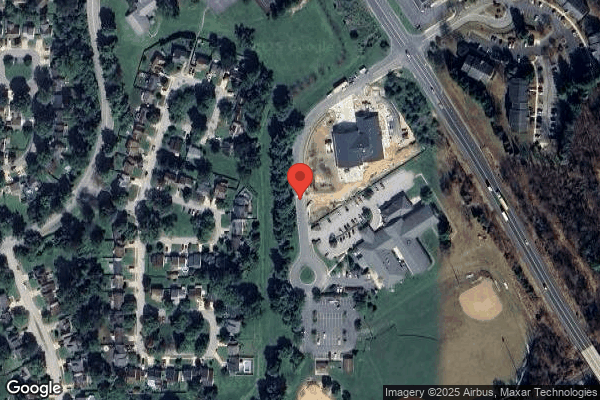
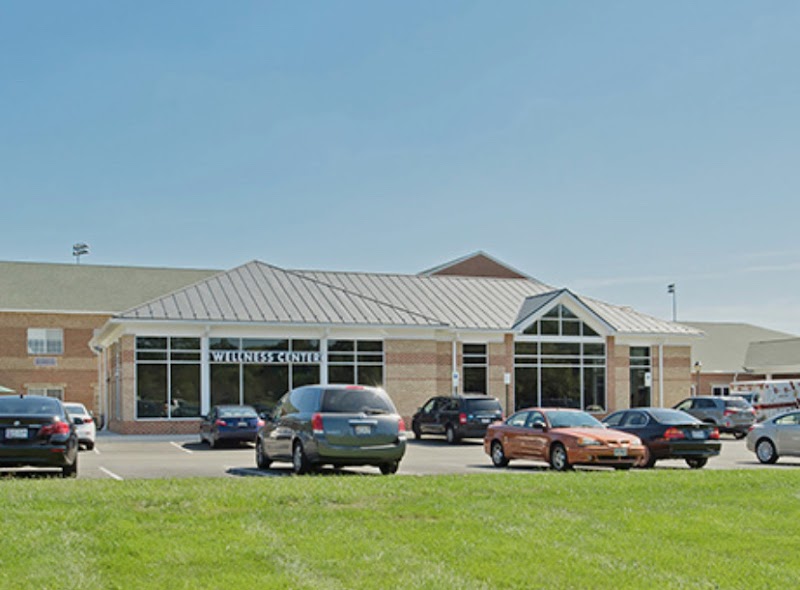
1123 BELCAMP GARTH, BELCAMP, MD 21017 (410) 575-6400
For profit - Partnership 129 Beds STERLING CARE Data: November 2025
Trust Grade
63/100
#82 of 219 in MD
Last Inspection: April 2023

Over 2 years since last inspection. Current conditions may differ from available data.

Overview

Sterling Care Riverside has a Trust Grade of C+, indicating it is slightly above average, but not outstanding. It ranks #82 out of 219 nursing homes in Maryland, placing it in the top half of facilities in the state, and #4 out of 6 in Harford County, suggesting only one local option is better. The facility is on an improving trend, having reduced issues from 18 in 2023 to just 1 in 2025, although concerns remain, particularly regarding staffing, which received a below-average rating of 2 out of 5 stars and has a high turnover rate of 63%, significantly above the state average. There are also some concerning fines of $4,194, which are average for the area, but indicate ongoing compliance issues. While the nursing home has good quality measures with a 5 out of 5 star rating and more RN coverage than 76% of Maryland facilities, specific incidents raise red flags. For example, staff failed to promptly assist a resident who needed help and left a call bell unattended, leading to unnecessary delays in care. Additionally, there were maintenance issues, such as a detached door skin and damaged baseboards, which could impact the overall safety and comfort of the residents. Overall, while there are strengths in quality measures, the staffing challenges and specific incidents warrant careful consideration for families researching this facility.

Trust Score
C+
63/100
In Maryland
#82/219
Top 37%
Safety Record
Low Risk
No red flags
Inspections
Getting Better
18 → 1 violations
Staff Stability
⚠ Watch
63% turnover. Above average. Higher turnover means staff may not know residents' routines.
Penalties
○ Average
$4,194 in fines. Higher than 62% of Maryland facilities. Some compliance issues.
Skilled Nurses
○ Average
Each resident gets 35 minutes of Registered Nurse (RN) attention daily — about average for Maryland. RNs are the most trained staff who monitor for health changes.
Violations
⚠ Watch
32 deficiencies on record. Higher than average. Multiple issues found across inspections.
★★★★☆
4.0
Overall Rating
★★☆☆☆
2.0
Staff Levels
★★★★★
5.0
Care Quality
★★★☆☆
3.0
Inspection Score
Stable
2023: 18 issues
2025: 1 issues

The Good

  • 5-Star Quality Measures · Strong clinical quality outcomes
  • Full Sprinkler Coverage · Fire safety systems throughout facility
  • No fines on record

Facility shows strength in quality measures, fire safety.

The Bad

Staff Turnover: 63%

17pts above Maryland avg (46%)

Frequent staff changes - ask about care continuity

Federal Fines: $4,194

Below median ($33,413)

Minor penalties assessed

Chain: STERLING CARE

Part of a multi-facility chain

Ask about local staffing decisions and management

Staff turnover is elevated (63%)

15 points above Maryland average of 48%

The Ugly 32 deficiencies on record

Aug 2025 1 deficiency
CONCERN (D) 📢 Someone Reported This

A family member, employee, or ombudsman was alarmed enough to file a formal complaint

Potential for Harm - no one hurt, but risky conditions existed

Respiratory Care (Tag F0695)

Could have caused harm · This affected 1 resident

Based on observation, interview and record review it was determined the facility failed to: 1.) follow an active medical order in place for continuous oxygen for a resident, 2.) ensure the resident's ...

Read full inspector narrative →
Based on observation, interview and record review it was determined the facility failed to: 1.) follow an active medical order in place for continuous oxygen for a resident, 2.) ensure the resident's care reviewed by the physician reflected the medical order in place, and 3.) ensure the respiratory care plan accurately reflected the medical order for oxygen. This was evident for 1 out of 1 resident (Resident #68) reviewed for respiratory care during the surveyor's review of a complaint and during the facility's recertification survey. The findings include: During the surveyor's review of investigation into a complaint, Resident #68 was observed by the surveyor on 8/18/25 at 10:53AM laying in bed with their oxygen concentrator on and set at 5 liters being delivered via nasal cannula to the resident. Review of the medical record at this time revealed Resident #68 had the following active medical order dated as beginning on 5/1/25: Respiratory: Oxygen- Continuous 4L via NC (nasal cannula), every shift. On 8/18/25 at 10:54AM the surveyor requested a dual observation of the concern with Unit Manager #26 who observed the oxygen concentrator of Resident #68 set at 5 liters, acknowledged the surveyor's concern, and after surveyor intervention, Unit Manager #26 was observed turning the oxygen concentrator from 5 liters down to 4 liters. On 8/18/25 at 10:56AM the surveyor shared the concern with the facility's Director of Nursing who acknowledged understanding of the concern. On 8/18/25 at 12:30PM the surveyor reviewed the medical record which revealed a progress note for Resident #68 documented by Nurse Practitioner #27 which indicated the resident was on oxygen via nasal cannula as needed on physical exam, and documented that the resident's assessment and plan included the resident being on chronic oxygen via nasal cannula at 3 Liters. On 8/18/25 at 12:30PM the surveyor reviewed the medical record which revealed a progress note for Resident #68 documented by Nurse Practitioner #27 which indicated the resident was on oxygen via nasal cannula as needed on physical exam, and documented that the resident's assessment and plan included the resident being on chronic oxygen via nasal cannula at 3 Liters. On 8/18/25 at 12:45PM the surveyor reviewed the care plan of Resident #68 and observed the following two simultaneous care plan interventions: 1.) Oxygen settings: 02 via 4L via NC, and 2.) Oxygen Settings: Humidified 02 via nasal prongs 3 L continuously. On 8/18/25 at 12:54PM the surveyor shared concerns with the Director of Nursing who acknowledged and confirmed understanding of the surveyor's concerns.
Apr 2023 18 deficiencies
CONCERN (D)

Potential for Harm - no one hurt, but risky conditions existed

Deficiency F0578 (Tag F0578)

Could have caused harm · This affected 1 resident

**NOTE- TERMS IN BRACKETS HAVE BEEN EDITED TO PROTECT CONFIDENTIALITY** 2. On 3/28/23 at 9:30 AM, upon surveyor review and request for copies of Resident #506's medical records, it was determined that...

Read full inspector narrative →
**NOTE- TERMS IN BRACKETS HAVE BEEN EDITED TO PROTECT CONFIDENTIALITY** 2. On 3/28/23 at 9:30 AM, upon surveyor review and request for copies of Resident #506's medical records, it was determined that their Maryland Orders for Life Sustaining Treatment (MOLST) was certified as having been ordered as a result of a discussion with the informed consent of a surrogate on 3/17/23. However, there was only one certification of incapacity in the medical record dated 3/17/23. A second certification to determine capacity had not yet been completed. Resident #506 had been admitted to the facility on [DATE]. On 3/28/23 at 1:35 PM a second certification for decision making capacity was then completed. On 3/31/23 at 1:09 PM, an interview was conducted with Staff #23, Social Worker, and they were informed of the surveyor's concern. Based on clinical record review and staff interview it was determined that the facility staff failed to ensure residents were offered the opportunity to either provide a copy of already written Advanced Directives and/or create a set of Advanced Directives (#28 and #506). This was evident for 2 out of the 63 residents in the survey sample. The findings are: 1. A review of Resident #28's clinical record on 3/29/23 at 8:00 AM revealed that a copy of an Advanced Directive or a progress note indicating that the resident was offered the opportunity to create an Advanced Directive could not be found in the electronic health record. This surveyor requested evidence of an Advanced Directive on 3/29/23 at 1:00 PM from the Director of Nursing (DON). The social worker (Staff #21) was interviewed on 3/31/23 at 9:03 AM. She said the resident signed a form designating a Power of Attorney. Another request was made for a copy of the Advanced Directives. A review of the clinical records on 3/31/23 at 11:01 AM revealed that Staff #21 wrote a progress note that she met with the resident and the resident declined to formulate Advanced Directives. The resident chose his/her mother as the healthcare agent.
CONCERN (D)

Potential for Harm - no one hurt, but risky conditions existed

Notification of Changes (Tag F0580)

Could have caused harm · This affected 1 resident

Based on medical record review and interview with facility staff, it was determined that the facility failed to notify family and the physician timely when notified of a residents change in condition....

Read full inspector narrative →
Based on medical record review and interview with facility staff, it was determined that the facility failed to notify family and the physician timely when notified of a residents change in condition. This was evident during a random observation. The findings include: Surveyor completed observations and interviews with Resident #95 on 3/27/23 10:34 AM. S/he was interviewed just after returning from a session at rehabilitation. Surveyor observed Resident #95 to have increased work of breathing and coughing which s/he also verbalized to the surveyor. Surveyors left the room and immediately reported the observations and reported concerns from the resident to LPN Staff #11 at 10:40 AM. The surveyor returned to the hallway on 3/27/23 to where Resident #11 resides to follow-up on Resident #95's status. Resident #95's son/RP was in the room visiting at that time. On 3/29/23, surveyor reviewed Resident #95's medical record. According to the completed 'SBAR' situation, background, assessment, recommendation, change in condition form initiated on 3/27/23, the resident 'RP' representative was notified of the residents change in condition of COVID-19 positive test at 5:51 PM although the family was there and present in the facility visiting. Additionally, according to the SBAR, documentation shows that staff #11 did not notify the physician until 1:00 PM of Resident #95's status, although surveyors notified staff that the resident was observed with a change and a need for an intervention at 10:40 AM. The SBAR staff #11 created at 5:35 PM on 3/27/23, documented that Resident #95 had shortness of breath and a non-productive cough. The medical record review on 3/29/23 showed that Resident #95 was COVID-19 positive and moved to the COVID area of the facility. Surveyor reviewed the identified concerns regarding the timelines of surveyors reported concerns about Resident # 95 to staff #11 and delay in then reporting to the physician and family with the facility ADON on 3/29/23 at 8:16 AM.
CONCERN (D)

Potential for Harm - no one hurt, but risky conditions existed

Deficiency F0583 (Tag F0583)

Could have caused harm · This affected 1 resident

**NOTE- TERMS IN BRACKETS HAVE BEEN EDITED TO PROTECT CONFIDENTIALITY** 2. On 3/27/23 at 8:30 AM, Staff #11 was observed walking away from their medication cart, off the unit, to obtain the blood pres...

Read full inspector narrative →
**NOTE- TERMS IN BRACKETS HAVE BEEN EDITED TO PROTECT CONFIDENTIALITY** 2. On 3/27/23 at 8:30 AM, Staff #11 was observed walking away from their medication cart, off the unit, to obtain the blood pressure machine leaving patient information on their computer screen visible. At 8:31 AM Staff #11 returned and proceeded to walk past their medication cart, at which time surveyors communicated the concern to Staff #11, their response to surveyors was Oh, I just left it. Surveyors then observed Staff #11 lock their computer screen. 3. On 4/5/23 at 8:35 AM, Staff #42, geriatric nursing assistant, was observed on the Steppingstone unit sitting in their chair in the hallway utilizing the facility tablet to access resident information when room [ROOM NUMBER] placed a call for staff assistance via their call bell. On 4/5/23 at 8:38 AM Staff #42 left their tablet open in the hallway with resident information visible and responded to the resident's request for assistance. Staff #42 donned ppe and went into the resident's room. Surveyor communicated concern to Staff #42 and they acknowledged the concern upon their return from the resident's room. Based on observation while touring the facility it was determined that the facility staff failed to protect the privacy of its residents (#9). This was evident as a result of three random observations. The findings are: 1. While touring the facility as part of an environmental review two tops of medication bingo cards were found stuck between the small handrail in the middle of rooms [ROOM NUMBERS] and the wall. Resident #9's medications were Lasix (a diuretic) and Potassium Chloride. The tops were handed to the unit manager for Unit One who then disposed of the tops.
CONCERN (D) 📢 Someone Reported This

A family member, employee, or ombudsman was alarmed enough to file a formal complaint

Potential for Harm - no one hurt, but risky conditions existed

Investigate Abuse (Tag F0610)

Could have caused harm · This affected 1 resident

Based on an interview and review of the Facility Reported Incident (FRI) investigation documentation it was determined the facility failed to thoroughly investigate an allegation of physical abuse. Th...

Read full inspector narrative →
Based on an interview and review of the Facility Reported Incident (FRI) investigation documentation it was determined the facility failed to thoroughly investigate an allegation of physical abuse. This was found to be evident for 1 out 5 residents (Resident # 18) reviewed for allegations of abuse. The findings include: A review of the Facility's Reported Incident (FRI) investigation file conducted on 03/28/2023 at approximately 10:00 AM revealed housekeeper #13 reported to unit manager #9 that she heard a slap come from resident #18's room. The housekeeper's stated said she went to the resident's room and observed Geriatric Nurse Assistant (GNA) #14 take the resident to the bathroom in wheelchair. The facility's investigation consisted of an interview with the resident and a full body assessment, and interviews with all clinical staff that were on duty on the day of the incident. However, the facility failed to 1) have the staff interview statements signed and 2) interview all residents who received care from GNA #14 to ensure all residents' safety in regard to allegations of physical abuse. During an interview conducted on 03/28/2023 at approximately 1:30 PM, the surveyor advised the Director of Nursing (DON) and Assistant Director of Nursing (ADON) #2 of the findings of an incomplete investigation.
CONCERN (D)

Potential for Harm - no one hurt, but risky conditions existed

Assessment Accuracy (Tag F0641)

Could have caused harm · This affected 1 resident

**NOTE- TERMS IN BRACKETS HAVE BEEN EDITED TO PROTECT CONFIDENTIALITY** Based on medical record review, observation and staff interview, it was determined that the facility staff failed to accurately ...

Read full inspector narrative →
**NOTE- TERMS IN BRACKETS HAVE BEEN EDITED TO PROTECT CONFIDENTIALITY** Based on medical record review, observation and staff interview, it was determined that the facility staff failed to accurately code a resident's status on the Minimum Data Set (MDS) assessment (Resident #50, #73 and #80). This was evident for 3 out of 63 residents selected for review during an annual survey. The MDS is a federally-mandated assessment tool that helps nursing home staff gathers information on each resident's strengths and needs. Information collected drives resident care planning decisions. MDS assessments need to be accurate to ensure each resident receives the care they need. The findings include: 1. Observation of Resident #73 on 3/27/23 at 8:11 AM revealed the Resident to be edentulous (without teeth). Interview with the Resident at that time, the Resident stated he/she had his/her teeth pulled and is waiting on dentures. Review of Resident #73's medical record on 3/30/23 revealed the Resident was admitted to the facility on [DATE]. On 12/3/21 the facility staff completed an oral evaluation and documented the Resident has no natural teeth and no dentures. Further review of Resident #73's medical record revealed the facility staff completed an annual MDS assessment on 10/30/22 for Section L0200 Dental. The facility staff failed to indicate the Resident had no natural teeth or tooth fragments. After Surveyor intervention, the facility staff submitted a correction to the 10/30/22 annual MDS assessment for Section L0200 Dental and coded the Resident as B. no natural teeth or tooth fragment(s) (edentulous). Interview with the Assistant Director of Nursing on 3/31/23 at 10:10 AM confirmed the facility staff inaccurately coded Resident #73's Section L Dental Status. 2. A review of Resident #50's clinical record revealed that the resident's most recent comprehensive assessment was incomplete. Resident #50 had a MDS completed on 6/2/22. MDS Section J 1700 Falls was not completed. The resident's most recent fall risk assessment was reviewed on 3/29/23 and it noted the resident to be a high risk for falls. The facility interdisciplinary team (IDT) created a care plan on 10/21/19, [resident name] had an actual fall and remains at risk for falls r/t poor safety awareness. The Director of Nursing (DON) was interviewed on 4/3/23 at 3:20 PM and said she reviewed her records and found no evidence that the resident had any reported falls in the last nine months. 3. A review of Resident #80's clinical record revealed the resident had a care plan triggered incorrectly. The resident's Minimum Data Set (MDS) was completed on 2/12/23. Section V Care Area Assessment (CAA) noted the IDT decided to develop a care plan to address the resident's rejection of care secondary to cognition loss and/or dementia. Further review revealed the resident does not have either cognition loss or dementia. The DON was interviewed on 3/31/23 at 12:12 PM. She was shown the CAA's and the potential concerns were explained to her. She said she would review and get back to the team. The DON returned on 3/31/23 at 12:49 PM with a care plan that referenced psychotropic medications but not the cognition loss/dementia. DON confirmed that the resident is alert and oriented. She also confirmed the resident makes their own decisions. Interviewed the DON on 4/6/23 at 7:49 AM. It was explained that the survey team will be citing since resident does not have dementia or cognition loss. Evidence to dispute the findings were not presented to the team prior to exit.
CONCERN (D)

Potential for Harm - no one hurt, but risky conditions existed

Deficiency F0645 (Tag F0645)

Could have caused harm · This affected 1 resident

Based on clinical record review and staff interview it was determined that the facility staff failed to ensure its residents had a complete and accurate Preadmission Screening and Record Review (PASRR...

Read full inspector narrative →
Based on clinical record review and staff interview it was determined that the facility staff failed to ensure its residents had a complete and accurate Preadmission Screening and Record Review (PASRR). This was evident for 1 out of 63 residents in the survey sample. The findings are: A review of Resident #24's clinical record on 3/29/23 at 9:46 AM revealed the resident had a PASRR completed on 2/15/23. Section B Intellectual Disability (ID) and related conditions has four questions and if one or more is checked as yes then the resident is considered to have ID or a related condition. The facility staff answered one question as yes but marked no to whether or not the resident had ID or a related condition. A review of Section D revealed it was left blank. Staff are instructed to complete the section if a resident is scored to have ID or a serious mental illness. The social worker (staff # 23) was interviewed on 3/30/23 at 12:36 PM. She said they sent it to Adult Evaluation and Review Services (AERS) and a Level II evaluation was deemed unnecessary. The findings were explained and she replied Oh, we have a corrected copy somewhere. On 3/30/23 at 12:41 PM the PASRR was shown to the social services assistant (staff #21). She said that question B1 was answered correctly and she understood that the final summation for Section B was supposed to be yes not no. She also said she understood that Section D was supposed to be completed. On 3/30/23 at 2:33 PM staff #21 brought in the corrected PASRR and said it would be placed in the resident's chart.
CONCERN (D)

Potential for Harm - no one hurt, but risky conditions existed

Deficiency F0655 (Tag F0655)

Could have caused harm · This affected 1 resident

**NOTE- TERMS IN BRACKETS HAVE BEEN EDITED TO PROTECT CONFIDENTIALITY** Based on observation and medical record review it was determined the facility failed to address presence and care of a resident'...

Read full inspector narrative →
**NOTE- TERMS IN BRACKETS HAVE BEEN EDITED TO PROTECT CONFIDENTIALITY** Based on observation and medical record review it was determined the facility failed to address presence and care of a resident's foley catheter (tube that drains urine from the bladder) in the resident's baseline careplan. This was evident for one out of three residents reviewed for catheters. The findings include: On 3/28/23 at 9:00 AM, surveyors observed Resident #506's foley catheter bag laying on the floor under their bed. During record review on 3/31/23 at 1:05 PM, the hospital discharge summary for Resident #506. The hospital Discharge summary dated [DATE] addressed recommendations for the resident being discharged with a foley catheter in place. Upon further record review on 3/31/23 at 1:05 PM, the baseline careplan dated 3/20/23 and signed on 3/23/23 for Resident #506 was reviewed. The baseline careplan revealed Resident #506 was admitted to the facility on [DATE], approximately four days prior to the effective date of the baseline careplan. The baseline careplan provides for identification of the baseline care needs of a resident upon admission to the facility. Section D, #2 on the baseline careplan provides an opportunity to address the following bladder related items for a resident: a.) continent, b.) incontinent, c.) appliances/catheter, d.) briefs or pull up used. During continued review of the baseline care plan for Resident #506 on 3/31/23 at 1:05 PM, section D, #2 had the resident documented as selection: b.) incontinent. The selection for c.) appliances/catheter was not selected. Under section D, #'s 4,5 and 6 allow space to provide notes for the following: (#4) bowel and bladder interventions placed, (#5) resident's bowel and bladder goals, and (#6) comments. No additional comments, notes, or information was provided under #4, 5, or 6.
CONCERN (D) 📢 Someone Reported This

A family member, employee, or ombudsman was alarmed enough to file a formal complaint

Potential for Harm - no one hurt, but risky conditions existed

ADL Care (Tag F0677)

Could have caused harm · This affected 1 resident

**NOTE- TERMS IN BRACKETS HAVE BEEN EDITED TO PROTECT CONFIDENTIALITY** Based on resident medical records, the facility failed to take a resident to the bathroom (Resident #458), change a resident in ...

Read full inspector narrative →
**NOTE- TERMS IN BRACKETS HAVE BEEN EDITED TO PROTECT CONFIDENTIALITY** Based on resident medical records, the facility failed to take a resident to the bathroom (Resident #458), change a resident in a timely manner (Resident # 27) and provide showers (Resident #508). This was evident for 3 out of 7 residents reviewed for ADL care during an annual survey. Findings include: 1. Resident # 458 was admitted to facility on 12/3/22 and discharged on 2/23/23. According to a complaint from daughter of resident # 458, resident was left for over 4 hours before she/he was changed. Daughter stated he/she is expected to eat his/her lunch while needing to be changed. Daughter stated, 'we have tried to resolve the issues with the staff, but they just don't care. She/he has also been double diapered so they would not have to changed him /her so much. Daughter stated ' My niece is there every day and has spoken to them regularly about the problems. Physical therapy does not do therapy every day as it should be done, and did not try to help get her changed when this happened. Medical record review was conducted on 4/3/23 at 9:38 AM. Resident# 458 has a BIMS of 15 out of 15 done on 12/21/22. A BIMS (Brief Interview for Mental Status) is a mandatory tool used to screen and identify the cognitive condition of residents upon admission into a long term care facility. The test is usually administered by a social worker who asks a series of questions while noting the answers on the BIMS scorecard. Each question is scored according to a numeric value. The total BIMS score ranges between zero to fifteen points and is categorized into three cognitive groups: Intact, Moderate, and Severe. The objective of a BIMS assessment is not to diagnose cognitive illnesses like dementia or Alzheimer, but rather to assist facility staff with detecting early symptoms and the potential need for further evaluation. Resident #458 had a MDS done on 1/2/23. Resident #458 can transfer with supervision and 1 person assist. However, in sec. G of MDS (The Minimum Data Set is part of the federally mandated process for clinical assessment of all residents in Medicare and Medicaid certified nursing homes. This process provides a comprehensive assessment of each resident's functional capabilities and helps nursing home staff identify health problems. Care Area Assessments (CAAs) are part of this process, and provide the foundation upon which a resident's individual care plan is formulated. MDS assessments are completed for all residents in certified nursing homes, regardless of source of payment for the individual resident. MDS assessments are required for residents on admission to the nursing facility, periodically, and on discharge. All assessments are completed within specific guidelines and time frames. In most cases, participants in the assessment process are licensed health care professionals employed by the nursing home. MDS information is transmitted electronically by nursing homes to the national MDS database at CMS shows, resident is extensive assist for dressing, toileting and personal hygiene that requires 2 persons assist. The Long Term Care Minimum Data Set (MDS) is a health status screening and assessment tool used for all residents of long term care nursing facilities certified to participate in Medicare or Medicaid, regardless of payer. The assessment is also required for Medicare payment of skilled nursing facility stays. Assessment data for Skilled Nursing Swing Beds 3.0 is included in a separate file, MDS version 3.0 was implemented on October 1, 2010, replacing version 2.0. This surveyor requested a list from the Director of Nursing (DON) of resident # 458 bowl and bladder record for the month of December and January. The GNA (Geriatric Nursing Assistant) [NAME] states resident # 458 was not toileted or changed on 12/5/22 for the entire 24 hour period. Resident # 458 was changed only 1 time in December on 12/10/22 and changed 2 times on 12/9/22, 12/11/22, 12/13/22, 12/14/22. For the month of January 2023, resident #458 was changed only 1 time (1/2/23). In January 2023, resident # 458 was changed 2 times in a 24 hour period, dates are as follows: 1/3/23 1/8/23, 1/11/23, 1/14/23, and 1/16/23. 2. On April 1, 2021 resident # 27 was admitted to this facility. Resident # 27 is bedridden and cannot do anything for ones self. According to his/her complaint he/she has had to wait at times 7 hours for someone to come in and change him/her. A medical record review was conducted on 3/30/23 at 8:46 AM. Surveyor requested bowl and bladder reports from 7/2021 through September 2021. Under the GNA [NAME] for the month of April 2021, GNA (Geriatric Nursing assistant) changed resident twice on 4/5/2021 for bowel and 2 times for bladder. This was the same for 4/7/21, 4/8/21, 4/9/21, 4/11/21, 4/26/21. On 4/18/21 resident was changed 1 time. On May 1/21, 5/3/21, 5/9/21, 5/17, 5/23, resident was changed 2 times. On 6/7/21 6/18/21, 6/21/21, 6/25/21, and 6/29/21 resident was changed 2 times. On 6/27 and 28 resident was changed 1 time only. DON (Director of Nursing) aware of findings on 4/4/23 at 11:49 AM for Resident #458 and #27. 2. Surveyor was notified on 4/3/23 at 11:22 AM by the family of Resident #508 of a concern that s/he did not receive showers the first week of their admission. Surveyor requested from the facility Director of Nursing (DON); documentation of showers given to Resident #508 from admission to present. According to the documentation provided, there were no showers administered or offered to Resident #508 from admission on 3/22 through 3/27/23, the first day a shower was offered. On 3/27/23, the first offered shower was at 7:15 PM and documented that the resident stated it was 'too late' to try again next shower day. Staff attempted to give Resident #508 a shower on 3/30/23 at 10:30 AM and Resident #508 stated it was too late in the morning if they could come back tomorrow as per the family the agreed time was 6:00 AM for showers. Staff documented on each shower sheet, 3/27 and 3/30/23 respectively, that there were no skin conditions noted, although no showers occurred to assess the skin. On 3/31/23 staff documented at 9:15 AM that Resident #508 refused the 6:00 AM shower, the sitter was not present. According to the facility shower sheets it was not until 4/3/2023 at 6:00 AM that a shower occurred for Resident #508. Surveyor met with Resident #508 and his/her sitter on 4/4/2023 at 9:27 AM. S/he was visibly and verbally happy that s/he finally got a shower at the agreed upon time.
CONCERN (D)

Potential for Harm - no one hurt, but risky conditions existed

Deficiency F0692 (Tag F0692)

Could have caused harm · This affected 1 resident

**NOTE- TERMS IN BRACKETS HAVE BEEN EDITED TO PROTECT CONFIDENTIALITY** Based on medical record review, observation and interview, it was determined the facility staff failed to provide supplements as...

Read full inspector narrative →
**NOTE- TERMS IN BRACKETS HAVE BEEN EDITED TO PROTECT CONFIDENTIALITY** Based on medical record review, observation and interview, it was determined the facility staff failed to provide supplements as recommended by the dietitian for a resident (#64). This was evident for 1 of 4 residents selected for review for nutrition during the annual survey. The findings include: Observation of Resident #64 on 3/27/23 at 10:06 AM revealed the Resident appeared to be thin. Review of Resident #64's medical record on 3/29/23 revealed the Resident was admitted to the facility on [DATE] with a diagnosis to include dementia. Dementia is not a specific disease but is rather a general term for the impaired ability to remember, think, or make decisions that interferes with doing everyday activities. Further review of the Resident's medical record revealed the Resident weighed 148.9 pounds on 3/1/23. The Resident was assessed by the Dietitian on 3/5/23 for weight loss. At that time the Dietician wrote in the Dietitian Progress Note for the Resident to have Ensure Plus twice a day. Ensure Plus is a liquid supplement that provides concentrated calories and protein to help patients gain or maintain healthy weight. Further review of the Resident's medical record on 4/3/23 revealed there was no order or documentation that the Resident was receiving Ensure Plus. Interview with the Dietitian on 4/3/23 at 2:15 PM confirmed she had failed to enter the order and Resident #64 had not received Ensure Plus.
CONCERN (D)

Potential for Harm - no one hurt, but risky conditions existed

Deficiency F0711 (Tag F0711)

Could have caused harm · This affected 1 resident

Based on medical record review and interview, it was determined the facility staff failed to include provider notes in the medical record in a timely manner with accurate date of visit (Resident #508)...

Read full inspector narrative →
Based on medical record review and interview, it was determined the facility staff failed to include provider notes in the medical record in a timely manner with accurate date of visit (Resident #508). This was evident for 1 of 63 residents reviewed during an annual survey. The findings include: Resident #508 was admitted to the facility beginning on 3/22/23. Staff #49, Nurse Practitioner, documented they performed an initial visit with the resident on 3/23/23. Documentation of the visit via a progress note with a date of service for 3/23/23 was electronically signed and uploaded on 3/27/23 at 8:30 AM after surveyors were present in the facility. During an interview with the Director of Nursing (DON) on 3/30/23 at 9:16 AM concerning this resident's records, they reported the facility's medical records department is responsible for uploading of provider notes and keeping track of provider visits. After surveyor brought the concern to the DON's attention on 3/30/23 at 9:16 AM, Staff #49 electronically signed a progress note on 3/30/23 at 9:46 AM for a visit with Resident #508 documented as having occurred on 3/29/23. Cross Reference F842
CONCERN (D)

Potential for Harm - no one hurt, but risky conditions existed

Deficiency F0757 (Tag F0757)

Could have caused harm · This affected 1 resident

Based on record review and interview with facility staff it was determined the facility failed to address and identify the use of a medication in a resident's plan of care (Resident #508). This was ev...

Read full inspector narrative →
Based on record review and interview with facility staff it was determined the facility failed to address and identify the use of a medication in a resident's plan of care (Resident #508). This was evident for one out of three residents reviewed for unnecessary medications. The findings include: On 3/31/23 at 9:26 AM, review of the medical record for Resident #508 revealed they required a necessary anti-depressant medication: fluoxetine. The facility's medication order for fluoxetine states the medication is being given to the resident for depression. Staff #49, Nurse Practitioner, documented via progress notes as having seen Resident #508 on the following dates: 3/23/23, 3/28/23, and 3/29/23. Staff #49's progress notes for visits occurring on 3/23/23, 3/28/23, and 3/29/23 revealed that fluoxetine use was not identified and addressed in the resident's plan of care. During an interview with the facility DON on 3/31/23 at 10:09 AM, surveyor concern was reviewed.
CONCERN (D)

Potential for Harm - no one hurt, but risky conditions existed

Food Safety (Tag F0812)

Could have caused harm · This affected 1 resident

Based on observations of the facility's kitchen and interviews of the dietary staff it was determined that 1) the facility failed to ensure sanitary practices were followed in accordance with professi...

Read full inspector narrative →
Based on observations of the facility's kitchen and interviews of the dietary staff it was determined that 1) the facility failed to ensure sanitary practices were followed in accordance with professional standards for food service safety and 2) ensure the food maintained an acceptable serving temperature. These deficient practices have the potential to affect all residents. The findings include: Wet nesting occurs when wet dishes or pots and pans are stacked, preventing them from drying, and creating conditions that are ripe for microorganisms to grow. FDA guidelines mandate that all wares should be air dried. Using towels to dry dishes is never permitted. 1) During the initial tour of the kitchen on 03/27/2023 at approximately 12:14 PM, the surveyors and food service manager #15 observed large metal pans stacked inside of each other on a drying rack. On closer observation the surveyors and the food service manager observed wet nesting in several of the large metal pans. The food service manager confirmed the metal pans should not have been stacked inside one another preventing the pans from drying appropriately. The food service manager removed the wet pans from the drying rack. A food facility's daily operation includes proper sanitizing of equipment. Generally, chlorine or quaternary ammonia is used to kill pathogens on multi-use utensils, food-contact surfaces, wiping cloths, and other items that are used to prepare food. Sanitizing agents only work if used appropriately - for this reason, food facilities are required to have test strips to check the sanitizer. Test strips should be used in three bay, low-temperature dishwashers, and buckets used to hold wiping cloths. During the continued initial tour, the surveyors observed a 3-bay sink, 1 bay had sanitized water. The food service manager #15 used a test strip to test the sanitary level. The test strip failed with a reading of 0 parts per million which indicates the sanitizer level in the water would not kill bacteria or pathogens. The food service manager stated she had new staff who had diluted the bay of sanitized water. The food service manager further stated the staff would be trained in the importance of maintaining a sanitary level. 2) On 3/29/2023 at approximately 7:30 AM the surveyor observed the tray line. The Kitchen District Manager #16 tested the food temps: oatmeal 167.6 degrees Fahrenheit, scrambled eggs 185 degrees Fahrenheit, cream of wheat 146 degrees Fahrenheit, sausage 154 degrees Fahrenheit, hash brown 178 degrees Fahrenheit, sausage gravy 173 degrees Fahrenheit, biscuits 155 degrees Fahrenheit, Pureed: hash 143 degrees Fahrenheit, sausage 159 degrees Fahrenheit, bread 165. On 03/29/23 at approximately 8:00 AM the surveyor requested a breakfast test tray from the tray line observed. The test tray food was placed in a disposable plastic container and placed in the meal cart designated for the Covid unit. The meal cart had a total of 12 breakfast trays and was delivered to the Covid unit at 8:31 AM. The Surveyor and District Kitchen Manager observed Geriatric Nursing Assistant (GNA) # 17 and # 18 standing at the meal cart. GNA #18 removed the first tray off the cart at 8:38 AM. The GNAs then stood at the cart for several minutes talking before delivering any more breakfast trays to the residents. The last tray was delivered at 8:52 AM, the District Kitchen Manager tested the food temps of the test tray at 8:53 AM: biscuits and gravy 115 degrees Fahrenheit, hash browns 93 degrees Fahrenheit, coffee 144 degrees Fahrenheit, OJ 42 degrees Fahrenheit, oatmeal 130 degrees Fahrenheit, milk 41.6 degrees Fahrenheit. The District Kitchen Manager stated the food and beverages were no longer at an acceptable serving temperature due to the delay of the trays delivered by the GNAs. During an interview on 03/29/2023 at approximately 10:15 AM the surveyor advised the Director of Nursing (DON) of the observations and concerns for the food served to residents with lower than the acceptable food service temperature levels. The DON stated she would add another GNA to deliver the meal trays.
CONCERN (E)

Potential for Harm - no one hurt, but risky conditions existed

Safe Environment (Tag F0584)

Could have caused harm · This affected multiple residents

**NOTE- TERMS IN BRACKETS HAVE BEEN EDITED TO PROTECT CONFIDENTIALITY** Based on a tour of the facility it was determined that the facility staff failed to ensure resident rooms were maintained in a h...

Read full inspector narrative →
**NOTE- TERMS IN BRACKETS HAVE BEEN EDITED TO PROTECT CONFIDENTIALITY** Based on a tour of the facility it was determined that the facility staff failed to ensure resident rooms were maintained in a homelike manner. This was evident as a result of random observations. The findings include: An environmental tour of the facility on 3/30/23 and 4/5/23 revealed: room [ROOM NUMBER] had a brown stain on the walls. The coaxle cable box was detached from the wall and hanging freely. Observation on 4/5/23 at 12:42 PM revealed that room [ROOM NUMBER] had a protective covering, door skin, coming off the door. The top left corner could be pulled away from door 2-4 inches revealing the adhesive backing material. The door to room [ROOM NUMBER] had its door skin partially detached from the door. This was observed on 4/5/23 at 12:49 PM. The second floor shower room baseboard molding, on the left hand side of the entrance area, was observed to be partially detached from the wall and the bottom corner of the same wall had a section of drywall damaged. The fall mat for 226 bed B had torn corners and the floor beneath the resident's tube feeding was covered in dried tube feed. The second floor shower room was observed on 4/5/23 at 12:32 PM. The fourth shower stall had a call bell pull cord and its cover detached from the wall. It was held up by two connecting wires. On 04/05/23 at 1:02 PM room [ROOM NUMBER] was observed. The air unit next to the B bed had a brown substance on it as though a cup of brown liquid spilled on the bottom quarter of the unit. A bed had a fall mat with torn corners and the wall was marked up with grayish streaks. The Director of Maintenance was interviewed on 4/6/23 at 8:30 AM. He said he understood the findings and shared that the second floor shower room wall has been fixed.
CONCERN (E)

Potential for Harm - no one hurt, but risky conditions existed

Quality of Care (Tag F0684)

Could have caused harm · This affected multiple residents

Based on observation, interview, and medical record review it was determined that the facility failed to 1.) provide a resident with prompt assistance for positioning and failed to ensure the resident...

Read full inspector narrative →
Based on observation, interview, and medical record review it was determined that the facility failed to 1.) provide a resident with prompt assistance for positioning and failed to ensure the resident had access to their call bell device (Resident #504) and 2.) failed to document complete assessments of residents when there was a noted change in condition (#305 and #506). This was evident for 1.) 1 of 2 residents reviewed for positioning, and 2.) 2 of 4 residents reviewed for change of condition during an annual survey. The findings include: 1. On 3/27/23 at 10:00 AM surveyors observed a call bell request for assistance from Resident #504. Staff #11, Licensed Practical Nurse, was observed standing in the hallway until 10:03 AM when another staff member verbally told Staff #11 that the resident needed assistance, at which time they responded to the call light. Staff #11 was heard by surveyors telling Resident #504: Let me get somebody, and then was observed leaving the resident's room. An observation was made by surveyors on 3/27/23 at 10:05 AM of Resident #504, no staff was present with the resident at that time. On 3/27/23 at 10:18 AM surveyors conducted an interview with Resident #504 at which time they reported: 1.) They were still waiting for assistance to be pulled up in bed to a more comfortable position, and 2.) The nurse had to go find someone and no one has come yet. The resident's feet were observed to be against the bed's footboard. On 4/5/23 at 8:30 AM, Resident #504 was observed by surveyors in their room laying in bed with feet against the bed's footboard without access to the call bell device which was located out of reach draped over furniture. On 4/5/23 at 12:00 PM the resident's care plan was reviewed which revealed current care plan interventions to prevent falls related to the resident's deconditioned status and addressed their self care performance deficit: 1.) Be sure the resident's call light is within reach and encourage the resident to use it for assistance as needed, the resident needs prompt response to all requests for assistance, 2.) Anticipate and meet the resident's needs, 3.) The resident requires 1 staff to turn and reposition in bed. During the review of the facilities current Covid-19 testing and notification process for new admissions on 3/29/23 at 9:00 AM revealed concerns about the documentation on the facility 'situation-background-assessment-recommendation (SBAR) change in condition' forms. 2. Review of Resident #305 on 3/29/23 at 10:00 AM revealed documentation on the facility 'SBAR change in condition' for 3/9/23 at 15:00 (3:00 PM) regarding a positive Covid-19 test. However, the assessment has the most recent vital signs and assessment from 3/8/23 at 22:29 (11:29 PM), including temperature, blood pressure and heart rate. On 3/29/23 the Assistant Director of Nursing (ADON) provided the survey team with copies of the change in condition paperwork. Surveyor reviewed the concern of the lack of timely assessments documented on the SBARs at that time. 3. Review of Resident #506's medical record on 3/29/23 at 10:23 AM revealed an 'SBAR' completed on 3/20/23 at 10:00 regarding COVID-19 positive test. However, the assessment has vital signs documented from 3/29/23. Surveyor reviewed the identified concerns that the vital signs and assessments for the SBAR were not timely assessed and documented on the SBAR with the Director of nursing (DON) on 3/29/23 at 11:54 AM.
CONCERN (E) 📢 Someone Reported This

A family member, employee, or ombudsman was alarmed enough to file a formal complaint

Potential for Harm - no one hurt, but risky conditions existed

Medical Records (Tag F0842)

Could have caused harm · This affected multiple residents

**NOTE- TERMS IN BRACKETS HAVE BEEN EDITED TO PROTECT CONFIDENTIALITY** 8. During record review on 3/30/23 at 8:16 AM, provider progress notes were reviewed for Resident #508 who was admitted on [DATE...

Read full inspector narrative →
**NOTE- TERMS IN BRACKETS HAVE BEEN EDITED TO PROTECT CONFIDENTIALITY** 8. During record review on 3/30/23 at 8:16 AM, provider progress notes were reviewed for Resident #508 who was admitted on [DATE]. Two of two provider progress notes reviewed on 3/30/23 at 8:16 AM for advance directive information were found to include an incorrect admission date of 3/26/23. 7. According to the National Institute of Health (NIH) people with dysphagia have difficulty swallowing and may even experience pain while swallowing (odynophagia). Some people may be completely unable to swallow or may have trouble safely swallowing liquids, foods, or saliva. When that happens, eating becomes a challenge. Often, dysphagia makes it difficult to take in enough calories and fluids to nourish the body and can lead to additional serious medical problems. Enteral refers to within the digestive system or intestine. Enteral feeding tubes allow liquid food to enter your stomach or intestine through a tube. The soft, flexible tube enters a surgically created opening in the abdominal wall called an ostomy. Enteral tube feeding is indicated in patients who cannot main adequate oral intake of food or nutrition to meet their metabolic demands. Healthcare professionals commonly use enteral feeding in patients with dysphagia. Patients with dysphagia sometimes cannot meet their daily nutritional needs, even with modification of food texture and/or consistency. During an observation conducted on 03/28/2023 at approximately 12:15 PM, the surveyor observed resident #61 asleep in his/her bed with the head of the bed raised at 30 degrees (helps to reduce risk of choking). There was an enteral tube feeding pump located next to the resident bed with a bottle of Glucerna 1.5 (enteral liquid food) running at 100 mls (milliliters)/hr (hour). A percutaneous endoscopic gastrostomy (PEG) is a surgery to place a feeding tube. Feeding tubes, or PEG tubes, allow you to receive nutrition through your stomach. You may need a PEG tube if you have difficulty swallowing or can't get all the nutrition you need by mouth. A review of resident #61's Medication Administration Record (MAR) conducted on 03/28/2023 at approximately 1:05 PM revealed an Enteral Feed Order. The order stated, in the afternoon for Enteral Nutrition Support Enteral: Glucerna 1.5 pump rate admin via PEG start @ (at) 2000, 100 mls/hr until total vol (volume) mls/900 Kcals (kilocalories) has been delivered ~(around) 0200. Further review of the MAR revealed the documentation of the time that the enteral tube feeding was up and down. The record showed nurses initialed that the enteral feeding went up at 2000 however the MAR did not show when the enteral feeding was taken down. The MAR showed nurses documented off, NA, and U for when the enteral feeding was taken down. During an interview conducted on 03/28/2023 at approximately 1:30 PM the Director of Nursing (DON) and Assistant Director of Nursing (ADON) stated they would provide clarity in regard to when the enteral feeding was taken down once they had spoken to the nursing staff. The ADON returned and stated that the evening shift nurses initialed when the enteral tube feeding went up at 2000 and documented off, NA and U for when the tube feeding went down. The ADON confirmed this was not good practice because the evening shift nurses were required to input data for when the enteral tube feeding was taken down at the time the enteral tube feeding went up. The ADON further stated the following shift (night shift) was required to take down the enteral tube feeding but was not required to document it. On 03/31/2023 at approximately 9:30 AM the DON provided the surveyor with a revised MAR that showed an order that no longer required the nurse who hung up the enteral tube feeding to falsely input data of when the enteral feeding was taken down. The order had separate sections that now allowed each nurse to document independent of each other for when the enteral feeding went up and when it went down. 5. On 3/29/23 at 8:30 AM A review of resident #154's medical record revealed that the Resident was admitted to the facility on [DATE] following a fracture of the left hip at home and ORIF at the hospital. (Open reduction with internal fixation of the hip is a procedure performed to repair a hip fracture). Further, review of the medical record revealed that a Fall assessment was completed on admission which indicated that the resident has never fallen before. The DON was made aware of the findings on 3/30/2023 at 1:07 PM and confirmed that the Fall assessment was inaccurate. 6. On 3/30/23 at 10 AM A review of resident #156's medical record revealed that the Resident was discharged from the facility on 8/6/21. Further, review of the medical record revealed that the physician documented progress notes on 8/16/21, 8/19, 8/23, 8/26, 8/30, and 9/15/21 in Resident #156's medical record. The DON was made aware of the findings on 3/30/2023 at 1:07 PM and confirmed that the health information was stored in the incorrect patient record. Based on medical record review, observation and interview, it was determined the facility staff failed to maintain the medical record in the most complete and accurate form for Residents (#5, #16, #24, #48, #61, #154, #156 and #508). This was evident for 8 of 63 residents selected for medical record review during the annual survey process. The findings include: A medical record is simply a record of a resident's health and medical history. Consistent, current, and complete documentation in the medical record is an essential component of quality resident care. 1. Observation of Resident #5 on 3/27/23 at 2:18 PM revealed the Resident had bilateral hand contractures with no splints in place. Review of Resident #5's medical record on 3/30/23 revealed the Resident was admitted to the facility on [DATE] with a diagnosis to include quadriplegia. Quadriplegia refers to paralysis from the neck down, including the trunk, legs and arms. Review of the Resident's orders revealed an order on 1/25/23 that stated: Splint Orders: Patient to wear Bilateral Palmar grip for 4-6 hours or as tolerated in order to maintain range of motion and prevent further contracture. Further review of the Resident's medical record revealed no documentation the facility staff were administering the splint orders. Interview with the Director of Nursing on 4/3/23 at 3:00 PM confirmed the facility staff failed to document the administration of splints for Resident #5. 2. Observation of Resident #16 on 3/27/23 at 10:15 AM revealed the Resident to have bilateral lower leg edema and no TED stockings in place. TED stockings are used for treatment to maintain normal circulation and blood flow in bedridden or limited mobility patients. Review of Resident #16's medical record on 3/30/23 revealed the Resident was admitted to the facility on [DATE]. Review of the Resident's orders revealed an order on 5/18/22 for TED stocking bilateral lower extremity as tolerated on AM off PM for lymphedema. Review of a physician assessment on 3/1/23 revealed the physician documented, bilateral lower extremity edema and lymphedema. Further review of the Resident's medical record revealed no documentation of the administration of TED stockings for the Resident. Interview with the Director of Nursing on 4/3/23 at 3:00 PM confirmed the facility staff failed to document the administration of TED stockings for Resident #16. 3. Review of Resident #48's medical record on 3/29/23 revealed the Resident was admitted to the facility on [DATE] with a diagnosis to include repeated falls. Review of the Resident's physical therapy (PT) and occupational therapy (OT) revealed the Resident received PT and OT from 1/3/23 until 3/14/23. Further review of the Resident's medical record revealed the Resident had a fall on 3/21/23. Review of a Nurse Practitioner's note (Staff #50) on 3/24/23 stated, continue PT/OT. During interview with the Director of Rehabilitation (DOR) on 4/3/22 at 8:30 AM, the DOR stated the Resident was screened after the fall on 3/22/23 but was not picked up by PT and OT due to no complaints of pain and the Resident was reeducated. Interview with the DON on 4/4/23 at 10:08 AM confirmed Staff #50's progress note was inaccurate since Resident #48 was not receiving PT/OT. 4. A review of Resident #24's clinical record revealed that the resident's Medication Administration Records (MAR) for February and March 2023 had gaps. A review of the February MAR revealed blank spaces for the administration of Calcium Carbonate (supplement), Carvedilol (heart medication), Dakin's solution (treats wounds), Juven (supplement), Pro-Stat (supplement), Acetaminophen (pain medication), Cefazolin (antibiotic), Glucerna (supplement), and use of non-pharmacological interventions. A review of the March MAR revealed blank spaces for the checking of blood sugars, wound care, use of side rails, observation of any medication side effects, application of barrier cream, shortness of breath checks, daily skin checks, use of enhanced barrier checks, ensuring heels are floated, incontinence care, ensuring resident is frequently turned and positioned, checking Intravenous fluid (IV) ports, checking of low air mattress, checking that bed is in the lowest position, monitoring of vital signs, ensuring LAL mattress is functioning properly, ensuring pressure reducing cushion is on wheelchair, use of non-pharmacological interventions, use of Ferrlecit IV solution (supplement), measuring of arm circumference, administration of Trulicity (treats diabetes), administration of Carvedilol (heart medication), use of Dakins solution (treats wounds), administration of acetaminophen, assessing of the resident's pain, administration of cefazolin (antibiotic), flushing of the IV [NAME], administration of Gabapentin (pain medication), administration of Humalog (treats diabetes), administration of Insulin Lispro (treats diabetes), and the administration of Tizanidine (treats muscle spasm). The Director of Nursing (DON) was interviewed on 03/31/23 at 12:12 PM. She was shown the gaps in the MAR's. She acknowledged the gaps and expressed knowledge of the importance of complete and accurate MAR's.
CONCERN (E)

Potential for Harm - no one hurt, but risky conditions existed

Infection Control (Tag F0880)

Could have caused harm · This affected multiple residents

Based on observations, interviews and medical record review it was determined the facility failed to maintain the safest practicable level of precautions to prevent and control the spread of infectiou...

Read full inspector narrative →
Based on observations, interviews and medical record review it was determined the facility failed to maintain the safest practicable level of precautions to prevent and control the spread of infectious disease. This was evident during multiple random observations throughout the facility. Review of the CDC website for Interim Infection Prevention and Control Recommendations to Prevent SARS-CoV-2 Spread in Nursing Homes, updated 9/27/22, revealed the following guidance; Post visual alerts (e.g., signs, posters) at the entrance and in strategic places (e.g., waiting areas, elevators, cafeterias) These alerts should include instructions about current IPC recommendations (e.g., when to use source control and perform hand hygiene). Dating these alerts can help ensure people know that they reflect current recommendations. Implement source control measures by; 1.use of respirators or well-fitting facemasks or cloth masks to cover a person ' s mouth and nose to prevent spread of respiratory secretions when they are breathing, talking, sneezing, or coughing. 2. HCP who enter the room of a patient with suspected or confirmed SARS-CoV-2 infection should adhere to Standard Precautions and use a NIOSH-approved (national institute for occupational safety and health) particulate respirator with N95 filters or higher , gown, gloves, and eye protection (i.e., goggles or a face shield that covers the front and sides of the face). 3. Visitors should be instructed to only visit the patient ' s room. They should minimize their time spent in other locations in the facility. Dedicated medical equipment should be used when caring for a patient with suspected or confirmed SARS-CoV-2 infection. All non-dedicated, non-disposable medical equipment used for that patient should be cleaned and disinfected according to manufacturer ' s instructions and facility policies before use on another patient. The findings include: 1. During the initial tour of the facility on the morning of 3/27/23, surveyors visualized various rooms with multiple door signage alerting staff to use personal protective equipment (ppe) for contact, droplet, and enhanced barrier precautions although staff was not consistently utilizing the ppe required by that signage. Surveyors interviewed Staff #51, the Unit Manager for the Steppingstone unit on 3/27/23 at 8:23 AM in regards to the signage on the doors and the expectations for ppe required by staff at which time they communicated they needed to change out the signage and they were unsure of who was responsible for updating the signage. Staff #51 was subsequently observed to be removing and updating the signage on the doors of several resident's rooms. On 3/27/23 at 8:34 AM Geriatric Nursing Assistant, Staff #10, was observed entering resident rooms without appropriate ppe as required by the facility signage. When Staff #10 was asked by surveyors what ppe was expected for the resident room they were entering, they reported they didn't know. After surveyor shared concern with Staff #10, they continued to enter and exit rooms without appropriate ppe required by the facility's door signage. Staff #10 was also observed entering and leaving resident rooms without sanitizing their hands. On 3/27/23 at 12:35 PM, an outside care provider to a resident of the facility was observed leaving a room with one glove on, and verbalized deciding whether they wanted a beverage from the facility's beverage cart that was sitting in the hallway which is used to deliver beverages to the facility residents. On 4/3/23 at 6:45 AM, surveyors observed printed enhanced barrier precaution signage on resident doors. This signage provides the reader information on appropriate ppe use. Various signage for enhanced barrier precautions was not legible enough to be read. Additional signage was now present on resident room doors that was color coded, either red or yellow. On 4/3/23 at 6:45 AM, surveyors interviewed Licensed Practical Nurse, Staff #55, and Geriatric Nursing Assistant, Staff #56, to understand what the signage meant. Staff #55 stated the yellow signs meant caution but was unable to elaborate on what that means to staff who enter the room. Staff #56 stated the yellow signs meant maybe have droplets and was unclear on what that means to staff who enter the room. On 4/3/23 at 7:32 AM, infection control concerns were communicated by surveyors to Staff #2, the facility's Assistant Director of Nursing and Infection Control Preventionist 2. On 3/27/23 at 12:15 PM, the linen cart located on the designated Covid unit was observed uncovered, including an open box of gloves on the bottom level of the cart nearest to the floor. On 3/28/23 at 9:00 AM the linen cart on the designated Covid unit was again visualized uncovered. 3. On 3/28/23 at 9:43 AM a medication cart was observed being pushed by Licensed Practical Nurse, Staff #52, from the facility designated non-Covid side of the unit into the designated Covid area of the unit, at which time Licensed Practical Nurse, Staff #19, directed verbally to Staff #52, that the cart could not be there. The cart was then moved by the staff member back to the non-Covid side of the unit. 4. On 4/3/23 at 9:30 AM, multiple surveyors observed a container of sanitizing wipes on a non-Covid designated unit with writing on it that read: Covid unit- do not remove. 5. On 4/5/23 at 8:40 AM Geriatric Nursing Assistant, Staff #43, was observed to be wearing an N-95 mask that was not sealed against the nose and had a paper towel sticking out from under the nose area of the mask. Staff #43 reported to surveyors that they had not been fit-tested by the facility for an N-95 mask. On 4/5/23 at 8:45 AM the facility Director of Nursing, Staff #2, and Staff #43 were notified of the concern on the unit. Staff #43 reported at that time that they were protecting their nose due to the fit of the N-95 mask. On 4/5/23 at 8:58 AM surveyors requested documentation of the fit testing performed by the facility. The facility documentation was provided and failed to reveal fit testing performed for Staff #43.
CONCERN (E)

Potential for Harm - no one hurt, but risky conditions existed

Antibiotic Stewardship (Tag F0881)

Could have caused harm · This affected multiple residents

Based on the review of medical records, interview with facility staff and review of pertinent documentation including facility policy, it was determined that the facility failed to implement and monit...

Read full inspector narrative →
Based on the review of medical records, interview with facility staff and review of pertinent documentation including facility policy, it was determined that the facility failed to implement and monitor the usage of antibiotics for the residents. This was identified during the review of the facility line listing during the annual Medicaid/Medicare survey and the infection control task. Random residents selected for review from the facility line listing included (R #80, #106 and #504) The findings include: Surveyor conducted initial review of the facility line listing related to the monitoring of infections in the facility with the facility Assistant Director of nursing/infection control nurse, staff #2 on 4/6/23 at 7:57 AM. Surveyors had immediate concerns with the provided line listings provided for the months of February though April. Through the titled 'Antibiotic Review' spreadsheet provided by the ADON and DON contained the expected columns and places to enter the appropriate and needed information to monitor and track antibiotics had many blank areas. For each month the name, medication, infection site and start date of the antibiotic was completed, however, for the columns; culture date, x-ray, organism, duration, meet Mcgreer's criteria and care planned, was consistently left blank on each month that would need to be completed respectively for each identified infection. It was noted that under the column 'infection site' the diagnosis was there and not necessarily the site of infection. The ADON was interviewed and stated that she does the reviews and completes the actions for all the columns, including reviewing cultures when it is relevant just did not complete the information on the forms. However, the concern would be that should anyone else review the line listing and she not be around, how would they know that review or follow up was completed. The ADON verbalized at that time understanding that the columns and forms should be completed. On 4/6/23, Surveyor reviewed the facility policy on Antibiotic Stewardship dated December 2016. According to #11, when a culture and sensitivity is ordered lab results and the current clinical situation will be communication to the prescriber as soon as available to determine if antibiotic therapy should be started, continued, modified, or discontinued. Reviewing the facility line listing, this determination cannot be made that any of this was completed prior to starting or continuing antibiotics on residents. The surveyor requested on 4/6/23 a random list of residents on the line listing and all their corresponding notifications and lab work completed at the time they were placed on the line listing. 1. A review of Resident #80 on 4/6/23 at 8:15 AM only revealed his/her name on the line listing for 3/9/23 on Cefepime for a urinary tract infection through 3/16. The information provided to the surveyor related to Resident #80 revealed no labs completed for the UTI, though the change in condition form completed stated '(patient) pt culture resulted new order for Cefepime r/t (related to) UTI.' According to the information provided, the administration of the antibiotic does not meet any criteria for administration. 2. Review of Resident #106 on 4/6/23 at 8:30 AM revealed his/her name listed three times on 2/3/23 for the same diagnosis with three different antibiotics listed. On the facility line listing there is a column listed titled 'infection site.' However, throughout the line listing the infection site is not listed the infection type is. For Resident #106, the infection type is listed three times and not the location/site. A review of Resident #106's hospital discharge revealed the location of the infection and the administration of three antibiotics that varied from oral, to the ear to topically, none of which is clearly identified on the line listing. 3. Review of Resident #504 on 4/6/23 at 8:45 AM revealed his/her name on the line listing for March for facility acquired bronchitis. According to the facility acquired paperwork, there was no lab work, x-rays or notification completed. Had the line listing been completed as a standard, the failure to complete the relevant indications and notifications for use for Resident #504 would not have been missed. The concerns related to the missing information in the line listing was reviewed again with the facility DON on 4/6/23 at 9:48 AM prior to exit.
CONCERN (E)

Potential for Harm - no one hurt, but risky conditions existed

Deficiency F0886 (Tag F0886)

Could have caused harm · This affected multiple residents

Based on medical record review and interview with facility staff, it was determined that the facility staff failed to consistently acquire resident vital signs timely for the Daily COVID-19 tool asses...

Read full inspector narrative →
Based on medical record review and interview with facility staff, it was determined that the facility staff failed to consistently acquire resident vital signs timely for the Daily COVID-19 tool assessments. This was evident for 3 of 3 residents reviewed during the infection control part of the annual survey. The findings include: On 3/27/23 Surveyor reviewed random selection of residents identified as new admissions and monitored for COVID-19. 1. During the review of the medical record regarding COVID-19 daily screenings for Resident #95 on 3/27/23 revealed the following: Daily Covid Tool completed 3/26/23 at 3:45 AM with vital signs for 3/15/23 at 6:20 PM, these vital signs also were put in for the 3/15/2023 11:31 PM assessment. 2. Review of the medical record for Resident #505 on 3/28/23 at 7:30 AM revealed the following: The Daily COVID Tool completed for 3/12/23 and 3/13/23 had vital signs that documented as acquired on 3/12/23 at 12:37 PM and 3/11/23 2:26 PM. Vital signs acquired on 3/13/23 at 12:28 PM documented on two of 3/14/23 Daily COVID Tool's and one of the 3/15/23 tools. Vital signs that staff completed on 3/11/23, staff documented on the 3/16/23 tool. This practice continued as vital signs from 3/26/23 ended up documented on the 3/28/23 Daily Covid tool. 3. Review of the medical record for Resident #304 on 3/28/23 revealed vital signs from 3/24 documented on the 3/26/23 Daily Covid tool and further vital signs acquired from 3/26 on the 3/28/23 daily COVID tool. Surveyor interviewed the Director of Nursing and Assistant Director of Nursing/Infection Preventionist on 3/29/23 at 8:16 AM regarding the Daily Covid Assessments. The ADON stated that the Daily Covid tool is to be completed at a minimum daily, though it is initiated in the system to be completed per shift (7-3 AM, 3-11 PM and 11-7 AM). The expectation is that staff complete the tools with that day's current vital signs and data. The staff's failure to document complete daily assessments on the Daily Covid Tool were reviewed at this time and again during exit.
Dec 2018 12 deficiencies
CONCERN (D)

Potential for Harm - no one hurt, but risky conditions existed

Resident Rights (Tag F0550)

Could have caused harm · This affected 1 resident

2. On 12-18-18 from 12:00 PM to 12:35 PM in the second floor dining room meal service was observed. Resident #55, #39 and #87 were seated at a table. At 12:00 PM Resident #87 had been served and was e...

Read full inspector narrative →
2. On 12-18-18 from 12:00 PM to 12:35 PM in the second floor dining room meal service was observed. Resident #55, #39 and #87 were seated at a table. At 12:00 PM Resident #87 had been served and was eating. By 12:15 PM Resident #55 who had not been served was grabbing for Resident #87's meal. Resident #55's meal was served at 12:18 PM and when served Resident #55 yelled Hallelujah. Resident #39 was not served until 12:20 PM. On 12-18-18 at noon Resident #12 was seated at a table with Resident's #73 and #100. Resident's #73 and #100 had been served and were eating. Resident #12 had not been served. At 12:20 PM Resident #12 was served and fed as Resident's #73 and #100 completed their meals. On 12-18-18 at 12:35 PM confirmed with Unit Manager #3 the above findings that Resident's #55, #39 and #12 were not served their meals at the same time as their tablemate's. 3. Resident #63 was observed on 12-20-18 at 12:00 PM in the second floor dining room wearing pink socks with their first and last name clearly marked on the socks and visible by anyone. Also observed at the same time was Resident #55 with his/her name clearly marked and visible on the back of his/her wheelchair. On 12-20-18 at 12:50 PM Unit Manager #3 confirmed that Resident #63 and #55 had items marked with their name visible by anyone. Based on observation, it was determined that the facility staff failed to treat each resident in a dignified manner for. This was evident for 8 of 40 residents (#13, #55, #39, #87, #12, #73, #100, and #63) reviewed during the annual survey. The findings include: 1. During an observation of Resident #13 on 12/20/18, at 9:18 AM and 9:56 AM, it was observed that employee #18 failed to knock on the door before entering Resident #13's room on two separate occasions.
CONCERN (D)

Potential for Harm - no one hurt, but risky conditions existed

Deficiency F0604 (Tag F0604)

Could have caused harm · This affected 1 resident

Based on observation, review of a medical record, and staff interview, it was determined the facility staff failed to 1) obtain a physician's order to use a restraint on a resident, 2) evaluate the us...

Read full inspector narrative →
Based on observation, review of a medical record, and staff interview, it was determined the facility staff failed to 1) obtain a physician's order to use a restraint on a resident, 2) evaluate the use of a restraint on a resident, and 3) initiate a care plan for the use of the restraint on a resident. This was evident for 1 (Resident #55) of 1 resident reviewed for physical restraints during an annual recertification survey. The findings include: Review of Resident #55's medical record on 12/20/18, revealed staff documentation of a phone call with Resident #55's health care power of attorney (HCPOA) on 08/14/18 that detailed Resident #55's HCPOA giving the facility staff permission to apply a body alarm to Resident #55 for the reason that Resident #55 attempted to get up unassisted, was unable to follow directions due to cognitive loss, and a benefit to deter falls. Review of Resident #55's care plans revealed a fall care plan that listed the following nursing interventions: check the function and placement of body alarm, ensure the environment is free of clutter, use floor mats and body alarm, place resident of fall precautions, and to have commonly used articles within easy reach, reinforce resident to call for assistance. There was also a care plan to address the use of an external device, body alarm, for prevention of injury to self or others characterized by a high risk for injury/falls, impaired mobility, physical aggression. Nursing interventions included: monitor skin for signs of pressure areas, monitor muscle strengthening exercises, discuss unacceptable behavior with resident, discuss necessity of restraining device for resident with resident/family. These nursing interventions were initiated on 08/20/18. During an initial observation of the nursing unit on 12/18/18 at 10:24 AM, Resident #55 was observed with a lap belt tied around his/her waist and then tied to the back of the wheelchair. Resident #55 was unable to release the lap belt at that time which prohibited Resident #55 from rising from the wheelchair. During a second observation of Resident #55 with employee #19 on 12/21/18 at 10:14 AM, Resident #55 was seated in his/her wheelchair located next to his/her bed. Resident #55 had the lap belt secured across his/her lap. Employee #19 asked Resident #55 to remove his/her lap belt. After several minutes, Resident #55 was unable to remove the lap belt. Review of Resident #55 physician orders on 12/20/18 failed to reveal any order for a safety belt. In an interview with employee #19 on 12/21/18 at 10:14 AM, employee #19 indicated that when Resident #55 could not remove the safety belt form his/her lap to stand, the safety belt was a restraint. Employee #19 removed the safety belt from Resident #55's wheel chair.
CONCERN (D)

Potential for Harm - no one hurt, but risky conditions existed

ADL Care (Tag F0677)

Could have caused harm · This affected 1 resident

Based on observation and staff interview, it was determined the facility staff failed to ensure that dependent resident's personal hygiene needs were adequately met by trimming the resident's finger n...

Read full inspector narrative →
Based on observation and staff interview, it was determined the facility staff failed to ensure that dependent resident's personal hygiene needs were adequately met by trimming the resident's finger nails. This was evident for 2 (#13, #96) of 6 residents reviewed for ADL care during an annual recertification survey. The findings include: 1. During an observation of Resident #13 on 12/20/18 at 9:56 AM with employee #18, Resident #13's finger nails were observed to be long and pressing into both palms of his/her hands. No wounds were observed to Resident #13's palms. Resident #13 did not have any type of splint in place to both hands to protect his/her palms from his/her long finger nails. Employee #18 stated that Resident #13 was to have bilateral hand splints in place also. 2. This surveyor interviewed Resident #96 on 12/18/18 at 1:47 PM. During the interview it was observed that the resident's fingernails were long. The resident said a staff member told him/her they do not have fingernail clippers in the facility, so they can't be cut to the resident's liking. The resident was observed and interviewed on 12/19/18 at 3:00 PM and on 12/20/18 at 10:47 AM. The resident's fingernails were still long, and the resident confirmed that no one had asked if the resident wanted the fingernails cut. Staff #7 was interviewed on 12/20/18 at 2:45 PM. Staff #7 stated he does not recall being asked by resident to cut the fingernails but would ask after this interview. Staff #7 confirmed that they had the means to cut the fingernails and that he would go speak with the resident regarding the issue.
CONCERN (D)

Potential for Harm - no one hurt, but risky conditions existed

Quality of Care (Tag F0684)

Could have caused harm · This affected 1 resident

Based on observation and interview, the facility staff failed to apply ace bandage wraps for Resident #89 and Ted stockings for Resident #351. This was evident for 2 of 40 residents during the investi...

Read full inspector narrative →
Based on observation and interview, the facility staff failed to apply ace bandage wraps for Resident #89 and Ted stockings for Resident #351. This was evident for 2 of 40 residents during the investigative portion of the survey. The findings include: 1. Medical record review for Resident #89 revealed on 11/28/18 the physician ordered: ace bandage wrap apply in am/remove at bedtime. To be applied before getting out of bed for orthostatic blood pressure control. Surveyor observation of the resident on 12/19/18 at 11:30 AM and on 12/20/18 at 9:30 AM, revealed the resident sitting in his/her wheelchair in the room, however the facility staff failed to apply the ace bandage as ordered by the physician. 2. Medical record review for Resident #351 revealed on 12/14/18 the physician ordered: Ted stockings, knee high apply in AM remove in PM. Surveyor observation of the resident on 12/19/18 at 10:30 AM, the resident was sitting in his/her wheelchair near the nursing station and on 12/20/18 at 2:00 PM revealed the resident sitting in his/her room however, the facility staff failed to apply the ace bandage as ordered by the physician. On 12/20/18 at 2:00 PM the Resident's spouse stated that he/she visited daily and the Resident never had TEDS stockings applied. The Director of Nursing was informed that the facility staff failed to apply Ted stockings and ace bandage wraps as ordered by the physician.
CONCERN (D)

Potential for Harm - no one hurt, but risky conditions existed

Deficiency F0688 (Tag F0688)

Could have caused harm · This affected 1 resident

Based on observation, medical record review and staff interview it was determined the facility failed to ensure that residents with a limited range of motion received the appropriate treatment and ser...

Read full inspector narrative →
Based on observation, medical record review and staff interview it was determined the facility failed to ensure that residents with a limited range of motion received the appropriate treatment and services to prevent further decline in range of motion. This was evident for 1 (Resident #13) of 4 residents reviewed for mobility during an annual recertification survey. The findings include: Review of Resident #13's December 2018 physician's orders revealed the order Right and left-hand soft palm guard as tolerated. Remove for hygiene. Check skin every shift. with a start date of 03/13/18. There was also an order elevate heels while in bed every shift, and an order foam heel protectors to bilateral heels for pressure reduction, check for positioning every shift. Observation was made of Resident #13 on 12/20/18 at 9:56 AM with employee #18. Resident #13 was lying in bed with both legs pointed straight out to the end of the mattress. Both of Resident #13's hands were contracted with hands in fists. Resident #13 did not have hand splints on hands and both legs were lying directly on the sheet of the mattress. Resident #13 did not have hell protectors in place. Observation was made at that time of the resident's top of the closet where 2 foam heel protectors were sitting. There were no hand splints observed around the Resident's bed. Review of Resident #13's splint care plan revealed a nursing intervention to apply and remove as ordered. In an interview with employee #18, on 12/20/18 at 9:56 AM, employee stated that s/he did not know why the heel and hand splints were not on Resident #13 and that the staff may be getting ready to give Resident #13 a shower. Observations of Resident #13's room at this time did not reveal any other staff present and Resident #13's tube feeding was infusing.
CONCERN (D)

Potential for Harm - no one hurt, but risky conditions existed

Deficiency F0730 (Tag F0730)

Could have caused harm · This affected 1 resident

Based on review of employee files and staff interview, it was determined that the facility failed to perform an annual performance review for a geriatric nursing assistant (GNA, Staff #5). The findin...

Read full inspector narrative →
Based on review of employee files and staff interview, it was determined that the facility failed to perform an annual performance review for a geriatric nursing assistant (GNA, Staff #5). The findings include: Review of Staff #5's employee file on 12-19-18 at 1:00 PM revealed an annual performance evaluations completed on 5-30-17 with none for 2018. On 12-19-18 at 1:30 PM confirmed with the Director of Nursing that the required annual performance evaluation for Staff #5 was not done.
CONCERN (D)

Potential for Harm - no one hurt, but risky conditions existed

Pharmacy Services (Tag F0755)

Could have caused harm · This affected 1 resident

Based on observation, staff interviews and review of facility daily narcotic and amphetamine count per shift records, it was determined that the facility failed to accurately complete the narcotic and...

Read full inspector narrative →
Based on observation, staff interviews and review of facility daily narcotic and amphetamine count per shift records, it was determined that the facility failed to accurately complete the narcotic and amphetamine count per shift records. This was evident for 2 of 4 medication storage carts reviewed. The findings included: On 12-19-18 at 1:15 PM the narcotic and amphetamine count per shift record on their medication cart was reviewed with Staff #5. On 12-18-18 at 3:00 PM and 12-19-18 at 7:00 AM the nurse relinquishing the narcotic key did not sign the record. On 12-18-18 at 11:00 PM the nurse receiving the narcotic key did not sign the record. On 12-19-18 at 1:45 PM the narcotic and amphetamine count per shift record on their medication cart was reviewed with Staff #7. The record revealed on 12-16-18 at 11:00 PM and 12-19-18 at 7:00 AM the nurse receiving the narcotic key did not sign not the record. On 12-17-18 at 7:00 AM the nurse relinquishing the narcotic key did not sign the record. The inaccurate narcotic and amphetamine count records was confirmed with the Director of Nursing on 12-19-18 at 1:50 PM.
CONCERN (D)

Potential for Harm - no one hurt, but risky conditions existed

Deficiency F0790 (Tag F0790)

Could have caused harm · This affected 1 resident

Based on observation, medical record review, and staff interview, it was determined that the facility failed to obtain dental services for a resident. This was evident for 1 (Resident #36) of 5 reside...

Read full inspector narrative →
Based on observation, medical record review, and staff interview, it was determined that the facility failed to obtain dental services for a resident. This was evident for 1 (Resident #36) of 5 residents reviewed for dental services during an annual recertification survey. The findings include: Review of Resident #36's medical record revealed an annual minimum data set (MDS) assessment, dated 10/08/18, under section D - 0200, which indicated Resident #36 likely had cavities and broken teeth. The facility staff initiated a dental care plan at this time with nursing interventions that included: to refer resident to a dentist/hygienist for evaluation and treatment. During an observation of Resident #36 on 12/18/18 at 12:57 PM, Resident #36 was noted to have missing teeth. In an interview with employee #3 on 12/21/18 at 9:27 AM, employee #3 stated that resident had not had a dental referral or consult since admission to the facility. Review of Resident #36's MOLST form revealed Resident #36's guardian of person wanted Resident #36 to receive all types of care and treatment while residing in the facility.
CONCERN (D)

Potential for Harm - no one hurt, but risky conditions existed

Dental Services (Tag F0791)

Could have caused harm · This affected 1 resident

Based on interview, medical record review, and staff interview, it was determined that the facility failed to obtain dental services for a resident. This was evident for 1 (Resident #55) of 5 resident...

Read full inspector narrative →
Based on interview, medical record review, and staff interview, it was determined that the facility failed to obtain dental services for a resident. This was evident for 1 (Resident #55) of 5 residents reviewed for dental services during an annual recertification survey. The findings include: Review of Resident #55's medical record revealed a dental care plan on 08/20/18 with nursing interventions that included: Resident's dentures will be properly store & maintained in good repair, Resident will not lose dentures, check linens/ wastebasket for dentures before discarding, instruct resident in proper handling/ storage of dentures, Refer to dentist/ hygienist for evaluation/recommendations re: denture realignment, new fitting, teeth pulled, repair of carious teeth as needed. During an interview with Resident #55's representative on 12/18/18 at 11:12 AM, Resident #55's representative indicated the facility had lost Resident #55's upper denture. In an interview with employee #3 on 12/20/18 at 11:32 AM, employee #3 confirmed Resident #55 had an upper denture and had not been seen by the facility dentist. In an interview with employee #10 on 12/20/18 at 12:45 PM, employee #10 stated that s/he could not find Resident #55's single upper denture in his/her room and indicated that Resident #55's family may have taken the denture home. Employee #10 went and observed Resident #55 during the lunch meal and confirmed that Resident #55 did not have any dentures in his/her mouth. In an interview with employee #14 on 12/21/18 at 1:43 PM, employee #14 stated that there was a care plan note, dated 11/15/18, that indicated Resident #55 did have his/her top denture at that time. Employee #14 stated that Resident #55's representative was called and indicated Resident #55 had lost his/her top denture. Employee #14 explained the facility dental benefit to Resident #55's representative who agreed to have Resident #55 be evaluated and treated for the replacement of both the upper and lower denture.
CONCERN (D)

Potential for Harm - no one hurt, but risky conditions existed

Infection Control (Tag F0880)

Could have caused harm · This affected 1 resident

Based on observation it was determined that the facility staff failed to provide safe and sanitary conditions to prevent the development and transmission of disease and infection. This was evident dur...

Read full inspector narrative →
Based on observation it was determined that the facility staff failed to provide safe and sanitary conditions to prevent the development and transmission of disease and infection. This was evident during observation of an Indwelling Foley Cather for Resident #99. This was evident for 1 of 2 resident's selected for review of Indwelling Foley Cather. The findings include: A review of Resident #99's clinical record revealed that the resident had an Indwelling Foley Catheter related to urinary retention. During surveyor observation of Resident #99 on 12/18/18 at 9:45 AM, Resident #99 was sitting in the wheelchair in his room with the Foley Cather drainage bag attached to the bottom of the wheelchair causing it to rest on the floor. Another observation on 12/18/18 at 11:39 AM, The resident was being transported up the hall with Foley Cather drainage bag still attached to the bottom of the wheel chair dragging on the floor. An observation on 12/19/2018 at 12:53 PM, the resident was sitting in the wheelchair in his/her room and the Foley Cather drainage bag was noted to be hanging on the arm rest of the wheelchair above the resident waist. The Director of Nursing (DON) was made aware of the findings on 12/19/18 at 2:02 PM.
CONCERN (E)

Potential for Harm - no one hurt, but risky conditions existed

Food Safety (Tag F0812)

Could have caused harm · This affected multiple residents

Based on observation it was determined the facility staff failed to properly label and date food stored in the walk-in refrigerator. This was evident during the initial tour of the kitchen during the ...

Read full inspector narrative →
Based on observation it was determined the facility staff failed to properly label and date food stored in the walk-in refrigerator. This was evident during the initial tour of the kitchen during the investigative portion of the survey. The findings include: Observation was made during the initial tour of the kitchen on 12/18/2018 at 18 08:17 AM: 1. The egg salad sandwich in the walk-in refrigerator did not have an expiration date. 2. Two packages of yellow cheese in the reach-in refrigerator was wrapped in plastic wrap and did not have an expirations date. 3. The butter was open to air in the reach-in refrigerator and did not have an open or expirations date. 4. On 12/21/18 10:50 AM tour of kitchen revealed a floor fan blowing air in the direction of the prep table. These deficiencies were confirmed with the food service manager on 12/18/2018 and 12/21/18.
MINOR (C)

Minor Issue - procedural, no safety impact

Staffing Information (Tag F0732)

Minor procedural issue · This affected most or all residents

Based on daily observation during the annual recertification survey it was determined the facility failed to post the required nursing staffing data on the nursing assignment board. This was evident o...

Read full inspector narrative →
Based on daily observation during the annual recertification survey it was determined the facility failed to post the required nursing staffing data on the nursing assignment board. This was evident on 2 out of 2 nursing assignment boards The findings include: From 12-18-18 to 12-21-18 the nursing assignment boards did not have the following required items: facility name, the total number and the actual hours worked by licensed and unlicensed nursing staff providing direct care and daily census. The assignment boards were in a readable format but due to being placed high up on the wall it was difficult for someone in a wheelchair to read. On 12-21-18 at 9:00 AM with Staff #4 it was confirmed the assignment boards were incomplete and difficult to read from a wheelchair.
Aug 2017 1 deficiency
CONCERN (D)

Potential for Harm - no one hurt, but risky conditions existed

Deficiency F0325 (Tag F0325)

Could have caused harm · This affected 1 resident

Based on record review and interview, it was determined that the facility staff failed to thoroughly assess and intervene for a resident noted with documented weight loss. (# 78). This was evident for...

Read full inspector narrative →
Based on record review and interview, it was determined that the facility staff failed to thoroughly assess and intervene for a resident noted with documented weight loss. (# 78). This was evident for 1 of 30 residents selected for review in the stage 2 survey sample. The findings include: Medical record review for Resident ( # 78) revealed the facility staff documented the resident's weight on 5/31/2017 at 12.09 PM as 141 Lbs. On 6/5/2017 as 6:22 PM the facility staff documented the resident's weight as 138.4 Lbs. and on 6/12/2017 11:55 AM documented the resident's weight as 135.8 Lbs. and 132.8 Lbs. on 6/19/17 at 5:40 PM. The MDS is a federally-mandated assessment tool that helps nursing home staff gathers information on each resident's strengths and needs. Information collected drives resident care planning decisions. MDS assessments need to be accurate to ensure each resident receives the care they need. Review of the MDS revealed the facility staff assessed the resident and documented on the MDS Section K: Swallowing/Nutritional Status-K 0300: Weight loss- sub-section 2: Yes, weight loss and not on a physician-prescribed weight loss regimen. Further record review revealed although the facility staff assessed and documented the resident's weight loss, the facility staff failed to thoroughly assess to determine any rationale for that weight loss and intervene to prevent any further weight loss. Interview with the Director of Nursing and Assistant Director of Nursing on 8/10/17 at 1:00 PM confirmed the facility staff failed to thoroughly assess and intervene when a weight loss was noted for Resident (# 78).
Understanding Severity Codes (click to expand)
Life-Threatening (Immediate Jeopardy)
J - Isolated K - Pattern L - Widespread
Actual Harm
G - Isolated H - Pattern I - Widespread
Potential for Harm
D - Isolated E - Pattern F - Widespread
No Harm (Minor)
A - Isolated B - Pattern C - Widespread

Questions to Ask on Your Visit

  • "Why is there high staff turnover? How do you retain staff?"
  • "Can I speak with families of current residents?"
  • "What's your RN coverage like on weekends and overnight?"

Our Honest Assessment

Strengths
  • • No major safety red flags. No abuse findings, life-threatening violations, or SFF status.
  • • $4,194 in fines. Lower than most Maryland facilities. Relatively clean record.
Concerns
  • • 32 deficiencies on record. Higher than average. Multiple issues found across inspections.
  • • 63% turnover. Above average. Higher turnover means staff may not know residents' routines.
Bottom line: Mixed indicators with Trust Score of 63/100. Visit in person and ask pointed questions.

About This Facility

What is Sterling Care Riverside's CMS Rating?

CMS assigns STERLING CARE RIVERSIDE an overall rating of 4 out of 5 stars, which is considered above average nationally. Within Maryland, this rating places the facility higher than 99% of the state's 100 nursing homes. This rating reflects solid performance across the metrics CMS uses to evaluate nursing home quality.
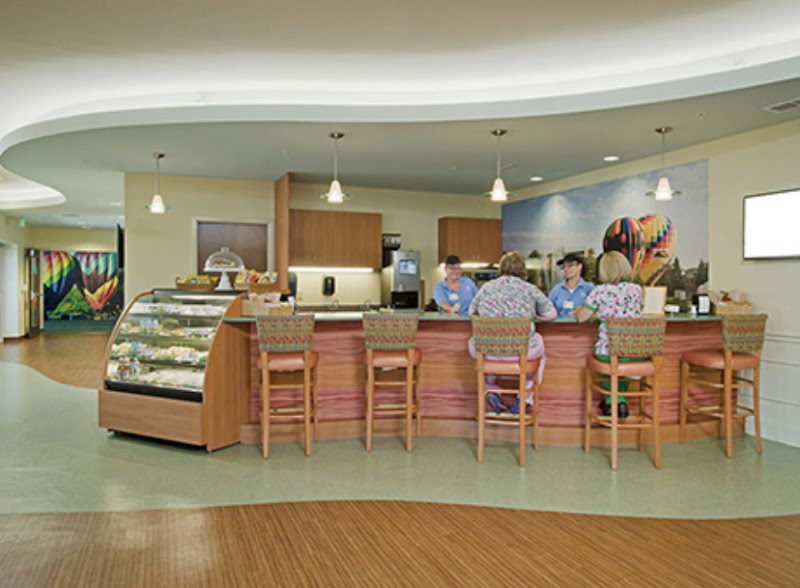
How is Sterling Care Riverside Staffed?

CMS rates STERLING CARE RIVERSIDE's staffing level at 2 out of 5 stars, which is below average compared to other nursing homes. Staff turnover is 63%, which is 17 percentage points above the Maryland average of 46%. High turnover can affect care consistency as new staff learn residents' individual needs.

What Have Inspectors Found at Sterling Care Riverside?

State health inspectors documented 32 deficiencies at STERLING CARE RIVERSIDE during 2017 to 2025. These included: 31 with potential for harm and 1 minor or isolated issues.
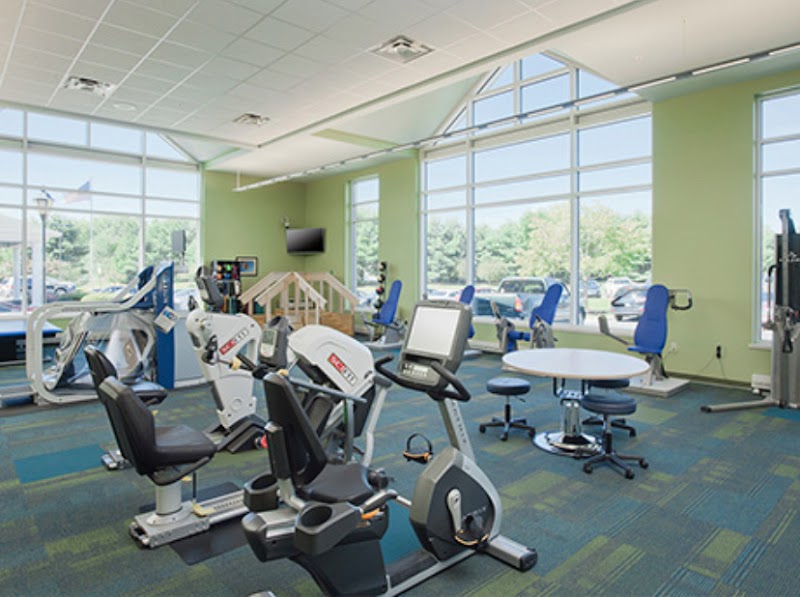
Who Owns and Operates Sterling Care Riverside?

STERLING CARE RIVERSIDE is owned by a for-profit company. For-profit facilities operate as businesses with obligations to shareholders or private owners. The facility is operated by STERLING CARE, a chain that manages multiple nursing homes. With 129 certified beds and approximately 108 residents (about 84% occupancy), it is a mid-sized facility located in BELCAMP, Maryland.
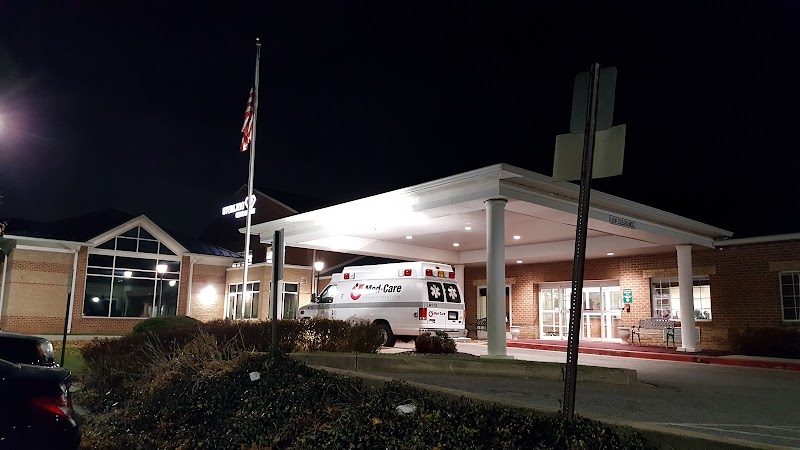
How Does Sterling Care Riverside Compare to Other Maryland Nursing Homes?

Compared to the 100 nursing homes in Maryland, STERLING CARE RIVERSIDE's overall rating (4 stars) is above the state average of 3.0, staff turnover (63%) is significantly higher than the state average of 46%, and health inspection rating (3 stars) is at the national benchmark.

What Should Families Ask When Visiting Sterling Care Riverside?

Based on this facility's data, families visiting should ask: "How do you ensure continuity of care given staff turnover, and what is your staff retention strategy?" "Can you walk me through typical staffing levels on day, evening, and night shifts?" "Can I visit during a mealtime to observe dining assistance and food quality?" "How do you handle medical emergencies, and what is your hospital transfer rate?" These questions are particularly relevant given the facility's high staff turnover rate and the below-average staffing rating.

Is Sterling Care Riverside Safe?

Based on CMS inspection data, STERLING CARE RIVERSIDE has a clean safety record: no substantiated abuse findings (meaning no confirmed cases of resident harm), no Immediate Jeopardy citations (the most serious violation level indicating risk of serious injury or death), and is not on the Special Focus Facility watch list (a federal program monitoring the lowest-performing 1% of nursing homes). The facility has a 4-star overall rating and ranks #1 of 100 nursing homes in Maryland. While no facility is perfect, families should still ask about staff-to-resident ratios and recent inspection results during their visit.

Do Nurses at Sterling Care Riverside Stick Around?

Staff turnover at STERLING CARE RIVERSIDE is high. At 63%, the facility is 17 percentage points above the Maryland average of 46%. High turnover means new staff may not know residents' individual needs, medications, or preferences. It can also be disorienting for residents, especially those with dementia who rely on familiar faces. Families should ask: What is causing the turnover? What retention programs are in place? How do you ensure care continuity during staff transitions?

Was Sterling Care Riverside Ever Fined?

STERLING CARE RIVERSIDE has been fined $4,194 across 1 penalty action. This is below the Maryland average of $33,121. While any fine indicates a compliance issue, fines under $50,000 are relatively common and typically reflect isolated problems that were subsequently corrected. Families should ask what specific issues led to these fines and confirm they've been resolved.

Is Sterling Care Riverside on Any Federal Watch List?

STERLING CARE RIVERSIDE is not on any federal watch list. The most significant is the Special Focus Facility (SFF) program, which identifies the bottom 1% of nursing homes nationally based on persistent, serious quality problems. Not being on this list means the facility has avoided the pattern of deficiencies that triggers enhanced federal oversight. This is a positive indicator, though families should still review the facility's inspection history directly.