FAHRNEY-KEEDY MEMORIAL HOME
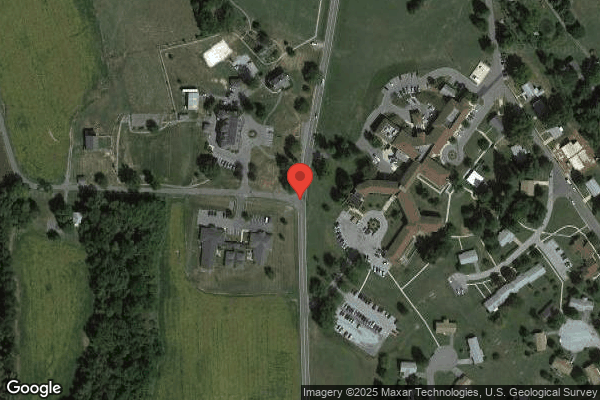

8507 MAPLEVILLE ROAD, BOONSBORO, MD 21713 (301) 671-5013
Non profit - Corporation 106 Beds Independent Data: November 2025
Trust Grade
70/100
#61 of 219 in MD
Last Inspection: February 2025

Within standard 12-15 month inspection cycle. Federal law requires annual inspections.

Overview

Fahrney-Keedy Memorial Home has a Trust Grade of B, which indicates it is a good choice among nursing homes. It ranks #61 out of 219 facilities in Maryland, placing it in the top half, and is the best option out of 10 in Washington County. The facility is improving, having reduced the number of issues from 17 in 2020 to 10 in 2025. Staffing is rated 4 out of 5 stars, but with a turnover rate of 49%, it is average compared to the state average of 40%. Although the home has no fines, which is a positive sign, it does have less RN coverage than 88% of Maryland facilities, which could affect the level of care. Recent inspections revealed some concerns, such as improper food storage practices that could impact resident safety and a failure to follow infection control protocols during care for a resident requiring enhanced precautions. On the positive side, the overall health inspection rating is 4 out of 5 stars, indicating decent care overall. However, families should weigh these strengths and weaknesses when considering this facility for their loved ones.

Trust Score
B
70/100
In Maryland
#61/219
Top 27%
Safety Record
Low Risk
No red flags
Inspections
Getting Better
17 → 10 violations
Staff Stability
⚠ Watch
49% turnover. Above average. Higher turnover means staff may not know residents' routines.
Penalties
✓ Good
No fines on record. Clean compliance history, better than most Maryland facilities.
Skilled Nurses
○ Average
Each resident gets 34 minutes of Registered Nurse (RN) attention daily — about average for Maryland. RNs are the most trained staff who monitor for health changes.
Violations
⚠ Watch
42 deficiencies on record. Higher than average. Multiple issues found across inspections.
★★★★☆
4.0
Overall Rating
★★★★☆
4.0
Staff Levels
★★☆☆☆
2.0
Care Quality
★★★★☆
4.0
Inspection Score
Stable
2020: 17 issues
2025: 10 issues

The Good

  • 4-Star Staffing Rating · Above-average nurse staffing levels
  • Full Sprinkler Coverage · Fire safety systems throughout facility
  • No fines on record

Facility shows strength in staffing levels, fire safety.

The Bad

Staff Turnover: 49%

Near Maryland avg (46%)

Higher turnover may affect care consistency

The Ugly 42 deficiencies on record

Feb 2025 10 deficiencies
CONCERN (D)

Potential for Harm - no one hurt, but risky conditions existed

Resident Rights (Tag F0550)

Could have caused harm · This affected 1 resident

Based on observations, records review and interviews, it was determined that the facility failed to ensure resident's urine collection bag was kept in a privacy bag to maintain dignity. This was evide...

Read full inspector narrative →
Based on observations, records review and interviews, it was determined that the facility failed to ensure resident's urine collection bag was kept in a privacy bag to maintain dignity. This was evident for 1 (Resident #11) of 3 residents reviewed for dignity. The findings include: Resident #11 was admitted into the facility in 2024. During the initial tour of the facility on 1/27/25 at 9:59 AM, the resident's urine collection bag was observed by the foot of the bed with no privacy bag. The urine collection bag was visible from the hallway of the unit where the resident resided. The Registered Nurse (RN #2) who was currently assigned to Resident #11, was interviewed on 1/27/25 at 10 AM. During the interview, the concern was discussed that Resident #11's urine collection bag did not have a privacy bag applied and was visible from the unit's hallway. RN #2 came into the resident's room, confirmed the finding and indicated that she would look for a privacy bag. Afterwards, RN #2 stated, I did not find one in the room. A Foley catheter is a device that drains urine (pee) from your urinary bladder into a collection bag outside of your body when you can't pee on your own or for various medical reasons. Another name for a Foley catheter is an indwelling urinary catheter. A review of Resident #11's care plan on 1/29/25 at 8:51 AM, indicated that the resident was readmitted from the hospital with a Foley catheter in place. The interventions for this care plan included: a) Position catheter bag and tubing below the level of the bladder and away from entrance room door. b) foley catheter care shift and prn On 1/29/25 at 3:09 PM, the Director of Nursing (DON) was interviewed. During the interview, the concern was discussed that Resident #11's urine collection bag was observed with no privacy bag applied and was visible from outside the resident's room. The DON acknowledged the concern and stated, We will fix it. The DON reported that all residents with a urine collection bag will be placed in a privacy bag whether it's hung on the side away from the door or not.
CONCERN (D) 📢 Someone Reported This

A family member, employee, or ombudsman was alarmed enough to file a formal complaint

Potential for Harm - no one hurt, but risky conditions existed

Report Alleged Abuse (Tag F0609)

Could have caused harm · This affected 1 resident

Based on medical record review and interviews, it was determined that the facility failed to ensure that allegations of abuse were reported to the State Agency no later than 2 hours after the allegati...

Read full inspector narrative →
Based on medical record review and interviews, it was determined that the facility failed to ensure that allegations of abuse were reported to the State Agency no later than 2 hours after the allegation was made. This was evident for 1 (#406) of 12 residents reviewed for abuse. The findings include: On 1/30/25 at 9:12 AM, a review of a facility-reported incident related to Resident #406 with MD#00203203 showed that the resident reported an allegation of abuse to an evening nursing supervisor, a licensed practical nurse (LPN #14) on the morning of 3/1/24. A record review of the facility's investigation into the abuse allegation later that day showed that the allegation was reported to the Nursing Home Administrator (NHA) on 3/4/24 at 11:15 AM. Further review of the facility's report of the allegation to the state agency revealed that the incident was initially reported to the state agency on 3/4/24 at 11:59 AM. The facility sent the final report on 3/8/25 at 3:14 PM. The review failed to show that the facility immediately forwarded a first report of the allegation of abuse to the state agency but not later than 2 hours after the facility staff became aware of the allegation. In an interview on 1/30/25 at 10:28 AM, the social services director stated that, per his written statement for 3/1/24, Resident #406 had mentioned the allegation of abuse to him on 3/1/24, at which time the facility was already aware of it and had initiated an investigation. In an interview on 1/30/25 at 12:53 PM, the director of nursing confirmed concerns and stated that the facility lacked documentation to prove that Resident #406's allegation of abuse was reported to the state agency office timely.
CONCERN (D)

Potential for Harm - no one hurt, but risky conditions existed

Investigate Abuse (Tag F0610)

Could have caused harm · This affected 1 resident

Based on record reviews and staff interviews, it was determined that the facility failed to ensure that thorough investigations were completed for allegations of abuse. This was evident for 3 (#59, #4...

Read full inspector narrative →
Based on record reviews and staff interviews, it was determined that the facility failed to ensure that thorough investigations were completed for allegations of abuse. This was evident for 3 (#59, #406, #47) out of 12 residents reviewed for abuse. The findings include: 1) A review on 1/28/25 at 2:54 PM of a facility-reported incident related to Resident #59 with MD#00201953 was done. The review showed that on 1/27/24 at approximately 8:15 AM, an environmental services aide (staff #17) alleged abuse to the facility's supervisor on behalf of Resident #59. Staff #17 reported that the resident was verbally abused by a licensed practical nurse (LPN #18) on 1/27/24 at approximately 8:15 AM. The continued review revealed that Resident #59 and his/her roommate were interviewed by staff. The review also showed that Resident #59 was assessed from head to toe and a statement by staff. However, the review lacked documentation that other residents who had been taken care of by LPN #18 that shift were assessed or interviewed by the facility. In an interview on 1/29/25 at 10:00 AM, the director of nursing (DON) stated that the facility did not have documentation showing that other residents were assessed or interviewed when the allegation was made for Resident #59. 2) A review of a facility-reported incident with MD#00203203 on 1/30/25 at 9:12 AM contained an allegation of abuse by Resident #406 involving a staff. Further review of the facility's investigation of the allegation showed that the facility staff assessed Resident #406's skin with no concerns. The review revealed statements from the alleged perpetrator and other staff who had taken care of Resident #406. The review also stated that the alleged perpetrator, an agency nursing staff, had been placed on a Do not return list to the facility. However, the review failed to show that the facility had completed a thorough investigation, including assessment and statements from other residents who had been cared for by the alleged perpetrator. During an interview on 2/3/25 at 11:21 AM, the DON said the facility lacked documentation to prove that other residents were assessed and interviewed when the allegation was made. The DON also added that the facility would include that in their investigations in the future. 3) On 1/31/25 at 10:39 AM a record review of the facility's investigation file regarding facility-reported incident MD00157045 revealed: On 8/8/20 at 4:30 PM, Resident #47 complained to facility Licensed Practical Nurse (LPN) #24 about an alleged incident. On 8/8/20 at 7:35 PM, Registered Nurse (RN) #25 initiated a self-report to nh.selfreport@maryland.gov. The investigation file included several handwritten staff testimonies dated: 8/8/20 at 4 PM, 8/8/20 at 4:58 PM, 8/8/20 at 7:58 PM, 8/9/20 night shift, and 8/10/20 at 10:27 AM all of which did not support the resident's allegation. On 8/10/20, Staff #26, 1st-floor unit manager interviewed Resident #47 and concluded that Resident #47 was confused, making contradictory statements regarding the day the alleged abuse occurred. On 8/11/20 at 11:04 AM Staff #25 submitted a final report not substantiating the incident to nh.selfreport@maryland.gov. On 1/29/25 at 9:50 AM in an interview, the Director of Nursing (DON) acknowledged that an allegation of abuse should be immediately reported to the nurse on duty who then reports to the DON. The nurse who receives the initial allegation should document it in writing then the DON and another nurse interview the resident. The Nursing Home Administrator (NHA) reviews requirements and reports the incident. Facility staff interview other residents in the immediate area. On 1/31/25 at 11:13 AM, in an interview, the DON acknowledged that the investigation involving Resident #47's alleged abuse did not meet facility expectations that include other resident interviews or a resident assessment conducted by a Nurse Practitioner or Physician as part of the investigation.
CONCERN (D)

Potential for Harm - no one hurt, but risky conditions existed

Deficiency F0625 (Tag F0625)

Could have caused harm · This affected 1 resident

**NOTE- TERMS IN BRACKETS HAVE BEEN EDITED TO PROTECT CONFIDENTIALITY** Based on interviews and record review, it was determined that the facility failed to notify a resident and/or his/her representa...

Read full inspector narrative →
**NOTE- TERMS IN BRACKETS HAVE BEEN EDITED TO PROTECT CONFIDENTIALITY** Based on interviews and record review, it was determined that the facility failed to notify a resident and/or his/her representative in writing of the facility's bed hold policy upon transfer to an acute care facility. This was evident for one (#39) of 5 Residents reviewed for hospitalizations. The findings include: In an interview on 1/27/25 at 4:17 PM, Resident #39 reported that she was recently hospitalized for an infection. The Minimum Data Set (MDS) is a federally mandated assessment tool used by nursing home staff to gather information on each Resident's strengths and needs. The information collected drives resident care planning decisions. A record review on 1/28/25 at 3:29 PM showed that Resident #39 had been residing in the facility since August 2023 and was alert, oriented, and cognitively intact per an MDS assessment dated [DATE]. Further review revealed a nurse's note dated 12/22/24 that indicated that Resident #39 was transferred to the hospital for lethargy, unresponsiveness, and increased tremors. However, the review failed to show that a copy of the facility's bed hold policy was mailed to the Resident's representative. In an interview on 1/29/25 at 2:39 PM, a nursing supervisor (LPN #14) reported that the facility gave the 911 staff a packet that included the facility's bed hold policy upon a resident's transfer to an acute care facility. However, a staff member from the admissions department later called the Resident's representative. During an interview on 1/29/25 at 2:48 PM, the admissions director, staff #19, said the facility's bed hold policy was not addressed with residents who resided in the facility long term but addressed it with residents who lived there for a short-term basis. Staff #19 was questioned about the bed hold policy for Resident #39 when she was transferred to the hospital on [DATE]. Staff #19 responded that the bed hold policy was not addressed with Resident #39 and/or his/her representative upon transfer to the hospital on [DATE]. In an interview on 2/3/25 at 12:34 PM, the director of nursing (DON) reported that per the nursing home administrator, he understood the concern of failing to notify the Resident and/or representative in writing of the facility's bed hold policy upon transfer to an acute hospital. The DON also added that the facility would work on fixing the concern going forward.
CONCERN (D)

Potential for Harm - no one hurt, but risky conditions existed

Deficiency F0657 (Tag F0657)

Could have caused harm · This affected 1 resident

**NOTE- TERMS IN BRACKETS HAVE BEEN EDITED TO PROTECT CONFIDENTIALITY** Based on records review, observations and interviews, it was determined that the facility failed to ensure that the resident's c...

Read full inspector narrative →
**NOTE- TERMS IN BRACKETS HAVE BEEN EDITED TO PROTECT CONFIDENTIALITY** Based on records review, observations and interviews, it was determined that the facility failed to ensure that the resident's care plan was reviewed and revised to meet the resident's needs. This was evident for 1 (Resident #62) of 1 resident reviewed for tube feeding. The findings include: Tube feeding is a therapy where a feeding tube supplies nutrients to people who cannot get enough nutrition through eating. A flexible tube is inserted through the nose or belly area to provide nutrients by delivering liquid nutrition directly into the stomach or small intestine. Resident #62 was admitted to the facility in early 2024. A quick look into the resident's medical record indicated that s/he received tube feedings. On 1/28/25 at 10:39 AM, the resident reported that s/he received nutrients by tube feedings and by mouth. On 1/29/25 at 9:49 AM, Resident #62's care plan related to nutrition was reviewed. The review revealed interventions that indicated the resident feeds him/herself and was independent after setup. However, other interventions indicated that s/he needed supervision for all intakes. On 1/29/25 at 1:40 PM, a Geriatric Nursing Assistant (GNA #12) was interviewed about Resident #62. GNA #12 reported that she usually worked on the floor where the resident resided and was familiar with Resident #62. GNA #12 reported about the resident's usual dietary intake. She indicated that the resident was a tube feeder but also received a meal tray each time and was on a clear liquid diet. GNA #12 reported and confirmed that staff does not provide assistance with feeding other than setting up the meal tray and adjusting the bed. On 1/29/25 at 1:59 PM, a review of staff documentation on how the resident eats and drinks revealed majority of the staff had documented that the resident was independent. Shortly after at 2:PM, the Director of Nursing (DON) was interviewed and asked about how the GNA's knew the resident's level of assistance needed for different tasks or activities of daily living. The DON reported that the GNA's would look in the [NAME] and indicated that she would print a copy of Resident #62's [NAME] On 1/29/25 at 3 PM, a printed copy of Resident #62's [NAME] was provided and reviewed. The review revealed that the [NAME] had the residents' information with instructions specific to the resident's different care areas. Special Instructions on the front page, printed in bold letters, indicated 1 to 1 Supervision with any intake by mouth, Meds via Gastric tube, clear liquid diet. Do not leave tube feeding, tube feeding syringes or cups in room. On 1/30/25 at 12:14 PM, Resident #62 was observed sitting in the common area with other residents. Resident #62 had a cup of water on the table in front of him/her. No staff was observed supervising the resident. The DON was interviewed on 1/30/25 at 12:56 PM. During the interview, the concern was discussed that Resident #62's care plan had conflicting interventions regarding the level of assistance needed for eating. The DON reported that the resident was able to tolerate liquids and stated, we should change the instructions in his/her [NAME] and care plan. She also reported that she would consult with the speech therapist to confirm that the resident was safe to have liquids on his/her own. The DON acknowledged the concern.
CONCERN (D)

Potential for Harm - no one hurt, but risky conditions existed

ADL Care (Tag F0677)

Could have caused harm · This affected 1 resident

**NOTE- TERMS IN BRACKETS HAVE BEEN EDITED TO PROTECT CONFIDENTIALITY** Based on observations, medical record review, and interviews, it was determined that the facility failed to ensure that a reside...

Read full inspector narrative →
**NOTE- TERMS IN BRACKETS HAVE BEEN EDITED TO PROTECT CONFIDENTIALITY** Based on observations, medical record review, and interviews, it was determined that the facility failed to ensure that a resident who could not carry out activities of daily living (ADL). This was evident for one Resident (#82) who was reviewed for activities of daily living (ADL) during the survey. The findings include: In an observation on 1/27/25 at 10:26 AM, Resident #82 was noted sitting in a wheelchair in his/her room and had long toenails on bilateral feet. The Resident's representative was present at the bedside and reported he had made staff aware of Resident #82's long toenails three weeks ago. A record review on 1/28/25 at 2:53 PM showed that Resident #82 had been living in the facility since August 2024 with diagnoses including Alzheimer's Dementia (a brain disorder that slowly destroys memory and thinking skills and eventually the ability to carry out the simplest tasks). Minimum Data Set (MDS) is a federally mandated assessment tool used by nursing home staff to gather information on each Resident's strengths and needs. The information collected drives resident care planning decisions. The continued review contained an MDS assessment dated [DATE] that recorded that Resident #82 required substantial/maximal to complete dependence on staff for his/her self-care needs. Further review of Resident #82's plan of care for self-care included an intervention initiated on 8/14/2024 that said, Check nail length and trim and clean on bath day and as necessary. Report any changes to the nurse. Resident #82's shower days were on Tuesdays and Fridays on the day shift. In an interview on 1/30/25 at 9:53 AM, a licensed practical nurse (LPN#23) said that the geriatric nurse aides (GNAs) were to trim the toenails of residents who were not diagnosed with diabetes on their shower days. However, earlier observation on Resident #82's shower day failed to show that his/her toenails were trimmed even though s/he was not diagnosed with diabetes. On 1/30/25 at 10:09 AM, LPN #23 observed Resident #82's toenails with the surveyor. The observation showed that the Resident's long toenails remained. LPN #23 stated that the GNAs should have trimmed the Resident's toenails. On 1/30/25 at 10:16 AM, LPN #23 reported to the surveyor that she trimmed Resident #82's toenails after the surveyor's intervention. During an interview with the director of nursing (DON) on 1/30/25 at 12:58 PM, she stated that the GNAs should have clipped Resident #82's toenails. The DON also reported that the facility would have a process to correct the concern going forward.
CONCERN (D)

Potential for Harm - no one hurt, but risky conditions existed

Incontinence Care (Tag F0690)

Could have caused harm · This affected 1 resident

Based on observations, records review and interviews, it was determined that the facility failed to provide appropriate treatment and services for care of a resident with an indwelling catheter. This ...

Read full inspector narrative →
Based on observations, records review and interviews, it was determined that the facility failed to provide appropriate treatment and services for care of a resident with an indwelling catheter. This was evident for 1 (Resident #11) of 1 resident reviewed for urinary catheters. The findings include: Resident #11 was admitted into the facility in 2024. During the initial tour of the facility on 1/27/25 at 9:59 AM, the resident was observed in bed with the urine collection bag placed directly on the floor. The Registered Nurse (RN #2) who was currently assigned to Resident #11, was interviewed on 1/27/25 at 10 AM. During the interview, the concern was discussed that Resident #11's urine collection bag was laying directly on the floor. RN #2 came into the resident's room, confirmed the finding and hung the urine collection bag on the resident's bedframe. A Foley catheter is a device that drains urine (pee) from your urinary bladder into a collection bag outside of your body when you can't pee on your own or for various medical reasons. Another name for a Foley catheter is an indwelling urinary catheter. A review of Resident #11's care plan on 1/29/25 at 8:51 AM, indicated that the resident was readmitted from the hospital with a Foley catheter in place. The interventions for this care plan included: a) Position catheter bag and tubing below the level of the bladder and away from entrance room door. b) foley catheter care shift and prn On 1/29/25 at 3:09 PM, the Director of Nursing (DON) was interviewed. During the interview, the concern was discussed that Resident #11's urine collection bag was observed laying directly on the floor. The DON verbalized understanding and acknowledged the concern.
CONCERN (D)

Potential for Harm - no one hurt, but risky conditions existed

Menu Adequacy (Tag F0803)

Could have caused harm · This affected 1 resident

Based on observation and interviews, it was determined that the facility failed to ensure that a resident was served a meal according to a predetermined menu that incorporated the resident's preferenc...

Read full inspector narrative →
Based on observation and interviews, it was determined that the facility failed to ensure that a resident was served a meal according to a predetermined menu that incorporated the resident's preferences. This was evident from one observation made during the survey. The findings include: On 1/30/25 at 12:30 PM, the surveyor requested a test tray while observing the lunch tray line. The observation showed a meal ticket on the tray for Resident #51 that listed smothered pork chop for entrée, ½ cup mashed potatoes for starch, ½ cup seasoned zucchini for vegetable, 1 white dinner roll, 1pkg [package] pepper and 1 butter for condiment, ½ cup cinnamon applesauce, 4oz iced tea for beverage and 4fl.oz water. However, further observation showed that the tray contained an apple pie, pork chop, mashed potatoes, seasoned zucchini, white dinner roll, pkg pepper, and one butter. The Food service manager was present and was made aware that Resident #51's meal ticket listed ½ cup of cinnamon applesauce as dessert; however, the observation found apple pie on the tray. And he said, the dietary staff should have put apple sauce on the tray and not apple pie as Resident #51's food texture was mechanical soft and not regular. The nursing home administrator was notified of the above concerns on 2/3/25 at approximately 3:00 PM, and he stated that he was already made aware of the concern.
CONCERN (F)

Potential for Harm - no one hurt, but risky conditions existed

Food Safety (Tag F0812)

Could have caused harm · This affected most or all residents

**NOTE- TERMS IN BRACKETS HAVE BEEN EDITED TO PROTECT CONFIDENTIALITY** Based on observations and interviews, it was determined that the facility failed to store and prepare food in accordance with pr...

Read full inspector narrative →
**NOTE- TERMS IN BRACKETS HAVE BEEN EDITED TO PROTECT CONFIDENTIALITY** Based on observations and interviews, it was determined that the facility failed to store and prepare food in accordance with professional standards. This deficient practice has the potential to affect all residents. The findings include: 1) An initial tour of the facility's kitchen was conducted on 1/27/25 at 8:40 AM with staff #4, food services manager. An observation of the kitchen's walk-in refrigerator revealed the following: -opened Greek yogurt, Pineapple juice, chicken base seasoning, Hungarian paprika seasoning, Dijon mustard sauce, Worcestershire sauce, and an opened lemon juice and cooking wine halfway used. The observation failed to show the items' open and use-by dates. Staff #4 said they should have been labeled with these dates. After the surveyor's intervention, staff #4 removed the items from the refrigerator to dispose of them. A continued observation of the refrigerator noted the following: -an opened [NAME] Italian dressing with a label that stated, prep date 12/27/24 and use by 1/25/25. - chopped garlic labeled prep date 12/27/24 and use by 12/29/24. -chicken broth with a label that stated, prep date 1/24/25 and use by 1/26/25. -cooked ground beef labeled with a prep date of 1/22/25 and use by 1/24/25. -cooked pasta labeled prep date 1/21/25 and use by 1/23/25. -cooked pork loin labeled prep date 12/24/24 and use by 1/26/25. -coleslaw labeled use by 1/22/25. -sliced fresh tomatoes labeled prep date 1/23/25 and use by 1/25/25. -leftover cabbage and carrots labeled prep date 1/23/25 and use by 1/25/25. Leftover cream of wheat labeled prep date 1/22/25 and use by 1/24/25. Staff stated that we usually don't keep leftover cream of wheat; it should have been disposed of. -leftover cooked turkey labeled prep date 1/23/25 and use by 1/25/25. -Two containers of diced cantaloupes labeled use by 1/18/25. -fresh diced parsley labeled prep date 1/16/25 and use by 1/18/25. Staff #4 said he would dispose of them immediately and added that they usually don't keep leftovers from some foods like cream of wheat but could not explain why they were still in the refrigerator. In an interview later that day, staff #4 indicated that the facility was changing its food labeling system to fix its food labeling challenges. 2) An observation of the kitchen staff preparing food and the residents' lunch food trays on 1/30/25 at 11:45 AM revealed the following concerns: a) Staff #5, a dietary aide, was observed picking up a tray with multiple plates containing food from the kitchen to the dining room. She served them to residents in the dining room, then picked up meal tickets from various tables. Staff #5 returned to the kitchen, put on gloves, and then picked up the phone in the kitchen. Staff #5 did not remove gloves or wash her hands and returned to pick up food from the tray line. Staff #4, the food services manager, was present and was immediately made aware. Staff #4 called out staff #5 to wash their hands before touching any food. Staff #4 then told the surveyor that he understood the concern about hand hygiene and would ensure hand sanitizers were available in the dining room for hand hygiene between servings. b) On 1/30/25 at 11:50 AM, staff #7, a dietary aide, was observed picking up the residents' food from the tray line to the meal carts. The observation failed to show that Resident #7 had a hair restraint (covering for the hair to prevent hair from contacting food). Staff #4 was immediately made aware. After the surveyor's intervention, staff #7 was noted with a hair net. c) An observation was made on 1/30/25 at 11:55 AM of staff #6 wearing gloves and dishing food at the tray line. Staff #6 stepped away from the tray line, touched a food warmer with the gloves, and opened it. He then returned to the tray line and touched bread with the same gloves. After the surveyor's intervention, staff #6 removed his gloves, washed his hands, and changed his gloves. Staff #4 said he did afternoon hurdles with the dietary staff and would go over hand hygiene in those sessions. He also added that his staff received hand hygiene training upon hire and yearly.
CONCERN (F)

Potential for Harm - no one hurt, but risky conditions existed

Infection Control (Tag F0880)

Could have caused harm · This affected most or all residents

3) An observation on 1/27/25 at 3:52 PM noted a signage on Resident #39's door that indicated the resident was on EBP, which required wearing gowns and gloves during high-contact resident care activit...

Read full inspector narrative →
3) An observation on 1/27/25 at 3:52 PM noted a signage on Resident #39's door that indicated the resident was on EBP, which required wearing gowns and gloves during high-contact resident care activities. Enhanced Barrier Precautions are infection control interventions designed to reduce transmission of infection in nursing homes. It involves gown and glove use during high-contact Resident care activities like dressing, bathing/showering, transferring, changing linens, providing hygiene, changing briefs, or assisting with toileting for residents with infection or colonization of MDRO (multi-drug-resistant organisms), central line, urinary catheter, feeding tube, tracheostomy, or any skin opening requiring dressing. A subsequent observation on 1/27/25 at 3:55 PM showed that certified nursing assistants (CNAs #10 and #11) were providing incontinent care to Resident #39. Both CNAs had put on gloves, but the observation failed to show that they wore gowns. A record review later that day noted that Resident #39 had been treated for an MDRO urinary tract infection in December 2024. In an interview on 1/27/25 at 4:14 PM, CNAs #10 and #11 were asked what the EBP signage on Resident #39's door meant. Both staff stated it meant to wear gloves and a mask when providing direct care to Resident #39. Both staff continued to say that they used to wear gowns and gloves whenever they had direct contact with the resident. However, they did not see why to continue wearing gowns anymore. In an interview on 1/29/25 at 8:38 AM, RN #1, assistant director of nursing (ADON), stated that after the resident had been treated for active MDRO in December 2024, s/he was placed on EBP for the rest of her/his stay in the facility. The ADON continued to say that before staff had direct contact with the resident, they were to wear gowns and gloves. ADON also added that she was made aware of the surveyor's concerns and had provided education to GNAs #10 and #11. Based on observations, record reviews, and staff interviews, it was determined that the facility failed: to comply with isolation protocols, to have a prevention plan for Legionella, and staff failed to use appropriate personal protective equipment (PPE). This was evident for 3 (Resident #71, #85, #39) of 6 residents reviewed for infection control; and 1 of 1 plan reviewed for water management which has the potential to affect all residents. The findings include: 1) Resident #71 was diagnosis with pneumonia on 1/22/25 after chest x-ray confirmed it. On 1/27/25 at 9:11 AM the Assistant Director of Nursing (Staff #1) reported that Resident #71 is on droplet precautions, and will require gowning to enter the room. At 9:20 AM, in front of Resident #71's room, surveyor observed droplet precaution sign posted on outside of the room, the supplies were located on the door, and the door was open. Resident #71 was observed in a recliner chair in the room. Record review confirmed that Resident #71 was placed on Droplet precautions on 1/23/25 for 11 days by the Nurse Practitioner. According to the Centers for Disease Control and Prevention (CDC), health care personnel caring for residents on Droplet Precautions must wear a fit tested N-95 mask, a gown, and gloves for close patient contact, which is considered to be within six feet or less or in the room of the residents. Use Droplet Precautions for patients known or suspected to be infected with germs transmitted by respiratory droplets that are generated by a patient who is coughing, sneezing, or talking. On 1/28/25 at 9:08 AM Surveyor observed a Geriatric Nursing Assistant (GNA) #8 sitting in a chair in resident #71's room. GNA #8 was wearing a surgical mask but no other Personal Protective Equipment (PPE); no gown or N95. At 9:10 AM, an interview with the Director of Nursing (DON), confirmed Resident #71 was still on droplet precautions. Surveyor reviewed the concern with the DON about observed staff person in the room only wearing mask, and no gown. The DON indicated she would address the issue. On 1/29/25 at 11:51 AM, the surveyor interviewed GNA #8 who acknowledged that she went into Resident #71's room the day before and did not put on the appropriate Personal Protective Equipment (PPE). 2) According to the CDC, Legionella is a type of bacteria that causes Legionnaires' disease and Pontiac fever. Legionella grows best in large, complex water systems that are not adequately maintained. The bacteria can become a health concern when they grow and spread in human-made building water systems like: showerheads and sink faucets, hot tubs, decorative fountains and water features such as hot water tanks and heaters, large, complex plumbing systems, and cooling towers. On 1/29/25, the facility provide a copy of their Legionella Water Management Program policy, which was last revised in September 2022. Review of this policy revealed that the water management program would include a detailed description and diagram of the water system in the facility, and would identify areas in the water system that could encourage the growth and spread of Legionella and other waterborne bacteria. The program would be able to identify any situations that could lead to Legionella growth and specific measure to be used to control the introduction and/or spread of Legionella; the control limits or parameters that are acceptable and that are monitored. There would be a diagram of where control measures are applied; and a system to monitor control limits and effectiveness of control measures. The water management program was to be reviewed at least once a year or sooner if any of the following occur: the control limits are consistently not met; there a major maintenance of water service change; there are any disease cases associated with the water system; or there are changes in laws, regulations, standards or guidelines. Further record review revealed that there were no text or flow diagrams of the buildings water system, or any information that was stated in the policy. On 1/30/25 at 12:12 PM the surveyor interviewed Staff #9 from maintenance, to discuss the Legionella water management program. Surveyor reviewed with Staff #9 the information that was provided to the survey team, what the policy stated and how none of the information was provide in a written form. Surveyor asked Staff #9 to explain what the plan was for prevention of Legionella and other waterborne pathogens. Staff #9 admitted that he did not have a plan in place but understood what was needed to be completed. 2) Enhanced Barrier Precautions (EBP) refers to a healthcare practice where staff are required to wear gowns and gloves during high-contact resident care activities for certain individuals. On 1/27/25 at 11:37 AM an interview and observation were conducted with Resident #85. The resident stated he/she had a wound on the right shoulder and the right hip. He/She said the right hip wound was healed but the right shoulder wound required a dressing change daily. Wound care supplies were observed on top of the bedside drawer. On 1/31/25 at 11:00 AM, an observation was made of Resident #85's right shoulder wound dressing change by a Licensed Practical Nurse (LPN #3). The LPN donned clean gloves and removed the resident's dirty dressing. After she removed the dirty dressing, LPN #3 removed her dirty gloves and put on clean gloves, cleansed the wound and applied a clean dressing to the resident's right shoulder wound. On 1/31/25 at 11:13 AM, immediately after the dressing change, an interview with LPN #3 was conducted outside the resident's room. On the resident's door, there was an EBP sign that indicated the provider should wear a gown and gloves when wound care was provided. When asked about the EBP sign and what to wear before a dressing change, LPN #3 confirmed that she did not wear a gown that was required as part of EBP measures. The dressing change steps were also reviewed with LPN #3 and she confirmed that she did not clean her hands after she removed her dirty gloves and before she put on clean gloves. She also confirmed that she was aware that this was a deficient practice. On 1/31/25 at 4:00 PM The Director of Nursing (DON) was asked to provide the wound care and dressing change policies. On 2/03/25 at 08:00 AM The wound care and dressing change policies were received. A review of these policies revealed that the LPN should wash and dry hands thoroughly after the removal of dirty gloves and before she donned clean gloves. On 2/03/25 at 11:00 AM The DON was asked to provide the facility's EBP policy. On 2/03/25 at 11:20 AM The EBP policy was received and a review revealed that gloves and gowns should be worn for high-contact resident care activities such as dressing change procedures. On 2/03/25 at 11:28 AM an interview with the DON was conducted to review that LPN #3 failed to perform hand hygiene and wear a gown when she changed Resident #85's wound dressing. The DON confirmed this was a deficient practice.
Feb 2020 17 deficiencies
CONCERN (D)

Potential for Harm - no one hurt, but risky conditions existed

Notification of Changes (Tag F0580)

Could have caused harm · This affected 1 resident

Based on record review and interview with staff, it was determined the facility staff failed to notify the physician of a significant change in a resident's physical condition and need to alter treatm...

Read full inspector narrative →
Based on record review and interview with staff, it was determined the facility staff failed to notify the physician of a significant change in a resident's physical condition and need to alter treatment. This was evident for 1 (#88) resident reviewed for death, of 3 residents reviewed during closed record review. The findings include: Resident #88's medical record was reviewed on 2/4/20 at 11:52 AM. The record revealed the resident's diagnoses included, but were not limited to, Diabetes Mellitus (DM). Physician orders were written for Tresiba FlexTouch (insulin) 15 units daily with breakfast for DM, FSBS (finger stick blood sugar) check every day in evening for DM, Carbohydrate Controlled diet, No added salt, mechanical soft texture, thin liquids and Diabetic Snack by mouth at bedtime for DM. Further review of the record revealed a nursing progress note, dated 1/4/20 at 13:22 (1:22 PM), that resident #88 had vomited twice. Additional progress notes over the next 24 hours indicated that the resident was having additional episodes of nausea and vomiting, that medications were provided to treat the nausea and vomiting, their effectiveness, and that the resident was provided with snacks and meals as tolerated. A progress note entry by Staff #15 a licensed practical nurse (LPN) dated 1/11/20, as a late entry for 1/5/20 at 4:56 PM, indicated that the resident had no vomiting so far in the shift. His/her finger stick blood sugar (FSBS) was 61 (hypoglycemia is blood sugar reading below 70). The resident was given cereal and whole milk and his/her follow up FSBS was 74. Subsequently, the resident was awaiting dinner, was lethargic, but was responsive to verbal and tactile stimuli. Another progress note by Staff #15, dated 1/11/20, as a late entry for 1/5/20 at 9:00 PM, indicated that Resident #88's insulin dose was held due to nausea and vomiting and his/her FSBS running 61-89, as checked by Staff #15 throughout the evening. No documentation was found to indicate that the physician or CRNP were notified of the resident's low blood sugar readings or that the resident's insulin was held. During an interview on 2/4/20 at 1:35 PM, the Director of Nursing (DON) was made aware of the above findings and indicated she had concerns because Staff #15 had not written progress notes on 1/5/20. She indicated that she spoke to Staff #15 and afterward, Staff #15 documented the late entry progress notes in Resident #88's record. The DON confirmed that Staff #15 did not complete an SBAR (a type of change in condition progress note) or otherwise document the resident's low blood sugars and added that she would have expected Staff #15 to notify the physician of the resident's low blood sugar results. At 1:56 PM on 2/4/20, the DON confirmed that she was unable to find any further indication that the physician or CRNP were notified of Resident #88's low blood sugar readings. The surveyors attempts to contact Staff #15 for a telephone interview were unsuccessful.
CONCERN (D)

Potential for Harm - no one hurt, but risky conditions existed

Safe Environment (Tag F0584)

Could have caused harm · This affected 1 resident

**NOTE- TERMS IN BRACKETS HAVE BEEN EDITED TO PROTECT CONFIDENTIALITY** Based on surveyor observation, it was determined that the facility failed to provide a safe, clean, comfortable and homelike env...

Read full inspector narrative →
**NOTE- TERMS IN BRACKETS HAVE BEEN EDITED TO PROTECT CONFIDENTIALITY** Based on surveyor observation, it was determined that the facility failed to provide a safe, clean, comfortable and homelike environment. This deficiency has the potential to affect multiple residents. The findings include: On 1/27/20 at 11:55 AM during an initial tour of the facility, Resident #15's wheelchair was observed to be in disrepair with torn, cracked arm rest pads. At 11:55 AM, room [ROOM NUMBER]'s toilet was observed dirty with grey streaks and the hook on the inside of the room's door was loose. On 1/28/20 at 10:18 AM, room [ROOM NUMBER] was observed with a peeling, black, non-skid strip on the floor in front of the recliner. The Administrator and Director of Nursing were made aware of these findings on 2/5/20 during the exit conference.
CONCERN (D)

Potential for Harm - no one hurt, but risky conditions existed

Transfer Notice (Tag F0623)

Could have caused harm · This affected 1 resident

Based on review of the medical record and interview with facility staff, it was determined the facility staff failed to notify the resident and the resident's representative of a hospital transfer in ...

Read full inspector narrative →
Based on review of the medical record and interview with facility staff, it was determined the facility staff failed to notify the resident and the resident's representative of a hospital transfer in writing including the reason for the move. This was evident for 1 (#138) of 2 residents reviewed for hospitalization. The findings include: Resident #138's medical record was reviewed on 1/27/20 at 1:33 PM. The record revealed that the resident was transferred from the facility on 12/25/19 to Meritus Medical Center emergency room (ER). The record failed to reveal that the facility provided the resident and representative a written notice of the transfer including the reason for the transfer. A nursing progress note was written at the time of the resident's discharge which indicated that the written notice of transfer was sent with the resident to the hospital, along with other documentation. The resident's medical record did not contain a copy of the notice. During an interview on 1/31/20, Staff #3, the Assistant Director of Nursing (ADON) was asked for evidence of the written notification that was provided to the resident and his/her representative. At 12:14 PM on 1/31/20, the ADON accessed the electronic record system of Meritus Medical Center and located the scanned copy of the transfer notice that was sent with the resident on 12/25/19. Review of the facility's transfer notification form revealed the form was not filled out. It did not include the reason for the resident's transfer to the hospital and was not signed by the staff responsible for the transfer nor by the resident's representative acknowledging receipt. The ADON confirmed this finding at that time.
CONCERN (D)

Potential for Harm - no one hurt, but risky conditions existed

Deficiency F0624 (Tag F0624)

Could have caused harm · This affected 1 resident

Based on review of the medical record and interview with facility staff, it was determined the facility staff failed to provide and document sufficient preparation and orientation of a resident to ens...

Read full inspector narrative →
Based on review of the medical record and interview with facility staff, it was determined the facility staff failed to provide and document sufficient preparation and orientation of a resident to ensure safe and orderly transfer from the facility. This was evident for 1 (#138) of 2 residents reviewed for hospitalization. The findings include: Resident #138's medical record was reviewed on 1/27/20 at 1:33 PM. The record revealed that resident was transferred from the facility on 12/25/19 to Meritus Medical Center for evaluation of gastrointestinal bleeding. A nursing progress note, dated 12/25/19, indicated - Bed hold, transfer form, MOLST, face sheet and physicians' orders sent with resident. The note did not indicate that the facility sufficiently prepared the resident for transfer including, but not limited to, informing Resident #138 where he/she was going and what steps were taken to reassure and minimize anxiety the resident may have regarding the transfer. During an interview on 1/31/20, Staff #3, the Assistant Director of Nursing (ADON), was made aware and confirmed these findings.
CONCERN (D)

Potential for Harm - no one hurt, but risky conditions existed

Deficiency F0625 (Tag F0625)

Could have caused harm · This affected 1 resident

Based on review of the medical record and interview with facility staff, it was determined the facility staff failed to provide the resident/resident's representative with written notice of the facili...

Read full inspector narrative →
Based on review of the medical record and interview with facility staff, it was determined the facility staff failed to provide the resident/resident's representative with written notice of the facility's bed hold policy when the resident was transferred to a hospital. This was evident for 1 (#138) of 2 residents reviewed for hospitalization. The findings include: Resident #138's medical record was reviewed on 1/27/20 at 1:33 PM. The record revealed that the resident was transferred from the facility on 12/25/19 to Meritus Medical Center emergency room (ER). A nursing progress note, dated 12/25/19 indicated that several documents including, but not limited to the bed hold notice, were sent with the resident to the Hospital. During an interview on 1/31/20 at 12:14 PM, Staff #3, the Assistant Director of Nursing (ADON) accessed the electronic record system of Meritus Medical Center and located the copy of the bed hold notice that was sent to the ER with Resident #138 on 12/25/19. Review of the scanned form revealed it was unsigned by the resident's representative acknowledging receipt. The bed hold policy was not provided to the resident's representative upon transfer. The ADON confirmed these findings.
CONCERN (D)

Potential for Harm - no one hurt, but risky conditions existed

Deficiency F0655 (Tag F0655)

Could have caused harm · This affected 1 resident

Based on record review and interview with staff, it was determined the facility staff failed to develop a baseline care plan which included the minimum information necessary to properly care for a res...

Read full inspector narrative →
Based on record review and interview with staff, it was determined the facility staff failed to develop a baseline care plan which included the minimum information necessary to properly care for a resident with Diabetes and receiving Hemodialysis. This was evident for 1 (#88) resident reviewed for death, of 3 residents reviewed during closed record review. A care plan is a guide that addresses the unique needs of each resident. It is used to plan, assess and evaluate the effectiveness of the resident's care. The findings include: Resident #88's medical record was reviewed on 2/4/20 at 11:52AM. The resident's diagnoses included, but were not limited to, Diabetes End stage renal disease and dependence on renal dialysis. Further review of the medical record revealed a baseline plan of care, dated 12/21/19. Section IX. Special Treatments/Procedures indicated that Resident #88 was receiving dialysis and the resident's goal was will not experience any adverse outcomes related to Specialized treatments or procedures such as: [blank]. One intervention was included staff will make sure resident ready for dialysis 3 x week. The plan failed to identify the specific care needs and precautions associated with dialysis such as assessment of the fistula, restrictions and weights and any other interventions Resident #88 received related to Dialysis. The baseline plan of care did not include that Resident #88 was diabetic and his/her diabetic care needs including diet and blood sugar testing. During an interview, on 2/5/20, the director of nursing (DON) confirmed that the facility failed to develop a baseline care plan to address Resident #88's Diabetes and Dialysis care needs.
CONCERN (D)

Potential for Harm - no one hurt, but risky conditions existed

Quality of Care (Tag F0684)

Could have caused harm · This affected 1 resident

Based on medical record review and interview with facility staff, it was determined that the facility staff failed to ensure that residents received treatment and care in accordance with professional ...

Read full inspector narrative →
Based on medical record review and interview with facility staff, it was determined that the facility staff failed to ensure that residents received treatment and care in accordance with professional standards of practice for management of diabetes by failing to have a clear indication of when to administer the hypoglycemia protocol, failing to have complete and timely documentation in the resident's record, failing to notify the physician of a resident's low blood sugar, and failing to develop a plan of care for diabetes. This was evident for 1 (#88) resident reviewed for death, of 3 residents reviewed during closed record review. The findings include: Resident #88's medical record was reviewed on 2/4/20 at 11:52 AM. The record revealed that the resident's diagnoses included, but were not limited to, Diabetes Mellitus (DM). Physician orders were written for Tresiba FlexTouch (insulin) 15 units daily with breakfast for DM, FSBS (finger stick blood sugar) check every day in evening for DM, Carbohydrate Controlled diet, No added salt, mechanical soft texture, thin liquids and Diabetic Snack by mouth at bedtime for DM. Additional physicians orders were written for GlucaGen Diagnostic Kit 1mg/ml (milligrams per milliliter) Injection [Glucagon (human recombinant)] (Dose is 1mg (milligram) Give per Hypoglycemia Protol.) 1mL Other As needed for Hypoglycemia Protocol, Dextrose 50% in water (D50W) intravenous syringe 0.5g/mL (grams per milliliter) (Dose is 25 grams. Give per Hypoglycemia Protocol.) 50 mls Intravenous As needed for Hypoglycemia protocol and Glutose 15 40 % oral gel[Dextrose] (Dose is 15 grams. Give per Hypoglycemia Protocol.) - 1 applic. Buccal As needed for Hypoglycemia Protocol. The physician's orders did not include parameters to direct staff to as to when to administer each medication per the hypoglycemia protocol. The hypoglycemia protocol was not defined in the physician's orders nor in Resident #88's medication administration record (MAR). The Director of Nursing provided the surveyors with a copy of the facility's Hypoglycemia Protocol on 1/31/20 at 4:44 PM during an interview and indicated that the hypoglycemia protocol had been around a long time and that she was unsure if the facility nurses were aware of the protocol. Resident #88's record revealed a nursing progress note, dated 1/4/20 at 13:22 (1:22 PM), that resident #88 had vomited twice. Additional progress notes written over the next 24 hours indicated that the resident was having additional episodes of nausea and vomiting, that medications to treat the nausea/vomiting were provided and their effectiveness, and that the resident was provided with snacks and meals as tolerated. A late progress note entry, dated 1/11/20 by Staff #15 for 1/5/20 at 4:56 PM, indicated that the resident had no vomiting so far in the shift. His/her finger stick blood sugar (FSBS) was 61 (hypoglycemia is blood sugar reading below 70). The resident was given cereal and whole milk and his/her follow up FSBS was 74. Subsequently, the resident was awaiting dinner, was lethargic but was responsive to verbal and tactile stimuli. Another late entry progress note by Staff #15 dated 1/11/20 for 1/5/20 at 9:00 PM indicated that Resident #88's insulin dose was held due to nausea and vomiting and his/her FSBS running 61-89 as checked by that nurse throughout the evening. A review of Resident #88's recorded blood sugar results in the EMR revealed entries of 119 on 1/3/20 at 4 PM, 68 on 1/4/20 at 3:56 PM and 61 on 1/5/20 at 4:00 PM. Resident #88's MAR was not signed off by Staff #15 to indicate that she administered the hypoglycemia protocol medications. No documentation was found of the blood sugar results ranging from 61 - 89 on 1/5/20 as indicated in the nursing progress note or that the physician or CRNP were notified of the resident's low blood sugar readings. During an interview on 2/4/20 at 1:35 PM, the Director of Nursing was made aware of the above findings and indicated she had concerns because Staff #15 had not written progress notes on 1/5/20. She indicated that she spoke to Staff #15 and afterward, Staff #15 documented the late entry progress notes in Resident #88's record. The DON confirmed that Staff #15 did not complete an SBAR (a type of change in condition progress note) or otherwise document the resident's low blood sugars and added that she would have expected Staff #15 to notify the physician of the resident's low blood sugar results, but she didn't. At 1:56 PM on 2/4/20, the DON confirmed that she was unable to find any further indication that the physician or CRNP were notified of Resident #88's low blood sugar readings. The surveyors attempts to contact Staff #15 for a telephone interview, but were unsuccessful. A care plan is a guide that addresses the unique needs of each resident. It is used to plan, assess and evaluate the effectiveness of the resident's care. During the review of Resident #88's record, the surveyor was unable to find that a care plan had been developed to guide the care and services Resident #88 was to receive related to his/her diabetes. During an interview on 2/5/20 at 10:35 AM, the DON confirmed that the facility staff failed to develop a care plan to plan, assess and evaluate the effectiveness of Resident #88's diabetes care needs. Cross reference F 842, F 656 and F 580.
CONCERN (D)

Potential for Harm - no one hurt, but risky conditions existed

Deficiency F0710 (Tag F0710)

Could have caused harm · This affected 1 resident

Based on review of the medical record and interview with staff, it was determined that the facility failed to ensure that the physician addressed a resident's significant weight loss. This was evident...

Read full inspector narrative →
Based on review of the medical record and interview with staff, it was determined that the facility failed to ensure that the physician addressed a resident's significant weight loss. This was evident for 1 (#64) of 8 residents reviewed for weight loss. The findings include: On 1/27/20 at 2:51 PM, a review of Resident #64's medical record revealed, in a weight tracking system report, Resident #64's weight was documented as 149.0 pounds (LB) on 12/23/19 and, on 12/31/19, Resident #64's weight was documented as 133.20 LB, which was a 10.60 % weight loss in 1 week. On 1/2/20, Resident #64's weight was documented as 134.90 LB. On 1/3/20 at 12:02 PM, in a progress note, the dietician documented that Resident #64 had weight loss. The dietician wrote that the resident's weight was 134.9 LB, down 14.1 LB (9.5%) in one week) and further documented that the resident's weights would be monitored weekly and indicated that nutritional supplements were added to the resident's diet. On 1/3/20 at 11:48 PM, in a progress note, the nurse documented that the resident had a 14.1 LB (9.5%) weight loss in one week and indicated that the CRNP (certified registered nurse practitioner) was aware of the resident's weight loss. Continued review of the medical record failed to reveal that the physician and/or CRNP evaluated and addressed the resident's significant weight loss when it was identified. On 1/30/20 at 2:14 PM, during an interview, the Director of Nurses confirmed that no documentation was present to indicate that the physician or nurse practitioner had addressed Resident #64's significant weight loss.
CONCERN (D)

Potential for Harm - no one hurt, but risky conditions existed

Deficiency F0711 (Tag F0711)

Could have caused harm · This affected 1 resident

Based on medical record review and interviews with facility staff, it was determined the practitioner failed to evaluate the resident's total program of care at each visit. This was evident for 1 (#13...

Read full inspector narrative →
Based on medical record review and interviews with facility staff, it was determined the practitioner failed to evaluate the resident's total program of care at each visit. This was evident for 1 (#138) of 6 residents reviewed for unnecessary medication. The findings include: Resident #138 medical record was reviewed on 1/31/20 at 1:36 PM. The resident had a physician's order for Cymbalta 60 mg (milligrams) by mouth daily for depression. Cymbalta is an antidepressant medication used to treat depression and anxiety. A psychiatrist progress note, dated 1/21/20, noted that the resident's treatment plan was to taper and discontinue Cymbalta to decrease stimulation and see if agitation improves. A physician's order was written on that date to decrease resident #138's Cymbalta to 30 mg by mouth daily x 1 week and D/C (discontinue) Cymbalta after 1 week. Another progress note was written on 1/24/20 by the psychiatric certified registered nurse practitioner (CRNP). This note indicated that a GDR (gradual dose reduction) of Cymbalta is clinically contraindicated due to depression. The CRNP progress note failed to identify and reflect the psychiatrist's change in Resident #138's treatment plan and the GDR of the Cymbalta that was in progress. The director of nursing was made aware of these findings on 1/31/20 at approximately 3:00 PM.
CONCERN (D)

Potential for Harm - no one hurt, but risky conditions existed

Deficiency F0757 (Tag F0757)

Could have caused harm · This affected 1 resident

Based on review of the medical record, it was determined that facility staff failed to ensure that physicians orders clearly indicate what medications were to be administered as needed for nausea and ...

Read full inspector narrative →
Based on review of the medical record, it was determined that facility staff failed to ensure that physicians orders clearly indicate what medications were to be administered as needed for nausea and vomiting, and when each should be administered. This was evident for 1 (#88) resident reviewed for death, of 3 residents reviewed during closed record review. The findings include: Resident #88's medical record was reviewed on 2/05/20 at 10:50 AM. The January medication administration record (MAR) revealed a physician's order, dated 12/26/19, for Zofran 4mg (milligram) tablet 1 tablet by mouth every 8 hours as needed for Nausea/Vomiting which was given on 1/4/20 at 19:22 (7:22 PM), and 1/5/20 at 07:46 (AM). Another physicians order, dated 1/4/20 for Phenergan 25 mg suppository 1 rectally every 8 hours as needed for N/V (nausea/vomiting) was administered on 1/5/20 at 0900 (9:00 AM). The Phenergan dose was signed off as being administered 1 hour and 14 minutes after administration of the Zofran on 1/5/20. Both medications are used to treat nausea and vomiting. The physician's orders did not indicate how staff should determine when to give each of these medications and if it was safe to administer the medications within 8 hours of each other. The director of nursing was made aware of these findings.
CONCERN (D)

Potential for Harm - no one hurt, but risky conditions existed

Menu Adequacy (Tag F0803)

Could have caused harm · This affected 1 resident

Based on resident interview and surveyor observation, it was determined that the facility failed to reflect meal input received from residents. This was evident for 1 (#19) of 47 residents in the fina...

Read full inspector narrative →
Based on resident interview and surveyor observation, it was determined that the facility failed to reflect meal input received from residents. This was evident for 1 (#19) of 47 residents in the final sample. The findings include: On 1/27/20 at 11:23 AM, Resident #19 was interviewed as part of the initial survey process at which point they expressed concern with the facility's food menu. Resident #19 stated that the food was often cold and that the food card on their tray did not match up with the food they received. On 1/30/20 at 12:13 PM, Resident #19 was observed with two lunch trays in their room. Interview with Resident #19 at this time revealed that the first tray containing Meat Loaf did not match the resident's request of Ham & Pineapple with [NAME] Beans for lunch. Resident #19 stated that upon receiving the incorrect tray and informing staff, the correct meal tray was delivered, which was observed laying covered on the resident's bed. The Administrator and Director of Nursing were made aware of these findings during the exit conference on 2/5/20.
CONCERN (D)

Potential for Harm - no one hurt, but risky conditions existed

Food Safety (Tag F0812)

Could have caused harm · This affected 1 resident

Based on observation of the main kitchen, it was determined that the facility failed to follow professional standards for food service safety. This deficient practice had the potential to affect all r...

Read full inspector narrative →
Based on observation of the main kitchen, it was determined that the facility failed to follow professional standards for food service safety. This deficient practice had the potential to affect all residents. The findings include: On 1/27/20 at 8:45 AM, a tour of the facility's main kitchen was conducted with the Administrator. Hotel pans were observed wet-stacked on the drying rack. Observation of the kitchen's ice machine revealed some build up on the interior. Crumbs and debris were observed on the floor under the fume hood between the cooking equipment. The Administrator and Director of Nursing were made aware of these findings during the exit conference on 2/5/20.
CONCERN (E)

Potential for Harm - no one hurt, but risky conditions existed

Comprehensive Care Plan (Tag F0656)

Could have caused harm · This affected multiple residents

**NOTE- TERMS IN BRACKETS HAVE BEEN EDITED TO PROTECT CONFIDENTIALITY** 3) Resident #64's medical record was reviewed on 1/29/20 at 11:19 AM. Resident #64's admission assessment, with a reference date...

Read full inspector narrative →
**NOTE- TERMS IN BRACKETS HAVE BEEN EDITED TO PROTECT CONFIDENTIALITY** 3) Resident #64's medical record was reviewed on 1/29/20 at 11:19 AM. Resident #64's admission assessment, with a reference date of 12/20/19, Section C. Cognitive Patterns, documented that Resident #64's BIMS (brief interview for mental status) score was 5, indicating the resident had severe cognitive impairment, Section E, Behavior, did not identify any behaviors for Resident #64 and Section, I, Active Diagnosis, indicated the resident had diagnoses that included dementia with behavioral disturbance. On 12/20/19 at 1:44 PM, in a progress nurse, the CRNP (certified registered nurse practitioner) documented that Resident #64's diagnoses included unspecified dementia with behavioral disturbance. Review of Resident #64's January 2020 MAR (medication administration record) revealed documentation that Resident #64 received Seroquel (Quetiapine) (antipsychotic) by mouth for dementia with behavioral disturbance, every other day in January until 1/26/20. Review of Resident #64's care plans revealed a care plan, Resident #64 receives antipsychotic medication for management of dementia with behaviors that had the goal, Resident #64 will receive lowest therapeutic dose for control of symptoms by/through review date. The care plan, was not comprehensive with measureable goals that were developed to address the resident's dementia care needs as identified in the comprehensive assessment. 4) On 1/31/20 at 11:02 AM, Resident #74's medical record was reviewed and revealed the resident had diagnoses that included depression. On 1/29/20, in a progress note, the CRNP documented the resident took fluoxetine (antidepressant) daily for depression. Resident #74's January 2020 MAR documented that the resident received Fluoxetine (Prozac) (antidepressant) by mouth every day in January for depression. Review of Resident #74's care plans revealed a care plan, Resident #74 receives antidepressant medication for management of depression diagnosis with the goal, Resident #74 will receive lowest therapeutic dose for control of symptoms by/through the review date. The care plan was not resident centered and failed to identify the symptoms for which the antidepressant was prescribed. Continued review of Resident #74's care plans failed to reveal that a comprehensive, resident centered care plan had been developed to address Resident #74's mood and depression for which an antidepressant had been prescribed. The Director of Nurses was made aware of these findings on 2/4/20 at 11:07 AM. Based on record review and interview with staff, it was determined that the facility staff failed to develop a comprehensive resident centered care plan, including measurable objectives and timeframes to meet the resident's identified needs in order to attain or maintain the highest practicable level of well-being. This was evident for 4 (#53, #88, #64 and #74) of 47 residents reviewed during the recertification survey. A care plan is a guide that addresses the unique needs of each resident. It is used to plan, assess and evaluate the effectiveness of the resident's care. The findings include: 1) On 1/28/20 at 10:14 AM, during an interview with Resident #53, the surveyor observed a large raised egg shaped area on the resident's right shin. The area was approximately 2 inches wide by 4 inches long, 1 inch high and was pink. The resident indicated it was the result of a fall. Review of the resident's record, on 1/29/20 at 11:09 AM, revealed a nursing progress note, dated 12/20/19 at 10:24 (AM), indicating the resident was found lying on the floor in his/her room and had a hematoma to RLL (right lower leg). Ice was applied. Additional progress notes on 1/16/20, 1/22/20, 1/23/20 and 1/28/20 document the area and it's condition. Resident #53 had a plan of care for Tissue Integrity which included Has hematoma to the RLE. The resident's goal was: Complications to his/her tissue integrity related to confounding factors will be minimized with routine monitoring and preventative measures in place daily times 90 days. The approaches were preventative and included weekly skin assessments. The plan did not include interventions related to the hematoma. A care plan evaluation note reflected that the resident was started on antibiotic therapy on 1/20/20 after an evaluation by the Nurse Practitioner, however, the care plan did not address interventions related to the care and monitoring of the hematoma. During an interview on 1/29/20 at 12:49 PM, Staff #14 an LPN (licensed practical nurse) was asked about the care Resident #53 was receiving related to his/her hematoma. She indicated that it was put on the board in the nurse's station for 3 days. The board lists residents with changes. When asked what was currently being done, she indicated that staff were keeping an eye on it, and reporting on it each day. When asked how it is monitored, she indicated that it is usually measured on skin sheets, but that they were not currently measuring it. She indicated that she thought it would have resolved by now. The facility staff failed to develop and implement a plan of care reflecting services to be furnished to attain the resident's highest practicable level of well-being including measurable objectives and timeframes related to Resident #53's hematoma. On 1/29/20 at 2:10 PM, the DON (Director of Nursing) was made aware and confirmed the above concerns. 2) Resident #88's medical record was reviewed on 2/4/20 at 11:52AM. The resident's diagnoses included, but were not limited to, Diabetes, End stage renal disease and dependence on renal dialysis. Physicians orders to manage the residents Diabetes included Tresiba FlexTouch (insulin) 15 units daily with breakfast for DM (Diabetes Mellitus); FSBS (finger stick blood sugar) check every day in evening for DM; Carbohydrate Controlled diet, No added salt, mechanical soft texture, thin liquids and Diabetic Snack by mouth at bedtime for DM. Additional physicians' orders were written for several interventions to be implemented as needed for Hypoglycemia (low blood sugar) Protocol. Resident #88 had several physicians orders for care related to his/her renal and dialysis needs including Dialysis on M-W-F (Monday, Wednesday and Friday) at MMC (Meritus Medical Center); [NAME]-Vite and Vitamin D3 supplements daily for Dialysis; Document dry weight when returns from dialysis; Check dialysis communication sheet for orders, updates or recommendations when resident returns from dialysis; Check right arm fistula skin integrity and for bruit/thrill every shift; Dialysis fistula to right arm; No BP (blood pressure or IV's to right arm; Reinforce dressing to dialysis catheter site as needed; Check vital signs after dialysis and document; Lidocaine-prilocaine topical cream 1 hour prior to dialysis. During further review of the record, the surveyor was unable to find that care plans had been developed to guide the care and services Resident #88 was to receive related to his/her diabetes and renal/dialysis needs. During an interview on 2/5/20 at 10:35 AM, the director of nursing (DON) confirmed that the facility staff failed to develop care plans to plan, assess and evaluate the effectiveness of Resident #88's diabetes and renal/dialysis care needs.
CONCERN (E)

Potential for Harm - no one hurt, but risky conditions existed

Drug Regimen Review (Tag F0756)

Could have caused harm · This affected multiple residents

On 1/30/20 at 9:30 AM, medical record review for Resident #45 revealed Monthly Medication Reviews (MMR) for October, November and December 2019 that did not specify if irregularities were found by the...

Read full inspector narrative →
On 1/30/20 at 9:30 AM, medical record review for Resident #45 revealed Monthly Medication Reviews (MMR) for October, November and December 2019 that did not specify if irregularities were found by the pharmacist. The Director of Nursing (DON) was interviewed on 1/30/20 at 9:53 AM and stated that pharmacists leave a note in the resident's electronic record that the MMR was completed, however, pharmacists do not mention in this note if there were irregularities or no irregularities. Review of the facility's pharmacy reports for October, November and December 2019 confirmed that it was not noted if Resident #45 had irregularities or had no irregularities in their medication regimen - only that the resident was seen by the pharmacist. Pharmacy notes from 10/25/19, 11/2/19 and 12/24/19 failed to document if any irregularities were found. Interview with the DON on 1/30/20 at 10:33 AM confirmed that the facility only receives a report on residents with recommendations from the pharmacist. Based on medical record review and interviews with facility staff, it was determined the facility's clinical pharmacist failed to clearly indicate if irregularities were found or not found during the monthly drug regimen reviews. This was evident for 2 (#138 and #45) of 6 residents reviewed for unnecessary medication. The findings include: During a review of Resident #138's medical record on 1/31/20 at 1:36 PM, the surveyor reviewed the clinical pharmacist's monthly drug regimen reviews for the time period 2/21/19 - 1/27/20. The pharmacy review note, dated 2/21/19, included comments, but did not indicate if irregularities were found during the review. However, an irregularity was found, a pharmacist recommendation referral was made to the physician on 2/21/19 and was addressed by the practitioner. Pharmacist reviews conducted and noted on 6/26/19, 8/22/19, 9/25/19 and 1/27/20 failed to document either that no irregularity was identified or the nature of any identified irregularities. The Director of Nursing was made aware of these findings on 2/4/20 at 8:33 AM.
CONCERN (E)

Potential for Harm - no one hurt, but risky conditions existed

Deficiency F0804 (Tag F0804)

Could have caused harm · This affected multiple residents

Based on resident interview and surveyor observation, it was determined the facility failed to provide food at an appetizing temperature. This was evident for 1 (#19) of 47 residents in the sample. T...

Read full inspector narrative →
Based on resident interview and surveyor observation, it was determined the facility failed to provide food at an appetizing temperature. This was evident for 1 (#19) of 47 residents in the sample. The findings include: On 1/27/20 at 11:23 AM, Resident #19 stated that the food was often cold. On 11/28/20, during interviews with Residents #12, #65 and #74, it was revealed that food was sometimes cold when brought to the residents. On 1/30/20 at 12:13 PM, Resident #19 was observed with two lunch trays in their room. Interview with Resident #19 revealed that the first tray did not match their lunch request so an additional meal tray was brought which was observed laying covered on the resident's bed. With Resident #19's permission, the food was uncovered and the temperature was measured. The ham measured 104 F and the green beans measured 110 F. Resident #19 confirmed that this was not an appetizing temperature and stated that staff would reheat food if requested. The Administrator and Director of Nursing were made aware of the findings during the exit conference on 2/5/20.
CONCERN (E)

Potential for Harm - no one hurt, but risky conditions existed

Medical Records (Tag F0842)

Could have caused harm · This affected multiple residents

**NOTE- TERMS IN BRACKETS HAVE BEEN EDITED TO PROTECT CONFIDENTIALITY** Based on medical record review and staff interview, it was determined that the facility failed to keep complete and accurate med...

Read full inspector narrative →
**NOTE- TERMS IN BRACKETS HAVE BEEN EDITED TO PROTECT CONFIDENTIALITY** Based on medical record review and staff interview, it was determined that the facility failed to keep complete and accurate medical records. This was evident for 3 (#196, #36 and #14) of 3 residents reviewed for advanced directives and 1 (#88) resident reviewed for death, of 3 residents reviewed during closed record review. The findings include: 1) On [DATE] at 2:10 PM, a review of Resident #196's medical record revealed 2 physician signed MOLST form (Maryland Medical Order for Life Sustaining Treatment) (documents a person's wishes regarding cardiopulmonary resuscitation (CPR) and other life-sustaining treatments). One MOLST form, signed and dated [DATE], documented that Resident #196 elected No CPR, Option A, Comprehensive Efforts to Prevent Arrest: Prior to arrest, administer all medications needed to stabilize the patient . If cardiac and/or pulmonary arrest occurs, do not attempt resuscitation (No CPR). Allow death to occur naturally and selected Option A-2, Do not intubate (DNI): Comprehensive efforts may include limited ventilatory support by CPAP or BIPAP, but do not intubate. The second MOLST form, signed and dated [DATE], documented the resident's health care agent elected No CPR, Option B, Palliative and Supportive Care: Prior to arrest, provide passive oxygen for comfort and control of any external bleeding. Pror to arrest, provide medications for pain relief as needed, but no other medications. Do not intubate or use CPAP or BIPAP. If cardiac and/or pulmonary arrest occurs, do not attempt resuciatiaion (No CPR), Allow death to occur naturally. Page 2 of the MOLST documented Resident #196's preferences that applied to other situations other than cardiopulmonary arrest. The practitioner failed to void Resident #196's MOLST form dated [DATE] when a new MOLST form was created on [DATE]. 2) Resident #36's medical record was reviewed on [DATE] at 2:13 PM. Review of Resident #36's electronic medical record revealed 2 physician signed MOLST forms. One MOLST, signed and dated [DATE], documented that Resident #36 elected Attempt CPR indicating if cardiac and/or pulmonary arrest occurs, attempt CPR. The second MOLST, signed and dated [DATE], documented Resident #36 elected No CPR, Option B, Palliative and Supportive Care. Page 2 of the MOLST documented Resident #36's preferences that applied to other situations other than cardiopulmonary arrest. The practitioner failed to void Resident #36's MOLST form dated [DATE] when a new MOLST was created on [DATE]. Resident#36's [DATE] MAR (medication administration record) revealed an order for Zofran (Ondansetron), one by mouth every 6 hours as needed for vomiting. The order failed to indicate the dose (amount) of Zofran to be administered. On [DATE] at 12:58 PM, the ADON (Assistant Director of Nurses) was made aware of the findings. On [DATE] at 1:44 PM, the ADON explained to the surveyor that there had been a glitch in the computer when the order was added to the EMR (electronic medical record). At that time, the surveyor was provided with a copy of the hand written telephone order that indicated the dose of the Zofran was 40 mg (milligram) and a copy of the medication pack provided by the pharmacy that indicated the Zofran dose was 40 mg. Continued review of Resident#36's [DATE] MAR revealed the resident had 3 physician orders, initiated on [DATE], that address a Hypoglycemia (low blood sugar) Protocol (treatment) with no clear indication which treatment to provide for hypoglycemia: 1) Glutose 15 40% oral gel (Dextrose) (natural sugar produced by the liver), dose is 15 grams; give per Hypoglycemia Protocol - 1 application buccal (in the cheek) as needed for hypoglycemia protocol, 2) GlucaGen Diagnostic Kit 1 mg/ml Injection (shot) (Glucagon) (treats hypoglycemia), dose is 1 mg (milligrams) Give per hypoglycemia protocol. There was no clear indication how to inject the medication. The order did not indicate whether the medication was to be injected intramuscularly (in the muscle) or subcutaneously (in the fat between the skin and the muscle). 3) Dextrose 50% in water (D50W) intravenous (IV) syringe 0.5 g (grams)/ml (milliliter), dose is 25 grams. Give per hypoglycemia protocol. The order did not indicate the route to be used to administer this medication. The order did not clearly indicate how this medication was to be administered except for indicating it should be in an IV syringe. On [DATE] at 4:44 PM, the Director of Nurses was made aware of the above findings and stated that the facility's hypoglycemic protocol had been around a long time and indicated she was unsure if the facility nurses were aware of the hypoglycemia protocol. A copy of the facility's hypoglycemic protocol was provided to the surveyor and reviewed by the surveyor. 3) Resident #14's electronic medical record (EMR) was reviewed on [DATE] at 3:04 PM. A MOLST form, dated [DATE], indicated by the practitioner's initials in section 1 that the resident's informed consent choice was: No CPR, Option A, Comprehensive Efforts to Prevent Arrest: Option A-2, Do Not Intubate (DNI). Directly below this, another option No CPR, Option B, Palliative and Supportive Care was also initialed by the practitioner with a diagonal line drawn through the initials. The form was not accurately and legibly completed with only 1 choice. The instructions for this form indicated that the physician or nurse practitioner must accurately and legibly complete the form and select only 1 choice in section 1. It was not clear as to when each of the choices in section 1 were completed nor when the diagonal line was drawn through Option B. Resident #14's paper record was reviewed on [DATE] at 1:10 PM. One MOLST form was found in this record and was dated [DATE]. Section 1 indicated that the resident's informed consent choice was No CPR, Option A, Comprehensive Efforts to Prevent Arrest: Option A-2, Do Not Intubate (DNI). The resident's EMR was reviewed at that time and still contained the MOLST form dated [DATE]. The facility failed to maintain clear and accurately documented records by failing to ensure that Resident #14's invalid MOLST form was voided when a new form was created. The director of nursing was made aware of these findings. 4) Resident #88's medical record was reviewed on [DATE] at 11:52 AM. The record revealed that the resident's diagnoses included, but were not limited to, Diabetes Mellitus (DM). Physician orders were written for Tresiba FlexTouch (insulin) 15 units daily with breakfast for DM, FSBS (finger stick blood sugar) check every day in evening for DM, Carbohydrate Controlled diet, No added salt, mechanical soft texture, thin liquids and Diabetic Snack by mouth at bedtime for DM. Additional physician's orders were written for GlucaGen Diagnostic Kit 1mg/ml (milligrams per milliliter) Injection [Glucagon (human recombinant)] (Dose is 1mg (milligram) Give per Hypoglycemia Protol.) 1mL Other As needed for Hypoglycemia Protocol, Dextrose 50% in water (D50W) intravenous syringe 0.5g/mL (grams per milliliter) (Dose is 25 grams. Give per Hypoglycemia Protocol.) 50 mls Intravenous As needed for Hypoglycemia protocol and Glutose 15 40 % oral gel[Dextrose] (Dose is 15 grams. Give per Hypoglycemia Protocol.) - 1 applic. Buccal As needed for Hypoglycemia Protocol. The physician's orders did not include parameters for staff to determine when to administer each medication. The hypoglycemia protocol was not included in the physician's orders nor in Resident #88's medication administration record (MAR). Further review of the record revealed a nursing progress note, dated [DATE] at 13:22 (1:22 PM) indicating a late entry for 12:30 PM that resident #88 had vomited twice. Additional progress notes over the next 24 hours indicated that the resident was having additional episodes of nausea and vomiting, that medications were provided and effective for vomiting and that the resident was provided with snacks and meals as tolerated. A progress note entry by Staff #15 dated [DATE], as a late entry for [DATE] at 4:56 PM, indicated that the resident had no vomiting so far in the shift. His/her finger stick blood sugar (FSBS) was 61 (blood sugar readings below 70 are considered hypoglycemic). The resident was given cereal and whole milk and his/her follow up FSBS was 74. Subsequently, the resident was awaiting dinner, was lethargic but was responsive to verbal and tactile stimuli. Another late entry progress note by Staff #15 dated [DATE] for [DATE] at 9:00 PM, indicated that Resident #88's insulin dose was held due to nausea and vomiting and his/her FSBS running 61-89 as checked by Staff #15 throughout the evening. A review of Residents recorded blood sugar results in the EMR reflected entries of 119 on [DATE] at 4 PM, 68 on [DATE] at 3:56 PM and 61 on [DATE] at 4:00 PM. No documentation was found of the blood sugar results ranging from 61 - 89 on [DATE] as indicated in the nursing progress note. During an interview on [DATE] at 1:35 PM, the director of nursing (DON) was asked if the nurse completed an SBAR (a type of change in condition progress note) or otherwise document the resident's low blood sugar, she indicated no. The DON was made aware of these concerns at that time.
CONCERN (E)

Potential for Harm - no one hurt, but risky conditions existed

QAPI Program (Tag F0867)

Could have caused harm · This affected multiple residents

Based on review of previous annual surveys and deficient practices identified during this survey, it was determined that the facility failed to have an effective Quality Assurance Program as evidenced...

Read full inspector narrative →
Based on review of previous annual surveys and deficient practices identified during this survey, it was determined that the facility failed to have an effective Quality Assurance Program as evidenced by the identification of 4 repeat deficiencies. The failure to identify and develop appropriate plans of corrections to correct quality deficiencies places all residents at risk. The findings include: The repeat deficiencies reviewed included 1) maintenance and housekeeping services related to repeat issues with vinyl armrests on wheelchairs being in disrepair, 2) notice of transfers did not include the reason for the transfer, 3) failure to ensure residents were notified of the facility's bed hold policy upon transfer, and, 4) development and implementation of comprehensive care plans. On 2/4/20 at 1:42 PM, during an interview, the concerns regarding repeat deficiencies and the failure of the previous plan of correction to address issues with the QA process were discussed with the Director of Nursing and the Quality Assurance Coordinator, who acknowledged surveyor concerns. Cross Reference F 584, F 623, F 625, F 656
Jun 2018 15 deficiencies
CONCERN (D)

Potential for Harm - no one hurt, but risky conditions existed

Deficiency F0558 (Tag F0558)

Could have caused harm · This affected 1 resident

Based on observation, resident and staff interview, it was determined that facility staff failed to have a call bell in reach for a resident who was totally dependent on staff for activities of daily ...

Read full inspector narrative →
Based on observation, resident and staff interview, it was determined that facility staff failed to have a call bell in reach for a resident who was totally dependent on staff for activities of daily living. This was evident for 1 (#47) of 10 residents interviewed. The findings include: Observation was made on 6/27/18 at 9:53 AM of Resident #47 lying in bed. The call light was observed lying on the floor on the right side of the bed. The surveyor asked the resident how he/she called for the nurse and the resident stated, I push that long thing. At that time, Staff #10 walked into the room and the surveyor asked if the resident used the call bell and Staff #10 stated all the time. The surveyor advised the call bell was on the floor and out of reach of the resident and Staff #10 stated that happens all the time. It will be laying across the bed and then it falls down. Review of the care plan has potential for falls related to Alzheimer's, history of falls, muscle weakness, fear of falling, psoriatic arthritis with deformity documented the approach call light within reach. Reviewed with the Director of Nursing on 6/29/18 at 11:10 AM.
CONCERN (D)

Potential for Harm - no one hurt, but risky conditions existed

Report Alleged Abuse (Tag F0609)

Could have caused harm · This affected 1 resident

Based on observation and staff interview, it was determined the facility failed to timely report an injury of unknown origin to the Survey Agency, which is the Office of Health Care Quality (OHCQ). Th...

Read full inspector narrative →
Based on observation and staff interview, it was determined the facility failed to timely report an injury of unknown origin to the Survey Agency, which is the Office of Health Care Quality (OHCQ). This was evident for 1 (#11) of 2 residents reviewed for abuse. The findings include: Observation was made, on 6/27/18 at 9:37 AM, of Resident #11 lying in bed with a sling on the right arm. The surveyor asked Staff #10 why the resident was wearing a sling and Staff #10 stated I am not sure. I think maybe she had a fall. On 6/27/18 at 10:39 AM, the surveyor asked the Director of Nursing (DON) about what happened to Resident #11 as she was wearing a sling on her right arm. The DON stated I'm going to tell you right up front. The fracture on her right arm was not reported to me on Saturday by my nurse, so it was not reported to you guys within the 2-hour timeframe for a fracture. The DON stated that the staff obtained an X-ray due to the resident complaining of severe pain in the right arm and when they got the x-ray back it stated there was a fracture and it was unknown how the resident obtained the fracture at that time. The DON stated, As soon as I found out we started an investigation.
CONCERN (D)

Potential for Harm - no one hurt, but risky conditions existed

Deficiency F0657 (Tag F0657)

Could have caused harm · This affected 1 resident

Based on observation, record review, and interview with facility staff, it was determined that the facility failed to revise a resident's plan of care to reflect the resident's current problems and ne...

Read full inspector narrative →
Based on observation, record review, and interview with facility staff, it was determined that the facility failed to revise a resident's plan of care to reflect the resident's current problems and needs. A care plan is a guide that addresses the unique needs of each resident. It is used to plan, assess and evaluate the effectiveness of the resident's care. This was evident for 1 (#28) of 23 residents reviewed during investigations. The findings include: On 6/27/18 at 9:59 AM, the surveyor observed that Resident #28 had numerous lesions over his/her scalp. The lesions varied in size from 1-2 millimeters to approximately 1 centimeter. They appeared dark, dry and scab like. The skin surrounding many of the lesions was red. A review of the resident's medical record on 6/29/18 at 9:39 AM revealed a plan of care for Tissue Integrity. The identified problems were: admitted with actual alteration to his/her skin integrity related to ulcers located to the Rt. Great toe and to the Rt (right) 2nd toe 7/10/17 Dm (Diabetes mellitus) ulcer to the Rt plantar and Dm ulcer to the Rt lateral foot. And potential for further alteration to his/her skin integrity related to Dm and needing assistance with bed mobility The facility failed to revise the residents Tissue Integrity plan of care to include the residents individualized needs and care related to his/her scalp lesions. On 6/29/18 at 12:51 PM, Staff #5 was made aware of these findings and indicated that the resident had been seen by the dermatologist where the lesions were evaluated, the resident declined a biopsy and the resident was receiving hospice services. Staff #5 confirmed that the plan of care did not reflect Resident #28's scalp lesions including the resident's specific individualized care needs and interventions.
CONCERN (D)

Potential for Harm - no one hurt, but risky conditions existed

Deficiency F0685 (Tag F0685)

Could have caused harm · This affected 1 resident

Based on resident complaint, reviews of a medical record, and staff interview, it was determined that the facility staff failed to follow a resident's care plan and place a resident's hearing aides in...

Read full inspector narrative →
Based on resident complaint, reviews of a medical record, and staff interview, it was determined that the facility staff failed to follow a resident's care plan and place a resident's hearing aides in his/her ears during the morning. This was evident for 1 ( #83) of 1 residents reviewed for communication and sensory needs during an annual recertification survey. The findings include: In an interview on 6/27/18 at 2:05 PM, Resident #83 stated that he/she had a set of bilateral hearing aides but they were not available for use as they were locked up. Resident #83 confirmed that the nursing staff had not placed his/her hearing aides in his ears this morning. In an interview on 6/28/18 at 10:13 AM, the nurse unit manager reviewed Resident #83's care plans with this surveyor. Resident #83's care plans instructed the nursing staff to apply Resident #83's hearing aides into his/her ears in the morning and remove the hearing aides in the evening. In an interview on 6/29/18 at 10:00 AM, staff member #1 stated that he/she signed off on the Treatment Administration Record (TAR), that Resident #83's hearing aides were placed into his/her ears on the morning of 6/27/18, but stated that he/she forgot to place them into Resident #83's ears after documenting that the task had been completed.
CONCERN (D)

Potential for Harm - no one hurt, but risky conditions existed

Deficiency F0757 (Tag F0757)

Could have caused harm · This affected 1 resident

Based on medical record review and staff interview, it was determined that the facility staff failed to ensure that a resident's medication regimen was free from unnecessary drugs by failing to have a...

Read full inspector narrative →
Based on medical record review and staff interview, it was determined that the facility staff failed to ensure that a resident's medication regimen was free from unnecessary drugs by failing to have a clear indication for use of PRN (when needed) medications for pain. This was evident for 1 (#39) of 1 resident reviewed for Hospice. The findings include: On 6/29/18, a review of Resident #39's June 2018 Medication Administration Record (MAR) revealed a 6/5/18 physician order for Tylenol (Acetaminophen) 650 mg every 4 hours by mouth as needed for generalized pain, temperature greater than 99.5, a 6/5/18 order for Tylenol suppository 650 mg (milligrams) per rectum every 6 hours as needed for temperature greater than 99.5, pain and 4/23/18 orders for Morphine 20 mg/ml (milliliters) give 5 mg Sublingual (SL) (under the tongue) every hour as needed for decline for mild pain/SOB (shortness of breath), Morphine 20 mg/ml, give 10 mg SL every hour as needed for decline for moderate pain/SOB and Morphine 20mg/ml, give 20 mg SL every hour as needed for decline for severe pain/SOB. There was no clear indication in the Tylenol orders as to when to give the Tylenol for pain versus the morphine for pain. The Assistant Director of Nurses was advised of these findings on 6/29/18 at 2:24 PM.
CONCERN (D)

Potential for Harm - no one hurt, but risky conditions existed

Medication Errors (Tag F0758)

Could have caused harm · This affected 1 resident

Based on medical record review and staff interview, it was determined that the facility staff failed to ensure that a psychotropic medication prescribed as needed was limited to 14 days. This was evid...

Read full inspector narrative →
Based on medical record review and staff interview, it was determined that the facility staff failed to ensure that a psychotropic medication prescribed as needed was limited to 14 days. This was evident for 1 (#69) of 5 residents reviewed for unnecessary medications and 1 (#39) of 1 resident reviewed for Hospice. The findings include: 1) On 6/28/18 at 8:39 AM, review of Resident #69's June Medication Administration Record (MAR) revealed a 6/19/18 physician's order for Ativan (Lorazepam) 0.5 mg (milligrams) tablet, give half tab to equal 0.25 mg by mouth twice daily as needed for anxiety. The order had a discontinuation/end date of 7/19/18 which was not limited to 14 days duration. Review of the medical record revealed that, on 6/15/18, in a progress note, the Certified Registered Nurse Practitioner (CRNP) wrote Renew Ativan 0.25 mg BID (twice a day) PRN (as needed) for 30 days. The CRNP did not document a reason for continuing the order beyond 14 days and continued review of the medical record failed to reveal a documented rationale for continuing the order beyond 14 days. 2) On 6/29/18, a review of Resident #39's June 2018 Medication Administration Record (MAR) revealed a 4/18/18 physician's order for Ativan (Lorazepam) 0.5 mg (milligrams) Sublingual (SL) every 4 hours as needed for anxiety. The order had a discontinuation/end date of 6/22/18, which was not limited to 14 days duration. Further review of the medical record failed to reveal documented rationale for continuing the order beyond 14 days. The Assistant Director of Nurses was advised of these findings on 6/29/18 at 2:24 PM.
CONCERN (D)

Potential for Harm - no one hurt, but risky conditions existed

Unnecessary Medications (Tag F0759)

Could have caused harm · This affected 1 resident

Based on medication administration observation, medical record review and staff interview, it was determined the facility staff failed to ensure a medication error rate of less than 5 percent for 2 (#...

Read full inspector narrative →
Based on medication administration observation, medical record review and staff interview, it was determined the facility staff failed to ensure a medication error rate of less than 5 percent for 2 (#62, #47) of 5 residents observed with 27 medication administration opportunities resulting in an error rate of 7.41% by 1 of 2 Registered Nurses observed. The findings include: 1) Observation was made, on 6/29/18 at 8:00 AM, of Staff #3 dispensing medications for Resident #62. Staff #3 poured into a medication cup (1) tablet of Aloe Vera and (2) tablets of Acetaminophen 325 mg (milligrams) for arm pain. Staff #3 walked into the resident's room and administered the medications to the resident. Review of the June 2018 physician's orders for Resident #62 on 6/29/18 at 12:30 PM revealed the order Acetaminophen 500 mg (1) tablet by mouth every 4 hours as needed for pain or fever. Reviewed with Staff #3 on 6/29/18 at 12:35 PM and Staff #3 confirmed the error. 2) Observation was made, on 6/29/18 at 8:20 AM, of Staff #3 dispensing medications for Resident #47. Staff #3 poured into a medication cup (1) Docusate Sodium 100 mg capsule, (1) Amlodipine 5 mg tablet, (1) Eliquis 5 mg tablet and (1) Oxybutynin ER 5 mg tablet. Staff #3 walked into the resident's room and administered the medications to the resident. Review of the June 2018 physician's orders for Resident #47 on 6/29/18 at 12:30 PM revealed the order Docusate sodium 100 mg capsule (2) caps by mouth daily. Reviewed with Staff #3 on 6/29/18 at 12:35 PM and Staff #3 confirmed the error. The Assistant Director of Nursing was advised on 6/29/18 at 12:46 PM.
CONCERN (E)

Potential for Harm - no one hurt, but risky conditions existed

Safe Environment (Tag F0584)

Could have caused harm · This affected multiple residents

**NOTE- TERMS IN BRACKETS HAVE BEEN EDITED TO PROTECT CONFIDENTIALITY** Based on observations and staff interview during facility environmental observations, it was determined that the facility staff ...

Read full inspector narrative →
**NOTE- TERMS IN BRACKETS HAVE BEEN EDITED TO PROTECT CONFIDENTIALITY** Based on observations and staff interview during facility environmental observations, it was determined that the facility staff failed to provide housekeeping and maintenance services necessary to maintain a sanitary, orderly, and comfortable interior. This was observed on 1 of 2 nursing units. The findings include: The following observations were made during the survey: 1) Resident #1 was observed sitting in a wheelchair on 6/29/18 at 1:30 PM in the second-floor hallway. The vinyl on the left wheelchair armrest was missing approximately 1 inch by 2 inches at the front of the armrest with padding exposed and the entire armrest was cracked throughout. 2) In room [ROOM NUMBER] B, the over the bed tray table edges had chipped laminate with particle board exposed. 3) In room [ROOM NUMBER] A, the corner of the bed tray table and night stand had chipped laminate with particle board exposed. 4) In room [ROOM NUMBER] B, the geriatric reclining chair had ripped vinyl on the bottom foot rest. 5) In room [ROOM NUMBER] B, the right bottom corner of the footboard had missing laminate, approximately 2 inches wide. 6) In room [ROOM NUMBER], the vinyl on the right wheelchair armrest was torn approximately 2 inches on the outside of the armrest, and the vinyl covering was rough and jagged. 7) In room [ROOM NUMBER] B, the footboard was not in the bracket and was sideways on the bed. Staff #11 was asked on 6/29/18 at 1:30 PM what was done when needed repairs were observed. Staff #11 stated there is a system in the computer called TELS in which staff can go in and report issues to housekeeping and maintenance. On 6/29/18 at 1:35 PM, Staff #13 walked around with the surveyor to see the above observations.
CONCERN (E)

Potential for Harm - no one hurt, but risky conditions existed

Comprehensive Care Plan (Tag F0656)

Could have caused harm · This affected multiple residents

7) Resident #69's medical record was reviewed on 6/28/18. Review of Resident #69's June 2018 Medication Administration Record (MAR) revealed that the resident received the psychotropic medications Ser...

Read full inspector narrative →
7) Resident #69's medical record was reviewed on 6/28/18. Review of Resident #69's June 2018 Medication Administration Record (MAR) revealed that the resident received the psychotropic medications Sertraline (an antidepressant) 50 mg (milligrams) by mouth every day for depression, Buspirone (anxiolytic) 5 mg by mouth three times a day for anxiety, Trazadone (antidepressant) 50 mg by mouth every day for anxiety, and an order for Ativan (Lorazepam) (anxiolytic) 0.25 mg by mouth twice a day as needed for anxiety. Review of Resident #69's care plans found 1) a care plan, the resident has a behavior problem had the goal, Resident #69 will demonstrate optimal ADL functioning and safety with the intervention Behavior monitoring and 2) a care plan, Resident #69 is prescribed psychotropic medications r/t Depression, Anxiety had the goal, the resident will receive lowest therapeutic dose for control of symptoms by/through the review date with the interventions, Maintain behavior monitoring program every shift and Monitor for target behaviors/symptoms. The care plans failed to identify resident centered, targeted behaviors with measurable goals and interventions to address the resident's behaviors and anxiety and depression, for which the psychotropic medications were prescribed. Further review of the medical record failed to reveal documentation the facility staff monitored Resident #69 for behaviors related to the resident's depression and anxiety and use of psychotropic medication. 8) On 6/29/18, a review of Resident #39's medical record revealed an order for Ativan 0.5 mg sublingual (under the tongue) ever 4 hours as needed for anxiety. Review of Resident #39's care plans found 1) a care plan, initiated on 9/24/16, the resident has a behavior problem had the goal, the resident will demonstrate optimal ADL (activities of daily living) functioning and safety and 2) a care plan, Resident #39 has been prescribed psychotropic medications related to his/her anxiety with the goal, the resident will receive lowest therapeutic dose for control of symptoms by/through review date. The care plans failed to identify resident centered, targeted behaviors with measurable goals and interventions to address Resident #39's behaviors and anxiety, for which the psychotropic medication had been prescribed. The Assistant Director of Nurses was advised of these findings on 6/29/18 at 2:24 PM. 5) During an interview, on 6/29/18 at 9:08 AM, Staff #7 indicated that Resident #28 is incontinent of (unable to control) both bowel and bladder. This was confirmed by Staff #8 at 9:12 AM. Resident #28's medical record was reviewed on 6/29/18 at 9:39 AM. The MDS (Minimum Data Set) is a complete assessment of the resident which provides the facility information necessary to develop a plan of care, provide the appropriate care and services to the resident, and to modify the care plan based on the resident's status. Resident #28's quarterly MDS with an assessment reference date of 4/27/18 was coded to reflect that the resident was always incontinent of bowel and bladder. Further record review revealed a plan of care for Resident #28 for Urinary Incontinence/Indwelling Catheter. The resident's identified problem was may require intermittent catherization use with potential for infection related to urinary retention. The residents goal was will have no adverse effects from any episodes of catheterization. The resident also had a plan of care addressing his/her constipation. However, the facility failed to develop plans of care to address Resident #28's incontinence of both bowel and bladder. Staff #5 was made aware of these findings on 6/29/18 at approximately 12:00 PM. 6) Review of Resident #27's medical record on 6/29/18 at 1:41 PM revealed a plan of care for Behavior Problem. The resident's Goal was will demonstrate optimal ADL (activities of daily living) functioning and safety. The goal was not specific as to what the resident's optimal functioning was nor did it identify the objectives to be measured by staff when evaluating the effectiveness of the interventions. Based on observation, medical record review and staff interview, it was determined that the facility failed to develop and implement comprehensive person-centered care plans. This was evident for 8 (#1, #29, #98, #65, #28, #27, #69, #39) of 23 residents reviewed during investigations. The findings include: A care plan is a guide that addresses the unique needs of each resident. It is used to plan, assess and evaluate the effectiveness of the resident's care. 1) Observation was made of Resident #1 wheeling self through the hallway with a half-opened gown in the back. The surveyor attempted to speak to the resident, however, the resident just stared at the surveyor. Review of the medical record on 6/28/18 revealed that the resident received the medication Risperdal 1 mg every evening for delusional disorder and aggressive behaviors, Trazodone 25 mg every morning for agitation and clonazepam 0.5 mg every day for anxiety. Review of the care plan for Resident #1 revealed a care plan has alterations in cognition with the goal Resident #1 demonstrates optimal participation in daily decisions. The goal was not resident centered or measurable. Review of the behavior care plan Resident #1 has a behavior problem, including physical behaviors, exit seeking behaviors, makes false accusations, throws items, puts self on floor, refusing medications/treatments/nursing care; self-ambulation had the goal will demonstrate optimal ADL functioning and safety. The goal was not measurable. The goal didn't address reducing the number of behaviors. 2) Observation was made, on 6/27/18 at 12:54 PM, of Resident #29 in bed sleeping. Subsequent observations were made on 6/28/18 at 8:10 AM and 12:30 PM of Resident #29 in bed. On 6/28/18 at 1:20 PM, Staff #14 was interviewed and asked what interaction the activity department had with the resident. Staff #14 stated I just came out of the resident's room. Someone from activities will go in 2 times per day and talk to the resident and rub lotion on her hands. The resident likes the radio on. The resident will be brought to activities like music and exercise - just depends on her mood and if she gets out of bed that day. Review of the care plan low activities d/t Resident #29's cognitive impairment had the goal will receive priority 1-1 visits and staff will encourage participation in activities of interest especially music programs. The approaches on the care plan were: 1. periodically continue to invite to group activities of interest especially music 2. smile and use calm, slow approach 3. offer out of room, one to one quiet activities such as patio visit or outdoor stroll 4. Provide monthly calendar to make aware of activities available 5. thank Resident #29 for all group participation 6. transport to activities that might be of interest. The approaches were not resident specific as Resident #29 had a BIMS (Brief Interview of Mental Status) of 3 out of 15 which indicated severe cognitive impairment. Providing a monthly calendar to make aware of activities would not be appropriate for Resident #29. To thank a resident for group participation would not be a resident approach or goal. 3) Review of the medical record for Resident #98 on 6/29/18 revealed nursing documentation, dated 4/7/18, which stated GNAs heard resident yelling out and went to check on him. They found resident beside his bed sitting on the floor on his bottom. Review of the care plan has potential for falls related to Alzheimer's, blindness, hx falls with fx (fracture), seizure d/o (disorder), potential medication side effects, spinal stenosis, neuropathy had the goal minimize the risk of falls, serious injury r/t falls thru the review date. The goal was not measurable. Reviewed all care plans with the Director of Nursing (DON) on 6/29/18 at 11:10 AM. The DON confirmed that all care plans needed work and that goals were not measurable and that the care plans were not patient centered.4) Review of Resident #65's medical record on 6/27/18 revealed a nursing note, dated 5/29/18 at 5:08 AM, which indicated that Resident #65 slid out of bed onto the floor. Further review of Resident #65's medical record revealed an ADL care plan that instructed the nursing staff to perform all care with 2 staff members. In an interview on 6/29/18 at 2:27 AM, Staff #15 stated that he/she was performing morning care for Resident #65 the morning of 5/29/18 by himself/herself. Staff #15 stated that he/she needed assistance from another staff member to get Resident #65 transferred into his/her wheelchair and had to leave the room to find someone. Staff #15 stated when he/she returned to the room he/she observed Resident #65 seated on the floor. Review of Resident #65's Fall Prevention care plan indicates that only one staff member be present while performing care with Resident #65. The nursing staff must create resident care plans that are specific to the resident's needs.
CONCERN (E)

Potential for Harm - no one hurt, but risky conditions existed

Food Safety (Tag F0812)

Could have caused harm · This affected multiple residents

Based on observation and interview with staff, it was determined that the facility staff failed to date and label food items when opened and failed to discard expired food items. This was evident for ...

Read full inspector narrative →
Based on observation and interview with staff, it was determined that the facility staff failed to date and label food items when opened and failed to discard expired food items. This was evident for 1 of 2 nourishment rooms observed. The findings include: On 6/29/18 at 11:25 AM, the surveyor observed the 2nd floor nourishment room. Within the refrigerator was 1 32-ounce carton of vanilla MedPass 2.0 (Fortified Nutritional Shake). The carton had been opened and was approximately ¼ full. The refrigerator also contained 1 46-fluid ounce carton of thrister 100% apple juice approximately ½ full. Neither carton had been dated when opened. Staff #9 entered the nourishment room confirmed these findings and indicated that they should have been dated. In the cabinet above the sink on the right were 3 cups of orange flavored gelatin imprinted with best by 5/2/18 and 1 cup imprinted best by 5/3/18. Within the cabinet on the left above the sink were individual serving size packages of cereal - 2 Malt-O-Meal rice crispies had expiration dates 4/26/18 and 5/20/18; 1 - package of Cheerios dated expired 4/20/18, 2 - Kellogg's Corn Flakes had expiration dates 6/19/18, and 3 with expiration dates of 6/20/18. Staff #5 was made aware of these findings on 6/20/18 at 12:00 PM.
CONCERN (E)

Potential for Harm - no one hurt, but risky conditions existed

Room Equipment (Tag F0908)

Could have caused harm · This affected multiple residents

Based on surveyor observation, it was determined that the facility failed to utilize an approved microwave oven in 1 of 2 nourishment rooms. The findings include: On 6/29/18 at 11:25 AM, the surveyor ...

Read full inspector narrative →
Based on surveyor observation, it was determined that the facility failed to utilize an approved microwave oven in 1 of 2 nourishment rooms. The findings include: On 6/29/18 at 11:25 AM, the surveyor observed a white GE turntable microwave oven in the 2nd floor nourishment room. A manufacturer's label was located within the oven on the left wall. The label indicated the microwave was a household microwave. The microwave was not an approved commercial microwave oven. Staff #5 was made aware of these findings on 6/20/18 at 12:00 PM.
MINOR (C)

Minor Issue - procedural, no safety impact

Deficiency F0559 (Tag F0559)

Minor procedural issue · This affected most or all residents

**NOTE- TERMS IN BRACKETS HAVE BEEN EDITED TO PROTECT CONFIDENTIALITY** Based on medical record review and interview with staff, it was determined the facility failed to notify a resident/resident rep...

Read full inspector narrative →
**NOTE- TERMS IN BRACKETS HAVE BEEN EDITED TO PROTECT CONFIDENTIALITY** Based on medical record review and interview with staff, it was determined the facility failed to notify a resident/resident representative in writing of a room change. This was evident for 1 (#45) of 2 residents reviewed for hospitalizations. The findings include: 1) Review of the medical record for Resident #45 on 6/28/18 revealed a social service note, dated 3/7/18 at 11:21 AM, which documented the POA (Power of Attorney) was agreeable with moving the resident to a different room, closer to the nurse's station. A second room move was noted in a progress noted, dated 5/24/18, which documented resident agrees to move today to room [ROOM NUMBER]A rather than tomorrow. There was no documentation that the resident or representative were given written notice of the room changes. Interview of Staff #12 on 6/28/18 at 1:00 PM revealed I have not been giving written notification of roommate changes or room changes to anyone. The Director of Nursing was advised on 6/29/18 at 11:10 AM
MINOR (C)

Minor Issue - procedural, no safety impact

Transfer Notice (Tag F0623)

Minor procedural issue · This affected most or all residents

Based on medical record review and staff interview, it was determined that the facility failed to notify the resident/resident representative in writing of a transfer/discharge of a resident along wit...

Read full inspector narrative →
Based on medical record review and staff interview, it was determined that the facility failed to notify the resident/resident representative in writing of a transfer/discharge of a resident along with the reason for the transfer. This was evident for 2 (#45, #98) of 2 residents reviewed that were transferred to an acute care facility. The findings include: 1) Review of Resident #45's medical record on 6/28/18 revealed documentation, dated 4/3/18, which stated Resident #45 was transferred to an acute care facility for vomiting with low oxygen saturation levels. Medical record documentation revealed that the POA (Power of Attorney) was called, however there was no written documentation that the POA was notified in writing of the transfer. 2) Review of Resident #98's medical record on 6/29/18 revealed documentation, dated 4/9/18, which stated physician notified of COC (Change of Condition). N/O (new order) received to transfer to (name of acute care facility.) The family was notified via phone, however, there was no written documentation of the transfer or reason for the transfer. On 6/28/18 at 9:45 AM, Staff #11 was asked what was sent to the hospital when a resident was transferred out. Staff #11 told the survey multiple items, but failed to say anything about written documentation to the resident or family. On 6/28/18 at 10:05 AM, the Director of Nursing (DON) stated we are not notifying in writing. We are only verbally notifying. Advised DON of regulation.
MINOR (C)

Minor Issue - procedural, no safety impact

Deficiency F0625 (Tag F0625)

Minor procedural issue · This affected most or all residents

Based on medical record review and staff interview, it was determined the facility failed to notify the resident/resident representative in writing of the bed-hold policy upon transfer of a resident t...

Read full inspector narrative →
Based on medical record review and staff interview, it was determined the facility failed to notify the resident/resident representative in writing of the bed-hold policy upon transfer of a resident to an acute care facility. This was evident for 1 (#45) of 2 residents reviewed that were transferred to an acute care facility. The findings include: 1) Review of Resident #45's medical record on 6/28/18 revealed documentation, dated 4/3/18, which stated Resident #45 was transferred to an acute care facility for vomiting with low oxygen saturation levels. Medical record documentation revealed that the POA (Power of Attorney) was called, however, there was no written documentation that the POA was notified in writing of the bed-hold policy. On 6/28/18 at 9:45 AM, Staff #11 was asked what was sent when a resident was transferred out to an acute care facility. Staff #11 stated in the computer system there is a packet that we send that contains the face sheet, insurance information, the MOLST, capability, last physician's visit, MAR/TAR, POS, Labs, and 1 more thing that I can't think of. On 6/28/18 at 10:05 AM, the Director of Nursing (DON) was asked about the bed-hold policy. The DON stated we are sending the bed hold with the packet. Staff #11 couldn't think of the word, but that is what we are sending, however, we did not start doing that until May 2018.
MINOR (C)

Minor Issue - procedural, no safety impact

Staffing Information (Tag F0732)

Minor procedural issue · This affected most or all residents

Based on surveyor observation and interview with staff, it was determined that the facility failed to post the total number and the actual hours worked for Registered Nurses, Licensed Practical Nurses...

Read full inspector narrative →
Based on surveyor observation and interview with staff, it was determined that the facility failed to post the total number and the actual hours worked for Registered Nurses, Licensed Practical Nurses and Certified Nurse Aides. This was evident for 2 of 2 nursing units observed. The findings include: Observation was made on 6/27, 6/28, and 6/29/18 of the nursing staff schedule on each unit. The staffing schedules failed to post the total number and the actual hours worked by registered nurses, licensed practical nurses, and certified nurse aides. Discussed with the Director of Nursing on 6/28/18 at 10:00 AM.
Understanding Severity Codes (click to expand)
Life-Threatening (Immediate Jeopardy)
J - Isolated K - Pattern L - Widespread
Actual Harm
G - Isolated H - Pattern I - Widespread
Potential for Harm
D - Isolated E - Pattern F - Widespread
No Harm (Minor)
A - Isolated B - Pattern C - Widespread

Questions to Ask on Your Visit

  • "Can I speak with families of current residents?"
  • "What's your RN coverage like on weekends and overnight?"

Our Honest Assessment

Strengths
  • • No major safety red flags. No abuse findings, life-threatening violations, or SFF status.
  • • No fines on record. Clean compliance history, better than most Maryland facilities.
Concerns
  • • 42 deficiencies on record. Higher than average. Multiple issues found across inspections.
Bottom line: Mixed indicators with Trust Score of 70/100. Visit in person and ask pointed questions.

About This Facility

What is Fahrney-Keedy Memorial Home's CMS Rating?

CMS assigns FAHRNEY-KEEDY MEMORIAL HOME an overall rating of 4 out of 5 stars, which is considered above average nationally. Within Maryland, this rating places the facility higher than 99% of the state's 100 nursing homes. This rating reflects solid performance across the metrics CMS uses to evaluate nursing home quality.
How is Fahrney-Keedy Memorial Home Staffed?

CMS rates FAHRNEY-KEEDY MEMORIAL HOME's staffing level at 4 out of 5 stars, which is above average compared to other nursing homes. Staff turnover is 49%, compared to the Maryland average of 46%.

What Have Inspectors Found at Fahrney-Keedy Memorial Home?

State health inspectors documented 42 deficiencies at FAHRNEY-KEEDY MEMORIAL HOME during 2018 to 2025. These included: 38 with potential for harm and 4 minor or isolated issues.
Who Owns and Operates Fahrney-Keedy Memorial Home?

FAHRNEY-KEEDY MEMORIAL HOME is owned by a non-profit organization. Non-profit facilities reinvest revenue into operations rather than distributing to shareholders. The facility operates independently rather than as part of a larger chain. With 106 certified beds and approximately 92 residents (about 87% occupancy), it is a mid-sized facility located in BOONSBORO, Maryland.

How Does Fahrney-Keedy Memorial Home Compare to Other Maryland Nursing Homes?

Compared to the 100 nursing homes in Maryland, FAHRNEY-KEEDY MEMORIAL HOME's overall rating (4 stars) is above the state average of 3.0, staff turnover (49%) is near the state average of 46%, and health inspection rating (4 stars) is above the national benchmark.

What Should Families Ask When Visiting Fahrney-Keedy Memorial Home?

Based on this facility's data, families visiting should ask: "Can I visit during a mealtime to observe dining assistance and food quality?" "How do you handle medical emergencies, and what is your hospital transfer rate?" "Can I speak with family members of current residents about their experience?"

Is Fahrney-Keedy Memorial Home Safe?

Based on CMS inspection data, FAHRNEY-KEEDY MEMORIAL HOME has a clean safety record: no substantiated abuse findings (meaning no confirmed cases of resident harm), no Immediate Jeopardy citations (the most serious violation level indicating risk of serious injury or death), and is not on the Special Focus Facility watch list (a federal program monitoring the lowest-performing 1% of nursing homes). The facility has a 4-star overall rating and ranks #1 of 100 nursing homes in Maryland. While no facility is perfect, families should still ask about staff-to-resident ratios and recent inspection results during their visit.

Do Nurses at Fahrney-Keedy Memorial Home Stick Around?

FAHRNEY-KEEDY MEMORIAL HOME has a staff turnover rate of 49%, which is about average for Maryland nursing homes (state average: 46%). Moderate turnover is common in nursing homes, but families should still ask about staff tenure and how the facility maintains care continuity when employees leave.

Was Fahrney-Keedy Memorial Home Ever Fined?

FAHRNEY-KEEDY MEMORIAL HOME has no federal fines on record. CMS issues fines when nursing homes fail to meet care standards or don't correct problems found during inspections. The absence of fines suggests the facility has either maintained compliance or corrected any issues before penalties were assessed. This is a positive indicator, though families should still review recent inspection reports for the full picture.

Is Fahrney-Keedy Memorial Home on Any Federal Watch List?

FAHRNEY-KEEDY MEMORIAL HOME is not on any federal watch list. The most significant is the Special Focus Facility (SFF) program, which identifies the bottom 1% of nursing homes nationally based on persistent, serious quality problems. Not being on this list means the facility has avoided the pattern of deficiencies that triggers enhanced federal oversight. This is a positive indicator, though families should still review the facility's inspection history directly.