SOUTH MOUNTAIN REHAB CENTER
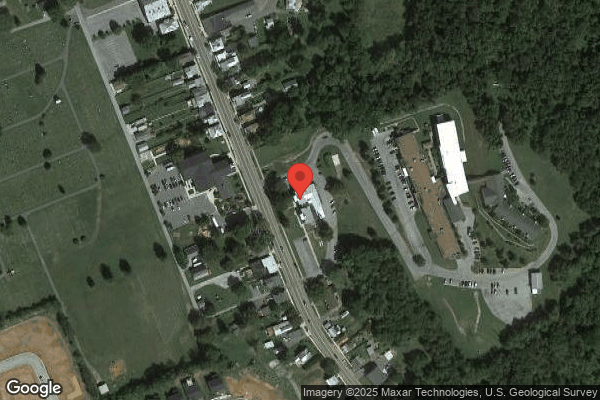
141 SOUTH MAIN STREET, BOONSBORO, MD 21713 (301) 432-5457
For profit - Limited Liability company 157 Beds Independent Data: November 2025
Trust Grade
60/100
#127 of 219 in MD
Last Inspection: December 2024

Within standard 12-15 month inspection cycle. Federal law requires annual inspections.

Overview

South Mountain Rehab Center has received a Trust Grade of C+, indicating it is slightly above average but still has room for improvement. In Maryland, the facility ranks #127 out of 219, placing it in the bottom half, while it is #3 out of 10 in Washington County, meaning only two other local facilities are ranked higher. The facility's trend is concerning as it has worsened significantly, going from 4 issues in 2019 to 30 in 2024. Staffing appears to be a strength, with a 0% turnover rate and 5/5 star RN coverage, meaning staff are stable and well-equipped to address residents' needs. However, there are some weaknesses, including a history of inspector findings detailing unaddressed care plan evaluations for residents, cleanliness issues in bathrooms, and delayed reporting of serious incidents, which raises concerns about overall care quality.

Trust Score
C+
60/100
In Maryland
#127/219
Bottom 43%
Safety Record
Low Risk
No red flags
Inspections
Getting Worse
4 → 30 violations
Staff Stability
○ Average
Turnover data not reported for this facility.
Penalties
✓ Good
No fines on record. Clean compliance history, better than most Maryland facilities.
Skilled Nurses
✓ Good
Each resident gets 47 minutes of Registered Nurse (RN) attention daily — more than average for Maryland. RNs are trained to catch health problems early.
Violations
⚠ Watch
47 deficiencies on record. Higher than average. Multiple issues found across inspections.
★★★☆☆
3.0
Overall Rating
★☆☆☆☆
1.0
Staff Levels
★★★★★
5.0
Care Quality
★★★☆☆
3.0
Inspection Score
Stable
2019: 4 issues
2024: 30 issues

The Good

  • 5-Star Quality Measures · Strong clinical quality outcomes
  • Full Sprinkler Coverage · Fire safety systems throughout facility
  • No fines on record

Facility shows strength in quality measures, fire safety.

The Bad

3-Star Overall Rating

Near Maryland average (3.0)

Meets federal standards, typical of most facilities

The Ugly 47 deficiencies on record

Dec 2024 30 deficiencies
CONCERN (D)

Potential for Harm - no one hurt, but risky conditions existed

Deficiency F0578 (Tag F0578)

Could have caused harm · This affected 1 resident

Based on record review and interview it was determined that the facility failed to inform and provide written information to all residents concerning their right to formulate an advance directive. Thi...

Read full inspector narrative →
Based on record review and interview it was determined that the facility failed to inform and provide written information to all residents concerning their right to formulate an advance directive. This was evident for 1(Resident #68) out of 3 residents reviewed for advanced directives during a survey. The findings include: An advance directive is a written statement of a person's wishes regarding medical treatment, often including a living will, made to ensure those wishes are carried out should the person be unable to communicate them to a doctor. It is a legal document in which a person specifies what actions should be taken for their health if they are no longer able to make decisions for themselves because of illness or incapacity. On 12/10/24 at 1:06 PM, a review of the medical records of Resident #68 revealed that resident #68 had cognitive decline. Continued review failed to reveal that Resident #68 had an advanced directive. On 12/19/24 at 7:53 AM the social work assistant (SW assistant staff #12) was interviewed regarding the facilities process to inform a resident about their right to have an advanced directive. She reported that when a resident is admitted to the facility their social history assessment is completed. During this assessment the residents are asked if they have an advanced directive. If the resident has an advanced directive, the resident is asked to provide a copy to the facility. If the resident has cognitive decline and is not capable to make an advanced directive the resident's Power of attorney (POA) is contacted. On 12/17/24 at 4:21 PM the social work assistant (Staff #12) was interviewed. During the interview the social work assistant reported that she did not have any documentation that the advanced directive was discussed in the Resident # 68's initial social assessment. In addition, she reported that she did not have any documentation that an advanced directive was discussed in the resident quarterly care plan meeting. On 12/17/24 at 04:06 PM the assistant director of nursing (ADON) confirmed that Resident # 68 did not have an advanced directive. She reported that Resident #68's Power of attorney (POA) had been contacted regarding the advanced directive, however the ADON failed to provide any documentation regarding the contact with the POA. On 12/20/24 at 08:07 AM the concerns were discussed with ADON and Director of nursing . No additional information was provided prior to the end of the survey.
CONCERN (D) 📢 Someone Reported This

A family member, employee, or ombudsman was alarmed enough to file a formal complaint

Potential for Harm - no one hurt, but risky conditions existed

Notification of Changes (Tag F0580)

Could have caused harm · This affected 1 resident

Based on complaint, closed record review and staff interview, it was determined that the facility failed to notify Resident #217's representative in a timely manner after a significant change occurred...

Read full inspector narrative →
Based on complaint, closed record review and staff interview, it was determined that the facility failed to notify Resident #217's representative in a timely manner after a significant change occurred. This was evident for 1 out of 24 complaints reviewed during an annual certification survey. The findings include: On 12/17/24 Complaint MD00179215 was reviewed involving Resident #217. An allegation that Resident #217's family was not immediately made aware of a change in condition that occurred during the morning of 02/28/22 was investigated. Resident #217 was admitted to the facility during the afternoon on 02/25/22 with diagnoses that included an acute embolic stroke, expressive and receptive aphasia, paralysis in the extremities, a new feeding tube, and a Foley catheter. A review of Resident #217's closed medical record on 12/17/24 revealed a nurses note, dated 02/28/22 at 6:52 AM, that indicated a GNA (geriatric nursing assistant) staff member informed the charge nurse, staff member #19, that Resident #217 was observed with a large amount of emesis. Staff member #19 documented that Resident #217's tube feeding was stopped and that the on-call physician was called. Staff member #19 also documented that the on-call physician did not answer the phone call and that the night shift nursing supervisor (staff member #17) was notified and that Resident #217's day shift nurse would also be notified. In an interview with the 02/27-28/22-night shift supervisor (staff member #17) on 12/20/24 at 8 AM, staff member #17 stated that S/he had reviewed Resident #217's closed medical records but could not recall seeing Resident #217 during the night shift on 02/28/22. Staff member #17 stated that S/he usually would write a nursing progress note if a staff nurse calls her/him during the shift to come and assess a resident. Staff member #17 confirmed that there was not a progress note from him/her for Resident #217 during the early morning hours of 02/28/22. Further review of Resident #217's closed medical record revealed a nursing skilled charting -V3 that was initiated at 7:01 am on 02/28/22 and closed/locked at 3:43 PM on 02/28/22. At 10:58 am on 02/28/22, the nursing skilled note indicated that Resident #217 had an oxygen saturation level of 88% while receiving oxygen via nasal cannula, a heart rate of 115 beats per minute, was anxious and agitated, his/her abdomen was distended and firm with hypoactive bowel sounds, and noted that Resident #217 had emesis x 7 this shift and was to be seen by the facility nurse practitioner. The facility's records showed that Resident #217's representative was called on 02/28/22 at 1:08 PM, and a message was left for the representative to call the facility staff.
CONCERN (D) 📢 Someone Reported This

A family member, employee, or ombudsman was alarmed enough to file a formal complaint

Potential for Harm - no one hurt, but risky conditions existed

Transfer Requirements (Tag F0622)

Could have caused harm · This affected 1 resident

**NOTE- TERMS IN BRACKETS HAVE BEEN EDITED TO PROTECT CONFIDENTIALITY** Based on medical record review and staff interview it was determined that the facility failed to ensure the required transfer in...

Read full inspector narrative →
**NOTE- TERMS IN BRACKETS HAVE BEEN EDITED TO PROTECT CONFIDENTIALITY** Based on medical record review and staff interview it was determined that the facility failed to ensure the required transfer information was documented in the medical record when a resident was transferred to the hospital. This was evident for 1 (Resident #267) of 4 residents reviewed for hospitalization during the annual survey. The findings include: On 12/13/24 at 8:36 AM review of intake #MD00184369 revealed a concern regarding Resident #267's elopement from the facility and subsequent hospitalization. On 12/13/24 at 10:22 AM review of progress notes revealed a nursing note dated 10/11/2022. Review of this note revealed that Resident # 267 returned to the facility at 07:40 AM from the Hospital emergency room the morning on 10/11/22 at 7:40 AM, in a stable condition, with an abrasion on both bilateral lower extremities. Further review of the progress notes failed to reveal documentation that the resident was transferred to the hospital or the reason for the transfer. Continued review failed to reveal a hospital transfer note indicating what documents were sent with the resident to the hospital or if the Physician and/or the Resident #267's family were notified of the transfer. In addition, the review failed to reveal how the resident was transferred to the hospital. On 12/19/24 the assistance director of nursing (ADON) provided a Document Titled Sterling-Care South Mountain Hospital Transfer Document Checklist. Review of this hospital transfer check list revealed that when a resident is transferred to the hospital the following should be documented in the medical record: hospital transfer note should include reason for transfer, the physician and resident's personal representative notified, and how the resident was transferred to the hospital. On 12/19/24 at 8:08 AM the ADON was interviewed regarding the documentation for Resident's #267 transfer to the hospital. The ADON failed to provide any of the documents listed in the Sterling-Care South Mountain Hospital Transfer Document Checklist, for Resident # 267's transfer to the hospital on [DATE]. On 12/19/24 at 8:11 AM the above concerns regarding the missing transfer documentation were discussed with Director of Nursing and ADON. No additional information was provided prior to the end of the survey.
CONCERN (D)

Potential for Harm - no one hurt, but risky conditions existed

Deficiency F0638 (Tag F0638)

Could have caused harm · This affected 1 resident

**NOTE- TERMS IN BRACKETS HAVE BEEN EDITED TO PROTECT CONFIDENTIALITY** Based on record review and interviews, it was determined that the facility failed to complete Quarterly Minimum Data Set (MDS) a...

Read full inspector narrative →
**NOTE- TERMS IN BRACKETS HAVE BEEN EDITED TO PROTECT CONFIDENTIALITY** Based on record review and interviews, it was determined that the facility failed to complete Quarterly Minimum Data Set (MDS) assessments for a resident within the regulatory time frames to facilitate appropriate care planning and maintain the current assessment record. This was evident for 1 (Resident #42) in 3 residents reviewed for Resident assessments. The findings include: The Minimum Data Set (MDS) assessment is a federally mandated assessment tool that nursing home staff use to gather information on each resident's strengths and needs. The information collected is used in the resident's care planning decisions. The Quarterly assessment must be completed within 92 days of the MDS Completion Date of the last OBRA assessment. It must also be completed no later than 14 days after the ARD, which is the ARD + 14 days. The last day of the observation period is the Assessment Reference Date (ARD). This date provides a common reference point for all team members participating in the assessment. In completing sections of the MDS that require observations of a resident over specified periods, such as 7, 14, or 30 days, the ARD is the common endpoint of these look back periods. A record review on 12/19/24 at 1:20 PM showed that Resident #42 was admitted to the facility in June 2024. The resident's admission MDS assessment dated [DATE] was completed on 6/28/24. The facility was required to complete a quarterly MDS assessment by 9/26/24. However, the review failed to show that the facility staff had completed and submitted a quarterly MDS for Resident #42 as of this review, making it 174 days since the last MDS assessment was completed. In an interview on 12/19/24 at 3:29 PM, the cooperate staff in charge of MDS confirmed that the facility missed completing a quarterly MDS for Resident #42 on 9/26/24.
CONCERN (D)

Potential for Harm - no one hurt, but risky conditions existed

MDS Data Transmission (Tag F0640)

Could have caused harm · This affected 1 resident

Based on record review and interview, it was determined that the facility failed to complete and submit Minimum data set (MDS) Discharge assessments as required for residents discharged from the facil...

Read full inspector narrative →
Based on record review and interview, it was determined that the facility failed to complete and submit Minimum data set (MDS) Discharge assessments as required for residents discharged from the facility. This was evident for 3 (#105, #112, #64) of 4 residents reviewed for Resident assessments. The findings included: The MDS assessment is a federally mandated assessment tool that nursing home staff use to gather information on each Resident. Discharge assessments include items for quality monitoring. Discharge assessment reporting is required for all residents in the nursing home who have been physically discharged from the facility. 1a) A record review for Resident #105 on 12/19/24 at 1:35 PM showed that the Resident was admitted to the facility in October 2024. The continued review contained a nurse's note dated 12/9/24 that stated that Resident #105 was discharged to another facility. Further review of Resident #105's MDS record showed a lack of discharge assessment for the Resident. 1b) A review of Resident #112's record contained a nurse's note dated 9/27/24 that indicated that the Resident was admitted to the facility from the hospital. Further review showed that the Resident's family [picked] up the resident after [AMA-against medical advice] form signed. Resident left with all [his/her] belonging. The review failed to show that a discharge assessment was completed for Resident #112. 1c) A review completed on 12/19/24 at 1:52 PM, found that Resident #64 was admitted to the facility in September 2024. Further review contained a nurse's note that stated that the Resident was discharged from the facility on 9/25/24. However, the facility failed to complete a discharge assessment for Resident #64. In an interview on 12/19/24 at 3:29 PM, the corporate MDS person confirmed that the facility failed to complete discharge assessments for Residents #105, #112, and #64.
CONCERN (D)

Potential for Harm - no one hurt, but risky conditions existed

Assessment Accuracy (Tag F0641)

Could have caused harm · This affected 1 resident

2) Resident #111 resided at the facility for a little over a month in 2024. The MDS indicator identified the resident as discharged and was selected as being hospitalized . On 12/13/24 at 9:26 AM, Res...

Read full inspector narrative →
2) Resident #111 resided at the facility for a little over a month in 2024. The MDS indicator identified the resident as discharged and was selected as being hospitalized . On 12/13/24 at 9:26 AM, Resident #111's closed record was reviewed. The review revealed a progress note documented by the Unit Manager/Registered Nurse (RN #2) on 10/2/24 at 11:31 AM. The progress note indicated that the resident was discharged to home with the family via a private vehicle. Further review of Resident #111's closed record revealed an MDS assessment with a reference date of 10/2/24. Section A of the assessment coded the resident as having a planned discharge to a Short-term General Hospital with return not anticipated. Section Z indicated that Licensed Practical Nurse/MDS coordinator (LPN #42) was the staff that completed section A of the assessment. In an interview with LPN #42 on 12/17/24 at 10:58 AM, she was asked if Resident #111 was discharged to the hospital or the resident's home. LPN #42 reviewed the resident's MDS assessment with a reference date of 10/2/24 and confirmed that she coded the resident as being discharged to the hospital. LPN #42 stated, I specifically remember this resident because s/he was scheduled to be discharged to home but then I was told that something had happened and that we were to send him/her to the hospital and then discharged to home, that's why I coded him/her that way. LPN #42 continued to review Resident #111's medical records to verify the resident's discharge status. After the review, on 12/17/24 at 11:04 AM, LPN #42 confirmed that there was no record that the resident was discharged to the hospital and reported that she coded the MDS assessment inaccurately. On 12/20/24 at approximately 12:40 PM, the concern was discussed with the Director of Nursing (DON) and the Assistant DON of the failure to accurately complete an MDS assessment. All staff acknowledged the concern. Based on observation, record review, and interviews, it was determined that the facility failed to ensure that Minimum Data Set (MDS) assessments were accurately documented. This was evident for 1 (#66) of 7 residents reviewed for position and mobility and 1 (Resident #111) of 4 residents reviewed for hospitalization. The findings include: The Minimum Data Set (MDS) is an assessment of the Resident that provides the facility information necessary to develop a care plan, provide the appropriate care and services to the Resident, and modify the care plan based on the Resident's status. 1) An observation on 12/10/24 at 3:14 PM showed that Resident #66's fingers were bent on the right hand, pressed into his/her palm, and stated, I've not been able to move my right hand and both legs in the last year. A review on 12/18/24 at 12:10 PM showed that Resident #66 had been residing in the facility since September 2022. Diagnoses included Multiple Sclerosis (MS), with spastic paraparesis (stiffness and weakness in the legs) and Bell Palsy. A continued review contained occupational therapy (OT) evaluations dated 9/19/23, and 5/14/24. The therapy evaluations recorded an impairment to Resident #66's range of motion (ROM) to both shoulders, elbows, forearms, wrists, and fingers. The review also included a neurology consult report dated 9/26/24 that stated that Resident #66 had right hemiplegia, bilateral lower extremities weakness, more so on the right side. Additionally, [he/she] has contractures in flexion in both ankles, knees, and hips along with impaired range of motion in [his/her] right shoulder. A subsequent review on 12/20/24 at approximately 7:10 AM, of another OT evaluation dated 12/19/24 had noted impaired ROM to Resident #66's bilateral upper extremities. The review also contained a statement that Resident #66 had a longstanding limited AROM [active range of motion] of UE's [upper extremities] from MS. However, Resident #66's MDS assessments dated 9/28/23, 6/30/24, 9/27/24, and 12/3/24 were all recorded that Resident #66 had no functional limitation in range of motion to his/her upper and lower extremities. In an interview on 12/19/24 at 3:15 PM, the corporate MDS person confirmed that Resident #66's MDSs dated 9/28/23, 6/30/24, 9/27/24, and 12/3/24 were recorded inaccurately. During an interview on 12/20/24 at 7:27 AM, the director of rehab said that per the OT evaluation completed on 12/19/24, Resident #66's right shoulder contracture was longstanding.
CONCERN (D)

Potential for Harm - no one hurt, but risky conditions existed

Deficiency F0645 (Tag F0645)

Could have caused harm · This affected 1 resident

Based on record review and staff interview, it was determined that the facility failed to ensure that the Preadmission Screening and Resident Review (PASRR) form completed at the time of admission app...

Read full inspector narrative →
Based on record review and staff interview, it was determined that the facility failed to ensure that the Preadmission Screening and Resident Review (PASRR) form completed at the time of admission appropriately reflected the resident's diagnosis. This was true for 1 (Resident #16) of 2 PASARR forms reviewed for accuracy. The findings include: Preadmission Screening and Resident Review (PASRR) is a federal requirement to help ensure that individuals with intellectual disability or a serious mental illness are not inappropriately placed in nursing facilities for long term care. The requirement ensures that all applicants receive care in the most suitable setting and are provided with all the necessary resources available. Review of Resident #16's initial nursing admission assessment on 6/20/2019 revealed a diagnosis of bipolar disorder; however, the most recent PASRR form completed on 2/14/2020 failed to reflect that resident had mental illness diagnosis on Section C. question #1. Section C of the PASRR form has questions to identify if the resident has serious mental illness and includes: 1. Diagnosis: Does the individual have a major mental disorder? On 12/17/2024 at 10:19 AM, in an interview with Social Service Assistant (Staff #12), she was made aware that Resident #16's bipolar diagnosis was active as of 2/10/2020 but it was not identified on the PASRR form completed 2/14/2020. She stated that she will clarify. On 12/17/2024 at 10:39 AM, in an interview with Staff #12, she acknowledged that the most recently completed PASRR form (2/14/2020) did not reflect the resident's bipolar diagnosis. She stated that a new PASRR was supposed to be completed to reflect the bipolar diagnosis; however, it was not done. On 12/20/2024 at approximately 11:45 AM, the DON was made aware that the facility failed to ensure that the PASARR form appropriately reflect Resident #16's mental illness diagnosis.
CONCERN (D)

Potential for Harm - no one hurt, but risky conditions existed

Deficiency F0655 (Tag F0655)

Could have caused harm · This affected 1 resident

**NOTE- TERMS IN BRACKETS HAVE BEEN EDITED TO PROTECT CONFIDENTIALITY** Based on record review and staff interview, it was determined that the facility failed to provide the resident and their represe...

Read full inspector narrative →
**NOTE- TERMS IN BRACKETS HAVE BEEN EDITED TO PROTECT CONFIDENTIALITY** Based on record review and staff interview, it was determined that the facility failed to provide the resident and their representative with a summary of the baseline care plan. This was evident for 3 (Residents #34, #74, and #101) of 6 residents reviewed for baseline care plans. The findings include: 1) On 12/13/24 at 10:40 AM, an interview was conducted with Director of Nursing (DON). When asked if a baseline care plan given to Resident #34 or their Representative (RP), the DON stated, I cannot provide any documentation to confirm that Baseline Care plan was given to RP or resident. On 12/13/24 12:49 PM, a review of Resident #34's medical record was conducted. Resident #34 was admitted [DATE]. No documentation of baseline care plan being given to Resident Representative or Resident in the medical record. On 12/19/2024 at 2:00 PM, the DON provided a Care Plan Conference Appointment scheduled for 10/17/2024 addressed to Resident #34. 2) On 12/17/24 at 11:20 AM, a review of Resident #74's record was conducted. There were no notes or record indicating the baseline care plan was discussed or given to Resident #74 or their Representative. On 12/17/24 at 12:32 PM, an interview with the Director of Nursing (DON) was conducted. When asked if the baseline care plan was given to resident/resident representative, the DON stated that she will get back to the surveyor with an answer. On 12/17/24 at 12:40 PM, an interview was conducted with the DON. When asked if a baseline care plan was given to Resident #74 or their Representative (RP), the DON stated, I cannot provide any documentation to confirm that Baseline Care plan was given to RP or resident. 3) On 12/17/2024 at 10:00 AM, Resident #101's baseline care plan was reviewed. There were no indications that the care plan was discussed with the Resident or the resident representative. On 12/17/24 at 12:40 PM, an interview was conducted with the DON. When asked if a baseline care plan was given to Resident #101 or their Representative (RP), the DON stated, I cannot provide any documentation to confirm that Baseline Care plan was given to RP or resident.
CONCERN (D)

Potential for Harm - no one hurt, but risky conditions existed

Deficiency F0679 (Tag F0679)

Could have caused harm · This affected 1 resident

Based on observation, interview and pertinent document review it was determined that the facility failed to provide activities according to the resident's preferences. This was evident for 1 (Resident...

Read full inspector narrative →
Based on observation, interview and pertinent document review it was determined that the facility failed to provide activities according to the resident's preferences. This was evident for 1 (Resident #91) out of 3 residents reviewed for activities during a survey. The findings include 12/11/24 at 8:49 AM Resident #91, a long-term resident of the facility, was observed lying in bed with her/his breakfast sitting on the bed side table. Further observation revealed that Resident #91 was awake and about ¼ of their breakfast was eaten. Further observation failed to reveal either music or the television (TV) being on. 12/12/24 02:45 PM An observation made in Resident # 91's room revealed the resident sitting behind the door, not visibly observing the TV, which was on a news channel. 12/17/24 at 7:54 AM Resident # 91 was observed eating in her/his room and not facing the TV. Further observation revealed a football game on the TV. On 12/18/24 several observations were made of Resident 91's room at the following times: 8:04 AM, 8:44 AM, and 12:03 PM. All these observations revealed the resident had the TV on a movie channel and that the resident was not facing the TV. On 12/17/24 at 9:26 AM a review of MDS ARD date 5/17/24, section F0500, for Resident # 91 revealed that it was very important for her/him to do her/his favorite activities. Further review revealed that it is somewhat important for Resident # 91 to listen to music. On 2/17/24 at 12:30 PM review of the document, initial review assessment, dated 5/17/2024 revealed that Resident # 91 likes music, and TV game shows. On 12/17/24 at 7:25 AM review of the care plan revealed that Resident # 91 preferred activities are: doing word search and watching game shows. On 12/17/24 Review of the quarterly participation reviews, dated 11/10/24 and 8/1/24, revealed that Resident #91's current care plan was still appropriate regarding the resident preferred activities. On 12/17/24 at 12:16 PM the Activity Director (Staff #15) was interviewed. She was unable to report how the GNA staff are informed about the resident's preference with activities other than through the resident's care plan. On 12/17/24 at 3:12 PM during an interview with activity staff #44, she reported that Resident # 91 loves music, however the remote for the music has not been working for a long time. In addition, she reported that she has observed Resident #91 engaging with the TV when game shows are on by answering the game show questions. On 12/17/24 at 3:14 PM GNA Staff #45 was interviewed. She reported that she has worked at the facility for over a year and is familiar with the care of Resident # 91. GNA #45 stated that she was unable to report what TV programming Resident 91 prefers to watch or if she has the availability to listen to music in her room. On 12/20/24 at 08:07 AM the surveyor shared all concerns with the Assistant Director and the Director of Nursing. No additional information was provided prior to the end of the survey.
CONCERN (D) 📢 Someone Reported This

A family member, employee, or ombudsman was alarmed enough to file a formal complaint

Potential for Harm - no one hurt, but risky conditions existed

Quality of Care (Tag F0684)

Could have caused harm · This affected 1 resident

Based on record review, complaint MD00211139 and interviews, it was determined that the facility failed to ensure that residents received the appropriate treatment as ordered, in accordance with profe...

Read full inspector narrative →
Based on record review, complaint MD00211139 and interviews, it was determined that the facility failed to ensure that residents received the appropriate treatment as ordered, in accordance with professional standards of practice. This is true for 2 (Resident #21 and Resident #110) of 3 residents reviewed during the survey process. The findings include: 1.)On 12/18/24 at 11:37 AM, a review of Resident #110's chart revealed that the resident's Maryland order of Life Sustaining Treatment (MOLST) revealed that the resident was on comfort care and without hospitalization. A review of complaint MD00211139 revealed an allegation that from 10/11/24 to 10/14/24, Resident #110 began experiencing seizures that worsened until death. Further review of the medical record revealed that on 07/10/24 a physician's order was placed: Midazolam HCl (PF) Injection Solution 5 MG/ML (MidazolamHCl) Inject 1 ml intramuscularly as needed for seizure activity; however, there was no documentation to indicate how often the medication could be given or what to do if found to be ineffective. A review of the Medication Administration Record (MAR) revealed that the resident received a dose of midazolam for seizure activity on 10/11/24 at 10:28 AM and that it was ineffective. There was no documentation found to indicate the physician was made aware that this injection of Midazolam was ineffective. There was also no documentation found to indicate staff contacted the physician on 10/11/24 for clarification as to how often the medication could be administered for seizures. Review of the medical record revealed a nursing note dated 10/11/24 at 12:48 PM that stated, episodes of seizures Jerking movements of the arms and legs, Loss of Staring spells or unresponsiveness, [the resident's power of attorney] made aware. Further review of the MAR revealed a second dose of the Midazolam was administered approximately four and a half hours after the first dose, on 10/11/24 at 3:06 PM and was documented as effective. A third dose was documented as administered on 10/12/24 at 8:17 AM and was documented as effective. The 7/10/24 order for the Midazolam as needed for seizure activity was discontinued on 10/12/24 at 12:04 PM. On 10/12/24 1:00 PM, a new order was written; Midazolam HCl (PF) Injection Solution 5 MG/ML (Midazolam HCl) Inject 1 ml intramuscularly three times a day for Seizures 3 Dose Daily. The MAR documentation revealed that the resident received one dose on 10/12/2024 at 5:00 PM. A review of the progress notes and MAR revealed no documentation to indicate effectiveness of the medication administered. On 10/12/202024 at 6:15 PM, an order was updated for Midazolam HCl (PF) Injection Solution 5 MG/ML (MidazolamHCl) Inject 1 ml intramuscularly every 8 hours as needed for seizure, the MAR documentation revealed that the resident received one dose on 10/13/24 at 4:15 am and it was effective. This medication was discontinued on 10/13/2024 11:41am. On 10/13/2024 at 11:45 AM, an order was updated for Midazolam HCl (PF) Injection Solution 5 MG/ML (Midazolam HCl) Inject 5 mg subcutaneously every 4 hours as needed for seizures, the MAR documentation revealed that the resident received two doses on 10/13/24 at 11:55 AM and 5:23 PM and both were effective. On 12/20/24 at 10:00 AM the surveyor requested the Midazolam drug control sheets from the DON. Review of the midazolam control sheet provided revealed that as of 8/24/24 the resident had two doses of Midazolam available. These two doses were documented as having been removed from the supply on 10/11/24. Only one drug control sheet was provided for review for this resident. There was no documentation provided to indicate where the additional 5 doses that staff documented on the MAR as having administered were obtained. A review of the progress notes revealed that on 10/12/2024 at 12:44 PM pharmacy was called to bring midazolam STAT (immediately). On 12/20/24 at approximately 11:45 AM, the surveyor reviewed the concern with the Director of Nursing (DON) that after the first dose of Midazolam was documented as ineffective, there was a progress note around 12:30 PM indicating seizure activity and responsible party was made aware but no documentation to indicate this information was conveyed to a primary care provider. There was no documentation to indicate how often the midazolam ordered on 7/10/24 could be given or what to do if found to be ineffective. The DON confirmed that she would expect an as needed medication order to include a frequency. Also reviewed the concern that although staff documented multiple administrations after the initial two doses, there was no drug control sheet or other documentation to support that a supply of the Midazolam was delivered for this resident. The surveyor requested any additional documentation to support that the facility had the medication to administer as ordered. The DON stated that she will investigate further and provide any additional documentation; however, there was no additional documentation provided by the time of survey exit on 12/20/24 at 3:00 PM. 2. On 12/18/2024 at approximately 12:30 PM, a review of Resident #21's chart revealed that the resident was being treated for uncontrolled type 2 diabetes. The following physician's order was found: 11/18/2024 Sliding scale insulin: Inject as per sliding scale: if the resident's glucose reading is greater than 350, administer 14 units of insulin and notify the physician. A review of the Medication Administration Record (MAR) revealed that on 11/19/2024 at 11:30 AM, the resident's blood glucose level was 369. However, the MAR revealed that the medication was not administered, and instead the comment #11 indicated held per parameter. Furthermore, a review of the progress notes revealed that there was no documentation to suggest the reason or parameters for withholding the insulin and there was also no documentation to suggest that the healthcare practitioner was notified. On 11/19/2024 at 09:51 AM, during an interview, nurse #46 stated that the insulin administration comment #11 was done in error. She confirmed that no documentation could be found for administration or notification to the healthcare practitioner. The Resident also had an order for: Trulicity 1.5 mg subcutaneously one time a day every Monday related to type 2 diabetes with hyperglycemia. However, a review of the MAR revealed that the resident refused the Trulicity on 12/2/2024, 12/9/2024, and 11/25/2024; however, there was no documentation to suggest that the healthcare practitioner was notified. On 12/20/24 09:51 AM, in an interview with nurse #46, she confirmed that Trulicity was refused on 12/2/2024 and 12/9/2024, and 11/25/2024; however, there was no documentation that the healthcare practitioner was notified that the resident refused for each administration. On 12/20/24 at approximately 11:45 AM, in an interview with the DON, the above-mentioned concerns were presented to the DON and she acknowledged the concerns.
CONCERN (D)

Potential for Harm - no one hurt, but risky conditions existed

Deficiency F0688 (Tag F0688)

Could have caused harm · This affected 1 resident

Based on observations, record review, and interviews, it was determined that the facility failed to ensure that residents with limited range of motion received treatment and services to prevent furthe...

Read full inspector narrative →
Based on observations, record review, and interviews, it was determined that the facility failed to ensure that residents with limited range of motion received treatment and services to prevent further decline in the range of motion. This was evident for 2 (#66, #62) out of 7 residents reviewed for position and mobility. The findings include: 1) An observation on 12/10/24 at 3:14 PM showed that Resident #66's fingers were bent on the right hand, pressed into his/her palm, and had no device. The resident stated, I've not been able to move my right hand and both legs in the last year. A record review on 12/18/24 at 12:10 PM showed that Resident #66 had been residing in the facility since September 2022 and depended on the staff for assistance with his/her self-care needs due to physical limitations. The review also contained an occupational therapy evaluation dated 9/27/22- 10/17/22 that recorded that Resident #66's bilateral upper extremities were within functional limits and had no contractures. A continued review of an occupational therapy evaluation dated 9/19/23 noted an impairment to Resident #66's range of motion to both shoulders, elbows, forearms, wrists, and fingers on the right hand. However, the review failed to show that treatment or services were implemented at discharge from therapy to prevent further decline. Further review showed another occupational therapy evaluation for Resident #66 dated 5/14/24. The assessment noted an impairment in the resident range of motion to his/her shoulder, elbow, forearm, wrist, and hand to the right. The review lacked documentation for services and treatment put into place to prevent further decline in Resident #66's range of motion. In an observation of Resident #66, on 12/18/24 at 1:00 PM, the director of rehab (DOR) was present and confirmed that the resident's right hand was contracted. In an interview later that day, the DOR said Resident #66 depended on staff for all his/her care needs. The DOR added that the resident did not necessarily require a device at the time of discharge from therapy in May 2024. However, a treatment plan should have been implemented to prevent his/her contractures from worsening. During an interview on 12/19/24 at 7:20 AM, the DOR reported that Resident #66 would receive occupational therapy after the surveyor's intervention. The DOR also added that a splint was being ordered for the resident, and staff would be trained appropriately to maintain his/her range of motion. 2) In an observation on 12/11/24 at 8:44 AM, Resident #62 was noted with left-hand weakness. The resident stated that s/he was unable to move the arm due to a history of stroke. A medical record review on 12/18/24 at 4:18 PM showed that Resident #62 was admitted to the facility with a history of stroke and left-sided weakness. The continued review contained an occupational therapy evaluation dated 3/28- 4/23/24 that recorded that Resident #62 had an impaired range of motion to his/her right shoulder, elbow, forearm, wrist, hand, and fingers. The record also stated, Functional limitations present due to contracture? And the answer was Yes. And Will OT [occupational therapy] treat to address contracture impairment? The answer was, No, Nursing is managing the patient's contracture impairment. However, the review failed to show that the resident's contracture was managed. In an interview with the DOR on 12/19/24 at 7:10 AM, she indicated that upon discharge from therapy, the staff told the nursing staff to perform a range of motion exercises on residents; however, there was no follow-through to know whether it was done. The DOR also added that her department would put a better system in place to ensure the residents' range of motion did not worsen.
CONCERN (D)

Potential for Harm - no one hurt, but risky conditions existed

Accident Prevention (Tag F0689)

Could have caused harm · This affected 1 resident

**NOTE- TERMS IN BRACKETS HAVE BEEN EDITED TO PROTECT CONFIDENTIALITY** A wander guard is a system that helps prevent residents of long-term care facilities from getting lost or leaving the facility u...

Read full inspector narrative →
**NOTE- TERMS IN BRACKETS HAVE BEEN EDITED TO PROTECT CONFIDENTIALITY** A wander guard is a system that helps prevent residents of long-term care facilities from getting lost or leaving the facility unaccompanied. On 12/11/24 at 10:12 AM a observation was made of Resident # 91, a long term resident, at the facility. Observation revealed a wonder guard on the resident right wrist. On 12/11/24 review of the medical record revealed that Resident # 91 was found trying to exit the facility unsupervised in May 2024 and November 2024. On 12/17/24 at 2:39 PM review of orders revealed an order dated 5/31/24 for staff to check that the wander guard was on the Residents right wrist check every shift. On 12/17/24 at 7:25 AM review of care plan revealed that the resident had a alarm on the right wrist and staff was to check every shift for placement. On 12/17/24 at 2:40 PM Resident # 91's treatment administration record (TAR) was reviewed. The review of TAR revealed a space on the TAR to document the wonder guard's location at the right wrist on every shift. This space was available of every TAR for the months of May 2024, June 2024, July 2924, August 2024, September 2024, October 2024 and November 2024. However, review of the previously listed months failed to reveal documentation that the wonder guard placements was checked every shift. The space available to document the wonder guard placement was left blank. Further review revealed December 4th, 2024, through 12/16 the verification of the wonder guard placement was documented. On 12/19/24 at 8:15 AM the Director of Nursing (DON) and the Assistant Director of Nursing (ADON) reported that there was some computer issues, and the nurses were unable to document in that space. The DON reported that is was her expectations that the nurses would notify nursing management if they were unable to document a physicians in the TAR. The DON confirmed that she could not provide any documentation in the medical records that the wonder guard was checked as ordered. Based on observation, staff interviews and facility record review, it was determined that the facility failed to 1.) ensure that a safe designated space for smoking was maintained in various weather conditions and 2.)to carry out a physician's order to check the placement of a residents wonder guard every shift for placement. This was true for 1 of 2 resident smoking observations conducted and for 1 (Resident #91) out of 8 Residents reviewed for accidents during a survey. The findings include: On 12/11/24 at 1:03 PM, the surveyor observed Resident #16 and another resident smoking in a small, covered patio area of the [NAME] unit. The maintenance director (Staff #35) was outside with the residents at the time of the observation and assisted them with coming back inside after they finished smoking. On 12/11/24 at approximately 1:15 PM, in an interview with maintenance director, he was asked about the smoking area and he informed the surveyor that there was a designated smoking area; however, due to the rainy weather, they were using the covered patio area instead because the smoking area was not covered. On 12/11/24 at approximately 1:16 PM, the surveyor observed the designated smoking area located near the [NAME] unit, a large patio. The designated smoking area was uncovered and, due to the rain, the area was partially observed by the surveyors. On 12/11/24 at approximately 1:20 PM, in an interview with Staff #35, he was asked about the smoking safety equipment in the smoking area (such as cigarette tray, fire extinguisher and smoking fire blanket) being present in the covered patio of the [NAME] unit. He confirmed these items were not present in that area despite it being utilized today for smoking. Staff #35 acknowledged and stated that he could place the safety equipment in both areas. Staff #35 also stated that he was responsible for keeping the resident smoking supplies,that he was the only staff that took the residents for their smoke breaks on weekdays (9:30am and 1pm). He stated that there was no smoking on the weekends. On 12/17/24 at 09:32 AM, a review of the facility's smoking policy stated that the smoking area was [NAME] Courtyard-3rd floor (the location observed by the surveyor as the designated smoking area), smoking times 9:30AM and 1:30 PM, the facility reserves the right to cancel smoking times in the event of extreme weather conditions. An employee is assigned to supervise the resident smoking times. Smoking Apron, fire blanket, cigarette receptacles and fire extinguisher will be accessible in the designated smoking areas. On 12/17/24 at 1:07 PM, in an observation of the [NAME] Unit, two residents were observed smoking outside in the designated smoking area. The surveyor observed the fire extinguisher, smoking blanket and cigarette ash tray in the designated smoking area. On 12/17/24 at 1:10 PM, in an interview with Staff #35, when asked about the plan for the alternate smoking area during rainy weather, he stated that he has already ordered the supplies for the second location, and they are scheduled to come the next day. On 12/20/24 at approximately 11:30 AM, the Director of Nursing was informed of the above-mentioned findings and the findings were acknowledged.
CONCERN (D)

Potential for Harm - no one hurt, but risky conditions existed

Deficiency F0692 (Tag F0692)

Could have caused harm · This affected 1 resident

Based on record review and staff interviews, it was determined that the facility failed to ensure that weekly weights were obtained as ordered by the physician. This was evident for 1(Resident #24) of...

Read full inspector narrative →
Based on record review and staff interviews, it was determined that the facility failed to ensure that weekly weights were obtained as ordered by the physician. This was evident for 1(Resident #24) of 6 resident records reviewed for significant weight loss. The findings include: On 12/11/2024 at 2:28 PM, a review of the Resident #24 medical records revealed that the resident had a significant weight loss (more than 20 lbs) from June to August of 2024. On 8/31/2024 weight monitoring was ordered daily for 3 days; on 9/9/2024 weekly weights were ordered. A review of the weights log revealed that on 9/1/24 resident weighed 134.6 lbs and on 12/10/24 the resident weight 124.4 which equals to 7.5% weight loss in approximately 3 months. It was noted that Resident #24 had a significant 20% weight loss over a 6 month period (June to December 2024). On 12/18/24 at 10:14 AM, Resident #24's physician orders revealed that as of 9/9/24, weekly weights were ordered; however, it was noted that there were no weights obtained in the 2nd, 3rd or 4th week of September 2024. There were also no weights obtained in the 2nd week of October 2024. On 12/18/24 at 3:25 PM, in an interview with the dietitian (#20), she was informed of the above-mentioned findings. On 12/19/2024 at 05:18 PM, the unit nurse manager/Staff (#46) was notified about the missing weekly weights, and she stated she would check and get back to the surveyor. On 12/20/24 at 9:37 AM, in an interview with Staff #46, she stated that the resident was on another unit in September 2024, and she was unable to provide documentation about the missing weights in September 2024. There was also no documentation about missed weight in the 2nd week in October 2024.
CONCERN (D)

Potential for Harm - no one hurt, but risky conditions existed

Deficiency F0697 (Tag F0697)

Could have caused harm · This affected 1 resident

Based on medical record review and interviews, it was determined that the facility failed to document the reasons for administering as-needed (PRN) pain medications and failed to document pain assessm...

Read full inspector narrative →
Based on medical record review and interviews, it was determined that the facility failed to document the reasons for administering as-needed (PRN) pain medications and failed to document pain assessment to include the location of the pain and type of pain for a Resident reporting pain. This was evident for 1 (Resident #97) of 5 Residents reviewed for unnecessary medications review. The findings include: A medical record review for Resident #97 on 12/12/24 at 2:44 PM showed that the resident had been admitted to the facility in September 2024 with diagnoses including left hip fracture, left elbow fracture, chronic pain syndrome, and arthritis. Further review of Resident #97's medication administration record for November 2024 contained an attending provider's order for Hydromorphone 0.5mg every 12 hours as needed for pain and tramadol 50mg every 6 hours as needed for pain. A continued review showed that Resident #97 had received hydromorphone 0.5mg on 11/7/24 for a pain level of 5, 11/9/24 for a pain level of 6, and 11/11/24 for a pain level of 6 (A pain scale/level ranges from 0 to 10; 0 means no pain, and 10 means the worst pain. It is used to assess a patient's level of pain so that better treatment can be provided). The resident was also given tramadol 50mg on 11/7/24 for a pain level of 5. However, the review failed to show a record of Resident #97's pain assessment before and after administering the medicine, including the location and type of pain. Further review noted that Resident #97's pain level was one on 11/9/24 after administering the pain medicine. However, the review lacked documentation to show that the staff continued to manage Resident #97's pain. In an interview on 12/17/24 at 1:18 PM, a licensed practical nurse (LPN #9) stated that he would provide non-pharmacological interventions (interventions without the use of medicine), like repositioning to a resident who complained of pain after pain medicine had been given. A subsequent interview with the assistant director of nursing on 12/18/24 at 7:48 AM showed that staff was expected to document a resident's pain assessment, including the pain's location, description, and intensity in the health record.
CONCERN (D)

Potential for Harm - no one hurt, but risky conditions existed

Deficiency F0699 (Tag F0699)

Could have caused harm · This affected 1 resident

Based on record review and interviews, it was determined that the facility failed to ensure that a resident with a history of trauma received the appropriate trauma-informed care. This was evident for...

Read full inspector narrative →
Based on record review and interviews, it was determined that the facility failed to ensure that a resident with a history of trauma received the appropriate trauma-informed care. This was evident for 1 (Resident #97) of 4 residents reviewed for unnecessary medications. The findings include: A record review contained a social history for Resident #97 dated 9/10/24, which had recorded that the resident had a history of post-traumatic stress disorder (PTSD- a disorder in which a person has difficulty recovering after experiencing or witnessing a terrifying event). A subsequent review completed for Resident #97 on 12/12/24 at 2:44 PM, contained an attending provider's order dated 11/05/24 for an antidepressant medication to be administered to Resident #97 daily for PTSD. Further review showed a behavioral health note dated 11/13/24 that recorded that Resident #97 had a diagnosis of PTSD. However, the review failed to show what the triggers were for the traumatic event and how to mitigate or eliminate them to ensure the resident was not traumatized again. In an interview on 12/17/24 at 2:32 PM, the social services assistant (staff #12) stated that if a resident had a history of PTSD, their plan of care should include their triggers to avoid re-traumatizing them. Staff confirmed that Resident #97's plan of care did not address his/her history of PTSD. In an interview with the assistant director of nursing on 12/18/24 at 7:48 AM, she stated that the staff needed to know what the triggers were to help them care for the resident appropriately.
CONCERN (D)

Potential for Harm - no one hurt, but risky conditions existed

Deficiency F0729 (Tag F0729)

Could have caused harm · This affected 1 resident

**NOTE- TERMS IN BRACKETS HAVE BEEN EDITED TO PROTECT CONFIDENTIALITY** Based on record reviews and staff interviews, it was determined that the facility failed to have an effective system in place to...

Read full inspector narrative →
**NOTE- TERMS IN BRACKETS HAVE BEEN EDITED TO PROTECT CONFIDENTIALITY** Based on record reviews and staff interviews, it was determined that the facility failed to have an effective system in place to ensure staff maintained current certification and or licensure. This was evident for 1(Staff #41) of 5 Certified Nursing Aide (CNA) certification records reviewed. The findings include: On [DATE] at approximately 11:20 AM, a review of Staff #41's employment record revealed that the staff was hired as a CNA. A review of Staff #41's CNA certification on the State board registry (Maryland Board of Nursing) showed that her certification expired on [DATE]. On [DATE] at 2:39 PM, a review of Staff #41 timesheet information revealed that she was working in the facility as of [DATE]. On [DATE] at approximately 2:39 PM, Corporate Nurse #6 was made aware that Staff #41's expired certification. On [DATE] at approximately 11:15 AM, in an interview with Staffing Coordinator (GNA#37), the staff was asked who was responsible for ensuring that the licenses and certification of each staff member has been updated and she stated that the human resources department was responsible. The staffing coordinator was also asked when Staff #41 last worked as a CNA and she stated that Staff #41 worked on the floor as a CNA on [DATE]. She was then asked if she was aware that Staff #41 ' s CNA certification expired as of [DATE] and she stated that she was not made aware. On [DATE] at 11:48 AM, the DON was made aware of the above-mentioned findings and the DON stated that the process to monitor training and licensure broke down, stating: We are aware of it, and we have hired a new human resource staff who was in training.
CONCERN (D)

Potential for Harm - no one hurt, but risky conditions existed

Deficiency F0757 (Tag F0757)

Could have caused harm · This affected 1 resident

Based on record reviews and staff interviews, it was determined that the facility failed to keep resident's drug regimens free from unnecessary medications by failing to ensure residents received thei...

Read full inspector narrative →
Based on record reviews and staff interviews, it was determined that the facility failed to keep resident's drug regimens free from unnecessary medications by failing to ensure residents received their medications according to the attending physician's orders. This was evident for 1 (Resident #97) out of 5 residents reviewed for unnecessary medications, and 1 (Resident #102) out of 5 residents observed during medication administration. The findings include: Blood pressure (BP) is often written as an upper and lower number. Systolic blood pressure (SBP) is the upper number. It measures the pressure in the arteries during heart muscle contraction. 1) A record review on 12/12/24 at 2:44 PM showed that Resident #97's diagnoses included hypertension and received Prazosin 2mg daily and metoprolol 25mg twice daily per an attending provider's orders. The order also stated to hold (not to give) the medications for SBP less than 120. A subsequent review of Resident #97's medication administration records (MARs) from November 1- December 16, 2024, showed that the resident received the following medications: Prazosin 2 mg on 11/5/24 for SBP of 117, 11/27/24 for SBP of 109, 11/29/24 for SBP of 117 and 12/1/24 for SBP of 110. Metoprolol 25mg on 11/5/24 for SBP of 117, 11/17/24 for SBP of 117, 11/30/24 for SBP of 116, 12/1/24 for SBP of 110, 12/4/24 for SBP of 111, and 12/8/24 for SBP of 111. In an interview on 12/18/24 at 7:48 AM, the assistant director of nursing (ADON) confirmed that per the MARs, Resident #97's antihypertensive medications were administered when they should have been held on 11/5/24, 11/17/24, 11/27/24, 11/29/24, 11/30/24, 12/1/24, 12/4/24, and 12/8/24. The ADON added that she expected the nurses to hold the resident's medications per the attending provider's orders. 2) A record review on 12/13/24 at 8:53 AM showed that Resident #102's diagnoses included hypertension. Continued review showed attending provider's orders for four antihypertensive drugs: hydrochlorothiazide 12.5mg twice daily, Lisinopril 20mg every 12 hours, amlodipine 5mg daily, metoprolol 200mg daily, to be given to Resident #102. The orders had parameters to hold the drugs for SBP less than 120. A subsequent review on 12/17/24 at 9:47 AM of Resident #102's MARs was completed from November 1- December 16, 2024. The review showed that hydrochlorothiazide 12.5mg was given to Resident #102 on 11/5/24 for SBP of 117, 11/29/24 for SBP of 119 and 118, 12/3/24 for SBP of 118, and 12/4/24 for SBP of 116. Lisinopril 20mg was administered to Resident #102 on 11/5/24 for SBP of 119, 11/29/24 for SBP of 119 and 118, 12/3/24 for SBP of 118 and 12/4 for SBP of 116. Amlodipine 5 mg was given on 11/29/24 for SBP of 119and, Metoprolol 200mg on 11/29/24 for SBP of 119, and 12/4/24 for SBP of 116. In an interview on 12/17/24 at 12:49 PM, a Licensed practical nurse (LPN #9) said if the attending provider's order stated to hold a medication when the SBP was below 120, the nurses were expected not to give the medicine to the resident when the SBP was less than 120. During an interview on 12/18/24 at 9:35 AM, the assistant director of nursing indicated after checking Resident #102's attending provider's orders that staff did not pay attention to the provider's orders that stated to hold the medications when the SBP was less than 120.
CONCERN (D)

Potential for Harm - no one hurt, but risky conditions existed

Medication Errors (Tag F0758)

Could have caused harm · This affected 1 resident

Based on medical record review and staff interview, it was determined that the facility failed to ensure a resident's medication regimen was free from unnecessary psychotropic medication use by failin...

Read full inspector narrative →
Based on medical record review and staff interview, it was determined that the facility failed to ensure a resident's medication regimen was free from unnecessary psychotropic medication use by failing to adequately monitor a resident for behaviors, side effects, or adverse consequences related to psychotropic medication use. This was evident for 1 (Resident #97) of 5 residents reviewed for unnecessary medications. The findings include: A record review on 12/12/24 at 2:44 PM showed that Resident #97 had been residing in the facility since September 2024. The continued review contained an order summary report that documented an attending provider's order for an antidepressant medication for Resident #97 due to depression. The review also showed that the resident was given the drug daily as prescribed from 11/6/24- 11/30/24. Further review of Resident #97's plan of care contained a care plan focus initiated on 9/12/24 for the use of an antidepressant. Interventions on the care plan included Monitor/document side effects and effectiveness [Q-every] shift, monitor/document/report [PRN- as needed], adverse reactions to antidepressant therapy: change in behavior/mood/cognition. However, the review failed to reveal evidence that the facility staff monitored Resident #97 for changes in behaviors that necessitated the use of the psychotropic medication or for side effects related to the use of the psychotropic medication. An interview with the Unit manager (RN #31) on 12/17/24 at 1:59 PM showed no record of monitoring Resident #97's behaviors from November 1 to December 17, 2024. During an interview with the assistant director of nursing on 12/17/24 at 3:58 PM, she stated that she expected that staff would monitor and document the residents' behaviors, and the adverse effects of psychotropic medication use every shift.
CONCERN (D)

Potential for Harm - no one hurt, but risky conditions existed

Unnecessary Medications (Tag F0759)

Could have caused harm · This affected 1 resident

Based on observations, medical record reviews, and interviews, it was determined that the facility failed to maintain a medication error rate of less than 5%. This was evident based on two errors iden...

Read full inspector narrative →
Based on observations, medical record reviews, and interviews, it was determined that the facility failed to maintain a medication error rate of less than 5%. This was evident based on two errors identified out of 28 opportunities for error. The findings include: During medication administration observation on 12/13/24 at 8:53 AM, the surveyor observed a licensed practical nurse (LPN#1) pull the following medications from the medication cart for Resident #102 in a medicine cup: 1 capsule of Fenofibrate Micronized 134mg 1 tablet of Folic Acid 1mg 1 tablet of Potassium chloride 20meq 1 capsule of Hydrochlorothiazide 12.5mg 1 tablet of Lisinopril 20mg 1 tablet of Vitamin B12 1000mcg 1 tablet of Vitamin D 25mcg. The surveyor asked LPN#1 to confirm how many pills were in the medicine cup before giving them to Resident #102. She stated there were seven tablets. A review of Resident #102's December 2024 medication administration record (MAR) was completed following the medication administration. The review showed the attending provider's orders for Metoprolol 200mg and Amlodipine 5mg to be given to Resident #102. Both medications were scheduled to be given to the resident at 0900 daily and recorded as given at 0901 on 12/13/24. However, the surveyor did not observe the medicines administered to the resident at the earlier medication administration observation. In an interview on 12/13/24 at 2:30 PM, LPN #1 confirmed that she had counted and given seven medicines to Resident #102 during the medication administration observation. She also added that the drugs she signed as dispensed to Resident #102 were all given in the presence of the surveyor however, the observation failed to show that Resident #102's antihypertensive medications were administered at the time of the medication administration. Later that day, the surveyor reviewed the concern with the director of nursing that the total medication error rate for the facility's medication observations was over 5%.
CONCERN (D)

Potential for Harm - no one hurt, but risky conditions existed

Deficiency F0761 (Tag F0761)

Could have caused harm · This affected 1 resident

Based on observations and staff interviews, it was determined that the facility failed to ensure that expired medications were disposed of promptly per the manufacturer's specifications. This was evid...

Read full inspector narrative →
Based on observations and staff interviews, it was determined that the facility failed to ensure that expired medications were disposed of promptly per the manufacturer's specifications. This was evident for 1 of 4 medication refrigerator storage observed. The findings include: An observation of the 2nd floor medication storage room refrigerator in the presence of Staff #49 on 12/17/24 12:45 PM revealed that Tylenol 650 mg suppository expired 7/20/2024. Staff #49 stated that it should have been discarded. Staff #49 reported the error to Staff#7, Unit Manager. On 12/18/2024 at 9:32 AM, during an interview with ADON, this surveyor mentioned the expired Tylenol suppository found on the second-floor unit. ADON stated that expectation of the nurses was to get rid of expired medications. ADON also said it is an expectation that nurses are to write the expiration dates on the medication packages so that they would know when to discard them once they were received from the pharmacy. On 12/18/24 at 10:35 AM during an interview with the ADON, this surveyor stated that the weekly storage room audit conducted by Staff #7 revealed that for the months of November and December 2024, Staff #7 answered Yes for the question are all expired medications removed from the refrigerator. The ADON acknowledged that Staff #7 was wrong in answering Yes to the question.
CONCERN (D)

Potential for Harm - no one hurt, but risky conditions existed

Deficiency F0810 (Tag F0810)

Could have caused harm · This affected 1 resident

Based on observation, interviews, and record reviews, it was determined that the facility failed to have an effective process in place to ensure that adaptive devices that were recommended by therapy ...

Read full inspector narrative →
Based on observation, interviews, and record reviews, it was determined that the facility failed to have an effective process in place to ensure that adaptive devices that were recommended by therapy were provided to a resident. This was evident for 1 (Resident # 5) observed during the dining observation portion of the recertification survey. The findings included: On 12/10/24 at 12:21 PM, an observation was made in the Manor unit dining hall. The observation revealed a puddle of liquid on the floor under Resident #5's chair. Further observation revealed the same liquid on the table dripping onto the floor. The observation failed to reveal whether any adaptive devices were provided to the resident. On 12/11/24 at 8:39 AM a second observation was made in the Manor unit dining hall. Resident #5 was observed at the table with a puddle of white liquid under his/her chair. Further observation revealed a tipped-over cup of milk. Observation failed to reveal any adaptive devices were provided to the resident. On 12/11/24 at 12:06 PM a third observation was made in the Manor unit dining hall. Resident #5 was seated at a table and used both hands to hold a one-handled coffee mug. The resident could not control the mug, and the mug tipped over and the contents spilled to the floor and under that resident's chair. The unit manager (Staff #11) picked up the cup and assisted Resident #5 with the rest of her meal. On 12/12/24 at 8:05 AM an observation of Resident # 5 in the Manor dining hall was made. The observation revealed Resident #5 drinking with a sippy cup with 2 handles and a lid. Further observation failed to reveal liquid spillage under the resident's chair or on the resident's table. Review of Resident #5's meal ticket failed to reveal any documentation that the resident needed a sippy cup. On 12/12/24 at 10:50 AM the Kitchen manager, Certified Dietary Manager (CDM, Staff #13) reported that nursing called the kitchen the morning of 12/12/24 to request the 2-handled sippy cup. She reported that prior to 12/12/24, the kitchen staff were not advised that Resident # 5 needed a 2-handled sippy cup for all meals. The CDM reported that she never received an order from therapy or nursing for the resident to have an adaptive cup. She further explained that she normally was notified by therapy when a resident needed an adaptive device. On 12/12/24 at 10:52 AM The CDM provided a document titled Adaptive Equipment Report. A review of the Adaptive Equipment Report confirmed that Resident #5 was not on the list to receive a 2-handled sippy cup. On 12/13/24 at 2:26 PM the Director of Rehab provided a Rehab Screen with the effective date of 9/04/2024. She reported that nursing requested the screen because Resident #5 had spilled drinks when he/she used a regular cup and there had been a decrease in the amount the resident was able to drink. On 12/13/24 at 2:26 PM the Director of Rehab provided a Document Titled Rehab Screen and dated 9/04/2024. A review of the documentation revealed that Resident #5 was assessed to need a 2-handled sippy cup for hot liquids to prevent spillage. On 12/13/24 at 4:12 PM the above concerns were discussed with the Director of Nursing (DON). She reported that she expected that after a therapy screen was completed, an order was filled out by nursing and then an order slip was then sent to the CDM. The DON confirmed that the resident did not receive the adaptive device recommended by therapy. She reported there was a communication error and the resident is now receiving the adaptive device at every meal. On 12/17/24 a review of Resident #5's orders revealed an order for Sippy cup with meals dated 12/12/24 at 11:23 AM. On 12/17/24 at 7:53 AM an observation was made in the Manor unit dining hall. The observation revealed Resident #5 with a 2-handled sippy cup on the table in front of her/him. Further observations revealed the sippy cup was included on the meal ticket.
CONCERN (D)

Potential for Harm - no one hurt, but risky conditions existed

Administration (Tag F0835)

Could have caused harm · This affected 1 resident

Based on record reviews and interviews, it was determined that the facility failed to complete the resident matrix accurately. This was evident in 2 of 3 resident matrix reviewed during the survey. T...

Read full inspector narrative →
Based on record reviews and interviews, it was determined that the facility failed to complete the resident matrix accurately. This was evident in 2 of 3 resident matrix reviewed during the survey. The findings include: The resident matrix is a form that is completed by the facility. The form lists the resident's name, room number and have columns numbered 1 through 20 that are marked with the resident's corresponding care categories. All information entered into the form should be verified by a staff member knowledgeable about the resident population. Information must be reflective of all residents as of the day of survey. On 12/10/24 after entrance to the facility at approximately 9:30 AM, multiple staff members had confirmed, including the Director of Nursing (DON), that the facility was not in an outbreak and no resident was infected with COVID. During the initial team meeting on 12/10/24 at 1:42 PM, the survey team had identified and discussed discrepancies with the resident matrix, including Resident #77 and #88, that were marked as having COVID infections. Resident #88 was observed earlier in activities getting his/her nails done. The resident matrix form reviewed had a reference date of 12/10/24 at 12:54 PM. The concern that the matrix form being inaccurate was discussed with the DON on 12/10/24 at 2:28. The example of Residents #77 and #88 were given to the DON and she indicated that she would review and provide the survey team with an updated resident matrix form. On the same day at 2:32 PM, the DON provided an updated resident matrix form with a reference date of 12/10/24 at 2:30 PM. A quick review of the form still revealed multiple discrepancies with resident information including the omission of Resident #74 who was admitted to the facility within the past 30 days. On 12/11/24 at 9:58 AM, DON was interviewed about the matrix form that she had provided the 2nd time. The DON reported that she only addressed the discrepancy with the information on Resident #77 and #88 and had not reviewed all the information on the residents listed in the matrix form. The DON verbalized understanding on the importance of a complete and accurate resident matrix and indicated that she would review and revise the form and provide it to the survey team. A revised resident matrix form was provided to the survey team with a reference date of 12/12/24 at 7:03 AM.
CONCERN (D)

Potential for Harm - no one hurt, but risky conditions existed

Infection Control (Tag F0880)

Could have caused harm · This affected 1 resident

Based on observations, interviews, and records review, it was determined that the facility failed to ensure staff use appropriate infection control practices. This was evident for 1 (Resident #38) of ...

Read full inspector narrative →
Based on observations, interviews, and records review, it was determined that the facility failed to ensure staff use appropriate infection control practices. This was evident for 1 (Resident #38) of 1 resident reviewed for tube feeding and 1 out of 2 medication administrations observed and has the potential to affect all residents in the facility. The findings include: 1) PEG: A percutaneous endoscopic gastrostomy (PEG) is a surgery to place a feeding tube. These feeding tubes are often called PEG tubes or G tubes. Feeding tubes, or PEG tubes, allow you to receive nutrition through your stomach. This type of feeding is also known as enteral feeding or enteral nutrition. Resident #38 was a newly admitted resident of the facility. A quick review of his/her medical records indicated that the resident was admitted with a peg tube for nutrition. On 12/10/24 at 3:20 PM, a Licensed Practical Nurse (LPN #1) was observed accessing Resident #38's peg tube. LPN #1 was not wearing appropriate personal protective equipment (PPE). A sign posted on the resident's door was also observed that stated Enhanced Barrier Precaution (EBP) with instructions to wear gown and gloves when providing care that included device care and use of feeding tubes. On 12/13/24 at 1:10 PM, Resident #38 was interviewed regarding his tube feedings and if the nursing staff puts on appropriate PPE whenever his/her peg tube was being handled. The resident reported that s/he does not notice it. On 12/17/24 at 12 PM, a Registered Nurse (RN #3) was observed administering tube feeding to Resident #38. RN #3 was wearing gloves, but no gown was observed on the staff. The sign for EBP was still posted on the resident's door. A quick review of Resident #38's care plan on 12/17/24 at 12:05 PM, indicated that the resident was at risk for developing infections secondary to the presence of the peg tube. Interventions for this concern include: a) Educate the resident and his/her family on Enhanced Barrier Precautions b) Explain to the resident why staff are wearing personal protective equipment when providing care. c) Maintain Enhanced Barrier Precaution isolation during high contact resident activities requiring gown and gloves. After the administration of Resident #38's tube feeding, on 12/17/24 at 12:09 PM, RN #3 was interviewed. RN #3 explained her understanding of EBP and reported gown and gloves are required when providing care to a resident on EBP isolation. The observation of RN#3 administering the resident's tube feeding without the gown was discussed and she stated, The resident cut me in the middle, I was wearing gown and gloves and then the resident wanted to use the restroom, so I assisted him/her. And since there was just a little bit left for the feeding, I continued to administer it when s/he was done. I should have reapplied, but I didn't. On 12/20/24 at approximately 12:40 PM, the concern was discussed with the Director of Nursing (DON) and the Assistant DON that staff failed to wear appropriate PPE when providing care to a resident on EBP isolation. Both staff verbalized understanding and acknowledged the concern.2) Blood pressure (BP)is the force of blood pushing against the arteries. It is usually measured using a blood pressure monitor/equipment. During an observation of medication administration on 12/13/24 at 8:53 AM, the surveyor observed a Licensed Practical Nurse (LPN #1) take Resident #113's BP. LPN #1 failed to wipe down the blood pressure equipment after taking Resident #113's blood pressure. Then, she took Resident #102's BP with the same equipment. In a continued observation on 12/13/24 at 9:04 AM, the blood pressure cuff was observed on the floor. LPN #1 picked up the cuff from the floor and took Resident #20's BP without wiping it down. In an interview on 12/13/24 at 9:17 AM, LPN #1 was questioned about what was to be done to the blood pressure cuff/equipment between residents. She stated, I'm supposed to wipe it down, but I haven't done it; I'm sorry. Later that day, the Director of Nursing (DON) was notified of the concern about staff not wiping down the blood pressure equipment between residents. The DON acknowledged concern.
CONCERN (D)

Potential for Harm - no one hurt, but risky conditions existed

Deficiency F0947 (Tag F0947)

Could have caused harm · This affected 1 resident

Based on record review and staff interviews, it was determined that the facility failed to have documented evidence that all nurses' aides received 12 hours of training that included abuse prevention ...

Read full inspector narrative →
Based on record review and staff interviews, it was determined that the facility failed to have documented evidence that all nurses' aides received 12 hours of training that included abuse prevention and Dementia management, annually and training needed to provide competent care. This was evident for 5 (GNAs #25, #37, #39, #41, and #50) of 5 randomly selected nursing staff reviewed for competencies. The findings include: Nursing competence is defined by the American Nurses Association as an expected level of performance that integrates knowledge, skills, abilities, and judgment. On 12/13/24 at 10:24 AM in an interview with GNA #25, the GNA was asked if she has received training and competency to perform personal care to the residents and she said yes. However, she was unable to report when the training was last completed. She said it has been a while, I don't remember to be honest. On 12/19/2024 approximately 11:20 AM, the surveyor requested staff files for 5 staff members and the staff files received were incomplete. A review of the staff records revealed that there was no documented evidence to support that the following Geriatric Nursing Aide (GNA) completed annual competencies. 1. GNA #25 hired March 2001. 2. GNA #37 hired July 2001. 3. GNA #39 hired September 2023. 4. GNA #41 hired May 2017. 5. GNA #50 hired April 2022. On 12/19/2024 at approximately 12:50 PM the surveyor requested all the required training for each staff member listed above. The facility provided the binder which only had sign-in sheets for course training; however, there was no documentation of a syllabus or a curriculum to show the information being covered. The Assistant Director of Nursing (ADON) was asked to clarify how the facility tracks employees required training and she stated they used the sign in sheet. A request was made to provide a list with all the staff listed above training completion for 2024. The ADON stated that training was being done but she was unable to explain how training was being tracked. On 12/19/2024 at 03:52 PM, in an interview with the Director of Nursing (DON), the DON was notified that the training information requested for the above listed staff was not provided. The DON was asked to clarify if there was a way to provide the surveyors with documentation that staff are being trained to ensure competency as required. She was also shown the signature binder for training, and she acknowledged the facility was not tracking the training to ensure all staff training were up-to-date.
CONCERN (E)

Potential for Harm - no one hurt, but risky conditions existed

Safe Environment (Tag F0584)

Could have caused harm · This affected multiple residents

**NOTE- TERMS IN BRACKETS HAVE BEEN EDITED TO PROTECT CONFIDENTIALITY** Based on observation and interview it was determined the facility failed to ensure bathroom and floor tiles were maintained in g...

Read full inspector narrative →
**NOTE- TERMS IN BRACKETS HAVE BEEN EDITED TO PROTECT CONFIDENTIALITY** Based on observation and interview it was determined the facility failed to ensure bathroom and floor tiles were maintained in good repair and that the exhaust ventilation system was working. This was found to be evident on 4 out of 4 units observed during the survey. The findings include: 1) Tour of the first-floor bathrooms/shower room secondary to reported complaints of cleanliness revealed substantiated concerns related to a sanitary environment for Residents to bathe. Tour initiated on 12/18/24 at 9:32 AM of the Antietam shower room revealed hair on both shower stall walls, a caked white substance on the wooden seats, the molding along the entrance into both shower stalls was missing or peeling off. There was noted black areas where the molding was missing. The soap dish in both shower stalls was missing porcelain and the netting under the porcelain was exposed making it rough and uncleanable. There was no safety mat on the left side. A repeat tour was conducted on 12/19/24 at 3:50 PM with the maintenance director, staff #35. The bathroom on Antietam was entered first. The findings from 12/18/24 were still identified and presented to staff #35 including the hair still on the shower walls. Additionally, there was a shower chair with dried stool on the seat and the cushion. Additionally, it was noted in the shower to the left, there were 2 tiles that were broken and jagged. Tour of the bathroom/shower room on [NAME] revealed, upon entry, there was a wall corner that was missing the end cap exposing jagged metal. The area was 15 inches long and accessible to any resident or their legs in a wheelchair. There was blue tape over the area that changed from the 2 floor styles making a trip hazard and infection control concerns as it was not able to be cleaned appropriately. The molding at the entrance to the shower stalls was also peeling and dirty as in the Antietam bathroom/shower room. 2) A tour of the facility was conducted with the Maintenance Director on 12/19/24 between 3:40 - 4:30 PM. During this tour the exhaust vent in the bathroom of room [ROOM NUMBER] and the 200 unit shower room was found to not be working. The Maintenance Director reported one system pulls the exhaust for the entire unit and indicated a belt might be broken. In addition to the exhaust vent not working, at least 4 (1 x 1 inch) tiles were noted to be cracked in the shower room on the 200 unit. 3) On 12/12/24 observation of room [ROOM NUMBER] revealed a crack in the tiles running from the resident's sink to the area under the bed. On 12/19/24 at approximately 4:00 PM during the tour of the facility with the Maintenance Director (Staff #35), surveyor again observed the crack extending through several tiles of room [ROOM NUMBER]'s floor. The Maintenance Director reported these cracks were due to the building settling and indicated he could fix the tiles. Surveyor and Maintenance Director also observed multiple cracks in the tile of the 300 unit shower room. And a random check of the bathroom vent in room [ROOM NUMBER] revealed it was not working. Maintenance Director indicated the same system pulls exhaust for both the 200 and 300 units. 4) On 12/17/24 at 1:24 PM a urine odor was noted in the hallway of the [NAME] unit, observation at that time of the shower room revealed missing tiles near the shower. Observation, with the Maintenance Director, of the shower room on the [NAME] Unit at approximately 4:15 PM on 12/19/24 failed to reveal the presence of an exhaust fan/vent. The Maintenance Director indicated he would investigate this finding. Additional observation of the [NAME] Unit shower room at this time revealed at least 15 (approximately 3/4 x 3/4 inch square) missing tiles at the entrance to the shower and a quarter inch round hole noted in the shower itself. The Maintenance Director reported the hole was from a shower rod that was no longer in place. On 12/20/24 the Maintenance Director confirmed that he has not identified an exhaust fan/vent in the [NAME] unit shower room. On 12/20/24 the Maintenance Director also provided a work history report that indicated the Exhaust Fans were inspected for proper operation and cleaned if necessary each month from December 2023 through November 2024.
CONCERN (E) 📢 Someone Reported This

A family member, employee, or ombudsman was alarmed enough to file a formal complaint

Potential for Harm - no one hurt, but risky conditions existed

Report Alleged Abuse (Tag F0609)

Could have caused harm · This affected multiple residents

3) On 12/12/2024 at 11:52 AM, a review of investigation MD009196714 and review of the facilities self-report form, revealed that the alleged incident with Resident #468 for sexual abuse, occurred betw...

Read full inspector narrative →
3) On 12/12/2024 at 11:52 AM, a review of investigation MD009196714 and review of the facilities self-report form, revealed that the alleged incident with Resident #468 for sexual abuse, occurred between January and April 2023. The facility was made aware of the incident on 9/8/2023 at 4:00 PM. The incident was reported to the State Agency on 9/11/2023 at 10:04 AM. On 12/17/2024 at 10:00 AM, during an interview with the facility Director of Nursing (DON), she verbalized submission of facility reported incident number MD00196714 to the State Agency outside of the 2 hour time frame. 4) On 12/13/2024 at 12:29 PM, a review of investigation MD00203916, and review of the facilities self-report form revealed that the facility was made aware the alleged incident of abuse with Resident #469 on 3/22/2024 at 8:30 AM. The incident was reported to the state agency on 03/22/2024 at 1:47 PM. No other notification to other agencies were documented. There was no documentation that the final report was submitted to the State Agency. On 12/19/2024 at 11:00 AM, during an interview with the Director of Nursing (DON), she verbalized submission of facility reported incident number MD00203916 to the State Agency outside of the 2 hour time frame and there was no final report submitted to the State Agency on file. 5) On 12/19/24 at 9:13 AM review of Intake # MD00182150 revealed that the facility allegation of abuse was made 2/27/2022 on behalf of Resident #264, a long-term resident of the facility. On 12/19/24 a review of the facilities reported incident (FRI) for intake # MD00182150 revealed that the facility was notified on 2/27/2022 at 5:30 PM. However, that the alleged abuse was not reported to the Office of Health Care Quality until 2/28/22 at 11:30 AM. Further review of the FRI revealed that the facility began interviewing staff on 2/27/2022. On 12/19/24 at 2:33 PM the Director of Nursing and the Assistant Director of Nursing confirmed that the alleged incident was not reported within the required 2 hours. Based on review of medical records, facility policies, investigation documentation, and interviews, it was determined the facility failed to ensure that allegations involving abuse were reported to the State Agency no later than 2 hours after the allegation was made and results of all investigations were reported within 5 working days. This was evident for 5 (Resident #421, #214, #468, #469, #264) of 13 residents reviewed for abuse allegations. The findings include: 1) a. Review of a complaint from 2/1/23 on 12/19/24 at 11:51 AM revealed that resident's family member was notified by the facility that Resident #421 had a fall from [resident] shoes and was sent to the emergency room where a cat scan was completed. Resident #421 at the time of the fall had diagnosis including dementia, muscle wasting and Alzheimer's disease. S/he was also residing in the secure unit of the facility. Care plan and GNA task list report had resident documented as requiring 2 staff for transfers. Review of the nursing progress notes completed on 1/23/23 at 11:04 AM noted that Resident #421 was found on the floor in his/her room, right forehead swollen, vital signs stable. The area was not documented as bleeding, however the resident reported that the area was sore and was noted guarding their forehead and stated oooh that really hurts. On 12/19/24 at 2:24 PM the Director of nursing was asked if this fall, an injury of unknown origin, was reported to the state agency as they did not know at the time how the resident fell. She stated that she was not here at the time, so she did not know. She was further asked if she could look and see as there was no record with the state agency that this fall was reported. This surveyor reported at the time of the concern that there should be a report to the office. b. Continued review of the progress notes for Resident #421 then revealed that on 1/28/23 another fall with significant injury. According to the progress notes entered on 1/28/23 at 10:30 AM, Resident #421 was found lying on the floor in front of his/her bed. S/he had complaints of pain on the right leg and hip. An x-ray was ordered. According to an interview completed on 12/20/24 at 8:00 AM with staff #7, who was the Unit manager at the time, the x-ray was delayed so Resident #421 was sent to the hospital where x-rays were completed and determined that Resident #421 had a femur fracture. Staff #7 was also asked at the time if either fall from 1/23/23 or 1/28/23 was reported to the state agency. She stated that she knows the second fall was reviewed under quality assurance as there was a delay with the x-ray, however she did not know about it being reported. She was asked if injuries of unknown origins are reported and she stated yes and agreed that they both should have been reported to the state agency. 2) Review of Resident #214's medical record revealed resident had diagnosis of, but not limited to, dementia and anxiety. The Abuse, Neglect, Mistreatment and Misappropriation of Resident Property Policy and Procedure was provided by the Nursing Home Administrator on 12/17/24. Review of this policy failed to reveal an effective or revision date. This policy indicates allegations of abuse will be reported within 2 hours if there is serious bodily injury but within 24 hours if the allegation does not meet the definition of serious bodily injury. On 12/19/24 review of facility report MD00189201 revealed that on 2/16/23 at 10:00 PM the resident alleged being inappropriately touched by a Geriatric Nursing Assistant on the evening shift. The report was submitted to the state survey agency on 12/17/23 at 11:00 AM. Further review failed to reveal documentation to indicate who the resident made the initial allegation to or that a follow up interview was conducted/attempted with the resident by an individual responsible for conducting the investigation. No documentation was found to indicate when this allegation was initially reported to the Nursing Home Administrator (NHA) or the Director of Nursing (DON). On 12/19/24 at 10:53 AM Surveyor requested a copy of the investigation documentation from the NHA and also requested any additional documentation they may have regarding this investigation that they would like surveyor to review. On 12/19/24 at approximately 1:30 PM the Assistant Director of Nursing (ADON) provided copies and denied that there was any additional documentation to be provided. On 12/19/24 at 1:59 PM Director of Nursing reported she would expect herself or the NHA to be notified immediately of an abuse allegation and would report it to the survey agency if it was an abuse or actual harm within two hours. Surveyor then reviewed the concern regarding the policy stating they have 24 hours to report abuse allegation if it does not meet definition of serious bodily harm. Surveyor also reviewed the concern that there was no documentation of the initial interview or report from the resident and no documentation found to indicate to whom or when the initial allegation was made or who reported it to the NHA or the DON.
CONCERN (E) 📢 Someone Reported This

A family member, employee, or ombudsman was alarmed enough to file a formal complaint

Potential for Harm - no one hurt, but risky conditions existed

Investigate Abuse (Tag F0610)

Could have caused harm · This affected multiple residents

**NOTE- TERMS IN BRACKETS HAVE BEEN EDITED TO PROTECT CONFIDENTIALITY** Based on records review and interviews, it was determined that the facility failed to conduct a thorough investigation of an all...

Read full inspector narrative →
**NOTE- TERMS IN BRACKETS HAVE BEEN EDITED TO PROTECT CONFIDENTIALITY** Based on records review and interviews, it was determined that the facility failed to conduct a thorough investigation of an allegation of abuse. This was evident for 4 (Resident #416, #264, #213 #44) in 13 residents reviewed for abuse. The Findings include: 1) Resident #416 was admitted to the facility in late 2022. On 12/19/24 at 7:56 AM, a review of the investigation packet related to MD00203250 was conducted. The review revealed that the resident had an injury of unknown origin to his/her left thigh. The investigation packet also indicated that the resident was not interviewed due to not having the capacity and having a diagnosis of Dementia. Dementia is a general term for a decline in mental abilities that affects a person's daily life. It's characterized by a loss of cognitive functioning, including memory, thinking, and reasoning. The investigation packet also indicated that a head-to-toe assessment was conducted on the resident and documentation was confirmed on 12/19/24 at 8 AM. However, further review of the investigation failed to reveal that other residents with the same capacity and diagnosis were assessed The Director of Nursing (DON) was interviewed on 12/19/24 at 9:14 AM and she indicated that she was not employed at the time of the incident and referred to the Assistant DON (ADON) who was also present during the interview. The concern was discussed with both staff that the investigation did not indicate that other like residents were assessed to complete a thorough investigation. The DON and the ADON reported that they would review the census for the date of the incident and see if a skin sweep/skin assessment was done for the facility. On 12/19/24 at 11:22 AM, a staff member (Staff #7) introduced herself and indicated that she was a unit manager and that she was covering the unit where Resident #416 was residing at the time of the incident. Staff #7 confirmed that she did the assessment only on the resident at the time of the incident and does not know if an assessment was done to the other residents of the unit. At the time of survey exit on 12/20/24 at approximately 3 PM, no further information was provided by the facility to support that a thorough investigation was conducted regarding the incident.2) On 12/19/24 at 9:13 AM a review of Intake # MD00182150 revealed that the facility received an allegation of abuse on 2/27/2022 from a family member on behalf of Resident # 264, a long-term resident of the facility. Further review revealed the date of the alleged abuse occurred on 2/23/22. On 12/19/24 a review of the facilities reported incident investigation file for intake # MD00182150 revealed that the facility interviewed 6 staff (FRI) members on 2/27/2022. Of the 6 staff interviewed only two staff reported they worked on the same unit, on the same date (2/23/22) of the alleged abuse. On 12/19/24 at 9:30 AM review of the staffing schedule for the Antietam [NAME] unit revealed that 10 staff worked on that unit on 2/23/22. On 12/19/24 at 2:33 PM during an interview with the Director of nursing, she confirmed that the employees that worked on the same unit and on the date that the alleged abuse occurred, should be interviewed. She provided no additional information prior to the end of the survey. 3) Review of Resident #213's medical record revealed a May 2024 Brief Interview for Mental Status score of 14 out of 15 indicating the resident was cognitively intact. On 12/19/24 review of facility report MD00206294 revealed that on 5/28/24 at 1:23 PM the Business Office Mananger (Staff #36) made the administrator aware that Resident #213 reported a geriatric nursing assistant was inappropriate during care. Further review of the investigation documentation failed to reveal a statement from Staff #36. The documentation included a summary that indicated the resident was interviewed on 5/31/24, but no documentation was found to indicate an individual responsible for conducting the investigation spoke with the resident about this allegation prior to 5/31/24. On 12/19/24 at 12:08 PM Staff #36 denied knowledge of an abuse report from Resident #213, but confirmed she would report immediately to the administrator if a resident reported staff was rough with them. On 12/19/24 at 1:59 PM the Director of Nursing (DON) reported that if she was made aware of an abuse allegation she would ask the original reporter to provide a statement and would write a statement after an interview of the resident, if able to be interviewed, which would include the date and time of the interview. On 12/19/24 at 2:15 PM surveyor reviewed the concern with the DON that no documentation was found to indicate that an interview was conducted with the resident prior to 5/31/24. Surveyor also reviewed that there was no written statement from the Business Office Manager. 4) Review of Resident #44's medical record revealed the resident had a September 2024 BIMS score of 15 out of 15 indicating the resident was cognitively intact. During an interview on 12/10/24 the resident reported staff having yelled at him/her, the resident was unable to provide specifics but stated that it had been reported to the big boss. On 12/12/24 at 12:20 PM surveyor requested from the DON any facility reported investigations involving Resident #44. At 12:40 PM the DON reported that there were no facility reports involving this resident. At 12:43 PM surveyor informed the DON of the resident's report. On 12/19/24 surveyor reviewed the facility investigation documentation regarding this allegation. This review failed to reveal documentation to indicate an interview was conducted, or attempted to be conducted, with the resident by facility staff regarding these allegations. On 12/20/24 at 1:05 PM the DON confirmed that no one interviewed the resident about the allegation of abuse.
CONCERN (E)

Potential for Harm - no one hurt, but risky conditions existed

ADL Care (Tag F0677)

Could have caused harm · This affected multiple residents

**NOTE- TERMS IN BRACKETS HAVE BEEN EDITED TO PROTECT CONFIDENTIALITY** 3) In an interview on 12/10/24 at 3:03 PM, Resident #66 reported, I was supposed to get a shower today, but I didn't get it. Rec...

Read full inspector narrative →
**NOTE- TERMS IN BRACKETS HAVE BEEN EDITED TO PROTECT CONFIDENTIALITY** 3) In an interview on 12/10/24 at 3:03 PM, Resident #66 reported, I was supposed to get a shower today, but I didn't get it. Record review on 12/18/24 at 12:11 PM found that Resident #66 had been residing in the facility since September 2022 with diagnoses that included Multiple Sclerosis (MS) with spastic paraparesis (Spastic paresis is a common symptom of MS that causes stiff, heavy, and difficult to move muscles) and Bell Palsy. The continued review contained an admission minimum data set assessment (MDS- a federally mandated assessment tool used by nursing home staff to gather information on each resident's strengths and needs) for Resident #66, dated 10/3/22. The MDS recorded that Resident #66 required extensive to total assistance from staff for most of his/her self-care needs and was dependent on staff for bathing. Further review of the shower schedule and Geriatric Nursing Assistant (GNA) ADL documentation for Resident #66 from September 1 to November 30, 2024, was completed. The review showed that Resident #66 was to receive showers twice weekly on Tuesdays and Fridays. However, the review noted a record of bed baths (washing a resident in bed) on 9/3/24, 9/13/24, 9/17/24, 9/20/24, 9/24/24, 9/27/24, 10/1/24, 10/4/24, 10/8/24, 10/11/24, 10/15/24, 10/22/24, 11/8/24, 11/12/24, 11/15/24, 11/16/24, 11/29/24. Showers on 9/10/24, 10,4/24, 10/8/24, 10/22/24, 10/25/24, 10/29/24, 11/1/24, 11/5/24, 11/19/24, 11/22/24 and 11/26/24. Staff had also documented N/A (not applicable) on 10/18/24. In an interview with the Unit Manager (RN #31), she stated that Resident #66 sometimes refused her showers. However, an earlier GNA ADL documentation review lacked documentation that the resident refused her showers. In an interview on 12/19/24 at 10:13 AM, a geriatric nurse (GNA #32) reported that she recorded it in the electronic health record for residents who refused showers and notified the resident's nurse. GNA #32 also added that for those residents who refused showers in the past, she only gave them bed baths subsequently. During an interview with the director of nursing on 12/19/24 at 2:18 PM, she stated that she expected staff to offer residents their showers all the time and document refusals in their electronic health records. 4) In an interview on 12/11/24 at 10:00 AM, Resident #62 said, I should get showers twice a week, but I don't get them. A record review for Resident #62 showed that the resident had a history of stroke with left-sided weakness. The review also contained an admission MDS dated [DATE] that had recorded that Resident #62 required substantial/maximal assistance for showers/baths. A review of Resident #62's shower records for August 1-November 30, 2024, revealed Bed baths on 8/8/24, 8/12/24, 8/15/24, 8/24/24, 8/26/24, 9/12/24, 10/14/24, 10/21/24, 10/24/24, 11/16/24, 11/19/24, and 11/29/24. Showers on 9/2/24, 9/9/24, 9/23/24, and 10/7/24. Partial baths on 10/28/24, 10/31/24, 11/7/24, 11/11/24, 11/26/24, 8/19/24, 8/22/24, 8/29/24 and staff documented N/A (not applicable) on 8/1/24, 8/5/24, 9/5/24, 9/19/24, 9/30/24, 10/17/24, 11/4/24, 11/15/24 and 11/22/24. A further review of Resident #62's shower schedule revealed that he/she was supposed to receive two weekly showers and eight monthly. In an interview on 12/12/24 at 12:40 PM, a geriatric nurse aid (GNA #33) said that every resident was expected to have two showers every week and bed baths on non-shower days. However, an earlier record review failed to show that Resident #62 received eight showers monthly and bed baths on non-shower days. 5) An Observation on 12/13/24 at 8:10 AM showed Resident #369 lying in bed with the head of the bed elevated. The resident's eyes were closed, and a breakfast tray was noted on the bedside table. The meal was untouched. Continued observation on 12/13/24 at 8:24 AM showed that Resident #369's eyes remained closed, and the breakfast tray was untouched. Subsequent observation on 12/13/24 at 8:45 AM showed Resident #369 was asleep, and his/her breakfast tray was no longer on the bedside table. In an interview at that time with the Admissions director, she said all the breakfast trays had been picked up and placed into the meal cart. She took Resident #369's breakfast tray from the meal cart to check how much the resident ate and confirmed that the resident's meal was untouched. A record review on 12/13/24 at 10:00 AM showed that Resident #369 had been admitted to the facility in December 2024, was confused, and diagnoses included Dementia and acute stroke. The continued review contained an occupation therapy evaluation and plan of treatment dated 12/11/24 stating that Resident #369 required partial/moderate assistance from staff for eating. Further review of a speech therapy evaluation and plan of treatment dated 12/12/24 noted: swallowing [evaluation] warranted [due to] CNA report pt with difficulty feeding and swallowing. The review also indicated that Resident #369 required assistance with eating. However, earlier observations failed to show that Resident #369 was assisted with eating his/her breakfast. In an interview on 12/13/24 at 10:31 AM, the director of therapy reported that, per Occupational and speech therapy documentation, Resident #369 required some assistance with eating. She also said that she expected staff to set up the resident's meal and provide supervision to see how the resident did with his/her meal. During an interview with the assistant director of nursing on 12/19/24 at 8:27 AM, she indicated that the concern had already been reported to her, so she would ensure that the resident was helped with her meals. Based on observations, resident and staff interviews, and medical records review, it was determined that the facility staff failed to adequately meet residents' personal hygiene needs and provide a resident with the amount of assistance needed during meals. This was evident for 5 (Residents #10, #68, #66, #62, #369) of 5 residents reviewed for activities of daily living during the survey process. The findings included. The Minimum Data Set (MDS) assessments are an integral part of the RAI and include completion of standardized assessment questions. There are comprehensive MDS assessments and periodic non-comprehensive MDS assessments which facilities conduct to maintain an accurate understanding of each resident's most current needs and strengths, and to ensure care planning remains current and effective. 1) On 12/11/24 at 9:00 AM Resident #10, a long-term resident of the facility, was observed awake and lying in bed awake. Further observation revealed the resident had long fingernails with black and brown spots under the nails. Continued observation revealed that the resident's hair was matted with thick strands of hair clumped together. On 12/12/24 at 7:24 AM review of MDS dated [DATE] revealed that Resident #10 required supervision or touching assistance for Personal hygiene. On 12/12/24 at 8:15 AM the unit manager nurse (Staff #11) was interviewed and said that she was familiar with Resident #10's care. Staff #11 reported that the nursing assistants provided nail care with clippers or nail files when residents were bathed/showered. She confirmed that Resident #10 required assistance with nail care. On 12/12/24 at 8:16 AM the unit manager and surveyor made a joint observation of Resident #10 as the resident ate breakfast. The unit manager confirmed that Resident #10's fingernails were long with black and brown spots under them and that the resident's hair was matted and stuck together in clumps. On 12/12/24 at 8:17 AM during a brief joint interview with Resident #10. The unit manager asked the resident if he/she would like his/her nails trimmed. On 12/17/24 a review of Resident's #10 care plan revealed that facility staff was to check nail length and trim and clean on bath days and as necessary. Further review revealed Resident #10 required assistance by one staff with showering twice weekly and as necessary. On 12/20/24 at 8:07 AM, shared all concerns with the Assistant Director of Nursing (ADON) and Director of Nursing (DON) and no additional information was provided. 2) On 12/10/24 at 12:55 PM Resident #68, a long-term resident of the facility, was interviewed. During the interview, Resident #68 reported that his/her dentures had not been cleaned for a while and he/she did not know where his/her denture cup was. On 12/12/24 at 7:07 AM a review of Resident #68's orders revealed an order for dentures to be put in the morning and to be taken out in the evening cleaned and stored. On 12/12/24 a review of Resident #68's care plan revealed a care plan for dentures dated 8/27/23. The care plan documented that staff are to offer Resident #68 dentures in the AM and remove them in the PM, clean them, and then place them in an appropriate container. On 12/12/14 at 7:09 AM a review of Geriatric Nursing Assistant (GNA) documentation revealed that Resident # 68's dentures were taken out on the evening of 12/11/24. However, the Nurse's Treatment Administration Record documentation (TAR) revealed the dentures were kept in the evening on 12/11/24. On 12/13/24 at 6:58 AM the GNA (Staff # 10) who provided care to Resident #68 was interviewed. She reported that she worked at the facility for about 2 years on the day shift. She reported that Resident #68 did wear dentures, and needed assistance to take care of them, On 12/13/24 a review of MDS dated [DATE] revealed that Resident # 68 required supervision and or touching assistance from the facility staff to use suitable items to clean dentures. On 12/13/24 at 7:04 AM an observation was made in Resident #68's room with GNA (Staff #8). An observation was made of the GNA. Observation revealed that the GNA retrieved a green denture cup and reported it was empty. Continued observation confirmed that the denture cup was empty. 12/13/24 07:05 AM Resident #68 was awake and stated he had his dentures in. On 12/13/24 a review of GNA tasks documentation failed to reveal any documentation that the dentures were put in after the dentures were taken out on the evening on 12/12/24. On 12/17/24 at 4:02 PM the ADON reported that there were computer issues with some of the GNA task documentation. The facility addressed this issue by providing the GNAS with a paper copy to document Resident's #68's denture care. The ADON confirmed that the paper documentation for dental care had not been completed since 12/10/24. In addition, she confirmed that the dental care had not been provided as ordered. On 12/20/24 at 08:07 AM, shared all concerns with the ADON and the DON and no additional information was provided
CONCERN (E)

Potential for Harm - no one hurt, but risky conditions existed

Drug Regimen Review (Tag F0756)

Could have caused harm · This affected multiple residents

Based on records review and interviews, it was determined that the facility failed to: a) ensure the attending physician address irregularities identified on the pharmacy recommendation, b) implement ...

Read full inspector narrative →
Based on records review and interviews, it was determined that the facility failed to: a) ensure the attending physician address irregularities identified on the pharmacy recommendation, b) implement the attending physician's response to the pharmacy recommendation, and c) specify timeframes in the steps of the Medication Regimen Review (MRR) process. This was evident in 2 (Resident #38, #21) of 5 residents reviewed for unnecessary medications. The findings include: 1) Resident #38 was a newly admitted resident of the facility. On 12/17/24 at 1:29 PM, a review of the admission medication review revealed 2 irregularities identified by the pharmacist. The irregularities were: a) Vitamin B12 Sublingual liquid 3000 mcg/ml (Cyanocobalamin)- dose differs from discharge summary, (400 mcg feeding tube, once daily) please re-evaluate and address noted irregularities. b) Eliquis oral tablet 5 mg.- initiate or increase medication monitoring- Please consider the following monitoring parameters: Monitor/document/report to doctor/Nurse practitioner signs and symptoms of anticoagulant complications: blood tinged or frank blood in urine, black tarry stools, dark or bright red blood in stools, sudden severe headaches, nausea, vomiting, diarrhea, muscle joint pain, lethargy, bruising, blurred vision, shortness of breath, loss of appetite, sudden change in mental status, significant or sudden change in vital signs. The attending physician hand wrote on the bottom of the form, give 1500 mcg every other day, then signed and dated the response. The attending physician did not indicate a response to the pharmacy recommendation to initiate medication monitoring for the anticoagulant use. On 12/17/24 at 1:58 PM, Resident #38's orders were reviewed and revealed the order for Cyanocobalamin Oral Liquid 1000 mcg/15ml, Give 2.5 ml via peg tube one time a day for supplement. Further review of the resident's orders failed to reveal medication monitoring for the anticoagulant use. The Assistant Director of Nursing (ADON) was interviewed on 12/17/24 at 4:11 PM. During the interview, the ADON reported the facility's process with MRR and indicated that responses or orders from the attending physician are put in the system by the unit managers. The concern was discussed with the ADON that Resident #38's Vitamin B12 order does not match what the attending physician wrote on the pharmacy recommendation; and the resident's orders failed to reveal a medication monitoring order for the use of anticoagulant as recommended by the pharmacy. Later in the interview at 4:17 PM, the ADON reviewed Resident #38's medical record and confirmed the findings. The ADON then called the unit manager (Staff #2) to her office to ask what had happened with the attending physician's response to the pharmacy recommendation. Staff #2 reported that she would investigate the resident's medical record to find out. On 12/18/24 at 7:49 AM, the facility's MRR policy was reviewed. The review revealed the policy was titled Protocol for Facility Recommendations and was dated 1/21/23. Further review of the policy failed to define timeframes for the different steps in the MRR process. On the same day at 8:32 AM, the concern with the facility's MRR policy was discussed with the ADON. The ADON acknowledged the concern and indicated that she would review the regulation regarding the MRR. At the time of survey exit on 12/20/24 at approximately 3 PM, no further information was provided by the facility.2.)On 12/18/24 at 11:49 AM, a review of Resident #21 medical record revealed the following: 2a.)On 8/26/24 a pharmacy review recommendation was made to discontinue vitamin B12 because the medication was usually used for a short period of time. On 8/27/2024 the healthcare practitioner acknowledged the recommendation and agreed to discontinue the medication; however, the medication was not discontinued on the medication administration record until 10/03/24. 2b,)On 08/26/24, a pharmacy review recommendation was made to discontinue Zofran due lack of use for more than 90 days. On 8/27/24 the healthcare practitioner acknowledged the recommendation and agreed to discontinue the medication; however, the medication was not discontinued on the medication administration record until 10/03/2024. On 12/18/24 at approximately 12:15 PM, a review of progress notes for August and September 2024 revealed no documentation about why the medication was not discontinued in a timely manner. On 12/19/24 at 5:23 PM, in an interview with Staff #46, she was asked about the pharmacy review process. She was unsure of the process for medication record review and how the pharmacist's recommendations were being communicated. However, she stated that new physician ' s orders are usually in a pending status in the electronic health record, and it can be reviewed by any nurse on the floor. Nurse #46 stated that she will investigate the above-mentioned concerns and report back to the surveyor. On 12/20/24 at 9:51 AM, in an interview with Nurse #46, she reported back to the surveyor that she was unsure why the Zofran and vitamin B12 order was not discontinued as ordered. On 12/20/2024 at approximately 11:15 AM, the Director of Nursing was made aware of the above-mentioned findings, and it was acknowledged.
CONCERN (E)

Potential for Harm - no one hurt, but risky conditions existed

Deficiency F0836 (Tag F0836)

Could have caused harm · This affected multiple residents

Based on record review and staff interviews, it was determined that the facility failed to comply with the State and Local Laws and Professional Standards as evidenced by: 1) a failure to ensure a reg...

Read full inspector narrative →
Based on record review and staff interviews, it was determined that the facility failed to comply with the State and Local Laws and Professional Standards as evidenced by: 1) a failure to ensure a registered nurse (RN) was on duty 24 hours a day 7 days a week and 2) a failure to maintain Hours Per Patient Day (HPPD) above 3.0. This was evident for: 1) 8 out of 16 days reviewed for RN coverage and 2) 13 out of 106 days reviewed for low staffing. The findings include: On 12/19/24, during the staffing task of the survey process, a review of the posted staffing for the two weeks prior to the start of the survey failed to reveal a RN on duty for 6 of these 14 days reviewed. There was no RN on duty for the night shifts on November 26, 28, 29, 30 or December 3, or 5, 2024. During the survey process, the surveyors received 8 separate residents reports about low staffing, particularly on the weekends. On 12/20/24 at 11:05 AM, the staffing coordinator (Staff #37) reported that their goal is at least one RN for each shift but confirmed that they are not meeting that goal every day. On 12/20/24 at 12:08 PM, the surveyor reviewed the concern with the Director of Nursing (DON) about the failure to have an RN on duty 24 hours a day 7 days a week. On 12/19/24 at 3:50 PM, a review of the Payroll Based report revealed that the facility was triggered for low weekend staffing prior to the survey process. A review of the facility's staffing revealed the following: Review of the HPPD hours for July, August and September 2024 revealed the PPD was less than 3.0 on July 13, 14, 21; September 1, 8, 14, 21, 22, 28, 29 and 30. Review of the hours provided by the Nursing Home Administrator for the two weeks prior to the start of the survey revealed the facility had less than 3.0 hours PPD on November 26, 29, or 30; or December 1, 2, 3, 4, 5, 6, 7, 8, or 9. On 12/20/24 the Business Office Manager (Staff #36) and the staffing coordinator (Staff #37) reported these hours only included nurses and geriatric nursing assistants. They then provided additional documentation for November 30 thru December 9 that indicated more than 3.0 PPD for those dates. No additional documentation was provided for November 26th or 29. Further review of the hours provided by the facility for July, August, September and December revealed they included dietary employees in the total number of bedside hours of care. On 12/20/24 at 2:23 PM Staff #36 confirmed that the dietary workers do not bring the trays directly to the residents.
Nov 2019 4 deficiencies
CONCERN (D)

Potential for Harm - no one hurt, but risky conditions existed

Deficiency F0578 (Tag F0578)

Could have caused harm · This affected 1 resident

**NOTE- TERMS IN BRACKETS HAVE BEEN EDITED TO PROTECT CONFIDENTIALITY** Based on medical record review and staff interview, it was determined that the facility staff failed to void an older MOLST form...

Read full inspector narrative →
**NOTE- TERMS IN BRACKETS HAVE BEEN EDITED TO PROTECT CONFIDENTIALITY** Based on medical record review and staff interview, it was determined that the facility staff failed to void an older MOLST form located in a resident's active medical record. This was evident for 1 (Resident #112) of 2 residents reviewed for Advance Directives during an annual recertification survey. The findings include: A Maryland MOLST (Medical Orders for Life-Sustaining Treatment) form is used to document a resident's specific wishes related to life-sustaining treatments. The MOLST form includes medical orders for Emergency Medical Services (EMS) and other medical personnel regarding cardiopulmonary resuscitation and other life-sustaining treatment options for a specific patient. Instructions for completing a Maryland MOLST require that a Physician, Nurse Practitioner (NP), or a Physician Assistant (PA) accurately and legibly complete the form and then sign and date it. Voiding the Form: to void this medical order form, a physician or nurse practitioner shall draw a line through the sheet, write VOID in large letters across the page, and sign and date below the line. A nurse may take a verbal order from a physician or nurse practitioner to void the MOLST order from. Keep the voided order form in the patient's active or archived medical record. Review of Resident #112's medical record on [DATE] at 10:14 AM revealed a completed Maryland MOLST, dated [DATE], that indicated Resident #112 wanted the following life sustaining treatments: to be a No CPR, option A-2, Do Not Intubate (DNI): Comprehensive efforts may include limited ventilatory support by CPAP or BiPAP, but do not intubate, may use only CPAP or BiPAP for artificial ventilation, as medically indicated, may give any blood product, transfer to hospital for any situation requiring hospital-level care, May perform any medical tests indicated to diagnose and/or treat a medical condition, may use antibiotics, may give fluids for artificial hydration as a therapeutic trail, but do not give artificially administered nutrition, may give chronic dialysis for end-stage kidney disease if medically indicated. Further review of Resident #112's medical record revealed a second active MOLST form, dated [DATE] at 1:05 PM, which revealed Resident #112 had decided to be a Full Code. The back page to the [DATE] MOLST form was left blank. There were no restrictions listed on the back page of the [DATE] MOLST. During an interview on [DATE] at 12:44 PM, the [NAME] unit manager confirmed that there should not be 2 active MOLST forms in Resident #112's chart. The facility nurse practitioner was also present during the interview and indicated that s/he would speak with Resident #112 and confirm Resident #112's life sustaining treat with her/him and void the older MOLST form(s).
CONCERN (D)

Potential for Harm - no one hurt, but risky conditions existed

Safe Environment (Tag F0584)

Could have caused harm · This affected 1 resident

**NOTE- TERMS IN BRACKETS HAVE BEEN EDITED TO PROTECT CONFIDENTIALITY** Based on observation and staff interview, it was determined that the facility failed to provide a safe, clean, comfortable and h...

Read full inspector narrative →
**NOTE- TERMS IN BRACKETS HAVE BEEN EDITED TO PROTECT CONFIDENTIALITY** Based on observation and staff interview, it was determined that the facility failed to provide a safe, clean, comfortable and homelike environment. This deficient practice has the potential to affect multiple residents. The findings include: 1. On 10/28/2019 at 12:45 PM, in room [ROOM NUMBER], one of four window shades is missing the adjustment rod to open and close the blind. 2. In room [ROOM NUMBER], 2 of the 4 closet doors are in disrepair. The third closet door has duct tape and does not close all of the way. The fourth closet door does not close and is seated crocked and in disrepair. These items were brought to the attention of the facility environmental services manager.
CONCERN (D)

Potential for Harm - no one hurt, but risky conditions existed

Deficiency F0730 (Tag F0730)

Could have caused harm · This affected 1 resident

Based on reviews of administrative records and staff interview, it was determined that the nursing administrative staff failed to conduct a yearly performance review on 3 of 5 geriatric nursing assist...

Read full inspector narrative →
Based on reviews of administrative records and staff interview, it was determined that the nursing administrative staff failed to conduct a yearly performance review on 3 of 5 geriatric nursing assistants for the year of 2018. The findings include: On 08/28/19, a review of 5 random geriatric nursing assistants (GNA) for yearly performance appraisal revealed that 3 of the 5 GNA's had not had a yearly appraisal for the year 2018. Review of GNA #1's records revealed that GNA #1's performance appraisal was not conducted in 2018. Review of GNA #2's records revealed that GNA #2's performance appraisal was not conducted in 2018. Review of GNA #3's records revealed that GNA #3's performance appraisal was not conducted in 2018. In an interview with the Director of Nursing (DON) on 11/01/19 at 10:25 AM, the facility DON confirmed that GNA #1, GNA#2, and GNA #3 were not given a performance appraisal for the past 12 months in 2018.
CONCERN (D)

Potential for Harm - no one hurt, but risky conditions existed

Deficiency F0761 (Tag F0761)

Could have caused harm · This affected 1 resident

Based on observation, it was determined the facility staff failed to properly store medications. This was observed once during an annual recertification survey. The findings include: An observation w...

Read full inspector narrative →
Based on observation, it was determined the facility staff failed to properly store medications. This was observed once during an annual recertification survey. The findings include: An observation was made on 10/28/19 at 12:53 PM on the 300 wing at the nursing station. The surveyor observed one of two unattended and unlocked medication carts. A medication cart holds the medications for the residents residing on the 300 wing. No nursing staff members were attending to the medication cart at the time of the observation. The nursing unit manager was immediately made aware of finding and locked the open medication cart.
May 2018 13 deficiencies
CONCERN (D)

Potential for Harm - no one hurt, but risky conditions existed

Deficiency F0559 (Tag F0559)

Could have caused harm · This affected 1 resident

Based on medical record review and interview with staff, it was determined that the facility failed to notify a resident/resident representative in writing of a room change. This was evident for 1 (#4...

Read full inspector narrative →
Based on medical record review and interview with staff, it was determined that the facility failed to notify a resident/resident representative in writing of a room change. This was evident for 1 (#47) of 5 residents reviewed for unnecessary medications. The findings include: On 5/08/18, during an interview, Resident #47's responsible party stated that he/she had not been notified, verbally or in writing, when the resident received a new roommate. On 5/10/18, a review of Resident #47's medical record failed to reveal documentation that verbal or written notification had been given to the resident or the resident's responsible party. On 5/10/18 at 1:16 PM, the Director of Nurses confirmed the above findings.
CONCERN (D)

Potential for Harm - no one hurt, but risky conditions existed

Safe Environment (Tag F0584)

Could have caused harm · This affected 1 resident

Based on observations and staff interview during facility environmental observations, it was determined that the facility staff failed to provide housekeeping and maintenance services necessary to mai...

Read full inspector narrative →
Based on observations and staff interview during facility environmental observations, it was determined that the facility staff failed to provide housekeeping and maintenance services necessary to maintain a sanitary, orderly, and comfortable interior. This was observed on 2 of 5 nursing units. The findings include: During the survey multiple surveyors had documented concerns related to the environment. On 5/11/18 at 4:34 PM, an environmental tour of the facility with the maintenance director (Staff #19) was conducted to review surveyor findings. The findings included: Resident #81's shared room shown to have broken window blinds. The right side of the blinds had a large section of broken blinds and there were no closable curtains. Observations of the shared toilet room for resident #89 revealed that the base of the toilet was dirty, with yellowing stains on the floor tile and toilet base. The baseboard and lower wall tile behind the toilet were soiled. The maintenance director acknowledged the foul urine like odor in the room. Resident #55 had previously expressed concern that the bed would not go up or down. Resident #55 had shared, that the bed can go to the highest position and then remain stuck and not go into the lower position. The maintenance director had acknowledged knowledge of the concern and informed resident #55 that a replacement bed was in the works. During conversation with resident #55 and maintenance director, it was noted that maintenance staff could get the bed to go back down after multiple maneuvering of the control switch.
CONCERN (D)

Potential for Harm - no one hurt, but risky conditions existed

Transfer Notice (Tag F0623)

Could have caused harm · This affected 1 resident

**NOTE- TERMS IN BRACKETS HAVE BEEN EDITED TO PROTECT CONFIDENTIALITY** 2) Review of the medical record for Resident #132 revealed that this resident was transferred and admitted to an acute care faci...

Read full inspector narrative →
**NOTE- TERMS IN BRACKETS HAVE BEEN EDITED TO PROTECT CONFIDENTIALITY** 2) Review of the medical record for Resident #132 revealed that this resident was transferred and admitted to an acute care facility on 5/3/18. There was not any documented evidence that the resident and/or responsible party were notified in writing of the transfer. Based on medical record review and staff interview, it was determined the facility failed to notify the resident/resident representative in writing of a transfer/discharge of a resident along with the reason for the transfer. This was evident for 2 (#97, and #132) of 45 in the final sample. The findings include: 1) Review of the medical record for Resident # 97 indicated that the resident was transferred to an acute care facility on [DATE] and [DATE]. There was no documentation found in the medical record that the resident or family was notified in writing of the transfer to the emergency department. Interview of the unit manager (staff #5) on 5/10/18 at 3:53 PM revealed that she did not have full understanding of the regulation and there was not any written documentation of resident and/or residents responsible party receiving notification of resident #97's transfers to the hospital.
CONCERN (D)

Potential for Harm - no one hurt, but risky conditions existed

Assessment Accuracy (Tag F0641)

Could have caused harm · This affected 1 resident

3) On 5/10/18, a review of Resident #89's medical record revealed that,on 3/7/18, in a Medication Management Assessment note, the nurse practitioner (NP) documented a medication order for Risperdal 0....

Read full inspector narrative →
3) On 5/10/18, a review of Resident #89's medical record revealed that,on 3/7/18, in a Medication Management Assessment note, the nurse practitioner (NP) documented a medication order for Risperdal 0.25 mg by mouth at bedtime for delusions. Review of Resident #89's March 2018 MAR (medication administration record) revealed that, starting on 3/9/18, Resident #89 received Risperdal by mouth every day for delusions. Review of Resident #89's MDS revealed the resident's quarterly MDS with an ARD (assessment reference date) of 3/26/18, Section 1, Active diagnosis failed to capture Resident #88's diagnosis of delusions. On 5/11/18 at 10:20 AM, the findings were reviewed with the MDS Coordinator and the error was confirmed. Based on medical record review and interview with staff, it was determined that the facility failed to accurately code a Quarterly MDS (Minimum Data Set) assessment for Dialysis. This was evident for 3 (#22, #89, 132) of 45 residents in the final sample. The findings include: The MDS (Minimum Data Set) is a complete assessment of the resident which provides the facility information necessary to develop a plan of care, provide the appropriate care and services to the resident, and to modify the care plan based on the resident's status. 1) Review of Resident #22's medical record, on 5/9/18 at 10:36 AM, revealed that the resident had received outpatient dialysis 3 times each week while at the facility. A quarterly MDS assessment with an ARD (assessment reference date) of 2/12/18. Section O Special Treatments was not coded to indicate that he/she was receiving dialysis while at the facility. During an interview, on 5/10/18 at 8:18 AM, Staff #8 confirmed that the resident had received dialysis during the 7 day look back period prior to 2/12/18, and that the dialysis had been omitted from the MDS in error. 2) Review of Resident #132's medical record revealed the following weights: 03/13/18 - 174.9 pounds 03/26/18 - 176.2 pounds 03/27/18 - 176.0 pounds 04/05/18 - 165.4 pounds Review of the 14 Day MDS assessment with an assessment reference date (ARD) of 04/09/18, Section K, Swallowing/Nutritional Status, revealed Section K0200B, documented Resident #132's current weight as 176 pounds. In an interview on 05/10/18 at 9:45 AM, staff member #8 stated that the weight that should have been documented on the 14 Day MDS with an ARD of 04/09/18 MDS, should have been 165.4 pounds and that this would have indicated a 10.6 (6%) pound significant weight loss on the MDS.
CONCERN (D)

Potential for Harm - no one hurt, but risky conditions existed

Comprehensive Care Plan (Tag F0656)

Could have caused harm · This affected 1 resident

Based on medical record review, it was determined that the facility failed to develop and implement comprehensive person-centered care plans. This was evident for 1 (#133) of 1 residents reviewed for ...

Read full inspector narrative →
Based on medical record review, it was determined that the facility failed to develop and implement comprehensive person-centered care plans. This was evident for 1 (#133) of 1 residents reviewed for language/communication concerns. The findings include: A care plan is a guide that addresses the unique needs of each resident. It is used to plan, assess and evaluate the effectiveness of the resident's care. Review of Resident #133's medical record on 05/10/18 failed to reveal a care plan to address Resident #133's language barrier. Resident #133 speaks Spanish. Review of the admission comprehensive MDS (Minimum Data Set) assessment with an assessment reference date (ARD) of 04/25/18, revealed Section A1100, Language, which documented that the resident requested to have an interpreter when speaking with his/her physician and other health care staff. Review of the admission comprehensive MDS (Minimum Data Set) assessment with an assessment reference date (ARD) of 04/25/18, revealed Section B0700, Speech, documented that the resident was able to make self-understood sometimes and was able to understand others sometimes.
CONCERN (D)

Potential for Harm - no one hurt, but risky conditions existed

Quality of Care (Tag F0684)

Could have caused harm · This affected 1 resident

**NOTE- TERMS IN BRACKETS HAVE BEEN EDITED TO PROTECT CONFIDENTIALITY** Based on reviews of a medical record and staff interview, it was determined that the facility staff failed to 1) follow a reside...

Read full inspector narrative →
**NOTE- TERMS IN BRACKETS HAVE BEEN EDITED TO PROTECT CONFIDENTIALITY** Based on reviews of a medical record and staff interview, it was determined that the facility staff failed to 1) follow a resident's wishes regarding hospitalization, 2) take steps to address a physician's order instructing the nursing staff to send a resident to the hospital when the resident had a MOLST that indicated not to send the resident to the hospital. This was evident for 1 (Resident #132) of 6 residents reviewed regarding hospitalizations during an annual recertification survey. The findings include: A Maryland MOLST (Medical Orders for Life-Sustaining Treatment) form is used for documenting a resident's specific wishes related to life-sustaining treatments. The MOLST form includes medical orders for Emergency Medical Services (EMS) and other medical personnel regarding cardiopulmonary resuscitation and other life-sustaining treatment options for a specific patient. 1, 2) Review of Resident #132's medical record on [DATE] revealed Resident #132 was admitted to the facility on [DATE]. On [DATE], staff member #18 created a MOLST form with Resident #132's health care agent named in his/her advanced directives. Resident #132 health care agent made the following health care decisions regarding life sustaining treatment for Resident #132 and opted for: CPR(cardiopulmonary resuscitation) , the use of intubation and artificial ventilation as a limited therapeutic trial, blood transfusions,a transfer to hospital for any situation requiring hospital-level care, medical tests as indicated to diagnose and/or treat a medical condition, may use oral, intravenous, intramuscular antibiotics as medically indicated, may give artificially administered fluids and nutrition, even indefinitely, if medically indicated, and may give chronic dialysis for end-stage renal disease if medically indicated. On [DATE], Resident #132 was subsequently sent to the emergency room and admitted to the hospital. During Resident #132's hospitalization, a hospital nurse practitioner completed a new MOLST form dated [DATE] while following the Resident's wishes. On [DATE], Resident #132 made the following life sustaining treatments to his care: No CPR, Option B, Palliative and Supportive Care, Do not use any artificial ventilation (no intubation, CPAP, or BiPAP), Do not give any blood products, Do not transfer to hospital, but treat with options available outside the hospital, Only perform limited medical tests necessary for symptomatic treatment or comfort, May use oral antibiotics only when indicated for symptom relief or comfort, Do not provide artificially administered fluids or nutrition, Do not provide acute or chronic dialysis. Resident #132 was readmitted to the facility on [DATE]. On [DATE] at 2 AM, staff member #13 observed blood in Resident #132's stool. Staff member #13 telephoned the on-call nurse practitioner who instructed staff emember #13 to send Resident #132 to the emergency room. In an telephone interview with Staff member #13 on [DATE] at 2:06 PM, staff member #13 stated that he/she sent Resident #132 to the hospital for rectal bleeding. Staff member #13 stated that he/she had reviewed Resident #132's MOLST, but did not review the back page of the MOLST form regarding hospitalization. Staff member #13 stated there was also an order on the chart, dated [DATE] at 3:10 PM, instructing the nursing staff to send Resident #132 to the emergency room for blood in stools x 1. Resident #132 was admitted to the hospital from [DATE] thru [DATE]. In an interview, Resident #132's HCA stated that he/she was aware that Resident #132 was sent to the hospital on [DATE] at 2 AM for a gastrointestinal bleeding but it only turned out to be bleeding from a hemorrhoid. Resident #132's HCA stated that he/she was aware of the [DATE] MOLST form for Resident #132 that indicated Resident #132 did not want to be sent to the hospital. Resident #132's HCA then stated that no one from the facility had approached him/her about updating a new MOLST form when Resident #132 was readmitted back to the facility on [DATE].
CONCERN (D)

Potential for Harm - no one hurt, but risky conditions existed

Drug Regimen Review (Tag F0756)

Could have caused harm · This affected 1 resident

2) On 5/10/18, a review of Resident #89's medical record revealed on 4/16/18, in a Consultant Pharmacist Review form, under the column titled Recommend (check one), the consultant pharmacist circled s...

Read full inspector narrative →
2) On 5/10/18, a review of Resident #89's medical record revealed on 4/16/18, in a Consultant Pharmacist Review form, under the column titled Recommend (check one), the consultant pharmacist circled see report, under the column Physician or Nursing, the pharmacist circled N and under Notes, the pharmacist wrote Levothyroxine (for thyroid replacement), magnesium (a mineral) . Continued review of the medical record failed to reveal the consultant pharmacist report that contained the pharmacist recommendations. On 5/10/18 at 4:30 PM, the Director of Nurses (DON) was advised of the above finding. On 5/10/18 at 6 PM,the Director of Nurses provided the surveyor with a copy of a consultant pharmacist report dated 3/19/18, which documented a request to change the medication pass times of Resident #88's magnesium and levothyroxine. The DON confirmed that the pharmacist consultant report was not in the medical record and that the facility staff had not acted on the consultant pharmacist's recommendations. Based on review of the medical record and interview with staff, it was determined that the facility failed to ensure that the pharmacist identified and referred irregularities during the monthly drug regimen review. This was evident for 2 (#31, #89) of 5 residents reviewed for unnecessary medications. The findings include: Resident #31's medical record was reviewed on 5/10/18 at 10:30 AM. The record contained physicians orders which included, but were not limited to, Omeprazole (a medication used to reduce gastric acid production) and Mirtazapine (an anti-depressant medication). Neither medication order for April 2018 included an indication as to why the resident was prescribed either medication. A pharmacy review conducted for April failed to identify and refer the above irregularities to the physician for clarification. Cross reference F 757 and F 758.
CONCERN (D)

Potential for Harm - no one hurt, but risky conditions existed

Deficiency F0757 (Tag F0757)

Could have caused harm · This affected 1 resident

Based on review of the medical record and interview with facility staff, it was determined that the facility failed to ensure that the residents drug regimen was free from unnecessary drugs by failing...

Read full inspector narrative →
Based on review of the medical record and interview with facility staff, it was determined that the facility failed to ensure that the residents drug regimen was free from unnecessary drugs by failing to ensure a clear indication for a resident receiving Omeprazole. This was evident for 1 (#31) of 5 residents reviewed for unnecessary drugs. The findings include: Resident #31's medical record was reviewed on 5/10/18 at 10:30 AM. The physicians' orders included, but were not limited to, Omeprazole (a medication used to reduce gastric acid production) 20 mg (milligrams) by mouth 2 times a day. The order did not have an indication as to why the resident needed the medication. The residents' medication administration record also failed to have an indication for the Omeprazole. The physicians' orders for March and April were also reviewed. No indication was present in April, however, the March 2018 order indicated that it was ordered for GERD (gastroesophageal reflux disease). Staff #2, #3 and #4 were made aware of the above findings on 5/10/18 at 1:15 PM.
CONCERN (D)

Potential for Harm - no one hurt, but risky conditions existed

Medication Errors (Tag F0758)

Could have caused harm · This affected 1 resident

2) Review of Resident #88's May 2018 MAR (medication administration record) revealed a 4/5/18 physician order for Lorazepam (Ativan) (antianxiety medication) 0.5 mg (milligram) by mouth every 6 hours ...

Read full inspector narrative →
2) Review of Resident #88's May 2018 MAR (medication administration record) revealed a 4/5/18 physician order for Lorazepam (Ativan) (antianxiety medication) 0.5 mg (milligram) by mouth every 6 hours as needed for comfort. The order had no discontinuation/end date, was not limited to 14 days duration, and had no documented rationale for continuing the order beyond 14 days. On 5/10/18 at 4:30 PM, the Director of Nurses confirmed the findings. Based on review of the medical record and interview with staff, it was determined that the facility failed to ensure that the residents' drug regimens were free from unnecessary psychotropic drugs by failing to ensure there was a clear indication for a resident receiving an anti-depressant medication. This was evident for 2 (#31, #88) of 5 residents reviewed for unnecessary medications. The findings include: 1) Review of Resident #31's medical record, on 5/10/18 at 10:30 AM, revealed a physician's order for Mirtazapine (an anti-depressant medication) 7.5 milligrams by mouth at bedtime. The order failed to indicate why the medication was ordered for Resident #31. The physicians order written in April for Mirtazapine also failed to have an indication. The order written in March indicated that the Mirtazapine was ordered for agitation. Resident #31's plan of care for psychoactive medication use indicated that the resident was receiving anti-depressant medication for diagnosis of appetite stimulant and was dated 12/5/17. An additional notation in the problem for the care plan indicated Add Dx (diagnosis) depression to Remeron (Mirtazapine) and was dated 12/7/17. Further review of the physicians' progress notes failed to reveal a clear indication as to why the Mirtazapine was ordered for Resident #31. Staff #2, #3 and #4 were made aware of the above findings on 5/10/18 at 1:15 PM. Staff #4 was also unable to find a clear indication as to why Resident #31 was receiving Mirtazapine.
CONCERN (D)

Potential for Harm - no one hurt, but risky conditions existed

Medical Records (Tag F0842)

Could have caused harm · This affected 1 resident

Based on medical record review and staff interview, it was determined the facility failed to keep complete and accurate medical records. This was evident for 3 (#22, #47, #89) of 5 resident's reviewed...

Read full inspector narrative →
Based on medical record review and staff interview, it was determined the facility failed to keep complete and accurate medical records. This was evident for 3 (#22, #47, #89) of 5 resident's reviewed for unnecessary medications 1 (#127) of 6 reviewed for advanced directives, and 1 (#81) of 7 residents reviewed for nutrition. The findings include: 1) On 5/10/18, a review of Resident #47's May 2018 medication administration record (MAR) revealed the following physician orders: 1) suppository on day 4 if no bowel movement and an order and 2) enema on day 5 if no bowel movement. The suppository order did not state the name of the suppository or the route the suppository was to be administered. The enema order did not state the name of the enema or the route the enema was to be administered. 2) Continued review of Resident #47's May 2018 MAR revealed 1) an order for Vaseline and cover with non-stick bandage x 7 days, days 1-7; the order failed to identify the site the dressing was applied and 2) an order for Silicone Scar product (if available) alternate with Vaseline dressing wearing each for 12 hours a day, day 7-14. The times, 7-3 and 3-11 were written next to the order. The order failed to identify the site the dressing was to be applied and failed to indicate what dressing was being applied, failed to identify which dressing was applied and failed to ensure the the dressing was applied for 12 hours at a time. On 5/9/18 at 2:54 PM, the Director of Nurses confirmed the above findings. 3) On 5/11/18, a review of Resident #89's March 2018 Behavior Symptom Monitoring Flow Record revealed that the facility staff failed to monitor the effectiveness of non-pharmacological approaches when the resident presented with behavior symptoms. On 21 of 31 days, during various shifts, the nurse documented that Resident #89 had behavior symptoms, documented that non-pharmacologic interventions were implemented and failed to document the effectiveness of the non-pharmacologic interventions. On the 7-3 shift, this was evident for 13 days (March 1, 3, 4, 8, 9, 13, 15, 18, 20, 21, 22, 27, 31, 2018), on the 3-11 shift, this was evident for 17 days (March 3, 4, 6, 8, 9, 13, 14, 15, 18, 20, 23, 24, 25, 27, 28, 29, 31, 2018) and on the 11-7 shift, this was evident 1 day, on 3/30/18. 4) On 5/11/18, a review of Resident #81's medical record revealed a a 4/6/18 physician order to discontinue speech services on this date, indicating that the resident would not have speech therapy services after 4/6/18. Review of Resident #81's progress notes revealed that, on 4/12/18 at 11:00 AM, the nurse wrote that the resident continues to participate with therapy services; on 4/14/18 at 11:15 AM, the nurse wrote that the resident continues to participate with therapy services; on 4/15/18 at 11:00 AM, the nurse wrote that the resident continues to participate with therapy services, on 4/17/18 at 11:00 AM, the nurse wrote that the resident continues to participate with therapy services; on 4/23/18 at 11:15, the nurse wrote that the resident continues to participate with therapy services; on 4/24/18 at 2:00 PM, the nurse wrote that the resident continues to participate with therapy services and on 4/25/18 at 12:00 PM, the nurse wrote that the resident continues to participate with therapy services. Continued review of Resident #81's medical record failed to reveal evidence that the resident was receiving any therapy services after 4/6/18. On 5/11/18 at 4:36 PM, the Director of Nurses (DON) was advised of this finding. On 5/11/18 at 4:50 PM, the DON confirmed the resident did not receive therapy services after 4/6/18 and confirmed the nurse documentation inaccuracy. 5) Resident #22's medical record was reviewed on 5/9/18 at 11:20 AM. The record contained physician's orders which included, but were not limited to, Tramadol (a pain medication) 50 milligrams via G-tube (gastrostomy tube) every 8 hours as needed for moderate to severe pain. The physician's order failed to clearly identify how staff would measure moderate and severe pain when evaluating the residents pain level. On 5/10/18 at 8:35 AM, Staff #6 was asked what moderate to severe pain was and indicated 5-10 on the pain scale. He/She was asked if all staff would know that, and indicated 'probably'. The resident's record included a pain flow sheet utilized for Resident #22 which included 3 scales for determining the resident's pain level - the Wong-Baker faces pain rating scale, non-verbal indicators (if resident cannot verbalize intensity) and a numeric pain rating scale. The Pain flow sheet did not have a scale which utilized moderate to severe pain. 6) Review of Resident #127's medical record on 05/10/18 revealed a wound assessment, dated 04/16/18, with the number 1 written over the number 6 which indicated the wound note was written on 04/11/18. In an interview with staff member #9 on 05/09/18 at 1:15 PM, staff memeber #9 stated that he/she incorrectly dated the 12 PM wound note from 04/16/18. The wound nurse stated the note was originally written on 04/11/18 at 12 noon and that he/she wrote the number 1 over the number6 to correct the mistaken date entry. The facility staff need to take steps to properly correct mistaken entries in a resident's medical record. Further review of Resident #127's medical record on 05/10/18 revealed a physician's order, dated 04/13/18, instructing the nursing staff to withhold the administration of the anticoagulant Coumadin to Resident #127 on 04/13/18. Reviews of Resident #127's April 2018 medication administration record (MAR) indicated that Resident #127 did receive a 5 mg dose of Coumadin on 04/13/18. In an interview with staff member #16 on 05/11/18 at 12:52 PM, staff member #16 stated that he/she did not administer the dose of Coumadin to Resident #127 and that he/she should have circled his/her signature on the MAR to indicate that he/she did not administer a dose of Coumadin to Resident #127 on 04/13/18 at 9 PM. Nursing staff members need to take steps to correctly indicate that a resident has not been administered a medication.
CONCERN (E)

Potential for Harm - no one hurt, but risky conditions existed

Deficiency F0578 (Tag F0578)

Could have caused harm · This affected multiple residents

**NOTE- TERMS IN BRACKETS HAVE BEEN EDITED TO PROTECT CONFIDENTIALITY** Based on record review and staff interview, it was determined that the facility staff failed to 1) determine a resident's wishes...

Read full inspector narrative →
**NOTE- TERMS IN BRACKETS HAVE BEEN EDITED TO PROTECT CONFIDENTIALITY** Based on record review and staff interview, it was determined that the facility staff failed to 1) determine a resident's wishes regarding life sustaining treatment upon admission to the facility, 2) explore a resident's wish to change their code status from being a Full Code to becoming a DNR (Do Not Resuscitate) after admission, and 3) determine a surrogate decision maker before allowing a resident, deemed incapable of making health care decisions by 2 physicians, to complete a MOLST form. This was evident for 6 (Resident #99, #107, #127, #128, #129, #132) of 7 residents reviewed for advance directives during an annual recertification survey. The findings include: A Maryland MOLST (Medical Orders for Life-Sustaining Treatment) form is used for documenting a resident's specific wishes related to life-sustaining treatments. The MOLST form includes medical orders for Emergency Medical Services (EMS) and other medical personnel regarding cardiopulmonary resuscitation and other life-sustaining treatment options for a specific patient. 1) Review of Resident #99's medical record on [DATE] revealed that Resident #99 was admitted from the hospital to the facility on [DATE]. Review of Resident #99's [DATE] admission physician orders revealed an order instructing the nursing staff to See MOLST regarding Resident #99's code status, but there was not a completed MOLST form in the chart that came with Resident #99 from the hospital on [DATE]. On [DATE], Resident #99's physician determined that Resident #99 had the capacity to make health care decisions. On [DATE], the facility nurse practitioner completed a MOLST form for Resident #99 that indicated Resident #99 wanted to be a Full Code and wanted all other life sustaining treatments. In an interview on [DATE] at 4:20 PM, staff member #12 confirmed that Resident #99 was sent from the hospital without a completed MOLST form. Resident #99 was admitted to the facility for four days without a facility staff member addressing his/her wishes regarding life sustaining treatment. The nursing staff would have been unable to determine Resident #99's wishes regarding life sustaining treatments from [DATE] until [DATE] in the event of an emergency. 2) Review of Resident #107's medical record on [DATE] revealed Resident #107 was admitted from the hospital to the facility on [DATE]. Review of Resident #107's [DATE] admission physician orders revealed an order instructing the nursing staff to See MOLST regarding Resident #107's code status. There was also a separate physician order sheet, dated [DATE] at 1 PM, with a physician order instructing the nursing staff to See MOLST regarding Resident #107's code status. On [DATE], Resident #107's physician determined that Resident #107 had the capacity to make health care decisions. On [DATE], the facility nurse practitioner completed a MOLST form for Resident #107 which indicated that Resident #107 wished to be a No Code, option B, Prior to arrest, provide passive oxygen for comfort and control any external bleeding. Prior to arrest, provide medications for pain relief as needed, but no other medications. Do not intubate or use CPAP or BiPAP. If cardiac or pulmonary arrest occurs, do not attempt resuscitation. (No CPR, allow death to occur naturally). In an interview on [DATE] at 4:04 PM, staff member #12 stated that Resident #107 was sent from a [NAME] Virginia hospital without a completed MOLST form. Resident #107 was admitted to the facility for five days without a facility staff member addressing his/her wishes regarding life sustaining treatment. The nursing staff would have been unable to determine Resident #107's wishes regarding life sustaining treatments from [DATE] until [DATE] in the event of an emergency. 3) Review of Resident #127's medical record on [DATE] revealed Resident #127 was admitted from the hospital to the facility on [DATE]. Review of Resident #127's [DATE] admission physician orders revealed an order instructing the nursing staff to See MOLST and written next to it was a hand-written order indicating Resident #127 was to be a Full Code. Resident #127's admission orders were verbally give to the nursing staff by nurse practitioner #1. On [DATE], Resident #127's physician determined Resident #127 had the capacity to make health care decisions and the Resident's physician completed a MOLST form for Resident #127 that indicated Resident #127 wanted to be a Full Code and wanted all other life sustaining treatments. In an interview with staff member #17 on [DATE] at 11:15 AM, staff member #17 stated that he/she would not address a resident's code status over the phone because I have not seen the resident. The resident's physician must address the resident's capacity to make medical decisions before I will ask a resident about their MOLST choices. In an interview with staff member #12 on [DATE] at 10:17 AM, staff member #12 stated that Resident #127 was sent from the hospital without a completed MOLST form. Resident #127 was admitted to the facility for one day without a facility staff member addressing his/her wishes regarding life sustaining treatment. The nursing staff would have been unable to determine Resident #127's wishes regarding life sustaining treatments from [DATE] until [DATE] in the event of an emergency. 4) Review of Resident #128's closed medical record, on [DATE] revealed Resident #128 was admitted from the hospital to the facility on [DATE] with a completed MOLST form indicating Resident #128's wanted to be a full code and wanted all life sustaining treatments. A review of Resident #128's medical record revealed a social work note, dated [DATE], indicating that staff member #14 reviewed Resident #128's MOLST form with him/her and then documented that Resident #128 wanted to be a DNR (Do Not Resuscitate). Staff member #14 also documented Resident #128 refused to complete a set of advanced directives at that time. On [DATE], Resident #128's physician documented Resident #128 had the capacity to make health care decisions. In a telephone interview on [DATE] at 3:05 PM, staff member #14 stated that he/she only works part time on the weekends, and that he/she reviews the MOLST form with new residents and then flags the chart for the resident's physician to address whatever the new resident is requesting. In an interview with staff member #1, on [DATE] at 3:15 PM, the surveyor brought to the attention the [DATE] social work note indicating that Resident #128 wanted to be a DNR after being admitted to the facility on [DATE]. Staff member #10 stated that he/she was not aware of the [DATE] social work notes and that he/she did not receive any type of communication from staff member #14 indicating that Resident #128 wanted to change his code status from being a full code to a DNR status. Further review of Resident #128's medical record did not reveal any documentation, by any other staff member, who reviewed Resident #128's [DATE] wish to be a DNR. 5) Review of Resident #129's medical record on [DATE] revealed that Resident #129 was admitted from the hospital to the facility on [DATE] without a set of advanced directives. On [DATE], Resident #129's physician determined that Resident #129 did not have the capacity to make health care decisions. On [DATE], a second physician also determined that Resident #129 did not have the capacity to make health care decisions. On [DATE], staff member # 18 spoke with Resident #129 and completed a MOLST form that indicated Resident #129 wanted to be a No CPR, option A-1, which included comprehensive efforts that may include intubation and artificial ventilation, be given blood transfusions, be transferred to the hospital, be given medical tests, be given antibiotics by mouth, intravenous, and intramuscularly, be given fluids for artificial hydration as a therapeutic trial but do not give artificial administered nutrition, and be given dialysis for a limited period. Further review of Resident #129's medical record revealed a social work note, dated [DATE], indicating that there was an error regarding advance directives as Resident #129 was deemed incapable by 2 physicians. In an interview, on [DATE] at 10 AM, staff member #12 stated that Resident #129 was sent to the hospital on [DATE] and had not returned. The surveyor determined that the facility staff failed to follow the process of determining a surrogate decision maker in the presence of 2 physician certifications or no advance directives that Resident #129 did not have the capacity to make health care decisions. 6) Review of Resident #132's medical record, on [DATE], revealed that Resident #132 was admitted from the hospital to the facility on [DATE]. A review of Resident #132's medical record failed to reveal that Resident #132 was sent from the hospital with a completed MOLST form on [DATE]. In an interview on [DATE] at 10:45 AM, staff member #12 confirmed that Resident #132 was sent from the hospital without a completed MOLST form on [DATE]. Further review of the chart revealed that, on [DATE], Resident #132's physician determined that Resident #132 did not have the capacity to make health care decisions. Then on [DATE], a second physician also determined that Resident #132 did not have the capacity to make health care decisions. On [DATE], the facility nurse practitioner completed a MOLST form for Resident #132 which indicated that Resident #132 wanted to be a Full Code and wanted all other life sustaining treatments. Resident #132 was admitted to the facility for five days without a facility staff member addressing his/her wishes regarding life sustaining treatment. The nursing staff would have been unable to determine Resident #132's wishes regarding life sustaining treatments from [DATE] until [DATE] in the event of an emergency.
CONCERN (E)

Potential for Harm - no one hurt, but risky conditions existed

Deficiency F0625 (Tag F0625)

Could have caused harm · This affected multiple residents

**NOTE- TERMS IN BRACKETS HAVE BEEN EDITED TO PROTECT CONFIDENTIALITY** 2) Review of the medical record for Resident #35 revealed tht the resident was transferred to an acute care facility on 1/13/18,...

Read full inspector narrative →
**NOTE- TERMS IN BRACKETS HAVE BEEN EDITED TO PROTECT CONFIDENTIALITY** 2) Review of the medical record for Resident #35 revealed tht the resident was transferred to an acute care facility on 1/13/18, and returned to the facility on 1/17/18. There was no documentation found in the medical record that the resident or the resident's responsible party was given a copy of the bed hold policy upon transfer to the hospital. On 5/10/18 at 1:15 PM, the Director of Nurses was advised of above and stated that the bed hold policy was not provided to Resident #35 or the resident's responsible party when the resident was transferred to the hospital. Based on review of the medical record and interview with staff it was determined that the facility staff failed to provide the resident and their representative with a written notice of bed hold policy, at the time of the resident transfer for hospitalization. This was evident for 5 (#22, #35, #97, #107, #132) of 6 residents reviewed for Hospitalization.The findings include: 1) Resident #22's medical record was reviewed on 5/9/18 at 9:30 AM. The record revealed that the resident was sent to the hospital on [DATE], 1/1/18, and again on 2/1/18. Further review of the resident's record failed to reveal documentation indicating that the resident and representative were provided with the facility's bed hold policy at the time of his/her transfers. On 5/9/18 at 1:43 PM, Staff #11 revealed during an interview that he/she contacted the resident's representative by telephone the day after the transfer to notify them of the facility's bed hold policy, but was not sure if written notification was provided. On 5/9/18 at 2:24 PM, Staff #11 returned with the facility owner and confirmed that the residents and representatives had been notified of the bed hold policy in writing upon admission and by telephone when transferred to the hospital but it was not the facility's practice to provide written notification of the bed hold policy at the time of transfer to the hospital. 3) In an interview with nursing unit supervisor for Resident #107 on 05/11/18, at 1:56 PM, employee # 12 (charge nurse) stated that the nursing staff did not send the facility bed hold policy with Resident #107 on the 03/20/18 transfer to the hospital. Employee # 12 also stated that there is a resident transfer packet that the staff completes when a resident is sent to the hospital, but the bed hold policy is not currently part of the packet. 4) In an interview on 05/09/2018, at 2:05 PM, staff emember #11 stated that he/she did not give Resident #132 a bed hold form/policy on 05/03/18 when Resident #132 was sent to the emergency room and then admitted . 5) Review of the medical record for Resident # 97 documented that the resident was transferred to an acute care facility on [DATE] and [DATE]. There was not any indication in the medical record that resident or resident's responsible party was given notification of the bed hold policy at the time of the transfer.
CONCERN (F)

Potential for Harm - no one hurt, but risky conditions existed

Deficiency F0657 (Tag F0657)

Could have caused harm · This affected most or all residents

Based on review of the medical records and interview with facility staff, it was determined that the facility failed to evaluate the effectiveness of the residents' care plan interventions. This was e...

Read full inspector narrative →
Based on review of the medical records and interview with facility staff, it was determined that the facility failed to evaluate the effectiveness of the residents' care plan interventions. This was evident for 5 (#22, #31, #82, #5, #115) of 44 residents reviewed during the survey. The findings include: A care plan is a guide that addresses the unique needs of each resident. It is used to plan, assess and evaluate the effectiveness of the resident's care. 1) Resident #22's record was reviewed on 5/9/18 at 9:18 AM. The resident had plans of care which included, but were not limited to, dialysis, nutrition and pain management. The plans of care failed to reflect that the effectiveness of the interventions had been evaluated. During an interview, on 5/9/18 at 10:45 AM, Staff #6 indicated that care plan progress notes are written by the Social Worker or himself/herself, however, no progress notes were found in Resident #22's record to indicate if the interventions were effective in assisting the resident to reach his/her goals. On 5/9/18 at 1:07 PM, Staff #2 and #3 indicated that interdisciplinary team notes were written during the residents' care plan meeting's, but the facility staff had not been documenting evaluations of the effectiveness of the care plan interventions. 2 & 3) Resident #31's record was reviewed on 5/10/18 at 11:37 AM and he/she had plans of care which included, but were not limited to, psychoactive medication and cognition. Resident # 82's record, which was reviewed on 5/10/18 at 5:57 PM, revealed plans of care which included, but were not limited to, pain/comfort. Neither Resident #31 nor Resident #82's plans of care reflected evaluations of the effectiveness of the interventions. 4) Resident #115's care plans were reviewed due to Behavior/Mood concerns related to the potential for impaired or inappropriate behaviors. Review of this care plan indicated that the plan of care was re-written on 1/21/17 and stated that the implementation date of most approaches and interventions was 2/17/16. Interview of the unit manager (Staff #5) on 5/9/18 at 11:21 revealed recent changes to the resident's shower times with noticeable improvement. These new changes wee not reflected on the written plan of care. The care plan lists behaviors of resident #115 hoarding cigarette butts. The Unit manager indicated that this resident no longer displays these behaviors. The unit manager acknowledged that he social worker had not updated the care plan related to Behaviors/Mood, as the listed hoarding behavior goes back to 2016. The last quarter assessment reference date was 4/16/18 and the medical record did not reflect an evaluation whether the listed interventions were successful or if revisions to the plan of care were neede. 5) Resident #5's care plans were related to Behavior/Mood concerns that focused on the resident's potential for impaired or inappropriate behaviors. Review of this care plan indicated that the plan was re-written on 10/3/16, with documentation that the implementation date of most approaches and interventions was12/2/15. The plan of care showed that approaches and interventions had been added, with the latest invention added on 2/20/18. The medical record did not reflect an evaluation whether documented interventions met the goals of the plan of care.
Understanding Severity Codes (click to expand)
Life-Threatening (Immediate Jeopardy)
J - Isolated K - Pattern L - Widespread
Actual Harm
G - Isolated H - Pattern I - Widespread
Potential for Harm
D - Isolated E - Pattern F - Widespread
No Harm (Minor)
A - Isolated B - Pattern C - Widespread

Questions to Ask on Your Visit

  • "Can I speak with families of current residents?"
  • "What's your RN coverage like on weekends and overnight?"

Our Honest Assessment

Strengths
  • • No major safety red flags. No abuse findings, life-threatening violations, or SFF status.
  • • No fines on record. Clean compliance history, better than most Maryland facilities.
Concerns
  • • 47 deficiencies on record. Higher than average. Multiple issues found across inspections.
Bottom line: Mixed indicators with Trust Score of 60/100. Visit in person and ask pointed questions.

About This Facility

What is South Mountain Rehab Center's CMS Rating?

CMS assigns SOUTH MOUNTAIN REHAB CENTER an overall rating of 3 out of 5 stars, which is considered average nationally. Within Maryland, this rating places the facility higher than 0% of the state's 100 nursing homes. This mid-range rating indicates the facility meets federal standards but may have areas for improvement.
How is South Mountain Rehab Center Staffed?

CMS rates SOUTH MOUNTAIN REHAB CENTER's staffing level at 1 out of 5 stars, which is much below average compared to other nursing homes.

What Have Inspectors Found at South Mountain Rehab Center?

State health inspectors documented 47 deficiencies at SOUTH MOUNTAIN REHAB CENTER during 2018 to 2024. These included: 47 with potential for harm.

Who Owns and Operates South Mountain Rehab Center?

SOUTH MOUNTAIN REHAB CENTER is owned by a for-profit company. For-profit facilities operate as businesses with obligations to shareholders or private owners. The facility operates independently rather than as part of a larger chain. With 157 certified beds and approximately 112 residents (about 71% occupancy), it is a mid-sized facility located in BOONSBORO, Maryland.

How Does South Mountain Rehab Center Compare to Other Maryland Nursing Homes?

Compared to the 100 nursing homes in Maryland, SOUTH MOUNTAIN REHAB CENTER's overall rating (3 stars) is below the state average of 3.0 and health inspection rating (3 stars) is at the national benchmark.

What Should Families Ask When Visiting South Mountain Rehab Center?

Based on this facility's data, families visiting should ask: "Can you walk me through typical staffing levels on day, evening, and night shifts?" "Can I visit during a mealtime to observe dining assistance and food quality?" "How do you handle medical emergencies, and what is your hospital transfer rate?" "Can I speak with family members of current residents about their experience?" These questions are particularly relevant given the below-average staffing rating.

Is South Mountain Rehab Center Safe?

Based on CMS inspection data, SOUTH MOUNTAIN REHAB CENTER has a clean safety record: no substantiated abuse findings (meaning no confirmed cases of resident harm), no Immediate Jeopardy citations (the most serious violation level indicating risk of serious injury or death), and is not on the Special Focus Facility watch list (a federal program monitoring the lowest-performing 1% of nursing homes). The facility has a 3-star overall rating and ranks #100 of 100 nursing homes in Maryland. While no facility is perfect, families should still ask about staff-to-resident ratios and recent inspection results during their visit.

Do Nurses at South Mountain Rehab Center Stick Around?

SOUTH MOUNTAIN REHAB CENTER has not reported staff turnover data to CMS. Staff turnover matters because consistent caregivers learn residents' individual needs, medications, and preferences. When staff frequently change, this institutional knowledge is lost. Families should ask the facility directly about their staff retention rates and average employee tenure.

Was South Mountain Rehab Center Ever Fined?

SOUTH MOUNTAIN REHAB CENTER has no federal fines on record. CMS issues fines when nursing homes fail to meet care standards or don't correct problems found during inspections. The absence of fines suggests the facility has either maintained compliance or corrected any issues before penalties were assessed. This is a positive indicator, though families should still review recent inspection reports for the full picture.

Is South Mountain Rehab Center on Any Federal Watch List?

SOUTH MOUNTAIN REHAB CENTER is not on any federal watch list. The most significant is the Special Focus Facility (SFF) program, which identifies the bottom 1% of nursing homes nationally based on persistent, serious quality problems. Not being on this list means the facility has avoided the pattern of deficiencies that triggers enhanced federal oversight. This is a positive indicator, though families should still review the facility's inspection history directly.