HAMMONDS LANE CENTER
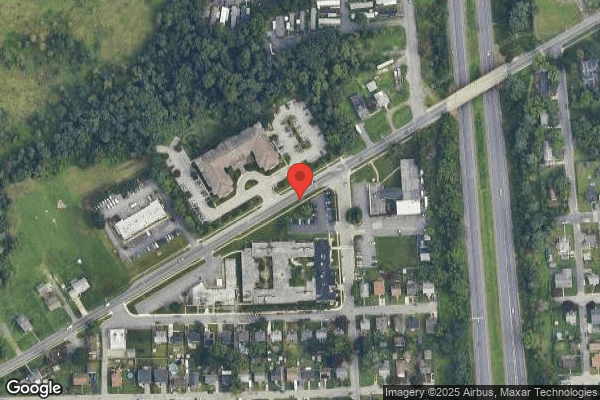
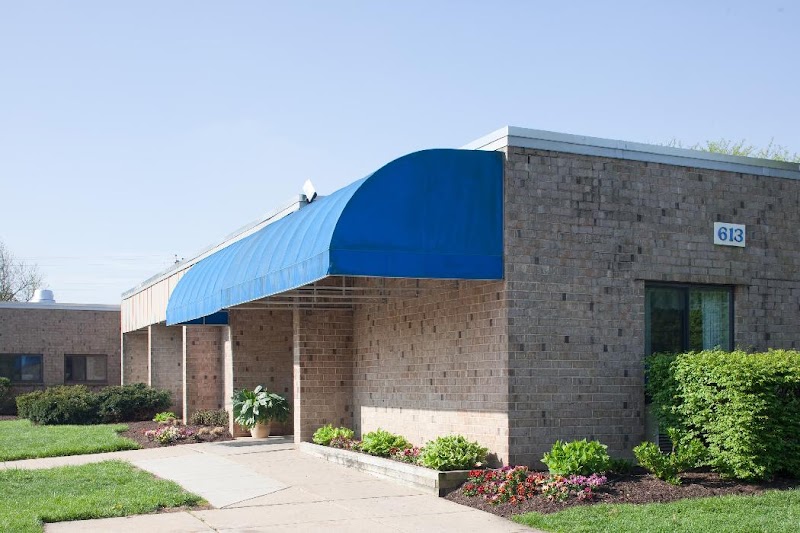
613 HAMMONDS LANE, BROOKLYN PARK, MD 21225 (410) 636-3400
For profit - Corporation 113 Beds GENESIS HEALTHCARE Data: November 2025
Trust Grade
35/100
#165 of 219 in MD
Last Inspection: June 2023

Over 2 years since last inspection. Current conditions may differ from available data.

Overview

Hammonds Lane Center in Brooklyn Park, Maryland, has a Trust Grade of F, indicating significant concerns about the facility's quality and care. It ranks #165 out of 219 in Maryland, placing it in the bottom half of state facilities, and #12 out of 13 in Anne Arundel County, suggesting that only one local option is better. While the facility's situation is improving, with issues decreasing from 23 in 2023 to just 1 in 2025, it still reported concerning incidents, including a resident going missing and requiring a search outside the facility, as well as failures in maintaining accurate medical records for several residents. Staffing is a relative strength, with a 3-star rating and RN coverage that exceeds 89% of Maryland facilities, although the facility has incurred $80,269 in fines, which is higher than 89% of facilities in the state and may indicate ongoing compliance issues.

Trust Score
F
35/100
In Maryland
#165/219
Bottom 25%
Safety Record
Moderate
Needs review
Inspections
Getting Better
23 → 1 violations
Staff Stability
○ Average
42% turnover. Near Maryland's 48% average. Typical for the industry.
Penalties
✓ Good
$80,269 in fines. Lower than most Maryland facilities. Relatively clean record.
Skilled Nurses
✓ Good
Each resident gets 57 minutes of Registered Nurse (RN) attention daily — more than average for Maryland. RNs are trained to catch health problems early.
Violations
⚠ Watch
52 deficiencies on record. Higher than average. Multiple issues found across inspections.
★★☆☆☆
2.0
Overall Rating
★★★☆☆
3.0
Staff Levels
★★★☆☆
3.0
Care Quality
★★☆☆☆
2.0
Inspection Score
Stable
2023: 23 issues
2025: 1 issues

The Good

  • Full Sprinkler Coverage · Fire safety systems throughout facility
  • No fines on record
  • Staff turnover below average (42%)

    6 points below Maryland average of 48%

Facility shows strength in fire safety.

The Bad

2-Star Overall Rating

Below Maryland average (3.0)

Below average - review inspection findings carefully

Staff Turnover: 42%

Near Maryland avg (46%)

Typical for the industry

Federal Fines: $80,269

Well above median ($33,413)

Moderate penalties - review what triggered them

Chain: GENESIS HEALTHCARE

Part of a multi-facility chain

Ask about local staffing decisions and management

The Ugly 52 deficiencies on record

1 actual harm
Aug 2025 1 deficiency
CONCERN (E) 📢 Someone Reported This

A family member, employee, or ombudsman was alarmed enough to file a formal complaint

Potential for Harm - no one hurt, but risky conditions existed

Medical Records (Tag F0842)

Could have caused harm · This affected multiple residents

**NOTE- TERMS IN BRACKETS HAVE BEEN EDITED TO PROTECT CONFIDENTIALITY** Based on record review and interviews with resident and staff, it was determined that the facility failed to maintain accurate m...

Read full inspector narrative →
**NOTE- TERMS IN BRACKETS HAVE BEEN EDITED TO PROTECT CONFIDENTIALITY** Based on record review and interviews with resident and staff, it was determined that the facility failed to maintain accurate medical records in accordance with accepted professional standard and practices. This was evident for 11 (Resident #11, #23, #33, #34, #41, #13, #27, #72, #84, #5, and #97) residents out of 68 residents reviewed during the annual survey.The findings include: Bedrails, also known as side rails, are adjustable bars that attach to the bed. They vary in size, including full, half, and quarter lengths depending on their intended purpose. They can be used to prevent falls, help assist residents with movement, and provide a feeling of security. Bed rails also have potential risks associated with them, such as suffocation, entrapment, and psychological risks. A Resident or Resident's Representative should be provided with the risks and benefits along with a signed consent obtained before the use of bedrails. 1. On [DATE] at 11:18AM, during an interview with Resident #11, the Surveyor observed the resident lying in bed with the head of the bed at about 30 degrees. There were quarter size bed rails raised on both sides at the top of the bed. The resident stated that the bed rails assist them with bed mobility. On [DATE] at 12:25PM, during rounds on the A wing nursing unit, the Surveyor observed Resident #11 lying in bed with the head of the bed at about 30 degrees. The quarter size bed rails were raised on both sides at the top of the bed. On [DATE] at 11:35AM, a review of Resident #11’s electronic medical record revealed a Bed Safety Evaluation dated [DATE] and a Bed Safety Evaluation Follow-up dated [DATE], with quarter size bed rails recommended on both sides of the bed for mobility. The final action for bed rail use was to obtain consent and obtain a physician’s order. Further review failed to reveal resident or resident representative consent nor a physician’s order for bed rail use. 2. On [DATE] at 11:34AM, the Surveyor observed Resident #34 sitting on the right side of their bed with their feet touching the ground. The resident was using the right quarter bed rail to hold themselves upright with the left hand. On [DATE] at 8:30AM, during an interview with Resident #34, the Surveyor observed the resident lying flat in bed with both quarter bed rails raised at the top of the bed. The resident used the bed rail to adjust themselves in bed. On [DATE] at 11:45AM, a review of Resident #34’s electronic medical record revealed a Bed Safety Evaluation dated [DATE] and a Bed Safety Evaluation Follow-up dated [DATE], with quarter size bed rails recommended on both sides of the bed for mobility. The final action for bed rail use was to obtain consent and obtain a physician’s order. Further review failed to reveal resident or resident representative consent nor a physician’s order for bed rail use. During an interview with the Director of Nursing (DON) on [DATE] at 12:20PM, the Surveyor was informed that Resident #11 and Resident #34 use the quarter bed rails for mobility. The facility only uses the quarter bed rails at the top of the bed. Any resident who uses bed rails should have a Bed Safety Evaluation and Bed Safety Evaluation Follow-up (if recommended to use bed rails) completed on admission or whenever initiating the use of bed rails. Resident or resident representative consent and a physician’s order is obtained prior to use. The Surveyor expressed the concern that Resident #11 nor Resident #34 had an order for the use of side rails and resident or resident representative consent in their electronic medical record and requested that documentation. On [DATE] at 2:30PM, the DON and Surveyor confirmed that Resident #11and Resident #34 had signed consent, however failed to have a physician orders for the use of quarter bed rails. The DON conducted a house-wide audit, and new orders for Resident #11 and Resident #34 were received. Maryland Medical Orders for Life-Sustaining Treatment (MOLST) is a form which includes medical orders for emergency medical services or other medical personnel regarding CPR (cardiopulmonary resuscitation) and other life-sustaining treatment options. Cardiopulmonary resuscitation (CPR) is a lifesaving technique used in emergencies in which someone’s breathing or heartbeat has stopped. Do Not Resuscitate (DNR) is an order placed in a person’s medical record by a doctor informs the medical staff that CPR should not be attempted. Do Not Intubate (DNI) is an order placed in a person’s medical record by a doctor informs the medical staff that chest compressions and cardiac drugs may be used, but no breathing tube will be placed. 3. On [DATE] at 11:49AM, the Surveyor reviewed a MOLST form. According to the MOLST form, within Option A, prior to arrest, administer all medications needed to stabilize the patient. If cardiac and/or pulmonary arrest occurs, do not attempt resuscitation (No CPR). Allow death to occur naturally. There is option A-1, allowing intubation and option A-2, Do Not Intubate (DNI). A review of Resident #23’s current MOLST form dated [DATE], indicated that the resident requests No CPR option A-1, which states that comprehensive efforts may include intubation and artificial ventilation. On [DATE] at 10:45AM, a review of Resident #23’s electronic medical record revealed a physician’s order for DNR. Additional review of the resident’s electronic medical record revealed a Social Services Assessment and Documentation form completed on [DATE]. Within Section 5g., Resident Rights/Healthcare Decision Making/Advanced Directives, it is noted that “per resident request the following orders are in place: DNR/DNI. On [DATE] at 12:05PM, during an interview with the Director of Nursing (DON), the Surveyor expressed the concern that Resident #23’s MOLST indicated that the resident was No CPR (DNR) Option A-1 allowing intubation and the Social Services Assessment Documentation indicated the resident was DNR/DNI, not allowing intubation. The DON stated she would review the concern with Social Service Director #3. On [DATE] at 1:30PM, during an interview with the Social Service Director #3, the Surveyor was informed that Resident #23 is No CPR (DNR) Option A-1, allowing intubation. Social Services Director #3 stated that the information in the Social Services Assessment and Documentation form, Section 5g., completed on [DATE], was incorrect and will provide education to the staff member who completed the document. The document was updated to reflect the resident’s current code status. Preadmission Screening and Resident Review (PASRR) is a federal program that screens individuals applying to or reside in Medicaid-certified nursing facilities for serious mental illness (SMI) or intellectual disability (ID). The purpose is to ensure these individuals receive the most appropriate and least restrictive care setting and services. 4. On [DATE] at 9:30AM, during a review of Resident #11’s electronic medical record, the Surveyor discovered that the resident had diagnoses of, but not limited to, schizoaffective disorder, bipolar type, major depressive disorder, and vascular dementia without behavioral, psychotic, or mood disturbance, and anxiety. On [DATE] at 11:23AM, during a review of Resident #11’s PASRR dated [DATE], the Surveyor noted that Section C1: Diagnosis. Does the individual have a major mental disorder? “No” was checked off. On [DATE] at 12:00PM, during an interview with Social Services Director #3, the Surveyor was informed that examples of diagnoses that would indicate major mental disorder would include schizophrenia, bipolar disorder, major depression, and anxiety disorder. The Surveyor expressed the concern that Resident #11’s current PASRR did not reflect his/her current mental health diagnoses. According to the resident’s diagnosis information, in their electronic medical record, the resident was diagnosed with major depressive disorder [DATE], depression [DATE], and schizoaffective disorder, bipolar type [DATE]. Social Service Director #3 stated that at the time the initial PASRR was completed, Resident #11 was not diagnosed with a major mental disorder. The Surveyor and the Social Services Director #3 confirmed the resident’s current diagnosis, and determined that the resident should have had a new PASRR completed to reflect the resident’s current mental health status to ensure he/she receives the appropriate care. Social Services Director #3 stated that she would review Resident #11’s medical record to see if he/she has a updated PASRR. On [DATE] at 1:30PM, Social Services Director #3 informed the Surveyor that she was unable to locate an updated PASRR which included current diagnoses of major depression and schizoaffective disorder, bipolar type. Social Services Director #3 stated that she would complete a new PASRR for Resident #11. On [DATE] at 3:39PM, Social Services Director #3 provided the Surveyor with a updated copy of Resident #11’s PASRR. 5. On [DATE] at 9:05AM, the Director of Nursing (DON) provided the Surveyors with a copy of the facility’s current list of independent smokers. The DON stated that residents on the list were able to smoke independently. Resident #33 was on the current list as an independent smoker. On [DATE] at 1:00PM the DON provided the Surveyors with an updated independent smoking list. The DON stated that residents on the list were able to smoke independently. Resident #33 was on the current list as an independent smoker. During a review of Resident #33’s electronic medical record on [DATE] at 1:45PM, the Surveyor discovered a current Smoking Evaluation completed on [DATE] which indicated the resident needed to be supervised while smoking and a note that states the “patient attempts to keep [his/her] liter on person.” On [DATE] at 3:05PM, the DON provided the Surveyors with an updated independent smoking list. The DON stated that residents on the list were able to smoke independently. Resident #33 was on the current list as an independent smoker. On [DATE] at 10:15AM, a review of Resident #33’s electronic medical record revealed the same Smoking Evaluation completed on [DATE] which indicated the resident needed to be supervised while smoking and a note that states the “patient attempts to keep [his/her] liter on person.” During an interview with the DON on [DATE] at 10:45AM, the Surveyor expressed the concern that Resident #33 had a current Smoking Evaluation completed on [DATE] which indicated the resident needed to be supervised while smoking and that the current smoking list provided on [DATE] at 3:05PM, listed the resident as an independent smoker. The DON stated that the resident only smokes when family comes in and takes him/her outside to smoke. The Surveyor asked, “Does this resident need to be supervised while smoking?” The DON stated she would get back to the Surveyor. On [DATE] at 3:00PM, the DON provided the Surveyors with a copy of the updated smoking list. Resident #33 was listed as a supervised smoking resident who only smokes with family. The MDS (Minimum Data Set) is a standardized, comprehensive assessment of a resident’s functional, medical, psychosocial, and cognitive status to develop a plan of care based on the resident's individualized needs. 6. On [DATE] at 11:00AM, a review of Resident #41’s electronic medical record revealed that the resident had diagnoses of, but not limited to, contracture of the left hand, muscle weakness, abnormalities of gait and mobility, functional quadriplegia, and dementia. On [DATE] at 11:21AM, during a review of Resident #41’s electronic medical record, the Surveyor discovered an Annual MDS assessment from [DATE]. Section GG identifies the resident’s functional abilities. According to Section GG, Resident #41 has impairment to one side of the upper extremity, no impairment of the bilateral lower extremity, uses a wheel chair, was dependent with oral hygiene, toileting hygiene, shower/bathe self, upper body dressing, lower body dressing, putting on/taking off footwear, and personal hygiene. The resident was dependent with roll left and right, sit to lying, lying to sitting on the side of the bed, independent with sit to stand, setup or clean up assistance with chair/bed to chair transfer, and substantial/maximal assistance with toilet transfer. Further review revealed Geriatric Nursing Assistant Point of Care documentation for [DATE] which indicated that the resident was dependent with ADL cares, bathing, personal hygiene, dressing, bed mobility, transfers, locomotion, and required the use of mechanical lift to get out of bed. On [DATE] at 12:20PM, during an interview with the Director of Nursing (DON), the Surveyor expressed the concern that Section GG of the Annual MDS assessment completed on [DATE], indicated Resident #41 was independent with sit to stand, setup or clean up assistance with chair/bed to chair transfer, and substantial/maximal assistance with toilet transfer. The DON stated that Resident #41 was total dependent with all ADL care, bed mobility, and transfers. The resident is transferred out of bed using a Hoyer lift (mechanical lift) and he/she cannot stand on their own. The DON stated she would look into the Annual MDS assessment from [DATE]. 7. On [DATE] at 10:41 AM, Resident #13's medical record was reviewed. During the medical record review, the resident’s eINTERACT Change in Condition Evaluation - V 5.1, dated [DATE], in section 1. General Background Information, in 1. Is the resident/patient in the facility for:, 3. Other is selected and under 1a3a. If other, specify: it states hospice. On [DATE] at 11:03 AM, the facility's records were reviewed. During the facility record review, the matrix did not indicate that Resident #13 was receiving hospice care. On [DATE] at 11:16 AM, the surveyor interviewed the Director of Nursing staff #2. During the interview, the surveyor asked staff #2 if Resident #13 was on hospice. Staff #2 stated that Resident #13 was on hospice. On [DATE] at 2:36 PM, the surveyor interviewed staff #2. During the interview, the surveyor made staff #2 aware that according to the matrix, Resident #13 was not listed as being on hospice. Staff #2 stated that she was not sure why Resident #13 was not listed on the matrix as being on hospice. On [DATE] at 8:06 AM, the surveyor interviewed staff #2. During the interview, staff #2 stated that the resident was not listed on the matrix, because she did not click the refresh button when she entered data on the matrix. 8. On [DATE] at 9:05 AM, the facility's records were reviewed. The facility record review revealed that Resident #27 was listed on the facility’s smoker list. On [DATE] at 9:06 AM, the surveyor interviewed staff #2. During the interview, staff #2 stated that all smokers listed on the facility's smoker list can smoke independently. On [DATE] at 1:31 PM, Resident #27’s medical records were reviewed. The medical record review revealed that Resident #27’s Smoking Evaluation (SNF) - V 4, dated [DATE], in 1. Smoking decision under E. Evaluation states that Supervised smoking is required. On [DATE] at 1:36 PM, Resident #27's medical record was reviewed. During the medical record review, the resident’s care plan states Patient may smoke with supervision per smoking evaluation. On [DATE] at 11:47 AM, the surveyor interviewed staff #2. During the interview, the surveyor made staff #2 aware that Resident #27’s Smoking Evaluation (SNF) - V 4 and care plan do not indicate that Resident #27 can smoke independently. Staff #2 stated that she will update the facility’s smoker list. 9. On [DATE] at 9:05 AM, the facility's records were reviewed. The facility record review revealed that Resident #72 was listed on the facility’s smoker list. On [DATE] at 9:06 AM, the surveyor interviewed staff #2. During the interview, staff #2 stated that all smokers listed on the facility's smoker list can smoke independently. On [DATE] at 1:45 PM, Resident #72’s medical records were reviewed. The medical record review revealed that Resident #72 did not have a Smoking Evaluation (SNF) - V 4 documented. On [DATE] at 1:52 PM, Resident #72's medical record was reviewed. The medical record review revealed that Resident #72 was not care planned for smoking. On [DATE] at 11:48 AM, the surveyor interviewed staff #2. During the interview, the surveyor made staff #2 aware that Resident #72 does not have a Smoking Evaluation (SNF) - V 4 documented, and Resident #72 was not care planned for smoking. On [DATE] at 3:06 PM, the surveyor interviewed staff #2. During the interview, staff #2 stated that Resident #72 no longer smokes. Staff #2 also stated that she will update the facility’s smoker list. 9. On [DATE] at 9:05 AM, the facility's records were reviewed. The facility record review revealed that Resident #84 was listed on the facility’s smoker list. On [DATE] at 9:06 AM, the surveyor interviewed staff #2. During the interview, staff #2 stated that all smokers listed on the facility's smoker list can smoke independently. On [DATE] at 1:48 PM, Resident #84’s medical records were reviewed. The medical record review revealed that Resident #84’s Smoking Evaluation (SNF) - V 4, dated [DATE], in 1. Smoking decision under E. Evaluation states that Supervised smoking is required. Also, “1a. Reason/Additional Comments” of E. Evaluation states “to be supervised at all time[s]”. On [DATE] at 1:51 PM, Resident #84's medical record was reviewed. The medical record review revealed that the resident’s care plan stated Patient may not smoke cigarette per smoking evaluation. On [DATE] at 3:16 PM, the surveyor interviewed staff #2. During the interview, the surveyor made staff #2 aware that Resident #84’s Smoking Evaluation (SNF) - V 4 does not indicate that Resident #84 was an independent smoker, and that Resident #84’s care plan stated Patient may not smoke cigarette per smoking evaluation. Staff #2 stated that she will review Resident #84’s care plan. On [DATE] at 9:41 AM, the surveyor interviewed staff #2. During the interview, staff #2 stated that she will update Resident #84’s Smoking Evaluation(SNF) - V 4 and care plan to reflect Resident #84 as an independent smoker. 10. Review of Resident #5's medical record on [DATE] at 08:00 AM revealed a Medication Administration Record (MAR) for the month of [DATE] with a physician order dated [DATE]; Is resident free from side effects of psychotherapeutic medications? (If no, document side effects in PN) every shift for Monitoring. Further review of the MAR revealed that staff documented “No” on [DATE] on evening and night shift. On 08/02, 08/03, 08/04, 08/05, 08/06, 08/07, 08/08, 08/09, 08/10, 08/11, 08/12, 08/13, 08/14, 08/15, 08/16, [DATE] on day, evening and night shift, there were no progress notes (PN) documenting the side effects that were found. During an interview on [DATE] at 10:00 AM the Director of Nursing stated “that the letters (PN) noted on Resident #5's order dated [DATE]; Is resident free from side effects of psychotherapeutic medications? (If no, document side effects in PN) every shift for Monitoring, means to document side effects in Resident #5's medical record under Progress Notes (PN), there were no progress notes completed for staff members who documented no, staff should have completed a progress note and or the staff are documenting incorrectly”. 11. During observation rounds and interview on [DATE] at approximately 8:10 AM, Resident #97 was found in his/her room holding a green and white in color pack of cigarettes as well as a blue lighter. Resident #97 stated that, “Yes I smoke, and these items belong to me”. On [DATE] at 9:05 AM a list of facility smokers was provided to the survey team by the facility and revealed that Resident #97 was not listed as a smoker. During an interview on [DATE] at 1:00 PM the Director of Nursing staff #2 (DON) brought an updated list of residents that smoke and stated, “Resident #97 should have been on the list of facility smokers because Resident #97 smokes”. Review of updated list of facility smokers at [DATE] at 1:00 PM revealed that resident #97 was added to the list.
Jun 2023 23 deficiencies 1 Harm
SERIOUS (G)

Actual Harm - a resident was hurt due to facility failures

Accident Prevention (Tag F0689)

A resident was harmed · This affected 1 resident

**NOTE- TERMS IN BRACKETS HAVE BEEN EDITED TO PROTECT CONFIDENTIALITY** 3. On 06/06/23 4:09 pm, a review of the Facility Reported Incident MD00182639 revealed that on 04/27/22 at 11:15 pm during the a...

Read full inspector narrative →
**NOTE- TERMS IN BRACKETS HAVE BEEN EDITED TO PROTECT CONFIDENTIALITY** 3. On 06/06/23 4:09 pm, a review of the Facility Reported Incident MD00182639 revealed that on 04/27/22 at 11:15 pm during the assigned Geriatric Nursing Assistant (GNA) shift rounds, Resident #309 was found to be missing from his/her room. The facility staff was unable to locate the resident within the facility. The initial search of the resident did not reveal the location of the resident. An extended exterior search was completed, and the resident was located about ½ mile away from the facility. Surveyor review of the clinical revealed that on 04/12/22, Resident #309's Brief Interview for Mental Status Score (BIMS) Score was 9/15, which indicated the resident had moderate cognitive impairment. An Elopement Evaluation that was completed on 04/07/22 documented the resident was unable to ambulate or self-propel a wheelchair independently which was an incorrect assessment as the resident ambulated with a walker based on RN #71's interview. On 06/07/23 at 4:16 pm during an interview with RN #71 concerning the elopement that occurred on 04/27/22 she reported she and three other staff went outside to search for the resident. There was an ambulance near the police station, she stopped and observed Resident #309 on a stretcher shivering and covered with a blanket inside of the ambulance. The resident was identified by RN#71 and the officer reported they received a call from a nearby neighbor that a stranger walking with a walker was knocking at their door. The paramedics reported Resident #309 was outside for a long time, he/she was shivering. The resident was taken to the hospital for further medical evaluation. RN #71 reported the resident was in his/her room at 3 PM, but the staff was unable to provide a time when he/she was last observed in the facility. They were unable to determine how the resident exited the building. A review of Resident #309's hospital Discharge Instructions revealed that the resident was diagnosed with Hypothermia. On 06/08/23 at 2:36 pm during an interview with Administrator #1, she reported after Resident #309's elopement on 04/27/22 a Wander Guard Elopement Device was placed on the resident, Psychiatric services were offered, and staff education was done. [Resident #309] was not being monitored because they thought the wander guard was sufficient to ensure [his/her] safety. On 06/09/23 a review of the Facility Reported Incident (FRI) MD00179934 revealed on the night of 07/03/22, Resident #309 eloped from the facility. The resident's roommate reported to staff that Resident #309 was seen walking down the service hallway. The staff went to the front door which was open and a GNA was coming towards the building from break. GNA #66 reported while driving on [NAME] Lane the resident was seen walking in the direction of the police station. GNA #66 approached the resident and offered them a ride and they returned to the facility. On 06/08/23 at 2:36 pm during an interview with Administrator #1, after the resident eloped on 07/03/22, a 1:1 sitter was assigned to the resident in the evening or late night hours, Psychiatric services were offered, and alternate placement to another facility was initiated. Based on the review of facility-reported incidents, review of pertinent records, and interviews with facility staff and other involved medical staff, it was determined that the facility failed to 1.) protect a resident (#14) from injury while providing care causing the resident to fall out of bed and fracturing a rib, resulting in harm to the resident, 2.) provide appropriate staff support required for toileting and transferring resulting in Resident #214 sustaining a fall with a right femoral neck fracture, resulting in harm to the resident; and 3.) to keep Resident #309 from exiting the building alone and without supervision resulting in harm. This was found to be evident for 3 of 19 residents reviewed for accidents during the facility's annual Medicare/Medicaid survey. The findings include: 1. The Minimum Data Set (MDS) is a federally mandated assessment tool used by nursing home staff to gather information on each resident's strengths and needs. Information collected drives resident care planning decisions. MDS assessments need to be accurate to ensure each resident receives the care they need. Review of MD00193251 on 6/12/23 at 10:00 AM revealed Resident #14 was in the bed and GNA #60 was assisting with a brief change. As GNA #60 walked to the other side of the bed to finish the brief change, the resident rolled over to the other side and fell out of the bed fracturing a rib. On 6/12/23 review of Resident #14 resident's medical records revealed the resident had diagnoses that included cerebral infarction or stroke resulting in hemiplegia and hemiparesis of the left side, generalized muscle weakness and lack of coordination. Review of the Minimum Data Set (MDS) for Resident #14 revealed that in March 2023, the BIMS (Brief Interview for Mental Status) score was an 8 indicating that the resident cognition was moderately impaired. BIMS is a mandatory tool used to screen and identify the cognitive condition of residents. Further review of the MDS section G functional status revealed that for bed mobility, Resident #14 was coded as extensive care with 1 person support. This indicates the resident turns from side-to-side but staff provides weight-bearing support and requires 1 person assist. Review of a nursing note written by Nurse #10 on 6/9/23 at 2 PM revealed a late entry note of the resident's pain assessment. The pain assessment revealed the following: in the last 5 days, he/she has rarely experienced pain, resident now rating pain at 7. On 6/9/21 at 2:30 PM the resident also complained of pain when staff were getting her/him out of bed. The Nurse Practitioner (NP) was made aware and x-rays were ordered. Results of the x-rays were obtained at 4:47 PM results revealed a fracture involving the lateral portion of the left 6th rib with minimal displacement. Further review of the record revealed 2 care plans: Care plan #1 created 9/2/2008 and with revisions dated 6/2/22 for Resident at risk for falls. Care plan #2 dated 1/30/23 revealed Resident had an actual fall, and was at risk for falls related to cognitive loss, lack of safety awareness and impulse disorder. Review of care plan interventions failed to address what to do for the resident's lack of safety awareness and impulse disorder. On 6/12/23 review of the investigation documentation provided by the facility regarding the resident's fall on 6/9/2023 revealed statements from the GNA #60 and Nurse #24. Review of the statements by GNA #60 revealed the following: she entered the resident's room at 6 AM for incontinence care for the resident and in the midst of walking to the other side of the bed to assist the resident, the resident was already en route to turn her/himself. She/he rolled off the bed and GNA #60 asked if the resident was okay then she proceeded to get the assigned nurse so she could assist the resident and assist in helping her/him up. The resident fell on her/his left side. Further review of the statements from Nurse #24 revealed at 6 AM while care was being given to the patient by the assigned GNA, the patient accidentally fell to the floor. The patient was assessed while on the floor, ROM (range of motion) within normal limit v/s (vital signs) were within normal parameters and the patient denied any physical discomfort and the on-call Nurse Practitioner was made aware and no new orders given. On 06/13/23 07:45 AM surveyor observed the resident in bed with floor mats in place and bilateral side rails on the bed. Review of the medical records on 06/13/23 09:26 AM revealed the resident had an order dated 4/19/23 for bilateral side rails. During an interview with the Director of Nursing (DON) on 06/13/23 at 12:36 PM when asked what were the expectations when the GNA is turning a resident to perform incontinence care for the resident, she revealed the expectation is that the side rails are up. During an interview with the DON the surveyor asked why the investigation of the incident failed to identify which side of the bed the resident fell from, what side the resident landed, how the resident was turned, if the side rails were up, or how the resident fell. The DON indicated she must do more investigation. Further review on 06/14/23 09:21 AM of the GNA # a 60's investigation revealed: In the midst of me walking to the other side of the bed to assist the resident, the resident was already in route to turn on [his/her] own and rolled off the bed. During an interview with the rehabilitation director on 06/14/23 at 10:01 AM the surveyor asked if she was familiar with the resident, and she reported that she was. She further reported that each time Resident #14 has a fall, her department evaluates the resident to see if there is anything else that could be done to prevent her/him from falling from a rehab standpoint. During the interview with the rehab director, she revealed that it would be difficult for Resident #14 to pull him/herself over the side rail since his/her left side is paralyzed. During an interview with GNA #60 on 06/14/23 01:36 PM she revealed that the resident was turned towards her which was towards the room door. The surveyor asked how she cleaned the resident when the resident was against her and GNA #60 stated, I was putting a brief under the resident and the bed was wet, so I was changing just the draw sheet. The surveyor asked if that was the correct positioning for cleaning a resident, and she replied, I don't think so. GNA #60 verbalized that the resident turned and that she was not paying attention. When asked by the surveyor if she had the side rails up so the resident could assist her, GNA #60 first reported. I don't remember. When asked if a resident has paralysis should the side rails be used to help them turn GNA #60 said yes. When asked, did you use them? GNA #60 replied, no I did not use them, the resident was already using the headboard [he/she] was still holding the sideboard and [he/she] was rolling off the bed. When asked what GNA #60 could have done to prevent Resident #14 from falling, GNA #60 replied, I could have paid more attention and maybe she/he would not have fallen. The surveyor informed the NHA on 6/15/23 that the fall with fracture resulted in harm to Resident #14 and the NHA verbalized understanding. During the survey exit on 6/20/23 the NHA again was notified of the harm to the resident and all questions regarding the harm were answered. 2. Review of Resident #214's medical record on 6/5/23 at 11:00 AM revealed the resident was admitted with the following but not limited diagnoses: history of falls, difficulty walking and muscle weakness. Review of Resident # 214 MDS on 6/5/23, with assessment reference date (ARD) of 8/20/22 and section G0110 Activities of Daily Living Assistance, was coded (3) extensive assist for transfers, and toilet use. Staff support was coded a (3) requiring two-person physical assist/support. A care plan is a guide that addresses the unique needs of each resident. It is used to plan, assess, and evaluate the effectiveness of resident care. Review of Resident # 214's Activities of Daily Living care plan revealed the resident was dependent for ADL care in bathing, grooming, personal hygiene, dressing, eating, bed mobility, transfer, locomotion, and toileting and was initiated 5/27/22 with revision 9/30/22. The interventions listed included: Provide extensive assistance of 1 for transfers and toileting. Review of the facility investigation on 6/5/23 at 12:00 PM revealed that on 9/7/22 Resident #214 was assisted from the commode to the wheelchair by Hospice Aide #50. A typed statement provided by Registered Nurse (RN) #17, who was the nurse manager that worked on 9/7/22, indicated that the resident was transferring to the wheelchair from the bathroom on 9/7/22 and the resident missed the seat then squatted down to the floor. The GNA in the next room assisted the resident back to the wheelchair. The resident was examined by the Hospice Nurse #51 and was able to move all extremities, no bruising or swelling noted. Resident #214 did not complain of pain on 9/8/22 or 9/9/22 and was able to turn on own from side to side. An x-ray was ordered on 9/9/22 when the resident had increased pain and guarding of the extremity. Results indicated fractured right hip. Resident #214 was sent to the emergency room for further evaluation and did not return to the facility. The resident had surgery to repair the hip fracture. An interview was conducted with the MDS Coordinator #31 on 6/5/23 at 2:00 PM and she stated that according to the look back period, the resident required 2 persons for assistance twice during that period and was coded at the higher level. MDS Coordinator #31 stated that the care plan was not updated to reflect the resident specific needs or that additional staff was needed for assisting the resident. MDS Coordinator #31 stated that this information was not communicated to the nursing staff at the time of the assessment. An interview was conducted with the Administrator and Registered Nurse (RN) #17 on 6/5/23 at 12:30 PM. They were asked to provide the survey team with an account of the fall that occurred on 9/7/22. They stated the following: On 9/7/22 Resident #214 was transferred from the commode to the wheelchair by Hospice Nurse #51 and the resident missed the seat and fell, squatting to the floor. RN #17 stated that an aide that was next door came over to the resident room to assist Hospice Nurse #51 with returning the resident to the wheelchair. RN #17 was unable to provide the survey team with the nurse assessment of the fall. The Administrator and RN # 17 were able to confirm that the resident was transferred by the hospice nurse #51 and not an aide, which was a discrepancy in their investigation. A phone interview was conducted on 6/6/23 at 9:50 AM with Hospice Nurse #51 and the Hospice Chief Clinical Officer (HCCO) # 70. Hospice Nurse #51 was asked to provide an account of what happened regarding the incident that occurred on 9/7/22 with Resident #214 and she stated the following: She provided care to the resident on 9/7/22 at 1:00 PM. She did a quick assessment of the resident and noted the resident had dyspnea (difficulty breathing) and was placed on oxygen. The resident requested to go to the bathroom, and she assisted the resident to the bathroom. Hospice Nurse #51 further stated that the resident could walk a short distance and could pivot (turn) with assistance. She placed the resident on the edge of the bed, and then stood the resident up and placed the resident in the wheelchair and proceeded to take the resident to the bathroom. The resident stood up, pivoted, and used the commode. After using the bathroom, the resident stood up and their knees buckled, and the resident fell to the floor. Hospice Nurse #51 said she then called for assistance and a GNA who was next door came in. Hospice Nurse #51 stated that she assessed the resident for pain and discomfort, and the resident denied discomfort. The resident was transferred to the wheelchair and then to the bed at that time. Hospice Nurse #51 stated that she did a skin assessment for bruising and swelling after the resident was placed into the bed, of which none was present. Hospice Nurse #51 stated that she reported the incident to the unit nurse, RN #17 what occurred. An interview was conducted with the DON on 6/6/23 at 2:05 PM she stated that the facility nurse should have notified the physician and alerted the DON and the Administrator regarding the resident fall. The DON stated that according to policy, if a report is given to a nurse regarding an incident, specifically, a fall, the nurse is responsible for completing an assessment immediately and the Physician is to be notified.
CONCERN (D)

Potential for Harm - no one hurt, but risky conditions existed

Deficiency F0558 (Tag F0558)

Could have caused harm · This affected 1 resident

Based on observation and interview it was determined that the facility failed to make sure the residents on Unit C had their call bells within reach to call for assistance. This deficient practice was...

Read full inspector narrative →
Based on observation and interview it was determined that the facility failed to make sure the residents on Unit C had their call bells within reach to call for assistance. This deficient practice was evident in 2 of 4 (#47 & #48) residents observed on Unit C during the annual survey. The findings include: On 05/16/23 at 9:40 am during the initial walk through of the facility, the surveyor observed Resident #48's call bell on the floor and Resident #47's call bell under the bed. LPN #10 confirmed the surveyor's findings at 9:43 am. After surveyor intervention LPN #10 provided both residents with their call bells. On 06/20/23 at 5:47 PM during an interview with LPN #10 he/she stated at the beginning of the shift during rounds the nurses make sure the residents have their call bell. Throughout the day the nursing staff checks to make sure they have their call bells.
CONCERN (D)

Potential for Harm - no one hurt, but risky conditions existed

Deficiency F0561 (Tag F0561)

Could have caused harm · This affected 1 resident

Based on family interview, ADL record review, and staff interviews it was determined that the facility staff failed to ensure a resident's desire to have scheduled showers of two per week honored by t...

Read full inspector narrative →
Based on family interview, ADL record review, and staff interviews it was determined that the facility staff failed to ensure a resident's desire to have scheduled showers of two per week honored by the facility. This was true for 1 out of 2 (#261) residents reviewed for choices. The findings include: Complaint MD00184959 and facility reported incident MD00185236 were reviewed on 06/06/2023 and 06/07/2023. According to the reports, the complainant and the facility reported incident alleged Resident #261 did not have any showers for 9 days after admission and then only had 2 showers. A phone interview was conducted with the complainant on 06/05/2023 at 9:50 AM and he/she stated that Resident #261 was at the facility for 9 days before anyone gave her/him a shower and that the resident never received twice weekly showers. A review of the Annual Minimum Data Set (MDS) assessment, a part of the comprehensive review of a resident's care, completed on 10/10/2022 revealed that under Section F 400 Interview for Daily Preferences, the resident stated that showers were very important. A medical record review was conducted for Resident #261 on 06/06/23 which revealed that the resident was admitted to the facility in October 2022 for rehabilitation. Further review of the clinical record revealed that staff completed an Activities of Daily Living (ADL) form. This form included different ADL's including bathing. Staff indicated on the form when they bathe a resident and what type of bathing was performed. The types include showers, tub or bed bath. A review of the forms October 4, 2022, through October 15, 2022, showed that the resident only received 2 showers during that period and the first shower was on October 12, 2022, at 2:59 PM. During an interview with the Director of Nursing (DON) on 6/08/23 the surveyor asked and requested if there was any other documentation that indicated that the resident had received additional showers. At the time of the survey exit no additional information had been provided. The findings were discussed with the Nursing Home Administrator and management team on 06/20/2023 at 7:15 PM during the survey exit.
CONCERN (D) 📢 Someone Reported This

A family member, employee, or ombudsman was alarmed enough to file a formal complaint

Potential for Harm - no one hurt, but risky conditions existed

Deficiency F0583 (Tag F0583)

Could have caused harm · This affected 1 resident

Based on medical records and interview it was determined that the facility failed to maintain a resident's privacy as evidenced by a Nurse Practitioner discussing a resident's medical diagnoses in a h...

Read full inspector narrative →
Based on medical records and interview it was determined that the facility failed to maintain a resident's privacy as evidenced by a Nurse Practitioner discussing a resident's medical diagnoses in a hallway. This deficient practice occurred in 1 of 1 (#98) resident's reviewed for privacy practices during the annual survey. The findings include: On 5/16 at 11:00 am during the surveyor's initial screening, Resident #98 reported on 5/12/23 while in the hallway with Occupational Therapist(OT) #12 he/she saw Nurse Practitioner (NP) #45 and mentioned pain control. Resident #98 reported that NP #45 openly said Resident #98 had a substance abuse and alcoholism in the hallway. On 05/24/23 at 10:56 am during an interview with OT #12 he/she told the surveyor while taking Resident #98 to the therapy gym the resident spoke to NP #45 about his/her pain and NP #45 did openly mention Resident #98's medical history in the hallway. On 05/26/23 at 11:47 am during an interview with NP #45 who reported Resident #98 approached him/her about pain management which is a complex health situation. NP #45 stated they work with another NP who primarily manages the treatment of Resident #98. They collaborate to address the resident's pain and health. NP #45 also stated that Resident #98 has a very complex heath situation in which they need to find a way to treat without causing any problems. NP #45 verbalized openly mentioning Resident #98 had a history of alcohol and substance abuse in the hallway and he/she should not have done so. On 05/26/23 at 12:23 PM during an interview with OT #12, he/she verbalized NP #45 spoke in a normal tone while speaking with Resident #98, and people were passing in the hallway. The resident was upset going to therapy and about a half-hour afterwards Resident #98 started crying but didn't want to talk. On 05/26/23 at 1:53 PM Director of Nursing #2 was made aware of the dialogue that transpired between Resident #98 and NP #45.
CONCERN (D) 📢 Someone Reported This

A family member, employee, or ombudsman was alarmed enough to file a formal complaint

Potential for Harm - no one hurt, but risky conditions existed

Safe Environment (Tag F0584)

Could have caused harm · This affected 1 resident

**NOTE- TERMS IN BRACKETS HAVE BEEN EDITED TO PROTECT CONFIDENTIALITY** Based on observation and staff interview, the facility failed to provide residents with housekeeping services that promote a com...

Read full inspector narrative →
**NOTE- TERMS IN BRACKETS HAVE BEEN EDITED TO PROTECT CONFIDENTIALITY** Based on observation and staff interview, the facility failed to provide residents with housekeeping services that promote a comfortable and homelike environment. This was evident for Unit C and room [ROOM NUMBER]A-1 observed during the facility's annual survey. The findings include: On 5/17/23 at 8:00 AM, the surveyor smelled strong smells of human waste during the initial tour of Unit C. On 5/17/23 at 11:30 AM, the surveyor continued to smell the strong smells of human waste in another visit to Unit C. On 5/17/23 at 10:30 AM, the surveyor observed the floor in room [ROOM NUMBER]A-1 littered with trash from breakfast. The surveyor informed LPN #4 of the trash on the floor of room [ROOM NUMBER] A-1. LPN #4 stated that he/she would have staff clean the area. On 5/17/23 at 12:00 PM, the surveyor observed the floor of room [ROOM NUMBER]A-1 was still littered with trash from breakfast. On 5/17/23 at 12:30 PM, the survey team interviewed the Administrator regarding housekeeping services in the facility. The Administrator admitted that housekeeping did not have a supervisor until recently, so the housekeeping services were not to the facility's normal standard. The Administrator also stated the housekeeping staff only works until 3:00 PM so there are no housekeeping services from the housekeeping staff after 3:00 PM. On 5/17/23 at 1:30 PM, The surveyor informed the Administrator of concerns regarding facility housekeeping services.
CONCERN (D) 📢 Someone Reported This

A family member, employee, or ombudsman was alarmed enough to file a formal complaint

Potential for Harm - no one hurt, but risky conditions existed

Free from Abuse/Neglect (Tag F0600)

Could have caused harm · This affected 1 resident

Based on administrative and medical record review and interviews with facility staff it was determined the facility failed to prevent verbal abuse by an agency staff member towards a resident. This wa...

Read full inspector narrative →
Based on administrative and medical record review and interviews with facility staff it was determined the facility failed to prevent verbal abuse by an agency staff member towards a resident. This was found to be evident for 1 of 26 (Resident # 37) residents reviewed for abuse during the resident's annual Medicare/Medicaid survey. Findings include: MD00193103 was reviewed on 6/16/23 at 10:30 AM for allegations of abuse. According to the facility's investigation, on 6/2/23 at approximately 12:45 PM, Geriatric Nurse Assistant (GNA) #67 was overheard by another GNA cursing at Resident #37. Further review of the facility's investigation and a statement by GNA #18 revealed that while she was in the hallway assisting with passing lunch trays, she saw GNA #67 begin to walk out of the resident room. She further stated that she heard Resident #37 yell, get out, and GNA #67 then turned around and walked to the curtain and replied with an [expletive] you, to the resident, and then walked out of the room. Review of GNA #67's statement on the same date revealed that he was passing drinks to residents at approximately 12:45 PM and Resident # 37 was provided a drink and the resident began cursing. GNA # 67 went on to say that he asked the resident to stop, but spontaneously responded back [expletive], you. An interview was conducted with the Administrator and DON on 6/16/23 at 9:30 AM and they were asked about this incident and the Administrator stated that GNA #67 admitted to using expletive word to Resident #37, and that there were witnesses that overheard the GNA use the curse word. As a result, GNA #67 was placed on the Do not return list and was reported to the Board of Nursing.
CONCERN (D) 📢 Someone Reported This

A family member, employee, or ombudsman was alarmed enough to file a formal complaint

Potential for Harm - no one hurt, but risky conditions existed

Report Alleged Abuse (Tag F0609)

Could have caused harm · This affected 1 resident

**NOTE- TERMS IN BRACKETS HAVE BEEN EDITED TO PROTECT CONFIDENTIALITY** 2. On 06/7/23 4:09 PM, a review of the facility's investigation of the Facility Reported Incident MD00179934 revealed Resident #...

Read full inspector narrative →
**NOTE- TERMS IN BRACKETS HAVE BEEN EDITED TO PROTECT CONFIDENTIALITY** 2. On 06/7/23 4:09 PM, a review of the facility's investigation of the Facility Reported Incident MD00179934 revealed Resident #309 eloped from the facility on 07/05/22, but Administrator #1 did not report the incident to the state agency. On 06/08/23 at 2:48 PM, during an interview with Administrator #1 she reported when the resident left the building on 07/05/22 the staff had their eyes on him/her the entire time. The staff brought the resident right back to the facility. She did not consider it an elopement even though the resident was out of the building. When Resident #309 went through A wing he/she was moving fast, and the staff could not get to him/her before Resident #309 left the building. On 06/13/23 at 12:20 pm, during a telephone interview with LPN #64 he/she reported when Resident#309 was trying to leave the facility the front door alarm was going off and he/she went to see what was going on. LPN #64 saw the resident push the front door and go outside. He/she went to get a Geriatric Nursing Assistant (GNA) and they went to get the resident. Resident #309 was very fast and was walking on [NAME] Lane towards [NAME] Highway. When they reached the resident, he/she was at the bridge on [NAME] Lane. They told Resident #309 that they had to come back to the facility and the GNA held his/her hand and they came back to the facility. Based on administrative review and interviews with facility staff, it was determined the facility failed to: 1.) report to the proper authority to include the police department, that staff used another staff license to work at the facility and 2.) notify the state agency when a resident (R#309) eloped from the facility. This was found to be evident during a review of the facility's investigation of facility reported incidents and 1 of 19 residents reviewed for accidents during the facility's annual Medicaid/Medicare survey. Findings include: 1. Intake MD00186016 was reviewed on 5/25/23 at 9:30 AM for allegations that staff worked as imposters by using other staff licenses while working at the facility. A review of the facility's investigation, and a copy of the timeline that was provided by the Administrator revealed that on 10/8/22 Staff # 55, an unlicensed staff, worked at the facility as Geriatric Nurse Assistant (GNA) #43. An interview was conducted with the Administrator, #1 on 5/25/23 at 2:00 PM and she stated that on 10/10/22 Staff #55 reported to the facility, to work an assignment as GNA #43. It was identified that GNA #43 was working as another person, GNA #42. She further stated that Staff #55 was a student GNA and GNA #42 and GNA #43 were agency employed GNA's. The Administrator stated that it was discovered when Staff #55 reported to work late and the front door staff did not recognize him and asked for identification that he could not produce. The Administrator stated that Staff #55 did work a previous shift and that staff did not check for an appropriate ID to stop him from working that day. She stated that there was no negative outcome to residents. She further stated that their corporate department was notified, the agency and the Board of Nursing. The Administrator stated that the police department was not notified, and that the corporate department took over the investigation. She confirmed that there was no police report or case number.
CONCERN (D)

Potential for Harm - no one hurt, but risky conditions existed

Investigate Abuse (Tag F0610)

Could have caused harm · This affected 1 resident

Based to medical record review and interviews it was determined that the facility failed to complete thorough investigations when investigating facility reported incidents. This deficient practice was...

Read full inspector narrative →
Based to medical record review and interviews it was determined that the facility failed to complete thorough investigations when investigating facility reported incidents. This deficient practice was evident in 2 of 8 facility reported incidents involving Residents #92 and #310) reviewed during the annual survey. The findings include: 1. On 06/06/23 at 8:26 am, review of the Facility Reported Incident MD00191413 revealed Resident #92's family member sent an email to the facility Complaint mailbox on 04/15/23 at 8:32 am. A review of the facility's investigation revealed there was no documentation to verify the resident's concerns were addressed or invalid. On 06/06/23 at 9:39 an during an interview with Director of Nursing (DON) #2 she provided a statement from Resident #92 dated 04/20/23 that indicated that when the resident was initially admitted his/her dressing wasn't being changed unless he/she asked for it to be changed and he/she wasn't getting pain medication on time. He/she didn't have any concerns during the time of the interview because everything was rectified. When asked if the resident was getting his/her medication on time and if the dressing was being changed as ordered, DON#2 stated she must look that up and find out, which was now about six weeks after the allegation was made. The surveyor did not receive the requested verification before survey exit. 2. On 06/12/23 8:42 am, a review the facility's investigation of MD00187789 revealed that on 01/13/23 Resident#310 had an unwitnessed fall and was found by staff on the floor on his/her buttocks beside the bed. The resident confirmed that he/she fell while trying to get to the bathroom and denied pain at the time of the fall. The investigation did not include any statements by the staff. On 06/12/23 10:55 am, during an interview with DON#2 he/she stated the Risk Management Tool should be completed after a fall and, if witnessed there should be statements. There should be a statement indicating who found the resident on the floor and in what condition. Also, there should be a statement of who assisted the resident.
CONCERN (D) 📢 Someone Reported This

A family member, employee, or ombudsman was alarmed enough to file a formal complaint

Potential for Harm - no one hurt, but risky conditions existed

Transfer Notice (Tag F0623)

Could have caused harm · This affected 1 resident

Based on medical record review and interview with staff it was determined the facility staff failed to notify the resident and/or the resident's representative(s) of a hospital transfer and the reason...

Read full inspector narrative →
Based on medical record review and interview with staff it was determined the facility staff failed to notify the resident and/or the resident's representative(s) of a hospital transfer and the reason for the transfer in writing. This was found to be evident for 1 (Resident # 62) of 3 residents reviewed for hospitalization during the annual survey. The findings include: Review of Resident #62's medical record on 5/23/23 at 10 am, failed to reveal a written hospital transfer for 1/17/22. On 5/23/23 at 3:30 pm during an interview with the Director of Nursing, she stated she could not locate a hospital transfer documentation for Resident #62 for the hospital transfer on 1/17/22; however, the Director of Nursing was able to present the Bed Hold Notice of Policy & Authorization.
CONCERN (D) 📢 Someone Reported This

A family member, employee, or ombudsman was alarmed enough to file a formal complaint

Potential for Harm - no one hurt, but risky conditions existed

Deficiency F0625 (Tag F0625)

Could have caused harm · This affected 1 resident

**NOTE- TERMS IN BRACKETS HAVE BEEN EDITED TO PROTECT CONFIDENTIALITY** Based on medical record review and interview, the facility failed to provide a completed bed hold policy notice to the resident ...

Read full inspector narrative →
**NOTE- TERMS IN BRACKETS HAVE BEEN EDITED TO PROTECT CONFIDENTIALITY** Based on medical record review and interview, the facility failed to provide a completed bed hold policy notice to the resident or resident representative (Resident # 25). This was evident in 1 of 1 resident reviewed during the facility's annual survey for care planning. Findings includes: Review of Resident #25's medical records on 5/18/23 at 9:18 am revealed the resident was admitted to the facility on [DATE] for rehabilitation and on 10/13/22 the resident was transferred to the hospital. Further review of Resident #25's medical records on 5/24/23 at 12:30 pm revealed the transfer documents included a bed hold document that did not indicate the number of hospital and/or therapeutic leave days remaining for Resident #25's Medicaid account. Review of Resident #25's medical records on 5/24/23 at 12:45 pm revealed the resident received assistance from Medicaid from admission on [DATE] to 10/13/22 (date of his/her transfer to the hospital for emergency treatment). During an interview with the Director of Nursing (DON) on 5/24/23 at 1:36 pm regarding the facility's bed hold policy notice, the surveyor inquired about the missing hospital/therapeutic days on the bed hold document dated 10/13/22 for Resident #25. After review of bed hold document, the DON admitted the hospital/therapeutic days were missing on the document. The DON provided no other information on the bed hold policy document for Resident #25.
CONCERN (D) 📢 Someone Reported This

A family member, employee, or ombudsman was alarmed enough to file a formal complaint

Potential for Harm - no one hurt, but risky conditions existed

Assessment Accuracy (Tag F0641)

Could have caused harm · This affected 1 resident

**NOTE- TERMS IN BRACKETS HAVE BEEN EDITED TO PROTECT CONFIDENTIALITY** 3. Review of Resident #107's medical records revealed the resident was admitted to the facility on [DATE] for rehabilitation. C...

Read full inspector narrative →
**NOTE- TERMS IN BRACKETS HAVE BEEN EDITED TO PROTECT CONFIDENTIALITY** 3. Review of Resident #107's medical records revealed the resident was admitted to the facility on [DATE] for rehabilitation. Continued review of resident #107's medical record revealed the facility discharged the resident to his/her home on 2/28/23. Further review of Resident #107's medical record revealed the MDS assessment section A 2100 dated 2/28/23 revealed the resident was discharged to an acute hospital. Interview with MDS Coordinator #31 on 6/15/23 at 11:06 am regarding Resident #107's discharge status on 2/28/23 confirmed Resident #107 was discharged to home on 2/28/23. MDS Coordinator #31 reviewed section A 2100 and admitted that he/she coded resident #107's discharge incorrectly. On 6/15/23 at 12:30 pm, the surveyor expressed concerns to the Director of Nursing (DON) about incorrect coding of Resident #107's discharge status on the 2/28/23 MDS assessment. The DON provided no other information about Resident #107's discharge status on 2/28/23 MDS assessment. Based on medical record review and interview with the facility staff it was determined that the facility failed to ensure Minimum Data Set (MDS) assessments accurately reflected the resident's status as evidenced by failure to: 1.) accurately code for falls this was evident for 2 (Resident #52, #263) out of 2 for falls and 2.) accurately code: Hearing, Speech and Vision. This was evident for 1 (R#90) out of 1 reviewed for Hearing, Speech and Vision and 3.) accurately code hospitalization. This was evident for 1 (R #107) our of 5 reviewed for hospitalization during the survey process. The findings include: The Minimum Data Set (MDS) is a federally mandated assessment tool used by nursing home staff to gather information on each resident's strengths and needs. The MDS provides a comprehensive assessment of the resident's functional capabilities and helps nursing home staff identify health problems. It is designed to collect the minimum amount of data to guide care planning and monitoring for residents in long-term care settings. MDS assessments need to be accurate to ensure each resident receives accurate care and care planning. 1a.) On 06/13/23 Resident # 52's medical history was reviewed and revealed that the resident was admitted for rehabilitation and with diagnoses that includes anemia and weakness. Further review of the medical records revealed that on 2/20/23 while the resident was attempting to self-transfer, he/she fell on the floor. On 2/21/23 the resident had pain and swelling to the left ankle. Review of the radiology report dated 2/22/23 revealed the resident had a minimally displaced fracture. Review of the MDS quarterly assessment section J: Health Condition dated 3/21/23 J1900 regarding any falls since Admission/Entry or prior assessment revealed No was checked indicating that the resident did not have any falls. Due to the facility inaccurately coding of falls they failed to code that he/she sustained a major injury. Review of the MDS J1900 section C revealed that the resident had 2 falls without major injury. During an interview with the MDS coordinator #31 the assessment was discussed and MDS Coordinator #31 reviewed the radiology report and acknowledged that it was inaccurate and that she would send a modification. 1b.) Resident #263 administrative records and medical records were reviewed on 6/15/23 at 1:45 pm and revealed that the resident was admitted to the facility for rehabilitation and with diagnosis and medical concerns that include status post fall, and past falls. Review of the admission MDS assessment dated [DATE] revealed the following: section J: 1700 Fall history on admission section A for any falls since Admission/Entry or prior assessment revealed No was checked indicating that the resident did not have any falls. The resident had a fall on 8/15/22. Section B revealed the following: did the resident have a fall any time in the last 2-6 months prior to admission and No was checked even though the resident had a fall on 7/11/22. Further review of the Discharge return anticipated assessment dated [DATE] revealed section J1800: Has the resident had any falls since admission, No was checked indicating that the resident did not have any falls since admission but the resident had a fall on 9/1 with a fracture and the facility failed to code it accurately. During an interview with the MDS coordinator on 06/15/23 01:52 pm she revealed that every fall the resident had should have been captured on the MDS. She acknowledged that it was inaccurate and that a modification would be done. 2. On 6/02/23 Resident #90 medical records were reviewed and revealed that the resident was admitted to the facility for rehabilitation and long-term care. Further review revealed medical diagnosis that included high blood pressure, diabetes, high cholesterol and a stroke with expressive aphasia (able to comprehend what others are saying, but unable to express themselves.) During an interview attempt with the resident, he/she became frustrated because he was unable to verbalize what he/she wanted. Staff #41 entered the room and began pointing and naming things in the room, resident had an episode incontinent (having no or insufficient voluntary control over urination or defecation) and wanted to be cleaned. Review of the Quarterly MDS assessment dated [DATE] section B-Hearing, Speech, and Vision, section revealed item B0600 the resident speech was clear, B0700 usually understood, indicating he/she has difficulty communicating some words or finishing thought but is able when prompted. Further review of section C 0100 Brief Interview for Mental Status stated attempt to complete the interview with all residents, it was coded as 1 continue with the test, B0500 scores of the test revealed the resident, scored 00 indicating that it was incomplete. During an interview with the Social Service the surveyor asked if she was familiar with the resident she replied yes. The surveyor asked if she ever had a conversation with the resident, she replied no she hasn't and when asked how she was able to complete the 2 sections of the MDS assessment she reviewed them and said it was an error. She further replied that the resident does have a talking machine in the room, but the resident does not use it. Throughout the survey process the Nursing home Administrator was made aware of the concerns of the survey team and at the survey exit on 6/20/24 at 7 pm all concerns reinforced with the NHA and facility management.
CONCERN (D)

Potential for Harm - no one hurt, but risky conditions existed

Comprehensive Care Plan (Tag F0656)

Could have caused harm · This affected 1 resident

Based on observation, medical record review, and interviews it was determined that the facility staff failed to implement patient centered care plans for: 1.) residents who received oxygen therapy (#4...

Read full inspector narrative →
Based on observation, medical record review, and interviews it was determined that the facility staff failed to implement patient centered care plans for: 1.) residents who received oxygen therapy (#47, #68, #88), 2.) use of a Wander Guard (#309) and 3.) ensure that a resident's pain care plan was followed for pain management. This deficient practice was evidenced in 5 (#47, #68, #88, #309 & 219) resident records reviewed for oxygen therapy, use of a Wander Guard, and Activities of Daily Living (ADL's) during the investigation stage of the facility's annual Medicare/Medicaid survey during the annual survey. The findings include: 1. During the initial screening of the residents on 05/16/23 and 05/17/23, surveyor observed Resident #68 and #88 receiving oxygen therapy. Resident #47 had oxygen tubing on the bed and the oxygen machine was on 2 liters. On 05/22/23 at 1:57 pm Director of Nursing (DON) # 2 provided the surveyor with a care plan for respiratory complications for Resident #68. Oxygen use was an intervention, but the resident did not have a resident centered care plan for details around oxygen therapy. DON #2 verified the resident did not have a patient centered care plan for oxygen therapy. On 05/30/23 at 10:04 am the surveyor requested a copy of Resident #47 and Resident #88's care plan for oxygen therapy from DON #2. At 12:42 pm, during an interview with Director of Nursing #2 she reported the facility does not have care plans specifically for oxygen therapy, but they have a respiratory care plan. DON #2 also stated that the unit managers are responsible for generating care plans. DON #2 made the surveyor aware he/she thought the facility had resident specific care plans for oxygen therapy and if a resident had an order for oxygen therapy, they should have a care plan. 2. On 06/08/23 at 11:03 am DON #2 made the surveyor aware Resident #309 had an elopement care plan that had the Wander-Guard as an intervention. DON #2 was unable to provide a resident centered care plan with details for the use of the Wander Guard. 3. During review of Resident # 219 medical record on 6/1/23 at 10:00 AM it revealed the resident was admitted to the facility with the following but unlimited diagnoses: Spondylolisthesis (spinal disorder), Low Back Pain, Chronic Pain. Further review of the care plan and one of the goals that were listed, indicated the resident was to have an acceptable pain control of less than a level 3 x 30 days. Review of the physician orders on the same date at 11:00 AM revealed the following active orders: 1. Acetaminophen 500 mg, give 1 tablet by mouth every 6 hours as needed for mild pain (start date-3/8/23) 2. HCL ER 10 mg, give 1 tablet by mouth 1 time a day for severe pain. (Start date-3/9/23) 3. Oxycodone HCL 5 mg, give 1 tablet by mouth four times a day for Moderate-Severe pain (start date-3/9/23.) 4. Oxycodone HCL 5 mg, give 2 tablets by mouth every 12 hours as needed for breakthrough pain (start date-3/8/23). Continued review of Resident # 219's medication administration record (MAR) on 6/1/23 at 11:30 am revealed a pain assessment on 3/8/23 at 2202, indicating a pain level of seven (7). According to the documentation on the MAR the resident was administered acetaminophen 500 mg, 1 tablet for pain and a follow-up note on 3/8/23 indicated the resident pain score was three (3). An interview was conducted with the DON on 6/12/23 at 11:55 AM and she was asked to explain what the expectation is for meeting the resident listed goal of maintaining an acceptable pain level of less than 3. The DON stated that the care plan was to be followed and that the nurse should have given the resident oxycodone for a pain score of 7. She stated although the resident pain score came down to a three (3) when the nurse did a follow-up for effectiveness, the care plan intervention was to have the resident pain less than three. The DON confirmed that the care plan was not followed. All concerns were discussed with the Administrator at the time of exit on 6/20/23 at 7:15 PM.
CONCERN (D)

Potential for Harm - no one hurt, but risky conditions existed

Deficiency F0726 (Tag F0726)

Could have caused harm · This affected 1 resident

**NOTE- TERMS IN BRACKETS HAVE BEEN EDITED TO PROTECT CONFIDENTIALITY** Based on medical record review and interviews it was determined that the facility failed to ensure that the nursing staff was co...

Read full inspector narrative →
**NOTE- TERMS IN BRACKETS HAVE BEEN EDITED TO PROTECT CONFIDENTIALITY** Based on medical record review and interviews it was determined that the facility failed to ensure that the nursing staff was competently trained to care for residents who had a tracheostomy. The deficient practice was evident in 1 of 1 (Resident #88) residents who resides in the facility with a tracheostomy. The findings include: On 05/30/23 at 1:00 pm a review of the Resident #88's electronic medical record (EMR) revealed the resident was sent to the hospital on [DATE] for a tracheostomy dislodgement. On 05/30/23 2:29 pm review of the nurse's employee record who was assigned to Resident #88 when the tracheostomy became dislodged revealed an agency nurse was assigned to the resident. Director of Nursing (DON) #2 made the surveyor aware they facility did not have documentation to support the nurse was competently trained to care for a resident with a tracheostomy tube. On 06/02/23 at 8:58 am during an interview with Director of Nursing #2 she/he reported there was no specific training for tracheostomy care for the nurses. The nurses did trach care in nursing school and did not receive a certificate when it was done. The surveyor asked the DON#2 if the facility did annual competency training or a skills lab with the staff. DON #2 verbalized the facility does fire drills and abuse training upon hire and annually and the staff does Health Stream annually. On 06/02/23 at 9:42 am surveyor reviewed the facility's annual training which did not include respiratory care and treatment.
CONCERN (D)

Potential for Harm - no one hurt, but risky conditions existed

Pharmacy Services (Tag F0755)

Could have caused harm · This affected 1 resident

**NOTE- TERMS IN BRACKETS HAVE BEEN EDITED TO PROTECT CONFIDENTIALITY** Based on medical record review and interview it was determined that the facility failed to: 1.) have a system in place to identi...

Read full inspector narrative →
**NOTE- TERMS IN BRACKETS HAVE BEEN EDITED TO PROTECT CONFIDENTIALITY** Based on medical record review and interview it was determined that the facility failed to: 1.) have a system in place to identify potential drug diversion as evidenced by failure to ensure Controlled Drug Administration Records were kept in a manner that an accurate reconciliation could be completed and failed to have an effective system in place to ensure nursing staff signed that the controlled drug count was correct at the time the count occurred. This was found to be evident for 1 of 8 (Resident #60) residents reviewed for narcotics and 1 out of 6 medication carts reviewed and 2.) the facility contracted pharmacy delivery company failed to deliver a resident's medication without informing the facility of the cancellation of the medication delivery (Resident #213). This was evident for 1 of 10 residents reviewed for activities of daily living during a facility recertification survey. The findings include: 1. On 5/31/21 at 1 pm review of Resident #60's medical record revealed the resident was admitted in March of 2023 with a diagnosis that included but not limited to chronic pain syndrome. The resident had an order, in effect from 3/22/23 until it was discontinued on 6/1/23 for Oxycodone HCL Oral Solution 2.5ml (milliliters) via Peg-Tube one time a day for pain. Oxycodone is a narcotic pain medication. Narcotic pain medications are potent and effective at managing moderate to severe pain but have significant side effects and the potential for abuse. As a result, it is a standard of nursing practice to administer narcotic medication only from sources that can be both accounted for and reconciled. This practice discourages the diversion of abusable medication and ensures that narcotic medication is tracked according to federally mandated standards. The Controlled Drug Administration Record (Count Sheet) includes information as to when the supply of the narcotic was received, and the total number of doses received. There are spaces for nursing staff to document the date and time a dose was removed, the number of doses removed, the number remaining and if any were wasted. There is also an area for the nursing staff who removed the narcotic to sign their name. There are 30 rows on each count sheet. Review of the Controlled Drug Administration Record (Count Sheet) during medication observation on 5/31/23 at 11 am revealed the LPN (Licensed Practical Nurse) #47 documented that the resident had 79 ml (milliliters) of the liquid Oxycodone remaining after administering the 11 am dosage of Oxycodone; however, review of the remaining medication in the bottle revealed there was a 100 ml left making the Narcotic Count Sheet incorrect. On 5/31/23 at 11:30 am during an interview with RN (Registered Nurse) #35, she stated she signed off the medication this am with LPN #47, but she made the Unit Manager #16 aware of the discrepancy with the liquid Oxycodone medication for Resident #60. On 5/31/23 at 11:35 am during an interview with LPN #47 she stated she signed off the medication this am with RN#35, but the count was not correct. She verified that the Unit Manager #16 was made aware of the discrepancy. During an interview on 5/31/23 at 11:50 am with the Unit Manager #16 on Unit B, she verified that the count was incorrect; however, she stated she was not going to sign to correct the narcotic count. She stated the two nurse that counted the medication during change of shift should have made sure the narcotic count was correct. On 5/31/23 at 12 pm the Director of Nursing was made aware of the findings. On 5/31/23 at 2 pm the Director of Nursing stated that she observed the bottle of liquid Oxycodone and verified the findings of 100 ml was remaining in the bottle. She also stated that the count had been corrected. On 6/1/23 at 11 am during a follow-up interview the DON she stated that the liquid Oxycodone had been discontinued after speaking with the resident primary physician. According to the DON the medication was destroyed by two nurses. 2. Review of facility incident report MD00184915 revealed Resident #213's family reported concerns with medication administration. Medical record review for Resident #213 on 6/6/23 at 9:13 am revealed the resident was admitted to the facility on [DATE] for rehabilitation after emergency treatment for difficulty breathing. Continued review of Resident #213's medical record the resident was ordered a 400 mg Guaifenesin tablet (a medication for coughing) 4 times a day and every 4 hours as needed on 10/16/22. Further review of Resident #213's medical record revealed the facility ordered the 400 mg Guaifenesin tablets at admission on [DATE]. The facility reported the medication delivery was delayed and the facility did not receive the medication until 10/19/22 at 3:41 pm. In interview with the Director of Nursing (DON) on 6/6/23 at 12:42 pm regarding delay in the facility's contracted pharmacy company (Omnicare) delivering Resident #213's medication, the DON stated that Omnicare reported the facility sent a do not fill order for Resident #213's Guaifenesin order. The DON provided an order summary from Omnicare which reported the medication was delivered on 10/16/22. The DON also provided an email from Unit Manager #33 which revealed the facility inquired about the delay in the order on 10/22/22. The DON also provided an e-mail from Omnicare Manager #72 which reported the original medication order was canceled by the facility. Interview with Omnicare Manager #72 on 6/6/23 at 3:00 pm revealed Omnicare was unable to provide a new order for the 10/19/22 medication delivery for Resident #213.
CONCERN (D)

Potential for Harm - no one hurt, but risky conditions existed

Deficiency F0757 (Tag F0757)

Could have caused harm · This affected 1 resident

**NOTE- TERMS IN BRACKETS HAVE BEEN EDITED TO PROTECT CONFIDENTIALITY** Based on review of resident medical records and interview with facility staff, it was determined that the facility failed to ens...

Read full inspector narrative →
**NOTE- TERMS IN BRACKETS HAVE BEEN EDITED TO PROTECT CONFIDENTIALITY** Based on review of resident medical records and interview with facility staff, it was determined that the facility failed to ensure a resident's drug regimen was free from unnecessary drugs. This was evident for 1 of 66 residents (Resident #365) reviewed during a facility's recertification survey. The findings include: Review of the facility incident report MD00187644 reported Resident #365 requiring Narcan (medication that reverses opioid overdose symptoms) administration when he/she was found unresponsive. Medical record review for Resident #365 on 5/26/23 at 1:45 pm revealed the resident was admitted to the facility on [DATE] for rehabilitation for a right leg fracture. Continued review of Resident #365's medical record revealed facility nursing staff administered Narcan to the resident after an opiate overdose on 1/10/23. Resident #365 was ordered to have a 15 mg Oxycodone tablet every 4 hours for a pain score of 6-10 as needed (resident reporting extreme pain) since 12/22/22. Further review of Resident #365's medical record on 5/26/23 at 2:45 pm revealed a Narcotic Controlled Record for the Oxycodone 15 mg tablet order contained several medication administrations that were not reflected on Resident #213's January 2023 Medication Administration Record (MAR). The MAR is a document by which facility nursing staff can record medication administrations and track the effectiveness of the medication. The medication administrations missing from the January 2023 MAR were the following: 1/2/23 at 11:00 am, 1/4/23 at 11:00 pm, 1/6/23 at 1:35 pm, and 1/9/23 at 6:45 pm. Interview with RN #20 on 6/14/23 at 11:10 am revealed he/she administered the 15 mg Oxycodone tablet at 1/2/23 at 11:00 am. RN#20 admitted failing to document the medication administration on the MAR after reviewing the Narcotic Controlled Record for the Oxycodone 15 mg tablet order and the January 2023 MAR. In interview with the Director of Nursing (DON) on 6/14/23 at 12:00 pm regarding the Oxycodone 15 mg tablet being administered by facility nursing staff without recording the medication administration on the MAR and assessing the effectiveness of the medication, the DON reviewed the affected Oxycodone administrations and admitted the facility had no evidence that the facility nursing staff assessed the medication effectiveness for the affected medication administrations. The DON gave no other information about Resident #365's medication administrations.
CONCERN (D)

Potential for Harm - no one hurt, but risky conditions existed

Deficiency F0761 (Tag F0761)

Could have caused harm · This affected 1 resident

Based on observations and interview with facility staff it was determined that the facility failed to: 1.) properly store resident's medications and facility supplies in accordance with currently acce...

Read full inspector narrative →
Based on observations and interview with facility staff it was determined that the facility failed to: 1.) properly store resident's medications and facility supplies in accordance with currently accepted professional standards. This was evident in 1 out of the 4 medication storage rooms within the facility and; 2.) ensure that expired medications were disposed of properly. This was found to be evident for 1 resident (#2) when 3 medication carts were reviewed for narcotic reconciliation during the facility's annual Medicare/Medicaid survey. The findings include: 1. On 05/31/23 08:55 AM during observation rounds of the Medication Storage room on Unit B wing revealed the following: a. One package of Safe Step Huber Needle Set, facility supply, was found in the upper cabinet over the sink with an expiration date of 11/28/22. b. Two tabs of Colchicine 0.6mg were found lying in the top drawer of a cabinet with an expiration date of 12/01/22 with no resident's name on medication. c. One Albuterol Inhaler was found on the countertop in the Medication Storage room for Resident #408. Review of the medical record on 5/31/23 at 2 pm revealed that the resident was discharged on 4/7/23. During an interview with The Unit Manager RN #16 on 5/31/23 at 9:30 am she stated that the medications should not have been in the medication storage room, the medications should have been returned to pharmacy and or discarded. During an interview the Director of Nursing on 5/31/23 at 1 pm, she stated that the medications should have been scanned and returned to pharmacy and Pharmacy will pick the medication up each day if called. 2. An observation was made of multiple medication carts for narcotic reconciliation on 6/1/23 at 10:30 AM and upon observation of the medication cart on the A-wing revealed the following concern: a bottle of Morphine Sulfate 100 mg/5 ml solution labeled for Resident # 2, noted inside the medication cart drawer. The physician order was reviewed on the same date for Resident # 2 and it indicated the medication was to be discontinued on 4/18/23. An interview was conducted with the DON on 6/1/23 at 12:00 PM and she was made aware that the medication for Resident # 2 was not discarded. The DON was asked to explain the process of discarding discontinued narcotic solution medications and she stated the following: If a narcotic solution is discontinued, the medication is to be wasted into a sterilite container with another nurse present. The DON provided a copy of the facility's policy for discarding of liquid narcotics. The Administrator was made aware of all concerns at the time of the exit conference on 6/20/23 at 7:15 PM.
CONCERN (D)

Potential for Harm - no one hurt, but risky conditions existed

Laboratory Services (Tag F0770)

Could have caused harm · This affected 1 resident

Based on medical record review and interview it was determined that the facility failed to meet the needs of the residents regarding the timeliness of providing laboratory services. This was evident f...

Read full inspector narrative →
Based on medical record review and interview it was determined that the facility failed to meet the needs of the residents regarding the timeliness of providing laboratory services. This was evident for 1 resident out of 66 (Resident #7) residents reviewed for during the annual survey. The findings include: On 5/30/23 at 3 pm a review of the Residents #7's medical record revealed a physician order dated 4/17/23 at 2:43 pm to obtain a HGBA1c. A Hemoglobin A1C (HGBA1c) test is a blood test that measures your average blood sugar levels over the past 3 months and is used to determine and/or manage diabetes. Further review of the medical record failed to reveal that the lab was obtained. On 5/30/23 at 4 pm during an interview with the Director of Nursing, she stated that the HgA1c was not obtained as ordered by the physician on 4/17/23. After surveyor intervention, the physician was notified and the lab was obtained on 5/31/23.
CONCERN (D)

Potential for Harm - no one hurt, but risky conditions existed

Infection Control (Tag F0880)

Could have caused harm · This affected 1 resident

**NOTE- TERMS IN BRACKETS HAVE BEEN EDITED TO PROTECT CONFIDENTIALITY** 3. During observation rounds 05/31/23 at 9:05 am on Unit B, a washcloth filled with a dark brown substance with an odor of feces...

Read full inspector narrative →
**NOTE- TERMS IN BRACKETS HAVE BEEN EDITED TO PROTECT CONFIDENTIALITY** 3. During observation rounds 05/31/23 at 9:05 am on Unit B, a washcloth filled with a dark brown substance with an odor of feces was noted lying on the floor in front of room [ROOM NUMBER]. During an interview with the GNA #69, he stated the linen fell while transporting it to the laundry. Licensed Practical Nurse (LPN) #47 was present during the findings. The Director of Nursing was made aware of the findings on 5/31/23 at 9:30 am. 2. On 05/16/23 at 9:24 am during the surveyor's initial walk through of the facility the surveyor observed a bed pan with tissue was on the floor on the left side of the Resident #77's bed located near the window. The resident verbalized the bedpan was on the floor for quite some time. There were also two unlabeled urinals in the shared bathroom. On 05/16/23 9:30 am Geriatric Nursing Assistant (GNA) #7 confirmed Resident #77's bedpan was on the floor and there were two unlabeled urinals in the shared bathroom. During an interview the GNA#7 he/she stated the staff are supposed to put the room number and bed number on the urinal to know who they belong to. GNA #7 continued that his/her shift started at 7 am and thus far he/she had not been in the room to check on the residents yet. On 05/16/23 at 9:43 am LPN #10 confirmed neither resident in 2C had their call bells, the nebulizer machine was on the floor beside Resident #48's bed, the O2 machine had visible dirt on top of the machine and an oxygen mask was on the floor behind Resident #47's bedside table on the floor. Based on observations and interviews with facility staff it was determined the facility failed to maintain infection control practices: 1.) in room [ROOM NUMBER] and of Resident #103's room as well as in 3 (#47, #48, & #77) of 4 resident's observed for infection control practices; and 2.) contain soiled linen on Unit B at the point of collection. This was evident for 1 of 3 units observed during observation rounds of the annual Medicare/Medicaid survey. Findings include: 1. An observation was made on 5/16/23 at 7:45 AM while touring the building and noted on the floor in room [ROOM NUMBER], was a dried dark red substance, and a large number of crumbs surrounding the bed. The Geriatric Nurse Assistant (GNA) # 3 was made aware at that time as she was in the hallway near the resident room. An observation was made on 5/17/23 at 11:00 AM of resident # 103's room and there were a large amount of crumbs and medicine cups noted on the floor. An observation was made on 5/19/23 at 1:15 PM of Resident #103's room and there were two approximately quarter size dark brown substances stuck to the room floor. The trash can was also noted to be overflowing. The Administrator was made aware of all concerns on 5/17/23 at 1:25 PM.
CONCERN (D)

Potential for Harm - no one hurt, but risky conditions existed

Deficiency F0883 (Tag F0883)

Could have caused harm · This affected 1 resident

Based on medical record review and interviews with facility staff it was determined the facility failed to ensure that residents were offered a pneumococcal and influenza vaccine. This was found to be...

Read full inspector narrative →
Based on medical record review and interviews with facility staff it was determined the facility failed to ensure that residents were offered a pneumococcal and influenza vaccine. This was found to be evident for 3 (Resident #111, #25 and #108) of 5 residents reviewed for immunizations during the facility's annual Medicare/Medicaid survey. Findings include: A review of resident # 111's medical record on 5/31/23 at 10:00 AM for immunizations revealed the resident did not have documentation of a pneumococcal or influenza vaccination. A review of resident # 25's medical record on 5/31/23 at 10:00 AM for immunizations revealed the resident did not have documentation of a pneumococcal or influenza vaccination. A review of resident # 108's medical record on 5/31/23 at 10:00 AM for immunizations revealed the resident did not have documentation of a pneumococcal or influenza vaccination. During a meeting with the DON on 5/31/23 at 11:35 AM she stated that resident # 111 and resident # 108 did not receive an Pneumococcal Vaccine. She further stated that resident # 25 refused all vaccinations except one dose of a Covid vaccine. The facility was unable to provide documentation of education that was provided to the residents or a declination form for the vaccinations.
CONCERN (D)

Potential for Harm - no one hurt, but risky conditions existed

Deficiency F0925 (Tag F0925)

Could have caused harm · This affected 1 resident

**NOTE- TERMS IN BRACKETS HAVE BEEN EDITED TO PROTECT CONFIDENTIALITY** Based on observations and interviews it was determined that the facility failed to maintain an effective pest control program as...

Read full inspector narrative →
**NOTE- TERMS IN BRACKETS HAVE BEEN EDITED TO PROTECT CONFIDENTIALITY** Based on observations and interviews it was determined that the facility failed to maintain an effective pest control program as evidenced by numerous alive ants and multiple spiders seen in resident's rooms. This deficient practice has the potential to affect resident who reside on C-Wing. The findings include: On 05/25/23 at 10:23 am while the surveyor was speaking with Resident #19 in his/her room, the surveyor observed a dead ant on the resident's fitted sheet. RN #24 verified Resident #19 had a dead ant on the anterior left side of the fitted sheet near the pillow. There were multiple live ants and two alive spiders in Resident #19's room near the trim by the window. Resident #19 verbalized frequently seeing ants in the room. On 05/25/23 at 10:30 am observations made of multiple live ants near the window and on the air conditioner unit in room [ROOM NUMBER] C. There were a cluster of dead ants under the air conditioner unit. A spider web was in the corner of the bathroom with a live spider inside. On 05/25/23 at 10:38 am Resident #1 reported seeing ants mostly at night and the ants get in the resident's bed. The surveyor observed live ants near the window. A spider web and spider were under the electrical outlet near the window. At 10:41 am Unit Secretary #25 confirmed the surveyor's findings. At 10:46 am Unit Manager #11 was made aware of the surveyor's findings. On 05/25/23 at 12:05 pm during an interview with Director of Nursing #2 he/she reported the maintenance man treated the resident's room earlier that morning and that this time of year, the facility has a chronic problem with ants and the pest control company treats the facility for Pests.
CONCERN (E) 📢 Someone Reported This

A family member, employee, or ombudsman was alarmed enough to file a formal complaint

Potential for Harm - no one hurt, but risky conditions existed

Deficiency F0658 (Tag F0658)

Could have caused harm · This affected multiple residents

**NOTE- TERMS IN BRACKETS HAVE BEEN EDITED TO PROTECT CONFIDENTIALITY** 2a.) Review of Facility incident report MD00187644 reported Resident #365 requiring Narcan (medication that reverses opioid over...

Read full inspector narrative →
**NOTE- TERMS IN BRACKETS HAVE BEEN EDITED TO PROTECT CONFIDENTIALITY** 2a.) Review of Facility incident report MD00187644 reported Resident #365 requiring Narcan (medication that reverses opioid overdose symptoms) administration when he/she was found unresponsive. Medical record review for Resident #365 on 5/26/23 at 1:45pm revealed the resident was admitted to the facility on [DATE] for rehabilitation for a right leg fracture. Continued review revealed facility nursing staff administered Narcan to the resident after an opiate overdose on 1/10/23. Resident #365 was ordered to have a 15mg Oxycodone tablet every 4 hours for a pain score of 6-10 as needed (resident reporting extreme pain) since 12/22/22. Further review of resident #365's medical record on 5/26/23 at 2:45pm revealed the January 2023 medication administration record (MAR) for the Oxycodone 15mg tablet order contained several incidents of the resident being administered the medication outside of the parameters of the medication order on the following dates and times: 1/3/23 at 1:30am (pain score = 5), 1/3/23 at 5:59 am (pain score = 5), 1/5/23 at 2:04am (pain score = 0), 1/5/23 at 6:59am (pain score = 0), and 1/9/23 at 6:27am (pain score = 5). Interview with the Director of Nursing (DON) on 6/14/23 at 10:49am regarding the Oxycodone 15mg tablet being administered by facility nursing staff outside of the parameters of the medication order. The DON reviewed the affected Oxycodone administrations and admitted the medication administrations were not administered correctly based on the parameters of the medical order. The DON gave no other information about Resident #365's medication administrations. 2b.) Review of facility incident report MD00184915 reported Resident #213's family reported concerns with medication administration. Medical record review for Resident #213 on 6/6/23 at 9:13am revealed the resident was admitted to the facility on [DATE] for rehabilitation after emergency treatment for difficulty breathing. Continued review of Resident #213's medical record revealed the resident was ordered upon admission a 400 mg Guaifenesin tablet (a medication for coughing) 4 times a day and every 4 hours as needed on 10/16/22. The facility reported the medication delivery was delayed and the facility did not receive the medication until 10/19/22 at 3:41pm. Review of Resident #213's medical record revealed an employee statement dated 10/22/22 which reported on 10/17/22 LPN #72 administered 10ml of Robitussin (cough syrup) to the resident from in-house stock. Review of Resident #213's medical orders did not reveal an order to the administration of 10ml of Robitussin. Continued review of Resident #213's medical records did not find evidence facility nursing staff informed the provider of the delay in the 400 mg Guaifenesin tablet order. An interview with the Director of Nursing (DON) on 6/6/23 at 12:00 pm was held regarding facility nursing staff administering medication to Resident #213 that was not ordered by a provider and failing to inform Resident #213's provider of the delay in the 400mg Guaifenesin tablet order. The DON reviewed the statement by LPN #72, Resident #213's order history, and Resident #213's progress notes. The DON admitted the medication administration of a medication that was not ordered by a provider was prohibited by facility policy. The DON gave no other information about Resident #213's medication administrations or the delay in medication delivery. 3a.) On 05/16/23 at 10:25 am during the initial screening of the residents Resident #68 was observed receiving oxygen therapy 2 liters via nasal cannula. On 05/22/23 at 1:45 pm , a review of Resident #68's electronic medical record revealed an order was written on 08/30/22 for the resident to receive 3 liters of oxygen as needed for shortness of breath (SOB). A review of the resident's Medication Administration Record (MAR) and Treatment Administration Record (TAR) for the months of January through May 2023, revealed oxygen therapy was not on the MAR or TAR. On 05/22/23 at 3:17 pm, during an interview with RN #20 he/she reported that Resident #68 had been on oxygen therapy since being admitted to the facility. He/she also reported the resident should be on 2-3 liters of oxygen continuously and if the oxygen is removed the resident's oxygen saturation will decrease. RN #20 made the surveyor aware that the resident's oxygen therapy was documented in the EMR. RN #20 was unable to show the surveyor there was documentation in the EMR that the resident was receiving oxygen therapy. Director of Nursing #2 was made aware the nursing staff had not documented the resident was receiving oxygen therapy consistently for several months. 3b.) On 06/13/23 at 3:42 pm A review of the Change in Condition form related to Resident #88 revealed on 04/11/23 the resident's tracheostomy tube came out and there were no nursing interventions documented on the form. Director of Nursing #2 was made aware. On 06/14/23 9:16 am during an interview with Director of Nursing #2 she verbalized the nursing staff were expected to document what occurred when the resident's tracheostomy tube came out. RN#17 and Unit Manager #33 assisted when the incident happened and should have documented what interventions taken to assist the resident. On 06/14/23 10:35 am during an interview with Unit Manager #33 he/she made the surveyor aware the nursing staff are supposed to do a change in condition when incidents occur and any incident should have an investigation done. Unit Manager#33 indicated that RN #17 came to get him/her for assistance. Resident #88's trach was clearly out, and the Respiratory Therapist was at the bedside. Unit Manager #33 cleaned the tracheostomy site and tried to get the tracheostomy tube back in but was unable to do so. The resident had to go to the hospital for further medical evaluation. Unit Manager #33 verbalized it didn't occur to her to document the course of events. On 06/14/23 10:49 am during an interview with RN#17 she revealed she had worked at the facility for about 3 years and in the past had been the Unit Manager of B wing for over 2.5 years. She revealed when an incident occurs the person in the room that starts the care usually starts the progress note. RN #17 stated she held Resident #88's head for a few minutes, and she may have called 911 but was not sure. She went to Unit A to get Unit Manager #33 who came over to help, then he/she left because there were a lot of people in the room. RN #17 made the surveyor aware he/she didn't think it was necessary to write a note. Based on observations and interviews with facility staff it was determined the facility failed to: 1.) administer medications as ordered by the physician, for 4 of 4 residents (#97, #58, #213, #365) observed during a medication administration and record review; 2.) document a resident (#68) was receiving oxygen therapy and; 3.) document interventions taken when a resident's (#88) tracheostomy tube became dislodged. This was evident for 6 of 6 medical records reviewed for professional nursing documentation during the facility's annual Medicare/Medicaid survey. Findings include: 1a.) A medication observation was made on 6/1/23 at 10:30 AM and Licensed Practical Nurse (LPN) #40 was administering medications to Resident #97. She administered 9:00 AM medications to the resident at 10:30 AM. The computer screen was highlighted pink in color. LPN# 40 explained that when the computer screen highlights a pink screen it means the medications are late. LPN #40 went on to say that a yellow screen appears when the medications are within the normal time frame. LPN #40 explained to the two surveyors that residents' weights were due today and she assisted staff with taking weights and that is why the resident medications were given late. She further stated that she had a large resident load of 22 residents to administer medications to and was in the process of finishing her medication administration. 1b.) Another medication observation was made on 6/1/23 at 10:45 and LPN #40 administered Resident #58's 9:00 AM medications at this time. LPN #40 again acknowledged that the medications were late when the computer screen highlight pink in color. She stated that she would notify the physician. The DON was made aware of all concerns during an interview on the same date at 11:35 AM.
CONCERN (E)

Potential for Harm - no one hurt, but risky conditions existed

Deficiency F0838 (Tag F0838)

Could have caused harm · This affected multiple residents

Based on review of pertinent facility documents and interview with facility staff, it was determined that the facility failed to have a facility assessment that was accurate and complete including inf...

Read full inspector narrative →
Based on review of pertinent facility documents and interview with facility staff, it was determined that the facility failed to have a facility assessment that was accurate and complete including information relevant to the needs of the residents the facility serves. The findings include: On 06/20/23 at 11:30 am the surveyor reviewed the Facility Assessment which revealed the Guest Service Director, Assistant Director of Nursing, admission Director and the Maintenance Director had incorrect names listed and were not the current staff. This was confirmed by the list of key personnel provided by the facility staff. Further review of the provided facility assessment failed to reveal any of the required information related to the numerical staffing needs of the facility based on the facility assessment to ensure enough qualified staff are available to meet each resident's needs. During an interview with the Nursing Home Administrator on 6/20/23 at 11:45 am while reviewing the facility assessment she revealed that it was difficult to understand. She further revealed that the facility is no longer doing the assessment it is being done by Abaqis. Abaqis is a web-based quality management solution that helps long-term care facilities and rehabilitation centers streamline operations related to patient satisfaction management, trend analysis, marketing and more on a centralized platform. During an interview with the NHA on 11/20/23 at 3 PM, the surveyor informed her that the facility failed to address all the required components of this regulation requirement. The NHA revealed that she understood and informed corporate. All concerns regarding the facility assessment were discussed at the survey exit on 6/20/23 at 7 PM.
CONCERN (E)

Potential for Harm - no one hurt, but risky conditions existed

Medical Records (Tag F0842)

Could have caused harm · This affected multiple residents

**NOTE- TERMS IN BRACKETS HAVE BEEN EDITED TO PROTECT CONFIDENTIALITY** 2. Review of resident #25's medical records on 5/18/23 at 9:18 am revealed the resident was admitted to the facility on [DATE] f...

Read full inspector narrative →
**NOTE- TERMS IN BRACKETS HAVE BEEN EDITED TO PROTECT CONFIDENTIALITY** 2. Review of resident #25's medical records on 5/18/23 at 9:18 am revealed the resident was admitted to the facility on [DATE] for rehabilitation. Review of medical records on 5/18/23 at 9:48 am revealed the resident had a medical certification on 6/15/22 for mental incapacity. Further review of medical records revealed a psychiatric assessment which stated resident #25 had reduced memory recall. During the review of resident #25's medical records, the surveyor was unable to find a diagnosis for the resident's mental incapacity or reduced mental recall. An interview with Social Worker Director #19 and the Director of Nursing on 5/24/23 at 1:08 pm revealed the facility failed to document the diagnosis of vascular dementia in resident #25's medical record. The Director of Nursing stated that she/he made the changes in the medical record after surveyor intervention. 3. Review of facility reported incident MD00188770 reported an allegation that the facility failed to complete resident #211's wound care for two days. Medical record review for resident #211 on 6/5/23 at 11:56 am revealed the resident was admitted to the facility on [DATE] for rehabilitation from a systemic infection. Review of February 2023 treatment administration record (TAR) on 6/5/23 at 12:00 pm revealed missing documentation for wound care orders to cleanse and apply a dressing to the resident's right foot wound on 2/5/23. On 6/5/23 at 1:05 pm, the surveyor interviewed the Administrator and the Director of Nursing (DON) regarding the missing wound dressing change documentation for 2/5/23. The DON admitted the documentation was missing and gave no other information on resident #211. 4. Review of the facility reported incident report MD00187644 reported resident #365 required Narcan administration when he/she was found unresponsive. Medical record review for resident #365 on 5/26/23 at 1:45pm revealed the resident was admitted to the facility on [DATE] for rehabilitation for a right leg fracture. Continued review of resident #365's medical record revealed the resident was administered Narcan for an opiate overdose on 1/10/23. Resident #365 was ordered to have 15 ml Oxycodone every 4 hours for a pain score of 6-10 (resident reporting extreme pain) since 12/22/22. Further review of resident #365's medical record including the January 2023 medication administration record (MAR) and an Oxycodone medication record from 1/1/23 to 1/9/23 revealed that the January 2023 MAR and the Oxycodone medication record contained missing documentation of Oxycodone administrations on 1/2/23 at 11:00 am, 1/4/23 at 11:00 pm, 1/6/23 at 1:35 pm and 1/9/23 at 6:45pm. In interview with the Director of Nursing (DON) on 6/8/23 at 10:11 AM regarding the missing Oxycodone administrations, the DON reviewed the missing Oxycodone administrations and admitted the medication administrations were not documented on the MAR. The DON gave no other information about resident #365's medication administrations. Based on observations, record revies and interviews of facility staff it was determined the facility failed to: 1.) document that daily activities were provided to residents (Resident # 9 and # 60) and 2.) document medical information in a resident's medical record (Resident #25, #211, #365). This was evident for 5 out of 90 residents reviewed during a facility's annual survey. Findings include, 1. Observations were made of resident # 9 and # 60 on 5/16/23 at 9:55 AM and 5/17/23 at 9:40 AM and there were no activities observed taking place. An interview was conducted with the Recreation Director (RD)# 21 on 5/23/23 at 1:30 PM and she was made aware that no activities were observed for resident # 60 and resident # 9 and asked about specific activities that are done with the residents. She stated that resident # 60's family likes to attend activities in the evening with the resident. She further stated that one on one activities are provided for residents who are unable to attend activities and that documentation is maintained for these activities. On the same date at 2:00 PM RD# 21 provided a copy of the participation record for the residents. Upon review, there were missing entries for the following dates: 5/5/23, 5/6/23, 5/18/23, and 5/21/23. RD# 21 stated that the activities should have been documented and that she will do so moving forward.
Jan 2019 23 deficiencies
CONCERN (D)

Potential for Harm - no one hurt, but risky conditions existed

Resident Rights (Tag F0550)

Could have caused harm · This affected 1 resident

Based on observation and interview, it was determined the facility staff failed to provide Resident #92 with the most dignified existence. This was evident for 1 of 56 residents investigated for digni...

Read full inspector narrative →
Based on observation and interview, it was determined the facility staff failed to provide Resident #92 with the most dignified existence. This was evident for 1 of 56 residents investigated for dignity during the survey process. The findings include: On 1/4/19 at 12:30 PM, surveyor observation revealed Resident #92 was served lunch. The lunch was noted to be sitting in the room on the overbed table. The facility staff failed to feed the resident until 12:50 PM (20 minutes after the tray was placed in the room). Surveyor observation of Resident #92's breakfast on 1/5/19 at 8:34 AM revealed the resident's breakfast in the room sitting on the overbed table. Further observation revealed the facility staff failed to feed the resident until 8:40 AM. On 1/8/19, Resident #92's was served lunch at 12:50 PM; however, the facility staff failed to feed the resident until 1:02 PM. Surveyor observations of the facility staff revealed the facility failed to re-heat the resident's food prior to feeding. Interview with staff nurse #12 on 1/9/19 at 7:30 AM revealed the residents that need to be fed are supposed to be served last and the trays are to be placed in the dietary cart until served to the resident. Surveyor observation of the resident on 1/10/19 at 7:55 AM revealed the facility staff served breakfast to the resident and roommate; however, the facility staff failed to feed the resident until the resident until 8:08 AM (13 minutes after the tray was delivered to the resident). (Of note, the facility staff failed to re-heat Resident #92's food or failed to obtain hot food from the kitchen. It was further noted, the dietary tray failed to provide any heating system- hot plate to keep the food warm until the resident eats it). Interview with the Director of Nursing on 1/11/19 at 3:00 PM confirmed the facility staff failed to provide Resident #92 with the most dignified existence.
CONCERN (D)

Potential for Harm - no one hurt, but risky conditions existed

Deficiency F0561 (Tag F0561)

Could have caused harm · This affected 1 resident

2. The facility staff failed to honor the choices of Resident #92. Medical record review for Resident #92 revealed on 11/16/18 the physician ordered: discontinues weights. Further record review revea...

Read full inspector narrative →
2. The facility staff failed to honor the choices of Resident #92. Medical record review for Resident #92 revealed on 11/16/18 the physician ordered: discontinues weights. Further record review revealed the facility staff obtained a weight on Resident #92 on 11/22/18. Interview with the Director of Nursing on 1/11/19 at 3:00 PM confirmed the facility staff failed to honor the choices of Resident #92. Based on clinical record review, staff interview, and resident interview it was determined that the facility staff failed to ensure residents' choices regarding showers and getting weighed were honored (#92 and #93). This was true for 2 out of the 28 residents reviewed during the investigative stage of the survey. The findings include: 1. I interviewed Resident #93 on 1/3/19 at 2:06 PM. Resident stated that he/she has only received one shower since admission and he/she would like at least one a week. The Director of Nursing (DON) was interviewed on 1/8/19 at 12:32 PM. She said she would investigate the shower issue. A review of the staff documentation of bathing for the resident from October thru January revealed that the resident only received bed baths. The DON was interviewed on 1/9/19 at 10:51 AM. She said she understood the findings. She said the resident often refuses and she has instructed staff to document when the resident refuses. Acknowledged that staff did not document the refusals. Stated the resident has a hip wound and does not like getting it wet. The DON said they should have developed a care plan to address the shower/wound concern and would develop one because of this finding.
CONCERN (D)

Potential for Harm - no one hurt, but risky conditions existed

Deficiency F0578 (Tag F0578)

Could have caused harm · This affected 1 resident

**NOTE- TERMS IN BRACKETS HAVE BEEN EDITED TO PROTECT CONFIDENTIALITY** Based on record review, it was determined that the facility staff failed to follow a resident's wishes as to when the resident's...

Read full inspector narrative →
**NOTE- TERMS IN BRACKETS HAVE BEEN EDITED TO PROTECT CONFIDENTIALITY** Based on record review, it was determined that the facility staff failed to follow a resident's wishes as to when the resident's health care agent authority to change life-sustaining treatments became effective. This was evident for 1 (Residents #102) of 8 residents reviewed for advance directives during an annual recertification survey. The findings include: A Maryland MOLST (Medical Orders for Life-Sustaining Treatment) form is used for documenting a resident's specific wishes related to life-sustaining treatments. The MOLST form includes medical orders for Emergency Medical Services (EMS) and other medical personnel regarding cardiopulmonary resuscitation and other life-sustaining treatment options for a specific patient. Review of Resident #102's medical record on [DATE] revealed a valid set of advance directives that indicated Resident #102's durable power of attorney for health care's authority would become operative when Resident #102's attending physician and a second physician determine that Resident #102 is incapable of making an informed decision regarding my health care. Review of Resident #102's medical record revealed a signed physician certification, dated [DATE], that indicated Resident #102 lacks adequate decision-making capacity (including decisions about life-sustaining treatments). On [DATE], Resident #102's attending physician completed a new MOLST form as a result of a discussion with and informed consent of Resident #102's health care agent. The new [DATE] MOLST form indicated Resident #102's health care agent want Resident #102 to be a No CPR, Option A-2, Do Not Intubate (DNI) Comprehensive efforts may include limited ventilatory support by CPAP or BiPAP, but do not intubate, May use only CPAP or BiPAP for artificial ventilation, as medically indicated for 2 weeks, May transfer to the hospital for severe pain or symptoms that cannot be controlled otherwise, Only perform limited medical tests necessary for symptomatic treatment or comfort, May use antibiotics, May give fluids for artificial hydration as a therapeutic trial, but do not give artificial nutrition, and Do not provide acute or chronic dialysis. Further review of Resident #102's medical record revealed a second signed physician certification, dated [DATE], that indicated Resident #102 lacks adequate decision-making capacity (including decisions about life-sustaining treatments) due to dementia. The facility staff failed to follow Resident 102's wishes as to when Resident 102's health care agent's authority would become effective.
CONCERN (D)

Potential for Harm - no one hurt, but risky conditions existed

Safe Environment (Tag F0584)

Could have caused harm · This affected 1 resident

Based on observation and staff interview it was determined that the facility staff failed to provide housekeeping and maintenance services necessary to maintain a sanitary, orderly, and comfortable in...

Read full inspector narrative →
Based on observation and staff interview it was determined that the facility staff failed to provide housekeeping and maintenance services necessary to maintain a sanitary, orderly, and comfortable interior(#92). The findings include: On 1/03/2019 at 9:26 AM surveyors toured the facility including the kitchen and dining room. The following observations were made: 1. Surveyors observed dried food crumbs, loose potato chips and single serve sugar packets on the floor of the dry goods room. 2. Dining room service area observed with soiled countertops and crumbs scattered on the floor. The cabinet door under the sink was in disrepair and the inside of the cabinet was soiled with plastic trash and crumbs. Food debris was observed in 3 out of 4 steam tables. 3. The floor of the dining room was observed with crumbs and food debris around dining tables. 4. Meal carts were observed soiled with dried food stuck to the bottom ledge. On 1/09/2019 at 7:45 AM surveyors toured the facility kitchen and the dining room. The following observations were made: 1. Dining room floor observed with dried food under tables and crumbs on the floor. 2. Crumbs and food debris observed on the kitchen floor between and surrounding food equipment. 3. Meal carts brought out of the kitchen and into resident hallways observed soiled on outside surface with crumbs on bottom ledges. On 1/10/2019 at 8:20 AM surveyors toured the facility kitchen and observed the following: 1. Crumbs and single use plastic serving cups on kitchen floor beside the two-compartment sink. 2. Bread crumbs and food debris observed on the floor of the dry goods room and on the tops of sealed dry goods boxes on shelves. On 1/11/2019 at 7:05 AM surveyors observed food debris and dried, sticky residue on the dining room floor. 2. The facility staff failed to provide Resident #92 with a home like environment. Surveyor observation of the Resident #92 on 1/4/19 at 12:02 PM revealed the resident resting in bed. It was also noted the sheet was noted to have a large hole--approximately 12 inches by 12 inches in the sheet at the bottom of the bed exposing the plastic mattress. It is expected all linens be intact and in good condition for resident use. Interview with the Director of Nursing on 1/11/19 at 3:00 PM confirmed the facility staff failed to provide Resident #92 with a home like environment.
CONCERN (D)

Potential for Harm - no one hurt, but risky conditions existed

Transfer Notice (Tag F0623)

Could have caused harm · This affected 1 resident

Based on medical record review and interview with staff it was determined that the facility staff failed to provide a written notice for emergency transfers to the resident and/or the resident represe...

Read full inspector narrative →
Based on medical record review and interview with staff it was determined that the facility staff failed to provide a written notice for emergency transfers to the resident and/or the resident representative. This was found to be evident for 2 (Resident # 37 and 62) out of 56 residents reviewed for a facility-initiated transfer during the investigative portion of the survey. The findings include: 1. A medical record review for Resident # 37 was conducted on 01/09/19. Review of the physician order written on 12/03/18 revealed that Resident # 37 had a change in their medical condition that required an immediate transfer to an acute care hospital for further evaluation. Review of the medical record failed to reveal a written notice for emergency transfers to the resident, resident representative and the ombudsman. 2. A review of Resident #62's clinical record revealed that the resident was sent to the hospital on 9/7/18. There was no evidence on the chart that the ombudsman was notified of the transfer. The Director of Nursing was informed of the finding at the exit conference.
CONCERN (D)

Potential for Harm - no one hurt, but risky conditions existed

Deficiency F0625 (Tag F0625)

Could have caused harm · This affected 1 resident

Based on review of the medical record and staff interview, it was determined that the facility staff failed to provide the resident and their representative with a written notice of bed hold policy, a...

Read full inspector narrative →
Based on review of the medical record and staff interview, it was determined that the facility staff failed to provide the resident and their representative with a written notice of bed hold policy, at the time of the resident transfer for hospitalization. This was evident for 1(# 37) of 4 residents reviewed for Hospitalization during the annual recertification survey. The findings include: Review of the medical record for Resident #37 revealed the resident was transferred to an acute care facility on 12/03/18. There was no documentation found in the medical record that the resident or the resident's responsible party was given a copy of the bed hold policy upon transfer to the hospital. On 01/08/19 01:28 PM, the Director of Nursining confirmed that Resident #37 and the Resident's responsible party did not receive the facility bed hold policy when Resident #37 was transferred to the hospital.
CONCERN (D)

Potential for Harm - no one hurt, but risky conditions existed

Assessment Accuracy (Tag F0641)

Could have caused harm · This affected 1 resident

**NOTE- TERMS IN BRACKETS HAVE BEEN EDITED TO PROTECT CONFIDENTIALITY** Based on medical record review and staff interview, it was determined that the facility staff failed to ensure that the Minimum ...

Read full inspector narrative →
**NOTE- TERMS IN BRACKETS HAVE BEEN EDITED TO PROTECT CONFIDENTIALITY** Based on medical record review and staff interview, it was determined that the facility staff failed to ensure that the Minimum Data Set (MDS) Assessments accurately reflected a resident's status (#44, 92). This was evident for 2 of 2 residents reviewed for accurate MDS assessments during the annual survey. The findings include: The MDS is a federally mandated assessment tool that helps nursing home staff gather information on each resident's strengths and needs. Information collected drives resident care planning decisions. MDS assessments need to be accurate to ensure each resident receives the care they need. 1. Review of Resident #44's 11-1-18 quarterly MDS assessment stated in answer to question J1900C that the resident had experienced 2 falls with a major injury. Interview with Unit Manager on 1-4-19 at 8:15 AM revealed Resident #44 had two falls and no injuries. Interview with the MDS Coordinator #5 on 1-9-19 at 8:41 AM stated the 11-1-18 MDS question J1900 was incorrect and Resident #44 had not had a fall with a major injury. 2. The facility staff failed to accurately document on the MDS a weight loss for Resident #92. The MDS is a federally-mandated assessment tool that helps nursing home staff gathers information on each resident's strengths and needs. Information collected drives resident care planning decisions. MDS assessments need to be accurate to ensure each resident receives the care they need. Categories of MDS (Minimum Data Set) are: Cognitive patterns, Communication and hearing patterns, Vision patterns, Physical functioning and structural problems which includes the assessment of range of motion, Continence, Psychosocial well-being, Mood and behavior patterns, Activity pursuit patterns, Disease diagnosis, Other health conditions, Oral/nutritional status, Oral/dental status, Skin condition, Medication use and Treatments and procedures. At the end of the MDS assessment the interdisciplinary team develops the plan of care for the resident to obtain the optimal care for the resident. Medical record review for Resident #92 revealed on 11/14/18 the facility staff assessed the resident and completed the MDS-Section K-Swallowing and Nutritional Status: K0300-Weight Loss at that time, the facility staff documented the resident's weight as 125.4 which represented a weight loss of 6.42% since the resident's admission to the facility. (Of note, the resident was admitted [DATE] with a documented weight of 134 pounds). Review of the MDS revealed the dietician failed to document Section 0300-loss of 5% or more in the last month or loss of 10% or more in 6 months with the noted 6.42% weight loss in 1 month. Interview with the dietician on 1/9/19 at 8:00 AM revealed the dietician stated that she meets with the unit manager and reviews and discuss all triggered weight loss for residents. The dietician stated the resident's weight did not trigger as a weight loss and she failed to calculate the weight loss manually. Interview with the Director of Nursing on 1/11/19 at 3:00 PM confirmed the facility staff failed to document the weight loss of greater than 5% in 1 month on the MDS for Resident #92.
CONCERN (D)

Potential for Harm - no one hurt, but risky conditions existed

Deficiency F0642 (Tag F0642)

Could have caused harm · This affected 1 resident

Based on medical record review, observation and interview, it was determined the facility staff failed to turn and reposition Resident #92 every 2 hours as ordered and failed to apply Prevalon boots a...

Read full inspector narrative →
Based on medical record review, observation and interview, it was determined the facility staff failed to turn and reposition Resident #92 every 2 hours as ordered and failed to apply Prevalon boots as ordered to Resident #92. This was evident for 1 of 10 residents investigated for limited range of motion during the survey process The findings include: 1 A. The facility staff failed to turn and reposition Resident #92 every 2 hours as ordered. Medical record review for Resident #92 revealed on 12/10/18 the physician ordered: turn and reposition every 2 hours. Surveyor observation of Resident #92 on 1/10/19 at: 7:10 AM, 8:08 AM (being fed breakfast), 9:01 AM, 9:15 AM, 9:30 AM, 9:45 AM-10:00 AM (receiving care by Hospice staff), 10:15 AM, 10:30 AM, 10:45 AM, 11:00 AM, 11:15 AM, 11:30 AM, 11:45 AM, 12:00 PM, 12:15 PM, 12:30 PM, 12:45 PM, 1:00 PM and 1:45 PM revealed the resident in bed and on back. During the every 15 minute observations of Resident #92, the facility staff failed to turn and reposition the resident every 2 hours as ordered. 1 B. The facility staff failed to apply Prevalon boots to Resident #92 as ordered. Medical record review for Resident #92 revealed on 12/10/18 the physician ordered: Prevalon boots to bilateral heels/feet while in bed for protection. Surveyor observation of Resident #92 on 1/10/19 at: 7:10 AM, 8:08 AM (being fed breakfast), 9:01 AM, 9:15 AM, 9:30 AM, 9:45 AM-10:00 AM (receiving care by Hospice staff), 10:15 AM, 10:30 AM, 10:45 AM, 11:00 AM, 11:15 AM, 11:30 AM, 11:45 AM, 12:00 PM, 12:15 PM, 12:30 PM, 12:45 PM, 1:00 PM and 1:45 PM revealed the resident in bed; however, the facility staff failed to apply Prevalon boots as ordered. During the every 15 minute observations of Resident #92, the facility staff failed to apply Prevalon boots as ordered. Review of the Treatment Administration Record revealed the facility staff documented Resident #92 was turned every 2 hours and Prevalon boots were applied to both feet.
CONCERN (D)

Potential for Harm - no one hurt, but risky conditions existed

Comprehensive Care Plan (Tag F0656)

Could have caused harm · This affected 1 resident

Based on a observation, review of resident clinical records and staff interview it was determined that the facility staff failed to plan and develop a care plan to address a resident's elopement statu...

Read full inspector narrative →
Based on a observation, review of resident clinical records and staff interview it was determined that the facility staff failed to plan and develop a care plan to address a resident's elopement status. This was evident for 1 (Resident 102) out 5 residents reviewed for accidents during an annual recertification survey. The findings are: During an observation of Resident #102 on 01/03/19 at 12:39 PM, Resident #102 was observed wandering the hall ways of the nursing unit with an alarm anklet in place. A review of Resident #102's on 01/03/18 failed to reveal an elopement risk assessment and care plan to address resident's ability to elope. The nursing unit manager was interviewed on 01/09/19 at 2:06 PM and confirmed there was not a nursing elopement risk assessment completed for Resident #102 upon admission to the facility. The nursing manager stated that an elopement care plan was initiated on 01/03/19.
CONCERN (D)

Potential for Harm - no one hurt, but risky conditions existed

Deficiency F0657 (Tag F0657)

Could have caused harm · This affected 1 resident

3. The facility staff failed to review and revise the interdisciplinary care plan to reveal accurate interventions for Residents #7. The Minimum Data Set (MDS) is part of the federally mandated proce...

Read full inspector narrative →
3. The facility staff failed to review and revise the interdisciplinary care plan to reveal accurate interventions for Residents #7. The Minimum Data Set (MDS) is part of the federally mandated process for clinical assessment of all residents in Medicare and Medicaid certified nursing homes. This process provides a comprehensive assessment of each resident's functional capabilities and helps nursing home staff identify health problems. Once the facility staff completes an in-depth assessment of the resident, the interdisciplinary team meet and develop care plans. Care plans provide direction for individualized care of the resident. A care plan flows from each resident's unique list of diagnoses and should be organized by the resident's specific needs. The care plan is a means of communicating and organizing the actions and assure the resident's needs are attended to. The care plan is to be reviewed and revised at each assessment time of the resident to ensure the interventions on the care plan is accurate and appropriate for the resident. Medical record review for Resident #7 revealed on 9/8/17 the facility staff initiated a care plan: resident states that it is important that she/he can engage in daily routines that are meaningful and relative to his/her preferences. Interventions noted by the facility staff at that time included: I prefer to dine in the dining room with friends and I like to get up in the morning between 7 AM and 9 AM. Observation of the resident during the survey process revealed the resident was noted not to be out of bed and was noted not to dine with friends in the dining room. Interview with the unit manager on 1/11/19 at 8:30 AM revealed the resident does not like to be out of bed every day and only gets up on special occasions (BINGO and big band day). It was further noted the facility staff completed MDSs on 6/6/18, 9/4/18 and 10/24/18; however, failed to review and revise the care plan to reveal accurate interventions for the care of Resident #7. Interview with the Director of Nursing on 1/11/19 at 3:00 PM confirmed the facility staff to review and revise the care plan to reflect accurate interventions for Resident #7. Based on medical record review and interview, it was determined the facility staff failed to 1) revise Resident #102's impaired swallowing care plan to reflect current interventions identified by the interdisciplinary team, and 2) revise Resident #102's behavior care plan to reflect current recommendations from the facility psychologist and failed to revise Resident #7's care plan. This was evident for 2 (Resident #102, #7) of 2 residents reviewed for care planning. The findings include: 1) Review of Resident #102's medical record revealed an at risk for impaired swallowing related to dysphagia care plan. The nursing staff initiated the impaired swallowing care plan with interventions on 12/11/18. In an interview with the facility speech language pathologist (SLP) on 01/10/19 at 9:30 AM, the SLP stated that the nursing staff and Resident #102's family had been educated on swallowing compensatory strategies that included: Resident #102 is to take smaller bites of food, take multiple swallows, alternating solid and liquid boluses, and to sit at a 90-degree upright position during meals. Further review of Resident #102's impaired swallowing care plan failed to list these swallowing compensatory strategies as detailed by the facility SLP. 2) On 12/28/18, the nursing staff initiated a care plan to address Resident #102's mood state, anger and agitation. On 12/20/18, the facility psychologist assessed Resident #102 and developed a plan to treat Resident #102's targeted behaviors of: anxiety, restlessness, and disrobing. The facility psychologist defined calming and distracting interventions for the nursing staff to use to decrease Resident #102's targeted behaviors. These included: to remind Resident #102 that his/her spouse will be there soon, referencing his/her father by name, assess whether s/he is feeling too warm, as this may be a factor in disrobing, providing adequate exposure to natural light to reset Resident #102's sleep-wake cycle, encourage daytime activity and stimulation to mitigate anxiety and satisfy needs for engagement, facilitating participation in simple therapeutic recreation programs to meet Resident #102's needs listed above. Review of Resident #102's behavior care plan failed to reveal that the facility nursing staff initiated and updated Resident #102's care plan to reflect these interventions.
CONCERN (D)

Potential for Harm - no one hurt, but risky conditions existed

Deficiency F0658 (Tag F0658)

Could have caused harm · This affected 1 resident

Based on medical record review and staff interviews and observation, it was determined that the facility failed to administer a medication in accordance with generally accepted standards of nursing pr...

Read full inspector narrative →
Based on medical record review and staff interviews and observation, it was determined that the facility failed to administer a medication in accordance with generally accepted standards of nursing practice. Nursing staff signed/initialed on the Medication Administration Record (MAR) that a medication was held but failed to notify the physician and receive further instructions. This was evident for 1 (Resident #63) of 5 residents reviewed for medication regimen review during the survey. The findings included: On 1-3-19 at 6:30 AM Staff #25 obtained Resident #63's blood sugar level as ordered. The level was 66 which is considered low especially in the morning. Staff #25 did not repeat the blood sugar test. Staff #25 then indicated on the medication administration record that the 6:30 AM ordered dose of insulin was held. Resident #63's medical record did not reveal that Staff #25 called the physician about the low blood sugar level or notified the physician that the ordered dose of insulin was held. On 1-9-19 at 1:00 PM the above finding was confirmed with Unit Manager #3.
CONCERN (D)

Potential for Harm - no one hurt, but risky conditions existed

Quality of Care (Tag F0684)

Could have caused harm · This affected 1 resident

Based on medical record review, observation and interview, it was determined the facility staff failed to obtain a pulmonary consultation for Resident #7, failed to apply ted stocking to Resident #30 ...

Read full inspector narrative →
Based on medical record review, observation and interview, it was determined the facility staff failed to obtain a pulmonary consultation for Resident #7, failed to apply ted stocking to Resident #30 and failed to turn and reposition Resident #92 every 2 hours as ordered, failed to apply Prevalon boots to Resident #92 as ordered and frequently used a painful stimuli to arouse a resident(#102). This was evident for 4 of 56 residents selected for review during the annual survey process. The findings include: 1. The facility staff failed to obtain a pulmonary consultation as ordered for Resident #7. Medical record review for Resident #7 revealed on 11/14/18 the physician ordered: pulmonary appointment for nonspecific right apical lung nodule (4 millimeters-mm). A pulmonary consultation with a physician who specializes in the diagnosis and treatment of lung disease. Lung nodules are described as spots in the lungs. Further record review revealed on the discharge summary it was noted: lung nodule-4 mm right lung nodule, incidental finding on head CT imaging. Recommendation for 6 months follow up for stability. Although, the recommendation was for 6 months (December, the facility staff failed to obtain the consultation at that time). The physician on 11/14/18 again ordered pulmonary appointment and the facility staff failed to obtain the pulmonary appointment. Surveyor interviewed the Director of Nursing (DON) on 1/10/19 at 1:00 PM about the pulmonary appointment for Resident #7. After the inquiry with the DON on 1/10/19, the facility staff obtained a pulmonary appointment for 1/17/19 at 10:00 AM. Interview with the Director of Nursing on 1/11/19 at 3:00 PM confirmed the facility staff failed to obtain a pulmonary consultation in a timely manner for Resident #7. 2. The facility staff failed to apply ted stockings on Resident #30 as ordered. Medical record review for Resident #30 revealed on 5/7/18 the physician ordered: ted stockings (compression stockings) on morning and off evening. Compression stockings are a specialized hosiery designed to help prevent the occurrence of, and guard against further progression of, venous disorders such as edema (swelling), phlebitis (inflammation of the veins) and thrombosis (blood clots). Compression stockings are elastic garments worn around the leg, compressing the limb. Surveyor observation of the resident on 1/8/19 at 12:00 PM, 1/9/19 at 12:10 PM and 1/10/19 at 10:00 AM, 11:45 AM and 1:00 PM revealed the resident in bed. It was noted the resident's legs were elevated on pillow; however, the facility staff failed to apply ted stockings as ordered. Interview with the Director of Nursing on 1/11/19 at 3:00 PM confirmed the facility staff failed to apply ted stockings as ordered for Resident #30. 3 A. The facility staff failed to turn and reposition Resident #92 every 2 hours as ordered. Medical record review for Resident #92 revealed on 12/10/18 the physician ordered: turn and reposition every 2 hours. Surveyor observation of Resident #92 on 1/10/19 at: 7:10 AM, 8:08 AM (being fed breakfast), 9:01 AM, 9:15 AM, 9:30 AM, 9:45 AM-10:00 AM (receiving care by Hospice staff), 10:15 AM, 10:30 AM, 10:45 AM, 11:00 AM, 11:15 AM, 11:30 AM, 11:45 AM, 12:00 PM, 12:15 PM, 12:30 PM, 12:45 PM, 1:00 PM and 1:45 PM revealed the resident in bed and on back. During every 15-minute observations of Resident #92, the facility staff failed to turn and reposition the resident every 2 hours as ordered. (Of note, medical record review revealed on 1/8/19, the facility staff initiated a care plan for Resident #92 indicating he/she refuses to be turned). 3 B. The facility staff failed to apply Prevalon boots to Resident #92 as ordered. Medical record review for Resident #92 revealed on 12/10/18 the physician ordered: Prevalon boots to bilateral heels/feet while in bed for protection. People with limited mobility, especially those confined to bed, are often at risk for painful heel pressure injuries. Prevalon boots helps reduce the risk of bedsores by keeping the heel floated and relieving pressure off the heels. Surveyor observation of Resident #92 on 1/10/19 at: 7:10 AM, 8:08 AM (being fed breakfast), 9:01 AM, 9:15 AM, 9:30 AM, 9:45 AM-10:00 AM (receiving care by Hospice staff), 10:15 AM, 10:30 AM, 10:45 AM, 11:00 AM, 11:15 AM, 11:30 AM, 11:45 AM, 12:00 PM, 12:15 PM, 12:30 PM, 12:45 PM, 1:00 PM and 1:45 PM revealed the resident in bed; however, the facility staff failed to apply Prevalon boots as ordered. During every 15-minute observations of Resident #92, the facility staff failed to apply Prevalon boots as ordered. Interview with the Director of Nursing on 1/11/19 at 3:00 PM confirmed the facility staff failed to turn and reposition Resident #92 every 2 hours and failed to apply Prevalon boots on Resident #92 as ordered. See F 842 4. A pain stimulus is a technique used by medical personnel for assessing the consciousness level of a person who is not responding to normal interaction, voice commands or gentle physical stimuli (such as shaking of the shoulders). A sternum rub is the application of painful stimuli with the knuckles of closed fist to the center chest of a patient who is not alert and does not respond to verbal stimuli. The sternum rub is the most common painful stimulus practiced in the field by EMTs and paramedics. In an interview with Resident #102's family member on 01/03/19 at 12:38 PM, Resident #102's family member stated that the nursing staff administered a medication to help with Resident #102's anxiety. Resident #102's family member alleged that Resident #102 received to much of the anxiety medication and that the medication made Resident #102 sleep the entire next day. Review of Resident #102's medical record revealed a speech and language pathologist (SLP) note, dated 12/20/18 at 1:59 PM, indicating the facility SLP noted Resident with increased fatigue requiring the SLP to complete bits of therapy at a time throughout the day despite max multimodal cues and sternal rub. The SLP indicated that s/he two family members regarding Resident #102's increased fatigue. In an interview with the facility SLP on 01/09/19 at 9:30 AM, the facility SLP stated that s/he took his/her fisted hand and rubbed his/her hand on Resident #102's chest softly. The facility SLP stated s/he performed a sternal run during the therapy session 12/20/18 because Resident #102 was to drowsy during the 12/20/18 therapy session and kept falling asleep. Further review of Resident #102's medical record revealed a physical therapy assistants (PTA) note, dated 12/28/18 at 3:21 PM, indicating that the PTA treated Resident #102 in a split session. During the morning session, Resident #102 was noted in bed difficult to arouse even with sternal rubs and while attempting to transition Resident #102 from a supine to a sitting position Resident #102 was noted to be falling asleep and severely lethargic. The facility PTA documented Resident #102 did not participate in therapeutic interventions that day. In an interview with the facility PTA on 01/10/19 at 1:42 PM, the PTA stated Resident #102 was usually groggy in the morning and in the afternoon and that Resident #102 would become more awake when s/he used the sternal run on Resident #102. The facility PTA stated s/he had to use the sternal rub from 10-15 times when treating Resident #102 in the therapy sessions. The facility PTA stated that s/he was not aware of a policy to use a sternal rub to wake up a resident during a therapy session.
CONCERN (D)

Potential for Harm - no one hurt, but risky conditions existed

Deficiency F0688 (Tag F0688)

Could have caused harm · This affected 1 resident

Based on medical record review, observation and interview, it was determined the facility staff failed to apply palm guards as ordered to Resident #7. This was evident for 1 of 56 residents selected f...

Read full inspector narrative →
Based on medical record review, observation and interview, it was determined the facility staff failed to apply palm guards as ordered to Resident #7. This was evident for 1 of 56 residents selected for review during the annual survey process. The findings include: Record review for Resident #7 revealed on 6/4/18 the physician ordered: right and left palm guards every 4 hours. A palm guard is used as a barrier between fingers and palm skin to prevent injury to the palm from severe finger flexion contracture. A contracture is the shortening or stiffening of muscles, skin, or connective tissues that results in decreased movement and range of motion. Surveyor observation of the resident on: 1/4/19 at 9:36 AM revealed the resident noted with left hand contracture; however, no splint or palm protector was noted on the resident. On 1/9/19 at 12:40 PM and 1/10/19 at 10:00 AM revealed the resident in bed; however, the facility staff failed to apply the right- and left-hand palm protectors. Interview with the resident at that time revealed palm protectors had been in use at 1 time. The resident stated the palm protectors went to the laundry and was not returned for use. The resident stated the palm protectors had been missing about 2 months and the resident stated she/he had been asking for them. After surveyor interview with the Director of Nursing on 1/10/19 at 11:30 AM, surveyor observation of the resident on 1/10/19 at 1:00 PM revealed the facility staff applied right and left-hand palm protectors for the resident. Interview with the Director of Nursing on 1/11/19 at 3:00 PM confirmed the facility staff failed to apply right- and left-hand palm protectors on Resident #7.
CONCERN (D)

Potential for Harm - no one hurt, but risky conditions existed

Deficiency F0692 (Tag F0692)

Could have caused harm · This affected 1 resident

Based on medical record review and interview, it was determined the dietician failed to thoroughly assess and document assessments for Resident #92 when weight loss was noted. This was evident for 1 o...

Read full inspector narrative →
Based on medical record review and interview, it was determined the dietician failed to thoroughly assess and document assessments for Resident #92 when weight loss was noted. This was evident for 1 of 56 residents selected for review during the annual survey process. The findings include: Medical record review for Resident #92 revealed the following documented weights: 10/31/18: weight 134 11/2/18: weight 128.8 11/9/18: weight 125.4 (a weight loss of 6.42% since admission to the facility) 11/16/18: weight 123.4 (a weight loss of 7.91% since admission to the facility) and 11/22/18: weight 124. Further record review revealed the dietician assessed and documented on Resident #92's medical record on 11/6/18 when the documented weight was 129.8 (a 3.13% weight loss) noted for Resident #92. Interview with the dietician on 1/9/19 at 7:50 AM revealed the dietician stating that she meets with the unit managers on Thursdays to discuss any triggered weight losses and the unit managers will document their interactions; however, there is no evidence of the dietician assessing Resident #92 with the documented weight loss of 6.42% and 7.91%. Interview with the Director of Nursing on 1/11/19 at 3:00 PM confirmed the facility staff (dietician) failed to thoroughly assess and document for Resident #92 when weight losses of 6.42% and 7.91% was noted.
CONCERN (D)

Potential for Harm - no one hurt, but risky conditions existed

Drug Regimen Review (Tag F0756)

Could have caused harm · This affected 1 resident

**NOTE- TERMS IN BRACKETS HAVE BEEN EDITED TO PROTECT CONFIDENTIALITY** 2. Medical record review for Resident #31 revealed on 11/9/18 the consultant pharmacist was in the facility and documented: the ...

Read full inspector narrative →
**NOTE- TERMS IN BRACKETS HAVE BEEN EDITED TO PROTECT CONFIDENTIALITY** 2. Medical record review for Resident #31 revealed on 11/9/18 the consultant pharmacist was in the facility and documented: the resident receiving Tamsulosin ER capsules (Tamsulosin is used by men to treat the symptoms of an enlarged prostate) and has an order to crush medications. The consultant pharmacist stated at that time: please note this medication should not be crushed or chewed. The recommendation from the manufacture supports that the capsule may be open and the contents as intact granules in a small quantity of acidic fruit juice (e.g. orange, grape) or acidic soft food (e.g. applesauce, yogurt) prior to administration. Do not crush/chew/dissolve the granules. However, the facility staff failed to address the Consultant Pharmacist recommendations. Further record review revealed the Physician's Assistants on 12/17/18 and the Physician on 11/15/18, was in the facility; assessed the resident and documented. Interview with the Director of Nursing on 1/11/19 at 3:00 PM confirmed the facility staff failed to respond to the Consultant Pharmacist recommendations in a timely manner for Resident #31. Based on medical record review and interview, it was determined the facility staff failed to act upon the consultant pharmacist recommendation in a timely manner(#1, #31, #102). This was evident for 3 of 56 residents selected for review during the annual survey process. The findings include: Medical record review for Resident #1 revealed on 8/10/18 the consultant pharmacist was in the facility and documented: the resident receiving 3 antipsychotics (Seroquel, Risperidone and Zyprexa). Antipsychotic medications can reduce or relieve symptoms of psychosis, such as delusions (false beliefs) and hallucinations (seeing or hearing something that is not there). Formerly known as major tranquilizers and neuroleptics, antipsychotic medications are the main class of drugs used to treat people with schizophrenia. They are also used to treat people with psychosis that occurs in bipolar disorder, depression and Alzheimer's disease. Other uses of antipsychotics include stabilizing moods in bipolar disorder and reducing anxiety in anxiety disorders. The consultant pharmacist stated at that time: evidence for the efficacy and safety of combined use of 2 or more antipsychotic medications is limited. The risk for drug interactions, adverse events, noncompliance and medication errors are increased. Please evaluate continued need for 3 antipsychotics and consider a gradual dose reduction if clinically appropriate; however, the facility staff failed to address the consultant pharmacist recommendations until 10/2/18. Further record review revealed the Certified Registered Nurse Practitioner (CRNP) was in the facility; assessed the resident and documented on 8/25/18 and 9/20/18 and failed to address the recommendation. Interview with the Director of Nursing on 1/9/18 at 10:00 AM revealed the CRNP wanted the psychiatric staff to review the medications and respond to the request of the consultant pharmacist. It was also noted at that time, the psychiatric staff is in the facility at least every other week; however, they failed to respond to the consultant pharmacist recommendations. Interview with the Director of Nursing on 1/11/19 at 3:00 PM confirmed the facility staff failed to respond to the consultant pharmacist recommendations in a timely manner for Resident #1. 3. Review of Resident #102's medical record on 01/09/19 revealed that Resident #102 was admitted to the facility on [DATE] at 5 PM and during the month Resident #102 was placed on anxiety and hypnotic medications to help treat resident behaviors. In an interview with the facility pharmacist on 01/10/19 at 2:15 PM, the facility pharmacist stated that s/he had reviewed all of the residents on the nursing unit Resident #102 was residing on during the day on 12/07/18 but Resident #102 had been admitted later in the evening. The facility pharmacist stated that s/he had not been back to the facility to review nay of the new admission since 12/07/18.
CONCERN (D)

Potential for Harm - no one hurt, but risky conditions existed

Medication Errors (Tag F0758)

Could have caused harm · This affected 1 resident

Based on medical record review and interview, it was determined the facility staff failed to ensure Resident #2 was free from psychiatric medications. This was evident for 1 of 56 residents selected f...

Read full inspector narrative →
Based on medical record review and interview, it was determined the facility staff failed to ensure Resident #2 was free from psychiatric medications. This was evident for 1 of 56 residents selected for review during the annual survey process. The findings include: Medical record review for Resident #2 revealed on 10/5/15 and 11/5/15 the attending physician and medical director assessed the resident and determined the resident lacked adequate decision-making capacity to make decisions related to his/her care related to brain injury. It was further noted at that time, the resident's sister and father were appointed to be Health Care Agent and the family agreed to make health care decisions for the resident. Further record review revealed on 12/18/18 at 8:00 PM the physician ordered: Risperdal .25 milligrams by mouth every morning for aggression. Risperdal is used to treat certain mental/mood disorders (such as schizophrenia, bipolar disorder, irritability associated with autistic disorder). This medication can help the resident to think clearly and take part in everyday life. Risperdal belongs to a class of drugs called atypical antipsychotics. It works by helping to restore the balance of certain natural substances in the brain. Review of the Medication Administration Record revealed the facility staff administered the Risperdal to the resident on 12/19/18 at 9:00 AM. Further record review revealed on 12/20/18 the resident's family was contacted about the medication. At that time, the physician documented: Risperdal discontinued due to family concerns. Request to follow up with psych to discuss. Interview with the Director of Nursing on 1/11/19 at 3:00 PM confirmed the facility staff failed to ensure Resident #2 was free from anti-psychotic medications.
CONCERN (D)

Potential for Harm - no one hurt, but risky conditions existed

Deficiency F0761 (Tag F0761)

Could have caused harm · This affected 1 resident

**NOTE- TERMS IN BRACKETS HAVE BEEN EDITED TO PROTECT CONFIDENTIALITY** Based on observation and staff interview it was determined that the facility staff failed to ensure medications were kept in a l...

Read full inspector narrative →
**NOTE- TERMS IN BRACKETS HAVE BEEN EDITED TO PROTECT CONFIDENTIALITY** Based on observation and staff interview it was determined that the facility staff failed to ensure medications were kept in a locked and secured location. This was true for 1 out of the 3 nursing units. The findings include: This surveyor observed an unlocked medication cart outside of room [ROOM NUMBER]B on 1/3/19 at 1:44 PM. Nurse #23 came to the cart at 1:48 PM and locked it. She acknowledged it was unlocked when I told her of my observation. There was a resident present prior to the nurse returning but the resident was at the nursing station asking for ice. The resident's back was to the cart and the resident was 3 feet away. The conversation between the resident and the staff at the nursing station lasted 3 minutes. The Director of Nursing was interviewed on 1/9/19 at 10:54 AM. She was informed of the findings. She said she had told staff to always lock the cart and if unlocked it should always be in view.
CONCERN (D)

Potential for Harm - no one hurt, but risky conditions existed

Laboratory Services (Tag F0770)

Could have caused harm · This affected 1 resident

Based on medical record review and interview, it was determined the facility staff failed to obtain laboratory blood work as ordered by the physician for Resident #57. This was evident for 1 of 56 res...

Read full inspector narrative →
Based on medical record review and interview, it was determined the facility staff failed to obtain laboratory blood work as ordered by the physician for Resident #57. This was evident for 1 of 56 residents selected for review during the survey process. The findings include: Medical record review for Resident #57 revealed on 11/16/18 at 9:50 AM the Certified Registered Nurse Practitioner ordered: CMP (Comprehensive Metabolic Panel) on 11/29/18. Further record review revealed the facility staff failed to obtain the laboratory blood test as ordered by the physician. The comprehensive metabolic panel (CMP) is a blood test that gives doctors information about the body's fluid balance, levels of electrolytes like sodium and potassium, and how well the kidneys and liver are working. Magnesium testing may be ordered as a follow up to chronically low blood levels of calcium and potassium. It also may be ordered when a person has symptoms that may be due to a magnesium deficiency, such as muscle weakness, twitching, cramping, confusion, cardiac arrhythmias, and seizures. Interview with the Director of Nursing and A- wing unit manager on 1/11/19 at 1:00 PM revealed the laboratory blood test was not obtained as ordered by the physician. Interview with the Director of Nursing on 1/11/19 at 3:00 PM confirmed the facility staff failed to obtain a laboratory blood test for Resident #57 as ordered by the physician.
CONCERN (D)

Potential for Harm - no one hurt, but risky conditions existed

Medical Records (Tag F0842)

Could have caused harm · This affected 1 resident

2. Resident #56's medical record reflects inaccurate information. Resident #56 was taking Zoloft, an antidepressant medication until 9-19-18 when it was discontinued. On 12-21-18 Staff #26, 11-15-18 ...

Read full inspector narrative →
2. Resident #56's medical record reflects inaccurate information. Resident #56 was taking Zoloft, an antidepressant medication until 9-19-18 when it was discontinued. On 12-21-18 Staff #26, 11-15-18 Staff #27 and 10-25-18 Staff #28 all wrote in their physician progress notes that the resident's plan for depression is to continue Zoloft. On 1-9-19 at 11:00 AM Unit Manager #3 confirmed that Resident #56's physician notes inaccurately reflect the resident's status and that the Zoloft was discontinued on 9-19-18. Based on medical record review and interview, it was determined the facility staff failed to maintain the medical records for Residents (#92 and #56) in the most complete and accurate form. This was evident for 2 of 56 residents selected for review during the survey process. The findings include: A medical record is the official documentation for a healthcare organization. As such, it must be maintained in a manner that follows applicable regulations, accreditation standards, professional practice standards, and legal standards. All entries to the record should be legible and accurate. 1. A. The facility staff failed maintain the medical record for Resident in the most accurate form. Medical record review for Resident #92 revealed on 12/10/18 the physician ordered: turn and reposition every 2 hours. Surveyor observation of Resident #92 on 1/10/19 at: 7:10 AM, 8:08 AM (being fed breakfast), 9:01 AM, 9:15 AM, 9:30 AM, 9:45 AM-10:00 AM (receiving care by Hospice staff), 10:15 AM, 10:30 AM, 10:45 AM, 11:00 AM, 11:15 AM, 11:30 AM, 11:45 AM, 12:00 PM, 12:15 PM, 12:30 PM, 12:45 PM, 1:00 PM and 1:45 PM revealed the resident in bed and on back. During every 15-minute observations of Resident #92, the facility staff failed to turn and reposition the resident every 2 hours as ordered. (Of note, medical record review revealed on 1/8/19, the facility staff initiated a care plan for Resident #92 indicating he/she refuses to be turned). Review of the Treatment Administration Record (TAR) revealed the facility staff documented on 1/10/19 on the 7-3 shift that Resident #92 had been turned and repositioned every 2 hours; however, the facility staff failed to turn and reposition Resident #92 every 2 hours as evidenced by surveyor observations. 1 B. The facility staff failed to maintain them medical record in the most accurate and complete form. Medical record review for Resident #92 revealed on 12/10/18 the physician ordered: Prevalon boots to bilateral heels/feet while in bed for protection. People with limited mobility, especially those confined to bed, are often at risk for painful heel pressure injuries. Prevalon boots helps reduce the risk of bedsores by keeping the heel floated and relieving pressure off the heels. Surveyor observation of Resident #92 on 1/10/19 at: 7:10 AM, 8:08 AM (being fed breakfast), 9:01 AM, 9:15 AM, 9:30 AM, 9:45 AM-10:00 AM (receiving care by Hospice staff), 10:15 AM, 10:30 AM, 10:45 AM, 11:00 AM, 11:15 AM, 11:30 AM, 11:45 AM, 12:00 PM, 12:15 PM, 12:30 PM, 12:45 PM, 1:00 PM and 1:45 PM revealed the resident in bed; however, the facility staff failed to apply Prevalon boots as ordered. During every 15-minute observations of Resident #92, the facility staff failed to apply Prevalon boots as ordered. Review of the TAR revealed on 1/10/19 the facility staff documented on the 7-3 shift that Resident #92 had Prevalon boots applied; however, as noted by surveyor observation of Resident #92 every 15 minutes, the facility staff failed to apply the Prevalon boots. Interview with the Director of Nursing on 1/11/19 at 3:00 PM confirmed the facility staff failed to maintain the medical record in the most complete and accurate form by documenting Resident #92 was turned and repositioned every 2 hours and Resident #92 had Prevalon boots applied. See F 684
CONCERN (D)

Potential for Harm - no one hurt, but risky conditions existed

Deficiency F0919 (Tag F0919)

Could have caused harm · This affected 1 resident

Based on observations and interviews with staff it was determined that the facility failed to ensure residents had a means of directly contacting staff. This was evident in 1 Public bathroom and 1 Sta...

Read full inspector narrative →
Based on observations and interviews with staff it was determined that the facility failed to ensure residents had a means of directly contacting staff. This was evident in 1 Public bathroom and 1 Staff bathroom that was accessible to residents. The findings include: 1. On 1/10/2019 at 11:35 AM surveyors observed the call light system in the public bathroom behind the front desk. The chord for the call light system was wrapped around the toilet grab bar multiple times preventing the call light system from being activated by pulling the cord. Interview of the Maintenance Director revealed that housekeeping wraps the cord around the grab bar when they clean the bathroom floor. 2. On 1/08/2019 at 12:14 PM the Staff Bathroom adjacent to the Unit C Nurse's Station was observed to be open and accessible to residents. This surveyor observed that there was no call light system in this bathroom. This bathroom was observed to be open and accessible to residents on 1/09/2018 at 9:00 AM and 1/11/2019 at 8:45 AM. On 1/11/2019 at 8:46 AM surveyors interviewed a Certified Nursing Assistant (Staff #22) assigned to the nearest unit who showed surveyors that the bathroom had a key and confirmed the door should be closed and locked. The bathroom was observed open and accessible to residents again on 1/11/2019 at 10:04 AM.
CONCERN (D)

Potential for Harm - no one hurt, but risky conditions existed

Safe Environment (Tag F0921)

Could have caused harm · This affected 1 resident

**NOTE- TERMS IN BRACKETS HAVE BEEN EDITED TO PROTECT CONFIDENTIALITY** Based on observation and interview of facility staff, it was determined that the facility failed to provide a safe, functional, ...

Read full inspector narrative →
**NOTE- TERMS IN BRACKETS HAVE BEEN EDITED TO PROTECT CONFIDENTIALITY** Based on observation and interview of facility staff, it was determined that the facility failed to provide a safe, functional, sanitary, and comfortable environment for residents, staff and the public. The findings include: On January 3-4th, 2019 surveyors conducting resident interviews observed the following environmental concerns: 1. On 1/3/2019 at 11:23 AM the floor in room [ROOM NUMBER]A was observed soiled and sticky. 2. On 1/4/2019 at 9:48 AM the baseboard molding below the air unit in room [ROOM NUMBER]C was observed to be in disrepair and peeling from the wall. These findings were confirmed and reviewed with the Director of Maintenance on 1/11/2019 at 6:45 AM.
CONCERN (E)

Potential for Harm - no one hurt, but risky conditions existed

Food Safety (Tag F0812)

Could have caused harm · This affected multiple residents

Based on observation and interviews of facility staff it was determined that food service employees failed to ensure that equipment was maintained and food was stored properly to reduce the risk of fo...

Read full inspector narrative →
Based on observation and interviews of facility staff it was determined that food service employees failed to ensure that equipment was maintained and food was stored properly to reduce the risk of foodborne illness. The findings include: On 1/03/2019 at 9:26 AM surveyors toured the facility main kitchen with the food service manager. The following observations were made: 1. A cardboard box of green peppers and a cardboard box of wrapped boneless beef rounds were observed on the floor of the walk in refrigerator. 2. Cardboard boxes containing dry food goods were observed stored on the floor of the dry goods storage room and not on the available shelving in the room. On 1/09/2019 at 7:45 AM surveyors toured the facility main kitchen with the food service manager. The following observations were made: 1. The hand sink adjacent to the walk in refrigerator was not functional. Interview of the food service manager revealed that the sink had been disconnected to allow for repairs to the caulking around the basin. 2. The drain pipe for the sanitizer compartment of the 3 compartment sink splashed wastewater on the floor surrounding the floor drain. Surveyors observed a wet, white kitchen towel placed around the floor drain. Interview with the food service manager revealed they had placed a white kitchen towel around the drain to prevent excess splashing from the drain pipe. During a walk through of the kitchen with the food service manager on 1/10/2019 at 8:20 AM the following observations were made: 1. Cardboard boxes of eggs were stored on the floor of the walk in refrigerator. 2. Boxes of dry goods were stored on the floor in the center of the dry goods storage room. The boxes were wrapped in plastic which was covered in loose bread crumbs.
MINOR (C)

Minor Issue - procedural, no safety impact

Garbage Disposal (Tag F0814)

Minor procedural issue · This affected most or all residents

Based on observation and staff interview, it was determined the facility staff failed to dispose of garbage and refuse properly. The findings include: An observation of the facility's dumpster/trash ...

Read full inspector narrative →
Based on observation and staff interview, it was determined the facility staff failed to dispose of garbage and refuse properly. The findings include: An observation of the facility's dumpster/trash disposal area was conducted on 1/03/2019 at 9:30 AM. A cylindrical plastic bin filled with leaves and trash was observed stored on the loading dock and not in the dumpster. On 1/10/2019 at 8:20 AM the dumpster side and top doors were observed open. Garbage and refuse should be disposed of in the appropriate dumpster and the dumpster should be closed to maintain cleanliness and reduce the risk of pests. The findings were reviewed with the Director of Maintenance on 1/11/2019 at 6:45 AM.
Sept 2017 5 deficiencies
CONCERN (D)

Potential for Harm - no one hurt, but risky conditions existed

Deficiency F0278 (Tag F0278)

Could have caused harm · This affected 1 resident

**NOTE- TERMS IN BRACKETS HAVE BEEN EDITED TO PROTECT CONFIDENTIALITY** Based on medical record review and staff interview it was determined the facility staff failed to ensure that the information us...

Read full inspector narrative →
**NOTE- TERMS IN BRACKETS HAVE BEEN EDITED TO PROTECT CONFIDENTIALITY** Based on medical record review and staff interview it was determined the facility staff failed to ensure that the information used to complete the Minimum Data Set (MDS) Annual and Quarterly assessment for Functional Limitation in Range of Motions was accurate for Resident #30. This was evident for 1 out of 1 resident's reviewed for MDS accuracy during stage 2 of the survey. The Minimum Data Set (MDS) is a comprehensive assessment of the resident completed by the facility staff. The MDS is a multi-disciplinarian tool that allows many facets of the resident's care [cognition, behavior, mobility, activities of daily living, accidents, activities, weight, pain and medications to name a few] to be addressed. The MDS assessment is part of a broader RAI (Resident Assessment Instrument) process. The RAI process ties the assessment and care plan to the delivery of care to meet the needs of the resident. A care plan is a guide that addresses the unique needs of each resident. It is used to plan, assess and evaluate the effectiveness of the resident's care. The findings include: Medical record review revealed Resident #30 was admitted to the facility with diagnoses that included but were not limited to Rheumatoid Arthritis, Muscle Wasting and Atrophy, and Chronic Pain. Review of the Quarterly MDS assessment dated [DATE] and the Annual MDS assessment dated [DATE] revealed facility staff coded the resident in Section G Functional Status G0400 Functional Limitation in Range in Motion A- Upper Extremity as a 0 (No impairment). During an interview with resident #30, on 8/29/17 at 1:24 PM, the surveyor observed that the resident had severe contractures of both hands. The MDS inaccuracy was confirmed with the MDS Coordinator on 8/31/17 at 10:10 AM.
CONCERN (D)

Potential for Harm - no one hurt, but risky conditions existed

Deficiency F0325 (Tag F0325)

Could have caused harm · This affected 1 resident

**NOTE- TERMS IN BRACKETS HAVE BEEN EDITED TO PROTECT CONFIDENTIALITY** Based on medical record review and staff interview, it was determined the facility staff failed to establish and maintain a syst...

Read full inspector narrative →
**NOTE- TERMS IN BRACKETS HAVE BEEN EDITED TO PROTECT CONFIDENTIALITY** Based on medical record review and staff interview, it was determined the facility staff failed to establish and maintain a system for ensuring accuracy in weight measurements for Resident #174 who was noted to have experienced a 14 pound weight loss 30 days after admission. This was evident in 1 of 3 residents reviewed for weight loss during stage 2 of the survey. The Minimum Data Set (MDS) is a comprehensive assessment of the resident completed by the facility staff. The MDS is a multi-disciplinarian tool that allows many facets of the resident's care [cognition, behavior, mobility, activities of daily living, accidents, activities, weight, pain and medications to name a few] to be addressed. The MDS assessment directs the facility staff on issues that may need to be addressed. A care plan is a guide that addresses the unique needs of each resident. It is used to plan, assess and evaluate the effectiveness of the resident's care. The findings include: The facility failed to demonstrate the implementation of a system to verify the accuracy of weight measurements obtained for Resident #174 who was noted to have weight loss. Medial record review revealed Resident #174 was admitted to the facility with diagnoses that included but were not limited to Diabetes, Metabolic Encephalopathy (describes temporary or permanent damage to the brain that happens when the body's metabolic processes are seriously impaired), Anemia, Ulcers, Dementia and Obesity. A Nutritional assessment dated [DATE] reported the resident weighed 206 pounds, had a BMI of 35.4 which was indicative of obesity and requested less food to aid in weight loss. Body mass index (BMI) is a measure of body fat based on height and weight that applies to adult men and women. Obesity = BMI of 30 or greater. Review of the care plans revealed a plan, initiated on 5/25/17 that addressed the resident's nutritional risk due to obesity and desired weight loss. The goal for the resident was to have gradual weight loss towards a BMI less than 35. The plan contained an intervention to alert the dietitian and physician to any significant weight loss or gain. Review of a physician's progress note dated 5/31/17 failed to reveal documentation that addressed the resident's weight loss. A Nutritional Progress Note dated 6/8/17 reported the resident had significant weight loss over a 1 month period and reiterated the resident's desire for small portions in an attempt to lose weight and control his/her blood sugar readings. Review of Resident #174's 30-day PPS assessment dated [DATE] revealed facility staff recorded the resident's weight in Section K Swallowing/Nutrition K0200 as 200 pounds. Facility staff indicated in Section K0300 that there was a weight loss of 5% or more in the last month which was due to a physician prescribed weight loss plan. Prospective Payment System (PPS) -must be completed for each Medicare resident receiving Part A skilled nursing facility-level care for reimbursement. Further medical record review revealed that on 5/12/17 the resident weighed 210.6 pounds using a total lift scale, on 5/31/17 a standing weight of 200.6 pounds was obtained and on 6/14/17 the resident's weight was documented at 196.5 pounds using a wheelchair. Weights obtained on 5/17/17 (206.4), 6/7/17 (199.6) and 6/21/17 (197.2) did not indicate the method used to weigh the resident. Review of the Weight Summary Record failed to reveal the resident was reweighed after the 10 pound loss was noted on 5/31/17 or upon noting a 14 pound weight loss on 6/14/2017 to ensure accuracy in obtaining weight measurements or a consistent method to obtain the resident's weight. Surveyor review of the facility's Weights and Heights policy, with an effective date of 6/1/01 and revision date of 11/30/15 failed to reveal indications for reweighing residents or advisement to staff regarding the need to utilize consistent methods for obtaining weight measurements. The findings were discussed with the Director of Nursing, on 8/31/17 at 11:05 AM.
CONCERN (D)

Potential for Harm - no one hurt, but risky conditions existed

Deficiency F0428 (Tag F0428)

Could have caused harm · This affected 1 resident

Based on medical record documentation review and staff interview it was determined that the facility staff failed to act upon medication irregularities that were reported by the pharmacist during a mo...

Read full inspector narrative →
Based on medical record documentation review and staff interview it was determined that the facility staff failed to act upon medication irregularities that were reported by the pharmacist during a monthly consultation. This was evident for 1 (Resident #95) of 22 residents reviewed during stage 2 of the survey. The findings include: Review of Resident #95's medical record revealed a pharmacy consultation report dated July 21, 2017 recommended to re-evaluate the need for the Antibiotic treatment and discontinue order if appropriate. Further review of the physician's order form indicated an order dated March 2, 2017 for Bacitracin Zinc ointment to be applied to facial scabs until healed. No orders to discontinue Bacitracin Zinc ointment and no documentation indicated that facility staff acted upon the pharmacy recommendation. The Unit Manager #1 and DON were made aware of the findings on August 31, 2017 at 1:00 PM.
CONCERN (D)

Potential for Harm - no one hurt, but risky conditions existed

Deficiency F0431 (Tag F0431)

Could have caused harm · This affected 1 resident

Based on observation it was determined that the facility staff failed to properly store medication as evidenced by failing to label medications when opened. This was evident for 1 of 2 medication room...

Read full inspector narrative →
Based on observation it was determined that the facility staff failed to properly store medication as evidenced by failing to label medications when opened. This was evident for 1 of 2 medication rooms observed during Stage 1 of the survey. The findings include: On August 29, 2017 at 8:30 AM observation was made of the refrigerator in the C wing medication room and revealed one vial of Lorazepam 2 mg/ 1 ml oral concentration Solution that was opened. There was no date as to when the bottle was opened. RN #1 was advised of the findings and confirmed the findings at that time of discovery. The DON was made aware of the findings on September 1, 2017 at 10 AM.
CONCERN (E)

Potential for Harm - no one hurt, but risky conditions existed

Deficiency F0309 (Tag F0309)

Could have caused harm · This affected multiple residents

3) Review of Resident #68 ' s physician ' s orders revealed an order dated July 20, 2017 for Carafate (1gm/10ml) 10 ml (1 gram) to be administered before meals and nightly. The physician's order instr...

Read full inspector narrative →
3) Review of Resident #68 ' s physician ' s orders revealed an order dated July 20, 2017 for Carafate (1gm/10ml) 10 ml (1 gram) to be administered before meals and nightly. The physician's order instructed nursing staff to administer Carafate 2 hours before or after the administration of other medications. Further review of the medication administration record (MAR) documented Carafate being administered at 6:30 AM, 11:30 AM, 4:30 PM and at 10 PM. Further review of the MAR revealed that other medications were administered at 6 AM, 8 AM, 10 PM, all of which were less than 2 hours before the administration of Carafate. 4) Review of Resident #11 ' s medical record revealed a psychiatry consultation note dated August 18, 2017 that recommended the Resident ' s bedtime Risperidone dose be increased from 0.25mg to 0.5mg. Review of the physician's orders revealed an order for Risperidone 0.25 mg 1 tab at bedtime that was dated February 23, 2017. The medication administration record (MAR) was also reviewed and indicated Risperidone 0.25 mg was being administered at bedtime. During an interview, Unit manager #1 stated that Nurse practitioner #1 was aware of the psychiatrist ' s recommendations but did not implement them. Based on review of residents' medical records and interview with facility staff, it was determined that the facility failed to provides services that maintained resident's highest practical wellbeing, as evidenced by failing to: 1) ensure that a resident had an order for Seroquel that they were receiving; 2) administer Carafate following all of the instructions in the physician's order and; 3) implement recommendations made by a consulting psychiatrist regarding a resident's risperidone. This was evident for 3 of 22 residents (Residents #49, #68, and #11) who were reviewed during stage 2 of the survey. The findings include: 1) During a review of residents' medical records that took place on 8/30/2o17 at 2:30 PM, it was found that Resident #49 received new orders for Seroquel during June, July, and August of 2017. The resident had been ordered Seroquel 12.5mg at bedtime for dementia and psychosis on 12/2/2016 and no change to the order had taken place until June of 2017. Then an order was found for Seroquel 25mg every morning that was ordered on 6/1/2017. The resident's evening dose of Seroquel was also changed from 12.5mg to 25mg on 6/7/2017. Seroquel is an antipsychotic medication used to reduce symptoms such as hallucination and delusion, and also serves to stabilize a patient's mood. A monthly printout of the resident's active physician orders was found for the month of July. These orders show only one order for Seroquel, 25mg scheduled for bedtime. No order was found on the order sheet for Seroquel 25mg in the morning. The top of the order sheet states Discontinue all previous orders. Another order was found handwritten on 7/27/17 that states, Late entry 6/1/17; Seroquel 25mg PO (by mouth) qAM (every morning) for dementia and psychosis. During an interview with the Nurse Practice Educator, Director of Nursing (DON), and Administrator that took place on 9/1/2017 at 11:00 AM, the Nurse Practice Educator stated that she had written the order after reviewing the physician order sheet and identifying that the resident's AM Seroquel order was not present. She found the discrepancy while reconciling the medication administration record with the order sheet and noting that the resident had been receiving the AM Seroquel dose since July 1st. During the same interview, the DON stated that there have been multiple errors with the monthly order sheets printed out by the Facility's pharmacy services. She stated that the facility has been in touch with the pharmacy who have also identified the problem and are going through a quality assurance process to correct it. The surveyor reviewed medication administration records for the month of July and confirmed that documentation indicated that the resident had been receiving the AM dose of Seroquel throughout the month. 2) During a review of Resident #49's physician orders, an order was found dated 6/7/2017 for a psychiatric consult. Nurses notes prior to this order indicate that the resident was experiencing increased restlessness and agitation, and the resident's psychoactive medications were increased on 6/1/17 and 6/7/17. Further review of the resident's chart reveals no psychiatric consultation notes written since December of 2016. The survey team requested evidence that a psychiatric consult took place as a result of the order on 6/7/17 and no documentation was provided prior to exit. An interview took place on 9/1/2017 at 12:15 PM with Nurse Practitioner (NP) #1, who had written the order. NP#1 stated that It is automatic for me to write an order for a psychiatric consult when a resident demonstrates worsening psyciatric symptoms. However, I later found out that residents on hospice do not receive psyciatric consults; that hospice provides that service. When asked if the order for the psychiatric consult on 6/7/17 should have been discontinued, NP #1 stated maybe I should have. The Director of Nursing confirmed NP #1's statement that residents on hospice do not receive psychiatric consults [from the facility]. The hospice notes for Resident #49 were reviewed and no evidence could be found that the resident was seen by a specialized psychiatric service.
Understanding Severity Codes (click to expand)
Life-Threatening (Immediate Jeopardy)
J - Isolated K - Pattern L - Widespread
Actual Harm
G - Isolated H - Pattern I - Widespread
Potential for Harm
D - Isolated E - Pattern F - Widespread
No Harm (Minor)
A - Isolated B - Pattern C - Widespread

Questions to Ask on Your Visit

  • "Can I speak with families of current residents?"
  • "What's your RN coverage like on weekends and overnight?"

Our Honest Assessment

Strengths
  • • 42% turnover. Below Maryland's 48% average. Good staff retention means consistent care.
Concerns
  • • 52 deficiencies on record, including 1 serious (caused harm) violation. Ask about corrective actions taken.
  • • $80,269 in fines. Extremely high, among the most fined facilities in Maryland. Major compliance failures.
  • • Grade F (35/100). Below average facility with significant concerns.
Bottom line: Trust Score of 35/100 indicates significant concerns. Thoroughly evaluate alternatives.

About This Facility

What is Hammonds Lane Center's CMS Rating?

CMS assigns HAMMONDS LANE CENTER an overall rating of 2 out of 5 stars, which is considered below average nationally. Within Maryland, this rating places the facility higher than 0% of the state's 100 nursing homes. A rating at this level reflects concerns identified through health inspections, staffing assessments, or quality measures that families should carefully consider.
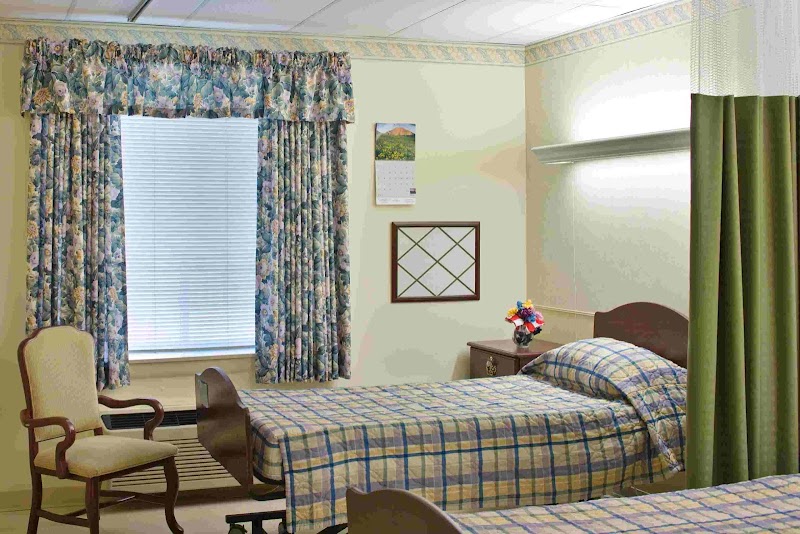
How is Hammonds Lane Center Staffed?

CMS rates HAMMONDS LANE CENTER's staffing level at 3 out of 5 stars, which is average compared to other nursing homes. Staff turnover is 42%, compared to the Maryland average of 46%. This relatively stable workforce can support continuity of care.

What Have Inspectors Found at Hammonds Lane Center?

State health inspectors documented 52 deficiencies at HAMMONDS LANE CENTER during 2017 to 2025. These included: 1 that caused actual resident harm, 50 with potential for harm, and 1 minor or isolated issues. Deficiencies causing actual harm indicate documented cases where residents experienced negative health consequences.
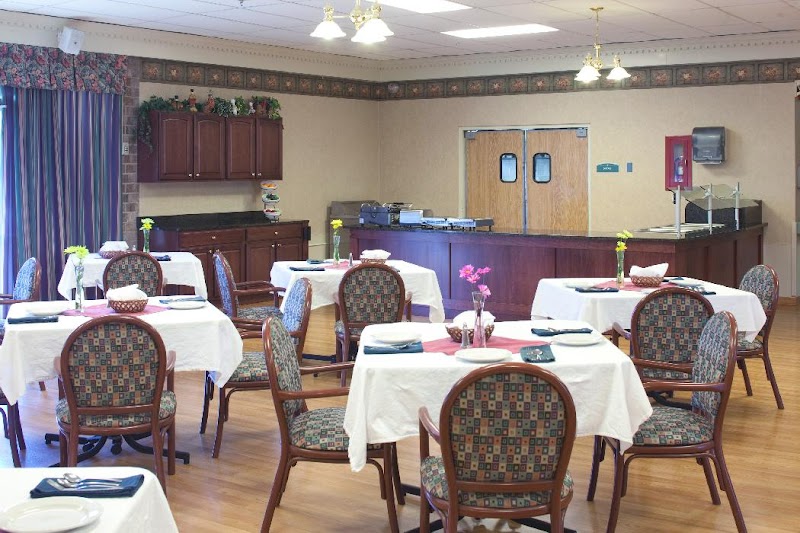
Who Owns and Operates Hammonds Lane Center?

HAMMONDS LANE CENTER is owned by a for-profit company. For-profit facilities operate as businesses with obligations to shareholders or private owners. The facility is operated by GENESIS HEALTHCARE, a chain that manages multiple nursing homes. With 113 certified beds and approximately 98 residents (about 87% occupancy), it is a mid-sized facility located in BROOKLYN PARK, Maryland.
How Does Hammonds Lane Center Compare to Other Maryland Nursing Homes?

Compared to the 100 nursing homes in Maryland, HAMMONDS LANE CENTER's overall rating (2 stars) is below the state average of 3.0, staff turnover (42%) is near the state average of 46%, and health inspection rating (2 stars) is below the national benchmark.

What Should Families Ask When Visiting Hammonds Lane Center?

Based on this facility's data, families visiting should ask: "Can I visit during a mealtime to observe dining assistance and food quality?" "How do you handle medical emergencies, and what is your hospital transfer rate?" "Can I speak with family members of current residents about their experience?"

Is Hammonds Lane Center Safe?

Based on CMS inspection data, HAMMONDS LANE CENTER has a clean safety record: no substantiated abuse findings (meaning no confirmed cases of resident harm), no Immediate Jeopardy citations (the most serious violation level indicating risk of serious injury or death), and is not on the Special Focus Facility watch list (a federal program monitoring the lowest-performing 1% of nursing homes). The facility has a 2-star overall rating and ranks #100 of 100 nursing homes in Maryland. While no facility is perfect, families should still ask about staff-to-resident ratios and recent inspection results during their visit.

Do Nurses at Hammonds Lane Center Stick Around?

HAMMONDS LANE CENTER has a staff turnover rate of 42%, which is about average for Maryland nursing homes (state average: 46%). Moderate turnover is common in nursing homes, but families should still ask about staff tenure and how the facility maintains care continuity when employees leave.

Was Hammonds Lane Center Ever Fined?

HAMMONDS LANE CENTER has been fined $80,269 across 1 penalty action. This is above the Maryland average of $33,882. Fines in this range indicate compliance issues significant enough for CMS to impose meaningful financial consequences. Common causes include delayed correction of deficiencies, repeat violations, or care failures affecting resident safety. Families should ask facility leadership what changes have been made since these penalties.

Is Hammonds Lane Center on Any Federal Watch List?

HAMMONDS LANE CENTER is not on any federal watch list. The most significant is the Special Focus Facility (SFF) program, which identifies the bottom 1% of nursing homes nationally based on persistent, serious quality problems. Not being on this list means the facility has avoided the pattern of deficiencies that triggers enhanced federal oversight. This is a positive indicator, though families should still review the facility's inspection history directly.