Charlotte Hall Veterans Home
29449 CHARLOTTE HALL ROAD, CHARLOTTE HALL, MD 20622 (301) 884-8171
For profit - Limited Liability company 286 Beds Independent Data: November 2025 2 Immediate Jeopardy citations
Trust Grade
0/100
#58 of 219 in MD
Last Inspection: July 2025

Inspected within the last 6 months. Data reflects current conditions.

Overview

Charlotte Hall Veterans Home currently holds a Trust Grade of F, indicating significant concerns about the quality of care provided. They rank #58 out of 219 facilities in Maryland, which places them in the top half, but their overall performance is still troubling. The facility is improving, with the number of reported issues decreasing from 12 in 2023 to 11 in 2025, though there are still serious areas of concern. Staffing is a strength, with a perfect 5/5 rating and a turnover rate of 33%, which is better than the state average, contributing to stability in care. However, the facility has incurred $268,795 in fines, higher than 93% of Maryland facilities, suggesting repeated compliance issues. In terms of RN coverage, it is average, which may lead to missed issues that could have been caught by more nursing staff. Specific incidents noted by inspectors included a resident in pain from a catheter not receiving the appropriate medication as ordered and a resident with Alzheimer's experiencing falls despite a care plan intended to prevent such incidents. While the staffing situation is promising, these issues highlight the need for improvements in care management and adherence to safety protocols.
Trust Score
F
0/100
In Maryland
#58/219
Top 26%
Safety Record
High Risk
Review needed
Inspections
Getting Better
12 → 11 violations
Staff Stability
○ Average
33% turnover. Near Maryland's 48% average. Typical for the industry.
Penalties
✓ Good
$268,795 in fines. Lower than most Maryland facilities. Relatively clean record.
Skilled Nurses
✓ Good
Each resident gets 46 minutes of Registered Nurse (RN) attention daily — more than average for Maryland. RNs are trained to catch health problems early.
Violations
⚠ Watch
45 deficiencies on record. Higher than average. Multiple issues found across inspections.
★★★★☆
4.0
Overall Rating
★★★★★
5.0
Staff Levels
★★☆☆☆
2.0
Care Quality
★★★☆☆
3.0
Inspection Score
Stable
2023: 12 issues
2025: 11 issues

The Good

  • 5-Star Staffing Rating · Excellent nurse staffing levels
  • Full Sprinkler Coverage · Fire safety systems throughout facility
  • No fines on record
  • Staff turnover below average (33%)

    15 points below Maryland average of 48%

Facility shows strength in staffing levels, fire safety.

The Bad

Staff Turnover: 33%

13pts below Maryland avg (46%)

Typical for the industry

Federal Fines: $268,795

Well above median ($33,413)

Significant penalties indicating serious issues

The Ugly 45 deficiencies on record

2 life-threatening 7 actual harm
Jul 2025 8 deficiencies
CONCERN (D)

Potential for Harm - no one hurt, but risky conditions existed

Resident Rights (Tag F0550)

Could have caused harm · This affected 1 resident

Based on observation and interview it was determined that the facility staff failed to ensure a dignified existence was maintained as evidenced of a resident's fitted sheet being heavily soiled and th...

Read full inspector narrative →
Based on observation and interview it was determined that the facility staff failed to ensure a dignified existence was maintained as evidenced of a resident's fitted sheet being heavily soiled and the mattress was half covered. This deficient practice was evidenced in 1 (#123) resident observed with a compromised dignified existence during the recertification survey.The findings include:On 07/16/25 at 10:28 am the surveyor observed Resident #123 fitted sheet with large spots of a green substance and half of the mattress was exposed. LPN #14 was in the room giving medications to the resident's roommate. Afterwards, LPN #14 walked past Resident #123 and left the room without offering the resident any assistance. The surveyor checked the resident electronic health record to see if there was documentation to verify assistance was offered to the resident and refused. On 07/23/25 at 11:39 am during an interview with LPN Unit Manager #20 he/she verbalized the resident tries to be independent as possible and is resistant to care and that should be care planned. The staff allows him to meet his needs on his own. The surveyor asked if a resident is resistant to care sometimes should the staff at least offer to provide assistance. LPN Unit Manager #20 verbalized, yes.
CONCERN (D)

Potential for Harm - no one hurt, but risky conditions existed

Deficiency F0605 (Tag F0605)

Could have caused harm · This affected 1 resident

Based on record review and interview it was determined that the facility staff failed to attempt to decrease a resident's psychotropic medication when they had no documented behaviors for at least fiv...

Read full inspector narrative →
Based on record review and interview it was determined that the facility staff failed to attempt to decrease a resident's psychotropic medication when they had no documented behaviors for at least five months. This deficient practice was evidenced in 1(#80) of 1 resident records reviewed for gradual dose reductions of psychotropic medications during the recertification survey.The findings include:On 07/22/25 at 9:03 am the surveyor reviewed Resident #80 Psychiatric notes dated 12/19/24, 03/20/25, and 06/19/25. The note dated 12/19/24 indicated the resident had a failed gradual does reduction (GDR) attempt in 11/24. According to Psychiatric Nurse Practitioner (NP) #21 note the resident displayed agitation, the use of profane language, and the inability to adhere to safety precautions when the psychotropic medication was decreased. The notes dated 03/20 and 06/19 indicated a GDR was not indicated. A review of the resident's behavioral monitoring documentation dated 03/01/25 - 07/21/25 the staff documented the resident did not observe any behavioral problems from the Resident #80 before and after administration of the psychotropic medication Quetiapine 25 mg. On 07/23/25 at 8:43 am during an interview with Psychiatric NP #21 the surveyor asked when the last time a GDR was done with Resident #80 psychotropic medication. He/she verbalized during the last GDR his/her behavior started to show up. Cursing at the staff, and agitation was only when he was off the medication. The GDR was done in November. A GDR was not attempted since November it was on their list to complete another GDR. Their goal in psychiatry is not to keep residents on the medication but to try the lowest dose of the medication. If a patient has been stable for a while a GDR can be attempted.
CONCERN (D)

Potential for Harm - no one hurt, but risky conditions existed

Comprehensive Care Plan (Tag F0656)

Could have caused harm · This affected 1 resident

Based on record review and interview it was determined that the facility staff failed to initiate a dental care plan for a resident who had dental concerns. This deficient practice was evidenced in 1 ...

Read full inspector narrative →
Based on record review and interview it was determined that the facility staff failed to initiate a dental care plan for a resident who had dental concerns. This deficient practice was evidenced in 1 (#74) of 1 resident reviewed for dental concerns during the recertification survey.The findings include:On 07/17/2025 at 9:30 am while speaking with Resident #74 responsible party/emergency contact they verbalized the resident had a lot of issues with his/her bottom teeth and they were supposed to get the resident back to the dentist. On 07/21/25 at 10:15 am a review of Resident #74 electronic health record (EHR) revealed the resident did not have a dental care plan although the facility staff was aware the resident had dental concerns. The surveyor received a copy of an appointment request dated 07/07/25 for the resident related to dental pain. On 07/21/2025 at 3:03 pm during an interview with the Director of Nursing (DON) the surveyor reported the resident did not have a dental care plan. The DON verbalized the Unit Managers should make sure the care plans are completed. MDS helps but ultimately the nurses are responsible for completing the care plans.
CONCERN (D)

Potential for Harm - no one hurt, but risky conditions existed

ADL Care (Tag F0677)

Could have caused harm · This affected 1 resident

Based on observations, record review, and interviews it was determined that the facility staff failed to provide a resident with a shower for several months and failed to consistently provide a reside...

Read full inspector narrative →
Based on observations, record review, and interviews it was determined that the facility staff failed to provide a resident with a shower for several months and failed to consistently provide a resident with a shower. This deficient practice was evidenced in 2 (#4 & #80) resident records reviewed for ADL care during the recertification survey.The findings include:During observation rounds on 07/17/25 at 10:57 AM the surveyor asked Resident #4 when the last time he/she had a shower. The resident verbalized he/she has not had a shower in several months. There was a strong odor of urine in the resident's room.On 07/21/25 at 10:45 AM a review of the Shower Schedule for the residents on 2B revealed Resident #80 was scheduled to have a shower on Monday and Thursday. The facility's documentation revealed the resident had not received a shower twice a week. There was no documentation to verify the resident received a shower on 07/17, 7/03, 06/26, 6/12, 06/05, and 06/02. There was no documentation to indicate the resident refused a shower. The surveyor went to Resident #4 room on 07/23/2025 at 11:06 AM and asked had he/she had a shower. The resident verbalized the staff told him they don't have a wheelchair to take him to get a shower. On 07/23/25 at 11:25 AM during an interview with Geriatric Nursing Assistant (GNA) #17 the surveyor asked what the process is for documenting whether a resident had a shower or bed bath. She/he verbalized the residents choose what ADL care they prefer, and they document in the computer. There is a place to document if a resident refuses a shower or bed bath. If a resident consistently refuses, the nurse is made aware. On 07/23/2025 at 11:18 AM the surveyor reviewed the Bath Schedule for the residents on 3B; Resident #4 was scheduled to receive a shower on Wednesday and Saturday. At 12:35 PM a review of Resident #4 electronic health record (EHR) documentation of the resident's type of bathing received, there was no documentation to verify the resident had a shower from 04/01/25 - 07/22/25.
CONCERN (D)

Potential for Harm - no one hurt, but risky conditions existed

Deficiency F0761 (Tag F0761)

Could have caused harm · This affected 1 resident

Based on observations and staff interview it was determined that the facility staff failed to: 1.) ensure proper temperature storage of medications to preserve medication integrity and 2.) properly la...

Read full inspector narrative →
Based on observations and staff interview it was determined that the facility staff failed to: 1.) ensure proper temperature storage of medications to preserve medication integrity and 2.) properly label multi-dose medications with the complete date that the medication was opened. This was true for 2 of 7 medication carts reviewed during the annual survey. The findings include: 1. On 7/22/2025 at 10:52 AM, a medication storage observation was conducted on the first floor accompanied by Nurse #23. Observation of the medication cart for the High Hall revealed 2 unopened insulin pens that were clearly marked to refrigerate until opened in the medication cart. The surveyor verified that the insulin pens were supposed to be refrigerated until open with employee #23. Nurse #23 acknowledged surveyors' findings discarded the insulin pens. 2. On 7/22/25 at 1:58 PM, the surveyors observed an illegible handwritten open date on a multidose solution bottle located inside the medication cart. An interview with LPN #8 indicated that she could not decipher the date on the bottle as it had been worn away. Additionally, LPN #8 was not aware of the correct procedures to follow when the open date label was missing from the multi-use solution bottle. On 7/23/25 at 9:30 AM, the Administrator disclosed that LPN #8 had reported the concerns during the daily meeting, and the appropriate procedures were reiterated, which included discarding the open bottle with missing an open date label and properly dated all other multi-dose medications when opened.
CONCERN (D)

Potential for Harm - no one hurt, but risky conditions existed

Infection Control (Tag F0880)

Could have caused harm · This affected 1 resident

Based on observation, infection control policy review, and interview with staff, it was determined that the facility: 1) failed to ensure that multi-use equipment was properly sanitized after each use...

Read full inspector narrative →
Based on observation, infection control policy review, and interview with staff, it was determined that the facility: 1) failed to ensure that multi-use equipment was properly sanitized after each use and 2) failed to provide accurate transmission based precautions signage outside resident rooms. This was evident for 1 of 4 medication carts and 2 out of 5 residents' doors observed during the annual survey. It was also observed that the facility staff failed to maintain infection control practices for a resident who had a urinary drainage bag as evidenced by the drainage port being on the floor with the tubing being heavily soiled, and a resident's oxygen tubing was on the floor. This deficient practice was evidenced in 2 (#107, #209)) of 5 residents observed with a drainage bag or oxygen therapy during the recertification survey. The findings include: On 7/22/25 at 2:25 PM, an interview with Licensed Practical Nurse (LPN # 9) disclosed that the Freestyle Libre 2 was cleaned after use with 70% isopropyl alcohol wipes after each use. At 3:00 PM, an observation was made of a contact precaution sign and an enhanced barrier precaution signage posted outside Room B112. On 7/23/25 at 9:00 AM, the surveyors reviewed the Glucometer Cleaning and Disinfecting policy and procedures, which stated that multi-use equipment are disinfected by using the Environmental Protection Agency (EPA) approved germicidal/virucidal disinfectant wipes before and after each patient use. On 7/24/25 at 9:30 AM, the Administrator and the Director of Nursing (DON) acknowledged the concern regarding the disinfection of multi-use equipment and the discrepancies for enhanced barrier precaution and transmission based precaution signage posted on residents' rooms. The DON confirmed that multi-use equipment should be cleaned with disinfecting wipes after each use and that the highest level of transmission based precaution signage must be displayed in the residents' rooms. During an interview on 7/24/25 at 11:05 AM, Infection Preventionist #1 confirmed the facility's expectations regarding the posting of transmission based precaution signage in the residents' rooms. She stated that the highest level of enhanced barrier precaution signage should be displayed in the residents' rooms. However, at 2:00 PM, the surveyors noted both contact precaution and enhanced barrier precaution signage remained posted outside Room B112. During the exit conference held on July 25, 2025 at 10:00 AM, the Assistant Administrator (AA) #7 reported that one resident in Room B112 was on contact precautions while the other resident was on enhanced barrier precautions, which explained the presence of both signs on the residents' room. AA #7 confirmed that in the absence of additional information, an individual entering the room would be unaware of which precautions to apply to which resident. During observation rounds on 07/16/25 at 9:57 AM the surveyor observed Resident #209 urinary drainage bag emptying port on the floor and the tubing was heavily soiled. The tubing was dated 06/25/25. Geriatric Nursing Assistant (GNA) #12 confirmed the surveyor's findings. The surveyor asked GNA #12 why the drainage port was on the floor and the tubing was soiled. GNA #12 verbalized being unsure, but they would make sure the drainage bag would be changed. At 10:28 AM the surveyor observed Resident #107 oxygen concentration on, but the resident was not in the room. Under further observation, the resident's nasal cannula tubing was on the floor and still attached to the oxygen concentrator. The water container for humidification was labeled 07/07/25. Licensed Practical Nurse (LPN) #14 confirmed the surveyor's findings and verbalized that the resident only uses oxygen therapy at night. On 07/23/2025 at 11:47 AM during an interview with LPN Unit Manager #20 the surveyor reported their findings during observation rounds. LPN Unit Manager #20 verbalized the nasal cannula should be placed in a Ziplock bag when not in use and sterile water should be changed weekly. The surveyor reported the sterile water was labeled 07/07 and the findings were observed on 07/16 which was nine days after the original date of use. LPN Unit Manager #20 reported the staff should have turned the machine off while not in use.
CONCERN (E)

Potential for Harm - no one hurt, but risky conditions existed

Deficiency F0558 (Tag F0558)

Could have caused harm · This affected multiple residents

Based on observations and interviews it was determined that the facility staff failed to ensure residents had their call bell within reach to notify the staff when assistance was needed, This deficien...

Read full inspector narrative →
Based on observations and interviews it was determined that the facility staff failed to ensure residents had their call bell within reach to notify the staff when assistance was needed, This deficient practice was evidenced in 5 (#80, #90, #125, #190, #191, #201) residents observed without their call bells during the initial observation rounds during the recertification survey.The findings include:During the surveyor's initial observation rounds on 07/16/25 at 9:49 am the surveyor observed Resident #80 call bell behind the bed. Geriatric Nursing Assistant (GNA) # 10 confirmed the surveyor's findings. At 10:08 am the surveyor observed Resident #191 call bell hanging off the left side of the bed close to the floor, which was not in reach of the resident. At 10:09 am the surveyor observed Resident #125 call bell hanging on the right side of the bed. GNA #12 confirmed the surveyor's findings. At 10:12 am Resident #90 was sitting in their wheelchair on the L side of the bed and the call bell was on the right side of the bed on the wall. 10:52 am Resident #201 call bell was hanging from the wall port on the R side of the bed and was not in reach of the resident. GNA #10 confirmed the surveyor's findings. 11:15 am Resident #190 was up in the chair near the window, the call bell was on the wall near the foot of the bed, which was not in the resident's reach. 07/17/2025 9:40 AM During an interview Registered Nurse (RN) #16 he/she verbalized the call bell should always be within reach of the resident and the staff should let the resident know where it is located. Each time they go into a resident's room they should check to make sure the resident has the call bell.
CONCERN (E)

Potential for Harm - no one hurt, but risky conditions existed

Food Safety (Tag F0812)

Could have caused harm · This affected multiple residents

Based on observations of the facility's kitchen and food services, it was determined that the facility failed to maintain food service equipment in a manner that ensures safe and sanitary food service...

Read full inspector narrative →
Based on observations of the facility's kitchen and food services, it was determined that the facility failed to maintain food service equipment in a manner that ensures safe and sanitary food service operations. This was identified during multiple observations of kitchen food service operations. The findings include: On 7/17/25 at 10:33 AM a tour of the kitchen was conducted which revealed:- A pair of eyeglasses placed on top of dishwasher- One 30-ounce personal drinking container on top of the dishwasher- An empty hand paper towel dispenser, one empty soap dispenser located at the hand wash sink in dish washer area- An empty paper towel dispenser located next to the hand sink near the walk-in fridge of the food prep area of the kitchen. On 7/15/25 at 11:35 AM a continued tour of the walk-in refrigerator revealed:- one long silver tray containing three large blue bags of raw chicken without a label noting its thaw date. On 7/15/25 at 11:45 AM Refrigerator #4's internal temperature taken from the hanging thermometer read 50 degrees Fahrenheit; the temperature viewed again ten minutes later and it read 48 degrees Fahrenheit. Refrigerator #4 contained a tray of egg salad dated 7/15/25 and several snack trays (including dozens of deli meat sandwiches) Certified Dietary Manager, (CDM) assessed the egg salad's temperature with her thermometer which read 56 degrees Fahrenheit. The CDM trashed all the deli meat sandwiches and all of the egg salad.
Apr 2025 3 deficiencies 1 Harm
SERIOUS (G) 📢 Someone Reported This

A family member, employee, or ombudsman was alarmed enough to file a formal complaint

Actual Harm - a resident was hurt due to facility failures

Quality of Care (Tag F0684)

A resident was harmed · This affected 1 resident

**NOTE- TERMS IN BRACKETS HAVE BEEN EDITED TO PROTECT CONFIDENTIALITY** Based on record review and interviews during a complaint survey, the facility failed to ensure each resident was provided care a...

Read full inspector narrative →
**NOTE- TERMS IN BRACKETS HAVE BEEN EDITED TO PROTECT CONFIDENTIALITY** Based on record review and interviews during a complaint survey, the facility failed to ensure each resident was provided care and treatment in accordance with professional standards of practice for one resident (Resident #9) of 40 sampled residents. Specifically, the facility failed to ensure Resident #9, a resident at risk for dehydration, was monitored for heat related illness and provided with sufficient hydration when temperatures in the building rose above 81 degrees from 4/30/24 until 5/2/24. On the morning of 5/2/24, Resident #9 was found nonresponsive with an elevated temperature and was sent to the hospital where they were treated for heat exhaustion and dehydration. Resident #9 experienced a significant change in condition following this event. This failure resulted in actual harm for Resident #9 that did not rise to the level of immediate jeopardy. Cross reference to F584: safe, clean, comfortable, homelike environment The findings include: According to the Centers for Disease Control and Prevention (CDC) guidance, last updated 6/25/24, retrieved from https://www.cdc.gov/heat-health/risk-factors/heat-and-older-adults-aged-65.html, older adults are at increased risk for heat related illness because they do not adjust as well to sudden changes in temperature, are more likely to have a chronic medical condition that can change normal body responses to heat and are more likely to take prescription medicines that affect the body's ability to control its temperature or sweat. Guidance included that older adults should stay in air-conditioned buildings as much as possible and should not rely on a fan as the main cooling source when it's really hot outside; should drink more water than usual, wear loose/ lightweight clothing and take cool showers or baths to cool down. Use of fans was indicated only if indoor temperatures were less than 90 degrees. In temperatures above 90 degrees, a fan could increase body temperature. The Procedure titled Code Purple: Severe Hot Weather with Loss of Cooling, last revised 2/1/15, documented action steps to be taken in the event of a Code Purple which included the following: move patients/residents to another air-conditioned part of the facility if available, encourage patients/residents to take in more fluids and keep hydrated, to force fluids if necessary, record fluid intake, provide cold wash clothes as needed, continuously evaluate patients/residents to ensure their safety and welfare are not being jeopardized and monitor body and environmental temperatures. Review of facility's Code Purple timeline and documentation revealed on 4/29/24 the cooling tower which serviced the A and B wings was taken out of service for scheduled maintenance and which impacted Resident #9's unit (3A). On 4/30/2024, outside temperatures rose and portable cooling units were unable to keep up with the demand to keep the building cool. After temperatures above 81 degrees were recorded for more than four hours, a Code Purple was enacted at 4:00 PM on 4/30/24. Upon request, the facility could not provide temperature monitoring/logs from 4/30/24 and prior to 4:30 PM on 5/1/24. From 4:30 PM on 5/1/24 until 10:30 AM on 5/2/24, hourly temperatures were recorded during 18 opportunities on unit 3A; of the 18 recorded temperatures, 16 of the temperatures recorded to be above 81 degrees. On 5/1/24 temperatures in the evening hours on Unit 3A reached over 90 degrees. Review of staff education provided on 4/30/24 and 5/1/24 revealed staff were educated to look for the following signs of heat related illness: high body temperature, red/hot/damp skin, fast pulse, headache/dizziness, nausea or vomiting and confusion/loss of consciousness. Actions for staff to take included: place cool, wet clothes on the skin, encourage light clothing, move to a cool area as able, offer plenty of fluids to drink and notify the provider of any change in a resident's condition. Resident #9 was admitted to the facility with diagnosis which included Parkinson's Disease, dementia, and dysphagia (swallowing disorder). The Minimum Data Set (an assessment tool) dated 4/14/24 documented the resident was assessed with a Brief Interview for Mental Status (BIMS) score of 3/15 which was indicative of impaired cognition. Resident #9 was assessed as being dependent on staff to complete most activities of daily living. The Nutrition Care Plan, initiated 7/27/23, documented the resident was at risk for dehydration. Interventions included staff were to observe for signs and symptoms of dehydration. The goal of the care plan was for Resident #9 to remain adequately hydrated as evidenced by good skin turgor, pink and moist mucous membranes and sufficient fluid intake. A Dietary Order dated 1/10/24 ordered the resident to receive honey thick liquids. A Physician Order dated 3/12/24 ordered staff to encourage thickened water intake during every shift. A Provider Note dated 4/24/24 documented Resident #9 seen by their provider and was assessed to be stable, afebrile and not in any acute distress. The resident was seen for a cough and prescribed Geri-tussin every 12 hours for 5 days. Review of Resident #9's electronic medical record (EMR) documented the resident received 240 millimeters of fluid with breakfast on 4/30/24; no additional fluids were documented. On 5/1/24, the resident was documented to have received 450 milliliters (15.2 ounces) of fluid across all shifts. No fluids were documented to have been provided on 5/2/24. Review of Resident #9's EMR revealed no progress notes were documented for the resident from the time they were seen by their provider on 4/24/24 until the morning of 5/2/24. A Nursing Progress Note dated 5/2/24 documented Resident #9 was found nonresponsive during care rounding. Vitals signs were obtained, and the resident's temperature was found to be 102 degrees. Orders were given to send the resident to the hospital for further evaluation and the resident was transported to the emergency room at 10:30 AM via emergency medical services (EMS). A Hospital Discharge summary dated [DATE] documented Resident #9 was confused at baseline but was usually verbal. EMS staff reported there was no air conditioning at the facility where the resident resided. Resident #9 was given 1.5 liters of fluid from EMS and the emergency room collectively. The resident was admitted to the hospital for further evaluation and management of hyponatremia related to decreased oral intake with dehydration due to heat exhaustion. Resident #9 was treated for dehydration and hyponatremia which was resolved with IV hydration. During an interview on 3/31/25 at 1:16 PM, Registered Nurse Unit Manager (RNUM) #10 stated during the Code Purple, staff were educated to monitor residents for signs of heat exhaustion and dehydration and to round to provide additional hydration. They stated it was an all hands-on deck situation and there were no specific resident assignments to monitor for hydration. They stated fluids provided should be documented in the EMR. RNUM #10 reviewed Resident #9's EMR and stated there were no nursing progress notes throughout the Code Purple. They stated Resident #9 required encouragement and assistance to accept fluids. They stated Resident #9 had mumbled speech and could express some needs, however, would not have been someone who could voice complaint about the heat. They stated Resident #9 was found nonresponsive and with a fever on the morning of 5/2/24 and was sent out to the hospital. They reviewed Resident #9's hospital discharge summary and stated the labs obtained were significant for dehydration. During an interview on 3/31/25 at 1:59 PM, the Director of Nursing (DON) stated that nursing staff were educated during the Code Purple to monitor residents for signs of heat exhaustion or changes in condition and to provide additional fluids. They stated routine charting of hydration was not completed during the code. They stated additional education had not been completed with nursing staff in response to the Code Purple after it was cleared. They stated they had reviewed Resident #9's EMR's and noted there was a lack of documentation. They stated Resident #9 was at risk for dehydration due to their diagnoses. During an interview on 4/1/25 at 9:08 AM, Social Work Case Manager (SWCM) #5 stated they were Resident #9's assigned case manager. They stated Resident #9 had mumbled speech but could express their needs in a limited capacity. They stated they had started calling residents' family members/representatives on the morning of 5/2/24 to inform them of moving residents to another area of the building, however, residents were not moved, and Resident #9 was sent out to the hospital that morning. They stated Resident #9's family expressed concern to them about the resident being impacted by the heat but that by the time the resident returned from the hospital, the cooling system was functional again. During an interview on 4/1/25 at 2:04 PM, the Medical Director stated Resident #9 had a diagnosis of advanced Parkinson's Disease and was prescribed thickened liquids to prevent aspiration. They stated staff at the facility monitored the resident's hydration and encouraged fluids. They stated residents who were prescribed thickened liquids were at increased risk for dehydration because they did not receive as much hydration from thickened fluid intake. They stated they had reviewed Resident #9's EMR and noted that there was no nursing progress notes during the time the facility experienced increased temperatures on the unit. They stated it was important to encourage fluids and stay proactive in observing residents for any change that could indicate heat related symptoms. They stated when Resident #9 was sent to the hospital, the labs were indicative of dehydration and hyponatremia. The Medical Director stated Resident #9 had worsening encephalopathy and comorbidities which contributed to the change in their condition. During an interview on 4/2/25 at 1:06 PM, Nurse Practitioner #24 stated they had been the primary care provider for Resident #9. They stated they had seen Resident #9 multiple times prior to the resident's hospitalization and the resident had been stable. They stated Resident #9 was at risk for dehydration and staff were to encourage fluids. They stated they went to assess Resident #9 on the morning of 5/2/24 after the nurse reported the resident had a fever and was nonresponsive. They stated the cooling units in the building had not been working for two days and the resident's room was very hot when they arrived. They stated they immediately called out for a cold compress and gave the order that the resident should be sent to the emergency room. They stated they did not don't recall any additional interventions implemented during the cooling system outage. During an interview on 4/2/25 at 1:25 PM, the Safety and Security Director (SSD) stated they participated in a meeting following the Code Purple. They stated the facility had ample water and Gatorade to disperse to residents during the code, however, it was identified the need for additional need for thickened liquids/residents who required a different consistency was not taken into account. They stated it was identified that thickened liquids needed to be more available on the care units and not kept in storage in the kitchen. It was also identified that fluid intake should be documented in resident medical charts.
CONCERN (D) 📢 Someone Reported This

A family member, employee, or ombudsman was alarmed enough to file a formal complaint

Potential for Harm - no one hurt, but risky conditions existed

Notification of Changes (Tag F0580)

Could have caused harm · This affected 1 resident

**NOTE- TERMS IN BRACKETS HAVE BEEN EDITED TO PROTECT CONFIDENTIALITY** Based on observations, interviews, and record review, the facility failed to immediately notify the Resident court appointed Gua...

Read full inspector narrative →
**NOTE- TERMS IN BRACKETS HAVE BEEN EDITED TO PROTECT CONFIDENTIALITY** Based on observations, interviews, and record review, the facility failed to immediately notify the Resident court appointed Guardian (G32) when Resident (R17) experienced a significant change and deterioration of a life-threatening condition for one of 40 sampled residents. The facility census was 204. The Findings Include: Review of R17's Face Sheet documented R17 was admitted on [DATE]. The face sheet showed G32 was a medical court appointed guardian. Review of R17's care plan dated [DATE] directed staff to notify G32 of any changes to R17's health status. Record Review of the annual Minimum Data Set assessment (MDS), dated [DATE], revealed R17 had a BIMS score of 00/15 (indicating severe mental impairment). R17 was dependent on staff regarding activities of daily living (ADLs). Record review of R17's SBAR form dated [DATE] at 06:04 AM, Licensed Practical Nurse (LPN)33 documented R17 had an elevated respiration. R17 was not able to respond to tactile stimuli. MD made aware and gave an order given to send, R17 to hospital for evaluation. Record review on R17's progress notes dated [DATE] 12:11 PM, staff documented R17 returned from emergency room (ER) visit with the same complaint of tachycardia and was given morphine sulfate and lorazepam at the ER. R17 remained stable and was on oxygen. Record Review of R17's Progress Note staff documented on [DATE] 08:59 PM, R17 was noted with no respiration nor pulse. R17 was pronounced deceased at 7:00 PM. During an interview on [DATE] at 9:26 AM, LPN15 revealed when there was a change in condition staff were required to call and document in the progress notes that there was a change in condition and make attempts to notify the Resident Representative as soon as possible. When staff fail to reach the Resident Representative, they should make several attempts until they reach them. LPN15 concluded she was unable to see where staff documented they contacted R17s guardian, G32. During an interview on [DATE] at 10:30 AM, G32 revealed she was R17's state appointed medical guardian. G32 stated on [DATE] she was disappointed when facility staff sent R17 to the hospital without notifying her. During an interview on [DATE] at 12:15 PM, the Director of Nursing (DON) stated, R17 had a court appointed guardian and explained on [DATE], R17 was sent to the ER. DON stated staff should have made sure G32 was notified when staff sent R17 to hospital. During an interview on [DATE] at 9:10 AM, Social Worker Case Manager (SWCM)5 revealed she was not involved when R17 was sent to hospital. SWCM5 stated she would have expected staff to contact R17's guardian when R17 was sent to hospital. During an interview on [DATE] at 10:46 AM, the Assistant Nursing Home Administrator (ANHA)25, she stated she remembered when G32 raised concerns, regarding failure to be contacted when staff sent R17 to hospital without notifying her. ANHA25 stated the staff on shift at that time was an agency nurse who did not follow facility policy. During an interview on [DATE] at 12:38 PM, the Administrator said nurses or the social worker should contact the family when there was a change in condition.
CONCERN (E) 📢 Someone Reported This

A family member, employee, or ombudsman was alarmed enough to file a formal complaint

Potential for Harm - no one hurt, but risky conditions existed

Safe Environment (Tag F0584)

Could have caused harm · This affected multiple residents

Based on record review and interviews during a complaint survey, the facility failed to ensure the resident environment was safe and comfortable for two of four occupied care wings. Specifically, the ...

Read full inspector narrative →
Based on record review and interviews during a complaint survey, the facility failed to ensure the resident environment was safe and comfortable for two of four occupied care wings. Specifically, the facility failed to maintain safe, comfortable temperatures on the A and B wings of the facility during planned maintenance of the cooling system; temperatures on these wings were consistently above 81 degrees Fahrenheit for approximately 48 hours. Cross reference to F684: Quality of care The findings include: The Procedure titled Code Purple: Severe Hot Weather with Loss of Cooling, last revised 2/1/15, documented the procedure should be followed to prevent abnormally high body temperature if there was a loss of cooling function during hot weather when the facility's temperatures reach 81 degrees Fahrenheit and remained so for 4 hours. Action steps to be taken in the event of a Code Purple included the following: to keep informed of weather bulletins, have a portable NOAA weather radio available, move patients/residents to another air-conditioned part of the facility if available, conduct in-service training to monitor signs and symptoms of heat-related illnesses and proper response, notify the county Emergency Management Agency (EMA) and maintain contact to keep them informed of potential needs if the situation deteriorated, encourage patients/residents to take in more fluids and keep hydrated and to force fluids if necessary, record fluid intake, provide cold wash clothes as needed, continuously evaluate patients/residents to ensure their safety and welfare are not being jeopardized and monitor body and environmental temperatures. Review of facility's Code Purple timeline and documentation revealed the following: On 4/29/24 the cooling tower which serviced the A and B wings was taken out of service for scheduled maintenance. Since this was a planned outage, portable cooling units had been rented and placed on the impacted wings. On 4/30/2024, outside temperatures rose and the portable units on the units were unable to keep up with the demand to keep the building cool. After temperatures in the building were above 81 degrees for more than four hours in the building a Code Purple was enacted at 4:00 PM. Maintenance and security staff were assigned to check/monitor temperatures for the impacted areas. Upon request, the facility could not provide temperature monitoring logs from 4/30/24 and prior to 4:30 PM on 5/1/24. Review of temperatures logs from 4:30 PM on 5/1/24 until 10:30 AM on 5/2/24, revealed hourly temperatures were recorded to be consistently above 81 degrees on the 2nd and 3rd floor care units on the A and B wings. On 5/1/24 at 9:18 AM, the facility notified the County EMA of the Code Purple. On 5/1/24 facility staff went out to purchase fans to provide to the residents. On 5/1/24 at 10:47 AM, the facility was contacted by the County EMA, who offered assistance and additional resources. On 5/1/24 at 11:47 AM, a representative from the State Department of Emergency Management reached out to the facility to inquire about what was occurring at the facility and what was being done. On 5/1/24 at 2:00 PM, a meeting was held with the state Department of Emergency Management to discuss unmet needs and the potential for future requests. On 5/1/24 at 2:00 PM, County EMA provided 9 large fans to assist with air movement which were delivered to the facility. On 5/1/24 at 6:30 PM temperatures were documented to have reached over 90 degrees on the third-floor care units of A and B Wing and the second-floor unit of B Wing. On 5/1/24 at 9:22 PM, it was decided that residents from unit 3A should be moved to the vacant unit on 1A after morning medication pass on 5/2/24 in order to give staff time to prepare the vacant unit. On 5/2/24 at 9:11 AM, unit 1A was prepared for residents to move to, however, the move was placed on hold after it was determined that the cooling towers would be functional again by 11:30 AM. On 5/2/24 at 11:30 AM, the power was restored to the cooling towers. On 5/2/24 at 12:01 PM, the Code Purple was cleared by the Nursing Home Administrator (NHA). A Rehearsal/Drills/Exercise After Action Report Form completed for the Code Purple on 4/30/24 read describe the plan of action to address any problems notes during the exercise/drill. The listed actions included that the facility ensure different consistencies of fluids were available based on resident need, that all fluid intake is documented in the resident chart and that vacant units in the facility should be move in ready. An improvement plan section included on the form listed the following: lesson learned, recommendation and primary person responsible with a start and completion date was not completed. During an interview on 3/29/24 at 11:30 AM, the County EMA representative recalled the facility had taken the cooling system offline for maintenance and the temperatures outside were unseasonably hot. They stated EMA was informed the day after the Code Purple had been enacted. They stated they offered resources and assistance to the facility as well as referred them to the State Emergency Management Department. They stated that since it was a planned event to take the cooling systems offline, the expectation would have been for EMA to be notified in advance to plan for needed resources and that emergency management agencies be notified at the time a Code Purple was enacted. They stated that the importance of timeliness in making notification was conveyed to facility management. During an interview on 3/31/25 at 1:16 PM, Registered Nurse Unit Manager (RNUM) #10 stated during the Code Purple, staff were educated to monitor residents for signs of heat exhaustion and dehydration and to provide additional hydration. They stated it was an all hands-on deck situation, and there were no specific resident assignments to monitor for hydration. They stated they were concerned about residents' comfort levels and the potential for dehydration and heat exhaustion at the time. They stated it was also difficult for the staff to work in the heat. During an interview on 3/31/25 at 1:59 PM, the Director of Nursing (DON) stated that nursing staff were educated during the Code Purple to monitor residents for signs of heat exhaustion or changes in condition and provide additional fluids. They stated that no additional education was conducted with nursing staff in response to the Code Purple after it was cleared. During an interview on 4/1/25 at 11:20 AM, the Director of Maintenance (DOM) stated that the facility had planned to have between 6-8 portable cooling units while the cooling tower was having scheduled maintenance. They stated portable cooling units were placed in common areas in the impacted wings. They stated they started taking temperatures in the hallways of impacted units on 4/30/24; temperatures were not taken in resident rooms but stated that resident rooms would have been hotter than the hallways. They stated it was extremely hot the building and they set up fans to try to get more air flow and fans were placed in resident rooms. They stated it was unpredictable for the weather to be as hot as it was during that time of year. During an interview on 4/2/25 at 1:25 PM, the Safety and Security Director (SSD) stated the facility enacted a Code Purple on 4/30/24 at 4:00 PM. They stated maintenance staff had started to monitor temperatures on 4/30/24 but were not keeping a log of the temperatures and were winging it. They stated they created a form on 5/1/24 to track the temperatures for impacted areas and instructed maintenance and security staff to record temperatures every hour which started at 4:30 PM on 5/1/24. They stated temperatures were monitored and recorded in the hallways on the impacted units, however, that resident rooms would have been even hotter. They stated on 5/1/24 they went out to purchase fans. They stated portable cooling units were placed in the hallways but that the electrical breakers could trip if too many cooling units were running at the same time. They stated on the morning of 5/2/24 they were informed to start preparing rooms on a vacant unit. The SSD stated they participated in a meeting following the Code Purple and they documented problems identified during the code. They stated the facility had ample water and Gatorade to disperse to residents during the code, however, it was identified the need for additional need for thickened liquids/residents who required a different consistency was not taken into account and needed to be more readily available on the units. They stated it was also identified that in planning for the cooling system outage, the vacant units should be prepared to be move-in ready in advance. During an interview on 4/3/25 at 12:01 PM, the NHA stated that the cooling system maintenance was planned, and that maintenance had already been completed for cooling tower for the other wings. They confirmed that the temperatures in the building were found to be above 81 degrees starting at approximately 12:00 PM on 4/30/24 and after 4 hours a Code Purple was enacted; the Code Purple was cleared at 12:00 PM on 5/2/24 and lasted approximately 48 hours. They stated they did not recall whether anyone had reviewed or discussed the weather forecast prior to the cooling towers being taken out of service. They stated notifications and actions to manage the heat and monitor residents were happening simultaneously. They stated it was decided on the night of 5/1/24 that residents should be moved the following morning because the temperatures in the building were still consistently hot. They stated vacant units were prepared to move residents; however, it was decided not to move residents since they were informed on the morning of 5/2/24 that the cooling towers would soon be functional. They stated during review of the Code Purple, it was identified that vacant units should be move-in ready in event relocation is needed, that resident fluid intake should be documented and that there was an increased need for thickened liquids. They stated with all staff dispersing fluids to promote hydration, it was difficult to determine how much fluid was provided to individual residents.
Feb 2023 12 deficiencies 4 Harm
SERIOUS (G) 📢 Someone Reported This

A family member, employee, or ombudsman was alarmed enough to file a formal complaint

Actual Harm - a resident was hurt due to facility failures

Free from Abuse/Neglect (Tag F0600)

A resident was harmed · This affected 1 resident

Based on staff interview, review of video footage, and review of facility documentation and medical record documentation, the facility failed to protect Resident #3 from neglect when Geriatric Nursing...

Read full inspector narrative →
Based on staff interview, review of video footage, and review of facility documentation and medical record documentation, the facility failed to protect Resident #3 from neglect when Geriatric Nursing Assistant (GNA) staff were allowed to repeatedly place Resident #3 into restraint with no documented clinical justification, no practitioner notification, no order, and no clinical assessment performed associated with the initiation and continuation of restraint. During nine episodes of the noncompliant GNA-initiated restraints between 10/7/22 and 1/6/23 that lasted between approximately 2.5 and 7.5 hours each, staff failed to document increased monitoring of the resident for safety, failed follow orders regarding the use of a soft helmet, failed to allow the resident breaks to stretch, stand or even reposition, and failed to attend to the resident's toileting needs as was care planned. Allowing GNA staff to initiate restraints with no documented clinical rationale, and then failing to meet basic needs of the resident while restrained, constituted neglect under Federal regulations. This was evident for 1 of 3 residents (Resident #3) reviewed for restraints. The findings include: Neglect - is the failure of the facility, its employees, or service providers to provide goods and services to a resident that are necessary to avoid physical harm, pain, mental anguish, or emotional distress. Physical restraint - is defined as any manual method, physical or mechanical device, equipment, or material that meets all of the following criteria: is attached or adjacent to the resident's body; cannot be removed easily by the resident; and restricts the resident's freedom of movement or normal access to his/her body. Removes easily means that the manual method, physical or mechanical device, equipment, or material, can be removed intentionally by the resident in the same manner as it was applied by the staff. Abuse, is defined at §483.5 as the willful infliction of injury, unreasonable confinement, intimidation, or punishment with resulting physical harm, pain or mental anguish. Abuse also includes the deprivation by an individual, including a caretaker, of goods or services that are necessary to attain or maintain physical, mental, and psychosocial well-being. Instances of abuse of all residents, irrespective of any mental or physical condition, cause physical harm, pain or mental anguish. It includes verbal abuse, sexual abuse, physical abuse, and mental abuse including abuse facilitated or enabled through the use of technology. Willful, as defined at §483.5 in the definition of abuse, and means the individual must have acted deliberately, not that the individual must have intended to inflict injury or harm. Convenience is defined as the result of any action that has the effect of altering a resident's behavior such that the resident requires a lesser amount of effort or care and is not in the resident's best interest. Care plan - is a guide that addresses the unique needs of each resident. It is used to plan, assess, and evaluate the effectiveness of the resident's care. Person-centered care: means to focus on the resident as the locus of control and support the resident in making their own choices and having control over their daily lives. MDS (Minimum Data Set) - is a complete assessment of the resident which provides the facility information necessary to develop a plan of care, provide the appropriate care and services to the resident, and to modify the care plan based on the resident's status. 1. Three care plans associated with this deficient practice included: 1.1 First, on 2/2/23 review of the medical record revealed that a care plan was initiated on 1/22/21 for Resident #3's risk for impaired skin integrity due to episodes of incontinence. The care-plan goal was that the resident would remain free of impaired skin integrity. Care-plan interventions included but were not limited to, assisting the resident to use the toilet to promote continence, providing incontinence care after each episode [of incontinence], offering additional fluids within diet parameters, and preventative skin care as ordered. The care plan failed to adequately define when and how often the resident required toileting assistance. 1.2 Second, a care plan was open for the risk of gastrointestinal complications due to impaired cognition, a history of colon resection due to cancer, and a history of cholecystectomy. The care-plan goal was that the resident would remain free of constipation and would participate in toilet use with staff assistance to promote continence. Interventions included but were not limited to, assisting the resident to use the toilet and offering additional fluids within diet parameters. This care plan also failed to adequately define when and how often the resident required toileting assistance. 1.3 Third, a care plan was developed to address the resident's inability to comprehend group activity invitations and noted Resident #3 preferred to walk the length of the hallway. The care-plan goal was that the resident would continue to be able to walk within the care center and appear to enjoy socialization with caregivers and peers. The interventions included but were not limited to, walking the resident and talking about the things that were seen during the walk. This care plan also failed to adequately define when, how often, and for how long the resident should or could walk. Neither this care plan nor any other care plan instructed staff that during multi-hour episodes of restraint, staff were not to follow the care plan allowing the resident to walk. Further record review of the medical record revealed that Physician Assistant (PA) #42's conducted a visit on 11/10/22, and documented Resident #3's diagnoses as dementia with behavioral disturbances, repeated falls, and depression. The PA noted that Resident #3 required total care, was severely cognitively impaired, was able to ambulate, and tended to wander (random or repetitive locomotion). Related to the known falls risk, on 7/12/22 the attending physician had entered an order indicating, Resident to wear a soft helmet at all times except during care, remove and check skin Q [every] 2 hours. A second order dated 7/12/22 read, Remove safety helmet every 2 hours for skin checks - notify provider of concerns. 2. On nine separate occasions GNA staff placed Resident #3 into restraint with no clinical justification documented, no notification of the practitioner, no order obtained, no clinical nursing assessment obtained associated with the initiation of restraint, and no documentation of increased monitoring and support. In interview on 2/8/23 at 9:50 AM, Registered Nurse (RN) #41 indicated that, on several occasions, she had witnessed staff sitting Resident #3 in a heavy hospital recliner chair that was reclined and sometimes pushed under a table. RN #41 also reported that she observed Resident #3 in a wheelchair with the wheels locked and pulled up to a table. RN #41 expressed concerned about the length of time Resident #3 had been confined and that s/he had not received care while confined. She reported that although she had brought this to the attention of facility staff including the previous Administrator #44, the facility had failed to report all incidents to the State Agency. 2.1 RN #41 alleged that they observed Resident #3 in restraint on 10/7/22, involving the use of a reclining geriatric chair. A review of the record revealed no documented clinical justification, no practitioner notification, no order, and no clinical assessment performed associated with the initiation of restraint on 10/7/22. RN #41 indicated that the prior Director of Nursing (DON: Staff #43) was on the unit and that she verbally notified the DON of the concern. Although allegations were made, the facility did not report the allegations to the state survey agency as required and did not investigate the allegations. Video footage was unavailable for the 3 reported incidents of restraint during October, but the review of the footage for November, December, and January validated the allegations from October by corroborating an ongoing pattern of similar restraint use imposed by facility GNA staff just as was alleged in October. The failure to immediately report, investigate and address the allegations allowed the noncompliant practices to recur eight more times over/during the next three months. 2.2 RN #41 alleged that they observed Resident #3 again in restraint on 10/18/22 involving the use of a reclining geriatric chair. A review of the record revealed no documented clinical justification, no practitioner notification, no order, and no clinical assessment performed associated with the initiation of restraint on 10/18/22. RN #41 indicated that on this date she notified the Assistant Administrator (AA) and she then also reported the allegations in an email sent to the previous Administrator #44. Although the allegations were raised, the facility did not report the allegations to the state survey agency as required, did not investigate the allegations, and did not stop the noncompliant practice from recurring. 2.3 On 10/24/22 RN #41 alleged that they observed Resident #3 was again in restraint involving the use of a reclining geriatric chair. Review of the record revealed no documented clinical justification, no practitioner notification, no order, and no clinical assessment performed associated with the initiation of restraint on 10/24/22. RN #41 reported an email documentation corroborated that RN #41 reported the allegations to Administrator #44 on 10/24/22. Email documentation revealed also that on 10/26/22, RN #42's Director also reported the allegations to Administrator #44, the AA, and the facility Director of Quality Assurance. Although allegations were made, the facility did not report the allegations to the state survey agency as required, did not investigate the allegations, and still did not stop the noncompliant practice from recurring. 2.4 During the interview with RN #41 on 2/8/23 at 9:50 AM, a review of camera #71 video footage revealed that Resident #3 was brought to the day room by GNA #58 staff at 9:34 AM on 11/17/22 and was confined to a heavy reclining hospital chair by staff pushing the chair under the table. Then, at 9:57 AM, LPN #14 was observed pushing the chair back from the table and reclining the resident in the chair. Resident #3 remained in restraint for 2 hours and 31 minutes before s/he was allowed to stand at 12:05 PM, and this occurred only after staff noticed the resident trying to get up and lowered the reclined chair to allow her to get up. The staff person walked the resident around and left the resident to wander down the hallway in view of camera #71. For the 2 hours and 31 minutes, Resident #3 who otherwise could stand and walk was not able to because s/he was confined by staff using the reclining geriatric chair. A review of the record demonstrated no documented clinical justification, no practitioner notification, no order, and no clinical nursing assessment had been performed associated with the initiation and use of restraint on 11/17/22. For these 2 hours and 31 minutes, staff had not documented increased monitoring of the resident while in restraint, had not toileted the resident, had not provided incontinence care, and had not removed the soft helmet s/he was wearing for relief as ordered. 2.5 A review of the video footage for 11/22/22 revealed that Resident #3 was brought to the day room and placed in the heavy reclining hospital chair at 9:11 AM. When GNA #32 sat down to assist with the resident meal at 9:23 AM, she pushed the chair under the table restricting the resident's ability to move freely. After the meal, Resident #3 remained in this confined position until 12:55 PM when a staff member moved the chair back from the table and the resident immediately stood up without the assistance of staff. However, a staff member responded by making the resident sit back down again for the next meal. A review of the record demonstrated no documented clinical justification, no practitioner notification, no order, and no clinical assessment had been performed associated with the initiation or use of restraint on 11/22/22. For these 3 hours and 32 minutes, staff had not documented increased monitoring for resident safety, had not toileted the resident, had not provided incontinence care, and had not removed the soft helmet she was wearing for relief as was ordered. 2.6 A review of the video footage for camera 71 for 12/10/22 starting at 12:33 PM revealed that Resident #3 was brought to the day room by GNA staff with his/her helmet on. Staff initiated restraint by transferring Resident #3 into a large reclining chair and then reclining it. At 1:21 pm staff put the recliner down and pushed the resident's chair under the table while feeding him/her, and then after the meal they did not move the chair back from the table, which left Resident #3 to continue in restraint. LPN #14 was observed with the resident at 1:39 PM but did not remove him/her from restraint. At 3:11 PM, GNA #15 was sitting in the day room and when the resident was trying to get up, they intervened by pushing the chair further under the table. Resident #3 remained in restraint for 7 hours and 25 minutes until staff finally allowed him/her to exit restraint at 7:58 PM. A review of the record demonstrated no documented clinical justification, no practitioner notification, no order, and no clinical assessment had been performed associated with the initiation and continuation of restraint. For these many hours, staff had not documented increased monitoring of the resident while in restraint, had not toileted the resident, had not provided incontinence care, and had not removed the soft helmet she was wearing for relief as was ordered. 2.7 A review of the video footage for camera 71 for 12/11/22 starting at 4:40 PM revealed Resident #3 was brought to the day room and left sitting in the wheelchair. At 4:43 PM GNA #59 was observed moving the resident's wheelchair under the table and locking both wheels. Resident #3 remained in this position and unable to stand until 7:35 PM. A review of the record demonstrated no documented clinical justification, no practitioner notification, no order, and no clinical assessment had been performed associated with the initiation and use of restraint on this date. For these 2 hours and 52 minutes, staff had not documented increased monitoring of the resident while in restraint, had not toileted the resident, had not provided incontinence care, and had not removed the soft helmet for relief as was ordered. On 12/12/22, the facility reported to the state survey agency that there had been allegations received about restraint use on 12/10/22. This was the first required report the facility submitted. In this report the facility failed to report any of the other six episodes that had been alleged in both verbal and written internal reporting. The facility had also failed to investigate the broader use of restraints imposed by facility GNA staff with no documented clinical justification. This failure to report and investigate was in part causal to the noncompliance, as in failing to report and investigate, the facility administration allowed the resident rights violations to continue. When the facility reported with an update on the findings of the internal review, although aware, they did not report that the 12/10/22 episode was one of seven occurrences where multiple different GNAs were repeatedly restraining Resident #3. The facility did not report that there were no documented clinical justifications, no notifications to the practitioner and that no orders were obtained for any of the many times GNA staff restrained Resident #3. The facility did not report that no nursing assessments were obtained and that increased monitoring for safety during restraint was not documented related to the initiation and extended period of continuation of restraints by facility staff. The facility did not report that the 12/10/22 restraint had lasted more than 7 hours, that the order for the management of the helmet was not followed. Focused on only the one incident, the facility reported that there was no malintent by the staff on 12/10/22 and therefore the facility concluded there was no abuse evident. In interview on 2/10/23 at 10:17 AM, the Assistant Administrator indicated that he had reviewed the video footage for both 12/10/22 and 12/11/22 and had determined abuse was unsubstantiated. The 12/11/23 episode was however never reported to the state survey agency, and no documentation of investigation was provided to the survey team. From the one investigation, the facility did however conclude two GNA staff would not return to work in the facility and the facility reported that they started education for other staff related to the use of restraints in the facility. The education proved ineffective as other GNA staff on the same unit placed Resident #3 into restraint again on both 12/17/22 and 1/6/23. On 2/13/22 at 1:09 PM, review of email documentation provided by RN #41 confirmed that the previous Administrator #44 had been made aware of each of the incidents reviewed for 11/17/22, 11/22/22, 12/10/22, and 12/11/22, to include the incidents that had not been reviewed occurring on 10/7/22, 10/18/22, and 10/24/22. However, he failed to report all allegations of abuse to the State Agency. In fact, many staff were aware of the practice where different GNA staff placed Resident #3 into restraint many times. Multiple GNA staff participated directly in the practices, and multiple management staff were notified of the practices beginning in early October 2022. The failure to meet the minimum requirements to transparently report the concern and to fulsomely investigate the concern contributed to a culture on the unit where GNA staff were empowered to repeatedly, and egregiously violate the rights of Resident #3. 2.8 On 2/9/23 at 12:24 PM, a review of the video footage for camera 71 revealed for 12/17/22 starting at 12:24 PM Resident #3 was ambulating in the day room independently until GNA #33 sat the resident in a regular dining room chair and positioned the chair at the corner of the table. The resident successfully scooted the chair away from the table, but staff was then observed moving the chair back to the table and positioning the chair under the table which restricted the resident from moving about freely. After the staff repositioned the chair resident was observed in the video trying to get up but was unable. This time, Resident #3 was kept in a restraint by multiple facility staff until 7:51 PM (for 7 hours and 27 minutes). GNA #60, who was assigned to Resident #3 that shift, started her shift at 3 pm and had no contact with the resident at all until 7:51. For this episode, no clinical justification was evident, no notification was provided to the practitioner, no order was obtained, and no nursing assessment associated with the extended period of restraints was conducted or documented. Increased nursing monitoring for these many hours was not documented and was not evident in the video reviewed. At 2:45 PM an activity for residents was provided. Resident #3 was not able to participate while he/she remained in restraint. For these 7 hours and 27 minutes in restraint, Resident #3 was not toileted and was not provided incontinence care. The helmet was not removed in accordance with the order to offer breaks and relief and to check the resident's skin and no opportunity to break, stand, stretch or walk were provided. Review of the video revealed that throughout the day the resident was actively trying to get up. 2.9 A review of the video footage for camera 71 for 1/6/23 starting at 9:37 AM revealed Resident #3 was ambulated to the day room by 1 staff member, with no helmet on. The resident was then restrained with the use of a dining room chair by staff pushing it under the table for a half-hour when the resident was assisted by GNA #61 with a meal. When GNA #61 left the table the resident's chair was partially under the table. At 12:12 PM Resident #3 was able to stand. The video revealed that GNA #61 immediately held the resident while pulling the wheelchair behind, and then sat the resident into the chair seat with force sufficient that Resident #3's head went back and his/her left leg to flew up in the air. GNA #61 then locked the left wheel on the chair again. This staff conduct on 1/6/23 met the regulatory definition of abuse. Repeatedly left in restraint for hours at a time without provision of his/her basic care needs, on 1/13/23 PA #42 saw Resident #3 and documented a new sacral pressure ulcer. The PA visualized the wound and described it in some detail. The care plan was too vague to effectively communicate Resident #3's needs regarding prevention of skin damage and over the three months prior, staff had not provided all the necessary care and services that would reduce the risk for pressure ulcers. Review of the medical record revealed that on 1/13/23, Resident #3 was also seen by a wound nurse. The wound nurse also documented concerns with sacral skin integrity. The wound nurse documented that the resident had moisture associated skin damage (MASD). This contradicted the assessment by the PA but nonetheless showed skin integrity was compromised. Based on the video footage review as recent as 1/6/23 the resident had the ability to ambulate with staff assistance and a review of the therapy notes also indicated the resident remained at baseline for mobility. However, staff had placed him/her in positions that restrained the resident for hours at a time increasing the risk for skin damage when the regulations require provision of care and services to protect residents from skin damage. An interview with Geriatric Nursing Assistant (GNA) #31 on 2/9/23 at 9:30 AM revealed that Resident #3 was not able to communicate his/her needs to staff. She reported that the care needs of the resident were to toilet and/or provide incontinence care every 2 hours and remove the resident's helmet when the resident ate a meal, otherwise, the resident sat in the day room with no special needs. GNA #31 reported that she was aware that placing the resident in a position in which they cannot move about freely was a restraint. On 2/9/23 at 9:24 AM an interview with GNA #32 revealed that Resident #3 communicated by way of facial expressions and when the resident would resist that meant s/he did not want to do something. The GNA reported that the resident had a helmet that needed to be removed every 2 hours and required incontinence care every 2 hours. GNA #32 reported that she was aware that restricting a resident's movement against their will was considered a restraint. However, GNA #32 was identified by the facility on the video footage for 11/22/22 as not providing Resident #3 the care s/he needed and restricting the resident's ability to move around freely. During an interview with GNA #33 on 2/9/23 at 9:39 AM it was determined that she had been aware of Resident #3's care including removing the resident's helmet every two hours to check the skin and providing incontinence care every 2 hours. An interview with Licensed Practical Nurse (LPN) #14 on 2/9/23 at 9:13 AM revealed that Resident #3 required total care by staff. LPN #14 reported that she was aware that the resident had a helmet that needed to be removed every 2 hours and required toileting and/or incontinence care every 2 hours. She reported that Resident #3 was not on a restorative program but was walked to his/her room every 2 hours for incontinence care. In addition, she was aware that restricting a resident from moving about freely was considered a restraint. In a subsequent interview with LPN #14 on 2/10/23 at 9:07 AM she was asked how she monitored the GNAs to ensure that they were providing the care and services to meet the needs of each resident. LPN #14 reported that she monitored the residents and staff closely and would tell staff when they needed to provide care if they had not done so already. When asked what had happened on 11/17/22, 11/22/22, and 12/10/22 when she was assigned to Resident #3, it was observed on the video footage that staff had not provided the care that Resident #3 needed. LPN #14 stated she was not sure but that there were times she became overwhelmed with her duties. An interview on 2/13/23 at 1:32 PM with the Administrator, Assistant Administrator, Director of Nursing, Corporate Clinical Consultant #51, and the Director of Quality Assurance Nurse revealed that the Administrator had reviewed the episode of restarting use on 1/6/23. After her review of the video, the Administrator's indicated that she felt the staff had been very interactive with the resident but that they needed to address the restraints. She had not identified the hours that Resident #3 had gone without the care s/he needed. The federal regulations indicate that neglect, as defined at §483.5, means the failure of the facility, its employees or service providers to provide goods and services to a resident that are necessary to avoid physical harm, pain, mental anguish or emotional distress. Resident #3 suffered neglect when the facility repeatedly placed him/her into restraint with no clinical justification documented, with no practitioner notified, with no order obtained, with no nursing assessment obtained, and with no additional monitoring for safety and to ensure the resident's needs were met. In 9/9 times Resident #3 was restrained, staff failed to follow the order to remove a helmet from Resident #3 to offer relief. In 9/9 times staff failed to allow Resident #3 breaks to stretch or stand including during two episodes where staff kept Resident #3 in restraint for more than 7 hours. The facility administration was aware of the abusive noncompliant conduct but for more than two months took no actions to report, investigate, or end it. The failure to end the egregious rights violations contributed to a culture on the unit where many staff knew but nonetheless continued to allow the practices of and by several of the facility's GNA staff. The medical record also revealed neglect where the facility failed to ensure everything that should have been done to prevent skin wounds was done. The related care plans noted herein were noncompliant, as were the various episodes where Resident #3 had severely restricted mobility due to inappropriate and unjustified use of restraints. The MASD, and then the pressure ulcer that became evident did not meet the regulatory definition of unavoidable because in its neglect of Resident #3, the facility failed to ensure Resident #3 received the necessary care, treatment and services that might otherwise have prevented the decline in his/her skin integrity. Cross Reference F604, F607, F609, F610, F686, and F835
SERIOUS (G) 📢 Someone Reported This

A family member, employee, or ombudsman was alarmed enough to file a formal complaint

Actual Harm - a resident was hurt due to facility failures

Deficiency F0604 (Tag F0604)

A resident was harmed · This affected 1 resident

Based on staff interview, review of video footage, and review of facility documentation and medical record documentation, the facility failed to ensure staff did not impose unjustified restraints on o...

Read full inspector narrative →
Based on staff interview, review of video footage, and review of facility documentation and medical record documentation, the facility failed to ensure staff did not impose unjustified restraints on one Resident (Resident #3). Geriatric Nursing Assistant (GNA) staff were allowed to repeatedly place Resident #3 into restraint with no documented clinical justification, no practitioner notification, no order, and no clinical assessment performed associated with the initiation and continuation of restraint. During nine episodes of the noncompliant GNA-initiated restraints between 10/7/22 and 1/6/23 that lasted between approximately 2.5 and 7.5 hours each, staff failed to document increased monitoring of the resident for safety, failed follow orders regarding the use of a soft helmet, failed to allow the resident breaks to stretch, stand or even reposition, and failed to attend to the resident's toileting needs as was care planned. This was evident for 1 of 3 residents (Resident #3) reviewed for restraints. The findings include: Neglect - is the failure of the facility, its employees, or service providers to provide goods and services to a resident that are necessary to avoid physical harm, pain, mental anguish, or emotional distress. Abuse, is defined at §483.5 as the willful infliction of injury, unreasonable confinement, intimidation, or punishment with resulting physical harm, pain or mental anguish. Abuse also includes the deprivation by an individual, including a caretaker, of goods or services that are necessary to attain or maintain physical, mental, and psychosocial well-being. Instances of abuse of all residents, irrespective of any mental or physical condition, cause physical harm, pain or mental anguish. It includes verbal abuse, sexual abuse, physical abuse, and mental abuse including abuse facilitated or enabled through the use of technology. Willful, as defined at §483.5 in the definition of abuse, and means the individual must have acted deliberately, not that the individual must have intended to inflict injury or harm. Convenience is defined as the result of any action that has the effect of altering a resident's behavior such that the resident requires a lesser amount of effort or care and is not in the resident's best interest. Physical restraint - is defined as any manual method, physical or mechanical device, equipment, or material that meets all of the following criteria: is attached or adjacent to the resident's body; cannot be removed easily by the resident; and restricts the resident's freedom of movement or normal access to his/her body. Removes easily means that the manual method, physical or mechanical device, equipment, or material, can be removed intentionally by the resident in the same manner as it was applied by the staff. Convenience is defined as the result of any action that has the effect of altering a resident's behavior such that the resident requires a lesser amount of effort or care and is not in the resident's best interest. Care plan - is a guide that addresses the unique needs of each resident. It is used to plan, assess, and evaluate the effectiveness of the resident's care. Person-centered care: means to focus on the resident as the locus of control and support the resident in making their own choices and having control over their daily lives. MDS (Minimum Data Set) - is a complete assessment of the resident which provides the facility information necessary to develop a plan of care, provide the appropriate care and services to the resident, and to modify the care plan based on the resident's status. 1. Three care plans associated with this deficient practice included: 1.1 First, on 2/2/23 review of the medical record revealed that a care plan was initiated on 1/22/21 for Resident #3's risk for impaired skin integrity due to episodes of incontinence. The care-plan goal was that the resident would remain free of impaired skin integrity. Care-plan interventions included but were not limited to, assisting the resident to use the toilet to promote continence, providing incontinence care after each episode [of incontinence], offering additional fluids within diet parameters, and preventative skin care as ordered. The care plan failed to adequately define when and how often the resident required toileting assistance. 1.2 Second, a care plan was open for the risk of gastrointestinal complications due to impaired cognition, a history of colon resection due to cancer, and a history of cholecystectomy. The care-plan goal was that the resident would remain free of constipation and would participate in toilet use with staff assistance to promote continence. Interventions included but were not limited to, assisting the resident to use the toilet and offering additional fluids within diet parameters. This care plan also failed to adequately define when and how often the resident required toileting assistance. 1.3 Third, a care plan was developed to address the resident's inability to comprehend group activity invitations and noted Resident #3 preferred to walk the length of the hallway. The care-plan goal was that the resident would continue to be able to walk within the care center and appear to enjoy socialization with caregivers and peers. The interventions included but were not limited to, walking the resident and talking about the things that were seen during the walk. This care plan also failed to adequately define when, how often, and for how long the resident should or could walk. Neither this care plan nor any other care plan instructed staff that during multi-hour episodes of restraint, staff were not to follow the care plan allowing the resident to walk. Further review of the medical record revealed that Physician Assistant (PA) #42 conducted a visit on 11/10/22, and documented Resident #3's diagnoses as dementia with behavioral disturbances, repeated falls, and depression. The PA noted that Resident #3 required total care, was severely cognitively impaired, was able to ambulate, and tended to wander (random or repetitive locomotion). Related to the known falls risk, on 7/12/22 the attending physician had entered an order indicating, Resident to wear a soft helmet at all times except during care, remove and check skin Q [every] 2 hours. A second order dated 7/12/22 read, Remove safety helmet every 2 hours for skin checks - notify provider of concerns. 2. On nine separate occasions GNA staff placed Resident #3 into restraint with no clinical justification documented, no notification of the practitioner, no order obtained, no clinical nursing assessment obtained associated with the initiation of restraint, and no documentation of increased monitoring and support. In interview on 2/8/23 at 9:50 AM, Registered Nurse (RN) #41 indicated that, on several occasions, she had witnessed staff sitting Resident #3 in a heavy hospital recliner chair that was reclined and sometimes pushed under a table. RN #41 also reported that she observed Resident #3 in a wheelchair with the wheels locked and pulled up to a table. RN #41 expressed concern about the length of time Resident #3 had been confined and that s/he had not received care while confined. She reported that although she had brought this to the attention of facility staff including the previous Administrator #44, the facility had failed to report all incidents to the State Agency. 2.1 RN #41 alleged that on 10/7/22 they observed Resident #3 in restraint involving the use of a reclining geriatric chair. A review of the record revealed no documented clinical justification, no practitioner notification, no order, and no clinical assessment performed associated with the initiation of restraint on 10/7/22. RN #41 indicated that the prior Director of Nursing (DON: Staff #43) was on the unit and that she verbally notified the DON of the concern. Although allegations were made, the facility did not report the allegations to the state survey agency as required and did not investigate the allegations. Video footage was not available for the 3 reported incidents of restraint during October, but the review of the footage for November, December, and January validated the allegations from October by corroborating an ongoing pattern of similar restraint of the same resident on the same unit imposed by facility GNA staff just as was alleged in October. The failure to immediately report, investigate and address the allegations allowed the noncompliant practices to recur eight more times over/during the next three months. 2.2 RN #41 alleged that they observed Resident #3 again in restraint on 10/18/22 involving the use of a reclining geriatric chair. A review of the record revealed no documented clinical justification, no practitioner notification, no order, and no clinical assessment performed associated with the initiation of restraint on 10/18/22. RN #41 indicated that on this date she notified the Assistant Administrator (AA) and she then also reported the allegations in an email sent to the previous Administrator (Administrator Staff #44). Although the allegations were raised, the facility did not report the allegations to the state survey agency as required, did not investigate the allegations, and did not stop the noncompliant practice from recurring. 2.3 On 10/24/22 RN #41 alleged that they observed Resident #3 again in restraint involving the use of a reclining geriatric chair. Review of the record revealed no documented clinical justification, no practitioner notification, no order, and no clinical assessment performed associated with the initiation of restraint on 10/24/22. RN #41 reported an email documentation corroborated that RN #41 reported the allegations to Administrator #44 on 10/24/22. Email documentation also revealed that on 10/26/22, RN #41's Director sent a follow up email to Administrator #44, the AA, and the facility Director of Quality Assurance that requested them to look into the allegations as they were a violation of federal regulations. Although allegations were made, the facility did not report the allegations to the state survey agency as required, did not investigate the allegations, and still did not stop the noncompliant practice from recurring. 2.4 During the interview with RN #41 on 2/8/23 at 9:50 AM, a review of camera #71 video footage revealed that Resident #3 was brought to the day room by GNA #58 staff at 9:34 AM on 11/17/22 where s/he was confined to a heavy reclining hospital chair by staff pushing the chair under the table. Then, at 9:57 AM, LPN #14 was observed pushing the chair back from the table and reclining the resident in the chair. Resident #3 remained in restraint for 2 hours and 31 minutes before s/he was allowed to stand at 12:05 PM, and this occurred only after staff noticed the resident trying to get up and lowered the reclined chair to allow her to get up. The staff person walked the resident around and left the resident to wander down the hallway in view of camera #71. When allowed, Resident #3 was able to stand and walk. For the 2 hours and 31 minutes, Resident #3 who otherwise could stand and walk was not able to because s/he was confined by staff using the reclining geriatric chair. A review of the record demonstrated no documented clinical justification, no practitioner notification, no order, and no clinical nursing assessment had been performed associated with the initiation and use of restraint on 11/17/22. For these 2 hours and 31 minutes, staff had not documented increased monitoring of the resident while in restraint, had not toileted the resident, had not provided incontinence care, and had not removed the soft helmet s/he was wearing for relief as ordered. 2.5 A review of the video footage for 11/22/22 revealed that Resident #3 was brought to the day room and placed in the heavy reclining hospital chair at 9:11 AM. When GNA #32 sat down to assist with the resident meal at 9:23 AM, she pushed the chair under the table restricting the resident's ability to move freely. After the meal, Resident #3 remained in this confined position until 12:55 PM when a staff member moved the chair back from the table and the resident immediately stood up without the assistance of staff. However, a staff member then responded by making the resident sit back down again for the next meal. A review of the record demonstrated no documented clinical justification, no practitioner notification, no order, and no clinical assessment had been performed associated with the initiation or use of restraint on 11/22/22. For these 3 hours and 32 minutes, staff had not documented increased monitoring for resident safety, had not toileted the resident, had not provided incontinence care, and had not removed the soft helmet she was wearing for relief as was ordered. 2.6 A review of the video footage for camera 71 for 12/10/22 starting at 12:33 PM revealed that Resident #3 was brought to the day room by GNA staff with his/her helmet on. Staff initiated restraint by transferring Resident #3 into a large reclining chair and then reclining it. At 1:21 pm staff put the recliner down and pushed the resident's chair under the table while assisting him/her with a meal. After the meal they did not move the chair back from the table, which left Resident #3 to continue in restraint. LPN #14 was observed with the resident at 1:39 PM but did not remove him/her from restraint. At 3:11 PM, GNA #15 was sitting in the day room and when the resident was trying to get up, they intervened by pushing the chair further under the table. Resident #3 remained in restraint for 7 hours and 25 minutes until staff finally allowed him/her to exit restraint at 7:58 PM. A review of the record demonstrated no documented clinical justification, no practitioner notification, no order, and no clinical assessment had been performed associated with the initiation and continuation of restraint. For these many hours, staff had not documented increased monitoring for safety of the resident while in restraint, had not toileted the resident, had not provided incontinence care, and had not removed the soft helmet she was wearing for relief as was ordered. 2.7 A review of the video footage for camera 71 for 12/11/22 starting at 4:40 PM revealed Resident #3 was brought to the day room and left sitting in the wheelchair. At 4:43 PM GNA #59 was observed moving the resident's wheelchair under the table and locking both wheels. Resident #3 remained in this position and unable to stand until 7:35 PM. A review of the record demonstrated no documented clinical justification, no practitioner notification, no order, and no clinical assessment had been performed associated with the initiation and use of restraint on this date. For these 2 hours and 52 minutes, staff had not documented increased monitoring of the resident while in restraint, had not toileted the resident, had not provided incontinence care, and had not removed the soft helmet for relief as was ordered. On 12/12/22, the facility reported to the state survey agency that there had been allegations received about restraint use on 12/10/22. This was the first required report that the facility submitted. In this report the facility failed to report any of the other six episodes that had been alleged in both verbal and written internal reporting. The facility had also failed to investigate the broader pattern use of restraints imposed by facility GNA staff with no documented clinical justification. This failure to report and investigate was in part causal to the noncompliance, as in failing to report and investigate, the facility administration allowed the resident rights violations to continue. When the facility reported with an update on the findings of their completed internal review, although aware, they did still not report that the 12/10/22 episode was one of seven occurrences where multiple different GNAs were repeatedly restraining Resident #3. The facility did not report that there were no documented clinical justifications, no notifications to the practitioner and that no orders were obtained for any of the many times GNA staff restrained Resident #3. The facility did not report that no nursing assessments were obtained and that increased monitoring for safety during restraint was not documented related to the initiation and extended period of continuation of restraints by facility staff. The facility did not report that the 12/10/22 restraint had lasted more than 7 hours, that the order for the management of the helmet was not followed. And focused on only the one incident, the facility reported that there was no malintent by the staff on 12/10/22 and therefore the facility concluded there was no abuse evident. In interview on 2/10/23 at 10:17 AM, the Assistant Administrator indicated that he had reviewed the video footage for both 12/10/22 and 12/11/22 and that he had determined abuse was unsubstantiated. The 12/11/22 episode was however never reported to the state survey agency, and no documentation of investigation was provided to the survey team for the restraint episode on that date. From the one investigation, the facility did however conclude two GNA staff would not return to work in the facility and the facility reported that they started education for other staff related to the use of restraints in the facility. The education proved ineffective as other GNA staff on the same unit placed Resident #3 into restraint again on both 12/17/22 and 1/6/23. On 2/13/22 at 1:09 PM, review of email documentation provided by RN #41 confirmed that the previous Administrator #44 had been made aware of each of the incidents reviewed for 11/17/22, 11/22/22, 12/10/22, and 12/11/22, to include the incidents that had not been reviewed occurring on 10/7/22, 10/18/22, and 10/24/22. However, he failed to report all allegations of abuse to the State Agency. The failure to meet the minimum requirements to transparently report the concern and to fully investigate the concern contributed to a culture on the unit where GNA staff were empowered to repeatedly, and egregiously violate the rights of Resident #3. 2.8 On 2/9/23 at 12:24 PM, a review of the video footage for camera 71 revealed for 12/17/22 starting at 12:24 PM Resident #3 was ambulating in the day room independently until GNA #33 sat the resident in a regular dining room chair and positioned the chair at the corner of the table. The resident successfully scooted the chair away from the table, but staff was then observed moving the chair back to the table and positioning the chair under the table which restricted the resident from moving about freely. After the staff repositioned the chair, Resident #3 was observed in the video trying to get up but was unable. This time, Resident #3 was kept in a restraint by multiple facility staff until 7:51 PM (for 7 hours and 27 minutes). GNA #60, who was assigned to Resident #3 that shift, started her shift at 3 pm and had no contact with the resident at all until 7:51. For this episode, no clinical justification was evident, no notification was provided to the practitioner, no order was obtained, and no nursing assessment associated with the extended period of restraints was conducted or documented. Increased nursing monitoring for these many hours was not documented and was not evident in the video reviewed. At 2:45 PM an activity for residents was provided. Resident #3 was not able to participate while he/she remained in restraint. For these 7 hours and 27 minutes in restraint, Resident #3 was not toileted and was not provided incontinence care. The helmet was not removed in accordance with the order to offer breaks and relief and to check the resident's skin; and no opportunity to break, stand, stretch or walk were provided. Review of the video revealed that throughout the day the resident was actively trying to get up. 2.9 A review of the video footage for camera 71 for 1/6/23 starting at 9:37 AM revealed Resident #3 was ambulated to the day room by 1 staff member, with no helmet on. The resident was then restrained with the use of a dining room chair by staff pushing it under the table for a half-hour when the resident was assisted by GNA #61 with a meal. When GNA #61 left the table the resident's chair was partially under the table. At 12:12 PM Resident #3 was able to stand. The video revealed that GNA #61 immediately held the resident while pulling the wheelchair behind, and then sat the resident into the chair seat with force sufficient that Resident #3's head went back and his/her left leg to flew up in the air. GNA #61 then locked the left wheel on the chair again. This staff conduct on 1/6/23 met the regulatory definition of abuse. Based on the video footage review as recent as 1/6/23 the resident had the ability to ambulate with staff assistance and a review of the therapy notes also indicated the resident remained at baseline for mobility. However, staff had placed him/her in positions that restrained the resident for hours at a time. An interview with Geriatric Nursing Assistant (GNA) #31 on 2/9/23 at 9:30 AM revealed that Resident #3 was not able to communicate his/her needs to staff. She reported that the care needs of the resident were to toilet and/or provide incontinence care every 2 hours and remove the resident's helmet when the resident ate a meal, otherwise, the resident sat in the day room with no special needs. GNA #31 reported that she was aware that placing the resident in a position in which they cannot move about freely was a restraint. On 2/9/23 at 9:24 AM an interview with GNA #32 revealed that Resident #3 communicated by way of facial expressions and when the resident would resist that meant s/he did not want to do something. The GNA reported that the resident had a helmet that needed to be removed every 2 hours and required incontinence care every 2 hours. GNA #32 reported that she was aware that restricting a resident's movement against their will was considered a restraint. However, GNA #32 was identified by the facility on the video footage for 11/22/22 as not providing Resident #3 the care s/he needed and restricting the resident's ability to move around freely. During an interview with GNA #33 on 2/9/23 at 9:39 AM it was determined that she had been aware of Resident #3's care including removing the resident's helmet every two hours to check the skin and providing incontinence care every 2 hours. An interview with Licensed Practical Nurse (LPN) #14 on 2/9/23 at 9:13 AM revealed that Resident #3 required total care by staff. LPN #14 reported that she was aware that the resident had a helmet that needed to be removed every 2 hours and required toileting and/or incontinence care every 2 hours. She reported that Resident #3 was not on a restorative program but was walked to his/her room every 2 hours for incontinence care. In addition, she was aware that restricting a resident from moving about freely was considered a restraint. In a subsequent interview with LPN #14 on 2/10/23 at 9:07 AM she was asked how she monitored the GNAs to ensure that they were providing the care and services to meet the needs of each resident. LPN #14 reported that she monitored the residents and staff closely and would tell staff when they needed to provide care if they had not done so already. When asked what had happened on 11/17/22, 11/22/22, and 12/10/22 when she was assigned to Resident #3, it was observed on the video footage that staff had not provided the care that Resident #3 needed. LPN #14 stated she was not sure but that there were times she became overwhelmed with her duties. An interview on 2/13/23 at 1:32 PM with the Administrator, Assistant Administrator, Director of Nursing, Corporate Clinical Consultant #51, and the Director of Quality Assurance Nurse revealed that the Administrator had reviewed the episode of restarting use on 1/6/23. After her review of the video, the Administrator's indicated that she felt the staff had been very interactive with the resident but that they needed to address the restraints. She had not identified the hours that Resident #3 had gone without the care s/he needed. The federal regulations indicate that neglect, as defined at §483.5, means the failure of the facility, its employees or service providers to provide goods and services to a resident that are necessary to avoid physical harm, pain, mental anguish or emotional distress. Resident #3 suffered neglect when the facility repeatedly placed him/her into restraint with no clinical justification documented, with no practitioner notified, with no order obtained, with no nursing assessment obtained, and with no additional monitoring for safety and to ensure the resident's needs were met. In 9/9 times Resident #3 was restrained, staff failed to follow the order to remove a helmet from Resident #3 to offer relief. In 9/9 times staff failed to allow Resident #3 breaks to stretch or stand including during two episodes where staff kept Resident #3 in restraint for more than 7 hours. The facility administration was aware of the abusive noncompliant conduct but for more than two months took no actions to report, investigate, or end it. The failure to end the egregious rights violations contributed to a culture on the unit where many staff knew but nonetheless continued to allow the practices of and by numerous facility GNA staff. Cross Reference F600, F607, F609, F610, F686, and F835
SERIOUS (G) 📢 Someone Reported This

A family member, employee, or ombudsman was alarmed enough to file a formal complaint

Actual Harm - a resident was hurt due to facility failures

Pressure Ulcer Prevention (Tag F0686)

A resident was harmed · This affected 1 resident

Based on video footage review, record review, and staff interview, it was determined that the facility failed to provide the care needed to avoid the development of skin breakdown. This was evident fo...

Read full inspector narrative →
Based on video footage review, record review, and staff interview, it was determined that the facility failed to provide the care needed to avoid the development of skin breakdown. This was evident for 1 (#3) of 3 residents reviewed for restraints. The findings include: A care plan is a guide that addresses the unique needs of each resident. It is used to plan, assess, and evaluate the effectiveness of the resident's care. On 2/2/23 review of the medical record revealed that Resident #3 had a care plan initiated on 1/22/21 for the resident's risk for impaired skin integrity due to episodes of incontinence. The goal was that the resident would remain free of impaired skin integrity. The interventions included but were not limited to assisting the resident in using the toilet to promote continence, providing incontinence care after each episode [of incontinence], offering additional fluids within diet parameters, and preventative skin care as ordered. The interventions were not specific and did not provide information for staff to know when or how often Resident #3 should be toileted, checked, or provided other activities of daily living (ADL) care, treatment, and services. A care plan was developed to address the resident's inability to comprehend group activity invitations and noted Resident #3 preferred to walk the length of the hallway. The care-plan goal was that the resident would continue to be able to walk within the care center and appear to enjoy socialization with caregivers and peers. The interventions included but were not limited to, walking the resident and talking about the things that were seen during the walk. This care plan also failed to adequately define when, how often, and for how long the resident could or should be able to walk. A medical record review for Resident #3 on 2/2/23 at 2:35 PM revealed Physician Assistant (PA) #42's progress notes for a visit on 11/10/22, where s/he documented Resident #3's diagnoses as dementia with behavioral disturbances, repeated falls, and depression. Further noted was that Resident #3 required total care, was severely cognitively impaired, was able to ambulate, and tended to wander (random or repetitive locomotion). A review of Resident #3's physical therapy notes revealed that on 5/4/22 the resident had been discharged from therapy. The goal was that the resident would be able to ambulate 1000 feet independently with an assistive device with a good gait pattern and safety to achieve his/her prior level of function. At discharge, it was noted the resident was able to ambulate 1000 feet but required constant cuing for posture, balance, gate pattern, and safety. On nine occasions GNA staff placed Resident #3 into restraint with no notification to the practitioner, no order obtained, and no resident assessment associated with the initiation of restraints (10/7/22, 10/18/22, 10/24/22, 11/17/22, 12/10/22, 12/11/22, 12/17/22, and 1/6/23). In these various episodes of noncompliance, Resident #3 was left in restraint between 2 and 7.5 hours at a time. In each one of these nine episodes of restraint, Resident #3 was not allowed any break(s) to stand or stretch, and a soft helmet in use was not removed for relief and to check for concerns with skin integrity. There was an order dated 7/12/22, that required staff to remove the helmet for relief and to check his/her skin. On 1/13/23, the resident was seen by Physician Assistant PA #42, who diagnosed him/her with a new sacral pressure area and she further noted that staff had reported that Resident #3 had not been as active. On 1/13/23, the facility wound nurse Licensed Practical Nurse (LPN) #57 noted in another assessment that Resident #3 had developed Moisture Associated Skin Damage (MASD). It was unclear in the wound nurse's note if this was in addition to the visualized pressure ulcer that the PA documented or if the wound nurse was contradicting the description of what the PA described in their observation of the wound. A review of the wound nurse LPN #57's wound assessment report dated 2/13/23 revealed the wound had advanced to a cluster of wounds on the right buttocks/coccyx area that was unstageable. Unstageable meant the wound by then was at least a stage III. The facility failed to ensure all care, treatment and services were provided that could have minimized the risk for the development of skin wounds. Cross Reference: F600 and F604.
SERIOUS (G) 📢 Someone Reported This

A family member, employee, or ombudsman was alarmed enough to file a formal complaint

Actual Harm - a resident was hurt due to facility failures

Administration (Tag F0835)

A resident was harmed · This affected 1 resident

Based on observations, review of video footage, record review, and staff interview, it was determined that the facility's administration failed to protect Resident #3 from egregious rights violations ...

Read full inspector narrative →
Based on observations, review of video footage, record review, and staff interview, it was determined that the facility's administration failed to protect Resident #3 from egregious rights violations where facility GNA staff repeatedly placed Resident #3 into restraint with no documented clinical justification. The facility administration was aware of the noncompliant practices and related rights violations but failed to promptly take required steps to report, investigate and end the abusive conduct of its staff. This was evident for 1 of 3 residents (Resident #3) reviewed during survey. The findings include: Neglect - is the failure of the facility, its employees, or service providers to provide goods and services to a resident that are necessary to avoid physical harm, pain, mental anguish, or emotional distress. Physical restraint - is defined as any manual method, physical or mechanical device, equipment, or material that meets all of the following criteria: is attached or adjacent to the resident's body; cannot be removed easily by the resident; and restricts the resident's freedom of movement or normal access to his/her body. Removes easily means that the manual method, physical or mechanical device, equipment, or material, can be removed intentionally by the resident in the same manner as it was applied by the staff. Abuse, is defined at §483.5 as the willful infliction of injury, unreasonable confinement, intimidation, or punishment with resulting physical harm, pain or mental anguish. Abuse also includes the deprivation by an individual, including a caretaker, of goods or services that are necessary to attain or maintain physical, mental, and psychosocial well-being. Instances of abuse of all residents, irrespective of any mental or physical condition, cause physical harm, pain or mental anguish. It includes verbal abuse, sexual abuse, physical abuse, and mental abuse including abuse facilitated or enabled through the use of technology. Willful, as defined at §483.5 in the definition of abuse, and means the individual must have acted deliberately, not that the individual must have intended to inflict injury or harm. Convenience is defined as the result of any action that has the effect of altering a resident's behavior such that the resident requires a lesser amount of effort or care and is not in the resident's best interest. As detailed beginning on 10/7/22, facility GNA staff repeated placed Resident #3 into restraint. In nine different episodes between 10/7/22 and 1/6/23, GNA staff initiated restraint with no clinical rationale documented, without notifying the practitioner, without obtaining an order, and without obtaining a nursing assessment associated with the initiation or continuation of restraints. None of the nine episodes lasted less than 2 hours and in two of the nine episodes, the staff kept resident #3 in restraint with no break for more than seven hours. Staff violated interventions in care plans by failing to allow the resident to walk, failing to provide incontinence checks, and failing to provide for toileting needs during the extensive periods of restraint. Staff violated an order requiring the removal of a helmet which was employed to mitigate risk for injury in the event of a fall, The order provided that staff were to remove the helmet every 2 hours for relief and to check for skin concerns. During nine out of nine episodes of restraint this was not done. Administration was notified that Resident #3 was observed in restraint with the use of a geriatric chair on 10/7/22. Administration subsequently received verbal and written notification about the concern. Administration received more allegation regarding the successive events that followed. The Administrator, Assistant Administrator, Director of Nursing, and Quality Assessment staff were all made aware. For more then two months the facility failed to report, investigate, and end the egregious rights violations where staff repeatedly restrained Resident #3 for extended periods of time without any documented clinical rationale, without notifying the practitioner, without obtaining an order, and without obtaining a nursing assessment associated with the initiation or continuation of restraints. The administration failure to report, investigate, and address the staff conduct was at least in part causal because it contributed to a culture on the unit where the administration allowed the egregious rights violations to continue unabated for more than two months. After the seventh occurrence, on 12/12/22, the facility reported that there had been allegations received about restraint use on 12/10/22. This was the first required report the facility submitted and on this date the facility failed to report any of the other six episodes that had been alleged with both verbal and written internal reporting. When the facility reported with an update on the findings of the internal review, they did not report that the 12/10/22 episode was only one of seven known occurrences where multiple different GNA were restraining Resident #3 in an ongoing pattern. The facility did not report that there was no documented clinical justification, no notification to the practitioner, and that no order was obtained for any of the many times GNA staff restrained Resident #3. Specifically on the 12/10/22 date, the facility did not report that no nursing assessment was obtained and documented related to the initiation and extended period of continuation of restaurants by the facility staff. The facility did not report that the 12/10/22 restraint had lasted more than 7 hours, that the order for management of the helmet was not followed, and/or that increased monitoring was not documented. Instead, the facility briefly reported that there was no malintent by the staff across multiple shifts who maintained the restraint and therefore the facility concluded with their stated opinion that there was no abuse evident. This was not accurate. Under the regulatory definition of abuse, staff intent is not relevant to a determination of whether any particular staff conduct constitutes abuse. The facility did however conclude two GNA staff would not return to work in the facility and the facility reported that they started education for other staff related to the use of restaurants in the facility. No investigation or education was provided however, regarding the culture on the unit or in the building where this conduct was both known and allowed. Additionally, the limited education focused only on restraints proved ineffective as within the same continuing culture on the same unit, other GNA staff placed Resident #3 into restraint again on 12/17/22 and on 1/6/23. The administration failure to transparently report the concern as required and to fully investigate the concern contributed to a culture on the unit where, with the full knowledge of facility administration, staff were empowered to repeatedly and egregiously violate the rights of Resident #3. Cross Reference F600, F604, F607, F609, F610, and F686
CONCERN (D) 📢 Someone Reported This

A family member, employee, or ombudsman was alarmed enough to file a formal complaint

Potential for Harm - no one hurt, but risky conditions existed

Abuse Prevention Policies (Tag F0607)

Could have caused harm · This affected 1 resident

Based on record review and staff interview, it was determined that the facility failed to effectively implement their policies and procedures regarding abuse and neglect, when the facility failed to f...

Read full inspector narrative →
Based on record review and staff interview, it was determined that the facility failed to effectively implement their policies and procedures regarding abuse and neglect, when the facility failed to follow policies to report, investigate and end the use of unjustified restraints and associated neglect. This was evident for one of three residents reviewed during survey. The findings include: On 2/10/23 at 1:00 PM, a review of the facility's Abuse Policy revealed no facility name at the top of the form. The bottom left corner had a date of 10/2022; however, it did not indicate if this was an implementation date or a revision date. Under section Procedure 6. Any allegation of abuse will be immediately reported to the facility Administrator. The facility will designate an Abuse Prevention Coordinator who is responsible for reporting all allegations or suspected abuse, neglect, or exploitation to the state surveying agency. On 2/8/23 at 9:50 AM, during an interview with RN #41, it was revealed that she had reported that staff restrained Resident #3 as early as 10/7/22. On 10/7/22 she had observed Resident #3 in the day room a reclined in a chair and she reported this to the Director of Nursing (DON) #43 who was on the unit at the time of the observation. On 10/18/22, RN #41 observed Resident #3 and Resident #25 being placed in the heavy reclining hospital chairs and pushed under a dining table. This time RN #41 pointed out the concern to the Assistant Administrator (AA) who was on the unit at the time. In addition, an email was sent to the previous Administrator #44. Subsequently, RN #41 provided a copy of the emails sent to the facility reporting the restraint concerns. A review of the email, dated 10/18/22, confirmed that RN #41 reported the incident on 10/18/22 and informed him that there had been a similar incident observed on 10/7/22 which was reported to the previous interim DON #43. RN #41 indicated that on 10/24/22, she had again observed Resident #3 in the day room in a heavy reclining hospital chair in a reclined position with his/her back to an entertainer, who was singing for the residents. RN #42 provided an email to show that this was reported to the previous Administrator #44 on 10/24/22. In addition, RN #42's Director had followed up with an email, dated 10/26/22, and addressed the previous Administrator #44, the Assistant Administrator, and the Director of Quality Assurance, asking them to follow up on these allegations of staff use of restraints. In the email, the Director noted that this was a violation of federal regulations. However, the facility failed to report these allegations to the State agency and investigate the allegations as required in facility policy and in the regulations. RN #41 continued to report that Resident #3 was being restrained by staff on 11/17/22, 11/22/22, and 12/11/22, and the facility failed to report these allegations to the State Agency. Subsequently, RN #41 provided copies of the emails sent to the facility regarding each date. A review of those emails confirmed what RN #41 had reported. An interview with the Administrator, Assistant Administrator, Director of Nursing, Clinical Consultant, and the Director of Quality Assurance on 2/13/23 at 1:32 PM revealed the facility had offered no rationale for their failure to implement their abuse policies and procedures which documented the facility process for required reporting but had nonetheless not been followed. Cross Reference F600, F604, F609, F610, F686 and F835.
CONCERN (D) 📢 Someone Reported This

A family member, employee, or ombudsman was alarmed enough to file a formal complaint

Potential for Harm - no one hurt, but risky conditions existed

ADL Care (Tag F0677)

Could have caused harm · This affected 1 resident

Based on observations, record reviews, and interviews, it was determined that the facility failed to provide assistance to a dependent resident to use the bathroom. This was evident for 1 resident (Re...

Read full inspector narrative →
Based on observations, record reviews, and interviews, it was determined that the facility failed to provide assistance to a dependent resident to use the bathroom. This was evident for 1 resident (Resident #27) out of 3 residents reviewed for activities of daily living (ADL) during a complaint survey. The findings include: On 2/14/23, a review of the medical record revealed that resident #27 had resided at the facility for several years. A review of a physician's note, dated 10/13/22, revealed that the resident had severe dementia without behavioral disturbances and required supervision and or hands-on assistance for toileting and ambulation. A review of the Minimum Data Set (MDS) assessment, dated 1/3/23, revealed the resident had severe cognitive impairment and required the physical assistance of at least one person to assist him/her to use the toilet. The MDS is a set of assessment screening items employed as part of a standardized, reproducible, and comprehensive assessment process that ensures each resident's individual needs are identified, that care is planned based on those individualized needs, and that the care is provided as planned to meet the needs of each resident. On 2/14/23, a review of complaint # MD00188403 revealed an allegation that Resident # 27 was left sitting for several hours on 11/22/22 and 12/13/22. On 2/14/23 at 1:17 PM, a review of Resident # 27's medical record revealed a physician's order, dated 7/21/20, to toilet the resident upon awakening, after meals, bedtime, and as needed. On 2/14/23 at 2:17 PM, an observation of the video footage of unit 1 C revealed that, on 11/22/22, Resident # 27 walked into the day room with the assistance of a walker at 8:09 AM. He/she then sat down in an orange chair and began to read. The resident received his breakfast at 8:35 AM. After breakfast, s/he remained in the chair. At 12:52 PM, the resident, still in the chair, was provided lunch. At 1:09 PM, staff removed the resident 's lunch tray. however, the resident remained in the chair. At 2:45 PM, the staff approached the resident motioning him/her to get up. The resident got up quickly and without difficulty, s/he followed the staff person out of the day room and down a hall. He/she walked into his/her room at 2:26 PM. The video observation failed to reveal that the resident was provided assistance to the toilet/bathroom from 8:09 AM until 2:26 PM. Further observation of video footage of unit 1 C revealed that, on 12/13/22, Resident # 27 walked into the dayroom, with the assistance of a walker, at 7:17 AM. S/He sat down in the orange chair and began to read. The resident received his/her breakfast tray at 9:05 AM. The Resident remained in his/her chair and received lunch at 12:34 PM. After lunch, the resident interacted with activities staff and pets on wheels ( an organization that brings in pets to visit with residents). However, the resident remained in the chair. At 5:52 PM, the resident received his/her dinner tray. At 8:37 PM, a staff member approached the resident and moved his/her table, the resident then grabbed his/her walker and placed it in front of him/her. The staff member motioned to the resident and the resident got up without difficulty and followed her. The resident's pants on his backside were visibly wet, solid down to mid-thigh. During an interview with GNA #On 2/9/23 at 9: 30 AM, she reported that she had worked on a specilaized locked memory care unit and that, if a resident needed assistance to use the bathroom, the GNAs are to provide that assistance every two hours. On 2/17/23 at 8: 57 AM, the staff Development Coordinator (staff#10) was interviewed. She reported that the GNAs are instructed to encourage residents to reposition themselves frequently and if the resident is unable to do so the GNA should assist the resident in repositioning every two hours. In addition, she reported that we have instructed the GNAs to encourage the residents to get up, especially if they lacked the mental capacity to do this without any prompting from the staff. Furthermore, we advise the GNAs that for residents who were incontinent, sitting for long periods of time can lead to skin breakdown.
CONCERN (D) 📢 Someone Reported This

A family member, employee, or ombudsman was alarmed enough to file a formal complaint

Potential for Harm - no one hurt, but risky conditions existed

Deficiency F0694 (Tag F0694)

Could have caused harm · This affected 1 resident

Based on record review and interviews, it was determined that the facility failed to administer intravenous (IV) fluids consistent with physician orders, as evidenced by the resident receiving the wro...

Read full inspector narrative →
Based on record review and interviews, it was determined that the facility failed to administer intravenous (IV) fluids consistent with physician orders, as evidenced by the resident receiving the wrong IV fluid/medication. This was evident for 1 resident (Resident #35) out of 7 residents reviewed for medication administration during a complaint survey. The findings include: On 2/14/23 at 10:30 AM, during the review of intake #MD00188403, the allegation was made that Resident # 35 received the wrong medication via an intravenous infusion (IV). 2/14/23 at 11:00 AM, a review of a physician note dated 1/12/23 revealed that Resident #35 had a past medical history that included, but was not limited to, type two diabetes. Further review of a nurse's progress notes dated 12/3/22 at 3:09 PM, revealed that the resident had not been eating well and had diminished lung sounds in both lungs. The resident had been given Tylenol for a previous high temperature which helped to lower the resident's temperature. Resident 35's vital signs (v/s) were: blood pressure (BP)118/74, heart rate (HR) 90, Temperature 97.5, and a blood sugar reading of HI ''. (A normal blood sugar range is 80 mg/dl - 140 mg/d but a HI'' reading indicates that the blood sugar is equal to or greater than 500 mg/dl ) . The nurse called the physician and received orders for 20 units of Humalog( insulin) and an IV of .45 normal saline at 80 ccs. hour x 1 liter. A review of the Medication administration record revealed that nurse # 47 had signed that the IV administration had been started on 12/3/22 at 2:00 PM. Further review of the nurse's progress note, dated 12/4/22 at 0200 AM, revealed that the night shift nurse # 48 RN, assessed the resident as being non-responsive to verbal stimuli. Resident's v/s were BP 90/48, HR 85, The nurse observed that D51/2 normal saline with 5% dextrose ( a substance like sugar) had been administered intravenously instead of the ordered .45 normal saline and that the administration of the fluid was almost complete. The nurse checked the resident's blood sugar, and it was at 240 mg/dl. The supervisor was notified, and a message was left with the on-call provider. 2/15/23 at 12:42 PM, during an interview with the Director of Nursing, she reported she was aware of the incidents, and she provided the surveyor with a MEDICATION INCIDENT REPORT dated 12/4/22. A review of that report on 2/15/23 at 12:50 PM revealed the resident was given IV 5% dextrose in .45% normal saline instead of .45 % normal saline. Further review of the incident report revealed that the corrective actions were to provide an in-service to nurse #47 LPN, and have two nurses check to make sure the IV was dispensing the correct medication according to the physician's order before beginning the administration of the IV. (Cross Reference F 842)
CONCERN (D) 📢 Someone Reported This

A family member, employee, or ombudsman was alarmed enough to file a formal complaint

Potential for Harm - no one hurt, but risky conditions existed

Medical Records (Tag F0842)

Could have caused harm · This affected 1 resident

Based on record review and interviews, it was determined that the facility failed to ensure that the staff who initiated an intravenous line and administered IV fluids completed the documentation rela...

Read full inspector narrative →
Based on record review and interviews, it was determined that the facility failed to ensure that the staff who initiated an intravenous line and administered IV fluids completed the documentation related to these interventions. This was evident for 1 resident (resident #35) of 35 residents reviewed during a complaint survey. The findings included: On 2/14/23 at 11:00 AM, a review of a physician's note, dated 1/12/23, revealed that Resident #35 had a past medical history that included, but was not limited to, high blood pressure and type two diabetes. Further review of a progress note, written by nurse #47 on 12/3/22 at 3:09 PM revealed a blood sugar reading of HI. (A normal blood sugar range is 80mg/dl - 140 mg/dl but a HI'' reading indicates that the blood sugar is equal to or greater than 500 mg/dl ). Nurse #47 called the physician and received orders for 20 units of Humalog( insulin) and an IV (intravenous) of .45 normal saline at 80 ccs. hour x 1 liter. A review of the Medication administration record revealed that nurse # 47 had signed that the IV administration had been started on 12/3/22 at 2:00 PM. On 2/17/23 at 8:46 AM, Nurse # 47 LPN, was interviewed. During the interview, she reported that she had signed off , (documented) on the medication administration record that she had started the IV administration, however, she reported that she had not started the IV administration. In addition, Nurse #47 reported that she did not know who started the IV administration. She continued that she had only observed that the IV medication was being administered. On 12/17/23 at 10:37 AM, during an interview with the Director of Quality Assurance, she reported she was unaware that Nurse #47 had not started the IV administration. In a subsequent interview, on 12/17/23 at 12:04 PM, she confirmed that Nurse #47 did not start the IV and she would investigate the incident further. At the time of this interview, the facility was unable to identify who started the IV. In addition, she reported that the expectation is that the Nurse that had started the IV medication would document this in the medical record. Cross Reference F694
CONCERN (D) 📢 Someone Reported This

A family member, employee, or ombudsman was alarmed enough to file a formal complaint

Potential for Harm - no one hurt, but risky conditions existed

Deficiency F0925 (Tag F0925)

Could have caused harm · This affected 1 resident

Based on observation, record review, staff and resident interview, it was determined that the facility failed to have an effective process in place to maintain a rodent free environment for the reside...

Read full inspector narrative →
Based on observation, record review, staff and resident interview, it was determined that the facility failed to have an effective process in place to maintain a rodent free environment for the residents. This was evident for 3 or 7 nursing units. The findings include: An observation of resident room A 304 on 2/1/23 at 10:04 AM revealed mouse droppings in the corner by the heating/cooling system. An observation of resident room C 327, on 2/1/23 at 11:35 AM, revealed mouse droppings along the wall where the heating/cooling system was located, between the dressers, and all over the floor in the resident closet. An observation on 2/1/22 at 2:44 PM of resident room B 228 revealed there was mouse droppings in the corner where a red chair was sitting. On 2/3/23 at 11:22 AM, an observation of resident room B 301 revealed mouse droppings along the walls behind the resident's beds, between the two beds, along the walls under the television, and along the walls in both closets. An interview with Resident #36 on 2/1/23 at 11:35 AM revealed that a mouse had come out often in his/her room, however, recently s/he had not seen that particular mouse but it had been replaced by 2 more. Resident #36 reported that once the mice were done picking up crumbs in the room they would go down the hallway to other resident's rooms. On 02/15/23 beginning at 12:15 PM the surveyor initiated a tour of the third floor accompanied by the maintenance director. The surveyor interviewed several residents and asked if they had witnessed mouse activity within the last week: An interview with Resident # 37 revealed that s/he seen small mice run out of the trash can, go between the dressers to the opposite side of his/her bedroom. An interview with Resident #38 revealed s/he had seen mice run wild in the hallway and the bedrooms. An interview with Residents #39 revealed s/he saw mice run under the beds on 02/13/23 and 2/14/23. On 02/15/23 at 10:30 AM, a review of the maintenance work orders report for the months of August, October, November, December of 2022 and January and February of 2023 revealed that there was a total of 9 reports of mice issues reported during a seven-month period. However, the report had not offered what had been done by the maintenance worker in response to each complaint. On 02/15/23 at 11:48 AM an interview with the Director of Maintenance, staff # 23 revealed the facility had a contract with a pest control company to perform once per week and as needed pest control services until December 2022. The pest control services included checking all mouse traps, drain maintenance, checking the interior and exterior ports of entry, or any facility requested rooms, hallways, etc. Staff #23 stated he would provide copies of the pest control treatment schedules and visits form the pest control company during the months of August, October, November, December 2022, January, February 2023. On 2/15/23, a review of the pest control company's work orders for the corresponding dates of the maintenance report revealed the following information. The pest control company visited on 8/19/22 and noted that, on 7/8/22, the facility was made aware of cracks and crevices in cafeteria and kitchen area that needed repaired and as of 8/19/22, the facility failed to fix this issue. They had reported to the facility on 6/24/22 that debris had been noted in several areas in the kitchen and drains, however, the facility had not addressed this issue as of 8/19/22. On 5/31/22, the facility was made aware of uncovered trashcans and failed to correct this issue as of 8/19/22. A review of the pest control company's work order, dated 10/28/22, revealed that the issues that had been pending on 8/19/22 were still pending as of 10/28/22. A review of a new pest control company's work order for 2/3/23 revealed that they had set up a total of 40 bait stations in the interior and exterior part of the building, but had not addressed how to repair the building to stop the rodents from entering the building as the previous pest control company had done. At approximately, on 02/15/23 at 1:34 PM the concerns were reviewed with the DON, administrator, and the director of maintenance.
CONCERN (E) 📢 Someone Reported This

A family member, employee, or ombudsman was alarmed enough to file a formal complaint

Potential for Harm - no one hurt, but risky conditions existed

Report Alleged Abuse (Tag F0609)

Could have caused harm · This affected multiple residents

Based on staff interviews, review of video footage, and review of documentation including medical records, the facility repeatedly failed to timely report to the state survey agency, allegations of ab...

Read full inspector narrative →
Based on staff interviews, review of video footage, and review of documentation including medical records, the facility repeatedly failed to timely report to the state survey agency, allegations of abuse, neglect, and use of restraints without orders, during a three-month period beginning on 10/7/22. Resident #3 was repeatedly placed into restraint by GNA staff operating outside their allowable scope, without notifying the physician, without obtaining orders, and then without providing sufficient attention to the resident's safety and care needs during the many episodes of restraint they imposed. Three of nine occurrences of the noncompliant practice were never reported to the state survey agency as required (10/7/22, 10/18/22, and 10/24/22) and an additional five of the nine occurrences were reported but not until after the survey opened on 2/1/23 (incidents on 11/17/22, 11/22/22, 12/11/22, 12/17/22, and 1/6/23). When the facility did report a 12/10/22 episode (reported on 12/12/22), the facility excluded reporting the numerous prior episodes and the common history amongst those many similar events. The ongoing failure of the facility to report the serious non-compliance contributed to the related failures to investigate the incidents, identify any cause(s) for the noncompliance, and to take sufficient action to end the abusive conduct of facility staff. The interrelated systemic failures beginning with the pattern of failing to report contributed to increased risk for harm and possible death related to the inappropriate use of restraints imposed by GNA (Geriatric Nursing Assistant) staff without any of the required medical or facility oversight. The findings include: Abuse, is defined at §483.5 as the willful infliction of injury, unreasonable confinement, intimidation, or punishment with resulting physical harm, pain or mental anguish. Abuse also includes the deprivation by an individual, including a caretaker, of goods or services that are necessary to attain or maintain physical, mental, and psychosocial well-being. Instances of abuse of all residents, irrespective of any mental or physical condition, cause physical harm, pain or mental anguish. It includes verbal abuse, sexual abuse physical abuse, and mental abuse including abuse facilitated or enabled through the use of technology. Neglect, as defined at §483.5, means the failure of the facility, its employees or service providers to provide goods and services to a resident that are necessary to avoid physical harm, pain, mental anguish or emotional distress. Willful, as defined at §483.5 and as used in the definition of abuse, means the individual must have acted deliberately, not that the individual must have intended to inflict injury or harm. Physical restraint is defined as any manual method, physical or mechanical device, equipment, or material that meets all of the following criteria: o Is attached or adjacent to the resident's body; o Cannot be removed easily by the resident; and o Restricts the resident's freedom of movement or normal access to his/her body. A review of the medical record on 2/2/23 at 2:35 PM revealed that Resident #3 had severely impaired cognition related to dementia but was ambulatory. With increased vulnerability related to impaired cognition, in nine separate incidents and with no oversight, GNA (Geriatric Nursing Assistants) staff determined when, how, and for how long they would place Resident #3 into restraints between 10/7/22 and 1/6/23. The facility was made aware of each of these occurrences of dangerous and noncompliant practices but nonetheless failed to report and investigate the concerns. This ongoing failure to report and investigate, thus empowered facility GNA staff to continue to repeatedly endanger the health and safety of resident #3 for more than three months. 1. On 10/7/22 RN #41 alleged that they observed Resident #3 in restraint involving the use of a reclining geriatric chair. On this date the physician was not notified, and no order was obtained for restraint use. The facility did not report the allegations to the state survey agency as required and then did not investigate the allegations. The failure to immediately report and investigate the 10/7/22 allegations allowed the serious noncompliance to recur eight more times over/during the next three months. 2. On 10/18/22 RN #41 alleged that they observed Resident #3 again in restraint involving the use of a reclining geriatric chair. On this date the physician was not notified; no order was obtained for restraint use. The facility did not report the allegations, did not investigate the allegations, and did not stop the noncompliant practice from recurring. 3. On 10/24/22 RN #41 alleged that they observed and internally reported that Resident #3 was yet again in restraint involving the use of a reclining geriatric chair. And again, the physician was not notified, and no order was obtained for restraint use. The facility did not report the allegations and did not investigate the allegations. 4. On 2/8/23 at 9:50 AM, consistent with the earlier allegations, a surveyor review of video footage corroborated an email notification that had been sent to the facility Administrator indicating Resident #3 had been placed into restraint by a facility GNA on 11/17/22 with the use of a reclining geriatric chair. On this date, Resident #3 was in restraint for 2 hours and 31 minutes. On 11/17/22, the physician was not notified; and no order was obtained for restraint use. The facility did not report the allegations as required, did not investigate the allegations, and did not stop the noncompliant practice from recurring. This episode was only reported after the survey had opened on 2/1/23. 5. On 2/8/23 at 9:50 AM, a Surveyor review of video footage revealed that in a continuing pattern, Resident #3 was placed into restraint by a facility GNA on 11/22/22 with the use of a reclining geriatric chair. This time, Resident #3 was in restraint for 3 hours and 32 minutes. The physician was not notified, and no order was obtained for restraint use. The facility still did not report the allegations, did not investigate the allegations, and did not stop the noncompliant practice from continuing. This episode was only reported after the survey had opened on 2/1/23. 6. On 2/8/23 at 9:50 AM, Surveyor's review of an email from RN #44 corroborated that the facility continued to allow the ongoing pattern of GNA staff initiating and maintaining restraints with no oversight at all. RN #44 reported to the Administrator that Resident #3 was placed into restraint on 12/10/22. A review of video footage corroborated the restraint was initiated by a facility GNA with the use of a reclining geriatric chair. In this episode, Resident #3 was in restraint for 7 hours and 25 minutes. The physician was not notified; no order was obtained for restraint use; and multiple staff across two different shifts failed to take any action to remove Resident #3 from restraint for more than 7 hours. 7. On 2/8/23 at 9:50 AM, a Surveyor review of video footage revealed that in the continuing pattern, Resident #3 was placed into restraint by a facility GNA on 12/11/22 with the use of a reclining geriatric chair. On 12/11/22, Resident #3 was in restraint for 2 hours and 52 minutes. In the same pattern, the physician was not notified, and no order was obtained for restraint use. On 12/12/22, the facility submitted the only report for restraint use alleged during the three-month period. The initial report documented it was for the episode on 12/10/22 although, by the reporting date of 12/12/22, another episode had already occurred on 12/11/22. Additionally, by 12/12/22 there had been seven episodes alleged, but that known pattern was not reported or disclosed to the state survey agency in the 12/12/22 report. In the facility's final (follow-up) report after conducting an investigation of one episode, the details submitted were vague, and concluded that because there was no intent from staff in the one episode reviewed, the facility could not substantiate abuse. Thus, this follow-up report was the only follow-up report across nine episodes of restraint use; and it reached and reported incomplete and inaccurate conclusions while omitting the known context and history of many prior allegations of inappropriate and abusive restraint usage in the facility. 8. On 2/9/23 at 10:11 AM, the Surveyor's review of video footage revealed that the ongoing pattern continued. Resident #3 was again placed into restraint by a facility GNA on 12/17/23 utilizing a dining chair pushed under a table. When the resident attempted to stand GNA staff pushed the resident further under the table. This episode of restraint use lasted 7 hours and 27 minutes. The physician was not notified and no order was obtained for restraint use. The facility did not immediately report the allegations and failed again to ensure the practice would immediately end. 9. On 2/9/23 at 10:11 AM, the Surveyor's review of video footage revealed that the ongoing pattern continued into January 2023. Resident #3 was again placed into restraint by a facility GNA on 1/6/23 with the use of a reclining geriatric chair. Again, the physician was not notified; and no order was obtained for restraint use. The facility did not report the allegations, did not investigate the allegations, and in the same pattern failed to take further actions to ensure the noncompliant practice would end. This episode was only reported after the survey had opened on 2/1/23. In addition to the failure to notify the physician and obtain orders, in every occurrence noted above, the facility failed to ensure documentation of any clinical justification for restraint. There was no care plan for monitoring and documenting resident needs during any of the nine periods that the facility GNA restrained Resident #3. There was also no documentation of increased monitoring or support, for example for stretches, breaks from restraint, assessment of the resident while in restraint, or meeting ADL needs during the periods of restraint. The health and safety of Resident #3 were repeatedly subjected to unsafe and dangerous restraints employed by facility GNA staff with no effective oversight provided by any facility management processes and/or by any medical or practitioner staff. The abject failure to follow the minimum regulatory requirement to report these incidents contributed to the repeated failures to investigate the episodes and to determine and address the cause of the noncompliance. Instead of reporting, investigating, and addressing the concern as required, the facility elected to allow the dangerous noncompliant practices to continue unabated for months. Cross Reference F600, F604, F607, F610, F686, and F835
CONCERN (E) 📢 Someone Reported This

A family member, employee, or ombudsman was alarmed enough to file a formal complaint

Potential for Harm - no one hurt, but risky conditions existed

Investigate Abuse (Tag F0610)

Could have caused harm · This affected multiple residents

Based on staff interview, review of video footage, and record review it was determined that the facility failed to thoroughly investigate allegations of potentially unjustified use of restraints and t...

Read full inspector narrative →
Based on staff interview, review of video footage, and record review it was determined that the facility failed to thoroughly investigate allegations of potentially unjustified use of restraints and take the appropriate corrective actions if needed. The facility failed to promptly report and investigate 8/9 reported allegations of Geriatric Nursing Assistants (GNAs) imposing restraints on one Resident (Resident #3) over three months beginning on 10/7/22 (episodes of restraint on 10/7/22, 10/18/22, 10/24/22, 11/17/22, 11/22/22, 12/11/22, 12/17/22, and 1/6/23). The only investigation conducted prior to the 2/1/23 survey open was related to one episode of restraint use on 12/10/22. The facility failed to report and investigate the known pattern of allegations of egregious rights violations where GNA staff repeatedly restrained Resident #3 with no clinical rationale documented, and with no clinical or facility oversight provided. In eight out of nine episodes the facility failed to demonstrate any investigation was promptly initiated and conducted, and in the only remaining investigation, the facility reached a faulty conclusion by failing to investigate the full pattern of reported conduct that was evident and known in the building. The findings include: Abuse, is defined at §483.5 as the willful infliction of injury, unreasonable confinement, intimidation, or punishment with resulting physical harm, pain, or mental anguish. Abuse also includes the deprivation by an individual, including a caretaker, of goods or services that are necessary to attain or maintain physical, mental, and psychosocial well-being. Instances of abuse of all residents, irrespective of any mental or physical condition, cause physical harm, pain, or mental anguish. It includes verbal abuse, sexual abuse physical abuse, and mental abuse including abuse facilitated or enabled through the use of technology. Neglect, as defined at §483.5, means the failure of the facility, its employees or service providers to provide goods and services to a resident that are necessary to avoid physical harm, pain, mental anguish or emotional distress. Willful, as defined at §483.5 and as used in the definition of abuse, means the individual must have acted deliberately, not that the individual must have intended to inflict injury or harm. Physical restraint is defined as any manual method, physical or mechanical device, equipment, or material that meets all of the following criteria: o Is attached or adjacent to the resident's body; o Cannot be removed easily by the resident; and o Restricts the resident's freedom of movement or normal access to his/her body. Review of the medical record on 2/2/23 at 2:35 PM revealed that Resident #3 had severely impaired cognition related to dementia but was ambulatory. With increased vulnerability related to impaired cognition, in nine separate incidents and with no clinical or management oversight, GNA (Geriatric Nursing Assistants) staff determined when, how and for how long they would place Resident #3 into restraints between 10/7/22 and 1/6/23. The facility was made aware of the pattern of noncompliance but until their first report finally submitted to the state survey agency on 12/12/22, the facility repeatedly failed to report and investigate the concerns. In failing to meet its responsibility to promptly report, investigate, and address the concerns, the facility administration allowed the rights violations and the unsafe culture on the unit to continue. As further detailed in Federal Survey Tags F-600, F-604 and F-609, nine times facility GNA staff placed Resident #3 into restraint with no clinical rationale documented, no notification to the practitioner, no order obtained, and no nursing assessment. During the repeated occurrences of unjustified restraint, Resident #3's basic needs were not met, care plans interventions were not followed, and an order regarding removal of a soft helmet for breaks and relief was ignored. The nine episodes of GNA imposed restraint lasted a minimum of 2 hours, and in each of two of the nine episodes, Resident #3 was left in restraint for more than seven hours. Allegations regarding the restraint episodes were reported to administration for restraint use employed by GNA staff on 10/7/22, 10/18/22, 10/24/22, 11/17/22, 11/22/22, 12/10/22,12/11/22, 12/17/22, and 1/6/23. On 12/12/22, the facility submitted a required report to the state survey agency, but only for the allegations dated 12/10/22. Six other dates with known similar allegations were omitted. The internal investigation associated with that one report was noncompliant because the facility elected to not report six of the seven occurrences and failed to investigate known pattern in allegations spanning a history of more than two months. Additionally, on the one date the facility reported they did investigate, Resident #3 had been left in restraint for more than 7 hours across both day and evening shift. The staff who initiated the restraint did not notify the provider, did not obtain an order, did not obtain a nursing assessment, and did not document any increased monitoring to ensure the resident remained safe while they kept him/her in restraint. For more than seven hours and on both shifts, monitoring for safety was not documented and resident #3 was not assisted by staff with repositioning, was not provided an opportunity to walk or stretch, and was not provided an opportunity for toileting. From the investigation the facility concluded that its staff had no bad intent and therefore the facility concluded that somehow the egregious rights violation that lasted more than seven hours was not abuse. The facility did report however, that two GNAs would not be allowed to return to work in the facility, and that they began education related to restraint use. Unfortunately, the education effort did not begin until two months after administration was first made aware; and when the education was begun it was ineffective because on 12/17/22 and 1/6/23, GNA staff restrained Resident #3 again. The facility failed to meet the minimum standard and failed to follow its own related policy, to report and investigate allegations related to potentially unjustified restraint usage; and in so doing, knowing allowed Resident #3 to be subjected to repeated, ongoing, abusive episodes of unjustified restraint and related abuse and neglect (as detailed in Federal Survey tag F-600). Cross Reference F600, F604, F607, F609, F686, and F835
CONCERN (E) 📢 Someone Reported This

A family member, employee, or ombudsman was alarmed enough to file a formal complaint

Potential for Harm - no one hurt, but risky conditions existed

Infection Control (Tag F0880)

Could have caused harm · This affected multiple residents

**NOTE- TERMS IN BRACKETS HAVE BEEN EDITED TO PROTECT CONFIDENTIALITY** Based on observation, record review, and interview, it was determined that the facility failed to have an effective system in pl...

Read full inspector narrative →
**NOTE- TERMS IN BRACKETS HAVE BEEN EDITED TO PROTECT CONFIDENTIALITY** Based on observation, record review, and interview, it was determined that the facility failed to have an effective system in place to ensure residents' personal hygiene items are used only for one resident, and failed to ensure documentation of dates opened for liquids, including juices and thickening agent. This was evident for 4 units out of 7 units observed for infection prevention control during a complaint survey. The findings include: During the review of intake #MD00188403, an allegation was made that personal hygiene items in bathrooms are not labeled to indicate which resident they belong to. On 2/1/23 at 2:52 PM, in Unit 1B, an observation was made in the bathroom shared by three residents between room [ROOM NUMBER] and room [ROOM NUMBER]. The observation revealed 1 bottle of shampoo sitting by the sink in the bathroom. The item was not labeled with a resident's name or room number or any markings to indicate which resident the item belong to. On 2/1/23 at 2:57 PM, in Unit 2 B an observation was made in the bathroom shared by two residents between rooms [ROOM NUMBERS]. The observation revealed two tubes of Periguard, one tube of Vaseline, and one bottle of Derma Daily moisturizing lotion. The items were not labeled with a resident's name or room number or any markings to indicate which resident the items belong to. On 2/1/23 at 3:03 PM, in the hallway of Unit 2 B, an observation was made of one open bottle of DermaVera and a partially used tube of Periguard laying on top of a dirty laundry bin. The items were not labeled with a resident's name or room number or any markings to indicate which resident the items belonged to. On 2/2/23 at 1:40 PM, an observation was made in Unit 2C, the memory care unit, in the bathroom shared by two residents between rooms [ROOM NUMBERS]. The observation revealed one bottle of Periguard, one can of Fresh Scent Shaving cream, a large bottle of Head and Shoulders 2 in-1 complete scalp care and one bottle of Sooth & Cool cleanse shampoo and body wash.The items were not labeled with a resident's name or room number or any markings to indicate which resident the items belonged to. On 2/2/23 at 1:46 PM, an observation was made in Unit 2 C, the memory care unit, in the bathroom shared by two residents between rooms [ROOM NUMBERS]. The surveyor observed one bottle of Derma Vera and one bottle of PeriFresf rinse-free perineal cleaner. The items were not labeled with the resident ' s name or room number or any markings to indicate which resident the items belong to. On 2/2/23 at 1:51 PM, an observation was made in the Unit 2C, specialized locked memory care unit, in the bathroom shared by two resdients between resident rooms [ROOM NUMBERS]. The observation revealed 1 bottle of Derma Vera and 1 bottle Derma Daily sitting by the sink. The items were not labeled with a resident's name or room number indicating which resident the items belonged to. On 2/1/23 at approximately 11:00 AM, on Unit 1B, the surveyor observed 2 opened apple juice bottles on the Medication cart located at the nurse's station. The bottles are used for medication administration and are placed in the refrigerator when not being used. Observation of the bottles failed to reveal any documentation of dates opened. Nurse # 36 LPN confirmed this observation. On 2/3/23 at 8:53 PM, an observation of the refreshment refrigerator in Unit 3C revealed an open bottle of Thick and Easy Nectar. Observation of the bottle failed to reveal any documentation of dates opened. The surveyor was accompanied by GNA # 38. The GNA confirmed the observation. On 2/3/23 at 12:28 PM, GNA # 31 was interviewed. She reported that she regularly worked in the 2C specialized locked memory care unit. She reported that the procedure for storing and labeling the resident's personal hygiene items was that all residents' personal hygiene items were supposed to be placed in a container and kept in the Whirlpool room. However, sometimes she found personal hygiene items that were left in the bathroom and she would use them during a resident's bathing care. On 2/6/23 at 2:31PM, during an interview, GNA #50 reported that the procedure for storing the residents' personal hygiene items in every unit that was not a specialized memory care unit was as follows: All personal hygiene items were kept in the resident's room, in a basin, labeled with the residents name on the basin. Personal hygiene items were not to be in the bathrooms. On 2/13/23, the review of infection control policy provided by the Director of Nursing (DON) failed to revieal any policies regarding the storage of personal hygiene items On 2/13/23 at 5:36 PM, the facility's Infection Preventionist (IP) was interviewed. During the interview, she reported that the facility's process for storing and labeling the residents' personal hygiene items for the secured locked memory units was different than the process for all other facility units. She reported that, in locked memory care units, the personal hygiene items were put into bags with residents' names on them and stored in the whirlpool room and not in the resident's room. In all the other units, the residents' personal hygiene items were kept in a basin that was labeled with the resident's name on the basin. The individual items were not to be labeled with the resident's name. Each resident was provided with a basin. No personal items were to be stored in a shared bathroom or public space. In addition, she reported that open juice can be used on med carts for up to three days. All open juice bottles need to be labeled with the date and time when opened and stored in the unit refrigerator when not being used. The surveyor requested a copy of the policy for the handling of personal hygiene items. During a subsequent interview on 2/15/23 at 11:55 PM, the infection preventionists reported the facility had not developed and implemented a policy regarding resident personal hygiene items. 0n 2/15/23 at 1:40 PM, the above findings were shared with the DON and the administrator. No additional information or documentation was provided.
Aug 2022 13 deficiencies 1 IJ
CRITICAL (J)

Immediate Jeopardy (IJ) - the most serious Medicare violation

Deficiency F0761 (Tag F0761)

Someone could have died · This affected 1 resident

**NOTE- TERMS IN BRACKETS HAVE BEEN EDITED TO PROTECT CONFIDENTIALITY** 2) During an interview conducted on 07/27/22 at 10:03 AM, Resident #78 stated he had an indwelling catheter that was painful, bu...

Read full inspector narrative →
**NOTE- TERMS IN BRACKETS HAVE BEEN EDITED TO PROTECT CONFIDENTIALITY** 2) During an interview conducted on 07/27/22 at 10:03 AM, Resident #78 stated he had an indwelling catheter that was painful, but he/she had a medication that was self-administered that helped with his/her pain. The resident showed the Surveyor a medication bottle that was opaque in color with a white top. The medication label stated lidocaine topical solution USP viscous 2%. A review of Resident # 78 Medication Administration Record (MAR) conducted on 08/05/2022 at 6:50 AM revealed an order for Lidocaine 2% Viscous Soln. Apply to tip of penis/catheter insertion site every 8 hours as needed for pain. A review of the physician orders on 08/05/2022 at 7:02 AM did not show an order for self-administration for Lidocaine 2% Viscous Soln. During an interview conducted on 08/05/2022, at 8:30 AM, the Surveyor advised the Director of Nursing (DON) of the findings and concerns. During an interview conducted on 08/05/222 at 9:15 AM, the Unit Manager #46 stated she was not aware Resident #78 had the medication Lidocaine 2% Viscous Soln in his/her room and had self-administered the medication. On 08/08/2022 at 10:37 AM the DON provided the Surveyor a copy of the in-service conducted for self-administration of medications, procedures for assessing residents to determine if the resident can self- administer their medication, and medication storage. On 08/11/2022 at 10:32 AM, the Unit Manager #46 provided the Surveyor with a copy of the progress note that stated Late entry 08/05/2022- pain assessment completed on this date. [Physician name] notified of findings. Verbal order given to d/c [discontinue] prn [as needed] lidocaine 2% and to start lidocaine 2% viscous soln to tip of penis every 8 hours routine if patient agrees. Resident aware and in agreeance with orders and verbalized consent for nursing staff to administer medication as ordered. The Unit Manager also provided the Surveyor with an assessment for Resident #78 for self- administration of Medication conducted on 08/05/2022. Based on observations, staff interviews, and review of medical record documentation, it was determined that the facility failed to: 1) maintain a safe and effective system for securing medication, treatment supplies, and hazardous medical equipment in their designated carts on nursing units with confused and wandering residents. This practice was noted over three days (7/25/2022-7/27/2022) and included six instances where medication/treatment carts were observed unlocked and unattended. Unsecured carts were noted on 3 of the 6 nursing units. Additionally, the facility failed to: 2) ensure that a resident was assessed for being able to self administer medication. This was evident for 1 (Resident #78) of 1 resident reviewed for medication self administration. The Maryland Office of Health Care Quality (OHCQ) determined that this concern met the Federal definition of Immediate Jeopardy and the facility was provided verbal and written notification of this determination at 1:10 PM on 07/27/2022. The date of compliance was 07/27/2022. The findings include: 1) a. During an initial tour and observation of Nursing Unit C3 on 7/25/2022 at 10:33 AM a treatment cart was observed unlocked. The Surveyor was able to open all the drawers of the cart and observed a 23 gauge ' BD ' brand vacutainer needle used for blood draws in the top drawer. Resident # 28, who was identified as a ' wanderer ' by the Unit Manager #7, was also observed walking independently up and down all the halls of the nursing unit at that time. The Unit Manager #7 saw this Surveyor at the cart, came over and locked it. b. On 7/26/2022 at 11:01 AM on a subsequent tour of Nursing Unit C3, the same treatment cart, in the same location was observed unlocked. This surveyor saw the same items accessible including the 23-gauge needle in the top drawer as well as several other prescription creams for 6 other residents and other lotions and cleansers for wound care. Residents #28 and #64 were noted to be wandering the unit. The Surveyor notified the Unit Manager #7 at 11:06 AM. A record review was conducted on 7/26/22 at 11:30 AM. The review revealed that Resident #28 ' s most recent Brief Interview of Mental Status (BIMS) assessment, conducted on 7/17/22, coded the resident with a BIMS of 3/15, representing severe cognitive impairment. The review also revealed that Resident #64 's most recent BIMS assessment, conducted on 5/10/22, coded the resident with a BIMS of 11/15, representing moderate cognitive impairment. Resident #64 was also noted to have an order dated 5/11/22 that stated to keep safety device boxes out of reach of residents. c. During a tour conducted on the B2 nursing unit on 07/26/2022 at 2:15 PM, the Surveyor observed an unattended and unlocked medication cart. The Surveyor was able to open each drawer of the medication cart. Each drawer had medications that were labeled with Residents' names and room numbers. The Surveyor observed the Charge Nurse #11 walk from out of the hallway of B201 and go to the nurses' station. The Surveyor asked the Unit Clerk #8 who the medication cart belonged to; the Unit Clerk stated the cart belonged to Charge Nurse #11. During an Interview conducted on 07/26/2022 at 2:19 PM, the Charge Nurse #11 stated she had an emergency and did not lock her cart. The surveyor observed the Charge Nurse lock the medication cart. d. During a tour of Nursing Unit B3 on 7/26/2022 at 2:50 PM, the Surveyor observed a medication cart located at the nurses' station unlocked. The Surveyor observed the cart for 2 minutes until Licensed Practical Nurse (LPN) #9 walked up to the cart. The Surveyor asked if this medication cart was his and he stated, yes. The Surveyor asked where he was, and LPN #9 stated that he was down the hall in a resident ' s room. LPN #9 confirmed that this was his cart and that it was unlocked. On 07/26/2022 at 3:16 PM the Administrator and the Director of Nursing (DON) were informed of the multiple observations and corresponding concerns related to the observed open medication and treatment carts, in addition to the concern that one of the observed carts was observed multiple times on the same unit with an active known wanderer. e. On 7/27/2022 at 6:12 AM, the Surveyor toured Nursing Unit C3. Down the 300 hallway a medication cart was observed from the nurses' station angled out in the middle of the hallway by room later identified as room [ROOM NUMBER]. As the Surveyor approached the cart it was noted to be unlocked with used medication wrappers on top. LPN #10 exited from room [ROOM NUMBER] and asked if the cart was in my way and proceeded to move the cart and turn it towards herself as the cart was open and angled towards the room across the hall. This Surveyor verified that it was indeed her cart and that it was unlocked, in the middle of the hall and out of her sight. The LPN stated yes, however, ' the treatment cart is locked, and I cannot access it. ' f. During a tour conducted on 07/27/2022 at 6:10 AM on the B2 nursing unit, the surveyor observed 1 medication cart and 1 treatment cart unattended and unlocked located at the nurses' station. The Surveyor was able to open each medication drawer that had labeled medications with the resident's name and room number. The Surveyor observed a nurse down the hallway standing at another medication cart. During an interview conducted on 07/27/2022 at 6:12 AM, LPN #12 stated he was aware the medication and treatment carts were unlocked. The LPN stated he did not recall the codes to each cart and was fearful that if he locked the carts, he would not be able to unlock the cart again. The LPN called another LPN #13 from a different nursing unit to retrieve the code for the carts. The surveyor observed the LPN lock each cart. The facility provided a plan to remove the immediacy while the surveyors were onsite. The removal plan was accepted by the OHCQ at 6:40 P.M. on 07/27/2022. The plan included the following provisions: - The DON immediately conducted an audit of all medication and treatment carts to ensure all locks were functional - Unit Managers evaluated Residents #28 and #64 to ensure neither resident experienced a negative outcome related to the deficient practice. - The DON or designee completed education with nurses and CMAs on duty, then provided education to all other nurses and CMAs upon arrival prior to beginning their next shift. Any nurse or CMA failing to receive this training will be removed from the schedule. - Beginning on 07/27/2022 at 1:20 PM, administrative staff were assigned to provide active monitoring of medication and treatment carts until education of all active staff was completed and staff provide verbal acknowledgement of education. - Supervisors were trained by the DON to remain on educating oncoming staff and then providing at least one audit of medication and treatment carts per shift. - Audits will continue on each unit during each shift for three days, then weekly for four weeks, then monthly for two months. These audits will be turned in to the DON and it will be reported to the Quality Assurance committee to ensure continued compliance. - This education was added to the facility orientation for agency nurses / CMAs by the Staff Development Coordinator. On 08/08/2022 the Surveyors determined that the facility met the removal plan requirements and deemed the compliance date 07/27/2022.
SERIOUS (G)

Actual Harm - a resident was hurt due to facility failures

Free from Abuse/Neglect (Tag F0600)

A resident was harmed · This affected 1 resident

**NOTE- TERMS IN BRACKETS HAVE BEEN EDITED TO PROTECT CONFIDENTIALITY** Based on observation, resident record review, and staff and resident interviews, it was determined that the facility failed to: ...

Read full inspector narrative →
**NOTE- TERMS IN BRACKETS HAVE BEEN EDITED TO PROTECT CONFIDENTIALITY** Based on observation, resident record review, and staff and resident interviews, it was determined that the facility failed to: 1) ensure that residents were free from abuse (Resident #17); 2) ensure that residents were free from neglect (Resident #10); 3) maintain adequate supervision of residents with documented histories of aggressive behavior with care planned interventions in place including to perform routine checks to prevent potential 'inappropriate,' and 'aggressive' behavior (Resident #187); and 4) prevent abuse occuring from an employee towards a resident (Resident #235). This was found to be evident for 4 out of 49 residents reviewed for abuse and neglect. As a result of this failure, actual harm was identified for Resident #17. The findings include: 1) A review of the nurse's notes for Resident #17 was conducted on 08/09/2022 at 9:00 AM. The nurses note stated on 05/27/2022 at approximately 4:20 PM the Unit Manager # 42 was told by Resident #17 and his/her roommate Resident # 148 that Geriatric Nursing Assistant (GNA) #74 bent Resident #17's right thumb back. The Unit Manager #42 assessed the resident's right thumb and concluded the thumb appeared abnormal. A Physician's order was obtained, the Resident's representative was notified, and the resident was sent out to a community Hospital Emergency Room. A review of the hospital discharge summary on 08/09/2022 at 9:10 AM revealed Resident #17 was diagnosed with a dislocation of the right thumb in 05/27/2022. BIMS stands for Brief Interview for Mental Status. The BIMS test is used to get a quick snapshot of how well you are functioning cognitively at the moment. It is a required screening tool used in nursing homes to assess cognition. The resident can score 0 to 15 points on the test. A score of 13 to 15 suggests the patient is cognitively intact, 8 to 12 suggests moderately impaired and 0 to 7 suggests severe impairment. During an interview conducted on 08/09/2022 at 9:25 AM, Resident #17 with a Brief Interview of Mental Status (BIMS) of 8 stated GNA # 74 came into the resident's room and questioned what he/she was doing with the pillows. The resident stated he/she wanted to have someone to put his pillows in the closet. According to the resident, the GNA began to yell at him/her because the resident did not want the pillows on the bed. The resident further stated the GNA was very mad and grabbed the resident's right thumb, twisted, and pulled his/her thumb back. During an interview conducted on 08/09/2022 at 9:32 AM, Resident #148 (Resident #17's roommate) with a BIMS of 15 stated he /she witnessed GNA #74 yell at Resident#17 and bend the resident's right thumb all the way back. An interview conducted on 08/09/2022 at 10:27 AM, the Unit Manager #42 stated she was told by Resident #17 and Resident #148 on 05/27/2022 that GNA #74 bent Resident #17's right thumb back. The Unit Manager stated she assessed the resident's thumb, obtained a physician order to send the resident to the emergency room because the thumb appeared abnormal. During an interview conducted on 08/10/2022, the Administrator stated GNA #74 was suspended on 05/27/2022 pending an investigation and terminated as result of the facility's investigation. On 08/09/2022 a review of the facility's investigation confirmed the facility suspended GNA #74 pending the facility's investigation and then terminated the GNA based on the results of the investigation. The facility reported the GNA to the Board of Nursing for the abuse of the resident. 2) During an interview conducted on 07/25/2022 at 10:00 AM, Resident #10 stated he/she was left alone in the whirlpool bathtub by GNA #88. The resident stated he/she was fearful that he/she would have slid under the water because of his/her lack of muscle strength. The resident stated he/she yelled for help, the staff came and removed him/her from the whirlpool bathtub. The surveyor asked if the resident had slid under the water, the resident stated no; the resident was asked if he/she received whirlpool baths since the incident, the resident stated no and that he/she never liked a whirlpool bath. The resident further stated the incident did not cause him/her to be fearful of a whirlpool bath or any other type of bath. An interview conducted on 07/25/2022 at 10:22 AM, the Unit Secretary #8 stated she was present at the time of the incident. The Unit Secretary stated the resident is a transfer by Hoyer lift. On the day of the incident the GNA [NAME] the resident to the whirlpool bath in his/her wheelchair. The GNA Hoyer lifted the resident out of the wheelchair and into the whirlpool bathtub. The resident remained on the Hoyer lift with the Hoyer lift pads under him/her. The GNA#88 left Resident #10 inside the whirlpool bathtub on the Hoyer lift. Several minutes later the resident yelled for help and several staff ran into the whirlpool bathtub room. The resident was Hoyer lifted out of the whirlpool and assessed. Friedreich ataxia is a genetic condition that affects the nervous system and causes movement problems. People with this condition develop impaired muscle coordination (ataxia) that worsens over time. Other features of this condition include the gradual loss of strength and sensation in the arms and legs; muscle stiffness (spasticity); and impaired speech, hearing, and vision. On 07/25/2022 at 1:27 PM a review of the Resident #10's medical record revealed the resident had a diagnosis of Friedreich's Ataxia and has a Brief Interview of Mental Status of 15. On 07/29/2022 at 1:22 PM a review of the facility's investigation revealed the facility suspended GNA #88 pending the investigation on the day of the incident 03/15/2022. After viewing camera footage, the facility determined GNA #88 left Resident #10 in the whirlpool bathtub for 8 minutes and the GNA was immediately terminated. On 08/01/2022 at 7:15 AM review of Resident #10's Psychiatric note dated 03/16/2022 stated resident anxious and tearful following being left in the whirlpool bath for an extended period of time. On 08/01/2022 at 7:16 AM review of Resident #10's psychiatric note 03/24/2022 stated/noted the resident was back to baseline and stated/noted that he was doing fine. Resident stated he wishes to get showers instead of baths. On 08/01/2022 at 10:50 AM the Surveyor advised the Administrator of the concern. The Administrator stated she recalled the incident. The Administrator stated that GNA #88 was first suspended immediately and after viewing the camera footage the GNA was immediately terminated. The facility immediately conducted bathtub safety in-services, and competency for mechanical lift and the resident's physician placed a new order for a shower chair and 2 caregiver assistants. On 08/01/2022 at 1:00 PM the Administrator provided the Surveyor with supportive documentation of the interventions implemented. Based on medical record review, interview, and observation of residents, it was determined that the facility failed to: 1. maintain adequate supervision of residents with documented histories of aggressive behavior with care planned interventions in place including to perform routine checks to prevent potential 'inappropriate,' and 'aggressive' behavior and 2. failed to prevent abuse occuring from an employee towards a resident. This was evident during the review of an abuse allegation between 2 residents (#187 and #235) and observations during tour. The findings include: 3) Surveyor reviewed the facility reported investigation into the resident-to-resident altercation between Resident #187 and #235 on 8/2/2022 at 7:25 AM that occurred on 5/26/2021. The report documented that the Charge Nurse, staff #18, was alerted to an altercation between 2 residents by another resident. Staff #18 responded and observed Resident #235 'stomping' on the head of Resident #187. The residents were separated, and Resident #187 was sent to the hospital for evaluation. Review of Resident #187 and #235 care plans both included interventions related to a history of aggressive behaviors documented towards staff and other residents requiring routine checks and monitoring, however, no staff were aware of either residents' status at the time of the incident according to the interviews provided in the facility investigation. Review of the medical record on 8/2/2022 at 7:34 AM for Resident #187 revealed diagnosis including dementia with behavioral disturbances. Care plans reviewed revealed identified problems in place from 10/8/2019 for wandering beyond safe limits and the need for staff to perform routine checks on the residents. Additionally, on 10/10/2019 a care plan was initiated for aggressive behavior towards staff, this was reviewed as recent as 4/19/2021 and remained active at the time of the altercation. Resident #185's Brief Interview for Mental Status (BIMS 15-point cognitive screening measure that evaluates memory and orientation) at the time of the incident was not completed, the score was '99' as the resident was not a candidate cognitively to complete the exam. Review of the medical record for Resident #235 revealed diagnoses including Alzheimer's dementia, depression, and adjustment disorder. Care plans reviewed revealed identified problems and goals in place from 3/17/2020 regarding numerous behavior problems such as aggression and territorial behavior with approaches including to perform routine checks on the resident. Social services assessed Resident #235 after the incident that occurred on 5/26/2021 on 5/27/2021 and determined that s/he had a BIMS score of 6/15 meaning that s/he had 'severe impairment' in cognitive functioning. Interview on 8/11/2022 at 9:05 AM with staff #15, the Regional Nurse Consultant, regarding what 'routine checks' was revealed the expectation was that staff would complete their usual 2-hour checks on the residents. In addition, their behaviors, if any, are documented every shift. Regarding Resident #235, on the day of the incident 5/26/2021 at 10:02 AM, staff documented that s/he had exhibited behaviors and rejection of care. There was no additional documentation of monitoring, observations or interventions related to the already documented behaviors exhibited by Resident #235 on the afternoon of 5/26/2021 prior to him/her inflicting aggression on Resident #187 that led to his/her hospitalization. These findings and concerns were reviewed with the facility DON and Administrator throughout the survey and again on 8/11/2022. Cross reference with F610 4) On 8/7/2022 during a tour of the 2C unit at 2:30 PM, Resident #101 was observed sitting in the day room engaging with various activity mats that were available on the table in front of him/her. A female staff member was observed standing to the right of Resident #101. Surveyor continued tour of the facility with observations and interviews with other residents and staff. Upon walking up the hall towards the nursing station surveyor stopped at the day room to continue to make observations of Resident #101. The female staff member who is now identified as staff # 71 and also Resident #101's usual 1:1 was then observed aggressively pulling Resident #101 up in the chair by the residents' right arm, then threw the residents' right arm across his/her body and angrily stated 'stop that.' She then looked around and saw the Surveyor watching her. Surveyor approached the staff member to get her name and noted that her badge stated 'student.' Staff #71 stated that she was not a student that she had just graduated. The observed concerns were immediately reported to the nurse on duty, LPN staff #68 , then the facility Administrator who happened on the unit moments later. The Administrator immediately removed Staff #71 off the floor and took statements from her and all the staff present. The facility was notified of the concerns related to the observed abuse and inappropriate interaction between the employee who identified herself as a GNA, staff #71 towards Resident #101.
CONCERN (D)

Potential for Harm - no one hurt, but risky conditions existed

Resident Rights (Tag F0550)

Could have caused harm · This affected 1 resident

Based on observation, interview, and medical record review, it was determined that the facility failed to identify the need to discontinue the use of plastic utensils and maintaining the dignity for a...

Read full inspector narrative →
Based on observation, interview, and medical record review, it was determined that the facility failed to identify the need to discontinue the use of plastic utensils and maintaining the dignity for a resident when s/he was no longer deemed unsafe. This was evident during the review of a facility reported incident. The findings include: During initial tour and observation of Resident #77 on 7/25/2022 and 7/26/2022, s/he was observed eating lunch and breakfast respectively with other residents, however, s/he was noted with plastic utensils while the other residents had silverware. Resident #77 was interviewed on 7/26/2022 at 9:00 AM. S/he did not address the use of the plastic utensils though prompted by the surveyor. Review of the medical record on 7/28/2022 at 8:35 AM for Resident #77 revealed diagnoses including Parkinsons disease and unspecified dementia. Further review of the medical record revealed an incident from 4/21/2022 where Resident #77 admitted to self-harming. Interventions were immediately put into place by the facility including for the use of plastic utensils and including him/her in the facility behaviors committee. Interview with the facility Social Worker, staff #20, responsible for the behavior committee on 7/28/2022 at 9:44 AM revealed that the behavior committee meets once a week. She further reported that Resident #77 had since 'graduated' meaning that after continued review and monitoring s/he had improvement in mood after the initiation of new medication and had returned to his/her baseline. This was noted to have occurred on 5/12/2022. The Surveyor reported the concern to the Director of Nursing (DON) on 7/28/2022 that Resident #77 was documented as having returned to 'baseline' on 5/12/2022 and still showing no signs of self-harm, however, the care planned intervention for plastic utensils remains in place. On 7/29/2022 at 6:57 AM the DON reported to the survey team that the care plan and order for Resident #77 has been updated to reflect s/he no longer has to use plastic utensils.
CONCERN (D)

Potential for Harm - no one hurt, but risky conditions existed

Deficiency F0557 (Tag F0557)

Could have caused harm · This affected 1 resident

Based on review of facility investigative material, it was determined that facility staff failed to change a resident when needed. This is evident for 1 (Resident # 222) out of 59 residents reviewed f...

Read full inspector narrative →
Based on review of facility investigative material, it was determined that facility staff failed to change a resident when needed. This is evident for 1 (Resident # 222) out of 59 residents reviewed for facility reported incidents. The findings include: A medical record review and incident report for abuse was conducted on 8/11/22 at 8:15 AM. The review revealed that Resident #222 was admitted to this facility in November 2018. His/her diagnoses included muscle spasms, reduced mobility, stroke, and chronic kidney disease stage 3. The resident also suffers from major depression, anxiety and has a care plan for making false accusations against staff. On 4/14/19 at 11:15 PM, Resident #222 accused staff of being verbally abusive and rude. The resident stated that Geriatric Nursing Assistant (GNA) #83 threw his/her clothes on the wheelchair in his/her room and held up a diaper where s/he could see it and stated this diaper is not wet. Resident #222 stated that the diaper was soaking wet. The resident also stated that the GNA said to him/her that s/he was abusive with the call light and stated, that is why your family doesn't want to take care of you. Review of resident records and interviews obtained by staff investigating the alleged incident revealed that, on 4/14/19, GNA #83 worked on the 3-11 PM shift and was assigned to Resident #222. At 4:15 PM, Resident #222 used his/her call bell and asked to be changed. GNA #83 responded, ok, and changed his/her diaper. The GNA also stated that the next diaper change time would be at 6:15 PM. Resident #222 responded, OK. The GNA then went to other rooms to take care of other residents. During that time, Resident #222 rang the call bell again and other GNAs responded. At 6:15 PM, GNA #83 went into Resident #222's room and changed him and told him the next change would be at 8:15 PM. The record review revealed that later, another GNA came and told GNA #83 that she changed Resident #222 at 7:15 PM. GNA #83 said to the other GNA that its not time to change him. He should be changed at 8:15 PM and to tell Resident #222 that since he got changed early his next change will be at 10:15 PM. At 9:00 PM, GNA #83 took her break and was sitting in the day room when Resident #222's call bell went off. GNA #83 and another GNA got up from the break room and entered Resident #222's room. Resident #222 stated s/he needed to be changed. Record review revealed further that GNA #83 told Resident #222 that it was not time to be changed and the next scheduled time for him/her to be changed would be at 10:15 PM. Both GNAs left the room. The administrative team was made aware of this dignity issue on 8/11/22. GNA #83 was inserviced for Resident Rights when she returned to work after being suspended.
CONCERN (D)

Potential for Harm - no one hurt, but risky conditions existed

Deficiency F0561 (Tag F0561)

Could have caused harm · This affected 1 resident

Based on interviews and record reviews it was determined the facility failed to ensure that residents were given a choice to have a shower. This was found to be evident for 2 out 2 Residents (#124 & #...

Read full inspector narrative →
Based on interviews and record reviews it was determined the facility failed to ensure that residents were given a choice to have a shower. This was found to be evident for 2 out 2 Residents (#124 & #171) reviewed for bathing. The findings include: On 07/27/2022 at 9:00 AM during an interview conducted, Resident #124 stated he/she had not received showers twice a week as scheduled. The Resident further stated he/she had spoken with Geriatric Nursing Assistants (GNAs) and nurses that he had wanted his/her biweekly showers however the resident was given bed baths. A record review of the Whirlpool and Shower schedule conducted on 07/28/2022 at 11:15 AM revealed that Resident #124's shower days were on Tuesday and Saturday of each week. On 07/29/2022 at 07:11 AM a record review of the echart completed care was conducted for the timeframe of 02/01/2022 to 07/29/2022. The record review confirmed the resident did not receive showers as scheduled. Resident #124 received showers on 02/21/2022, 3/26/2022, 04/08/2022, 04/12/2022, 04/15/2022, 04/19/2022 ,04/20/2022, 04/26/2022, 05/03/2022, 05/06/2022, 05/13/2022, 5/20/2022, 06/03/2022, 06/17/2022, 07/01/2022, 07/08/2022, 07/15/2022, and 07/26/2022. Further review of the echart completed care revealed no documentation that the resident refused showers during the timeframe of 02/01/2022 - 07/29/2022. During an interview conducted on 07/28/2022 at 10:35 AM, Resident #171 stated he/she had not been given showers as scheduled biweekly instead he/she had been given bed baths. The Resident stated that he/she had requested showers but continued to receive bed baths. On 07/29/2022 at 08:46 AM, a record review was conducted for Resident # 171 Whirlpool and Shower schedule. The schedule revealed the resident was scheduled for showers on Sunday and Thursday each week. On 07/29/2022 at 10:09 AM a record review of the echart completed care was conducted for the timeframe of 02/1/20220- 07/29/2022. The record review revealed, Resident #171 received a shower on 03/15/2022, 04/11/2022, and 06/16/2022 and confirmed that the resident did not receive the scheduled biweekly showers. Further review of the echart completed care revealed no documentation that the resident refused showers during the timeframe for 02/01/2022 - 07/29/2022. During an interview conducted on 07/29/2022 at 11:30 AM, the Director of Nursing (DON) stated the facility's expectation is that the staff provide the residents their scheduled showers. The DON further stated if the resident refused a shower the staff are expected to document the shower refusal.
CONCERN (D)

Potential for Harm - no one hurt, but risky conditions existed

Respiratory Care (Tag F0695)

Could have caused harm · This affected 1 resident

Based on observation, interviews, and record review it was determined that the facility failed to ensure a resident received appropriate respiratory care as evidenced by a resident oxygen tubing and h...

Read full inspector narrative →
Based on observation, interviews, and record review it was determined that the facility failed to ensure a resident received appropriate respiratory care as evidenced by a resident oxygen tubing and humidifier bottle was outdated. This was found to be evident for 1 (Resident #135) out of 1 resident reviewed for respiratory. The findings include: Chronic Obstructive Pulmonary Disease (COPD) is a chronic inflammatory lung disease that causes obstructed airflow from the lungs. On 07/26/22 at 11:07 AM a tour was conducted on the B2 nursing unit. During the tour the Surveyor observed Resident #135 with a diagnosis of lung cancer and chronic obstructive pulmonary disease (COPD) oxygen tubing and humidifier bottle dated 07/13/2022. During an interview conducted on 07/26/2022 at 11:08 AM the Licensed Practical Nurse (LPN) #10 stated he/she was not aware of Resident #135's outdated respiratory equipment and would replace the equipment immediately. The LPN further stated the facility's policy is to replace all oxygen tubing and humidifier bottles every 7 days. During an interview conducted on 07/26/2022 at 11:19 AM, the Director of Nursing (DON) stated Resident #135's oxygen tubing and humidifier bottle was outdated and should have been changed. The DON stated she would educate the nurse. Review of Resident #135's physician orders on 07/26/2022 at 12:02 PM revealed an order that stated check date and initial tubing and change bottle/tubing weekly, clean oxygen filter with soap and water weekly. Oxygen 2 liters /minute via nasal cannula, at all time for COPD. On 07/28/2022 at 9:55 AM the DON provided the surveyor with a copy of an in-service conducted on 07/26/2022 and 07/27/2022 on labeling oxygen tubing and humidifier bottles.
CONCERN (D)

Potential for Harm - no one hurt, but risky conditions existed

Deficiency F0728 (Tag F0728)

Could have caused harm · This affected 1 resident

Based on interview and review of pertinent facility documentation it was determined that the facility staff failed to obtain appropriate certification or licensure prior to working or practicing as a ...

Read full inspector narrative →
Based on interview and review of pertinent facility documentation it was determined that the facility staff failed to obtain appropriate certification or licensure prior to working or practicing as a Geriatric Nursing Assistant (GNA), or to maintain enrollment in a Nurse Aide Training and Competency Evaluation Program (NATCEP). This was evident for 2 of 2 employees reviewed. The findings include: During the review of employee files on 8/8/2022 secondary to routine observations and facility reported incidents, it was determined that Staff #71 and Staff #82 who have the official title of Utility Aide were working and practicing as Geriatric Nursing Assistants (GNA). Interview occurred with the Administrator, DON and Staff Development Coordinator, Staff #35, regarding Staff #71 on 8/8/2022 at 1:09 PM regarding their credentials. Staff # 35 stated that Staff #71 had failed her skills test and that is why she is not certified as a GNA. She is currently only given a 1:1 assignment as she is not supposed to provide direct patient care. In addition, her job title is a 'Utility Aide.' According to the facility job description, a utility aides' purpose is to 'perform non-professional direct resident care duties under the supervision of nursing personnel and to assist in maintaining a positive physical, social, psychological environment for residents.' Staff #35 initially stated there was only 1 staff, then stated that there was another, Staff #82 and he had failed the exam, as well. Staff #71's schedule was reviewed from 7/26/2022-8/8/2022 on 8/9/2022. According to the schedule and corresponding assignments, on 7/28/22 and 8/5/22, Staff #71 was given an assignment other than the 1:1. Staff #75, the Staffing Coordinator was interviewed on 8/9/2022 at 9:12 AM. She was asked how she determines who will be assigned where. She stated that Utility Workers cannot do what GNA's do, they only watch the residents and are used mostly for 1:1 assignments, they watch the resident and are another set of eyes, they will sit with the resident and alert staff if the resident needs anything, they are not to perform any ADL care. Staff # 75 was further asked if agency staff was aware of what utility workers can and cannot do and she stated, 'No.' As far as communication from Staff #35 regarding Staff #71's abilities, Staff #75 stated that she was aware and notified of the 2 staff that cannot provide hands on care. At that time the survey team was made aware that there are 2 staff, not just Staff #71 that is identified as a Utility Worker. The second staff was identified as Staff # 82 who was also identified on the staffing schedule as an one to one (1:1) for Resident #101. Staff #75 also stated that night Supervisors will occasionally change the schedule after she completes it. Review of the medical record for Resident #101 on 8/9/2022 revealed that on days the Utility Aides worked with Resident #101, they documented in the electronic health record that they completed ADL care with him/her. On 8/4/2022 Staff #82 documented in Resident #101's electronic health record (EHR) that he completed bathing, dressing and toileting, Staff #71 signed off in the EHR for Resident #101 on 8/7/2022 that she completed dressing, toileting, and transfers. The Administrator addressed the survey team on 8/9/2022 at 10:34 AM and stated that the identified staff were pulled from the schedule, and they are in the process of determining how they were given assignments and how those individuals determined they could work beyond their scope. cross reference F725
CONCERN (D)

Potential for Harm - no one hurt, but risky conditions existed

Deficiency F0760 (Tag F0760)

Could have caused harm · This affected 1 resident

Based on medical record review and interview with facility staff, it was determined that during the readmission of a resident the facility staff failed to acquire the appropriate new medication orders...

Read full inspector narrative →
Based on medical record review and interview with facility staff, it was determined that during the readmission of a resident the facility staff failed to acquire the appropriate new medication orders and therefore ordered and administered medications from the resident's hospital admission. This was evident during the review of a facility reported incident and 1 of 3 readmissions. Resident (#83) The findings include: Review of the closed medical record on 8/1/2022 at 1:24 PM for Resident #83 revealed a readmission to the facility on 9/19/2021. This readmission was post hospitalization for chronic respiratory failure (a condition that results in the inability to effectively exchange carbon dioxide and oxygen) and chronic heart failure with preserved ejection fraction (the heart pumps normally but is too stiff to fill properly). During the resident's hospital stay s/he was given intravenous (IV) antibiotics for pneumonia (an infection that inflames the air sacs in one or both lungs) that were to continue at the facility orally (by mouth) as the IV was discontinued in the hospital prior to the resident's arrival at the facility. In addition, Resident #83 was to have 'close outpatient follow-up by cardiology.' Upon the resident's arrival at the facility on 9/18/2019 at 2:00 AM, according to the facility report, the Charge Nurse failed to obtain the discharge summary from the hospital and instead used the hospital medication administration report to review medications with the provider on-call and transcribe the orders which resulted in multiple medication errors. Interview on 8/8/2022 at 11:55 AM with Unit Manager Licensed Practical Nurse (LPN #46) revealed that Resident #83 was readmitted on a Sunday. When she came in on Monday, she acquired the discharge summary from the hospital and discovered there were multiple medication discrepancies. She contacted the facility Nurse Practitioner, and an assessment was completed on the resident as well as a correction to his/her medications. The following medications were ordered and administered in error according to staff LPN #46; the facility had the resident consent to an unnecessary peripherally inserted central catheter (PICC) line for the antibiotics to be administered via the central line, Lasix (a diuretic) 40 mg twice a day, losartan for hypertension and digoxin for atrial fibrillation. The discontinued medications were initially ordered related to the resident's cardiac status, however that changed in the hospital, and they were no longer to be administered. The medications were discontinued secondary to hypotension (low blood pressure) and orthostatic (low blood pressure in the upright position). The findings and concerns were reviewed with the Director of Nursing (DON) and Administrator throughout the survey and again on 8/11/2022.
CONCERN (D)

Potential for Harm - no one hurt, but risky conditions existed

Deficiency F0804 (Tag F0804)

Could have caused harm · This affected 1 resident

Based on observation and interview with residents and facility staff, it was determined that the facility failed to ensure that food was delivered to residents at an appropriate and palatable temperat...

Read full inspector narrative →
Based on observation and interview with residents and facility staff, it was determined that the facility failed to ensure that food was delivered to residents at an appropriate and palatable temperature. This was evident for 1 out of 1 observation of test tray temperatures. This practice has the potential to affect all residents who eat food prepared by the facility. The findings include: On 7/26/22 at 9:16 AM, the surveyor interviewed Resident #7 who resided on the 3A unit. During the interview, the resident stated that food that is supposed to be warm is always cold by the time s/he receives his/her tray. On 7/27/22 at 11:29 AM, the surveyor interviewed Resident #21 who also resided on the 3A unit. During the interview, this resident also stated that food that is supposed to be warm is always cold by the time s/he receives his/her tray. The surveyor conducted a breakfast test tray observation that began on 7/29/22 at 7:20 AM. A test tray was requested by the surveyor to be included on the cart going to the 3A unit. During the observation, the surveyor noted that plate pellets that were designed to hold heat and keep plates warm were being prewarmed by an induction heater and then stacked prior to being plated rather than being plated immediately after warming. More than 20 pellets were being stacked in this manner. The stacks were beside the steam tray in open air. Nothing prevented the stacked pellets from cooling in the ambient air prior to being used in tray line. The Food Service Compliance Officer (Staff #27) was interviewed at 7:49 AM during the test tray observation. During the interview, the Food Service Compliance Officer stated that she had come into the role recently and was planning to change the way that the pellets were being prepared, that the pellets were no longer to be stacked in the manner described above. Instead, each one should be warmed at the time that it was to be plated to minimize how much the base cooled prior to being served to residents. The Compliance Officer confirmed that this new practice hadn't been implemented yet. The first tray was placed in the cart for the unit at 7:21 AM. The surveyor's test tray was prepared at 7:24 AM. The last tray destined for 3A was placed in the cart at 7:31 AM. The cart arrived on the unit at 7:38 AM. The first tray was removed from the cart by staff on the unit at 7:49 AM. Only one staff person was delivering trays at that time. Two additional staff persons began assisting with tray delivery at 7:57 AM, and a fourth staff person joined them at 8:00 AM. The final tray was delivered on the unit at 8:08 AM, 30 minutes after the cart had arrived to the unit. The test tray temperatures were tested at that time in the presence of the Food Service Compliance Officer (Staff #27). The temperatures were: oatmeal, 117°F; milk, 60°F; orange juice, 70°F; scrambled eggs, 108°F; and bacon, 100°F. The surveyor interviewed the Food Service Compliance Officer at the end of the test tray process, around 8:10 AM, who stated that her expectation for trays delivered to units was that hot foods were maintained at a temperature of 120°F or higher and cold foods were maintained at a temperature of 42°F or colder. The surveyor interviewed the Administrator on 7/29/22 at 12:16 PM. During the interview, the Administrator stated that several changes had been implemented in the kitchen after the tray line observation. She stated that juice was now being kept in a cooler in the kitchen instead of placed in a container in tray line, with the goal of keeping the juice colder for longer. The Administrator also said that kitchen staff were educated on the process for warming plate pellets, stating that they should be warmed and used one at a time rather than warmed and stacked.
CONCERN (D)

Potential for Harm - no one hurt, but risky conditions existed

Deficiency F0806 (Tag F0806)

Could have caused harm · This affected 1 resident

Based on interviews and record reviews it was determined the facility failed to ensure that staff acknowledged a food allergy for a resident. This was found to be evident for 1 (Resident #147) out of ...

Read full inspector narrative →
Based on interviews and record reviews it was determined the facility failed to ensure that staff acknowledged a food allergy for a resident. This was found to be evident for 1 (Resident #147) out of 1 Resident reviewed for allergies. The findings include: During an interview conducted on 07/26/22 at 11:35 AM, Resident#147 stated he/she had an allergy to shrimp but is given shrimp regularly although his/her meal tray card stated allergy to shrimp. The Resident stated that he only ate the vegetables when shrimp was served to him/her on many occasions. The resident further stated he/she had told multiple staff on the nursing unit but continued to receive shrimp as his/her entrée. On 07/26/2022 12:59 PM an interview was conducted with the Food Service Compliance Officer #27. The Food Service Compliance Officer #27 stated the Unit Manager or Registered Dietician (RD)emailed residents' food allergies and preferences to dietary. Dietary would input the allergy or preference into the RDS tray system which would automatically update the tray cards to show the food allergy or food preference. The Food Service Compliance Officer provided the Surveyor Resident #147's tray card that showed the resident had an allergy to shrimp and further stated the allergy alerts the staff to provide a substitute meal. On 08/05/2022 at 12:20 PM an interview conducted with Resident#147 who stated he/she was served shrimp poppers for lunch on 08/04/2022. The Resident stated he/she advised Licensed Practical Nurse (LPN) #24. During an interview conducted on 08/05/2022 at 12:25 PM, LPN #24 stated Resident #147 showed her the resident's meal tray that had shrimp poppers and the meal tray card that stated allergy to shrimp. The LPN further stated she called the kitchen and confirmed the entree was shrimp poppers, she then notified the Nurse Educator #35. The Nurse Educator took Resident #147's meal tray to the kitchen and brought back a sandwich and onion rings. During an interview on 08/05/2022 at 12:45 PM the Surveyor advised the Administrator of the findings and concerns. On 08/05/2022 at 1:00 PM the Nursing Home Administrator provided an in-service conducted in the kitchen for food allergies.
CONCERN (D)

Potential for Harm - no one hurt, but risky conditions existed

Deficiency F0925 (Tag F0925)

Could have caused harm · This affected 1 resident

Based on observation and interview with facility staff, it was determined that the facility failed to conduct routine surveillance and maintenance to assure that their pest control program was adequat...

Read full inspector narrative →
Based on observation and interview with facility staff, it was determined that the facility failed to conduct routine surveillance and maintenance to assure that their pest control program was adequately maintained. This practice had the potential to affect all residents. The findings include: Throughout the survey, surveyors noted small flying insects present in common areas of the facility and in some resident rooms. The insects were primarily the size of gnats, but several flies were also seen. During an observation that took place on 7/26/22 at 11:12 AM, the surveyor noted flies in Resident #129's room. The resident was interviewed at that time and stated that s/he would frequently see flies in and out of his/her room and that they are unpleasant. During an observation that took place on 7/26/22 at 1:39 PM, the surveyor noted a fly in Resident #9's room. The resident was interviewed at that time and also complained of flies in the room, specifically stating that they land on his/her food when s/he is trying to eat. The surveyor interviewed the Assistant Director of Maintenance on 8/10/22 at 10:38 AM. During the interview, the Assistant Director discussed the facility's established methods of pest control as part of their pest control plan. The plan included an air curtain device that created outward air flow at certain entrances to prevent flying insects from entering the facility. The Assistant Director specified that one of the air curtains was over by the loading docks for the kitchen. The surveyor conducted an observation of the kitchen exits with the Assistant Director on 8/10/22 at 11:06 AM. During the observation, it was noted that the air curtain at the exterior door to the dumpsters was not operating - it did not activate when the door opened. The Administrator was notified of the malfunctioning air curtain on 8/10/22 at 11:10 PM.
CONCERN (E)

Potential for Harm - no one hurt, but risky conditions existed

Investigate Abuse (Tag F0610)

Could have caused harm · This affected multiple residents

Based on interview and review of facility reported incident (FRI) investigation documentation it was determined the facility failed to thoroughly investigate incidents alleged physical abuse. This was...

Read full inspector narrative →
Based on interview and review of facility reported incident (FRI) investigation documentation it was determined the facility failed to thoroughly investigate incidents alleged physical abuse. This was evident for 3 out 12 residents (Resident #76, #122 #212) reviewed for abuse. The findings include: 1) Review of facility reported incident for Resident #76 on 07/26/2022 at 7:55 AM revealed that the resident reported that he/she received rough care from Geriatric Nursing Assistant (GNA) #40. The review of the facility's investigation did not include interviews for the other residents on the nursing unit to determine if other residents had the same complaint regarding the GNA. During an interview conducted on 07/26/2022 at 10:19 AM, the Surveyor advised the Administrator that the investigation did not include resident interviews and therefore was incomplete. The Administrator advised she would contact the case manager to see if resident interviews were conducted. However, the Surveyor was not provided documentation that resident interviews were conducted. 2) Review of facility reported incident for Resident #122 on 07/27/2022 at 8:55 AM revealed that staff witnessed Resident #83 hit Resident #122 in the face. The review of the facility's investigation did not include interviews for the other residents on the nursing unit to determine if other residents had also been hit by another resident. During an interview conducted on 07/27/2022 at 11:49 AM, the Surveyor advised the Administrator that the investigation did not include resident interviews and therefore was incomplete. The Administrator advised she would contact the case manager to see if resident interviews were conducted. However, the Surveyor was not provided documentation that resident interviews were conducted. 3) Review of facility reported incident for Resident #212 on 08/15/2022 at 8:45 AM revealed that the resident reported that he/she received rough care from Geriatric Nursing Assistant (GNA) #87. The review of the facility's investigation did not include interviews for the other residents on the nursing unit to determine if other residents had the same complaint regarding the GNA. During an interview conducted on 08/15/2022 at 9:00 AM, the Surveyor advised the Quality Assurance Director #40 that the facility's investigation did not include resident interviews and therefore was incomplete. The Quality Assurance Director stated she would see what she could find. The Surveyor was not provided documentation for resident interviews conducted. Based on record review, interview, and review of pertinent facility documents and policies, it was determined that the facility failed to thoroughly investigate an allegation of abuse. This was evident for * of * facility reported incidents reviewed. The findings include: Surveyor reviewed the facility reported investigation into the resident-to-resident altercation between Resident #187 and #235 on 8/2/2022 at 7:25 AM that occurred on 5/26/2021. The report documented that the Charge nurse, staff #18 was alerted to an altercation between 2 residents by another resident. According to Staff #18's statement he immediately responded and separated the two residents. Further review of the facility's' investigation failed to reveal the assignment schedule, which staff was assigned to which resident, in the investigation packet. According to the interviews in the packet no one observed anything until they were notified later that there was an 'incident.' The actual staff caring for the two residents were not identified, neither was the resident that alerted the Charge nurse of the incident. Review of Resident #187 and #235 care plans both included interventions related to behaviors needing routine checks and monitoring, however, no staff were aware of either residents' status or whereabouts at the time of the incident according to the statements provided in the facility investigation. On 8/3/2022 at 10:03 AM Surveyor requested the actual schedule for 5/26/2021 from the Director of nursing (DON) to determine if all staff was interviewed and who was assigned to the two residents. On 8/4/2022 at 7:08 AM the DON reported that she did not have the schedule, however, was able to see who documented on the residents and is contacting the employees now for statements but further stated that yes, there are no statements in the packet from those 2 identified employees that were on the schedule. The surveyor also reviewed with the DON that a statement regarding the incident was not requested from the resident that alerted the Charge nurse to the altercation. Surveyor reviewed the census for that unit on 8/3/2022 at 12:30PM. This review revealed that there were at least 3 residents residing on the unit at the time of the incident with a brief interview for mental status (BIMS 15-point cognitive screening measure that evaluates memory and orientation) over 10, showing they were only moderately impaired with one individual scoring a 13-meaning s/he was cognitively intact. Quality assurance staff #44 wanted to present her findings and investigation to the survey team on 8/11/2022 at 12:20 PM. She stated that she felt the investigation was thorough as she saw everything on video. She stated that no one was around, Resident #235 went after Resident #187, and she felt there was nothing further needed in the investigation that was provided. The concern that the survey team had requested any contributory investigative information for 2 weeks related to our identified concerns and nothing further was provided was reviewed with her at this time, in addition to the new concern that her findings related to the video was not in the investigation. Resident #235 had documented behaviors prior to the incident on the morning or 5/26/2021. Nothing related to this or interviews from his/her assigned staff was in the investigation or determination as to why witnesses (the resident who alerted the charge nurse) or other residents and staff were not interviewed regarding the incident. Completion of a thorough investigation allows a facility to implement timely and appropriate interventions for the safety of all involved. The concern that the facility failed to do a thorough investigation, including interviewing all staff and witnesses potentially involved in the incident between the two residents was reviewed with the Administrator and DON throughout the survey.
CONCERN (E)

Potential for Harm - no one hurt, but risky conditions existed

Deficiency F0725 (Tag F0725)

Could have caused harm · This affected multiple residents

Based on observation, medical record review and interviews with facility staff, it was determined that the facility failed to ensure that all employees providing direct care with residents were approp...

Read full inspector narrative →
Based on observation, medical record review and interviews with facility staff, it was determined that the facility failed to ensure that all employees providing direct care with residents were appropriately licensed and/or certified to care for the geriatric population. This was evident during the review of 2 of 2 employees providing 1:1 (one to one) care. A CNA (certified nursing assistant) is a person who has completed an approved nursing assistant program and has been certified as nursing assistant by the board of nursing. A GNA (geriatric nursing assistant) is a CNA who has passed the GNA state exam and is a skilled professional in providing activities of daily living (ADL i.e., bathing, dressing, toileting, feeding) care to the geriatric population. The findings include: On 07/26/22 at 8:07 AM during a tour of the 2C unit, the surveyor entered the room of Resident # 101 after knocking and observed an individual, Staff #71, who identified herself as the residents usual 1:1 staff. She stated that she was getting the resident up and dressed for the day. Resident #101 was observed sitting on the edge of the bed and Staff #71 was holding clothes in her hand. The Surveyor left the room as ADL's were in progress. Review of the medical record for Resident #101 on 7/27/2022 at 7:15 AM revealed diagnoses including Alzheimer's and dementia with behavioral disturbances. In addition, Resident #101 had an order and care plan in place for 1:1 observation initiated on 4/15/22 secondary to fall risks and related injury and remains as of 8/11/2022. On 8/7/2022 during a tour of the 2C unit at 2:30 PM, Resident #101 was observed sitting in the day room engaging with various activity mats that were available on the table in front of him/her. In addition, there was a female staff member observed standing to the right of Resident #101. The Surveyor continued a tour of the facility with observations and interviews with other residents and staff. Upon walking up the hall towards the nursing station the surveyor stopped at the day room to continue to make observations of Resident #101. The female staff member who, is now identified as Staff # 71, Resident #101's usual 1:1 was then observed acting inappropriately towards Resident #101. The Surveyor approached the staff member to get her name and noted that her badge stated, 'student.' Staff #71 stated that she was not a student that she had just graduated and was a GNA (geriatric nursing assistant). The observed concerns were immediately reported to the nurse on duty. Then, was reported to the facility Administrator who arrived on the unit moments later. The Administrator immediately removed Staff #71 off the floor and took statements from her and all the staff present. The facility was notified of the concerns related to the observed abuse between the employee who identified herself as a GNA, Staff #71, towards Resident #101. Staff #71's employee file was requested by the surveyor. Upon reviewing the employees file on 8/8/2022, it was determined that she does not currently hold an active valid GNA certification. Interview occurred with the Administrator, DON and Staff Development Coordinator (Staff #35) regarding Staff #71 on 8/8/2022 at 1:09 PM regarding the observations on 8/7/2022 and her credentials. Staff # 35 stated that Staff #71 had failed her skills test and that is why she is not certified as a GNA. She is currently only given a 1:1 assignment as she is not supposed to provide direct patient care. In addition, her job title is a 'Utility Aide.' According to the facility job description, a utility aides' purpose is to 'perform non-professional direct resident care duties under the supervision of nursing personnel and to assist in maintaining a positive physical, social, psychological environment for residents.' Staff #71's work schedule was reviewed from 7/26/2022-8/8/2022 on 8/9/2022. According to the schedule and corresponding assignments, on 7/28/22 and 8/5/22, Staff #71 was given an assignment other than the 1:1. Staff #75, the Staffing Coordinator, was interviewed on 8/9/2022 at 9:12 AM. She was asked how she determines who will be assigned where. She stated that Utility Workers cannot do what GNA's do, they only watch the residents and are used mostly for 1:1's, they watch the resident and are another set of eyes, they will sit with the resident and alert staff if the resident needs anything, they are not to perform any ADL care. Staff # 75 was further asked if agency staff was aware of what Utility Workers can and cannot do and she stated 'no.' As far as communication from Staff #35 regarding Staff #71's abilities, Staff #75 stated that she was aware and notified of the 2 staff that cannot provide hands on care. At that time the survey team was made aware that there are 2 staff, not just Staff #71 that is identified as a Utility Worker. The second staff was identified as Staff # 82 who was also identified on the staffing schedule as a 1:1 for Resident #101. Staff #75 also stated that night supervisors will occasionally change the schedule after she completes it. Staff #35 intially stated that there was only one (1) Utility Worker, then later clarified that on 8/9/2022 there was another when asked about Staff #82, she stated that he had not passed his test either. Review of the medical record for Resident #101 on 8/9/2022 revealed that on the days when the Utility Aides worked with Resident #101, they documented in the electronic health record that they completed ADL care with him/her. On 8/4/2022, Staff #82 documented in Resident #101's electronic health record (EHR) that he completed bathing, dressing and toileting. Staff #71 signed off in the EHR for Resident #101 on 8/7/2022 that she completed dressing, toileting, and transfers. The Administrator addressed the survey team on 8/9/2022 at 10:34 AM and stated that the identified staff were pulled from the schedule. It was further stated that the facility staff were in the process of determining how those Utility Aides were given assignments beyond their scope for an extended period of time. These concerns were reviewed with the Administrator and the DON on 8/9/2022 at 2:38 PM. cross reference F728
Dec 2018 9 deficiencies 1 IJ
CRITICAL (J)

Immediate Jeopardy (IJ) - the most serious Medicare violation

Accident Prevention (Tag F0689)

Someone could have died · This affected 1 resident

**NOTE- TERMS IN BRACKETS HAVE BEEN EDITED TO PROTECT CONFIDENTIALITY** Based on medical record review and interview of facility staff it was determined the facility staff failed to keep Resident #175...

Read full inspector narrative →
**NOTE- TERMS IN BRACKETS HAVE BEEN EDITED TO PROTECT CONFIDENTIALITY** Based on medical record review and interview of facility staff it was determined the facility staff failed to keep Resident #175 safe from injury by failing to intervene and ensure that Resident #175 was supervised when smoking and when Resident #175 showed a decline in cognitive status in activities of daily living. This was evident for 1 out of 7 residents reviewed for hospitalization and 1 out of 12 residents reviewed for accidents. It was determined that the facility's failure to ensure that Resident #175 was safe to smoke without supervision resulted in past non-compliance immediate jeopardy which existed from 7/5/18 through 10/20/18. The Nursing Home Administrator was notified on 11/30/18 at 4:30 P.M. The findings include: Resident #175's medical record was reviewed on 11/30/18. Medical record review revealed that Resident #175 has resided at the facility since February 2018. The resident has diagnoses that include nicotine dependence and a history of a cerebral vascular accident resulting in left sided weakness. Medical record review revealed that on 2/16/18 a smoking screen was completed by the Certified Dementia Practitioner, Staff #11, who determined that the resident was safe to smoke unsupervised. Medical record review revealed that on 2/16/18 the facility staff initiated a care plan related to Resident #175's tobacco use on a regular basis with the goal that the resident would be safe and free of injury. Interventions initiated on 2/16/18 included: Inform resident of appropriate smoking areas and redirect as needed; encourage residents not to have lighters, cigarettes or other smoking materials in their room; encourage resident to smoke with staff and/or family present; place smoking apron on resident following ADL (activities of daily living) if needed; assess for safety per policy; notify Administration of non-compliance. Review of Resident #175's Minimum Data Set (MDS), an assessment tool, dated 2/22/18, revealed that the resident required supervision with the assistance of 1 staff member for eating. Medical record review revealed that on 7/5/18 at 10:25 P.M. the nurse documented in the progress notes that the resident was reported to be in the basement attempting to smoke a cigarette. The nurse further documented that the resident was alert and oriented x 3 (to person, place and time) upon return to the unit. The resident stated that he/she was aware that he/she was in the basement. Medical record review revealed that on 7/6/18 at 11:10 A.M. the nurse documented that burn holes were noted on the resident's shorts. The cushion next to his/her right leg had burn holes from cigarettes. Next to the resident's leg a cigarette had burned and was stuck to the cushion. The nurse further documented that a smoking apron was ordered for the resident to use at all times. The care plan was revised at that time and an intervention was added to place a smoking apron on the resident prior to smoking. Also, on 7/6/18 a physician's order was entered for the resident to use a smoking apron at all times when out to smoke. Review of the facility's Smoking Safe Policy revealed smoking assessments are completed by social services staff on all residents upon admission, quarterly and with significant changes in the residents' medical, physical, or mental condition. This would, also, include any unsafe practice or smoking incident. If interventions are necessary based on the assessment, or a smoking incident, a care plan will be developed by the interdisciplinary team. If safety equipment is required (related to an isolated event, i.e., smoking apron), a nursing order will be written and the equipment entered on the treatment record; the nurse will document compliance or non-compliance to use of the equipment on a daily basis on the treatment record. Additional information provided by the facility on 12/11/18 revealed that on the treatment record a check indicates compliance and N indicates apron was not in use due to resident being out of facility, not smoking or being non-compliant with wearing the smoking apron. Medical record review revealed that on 7/10/18 at 3:40 P.M. the nurse documented that a medication review was completed due to a significant change noted to the resident's condition secondary to cognitive status and mobility decline. Medical record review revealed that on 7/11/18 the resident was certified by the attending physician that he/she is unable to understand the nature, extent, or probable consequences of the proposed treatment or course of treatment and is unable to make a rational evaluation of the burdens, risks, and benefits of treatment. On 7/19/18, a second physician concurred with the attending physician's certification of 7/11/18. Medical record review revealed that on 7/14/18 at 1:43 P.M. the nurse documented that the resident is unsteady smoking by himself/herself, and cigarettes were found still lit in the resident's chair. On 7/14/18 at 11:56 P.M. the nurse documented that the resident was found by the Geriatric Nursing Assistant and the nurse in the basement. Medical record review revealed that on 7/22/18 at 3:46 P.M. the nurse documented that the resident was found in bed with scissors and pieces of his/her smoking apron. The resident stated he/she was trying to get the smoking apron off. Medical record review revealed that on 7/23/18 at 6:00 A.M. and 2:00 P.M. the nurse documented in the Treatment Administration Record (TAR) that the resident did not wear a smoking apron. There is no documentation in the medical record to indicate the reason the resident did not wear a smoking apron on those dates. Medical record review revealed that on 7/24/18 at 6:00 A.M. and 2:00 P.M. the nurse documented in the TAR that the resident did wear a smoking apron. However, on 7/24/18 at 7:32 P.M. the nurse documented that the resident's smoking apron was unavailable and the resident was out to smoke with staff assistance. Medical record review revealed that on 8/6/18 at 2:34 P.M. the nurse documented that the resident was out of bed in the wheelchair to smoke cigarettes in the court yard at that time. On 8/16/18 at 11:10 P.M., 8/18/18 at 8:52 P.M. and 8/22/18 at 10:52 P.M. the nurse documented that the resident was out of bed in the wheelchair propelling himself/herself in and out of the courtyard to smoke. On 9/7/18 at 9:48 P.M. the nurse documented that the resident was out of bed in the wheelchair to smoke cigarettes in the courtyard. Medical record review revealed that on 9/15/18 at 10:44 P.M. the nurse documented that the resident was noted with dry cigarette burns to the left upper thigh. The physician and responsible party were notified. The physician gave no new orders. The responsible party stated that he/she would like to bring a caretaker for the resident to assist him/her during the day by taking him/her outside to smoke and to ensure that he/she is getting his/her meals. Medical record review revealed that on 9/22/18 at 3:41 P.M. the nurse documented in the medical record that the resident was propelling self on and off the unit, was very confused and non-compliant and was found on the third floor hitting and banging on a locked door. The nurse further documented that the resident was unable to hold his/her cups without spilling the fluid and was found outside in the rain just sitting there. The resident had to be redirected most of the day and was unable to follow a command such as can you take your arm out of your jacket. Medical record review revealed that on 9/23/18 at 10:02 P.M. the nurse documented that the resident was out of bed to smoke cigarettes in the courtyard with assistance from the nursing staff and ate 75% of dinner with assistance because his/her hands were shaking and could not hold a spoon. Medical record review revealed that on 9/25/18 at 4:11 P.M. the nurse documented that the resident had to be redirected several times during the day and was not sure where he/she was going. Medical record review revealed that on 9/27/18 at 3:59 P.M. the nurse documented that the resident was assisted to smoke in the courtyard by nursing staff. Medical record review revealed that between 9/27/18 through 10/19/18 there is no documentation in the nursing progress notes that the resident was assisted with smoking. Review of the October 2018 TAR revealed that staff documented that the resident did not use a smoking apron on 10/1/18 at 2:00 P.M., 10/4/18 at 10:00 P.M., and 10/6/18 at 6:00 A.M., 2:00 P.M. and 10:00 P.Mm. There is no documentation in the medical record to indicate the reason the resident did not wear a smoking apron on those dates. Review of Resident #175's Minimum Data Set (MDS) dated [DATE] revealed that the resident required extensive assistance of 1 staff member for eating. This represents a decline in the resident's ability to eat compared to the MDS dated [DATE] in which it is documented the resident required supervision with the assistance of 1 staff member for eating. Although the resident had experienced a decline in his/her ability to eat, the interdisciplinary team failed to reconsider the resident's ability to safely smoke without assistance and/or supervision. Medical record review revealed that on 10/17/18 a smoking screen was completed by the Certified Dementia Practitioner, Staff #11, and it was determined that the resident was safe to smoke. Interview of Staff #11 on 11/30/18 at 2:00 P.M. revealed that nursing had never reported a concern regarding the resident's cognitive and physical decline or other indicators that the resident may not be safe to smoke unsupervised. Staff #11 further stated that she became aware that the resident required a smoking apron when the resident asked for one at the nurses' station, and prior to 7/9/18, she had not observed the resident with a smoking apron. Although Resident #175 had experienced a decline in his/her physical and cognitive abilities, as evidenced by the aforementioned incidents, the facility staff failed to revise the resident's care plan after 10/14/18 to ensure that safeguards were in place to guarantee the resident was compliant with safe smoking interventions. Medical record review revealed that on 10/20/18 at 6:00 A.M. the nurse documented in the TAR that the resident used the smoking apron. Medical record review revealed that on 10/20/18 at 10:38 A.M. the nurse documented the following entry in the progress notes: Resident is alert and oriented with moments of confusion but [verbally] able to make needs known. Multiple nurses reported to this nurse [writer] that the [patient] was outside in the courtyard smoking a cigarette and [his/her] clothing caught on fire at 9:30 A.M. Activities aid attempted to put the fire out by patting with her hands, but a nurse arrived with blanket/towel and put the fire out. The patient was then [transferred] in [his/her] wheelchair from the courtyard to [his/her] room and [transferred] to bed for first aid (clothes cut off and cold towels applied) and skin assessment completed: Burns/discolorations noted to Left thigh, left abdomen, left wrist, left inner elbow, left chest, bilateral sides of neck and back of [his/her] neck. [Nurse practitioner] notified new order to sent out via 911. [Responsible party] notified and made aware that patient will be going to [name of hospital] via helicopter . The resident was subsequently admitted to the hospital and treated for burns to the anterior neck, left upper extremity and left trunk. Interview of the Director of Nursing (DON) on 11/30/18 at 1:30 P.M. revealed that charge nurses are responsible for implementing care plan interventions related to smoking safety. The resident was not wearing a smoking apron when the resident's clothing caught fire on 10/20/18. The smoking apron was found in the resident's room. On 10/20/18, the resident had been given cigarettes by staff which were kept at the nurses station. Further interview of the DON revealed that the resident went outside to smoke multiple times a day. As of 10/20/18, there was no supervision once residents went outside to the facility courtyard to smoke. The courtyard was open for residents to smoke 24 hours a day, 7 days a week. As a result of the smoking related injury sustained by Resident #175 on 10/20/18, the following Performance Improvement Plan was initiated: 10/20/18: Director of Safety and Security replaced fire blankets and fire extinguisher; smoking monitor initiated; smoking materials secured; dial a call notification sent to families of smoking process changes; Director of Social Services initiated/audited smoking assessment audits - all smoking audits were in place; Director of Nursing met with residents; initiated specific smoking times; Director of Nursing initiated staff in-servicing on new smoking process; Director of Safety and Security initiated in-servicing on new smoking process with security. 10/22/18: Further revisions to designated smoking times; DON met with residents; updated smoking assessments initiated on all smoking residents to ensure they reflected residents' current status; revised smoking monitor guidelines, in-serviced with all guidelines and book provided with picture of all smoking residents; Director of Quality Assurance reached out to ombudsman for guidance with resident rights versus culture change. 10/24/18: Separated assisted living and skilled nursing facility smoking areas; cart put in place for smoking monitor; all residents of skilled nursing facility required to wear smoking apron which was initiated; communication log book added to smoking monitor cart; walkie talkies put in place to improve communication between smoking monitor and supervisors; labeled smoking apron for each resident and added to smoking cart (previously were kept in residents' rooms). 10/25/18: Nursing began participating in smoking assessments; Director of Safety and Security will monitor fire blankets and extinguishers in designated smoking areas and report in quality assurance meetings monthly; Director of Social Services will monitor completion of smoking assessments and report in quality assurance meetings monthly. 10/29/18: Interdisciplinary review of updates to smoking process. 10/31/18: State Ombudsman met with Director of Quality Assurance to review changes implemented to the smoking process.
SERIOUS (H)

Actual Harm - a resident was hurt due to facility failures

Deficiency F0657 (Tag F0657)

A resident was harmed · This affected multiple residents

**NOTE- TERMS IN BRACKETS HAVE BEEN EDITED TO PROTECT CONFIDENTIALITY** 2) The care plan is a guide that addresses the unique needs of each resident. It is used to plan, assess and evaluate the effect...

Read full inspector narrative →
**NOTE- TERMS IN BRACKETS HAVE BEEN EDITED TO PROTECT CONFIDENTIALITY** 2) The care plan is a guide that addresses the unique needs of each resident. It is used to plan, assess and evaluate the effectiveness of the resident's care. Medical record review revealed that Resident #51 was admitted to the facility with diagnoses which included but not limited to Alzheimer's disease (AD) with Dementia and other chronic health conditions which require ongoing treatment. Alzheimer's disease (AD) is a common form of dementia among older people. Dementia is a brain disorder that seriously affects a person's ability to carry out daily activities. People with AD may have trouble remembering what happened recently or names of people they know. The surveyor reviewed of facility reported incident on 11/29/18, it revealed that on 09/25/18 and 10/27/18 Resident #51 had experienced falls. Medical record review revealed a fall care plan with an admission initiation dated 03/06/2018 which included goals and approach interventions for fall prevention. Further review of the medical record revealed that the facility failed to update and revise the care plan that addressed the resident's falls which occurred on 09/25/18 and 10/17/18. On 11/30/18 at 11:30 A.M. during an interview with staff member #6 and the Director of Nursing, it was verified that facility staff did not revise Resident #51's fall care plan after reported falls that occurred on 09/25/18 and 10/17/18. The Administrator, Director of Nursing with Corporate Representatives were informed of the concerns prior and during the survey exit. Based on medical record review and interview of facility staff it was determined the facility staff failed to ensure that care plan interventions were implemented: 1) the facility failed to intervene and revise Resident #175's care plan related to tobacco use. This failure occurred when Resident #175 showed signs of decline in cognitive status and activities of daily living, indicating that the resident was not safe to smoke without supervision. It was determined that the facility's failure to revise Resident #175's care plan interventions resulted in an actual harm to the resident from a smoking related accident with injury, and 2) the facility failed to revise and update the care plan that addressed Resident #51's care after a change in condition. This was evident for 2 out of 12 residents reviewed during the survey process. The findings include: 1) Resident #175's medical record was reviewed on 11/30/18. Medical record review revealed that Resident #175 has resided at the facility since February 2018. The resident has diagnoses that include nicotine dependence and a history of a cerebral vascular accident resulting in left sided weakness. Medical record review revealed that on 2/16/18 a smoking screen was completed by the Certified Dementia Practitioner, Staff #11, who determined that the resident was safe to smoke unsupervised. Medical record review revealed that on 2/16/18 the facility staff initiated a care plan related to Resident #175's tobacco use on a regular basis with the goal that the resident would be safe and free of injury. Interventions initiated on 2/16/18 included: Inform resident of appropriate smoking areas and redirect as needed; encourage residents not to have lighters, cigarettes or other smoking materials in their room; encourage resident to smoke with staff and/or family present; place smoking apron on resident following ADL (activities of daily living) if needed; assess for safety per policy; notify Administration of non-compliance. Review of Resident #175's Minimum Data Set (MDS), an assessment tool, dated 2/22/18 revealed that the resident required supervision with the assistance of 1 staff member for eating. The resident had no functional range of motion impairment according to the MDS. Medical record review revealed that on 7/5/18 at 10:25 P.M. the nurse documented in the progress notes that the resident was reported to be in the basement attempting to smoke a cigarette. The nurse further documented that the resident was alert and oriented x 3 (to person, place and time) upon return to the unit. The resident stated that he/she was aware that he/she was in the basement. Medical record review revealed that on 7/6/18 at 11:10 A.M. the nurse documented that burn holes were noted on the resident's shorts. The cushion next to his/her right leg had burn holes from cigarettes. Next to the resident's leg a cigarette had burned and was stuck to the cushion. The nurse further documented that a smoking apron was ordered for the resident to use at all times. The care plan was revised at that time and an intervention was added to place a smoking apron on the resident prior to smoking. Also, on 7/6/18 a physician's order was entered for the resident to use a smoking apron at all times when out to smoke. Medical record review revealed that on 7/10/18 at 3:40 P.M. the nurse documented that a medication review was completed due to a significant change noted to the resident's condition secondary to cognitive status and mobility decline. Medical record review revealed that on 7/11/18 the resident was certified by the attending physician that he/she was unable to understand the nature, extent, or probable consequences of the proposed treatment or course of treatment and is unable to make a rational evaluation of the burdens, risks, and benefits of treatment. On 7/19/18, a second physician concurred with the attending physician's certification of 7/11/18. Medical record review revealed that on 7/14/18 at 1:43 P.M. the nurse documented that the resident is unsteady smoking by himself/herself, and that cigarettes were found still lit in the resident's chair. On 7/14/18 at 11:56 P.M. the nurse documented that the resident was found by the Geriatric Nursing Assistant (GNA) and the nurse in the basement. Medical record review revealed that on 7/22/18 at 3:46 P.M. the nurse documented that the resident was found in bed with scissors and pieces of his/her smoking apron. The resident stated he/she was trying to get the smoking apron off. Medical record review revealed that on 7/23/18 at 6:00 A.M. and 2:00 P.M. the nurse documented in the Treatment Administration Record (TAR) that the resident did not wear a smoking apron. There was no documentation in the medical record to indicate the reason the resident did not wear a smoking apron on those dates. Medical record review revealed that on 7/24/18 at 6:00 A.M. and 2:00 P.M. the nurse documented in the TAR that the resident did wear a smoking apron. However, on 7/24/18 at 7:32 P.M. the nurse documented that the resident's smoking apron was unavailable, and the resident was outdoors to smoke with staff assistance. Medical record review revealed that on 9/15/18 at 10:44 P.M. the nurse documented that the resident was noted with dry cigarette burns to the left upper thigh. The physician and responsible party were notified. The physician gave no new orders. The responsible party stated that he/she would like to bring a caretaker for the resident to assist him/her during the day by taking him/her outside to smoke and to ensure that he/she is getting his/her meals. Medical record review revealed that on 9/22/18 at 3:41 P.M. the nurse documented in the medical record that the resident was propelling self on and off the unit, was very confused and non-compliant and was found on the third floor hitting and banging on a locked door. The nurse further documented that the resident was unable to hold his/her cups without spilling the fluid and was found outside in the rain just sitting there. The resident had to be redirected most of the day and was unable to follow a direction such as can you take your arm out of your jacket. Medical record review revealed that on 9/23/18 at 10:02 P.M. the nurse documented that the resident was out of bed to smoke cigarettes in the courtyard with assistance from the nursing staff and ate 75% of dinner with assistance because his/her hands were shaking and could not hold a spoon. Medical record review revealed that on 9/25/18 at 4:11 P.M. the nurse documented that the resident had to be redirected several times during the day and was not sure where he/she was going. Medical record review revealed that on 9/27/18 at 3:59 P.M. the nurse documented that the resident was assisted to smoke in the court yard by nursing staff. Medical record review revealed that between 9/27/18 through 10/19/18 there was no documentation in the nursing progress notes that the resident was assisted with smoking. Review of the October 2018 TAR revealed that staff documented that the resident did not use a smoking apron on 10/1/18 at 2:00 P.M., 10/4/18 at 10:00 P.M., and 10/6/18 at 6:00 A.M., 2:00 P.M. and 10:00 P.M. There was no documentation in the medical record to indicate the reason the resident did not wear a smoking apron on those dates. Review of Resident #175's Minimum Data Set (MDS) dated [DATE] revealed that the resident required extensive assistance of 1 staff member for eating. That represented a decline in the resident's ability to eat compared to the MDS dated [DATE] in which it was documented that the resident required supervision with the assistance of 1 staff member for eating. Additionally, the MDS dated [DATE] reflected that the resident had a functional range of motion impairment to 1 side of both the upper and lower extremities. Medical record review revealed that on 10/17/18 a smoking screen was completed by the Certified Dementia Practitioner, Staff #11, and it was determined that the resident was safe to smoke despite documented evidence on 7/5/18 through 9/27/18 that the resident exhibited indicators that he/she was not safe to smoke unsupervised. Interview of Staff #11 on 11/30/18 at 2:00 P.M. revealed that nursing had never reported a concern regarding the resident's cognitive and physical decline or other indicators that the resident may not be safe to smoke unsupervised. Staff #11 further stated that she became aware that the resident required a smoking apron when the resident asked for one at the nurses station, and prior to 7/9/18, she had not observed the resident with a smoking apron. Although Resident #175 had experienced a decline in his/her physical and cognitive abilities, as evidenced by the aforementioned incidents, the facility staff failed to revise the resident's care plan after 10/14/18 to ensure that safeguards were in place to guarantee that the resident was compliant with safe smoking interventions. Medical record review revealed that on 10/20/18 at 6:00 A.M. the nurse documented in the TAR that the resident used the smoking apron. Medical record review revealed that on 10/20/18 at 10:38 A.M. the nurse documented the following entry in the progress notes: Resident is alert and oriented with moments of confusion but [verbally] able to make needs known. Multiple nurses reported to this nurse [writer] that the [patient] was outside in the courtyard smoking a cigarette and [his/her] clothing caught on fire at 9:30 A.M. Activities aid attempted to put the fire out by patting with her hands, but a nurse arrived with blanket/towel and put the fire out. The patient was then [transferred] in [his/her] wheelchair from the courtyard to [his/her] room and [transferred] to bed for first aid (clothes cut off and cold towels applied) and skin assessment completed: Burns/discolorations noted to Left thigh, left abdomen, left wrist, left inner elbow, left chest, bilateral sides of neck and back of [his/her] neck. [Nurse practitioner] notified new order to send out via 911. [Responsible party] notified and made aware that patient will be going to [name of hospital] via helicopter . The resident was subsequently admitted to the hospital and treated for burns to the anterior neck, left upper extremity and left trunk. Interview of the Director of Nursing on 11/30/18 at 1:30 P.M. revealed that charge nurses are responsible for implementing care plan interventions related to smoking safety. The resident was not wearing a smoking apron when the resident's clothing caught fire on 10/20/18. The smoking apron was found in the resident's room. On 10/20/18, the resident had been given cigarettes which were kept at the nurses' station. Further interview of the DON revealed that the resident went outside to smoke multiple times a day. As of 10/20/18, there was no supervision once residents went outside to the facility courtyard to smoke. The courtyard was open for residents to smoke 24 hours a day, 7 days a week.
CONCERN (D)

Potential for Harm - no one hurt, but risky conditions existed

Comprehensive Care Plan (Tag F0656)

Could have caused harm · This affected 1 resident

Based on observation and medical record review it was determined the facility staff failed to implement care plan interventions to ensure that residents' fall safety devices were operational. This was...

Read full inspector narrative →
Based on observation and medical record review it was determined the facility staff failed to implement care plan interventions to ensure that residents' fall safety devices were operational. This was evident for 3 of 3 sampled residents (R#1, R#9 and R#10) reviewed for safety devices. The findings include: 1. On 2/28/19 at 3:20 PM, Resident #1 was observed sitting in a wheelchair close to the nurses' station. A wheelchair pad sensor was underneath the resident and the pad was attached by a cord to a monitor on the back of the chair which was to sound an alarm if the resident stood up. Two surveyors looked at the alarm and were unable to tell if it was on or off. Geriatric Nursing Assistant (GNA) #1 was asked how to tell if the alarm was on or off. GNA #1 rolled back the soft cover next to the switch to reveal small print that indicated when the switch was on or off. In doing so, it revealed that the alarm was off. The GNA then switched the alarm back on. On 2/28/19 during medical record review, it was noted that the resident had a physician order for a wheelchair pad alarm which was initiated on 11/30/18. The resident was, also, found to have a care plan for being at risk for injury/falls. One of the interventions listed in the care plan was for the use of a wheelchair pad alarm. 2. Medical record review on 2/28/19 revealed that Resident #9 has a care plan which was developed on 12/1/16 due to the resident's risk for falls with injury secondary to impaired mobility and a history of falls. A care plan intervention was added on 1/4/19 for a wheelchair cushion alarm when out of bed. On 2/28/19 between 2:30 P.M. and 2:45 P.M. Resident #9 was observed in his/her room in the wheelchair. The resident had a wheelchair cushion alarm, however, the alarm was observed in the off position. A facility staff member was with the surveyor when the observation was made and the wheelchair cushion alarm was turned on at that time. 3. Medical record review on 2/28/19 revealed that Resident #10 has a care plan which was developed on 2/16/18 due to the resident's risk for falls due to impaired mobility and a history of falls. A care plan intervention was added on 3/7/18 for a wheelchair cushion alarm. On 2/28/19 between 2:30 P.M. and 2:45 P.M. Resident #10 was observed in his/her room in the wheelchair. The resident had a wheelchair cushion alarm, however, the alarm was observed in the off position. A facility staff member was with the surveyor when the observation was made and the wheelchair cushion alarm was turned on at that time.
CONCERN (D)

Potential for Harm - no one hurt, but risky conditions existed

Incontinence Care (Tag F0690)

Could have caused harm · This affected 1 resident

Based on medical records and staff interview, it was determined that the facility staff failed to establish a plan for Resident #328, related to the resident having a Foley catheter. This was evident ...

Read full inspector narrative →
Based on medical records and staff interview, it was determined that the facility staff failed to establish a plan for Resident #328, related to the resident having a Foley catheter. This was evident for 1 out of 1 resident's investigated for a Foley catheter during the survey process. The findings include: On 11/30/18 at around 09:32 AM, it was noted that Resident #328 had an indwelling Foley catheter (a Foley catheter is a flexible tube which a clinician passes into the bladder to drain urine). On 12/3/18 this surveyor was reviewing Resident #328's medical record. The medical record revealed that the resident had been admitted during the beginning of the year with the Foley catheter in place. Review of the resident's medical record did not reveal any plans for the tapering, continuation or discontinuation of the Foley. Further review reveled that there had not been a Urologist 's follow-up/consult since the resident's admission. On 12/04/18 at 02:44 PM, during a meeting with the Director of Nursing (DON), staff #9, staff #2, staff #10 and the Medical Director it was confirmed that there had not been an urology follow-up/consult related to Resident #328's Foley catheter placement.
CONCERN (D)

Potential for Harm - no one hurt, but risky conditions existed

Pharmacy Services (Tag F0755)

Could have caused harm · This affected 1 resident

**NOTE- TERMS IN BRACKETS HAVE BEEN EDITED TO PROTECT CONFIDENTIALITY** Based on inspection of medication storage areas and staff interview it was determined the facility failed to ensure that the pha...

Read full inspector narrative →
**NOTE- TERMS IN BRACKETS HAVE BEEN EDITED TO PROTECT CONFIDENTIALITY** Based on inspection of medication storage areas and staff interview it was determined the facility failed to ensure that the pharmacy assured accuracy in the labeling of a medication for Resident #159. The findings include: On 11-28-18 at 10:40 AM during an inspection of a medication cart on Unit 2 C, a Flovent discus prescribed for Resident #159 was found with an incorrectly labeled expiration date. A Flovent discus contains a corticosteroid which, when inhaled, can decrease inflammation and swelling within the airways. On the Flovent box, the date opened was marked as [DATE] and the expiration date was marked as [DATE]. This is a total of approximately 8 ½ weeks. A note on side of box states: Discard 6 weeks after opening the foil pouch or when the counter reads 0 (after all blisters have been used), whichever comes first. On 11-28-18 at 10:58 AM, Unit Manager #2, who was present during the finding, stated that the pharmacy writes the date when opened and the date when expired on the labels. When asked how the Pharmacist would know when the medication is opened, she said the medication arrives on the unit like that. During an interview with Pharmacist #4, she confirmed the pharmacy marks medications with the date opened on the date they are dispensed, and the expiration date is then calculated and marked on the box based on the dispensing date. For medications whose expiration date changes after opening, it is standard nursing practice for the nurse to write the date when opened and to calculate the new expiration date based on that date. The date dispensed and the date opened are not always the same date. Cross-reference with F 761.
CONCERN (D)

Potential for Harm - no one hurt, but risky conditions existed

Deficiency F0761 (Tag F0761)

Could have caused harm · This affected 1 resident

**NOTE- TERMS IN BRACKETS HAVE BEEN EDITED TO PROTECT CONFIDENTIALITY** Based on review of medication storage areas and staff interview, it was determined the facility failed to ensure that medication...

Read full inspector narrative →
**NOTE- TERMS IN BRACKETS HAVE BEEN EDITED TO PROTECT CONFIDENTIALITY** Based on review of medication storage areas and staff interview, it was determined the facility failed to ensure that medications that expire were labeled appropriately. This was evident for 2 medications found in 2 of the 15 storage areas reviewed during the survey. The findings include: On [DATE] at 11:38 AM during a review of the medication refrigerator on Unit 2 B, an open but undated 3 milliliter multidose vial of Afluria was found. Afluria is an influenza vaccine used for flu shots. Per manufacturer's instructions, Once the stopper has been pierced, the vial must be discarded in 28 days. Since the opened vial was not marked with the date when opened, the expiration date was unknown. This was confirmed by staff nurse #3 who was present at the time. On [DATE] at 10:40 AM during an inspection of a medication cart on Unit 2 C, a Flovent discus prescribed for Resident #159 was found with an incorrectly labeled expiration date. A Flovent discus contains a corticosteroid which, when inhaled, can decrease inflammation and swelling within the airways. On the Flovent box, the date when opened was marked as [DATE] and the expiration date was marked as [DATE]. That was a total of approximately 8 ½ weeks. A note on the side of the box stated, Discard 6 weeks after opening the foil pouch or when the counter reads 0 (after all blisters have been used), whichever comes first. On [DATE] at 10:58 AM Unit Manager #2, who was present during the finding, stated that the pharmacy writes the date when the medication is opened and the date expired on the labels. When asked how the Pharmacist would know when the medication is opened, Unit Manager #2 said the medication arrives on the unit like that. Since the pharmacy is located inside the facility, an interview with Pharmacist #4 was conducted. She confirmed the pharmacy marks medications with the date when opened on the date they are dispensed, and the expiration date is then calculated and marked on the box based on the dispensing date. She acknowledged that pharmacy staff had made a mathematical error on this medication when calculating the expiration date.
CONCERN (D)

Potential for Harm - no one hurt, but risky conditions existed

Laboratory Services (Tag F0770)

Could have caused harm · This affected 1 resident

Based on observation and staff interviews the facility staff failed to follow through on a physician's laboratory order for Resident #140. This was evident for 1 out of 5 residents investigated for un...

Read full inspector narrative →
Based on observation and staff interviews the facility staff failed to follow through on a physician's laboratory order for Resident #140. This was evident for 1 out of 5 residents investigated for unnecessary meds during the survey process. The findings include: On 11/28/18 while reviewing Resident #140's medical orders for unnecessary medications, it was noted that a physician's order was written for the resident to have lab work drawn every 6 months for a Hemoglobin A1c, (blood test that gives a good indication of how well your diabetes is being controlled). Review of the medical record revealed that the bloodwork scheduled for August 2018 had not been done. The Surveyor informed the Unit Manager and Director of Nursing of the findings.
CONCERN (D)

Potential for Harm - no one hurt, but risky conditions existed

Dental Services (Tag F0791)

Could have caused harm · This affected 1 resident

Based on medical record review and staff interview it was determined the facility failed to follow-up on a dental consult for Resident #18. This was evident for 1 of 1 residents reviewed during the su...

Read full inspector narrative →
Based on medical record review and staff interview it was determined the facility failed to follow-up on a dental consult for Resident #18. This was evident for 1 of 1 residents reviewed during the survey. The findings include: On 11/27/18 at 10:36 AM during an interview, Resident #18 stated his/her gums hurt at night when his/her dentures are removed. When asked if he/she had told anyone, he/she said yes. When asked what staff said, he/she stated they said they would take care of it. At 1:50 PM during a review of the medical record for Resident #18, a physician order was found dated 11/15/18 to schedule a dental appointment for dental problems-gum pain. At 1:52 PM, Unit Clerk #1 was asked if the resident had an appointment scheduled with a Dentist. She stated that she did not see a slip for him but a request to schedule might have been sent. When questioned, she stated, a yellow slip is sent to a scheduler when an appointment is needed, but normally it would have been returned within a week stating when the appointment was scheduled. Unit Manager #2 was then interviewed, as well. She confirmed that a dental appointment had not been made prior to surveyor intervention.
CONCERN (E)

Potential for Harm - no one hurt, but risky conditions existed

Deficiency F0558 (Tag F0558)

Could have caused harm · This affected multiple residents

Based on observation, medical record review and resident and staff interviews it was determined the facility failed to ensure that a call light button was within reach for residents capable of using t...

Read full inspector narrative →
Based on observation, medical record review and resident and staff interviews it was determined the facility failed to ensure that a call light button was within reach for residents capable of using them. This was evident for 1 (Resident #165) out of 8 selected for review during the survey. The findings include: Resident #165 is in end stage condition on hospice services. According to the care plan he/she will potentially decline in physical function level, however Resident #165 still could use his/her call light to alert staff of needs. On 11/28/18 at 09:57 A.M. during Resident #165's interview, the surveyor observed that the resident's call light button was out of reach and was hanging in a downward position on the bed side rail. It was knotted in place out of the resident's reach. The resident asked the surveyor to press the call light for help. The surveyor asked Resident #165 how long his/her call light had been out of reach. Resident #165 replied, that they always put it where I can't find it, so, I call out for help. On 11/28/18 at 10:05 A.M. the Geriatric Nursing Assistant (GNA staff #11) was observed rearranging the call light button for Resident #165 and placed it within the resident's reach. On 11/28/18 at 10:10 A.M. during an interview with staff member #8, the surveyor was informed that Resident #165 is capable and independently uses his/her call light button for any assistance. On 12/04/18 at 1:59 P.M. during a second observation a family member was visiting with Resident #165 and the surveyor observed that the call light button was located under the resident's bed. The Family member replied, that call bell button is always on the floor when I visit and I place it on the bed. On 12/4/18 at 2:10 P.M. staff member #8 verified that Resident #165's call light button was under the resident's bed and observed staff member #8 repositioning the call light within Resident #165's reach. On 12/4/18 at 2:20 PM during an interview with staff member #7 (Unit Manager) it was stated that all resident's call light buttons are always to be within the residents reach. The Administrator and Director of Nursing was informed of the concerns prior and during the survey exit.
Understanding Severity Codes (click to expand)
Life-Threatening (Immediate Jeopardy)
J - Isolated K - Pattern L - Widespread
Actual Harm
G - Isolated H - Pattern I - Widespread
Potential for Harm
D - Isolated E - Pattern F - Widespread
No Harm (Minor)
A - Isolated B - Pattern C - Widespread

Questions to Ask on Your Visit

  • "What changes have you made since the serious inspection findings?"
  • "Can I speak with families of current residents?"
  • "What's your RN coverage like on weekends and overnight?"

Our Honest Assessment

Strengths
  • • 33% turnover. Below Maryland's 48% average. Good staff retention means consistent care.
Concerns
  • • Multiple safety concerns identified: 2 life-threatening violation(s), 7 harm violation(s), $268,795 in fines. Review inspection reports carefully.
  • • 45 deficiencies on record, including 2 critical (life-threatening) violations. These warrant careful review before choosing this facility.
  • • $268,795 in fines. Extremely high, among the most fined facilities in Maryland. Major compliance failures.
  • • Grade F (0/100). Below average facility with significant concerns.
Bottom line: Trust Score of 0/100 indicates significant concerns. Thoroughly evaluate alternatives.

About This Facility

What is Charlotte Hall Veterans Home's CMS Rating?

CMS assigns Charlotte Hall Veterans Home an overall rating of 4 out of 5 stars, which is considered above average nationally. Within Maryland, this rating places the facility higher than 99% of the state's 100 nursing homes. This rating reflects solid performance across the metrics CMS uses to evaluate nursing home quality.
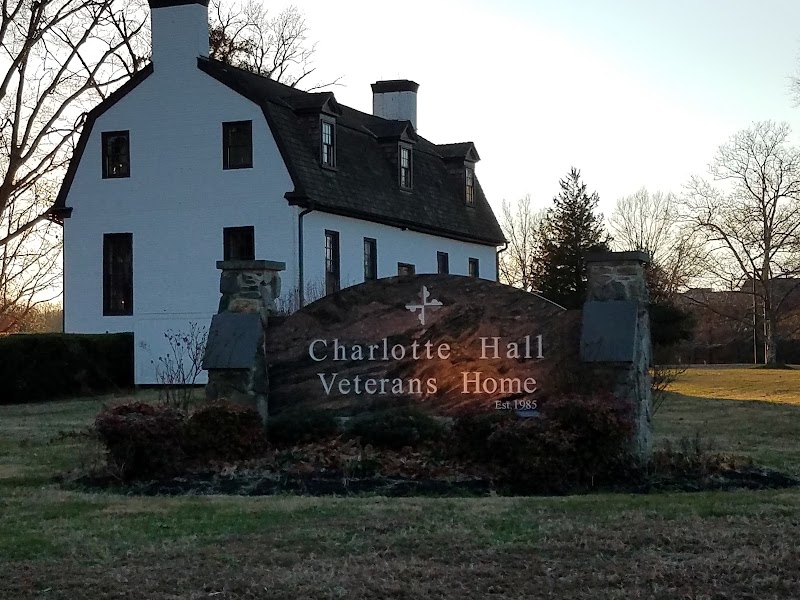
How is Charlotte Hall Veterans Home Staffed?
CMS rates Charlotte Hall Veterans Home's staffing level at 5 out of 5 stars, which is much above average compared to other nursing homes. Staff turnover is 33%, compared to the Maryland average of 46%. This relatively stable workforce can support continuity of care.

What Have Inspectors Found at Charlotte Hall Veterans Home?

State health inspectors documented 45 deficiencies at Charlotte Hall Veterans Home during 2018 to 2025. These included: 2 Immediate Jeopardy (the most serious level, indicating potential for serious harm or death), 7 that caused actual resident harm, and 36 with potential for harm. Immediate Jeopardy findings are rare and represent the most serious regulatory concerns. They require immediate corrective action.

Who Owns and Operates Charlotte Hall Veterans Home?

Charlotte Hall Veterans Home is owned by a for-profit company. For-profit facilities operate as businesses with obligations to shareholders or private owners. The facility operates independently rather than as part of a larger chain. With 286 certified beds and approximately 209 residents (about 73% occupancy), it is a large facility located in CHARLOTTE HALL, Maryland.

How Does Charlotte Hall Veterans Home Compare to Other Maryland Nursing Homes?

Compared to the 100 nursing homes in Maryland, Charlotte Hall Veterans Home's overall rating (4 stars) is above the state average of 3.0, staff turnover (33%) is significantly lower than the state average of 46%, and health inspection rating (3 stars) is at the national benchmark.

What Should Families Ask When Visiting Charlotte Hall Veterans Home?

Based on this facility's data, families visiting should ask: "What changes have been made since the serious inspection findings, and how are you preventing similar issues?" "Can I visit during a mealtime to observe dining assistance and food quality?" "How do you handle medical emergencies, and what is your hospital transfer rate?" "Can I speak with family members of current residents about their experience?" These questions are particularly relevant given the facility's Immediate Jeopardy citations.

Is Charlotte Hall Veterans Home Safe?

Based on CMS inspection data, Charlotte Hall Veterans Home has documented safety concerns. Inspectors have issued 2 Immediate Jeopardy citations (the most serious violation level indicating risk of serious injury or death). The facility has a 4-star overall rating and ranks #1 of 100 nursing homes in Maryland. Families considering this facility should ask detailed questions about what corrective actions have been taken since these incidents.

Do Nurses at Charlotte Hall Veterans Home Stick Around?

Charlotte Hall Veterans Home has a staff turnover rate of 33%, which is about average for Maryland nursing homes (state average: 46%). Moderate turnover is common in nursing homes, but families should still ask about staff tenure and how the facility maintains care continuity when employees leave.

Was Charlotte Hall Veterans Home Ever Fined?

Charlotte Hall Veterans Home has been fined $268,795 across 2 penalty actions. This is 7.5x the Maryland average of $35,767. Fines at this level are uncommon and typically indicate a pattern of serious deficiencies, repeated violations, or failure to correct problems promptly. CMS reserves penalties of this magnitude for facilities that pose significant, documented risk to resident health or safety. Families should request specific documentation of what issues led to these fines and what systemic changes have been implemented.

Is Charlotte Hall Veterans Home on Any Federal Watch List?

Charlotte Hall Veterans Home is not on any federal watch list. The most significant is the Special Focus Facility (SFF) program, which identifies the bottom 1% of nursing homes nationally based on persistent, serious quality problems. Not being on this list means the facility has avoided the pattern of deficiencies that triggers enhanced federal oversight. This is a positive indicator, though families should still review the facility's inspection history directly.