CHESTERTOWN NURSING AND REHAB
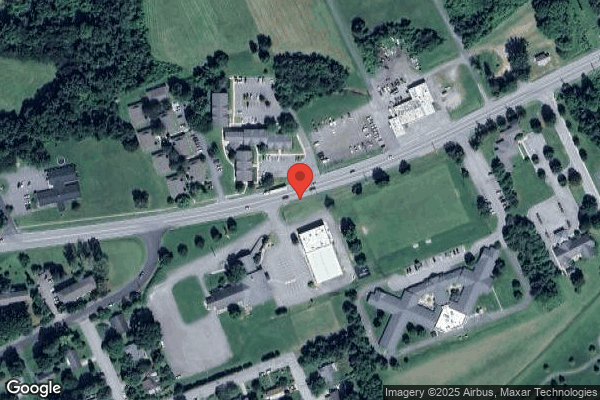

415 MORGNEC ROAD, CHESTERTOWN, MD 21620 (410) 778-1900
For profit - Limited Liability company 92 Beds KEY HEALTH MANAGEMENT Data: November 2025
Trust Grade
38/100
#192 of 219 in MD
Last Inspection: September 2023

Over 2 years since last inspection. Current conditions may differ from available data.

Overview

Chestertown Nursing and Rehab has received a Trust Grade of F, indicating poor performance with significant concerns about the facility's quality of care. Ranking #192 out of 219 facilities in Maryland places it in the bottom half, and it is the third choice out of three in Kent County, meaning only one local option is better. Although the facility’s trend is improving, with issues decreasing from 29 in 2023 to 6 in 2025, there are still serious concerns. Staffing is a weakness, with a low rating of 1 out of 5 stars and a turnover rate of 54%, which is higher than the state average. Specific incidents include a lack of hot water for several days impacting residents' hygiene and a failure to ensure that nearly two-thirds of residents had working phones in their rooms. On a positive note, the facility has average RN coverage, which can help catch potential problems. However, the overall environment and management practices need significant improvement.

Trust Score
F
38/100
In Maryland
#192/219
Bottom 13%
Safety Record
Low Risk
No red flags
Inspections
Getting Better
29 → 6 violations
Staff Stability
⚠ Watch
54% turnover. Above average. Higher turnover means staff may not know residents' routines.
Penalties
○ Average
$3,418 in fines. Higher than 70% of Maryland facilities. Some compliance issues.
Skilled Nurses
○ Average
Each resident gets 36 minutes of Registered Nurse (RN) attention daily — about average for Maryland. RNs are the most trained staff who monitor for health changes.
Violations
⚠ Watch
54 deficiencies on record. Higher than average. Multiple issues found across inspections.
★☆☆☆☆
1.0
Overall Rating
★☆☆☆☆
1.0
Staff Levels
★★☆☆☆
2.0
Care Quality
★★☆☆☆
2.0
Inspection Score
Stable
2023: 29 issues
2025: 6 issues

The Good

  • Full Sprinkler Coverage · Fire safety systems throughout facility
  • No fines on record

Facility shows strength in fire safety.

The Bad

1-Star Overall Rating

Below Maryland average (3.0)

Significant quality concerns identified by CMS

Staff Turnover: 54%

Near Maryland avg (46%)

Higher turnover may affect care consistency

Federal Fines: $3,418

Below median ($33,413)

Minor penalties assessed

Chain: KEY HEALTH MANAGEMENT

Part of a multi-facility chain

Ask about local staffing decisions and management

The Ugly 54 deficiencies on record

Aug 2025 6 deficiencies
CONCERN (D) 📢 Someone Reported This

A family member, employee, or ombudsman was alarmed enough to file a formal complaint

Potential for Harm - no one hurt, but risky conditions existed

Free from Abuse/Neglect (Tag F0600)

Could have caused harm · This affected 1 resident

Number of residents sampled: Number of residents cited: Based on record review and interview, it was determined that the facility failed to ensure that a resident was free from abuse. This was evident...

Read full inspector narrative →
Number of residents sampled: Number of residents cited: Based on record review and interview, it was determined that the facility failed to ensure that a resident was free from abuse. This was evident for 1 (Incident #310745) of 3 Facility Reported Incidents (FRIs) reviewed during the annual survey.The findings include:On 08/11/2025 at 10:34 AM, review of Incident #310745 investigation documentation revealed that on 4/20/25, Geriatric Nursing Assistant (Staff #34) observed bruises on Resident #24's right ankle. Further review of the investigation documentation revealed when Staff #34 asked Resident #24 about the bruising, he/she indicated that GNA was rough and aggressive with him/her on 4/19/25. On 08/11/2025 at 10:43 AM, review of the follow-up investigation report form revealed that the allegation was verified by the facility based on statements collected and physical findings.On 08/13/2025 at 8:39 AM, the surveyor reviewed the concern with the Nursing Home Administrator, who was aware that the allegation was verified by the facility.
CONCERN (D) 📢 Someone Reported This

A family member, employee, or ombudsman was alarmed enough to file a formal complaint

Potential for Harm - no one hurt, but risky conditions existed

Report Alleged Abuse (Tag F0609)

Could have caused harm · This affected 1 resident

Number of residents sampled: Number of residents cited: Based on record review and interview, it was determined that the facility failed to report an allegation of abuse within two hours. This was evi...

Read full inspector narrative →
Number of residents sampled: Number of residents cited: Based on record review and interview, it was determined that the facility failed to report an allegation of abuse within two hours. This was evident for 1 (Incident #310745) of 3 Facility Reported Incidents reviewed during the annual survey.The findings include:On 08/11/2025 at 10:34 AM, review of Incident #310745 investigation documentation revealed that on 4/20/25 at 11:30 AM, Geriatric Nursing Assistant (Staff #34) observed bruises on Resident #24's right ankle. Further review of the investigation documentation revealed that on 4/20/25 at 11:30 AM, when Staff #34 asked Resident #24 about the bruising, he/she indicated that GNA was rough and aggressive with him/her on 4/19/25. On 08/11/2025 at 10:43 AM, review of the investigation documentation revealed that the facility failed to report the incident to the Office of Health Care Quality until 4/20/2025 at 1:10 PM.On 8/11/25 at 11:28 AM, the surveyor reviewed the concern with the Nursing Home Administrator, she understood that the incident was not reported within two hours.
CONCERN (D) 📢 Someone Reported This

A family member, employee, or ombudsman was alarmed enough to file a formal complaint

Potential for Harm - no one hurt, but risky conditions existed

Investigate Abuse (Tag F0610)

Could have caused harm · This affected 1 resident

Number of residents sampled: Number of residents cited: Based on record reviews and interviews, it was determined that facility staff failed to ensure a thorough investigation was conducted for an all...

Read full inspector narrative →
Number of residents sampled: Number of residents cited: Based on record reviews and interviews, it was determined that facility staff failed to ensure a thorough investigation was conducted for an allegation of staff to resident abuse and failed to maintain documentation. This deficient practice was evident for one resident (# 78) reviewed for facility reported investigations during the annual survey.The findings include:On 08/11/25, a review of the facility reported incident (FRI) # 310743 revealed that on 1/26/25, Resident #78 informed a nurse supervisor that a staff member made inappropriate comments while administrating medication on 01/24/25. The resident stated that the comments made them feel uncomfortable and embarrassed. A review of the facility's initial report form dated 01/27/25 indicated that the facility contacted the police. The alleged perpetrator was suspended, a psychiatric nurse practitioner was requested to evaluate the resident, and social worker met with the resident to ensure the resident felt safe. In addition, statements were obtained from Resident #78, the alleged perpetrator, the nurse supervisor, and staff who were working at the time of the alleged incident.A review of family nurse practitioner (NP) #37 progress note dated 01/28/25 indicated that NP #37 was requested to evaluate Resident #78 following an incident reported on 01/24/25. During the evaluation, the resident reported that a staff member exposed them, made inappropriate comments, and the incident made them feel embarrassed. NP #37 documented that that the resident's judgement and insight appeared intact. NP #37 concluded that, in her professional opinion after speaking with the resident, the allegations appear to be example of the resident's attention seeking behaviors and her fantasies about relationships. A review of the resident's medical record did not show documentation of a prior history of such behavior. A review of Resident #78's psychiatric evaluation and consultation dated 01/17/25, indicates that the resident was seen at the request of the facility for medication management. During the examination, the resident was noted as calm, well-groomed and cooperative. The resident's thought process was listed as linear, logical, and goal directed, with no acute psychiatric features observed. Further review of psychiatric evaluation from 09/17/24 through 01/17/25 did not reveal a history of attention seeking behavior. In addition, there was no documentation indicating that the resident was evaluated following the incident on 01/24/25.On 08/11/25, a review of the facility's follow-up investigation report form dated 01/30/25, indicated that the facility was unable to determine whether the incident actually occurred. The surveyor requested documentation to support the facility's conclusion, including evidence of the resident's behavioral concerns, documentation the resident was evaluated by psychology in relation to the incident from 01/24/25, and records verifying that the social worker met with the resident daily as indicated on the follow up investigation report form. During an interview with the Administrator (NHA), on 08/11/25 at 10:35 AM, the surveyor discussed the incident involving Resident #78 and asked about the basis of her conclusion regarding the incident. The NHA stated that her investigation was based on the nurse practitioners progress note. The surveyor explained that a review of Resident #78's care plan, progress notes, and psychiatric evaluations prior to the incident on 01/24/25 failed to reveal a history of attention seeking behavior, fantasies about relationships, or any other similar behaviors. The NHA acknowledged that she did not review the resident records and that her decision not to substantiate the incident was based on NP #37's progress note. On 08/11/25 at 11:06 AM, the Assistant Director of Nursing informed the surveyor that the facility was unable to provide the request
CONCERN (D) 📢 Someone Reported This

A family member, employee, or ombudsman was alarmed enough to file a formal complaint

Potential for Harm - no one hurt, but risky conditions existed

Comprehensive Care Plan (Tag F0656)

Could have caused harm · This affected 1 resident

**NOTE- TERMS IN BRACKETS HAVE BEEN EDITED TO PROTECT CONFIDENTIALITY** Based on record review and interview with facility staff, it was determined that the facility failed to 1) initiate a care plan ...

Read full inspector narrative →
**NOTE- TERMS IN BRACKETS HAVE BEEN EDITED TO PROTECT CONFIDENTIALITY** Based on record review and interview with facility staff, it was determined that the facility failed to 1) initiate a care plan for residents receiving oxygen therapy, 2) initiate a care plan for a resident with Clostridioides difficile (C. Diff), and 3) initiate a care plan for a resident with colostomy. This was evident for 3 residents (Residents #19, #20 and #98) out of 3 resident records reviewed for care plans during the Medicare/Medicaid recertification survey. A care plan is a guide that addresses the unique needs of each resident. It is used to plan, assess, and evaluate the effectiveness of the resident's care.Oxygen (O2) therapy is a treatment that provides you with extra oxygen to breathe in. It is also called supplemental oxygen. It is only available through a prescription from your health care provider.Clostridioides difficile (C. Diff) is the currently accepted scientific name, replacing the former Clostridium difficile (C. Diff). Both names refer to the same bacterium, which is a common cause of diarrhea and colitis, particularly in individuals taking antibiotics. A colostomy is a surgical procedure that brings one end of the large intestine out through an opening (stoma) made in the abdominal wall. Stools moving through the intestine drain through the stoma into a bag attached to the skin of the abdomen. A colostomy bag, also called a stoma bag or ostomy bag, is a small, waterproof pouch used to collect waste from the body. 1) On 08/04/2025 at 4:48 PM, during a review of Resident #19's electronic health record, it was noted that an order for oxygen therapy had been given on 07/27/2025. The surveyor reviewed the electronic care plans and found no care plan addressing oxygen therapy.At 5:11 PM on the same day, during an interview with the unit manager, Licensed Practical Nurse (LPN#5), when she was asked when Resident #19 had an order for oxygen therapy, she stated that the resident was placed on oxygen therapy on 07/27/2025. When asked who was responsible for initiating and updating care plans, she stated that the Director of Nursing (DON), the Assistant Director of Nursing (ADON), and at times herself, were responsible for care plan initiation and updates. When asked whether Resident #19 had a care plan to reflect oxygen therapy and related interventions, she responded that she would consult with ADON.At 5:14 PM on the same day, during an interview with the ADON, when asked who was responsible for initiating and updating care plans, she stated that updating care plans was her responsibility, along with the DON and unit managers. When asked whether there was a care plan in place for the resident's oxygen therapy, she said she would check. After approximately five minutes, she confirmed that no care plan had been initiated for oxygen use. When asked if a care plan should have been in place for oxygen therapy, both the ADON and LPN #5 agreed that one should have been created.At 5:49 PM on the same day, when the DON was interviewed regarding the facility's expectations for updating care plans, he stated that care plans should be updated promptly whenever there is a change in a resident's condition. When he was informed of the absence of a care plan for Resident #19's oxygen therapy, the DON stated that the care plan was initiated after being notified by ADON that the surveyor could not find a care plan for Resident #19's oxygen therapy.2) On 08/04/2025 at 11:11 AM, during the initial facility tour, the surveyor observed signage on Resident #20's door indicating Droplet and Contact Precautions. During a brief conversation, the resident referenced his/her health condition stating that he/she had loose stools.On 08/05/2025 at 11:21 AM, review of Resident #20's electronic health record showed the Progress notes dated 07/31/2025 indicated the resident was experiencing recurrent loose stools. The Medical Director was notified, a stool sample was ordered, and an antibiotic was initiated. laboratory results dated [DATE] confirmed Clostridium difficile (C. diff) infection. Progress notes from 08/04/2025 documented more than two loose stools within a 24-hour period. The note indicated Resident #20 receiving treatment for C. diff and the physician was aware.On 08/05/2025 at 11:50 AM, review of the care plan did not show that Resident #20 had any care plan that addressed the ongoing infection.On 08/05/2025 11:57 AM in an interview with Licensed Practical Nurse (LPN) #17 in the presence of the Unit Manager Staff #5, when she was asked about Resident #20's recent health condition, she stated that the resident had C. Diff infection. When asked for the facility's protocol for a resident with such infection, she stated that such resident would be placed on contact/isolation precautions to keep the infection contained. When asked about the care plan for the ongoing infection, she stated that she would check. However, after reviewing the care plan, she acknowledged that no interventions were documented for the infection and stated that a care plan should have been in place.At 12:09 PM the same day, the [NAME] President of Clinical Operations (Staff #16) joined the interview. When asked about facility expectations regarding care planning for an active infection, she confirmed that a care plan should have been developed while the infection was ongoing.At 12:39 PM on the same day, in an interview with the Director of Nursing (DON), he stated that facility expectations include creating a care plan for any active diagnosis, including goals and interventions specific to the condition. He acknowledged that the omission of a care plan for Resident #20's C. Diff infection was a concern and confirmed that a care plan would be initiated immediately. 3) On 08/11/2025 at 7:12 AM, review of complaint 310701 showed that on 01/23/2024, Resident #98 filed a complaint with the state agency stating that his/her colostomy bag had not been changed. A review of the resident's clinical records by the surveyor revealed that the resident was originally admitted to the facility on [DATE] and was readmitted on [DATE]. MDS admission review on 01/03/2024 indicated that the resident had a BIMS score of 14 out of 15, signifying that he/she was cognitively intact at the time of the complaint.On 08/11/2025 at 7:28 AM, a further review of Resident #98's medical records revealed that the resident had other care plans but there was no care plan seen for the colostomy.On 08/11/2025 at 11:15 AM, during an interview with the Assistant Director of Nursing (ADON), she stated that the facility's expectation for caring for a resident with a colostomy was that the colostomy bag should be emptied, cleaned, monitored, and changed as appropriate, with accurate documentation. She further explained that attending physicians are contacted during admission and that charge nurses or unit managers are responsible for reviewing admissions with physicians and obtaining orders for residents with colostomies. When informed that the resident did not have a care plan to care for the colostomy and asked if there should have been a care plan in place, the ADON acknowledged that there should have been a care plan in place to guide appropriate interventions.On 08/11/2025 at 1:15 PM, when the Director of Nursing (DON) was informed about the concerns with Resident #98's colostomy care, he stated that there should have been a physician order to monitor the site and color of the ostomy, the fecal output, the frequency of colostomy bag changes, and the size of the bag, along with a care plan specifying nursing interventions for colostomy care.
CONCERN (D) 📢 Someone Reported This

A family member, employee, or ombudsman was alarmed enough to file a formal complaint

Potential for Harm - no one hurt, but risky conditions existed

Deficiency F0657 (Tag F0657)

Could have caused harm · This affected 1 resident

Based on review of a facility reported incident , record reviews and staff interviews, it was determined that the facility failed to 1) revise a care plan to accommodate the need after medication was ...

Read full inspector narrative →
Based on review of a facility reported incident , record reviews and staff interviews, it was determined that the facility failed to 1) revise a care plan to accommodate the need after medication was increased and 2) revise a care plan after a facility reported incident. This was evident for 1 resident (Resident #69) out of 3 residents reviewed for care plans during the Medicare/Medicare recertification survey.The care plan provides an opportunity to see if it meets the residents' needs by reviewing what strategies are working and which are not. It can also identify changes in the resident's condition or behavior that will require revisions of the care plan. Care conferences are usually held on a regular basis, often quarterly, but can be scheduled more frequently if needed based on the resident's condition. 1) On 08/06/2025 at 9:57 AM, during a review of Resident #69’s order in his/her electronic health records, it revealed that the Medical Director, Staff #32 had given an order on 07/09/2025 for “Seroquel Tablet 25 MG (Quetiapine Fumarate) Give 1 tablet by mouth two times a day” to be given to the resident in addition to the initial order for Quetiapine Fumarate Oral Tablet 50 MG (Quetiapine Fumarate) which was ordered on 04/05/2025. At 10:03 AM on the same day, review of Resident #69’s care plan did not show that it was revised to reflect the medication change. At 10:07 AM on the same day, a review of the resident’s progress notes in the electronic health record on 07/10/2025 showed “Alert Note with note text: Behaviors, Resident observed very agitated and aggressive towards staff and residents. MD made aware, medication in place”. On 08/06/2025 at 10:57 AM, in an interview with the Director of Nursing (DON), when he was asked for the protocol after a change in residents medication regimen regarding care plan updates, he stated that he would have expected the residents care plan to reflect the new change in the medication regimen with goals and intervention in place. When he was informed that Resident #69s care plan did not reflect the medication change, he confirmed that it was not updated and stated that he would update the care plan immediately. 2) On 08/07/2025 7:34 AM, the surveyor reviewed the facility’s reported investigation packet for intake 310746 which confirmed a verified altercation between Resident #69 and Resident #79. Both residents were documented as having dementia. At 7:48 AM on 08/07/2025, further review of the packet revealed a handwritten statement by Geriatric Nursing Assistant (GNA #39) in which she stated that “Resident #69 was entering and exiting every patient room bothering each patient”. At 10:25 AM on 08/07/2025, several progress notes in the electronic health records of Resident #69 noted that he/she gets agitated easily and gets redirected often. His/her care plan was also reviewed, and it was observed that the resident did not have any care plan in place for bothering other residents by going into their rooms and there was no care plan in place for his/her agitation behaviors as the only behavior care plan was for laying on the floor. On 08/07/2025 at 12:08 PM, in an interview with the Unit Manager Staff #5, while the Director of Nursing (DON ) was present, she was asked about the resident’s behavior, she stated that the resident gets agitated, and wanders into residents’ rooms .When asked if the resident had a care plan in place for such behavior, she checked through the DON’s laptop and confirmed that Resident #69 did not have any care plan to address the behaviors. When she was asked what care plan she would have had in place for the resident, she stated that she would have included agitation and wandering into other resident’s rooms in the care plan update. At 12:12 PM on 08/07/2025, in an interview with the DON, he was asked about his expectations regarding updating a care plan after an incident, he stated that depending on the findings of the investigation, the care plan would be put in updated to reflect the incident, goals and intervention for the incident.
CONCERN (D) 📢 Someone Reported This

A family member, employee, or ombudsman was alarmed enough to file a formal complaint

Potential for Harm - no one hurt, but risky conditions existed

Deficiency F0691 (Tag F0691)

Could have caused harm · This affected 1 resident

**NOTE- TERMS IN BRACKETS HAVE BEEN EDITED TO PROTECT CONFIDENTIALITY** Based on the review of Complaint Number 310737, medical records, and interviews with facility staff, it was determined that the ...

Read full inspector narrative →
**NOTE- TERMS IN BRACKETS HAVE BEEN EDITED TO PROTECT CONFIDENTIALITY** Based on the review of Complaint Number 310737, medical records, and interviews with facility staff, it was determined that the facility failed to ensure proper colostomy care was provided and documented for a resident (Resident #98), who had a colostomy. This deficiency was identified during the complaint investigation at the facility's Medicare/Medicaid recertification survey An ostomy is a surgery that makes a temporary or permanent opening in the skin called a stoma. A stoma is a pathway from an internal organ to the outside of your abdomen. A colostomy is a surgical procedure that brings one end of the large intestine out through an opening (stoma) made in the abdominal wall. Stools moving through the intestine drain through the stoma into a bag attached to the skin of the abdomen. A colostomy bag, also called a stoma bag or ostomy bag, is a small, waterproof pouch used to collect waste from the body. The Minimum Data set (MDS) assessment is a federally mandated assessment tool that nursing home staff use to gather information on each Resident's strengths and needs. Information collected drives resident care planning decisions. BIMS stands for Brief Interview for Mental Status. It is a standardized assessment tool used in long-term care facilities to screen residents for cognitive impairment. The BIMS assessment helps identify potential cognitive decline, including early signs of dementia and can help determine if further evaluation is needed. Findings include: On 08/11/2025 at 7:12 AM, review of complaint 310701 showed that on 01/23/2024, Resident #98 filed a complaint with the state agency stating that his/her colostomy bag had not been changed. A review of the resident's clinical records by the surveyor revealed that the resident was originally admitted to the facility on [DATE] and was readmitted on [DATE]. MDS admission review on 01/03/2024 indicated that the resident had a BIMS score of 14 out of 15, signifying that he/she was cognitively intact at the time of the complaint. On 08/11/2025 at 7:28 AM, a further review of Resident#98’s medical records revealed the following. The resident had every other order but there was no order seen for the colostomy or the colostomy care. The admission notes on 12/26/2025 showed that Resident #98 The patient was admitted for wound care and rehabilitation, remained alert and oriented with full code status, verbal and in a pleasant mood, skin warm and dry, with a large unstageable sacral ulcer managed with wet-to-dry packing, skin tear under the right breast and abdominal folds due to moisture, bilateral edema, clear lungs with palpable pulses, a soft and non-tender abdomen, good appetite on a regular diet, and discharge orders were approved by the Medical Doctor. The wound notes on 12/27/2024 revealed that the patient presented with sacral and bilateral buttock wounds, status post chemoradiation, laparoscopic diverting sigmoid colostomy, and sacral debridement. On 08/11/2025 at 11:15 AM, review of the daily skilled nursing charts showed that the resident’s colostomy bag was changed on the following dates: 12/29/2023, 01/18/2024, 01/22/2024, 01/23/2024, 01/24/2024, 01/25/2024, 01/27/2024, 01/28/2024, 01/30/2024, and 02/22/2024. The last documented colostomy change was on 02/22/2024, which was also the last skilled nursing chart entry found in the resident’s electronic record. The resident was discharged from the facility on 03/20/2024, with no documentation available regarding colostomy bag changes between 02/22/2024 and discharge. On 08/11/2025 at 12:21 PM, during an interview with the Assistant Director of Nursing (ADON), when asked for the facility’s expectation regarding caring for a resident with a colostomy, she stated that the facility’s expectation for caring for a resident with a colostomy was that the colostomy bag should be emptied, cleaned, monitored, and changed as appropriate, with accurate documentation. When asked about physician involvement, she stated that attending physicians were contacted during admission and that charge nurses or unit managers were responsible for reviewing admissions with physicians and obtaining orders for residents with colostomies. When informed that the resident did not have an order for colostomy care, the ADON acknowledged that there should have been a physician order specifying colostomy care, including change times, and appropriate interventions. On 08/11/2025 at 1:15 PM, when the Director of Nursing (DON) was informed about the concerns with Resident #98’s colostomy care, he stated that there should have been a physician order to monitor the site and color of the ostomy, the fecal output, the frequency of colostomy bag changes, and the size of the bag, along with a care plan specifying nursing interventions for colostomy care. When asked about his expectations for skilled nursing charting, he stated he would have expected daily documentation while the resident was under skilled services. He further explained that after the skilled days ended, the order for colostomy care should have been placed on the Treatment Administration Record (TAR) and documented as appropriate. When asked how often the colostomy bag should be changed, he stated it should be changed weekly or as needed (PRN) if soiled.
Sept 2023 29 deficiencies
CONCERN (D)

Potential for Harm - no one hurt, but risky conditions existed

Resident Rights (Tag F0550)

Could have caused harm · This affected 1 resident

Based on resident interview and observation it was determined the facility staff failed to treat residents with respect and dignity. This was evident for 4 (#16, #48 #75, #228) of 24 residents reviewe...

Read full inspector narrative →
Based on resident interview and observation it was determined the facility staff failed to treat residents with respect and dignity. This was evident for 4 (#16, #48 #75, #228) of 24 residents reviewed during the survey. The findings include the following: A urinary catheter bag attaches to a catheter that is inside a person's bladder that collects urine and is covered to discreetly to hide the urine. A urinary catheter bag is to be kept below a person's bladder to prevent infection. 1. During observation rounds on 09/10/23 at 3:00 PM the Resident #16 was found to be sitting outside of his/her room in the hallway in a chair with a urinary catheter bag sitting next to him/her. The urinary catheter bag was uncovered above his/her bladder and yellow white tinged fluid was noted inside the urinary catheter bag. The Unit Manager #26 was made aware of the findings on 9/10/23 at 3:10 PM. 2. During observation rounds on 09/20/23 at 10:35 AM the Resident #48 was being transported in the hallway by GNA (Geriatric Nursing Assistant) #34 on a shower bed/stretcher with his/her urinary catheter bag attached to the top of the shower bed/stretcher above his/her bladder. The urinary catheter bag was uncovered, and yellow, red-tinged fluid was noted inside the urinary catheter bag. During an interview on 09/20/23 at 10:36 AM, Staff #34 stated that she was not aware that the urinary catheter bag was to be covered or below Resident #48's bladder. Staff #34 moved the urinary catheter bag below Resident #48's bladder after surveyor intervention. 3. On 09/13/23 at 3:38 pm The surveyor entered Resident #75's room and noticed clothing on the unoccupied bed in the room. Before leaving the resident's room, the surveyor asked if the clothes on the unoccupied bed belonged to him/her. Resident #75 verified the items of clothing belonged to him/her. The surveyor noted the resident was admitted at least 5 days prior. 4. On 09/15/23 at 11:25 am during an interview with Resident #228 the resident reported when he/she was moved to his/her current room, the facility staff placed his/her clothing and personal items into a trash bag and put it in the closet. The surveyor opened the resident's closet door and observed the resident's clothing and papers in a black plastic trash bag. On 09/22/23 at 10:29 am during an interview with LPN Unit Manager #26, he/she stated it is the Geriatric Nursing Assistant's responsibility to complete the belongings list and hang the resident's clothes in the closet upon admission. The nurse is on duty and the unit manager is supposed to follow up to make sure the task and paperwork is done. On 09/27/23 at 12:25 pm during an interview with GNA #63 he/she stated, when a resident is admitted to the facility the GNA's complete a sheet with a list of belongings; they must check what belongings the resident has. The items are put away in the closet after the residents' clothes are labeled. Once completed, the form is given to the assigned nurse.
CONCERN (D)

Potential for Harm - no one hurt, but risky conditions existed

Deficiency F0559 (Tag F0559)

Could have caused harm · This affected 1 resident

**NOTE- TERMS IN BRACKETS HAVE BEEN EDITED TO PROTECT CONFIDENTIALITY** Based on observation and interview it was determined that the facility failed to provide written notice to a resident prior to c...

Read full inspector narrative →
**NOTE- TERMS IN BRACKETS HAVE BEEN EDITED TO PROTECT CONFIDENTIALITY** Based on observation and interview it was determined that the facility failed to provide written notice to a resident prior to changing the room assignment and failed to provide the resident with room assignment options. This deficient practice was evidenced in 1 (#228) of 2 resident records reviewed for room assignment changes. The findings include: During observation rounds on 09/10/23 at 9:57 am the surveyor noticed Resident #228 was assigned room [ROOM NUMBER]. On 09/15/23 at 11:25 am during an interview with Resident #228 who was in room [ROOM NUMBER], he/she made the surveyor aware the facility staff told him/her that morning he/she had to be moved to another room. He/she did receive written notice before being moved to another room and was not given an option to choose an available room and/or roommate. He/she was told a male resident needed to be isolated, so he/she had to be moved to another room. On 09/21/231:23 pm during an interview with Admissions Director # 44 he/she stated if the facility has admissions coming in and have another female bed/room available, they will move the resident to that room. The same goes for two male residents. Since there were two female beds that were not occupied, they moved the resident to that room. The resident was in a room alone after the roommate was discharged . Before moving a resident to another room, they usually make sure they are ok with the move. She also stated the facility did not provide a written notice and that they don't do that.
CONCERN (D)

Potential for Harm - no one hurt, but risky conditions existed

Deficiency F0567 (Tag F0567)

Could have caused harm · This affected 1 resident

Based on observation, staff, resident interview and review of facility policy and procedure it was determined the facility failed to provide the ability for Resident (#58) to have access to his/her pe...

Read full inspector narrative →
Based on observation, staff, resident interview and review of facility policy and procedure it was determined the facility failed to provide the ability for Resident (#58) to have access to his/her personal funds on the same day funds were requested. This was evident for 1 resident (#58) out of 58 residents reviewed during the annual survey. The findings include the following: During observation rounds on 09/14/2023 at 02:15 PM a letter addressed to all residents was found posted outside on the door of the Business Office stating that the facility petty cash account policy banking hours are from 9:00 AM to 4:00 PM on weekdays excluding holidays. During an interview on 09/14/2023 at 02:20 PM Resident (#58) stated that he/she does not have access to his/her money on the weekends. During an interview on 09/15/2023 at 09:43 AM the facility Administrator (#1) stated that money is not accessible to the residents on the weekends and that it will be fixed that they do. Review of the facility Resident Funds Policy and Procedure on 09/15/2023 at 10:00 AM stated that a resident's request for their personal funds will be honored no later than the same day of the request. During a follow-up interview on 9/15/23 at 2pm. The Business officer Manager presented the surveyor with a notice that was sent to all residents that funds are now available on the weekends effective immediately by contacting a nursing supervisor on the unit.
CONCERN (D)

Potential for Harm - no one hurt, but risky conditions existed

Deficiency F0576 (Tag F0576)

Could have caused harm · This affected 1 resident

Based on observations and interviews with the resident and facility staff it was determined the facility staff failed to ensure that the resident right to privacy was maintained by delivering mail uno...

Read full inspector narrative →
Based on observations and interviews with the resident and facility staff it was determined the facility staff failed to ensure that the resident right to privacy was maintained by delivering mail unopened to the resident. This was found to be evident for 1 (Resident # 46) of 58 residents reviewed during the survey. Findings include: An interview was conducted with Resident # 46 on 9/15/23 at 9:30 AM to discuss concerns that s/he were having. The resident stated that mailed is delivered open when s/he receives it. An interview was conducted with the Administrator on 9/15/23 at 9:40 AM and she was made aware of the resident concerns. The Administrator stated that the facility opens two residents mail and that Resident # 46 is one of them due to suspicion of paraphernalia, which is sent into the facility to this resident. The Administrator went on to say that Resident # 46 is present when the facility opens the mail. The survey team asked the Administrator if this process of opening resident's mail with the resident present is documented and/or care planned, and she stated that she will check. On a subsequent visit to the survey team on the same date at 11:30 AM, the Administrator brought a copy of Resident # 46's care plan to the team and upon review it revealed that when the resident gets mail delivered, the staff is to take the mail to the resident and have the mail opened in front of the staff. The care plan was initiated on 9/15/23. The Administrator stated that it was just created. All concerns were discussed with the Administration team upon exit on 9/28/23 at 7:15 PM.
CONCERN (D)

Potential for Harm - no one hurt, but risky conditions existed

Deficiency F0582 (Tag F0582)

Could have caused harm · This affected 1 resident

Based on record review and interview it was determined the facility failed to give Resident #49 at least 48 hours' notice before the end of his/her Medicare covered Part A facility stay. This was evid...

Read full inspector narrative →
Based on record review and interview it was determined the facility failed to give Resident #49 at least 48 hours' notice before the end of his/her Medicare covered Part A facility stay. This was evident for 1 resident (#49) out of 3 residents reviewed for discharges during the survey. The findings include the following: On 9/28/23, review of Resident #49's notices of Medicare Non-Coverage on 09/28/23 at 09:09 AM revealed that Resident #49's Medicare coverage was ending on 08/08/2023. Resident #49 was given notice that was signed by Resident #49 on 08/08/2023 therefore it was not 48 hours prior to his/her Medicare coverage ending. During an interview with the Social Worker on 9/28/23 at 10am she verified the notice of Medicare Non-Coverage was not given 48 hours prior to Resident #49's Medicare coverage ending.
CONCERN (D)

Potential for Harm - no one hurt, but risky conditions existed

Free from Abuse/Neglect (Tag F0600)

Could have caused harm · This affected 1 resident

Based on administrative record review and interviews with facility staff it was determined the facility failed to keep a resident safe from verbal abuse. This was found to be evident for 1 (Resident #...

Read full inspector narrative →
Based on administrative record review and interviews with facility staff it was determined the facility failed to keep a resident safe from verbal abuse. This was found to be evident for 1 (Resident # 176) of 12 residents reviewed for abuse during the facility's survey. Findings include: MD00160134 was reviewed on 9/27/23 at 12:00 PM for allegations of abuse. According to the facility's investigation, Licensed Practical Nurse (LPN) #64 admitted to being frustrated and yelling at Resident #176. According to a typed interview in which LPN #64 signed the form, she indicated that she may have been upset at the time and raised her voice. The LPN #64 stated that she told the resident that because the resident did not ring the call bell for assistance, she now has a lot of paperwork to complete and must work until 2-3:00 AM and may not make it to her appointment in the morning due to having to stay to complete the paperwork. The facility's investigation revealed the resident roommate was interviewed and confirmed that that the LPN (#64) yelled at the resident and another staff member (#65) confirmed the nurse was irritated and crying because she had to stay over and work. During the survey, LPN #64 was determined to no longer be employed by the facility and Resident #176 was also not available for interview. An interview was conducted with the DON on 9/27/23 at 2:00 PM and she was asked about this incident, and she stated that she was not at the facility at the time of the incident, however, she reviewed the investigation and she agreed with the facility's response to terminate the nurse and report the nurse to the Board of Nursing. The DON stated that she understands and confirmed that the abuse was substantiated after review of the investigation. All concerns were discussed with the Administration Team at the time of exit on 9/28/23 at 7:15 PM.
CONCERN (D) 📢 Someone Reported This

A family member, employee, or ombudsman was alarmed enough to file a formal complaint

Potential for Harm - no one hurt, but risky conditions existed

Report Alleged Abuse (Tag F0609)

Could have caused harm · This affected 1 resident

Based on observations, interviews with the resident family and facility staff, it was determined the facility failed to report allegations of abuse immediately to the state agency. This was found to b...

Read full inspector narrative →
Based on observations, interviews with the resident family and facility staff, it was determined the facility failed to report allegations of abuse immediately to the state agency. This was found to be evident for 1 (Resident # 51) of 12 residents reviewed for abuse during the facility's Medicare/Medicaid survey. Findings include: A call was placed on 9/19/23 at 12:00 PM to Resident #51's family member. The family member told the survey team that they were informed by Registered Nurse (RN)/Unit Manager # 28 and Licensed Practical Nurse (LPN)/Unit Manager #33 that Resident # 51 had bruises noted on both hands and along both forearms. The family member went on to say that the facility was doing an investigation into this matter. At this time two surveyors went to the RN #28 and LPN #33 and asked if they would bring Resident # 51 to the resident room. An observation was made at that time of Resident # 51 hands and both hands had a large area of bruising noted to the anterior aspect of the hand. Additional bruises were noted along both forearms. One area was covered with a dressing. The RN #28 and LPN #33 stated that the resident was confused when providing details as to what occurred, and that the facility was currently investigating, including reviewing videotapes. An interview was conducted with the Administrator on 9/19/23 at 12:30 PM and she was asked about this resident and the bruises, and she stated that the facility was currently investigating this matter. The Administrator was asked why this incident was not reported to the survey team that morning and/or our office and she stated because they were conducting their investigation. She was made aware that all allegations of abuse to include injury of unknown origin is to be reported immediately to our office and/or the survey team that was present at the facility. The Administrator stated that she will do this moving forward. Members of the survey team along with the Administrator and other staff reviewed video footage. The video dated 9/19/23 showed the Resident #51 wandering in the hallway. There was a Geriatric Nurse Assistant (GNA) #39 present sitting in the alcove in the hallway. The resident was observed on 9/19/23 at 3:50 AM going into another resident room while the GNA (#39) sat in the hallway and did not redirect the resident. At 3:51 AM Resident # 51 was observed wandering into another resident room. A minute later at 3:52 AM the GNA #39 got up from her chair and entered a resident room where Resident #51 wandered into. GNA # 39 and Resident #51 came out approximately 1 minute later, at 3:53 AM . At approximately 3:53 (14 seconds later) GNA #39 was observed sitting in the hallway in the alcove again. The ADON stated that the GNA #39, did not report the incident to anyone. During a later interview with the Administrator on the same date at 3:00 PM she informed the survey team that after reviewing the video footage and interviews of staff, the abuse allegations were unsubstantiated. All concerns were discussed with the Administration team at the time of exit on 9/28/23 at 7:15 PM.
CONCERN (D) 📢 Someone Reported This

A family member, employee, or ombudsman was alarmed enough to file a formal complaint

Potential for Harm - no one hurt, but risky conditions existed

Investigate Abuse (Tag F0610)

Could have caused harm · This affected 1 resident

Based on record reviews and interviews it was determined the facility failed to complete a thorough investigation of an alleged employee to resident verbal and physical abuse incident and failed to re...

Read full inspector narrative →
Based on record reviews and interviews it was determined the facility failed to complete a thorough investigation of an alleged employee to resident verbal and physical abuse incident and failed to report the alleged physical and verbal abuse to the police. This deficient practice was evident for 1 (#54) of 12 residents reviewed for alleged abuse during the survey. The findings include: On 09/11/23 at 10:30 AM review of facility incident report (FRI) MD00175409 revealed allegations of employee abuse towards Resident #54 but the resident requested that the police not be notified at the time of an incident on 4/12/22. The facility report was completed by an employee, the director of nursing, staff # 2, who was currently employed by the facility. On 09/11/23 at 11:44 AM in interview with Resident #54, the resident did not recall the incident that occurred on 04/12/22. On 09/18/23 at 11:23 AM the surveyor requested the facility related incident folder with all documentation related to Resident #54 from the director of nursing. The documentation was reviewed with the director of nursing (DON) at approximately 1:30 PM on 09/18/23. The DON stated that there were no additional hard copy documents related to this resident incident. The DON admitted that documentation of additional interviews of other staff and other residents as well as the evidence of staff education related to resident abuse should have been present in the facility incident report packet as well. No documentation of interviews of the nursing staff working the shift when the alleged incident occurred were provided to the surveyor. No interviews of other residents or employees who were present at the time of the incident were found in the facility report investigation packet. Additionally, the facility was unable to produce evidence of completed staff education related to resident abuse prevention and reporting were provided immediately after the incident in April 2022. The concerns regarding the lack of documentation of a thorough investigation was shared with the administrator, the DON, and the [NAME] President of Clinical Operations during the exit conference on 09/28/23 at 7:30 PM.
CONCERN (D)

Potential for Harm - no one hurt, but risky conditions existed

Deficiency F0625 (Tag F0625)

Could have caused harm · This affected 1 resident

Based on medical record review and staff interview it was determined the facility failed to notify the resident/resident representative in writing of the bed hold policy when the resident was transfer...

Read full inspector narrative →
Based on medical record review and staff interview it was determined the facility failed to notify the resident/resident representative in writing of the bed hold policy when the resident was transferred/discharged from the facility to an acute care facility. This was evident for 1 (resident #48) of 3 residents reviewed for transfers. The findings include: Review of the medical record for Resident #48 on 9/26/23 at 2pm revealed that on 9/10/23 the resident was sent to an acute care facility for a change in his/her medical condition. Further review of the medical record failed to produce written evidence that the resident and /or the resident representative were given written notice of the bed hold policy. During an interview with the Social Worker (staff # 17) on 9/26/23 at 5:50pm she stated the resident was given the reason for the transfer; however, she was unable to produce written evidence that the resident/resident representative was given written notice of the bed hold policy.
CONCERN (D)

Potential for Harm - no one hurt, but risky conditions existed

Deficiency F0657 (Tag F0657)

Could have caused harm · This affected 1 resident

Based on record review and interviews it was determined that the facility failed to have Quarterly care plan meetings as required for resident (#52) and failed to update the resident care plan to incl...

Read full inspector narrative →
Based on record review and interviews it was determined that the facility failed to have Quarterly care plan meetings as required for resident (#52) and failed to update the resident care plan to include the resident is non-compliant with treatment regimen (#46). This was evident for 2 of 58 residents (#52 and #46) reviewed during the survey. The findings include: 1. During an interview with Resident #52 on 09/13/23 at 9:59 am the resident was unable to verify the facility arranged quarterly care plan meetings. On 09/21/23 at 12:05 pm a review of Resident #52's electronic medical record (EMR) revealed that there were no care plan meeting notes to review in the EMR. On 09/22/23 at 9:05 am during an interview Social Services Director #17 stated he/she was hired with the expectation of completing care plan meetings every 90 days. He/she had been working to get them done. She indicated there were a few residents who have not been seen and he/she is trying to get the ball rolling so the meetings can be held every 90 days and that prior to his/her coming to the facility some were not done in a year. She advised November 2022 was the last time someone was in the SW position prior to his/her arrival in April 2023. On 09/22/23 10:18 am during an interview with Administrator #1 they were unable to find any care plan meeting notes for Resident #52 prior to the last care plan meeting that was held on 08/03/23. The surveyor received a copy of the care plan meeting note that was held on 08/03/23. 2. Review of Resident #46's record revealed the resident had the following but not limited diagnosis: Partial Traumatic Amputation at Level Between Knee and Ankle, Right Lower Leg, Peripheral Vascular Disease. An interview was conducted with the DON (Staff # 2) on 9/18/23 at 2:30 PM and she was asked about the resident wound that was noted to the stump area and she stated that resident had a diagnosis of Peripheral Vascular Disease (PVD). She also stated that the resident was very compulsive and non-compliant. The DON went on to explain that the resident's wound reopened because s/he keeps the prosthetic leg on longer than 30 minutes a day after being educated on how long to wear the prosthetic leg. An interview was conducted with the Rehabilitation Director (RD), Staff #68 on 9/18/23 at 3:05 PM and she was asked about Resident #46's prosthetic leg. The RD #68 stated that the resident was instructed to wear the prosthesis for 30 minutes a day, however, the resident wears it longer than 30 minutes a day. She also stated that the resident was educated. An interview was conducted with Resident # 46 on 9/18/23 at 3:15 PM and the resident stated that s/he wears the prosthetic leg for 30 minutes except for when s/he goes out on a Leave of Absence (LOA). The resident stated that s/he was informed to wear it only for 30 minutes a day. A copy of the resident care plan that was provided to the survey team on 9/18/23 at 3:30 PM and there was no care plan indicating the resident was non-compliant with wearing the prosthesis. During a subsequent interview with the DON at 3:35 PM she stated that the care plan will be updated. All concerns were discussed with the administrative team at the time of exit on 9/28/23 at 7:15 PM.
CONCERN (D) 📢 Someone Reported This

A family member, employee, or ombudsman was alarmed enough to file a formal complaint

Potential for Harm - no one hurt, but risky conditions existed

Quality of Care (Tag F0684)

Could have caused harm · This affected 1 resident

Based on the medical record review and staff interview it was determined the facility failed to ensure that medication was administered to a resident within a timeframe of professional standards of pr...

Read full inspector narrative →
Based on the medical record review and staff interview it was determined the facility failed to ensure that medication was administered to a resident within a timeframe of professional standards of practice. This was evident for 1 resident (#330) out of 10 residents reviewed for medications during the survey. The Findings Include: Metoprolol Succinate ER (Extended Release) and Lisinopril are medications that are used to treat Hypertension (high blood pressure) to lower a person's blood pressure. Digoxin (Digoxin) is a medication that is used to treat Atrial fibrillation (AFIB) (irregular heart rhythm) to manage a person's heartbeat. Review of resident #330's medical record on 09/25/2023 at 01:49 PM revealed the following: 1. A physician ordered on 01/07/2023 to administer medication Metoprolol Succinate ER (Extended Release) 24-hour 200mg give 1 tab by mouth one time a day for Hypertension. Review of the January 2023 Medication Administration Audit Report revealed that on 01/21/2023 the ordered administration time of medication was 08:00 AM but this medication was given at 14:43 PM (2:43PM) by staff (#67). 2. A physician ordered on 01/07/2023 to administer medication Lisinopril Tablet 5mg give 5mg by mouth one time a day for Hypertension. Review of the January 2023 Medication Administration Audit Report revealed that on 01/22/2023 the ordered administration time of medication was 08:00 AM but this medication was given at 10:18 AM by staff (#67). 3. A physician ordered on 01/07/2023 to administer medication Digoxin (Digoxin) Tablet 125 MCG give 125 mcg by mouth one time a day for AFIB. Review of the January 2023 Medication Administration Audit Report revealed that on 01/22/2023 the ordered administration time of medication was 08:00 AM but this medication was given at 10:18 AM by staff (#67). During interview on 09/25/2023 at 3:15 PM with the DON (Director of Nursing) #2 she stated that staff #67 worked for a staffing agency and she was not able to obtain the name of the staffing agency to contact staff (#67) to further follow up why medications were given at incorrect time. The DON also stated she agreed that the medications were given late and out of standard of practice timeframe, which for the facility is one hour before or one hour after designated time of medication administration.
CONCERN (D) 📢 Someone Reported This

A family member, employee, or ombudsman was alarmed enough to file a formal complaint

Potential for Harm - no one hurt, but risky conditions existed

Accident Prevention (Tag F0689)

Could have caused harm · This affected 1 resident

**NOTE- TERMS IN BRACKETS HAVE BEEN EDITED TO PROTECT CONFIDENTIALITY** Based on medical record review, interviews with family, observations, interviews with facility staff and a review of facility vi...

Read full inspector narrative →
**NOTE- TERMS IN BRACKETS HAVE BEEN EDITED TO PROTECT CONFIDENTIALITY** Based on medical record review, interviews with family, observations, interviews with facility staff and a review of facility video footage, it was determined the facility failed to supervise residents with wandering and known aggressive behaviors. This was evident for 3 residents (#51, #33 and #9) of 58 residents reviewed during the survey. Findings include: 1. A call was placed on 9/19/23 at 12:00 PM to Resident #51's family member regarding a concern that they had involving Resident #51. The family told the survey team that they were informed by Registered Nurse/(RN) Unit Manager #28 and Licensed Practical Nurse (LPN)/Unit Manager #33 that Resident (# 51) had bruises noted on both hands and along both forearms. At this time two surveyors went to the two nurses, RN# 28) and LPN (# 33) and asked if they would bring Resident (# 51) to the resident room. An observation was made at that time of Resident #51's hands and both hands had a large area of bruising noted to the anterior aspect of the hand. Additional bruises were noted along both forearms. One area was covered with a dressing. The two nurses stated that the resident was confused when providing details as to what occurred, and that the facility was currently investigating, including reviewing videotapes. On 9/19/23 at 1:15 PM members of the survey team along with the Administrator, Assistant Director of Nursing (ADON) and other staff reviewed video footage. The video dated 9/19/23 showed the Resident #51 wandering in the hallway. There was a Geriatric Nurse Assistant (GNA) # 39 present sitting in the alcove along the hallway. The resident was observed on 9/19/23 at 3:50 AM going into another resident room while the GNA (# 39) sat in the hallway and did not redirect the resident. At 3:51 AM Resident #51 was observed wandering into another resident room. A minute later at 3:52 AM GNA #39 got up from her chair and entered a resident room where Resident #51had wandered into. GNA #39 and Resident (# 51) came out approximately 1 minute later at 3:53 AM. At approximately 3:53 (14 seconds later) the GNA #39 was observed sitting in the hallway in the alcove area again. The ADON stated that the GNA, did not report the incident to anyone. Continued review of video footage provided by the facility of the previous day, dated 9/18/23 at 19:12, showed Resident # 51 sitting in a chair near the nurse station and the resident hands were in view and showed light bruising to both hands. The DON stated during the video review that the facility determined that when Resident #51 entered another resident room, there was some exchange between the two residents which prompted the GNA (#39) to get up and go into the room. According to the Administrator, GNA (# 39) reported that she heard yelling between the two residents, and she immediately went into the room. The DON and ADON was asked to explain the expectation of staff when they observe a resident wandering in and out of resident's rooms, and the DON stated that staff is to get up and stop the resident and direct them to their room. The ADON stated that the GNA #39 was educated. 2. An observation was made on 9/21/23 at 3:30 AM of GNA #39, an agency GNA assigned to provide one-to-one monitoring of Resident (#9). GNA #39 was observed by two surveyors asleep in a chair in the resident room. At this time one of the surveyors took a photo of the GNA asleep. GNA #39 was observed asleep for greater than five minutes. The two surveyors proceeded down the hall to speak with the nurse # 42 to make him aware. The nurse was asked to provide documentation of the one-to-one monitoring to the survey team, and he stated that the facility does not have documentation. At that time the GNA (# 39) came out of the resident room and grabbed linen from the linen cart that was in the hallway. The two surveyors asked her name and to explain why she was in the resident room. She stated that she was assigned to provide one-to-one monitoring to Resident (# 9) because the resident tries to get up and touch other residents. She stated that she is to always remain with the resident. The surveyors asked the GNA (# 39) to provide documentation of the monitoring and she was unable to provide this information. An interview was conducted with the Administrator on 9/21/23 at 4:45 AM and she was asked to explain the expectation of one-to-one monitoring and she stated that the staff is to always remain with the resident to ensure the resident remains safe. The Administrator told the survey team that she spoke with the GNA (#39) who informed her that it was reported that she found sleeping. She denied being asleep. The survey team informed the Administrator that a photo was taken of GNA (#39) sleeping, and she asked the survey team if she could view the photo. The Administrator confirmed that the GNA #39 was asleep. The facility provided the survey team with a copy of the facility policy for one-to-one monitoring of residents. The facility was unable to provide documentation of the one-to-one monitoring that was done for Resident #9. Review of the facility's one-to-one monitoring policy on 9/25/23 at 1:40 PM indicated the following: There are times when 1:1 supervision of a resident may be required in the event of a risk of harm to themselves or others. Residents who require this level of supervision will be maintained until deemed no longer necessary by the attending physician, nurse practitioner, psychologist, or psychologist. 1. Ensure that the role and responsibility of the employee providing the continuous observation is allocated appropriately and may be rotated between different staff members over the duration of the shift. 2. Ensure break coverage is provided- this includes coverage for any period the employee must leave the patient. During a follow-up meeting with the Administrator on the same date at 2:30 PM, she stated that GNA (# 39) will not be returning to the facility. The Administrator was still unable to provide documentation of the resident one-to-one monitoring. 3. On 09/27/23 at 2:37 pm, a review of complaint MD00184413 revealed that Resident (#234) was admitted to the facility on [DATE] and reported Resident (#33) frequently wandered into his/her room and harassed him/her. On 09/28/23 at 10:35 am review of the grievance dated 10/06/22 filed with social services, Resident (#234) reported Resident (#33) came into his/her room two weeks before the grievance statement was taken and threatened Resident (#234). Resident (#234) also reported Resident (#33) had been following him/her since he/she was admitted to the nursing home. A review of Resident #234's electronic medical record revealed a Brief Interview for Mental Status (BIMS) was 14/15 on the Minimum Data Assessment Reference Date (ARD) dated 08/31/22, indicating intact cognition. The note written by Social Services indicated Resident #33 had a history of Dementia and was always very confused. Review of Resident #33's BIMS was 3/15 on the Minimum Data Assessment (ARD) dated 08/32/22, indicating severe cognitive impairment and Resident #33's BIMS was not assessed on 09/07/22 at the end of PPS stay (perspective payment system). A review of Resident (#33) medication administration record (MAR)/treatment administration record (TAR) for October 2022 revealed there was no documentation indicating the resident was on 1:1 observation related/to wandering within the facility. Resident (#33) was prescribed medication on 08/11/22 at 9 am for Vascular Dementia with Behavioral Disturbance. On 09/28/23 at 11:36 am, a review of Resident #33's September 2022 MAR/TAR for 1:1 supervision, there was no documentation the resident was being monitored. A review of November 2022's MAR/TAR revealed the resident was being monitored for behaviors starting 11/09/22. Continued review revealed the resident did not have a care plan for supervision. A review of the census during the time of the alleged incident in September 2022, revealed Resident (#33) was residing on Chesapeake 1 room [ROOM NUMBER]-B. On 09/28/23 at 11:47 am during the time of the alleged incident Resident (#234) was residing on Chesapeake 1 room [ROOM NUMBER]-P which was a private room. On 09/28/23 12:09 pm during an interview with VP Clinical Services (#60) when Resident (#33) wasn't in his/her room someone was stationed in the hallway, but there was no documentation to support the resident was being monitored after the alleged incident in September 2022. On 09/28/23 4:19 pm during an interview with Director of Nursing (#2) she stated there was no care plan for supervision for Resident (#33).
CONCERN (D)

Potential for Harm - no one hurt, but risky conditions existed

Deficiency F0698 (Tag F0698)

Could have caused harm · This affected 1 resident

Based on medical record review and interview it was determined that the facility failed to have an effective system in place to ensure communication of assessment information was conveyed between the ...

Read full inspector narrative →
Based on medical record review and interview it was determined that the facility failed to have an effective system in place to ensure communication of assessment information was conveyed between the nursing facility and the offsite dialysis center. This was found to be evident for 1 of 1 resident (#10) reviewed for dialysis. The findings include: Dialysis is a treatment to clean your blood when the kidneys are not able to perform the function. On 9/15/23 at 10 am Resident #10's clinical records were reviewed and revealed that the resident was admitted to the facility with diagnosis which included End Stage Renal disease and high blood pressure. Further review of the resident's clinical records revealed that the resident attended dialysis at an offsite dialysis center three times a week. During an interview on 9/15/23 at 10:30 am the unit manager #28 reported that prior to sending a resident out for dialysis they take vital signs and complete the top portion of the form (Dialysis Communication Record) which is sent to dialysis with the resident. Upon return the resident is assessed and they make sure the form is returned and filled out by the dialysis center. Review of the Dialysis Communication Records for August and September of 2023 revealed several occasions when the Dialysis Communication Form had not been completed. On the following dates the section to be completed by the Dialysis staff titled Post Dialysis Information Resident Specific was blank on: 8/7/23, 8/9/23, 8/14/23, 8/16/23, 8/21/23, 8/23/23, 8/25/23, 8/28/23, 9/1/23, 9/5/23, 9/6/23, 9/8/23, 9/11/23, 9/13/23, and 9/15/23. During an interview on 9/15/23 at approximately 12 pm the Director of Nursing stated that the facility staff are supposed to document the vital signs on the Dialysis Communication Form and the communication book should go with the resident to dialysis. She also stated that if no information is provided by dialysis center upon return the expectation is for the nurse to call the dialysis center and request the document. The surveyor reviewed the concern that there were several occasions when no documentation was found post dialysis on the communication forms. After surveyor intervention the Dialysis Unit was called and the Post Dialysis Information was faxed to the facility for August and September 2023.
CONCERN (D)

Potential for Harm - no one hurt, but risky conditions existed

Staffing Information (Tag F0732)

Could have caused harm · This affected 1 resident

**NOTE- TERMS IN BRACKETS HAVE BEEN EDITED TO PROTECT CONFIDENTIALITY** Based on observations and interviews it was determined that the facility failed to ensure staffing information was complete and ...

Read full inspector narrative →
**NOTE- TERMS IN BRACKETS HAVE BEEN EDITED TO PROTECT CONFIDENTIALITY** Based on observations and interviews it was determined that the facility failed to ensure staffing information was complete and accurate. This deficient practice was evident for 1 of 2 units observed during the Medicare/Medicaid survey. The findings include: On 09/10/23 at 5:40 pm during observation rounds the surveyor observed the assignment board on [NAME] was not updated to reflect the current shift. During an interview with GNA #6 he/she reported the nurses usually update the assignment board. On 09/11/23 at 9:52 am while on the [NAME] Unit the surveyor observed the assignment board was not updated to reflect the nurse who were assigned to the unit. On 09/12/23 at 8:25 am the surveyor observed the assignment board on [NAME] was not updated to reflect the name of the nurse and GNA's who were working on the unit. RN #28 confirmed that the assignment was not completed. On 09/13/23 at 9:43 am the surveyor observed that the assignment board on [NAME] was not updated to reflect the current date. Review of the assignment sheets for 09/09/23 and 09/12/23 revealed both assignment sheets were incomplete. In interview the same date, LPN Unit Manager #26 confirmed the assignment sheets were incomplete. During an interview with LPN Unit Manager # 26 at 10:22 am confirmed the assignment board was incorrect and the nurse on the unit was supposed to complete the assignment board and that she usually checks to see if the assignment board and assignment sheet is completed. After surveyor intervention, the assignment sheet and board were both updated.
CONCERN (D)

Potential for Harm - no one hurt, but risky conditions existed

Drug Regimen Review (Tag F0756)

Could have caused harm · This affected 1 resident

Based on a review of the medical record and interviews with facility staff it was determined that the facility failed to respond to the pharmacy recommendations after a monthly clinical review was don...

Read full inspector narrative →
Based on a review of the medical record and interviews with facility staff it was determined that the facility failed to respond to the pharmacy recommendations after a monthly clinical review was done. This was found to be evident for 1 (Resident # 46) of 5 residents reviewed for unnecessary medications during the facility's Medicare/Medicaid survey. Findings include: Resident #46 medications were reviewed on 9/19/23 at 11:00 AM for unnecessary medications. Upon review of the Consultant Pharmacist Medication Regimen Review Medical Director Report dated 8/24/23 it indicated the following: Physician Recommendation: Ordered: Risperdal 0.5 mg BID for Psychosis since 4/27/2023. Resident is due for a Gradual Dose Reduction (GDR) to find the lowest effective dose. Please consider a trial dose reduction. If the medication cannot be reduced at this time, please provide a rationale below related to the gradual dose reduction being clinically contraindicated at this time and make a brief clinical rationale note that benefits outweigh the risks. There was no response indicated on the form. Further review of Resident #46's last psychiatric consultation done on 8/23/23 indicated that a GDR was not indicated per the behavioral report. An interview was conducted with the D/ON on 9/19/23 at 1:20 PM and she was asked to provide copies of the facility's response to the pharmacist's recommendations, and she stated that she has looked everywhere and was unable to find any responses to the pharmacy reviews for 8/24/23. She was able to provide the medical director's signed response for July 2023 only. An interview was conducted with the Medical Director (MD) #21, on 9/20/23 at 9:20 AM and he was asked about the pharmacy recommendations that were not completed for 8/24/23 and he stated that he was unaware. The MD #21 further stated that any pharmacy recommendations that were not addressed by the Attending Physician are brought to him. He went on to say that that the attending physician may not agree with the pharmacist recommendation or there may be a signature that is needed; these concerns are brought to the MD #21 to respond to. MD #21 stated that the facility did not bring to his attention that the recommendations were not responded to. He stated that he will discuss this with Administration moving forward. The MD (Staff # 21) came back to the survey team later that evening and stated that he addressed and responded to all the outstanding pharmacy recommendations. All concerns were discussed with the Administration team at the time of exit on 9/28/23 at 7:15 PM.
CONCERN (D)

Potential for Harm - no one hurt, but risky conditions existed

Deficiency F0757 (Tag F0757)

Could have caused harm · This affected 1 resident

Based on medical record review and interviews it was determined that the facility physician prescribed an antibiotic to a resident without adequate indication of use. This deficient practice was evide...

Read full inspector narrative →
Based on medical record review and interviews it was determined that the facility physician prescribed an antibiotic to a resident without adequate indication of use. This deficient practice was evident in 1 (#226) of 5 resident records reviewed for unnecessary medications. The findings include: On 09/13/23 at 12:04 pm, review of Resident #226's medical record revealed the resident was prescribed an antibiotic for a suspected urinary tract infection (UTI). Per the medication administration record (MAR) on 09/11/23 at 9 pm the resident was ordered Cipro 250 mg by mouth two times a day for a low-grade fever for 7 days. The medication was signed off as given on 09/12/23 at 9 am. The antibiotic was discontinued on 09/13/23 at 12:37 pm. On 09/15/23 at 9:47 am. review of the Electronic Medical Record (EMR) revealed a urine specimen was collected from Resident #226 on 09/12/23 at 6:00 am. The results were reported on 09/13/23 at 2:12 pm which revealed that the resident did not have a urinary tract infection. On 09/20/23 at 10:54 am, during an interview with Director of Nursing (DON) #2 according to the family the resident was having increased tremors, and a UTI was suspected therefore Physician #69 prescribed the antibiotic pending the results. When asked if Resident #226 have symptoms of a UTI, DON#2 verbalized the resident only had increased tremors. On 09/28/23 at 1:18 pm, in a telephone call to Physician #69 concerning the resident's necessity to be prescribed an antibiotic, Physician #69 verbalized Resident #226 had a fever, and they suspected the resident had a UTI. The medical record would be reviewed, and he/she would reach out to the surveyor afterwards. On 09/28/23 at 1:24 pm, review of Resident #226's temperature documented in the EMR revealed on 09/11/23 at 10:22 am the resident's temperature was documented as 99.0 degrees Fahrenheit. On 09/11/23 6:35 pm the resident's temperature was documented as 98.9 degrees Fahrenheit. On 09/12/23 5:14 am the resident's temperature was documented as 98.3 degrees Fahrenheit. On 09/13/23 at 3:32 pm the resident's temperature was documented as 98.8 degrees Fahrenheit. According to the Mayo Clinic the normal body temperature can range between 97 degrees Fahrenheit to 99 degrees Fahrenheit and body temperature can vary depending on how active an individual is or the time of day. The resident did not have a follow up temperature documented as taken on 9/11/2023 until over 8 hours later after the initial temperature of 99.0 Fahrenheit was taken on the morning of 9/11/23. On 09/28/23 at 1:48 pm, in a telephone call, Physician #69 verbalized after reviewing the medical record, the staff reported Resident #226 had an elevated temperature and they suspected the resident had a UTI because Resident #226 temperature was 99.0. When asked if the resident exhibited any other clinical manifestations of a UTI, Physician #69, replied no. Physician #69 verbalized a urine specimen was obtained and the resident was started on antibiotic therapy prophylactically. When the specimen results came back the antibiotic was discontinued. On 09/28/23 at 2:48 pm review of a copy of the Progress Note written by Physician #69 which had an effective date of 09/11/23 at midnight and was signed on 09/14/23 at 5:19 am documented Physician #69 was seeing the resident for a follow-up on diarrhea, lethargy, and weakness. Resident #226 was having intermittent diarrhea, but the resident was feeling better. Physician #69 also documented the resident denied fever, chills, nausea, vomiting, and abdominal pain, but the resident looked frail. There was no mention of the resident having signs or symptoms of a UTI and needed antibiotic therapy
CONCERN (D)

Potential for Harm - no one hurt, but risky conditions existed

Medication Errors (Tag F0758)

Could have caused harm · This affected 1 resident

Based on medical record review and interviews with facility staff, it was determined the facility failed to keep a resident free from unnecessary psychotropic medications. This was found to be evident...

Read full inspector narrative →
Based on medical record review and interviews with facility staff, it was determined the facility failed to keep a resident free from unnecessary psychotropic medications. This was found to be evident for 1 (Resident #7) of 5 residents reviewed for unnecessary medications during the facility's recertification survey. The findings include: On 9/18/23 at 4pm, Resident #7's medical records were reviewed and revealed the resident was admitted to the facility with the following, but not limited to diagnosis: bipolar disorder. Review of the medical records revealed an order for Seroquel 50 milligram two times a day for schizophrenia. Further review of resident #7's medical record revealed a consultant pharmacist medication regimen review dated 8/24/23 which documented the following: The resident was ordered Seroquel 50 mg bid for schizophrenia since 10/14/22. The Resident is due for a gradual dose reduction in an attempt to find the lowest effective dose. Please consider a trial dose reduction. Continued review of the medical record failed to reveal any documentation that the pharmacist medication regimen review was addressed by the physician. During an interview with the Director of Nursing (staff # 2) on 9/20/23 at 10am she stated the pharmacy reviews are given to the unit manager to fax to the physicians. She also stated she does not know why the review from August 2023 was not addressed. During an interview on 9/20/23 at 11am with the Medical Director he was not aware that the review was not done. He stated he will be addressing the review and speaking to the resident's primary physician. During a follow up interview with the medical director on 9/20/23 at 3pm he revealed the pharmacy review was address on 9/20/23 and he checked off he agreed with the pharmacist consultant recommendations, he ordered that the resident be seen by psychiatric services for a possible gradual dose reduction of the Seroquel medication. The resident was seen by psychiatric services on 9/27/23 and the resident Seroquel was reduced.
CONCERN (D)

Potential for Harm - no one hurt, but risky conditions existed

Unnecessary Medications (Tag F0759)

Could have caused harm · This affected 1 resident

Based on medication administration observation, medical record review, and staff interview, it was determined the facility staff failed to ensure a medication error rate of less than 5%. This was evid...

Read full inspector narrative →
Based on medication administration observation, medical record review, and staff interview, it was determined the facility staff failed to ensure a medication error rate of less than 5%. This was evidenced by 7 errors observed during the medication administration of 25 opportunities for errors, that resulted in a medication error rate of 28%. This was found to be evident for 1 resident (R #8) out of 5 residents observed during the medication administration. The findings include: On 9/26/23 at 10:40 am, a surveyor observed a pink medication administration screen during medication administration. The surveyor asked what that color screen indicated, and RN # 50 revealed that it meant the medication was late or they hadn't signed off the medicine administration. On 9/26/23 at 10:45 am, RN #50 was observed on the Chesapeake Nursing Unit preparing the following medications for Resident #8: 1.Wellbutrin SR 150mg (milligrams) by mouth due at 8am for depression, given at 10:51am, signed off at 11:21am. 2.Aripiprazole 0.5mg by mouth due at 8am for bipolar disorder, given at 10:51am, signed off at 11:21am. 3. Iron 325mg by mouth for supplement, due at 8am, given at 10:51am, signed off at 11:21am. 4. Calcium plus Vitamin D3 600-5mg one tablet by mouth for supplement, due at 8am, given at 10:51am. 5.Eliquis 5mg by mouth for blood clot prevention due at 8am, given at 10:51am, signed off at 11:21am. 6.Ertapenem Sodium 1 gram intravenously for Urinary Tract Infection, due at 8am, given at 10:51am. 7. Oxycodone HCL 5mg by mouth for pain, due at 8am; however, this medication was not administered due to an incorrect dosage located in the medication cart. On 9/26/23 at 12pm, during an interview with RN #50 when asked why the medications were being given late, she stated she worked for the agency and they gave her 27 residents to give medications to and it was too much. On 9/26/23 at 1PM, during an interview with the Director of nursing (DON) and the Administrator, the surveyor discussed the concern of the timing of the medication administration. The DON stated her expectations are that the medications should be given an hour before or an hour after the scheduled time. 9/26/23 at 2pm, after completion of the medication administration observation, and reconciliation of the medications, the facility was made aware of the concern of the timing and the medication administration errors resulting in an error rate of 28%.
CONCERN (D)

Potential for Harm - no one hurt, but risky conditions existed

Deficiency F0761 (Tag F0761)

Could have caused harm · This affected 1 resident

Based on record review and staff interview it was determined the facility failed to secure a narcotic medication and limit access to unauthorized persons. This was evident for 1 resident (#329) out of...

Read full inspector narrative →
Based on record review and staff interview it was determined the facility failed to secure a narcotic medication and limit access to unauthorized persons. This was evident for 1 resident (#329) out of 5 residents reviewed for medications during the annual survey. The findings include the following: Morphine is a medication that is used for pain and is classified as a narcotic. Narcotic medications are always to be kept secured and locked up when not in use by authorized staff. Review of Resident #329's medical record and facility investigation for Facility Reported Incident MD00148275 on 09/25/2023 at 11:00 AM revealed that during stay at facility, Resident (#329) was ordered Morphine which was in liquid form and dispensed to facility by the pharmacy in a bottle. On 09/11/2019 during the 3:00 PM to 11:00 PM shift it was documented in facility investigation notes that LPN (#61) left Resident #329's bottle of Morphine unsecured on the table in Resident #329's room which allowed access to unauthorized person's that included residents. On 09/12/2019 a Counseling/Warning Report was given to staff (#61) for leaving the medication Morphine at resident #329's bedside. During interview on 09/25/2023 at 01:15 PM with the DON (Director of Nursing) #2, she stated and confirmed that the facility investigation confirmed that staff (#61) did in fact leave the bottle of Morphine at resident #329's beside and staff (#61) was given a Counseling/Warning Report.
CONCERN (D)

Potential for Harm - no one hurt, but risky conditions existed

Deficiency F0801 (Tag F0801)

Could have caused harm · This affected 1 resident

Based on observations and administrative record reviews and interviews with facility staff it was determined the facility failed to ensure that the Dietary Manager License was active and not expired. ...

Read full inspector narrative →
Based on observations and administrative record reviews and interviews with facility staff it was determined the facility failed to ensure that the Dietary Manager License was active and not expired. This was found to be evident when the survey team reviewed the Dietary Manager credentials during the facility's Medicare/Medicaid survey. Findings include: An initial tour of the facility was conducted on 9/10/23 at 2:40 PM and the survey team identified concerns found during the tour to include opened food without the appropriate in and out dates, food not stored properly and sealed, and flies found around food that was open. At this time the survey team requested a copy of the Dietary Manager (DM) credentials from the staff. The staff was unable to provide the requested documents at that time. On the same date at 4:55 PM the Administrator told the survey team that the DM was currently out of the facility due to medical concerns. The Administrator was asked to provide the survey team with a copy of the DM credentials on 9/11/23 at 10:30 AM and upon review of the DM credentials it revealed a certificate of completion for the dietary manager program dated February 1, 2020. At that time the Administrator confirmed that the DM license had expired and that she was in the process of obtaining a renewal. During a subsequent interview with the Administrator at 12:30 PM, she informed the survey team that the DM quit. All concerns were discussed with the Administration team at the time of exit on 9/28/23 at 7:15 PM.
CONCERN (D)

Potential for Harm - no one hurt, but risky conditions existed

Menu Adequacy (Tag F0803)

Could have caused harm · This affected 1 resident

Based on observations and interviews with facility staff it was determined the facility failed to ensure that menus were being followed when preparing food for the residents. This was found to be evid...

Read full inspector narrative →
Based on observations and interviews with facility staff it was determined the facility failed to ensure that menus were being followed when preparing food for the residents. This was found to be evident when observations were made of the kitchen during the facility's Medicare/Medicaid survey. Findings include: An observation was made on 9/28/23 at 8:30 AM of the kitchen and the food was being prepared by the Kitchen Cook, (Staff # 9). The cook was preparing carrot cake but did not have a menu to follow. When the surveyor asked the [NAME] where the menu was for the cake that he was preparing, he stated that carrot cake was on the menu, but he was preparing it from scratch without a menu. He stated that the menu was somewhere out front, but he was not following it. The survey team immediately alerted the Administrator and the Dietitian, and they stated that they would go into the kitchen to make sure that the staff is following the menu. The Dietitian stated that there is a menu, and that staff should be following the menu. The survey team asked the Administration team who was providing oversight to the kitchen staff to ensure that they were properly preparing the resident food. The Administration stated that the Corporate Dietary Manager (CDM), Staff # 20 had been overseeing the kitchen staff for the past two weeks left but a couple days ago because the CDM wanted to terminate staff because they were not working in the capacity that they should be working. The Administrator stated that she was not in agreement with the CDM plans of terminating staff as this would cause problems with staffing. The survey team met with the Chief Nursing Officer (CNO), and she went into the kitchen to walk through to ensure that the staff were following protocols. She told the survey team that she would speak with the Dietitian to ensure that she provide oversight to the staff. The CNO stated that she will make sure that staff is re-educated today and will provide documentation of staff education. At this time the Administrator who also has a Certified Dietary Manager (CDM) License assisted the dietary staff with education. All concerns were discussed with the Administration team at the time of exit on 9/28/23 at 7:15 PM
CONCERN (D)

Potential for Harm - no one hurt, but risky conditions existed

Medical Records (Tag F0842)

Could have caused harm · This affected 1 resident

**NOTE- TERMS IN BRACKETS HAVE BEEN EDITED TO PROTECT CONFIDENTIALITY** Based on observation, record review, and interviews it was determined that the facility staff failed to: 1.) document the temper...

Read full inspector narrative →
**NOTE- TERMS IN BRACKETS HAVE BEEN EDITED TO PROTECT CONFIDENTIALITY** Based on observation, record review, and interviews it was determined that the facility staff failed to: 1.) document the temperature of the refrigerator on the unit [NAME] and 2.) ensure that staff documented while providing one to one monitoring for a resident (#9) with known aggressive behaviors. This was evident for 1 of 2 units observed and 1 of 58 residents reviewed during the survey. The findings include: 1.) On 09/10/23 at 3:17 pm observation of the Nourishment Room on the unit [NAME] and review of the first 10 days of the September 2023 Temperature Log for the refrigerator revealed the AM and PM temperatures were not documented for 09/08/23 and the PM temperature was not documented on 09/09/23. On 09/28/23 at 3:40 pm the surveyor received a copy of the September 2023 Temperature Log for the refrigerator in the Nourishment Room on the unit [NAME]. The log was for the last half of the month, days 16-30. The temperature was not recorded in the PM on 09/16/23, AM or PM on 09/17/23, or PM on 09/18/23, 09/19/23, 09/20/23, 09/22/23, 09/23/23, 09/24/23, 09/26/23, and 09/27/23. On 09/28/23 at 3:43 pm during an interview with Director of Nursing #2, she advised the kitchen staff was responsible for checking the temperature of the refrigerator twice a day, in the morning and in the evening. The temperature wasn't being checked so the nursing staff intervened and started checking it. The DON also advised the dietary staff has started checking the temperature of the refrigerator again. 2.) An observation was made on 9/21/23 at 3:30 AM of an Agency Geriatric Nurse Assistant (GNA) #39 that was assigned to provide one-to-one monitoring of Resident # 9. GNA #39 was observed by two surveyors to be asleep in a chair in the resident room. The staff was observed asleep for greater than five minutes. The two surveyors proceeded down the hall to speak with the nurse # 55 to make him aware. The nurse was asked to provide documentation of the one-to-one monitoring to the survey team, and he stated that the facility does not have documentation. At that time GNA # 39 came out of the resident room and grabbed linen from the linen cart that was in the hallway. The two surveyors asked her name and to explain why she was in the resident room. She stated that she was assigned to provide one-to-one monitoring to Resident # 9 because the resident tries to get up and touch other residents. She stated that she is to always remain with the resident. The surveyors asked her to provide documentation of the monitoring and she was unable to provide this information. An interview was conducted with the Administrator on 9/21/23 at 4:45 AM and she was asked to explain the expectation of one-to-one monitoring and she stated that the staff is to always remain with the resident to ensure the resident remains safe. The facility provided the survey team with a copy of the facility policy for one-to-one monitoring of residents. Review of the facility's one-to-one monitoring policy on 9/25/23 at 1:40 PM indicated the following: There are times when 1:1 supervision of a resident may be required in the event of a risk of harm to themselves or others. Residents who require this level of supervision will be maintained until deemed no longer necessary by the attending physician, nurse practitioner, psychologist, or psychiatrist. 1. Ensure that the role and responsibility of the employee providing the continuous observation is allocated appropriately and may be rotated between different staff members over the duration of the shift. 2. Ensure break coverage is provided- this includes coverage for any period the employee must leave the patient. During a follow-up meeting with the Administrator on the same date at 2:30 PM, the Administrator was unable to provide documentation of the resident one-to-one monitoring. All concerns were discussed with the Administration team at the time of exit on 9/28/23 at 7:15 PM.
CONCERN (D)

Potential for Harm - no one hurt, but risky conditions existed

Infection Control (Tag F0880)

Could have caused harm · This affected 1 resident

Based on observation and staff interview it was determined that the facility failed to correctly store clean personal protective equipment for resident's rooms (#109, #404) to prevent infection and fa...

Read full inspector narrative →
Based on observation and staff interview it was determined that the facility failed to correctly store clean personal protective equipment for resident's rooms (#109, #404) to prevent infection and failed to use infection control practices while providing wound care to a resident (#226). This was true for 1 of 58 residents reviewed during the survey and 2 resident rooms. The findings include the following: Personal protective equipment (e.g., gloves, gowns, masks) is to be used by staff while providing direct care to residents and should be stored in a clean manner that is free of dust and dirt to prevent contamination. If contaminated personal protective equipment is used on a resident, this could cause a resident to obtain an infection. 1. During observation rounds of facility on 09/10/2023 at 17:30 PM outside of resident room (#404), a three-draw black bin, missing all four wheels, containing clean gloves, gowns and masks was found sitting directly on the floor. During an interview on 09/10/2023 at 17:50 PM the facility Administrator (#1) was made aware of the observation outside of room (#404) and she stated that the bin should not be directly on the floor like that. After surveyor intervention, the bin was replaced by another bin that contained flour wheels and did not sit directly on the floor. During observation rounds of facility on 09/21/2023 at 05:56 AM outside of resident room (#109), a three-draw black bin, missing all four wheels, containing clean gloves, gowns and masks was found sitting directly on the floor. During an interview on 09/21/2023 at 11:05 AM the facility Administrator (#1) was made aware of the observation outside of room (#109), and she stated that she would correct this and get another bin to replace it. After surveyor intervention, the bin was replaced by another bin that contained flour wheels and did not sit directly on the floor. 2. On 09/14/23 at 1:15 pm the surveyor observed Wound Care Nurse (#23) change Resident #226's dressing to the abdominal area. Wound Care Nurse (#23) sanitized his/her hands, applied gloves, and prepared the clean dressing on the treatment cart outside of the resident's room. The Wound Care Nurse (#23) went into the resident's room with the wound care supplies and made Resident (#226) aware the dressing was going to be changed. Wound Care Nurse (#23) removed and discarded the dressing. The wound was cleansed with gauze saturated with wound wash. A new dressing was applied. During the dressing change Wound Care Nurse (#23) did not change gloves or sanitize his/her hands during the procedure. During an interview with Wound Care Nurse (#23) on 09/14/23 at 3:12 pm he/she verbalized not being wound certified and had no special training in wound care and advised he/she shadowed the wound care practitioner who works for the wound care service contracted with the facility. The surveyor asked Wound Care Nurse (#23) if he/she had the same gloves on from the beginning to the end of the procedure and Wound Care Nurse #23 replied, yes. On 09/14/23 at 3:23 pm during an interview with Director of Nursing (DON) (#2) she verbalized that clean and dirty are two different things and Wound Care Nurse (#23) should have taken off the gloves and sanitized or washed her hands during the procedure and that the wound care nurse would be re-educated.
CONCERN (D)

Potential for Harm - no one hurt, but risky conditions existed

Deficiency F0883 (Tag F0883)

Could have caused harm · This affected 1 resident

Based on medical record review and interview it was determined that the facility failed to offer all residents the opportunity to receive the pneumococcal vaccines. This deficient practice was evident...

Read full inspector narrative →
Based on medical record review and interview it was determined that the facility failed to offer all residents the opportunity to receive the pneumococcal vaccines. This deficient practice was evident in 1 (#51) out of 5 resident records reviewed for required vaccines. The findings include: On 09/25/23 at 10:47 am, a review of Resident #51's electronic medical record revealed that the resident was admitted to the facility in December 2021. A review of the resident's immunization record revealed the resident did not have the pneumococcal vaccine. On 09/25/23 at 1:06 pm during an interview with Director of Nursing #2 he/she stated, the facility offers the residents the COVID, pneumonia, influenza, and Tdap vaccines for all the residents. and the main one's offered are COVID, pneumonia, influenza, and tuberculosis. The DON #2 also advised that the facility staff were not doing yearly audits to determine if all the residents had been offered and received the vaccines and they intend to start an audit today. Additionally, when a nurse does an admission the question about immunizations is part of the admission process. On 09/26/23 at 9:20 am an interview with Admissions Director #44 revealed they receive referrals from central intake where two people are in charge. They used Immunet to check for the resident's immunization if they lived in Maryland. If the potential residents are from Delaware, they would get immunization information from the hospital where the residents are being discharged .
CONCERN (E)

Potential for Harm - no one hurt, but risky conditions existed

Deficiency F0558 (Tag F0558)

Could have caused harm · This affected multiple residents

2.) On 09/10/23 at 9:58 am during observation rounds, the surveyor asked Resident #228 if he/she had a phone in the room. Resident #228 verbalized only having a personal cell phone. On 09/28/23 at 2:...

Read full inspector narrative →
2.) On 09/10/23 at 9:58 am during observation rounds, the surveyor asked Resident #228 if he/she had a phone in the room. Resident #228 verbalized only having a personal cell phone. On 09/28/23 at 2:58 pm during an interview with Administrator #1 who stated not all the residents have a working phone in their room. They have access to the phone behind the nurse's station. Maintenance Director #7 was unable to report how many residents did not have a phone. Administrator #1 instructed Maintenance Director #7 to conduct an audit to determine how many residents had telephones in their rooms. On 09/28/23 at 4:40 pm Maintenance Director #7 verbalized completing an audit of residents who had working phones in their rooms. Of the 75 residents who were residing in the facility during the audit, 48 residents did not have a phone in their rooms and 27 of the telephone lines were not working. Based on medical record review, interviews, and observations it was determined that the facility staff failed to 1.) provide twice weekly showers to residents 3 (#7, #10, #16) of 24 residents reviewed per the residents' schedule, individual needs, and preferences and 2.) provide working telephones to all the residents. This was evident for 48 of 76 residents. The findings include: 1.) On 9/10/23 at 3pm during observation rounds Resident #7 stated s/he has been unable to take a shower due to the shower being closed. S/he stated the facility has one shower that is working, and it's located on the other side of the building. Review of the shower schedule for the resident revealed s/he was scheduled for showers on Thursdays and Sundays during the day shift. On 9/11/2023 at 9am during an interview with Resident #10 s/he stated, I haven't had a shower since April of 2023. S/he stated the shower is broken. They have a shower on unit one, but I don't want to go other there to take a shower. Review of the shower schedule for the resident revealed s/he was scheduled for showers on Mondays and Fridays during the day shift. On 9/11/23 at 11am, interview with Resident #16 revealed that s/he has not had a shower in 2 months due to the shower being broken. The resident stated, I do not want to go to another unit to take a shower. That shower should be fixed by now. Review of the shower schedule for the resident revealed s/he was scheduled for showers on Wednesdays and Sundays during the day shift. On 9/11/23 at 1:00 PM the Director of Nursing confirmed that the shower on Chesapeake unit is closed due to a water leakage. She stated the residents had complained about having just one shower in the building and management is working on getting it fixed. On 9/12/23 at 10:29 AM the Geriatric Nursing Assistant (GNA Staff #52) stated residents are refusing shower because they do not want to go to the other side of the building. When asked how long the shower had been broken, she stated she cannot remember, but knows it has been at least 2 months. On 9/12/23 at 1:00 PM during an interview with the Administrator she stated in March of 2023 the shower was leaking under the wall into a resident room and the decision was made to close the shower. She stated the facility is accepting bids on the work. When asked how long it has been since the last bid, she stated 4 months ago. The surveyor asked if it is the expectation of the facility that 76 (the facility current census) residents use one shower. The Administrator stated, no. On 9/14/23 at 11:00 AM the administrator stated that the repair work would be started on the shower on 9/22/23 with an expected completion date of 10/22/23.
CONCERN (E)

Potential for Harm - no one hurt, but risky conditions existed

Deficiency F0760 (Tag F0760)

Could have caused harm · This affected multiple residents

Based on observation, medical record review and staff interview it was determined the facility failed to ensure a resident was free of significant medication error as evidenced by failure of the nurse...

Read full inspector narrative →
Based on observation, medical record review and staff interview it was determined the facility failed to ensure a resident was free of significant medication error as evidenced by failure of the nurse to verify the correct dosage of a medication prior to administration. This was evident for 1 (Resident # 8) of 5 residents reviewed during the survey for medications. The findings include: Pregabalin is a nerve pain medication. It is used to treat nerve and muscle pain. Record review revealed Resident #8 was admitted to the facility with diagnoses that included but were not limited to Polyneuropathy (is when multiple peripheral nerves become damaged) and Parkinson's Disease The resident was alert and oriented and cognitively intact. During a medication pass observation on 9/26/23 at 9am RN (Registered Nurse) #50 stated she was not able to administer the medication Pregabalin to Resident # 8 due to the incorrect dosage being in the medication cart. During review of the Pregabalin medication dosage that was in the medication cart revealed a blister pack of medication with 200mg tablets. Review of the medical record on 9/26/23 at 11am revealed the following physician's orders: 1. On 9/13/23 Pregabalin Oral Capsule-administer 200mg three times a day by mouth for pain. This medication order was discontinued on 9/18/23. 2. On 9/18/23 Pregabalin Oral Capsule - administer 150mg three times a day by mouth for pain. This medication order was discontinued on 9/22/23. 3. On 9/23/23 Pregabalin Oral Capsule - administer 100mg three times a day by mouth for pain. Review of the Medication Administration Record (MAR) on 9/26/23 at 11:30am revealed that the resident's current order was to receive the Pregabalin Oral Capsule 100mg by mouth at 9am and 9pm. Review of the Medication Monitoring Control Record on 9/26/23 at 1pm revealed the resident received 200mg of Pregabalin at 9am and 9pm on (9/6/23 through 9/18/23) and (9/24 and 9/25/2023). During an interview with the unit manager #28 on 9/26/23 at 1:30pm she stated that the resident recently returned from the hospital and the order was in the system correctly. She stated the medications prior to the resident going to the hospital were not removed from the medication cart. This is what caused the error since the medication was decreased while the resident was in the hospital. During an interview with the DON #2 on 9/26/23 at 2pm she verified the incorrect dosage of medication was being administered to the resident. She stated the unit manager had just made her aware of the findings and the resident physician has been notified. The resident had no adverse outcome due to the medication error. On 9/26/23 at 4pm the unit manager gave this surveyor an in-service sheet for medication administration, which she stated had been started due to the medication error found for Resident #8.
CONCERN (E)

Potential for Harm - no one hurt, but risky conditions existed

Food Safety (Tag F0812)

Could have caused harm · This affected multiple residents

**NOTE- TERMS IN BRACKETS HAVE BEEN EDITED TO PROTECT CONFIDENTIALITY** Based on observations and interviews with facility staff it was determined the facility failed to document adequately on the dis...

Read full inspector narrative →
**NOTE- TERMS IN BRACKETS HAVE BEEN EDITED TO PROTECT CONFIDENTIALITY** Based on observations and interviews with facility staff it was determined the facility failed to document adequately on the dishwasher and three compartment sink logs, properly label and store food to ensure the food is properly maintained and does not expire and prevent flies from entering the stored food. This was found to be evident during an initial tour of the facility during the facility's Medicare/Medicaid survey. Findings include: An initial tour of the kitchen was done on 9/10/23 at 2:40 PM with the Dietary Cook, staff # 9 present and the following concerns were identified: Review of the September Three Compartment Sink Log showed a discrepancy in the diagram that was posted on the wall, of PPM (Parts Per Million). The PPM is the number of units of mass contaminant per million units of total mass. The surveyors asked staff # 77 to explain the discrepancy and she was unable to do so. Inside the dry storage area were the following observed concerns: 1. A large bag of Harvest Elbow Macaroni (1/4 left in bag) that had a date of 7/20 and the bag was open and not sealed 2. A large bag of Harvest Elbow Macaroni (10-lb bag) had a hole in the bag that had a date of 7/6 3. A large bag of Harvest Elbow Macaroni (10-lb bag) had a date of 7/27 4. Large bags of Cheerios x 3 bags with a date of 9/7 and 2 large bags with a date of 8/17 5. Large bag of [NAME] Crispy Cereal x 3 bags with a date of 9/7 6. Taco shells x 2 large sleeves (1 sleeve was opened and not sealed) There was no date on either sleeve. 7. Enriched Macaroni (Lasagna Noodles) 10-lb box was opened and not sealed with a date of 8/10 on the box. The Dietary [NAME] was unable to tell the surveyor the date of expiration for the above items. He also confirmed that all opened items were to be contained with a seal and not allowed to sit open. There were flies observed in the dry storage area and landing on items that were not sealed. Inside of the refrigerator were the following concerns: 1. A bag of pancakes that was not dated 2. A 32-ounce bag of frozen shrimp that did not have a date on it 3. A bag of large, breaded chicken breast with no date on it. 4. 24-oz box of [NAME] Dumplings x 12 boxes. There were no dates on any of the boxes. 5. There were multiple bags of hamburger and hotdog buns that were in the freezer that did not have a date on them. During an interview with the Dietitian on 9/11/23 at 12:30 PM she was made aware of the discrepancy and was asked to explain this to the survey team. She later returned to the survey team and reported that staff was using inaccurate test strips for testing of the chemical. The Dietician stated that the facility was out of strips and that she placed an order. She further stated that she would educate the staff. The Dietitian provided documentation of the facility's in-service training. The Administrator was made aware of all concerns on 9/11/23 at 9:45 AM. All concerns were discussed with the Administration team at the time of exit on 9/28/23 at 7:15PM.
CONCERN (F)

Potential for Harm - no one hurt, but risky conditions existed

QAPI Program (Tag F0867)

Could have caused harm · This affected most or all residents

Based on record review and staff interview it was determined that the facility staff failed to develop and implement policies and procedures for a Quality Assurance Performance Improvement (QAPI) prog...

Read full inspector narrative →
Based on record review and staff interview it was determined that the facility staff failed to develop and implement policies and procedures for a Quality Assurance Performance Improvement (QAPI) program to ensure that residents received quality care that was safe and effective. This was evident throughout the survey and has the potential to affect all residents residing in the facility. The findings include: During an interview with the Administrator on 09/28/23 01:43 PM a copy of the facility's QAPI plan was requested to be submitted to the surveyor. At 3:15 PM on 09/28/23 the administrator stated that she had forgotten to have individual attendees sign the QAA Committee attendance sheets since March 2023. Additionally, no written documentation was provided regarding the topics discussed during the last six months within the QAA committee related to quality improvement projects. The facility also failed to provide the following documentation related to QAPI activities: 1. The procedures for the system they use to identify, collect, and use feedback and input from direct care staff, the residents, and resident representatives to identify opportunities of improvement. 2. The procedure for the system they use to identify, collect, and use feedback from all departments and how it will be used to develop and monitor performance indicators. 3. The procedure for the facility's process to monitor and track adverse events and how they would use the data to develop activities to prevent adverse events. 4. The procedure for use of a systemic approach to identify problems that affected a larger system and how to utilize this information to develop corrective actions and then monitor them for effectiveness and ensure that they remained effective over time. The [NAME] President of Corporate Clinical Operations and the Director of Nursing were made aware of QAPI concerns on 09/28/23 at 5:22 PM during an interview with the surveyor. The topics reviewed with the two facility leaders included: 1. Food preferences, quality, and quantity were consistent resident complaints discussed during resident council meetings but not resolved; 2. Immunizations/communicable disease screening for residents and staff were not being completed, tracked or monitored as required; 3. No oversight and education of the dietary staff members regarding performance expectations related to daily assignments, policies and procedures, infection control, storage, and food ordering requirements, and meeting resident's dietary requirements; 4. Failure to report abuse and preventing verbal abuse as required; 5. Communications process of the outcomes of monthly pharmacy medication reviews were delayed beyond 30 days and physicians, nurse practitioners, and medical director not notified in a timely manner of the medication review regimen recommendations in particular. 6. Having telephones available for all residents' use to ensure that residents can make private calls in a home like environment. An inventory was conducted by maintenance director on 09/28/23 at 04:32 PM and revealed 48 residents were without a phone in their rooms, and there were 27 dead phone lines in resident rooms. 7. Failure to have a certified dietary staff manager within the facility for greater than six months. 8. Failure to have a licensed and experienced social worker within the facility for more than six months and failing to provide supervision of the employed social worker as required by state regulations; 9. Failure to provide hot water for residents over multiple days when water heaters failed in the facility in July and August 2023; 10. Failure to provide enough showers to permit residents to shower per preference and on their own units. Currently the shower rooms on Chesapeake units being repaired did not have an estimated date of completion until 10/15/23 after being out of service since March 2023. On 09/28/23 at approximately 5:40 PM the director of nursing and the VP of Corporate Clinical Operations were both asked to provide any additional information related to the existence of QAPI policies and procedures that were currently being utilized to address the systemic deficient practices identified during the survey. The administrative staff members were not able to provide the requested information prior to the end of the exit conference on 09.28.23. The Administrator and other management staff were made aware of the areas of deficiencies related to the facility's QAPI activities during the exit conference at 7:15 PM on 09/28/23.
CONCERN (F)

Potential for Harm - no one hurt, but risky conditions existed

Safe Environment (Tag F0921)

Could have caused harm · This affected most or all residents

**NOTE- TERMS IN BRACKETS HAVE BEEN EDITED TO PROTECT CONFIDENTIALITY** Based on observation, interviews, records reviews, and staff interviews, the facility failed to provide and maintain a clean, co...

Read full inspector narrative →
**NOTE- TERMS IN BRACKETS HAVE BEEN EDITED TO PROTECT CONFIDENTIALITY** Based on observation, interviews, records reviews, and staff interviews, the facility failed to provide and maintain a clean, comfortable/homelike environment for all residents of the facility. This was evident throughout the facility impacting all residents. Findings include: On 9/10/23 review of MD00195781 received by the Office of Health Care Quality on 08/21/23 at 1:28 PM revealed residents had been without hot water from 08/17/23 through 08/21/23. The complaint alleged that one shower room had been closed down since May 2023. Also, the residents on the Chesapeake units had to travel through a long hallway, through the facility lobby in order to use the shower room on the [NAME] side of the facility. On 09/10/23 at 17:30 during interview, the Administrator and the maintenance director #7 confirmed that the facility had experienced problems with two water heaters within the facility during the months of July and August 2023. Staff #7 was requested to provide documents detailing how the facility provided the residents hot water for bathing and showering during that time. On 09/10/23 and 09/11/23 four surveyors reviewed the results of their spot check water temperatures taken of faucet water in residents' rooms. The expectation is that the faucet water temperature would remain below 120 degrees in order to prevent scalding or burning of resident skin. Staff #7 stated that he tested the temperature of the faucet on at least ten rooms once per month. However, staff #7 was not able to produce proof of the monthly water faucet temperature testing. On Monday, 09/11/23 at 12:55 PM, the surveyor's water testing of the faucets in room [ROOM NUMBER] A was 104 degrees and in room room [ROOM NUMBER] A was 106 degrees. During observation rounds on 09/10/23 at 4:00 PM the shower room on Unit Chesapeake 3 was noted to have a sign which stated: Out of Order. The shower room provided the residents with four shower stalls for showering when the stalls were fully operational. On 09/11/23 at 10:00 AM during an interview with the facility administrator (NHA) she stated, I have been here since March 2023. When I started working here, there was one shower room already closed for repairs. A second shower room on the Chesapeake side was leaking water under the wall into a resident's room. I decided to close that shower off as well and requested maintenance to submit a repair order. The administrator was asked for a date and time as to when the two shower rooms would be repaired. The response was: I have been communicating with the corporate office as our census continued to increase and now the census is 76. During the months of May, June, and July 2023 several bids were provided from several plumbing companies. However, some businesses are reluctant to submit bids secondary to the corporations' history of non-payment. Those bids were forwarded to the corporate office. The administrator stated that she had not received a response from the corporate since April 2023. On 09/12/23 at approximately 11:30 AM two surveyors rounded with the maintenance director to spot test water temperatures of at 10 residents' faucet water temperatures. The water temperatures tested to be within normal limits (below 110 degrees) for all ten faucets. On 09/13/23 at 11:00 AM the administrator presented the surveyors with a construction proposal start date of 09/13/23 which stated the work would be started on 09/19/23 with a completion date of 10/15/23. On 09/26/23 at 12:30 PM the surveyor requested the invoices for the hot water repair from the maintenance director. The maintenance director stated earlier that there had been issues with the hot water heater during the month of August 2023, however the employee could not provide the specific dates, but stated that he could provide the documentation related to the repairs. On 09/27/23 at 08:30 AM the surveyor spoke with the administrator and received the copy of the requested documents related to the water heater repair in August 2023. On 09/27/23 at 09:45 AM the surveyor reviewed the plumbing invoices dated 08/14/23, 08/18/23, and 08/21/2023. On 08/14/23 the documentation indicated the plumbing company installed a mixing valve on the water heater with a storage tank while the system was running and the plumber stated that they would need to return to install a thermometer in the mixed water line and cut out and replace leaking propress 90. On 08/18/23 the plumbing company returned to install the thermometer on tempered water line and repair leaking propress 90 and shut the water heater down and made repairs. Then the system was pressured and power turned on to water heater, however it failed to fire so technical support was consulted and was advised to replace control and gas valve. The material was ordered from the distributor. Continued review of the plumbing invoices revealed that on 08/21/2023 the plumbing company returned and installed new control board on the water heater that failed to ignite after installation of thermometer and repair of leaking propress 90. Additional documentation noted the water heater was then tested and fired and cycled while on site and was operating normally with storage tank full and supplying heated water to building. On 09/27/23 at 09:55 AM document was provided by Staff #7 for water heater repair invoice dated 07/17/23, Invoice: 161057 that reflected the plumbing company replaced the deteriorated water heater in the [NAME] Wing that had a hole in the side of it at the hot water outlet by removing the existing mixing valve and the water piping in front of the water heater to allow room for removal. Additionally the the lower fresh air intake had to be disconnected and moved to the heater out of the closet a a new [NAME] white D-80T-5053NA (largest water heater available that will fit in this location) water heater was placed. It was noted on the invoice that the new water heater was the largest BTU and gallon water heater readily available without several month lead time. The facility failed to provide documentation that alternative means of heating water for bathing were provided and/or offered to the residents during the days in July and August 2023 when the hot water heaters were not working. Additionally, four shower stalls were not available for resident use from the month of March 2023 through and including the month of September 2023 while the survey was conducted. These concerns were discussed with the administrator, director of nursing, and the maintenance director during the exit interview on 09/28/23 at 7:30 PM.2. As the survey team entered the facility on 9/10/23 at 2:15 PM and was escorted by the facility staff to the conference room, the hallway floors adjacent to the front desk area had visibly dark stains and a sticky substance making the area sticky upon walking on the surface. An environmental staff (EVS) # 8 was present and when asked about the noted areas, she stated that she had just cleaned the area. The area was visibly not cleaned. Another observation was made on the same date at 2:38 PM of the hallway floors at the entrance of the kitchen. The white tiled area had large dark stains along the entire area of the hallway. Housekeeper Staff #10 was made aware of this, and she stated that she was newly hired at the facility. While touring the Chesapeake unit on the same date at 3:35 PM, the entire floor area leading toward the nurse station had large visible dark stains on them. The staff that was present at the nurse station stated that the floors were in the process of being stripped but the facility was awaiting a chemical to finish it. The Administration team was made aware of the findings on the same date at 5:38 PM. Another interview was conducted with the Administrator on 9/18/23 at 11:30 AM and she was asked by the survey team why the floors were not cleaned and finished, and she stated that the facility began the process of stripping the floors prior to the start of the survey and found that the chemical that was being used was too strong and that the facility was awaiting a new chemical to use. The facility began the finishing process with the chemical on 9/25/23. All concerns were discussed with the Administration team at the time of exit on 9/28/23 at 7:15 PM.
Feb 2019 9 deficiencies
CONCERN (D)

Potential for Harm - no one hurt, but risky conditions existed

Notification of Changes (Tag F0580)

Could have caused harm · This affected 1 resident

2) The facility's admission record face sheet is a document that provides the facility staff with contact information about who to contact in the event of any change in physical or mental conditions ...

Read full inspector narrative →
2) The facility's admission record face sheet is a document that provides the facility staff with contact information about who to contact in the event of any change in physical or mental conditions involving each resident in event of a medical emergency. Record review of a complaint #MD00133622 revealed concerns that Resident #122's responsible party alleged that he/she was not notified of a post fall involving Resident #122. Resident #122 was admitted to facility with an advance directive which stated that the medical power of attorney /responsible party (POA/RP) was to make the medical and financial decisions for Resident #122. Review of the nursing note written on 11/6/18 revealed that the facility documented that Resident #122 had experienced a fall on 11/2/18 in the facility without injury. The facility failed to document what time the Family Member/Responsible Party was notified or the date and time the primary care provider was notified of the change in condition involving the resident. On 2/13/19 at 12:30 P.M. during an interview with the Administrator and the Assistant Director of Nursing the surveyor was told that the responsible party was not notified by staff of the resident's change in condition in a timely manner. The Administrator with the Assistant Director of Nursing were made aware of these findings prior to and at the survey exit. Based on record review and staff and Responsible Party interviews it was determined the facility failed to notify 1) a court appointed guardian when Resident #5 developed a pressure injury; and 2) the Responsible Party when Resident #122 had a change in condition. This was evident regarding Resident #5 for 1 of 3 residents investigated for pressure ulcers/injuries during the survey and regarding Resident #122 this was evident for 1 of 8 residents reviewed during the survey process. The findings include: 1) On 2/11/19 at 9:57 AM during an interview with a complainant, she stated the court appointed guardian for Resident #5 was not notified when the resident first developed a pressure injury. The complainant stated that the court appointed guardian was contacted on 4/12/18 for verbal consent to debride the pressure ulcer but had not been told the resident had developed a pressure ulcer. Debridement is a medical procedure in which dead and/or infected tissue is removed from a wound. Documentation in a change of condition nurses' note on 3/4/18 stated, During care noted a 3 centimeter (cm) by 3 cm purple area to right buttock. Notified doctor and [Resident #5]. Because Resident #5 has a diagnosis of dementia and is unable to make medical decisions, the court appointed guardian should have been the person notified. No documentation was found to demonstrate the court appointed guardian had been notified. The facility is responsible to ensure nursing staff notify the appropriate Responsible Party when there is a change in condition.
CONCERN (D)

Potential for Harm - no one hurt, but risky conditions existed

Transfer Requirements (Tag F0622)

Could have caused harm · This affected 1 resident

**NOTE- TERMS IN BRACKETS HAVE BEEN EDITED TO PROTECT CONFIDENTIALITY** 2) On [DATE] at 8:15 AM a closed record review was conducted. Resident # 71was admitted to the facility in [DATE]. She had a dia...

Read full inspector narrative →
**NOTE- TERMS IN BRACKETS HAVE BEEN EDITED TO PROTECT CONFIDENTIALITY** 2) On [DATE] at 8:15 AM a closed record review was conducted. Resident # 71was admitted to the facility in [DATE]. She had a diagnosis of Muscle weakness, DM2, anxiety, Schizophrenia, Chronic kidney disease, Glaucoma, Hypertension (HTN), Mild cognitive impairment, Hyperlipidemia, Hypothyroid. On [DATE] at 8:15AM the resident was noted to be alert and oriented x 3, then at 8:20 AM, Resident #71 was noted with no pulse. She was transferred to the hospital by 911 where she expired. Prior to the resident leaving for the hospital, the Ombudsman was notified. The Medical Orders for Life Sustaining Treatment (MOLST) was sent, the face sheet including the Responsible Party (RP) contact information and physician contact information was forwarded. The Bed Hold policy was sent to the RP. There was no care plan sent with the resident to the hospital. The Director of Nursing (DON) and the Unit Manager were notified on [DATE] at 10:20 AM and stated that the care plan had not been sent with the resident to the hospital. 3) A closed record review was conducted for Resident # 73 on [DATE] at 9:17AM. The resident was admitted to the facility on [DATE]. She has a history of Schizoaffective disorder, vascular dementia, Mild intellectual disabilities, Hypertension (HTN), and other diagnoses. The record revealed that prior to the being admitted to this nursing home, due to the resident's aggressive/disruptive behaviors, she was admitted to the hospital's Psychiatric Unit from her group home where she assaulted the Physician (Dr) and other roommates at the group home where she resided. She came to this current Nursing Home Provider (#215260) on [DATE]. The medical record revealed that at 7:30 AM on [DATE], Resident # 73's aggressive/disruptive behaviors escalated. The On-call Nurse, Director of Nursing (DON) and Physician (Dr) were notified. The record documented that the resident continued to be a risk to all caregivers and residents during this time at the facility and an order was received to send the resident to the emergency room (ER) with a Police escort for safety. All paperwork was sent with the resident to the hospital except for the comprehensive care plan. This was confirmed on [DATE] at 10:20AM by the Director of Nursing (DON). Based on the medical record and staff interviews, the facility staff failed to send the Care Plans with Residents #54, #71 and #73 when they were sent to the hospital. This was evident for 3 of 3 residents reviewed for hospitalization during the survey. The findings include: 1) On [DATE] Resident #54 was noted to have blood in the Foley bag. After flushing the bag, the urine in the Foley bag was now dark red with clots, also blood tinged urine in the nephrostomy. An order was given to send the resident to the emergency room (ER). The note in the resident's chart did not reveal much of the required information. On [DATE] around 10:55 AM, during an interview with staff #8 it was revealed that the facility does not send all of the required paperwork with a resident when sending them out to the hospital. When the surveyor asked the nurse, What information is sent with the resident to the hospital; the nurse replied that the face sheet is sent and the list of medications. A Comprehensive Care Plan assists with continuity of care while the resident is out of the facility. It was noted that the facility did not send the Comprehensive Care Plan with the resident to the hospital
CONCERN (D)

Potential for Harm - no one hurt, but risky conditions existed

Transfer Notice (Tag F0623)

Could have caused harm · This affected 1 resident

Based on the medical record and staff interviews, the facility staff failed to provide necessary written notices for Resident #54, or the Resident's responsible party, of a transfer out of the facilit...

Read full inspector narrative →
Based on the medical record and staff interviews, the facility staff failed to provide necessary written notices for Resident #54, or the Resident's responsible party, of a transfer out of the facility. This was evident for 1 out of 3 residents investigated for hospitalization during the survey process. The findings included: On 2/14/19 around 10:55 AM while reviewing Resident #54's medical record for a recent hospitalization, it was noted that on 12/21/18 the resident was observed to have blood in the Foley bag. After flushing the bag, the urine in the Foley bag was now dark red with clots, also, blood tinged urine in the nephrostomy. An order was given to send the Resident to the emergency room ( ER). Review of the hospital transfer information in the resident's chart did not reveal that the below required information was done. 1. Written notice to the Resident or the Resident's responsible party. 2. Notification to the Ombudsman of the hospital visit.
CONCERN (D)

Potential for Harm - no one hurt, but risky conditions existed

Deficiency F0625 (Tag F0625)

Could have caused harm · This affected 1 resident

Based on the medical record and staff interviews, the facility staff failed to provide the required written notice to Resident #54, or the resident's responsible party, of the bed hold policy during a...

Read full inspector narrative →
Based on the medical record and staff interviews, the facility staff failed to provide the required written notice to Resident #54, or the resident's responsible party, of the bed hold policy during a transfer out of the facility. This was evident for 1 out of 3 residents investigated for hospitalization during the survey process. The findings included: On 2/14/19 around 10:55 AM while reviewing Resident #54's medical record for a recent hospitalization, it was noted that on 12/21/18 the resident was observed to have blood in the Foley bag. After flushing the bag, the urine in the Foley bag was now dark red with clots, also blood tinged urine in the nephrostomy. An order was given to send the resident to the emergency room (ER). Review of the hospital transfer information in the resident's chart did not reveal that a bed hold policy was given to the resident prior to leaving the building. This policy educates/informs the resident on whether a bed can be held during the resident's absence, and/or if not, the possibility of having to private payer to hold the resident's bed, until he/she returns to the nursing facility. Interview with staff #8 revealed that only the advance directives and a list of the resident's medications were sent out with Resident #54 to the emergency room (ER).
CONCERN (D)

Potential for Harm - no one hurt, but risky conditions existed

Deficiency F0655 (Tag F0655)

Could have caused harm · This affected 1 resident

Based on record review and interview with staff the facility failed to implement a baseline care plan for Resident #221. This was evident for 1 out of 29 residents. The findings include: Resident #221...

Read full inspector narrative →
Based on record review and interview with staff the facility failed to implement a baseline care plan for Resident #221. This was evident for 1 out of 29 residents. The findings include: Resident #221 was admitted to the facility in January 2019 for rehabilitation services after suffering a broken right ankle. During the interview process of the survey, it was noted that the resident had edema noted on bilateral lower legs. Edema had not been addressed by the physician or staff. There were no medications for the edema and no care plan. The admission assessment, dated 1/31/19, indicated that the resident had edema noted on his/her right lower leg. On 2/14/19, staff # 6 went to the resident's room and assessed the resident. Staff #6 did in fact find that the resident had 2 plus edema on the right lower leg and 3 to 4 plus edema on the left lower leg. A call was placed to the physician (Dr) by staff member # 6. The physician came into the facility on 2/14/19 after surveyor intervention and assessed the resident. At that time, he ordered Lasix 20 mg 1 time per day by mouth for edema, Potassium chloride E.R. 20 meq. 1-tab by mouth. per day for supplement, Potassium chloride E.R. 1 tab 2 times per day for 7 days and labs, Ferrous sulfate 325 mg, 1 tab by mouth 1 time per day for anemia and hemoccult stool times 2 and record. The Administrator and the Unit Manager were informed by the surveyor that there was no baseline care plan implemented for Resident #221's care needs.
CONCERN (D)

Potential for Harm - no one hurt, but risky conditions existed

Comprehensive Care Plan (Tag F0656)

Could have caused harm · This affected 1 resident

Based on medical record review and resident and staff interview it was determined that the facility failed to develop a care plan for pain management for Resident #52. This was evident for 1 of 29 res...

Read full inspector narrative →
Based on medical record review and resident and staff interview it was determined that the facility failed to develop a care plan for pain management for Resident #52. This was evident for 1 of 29 residents investigated during the survey. The findings include: On 2/12/19 at 12:09 AM during an interview with a surveyor, Resident #52 was complaining of being in pain all over her body. Beginning on 2/12/19 the medical record was reviewed, and the resident was found to be receiving pain management care but had no care plan for pain. A review of the February 2019 Treatment Administration Record (TAR) revealed that nurses were assessing the resident's pain every shift and documenting the results. The start date for this was 11/16/17 meaning nurses had been assessing pain every shift since that date. On 2/12/19 following surveyor intervention, the physician was called, and new orders were received to administer Tramadol Hydrochloride (HCL) 50 milligrams (mg)s twice a day for generalized pain and to discontinue Tramadol 50 mg every 8 hours prn (as needed or requested for pain (initiated on 1/10/18). A new order was also given to administer Tramadol 50 mg every 12 hours PRN (as needed) for pain-may give 6 hours prior or after routine [Tramadol]. Resident #52 also had an order to receive Acetaminophen 325 mg, 2 tablets (625 mg) every 6 hours as needed for mild pain. This order had been initiated on 8/4/18. A review of the February 2019 Medication Administration Record (MAR) used by nurses to sign after administering medications revealed that the resident was given Acetaminophen once on February 2, twice on February 6, and once on February 11, 12 and 13 from February 1 through February 13. Tramadol 50 mg PRN every 8 hours was administered once on February 9 and on February 12. A review of the resident's Comprehensive Care Plan revealed there was no Care Plan addressing pain management until after surveyor intervention on 2/12/19, even though the resident was receiving medications for pain and being assessed for pain every shift. This was confirmed by the Assistant Director of Nursing (ADON).
CONCERN (D)

Potential for Harm - no one hurt, but risky conditions existed

Quality of Care (Tag F0684)

Could have caused harm · This affected 1 resident

**NOTE- TERMS IN BRACKETS HAVE BEEN EDITED TO PROTECT CONFIDENTIALITY** 2) 02/14/19 11:01 AM Resident # 221 was admitted to the facility on [DATE] for rehabilitation after suffering a broken right an...

Read full inspector narrative →
**NOTE- TERMS IN BRACKETS HAVE BEEN EDITED TO PROTECT CONFIDENTIALITY** 2) 02/14/19 11:01 AM Resident # 221 was admitted to the facility on [DATE] for rehabilitation after suffering a broken right ankle. During the interview process of the survey, it was noted that the resident had edema noted on bilateral lower legs. The edema had not been addressed by the physician or staff. There were no medications for the edema and no care plan. The admission assessment dated [DATE] indicated that the resident had edema noted on the right lower leg. On 2/14/19, staff # 6 went into the resident's room and assessed the resident. The resident was found to have 2 plus edema on the right lower leg and 3 to 4 plus edema on left lower leg. A call was placed to the Doctor (Dr.) by staff member #6. The Dr. came into the facility on 2/14/19 after surveyor intervention and assessed the resident. At that time, he ordered Lasix 20 mg 1 time per day by mouth for edema, Potassium chloride E.R. 20 meq. 1-tab by mouth. per day for supplement, Potassium chloride E.R. 1 tab 2 times per day for 7 days and labs, Ferrous sulfate 325 mg, 1 tab by mouth 1 time per day for anemia and hemoccult stool times 2 and record. The Administrator and Unit Manager, staff #7, were made aware of these findings. Based on observation, staff interview and record review it was determined the facility failed to ensure that: 1) oxygen tubing and a humidifier bottle were signed and dated when changed for Resident #124 and 2) edema (swelling) found on the feet of R#221 was addressed by staff. Regarding Resident #124 this was evident for 1 resident reviewed for oxygen therapy during the survey and regarding Resident #221, this was evident for 1 resident reviewed for edema. The findings include: 1) On Tuesday, 2/12/19, at 10:45 PM while interviewing Resident #124 who is on oxygen, it was observed the oxygen tubing and humidifier bottle connected to the oxygen concentrator was not signed and dated by the nurse when last changed. Review of the physician's orders for this resident revealed the following order effective on 2/6/19: Change oxygen tubing and canister every week on Wednesday on 11-7 [night shift]. On Thursday, 2/14/19, at 2:36 PM after the tubing and canister would have been changed the night before, it was observed that the oxygen tubing and humidifier bottle (canister) were not signed and dated. This was confirmed by nurse #8. A review of the Medication Administration Record (MAR) used by nurses to sign after administering medications or treatments was signed by the nurse on Wednesday, 2/6/18 and Wednesday, 2/13/19. The facility is responsible to ensure that nursing staff administer treatments according to professional standards of practice.
CONCERN (D)

Potential for Harm - no one hurt, but risky conditions existed

Food Safety (Tag F0812)

Could have caused harm · This affected 1 resident

Based on observation and staff interviews it was determined that the facility failed to ensure that: 1) An accurate refrigerator temperature log was kept in the month of January 2019. 2) Facility staf...

Read full inspector narrative →
Based on observation and staff interviews it was determined that the facility failed to ensure that: 1) An accurate refrigerator temperature log was kept in the month of January 2019. 2) Facility staff members followed infection control practices in the kitchen area. This practice has a potential of effecting all residents in facility. The findings include: During the initial tour of the kitchen, that took place on 2/12/18 at 9:15 AM, the surveyor was accompanied by the Certified Dietary Manager (CDM) staff member #3 who verified all of the surveyor's observed findings. 1. On 2/12/18 at 10:29 A.M. the temperature logs were observed in the Refrigerator & Freezer, of Ice Cream and Milk temperatures that were recorded on the sheet hanging outside of the refrigerator in the kitchen. It revealed that the kitchen staff failed to document the required temperatures on 01/13/19 for the A.M. shift and on 01/27/18 on the P.M. shift. 2. On 2/11/19 at 6:25 P.M. the surveyor observed staff member #1 entering the kitchen returning a dirty food cart without wearing a hair net to cover his/her hair. On 2/11/19 at 6:30 P.M. staff member #1 stated to the surveyor/writer, I forgot to put on a hair net. On 2/12/19 at 11:30 A.M. the surveyor observed staff member #2 entering the facility's kitchen without wearing a hair net. Staff member #2 asked for butter. On 2/12/19 staff member #2 stated, I forgot to put on a hair net. Where are they? The Administrator, Director of Nursing with Corporate members were made aware of the surveyor's findings during the survey exit.
CONCERN (D)

Potential for Harm - no one hurt, but risky conditions existed

Medical Records (Tag F0842)

Could have caused harm · This affected 1 resident

Based on medical record review and staff interview it was determined that the facility staff failed to keep a complete and accurate medical record. Specifically, the facility failed to document a resi...

Read full inspector narrative →
Based on medical record review and staff interview it was determined that the facility staff failed to keep a complete and accurate medical record. Specifically, the facility failed to document a resident's fall in the facility. This was evident in 1 out of 7 medical records reviewed involving resident's (R#122) during the survey process. The findings include: Medical record review revealed that Resident #122 was admitted to the facility with diagnoses which included but was not limited to Cerebral Infarction for rehabilitation services with other chronic health conditions which require ongoing treatment. Review of complaint #MD00133622 with medical record review revealed that Rresident #122 had fallen out of bed on 11/2/18 without injury. Continued medical recod review revealed that staff failed to document or complete a physical assessment on the resident until 11/6/18, four days after the resident fell. On 2/13/19 at 2:30 A.M. during an interview with the Administrator, the Admimnistrator verified that the facility staff delayed performing the post fall physical assessment after the actual resident's fall. The Administrator with the Assistant Director of Nursing was informed of the concerns prior to and during the survey exit.
Oct 2017 10 deficiencies
CONCERN (D)

Potential for Harm - no one hurt, but risky conditions existed

Deficiency F0155 (Tag F0155)

Could have caused harm · This affected 1 resident

**NOTE- TERMS IN BRACKETS HAVE BEEN EDITED TO PROTECT CONFIDENTIALITY** Based on medical record review and staff interview, it was determined that the facility staff failed to have a system in place t...

Read full inspector narrative →
**NOTE- TERMS IN BRACKETS HAVE BEEN EDITED TO PROTECT CONFIDENTIALITY** Based on medical record review and staff interview, it was determined that the facility staff failed to have a system in place to accurately authenticate the code status (level of medical interventions a patient wishes to have started if their heart or breathing stops), of a resident (Resident #91) who was readmitted to the facility. This was evident for 1 of 28 residents reviewed during stage 2 of this survey. The findings include: The facility staff failed to clarify Resident #91's code status upon his/her re-admission to the facility. The medical record for Resident #91 contained a MOLST (Medical Order for Life Sustaining Treatment), dated [DATE], which indicated that the resident did not wish to have Cardiopulmonary Resuscitation (CPR) performed if cardiac or pulmonary arrest occurred. The Maryland MOLST is a portable and enduring medical order form covering options for cardiopulmonary resuscitation and other life-sustaining treatments based on a patient's wishes about medical treatments. Cardiopulmonary Resuscitation (CPR) is a life-saving emergency procedure that involves breathing for the victim and applying external chest compression to make the heart pump. Further medical record review revealed the physician's admission orders that noted the resident was a full code (the resident would receive CPR in the event of cardiac or respiratory arrest). In interview with the surveyor, on [DATE] at 8:57 AM, the Unit Manager was asked who was responsible for ensuring that the MOLST reflected the correct code status. The Unit Manager stated that the social worker was usually responsible. During an interview with the surveyor, on [DATE] at 9:50 AM, the Administrator stated the Social Worker and Social Worker Consultant were responsible for reviewing the MOLST for accuracy. Upon surveyor intervention, on [DATE], the physician discontinued the order for a full code and indicated that the MOLST, dated [DATE], remained in force.
CONCERN (D)

Potential for Harm - no one hurt, but risky conditions existed

Deficiency F0156 (Tag F0156)

Could have caused harm · This affected 1 resident

Based on medical record documentation review and staff interview, it was determined that the facility staff failed to notify the resident's responsible party of their rights regarding a pending discha...

Read full inspector narrative →
Based on medical record documentation review and staff interview, it was determined that the facility staff failed to notify the resident's responsible party of their rights regarding a pending discharge from the skilled nursing services covered by Medicare. This was evident for 1 of 3 (Resident #1) residents reviewed regarding a liability and appeal notices. The findings include: Notification to residents regarding the end of their Medicare coverage is required to be minimally 48 hours prior to the scheduled effective date that coverage will end, therefore, affording them an opportunity to appeal the decision or to prepare for discharge. On October 18, 2017 surveyor reviewed a NOMNC (notification of Medicare non-coverage) form for three residents that were discharged from the Medicare services within the last 6 month. NOMNC form review for Resident #1 revealed that the resident's skilled nursing coverage services were ending on May 30, 2017, and NOMNC form was signed on May 31, 2017. During an interview with the SWD on October 18, 2017 at 4 PM, s/he stated that Resident #1's responsible party was unable to come earlier to sign the form. DON was made aware of the findings before the exit.
CONCERN (D)

Potential for Harm - no one hurt, but risky conditions existed

Deficiency F0225 (Tag F0225)

Could have caused harm · This affected 1 resident

Based on review of medical record and interview with facility staff, it was determined that the facility staff failed to fully investigate a fall for Resident #53, as evidenced by the report being una...

Read full inspector narrative →
Based on review of medical record and interview with facility staff, it was determined that the facility staff failed to fully investigate a fall for Resident #53, as evidenced by the report being unable to identify who the witness to the fall was at the time of the fall. This was true for 1 of 23 residents reviewed during stage 2 of the survey. The findings include: Resident #53 was identified, through federally submitted data via the Minimum Data Set (MDS) assessment, as being at risk for falls, based on a fall that the Resident sustained on 10/11/2017. The facility's internal investigation of the fall was reviewed on 10/17/2017 at 9:45 AM. The incident report stated that the resident was found sitting on floor, but also included the statement witness stated went to get up from chair and sat on floor, which appear contradictory. The incident report concluded that no injury was sustained and that the resident did not hit his/her head based on the observations of the witness of the fall. The witness is not identified through the remainder of the incident report, nor through any of the three staff interviews that were conducted. Two staff involved in the incident, GNA's #7 & #8 who provided statements, were questioned at 10:00 AM. Neither stated that they witnessed the fall and neither could identify who did witness the fall. At 10:45 on the day of exit (10/19/2017), the Administrator stated that she/he was the witness cited in the investigation and that she/he failed to complete a statement for himself/herself. The Director of Nursing was present for this discussion.
CONCERN (D)

Potential for Harm - no one hurt, but risky conditions existed

Deficiency F0278 (Tag F0278)

Could have caused harm · This affected 1 resident

Based on medical record review and staff interview, it was determined that the facility staff failed to ensure that the information used to complete the Minimum Data Set (MDS) comprehensive assessment...

Read full inspector narrative →
Based on medical record review and staff interview, it was determined that the facility staff failed to ensure that the information used to complete the Minimum Data Set (MDS) comprehensive assessments for active diagnoses was accurate. This was evident for 1 of 28 residents reviewed during stage 2 of this survey. The findings include: The Minimum Data Set (MDS) is a comprehensive assessment of the resident completed by the facility staff. The MDS is a multi-disciplinarian tool that allows many facets of the resident's care [cognition, behavior, mobility, activities of daily living, accidents, activities, weight, pain and medications to name a few] to be addressed. The MDS assessment is part of a broader RAI (Resident Assessment Instrument) process. The RAI process ties the assessment and care plan to the delivery of care to meet the needs of the resident. MDS or Minimum Data Set coordinators are nurses that are tasked to ensure that patient servicing is well documented, especially during the assessment phase, in facilities that are accredited or offer Medicaid or Medicare services. A care plan is a guide that addresses the unique needs of each resident. It is used to plan, assess and evaluate the effectiveness of the resident's care. The findings include: Medical record review revealed Resident #78 was admitted to the facility in 2015 with diagnoses that included but were not limited to that included but were not limited to Seizure Disorder, Hypertension, Hip Fracture and Dementia. Review of the Quarterly MDS Assessments, dated 6/16/17 and 9/16/17, Section I (Active Diagnoses) revealed facility staff coded the resident as having a hip fracture. During an interview with the surveyor, on 10/18/17 at 2:00 PM the MDS Coordinator stated he/she entered the diagnosis based on the resident's admission diagnosis of hip fracture in 2015. The MDS Coordinator acknowledged that the diagnosis was inaccurate.
CONCERN (D)

Potential for Harm - no one hurt, but risky conditions existed

Deficiency F0279 (Tag F0279)

Could have caused harm · This affected 1 resident

Based on medical record review and staff interview, it was determined the facility staff failed to: 1) develop and implement a care plan based on a comprehensive assessment that addressed Resident #91...

Read full inspector narrative →
Based on medical record review and staff interview, it was determined the facility staff failed to: 1) develop and implement a care plan based on a comprehensive assessment that addressed Resident #91's end stage renal disease and need for dialysis; 2) develop and implement a care plan based on a comprehensive assessment that addressed Resident #35's behavioral health needs; and 3) develop a care plan based on residents identified need regarding a cervical collar. This was evident for 3 of 28 residents reviewed during stage 2 of this survey. The findings include: A care plan is a guide that addresses the unique needs of each resident. It is used to plan, assess and evaluate the effectiveness of the resident's care. The findings include: 1) Medical record review revealed Resident #91 was admitted to the facility with diagnoses that included but were not limited to End Stage Renal Disease and Heart failure. Review of the admission MDS Assessment, dated 9/26/17, revealed that facility staff indicated in Section O Special Treatments and Programs that the resident was currently receiving renal dialysis. Renal dialysis is a mechanical method of removing waste products and excess fluid from the blood when the kidneys are unable to do so (renal failure). The Minimum Data Set (MDS) is a comprehensive assessment of the resident completed by the facility staff. The MDS is a multi-disciplinarian tool that allows many facets of the resident's care [cognition, behavior, mobility, activities of daily living, accidents, activities, weight, pain and medications to name a few] to be addressed. The MDS assessment is part of a broader RAI (Resident Assessment Instrument) process. The RAI process ties the assessment and care plan to the delivery of care to meet the needs of the resident. Further medical record review revealed a Care Plan, initiated on 9/20/17, that identified the resident's need for dialysis related to impaired kidney function. The interventions addressed the resident's gastrointestinal disease. The plan failed to address risk factors, potential complications and/or specific dialysis related care needs identified during the assessment process. The findings were discussed with the Director of Nursing on 10/19/17 at 11:40 AM. 2) The facility failed to develop and implement a care plan based on a comprehensive assessment that addressed Resident #35's behavioral health needs. The findings include: The facility failed to develop and implement an individualized care plan as recommended by the Adult Evaluation and Review Services agency to address Resident #35's behavioral health needs. Medical record review revealed that Resident #35 was admitted to the facility in 2012 with diagnoses that included but were not limited to Schizoaffective Disorder and Dementia. A Preadmission Screening Evaluation conducted in October 2012 noted the resident had a history of hallucinations, agitation, mania and delusions. The resident was previously hospitalized for Lithium toxicity. The evaluator recommended nursing home placement with an individualized treatment plan. Review of the Medication Administration record revealed the resident was receiving Lithium for Bipolar Disorder, Depakote for Mania, Clozapine for Schizoaffective Disorder and Trazadone for Insomnia. Further medical record review revealed care plans initiated 7/10/17 that addressed a mood problem related to Schizoaffective Disorder and impaired thought processes related to Dementia and Schizoaffective Disorder. The resident's behaviors and expressions related to Schizoaffective and Bipolar Disorders are not noted. The plan did not evidence individualized interventions to manage those resident's behaviors. The findings were discussed with the Director of Nursing on 10/19/17 at 11:40 AM. 3) The facility staff failed to develop a care plan based Resident #21's identified need regarding a cervical collar. Review of Resident #21's medical record, on 10/18/17 at 12:43 PM, revealed the following physician's note dated 7/22/17, continue to complain of neck pain. Resident's sister sent in a cervical collar that it is too large to fit. Consult OT (Occupation Therapy) Evaluation for a cervical collar. Review of the medical record revealed the order was transcribed on 7/22/17; however, the resident was not seen by OT until 8/28/17 and discharged on 9/27/17. The resident was not fitted for a cervical collar. Continued review of the medical record failed to reveal a care plan was developed to address the need for the cervical collar. The unit manager was interviewed on 10/18/17 at 2 pm and stated that there is no current care plan in place for a cervical collar. After surveyor intervention. OT was contacted for fitting of a cervical collar for this resident.
CONCERN (D)

Potential for Harm - no one hurt, but risky conditions existed

Deficiency F0309 (Tag F0309)

Could have caused harm · This affected 1 resident

3) The facility staff failed to clarify a physician's order for Novolog (insulin) for Resident #59. Review of Resident #59's medical record, revealed a physician's order for Novolog written upon resid...

Read full inspector narrative →
3) The facility staff failed to clarify a physician's order for Novolog (insulin) for Resident #59. Review of Resident #59's medical record, revealed a physician's order for Novolog written upon resident's re-admission to the facility on October 9, 2017. Physician's order reads Novolog 1 unit/0.01 instructing nursing staff to administer subcutaneously four times daily per sliding scale for Diabetes mellitus. No sliding scale was indicated on the physician's order sheet. Findings were discussed with the DON and the unit manager, and an order for Novolog was clarified with the physician prior the exit. Based on record review and interview with facility staff, it was revealed the facility staff failed to: 1) ensure that Morphine was administered according to the physician's order when Resident #78 experienced a change in condition ; 2) administer an antidepressant as ordered for (resident #21) by the physician; and 3) clarify a physician's order for Novolog (insulin) for Resident #59. This was evident for 3 of 28 residents reviewed during stage 2 of this survey. The findings include: 1) The facility staff failed to obtain a physician's order to administer Morphine for pain to Resident #78 after he/she experienced a fall and sustained a fractured hip. Morphine is a narcotic pain reliever used to treat moderate to severe pain. Medical record review revealed Resident #78 had diagnoses that included but were not limited to Seizure Disorder, Hypertension, Hypertension, and Dementia. The resident was receiving comfort care due to the terminal prognosis related to Dementia. Medical record review revealed a physician's order with an origination date of 5/31/16 for Morphine 0.25 ml (5 mg) every hour as needed for respiratory distress or agitation. A Communication Form and Progress Note dated 9/20/17 reported the resident fell while trying to get into his/her chair. Following the fall, the resident complained of hip and leg pain and was medicated with Morphine. A General Nurse's Note dated 9/21/17 at 4:47 AM reported x-rays were done at 12:45 AM and confirmed the resident had a fractured hip. General Nurse's Notes dated 9/22/17 at 10:53 PM and 9/23/17 at 4:09 PM reported the resident was medicated with Morphine for right lower extremity pain. Further medical record review failed to reveal a medication order from the physician to address leg pain due to the fracture until 9/28/17. Facility staff administered pain medication to a resident with a change in condition without obtaining an order from the physician for the alternate use of the medication. The findings were discussed with the Director of Nursing on 10/19/17 at 11:40 AM. 2) The facility staff failed to follow a physician's order for the administration of an antidepressant for Resident #21. Resident #21 is a resident whose diagnoses included Depression. Review of the medical record on 10/18/17 at 1 pm revealed a physician order 7/22/17 to discontinue Trazadone 150 mg (milligrams) by mouth at bedtime and start Trazadone 100 mg by mouth at bedtime. Review of the MAR (Medication Administration Record) for July 2017, revealed Trazadone was not started until 7/24/17 at 10 pm. During an interview with the Unit Manager on 10/18/17 at 1:30 pm, the findings were verified.
CONCERN (D)

Potential for Harm - no one hurt, but risky conditions existed

Deficiency F0329 (Tag F0329)

Could have caused harm · This affected 1 resident

The facility staff failed to provide an indication for the use of Ritalin for Resident #67. The findings include: 2) During a review of Resident #67's medical record that took place on 10/17/2017 at...

Read full inspector narrative →
The facility staff failed to provide an indication for the use of Ritalin for Resident #67. The findings include: 2) During a review of Resident #67's medical record that took place on 10/17/2017 at 8:45 AM, it was found that the Resident's methylphenidate (Ritalin) 20 mg order did not have an indication for use listed on the printout of Physician's Orders from 9/28/2017. This was verified with the Director of Nursing on 10/18/2017 at 11:15 AM. An order was found the next day that was dated 10/19/2017 and stated Clarification of methylphenidate 20 mg tabs: diagnosis should read 'for narcolepsy'. These concerns were reviewed with the Administrator during survey exit on 10/19/17. Based on medical record review and staff interview, it was determined that the facility staff failed to: 1) clearly establish a rationale for the continued administration of Risperdal (antipsychotic), to Resident #51; and 2) provide an indication for the use of Ritalin for Resident #67. This was evident for 2 of 28 residents reviewed during stage 2 of this survey. The findings include: The facility staff failed to clearly establish a rationale for the continued administration of Risperdal (antipsychotic), to Resident #51. 1) Resident # 51 was admitted to the facility with diagnoses that included but were not limited to Dementia with behavioral disturbances, Depression and Anxiety. The resident was receiving Aricept for Dementia, Ativan as needed for anxiety and Lexapro for Depression. Medical record review revealed a behavioral health referral form that noted a new order for Risperdal due to the resident hitting other residents, threatening behaviors and physical abuse mostly directed at men. A Nurse's Note dated 4/29/17 reported Resident #51 elbowed another resident in the back and struck him/her in the face resulting in a scratch to the resident's lip and a nosebleed. The writer further noted there was a new order for Risperdal for Dementia and agitated psychosis. Review of behavior flow sheets for April 2017, May 2017 and June 2017 failed to reveal documentation that these behaviors were being monitored. The Behavior Flow Records dated May 2017 and June 2017 indicated facility staff were monitoring the resident for paranoia and noted the resident thought someone was trying to kill him/her. The behavior flow sheets dated July 2017, August 2017 and September 2017 indicated the resident has not hit others or yelled and cursed at others. Review of the care plans that address behavioral/mental health issues revealed the following: A plan initiated 3/27/17 addressed Dementia with psychosis and behavioral disturbance. The plan was last evaluated on 4/29/17, when the resident began taking Risperdal. On 8/14/15, a plan was initiated that addressed altered thought processes to include behavioral disturbance and a history of auditory/visual hallucinations. The last evaluation was noted on 3/22/17 and indicted the behaviors were not noted. In addition, a care plan was initiated on 8/14/15 that addressed psychoactive drug use. The plan indicated the resident was at risk for side effects related to antidepressants. The last update noted occurred on 3/22/17. Further medical record review failed to evidence an ongoing comprehensive review of the care plans that addressed behavioral issues and the addition of individualized, non-medication interventions based on a comprehensive assessment of the resident's needs as well as continued justification for the administration of Risperdal. The findings were discussed with the Director of Nursing on 10/19/17 at 11:40 AM.
CONCERN (E)

Potential for Harm - no one hurt, but risky conditions existed

Deficiency F0272 (Tag F0272)

Could have caused harm · This affected multiple residents

Based on medical record documentation review and staff interview, it was determined that the facility staff failed to ensure that the Comprehensive or Annual Minimum Data Set (MDS) assessment and Quar...

Read full inspector narrative →
Based on medical record documentation review and staff interview, it was determined that the facility staff failed to ensure that the Comprehensive or Annual Minimum Data Set (MDS) assessment and Quarterly Minimum Data Set (MDS) assessment regarding the bed rails was accurate. This was evident for 5 of 28 (Resident #32, #37, #46, #58, #86) residents reviewed in stage 2 of the Quality Indicator Survey. The findings include: The Minimum Data Set (MDS) is part of the U.S. federally mandated process for clinical assessment of all residents. This process provides a comprehensive assessment of each resident's functional capabilities and helps nursing home staff identify health issues. At the end of the MDS assessment, the interdisciplinary team develops a plan for the resident to obtain optimal care while in the facility. Review of Resident #32's medical record on October 16, 2017, revealed a physician's order dated July 28, 2006 for half side rails to assist resident with turning, repositioning, and bed mobility. Further review of Quarterly MDS with Assessment Reference Date (ARD) of September 29, 2017, section P0100 Physical restraints, coding indicated that bed rails were not used for the resident. Review of Resident #37's medical record on October 16, 2017, revealed a physician's order dated July 28, 2016 for half side rails to assist resident with the bed mobility. Further review of Quarterly MDS with Assessment Reference Date (ARD) of August 23, 2017, section P0100 Physical restraints, coding indicated that bed rails were not used for the resident. Review of Resident #46's medical record on October 16, 2017, revealed a physician's order, dated September 12, 2017, for half side rails. Further review of Comprehensive MDS with Assessment Reference Date (ARD) of September 19, 2017, section P0100 Physical restraints, coding indicated that bed rails were not used for the resident. Review of Resident #58's medical record on October 16, 2017, revealed a physician's order dated July 28, 2016 for half side rails to assist with the bed mobility. Further review of Quarterly MDS with Assessment Reference Date (ARD) of July 3, 2017, section P0100 Physical restraints, coding indicated that bed rails were not used for the resident. Review of Resident #86's medical record on October 16, 2017, revealed a physician's order dated July 29, 2016 for half side rails to assist with the bed mobility. Further review of Quarterly MDS with Assessment Reference Date (ARD) of July 17, 2017, section P0100 Physical restraints, coding indicated that bed wenot used for the resident. Findings reviewed with MDS coordinator and DON on October 18, 2017 at 2 PM and confirmed inaccuracy of MDS.
CONCERN (E)

Potential for Harm - no one hurt, but risky conditions existed

Deficiency F0323 (Tag F0323)

Could have caused harm · This affected multiple residents

Based on observation, medical record documentation review and interview with the facility staff, it was determined that the facility staff failed to ensure that the residents' environment remained as ...

Read full inspector narrative →
Based on observation, medical record documentation review and interview with the facility staff, it was determined that the facility staff failed to ensure that the residents' environment remained as free of accident hazards as is possible by failing to: 1) assure that there was a physician's order for all side rails being used to enable residents' mobility, (Resident #32,#37, #58 and #64) 2) evaluate residents for the use of side rails; (Resident #32, #37, #46, #58, #86, #59 and #64) and 3) identify that the locked magnetic door of the secured unit had malfunctioned until surveyor intervention. This was evident for 7 of 28 residents (Resident #32, #37, #46, #58, #59, #64, #86) and for 1 of 1 locked units reviewed during the survey. The findings include: 1) During an interview with the facility nursing staff that took place on October 17, 2017 at 8:30 AM, Staff #13 stated that Resident #32, Resident #37, Resident #58, Resident #64 do not have side rails to enable the resident's mobility. The surveyor then went to observe the resident and it was found that upper side rails were setup on the beds belonging to Resident #32, Resident #37, Resident #58, and Resident #64. Review of Resident #32, Resident #37, and Resident #58's physician's orders revealed an order for half side rails that was discontinued on October 16, 2017, and no order for side rails was found in the Resident #64's medical record. Observation was made on October 19, 2017 at 9:15 AM by two surveyors and it was found that upper side rails were setup on the beds of Resident #32, Resident #37, Resident #58, Resident #59, and Resident #64. Resident #32, Resident #37 and Resident #58's physician's orders were reviewed and no order for side rails was found. The findings were discussed with the DON prior the exit. 2) The facility staff failed to evaluate resident's for the use of siderails. The findings include: Review of Resident #32's medical record on October 16, 2017, revealed a physician's order dated July 28, 2006 for half side rails to assist with turning, repositioning and bed mobility. Further review of the medical record revealed no evaluation for the side rail use in the medical record. Review of Resident #37's medical record on October 16, 2017, revealed a physician's order dated July 28, 2016 for half side rails to assist with bed mobility. Further review of the medical record revealed no evaluation for the side rail use in the medical record. Review of Resident #46's medical record on October 16, 2017, revealed a physician's order dated September 12, 2017 for half side rails. Further review of the medical record revealed no evaluation for the side rail use in the medical record. Review of Resident #58's medical record on October 16, 2017, revealed a physician's order dated July 28, 2016 for half side rails to assist with bed mobility. Further review of the medical record revealed no evaluation for the side rail use in the medical record. Review of Resident #86's medical record on October 16, 2017, revealed a physician's order dated July 29, 2016 for half side rails to assist with bed mobility. Further review of the medical record revealed no evaluation for the side rail use in the medical record. Review of Resident #59's medical record on October 18, 2017, revealed a physician's order dated September 12, 2017 for half side rails. Further review of the medical record revealed no evaluation for the side rail use in the medical record. Review of Resident #64's medical record on October 18, 2017, revealed a physician's order dated October 18, 2017 for side rails for positioning in bed. Further review of the medical record revealed no evaluation for the side rail use in the medical record. Findings reviewed with the DON prior the exit. 3) The facility staff failed to identify that the locked magnetic door of the secured unit had malfunctioned until surveyor intervention. The findings include: During the initial tour that took place on 10/16/2017 at 9:05 AM, it was found that the secured door that openend into the facility's locked unit from the north side nurse's station did not remain closed when a staff member pushed on the door. The surveyor received direction from Nurse #6 to press a button on the right side of the wall to unlock the door, but Nurse #6 opened the door by pushing on it prior to the surveyor pressing the button. The surveyor tested the door privately and then brought Nurse #6 and the Administrator to make their own observations, and they also came to the same conclusions. The Maintenance Director came to the unit at 9:45 AM and corrected the door by loosening the electromagnet on the door frame so that it could make more intimate contact with the magnet on the door. The surveyor verified that the alteration secured the door. The Administrator and Director of Nursing were present during the Maintenance Director's change.
CONCERN (E)

Potential for Harm - no one hurt, but risky conditions existed

Deficiency F0514 (Tag F0514)

Could have caused harm · This affected multiple residents

**NOTE- TERMS IN BRACKETS HAVE BEEN EDITED TO PROTECT CONFIDENTIALITY** 3) The facility staff failed to have complete and accurate documentation in the medical record for Residents #46 and #64. Revie...

Read full inspector narrative →
**NOTE- TERMS IN BRACKETS HAVE BEEN EDITED TO PROTECT CONFIDENTIALITY** 3) The facility staff failed to have complete and accurate documentation in the medical record for Residents #46 and #64. Review of Resident #46's medical record conducted on October 18, 2017, revealed a fall which occurred on October 16, 2017. Further review of the internal facility documentation indicated that the neurological checks were performed. Neurological checks are used to assess an individual's neurological functions and level of consciousness in order to determine whether the nervous system is impaired. Documentation of the neurological checks was not found in Resident #46's medical record. When asked for the neurological checks documentation, on October 18, 2017, the DON stated that s/he will have to look into the medical record. Documentation of the neurological checks was provided to the surveyor by the DON on October 19, 2017 at 9 AM. The DON stated that the neurological check documentation was in the Assistant DON's office and not in the resident's medical record. 4) Review of Resident #64 ' s medical record conducted on October 16, 2017, revealed documentation of monthly physician ' s orders for September, 2017, instructing nursing staff to change Foley catheter every 3 weeks and as needed if clogged or removed, and a physician ' s order to change suprapubic catheter every 3 weeks. Interview of the MDS coordinator on [DATE] at 10:10 AM indicated that Resident #64 has suprapubic catheter and does not have a Foley catheter. A Foley catheter is a flexible tube which a clinician passes through the urethra and into the bladder to drain urine. A suprapubic catheter (tube) is inserted into the bladder through a small hole in the lower abdomen. Further review of monthly physician ' s orders for October, 2017 revealed no orders for the care of a suprapubic catheter. Interview of the DON on October 18, 2017 at 11 AM revealed that the facility had switched pharmacy services recently, and acknowledged that some treatment orders were not transferred into the monthly physician ' s orders for October, 2017. 6) The facility staff failed to document concerns regarding a decline in Activities of Daily Living for Resident # 25. On 10/18/17, a review of Resident #25's medical record was initiated. The concern exists that this Resident has had a change in performing Activities of Daily Living and there isn't documentation in the electronic record, particularly the care plan, to identify these changes. The MDS dated [DATE] revealed the Resident was independent in bed mobility, transfers, dressing and toilet use. Locomotion off the unit did not occur. The MDS dated [DATE] revealed a change in bed mobility from independent to extensive assistance, transfers from independent to limited assistance, Locomotion off the unit from didn't occur to extensive assistance, dressing independent to limited assistance and toilet use from independent to supervision. In an interview with the MDS coordinator on 10/18/17 at 5 PM, there was confirmation that the Resident had a decline in performance of certain ADLS. The coordinator stated s/he talked to the Resident in August 2017 and actively assisted the Resident in transferring. The coordinator also stated that additional information on the ADLS was obtained from the GNA attending to the Resident. The coordinator continued to verbalize that due to a diagnosis of paranoid schizophrenia, the Resident's ability to perform ADLS independently fluctuates with mood and behaviors. In an observation of the Resident on 10/18/17 and 10/19/17, the Resident was out of bed transferring from the bed to the chair without assistance and using the bedside commode unassisted. In an interview with the GNA, (staff #10) at 8:45 AM on 10/19/17, the Resident is independent with performing ADLS. Care plans were reviewed and did not identify the Resident's capacity to perform ADLS or what ADLS are needed to quantify the Resident's quality of life. Further review of the care plan and an interview with the Director of Nursing on 10/20/17 at 10 AM revealed the current care plan in the medical record regarding ADLS is not completed A hand written care plan was presented to the surveyor after the facility was made aware of the lack of documentation in the Medical Record. The Administrator and the DON were made aware of the lack of documentation in the Medical Record at the exit conference on 10/19/17. Based on medical record review and staff interview, it was determined that the facility staff failed to: 1) specify the frequency for the administration of Morphine to be administered to Resident #78; 2) provide documentation that validated concerns reported by Resident #78's responsible party were addressed by the physician; 3) have complete and accurate documentation in the medical record for Residents #46 and #64; 4) maintain resident # 21's clinical records in a complete manner; and 4) document concerns regarding a decline in Activities of Daily Living for Resident #25. This was evident for 5 of 28 residents reviewed during stage 2 of this survey. Activities of daily living is a term used in healthcare to refer to people's daily self care activities A care plan is a guide that addresses the unique needs of each resident. It is used to plan, assess and evaluate the effectiveness of the resident's care. The findings include: 1)The facility staff failed to specify the frequency of administration for Morphine to Resident #78. Medical record review revealed a Communication Form and Progress Note dated 9/20/17 that reported the resident fell while trying to get into his/her chair. Following the fall the resident complained of hip and leg pain and was medicated with Morphine. A General Nurse's Note dated 9/21/17 at 4:47 AM reported x-rays were done at 12:45 AM and confirmed the resident had a fractured hip. General Nurse's Notes dated 9/22/17 at 10:53 PM and 9/23/17 at 4:09 PM reported the resident was medicated with Morphine for right lower extremity pain. Further medical record review failed to reveal a medication order from the physician to address leg pain due to the fracture until 9/28/17. The physician ordered Morphine 5 milligrams by mouth routinely for pain. The order did not comply with the five rights of medication administration. Nurses must ensure medication orders contain the resident's name, medication, dose, route and time. 2) The facility staff failed to document a response to the concerns expressed by the responsible party of Resident #78 when the resident experienced a change in condition. Medical record review revealed a Communication Form and Progress Note dated 9/20/17 that reported the resident fell while trying to get into his/her chair. Following the fall, the resident complained of hip and leg pain and was medicated with Morphine. A General Nurse's Note dated 9/21/17 at 4:47 AM reported x-rays were done at 12:45 AM and confirmed the resident had a fractured hip. A General Nurse's note dated 9/25/17 at 11:41 AM reported Resident #78's responsible party called the facility and was informed of the resident's fracture and pain management. The writer documented that the responsible party was concerned that the resident's fractured hip was not being treated and requested to speak with the physician. Further review of the medical record failed to reveal documentation that the responsible party's concerns were addressed. The findings were discussed with the Director of Nursing on 10/19/17 at 11:40 AM. Prior to the survey exit on 10/19/17, the facility provided a Nurse's Note dated 10/19/17 at 1:33 PM that reported the physician spoke with the responsible party and it was decided that no further treatment would be provided due to the resident's condition. 5)The facility staff failed to maintain resident #21's clinical records in a complete manner. A review of Resident # 21's medical record on 10/18/17 at 10 am revealed a Care Plan Review Signature Sheet which was last updated on 6/21/17. According to the resident care plan schedule, a care plan meeting was needed for September, 2017. During interview with the MDS Coordinator on 10/18/17 at 11 am, s/he stated the September care plan was done and presented an updated Care Plan Review Signature sheet dated 9/13/17; however, the updated signature sheet was not in the medical record. Failing to ensure medical records are complete denies the Interdisciplinary Team an accurate picture of the resident.
Understanding Severity Codes (click to expand)
Life-Threatening (Immediate Jeopardy)
J - Isolated K - Pattern L - Widespread
Actual Harm
G - Isolated H - Pattern I - Widespread
Potential for Harm
D - Isolated E - Pattern F - Widespread
No Harm (Minor)
A - Isolated B - Pattern C - Widespread

Questions to Ask on Your Visit

  • "Can I speak with families of current residents?"
  • "What's your RN coverage like on weekends and overnight?"

Our Honest Assessment

Strengths
  • • No major safety red flags. No abuse findings, life-threatening violations, or SFF status.
  • • $3,418 in fines. Lower than most Maryland facilities. Relatively clean record.
Concerns
  • • 54 deficiencies on record. Higher than average. Multiple issues found across inspections.
  • • Grade F (38/100). Below average facility with significant concerns.
Bottom line: Trust Score of 38/100 indicates significant concerns. Thoroughly evaluate alternatives.

About This Facility

What is Chestertown Nursing And Rehab's CMS Rating?

CMS assigns CHESTERTOWN NURSING AND REHAB an overall rating of 1 out of 5 stars, which is considered much below average nationally. Within Maryland, this rating places the facility higher than 0% of the state's 100 nursing homes. A rating at this level reflects concerns identified through health inspections, staffing assessments, or quality measures that families should carefully consider.

How is Chestertown Nursing And Rehab Staffed?

CMS rates CHESTERTOWN NURSING AND REHAB's staffing level at 1 out of 5 stars, which is much below average compared to other nursing homes. Staff turnover is 54%, compared to the Maryland average of 46%. RN turnover specifically is 75%, which is notably high. RNs provide skilled clinical oversight, so turnover in this role can affect medical care quality.

What Have Inspectors Found at Chestertown Nursing And Rehab?

State health inspectors documented 54 deficiencies at CHESTERTOWN NURSING AND REHAB during 2017 to 2025. These included: 54 with potential for harm. While no single deficiency reached the most serious levels, the total volume warrants attention from prospective families.

Who Owns and Operates Chestertown Nursing And Rehab?

CHESTERTOWN NURSING AND REHAB is owned by a for-profit company. For-profit facilities operate as businesses with obligations to shareholders or private owners. The facility is operated by KEY HEALTH MANAGEMENT, a chain that manages multiple nursing homes. With 92 certified beds and approximately 85 residents (about 92% occupancy), it is a smaller facility located in CHESTERTOWN, Maryland.

How Does Chestertown Nursing And Rehab Compare to Other Maryland Nursing Homes?

Compared to the 100 nursing homes in Maryland, CHESTERTOWN NURSING AND REHAB's overall rating (1 stars) is below the state average of 3.0, staff turnover (54%) is near the state average of 46%, and health inspection rating (2 stars) is below the national benchmark.

What Should Families Ask When Visiting Chestertown Nursing And Rehab?

Based on this facility's data, families visiting should ask: "Can you walk me through typical staffing levels on day, evening, and night shifts?" "Can I visit during a mealtime to observe dining assistance and food quality?" "How do you handle medical emergencies, and what is your hospital transfer rate?" "Can I speak with family members of current residents about their experience?" These questions are particularly relevant given the below-average staffing rating.

Is Chestertown Nursing And Rehab Safe?

Based on CMS inspection data, CHESTERTOWN NURSING AND REHAB has a clean safety record: no substantiated abuse findings (meaning no confirmed cases of resident harm), no Immediate Jeopardy citations (the most serious violation level indicating risk of serious injury or death), and is not on the Special Focus Facility watch list (a federal program monitoring the lowest-performing 1% of nursing homes). The facility has a 1-star overall rating and ranks #100 of 100 nursing homes in Maryland. While no facility is perfect, families should still ask about staff-to-resident ratios and recent inspection results during their visit.

Do Nurses at Chestertown Nursing And Rehab Stick Around?

CHESTERTOWN NURSING AND REHAB has a staff turnover rate of 54%, which is 8 percentage points above the Maryland average of 46%. Moderate turnover is common in nursing homes, but families should still ask about staff tenure and how the facility maintains care continuity when employees leave.

Was Chestertown Nursing And Rehab Ever Fined?

CHESTERTOWN NURSING AND REHAB has been fined $3,418 across 1 penalty action. This is below the Maryland average of $33,113. While any fine indicates a compliance issue, fines under $50,000 are relatively common and typically reflect isolated problems that were subsequently corrected. Families should ask what specific issues led to these fines and confirm they've been resolved.

Is Chestertown Nursing And Rehab on Any Federal Watch List?

CHESTERTOWN NURSING AND REHAB is not on any federal watch list. The most significant is the Special Focus Facility (SFF) program, which identifies the bottom 1% of nursing homes nationally based on persistent, serious quality problems. Not being on this list means the facility has avoided the pattern of deficiencies that triggers enhanced federal oversight. This is a positive indicator, though families should still review the facility's inspection history directly.