RESORTS AT CHESTER RIVER MANOR CORP
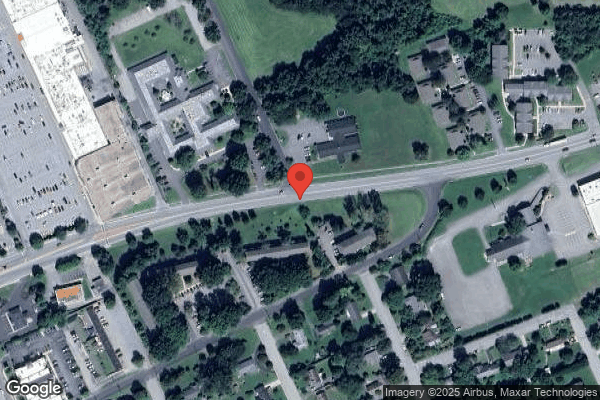
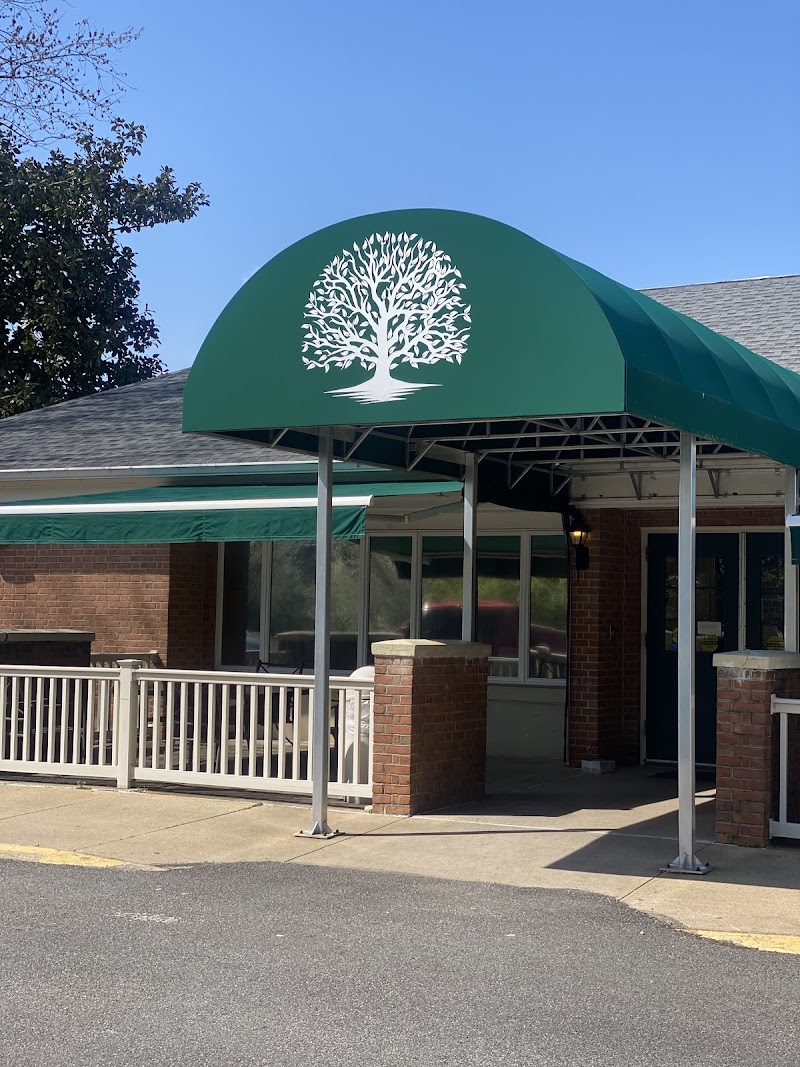
200 MORGNEC ROAD, CHESTERTOWN, MD 21620 (410) 778-4550
For profit - Corporation 98 Beds Independent Data: November 2025
Trust Grade
58/100
#124 of 219 in MD
Last Inspection: March 2024

Within standard 12-15 month inspection cycle. Federal law requires annual inspections.

Overview

Resorts at Chester River Manor Corp has received a Trust Grade of C, indicating that it is average and sits in the middle of the pack for nursing homes. In Maryland, it ranks #124 out of 219 facilities, placing it in the bottom half, but it is #2 out of 3 in Kent County, meaning only one local option is better. Unfortunately, the facility is worsening, with reported issues increasing from 1 in 2023 to 12 in 2024. Staffing is a significant concern, with a poor rating of 1 out of 5 stars; however, the turnover rate is low at 30%, which is better than the state average. While the facility has no fines on record, which is positive, there have been concerning incidents, such as a nurse failing to administer pain medication to a hospice resident, causing them harm, and documentation errors regarding a resident's medication that could potentially lead to serious issues. Overall, while there are some strengths, significant weaknesses need to be addressed.

Trust Score
C
58/100
In Maryland
#124/219
Bottom 44%
Safety Record
Moderate
Needs review
Inspections
Getting Worse
1 → 12 violations
Staff Stability
✓ Good
30% annual turnover. Excellent stability, 18 points below Maryland's 48% average. Staff who stay learn residents' needs.
Penalties
✓ Good
No fines on record. Clean compliance history, better than most Maryland facilities.
Skilled Nurses
○ Average
RN staffing data not reported for this facility.
Violations
⚠ Watch
30 deficiencies on record. Higher than average. Multiple issues found across inspections.
★★★☆☆
3.0
Overall Rating
★☆☆☆☆
1.0
Staff Levels
★★☆☆☆
2.0
Care Quality
★★★★☆
4.0
Inspection Score
Stable
2023: 1 issues
2024: 12 issues

The Good

  • Low Staff Turnover (30%) · Staff stability means consistent care
  • Full Sprinkler Coverage · Fire safety systems throughout facility
  • No fines on record
  • Staff turnover is low (30%)

    18 points below Maryland average of 48%

Facility shows strength in staff retention, fire safety.

The Bad

3-Star Overall Rating

Near Maryland average (3.0)

Meets federal standards, typical of most facilities

The Ugly 30 deficiencies on record

1 actual harm
Mar 2024 12 deficiencies
CONCERN (D)

Potential for Harm - no one hurt, but risky conditions existed

Resident Rights (Tag F0550)

Could have caused harm · This affected 1 resident

Based on observation and interview with facility staff, it was determined that the facility failed to maintain the dignity and privacy of a resident as evidenced by the resident's nephrostomy bags lef...

Read full inspector narrative →
Based on observation and interview with facility staff, it was determined that the facility failed to maintain the dignity and privacy of a resident as evidenced by the resident's nephrostomy bags left uncovered while outside of their room. This was evident for 1 (Resident # 193) of 86 residents that were observed during the survey. The findings include: A nephrostomy is a small tube inserted through the skin directly into the kidney to allow urine to drain from the kidney into a collecting bag outside the body. It is surgically placed by a healthcare provider if a person's urine cannot leave their body due to kidney stones, kidney infection, trauma, or other reasons. During an observation that took place on 3/5/24 at 10:40 AM, Resident #193 was in the Terrace Lounge during a social coffee time with both nephrostomy bags uncovered, leaving the resident's urine visible to view through the clear bags. On 3/5/24 at 10:41 AM, in an interview conducted with Licensed Practical Nurse (LPN #29), she stated that when a resident comes out of their room, their nephrostomy bags should be covered. The nurse took the resident back to their room to cover the bags. On 3/6/24 at 9:56 AM, in an interview with the Administrator, he was made aware that Resident #193 was in the Terrace Lounge with both of their nephrostomy bags uncovered. He confirmed the nephrostomy bags should have been covered. The Director of Nursing (DON), Regional DON, and Administrator were made aware of the above finding on 3/8/24 at 1:30 PM.
CONCERN (D)

Potential for Harm - no one hurt, but risky conditions existed

Deficiency F0558 (Tag F0558)

Could have caused harm · This affected 1 resident

**NOTE- TERMS IN BRACKETS HAVE BEEN EDITED TO PROTECT CONFIDENTIALITY** Based on observation and interviews it was determined the facility staff failed to ensure that residents' call bells were in rea...

Read full inspector narrative →
**NOTE- TERMS IN BRACKETS HAVE BEEN EDITED TO PROTECT CONFIDENTIALITY** Based on observation and interviews it was determined the facility staff failed to ensure that residents' call bells were in reach to request assistance. This deficient practice was evident in 2 of 8 (Resident #32 and Resident #58) residents assessed for call bell accommodations during the survey. The findings include: On 03/04/24, at 9:14 am during observation rounds the surveyor entered room [ROOM NUMBER]. Resident #32 was sitting on the side of the bed. The surveyor noticed that the call bell was draped over the bedside table and was not in the resident's reach. The surveyor greeted Resident #58 and noticed that the call bell was on the floor near the left side of the bed. On 03/04/24 at 9:19 am Social Worker#7 confirmed the surveyor's findings. On 03/06/24 at 12:49 pm during an interview with Director of Nursing #2 who verbalized the managers make rounds twice in the morning and twice in the evening before leaving. It was expected for the call bell to be always assessable to the residents. The Geriatric Nursing Assistants are expected to check on the residents periodically throughout the day.
CONCERN (D)

Potential for Harm - no one hurt, but risky conditions existed

Deficiency F0602 (Tag F0602)

Could have caused harm · This affected 1 resident

Based on observations and interviews with facility staff it was determined the facility failed to ensure that scheduled pain medications for a resident were not misappropriated. This was found to be e...

Read full inspector narrative →
Based on observations and interviews with facility staff it was determined the facility failed to ensure that scheduled pain medications for a resident were not misappropriated. This was found to be evident during a medication drug storage review and narcotic review and reconciliation for 1 of 3 medication carts reviewed during the survey. Findings include: During a review of a medication cart on the Osprey Unit with nurse (#27), a Licensed Practical Nurse (LPN) on 3/7/24 at 2:30 PM, the following concerns were identified while reviewing the narcotic drawer: The nurse counted the medication blister pack of Tramadol Tablet 50 mg for Resident # 5. There were 7 pills observed inside of the blister pack. At that time the surveyor and the nurse reviewed the controlled drug receipt record/disposition form. There was an entry on 3/7/24 at 0900 indicating that 1 tablet was given and 6 tablets were left with, a signature entry by the nurse. On the same date at 2:55 PM an interview was conducted with Resident # 5 who was sitting up in bed in their room, was asked if s/he was having any pain and the resident stated, no. At 3:10 PM on the same date, the survey team requested and received a medication administration audit report for Resident # 5 and Resident # 10. The audit report is a report that shows the time that a medication is documented as being administered when staff documents it in the computer. Review of the audit report for Resident # 5 revealed the resident was scheduled for tramadol 50 mg tablet on 3/7/24 at 0800 AM and the administration time was documented at 08:39 AM by the nurse. An interview was conducted with the nurse (# 27) on 3/7/24 at 4:00 PM with the Director of Nursing (DON) present. The nurse stated to the survey team that she worked at the facility for approximately six years. The surveyor asked the nurse to explain the discrepancy of the tramadol 50 mg blister pack with 7 pills in the pack, the controlled drug receipt record for tramadol that was signed at 0900 as 1 tablet given with a remainder of 6 pills, and the audit report for 3/7/24 for Resident # 5 with Tramadol as administered by her at 8:39 AM. The nurse explained that she thought she gave the medication. She further explained that for controlled medications, she must open the locked narcotic drawer with a key to retrieve the medication and then return to sign the controlled drug receipt record after administration. She went on to say that Resident # 10 was given the afternoon dose of pregabalin but she failed to sign the controlled drug receipt record. The DON stated that it is the facility's policy to complete a medication error form and that one was completed by the nurse for the omission of Resident # 5's scheduled 0900 AM tramadol 50 mg dose. The DON stated that staff will be re-educated by themselves and the Assistant Director of Nursing (ADN). During a subsequent meeting with the DON at approximately 5:20 PM, she provided the survey team with a copy of the medication error form, a completed pain assessment and a progress note indicating the resident #5 received the medication. The DON stated that although the resident denied complaints of pain, the physician was notified and ordered that the medication be given as the resident receives it once daily. The facility provided the survey team with a copy of staff education that was done on 3/7/24. All concerns were discussed at the time of exit on 3/8/24 at 1:30 PM.
CONCERN (D)

Potential for Harm - no one hurt, but risky conditions existed

Comprehensive Care Plan (Tag F0656)

Could have caused harm · This affected 1 resident

Based on medical record review and interviews it was determined that the facility staff failed to generate a person-centered care plan for a resident who required assistance with dental care. This def...

Read full inspector narrative →
Based on medical record review and interviews it was determined that the facility staff failed to generate a person-centered care plan for a resident who required assistance with dental care. This deficient practice was evident in 1(Resident #35) of 5 resident records reviewed for person centered care plans during the survey. The findings include: On 03/05/24 at 10:22 am during an interview with Resident #35 he/she verbalized needing to see the dentist. On 03/06/24 at 11:58 am the surveyor received copies of Resident #35's dental visits; the last dental visit was 05/25/23. Continued review revealed a 12/19/22 dental summary recommendation to assist the resident with teeth brushing. The surveyor reviewed the resident's care plans which revealed assisting the resident with tooth brushing was not included in the ADL care plan. On 03/06/24 at 3:26 pm during an interview Director of Nursing (DON) #2 verbalized the Minimum Data Set Coordinator(MDS) initiates the baseline care plan. Each team does their own care plans. Whatever triggers out has a care plan. Anything acute that happens the unit manager, Assistant Director of Nursing, or MDS Coordinator updates the care plan. DON #2 was made aware teeth brushing was not included on Resident #35's ADL care plan. On 03/07/24 at 11:24 am during an interview with Geriatric Nursing Assistant (GNA) #8 who verbalized Resident #35 brushes his/her own teeth. Sometimes the resident is afraid to brush their teeth because he/she says their teeth hurt and the nurse knows and they have been working with the resident for about a year.
CONCERN (D)

Potential for Harm - no one hurt, but risky conditions existed

Deficiency F0657 (Tag F0657)

Could have caused harm · This affected 1 resident

Based on medical record review and interview it was determined that the facility staff failed to have quarterly care plan meetings. This deficient practiced was evidenced in 1 (#73) of 3 resident reco...

Read full inspector narrative →
Based on medical record review and interview it was determined that the facility staff failed to have quarterly care plan meetings. This deficient practiced was evidenced in 1 (#73) of 3 resident records reviewed for care plan meetings during the survey. The findings include: On 03/05/24 at 12:32 pm a review of Resident #73's electronic medical record (EMR) revealed the last care plan meeting was held 09/02/23. On 03/05/24 3:05 pm during an interview with Social Worker #7 revealed care plan meetings are held quarterly and as needed. Social worker #7 receives a list monthly of residents whose care plans meeting are due. They usually have the meetings on Tuesday. An invite is sent the week beforehand to the responsible party (RP) and resident. They set-up a time either on the phone or in person. Therapy, Activities, Social Services and the resident's Responsible party usually attends the meetings and Nursing will come if available. Afterwards they sign the attendance form. Social worker #7 advised she is working on getting all the care plan meetings done.
CONCERN (D)

Potential for Harm - no one hurt, but risky conditions existed

Deficiency F0658 (Tag F0658)

Could have caused harm · This affected 1 resident

Based on a review of the medication administration audit record (MAAR) and interview with facility staff, it was determined the facility staff failed to document after administering medications to res...

Read full inspector narrative →
Based on a review of the medication administration audit record (MAAR) and interview with facility staff, it was determined the facility staff failed to document after administering medications to residents. This was evident for 1 (Residents #32) of 6 residents reviewed for timely medication administration. The findings include: The surveyor reviewed the MAARs for Resident #32 on 3/7/24 at 2:07 PM for the period of 3/1/24 to 3/6/24. The MAAR is a document that shows the time that a medication is documented as being administered when staff documents it in the computer. Upon review of the MAAR, Resident #32's medications were documented as administered late. The surveyor interviewed Licensed Practical Nurse (LPN #23) on 3/6/24 at 3:50 PM, who was identified as documenting medication administration late. During the interview, when asked about medication administration for Resident #32 on 3/4/24, they had omeprazole scheduled for 8:00 AM and the documented administration time in the MAAR was 3/4/24 at 11:44 AM. LPN #23 stated the resident did get their medication on time, it is usually just a documentation error, meaning she did not put it in [document the medication] at the time she gave it, but she did give it. LPN #23 stated that medications should be signed off when the medication is given. Review of the facility's policy titled, Policy 5.3 General Guidelines for Medication Administration, on 3/6/24 at 3:22 PM revealed #14 of the facility policy which stated, Return to the medication cart and document medication administration with initials on the medication administration record (MAR) immediately after administering medication to each resident. On 3/6/24 at 4:00 PM, in an interview with the Director of Nursing (DON), she stated the standard of practice is to document the medication after it is administered. The DON, Regional DON, and Administrator were made aware of all concerns at the time of survey exit on 3/8/24 at 1:30 PM.
CONCERN (D)

Potential for Harm - no one hurt, but risky conditions existed

Quality of Care (Tag F0684)

Could have caused harm · This affected 1 resident

2. Omeprazole is used to treat certain conditions where there is too much acid in the stomach. Your stomach contents are only supposed to travel one way, down. When acid from your stomach flows up int...

Read full inspector narrative →
2. Omeprazole is used to treat certain conditions where there is too much acid in the stomach. Your stomach contents are only supposed to travel one way, down. When acid from your stomach flows up into your esophagus (the tube that runs from your stomach up through your chest to your throat) and throat, it is called acid reflux. If you have chronic acid reflux, that is a condition known as gastroesophageal reflux disease (GERD). Stomach acid irritates and inflames the tissues inside your esophagus and throat. Omeprazole works by inhibiting (or preventing) the production of acid in the stomach. It should be taken before a meal and preferably in the morning. Food can delay how quickly omeprazole is absorbed by the body and can delay the inhibitory effects that help to ease acid reflux symptoms. During a medication administration observation that took place on 3/6/24 at 10:38 AM, the surveyor observed Licensed Practical Nurse (LPN #23) administer medications to Resident #32. The medications included one capsule of Omeprazole 20mg (milligrams) and one puff of Fluticasone-Salmeterol 250-50 mcg/act (micrograms/actuation). Review of the medical record on 3/6/24 at 11:31 AM for Resident #32 revealed that Resident #32's Omeprazole was scheduled to be administered at 8:00 AM; it was observed being administered at 10:38 AM. 3. On 3/6/24 at 10:43 AM, LPN #23 was observed administering medications to Resident #23. During the administration, LPN #23 was observed giving one tablet of Seroquel 50mg to the resident. The surveyor reviewed Resident #23's medical record on 3/6/24 at 12:18 PM. The review revealed that Resident #23's Seroquel was scheduled to be administered at 8:00 AM; it was observed being administered at 10:43 AM. 4. On 3/6/24 at 10:48 AM, LPN #23 was observed dispensing Resident #42's medications, Seroquel 50mg and Celexa 10mg, into a medication cup, putting both tablets into a pill crusher located on top of the medication cart, crushing the tablets together, and pouring the crushed medications into a different medication cup filled with pudding. During this process, LPN #23 stated she crushes both medications together and mixes them with pudding because if she does not, Resident #42 will spit them out. The crushed medications mixed with the pudding were then administered to Resident #42 with a spoon. The surveyor reviewed Resident #42's medical record on 3/6/24 at 1:54 PM. The review revealed that Resident #42's Seroquel was scheduled to be administered at 8:00 AM; it was observed being administered at 10:43 AM. The DON, Regional DON, and Administrator were made aware of all concerns at the time of survey exit on 3/8/24 at 1:30 PM. Based on observations and interviews with facility staff it was determined the facility failed to: 1.) ensure that a resident (#5) received a scheduled dose of medication as ordered by the physician; 2.) ensure medications were signed off on the controlled drug receipt/disposition form after being administered to a resident (#10). This was evident during a medication drug storage review and narcotic review and reconciliation for 1 of 3 medication carts; and 3) administer scheduled medications to residents at the physician ordered time (Resident #32, Resident #23, Resident #42). This was evident for 3 (Residents #32, #23, #42) of 6 residents reviewed during a medication administration observation Findings include: 1. During a review of a medication cart on the Osprey Unit with nurse (#27), a Licensed Practical Nurse (LPN) on 3/7/24 at 2:30 PM, the following concerns were identified while reviewing the narcotic drawer: a. The nurse counted the medication blister pack of Tramadol Tablet 50 mg for Resident # 5. There were 7 pills observed inside of the blister pack. At that time the surveyor and the nurse reviewed the controlled drug receipt record/disposition form. There was an entry on 3/7/24 at 0900 indicating that 1 tablet was given and 6 tablets were left with, a signature entry by the nurse. b. The nurse counted the medication blister pack of Pregabalin Capsule 100 mg for Resident # 10. There were 29 pills observed inside the blister pack. At that time the surveyor and the nurse reviewed the controlled drug receipt record/disposition form. There was an entry on 3/7/24 at 0800 indicating that 1 tablet was given and 30 tablets were left with a signature entry by the nurse. On the same date at 2:55 PM an interview was conducted with Resident # 5 who was sitting up in bed in their room, and the resident was asked if s/he was having any pain and the resident stated, no. At 3:10 PM on the same date, the survey team requested and received a medication administration audit report for Resident # 5 and Resident # 10. The audit report is a report that shows the time that a medication is documented as being administered when staff documents it in the computer. Review of the audit report for Resident # 5 revealed the resident was scheduled for tramadol 50 mg tablet on 3/7/24 at 0800 AM and the administration time was documented at 08:39 AM by the nurse. Further review of the audit report for Resident # 10 revealed the resident was scheduled for Pregabalin 100 mg tablet at 1400 PM and the administration time was documented as administered at 13:39 PM by nurse. An interview was conducted with the nurse (# 27) on 3/7/24 at 4:00 PM with the Director of Nursing (DON) present. The nurse stated to the survey team that she worked at the facility for approximately six years. The surveyor asked the nurse to explain the discrepancy of the tramadol 50 mg blister pack with 7 pills in the pack, the controlled drug receipt record for tramadol that was signed at 0900 AM as 1 tablet given with a remainder of 6 pills, and the audit report for 3/7/24 for Resident # 5 with tramadol as administered by her at 8:39 AM. The nurse explained that she thought she gave the medication. She further explained that for controlled medications, she must open the locked narcotic drawer with a key to retrieve the medication and then return to sign the controlled drug receipt record after administration. She went on to say that Resident # 10 was given the afternoon dose of pregabalin but she failed to sign the controlled drug receipt record. The DON stated that it is the facility's policy to complete a medication error form and that one was completed by the nurse for the omission of Resident # 5's scheduled 0900 AM tramadol 50 mg dose. The DON stated that staff will be re-educated by themselves and the Assistant Director of Nursing (ADN). During a subsequent meeting with the DON at approximately 5:20 PM, she provided the survey team with a copy of the medication error form, a completed pain assessment and a progress note indicating the Resident #5 received the medication. The DON stated that although the resident denied complaints of pain, the physician was notified and ordered that the medication be given as the resident receives it once daily. The facility provided the survey team with a copy of staff education that was done on 3/7/24. All concerns were discussed at the time of exit on 3/8/24 at 1:30 PM.
CONCERN (D)

Potential for Harm - no one hurt, but risky conditions existed

Deficiency F0711 (Tag F0711)

Could have caused harm · This affected 1 resident

Based on medical record review and staff interviews, it was determined the physician failed to evaluate a resident with a change in condition in a timely manner. This was evident for 1 of 6 sampled re...

Read full inspector narrative →
Based on medical record review and staff interviews, it was determined the physician failed to evaluate a resident with a change in condition in a timely manner. This was evident for 1 of 6 sampled residents (Resident #24) during the survey. The findings include: During observation rounds on Quail Unit on 3/4/24 at 9am, Resident #24 stated, s/he had a terrible a sore throat. S/he stated, I told the nurse. During a follow up visit on 3/5/24 at 10am the resident stated, My throat is still sore, and I want to see the doctor. This surveyor observed the Nurse Practitioner (NP) (staff # 21) sitting at the desk on Quail Unit at 10:15am on 3/5/24. This surveyor informed staff #21 of the resident complaint. She stated, I will add the resident to my list of residents to see. On 3/6/24 at 10:30am during an interview with the Unit Manager (staff #14) she was asked why the resident complaint of sore throat was not addressed on 3/4/24. She stated that Resident #24 did not tell the nurse that s/he had a sore throat. On 3/5/24 at 1pm during an interview with the NP staff #21 stated she was in the facility on Monday 3/4/24 and saw the resident because the nurse told her the resident had a sore throat. She stated she went to the resident room; however, the resident was receiving am care by the GNA (Geriatric Nursing Assistant). She stated she told the resident that she would return later; however, she became busy and did not get to see the resident on Monday 3/4/24. Review of the medical record on 3/5/24 at 1:30pm revealed the resident had been seen by staff #21 NP on 3/5/24 and medication ordered were written.
CONCERN (D)

Potential for Harm - no one hurt, but risky conditions existed

Unnecessary Medications (Tag F0759)

Could have caused harm · This affected 1 resident

Based on medication administration observation, medical record review and staff interview, it was determined that the facility staff failed to ensure a medication error rate of less than 5% during the...

Read full inspector narrative →
Based on medication administration observation, medical record review and staff interview, it was determined that the facility staff failed to ensure a medication error rate of less than 5% during the medication observation facility task. This was evident for 5 of 27 medications administered during the observation which resulted in an error rate of 18.52%. The findings include: 1. During a medication administration observation that took place on 3/6/24 at 10:38 AM, the surveyor observed Licensed Practical Nurses (LPN #23) administer medications to Resident #32. The medications included one capsule of Omeprazole 20mg (milligrams) and one puff of Fluticasone-Salmeterol 250-50 mcg/act (micrograms/actuation). LPN #23 failed to provide instructions to Resident #32 regarding rinsing the mouth after administration, and Resident #32 did not rinse his/her mouth after receiving the dose. Review of the medical record on 3/6/24 at 11:31 AM for Resident #32 revealed a physician order dated 1/30/23 for Fluticasone-Salmeterol 250-50 MCG/ACT Aerosol Powder, breath activated, Give 1 puff by mouth two times a day for shortness of breath (sob) rinse mouth after administering. Further review revealed that Resident #32's Omeprazole was scheduled to be administered at 8:00 AM; it was observed being administered at 10:38 AM. 2. On 3/6/24 at 10:43 AM, LPN #23 was observed administering medications to Resident #23. During the administration, LPN #23 was observed giving one tablet of Seroquel 50mg to the resident. The surveyor reviewed Resident #23's medical record on 3/6/24 at 12:18 PM. The review revealed that Resident #23's Seroquel was scheduled to be administered at 8:00 AM; it was observed being administered at 10:43 AM. 3. On 3/6/24 at 10:48 AM, LPN #23 was observed dispensing Resident #42's medications, Seroquel 50mg and Celexa 10mg, into a medication cup, putting both tablets into a pill crusher located on top of the medication cart, crushing the tablets together, and pouring the crushed medications into a different medication cup filled with pudding. During this process, LPN #23 stated she crushes both medications together and mixes them with pudding because if she does not, Resident #42 will spit them out. The crushed medications mixed with the pudding were then administered to Resident #42 with a spoon. The surveyor reviewed Resident #42's medical record on 3/6/24 at 1:54 PM. The review revealed that Resident #42's Seroquel was scheduled to be administered at 8:00 AM; it was observed being administered at 10:43 AM. Furthermore, Seroquel is a medication that appears on the Do Not Crush List. Review of the facility's policy titled, Policy 5.3 General Guidelines for Medication Administration, on 3/6/24 at 3:22 PM revealed Number 1 in the Notes section which stated, Refer to Do Not Crush List prior to crushing any medication for assurance that it can be pulverized and Number 2 that stated, Refer to medication reference test for administration of any medication when added to or mixed with any substance to facilitate administration, (e.g. applesauce, juice, milk, etc). During an interview with the Director of Nursing (DON) on 3/6/24 at 2:17 PM, she was made aware that LPN #23 administered Resident #32's Omeprazole late. She stated, I did an in-service way back when and told them [the staff] they have to give the medications on time. 4. During a second medication administration observation that took place on 3/7/24 AM at 9:05 AM, the surveyor observed LPN #24 administer medications to Resident # 191. While preparing the medications which included Folic Acid 1mg, Magnesium 400mg, Potassium 10mg, and Thiamine 100mg LPN #24 dropped the Potassium Chloride 10 mEq (Milliequivalent) tablet onto the top of the medication cart. He then picked up the tablet with an ungloved hand and placed it into the medication cup. In an interview at the medication cart with LPN #24 and the DON on 3/7/24 at 9:25 AM, the DON was asked by the surveyor what is the expectation for nurses regarding touching a medication with any part of their finger or hand, she stated no matter how much you've sanitized or cleaned your hands, you [nurse] cannot touch a medication with any part of your fingers or hand or take it off the top of the medication cart without gloves. She stated to LPN #24, this is your in-service. I'll get you to sign later and have the Assistant Director of Nursing (ADON) observe you. Review of the facility's policy titled, Policy 5.3 General Guidelines for Medication Administration, on 3/6/24 at 3:22 PM revealed Number 5, A), b. which stated, Never touch any of the medications with fingers. The DON and Administrator were made aware of all concerns at the time of survey exit on 3/8/24 at 1:30 PM.
CONCERN (D)

Potential for Harm - no one hurt, but risky conditions existed

Infection Control (Tag F0880)

Could have caused harm · This affected 1 resident

Based on medication administration observation and staff interview, it was determined that the facility staff failed to adhere to infection control practices and guidelines to prevent and control tran...

Read full inspector narrative →
Based on medication administration observation and staff interview, it was determined that the facility staff failed to adhere to infection control practices and guidelines to prevent and control transmission of infectious agents during medication administration. This was evident for 2 of 27 medications administered during the medication administration observation. The findings include: 1. During a medication administration observation that took place on 3/6/24 at 10:48 AM, Licensed Practical Nurse (LPN #23) was observed dispensing Resident #42's medications, Seroquel 50mg and Celexa 10mg, into a medication cup, putting both tablets into a pill crusher located on top of the medication cart, crushing the tablets together, and pouring the crushed medications into a different medication cup filled with pudding. During this process, LPN #23 stated she crushes both medications together and mixes them with pudding because if she does not, Resident #42 will spit them out. The surveyor did not observe the nurse clean the tablet crusher after its use nor for the remainder of the medication administration observation. Review of the facility's policy titled, Policy 5.3 General Guidelines for Medication Administration, on 3/6/24 at 3:22 PM revealed Number 5 in the Notes section which stated, Tablet Crusher should be cleaned after each use per facility policy. 2. During a second medication administration observation that took place on 3/7/24 at 9:05 AM, the surveyor observed LPN #24 administer medications to Resident # 191. While preparing the medications which included Folic Acid 1mg, Magnesium 400mg, Potassium 10mg, and Thiamine 100mg, LPN #24 dropped the Potassium Chloride 10 mEq (Milliequivalent) tablet onto the top of the medication cart. He then picked up the tablet with an ungloved hand and placed it into the medication cup. In an interview at the medication cart with LPN #24 and the DON on 3/7/24 at 9:25 AM, the DON was asked by the surveyor what was the expectation for nurses regarding touching a medication with any part of their finger or hand, she stated no matter how much you've sanitized or cleaned your hands, you [LPN #24] cannot touch a medication with any part of your fingers or hand or take it off the top of the medication cart without gloves. She stated to LPN #24, this is your in-service. I'll get you to sign later and have the Assistant Director of Nursing (ADON) observe you. Review of the facility's policy titled, Policy 5.3 General Guidelines for Medication Administration, on 3/6/24 at 3:22 PM revealed Number 5, A), b. which stated, Never touch any of the medications with fingers. The DON, Regional DON, and Administrator were made aware of all concerns at the time of survey exit on 3/8/24 at 1:30 PM.
CONCERN (D)

Potential for Harm - no one hurt, but risky conditions existed

Deficiency F0883 (Tag F0883)

Could have caused harm · This affected 1 resident

**NOTE- TERMS IN BRACKETS HAVE BEEN EDITED TO PROTECT CONFIDENTIALITY** Based on medical record review and interviews it was determined that the facility staff failed to offer and administer the pneum...

Read full inspector narrative →
**NOTE- TERMS IN BRACKETS HAVE BEEN EDITED TO PROTECT CONFIDENTIALITY** Based on medical record review and interviews it was determined that the facility staff failed to offer and administer the pneumococcal vaccine to a resident. This deficient practice was evidenced in 1 (#40) in 5 resident records reviewed for immunizations during the survey. The findings include: According to the Center for Disease Control website, there are certain risk conditions that warrant an individual to receive the pneumonia vaccine for adults ages of 19 - [AGE] years of age. These conditions are but not limited to alcoholism or cigarette smoking, chronic liver disease, Diabetes Mellitus, chronic heart disease (including CHF & cardiomyopathies), decreased immune function from disease or drugs, and chronic lung disease, including COPD, emphysema, and asthma. On 03/07/24 at 4:50 pm the surveyor reviewed the facility's immunization report which revealed Resident #40 received the Pneumococcal Conjugate 13 vaccine on 06/26/12. The surveyor reviewed the resident's electronic medical record (EMR) which revealed the resident did not receive another pneumococcal vaccine after 10 years. On 03/07/24 at 5:30 pm The surveyor received and reviewed the facility's policy for resident immunizations which included pneumococcal vaccine. The policy indicated the pneumonia vaccine would be offered to all residents and a consent/declination form would be completed and maintained in the medical record. If a resident declines the vaccine, they would be offered the vaccine again later. Resident #40 did not have a consent or declination form in the paper medical record or EMR for the pneumococcal vaccine. On 03/08/24 at 7:45 am a review of Resident #40's diagnoses revealed the resident had a history of Diabetes Mellitus, alcohol abuse, and Viral Chronic Hepatitis C which makes him/her a candidate to receive the pneumococcal vaccine according to the CDC guidelines. On 03/08/24 at 10:21 am during an interview with Assistant Director of Nursing/Infection Preventionist #10 who verbalized when a resident is admitted their immunizations are reviewed. If the resident does not have an immunization they are offered the vaccine. If the resident declines a declination form is completed and added the EMR in Point Click Care (PCC) and she does a report to keep track of who needs a vaccine. On 03/08/24 at 12:04 pm during an interview with Assistant Director of Nursing/Infection Preventionist #10 when the surveyor asked why Resident #40 did not receive the pneumococcal vaccine, he/she verbalized Resident #40 did not receive the vaccine because he/she is not 65 or over and the facility follows the CDC guidelines. The surveyor asked if the resident was offered the vaccine and declined, Assistant Director of Nursing/Infection Preventionist #10 responded, no.
CONCERN (E)

Potential for Harm - no one hurt, but risky conditions existed

Medical Records (Tag F0842)

Could have caused harm · This affected multiple residents

6. A Subjective, Objective, Assessment and Plan (SOAP) note is a method of structured documentation that healthcare providers use to document that resident/patient visits were completed. Review of re...

Read full inspector narrative →
6. A Subjective, Objective, Assessment and Plan (SOAP) note is a method of structured documentation that healthcare providers use to document that resident/patient visits were completed. Review of resident #77's medical record on 03/06/2024 at 12:05 PM revealed that on 01/31/2024 a visit was completed with resident (#77) by nurse practitioner (#15) and an electronic SOAP note was used to document this resident encounter. The electronic SOAP note stated that resident (#77) was on no known medications and resident (#77) but was on medications at the time of the visit. During an interview on 03/06/24 at 02:58 PM nurse practitioner (#21) was made aware that the electronic SOAP note stated that resident (#77) was on no known medications and resident (#77) but was on medications at the time of the visit. The nurse practitioner (#21) stated that the electronic system does not allow for resident's medications to be listed and needs to be corrected. The Director of Nursing was present during the interview with nurse practitioner (#21). Based on the medical record review and staff interview it was determined the facility failed to keep complete and accurate medical records. This deficient practice was evident in 7 of 20 (#37, #42, #58, #5, #10, #77, #24) resident during the survey. The findings include: 1. During observation rounds on 03/05/24 at 11:21 am Resident #37 made the surveyor aware his/her wheelchair was too large and the wheelchair cushion was too small. On 03/06/24 at 9:51 am during an interview with Director of Rehabilitation #18, he/she verbalized the rehab staff measures the wheelchair to make sure it's a proper fit. When asked if the facility provided the resident with a wheelchair, he/she verbalized needing to check and follow-up. On 03/06/24 at 1:06 pm the surveyor received documentation from Rehab Director #18 which was an occupational therapy evaluation for Resident #37. Rehab Director #18 verbalized the resident's wheelchair and cushion were appropriate for Resident #37 when discharged from rehab services. Upon review of the documentation the surveyor noticed the form did not indicate the resident's wheelchair or cushion were evaluated. Rehab Director #18 verbalized giving the surveyor the wrong form. On 03/07/24 at 11:44 am during an interview with Director of Rehab #18, he/she verbalized after doing an investigation, the therapist did not feel seating and positioning was warranted at that time. Resident #37's wheelchair came from a fleet of wheelchairs. The resident will be evaluated to see if the wheelchair is appropriate. The process is the therapist assesses the resident and makes sure the wheelchair fits and they work on mobility. Director of Rehab #18 was unable to provide documentation the resident's wheelchair was assessed to be appropriate for Resident #37. 2. On 03/05/24 at 10:42 am while reviewing Resident #42's medical record the surveyor noticed Section A of the resident's PASSAR was completed but there was not a signature indicating who completed Section A. On 03/05/24 at 3:52 pm during an interview with Social Worker #7 he/she verbalized Section A of Resident #42's assessment should have been signed. Social Worker #7 revealed they started going through the resident's files to update them but did not have the opportunity to review every file thus far and the files of the residents who were admitted since Social Worker #7 started working at the facility were up to date. 3. On 03/05/24 at 12:15 pm the surveyor received a copy of Resident #58's transportation request form which was stamped with the date 12/13/23. Review of the transportation request revealed the form was not signed or dated by the staff. On 03/05.24 at 1:27 pm Director of Nursing #2 was made aware the transportation request form was not signed or dated by the staff who completed the form. Director of Nursing #2 made the surveyor aware the person who completed the form must have forgotten to sign and date the form. 4. During a review of a medication cart on the Osprey Unit with nurse (#27), a Licensed Practical Nurse (LPN) on 3/7/24 at 2:30 PM, the following concerns were identified while reviewing the narcotic drawer: The nurse counted the medication blister pack of Tramadol Tablet 50 mg for Resident # 5. There were 7 pills observed inside of the blister pack. At that time the surveyor and the nurse reviewed the controlled drug receipt record/disposition form. There was an entry on 3/7/24 at 0900 indicating that 1 tablet was given and 6 tablets were left with a signature entry by the nurse. 5. The nurse counted the medication blister pack of Pregabalin Capsule 100 mg for Resident # 10. There were 29 pills observed inside the blister pack. At that time the surveyor and the nurse reviewed the controlled drug receipt record/disposition form. There was an entry on 3/7/24 at 0800 indicating that 1 tablet was given and 30 tablets were left with a signature entry by the nurse. An interview was conducted with the nurse (# 27) on 3/7/24 at 4:00 PM with the Director of Nursing (DON) present. The nurse stated to the survey team that she worked at the facility for approximately six years. The surveyor asked the nurse to explain the discrepancy of the tramadol 50 mg blister pack with 7 pills in the pack, the controlled drug receipt record for tramadol that was signed at 0900 as 1 tablet given with a remainder of 6 pills, and the audit report for 3/7/24 for Resident # 5 with tramadol as administered by her at 8:39 AM. The nurse explained she thought she gave the medication and that medications are to be signed off after administration to the resident. She confirmed the Tramadol 50 mg was signed off on the controlled drug receipt form as being administered for Resident #5 but was not given. The nurse went on to say that she failed to sign the controlled drug receipt form after administering Pregabalin 100 mg capsule to Resident # 10 at 13:39. The DON stated that re-education will be provided to staff. All concerns were discussed with the Administration team on 3/8/24 at 1:30 PM at the time of exit. 7. Seroquel is an Antipsychotic medication. It can treat schizophrenia, bipolar disorder, and depression. Review of the Resident #24's medical record on 3/6/24 at 10am revealed the resident was admitted to the facility in February of 2024 with diagnosis that included dementia with moderate agitation. A care plan was initiated on 2/24/24 for cognitive impairment. According to the care plan the resident was receiving Seroquel for mood/behavioral. Continued review of the medical record revealed a MAR (Medication Administration Record) for February and March of 2024, that indicated the diagnosis for Seroquel was depression. During an interview with the DON (Director of Nursing) on 3/6/24 at 1pm, she stated the diagnosis for the Seroquel was entered incorrectly on the MAR. The medication is being administered for psychosis with behavioral disturbances.
Mar 2023 1 deficiency
CONCERN (D) 📢 Someone Reported This

A family member, employee, or ombudsman was alarmed enough to file a formal complaint

Potential for Harm - no one hurt, but risky conditions existed

Deficiency F0569 (Tag F0569)

Could have caused harm · This affected 1 resident

Based on a complaint, the reviews of a closed medical record, reviews of the resident's personal fund records, and interviews with the facility staff, it was determined that the facility failed to con...

Read full inspector narrative →
Based on a complaint, the reviews of a closed medical record, reviews of the resident's personal fund records, and interviews with the facility staff, it was determined that the facility failed to convey within 30 days, a resident's personal funds. Findings include: A review of complaint MD00181662 on 03/15/23 at 11 AM, revealed an allegation that the facility had misappropriated Resident #1's funds. A review of Resident #1's closed records on 03/15/23 revealed Resident #1 was discharged from the facility on 08/12/22. In an interview with the facility the Business Office Manager (BOM), on 03/15/23, at 11:45 AM, the BOM provided the administrative records for Resident #1 that confirmed Resident #1 was discharged from the facility on 08/12/22 at 3:03 PM. In a follow-up interview with the facility BOM on 03/15/23 at 12:15 PM, the BOM provided Resident #1's quarterly statement from 02/01/21 through 03/31/23. According to the quarterly statement as of 03/15/23, the facility was still in possession of $163.73 of Resident #1's personal funds. In another interview with the facility BOM on 03/16/23 at 10:35 AM, the facility BOM provided the surveyors with a Ledger of Resident #1's burial account. Resident #1's burial account received the first deposit on 03/24/21 for the sum of $2,802.00. As of 03/16/23, the facility was still in possession of $2,802.73 from Residence #1's burial account. The facility has been in possession of Resident #1's money for a total of 216 days after Resident #1 was discharged from the facility. In an interview with the facility's Corporate Financial Manager on 03/15/23 at 3:48 PM, the Corporate Financial Manager confirmed that the facility was still in possession of Resident #1's burial funds. On 03/16/23 at 4:06 PM, in a phone interview with an account manager (AM) in New Jersey, the account manager revealed that on 08/17/22, the facility tried to issue a refund to Resident# 1, but the refund check was sent back to the facility. Since then, the facility has not tried to reach out to Resident #1 to find another way of sending back Resident #1's funds. The surveyor asked the account manager, how the facility alerts discharged residents about their remaining funds. The account manager replied by saying the resident usually calls the facility, and then the facility issues a check to the resident. The surveyor later followed up by asking for this policy in writing. The account manager did not provide the written policy. This facility failed to close both Resident #1's resident fund savings account and his/her burial account. The balance of Resident #1's resident fund savings account was $163.73. The balance of Resident #1's burial account was $2802.73. Both accounts total $2966.46. As of 03/15/23, the facility still held Resident #1's funds.
Apr 2019 8 deficiencies
CONCERN (D)

Potential for Harm - no one hurt, but risky conditions existed

Deficiency F0561 (Tag F0561)

Could have caused harm · This affected 1 resident

Based on medical record review and interview, the facility staff failed to honor a resident's choices (Resident #16). This was evident for 1 out of 40 residents reviewed during the survey process. The...

Read full inspector narrative →
Based on medical record review and interview, the facility staff failed to honor a resident's choices (Resident #16). This was evident for 1 out of 40 residents reviewed during the survey process. The findings include: During interview with Resident #16 on 4/24/19 at 12:20 PM, he/she stated he/she would like to receive snacks daily but the facility staff do not always provide. Review of the resident's medical record revealed on 4/15/19 the resident was seen by the dietitian. At that time the dietitian documented, Family is requesting resident receives between meal snacks due to hunger complaints. Nurse made aware. Further review of the medical record revealed no physician order for snacks. After surveyor intervention, the facility staff obtained the following physician order on 4/25/19: Resident may have afternoon and every evening snack. Per resident request. Interview with the Director of Nursing on 4/25/19 at 12:50 PM confirmed the surveyor's findings.
CONCERN (D)

Potential for Harm - no one hurt, but risky conditions existed

Safe Environment (Tag F0584)

Could have caused harm · This affected 1 resident

**NOTE- TERMS IN BRACKETS HAVE BEEN EDITED TO PROTECT CONFIDENTIALITY** Based on surveyor observation during the initial tour of the facility it was determined that the facility staff failed to provid...

Read full inspector narrative →
**NOTE- TERMS IN BRACKETS HAVE BEEN EDITED TO PROTECT CONFIDENTIALITY** Based on surveyor observation during the initial tour of the facility it was determined that the facility staff failed to provide housekeeping and maintenance services necessary to maintain a sanitary, orderly, and comfortable interior. The findings include: 1. On 4/22/2019 at 10:29 AM, room [ROOM NUMBER] was observed to have dried stains on the floor and on feeding tube equipment present in the room. 2. On 4/23/2019 at 8:57 AM, room [ROOM NUMBER] was observed having crumbs on the floor by the closet. The crumbs had been observed during the initial tour on 4/22/2019 at 10:29 AM. The bedside table was observed with old, dried spills on the table legs. The Director of Nursing and Director of Maintenance were made aware of these findings on 4/29/2019.
CONCERN (D)

Potential for Harm - no one hurt, but risky conditions existed

Transfer Notice (Tag F0623)

Could have caused harm · This affected 1 resident

**NOTE- TERMS IN BRACKETS HAVE BEEN EDITED TO PROTECT CONFIDENTIALITY** Based on medical record review and staff interview it was determined that facility staff failed to notify a resident's represent...

Read full inspector narrative →
**NOTE- TERMS IN BRACKETS HAVE BEEN EDITED TO PROTECT CONFIDENTIALITY** Based on medical record review and staff interview it was determined that facility staff failed to notify a resident's representative in writing of a transfer to the hospital. This was evident for 3 of 40 residents (Resident #23, Resident #53, Resident #66) reviewed during survey investigation. The findings include: Resident #23's medical record was reviewed on 4/23/2019. This review revealed that Resident #23 was transferred to the hospital on 3/19/2019. There was no documentation in the medical record to indicate that Resident #23's representative was given written notice of the transfer. Resident #53's medical record was reviewed on 4/25/2019. This review revealed that Resident #53 was transferred to the hospital on 4/2/2019. There was no documentation in the medical record to indicate that Resident #53's representative was given written notice of the transfer. Resident #66's medical record was reviewed on 4/23/2019. This review revealed that Resident #66 was transferred to the hospital on [DATE]. There was no documentation in the medical record to indicate that Resident #66's representative was given written notice of the transfer. The findings were shared with the Administrator on 4/26/2019 at 3:00 PM who stated that the facility did not provide residents or their representatives with written notification of a transfer.
CONCERN (D)

Potential for Harm - no one hurt, but risky conditions existed

Comprehensive Care Plan (Tag F0656)

Could have caused harm · This affected 1 resident

Based on staff interview and medical record review it was determined that the facility failed to develop and implement comprehensive person-centered care plans with measurable goals. This was evident ...

Read full inspector narrative →
Based on staff interview and medical record review it was determined that the facility failed to develop and implement comprehensive person-centered care plans with measurable goals. This was evident for 2 of 40 residents (Residents #37 and #53) reviewed during survey investigation. The findings include: A care plan is a guide that addresses the unique needs of each resident. It is used to plan, assess and evaluate the effectiveness of the resident's care. Care Plans are comprised of a Focus, Outcome and Interventions/Tasks to help guide care for residents. 1.) On 4/26/2019 a review of Resident #37's Care Plan revealed an Outcome that stated Resident on hospice, weight maintenance is top priority. This Outcome was written on 2/18/2019 by the facility Dietician. Hospice is a specialized type of care for residents whom doctors estimate have 6 months or less to live. Further review of the medical record revealed a progress note from 3/5/2019 that stated the resident was no longer on hospice care as of 2/12/2019. The Assistant Director of Nursing (ADON) was interviewed on 4/26/2019 and stated that Resident #37 was removed from hospice care. The Director of Nursing was made aware of these findings on 4/26/2019 at 9:20 AM. See F 684 2.) Facility staff failed to initiate a care plan to address a resident's need for staff assistance with activities of daily living (Resident #53). Activities of Daily Living are activities in which people engage on a day-to-day basis. These are everyday personal care activities that are fundamental to caring for oneself and maintaining independence. Using a person's functioning level as it relates to Activities of Daily Living (ADL) can help determine the level of care assistance that each person needs. Resident # 53's medical record was reviewed on 4/23/2019. This review revealed a Minimum Data Set (MDS) Assessment with an Assessment Reference Date of 3/11/2019. The MDS is a complete assessment of the resident that provides the facility information necessary to develop a plan of care, provide the appropriate care and services to the resident and to modify the care plan based on the resident's status. Resident #53's MDS Assessment is coded to reflect that the resident required extensive assistance and the aid of one person for walking, dressing and toileting. Resident #53's care plan was reviewed on 4/23/2019. This review revealed that Resident #53 did not have a care plan focus that addressed his/her needs for ADL assistance. The findings were shared with the Director of Nursing (DON) on 4/26/2019 at 3:30 PM, who confirmed that facility staff did not initiate a careplan that addressed Resident #53's need for assistance with activities of daily living. A care plan was initiated after surveyor intervention on 4/23/2019.
CONCERN (D)

Potential for Harm - no one hurt, but risky conditions existed

Quality of Care (Tag F0684)

Could have caused harm · This affected 1 resident

Based on medical record review and staff interview it was determined the facility failed to follow the physician's orders for no weights, vitals or labs for a resident. This was evident for 1 of 40 re...

Read full inspector narrative →
Based on medical record review and staff interview it was determined the facility failed to follow the physician's orders for no weights, vitals or labs for a resident. This was evident for 1 of 40 residents (Resident #37) reviewed during the survey investigation. The findings include: Review of the medical record for Resident #37 on 4/25/2019 revealed a current physician order for No wts (weights), V/S (vitals) or labs created on 1/29/2018. Further review of the medical record showed that Resident #37's weight was taken on 4/8/2019. The Assistant Director of Nursing (ADON) was interviewed on 4/26/2019. The ADON stated that the weight on 4/8/2019 was taken as a baseline measurement after Resident #37 was removed from hospice care. However, review of the medical record on 4/26/19 established that Resident #37 was removed from hospice care on 2/12/2019. The Director of Nursing and Administrator were made aware of these findings on 4/26/2019. See F 656
CONCERN (D)

Potential for Harm - no one hurt, but risky conditions existed

Deficiency F0692 (Tag F0692)

Could have caused harm · This affected 1 resident

**NOTE- TERMS IN BRACKETS HAVE BEEN EDITED TO PROTECT CONFIDENTIALITY** Based on medical record review and interview, the facility staff failed to follow the recommendations of the dietitian. This was...

Read full inspector narrative →
**NOTE- TERMS IN BRACKETS HAVE BEEN EDITED TO PROTECT CONFIDENTIALITY** Based on medical record review and interview, the facility staff failed to follow the recommendations of the dietitian. This was evident for 1 out of 40 residents (Resident #44) reviewed during the survey process. The findings include: Review of Resident #44's medical record revealed the resident was seen by the dietitian on 3/9/19 for weight loss. The dietitian documented at that time, Weight loss noted, supplement in place and appetite stimulant ordered. Recommend resident started on fortified foods and bi-weekly weights to monitor closely. Review of the resident's medical record revealed the resident was ordered fortified foods but the resident was not weighed again until 4/1/19, not biweekly as recommended. Further review of Resident #44's medical record revealed the resident was in the hospital from [DATE] until 4/19/19. On 4/19/19 the physician ordered a regular puree texture diet. On 4/20/19 the resident was seen by the dietitian who documented, Registered dietitian to recommend patient continues to receive fortified meal, as magic cup was previously offered. Review of Resident #44's physician orders on 4/24/19 revealed the resident was not ordered fortified meals or magic cup as recommended by the dietitian. Interview with the Director of Nursing and Dietitian on 4/25/19 at 9:50 AM confirmed the facility staff failed to implement the Dietitian's recommendations.
CONCERN (D)

Potential for Harm - no one hurt, but risky conditions existed

Medical Records (Tag F0842)

Could have caused harm · This affected 1 resident

Based on medical record review and interview, it was determined the facility staff failed to maintain medical records in the most accurate form for a resident. This was evident for 1 of 40 residents (...

Read full inspector narrative →
Based on medical record review and interview, it was determined the facility staff failed to maintain medical records in the most accurate form for a resident. This was evident for 1 of 40 residents (Resident #61) reviewed during the survey process. The findings include: A medical record is the official documentation for a healthcare organization. As such, it must be maintained in a manner that follows applicable regulations, accreditation standards, professional practice standards, and legal standards. All entries to the record should be legible and accurate. Review of Resident #61's medical record revealed the Resident had a physician order on 4/18/19 for laboratory tests (CBC, CMP, Lipid Panel, TSH and Uric Acid) to be completed on 4/23/19. Further review of the Resident's medical record on 4/29/19 at 9:18 AM with Assistant Director of Nursing revealed the laboratory tests results were not in the medical record. After surveyor intervention, the Assistant Director of Nursing was able to obtain the results of the laboratory tests and included them in the medical record on 4/29/19. Interview with the Director of Nursing on 4/29/19 at 10:50 AM confirmed the surveyor's findings.
CONCERN (E)

Potential for Harm - no one hurt, but risky conditions existed

Food Safety (Tag F0812)

Could have caused harm · This affected multiple residents

Based on observation, it was determined that facility's food service employees failed to ensure that equipment was maintained and safe food handling practices were followed to reduce the risk of foodb...

Read full inspector narrative →
Based on observation, it was determined that facility's food service employees failed to ensure that equipment was maintained and safe food handling practices were followed to reduce the risk of foodborne illness. This deficient practice has the potential to affect all residents. The findings include: On 4/22/2019 at 8:34 AM, an initial tour of the facility's kitchen was conducted. The following observations were made: 1. The paper towel dispenser for the hand sink adjacent to the gas stove was observed without any towels available to dry washed hands. 2. Empty plastic wrappers, trash and an open saltine cracker packet were observed on the floor of the dry goods storage room. The Director of Food Service and Administrator were made aware of these findings on 4/25/2019.
Nov 2017 9 deficiencies 1 Harm
SERIOUS (G)

Actual Harm - a resident was hurt due to facility failures

Deficiency F0309 (Tag F0309)

A resident was harmed · This affected 1 resident

**NOTE- TERMS IN BRACKETS HAVE BEEN EDITED TO PROTECT CONFIDENTIALITY** Based on review of administrative and medical records, and interviews with facility staff, it was determined the facility night ...

Read full inspector narrative →
**NOTE- TERMS IN BRACKETS HAVE BEEN EDITED TO PROTECT CONFIDENTIALITY** Based on review of administrative and medical records, and interviews with facility staff, it was determined the facility night shift nurse failed to administer pain medication to a hospice resident. As a result of the resident not receiving pain medication, the resident was observed to be in pain by the GNA who worked with the resident throughout the night, and by the oncoming day shift nurse who assessed the resident at the beginning of the shift. This resulted in harm to the resident. This was evident for 1 of 3 (Resident #84) facility reports reviewed during the facility's annual Medicare/Medicaid survey. The findings include: Review of facility reported incident #MD00119151 on [DATE] and [DATE] and the facility's investigation revealed that on [DATE], the nurse (Staff #9) reported off on shift report that s/he did not medicate a hospice patient during his/her shift. When the day shift nurse (Staff #7) asked Staff #9 why, s/he said, they didn't want to deal with paperwork. Review of the progress note for [DATE] at 6:01 AM, from Staff #9 revealed Resident # 84 was in bed with eyes closed, out of bed in wheel-chair, breathing with minimal effort. 2 L (liters) 02 (oxygen) via NC (nasal cannula), no c/o pain or discomfort, no facial grimacing, no episodes of anxiety, resident non- verbal this shift. Further review of a progress note for [DATE] at 7:29 AM from Staff #7 revealed, Resident # 84 was in bed, restless and moaning. Makes eye contact briefly but is non-verbal. Medicated with MSIR 0.5 ml per order, repositioned for comfort. 02 maintained. An interview was conducted with Staff #7 on [DATE] at 5:35 PM and s/he stated that on the morning of [DATE], the night shift nurse (Staff #9) reported that Resident #84 was not medicated. Staff #7 went on to say that s/he went into the resident room to assess the resident and observed that the resident was in pain. Staff #7 further stated that Resident #84 was visibly uncomfortable, restless and was moaning in pain. Staff #7 stated s/he immediately approached Staff #9 and questioned why s/he did not give the resident pain medication and s/he said, I don't want him/her to die on my shift. Review of the medical record for Resident #84 revealed a physician order for, Morphine Sulfate 20 mg/ml. Give 10 mg by mouth every 4 hours as needed for pain 7-10. Review of the medication administration record and Individual Resident's Controlled Substance Record for Resident #84 revealed that on [DATE] the resident did not receive morphine on the 11 PM -7 AM shift. An interview was conducted with the Geriatric Nurse assistant (GNA), Staff #8 on [DATE] at 12:45 PM and s/he was asked if Resident #84 was in pain throughout the night on the 11 PM-7:30 AM shift on [DATE]. Staff #8 stated that when s/he went to check on the resident, s/he was noted to be restless and moaning. Staff #8 went on to say that Staff #9 was made aware of the resident being in pain, as s/he immediately told him/her. Staff #8 further stated that when s/he checked on the resident several hours later with-in a couple of hours, Resident #84 was moaning, restless and his/her legs were towards the edge of the bed. Staff #8 reported that s/he went to Staff #9 and made him/her aware of the resident pain and his/her response was, I took care of the resident already. Staff #8 was asked did s/he speak with a supervisor concerning the resident's pain status, and they he/she responded, no. In a brief meeting with the Director of Nursing (DON) on [DATE] at 10:20 AM s/he submitted a copy of the facility's investigation involving Resident #84 to the survey team. The DON stated to the surveyors that Staff #9 was terminated after s/he failed to medicate a hospice resident who was in pain. The DON further stated that human resources department offered Staff #9 the option to resign in lieu of termination. Another interview was conducted with the DON on [DATE] at 3:00 PM. The DON was asked the reason for termination of Staff #9 and s/he stated that the staff was in violation of patient safety rights. The DON was asked if Staff #9 was reported to the Maryland Board of Nursing and s/he stated, no. The DON went on to say Staff #9 has a Delaware nursing license and was unsure of where to report a Delaware license. The DON confirmed that the Maryland Board of Nursing was not notified. The DON was asked if education was done of the staff and s/he stated yes. The DON submitted a 1 page signature sheet of training of GNA's on reporting, but was unable to provide education/training of nurses and all other staff. Although Resident #84 was medicated by the AM nurse (Staff #7), he/she expired later that afternoon.
CONCERN (D)

Potential for Harm - no one hurt, but risky conditions existed

Deficiency F0224 (Tag F0224)

Could have caused harm · This affected 1 resident

Based on administrative record review and interviews of facility staff, it was determined the facility staff failed to give medication to a hospice resident who was in pain. This was evident for 1 of ...

Read full inspector narrative →
Based on administrative record review and interviews of facility staff, it was determined the facility staff failed to give medication to a hospice resident who was in pain. This was evident for 1 of 3 facility reported incidents (resident #84) reviewed during the facility's annual Medicare/Medicaid survey. The findings include: Facility report MD00119151 was reviewed on 11/14/17 and 11/15/17. The facility's investigation revealed that on 7/28/17, the nurse (Staff #9) reported on the shift report that s/he did not medicate a hospice patient during his/her shift. When the day shift nurse (Staff #7) asked Staff #9 why, s/he said, they didn't want to deal with paperwork. In an interview with the Staff #7 conducted on 11/15/17 at 5:35 PM, s/he stated that on the morning of 7/28/17, the night shift nurse (Staff #9) reported that Resident #84 was not medicated. Staff #7 stated that s/he went into the resident room to assess the resident and observed that the resident was in pain. Staff #7 went on to say that resident #84 was visibly uncomfortable, restless and was moaning. Staff #7 stated that when s/he approached Staff #9 and asked why s/he did not give the resident pain medication, s/he said, I don't want [him/her] to die on my shift. In an interview with GNA (Geriatric Nurse Assistant- Staff #8) on 11/17/17 at 12:45 PM, s/he was asked if Resident #84 was in pain throughout the night on the 11 PM - 7:30 AM shift on 7/27/17. Staff #8 stated the resident was noted to be restless and moaning. Staff #8 stated that s/he reported to the nurse, Staff #9, that Resident #8 was in pain. Medical record review for Resident #84 revealed a physician order for, Morphine Sulfate 20 mg/ml. Give 10mg by mouth every 4 hours as needed for pain 7-10. Review of the medication administration record and the Individual Resident's Control Substance Record for Resident #84 revealed that on 7/27/17 the resident did not receive morphine on the 11 PM-7 AM shift. Cross Reference F-309.
CONCERN (D)

Potential for Harm - no one hurt, but risky conditions existed

Deficiency F0225 (Tag F0225)

Could have caused harm · This affected 1 resident

Based on administrative record review and interviews with facility staff, it was determined the facility failed to report allegations of abuse to the Maryland Board of Nursing. This was evident for 1 ...

Read full inspector narrative →
Based on administrative record review and interviews with facility staff, it was determined the facility failed to report allegations of abuse to the Maryland Board of Nursing. This was evident for 1 of 3 facility reported incidents (Resident #84) reviewed. The findings include: Facility reported incident MD00119151 was reviewed on 11/14/17 and 11/15/17. The facility's investigation revealed that on 7/28/17, the nurse (Staff #9) reported on shift report that s/he did not medicate a hospice patient during his/her shift. When the day shift nurse (Staff #7) asked Staff #9 why, s/he said they didn't want to deal with paperwork. In a brief meeting with the Director of Nursing (DON) on 11/13/17 at 10:20 AM s/he submitted a copy of the facility's investigation involving Resident #84 to the survey team. The DON stated to the surveyors that Staff #9 was terminated after s/he failed to medicate a hospice resident who was in pain. The DON further stated that the human resources department offered Staff #9 the option to resign in lieu of termination. Another interview was conducted with the DON on 11/16/17 at 3:00 PM. The DON was asked the reason for termination of Staff #9 and s/he stated that the staff was in violation of patient safety rights. The DON was asked if Staff #9 was reported to the Maryland Board of Nursing and s/he stated, no. The DON went on to say Staff #9 had a Delaware nursing license and was unsure of where to report a Delaware license. The DON confirmed that the Maryland Board of Nursing was not notified. The DON was asked if education was done of the staff and s/he stated yes. The DON submitted a 1 page signature sheet of training of GNA's on reporting, but was unable to provide education/training of nurses and all other staff.
CONCERN (D)

Potential for Harm - no one hurt, but risky conditions existed

Deficiency F0226 (Tag F0226)

Could have caused harm · This affected 1 resident

Based on administrative records and staff interviews for the abuse prohibition review, the facility failed to train new employees on abuse and resident rights. This was evident for 1 out of 5 employee...

Read full inspector narrative →
Based on administrative records and staff interviews for the abuse prohibition review, the facility failed to train new employees on abuse and resident rights. This was evident for 1 out of 5 employee's reviewed (Staff #6). The findings include: On 11/16/17 at 3:03 PM Staff #6's employee file was reviewed. Review of the employee's file revealed the following training's were mandatory, but had not been completed: Corporate Compliance, Standards of Business Conduct, Compliance and Ethics, Sexual Harassment, abuse prevention and protection, resident rights, infection control, HIPPA regulations, Informed consent, Advance Directives, Grievances, Fire and safety in the workplace, preventing falls, Hazards communication, workplace Violence, and Emergency preparedness. Staff #6's hire date was listed as 10/30/17. The Director of Nursing (DON) stated the dietary manager was new and was unaware he had to send all new employees for additional mandatory training's. Staff #6 was scheduled to work on Monday November 20, 2017 at 11 AM.
CONCERN (D)

Potential for Harm - no one hurt, but risky conditions existed

Deficiency F0282 (Tag F0282)

Could have caused harm · This affected 1 resident

Based on administrative and medical record review it was determined the facility staff failed to follow the care plan of a resident receiving hospice services, by not administering medication for pain...

Read full inspector narrative →
Based on administrative and medical record review it was determined the facility staff failed to follow the care plan of a resident receiving hospice services, by not administering medication for pain. This was evident for 1 (Resident #84) of 3 facility reports reviewed during the facility's annual medicare/medicaid survey. The findings include: Medical record review on 11/13/17 revealed a hospice care plan for Resident #84 in which the resident was to receive morphine for pain. Review of the Individual Controlled Substance Record revealed Resident #84 did not receive morphine on 7/27/17 during the 11 PM-7 AM shift. An interview was conducted with the day shift nurse, Staff #7 on 11/15/17 at 5:35 PM and s/he revealed that Resident #84 did not receive pain medication from the night shift nurse on 7/27/17 during the 11 PM -7 AM shift. Cross Reference F-309
CONCERN (D)

Potential for Harm - no one hurt, but risky conditions existed

Deficiency F0389 (Tag F0389)

Could have caused harm · This affected 1 resident

Based on medical record review and interview with facility staff it was determined that the facility failed to have a process in place on staff awareness of how to contact and communicate with an on-c...

Read full inspector narrative →
Based on medical record review and interview with facility staff it was determined that the facility failed to have a process in place on staff awareness of how to contact and communicate with an on-call physician when the attending physician is unavailable/unresponsive regarding concerns with patient care. This was evident for one of 29 residents (#161) reviewed during stage 2 of the survey. The findings include: During the review of Resident #161's medical record regarding complaint #MD00111804 concerning general care, an incident from 2/6/17 was reviewed. The residents spouse contacted the facility regarding a concern with a perceived change in condition. According to nursing documentation, the residents attending, who is also the facility medical director was paged three times and called one time in a 4 + hour span with no answer between 5:15 PM and 10:04 PM. At 10:04 PM the physician called and ordered for the resident to be sent to the emergency room for further follow up and treatment of the residents diagnosis of pneumonia. Further review of the medical record also failed to reveal an attempt by the nurse to complete an assessment of the resident and to contact anyone else regarding the spouse's concern about the residents condition, i.e. nursing supervisor or Director of Nursing (DON). The DON was interviewed throughout the survey and again on 11/15/17 at 5:30 PM regarding the staff failure to contact subsequent staff regarding the residents potential change in condition when the attending physician did not respond to the first few pages. The DON and the QA nurse stated that the supervisor or the DON should have been contacted regarding the family's concern when the physician did not respond timely and that it would have been their expectation for that staff member to have done so instead of waiting to hear back from the physician.
CONCERN (D)

Potential for Harm - no one hurt, but risky conditions existed

Deficiency F0431 (Tag F0431)

Could have caused harm · This affected 1 resident

Based on observations it was determined the facility staff failed to dispose of expired medications. This was evident for 1 of 3 medication storage rooms (Osprey unit) observed during the facility's a...

Read full inspector narrative →
Based on observations it was determined the facility staff failed to dispose of expired medications. This was evident for 1 of 3 medication storage rooms (Osprey unit) observed during the facility's annual Medicare/Medicaid survey. Findings include: An observation was made of the medication storage room on the Osprey Landing Unit on 11/13/17 at 6:45 AM and the following concerns were identified: 1) 2 micro tests mg with an expiration date of 9/5/17; 2) UTM transport tube with an expiration date of 10/2016; 3) Ultrasite Injection Site: 2 with expiration date of 3/2016, 18 with expiration date of 12/2016, 7 with expiration date of 4/2017, 2 with expiration date of 9/2017 and 14 with expiration date of 10/2017; 4) VersaTrack Redox x 1 (40 ml-02-aerobic) expiration date of 8/2017; 5) VersaTrack Redox x 1 (40 ml-02-anaerobic) expiration date of 3/2017; 6) Blue top BD Vacutainers x 18 with expiration date of 8/31/17; 7) Pink top BD Vacutainer x 1 with expiration date of 10/2015; 8) Safety Intravenous Catheter x 2 with an expiration date of 5/2017, x 1 with an expiration date of 6/2017 and x 2 with an expiration date of 2/2017; The nurse (Staff #1) was made aware on 11/13/17 at 7:40 AM.
CONCERN (D)

Potential for Harm - no one hurt, but risky conditions existed

Deficiency F0514 (Tag F0514)

Could have caused harm · This affected 1 resident

**NOTE- TERMS IN BRACKETS HAVE BEEN EDITED TO PROTECT CONFIDENTIALITY** 3) Resident #146 was admitted to facility in [DATE] with a diagnosis of alcoholic cirrhosis of the liver with ascites and respir...

Read full inspector narrative →
**NOTE- TERMS IN BRACKETS HAVE BEEN EDITED TO PROTECT CONFIDENTIALITY** 3) Resident #146 was admitted to facility in [DATE] with a diagnosis of alcoholic cirrhosis of the liver with ascites and respiratory failure among other diagnoses. The resident expired at the facility on [DATE] shortly after going to palliative care. Review of the medical records for Resident #146 revealed no death certificate readily available on the residents chart during review on [DATE] and [DATE]. 4) Review of Resident #106's medical record revealed a nursing note dated [DATE] indicating the resident was found in his/her bed by her/his spouse at approx. 10 AM. The resident was noted to have slurred speech, facial droop and left sided paralysis. The nurse called the physician and was instructed to send Resident #106 to the ER for further evaluation, but to transfer resident using [ambulance company name] ambulance. Resident #106 was transferred to the hospital per the physician's order on [DATE] at 10:20 AM. There was no documentation of a change in condition, transfer summary and limited assessment of the resident, or a time indicating when the initial assessment was done. There was also no call to the hospital after the resident returned to the facility to question what the end diagnosis was. The diagnostic Cat Scan showed no acute intracranial abnormality, but the discharge summary showed CVA with left hemiparesis. It is the policy of the nursing home to send out residents by 911 if there is an emergency and to contact the Physician. after 911 is called. 2) Review of the medical records for Residents #64 revealed no death certificate readily available on the residents chart during review on [DATE] and [DATE]. Based on medical record review and interview of facility staff, it was determined that the facility failed to have death certificates readily available or closed medical records for residents that had expired and staff failed to have documentation of a change in condition on a resident that was transferred to the emergency room for symptoms that required further evaluation. This was evident for 3 of 3 residents (#161, #64, and #146) reviewed for death and 1 resident complaint reviewed during stage 2 of the annual survey. The findings include: 1) Review of the medical records for Residents #161 revealed no death certificates readily available on the residents chart during review on [DATE] and [DATE]. These findings were reviewed with the Director of Nursing and the Administrator on [DATE]. On exit from the facility the Administrator acknowledged that the death certificates were not readily available on the resident's closed records after the resident had passed.
CONCERN (E)

Potential for Harm - no one hurt, but risky conditions existed

Deficiency F0371 (Tag F0371)

Could have caused harm · This affected multiple residents

Based on observations, record review and staff interviews it was determined that the facility failed to 1. ensure food items were stored in accordance with professional standards for food safety as ev...

Read full inspector narrative →
Based on observations, record review and staff interviews it was determined that the facility failed to 1. ensure food items were stored in accordance with professional standards for food safety as evidenced by: having loosely sealed food containers that were undated, unlabeled, and mislabeled in the walk in and prep refrigerators, expired food items in the walk-in and nourishment refrigerators, loosely wrapped and undated unlabeled meat in the walk-in freezer, and 2) practice safe food handling practices for cooking and holding food. This was found to be evident in the main kitchen of the facility and on 1 of 2 (Swan Cove) nursing stations and has the potential to affect any resident who consumes food provided by the kitchen and the nursing station. The findings include: 1. On 11/13/17 at 11:30 AM during the initial tour of the kitchen with the [NAME] Supervisor (Staff #2) it was noted that the walk-in refrigerator had several unidentified food items in containers with loose fitted lids. In addition these containers were not dated, nor labeled. Observation in the prep refrigerator revealed a container labeled potato salad but further observation revealed that it was cooked rice. Additional observation in the refrigerator revealed 3 containers of unidentified food that had the dates of 10/4, 10/31 and 11/9 handwritten on their lids. Observation in the walk-in freezer revealed that there was an unidentified and undated meat loosely wrapped on the shelf. Interview with the [NAME] Supervisor revealed that it is expected of staff to store containers of food in the refrigerator for a maximum on 2 to 3 days. All the items were removed from storage and discarded. Interview with Staff #2 revealed that it was expected of staff to store all food items that are removed from their original containers in sealed securely, dated and labeled containers to be identified before being stored in the refrigerators and freezers. In addition staff is responsible to check the dates of the items in the refrigerators and freezer to remove any food that is dated beyond the storage guidelines. The cook supervisor was unable to provide the food storage time guidelines at the time of interview. Review of the Main Kitchen Refrigeration and Freezer temperature logs for the month of November revealed missing entries of temperature recordings. In addition the inside thermometer for the walk-in refrigerator was missing. Interview with the Kitchen manager on 11/14/17 at 9:00 AM revealed that the walk-in refrigerator thermometer was replaced and the food storage guidelines were posted in the kitchen. Review of the Quail Point and Swan Cove nursing stations' nourishment refrigerator temperature logs was conducted. The November temperature log for Swan Cove was noted incomplete. Observation was made 11/17/17 at 1:10 PM of the nourishment refrigerator on Swan Cove Unit with Nurse (Staff #7) present. Surveyor noted 3 cups of applesauce dated 11/4, 11/7, and 11/11 written on them. Nurse (Staff #7) could not confirm if the items needed to be checked for expiration stating that the kitchen staff delivers the cups to the station daily and he/she would just use the cups that were available. Interview with the Director of Nursing at 1:30 PM revealed that it is expected for nursing staff to check the nourishment refrigerators every day and remove expired items. 2. Further record review revealed that the weekly thermometer calibration log for the months of September to November were missing entries. In addition the November Tray line Temperature recordings for food prior to being served to residents was reviewed. Interview with [NAME] Supervisor on 11/13/17 revealed that there were inconsistencies with kitchen staff in recording the tray line temperatures. The issue was confirmed with the Kitchen manager during the 11/17/17 interview. The Director of Nursing (DON) and Administrator was made aware of surveyor's concerns on 11/17/17 at 09:40 AM. On 11/17/17 at 12:30 PM surveyor reviewed the observations and concerns regarding food storage and handling with the Administrator DON just prior to the exit meeting.
Understanding Severity Codes (click to expand)
Life-Threatening (Immediate Jeopardy)
J - Isolated K - Pattern L - Widespread
Actual Harm
G - Isolated H - Pattern I - Widespread
Potential for Harm
D - Isolated E - Pattern F - Widespread
No Harm (Minor)
A - Isolated B - Pattern C - Widespread

Questions to Ask on Your Visit

  • "Can I speak with families of current residents?"
  • "What's your RN coverage like on weekends and overnight?"

Our Honest Assessment

Strengths
  • • No fines on record. Clean compliance history, better than most Maryland facilities.
  • • 30% annual turnover. Excellent stability, 18 points below Maryland's 48% average. Staff who stay learn residents' needs.
Concerns
  • • 30 deficiencies on record, including 1 serious (caused harm) violation. Ask about corrective actions taken.
  • • Grade C (58/100). Below average facility with significant concerns.
Bottom line: Mixed indicators with Trust Score of 58/100. Visit in person and ask pointed questions.

About This Facility

What is Resorts At Chester River Manor Corp's CMS Rating?

CMS assigns RESORTS AT CHESTER RIVER MANOR CORP an overall rating of 3 out of 5 stars, which is considered average nationally. Within Maryland, this rating places the facility higher than 0% of the state's 100 nursing homes. This mid-range rating indicates the facility meets federal standards but may have areas for improvement.
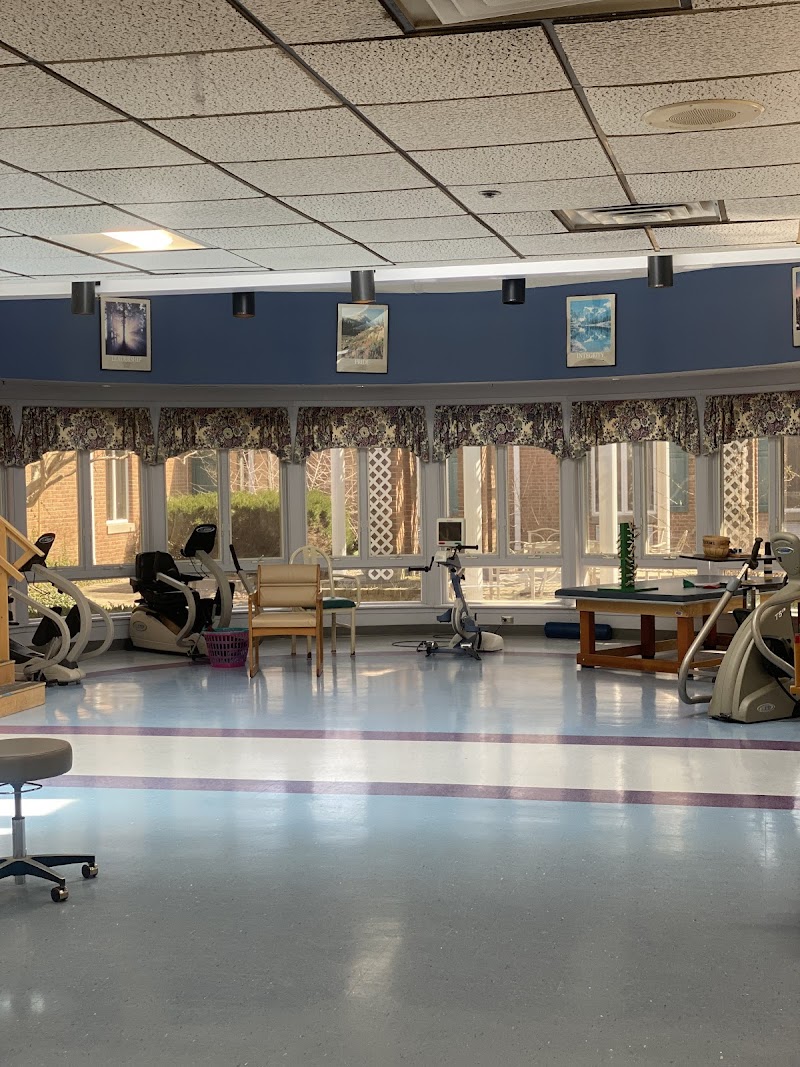
How is Resorts At Chester River Manor Corp Staffed?

CMS rates RESORTS AT CHESTER RIVER MANOR CORP's staffing level at 1 out of 5 stars, which is much below average compared to other nursing homes. Staff turnover is 30%, compared to the Maryland average of 46%. This relatively stable workforce can support continuity of care.

What Have Inspectors Found at Resorts At Chester River Manor Corp?

State health inspectors documented 30 deficiencies at RESORTS AT CHESTER RIVER MANOR CORP during 2017 to 2024. These included: 1 that caused actual resident harm and 29 with potential for harm. Deficiencies causing actual harm indicate documented cases where residents experienced negative health consequences.
Who Owns and Operates Resorts At Chester River Manor Corp?

RESORTS AT CHESTER RIVER MANOR CORP is owned by a for-profit company. For-profit facilities operate as businesses with obligations to shareholders or private owners. The facility operates independently rather than as part of a larger chain. With 98 certified beds and approximately 93 residents (about 95% occupancy), it is a smaller facility located in CHESTERTOWN, Maryland.
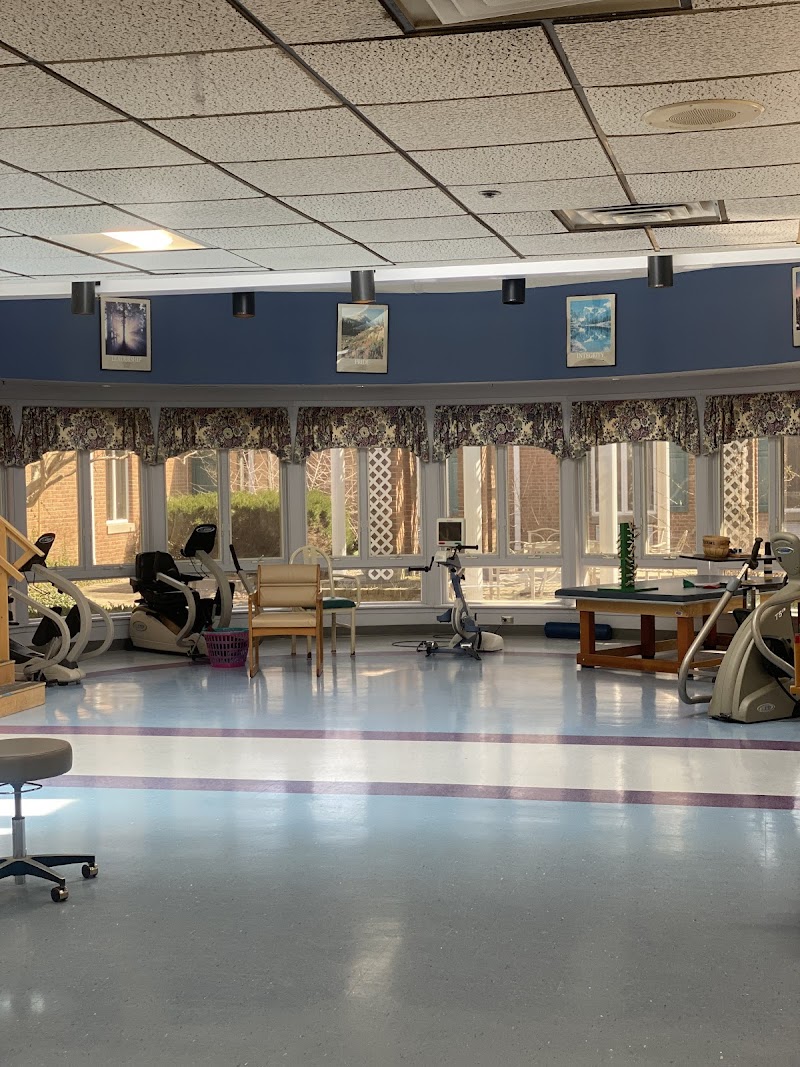
How Does Resorts At Chester River Manor Corp Compare to Other Maryland Nursing Homes?

Compared to the 100 nursing homes in Maryland, RESORTS AT CHESTER RIVER MANOR CORP's overall rating (3 stars) is below the state average of 3.0, staff turnover (30%) is significantly lower than the state average of 46%, and health inspection rating (4 stars) is above the national benchmark.

What Should Families Ask When Visiting Resorts At Chester River Manor Corp?

Based on this facility's data, families visiting should ask: "Can you walk me through typical staffing levels on day, evening, and night shifts?" "Can I visit during a mealtime to observe dining assistance and food quality?" "How do you handle medical emergencies, and what is your hospital transfer rate?" "Can I speak with family members of current residents about their experience?" These questions are particularly relevant given the below-average staffing rating.

Is Resorts At Chester River Manor Corp Safe?

Based on CMS inspection data, RESORTS AT CHESTER RIVER MANOR CORP has a clean safety record: no substantiated abuse findings (meaning no confirmed cases of resident harm), no Immediate Jeopardy citations (the most serious violation level indicating risk of serious injury or death), and is not on the Special Focus Facility watch list (a federal program monitoring the lowest-performing 1% of nursing homes). The facility has a 3-star overall rating and ranks #100 of 100 nursing homes in Maryland. While no facility is perfect, families should still ask about staff-to-resident ratios and recent inspection results during their visit.

Do Nurses at Resorts At Chester River Manor Corp Stick Around?

Staff at RESORTS AT CHESTER RIVER MANOR CORP tend to stick around. With a turnover rate of 30%, the facility is 16 percentage points below the Maryland average of 46%. Low turnover is a positive sign. It means caregivers have time to learn each resident's needs, medications, and personal preferences. Consistent staff also notice subtle changes in a resident's condition more quickly.

Was Resorts At Chester River Manor Corp Ever Fined?

RESORTS AT CHESTER RIVER MANOR CORP has no federal fines on record. CMS issues fines when nursing homes fail to meet care standards or don't correct problems found during inspections. The absence of fines suggests the facility has either maintained compliance or corrected any issues before penalties were assessed. This is a positive indicator, though families should still review recent inspection reports for the full picture.

Is Resorts At Chester River Manor Corp on Any Federal Watch List?

RESORTS AT CHESTER RIVER MANOR CORP is not on any federal watch list. The most significant is the Special Focus Facility (SFF) program, which identifies the bottom 1% of nursing homes nationally based on persistent, serious quality problems. Not being on this list means the facility has avoided the pattern of deficiencies that triggers enhanced federal oversight. This is a positive indicator, though families should still review the facility's inspection history directly.