AUTUMN LAKE HEALTHCARE AT BRADFORD OAKS
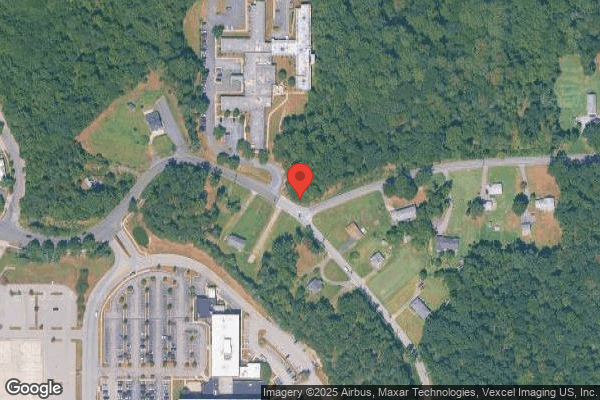
7520 SURRATTS ROAD, CLINTON, MD 20735 (301) 856-1660
For profit - Corporation 180 Beds AUTUMN LAKE HEALTHCARE Data: November 2025
Trust Grade
75/100
#2 of 219 in MD
Last Inspection: February 2025

Within standard 12-15 month inspection cycle. Federal law requires annual inspections.

Overview

Autumn Lake Healthcare at Bradford Oaks in Clinton, Maryland, has received a Trust Grade of B, indicating it is a good facility but not without its flaws. Ranking #2 out of 219 in the state of Maryland and #1 out of 19 in Prince George's County, it is in the top tier of local options. However, the facility is experiencing a worsening trend, increasing from 5 issues in 2019 to 7 in 2025. Staffing is a concern, with a rating of 2 out of 5 stars and a turnover rate of 49%, which is around the state average. On a positive note, there have been no fines reported, suggesting compliance with regulations, but a troubling incident involved a resident suffering a laceration and fracture due to inadequate supervision, highlighting potential safety issues. Additionally, the facility has failed to maintain a clean and safe environment, with litter consistently found in the parking lot and hallways.

Trust Score
B
75/100
In Maryland
#2/219
Top 1%
Safety Record
Moderate
Needs review
Inspections
Getting Worse
5 → 7 violations
Staff Stability
⚠ Watch
49% turnover. Above average. Higher turnover means staff may not know residents' routines.
Penalties
✓ Good
No fines on record. Clean compliance history, better than most Maryland facilities.
Skilled Nurses
⚠ Watch
Each resident gets only 29 minutes of Registered Nurse (RN) attention daily — below average for Maryland. Fewer RN minutes means fewer trained eyes watching for problems.
Violations
⚠ Watch
26 deficiencies on record. Higher than average. Multiple issues found across inspections.
★★★★★
5.0
Overall Rating
★★☆☆☆
2.0
Staff Levels
★★★★☆
4.0
Care Quality
★★★★★
5.0
Inspection Score
Stable
2019: 5 issues
2025: 7 issues

The Good

  • 4-Star Quality Measures · Strong clinical quality outcomes
  • Full Sprinkler Coverage · Fire safety systems throughout facility
  • No fines on record

Facility shows strength in quality measures, fire safety.

The Bad

Staff Turnover: 49%

Near Maryland avg (46%)

Higher turnover may affect care consistency

Chain: AUTUMN LAKE HEALTHCARE

Part of a multi-facility chain

Ask about local staffing decisions and management

The Ugly 26 deficiencies on record

1 actual harm
Feb 2025 7 deficiencies
CONCERN (D) 📢 Someone Reported This

A family member, employee, or ombudsman was alarmed enough to file a formal complaint

Potential for Harm - no one hurt, but risky conditions existed

Report Alleged Abuse (Tag F0609)

Could have caused harm · This affected 1 resident

Based on record review and interview, it was determined that the facility failed to have a process in place to ensure that allegations of abuse, were reported to the state agency (SA) and within the r...

Read full inspector narrative →
Based on record review and interview, it was determined that the facility failed to have a process in place to ensure that allegations of abuse, were reported to the state agency (SA) and within the required timeframe. This was evident for 1 (R40) of 32 residents reviewed for abuse. The findings include: A review of the facility's investigation file for the facility reported incident MD00207668 on 2/11/25 at 2:34 PM revealed a statement written by LPN 5. According to his statement he became aware of R40's allegation of abuse against Geriatric Nursing Assistant (GNA)12 on 7/13/24 at 3:20 PM. On the incident report LPN5 reported that he reported it to Registered Nurse (RN)6. Further review revealed the initial report form, and the facility documented they became aware of the abuse allegation on 7/14/24 at 12N and reported to SA 7/14/24 at 1:30 PM. No confirmation email included. On 2/13/25 at 2:58 PM a review of the email confirmation for sending the initial report confirmed it was sent to the SA on 7/14/24 at 1:27 PM. An interview with LPN5 on 2/13/25 at 3:44 PM confirmed that he was made aware of the abuse allegation at the beginning of the evening shift and he reported it to RN6, who was the supervisor on duty. On 2/13/25 at 3:52 PM RN6 was interviewed and reported that she was the supervisor for the 3-11 pm shift on 7/13/24. She confirmed that she was made aware of the allegation of abuse and notified the previous DON and the Nursing Home Administrator (NHA) that evening. However, she was unable to provide documentation of the date, time, and manner in which she contacted them. During an interview with the NHA on 2/13/25 at 4:25 PM, he reported he was made aware of R40's allegation of abuse when the previous DON contacted him on 7/14/24. He denied that he had been notified by RN6 on 7/13/24. He stated that staff often will not report allegations of abuse to him immediately because he was not in the building, and they cannot call him in the middle of the night. When asked if he was aware of the regulatory requirements to report within the 2-hour timeframe he stated that he was aware.
CONCERN (D) 📢 Someone Reported This

A family member, employee, or ombudsman was alarmed enough to file a formal complaint

Potential for Harm - no one hurt, but risky conditions existed

Investigate Abuse (Tag F0610)

Could have caused harm · This affected 1 resident

Based on record review and interview, it was determined facility staff failed to ensure that an alleged perpetrator had no further access to vulnerable residents during an investigation and to conduct...

Read full inspector narrative →
Based on record review and interview, it was determined facility staff failed to ensure that an alleged perpetrator had no further access to vulnerable residents during an investigation and to conduct a thorough investigation of the allegation. This was evident for 1 (R40) of 32 residents reviewed for abuse. The findings include: On 2/5/25 at 10:30 AM a review of the facility's policy titled Abuse, Neglect, and Exploitation with no implementation date but was reviewed on 11/13/23. In the section for definitions, Misappropriation of resident property is included as abuse. In section IV B the facility identifies Resident reports of theft of property, or missing property is an indicator of possible abuse. In section V the facility states that identifying and interviewing all involved people including witnesses as part of a thorough investigation and to focus the investigation on determining if abuse has occurred and to what extent. In section VI the facility's expectation for protecting the residents includes room or staffing changes. In section VII, the Administrator is responsible for defining how care provisions will be changed or improved to protect residents. 1) A review of the facility's investigation file for the facility reported incident MD00207668 on 2/11/25 at 2:34 PM revealed a statement written by LPN 5. According to his statement he became aware of R40's allegation of abuse involving Geriatric Nursing Assistant (GNA)12 on 7/13/24 at 3:20 PM. He stated that he separated the GNA from the resident by assigning a different GNA to R40. On the incident report LPN5 documented that he reported it to Registered Nurse (RN)6. However, further review of the investigation file revealed no statement or documentation of the actions she took regarding this allegation. According to GNA12's statement she went into R40's room on 7/13/24 at 4 pm and he/she refused care. It was after this that she was informed by the supervisor that they were switching rooms because R40 had filed a complaint about GNA12, saying that she hit him/her. There were interviews with residents documented, however the residents were asked if they were aware of what happened between R40 and GNA12. There were no questions to determine if other residents had been abused by the accused GNA. Furthermore, staff failed to conduct interviews with other staff to determine the type of care that GNA12 provided to residents. A review of GNA12's time punches on 2/13/24 at 4:00 PM revealed that on 7/13/24, she clocked in at 1446 (2:46 PM) and out at 2304 (11:04 PM), on 7/14/24, she clocked in at 1500 (3:00 PM) and out at 2300 (11:00 PM), then she was absent on 7/15/24 and 7/16/24. On 2/11/25 at 3:43 PM an interview, by phone, with LPN5 confirmed that he had reported the allegation of abuse to RN6, who was the evening shift supervisor on 7/13/24. He stated that GNA12 was allowed to continue to work that evening, but did not care for R40, however, she cared for other vulnerable residents. He reported he remembered this because R40 complained that s/he was still seeing GNA12 in the hallway and that upset him/her. When asked if he was familiar with the facility's abuse policies and procedures, he stated that he was familiar with them and was aware that a staff member accused of abuse was to be suspended. He stated that he must have been wrong and GNA12 was suspended that evening. An interview with GNA12 by phone on 2/11/25, at 3:58 PM revealed she remembered the incident because she was suspended from work. However, on 7/13/24, she was allowed to continue to work until the end of her shift. During a subsequent interview with LPN5 2/13/25, at 3:44 PM, he confirmed that GNA #12 worked until the end of her shift on 7/13/24. RN6 was interviewed on 2/13/25, at 3:52 PM regarding the allegation of abuse reported on 7/13/24. She stated that she was the supervisor that evening and recalled LPN5 reporting the allegation to her. RN6 reported that she called the Director of Nursing (DON) who was employed at the time and the Nursing Home Administrator (NHA) that evening. She stated she obtained a statement from GNA12 and then sent her home. She reported she did not document the actions she took and did not provide a statement because LPN5 was working on that information. When presented the with staff interviews and GNA12's time punches which revealed GNA12 had finished her shift that evening, she stated she knew she told GNA12 to go home, but she had not walked her out of the building. She stated that if GNA12 worked she was unaware she had and she would have thought the nurse would have reported it to her. An interview with the NHA on 2/13/25, at 4:25 PM revealed that if a staff member was accused of abuse they are suspended immediately for 3 days. Reviewed with him that concerns with the investigation, and he offered no rationale for those findings. He stated he recalled the incident and that the GNA was suspended when he was made aware on 7/14/24. He was shown the time punches for GNA12 and that she continued to work 7 hours and 40 minutes after the allegation of abuse was reported. He stated that just because staff had time punches does not mean they worked because if the allegation was unfounded staff were paid for that time. The Director of Human Resources was interviewed on 2/13/25, at 4:45 PM regarding how to distinguish between the time entered by Human Resources (HR) for back pay for an allegation of abuse or when a staff member was actually clocking in and out. She stated that this was their old system and there was no way to enter codes. She stated that she would look at the time punch times and the ones that were specific for 1500 (3:00 PM0 - 2300 (11:00 PM) were more than likely entered by HR. The days that staff clocked in and out would vary from 1500 (3:00 PM - 2300 (11:00 PM) because staff rarely clock in and out at the exact times. GNA12's time punches for 7/13/24 revealed she had clocked in at 1446 (2:46 PM) and out at 2304 (11:04 PM). The Director stated she clocked in and out that day and it was not entered manually because of the variances in the time. However, it did show that on 7/14/24, GNA12's time was manually entered by HR, which indicated that she was suspended on the day the NHA was made aware of the allegation of abuse. Subsequently, these findings were reviewed with the NHA. The concerns were reviewed with the NHA and Regional DON at the time of exit on 2/20/25 at 12:45 PM.
CONCERN (D) 📢 Someone Reported This

A family member, employee, or ombudsman was alarmed enough to file a formal complaint

Potential for Harm - no one hurt, but risky conditions existed

Deficiency F0655 (Tag F0655)

Could have caused harm · This affected 1 resident

Based on record review and interview it was determined that the facility failed to provide a baseline care plan to the resident's representative. This was evident for 1 (#12) of 9 residents reviewed f...

Read full inspector narrative →
Based on record review and interview it was determined that the facility failed to provide a baseline care plan to the resident's representative. This was evident for 1 (#12) of 9 residents reviewed for care to prevent pressure ulcers. The findings include: Baseline care plan - must include the minimum healthcare information necessary to properly care for each resident immediately upon their admission, which would address resident-specific health and safety concerns to prevent decline or injury, such as elopement or fall risk, and would identify needs for supervision, behavioral interventions, and assistance with activities of daily living, as necessary. During a review of a complaint regarding Resident (R)12 on 2/5/25 at 9:55 AM, it was revealed that the complainant reported they were not given a copy of the resident's baseline care plan or made aware of the medications the resident was taking. On 2/18/25 at 1:03 PM, a review of the closed record for R12 revealed no evidence that the baseline care plan or list of medications were given to the resident or resident representative. A review of the electronic medical record for R12 on 2/20/25 at 11:57 AM, revealed under the miscellaneous tab that there was no evidence that the resident or resident representative was given a copy of the baseline care or a list of the medications prescribed. The Regional Director of Nursing confirmed the findings on 2/20/25 at 11:40 AM. On 2/20/25 at 12:40 PM the concerns were reviewed with Nursing Home Administrator.
CONCERN (D)

Potential for Harm - no one hurt, but risky conditions existed

Food Safety (Tag F0812)

Could have caused harm · This affected 1 resident

Based on observation, interview, and policy review, the facility failed to ensure that food items in the dry storage area were discarded upon the use by date printed on the carton. This failed practic...

Read full inspector narrative →
Based on observation, interview, and policy review, the facility failed to ensure that food items in the dry storage area were discarded upon the use by date printed on the carton. This failed practice had the potential to affect the six residents that received nectar thickened liquids and the nine residents that received med pass 2.0 supplement from the kitchen. Findings include: On 02/04/25 at 5:54 AM during the initial tour of the dry storage area, there were two cases of 22 one-quart cartons of Med Plus 2.0 vanilla nutritional that displayed a use by date of 11/17/24. Additionally, there was one case of nine one-quart cartons of Thickened Dairy Drink that displayed a use by date of 01/01/25. The Dietary Manager (DM) stated she would remove those items and dispose of them. During an interview on 02/07/25 at 3:46 PM, the DM stated that items were not in rotation, it could possibly make residents that receive those products sick. Everyone should be checking the date on food items when new products are brought in. Review of the facility's policy titled, Food Safety Requirements, dated 01/31/23, revealed, . Food safety practices shall be followed throughout the facility's entire food handling process . Storage of food in a manner that helps prevent deterioration or contamination of the food, including from growth of microorganisms .
CONCERN (D) 📢 Someone Reported This

A family member, employee, or ombudsman was alarmed enough to file a formal complaint

Potential for Harm - no one hurt, but risky conditions existed

Medical Records (Tag F0842)

Could have caused harm · This affected 1 resident

2) On 2/13/25 at 8:45 AM, a medical record review was conducted for Resident (R) 630. Family stated the resident has not been changed on a regular basis R630 came to the facility for rehab, was unstea...

Read full inspector narrative →
2) On 2/13/25 at 8:45 AM, a medical record review was conducted for Resident (R) 630. Family stated the resident has not been changed on a regular basis R630 came to the facility for rehab, was unsteady on feet and needed assistance with activities of daily living. Upon review of bowl and bladder records, it was noted that bowel and bladder were not signed off as being done on the following dates: 8/1/24 night shift not signed off 8/5/24 evening shift not signed 8/23/24 night shift not signed 8/28/24 evening, shift not signed off Resident care record indicated personal hygiene was not signed off as completed on the following dates: 8/24/24 day shift 8/5/24 evening shift 8/28/24 evening shift 8/1/24 night shift 8/23/24 night shift During interview on 2/13/25 at 11 am, the Regional Director of Nursing and administrator confirmed the tasks were not signed off, therefore it could not be confirmed if resident was changed or given personal hygiene or the nurse failed to sign off on care record. Based on record review and interview, it was determined that facility staff failed to ensure the resident's medical records were complete and accurate. This was evident for 2 (R630 and R12) of 92 residents reviewed during the survey. Findings include: 1) During a review of a complaint regarding Resident (R)12 on 2/5/25 at 9:55 AM, it was revealed that the complainant reported concerns that staff were not turning and repositioning the resident to prevent skin breakdown. On 2/20/25 at 8:41 AM a review of geriatric nursing assistance (GNA) documentation for turning and repositioning of the resident for the dates of 10/20/21 - 11/17/21 revealed the resident was dependent on staff for turning and repositioning. However, staff documented that they had not turned and repositioned the resident on the following dates: 10/21/21, 10/22/21, 10/24/21, 10/25/21, 10/26/21, 10/28/21, 10/30/21, and 10/31/21. The findings were reviewed with the Regional Director of Nursing (DON) and she stated she would review the medical record. The Regional DON reported on 12/20/25 at 12:10 PM that she found the nurses were documenting on the Treatment Administration Record (TAR) that the resident was being turned and repositioned on the days that the GNAs documented s/he was not and provided a copy of the record. An interview with GNA #11 on 12/20/25 at 12:13 PM revealed that she documented in the electronic medical record when she turned and repositioned a resident. When asked if she reported to the nurses how often she turned and repositioned the residents and she stated she had not. She was unable to recall specific details regarding the care of R12 due to the time that had lapsed. A subsequent interview with the Regional DON on 2/20/25 at 12:33 PM, revealed the nurses were supposed to ask the GNAs if they were able to turn and reposition the residents every two hours to document it on the TAR. She had no rationale as to why the information documented by the GNAs and the nurses was conflicting. The findings were reviewed with the Nursing Home Administrator on 2/20/25 at 12:40 PM.
CONCERN (D)

Potential for Harm - no one hurt, but risky conditions existed

Infection Control (Tag F0880)

Could have caused harm · This affected 1 resident

**NOTE- TERMS IN BRACKETS HAVE BEEN EDITED TO PROTECT CONFIDENTIALITY** Based on observation, interview, record review, and facility policy review, the facility failed to follow infection control proc...

Read full inspector narrative →
**NOTE- TERMS IN BRACKETS HAVE BEEN EDITED TO PROTECT CONFIDENTIALITY** Based on observation, interview, record review, and facility policy review, the facility failed to follow infection control procedures related to droplet precautions for one of one resident (R 44) reviewed for isolation precautions out of a total sample of 39. This had the potential to cause cross-contamination with other residents and staff. Findings include: Review of R44's Face Sheet, located under the Profile tab of the electronic medical record (EMR), revealed R44 was admitted to the facility on [DATE] with the diagnoses of heart disease, end stage renal disease, and type II diabetes. Review of R44's quarterly Minimum Data Set (MDS), with an assessment reference date (ARD) of 12/01/24 and located under the RAI (Resident Assessment Instrument) tab of the EMR, revealed R44 was dependent for eating, dressing, bed mobility, toileting, showering/bathing and transfers. The MDS showed a Brief Interview for Mental Status (BIMS) score of 15 out of 15, which indicated R44 was cognitively intact. Record review of R44's EMR Physician Orders, located in the resident's EMR under the Orders tab and dated 02/04/25, indicated a physician's order for droplet precautions due to RSV (respiratory syncytial virus) diagnosis. During an observation on 02/06/25 at 1:00 PM, a sign was noted on R44's door. The sign read, Stop Droplet Precautions Everyone must: clean their hands, including before entering and when leaving the room. Make sure their eyes, nose and mouth are fully covered before room entry. Remove face protection before room exit. Also observed outside of R44's room was a bin with drawers which held gowns, masks, gloves, and eye protection. During an observation on 02/06/25 at 1:20 PM in the hallway outside of R44's room, Licensed Practical Nurse (LPN) 3 was observed delivering R44's lunch tray. LPN3 walked into R44's room without donning personal protective equipment (PPE). LPN3 had a mask on but did not wear a gown or eye protection. LPN3 pulled up a chair next to R44's bed and began assisting R44 with his/her meal. During an observation on 02/07/25 at 9:30 AM, the Activities Director (AD) was in R44's room talking with R44. The AD wore a mask but was not wearing a gown or eye protection. During an interview on 02/06/25 at 4:30 PM, the Director of Nursing (DON) stated that all staff should be donning PPE consisting of a gown, mask, gloves, and eye protection prior to entering R44's room due to resident being on droplet precautions resulting from the diagnosis of RSV. During an interview on 02/06/25 at 4:43 PM, LPN3 confirmed she was not wearing PPE upon entry to R44's room. She stated as soon as she realized her error, she exited the room and donned the necessary PPE. During an interview on 02/07/25 at 9:35 AM, the AD confirmed she should have read the sign on the door and followed the instructions related to wearing PPE before entering R44's room. Review of the facility's policy titled, Transmission-Based (Isolation) Precautions dated 01/31/23, revealed, . It is our policy to take appropriate precautions to prevent transmission of pathogens, based on the pathogens' mode of transmission . Droplet precautions refer to actions designed to reduce/prevent the transmission of pathogens spread through close respiratory or mucous membrane contact with respiratory secretions . Intended to prevent transmission of pathogens spread through close respiratory or mucous membrane contact with respiratory secretions . Healthcare personnel will wear a facemask for close contact with infectious resident . Based upon the pathogen or clinical syndrome, if there is risk of exposure to mucous membranes or substantial spraying of respiratory secretions is anticipated, gloves and gown as well as goggle. Review of facility's policy titled, Personal Protective Equipment, dated 09/01/24, revealed, . Indications/considerations for PPE use: a. Gloves i. Wear gloves when direct contact with blood, body fluids, mucous membranes .b. Gowns i. Wear gowns to protect arms, exposed body areas, and clothing from contamination with blood, body fluids and other potentially infectious material .c. Face protections: i. Wear a mask to protect the face from contamination with blood, body fluids, and other potentially infectious materials during tasks that generate splashes or sprays. ii. Wear goggles or face shield as added face/eye protection .
CONCERN (E) 📢 Someone Reported This

A family member, employee, or ombudsman was alarmed enough to file a formal complaint

Potential for Harm - no one hurt, but risky conditions existed

Safe Environment (Tag F0921)

Could have caused harm · This affected multiple residents

**NOTE- TERMS IN BRACKETS HAVE BEEN EDITED TO PROTECT CONFIDENTIALITY** Based on observations and staff interview, it was determined that the facility failed to maintain a safe and sanitary environmen...

Read full inspector narrative →
**NOTE- TERMS IN BRACKETS HAVE BEEN EDITED TO PROTECT CONFIDENTIALITY** Based on observations and staff interview, it was determined that the facility failed to maintain a safe and sanitary environment for residents, visitors, and staff. This was evident for the parking lot and the East hallway during the survey. The findings include: On 2/4/25, at 9:45 AM upon entry to the parking lot area in front of the facility's front doors, there were masks, gloves, and various paper packaging littering the ground. The same observations were made on 2/5/25 at 8:50 AM, 2/5/25 at 3:00 PM, 2/7/25 at 7:00 AM, 2/7/25 at 1:00 PM, 2/10/25 at 8:00 AM, 2/10/25 at 4:10 PM, 2/11/25 at 8:30 AM. On 2/11/25 at 1:00 PM, a pile of nonsterile clear gloves was found in a parking spot, as well as the other trash noted previously. On 2/13/25 at 9:30 AM, there was a piece of cardboard laying in a parking spot, dirty masks, gloves, a paper cup with trash in it. At the doorway was a plastic bag used for produce at a grocery store, that looked like it had been ran over. An interview with the Maintenance Director on 2/13/25, at 9:54 AM revealed that they were supposed to clean up the parking lot every day. Reviewed the concerns with him and he reported that they have addressed the staff, and they are not sure if visitors were throwing their mask on the ground. On 2/4/25, at 1:25 PM an observation of the East hallway where the dietary doorway is located there was a ceiling vent that had a ½ (inch) gap between the vent and the ceiling tile. The vent was white and had black spots on it. There was a ceiling vent outside the office door labeled, NP/Educator that was white and had black spots on it. There were multiple ceiling tiles in the hallway that had brown spots on them and the carpet had multiple stains on it. Once of the flooring tiles near the dietary doorway had an area that was about 3 by 2 where it was torn away to the white part. The resident rights picture frame outside the storage room was hanging crooked. On 2/4/25, at 1:26 PM entering the hallway where the Dialysis center was located, there was a dummy waiter that had boxes piled up next to it. The boxes were medical supplies. The same boxes were there during subsequent observation on 2/5/25, at 11:50 AM. On 2/13/25, at 9:48 AM there were boxes in the same location, but they were different supplies. Further down that same hallway were brown spots scattered on the wallpaper to the right of room [ROOM NUMBER]'s doorway all the way to where the picture was located. A dried reddish-brown substance was on the handrail to the left of room [ROOM NUMBER]. The same reddish-brown stain that was on the handrail was across the hallway under the computer BOC-Kiosk01 located across from room [ROOM NUMBER] it measured about 4 down the wall onto the handrail and some below the handrail. On the same wall under the kiosk, to the left, and above it were scrapes in the wallpaper down to the white. Under the hand sanitizer dispenser located beside the bulletin board were 5 staples in the wallpaper. Above the hand sanitizer dispenser were two black marks. The telephone hanging on the wall outside room [ROOM NUMBER] was crooked. Additional observations of these findings revealed that they were still there on 2/5/25, at 11:49 AM and again on 2/13/25, at 9:48 AM. On 2/13/25, at 9:49 AM during an interview with Environmental Services (ES)4 she reported that they were supposed to wipe down the walls and handrails every day when they cleaned. When asked about the dirty handrails and walls she stated she had not been working since last Thursday (2/6/25). However, the areas were observed before she worked last Thursday. She stated that sometimes the nurses' carts and other equipment block them from getting all the areas wipes. When asked if she was expected to move equipment to clean she stated she was. An interview with the Director of Environmental Services on 2/13/25 at 10:02 AM revealed that staff were supposed to wipe down walls and handrails every day. He was shown the areas. He reported there were some issues between environmental staff and nursing, so he told his staff not to engage them if they were in the hallway. He stated it should not have stayed on the walls and handrails since 2/4/25. On 2/13/25, at 9:54 AM an interview with the Director of Maintenance was conducted and he was shown concerns with the vents, ceiling tiles, and flooring. He reported that the facility was being renovated. When asked if there was a contract for the renovations, he stated he would check with the Administrator. He reported he was responsible for cleaning the vents but offered no rationale for why they were not clean. An interview with the Unit Clerk (UC) 1 on 2/13/25, at 10:14 AM revealed that vendors who deliver supplies will lay the boxes on the floor near the dummy waiter or in front of her desk. She stated that those boxes stayed there until staff were able to get them to put them away. The concerns about the facility cleanliness and safety were discussed with the Nursing Home Administrator on 2/13/25, at 10:25 AM. He reported that they were aware of the trash in the parking lot and had told staff and visitors to use the trash receptacles provided. He was made aware that there were multiple observations on multiple days of trash all around the parking lot. He offered no rationale for the housekeeping concerns. He reported that the facility was going under extensive renovations, but he would check on a contract. Later he provided a contract that was a proposal from the building company that was not signed by facility staff or dated.
Dec 2019 5 deficiencies 1 Harm
SERIOUS (G)

Actual Harm - a resident was hurt due to facility failures

Accident Prevention (Tag F0689)

A resident was harmed · This affected 1 resident

Based on review of medical records and staff interviews, it was determined the facility staff failed to provide adequate supervision to ensure the safety of Resident #224 whom was cognitively and func...

Read full inspector narrative →
Based on review of medical records and staff interviews, it was determined the facility staff failed to provide adequate supervision to ensure the safety of Resident #224 whom was cognitively and functionally impaired. This resulted in a laceration and fracture of the Resident's left arm. This was evident for 1 out of 1 resident investigated for accidents during the survey. The findings include: The facility's investigation of the reported incident MD00146814 was reviewed on12/5/2019 at 10:00 AM. The facility's investigation revealed that, on 10/14/19 around 4:45 AM, Geriatric Nursing Assistant (GNA) #11 was assisting Resident #224 with morning care. During care, the resident's bed linens became soiled. The GNA turned the Resident onto his/her left side and asked the resident to hold on to the bedrail in that position. The GNA, leaving the resident in that position, went to the door to a linen cart that was outside the bedroom to retrieve clean linen. While the GNA was away from the bed, the resident rolled out of the bed onto the floor and sustained a laceration to the left arm. The resident was complaining of arm pain and was sent out to the hospital on October 14, 2019 at approximately 5:30 AM for further evaluation. Hospital records pertaining to Resident #224's hospital evaluation on October 14, 2019 were reviewed by the survey team on December 5, 2019 . Documentation from the emergency room revealed that the resident had sustained a left proximal ulnar fracture that did not extend into the joint space. The resident was admitted to the hospital. The MDS is a document that provides a comprehensive assessment of each resident's functional capabilities and helps the nursing home staff identify health problems. The resident's functional status for bed mobility (how a person moves to and from lying position, turns side to side, and positions body while in the bed) was listed on the MDS (Minimum Data Set) as extensive assist, 2+ person physical assist support, and 2+ person assist for bathing. A review of the resident's Plan of Care confirmed that the resident required 2+ person assistance when performing bed mobility and for bathing. Further review of the facility's documentation stated that there has been some significant reduction in the resident's overall functional capabilities prior to admission to the facility, to a point where the resident is bed bound. The resident's diagnoses are significant for Generalized Muscle Weakness, at risk for falls related to impaired mobility, obesity. On 12/6/19 around 12:00 PM, during an interview with the Director of Nursing (DON), the DON acknowledged awareness of the incident and informed the writer that the resident was found bleeding from the elbow with a forearm to elbow tear. On 12/9/19 around 10:00 AM, an interview of staff #12, the Occupational Therapy Assistant (OTA), treating therapist, stated that the resident was not capable of holding herself on her side while holding the siderail. The GNA acted alone, without the assistance of a second staff to support the resident's position.
CONCERN (D)

Potential for Harm - no one hurt, but risky conditions existed

ADL Care (Tag F0677)

Could have caused harm · This affected 1 resident

Based on observation, the facility staff failed to ensure that Resident # 22 and Resident #160 's nails were clean. This was evident for 2 out of 6 residents investigated for Activities of Daily Livin...

Read full inspector narrative →
Based on observation, the facility staff failed to ensure that Resident # 22 and Resident #160 's nails were clean. This was evident for 2 out of 6 residents investigated for Activities of Daily Living (ADL) during the survey process. The findings include: On 12/3/19 around 11:18 AM during resident observations it was noted that Resident #22 fingernails on both hands were caked with dirt. It was shown to staff #8. Per the Minimum Data Set (MDS), the resident is an extensive assist for personal hygiene. On 12/04/19 around 08:44 AM while interviewing Resident #160 it was noted that the nails on both hands were dirty. The facility failed to maintain adequate grooming
CONCERN (D)

Potential for Harm - no one hurt, but risky conditions existed

Respiratory Care (Tag F0695)

Could have caused harm · This affected 1 resident

Based on observation and staff interviews the facility staff failed to ensure that Resident #64's tracheostomy was setup to the doctor's orders. This was evident for 1 out of 1 resident investigated f...

Read full inspector narrative →
Based on observation and staff interviews the facility staff failed to ensure that Resident #64's tracheostomy was setup to the doctor's orders. This was evident for 1 out of 1 resident investigated for a tracheostomy during the survey process. The findings include: On 12/10/19 while reviewing the records for Resident #64's tracheostomy care and set up, the order revealed that the trach tubing is to be changed monthly. Also, the oxygen level is to be set on 2 liters/min. While assessing the resident, it was noted that there was no date on the tubing, therefore the writer could not determine the age of the tubing. Staff #13 was shown the tubing and stated that the tubing will be changed. In addition, the 02 concentrator was set at 5 liters/min as opposed to the 2L noted in the resident's orders. The Eastside Unit Manager, Staff #10, was informed and verified the 02 level at 5 liters. Facility staff did not follow the physician orders.
CONCERN (D)

Potential for Harm - no one hurt, but risky conditions existed

Infection Control (Tag F0880)

Could have caused harm · This affected 1 resident

Based on meal service observations and staff interviews it was determined that the facility staff failed to follow infection control practices and guidelines to prevent the development and transmissio...

Read full inspector narrative →
Based on meal service observations and staff interviews it was determined that the facility staff failed to follow infection control practices and guidelines to prevent the development and transmission of disease by failing to Demonstrate appropriate hand hygiene to prevent the spread of infection during lunch meal service involving resident's (R#61). This was evident during dining observation. The findings include: On 12/02/19 at 12:30 PM during lunch meal observation in the facilities main dining room, Geriatric Nursing Assistant (GNA) #9 was observed repositioning Resident #61 who was being wheeled into the main dining room by another staff member. GNA #9 was observed touching with his/she hands to reposition Resident #61's right lower leg and foot placing it back in the wheelchair. GNA #9 was, also, observed retuning to the food tray table and touching and serving another lunch plate without washing hands or sanitizing hands before touching and serving a lunch food plate to another resident in the dining room. On 12/02/19 at 12:35 PM Surveyor # 39709 conducted a staff interview with GNA #9 who informed the surveyor that he/she forgot to sanitize his/her hands. GNA #9 staff member explained the facility's hand washing policy. The Administrator and Director of Nursing were made aware of the surveyor's finding during the survey exit.
CONCERN (E)

Potential for Harm - no one hurt, but risky conditions existed

Medical Records (Tag F0842)

Could have caused harm · This affected multiple residents

Based on review of medical records, observation of patient care, and interview with facility staff, it was determined that the facility failed to ensure that residents' assessments of bed mobility acc...

Read full inspector narrative →
Based on review of medical records, observation of patient care, and interview with facility staff, it was determined that the facility failed to ensure that residents' assessments of bed mobility accurately reflected residents' ability to maneuver themselves in bed. This was evident for 3 (Residents #1, #2, #3) of 9 residents identified by the facility's lift assessments as requiring the assistance of two staff to reposition in bed. The findings include: A review was performed on 2/6/20 at 10:15 AM of education given to staff regarding bed mobility following the annual survey with end date 12/11/2019. During the review, it was found that staff were educated to rely on a label outside of resident rooms to determine how many staff were required to assist the resident with positioning in bed. If a resident required 2 staff members to reposition in bed, the label outside the resident's room would end with a 2. Otherwise, the resident required only 1 staff member's assistance to reposition in bed. During an interview with Geriatric Nursing Assistant (GNA) #3 that took place on 2/6/20 at 10:18 AM, GNA #3 confirmed that residents requiring 2 person assistance to reposition in bed had 2 at the end of the label outside their room. This was also confirmed with GNA #4 at 10:59 AM. During an interview with the Director of Nursing (DON) that took place on 2/6/20 at 11:14 AM, the DON stated that whether a resident required 1 or 2 person assist on transfers was based on the most recent Lift and Reposition Assessment that was completed for each resident. The DON stated that nurses complete this assessment for all new admissions and complete a new one when a resident has a change in condition or mobility in bed. The surveyor obtained a list of residents who required 2 person assistance with bed mobility based on their most recent Lift and Reposition Assessment. Based on that list, 9 residents required 2 person assistance with bed mobility. An observation was conducted on 2/6/20 at 11:55 AM to ensure that residents requiring 2 person assistance had 2 at the end of the label outside the resident's room. Of the 9 identified residents, 3 residents (Residents #1, #2, and #3) did not have 2 at the end of the label outside their room. The Lift and Reposition Assessments were reviewed for these three residents and the most recent assessments all reflected that the residents required 2 person assist. During an interview with GNA #4 that took place at 10:59 AM, GNA #4 identified that Resident #2 often required only 1 person assistance with bed mobility. GNA #4 also stated that she had assisted Resident #2 in bed by herself that morning at about 10:25 AM. During an interview with the DON at 12:39 PM, the DON stated that Residents #1, #2, and #3 all required only 1 person assistance in bed mobility. She stated that this had been determined by herself in consultation with assigned nursing staff on 1/28/20 in the course of auditing the labels being used outside resident rooms. She stated that the labels outside these three resident rooms now accurately reflected that the residents required the assistance of only 1 staff member, however new Lift and Reposition Assessments had not been completed for these residents. An observation was made on 2/6/20 at 1:03 PM of Resident #1 attempting bed mobility. This observation was made in the presence of the DON and Unit Manager #5. During the observation, Resident #1 demonstrated sufficient physical and mental capacity to safely reposition himself/herself in the bed with only minimal assistance from 1 staff person.
Jul 2018 14 deficiencies
CONCERN (D)

Potential for Harm - no one hurt, but risky conditions existed

Deficiency F0583 (Tag F0583)

Could have caused harm · This affected 1 resident

**NOTE- TERMS IN BRACKETS HAVE BEEN EDITED TO PROTECT CONFIDENTIALITY** Based on medication cart observations and staff interviews it was determined that the facility nursing staff failed to ensure th...

Read full inspector narrative →
**NOTE- TERMS IN BRACKETS HAVE BEEN EDITED TO PROTECT CONFIDENTIALITY** Based on medication cart observations and staff interviews it was determined that the facility nursing staff failed to ensure that medical record confidentiality was maintained. This was evident in 1 out of 11 medication carts during the survey process. The finding includes: On 7/6/18 at 12:50 P.M. on the North Wing nursing unit the surveyor observed on top of the unattended medication cart standing in front of room [ROOM NUMBER] on the unit: The nursing shift report document was observed not kept in confidential manner. The nursing shift report this document is used by the nursing staff which explains all assigned nursing tasks preformed during the nurses shift on all assigned residents. The surveyor passing by the medication cart was able to view the resident's names, room numbers, vital signs, pain medications, labs, code status, with all nursing medication and treatment comments. The information was visible to the public for viewing about any residents on the unit residing in Room's 59B, 60A, 60B, 61A, 61B, 62A, and 62B. On the same date and time on the same medication cart the surveyor observed a new prescription for morphine sulfate (a prescribed medication to treat and to relieve moderate to severe pain) for Resident #133 on top of the medication cart. This prescription was visible for public viewing. On 7/6/18 at 1:01 P.M. during a staff interview with nurse staff (#9) he/she replied, I thought I had secured my medication cart and covered everything. Nurse staff (#9) verified that the nursing shift to shift report sheet was faced up with Resident #133's new prescription on top of the unattended medication cart. Resident #133's medical information was visible for public viewing. During the same interview, nurse staff (#9) informed the surveyor, all medical records are to be kept in a confidential manner and away from public viewing. On 7/6/18 at 1:05 P.M. during a staff interview with the North Nursing Unit Manager staff (#10), he/she verified the surveyor's observation and stated that, all Personal Health Information (PHI) must be kept in a confidential manner always. The Administrator and Assistant Director of Nursing, with other facility members, were informed of the privacy concerns prior to the survey exit.
CONCERN (D)

Potential for Harm - no one hurt, but risky conditions existed

Safe Environment (Tag F0584)

Could have caused harm · This affected 1 resident

**NOTE- TERMS IN BRACKETS HAVE BEEN EDITED TO PROTECT CONFIDENTIALITY** Based on observation of the facility it was determined that the facility staff failed to maintain the resident's rooms in a clea...

Read full inspector narrative →
**NOTE- TERMS IN BRACKETS HAVE BEEN EDITED TO PROTECT CONFIDENTIALITY** Based on observation of the facility it was determined that the facility staff failed to maintain the resident's rooms in a clean, safe and home-like atmosphere. The findings include: 1. On 6/29/2019 at 9:22 AM, this surveyor noticed a strong urine odor in room [ROOM NUMBER] on the north-wing. The Surveyor observed that the shared toilet between rooms [ROOM NUMBERS] had a dark yellow substance in the bowl and had a strong urine smell. 2. The lights above beds 48A and 48B had large amounts of dust and debris on top of the light fixture. 3. On 7/03/2018 at 11:00 AM, this surveyor observed that in room [ROOM NUMBER]A, a floor tile at the foot of the bed was coming off and the tile was raised up. The loose tile created a bump measuring approximately 5 inches wide and 3 inches high, causing a trip hazard. The facility has the responsibility to its residents to maintain a home-like, clean and safe atmosphere. The findings were brought to the Administrators attention.
CONCERN (D)

Potential for Harm - no one hurt, but risky conditions existed

Free from Abuse/Neglect (Tag F0600)

Could have caused harm · This affected 1 resident

Based on the medical record review; resident and staff interviews, the facility failed to keep residents free from verbal and mental abuse. This was evident for 2 out of 3 residents (Resident # 45, an...

Read full inspector narrative →
Based on the medical record review; resident and staff interviews, the facility failed to keep residents free from verbal and mental abuse. This was evident for 2 out of 3 residents (Resident # 45, and # 355) reviewed for abuse allegations. The findings include: Record review revealed that Resident #45 has a Brief Interview of Mental Status (BIMS) score of 9. The Surveyor's contact with the Social Services Director by phone on July 23, 2018 reported that Resident # 45 has two certifications of incapacity. One was completed on 2-23-18 and the other is dated, 3-9-18. 1. On 6/29/18 at 9:18 AM an interview was conducted with Resident # 45. During the interview, Resident #45 stated that he/she was abused by GNA (Geriatric Nursing Assistant) # 5. The resident stated that GNA # 5 hit him/her and was rough with him/her. There were no injuries noted. Resident # 45 stated that he/she told the Unit Manager (employee #4). GNA # 5 did apologize to the resident. The resident was given the opportunity to continue with this GNA or to have a new GNA care for him/her. The resident accepted GNA # 5's apology but, decided to have another GNA care for him/her. During interview, employee # 4 (Unit Manager) stated that Resident # 45 was not hit, but GNA #5 snatched a towel out of his/her hand and proceeded to be rough with him/her. Employee #4 stated that she/he educated GNA # 5 and assigned her to another room. The surveyor asked employee # 4 if an incident report was filed and employee # 4 did not know. She/he stated that the Social Worker was with him/her during the interview with the resident and maybe he/she had done an incident report. This surveyor spoke with the Administrator about an incident report for Resident # 45 and the Administrator was unable to provide one. On July 2, 2018 at 10 A.M., an incident report was handed to the surveyor that included facility interviews with staff. Employee # 4, and #5 were terminated and the Social Worker, employee #6 at the time of the incident was, also, terminated due to repeated lack of documentation. The Administrator did file an incident report with the State Agency after this surveyor brought this matter to his/her attention. 2. Beginning on 7/9/18 and 10:35 AM a facility reported allegation of abuse that had been investigated by the facility was reviewed. According to the allegation, Resident #355 stated he/she requested assistance with changing clothes and a Geriatric Nursing Assistant (GNA) told him/her, If you can go out and smoke you can change yourself, and threw night clothes in the resident's face. Although the GNA denied the allegation, the roommate, Resident #114, confirmed the allegation. The GNA was identified by the facility as an agency staff member. (A Nursing Agency is a business that provides nurses and nursing assistants on a temporary basis to nursing facilities.) The facility documented they have blocked the GNA from working any more at any corporate affliated facilities. The facility is responsible to ensure that residents are free from abuse.
CONCERN (D)

Potential for Harm - no one hurt, but risky conditions existed

Assessment Accuracy (Tag F0641)

Could have caused harm · This affected 1 resident

**NOTE- TERMS IN BRACKETS HAVE BEEN EDITED TO PROTECT CONFIDENTIALITY** Based on review of resident records, the facility failed to accurately assess Resident # 54 on the Minimum Data Set (MDS), dated...

Read full inspector narrative →
**NOTE- TERMS IN BRACKETS HAVE BEEN EDITED TO PROTECT CONFIDENTIALITY** Based on review of resident records, the facility failed to accurately assess Resident # 54 on the Minimum Data Set (MDS), dated [DATE]. This was evident for one out of one resident reviewed during the survey. The MDS is a resident assessment and Care Screening. On 7/11/18 at 10:38 AM while investigating a closed record, the MDS dated [DATE] Section A2100 stated that Resident #54 was discharged to the hospital with no return expected. There was no evidence inthe resident's records suggesting that the resident was sent to the hospital. The discharge summary in the medical record stated that resident was discharged home. This surveyor spoke with the MDS Coordinator, employee # 13, on 7/11/18 at 10:45 AM who stated that the resident did not go to the hospital but was discharged home and the MDS was coded incorrectly. The MDS Coordinator did make a correction on the MDS Assessment after the surveyor's intervention. The Administrator and Assistant Director of Nursing were made aware on 7/11/18.
CONCERN (D)

Potential for Harm - no one hurt, but risky conditions existed

Comprehensive Care Plan (Tag F0656)

Could have caused harm · This affected 1 resident

Based on observation, medical record review and resident and staff interviews it was determine that the facility failed to develop and implement a comprehensive person-centered care plan that included...

Read full inspector narrative →
Based on observation, medical record review and resident and staff interviews it was determine that the facility failed to develop and implement a comprehensive person-centered care plan that included measurable objectives to meet the resident's medical, nursing, mental and psychosocial needs. This was evident for 1 resident (R#108) out of 8 residents reviewed during the investigative portion of the annual survey. A plan of care is a guide that addresses the unique needs of each resident. It's used to plan, assess and evaluate the effectiveness of the resident's care. The findings include: On 7/10/18 at 11:10 A.M. review of the medical record for Resident #108, who was assessed on admission during the month of May 2018 with a cognitive score, Brief Interview of Mental Status (BIMS) of 15/15, whom is his/her own Healthcare Decision Maker, dated in May 2018. Review of Resident #108's care plans, revealed that the facility failed to develop a care plan after Resident #108 experienced a change in physical condition. On 6/28/18 Resident #108 had experienced a change in condition and was given a new medical diagnosis with new physician orders. Further record review revealed that the nursing staff failed to develop a new care plan with interventions to address the new medical diagnosis. On 7/10/18 at 1:30 P.M. during an interview with the Assistance Director of Nursing (ADON) it was verified that no care plan was developed to include the new medical diagnosis. ADON informed the surveyor that after that surveyor's intervention the Unit Manager is developing a new care plan today for Resident #108. The Nursing Home Administrator and the , Assistant Director of Nursing was advised that a care plan addressing the new medical diagnosis for Resident #108 had not been developed.
CONCERN (D)

Potential for Harm - no one hurt, but risky conditions existed

ADL Care (Tag F0677)

Could have caused harm · This affected 1 resident

Based on observation, medical record review and staff interview it was determined the facility failed to ensure that Resident #114 was provided with a podiatry consult, as needed. This was evident for...

Read full inspector narrative →
Based on observation, medical record review and staff interview it was determined the facility failed to ensure that Resident #114 was provided with a podiatry consult, as needed. This was evident for 1 of 43 residents reviewed during the survey. The findings include: On 7/2/18 at 10:45 PM during observation of a wound dressing change, Resident #114 was noted to have thick, long toenails. When nurse #14 was asked if the resident was seeing a Podiatrist she said she would have to check. Resident #114 then stated he/she had asked to see a Podiatrist in January 2018 but has not seen one, yet. The resident has multiple medical diagnoses that include Diabetes Mellitus (DM) and pressure ulcers which makes him/her at risk to develop additional wounds. Also, according to the Care Plan for Activities of Daily Living (ADLs), Resident #114 requires assistance for ADL care which includes bathing, grooming, personal hygiene, dressing, bed mobility, transfer, locomotion and toileting related to general weakness. Review of the medical record revealed that the resident had a physician's order, dated 4/7/18 that states, Podiatry, dental and Oophthalmologist to consult and treat, as needed, for patient health and comfort. However, no evidence was found in the medical record that a podiatry consult was ever obtained. On 7/10/18 at 11:13 AM, staff nurse #14 was not present for an interview nor was the South Unit Manager (UM). Staff nurse #15 was asked if she knew if Resident #114 was on the list to see the Podiatrist and she stated she did not know. The surveyor was referred to the Assistant Director of Nursing (ADON) who was made aware of the lack of referral for a podiatry consult. The facility is responsible to ensure that residents are provided with podiatry consults when assistance with toenail hygiene is needed.
CONCERN (D)

Potential for Harm - no one hurt, but risky conditions existed

Food Safety (Tag F0812)

Could have caused harm · This affected 1 resident

Based on observation in the dinning room on 6/28/18 at 12:20 PM, the facility failed to serve food in accordance with professional standards for food service, by placing damaged plate covers over lunc...

Read full inspector narrative →
Based on observation in the dinning room on 6/28/18 at 12:20 PM, the facility failed to serve food in accordance with professional standards for food service, by placing damaged plate covers over lunch plates. This was evident for 4 out of 6 plate covers seen in the dinning room. The findings include: On 6/28/18 at 12:20 PM during the dinning service for lunch, four plate covers were damaged. The plate covers had peeling and flaking plastic that were used to cover the food. There were a total of 48 residents in the dinning room at the time and only certain residents with special diets had plate covers. The plate covers were collected and given to the Dietary Manager, staff # 12. The Dietary Manager said that she would go through all the plate covers and discard the damaged covers. The Administrator was made aware and a order was placed for new plate covers. Until new plate covers arrived, the dietary staff covered the plates with silver foil.
CONCERN (D)

Potential for Harm - no one hurt, but risky conditions existed

Medical Records (Tag F0842)

Could have caused harm · This affected 1 resident

Based on staff interviews and review of medical records, it was determined that the facility staff failed to properly document in the treatment administration record (TAR). This occurred for one resid...

Read full inspector narrative →
Based on staff interviews and review of medical records, it was determined that the facility staff failed to properly document in the treatment administration record (TAR). This occurred for one resident (#76) surveyed during the investigation stage of the annual facility survey. The findings include: On 7/6/2018 at 11:00 AM, a review of Resident #76's TAR and the facility's progress notes for 6/29/2018 for pain monitoring were not completed. Resident #76's care plan addressed the resident's pain by documenting Resident exhibits or is at risk for alterations in comfort related to chronic pain. An interview with the North Wing Unit Manager on 7/6/2018 at 12:00 PM verified that documentation was not complete, however, it was required that resident (#76) be assessed daily according to the care plan. Failure to assess a resident for pain has the potential to cause unnecessary pain and suffering for the resident.
CONCERN (D)

Potential for Harm - no one hurt, but risky conditions existed

Infection Control (Tag F0880)

Could have caused harm · This affected 1 resident

**NOTE- TERMS IN BRACKETS HAVE BEEN EDITED TO PROTECT CONFIDENTIALITY** 2. On 7/6/18 at 12:30 P.M. during facility observations on the East Wing Nursing Unit, the surveyor observed an unattended linen...

Read full inspector narrative →
**NOTE- TERMS IN BRACKETS HAVE BEEN EDITED TO PROTECT CONFIDENTIALITY** 2. On 7/6/18 at 12:30 P.M. during facility observations on the East Wing Nursing Unit, the surveyor observed an unattended linen cart with an open cart cover standing in front of room [ROOM NUMBER]. The Surveyor was able to count all of the clean linen on the linen cart which included: 9-hospital gowns, 25-washcloths, 3-bath towels, 10-pillow cases. After the surveyor completed counting the clean linen on the linen cart, staff (#11) unit nurse verified the exposed clean linen on the linen cart and was observed removing and placing all the exposed linen into the dirty linen cart. On 7/6/18 at 12:44 P.M. during an interview with staff #11, the surveyor was informed, according to the facility infection control policy, that all linen carts are to be covered when not in use by staff. The Administrator and the Assistant Director of Nursing were informed of the surveyor's findings prior to the survey exit. Based on observation during a tour of the facility, it was determined that the facility staff failed to ensure that personal care items for the residents in rooms [ROOM NUMBERS], located on the North-Wing, were stored in a sanitary manner. It was, also, determined that the facility staff failed to maintain a sanitary environment to prevent the development and transmission of infection in the storing and transporting of linen during the survey. This was evident in 1 out of 7 clean linen carts during the survey process. The findings include: 1. On 6/29/2018 at 9:30 AM, this surveyor observed in the shared bathroom between rooms [ROOM NUMBERS] on the North Wing an unlabeled visibly used urinal was hanging on the hand rail over the toilet. The Assistant Director of Nursing was made aware and confirmed that used urinals should be labeled and should be properly stored in a sanitary manner. Soiled, unlabeled and improperly stored urinals cause an unsanitary environment.
CONCERN (E)

Potential for Harm - no one hurt, but risky conditions existed

Resident Rights (Tag F0550)

Could have caused harm · This affected multiple residents

Based on observation and resident and staff interviews it was determined that facility staff failed to provide residents dignity by knocking on doors before entering residents rooms. This was evident ...

Read full inspector narrative →
Based on observation and resident and staff interviews it was determined that facility staff failed to provide residents dignity by knocking on doors before entering residents rooms. This was evident for 3 out of 8 resident's (R#2, R#108, R#455) observed during the survey process. The findings include: On 7/2/18 at 11:55 AM during an interview with Resident #108, (R#108) was observed contracting the vendor from Mobilex. Staff (#3) came into the resident's room without knocking and waiting for the resident's permission to enter. Staff (#3) provided ultra-mobile service to Resident's #108 roommate. On the same day and time, R#108 stated, anyone just comes in and out of your room without knocking first. Sometimes I am getting dressed for the day and they should knock first before just coming in. On 7/2/18 at 12:10 P.M. during staff interview with staff (#3), the surveyor was informed, I should have knocked on the door before entering the room. On 7/2/18 at 12:20 P.M. during a family interview with R#2's family member, the family member stated, the nursing staff don't knock on the doors before entering and when the staff do enter they don't provide care to my father. On 7/2/18 at 12:25 P.M. the surveyor pulled the bathroom call light in R#2's room and observed on the same day at 12:30 P.M. that staff (#1) walked into the room without knocking on the room door. Went directly to the bathroom. Turned off the call light and left the resident's room without asking if any resident needed any assistance. On 7/2/18 at 12:47 P.M. during interviews with staffs ( #1 and #2), staffs (#1 and #2) stated that all staff should knock on all resident's doors before entering the rooms. Staff (#1) asked the surveyor if he/she could come in the room again and start all over again. On 7/2/18 at 12:55 P.M. during an interview with Resident #455, the surveyor observed staff (#1) enter the resident's room without knocking and waiting for permission to enter. Resident #455 stated this is a pattern with the staff here and when they come to help you they're slow at helping. On 7/2/18 at 1:30 P.M. during staff interview with the Assistance Director of Nursing (ADON), the surveyor was informed that all staff must knock before entering any residents room. It's in the policy. The Administrator, Assistant Director of Nursing and other facility staff members were made aware of the surveyor's findings prior and during the survey exit.
CONCERN (E)

Potential for Harm - no one hurt, but risky conditions existed

Report Alleged Abuse (Tag F0609)

Could have caused harm · This affected multiple residents

Based on medical records, other record review and staff interviews, it was determined the facility failed to: 1) report an allegation of abuse for Resident #45; failed to report an unwitnessed fall wi...

Read full inspector narrative →
Based on medical records, other record review and staff interviews, it was determined the facility failed to: 1) report an allegation of abuse for Resident #45; failed to report an unwitnessed fall with injury in a timely manner for Resident #126; 2) failed to report an allegation of abuse for Resident #355 in a timely manner; and 3) failed to report the final investigation on a complaint of abuse in a timely manner for Resident #58. This was evident for 4 out of 4 reportable incidents reviewed during the survey. Residents # 45, #126, #355 and #58 were affected by this deficient practice. The findings include: 1. Allegation of Abuse and unwitnessed fall with injuries A. On 6/29/18 at 9:18 AM an interview was conducted with Resident # 45. During interview, the resident stated that he/she was abused by GNA (Geriatric Nursing Assistant) # 5. He/she stated that GNA # 5 hit him/her and was rough with him/her. There were no injuries noted. Resident # 45 stated that he/she told the Unit Manager employee #4. GNA # 5 did apologize to the resident and the resident was given the opportunity to continue with this GNA or to have a new GNA care for him/her. The resident accepted GNA # 5's apology but decided to have another GNA care for him. Interview with employee # 4 (Unit Manager) who stated that Resident # 45 was not hit, but GNA #5 snatched a towel out of his/her hand and proceeded to be rough with him/her. Employee #4 stated that she/he educated GNA # 5 and assigned her to another room. This surveyor asked employee # 4 if an incident report was filed and employee # 4 did not know. She/He stated that the Social Worker was with him/her during the interview with the resident and maybe he/she had done an incident report. This surveyor spoke with the Administrator about an incident report for Resident # 45 and the Administrator was unable to provide one. On July 2, 2018 at 10 A.M., an incident report was handed to the surveyor that included staff interviews. Employee # 4 and #5, were terminated and the Social Worker (employee #6) at the time of the incident was ,also, terminated due to repeated lack of documentation. The Administrator did file an incident report with the State Agency (OHCQ) after this surveyor brought this to his/her attention. B. Resident # 126 who has a diagnosis of dementia, end stage renal disease and anemia among other medical diagnosis had a fall on 6/11/18. He/She was found lying on the floor matt beside her bed, face down. The resident was noted to have a knot on his/her forehead with no loss of consciousness. An order from CRNP was to send the resident out to the emergency room (ER) for evaluation. The resident reported the fall on 6/11/18 and the report was filed on 6/19/18. The report to the State Agency (OHCQ) was more than 5 days late. The facility must ensure that employees comply with the timeframe's for reporting alleged abuse or other incidents to the Office of Health Care Quality (OHCQ). 3. On June 7, 2018, Resident #58 reported to a relative that a care giver had slapped the resident on the back. The relative then informed the facility Unit Manager at around 6:30 PM on 6/7/18. The facility, via an email confirmation, reported the incident through the proper channels on June 8, 2018 at 5:43 PM. The facility notified the appropriate parties of its investigation and outcome on 6/21/18. This notification is 15 days outside of the required timeframe. Review of the facilities' policy and procedures for Abuse notes that an investigation would be completed and sent to the appropriate authorities with-in 5 days. The facility failed to meet that requirement. 2. On 7/9/18 beginning at 10:01 AM, a facility investigation regarding an abuse allegation was reviewed. According to documentation of the investigation, the administration became aware on 6/29/18 that Resident #355 had alleged an employee was abusive on 6/2/18. Upon further investigation, the facility found that Resident #355 had reported the incident to a Unit Manager (UM) at the time and the UM had failed to report it to management. No reason as to why the UM failed to report the incident was documented. The facility must ensure that employees comply with the timeframe's for reporting alleged abuse to the Office of Health Care Quality (OHCQ).
CONCERN (E)

Potential for Harm - no one hurt, but risky conditions existed

Deficiency F0726 (Tag F0726)

Could have caused harm · This affected multiple residents

Based on review of records and staff interview it was determined the facility failed to ensure that an effective process was in place to track nursing staff competencies, resulting in a Unit Manager (...

Read full inspector narrative →
Based on review of records and staff interview it was determined the facility failed to ensure that an effective process was in place to track nursing staff competencies, resulting in a Unit Manager (UM) not reporting an allegation of abuse by Resident #355. Incomplete annual competency checklists were evident for 7 of 41 competencies reviewed for Certified Nursing Assistants/Geriatric Nursing Assistants (CNAs/GNAs) and 24 of 24 competency checklists reviewed for nurses during the survey. The findings include: Competency is a measurable pattern of knowledge, skills, abilities, behaviors, and other characteristics that individuals needs to perform work roles or occupational functions successfully. It is a minimal standard of nursing practice that nurse mangers use checklists to assess the competency of nursing staff in areas that include skills. These are practical lists that detail the skill expectations required. Criteria for performance is clearly defined and staff often are observed performing these skills. However, staff are also expected to demonstrate competency with activities listed in training requirements which includes reporting abuse. On 7/9/18 beginning at 10:01 AM, a facility investigation regarding an abuse allegation was reviewed. According to documentation of the investigation, administration became aware on 6/29/18 that Resident #355 had alleged an employee was abusive on 6/2/18. Upon further investigation, the facility found that Resident #355 had reported the incident to a Unit Manager (UM) at the time and the UM had failed to report it to management. No reason as to why the UM failed to report the incident was documented. Beginning on 7/10/18 at 10:44 AM, nursing staff annual competency documentation was reviewed for both nurses and CNAs/GNAs. Of 24 nurse competency lists reviewed, all were incomplete. Of 41 CNA/GNA competencies reviewed, 7 lists were incomplete. The checklists did not include evaluation of knowledge for the reporting of abuse allegations. Nursing in-service records for 2018 were, also, reviewed. The investigation revealed the training was incomplete and poorly documented. Excluding new hire orientation, in-services were provided over 32 topics since January 2018. Of the sign-in sheets reviewed used to document which staff attended, 10 had no documentation regarding the amount of time spent in education and 3 had no topics documented on the sign-in sheets. Five in-services were found on abuse: 2/20/18; 3/28/18; 6/30/18 and 7/2/18. Approximately seventy-six staff attended these in-services. However, there was no master list of staff required to attend to compare with the names of the attendees. According to information provided to the surveyors on 7/11/17 at about 1:30 PM, the facility currently employs 122 nursing staff members: 6 in nursing administration; 12 Registered Nurse (RNs); 24 Licensed Practical Nurses (LPNs) and 80 Certified Nursing Assistants/Geriatric Nursing Assistants (CNAs/GNAs). Based on the records provided, it could not be determined that all nursing staff were participating in ongoing abuse training including when to report abuse allegations. On 7/11/18 at about 9:00 AM, the Assistant Director of Nursing (ADON) explained that she was unable to find any further records to demonstrate compliance with the educational requirements. A new staff educator was employed in April 2018 and the ADON stated the previous staff educator was not returning her calls. The facility is responsible to ensure that employees are competent in the reporting of abuse allegations.
CONCERN (E)

Potential for Harm - no one hurt, but risky conditions existed

Deficiency F0943 (Tag F0943)

Could have caused harm · This affected multiple residents

Based on record review and staff interview it was determined the facility failed to ensure that an effective process was in place to track nursing staff participation in training regarding abuse, negl...

Read full inspector narrative →
Based on record review and staff interview it was determined the facility failed to ensure that an effective process was in place to track nursing staff participation in training regarding abuse, neglect, misappropriation of resident property and managing residents with dementia. This was evident for 5 of 32 staff in-service records reviewed during the survey. The findings include: On 7/10/18 beginning at 10:44 AM, nursing in-service records for 2018 were reviewed. The investigation revealed the training was incomplete and poorly documented. Excluding new hire orientation, in-services were provided over 32 topics since January 2018. Of the sign-in sheets reviewed used to document which staff attended, 10 had no documentation regarding the amount of time spent in education and 3 had no topics documented on the sign-in sheets. Five in-services were found on abuse: 2/20/18; 3/28/18; 6/30/18 and 7/2/18. Approximately seventy-six staff attended these in-services. However, there was no master list of staff required to attend to compare with the names of the attendees. According to information provided to the surveyors on 7/11/17 at about 1:30 PM, the facility currently employs 122 nursing staff members: 6 in nursing administration; 12 Registered Nurse (RNs); 24 Licensed Practical Nurses (LPNs) and 80 Certified Nursing Assistants/Geriatric Nursing Assistants (CNAs/GNAs). Based on the records provided, it could not be determined that all nursing staff were participating in ongoing abuse prevention training. No in-service topics were found related to managing residents with dementia. On 7/11/18 at about 9:00 AM, the Assistant Director of Nursing (ADON) explained that she was unable to find any further records to demonstrate compliance with the educational requirements. A new staff educator was employed in April 2018 and the ADON stated the previous staff educator was not returning her calls. The facility is responsible to ensure that staff receive ongoing education as required by federal and state regulations.
CONCERN (E)

Potential for Harm - no one hurt, but risky conditions existed

Deficiency F0947 (Tag F0947)

Could have caused harm · This affected multiple residents

Based on record review and staff interview it was determined the facility failed to ensure that Certified Nursing Assistants/Geriatric Nursing Assistants (CNAs/GNAs) received dementia management train...

Read full inspector narrative →
Based on record review and staff interview it was determined the facility failed to ensure that Certified Nursing Assistants/Geriatric Nursing Assistants (CNAs/GNAs) received dementia management training annually. This was evident for 32 of 32 in-service topics reviewed for 2018. The findings include: On 7/10/18 beginning at about 9:30 AM, the Facility Assessment Tool was reviewed. Common diagnoses listed which employees are expected be to knowledgeable about include impaired cognition, Alzheimer's disease and non-Alzheimer's dementia. Other neurological and psychiatric conditions which may cause cognitive impairment are listed, as well. On 7/10/18 beginning at 10:44 AM, nursing in-service records for 2018 were reviewed. According to information provided to the surveyors on 7/11/17 at about 1:30 PM, the facility currently employs 122 nursing staff members of which 80 are CNAs/GNAs. Based on the records provided, no in-services were found on cognitive impairment or dementia. On 7/11/18 at about 9:00 AM, the Assistant Director of Nursing (ADON) explained that she was unable to find any further records to demonstrate compliance with the educational requirements. The facility is responsible to ensure that CNAs/GNAs are provided with annual education that includes how to manage residents with dementia or cognitive impairment.
Understanding Severity Codes (click to expand)
Life-Threatening (Immediate Jeopardy)
J - Isolated K - Pattern L - Widespread
Actual Harm
G - Isolated H - Pattern I - Widespread
Potential for Harm
D - Isolated E - Pattern F - Widespread
No Harm (Minor)
A - Isolated B - Pattern C - Widespread

Questions to Ask on Your Visit

  • "Can I speak with families of current residents?"
  • "What's your RN coverage like on weekends and overnight?"

Our Honest Assessment

Strengths
  • • No fines on record. Clean compliance history, better than most Maryland facilities.
Concerns
  • • 26 deficiencies on record, including 1 serious (caused harm) violation. Ask about corrective actions taken.
Bottom line: Generally positive indicators. Standard due diligence and a personal visit recommended.

About This Facility

What is Autumn Lake Healthcare At Bradford Oaks's CMS Rating?

CMS assigns AUTUMN LAKE HEALTHCARE AT BRADFORD OAKS an overall rating of 5 out of 5 stars, which is considered much above average nationally. Within Maryland, this rating places the facility higher than 99% of the state's 100 nursing homes. This rating reflects solid performance across the metrics CMS uses to evaluate nursing home quality.
How is Autumn Lake Healthcare At Bradford Oaks Staffed?

CMS rates AUTUMN LAKE HEALTHCARE AT BRADFORD OAKS's staffing level at 2 out of 5 stars, which is below average compared to other nursing homes. Staff turnover is 49%, compared to the Maryland average of 46%. RN turnover specifically is 78%, which is notably high. RNs provide skilled clinical oversight, so turnover in this role can affect medical care quality.

What Have Inspectors Found at Autumn Lake Healthcare At Bradford Oaks?

State health inspectors documented 26 deficiencies at AUTUMN LAKE HEALTHCARE AT BRADFORD OAKS during 2018 to 2025. These included: 1 that caused actual resident harm and 25 with potential for harm. Deficiencies causing actual harm indicate documented cases where residents experienced negative health consequences.
Who Owns and Operates Autumn Lake Healthcare At Bradford Oaks?

AUTUMN LAKE HEALTHCARE AT BRADFORD OAKS is owned by a for-profit company. For-profit facilities operate as businesses with obligations to shareholders or private owners. The facility is operated by AUTUMN LAKE HEALTHCARE, a chain that manages multiple nursing homes. With 180 certified beds and approximately 167 residents (about 93% occupancy), it is a mid-sized facility located in CLINTON, Maryland.
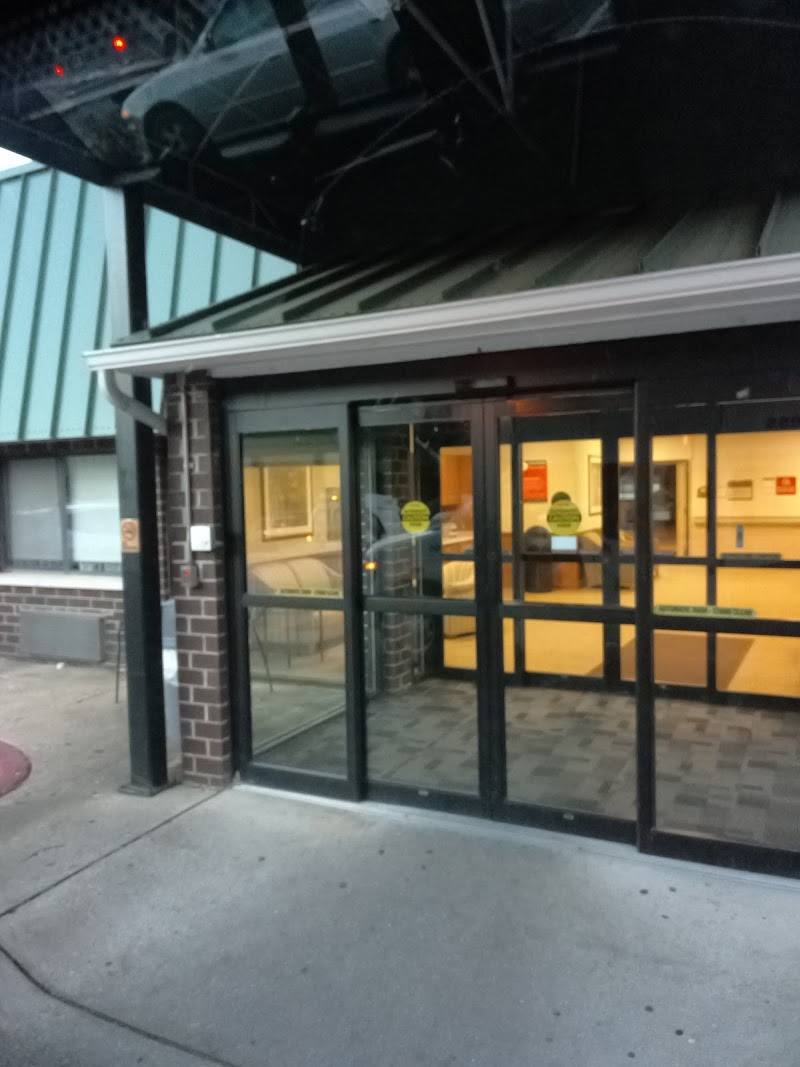
How Does Autumn Lake Healthcare At Bradford Oaks Compare to Other Maryland Nursing Homes?

Compared to the 100 nursing homes in Maryland, AUTUMN LAKE HEALTHCARE AT BRADFORD OAKS's overall rating (5 stars) is above the state average of 3.1, staff turnover (49%) is near the state average of 46%, and health inspection rating (5 stars) is much above the national benchmark.

What Should Families Ask When Visiting Autumn Lake Healthcare At Bradford Oaks?

Based on this facility's data, families visiting should ask: "Can you walk me through typical staffing levels on day, evening, and night shifts?" "Can I visit during a mealtime to observe dining assistance and food quality?" "How do you handle medical emergencies, and what is your hospital transfer rate?" "Can I speak with family members of current residents about their experience?" These questions are particularly relevant given the below-average staffing rating.

Is Autumn Lake Healthcare At Bradford Oaks Safe?

Based on CMS inspection data, AUTUMN LAKE HEALTHCARE AT BRADFORD OAKS has a clean safety record: no substantiated abuse findings (meaning no confirmed cases of resident harm), no Immediate Jeopardy citations (the most serious violation level indicating risk of serious injury or death), and is not on the Special Focus Facility watch list (a federal program monitoring the lowest-performing 1% of nursing homes). The facility has a 5-star overall rating and ranks #1 of 100 nursing homes in Maryland. While no facility is perfect, families should still ask about staff-to-resident ratios and recent inspection results during their visit.

Do Nurses at Autumn Lake Healthcare At Bradford Oaks Stick Around?

AUTUMN LAKE HEALTHCARE AT BRADFORD OAKS has a staff turnover rate of 49%, which is about average for Maryland nursing homes (state average: 46%). Moderate turnover is common in nursing homes, but families should still ask about staff tenure and how the facility maintains care continuity when employees leave.

Was Autumn Lake Healthcare At Bradford Oaks Ever Fined?

AUTUMN LAKE HEALTHCARE AT BRADFORD OAKS has no federal fines on record. CMS issues fines when nursing homes fail to meet care standards or don't correct problems found during inspections. The absence of fines suggests the facility has either maintained compliance or corrected any issues before penalties were assessed. This is a positive indicator, though families should still review recent inspection reports for the full picture.

Is Autumn Lake Healthcare At Bradford Oaks on Any Federal Watch List?

AUTUMN LAKE HEALTHCARE AT BRADFORD OAKS is not on any federal watch list. The most significant is the Special Focus Facility (SFF) program, which identifies the bottom 1% of nursing homes nationally based on persistent, serious quality problems. Not being on this list means the facility has avoided the pattern of deficiencies that triggers enhanced federal oversight. This is a positive indicator, though families should still review the facility's inspection history directly.