FAIRFIELD NURSING & REHABILITATION CENTER
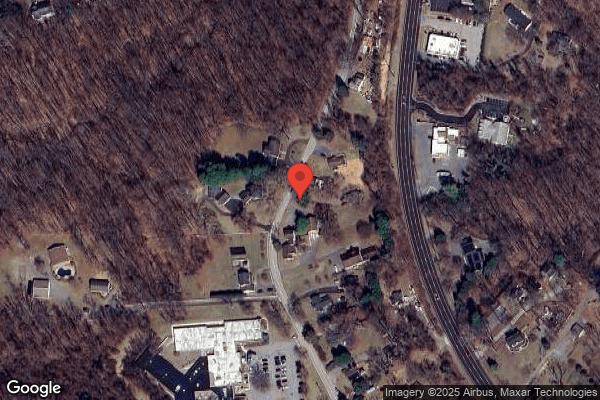
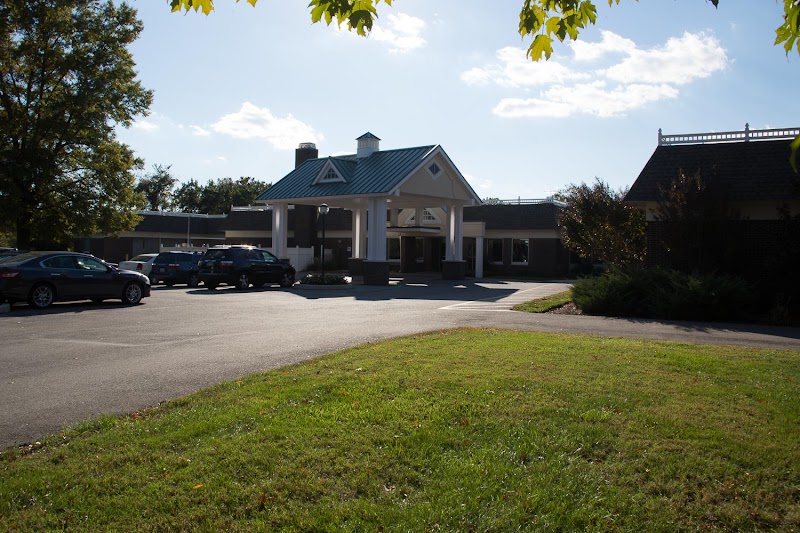
1454 FAIRFIELD LOOP ROAD, CROWNSVILLE, MD 21032 (410) 923-6820
For profit - Corporation 96 Beds FUNDAMENTAL HEALTHCARE Data: November 2025
Trust Grade
40/100
#157 of 219 in MD
Last Inspection: May 2024

Within standard 12-15 month inspection cycle. Federal law requires annual inspections.

Overview

Fairfield Nursing & Rehabilitation Center has received a Trust Grade of D, indicating below-average performance with several concerns. They rank #157 out of 219 facilities in Maryland, placing them in the bottom half, and #11 out of 13 in Anne Arundel County, suggesting limited better options nearby. The facility's situation is worsening, with issues increasing from 18 in 2024 to 19 in 2025. While staffing is a relative strength with a turnover rate of 21%, which is below the state average of 40%, they still face serious challenges. For example, an incident of abuse led to a resident requiring hospitalization, and there were multiple failures in medication administration and providing adequate showers, raising significant concerns about resident care.

Trust Score
D
40/100
In Maryland
#157/219
Bottom 29%
Safety Record
Moderate
Needs review
Inspections
Getting Worse
18 → 19 violations
Staff Stability
✓ Good
21% annual turnover. Excellent stability, 27 points below Maryland's 48% average. Staff who stay learn residents' needs.
Penalties
○ Average
$51,597 in fines. Higher than 63% of Maryland facilities. Some compliance issues.
Skilled Nurses
○ Average
Each resident gets 34 minutes of Registered Nurse (RN) attention daily — about average for Maryland. RNs are the most trained staff who monitor for health changes.
Violations
⚠ Watch
50 deficiencies on record. Higher than average. Multiple issues found across inspections.
★★☆☆☆
2.0
Overall Rating
★★★☆☆
3.0
Staff Levels
★★☆☆☆
2.0
Care Quality
★★☆☆☆
2.0
Inspection Score
Stable
2024: 18 issues
2025: 19 issues

The Good

  • Low Staff Turnover (21%) · Staff stability means consistent care
  • Full Sprinkler Coverage · Fire safety systems throughout facility
  • No fines on record
  • Staff turnover is low (21%)

    27 points below Maryland average of 48%

Facility shows strength in staff retention, fire safety.

The Bad

2-Star Overall Rating

Below Maryland average (3.0)

Below average - review inspection findings carefully

Federal Fines: $51,597

Above median ($33,413)

Moderate penalties - review what triggered them

Chain: FUNDAMENTAL HEALTHCARE

Part of a multi-facility chain

Ask about local staffing decisions and management

The Ugly 50 deficiencies on record

1 actual harm
Sept 2025 19 deficiencies
CONCERN (D) 📢 Someone Reported This

A family member, employee, or ombudsman was alarmed enough to file a formal complaint

Potential for Harm - no one hurt, but risky conditions existed

Deficiency F0558 (Tag F0558)

Could have caused harm · This affected 1 resident

Based on observation, interview, and medical record review, it was determined the facility failed to ensure that the resident's call light was within reach, per the individualized care plans, to allow...

Read full inspector narrative →
Based on observation, interview, and medical record review, it was determined the facility failed to ensure that the resident's call light was within reach, per the individualized care plans, to allow access to assistance when needed. This was evident for 1 (#15) of 25 residents reviewed during a complaint survey.The findings include: On 9/11/25 at 9:00 AM a review of complaints 323365 and 323375 was conducted and alleged that call lights were either not answered timely or not available for the residents. On 9/11/25 at 10:20 AM observation was made of Resident #15 lying in bed. There was a small hand bell on the bed tray table. The surveyor observed a white cord attached to the wall activated call bell system. The cord was lying on the floor on the right side of Resident #15's bed. The surveyor asked why the resident had a bell on the tray table. Resident #15 stated, “so I can call the nurse.” Resident #15 stated, “most of the time I just yell because they don't come when I ring the bell.” The surveyor rang the hand bell at 10:24 AM. There was no response so at 10:28 AM the surveyor rang the call bell that was lying on the floor. The call bell was audible and at 10:30 AM geriatric nursing assistant (GNA) #13 came in the room. The surveyor informed GNA #13 that the hand bell was rung and GNA #13 stated, “I did not hear that.” GNA #13 stated that he did not know why the call bell was on the floor and out of reach of the resident. Review of Resident #15's fall's care plan documented the intervention, “keep call light in reach at all times.” On 9/17/25 at 1:00 PM the acting Director of Nursing and Regional Representative were informed of the observation.
CONCERN (D) 📢 Someone Reported This

A family member, employee, or ombudsman was alarmed enough to file a formal complaint

Potential for Harm - no one hurt, but risky conditions existed

Assessment Accuracy (Tag F0641)

Could have caused harm · This affected 1 resident

Based on medical record review and staff interview, it was determined the facility staff failed to ensure Minimum Data Set (MDS) assessments were accurately coded (Resident #4). This was evident for 1...

Read full inspector narrative →
Based on medical record review and staff interview, it was determined the facility staff failed to ensure Minimum Data Set (MDS) assessments were accurately coded (Resident #4). This was evident for 1 of 3 residents reviewed for MDS assessments during a complaint survey. The findings include: The MDS is part of the Resident Assessment Instrument that was Federally mandated in legislation passed in 1986. The MDS is a set of assessment screening items employed as part of a standardized, reproducible, and comprehensive assessment process that ensures each resident's individual needs are identified, that care is planned based on those individualized needs, and that the care is provided as planned to meet the needs of each resident. Review of Resident #4's medical record on 9/11/25 revealed the Resident was admitted to the facility in 2015 and has a diagnosis of dysphagia. Dysphagia is the medical term for difficulty swallowing food or liquids. Review of Resident #4's weights documented by facility staff revealed the Resident weighed 213 pounds on 9/5/24. Review of Resident #4's 10/2/24 MDS Assessment Section K Swallowing/Nutritional Status revealed Staff #4 (former Dietitian) coded in Section K0200 the Resident's weight as 213 pounds. Review of Resident #4's 3/21/25 MDS Assessment Section K Swallowing/Nutritional Status revealed Staff #4 coded in Section K0200 the Resident's weight as 191 pounds. This indicates a 22-pound weight loss or 10.3% since the MDS Assessment 10/2/24. At that time, Staff #4 coded the Resident in Section K0300 Weight Loss (Loss of 5% or more in the last month or loss of 10% or more in last 6 months) as 0 or No. Interview with the MDS Coordinator on 9/17/25 at 10:03 AM confirmed the facility staff inaccurately coded Resident #4's Section K0300 on the 3/21/25 MDS Assessment and should have coded the Resident as Yes for Weight Loss.
CONCERN (D) 📢 Someone Reported This

A family member, employee, or ombudsman was alarmed enough to file a formal complaint

Potential for Harm - no one hurt, but risky conditions existed

Deficiency F0657 (Tag F0657)

Could have caused harm · This affected 1 resident

Based on complaint, medical record review, and interview, it was determined that the facility failed to have a care plan meeting after an MDS assessment. This was evident for 1 (#13) out of 14 residen...

Read full inspector narrative →
Based on complaint, medical record review, and interview, it was determined that the facility failed to have a care plan meeting after an MDS assessment. This was evident for 1 (#13) out of 14 residents reviewed for complaints during a complaint survey.The findings include: A care plan is a guide that addresses the unique needs of each resident. It is used to plan, assess, and evaluate the effectiveness of the resident's care. The MDS is part of the Resident Assessment Instrument that was Federally mandated in legislation passed in 1986. The MDS is a set of assessment screening items employed as part of a standardized, reproducible, and comprehensive assessment process that ensures each resident's individual needs are identified, that care is planned based on those individualized needs, and that the care is provided as planned to meet the needs of each resident. On 9/11/25 at 8:15 AM a review of complaint 323367 alleged that Resident #13 was sent back to the facility from the hospital after a 6 week stay and there was no care plan meeting held to discuss the patient's treatment and prognosis going forward. A review of Resident #13's medical record revealed on 8/10/24 Resident #13 had a change in condition and was transferred to an acute care hospital where the resident spent approximately 6 weeks. Resident #13 returned to the facility on 9/25/24. A review of Resident #13's MDS assessments revealed an MDS assessment was completed with an assessment reference date of 10/1/24. Further review of Resident #13's medical record failed to produce documentation that a care plan meeting was held after the assessment. On 9/11/25 at 12:49 PM an interview was conducted with the Social Work Director who looked through her notes and confirmed that a meeting was not held. The Social Work Director stated that a care plan meeting should have been held in October 2024 and that it fell through the cracks.
CONCERN (D) 📢 Someone Reported This

A family member, employee, or ombudsman was alarmed enough to file a formal complaint

Potential for Harm - no one hurt, but risky conditions existed

Quality of Care (Tag F0684)

Could have caused harm · This affected 1 resident

Based on complaint, medical record review, and staff interview, it was determined the facility staff failed to provide wound care treatment as prescribed by the physician. This was evident for 2 (#19,...

Read full inspector narrative →
Based on complaint, medical record review, and staff interview, it was determined the facility staff failed to provide wound care treatment as prescribed by the physician. This was evident for 2 (#19, #14) of 4 residents reviewed for wound care during a complaint survey.The findings include:1.On 9/12/25 at 9:04 AM a review of complaint 323357 alleged Resident #19 had a wound on the left leg that had become infected and did not have proper wound care.Review of Resident #19's medical record revealed the resident was admitted to the facility in February 2024 with diagnoses that included but were not limited to systemic lupus erythematosus and history of venous thrombosis and embolism.Review of a 5/29/24 wound management note documented a venous wound of the left calf with undetermined thickness. The treatment plan was, skin prep apply every shift (3 times a day) for 30 days.Review of a 6/5/24 wound management note documented the treatment plan was, silver sulfadiazine apply once daily for 30 days; alginate calcium apply once daily for 30 days.Review of a 6/12/25 wound management note documented the treatment plan was, leptospermum honey apply once daily for 30 days; alginate calcium apply once daily for 30 days. Secondary dressing, gauze island with border apply once daily for 30 days. Review of a 6/19/25 wound management note documented the treatment plan was, betadine apply 3 times per week for 30 days.Review of a 6/26/25 wound management note documented the treatment plan was, betadine apply 3 times per week for 23 days.Review of Resident #19's June 2024 Treatment Administration Record (TAR) documented the treatment, skin prep to left calf 3 times per day from 6/1/24 to 6/14/24 on day shift. There was no documentation as to why the treatment only went to 6/14/24. There was no treatment to the left calf from 6/14/24 until 6/19/24, when the resident was sent to the hospital.On 9/17/25 at 10:45 AM the wound and treatment was discussed with Assistant Director of Nursing (ADON) and the RN unit manager, (Staff #26). It was discussed that skin prep to the left calf 3 times per day was written on 5/29/24 but on the 6/5/24 visit the treatment was changed. The ADON and Staff #26 stated, we go around with the wound doctor and then staple the paper for the nurses and check the treatments. It is like we have to babysit the nurses.On 9/17/25 at 11:14 AM the ADON and RN unit manager came back to the surveyor and confirmed that the treatment change effective 6/5/25 was not carried out by the nurses.2.On 9/12/25 at 11:37 AM a review of complaint 323366 alleged that the wound doctor came every Wednesday to see Resident #14 and there were orders for the nurses to clean and change the bandage every day but that never took place. The bandage was on the right, first toe. This allegation occurred in October 2024.A review of Resident #14's medical record revealed Resident #14 was admitted to the facility in November 2023 with diagnoses that included polyneuropathies, chronic pain, and type 2 diabetes mellitus.Review of Resident #14's wound care note dated 9/2/25 documented the resident had a diabetic wound of the right, first toe that was full thickness that had a duration of greater than 384 days.Review of Resident #14's October 2024 Treatment Administration Record (TAR) documented the physician's order, cleanse right big toe with NSS (normal saline solution), apply Calcium alginate and cover with dry dressing daily. The order was from 10/10/24 to 11/1/24. The nurses signed off every day that the treatment was done as evidenced by their initials in the box on the TAR.There was a second order on the TAR that documented, mupirocin ointment 2% to be administered topically once a day to the right first toe diabetes callous: cleanse with NSS, apply Bactroban and Calium alginate and cover with dry dressing daily. The order was from 9/11/24 to 11/1/24. The nurses signed off every day that the treatment was done as evidenced by their initials in the box on the TAR.On 9/16/25 at 12:55 PM the TAR and both orders were reviewed with the ADON. The ADON confirmed that the treatment was not done correctly and that the nurses failed to cancel out the first treatment before they entered the second treatment, therefore they signed off that they were doing both treatments, so it was unknown if they were just signing it off or doing both.On 9/17/25 at 1:00 PM the concerns related to wound care were expressed to the Director of Nursing and the Regional Representative.
CONCERN (D) 📢 Someone Reported This

A family member, employee, or ombudsman was alarmed enough to file a formal complaint

Potential for Harm - no one hurt, but risky conditions existed

Pressure Ulcer Prevention (Tag F0686)

Could have caused harm · This affected 1 resident

**NOTE- TERMS IN BRACKETS HAVE BEEN EDITED TO PROTECT CONFIDENTIALITY** Based on medical record review and staff interview, it was determined the facility failed to provide treatment/services to preve...

Read full inspector narrative →
**NOTE- TERMS IN BRACKETS HAVE BEEN EDITED TO PROTECT CONFIDENTIALITY** Based on medical record review and staff interview, it was determined the facility failed to provide treatment/services to prevent/heal pressures ulcers. This was evident for 1 (#7) 3 residents reviewed for pressure ulcers during a complaint survey.The findings include: A pressure ulcer, also known as pressure sore or decubitus ulcer, is any lesion caused by unrelieved pressure that results in damage to the underlying tissue. Pressure ulcers are staged according the their severity from Stage I (area of persistent redness), Stage II ( superficial loss of skin such as an abrasion, blister or shallow crater), Stage III ( full thickness skin loss involving damage to subcutaneous tissue presenting as a deep crater), Stage IV (full thickness skin loss with extensive damage to muscle, bone or tendon) or Unstageable Pressure Ulcer (full thickness tissue loss in which the base of the ulcer is covered by slough and/or eschar in the wound bed). On 9/16/25 at 11:30 AM a review of Resident #7's medical record revealed the resident was admitted to the facility on [DATE] from an acute care facility with diagnoses that included stage IV cancer with metastases to the brain. A 2/13/25 at 01:00 AM nursing note documented that Resident #7 was admitted with, sacral ulcer noted measuring 3 x 2 cm, unstageable with slough.On 2/19/25 a wound care note documented the sacral ulcer was a Stage 4 pressure wound full thickness, and the treatment plan was, Leptospermum honey apply once daily for 30 days; Alginate calcium apply once daily for 30 days Secondary Dressing gauze island w/bdr (border) apply once daily for 30 days.Resident #7 was seen again by the wound care team on 2/26/25 and 3/6/25 with the same dressing treatment.Review of Resident #7's February and March 2025 Treatment Administration Record (TAR) documented the treatment: Cleanse sacral/coccyx wound with NSS, followed by mepilex and cover with dressing. It was signed off from 2/13/25 to 2/28/25 and 3/1/25 to 3/5/25. The facility failed to follow the wound care team's dressing orders.On 9/16/25 at 1:30 PM an interview was conducted with the Assistant Director of Nursing (ADON) and the RN unit manager (Staff #26). The orders and the wound care notes were reviewed with them and they both confirmed that the nurses failed to relay the orders from the wound care team and put them into the computer.
CONCERN (D) 📢 Someone Reported This

A family member, employee, or ombudsman was alarmed enough to file a formal complaint

Potential for Harm - no one hurt, but risky conditions existed

Deficiency F0692 (Tag F0692)

Could have caused harm · This affected 1 resident

Based on medical record review and interview, the facility staff failed to follow recommendations from the dietitian timely and notify the Resident's physician or nurse practitioner of the Resident's ...

Read full inspector narrative →
Based on medical record review and interview, the facility staff failed to follow recommendations from the dietitian timely and notify the Resident's physician or nurse practitioner of the Resident's continued weight loss (Resident #4). This was evident for 1 of 3 residents reviewed for nutritional status during a complaint survey. The findings include: Review of Resident #4's medical record on 9/11/25 revealed the Resident was admitted to the facility in 2015 and has a diagnosis of dysphagia. Dysphagia is the medical term for difficulty swallowing food or liquids. Review of Resident #4's weights documented by facility staff revealed the Resident weighed 213 pounds on 9/5/24. Further review of Resident #4's medical record revealed Staff #36 (former Dietitian) saw the Resident on 2/4/25 for weight loss and documented the Resident's weight as 200.8 pounds. At that time the Dietitian ordered Med Pass 2.0 twice a day for 30 days. Med Pass is a fortified nutritional shake that provides a way to supplement calories and protein. Further review of Resident #4's medical record revealed a Nurse Practitioner's (Staff #37) note on 2/10/25 that stated Nursing reports patient had a 12-pound weight loss in a month and Plan for weight loss: Nutrition consulted. Supplements. Follow up with dentist to have dentures re-fitted. Monitor Weights. The Resident was not seen by the Dietitian again until 3/6/25, 3 1/2 weeks later and documented the Resident's weight as 190.9 pounds. At that time the Dietitian documented: Unplanned weight loss. Recommendation: New order for Med Pass three times a day, requesting MD consider order of medication with appetite stimulating side effect. Review of Resident #4's physician orders revealed the Resident was not ordered an appetite stimulant medication until 3/26/25, 20 days later. Further review of Resident #4's medical record revealed although Staff #31 (current Dietitian) had seen the Resident monthly no further interventions had been put in place including notification to the Resident's physician. Staff #31 documented on 8/9/25 the Resident's weight was 178 pounds. That is a loss of 35 pounds since 9/5/24. Review of all physician and nurse practitioner notes through 8/18/25 revealed no documentation the providers were aware of Resident #4's continued weight loss since 3/26/25. Interview with Resident #4's Nurse Practitioner (Staff #35) on 9/17/25 at 9:00 AM, Staff #35 was not aware of Resident #4's weight loss of 35 pounds since September 2024 and stated usually nursing staff would make her aware of a Resident's weight loss. Interview with the Assistant Director of Nursing on 9/17/25 at 9:45 AM confirmed the facility staff failed to timely order an appetite stimulant and notify Resident #4's physician or nurse practitioner of the Resident's continued weight loss.
CONCERN (D) 📢 Someone Reported This

A family member, employee, or ombudsman was alarmed enough to file a formal complaint

Potential for Harm - no one hurt, but risky conditions existed

Deficiency F0712 (Tag F0712)

Could have caused harm · This affected 1 resident

Based on medical record review and facility staff interviews, it was determined that the facility staff failed to ensure that either the attending physician, physician assistant or nurse practitioner ...

Read full inspector narrative →
Based on medical record review and facility staff interviews, it was determined that the facility staff failed to ensure that either the attending physician, physician assistant or nurse practitioner visited residents at the required intervals of every 60 days (Resident #4). This finding was evident in 1 of 3 residents reviewed for physician visits during a complaint survey. The findings include: Review of Resident #4's medical record on 9/11/25 revealed the Resident was admitted to the facility in 2015 and transferred to the hospital on 9/6/25. Review of Resident #4's physician, physician assistant and nurse practitioner notes from January 2025 until 9/6/25 revealed the Resident was not seen from 4/25/25 until 7/11/25 for a total of 76 days. During interview with Staff #35 on 9/17/25 at 9:00 AM, Staff #35 stated she could not see any physician, physician assistant or nurse practitioner notes from 4/25/25 until 7/11/25. Interview with the Assistant Director of Nursing on 9/17/25 at 9:45 AM confirmed Resident #4 has no documented visits from a physician, physician assistant or nurse practitioner from 4/25/25 until 7/11/25.
CONCERN (D) 📢 Someone Reported This

A family member, employee, or ombudsman was alarmed enough to file a formal complaint

Potential for Harm - no one hurt, but risky conditions existed

Pharmacy Services (Tag F0755)

Could have caused harm · This affected 1 resident

**NOTE- TERMS IN BRACKETS HAVE BEEN EDITED TO PROTECT CONFIDENTIALITY** Based on medical record review and interview with staff, it was determined the facility failed to timely provide medication to m...

Read full inspector narrative →
**NOTE- TERMS IN BRACKETS HAVE BEEN EDITED TO PROTECT CONFIDENTIALITY** Based on medical record review and interview with staff, it was determined the facility failed to timely provide medication to meet the needs of the residents. This was evident for 1 (#8) of 25 residents reviewed during a complaint survey. The findings include: On 9/10/25 at 9:37 AM Resident #8's medical record was reviewed and revealed Resident #8 was admitted to the facility on [DATE] from an acute care facility for rehabilitation. Resident #8's diagnoses included but were not limited to paralytic syndrome following cerebral infarction, pain, hypertension, dementia, restless leg syndrome, neuralgia/neuritis, and a sacral ulcer. Review of June 2025 physician's orders revealed a 6/19/25 order for Tramadol 50 mg. to be given 4 times a day at 9:00 AM, 12:00 PM, 4:00 PM, and 8:00 PM was written. Tramadol is a strong opioid pain medication prescribed for the treatment of moderate to moderately severe pain in adults. Review of Resident #8's June 2025 Medication Administration Record (MAR) documented the Tramadol was not available on 6/20/25 at 9:00 AM, 12:00 PM, 4:00 PM, 8:00 PM, on 6/21/25 at 4:00 PM and 9:00 PM, on 6/22/25 at 9:00 AM, 12:00 PM, 4:00 PM, 9:00 PM and at 9:00 AM on 6/23/25. On 9/17/25 at 8:50 AM an interview was conducted with the Assistant Director of Nursing (ADON) and Staff #26 (RN unit manager). The June 2025 MAR was reviewed with them for Resident #8, and they were asked how long it should have taken for the Tramadol to be delivered to the facility. The ADON and Staff #26 stated there was no reason that the nurses could not have called the pharmacy to get the medication for the resident. They said it should have been to the facility within 4 hours.On 9/17/25 at 9:13 AM Staff #33 (LPN) was interviewed and asked the process for obtaining a narcotic medication. Staff #33 stated, we have to call the doctor, and the doctor has to call the pharmacy and get a code and then they will deliver it. Staff #33 stated the resident's spouse did not want the resident to have the medication because the resident would be too drowsy and that's what they did at the hospital. The surveyor asked Staff #33 if she called the doctor when the medication was not available and she said, I think I did. I may have forgotten to document that. There was no documentation that Staff #3 called the physician to request the medication.
CONCERN (D) 📢 Someone Reported This

A family member, employee, or ombudsman was alarmed enough to file a formal complaint

Potential for Harm - no one hurt, but risky conditions existed

Deficiency F0757 (Tag F0757)

Could have caused harm · This affected 1 resident

**NOTE- TERMS IN BRACKETS HAVE BEEN EDITED TO PROTECT CONFIDENTIALITY** Based on medical record review and staff interview it was determined the facility failed to keep a resident's drug regimen free ...

Read full inspector narrative →
**NOTE- TERMS IN BRACKETS HAVE BEEN EDITED TO PROTECT CONFIDENTIALITY** Based on medical record review and staff interview it was determined the facility failed to keep a resident's drug regimen free from unnecessary drugs by failing to monitor a resident's blood pressure when there were physician ordered blood pressure parameters. This was evident for 1 (#8) of 25 residents reviewed during a complaint survey.The findings include: On 9/10/25 at 9:37 AM Resident #8's medical record was reviewed and revealed Resident #8 was admitted to the facility on [DATE] from an acute care facility for rehabilitation. Resident #8's diagnoses included but were not limited to paralytic syndrome following cerebral infarction, pain, hypertension, dementia, restless leg syndrome, neuralgia/neuritis, and a sacral ulcer. Review of June 2025 physician's orders revealed there were 3 medications ordered for blood pressure, which were Isosorbide Monotrate 30 mg., Lisinopril 20 mg., which were to be administered at 9 AM once a day and hydralazine 25 mg. which was to be administered 3 times a day at 9 AM, 2 PM, and 9 PM. All 3 medications had physician ordered parameters to hold for a blood pressure reading of less than 100. Review of Resident #8's June 2025 Medication Administration Record (MAR) documented that the blood pressure was being monitored at 9 AM as evidenced by the blood pressure reading and the nurse's initials next to the Lisinopril. There were no blood pressures documented next to the Hydralazine for the 2 PM dose and the 9 PM dose. Review of the vital sign section of the electronic medical record was inconsistent for taking blood pressures at 2 PM and 9 PM, when the other 2 doses of Hydralazine were administered. On 9/17/25 at 8:50 AM an interview was conducted with the RN unit manager, Staff #26 and the Assistant Director of Nursing (ADON). The MAR was reviewed with them and the blood pressure medications with parameters. The ADON and Staff #26 stated that whoever put the order in should have put in a space for the blood pressure to be recorded for all medications that required a blood pressure reading. They confirmed the surveyor's findings.
CONCERN (D) 📢 Someone Reported This

A family member, employee, or ombudsman was alarmed enough to file a formal complaint

Potential for Harm - no one hurt, but risky conditions existed

Deficiency F0761 (Tag F0761)

Could have caused harm · This affected 1 resident

**NOTE- TERMS IN BRACKETS HAVE BEEN EDITED TO PROTECT CONFIDENTIALITY** Based on complaint, observation, staff interview, and documentation review, it was determined that facility staff failed to keep...

Read full inspector narrative →
**NOTE- TERMS IN BRACKETS HAVE BEEN EDITED TO PROTECT CONFIDENTIALITY** Based on complaint, observation, staff interview, and documentation review, it was determined that facility staff failed to keep medication carts locked when unattended, failed to date medications when opened, and refrigerate medication that required refrigeration. This was evident on 1 of 2 nursing units observed during random observations made during a complaint survey. On 9/10/25 at 8:30 AM a review of complaint 323371 was conducted and alleged that on the weekends medication carts were left unlocked all day.On 9/11/25 at 10:55 AM observation was made of an unlocked and unattended medication cart sitting in the 200 hallway outside of room [ROOM NUMBER]. The surveyor heard the nurse in room [ROOM NUMBER], however the nurse (staff #20) had her back to the door and was standing up towards the head of the resident's bed and the medication cart was not in her sight. The surveyor was able to open the cart and observed the top drawer with a cup of pre-poured medications. There were 12 whole pills and 2 half pills in the cup. Observation was made in the medication cart of Resident #22's opened Trelegy Ellipta inhaler that was not dated when opened. According to the manufacturer's instructions the medication should be discarded 6 weeks after opening.Observation was made in the medication cart of Resident #21's opened Humalog insulin that was not dated when opened. There was also an opened Lantus pen for Resident #21 with no date opened written on the pen. According to the manufacturer's instructions insulin is only good for 28 days once opened.Observation was made in the medication cart of Resident #23's opened Humalog insulin that was not dated when opened. There were other insulin pens for Resident #23 that had a refrigerate sticker on the pens, however the pens were not refrigerated.Staff #20 walked out of the room and questioned why the surveyor was going through the medication cart. The surveyor informed Staff #20 that the medication cart was left unlocked and unattended. Staff #20 was asked about the medications that were pre-poured. Staff #20 stated the resident was unavailable due to being in therapy. There was no name written on the medication cup. Review of the Medication Storage Policy that was given to the surveyor from the Assistant Director of Nursing (ADON) on 9/17/25 at 11:55 AM revealed procedure number 2, the medication and biological supply is only accessible to licensed nursing personnel, pharmacy personnel or authorized staff members. Procedure number 7 documented, once any multi-dose packaged medication or biological is opened, nursing will mark multi-dose products (e.g. inhalers, insulin, ophthalmics, otics and the like) with the date opened and follow manufacturer/supplier guidelines with respect to expiration dates.On 9/16/25 at 2:20 PM the Director of Nursing (DON) was informed of the medication concerns.
CONCERN (D) 📢 Someone Reported This

A family member, employee, or ombudsman was alarmed enough to file a formal complaint

Potential for Harm - no one hurt, but risky conditions existed

Dental Services (Tag F0791)

Could have caused harm · This affected 1 resident

Based on medical record review and interview, the facility staff failed to obtain follow up dental services for a resident (Resident #4). This was evident for 1 out of 3 residents reviewed for dental ...

Read full inspector narrative →
Based on medical record review and interview, the facility staff failed to obtain follow up dental services for a resident (Resident #4). This was evident for 1 out of 3 residents reviewed for dental services during a complaint survey. The findings include: Review of Resident #4's medical record on 9/11/25 revealed the Resident was admitted to the facility in 2015 and had a diagnosis of dysphagia. Dysphagia is the medical term for difficulty swallowing food or liquids. Further review of Resident #4's medical record revealed a Nurse Practitioner (NP)'s note on 2/10/25 that stated, Nursing reports patient had a 12 lb weight loss in a month. Per patient, he/she reports not having proper fitting dentures. Spoke with nursing manager regarding this. Informed that nurse manager will follow up with dentist regarding this to have patient refitted for dentures. Further review of Resident #4's medical record revealed the Resident was examined by the Registered Dental Hygienist (RDH) on 6/24/25. The RDH documented, Patient has pain on #29 and also wants dentures. Dentist will be seeing patient 7/9/25, advised patient. Further review of Resident #4's medical record revealed the Resident was not seen by the Dentist on 7/9/25. During interview with the Assistant Director of Nursing (ADON) on 9/17/25 at 11:10 AM, the ADON confirmed Resident was not seen by the Dentist on 7/9/25 and as of 9/17/25 the Resident has not been seen by the Dentist.
CONCERN (D) 📢 Someone Reported This

A family member, employee, or ombudsman was alarmed enough to file a formal complaint

Potential for Harm - no one hurt, but risky conditions existed

Deficiency F0805 (Tag F0805)

Could have caused harm · This affected 1 resident

Based on observation, interview, and record review, it was determined that the facility failed to ensure a resident received their prescribed diet with the prescribed consistency. This was evident for...

Read full inspector narrative →
Based on observation, interview, and record review, it was determined that the facility failed to ensure a resident received their prescribed diet with the prescribed consistency. This was evident for 2 (#6, #9) of 8 residents observed in the dining room during a complaint survey.The findings include:On 9/11/25 at 1:40 PM observation was made of 8 residents sitting in the dining room eating lunch. The surveyor walked around to each table to ask the residents how their food was. Resident #6 complained that the food was not good. Review of Resident #6's lunch tray ticket documented the resident had a house, mechanical soft, ground, minced moist diet. The first entree was ground chicken parmesan. Observation of the food on Resident #6's plate revealed cubed chicken parmesan. The meat was not ground.Observation was made of Resident #9's lunch tray ticket. It was documented that Resident #9 had a house mechanical soft ground meat diet. The first entree on the tray ticket was, ground alternate entree. The meat on the plate was in chunks and was not ground.On 9/11/25 at 1:40 PM Staff #25 was sitting in the dining room while the residents were eating. The surveyor pointed out to Staff #25 that both residents had meat on their plates that was not ground. Staff #25 stated, well it is moist. That is the way it always is. At that time the surveyor requested to see the Food Service Director, Staff #21. Staff #21 came out of the kitchen and reviewed the tray tickets along with the plates of food with the surveyor. Staff #21 confirmed that their meats should have been ground. Staff #21 called Staff #40, the cook, out of the kitchen and she confirmed the findings. Staff #21 stated, I can't keep my eye on everyone that works in the kitchen. This will need follow-up.Review of Resident #9's medical record revealed at risk on the profile for, choking, swallowing, aspiration, weight loss/gain, dehydration that was written on 7/6/23. A 12/10/24 dietary order documented, diet - house, consistency - mechanical soft with special instructions: GROUND MEAT, may have soft bread prepared with spread (e.g. butter, jam).Review of Resident #6's medical record revealed a general order, at risk for, choking, swallowing, aspiration, weight loss/gain, dehydration that was written on 3/25/25. A 4/3/25 dietary order documented, house diet, mechanical soft, ground, minced moist meat dysphagia following cerebral infarction.On 9/17/25 at 1:00 PM the concern was discussed with the Director of Nursing and Regional Representative.
CONCERN (D) 📢 Someone Reported This

A family member, employee, or ombudsman was alarmed enough to file a formal complaint

Potential for Harm - no one hurt, but risky conditions existed

Medical Records (Tag F0842)

Could have caused harm · This affected 1 resident

Based on complaint, medical record review, and interview, it was determined the facility failed to maintain complete and accurate medical records in accordance with accepted professional standards. Th...

Read full inspector narrative →
Based on complaint, medical record review, and interview, it was determined the facility failed to maintain complete and accurate medical records in accordance with accepted professional standards. This was evident for 1 (#19) of 25 residents reviewed during a complaint survey.The findings include. A medical record is the official documentation of a healthcare organization. As such, it must be maintained in a manner that follows applicable regulations, accreditation standards, professional practice standards, and legal standards. All entries to the record should be legible and accurate. On 9/12/25 at 9:04 AM a review of complaint 323357 alleged that Resident #19 was being neglected at the facility. The complaint alleged that Resident #19 was often not fed due to short staffing and the resident's spouse had to visit to feed the resident to ensure the resident was fed.On 9/12/25 at 9:04 AM a review of Resident #19's medical record revealed the resident was admitted to the facility in February 2024 with diagnoses that included but were not limited to systemic lupus erythematosus, chronic pain, heart failure, muscle wasting, and a cognitive communication deficit.A review of the geriatric nursing assistant (GNA) feeding documentation revealed the GNAs would document the date, time, the meal, the amount consumed, and their name.In June 2024 there was missing documentation for the following days: For breakfast and lunch: 6/2, 6/6, 6/8, 6/10, 6/11, 6/12, 6/14, 6/16In May 2024 there was missing documentation for the following days:For dinner: 5/2, 5/9, 5/17, 5/21 For breakfast and lunch: 5/5, 5/10, 5/15, 5/22, 5/24, 5/27, 5/29 For breakfast, lunch, and dinner: 5/6In April 2024 there was missing documentation for the following days: For breakfast, lunch, and dinner 4/8For breakfast and lunch: 4/13, 4/15, 4/17, 4/20, 4/21For dinner: 4/18, 4/24, 4/26 On 9/17/25 at 11:14 AM the findings were discussed with the Assistant Director of Nursing (ADON) and Staff #26 RN unit manager. It was discussed that the amount of food the resident consumed could not be validated as the documentation was incomplete. The ADON and Staff #26 agreed with the surveyor's findings.
CONCERN (D) 📢 Someone Reported This

A family member, employee, or ombudsman was alarmed enough to file a formal complaint

Potential for Harm - no one hurt, but risky conditions existed

Deficiency F0849 (Tag F0849)

Could have caused harm · This affected 1 resident

**NOTE- TERMS IN BRACKETS HAVE BEEN EDITED TO PROTECT CONFIDENTIALITY** Based on medical record review and staff interview, it was determined the facility failed to arrange Hospice services for a resi...

Read full inspector narrative →
**NOTE- TERMS IN BRACKETS HAVE BEEN EDITED TO PROTECT CONFIDENTIALITY** Based on medical record review and staff interview, it was determined the facility failed to arrange Hospice services for a resident who requested the services. This was evident for 1 (#7) of 25 residents reviewed during a complaint survey.The findings include:On 9/16/25 at 11:30 AM a review of Resident #7's medical record revealed the resident was admitted to the facility on [DATE] from an acute care facility.A 2/12/25 at 22:00 PM nursing note documented that Resident #7's sister stated Resident #7 has had cancer for 2 years and it had spread to the resident's brain. The sister stated Resident #7 had 10 rounds of radiation and it was not successful. The sister stated she talked to a hospice nurse at the hospital and did not know if Resident #7 was now admitted to the facility for rehabilitation, palliative or comfort care.A 2/15/25 at 13:00 PM nursing note documented, Pt. and family states pt. wants hospice services. Pt stated [he/she] is tired and wants to go peacefully and comfortably r/t 2 yr. battle. Pt. recently completed 10 rounds of radiation, not successful. Pt. states [he/she] does not have an appetite. Made PCP (primary care physician) aware. PCP states contact hospice.There was no documentation after the 2/15/25 nursing note until 2/27/25 when the resident was seen for follow-up for pain management. Resident #7 was complaining of pain, 10 out of 10 on the pain scale in bilateral hips and it was not controlled by Tylenol. The physician wrote a script for stronger pain medication and an order for palliative care consultation.Resident #7 was discharged home on 3/5/25 with Hospice services to be started when the resident arrived home.Review of physician orders in Resident #7's medical record failed to produce a verbal order for Hospice services on 2/15/25.On 9/16/25 at 12:18 PM an interview was conducted with the Assistant Director of Nursing (ADON). The ADON was asked what the process was if a resident or their family wanted Hospice services. The ADON stated that they communicate to social work, and they will reach out to Hospice and usually it would take a few days to get here. On 9/16/25 at 12:30 PM an interview was conducted with the Director of Social Services, Staff #24. Staff #24 initially stated she did not remember the resident. Staff #24 called Hospice and spoke to a staff member who stated the resident initially refused Hospice services and they were cancelled on 2/6/25 but was signed in again on Hospice 3/5/25. It was noted that the resident had not been admitted to the facility until 2/12/25, therefore the services were cancelled prior to admission.Staff #24 was asked what the process was for when a resident requested to be on Hospice. Staff #24 stated, the nurse will give the order to the social work, however now the physician comes directly to me and gives me the order. Staff #24 was asked if there had been an issue with receiving Hospice orders and that was why the physician was coming directly to her. Staff #24 stated, sometimes they would bring the order to me and sometimes they would not. Now the physician brings them to me directly.On 9/16/25 at 1:30 PM an interview was conducted with the ADON and Staff #26. They both said they read notes every day and that Social Work should have gotten the Hospice consult. On 9/17/25 at 1:00 PM the Director of Nursing and the Regional Representative were informed of the concern.
CONCERN (E) 📢 Someone Reported This

A family member, employee, or ombudsman was alarmed enough to file a formal complaint

Potential for Harm - no one hurt, but risky conditions existed

Deficiency F0658 (Tag F0658)

Could have caused harm · This affected multiple residents

Based on complaint, interview, and medical record review, it was determined the facility failed to follow professional standards of practice when administering medications. This was evident for 4 (#14...

Read full inspector narrative →
Based on complaint, interview, and medical record review, it was determined the facility failed to follow professional standards of practice when administering medications. This was evident for 4 (#14, #8, #17, #20) of 25 residents reviewed during a complaint survey.The findings include:The 6 rights of medication administration are the right patient, the right drug, the right does, the right route of administration, the right time, and the correct documentation. Administering medications at a time that was intended by the prescriber. Certain drugs have specific intervals or window periods during which another dose should be given to maintain a therapeutic effect or level. Nurses should not deviate from the time by more than 1 hour to avoid consequences. Nurses must sign off that medications were given immediately after the medication was given to prevent double dosing and ensuring accuracy.1.On 9/12/25 at 11:37 AM a review of complaint 323366 alleged that Resident #14 was given Metformin (diabetic medication) after he was instructed to not take the medication for 2 days after a procedure. It was alleged that Resident #14 grabbed the pill out of the medication cup and put it aside. The complaint alleged that the nurse handed the resident the medication cup with the Metformin in it and walked out of the room without watching the resident take the medication.On 9/15/25 at 11:50 AM an interview was conducted with Resident #14 who showed the surveyor pictures of medications that were left in his/her room during the medication pass. Resident #14 also stated the nurse left an insulin pen in his/her room, and it was the name of another resident. Resident #14 stated that Staff #10 makes medication mistakes and that she gave him/her the Metformin when she was supposed to hold it. Resident #14 stated, I looked in the cup and pulled the pill out. I then went and showed them that she was giving me a medication that was supposed to be held. They will leave the medications in my room. Staff #14 also complained that medications were not passed out timely and were often late.On 9/15/25 at 1:37 PM a review of an employee corrective action form dated 10/25/25 documented that Staff #10 was written up for attempting to administer Metformin that was not scheduled to be given and failing to follow a physician's order. A second corrective action form for Staff #10 documented that on 4/19/25 Staff #10 failed to follow the 5 rights of medication administration by administering a different patient's insulin to another resident, which was Resident #14. 2. Review of residents' medication administration records (MARs) revealed a pattern of charting late when medications were given. It was not known if the medication was given late or if the nurses signed of later in the shift that the medication was given.a. On 9/10/25 at 9:37 AM a review of Resident #8's medical record revealed the following:The medication Gabapentin for neuropathy was ordered to be administered every 12 hours at 9 AM and 9 PM. Review of the June 2025 MAR documented on 6/20/25 the 9 AM dose was signed off at 3:03 PM, the 6/22/25 at 9 AM dose was signed off at 11:26 AM.The medication Hydralazine 25 mg (blood pressure and heart failure medication) was to be administered at 9 AM, 2 PM, and 9 PM. Review of the June 2025 MAR documented the 6/20/25 at 9 AM dose was signed off at 3:03 PM and the 2:00 PM dose was signed off at 3:07 PM. On 6/21/25 the 9 AM dose signed off at 11:11 AM and the 9:00 PM signed off at 10:34 PM. The 6/22/25 at 9 AM dose was signed off at 11:26 AM.b. Resident #17's medical record was reviewed and revealed Acetaminophen was to be given at 6 AM, 2 PM, and 9 PM. On 8/9/25 the 2:00 PM dose was signed off at 6:34 PM, the 8/19/25 at 6 AM dose was signed off at 7:50 AM, and the 9/1/25 at 2 PM dose was signed off at 6:02 PM.The medication Aspirin that was to be administered at 9 AM, on 8/1/25 and 8/25/25 was signed off at 12:44 PM and the 8/26/25 at 9 AM was signed off at 11:09 AM. In September 2025, the 9 AM dose was signed off at 12:04 PM on 9/1/25, on 9/7/25 at 12:42 PM, and on 9/10/25 at 1:53 PM.The medication Eliquis (blood thinner) was to be administered at 9 AM and 9 PM. On 8/1/25 and 8/25/25 the Eliquis signed off at 12:44 PM and the 8/26/25 at 9 AM dose signed off at 11:09 AM. In September 2025, the 9 AM dose was signed off at 12:05 PM on 9/1/25, on 9/7/25 at 12:42 PM, and on 9/10/25 at 1:54 PM.The medication phenytoin (anti-seizure) medication was to be administered at 6 AM, 2 PM, and 9 PM. The 2 PM dose signed off at 6:34 PM and the 6 AM dose signed off at 7:50 AM. In September 2025 the 9/1 at 2 PM signed off at 6:05 PM.c. Resident #20's medical record was reviewed and revealed the medication Amlodipine (blood pressure) was to be given at 9 AM every day. The 9 AM dose was signed off on 9/1 at 12:22 PM, 9/3 at 11:58 AM, 9/7 at 12:31 PM, 9/10 at 4:13 PM, and 9/15 at 11:32 AM.The prescription mouthwash chlorhexidine gluconate was to be administered 3 times a day at 9 AM, 2 PM, and 9 PM. The 9/1 at 9AM dose was signed off at 12:16 PM, the 2 PM dose at 7:51 PM, the 9/3 at 9 AM dose at 12:11 PM, the 9/7 at 9 AM dose at 12:31 PM, the 9/10 at 9 AM dose at 3:56 PM and the 2 PM dose at 3:19 PM, and the 9/15 at 9 AM dose at 11:32 AM.The medication Eliquis (blood thinner) was to be administered twice per day. The 9/1 at 9 AM dose was signed off at 12:16 PM, the 9/3 at 9 AM at 11:59 AM, the 9/7 at 9 AM dose at 12:31 PM, the 9/10 at 9 AM dose at 3:56 PM and the 9/15 at 9 AM dose at 11:32 AM. The medication Gabapentin (anticonvulsant and nerve pain) was to be administered 3 times a day at 9 AM, 2 PM, and 9 PM. The 9/1 at 9 AM dose was signed off at 12:18 PM, the 2 PM dose at 7:52 PM, the 9/3 at 9 AM dose at 11:59 AM, the 9/7 at 9 AM dose at 12:31 PM, the 9/10 at 9 AM dose at 3:57 PM and the 9/15 at 9 AM dose at 11:33 AM. The medication Humalog Kwik Pen Insulin (insulin lispro), sliding scale was to be administered at 6:30 AM, 11:30 AM, and 4:30 PM. The 9/1 at 4:30 PM signed off at 7:53 PM, 9/3 at 4:30 signed off at 7:52 PM, and the 9/7 at 4:30 PM signed off at 6:10 PM. The above examples were just a sampling of medications that were signed off late. On 9/15/25 at 12:36 PM an interview was conducted with Staff #11 (LPN). The surveyor asked Staff #11 to explain what late administration meant when looking at the MAR. Staff #11 stated it was either the nurses signing off after the medications were administered later in the shift or it was medications that were given past the one-hour window of timely administration. Staff #11 stated, we try to give out timely. It depends on the workload. There are times you come on the floor and don't have a medicine aide working with you; therefore, you have to make sure the medications are given out timely and then you sign off later. When there is no medicine aide that means the nurse has more than 18 patients to give medications to and some of the patients will get medications when they should and other times they won't. On 9/15/25 at 2:00 PM an interview was conducted with the Assistant Director of Nursing (ADON) and Staff #26-unit manager, and medication administration concerns were discussed. They agreed with the surveyor that it was a concern.
CONCERN (E) 📢 Someone Reported This

A family member, employee, or ombudsman was alarmed enough to file a formal complaint

Potential for Harm - no one hurt, but risky conditions existed

ADL Care (Tag F0677)

Could have caused harm · This affected multiple residents

Based on complaint, medical record review, observation, and interview, it was determined the facility staff failed to provide showers twice weekly to residents. This was evident for 5 (#19, #13, #17, ...

Read full inspector narrative →
Based on complaint, medical record review, observation, and interview, it was determined the facility staff failed to provide showers twice weekly to residents. This was evident for 5 (#19, #13, #17, #24, #15) of 25 residents reviewed during a complaint survey. The findings include: 1.On 9/12/25 at 9:04 AM a review of complaint 323357 alleged that Resident #19 was being neglected at the facility. On 9/12/25 at 9:04 AM a review of Resident #19's medical record revealed the resident was admitted to the facility in February 2024 with diagnoses that included but were not limited to systemic lupus erythematosus, chronic pain, heart failure, muscle wasting, and a cognitive communication deficit.Review of Resident #19's physician's orders documented the resident could shower on Tuesdays and Thursdays in the evening.Further review of Resident #19's medical record revealed the facility staff assessed the Resident on 3/23/24 to require substantial/maximal assistance for showering and bathing. Review of geriatric nursing assistant (GNA) shower/bathing documentation revealed in April and May 2024 the resident did not receive a shower, only bed baths, and in June 2024 only 1 shower was documented as given. There was no documentation of resident refusals for showers. On 9/17/25 at 11:14 AM an interview was conducted with the Assistant Director of Nursing (ADON) and RN unit manager; Staff #26 who stated the expectation was that all residents are to receive at least 2 showers a week and the staff are to document if the resident refuses. 2. On 9/11/25 at 8:15 AM complaint 323356 was reviewed and alleged Resident #13 was not clean, and his/her hair was dirty.Review of GNA bathing documentation revealed Resident #13 went from 6/18/24 to 7/1/24, which was 12 days without a shower and from 7/15/24 to 7/22/24, which was 7 days. It was documented that the resident received bed baths during that time. 3. On 9/10/25 at 12:55 PM complaint 323362 was reviewed and alleged Resident #17 had not received showers.Review of Resident #17's medical record revealed the resident was admitted to the facility in May 2021 with diagnoses that included but were not limited to hemiplegia and hemiparesis following cerebral infarction affecting the left non-dominate side, chronic pain syndrome and diabetes mellitus.Review of Resident #17's physician's orders documented the resident could shower on Monday and Fridays in the evening.Further review of Resident #17's medical record revealed the facility staff assessed the Resident on 7/30/25 to be totally dependent on staff for showering and bathing. Review of GNA shower/bathing documentation revealed in June 2025, July 2025, and August 2025 the resident did not receive a shower, only bed baths. There was no documentation of resident refusals for showers. On 9/10/25 at 12:38 PM Resident #17's resident representative (RP) was interviewed and stated that if he calls the resident, the resident will agree to a shower and will not refuse. On 9/11/25 at 10:40 AM an interview was conducted with Geriatric Nursing Assistant (GNA) #22 who stated, most days we work with 3 GNAs which means we have 16 to 17 residents each. GNA #22 was asked how often she changed residents in a shift she said once. When she was asked again she confirmed that she only had time to change residents once per shift. GNA #22 stated, when you have to get people up and change them it is a lot. GNA #22 stated that there were a couple of times when there were only 2 GNAs and they would have 27 patients. GNA #22 stated that it happened on a weekend in June/July.On 9/12/25 at 12:51 PM an interview was conducted with Assistant Director of Nursing (ADON) and the Nursing Home Administrator (NHA) and Unit Manager, Staff #26. Informed them about residents not receiving showers. They said Resident #17 would refuse; however, they acknowledged that there was no documentation that the resident refused. They thought that since it was in the care plan that was sufficient. The 3 of them were informed that the staff stated they don't have time to call the son to encourage the resident to take a shower. They all stated that was unacceptable.On 9/16/25 at 10:07 AM an interview was conducted with Resident #17. Resident #17 stated that he/she does not refuse showers. Resident #17 stated when it is cold he/she gets in extreme pain because he/she is paralyzed on the left side of the body. Resident #17 stated he/she had a shower for the first time a week ago and now they are coming in to ask him/her. Resident #17 also stated that he/she usually gets changed once on day shift. Resident #17 stated, they are supposed to be turning me more frequently and they don't do that. 4. On 9/12/25 at 12:25 PM with the ADON, observation was made of Resident #24 sitting in a wheelchair in the dining room. The ADON wheeled the resident to the activity room for an interview with the surveyor. Resident #24 smelled of feces. Observation was made of Resident #24's hair which had dried food caked in the hair and the hair was disheveled.On 9/12/25 at 12:45 PM a review of Resident #24's GNA documentation for showers from 9/1/25 to 9/11/25 revealed the resident had not received a shower and had 3 complete bed baths and 4 partial bed baths in 11 days. On 9/12/25 at 12:51 PM the concern related to showers was discussed with the NHA, ADON and Staff #26. 5. On 9/11/25 at 9:00 AM a review of complaint 323365 was conducted and alleged that Resident #15's shower days were Tuesdays and Fridays and showers were rarely given.Review of Resident #15's bathing/shower documentation for June 2025 documented showers were not given on 6/13/25, 6/20/25, and 6/27/25.Review of the GNA shower documentation for July 2025 for Resident #15 documented showers were not given on 7/1/25, 7/4/25, or on 7/15/25. The resident went from 6/27/25 to 7/9/25, which was 12 days in between showers.Review of the GNA shower documentation for August 2025 for Resident #15 revealed a shower was not given on 8/1/25, 8/8/25, 8/12/25, and 8/29/25. Resident #15 went from 8/5/25 to 8/19/25, which was 14 days in between showers.On 9/11/25 at 10:20 AM an interview was conducted with Resident #15 who confirmed that he/she did not always receive a shower because they are short staffed. Resident #15 stated that he/she does not refuse showers.On 9/15/25 at 1:00 PM all of the concerns related to hygiene and showers were discussed with the NHA.
CONCERN (E) 📢 Someone Reported This

A family member, employee, or ombudsman was alarmed enough to file a formal complaint

Potential for Harm - no one hurt, but risky conditions existed

Deficiency F0919 (Tag F0919)

Could have caused harm · This affected multiple residents

**NOTE- TERMS IN BRACKETS HAVE BEEN EDITED TO PROTECT CONFIDENTIALITY** Based on complaint, observations, and interview, it was determined the facility failed to maintain a working call bell system. T...

Read full inspector narrative →
**NOTE- TERMS IN BRACKETS HAVE BEEN EDITED TO PROTECT CONFIDENTIALITY** Based on complaint, observations, and interview, it was determined the facility failed to maintain a working call bell system. This was evident for 1 (Capitol) of 2 nursing units observed during a complaint survey.The findings include:On 9/16/25 at 10:30 AM a review of complaint 323371 was conducted and it was alleged that the family pushed the call bell button in room [ROOM NUMBER]-A, which was on the Capitol unit, and the light did not illuminate in the hall. It was alleged that the family was told that the call bell was not in working order at the desk or the volume was turned down. On 9/16/25 at 10:45 AM the surveyor went in room [ROOM NUMBER] A. The resident was not in the room at that time. The surveyor pushed the call bell button and walked outside in the hallway. There was no audible sound in the hallway, however the light was illuminated over the doorway. The surveyor went back into room [ROOM NUMBER] and went to bed B and asked permission from the resident to activate the call bell. The surveyor pushed the call light button. The light illuminated outside in the hallway but was not audible.At that time Staff #10 was in the hallway and the surveyor informed her that the call bell could not be heard. Staff #10 went into room [ROOM NUMBER] and came back out and confirmed that she could not hear the call bell sounding.The surveyor then went into rooms 203, 205, and room [ROOM NUMBER]. The call bells were activated in each room. There was no audible sound, however the over-the-door lights were lit.On 9/16/25 at 10:45 AM an interview was conducted with Resident #25 in room [ROOM NUMBER]. Resident #25 was holding the white call bell cord in the right hand and kept pushing the button. Resident #25 stated, I keep holding and pressing the call button and I did not know it was not working. No one has come in here. There was a hand bell observed on the bed tray table. Resident #25 rang that bell, but it could not be heard at the nurse's station.On 9/16/25 at 10:57 AM the surveyor asked Staff #29, who was at the nurse's station, if he heard the bells ringing. Staff #29 said he did not hear them ringing. Staff #10 was in the hall and confirmed she could not hear anything.On 9/16/25 at 11:12 AM the Director of Maintenance came to the unit and went in the nurse's station and stated that the speaker was turned off. On the computer screen was a speaker icon and he showed how it had been turned off as evidenced by a slash through the speaker icon.On 9/16/25 at 11:14 AM the Assistant Director of Nursing (ADON) and Staff #26 (RN unit manager) came to the unit and denied that staff could turn off the call bells. They stated they needed to figure out why the sound went off so it could be fixed.On 9/16/25 at 11:30 call bells could be heard ringing on the Capitol unit after surveyor intervention.On 9/17/25 at 1:00 PM the Director of Nursing (DON) and the Regional Representative were informed of the concern at the exit conference.
CONCERN (E) 📢 Someone Reported This

A family member, employee, or ombudsman was alarmed enough to file a formal complaint

Potential for Harm - no one hurt, but risky conditions existed

Safe Environment (Tag F0921)

Could have caused harm · This affected multiple residents

Based on complaint, observations, and interview, it was determined that the facility failed to provide a safe, functional, sanitary, and comfortable environment for residents, visitors, and staff. Thi...

Read full inspector narrative →
Based on complaint, observations, and interview, it was determined that the facility failed to provide a safe, functional, sanitary, and comfortable environment for residents, visitors, and staff. This was evident in 2 of 2 outside areas during a complaint survey.The findings include. On 9/11/25 at 8:15 AM a review of complaint 323356 alleged that the resident's outside area is a disgrace. Wooden planter boxes falling apart and crumbling concrete. On 9/11/25 at 12:34 PM observation was made with the Maintenance Director (staff #4) of the courtyard where the residents were permitted to smoke. The wooden flower bed planter boxes were grayish colored old wooden boards that were dilapidated and falling apart. There were multiple concrete areas on the patio that had broken, crumbled, and chipped pieces of concrete that made the area uneven to walk on and there were multiple sizes of rocks scattered throughout the area. Staff #4 stated that the flower beds had not been used in 6 to 7 years, and he said a couple of people have wanted to come in and fix them. Staff #4 stated that the flower bed planter boxes belonged to the activity department. Staff #4 was shown the concrete areas and stated, I can't fix that. We will have to bring in a contractor.On 9/11/25 at 12:44 PM the Nursing Home Administrator (NHA) was asked to come out to the courtyard with the surveyor. The NHA confirmed that the area was not attractive and concurred with the condition of the concrete.The surveyor and NHA then proceeded to go out to the courtyard on the other side of the dining room where residents and visitors could go to enjoy the outside. Observation was made of a white, bunched up, wet moldy sheet sitting on a window radiator and there were 2 boards propped up against the brick wall next to the radiator. That area was adjacent to where residents and visitors could sit at a table. There was a large, thick hose on the top of the picnic table and there were dilapidated bird houses barely hanging on a post. The NHA acknowledged the concerns.
MINOR (C) 📢 Someone Reported This

A family member, employee, or ombudsman was alarmed enough to file a formal complaint

Minor Issue - procedural, no safety impact

Staffing Information (Tag F0732)

Minor procedural issue · This affected most or all residents

Based on observation and staff interview it was determined that the facility failed to post the nurse staffing data at the beginning of each shift and failed to post the total number and the actual ho...

Read full inspector narrative →
Based on observation and staff interview it was determined that the facility failed to post the nurse staffing data at the beginning of each shift and failed to post the total number and the actual hours worked by nursing staff. This was evident upon entry to the facility in the lobby area, on 2 of 2 nursing units, and for the first two days of the survey.The findings include. On 9/10/25 at 8:00 AM, upon entry to the facility's lobby, there was no signage of nursing staff that were working in the building displayed anywhere in the lobby or hallways leading to the nursing units. Observation was made on the 200 hallway of a white, dry erase board that listed the names of 2 nurses and 3 GNAs (geriatric nursing assistants). The date written on the board was 9/3/25. There was no staffing posted anywhere on the unit. Observation was made of the 100 hallway of a white, dry erase board that listed the names of nurses and GNAs, however there were no nursing hours posted for the day. On 9/11/25 at 8:30 AM a second observation was made of the facility's lobby and both nursing units. There were no postings of the total number and the actual hours worked by registered nurses, licensed practical nurses, or certified nurse aides. On 9/11/25 at 12:44 PM an interview was conducted with the Assistant Director of Nursing (ADON). The ADON confirmed that there were no hours posted. The ADON stated that the scheduler had been out for at least the past 2 weeks, and no one had posted the staffing. The Human Resources Director, Staff #23 confirmed that she was supposed to post the nursing hours while the scheduler was not in the facility.
May 2024 14 deficiencies
CONCERN (D)

Potential for Harm - no one hurt, but risky conditions existed

Resident Rights (Tag F0550)

Could have caused harm · This affected 1 resident

Based on resident interview, staff interview, and clinical record review it was determined that the facility staff failed to ensure residents are offered two showers each week. This was evident for 1 ...

Read full inspector narrative →
Based on resident interview, staff interview, and clinical record review it was determined that the facility staff failed to ensure residents are offered two showers each week. This was evident for 1 (#28) out of 56 residents in the survey sample. The findings include: This surveyor interviewed Resident #28 on 4/16/24 at 11:30 AM. The resident stated he/she gets only bed baths and has not had a shower in two years. Review of Resident #28's clinical record revealed the resident has only received bed baths since 1/1/24. The resident stated a preference for having showers. The Director of Nursing (DON) and the Assistant Director of Nursing (ADON) were interviewed on 4/30/24 at 3:00 PM. They were informed of the resident's statement that showers have not been provided. They replied that the resident was initially admitted to the rehabilitation side and the resident was informed that the resident has to let the facility know when a shower is requested. They said the resident refused showers because of his/her preference. The DON said she asked the resident if he/she wanted a shower and the resident refused. This writer said there was no mention of refusals in the chart. The DON replied that the resident has a care plan that included the resident's right to refuse. The DON agreed that the nursing staff should have been documenting the refusals. She added that the resident would let them know when showers were not desired, and they relied on that. She said she will start asking her staff to document the refusals. She added that she asked the Unit Manager who said that it is the resident's preference to get a shower only when requested.
CONCERN (D)

Potential for Harm - no one hurt, but risky conditions existed

Deficiency F0578 (Tag F0578)

Could have caused harm · This affected 1 resident

Based on clinical record review and staff interview, it was determined that the facility staff failed to ensure residents were offered an opportunity to complete Advance Directives upon admission. Thi...

Read full inspector narrative →
Based on clinical record review and staff interview, it was determined that the facility staff failed to ensure residents were offered an opportunity to complete Advance Directives upon admission. This was evident for 3 (#14, #38, #46) out of 9 residents reviewed for Advance Directives. The findings include: 1. Resident #14's clinical record was reviewed on 4/16/24 at 1:50 PM. An Advance Directive was not found in the clinical record nor was there evidence that it had been offered to be completed. 2. Resident #38's clinical record was reviewed on 4/16/24 at 1:58 PM and again on 4/19/24 at 9:30 AM. An Advance Directive was not found in the clinical record nor was there evidence that it had been offered to be completed. 3. Resident #46's clinical record was reviewed on 4/17/24 at 10:20 AM and again on 4/19/24 at 9:15 AM. An Advance Directive was not found in the clinical record nor was there evidence that it had been offered to be completed. The Social Work Director was interviewed on 4/19/24 at 8:36 AM. She said, when a resident is admitted , a Maryland Order for Life Saving Treatment (MOLST) is completed by the primary physician, and she then asks if the resident has an Advance Directive. If they say yes she asks for a copy and if they don't, she gives them a copy to complete. When asked where she documents this, she replied probably in my social worker assessment. She added that in the resident chart the Advance Directive is put in the chart and the physician reviews it when they complete the history and physical. The Social Worker informs the physician of the existence of an Advance Directive, and they review it. The Social Work Director came back into the room on 4/19/24 at 1:04 PM. She said she was unsure about the social work histories that were not completed. She said they have had 5 people in that role so it may have been missed. She said she would look into it and get back to the team. No further evidence was provided that showed the resident and/or responsible party was provided with the opportunity to complete an Advance Directive.
CONCERN (D)

Potential for Harm - no one hurt, but risky conditions existed

Deficiency F0583 (Tag F0583)

Could have caused harm · This affected 1 resident

Based on observation it was determined that the facility nursing staff failed to ensure a resident's medical information was kept private. This was evident for 1 (#59) out of 56 residents that are in ...

Read full inspector narrative →
Based on observation it was determined that the facility nursing staff failed to ensure a resident's medical information was kept private. This was evident for 1 (#59) out of 56 residents that are in the survey sample. The findings include: During the facility task of observing medication administration on 4/25/24 at 9:23 AM, Staff #3 was observed leaving the medication cart to enter a resident's room. Staff #3 locked the cart but left a medication packet on top of the cart. The medication packet had Resident #59's name and a list of their medications on it. The medications were risperidone (treats mental illness), Eliquis (an anti-coagulant), Lasix (diuretic), and potassium chloride (mineral pill). The Director of Nursing (DON) and the Assistant Director of Nursing (ADON) were informed of the findings on 4/30/24 at 3:00 PM.
CONCERN (D)

Potential for Harm - no one hurt, but risky conditions existed

Transfer Notice (Tag F0623)

Could have caused harm · This affected 1 resident

Based on record review and interview with staff, it was determined that the facility failed to notify the resident or resident representative in writing of the reason for transfer to the hospital. Thi...

Read full inspector narrative →
Based on record review and interview with staff, it was determined that the facility failed to notify the resident or resident representative in writing of the reason for transfer to the hospital. This was found to be evident for 2 (Resident #69 and Resident #35) of 4 residents reviewed for hospitalizations during the investigative portion of the annual survey. The findings include: On 4/17/24 at 10:15AM, a review of Resident #69's electronic medical record revealed that the resident was transferred to the hospital on 1/17/2024 due to a dislodged foley catheter with bleeding and returned on 1/22/24 for ongoing care. Additional review of the electronic medical record and the physical chart revealed that there was no documentation to indicate that the resident nor his/her representative was notified in writing of the hospital transfer on 1/17/24. On 4/22/24 at 12:42PM, a review of Resident #35's electronic medical record revealed that the resident was transferred to the hospital on 3/13/24 for altered mental status and to rule out a stroke and he/ she returned to the facility on 3/25/24 for ongoing care. The resident was also transferred to the hospital on 4/14/24 due to hypoxia and was anticipated to return to the facility for ongoing care. Additional review of the electronic medical record and physical chart revealed that there was no documentation to indicate that Resident #35 nor his/her representative had been notified in writing of the hospital transfers on 3/13/24 or 4/14/24. During an interview conducted on 4/24/24 at 7:55AM with the Director of Nursing (DON), the Surveyor informed the DON of the concern that there was no documentation to indicate that Resident #69 and/or his/her representative, Resident #35 and /or his/her representative, nor the Ombudsman had received notification of transfer in writing for their hospitalizations. The Surveyor requested copies of these documents. On 4/24/24 at 9:00 AM, the Social Worker gave the Surveyor a copy of a Transfer/ Discharge Notification form for Resident #69's transfer on 1/17/24 and Resident #35's transfer on 4/14/24, however, the Social Worker stated that she did not provide the resident's, resident representatives, nor the Ombudsman with a copy of the Transfer/Discharge Notice. According to the facility's Discharge Notification Policy, reviewed on 4/25/24 at 1:45PM, the Surveyor discovered that Social Services staff are charged with ensuring that systems are in place to provide written notification of transfer or discharge to the patient/resident and, if known, a family member or legal representative prior to the patient/resident transfer and the LTC Ombudsman. A copy of the transfer/discharge notice must be included in the resident's record.
CONCERN (D)

Potential for Harm - no one hurt, but risky conditions existed

Deficiency F0655 (Tag F0655)

Could have caused harm · This affected 1 resident

**NOTE- TERMS IN BRACKETS HAVE BEEN EDITED TO PROTECT CONFIDENTIALITY** Based on clinical record review and staff interview, it was determined that the facility staff failed to ensure baseline care pl...

Read full inspector narrative →
**NOTE- TERMS IN BRACKETS HAVE BEEN EDITED TO PROTECT CONFIDENTIALITY** Based on clinical record review and staff interview, it was determined that the facility staff failed to ensure baseline care plans were developed for the residents. This was evident for 1 (#28) out of 6 residents reviewed for care plans. The findings include: A review of Resident #28's clinical record revealed the resident was admitted on [DATE] and had care plan conferences on 8/1/23 and 10/26/23. A baseline care plan that should have been created within 48 hours of admission was not in the clinical record nor was there a comprehensive care plan within 48 hours of admission. The Director of Nursing (DON) and the Assistant Director of Nursing (ADON) were interviewed on 04/30/24 at 03:00 PM. They were informed of the absence of a baseline care plan. An explanation was not provided and a baseline care plan was not shown to this surveyor prior to exit.
CONCERN (D)

Potential for Harm - no one hurt, but risky conditions existed

Deficiency F0679 (Tag F0679)

Could have caused harm · This affected 1 resident

**NOTE- TERMS IN BRACKETS HAVE BEEN EDITED TO PROTECT CONFIDENTIALITY** 2. On 4/15/24 at 11:25 AM, during a tour of the nursing unit, Resident #6 was observed in his/her room, alert, lying in bed. The...

Read full inspector narrative →
**NOTE- TERMS IN BRACKETS HAVE BEEN EDITED TO PROTECT CONFIDENTIALITY** 2. On 4/15/24 at 11:25 AM, during a tour of the nursing unit, Resident #6 was observed in his/her room, alert, lying in bed. There was a wooden chair at the bedside and one Christmas decoration on the wall and one on the side table. The television, which was shared with another resident, was on at a high volume. The resident had whispered speech, difficulty expressing themself, and no communication devices in the room. The Surveyor made further observations on 4/16/24 at 11:43 AM, 4/18/24 at 1:19 PM, and 4/19/24 at 11:00 AM in Resident #6's room with the resident lying in bed with the television on the same channel each time and at high volume. Review of Resident #6's electronic medical record on 4/25/24 at 8:52 AM, revealed that the resident had diagnoses, including but not limited to, dementia with communication deficit, schizophrenia, major depressive disorder, muscle wasting, and failure to thrive. The resident was dependent on staff, needing extensive assistance with daily care activities and transfers. The Minimum Data Set (MDS) is a federally mandated assessment tool used by nursing home staff to gather information on each resident's strengths and needs. Information collected drives resident care planning decisions. On 4/25/24 at 9:30 AM, review of Resident #6's Minimum Data Set (MDS) from 3/05/2021 Section F, which included activity preferences, expressed that it was very important to have books and magazines to read, music, animals, and to keep up with the news. The last 2 annual Minimum Data Set (MDS) dated [DATE] and 2/02/2023 revealed that Section F had not been assessed. Additional review of Resident #6's electronic medical record revealed an activity progress note written on 1/24/2024 at 2:29 PM by Activity Director #22 which stated that during one-to-one visits activity staff provides Shabbat visits, discuss facility events, and offer animal visitation; the resident enjoys TV land; and staff will continue to offer independent and one-to-one activities of interest and support any engagement. The resident's care plan was revised on 3/17/24 by Activity Director #22 and stated that the resident will demonstrate comfort, acceptance, or enjoyment of activities by the next review date. Further review revealed monthly documentation of activities provided to Resident #6. The last monthly documentation was from 7/01/2023-8/31/2023 and the activities consisted of 8 one-on-one visits (without specification of the duration of visit) about calendar discussion and one resident's rights meeting; one animal therapy session, and a list of television channels. The Surveyor noted a late entry for activities documented from 1/01/2024-3/31/2024 which included 3 one-on-one activities and a list of television channels. The activity documentation failed to reflect the personal activities provided to the resident as well as identification of activities that may interest the resident. On 4/25/24 at 1:00 PM the Surveyor expressed the concern for an activity program that is resident centered and meets the needs of all residents in the facility with the Administrator. During an interview conducted on 4/25/24 at 2:05 PM with the Activity Director #22, the Surveyor was informed that she tries to go to each resident's room everyday to make sure they are doing some type of activity during the day that they enjoy. She stated that she passes out room packets with birthdays, historical facts, and a daily theme; she hands out free newspapers and discusses the headlines with residents; and alternate music and television channels. The Surveyor informed the Activity Director #22 that there was no observation of an activity packet, newspaper, book, or radio speaker for music at the resident's bedside; however, the television has been on the same channel the days the Surveyor observed the resident. Based on resident interview, staff interview, observation, and clinical record review it was determined that the facility staff failed to: 1) ensure a resident had the opportunity to participate in an activity program, and 2) provide an ongoing resident-centered activities program to improve or maintain the resident's mental and psychosocial well-being. This was evident for 3 (#28, #46 and #6) out 5 residents reviewed for activities. The findings include: 1. Resident #28 was interviewed on 4/16/24 at 11:47 AM. The resident stated that he/she is okay with never being out of the room but was unclear if ever encouraged to leave. The resident stated he/she likes music. A review of the resident's clinical record revealed that the last note from the Activities Director was in January. This surveyor observed the resident on 4/16/24, 4/18/24, 4/19/24, 4/22/24, 4/23/24, 4/24/24, 4/25/24, 4/26/24, and 4/29/2024. The resident was observed and neither the television nor the radio were on. The Activities Director (Staff #22) was interviewed on 4/25/24 at 1:38 PM. She stated she was backlogged with getting activity department notes uploaded. She said she usually turns the resident's television on once a day. She said she has other activities that she has trialed before with the resident but he/she enjoys them for a short period but later refuses them. She said an activity lasts a short while before refusal. She said she does rounds and sees the resident once a day. She added that the resident had talking books. She said they have a 1:1 cart and staff go around the facility to encourage residents to participate. She provided a list of all the residents with a notation for an activity provided, however the list does not note the time of the activity or the length. The list did not provide an indication of the actual activity to ensure a variety was provided for that day. The Director of Nursing (DON) and the Assistant Director of Nursing (ADON) were interviewed on 4/30/24 at 3:00 PM. The concerns were brought to their attention. They asked if the writer interviewed the Activity Director. This writer replied that I did. They offered that there are activity assistants to help the Director and stated that the resident often refuses new activities. The resident will request an activity then get tired of it. This writer mentioned that we have never seen the tv on even though the Activity Director noted that it is a daily activity. In fact, with only 2 or 3 exceptions it is the only activity noted in the clinical record. No times are provided nor is there any mention of what shows were on. They responded by suggesting they had respected resident choice. Resident #46's family member was interviewed on 4/17/24 at 9:51 AM. The family member said the resident was often in bed. Family member did not believe activities were brought to the resident. She has to call ahead and ask staff to get the resident out of bed. The only time they did on their own was for physical therapy. A review of the resident's clincal record revealed the last activity assessment was on 9/29/23. No evidence in the clinical record of activities being provided. The Activities Director was interviewed on 4/25/24 at 1:41 PM. She said the resident enjoys Catholic mass with a priest like person, music, spiritual visits, and gets up for family. She added that the resident likes the television on and will watch it. She said the resident is aware if the television is turned off. I informed her that the survey team has not seen the resident outside of the room and no one has seen the television on. Activities Director said the daily room packet, done by her, include birthdays, facts, music, bingo, list of religious services, spiritual elder care, bible, social, and evening movies. The Administrator was interviewed on 4/26/24 at 7:50 AM. This surveyor informed him of the missing documentation. He said documents such as those from Activities or Therapy are scanned in by those departments. This surveyor informed him that similar documents had been seen in other charts. He was shown the clinical records for these residents. He acknowledged that he did not see the documents and would look into it. No evidence was provided prior to the exit conference.
CONCERN (D)

Potential for Harm - no one hurt, but risky conditions existed

Deficiency F0688 (Tag F0688)

Could have caused harm · This affected 1 resident

Based on observation and staff interview it was determined that the facility staff failed to ensure a resident was repositioned. This was evident for 1 (#28) out 56 residents in the survey sample. The...

Read full inspector narrative →
Based on observation and staff interview it was determined that the facility staff failed to ensure a resident was repositioned. This was evident for 1 (#28) out 56 residents in the survey sample. The findings are: Resident #28 was observed on 4/16/24 at 11:46 AM to be on their back in bed and with their feet up against the footboard of the bed. Resident #28 was observed on 4/18/24 at 1:54 PM lying in bed on their back while being fed lunch. Resident #28 was observed on 4/23/24 at 2:15 PM lying in bed on their back. Resident #28 was observed on 4/24/24 at 12:30 PM lying in bed on their back. The Director of Nursing (DON) and Assistant Director of Nursing (ADON) were interviewed on 4/30/24 at 3:00 PM. The findings were presented to them. They said they could not explain why the resident was on his/her back but stated they would investigate.
CONCERN (D)

Potential for Harm - no one hurt, but risky conditions existed

Menu Adequacy (Tag F0803)

Could have caused harm · This affected 1 resident

Based on resident interview, staff interview, and observation it was determined that the residents are not provided with an adequate and/or varied diet. This was evident for 2 (#30 and #28) out of 56 ...

Read full inspector narrative →
Based on resident interview, staff interview, and observation it was determined that the residents are not provided with an adequate and/or varied diet. This was evident for 2 (#30 and #28) out of 56 residents reviewed in the survey sample. The findings include: 1. Resident #30 was interviewed on 4/16/24 at 9:39 AM. The resident stated the food is always cold and they are given only one choice for an entree. They can choose what to have in a salad on Monday, Wednesday, and Friday but sometimes there is no stuff for a salad. Resident #30 was observed to have a bag of 8-12 cups. When asked, the resident stated that the cups in the bag are cups of breakfast cereal that the resident keeps in case of hunger. 2. Resident #28 was interviewed on 4/16/24 at 11:39 AM. The resident stated that food choices are not honored, and the breakfast never changes. Survey team member interviewed the cook (Staff #8) on 4/24/24 at 5:58 AM. Staff stated that they have a standard breakfast menu with some alternatives available. When asked if they have enough food in their food supply, she reported there is not enough food because they have issues with availability of supply/delivery of food items.
CONCERN (D)

Potential for Harm - no one hurt, but risky conditions existed

Medical Records (Tag F0842)

Could have caused harm · This affected 1 resident

**NOTE- TERMS IN BRACKETS HAVE BEEN EDITED TO PROTECT CONFIDENTIALITY** 2. Maryland Medical Orders for Life-Sustaining Treatment (MOLST) is a form which includes medical orders for emergency medical s...

Read full inspector narrative →
**NOTE- TERMS IN BRACKETS HAVE BEEN EDITED TO PROTECT CONFIDENTIALITY** 2. Maryland Medical Orders for Life-Sustaining Treatment (MOLST) is a form which includes medical orders for emergency medical services or other medical personnel regarding CPR (cardiopulmonary resuscitation) and other life-sustaining treatment options. Cardiopulmonary resuscitation (CPR) is a lifesaving technique used in emergencies in which someone's breathing or heartbeat has stopped. Palliative or Supportive care focuses on providing relief from pain and other symptoms of a serious illness. During review of Resident #33's paper medical record on [DATE] at 10:40 AM, the Surveyor discovered two MOLST forms. The first completed MOLST was signed and dated [DATE], with orders for no CPR, option B, Palliative and Supportive care. The second completed MOLST was signed and dated [DATE] with orders to attempt CPR. During an interview conducted with the Unit Manager #7 on [DATE] at 10:48 AM, the Surveyor was informed that the nursing staff knows a resident's code status by looking at the MOLST located in the resident's paper medical record. If a resident decides to update their code status, the physician will complete a new MOLST, place it in the paper chart, and the old MOLST should be voided by drawing a diagonal line through the sheet and writing VOID across the page. On [DATE] at 10:55 AM, the Unit Manager #7 confirmed that Resident #33 had two MOLSTs in his/her paper medical record. The Unit Manager stated she would make sure to update the resident's paper medical record with the most current MOLST and VOID the other. On [DATE] at 1:59 PM, during an interview with the Director of Nursing (DON), the Surveyor was informed that Resident #33's paper medical record had been updated with the most current MOLST form dated [DATE]. Based on observation, clinical record review and staff interviews, it was determined that the facility failed to: 1) ensure a resident's personal information was not in another resident's clinical record and 2) ensure medical records were complete by voiding an old MOLST when a new MOLST was completed. This was evident for 2 (#13 and #33) of 56 residents sampled during the annual survey. The findings include: 1. A review of Resident #13's clinical record on [DATE] at 11:38 AM revealed Resident #13's Physician Order Report was in the clinical record. Facility nursing staff was informed of the finding.
CONCERN (D)

Potential for Harm - no one hurt, but risky conditions existed

Infection Control (Tag F0880)

Could have caused harm · This affected 1 resident

**NOTE- TERMS IN BRACKETS HAVE BEEN EDITED TO PROTECT CONFIDENTIALITY** Based on observation and staff interview it was determined that the facility staff failed to ensure proper infection control pra...

Read full inspector narrative →
**NOTE- TERMS IN BRACKETS HAVE BEEN EDITED TO PROTECT CONFIDENTIALITY** Based on observation and staff interview it was determined that the facility staff failed to ensure proper infection control practices were followed. This was evident for 3 random observations made during annual survey. The findings include: 1. During observation of the medication administration on 4/25/24 at 9:08 AM Staff #1 (certified medication aide) did not wash hands or use hand sanitizer prior to administering the medications and she administered Ocusoft eyelid cleanse wipes without gloves. 2. On the second day of medication administration this surveyor observed that the nurse (Staff #14) walked into room [ROOM NUMBER] on 4/29/24 at 9:06 AM and washed her hands in the bathroom sink. There was a poster on the door instructing nursing staff and visitors to use hand sanitizer before entering the room. She did not use hand sanitizer. The Director of Nursing (DON) and Assistant Director of Nursing (ADON) were interviewed on 4/30/24 at 3:00 PM. The findings were presented to them. ADON stated reeducation for staff on med administration was needed. This Surveyor explained infection control procedures to DON for enhanced barrier precautions entrance during medication administration. 3. Surveyor entered Resident #14's room on 4/23/24 at 2:10 PM and observed the resident's catheter bag was on the floor on the left side of the bed. This Surveyor entered the room on 4/26/24 at 1:13 AM and observed the resident's catheter bag on the floor on the left side of the bed. Nurse #13 and Nurse #7 both entered the room between 1:22 PM and 1:43 PM and neither raised the catheter bag off of the floor.
CONCERN (E)

Potential for Harm - no one hurt, but risky conditions existed

Deficiency F0657 (Tag F0657)

Could have caused harm · This affected multiple residents

**NOTE- TERMS IN BRACKETS HAVE BEEN EDITED TO PROTECT CONFIDENTIALITY** 2. A care plan is used to summarize a person's health conditions, specific care needs, and current treatments and outlines what ...

Read full inspector narrative →
**NOTE- TERMS IN BRACKETS HAVE BEEN EDITED TO PROTECT CONFIDENTIALITY** 2. A care plan is used to summarize a person's health conditions, specific care needs, and current treatments and outlines what needs to be done to plan, assess, and manage care. This helps to evaluate the effectiveness of the resident's care. Interdisciplinary team (IDT) is a team of medical professionals that provide specific patient centered care to the residents within a facility. The MDS (Minimum Data Set) is a standardized, comprehensive assessment of a resident's functional, medical, psychosocial, and cognitive status to develop a plan of care based on the resident's individualized needs. Assessments are held on admission, annually, quarterly, and if there was a significant change of condition. During an interview conducted with Resident #69 on 4/17/24 at 7:44 AM, the resident informed the Surveyor that he did not have care plan meetings. On 4/19/24 at 8:40 AM, Surveyors conducted an interview with the facility's Social Worker. The Social Worker was asked to explain the care plan process. The Social Worker informed the Surveyors that she is responsible for setting up resident's care plan meetings. Care plan meetings are held soon after MDS assessments are completed. She informs the resident, resident representative (if known), and the IDT of the date, time, and location of the meeting. After the meeting, she writes a care conference note in the resident's electronic medical record. A review of Resident #69's electronic medical record on 4/19/24 at 12:21 PM revealed that the resident's MDS history reflected an entry assessment completed on 12/28/2023, an admission assessment completed on 12/31/2024, a discharge assessment completed on 1/17/2024, an entry assessment completed on 1/22/2024, and a quarterly assessment completed on 2/03/2024. During an interview with the Director of Nursing (DON) and the Assistant Director of Nursing (ADON) on 4/23/24 at 10:31 AM, the Surveyor shared the concern for timeliness of care plan meetings. The Surveyors were informed that the Social Worker should work with all the residents in a timely manner regarding their specific care plan meetings. During review of Resident #69's electronic and paper medical record on 4/23/24 at 11:07 AM, the Surveyor discovered that there was no documentation to indicate any care plan meetings nor care conference notes. On 4/25/24 at 1:00 PM, the Administrator was asked to provide the Surveyor with documentation of Resident #69's care plan meetings. At 1:40 PM, the Administrator provided the Surveyor with a copy of a care conference note dated 1/09/2024, updated 4/25/2024. There was no other documentation of a care plan meeting nor care conference note after the MDS quarterly assessment on 2/03/2024. 3. Minimum Data Set (MDS) is a standardized, primary screening and assessment tool of health status which forms the foundation of the comprehensive assessment for all residents of long-term care facilities certified to participate in Medicare or Medicaid. The MDS contains items that measure physical, psychological and psycho-social functioning. The items in the MDS give a multidimensional view of the patient's functional capacities. BIMS stands for Brief Interview for Mental Status. The BIMS test is used to get a quick snapshot of how well you are functioning cognitively at the moment. It is a required screening tool used in nursing homes to assess cognition. The resident can score 0 to 15 points on the test. A score of 13 to 15 suggests the patient is cognitively intact, 8 to 12 suggests moderately impaired and 0 to 7 suggests severe impairment. During an interview conducted on 04/16/24 at 11:11 AM, Resident #21 stated that he/she initially had a care plan meeting scheduled for 4/10/24 but it was cancelled because the Social Work Director could not make it. Resident #21 further stated that the care plan meeting was not rescheduled. On 04/19/24 at 7:02 AM, a review of Resident #21's medical record revealed that the resident was admitted to the facility on [DATE] for rehabilitation therapy. A comprehensive MDS assessment dated [DATE] showed Resident #21 had a BIMS Assessment score of 15. On 04/19/24 at 7:29 AM, continued review of Resident #21's electronic medical record (EMR) revealed no evidence that a care plan meeting was completed. During an interview conducted on 04/19/24 at 08:40 AM, the Social Work Director stated that care plan meetings for residents on the short-term rehabilitation unit are scheduled within 7 days of admission. The Social Work Director confirmed that she is responsible for setting up care plan meetings for short term rehabilitation residents, including Resident #21, and stated that care plan meeting notes are documented in the EMR. The Social Work Director further stated that she completes an additional form titled, care plan meeting summary on paper that includes a list of care plan meeting attendees and keeps it in a binder in her office. During an interview conducted on 04/19/24 at 1:11 PM, the Social Work Director confirmed that the care plan meeting notes were not found in Resident #21's EMR and that the care plan meeting summary was not completed. The Social Worker further stated, I will do the care plan meeting for Resident #21 today. In a follow-up interview conducted on 05/03/24 11:22 AM, the Social Work Director provided documentation to confirm that the care plan meeting for Resident #21 was completed on 4/19/24. The Social Work Director stated, I don't remember telling Resident #21 that the care plan meeting was going to be held on 04/10/24. If I cancelled the care plan meeting, then it may have been because I'm the only Social Worker here. I completed Resident #21's care plan meeting late. Based on clinical record review and staff interview, it was determined that the facility failed to conduct and document timely care plan meetings for residents. This was evident for 4 (#46, #4, #69 and #21) out of 6 residents reviewed for care planning. The findings include: 1. A review of Resident #46's clinical record on 4/17/24 revealed that the resident had a care plan conference on admission but not since. There was no evidence that the resident and/or responsible party were invited to a meeting. The Social Work Director was interviewed on 4/17/24 at 9:58 AM. She said the resident had a meeting on admission but not since. She said she could not find any invitations to a care plan meeting. She returned on 4/19/24 with a copy of a care plan conference report. It only showed a care plan invite by phone on 10/5/23. The resident should have had care plan meetings on or before 1/3/24 and 4/3/24. A review of Resident #4's clinical record on 4/25/24 revealed that the last care plan conference was held on 9/14/23. There should have been one held on or before 12/15/23 and another one before 3/15/24. There was no evidence that these care plan conferences were held. The Director of Nursing (DON) and Assistant Director of Nursing (ADON) were interviewed on 4/30/24 at 2:52 PM. This surveyor informed them that two care plan conferences were not in the resident's clinical record and, therefore, it was unclear if they were held. The DON did not provide an answer other than to ask for clarification as to what I was referring to.
CONCERN (E)

Potential for Harm - no one hurt, but risky conditions existed

Accident Prevention (Tag F0689)

Could have caused harm · This affected multiple residents

**NOTE- TERMS IN BRACKETS HAVE BEEN EDITED TO PROTECT CONFIDENTIALITY** 2. On 4/16/24 at 6:45 AM and at 7:30 AM surveyors entered the facility from the parking lot through an unlocked door, near the m...

Read full inspector narrative →
**NOTE- TERMS IN BRACKETS HAVE BEEN EDITED TO PROTECT CONFIDENTIALITY** 2. On 4/16/24 at 6:45 AM and at 7:30 AM surveyors entered the facility from the parking lot through an unlocked door, near the main entrance, which directly led to a lounge and resident care areas. Surveyors observed a keypad device attached to the side of the door frame. No alarms were heard and there was no staff present upon entry. An interview held on 4/23/24 at 1:45 PM with an anonymous complainant revealed that the facility's doors are not secured at any hour of the night. The complainant went on to say that the door's keypad does not work and has been broken for approximately 8 months. The complainant stated they do not think that the facility ensures the residents are safe. On 4/24/24 at 5:10 AM, the survey team observed a person drive into the facility's parking lot, park their motor vehicle, and enter the facility through the double doors of the loading dock. Around 5:35 AM the survey team proceeded to enter the building through the unlocked loading dock doors. Once in the building, surveyors noted there were no staff visible at the end of the corridor which spanned approximately 40-50 feet in distance. The service hallway housed the kitchen, laundry, and maintenance departments. The survey team then walked approximately 40 - 50 feet along the service corridor, which at its end, led surveyors to another door. The survey team was able to turn the doorknob and open the unlocked door without incident/alarm and gain access to resident care areas without being acknowledged by staff. An interview was conducted on 4/24/24 at 5:44 AM with Cook, Staff # 8, which revealed that they recently arrived at work and entered the facility through the loading dock doors without the use of the keypad. Staff #8 confirmed the door was unlocked and they did not have to use a code nor a key/badge to gain access in many months. On 4/24/24 at 6:33 AM the survey team was able to open the gate to the courtyard. The team walked across the courtyard and, without incident/alarm, opened the double doors and walked into the activity rooms. On 4/24/24 at 6:45 AM the surveyors entered the facility through the doors to the left of the loading dock. Once entered, surveyors observed a double door which led to an office space and noted there was a set of unlocked doors on an adjacent wall. The unlocked doors granted direct access to the service hallway of the facility. The service hallway housed the kitchen, laundry, and maintenance departments. The survey team then walked approximately 40 - 50 feet along the service corridor, which at the end of the corridor led surveyors to another door. The survey team was able to open the unlocked door without incident/alarm and gain access to resident care areas without being acknowledged by staff. On 4/24/24 at 6:10 AM surveyors observed the Activities Director enter through the unlocked loading door. At 6:24 AM, the Unit Manager and the Administrator entered the building through loading dock doors and at 6:58 AM a Certified Medication Assistant (CMA) entered the building through the loading dock doors. Surveyors observed multiple staff enter the building through the loading dock doors without use of the keypad and no alarms were heard/seen and no staff positioned to monitor the service corridor. On 4/26/24 at 8:46 AM surveyors conducted an interview with the Maintenance Director who stated he cannot remember when he was told or how he found out that they were not working. He assumed that everyone in the building knew that they (lock/keypad) were not working. He would be surprised if anyone still punches in the codes to enter the building. On 4/26/24 at 9:00 AM surveyors held an interview with the Administrator and informed him that surveyors had been able to enter the facility through multiple doors (each described) during the hours the front entrance was locked. The Administrator stated that January 2024 the magnetic lock on the loading dock door and the doors to the left of them stopped working, were repaired, and stopped working again. He went on to say he received quotes to replace the locks, but they have not been replaced yet. Subsequently, surveyors asked the Administrator what measures were in place since the facility identified the broken locks. The Administrator did not respond to the question. Surveyors also asked about the unlocked patio gate. The Administrator stated the gate should have been locked before they leave each night, by the work crew that currently contracted. He was not aware of the door near the front entrance that was unlocked. When asked if staff was advised not to use the loading dock doors to enter the facility, since the lock was deactivated, All staff should enter by front door during office hours. It is the facility's responsibility to protect its residents from any identified hazards which may pose safety risks. Based on observation, clinical record review, and staff interview it was determined that the facility failed to: 1) maintain a resident's bed in the low position, maintain a clean floor in a resident's room, ensure a resident's safety fall mats were in place, ensure medication carts were secured at all times when not in use and 2) failed to implement measures to reduce resident safety risks when building doors and patio gates were unlocked during the after hours. This was evident for 2 (#4 and #14) out of 56 sampled residents, 1 random observation of medication carts, and four doors of building entrances/exits observed during the annual survey. The findings include: 1. A care plan is a formal process that includes identifying an issue and/or need that is addressed through a carefully considered plan of action. A review of Resident #4's clinical record revealed that the resident had a care plan to address being at risk for falls. The facility developed an approach which included the intervention that the resident's bed be kept in the low position. Resident #4 was observed to be lying in bed with the bed in the high position on 4/15/25, 4/17/24, and 4/22/24. Resident #4 was observed on 4/23/24 at 2:20 PM to be lying in bed with it at the high position (waist high). Resident #4 was observed on 4/24/24 at 12:54 PM to be lying in bed with it at the high position. Resident #4 was observed on 4/29/24 at 1:20 PM to be lying in bed with it at the high position. Nurse #3 was interviewed on 4/29/24 at 1:25 PM. This surveyor brought her into Resident #4's room and showed her the bed. This surveyor asked if the bed was in the high position, and she replied yes. This surveyor stated that the resident's care plan says the bed should be in the low position. Nurse #3 confirmed but did not lower the bed. Resident #14's room was observed on 4/19/24 at 10:30 AM. A breakfast tray, food containers, and sugar packets were observed to be on the floor on the right side of the bed. This surveyor returned at 11:50 AM on 4/19/24 and the sugar packets were still on the floor. An observation of the Resident #14's room was made on 4/23/24 at 2:10 PM. The call bell was on the floor on the right-side of the bed and the catheter bag was on the floor on the left-side. An observation was made on 4/26/24 at 1:13 PM. There was food and a food tray on the floor by the right-hand side of the bed and the catheter bag laying on the floor on the left-hand side. This surveyor asked the nurse, Staff #13, to come into the room. She cleaned up the debris but left the resident's fall mat up and against the resident's bed. The Unit Manager, Staff #7, walked by the room at 1:30 PM, looked in (Resident 14's bed and fall mat were visible from the hallway), and then continued walking down the hallway. Staff #7 walked by again at 1:38 PM and again looked into the room but said nothing about the fall mat being up against the resident's bed. This surveyor informed her that the fall mat was upright and against the bed. Staff #7 went into the room at 1:43 PM and talked to nurse (Staff #13). Staff #7 informed the surveyor that the fall mat was up because housekeeping mopped the floor. This surveyor informed her that the food was on the floor not the fall mat. She repeated the assertion that the floor mat was up as a result of the floor being mopped. This surveyor repeated the observation that the fall mat was up before and during the cleaning of the floor. Staff #7 asked Staff #13 to tell the surveyors what happened. Staff #13 said the resident threw the tray and plates on the floor. Staff #13 said she cleaned it up and used a wet towel on the floor. She then said the fall mat had been up and leaning on the bed the whole time. Writer explained the importance of the fall mat to Staff #7, and she told Staff #13 to put the fall mat on the floor. Survey team observed on 4/24/24 at 7:31 AM a medication cart was unlocked; surveyor was able to open all drawers. A nurse, Staff #25, was coming on shift and walking down the hallway at 7:35 AM. She was informed of the unlocked cart. She locked the cart and told the night shift nurse, Staff #5, who was leaving room [ROOM NUMBER] after administering medication.
CONCERN (E)

Potential for Harm - no one hurt, but risky conditions existed

Food Safety (Tag F0812)

Could have caused harm · This affected multiple residents

**NOTE- TERMS IN BRACKETS HAVE BEEN EDITED TO PROTECT CONFIDENTIALITY** Based on observation and interview with facility staff, it was determined that the facility failed to store food in a manner tha...

Read full inspector narrative →
**NOTE- TERMS IN BRACKETS HAVE BEEN EDITED TO PROTECT CONFIDENTIALITY** Based on observation and interview with facility staff, it was determined that the facility failed to store food in a manner that maintains professional standards of food service safety. This practice had the potential to affect all residents who eat the food prepared in the facility's kitchen. The findings include: During an initial tour of the facility's kitchen conducted on 04/15/24 at 8:30 AM, the Surveyor observed the dry food storage space in a corner of the food preparation area of the kitchen. The Surveyor noted an opened and unlabeled 25lb bag of Sysco sugar, 25lb bag of flour, and 25lb bag of Par Excellence whole grain brown rice stored in large, covered containers setting on the floor. The Surveyor also noted an opened and unlabeled 1 gallon jug of teriyaki sauce, 5lb plastic container of classic mashed potatoes, bottle of soy sauce, 5lb container of creamy peanut butter, and an expired bag of powdered pancake mix wrapped in plastic wrap setting on a shelving unit. During a continued tour of the kitchen, the Surveyor inspected the main walk-in refrigerator. The Surveyor observed a shelving unit containing an opened and unlabeled bag of salad, bag of spinach, 2 onions sliced and wrapped in plastic wrap, package of boiled eggs, bologna lunch meat in plastic wrap, 5lb container of walnut topping, jar of Smuckers grape jelly, 46oz of Sysco Imperial Thickened lemon-flavored water (discard 7 days after opening), 46oz of Sysco Imperial Thickened Apple juice (discard 7 days after opening), plastic container of sour cream which expired 2/11/2024 opened and unlabeled, and a plastic container of low-fat cottage cheese opened 4/10/2024 which expired 3/30/2024. Another shelving unit contained an opened and unlabeled gallon of coleslaw dressing, gallon of Reliance dill pickles, and gallon of Reliance sweet pickle relish on the top shelf. The Surveyor also observed 4 steel containers consisting of leftover hotdogs, string beans, soup, and grounded meat, all covered in plastic wrap and unlabeled. On 4/15/24 at 9:30 AM, the Surveyor and the Certified Dietary Manager (CDM) #15 confirmed the unlabeled and expired food items located in the walk in refrigerator. During a tour of the dry food storage conducted on 04/15/2024 at 9:41 AM, the Surveyor and CDM #15 observed an opened and unlabeled 6.5oz package of chicken gravy wrapped in plastic wrap, 10lb package of [NAME] pasta noodles, and dusty box of lasagna noodles located on the bottom shelf. During a tour of the walk-in freezer conducted on 4/15/24 at 9:50 AM, the Surveyor observed five 3gallon tubs of ice cream opened and unlabeled, 1 package of sliced pepperoni opened and unlabeled, Philly cheesesteak egg rolls opened and unlabeled, and a box with a blue bag of mixed vegetables fully exposed and unlabeled. CDM #15 was immediately made aware of the Surveyor's findings. In an interview conducted on 4/15/24 at 10:00 AM, CDM #15 informed the Surveyor that he was unsure of the facility's food safety and storage policy, and he would provide the Surveyor with a copy of the policy. During a follow-up kitchen tour conducted on 4/16/24 at 7:45 AM, an interview with [NAME] #8, revealed that leftover meals should be covered and labeled as breakfast, lunch, or dinner, labeled with the date and time, and then stored in the refrigerator up to 3 days. The unlabeled leftover hotdogs, string beans, soup, and ground meat had been discarded. A continued follow up tour of the kitchen revealed that the food items identified by the Surveyor and CDM #15 as opened and unlabeled had not been removed nor discarded from the walk-in refrigerator, walk-in freezer, and dry food storage areas. During a review of the facility's food safety and storage policy food dating rules, received 4/16/24 at 11:27 AM, the Surveyor discovered that packaged foods should be dated when opened using month, day, and year labeling; the date may not exceed the manufacturer's use by date; and leftovers should be labeled with the contents and dated and with use by date and discarded after 3 days.
CONCERN (E)

Potential for Harm - no one hurt, but risky conditions existed

Deficiency F0919 (Tag F0919)

Could have caused harm · This affected multiple residents

Based on observations, interviews, and record review, it was determined that the facility failed to ensure the call light system was available, functional and operational for all residents. This was e...

Read full inspector narrative →
Based on observations, interviews, and record review, it was determined that the facility failed to ensure the call light system was available, functional and operational for all residents. This was evident for 6 residents (Resident #15, #33, #8, #18, #22, and #36) out of 76 residents screened during the initial phase of the recertification survey. The findings include: The Brief Interview for Mental Status (BIMS) assessment is a 15-point cognitive screening used to screen and identify the cognitive condition of residents. It's a structured evaluation aimed at evaluating aspects of cognition in elderly patients. The BIMS score interpretation is, 0 - 7: Severe cognitive impact, 8 - 12: Moderate impairment, 13 - 15: Intact cognitive response. On 04/15/2024 11:18 AM surveyors toured the unit and entered Resident #15's room. Surveyors observed that Resident # 15 was laying in bed, the call light device was unplugged from the wall with the activation button resting on the bedside table out of the resident's reach. Surveyors did not observe any other call device within resident reach or in their room. Resident #15 has a BIMS of 9 out of 15 on the most resent assessment. Surveyors interviewed the resident who stated that the call device was not working, and it was always broken. Resident #15 also stated that if he/she needed assistance, he/she would yell at anyone passing by his/her room. Upon exit of Resident #15's room, surveyors interviewed Geriatric Nursing Assistant, Staff# 11, who stated that the call light system for Resident #15 had not been working since 4/12/2024. On 4/15/2024 at 11:17 AM surveyors conducted an interview with Resident #138 who stated that his call light device was not working for a number of weeks and it was under repair. However, he/she had not at any time been given any alternate call device to notify staff when he/she needed assistance. Surveyors did not observe any other call device within resident reach or in their room. On 04/15/2024 at 11:33 AM Surveyors conducted a review of the maintenance log for the unit which revealed: Resident #15's call light device was not working on 3/29/2024 and repaired on 4/1/2024. During the record review, Staff #7 documented the repair request for Resident #15's call light device into the Maintenance Request Log, dated 4/15/2024. Further observations on 04/16/2024 at 09:45 AM revealed that Resident #8 did not have an operable call light device available. Surveyors pressed the call light device which revealed no light illuminated or sound on the outside of the resident room. Subsequently, during interview with Resident # 8, he/she stated I stopped using the call bell months ago. They (staff) do not respond to it. Surveyors did not observe any other call device within resident reach or in their room. On 4/16/2024 at 10:30 AM surveyors interviewed the Unit Manager, Staff #7, who stated that the call light device in Resident # 15's room was under repair. Surveyors then asked Staff #7 if there was another means of calling for staff help that the resident may use. Staff #7 replied that nurses give the resident's hand bells when their call lights are under repair. During tour of the facility on 04/16/2024 at 10:31 AM surveyors interviewed Resident # 18 who stated that he/she had moved to this room three weeks ago and the call light device was not working during their entire stay in that room. The resident allowed the surveyors to activate the call light by pressing the button on the device. Surveyors observed that the light above the resident's door (on the hallway-side) did not illuminate, nor was there any sound of a call bell noted. Surveyors inspected the resident's shared bathroom which revealed there was no call light device available. Surveyors did not observe any additional call light devices in the resident's room. On 4/16/2024 at 10:32 AM surveyors observed Staff #7 attempting to reset the call light device on the wall behind Resident 18's bed however, Staff #7 was not successful in activating the call light. Upon exit of the room, surveyors and Staff #7 inspected the residents' bathroom and Staff #7 confirmed no call light device was available. Staff #7 stated that the Maintenace Director was aware and was to install a call device. On 4/16/2024 at 10:40 AM surveyors conducted an interview with Resident #22. When asked if nursing staff responds when he/she presses the call light device, Resident #22 stated that does not work. Resident #22 further stated that when he/she needs help, he/she would call a family member on the phone and instruct said family member to call the front desk to request for nursing staff to come to his/her room. Surveyors inspected the call light device and pressed the activation button which failed to illuminate above the resident's door (on the hallway-side) and no audible sound was noted. Surveyors did not observe any additional call light devices in the resident's room. On 04/16/2024 at 11:21 AM surveyors inspected the call device in Resident #36's room which revealed upon pressing the call device's activation button, no light or sound noted on the outside of the resident's room. Surveyors did not observe any additional call light devices in the resident's room. On 5/3/2024 at 10 AM further review of the maintenance request logs with dates of entry ranging from 2/21/2024 through 5/02/2024 revealed that there were no maintenance requests entered into the logbook for Residents #8, #18, #22, and #36 call light devices for repair. In addition, there was no entry for a request to repair Resident #18's call light nor to install a call light device in Resident #18's shared in-room bathroom. On 4/17/2024 at 11:40 AM surveyors conducted an interview with the Maintenace Director. The Maintenance Director stated that the call light system has been repaired several times during his employment there as a maintenance staff and as a Maintenance Director. The process in place for staff to notify him of any building concerns is to place the concerns or repair requests into the Maintenance Logbook located at the nurses' station on each unit. He confirmed that he was not aware of the missing call light device in Resident #18's bathroom before 4/17/2024. He also made it known that the facility's protocol was that when a call light is under repair in a resident's room, hand bells were to be provided to the resident. The maintenance Director also stated that on 4/9/2024 his department started weekly audits of all call light devices for functionality. On 4/26/2024 at 7:30 AM surveyors conducted an interview with the Administrator, Director of Nursing (DON) and Assistant Director of Nursing (ADON) and revealed the multiple surveyor observations of faulty call light devices and the lack of alternative devices/methods observed for residents' use.
Jan 2024 4 deficiencies 1 Harm
SERIOUS (G) 📢 Someone Reported This

A family member, employee, or ombudsman was alarmed enough to file a formal complaint

Actual Harm - a resident was hurt due to facility failures

Free from Abuse/Neglect (Tag F0600)

A resident was harmed · This affected 1 resident

**NOTE- TERMS IN BRACKETS HAVE BEEN EDITED TO PROTECT CONFIDENTIALITY** Based on medical record review and interview, it was determined that the facility failed to protect a resident from abuse from a...

Read full inspector narrative →
**NOTE- TERMS IN BRACKETS HAVE BEEN EDITED TO PROTECT CONFIDENTIALITY** Based on medical record review and interview, it was determined that the facility failed to protect a resident from abuse from another resident known for wandering. This resulted in harm to Resident #18 who required hospitalization with rib fractures. This was evident for 1 (Resident #18) of 8 residents reviewed for abuse. The findings include: Review on 1/24/24 at 10:28 AM of a complaint and facility report revealed that, on 10/18/23 at around 5:00 AM, an altercation occurred between Resident #24 and Resident #18 resulting in Resident #18 needing to be hospitalized and surgical intervention. Review of the medical record for Resident #18 on 1/24/24 at 10:36 AM revealed a quarterly minimum data set completed on 8/12/23 documented that s/he has a brief interview for mental status (BIMS-an assessment to monitor cognition ranges from 0-15) score of 15, meaning that s/he is cognitively intact. The medical record for Resident #24 revealed diagnoses including vascular dementia, psychotic disturbance, generalized anxiety disorder and cognitive communication deficit. The admission MDS completed on 7/14/23 for Resident #24 was unable to complete the BIMS assessment secondary to the resident ' s cognitive abilities. During the review of Resident #24 ' s record on 1/24/24, an incident was found which documented an occurrence on 9/13/23. According to the nurse progress notes dated 9/13/23, Resident #24 9/13/23 was having aggressive behavior and started on monthly injections of Haldol for aggression. In addition, nursing notes on 9/13/23 stated that Resident #24 was having problems staying in [his/her] room or Unit. At 6 PM Pt. (patient/resident) was observed pacing the halls and entering other Residents' rooms on [his/her] units, [s/he] attempts to elope, and [his/her] alarm triggered, and code Yellow is announced .Pt got very aggressive with staff as they redirected [resident] back to [resident] unit. Staff reported that Resident #24 had raised his/her fists at them so the facility psychiatric doctor was notified and ordered Haldol for the identified behaviors. Review of the psychiatric doctor's notes on 1/24/24 at 11:00 AM revealed notes completed on 9/13/23 and 9/15/23 that documented record review and review of nursing staff reports. Notes revealed that the patient has been uncooperative, combative, disoriented, resistive to care, verbally hostile and agitated. The psychiatric specialty examination documented severe cognitive impairment, vascular dementia of unspecified severity with behavioral disturbances, psychiatric disturbances, and mood and anxiety disorders. Secondary to these findings and concerns, the psychiatric doctor started Resident #24 on Haldol intramuscular every 4 weeks for dementia and psychosis with agitation. With the start of the Haldol on 9/14/23, behavioral monitoring continued on the residents' medication/treatment administration record (MAR/TAR) for agitation and dementia. Review of the behavior monitoring documentation for 9/1/23-9/13/23 prior to starting Haldol noted that, of 38 opportunities (1 for each shift), there were 13 incidents (34 % of the time) when staff had to intervene with Resident #24 due to behaviors. After the Haldol was administered, of 49 opportunities, there were 19 incidents ( 20% of the time) staff documented occurrences where interventions were required for the month of September. However, Resident #24 ' s behavior care plan, initiated on admission, noted wandering, but failed to address the residents individualized needs and accelerating behaviors. The concern that Resident #24 was previously identified as having the potential for wandering in resident rooms, and having aggressive behaviors that were not identified in the care plans, however were documented in the nursing and physician notes was reviewed with the facility DON and Administrator on 1/24/24 at 11:30 AM. A review of the medical records on 1/30/24 at 8:30 AM failed to show any documentation that the nursing staff had any further interventions in place for Resident #24 after the incident on 9/13/23 after the documented increase in aggression when there were attempts at redirecting him/her. Through October staff were documenting a statistical increase in his/her wandering tendencies and need for interventions, even after the initiation of the Haldol, however, there was no other change or new intervention in place. Continued review of the medical record for Resident #24 on 1/24/24 at 12:45 PM revealed another occurrence on 10/18/24, involving another Resident, #18. Further review of the facility investigation did not reveal documentation of Resident #24 ' s whereabouts throughout the night shift on 10/17/23 into 10/18/23 or further interviews of staff regarding the resident's whereabouts. There was only 1 statement that s/he was not observed in Resident #18 ' s room, however, Resident #24 was noted walking down that hallway. According to Resident #24 ' s medication administration record, his/her wander guard bracelet was not signed off as having been checked by staff, and neither was the 2 hour checks on the resident for turning and repositioning on the 11 PM-7 AM shift of 10/17/23 into 10/18/23. Further review of this facility reported incident revealed that, on 10/18/23, Resident #24 entered Resident #18 ' s room while Resident #18 was in bed. S/he stood at the foot of the bed and, after multiple requests from Resident #18 for Resident #24 to leave, Resident #18 shoved Resident #24. In retaliation, Resident #18 pulled on the sheets and Resident #18, ended up on the floor. Resident #24 was immediately identified by Resident #18 as the aggressor at around 5:00 AM on 10/18/23 when s/he yelled for help. According to facility documentation, Resident #24 was placed on 1:1 observation from 6:00 AM until his/her discharge on [DATE]. A care plan was implemented on 10/18/23 for behavior management, going into resident rooms, and being physically aggressive with other residents. However, the approaches failed to identify the 1:1 and the Haldol; they only stated to redirect, set firm limits, and make sure physical needs are met. Per the investigation, staff heard Resident #18 yelling for help and went to his/her room and found him/her on the floor. Staff did not find any apparent injury, however secondary to complaints of pain, Resident #18 was transferred to the hospital. The admission hospital report was reviewed on 1/25/24 at 7:20 AM. It documented that there was a right sided pneumothorax and fifth through seventh right rib fractures. The emergency room physicians placed a chest tube and drained 800 milliliters (ml) of blood. Thoracic surgery was then consulted. A chest tube was later placed and drained an estimated 1650 ml of blood and serosanguineous (yellowish fluid with a mix of blood) fluid. After the incident Resident #24 was placed on 1:1 monitoring, a care plan for behavior was implemented and a ' Stop ' sign was placed at Resident #18 ' s door as a trigger to remind Resident #24 not to enter. On 1/25/24 at 8:39 AM, Resident #18 was interviewed regarding the incident. S/he stated that Resident #24 was coming to his/her room frequently and that 10/18/23 was not the first time. S/he was asked if staff were aware and if they ever reported it. S/he stated ' yes, I told them and they were aware. ' S/he further stated when asked how this situation made them feel, that s/he was frustrated that it kept happening. Staff LPN #11, who was present as a staff nurse and one of the first to respond on 10/18/23, was interviewed on 1/26/24 at 7:48 AM. When asked about Resident #24 and any interventions that staff implemented with his/her behaviors, she stated that s/he was a frequent wanderer and they had to watch and monitor him/her. At first when asked Resident #24 went into rooms she stated yes, then stated ' no ' they only wandered the halls. Staff LPN #11 reviewed her note from 10/18/23. It stated, staff witnessed Resident [#18] calling for help, [s/he] reported that [s/he] was attacked by another resident a wanderer [#24], [s/he] said the Resident [#24] pulled [him/her] out of bed and threw [him/her] onto the floor [s/he] complained of pain on the affected side and requested [his/her] pain medication. According to the note Resident #18 then called his/her daughter to call 911 that s/he wanted the police because s/he needs a police report. The police arrived, took the report, then the resident was transferred to the emergency room for further evaluation and treatment. On 1/26/24 at 12:55 PM these concerns were reviewed with the facility Nursing Home Administrator and Director of Nursing. The facility Medical Director met with the survey team on 1/30/24 at 7:42 AM in the presence of the Director of Nursing and the Nursing Home Administrator. He stated that the resident was not technically aggressive and that the roommate started it. He further stated that they had an intervention in place with the Haldol, that they financially cannot provide 1:1 to all residents who are identified as wanderers.
CONCERN (D) 📢 Someone Reported This

A family member, employee, or ombudsman was alarmed enough to file a formal complaint

Potential for Harm - no one hurt, but risky conditions existed

Deficiency F0657 (Tag F0657)

Could have caused harm · This affected 1 resident

Based on medical record review and interview, it was determined that the facility failed to update a resident's care plan related to wandering. This was evident for 1 of 25 residents (#24) reviewed du...

Read full inspector narrative →
Based on medical record review and interview, it was determined that the facility failed to update a resident's care plan related to wandering. This was evident for 1 of 25 residents (#24) reviewed during the complaint survey. The findings include: Review of the medical record for Resident #24 on 1/24/24 at 10:36 AM revealed documented occurrences of an attempted elopement on 9/13/23 with documented aggression towards staff from Resident #24. Secondary to this incident, staff felt necessary to contact the facility psychiatric physician who placed Resident #24 on intramuscular Haldol due to the reported and documented aggressive behaviors. A review of the care plans failed to reveal any documentation of the medication addition or any interventions for the identified behaviors.
CONCERN (D) 📢 Someone Reported This

A family member, employee, or ombudsman was alarmed enough to file a formal complaint

Potential for Harm - no one hurt, but risky conditions existed

Quality of Care (Tag F0684)

Could have caused harm · This affected 1 resident

**NOTE- TERMS IN BRACKETS HAVE BEEN EDITED TO PROTECT CONFIDENTIALITY** Based on the review of a facility reported incident, medical record review and interview, it was determined that the facility fa...

Read full inspector narrative →
**NOTE- TERMS IN BRACKETS HAVE BEEN EDITED TO PROTECT CONFIDENTIALITY** Based on the review of a facility reported incident, medical record review and interview, it was determined that the facility failed to appropriately transfer a resident. This was evident 1 of 3 residents reviewed for transfers during a complaint survey. (#19) The findings include: Review on 1/24/24 at 12:00 PM of the facility reported incident related to Resident #19 revealed an allegation that s/he fell while being transferred from the chair to the bed on 10/24/23. The facility investigation noted that Resident #19 was admitted with a fracture of the right humerus. A physician order implemented on admission [DATE] was for transferring with 2 people. According to the facility report, Staff GNA #13 stated that she did transfer Resident #19 with the mechanical lift from the chair to the bed independently. A review of the employees file revealed that she was trained on policies and procedures and completed the new hire checklist on 7/12/23. Employee #13 was retrained on the use of the mechanical lift to always use 2 people assistance on 11/1/23. The facility policy on mechanical lifts; general guidelines states under 3.C. determine how many caregivers are necessary .a minimum of 2 is recommended. The concern and findings were reviewed with the facility DON and NHA during exit on 1/30/24. The DON stated the incident report was based on GNA#13's statement and not her observations.
CONCERN (D) 📢 Someone Reported This

A family member, employee, or ombudsman was alarmed enough to file a formal complaint

Potential for Harm - no one hurt, but risky conditions existed

Infection Control (Tag F0880)

Could have caused harm · This affected 1 resident

Based on a tour of the facility and interview, it was determined that the facility staff failed to maintain infection control procedures while providing patient care. This was evident on 1 of 2 units....

Read full inspector narrative →
Based on a tour of the facility and interview, it was determined that the facility staff failed to maintain infection control procedures while providing patient care. This was evident on 1 of 2 units. The findings include: During a tour of the facility on 1/24/24 at 8:40 AM surveyor identified a staff member later identified as staff GNA #8 enter a resident room. Upon closer inspection this resident's room had a sign posted on the door stating, 'Enhanced Barrier Precautions.' The sign further stated that to provide any hands-on care to wear gloves and a gown. Resident #25 was heard asking staff to adjust him/her in bed. Staff RN # 9 was also in the room at this time. She was observed putting gloves on and proceeding to the resident's bed to adjust him/her. The surveyor stayed at the door and observed staff GNA #8 on the right side of the bed from the resident's perspective and pulled him/her up. Staff GNA #8 then exited the room, proceeded to the food cart and opened the door. He said, Oh. Then went and sanitized his hands. At this point this surveyor approached and introduced themselves and their role. This surveyor also asked if they were aware of the sign on the resident's door, which we were still standing in front of. He stared at it and said, No. This surveyor reviewed the concerns that he should have had donned a gown and gloves according to the sign to provide care to the resident and minimally sanitize upon exit and then touch the food cart. The surveyor explained this potentially exposed every resident on the hall to the exact germs you were supposed to be preventing by failing to maintain infection control protocol established on Resident #25's door regardless of the diagnosis or barrier reason. The facility DON and ADON were notified of the observations and identified concerns on 1/24/24 at 9:35 AM and again during exit on 1/30/24.
May 2019 2 deficiencies
CONCERN (D)

Potential for Harm - no one hurt, but risky conditions existed

Deficiency F0558 (Tag F0558)

Could have caused harm · This affected 1 resident

Based on observation and resident and staff interview it was determined the facility failed to ensure that a call light was within reach of Resident #4. This was evident for 1 of 32 residents reviewed...

Read full inspector narrative →
Based on observation and resident and staff interview it was determined the facility failed to ensure that a call light was within reach of Resident #4. This was evident for 1 of 32 residents reviewed during the survey. The findings include: On 4/30/19 at 11:33 AM, Resident #4 was observed sitting in bed with the head of the bed up and eating breakfast. The call light was observed clipped to the right top of the bed, but the cord was caught under the bedside table. It appeared when the head of the bed was raised, the cord had pulled the call light button all the way up to where the cord was clipped. When the resident was asked if he/she could reach the call light, he/she stated, No. Unit Manager #1 confirmed the findings.
CONCERN (E)

Potential for Harm - no one hurt, but risky conditions existed

Infection Control (Tag F0880)

Could have caused harm · This affected multiple residents

Based on observation and staff interview, it was determined the facility failed to ensure that items used for personal hygiene in a bathroom shared by Residents #4 and #25 were appropriately labeled. ...

Read full inspector narrative →
Based on observation and staff interview, it was determined the facility failed to ensure that items used for personal hygiene in a bathroom shared by Residents #4 and #25 were appropriately labeled. This was evident for 2 of 32 residents reviewed during the survey. The findings include: On 4/30/19 at about 11:50 AM, a bedpan was observed inside a wash basin and sitting on the floor in the bathroom shared by Residents #4 and #25. When the Unit Manager (#1) was interviewed, she confirmed the findings but stated, Resident #4 moves items into the bathroom and leaves them on the floor. This was confirmed in the care plan for Resident #4. However, when UM #1 was asked to look at the bedpan and wash basin to see if they were labeled with resident names, she confirmed they were not labeled. The facility is responsible to ensure that items used for personal hygiene by residents in a shared room are labeled appropriately to help prevent potential cross-contamination of infection.
Dec 2017 11 deficiencies
CONCERN (D)

Potential for Harm - no one hurt, but risky conditions existed

Safe Environment (Tag F0584)

Could have caused harm · This affected 1 resident

**NOTE- TERMS IN BRACKETS HAVE BEEN EDITED TO PROTECT CONFIDENTIALITY** Based on observation and staff interview during the annual survey, it was determined that the facility failed to provide houseke...

Read full inspector narrative →
**NOTE- TERMS IN BRACKETS HAVE BEEN EDITED TO PROTECT CONFIDENTIALITY** Based on observation and staff interview during the annual survey, it was determined that the facility failed to provide housekeeping services to maintain in a sanitary, safe, orderly, and comfortable manner. This was evident in 3 resident rooms. The findings include: 1. On 12/18/17 at 8:35 AM and confirmed with the Director of Nursing (DON), room [ROOM NUMBER] had food debris on the floor by the chest of drawers and one corner to the food debris was piled up and included pretzels. This debris had been observed from 12/13/17 until 12/18/17. 2. On 12/18/17 at 8:40 AM and confirmed with the DON, room [ROOM NUMBER] had multiple plants on the heating/air conditioning unit with dirt spilled in the unit, cobwebs between the plants, water stains from water draining out of the pots and the window was dirty, not allowing a clear view of the outside. This finding was observed from 12/13/17 until 12/18/17. 3. On 12/18/17 at 9:00 AM and confirmed with the Administrator, room [ROOM NUMBER] had a chest of drawers that was missing the top drawer pull, debris on the outside of the closet and a soiled fall mat by the bed. This finding was first observed on 12/13/17.
CONCERN (D)

Potential for Harm - no one hurt, but risky conditions existed

Assessment Accuracy (Tag F0641)

Could have caused harm · This affected 1 resident

Based on review of medical record documentation and staff interview, it was determined that the facility staff failed to ensure that Minimum Data Set (MDS) assessments were accurately coded. These con...

Read full inspector narrative →
Based on review of medical record documentation and staff interview, it was determined that the facility staff failed to ensure that Minimum Data Set (MDS) assessments were accurately coded. These concerns with inaccuracy were evident for 1 (Resident #21) of 11 residents reviewed during survey process. The findings include: Observation and interview of Resident #21 was conducted on December 13, 2017 at 11 AM. During that time, the resident was observed edentulous (no natural teeth) and the resident confirmed that s/he had no teeth. The Minimum Data Set (MDS) is part of the U.S. federally mandated process for clinical assessment of all residents. This process provides a comprehensive assessment of each resident's functional capabilities and helps nursing home staff identify health problems. At the end of the MDS assessment, the interdisciplinary team develops a plan of care for the resident to obtain optimal care. Review of Resident #21's comprehensive MDS assessment with an assessment reference date (ARD) of 07/09/17, section L0200 Dental coded None of the above were present. It should have been coded for No natural teeth or tooth fragment(s) (edentulous). The findings were discussed with MDS coordinator on December 18, 2017 at 10 AM.
CONCERN (D)

Potential for Harm - no one hurt, but risky conditions existed

Comprehensive Care Plan (Tag F0656)

Could have caused harm · This affected 1 resident

Based on medical record review, staff and resident interview, it was determined that the facility staff failed to consistently implement a care plan that addressed Resident #40's need for supervision ...

Read full inspector narrative →
Based on medical record review, staff and resident interview, it was determined that the facility staff failed to consistently implement a care plan that addressed Resident #40's need for supervision during meals due to his/her risk of choking. This was evident for 1 of 11 residents reviewed during the final stage of this survey. The findings include: Medical record review on 12/13/17 at 10:41AM revealed Resident #40 was admitted to the facility with diagnoses that included but were not limited to Dementia, History of a Cerebrovascular Accident (stroke), Dysphagia (difficulty swallowing), and Anxiety. A physician's order dated 1/23/17 instructed staff to provide 100% supervision with all meals every day and evening shift. The medical record contained a care plan, with an initiation date of 3/1/17, that addressed dysphagia. Interventions included but were not limited to: 1) monitor for chewing and swallowing problems and modify diet consistency as needed; 2) monitor and report any signs of dysphagia such as pocketing, coughing, drooling or holding food in the mouth. A hospital transfer summary, dated 10/1/17, noted the resident was treated for aspiration pneumonia and returned to the nursing home with a recommendation from the Speech Therapy Department for honey thickened liquids (thickened liquids help prevent choking). Aspiration pneumonia occurs when food, saliva, liquids, or vomit is breathed into the lungs or airways leading to the lungs, instead of being swallowed into the esophagus and stomach. A Speech Evaluation note dated 10/2/17 recommended general swallow precautions and noted the resident was to remain in an upright posture for 30 minutes after meals. On 12/13/17, the Surveyor observed the resident during breakfast and lunch. The resident was in her/his room with the curtain drawn around the bed eating her/his meals. There were no staff in attendance and the resident was not visible from the doorway as the curtain prevented observation of the resident. The resident was observed eating in the dining room during the remainder of the survey. The resident stated during an interview with the surveyor on 12/13/17 at 10:00 AM that he/she understood why he/she was receiving thickened liquids but expressed displeasure with having beverages thickened. In interview with the Dietitian on 12/14/17 at 7:27 AM he/she stated a meeting was planned to discuss the resident's concerns about receiving the thickened liquids. During an interview with the surveyor on 12/19/17 at approximately 1:00 PM, the Social Services Director and Assistant confirmed that a meeting was held with the resident's responsible party to discuss the resident's concern as well as the risks of receiving thin liquids. The Medical Director with the permission of the responsible party placed an order in the medical record allowing the resident to receive thin liquids. This dietary change would increase the resident's risk of choking and require the consistent implementation of the order for supervision during meals. The findings were discussed with the Director of Nursing and Administrator during the exit conference on 12/20/17 at approximately 1:00 PM.
CONCERN (D)

Potential for Harm - no one hurt, but risky conditions existed

Deficiency F0657 (Tag F0657)

Could have caused harm · This affected 1 resident

**NOTE- TERMS IN BRACKETS HAVE BEEN EDITED TO PROTECT CONFIDENTIALITY** Based on medical record review it was determined the facility staff failed to update a care plan that addressed activities of da...

Read full inspector narrative →
**NOTE- TERMS IN BRACKETS HAVE BEEN EDITED TO PROTECT CONFIDENTIALITY** Based on medical record review it was determined the facility staff failed to update a care plan that addressed activities of daily living (ADL) for a resident (Resident #40) who experienced a decline in functional status. This was evident for 1 of 11 residents reviewed during the final stage of this survey. The Minimum Data Set (MDS) is a comprehensive assessment of the resident completed by the facility staff. The MDS is a multi-disciplinarian tool that allows many facets of the resident's care [cognition, behavior, mobility, activities of daily living, accidents, activities, weight, pain and medications to name a few] to be addressed. The MDS assessment is part of a broader RAI (Resident Assessment Instrument) process. The RAI process ties the assessment and care plan to the delivery of care to meet the needs of the resident. A care plan is a guide that addresses the unique needs of each resident. It is used to plan, assess and evaluate the effectiveness of the resident's care. Activities of Daily Living, or ADLs, are the basic tasks of everyday life, such as eating, bathing, dressing, toileting, and transferring. The findings include: 1) The facility staff failed to update the ADL care plan for Resident #40, based on a comprehensive assessment, to reflect the resident's current needs. During an interview with the resident on 12/13/17 at 9:52 AM, the resident stated s/he needed more assistance with toileting but often had to wait up to an hour for assistance. This prompted further review of the medical record by the surveyor. Medical record review on 12/13/17 at 10:41AM revealed Resident #40 was admitted to the facility with diagnoses that included but were not limited to Dementia, History of a Cerebrovascular Accident (stroke), Dysphagia (difficulty swallowing), Arthritis and Anxiety. The resident was admitted to hospice services on 10/11/17 and is noted to be at high risk for falls. The medical record contained a care plan that addressed Activities of Daily Living, with an initiation date of 8/4/16. The goal was for the resident to improve the current level of functioning. The plan noted the resident was independent with turning and positioning in bed, dressing and toileting. The plan also noted the resident required supervision and cueing with the assistance of 1 staff for transfers. A care plan note dated 10/2/17 at 12:00 PM reported the resident had an ADL self-care performance deficit related to muscle weakness and stroke. The writer further noted the resident returned from the hospital, the care plan goals and approaches were applicable. The care plan did not reflect this review date. Review of the significant change MDS assessment dated [DATE] revealed the facility staff coded the resident in Section G Functional Status G0110 Activities of Daily Living Assistance A- bed mobility, B-transfers, G- dressing, and I- toilet use as a 3/2 (requires the extensive assistance of 1 staff). The findings were discussed with the Director of Nursing during the exit conference on 12/20/17 at approximately 1:00 PM.
CONCERN (D)

Potential for Harm - no one hurt, but risky conditions existed

Quality of Care (Tag F0684)

Could have caused harm · This affected 1 resident

Based on medical record review and interviews with facility staff, it was determined that the facility staff failed to transcribe and follow a written physician order for (Resident # 35). This is evid...

Read full inspector narrative →
Based on medical record review and interviews with facility staff, it was determined that the facility staff failed to transcribe and follow a written physician order for (Resident # 35). This is evident for 1 of 11 resident's selected for investigative review in the annual survey. The findings include: Resident #35's physician wrote on 6/20/17, Use a tape to bring upper & lower eyelids together before bedtime & tape to be removed in AM - RT [right] eye. The order was transcribed on 6/20/17 as Use tape to bring upper and lower eyelids together before bedtime. Remove tape in am two times a day for dry eyes. Apply HS [bedtime] remove in am. The transcribed order did not specify which eye or if both eyes and the order to remove tape in am two times a day for dry eyes did not make sense. On 12/5/17, the facility began to use a new electronic medical record system and the 6/20/17 order was not transcribed for the nursing staff to follow. On 12/18/17 at 11:00 AM, the Director of Nursing confirmed the original order had not been transcribed correctly and the order had not been transcribed to the new electronic medical record.
CONCERN (D)

Potential for Harm - no one hurt, but risky conditions existed

Deficiency F0688 (Tag F0688)

Could have caused harm · This affected 1 resident

Based on observation, staff interview, and medical record review, it was determined that the facility staff failed to ensure that a resident with a limited range of motion received appropriate treatme...

Read full inspector narrative →
Based on observation, staff interview, and medical record review, it was determined that the facility staff failed to ensure that a resident with a limited range of motion received appropriate treatment to prevent further decrease in range of motion. This was evident for 1 (Resident #5) of 11 residents reviewed during the survey process. The findings include: Observation of Resident #5 on 12/13/17 at 10:30 AM revealed a contracture to the left hand and no splint was observed to the resident's left hand at that time. During an interview of the resident on 12/18/17 at 11:30 AM, s/he stated that last time the splint was applied to the left hand was about two weeks ago. Review of the medical record revealed a rehab discharge program from the occupational therapy instructing nursing staff to apply a splint to the left hand for 6-8 hours per day. Further review of the medical record failed to reveal a physician order for the left hand splint. During interview of the Rehab manager on 12/18/17 at 12:10 PM, s/he stated that rehab staff does not write orders for splints, then added that after the rehab team completes training with the nursing staff, the nursing staff then writes an order. During an interview with the Staff #1 on 12/18/17 at 1 PM, s/he could not state when the splint was being used, who applied and removed the splint, and added that it was not being documented in the medical record. Findings were confirmed with the DON on 12/18/17 at 1:45 PM.
CONCERN (D)

Potential for Harm - no one hurt, but risky conditions existed

Respiratory Care (Tag F0695)

Could have caused harm · This affected 1 resident

Based on observations, resident and family interviews, it was determined that the facility staff failed to clean oxygen delivery equipment as per manufactures guidelines. Accumulation of dust was foun...

Read full inspector narrative →
Based on observations, resident and family interviews, it was determined that the facility staff failed to clean oxygen delivery equipment as per manufactures guidelines. Accumulation of dust was found on 2 of 2 residents observed receiving oxygen via oxygen concentrator. (Resident's #66, and #78). The findings include: An oxygen concentrator is a device which concentrates the oxygen from room ambient air to supply an oxygen enriched gas stream. General manufacture guidelines indicate that minimally; once a week, the oxygen filter from the air intake should be removed for cleaning. 1. Interview of resident #78's family member on 12/14/17 revealed concerns related to changing of oxygen tubing and care of the oxygen concentrator machine. Inspection of the air intake filter revealed caked up accumulations of dust on the filter. The family member was unaware of any filter cleaning in the past. Inspection of resident #66's oxygen concentrator machine on 12/14/17 at 12:19 PM revealed accumulations of dust on the air intake filter. Inspection of resident #78's oxygen concentrator on 12/15/17 revealed that the filter had been cleaned. Additionally, review of resident #78's physician order sheet revealed a new order written as Cleanse oxygen concentrator filter weekly with tap water; allow to air dry and reinsert. Review of resident 78's plan of care on 12/15/17 revealed a new hand-written intervention was added to clean oxygen concentrator filter once per week. 2. Observation and interview of resident #66 on 12/15/17 at 12 noon revealed that the concentrator filter was cleaned yesterday. Resident #66 indicated that to the best of his/her recall, the filter have not been cleaned previously. Review of resident #66's medical record revealed physician orders to clean concentrator filters weekly and a new intervention was added to resident's plan of care. Both residents' charts show the order to clean oxygen concentrator was transcribed to the treatment administration records and with indication (sign-off) that the cleaning was done on 12/14/2017. There was not any indication in the medical record that the oxygen concentrators filters were cleaned prior to 12/14/17.
CONCERN (D)

Potential for Harm - no one hurt, but risky conditions existed

Medication Errors (Tag F0758)

Could have caused harm · This affected 1 resident

**NOTE- TERMS IN BRACKETS HAVE BEEN EDITED TO PROTECT CONFIDENTIALITY** 2. The facility staff failed to ensure that Resident #390 received the correct dose of psychoactive medication after the residen...

Read full inspector narrative →
**NOTE- TERMS IN BRACKETS HAVE BEEN EDITED TO PROTECT CONFIDENTIALITY** 2. The facility staff failed to ensure that Resident #390 received the correct dose of psychoactive medication after the resident returned from a hospitalization. During a review of narcotic storage records that took place on 12/14/17 at 10:45 AM, one of Resident #390's Individual Resident's Controlled Substance Records for lorazepam tab 0.5 mg was noted to have twice the expected dose removed on 12/8/17 at 9 PM. The Individual Resident's Controlled Substance Record is used by the facility to track how many units (tablets, capsules, etc.) of a controlled substance are being removed from a supply for that resident. In this case, the sheet in question tracks Resident #390's supply of lorazepam tab 0.5 mg, originally 9 tablets. The aberrancy was found when three tablets were withdrawn on 12/8/17 at 9 PM instead of 1.5 tablets: the amount withdrawn in all of the other entries on the sheet. The resident's order for lorazepam on 12/14/17 at 11:00 AM was lorazepam 0.75 mg by mouth three times daily. Records from Resident #390's hospital discharge date d 12/5/17 reflect the same dosing of lorazepam 0.75 mg by mouth three times daily. An interview was conducted with Unit Manager #1 on 12/14/17 at 12:13 PM. During the interview, Unit Manager #1 stated that s/he made a transcription error when Resident #390 returned from the hospital on [DATE]. The error was in transcribing the lorazepam order as 1.5 mg instead of 1.5 tablets of 0.5 mg (a total of 0.75mg), in effect doubling the dose. According to Unit Manager #1, the order was corrected four days and 10 doses later on 12/9/17 when it was changed by the Resident's attending physician. However, Unit Manager #1 nor the nursing staff were aware of this problem until surveyor investigation revealed it on 12/14/17, and thus the Resident was never assessed for deleterious effects from the medication error prior to 12/14/17. The Resident was assessed by staff around noon on 12/14/17 and demonstrated no change in baseline, per Unit Manager #1. Resident #390 had reported no sedation or accidents to this surveyor during the Interview stage of the survey. These findings were reviewed with the Director of Nursing and Administrator at time of exit. Based on medical record review and staff interview, it was determined that the facility staff failed to: 1) clearly establish a rationale for the administration of Seroquel (an antipsychotic), to resident #64; and 2) ensure that Resident #390 received the correct dose of psychoactive medication after the resident returned from a hospitalization. This was evident for 2 of 11 residents reviewed during the final stage of the survey. The findings include: 1. The facility staff failed to clearly establish a rationale for the administration of Seroquel (an antipsychotic), to a resident. Medical record review on 12/19/17 at 7:48 AM revealed Resident #64 was admitted to the facility with a history of diagnoses that included but were not limited to Schizoaffective Disorder, Major Depressive Disorder and Bipolar Disorder. Bipolar disorder, also known as manic-depressive illness, is a brain disorder that causes unusual shifts in mood, energy, activity levels and the ability to carry out day-to-day tasks. There are four basic types of bipolar disorder; all of them involve clear changes in mood, energy, and activity levels. Schizoaffective disorder is a mental disorder in which a person experiences a combination of schizophrenia symptoms, such as hallucinations or delusions and mood disorder symptoms, such as depression or mania. Review of the medication orders revealed the resident was receiving Klonopin for anxiety, Remeron and Cymbalta for depression and Seroquel (Seroquel was discontinued on 11/23/17). Review of the Medication Order Summary revealed an order for Seroquel dated 2/13/17 that was to be administered for Schizoaffective Disorder with psychosis and an order dated 11/10/17 for Seroquel to be administered for depression. Review of the Medication Administration Record for November, 2017 revealed Seroquel was indicated for treatment of Bipolar Disorder. A physician's order for Seroquel, dated 11/15/17, did not indicate target symptoms or diagnosis. Further review of the medical record revealed an undated Pharmacy Communication Form advising that the administration of Seroquel and one of the resident's other medications was contraindicated. The nurse practitioner indicated at the bottom of the recommendation form that the medication was discontinued on 11/20/17, but failed to enter an order on a physician's order form. Review of the Medication Administration Record revealed staff continued to administer Seroquel through 11/23/17. A pharmacy consult note entered on the Record of Medication Regimen Review on 12/19/17 indicated the resident continued to receive Cymbalta, Remeron, Clonazepam and Seroquel. A psychiatric follow-up note dated 12/6/17 contained a recommendation to continue Seroquel. In an interview with the resident's physician on 12/19/17 at 11:24 AM, the surveyor inquired if he/she was aware that the resident's Seroquel was abruptly discontinued. Upon reviewing the chart the resident's physician stated the psychiatrist entered the order on 11/15/17 reducing the dosage of the medication and her/his colleague (nurse practitioner) entered the notation on the pharmacy communication form discontinuing the medication. The physician failed to confirm during the interview that he/she was notified of these actions. The findings were discussed with the Director of Nursing (DON) on 12/19/17 11:50 AM. The DON relayed a message from the resident's physician on 12/20/17 that the medication was to be discontinued. The facility failed to evidence a consistent process for ensuring that the resident's physician is made aware of recommendations regarding the resident's care and changes in treatment, that there is timely and accurate documentation of the rationale for these changes and that treatment changes are necessary and effective.
CONCERN (D)

Potential for Harm - no one hurt, but risky conditions existed

Deficiency F0760 (Tag F0760)

Could have caused harm · This affected 1 resident

Based on review of medical records and interview with facility staff, it was determined that the facility failed to ensure that residents remained free of significant medication errors as evidenced by...

Read full inspector narrative →
Based on review of medical records and interview with facility staff, it was determined that the facility failed to ensure that residents remained free of significant medication errors as evidenced by Resident #390 failing to receive the correct dose of psychoactive medication after the resident returned from a hospitalization. This was true for 1 of 35 residents (Resident #390) that were reviewed during the Investigation phase of the annual LTCSP survey. Cross reference F758
CONCERN (D)

Potential for Harm - no one hurt, but risky conditions existed

Menu Adequacy (Tag F0803)

Could have caused harm · This affected 1 resident

Based on observations, family, and staff interviews, it was determined that the facility staff failed to follow posted menus. Inaccurately posted menus were found in three locations of the facility. ...

Read full inspector narrative →
Based on observations, family, and staff interviews, it was determined that the facility staff failed to follow posted menus. Inaccurately posted menus were found in three locations of the facility. The findings include: Interview of resident #78's family member on 12/14/17 at 9:30 AM revealed that resident #78 is not always served what is on the menu. Observations in the facility on 12/15/17 beginning at 12:35 PM on the rehab unit revealed that the posted lunch time menu items did not match what the residents are served. The posted menu revealed a main entry of crunchy Fish Sandwich. Observations of the lunch time dining service revealed that the residents were served BBQ (barbequed) chicken. The same posted menu was found in the main Long-term care dining area and in the hallway across from the Long-Term Care nursing station. Interview of the Dietary Manager and dietitian on 12/15/2017 at 1:30 PM revealed acknowledgement that the facility had the incorrect menu posted for the week. They had indicated that the wrong weekly menu was posted explaining that the facility was on week 1 of a four-week rotation. The dietary manager and dietitian confirmed that there was not any public posting of an alternative menu list.
CONCERN (E)

Potential for Harm - no one hurt, but risky conditions existed

Medical Records (Tag F0842)

Could have caused harm · This affected multiple residents

**NOTE- TERMS IN BRACKETS HAVE BEEN EDITED TO PROTECT CONFIDENTIALITY** 3. The facility staff failed to ensure the behavioral health services progress notes for a resident were legible. Medical recor...

Read full inspector narrative →
**NOTE- TERMS IN BRACKETS HAVE BEEN EDITED TO PROTECT CONFIDENTIALITY** 3. The facility staff failed to ensure the behavioral health services progress notes for a resident were legible. Medical record review for Resident #64 revealed psychiatric follow-up notes dated 9/25/17, 11/15/17 and 12/6/17 that were illegible. The Director of Nursing (DON) was made aware of the findings on 12/20/17 at 11:53 AM. The surveyor solicited the DON's assistance in deciphering some of the information in the notes without success. 4. The facility staff failed to enter an order on the physician's order sheet regarding the discontinuation of Seroquel for a resident. Medical record review on 12/19/17 at 7:48 AM revealed Resident #64 was admitted to the facility with a history of diagnoses that included but were not limited to Schizoaffective Disorder, Major Depressive Disorder, and Bipolar Disorder. Bipolar disorder, also known as manic-depressive illness, is a brain disorder that causes unusual shifts in mood, energy, activity levels, and the ability to carry out day-to-day tasks. There are four basic types of bipolar disorder; all of them involve clear changes in mood, energy, and activity levels. Schizoaffective disorder is a mental disorder in which a person experiences a combination of schizophrenia symptoms, such as hallucinations or delusions, and mood disorder symptoms, such as depression or mania. Review of the medication orders revealed the resident was receiving Klonopin for anxiety, Remeron and Cymbalta for depression and Seroquel (Seroquel was discontinued on 11/23/17). Review of the Medication Order Summary revealed an order for Seroquel dated 2/13/17 that was to be administered for Schizoaffective Disorder with psychosis and an order dated 11/10/17 for Seroquel to be administered for depression. Further review of the medical record revealed an undated Pharmacy Communication Form advising that the administration of Seroquel and one of the resident's other medications was contraindicated. The nurse practitioner indicated at the bottom of the recommendation form that the medication was discontinued on 11/20/17, but failed to enter an order on a physician's order form. Review of the Medication Administration Record revealed staff continued to administer Seroquel through 11/23/17. A pharmacy consult note entered on the Record of Medication Regimen Review on 12/19/17 indicated the resident continued to receive Cymbalta, Remeron, Clonazepam and Seroquel. The lack of clarity regarding the facility's intention to continue adminstering the medication was unclear. The findings were discussed with the Director of Nursing (DON) on 12/19/17 at 11:53 AM. The DON relayed a message from the resident's physician on 12/20/17 that the medication was to be discontinued. Based on medical record review and staff interview it was determined the facility staff failed to: 1.) complete resident #68's initial nursing assessment; 2.) ensure resident #26's most recent progress notes were in the medical record; 3) ensure the behavioral health services progress notes for Resident #64 were legible and 4.) enter an order on the physician's order sheet regarding the discontinuation of Seroquel for Resident #64; This is evident for 4 of 11 residents reviewed during the final stage of the survey. The findings include: 1. The nursing staff failed to complete a resident's initial nursing assessment. Resident #68 was admitted on [DATE]. The skin assessment was incomplete and failed to mention the alterations to Resident #68's skin. On 12/18/17 at 8:30 AM, the Director of Nursing confirmed the 10/29/17 nursing assessment was incomplete. 2. The facility staff failed to ensure that a resident's most recent progress notes were in the medical record. On review of Resident #26's medical record on 12/17/17, it was noted the resident had not been seen by their primary physician since 9/7/17. This was confirmed by the Unit Manager on 12/17/17 at 1:30 PM. On 12/18/17, the Unit Manager located physician progress notes from 10/27/17 and 12/14/17 which were not included in the medical record.
Understanding Severity Codes (click to expand)
Life-Threatening (Immediate Jeopardy)
J - Isolated K - Pattern L - Widespread
Actual Harm
G - Isolated H - Pattern I - Widespread
Potential for Harm
D - Isolated E - Pattern F - Widespread
No Harm (Minor)
A - Isolated B - Pattern C - Widespread

Questions to Ask on Your Visit

  • "Can I speak with families of current residents?"
  • "What's your RN coverage like on weekends and overnight?"

Our Honest Assessment

Strengths
  • • 21% annual turnover. Excellent stability, 27 points below Maryland's 48% average. Staff who stay learn residents' needs.
Concerns
  • • 50 deficiencies on record, including 1 serious (caused harm) violation. Ask about corrective actions taken.
  • • $51,597 in fines. Extremely high, among the most fined facilities in Maryland. Major compliance failures.
  • • Grade D (40/100). Below average facility with significant concerns.
Bottom line: Trust Score of 40/100 indicates significant concerns. Thoroughly evaluate alternatives.

About This Facility

What is Fairfield Nursing & Rehabilitation Center's CMS Rating?

CMS assigns FAIRFIELD NURSING & REHABILITATION CENTER an overall rating of 2 out of 5 stars, which is considered below average nationally. Within Maryland, this rating places the facility higher than 0% of the state's 100 nursing homes. A rating at this level reflects concerns identified through health inspections, staffing assessments, or quality measures that families should carefully consider.
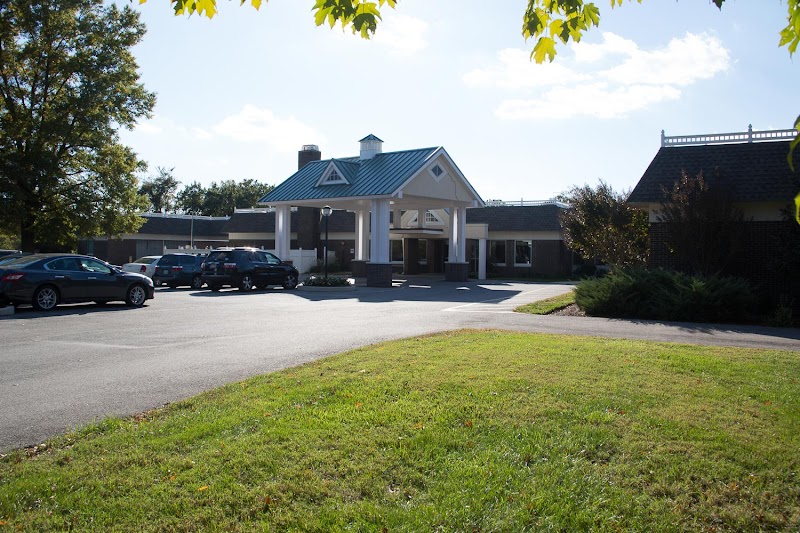
How is Fairfield Nursing & Rehabilitation Center Staffed?

CMS rates FAIRFIELD NURSING & REHABILITATION CENTER's staffing level at 3 out of 5 stars, which is average compared to other nursing homes. Staff turnover is 21%, compared to the Maryland average of 46%. This relatively stable workforce can support continuity of care.

What Have Inspectors Found at Fairfield Nursing & Rehabilitation Center?

State health inspectors documented 50 deficiencies at FAIRFIELD NURSING & REHABILITATION CENTER during 2017 to 2025. These included: 1 that caused actual resident harm, 48 with potential for harm, and 1 minor or isolated issues. Deficiencies causing actual harm indicate documented cases where residents experienced negative health consequences.
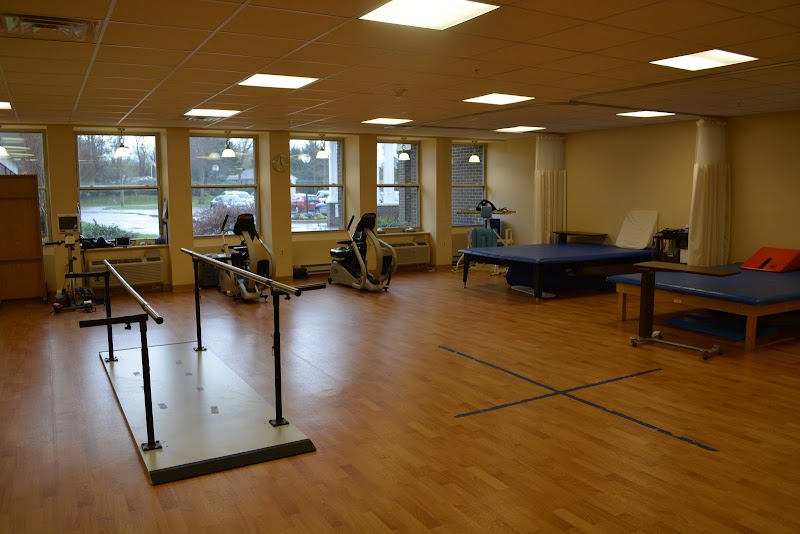
Who Owns and Operates Fairfield Nursing & Rehabilitation Center?

FAIRFIELD NURSING & REHABILITATION CENTER is owned by a for-profit company. For-profit facilities operate as businesses with obligations to shareholders or private owners. The facility is operated by FUNDAMENTAL HEALTHCARE, a chain that manages multiple nursing homes. With 96 certified beds and approximately 70 residents (about 73% occupancy), it is a smaller facility located in CROWNSVILLE, Maryland.

How Does Fairfield Nursing & Rehabilitation Center Compare to Other Maryland Nursing Homes?

Compared to the 100 nursing homes in Maryland, FAIRFIELD NURSING & REHABILITATION CENTER's overall rating (2 stars) is below the state average of 3.0, staff turnover (21%) is significantly lower than the state average of 46%, and health inspection rating (2 stars) is below the national benchmark.

What Should Families Ask When Visiting Fairfield Nursing & Rehabilitation Center?

Based on this facility's data, families visiting should ask: "Can I visit during a mealtime to observe dining assistance and food quality?" "How do you handle medical emergencies, and what is your hospital transfer rate?" "Can I speak with family members of current residents about their experience?"

Is Fairfield Nursing & Rehabilitation Center Safe?

Based on CMS inspection data, FAIRFIELD NURSING & REHABILITATION CENTER has a clean safety record: no substantiated abuse findings (meaning no confirmed cases of resident harm), no Immediate Jeopardy citations (the most serious violation level indicating risk of serious injury or death), and is not on the Special Focus Facility watch list (a federal program monitoring the lowest-performing 1% of nursing homes). The facility has a 2-star overall rating and ranks #100 of 100 nursing homes in Maryland. While no facility is perfect, families should still ask about staff-to-resident ratios and recent inspection results during their visit.

Do Nurses at Fairfield Nursing & Rehabilitation Center Stick Around?

Staff at FAIRFIELD NURSING & REHABILITATION CENTER tend to stick around. With a turnover rate of 21%, the facility is 24 percentage points below the Maryland average of 46%. Low turnover is a positive sign. It means caregivers have time to learn each resident's needs, medications, and personal preferences. Consistent staff also notice subtle changes in a resident's condition more quickly. Registered Nurse turnover is also low at 14%, meaning experienced RNs are available to handle complex medical needs.

Was Fairfield Nursing & Rehabilitation Center Ever Fined?

FAIRFIELD NURSING & REHABILITATION CENTER has been fined $51,597 across 1 penalty action. This is above the Maryland average of $33,595. Fines in this range indicate compliance issues significant enough for CMS to impose meaningful financial consequences. Common causes include delayed correction of deficiencies, repeat violations, or care failures affecting resident safety. Families should ask facility leadership what changes have been made since these penalties.

Is Fairfield Nursing & Rehabilitation Center on Any Federal Watch List?

FAIRFIELD NURSING & REHABILITATION CENTER is not on any federal watch list. The most significant is the Special Focus Facility (SFF) program, which identifies the bottom 1% of nursing homes nationally based on persistent, serious quality problems. Not being on this list means the facility has avoided the pattern of deficiencies that triggers enhanced federal oversight. This is a positive indicator, though families should still review the facility's inspection history directly.