SOUTH RIVER HEALTHCARE CENTER
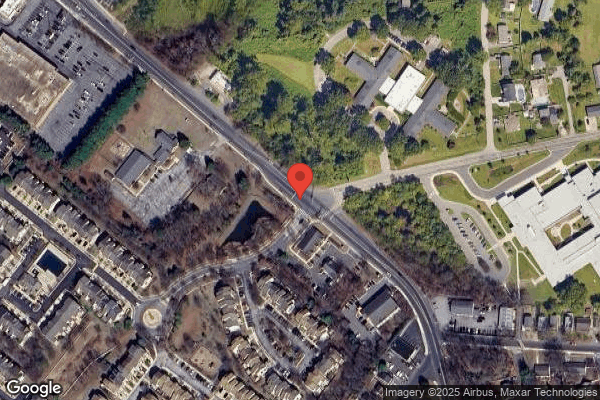

144 WASHINGTON ROAD, EDGEWATER, MD 21037 (410) 956-5000
For profit - Limited Liability company 111 Beds COMMUNICARE HEALTH Data: November 2025 1 Immediate Jeopardy citation
Trust Grade
23/100
#174 of 219 in MD
Last Inspection: December 2024

Within standard 12-15 month inspection cycle. Federal law requires annual inspections.

Overview

South River Healthcare Center has received a Trust Grade of F, indicating significant concerns about the quality of care provided. This facility ranks #174 out of 219 in Maryland and is at the bottom of its county, sitting at #13 out of 13, which suggests that there are many better options available. The facility's performance is worsening, with issues increasing from 9 in 2019 to 25 in 2024. While staffing is a relative strength with a 3 out of 5 rating and a turnover rate of 40%, which is on par with state averages, the facility has faced multiple serious deficiencies. For example, there was a critical incident where a resident's concerning medical condition was not reported to a physician, leading to delayed treatment. Additionally, the environment has issues, such as broken ceiling tiles and unsanitary conditions in several areas, indicating a lack of proper maintenance and care.

Trust Score
F
23/100
In Maryland
#174/219
Bottom 21%
Safety Record
High Risk
Review needed
Inspections
Getting Worse
9 → 25 violations
Staff Stability
○ Average
40% turnover. Near Maryland's 48% average. Typical for the industry.
Penalties
✓ Good
No fines on record. Clean compliance history, better than most Maryland facilities.
Skilled Nurses
✓ Good
Each resident gets 45 minutes of Registered Nurse (RN) attention daily — more than average for Maryland. RNs are trained to catch health problems early.
Violations
⚠ Watch
42 deficiencies on record. Higher than average. Multiple issues found across inspections.
★★☆☆☆
2.0
Overall Rating
★★★☆☆
3.0
Staff Levels
★★★★☆
4.0
Care Quality
★★☆☆☆
2.0
Inspection Score
Stable
2019: 9 issues
2024: 25 issues

The Good

  • 4-Star Quality Measures · Strong clinical quality outcomes
  • Full Sprinkler Coverage · Fire safety systems throughout facility
  • No fines on record
  • Staff turnover below average (40%)

    8 points below Maryland average of 48%

Facility shows strength in quality measures, fire safety.

The Bad

2-Star Overall Rating

Below Maryland average (3.0)

Below average - review inspection findings carefully

Staff Turnover: 40%

Near Maryland avg (46%)

Typical for the industry

Chain: COMMUNICARE HEALTH

Part of a multi-facility chain

Ask about local staffing decisions and management

The Ugly 42 deficiencies on record

1 life-threatening
Dec 2024 25 deficiencies
CONCERN (D)

Potential for Harm - no one hurt, but risky conditions existed

Resident Rights (Tag F0550)

Could have caused harm · This affected 1 resident

Based on observations and staff interviews, it was determined the facility failed to provide a resident with an environment that promotes a dignified existence. This was evident for 1 (Resident #349) ...

Read full inspector narrative →
Based on observations and staff interviews, it was determined the facility failed to provide a resident with an environment that promotes a dignified existence. This was evident for 1 (Resident #349) of 8 residents reviewed for dignity. The findings include: On 12/2/24 at 8:25 AM, an observation was made of Resident #349's room. A clear plastic bag was lining the commode. Inside the bag was a yellow-colored liquid with a piece of toilet paper inside. This Surveyor took a picture of the commode. On 12/2/24 at 8:27 AM, an interview was conducted with Registered Nurse (RN) #3. When asked why the resident had a plastic bag over the commode, RN #3 stated they were not sure but stated that the resident does things their way. On 12/3/24 at 10:30 AM, an interview was conducted with RN #7. When asked why there was a bag over the commode, the nurse stated they used bags to dispose of the waste when Resident #349 had a stomach infection recently and kept using a plastic bag to line the commode even after the resident was cleared from the infection.
CONCERN (D)

Potential for Harm - no one hurt, but risky conditions existed

Deficiency F0558 (Tag F0558)

Could have caused harm · This affected 1 resident

Based on observations and staff interviews, it was determined that the facility failed to ensure the call bells were within reach of a resident. This was evident in 1 (Resident #79) of 1 resident revi...

Read full inspector narrative →
Based on observations and staff interviews, it was determined that the facility failed to ensure the call bells were within reach of a resident. This was evident in 1 (Resident #79) of 1 resident reviewed for access to the call system during the recertification survey. The findings include: On 12/2/2024 at 8:33 AM, Resident #79's call bell was observed by surveyors on the floor next to their bed. Further observation on 12/4/2024 at 8:36 AM again revealed Resident #79's call bell on the floor. Geriatric Nursing Assistant (GNA) #11 was interviewed by surveyors on 12/4/2024 at 8:40 AM. GNA #11 confirmed the call bell was on the floor and picked up the call bell and placed it next to the resident. Resident #79's call bell was observed by surveyors on 12/5/2024 at 8:58 AM to be on the floor behind their bed. Licensed Practical Nurse (LPN) #15 was interviewed at 8:59 AM and stated expectations that the call bell is always within reach of the resident. LPN #15 then picked up the call bell and placed it next to the resident. LPN #15 further stated that there was no clip for the call bell and would get one. On 12/5/2024 at 10:56 AM, Registered Nurse Unit Manager (RN) #8 was interviewed about the facility's call bell policy. RN #8 stated it is expected that call bells to always be within reach of residents. Concerns about Resident #79's call bells were addressed by surveyors with the Director of Nursing (DON). The DON acknowledged the concerns and stated that facility's expectations are that call bells should be accessible to residents.
CONCERN (D)

Potential for Harm - no one hurt, but risky conditions existed

Deficiency F0578 (Tag F0578)

Could have caused harm · This affected 1 resident

**NOTE- TERMS IN BRACKETS HAVE BEEN EDITED TO PROTECT CONFIDENTIALITY** Based on record review and interview, it was determined that the facility staff failed: (1.) to provide documentation whether a ...

Read full inspector narrative →
**NOTE- TERMS IN BRACKETS HAVE BEEN EDITED TO PROTECT CONFIDENTIALITY** Based on record review and interview, it was determined that the facility staff failed: (1.) to provide documentation whether a Resident had an advance directive and/or wished to formulate an advance directive and (2.) to ensure the accuracy of the Medical Orders for Life-Sustaining Treatment (MOLST) in place. This was found to be evident for 2 (Resident #32 and #23) out of 12 residents reviewed for the MOLST and advance directives. The findings include: 1. The surveyor observed Resident #32 on 12/2/2024 at 9:45 AM in bed. Resident #32 was alert and oriented to person, place and time. On 12/3/2024 at 2:00 PM the surveyor conducted a record review of Resident #32's medical record. Resident #32 was admitted to the facility on [DATE]. An advance directive is a legal document that specifies a person's wishes for end-of-life healthcare. It also specifies who should make healthcare decisions on your behalf if you are unable to do so yourself. During the record review of Resident #32's medical record it revealed that there was no documentation on admission to determine if Resident #32 had an advance directive and/or determine whether the Resident wished to formulate an advance directive. Further review of Resident #32's medical record revealed that a Social History Assessment - Maryland v7 form was not present and completed for Resident #32. The documentation on advance directives was found in the Social History Assessment - Maryland v7 form for other residents that were reviewed for advance directives. The surveyor interviewed the Director of Nursing (DON) on 12/4/2024 at 8:33 AM and asked the DON for documentation of advance directives for Resident #32. The surveyor conveyed to the DON that there was not a Social History Assessment for Resident #32 in the medical record. On a follow up interview with the Director of Nursing (DON) on 12/4/2024, the DON stated that Resident #32 did not have documentation of advance directives because when Resident #32 was admitted to the facility the resident was not able to make own decisions. The DON provided no additional information. 2. MOLST is a portable and enduring medical order form covering options for cardiopulmonary resuscitation and other life-sustaining treatments. The medical orders are based on a patient's wishes about medical treatments. Record review, on 12/02/24 at 01:36 PM, of Resident # 23's MOLST front page revealed that the decision-making section was blank, but the facility staff had accepted an Advance Directive that was on file since 2021. However, the option of the patient's health care agent as named in the patient's advance directive should have checked. During the interview, on 12/03/24 at 01:06 PM, the Director of Nursing and the Administrator stated that Doctor staff # 24 had completed the MOLST form and did not check the correct option box as an omission. Additionally, the copy of the Advance Directive had been directing this Resident's care decision since 2021. Additionally, a copy of the Advance Directive had been directing this resident's care. The surveyor informed both that the above omission was a concern.
CONCERN (D) 📢 Someone Reported This

A family member, employee, or ombudsman was alarmed enough to file a formal complaint

Potential for Harm - no one hurt, but risky conditions existed

Safe Environment (Tag F0584)

Could have caused harm · This affected 1 resident

**NOTE- TERMS IN BRACKETS HAVE BEEN EDITED TO PROTECT CONFIDENTIALITY** 1b. During the tour of the facility on 12/2/2024 at 8:15 AM to 10:45 AM the surveyor observed the following items in need of rep...

Read full inspector narrative →
**NOTE- TERMS IN BRACKETS HAVE BEEN EDITED TO PROTECT CONFIDENTIALITY** 1b. During the tour of the facility on 12/2/2024 at 8:15 AM to 10:45 AM the surveyor observed the following items in need of repair: the floor tile missing around sink area and baseboards marred and missing in Resident #29's room; the baseboard in bathroom not secured to the wall, marred walls and sink counter warped in Resident #34's room; sink counter top not secure to base and marred walls in bathroom in Resident #2's room; cracked lampshades and marred bathroom walls in Resident #21's and 32's room. In addition, the surveyor observed missing baseboard and floor tile in the Spa/Shower Room on Unit 200. In an interview with the Nursing Home Administrator (NHA) at 7:30 AM on 12/11/2024 the surveyor addressed the marred walls, unsecured and missing baseboards, missing floor tiles, and unsecured and warped sink counter tops in the resident rooms. The NHA stated that she was aware of the repairs that were needed for the walls, closets, sinks and counter tops, and the baseboards and floors. The Nursing Home Administrator (NHA) further stated that there was a plan in place for repairing these items and replacement of the sink counter tops and closets, but currently there was no flooring underneath the closets and that this would be a concern with replacement of the closets. 2. Observation, on 12/2/24 at 01:04 PM, found that Resident #67 was upset about her cell phone charger which was broken 2 weeks ago and her notebook got taken by the resident who wandered into her room. Furthermore, this resident had other items missing and written information on a bulletin board got wiped out. The Resident was afraid and upset that her personal property was frequently taken or destroyed, especially when he/she was asleep. Resident #67 stated nursing staff were aware, but they could not stop the wandering residents. Resident #67 was admitted to the facility on [DATE] with encephalopathy with a substance abuse history, seizures disorder and contracture of the left hand. This resident was alert, oriented and can make he/she needs known. During the interview, on 12/10/24 at 10:20 AM, the Director of Nursing (DoN) and the [NAME] Clinical Director revealed that they were not aware that Resident #67's cell phone charger was recently destroyed. However, the DoN admitted that she was aware of the wandering residents roaming in the hallway who entered other residents' rooms to take and break personal properties. During Interview, on 12/10/24 at 10:36 AM, the DoN reported that the facility had replaced the Resident's cell phone charger. During the interview, on 12/11/24 at 9:15 AM, Resident #67 stated that he/she still did not feel safe and needed to secure personal belongings. During the further interview, the [NAME] Clinical Director was made aware that the above finding was a concern. Based on observations and staff interview during facility environmental observations, it was determined that the facility staff (1.) failed to provide housekeeping and maintenance services necessary to maintain a safe homelike interior and (2.) failed to exercise reasonable care for the protection of the resident's property from the wandering residents. This was evident for 1 of 8 rooms and 1 (Resident #67) out of 3 residents observed during the annual survey. The findings include: 1a. On 12/2/24 at 1 PM surveyors conducted an environmental tour which revealed: - room [ROOM NUMBER]: the baseboard on the wall adjacent to the resident's closet had visible damage- jagged edges where pieces of the baseboard were missing. - Circular shaped brown stains on two ceiling tiles in the shower room on the 200 unit One of the stained areas measured 6 inches in diameter and the other area measured 2 inches in diameter. - A structural wall to the left upon entrance into the shower room on the 200 unit with two capped copper pipes ½ inch in diameter, projected out of the wall. The copper pipes measured approximately 4 to 6 inches in length, sticking out of the wall. On 12/4/24 at 7:45 AM surveyors and the Director of Nursing (DON) conducted a tour of the shower room on the 200 unit and identified the stained ceiling tiles and 2 copper pipes projected out of the wall. The surveyor expressed concern about lack of resident safety with the copper pipes exposed and protruding out of the wall. The DON confirmed that there was daily resident use of that shower room and stated she will notify the Maintenance Director to address the identified concerns.
CONCERN (D) 📢 Someone Reported This

A family member, employee, or ombudsman was alarmed enough to file a formal complaint

Potential for Harm - no one hurt, but risky conditions existed

Free from Abuse/Neglect (Tag F0600)

Could have caused harm · This affected 1 resident

**NOTE- TERMS IN BRACKETS HAVE BEEN EDITED TO PROTECT CONFIDENTIALITY** Based on record review and interview, it was determined that the facility staff failed to provide a safe resident environment an...

Read full inspector narrative →
**NOTE- TERMS IN BRACKETS HAVE BEEN EDITED TO PROTECT CONFIDENTIALITY** Based on record review and interview, it was determined that the facility staff failed to provide a safe resident environment and protect residents from abuse from other residents. This was found to be evident for 2 (Resident #22 [1.] and #113 [2.]) out of 9 residents reviewed for abuse. The findings included: 1. Record review, on 12/05/24 at 9:05 AM, found that staff GNA #30 witnessed Resident #103 on 4/14/23 at 4:30 PM that Resident #103 undressed while standing at Resident #22's bed side and had his/her hands in Resident #22's private area on. Immediately, GNA #30 called LPN staff #31 to assist and they removed Resident #103 out of Resident #22's room and started the one-to-one supervision. Additionally, they notified the local police about the abuse. No other residents were affected after the facility staff done the investigation. Resident #103 was arrested by the local police that night and had not returned to the facility since. During Interview, on 12/5/2024 at 09:55 AM, the Administrator stated that the incident was reported to the state within the required timeline and the facility had started the corrective action plans immediately and all staff had abuse training completed by 4/18/24. The surveyor informed the Administrator that the above finding was a non-compliance sexual abuse concern. Surveyor: DILLER, [NAME] 2. During review of intake #MD00181842 on 12/10/2024 at 9:00 AM, the facility report stated Registered Nurse (RN) #29 and Geriatric Nursing Assistant (GNA) #28 heard a commotion coming from room [ROOM NUMBER]. Upon entering the room, they observed Resident #113 had wandered into the room and Resident #110 and Resident #113 had their arms intertwined. The facility staff then observed Resident #110 push Resident #113 and Resident #113 fell to the floor on his/her buttocks. The Executive Director (ED) was interviewed by surveyors on 12/10/2024 at 9:15 AM. The ED stated that Resident #113 was placed on 1:1 observation after the incident and acknowledged surveyor concern of resident-to-resident abuse.
CONCERN (D)

Potential for Harm - no one hurt, but risky conditions existed

Deficiency F0625 (Tag F0625)

Could have caused harm · This affected 1 resident

**NOTE- TERMS IN BRACKETS HAVE BEEN EDITED TO PROTECT CONFIDENTIALITY** 2. A Bed Hold is the act of holding or reserving a Resident's bed while the Resident is absent from the facility for therapeutic...

Read full inspector narrative →
**NOTE- TERMS IN BRACKETS HAVE BEEN EDITED TO PROTECT CONFIDENTIALITY** 2. A Bed Hold is the act of holding or reserving a Resident's bed while the Resident is absent from the facility for therapeutic leave or hospitalization. It must be provided to all facility Residents regardless of payment source. The Bed Hold policy should be disclosed in the admission packet during initial admission to the facility and it should be disclosed to Resident and, if applicable, Resident Representatives at the time of transfer; if emergency transfer, within 24 hours. The surveyor conducted a record review on 12/4/2024 at 11:00 AM of Resident #34's medical record. The review of the medical record revealed that Resident #34 was transferred to the hospital on the following dates: 10/4/2022 and 7/21/2024. Further review of the medical record revealed that Resident #34 had a Resident Representative/Guardian and physician certification of incapacity. The Guardian of Resident #34 was notified by mail of the bed hold policy for the 10/4/2022 transfer to the hospital but was not notified of the bed hold policy for the 7/21/2024 transfer to the hospital. At 1:00 PM on 12/4/2024 the surveyor interviewed the Admissions Director employee #12 and asked what the expectation was for notification of bed hold policy when residents were transferred to the hospital. The Admissions Director stated that she was responsible for notification of the bed hold policy to Resident and Resident Responsible Party when residents were transferred to the hospital. The Admissions Director stated that she did not notify Resident #34's Responsible Party of the bed hold policy for the 7/21/2024 transfer to the hospital since the resident only went to the emergency room (ER) even though Resident #34 stayed out of the facility overnight. The Admissions Director further stated that for the last couple of months, she has notified the resident and/or Responsible Party of bed hold policy for all transfers to the hospital, no matter if the resident was admitted to the hospital or only seen in the ER. The Admissions Director provided a copy of the notification of bed hold policy to the surveyor. Based on medical record review, and interviews it was determined the facility failed to provide the Resident and/or Representative with a written notice of the facility's bed hold policy upon transfer to an acute care facility. This was evident for 2 (Resident #54 [1.] and #34 [2.]) of 6 residents reviewed for hospitalization. The findings include: 1. On 12/3/24 at 1:53 PM, the surveyor reviewed Resident #54's medical record. The review revealed that resident #54 was sent to the hospital on [DATE]. On 12/4/24 at 12:24 AM, the surveyor reviewed the transfer documents that were sent to the hospital. A bed hold was filled out on 12/1/24 by Unit Manager Staff #15 indicating that Resident #54 wanted a bed hold. There was no indication on the form that the resident and/or representative was informed or contacted to place the bed hold. On 12/4/24 at 12:57 PM, the surveyor conducted an interview with Staff #15 and the Director of Nursing (DON). During the interview Staff #15 reported that she initiated the bed hold because the Resident #54 was anticipated to return to the facility. The surveyor asked if she spoke to Resident #54's representative. The DON stated the Admissions Director reaches out to the family. On 12/4/24 at 1:47 PM, the surveyor interviewed admission Director Staff #12. During the interview Staff #12 stated she reaches out to residents and/or their representatives once she is notified they have transferred to the hospital. She further stated that she goes over the bed hold policy and financial obligations via phone and mails them the policy and financial details. Staff #12 stated she reached out to Resident #54's Representative and was waiting to hear back. Staff #12 also stated that she mailed the policy to the Representative. The surveyor asked about the bed hold that was part of Resident #54's transfer packet and asked if the resident and/or representative was not contacted why would it be documented that Resident #54 had a bed hold. Staff #12 stated that Resident #54 was not currently on a bed hold and that nursing staff on the weekends may have sent the document incorrectly. On 12/4/24 at 2:48 PM, the surveyor conducted a follow-up interview with the DON. During the interview the DON stated an in-service was needed to educate nursing staff on the bed hold and procedures for when a resident is transferred on a weekend.
CONCERN (D)

Potential for Harm - no one hurt, but risky conditions existed

Assessment Accuracy (Tag F0641)

Could have caused harm · This affected 1 resident

**NOTE- TERMS IN BRACKETS HAVE BEEN EDITED TO PROTECT CONFIDENTIALITY** 2. The MDS is a federally mandated assessment tool that helps nursing home staff members gather information on each resident's s...

Read full inspector narrative →
**NOTE- TERMS IN BRACKETS HAVE BEEN EDITED TO PROTECT CONFIDENTIALITY** 2. The MDS is a federally mandated assessment tool that helps nursing home staff members gather information on each resident's strengths and needs. Information collected drives resident care planning decisions. MDS assessments need to be accurate to ensure each resident receives the care they need. On 12/4/2024 at 10:40 AM, Resident #79's medical record was reviewed by the surveyors. The care plan with completion date of 11/4/2024 revealed Resident #79 was on hospice services, initiated on 4/27/2023, and revised on 9/16/2024. Further record review on 12/4/2024 at 10:44 AM revealed a quarterly MDS assessment dated [DATE] which, under section O for hospice, no was documented. An interview was conducted by surveyors with the MDS Director on 12/5/2024 at 9:37 AM. The MDS Director was asked about the quarterly MDS assessment being documented no for hospice services. The MDS Director stated to surveyors that it was an error hospice services was incorrectly coded no, and submitted a modification of quarterly to MDS to correct the discrepancy. During an interview on 12/5/24 at 10:30 AM, the Executive Director acknowledged the concern that the MDS was coded inaccurately and stated she thought the MDS modification was already transmitted. Based on observation, facility staff interview and medical record review, it was determined that the facility failed to accurately document resident assessments on the MDS (Minimum Data Set) as evidenced by inaccurate coding for residents. This was found to be evident for 2 (Resident #42 [1.] and #79 [2.]) out of 2 residents reviewed for accuracy of MDS assessments. The findings include: 1. A colostomy is a surgical procedure that creates an opening in the colon (large intestine). The opening is called a stoma. A bag called a stoma appliance is placed around the opening to allow stool to drain. On 12/2/2024 at 10:45 AM the surveyor observed Resident #42 in bed in the resident's room. The resident was observed with a colostomy bag on the abdomen. The surveyor interviewed Registered Nurse (RN) Unit Manager #8 on 12/5/2024 at 10:15 AM. The surveyor asked the RN, Unit Manager #8, if Resident #42 had a colostomy and if Resident #42 was admitted to the facility with a colostomy. The RN Unit Manager #8 stated that Resident #42 had a colostomy and was admitted to the facility with a colostomy. Resident #42 was originally admitted to the facility on [DATE] and readmitted to the facility on [DATE]. The Minimum Data Set (MDS) is a health status screening and assessment tool used for all residents of Long-Term Care Nursing Facilities. The MDS is part of the federally mandated process for clinical assessment of all residents in Medicare and Medicaid certified nursing homes. This process provides a comprehensive assessment of each resident's functional capabilities and helps nursing home staff identify health problems. The surveyor conducted a record review of Resident #42's medical record on 12/5/2024 at 11:00 AM. The medical record review revealed that the Discharge MDS dated [DATE] Section H - Bladder and Bowel was coded Appliances - Ostomy/Colostomy and Bowel Continence - Always incontinent. In addition, the Medicare/5-day MDS dated [DATE] Section H - Bladder and Bowel was coded Appliances - None and Bowel Continence - Always incontinent. The surveyor interviewed the MDS Director #9 on 12/5/2024 at 11:10 AM and asked what the expectation was for coding a MDS for a resident with a colostomy and bowel continence. The MDS Director stated that if a resident had a colostomy that Bowel Continence was to be coded as Not rated and Appliances coded as Ostomy. The MDS Director acknowledged the inaccurate coding for Resident #42 on the Discharge MDS dated [DATE] and the Medicare/5-day MDS dated [DATE]. Further review of the Resident #42's medical record on 12/5/2024 revealed that the MDS Director completed a Modification to the 10/27/2024 Discharge MDS and the 11/8/2024 Medicare/5-day MDS with the accurate codes for Appliances/Ostomy and Bowel Continence/Not rated after surveyor intervention.
CONCERN (D)

Potential for Harm - no one hurt, but risky conditions existed

PASARR Coordination (Tag F0644)

Could have caused harm · This affected 1 resident

**NOTE- TERMS IN BRACKETS HAVE BEEN EDITED TO PROTECT CONFIDENTIALITY** Based on medical record review and staff interview, it was determined that the facility failed to initiate a new pre-admission s...

Read full inspector narrative →
**NOTE- TERMS IN BRACKETS HAVE BEEN EDITED TO PROTECT CONFIDENTIALITY** Based on medical record review and staff interview, it was determined that the facility failed to initiate a new pre-admission screening and resident review (PASARR) Level I screen after a resident was diagnosed with bipolar disorder while admitted to nursing facility. This was identified for 1 (Resident #49) of 1 resident reviewed for PASARR requirements during an recertification survey. The findings include: According to the State Operations Manual, The PASARR process requires that all applicants to Medicaid-certified nursing facilities be screened for possible serious mental disorders, intellectual disabilities and related conditions. This initial screening is referred to as Level I Identification of individuals with mental disorder (MI) or intellectual disorder (ID), and is completed prior to admission to a nursing facility. The purpose of the Level I pre-admission screening is to identify individuals who have or may have MD/ID or a related condition, who would then require PASARR Level II evaluation and determination prior to admission to the facility. Resident #49's medical record was reviewed by surveyors on 12/5/2024 at 1:30 PM. The record revealed that Resident #49 was admitted to the nursing facility from an acute care hospital on [DATE]. The resident ' s record show a PASARR level I screening was completed on 11/15/2021 by the discharging hospital, and that Resident #49 was not identified as requiring a PASARR Level II evaluation. Further review of the discharge summary from the acute care hospital did not reveal a diagnosis of bipolar disorder. Review of the nursing facility diagnosis report on 12/6/2024 at 10:00 AM revealed that Resident #49 was not diagnosed with bipolar disorder upon admission on [DATE], but the diagnosis was later added during the resident's stay on 4/6/2022. Review of the quarterly Minimum Data Set (MDS) from 5/22/2022 shows that Resident #49 was coded yes under section I for bipolar disorder. On 12/9/2024, the nursing facility Admissions Director (AD) was interviewed at 7:44 AM. The AD stated during the interview that residents who have an updated diagnosis of MI or ID while admitted to the nursing facility should have a new Level I PASARR conducted to determine if a Level II evaluation is appropriate. The AD stated she was in the process of updating Resident #49's PASARR, and that a new PASARR Level I should have been conducted when Resident #49 was diagnosed with bipolar disorder while admitted to the nursing facility. The Executive Director (ED) was interviewed on 12/10/2024 at 8:50 AM. The ED acknowledged the concern about PASARR assessments, stating to surveyors that there is now a process in place to update PASARRs when new MD/ID diagnoses are captured while residents are in the nursing facility.
CONCERN (D)

Potential for Harm - no one hurt, but risky conditions existed

Deficiency F0655 (Tag F0655)

Could have caused harm · This affected 1 resident

**NOTE- TERMS IN BRACKETS HAVE BEEN EDITED TO PROTECT CONFIDENTIALITY** Based on record review and interviews, it was determined that the facility failed to include all initial healthcare information ...

Read full inspector narrative →
**NOTE- TERMS IN BRACKETS HAVE BEEN EDITED TO PROTECT CONFIDENTIALITY** Based on record review and interviews, it was determined that the facility failed to include all initial healthcare information in the baseline care plan. This was found evident of 1 (resident #94) of 5 residents reviewed for care planning. The findings include: On 12/5/24 at 10:04 AM, the surveyor reviewed Resident #94's medical record. The review revealed that Resident #94 was admitted to the facility on [DATE]rd 2024. Further review revealed that Resident #94 had a past medical history that included, but not limited to, congestive heart failure, atrial fibrillation (abnormal heart rhythm), malaise (weakness) disease of the digestive system and dementia. Next the surveyor reviewed Resident #94's care plan. Care plan topics were first initiated on 10/3/24 and included activities of daily living, risk for pain and risk for falls. On 10/4/24 additional care plans were added to include the need for enhanced barrier precautions, risk for bleeding, congestive heart failure, hypertension (high blood pressure)/atrial fibrillation. On 10/7/24 a care plan was initiated for altered nutrition and a need for a therapeutic diet. Some of the interventions listed were to observe for signs and symptoms of aspiration (accidental inhalation of food or liquid into the lungs), and dysphagia (difficulty swallowing). On 12/5/24 at 1:06 PM, the surveyor interviewed the Director of Nursing (DON). During the interview the DON stated that a lot of the care plans are initiated based on the assessments of the Minimum Data Set (MDS) resident assessments. The surveyor requested Resident #94's baseline care plan. On 12/05/2024 at 1:21 PM, the surveyor interviewed the MDS Staff #10. During the interview Staff #10 stated the nurse manager initiates the base line care plan and that the MDS staff adds to the care plan based on further assessments. On 12/5/24 at 1:41 PM, the surveyor interviewed the Nursing Home Administrator (NHA). During the interview the surveyor asked to see the baseline care plan for Resident #94. The NHA stated that the base line care plan is documented in the same place as the comprehensive care plan and that the base line care plan is distinguished by the date it was initiated. She further explained that the baseline care plan is the care plan initiated within 48 hours of admission. The NHA stated that baseline care plans are gone over with the resident and that a copy of the care plan and order are given during the comprehensive care plan meeting. The surveyor relayed the concern that Resident #94's baseline care plan (or care plan that is to be developed in 48 hours after admission) was missing a care plan for diet/nutrition especially because in Resident #94's comprehensive care plan Resident #94 required a special diet with supervisory intervention. The surveyor reviewed the facility's policy on baseline care plans. The policy described that a baseline care plan was also referred to as the 48-hour care plan. It further explained the minimum requirement of the base line care plan which includes addressing the physician and dietary orders.
CONCERN (D)

Potential for Harm - no one hurt, but risky conditions existed

Comprehensive Care Plan (Tag F0656)

Could have caused harm · This affected 1 resident

**NOTE- TERMS IN BRACKETS HAVE BEEN EDITED TO PROTECT CONFIDENTIALITY** 2. On 12/02/24 at 11:20 AM, an observation and interview of Resident #77 was conducted. It was noted that the resident had one l...

Read full inspector narrative →
**NOTE- TERMS IN BRACKETS HAVE BEEN EDITED TO PROTECT CONFIDENTIALITY** 2. On 12/02/24 at 11:20 AM, an observation and interview of Resident #77 was conducted. It was noted that the resident had one lens on the left side of their glasses and no lens on the other side. When asked how long ago the resident had lost their lens, the resident stated it was months ago at the facility. The resident stated they let the staff know their lens fell out. When asked if they knew when their last ophthalmologist appointment was, the resident stated they had not seen an ophthalmologist since admission to the facility. On 12/05/24 at 10:20 AM, an interview was conducted with the Director of Nursing (DON). When asked whether Resident #77 has seen an ophthalmologist since being admitted to the facility, the DON stated he has not seen one. This surveyor made the DON aware of resident's missing lens from glasses, and the DON stated that they will request for the ophthalmologist to see him. On 12/05/24 at 10:35 AM, a review of Resident #77's care plan was conducted. The resident has no care plan in place for vision or accessibility to glasses. 3. A colostomy is a surgical procedure that creates an opening in the colon (large intestine). The opening is called a stoma. A bag called a stoma appliance is placed around the opening to allow stool to drain. On 12/2/2024 at 10:45 AM the surveyor observed Resident #42 in bed in the resident's room. The resident was observed with a colostomy bag on the abdomen. A care plan is a guide that addresses the unique needs of each resident. It is used to plan, assess and evaluate the effectiveness of the resident's care. The surveyor conducted a record review of Resident #42's medical record on 12/5/2024 at 8:30 AM. The medical record review revealed that Resident #42 did not have a care plan developed and implemented for the colostomy. The surveyor interviewed Registered Nurse (RN) Unit Manager #8 on 12/5/2024 at 10:15 AM. The surveyor asked the RN Unit Manager #8 if Resident #42 had a colostomy and if Resident #42 was admitted to the facility with a colostomy. The RN Unit Manager #8 stated that Resident #42 had a colostomy and was admitted to the facility with a colostomy. Resident #42 was originally admitted to the facility on [DATE] and readmitted to facility on 11/3/2024. At 11:00 AM on 12/5/2024 the surveyor interviewed the Director of Nursing (DON) with the Nursing Home Administrator (NHA) in attendance regarding the care and services of a resident with a colostomy. The surveyor conveyed to the DON and the NHA that Resident #42 had a colostomy but did not have a care plan for colostomy care and services. The DON stated that she would look into this. On a follow up interview with the Director of Nursing on 12/5/2024, the DON acknowledged that Resident #42 did have a colostomy but did not have a care plan for colostomy care. The DON provided the surveyor with a copy of the comprehensive care plan for Resident #42 and this care plan did not have a focus, goal or intervention for colostomy care and services. Based on record review and interviews it was determined that the facility failed to develop a comprehensive person-centered care plan. This was found to be evident of 3 (Resident #94 [1.], #77 [2.] & #42 [3.]) of 13 Residents reviewed for care planning. The findings include: 1. On 12/5/24 at 10:04 AM, the surveyor reviewed Resident #94's medical record. The review revealed that Resident #94 was admitted to the facility in October of 2024. Further review revealed that Resident #94 had a past medical history of urinary retention and malaise (weakness). On 12/5/24 at 11:16 AM, the surveyor observed Resident #94 resting in bed with a urinary bag hanging on the side of the bed. Next the surveyor reviewed Resident #94's care plan. No care plan was noted for an indwelling urinary device. On further review a care plan for Activities of Daily Living (ADLs ) that was initiated on 10/3/24 indicated that Resident #94 was dependent, needing substantial/maximal assistance, and totally dependent for hygiene, shower/bath, lower body dressing, putting on and taking off footwear. Additional ADL care areas had multiple dependency levels as well. On 12/5/24 at 1:06 PM, the surveyor interviewed the Director of Nursing (DON). During the interview the DON stated that care plans are initiated based on the assessments of the Minimum Data Set (MDS) resident assessments. The DON confirmed that there was no care plan for Resident #94's indwelling urinary device and that Resident #94's ADL care plan was not appropriately developed and based on Resident #94's individual assessment of support needs. She further clarified Resident #94 should have only had one level of support indicated. On 12/05/2024 at 1:21 PM, the surveyor interviewed the MDS Staff #10. During the interview Staff #10 stated the nurse manager initiates the initial care plans and that the MDS staff adds to the care plan based on further assessments. Staff #10 confirmed the support/functional needs assessment was documented in error and that every box was not supposed to be checked for Resident #94's support assessment. She further stated she would revise the assessment and care plan. On 12/5/24 at 1:38 PM, the surveyor conducted an interview with Unit Manager Staff #8. During the interview Staff #8 stated that nursing would be responsible for initiating a foley or indwelling urinary device care plan for a Resident. She confirmed Resident 94 should have an indwelling device care plan but it was missed. She further stated she would initiate the care plan.
CONCERN (D)

Potential for Harm - no one hurt, but risky conditions existed

Deficiency F0657 (Tag F0657)

Could have caused harm · This affected 1 resident

**NOTE- TERMS IN BRACKETS HAVE BEEN EDITED TO PROTECT CONFIDENTIALITY** Based on interview and medical record review it was determined that the facility failed to update and revise resident's care pla...

Read full inspector narrative →
**NOTE- TERMS IN BRACKETS HAVE BEEN EDITED TO PROTECT CONFIDENTIALITY** Based on interview and medical record review it was determined that the facility failed to update and revise resident's care plans. This was found to be evident in 1 (Resident #42) out of 3 residents reviewed for care plan timing and revision. The findings include: The Minimum Data Set (MDS) is part of the federally mandated process for clinical assessment of all residents in Medicare and Medicaid certified nursing homes. This process provides a comprehensive assessment of each resident's functional capabilities and helps nursing home staff identify health problems of residents. Apixaban (brand name Eliquis) is a prescription anticoagulant medication that helps prevent and treat blood clots. It works by inhibiting factor Xa, a clotting factor, which slows blood clotting. Clonazepam (brand name Klonopin) is a prescription benzodiazepine medication used to prevent and treat anxiety disorders and seizures and promote relaxation. Clonazepam produces a calming effect on the brain and nerves. On 12/5/2024 at 8:30 AM the surveyor conducted a record review of Resident #42's medical record. The record review revealed that Resident #42 had current physician orders for Apixaban 2.5 mg twice a day for DVT (deep vein thrombosis) and Clonazepam 0.5 mg three times a day for anxiety. The admission MDS dated [DATE] and the Medicare-5-day MDS dated [DATE] for Resident #42 was coded for the usage of anticoagulant medication and antianxiety medication. A care plan is a guide that addresses the unique needs of each resident. It is used to plan, assess and evaluate the effectiveness of the resident's care. Further review of Resident #42's medical record on 12/5/2024 revealed the resident was originally admitted to the facility 10/8/2024 and discharged to the hospital on [DATE], and then was readmitted to the facility 11/3/2024. There was a care plan for the usage and monitoring of anticoagulant medication and the antianxiety medication for the 10/8/2024 original admission to the facility, but there was no revision or update to the care plan that indicated the usage and the monitoring of anticoagulant medication and antianxiety medication for the 11/3/2024 readmission to the facility. On 12/5/2024 at 2:50 PM the surveyor interviewed the Director of Nursing (DON) and the DON confirmed that Resident #42 had two care plans, one care plan that was cancelled/closed when Resident #42 was discharged [DATE] to the hospital and another care plan that was initiated/created when Resident #42 was readmitted [DATE] to the facility.
CONCERN (D) 📢 Someone Reported This

A family member, employee, or ombudsman was alarmed enough to file a formal complaint

Potential for Harm - no one hurt, but risky conditions existed

ADL Care (Tag F0677)

Could have caused harm · This affected 1 resident

2. On 12/03/24 at 9:30 AM, an interview was conducted with Resident #68's representative. The representative stated that on 10/28/24 they visited the resident and upon observation the residents toenai...

Read full inspector narrative →
2. On 12/03/24 at 9:30 AM, an interview was conducted with Resident #68's representative. The representative stated that on 10/28/24 they visited the resident and upon observation the residents toenails were unkempt. They stated the nails were as long as my pinky finger. The representative stated that when they notified nursing and administration, the toenails were addressed. On 12/4/24 at 9:00 AM, a review of complaint #MD00211334 and the facilities investigation relating to FRI #MD00211725 was conducted. The facilities investigation documented that Resident #68's toenails were trimmed at time of complaint and podiatry was consulted. On 12/4/24 at 11:38 AM, a review of Resident #68's podiatry notes was conducted. The resident had last been seen by a podiatrist on 4/24/24. In the podiatry note on 4/24/24, the podiatrist noted, Debrided nail(s) to patient tolerance. Non-professional treatment is hazardous to the patient. On 12/4/24 at 1:21 PM, a review of Resident #68's Minimum Data Set (MDS). An MDS is a federally mandated assessment tool used in nursing homes to evaluate the health needs and functional capabilities of residents. Under the self-care portion (GG0130) of the MDS conducted on 10/31/24, it states that the resident is dependent, requiring the helper to do all the effort or the activity requiring 2 or more helpers to complete, for Putting on and taking off footwear and Personal hygiene. Based on record review and interview, it was determined that the facility failed to provide necessary services to maintain good personal hygiene for dependent residents. This was found evident in 2 (Resident #449[1.] & #68[2.]) out of 11 Residents reviewed for Activity of Daily Living (ADL) cares. The findings include: 1. On 12/2/24 at 2:13 PM, the surveyor interviewed Resident #449. During the interview Resident #449 stated that he/she had concerns about ostomy (a surgical procedure that creates an opening in the abdominal wall to allow waste to exit the body) cares. On 12/5/24 at 11:08 AM, the surveyor reviewed Resident #449's medical record. The review revealed that Resident #449 had a care plan initiated on 11/18/24 that stated, Resident #449 has an alteration in bowel elimination related to need for ileostomy (an ostomy in which the opening is the end of the ileum, the lowest part of the small intestine). An intervention listed was, provide assistance with ostomy care as needed. On further review a Minimum Data Set (MDS) assessment, that was completed on 10/20/24, documented that Resident #449 was dependent (a helper needed to complete the activity for the resident) with toileting hygiene or managing the ostomy, to include wiping the opening. On 12/6/24 at 8:11 AM, the surveyor reviewed Resident #449's orders. The review revealed that on 12/5/24 orders were put in for ostomy cares. The surveyor next reviewed the Treatment Administration Record (TAR) for Resident #449. No cares were documented on the December TAR for ostomy care and only starting on 12/5/24 was there an area for cares to be documented. On 12/6/24 at 11:07 AM, the surveyor interviewed the Director of Nursing (DON). During the interview the DON confirmed that the ostomy care orders were only entered yesterday and not at the time of admission. She further stated that when orders are written they are entered into the TAR. The DON was unable to provide documentation that Resident #449 was assisted and provided ostomy cares according to his/her care plan.
CONCERN (D)

Potential for Harm - no one hurt, but risky conditions existed

Quality of Care (Tag F0684)

Could have caused harm · This affected 1 resident

Based on observations, interviews, and record review, it was determined that the facility failed to provide treatments according to a resident's plan of care. This was found evident of 2 (Resident #71...

Read full inspector narrative →
Based on observations, interviews, and record review, it was determined that the facility failed to provide treatments according to a resident's plan of care. This was found evident of 2 (Resident #71 & #94) out of 32 residents reviewed during the survey. The findings include: 1a) On 12/2/24 at 10:12 AM, the surveyor interviewed Resident #71. During the interview Resident #71 stated that he/she had problems with constipation. Resident #71 further stated that he/she was given Miralax (a medication used to prevent and treat constipation) but still could go 2-3 days without having a bowel movement. On 12/5/24 at 8:43 AM, the surveyor reviewed Resident #71's medical record. The review revealed Resident #71 had a care plan initiated on 3/28/23 that stated Resident #71 is at risk for constipation related to decreased mobility. An intervention listed was to administer medications per medical provider's order. On further review the surveyor noted a progress note written by Nurse Practitioner (NP) Staff #22 written on 9/19/24. The note stated that Resident #71 complained of occasional hard stools. Staff #22 wrote that she would increase Senna (a medication that helps prevent and treat constipation) to be given two times per day and to continue Miralax daily. Additionally, Dulcolax suppository and fleet enema would be available to be given as needed. On 12/6/24 at 6:12 AM, the surveyor reviewed documentation for Resident #71's bowel movements (BM). No bowel movement was recorded on 12/2/24, 12/3/24, 12/4/24 and 12/5/24. Next the surveyor reviewed the December 2024 Medication Administration Record (MAR) for Resident #71. The review revealed that Resident #71 did not receive any of the as needed medications to help with constipation. Dulcolax rectal suppository was written to be given as needed if no BM for two days and Bisacodyl fleet (rectal) enema was to be given in no results from suppository or if no BM for 3 days. On 12/6/24 at 8:28 AM, the surveyor conducted an interview with the Director of Nursing (DON). During the interview the DON stated she had talked to the Unit Manager Staff #8 and she had asked Resident #71 when his/her last BM was and he/she reported it was Wednesday 12/4/24. DON confirmed there was no documentation in Resident #71's chart to reflect that and that a late entry would be made. The surveyor reviewed the concern that if the nurse was reviewing the documentation of bowel movements that the as needed suppository would have been given per physician's order and if Resident #71 did report he/she had a bowel movement then there would be notation as to why the suppository was not given per order. 1b) On 12/5/24 at 10:04 AM, the surveyor reviewed Resident #94's medical record. The review revealed that Resident #94 was admitted to the facility in October of 2024. Further review revealed that Resident #94 had a past medical history of urinary retention. On 12/5/24 at 11:16 AM, the surveyor observed Resident #94 resting in bed with a urinary bag hanging on the side of the bed. The surveyor next reviewed Resident # 94's orders and noted an order written on 10/4/24 that stated foley catheter care every shift and as needed. It also stated to document output on every shift. The surveyor reviewed the December Treatment Administration Record (TAR) and point of care documentation. The review revealed that no documentation of urinary output was recorded. On 12/5/24 at 1:06 PM, the surveyor conducted an interview with the Director of Nursing (DON). During the interview the DON confirmed that facility staff failed to document the urinary output according to the physician's order.
CONCERN (D)

Potential for Harm - no one hurt, but risky conditions existed

Deficiency F0685 (Tag F0685)

Could have caused harm · This affected 1 resident

**NOTE- TERMS IN BRACKETS HAVE BEEN EDITED TO PROTECT CONFIDENTIALITY** Based on resident interview, record review, and staff interview, it was determined that the facility failed to ensure to coordin...

Read full inspector narrative →
**NOTE- TERMS IN BRACKETS HAVE BEEN EDITED TO PROTECT CONFIDENTIALITY** Based on resident interview, record review, and staff interview, it was determined that the facility failed to ensure to coordinate vision services for a resident. This was evident for 1 (Resident #77) of 8 residents reviewed for vision. The findings include: On 12/02/24 at 11:20 AM, an observation and interview of Resident #77 was conducted. It was noted that the resident had one lens on the left side of their glasses and no lens on the other side. When asked how long ago the resident had lost their lens, the resident stated it was months ago at the facility. The resident stated they let the staff know their lens fell out, but there was never any follow up. When asked if they knew when their last ophthalmologist appointment was, the resident stated they had not seen an ophthalmologist since admission to the facility. On 12/05/24 at 10:04 AM, Resident #77's records were reviewed. A consult for Audiology, Dental, Optometry, Ophthalmology and/or Podiatry as needed was ordered on 6/20/2024 at 17:04 (5:04 PM) . The resident's record shows that the resident was admitted on [DATE]. On 12/05/24 at 10:20 AM, an interview was conducted with the Director of Nursing (DON). When asked whether Resident #77 has seen an ophthalmologist since being admitted to the facility, the DON stated he has not seen one. This surveyor made the DON aware of resident's missing lens from glasses, and the DON stated that they will request for the ophthalmologist to see him.
CONCERN (D) 📢 Someone Reported This

A family member, employee, or ombudsman was alarmed enough to file a formal complaint

Potential for Harm - no one hurt, but risky conditions existed

Accident Prevention (Tag F0689)

Could have caused harm · This affected 1 resident

Based on record review and interview, it was determined that the facility failed to protect the resident from a preventable accidents. This was evident for 1 (Resident #104) of 3 residents reviewed fo...

Read full inspector narrative →
Based on record review and interview, it was determined that the facility failed to protect the resident from a preventable accidents. This was evident for 1 (Resident #104) of 3 residents reviewed for falls. The findings include: On 12/06/24 at 10:17 AM, a review of complaint #MD00200713 was conducted. The complaint indicates that on 12/10/23, Resident #104 fell off the bed while a Geriatric Nursing Assistant (GNA) was providing incontinent care. After the providers evaluation the provider recommended to monitor and manage the resident for pain. The resident and family decided to call 911 to get further evaluation. On 12/06/24 at 10:22 AM, a review of Resident #104's records was conducted. The records indicated that the resident was evaluated at hospital for possible injuries after a fall on 12/10/23. Per hospital discharge summary, there were no injuries or fractures identified after x-rays and evaluation. On 12/6/24 at 10:45 AM, Resident #104's Multiple Data Set (MDS) was reviewed. An MDS is a federally mandated assessment tool used in nursing homes to evaluate the health needs and functional capabilities of residents. Under the self-care portion (GG0130) of the MDS conducted on 9/29/23, stated that the resident is dependent, requiring the helper to do all the effort or the activity requiring 2 or more helpers to complete, for toileting hygiene. On 12/06/24 at 11:26 AM, an interview was conducted with the Director of Nursing (DON). The DON confirmed only 1 GNA was turning and providing incontinence care to the resident at the time of the incident on 12/10/23. On 12/10/24 at 10:34 AM, Resident #104's care plan was reviewed. Resident #104 has a care plan with a focus on turning and repositioning initiated on 12/5/2019. This care plan had an intervention to be repositioned with 2 people, lifter, slider.
CONCERN (D)

Potential for Harm - no one hurt, but risky conditions existed

Deficiency F0691 (Tag F0691)

Could have caused harm · This affected 1 resident

**NOTE- TERMS IN BRACKETS HAVE BEEN EDITED TO PROTECT CONFIDENTIALITY** Based on resident observation, staff interview and record review it was determined that the facility failed to provide adequate ...

Read full inspector narrative →
**NOTE- TERMS IN BRACKETS HAVE BEEN EDITED TO PROTECT CONFIDENTIALITY** Based on resident observation, staff interview and record review it was determined that the facility failed to provide adequate care and services for a resident that required colostomy care. This was found to be evident in 1 Resident #42 out of 1 Resident reviewed for colostomy care and services. The findings include: A colostomy is a surgical procedure that creates an opening in the colon (large intestine). The opening is called a stoma. A bag called a stoma appliance is placed around the opening to allow stool to drain. On 12/2/2024 at 10:45 AM the surveyor observed Resident #42 in bed in Resident room. The resident was observed with a colostomy bag on the abdomen. The surveyor conducted a record review of Resident #42's medical record on 12/5/2024 at 8:30 AM. The medical record review, specifically the physician orders, revealed that Resident #42 did not have a physician order for the care of the colostomy. The surveyor interviewed Registered Nurse (RN) Unit Manager #8 on 12/5/2024 at 10:15 AM. The surveyor asked the RN Unit Manager #8 if Resident #42 had a colostomy and if Resident #42 was admitted to the facility with a colostomy. The RN Unit Manager #8 stated that Resident #42 had a colostomy and was admitted to the facility with a colostomy. Resident #42 was originally admitted to the facility on [DATE] and readmitted to facility on 11/3/2024. At 11:00 AM on 12/5/2024 the surveyor interviewed the Director of Nursing (DON) with the Nursing Home Administrator (NHA) in attendance regarding the care and services of a resident with a colostomy. The surveyor conveyed to the DON and the NHA that Resident #42 had a colostomy but did not have a physician order for colostomy care and services. The DON stated that she would look into this. On follow up interview with the Director of Nursing on 12/5/2024, the DON acknowledged that Resident #42 did have a colostomy but did not have a physician order for colostomy care. The DON provided the surveyor with a copy of a physician order for colostomy care and services for Resident #42 with a date stamp of 12/5/2024 at 11:21 AM after surveyor intervention.
CONCERN (D)

Potential for Harm - no one hurt, but risky conditions existed

Respiratory Care (Tag F0695)

Could have caused harm · This affected 1 resident

Based on observation, interview and medical record review it was determined that the facility failed to provide respiratory care and services appropriately. This was found to be evident for 1 (Residen...

Read full inspector narrative →
Based on observation, interview and medical record review it was determined that the facility failed to provide respiratory care and services appropriately. This was found to be evident for 1 (Resident #21) out of 1 resident that was reviewed for respiratory care and services. The findings include: On 12/2/2024 at 10:35 AM the surveyor conducted a tour of Unit 200 and observed Resident #21 in the resident's room with oxygen in use. The surveyor observed that Resident #21 did not have an oxygen in use - no smoking signage on Resident #21's door to the resident's room. The Medication/Treatment Administration Record (MAR/TAR) is a standardized record that organizes essential information about a resident and the prescribed medication and treatment. This vital document supports healthcare providers by tracking doses, preventing errors, and providing a clear record of care. The surveyor conducted a record review on 12/4/2024 at 7:30 AM of Resident #21's medical record. This record review revealed that Resident #21 had a physician order for continuous oxygen and had a care plan intervention for oxygen therapy as ordered. Further review of the medical record, specifically the medication/treatment administration record revealed that the nursing staff documented that Resident #21 used oxygen every shift daily since 11/1/2024. The surveyor observed Resident #21 in bed on 12/4/2024 at 9:00 AM with oxygen in use and there was no oxygen in use - no smoking signage posted on Resident #21's door. On 12/6/2024 at 8:58 AM the surveyor observed Resident #21 in the room with oxygen in use and there was no signage posted for oxygen in use - no smoking. The surveyor interviewed Registered Nurse (RN) Unit Manager #8 on 12/6/2024 at 9:05 AM and asked the RN Unit Manager what the expectation was for oxygen signage posted when oxygen was used for a resident. The RN Unit Manager stated that the oxygen signage should be posted on the resident's room door or the doorframe of the room. The RN Unit Manager further stated that the oxygen signage may have fallen off Resident #21's door or doorframe. The RN Unit Manager stated that she would take care of this.
CONCERN (D) 📢 Someone Reported This

A family member, employee, or ombudsman was alarmed enough to file a formal complaint

Potential for Harm - no one hurt, but risky conditions existed

Deficiency F0697 (Tag F0697)

Could have caused harm · This affected 1 resident

**NOTE- TERMS IN BRACKETS HAVE BEEN EDITED TO PROTECT CONFIDENTIALITY** Based on interview, record review and observation, it was determined that the facility staff failed to ensure that pain manageme...

Read full inspector narrative →
**NOTE- TERMS IN BRACKETS HAVE BEEN EDITED TO PROTECT CONFIDENTIALITY** Based on interview, record review and observation, it was determined that the facility staff failed to ensure that pain management of an intrathecal baclofen pump was provided to residents who require such services, consistent with professional standards of practice and monitoring appropriately for effectiveness and/or adverse consequences. This was found to be evident for 1 resident (#22) out of 1 for pain management review. The findings included: A baclofen pump is a surgically implanted device that delivers baclofen, a muscle relaxant medication, directly into the spinal canal to treat spasticity and other conditions. The pump's battery typically lasts around six to seven years. When the battery dies, the pump needs to be replaced with a surgical procedure. The pump needs to be refilled regularly, usually every four to six months. A needle is inserted through the skin into the refill port to add baclofen. Complications can occur, including catheter disconnections, migration, kinks, obstruction, and pump dysfunction. running out of baclofen causing symptomatic withdrawal symptoms, pump mechanical failure, pump battery end of life and the need for pump replacement. Observation, on 12/04/24 at 09:22 AM, found that Resident # 22 was asleep and all extremities were flat and rigid. The upper extremities were mildly contracted, and the head was tilted to the left side. Record review, on 12/04/24 at 10:12 AM, revealed that Resident #22 was admitted to the facility on [DATE] with the diagnoses of a motor vehicle accident in 2013 leading to traumatic brain injury status post hemicraniectomy and flap replacement, quadriplegia with severe spasticity, an intrathecal baclofen pump insertion March 2015 and seizures disorder. The current pain management order prescribed Baclofen 10mg give 1 tablet via G-tube three times a day for spasms. A follow-up scheduled at the community hospital on 9/20/24 for intrathecal baclofen pump refill but no information sent back included for the pump's dosage regimen nor the battery status. During observation, on 12/04/24 at 11:09 AM, Nurse Manager staff #14 at bedside to locate the baclofen pump site and it was located at the resident's right lower quadrant of the abdomen under the skin, however, no nursing documentation for assessing nor monitoring the pump's function, effectiveness and complications. During the interview, on 12/6/24 at 09:20AM, Nurse Manager staff #14 confirmed that the resident's baclofen pump's regiment was not combined with the oral pain management order. In addition, the nursing staff had never had training on the intrathecal baclofen pump care to be able to provide the standard of care and monitoring for effectiveness or adverse consequences. Interview, on 12/06/24 at 09:45 AM, the Administrator and the [NAME] Clinical Director stated that they only had the next baclofen pump refill dates and understood this was a concern because of lacking a standard of care for the intrathecal baclofen pump: baclofen combined dosage orders, current pump dosage sitting, battery status and assessing effectiveness /monitoring for complications.
CONCERN (D) 📢 Someone Reported This

A family member, employee, or ombudsman was alarmed enough to file a formal complaint

Potential for Harm - no one hurt, but risky conditions existed

Deficiency F0711 (Tag F0711)

Could have caused harm · This affected 1 resident

Based on record review and interviews it was determined that the facility failed to have the medical provider thoroughly review and accurately document a resident's updated plan of care after a visit....

Read full inspector narrative →
Based on record review and interviews it was determined that the facility failed to have the medical provider thoroughly review and accurately document a resident's updated plan of care after a visit. This was found evident of 1 (Resident #106) out of 32 reviewed during the survey. The findings include: On 12/11/24 at 6:31 AM, the surveyor reviewed Resident #106's medical record. The review revealed that Resident #106 was admitted to the facility in late March of 2024 and was sent to the hospital in early April 2024 related to mental status changes, hypotension (low blood pressure), tachycardia (high heart rate) and increased creatinine and white blood cell count. Resident #106 returned to the facility with a Percutaneous Endoscopic Gastrostomy (PEG) tube or feeding tube related to his/her dysphagia (difficulty swallowing). After two days back at the facility Resident #106 then returned to the hospital due to a dislodged PEG tube and came back to the facility on 5/1/24 with a new tube placed. Next the surveyor reviewed Resident #106's orders. The review revealed Resident #106 was ordered a low sodium, controlled carbohydrate diet with dysphasia mechanical texture as well as liquids to be honey thick on his/her original admission. On 4/4/24 the order changed and was written for Resident #106 to be NPO meaning Nothing By Mouth related to emesis. The order indicated the resident could take medications with sips of liquid. When Resident #106 returned to the facility after having a PEG tube placed his/her diet order was written as NPO for nutrition. There was no comment that it was okay to take medications with sips. After Resident #106 returned to the facility after needing his/her PEG tube replaced an order was written to flush the feeding tube with at least 5 ml of liquid after administration of each medication via tube feed. Again, the diet was ordered as NPO. On review of Resident #106's May 2024 Medication Administration Record (MAR) the surveyor noted that when Resident #106 returned to the facility after having his/her PEG tube replaced on 5/1/24, aspirin low dose, cholecalciferol, famotidine, magnesium extra strength, and tamsulosin were written to be given in the morning starting 5/2/24 by oral route. These medications were documented as given by oral route on 5/2/24 but discontinued on 5/2/24 at 11:50 AM and switched to be given via PEG tube starting 5/3/24. Lactulose solution, metformin hydrocloride, and pantoprazole sodium were ordered to be given twice a day and the morning dose was written and documented as given via oral route but on 5/2/24 at 11:50 AM, they were discontinued and re-written to be given via PEG route. That afternoon the doses of these medications were given via PEG tube. Atorvastatin calcium, melatonin and, olanzapine were all ordered to be given oral route starting on 5/2/24, however, they were all scheduled to be given in the afternoon and on 5/2/24 at 11:50 they were switched to PEG route and given on 5/2/24 in the afternoon via PEG route. Lisinopril was the only medication written and continued to be written to be documented as given via oral out. The medication was started on 5/3/24 and documented as given the oral route until 5/6/24. Additionally, levofloxacin (a medication given to treat a bacterial infection) was ordered and documented as given via oral route on 5/2/24. This order was changed to PEG tube route on 5/2/24 at 11:50 AM but then discontinued altogether on 5/2/24 at 11:53 AM. On 12/11/24 at 6:39 AM, the surveyor reviewed Resident #106's progress notes. On 5/3/24 both Nurse Practitioner (NP) Staff #25 and Physician Staff #26 wrote progress notes. Both Staff #25 and #26 reviewed Resident #106's medication list. Both providers documented that Resident #106 was receiving his/her medications via oral route even after all medications except the lisinopril were changed to PEG tube route. Staff #25 documented in this note, This clinician spent 50 minutes reviewing records, assessing patient, counseling and educating patient, family, and/or caregiver, developing POC [Plan of Care] and making appropriate orders and recommendations, as well as documenting in the medical record. Staff #26 documented, Discussed with the team. All orders reviewed. Continue current management. For pneumonia, [he/she] is [no] levofloxacin, second course, finishing course. This was documented even after the medication was discontinued the day before. Again a note written on 5/6/24 by Staff #26, related to a discharge summary, documented that Resident #106 received his/her medications via oral route. On 12/11/24 at 9:39 AM, the surveyor conducted an interview with the Director of Nursing (DON). During the interview the DON stated she was unsure if the medication administration was by mouth and further stated that if a Resident has orders that need to be clarified the nurse should notify the provider and the provider should review and clarify the orders. On 12/11/24 at 1:11 PM, the surveyor conducted a phone interview with the facility's Medical Director (MD). During the interview the MD confirmed the providers should review orders on each visit. She further stated she would always go by the order and not the note. The MD confirmed that not changing the lisinopril to the PEG tube route may have been an oversight. On 12/11/24 at 1:39 PM, the surveyor conducted a follow-up interview with the DON. During the interview the surveyor reviewed the concern that the providers notes were not updated according to Resident #106's accurate plan of care.
CONCERN (D)

Potential for Harm - no one hurt, but risky conditions existed

Deficiency F0757 (Tag F0757)

Could have caused harm · This affected 1 resident

Based on medical record review and staff interview, it was determined that the facility staff failed to ensure that a resident's medication regimen was free from unnecessary drugs. This was evident fo...

Read full inspector narrative →
Based on medical record review and staff interview, it was determined that the facility staff failed to ensure that a resident's medication regimen was free from unnecessary drugs. This was evident for 2 (Resident #94 and #106) or 7 residents reviewed for unnecessary medications. The findings include: 1a) On 12/5/24 at 10:04 AM, the surveyor reviewed Resident #94's medical record. The review revealed that Resident #94 was admitted to the facility in October of 2024. Further review revealed a progress note written by Nurse Practitioner (NP) Staff #23 on 12/4/24 related to Resident #94's abnormal lab values. Staff #23 documented Resident #94 had a low sodium and magnesium lab. The note further stated that she collaborated with the attending and a new order for sodium chloride 2 grams would be written and magnesium oxide 400 milligrams would be increased to two tables twice a day. On 12/6/24 at 7:25 AM, the surveyor reviewed Resident #94's December Medication Administration Record (MAR). The review revealed that Resident #94 had an order that started on 11/26/24 for sodium chloride 1 gram to be given three times a day. The dates of 12/1/24 through 12/5/24 all three doses were documented as given. On 12/5/24 another order for sodium chloride 2 grams daily was written and this dose was given on 12/5/24. Two different orders for the same medication were given on 12/5/24. On further review it was discovered that the order for sodium chloride 1 gram to be given three times a day was discontinued after all three doses were given on 12/5/24. The surveyor noted that the magnesium oxide order that started on 10/10/24 was discontinued and the increased order for magnesium oxide 400 milligrams to be given twice a day was placed on 12/4/24. There was no duplicate of administration for magnesium oxide. On 12/9/24 at 3:44 PM, the surveyor conducted a phone interview with Resident #94 ' s Primary Care Physician Staff #24. During the interview Staff #24 stated that providers usually do not write multiple medication orders for the same medication. He further stated if the medication needs to be changed the order should be reviewed, the old order discontinued, and the new order should be written. He further stated he was not sure if Staff #23 intended to have both doses given on 12/5/24 but that the 5 grams of sodium chloride would be an acceptable dose for a resident to receive. Staff #24 clarified if the medication was supposed to be given as a one-time dose it should have been written that way. He stated he would educate the NP on duplicate order. 1b) On 12/11/24 at 6:31 AM, the surveyor reviewed Resident #106's medical record. The review revealed that Resident #106 was admitted to the facility in late March of 2024 and was sent to the hospital in early April 2024 related to mental status changes, hypotension (low blood pressure), tachycardia (high heart rate) and increased creatinine and white blood cell count. Resident #106 returned to the facility with a Percutaneous Endoscopic Gastrostomy (PEG) tube or feeding tube related to his/her dysphagia (difficulty swallowing). After two days back at the facility Resident #106 then returned to the hospital due to a dislodged PEG tube and came back to the facility on 5/1/24 with a new tube placed. On review of Resident #106's May 2024 Medication Administration Record (MAR) the surveyor noted that when Resident #106 returned to the facility after having his/her PEG tube replaced on 5/1/24, levofloxacin (a medication given to treat a bacterial infection) was ordered and documented as given via oral route on 5/2/24. This order was changed to PEG tube route on 5/2/24 at 11:50 AM but then discontinued altogether on 5/2/24 at 11:53 AM. On review of Resident #106's discharge summary from the hospital dated 5/1/24 Levofloxacin is listed under the medications with the instructions, stop taking these medications. On 12/11/24 at 1:39 PM, the surveyor conducted an interview with the DON. During the interview the surveyor reviewed the concern that the providers notes and orders were not updated according to Resident #106's current plan of care.
CONCERN (D)

Potential for Harm - no one hurt, but risky conditions existed

Dental Services (Tag F0791)

Could have caused harm · This affected 1 resident

Based on interviews and resident records, it was determined that the facility failed to coordinate routine dental services for a resident. It was evident for 1 (Resident #68) of 8 residents reviewed f...

Read full inspector narrative →
Based on interviews and resident records, it was determined that the facility failed to coordinate routine dental services for a resident. It was evident for 1 (Resident #68) of 8 residents reviewed for dental services. The findings include: On 12/03/24 at 9:30 AM, an interview was conducted with Resident #68's representative. The representative stated that on 10/28/24 they visited the resident, and upon their observation the resident's teeth were black. On 12/03/24 at 9:45 AM, Complaint #MD00211334 was reviewed. This complaint expressed concerns with Resident #68's dental care and appointments. On 12/04/24 at 10:40 AM, a review of Resident #68's orders was conducted. An order for a dental consult was made on 8/28/23. On 12/04/24 at 1:52 PM, a review of resident records was conducted. The resident was last seen by the Dental Group on 10/30/23. On the dental note of 10/30/23, the recommendation for the resident was to be seen every 6 months for cleaning with a next annual appointment date of 10/30/24. On 12/04/24 at 1:55 PM, an interview was conducted with the Director of Nursing (DON). When asked who is responsible for scheduling appointments after a consultation or recommendation has been made, the DON stated the specialty care groups take care of following up with recommendations and scheduling appointments and nursing is not responsible for coordinating dental and specialty appointments for the residents.
CONCERN (D)

Potential for Harm - no one hurt, but risky conditions existed

Medical Records (Tag F0842)

Could have caused harm · This affected 1 resident

**NOTE- TERMS IN BRACKETS HAVE BEEN EDITED TO PROTECT CONFIDENTIALITY** Based on interviews and record review, it was determined that the facility failed to keep accurate resident records in accordanc...

Read full inspector narrative →
**NOTE- TERMS IN BRACKETS HAVE BEEN EDITED TO PROTECT CONFIDENTIALITY** Based on interviews and record review, it was determined that the facility failed to keep accurate resident records in accordance with professional standards. This was evident of 1 (Resident #54) out of 32 residents reviewed for accuracy of documentation during the survey. The findings include: On 12/3/24 at 1:53 PM, the surveyor reviewed Resident #54 ' s medical record. The review revealed that Resident #54 was sent to the hospital on [DATE]. Next the surveyor reviewed the transfer form for Resident #54 dated 12/1/24. The review revealed in the dedicated section titled; Resident Representative Notification, the date and time of 12/1/24 at 12 PM were there, however, the name of the representative was left blank. On 12/4/24 at 12:54 PM, the surveyor interviewed Licensed Practical Nurse (LPN) Staff #27. The surveyor asked Staff #27 if she notified Resident #54's representative of the transfer to the hospital. Staff #27 stated she notified Resident #54's representative however, she didn't lock the note until 12/3/24. She further stated the name of whom she notified was now present. On 12/6/24 at 6:23 AM, the surveyor interviewed the Director of Nursing (DON). During the interview the surveyor reviewed the concern that when notes are not locked then, information is missing from the medical record and the records are incomplete.
CONCERN (D)

Potential for Harm - no one hurt, but risky conditions existed

Infection Control (Tag F0880)

Could have caused harm · This affected 1 resident

Based on observations and staff interviews, it was determined that the facility failed to follow proper infection control practices when handling a resident's waste. This was evident for 1 (Resident #...

Read full inspector narrative →
Based on observations and staff interviews, it was determined that the facility failed to follow proper infection control practices when handling a resident's waste. This was evident for 1 (Resident #349) of 8 residents reviewed for infection control. The findings include: On 12/2/24 at 8:25 AM, an observation was made of Resident #349's room. A clear plastic bag was lining the commode. Inside the bag was a yellow-colored liquid with a piece of toilet paper inside. This Surveyor took a picture of the commode. On 12/2/24 at 8:27 AM, an interview was conducted with Registered Nurse (RN) #3. When asked why the resident had a plastic bag over the commode, RN #3 stated they were not sure but stated that the resident does things their way. On 12/3/24 at 10:30 AM, an interview was conducted with RN #7. When asked why there was a bag over the commode, the nurse stated they used bags to dispose of the waste when Resident #349 had a stomach infection recently and kept using the plastic bag even after the resident was cleared from the infection. When asked how the waste was disposed of, he could not provide an answer but went to DON for clarification. On 12/3/24 at 10:35 AM, an interview was now conducted with the Director of Nursing (DON). The DON stated that the waste would be disposed of in biohazard bags and that all staff should be aware of this.
CONCERN (D)

Potential for Harm - no one hurt, but risky conditions existed

Deficiency F0883 (Tag F0883)

Could have caused harm · This affected 1 resident

**NOTE- TERMS IN BRACKETS HAVE BEEN EDITED TO PROTECT CONFIDENTIALITY** Based on clinical record review and staff interview, it was determined that the facility failed to notify and obtain consent fro...

Read full inspector narrative →
**NOTE- TERMS IN BRACKETS HAVE BEEN EDITED TO PROTECT CONFIDENTIALITY** Based on clinical record review and staff interview, it was determined that the facility failed to notify and obtain consent from a resident representative for immunizations. This was evident for 1 (Resident #92) of 5 residents reviewed for immunizations during recertification survey. The findings include: Brief Interview for Mental Status (BIMS) is an assessment tool used to identify cognitive impairment in long-term care facilities and nursing homes. It's a mandatory tool for new residents and is also used regularly to track a resident's cognitive functioning over time. The BIMS score ranges from 0-15, with higher scores indicating better cognitive functioning. The Minimum Data Set (MDS) is a federally mandated assessment tool that helps nursing home staff members gather information on each resident's strengths and needs. The information collected drives resident care planning decisions. MDS assessments need to be accurate to ensure each resident receives the care they need. Resident #92's medical records were reviewed on 12/9/2024 at 8:53 AM by the surveyors. Records revealed that Resident #92 had a BIMS score of 00 on the admission MDS dated [DATE] and Resident #92 had a representative designated on the medical chart. Further record review revealed Resident #92 had verbal declinations for influenza and pneumococcal vaccinations signed by the facility ' s Infection Preventionist (IP) on 10/18/2024. The facility's IP was interviewed on 12/9/2024 at 11:20 AM and asked by the surveyors about the facility's process for obtaining immunization consents. The IP stated they ask residents directly or contact residents ' representatives for consent or declinations. The surveyors addressed consent declination forms for Resident #92. The IP stated that for residents who do not have capacity to make their own medical decisions, there should be documentation that the resident ' s representative was consulted. The IP confirmed to surveyors that there was no documentation that Resident #92 ' s representative was contacted about the resident ' s verbal declination of immunizations. The facility ' s Executive Director acknowledged surveyors ' concerns that Resident #92's representative had not been contacted about immunizations during an interview on 12/10/2024 at 8:50 AM. Record review on 12/10/2024 at 9:02 AM showed that Resident 92's representative had been contacted by the facility's IP and had given consent to administer vaccinations.
CONCERN (D) 📢 Someone Reported This

A family member, employee, or ombudsman was alarmed enough to file a formal complaint

Potential for Harm - no one hurt, but risky conditions existed

Deficiency F0925 (Tag F0925)

Could have caused harm · This affected 1 resident

**NOTE- TERMS IN BRACKETS HAVE BEEN EDITED TO PROTECT CONFIDENTIALITY** Based on observations, review of facility pest control records and interviews of facility staff, it was determined the facility ...

Read full inspector narrative →
**NOTE- TERMS IN BRACKETS HAVE BEEN EDITED TO PROTECT CONFIDENTIALITY** Based on observations, review of facility pest control records and interviews of facility staff, it was determined the facility failed to ensure an effective pest control program as flying gnats were observed throughout the building. This was found to be evident during the survey. The findings include: On 12/02/24 at 9 AM, during a tour of the 200 unit, surveyors observed gnats in room [ROOM NUMBER]'s toilet room. On 12/02/24 at 12 noon, surveyors were standing near the entrance of room [ROOM NUMBER] and observed gnats flying near their faces. On 12/03/24 at 9 AM surveyors interviewed, the Food Service Director, Staff #6, who confirmed that the kitchen had gnats by the floor drains and the juice machine. In addition, Staff #6 stated that the maintenance department was contacted at that time to address the issue. On 12/03/24 at 11:30 AM surveyors conducted a review of all maintenance records for room [ROOM NUMBER] which did not reveal any pest control visits or maintenance interventions for gnats. Further review of the facility's Pest Control Binder revealed numerous reports of gnats in resident care areas, however, it did not have any resolutions documented to address the multiple reports from 2017 through 2022 about gnats in the building. On 12/03/24 at 10 AM surveyors were standing at the nurses' station and observed multiple gnats flying around the area. On 12/03/24 at 12:40 PM Surveyors interviewed the Maintenance Director, Staff # 4, who confirmed there were reports of gnats in the building ( including the kitchen and in resident areas) and he treated the areas with a device and called in their pest control company to address the issue as well. However, Staff #4 did not provide surveyors with the necessary documentation to show where and how this issue of gnats in the facility was treated or prevented. On 12/03/24 1:30 PM surveyors conducted an interview with the Director of Nursing (DON) and the Maintenance Director present. The surveyor expressed concerns about multiple observations of gnats in the facility by the survey team and a lack of documentation to support the facility's attempt to prevent or treat resident care areas from gnats.
Nov 2019 9 deficiencies 1 IJ
CRITICAL (J)

Immediate Jeopardy (IJ) - the most serious Medicare violation

Quality of Care (Tag F0684)

Someone could have died · This affected 1 resident

**NOTE- TERMS IN BRACKETS HAVE BEEN EDITED TO PROTECT CONFIDENTIALITY** Based on review of the facility investigation, medical records, interviews with facility staff and other pertinent documentation...

Read full inspector narrative →
**NOTE- TERMS IN BRACKETS HAVE BEEN EDITED TO PROTECT CONFIDENTIALITY** Based on review of the facility investigation, medical records, interviews with facility staff and other pertinent documentation it was determined that the facility failed to 1) notify the physician when it was discovered on 10/14/19, that the side of the tip of Resident #72's penis was discolored (brownish in color) and had a white milky discharge; 2) to document that an assessment was done during the initial findings, which resulted in a delay in treatment, and 3) provide and implement a revised plan of care to meet the resident needs. This was true of 1 (Resident #72) of 45 residents reviewed as part of the annual survey. Based on the findings, on Thursday, October 31st, 2019 at 10:30 AM an Immediate Jeopardy was called related to the quality of care for Resident #72. The facility submitted a revised plan of action at 5:06 PM on 10/31/19 that was reviewed by the surveyors and the Office of Health Care Quality. The plan was accepted on, 10/31/19 at 5:25 PM, but the immediate jeopardy was not removed until 11/4/19 at 1:05 PM after the plan of correction was implemented. After removal of the immediate jeopardy, the deficient practice remained for 3 days with the potential for more than minimal harm and a scope and severity of a G. The findings include: According to the medical record Resident #72 was admitted to the facility in December 2018, with a diagnosis that included Diabetes Type 2, Diabetes Neuropathy, Sarcoidosis, Hypertension Degenerate Joint Disease, Chronic Bilateral Lower Extremity wounds, Obesity, Failure to thrive and Depression. According to the hospital Discharge summary dated [DATE], the resident was transferred to the facility for management of his/her Chronic Bilateral Lower Extremity wounds and rehabilitation services due to the resident's inability to care for him/herself in the community. Review of the resident medical record on 10/28/19 at 11:30 AM revealed a MOLST (Medical Orders for Life-Sustaining Treatment) dated 12/6/18, which indicated the following: (DNR) DO Not Resituate and (DNI) Do Not Intubate, do not transfer to the hospital, but treat with options available outside of the hospital and Do not perform any medical tests for diagnosis or treatment. On 10/10/19, the resident MOLST form was changed to transfer to the hospital for severe pain or severe symptoms that could not be controlled otherwise and only perform limited medical tests necessary for symptomatic treatment and comfort. On 10/14/19, BLE (Bilateral Lower Edema), Malnutrition/Kwashiorkor and Hallucinations were added to the resident diagnosis by the resident primary physician. Review of Resident #72's medical record on 10/28/19 at 11:30 AM, to investigate complaint MD00146497 revealed a concurrent review dated 10/15/19 at 3:03 AM, which noted the following: Geriatric Nursing Assistant (GNA) #8 reported to the 11 PM - 7 AM nurse, Licensed Practical Nurse (LPN) #9, about a condition on Resident's #72's penis. Both employees entered Resident's #72's room and the area was assessed. During the assessment it was noted that the resident had a brownish milky discharge on the shaft of the penis with browning spots on the top of the penis. According to the medical record, LPN #9 cleansed the area with soap and water and attempted to contact the on-call physician at 12 AM but was unsuccessful. Review of the medical record on 10/30/19 at 3:30 pm revealed the labs were drawn on the 7-3 PM shift on 10/15/19. However, the results were not available to the facility until approximately 5:36 PM that night, after the end of LPN #19's shift. At that time LPN #26, who was the 3-11 PM nurse, notified the physician of the following critical lab values: Potassium (2.68) (CL) critical low reference range is 3.5-5.3 mEq/ L, BUN (113) (CL) reference range is 7-25 mg/dl. An order was obtained to send the resident out to the hospital. The resident was transported on 10/15/19 at approximately 6 PM by Emergency Medical Services for abnormal labs. In the emergency room, while a Foley was being placed by the nurse, the resident was noted to have necrosis at the tip of the penis. During the interview with the Director of Nursing (DON) on 10/29/19 at 11:30 AM, s/he revealed the following: at 3:03 AM on 10/15/19, [GNA #8] reported to [LPN #9] about a condition on the resident's penis. Both employees entered the room and [Resident #72's] penis was assessed. During the assessment, it was reported they observed brownish milky discharge on the shaft of the penis. The area was cleansed secondary to a resident having a bowel movement and was further evaluated with browning spots on the top of the penis and whitish discharge on the shaft. The DON continued the interview by stating that LPN #9 reported she initiated a concurrent review for a change in condition on 10/15/19 at approximately 3 AM. LPN #9 had intended to report the change in condition in the morning at 6 am to the doctor. During the report to LPN #19, who was the 7-3 PM nurse, LPN #9 informed LPN #19 of Resident #72's change in condition to the penis, then LPN #19 informed LPN #9 that the resident's primary care physician was scheduled to visit during the 7 am- 3 PM shift on 10/15/19, and she would inform the doctor. The DON stated she had no knowledge of the resident having necrosis or any wounds on the penis. She stated according to the facility policy the nurse is to fill out a concurrent review form and once the concurrent review is locked in the electronic medical record, the form would automatically generate to her as an incident. However, the concurrent review was never locked in the electronic medical record by the nurse, so she had no knowledge of the incident until questioned by the surveyor. During the interview with Resident #72's primary physician, Physician #18, on 10/29/19 at 12:45 PM, she stated, On 10/14/19 I was in to see the resident due to a change in physician care. The resident appeared malnourished and the following labs were ordered: CMP, CBC with diff, prealbumin, Vit D, Vit B12, folate, and HgA1C. The labs were ordered to be drawn on 10/15/19. Also, a psych consult was ordered due to hallucinations and depression. I was not informed about the penis that was discovered at the facility. During my assessment on 10/14/19, the resident was noted with 3 plus edema from the top of the hip to the lower extremities. I was made aware by the nurse the resident was only consuming soda and sweets. Retracting the foreskin and examining the penis is not a part of my normal assessment unless the resident expresses concerns. During the interview, Resident #72's physician gave the opinion that penile necrosis could develop quickly and worsen in hours depending on the cause of the necrosis. She stated that this resident was also malnourished and had 3+ pitting edema which could have also precipitated the necrosis. The physician reported, this was the one and only time she had seen the resident. After a discussion with Physician #18 regarding the condition of the penis, the physician stated, If I had known, I would have sent the resident out to the hospital. During an interview with GNA #8, at 5:40 AM on 10/30/19, he stated, around 7:30 PM to 8:00 PM on 10/14/19 during PM care of [Resident #72], I noticed the resident had a discoloration on the penis after pulling back the foreskin. I notified the 3-11 PM nurse, [LPN #22] about the area on the penis and she replied: 'I am not familiar with the resident and I'll check it out.' I heard no additional information about this resident during the 3-11 PM shift, and nor did I see [LPN #22] do an assessment. I worked a double on 10/14/19 3-11 PM shift on unit 1 and 11-7 AM on unit 2. When the 11-7 AM nurse [LPN #9] came in for the 11-7 AM shift and asked that I help out with another resident, I then made [LPN #9] aware of [Residents #72's] area on the penis and asked if I could show it to her. I went to another nurse because the previous nurse, [LPN #22], had said she wasn't familiar with that resident and I hadn't heard an outcome on the skin issue yet. [LPN #9] and I both went into the resident's room to assess the penis and the resident was soiled. After assisting the resident, I returned to the other unit where I was scheduled and finished my shift. During an interview with LPN #9, on 10/30/19 at 6:05 AM, the following was said: I came in on the 11-7 AM shift on 10/14/19. I was not notified that there was a problem with [Resident #72's] penis at the change of shift from [LPN #22]. Immediately, Resident in 106 reported that someone was knocking at his/her window. I called unit 2 to ask for assistance from [GNA #8] (for safety). When he was over with me, he asked me if he could show me something. I was confused because he was not working on Unit 1 at that time. I accompanied him to [Resident #72's room]. [GNA # 8] then pulled back the foreskin and showed me the resident's penis. It was horrible. We cleaned the resident up s/he was soiled, and [GNA, #8] went back to the unit. Early in the shift, I attempted to contact the on-call physician who did not respond. This was around 12:00 AM on 10/15/19. Around 2:30 AM, I requested [GNA #8] to accompany me back to the residents' room. We then removed the diaper and I soaked the penis to see if the dark area on the tip of the penis was possibly dried stool. It was noted to have white patches and black skin on the side of the tip. At that time, the resident complained of pain and was medicated with Tylenol. I created a concurrent review of the penis at the time. At 6:00 AM I reported to the oncoming nurse [LPN #19] that I had attempted to notify the physician during the night shift however never received a callback. She stated that the resident physician was due to come in to see the resident and she would notify the physician at that time. I left the concurrent review unlocked so after the physician was notified the time of notification could be entered to that review. When I returned to work on 10/15/19, 11-7 AM shift, I went to see [Resident #72] and noted that s/he was not in the room. I asked the 3-11 PM nurse [LPN# 26] what had happened with the resident, and she stated that his/her labs were critical, and s/he was sent to the hospital. I asked, what about his/her penis? She stated she didn't know anything about it. During an interview with LPN #22 on 10/30/19 at 9 AM, she stated I had a resident that was on hospice that was not doing well on the evening of 10/14/19. I don't remember being told of any issues regarding [Resident #72's] penis by the GNA. When asked by the surveyor, are you saying the GNA did not inform you of an area on the resident penis? The LPN #22 responded, I am not saying I was not told; I am saying I don't remember. During an interview with LPN #19, which took place on 10/30/19 at 2:30 PM, she stated that the 11-7 AM nurse LPN # 9 made her aware of the penis's condition. However, she was so busy trying to get the resident out due to abnormal lab values that she forgot to tell the physician about it. The resident was transferred to the hospital and admitted for critical labs and wound treatment on 10/15/19. The Director of Nursing stated, LPN #22 was terminated due to failure to report a change in condition to the physician when the condition was initially identified on 10/14/19 and due to the omission of documentation in the medical record. Upon further investigation, the decision was made to suspend LPN #19 for failure to report a change in condition to the physician when the condition was reported to her on 10/15/19 and due to the omission of documentation in the medical record. The facility was notified on 10/30/19, by the hospital Social Worker, that the resident would not be returning to the facility. On 10/31/19 the facility submitted an initial plan of action to the surveyors and the Office of Health Care Quality for review at 1:00 PM. This initial plan was not accepted. Revised plans were submitted on 10/31/19 at 2:17 PM, 3:20 PM and 3:30 pm which were not accepted. The facility submitted a revised plan of action at 5:06 PM on 10/31/19 that was reviewed by the surveyors and the Office of Health Care Quality. The plan was accepted on, 10/31/19 at 5:25 PM, but the immediate jeopardy was not removed until 11/4/19 at 1:05 PM after the plan of correction was implemented. The Immediate Jeopardy Abatement Plan included: Identification of Others: Unit manager to complete a facility skin sweep of current residents by use of skin check sheet to identify any skin alterations. Skin alterations that are documented on the audit will be addressed to ensure new orders/treatments as appropriate with care plan updates and documentation in the resident's medical record. All current residents' weekly skin evaluations will be audited weekly to ensure completion and ensure that Utilized Date Assessment (UDA) is completed. All Nursing staff to complete competency of questions (separate competency for Licensed Nurses and for Geriatric Nursing Assistants) on how to perform perineal care for residents, notification of a change in condition by 11/4/19. DON/Unit managers/Supervisors will complete a weekly audit of residents for four weeks to ensure that perineal care is completed and documentation if any skin alteration is noted. DON will complete audit of progress notes for the last 30 days to evaluate for residents with a change in condition to validate that notification of change was communicated to the MD, treatment plan was implemented and plan of care is reviewed and/or revised and documented in the resident's medical record. Education: DON /Unit managers/Staff Development coordinator to educate nursing staff on the policy for providing perineal care for residents. Began 10/22/19-11/4/19 DON /Staff Development Coordinator/Unit managers to educate Licensed Nurses on the process for completion of weekly skin evaluation and documentation. Began 10/22/19-11/4/19 DON/Staff Development Coordinator to educate nursing staff on policy for notification of a change in condition for residents to MD and RP, chain of notification to the physician, documentation in the resident medical record and review and revision of the resident plan of care. Began 10/22/19 -11/4/19 DON/Unit manager to educate Geriatric Nursing Assistant on completing a change in condition alert and providing the alerts of concern to DON/ Unit Manager/Executive Director. Began 10/22/19 -11/4/19 Executive Director to educate facility staff on Integrity and use of Action line: 10/30//19-11/4/19. System Change: When a resident is admitted /readmitted to the facility, the Licensed Nurse will be required to complete an evaluation for skin alteration. (For male residents, an evaluation of the penis will be required. The foreskin of the penis for an uncircumcised resident will be retracted to evaluate for any noted skin alteration.) If an alteration is noted, the Licensed Nurse must notify the physician of the change of condition and complete the documentation in the medical record and care plan implementation or updated as needed. Unit managers and/or Nursing supervisors and/or Wound Nurse will complete a second-day skin evaluation of residents that are admitted /readmitted to assess for skin alteration and notify resident physician, implement a treatment plan, complete appropriate documentation in the medical record and review and revise residents' plan of care if applicable. When a change of condition with a resident is observed by the Geriatric Nursing Assistant, he or she will notify the Licensed Charge Nurse and/or Wound Nurse for change in condition related to skin alteration. The Geriatric Nursing Assistant will complete a Stop and Watch Form for the resident observed with a change in condition and submit to the DON. When a change of condition is identified by facility staff, a concurrent review will be completed by the Licensed Charge Nurse. MD and RP will be notified, and the concurrent review will be locked prior to the end of the shift. Licensed Nurses will be required to document the change in condition in the 24-hour report for appropriate follow-up on every shift. The DON will review and follow-up to ensure the care plan is reviewed and revised daily x 4 weeks, then monthly x 3 months and then on an ongoing basis. If a resident refuses assessment, MD (and RP as appropriate) will be notified. Refusal will be carefully planned with the resident's reason for refusal. Every effort will be made to respect resident privacy during assessment. If resident refuses, resident choice care plan will be initiated. Licensed Nurse will make a second attempt to assess within 24 hours. Refusals will be evaluated by DON/Unit Managers daily x 4 weeks, then monthly x 3 months and then on an ongoing basis. Monitoring: Unit Managers/Nursing supervisor will audit daily x 7 days, and then weekly for 4 weeks and then monthly x 3 months all residents to evaluate for any skin alteration (For male residents, an evaluation of the penis will be required. The foreskin of the penis for an uncircumcised resident will be retracted to evaluate for any noted skin alteration). Audits will be reviewed at QAPI monthly x 3 months. Once it has been determined that enhanced system interventions and monitoring have been made, the frequency of the auditing process will be determined. Quality Assurance Nurse/DON will audit weekly skin evaluations to ensure that they are triggered and completed weekly x 4 weeks and then monthly x 3 months. Audits will be reviewed at QAPI monthly x 3 months. Once it has been determined that enhanced system interventions and monitoring have been made, the frequency of the auditing process will be determined. QA Nurse/DON will audit progress notes for residents' concerns of skin alterations, notification of change to the physician, documentation in the medical record and care plan reviewed and updated, daily x 7 days, then weekly x 4 weeks, then monthly x 3 months. Audits will be reviewed at QAPI monthly x 3 months. Once it has been determined that enhanced system interventions and monitoring have been made, the frequency of the auditing process will be determined. If a resident refuses assessment, MD (and RP as appropriate) will be notified. Refusal will be carefully planned with the resident's reason for refusal. Every effort will be made to respect resident privacy during assessment. If resident refuses, resident choice care plan will be initiated. Licensed Nurse will make a second attempt to assess within 24 hours.
CONCERN (D)

Potential for Harm - no one hurt, but risky conditions existed

Notification of Changes (Tag F0580)

Could have caused harm · This affected 1 resident

Based on medical records review, and resident and staff interview it was determined that the facility staff failed to notify the physician that the resident missed their scheduled Nephrologist (Kidney...

Read full inspector narrative →
Based on medical records review, and resident and staff interview it was determined that the facility staff failed to notify the physician that the resident missed their scheduled Nephrologist (Kidney physician) appointment. This was true for 1 of 45 residents (Resident #33) reviewed for notification during the complaint survey. The findings include: During an interview with Resident #33 on 10/25/19 at 1:30 PM the resident revealed that he/she was upset because the facility messed up with transportation and that he/she missed the kidney doctor appointment. On 10/29/19 at 12:00 PM Resident #33's medical records were reviewed. This review revealed that the resident was admitted to the facility in May 2019 for rehabilitation and with diagnosis which included Chronic Kidney Disease stage 5. A person with stage 5 chronic kidney disease has end stage renal disease (ESRD). At this advanced stage of kidney disease, the kidneys have lost nearly all their ability to do their job effectively, and eventually dialysis or a kidney transplant is needed to live. Medical records reviewed revealed that the resident had Nephrologist appointments on 8/29/19 and 9/12/19 with a follow-up appointment scheduled for 10/15/19. Further review of the medical records revealed that the resident did not go out to the scheduled Nephrologist appointment on 10/15/19. During an interview with the Director of Nursing (DON) on 10/30/19 at 12:40 PM she revealed that there was a mix up with transportation and that is why the resident missed the appointment. The surveyor asked if there were any concurrent reviews or notification to the physician making him aware that the resident missed his/her kidney specialist appointment she replied that there was no documentation and that the physician was not made aware. The concerns regarding the failure of the facility to notify the doctor of the missed appointment was discussed with the Administrator and the DON and Corporate Staff on 11/5/19.
CONCERN (D)

Potential for Harm - no one hurt, but risky conditions existed

Deficiency F0602 (Tag F0602)

Could have caused harm · This affected 1 resident

Based on resident and staff interview and review of Facility Reports MD00145732 and MD00146337, it was determined that the facility failed to ensure residents were free from misappropriation of reside...

Read full inspector narrative →
Based on resident and staff interview and review of Facility Reports MD00145732 and MD00146337, it was determined that the facility failed to ensure residents were free from misappropriation of resident property and exploitation. This was evident for 2 of 45 residents (Resident #78 and Resident # 75) reviewed during the survey. The findings include: 1. On 10/28/2019 a review of the facility's investigation for facility report MD00145732 was conducted. The facility confirmed that a GNA #28 had taken a resident's (Resident #78) bank card and withdrawn $200. This GNA never repaid Resident #78. Interview with Resident #78 on 10/29/2019 at 10:42 AM confirmed that the bank card was lent to the GNA #28 with the understanding that the money withdrawn would be repaid. Further review of the facility's Employee Handbook revealed a section on Gratuities in which employees are instructed to never borrow money from a resident or his/her family members. Interview with the Administrator on 11/6/2019 at 11:06 AM confirmed that the GNA #28 was no longer employed by the facility and the incident had been reported to the Maryland Board of Nursing and local law enforcement. The Administrator and Director of Nursing were made aware of these findings on 11/6/2019 during the exit conference. 2. Facility report MD00146337 was reviewed on 10/31/19. According to the facility's investigation, it was noted that while counting medications at the change of shift on 10/6/19, the medications did not match. It was then determined that the count sheet and narcotic card could not be located. Licensed Practical Nurse (LPN) #27 who was assigned to the resident removed the sheets from the narcotic book and placed them in a bin with all the other narcotic sheets. According to the facility's investigation, LPN #27 stated that she spent some time trying to find them. After 20-30 minutes of searching, she was unable to locate them. LPN #27 recorded that she may have discharged the sheets into the locked shred container and that the key was unavailable. An interview was conducted with the Administrator and Director of Nursing (DON) on 10/31/19 at 11:15 AM. The DON stated that the nurse, LPN #27 took 26 Tramadol tablets that belonged to Resident #75 and that the narcotic sheet was also missing. The DON stated the facility did a narcotic audit and discovered the missing Tramadol tablets. The DON further stated that the facility replaced the medication for Resident #75 and that there was no lapse in time of the resident receiving his/her medications. The DON went on to say that when the facility conducted the investigation and according to statements obtained by staff, the facility was able to determine that Resident #75 had 26 Tramadol tablets that were present at the beginning of the shift when the narcotic count was conducted by LPN #27. The DON stated that LPN #27 was terminated for not cooperating with the facility's investigation into medication diversion. The DON provided documentation to the survey team that this incident was reported to the Board of Nursing.
CONCERN (D)

Potential for Harm - no one hurt, but risky conditions existed

Deficiency F0657 (Tag F0657)

Could have caused harm · This affected 1 resident

Based on medical record review and interviews with the resident family and facility staff it was determined the facility failed to organize and invite the Resident and/or Responsible Party (RP) to a c...

Read full inspector narrative →
Based on medical record review and interviews with the resident family and facility staff it was determined the facility failed to organize and invite the Resident and/or Responsible Party (RP) to a care plan conferences. This was found to be evident for 1 resident (Resident #34) reviewed for care plans during the survey. Findings include: An interview was conducted with the RP for Resident #34 on 10/25/19 at 2:05 PM to discuss concerns involving the resident. The RP stated that the facility has not contacted him/her in over a year regarding a care plan meeting. Review of the documentation provided by the facility revealed a letter dated 10/27/19 for a care plan meeting scheduled on 11/19/19 for Resident #34. The facility was unable to provide any other letters that were mailed inviting the RP to attend a care plan conference. An interview was conducted on 11/1/19 at 10:03 AM with the Social Work Director (SWD). The SWD stated that she started working for the facility June of 2019 and upon her arrival she was able to determine from her assessment that Long Term Care (LTC) had not been done for a while. She stated that her approach was to go according to the MDS (Minimum Data Set) calendar when the quarterly assessments are done. She explained that anytime a quarterly MDS is due you want to align that with the care plan meeting. A letter would be sent at that time and a copy would be filed. The SWD stated that she did an audit that captured what she was unable to capture and in doing so, she realized that Resident #34 was not current and scheduled him/her for a November 19, 2019 care plan meeting. An interview was conducted with the Director of Nursing on 11/1/19 at 12:45 PM and she stated that the facility did not have a Social Worker for awhile and that the facility was in the process of addressing the care plan concerns.
CONCERN (D)

Potential for Harm - no one hurt, but risky conditions existed

Accident Prevention (Tag F0689)

Could have caused harm · This affected 1 resident

Based on review of resident medical records, review of facility investigative material, and interview with facility staff, it was determined that the facility failed to ensure that residents going out...

Read full inspector narrative →
Based on review of resident medical records, review of facility investigative material, and interview with facility staff, it was determined that the facility failed to ensure that residents going outside were safe to do so without supervision. This was evident for 1 of 3 residents (Resident #189) reviewed for accidents. The findings include: Resident #189's medical record was reviewed on 10/28/19 at 12:00 PM. During the review, it was determined that the resident was admitted to the facility at the end of September 2018, and eloped 3 days after admission. The resident's admitting diagnoses included a recent stroke that the resident was hospitalized for and then transferred to the facility for rehabilitation. A screen for the resident's elopement risk was completed on the day of admission and indicated that the resident was not an elopement risk. Nursing assessments completed in the first three days of the resident's stay indicated that the resident was alert and oriented to self, but not to place or situation. Review of the facility's investigation regarding Resident #189's elopement at the end of September 2018, revealed that the resident was allowed outside the facility at 10:00 AM on the morning of the elopement by Staff #30 and was returned to the facility by police at 10:23 AM after being found walking along a three lane road in just his/her socks. Review of statements made by Staff #30 failed to reveal evidence that Staff #30 verified with nursing staff familiar with the resident that Resident #189 was safe to be outside alone. Review of a statement made by Licensed Practical Nurse (LPN) #32 who was assigned to Resident #189 at the time of the elopement revealed that the nurse reported that she was never notified of Resident #189 going outside until after the police returned the resident. During an interview with Receptionist #27 on 10/29/19 at 10:42 AM, Receptionist #27 stated that the expectation of receptionist staff is to call the nursing units to verify that a resident is safe to be outside without supervision. This was confirmed by LPN #32 during an interview at 10:55 AM and the Director of Nursing at 11:00 AM.
CONCERN (D)

Potential for Harm - no one hurt, but risky conditions existed

Deficiency F0697 (Tag F0697)

Could have caused harm · This affected 1 resident

Based on review of resident medical records and interview with residents and facility staff, it was determined that the facility failed to ensure that residents with as-needed pain medication regimens...

Read full inspector narrative →
Based on review of resident medical records and interview with residents and facility staff, it was determined that the facility failed to ensure that residents with as-needed pain medication regimens received pain medication according to physician prescribed parameters. This was evident for 1 of 4 residents (Resident #1) reviewed for Pain Management. The findings include: A numeric pain scale is a common tool to evaluate a resident's perception of his or her own pain. The resident is asked to rate pain from 0 (no pain) to 10 (worst pain of your life). The American Nurse's Association defines severe pain as number 7-10 on that scale. Other references include the numbers 6-10 as severe pain. Resident #1's medical record was reviewed on 10/28/2019 at 10:42 AM. During the review, it was noted that the resident was prescribed as-needed narcotic pain medication for severe pain. Resident #1's medication administration record (MAR) was reviewed for the duration of the resident's most recent stay. The review revealed that the resident was administered the as-needed narcotic pain medication 16 times for resident pain scores of less than 6. The resident even received the as-needed pain medication 2 times for a pain level of 0 (indicating no pain). Resident #1 was interviewed on 10/28/2019 at 12:15 PM. During the interview, the Resident stated that s/he was never given pain medication at times when s/he did not have pain. However, s/he did say, I like them to keep me on a schedule because I am in pain all day, every day. Sometimes I hurt more and sometimes I hurt less when I ask for the medication, but I'm trying to stay ahead of the pain. An interview with the Director of Nursing (DON) was conducted on 10/29/2019 at 11:49 AM. During the interview, the DON noted the above occurrences when the medication that was ordered for severe pain was given for pain scores under 6. When asked about them, the DON stated that s/he believed they were mistakes.
CONCERN (D)

Potential for Harm - no one hurt, but risky conditions existed

Deficiency F0773 (Tag F0773)

Could have caused harm · This affected 1 resident

Based on medical record review and interview with staff it was determined that the facility failed to notify the physician of abnormal laboratory results and failed to fax the results of the laborator...

Read full inspector narrative →
Based on medical record review and interview with staff it was determined that the facility failed to notify the physician of abnormal laboratory results and failed to fax the results of the laboratory results to the kidney specialist. This was found to be evident for 1 of 45 residents (Resident #33) reviewed during the investigation stage of the survey. The findings include: On 10/30/19 Resident #33's medical records were reviewed. This review revealed a physician order to obtain an Intact PTH, phosphorus and 25 OH vitamin D and fax the laboratory results when they arrive. Review of the medical records revealed the results of the phosphorus and Vitamin D dated 8/30/19. Further review of the laboratory results failed to reveal any documentation indicating that the physician was aware of the results nor could the facility provide any documentation indicating that the results were faxed to the consulting office. During an interview with the Director of Nursing and the Unit Manager of Unit 2 RN #7 on 10/30/19 the surveyor asked for any documentation showing that the physician and the kidney specialist was made aware of the laboratory results. The facility was not able to provide any documentation indicating that the physicians were made aware of the laboratory results. The concerns regarding the facility failure to notify the physician of the laboratory results was discussed with the facility during the survey exit.
CONCERN (D)

Potential for Harm - no one hurt, but risky conditions existed

Medical Records (Tag F0842)

Could have caused harm · This affected 1 resident

Based on medical record review and interview, it was determined that facility staff failed to maintain a medical record in the most accurate form for residents. This was evident for 2 of 45 residents ...

Read full inspector narrative →
Based on medical record review and interview, it was determined that facility staff failed to maintain a medical record in the most accurate form for residents. This was evident for 2 of 45 residents (Resident #65 and #88) reviewed during the survey. The findings include: A medical record is the official documentation for a healthcare organization. As such, it must be maintained in a manner that follows applicable regulations, accreditation standards, professional practice standards, and legal standards. Records must be complete, accurately documented, readily accessible and systematically organized. 1. On 11/5/2019 at 9:54 AM Resident #65's monthly pharmacist assessments were reviewed. Resident #65 was found to have irregularities noted and/or recommendations made on 7/5, 7/10, 7/14, 8/12 and 8/14/2019 by the pharmacist. The electronic record showed that an irregularity was noted and/or recommendations were made however neither the electronic record nor the hard chart specified what the irregularities/recommendations were. At 10:41 AM the Director of Nursing (Staff #2) was asked to provide documentation of the pharmacist's recommendations/irregularities for the aforementioned dates and stated that pharmacy recommendations were kept separate from resident's charts. On 11/6/2019 at 10:31 AM Unit Manager (Staff #7) provided pharmacist notes for 8/14/2019 and 7/10/2019 and stated that they could not locate the pharmacists' binder where the recommendations/irregularities for 7/5, 7/14 and 8/12 were maintained. The Administrator and Director of Nursing were made aware of these findings on 11/6/2019 during the exit conference. 2. The facility failed to discontinue a duplicate medication, resulting in the medication being signed off as administered twice. Review of Resident #88 's Medication Administration Record (MAR) on 11/4/19 at 10:00 AM, revealed a physician order dated 10/4/19 to administer Apple Cider Vinegar tablet 500 mg (milligrams) by mouth in the morning for a supplement. The medication was scheduled to be administered at 9:00 AM. Further review of the MAR revealed the order was duplicated on 10/8/19; therefore, both dosages were signed off as being administered at 9:00 AM on 10/8, 10/9, and 10/10/19. During an interview on 11/6/19 at 11:40 AM with the nurse, LPN #21 s/he stated, the medication was duplicated in error. The resident did not receive both 500 mg tablets. I realized the error and discontinued one of the orders on 10/10/19. During interview with the Director of Nursing on 11/6/19 at 10:00 AM, the findings were verified.
CONCERN (E)

Potential for Harm - no one hurt, but risky conditions existed

Safe Environment (Tag F0584)

Could have caused harm · This affected multiple residents

**NOTE- TERMS IN BRACKETS HAVE BEEN EDITED TO PROTECT CONFIDENTIALITY** Based on surveyor observation it was determined that the facility failed to provide a safe, clean, comfortable and homelike envi...

Read full inspector narrative →
**NOTE- TERMS IN BRACKETS HAVE BEEN EDITED TO PROTECT CONFIDENTIALITY** Based on surveyor observation it was determined that the facility failed to provide a safe, clean, comfortable and homelike environment. This deficient practice has the potential to affect all residents. The findings include: On 10/29/2019 an environmental tour of the facility was conducted as part of the survey process and in regards to complaint MD00140781. At 9:47 AM observation of room [ROOM NUMBER] revealed broken ceiling tiles in the bathroom around the air vent and cove molding which was separating from the wall beneath the toilet paper holder. A pair of sweatpants was observed draped over the handicap assist bars in the bathroom approximately 1 foot from the open toilet. At 10:42 AM room [ROOM NUMBER] was observed with missing cove molding behind the toilet and exposed drywall on the wall near the floor. Additionally at 10:42 AM the air intake vent opposite Nurse Station 1 was observed with excess grey dust and debris. The Station 2 Spa Room was inspected at 11:51 AM revealing pink and black buildup in the tile showers around the walls and drains. At 11:54 AM room [ROOM NUMBER]'s bedroom sink was observed in disrepair with exposed, raw wood on the surface and side walls of the sink inlet which was not easily cleanable. Additionally the cove molding between the sink and bathroom door was missing. room [ROOM NUMBER]'s toilet was observed missing an escutcheon plate where the water pipe enters the wall. The Administrator and Director of Nursing were made aware of these findings on 11/6/2019 during the exit conference.
May 2018 8 deficiencies
CONCERN (D)

Potential for Harm - no one hurt, but risky conditions existed

Free from Abuse/Neglect (Tag F0600)

Could have caused harm · This affected 1 resident

Based on resident interview, staff interview and review of the medical record, it was determined the facility failed to provide an environment that was free of abuse. This was evident for 1 of 1 resid...

Read full inspector narrative →
Based on resident interview, staff interview and review of the medical record, it was determined the facility failed to provide an environment that was free of abuse. This was evident for 1 of 1 resident (#201) selected for review during the survey process. The findings include: On 4/30/18 at approximately 8:30 AM, Resident #201 stated one staff person made a statement that, You should be able to do this yourself, when the Resident asked for help to the bathroom. The Resident also stated, a staff person threw the call light on the floor. Resident is alert and oriented x3, and documented as having a BIMS (Brief Interview for Mental Status) from of 13/15, indicating he/she was cognitively intact. On 5/3/18, the facility provided their investigative report which only consisted of a written concern form dated 4/30/18 and a witness statement from one GNA (Employee #7). The facility stated they had not been able to reach the 2nd GNA, (Employee #8) who was also assisting with the care of this resident on 4/29/18 during the 11/7 shift. The allegations included the Resident being told, You should be able to do this yourself, and the call light was thrown on the floor. The facility indicated the call light was put out of reach by staff, but not thrown on the floor. The concern exists that the facility did not thoroughly investigate the alleged incident and failed to protect the Resident from abuse.
CONCERN (D)

Potential for Harm - no one hurt, but risky conditions existed

Report Alleged Abuse (Tag F0609)

Could have caused harm · This affected 1 resident

Based on resident interview, staff interview and review of the medical record, it was determined the facility failed to provide freedom from abuse. This was evident for Resident (#201) 1 of 45 residen...

Read full inspector narrative →
Based on resident interview, staff interview and review of the medical record, it was determined the facility failed to provide freedom from abuse. This was evident for Resident (#201) 1 of 45 resident selected for review during the survey process. The findings include: Interview of Resident #201 on 4/30/18 revealed when a staff person was asked to assist the resident to the bathroom, the Resident was told that he/she should be able to do it themselves. It was also stated by the Resident that the call light was thrown on the floor during this same time. The Resident had just finished chemotherapy and felt weak, requiring assistance with toileting. When the incident was reported to the facility, they initiated an investigation. On 5/3/18 the facility provided their investigative report which only consisted of a written concern form dated 4/30/18 and a witness statement from one GNA (Employee #7) dated 4/30/18. The facility stated they were unable to reach the 2nd GNA (Employee #8) who was also attending the resident on 4/30/18 on the 11/7 shift. The facility denied being told the call light was thrown on the floor, just moved away from the resident. The was no evidence that the incident had been reported to the State Agency within 24 hours as required. On 5/4/18 at 1:00 PM, the Director of Nursing and the Administrator were made aware of the findings and concurred the incident had not been reported.
CONCERN (D)

Potential for Harm - no one hurt, but risky conditions existed

Investigate Abuse (Tag F0610)

Could have caused harm · This affected 1 resident

Based on review of facility investigations and interview with facility staff, it was determined that the facility failed to adequately investigate accusations of abuse and injuries of unknown origin. ...

Read full inspector narrative →
Based on review of facility investigations and interview with facility staff, it was determined that the facility failed to adequately investigate accusations of abuse and injuries of unknown origin. This was true for 1 of 3 facility reported incidents that were reviewed during the survey. The findings include: During a review that took place on 5/4/18 at 10:41 AM of the facility's investigation into Incident # MD00122472, the investigation was found to contain only one statement, a cover sheet for Resident #83, and staff assignment sheets for 12/24/17 - 12/26/17. The investigation reviewed an incident where Resident #83 accused an unknown individual of raping him/her on Christmas day of 2017, although this was first reported by the resident to the facility on 2/1/18. A second-hand statement was obtained by the then-Unit Manager from the Director of Social Services, who was the staff member that Resident #83 told. During a telephonic interview with the Unit Manager on record in the investigation that took place on 5/4/18 at 11:17 AM, the Unit Manager stated that the single statement in the investigation contained all of our findings, and that no other statements are there. The statement ended in a half-finished sentence mid-thought, giving the impression that more was going to be written into the statement but never was. The Unit Manager concluded the statement on the phone with this surveyor. The end of the statement indicated that Resident #83 told a relative about the alleged rape earlier but that the relative never passed this information on to the facility. On the phone, the Unit Manager stated that the family member did not share this information with the facility because s/he, did not feel it warranted follow up. No statements could be found that had been taken from staff that may have worked with the resident in and around Christmas Day of 2017. Furthermore, the submission form that the facility sent to the Office of Health Care Quality regarding this incident referred to education that staff would receive related to abuse and incontinent care, but evidence of this training also couldn't be found in the investigation, nor was any provided to the team during the survey. The investigation was reviewed with the Director of Nursing during survey exit.
CONCERN (D)

Potential for Harm - no one hurt, but risky conditions existed

Assessment Accuracy (Tag F0641)

Could have caused harm · This affected 1 resident

**NOTE- TERMS IN BRACKETS HAVE BEEN EDITED TO PROTECT CONFIDENTIALITY** Based on medical record review and staff interview it was determined that the facility staff failed to 1.) document accurately t...

Read full inspector narrative →
**NOTE- TERMS IN BRACKETS HAVE BEEN EDITED TO PROTECT CONFIDENTIALITY** Based on medical record review and staff interview it was determined that the facility staff failed to 1.) document accurately the medications administered to a resident (#29) and 2.) failed to accurately code a residents' transfer on the on the Minimum Data Set (MDS). This was evident for 2 of 6 residents reviewed during the survey. The findings include: The MDS is a federally-mandated assessment tool that helps nursing home staff gather information on each resident's strengths and needs. Information collected drives resident care planning decisions. MDS assessments need to be accurate to ensure each resident receives the care they need. 1.) Resident #29 was ordered daily coumadin, a blood thinner medication or anticoagulant, on 7-20-17 and had continuously received the medication since. The required MDS annual assessment of 3-3-18 on question N0410 asked the number of times the resident had received an anticoagulant in the last 7 days, and the facility reported 0 instead of 7. This inaccurate MDS finding was confirmed by the MDS nurse on 5-3-18 at 2:19 PM. 2.) A review of the Resident #60's Annual MDS dated [DATE] indicated the resident's transfer was coded as a (3) for support- (2-person physical assist for transfers). Review of the quarterly MDS dated [DATE], indicated the resident transfer was coded as a (2) for support - (1-person physical assists for transfer). This MDS indicated an improvement in this resident. During interview with the Director of Nursing at 3:00 PM on 5/2/18 and review of additional information on 5/10/18, revealed the MDS was inaccurately coded during the Annual assessment. The resident had always been a one-person physical assist for transfers.
CONCERN (D)

Potential for Harm - no one hurt, but risky conditions existed

Deficiency F0657 (Tag F0657)

Could have caused harm · This affected 1 resident

Based on medical record review it was determined the facility failed to update the care plan to reflect the non-presence of a bed alarm/chair alarm and a wander guard for Resident #60. This was eviden...

Read full inspector narrative →
Based on medical record review it was determined the facility failed to update the care plan to reflect the non-presence of a bed alarm/chair alarm and a wander guard for Resident #60. This was evident for 1 of 45 residents reviewed during the investigation portion of the survey. The findings include: Review of Resident #60's medical record on 5/3/18 at 3:00 PM revealed a care plan initiated 11/7/16 for, Resident had an actual fall related to weakness, balance deficit and decreased safety awareness.: Intervention- bed and chair alarm always for fall safety. The goal was: resident safety would be maintained x 90 days. The care plan interventions were updated on 3/11/17 to include: wander guard for exit seeking behavior. Review of the medical record revealed the bed/chair alarm was discontinued on 3/5/18 and the wander guard was discontinued on 4/23/18, however, the care plan was not updated to reflect the non-presence of the devices. After surveyor intervention the care plan was revised and resolved for the bed alarm/chair alarm and a wander guard for resident #60. Interview with the Director of Nursing on 5/3/18 and review of additional information on 5/10/18 validated the findings.
CONCERN (D)

Potential for Harm - no one hurt, but risky conditions existed

Quality of Care (Tag F0684)

Could have caused harm · This affected 1 resident

Based on observation, medical record review and interview with facility staff, it was determined the facility failed to administer medications as ordered by the physician. This was evident for one mea...

Read full inspector narrative →
Based on observation, medical record review and interview with facility staff, it was determined the facility failed to administer medications as ordered by the physician. This was evident for one meal tray observed during a general tour of the facility. The findings include: During observation of the kitchen on 4/30/18 at 10:00 AM, a diet slip with Resident #19's name, room number and a date of 4/30/18 was noted on a breakfast tray. The tray also included a small white medication cup containing the following eight pills: -Amlodipine 5 milligrams (mg): used to treat high blood pressure. -Digoxin 0.125mg: used to treat heart failure and irregular heartbeat. -Glipizide 5mg: used to treat type 2 diabetes. -Metoprolol 25mg: used to treat high blood pressure. -Montelukast Sodium 10mg: used to prevent and treat the symptoms of asthma. It is also used to treat allergies. -Acetaminophen 325mg 2 tablets: used to treat mild to moderate pain. -Vitamin D3: used to promote calcium absorption and deficiency. Interview with Dietary Staff #1, revealed the tray was picked up from Unit 1 on the dirty food cart. S/he stated, the Dietary Manager in training and the Administrator had been notified of the pills being on the tray. Review of Resident #19's medical record at 11:00 AM on 4/30/18, revealed the resident's medications (8 pills) were signed off as being administered. During interview with Nurse #1 at 11:15 AM on 4/30/18, s/he stated all the resident's AM medications were given except for the Digoxin. Review of the medication cart revealed that pharmacy delivers the medications once a day, in single dose packs for the time scheduled, therefore the medications on the breakfast tray were the residents' morning medications. During interview with the Director of Nursing on 4/30/18, she/he stated the nurse was removed from the medication cart and sent home until a medication pass observation could be done by the facility.
CONCERN (D)

Potential for Harm - no one hurt, but risky conditions existed

Medical Records (Tag F0842)

Could have caused harm · This affected 1 resident

Based on review of facility documentation and interview with facility staff, it was determined that the facility failed to 1.) maintain complete, legible resident medical records and 2.) ensure an acc...

Read full inspector narrative →
Based on review of facility documentation and interview with facility staff, it was determined that the facility failed to 1.) maintain complete, legible resident medical records and 2.) ensure an accurate clinical medical record for a resident ordered a pain patch. This was true for 2 (Resident #81 and #60) of 45 residents reviewed during the annual survey. The evidence includes: 1.) During a review of Resident #81's medical record on 5/3/18 at 10:30 AM, it was found that the notes written by Physician #2 for the resident's chart could not be read by any member of the survey team. The writing was shared with the Medical Director who agreed that the writing was illegible. This concern was shared with the Director of Nursing and the Administrator at survey exit. 2. Review of Resident #60's medical record on 5/2/18 at 2:00 PM revealed a physician order dated 4/18/18 to apply Lidocaine Patch 5% to the right hip topically for complaint of pain after a fall. A physician progress note documented instructions to apply the Lidocaine Patch 5% topically to the left hip, however Nurse #2 transcribed the order to read apply the Lidoderm Patch to the right hip. Continued review of the medical record revealed Nurse #2 documented on the Medication Administration Record the patch was applied to the right hip. During an interview with Nurse #2 on 4/20/18 at 2:40 PM, s/he stated the patch was applied to the left hip. The physician order in the medical record and Medication Administration Record signed off on 4/18/18 was incorrect. Interview with the Director of Nursing on 5/3/18 at 3:00 PM and additional information submitted by the facility on 5/10/18 validated the findings.
CONCERN (E)

Potential for Harm - no one hurt, but risky conditions existed

Safe Environment (Tag F0584)

Could have caused harm · This affected multiple residents

2) During an observation that took place on 5/3/18 at 9:15 AM, Resident #31's room was noted to have a damaged dresser. The dresser had a portion of wood missing from the upper left corner in a triang...

Read full inspector narrative →
2) During an observation that took place on 5/3/18 at 9:15 AM, Resident #31's room was noted to have a damaged dresser. The dresser had a portion of wood missing from the upper left corner in a triangular shape measuring 11 inches across the top and 5 inches down the side. The underlying particle board was exposed and had rough edges on it. Resident #31's roommate was shaving at the time and stated that the dresser had been damaged, a long time ago, more than a month. The unit manager was brought to the room to see the damage and stated, this needs to be repaired or replaced. During the same observation, it was noted that Resident #31's wheelchair had damage to the left armrest. The top of the armrest fabric had been torn as if the wheelchair was pushed under a table that was too low. A hard plastic liner inside the armrest was exposed and presented a sharp edge. The unit manager was also shown this damage as well. Based on observation and staff interview it was determined that the facility failed to maintain resident's medical equipment and resident rooms in a clean, orderly and safe manner for 9 of 9 residents (#74, #55, #20, #46, #7, #29, #52, and #31) reviewed for the environment task. The findings include: 1. On 5/3/18 at 8:00 AM a tour of Unit One with the Unit Manager confirmed the following: -Resident #74's wheelchair had a torn and jagged edge left arm rest; -Resident #55's wheelchair had a torn right arm rest and debris; -Resident #20 had bed positioned so the door to room would not close and personal items were stacked on the bed; -Resident #46's wheelchair had a torn right arm and covered with debris; -Resident #7's bathroom door had 2 holes on the outer surface, the middle drawer of the built-in does not close, wood facing below sink worn with jagged edges, wheelchair with torn headrest, torn right arm rest, dried tomato slice on right arm rest, soiled slings and straps, clothes piled in corner of room on floor and open containers of partially eaten food; -Resident #52's wheelchair had a torn left arm rest and covered with debris.
Understanding Severity Codes (click to expand)
Life-Threatening (Immediate Jeopardy)
J - Isolated K - Pattern L - Widespread
Actual Harm
G - Isolated H - Pattern I - Widespread
Potential for Harm
D - Isolated E - Pattern F - Widespread
No Harm (Minor)
A - Isolated B - Pattern C - Widespread

Questions to Ask on Your Visit

  • "What changes have you made since the serious inspection findings?"
  • "What safeguards are in place to prevent abuse and neglect?"
  • "Can I speak with families of current residents?"
  • "What's your RN coverage like on weekends and overnight?"

Our Honest Assessment

Strengths
  • • No fines on record. Clean compliance history, better than most Maryland facilities.
  • • 40% turnover. Below Maryland's 48% average. Good staff retention means consistent care.
Concerns
  • • Multiple safety concerns identified: Federal abuse finding, 1 life-threatening violation(s). Review inspection reports carefully.
  • • 42 deficiencies on record, including 1 critical (life-threatening) violation. These warrant careful review before choosing this facility.
  • • Grade F (23/100). Below average facility with significant concerns.
Bottom line: This facility has a substantiated abuse finding. Extreme caution advised. Explore alternatives.

About This Facility

What is South River Healthcare Center's CMS Rating?

CMS assigns SOUTH RIVER HEALTHCARE CENTER an overall rating of 2 out of 5 stars, which is considered below average nationally. Within Maryland, this rating places the facility higher than 0% of the state's 100 nursing homes. A rating at this level reflects concerns identified through health inspections, staffing assessments, or quality measures that families should carefully consider.
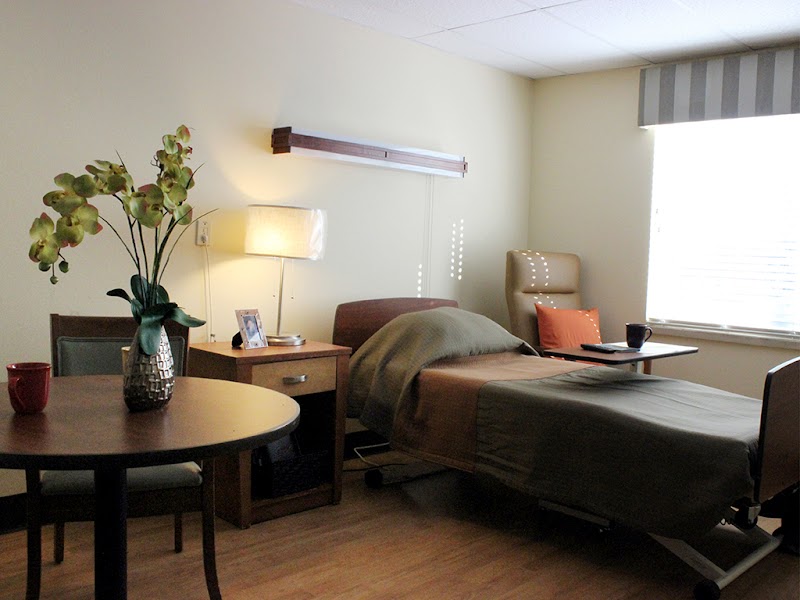
How is South River Healthcare Center Staffed?

CMS rates SOUTH RIVER HEALTHCARE CENTER's staffing level at 3 out of 5 stars, which is average compared to other nursing homes. Staff turnover is 40%, compared to the Maryland average of 46%. This relatively stable workforce can support continuity of care.

What Have Inspectors Found at South River Healthcare Center?

State health inspectors documented 42 deficiencies at SOUTH RIVER HEALTHCARE CENTER during 2018 to 2024. These included: 1 Immediate Jeopardy (the most serious level, indicating potential for serious harm or death) and 41 with potential for harm. Immediate Jeopardy findings are rare and represent the most serious regulatory concerns. They require immediate corrective action.
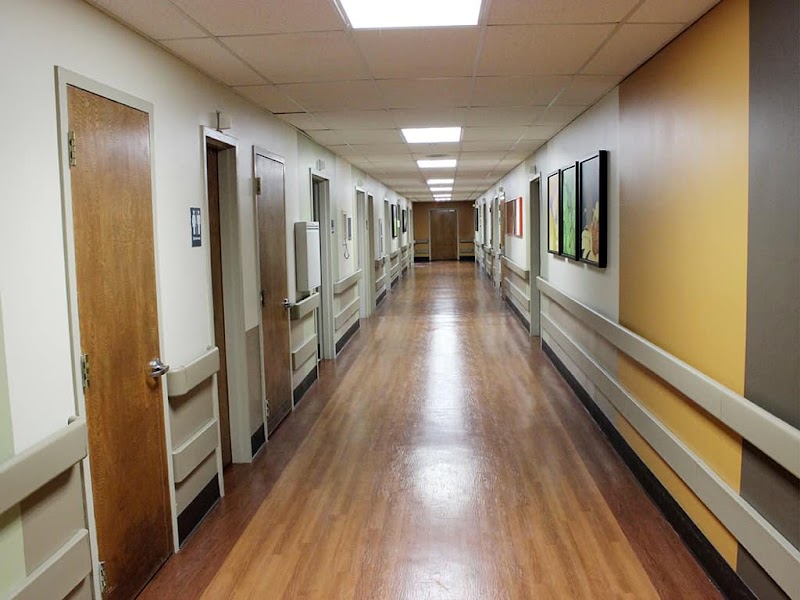
Who Owns and Operates South River Healthcare Center?

SOUTH RIVER HEALTHCARE CENTER is owned by a for-profit company. For-profit facilities operate as businesses with obligations to shareholders or private owners. The facility is operated by COMMUNICARE HEALTH, a chain that manages multiple nursing homes. With 111 certified beds and approximately 100 residents (about 90% occupancy), it is a mid-sized facility located in EDGEWATER, Maryland.
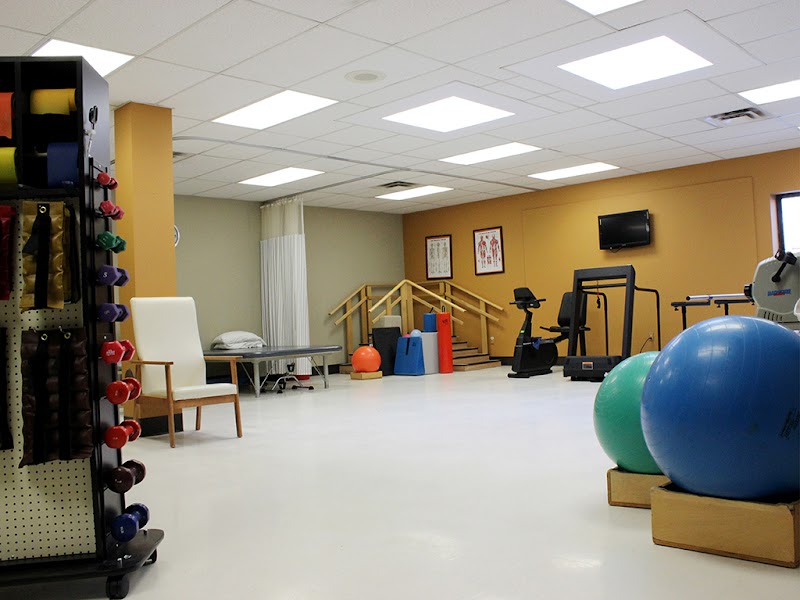
How Does South River Healthcare Center Compare to Other Maryland Nursing Homes?

Compared to the 100 nursing homes in Maryland, SOUTH RIVER HEALTHCARE CENTER's overall rating (2 stars) is below the state average of 3.0, staff turnover (40%) is near the state average of 46%, and health inspection rating (2 stars) is below the national benchmark.

What Should Families Ask When Visiting South River Healthcare Center?

Based on this facility's data, families visiting should ask: "What changes have been made since the serious inspection findings, and how are you preventing similar issues?" "What safeguards and monitoring systems are in place to protect residents from abuse or neglect?" "Can I visit during a mealtime to observe dining assistance and food quality?" "How do you handle medical emergencies, and what is your hospital transfer rate?" These questions are particularly relevant given the facility's Immediate Jeopardy citations and the substantiated abuse finding on record.

Is South River Healthcare Center Safe?

Based on CMS inspection data, SOUTH RIVER HEALTHCARE CENTER has documented safety concerns. The facility has 1 substantiated abuse finding (meaning confirmed case of resident harm by staff or other residents). Inspectors have issued 1 Immediate Jeopardy citation (the most serious violation level indicating risk of serious injury or death). The facility has a 2-star overall rating and ranks #100 of 100 nursing homes in Maryland. Families considering this facility should ask detailed questions about what corrective actions have been taken since these incidents.

Do Nurses at South River Healthcare Center Stick Around?

SOUTH RIVER HEALTHCARE CENTER has a staff turnover rate of 40%, which is about average for Maryland nursing homes (state average: 46%). Moderate turnover is common in nursing homes, but families should still ask about staff tenure and how the facility maintains care continuity when employees leave.

Was South River Healthcare Center Ever Fined?

SOUTH RIVER HEALTHCARE CENTER has no federal fines on record. CMS issues fines when nursing homes fail to meet care standards or don't correct problems found during inspections. The absence of fines suggests the facility has either maintained compliance or corrected any issues before penalties were assessed. This is a positive indicator, though families should still review recent inspection reports for the full picture.

Is South River Healthcare Center on Any Federal Watch List?

SOUTH RIVER HEALTHCARE CENTER is not on any federal watch list. The most significant is the Special Focus Facility (SFF) program, which identifies the bottom 1% of nursing homes nationally based on persistent, serious quality problems. Not being on this list means the facility has avoided the pattern of deficiencies that triggers enhanced federal oversight. This is a positive indicator, though families should still review the facility's inspection history directly.