LORIEN NURSING & REHAB CTR - ELKRIDGE
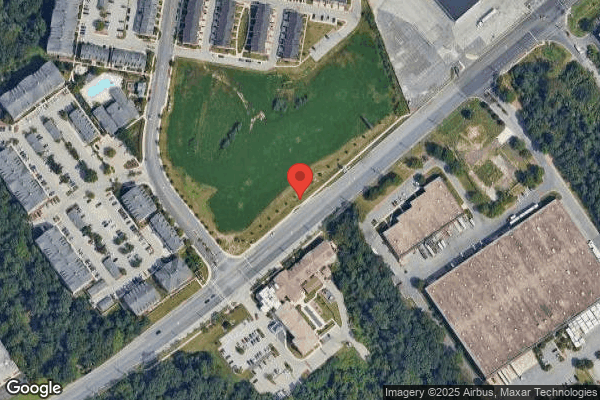

7615 WASHINGTON BOULEVARD, ELKRIDGE, MD 21075 (410) 579-2626
For profit - Corporation 70 Beds LORIEN HEALTH SERVICES Data: November 2025
Trust Grade
55/100
#75 of 219 in MD
Last Inspection: September 2024

Within standard 12-15 month inspection cycle. Federal law requires annual inspections.

Overview

Lorien Nursing & Rehab Center in Elkridge has a Trust Grade of C, which means it's average compared to other facilities, sitting in the middle of the pack. It ranks #75 out of 219 in Maryland, indicating it is in the top half of nursing homes in the state, but only #4 out of 6 in Howard County, meaning there are better local options available. The facility is improving, with significant issues dropping from 20 in 2024 to just 2 in 2025. Staffing is a concern, with a 3/5 rating and a high turnover rate of 76%, which is well above the state average, indicating potential challenges in consistency of care. Notably, there were serious incidents such as a resident falling from bed due to inadequate assistance, and a failure to properly investigate missing personal items, highlighting areas where the facility needs to improve despite having no fines on record and average RN coverage.

Trust Score
C
55/100
In Maryland
#75/219
Top 34%
Safety Record
Moderate
Needs review
Inspections
Getting Better
20 → 2 violations
Staff Stability
⚠ Watch
76% turnover. Very high, 28 points above average. Constant new faces learning your loved one's needs.
Penalties
✓ Good
No fines on record. Clean compliance history, better than most Maryland facilities.
Skilled Nurses
✓ Good
Each resident gets 50 minutes of Registered Nurse (RN) attention daily — more than average for Maryland. RNs are trained to catch health problems early.
Violations
⚠ Watch
29 deficiencies on record. Higher than average. Multiple issues found across inspections.
★★★★☆
4.0
Overall Rating
★★★☆☆
3.0
Staff Levels
★★☆☆☆
2.0
Care Quality
★★★★☆
4.0
Inspection Score
Stable
2024: 20 issues
2025: 2 issues

The Good

  • Full Sprinkler Coverage · Fire safety systems throughout facility
  • No fines on record

Facility shows strength in fire safety.

The Bad

Staff Turnover: 76%

30pts above Maryland avg (46%)

Frequent staff changes - ask about care continuity

Chain: LORIEN HEALTH SERVICES

Part of a multi-facility chain

Ask about local staffing decisions and management

Staff turnover is very high (76%)

28 points above Maryland average of 48%

The Ugly 29 deficiencies on record

1 actual harm
Apr 2025 2 deficiencies
CONCERN (D) 📢 Someone Reported This

A family member, employee, or ombudsman was alarmed enough to file a formal complaint

Potential for Harm - no one hurt, but risky conditions existed

Investigate Abuse (Tag F0610)

Could have caused harm · This affected 1 resident

Based on medical record review and interview, the facility staff failed to thoroughly investigate a complaint of missing personal items (Resident #6). This was evident for 1 out of 12 residents review...

Read full inspector narrative →
Based on medical record review and interview, the facility staff failed to thoroughly investigate a complaint of missing personal items (Resident #6). This was evident for 1 out of 12 residents reviewed during a complaint survey. Findings include: Review of resident #6's complaint (MD 00214419) on 4/25/25 at 11:52 am revealed the resident's family made an allegation that the resident's personal items (an adult puzzle and a electronic sound amplifier device) are missing. The surveyor reviewed the resident #6's medical record on 4/25/25 at 12:05pm. The review revealed the resident's records had no evidence of an inventory sheet that listed the puzzle or electronic sound amplifer device. Interview with the Director of Nursing (DON) on 4/25/25 at 1:00pm revealed a grievance/complaint that the complainant reported that a search of the resident #6's room revealed several missing personal items: a puzzle and a electronic sound amplifier device. The surveyor stated that there was no evidence that the facility investigated the complaint. The DON confirmed that the investigation was not done and agreed that the resident would be reimbursed for the missing items.
CONCERN (D) 📢 Someone Reported This

A family member, employee, or ombudsman was alarmed enough to file a formal complaint

Potential for Harm - no one hurt, but risky conditions existed

Medical Records (Tag F0842)

Could have caused harm · This affected 1 resident

Based on medical record review and interview, the facility failed to accurately document medical information in a resident's medical record (Resident #7). This was evident for 1 out of 12 residents re...

Read full inspector narrative →
Based on medical record review and interview, the facility failed to accurately document medical information in a resident's medical record (Resident #7). This was evident for 1 out of 12 residents reviewed during a compliant survey. The findings include: Review of complaint MD00214151 on 4/25/25 at 3:00pm revealed resident #7's family complained that the facility failed to provide ADL care for the resident during his/her stay causing the resident to develop a preventable wound. Review of resident #7's medical records on 4/25/25 at 3:15pm revealed the facility nursing staff failed to document ADL care on 1/15/25 (day shift), 1/20/25 (evening shift) and 1/23/25 (night shift). During an interview with the Director of Nursing (DON) on 4/25/25 at 3:40pm, the DON confirmed that facility nursing staff failed to document ADL care for resident #7 on 1/15/25, 1/20/25, and 1/23/25.
Sept 2024 20 deficiencies 1 Harm
SERIOUS (G) 📢 Someone Reported This

A family member, employee, or ombudsman was alarmed enough to file a formal complaint

Actual Harm - a resident was hurt due to facility failures

Accident Prevention (Tag F0689)

A resident was harmed · This affected 1 resident

Based on review of medical records, facility investigative file, and interviews it was determined that the facility failed to adequately assess and assist a dependent resident during Activity of Daily...

Read full inspector narrative →
Based on review of medical records, facility investigative file, and interviews it was determined that the facility failed to adequately assess and assist a dependent resident during Activity of Daily Living (ADL) care, which led to a resident's fall from bed causing actual harm to Resident #70. This was evident for 1 of 4 (#70) residents reviewed for accidents. The findings include: On 9/17/24 at 11:32 AM, the surveyor reviewed Resident #70 ' s medical record. The review revealed that Resident #70 was admitted to the facility in early 2023 from another facility. On further review, an admission note written on 3/24/23 by Resident #70 ' s Physician and the facility ' s Medical Director (MD) #3, documented Resident #70 had left-sided hemiparesis (one sided paralysis), and the Patient requires total care and is unable to participate in any medical decision making. On 9/18/24 at 7:10 AM, the surveyor reviewed Resident #70 ' s Activities of Daily Living care plan. The interventions for bed mobility were initiated on 4/10/23 for resident #70. The intervention stated, I require 1-2 staff participation in bed mobility. On 7/28/23 the care plan was revised and stated, I require 2 staff participation in bed mobility. On review of Resident 70's Minimum Data Set (MDS) assessment, completed on 6/30/23 both functional status and functional abilities were assessed for Resident #70. Bed mobility in the functional status assessment coded Resident #70 as needing extensive assist on self performance (resident involved in activity, staff providing weight-bearing support) and needing Two + person physical assist as the most support staff needed to provide cares. In the functional abilities assessment for rolling left and right in bed, Resident #70 was coded dependent (helper does all the effort. The resident does none of the effort to complete the activity. Or, the assistance of 2 or more helper is required for the resident to complete the activity). Review of a progress note written by Licensed Practical Nurse (LPN) #29 on 7/15/23 revealed that a staff Geriatric Nursing Assistant (GNA) was performing afternoon care and while attempting to roll Resident #70 onto his/her side Resident #70 ' s legs slid out of bed and Resident #70 ' s upper torso remained in bed. The note further stated that no injuries were noted and that Resident #70 was currently prescribed a blood thinner that reduces blood clots and would be monitored. Additionally, on 7/17/23 LPN #29 wrote a skin/wound note that described two skin locations. First site was the lateral (outer) side of the left breast that noted a large discolored bruise and the second site was the left upper arm just below the shoulder that noted a yellow/blue faded discoloration. The surveyor reviewed a progress note written on 7/19/23 by MD #3 that stated, Due to evidence of pain and possible fracture, ordered patient to be transferred to ER for evaluation. On further review of MD #3's progress notes a note written on 7/28/23 summarized the history of present illness for Resident #70. The summary stated that after Resident #70 fell from his/her bed and developed bruising. The resident was transferred to the emergency room for evaluation. An x-ray showed a mildly impacted humeral (upper arm bone) neck fracture with recommendations for sling and nonoperative management. It further states Cat Scan (CT) showed a left pectoral (chest) muscular hematoma (a collection of blood that pools outside the blood vessel). Resident #70 was found to be anemic (low red blood cells) and required a transfusion of 2 units of packed red blood cells. The surveyor reviewed the paper medical record for Resident #70. During the review a GNA care plan communication form dated 4/14/23 was reviewed. The form was filled out by GNA #30. The question on the form was, How much help does the resident need with ADL's? Total was written for bed mobility, transfers, toileting, dressing upper and lower body, personal hygiene and bathing. On 9/18/24 at 11:54 AM, the surveyor interviewed GNA #30. During the interview GNA #30 stated that total meant that the resident would be dependent for staff to do everything and would require a 2 person assist with ADL cares including bed mobility. GNA #30 further stated she remembered Resident #70 and stated he/she required assist of 2 staff for all ADL cares. On 9/18/24 at 12:02 PM, the surveyor interviewed LPN #7. During the interview LPN #7 stated she was involved in care planning development for Residents. She stated that she was the supervisor the day that Resident #70's bruises were noticed. She further stated that residents who are dependent on care similar to Resident #70 would be care planned for 2 person assist with ADL cares. Review of the facility ' s investigation report related to Resident #70's fall from bed while receiving ADL care revealed a statement from the Nursing Assistant in Training (NAT) #26 that stated, while she performed incontinence care Resident 70's legs slipped out of bed. She further stated Resident #70's upper body remained in bed and that she got the nurse and other staff to help the resident back to bed. Further in the investigation file training completed on 7/17/23 by NAT #26 was found. The training was titled, Safe Resident Lifting and Transfers. Safe resident lifting was described as 1. The use of proper body mechanisms; 2. enlisting the assistance of additional staff 3. the use of appropriate mechanical lifting devices to lift, transfer, and reposition resident. Adequate personal and/or assistive devices are to be used as indicated. The education described that totally dependent/extensive assistance needed residents require mechanical lift devices for transfers. It also described protocol for lifts from the floor. Lastly, repositioning was addressed. The education stated, All repositioning in bed will be performed by at least two staff. If resident requires more than two staff members, a mechanical lift should be used. On 9/18/24 at 12:19 PM the surveyor interviewed the Director of Nursing (DON). During the interview the surveyor asked the DON why Resident #70 would have assistance of 1-2 for ADL cares when he/she was dependent for care. The DON stated she was not DON at the time of the incident but perhaps it was in reference to some of the ADL care that could be done by one person such as placing a pillow. The DON confirmed that the care plan was adjusted after the fall that indicated the resident required two people to provide all ADL care.
CONCERN (D)

Potential for Harm - no one hurt, but risky conditions existed

Deficiency F0551 (Tag F0551)

Could have caused harm · This affected 1 resident

Based on record review, and interviews, it was determined that the facility failed to provide a Resident's Representative/guardian the right to be involved in the initial care planning process. This w...

Read full inspector narrative →
Based on record review, and interviews, it was determined that the facility failed to provide a Resident's Representative/guardian the right to be involved in the initial care planning process. This was found evident in 1 (Resident #162) of 5 residents reviewed for rights. The finding include: On 9/12/24 at 6:36 AM, the surveyor reviewed Resident #162's medical record. The review revealed that Resident #162 was admitted to the facility in early September of 2024 with a past medical history that includes, but is not limited to, schizophrenia, epilepsy (brain disorder that causes seizures), and edema (swelling). The surveyor reviewed Resident #162's baseline care plan. The care plan designated that the Resident was his/her own representative. At the end of the baseline care plan there is a place for a written summary and a place for a signature where the care plan could be acknowledged as reviewed with the Resident or/or the Resident's Representative or Responsible Party (RP). No summary was written and no signatures were documented in either of the two designated signature lines. The Social Work Director Staff #10 and Nurse supervisor Staff #4 both signed and dated the document on 9/6/24. On further review of Residents #162's medical record, a discharge summary was noted from the hospital stay prior to admission to the facility. A capacity and advanced care planning notation indicated that Resident #162's capacity to make own care decisions was updated on 8/30/24 at 11:07 PM. No copy of this record was in the medical record. On 9/13/24 at 9:10 AM, the surveyor conducted and interview with the Staff #10 and the Nursing Home Administrator (NHA). During the interview Staff #10 stated on admission she conducts a social service assessment and conducts a Brief Interview for Mental Status (BIMS) screen. The surveyor asked how the facility determines if the Resident can be his/her own representative. Staff #10 stated that the medical doctor completes a certification of capacity, and the staff can speak with family and, if appropriate, ask for guardianship or healthcare power of attorney papers. She further stated they can look through hospital records. The surveyor asked Staff #10 While completing the social work assessment was she aware that resident #162 had a guardian. Staff #10 stated that she had spoke Resident #10's guardian and asked the guardian to bring in the paper work. The surveyor interviewed the NHA on 9/13/24 at 9:24 AM and during the interview the NHA stated that Admissions should be aware if a resident has a guardianship filed and that nursing also should have been aware of the situation. The surveyor reviewed the concern that because the assessment of the responsible party was incorrect the facility failed to evolve Residents #162's guardian in the initial baseline care planning.
CONCERN (D) 📢 Someone Reported This

A family member, employee, or ombudsman was alarmed enough to file a formal complaint

Potential for Harm - no one hurt, but risky conditions existed

Deficiency F0558 (Tag F0558)

Could have caused harm · This affected 1 resident

**NOTE- TERMS IN BRACKETS HAVE BEEN EDITED TO PROTECT CONFIDENTIALITY** Based on record review, and interview with residents and staff, it was determined that the facility failed to answer call bells ...

Read full inspector narrative →
**NOTE- TERMS IN BRACKETS HAVE BEEN EDITED TO PROTECT CONFIDENTIALITY** Based on record review, and interview with residents and staff, it was determined that the facility failed to answer call bells timely to attend to the needs of dependent residents. This was evident for 1 (Resident #19) on the Second Floor Nursing Unit. The findings include: During an interview conducted with Resident #19 on 9/10/2024 at 8:40AM, the Surveyor was informed that over the weekend the resident used the call bell to get assistance to the bathroom and it took a long time for the staff to answer the call bell and provide assistance. The resident continued, stating that he/she has to wait and wait for long periods of time for the staff to assist him/her with his/her needs. The resident communicated that it is hard to wait when you have to go. On 9/17/2024 at 11:21AM, a review of Resident #19's electronic medical record revealed that the resident has impairment on one side and was dependent on staff for toileting and transferring needs. On 9/17/2024 at 12:14PM, the Surveyor requested call light response time log for Resident #19 for the dates 9/5/2024-9/11/2024, as well as the Call Light policy for the facility. On 9/17/2024 at 12:55PM, the Surveyor and Director of Nursing (DON) #2 reviewed the call light response log, [NAME]-CARE Report, and confirmed that on 9/8/2024 at 7:47AM the call light was on for 28 minutes and at 9:37AM the call light was on for 55 minutes and 51 seconds. Review of the Call Light Policy revealed that employees are not to walk by call lights and ignore them; call lights are not to be turned off until the need of the resident has been met and if the staff is unable to meet the resident's need, the staff would leave the light on and notify an appropriate staff member. The policy is to be signed and dated by facility staff. Review of the Routine Resident Checks policy revealed that timely observation of all residents will be provided. According to procedure 3.) Resident call bells will be answered in a timely manner, not to exceed 20 minutes. On 9/23/2024 at 11:02AM, the Surveyor conducted an interview with Second Floor Supervisor #33. The Surveyor was informed that the call light should be answered within 20 minutes and that it should not be turned off until the resident's need has been met. The Surveyor and Second Floor Supervisor #33 reviewed Resident #19's [NAME]-Care Report which showed on 9/8/2024 at 7:47AM the call light was on for 28 minutes and at 9:37AM the call light was on for 55 minutes and 51 seconds. The Surveyor stated that the resident complained that he/she had to wait for a long period of time before he/she could go to the bathroom. Second Floor Supervisor #33 was unable to explain why the resident waited so long for assistance and stated she would look into the situation. On 9/23/2024 at 11:36AM, Second Floor Supervisor #33 informed the Surveyor that she was unable to determine the reason the call light was unanswered for so long and that the expectation is for staff to answer call lights timely, within 20 minutes, and to turn the call light off once the residents need has been met. Second Floor Supervisor #33 provided the Surveyor with a copy of an educational Inservice regarding Call light Expectations which was reviewed and signed by facility staff.
CONCERN (D)

Potential for Harm - no one hurt, but risky conditions existed

Deficiency F0578 (Tag F0578)

Could have caused harm · This affected 1 resident

Based on record review, and interview, it was determined that the facility failed to offer to help formulate or obtain a Resident ' s Advanced Directive. This was found to be evident in 2 (Resident #5...

Read full inspector narrative →
Based on record review, and interview, it was determined that the facility failed to offer to help formulate or obtain a Resident ' s Advanced Directive. This was found to be evident in 2 (Resident #54, & #162) of 16 Residents reviewed for Advanced Directives during an annual survey. The finding include: Advance directives are legal documents that provide instructions for medical care and only go into effect if you cannot communicate your own wishes. The two most common advance directives for health care are the living will and the durable power of attorney for health care. 1a) On 9/11/14 at 12:25 PM, the surveyor reviewed Resident #54 ' s medical record. The review revealed that Resident #54 was admitted to the facility in late August of 2024. On further review the surveyor noted that a social worker assessment was completed on 8/22/24. In the section labeled Advanced Directives no box was checked to indicate if the Resident had an advanced directive or if the Resident did not if he/she would like to formulate one. On 9/13/24 at 9:10 AM, the surveyor interviewed the Social Director Staff #10. During the interview Staff #10 stated that once a Resident is admitted to the facility she completes a social service assessment. She further stated in that assessment she asks the Resident if they have advanced directive and if so to bring in the document. If they don ' t have one I ask if they would like to formulate one. The surveyor reviewed Resident #54 ' s advanced directive documentation. The social worker agreed there was no indication if Resident #54 had advanced directives and that the Resident was not offered to formulate one if he/she did not have one. 1b) On 9/12/24 at 6:36 AM, the surveyor reviewed Resident # 162 ' s medical record. The review revealed that Resident #162 was admitted to the facility in early September of 2024. On further review the surveyor noted that a social worker assessment was completed on 9/6/24. In the section labeled Advanced Directives no box was checked to indicate if the Resident had an advanced directive or if the Resident did not would he/she like to formulate one. On 9/13/24 at 9:10 AM, the surveyor interviewed the Social Director Staff #10. During the interview Staff #10 stated that once a Resident is admitted to the facility she completes a social service assessment. She further stated in that assessment she asks the Resident if they have advanced directive and if so to bring in the document. If they don ' t have one I ask if they would like to formulate one. The surveyor reviewed Resident #162's advanced directive documentation with Staff #10. The social worker agreed there was no indication if Resident #162 had advanced directives.
CONCERN (D) 📢 Someone Reported This

A family member, employee, or ombudsman was alarmed enough to file a formal complaint

Potential for Harm - no one hurt, but risky conditions existed

Notification of Changes (Tag F0580)

Could have caused harm · This affected 1 resident

**NOTE- TERMS IN BRACKETS HAVE BEEN EDITED TO PROTECT CONFIDENTIALITY** Based on record review, and interview, it was determined that the facility failed to inform the Resident ' s Responsible Party (...

Read full inspector narrative →
**NOTE- TERMS IN BRACKETS HAVE BEEN EDITED TO PROTECT CONFIDENTIALITY** Based on record review, and interview, it was determined that the facility failed to inform the Resident ' s Responsible Party (RP) of the need to alter treatment. This was found evident of 1 (Resident #70) of 3 residents reviewed for notifications. The findings include: On [DATE] at 11:32 AM, the surveyor reviewed Resident #70's medical record. The review revealed that Resident #70 was admitted to the facility in early 2023 from another facility. On further review, an admission note written on [DATE] by Resident #70's Physician and the facility's Medical Director (MD) #3, wrote Resident #70 had a history of ischemic CerebroVascular Accident (CVA), (condition where blood flow to the brain is blocked) with left-sided hemiparesis (one sided paralysis), and wrote Patient requires total care and is unable to participate in any medical decision making. Resident #70's Responsible Party was identified in the profile page as Resident's granddaughter. The surveyor reviewed a progress note written on [DATE] by Licensed Practical Nurse (LPN) #28. The note was written at 5:52 PM. The note stated that around 10:00 AM, Resident #70 was noted to have a lot of perspiration (sweating) and an assessment was done. Resident #70 was noted to have a distended (swollen or bloated) abdomen along with hypoactive bowel sound (indicating slower digestion). The note further stated that the physician Staff #3 was notified at 10:30 AM and an abdominal x-ray was ordered. The note stated the Residents RP was notified at 3:30 PM and that the call was delayed due to pending abdominal x-ray results. Next the surveyor reviewed the discharge summary written by Staff #3. The note described that in the morning the nurse was concerned because Resident #70 became diaphoretic (sweating). Staff #3 stated the nurse reported the abdomen was mildly distended. An x-ray was ordered, and tube feeding placed on hold. Staff #3 wrote Resident #70 had coffee-ground emesis later that afternoon and according to staff had chest congestion that required suctioning. Following these events Resident #70 was pronounced at 3:10 PM. On [DATE] at 7:02 AM, the surveyor interviewed the Director of Nursing (DON). The DON stated that if a physician is contacted and there is a change in the plan of care the RP should be notified of those changes. She further stated that the nurse will update the physician and then call the RP to update them on the plan of care changes. She further stated the timing of notification depends on the situation. The DON agreed that LPN #28 documented there was a delay in notification. The family was not notified of the morning events until after Resident #70 was deceased .
CONCERN (D) 📢 Someone Reported This

A family member, employee, or ombudsman was alarmed enough to file a formal complaint

Potential for Harm - no one hurt, but risky conditions existed

Investigate Abuse (Tag F0610)

Could have caused harm · This affected 1 resident

Based on review of Facility Reported Incidents (FRIs) and interviews with staff, it was determined that the facility failed to maintain documentation that a FRI was thoroughly investigated. This was e...

Read full inspector narrative →
Based on review of Facility Reported Incidents (FRIs) and interviews with staff, it was determined that the facility failed to maintain documentation that a FRI was thoroughly investigated. This was evident for 1 (Resident #12) out of 13 residents investigated for FRIs during the annual survey. The findings include: On 9/10/2024 at 1:35PM, during an interview conducted with Resident #12, the Surveyor was informed that the resident reported a missing credit card months ago. On 9/16/2024 at 1:30PM, the Surveyor reviewed the resident's Personal Property Policy, section Our Responsibilities #1.) We must investigate any damage to or loss of the resident's personal property. On 9/16/2024 at 1:45PM, the Surveyor reviewed the facility's investigative file for Resident #12. Inside the file was a 39-555F Initial Report Form submitted to the Office of Health Care Quality on 2/09/2024 at 1:50PM and a 39-556F Follow-up Investigation Report Form submitted to the Office of Health Care Quality 2/13/2024 at 11:00PM. The Surveyor asked the Director of Nursing (DON) #2 if that file contained the complete investigation into the FRI for Resident #12. DON #2 informed the Surveyor that she would look into it. Further review of Resident #12's investigative file revealed no documentation of interviews with facility staff, interviews with other residents, or evidence provided by the bank regarding fraudulent use of the resident's credit card. On 9/18/2024 at 1:45PM, DON #2 confirmed the file provided to the Surveyor was the only investigative file for the FRI concerning Resident #12. No other documentation was provided.
CONCERN (D)

Potential for Harm - no one hurt, but risky conditions existed

Deficiency F0637 (Tag F0637)

Could have caused harm · This affected 1 resident

**NOTE- TERMS IN BRACKETS HAVE BEEN EDITED TO PROTECT CONFIDENTIALITY** Based on medical record review, and interview with and staff, it was determined that the facility failed to accurately assess an...

Read full inspector narrative →
**NOTE- TERMS IN BRACKETS HAVE BEEN EDITED TO PROTECT CONFIDENTIALITY** Based on medical record review, and interview with and staff, it was determined that the facility failed to accurately assess and complete a Significant Change in Status Minimum Data Set (MDS) assessment within 14 days of the resident's enrollment into a hospice program. This was evident for 1 (Resident #50) out of 1 resident investigated for hospice during the annual survey. The findings include: The MDS (Minimum Data Set) is a standardized, comprehensive assessment of a resident's functional, medical, psychosocial, and cognitive status to develop a plan of care based on the resident's individualized needs. A Significant Change in Status MDS is required when a resident enrolls in a hospice program. Hospice is specialized care that provides physical comfort and emotional, social, and spiritual support for people with an anticipated life expectancy of 6 months or less. The hospice team includes doctors, nurses, social workers, and health aides who provide care that focuses on symptom management and quality of life. On 9/12/1024 at 12:30PM, during a review of Resident #50's paper medical record, the Surveyor discovered that the resident was admitted to a hospice program on 6/7/2024. Further review of the resident's electronic medical record revealed a physician order to admit to hospice on 6/7/2024. On 9/12/2024 at 1:00PM, the Surveyor reviewed the Significant Change in Status MDS with the assessment reference date of 6/17/2024, initiated by MDS Coordinator #5. The enrollment into a hospice program was not addressed in the assessment. On 9/12/2024 at 1:55PM, during an interview conducted with MDS Coordinator #5, the Surveyor was informed that a Significant Change in Status MDS is required when a resident is enrolled in a hospice program and should be completed within 14 days after the determination has been made. MDS Coordinator #5 confirmed that Resident #50 was enrolled into a hospice program on 6/7/2024 and a Significant Change in Status MDS should have been triggered. The Surveyor and MDS Coordinator #5 reviewed the Significant Change in Status MDS dated [DATE] and confirmed that hospice was not coded in the assessment.
CONCERN (D)

Potential for Harm - no one hurt, but risky conditions existed

Assessment Accuracy (Tag F0641)

Could have caused harm · This affected 1 resident

**NOTE- TERMS IN BRACKETS HAVE BEEN EDITED TO PROTECT CONFIDENTIALITY** Based on observation, medical record review, and staff interview, it was determined that the facility staff failed to code the r...

Read full inspector narrative →
**NOTE- TERMS IN BRACKETS HAVE BEEN EDITED TO PROTECT CONFIDENTIALITY** Based on observation, medical record review, and staff interview, it was determined that the facility staff failed to code the resident's status accurately on the Minimum Data Set (MDS) assessment. This was found to be evident for 2 (#7, #41) out of 42 residents reviewed during the annual survey. The findings include: The MDS is a federally mandated assessment tool that helps nursing home staff members gather information on each resident's strengths and needs. Information collected drives resident care planning decisions. MDS assessments need to be accurate to ensure each resident receives the care they need. 1a) During a MDS record review on 9/12/2024 at 08:34 AM, the surveyor noted that Resident #7's current Annual MDS dated [DATE], Section L0200 B. No natural teeth or tooth fragment(s) (edentulous) was answered No. However, Resident #7 was observed to be edentulous during screening. During an interview on 9/12/24 at 09:56 AM, the MDS Coordinator was asked if Resident # 7's coding was correct for Section L0200 B. He replied, it's wrong, it should be coded as edentulous. He further stated, It's an error, I will fix it. On 9/12/24 at 11:54 AM, the MDS Coordinator notified the surveyor that the MDS had been corrected. The surveyor verified that a significant correction was submitted on 9/12/24 and Resident #7's coding for Section L0200 B was now answered Yes for No natural teeth or tooth fragment(s) (edentulous). The Director of Nursing was interviewed on 9/23/24 at 07:06 AM. She stated she was aware of the MDS findings during the survey. 1b) On 9/12/24 at 10:16 AM, the surveyor reviewed Resident #41 ' s medical record. The review revealed that Resident #41 was readmitted to the facility in of late August of 2024 after a hospital stay and had a past medical history, including but not limited to, sepsis (body ' s overreaction to an infection) due to Methicillin Resistant Staphylococcus Aureus (MRSA), urinary tract infections, and obstructive uropathy (obstruction of urinary tract). The surveyor next reviewed the admission assessment dated [DATE] for Resident #41. In the Urinary Management section the question Foley Present was checked yes. It further described the reason as obstructive uropathy. The surveyor noted that Resident #41 has a care plan for alteration in bladder elimination as evidenced by the presence of an indwelling foley catheter. This care plan was created on 6/7/24 and revised on 8/22/24. On 9/12/24 at 10:05 AM, the surveyor reviewed Resident #41 ' s orders. No order were present for Resident #41 ' s foley catheter. On further review the Minimum Data Set (MDS) assessment dated [DATE], section H (Bladder and Bowel), had no documentation for indwelling foley catheter. Resident #41 was coded to always have urinary incontinence. On 9/12/24 at 1:03 PM, the survey interviewed the MDS Coordinator #5. During the interview the surveyor asked Staff #5 what is reviewed before coding the MDS assessment. Staff #5 stated he often looks at physician orders and the nursing assessments but also can also make visual assessments as well. After reviewing Resident #41s Bladder and Bowel assessment, Staff #5 confirmed he missed that Resident #41 had a foley on admission and may have just reviewed the orders when coding section H. He further stated he would correct the assessment.
CONCERN (D)

Potential for Harm - no one hurt, but risky conditions existed

Deficiency F0655 (Tag F0655)

Could have caused harm · This affected 1 resident

Based on record review, and interviews, it was determined that the facility failed to include and review all initial healthcare information and goals in the baseline care plan. This was found evident ...

Read full inspector narrative →
Based on record review, and interviews, it was determined that the facility failed to include and review all initial healthcare information and goals in the baseline care plan. This was found evident of 1 (resident #49) of 3 residents reviewed for care planning. The finding include: On 9/10/24 at 8:24 AM, the surveyor conducted and interview with Resident #49. During the interview Resident #41 reported that he/she had not had a care plan meeting yet. On 9/12/21 at 7:01 AM, the surveyor reviewed Resident #49 ' s medical record. The record revealed that in early July of 2024 Resident #41 was admitted to the facility with a past medical history that included but not limited to, disorientation, protein-calorie malnutrition and diabetes. On further review the surveyor reviewed Resident #49 ' s admission assessment completed on 7/9/24. The assessment indicated that Resident #49 was alert and oriented to his/herself and not to place or time. The surveyor reviewed the baseline care plan completed by Social Worker Assistant Staff #36 on 7/10/24 and the Nurse Supervisor Staff #4 on 7/11/24. The physician order section of the baseline care plan stated, see current Medication Administration Record (MAR) and Treatment Administration Record (TAR) orders. The next line stated see current therapy orders followed by see dietary orders. No explanation to what the orders were or how to see them. Review of the dietary section had no documentation of the current diet the resident would be receiving or dietary goals, interventions, preferences, or risks. In the therapy section functional goals were left blank as well as therapy services that would be offered. In the plan of care section a note was written that stated the Interdisciplinary team met with resident to introduce themselves and explain each of their roles in the resident ' s care. The next section of the care plan had a place for the resident or the representative to sign and date. This section was blank as well. On 9/13/24 at 9:10 AM, the surveyor conducted an interview with Social Work Director #10 and Nursing Home Administrator (NHA). During the interview Staff#10 stated she was responsible for a section of the baseline care plan and the other disciplines were responsible for filling out their section. The surveyor reviewed the concerns that several disciplines did not write out the initial goals or the cares to be furnished while in the facility in the baseline care plan. The surveyor also reviewed the concern that there was no way to know if Resident #49 was advised of all the plans and services that would be rendered or the goals set.
CONCERN (D)

Potential for Harm - no one hurt, but risky conditions existed

Deficiency F0657 (Tag F0657)

Could have caused harm · This affected 1 resident

Based on record review, and interview with staff, it was determined that the facility failed to facilitate timely care plan meetings after a resident's quarterly assessment to allow the resident and r...

Read full inspector narrative →
Based on record review, and interview with staff, it was determined that the facility failed to facilitate timely care plan meetings after a resident's quarterly assessment to allow the resident and resident representative to participate in the care planning process. This was evident for 1 (Resident #38) of 3 residents investigated for care planning during the annual survey. The findings include: Interdisciplinary team (IDT) is a team of medical professionals that provide specific patient centered care to the residents within a facility. The MDS (Minimum Data Set) is a standardized, comprehensive assessment of a resident's functional, medical, psychosocial, and cognitive status to develop a plan of care based on the resident's individualized needs. A care plan is used to summarize a person's health conditions, specific care needs, and current treatments and outlines what needs to be done to plan, assess, and manage care. Care plans are developed, reviewed, and/or revised by the IDT after the completion of a comprehensive MDS assessment (Admission, Annual, Quarterly, Significant Change) to help to evaluate the effectiveness of the resident's care while in the facility. On 9/16/2024 at 9:06 AM a review of Resident # 38's electronic medical record revealed care plan meetings were held on 4/20/2023, 12/15/2023, 7/16/2024, and 8/27/2024. Additional review revealed a Quarterly MDS assessment on 7/18/2023, an Annual MDS assessment on 8/12/2023, a Quarterly MDS assessment on 9/15/2023, 3/14/2024, and 6/14/2024. There was no documentation of care plan meetings following those MDS assessments. On 9/16/2024 at 12:05PM, the Surveyor conducted an interview with Social Services Director #10. During the interview, the Surveyor was informed that care plan meetings are held every 90 days (quarterly), usually after a MDS assessment, or as requested by the family or resident representative. On 9/18/2024 at 8:02AM, Social Services Director #10 and the Surveyor reviewed Resident #38's care plan meetings from 4/20/2023 through 8/27/2024. Social Services Director confirmed that Resident #38 should have had quarterly care plan meetings. The Surveyor requested documentation of timely care plan meetings for Resident #38. Social Services Director #10 said she would look for that documentation. She stated that soon after she started her employment at the facility, on 3/25/2024, she completed an audit of care plan meetings. The audit identified multiple residents who were missing care plan meetings, and she made sure to get them all caught up. As of 9/18/2024 at 2:18PM, no documentation of timely care plan meetings for Resident #38 had been provided.
CONCERN (D)

Potential for Harm - no one hurt, but risky conditions existed

Deficiency F0679 (Tag F0679)

Could have caused harm · This affected 1 resident

Based on observation, record review, and interview with resident and staff, it was determined that the facility failed to evaluate and provide documentation that activities occurred that meet the need...

Read full inspector narrative →
Based on observation, record review, and interview with resident and staff, it was determined that the facility failed to evaluate and provide documentation that activities occurred that meet the needs of each resident. This was evident for 2 (Resident #38 & #54) of 2 residents investigated for activities during the annual survey. The findings include: 1a) During a tour of the second-floor nursing unit on 9/10/2024 at 8:26AM, the Surveyor observed Resident #38 in bed, with the head of the bed raised, watching TV. In the resident's room, Surveyor noted a June activity calendar posted on the far-right wall and a July activity calendar posted on the wall across from the front of the bed. There was no daily activity sheet observed. The Surveyor asked the resident about daily activities the facility provided for the residents. Resident #38 was unable to tell the Surveyor about the activities at the facility. The MDS (Minimum Data Set) is a standardized, comprehensive assessment of a resident's functional, medical, psychosocial, and cognitive status to develop a plan of care based on the resident's individualized needs. On 9/12/2024 at 1:45PM, a review of Resident #38's electronic medical record revealed an Annual MDS assessment on 8/12/2024 which stated that the resident was dependent on staff for activities of daily living care, transfers with a Hoyer lift, and wheeling a manual wheelchair. The resident indicated that it was very important to choose what clothes to wear, to have snacks between meals, to listen to music, and important to keep up with the news, do favorite activities, and do things with a group of people. A care plan is used to summarize a person's health conditions, specific care needs, and current treatments. It outlines what needs to be done to plan, assess, and manage care needs. This helps to evaluate the effectiveness of the resident's care. During further review of Resident #38's electronic medical record, the Surveyor discovered a current activity care plan with a focus: I am dependent on staff for activities, socialization, cognitive stimulation related to impaired mobility and physical limitations; a goal: I will participate in preferred group activities as tolerated and desired; and staff interventions: Post the Activities calendar in my room each month, I need assistance with escorting me to/from activities, and Invite me to activities based on my known interests and activities I may enjoy. I enjoy playing Bingo, Church services, socials that feature food, and being around my peers. I also enjoy my weekly facetime calls with my daughter who lives out of town. Additional review failed to reveal documentation of Resident #38's participation in activities at the facility. On 9/17/2024 at 7:34AM, the Surveyor reviewed a care plan update note written by Activities Director #37. The note indicated that the recreation staff would continue to provide one to one sensory programs PRN (as needed), and the staff will continue to provide sensory stimulation to enhance responses to external stimuli and maintain quality of life. On 9/17/2024 at 8:31AM, during an interview conducted with Activity Director #37, the Surveyor was informed that Resident #38 likes to participate in bingo, trivia, family visits, watching TV in his/her room, and watching TV in the day/dining room on the second floor. Activity staff also provides the resident with 1 on 1 visits where they sit and talk with the resident or complete an activity of choice. If the resident does not want to come out of the room or sometimes the staff is unable to get the resident to the activity room, channel 2 on the TV plays soft jazz music with a moving screen and movies. The activity staff document the residents' participation in daily activities in Point of Care (POC). On 9/17/2024 at 8:41AM, Activity Director #37 reviewed the POC with the Surveyor and confirmed that there was no documentation, from the activity staff, of Resident #38's daily activity participation for the month of July 2024, August 2024, and up to the current date in September 2024. Activity Director #37 informed the Surveyor that her team was short staffed at this time and she has not been able to review and/or complete the resident's POC documentation. The Surveyor requested a copy of any documentation that could show Resident #38's participation in activities for July 2024, August 2024, and September 2024. On 9/17/2024 at 9:50AM, a review of Resident #38's POC documentation provided, failed to reveal that the resident was offered daily activities, participated in daily activities, or refused daily activities for any reason. The Surveyor expressed the concerns with Activity Director #37 and the Director of Nursing (DON) #2. 1b) On 9/10/24 at 8:43 AM, the surveyor conducted and interview with Resident #54. During the interview Resident #54 stated that the facility has not offered activities but he/she would be interested in doing something. Resident #54 further stated that the only thing he/she has had offered was rehabilitation services. On 9/11/14 at 12:25 PM, the surveyor reviewed Resident #54 ' s medical record. The review revealed that Resident #54 was admitted to the facility in late August of 2024. On further review the surveyor reviewed the Minimum Data Set (MDS) assessment regarding preferences that was completed on 8/23/24. Resident #54 indicated that it was somewhat important to have reading materials, music, be around animals, keep up with the news, be with groups, do favorite activities, getting fresh air, and practicing in religious activities. The surveyor was unable to find any documentation that activities were offered or provided to the resident in the medical record. On 9/17/24 at 9:08 AM, the surveyor interviewed the Director of Activities Staff #37. During the interview Staff #37 stated that when a Resident is admitted she completes the MDS preferences section and also completes a Home and Lifestyle Assessment. She further stated that she provides a calendar of activities and offers puzzles and magazines as well as informs them of the movie channel. Staff #37 stated that the Residents are visited everyday. The surveyor asked if any of these interventions were documented. Staff #10 stated that at the care plan meeting she would write a progress note and that she and her staff can document interventions in the TASK section in Point Click Care (the electronic medical record). The surveyor requested the TASK documentation and the Home and Lifestyle Assessment that were competed for Resident #54. On 9/17/24 at 9:20 AM, the surveyor conducted a follow-up interview with Staff #37. The surveyor reviewed the documentation of activities for September of 2024 for Resident #54. On 9/15/24 it was documented Resident #54 was offered a beverage and that nail care was provided. No other interventions were documented for any other day in September. The surveyor asked about August ' s log. Staff #37 stated there was no documentation for that month for Resident #54 and that activities were limited due to a COVID-19 outbreak that month. The surveyor asked about the History and Lifestyle assessment for Resident #54. Staff #10 stated that no assessment was completed for Resident #54. The surveyor reviewed the concern that Resident #54 ' s history and lifestyle preferences were not assessed and there was minimal documentation to show that any of his/her preferences for activities were provided.
CONCERN (D)

Potential for Harm - no one hurt, but risky conditions existed

Quality of Care (Tag F0684)

Could have caused harm · This affected 1 resident

**NOTE- TERMS IN BRACKETS HAVE BEEN EDITED TO PROTECT CONFIDENTIALITY** Basedonrecordreview andinterview itwasdeterminedthatthefacilityfailedtohavephysicianorderswrittentoassurepropercareandtreatments...

Read full inspector narrative →
**NOTE- TERMS IN BRACKETS HAVE BEEN EDITED TO PROTECT CONFIDENTIALITY** Basedonrecordreview andinterview itwasdeterminedthatthefacilityfailedtohavephysicianorderswrittentoassurepropercareandtreatmentswereinplaceforfoleycare Thiswasfoundevidentin1 (Resident#41) of3 residentsreviewedforurinarycatheterandUrinaryTractInfection(UTI duringthesurvey Thefindinginclude On9/12/24 at10:16 AM thesurveyorreviewedResident#41' s medical record. The review revealed that Resident #41 was readmitted to the facility in of late August of 2024 after a hospital stay and had a past medical history, including but not limited to, sepsis (body's overreaction to an infection) due to Methicillin Resistant Staphylococcus Aureus (MRSA), urinary tract infections, and obstructive uropathy (obstruction of urinary tract). The surveyor next reviewed the admission assessment dated [DATE] for Resident #41. In the Urinary Management section the question is a foley (a tube that helps drain urine from the bladder) present is checked yes. It further describes the reason as obstructive uropathy. The surveyor noted that Resident #41 had a care plan for alteration in bladder elimination as evidenced by the presence of an indwelling foley catheter. This care plan was created on 6/7/24 and revised on 8/22/24. On 9/12/24 at 10:05 AM, the surveyor reviewed Resident #41's physician orders. No orders were written for Resident #41 to have a foley and no orders for foley cares or treatments. Next the surveyor reviewed the September 2024 Treatment Administration Record (TAR). No foley cares were documented for September 2024. On 9/12/24 at 11:32 AM, the surveyor conducted an interview with the Director of Nursing (DON). During the interview the DON confirmed that there were no orders for Resident #41's foley. When asked if cares were documents for the foley, the DON stated care for the foley would be in the TAR but because there was no order the task never got assigned to the TAR. She further stated that Resident #41 should have had orders for the foley on admission.
CONCERN (D)

Potential for Harm - no one hurt, but risky conditions existed

Pressure Ulcer Prevention (Tag F0686)

Could have caused harm · This affected 1 resident

Based on observation, record review, and interviews, it was determined that the facility failed to ensure that a resident received services to promote healing of a pressure ulcer. This was found evide...

Read full inspector narrative →
Based on observation, record review, and interviews, it was determined that the facility failed to ensure that a resident received services to promote healing of a pressure ulcer. This was found evident in 1 (Resident #49) out of 5 residents reviewed for pressure ulcers. The finding include: On 9/10/24 at 8:29 AM, the surveyor observed Resident #49 in bed with his/her feet on the mattress without any protective boots on and the surveyor noted green protective boots placed on a wheelchair that was located next to Resident #49's bed. On 9/12/24 at 8:25 AM, again the surveyor observed Resident #49 in bed without protective boots on and noted the green boots were up on the top of Resident #49's closet. On 9/13/24 at 9:59 AM, the surveyor observed Resident #49 in bed with his/her heels on the bed and no protective boots on. On 9/13/24 at 10:22 AM, the surveyor interviewed Licensed Practical Nurse (LPN) #9. During the interview the surveyor asked LPN #9 if Resident #49 was supposed to have protective boots on while in bed. LPN # 9 confirmed that Resident #49 should have boots on while in bed and that Resident #49 currently has wounds on his/her feet. She then opened Resident #49's closet door, grabbed the boots, and applied them to Resident #49's feet. On 09/13/24 11:54 AM , the surveyor reviewed orders for Resident #49. An order was placed on 7/9/24 that stated, elevate/float heels while in bed every shift. An order was written on 8/23/24 that stated, off loading boots: apply when in bed for pressure relief every shift for pressure wounds. On 9/13/24 at 12:20 PM, the surveyor reviewed Resident 49's care plan. A care plan was initiated on 7/9/24 that stated Resident #49 is at risk for pressure ulcers. The care plan was revised on 8/26/24 to include stage 2 pressure ulcer on Resident #49's heels. The surveyor reviewed Resident #49's Treatment Administration Record (TAR) for September of 2024. No where on the TAR was the ability to document pressure relief intervention for Resident #49. On 9/13/24 at 12:24 PM, the surveyor reviewed the concern that pressure ulcer interventions were not being completed with the Director of Nursing (DON). The DON confirmed that the boots should have been applied as ordered and if the Resident refused it should have been documented.
CONCERN (D)

Potential for Harm - no one hurt, but risky conditions existed

Incontinence Care (Tag F0690)

Could have caused harm · This affected 1 resident

**NOTE- TERMS IN BRACKETS HAVE BEEN EDITED TO PROTECT CONFIDENTIALITY** Based on record review, and interview, it was determined that the facility failed to provide treatment for constipation and main...

Read full inspector narrative →
**NOTE- TERMS IN BRACKETS HAVE BEEN EDITED TO PROTECT CONFIDENTIALITY** Based on record review, and interview, it was determined that the facility failed to provide treatment for constipation and maintaining bowel continence. This was found evident of 1 (Resident #41) of 3 residents reviewed for bladder and bowel during the survey. The finding include: On 9/10/24 at 1:30 PM, the surveyor conducted an interview with Resident #41. During the interview the resident stated that he/she had been having some troubles with bowel regularity while at the facility. On 9/12/24 at 10:16 AM, the surveyor reviewed Resident #41's medical record. The review revealed that Resident #41 was readmitted to the facility in late August of 2024 after a hospital stay. The surveyor reviewed the admission assessment dated [DATE] for Resident #41. In the Bowel Management section, the question that asks for use of laxative to move bowels was checked, yes. The surveyor reviewed the TASK Bowel Movement (BM) documentation for Resident #41. No BMs were recorded on 9/1/24, 8/7/24, 9/8/24, 9/10/24, and 9/11/24 and 9/12/24. The surveyor reviewed Resident #41's Medication Administration Record (MAR) for September 2024. The review revealed that MiraLax (a medication prescribed to treat constipation) was ordered on 8/22/24 with the instructions; Give 17 gram by mouth every 24 hours as needed for CONSTIPATION MIX WITH 4 TO 8OZ OF FLUID- BOWEL PROTOCOL. None as needed MiraLax was given as of 9/12/24 at 11:47 AM. The surveyor reviewed the facility's bowel protocol. The protocol stated; Facility's standing order protocol is no BM in >24hrs: to perform abdominal assessment every shift prior to initiated next steps and notify the provider of any abnormal findings. Step 1: (No BM is 24hrs) :Prune Juice every 24 hours as needed for bowel protocol 1. If no BM in 3 shifts give 4 oz of prune Juice on the 4th shift. Step 2: Give Miralax 17gm by mouth every 24 hours as needed for bowel protocol step 2. If if no results from prune juice each shift. On 9/16/24 at 7:44 AM, the surveyor interviewed the Director of Nursing (DON). During the interview the surveyor relayed the concern that the bowel protocol was not being followed for Resident #41 and he/she continued to have consecutive days without a bowel movement documented and Miralax was not administered per protocol.
CONCERN (D) 📢 Someone Reported This

A family member, employee, or ombudsman was alarmed enough to file a formal complaint

Potential for Harm - no one hurt, but risky conditions existed

Deficiency F0726 (Tag F0726)

Could have caused harm · This affected 1 resident

Based on record review, and interviews, it was determined that the facility failed to provide education for application of a device after the knowledge deficit was identified. This was evident in 1 (R...

Read full inspector narrative →
Based on record review, and interviews, it was determined that the facility failed to provide education for application of a device after the knowledge deficit was identified. This was evident in 1 (Resident #70) of 1 resident reviewed for devices. The findings include: On 9/17/24 at 11:32 AM, the surveyor reviewed Resident #70's medical record. The review revealed that Resident #70 was admitted to the facility in early 2023 from another facility. On further review of MD #3's progress notes a note written on 7/28/23 summarizes the history of present illness for Resident #70. The summary stated that after Resident #70's fell from his/her bed and developed bruising, the resident was transferred to the emergency room for evaluation. An x-ray showed a mildly impacted humeral (upper arm bone) neck (top part of the bone) fracture with recommendations for sling and nonoperative management. It further stated a CAT Scan (CT) showed a left pectoral (chest) muscular hematoma (a collection of blood that pools outside the blood vessel). Resident #70 was found to be anemic (low red blood cells) and required a transfusion of 2 units of packed red blood cells. The surveyor reviewed the Occupational Therapy Note written on 7/27/23 that stated Resident #70 left the upper extremity sling adjusted as it appeared to be in the incorrect position. The surveyor reviewed a progress note written on 7/28/23 by Resident #70's physician and Medical Director Staff #3. The note stated that Resident #70 remains in a sling with non operative management of the left humeral fracture. It further stated that the family would like assurance that staff will be able to manage the sling. Staff #3 reports relaying concern to the Director of Nursing (DON) and the DON will speak with the rehab manager about developing an in-service. On 9/19/24 at 9:55 AM, the surveyor interviewed the DON. During the interview the DON stated she could recall that training was completed and would talk with the rehab department to find out more. On 9/19/24 at 10:12 AM, the surveyor interviewed Occupational Therapist (OT) #34. Staff #34 stated that she remembered conducting an in-service on the standard sling and educated staff on where the forearm should be placed. Staff #34 could not remember how many people were trained or who was there. She stated because Resident #70 was not on the OT's caseload; there was no note or documentation that the in-service took place in the medical record. She further stated that typically in-services training has a sign in sheet to document who attended but was unsure if a sign in sheet was utilized. On 9/23/24 at 7:05 AM, the surveyor conducted a follow-up interview with the DON. The DON stated she could not find any documentation that an in-service was completed but would follow-up with the Director of Rehabilitation. At the time of exit no documentation was provided that indicated the in-service was completed.
CONCERN (D)

Potential for Harm - no one hurt, but risky conditions existed

Deficiency F0728 (Tag F0728)

Could have caused harm · This affected 1 resident

**NOTE- TERMS IN BRACKETS HAVE BEEN EDITED TO PROTECT CONFIDENTIALITY** Based on interview and review of pertinent facility documentation it was determined that the facility staff failed to obtain app...

Read full inspector narrative →
**NOTE- TERMS IN BRACKETS HAVE BEEN EDITED TO PROTECT CONFIDENTIALITY** Based on interview and review of pertinent facility documentation it was determined that the facility staff failed to obtain appropriate certification for a Nurse Aide in Training (NAIT) in the required time frame. This was determined to be evident for 3 (#24, #25, and #26) of 6 NAIT's reviewed for certification. The findings include: 1a & b) On [DATE] at 11:11 AM, the surveyor conducted a review of 5 random NAIT employee files revealed that NAIT #24 was hired on [DATE]. Although this was during the pandemic waiver period, NAIT #24 was required to obtain a Geriatric Nursing Assistant (GNA) licensure by the end of the waiver period which was [DATE]. When the current Human Resources (HR) Director determined that licensure had not occurred in the appropriate time period, NAIT #24 was reassigned to the Assisted Living side of the facility on [DATE] until Licensure was obtained on [DATE]. She is currently employed as a GNA in the facility. NAIT #25 was hired on [DATE], but did not obtain licensure by [DATE]. The date of resignation was [DATE]. The HR Director provided NAIT #25's time punch documentation and confirmed that she continued to work as a NAIT from [DATE] until she resigned on [DATE]. The HR director acknowledged that this was a concern and stated that there currently is a process in place to track educational progress for all NAIT's. The Director of Nursing was interviewed on [DATE] at 07:06 AM about the concern of the NAIT's working past their 120 days. She asked if the HR Director was aware and stated additional information would be provided if available. No further information was provided prior to the end of the survey. 1c) Facilities may utilize unlicensed personnel assigned to direct resident care duties if the staff is enrolled in a geriatric nursing assistant training program approved by the Maryland Board of Nursing and is employed by the facility on a full time basis. The nursing home may not employ an individual as a Geriatric Nursing Assistant (GNA) until the individual has successfully completed a competency evaluation approved by the Maryland Board of Nursing and a person hired as geriatric nursing assistants shall complete an approved geriatric nursing assistant training program within 120 days of employment. On [DATE] the surveyor reviewed a facility investigation report from an investigation related to a resident fall July of 2023. In the investigation Nurse in Training (NAIT) #26 wrote a statement about the fall. On [DATE] at 7:15 AM, the surveyor reviewed Nurse in Training (NAIT) #26's employee file. The review revealed that NAIT #26 was hired as a dietary aide in October of 2022. No records were on file to indicate that NAIT #26 was enrolled in a nurse- in- training program. On [DATE] the surveyor conducted an interview with the Human Resource Director Staff #32. During the interview Staff #32 stated she started as Human Resource Director in April of 2024. She described the process when an employee applies for a nurse aide in training that the corporate recruitment staff works with the employee and provides the pre employment tasks. The recruitment staff enroll the NAIT in the initial training and lets the facility know when the NAIT is ready for orientation. The recruitment team uploads the NAIT's documents and certification. We check to make sure all requirements are in the record and have meetings to discuss the employee progress. We make sure that Cardiopulmonary Resuscitation CPR certification, licensure, and background checks are completed and uploaded. Staff #32 confirmed that NAIT #26 completed her 120 hours of training on [DATE]th of 2023 and her certification of completion was uploaded to her employee file. She further stated her GNA certification was updated on [DATE]. After reviewing these dates Staff #32 confirmed that NAIT ' #26 was employed as a NAIT until February 8th of 2024 and on [DATE] and [DATE] was coded as a GNA according to NAIT #26's timesheets. Staff #32 agreed NAIT #26 did not qualify to be a NAIT for several of the months she was employed or a GNA for her last two days.
CONCERN (D) 📢 Someone Reported This

A family member, employee, or ombudsman was alarmed enough to file a formal complaint

Potential for Harm - no one hurt, but risky conditions existed

Deficiency F0776 (Tag F0776)

Could have caused harm · This affected 1 resident

Based on record review, and interview, it was determined that the facility failed to obtain radiology services in a timely manner. This was found evident in 1 (Resident #70) out of 1 resident reviewed...

Read full inspector narrative →
Based on record review, and interview, it was determined that the facility failed to obtain radiology services in a timely manner. This was found evident in 1 (Resident #70) out of 1 resident reviewed for radiology services. The finding include: On 9/17/24 at 11:32 AM, the surveyor reviewed Resident #70's medical record. The review revealed that Resident #70 was admitted to the facility in early 2023 from another facility. The surveyor next reviewed a progress note written by Licensed Practical Nurse (LPN) #29 on 7/15/23. The note described that a staff Geriatric Nursing Assistant (GNA) was performing afternoon cares and while attempting to roll Resident #70 onto his/her side Resident #70's legs slid out of bed and Resident #70's upper torso remained in bed. The surveyor reviewed Resident #70's paper medical record. The review revealed that on 7/17/23 LPN #29 communicated with a provider the observation of a bruise on Resident #70 via eMedicall with a response from the provider for labs in the morning and clarification of the previous fall. The surveyor reviewed the next eMedicall transaction and on 7/18/24 at 11:52 AM. The Nurse Supervisor Staff #35 communicated a clarification about the fall and followed up asking if the labs were needed and/or an x-ray. On 7/18/23 at 12:53 PM the message was escalated and again at 1:08 PM. On 7/18/23 at 1:22 PM, Resident #70's physician and Medical Director Staff #3 responded and orders a left rib x-ray and left humerus (upper arm bone) and shoulder x-ray. The surveyor reviewed a progress note written on 7/19/23 by MD #3 that stated, Staff has attempted to contact radiology to obtain an estimated time of arrival (ETA) but none is available. Due to evidence of pain and possible fracture, ordered patient to be transferred to the hospital's emergency room (ER) for evaluation. The surveyor reviewed Staff #35's corresponding progress note written on 7/19/23 at 4 PM, that stated Resident #70 was transported to the hospital at 3 PM. On 9/18/24 at 12:14 PM, the surveyor interviewed the Director of Nursing (DON). The DON confirmed the x-ray was never completed at the facility. The DON stated that she obtained documentation that the x-ray order was placed 7/18/23 at 5:50 PM and was assigned to be completed on 7/19/23. She further stated the radiology company the facility used at the time is no longer the radiology company the facility uses now.
CONCERN (D)

Potential for Harm - no one hurt, but risky conditions existed

Food Safety (Tag F0812)

Could have caused harm · This affected 1 resident

Based on observations, interviews with staff, and record reviews, it was determined that the facility failed to store food, dishes and monitor temperatures in a manner that maintains professional stan...

Read full inspector narrative →
Based on observations, interviews with staff, and record reviews, it was determined that the facility failed to store food, dishes and monitor temperatures in a manner that maintains professional standards of food service safety. This practice had the potential to affect all residents eating food prepared in the facility's kitchen. The findings include: During the initial kitchen tour on 9/10/24 at 07:22 AM, the surveyor observed bottles of Oregano, Italian Seasoning, and Old Bay in use on the counter that were not labeled when opened or when to discard. [NAME] #18 stated that she just opened the containers and had not dated the spices yet. Additionally, unlabeled cheese, a meat patty, a bag of meat, and an opened scrambled egg carton were identified with the Dietary Team Lead who stated that we label items as they are opened but we may have missed some. A dishwasher temperature log was found with missing entries and a stack of wet bowls were found on the storage shelf upright in a manner that did not allow for drainage. On 9/12/24 at 11:03 AM, the surveyor interviewed the Certified Dietary Manager (CDM) who stated they have fixed all the unlabeled items. She further stated she inserviced staff about the missing temperatures on the log and provided a copy of the inservice. She stated she was aware of the wet cups being stored upright and showed me that all the drying dishes were now properly stored. The surveyor observed a refrigerator on the second floor on 9/16/24 at 10:17 AM with Certified Medication Assistant (CMA) #15. There was an open pudding container with no label or date found that was discarded by CMA #15. Unlabeled, and undated resident food was also found. When asked what the process was for labeling food, Unit Secretary #15 stated whoever put the food in should label it. Registered Nurse (RN) #17 stated that whoever puts the food in is supposed to label and date all food and we throw it away if it is not labeled and dated. During a kitchen revisit on 9/17/24 at 10:33 AM with the CDM, the surveyor found a container of egg salad that was labeled to expire 9/15/24, and jars of mayonnaise and mustard with no label or date. These were removed by the CDM. On 9/23/2024 at 07:10 AM, the Director of Nursing stated that the CDM had reported the findings and improvement measures taken.
CONCERN (D) 📢 Someone Reported This

A family member, employee, or ombudsman was alarmed enough to file a formal complaint

Potential for Harm - no one hurt, but risky conditions existed

Medical Records (Tag F0842)

Could have caused harm · This affected 1 resident

**NOTE- TERMS IN BRACKETS HAVE BEEN EDITED TO PROTECT CONFIDENTIALITY** 2a) Maryland Medical Orders for Life-Sustaining Treatment (MOLST) is a form which includes medical orders for emergency medical ...

Read full inspector narrative →
**NOTE- TERMS IN BRACKETS HAVE BEEN EDITED TO PROTECT CONFIDENTIALITY** 2a) Maryland Medical Orders for Life-Sustaining Treatment (MOLST) is a form which includes medical orders for emergency medical services or other medical personnel regarding CPR (cardiopulmonary resuscitation) and other life-sustaining treatment options. Do Not Intubate (DNI) is an order placed in a person's medical record by a doctor informs the medical staff that chest compressions and cardiac drugs may be used, but no breathing tube will be placed. On [DATE] at 12:22PM, during a review of Resident #38's current paper medical record, the Surveyor discovered an incomplete MOLST form. Page 1 of the MOLST form was completed, signed and dated with a code status of Do Not Intubate (DNI). Page 2 was incomplete and signed and dated. On [DATE] at 12:25PM, the Surveyor informed Second Floor Supervisor #33 that Resident #38's MOLST form was incomplete. The Second Floor Supervisor #33 was asked to provide the Surveyor with the completed MOLST form. On [DATE] at 12:55PM the Director of Nursing (DON)#2 informed the Surveyor that Second Floor Supervisor #33 was unable to locate Resident #38's completed MOLST form and will make sure to have a new MOLST form generated. DON #2 stated that both sides of the MOLST form should be filled out entirely. An interview conducted on [DATE] at 12:05PM with Social Services Director #10 revealed that the best practice is to make sure both sides of the MOLST form is completed, signed, and dated by the physician. Cardiopulmonary resuscitation (CPR) is a lifesaving technique used in emergencies in which someone's breathing or heartbeat has stopped. Do Not Resuscitate (DNR) is an order placed in a person's medical record by a doctor that informs the medical staff that CPR should not be attempted. 2b) On [DATE] at 9:30AM, a review of Resident #38's electronic medical record revealed an active physician's order ordered on [DATE] at 12:26PM which stated, NO CPR OPTION A-2, DO NOT INTUBATE (DNI): Transfer to hospital for any situation requiring hospital-level care. Resident #38's MOLST form clarified that the code status was DNI A-2. During additional review of Resident #38's electronic medical record, the Surveyor discovered a care plan with a focus that stated CODE STATUS: I want my resuscitation status to be DO NOT RESUSITATE, INTUBATE (DNR A-1), initiated on [DATE], created on [DATE] by Assistant Director of Nursing (ADON) #4. On [DATE] at 1:45PM, the Surveyor conducted an interview with ADON #4 and confirmed that the resident's care plan did not reflect the correct code status and that the correct code status was DNI A-2. ADON #4 identified the concern and stated that she would update the resident's care plan immediately. On [DATE] at 2:05PM DON #2 was made aware of the concern with Resident #38's care plan code status and informed her that ADON #4 made the correction to update the resident's care plan. On [DATE] at 2:20PM, ADON #4 provided documentation to show the resident's care plan code status of DO NOT RESUSITATE, INTUBATE (DNR A-1) had been updated on [DATE] to reflect the current code status of DO NOT INTUBATE (DNI A-2). Based on record review, and interview, it was determined that the facility failed to maintain medical records in accordance with professional standards. This was found evident in 2 (Resident #70 & #38) ) of 42 Residents reviewed during the survey. The finding include: 1a) On [DATE] at 11:32 AM, the surveyor reviewed Resident #70's medical record. The review revealed that Resident #70 was admitted to the facility in early 2023 from another facility. Further review revealed an order was placed on [DATE] at 3:44 PM for Resident #70 to be placed in isolation related to COVID-19 positive sample. A progress note was written for the date of [DATE] stated that Resident #70 was positive for COVID-19 and that the Responsible Person (RP) was notified at 4 PM. The surveyor next review Resident #70 paper medical records. The review revealed a paper with results documentation from a point-of-care COVID antigen test completed at the facility for Resident #70. The document had the time the specimen was completed at 1:30 PM. The results of the test were positive. There was no date on the form on which day this test was performed. The surveyor reviewed the concern with the Director or Nursing that the documentation was incomplete.
CONCERN (D) 📢 Someone Reported This

A family member, employee, or ombudsman was alarmed enough to file a formal complaint

Potential for Harm - no one hurt, but risky conditions existed

Infection Control (Tag F0880)

Could have caused harm · This affected 1 resident

**NOTE- TERMS IN BRACKETS HAVE BEEN EDITED TO PROTECT CONFIDENTIALITY** Based on observation, and interviews, it was determined that the facility failed to maintain practices to help prevent the trans...

Read full inspector narrative →
**NOTE- TERMS IN BRACKETS HAVE BEEN EDITED TO PROTECT CONFIDENTIALITY** Based on observation, and interviews, it was determined that the facility failed to maintain practices to help prevent the transmission of infections. This was found evident on 3 random observations made on the survey. The findings include: 1a) On 9/12/24 at 8:28 AM, the surveyor observed that Resident #41's had a foley catheter (a tube that drains urine from the bladder to outside the body) and observed the catheter connected to a drainage bag that was laying on the ground. On 9/12/24 at 8:30 AM, the surveyor observed Resident # 41 puts on his/her call button. Geriatric Nursing Assistant (GNA) #8 answered the call and Licensed Practical Nurse (LPN) # 7 walked past the room stating she would be in shortly and would be changing the foley drainage bag. On 9/12/24 AM, LPN #7 walked into Resident #41's room. At this time the surveyor asked LPN #7 why the foley drainage bag was on the floor. LPN #7 stated that she was informed by the GNA that the clip was broken this morning. LPN #7 then changed the foley drainage bag and hung the new bag up on the bed frame. On 9/12/24 at 9:32 AM, the surveyor conducted a interview with GNA #8. During the interview GNA #8 stated that she reported that the clip on the foley drainage bag was broken and that is was unable to be hung up to the LPN #7 when she was doing vitals at approximately 7:30 AM. On 9/12/24 at 12:08 PM, the surveyor reviewed the concern with the Director of Nursing (DON) that Resident #41's foley drainage bag was laying on the floor for approximately an hour after two staff members were aware of the situation which could increase the risk for infection. 1b) On 9/12/24 at 9:15 AM, the surveyor observed Registered Nurse Staff #19 get ready to change Resident #41's Peripherally Inserted Central Catheter (PICC). ( A PICC line is a long, thin tube that is inserted through a vein in your arm and passed through to the larger veins near your heart). While removing the old dressing the surveyor observed the date written on the dressing as 9/2/24. Staff #19 had some difficulty removing the dressing and was able to have the Director of Nursing (DON) assist with the dressing change. After the PICC dressing was changed the surveyor confirmed that the dressing was labeled as last changed on 9/2/24. The surveyor reviewed the Medication Administration Record (MAR) for Resident #41 and discovered that Nurse Supervisor Staff #4 documented the PICC dressing was changed on 9/9/24. The last change documented before was on 9/2/24. The order stated; Change transparent dressing weekly on Mondays and as needed for soiling or lifting of dressing. Use central line dressing change kit and sterile technique for PICC line. On 9/12/24 at 9:25 AM, the surveyor conducted an interview with the DON. During the interview the surveyor discussed that the date on the dressing that was removed was not the date that was documented in the MAR. The DON stated she would find out why there was a discrepancy. On 9/12/24 at 11:36 AM, the surveyor conducted a follow-up interview with the DON. The DON stated she spoke with Staff #4 and it was reported that Staff #4 documented the PICC dressing change and then went to the room to change Resident #41's dressing, however he/she was at therapy and that Staff #4 was not able to do the task. The DON confirmed that Staff #4 should not have documented the dressing changes prior to completing the dressing change and the dressing should be changed on 9/9/24. The surveyor reviewed the employee educational in-service provided by the facility. The document states, PICC line (dressing) should be changed at least one time per week. If the dressing becomes loose, wet, or dirty the dressing must be changed more often to prevent infection. 1c) On 9/18/24 at 5:25 AM, the surveyor observed Geriatric Nursing Assistant (GNA) #27 walk out of room [ROOM NUMBER] with a solid linen bag and place the bag into the soiled linen receptacle. No gloves were observed. The surveyor next observed GNA #27 walk over to the clean linen cart and begin to move the cart away from the wall and lift the cover that was over the clean linen cart. The surveyor conducted an interview with GNA #27 and GNA #27 confirmed that he had just placed soiled linen in the receptacle. He further stated he was just moving the cart and agreed he should have hand sanitizer after holding the soiled linen bag. The surveyor next observed GNA #27 walk into the door frame of room [ROOM NUMBER]. The surveyor stopped GNA #27 and asked if he should sanitize his hands at which time he applied hand sanitizer from the door.
Sept 2019 5 deficiencies
CONCERN (D)

Potential for Harm - no one hurt, but risky conditions existed

Transfer Requirements (Tag F0622)

Could have caused harm · This affected 1 resident

Based on medical record review, the facility failed to provide the hospital with a copy of the comprehensive care plan goals upon resident's transfer. This was evident for 2 out of 2 residents (#11 an...

Read full inspector narrative →
Based on medical record review, the facility failed to provide the hospital with a copy of the comprehensive care plan goals upon resident's transfer. This was evident for 2 out of 2 residents (#11 and #59) reviewed for hospitalization. The findings include: 1. Resident #11 was admitted to this facility on 2/4/17 with multiple diagnoses. On 8/13/19 Resident #11 was sent to the hospital for an acute medical condition. During the transfer process to the hospital all paperwork went with the resident except for the comprehensive care plan goals. There was a bed hold policy sent with the ambulance driver but there was no letter sent to the responsible party that included the bed hold policy or why the resident was sent to the hospital. The Administrator was made aware on 9/5/19 at 11: 04 AM. 2. A medical record review was done for Resident #59 on 09/06/19 8:40 AM. Resident #59 was admitted to this facility on 7/13/19. On 7/26/19 Resident #59 was transferred back to the hospital for follow-up related to a recent surgery. Review of the paperwork sent to the hospital with the resident revealed that the comprehensive care plan goals were not sent to the hospital. The Administrator was made aware on 9/5/19 at 11:04 AM.
CONCERN (D)

Potential for Harm - no one hurt, but risky conditions existed

Transfer Notice (Tag F0623)

Could have caused harm · This affected 1 resident

Based on medical record review, the facility failed to notify Resident #11 or his/her responsible party in writing as to why the resident was transferred to the hospital. This was evident for 1 out of...

Read full inspector narrative →
Based on medical record review, the facility failed to notify Resident #11 or his/her responsible party in writing as to why the resident was transferred to the hospital. This was evident for 1 out of 2 residents reviewed for hospitalization. The findings include: Resident #11 was admitted to this facility on 2/4/17 with multiple diagnoses. On 8/13/19 Resident #11 was transferred to the hospital for an acute medical condition. During the transfer process to the hospital all paperwork went with the resident except for the comprehensive care plan goals. Additionally, there was no evidence a letter was sent to the responsible party that included the bed hold policy or why resident was sent to the hospital. Administrator was made aware on 9/5/19 at 11: 04 AM.
CONCERN (D)

Potential for Harm - no one hurt, but risky conditions existed

Deficiency F0625 (Tag F0625)

Could have caused harm · This affected 1 resident

Based on medical record review, the facility failed to provide the resident or responsible party with a copy of the bed hold policy. This was evident for 1 out of 2 residents (#11) reviewed for hospit...

Read full inspector narrative →
Based on medical record review, the facility failed to provide the resident or responsible party with a copy of the bed hold policy. This was evident for 1 out of 2 residents (#11) reviewed for hospitalization. The findings include: Resident #11 was admitted to this facility on 2/4/17. On 8/13/19 Resident #11 was sent to the hospital. Review of the transfer paperwork revealed there was no letter sent to the responsible party that included the bed hold policy. Resident #11 was not his/her own decision maker. The Administrator was made aware on 9/5/19 at 11: 04 AM.
CONCERN (D)

Potential for Harm - no one hurt, but risky conditions existed

Medical Records (Tag F0842)

Could have caused harm · This affected 1 resident

Based on review of medical records and interview with facility staff, it was determined that the facility failed to ensure that residents who receive treatment for disruptive or inappropriate behavior...

Read full inspector narrative →
Based on review of medical records and interview with facility staff, it was determined that the facility failed to ensure that residents who receive treatment for disruptive or inappropriate behaviors have documentation of the nature and extent of those behaviors when residents exhibit them. This was evident for 1 (Resident #62) of 2 residents reviewed for behaviors. The findings include: Resident #62's medical record was reviewed on 9/5/2019 at 10:36 AM. During the review, it was noted that the resident had a stay of fewer than 30 days at the end of November into mid December of 2018. The resident was admitted without any medical history or diagnoses of mental illness, intellectual disability, or cognitive impairment. The resident was noted to be able to make his/her own decisions. An order was found for Resident #62 dated 12/7/2018 that stated, Psychiatric team to evaluate and treat as indicated due to inappropriate verbal behaviors. A recommendation from the psychiatric nurse practitioner and dated 12/13/2018 was found that stated, Namenda 5mg by mouth every day for dementia without behavioral disturbance. A note from the attending was handwritten on the same sheet and stated, Discussed with spouse who is power of attorney, will hold off for now. Wishes for resident to follow up with own neurologist. However, the progress note from the psychiatric nurse practitioner's actual evaluation could not be found in the resident's chart. A physician's note dated 12/13/2018 was found and stated, [Resident #62] was also noted to have some behavioral issues with making inappropriate remarks to staff. S/he has been more disinhibited since here. Spouse also realizes this . understands resident's cognition has worsened after this hospitalization but would not want any pharmacological intervention. Psychiatric nurse practitioner had seen the resident and recommended Namenda and I discussed with spouse . would hold off, this is not very problematic and resident can be distracted. A care plan was found dated 12/13/2018 that stated, I have made verbally inappropriate comments towards staff related to cognitive impairment as evidenced by comments about staff appearances, statements about biting staff's lips during care. Review of nursing notes failed to reveal any nursing note that addressed the resident's inappropriate verbal behaviors prior to initiation of the care plan and the order for the psychiatric evaluation. Review of physician orders failed to reveal that any behavior monitoring had been ordered. Review of treatment administration record failed to reveal any documentation of behaviors. Review of geriatric nursing assistant documentation revealed two days when verbal behaviors were documented after the psychiatric evaluation had been ordered, but no behaviors were documented before. The Director of Nursing (DON) and Administrator were interviewed on 9/5/2019 at 1:53 PM. During the interview, the DON stated that no specific behavior monitoring had been done for Resident #62 during his/her stay. The DON also acknowledged that no nursing note documented verbally inappropriate behaviors prior to the psychiatric consult had been ordered.
CONCERN (E)

Potential for Harm - no one hurt, but risky conditions existed

Food Safety (Tag F0812)

Could have caused harm · This affected multiple residents

Based on observation and staff interviews it was determined that the facility staff failed to ensure that food was stored and prepared in a sanitary manner. This practice had the potential to affect a...

Read full inspector narrative →
Based on observation and staff interviews it was determined that the facility staff failed to ensure that food was stored and prepared in a sanitary manner. This practice had the potential to affect all residents in the facility. Finding includes: The initial tour of the kitchen took place on 09/04/19 at 10:26 AM. During the tour, the surveyor was accompanied by the Registered Dietitian (RD) who verified all surveyor observations. On 09/04/19 at 10:43 AM, the following were observed during the tour of the kitchen in the clean dry dish area: a whole cooking pan, a half pan, a full 6-inch pan, two full 2-inch pans, and one 4-inch full pan that contained water and dried food throughout the interiors of each pan. The RD and dietary supervisor verified writer's concerns. The Administrator and the Director of Nursing were made aware of surveyor's findings during survey exit.
May 2018 2 deficiencies
CONCERN (D)

Potential for Harm - no one hurt, but risky conditions existed

Deficiency F0558 (Tag F0558)

Could have caused harm · This affected 1 resident

**NOTE- TERMS IN BRACKETS HAVE BEEN EDITED TO PROTECT CONFIDENTIALITY** Based on observation, medical record review and staff interview it was determined the facility failed to ensure that a call ligh...

Read full inspector narrative →
**NOTE- TERMS IN BRACKETS HAVE BEEN EDITED TO PROTECT CONFIDENTIALITY** Based on observation, medical record review and staff interview it was determined the facility failed to ensure that a call light was within reach for Resident #52. This was evident for 1 of 24 residents selected for review during the survey. The findings include: Resident #52 is in an end stage condition and on hospice. According to his/her care plan, he/she will potentially decline in functional levels and the ability to self-perform tasks. According to the Minimum Data Set (MDS) dated [DATE], the resident's functional ability was assessed as the following: bed mobility-needs extensive assistance with the assistance of 1 person; transfers-extensive assistance with assistance of 2; walking in room-limited with assistance of 1. (The MDS is a federally mandated process whereby all residents in nursing homes are comprehensively assessed for functional capabilities.) On 4/30/18 at about 12:15 PM during an interview, Resident #52 was noted sitting in a chair on the right side of the bed and the call light was observed hanging on the left siderail. When Resident #52 was asked if he/she/ could reach it, he/she stated no. Staff nurse #1 was asked to come to the room and confirmed the finding. The facility is responsible to ensure that call lights are within reach for residents.
CONCERN (D)

Potential for Harm - no one hurt, but risky conditions existed

Deficiency F0761 (Tag F0761)

Could have caused harm · This affected 1 resident

Based on observation and verified by facility staff, it was determined the facility staff failed to ensure: 1) that blood glucose monitoring strips were labeled with the date opened and 2) that pill s...

Read full inspector narrative →
Based on observation and verified by facility staff, it was determined the facility staff failed to ensure: 1) that blood glucose monitoring strips were labeled with the date opened and 2) that pill splitters were kept clean. This was evident in 2 carts of 2 carts examined and has the potential to affect any resident receiving blood glucose monitoring or having pills split during medication administration. The findings include: An observation conducted on 05/02/2018 revealed the following: 1. Cart #1 on the first floor contained 1 opened vial of EvenCare® G2® blood glucose monitoring strips that was not labeled with the date opened. 2. Cart #1 on the first floor contained a pill splitter with medication residue that was adhered to inner surfaces. 3. Cart #1 on the second floor contained 1 opened vial of EvenCare® G2® blood glucose monitoring strips that was not labeled with the date opened. 4. Cart #1 on the second floor contained a pill splitter with medication residue that was adhered to inner surfaces. Per manufacturer of EvenCare® G2® blood glucose monitoring strips, the date when opened should be recorded on the bottle label and the bottle and any remaining test strips should be discarded after 6 months from the date of opened. It is the standard of nursing practice to clean pill splitters thoroughly between resident uses as pill residue can contaminate the next resident's medications. These findings were verified by the Assistant Director of Nursing and brought to the attention of the Director of Nursing and Nursing Home Administrator. The facility staff have the responsibility to ensure that blood glucose monitoring strips are labeled with the date opened and that pill splitters are cleaned between resident uses.
Understanding Severity Codes (click to expand)
Life-Threatening (Immediate Jeopardy)
J - Isolated K - Pattern L - Widespread
Actual Harm
G - Isolated H - Pattern I - Widespread
Potential for Harm
D - Isolated E - Pattern F - Widespread
No Harm (Minor)
A - Isolated B - Pattern C - Widespread

Questions to Ask on Your Visit

  • "Why is there high staff turnover? How do you retain staff?"
  • "Can I speak with families of current residents?"
  • "What's your RN coverage like on weekends and overnight?"

Our Honest Assessment

Strengths
  • • No fines on record. Clean compliance history, better than most Maryland facilities.
Concerns
  • • 29 deficiencies on record, including 1 serious (caused harm) violation. Ask about corrective actions taken.
  • • Grade C (55/100). Below average facility with significant concerns.
  • • 76% turnover. Very high, 28 points above average. Constant new faces learning your loved one's needs.
Bottom line: Mixed indicators with Trust Score of 55/100. Visit in person and ask pointed questions.

About This Facility

What is Lorien Nursing & Rehab Ctr - Elkridge's CMS Rating?

CMS assigns LORIEN NURSING & REHAB CTR - ELKRIDGE an overall rating of 4 out of 5 stars, which is considered above average nationally. Within Maryland, this rating places the facility higher than 99% of the state's 100 nursing homes. This rating reflects solid performance across the metrics CMS uses to evaluate nursing home quality.

How is Lorien Nursing & Rehab Ctr - Elkridge Staffed?

CMS rates LORIEN NURSING & REHAB CTR - ELKRIDGE's staffing level at 3 out of 5 stars, which is average compared to other nursing homes. Staff turnover is 76%, which is 30 percentage points above the Maryland average of 46%. High turnover can affect care consistency as new staff learn residents' individual needs. RN turnover specifically is 75%, which is notably high. RNs provide skilled clinical oversight, so turnover in this role can affect medical care quality.

What Have Inspectors Found at Lorien Nursing & Rehab Ctr - Elkridge?

State health inspectors documented 29 deficiencies at LORIEN NURSING & REHAB CTR - ELKRIDGE during 2018 to 2025. These included: 1 that caused actual resident harm and 28 with potential for harm. Deficiencies causing actual harm indicate documented cases where residents experienced negative health consequences.
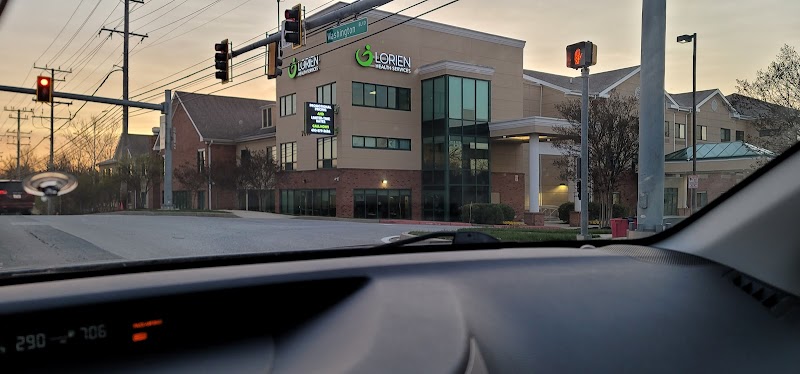
Who Owns and Operates Lorien Nursing & Rehab Ctr - Elkridge?

LORIEN NURSING & REHAB CTR - ELKRIDGE is owned by a for-profit company. For-profit facilities operate as businesses with obligations to shareholders or private owners. The facility is operated by LORIEN HEALTH SERVICES, a chain that manages multiple nursing homes. With 70 certified beds and approximately 62 residents (about 89% occupancy), it is a smaller facility located in ELKRIDGE, Maryland.
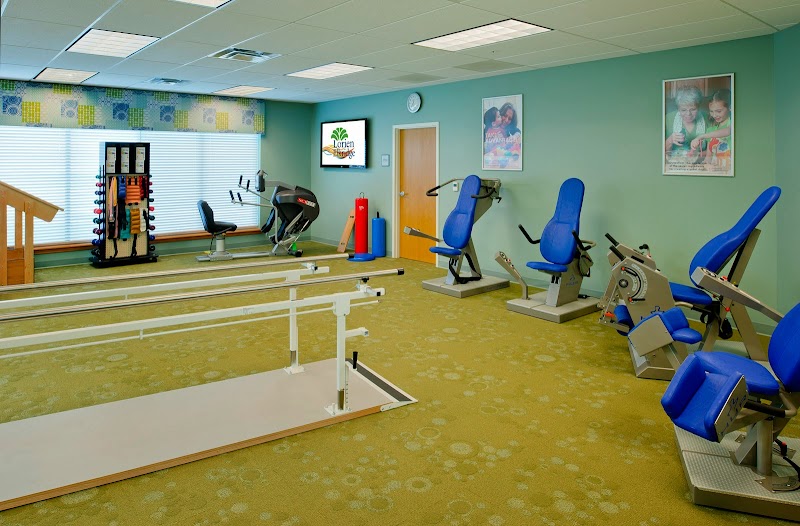
How Does Lorien Nursing & Rehab Ctr - Elkridge Compare to Other Maryland Nursing Homes?

Compared to the 100 nursing homes in Maryland, LORIEN NURSING & REHAB CTR - ELKRIDGE's overall rating (4 stars) is above the state average of 3.0, staff turnover (76%) is significantly higher than the state average of 46%, and health inspection rating (4 stars) is above the national benchmark.

What Should Families Ask When Visiting Lorien Nursing & Rehab Ctr - Elkridge?

Based on this facility's data, families visiting should ask: "How do you ensure continuity of care given staff turnover, and what is your staff retention strategy?" "Can I visit during a mealtime to observe dining assistance and food quality?" "How do you handle medical emergencies, and what is your hospital transfer rate?" "Can I speak with family members of current residents about their experience?" These questions are particularly relevant given the facility's high staff turnover rate.

Is Lorien Nursing & Rehab Ctr - Elkridge Safe?

Based on CMS inspection data, LORIEN NURSING & REHAB CTR - ELKRIDGE has a clean safety record: no substantiated abuse findings (meaning no confirmed cases of resident harm), no Immediate Jeopardy citations (the most serious violation level indicating risk of serious injury or death), and is not on the Special Focus Facility watch list (a federal program monitoring the lowest-performing 1% of nursing homes). The facility has a 4-star overall rating and ranks #1 of 100 nursing homes in Maryland. While no facility is perfect, families should still ask about staff-to-resident ratios and recent inspection results during their visit.

Do Nurses at Lorien Nursing & Rehab Ctr - Elkridge Stick Around?

Staff turnover at LORIEN NURSING & REHAB CTR - ELKRIDGE is high. At 76%, the facility is 30 percentage points above the Maryland average of 46%. Registered Nurse turnover is particularly concerning at 75%. RNs handle complex medical decisions and coordinate care — frequent RN changes can directly impact care quality. High turnover means new staff may not know residents' individual needs, medications, or preferences. It can also be disorienting for residents, especially those with dementia who rely on familiar faces. Families should ask: What is causing the turnover? What retention programs are in place? How do you ensure care continuity during staff transitions?

Was Lorien Nursing & Rehab Ctr - Elkridge Ever Fined?

LORIEN NURSING & REHAB CTR - ELKRIDGE has no federal fines on record. CMS issues fines when nursing homes fail to meet care standards or don't correct problems found during inspections. The absence of fines suggests the facility has either maintained compliance or corrected any issues before penalties were assessed. This is a positive indicator, though families should still review recent inspection reports for the full picture.

Is Lorien Nursing & Rehab Ctr - Elkridge on Any Federal Watch List?

LORIEN NURSING & REHAB CTR - ELKRIDGE is not on any federal watch list. The most significant is the Special Focus Facility (SFF) program, which identifies the bottom 1% of nursing homes nationally based on persistent, serious quality problems. Not being on this list means the facility has avoided the pattern of deficiencies that triggers enhanced federal oversight. This is a positive indicator, though families should still review the facility's inspection history directly.