ELKTON NURSING AND REHABILITATION CENTER
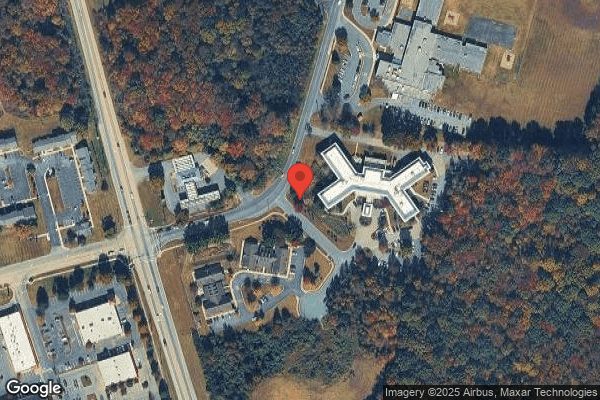

1 PRICE DRIVE, ELKTON, MD 21921 (410) 398-6474
For profit - Limited Liability company 182 Beds LIFEWORKS REHAB Data: November 2025 1 Immediate Jeopardy citation
Trust Grade
18/100
#198 of 219 in MD
Last Inspection: November 2023

Within standard 12-15 month inspection cycle. Federal law requires annual inspections.

Overview

Elkton Nursing and Rehabilitation Center has received an overall Trust Grade of F, indicating significant concerns about the quality of care provided. They rank #198 out of 219 facilities in Maryland, placing them in the bottom half of the state, and #2 out of 3 in Cecil County, meaning only one local option is better. Although the facility is showing an improving trend, with issues decreasing from 82 in 2023 to 25 in 2025, there are still serious staffing concerns, including a high turnover rate of 63%, compared to the Maryland average of 40%. The center has incurred fines totaling $31,758, which is higher than 75% of Maryland facilities, suggesting ongoing compliance problems. Specific incidents include a resident smoking in their room, violating safety protocols, and reports from residents and families indicating insufficient nursing staff to meet care needs. While the facility has some strengths, such as a slightly better-than-average quality rating, the weaknesses in staffing and safety protocols are concerning for families considering this option.

Trust Score
F
18/100
In Maryland
#198/219
Bottom 10%
Safety Record
High Risk
Review needed
Inspections
Getting Better
82 → 25 violations
Staff Stability
⚠ Watch
63% turnover. Above average. Higher turnover means staff may not know residents' routines.
Penalties
○ Average
$31,758 in fines. Higher than 73% of Maryland facilities. Some compliance issues.
Skilled Nurses
⚠ Watch
Each resident gets only 25 minutes of Registered Nurse (RN) attention daily — below average for Maryland. Fewer RN minutes means fewer trained eyes watching for problems.
Violations
⚠ Watch
143 deficiencies on record. Higher than average. Multiple issues found across inspections.
★☆☆☆☆
1.0
Overall Rating
★☆☆☆☆
1.0
Staff Levels
★★★☆☆
3.0
Care Quality
★☆☆☆☆
1.0
Inspection Score
Stable
2023: 82 issues
2025: 25 issues

The Good

  • Full Sprinkler Coverage · Fire safety systems throughout facility
  • No fines on record

Facility shows strength in fire safety.

The Bad

1-Star Overall Rating

Below Maryland average (3.0)

Significant quality concerns identified by CMS

Staff Turnover: 63%

17pts above Maryland avg (46%)

Frequent staff changes - ask about care continuity

Federal Fines: $31,758

Below median ($33,413)

Moderate penalties - review what triggered them

Chain: LIFEWORKS REHAB

Part of a multi-facility chain

Ask about local staffing decisions and management

Staff turnover is elevated (63%)

15 points above Maryland average of 48%

The Ugly 143 deficiencies on record

1 life-threatening
Jul 2025 25 deficiencies
CONCERN (D) 📢 Someone Reported This

A family member, employee, or ombudsman was alarmed enough to file a formal complaint

Potential for Harm - no one hurt, but risky conditions existed

Resident Rights (Tag F0550)

Could have caused harm · This affected 1 resident

Based on observation and staff interview it was determined that facility staff failed to treat each resident in a dignified manner by 1) standing over a resident while feeding the resident, and 2) not...

Read full inspector narrative →
Based on observation and staff interview it was determined that facility staff failed to treat each resident in a dignified manner by 1) standing over a resident while feeding the resident, and 2) not placing a urinary catheter bag in a dignity bag. This was evident for 2 (#50, #45) of 57 residents reviewed during a complaint survey. The findings include: 1) On 6/25/25 at 12:25 PM observation was made of Resident #50 sitting in a wheelchair at the end of the hallway on the first-floor nursing unit. Geriatric Nursing Assistant (GNA) #20 was standing in front of Resident #50 feeding the resident his/her lunch. GNA #20 was not sitting next to the resident at eye level while feeding. On 7/2/25 at 1:29 PM the Director of Nursing (DON) was informed of the observation. The DON shook her head. 2) On 6/25/25 at 12:55 PM observation was made from the hallway of Resident #45 lying in bed eating lunch. Resident #45's Foley catheter bag was hanging off the bed frame on the right side of the bed, which was visible from the hallway, as the resident's bed was the closest bed to the door. A Foley catheter is a flexible tube placed in the body which is used to empty the bladder and collect urine in a drainage bag. The resident's Foley catheter bag was not placed in a privacy/dignity bag to enhance privacy to the resident. Review of Resident #45's care plan, UTI (urinary tract infection) the resident admitted from the hospital with a diagnosis of UTI within the last 30 days that was created on 5/30/25, had the intervention, maintain catheter privacy bag. On 6/25/25 at 1:35 PM the DON took a tour with the surveyor and was shown the concern. The DON stated that when Resident #45 came back from the hospital the catheter bag should have been placed in a dignity bag.
CONCERN (D) 📢 Someone Reported This

A family member, employee, or ombudsman was alarmed enough to file a formal complaint

Potential for Harm - no one hurt, but risky conditions existed

Notification of Changes (Tag F0580)

Could have caused harm · This affected 1 resident

Based on medical record review and interview, the facility staff failed to notify a resident's representative for a change in condition (Resident #28). This was evident for 1 of 57 residents reviewed ...

Read full inspector narrative →
Based on medical record review and interview, the facility staff failed to notify a resident's representative for a change in condition (Resident #28). This was evident for 1 of 57 residents reviewed during a complaint survey. The findings include: The facility staff failed to notify Resident #28's representative when a new medication was ordered. Review of Resident #28's medical record on 6/23/25 revealed the Resident was admitted to the facility in November 2024 with a diagnosis to include dementia. Dementia is a general term for a decline in mental ability severe enough to interfere with daily life. Further review of Resident's medical record revealed on 12/18/24 the physician ordered Seroquel 25 mg in the morning for depression and give 2 tablets by mouth at bedtime for depression. Seroquel is an antipsychotic medication used to treat mood conditions. Further review of Resident's medical record revealed no notification to the Resident's representative of the order for Seroquel. Review of Resident #28's December 2024 Medication Administration Record revealed the facility staff administered Seroquel on 12/18/24 and 12/19/24. The Resident was seen by the physician on 12/19/24 and the Seroquel was then discontinued. Interview with the Director of Nursing on 6/26/25 at 3:30 PM confirmed the facility staff failed to notify Resident #28's representative of the order for Seroquel on 12/18/24.
CONCERN (D) 📢 Someone Reported This

A family member, employee, or ombudsman was alarmed enough to file a formal complaint

Potential for Harm - no one hurt, but risky conditions existed

Deficiency F0583 (Tag F0583)

Could have caused harm · This affected 1 resident

**NOTE- TERMS IN BRACKETS HAVE BEEN EDITED TO PROTECT CONFIDENTIALITY** Based on observation and interview, it was determined that facility staff failed to ensure that resident medical records remaine...

Read full inspector narrative →
**NOTE- TERMS IN BRACKETS HAVE BEEN EDITED TO PROTECT CONFIDENTIALITY** Based on observation and interview, it was determined that facility staff failed to ensure that resident medical records remained private and confidential. This was evident for 1 of 3 nursing units observed during a complaint survey. The findings include: On 6/26/25 at 11:42 AM observation was made of Resident #12's electronic medical record displayed on an opened computer screen that was sitting on top of an unlocked and unattended medication cart on the first-floor nursing unit. The resident's medications were on display and the opportunity to look at additional information was available. The medication cart was sitting in the hallway outside of room [ROOM NUMBER]. On 6/26/25 at 11:44 AM Staff (LPN) #38 walked out of a resident's room and walked up to the medication cart where the surveyor was standing. The surveyor informed Staff #38 of the finding. Staff #38 stated, I made a mistake and left the computer screen open. On 7/2/25 at 1:29 PM the Director of Nursing was informed of the finding.
CONCERN (D) 📢 Someone Reported This

A family member, employee, or ombudsman was alarmed enough to file a formal complaint

Potential for Harm - no one hurt, but risky conditions existed

Deficiency F0602 (Tag F0602)

Could have caused harm · This affected 1 resident

Based on review of a complaint and interview, it was determined the facility failed to provide the residents with an environment that was free of misappropriation of property. This was evident for 1 (...

Read full inspector narrative →
Based on review of a complaint and interview, it was determined the facility failed to provide the residents with an environment that was free of misappropriation of property. This was evident for 1 (Resident #10) of 57 residents reviewed during a complaint survey. The findings include: On 6/26/25 at 8:00 AM a review of complaint MD00203621 was conducted. The complaint alleged that the facility had either lost or allowed Resident #10's PlayStation 5 to be stolen. The complaint alleged when Resident #10 was transferred to the hospital in December 2023, the facility had packed up the items in his/her room and put the items in storage. Resident #10 alleged that he/she was told everything was locked up in a safe place and now no one knows where the PlayStation was located. On 6/26/25 at 8:17 AM an interview was conducted with Staff #7, the social work director who stated, I heard about it but I'm not sure if a grievance was put in about it. I heard that it was missing, and it was going to be replaced. At that time the surveyor requested a copy of the invoice of when the PlayStation 5 was replaced. At 8:36 AM Staff #7 returned and stated she walked up to the resident's room and stated she saw the PlayStation 5 and it had been replaced. On 7/1/25 at 1:00 PM an interview of Resident #55, Resident #10's roommate, was conducted. Resident #55 stated, the PlayStation was stolen, and [he/she] had to pay for it. [He/she] went through all the channels and the Ombudsman. It has been gone since November 2023. On 7/1/25 at 1:09 AM an interview was conducted with the Assistant Director of Nursing (ADON) who stated that it was packed up when the resident went to the hospital. The Nursing Home Administrator (NHA) at the time received the grievance about it missing and he tagged a few people, and they did an entire building search. It was not found, and he was advised that it needed to be replaced. He didn't know who replaced it. On 7/2/25 at 10:47 AM an interview was conducted with Resident #10 who stated that the PlayStation went missing a year ago and he/she got tired of waiting for the facility to respond to the issue after having gone through the administrator, so he/she replaced it him/herself. Resident #10 stated, I had been sent out to the hospital, and it was in the facility's custody while I was gone. When I got back it was missing. I bought another one off Amazon. On 7/2/25 at 11:20 AM Resident #10 emailed a copy of the invoice for the PlayStation 5 from 5/1/24 for $499.99. On 7/2/25 at 11:45 AM the current NHA stated he did not have a self-report for the incident, and no one knows when this happened, so he doesn't have a date to go off of. The NHA stated, I do not have a self-report or grievance. I spoke to the previous NHA he said he was not able to determine a timeline or whether there was a device. The current NHA was informed that the rest of the staff knew that the PlayStation was missing and that the ADON was at the facility during the time period and confirmed the PlayStation 5 was locked up.
CONCERN (D) 📢 Someone Reported This

A family member, employee, or ombudsman was alarmed enough to file a formal complaint

Potential for Harm - no one hurt, but risky conditions existed

Report Alleged Abuse (Tag F0609)

Could have caused harm · This affected 1 resident

Based on review of a complaint and interview, it was determined the facility failed to report allegations of misappropriation of property to the regulatory agency, the Office of Health Care Quality (O...

Read full inspector narrative →
Based on review of a complaint and interview, it was determined the facility failed to report allegations of misappropriation of property to the regulatory agency, the Office of Health Care Quality (OHCQ). This was evident for 1 (Resident #10) of 57 residents reviewed during the complaint survey. The findings include: On 6/26/25 at 8:00 AM a review of complaint MD00203621 was conducted. The complaint alleged that the facility had either lost or allowed Resident #10's PlayStation 5 to be stolen. The complaint alleged when Resident #10 was transferred to the hospital in December 2023, the facility had packed up the items in his/her room and put the items in storage. Resident #10 alleged that he/she was told everything was locked up in a safe place and now no one knows where the PlayStation was located. On 7/1/25 at 1:00 PM an interview of Resident #55, Resident #10's roommate, was conducted. Resident #55 stated, the PlayStation was stolen, and [he/she] had to pay for it. [He/she] went through all the channels and the Ombudsman. It has been gone since November. On 7/1/25 at 1:09 AM an interview was conducted with the Assistant Director of Nursing (ADON) who stated that it was packed up when the resident went to the hospital in December 2023. The Nursing Home Administrator (NHA) at the time received the grievance about it missing and he tagged a few people, and they did an entire building search. It was not found and he was advised that it needed to be replaced. He didn't know who replaced it. On 7/2/25 at 10:47 AM an interview was conducted with Resident #10 who stated that the PlayStation went missing a year ago and he/she got tired of waiting for the facility to respond to the issue after having gone through the administrator, so he/she replaced it him/herself. Resident #10 stated, I had been sent out to the hospital, and it was in the facility's custody while I was gone. When I got back it was missing. I bought another one off Amazon. On 7/2/25 at 11:45 AM the current NHA stated he did not have a self-report for the incident and no one knows when this happened so he doesn't have a date to go off of.
CONCERN (D) 📢 Someone Reported This

A family member, employee, or ombudsman was alarmed enough to file a formal complaint

Potential for Harm - no one hurt, but risky conditions existed

Investigate Abuse (Tag F0610)

Could have caused harm · This affected 1 resident

Based on review of a complaint and interview, it was determined the facility failed to conduct a complete investigation for allegations of misappropriation of property and failed to provide an investi...

Read full inspector narrative →
Based on review of a complaint and interview, it was determined the facility failed to conduct a complete investigation for allegations of misappropriation of property and failed to provide an investigation to the regulatory agency, the Office of Health Care Quality (OHCQ). This was evident for 1 (Resident #10) of 57 residents reviewed during the complaint survey. The findings include: On 6/26/25 at 8:00 AM a review of complaint MD00203621 was conducted. The complaint alleged that the facility had either lost or allowed Resident #10's PlayStation 5 to be stolen. The complaint alleged when Resident #10 was transferred to the hospital in December 2023, the facility had packed up the items in his/her room and put the items in storage. Resident #10 alleged that he/she was told everything was locked up in a safe place and now no one knows where the PlayStation was located. On 7/1/25 at 1:00 PM an interview of Resident #55, Resident #10's roommate, was conducted. Resident #55 stated, the PlayStation was stolen, and [he/she] had to pay for it. [He/she] went through all the channels and the Ombudsman. It has been gone since November. On 7/1/25 at 1:09 AM an interview was conducted with the Assistant Director of Nursing (ADON) who stated that it was packed up when the resident went to the hospital in December 2023. The Nursing Home Administrator (NHA) at the time received the grievance about it missing and he tagged a few people, and they did an entire building search. It was not found and he was advised that it needed to be replaced. He didn't know who replaced it. On 7/2/25 at 10:47 AM an interview was conducted with Resident #10 who stated that the PlayStation went missing a year ago and he/she got tired of waiting for the facility to respond to the issue after having gone through the administrator, so he/she replaced it him/herself. Resident #10 stated, I had been sent out to the hospital, and it was in the facility's custody while I was gone. When I got back it was missing. I bought another one off Amazon. On 7/2/25 at 11:45 AM the current NHA stated he did not have a self-report for the incident and did not have an investigation.
CONCERN (D) 📢 Someone Reported This

A family member, employee, or ombudsman was alarmed enough to file a formal complaint

Potential for Harm - no one hurt, but risky conditions existed

Deficiency F0655 (Tag F0655)

Could have caused harm · This affected 1 resident

Based on complaint review, record review, and interview it was determined that the facility failed to provide residents and or resident's responsible party (RP) a copy of their baseline care plan alon...

Read full inspector narrative →
Based on complaint review, record review, and interview it was determined that the facility failed to provide residents and or resident's responsible party (RP) a copy of their baseline care plan along with a copy of their admission medications. This was evident for 1 (Resident #6) of 57 residents reviewed during a complaint survey. The findings include: The baseline care plan is given to residents within 48 hours of their admission and details a variety of components of the care that the facility intends to provide to that resident. In addition to the baseline care plan, residents are also expected to receive a list of their admission medications. This allows residents and their representatives to be more informed about the care that they receive. On 6/26/25 at 10:17 AM a review of complaint MD00202545 alleged that Resident #6 was admitted in December 2023 and the RP had requested communication several times and received no return calls. Resident #6's medical record was reviewed and revealed Resident #6 was admitted to the facility in December 2023 with diagnoses that included but were not limited to nondisplaced fracture of lateral condyle of the left humerus. The resident had a cast on the left arm. Resident #6 was his/her own responsible party. There was no baseline care plan found in Resident #6's medical record. There was no documentation that a complete baseline care plan was done and that a list of medications was given to the resident or responsible party. In the evaluation section of Resident #6's medical record was a Baseline Care Plan initiation dated 12/22/23. There were 3 boxes. The first box was checked off and stated the care plan had been initiated. The second box was checked off that a baseline care plan had been reviewed with the resident and/or responsible party. The third box was blank. The third box stated, copy of baseline care plan and copy of medications have been given to the resident and/or responsible party. The check marks were done by LPN #17/unit manager. On 7/2/25 at 11:30 AM an interview was conducted with LPN #17. LPN #17 stated that she normally will check off the box and review it with the resident or RP. LPN #17 stated she never gets a signature on the baseline care plan. LPN #17 stated the baseline care plan was normally uploaded in the system. LPN #17 concurred that there was no evidence that she gave the baseline care plan along with a list of medications to the resident and she stated she does not remember if she gave it or did not give it.
CONCERN (D) 📢 Someone Reported This

A family member, employee, or ombudsman was alarmed enough to file a formal complaint

Potential for Harm - no one hurt, but risky conditions existed

ADL Care (Tag F0677)

Could have caused harm · This affected 1 resident

**NOTE- TERMS IN BRACKETS HAVE BEEN EDITED TO PROTECT CONFIDENTIALITY** Based on complaint review, medical record review and interview, it was determined the facility staff failed to provide needed ac...

Read full inspector narrative →
**NOTE- TERMS IN BRACKETS HAVE BEEN EDITED TO PROTECT CONFIDENTIALITY** Based on complaint review, medical record review and interview, it was determined the facility staff failed to provide needed activities of daily living (ADL) for a resident totally dependent on bathing assistance (Resident #30). This was evident for 1 of 57 residents reviewed during a complaint survey. The findings include: Review of complaint MD00214497 regarding Resident #30's had not received showers on Mondays and Thursdays as scheduled even though the Resident's representative asked the facility staff to give the Resident showers. Review of Resident #30's medical record on 6/26/25 revealed the Resident was admitted to the facility on [DATE] and discharged from the facility on 4/4/25. The Resident diagnosis included hemiplegia and hemiparesis following cerebral infarction. Hemiparesis is a condition characterized by weakness on one side of the body. Further review of Resident #30's medical record revealed the facility staff completed an admission MDS (Minimum Data Set) assessment on 1/28/25 and coded the Resident in Section GG as dependent for shower/bathe self. Review of Resident #30's care plans revealed the Resident had a care plan entitled, Resident requires assistance with their activities of daily living due to reduced physical mobility that was initiated on 1/24/25. Review of Resident #30's Task List revealed the Resident was scheduled for showers on Mondays and Thursdays. Review of the GNA (geriatric nursing assistant) documentation from 1/24/25 until discharge on [DATE], the Resident did not receive showers on the following days: 1/30, 2/3, 2/20, 3/6, 3/10, 3/20, and 3/24/25. During interview with the Director of Nursing (DON) on 6/30/25 at 2:10 PM, the DON confirmed the facility staff failed to administer showers as scheduled for Resident #30 on 1/30, 2/3, 2/20, 3/6, 3/10, 3/20 and 3/24/25.
CONCERN (D) 📢 Someone Reported This

A family member, employee, or ombudsman was alarmed enough to file a formal complaint

Potential for Harm - no one hurt, but risky conditions existed

Deficiency F0685 (Tag F0685)

Could have caused harm · This affected 1 resident

Based on observation, interview and medical record review, the facility staff failed to ensure a resident had glasses (Resident #12). This evident for 1 of 57 residents reviewed during a complaint sur...

Read full inspector narrative →
Based on observation, interview and medical record review, the facility staff failed to ensure a resident had glasses (Resident #12). This evident for 1 of 57 residents reviewed during a complaint survey. The findings include: During interview with Resident #12 on 6/25/25 at 10:10 AM, the Resident stated he has been asking staff to get him/her glasses. The Resident stated when he/she went out to the hospital last year and returned his/her glasses have been missing. Observation of the Resident on 6/25/25 at 10:10 AM and 6/30/25 at 8:50 AM the Resident did not have glasses. Review of Resident's medical record revealed the Resident was seen by the eye doctor on 8/16/2024 and the eye doctor documented the Resident had readers assigned. Interview with the Director of Nursing on 6/27/25 confirmed the Resident did not have glasses and the facility staff would assist in getting the Resident glasses.
CONCERN (D) 📢 Someone Reported This

A family member, employee, or ombudsman was alarmed enough to file a formal complaint

Potential for Harm - no one hurt, but risky conditions existed

Pressure Ulcer Prevention (Tag F0686)

Could have caused harm · This affected 1 resident

Based on medical record review and interview, the facility staff failed to provide treatment/services to prevent/heal pressures ulcers (Resident #32). This is evident for 1 of 3 residents reviewed for...

Read full inspector narrative →
Based on medical record review and interview, the facility staff failed to provide treatment/services to prevent/heal pressures ulcers (Resident #32). This is evident for 1 of 3 residents reviewed for pressure ulcers during a complaint survey. The findings include: A pressure ulcer also known as pressure sore or decubitus ulcer is any lesion caused by unrelieved pressure that results in damage to the underlying tissue. Pressure ulcers are staged according the their severity from Stage I (area of persistent redness), Stage II ( superficial loss of skin such as an abrasion, blister or shallow crater), Stage III ( full thickness skin loss involving damage to subcutaneous tissue presenting as a deep crater), Stage IV (full thickness skin loss with extensive damage to muscle, bone or tendon) or Unstageable Pressure Ulcer (full thickness tissue loss in which the base of the ulcer is covered by slough and / or eschar in the wound bed). Review of Resident #32's medical record on 6/26/25 revealed the Resident was admitted to the facility in October 2022 and had diagnosis to include Stage III pressure ulcer to the right ankle. Further review of Resident's medical record revealed the Wound Nurse Practitioner assessed the Resident on 12/31/24 to have a Stage III pressure ulcer to the right ankle. Further review of the Resident's medical record revealed the facility staff failed to do weekly skin assessments on 2/11, 2/18, 3/20 and 3/27/25 to include measurements and treatment recommendations. Further review of Resident #32's medical record revealed the Resident returned from the hospital on 2/27/25 and the facility staff failed to provide any treatment for Resident's right ankle pressure ulcer until 3/4/25, 5 days later. Interview with the Director of Nursing on 6/27/25 at 1:04 PM confirmed the facility staff failed to do weekly skin assessments of Resident #32's right ankle wound on 2/11, 2/18, 3/20 and 3/27/25 and failed to provide wound treatment on 2/28, 3/1, 3/2 and 3/3/2025.
CONCERN (D) 📢 Someone Reported This

A family member, employee, or ombudsman was alarmed enough to file a formal complaint

Potential for Harm - no one hurt, but risky conditions existed

Accident Prevention (Tag F0689)

Could have caused harm · This affected 1 resident

Based on observation, interview and medical record review, the facility staff failed to ensure fall mats were properly in place for a resident with a history of a fall (Resident #38). This was evident...

Read full inspector narrative →
Based on observation, interview and medical record review, the facility staff failed to ensure fall mats were properly in place for a resident with a history of a fall (Resident #38). This was evident for 1 of 4 residents reviewed for falls during a complaint survey. The findings include: Review of Resident #38's medical record on 6/25/25 revealed the Resident was admitted to the facility in March 2025 with a diagnosis to include seizures. Further review of Resident #38's medical record revealed the Resident had a fall on 4/19/25. Review of Resident #38's care plans revealed the Resident had a care plan initiated on 4/20/25 entitled Resident had an actual fall and is at risk for falls with an intervention of fall mats on floor at bedside while in bed. Observation of Resident #38 on 6/25/25 at 11:32 AM revealed the Resident in bed with the fall mat on the Resident's left side of bed was turned and against the wall at the head of the bed and not next to the left side of the Resident's bed. Observation of Resident #38 on 6/25/25 at 1:23 PM with the Unit Manager (Staff #34) present revealed the Resident in bed with the fall mat on the Resident's left side of bed was turned and against the wall at the head of the bed and not next to the left side of the Resident's bed. Interview with Staff #34 at that time confirmed the Surveyor's observations and that the Resident is to have fall mats next to the Resident's bed at all times.
CONCERN (D) 📢 Someone Reported This

A family member, employee, or ombudsman was alarmed enough to file a formal complaint

Potential for Harm - no one hurt, but risky conditions existed

Incontinence Care (Tag F0690)

Could have caused harm · This affected 1 resident

Based on observation, record review, and interview, it was determined the facility failed to provide the appropriate care and services to prevent urinary tract infections. This was evident for 1 (Resi...

Read full inspector narrative →
Based on observation, record review, and interview, it was determined the facility failed to provide the appropriate care and services to prevent urinary tract infections. This was evident for 1 (Resident #45) of 57 residents reviewed during a complaint survey. The findings include: A Foley catheter is a flexible tube placed in the body which is used to empty the bladder and collect urine in a drainage bag. On 6/25/25 at 12:55 PM observation was made from the hallway of Resident #45 lying in bed eating lunch. Resident #45 had a Foley catheter that was draining yellow urine. The Foley catheter and the urine was visible from the hallway. Upon entering the room observation was made of the bottom of the catheter bag and the blue tubing touching the floor. On the door there was a sign that stated, enhanced barrier precautions. On 6/25/25 at 1:10 PM a review of Resident #45's medical record revealed a 5/12/25 progress note that documented the resident has had multiple admissions to the hospital and on 4/22/25 was presented to the hospital with fevers, chills and hypoxia. The resident was admitted for sepsis. A Foley catheter was placed, patient was seen by urology and completed a course of cefepime for pseudomonas UTI (urinary tract infection). A 5/15/25 change in condition note documented Resident #45 had a change in condition and was sent to the hospital where he/she was until 5/23/25 with a diagnosis of sepsis, urinary tract infection, and bacteremia. A review of the Urinary/Catheter Care Policy that was given to the surveyor by the Director of Nursing documented #7, ensure drainage bags are not touching the floor. On 6/25/25 at 1:35 PM the Director of Nursing (DON) came to the resident's room with the surveyor. The DON was shown the concern of the bottom of the catheter collection bag and the tubing touching the floor and making the resident more susceptible to infection. The DON confirmed the findings and said they did not change the Foley catheter out after the resident returned from the hospital. The DON also stated that the catheter collection bag should have been in a dignity bag.
CONCERN (D) 📢 Someone Reported This

A family member, employee, or ombudsman was alarmed enough to file a formal complaint

Potential for Harm - no one hurt, but risky conditions existed

Deficiency F0692 (Tag F0692)

Could have caused harm · This affected 1 resident

**NOTE- TERMS IN BRACKETS HAVE BEEN EDITED TO PROTECT CONFIDENTIALITY** Based on medical record review and interview, the facility staff failed to assess a resident at risk for malnutrition by the die...

Read full inspector narrative →
**NOTE- TERMS IN BRACKETS HAVE BEEN EDITED TO PROTECT CONFIDENTIALITY** Based on medical record review and interview, the facility staff failed to assess a resident at risk for malnutrition by the dietitian in a timely manner (Resident #38). This was evident for 1 of 57 residents reviewed during a complaint survey. The findings include: Review of Resident #38's medical record on 6/25/25 revealed the Resident was admitted to the facility on [DATE] with a diagnosis to include malnutrition and gastrostomy. Malnutrition is a serious condition that arises from an imbalance in nutrient intake, either a deficiency or excess, or from impaired nutrient utilization. A gastrostomy is a surgically created opening (stoma) in the abdomen, leading directly into the stomach, used for feeding or administering medications. Further review of the Resident's record revealed the Resident was transferred to the hospital on 4/2/25 and returned to the facility 4/18/25, transferred again on 4/20/25 and returned to the facility on 4/22/25. Further review of the Resident's medical record revealed the Resident was not assessed by the Dietitian until 4/25/25. At that time the Resident was documented to be at risk for malnutrition. Interview with the Director of Nursing on 7/1/25 at 7:40 AM stated the expectation is the Resident is to be assessed within the week of admission by the Dietitian and confirmed Resident #38 was not assessed in a timely manner after admission.
CONCERN (D) 📢 Someone Reported This

A family member, employee, or ombudsman was alarmed enough to file a formal complaint

Potential for Harm - no one hurt, but risky conditions existed

Respiratory Care (Tag F0695)

Could have caused harm · This affected 1 resident

Based on observation, interview and medical record review, the facility staff failed to provide respiratory care to meet the needs of a resident (Resident #12). This was evident for 1 of 57 residents ...

Read full inspector narrative →
Based on observation, interview and medical record review, the facility staff failed to provide respiratory care to meet the needs of a resident (Resident #12). This was evident for 1 of 57 residents reviewed during a complaint survey. The findings include: Observation of Resident #12 on 6/25/25 at 10:10 AM revealed the Resident in bed with oxygen hooked to a humidified bottle that was empty. Interview with the Resident #12 on 6/25/25 at 10:10 AM at that time stated he/she called to be suctioned about 30 minutes prior and it has not been done. The Resident stated a GNA (geriatric nursing assistant) came in the room but a nurse has not been in to suction the Resident. On 6/25/25 at 10:17 AM the Surveyor brought the Director of Nursing (DON) to the Resident's bedside and the DON confirmed the Resident's humdification bottle was empty. The Resident expressed the need to be suctioned and had been waiting for 30 minutes. The DON at that time advised the Unit Manager (Staff #17) the Resident's request to be suctioned. Staff #17 stated she was doing skin assessments but would return. On 6/25/25 at 10:21 AM Staff #17 returned to the Resident bedside to suction the Resident. Review of Resident #12's medical record on 6/25/25 revealed the Resident was admitted to the facility in September 2022 and has a diagnosis to include tracheostomy. A tracheostomy is a surgical procedure that creates an opening in the neck, called a stoma, and inserts a tube into the trachea (windpipe) to facilitate breathing Further review of Resident #12's medical record revealed a physician's order on 6/19/25 of humidified oxygen to trach. Interview with the Director of Nursing on 6/27/25 at 1:45 PM confirmed the facility staff failed to provide respiratory services to meet the needs of Resident #12.
CONCERN (D) 📢 Someone Reported This

A family member, employee, or ombudsman was alarmed enough to file a formal complaint

Potential for Harm - no one hurt, but risky conditions existed

Pharmacy Services (Tag F0755)

Could have caused harm · This affected 1 resident

Based on review of complaints, medical record review, and interview, it was determined the facility failed to provide timely medications to meet the needs of the residents. This was evident for 1 (Res...

Read full inspector narrative →
Based on review of complaints, medical record review, and interview, it was determined the facility failed to provide timely medications to meet the needs of the residents. This was evident for 1 (Resident #16) of 57 residents reviewed during a complaint survey. The findings include: On 6/24/25 at 10:22 AM a review of complaint MD00210193 alleged that the facility was always running out of Resident #16's pain medication. Review of Resident #16's medical record revealed Resident #16 was admitted to the facility in May 2021 with diagnoses that included systemic sclerosis with polyneuropathy, acquired absence of right and left leg below the knee, phantom limb syndrome with pain, muscle spasms, type 2 diabetes mellitus with diabetic neuropathy and chronic pain. Systemic sclerosis can be associated with peripheral neuropathy, which affects the peripheral nerves. Review of Resident #16's medications revealed the use of Gabapentin 3 times a day, Methadone 3 times a day, hydromorphone (Dilaudid) every 4 hours as needed for pain, and Acetaminophen every 6 hours as needed for pain. On 6/24/25 at 10:58 AM an interview was conducted with the Assistant Director of Nursing (ADON) regarding Resident #16's pain medications. The ADON stated that the Dilaudid and Methadone were the biggest problems and that there was a problem back in August 2024 where the pharmacy and physicians were not computing the amount of medication that the resident was taking and the pharmacy was sending less that what was being ordered. The ADON stated the problem got solved, however there were still occasions that the facility runs out, but it normally gets resolved within a day. On 7/1/25 at 12:10 PM an interview was conducted with Resident #16. Resident #16 stated, they are out of my Methadone today and I have not received it since last night. This still happens all the time. On 7/1/25 at 12:15 PM an interview was conducted with LPN #33 who stated, it is on its way. There was a hold because the dose was too high. LPN #33 stated that one time the resident ran out of the med, and it was a pharmacy issue. On 7/1/25 at 12:18 PM an interview was conducted with the ADON. The ADON stated, I get a report every morning from the pharmacy if there are issues with a dosage or the way a medication is ordered and Resident #16's name was not on the report this morning. The ADON stated now it is typically an issue with timely reordering. On 7/1/25 at 1:06 PM the ADON stated that the unit manager called the pharmacy because the resident has not had a dosage change and has been on this dosage forever and that the pharmacy flagged it. They sent in the reorder yesterday and the pharmacy flagged for the doses. The ADON stated the medication should have come in on the evening run. There should have been no delay, and the pharmacy should have notified me.
CONCERN (D) 📢 Someone Reported This

A family member, employee, or ombudsman was alarmed enough to file a formal complaint

Potential for Harm - no one hurt, but risky conditions existed

Deficiency F0761 (Tag F0761)

Could have caused harm · This affected 1 resident

**NOTE- TERMS IN BRACKETS HAVE BEEN EDITED TO PROTECT CONFIDENTIALITY** Based on observation, staff interview, and documentation review it was determined that facility staff failed to 1) keep treatmen...

Read full inspector narrative →
**NOTE- TERMS IN BRACKETS HAVE BEEN EDITED TO PROTECT CONFIDENTIALITY** Based on observation, staff interview, and documentation review it was determined that facility staff failed to 1) keep treatment and medication carts locked when unattended, 2) date medication/biologicals when opened and discard medications/biologicals when expired. This was evident on 2 of 3 nursing units observed during a complaint survey. The findings include: 1) On 6/23/25 at 7:50 AM observation was made of an unlocked and unattended treatment cart on the second-floor nursing unit sitting in an alcove. The surveyor opened the top drawer and observed prescription ointments and creams that include: Ketoconazole cream 2% (3) tubes; Todosorb Gel (2) tubes, Betamethasone Dipropionate, Mupirocin ointment (2) tubes belonging to Resident #42, that was dispensed on 9/7/23, Kiclofenac Sodium Gel (1) tube and one Mupirocin ointment tube that had no cap. Licensed Practical Nurse (LPN) #6 was shown the Mupirocin ointments, and she stated if they were dispensed on 9/7/23 they were no good. LPN #6 was informed that the treatment cart was left unlocked and unattended. LPN #6 locked the treatment cart at that time. 2) On 6/25/25 at 11:42 AM observation was made of an unlocked and unattended medication cart on the first-floor nursing unit sitting outside of room [ROOM NUMBER]. The surveyor opened the top drawer and observed plastic 30 ml. medication cups with pills. One plastic cup had 3 black pills. One medication cup had 2 white pills, 1 round pill, and 1 black and white capsule. One medication cup had 2 white pills sitting inside another medication cup. There were no labels of names on the medication cups. Also observed in the top drawer was Lispro (Humalog) insulin for Resident #56 that was opened on 4/21/25. According to the manufacturer's instructions, the insulin should be discarded 28 days after opening as it may lose its effectiveness. Resident #57's Lantus Solostar injection pen was not dated when it was opened. There was also a Lispro quick pen that had no date and no name that was lying in the top drawer. The other drawers of the medication cart were opened and contained over the counter medications and prescription medications for the residents on the 100 hallway. On 6/26/25 at 11:44 AM LPN #38 walked up to the medication cart and saw the surveyor with the drawers open. LPN #38 stated, I made a mistake. I didn't lock my cart. I'm sorry. At that time the surveyor asked LPN #38 why there were dispensed medications in plastic cups in the top drawer. LPN #38 stated that one of the residents was in therapy and he did not want to waste the medication. LPN #38 could not say why there were 2 other medication cups with pills in them. The surveyor asked LPN #38 about Resident #56's insulin and the date. LPN #38 was asked if he knew when the expiration date was. LPN #38 could not answer that the insulin was only good for 28 days after opening. Review of the Storage of Medications Policy that was given to the surveyor by the Director of Nursing revealed I. General Guidance; 2. only licensed nurses, pharmacy personnel, and those lawfully authorized to administer medications (such as medication aides) are permitted to access medications. Medication rooms, carts, and medication supplies are locked when they are not attended by persons with authorized access. 3. All medications dispensed by the pharmacy are stored in the pharmacy container with the pharmacy label. III. Expiration Date (Beyond-Use Dating) 3. Certain medications or package types, such as IV solutions, multiple dose injectable vials, ophthalmic, nitroglycerin tablets, and blood sugar testing solutions and strips require an expiration date shorter than the manufacturer's expiration date once opened to ensure medication purity and potency. 8. All expired medications will be removed from the active supply and destroyed in accordance with facility policy, regardless of amount remaining. On 7/2/25 at 1:29 PM the Director of Nursing (DON) was informed of the findings. The DON stated she had been made aware, and they had already started in-servicing staff.
CONCERN (D) 📢 Someone Reported This

A family member, employee, or ombudsman was alarmed enough to file a formal complaint

Potential for Harm - no one hurt, but risky conditions existed

Deficiency F0779 (Tag F0779)

Could have caused harm · This affected 1 resident

Based on review of a complaint, medical record review, and interview, it was determined the facility failed to file in the resident's medical record a signed and dated EKG. This was evident for 1 (Res...

Read full inspector narrative →
Based on review of a complaint, medical record review, and interview, it was determined the facility failed to file in the resident's medical record a signed and dated EKG. This was evident for 1 (Resident #34) of 57 residents reviewed during a complaint survey. The findings include: On 6/25/25 at 11:45 AM a review of complaint MD00217108 was conducted and it was alleged that the facility could not obtain an EKG for Resident #34, and the resident had to be sent out to the emergency room for an EKG. An EKG, also known as an ECG, is a test that records the electrical activity of the heart, helping to detect various heart conditions. Review of Resident #34's medical record revealed on 4/25/25 at 11:11 AM a health status note that documented the nurse spoke with the NP (nurse practitioner) regarding increased heart rate and low-grade fever on the previous shift and new orders were received for a stat (immediate) EKG along with a chest x-ray and urinalysis. The note was written by LPN #17. Further review of Resident #34's medical record failed to produce evidence that an EKG was done. The results tab of the electronic medical record along with the miscellaneous section of the medical record was void of an EKG. On 7/1/25 at 1:45 PM an interview was conducted with LPN #17, the unit manager. LPN #17 showed the surveyor the order for the EKG that was entered on 4/25/25 at 9:22 AM and that the EKG was done at 5:23 PM. When asked where the EKG was in the medical record LPN #17 stated that it was normally downloaded into the miscellaneous section, however someone did not download it and put it in the medical record. On 7/2/25 at 1:29 PM the Director of Nursing (DON) was informed that the EKG was not in the medical record.
CONCERN (D) 📢 Someone Reported This

A family member, employee, or ombudsman was alarmed enough to file a formal complaint

Potential for Harm - no one hurt, but risky conditions existed

Deficiency F0840 (Tag F0840)

Could have caused harm · This affected 1 resident

3) The facility failed to obtain a gynecology appointment as requested by the resident. On 6/30/25 at 12:17 PM a review of complaint MD00210037 was conducted. Review of the complaint alleged that the ...

Read full inspector narrative →
3) The facility failed to obtain a gynecology appointment as requested by the resident. On 6/30/25 at 12:17 PM a review of complaint MD00210037 was conducted. Review of the complaint alleged that the facility failed to arrange and assist Resident #22 to an appointment with the gynecologist. Review of Resident #22's medical record revealed a physician's visit dated 11/22/21 which documented under the diagnosis, assessment and plan, Female perineal bleeding. Suspect vaginal/postmenopausal bleeding from endometrial thickening. Pelvic ultrasound results reviewed. The note documented that the resident would like to follow up with her gynecologist at a specific gynecology clinic. The note concluded, Order to set up appointment with patient's gynecologist placed. Review of physician's orders revealed an order written on 11/22/21 at 10:17 AM that stated to schedule an appointment with the specific name of the gynecology group, along with the phone number for menopausal bleeding, endometrial thickening. Review of the entire medical record failed to produce documentation that the appointment was scheduled. There was no evidence found in the medical record that Resident #22 had ever gone to the appointment. On 7/1/25 at 8:21 AM the Director of Nursing (DON) was interviewed and stated that she had only been at the facility since March 2025. The DON stated she looked through all the documentation and could not find anything about a gynecology appointment. Based on medical record review and interview, the facility staff failed to obtain outside services for residents in a timely manner. This was evident for 3 (Resident #27, #30, #22) of 57 residents reviewed during a complaint survey. The findings include: 1. The facility staff failed to ensure Resident #27 was sent to the stroke clinic. Review of Resident #27's medical record on 6/25/25 revealed the Resident was admitted to the facility in September 2024 from the hospital with a diagnosis to include intracerebral hemorrhage. Intracerebral hemorrhage (ICH) is a type of stroke where bleeding occurs directly into the brain tissue. Review of Resident #27's hospital discharge instructions revealed the Resident was to follow up with Neurology Stroke Clinic. Further review of the Resident's medical record revealed a physician order on 11/21/24 a physician order for the Resident to go to the stroke clinic on 12/6/24. Further review of the Resident's medical record revealed no evidence the facility staff sent the Resident to the stroke clinic on 12/6/24. During interview with Resident #27's representative on 7/1/25 at 8:25 AM, the representative stated the facility staff canceled the appointment at the stroke clinic even after a family member took off work to attend the appointment. Interview with the Director of Nursing on 7/2/25 at 7:40 AM confirmed the Resident did not go to the stroke clinic on 12/6/24. 2. The facility staff failed to ensure Resident #30 was scheduled to go to orthopedic follow up appointment. Review of Resident #30's medical record on 6/25/25 revealed the Resident was admitted to the facility for rehabilitation in January 2024 from the hospital following an orthopedic surgery. Review of the hospital discharge instructions revealed the Resident was to follow up with the Orthopedic Surgery Service within 2 months. Further review of the Resident's medical record revealed the Resident was not scheduled or seen by the Orthopedic Surgery Service prior to discharge in April 2024. Review of the Discharge Instructions/Post Discharge Plan of Care documented on 4/4/25 revealed there is no documentation to follow up with Orthopedic Surgery Services or a scheduled appointment. Interview with the Director of Nursing on 6/30/25 at 2:10 PM confirmed Resident #30 was not seen by the Orthopedic Surgery Service prior to discharge from the facility.
CONCERN (D) 📢 Someone Reported This

A family member, employee, or ombudsman was alarmed enough to file a formal complaint

Potential for Harm - no one hurt, but risky conditions existed

Medical Records (Tag F0842)

Could have caused harm · This affected 1 resident

**NOTE- TERMS IN BRACKETS HAVE BEEN EDITED TO PROTECT CONFIDENTIALITY** Based on observation, medical record review and interview, it was determined the facility failed to maintain complete and accura...

Read full inspector narrative →
**NOTE- TERMS IN BRACKETS HAVE BEEN EDITED TO PROTECT CONFIDENTIALITY** Based on observation, medical record review and interview, it was determined the facility failed to maintain complete and accurate medical records in accordance with accepted professional standards. This was evident for 2 (Resident #12, #35) of 57 residents reviewed during a complaint survey. The findings include. A medical record is the official documentation of a healthcare organization. As such, it must be maintained in a manner that follows applicable regulations, accreditation standards, professional practice standards, and legal standards. All entries to the record should be legible and accurate. 1. Review of Resident #12's medical record on 6/25/25 revealed the Resident was admitted to the facility in September 2022 with a diagnosis to include Tinea Unguium. Tinea unguium, also known as onychomycosis, is a fungal infection that affects the nails, typically the toenails. It causes the nails to become thickened, discolored, brittle, and may separate from the nail bed. Observation of Resident #12's feet with the Director of Nursing on 6/25/25 at 10:17 AM revealed elongated, thickened toenails and dry, cracked skin. Further review of Resident #12's medical record revealed the last podiatrist visit documented in the medical record was 1/16/24. During interview with the AIT (Administrator in Training) on 6/26/25 at 7:30 AM, the AIT gave the Surveyor podiatry notes from 9/1/24, 12/10/24, 1/14/25 and 6/8/25. At that time the AIT stated the podiatry notes were not in the Resident's medical record and had to be obtained from the Podiatrist's office. Interview with the Director of Nursing on 6/27/25 at 1:45 PM confirmed Resident #12's medical record did not include the podiatry notes from 9/1/24, 12/10/24, 1/14/25 and 6/8/25. 2. Review of Resident #35's medical record on 6/25/25 revealed the Resident was admitted to the facility on [DATE] for rehabilitation following an orthopedic procedure. Further review of Resident #35's medical record revealed the Resident went to an orthopedic follow up appointment on 5/9/25. Review of the Resident's medical record revealed there was no report of the orthopedic appointment to include findings and recommendations. Interview with the Director of Nursing on 6/26/25 at 2:15 PM confirmed Resident #35's medical record did not include the consult from the orthopedic follow up on 5/9/25.
CONCERN (E) 📢 Someone Reported This

A family member, employee, or ombudsman was alarmed enough to file a formal complaint

Potential for Harm - no one hurt, but risky conditions existed

Safe Environment (Tag F0584)

Could have caused harm · This affected multiple residents

**NOTE- TERMS IN BRACKETS HAVE BEEN EDITED TO PROTECT CONFIDENTIALITY** Based on review of a complaint, observation of resident rooms, and interview, it was determined the facility staff failed to pro...

Read full inspector narrative →
**NOTE- TERMS IN BRACKETS HAVE BEEN EDITED TO PROTECT CONFIDENTIALITY** Based on review of a complaint, observation of resident rooms, and interview, it was determined the facility staff failed to provide housekeeping and maintenance services necessary to maintain a sanitary, orderly, comfortable interior. This was evident on 2 of 3 nursing units observed during a complaint survey. The findings include: On 6/23/25 at 9:51 AM a review of complaint MD00204546 was conducted. The complaint alleged that the wall behind a resident's bed was falling apart. On 6/23/25 at 7:45 AM a tour was conducted on the second-floor nursing unit. There were ceiling tiles that had brown round stains in the hallways. Outside of room [ROOM NUMBER] there were 5 ceiling tiles with brown stains. From room [ROOM NUMBER] to 260 there were 24 brown stained tiles. By the nurse's stations there were 7 stained tiles. From room [ROOM NUMBER] to the nurse's station there were 38 stained tiles. On 6/25/25 at 12:50 PM observation was made on the second-floor nursing units of the following environmental concerns: room [ROOM NUMBER]A: The molding was missing around the over-the-bed tray table. There were 2 ceiling tiles with large brown stains. room [ROOM NUMBER]A: The right wheelchair armrest for Resident #49 was missing 1 inch by 1 inch of vinyl in the front and along the side of the armrest. There was a ceiling tile missing in the bathroom. There were metal bars and wires exposed and there was a hole in the wall to the left of the toilet. There was spackle also on the wall that was not covered with paint. room [ROOM NUMBER]: The left wheelchair armrest was missing on Resident #48's wheelchair. Resident #48 was asked about the armrest and stated, it would be nice to have an armrest. The molding was missing from around the right edge and side of the footboard of the bed. room [ROOM NUMBER]: There were 4 ceiling tiles that had large brown stains on the side of the room by the door. The molding around the perimeter of the over-the-bed tray table was missing and the laminate was warped. room [ROOM NUMBER]: There were brown stained ceiling tiles above the bathroom door. room [ROOM NUMBER]: Resident #47's left wheelchair armrest was missing vinyl and there was approximately 2 inches of foam exposed. room [ROOM NUMBER]: The molding was missing around the perimeter of both over-the-bed tray tables in the room. room [ROOM NUMBER]: The molding was missing around the over-the-bed tray table. room [ROOM NUMBER]: The vinyl was cracked and missing on Resident #46's right wheelchair armrest. The left wall between the 2 beds in the room had an area with a hole that was depressed into the studs of the room. room [ROOM NUMBER]: The wallpaper border at the ceiling was torn and ripped away from the wall in multiple locations, especially above the window. room [ROOM NUMBER]: There was no base molding on the wall under the television and there was a gapping space between the wall and the base molding under the second television closest to the window. There was no molding on the perimeter of the over-the-bed tray table. There were 3 ceiling tiles with brown stains. Rooms 212, 219, 234, 235, and 236: There were ceiling tiles that had large brown stains. In the second-floor dining room Resident #8 was sitting in a Geri-chair. The vinyl on the left armrest was torn the entire length of the armrest with the underneath padding exposed. Observation was made in the first-floor administrative offices. There were brown stained ceiling tiles in the Admissions office and the Administrator's office. On 6/30/25 at 8:22 AM an interview of the Maintenance Director, Staff #5 was conducted. Staff #5 was informed of the concern with the amount of ceiling tiles with large brown stains. Staff #5 stated, we are getting the roof top unit repaired. It was replaced last year and because it doesn't have enough air return and it was freezing the duct work, it was making it sweat, and that is what the drip marks are on the ceiling tiles. We didn't know it until the summertime came this year. It was done in the winter. The first hot day it started dripping all over. It was leaking all over the ceiling tiles. I quit changing them because we were getting it fixed. They are supposed to be here today to put that economizer on and it has been so hot we have had to run the air conditioner. Staff #5 produced a service repair proposal dated 4/29/25. The proposal documented, the mechanic found unit capacity and airflow greater than required for space. Recommend installation of economizer hood/controls, evaporator freeze stats, and low ambient control module. The contract was signed on 5/7/25. As of 7/2/25 the work had not begun. Staff #5 was then informed of the other environmental concerns related to the over-the-bed tray tables. Staff #5 stated the tray tables were being replaced constantly. Whenever the admissions person does a daily room check and she writes down which ones need to be replaced, they get replaced. Staff #5 was asked if he did wheelchair audits. Staff #5 stated, we have the [NAME] program and the GNAs (geriatric nursing assistants) put in there anytime there is a problem that needs to be repaired. The housekeepers wash the wheelchairs, and the floor techs put them in when there is a problem, and they give me a list. Most comes through [NAME] which is our maintenance program. Staff #5 stated he would get right on the repairs. Observation of Resident #38's room on 6/25/25 at 11:32 AM revealed the tube feeding stains on the floor next to the Resident's bed. Further observation revealed 2 fall mats covered in debris and the fall mat on the left side of the Resident's bed was ripped exposing the fall mat padding. On 6/25/25 at 1:23 PM the Surveyor brought the 2nd floor Unit Manager (Staff #34) to Resident #38's room and Staff #34 confirmed the tube feeding stains on the floor and the Resident's fall mats were dirty and ripped.
CONCERN (E) 📢 Someone Reported This

A family member, employee, or ombudsman was alarmed enough to file a formal complaint

Potential for Harm - no one hurt, but risky conditions existed

Assessment Accuracy (Tag F0641)

Could have caused harm · This affected multiple residents

Based on medical record review and staff interview, it was determined the facility staff failed to ensure Minimum Data Set (MDS) assessments were accurately coded. This was evident for 8 (#11, #41, #1...

Read full inspector narrative →
Based on medical record review and staff interview, it was determined the facility staff failed to ensure Minimum Data Set (MDS) assessments were accurately coded. This was evident for 8 (#11, #41, #19, #34, #17, #4, #9, #26) of 57 residents reviewed for complaints during a complaint survey. The findings include: The MDS is part of the Resident Assessment Instrument that was Federally mandated in legislation passed in 1986. The MDS is a set of assessment screening items employed as part of a standardized, reproducible, and comprehensive assessment process that ensures each resident's individual needs are identified, that care is planned based on those individualized needs, and that the care is provided as planned to meet the needs of each resident. 1) On 6/23/25 at 9:55 AM a review of Resident #11's medical record was conducted. Review of the MDS with an assessment reference date (ARD) of 6/11/24, Section K0200 B documented a weight of 70 lbs. Section K0300 Weight Loss 10% or more in last 6 months was documented, no. Review of the vital sign section of the medical record documented a weight of 90.4 lbs. on 1/1/24 which was a 20 lb. weight loss, which was greater than 20 percent. On 7/2/25 at 1:27 PM the MDS coordinators were interviewed and confirmed the findings. 2) On 6/24/25 at 1:06 PM a review of Resident #41's medical record was conducted. Review of the MDS with an ARD of 10/27/24, Section J, Falls, coded that no falls had occurred since the last MDS assessment. Review of a 10/2/24 SBAR (change in condition) note documented the resident had a fall on 10/2/24 at 16:00 (4 PM). The resident did not have any injuries. Review of a 10/4/24 SBAR note documented the resident had a fall on 10/4/24 at 16:15 (4:15 PM). The resident was found on the floor between the 2 beds in the bedroom. The resident did not have any injuries. On 7/1/25 at 7:55 AM an interview was conducted with the MDS coordinators. Both MDS assessments were reviewed and they confirmed the findings. 3) On 6/25/25 at 10:15 AM a review of Resident #19's medical record was conducted. Review of the admission MDS with an ARD of 7/1/24, medications, coded that Resident #19 had not received antibiotics, opioids, and hypoglycemics during the 7-day lookback period. Review of the June and July 2024 MAR documented that the antibiotic Cephalexin 500 mg. (2) was given every 6 hours beginning on 6/28/24 until 7/4/24 for a urinary tract infection. The medication Insulin Glargine 36 units was administered at bedtime every evening beginning on 6/27/24 for diabetes mellitus and insulin Lispro 4 units at bedtime for diabetes mellitus. The medication Buprenorphine HCl-Naloxone HCl Sublingual Film 8-2 MG (Buprenorphine HCl-Naloxone HCl Dihydrate), 1 film sublingually in the morning for Pain beginning on 6/27/24 to 7/5/24. This medication is considered an opioid. The facility failed to capture those medications. Review of the discharge MDS with an ARD of 8/5/24, Section N, coded that the resident had not received hypoglycemics. Review of Resident #19's August 2024 MAR documented that the resident received insulin. On 7/1/25 at 7:55 AM an interview was conducted with LPN #31 and LPN #32, MDS coordinators, who confirmed the findings. 4) On 6/25/25 at 11:45 AM a review of Resident #34's medical was conducted. Review of Resident #34's April 2025 and May 2025 MAR documented the resident received Novolin FlexPen 10 units 2 times per day and Humalog KwikPen 5 units before meals for diabetes mellitus. Review of the admission MDS with an ARD of 4/25/25, the DCRA assessment with an ARD of 4/26/25, the 5-day Medicare MDS assessment with an ARD of 5/9/25 and the discharge assessment with an ARD of 5/13/25, Section N, medications, failed to capture the use of hypoglycemics. Review of the May 2025 MAR documented on 5/4/25 at 16:28 PM that Resident #34 received Acetaminophen 325 mg. (2) for pain at a level of 3. Review of the 5-day Medicare MDS assessment with an ARD of 5/9/25, section J0100 B, received prn (when necessary) pain medications was coded, no. The facility failed to capture the pain medication. On 7/2/25 at 1:27 PM the MDS coordinators were interviewed and confirmed the findings. 5) On 6/26/25 at 7:51 AM a review of Resident #17's medical record was conducted. Review of the admission MDS with an ARD of 6/6/24, Section N, Medications, failed to capture the PPD injection. Review of Resident #17's June 2024 MAR documented, Tuberculin PPD Solution 5 UNIT/0.1ML Inject 0.1 ml intradermally at bedtime for TB. The injection was documented as administered on 6/2/24 at 2000 (8 PM). On 7/1/25 at 7:59 AM an interview was conducted with the MDS coordinators who confirmed the findings. 6) On 6/26/25 at 12:20 PM a review of Resident #4's medical record was conducted. Review of the 1/21/24 MDS, Section J, pain medication, was coded, no which indicated Resident #4 did not receive pain medication in the 7 day lookback period. Review of Resident #4's January 2024 MAR documented the pain reliever Ibuprofen 400 MG, give 1 tablet by mouth every 6 hours as needed for pain. The order was written on 1/8/24. It was documented that Resident #4 received Ibuprofen on 1/21/24 at 00:33 for a pain level of 4. The facility failed to capture the use of ibuprofen. On 7/2/25 at 1:30 PM an interview was conducted with LPN #31 and LPN #32, MDS coordinators, who confirmed the findings. 7) On 6/27/25 at 11:31 AM a review of Resident #9's medical record was conducted. Review of Resident #9's February and April 2024 MARs documented the resident received Aspirin 81 Oral Tablet Chewable (Aspirin),1 tablet by mouth in the morning for coronary artery disease (CAD). The medication was started on 2/21/24 and discontinued on 4/17/24. Aspirin is considered an antiplatelet medication. Review of the 2/26/24 and 4/16/24 MDS assessments, Section N, medications, failed to capture the use of Aspirin as antiplatelet was coded, no. On 7/1/25 at 7:55 AM an interview was conducted with LPN #31 and LPN #32, MDS coordinators, who confirmed the findings. 8) On 6/30/25 at 11:00 AM a review of Resident #26's medical record was conducted. Review of the MDS assessments with an ARD of 11/12/24, 11/14/24 and 11/26/24, Section J, pain, J0100A received scheduled pain medication, was answered, no. Review of Resident #26's November 2024 MAR documented the resident received, Lidocaine External Patch 5 % (Lidocaine), Apply to skin topically in the morning for pain every day. The facility failed to capture the every day use of pain medication. Review of the MDS assessments with an ARD of 11/12/24 and 11/14/24, Section J0100B, received PRN (when needed) pain medications or was offered and declined, was answered, no. Review of the November 2024 MAR documented the medication Oxycodone 5 mg/5ml, give 2.5 ml via g-tube every 4 hours as needed for pain. The oxycodone was administered on 11/12/24. Review of section N, medications for the 11/12/24 and 11/14/24 MDS assessments documented Resident #26 did not receive any antibiotic medication. Review of the November 2024 MAR documented, Mupirocin External Ointment 2 % (Mupirocin) Apply to skin topically three times a day for bacterial infection. The ointment was applied to the skin from 11/7/24 to 11/13/24, therefore should have been captured in the assessment. Review of the 11/26/24 MDS assessment, Section N, documented Resident #26 received an opioid medication within the previous 7 days of the assessment. Review of the November 2024 documented that Resident #26 only received the oxycodone (opioid) on 11/12/24. The facility should have coded opioid as no. On 7/1/25 at 7:55 AM an interview was conducted with LPN #31 and LPN #32, MDS coordinators, who confirmed the findings.
CONCERN (E) 📢 Someone Reported This

A family member, employee, or ombudsman was alarmed enough to file a formal complaint

Potential for Harm - no one hurt, but risky conditions existed

Quality of Care (Tag F0684)

Could have caused harm · This affected multiple residents

**NOTE- TERMS IN BRACKETS HAVE BEEN EDITED TO PROTECT CONFIDENTIALITY** Based on review of complaints, medical record review, and interviews, it was determined the facility failed to ensure that resid...

Read full inspector narrative →
**NOTE- TERMS IN BRACKETS HAVE BEEN EDITED TO PROTECT CONFIDENTIALITY** Based on review of complaints, medical record review, and interviews, it was determined the facility failed to ensure that residents received treatment and care in accordance with professional standards of practice. This was evident for 5 (#20, #17, #3, #13, #38) of 57 residents reviewed during a complaint survey. The findings include: 1) The facility failed to ensure the resident was transported to the hospital in a safe manner. On 6/26/25 at 2:05 PM a review of complaint MD00208984 alleged that Resident #20 had congestive heart failure and as a result the resident's hands, face, and legs were swollen and painful. It was alleged that the physician wanted the resident to be evaluated by an emergency doctor, however the resident was to go to the hospital as a non-emergency transport. The complaint alleged that the resident was sent to the emergency room in a taxicab and was let out at the front emergency room entrance and had to wait 20 minutes before a security guard assisted the resident into the emergency room. Review of Resident #20's medical record revealed Resident #20 had diagnoses that included but were not limited to chronic congestive heart failure, seizures, type 2 diabetes mellitus with hyperglycemia and neuropathy, and generalized anxiety disorder. Further review of the medical record revealed the resident was alert and oriented to person, place, and time, and that the resident was their own responsible party. Review of an 8/5/24 at 22:42 PM nursing note documented a SBAR (change in condition note) that documented Resident #20 had a seizure that lasted approximately 5 minutes. A telehealth visit was done on 8/5/24 at 23:17 PM and the resident was now alert and oriented and better now but reports being, tired. Review of an 8/7/24 at 00:14 AM telehealth evaluation documented that Resident #20's Keppra level (seizure medication) was elevated. It was documented that the telehealth physician stated, had seizure yesterday at current dose. Will defer titration to house provider who has established neurologic knowledge of patient. There was an order to flag results for house provider and to notify physician of any changes. An 8/7/24 at 10:00 AM health status note documented that the physician was aware of the Keppra level. MD with orders to send resident to ER for fluid overload, seizure activity. Resident aware and transportation initiated by unit clerk. An 8/724 at 13:19 PM SBAR (change in condition) note documented, MD in house and spoke with resident regarding abnormal labs, seizure activity, and edema. MD with orders to transfer resident to ER. It was then documented, transfer to ER via non-emergency transport. On 6/27/25 at 7:45 AM an interview was conducted with LPN #34, the unit manager for the second floor. She stated that for non-emergency the wheelchair people would go by taxi. LPN #34 stated Resident #20 was able to wheel him/herself in the wheelchair and that the resident did not have an escort when going non-emergent. LPN #34 stated, normally they would wheel him/her into the emergency room. If we were to call 911 and he/she wasn't showing any symptoms they would tell us it was non-emergency. If they are capable of wheeling themselves around they can go by themselves. The policy has since changed, and now [name] taxi requires someone to accompany the resident. On 6/27/25 at 8:01 AM an interview was conducted with Staff #26, the unit secretary, who stated that the resident normally had someone go with him/her. Staff #26 stated, we always send a GNA (geriatric nursing assistant). On 6/27/25 at 10:51 AM an interview was conducted with Physician #25 and the physician's assistant (PA) #28. Physician #25 stated, my understanding is that if someone is being transported, it is my expectation that they were being taken into the triage area. [He/she] is the typical patient that you send to cardiologist office that would get an IV push of Lasix (diuretic) and then we tweak it off. That is why I was ok with non-emergent. I was not aware of that (not being escorted into the hospital) and would have raised holy hell. We will have to change the way we order transfers out. 2) The facility failed to assess and do follow-up assessments after a resident had a fall, notify the physician, and document that the resident had a fall. On 6/26/25 at 7:51 AM a review of complaint MD00208191 and facility reported incident MD00208302 revealed Resident #17 fell off the bed on 7/28/24 around 9:00 PM. Review of a written statement from LPN #17, the first-floor unit manager, documented that she interviewed Resident #17 on 7/29/24 and the resident stated that while he/she was being changed around 9:00 PM the previous shift, he rolled out of bed while being changed. Review of a written statement from LPN #22 documented that the date of the incident was 7/28/24 between 9 pm and 10 pm. The written statement documented that the GNA (geriatric nursing assistant) told LPN #22 that the resident fell and can she help get the resident off the floor. LPN #22 documented that the resident was sitting on his/her buttocks on the floor with no sign of distress or pain. The resident was assessed for injuries at that time. Review of Resident #17's medical record failed to produce documentation on 7/28/24 that the resident fell. There were no follow-up assessments of the resident after the fall. There was no documentation in the medical record until a medical progress note was written on 7/29/24 at 10:31 AM, which was at least 12 hours after the incident. The note documented that the resident had sustained a fall earlier in the year that had resulted in surgery for a right hip repair. The physician documented, [he/she] does report a fall last night from the bed and is complaining of L hip pain as a result. The physician ordered an x-ray of the pelvis and left hip to evaluate for fracture. Review of a 7/29/24 at 11:40 AM SBAR (change in condition) note was entered into the electronic medical record and documented the situation as, Falls. This was 14 hours after the fall occurred. The vital signs that were documented did not correlate to the time of the fall. The blood pressure reading was done on 7/29/24 at 6:32 AM. The pulse, pulse oximetry, respiratory rate, and temperature was documented on 7/28/24 at 11:49 AM, not around 9 PM on 7/28/24 when the fall occurred. Review of the Falls Management Program Policy that was given to the surveyor by the DON on 6/26/25 at 10:12 AM revealed the procedure, Fall Occurrence, 1. notify the provider, responsible party, and/or EMS if indicated, as well as the supervisor/administrative personnel as appropriate. Evaluate, monitor, and document patient response every shift for 72 hours post fall. On 6/27/25 at 6:53 AM an interview was conducted with LPN #22. LPN #22 confirmed that she forgot to document in the medical record after the fall. LPN #22 said she was busy that night and that the resident did not have any injuries. LPN #22 stated, It skipped my mind. I wasn't familiar with the process at that time. I am now. I was written up and retrained on documentation. On 6/30/25 at 12:08 PM an interview was conducted with the Director of Nursing (DON). Reviewed the findings with the DON and she confirmed there was no assessment, no timely change in condition, no physician notification, and no documentation until the next day. 3) The facility staff failed to conduct neurological (neuro) checks after the resident had an unwitnessed fall. A neuro check after a fall refers to a neurological assessment performed by a healthcare professional to evaluate potential brain injuries by checking a person's level of consciousness, orientation, pupil response, muscle strength, sensation, and coordination. On 6/30/25 at 2:04 PM a review of complaint MD00201479 revealed Resident #3 had falls while at the facility. Review of Resident #3's medical record revealed the resident was admitted to the facility on [DATE] from an acute care facility with diagnoses that included metabolic encephalopathy and hemiplegia and hemiparesis following cerebral infarction affecting the left non-dominate side. Review of a 1/5/24 at 4:03 AM fall note documented Resident #3 had an unwitnessed fall with no injury, found lying to the right side of the bed on the floor. The physician was notified and the primary care provider feedback recommended to, continue with neuro checks per facility protocol. Review of a 1/8/24 at 8:54 AM and 14:34 PM fall note documented, found resident next to bed on the floor. Neither fall was witnessed by staff. Review of a 1/9/24 at 3:10 AM SBAR (change in condition) note documented falls, A staff member called me to inform me that they found a resident sitting on the floor. The resident insisted that [he/she] wanted to walk and leave. The note continued, currently, neurological assessment is in progress. Review of the assessment/evaluation section of the electronic medical record and the miscellaneous section of the medical record failed to produce evidence of neuro checks. On 7/2/25 at 12:20 PM an interview was conducted with the Assistant Director of Nursing (ADON) who stated, I know we used to do neuro checks on paper and we switched over to PCC (electronic medical record system) but I don't know the date of that. The ADON confirmed the neuro checks were not in the computer. On 7/2/25 at 1:28 PM the DON brought back the paper request from the surveyor that requested copies of the neuro checks. The DON stated there were no neuro checks done after 4 unwitnessed falls.4) The facility staff failed to properly perform neuro checks after an unwitnessed fall for Resident #13. Review of the facility's Neurological Assessment policy provided by the Director of Nursing (DON) revealed the facility staff are to complete assessment every 15 minutes for the first hour, every 30 minutes for the next 2 hours, and every hour for the next four hours. Review of Resident #13's medical record on 6/25/25 revealed a Fall Note on 6/5/24 at 11:15 PM that stated Resident was observed sitting on the floor with his/her back against the bed, at the foot of the bed. Resident stated he/she rolled out of the bed. Further review of Resident #13's medical record revealed a Fall Evaluation note on 6/6/25 at 3:05 AM that stated, Patient had an unwitnessed fall from bed, Neuro checks are being performed per protocol. Patient is on Eliquis everyday. Eliquis is a blood thinner medication. Review of the neuro checks for Resident #13 revealed: a) The neuro check on 6/5/24 at 11:30 PM included pulse and blood pressure that were from 6/5/24 at 11:30 PM, but temperature from 6/6/24 at 12:20 AM and respirations from 6/5/24 at 11:02 PM. b) There were no neuro checks documented for 6/6/24 at 12 AM, 12:30 AM, 3 AM and 4 AM. Interview with the DON on 6/27/25 at 2:10 PM confirmed the facility staff completed neuro checks for Resident #13 at incorrect time intervals per facility protocol and inaccurately on 6/5 and 6/6/24. 5) The facility staff failed to send Resident #38 out to the hospital timely after a fall on 4/19/25. Review of Resident #38's medical record on 6/25/25 revealed the Resident was admitted to the facility in March 2025 with a diagnosis to include seizures and intracerebral hemorrhage. Intracerebral hemorrhage (ICH), also known as hemorrhagic stroke, is a severe medical condition where bleeding occurs within the brain tissue itself. Further review of Resident #38's medical record revealed the Resident had a fall on 4/19/25. Review of the Advanced Nurse Practitioner's note on 4/19/25 with a Date of Service of 4/19/25 at 3:28 AM that stated Patient had a non-injury fall, no evidence of trauma observed/assessed. Neuros within normal limit, patient had recent skull surgery and history of intracerebral hemorrhage and hydrocephalus. Patient endorsed hitting back of his/her head. Will transfer for imaging. Order: Transfer to Emergency Department. Further review of Resident #38's medical record revealed the facility staff did not send the Resident out to the emergency room until after 6 AM on 4/19/25. Interview with the Director of Nursing on 7/1/25 at 7:40 AM the facility staff failed to send Resident #38 to the emergency room timely on 4/19/25.
CONCERN (E) 📢 Someone Reported This

A family member, employee, or ombudsman was alarmed enough to file a formal complaint

Potential for Harm - no one hurt, but risky conditions existed

Deficiency F0757 (Tag F0757)

Could have caused harm · This affected multiple residents

**NOTE- TERMS IN BRACKETS HAVE BEEN EDITED TO PROTECT CONFIDENTIALITY** Based on medical record review and staff interview it was determined the facility failed to keep a resident's drug regimen free ...

Read full inspector narrative →
**NOTE- TERMS IN BRACKETS HAVE BEEN EDITED TO PROTECT CONFIDENTIALITY** Based on medical record review and staff interview it was determined the facility failed to keep a resident's drug regimen free from unnecessary drugs by failing to monitor the blood pressure and heart rate prior to administering a blood pressure medication per physician's orders. This was evident for 3 (#40, #34, 17) of 57 residents reviewed during a complaint survey. The findings include: 1) On 6/25/25 at 7:59 AM a review of Resident #40's medical record was conducted. Review of Resident #40's October 2024 Medication Administration Record (MAR) documented the medication Carvedilol Oral Tablet 25 MG (Carvedilol), give 1 tablet by mouth two times a day for hypertension, Hold for HR (heart rate) less than 50. This order was written on 4/4/24. Review of the October 2024 MAR failed to produce documentation that Resident #40's heart rate was monitored prior to the administration of the medication. Review of the vital sign section of the medical record revealed the heart rates were not being consistently taken at 8 AM and 8 PM. Review of the June 2025 MAR revealed the heart rates were still not being documented. On 7/2/25 at 1:29 PM an interview was conducted with the Director of Nursing (DON). The physician's order for the HR was reviewed with the DON and she was shown that it was not being monitored. The DON confirmed the findings. 2) On 6/25/25 at 11:45 AM a review of Resident #34's medical was conducted. Resident #34 was admitted to the facility on [DATE] from an acute care hospital with diagnoses that included but were not limited to a cerebral infarction (stroke), hypertension, atrial fibrillation, and atherosclerotic heart disease of the native coronary artery. Review of an order written on 4/22/25 documented the medication Hydralazine 50 mg. to be given every 8 hours for hypertension and to hold if SBP (systolic blood pressure which is the top number of the blood pressure reading) was less than 110. Review of Resident #34's April 2025 MAR documented on 4/25/25 at 1400 the blood pressure was 100/62. The medication was given as evidence of the nurse's initials with a check mark in the box. On 7/2/25 at 1:29 PM the DON was interviewed and confirmed the finding. 3) On 6/26/25 at 7:51 AM a review of Resident #17's medical record was conducted. Resident #17 was admitted to the facility in June 2024 from an acute care facility where the resident was treated for 18 days for orthostatic hypotension. Orthostatic hypotension is a condition where the blood pressure drops suddenly when a person stands up from a lying or sitting position. Review of June 2024 physician's orders revealed Resident #17 was prescribed the medication Midodrine 5 mg. (2) tablets 3 times a day for hypotension. The order stated to hold the medication if the blood pressure (bp) was greater than 140/90. This order was written from 6/3/24 to 6/21/24. Review of Resident #17's June 2024 Medication Administration Record (MAR) documented the medication was given outside of physician ordered parameters. The medication was given on 6/13/24 at 0600 for bp 145/65, 6/12/24 at 2200 for bp 144/68, and 6/18/24 at 1400 for bp 144/75. The Midodrine order then changed on 6/21/25 and the order was to hold for bp greater than 150/90. Review of Resident #17's June 2024 MAR documented the medication was given on 6/28/24 at 1400 for bp 169/89. This was outside of physician ordered parameters. Review of Resident #17's July 2024 MAR documented the medication was given on 7/15/24 at 1400 with bp 155/81 and on 7/16/24 at 0600 for bp 151/78. On 6/30/25 at 8:30 AM LPN #21 was interviewed and stated if there are initials and a check mark in the box then the medication was given. On 6/30/25 at 12:08 PM an interview was conducted with the Director of Nursing (DON). The DON confirmed the findings.
CONCERN (E) 📢 Someone Reported This

A family member, employee, or ombudsman was alarmed enough to file a formal complaint

Potential for Harm - no one hurt, but risky conditions existed

Deficiency F0925 (Tag F0925)

Could have caused harm · This affected multiple residents

**NOTE- TERMS IN BRACKETS HAVE BEEN EDITED TO PROTECT CONFIDENTIALITY** Based on observations, interviews, and documentation review, it was determined the facility failed to have an effective pest con...

Read full inspector narrative →
**NOTE- TERMS IN BRACKETS HAVE BEEN EDITED TO PROTECT CONFIDENTIALITY** Based on observations, interviews, and documentation review, it was determined the facility failed to have an effective pest control program as evidenced by numerous flies and gnats seen throughout the facility. This was evident on 2 of 3 nursing units, in resident rooms, the kitchen, the rehab gym, and the conference room during a complaint survey. The findings include: On 6/23/25 at 8:00 AM to 7/2/25 observation was made in the conference room where the surveyors were stationed for the week of flies and gnats consistently flying around the room. Throughout the survey from 6/23/25 to 7/2/25 there were flies and gnats observed in the first-floor hallways and resident rooms. On 6/24/25 at 1:45 PM an interview was conducted with the resident in room [ROOM NUMBER] who stated there have been flies in his/her room for at least a week and that they were annoying. On 6/25/25 at 10:17 AM there was a fly on Resident #12 while lying in bed with the Director of Nursing present. On 6/26/25 at 12:00 PM flies were observed in unit 1, the rehab hallway and in the kitchen. In the kitchen flies were observed on the storage racks and flying around the serving table while the food was being plated. Staff #23 stated, now that the change in weather has occurred we have flies. On 6/30/25 at 8:19 AM an interview was conducted with the Director of Maintenance. He stated that there have been fly lights up in the hallways and kitchen for the past 2 years. Pest control comes out and sprays and puts chemicals in the drains. In the beginning of summer, it is really tough, and it breaks by the middle of July. On 7/1/25 at 8:51 AM there was a fly in the therapy gym. Review of Pest control invoices documented that the pest control company came to the facility approximately twice a month. The surveyor received invoices dated 5/17/25, 4/25/25, 4/3/25, 3/20/25, and 3/7/25. On 7/2/25 at 1:00 PM the Nursing Home Administrator (NHA) was interviewed and stated that they were going to be more proactive with the fly problem since they know when the problem usually begins at the beginning of summer.
MINOR (C) 📢 Someone Reported This

A family member, employee, or ombudsman was alarmed enough to file a formal complaint

Minor Issue - procedural, no safety impact

Staffing Information (Tag F0732)

Minor procedural issue · This affected most or all residents

Based on observation, documentation review, and staff interview, it was determined that the facility failed to post the resident census and total number and actual hours worked by categories of Regist...

Read full inspector narrative →
Based on observation, documentation review, and staff interview, it was determined that the facility failed to post the resident census and total number and actual hours worked by categories of Registered nurses, Licensed practical nurses, and Certified nursing aides at the beginning of the shift. This was evident upon entrance to the facility and on 1 of 1 nursing units observed during a complaint survey. The findings include: On 6/23/25 at 7:30 AM, upon entrance to the facility, observation was made of the facility lobby. There was a staffing schedule posted next to the receptionist window. The date on the schedule was 6/20/25. The schedule had listed all the categories of nursing staff along with the resident census and the total hours worked. The surveyor then walked up to the first floor nurse's station at 7:40 AM and observed the staffing schedule on the counter. The schedule was dated 6/20/25. The staffing coordinator immediately walked up to the surveyor with copies of the nursing staffing for 6/23/25 and stated that she does the schedules and puts them around on all of the nursing units when she gets in. At that time the surveyor informed her that the schedules had not been changed since 6/20/25.
Nov 2023 50 deficiencies
CONCERN (D)

Potential for Harm - no one hurt, but risky conditions existed

Resident Rights (Tag F0550)

Could have caused harm · This affected 1 resident

Based on interviews with residents and facility staff and surveyor observation it was determined the facility failed to ensure all residents were treated with respect and dignity. This was evident for...

Read full inspector narrative →
Based on interviews with residents and facility staff and surveyor observation it was determined the facility failed to ensure all residents were treated with respect and dignity. This was evident for 1 (#61) of 3 residents reviewed for dignity. The findings include: During an interview on 10/31/23 at 10:31 AM Resident #61 was asked if staff treated him/her with respect and dignity. He/she indicated that staff sometimes wore earbuds or headsets and talked to other people on their phones during resident care. He/she indicated that their concerns were reported to the Administrator and at a resident council meeting. Another resident, #139, indicated during an interview on 10/31/23 at 10:33 AM that some of the Aides at night are talking on their phone while providing care. In an interview on 11/9/23 at 9:18 AM the Administrator was asked if staff were permitted to use phones while working. He indicated that they should not have them however, Managers were required to have them as part of their responsibilities. He indicated that he was not aware of any concerns. An interview was conducted with Resident #61 on 11/9/23 at 12:05 PM. The Resident stated staff were Always wearing headphones, can't tell if they're talking to you or not. He/She was asked if this occurred on any particular shift, or day of the week. He/She stated anytime, mostly at night though, people don't follow the rules. The following staff practices during the provision of care were observed by the surveyors: Staff #27 a Medication Aide was observed on her phone at the medication cart as the surveyor approached to conduct a medication administration observation on 11/1/23 at 8:12 AM. On 11/14/23 at 2:13 PM the surveyor observed 3 residents in the courtyard smoking area. The female staff member was assigned to assist the residents with smoking. She was looking at her phone while seated next to a resident. She was not paying attention to the resident who was trying to light his/her cigarette with a lighter. On 11/15/23 at 10:05 AM Staff #56 an agency GNA was observed looking out the dining room window into at the smoking area. She indicated she was supervising a resident who was in the courtyard. She was observed using her cell phone as the surveyor initially approached the area. An observation on 11/16/23 at 9:55 AM revealed Staff #71 sitting in a chair in the courtyard smoking area. He was sitting behind a male resident. Resident #10 was to his left and was facing him. A Geriatric Nursing Assistant (GNA) student was also present. Staff #71 was holding his cell phone in 1 hand while purposefully tapping on the screen with the other hand. As the surveyor approached, he laid the phone on top of his leg and stopped touching the screen.
CONCERN (D)

Potential for Harm - no one hurt, but risky conditions existed

Report Alleged Abuse (Tag F0609)

Could have caused harm · This affected 1 resident

1b). On 11/16/23 at 12:04 PM a review of the facility's investigation notes of a facility reported incident, MD00193445, was conducted. The report included two alleged incidents that a male Geriatric ...

Read full inspector narrative →
1b). On 11/16/23 at 12:04 PM a review of the facility's investigation notes of a facility reported incident, MD00193445, was conducted. The report included two alleged incidents that a male Geriatric Nursing Assistant (GNA #47) inappropriately touched two female residents (Resident #58 & #114) when he cleaned their genital area. A clinical record review revealed that the Director of Nursing (DON) was aware of the incident on 6/14/23 at 1:55 PM as evidenced by a Change in Condition clinical note that she wrote at that time. Further review of the facility's investigation file revealed an email dated 6/14/23 at 6:42 PM when the initial self-report was submitted to the Office of Health Care Quality. This was later than the 2-hour reporting requirement. In an interview with the DON, conducted on 11/17/23 at 2:04 PM, the DON acknowledged that the incident was reported later than the required 2 hours. She did not offer any explanation for the delay in reporting the incident. Based on review of facility records and interviews with facility staff it was determined the facility staff failed to ensure that all allegations of abuse were reported immediately. This was evident for 1 (#11) of 11 residents reviewed for Abuse and 1 report (MD00193445) of 12 facility reported incidents investigated during the annual survey. The findings include: Incidents of injuries of unknown origin and allegations of abuse are required to be reported to State Authorities within 2 hours of serious bodily harm, and within 24 hours for all others. 1a). Review of Facility Reported Incident MD00195150 revealed that on 8/3/23 Resident #11 reported that he/she had been slapped by a staff member on 7/27/23 and 7/30/23. Review of the facility's investigative documentation on 11/20/23 at 10:47 AM revealed a written statement dated and signed on 8/3/23 by Staff #40 a Geriatric Nursing Assistant (GNA). Staff #40 indicated that on 7/26/23 she closed the privacy curtain prior to providing care for resident #11's roommate, that Resident #11 pulled the curtain open, and she closed it again. She stated Suddenly I had (heard) [Resident #11] shouting that I hit [him/her]. I thought [he/she] was just shouted (shouting), I didn't pay him no mind. An undated written summary of the investigation by the Director of Nursing (DON) indicated she interviewed the alleged staff member. Her summary reflected the events similar to Staff #40's written statement and also indicated when she closed the curtain again, [Resident #11] began shouting and telling everyone that she hit [Resident #11]. And She states that both instances were witnessed by the Nurse assigned to [Resident #11]. The facility documentation included email confirmation that the allegation of abuse was reported to the State Agency on Thursday 8/3/23 at 4:25 PM by the DON. In an interview on 11/20/23 at 11:35 AM the DON was asked why the allegation of abuse was not reported immediately on 7/26/23. She stated that the resident did not report the abuse until 8/3/23. She was made aware that the facility's investigation documentation indicated that Resident #11 was shouting and telling everyone that he was hit by a staff member at the time of the incident however there was no evidence that the allegation was reported by the staff.
CONCERN (D) 📢 Someone Reported This

A family member, employee, or ombudsman was alarmed enough to file a formal complaint

Potential for Harm - no one hurt, but risky conditions existed

Transfer Requirements (Tag F0622)

Could have caused harm · This affected 1 resident

**NOTE- TERMS IN BRACKETS HAVE BEEN EDITED TO PROTECT CONFIDENTIALITY** Based on medical record review and staff interview, it was determined the facility staff failed to document the basis for reside...

Read full inspector narrative →
**NOTE- TERMS IN BRACKETS HAVE BEEN EDITED TO PROTECT CONFIDENTIALITY** Based on medical record review and staff interview, it was determined the facility staff failed to document the basis for resident transfer in the medical record, and failed to ensure appropriate information was communicated to the receiving acute care facility to ensure a safe and effective transition of resident care. This was evident for 1 (#267) of 5 residents reviewed for hospitalization during the annual survey. The findings include: Resident #267's medical record was reviewed on 11/15/23 at 6:30 PM and revealed the resident was admitted to the facility on [DATE]. A Hospital Transfer form indicated: completed and reviewed by Staff #24 a Licensed Practical Nurse (LPN) was dated 9/14/23 17:15 (5:15 PM). The form indicated that the resident was transferred to an acute care hospital on 9/14/23 at 18:20 (6:20PM), the section labeled Key Clinical Information included: Reason(s) for transfer Other: A lot secretion/wheezing and included the residents vital signs. The section titled Resident Representative: indicated that Resident #267 was the Resident Representative who was notified of the transfer and made aware of the clinical situation. However, the form also indicated that the resident's Usual Mental Status/Cognitive Function before the Acute Change in Condition was Alert, disoriented, but can follow simple instructions. The Hospital Transfer form did not indicate the resident's response to notification of transfer or if the resident demonstrated an understanding of the need for transfer. The transfer form did not indicate that Resident #267's emergency contacts (spouse and/or daughter) were notified. There was no documentation of the date and time the practitioner responsible for the care of the resident was notified, or how the resident was transported to the hospital, if he/she was accompanied by anyone or his/her condition at the time of transfer. A space was provided at the bottom of the second page of the form indicating Staff #24 completed and reviewed the form; another space was provided to document the name and title of the person calling the hospital and the name/title of the person to whom they gave report. The space for the person receiving the report was blank. Staff #51 was documented as calling the hospital, but her name was not found in the list of facility staff. There was no documentation to indicate that facility staff contacted the receiving acute care hospital and provided a report regarding Resident #267's pertinent information. Further review of the record revealed a practitioner progress note written by Staff #18 an attending physician in the morning of 9/14/23 at 11:25 AM which indicated that the resident was noted to have increased secretions, Chest X-ray was negative, lab work was ok and Pt (patient) not tolerating fluids it indicated that he/she was in no acute distress. The most recent nursing progress note was a Health Status Note dated 9/13/23 13:39 (1:39 PM) which indicated that the physician was aware that the resident refused a Urinalysis and Culture and was becoming combative with care. The record failed to reveal documentation as to support why Resident #267 was transferred to the hospital including but not limited to his/her change in condition, documentation that included rationale as to why the resident's transfer was medically necessary, interventions attempted prior to transfer, or documentation of notification/discussion of Resident #267's with a provider, or notification of his/her emergency contacts. There was no documentation by the attending physician regarding Resident #267's transfer to the hospital. Resident #267 did not return to the facility from the hospital. An interview was conducted with Staff #24 on 11/16/23 at 2:45 PM. He confirmed that he completed the Hospital Transfer form on 9/14/23. He was asked if he documented an assessment of the resident or completed a change in condition progress note regarding changes in Resident #267's condition requiring transfer to the hospital. He indicated that he was unable to recall Resident #267 or his/her transfer to the hospital. He indicated that the facility has lot of agency staff, they don't do an SBAR (change in condition progress note) because they haven't been trained to do it - they'll call me because I am the supervisor. I call the physician, I'll look at the resident, call the physician. He indicated that he would document all of that in a change of condition progress note. He reviewed the record with the surveyor, pointed out the physicians order to send the resident to the hospital for further evaluation and again indicated that he did not recall Resident #267, confirmed that there was no other documentation and added that sometimes there is miscommunication because you are the nurse on the floor and have a lot going on, need to pass medications, they'll call me, the supervisor. He was unable to identify Staff #51. The Director of Nursing (DON) was made aware of the above concerns on 11/16/23 at 3:25 PM and asked to see if she could find any additional documentation as to why resident #267 was transferred to the hospital on 9/14/23. She provided an Acute Care Transfer Document Checklist. The form included a list of documents recommended to accompany residents, and a space for the transporting personnel to sign. The form included Resident #267's name but was blank, undated and unsigned. In an interview on 11/17/23 at 9:00 AM the DON stated, just like you, I wasn't able to find anything else regarding (his/her) discharge. When asked to identify Staff #51, she indicated that she was unfamiliar with the name. In another interview on 11/17/23 at 11:43 AM the DON indicated that the facility implemented a new process a few months prior that pulls over all federally mandated documentation that will go to the hospital. She indicated that staff were educated when it was implemented. When asked if the facility conducted any audits to monitor for compliance she replied no. She indicated that the expectation was that the nurse would do all of the paperwork. When asked how she ensures that agency staff are aware of these expectations she explained that the supervisor or other experienced staff are expected to step up to make sure that any new agency staff were educated. She was asked if the facility followed up once a resident was transferred to the hospital; she indicated that the Admissions office will normally keep track of them. She indicated that she didn't believe that they documented the follow up information in the resident's record. She confirmed that Resident #267 transferred to the hospital via 911 and that she had not heard anything new about him/her. She then stated, I see what you are seeing, and I totally agree with your concerns.
CONCERN (D) 📢 Someone Reported This

A family member, employee, or ombudsman was alarmed enough to file a formal complaint

Potential for Harm - no one hurt, but risky conditions existed

Deficiency F0624 (Tag F0624)

Could have caused harm · This affected 1 resident

2) Review of Resident #267's medical record on 11/15/23 at 6:30 PM revealed a Hospital Transfer Form dated 9/14/23 which indicated that the resident was transferred to the hospital. The form was elect...

Read full inspector narrative →
2) Review of Resident #267's medical record on 11/15/23 at 6:30 PM revealed a Hospital Transfer Form dated 9/14/23 which indicated that the resident was transferred to the hospital. The form was electronically signed by Staff #24 a Licensed Practical Nurse (LPN). No documentation was found in the resident's record to indicate that staff provided the resident with sufficient preparation and orientation for the transfer/discharge in a manner that he/she could understand. In an interview on 11/16/23 at 2:45 PM, Staff #24 indicated that he was the nursing supervisor on 9/14/23 at the time that Resident #267 was transferred to the hospital. He indicated that he did not recall the resident or his/her transfer. He was made aware that he signed the hospital transfer form and that there was no indication in the medical record that the resident was prepared and oriented to the transfer. He stated, sometimes there is miscommunication because the nurse on the floor has a lot going on, they need to pass medications, they'll call me, the supervisor to assist. The Director of Nursing (DON) was made aware of these findings on 11/16/23 at 3:25 PM and asked to provide any additional documentation regarding the resident's transfer to the hospital including preparation and orientation to transfer. In an interview on 11/17/23 at 9:00 AM the DON confirmed she was unable to find any additional documentation. Based on medical record review and staff interview, it was determined that the facility failed to orient, prepare, and document a resident's preparation for a transfer to the hospital. This was identified for 2 (#221, #267) of 5 residents reviewed for hospitalization during the annual survey. The findings include: 1) Review of resident #221's medical record on 11/15/23 revealed resident #221 had an unplanned transfer to a hospital on 9/12/23 at 8:00 PM. Review of the einteract transfer form V5 date on 9/12/2023 written by a LPN/supervisor (staff #24) did not reveal that resident #221 was informed of the facility-initiated transfer and what was done to prepare the resident for transfer to the hospital. Upon review of an einteract change in condition evaluation V5 and an eINTERACT SBAR Summary for Providers both written by the director of nursing on 9/17/23 for the effective date of transfer 9/12/23 did not reveal documentation related to the resident receiving sufficient preparation and orientation related to the facility-initiated transfer to the hospital. The director of nursing printed paper copies of the three einteract forms and reviewed them upon request at 3:26 PM on 11/15/23. She confirmed that the facility had failed to document sufficient preparation and orientation for resident #221's transfer to the hospital.
CONCERN (D)

Potential for Harm - no one hurt, but risky conditions existed

Pressure Ulcer Prevention (Tag F0686)

Could have caused harm · This affected 1 resident

Based on interviews and medical record reviews, it was determined the facility staff failed to ensure that a resident received care consistent with professional standards of practice to promote the he...

Read full inspector narrative →
Based on interviews and medical record reviews, it was determined the facility staff failed to ensure that a resident received care consistent with professional standards of practice to promote the healing of a Pressure Ulcer (PU). This was evident for 1 (Resident #26) of 4 residents reviewed for pressure ulcers during a recertification survey. The findings include: Pressure Ulcer/Injury (PU/PI) refers to localized damage to the skin and/or underlying soft tissue usually over a bony prominence. On 10/31/23 at 10:15 AM Resident #26 told the surveyor that s/he had a Stage 4 PU and multiple wounds all over their body. The resident also stated that nurses change the wound dressings on days the wound care team were not in the facility. On 11/06/23 at 10:21 AM a review of the quarterly Minimum Data Set (MDS), a comprehensive assessment tool with an Assessment Reference Date (ARD) of 8/5/23 (Date an assessment was due to be completed) documented the presence of multiple pressure ulcer/Injuries, including unhealed pressure ulcers in various stages. A review on 11/06/23 at 11:00 AM of the Physicians note related to diagnosis of the wound infection documented that resident had pressure ulcers of the right ankle, left hip, sacral region, right/left buttocks, local infection of the skin, subcutaneous tissues and much more. On 11/06/23 at 11:04 AM a review of the skin/wound note dated 10/31/23 also documented multiple Pressure ulcer wounds, their various stages, and treatment modalities. A review on 11/6/23 at 11:05 AM of the Treatment Administration Records (TAR) for the month of October 2023 revealed that daily wound care treatment was not signed off on 10/14/23, 10/15/23 and 10/18/23. Staff #13 a Licensed practical nurse (LPN) in an interview on 11/06/23 at 12:31 PM was asked the significance of not signing off on the TAR. She explained that treatments are signed off once completed and if not done, are left unsigned. Staff #4 (LPN) also stated in an interview on 11/06/23 at 12:41 PM that nurses do the wound care treatments on days when the wound care team were not in the facility and document treatments on the TAR. She was asked the expectation when a nurse was unable to complete a wound treatment. Staff #4 stated that the expectation was that the nurse would write in the progress note why it was not done, and let the next shift know so they can do the treatments. Staff #4 explained that if the nurse did not sign off on the TAR, it meant the treatment was not carried out. On 11/06/23 at 1:32 PM The Director of Nursing (DON) was asked about the wound care documentation process. The DON stated that the expectation was that nurses should sign off on the TAR once treatments are completed, and if a resident was out, it should be documented that the resident was out and if a treatment was not done, it should be passed on to the next shift and noted in the progress note why it was not done. She was made aware that wound care treatments were not done on 10/14/23, 10/15/23 and 10/18 /23 and that no documentation could be found to explain why.
CONCERN (D)

Potential for Harm - no one hurt, but risky conditions existed

Deficiency F0688 (Tag F0688)

Could have caused harm · This affected 1 resident

**NOTE- TERMS IN BRACKETS HAVE BEEN EDITED TO PROTECT CONFIDENTIALITY** Based on record review and interview of facility staff it was determined the facility failed to ensure a resident received assis...

Read full inspector narrative →
**NOTE- TERMS IN BRACKETS HAVE BEEN EDITED TO PROTECT CONFIDENTIALITY** Based on record review and interview of facility staff it was determined the facility failed to ensure a resident received assistance to maintain their mobility and range of motion. This was evident for 1 (Resident #108) out of 6 residents reviewed for mobility. The findings include: On 11/13/23 at 11:50 AM the surveyor reviewed the medical record of Resident #108 which revealed their current care plan included the following interventions: 1.) get resident out of bed every other day and document, 2.) Hoyer lift (lift equipment utilized to assist with transfer of a resident) for all transfers x2 staff, and 3.) provide assistance with bed mobility, transfers, toileting, and ambulation. Upon further record review, it was revealed that physical therapy had last revised the goal and intervention of getting the resident out of bed every other day on 7/28/23 and the target date for review of the goal was 11/20/23. On 11/13/23 at 1:18PM, the surveyor conducted an interview with Staff #15, Physical Therapist, Director of Rehabilitation who reported the therapy discharge recommendations for the resident are to get out of bed every other day to continue with their skills and range of motion unless refused by the resident. During medical record review on 11/13/23 at 2:38PM, the surveyor reviewed the [NAME] (documentation in a resident's chart where staff can refer to for pertinent information about a resident's care needs) which listed the following directive for their mobility: get resident out of bed every other day and document. During an interview conducted by the surveyor on 11/13/23 at 3:01PM, the Director of Nursing (DON) acknowledged that the task list (place in the medical record that geriatric nursing assistants use for documentation of care) for transferring the resident documented the resident had not been assisted out of bed from 10/1/23 through 10/12/23 in addition to multiple other dates throughout the month of October 2023. On 11/14/23 at 9:15AM, the surveyor conducted another interview with the DON and inquired as to where in the electronic medical record the geriatric nursing assistants (GNA's) are expected to document getting the resident out of bed, to which they replied: GNA's getting residents out of bed would be documented under the task for transferring. On 11/14/23 at 10:03AM the surveyor conducted an interview with Staff #25, Licensed Practical Nurse, Unit Manager. During the interview, the surveyor inquired as to if they expected GNA's to document out of bed transfers for the resident, to which they replied: I guess so, yeah. When the surveyor further inquired as to their interpretation of the documentation on the electronic medical record for the task of transferring, they reported the following: I don't know what these numbers mean, I just expect staff to get her/him out of bed, this documentation is a DON question. On 11/14/23 at 10:30AM the surveyor conducted an interview with Staff #53, Geriatric Nursing Assistant, who reported the following information regarding Resident #108: s/he doesn't usually get out of bed. On 11/14/23 at 10:53AM the surveyor shared the concern with the DON who acknowledged the concern. On 11/14/23 at 11:03AM the surveyor conducted another interview with Staff #15, Physical Therapist, Director of Rehabilitation, who confirmed the recommendation for getting the resident out of bed every other day is in place to prevent further resident decline and maintain their current level of functioning. Additionally, they confirmed with the surveyor that there is no formal process in place to coordinate with nursing ongoing after discharge recommendations are made.
CONCERN (D)

Potential for Harm - no one hurt, but risky conditions existed

Incontinence Care (Tag F0690)

Could have caused harm · This affected 1 resident

Based on observation, interviews, and record reviews, it was determined that the facility failed to provide appropriate care and sufficient services based on the current standard of care for a residen...

Read full inspector narrative →
Based on observation, interviews, and record reviews, it was determined that the facility failed to provide appropriate care and sufficient services based on the current standard of care for a resident with an indwelling catheter. This was evident for 1 (Resident #26) of 4 residents reviewed for Urinary catheter/Urinary Tract Infection (UTI) during the recertification survey. The findings include: On 10/31/23 at 9:56 AM Resident #26 was observed with a foley catheter, a device that drains urine from the bladder. This was connected to a urinary drainage bag hanging on the lower bed frame. The drainage bag was more than ¾ full. The resident was asked how often staff empty the urinary drainage bag and he stated, every shift. At that time, Staff #44 a License Practical Nurse (LPN) came into the resident's room to medicate the resident. She was shown the Urinary drainage bag that was more than ¾ full of urine and asked who was responsible for emptying it and how often the bags were being emptied. She said that both the nurses and the Geriatric Nursing Assistants (GNA) have the responsibility and that emptying is done every shift or whenever the Urinary bag was more than 3/4 full. She stated that the previous shift must have forgotten to empty the bag and proceeded to emptied it. On 11/06/23 at 1:01 PM a review of the physician's order revealed an order written on 10/31/23 to empty Foley Catheter Drainage Bag every shift and as needed every shift and on 10/11/23 a second order had: Foley care every shift. A review of Resident #26's Treatment Administration Record (TAR) for September and October 2023 on 11/6/23 at 1:06 PM revealed that on 9/29/23 (night shift) and 9/30/23 (evening and night shift), the order to empty foley catheter drainage bag every shift was not signed off as done. Also, the order for foley care every shift was not signed off as done on day shift on 10/14/23, 10/15/23 and 10/18/23. On 11/06/23 at 1:32 PM the DON was asked about the documentation process. She stated that any treatment done was documented by signing it off on the TAR, and any treatment not done should be documented in the nurse's progress note including the reason why it was not done.
CONCERN (D) 📢 Someone Reported This

A family member, employee, or ombudsman was alarmed enough to file a formal complaint

Potential for Harm - no one hurt, but risky conditions existed

Deficiency F0692 (Tag F0692)

Could have caused harm · This affected 1 resident

**NOTE- TERMS IN BRACKETS HAVE BEEN EDITED TO PROTECT CONFIDENTIALITY** Based on record review and interview of facility staff it was determined the facility failed to have a system to monitor residen...

Read full inspector narrative →
**NOTE- TERMS IN BRACKETS HAVE BEEN EDITED TO PROTECT CONFIDENTIALITY** Based on record review and interview of facility staff it was determined the facility failed to have a system to monitor residents' baseline body weight and respond to changes in residents' weights when their weight loss/gain was identified. This was evident for 2 (Resident #108, #6) of 9 residents reviewed for nutrition during the facility's recertification survey. The findings include: 1). On 11/14/23 at 1:51PM, the surveyor reviewed the medical record of Resident #108 which revealed a list of weights obtained for Resident #108, which greatly varied on multiple occasions. Review of the facility's policy for weight monitoring and tracking revealed the following procedures: 1.) all patients will be weighed on admission/readmission and weekly x 4 weeks, or until the interdisciplinary team determines the weight is stable, then monthly thereafter if weight is stable, 2.) weights will be verified within 5 days when a weight variance of 5lbs from last weight and/or when a significant change is identified, 3.) weight variances will be discussed during high risk meetings with the interdisciplinary team, and 4.) the dietician can determine the frequency of weight measurement needed. Review of the medical record on 11/14/23 at 1:51PM revealed no weight had been obtained upon the re-admission of Resident #108 on 1/17/23 and was not obtained until 2/6/23. On 2/6/23, the resident was documented as weighing 136.6lbs, then on 3/1/23 weighed 141.6 (5lb increase since the last weight obtained,) and no documented weight was obtained again until 5/9/23. On 5/9/23, the resident had a documented weight of 130.2lbs, indicating an 11.4lb loss. Another weight was documented on 5/12/23 revealing a weight of 179lbs, indicating a 48.8lb increase in the resident's weight over approximately 3 days. After this significant increase, no weight was documented until 7/10/23 when the resident was reported to weigh 150.2lbs indicating a significant loss of 28.8lbs. Weights were documented on 7/28/23, 8/9/23, and then again on 9/8/23 which indicated the resident has sustained another significant weight change, a 20.4lb increase. On 9/21/23 the resident was documented as weighing 174.5lbs, then on 9/25/23 weighed 168.6lbs indicating a 5.9lb loss in approximately 4 days. The resident was further documented as weighing 161.5lbs on 10/5/23 indicating a 7.1lb loss in approximately 10 days. On 11/14/23 at approximately 2:00PM, Staff #25, Licensed Practical Nurse, Unit Manager, reported to the surveyor during an interview that it was their responsibility to log weights into the electronic health record, and it was the Geriatric Nursing Assistant's responsibility to obtain the weights. When asked if they document any resident weight discrepancies/changes noticed when logging the weights, they reported they discuss weight changes at the high-risk meetings, but don't usually document them. On 11/14/23 at 2:33PM the surveyor conducted an interview with Staff #21, Registered Dietician, who stated they did not believe that Resident #108's variable tube feed and by mouth intake amounts could explain the large discrepancies found in the resident's weight measurements. Staff #22, Registered Dietician. On 11/15/23 at 9:21AM the surveyor conducted an interview with the Director of Nursing (DON.) When the surveyor inquired as to the documented weights for the resident, they confirmed significant issues with the weights existed. On 11/15/23 at 12:39PM the surveyor conducted another interview with Staff #21, who reported they had addressed the 11.4lb loss that occurred as a result of when the 5/9/23 weight was obtained at the high risk meeting on 5/11/23, and, in response, the tube feed amount for Resident #108 was increased from 1200 to 1500mls. A re-weight was obtained on 5/12/23 which then indicated a significant weight gain of 48.8lbs in approximately three days, and in response to this gain, they instituted weekly weights to be performed. Staff #21 further stated the resident hadn't probably actually lost weight, they had been increasing in clothing size. At this time Staff #21 provided the surveyor with emails documenting they had requested weekly weights be performed for the resident beginning 5/15/23, however, no weights had been documented in the medical record after the 5/12/23 weight until 7/10/23 despite repeated emails requesting weekly weights for the resident on 5/22, 5/29, 6/5, 6/12, 6/13, 6/19, 6/26, and 6/27/23. On 11/16/23 at 9:40AM the surveyor shared their concern with the DON, who acknowledged and confirmed understanding of the concern. At this time, the DON reported reviewing the high-risk meeting documentation and weight concerns for the resident were not documented. 2). On 11/03/23 at 11:54 AM, a review of Resident #6's medical record revealed that the resident's body weight recorded 218 lb. (pound) via mechanical lift on 8/22/22 and 169 lb. via sitting on 9/21/22. It was 49 pounds different within a month. After September 2022, the monthly body weight of Resident #6 was recorded. It was trending up, and the most recently recorded 191.2 lb on 10/08/23. Further review of Resident #6's medical records revealed that the resident was initially admitted to the facility on [DATE]. The discharge summary from the hospital dated 8/20/22 documented that the resident's body weight was 221 lb 12.5 oz. However, there was no documentation regarding Resident #6's weight loss on 9/21/22. During an interview with the Director of Nursing (DON) on 11/06/23 at 1:27 PM, the surveyor asked about residents' body weight. She stated that residents' body weight needed to be checked once a week, four times to get the baseline body weight. Also, she explained that sometimes the dietitian requested rechecking body weight based on their concerns. The surveyor shared the concerns about Resident #6's weight loss from August 2022 to September 2022. The DON stated she would look more into this issue. No further information was given to validate that Resident #6's baseline body weight was documented.
CONCERN (D)

Potential for Harm - no one hurt, but risky conditions existed

Tube Feeding (Tag F0693)

Could have caused harm · This affected 1 resident

Based on observations, records review, and interviews, it was determined that the facility staff failed to provide care for residents' PEG tube (Percutaneous Endoscopic Gastrostomy) and failed to eval...

Read full inspector narrative →
Based on observations, records review, and interviews, it was determined that the facility staff failed to provide care for residents' PEG tube (Percutaneous Endoscopic Gastrostomy) and failed to evaluate for possible continuation or discontinuation of the PEG tube. This was evident for 1 (Resident #6) of 3 residents reviewed for tube feeding during the survey. The findings include: Percutaneous Endoscopic Gastrostomy is: an endoscopic medical procedure in which a tube is passed into a patient's stomach through the abdominal wall, most commonly to provide a means of feeding when oral intake is not adequate. During an interview with Resident #6 on 10/30/23 at 10:32 AM, the resident stated that he/she had a PEG tube for the medication. Also, the resident showed the insertion site of the PEG tube to the surveyor. The surveyor observed that the tube was dark black and that a dressing around the PEG tube insertion site had a dark brown stain on it. In an interview with a Licensed Practical Nurse (LPN #2) on 11/03/23 at 12:28 PM, she stated that residents' PEG tube flushing should be conducted per provider's order, like every shift or every 4 hours. She said, I flushed Resident #6's tube this morning. It is every shift. Since he/she eats regular food and drinks normally, he/she does not need much care. On 11/06/23/ at 1:27 AM, a review of the Medication Administration Record(MAR) for Resident #6 revealed that the order, enteral feed order every 4 hours flush tube with 250ml of water, was signed by nurses every 4 hours (midnight, 4 AM, 8 AM, Noon, 4 PM, and 8 PM). Further review of Resident #6's medical records revealed that the resident has been on a regular diet, with regular texture and thin liquid consistency, since January 2023. Further review of Resident #6's admission records dated 11/18/2022 revealed that the resident had a history of tongue cancer status post PEG tube 2015 and got a swallow study done. Per results, the resident shows no aspirations and no episodes of choking. Also, during an additional interview with Resident #6 on 11/06/23 at 10:55 AM, the resident stated that no flushing was performed by nursing staff. Also, the resident said, I can eat food orally, but I don't know why I need to keep this tube. Look at this, it's not changed. The resident showed his/her insertion site again, which had a gauze with a dark drown stain which was a similar stain observed on 10/30/23. The surveyor had an interview with Speech-Language Pathologists (SLP #10) on 11/06/23 at 11:06 AM. SLP #10 recalled Resident #6 was NPO (nothing by mouth) due to his/her admission condition, but swallowing practice resulted in the resident being on a regular diet. SLP #10 confirmed that Resident #6 was stable with a regular oral diet. The surveyor asked what process was required for residents' PEG tube removal. SLP #10 said, The dietitian and I discussed the resident's status, and the physician would make the final decision. In this case, I talked to the ADON (Assistant Director of Nursing, who resigned in October 2023) about him/her. Not sure I documented or not. On 11/06/23 at 1:20 PM, an interview was conducted with the Director of Nursing (DON). The DON insisted that Resident #6's PEG tube flushing should be required every shift. The surveyor informed the resident of the order, which said flushing every 4 hours. Also, the surveyor shared concerns regarding tube management, including dressing, flushing, and evaluation of possible discontinuation. The DON verbalized she understood.
CONCERN (D) 📢 Someone Reported This

A family member, employee, or ombudsman was alarmed enough to file a formal complaint

Potential for Harm - no one hurt, but risky conditions existed

Deficiency F0697 (Tag F0697)

Could have caused harm · This affected 1 resident

**NOTE- TERMS IN BRACKETS HAVE BEEN EDITED TO PROTECT CONFIDENTIALITY** Based on the interview and records reviews, it was determined that the facility staff failed to ensure the resident's pain medic...

Read full inspector narrative →
**NOTE- TERMS IN BRACKETS HAVE BEEN EDITED TO PROTECT CONFIDENTIALITY** Based on the interview and records reviews, it was determined that the facility staff failed to ensure the resident's pain medication was administered when the resident requested for it. This was evident for 1 (Resident #366) of 5 residents reviewed for pain management during the survey. The findings include: Tramadol is a strong pain medication used to treat moderate to severe pain that is not being relieved by other types of pain medicines. Tramadol is a synthetic opioid and acts in the brain and spine (central nervous system) to reduce the amount of pain. During an interview with Resident #366 on 10/30/23 at 12:28 PM, the resident reported that she/he had pain in their leg and requested Tramadol several times, but not given for the weekends. Resident #366 also stated that the facility staff informed the resident that they could not give that medication since the physician did not sign the prescription. On 11/02/23 at 2:36 PM, a review of Resident #366 ' s medical record revealed that the resident was admitted to the facility on [DATE] for recovering wounds. The resident had an order of Pentoxifylline 400mg three times a day, tramadol 50mg every 8 hours as needed, and Tylenol 700mg every 6 hours as needed for pain management. Pentoxifylline and Tramadol were not given on 10/28/23 and 10/29/23. A progress note dated 10/29/23 documented that pentoxifylline was waiting for the pharmacy to deliver; however, there was no documentation about the Tramadol. Further review of Resident #366 ' s medical records revealed that a physician placed the order of Tramadol 50mg on 10/27/23 at 8:58 PM, the physician's order form for Tramadol was signed on 10/29/23 at 1:31 PM, and the first administration was on 10/31/23 at 9:06 AM. On 11/03/23 at 08:00 AM, the surveyor reviewed a list of the Pyxis inventory list (an emergency medication access system with a PIN given by the pharmacy so that nurses could get the medication from the machine) The list had five tablets of tramadol 50 mg. During an interview with the Director of Nursing (DON) on 11/16/23 at 11:28 AM, the DON stated that the controlled medication needed a provider's wet signature to be delivered. The completed form would deliver the medication within a couple of hours. The DON stated that even though it would take a few hours during the weekend. Also, she confirmed that most nurses had access to the medication under Pyxis. The surveyor shared concerns regarding Resident #366's pain medication administration. The DON stated she understood the issue.
CONCERN (D)

Potential for Harm - no one hurt, but risky conditions existed

Deficiency F0699 (Tag F0699)

Could have caused harm · This affected 1 resident

**NOTE- TERMS IN BRACKETS HAVE BEEN EDITED TO PROTECT CONFIDENTIALITY** Based on record review and interviews it was determined the facility staff failed to provide culturally competent, trauma-inform...

Read full inspector narrative →
**NOTE- TERMS IN BRACKETS HAVE BEEN EDITED TO PROTECT CONFIDENTIALITY** Based on record review and interviews it was determined the facility staff failed to provide culturally competent, trauma-informed care in order to eliminate or mitigate triggers that may cause re-traumatization for a resident with Post Traumatic Stress Disorder (PTSD). This was evident for 1(#21) of 4 residents reviewed for Behavioral-Emotional care. The findings include: An interview was conducted with Resident #21 on 11/1/23 at 9:31 AM. When asked, the resident confirmed he/she had a history of trauma and PTSD and when asked, expressed that he/she did not feel the facility staff took his/her trauma into account when providing care and services. The resident indicated that he/she was not currently receiving psychiatric/psychological services. Review of the medical record on 11/15/23 at 7:44 AM revealed Resident #21 was admitted to the facility in 2017. His/her diagnoses at the time of admission included PTSD. Additional diagnoses which included but were not limited to Psychotic Disorder with Hallucinations, Anxiety Disorder, Major Depressive Disorder and Vascular Dementia were added in 2019. The MDS is part of the Resident Assessment Instrument that was Federally mandated in legislation passed in 1986. The MDS is a set of assessment screening items employed as part of a standardized, reproducible, and comprehensive assessment process that ensures each resident's individual needs are identified, that care is planned based on those individualized needs, and that the care is provided as planned to meet the needs of each resident. Resident #21's Annual MDS assessment dated [DATE], and Quarterly MDS assessment dated [DATE] reflected Section I- Primary medical conditions, included but were not limited to PTSD, Anxiety, Depression (not bipolar), Psychotic Disorder (other than schizophrenia), and non-Alzheimer's dementia. Section O- Therapy reflected that Resident #21 received 0 minutes of Psychological Therapy during the 7-day lookback period. A care plan is a guide that addresses the unique needs of each resident. It is used to plan, assess and evaluate the effectiveness of the resident's care. Resident #21's record included Plans of Care related to behaviors, medication and noncompliance related to anxiety disorder. However, the record failed to reveal the facility staff developed a Plan of Care to address Resident #21's history of Trauma/PTSD which followed the principles pertaining to trauma-informed care and included identification of triggers that may re-traumatize the resident and failed to develop interventions to minimize or eliminate the effect of the trigger on the resident. Further review of the medical record on 11/15/23 at 11:55 AM revealed Psychosocial Evaluations dated 8/20/21 and 3/4/22 by Staff #75 included that Resident #21 had a history of trauma. However, the most recent Comprehensive Trauma Screening in the Psychosocial Evaluation reflected No to all of the trauma screening questions indicating the resident had no history of trauma. It was dated 3/6/23 by Staff #76, a former Social Worker. Psychiatric Evaluation & Consultation forms completed by Staff #26 a Psychiatric Nurse Practitioner (NP) on 5/7/23, 6/29/23, 8/13/23, and 10/3/23 included Resident #21's psychiatric diagnoses but did not include and/or address Resident #21's Trauma/PTSD. The surveyor requested a copy of the facility policy(s) and staff training for Trauma Informed Care. The documents were provided by the DON and reviewed on 11/15/23 at 2:16 PM. They included a policy titled Trauma Informed Care, from the Social Work and Discharge Planning Policies and Procedures Manual and 3 power point slides titled Social Work and Discharge Planning Orientation Training Trauma Informed Care. The training pages included the definition of Trauma Informed Care and excerpts from the federal regulations and interpretive guidance. The DON indicated that she obtained the copies from Staff #77, a corporate Social Worker who provided training for the facility's Social Services staff. Neither document described the facility's processes or procedures for assessing and implementing Trauma Informed Care. The DON was asked and indicated the training for Trauma Informed Care for the rest of the facility staff was done in the facility's electronic training system and she would provide the surveyor with further information. However, on 11/16/23 at 9:35 AM when the DON was asked again about the staff training for Trauma Informed Care. She stated, I reached out to the corporate office, it's not in (the electronic training system) so, it hasn't been done. The above concerns were reviewed with the DON on 11/16/23 at 3:25 PM.
CONCERN (D)

Potential for Harm - no one hurt, but risky conditions existed

Deficiency F0700 (Tag F0700)

Could have caused harm · This affected 1 resident

Based on review of the medical record and resident interview it was determine the facility staff failed to ensure correct use of bed rails by failing to properly assess the resident and bed for risk o...

Read full inspector narrative →
Based on review of the medical record and resident interview it was determine the facility staff failed to ensure correct use of bed rails by failing to properly assess the resident and bed for risk of entrapment and proper instillation, obtain the resident's informed consent and ensure a physician's order was in place prior to installation and use of bed rails. This was evident for 1 (#265) of 1 residents reviewed for Physical Restraints. The findings include: On 10/31/23 at 11:59 AM Resident #265 was observed lying in bed. ¼ bedrails were attached to the bed and in the up position. As the surveyor inspected the rails, Resident #265 stated I feel like I'm in a cage. When asked if he/she wanted the rails on the bed he/she stated, I think I requested to have them removed but it wasn't done. Resident #265's medical record was reviewed on 11/2/23 at 2:35 PM. The resident was certified as capable of making informed decisions regarding medical care and was documented as their own responsible party for financial and medical decision making. Further review of the record revealed a Plan of Care was developed on 11/22/22 for (Resident #265) utilizes ¼ side rails to aid in turning and repositioning. A care plan is a guide that addresses the unique needs of each resident. It is used to plan, assess and evaluate the effectiveness of the resident's care. The record also revealed that the most recent bed rail evaluation for Resident #265 was completed on 7/6/22. The evaluation indicated that the bed rails were a resident preference, they did not restrict his/her movement, were indicated, and served as an enabler. The record also revealed that the last physicians order for bed rails was discontinued on 11/21/22 and there was no current physicians order for bed rails. No documentation was found in the record to indicate that Resident #265 was assessed for risks and benefits of bed rails including but not limited to entrapment, that the risks and benefits of bed rails were reviewed with, and an informed consent was obtained from Resident #265, that steps were taken to ensure that the bed and rails were evaluated for proper installation, or that an order was written by the physician prior to the facility reinitiating bed side rails for Resident #265, after they were discontinued on 11/21/22. The surveyor requested copies of Resident #265's bed rail evaluations and bed rail consents on 11/6/23 at approximately 11:00 AM. The facility provided 3 incomplete Bed Side Rail Evaluation forms dated 6/11/20, 9/28/20 and 7/6/22. No other evaluations and no consents were provided.
CONCERN (D) 📢 Someone Reported This

A family member, employee, or ombudsman was alarmed enough to file a formal complaint

Potential for Harm - no one hurt, but risky conditions existed

Deficiency F0710 (Tag F0710)

Could have caused harm · This affected 1 resident

Based on record review, staff interview, and observation, it was determined that the facility failed to ensure a physician-supervised resident's care, as evidenced by the physician's failure to review...

Read full inspector narrative →
Based on record review, staff interview, and observation, it was determined that the facility failed to ensure a physician-supervised resident's care, as evidenced by the physician's failure to review a resident's weight loss. This was evident for 2 (#6 and #98) of 9 residents reviewed for nutrition during the survey. The findings include: 1) A review of medical records for Resident #98 on 11/02/23 at 11:08 AM revealed that the resident's body weights were documented 150.1 lb. (pound) on 9/16/23, 130. 2 lb. on 10/8/23, and 126 lb. on 10/25/23. Further review of the progress note revealed that Staff #21 (Dietitian) documented Resident #98's unplanned weight change on 10/25/23. The progress note showed a detailed plan for the resident and said, Nursing notified to inform MD of weight loss. During an interview with a Licensed Practical Nurse (LPN #3) on 11/02/23 at 2:58 PM, he explained that if nursing staff noted residents' weight loss, they reported it to the dietitian and physician. A dietitian would address interventions, and a physician would put the orders under PCC (electronic medical records cloud). However, there was no documentation from the physician regarding Resident #98's weight loss. On 11/03/23 at 10:10 AM, an interview was conducted with the Director of Nursing (DON). The DON confirmed that the dietitian would review residents' weight loss, and issues would be discussed with physicians during the facility's weekly risk meeting. The surveyor asked to provide any documentation regarding Resident #98's weight loss from physicians. However, no further documentation was submitted. 2) On 11/03/23 at 11:54 AM, a review of Resident #6's medical record revealed that the resident's body weight was recorded as 218 lb. (pound) via mechanical lift on 8/22/22 and 169 lb. via sitting on 9/21/22. It was 49 pounds different within a month. Further review of Resident #6's medical record revealed no documentation from the physician regarding his/her weight loss on 9/21/22. During an interview with the Director of Nursing (DON) on 11/06/23 at 1:27 PM, the DON said she would look more to find Resident #6's weight loss documentation. However, no further documentation was submitted to the survey team. On 11/20/23 at 10:30 AM, during an interview with the DON, she was informed about the above concerns.
CONCERN (D) 📢 Someone Reported This

A family member, employee, or ombudsman was alarmed enough to file a formal complaint

Potential for Harm - no one hurt, but risky conditions existed

Deficiency F0711 (Tag F0711)

Could have caused harm · This affected 1 resident

**NOTE- TERMS IN BRACKETS HAVE BEEN EDITED TO PROTECT CONFIDENTIALITY** Based on medical record review and staff interview it was determined the physician progress notes were not in the resident medic...

Read full inspector narrative →
**NOTE- TERMS IN BRACKETS HAVE BEEN EDITED TO PROTECT CONFIDENTIALITY** Based on medical record review and staff interview it was determined the physician progress notes were not in the resident medical records the day the resident was seen. This was evident for 2 (#217, #219) of 49 residents reviewed investigated during the annual survey. The findings include: 1. Resident #217 was admitted to the facility on [DATE]. Resident #217's closed medical record was initially reviewed on 11/6/22 in relation to complaint MD00194007. A review of the resident's attending physician (staff #17) documentation revealed a Progress Note with a date of service (DOS) as 4/5/23 that was electronically signed over one month later on 5/8/23 and uploaded to the electronic medical record on 5/9/23. Review of another note written by the resident's attending physician indicated that the resident was seen/visited by the same attending physician on 4/27/23, signed on 5/8/23, and uploaded to the electronic health record on 5/9/23. 2. Resident #219 was admitted to the facility on [DATE]. Resident #219's closed medical record was initially reviewed on 11/7/22 in relation to complaint MD00196471. A review of the resident's attending physician (staff #18) Medical History and physical document revealed that the resident was seen on 8/10/23 and signed one week later on 8/17/23. An interview was conducted with the medial director on 11/9/23 at 3:33 PM. He was asked about the expected timeliness that a physician should complete/document their note after a resident is visited. He indicated an expectation of 7 days. He was shown resident #217's copies of the two late notes written by the residents attending with DOS 4/5/23 signed on 5/8/23 and DOS 4/27/23 signed on 5/8/23. He stated that one month is two long. He was shown resident #219 medical history and physical document that was signed one week after a visit on 8/17/23. The regulatory requirement was reviewed with the medical director, with the reading of Write, sign, and date progress notes at each visit. He indicated that doctors would see the resident and write orders as necessary at the time of the visit. He did not provide a response to the regulatory expectation that the note is to be completed at the time of the visit.
CONCERN (D)

Potential for Harm - no one hurt, but risky conditions existed

Deficiency F0727 (Tag F0727)

Could have caused harm · This affected 1 resident

Based on observations and staff interviews, it was determined that the facility failed to ensure the service of a charge nurse who was responsible for supervision, emergency coordination, physician li...

Read full inspector narrative →
Based on observations and staff interviews, it was determined that the facility failed to ensure the service of a charge nurse who was responsible for supervision, emergency coordination, physician liaison, and direct resident care for each unit. This was evident for one unit (unit 3: capacity of 60 beds ) out of three units that had no unit manager (same role as charge nurse). The finding includes: On 10/31/23 at 11:17 AM, observation of unit 3's staffing board indicated that the unit did not have a listed unit manager and the supervisor was [Director of Nursing's name]. During an interview with a Licensed Practical Nurse (LPN #2) on 11/01/23 at 11:34 AM, she confirmed that unit 3 did not have a unit manager. In an interview with the Director of Nursing (DON) on 11/15/23 at 9:30 AM, the surveyor asked if the facility had any licensed nurses with specific responsibilities designated by the facility for unit 3. The DON said, Since the position was vacant, the unit used my name as unit manager. The DON also asked how she could cover the roles of the DON, Infection Control Preventionist, and unit manager. The DON replied, I just do my best. On 11/20/23 at 10:20 AM, the surveyor shared concerns about unit 3's absence of a unit manager (or charge nurse).
CONCERN (D)

Potential for Harm - no one hurt, but risky conditions existed

Deficiency F0730 (Tag F0730)

Could have caused harm · This affected 1 resident

Based on the review of Geriatric Nursing Assistant (GNA) personnel files and staff interviews, it was determined the facility failed to conduct yearly performance reviews at least every 12 months for ...

Read full inspector narrative →
Based on the review of Geriatric Nursing Assistant (GNA) personnel files and staff interviews, it was determined the facility failed to conduct yearly performance reviews at least every 12 months for 2 out of 2 personnel files reviewed during the annual survey. The findings include: A review of GNA personnel files was conducted on 11/14/23 at 08:00 AM and revealed GNA #70 was hired in August 2021 and GNA #71 was hired in October 2021. On 11/14/23 at 09:12 AM, an interview was conducted with the Director of Nursing (DON). The DON stated, We should do performance review yearly, we tried to do. I have not seen any evidence of yearly evaluations. Also, the DON confirmed that the facility had no designated person for the education. She said, We (HR, QAPI person, and me) worked together to educate staff. During an interview with the DON on 11/20/23 at 10:30 AM, the surveyor shared concerns about the facility's nurse aide performance review.
CONCERN (D) 📢 Someone Reported This

A family member, employee, or ombudsman was alarmed enough to file a formal complaint

Potential for Harm - no one hurt, but risky conditions existed

Deficiency F0849 (Tag F0849)

Could have caused harm · This affected 1 resident

Based on record review and interviews it was determined that the facility failed to ensure coordination of care for residents receiving hospice care in the facility. This was evident for 1 (Resident #...

Read full inspector narrative →
Based on record review and interviews it was determined that the facility failed to ensure coordination of care for residents receiving hospice care in the facility. This was evident for 1 (Resident #10) of 1 residents reviewed for hospice care. The findings include: A review of Resident #10's medical record in 11/06/23 at 8:17 PM revealed that the resident began receiving hospice services at the facility on 8/14/23. Scanned documentation in the medical record revealed hospice documentation that included the hospice plan of care, hospice staff visit frequencies, and hospice team meeting notes. Further record review revealed no clinical documentation in the resident's medical record by facility staff regarding any hospice care, services, or collaboration between facility and hospice staff. On 11/07/23 at 12:48 PM an interview with the Director of Nursing (DON) was conducted. When asked where facility staff documented Resident #10's collaboration between hospice and facility staff, the DON said she didn't find any, and added that the collaboration was usually just verbal. When asked how the facility confirmed hospice aide visits were being completed per the hospice aide care plan, she stated she did not know, she had never been asked that before. On 11/7/23 at 3:11 PM a telephone interview with Hospice Nurse (Staff #29) was conducted. Staff #29 stated that the facility did not invite hospice staff to care plan meetings, that there was room for improvement with communication between the facility and hospice staff, and that she was concerned that facility staff was not in tune with the resident's needs. On 11/07/23 at 4:35 PM another interview with the DON was conducted. She confirmed that there was no facility documentation of collaboration with hospice staff for Resident #10.
CONCERN (D)

Potential for Harm - no one hurt, but risky conditions existed

QAPI Program (Tag F0867)

Could have caused harm · This affected 1 resident

Based on facility staff interviews and medical record reviews, it was determined that the facility failed to Include in its policies and procedures how it obtains and uses feedbacks from residents, re...

Read full inspector narrative →
Based on facility staff interviews and medical record reviews, it was determined that the facility failed to Include in its policies and procedures how it obtains and uses feedbacks from residents, resident representatives, and staff to identify problem prone issues as well as opportunities for improvement. This was evident during a review of the facilities Quality Assurance/Performance Improvement (QAPI) policies and procedure documents during a recertification survey. The findings include: On 11/20/23 at 12:00 PM, the facility was asked for a copy of their QAPI policies and procedure document. A review of this document revealed that some components related to how the facility obtain and use feedbacks were not included in the document. The Director of Nursing (DON) was asked to provide any missing section. Staff #47 the QAPI coordinator in an interview on 11/20/23 at 1:40 PM was asked how the QAPI committee obtain feedback from residents, their representatives, and the facility staff. She stated that feedbacks are obtained from resident council meetings minutes and that staff or resident's representatives can communicate issues to the unit managers, Director of Nursing (DON) or facility administrator. Staff #47 was made aware that this process was not addressed in the policy and procedure document provided and asked to provide the missing part. Staff #47 stated that the policy and procedure documents provided to the surveyor were all the facility had, but will double check. She was unable to provide further documents. On 11/20/23 at 2:15 PM, the DON came back to report that no further documents related to the QAPI policy and procedure could be found. She was made aware of the above concern.
CONCERN (D) 📢 Someone Reported This

A family member, employee, or ombudsman was alarmed enough to file a formal complaint

Potential for Harm - no one hurt, but risky conditions existed

Deficiency F0943 (Tag F0943)

Could have caused harm · This affected 1 resident

2). On 11/16/23 at 1:56 PM a review of the Facility Reported Incident MD00193445 was conducted. The report alleged that GNA #47 inappropriately touched 2 female residents (Resident #58 and #114) when ...

Read full inspector narrative →
2). On 11/16/23 at 1:56 PM a review of the Facility Reported Incident MD00193445 was conducted. The report alleged that GNA #47 inappropriately touched 2 female residents (Resident #58 and #114) when he provided incontinence care to them. On 11/16/23 at 3:32 PM in an interview with the Director of Nursing (DON), the surveyor asked the DON for GNA#47 employee file including evidence of abuse training. The DON stated that GNA#47 was from an agency, and she would obtain the information. On 11/17/23 at 8:54 AM the Administrator brought a copy of abuse training for GNA#47 that was dated 6/20/23, which was after the date of the incident. This surveyor requested evidence of GNA#47's abuse training prior to the incident. On 11/17/23 at 11:57 AM, in another interview with the DON, she stated that she could not provide evidence that GNA#47 had any abuse training prior to working at the facility. Based on the interview and documentation review, it was determined the facility failed to ensure that a training program was in place and provided to their staff related to abuse, neglect, exploitation, and misappropriation of resident property along with dementia management and resident abuse prevention. This was evident for 5 (#2, #47, #58, #70, #71) out of 7 employees' training records reviewed during the annual survey. The findings include: 1). The surveyor requested randomly selected employees training records and reviewed them on 11/13/23 at 11:20 AM. The training record review revealed that Staff #70 was hired in August 2017 as a Geriatric Nurse Assistant (GNA). The staff had records for the abuse training completed in September 2021 and October 2023 and yearly dementia training from 2020 to 2023. However, there was no additional training documentation for the staff. A review of training records for Staff #2 revealed that the staff was an agency Licensed Practical Nurse (LPN) hired in December 2021. Staff #2's Relias training record (an online training program the facility used) for hand hygiene care and infection control was completed in April 2023. However, there was no additional documentation of their upon-hire and annual training records for abuse, neglect, exploitation, and misappropriation of resident property. Staff #71 was hired in October 2021 as GNA, had Relias records for abuse completed in April 2022 and October 2022, and Alzheimer's disease training completed in April 2022, September 2023, and October 2023. There were no records for upon hired time. In a review of training records for Staff #58, an agency GNA hired in June 2023, revealed that the staff had only records for mechanical lift use signed in April 2023. No additional training records were found. During an interview with the Director of Nursing (DON) on 11/14/23 at 9:12 AM, she confirmed that the facility had no additional staff education/training documentation. She said, Upon their hire, we offered orientation training that required documentation. But, whoever was hired before February 2023, the facility did not have their training records. Since I was not here then, I can't talk about that. In an interview with the DON on 11/20/23 at 10:30 AM, the surveyor informed concerns about employees' training/education records for abuse, neglect, exploitation, and misappropriation of resident property. She verbalized that she understood.
CONCERN (E)

Potential for Harm - no one hurt, but risky conditions existed

Deficiency F0565 (Tag F0565)

Could have caused harm · This affected multiple residents

Based on review of administrative documents, and interviews of residents and staff it was determined that the facility failed to ensure that concerns and suggestions from the resident group were revie...

Read full inspector narrative →
Based on review of administrative documents, and interviews of residents and staff it was determined that the facility failed to ensure that concerns and suggestions from the resident group were reviewed, and responses provided to the group in writing. This was evident in review of 4 of 4 resident council meeting minutes. The findings include: The president of the resident council was interviewed on 11/2/23 at 12:25 PM to set up a group interview with representatives of the resident council and permission was granted for surveyors to review resident council minutes from recent council meetings. Copies of the previous 4 monthly meetings were obtained and reviewed on 11/6/23. A group interview was conducted with representatives of the resident council on 11/7/23 at 2 PM. The representatives were asked if the facility considered the views of the resident council and acted promptly upon grievance. The answer was an overwhelming no, with one of the resident's stating they don't do anything to show accomplishment. The group proceeded to give comments on two major issues of concern, staff shortage and the quality of food. They all responded that the shortness of staff was getting worse, it was just the weekend and now it is during the week. They complained about the quantity and quality of the staff express that staff are not to have their phones on the unit and they see staff utilizing their phones all the time. They expressed concerns of staff sleeping and identified areas where individual resident had observed staff sleeping. There was indication that the call bell/light response were long and residents indicating concerns of when staff will come to the room and turn off the call bell/light indicate they will return and then they do not. Issues with food being served cold are related to not having enough staff and the length of time it takes to pass out food trays. The residents indicated that the facility had a change in food vendors stating that they get the lowest quality of food. Members of the council indicated lack of quality in describing the food as rubbery, nasty, and hard, with great emphasis related to food being cold. Review of the minutes did not reveal the staff concerns, or the food concerns as expressed. They indicated that they do not bring it up every month as there is lack of action to their concerns. The minutes identify each department of the facility with much of the documentation written as no concerns. When responses are written there are vague responses. The residents were asked about their concern that was documented on the September 2023 council meeting as Nursing: Resident states not aware of aides during shift change. Resolution: Administration team will continue to work with staff. The resident indicated that the documented response was not a resolution with indication that this is a staffing concern related to not knowing if there is an aide and the expressed concern of the use of agency staff not knowing the residents needs. The June 2023 minutes indicated that there was a housekeeping concerns related to room floors are not being moped. Resolution: Cleaning schedule are being monitored. The June 2023 meeting documented a dietary concern as more juice options. Not enough coffee. A resolution was not documented. The minutes to the meetings were recorded by the activity director (Staff #67). An interview with the activity director was conducted on 11/08/23 at 11:51 AM. The expressed concerns of the resident council group interview were shared with the director. The activity director indicated that after each meeting he sends an email to department heads and the NHA. The department heads are to provide a response. He was shown the lack of dietary response on the June 2023 meeting minutes. He indicated that he did not receive a response. He indicated that he had heard the concern of staff sleeping on the job, issues with short staffing and expressions of cold food. The activity director stated that a shortage of staff will delay the delivery of food. He indicated that he had worked the past weekend and a resident asked for him to touch the resident's waffle and it was hard as a rock and cold. He acknowledged the issue with short staffing and that there were not enough staff to pass out food timely. The nursing home administrator was interviewed on 11/9/23 at 9:20 AM. He was asked if he was aware of the resident council's concerns that were not documented related to short staffing and food quality. He stated, short staffing is in every facility. He indicated he was aware of food quality concerns and stated that he has tasted the food and has tasted food that he does not normally eat. He indicated that food trays are checked for temperature. He did not reveal any type of change that has been made to address the residents' concerns of poor food quality. He was informed of the lack of response for dietary concern documented on the June 2023 meeting minutes and that no documentation had been received by the survey team related to what the Administrator shared of how he and or the facility was monitoring the quality of food. Despite the Administrator being aware of the concerns related to staffing and the quality of food, he did not have any documentation to show how the residents' concerns were investigated. He did not know of any recent complaints about staff sleeping. He was asked about the staff using their phone while working on the floor and he indicated that staff should not. He indicated that the manager can have there phones and supervisors are suppose to check, but there is not any formal audit. On 11/15/23 at 12:41 PM the full-time dietitian (staff #21) she was asked if she has heard of any concerns related to food. She acknowledged that she has heard concerns related to poor quality of food. She indicated that there was a scheduled food committee meeting on 11/16/23. She indicated that food committee meetings are held quarterly, however upon request to the dietary manager and the nursing home administrator there was not any documentation provided of a food committee meeting being held and what was discussed.
CONCERN (E)

Potential for Harm - no one hurt, but risky conditions existed

Deficiency F0578 (Tag F0578)

Could have caused harm · This affected multiple residents

**NOTE- TERMS IN BRACKETS HAVE BEEN EDITED TO PROTECT CONFIDENTIALITY** Based on clinical record review and staff interviews, it was determined that the facility failed to: 1) ensure the resident/resp...

Read full inspector narrative →
**NOTE- TERMS IN BRACKETS HAVE BEEN EDITED TO PROTECT CONFIDENTIALITY** Based on clinical record review and staff interviews, it was determined that the facility failed to: 1) ensure the resident/responsible party was provided information in a manner easily understood by the resident or resident representative to formulate an advanced directive and offered the opportunity to develop an advanced directive, 2) document/file the resident's advanced directive on their medical record, and 3) failed to inform and document discussions with residents/representatives who did not have an advance directive. This was evident for 4 (Resident #100, #105, #61 and #265) of 6 residents reviewed for Advance Directives. The findings include: A Medical Order for Life Sustaining Treatment (MOLST) form is a medical order form covering options for CPR and other life-sustaining treatments, it is not valid until a physician, nurse practitioner or physician assistant signs and dates it. Per the Maryland Attorney General's office An advance directive speaks for you if you are unable to and helps make sure your religious and personal beliefs will be respected. It's a useful legal document for an adult of any age to plan for future health care needs. An advance directive allows you to decide who you want to make health care decisions for you if you are unable to do so yourself. CMS (Centers for Medicare and Medicaid Services) defines Advance Directives as: A written document stating how you want medical decisions to be made if you lose the ability to make them for yourself. It may include a Living Will and a Durable Power of Attorney (DPOA) for health care. An advance directive is a written statement of a person's wishes regarding medical treatment, often including a living will, made to ensure those wishes are carried out should the person be unable to communicate them to a doctor. It is a legal document in which a person specifies what actions should be taken for their health if they can no longer make decisions for themselves because of illness or incapacity. 1). On [DATE] at 11:18 AM a medical record review revealed that Resident #100 was admitted to the facility in [DATE]. A further clinical record review on [DATE] at 8:47 AM revealed that Resident #100 had a MOLST form with limited treatment options dated [DATE] that indicated decisions were made in consultation with the patient's health care agent as named in the advance directive. However, there was no Advance Directive found in the resident's clinical record. In addition, the clinical record lacked any documentation regarding advance directives or how the determination of the resident's health care agent was made. In an interview with the facility Social Worker (Staff #6) on [DATE] at 9:15 AM, Staff #6 stated that resident Advance Directives were obtained by the admissions office during the admission process and that if a resident did not have an Advance Directive, the social worker would offer the resident to complete one. However, Staff #6 confirmed that Resident #100 did not have an Advance Directive and he could not explain how the Resident #100's health care agent was determined. On [DATE] at 1:11 PM the surveyor shared with the Nursing Home Administrator the concern that Resident #100 had no documentation regarding Advance Directives or a health care agent. No further evidence was provided to the surveyor. 2.) A review of Resident #105's clinical record on [DATE] at 12:56 PM revealed that the resident was admitted to the facility in [DATE] with multiple diagnoses, however the resident's list of diagnoses did not include dementia. Further record review revealed a MOLST form dated [DATE] with limited treatment options based on collaboration with a surrogate decision maker. The MOLST form was signed by Nurse Practitioner (NP) Staff #60. Further review of the clinical record revealed that there was no Advance Directive and no documentation of how the resident's decision maker was determined. On [DATE] at 10:00 AM another review of Resident #105's clinical record revealed a certification of decision-making document (Physician Certification Related to Medical Condition, Decision Making, and Treatment Limitations - V-1), signed by a physician (Staff #59) on [DATE] that indicated the resident had decision making capacity. In an interview with the Director of Nursing (DON) on [DATE] at 4:47 PM, the DON stated that she did not know why Resident #105 had a determination that he/she could make his/her own decisions and then had a MOLST form completed by another decision maker. She further stated that NP#60 and MD#59 were no longer employed at the facility. The surveyor asked for evidence of additional capacity forms and documentation of how the resident's decision maker was determined but no additional evidence was provided. 3a). Review of Resident #265's medical record on [DATE] at 12:19 PM revealed Resident #265 was originally admitted to the facility on [DATE]. The resident was his/her own responsible party with certification signed by a physician and dated [DATE] which indicated that Resident #265 had adequate decision-making capacity. The record included a completed MOLST form signed and dated [DATE] by the resident's attending physician. A Social Service Progress note dated [DATE] 17:52 indicated that the resident had no Advance Directives in place. There was no documentation to indicate that Resident #265 was informed of his/her right to formulate an advance directive and offered assistance to execute one or more directives. A Social Services Discharge Planning Note Dated [DATE] 8:53AM revealed the last line Does the patient have an Advanced Directive: Yes. However, an Advance Directive was not found in Resident #265's medical record. 3b). Resident #61's medical record was reviewed on [DATE] at 12:29 PM. The resident was his/her own responsible party. He/she was certified as having adequate decision-making capacity by the attending physician on [DATE]. A scanned copy of the resident's MOLST form dated [DATE] was found in the Documents section of his/her Electronic Medical Record (EMR). The record did not contain an Advance Directive formulated by Resident #61. No documentation was found in the record to indicate that the facility staff determined if Resident #61 had an Advance Directive, informed Resident #61 of his/her right to establish an Advance Directive or offered and/or provided him/her assistance to execute one or more directives. The record revealed a Discharge Reassessment dated [DATE] 9:26 by Staff #7 a Social Services Associate. Question 7. Of the reassessment asked: Does patient have an Advanced Directive? It was not completed; 7a. indicated: Patient was offered information about initiating Advance Directive document nothing was indicated. An interview was conducted with Staff #6 a Social Worker on [DATE] at 9:15 AM. He indicated that he started working at the facility [DATE]. He was asked to explain how he determined if a resident had an Advance Directive on admission. He indicated if they came from the hospital, they would have one that was completed at the hospital. He was asked if he was referring to a MOLST form and confirmed that he was. He also indicated that he did not look at Durable Power of Attorney (DPOA) or Living Will paperwork, only the MOLST form. He went on to say that he would ask if they had a DPOA, if they did then it would be scanned into the EMR by him or the Nurse Manager. When asked if he provided Advance Directive information to the residents/representatives who did not have Advance Directives, he indicated that the only documents he was told that he could provide to them was the MOLST form. He stated Those things are not part of the Social Work department; the business office may handle that part. That was not one of the things I was told to ask. Staff #6 was made aware that the Social Services Discharge Planning form for Resident #265 indicated that the resident had Advance Directives and was asked where to find them. He indicated that it would be scanned into the Document section of the EMR and labeled MOLST. He indicated that if they did not have one, he would assist them in completing one. However, when asked to clarify what he would help the resident complete, he again indicated that he would assist the resident in completing a MOLST form not Advance Directives such as a DPOA or Living Will. He stated, I don't do that, that's not anything I've been told that I am supposed to do. Staff #61 the Director of Admissions was interviewed on [DATE] at 1:12 PM. She was asked how she knew when admitting a resident who had an Advance Directive in place and what she would do. She indicated that either the hospital would send it, or the resident or family would bring it to the facility. She was asked if she provided the resident/representative with any information about formulating Advance Directives. She stated, Our Social Service department helps them with it. She then added if they asked, we would walk them through the steps, we can help them print out the form, they would have to have a notary come in. I don't really do it unless they ask. When asked how Social Services would know that the resident did not have an Advance Directive, she stated According to the face sheet. If no Advance Directives, Social Services would see it and offer.
CONCERN (E)

Potential for Harm - no one hurt, but risky conditions existed

Safe Environment (Tag F0584)

Could have caused harm · This affected multiple residents

**NOTE- TERMS IN BRACKETS HAVE BEEN EDITED TO PROTECT CONFIDENTIALITY** 4). On 10/30/23 during the surveyor's review of a complaint MD#00197449, an allegation was reviewed regarding a deficit of avail...

Read full inspector narrative →
**NOTE- TERMS IN BRACKETS HAVE BEEN EDITED TO PROTECT CONFIDENTIALITY** 4). On 10/30/23 during the surveyor's review of a complaint MD#00197449, an allegation was reviewed regarding a deficit of available clean linen, and sheets and pillowcases had been used to perform resident hygiene care. On 10/30/23 at 11:36AM, the surveyor was approached by Staff #35, who reported to the surveyor, their concern for Resident #111 not receiving adequate personal care when they had frequent bowel incontinence. During initial interview with Resident #111, on 10/31/23 at 2:11PM, they reported their concern that the facility allows one washcloth per day although they frequently experienced bowel incontinence. On 11/17/23, the surveyor conducted an interview with Staff #36, Geriatric Nursing Assistant (GNA,) who reported the following information: We don't have enough linens to wash people, and that is if we get any, the unit has 64 residents and sometimes we are only sent 30 towels. They further reported GNA's had personally on their own, bought towels and washcloths at times for their residents to have the needed supplies to care for them and observed staff ripping up bedsheets to have something to wash residents with. When the surveyor inquired as to how long the linen issues had been occurring, they reported it had been for over a year and had been brought to the attention of the facility Administrator and Director of Nursing (DON,) although the linen deficit continued to persist. On 11/17/23 at 12:44PM Staff #37, GNA, reported during an interview that there were no washcloths to wash residents with for morning care (on 11/17/23.) Staff #37 further reported they utilize one half of one bath towel for washing residents, and the other half to dry the resident. Additionally, they reported to the surveyor that on any given day, it was a 50/50 chance they had a bariatric sheet on the unit when needing to change bariatric bed linens. On 11/20/23 at 10:21AM, the surveyor observed there were no washcloths on 2 of 2 linen carts located on Unit 2. On 11/20/23 at 10:24AM, the surveyor conducted an interview with Staff #38, GNA who reported Unit 2 does not usually have enough linen supply needed to care for the residents. On 11/20/23 at 10:34AM, during an interview of Staff #39, GNA, they reported the facility usually does not have enough washcloths available when needed to care for residents on the units throughout the facility. On 11/20/23 at 10:40AM, during the surveyor's interview with Staff #34, Director of Housekeeping, they were unable to report how much linen supply was currently in circulation and confirmed facility management was aware of the linen issues on the units, however, they were not aware of any measures being put into place to address identified problems related to the linen supply availability on the units. On 11/20/23 at 11:17AM, the surveyor conducted an interview with the DON, who reported being aware of ongoing concerns from staff regarding insufficient availability of linens but was unaware as to how this problem was being addressed ongoing by the facility. During the interview, the DON reported the expectation is for housekeeping staff to know the amount of linens currently in circulation. Based on surveyor observation, record review and interviews with residents and staff it was determined the facility staff failed to: 1) provide housekeeping and maintenance services necessary to maintain kitchen floors, walls and air vents in a manner to facilitate cleaning, sanitization and prevent harboring of pests and protect dishware 2) exercise reasonable care for the protection of the resident's property by failing to have a system in place to ensure resident's clothing was protected from loss or misplacement for 2 (#61 and #21) of 6 residents reviewed for Personal Property 3) keep the building clean, neat, attractive and in good repair on three nursing units on both floors of the facility, and 4) ensure a sufficient clean linen supply was consistent and readily available for use. The Findings Include: 1) An initial observation of the facility's kitchen was conducted on 9/30/23 at 9:33 AM. The floor of the dry storage room had numerous cracks and chips. 1 floor tile approximately 12 x 12 inches was missing completely. The cracks and spaces that were missing tile/tile pieces were black. Just outside of the dry storage room was an exit door to the outside of the building. To the right of the door at the base of the wall, from the exit doorway to the dry storage room doorway, several feet of gray wall tiles were chipped and loose from the underlying wall. Holes were observed behind the tiles. Air vents above the area were covered in a thick, dark substance that appeared fuzzy. A metal wire shelving rack was located across from the exit door. The rack contained several stacks of soup/cereal bowls and ramekin bowls which were not stored in a manner that would protect them from dust or debris. Several were observed with dust and brown particles over their food contact surfaces. The above concerns were reviewed with Staff #19 on 10/30/23 at 10:38 AM. A follow up observation was conducted on 11/20/23 at 1:46 PM. 4 wall tiles between the outside door and the dry storage room doorway were now missing from the wall and stacked in the corner, 4 other tiles were pushed into the wall. Staff #19 was made aware at that time and indicated that the delivery man ran into the wall earlier in the day and busted the tiles. She was made aware that the tiles were observed damaged during the surveyor's initial observation of the kitchen on 10/30/23. 2) During an interview on 10/31/23 at 10:38 AM Resident #61 indicated that he/she recently sent clothing to the laundry that was not returned. He/She reported it to the laundry person and was told that she was looking for the missing items. At approximately 11:00 AM on 11/6/23 the surveyor requested a list of grievances filed for/by Resident #61 in the past 12 months. On 11/7/23 at 8:35 AM when asked about the grievances the Director of Nursing (DON) stated I called up to Social Services, there were no grievances filed by (Resident #61). An interview was conducted on 11/1/23 at 9:35 AM with Resident #21. When asked if he/she had any personal items that have gone missing, he/she indicated his/her brand-new coat last February. The resident indicated that he/she bought another one, but it also went missing around March. The resident said that he/she wanted to look in the lost and found but was not allowed to look. When asked if he/she reported the missing coats, he/she stated, I reported it to Staff #64 in the laundry, and to the Administrator, nothing was done. The resident added 2 sweaters also went missing about 3 weeks ago. All of them were labeled. Review of Resident grievance logs revealed there were no grievances for reports of missing clothing or otherwise, submitted for Resident #21 in the past 12 months. An interview was conducted in the laundry with Staff #63, a laundry worker on 11/7/23 at 10:54 AM. When asked about the process for missing clothing she indicated that Staff #64, the Laundry Director, went through the clothes in the laundry to see if she could find the missing items. She added that Staff #64 made an inventory list for each resident and updated it when new clothing was brought in or removed and that staff #64 labeled the residents clothing. When asked if there was a lost & found she motioned to a wooden shelving unit which contained boxes of clothing and metal wheeled clothing rack along the front wall of the room indicating they were the lost and found shelf and rack. At that time GNA #65 entered the laundry room and started taking clothing items off of the wooden shelf that Staff #64 identified as lost and found items. When asked GNA #65 what she was doing she indicated she was getting a donated item for a resident. She went on to say that the shelf contained donated clothes. The surveyor then asked Staff #64 if the items on the shelf were lost and found or donated clothing. Staff #64 initially said donated and indicated that another rack would have lost and found clothes on the bottom. Neither Staff #63 nor GNA #65 labeled or updated a resident inventory list to reflect the clothing item that GNA #65 was removing from the wooden shelf. An interview was conducted with Staff #64 the Director of Laundry on 11/7/21 at 11:17 AM. She explained that she is responsible for the resident's personal laundry. She was asked to describe the process for missing laundry. She indicated that the resident or a nurse will tell her that something is missing, and she will look in the lost and found or pile of clothes. When asked what she did when given a written grievance, she indicated that she would look for the item then give the form back to social service. When asked, she confirmed that the wooden shelf identified by GNA #65 as donated items, was in fact the lost and found and that that the wooden shelves were the only lost and found area. She was made aware of the interview at 10:54 AM with Staff #63 and #65. She was asked about the process for donated clothing. She indicated that she would ask around if someone needed them, they were labeled and placed in the resident's room, and not kept in the laundry. When asked if staff were permitted to take items from the lost and found, she indicated yes, and described the process as, they can come and take it if someone needs it, no name on it. She did not identify how the item would be labeled and added to the resident's inventory list. When asked how resident's family are informed that clothing should be labeled, she indicated that staff should bring new clothes down to be labeled. She added that she spoke to the nurses on the floor regarding staff not bringing new clothing down to be labeled but had not spoken to the DON. She indicated that residents would tell her if they're missing something. She was asked if she completed a grievance form when notified about missing clothing and stated, no, I'll look for it.When asked if she was aware of Resident #61 missing clothing she stated (he/she) got (his/her) stuff back about 1 month ago. She indicated that she was not aware that anything else was missing. She was asked if she knew if Resident #21 was currently missing any clothing items she stated (he/she) got all of (his/her) clothing back. She was asked about missing coats and stated (he/she) has so much in (their) closet, could be in the closet. I've looked everywhere. The facility's admission Packet was reviewed on 11/7/23 at 11:52 AM. Exhibit 5 included policies and procedures concerning the resident's personal funds and the resident's personal property. It included that the facility would provide a reasonable amount of secure space to keep clothing and other personal property and We must investigate any damage to or loss of the Resident's personal property. Staff #62 the Admissions Director was interviewed on 11/7/23 at 2:12 PM. She indicated that a form is provided to the resident/representative to sign about labeling belongings and designate who will do their laundry. She indicated that the nursing staff did an inventory form. The form included We require all personal clothing to be labeled by our laundry department. In an interview on 11/7/23 at 5:18 PM the Administrator indicated that there were no Personal Clothing forms for Resident #21 or #61. He indicated that they were in the facility before the forms were started. 3). On 11/9/23 at 12:15 PM, interview with a maintenance assistant (staff #54) revealed that the maintenance director was not available as he was on vacation. The maintenance assistant was asked if there were any ongoing maintenance projects and he revealed that the maintenance department had been working on renovating rooms with wall panel board he called FRP (fiberglass reinforced plastic). He indicated that the project was started over 1 year ago. He indicated that it is difficult to get residents out of the rooms to perform the work. At 1:34 PM on 11/9/23 an environmental tour of the facility was conducted with the director of housekeeping (Staff #34) beginning with the two bathrooms adjacent to the lobby. She acknowledged the air vents above the toilets were encrusted with dust in the plastic grates. She said that they had a shop vacuum to clean the vents and the vacuum went missing. She indicated that housekeeping staff routinely clean the vents, but the staff can only get the flat surface and the vents require the use of a vacuum. She acknowledged the approximately 5-inch-long half inch gouge into the wall board near the door on the left when entering the men's room. The bottom 2 feet of the right-side door into the rehab unit was noted with blackened marks that looked dirty. She was asked if the door could be cleaned, and she stated that the door needed to be painted. As we entered the elevator both sides of the door jamb looked dirty related to scuff marks and scraps. The director of housekeeping was asked if the elevator door jamb could be cleaned, and she stated that it needed to be painted. Upon exiting from the elevator on the 2nd floor,the in-doors to Unit 2 and Unit 3 appeared to be dirty with blacked marks across the bottom 2 feet of the doors. She acknowledged that the doors needed to be painted. In the shower room/suite of unit 3 Staff #34 confirmed that two of the 4 ceiling vents had a noticeable build up of dust. She indicated that maintenance needs to assist and manually remove the air vent grates for proper cleaning. The windows at the ends of each hallway were noted with debris, cobwebs and dead bugs between the glass and screens. She indicated the process involved two staff to remove screws from the windows to lift the windows out for proper cleaning. She was informed of dirty ceiling vents in the Unit 2 shower room/suite as we left one unit to enter the other. She noticed the concern from afar as we entered the shower room. The ceiling vent was completely covered and encrusted with dust. On 11/14/23 at 10:24 AM the maintenance assistant (staff #34) revealed that the maintenance director was out on vacation. He was asked how many rooms have been completed since the facility wide project was initiated. He said that he would have to count how many were completed. We discussed when he could be available to conduct an environmental round and he could inform the surveyor of the completed rooms at that time. An environmental tour was initiated with the maintenance assistant on 11/16/23 at 12:55 PM. The maintenance assistant was informed of the accumulated environmental concerns by multiple members of the survey team during the initial days of the survey beginning on 10/30/23. The following observations were confirmed by the Maintenance assistant: a.) In the hallways on the first floor, it was noted that the shoe molding was scuffed with peeling paint all along the corridor walls and floor. b.) The bottom right corner veneer to the conference door was splintering of and 5 by 5 rough area. c.) In room [ROOM NUMBER] toilet room the wall had chips gouges through the paint into the wall board and the base board molding was observed separating from the wall. d.) In room [ROOM NUMBER] there was an ill repaired 3x5 foot unfinished/unpainted area on the wall next to the window, deep gutted holes were observed in the wall behind the head of the bed. The right side wall was dirty with a blackened wheelchair line across the wall 1 foot above the floor. There was a jagged broken outlet cover. e.) RM [ROOM NUMBER] the entrance door frame/jamb noted with nicks and scrapes up to 3 ft from the floor. Cove molding was noted to be separating from the wall on both sides of the bathroom entrance. f.) RM [ROOM NUMBER] The curtain bracket for the window bed was loose and separated from the ceiling. g.) In the rehab unit shower room/suite, the stall with the tub, there were ceramic tiles broken off the wall with gouges into the wall board. Approximately halfway between the shower room entrance and the toilet room [ROOM NUMBER] square tiles were missing. In the first stall on the right there was a 1-foot x 4 foot panel missing from the ceiling. h.) On the unit 2 discussion of the multiple rooms observed where the wallpaper boarder at the ceiling was curling off the wall with splits at the inseams and not limited to the following rooms- i.) room [ROOM NUMBER] the wallpaper boarder was curling off the tv wall and especially above the window the boarder was drooping off the wall. j.) room [ROOM NUMBER] the wallpaper border was pealing/curling of the tv wall and the wall above the bathroom. k.) RM [ROOM NUMBER] the wallpaper border was pealing and drooping off the tv wall. l.) RM [ROOM NUMBER] the wallpaper border was pealing and drooping off the tv wall. m.) RM [ROOM NUMBER] informed the maintenance assistant that this room was initially observed on 10/31/23 of the bathroom toilet seat was loose, the cap over the seat bolt was missing, the wall between the two doors (shared with RM [ROOM NUMBER]) contained scrapes through the paint. The maintenance assistant stated that the toilet seat needed to be replaced. As the environmental tour progressed the maintenance assistant revealed that each unit has a book kept behind the counter and staff are to document findings and maintenance staff routinely check the books. Many of the room door frames had scuff and scrape marks throughout the building. The maintenance assistant indicated that the building was over [AGE] years old, and he acknowledged that there is ongoing maintenance. He was asked if there was a preventative maintenance schedule, he indicated that he was unsure of the schedule as he did not have access as the maintenance director was still on vacation. In resident #52's room there was an unfinished wall repair by the side of the resident's bed approximately 2 x 2 foot of white spackle. Resident #52 indicated that the wall was like that since his/her admission to the facility over two years ago. In the unit 2 shower room, it was previously observed on 11/7/23 of an ill repaired wall in toilet room of white unpainted spackle around the hand soap dispenser and above the toilet paper holder and a spackle splotch behind the toilet. This was found to be partially painted with a primer coat of paint around the hand soap dispenser and the spackle splotch remained. There was a 2-inch jagged round hole in the wall behind the door. The walls were noted with various screw holes left in the wall with some painted over. On 10/30/23 at 9:43 AM the survey team documented that the overhead light in the hallway by the elevator and unit 3 on the 2nd floor was not working. On 11/16/23 the light remained out. The maintenance assistant indicated that the light fixture required replacement and he did not know when it will be replaced. The maintenance assistant did not reveal how many rooms were completed of the yearlong project prior to survey exit.
CONCERN (E)

Potential for Harm - no one hurt, but risky conditions existed

Grievances (Tag F0585)

Could have caused harm · This affected multiple residents

Based on review of resident and facility records and interviews with residents and staff it was determined the facility failed to have an effective process in place to address and ensure prompt resolu...

Read full inspector narrative →
Based on review of resident and facility records and interviews with residents and staff it was determined the facility failed to have an effective process in place to address and ensure prompt resolution of resident grievances by failing to have a Grievance Official who was responsible for overseeing the grievance process. This was evident for 2 (#61 and #21) of 6 residents reviewed for Personal Property. The findings include: Resident #61 was interviewed on 10/31/23 at 10:31 AM. When asked, the resident identified concerns related to staff not answering call bells timely, staff sleeping and missing laundry. He/she indicated that he/she complained to the Administrator, the laundry personnel and during resident council meetings. In an interview on 11/2/23 at 9:35 AM Resident #21 reported his/her brand-new coat went missing in February, he/she bought another in March, and it also went missing. When asked if it was reported, he/she indicated that he/she reported to Staff #64 the Laundry Director and the Administrator, but nothing was done. On 11/2/23 at approximately 1:00 PM, the Director of Nursing (DON) was asked to provide the surveyor with grievance logs pertaining to Resident #61 for the past year. On 11/7/23 at 8:35 AM an interview was conducted with the Administrator and the Director of Nursing (DON). The Administrator identified himself as the facility's grievance officer. The DON indicated that she called up to Social Services and there were no Grievances filed by Resident #61. When asked to describe the process for grievances, the Administrator indicated that anyone could submit a grievance on behalf of the resident and stated, we have them all over the place. The forms go to Social Services, they are reviewed and sent to the appropriate department head to address. If an investigation needed to be done, it would be done. Once the concern was addressed it was given back to Social Services, they keep a binder with all the grievances. The Administrator was asked to provide the grievance log for the past year. The Grievance/Complaint Logs he provided included: February 2023 - 9 entries, 1=resolved, 8=unresolved March 2023 - 11 entries, all 11=unresolved August 2023 - 6 entries of resident names, no description of grievance or staff assigned, all 6=unresolved October 2023 - 3 entries, in the staff assigned column = complete was entered for 2, Administrator was entered for the 3rd. There were no logs for November 2022, December 2022, January 2023, April 2023, May 2023, June 2023, July 2023 or September 2023. The Administrator indicated that he was not sure what happened to the missing grievance logs and indicated that there were not actual grievance forms for any of the months in which the logs were missing. He indicated that he was not sure what could have happened to them and that the current Social Services department staff were tearing their office apart looking for the missing logs/grievances. In another interview on 11/9/23 at 9:18 AM The Administrator was asked how he monitored and oversaw the Grievance Process as the Grievance Officer. He indicated that he should have asked for the grievance logs. He was asked how he knew grievance follow up had been done, he indicated that it would be discussed in the morning meeting and that the follow up to the grievances were written up on the grievance forms. When asked if he monitored the grievance forms, he responded yes, they are followed up. When asked who kept the grievance forms, he indicated that they were kept in Social Services but that was going to change to the Administrator. There was no evidence that the residents were provided with a written response to their grievances. He was made aware of Resident #61 and #21 missing clothing with no grievance filed on their behalf and no follow through, that Resident #61 also indicated the facility failed to respond to his/her report of staff behaviors. He was specifically asked about the report of staff sleeping on the job. He indicated that he was not aware of a concern, that no formal audits were done to monitor staff behavior because he was not aware that there was a concern. During another interview with Resident #61 on 11/9/23 at 12:05 PM Resident #84 was present and explained that he/she had filled out grievance forms and put them in the grievance box, but nothing was done about them. He/she indicated they're supposed to get back to you in 15 days, it's been well over 1 month. Resident #84 indicated that staff can't get the grievances out of the box and that staff have to Pick the papers out. When asked if there was a key, he/she stated, they say they have it on a keychain on Unit 2, but nobody uses it. When asked who was responsible for handling grievances, he/she indicated he/she wasn't sure and guessed Staff #8.
CONCERN (E) 📢 Someone Reported This

A family member, employee, or ombudsman was alarmed enough to file a formal complaint

Potential for Harm - no one hurt, but risky conditions existed

Investigate Abuse (Tag F0610)

Could have caused harm · This affected multiple residents

Based on review of facility records and interview with facility staff it was determined the facility staff failed to ensure that all allegations of abuse were thoroughly investigated. This was evident...

Read full inspector narrative →
Based on review of facility records and interview with facility staff it was determined the facility staff failed to ensure that all allegations of abuse were thoroughly investigated. This was evident for 2 reports (MD00193602 and MD00193445) of 12 facility reported incidents investigated, and 2 (Resident #111, #11) of 11 residents reviewed for Abuse. The findings include: 1). On 11/15/23 at 11:24 AM a review of the Facility Reported Incident MD00193602 was conducted. The facility report stated that on 6/15/23 Resident #109 was in his/her wheelchair and Resident #10 was in his/her wheelchair being pushed by another resident and was pushed into Resident #109. Resident #109 reached out and hit Resident #10. A review of the facility's investigation file revealed 2 statements. One statement, written by the DON, described the incident but did not include a date or time that the statement was created. A second staff statement by Staff #9 lacked the date and time it was written and the writer's credentials. There were no other witness statements in the investigation file. On 11/15/23 at 3:03 PM in an interview with the DON, she said that she did not observe the incident but was aware of it. She also stated that the incident occurred on the dementia unit near the nurses station where multiple residents gather. When asked if there were other staff working on the unit at the time of the incident, she said yes but none of them witnessed the incident. When the surveyor asked for evidence that the other staff were asked about whether they witnessed the incident, the DON said she did not have anything in writing. The DON did not provide any additional evidence. 2). A review of the facility facility reported incident MD00193445 was conducted on 11/16/23 at 12:04 PM. The report included two alleged incidents that a male Geriatric Nursing Assistant (GNA #47) inappropriately touched two female residents (Resident #58 & #114) when he cleaned their genital area. Although the report stated that the first alleged incident occurred on 6/11/23 at 8:00 PM, and that the second alleged incident occurred on 6/12/23 at 2:00 AM, the allegations were reported on 6/14/23. Neither the clinical documentation nor the facility investigation notes documented how and when the incidents became known to facility staff. Further review revealed that the facility file contained: -an interview with Resident #58 by the DON and the Assistant Director of Nursing (ADON) dated 6/14/23. The ADON's name and signature were missing. -5 resident statements that lacked the interviewer's name. In an interview with Licensed Practical Nurse Supervisor (Staff #24) on 11/16/23 at 2:37 PM, Staff #24 said that he was the unit supervisor at the time of the incident on 6/12/23 but he was unaware that it occurred. Staff #24 stated he was not interviewed about the incident or asked to give a statement. On 11/16/23 at 3:56 PM an interview with the DON was conducted. She was unable to explain why her statement of the incidents was written 5 days after the date it was reported. She also stated that there were other staff on duty at the time of the incidents and they were not interviewed. 3). On 11/16/23 at approximately 4:02PM, the surveyor received the facility's complete investigation file from the facility Administrator for a facility reported incident regarding Resident #111 and began review of this documentation. A written statement from the Director of Nursing (DON) reported Resident #111 had made an allegation of being threatened by a facility staff member, had been re-interviewed, and was shown photos in an attempt to identify the alleged perpetrator. The following items were not documented in the facility's complete investigation file: 1.) documented interview dates and times, 2.) interview questions asked of the resident, 3.) staff name of who performed the interviews of the resident, 4.) no written statement obtained from the resident, 5.) no interviews documented for staff members other than the DON and Unit Manager, 6.) no interviews of other residents or a roommate, 7.) no staff photos or names of staff that were shown to the resident in order to identify the alleged perpetrator, 8.) no staffing lists or schedule which guided staff photos shown to the resident, and 9.) no documented prevention measures instituted by the facility to address the potential for staff to resident abuse after the investigation resulted in the alleged perpetrator not having been able to be identified. On 11/16/23 at 4:37PM, the surveyor conducted an interview with the facility Administrator and asked if there had been any other interviews or statements from staff, additional people, and/or the resident's roommate, to which they replied: If it's not there, we probably didn't do it. The surveyor shared the concern at this time with the Administrator and Director of Nursing who acknowledged the concern. 4). Review of Facility Reported Incident MD00195150 on 11/20/23 at 10:47 AM revealed that on 8/3/23 Resident #11 reported 2 incidents to Staff #43 the former Director of Social Work alleging abuse on 7/27/23 and 7/30/23. The facility's investigative documentation revealed a summary by the Director of Nursing (DON) which determined the 2 incidents involved 2 separate Geriatric Nursing Assistants (GNA's) #40 and #42. The investigative documentation included a written statement by GNA #40 and telephone interviews conducted with GNA #42 and Staff #41, the nurse assigned to care for the resident on evening shift 7/30/23. A written summary of the facility's investigation, signed by the DON, indicated that she also interviewed Staff #2 an agency Licensed Practical Nurse (LPN) regarding the incident on 7/26/23. The investigative documentation failed to include an interview by the investigator, with Resident #11 regarding each of the incidents, witness statements from other staff working at the time of the incidents, or interviews with the resident's roommate and other residents regarding the incidents or similar experiences when receiving care from the alleged perpetrators. During an interview on 11/20/23 at 11:58 AM the DON was made aware that the facility's investigation was incomplete, she was asked if any other residents or staff were interviewed during her investigation. She indicated that she would look to see if there was any additional documentation. She stated, I believe that I provided you everything that I had. No witness statements or additional documentation was provided.
CONCERN (E) 📢 Someone Reported This

A family member, employee, or ombudsman was alarmed enough to file a formal complaint

Potential for Harm - no one hurt, but risky conditions existed

Transfer Notice (Tag F0623)

Could have caused harm · This affected multiple residents

2) Review of the medical record for Resident #127 on 11/06/2023 at 10:57 AM revealed the resident was transferred to an acute care facility on the following dates: 3/27/2023, 6/20/2023, and 8/23/2023....

Read full inspector narrative →
2) Review of the medical record for Resident #127 on 11/06/2023 at 10:57 AM revealed the resident was transferred to an acute care facility on the following dates: 3/27/2023, 6/20/2023, and 8/23/2023. However, there was no documentation and/or evidence in the record indicating that the facility staff notified the resident/resident's representative (RP) in writing of the reason for the transfer/discharge to the acute care facility on the above dates/times the resident was transferred out. On 11/06/20233 at 12:20 PM, in an interview with Resident #127's nurse, Licensed Practical Nurse (LPN #4), she stated that the resident and resident representative/family were notified verbally of the reason for the transfer, and this documented in the progress notes/transfer notes in the computer. LPN #4 confirmed that communication of the reason for transfer was done verbally (and not in writing) in person and/or phone when RP not in facility. She added that they did not give the resident and/or RP anything in writing regarding the reason for the transfer out. On 11/6/2023 at 2:32 PM, an interview was completed with the Nursing Home Administrator (NHA) by another surveyor. NHA stated that he could not find any documentation given to residents when they went to the hospital. NHA added that he did not know of any written form to notify the resident that they were going to the hospital, or any written forms that were given to residents or resident representatives (RP), or any written notice of why the resident was being sent out. NHA stated that the paperwork packet was given only to the paramedics upon transfer of a resident. 3) Review of medical record for Resident #157 on 11/7/2023 at 8:40 AM, revealed that Resident #157 was transferred to an acute care facility on the following dates: 10/24/2023 and on 11/2/2023. Further review of the records did not reveal that the resident and/or resident representative (RP) was notified in writing, reasons for the transfer to the hospital. On 11/07/2023 at 8:45 AM, in an interview with the Director of Nursing (DON), she stated that residents, their representatives (RP)/family members were notified verbally when a resident was transferred to the hospital by the transferring nurse. She confirmed that they did not give a written notification of the reason for the transfer to the resident and/or resident's representative. 4) Review of Resident #267's medical record on 11/15/23 at 6:30 PM revealed a Hospital Transfer form which indicated the resident was transferred to an acute care hospital on 9/14/23 at 18:20. Further review of the record revealed the facility failed to have documentation which included written notification of the resident/representative for the reason for the transfer/discharge, effective date, and location to which the resident was transferred/discharged . The Director of Nursing (DON) was made aware of the above concerns on 11/16/23 at 3:25 PM and asked to provide any documentation that the resident/representative were provided written notification. On 11/17/23 at 8:20 AM the DON provided the surveyor with an Acute Care Transfer Document Checklist which included a list of Copies of Documents Sent with Resident/Patient (check all that apply) the list was not completed and did not include a place to indicate that written notification was provided to the resident/representative. In an interview on 11/17/23 at 9:00 AM the DON confirmed she was unable to find any additional documentation. Based on medical record review and staff interview it was determined the facility staff failed to have a process to notify the resident/resident representative in writing of a transfer/discharge of a resident along with the reason for the transfer. This was evident for 4 (Resident #221,#127, #157, #267) of 5 residents reviewed for hospitalization. The findings include: On 11/06/23 at 2:38 PM during an interview with the nursing home administrator (NHA) and a group of surveyors, the NHA was a asked how are resident's informed in writing of a facility initiated transfer. He indicated that he was not aware of any documentation of how the facility notifies residents or residents' responsible party when there is a facility-initiated transfer. 1) Review of resident #221's medical record on 11/15/23 revealed resident #221 had an unplanned transfer to a hospital on 9/12/23 at 8:00 PM. Review of the einteract transfer form V5 date on 9/12/2023 written by a LPN/supervisor (staff #24) revealed that resident #221's representative was notified via the telephone of the residents transfer to the hospital. Additionally, an einteract change in condition evaluation V5 and an eINTERACT SBAR Summary for Providers both written by the director of nursing on 9/17/23 for the effective date of transfer 9/12/23 did not indicate that the Resident or Responsible Party (RP) was informed in writing related to the transfer to the hospital. The director of nursing printed paper copies of the three einteract forms related to resident #221's change in condition and the facility-initiated transfer to the hospital. The Director of nursing was interviewed on 11/15/23 at 3:26 PM and asked if there was documentation to indicate the resident was informed in writing of the facility-initiated transfer. She confirmed that there was no creditable evidence related to the resident or RP receiving notification in writing of the transfer.
CONCERN (E) 📢 Someone Reported This

A family member, employee, or ombudsman was alarmed enough to file a formal complaint

Potential for Harm - no one hurt, but risky conditions existed

Deficiency F0625 (Tag F0625)

Could have caused harm · This affected multiple residents

4) On 10/31/23 at 10:08 AM, resident #26 told the surveyor that s/he was sent out to the hospital two weeks ago for a medical condition. The surveyor inquired if s/he got a notice of bed hold prior to...

Read full inspector narrative →
4) On 10/31/23 at 10:08 AM, resident #26 told the surveyor that s/he was sent out to the hospital two weeks ago for a medical condition. The surveyor inquired if s/he got a notice of bed hold prior to the hospital transfer. The resident responded that s/he did not. A review of Resident #26 medical records on 11/02/23 at 12:026 AM revealed that resident had been in and out of the hospital multiple times since admission including on 9/24/23 and 10/23/23. On 11/03/23 at 12:31 PM a review of the MD- Discharge /Transfer document -V2 dated 9/24/23 had a check mark next to the bed hold to indicate that it was sent with the resident, but a copy of the bed hold notification could not be found. Further review of the MD/Notice of transfer and discharge document dated 10/23/23 documented reason for the transfer/discharge, however, a copy of the bed hold notification was not documented and could not be found. The facility was asked to provide the document. The facility provided a copy of the eINTERACT TRANSFER FORMS V5 on 11/06/23 at 9:31 AM. Review of this document did not show evidence that a notice of bed hold was given to the resident or the resident's representative. On 11/06/23 at 12:41 PM, Staff #4 a License Practical Nurse (LPN) was asked if residents were given a written notification of bed hold on transfer out to the hospital. She stated that all notifications are done verbally and that written notifications are not given to residents on transfer. The Director of Nursing (DON) was asked on 11/06/23 at 1:32 PM about the Bed hold notification and she said it was included in the transfer packets. She was asked if residents or their representative were given a copy on transfer out of the facility. She said she will double check. She did not provide further documentation. 2) Review of the medical record for Resident #127 on 11/06/2023 at 10:57 AM revealed the resident was transferred to an acute care facility on the following dates: 3/27/2023, 6/20/2023 and 8/23/2023. Medical record documentation revealed that the resident/responsible party was notified of the transfers, however, there was no written documentation that the resident/responsible party was notified in writing of the bed-hold policy. On 11/06/20233 at 12:20 PM, an interview was completed with Resident #127's nurse, Licensed Practical Nurse (LPN #4). Regarding bed hold policy, LPN #4 stated that when a resident was being transferred to the hospital, the transferring nurse printed out a transfer packet that included information about bed hold and gave the packet to the paramedics. She stated that the resident and resident representative/family were notified verbally of the reason for the transfer, and this documented in the progress notes/transfer notes in the computer. She confirmed that they did not give the resident and/or RP anything in writing regarding the reason for the transfer out and/or bed hold. On 11/6/2023 at 2:32 PM, an interview was completed with the Nursing Home Administrator (NHA) by another surveyor. NHA stated that he could not find any documentation or copies of the bed hold policy given to residents when they went to the hospital. NHA added that he did not know of any written form to notify residents that they were going to the hospital, or any written forms that were given to residents or resident representatives (RP), or any written notice of why the resident was being sent out. NHA stated that the paperwork packet was given only to the paramedics upon transfer of a resident. On 11/07/2023 at 8:45 AM, an interview was completed with the Director of Nursing (DON). Regarding bed hold, DON stated that the facility staff send the bed hold policy with other documents that are required when a resident is transferred out. When asked to provide a copy of the bed hold that was included in the transfer packet when Resident #127 was sent out on the following dates 3/27/2023, 6/20/2023, and 8/23/2023, DON stated she did not have any document to give the surveyor. 3) Review of medical record for Resident #157 on 11/7/2023 at 8:40 AM, revealed that Resident #157 was transferred to an acute care facility on the following dates: 10/24/2023 and on 11/2/2023. Further review of the records did not reveal that the resident and/or resident representative (RP) was given a written notification of the bed hold policy. On 11/07/2023 at 8:45 AM, in an interview with the Director of Nursing (DON), she verified the bed hold notice was not given. 5) Review of Resident #267's medical record on 11/15/23 at 6:30 PM revealed a Hospital Transfer Form dated 9/14/23 which indicated that the resident was transferred to the hospital. The form was electronically signed by Staff #24 a Licensed Practical Nurse (LPN). No documentation was found in the resident's record to indicate that the resident/representative was provided written information regarding the facility's policies regarding bed-hold at the time of his/her transfer to the hospital. In an interview on 11/16/23 at 2:45 PM, Staff #24 indicated that he was the nursing supervisor on 9/14/23 at the time that Resident #267 was transferred to the hospital. He indicated that he did not recall the resident or his/her transfer. He was made aware that he signed the hospital transfer form and made aware that there was no documentation found in the medical record that indicated the resident/representative were provided with a written copy of the bed hold policy at the time of transfer. He indicated sometimes there is miscommunication because the nurse on the floor has a lot going on, they need to pass medications, they'll call me, the supervisor to assist. The Director of Nursing (DON) was made aware of these findings on 11/16/23 at 3:25 PM and asked to provide any additional documentation regarding the resident's transfer to the hospital including written notification of the duration of bed-hold policy. In an interview on 11/17/23 at 9:00 AM the DON confirmed she was unable to find any additional documentation. Based on medical record review and staff interview it was determined the facility failed to notify the resident/resident representative in writing of the bed-hold policy upon transfer of a resident to an acute care facility. This was evident for 5 (#221, #127, #157, #26, #267) of 5 residents reviewed for hospitalization during the recertification/complaint survey. The findings include: The bed-hold policy describes the facility's policy of holding or reserving a resident's bed while the resident is absent from the facility for therapeutic leave or hospitalization. 1) Review of resident #221's medical record on 11/15/23 revealed resident #221 had an unplanned transfer to a hospital on 9/12/23 at 8:00 PM. Review of the medical record documentation revealed that the responsible party was called, however, there was no written documentation that the responsible party was notified in writing of the bed-hold policy. During an interview with the Director of Nursing (DON) on 11/15/23 at 3:26 PM she verified the notice of bed-hold was not provided to the resident.
CONCERN (E) 📢 Someone Reported This

A family member, employee, or ombudsman was alarmed enough to file a formal complaint

Potential for Harm - no one hurt, but risky conditions existed

Comprehensive Care Plan (Tag F0656)

Could have caused harm · This affected multiple residents

**NOTE- TERMS IN BRACKETS HAVE BEEN EDITED TO PROTECT CONFIDENTIALITY** 4) Resident #100 was observed on 10/30/23 at 9:56 AM lying in bed and appeared to have limited mobility. A record review on 11/1...

Read full inspector narrative →
**NOTE- TERMS IN BRACKETS HAVE BEEN EDITED TO PROTECT CONFIDENTIALITY** 4) Resident #100 was observed on 10/30/23 at 9:56 AM lying in bed and appeared to have limited mobility. A record review on 11/13/23 at 9:48 AM revealed that Resident #100 was admitted to the facility in June 2022. Further record review revealed that Resident #100 was discharged from Occupational Therapy (OT) services on 9/13/23. The discharge note stated that the resident's prognosis to maintain his/her current level of function was Good with consistent staff follow through. A review of the resident's care plan and Geriatric Nursing Assistants (GNA) [NAME] revealed that they did not contain the OT recommendations. In an interview on 11/13/23 at 1:38 PM with the Director of Rehabilitation (Staff #15), he stated that the OT discharge note meant that the resident's GNA would provide the interventions that were previously provided by OT. And he further explained that when OT transitioned their care to nursing, verbal education to nursing staff was provided, but there was no written education provided. On 11/13/23 at 2:56 PM in an interview with the DON, the DON reviewed Resident #100's plan of care and GNA [NAME] and said that both care plans lacked any of the recommended interventions from the OT. She explained that when OT services transitioned to the nursing department there was a meeting to discuss it and nursing would enter the interventions on the care plan, but this was not done for Resident #100. 5) A review of Resident #10's clinical record on 10/31/23 at 3:40 PM revealed that the resident was admitted to the facility in July 2022 with diagnoses that include, but not limited to: chronic obstructive pulmonary disease, chronic ischemic heart disease, dementia. On 11/06/23 at 8:17 PM another record review revealed that Resident #10 received hospice care at the facility since 8/14/23. The resident's clinical record contained a hospice care plan from the hospice company, but the resident's facility care plan did not mention hospice care. On 11/07/23 at 12:48 PM in an interview with the DON, the DON reviewed Resident #10's care plan with the surveyor and acknowledged that the resident's care plan lacked any problem, goal, or intervention for hospice care. 6) On 11/16/23 at 1:56 PM an investigation of the Facility Reported Incident MD00193445 was conducted. The report alleged that 2 female residents (Resident #58 and #114) were inappropriately touched by male Geriatric Nursing Assistant (GNA#47). A witness statement from the female GNA#9 who worked at the time of the incident, stated that Resident #58 did not want male caregivers. A review of Resident #58's clinical record revealed no documentation that the resident did not want male caregivers. On 11/16/23 at 2:37 PM in an interview with LPN#24, he stated that resident preferences for no male caregivers was verbally passed on during shift report, it was not written down anywhere. On 11/17/23 at 11:57 AM an interview with the Director of Nursing (DON) was conducted. She reviewed Resident #58's care plan and GNA [NAME] and confirmed that there was no written documentation of the resident's preference for no male caregivers. The DON confirmed that this information should be included on the resident's plan of care. 7) On 10/31/23 at 12:23PM, the surveyor attempted to conduct an interview with Resident #108, however, when they attempted to respond to the surveyor, they were unable to produce sound when attempting to speak. On 11/09/23 at 11:24AM the surveyor inquired to Staff #50, Activities Assistant, as to how the staff communicate with Resident #108. At this time, the surveyor observed Staff #50 obtain three communication boards with various pictures of wants/needs/emotions/family member information which was located at the bedside of the resident. Staff #50 reported the boards were used by staff to communicate with the resident, especially if they were not familiar with the resident and additionally for the resident to communicate which family member they would like to call. Staff #50 further reported Resident #108 had recently reported pain to them using the expression picture reflecting pain on the board. On 11/09/23 at 11:31AM the surveyor conducted an interview with the Director of Nursing (DON,) who reported that staff use the communication boards as a support for Resident #108 when they become emotional and some staff need the boards to communicate with the resident. During medical record review on 11/09/23 at 11:44AM, the plan of care and [NAME] (documentation in a resident's chart where staff can refer to for pertinent information about a resident's care needs) for Resident #108 was reviewed revealing no intervention in place for the communication boards. At this time, the surveyor shared the concern with the DON, who acknowledged understanding of the concern. 3) On 10/30/23 at 1:27 PM, Resident #367 was observed that he/she had unstable behaviors, like pulling telephone cables from nursing station, throwing a stuffed animal that a facility staff provided her, and wandering the nursing station. A facility nursing staff sat beside the resident and redirected him/her. Another observation on 10/31/23 around 10 AM noted that Resident #367 was wandering the unit, and a nursing staff closely watched. On 11/07/23 at 09:23 AM, a review of Resident #367's medical record revealed that the elopement assessment completed on 10/26/23 and recorded as score 9 (0-7: low risk, 8-9: at risk of seeking elopement, and 10- above high risk for elopement/exit seeking). During an interview with a Licensed Practical Nurse (LPN) #2 on 11/07/23 at 4:39 PM, she stated that Resident #367 was noted to have unsteady movements, wandering, yelling, and screaming on the first few days upon his/her admission. She explained that to keep the resident safe, nursing staff kept him/her around the nursing station. However, no care plan was developed for Resident #367 regarding elopement risk. On 11/20/23 at 8:45 AM, an interview was held with the Director of Nursing (DON). The surveyor shared concerns regarding Resident #367's elopement risk and informed her that there was no care plan initiated. The DON said she would look more. No additional documentation was provided to the surveyor. Based on observation, medical record review, and staff interview, it was determined that the facility staff failed to develop and initiate comprehensive person-centered care plans for residents residing in the facility. This was evident for 8 (Resident #154, #157, #10, #100, #58, #367, #108, #21 ) of 69 residents reviewed during the recertification survey. The findings include: A care plan is a guide that addresses the unique needs of each resident. It is used to plan, assess, and evaluate the effectiveness of the resident's care. 1) On 10/31/2023 at 11:49 AM, the surveyor observed Resident #154 lying in bed. An oxygen concentrator (a machine that concentrates oxygen from the air) was on the right side of the resident's bed. The resident was on oxygen at 2 liters via nasal cannula that was connected to the concentrator. A nasal cannula consists of a flexible tube that is placed under the nose. The tube includes two prongs that go inside the nostrils to deliver oxygen. A review of resident #154's medical record on 11/02/2023 at 10:44 AM, revealed that Resident #154 was admitted to the facility on [DATE] with diagnoses that include but not limited to chronic obstructive pulmonary disease (COPD). During a review of Resident #154's medical record conducted on 11/02/2023 at 11:01 AM, surveyor noted active physician orders dated 10/5/2023 for: O2 at 2 liters to keep SPO2 at 92 or greater every shift, and check and change oxygen tubing weekly and PRN every night shift every Sat for Per Protocol Date the oxygen tubing and as needed Date the oxygen tubing. On 11/02/23 at 11:52 AM, review of Treatment Administration Record (TAR) for October 2023 revealed staff documentation that the oxygen tubing was changed weekly, last date noted on Saturday 10/28/2023. A Plan of Care was developed for Resident #154 for impaired respiratory status risk. The interventions included but were not limited to: Administer oxygen as ordered. The goal was for the resident to be free from respiratory complications through the review period. The plan of care did not specify the amount of oxygen and/or instruct that the tubing be changed once a week as indicated in the physician's order and TAR. The surveyor reviewed Resident #154's care plan with the Director of Nursing (DON) during an interview on 11/03/2023 at 10:06 AM. DON confirmed that there was not adequate focus, goal, or interventions on the care plan for supplemental oxygen use. DON stated she was going to investigate. 2) On 10/31/2023 at 9:49 AM, observation was made of Resident #157 lying in bed with humidified oxygen at 4.5 liters via trach collar. The tracheostomy (trach) collar is a type of medical device with a curved face with a strap that can be adjusted to fit the patient's neck. There are two holes including one to connect to the oxygen source and one that is always open on the patient's side for ventilation. On 11/07/2023 at 11:42 AM, a review was conducted of Resident #157's medical record. Resident #157 was admitted to the facility on [DATE] with diagnoses that included but not limited to respiratory failure, tracheostomy status. On 11/08/2023 at 1:56 PM, a review of Resident #157's care plan failed to reveal that a respiratory care plan was developed for oxygen therapy with measurable goals and nursing interventions/evaluations. The surveyor reviewed Resident #157's care plan with the Director of Nursing (DON) during an interview on 11/09/2023 at 9:09 AM. DON confirmed that there was no focus, goal, or interventions on the care plan for the use of supplemental oxygen. DON stated that she was going to investigate. 8) On 11/1/23 at 9:31 AM Resident #21 confirmed when asked that he/she had a history of Trauma/PTSD. Review of Resident #21's medical record on 11/15/23 revealed Resident #21's diagnoses at the time of admission included PTSD. Additional diagnoses which included but were not limited to Psychotic Disorder with Hallucinations, Anxiety Disorder, Major Depressive Disorder and Vascular Dementia were added in 2019. The MDS is part of the Resident Assessment Instrument that was Federally mandated in legislation passed in 1986. The MDS is a set of assessment screening items employed as part of a standardized, reproducible, and comprehensive assessment process that ensures each resident's individual needs are identified, that care is planned based on those individualized needs, and that the care is provided as planned to meet the needs of each resident. Resident #21's Annual MDS assessment dated [DATE], and Quarterly MDS assessment dated [DATE] Section I- Primary medical conditions, included but were not limited to PTSD, Anxiety, Depression (not bipolar), Psychotic Disorder (other than schizophrenia), and non-Alzheimer's dementia. The record revealed that the facility staff failed to develop a Plan of Care to address Resident #21's history of Trauma/PTSD following principles pertaining to trauma-informed care that included identification of triggers that may re-traumatize the resident and failed to develop interventions to minimize or eliminate the effect of the trigger on the resident. The above concerns were reviewed with the DON on 11/16/23 at 3:25 PM.
CONCERN (E) 📢 Someone Reported This

A family member, employee, or ombudsman was alarmed enough to file a formal complaint

Potential for Harm - no one hurt, but risky conditions existed

Deficiency F0657 (Tag F0657)

Could have caused harm · This affected multiple residents

**NOTE- TERMS IN BRACKETS HAVE BEEN EDITED TO PROTECT CONFIDENTIALITY** 2). A medical record review for Resident #10 on 10/31/23 03:35 PM revealed MDS assessment dates of 1/14/23, 4/16/23, 6/7/23, and...

Read full inspector narrative →
**NOTE- TERMS IN BRACKETS HAVE BEEN EDITED TO PROTECT CONFIDENTIALITY** 2). A medical record review for Resident #10 on 10/31/23 03:35 PM revealed MDS assessment dates of 1/14/23, 4/16/23, 6/7/23, and 8/27/23. Each MDS assessment should have had a corresponding care plan meeting. A further medical record review revealed that there was documentation of only one care plan meeting, which was on 4/20/23. In an interview with the Social Worker (Staff #6) on 11/03/23 at 9:15 AM, the Social Worker said that care plan meetings are held every quarter, and additional care plan meetings were held for admission and discharge planning. On 11/06/23 at 1:20 PM an interview with the DON was conducted. She stated that MDS sends an email about what MDS assessments were due and the care plan meetings that were due. She further stated that a schedule was sent out each morning for when meetings are being held. When the surveyor asked about the process for scheduling meetings, she stated that the Social Worker notified the family about the meetings which are held on Wednesdays. If a discharge care plan meeting was needed, the Social Worker would hear about the need and then schedule it. The surveyor requested all evidence that care plan meetings for Resident #10 were held for the MDS assessments for January, June, and August 2023. The DON was unable to provide any evidence and stated that the meetings did not occur. She did not provide an explanation for why the meetings did not occur. 3). On 11/02/23 at 12:20 PM a review of Resident #100's medical record revealed documentation of only one care plan meeting, dated 2/24/23. There was no documentation of care plan meetings which should have been held to correspond with the Minimum Data Set (MDS) assessments dated 4/13/23, 7/14/23, or 9/13/23. In an interview on 11/03/23 09:15 AM, the facility Social Worker (Staff #6) explained that he was aware that care plan meetings were not held as required. He also confirmed that Resident #100 had only one care plan meeting which was held on 2/24/23. On 11/20/23 at 11:34 AM the DON was interviewed again, and she said that she was aware that care plan meetings were not held as required. She did not offer any explanation or any other documentation. 4). On 10/31/23 at 10:00 AM, Resident #26 was asked if s/he attends care plan meetings and if s/he was invited. The resident stated that s/he had 1 or 2 care plan meetings in his/her room. A review of the resident's medical record on 11/02/23 at 12:17 PM documented that Resident #26 was admitted on [DATE]. Further review of the resident's progress notes revealed that the resident did not have any care plan meetings since readmission on [DATE] and had only one care plan meeting since initial admission on [DATE]. The care plan meetings were supposed to be held quarterly. On 11/03/23 at 10:06 AM a review of the multidisciplinary care conference note revealed that only one care plan meeting was held for this resident on 7/20/23. Staff #6 a Social Worker (SW) in an interview on 11/03/23 at 9:22 AM stated that care plan meetings were held quarterly. He was asked why resident #26 did not have the quarterly care plan meeting. He stated that there has been lots of disarray in the social work department and that he was not told to schedule a care plan meeting. On 11/06/23 at 1:23 PM The Director of Nursing (DON) was asked about the process for scheduling care plan meetings. The DON said that the social services department were responsible for scheduling. She further stated that the Minimum Data Set (MDS) coordinator would send out emails to let Social Service department know who was due for care plan meetings. The DON was made aware that the care plan meetings were not being held for some residents. 5). During an interview with Resident #64 on 10/31/23 at 09:38 AM, the resident stated that he/she never heard about the care plan meeting. On 11/06/23 at 09:36 AM, a review of Resident #64's medical record revealed that the resident was admitted in March 2020. His/her MDS assessment has been completed quarterly and annually since admission. However, only one care conference documentation was recorded under the progress note in March 2023. During an interview with the Director of Nursing (DON) on 11/20/23 at 11:20 AM, the surveyor shared concerns regarding Resident #64's care plan meetings. The DON verbalized that she already knew of the lack of care plan meeting documentation issue. 6). During an interview with Resident #6 on 10/30/23 at 10:27 AM, the resident stated that he/she never heard about the care plan meeting. On 11/06/23 at 10:06 AM, a review of Resident #6's medical records revealed that the resident's MDS assessment had been completed quarterly since his/her admission in August 2022. However, only one care conference was documented on 8/30/22, and no additional notes for care conferences were documented under Resident #6's medical record. During an interview with the Director of Nursing (DON) on 11/06/23 at 1:58 PM, the DON confirmed that the care plan meeting/conference should be documented under PCC (electronic medical records cloud). Also, she stated since the facility did not have hard (paper) medical records, PCC would be the only place for the care plan documentation to be filed. The surveyor was informed that there was no additional care plan documentation for Resident #6 under the PCC. Based on observation, record review, and staff interview, it was determined that the facility staff failed to revise and update a comprehensive care plan for a resident and have care plan meetings with residents and/or resident's representatives. This was evident for 6 (#127, #10, #100, #26, #64, #6) of 69 residents reviewed during a recertification/complaint survey. The findings include: A care plan is a guide that addresses the unique needs of each resident. It is used to plan, assess, and evaluate the effectiveness of the resident's care. They are required to be developed within 7 days of completion of a resident's admission comprehensive Minimum Data Set (MDS) assessment and revised at least every quarter (or more often as needed). The Minimum Data Set (MDS) is a federally mandated process for clinical assessment of residents in Medicare and Medicaid certified nursing homes. 1). On 11/01/2023 at 12:01 PM, Resident #127 was observed lying in bed, awake, alert, and oriented to person, place, time, and situation. Surveyor observed two (2) staff turned and repositioned the resident after care, no Foley catheter (a flexible tube inserted into the bladder to drain urine) was observed. On 11/03/2023 at 12:34 PM Review of physician orders revealed the following discontinued orders: Foley catheter 14 FR with 10 cc's balloon to beside straight drainage for diagnosis/hx (history) of need neurogenic bladder. Notify MD when foley catheter occluded or leaking: every shift, Discontinued 3/14/2023 15:00 On 11/06/2023 at 9:43 AM, review of the resident's care plan revealed the care plan focus on urinary Foley catheter with interventions: [Resident Name] requires a urinary foley catheter related to neurogenic bladder. Date created: 03/14/2023 Revision on: 6/12/2023. On 11/06/2023 at 12:00 PM, a follow up observation was made of Resident #127. Regarding voiding, the resident stated s/he was voiding freely and did not have an indwelling urinary catheter. Resident #127 stated that s/he had an indwelling Foley catheter that was discontinued in March of 2023. Surveyor noted the resident was wearing a depend (incontinent brief). On 11/06/2023 at 12:20 PM, in an interview with Resident #127's nurse, Licensed Practical Nurse, LPN #4, she confirmed that the resident did not have an indwelling urinary catheter. Surveyor reviewed the resident's care plan with LPN #4 who acknowledged that the care plan focus for an indwelling Foley catheter was not accurate as the resident did not have one in place. LPN #4 stated that she was going to inform the Unit Manager about the surveyor's findings. On 11/06/2023 at 12:40 PM, an interview was completed with Unit 1 Manager (UM #11). Regarding care plan revisions, UM #11 stated that the unit managers were responsible for updating the care plans when there was a change in condition and/or change in the resident's status. Surveyor reviewed Resident #127's care plan that had a focus of indwelling Foley catheter with interventions. UM #11 confirmed that Resident #127 did not have an indwelling Foley catheter and stated that the care plan should have been resolved when the Foley catheter was discontinued. She proceeded to make the corrections on the care plan. On 11/06/2023 at 1:30 PM, an interview was completed with the Director of Nursing (DON). Regarding care plan revisions, DON stated that any nurse could do revisions to the care plan. Surveyor reviewed Resident #127's care plan with the DON who confirmed that the care plan should have been revised and Foley catheter resolved.
CONCERN (E) 📢 Someone Reported This

A family member, employee, or ombudsman was alarmed enough to file a formal complaint

Potential for Harm - no one hurt, but risky conditions existed

Quality of Care (Tag F0684)

Could have caused harm · This affected multiple residents

**NOTE- TERMS IN BRACKETS HAVE BEEN EDITED TO PROTECT CONFIDENTIALITY** 4). Standards of practice consider timely administration of medication to be within one hour of the scheduled dose. On 10/30/202...

Read full inspector narrative →
**NOTE- TERMS IN BRACKETS HAVE BEEN EDITED TO PROTECT CONFIDENTIALITY** 4). Standards of practice consider timely administration of medication to be within one hour of the scheduled dose. On 10/30/2023 at 9:31 AM Resident #90 was observed with a half-eaten breakfast tray. The resident stated that he/she was waiting to finish eating because he/she had not received his/her morning insulin. On 11/06/23 at 2:22 PM a review of Resident #90's Medication Administration Record (MAR) revealed that on 10/30/23, the insulin scheduled to be given at 7:30 AM was given at 9:58 AM. On 11/06/23 at 3:02 PM in an interview with the Director of Nursing (DON), she stated that time entries on the MAR are actual administration times. She reviewed Resident #90's insulin administration entry for 10/30/23 at 7:30 am which was signed as given at 9:58 AM and confirmed that the medication was given later than the accepted standard. 2). Review of the medical record for Resident #108 on 11/8/23 at 2:34 PM revealed an active medical order which included the following information for the resident: nectar thick liquid consistency, no straws. Additionally, during medical record review, the [NAME] (documentation in a resident's chart where staff can refer to for pertinent information about a resident's care needs) indicated Resident #108 should have no straws. Further review of the medical record revealed a care plan intervention in place which stated no straws. On 11/13/23 at 12:03PM, the surveyor observed Resident #108 in their room with a pre-packaged container of nectar thick water with a straw sticking out of the container located on the nightstand table next to their bed. On 11/13/23 at 12:13PM, the surveyor inquired of Staff #52, Licensed Practical Nurse, as to if there was any concern regarding Resident #108 having a straw in their thickened drink, at which time they replied they were unaware of why there would be a concern with them having a straw. In the presence of the surveyor, Staff #52 observed the drink, removed it, and threw it away. Staff #52 proceeded to review the medical orders for the resident at the nursing station located on unit two and verbalized to the surveyor that a medical order was present on the medical record which included: no straws. During an interview conducted by the surveyor on 11/13/23 at 12:20PM with Staff #53, they reported they had found the straw in the drink at the bedside in the morning leftover from the overnight shift and had meant to bring it to the attention of the Unit Manager. During an interview on 11/13/23 at 1:38PM, Staff #10, Speech Language Pathologist, reported Resident #108 should not have any straws due to difficulty controlling liquid bolus (liquid that is ready for swallowing) and additionally due to documented silent aspiration (inhalation of liquid or food into the airways/lungs without a cough response or abnormal response.) Staff #10 further relayed that Resident #108's body does not respond to aspiration; no cough is triggered, and liquid can enter their lungs without awareness of it. On 11/13/23 at 2:01PM, the surveyor shared the concern with the Administrator and Director of Nursing (DON,) who both acknowledged the concern. 3). On 11/9/23 at 3:38 PM Resident #50's daughter told the surveyors that the resident fell in the shower on 11/7/23 during a transfer. The resident's daughter stated that the resident was care planned for a 2-person assist with transfer, but staff utilized a one person assist at the time of the incident. Review of the Minimum Data Set (MDS) a resident assessment tool on 11/17/23 at 11:45 AM with an Assessment Reference Date (ARD) (Date an assessment was due to be completed) of 9/30/23 revealed that Resident #50 was coded as requiring a 2- person assist with transfer. On 11/17/23 at 11:53 AM, a review of the 72-hour post fall documentation dated 11/9/23 had that Resident #50 reported that s/he had a staff assisted fall in the shower room. On 11/17/23 at 12:19 PM Staff #45 a Geriatric Nursing Assistant (GNA) who was with Resident #50 at the time of the incident stated in an interview that she was transferring the resident from bed to the shower chair but could not, she then lowered the resident back in the bed and went and got another GNA to assist with the transfer. Staff #45 was asked if she was aware that Resident #50 was a 2 person assist. She said she was not aware at the time of the incident and did not check to verify Resident #50's plan of care before initiating the transfer. On 11/20/23 at 9:07 AM, Resident #50 in an interview was asked about the incident. The resident stated that the facility were supposed to have 2 people when they get him/her up but sometimes only one person would get him/her up. The resident stated that s/he was too scared to take showers afterwards, because of being dropped twice in the shower room. On 11/20/23 at 9:20 AM Staff #46 a GNA providing care to the resident was asked what kind of assistance was needed to transfer the resident. She stated that resident was a 1- person assist with transfer. Staff #46 said she was told by the physical therapist that she could transfer the resident by herself. She stated that she was not aware that resident was a 2 person assist. On 11/20/23 at 11:20 AM this concern was shared with the Director of Nursing (DON). Based on observations, interview with residents and staff and medical record reviews, it was determined the facility staff failed to administer medications to the residents in accordance with professional standards of practice by 1) failing to observe that medications were safely taken when administered (Resident #21), 2) follow a medical order and implement an intervention (Resident #108), 3) failed to follow a plan of care for transfer (Resident #50) and ensure residents received care and treatment (Resident #90). This was evident for 4 of 69 residents (#21, #108, #50, #90) during the facility's recertification survey. The findings include: 1). On 11/9/23 at 8:24 AM Resident #21 was observed in his/her room. 2 medication cups containing multiple capsules and tablets were stacked together on the residents overbed table. The resident was asked when the medications were provided. He/She stated, this morning. Staff #49 a Registered Nurse (RN) was in the hallway within a few feet of Resident #21's doorway. She confirmed that she was Resident #21's nurse and was asked to accompany the surveyor to the resident's bedside. She was shown the medications on the overbed table and asked if she knew about them. She stated yes, I just brought them in to (him/her), (he/she) said (he/she) was going to take them. She was asked if it was her normal practice to leave medications at the residents' bedsides. She stated no then hurriedly asked Resident #21 to take the medication. Staff #49 was then asked why she left them at the resident's bedside and stated because (he/she) said (he/she) was going to take them. Resident #21 began to apologize to Staff #49 who then told the resident That's okay, just take them. The Director of Nursing was made aware of these findings on 11/9/23 at 11:23 AM. She indicated that this was not acceptable practice, that she was aware that this had occurred, and the nurse was educated.
CONCERN (E) 📢 Someone Reported This

A family member, employee, or ombudsman was alarmed enough to file a formal complaint

Potential for Harm - no one hurt, but risky conditions existed

Respiratory Care (Tag F0695)

Could have caused harm · This affected multiple residents

**NOTE- TERMS IN BRACKETS HAVE BEEN EDITED TO PROTECT CONFIDENTIALITY** 5). On 11/17/23 at 10:36AM, the surveyor observed the humidification system in place for Resident #111's tracheostomy care, whic...

Read full inspector narrative →
**NOTE- TERMS IN BRACKETS HAVE BEEN EDITED TO PROTECT CONFIDENTIALITY** 5). On 11/17/23 at 10:36AM, the surveyor observed the humidification system in place for Resident #111's tracheostomy care, which included the utilization of two bottles of sterile water to provide the humidification. Two out of two sterile water bottles were observed to be empty, therefore providing no humidification to the residents' tracheostomy. On 11/17/23 at 10:38AM, the surveyor requested for Staff #25, Licensed Practical Nurse, Unit Manager, and Staff #49, Registered Nurse, assigned to the care of Resident #111, to observe the humidification system, at which time they observed and confirmed no humidification was currently being provided. Staff #49 further reported to the surveyor that When it's just a little left (low sterile water in the bottle,) the 11-7 shift isn't going to change it yet, they don't have to, but it should have been changed. Staff #25 reported to the surveyor that the water bottles for humidification should be changed prior to becoming empty. On 11/17/23 at 11:10AM, the surveyor shared the concern with the Director of Nursing (DON,) who confirmed that the water bottles utilized for humidification should be replaced prior to them running out and acknowledged the surveyor's concern. During medical record review on 11/17/23 at 11:56AM, the following medical order was observed to be in place: Humidified oxygen to trach. 2 ½ liters per minute. Maintain SPO2 >/=92% every shift. On 11/17/23 at 12:32PM, the surveyor observed two undated, untimed, full sterile water bottles attached to the tracheostomy setup for Resident #111. Based on observation, medical record review, and interview, it was determined the facility failed to: 1) properly date/label oxygen tubing when changed 2) have physician's orders for the administration of oxygen, 3) develop and implement a person-centered comprehensive care plan with resident centered goals for respiratory care to include oxygen therapy, and 4) monitor and ensure that a resident received humidification as part of their respiratory care for their tracheostomy. This was evident for 5 ( Resident #154, #157, #5, #21 #111) of 6 residents reviewed for respiratory care during the recertification survey. The findings include: Oxygen therapy is a treatment that provides you with extra oxygen to breathe in. It is also called supplemental oxygen. It is only available through a prescription from your health care provider. 1) On 10/31/2023 at 11:49 AM, the surveyor observed Resident #154 lying in bed. An oxygen concentrator (a machine that concentrates oxygen from the air) was on the right side of the resident's bed. The resident was wearing a nasal cannula (oxygen tube with nose prongs) that was connected to the concentrator. The tubing was not date labeled to indicate when it was last changed. When asked, the resident was unable to recall when the oxygen tubing was last changed. On 10/31/2023 at 11:57 AM, Licensed Practical Nurse, LPN #4 observed and confirmed that the oxygen tubing was not dated. LPN #4 stated that physical therapy staff had replaced the tubing with a longer one but failed to date it. LPN #4 immediately changed the Oxygen tubing and dated it. A review of resident #154's medical record on 11/02/2023 at 10:44 AM, revealed that Resident #154 was admitted to the facility on [DATE] with diagnoses that include but not limited to chronic respiratory failure. During a review of Resident #154's medical record conducted on 11/02/2023 at 11:01 AM, surveyor noted active physician orders dated 10/5/2023 for: O2 at 2 liters to keep SPO2 at 92 or greater every shift, and check and change oxygen tubing weekly and PRN every night shift every Sat for Per Protocol Date the oxygen tubing and as needed Date the oxygen tubing. On 11/02/23 at 11:52 AM, review of Treatment Administration Record (TAR) for October 2023 revealed staff documentation that the oxygen tubing was last changed on Saturday 10/28/2023. However, Resident #154's oxygen tubing had no date label. A Plan of Care was developed for Resident #154 for impaired respiratory status risk. The interventions included but were not limited to: Administer oxygen as ordered. The goal was for the resident to be free from respiratory complications through the review period. The plan of care did not specify the amount of oxygen and/or instruct that the tubing be changed once a week as indicated in the physician's order and TAR. In an interview with the Director of Nursing (DON) on 11/03/2023 at 10:06 AM, she was made aware of surveyor's observations. Resident #154's TAR and respiratory care plan were reviewed with the DON. DON confirmed that the interventions were not adequate and stated she was going to follow up. 2) On 10/31/2023 at 9:49 AM, observation was made of Resident #157 lying in bed with humidified oxygen at 4.5 liters via trach collar. The tracheostomy (trach) collar is a type of medical device with a curved face with a strap that can be adjusted to fit the patient's neck. There are two holes including one to connect to the oxygen source and one that is always open on the patient's side for ventilation. On 10/31/2023 at 10:01 AM, the resident's nurse, Licensed Practical Nurse (LPN #5), verified and confirmed that Resident #157's humidified Oxygen was set at 4.5 liters via trach collar. LPN #5 in the presence of the surveyor reviewed the resident's active orders and acknowledged that there were no orders pertaining to Oxygen. She stated that she was an agency nurse, and she was going to follow up with the Unit Manager. On 11/07/2023 at 11:42 AM, a review was conducted of Resident #157's medical record. Resident #157 was admitted to the facility on [DATE] with diagnoses that included but not limited to respiratory failure, tracheostomy status. On 11/08/2023 at 10:54 AM, additional review of Resident #157's active orders were completed. There were no physician's orders for the administration of oxygen. On 11/08/2023 at 11:11 AM, review of Medication Administration Record (MAR) and Treatment Administration Record (TAR) for October 2023 did not reveal that the resident was on Oxygen therapy. There was no nursing documentation of the use of oxygen on the MAR and/or TAR. On 11/08/2023 at 1:56 PM, a review of Resident #157's care plan failed to reveal that a respiratory care plan was developed for oxygen therapy with measurable goals and nursing interventions/evaluations. On 11/09/2023 at 9:09 AM, an interview was completed with the Director of Nursing (DON): Resident #157's active orders, MAR/TAR, and care plan were reviewed with her. Regarding oxygen therapy, DON stated the expectation was that there should be a physician order for amount of oxygen to be administered. Regarding the failure to include the use of oxygen in Resident #157's MAR/TAR and care plan, DON stated that the admission assessment should have captured that the resident was on Oxygen which would automatically transfer to the care plan. DON further stated that she was going to investigate. 3). Resident #5 was observed on 10/30/23 at 12:51 PM. He/she was receiving oxygen via a nasal cannula (tubing to the nose) from an oxygen concentrator (a machine that concentrates oxygen from the room air) at 3L/min (liters per minute). A humidification bottle connected to the nasal cannula tubing was hand dated 10/28/23. Handwritten numbers 10/(??)/23 were observed written in black marker directly on the cannula tubing. However, the date was illegible. Resident #5 stated sometimes the water runs out and it takes a while to get a refill. Review of Resident #5's medical record on 11/8/23 at 11:40 AM revealed a physician order for oxygen at 3L/min via nasal cannula. Additional physician orders were written on 4/22/21 for: Oxygen Equipment Change Tubing/Nasal Cannula/Mask/Humidifier Bottle and clean filter weekly (when in use) every night shift every Sat. and CHECK AND CHANGE OXYGEN TUBING WEEKLY AND PRN (as needed) every night shift every Sat for PER PROTOCAL DATE THE OXYGEN TUBING AND as needed DATE THE OXYGEN TUBING. Resident #5's Treatment Administration Records (TARs) for October and November 2023 included the order to change the oxygen equipment and clean filter every Saturday however, it did not include the PRN order or the order to date the oxygen tubing. 4). Resident #21 was observed on 11/1/23 at 9:59 AM in bed. He/she was receiving oxygen via a nasal cannula (n/c) from an oxygen concentrator set at 3.5 L/min. No humidification bottle was connected. The oxygen nasal cannula tubing was not date labeled. Review of Resident #21's medical record on 11/8/23 at 10:33 AM revealed a physician order written 9/29/22 for Oxygen at 4L/min via n/c. Not 3.5 L/min. as observed by the surveyor on 11/1/23. During an observation on 11/8/23 at 12:30 PM, Resident #21 was not in his/her room. An oxygen concentrator was in the room at Resident #21's bedside. A humidification bottle was on the front of the concentrator and was dated 11/5/23 however the bottle was not connected to the machine or the nasal cannula tubing. The nasal cannula tubing was connected directly to the concentrator and was not date labeled. Resident #21 was observed on 11/8/23 at 12:45 PM sitting in a wheelchair at a table in the main dining room waiting for lunch. He/She was wearing a nasal cannula connected to an oxygen tank. The tubing was not dated. The tank was in a tank holder affixed to the back of his/her wheelchair and the meter was set to 2 L/min. A re-review of the physicians' orders on 11/9/23 at 7:42 AM revealed the oxygen order was not changed and remained at 4L/min. A plan of care developed 9/15/23 for risk for respiratory complications secondary to COPD, supplemental oxygen requirement identified interventions which included but were not limited to administer oxygen as ordered. During another observation on 11/9/23 at 8:24 AM Resident #21's oxygen tubing and humidification bottle were dated 11/8 and the oxygen flow was set at 4L/min as ordered. During an interview on 11/9/23 at 9:12 AM the Director of Nursing was made aware that staff failed to clearly date label the oxygen tubing and humidification bottles and ensure that Resident #21 received oxygen at the rate ordered by the physician. She indicated that the staff should be labeling the tubing in a manner that is clear. She agreed that writing the date directly on the tubing would be difficult to read. She indicated she was not sure why the oxygen settings were not as per the physician's order.
CONCERN (E)

Potential for Harm - no one hurt, but risky conditions existed

Deficiency F0726 (Tag F0726)

Could have caused harm · This affected multiple residents

Based on a review of employee files and interviews, it was determined that the facility failed to put a system in place to ensure Geriatric Nursing Assistant's (GNAs) were competent with their skill s...

Read full inspector narrative →
Based on a review of employee files and interviews, it was determined that the facility failed to put a system in place to ensure Geriatric Nursing Assistant's (GNAs) were competent with their skill sets. This was found to be evident for 3 (#58, #70, and #71) out of 4 GNA employee files reviewed for competencies and skill sets. The findings include: On 11/13/23 at 10:00 AM, GNA employee files were reviewed for GNA #58, #70, and #71. The review of employee files did not reveal documentation that indicated the GNAs had completed their competency skills and techniques to provide care to the residents safely. GNA #70 was hired in August 2017, GNA #71 was hired in October 2021, and agency GNA #58 had been contracted since June 2023. However, none of them had documentation for competencies. During an interview with the Director of Nursing (DON) on 11/14/23 at 9:12 AM, the surveyor requested additional documentation GNA's competencies. The DON said, Since GNA #58's company was one of the agencies whose contract ended by 12/11/23, the company refused to send documentation. We will request again. In a further interview with the DON on 11/15/23 at 09:30 AM, she stated that employees who were hired prior to February 2023 did not have education and/or competency records in the facility. She said, Since I was not here then, I can't talk about it. We know this issue, and the HR office developed new tools.
CONCERN (E)

Potential for Harm - no one hurt, but risky conditions existed

Deficiency F0745 (Tag F0745)

Could have caused harm · This affected multiple residents

Based on medical record review and interviews with residents and staff it was determined the facility failed to assure that sufficient and appropriate social services were provided to meet the residen...

Read full inspector narrative →
Based on medical record review and interviews with residents and staff it was determined the facility failed to assure that sufficient and appropriate social services were provided to meet the residents needs. This was evident during review of 2 (#61 and #265) of 6 residents for Advance Directives and 1 (#21) of 4 residents reviewed for Behavioral-Emotional care. The findings include: Review of Resident #265's medical record on 10/31/23 at 12:19 PM revealed the resident was admitted to the facility 6/11/20. A Social Service Progress note dated 9/28/20 17:52 indicated Resident #265 had no Advance Directives in place. No documentation was found in the record to indicate that the facility staff informed the resident of his/her right to formulate an Advance Directive, provided education and offered Resident #265 assistance to execute one or more directives. The last line of a Social Service Discharge Planning Note dated 10/23/23 8:53 AM asked Does the patient have an Advanced Directive and indicated Yes however, no Advance Directives were found in Resident #265's medical record. Resident #61's medical record was reviewed on 10/31/23 at 12:29 PM. No Advance Directives or documentation indicating the facility determined if the resident had Advance Directives or provided education and offered the resident assistance to execute advance Directives. A Discharge Reassessment form completed by Staff #7 a Social Service Associate was dated 10/25/23 at 9:26 AM. Question: 7 Does patient have an Advanced Directive? and 7a. Patient was offered information about initiating Advance Directive document were both blank. In an interview on 11/3/23 at 9:15 AM Staff #6 the Assistant Director of Social Services was asked to explain how he determined if a resident had an Advance Directive on admission. He indicated that if the resident came from a hospital, then they would have a MOLST (Medical Order for Life Sustaining Treatment) that was completed in the hospital. He was made aware that the surveyor was speaking about Advance Directives such as Durable Power of Attorney or Living Will. He indicated that he would ask if they had them, if they did, he or a nurse manager would scan it into the medical record. When asked if he provided Advance Directive information to the residents/representatives who did not have Advance Directives, he indicated that the only documents he was told that he could provide to them was the MOLST and stated those things are not part of the Social Work department; the business office may handle that part. That was not one of the things I was told to ask. In an interview on 11/7/23 at 1:12 PM Staff #61 the Director of Admissions indicated that residents were asked on admission if they had Advance Directives, if they indicated they did, they were asked to bring it in to the facility. When asked if she provided the resident/representative with any information/education about formulating Advance Directives she stated, Our Social Service Department helps them with it. Resident #21's medical record was reviewed on 11/1/23 at 9:31 AM. The resident was admitted to the facility in 2017 with diagnoses which included but were not limited to Post Traumatic Stress Disorder (PTSD), Psychotic Disorder, Anxiety Disorder, Major Depressive Disorder and Vascular Dementia were added to his/her diagnoses list in 2019. Resident #21's Plan of Care revealed the facility staff failed to develop a plan with Resident #21 to address his/her PTSD including the residents' goals and needs and resident centered interventions. Further review of the medical record on 11/15/23 at 11:55 AM revealed Psychosocial Evaluations dated 8/20/21 and 3/4/22 by Staff #75 which reflected that Resident #21 had a history of trauma. However, the Comprehensive Trauma Screening in the most recent Psychosocial Evaluation dated 3/6/23 by Staff #75 a former Social Worker, indicated the resident had no history of trauma. The most recent Social Service Progress note in Resident #21's medical record was dated 8/31/22. The surveyor was unable to find documentation of Social Services identifying and seeking ways to support the residents' individual needs through the assessment and care planning process. In an interview on 11/16/23 at 2:19 PM Staff #7 a Social Worker indicated that she started working in the facility on 10/16/23. She indicated that she was assigned to Resident #21 but was not yet familiar with the resident and did not have a chance to review his/her medical record yet. She reviewed the record with the surveyor and confirmed there was no recent documentation or plan of care related to PTSD. The surveyor requested copies of Social Service Progress notes and Assessments for the past year. On 11/17/23 at 12:12 PM the Director of Nursing (DON) provided the surveyor with a copy of a Multidisciplinary Care Conference form dated 3/9/23, signed by Staff #8 a Licensed Practical Nurse who was working in the role of a Social Worker. The DON was reminded that the surveyor requested all Social Services documentation for the past year. She stated, I gave you what we have, I looked but that is all that there is. There was no evidence that the facility provided Resident #21 with sufficient and appropriate Social Services to meet his/her needs.
CONCERN (E) 📢 Someone Reported This

A family member, employee, or ombudsman was alarmed enough to file a formal complaint

Potential for Harm - no one hurt, but risky conditions existed

Pharmacy Services (Tag F0755)

Could have caused harm · This affected multiple residents

3). A review of medication orders for Resident #100 on 11/08/23 at 8:41 AM revealed a physician order for Oxycodone-Acetaminophenm, 5-325 mg every 4 hours for pain . A review of the resident's Medicat...

Read full inspector narrative →
3). A review of medication orders for Resident #100 on 11/08/23 at 8:41 AM revealed a physician order for Oxycodone-Acetaminophenm, 5-325 mg every 4 hours for pain . A review of the resident's Medication Administration Record (MAR) revealed that doses scheduled for 11/8/23 at midnight, 4am, and 8am were documented as not given, however the documentation did not include the reason the medication was not given. On 11/08/23 at 2:37 PM an interview with the Director of Nursing (DON) was conducted to review the missed doses of the resident's narcotic pain medication. The DON stated that the nurse should have documented why the medication was not given, that maybe the medication was not available. On 11/09/23 11:37 AM a review of the narcotic control sheets was performed and revealed that the oxycodone-acetaminophen was signed as removed from the resident's supply for the corresponding doses that were documented as not given on 11/08/23 at midnight, 4am, and 8am. On 11/09/23 at 11:47 AM the DON was interviewed, and she reviewed the narcotic control sheets for Resident #100's oxycodone-acetaminophen medication. She confirmed that the documentation on the control sheet indicated that there was an adequate supply of medication and that the nurse documented removal of the medication. The DON could not explain the discrepancy and could not account for the narcotic doses removed but not given. Based on the review of the resident medical records and interview with facility staff, it was determined that the facility failed to: 1) ensure opioids removed from the resident's supply were administered to the resident, 2) provide medication to meet the needs of the residents timely, and 3) ensure that drug records were maintained in a manner that accounted for all controlled drugs and allowed for reconciliation of dispensed and administered medication. This was evident for 4 (Resident #66, #90, #143, and #366) out of 4 residents reviewed for administration of narcotic medication, and 4 (Resident #61, #84, #87, #100) out of 5 residents reviewed for medication administration during the survey. The findings include: Oxycodone hydrochloride is part of a group of drugs known as opioids. Opioids include any drug that acts on opioid receptors in the brain and any natural or synthetic drugs that are derived from or related to the opium poppy. Tramadol is a strong pain medication used to treat moderate to severe pain that is not being relieved by other types of pain medicines. Tramadol is a synthetic opioid and acts in the brain and spine (central nervous system) to reduce the amount of pain. Opioids are potent and effective at managing moderate to severe pain but have significant side effects and the potential for abuse. As a result, facilities are required to track the medication carefully and be able to reconcile administered doses of Oxycodone with evidence of that medication's dispensation. Narcotic pain medications are potent and effective at managing moderate to severe pain but have significant side effects and the potential for abuse. As a result, facilities are required to track the medication carefully and be able to reconcile administered doses of narcotics with evidence of that medication's dispensation. Oxycodone-Acetaminophen is a combination medication that contains a narcotic pain reliever, oxycodone. 1) On 11/07/23 at 2:30 PM, the surveyor reviewed the opioids book count sheet (records for residents' controlled medication use: nurses document date, time, amount on hand, amount used, method, amount left, and nurses' sign) for four residents #66, #90, #143, and #366) who had as needed controlled medication. 1a) Resident #66 had an order of Oxycodone 10mg for back pain every 6 hours as needed. The count sheet documented that one tablet of Oxycodone 10mg was used on 11/01/23 at 8 AM and 2 PM, 11/02/23 at 8 AM, 11/03/23 at 7:30 AM, 11/04/23 at 9 AM, 11/06/23 at 8 AM, 11/06/23 at 8 PM, and 11/07/23 at 8:30 AM. However, a review of the November Medication Administration Record (MAR) for Resident #66 revealed that these administrations were not recorded under Medication Administration Record. 1b) Resident #90 was prescribed Oxycodone-Acetaminophen 7.5-325mg every 6 hours as needed for pain. The count sheet recorded that one tablet of the medication was used on 11/01/23 at 11 AM, 11/04/23 at 1:30 PM, and 11/05/23 at 2:37 PM. However, there were no records under MAR for these doses. 1c) Resident #143 had an order of Oxycodone 5mg by mouth every 8 hours as needed for moderate/severe pain. The count sheet documented the medication was used on 10/01/23 at 4:30 PM, 10/03/23 at 3:30 AM, 10/05/23 at 2:30 AM, 10/5/23 at 2 PM, 10/08/23 at 1:05 AM, 10/09/23 at 9 AM, 10/13/23 at 2 PM, 5 AM, at 4:25 PM (but not chronologically documented for 10/13/23), 10/17/23 at 9 AM, 10/27/23 at 10 PM, 6:15 AM ( but not chronologically documented for 10/27/23), 11/04/23 at 9 PM, and 11/05/23 at 8 PM. However, MAR for Resident #143 did not contain these records. The MAR for Resident #143 documented the resident received Oxycodone 5mg on 10/04/23 at 3:30 AM and 11:59 PM, 10/14/23 at 5:21 AM, and 10/15/23 at 1:07 AM. However, there was no evidence these tablets were removed from the count sheet. 1d) Resident #366's medical records revealed that the resident had an order of Tramadol 50mg by mouth every 8 hours as needed. The count sheet documented that one tablet was used on 11/01/23 at 10 AM and 11/03/23 at noon. However, these were not documented under the MAR. During an interview with a Licensed Practical Nurse ( LPN #74) on 11/07/23 at 4:34 PM, she stated that any controlled medication should be documented on the count sheet and MAR. On 11/07/23 at 4:57 PM, an interview was conducted with the Director of Nursing (DON). She said, The book (opioids count sheet) and MAR should be matched. The surveyor reviewed four residents' (Resident #66, #90, #143, and #366) copies of the count sheet and MAR with the DON and shared concerns regarding discrepancies in two documents. The DON verbalized that she understood the issue. 2) While investigating Complaint MD00194942 on 11/07/23 at 12:40 PM, it was revealed that an anonymous complainant claimed that several residents received medications much later than they were due. On 11/09/23 at 1:40 PM, Resident #61, #84, and #87's medical records were reviewed. 2a) Resident #61 had an order for Cyclobenzaprine (for muscle spasm), Lyrica (for neuropathic pain), and Midodrine (for hypertension) scheduled at 2 PM. However, the review of Resident #61's medication administration audit report revealed that these were given at 4:33 PM on 7/30/23. Also, per the report, seven medications scheduled at 7-8 AM, including insulin pen pre and post-meal and inhaler puff, were administrated at 10:30 AM on 7/31/23. Three medications scheduled at 2PM were given at 4:30 PM. 2b) A review of the medication administration audit report for Resident #84 revealed that the resident had eight scheduled medications, including Glipizide (oral diabetic medication) and sertraline (antidepressant), at 8 AM. However, the medications were administrated at 9:30 AM on 7/30/23 and 7/31/23. Four other medications scheduled at 8 PM for Resident #84 were administrated at 10:44 PM on 7/31/23. During an interview with Resident #84 on 11/16/23 at 5:00 PM, the resident stated that he/she had many experiences with delayed medication. The resident said that sometimes it was given more than 6 hours late. 2c) Resident #87's medical record revealed that the resident had eight scheduled medications, including anticoagulation and anti-seizure meds, at 8 AM. However, the medication administration audit report documented these medications were signed off as given at 4:34 PM on 7/31/23. Additionally, the insulin sliding scale (insulin amount would be determined based on current blood sugar test) scheduled at noon was administrated at 3:19 PM on 7/31/23. On 11/15/23 at 1:00 PM, the surveyor interviewed a Licensed Practical Nurse (LPN #1). She confirmed that the medication administration documented the time when it was given. She also stated that depending on the unit's emergency, it would be recorded late or administrated later than scheduled. The surveyor asked what the window for the expected medication administration time was and LPN #1 replied it would be 1 hour before up to 1 hour after the scheduled administration time. In an interview with the Director of Nursing (DON) on 11/16/23 at 9:40 AM, the DON stated she expected residents' medication to be administered 1 hour before up to 1 hour after the scheduled administration time. The surveyor reviewed three residents' (Resident #61, #84, and #87) medication administered time with the DON. She was aware that some medications, including diabetic medications, were not given timely.
CONCERN (E) 📢 Someone Reported This

A family member, employee, or ombudsman was alarmed enough to file a formal complaint

Potential for Harm - no one hurt, but risky conditions existed

Drug Regimen Review (Tag F0756)

Could have caused harm · This affected multiple residents

Based on record review and interviews it was determined that the facility failed to have a system to ensure that monthly Medication Regimen Reviews were completed for facility residents. This was evid...

Read full inspector narrative →
Based on record review and interviews it was determined that the facility failed to have a system to ensure that monthly Medication Regimen Reviews were completed for facility residents. This was evident for 3 residents (Resident #10, #66, and #90) of 6 residents reviewed for unnecessary medications during the survey. The findings include: Medication Regimen Review (MRR) or Drug Regimen Review (DRR), is a thorough evaluation of the medication regimen of a resident, with the goal of promoting positive outcomes and minimizing adverse consequences and potential risks associated with medication. The MRR includes a review of the medical record to prevent, identify, report, and resolve medication-related problems, medication errors, or other irregularities. On 11/06/23 at 12:34 PM the Director of Nursing (DON) provided a list titled No Recommendations Pharmacy Med Reviews for August, September, and October 2023. The surveyor asked the DON if there were any residents for whom the pharmacy had recommendations and she returned with multiple documents of recommendations for individual residents and said that she kept them in her office. Each form had an area for the physician to enter a response and signature, but those areas were all blank. A review was performed on 11/06/23 of the Consultant Pharmacist Recommendation to Physician forms for August 2023 for Residents #66, and #90 and for September 2023 for Resident #10. Each had recommendations to the physician for follow up. On each form, the area for physician response and signature were blank. A review of the residents' clinical records found no documentation of any pharmacy recommendation or response. In a follow up interview with the Director of Nursing (DON) on 11/07/23 at 9:43 AM, the DON stated that she received the monthly pharmacy recommendation reports, but she thought they were duplicates of the daily pharmacy recommendation reports, which were questions about new medication orders, so she did not provide the monthly reports to any physician. When asked if the Medical Director (Staff #16) had asked her about the monthly pharmacy reviews, she said he had not asked her about them. She further stated that there would be no physician recommendation documentation in any residents' record since the physicians were never notified of the pharmacy recommendations. In an interview with the Medical Director (Staff #16) on 11/09/23 at 3:38 PM, he stated that new physician orders, including medication orders were reviewed every week, and any concerns were discussed at the monthly risk meeting. However, he was not aware of how the monthly pharmacy recommendations were handled. He said he was the attending physician for some residents and that no pharmacy medication recommendations were given to him, and he did not ask for them.
CONCERN (E)

Potential for Harm - no one hurt, but risky conditions existed

Unnecessary Medications (Tag F0759)

Could have caused harm · This affected multiple residents

Based on observation, interview with facility staff, and review of facility policies, it was determined that the facility failed to have a medication error rate of less than 5% during the medication o...

Read full inspector narrative →
Based on observation, interview with facility staff, and review of facility policies, it was determined that the facility failed to have a medication error rate of less than 5% during the medication observation facility task. This was evident for 4 of 31 medications administered during the observation resulting in a medication error rate of 12.9% for the survey. The findings include: On 11/01/23 at 8:30 AM an observation of Certified Medicine Aide (CMA #27)'s administration of medications was conducted. CMA#27 entered Resident #75's room without performing hand hygiene. CMA#27 was observed on 11/01/23 at 8:40 AM to enter Resident #12's room, take the resident's blood pressure, then return to the medication cart, and access the drawers without performing hand hygiene. In an observation on 11/01/23 at 8:50 AM, CMA#27 went into resident #28's room, gave medications, then returned to the medication cart, opened it, and placed a medication bottle back in the drawer without performing hand hygiene. On 11/07/23 at 4:20 PM, Licensed Practical Nurse (LPN#28) was observed as she walked from the hallway and into Resident #103's room with an injector pen in her gloved hands. A pill cup with 3 pills was noted to be on the table next to the resident's bed. LPN#28 spoke to the resident, lifted the resident's clothing away from his/her abdomen, cleansed the skin, and attempted to inject the medication. The resident told LPN#28 that she needed to remove the needle cap before giving the injection. LPN#28 then removed the needle cap and gave the injection. The injector pen was unlabeled. LPN#28 then left the resident's room, placed the injector pen back into the medication cart and returned to the resident's room without removing her soiled gloves or performing hand hygiene. The resident then asked LPN#28 to hand her the cup of pills because he/she could not reach them. LPN#28 gave the resident the pill cup. On 11/07/23 at 5:08 PM an interview with the Director of Nursing (DON) was conducted. She stated that the during medication administration staff were required to perform hand hygiene before and after touching the resident, and re-entering the medication cart, that medications are required to be labeled, and that medications were to be administered by the nurse, not left at the bedside.
CONCERN (E)

Potential for Harm - no one hurt, but risky conditions existed

Deficiency F0761 (Tag F0761)

Could have caused harm · This affected multiple residents

Based on observation, staff interview, and record review it was determined that facility staff failed to 1) properly label medications, 2) remove expired medications and date medication and biological...

Read full inspector narrative →
Based on observation, staff interview, and record review it was determined that facility staff failed to 1) properly label medications, 2) remove expired medications and date medication and biologicals when opened, and 3) monitor medication room refrigerator temperatures. This was evident on 3 of 3 nursing units observed during medication storage reviews. The findings include: 1. On 11/07/23 at 4:20 PM during an observation of medication administration to Resident #103 by Licensed Practical Nurse (LPN #28), the surveyor observed that the injector pen of medication lacked the resident's name or a medication label. On 11/7/23 at 4:31 PM, a review of Resident #103's medication orders revealed an order for Apomorphine 30mg/3ml, inject 0.5ml subcutaneously five times a day. This was the only injectable medication ordered for the resident. On 11/07/23 at 5:08 PM an interview with the Director of Nursing (DON), she stated she was not familiar with the medication Apomorphine. When she was informed that the medication was unlabeled, she said that all medications should be labeled and that she would investigate it. On 11/08/23 at 9:07 AM, a second observation of Resident #103's medications was made. The injector pen remained unlabeled. LPN #13, showed the surveyor the unlabeled injector pen and said it was the Apomorphine medication. When asked how she knew this, she replied that she just knew this, and had been given verbal instructions about the medication. She showed the surveyor a cardboard box that contained additional medication cartridges, but the cartridges were not labeled. The injector pen was kept in a container, but the container lacked the resident or medication's name. On 11/09/23 at 11:37 AM another interview with DON was conducted. After she was informed that the second surveyor observation revealed that Resident #103's medication continued to be unlabeled, she stated that she had talked to the nursing staff about resolving the issue but would go take care of it right now. She further stated that she talked with the drug representative who was going to come to the facility to provide education and that the DON also informed the drug representative that the medication did not have a label on it. 2. On 11/08/23 at 9:07 AM an observation and inspection of a medication cart on Unit 3 was conducted. LPN#13 was at the cart and confirmed that there was a bottle of Humulin R insulin for Resident #105 that had no open date written on it, and there was a personal pill bottle containing Sinemet for Resident #103 dated 4/20/22. LPN#13 stated that the insulin bottle should have the date it was opened written on it, and that Resident #103's personal bottle of pills was expired. On 11/08/23 at 9:33 AM an observation and inspection of medication cart #2 on Unit 2 was conducted. LPN#27 was at the cart during the inspection. A thyroid medication for Resident #28 had an expiration date of 3/23/23. The label on an eye drop medication latanoprost for Resident #50 had a label that stated discard after 6 weeks but there was no open date on the bottle. LPN#27 confirmed that the thyroid medication was expired and that the eye drop medication should have had an open date written on it. On 11/08/23 at 10:05 AM an observation and inspection of medication cart #3 on Unit 1 was conducted. The Unit Manager (LPN #11) was present. She stated that the cart was inventoried weekly for expired medications. There was one bottle of bisacodyl with an expiration date of September 2023 and a bottle of ocular vitamins with an expiration date of October 2023. On 11/08/23 at 10:15 AM an observation of the medication storage room on Unit 1 was conducted. A tube of antifungal cream with an expiration date of September 2021 was found in the cabinet. A tube of pain relieving cream with an expiration date of September 2023 was found in a drawer. 3.On 11/08/23 LPN#11 provided the Unit 1 medication room refrigerator temperature logs for August, September, October, and November 2023. Review of the logs revealed missing temperature data for multiple days/shifts for August, September, and November. LPN#11 could not explain the missing data. On 11/09/23 at 11:37 AM the DON was interviewed and asked who was responsible for checking that medications were stored properly and that refrigerator temperature logs were completed. The DON indicated that the unit managers were responsible. She was made aware of the concerns found.
CONCERN (E)

Potential for Harm - no one hurt, but risky conditions existed

Deficiency F0804 (Tag F0804)

Could have caused harm · This affected multiple residents

Based on resident interviews, and observations of the kitchen services, it was determined that the facility failed to serve food that was palatable, attractive, and at a safe and appetizing temperatur...

Read full inspector narrative →
Based on resident interviews, and observations of the kitchen services, it was determined that the facility failed to serve food that was palatable, attractive, and at a safe and appetizing temperature. Food complaints and concerns were identified for 4 (#48, #139, #61, #316) of 32 residents selected in the final sample. The findings include: Upon initiation of the survey on 10/30/2023 random food complaints from residents included: Resident #48 at 1:14 PM was asked about the food and s/he responded, the food is always cold, I mean ice cold. Resident #48 showed surveyor pictures on his/her phone of grilled cheese sandwich with cheese not melted. Resident #48 added that there was so much cheese on a chicken cheese steak that s/he was unable to eat it because it was served dripping off the plate onto the tray. Resident #48 further showed the surveyor pictures of uncooked chicken and chicken with feathers on it that had been served to them. The resident added that they were served ham that was barely cooked, and coffee that had coffee ground in it: They cannot make a decent cup of coffee, s/he said. Resident # 48 further stated that they had complained to the dietician about the food quality, but nothing was done. On 10/31/2023 at 10:35 AM, Resident #139 was interviewed with indication, food not very appetizing. Not had a menu for a very long time. Per Resident #139, the dietician was in to see them yesterday and was made aware of food concerns. Resident # 61 was interviewed by another surveyor on 10/31/2023 at 10:43 AM and responded not good taste, same stuff, poor quality food not warm most of time. Resident # 316 responded on 10/31/2023 at 11:12 AM, Food is horrible. Eggs watery. They need a new dietitian. For dinner one night they served hot dog with no French fries or anything to go with it but cold slaw. Salad on the weekend had four (4) leaves. Food is always cold; you can't eat it. They have an alternate that is a sandwich, nothing else. You cannot double up on anything, we are adults not children. When I ask for snacks, they tell me the kitchen is close, it's just sheer laziness. On 11/3/2023 at 8:01 AM, an interview was completed with the Resident Council President by another surveyor: Discussed food in general - food rubbery, nasty, hard. On 11/06/2023 another surveyor completed a review of resident council minutes from the past 4 months and noted food quality concerns including the following: Quality of food -4 residents complain about the food indicating they change vendors and get the lowest quality of chicken. No breast meat. They do not bring it up all the time as every month it does not change. The cook told the resident council president that it was out of the cooks' hands. On 11/09/2023 at 9:20 AM, in an interview with another surveyor, the Nursing Home Administrator (NHA) was made aware that there were no food committee notes. When asked if food quality has been brought up to him, NHA responded: yes, sometimes presentation, quantity, quality, I do test trays, look into it. However, NHA did not reveal any type of changes that were made to the food nor show any documentation related to administrative response to the poor food quality concern. On 11/13/2023 during tray line observation by another surveyor, it was discovered that the plate warmer was not operating as it was only utilized to hold the plates. The power cord to the machine was cut off exposing approximately 1 inch of the power cord left attached to the plate warmer cart. Per the surveyor's notes, the tray line started on 11/13/2023 at 11:27 AM, with 5 staff on the line. The tray line temperature book was blank for the day and the cook (Staff #20) on 11/13/2023 11:32 AM stated that the temperatures were in her head. The surveyor also observed that the metal pellet in a warming cart did not have enough space for all pellets [two stacks 20 each on top an open cart]. On 11/15/2023 at 1:06 PM, in an interview with the Registered Dietician (RD #21), she acknowledged that she has heard concerns from the residents about the food quality. RD #21 stated that food quality concerns were addressed with the dietary manager. However, she added that if the concern was just based on a resident's preference, then she (RD #21) would make changes in the software, and this would reflect on the resident's diet slip that was printed in the kitchen. Regarding Eggs being watery, RD #21 stated that she has heard about that concern from some residents and that she (RD #21) had addressed this with the dietary manager. Regarding menus, RD #21 stated menus were compiled by Corporate and sent to the kitchen, and approved by RD. Regarding food portions, RD #21 stated that food portions were determined by RD's assessment and based on the resident's nutritional requirements and/or resident's request. However, RD #21 stated that she was not aware that Resident #316 wanted double portions. She stated that she was going to follow up with the resident. RD #21 further stated that they have a food committee that addresses food issues, and the committee was meeting the next day (11/16/2023). On 11/16/2023 at 9:46 AM, an interview was completed with the Dietary Manager (DM #19), who has worked in the facility for 15 years as dietary manager. Regarding residents' concerns of food being served cold, DM #19 stated that she had been made aware of that concern and has tried to resolve it by using hot pellets to keep the food warm and making sure food was delivered on time to the floors. Per DM #19, food temperatures were checked prior to the food leaving the kitchen but not upon arrival to the units. DM #19 further stated that the problem was with the staff on the floors not passing out the meal tray on time. Regarding watery eggs, DM #19 stated that they use liquid eggs, and the water was from the eggs being steamed during preparation. Regarding residents' concerns of the food quality, DM #19 stated that she has talked to the food rep and made some changes particularly with the chicken. She added that she talked to the resident council president about things that could not be changed. On 11/16/2023 at 12:10 PM, in a follow up interview with Resident #48, s/he stated that nothing has really changed but added that a kitchen staff was just in to talk with them regarding their food concerns. Resident #48 further stated that the Aides were so busy that the food was left sitting on the carts and not served timely, reason why the residents get cold food. Resident #48 added that the kitchen blames it on the Aides and the Aides blame the kitchen. S/he stated that years ago, this facility was excellent, and the food was good, but not now: We get what the pigs won't eat. On 11/16/2023 at 12:15 PM, in a follow up interview with Resident #316, s/he stated that the food was still a mess but warm and edible. However, s/he added that on the weekend the food was not placed on the warmer and got cold before being served to the residents. On 11/17/2023 at 11:47 AM, a follow up observation of the tray line was conducted by another surveyor and revealed that a review of temp book had nothing written for temps, blank [all blank for lunch] on 11/17/23. The lunch meal was ham & cheese sandwich grilled, bowl of zucchini and on 11/17/2023 at 11:52 AM trays were observed placed on the cart with lids ajar. The cart was full of plates without bottom insulators. On 11/2023 at 4:10 PM, the Nursing Home Administrator (NHA) and DON were informed of food concerns prior and during the survey exit conference.
CONCERN (E) 📢 Someone Reported This

A family member, employee, or ombudsman was alarmed enough to file a formal complaint

Potential for Harm - no one hurt, but risky conditions existed

Medical Records (Tag F0842)

Could have caused harm · This affected multiple residents

**NOTE- TERMS IN BRACKETS HAVE BEEN EDITED TO PROTECT CONFIDENTIALITY** 5a). A review of Resident #100's medical record on 11/01/23 at 1:58 PM revealed Resident #100 was admitted to the facility in Ju...

Read full inspector narrative →
**NOTE- TERMS IN BRACKETS HAVE BEEN EDITED TO PROTECT CONFIDENTIALITY** 5a). A review of Resident #100's medical record on 11/01/23 at 1:58 PM revealed Resident #100 was admitted to the facility in June 2022. An admission PASSAR was not available in the medical record. In an interview on 11/03/23 at 9:15 AM with Social Worker (Staff #6), Staff #6 said that a resident's PASARR should come with the resident from hospital, and that he looked to see if one was completed and scanned it into the medical record. If there was no PASARR then he would do one. In an interview with the Administrator on 11/03/23 at 1:40 PM, the Administrator provided a copy of Resident #100's PASARR dated 4/29/22 and stated that it was not in the medical record. The surveyor asked where the document was found, and he said he did not know but would check. When the Administrator returned to speak with the surveyor, he brought a copy of a PASARR dated 6/2/23, which he said was found in another software system. He acknowledged that the PASARR was not in the resident's clinical records. The Administrator confirmed that neither of Resident #100's PASSAR forms were in the resident's medical record. 5b). A record review conducted on 11/08/23 at 8:41 AM for Resident #100 revealed that on 10/10/22, the resident was prescribed oxycodone/acetaminophen every 4 hours for pain. A review of the Medication Administration Record (MAR) revealed that the medication was not given on 11/8/23 at midnight, 4am, and 8 am. For each of these doses, a 9 was entered on the MAR next to the nurse's initials, which indicated that the nurse should write a progress note to explain the reason the medication was not given. A review of each corresponding nurse's note revealed only a blank space in the area for documenting the reason the medication was not given. The nurse failed to provide an explanation for why the medication was not given as prescribed. On 11/08/23 at 2:37 PM in an interview with the Director of Nursing (DON), the DON confirmed that Resident #100 missed multiple doses of scheduled pain meds and that the nurse did not document the reason. She further explained that when the order is entered on the MAR, the system directs the nurse to write the note, but the note can be saved without adding documentation. The DON confirmed that if a nurse did not write an explanation, that would be unacceptable documentation. Based on medical record review and interview of facility staff it was determined the facility failed to: 1) ensure accuracy of medication side effect monitoring documentation (Resident #108, #32); 2) ensure accurate documentation of an indication of a medication (Resident #32), and 3) maintain complete and accurate medical records in accordance with accepted professional standards (Resident #316, #127, #100). This was evident during a review of unnecessary medications during the facility's recertification survey. The findings include: 1.) On 11/2/23 at 10:56AM the surveyor conducted a review of the medical record for Resident #108 which revealed documentation on the treatment administration record (TAR) for anticoagulant medication side effect monitoring for the month of October 2023. Further review of the October 2023 TAR indicated that on every shift, staff should document the following information: yes if they monitored the resident for side effects and no side effects were observed, or no if they monitored the resident for side effects and any of the listed side effects were observed, then document findings in a progress note. On seven occasions staff coded a zero for monitoring, on 4 occasions staff coded n/a for monitoring, and on 2 occasions staff coded both a yes and no response. On 49 occasions staff had coded a no for side effect monitoring, which indicated side effects were observed, however, no documentation was found noted in the medical record as to further explain the responses for the side effect monitoring. On 11/7/23 at 9:31AM, the surveyor inquired to the Director of Nursing as to how the October 2023 TAR staff responses should be interpreted for the side effect monitoring, at which time they confirmed there was incorrect documentation by staff. On 11/7/23 at 1:21PM the surveyor conducted an interview with Staff #25, Licensed Practical Nurse, Unit Manager, who reported they believed there were documentation errors regarding the anticoagulant side effect monitoring for Resident #108. At this time, the surveyor offered an opportunity to provide any further documentation to support the responses indicated on the TAR and shared the concern. At this time, Staff #25 acknowledged the surveyor's concern. On 11/8/23 at 9:12AM, the surveyor conducted an additional interview with the Director of Nursing (DON.) When the surveyor further inquired as to the October TAR documentation and whether Resident #108 had experienced side effects from their anticoagulant medication use, the DON reported they had spoke with nursing staff and the side effect monitoring had been documented incorrectly and they counseled their staff that they will need to read the side effect monitoring questions, because they are just checking down the list. 2.) On 11/7/23 at 9:38AM, the surveyor reviewed the medical record for Resident #32 which revealed a medical order in place for a medication as follows: Furosemide tablet 20mg, give 1 tablet by mouth in the morning for CHF (congestive heart failure.) Upon further review of the medical record, the surveyor noted that no documentation could be found which indicated that Resident #32 had a diagnosis of congestive heart failure. Upon further review of Resident #32's diagnosis list, congestive heart failure was not listed. On 11/7/23 at 12:01PM, the surveyor reviewed the Quarterly Minimum Data Set, dated [DATE] (A tool utilized for assessment) for Resident #32 which reported a no response for a diagnosis of congestive heart failure, indicating they did not have this diagnosis. On 11/7/23 at 2:17PM the surveyor conducted an interview with the Director of Nursing who confirmed that the documented indication for the use of the medication was incorrect and Resident #32 did not have a diagnosis of congestive heart failure, they were being given the medication for lower extremity swelling (edema.) On 11/7/23 at 2:41PM the surveyor shared the concern with the DON who acknowledged and confirmed understanding of the concern. 2b.) Review of the medical record for Resident #32 on 11/7/23 at 9:38AM revealed two active medical orders in place, one for use of an antipsychotic medication, and another for antipsychotic medication monitoring to occur every shift. Review of the Medication Administration Record (MAR) directed staff to document side effect monitoring as follows: select no if no medication side effects were observed, select yes if medication side effects were observed and then note findings. Review of staff documentation on the MAR for October 2023 revealed staff had documented a zero on seven occasions, and yes on eleven occasions, however, additional notes regarding these responses could not be found noted in the medical record. Further review of the medical record revealed a care plan for the resident which included the following intervention: assess and monitor for side effects. On 11/7/23 at 2:41PM the surveyor shared the concern with the Director of Nursing (DON) who acknowledged and confirmed understanding of the concern. On 11/8/23 at 9:12AM the surveyor conducted an interview with the DON who reported there is issue with uniformity of the questions on point click care (electronic medical record utilized by the facility) for different types of medication side effect monitoring. The DON further reported to the surveyor that they had spoke with nursing staff and the side effect monitoring had been documented incorrectly. 3). On 11/17/2023 at 8:51 AM, a review of Resident #316's care plan was completed. Resident #316's care plan had another resident's name (Resident #6) mentioned under care plan focus on Advanced Directives: [Resident #6] has an advance directive of Advanced Directive (Full Code) Created on: 11/13/2023 with Revision on: 11/13/2023. On 11/17/2023 at 11:59 AM, in an interview with the Director of Nursing (DON), Resident #316's care plan was reviewed. DON confirmed that a different resident's name (Resident #6) was included in the care plan focus on Advance Directive. DON stated it was an error that happened when staff were doing audits and updating care plans. DON added that she knew exactly who did it and she was going to fix it right away. 4). On 11/01/2023 at 12:01 PM, Resident #127 was observed lying in bed, awake, alert, and oriented to person, place, time, and situation. No oxygen in use and/or no oxygen concentrator noted by the resident's bedside. On 11/03/2023 at 12:34 PM, a review of active orders for Resident #127 revealed the following orders: Humidified oxygen to trach. 2 lpm to keep SPO2 >/= 95% every shift; Other Active 9/3/2023 15:00 On 11/06/2023 at 9:19 AM, Review of Medication Administration Record (MAR) and Treatment Administration Record (TAR) for October and November 2023 was completed. Staff documentation revealed that Resident #127 was on humidified oxygen to trach 2lpm to keep SPO2 >/=95% every shift. On 11/06/2023 at 12:00 PM, a follow up observation was made of Resident #127 in their room. Resident #127 was awake, alert, and oriented to person, place, time, and situation. Resident #127 had no oxygen via trach collar nor oxygen concentrator by his/her bedside. Resident confirmed s/he was not on oxygen. On 11/06/2023 at 12:20 PM, in an interview with the resident's nurse, LPN #4, she confirmed that Resident #127 was not on oxygen. Surveyor reviewed the resident's active orders, MAR, and TAR with LPN #4. LPN #4 confirmed that the check mark on the MAR for Humidified oxygen to trach 2 lpm meant the resident was receiving oxygen. LPN #4 stated the order for oxygen should have been discontinued as the resident no longer required the use of oxygen. On 11/06/2023 at 12:40 PM, in an interview with Unit 1 Manager (UM #11), a discussion was held regarding the lack of accurate documentation related to the order for oxygen. Surveyor reviewed with UM #11 Resident #127's active orders for humidified oxygen, MAR and TAR for October and November 2023. UM #11 confirmed that the check mark on the MAR for humidified oxygen meant the resident was on oxygen which was not accurate. She added that Resident #127 did not need oxygen, and the order should have been discontinued. UM #11 immediately informed the resident's doctor who was on the unit at the time of the interview and got an order to discontinue the humidified oxygen order. On 11/06/2023 at 1:30 PM, an interview was completed with the DON. Surveyor reviewed active order for oxygen and staff documentation on the MAR for October and November 2023. DON confirmed that staff documentation was not accurate and stated she was going to follow up. On 11/17/2023 at 11:51 AM, an additional review of progress notes revealed the following documentation by the unit manager: 11/6/2023 15:39 Health Status Note, Note Text: MD made aware of nonuse of o2, order d/cd as per MD.
CONCERN (E)

Potential for Harm - no one hurt, but risky conditions existed

Deficiency F0883 (Tag F0883)

Could have caused harm · This affected multiple residents

**NOTE- TERMS IN BRACKETS HAVE BEEN EDITED TO PROTECT CONFIDENTIALITY** Based on record review and staff interview, it was determined that the facility failed to document/restore residents' Influenza ...

Read full inspector narrative →
**NOTE- TERMS IN BRACKETS HAVE BEEN EDITED TO PROTECT CONFIDENTIALITY** Based on record review and staff interview, it was determined that the facility failed to document/restore residents' Influenza and Pneumococcal vaccination status, including their education regarding benefits and risk factors for the vaccines, in their medical records. This was evident for 4 (#34, #105, #133, and #366) out of 5 residents reviewed who were eligible for Influenza and Pneumococcal vaccines during the annual survey. The findings include: The pneumococcal vaccine helps prevent pneumococcal disease, which is any type of illness caused by streptococcus pneumonia bacteria. The Centers for Disease Control and Prevention (CDC) recommends a pneumococcal vaccine for age [AGE] years or older and adults 19 through [AGE] years old with certain medical conditions or risk factors. (Centers for Disease Control and Prevention- vaccines and preventable disease) Flu is a contagious disease that spreads around the United States every year, usually between October and May. Anyone can get the flu, but it is more dangerous for some people. Infants and young children, people 65 years and older, pregnant people, and people with certain health conditions or a weakened immune system are at the greatest risk of flu complications. Influenza (Flu) vaccines can prevent Influenza. (Centers for Disease Control and Prevention- vaccines and preventable disease) PCC (Point Click Care) is a cloud-based healthcare software provider helping long-term care. The PCC has an immunization tab that shows vaccination status (immunization name, date given, and consent status). During an interview with the Director of Nursing (DON), who also had the role of Infection Control Preventionist (ICP), on 11/14/23 at 9:20 AM, the DON stated the facility uses the immunization tab under PCC for residents' consent and education for the vaccine. The DON explained that upon residents' admission, she searched their immunization status, with old documentation and Immunet (Immunization Information System) and updated them under PCC. The surveyor requested that five residents' vaccination documentation be randomly selected. The surveyor reviewed the immunization records of four residents (Resident #34, #105, #133, and #366) on 11/14/23 at 10:00 AM. The review revealed: 1) A review of Resident #34's immunization tab under PCC revealed that the resident received influenza vaccine on 6/11/23 and pneumococcal vaccine on 10/24/2015 as historical. However, a copy of Resident #34 updated immunization for influenza high dose documented the consent confirm date was 10/4/23 and the administration date was 6/11/23. The DON submitted an additional Medication Administration Record (MAR) for Resident #34. The MAR recorded that the Influenza vaccine was given on 10/11/23. The updated immunization form for 10/11/23 Influenza did not contain education provided to resident/family. No other documentation was found in Resident #34's medical record to support the facility provided education on the benefits and risks of the Influenza vaccine. Also, a copy of Resident #34's updated immunization for Pneumococcal was documented as refused. However, there was no documentation for providing education. 2) A review of Resident #105's immune tab under PCC revealed that the resident received the Influenza vaccine on 11/08/22 and 10/25/23 and the Pneumococcal vaccine received in 2021 before being admitted to this facility. The review of updated immunization forms for the Influenza vaccine revealed that Resident #105 consented to both vaccines in 2022 and 2023. However, there were no records that the facility provided education about the Influenza vaccines. 3) A review of Resident #133's medical record revealed that the resident was admitted in April 2023 for 50 days and readmitted in October 2023. The immune tab under PCC documented only the Influenza vaccine given date as 4/19/23. There was no documentation for the Pneumococcal vaccine status. A copy of the updated immunization for Resident #133 revealed that the resident consented and received education for the Influenza vaccine on 4/19/23. However, no records of the Influenza vaccine (2023-2024 season) exist. During an interview with the DON on 11/14/23 at 9:20 AM, the DON stated that since Resident #133 refused the Pneumococcal vaccine, it did not appear in the PCC immune tab. The DON also said, I should document them under PCC. Also, the DON confirmed that the seasonal flu vaccine started in September or October each year. She verified that Resident #133 ' s flu vaccine status for current season was not documented. A few minutes later, the DON submitted a copy of the Pneumococcal vaccine informed consent, with a checkmark next to I hereby decline the administration of the pneumococcal vaccination, dated 4/04/23, and resident signature. However, the form did not contain a printed name. The surveyor informed the DON the form did not include a printed name. 4) Reviewing Resident #366's medical record revealed that the resident was admitted to this facility on 10/27/23 and had already received the Pneumococcal vaccine before being admitted . However, the immune tab under PCC did not include Influenza vaccination status. During an interview with the Director of Nursing (DON) on 11/14/23 at 9:20 AM, she explained that whoever was eligible to get the vaccines the facility staff offered and documented. However, no documentation was recorded about the Influenza vaccine for Resident #366. At 10:00 AM on 11/14/23, the surveyor requested to submit supportive documentation for the resident's Influenza vaccine. The DON said she would look. However, no other documentation was submitted for Resident #366's Influenza vaccine. On 11/15/23 at 9:30 AM, an interview was conducted with the DON. The surveyor reviewed four selected residents (#34, #105, #133, and #366) Influenzas and Pneumococcal vaccination status, including education and immune tab under PCC, with the DON. The DON verbalized she understood the concerns.
CONCERN (E)

Potential for Harm - no one hurt, but risky conditions existed

Room Equipment (Tag F0908)

Could have caused harm · This affected multiple residents

2. On 11/14/23 at 2:33PM the surveyor conducted an interview with Staff #21, Registered Dietician, who when asked about accuracy and considerable variations found for a resident's weight, they recalle...

Read full inspector narrative →
2. On 11/14/23 at 2:33PM the surveyor conducted an interview with Staff #21, Registered Dietician, who when asked about accuracy and considerable variations found for a resident's weight, they recalled a mechanical issue occurring with a Hoyer lift (a device utilized to assist with lifting a resident) which needed repair. On 11/14/23 at 2:36PM the surveyor requested the Director of Nursing to provide any records of maintenance, repair, and calibration of weight and lift equipment. On 11/15/23 at 9:21AM, the surveyor inquired again to the Administrator and Director of Nursing for the documentation of maintenance, repair, and calibration of weight and lift equipment, to which they replied they would go to the maintenance room and look to find it. The Administrator further reported to the surveyor that they could not think of any issues that had occurred with the hoyer scales, and the scales utilized by the facility were self-calibrating. On 11/15/23 at 10:02AM the surveyor conducted an interview with Staff #55, Maintenance Assistant, who was unable to provide documentation of preventative maintenance for the facility's scales and Hoyer lifts, other than the logs located the units for maintenance problems reported by staff. At this time the surveyor observed Staff #55 with batteries in their hand, who stated the batteries were for a hoyer scale that had broken. When asked what preventative maintenance was in place for the scales and lifts, they replied: just make sure there are batteries, and they get changed. On 11/15/23 at 10:21AM the surveyor observed the maintenance logs located on Unit 2 which listed the following maintenance problems: 10/25 Hoyer scale, 9/3 scale in the shower room is not working, 8/19 scale don't work- Hoyer batteries aren't staying charged, 8/10 Hoyer legs need to be fixed and 11/16 Hoyer weight do not work. Subsequently, the surveyor observed the maintenance logs on Unit 1 which listed the following maintenance problems: 10/5 Hoyer lift- weight is not working, 9/11 Hoyer lifts are not working, 6/2 Hoyer lift not working at all, and 1/25 weight Hoyer- won't set to zero or give correct weight. On 11/15/23 at 10:34AM during an interview with Staff #37, Geriatric Nursing Assistant, they reported that every so often the scales do get recorded in the maintenance book because they do not zero out (a button pressed on a scale, used to ensure accuracy of a weight being obtained.) On 11/15/23 at 11:04AM, Staff #56, Geriatric Nursing Assistant, reported to the surveyor during an interview, that the scale for unit one was being fixed because the wires were apart on the cord for weighing. Staff #56 directed the surveyor to the location of another Hoyer lift (Reliant 450) with a scale, at which time the surveyor observed chunks missing from the piece of padding located on the end of the lifting boom, which was able to be rocked from side to side, and a broken rubber boot on the opposite end of the lifting boom, as well as maintenance stickers affixed to the equipment from an outside company dated May of 2021 for when the equipment would next be due for service/maintenance. Maintenance stickers from an outside company were observed on various lift and weight equipment throughout the facility indicating the equipment was next due for service/maintenance on 5/2021. On 11/16/23 at 2:13PM an interview was conducted with Staff #57 who reported to the surveyor that the scales used by the facility need to be calibrated, can easily be thrown off, and if the batteries become low, can produce inaccurate weight readings. Staff #57 further reported during the interview that ongoing preventative maintenance of the scales, including calibration (additional calibration besides pressing the scale zero-out button) was necessary. On 11/16/23 at approximately 2:30PM, the surveyor conducted a review of several pieces of equipment utilized by the facility and the following maintenance information located in the owner manuals: 1.) Joerns Hoyer lift: recommendation for a daily maintenance check of 9 items; a 15-item checklist upon initial use, before use, and annual service; a yearly service, inspection, and test, will ensure a lift is kept in optimum safe working condition, 2.) Invacare Reliant 400 lift: recommendation for an initial and monthly checklist of 25 items; a six-month check, and lubrication should ensure continued safety and reliability; recommendation to follow the maintenance procedures described in the manual to keep your patient lift in continuous service, 3.) Invacare Reliant 600 lift: recommendation for an initial and monthly checklist of 25 items; a six-month check, and lubrication should ensure continued safety and reliability; recommendation to follow the maintenance procedures described in the manual to keep your patient lift in continuous service, and 4.) Invacare Reliant 350 stand up assist: recommendation for a monthly checklist of 17 items; a six-month check, and lubrication should ensure continued safety and reliability; and recommendation to follow the maintenance procedures described in this manual to keep your patient lift in continuous service. On 11/16/23 at 2:55PM the surveyor conducted an interview with Staff #54, maintenance assistant who reported they were not aware of any documentation for preventative maintenance of scales and Hoyer lifts, we try to look over the equipment monthly, we have the maintenance logs to fix things, so we look at them, the staff are so hard on the equipment that it constantly needs addressed. Staff #54 further reported that when scales have a low battery, it will let staff weigh a resident, but the weight may not be accurate. At this time, they were unable to provide any documentation of any routine or scheduled preventative maintenance of the scales or lift equipment. Staff #54 further reported the following regarding the scales and lift equipment: We don't document any other maintenance for them, we fill out the unit maintenance book when a problem happens. On 11/16/23 at 3:02PM the surveyor conducted an interview with Staff #58, Geriatric Nursing Assistant, who reported that if the battery is low on a scale when a resident is in the Hoyer lift, the screen for the weight on the scale will keep going up and you will see numbers, but it will not stop on a number. As of the date of surveyor exit on 11/20/23, no preventative maintenance documentation for the facility's lift equipment or scales had been provided to the surveyor by the facility. Based on observation, staff interview and record reviews, it was determined the facility failed to: keep the tray line plate warmers in operating condition, and failed to ensure a process was in place to address preventative maintenance of Hoyer lift equipment and scales. This was evident during observation of the kitchen and nursing units during the recertification survey and the ability to impact residents receiving food with missing plate bottom insulators and residents who are weighed with facility hoyer lift scales. The findings include: 1. 11/13/23 at 12:15 during tray line lunch observation it was discovered that the plate warmer was not operating as it was only utilized to hold the plates. The power cord to the machine was cut off exposing a approximately 1 inch of the power cord left attached to the plate warmer cart. The dietary manager acknowledged the plate warmer was not in operation she indicated that the metal pellets are utilized. On 11/17/23 at 12:25 PM while observing the tray line the facility ran out of plate bottom insulators. The surveyor asked how many insulators the facility was short and dietary staff #69 revealed they were short 30 bottom insulators. The last cart to leave the kitchen was full of plates without bottom insulators.
CONCERN (F)

Potential for Harm - no one hurt, but risky conditions existed

Deficiency F0725 (Tag F0725)

Could have caused harm · This affected most or all residents

Based on documentation review, resident, family, and staff interviews, and review of Resident Council meeting minutes, it was determined that the facility failed to have sufficient nursing staff to me...

Read full inspector narrative →
Based on documentation review, resident, family, and staff interviews, and review of Resident Council meeting minutes, it was determined that the facility failed to have sufficient nursing staff to meet the needs of the residents. This was evident for 2 of 13 complaints submitted to the Office of Health Care Quality (OHCQ), 2) and 9 of 12 interviewable residents (#316, #26, #61, #5, #58, #366, #417, #64, and #21), and 1 of 3 family interviews (Resident #50's family member) conducted and 5 staff interviews, as well as review of staffing schedules and employee time punches. This deficient practice had the potential to affect all residents. The findings include: 1) 2 out of 13 complaints that the Office of Health Care Quality (OHCQ) received and reviewed in this survey alleged the facility did not have sufficient nursing staff to provide essential care to the residents who resided there. 1a) A review of complaint MD00194011 on 11/09/23 revealed that an anonymous complaint reported that there was always a low staffing problem on weekends. On 11/08/23 at 2:09 PM, an interview was conducted with Staff #14 (Staffing Coordinator). She stated that the facility's staffing goal was based solely on the Maryland state requirement of 3 hours per patient per day, and that resident acuity and individual accommodations were not considered. She specified the goal for the number of nursing assistants and nurses (Licensed Practical Nurse, Registered Nurse, and Certified Medical Assistant) for each shift on each unit. Units 1 & 2 goals were five to six GNAs and three nurses assigned for the day and evening shifts, and three GNAs and two nurses for night shift. Unit 3 goals were five GNAs and two to three nurses for day shift, five GNAs and two nurses for evening shift, and three GNAs and two nurses for night shift. However, on 11/13/23 at 11:00 AM a review of the weekend staffing assignments for each unit from August 2023 to October 2023 (26 days per unit, 3 shifts per day, for a total of a 78 shifts reviewed, revealed that 59 of 79 shifts did not meet the facility's goal for GNAs staffing. A review of nursing staffing for the same shifts revealed that 44 of 78 nursing shifts did not meet the facility's goal for nursing (Licensed Practical Nurse, Registered Nurse, and Certified Medical Assistant). 1b) There were concerns submitted in an anonymous complaint, MD00194942, about sufficient support to provide appropriate bedside care, keep residents clean, and administer medication. Also, the complainant claimed that several residents reported that medication administration was delayed as much as six hours, especially on the evening shift. A review of three residents' (#61, #84, and #87) Medication Administration Records (MAR) for 7/30/23 and 7/31/23 revealed that six medications for Resident #61 were given 2-3 hours later than scheduled, 12 medicines for Resident #84 were given delayed, and nine medications for Resident #87 were given more than 2 hours later than expected. 2a) On 10/31/23 at 11:00 AM, Resident #316 was interviewed and stated that call bells were not answered. At nighttime, the nurses and Aides didn't answer the call light. They just sat at the nurses' station, talking and sleeping. Feel staff are overworked. They work 16 to 18 hours a day. Medications not given on time. 2b) On 10/31/23 at 10:00 AM, an interview was conducted with Resident #26, who stated, not enough staff on weekdays and weekdays. 2c) On 10/31/23 at 10:41 AM, Resident #61 reported that weekend agency staff were napping and playing on phones on the night shift. The resident also stated that it took time to answer call lights weekends all night sometimes, and staff were wearing headsets during care when talking to someone. 2d) On 10/30/23 at 12:21 PM, Resident #5 stated that sometimes staff got angry when she/he turned the light on to go to the bathroom when only 1 or 2 staff were on the floor. 2e) On 10/31/23 at 09:27 AM, Resident #58 claimed that low staffing was an issue, mostly on weekends. 2f) On 10/30/23 at 12:25 PM, in an interview with Resident #366, the resident said, I had diarrhea but lying on it for 2 hours yesterday (10/29/23, Sunday). They said since the call bell was broken, no one could help me. It was not true; it was never broken. Without any repair, the call bell works well today. 2g) On 10/31/23 at 12:40 PM, Resident #417 reported that sometimes the facility staff didn't come, took hours, and didn't always come. The resident added that he/she rang repeatedly until they arrived. 2h) On 10/31/23 at 09:31 AM, Resident #64 claimed that she/he needed to wait ½ to 1 hour to get help from staff, and care was always delayed. 2i) On 11/01/23 at 09:39 AM, Resident #21 said, Weekends are hell most of the time 2-3 people on weekends sometimes. 11 pm-7 am staff sleep, days & evenings are bad. The other night, a guy came in at three. Only one other aide here. 3) On 11/09/23 at 03:38 PM, Resident #50's family member reported concerns about staffing. The family member said, The facility always had low staffing. They (Resident #50) only had one bath in August, and a total of four showers done since then. Even though they (Resident #50) was supposed to get a shower twice a week, she/he had pooped and needed to be changed at 4 AM but didn't get changed till 9:30 AM. They leave residents wet all night, ½ -1 hour to answer the call bell. 4a) On 11/01/23 at 11:34 AM, an interview was conducted with a Licensed Practical Nurse (LPN) #2. When asked about staffing, Staff #2 stated, always short staff, especially weekends were short. Mostly, one nurse and one CMA (Certified Medical Assistant) covered 55 residents. That's a lot. 4b) On 11/03/23 at 12:28 PM, a Geriatric Nurse Aide (GNA) #9 reported that the unit's goal for sufficient staff would be 4 GNAs, but usually, they had three GNAs for residents' care. Also, she added that weekends had low staff due to callouts and no-shows. 4c) On 11/07/23 at 2:41 PM, an interview was conducted with LPN #1. She stated that the facility had difficulty replacing staff depending on callout situations (explained that agency staff usually called out or did not show up without notice). She said, This past weekend, we had to pull GNAs from another unit. It reflects residents' care. 4d) During an agency GNA #61 interview on 11/07/23 at 3:05 PM, she stated that some weekends had only 3 GNAs assigned (she explained that it was supposed to have 4-5 GNAs). Also, she said, Sometimes my shift was not covered. 4e) On 11/08/23 at 7:42 AM, GNA #12 stated that the weekend staffing was issue. She said, we needed at least six more GNAs in the building this past weekend. I felt bad for residents who did not receive care timely.
CONCERN (F)

Potential for Harm - no one hurt, but risky conditions existed

Deficiency F0741 (Tag F0741)

Could have caused harm · This affected most or all residents

Based on Record review and interview with staff it was determined the facility staff failed to have sufficient staff with appropriate training and supervision caring for residents with a history of tr...

Read full inspector narrative →
Based on Record review and interview with staff it was determined the facility staff failed to have sufficient staff with appropriate training and supervision caring for residents with a history of trauma and/or post-traumatic stress disorder as identified in the facility assessment. This was evident for 1(#21) of 4 residents reviewed for Behavioral-Emotional care. The findings include: Review of the medical record on 11/15/23 at 7:44 AM revealed Resident #21 was admitted to the facility with diagnoses that included but was not limited to PTSD. The facility staff failed to develop and implement person centered care approaches designed to meet individual goals and needs taking into consideration Resident #21's history of trauma. The Director of Nursing (DON) was asked and provided copies of the facility policy(s) and staff training for Trauma Informed Care which were reviewed on 11/15/23 at 2:16 PM. The policy was titled Trauma Informed Care, and indicated it was from the Social Work and Discharge Planning Policies and Procedures Manual. The education included 2 title pages: Social Work and Discharge Planning Orientation Training Trauma Informed Care and 3 power point slides. The slides reflected the definition of Trauma Informed Care and excerpts from the federal regulations and interpretive guidance. The DON indicated that she obtained the copies from Staff #77, the corporate Social Worker who provided training for the facility's Social Services staff. The Policy included reflected the procedure for Social Work and Discharge Planning Staff to complete the Trauma Informed Screen Assessment and to update the plan of care. The facility failed to have policies and procedures pertaining to all facility staff for the provision of Trauma Informed Care including staff competency training. The DON indicated when asked, that Trauma Informed Care training for the rest of the facility staff was done in the facility's electronic training system and she would provide the surveyor with further information and evidence of training. However, on 11/16/23 at 9:35 AM when asked again about the staff training the DON stated, I reached out to the corporate office, it's not in (the electronic training system) so, it hasn't been done. The above concerns were reviewed with the DON on 11/16/23 at 3:25 PM. The Facility Assessment Tool was reviewed on 11/17/23 at 11:00 AM. The tool revealed the facility identified that their resident population included residents with PTSD. Part 2: Services and care the facility offered based on resident needs, included: Specific care or practices - care of individuals with depression/trauma/PTSD. It also included: support emotional and mental wellbeing, support helpful coping mechanisms, provide culturally competent care. Section 3.4) Staff training/education and competencies: Mandatory Education Caring for trauma related/substance abuse/mental health (non pharm approaches) was provided in the classroom. On 11/17/23 at 11:43 AM the DON was asked if the facility had a nurse educator/staff development officer. She indicated that it was a joint effort between the DON and the QAPI (Quality Assessment Performance Improvement) nurse. Throughout the survey it became evident that in addition to nurse educator the DON fulfilled the role of the Infection Preventionist and a Unit Manager.
CONCERN (F)

Potential for Harm - no one hurt, but risky conditions existed

Deficiency F0801 (Tag F0801)

Could have caused harm · This affected most or all residents

Based on interviews of facility staff, it was determined that the facility failed to ensure a full-time clinically qualified nutrition professional for the oversight of food preparation and the daily ...

Read full inspector narrative →
Based on interviews of facility staff, it was determined that the facility failed to ensure a full-time clinically qualified nutrition professional for the oversight of food preparation and the daily kitchen operation. All the residents in the facility have the potential to be affected by not having a qualified nutritional professional with the appropriate competencies and skill sets to carry out food and nutrition services. The findings include: An initial tour of the facilities kitchen was conducted on 10/30/23 at 9:20 AM. The person in charge of the kitchen (staff #19) at that time was provided with a Nutritional Department Information Request List from the survey team. Copies of the Foodservice Director's credentials and copies of Certified Dietary Managers (CDM) credentials were requested as documented on the request list. As of 11/13/23 the facility did not provide documentation of the CDM's credentials. An interview with the facility's dietary manager (staff #19) was conducted on 11/13/23 at 3:28 PM. The dietary manager revealed that she had been the facility's dietary manger for 10 years. She was asked if she was a Certified Dietary Manager and she revealed that she was not a CDM. On 11/14/23 11:50 AM an interview was conducted with the nursing home administrator (NHA). He was asked about the credentials for a Certified Food Manager (not a CDM) that was provided to the survey team, and he revealed that the person named on the certificate worked for a food vendor and that person was not an employee of the facility. Surveyor concerns related to kitchen observations were shared with the NHA. The concern that the dietary manager lacked the qualifications to oversea the kitchen was expressed and the NHA did not have any further comment.
CONCERN (F)

Potential for Harm - no one hurt, but risky conditions existed

Food Safety (Tag F0812)

Could have caused harm · This affected most or all residents

**NOTE- TERMS IN BRACKETS HAVE BEEN EDITED TO PROTECT CONFIDENTIALITY** Based on observation, interview, and documentation review it was determined that the facility staff failed to: 1) date label and...

Read full inspector narrative →
**NOTE- TERMS IN BRACKETS HAVE BEEN EDITED TO PROTECT CONFIDENTIALITY** Based on observation, interview, and documentation review it was determined that the facility staff failed to: 1) date label and discard expired perishable food products 2) protect food items, dinnerware and cooking utensils from contamination during storage 3) ensure the required sanitation levels of the facility's dishwashing machine, 4) keep vents and ceiling clean and in good repair, and 5) ensure kitchen staff utilized effective hair restraints This practice had the potential to affect all residents that consumed food that was prepared by the kitchen. The findings included. 1). An initial tour of the kitchen was conducted on 10/30/22 at 9:33 AM. In the walk- in freezer the surveyor observed: a cardboard box upside down on the floor. The box was labeled 10 lbs. (pounds) chicken breast and contained 1 blue plastic bag containing several frozen chick breasts. 3 single serving size cups of ice cream were observed on the freezer floor, 1 in front of and under a shelving unit. The walk-in refrigerator revealed: A shelving unit was located on the right, immediately inside of the walk-in's entry door, the items on the shelves included but were not limited to: 1 half gallon plastic jug of 2% milk approximately ½ full. The milk was 6 days beyond the stamped use by date 10/24/23; 1 jar of grape jelly approximately ½ full, with a use by date 9/27/23; 1 disposable beverage cup with a hot beverage type lid, from [NAME] Donuts approximately 1/3 full; A clear plastic gallon size pitcher containing brown liquid was not labeled with a date nor its contents; and a 50 lb. white bucket approximately ¾ full of thick brown substance. The manufacturer label indicated it contained Chocolate Spread/Icing. The manufacturer's expiration date was 6/3/24. Unreadable smudges were written in black marker on the lid along with 9/6/23 however there was no indication if the date reflected the date received, the date opened or the date to discard. The lid of the bucket was loose, and the outside of the bucket had numerous dried thick brown smears. Staff #19 was present and made aware of the above findings. She indicated that the date on the icing bucket was the date that the icing was received in the facility. She confirmed that it was not dated as to when it should be discarded and indicated that it could be kept for 1 month after it was opened. However, she could not identify when it was opened or should be discarded. Staff #19 indicated that the items identified should have been discarded. In the center of the walk-in refrigerator were 2 tall tray racks with slots to hold trays. Staff were observed quickly removing several trays from the racks and carrying them outside of the walk-in refrigerator as directed by Staff #19. Several trays were removed prior to the surveyor observing their contents. The surveyor observed 2 remaining trays which contained covered plastic condiment cups. 1 tray contained approximately 25 cups of yellow liquid and approximately 8 cups contained a thick brown substance. The second tray contained 6 cups of thick white creamy substance and 10 cups of thick creamy peach colored substance. There were no labels to indicate what the cups contained, when they were filled or should be discarded. When asked, Staff #19 indicated the cups on the first tray contained lemon juice and BBQ sauce and the second tray contained Ranch and French salad dressing. She indicated that they were filled to be placed on resident trays but was not able to identify what day they were from. She indicated that they should have been dated as to the date they should have gone out. 2). The dry storage room was observed on 10/30/23 at 10:01 AM. The room contained several long rows of metal wire shelving. A silver plastic 5 lb. bag labeled biscuit mix and a silver plastic 5 lb. bag labeled egg pancake mix were on a shelf, in a box labeled instant mushroom soup base. Another box contained 2 clear plastic bags labeled buttermilk pancake mix. The bags were not dated. Staff #20, a cook was present and confirmed that the items were not labeled to indicate received on, use by or expiration dates. Further observation of the dry storage room revealed additional shelves contained but were not limited to: 1- plastic jar approximately ½ full, labeled Basil leaves, 1 lb. 12 oz. with a manufacturers date 3/15/22. The top of the jar was melted. 2- one gallon bottles labeled Ranch Dressing & Dip had no dates to indicate when they were manufactured, delivered to the facility, or expiration/use by dates. 4- one gallon bottles of b'gan brand Worcestershire Sauce with no expiration dates. 1- three Liter glass bottle of Armon Marsala cooking wine undated 1 gallon container of [NAME] Slaw Salad Dressing dated 7/19/23, no indication if it was the expiration date, best by or manufactured on date. Between 2 rows of shelving the surveyor observed numerous cardboard boxes in a haphazard pile approximately 5 feet high on the floor. The pile completely blocked approximately 5-6 feet of the back portion of the isle and the shelving on each side of the isle. Some of the boxes in the pile were labeled to indicate they contained disposable containers, cups, flatware or paper products others could not be seen. Among the pile of boxes, the surveyor observed 1 large cardboard case labeled mini croissants with a best by date 3/April/2024, 1 case containing .75oz bags of cheese doodles dated 3/24. Near the top of the pile was 1 tipped case with an open top which contained approximately 20 individual serving plastic containers of corn flakes. No date was observed on the cereal containers or the box they were in. The food items were not stored on shelves or in a manner to protect them from damage or contamination. On a shelf along the wall opposite the entry door was a box containing a clear plastic bag of plastic forks and spoons. The top of the box was open, and the edges of the bag were pulled up and over the sides of the box exposing the plasticware to potential contamination. Immediately outside of the dry storage room was a metal shelving rack which contained numerous stacks of soup/cereal bowls and ramekin bowls. The bowls were not inverted, covered or stored in a manner that would protect them from dust or debris. Several were observed with dust and brown particles over their food contact surfaces. Air vents above the area were covered in a thick, dark substance that appeared fuzzy. To the right of the shelving unit was a plastic stackable household type storage drawer unit which contained cooking/serving utensils. The outside of the drawers, including the drawer pull area was covered in a sticky substance. Staff #19 was present and confirmed that the dishware and utensils were used for preparation and serving of resident meals. The shelving unit that contained the dishware was located approximately 5 feet across from an exit door to the outside of the building. The above concerns were reviewed with Staff #19 on 10/30/23 at 10:38 AM. A follow up observation of the kitchen was conducted on 11/20/23 at 1:46 PM. The shelving unit across from the outside exit door again contained several stacks of soup/cereal bowls and ramekins that were stored on the open shelf with the food contact surfaces facing upward and not in a manner to protect them from environmental debris and dust. Staff #19 was present, made aware and proceeded to turn them over. 3) On 11/13/23 at 12:08 PM review of the dishmachine temperature record revealed missing temperature documentation for the past week. The last recorded temperature was dated 11/7/23 for the dinner meal. The dishmachine temperature record (Low temperature machine) indicated the wash temperature was to be 120 degrees Fahrenheit (F.) or less and the chlorine (Sanitation) level in the final rinse was to be measured between 50 to 100 parts per million (ppm). The document instructed. Corrective Action: Stop using the machine and notify your supervisor if: The wash temperature is less than 120 degrees F. or The chlorine is less than 50 ppm or more that 100 ppm. Do not use the dishmachine until your supervisor tell you that it can be used again. For the first 7 days of November 2023 all the wash temperatures for breakfast, lunch, and dinner were recorded as 150 degrees F, and in the columns for Chlorine in Final Rinse (50-100 ppm) was documented as 180. At 1:05 PM on 1/13/23 the dietary manager (staff #19) was asked if the dish machine was a low temperature machine and she said yes. The surveyor indicated that the dietary staff were recording water temperatures above the 120-degree maximum for a Low temperature machine. She told a story about the county inspector some time ago could not get a test strip chlorine reading of the dish machine's sanitation level. The machine was converted to a high temperature machine. She did not change the dish machine temperature form. The surveyor reviewed the last two most recent county inspection reports and she indicated that 5/5/23 and 7/20/23 and did not see the violation. She revealed that the machine was converted to a high temperature sanitation machine over 1 year ago. As of 11/13/23 she had not changed the form and staff did not follow the instructions. Observations of the dish washing machine revealed a plaque on the front of the machine indicated that the minimal temperature of the wash water was listed as 159 degrees F. The minimal rinse temperature was listed as 180 degrees F. The dietary manager started the dish washing machine and began to run a few dish racks through the machine. The wash level was not observed to go above 150 degrees F. At 2:32 PM on 11/13/23 dietary staff were in the process of washing lunch dishes, the wash level was observed less than 150 degrees F. at 148. The dietary manager confirmed that the temperature reading was 148 degrees. It was noted that the final rinse was greater than 180 degrees. The dietary manager indicated that she would call the service vendor. The Dishmachine Temperature Record (Low Temperature Machine) for October 2023 was reviewed. The wash temperature was documented as 150 (degrees F.) for every breakfast, Lunch and dinner from October 1 to October 30, the chlorine column indicated 180 (degrees F.) for all three meals and only 30 days. There was not any documentation on 10/31/23. Review of the dietitian's October 5, 2023, kitchen audit indicated that there was not any dishwasher temperature monitoring on 10/2, 10/3, 10/4, and 10/5. Further review of the type of dishwasher revealed the machine was a multi-tank, conveyor, multi-temperature dish machine, the minimal wash temperature should not be less than 150 degrees F. and the minimal rinse temperature at 180 degrees. Review of the Dishmachine Temperature Record (Low Temperature Machine) for September 2023 revealed on 9/1 breakfast and 9/5 breakfast the wash temperature documented did not meet the minimal wash temperature. The wash temperature on 9/14/23 was blank at dinner time. All other temperatures were recorded as the minimum temperature for both wash and rinse temperatures. Review of the Dishmachine Temperature Record (Low Temperature Machine) for August 2023 revealed missing dish washing temperatures for breakfast and dinner on 8/28, dinner on 8/29, and no temperature recordings on 8/30 and 8/31 for all three meals. The documentation for breakfast revealed the wash temperature was 145 and the rinse temperature was 130. 4) A follow-up kitchen inspection with observation of lunch tray line service was conducted on 11/17/23 at 12:04 PM. The ceiling above the tray line area and beyond was noted with multiple discolorations on many of the suspended ceiling panels and the metal frames that hold the panels in place. Areas of the ceiling panels are best described as filthy black and mold like discolorations with brownish rust like discolorations along the frames. A two-by-two-foot ventilation vent above the end of the tray line was entirely black with thick encrustation of the unknown. The ceiling and vent were documented with a camera. The dietary manager was asked about the ceiling. She acknowledged the ceiling was dirty and she said maintenance was working on it, however maintenance was not working on it. She acknowledged the surveyors that identified the dirty ceilings concern on 10/30/23. The six silver like rectangle vertical vents on the outside of the overhead hood above the cooking and tray line area were dirty with what appeared to be a grimy surface to all the vents. The dietary manager indicated that maintenance would clean them after they clean the ceiling. A kitchen follow-up inspection was performed on 11/20/23 at 1:55 PM. The ceiling looked like it was dirty with discolorations. There was a slight indication that there was an attempt to clean the ceiling and the ventilation vent. The vent remained black at a slightly lighter shade of black compared to the pictures that were taken on 11/17/23. The dietary manager indicated that the ceiling was cleaned. The six silver like rectangle vertical vents remained dirty and untouched. She was asked about why the vents remained dirty. She stated that the vents were part of the hood, and the hood requires cleaning by professionals. The person she identified has a cook read the sticker that indicated the hoods were clean in the month of October 2023. The surveyor indicated the vents are on the outside of the hood and there seemed to be a lot of dirt and grime and it looked like the vents had not been touched. 5) During a follow-up visit to the kitchen with two surveyors on 11/20/23 at 1:46 PM revealed a male dietary employee (staff #68) was observed cooking hamburgers at the stove with a surgical mask under his chin around his neck exposing his beard. He left the stove and returned wearing a beard guard. The surveyor informed staff #68 of the observation of him cooking without proper hair restraint. The dietary manager greeted the surveyors and was informed of the observation of the staff not wearing a beard restraint while cooking. Upon request she identified the employee.
CONCERN (F)

Potential for Harm - no one hurt, but risky conditions existed

Administration (Tag F0835)

Could have caused harm · This affected most or all residents

**NOTE- TERMS IN BRACKETS HAVE BEEN EDITED TO PROTECT CONFIDENTIALITY** 3. During an entrance conference with the Director of Nursing (DON) and Nursing Home Administrator (NHA) on [DATE] at 09:28 AM, ...

Read full inspector narrative →
**NOTE- TERMS IN BRACKETS HAVE BEEN EDITED TO PROTECT CONFIDENTIALITY** 3. During an entrance conference with the Director of Nursing (DON) and Nursing Home Administrator (NHA) on [DATE] at 09:28 AM, the DON stated that the facility did not have a designated individual as Infection Control Preventionist (ICP) since February 2023. The DON said, Since the vacant ICP position, I have covered it, I do my best so far. Also, she confirmed that the facility did not have a designated assistant for the ICP. 4. During an interview with the DON on [DATE] at 11:25 AM, she stated that the facility did not have its own tracking/monitoring tool for resident antibiotic use. Instead of its tool, the facility updated residents antibiotic use status under PCC (electronic medical records cloud). However, the PCC documentation did not contain the antibiotics indication, dosage, and duration. The surveyor shared concerns about the lack of information on the antibiotic stewardship program with DON 5. After review of five staff records (#25, #30, #33, #31, #32) and during an interview with the Director of Nursing (DON) on [DATE] at 9:20 AM, the DON stated the facility did not track staff COVID-19 vaccination status and did not offer and/or educate benefits, risks, and side effects of the vaccine due to COVID-19 staff vaccination mandatory regulation that was now expired. On [DATE] at 9:30 AM, an interview was conducted with the DON. The surveyor informed two regulations: mandatory staff vaccination and maintaining staff documentation of screening, education, offering, and current COVID-19 vaccination status. The DON said, We should document employees' COVID-19 vaccination status. I got it. 6. On [DATE] at 9:32 AM, the surveyor interviewed the Director of Nursing (DON) and Nursing Home Administrator (NHA) about the facility's water management plan. The NHA provided a water management plan listing a purpose, plan review date, description of building water systems, water management plan, water systems flow diagram, risk areas for growth and spread of legionella diagram, monitor and control diagram, and interventions/corrective actions diagram. On that form, a handwritten water management plan indicated details of cold water distribution, cold water heating, hot water distribution, and hot, cold, and temperature wastewater discarded through the sanitary sewer line. However, no detailed measuring system and monitoring measurements were documented. The surveyor asked the DON to provide supportive documentation of what the facility did to prevent water infection. No additional documentation was submitted to the surveyor team until the exit conference on [DATE] at 3 PM. Cross Reference F880, F882, F887 Based on surveyor observation, review of records, and interview with residents and staff it was determined the facility administration failed to employ enough qualified staff, establish systems and implement procedures and protocol to attain or maintain the highest practicable physical, mental and psychosocial well-being of each resident and failed to maintain documentation related to staff COVID-19 vaccination and failed to ensure an adequate water management plan. This was evident during review of the kitchen and the infection control and antibiotic stewardship programs, five staff (#25, #30, #33, #31, #32) reviewed for immunizations and 2 of 6 residents (#61 and #21) reviewed for Personal Property and has the potential to affect all residents in the facility. The findings include: 1. During the initial observation of the kitchen on [DATE] at 9:33 AM Staff #19 was asked if she was the Dietary Manager of the facility. She indicated no, Staff #79 was. She indicated that she sent him a text and he would be in shortly. The Administrator was asked and provided the surveyor with a list of the kitchen personnel with their titles and a copy of the Dietary Manager's credentials. The personnel list identified Staff #19 as the Dietary Manager. Staff #79 was not on the list. The credentials provided by the Administrator were for Staff #79. However, they were not the Certified Dietary Manager (CDM) credentials required for Long Term Care Facility Dietary Managers. Staff #79 was not observed in the facility at any time during the survey. Review of the facility's Plan of Correction from a complaint survey [DATE]-26, 2023 revealed the facility was cited for not having a qualified Dietary manager at the time. The facility identified measures it implemented to correct the deficient practice which included the VPO would re-educate the Administrator on having a full time certified dietary manager. The facility identified their date of compliance was [DATE]. However, the facility administration failed to correct the deficient practice and continued to operate without a qualified Dietary Manager. 2. In an interview on [DATE] at 10:31 AM Resident #61 indicated he/she had concerns related to staff not answering call bells timely, staff sleeping, missing laundry and staff on their phones while providing care to the residents. He/she indicated they complained to the Administrator, to the laundry personnel and during the resident council meeting but that nothing was done. During an interview with Resident #21 on [DATE] at 9:35 AM he/she reported concerns related to missing coats. He/she indicated that it was reported to the Laundry Director and to the Administrator, but nothing was done. On [DATE] at approximately 1:00 PM, the Director of Nursing (DON) indicated there were no grievance logs pertaining to Resident #61 for the past year. In an interview on [DATE] at 8:35 AM the Administrator indicated that he was the facility's Grievance Officer. When asked about the grievance process, he indicated that anyone could submit a grievance on behalf of a resident. The forms went to Social Services, they were reviewed and sent to the appropriate department head to address. If an investigation needed to be done, it would be done. Once the concern was addressed it was given back to Social Services. He indicated that they kept a binder with all of the grievances. However, when the grievance logs for the past year were requested, only logs for 4 out of the past 12 months were provided. The number of grievances ranged from 3 to 11 entries per month. All of the logs were incomplete and none of the listed grievances were resolved. There were no entries for Resident #61 or Resident #21. There was no indication that the process the Administrator described was implemented. The Administrator indicated that he was not sure what happened to the missing logs and that the Social Services staff were tearing their office apart looking for missing logs and grievances. In another interview on [DATE] at 9:18 AM when asked how he monitored and oversaw the Grievance Process as the Grievance Officer, the Administrator indicated that they were discussed in morning meetings, and follow up was written on the grievance forms. When asked if he monitored the grievance forms, he responded yes, they are followed up. He failed to provide information to indicate that he played an active role as the Grievance Officer or provided effective oversight. He confirmed that he did not maintain the grievance logs. During an interview on [DATE] at 12:05 PM, Resident #84 indicated that there was a grievance box however staff were unable to get grievances out of it and had to pick the papers out. He/she indicated that the key for the box was located on another floor, but nobody used it. He/she was not sure who was responsible for handling grievances. The administrator failed to establish, maintain an effective process and provide oversight to ensure resident/family grievances were documented, addressed and resolved. Cross Reference F584 and F585.
CONCERN (F)

Potential for Harm - no one hurt, but risky conditions existed

Infection Control (Tag F0880)

Could have caused harm · This affected most or all residents

Based on observations, review of medical records, facility documentation, and staff interviews, it was determined the facility failed to: 1.) have an effective system in place to ensure infection cont...

Read full inspector narrative →
Based on observations, review of medical records, facility documentation, and staff interviews, it was determined the facility failed to: 1.) have an effective system in place to ensure infection control precautions were appropriately instituted, maintained, and monitored to prevent potential transmission of infectious disease (Resident #111, #79, #84, #34, #63, #366) and 2.) ensure measures instituted to prevent further spread during a Covid outbreak were being followed by facility staff and monitored (Staff #37, #49, #25, #38 #37, #72, #73, #10) and 3) ensure ice was transported, and stored in a manner that precludes contamination (Staff #65). This was evident during the annual recertification survey and has the potential to impact all residents, staff and visitors. The findings include. 1). Upon surveyor's initial tour on 10/30/23 at 9:24AM an observation was made of one storage bin in the hallway containing personal protective equipment (PPE) located outside of Resident #111's room. The storage bin was observed to contain masks, gloves, and eye shields. The surveyor observed there was no signage on the open door to the resident's room. From the hallway, the surveyor observed several pieces of trash on the floor in the resident's room and noted a strong unpleasant odor near the doorway to the room. On 10/30/23 at 9:24AM the surveyor conducted an interview with Staff #38, Geriatric Nursing Assistant, and inquired as to the PPE storage bin outside the resident's room. Staff #38 reported the storage bin was normally for standard precautions. On 10/30/23 at 11:23AM the surveyor conducted an interview with Staff #25, Licensed Practical Nurse, Unit Manager, inquiring as to why there was a PPE storage bin located outside the room of Resident #111. Staff #25 reported to the surveyor that Resident #111 was on contact precautions (measures to prevent transmission of infectious agents) for clostridium difficile (bacteria that causes infection.) On 10/30/23 at 11:32AM, after surveyor intervention, a contact precautions sign was observed posted on the door of Resident #111's room. On 10/30/23 at 3:38PM an active medical order began for contact isolation precautions for Clostridium Difficile as observed documented on the medical record. On 10/31/23 at 10:12AM the surveyor observed Staff #37, Geriatric Nursing Assistant (GNA), holding a washcloth and performing care at the bedside of the resident utilizing gloves as their only form of ppe worn. On 10/31/23 at 10:15AM the surveyor observed Staff #37, GNA, touching the curtain which separated the resident from their roommate with their gloves on. On 10/31/23 at 10:18AM the surveyor noted a strong unpleasant odor near the doorway to the resident's room. On 10/31/23 at 10:24AM, the surveyor observed Staff #37 leave the bedside of Resident #111 with a basin of brown liquid, walk through the roommate's bedroom, and proceed to dump the contents of the basin into the sink located on the roommate's side of the room. At this time, the surveyor confirmed with Staff #37 that it was Resident #111's bath water that they were dumping, to which they replied: yes. The surveyor further observed Staff #37 proceed to utilize paper towels to wipe the basin with their ungloved hands, then touched the door handle to the resident's room to move the door. On 10/31/23 at 10:31AM, the surveyor interviewed Staff #37 and inquired as to if they were aware of any precautions in place for the resident. At this time, Staff #37 reported the following: It's up in the air with precautions today, there isn't a sign, s/he doesn't have any problems that I know of. On 10/31/23 at 10:38AM the surveyor conducted an interview with Staff #53, Geriatric Nursing Assistant, who reported to the surveyor that Resident #111 was currently on contact precautions for clostridium difficile, and additionally, enhanced barrier precautions. They further reported: the unit manager lets us know before rounds, but I don't think that happened, I think droplet precautions were on the door, but it is contact precautions. On 10/31/23 at 10:48AM the surveyor shared the concern with Staff #25, Licensed Practical Nurse, Unit Manager at which time they confirmed understanding of the surveyor's concern. During an interview on 10/31/23 at 1:21PM with the Director of Nursing (DON) they reported to the surveyor: we don't have an infection preventionist, I am covering since the beginning of February, the resident should be on contact precautions for Clostridium Difficile, and additionally, enhanced barrier precautions, staff should be gowning and gloving. She further reported that bath water for the resident was to be disposed of in the commode. On 11/1/23 at 9:24AM the DON reported to the surveyor that the resident was tested for Clostridium Difficile and would remain on contact precautions until the test result was back. She further reported the resident should have been on contact precautions since June 2023. Subsequently, the surveyor conducted an observation of Resident 111's room an found there was no signage displayed on the door to their room, and no PPE located outside any of the rooms on the hall. On 11/1/23 at 1:10PM the surveyor inquired to the DON as to how staff know when a precaution is in place for a resident. The DON reported the unit manager should be posting the signs and isolation carts and following up. At this time, the DON further reported most staff know when a precaution is in place because of the signs on the doors, and staff are educated by the corporate signs for precautions that go on the doors which tells them what PPE to don, and organisms they would isolate for. 2). On 10/31/23 at 2:11PM the surveyor observed a layer of dust and crumbs on Resident #111's bedside table and their respiratory equipment for their aerosol tracheostomy collar being utilized which included the following items: a floor oxygen concentrator, a oxygen concentrator set up on the bedside table, and a suction set up on the bedside table. On 11/14/23 at 9:24AM the surveyor again observed a layer of dust and crumbs continued to be present on the respiratory equipment (both oxygen concentrators and suction set-up) and bedside table. On 11/17/23 at 10:38 AM, the surveyor requested for Staff #25, Licensed Practical Nurse, Unit Manager, and Staff #49, Registered Nurse, assigned to the care of Resident #111, to observe the layer of dust and crumbs on the equipment and bedside table. On 11/17/23 at 10:38AM, the surveyor observed Staff #25 and Staff #49 enter the resident's room without hand hygiene at which time the surveyor brought this to their attention, and they sanitized their hands. On 11/17/23 at 10:38AM, during interview with Staff #25 and Staff #49, they observed and acknowledged the layer of dust and crumbs present on the respiratory equipment and bedside table and further confirmed with the surveyor that the resident had not refused housekeeping services. On 11/17/23 at 10:50AM Staff #25 and Staff #49 were observed exiting the resident room. Staff #25 performed hand hygiene upon exit from the room, and Staff #49 was observed ¾ of the way down the hallway without having performed hand hygiene, at which time, Staff #25 asked them to perform it, which they then did. Shortly thereafter, housekeeping staff was observed cleaning the resident's equipment and room. On 11/17/23 at 10:55AM Staff #49 was observed entering and exiting the room closest to the nursing station on the hallway of Resident #111 with no hand hygiene upon entry or exit and proceeded to their medication cart to gather fingerstick supplies and a glucometer and went into another resident room. On 11/17/23 at 11:02AM the surveyor observed Staff #49 exit the room with one gloved hand holding a lancet (device used to perform a blood glucose fingerstick) and the other gloved hand holding a box of alcohol prep pads stating to the surveyor: yes, I know. Staff #49 proceeded to their medication cart with gloves on and touched other supplies within the cart's drawer, then removed their gloves, did not perform hand hygiene, put on another pair of gloves, cleaned the glucometer, then removed their gloves again with no hand hygiene. At this time, they removed their medication cart keys from their pocket and began to put supplies back into the medication cart. On 11/17/23 at 11:10AM the surveyor brought the concerns to the Director of Nursing who acknowledged and confirmed understanding of the concerns. 3). Upon the surveyor's initial tour on 10/30/23 at 9:08AM a sign on the closed doors to unit one was observed stating an N-95 mask was required for staff on the unit. At this time, the surveyor observed two maintenance staff exiting from the unit one door, one wearing an N-95 mask with the strap hanging off below their chin, and the other with no mask at all. At this time an additional staff member was observed in the lobby wearing a surgical mask below their nose. On 10/30/23 at approximately 9:28AM the Administrator reported to the surveyors that unit one had a Covid positive resident. On 10/30/23 at 10:19AM, a staff member on unit two was observed wearing an N-95 mask on the top of their head. On 10/30/23 at 10:22AM the surveyor observed Staff #38, Geriatric Nursing Assistant, exit the room of Resident #79 with gloves on in the hallway, removed their gloves with no hand hygiene, proceeded to uncover the clean linen cart and remove linens which were then brought into Resident #79's room. On 10/30/23 at 10:26AM the surveyor observed a staff member wearing an N-95 mask around their neck at the nurses station. On 10/30/23 at 10:28AM the surveyor observed Staff #37, Geriatric Nursing Assistant, exit the room of Resident #84 with no hand hygiene performed. On 10/30/23 at 11:18AM two surveyors observed Staff #11, Unit One Manager, wearing an N-95 mask engaged in conversation with Staff #72, Unit One Clerk, who had no N-95 mask on. On 10/30/23 at 11:21AM the surveyor conducted an interview with Staff #11 who confirmed that staff on the unit are required to have a mask on at all times, and Staff #72 should be wearing their mask. During an interview on 10/31/23 at 1:21PM with the Director of Nursing (DON,) they reported to the surveyor: we don't have an infection preventionist, I am covering since the beginning of February 2023. On 11/7/23 at 1:21PM the surveyor observed Staff #73, dietary, who was walking out of unit three removing dietary carts from the unit with no N-95 mask on. At this time, the surveyor observed posted signage on the unit three doors which required the facility staff to wear N-95 masks on the unit. When the surveyor inquired as to why the facility was requiring staff to wear an N-95 they reported understanding that it was to prevent spread of Covid infection. Staff #73 further stated: I forgot, that's my fault. The surveyor further observed Staff #73 then proceed back into the unit without wearing an N-95 mask, retrieve another dietary cart, and exit the unit at 1:22PM without wearing an N-95 mask. On 11/9/23 at approximately 10:42AM, the surveyor observed that Resident #34, who was a smoker, was not in their room. At this time the surveyor conducted an interview with Staff #12, Geriatric Nursing Assistant, who indicated Resident #34 was Covid positive, on contact precautions, and noncompliant. Upon surveyor review of the isolation list provided by the DON, Resident #34 had tested positive for Covid infection on 11/6/23, and had a listed date of infection recorded as 11/7/23. On 11/9/23 at approximately 1:30PM the surveyor observed Resident #34 out of their room in the hallway of unit one with a mask below their nose, their room door was open, a different resident was present in the hallway who did not have a mask on, and Staff #4, Licensed Practical Nurse, was also in the hallway. The surveyor noted the precaution signage on the door of Resident #34's room was for contact precautions. On 11/9/23 at 1:35PM the surveyor conducted an interview with the Director of Nursing (DON) who reported to the surveyor that special droplet precautions are to be in place for residents who test positive for Covid, and the door to their rooms should be closed. They further reported a measure they instituted to prevent spread of Covid was requiring staff to wear an N-95 mask in the units which have Covid positive residents. During review of the facility's isolation list on 11/9/23 at approximately 2:00PM, it was noted that on 10/30/23 the facility had reported to the surveyor that there was one Covid positive resident, and two Covid positive maintenance staff. Upon review of the facility's isolation list dated 11/8/23, there were eight additional residents who tested Covid positive after 10/30/23. On 11/9/23 at 2:35PM the surveyor conducted an interview with the facility Administrator and DON, at which time the surveyor relayed their concerns and inquired as to how the facility planned to prevent the Covid outbreak occurring within the facility, to which the DON replied they would be contacting the local health department for guidance related to Resident #34 who was refusing to wear a mask, refusing to stay in their room, and was going outside smoking around others. On 11/13/23 at 10:40AM the DON reported they had spoken with the local health department and staff are expected to wear an N-95 mask at all times on the units which have Covid positive residents, personal protective equipment would be readily accessible outside the rooms, and staff are expected to wear gloves, gown, face shield, and N-95 in the rooms of Covid positive residents. They further reported additional residents and staff who had become positive since 11/9/23. On 11/13/23 at approximately 2:15PM the surveyor observed Staff #10, Speech Language Pathologist, who had a mask with a broken lower strap dangling, enter the room of Resident #152, who was Covid positive and had special droplet precaution signage on the door to their room. 4a). C. diff (also known as Clostridioides difficile or C. difficile) is a germ (bacterium) that causes diarrhea and colitis (an inflammation of the colon). C. difficile can also be transmitted from person to person by spores. On 11/06/23 at 9:29 AM, a review of the facility-provided matrix (The Matrix is used to identify pertinent care categories) revealed that Resident #63 was on contact precaution for C. diff. However, no sign was posted in front of the resident's room door on the first week of the survey, from 10/30/22 to 11/03/23. Further review of Resident #63's medical record revealed that the resident had an order of contact precaution for foul loose stools related to C.diff, started 10/10/23. During an interview with a Licensed Practical Nurse (LPN #2) on 11/03/23 at 12:28 PM, she stated that nursing staff should be aware of residents' isolation levels based on room door signs and/or handover reports. She confirmed that no resident required contact precautions in her unit (the same unit as Resident #63 was in). 4b). On 10/30/23 at 12:32 PM, an interview was conducted with Resident #366. The resident stated that the facility staff informed the resident that he/she needed isolation. However, no isolation sign was posted on Resident #366's room door. On 11/06/23 at 12:30 PM, a review of Resident #366's discharge summary from the hospital dated 10/27/23 revealed that the resident's wound cultures was positive for Pseudomonas aeruginosa (a gram-negative, aerobic, non-spore-forming rod that is capable of causing a variety of infections in both immunocompetent and immunocompromised hosts), MSSA (MSSA is an infection caused by methicillin-susceptible Staphylococcus aureus bacteria), and E coli. The resident was under antibiotic treatment. Further review of Resident #366's order showed that he/she had an order for contact precautions- P aeruginosa, S. Aureus, E. coli in leg wound started on 10/31/23. However, the surveyor observed no isolation posted on Resident #366's room door during the first week of the survey (from 10/30/23 to 11/03/23). In an interview with the Director of Nursing (DON) on 11/06/23 at 1:20 PM, the DON was asked how the facility staff knew about residents' isolation status. She stated that they should see the status via handover reports and/or the sign posted on the room door, which was delegated to the Unit manager for maintenance. Also, the DON confirmed that the unit Resident #366 was on did not have a unit manager at this time. The surveyor shared concerns about Resident #366's care-related infection control with the DON. She verbalized that she understood. 5). On 11/16/23 at 9:32 AM, the surveyor interviewed the Director of Nursing (DON) and Nursing Home Administrator (NHA) about the facility's water management plan. The NHA provided a water management plan listing a purpose, plan review date, description of building water systems, water management plan, water systems flow diagram, risk areas for growth and spread of legionella diagram, monitor and control diagram, and interventions/corrective actions diagram. On that form, a handwritten water management plan indicated details of cold water distribution, cold water heating, hot water distribution, and hot, cold, and temperature wastewater discarded through the sanitary sewer line. However, no detailed measuring system and monitoring measurements were documented. The surveyor asked the DON to provide supportive documentation of what the facility did to prevent water infection. No additional documentation was submitted to the surveyor team until the exit conference on 11/20/23 at 3 PM. 6). During environmental rounds on 11/9/23 at 11:37 AM the nourishment room on Unit three was found open. The ice cooler/chest on a cart in the room was found with the ice scoop stored inside the cooler on top of the ice. One of the two nurses (staff #2) on the unit was asked to look in the ice chest. She confirmed that the ice scoop was stored in the ice chest. She acknowledged that the ice scoop should not be stored in the ice as the handle of the scoop can contaminate the ice. She removed the scoop and dumped out the ice. The director of nursing was informed of the observation on 11/15/23 at 3:30 PM. During follow-up environmental rounds on 11/16/23 at 11:35 AM on Unit 3, a nursing assistant (staff #65) was observed pushing a cart with the ice cooler/chest into the nourishment room and the ice scoop was not observed. The surveyor followed and observed the GNA to open the cooler and remove the ice scoop that was inside the chest. She began to place the ice scoop into a plastic bag attached to the cart. She was asked about the proper storage of the ice scoop, and she replied in the bag. The surveyor indicated that the scoop handle can cause contamination of the ice when the handle has touched the ice. The GNA emptied the ice chest. The director of nursing was informed of the identity of staff observed and the repeat observation of the ice scoop not being handled appropriately to prevent contamination of the ice.
CONCERN (F) 📢 Someone Reported This

A family member, employee, or ombudsman was alarmed enough to file a formal complaint

Potential for Harm - no one hurt, but risky conditions existed

Antibiotic Stewardship (Tag F0881)

Could have caused harm · This affected most or all residents

Based on interviews and the review of the facility records and residents' medical records, it was determined that the facility failed to monitor and track antibiotic usage and resistance data. This wa...

Read full inspector narrative →
Based on interviews and the review of the facility records and residents' medical records, it was determined that the facility failed to monitor and track antibiotic usage and resistance data. This was evident by the duration of antibiotic use was not accurately completed, and the facility's antibiotic stewardship program failed to document essential elements for antibiotic use. This was found to be true on 1 (Resident #366) out of 3 residents reviewed for antibiotic use and the facility's antibiotic stewardship program review during the survey. The findings include: 1) On 11/02/23 at 02:00 PM, a review of Resident #366's Medication Administration Record (MAR) for October 2023 revealed that the resident had an order of Azithromycin 500mg for one day for leg wound order date of 10/27/23 and Azithromycin 250mg for leg wounds for six days order date of 10/27/23. Further review of the MAR revealed that Azithromycin 500mg was given on 10/28/23. Azithromycin 250mg was held on 10/28/23, given on 10/29/23, not given on 10/30/23 (documented as Med is not available, as per pharmacist clarification is needed. [Physician's name] made aware), and given on 10/31/23, 11/01/23, and 11/02/23. Azithromycin 250mg was given a total of four times. On 11/03/23 at 8:26 AM, the surveyor reviewed the medication list of the facility's Pyxis (medication cart system for emergency use). The list contained ten tablets of Azithromycin 250mg. On 11/06/23 at 12:30 PM, a review of the discharge summary for Resident #366 from the hospital dated 10/27/23 showed that Plan to discharge to [name of this facility] -will transition vancomycin to PO Azithromycin on discharge: initial dose of 500mg and then 250 mg q 24 hours for a total of 7days. To be completed on 11/4/23. An interview was conducted with the Director of Nursing (DON) on 11/06/23 at 1:20 PM. The surveyor shared concerns about the discharged hospital's recommendation of the duration of azithromycin use for Resident #366, and skipped the medication on 10/30/23. The DON said, I understood. The 250mg of Azithromycin order was supposed to start on 10/29/23 after a 500mg loading dose. Also, it should be removed from the Pyxis if it was unavailable. 2) On 11/15/23 at 1:00 PM, the DON submitted a printed form named Infection Surveillance Monthly Report, which included the residents' name, room number, infection onset, infection, sign & symptoms, status, pharmacy order- order name, order date, prescriber, and comments. However, the form did not present the duration of antibiotic use and resistance data. On 11/15/23 at 1:26 PM, an interview was conducted with the Director of Nursing (DON), who also had the Infection Control Preventionist (ICP) role. The DON confirmed the facility had not had a designated ICP since February 2023. She confirmed that the Infection Surveillance Monthly report form printed under PCC (electronic medical records cloud) was the form for antibiotic stewardship. She did not have her tool for tracking/monitoring antibiotic uses. The DON explained that the facility staff, including the medical director, discussed residents' antibiotics in weekly risk meetings. The surveyor requested to provide additional documentation to support antibiotic stewardship. No further documentation was submitted to the surveyor team. On 11/20/23 at 10:30 AM, the surveyor shared concerns about the antibiotic stewardship program with the DON.
CONCERN (F)

Potential for Harm - no one hurt, but risky conditions existed

Deficiency F0882 (Tag F0882)

Could have caused harm · This affected most or all residents

Based on interviews and a review of the facility records, it was determined that the facility failed to designate at least one Infection Preventionist responsible for effectively managing its Infectio...

Read full inspector narrative →
Based on interviews and a review of the facility records, it was determined that the facility failed to designate at least one Infection Preventionist responsible for effectively managing its Infection Prevention and Control Program. This was evident during the Infection Control portion of the recertification survey and impacted the facility's ability to accurately track a current COVID outbreak in the building during the survey and implement, develop, and monitor an antibiotic stewardship program. This deficient practice has the potential to impact all residents in the building. The findings include: During an entrance conference with the Director of Nursing (DON) and Nursing Home Administrator (NHA) on 10/30/23 at 09:28 AM, the DON stated that the facility did not have a designated individual as Infection Control Preventionist (ICP) since February 2023. The DON said, Since the vacant ICP position, I have covered it, I do my best so far. Also, she confirmed that the facility did not have a designated assistant for the ICP. On 11/09/23 at 1:35 PM, an interview was conducted with the DON and the NHA. The DON stated that the facility had four residents who tested positive for COVID-19 up to the current date. She verbally listed three residents names (Resident #133, #152, #34) and said, there is one more resident on the same unit, it's not on the tip of my tongue. I will find the name However, the DON provided an updated line listing for the COVID outbreak on 11/09/23 at 2:15 PM. It listed eight residents for the current COVID-19 outbreak that were positive. The surveyor asked how the DON did not know the accurate ongoing outbreak status. The DON did not answer. During an interview with the DON on 11/16/23 at 11:25 AM, she stated that the facility did not have its own tracking/monitoring tool for resident antibiotic use. Instead of its tool, the facility updated residents antibiotic use status under PCC (electronic medical records cloud). However, the PCC documentation did not contain the antibiotics indication, dosage, and duration. The surveyor shared concerns about the lack of information on the antibiotic stewardship program with DON. During an interview with the DON on 11/20/23 at 10:30 AM, the surveyor shared concerns about the vacancy of a designated Infection Control Preventionist in the facility.
CONCERN (F)

Potential for Harm - no one hurt, but risky conditions existed

Deficiency F0887 (Tag F0887)

Could have caused harm · This affected most or all residents

**NOTE- TERMS IN BRACKETS HAVE BEEN EDITED TO PROTECT CONFIDENTIALITY** Based on medical record review and staff interview, it was determined the facility failed to document providing education regard...

Read full inspector narrative →
**NOTE- TERMS IN BRACKETS HAVE BEEN EDITED TO PROTECT CONFIDENTIALITY** Based on medical record review and staff interview, it was determined the facility failed to document providing education regarding the benefits, risks, and potential side effects of receiving the COVID-19 vaccine to residents, and failed to maintain documentation related to staff COVID-19 vaccination. This was evident for 3 (Resident #34, #90, and #133) of 5 residents and five staff (#25, #30, #33, #31, #32) reviewed during this survey. The findings include: A COVID-19 vaccine is intended to provide acquired immunity against severe acute respiratory syndrome coronavirus 2, the virus that causes coronavirus disease. 1) On [DATE] at 9:20 AM, during an interview with the Director of Nursing (DON), who also had the role of Infection Control Preventionist (ICP), the DON stated the facility uses the immunization tab under PCC for residents' consent and education for the vaccine. The DON explained that upon residents' admission, she searched their immunization status for COVID-19, with old documentation or Immunet (Immunization Information System Cloud) and updated them under PCC. The surveyor requested that five residents' vaccination documentation be randomly selected. The surveyor reviewed three (Resident #34, #90, and #133) of five residents' immunization records on [DATE] at 10:00 AM. The review revealed: 1a) Resident #34's immune tab under PCC showed that the resident refused the COVID-19 vaccine. However, there was no documentation to support the facility staff offered and provided education about the vaccine's benefits, risks, and side effects. On [DATE] at 9:30 AM, the surveyor shared concerns about Resident #34's COVID-19 vaccine education to the DON. She stated that she understood. 1b) Resident #90's immune tab under PCC did not include COVID-19 immunization status. Also, Resident #133's immune tab did not show COVID-19 immunization status. During an interview with the DON on [DATE] at 9:20 AM, the DON stated Resident #90 and #133 had refused the COVID-19 vaccine; they never got the COVID-19 vaccines. She said, I should document them under PCC. I didn't update them. 2) After review of five staff records (#25, #30, #33, #31, #32) and during an interview with the Director of Nursing (DON) on [DATE] at 9:20 AM, the DON stated the facility did not track staff's COVID-19 vaccination status and did not offer and/or educate benefits, risks, and side effects of the vaccine due to COVID-19 staff vaccination mandatory regulation was now expired. On [DATE] at 9:30 AM, an interview was conducted with the DON. The surveyor informed two regulations: mandatory staff vaccination and maintaining staff documentation of screening, education, offering, and current COVID-19 vaccination status. The DON said, We should document employees' COVID-19 vaccination status. I got it.
MINOR (C)

Minor Issue - procedural, no safety impact

Staffing Information (Tag F0732)

Minor procedural issue · This affected most or all residents

Based on the review of census and staffing posting and staff interviews it was determined that the facility failed to ensure posted nurse staffing data specified daily per each shift. This was evident...

Read full inspector narrative →
Based on the review of census and staffing posting and staff interviews it was determined that the facility failed to ensure posted nurse staffing data specified daily per each shift. This was evident in the facility lobby during the survey. The findings include: On 10/30/23 at 9:19 AM, the surveyor observed that the facility posted census and staffing in the main lobby next to the reception desk. The posting listed the date as 10/30/23, overall census, and total staffing per position GNA (Geriatric Nursing Aide), LPN (Licensed Practical Nurse), CMA (Certified Medical Assistant), and RN (Registered Nurse), hours per shift (GNA:7.5, LPN, CMA, and RN:8), and total hours per position. However, there was no listing per unit and shift. On 11/14/23 at 1:40 PM, the surveyor requested copies of staffing for 11/09/23 and 11/14/23. Both forms had an overall census, scheduled GNA, LPN, CMA, and RN numbers, hours per shift, and total hours per unit. However, no documentation of directly responsible nursing staff for resident care per shift existed. During an interview with the Nursing Home Administrator (NHA) on 11/14/23 at 3:00 PM, the surveyor reviewed staff posting with him. The NHA verbalized that he understood.
Aug 2023 1 deficiency 1 IJ
CRITICAL (J) 📢 Someone Reported This

A family member, employee, or ombudsman was alarmed enough to file a formal complaint

Immediate Jeopardy (IJ) - the most serious Medicare violation

Accident Prevention (Tag F0689)

Someone could have died · This affected 1 resident

Based on interview and record review, it was determined that the facility failed to ensure that residents only smoked in areas outside of the facility and in a safe manner. This was evident for 1 (Res...

Read full inspector narrative →
Based on interview and record review, it was determined that the facility failed to ensure that residents only smoked in areas outside of the facility and in a safe manner. This was evident for 1 (Resident #2) of 28 residents who smoked at the facility. As a result of this deficient practice, immediate jeopardy was declared at the facility on 8/24/23 and was abated on 8/25/23. The findings include: On 8/24/23 at 9:54 AM, Staff #8, who worked on Unit 2, stated that she knows staff have caught residents smoking in their rooms on the unit. She stated, you can smell it even if you don't see it. On 8/24/23 at 10:00 AM, Unit Manager #6 denied that any residents on the 2nd Unit had been caught smoking in an inappropriate location such as inside their room. On 8/24/23 at 10:07 AM, Resident #1 stated that his/her roommate (Resident #2) smokes in the bathroom attached to the bedroom. Although Resident #1 was bed bound and could not get out of bed to witness Resident #2 smoking in the bathroom, Resident #1 stated that Resident #2 would go in the bathroom at night or early in the morning, turn on the faucet, and would stay in there for long periods of time. The resident would then leave the bathroom and the smell of smoke would fill the bedroom. Resident #1 expressed concern about the roommate smoking because Resident #1 has significant respiratory disease, breathes through a tracheostomy, and receives continuous oxygen therapy. Resident #1 stated that maintenance staff have found cigarette filters in the toilet as recently as a week ago, and that Resident #2 most recently smoked in the bathroom yesterday (8/23/23) morning. On 8/24/23 at 10:13 AM, Staff #4 stated that, a few months ago, she had caught Resident #2 right after he/she smoked in the room. I could smell it in the room. Staff #4 indicated she reported this to UM #6 and that it went up the chain of command, but that nothing was done because there wasn't enough evidence. Staff #4 stated that she was the second person to catch Resident #2, that an agency Geriatric Nursing Assistant (GNA) had previously caught Resident #2 and reported it. When asked to identify the agency GNA, Staff #4 was unable to, saying I'm sorry, I don't know her name. On 8/24/23 at 10:18 AM, Staff #3 stated that she witnessed Resident #2 smoking in the 2nd floor dining room. Staff #3 stated it happened the first part of this week. Staff #3 had been informed by a GNA from the night shift that Resident #2 was smoking in the dining room. Staff #3 found the resident still smoking in the dining room, confronted the resident, reminded the resident that he/she could only smoke outside, and ensured the resident extinguished the cigarette. Staff #3 stated she reported the incident to the night nurse, Licensed Practical Nurse (LPN) #9. Staff #3 was not sure what happened with the investigation after that. On 8/24/23 at 10:25 AM, when asked if he/she had ever seen someone smoke unsafely, Resident #4 stated that Resident #2 has been caught smoking in the bathrooms. He/she is always smoking in the bathrooms but nothing has been done to him/her. On 8/24/23 at 11:44 AM, the surveyor interviewed the Administrator. During the interview, the Administrator stated that he was only aware of one time that Resident #2 had been witnessed smoking somewhere inappropriately, that it was in the 1st floor dining room (not the 2nd floor) about 2-3 months ago. The Administrator described the resident as having propped open an outside door and was smoking right next to the open door but still inside the building. The Administrator said he had a conversation with Resident #2, reminding him/her of the facility policy to only smoke outside in designated areas. The Administrator stated this conversation was not written down anywhere and that no further disciplinary action had been taken against Resident #2. During the interview, the Administrator also stated that Resident #6 has complained of Resident #2 smoking in his/her bathroom. Resident #6 resided in the room next to Resident #2 and the two rooms share a bathroom. Resident #2's medical record was reviewed on 8/24/23 at 12:08 PM. The review failed to reveal any progress notes in 2023 that addressed Resident #2's behavior of smoking inside. Review of the care plan failed to reveal any care plan topic addressing Resident #2's behavior of smoking inside. Resident #2's smoking care plan was last modified on 11/22/22. Further review of Resident #2's record revealed that the resident's three most recent smoking assessments (3/8/22, 11/22/22, and 2/14/23) all documented that the resident was determined to be able to smoke independently and that the resident has no risk factors for unsafe smoking. The assessments all documented that the patient understands that smoking may only take place at designated times and in designated smoking areas. The resident had a documented Brief Interview of Mental Status (BIMS) score of 15/15, indicating that the resident had no cognitive impairment. The facility's smoking policy was reviewed on 8/24/23 at 12:20 PM. The policy stated, the center maintains a policy of no smoking within the building by anyone at any time. During an interview on 8/24/23 at 12:34 PM, LPN #9 denied ever having received report from Staff #3 about Resident #2 smoking in the 2nd floor dining room. On 8/24/23 at 2:20 PM, Maintenance Staff #10 stated that the maintenance team had to plunge Resident #2's toilet several times (as recently as one week ago) because it became stopped up with discarded cigarette filters. There were times when the filters were still visible in the toilet bowl. The maintenance staff recalled having seen Resident #2 with a cigarette in his/her hand in the bathroom one time. On 8/24/23 at 2:22 PM, the Maintenance Director confirmed Maintenance Staff #10's statement. The Maintenance Director stated that the clogged toilet had been reported to the Maintenance department by Geriatric Nursing Assistants (GNA) who worked with the resident. The Maintenance Director also stated that he had reported this to nursing staff during morning meeting, roughly a month ago. Nursing staff stated to him that they would have a discussion with the resident. On 8/24/23 at 2:50 PM, review of the maintenance log for Unit 2 for June - August, 2023, revealed that, on 8/9/23, Resident #2's toilet was reported to be flushing slowly. No other reports were found related to Resident #2's toilet. As a result of these findings, it was determined that immediate jeopardy existed in the facility related to the facility's failure to address Resident #2's behavior of smoking inside the building. Immediate Jeopardy was declared on 8/24/23 at 3:00 PM. The facility submitted their first version of a plan to remove the immediacy at 4:52 PM but it was rejected at 5:20 PM. The facility submitted their second plan at 5:42 PM but it was rejected at 5:50 PM. The facility submitted their third plan at 6:10 PM and it was accepted on 8/24/23 at 6:20 PM. The date of compliance of the accepted plan was 8/25/23. The plan to remove the immediacy contained the following corrective actions: Re-education of Resident #2 regarding the smoking policy, alleged completed 8/24/23. Resident #2 was placed on continuous observation (1:1) by a dedicated staff member, alleged completed 8/24/23. Resident #2 was re-evaluated for safe smoking and was determined to require supervision when smoking, alleged completed 8/24/23. Resident #2 was re-educated on the risks of smoking and offered smoking cessation material including use of a nicotine patch, alleged completed 8/24/23. An ad-hoc Quality Assurance and Performance Improvement (QAPI) meeting was held to review the root cause of this incident and to develop and implement corrective actions, alleged completed 8/24/23. Resident #2's roommate was offered a room change, alleged completed 8/24/23. All staff, including contracted staff who were permitted to work in the building, received education regarding immediately extinguishing smoking material if found lit inside and immediately reporting any incident in which smoking in the building was witnessed or suspected. Education occurred in person or by telephone, alleged completed 8/24/23. All residents who smoke were re-educated regarding safe smoking (especially not smoking inside) by the Administrator, Director of Nursing (DON), or the Assistant DON, alleged completed 8/25/23. The DON or Administrative Nurse will inspect resident living quarters weekly for 90 days and refer results to QAPI, alleged complete 11/22/23. On 8/25/23 at 3:00 PM, the surveyor reviewed the credible evidence provided by the facility for the above corrected actions. The credible evidence included a log that nursing staff completed for the 1:1. The log documented that staff assisted Resident #2 outside to smoke twice on the night of 8/24/23 - 8/25/23, once at 2:30 AM and again at 5:30 AM. The facility was found to be in compliance at that time and the IJ was declared to be abated on 8/25/23 at 3:20 PM.
Jun 2023 31 deficiencies
CONCERN (D) 📢 Someone Reported This

A family member, employee, or ombudsman was alarmed enough to file a formal complaint

Potential for Harm - no one hurt, but risky conditions existed

Deficiency F0583 (Tag F0583)

Could have caused harm · This affected 1 resident

**NOTE- TERMS IN BRACKETS HAVE BEEN EDITED TO PROTECT CONFIDENTIALITY** 2) On 6/22/23 at 8:28 AM observation was made on Unit 1 of a medication cart sitting in the hallway outside of room [ROOM NUMBER...

Read full inspector narrative →
**NOTE- TERMS IN BRACKETS HAVE BEEN EDITED TO PROTECT CONFIDENTIALITY** 2) On 6/22/23 at 8:28 AM observation was made on Unit 1 of a medication cart sitting in the hallway outside of room [ROOM NUMBER]. There was a computer sitting on top of the medication cart that was opened with Resident #51's medication information displayed on the computer screen for anyone to look at while in the hallway. Registered Nurse (RN) #29 walked to the medication cart from down the hallway approximately 4 rooms away, retrieved something from the medication cart and walked back down the hallway. A couple of minutes later RN #29 walked back to the medication cart. The computer screen was open the entire time RN #29 was away from the medication cart. The surveyor approached RN #29 and asked her if she was aware that she left the computer screen open. RN #29 stated, yeah, [he/she] was asking for more meds so I had to come back and get more. I know the screen was open. Based on observation and interview it was determined that the facility staff failed to ensure the confidentiality of resident records. This was observed during a tour of the facility. The findings include: 1) During a tour of the facility on 6/20/23 at 7:33 AM of the first-floor unit, a medication cart was observed at the end of the hall. On top of the cart a computer screen was open to Resident # 49's medical record including his/her medications that were due for administration. At 7:34 AM RN staff #22 approached the cart. Surveyor introduced self and the observations that also included medications on top of the cart. She stated that she was just getting ready to administer his/her intravenous medications. The concern of the patient's privacy was reviewed at that time. Surveyor continued touring the facility and entered unit 2. There were 2 medications carts located by the nursing station. One was observed with a drawer open and unlocked with medications on top and the computer screen unlocked with Resident #48's information visible on it. Staff were present at the nursing station and occupied at the other nursing cart with a resident. Surveyor went to the medications cart and perused through the drawers, all the while 2 geriatric nursing assistants walked by and said hello and 2 staff, later identified as the night supervisor and RN # 23. For 3 minutes surveyor stood at the cart, looked at the computer and the drawers before RN #23 approached and introduced herself. The observed concerns of the unlocked computer screen with visible resident information which was reviewed in addition to the access to the medications. Staff RN #23 verbalized that she was just getting report and that she knows better. Surveyor stated that this is the second observation, and it will be reported to the DON, who was notified along with the Administrator immediately after this interaction. cross reference F761
CONCERN (D) 📢 Someone Reported This

A family member, employee, or ombudsman was alarmed enough to file a formal complaint

Potential for Harm - no one hurt, but risky conditions existed

Abuse Prevention Policies (Tag F0607)

Could have caused harm · This affected 1 resident

Based on review of the facility's investigative findings, review of an employee file, and staff interview, it was determined that the facility failed to fully implement abuse prevention policies as ev...

Read full inspector narrative →
Based on review of the facility's investigative findings, review of an employee file, and staff interview, it was determined that the facility failed to fully implement abuse prevention policies as evidenced by not obtaining a background check on GNA #31. This was evident for 1 of 5 employee records reviewed for abuse during a complaint survey. The findings included: Review of Facility Reported Incident (FRI) MD00167182 on 06/13/23 revealed an allegation that Resident #36 alleged abuse on 05/10/21 and telephoned the local police at 4:20 PM. The local police initiated an onsite investigation into the allegations on 05/10/21. Resident #36 informed the police that a female staff member was rough while providing care. Resident #36 identified GNA #31 as the perpetrator. Further review of the facility investigation failed to confirm that GNA #31 did not have a criminal history of abusing residents prior to 04/27/21. GNA #31 worked at the facility on an agency contract from 04/27/21 until 05/11/21. In an interview with the facility director of nurses (DON) on 06/23/23 at 12 noon, the DON stated that the facility had not obtained any documentation that indicated GNA #31 had a clear background check before starting to work with residents on 04/27/21. The DON stated that the facility human resources department was responsible for obtaining all the prospective agency staff members' employee records before allowing the staff member to work in the facility.
CONCERN (D) 📢 Someone Reported This

A family member, employee, or ombudsman was alarmed enough to file a formal complaint

Potential for Harm - no one hurt, but risky conditions existed

Report Alleged Abuse (Tag F0609)

Could have caused harm · This affected 1 resident

2) On 6/13/2023 at 9:00 AM, surveyors requested from the Nursing Home Administrator (NHA) all documentation of the investigations related to the facility-reported incidents that were sent to OHCQ. On...

Read full inspector narrative →
2) On 6/13/2023 at 9:00 AM, surveyors requested from the Nursing Home Administrator (NHA) all documentation of the investigations related to the facility-reported incidents that were sent to OHCQ. On 6/14/2023 at 11:10 AM, a review of the investigation record of a Facility Reported Incident (FRI), MD00182035 revealed that on 3/4/2022 staff observed Resident # 25 touching Resident #26 on their breast area inappropriately. The report indicated that the residents were immediately separated and Resident #25 placed on 1:1 monitoring. However, review of the 1:1 monitoring logs revealed documentation that staff started monitoring Resident #25 on 3/3/2022 at 1745 (5:45 PM). The review of Resident #25's medical record on 6/14/2023 at 1:30 PM revealed the following progress notes by Licensed Practical Nurse (LPN #12) dated 3/3/2022 at 21:23 (9:23 PM): Note Text: Resident was observed sitting on another resident bed with their hands on her/his breast. Resident was taken out of resident room and directed to their room. Resident then continued to make numerous attempts to get back in resident room but was ordered and redirected to their room. supervisor notified. staff continue to monitor. However, further review of email confirmation of the initial incident report revealed that it was submitted to OHCQ on 3/4/2022 at 8:39 AM. On 6/16/2023 at 10:05 AM, an interview with the Nursing Home Administrator (NHA) and Director of Nursing (DON) was completed. DON and NHA were informed of surveyor's concerns regarding the actual date of the above incident and reviewed with them the progress notes written by LPN #12 on 3/3/2022 at 21:23 (9:23 PM). The DON was shown the 1:1 monitoring log of Resident #25 with staff signature dated 3/3 beginning at 17:45 (5:45 PM). They acknowledged the facility reported the incident on 3/4/2022. On 6/16/2023 at 11:05 AM, surveyor conducted a phone interview with LPN #12. LPN #12 confirmed that his/her documentation was done on the same day of the above incident: Yes, I wrote a report on the same night of the incident. Thus, validating that the above incident occurred on 3/3/2022. Based on complaint, review of a medical record, and staff interview, it was determined that the facility failed to implement abuse prevention polices as evidenced by staff's failure to promptly initiate an investigation and thoroughly investigate an allegation that Resident #35 was physically abused by two staff members on 02/09/23 and report an allegation of abuse within 2 hours of the allegation to the regulatory agency, the Office of Health Care Quality (OHCQ) . This was evident for 2 (#35, #26) of 14 residents reviewed for abuse during a complaint survey. The findings include: 1) Review of complaint MD001888827 on 06/21/23 revealed an allegation Resident #35 was observed being assisted onto an elevator unharmed, but when Resident #35 went to exit the elevator, Resident #35 was observed with facial injuries. In an interview with the MD001888827 complainant on 06/21/23 at 2:28 PM, the MD001888827 complainant stated that S/he observed Resident #35 with blood coming down the left side of the face on 02/09/23. The MD001888827 complainant stated that S/he was alerted of Resident #35's injuries by another facility resident. The MD001888827 complainant stated that S/he met and informed the facility administrator of the observations on 02/09/23. The MD001888827 complainant also stated that S/he filed a complaint with the State Health Department, the attorney general's office, and drove to the local police station and reported the allegation of abuse. The MD001888827 complainant stated the local police conducted an onsite investigation at the nursing home regarding Resident #35. A review of Resident #35's medical record on 06/21/23 revealed nursing documentation, dated 02/09/23 at 1:28 PM, that 2 Detectives from the State Police came to investigate an allegation of abuse regarding Resident #35 due to a phone call complaint. The nursing progress note explained that Resident #35 had been witnessed throwing himself out of his wheelchair and was observed crawling across the lobby floor and throwing his head against the wall. The nursing progress note also indicated that Resident #35 refused to get his/her face washed to remove the blood. The 02/09/23 at 1:28 PM nursing progress note indicated that a staff member handed the State Police a copy of Resident #35's face sheet and that the State police had taken a picture of Resident #35. In an interview with the former facility administrator, staff member #68 on 06/26/23 at 10:37 AM, the former facility administrator stated that S/he did not report or investigate an allegation of abuse, regarding Resident #35, on 02/09/23. The former administrator stated that staff members reportedly observed Resident #35 throw himself/herself out of the wheelchair onto the floor and S/he had hit his/her head. The former administrator stated the director of nurses was responsible for obtaining staff member statements regarding an abuse allegation, but this did not happen on 02/09/23.
CONCERN (D) 📢 Someone Reported This

A family member, employee, or ombudsman was alarmed enough to file a formal complaint

Potential for Harm - no one hurt, but risky conditions existed

Transfer Requirements (Tag F0622)

Could have caused harm · This affected 1 resident

**NOTE- TERMS IN BRACKETS HAVE BEEN EDITED TO PROTECT CONFIDENTIALITY** Based on medical record review and staff interview it was determined that the facility failed to ensure the discharge of a resid...

Read full inspector narrative →
**NOTE- TERMS IN BRACKETS HAVE BEEN EDITED TO PROTECT CONFIDENTIALITY** Based on medical record review and staff interview it was determined that the facility failed to ensure the discharge of a resident was documented in the medical record to include, the resident's status at the time of discharge, the reason for the discharge, and what documentation was provided to the receiving facility. This was identified for 1 (#3) of 57 residents reviewed during a complaint survey. The findings include. On 6/22/23 at 8:40 PM a review of Resident #3's medical record revealed Resident #3 was admitted to the facility on [DATE] and was admitted to Unit 1, room [ROOM NUMBER]-D. Review of the census in the electronic medical record for Resident #3 documented that on 7/16/22, Resident #3 was moved to Unit 2, dementia unit in room [ROOM NUMBER]-W and on 7/29/22 the census documented, Stop billing, DTH (due to hospitalization). Further review of nursing progress notes dated 7/29/22 and change in conditions for that time period for Resident #3 failed to produce documentation that the resident was sent to the hospital. The miscellaneous section of the electronic medical record and the assessment section of the medical record failed to produce documentation to any events leading up to 7/29/22 or any documentation of hospitalization. On 6/23/23 at 8:28 AM the surveyor requested from the Director of Nursing (DON) documentation for 7/29/22 along with transfer paperwork and the hospital discharge instructions dated 8/12/22, which was the date Resident #3 returned to the facility, to determine why the resident was sent to the hospital. On 6/23/23 at 12:16 PM an interview was conducted with the DON. The DON stated she could not find any written documentation of Resident #3 being sent out to the hospital. The DON also stated she would have to see about getting the hospital discharge summary as it was not in the medical record. On 6/23/23 at 1:05 PM the corporate nurse stated that they had the hospital discharge summary as it was in the other system that did not merge over in September 2022. There still was no documentation of the transfer to the hospital.
CONCERN (D) 📢 Someone Reported This

A family member, employee, or ombudsman was alarmed enough to file a formal complaint

Potential for Harm - no one hurt, but risky conditions existed

Assessment Accuracy (Tag F0641)

Could have caused harm · This affected 1 resident

Based on medical record review and staff interview, it was determined the facility staff failed to ensure Minimum Data Set (MDS) assessments were accurately coded. This was evident for 3 (#18, #9, #7)...

Read full inspector narrative →
Based on medical record review and staff interview, it was determined the facility staff failed to ensure Minimum Data Set (MDS) assessments were accurately coded. This was evident for 3 (#18, #9, #7) of 57 residents reviewed during a complaint survey. The findings include: The MDS is part of the Resident Assessment Instrument that was Federally mandated in legislation passed in 1986. The MDS is a set of assessment screening items employed as part of a standardized, reproducible, and comprehensive assessment process that ensures each resident's individual needs are identified, that care is planned based on those individualized needs, and that the care is provided as planned to meet the needs of each resident. 1) On 6/13/23 at 12:09 PM a review of Resident #18's medical record was conducted. Review of the vital signs section of the medical record revealed that Resident #18 was wearing oxygen via nasal cannula when the saturation level was obtained on 1/30/23 at 11:26 AM and 18:32 (6:32 PM). ,was used in the previous 4 days. 2) On 6/20/23 at 6:55 PM Resident #9's medical record was reviewed and revealed a 9/20/21 admission MDS assessment that documented in section M, skin, that Resident #9 did not have a pressure ulcer. A pressure ulcer also known as pressure sore or decubitus ulcer is any lesion caused by unrelieved pressure that results in damage to the underlying tissue. Pressure ulcers are staged according to their severity. Review of Resident #9's 10/11/21 Discharge Return Anticipated MDS assessment, Section M, documented that Resident #9 had a stage III pressure ulcer that was present on admission. On 6/23/23 at 9:26 AM an interview was conducted with Staff #66, MDS nurse, who confirmed that Resident #9 did not have a pressure ulcer on admission and that it was an error. 3a) On 6/20/23 Resident #7's medical record was reviewed and revealed Resident #7's weight on 12/29/21 was 167 lbs. and on 3/8/22 the resident's weight was 144 lbs. which was a 23 lb. weight loss since admission which was a 14 percent weight loss. Review of Resident #7's quarterly MDS assessment with an assessment reference date (ARD) of 3/18/22, Section K0300 weight loss of 5% or more in the last month or loss of 10% or more in last 6 months, documented, no. The MDS failed to capture the weight loss. 3b) Continued review of Resident #7's medical record revealed Resident #7 had 5 falls between 1/3/22 and 3/18/22. The fall on 2/16/22 required sutures in the forehead. Review of Resident #7's quarterly MDS with an ARD of 3/18/22, Section J1900, number of falls since admission/entry or reentry or prior assessment, documented 2 or more falls with no injury. The MDS failed to capture the fall with injury on 2/16/22. Further review of Resident #7's medical record revealed Resident #7 had 3 falls between 3/18/22 and 4/18/22. There were no injuries noted. Review of Resident #7's quarterly MDS with an ARD of 4/18/22, Section J1900, documented 1 fall with no injury. The MDS failed to capture falls greater than 2. Resident #7 had 8 falls between 4/18/22 and 6/10/22. Review of nursing notes documented a hematoma on the left side of the face on 5/24/22. Review of Resident #7's MDS with an ARD of 6/10/22, Section J1900, documented 2 or more falls with no injury. The MDS failed to capture the hematoma on 5/24/22 from an unwitnessed fall that was documented in a telehealth visit dated 5/24/22 at 11:57 PM. On 6/26/23 at 1:16 PM the MDS Coordinator confirmed the errors and stated they were data entry errors. Discussed with the Director of Nursing on 6/26/23 at 2:01 PM.
CONCERN (D) 📢 Someone Reported This

A family member, employee, or ombudsman was alarmed enough to file a formal complaint

Potential for Harm - no one hurt, but risky conditions existed

Comprehensive Care Plan (Tag F0656)

Could have caused harm · This affected 1 resident

Based on medical record review, observation, and interview, it was determined that the facility staff failed to implement a care plan related to a resident's dependence on staff for feeding and meal s...

Read full inspector narrative →
Based on medical record review, observation, and interview, it was determined that the facility staff failed to implement a care plan related to a resident's dependence on staff for feeding and meal set up. This was evident for 1 (#19) of 3 residents reviewed regarding a complaint for services provided for activities of daily living (ADL). The findings include: Surveyor reviewed the complaint MD00189375 regarding concerns related to activities of daily living care not being provided to Resident # 19 on 6/20/2023 at 11:38 AM. The complaint alleged that Resident #19 was not assisted with meals and toileting during his/her stay. Further review of Resident #19's medical record revealed diagnosis including generalized muscle weakness, with admission to the facility for rehabilitation to improve his/her own ability to provide self-care. Interview on 6/20/23 at 1:20 PM with LPN unit manager staff #10 regarding the process for ensuring that residents get the support and assistance they need. She stated that if she is aware of the resident's needs, by reviewing their record, she will specifically put a care plan in place for those needs. She further stated that during mealtimes she will tour to ensure that the residents needing support get it. According to a 3/8/23 managed care form the occupational therapist documented that Resident #19 at least needed supervision with meals. A review of Resident #19's care plans failed to reveal anything in place related to Resident #19's dependence on staff for meals. The Director of Nursing (DON) was notified of the concerns, interview and record review and failure to identify a care plan for dependence on staff for ADL care. cross reference F677
CONCERN (D) 📢 Someone Reported This

A family member, employee, or ombudsman was alarmed enough to file a formal complaint

Potential for Harm - no one hurt, but risky conditions existed

Deficiency F0657 (Tag F0657)

Could have caused harm · This affected 1 resident

2) On 6/20/23 at 8:32 AM a record review for Resident #4 was conducted. Resident #4 had a care plan, wishes to return home, which was created on 5/11/21 with the goal, will communicate an understandin...

Read full inspector narrative →
2) On 6/20/23 at 8:32 AM a record review for Resident #4 was conducted. Resident #4 had a care plan, wishes to return home, which was created on 5/11/21 with the goal, will communicate an understanding of the discharge plan and describe the desired outcome by the review date, which was revised on 11/8/22. Interventions on the care plan were revised on 9/26/22. There were no evaluations of the care plan documented in the medical record. A Multidisciplinary Care Conference Note of 5/25/23 documented, resident would like to find housing. [He/she] has furniture and things that are in storage from [his/her] other apartment. The care plan was not updated after the care conference to reflect the current status of Resident #4 either discharging and finding other housing or staying at the facility as a long-term care resident. On 6/26/23 at 12:20 PM an interview was conducted with social worker (SW) #44. SW #44 stated, I was not aware of the care plans that the resident had related to social work. SW #44 stated that she had not looked at the social work care plans and had not updated and revised the care plans. SW #44 stated, I did not even know the resident wanted to discharge home. On 6/26/23 at 2:01 PM an interview was conducted with the DON. The DON was informed of the concerns and the DON stated that the Nursing Home Administrator (NHA) was aware of the social work issues in the facility. Based on medical record review, observation, and interview with facility staff, it was determined that the facility failed to update a care plan related to a resident's sexual aggression and physical aggression and a resident's wish for discharge. This was evident for 2 (#22, #4) of 57 residents reviewd during a complaint survey. The findings include: 1. Review of the facility reported incident MD00190082 on 6/16/23 revealed an alleged incident where Resident #23 allegedly hit Resident #22. A review of the facility investigation report under measures to prevent further occurrences included for a psychiatric consult and psychosocial assessment of both residents. A review of the care plans for Resident #23 failed to reveal an update to his/her care plan regarding the incident and as identified in the psychiatric consultation, his/her 'aggressive behavior,' that was displayed towards Resident #22. Surveyor observed Resident #23 sitting in his/her wheelchair in the hall, s/he would not interact back. The concern about the failure to update the care plan was reviewed during the survey with the Director of Nursing (DON) and the Administrator.
CONCERN (D) 📢 Someone Reported This

A family member, employee, or ombudsman was alarmed enough to file a formal complaint

Potential for Harm - no one hurt, but risky conditions existed

Deficiency F0660 (Tag F0660)

Could have caused harm · This affected 1 resident

**NOTE- TERMS IN BRACKETS HAVE BEEN EDITED TO PROTECT CONFIDENTIALITY** Based on medical record review and interview, it was determined the facility staff failed to have an effective discharge plan fo...

Read full inspector narrative →
**NOTE- TERMS IN BRACKETS HAVE BEEN EDITED TO PROTECT CONFIDENTIALITY** Based on medical record review and interview, it was determined the facility staff failed to have an effective discharge plan for a resident (Resident #24). This was evident for 1 of 57 residents reviewed during a complaint survey. The findings include: Review of Resident #24's medical record on 6/22/23 revealed the Resident was admitted to the facility from the hospital on 8/6/22 and discharged to home on 8/23/22. Resident #24's medical record was reviewed on 6/22 and 6/23/23 regarding the Resident's discharge process for a concern that the facility failed to ensure the discharge process was effective. During interview with Resident #24's Emergency Contact (EC) on 6/23/23 at 10:50 AM, the EC stated the facility staff had a care plan meeting on 8/16/22 without including her/him and then a care plan meeting the day prior to discharge over the phone. The EC stated that the facility told him/her the home medical equipment would be at the Resident's house on the discharge date [DATE] and the Resident's home health services had been arranged. The EC stated when she got to the Resident's house there was no equipment and the home health services did not start for a week. Review of Resident #24's medical record on 6/23/22 revealed no evidence the Resident's EC was invited or notified of the Care Conference on 8/16/22. Review of the Resident #24's Care Conference on 8/16/22 and 8/22/22 revealed the Staff #45 (social services) documented nursing unavailable. During interview with Staff #45 on 6/23/23 at 10:32 AM, Staff #45 was asked if it was normal practice to have care conferences without nursing, Staff #45 stated, Yes, sometimes nursing is too busy so I will pass on the Resident's concerns. Staff #45 provided documentation to the Surveyor on 6/26/23 that the Resident's bedside commode and walker was not delivered to the house until 8/24/22, the day after the Resident arrived home. Interview with the Director of Nursing on 6/23/23 at 10:42 AM confirmed the facility staff should have included nursing in Resident #24's Care Conferences on 8/16/22 and 8/22/22, should have included the Resident's Emergency Contact in the Care Conference on 8/16/22 and should have ensured home health and home medical equipment was ready to the Resident's arrival home.
CONCERN (D) 📢 Someone Reported This

A family member, employee, or ombudsman was alarmed enough to file a formal complaint

Potential for Harm - no one hurt, but risky conditions existed

Quality of Care (Tag F0684)

Could have caused harm · This affected 1 resident

**NOTE- TERMS IN BRACKETS HAVE BEEN EDITED TO PROTECT CONFIDENTIALITY** 2) Review of Resident #48 medical record on [DATE] revealed the Resident was admitted to the facility on [DATE] with a diagnosis...

Read full inspector narrative →
**NOTE- TERMS IN BRACKETS HAVE BEEN EDITED TO PROTECT CONFIDENTIALITY** 2) Review of Resident #48 medical record on [DATE] revealed the Resident was admitted to the facility on [DATE] with a diagnosis to include heart disease. The Resident was re-hospitalized on [DATE] and discharged back to the facility on [DATE]. Review of the Resident's hospital discharge instructions on [DATE] revealed the Resident was written to have a follow up with cardiovascular disease service within 1 to 2 weeks. Further review of the Resident's record revealed the Resident has not seen a cardiologist since his/her hospitalization in [DATE]. Interview with the Director of Nursing on [DATE] at 1:00 PM confirmed the facility staff failed to schedule the Resident a follow up with the cardiologist. Based on complaint, review of a closed medical record, and staff interview, it was determined that the facility staff failed to 1) obtain lab specimens as instructed by the resident's physician, 2) obtain weekly weights as instructed by the resident's physician after admission to the facility, 3) obtain oxygen orders for a resident upon admission, and 4)have a follow-up visit with a cardiologist per hospital discharge instructions. This was evident for 2 (#37, #48) of 57 residents reviewed during a complaint survey. The findings include: 1) Review of complaint MD00172751 on [DATE] revealed an allegation that Resident #37 had died unexpectedly in the facility. A review of Resident #37's closed medical record on [DATE] revealed that Resident #37 was admitted to the facility from the hospital on [DATE] with diagnoses that included: acute and chronic respiratory failure, heart failure, bipolar disorder, post-traumatic stress disorder, major depression and anxiety. On [DATE], Resident #37 completed a MOLST form indicating that S/he wanted to be a full code and wanted all life sustaining treatments while residing in the facility. This included dialysis, blood transfusion, artificial nutrition and hydration, antibiotics, and artificial respiration including intubation. Review of Resident #37's [DATE] physician orders on [DATE] revealed an order, dated [DATE], instructing the nursing staff to obtain a BNP and BMP on [DATE]. Resident #37 had a chest x-ray obtained on [DATE] which showed mild congestive heart failure. Resident #37's physician order additional does of the diuretic, Lasix to be given for 3 days. In an interview with the director of nurses (DON) on [DATE] at 3:10 PM, the DON confirmed the order for the laboratory tests to be obtained on [DATE] but was unable to find the [DATE] lab results, or a reason why the labs were not obtained. Review of Resident #37's [DATE] physician orders on [DATE] revealed an order instructing the nursing staff to obtain weekly weights x 4 weeks. Further review only revealed that Resident #37 was weighed on [DATE] and [DATE]. In an interview with the DON on [DATE] at 3:10 PM, the DON confirmed that only two weights had been obtained for Resident #37. Review of Resident #37's [DATE] physician orders on [DATE] failed to reveal an order for oxygen. Review of Resident #37's closed medical record revealed progress notes Resident was using receiving oxygen, between 2 and 6 liters of oxygen therapy by nasal cannula. In an interview with the DON on [DATE] at 3:10 PM, the DON confirmed that there was not a physician order for oxygen in Resident #37's admission orders.
CONCERN (D) 📢 Someone Reported This

A family member, employee, or ombudsman was alarmed enough to file a formal complaint

Potential for Harm - no one hurt, but risky conditions existed

Pressure Ulcer Prevention (Tag F0686)

Could have caused harm · This affected 1 resident

**NOTE- TERMS IN BRACKETS HAVE BEEN EDITED TO PROTECT CONFIDENTIALITY** Based on medical record review and interview, the facility staff failed to provide treatment/services to prevent/heal pressures ...

Read full inspector narrative →
**NOTE- TERMS IN BRACKETS HAVE BEEN EDITED TO PROTECT CONFIDENTIALITY** Based on medical record review and interview, the facility staff failed to provide treatment/services to prevent/heal pressures ulcers. This was evident for 2 (#32, #9) of 57 residents reviewed during a complaint survey. A pressure ulcer also known as pressure sore or decubitus ulcer is any lesion caused by unrelieved pressure that results in damage to the underlying tissue. Pressure ulcers are staged according the their severity from Stage I (area of persistent redness), Stage II ( superficial loss of skin such as an abrasion, blister or shallow crater), Stage III ( full thickness skin loss involving damage to subcutaneous tissue presenting as a deep crater), Stage IV (full thickness skin loss with extensive damage to muscle, bone or tendon) or Unstageable Pressure Ulcer (full thickness tissue loss in which the base of the ulcer is covered by slough and / or eschar in the wound bed). The findings included: 1) Review of Resident #32's medical record on 6/22/23 revealed the Resident was admitted to the facility on [DATE] from the hospital. On 9/25/21 the Resident was assessed by the physician (Staff #26) and documented to have a small sacral wound. Further review of the medical record revealed Resident #32 was assessed by the Wound Nurse (Staff #64) on 9/27/21 and documented the Resident to have an Unstageable pressure ulcer to the sacrum with a daily normal saline dressing. Review of Resident #32's September and October 2021 Treatment Administration Records revealed the sacrum wound dressings were not started until 10/2/21. Interview with the Director of Nursing on 6/22/23 at 2:30 PM confirmed the facility staff failed to administer sacrum wound dressings until 10/1/21. 2) Review of Resident #9's medical record on 6/20/23 at 6:55 PM revealed skin assessments that were done on 9/20/21, 9/30/21 and 10/4/21. Resident #9 was admitted to the facility with surgical wounds and arterial wounds that were documented on 9/20/21 and 9/30/21. A skin assessment done on 10/3/21 documented a Stage 1 area of redness on the coccyx. A thick coat of barrier cream was applied to the area per the assessment. On 10/4/21, in addition to the previous wounds, an in-house acquired Stage III sacral ulcer was found with a measurement of 4.25 cm by 5.16 cm with no depth. Review of the documentation by the wound team on 10/4/21 revealed the treatment of a dressing with Medi-Honey and a secondary dressing of bordered gauze to be done. Review of Resident #9's October 2021 Treatment Administration Record (TAR) failed to produce the treatment for the Medi honey and bordered gauze to the sacrum. This issue was cited on the 8/13/21 annual survey and the facility alleged compliance on 9/17/21 according to their Plan of Correction. On 6/23/23 at 2:01 PM this was reviewed with the Director of Nursing who confirmed the finding.
CONCERN (D) 📢 Someone Reported This

A family member, employee, or ombudsman was alarmed enough to file a formal complaint

Potential for Harm - no one hurt, but risky conditions existed

Deficiency F0692 (Tag F0692)

Could have caused harm · This affected 1 resident

Based on medical record review and staff interview it was determined the facility failed to initially follow the dietician recommendations for weekly weights and failed to include the physician in ide...

Read full inspector narrative →
Based on medical record review and staff interview it was determined the facility failed to initially follow the dietician recommendations for weekly weights and failed to include the physician in identifying the causes of weight loss and creating a plan with appropriate interventions related to the resident's specific disease process. This was evident for 1 (#7) of 57 residents reviewed during a complaint survey. The findings include: 1) On 6/20/23 at 8:30 AM Resident #7's medical record was reviewed and revealed the resident was admitted to the facility in December 2021 following hospitalization for acute renal failure, Parkinson's Disease, urinary retention and acute moderate bilateral hydronephrosis. Review of the weight section of Resident #7's medical record revealed on 12/29/21 Resident #7 weighed 167 lbs. On 1/25/22 the recorded weight was 147 lbs. which was a 20-pound weight loss in 1 month. There was no physician or dietician notification found in the medical record on 1/25/22 alerting them to the weight loss. On 2/15/22 Resident #7's weight was documented as 144.9 lbs. Review of a 2/16/22 dietician note documented, significant weight loss for 1 month. Question validity of weight from 12/29. However, if weight is accurate, weight loss is unplanned. The dietician recommended weekly weights times 4 weeks. Continued review of the weight section of the medical record revealed there was not another weight after 2/15/22 until 3/8/22. The resident's weight was 144 lbs. The next weight was obtained on 3/29/22 and was recorded as 130.6 lbs. The dietician was aware per a 3/31/23 note, however, there still was no physician notification. The dietician added fortified foods to the resident's menu and changed the resident's diet to a regular diet. Resident #7 continued to have weight loss as evidenced by a weight of 123.2 lbs. on 4/26/22, 104.3 lbs. on 5/27/22 and 100 lbs. on 6/22/22. The dietician was involved in the resident's care by adding house supplements and Med Pass supplements and obtaining a speech therapy consult. However, there was no documentation in any of the physician or nurse practitioner progress notes about the weight loss. On 6/20/23 at 11:15 AM an interview was conducted with Physician #26 who stated, I have been gone from the facility for at least 4 months. They are supposed to notify the physician when there is a weight loss. They have a nutritionist that can follow and then if there is unusual weight loss, the physician should be notified. The physician continued, there has to be communication, especially if there is any significant change. If we are notified, we can do a complete metabolic panel. There has to be communication. I was not aware of the weight loss. On 6/20/23 at 12:32 PM an interview was conducted with the Nurse Practitioner who stated, I no longer work at the facility. I was not aware of the weight loss and would have expected to be notified. On 6/20/23 at 1:49 PM an interview was conducted with the Director of Nursing (DON) about weight loss. The DON stated, we just recently started having risk meetings where weight loss is discussed. We were without a medical director for a while. At that time the DON was made aware of the failure of staff to initially notify anyone on 1/25/22 about the 20-pound weight loss, failure to obtain weekly weights in February 2022 when the dietician recommended the weekly weights and failing to notify the physician. On 6/21/23 at 11:45 AM the Medical Director was interviewed and stated that the initial weight of 167 pounds was wrong and that the weight should have been 161 pounds because that was the weight in the hospital on discharge. It was explained to the Medical Director that the concern was with the physician not being notified and involved in the management of the weight loss. It was explained to the Medical Director that if the weight was supposed to be 161 lbs. that it would have been a 14 lb. weight loss in 1 month. The Medical Director was also informed that there was no documentation in any of the physician or nurse practitioner notes about the weight loss. The Medical Director explained the disease process for Resident #7. The Medical Director stated that Resident #7 had MSA (Multi System Atrophy) and along with that comes weight loss and rapid progression of the disease. At that time the Medical Director stated he agreed with the surveyor findings and new processes were being put into place.
CONCERN (D) 📢 Someone Reported This

A family member, employee, or ombudsman was alarmed enough to file a formal complaint

Potential for Harm - no one hurt, but risky conditions existed

Respiratory Care (Tag F0695)

Could have caused harm · This affected 1 resident

**NOTE- TERMS IN BRACKETS HAVE BEEN EDITED TO PROTECT CONFIDENTIALITY** Based on medical record review and interview, it was determined the facility failed to provide respiratory services in accordanc...

Read full inspector narrative →
**NOTE- TERMS IN BRACKETS HAVE BEEN EDITED TO PROTECT CONFIDENTIALITY** Based on medical record review and interview, it was determined the facility failed to provide respiratory services in accordance with professional standards of practice. This was evident for 1 (#18) of 57 residents reviewed during a complaint survey. The findings include: 1) On 6/13/23 at 12:00 PM a review of complaint MD00188348 documented that Resident #18 was admitted to the facility on Friday 1/27/23 and did not receive oxygen even though the resident was on oxygen in the hospital. The complaint alleged that it was explained to the nurse that the resident was on oxygen in the hospital, and it was noted in the medical record. The complaint documented that the nurse stated the resident's oxygen saturation level was 95% so the resident was fine. On 6/13/23 at 12:09 PM Resident #18's medical record was reviewed and revealed Resident #18 was admitted to the facility on [DATE] with diagnoses that included Acute respiratory failure with hypoxia, Pneumonia, and Hepatic encephalopathy. Review of the hospital discharge paperwork dated 1/27/22 documented the order O2 (oxygen) at 2 liters was to be administered upon discharge. Review of admitting physician's orders dated 1/27/23 in Resident #18's medical record documented, O2 at 2 L to keep sat (saturation level) > 92%. According to the National Institute of Health (NIH) a pulse oximeter can measure oxygen saturation. It is a noninvasive device placed over a person's finger. It measures light wavelengths to determine the ratio of the current levels of oxygenated hemoglobin to deoxygenated hemoglobin. Hemoglobin (Hgb or Hb) is the primary carrier of oxygen in humans. Approximately 98% of total oxygen transported in the blood is bound to hemoglobin. When taking oxygen saturation levels (O2 sats), it is important to note if the resident was on room air (RA) which means no oxygen or note how many liters of oxygen the resident was receiving while on oxygen. A 1/27/23 at 15:30 (3:30 PM) nursing progress note documented the resident's O2 sats were 95% on RA. The next nursing progress note was written on 1/31/23 at 11:05 AM that documented the resident's O2 sats were 98% on RA. There were no other daily skilled nursing notes related to care between 1/27/23 and 1/31/23. Review of the physician's history and physical dated 1/30/23 documented that Resident #18 presented to the emergency room on [DATE] for shortness of breath and was subsequently found to have a right-sided hepatic hydrothorax as well as pneumonia. Resident #18 was in the intensive care unit for worsening encephalopathy and increasing respiratory distress. The physician documented that Resident #18 was currently in the facility and had improved from an acute pulmonary infection and was stable on 4 liters of oxygen. The physician also documented that Resident #18 reported, worsening respiratory status with sitting upright. There was no documentation that Resident #18 was on 4 liters of oxygen. There were no nursing notes that reflected oxygen use. Review of the vital sign section of the medical record for oxygen saturation levels revealed Resident #18 was on room air (no oxygen) from 1/27/23 until 1/30/23 at 11:26 AM. It was documented that Resident #18's oxygen saturation level dropped to 87% on 1/30/23 at 4:50 AM but there was no documentation that oxygen was administered until 1/30/23 at 11:26 AM when it was documented in the vital sign section that the saturation level was 98% on oxygen via nasal cannula. It did not say how many liters of oxygen the resident received. There were no nursing progress notes or change in condition notes. Continued review of the oxygen saturations revealed the resident was on room air on 1/31/23 until 2/1/23 at 14:21 (2:21 PM). Besides the 1/27/23 nursing admission note, there was no other daily nursing documentation related to care until 1/31/23 except on the January 2023 Treatment Administration Record (TAR) that documented COVID vital signs such as respirations and saturation levels. The TAR documented, changes in pulse ox of 3% or more need to be reported to the MD immediately. On 1/28/23 during day shift the O2 saturation level was 99% and on 1/29/23 day shift the O2 saturation level was 96%. There was no documentation of physician notification of the 3% change. On 6/13/23 at 12:50 PM an interview was conducted with the complainant who stated that her loved one was in the hospital intensive care for 4 weeks due to respiratory issues and that not providing him/her with oxygen for the first 3 days of admission really bothered her. She stated that the nurses kept telling her Resident #18 was not having any difficulty breathing. On 6/13/23 at 1:15 PM an interview was conducted with Licensed Practical Nurse (LPN) #3. LPN #3 was shown where she signed off on the TAR that Resident #18 was receiving O2 to keep sats above 92%. LPN #3 said that was incorrect and that she signed off that sats were above 92%. When asked how we would know if the resident was receiving oxygen, she said, you have to go to the vital sign section of the medical record to see if the saturation was documented with room air or oxygen. On 6/14/23 at 9:37 AM an interview was conducted with the Director of Nursing (DON). She stated, when someone is admitted for skilled care, they should have a skilled note every day. The DON acknowledged that the licensed nurses failed to write a skilled nursing note on 1/28, 1/29, and 1/30/23. The DON stated her interpretation of the TAR was that if the nurses signed off with their initials that oxygen at 2 liters to keep saturation level at 9 or above, that oxygen was being administered. The surveyor informed her of what LPN #3 stated and she said that was not correct. On 6/14/23 at 10:05 AM an interview was conducted with unit manager, LPN #10. LPN #10 was asked about the oxygen order and was shown the January 2023 TAR. LPN #10 stated, by signing off the TAR with the initials meant that the resident was wearing oxygen. When I showed her the vital sign section of the electronic medical record, she confirmed it didn't match what was documented on the TAR. On 6/26/23 at 2:01 PM the respiratory issues were reviewed with the DON. The DON confirmed the surveyor's findings.
CONCERN (D) 📢 Someone Reported This

A family member, employee, or ombudsman was alarmed enough to file a formal complaint

Potential for Harm - no one hurt, but risky conditions existed

Deficiency F0710 (Tag F0710)

Could have caused harm · This affected 1 resident

Based on record review and staff interview, it was determined that the facility failed to ensure a physician supervised the care of a resident, as evidenced by the physician failing to review a reside...

Read full inspector narrative →
Based on record review and staff interview, it was determined that the facility failed to ensure a physician supervised the care of a resident, as evidenced by the physician failing to review a resident's weight loss that was documented in the medical record. This was evident for 1 (#7) of 57 residents reviewed during a complaint survey. The findings include: On 6/20/23 at 8:30 AM Resident #7's medical record was reviewed and revealed the resident was admitted to the facility in December 2021 following hospitalization for acute renal failure, Parkinson's Disease, urinary retention and acute moderate bilateral hydronephrosis. Review of the weight section of Resident #7's medical record revealed on 12/29/21 Resident #7 weighed 167 lbs. On 1/25/22 the recorded weight was 147 lbs. which was a 20-pound weight loss in 1 month. There was no physician or dietician notification found in the medical record on 1/25/22 alerting them to the weight loss. On 2/15/22 Resident #7's weight was documented as 144.9 lbs. On 2/16/22 the dietician's note documented, significant weight loss for 1 month. Question validity of weight from 12/29. However, if weight is accurate, weight loss is unplanned. The dietician recommended weekly weights times 4 weeks. Continued review of the medical record revealed Resident #7 continued to have weight loss. On 3/29/22 the weight was 130.6 lbs., 123.2 lbs. on 4/26/22, 104.3 lbs. on 5/27/22 and 100 lbs. on 6/22/22. The dietician was following the resident and ordering supplements and changing the resident's diet, however there was no documentation in the medical record that the physician was ever notified of the weight loss. Review of progress notes revealed the physician and nurse practitioner (NP) followed the resident from 12/29/21 to 6/21/22. The physician saw the resident (5) times on 1/18/22, 2/8/22, 3/22/22, 5/16/22, and 5/27/22. The nurse practitioner saw the resident on 12/29/21, 2/2/22, 2/14/22, 2/22/22, 3/16/22, 3/31/22, 4/4/22, 4/11/22, 5/9/22, 5/13/22, 5/23/22, 6/3/22, and 6/21/22. There was no mention of any weight loss in any of the notes except for the NP note on 5/9/22 which documented, resident being seen for discussion about supplemental shakes. Per staff we have been out of the med pass [he/she] usually takes. Assigned nurse did ask to have it changed to health shake as resident will drink those with each meal. New order entered for such. There was nothing else in the note about the resident's continued weight loss. On 5/16/22 the physician saw the resident and documented on the overall general decline in the past couple of weeks. No mention of the 45 lb. weight loss at that time. On 6/20/23 at 11:15 AM an interview was conducted with Physician #26 who stated, I have been gone from the facility for at least 4 months. They are supposed to notify the physician when there is a weight loss. They have a nutritionist that can follow and then if there is unusual weight loss, the physician should be notified. The physician continued, there has to be communication, especially if there is any significant change. If we are notified, we can do a complete metabolic panel. There has to be communication. I was not aware of the weight loss. On 6/20/23 at 12:32 PM an interview was conducted with the Nurse Practitioner who stated, I no longer work at the facility. I was not aware of the weight loss and would have expected to be notified. Physician #26 and the Nurse Practitioner failed to thoroughly review Resident #7's medical record and failed to recognize the 20 lb. weight loss in 1 month and the subsequent weight loss from 167 lbs. on 12/29/21 to 104.3 lbs. on 5/27/22. On 6/20/23 at 1:49 PM the Director of Nursing (DON) was made aware of the findings. On 6/21/23 at 11:45 AM an interview was conducted with the Medical Director. The Medical Director stated that Resident #7 had MSA (Multi System Atrophy) and along with that comes weight loss and rapid progression of the disease. The Medical Director agreed that there was no documentation found in the physician and nurse practitioner progress notes regarding the weight loss and the management of the weight loss. Cross Reference F692
CONCERN (D) 📢 Someone Reported This

A family member, employee, or ombudsman was alarmed enough to file a formal complaint

Potential for Harm - no one hurt, but risky conditions existed

Deficiency F0711 (Tag F0711)

Could have caused harm · This affected 1 resident

**NOTE- TERMS IN BRACKETS HAVE BEEN EDITED TO PROTECT CONFIDENTIALITY** Based on medical record review and interview, the facility staff failed to ensure the physician wrote, dated, and signed progres...

Read full inspector narrative →
**NOTE- TERMS IN BRACKETS HAVE BEEN EDITED TO PROTECT CONFIDENTIALITY** Based on medical record review and interview, the facility staff failed to ensure the physician wrote, dated, and signed progress notes at each residents' visit and reviewed the plan of care. This was evident for 2 (#17, #50) of 57 residents reviewed during a complaint survey. The findings include: 1.Review of Resident #17's medical record on 6/22/23 revealed the Resident was admitted to the facility on [DATE]. During interview with Resident #17 on 6/22/23 at 1:45 PM regarding a concern the Resident hasn't been seen by the physician, the Resident states he/she can't remember the last time the physician came in to see him/her. Further review of Resident's #17's medical record on 6/22/23 revealed the Resident is under Staff # 63's physician services and there are no physician notes from September 2022 until current. After surveyor intervention, the Director of Nursing (DON) produced a physician note dated 5/22/23 that was not created until 6/22/23. The DON was unable to locate any physician notes from September 2022 until 5/22/23. Interview with the DON on 6/23/23 at 11:30 AM confirmed there are no physician notes in Resident #17's medical record from September 2022 until 5/22/23 and the 5/22/23 note was placed in the medical record on 6/22/23. 2) On 6/21/23 at 12:04 PM the medical record for Resident # 50 was reviewed secondary to a complaint regarding general treatment and care for a resident with a tracheostomy and a foley catheter. Resident #50 was admitted to the facility with a diagnosis including an anoxic brain injury secondary from a previous cardiac arrest. Further review of the medical record for Resident #50 revealed that on 4/8/23 s/he was admitted to the hospital from the facility for a newly diagnosed urinary tract infection. S/he was readmitted to the facility 17 days later. The physician orders from initial admission and readmission were reviewed and failed to reveal any orders for foley catheter treatment. This concern was reviewed on 6/22/23 at 1:08 PM with the DON. On 6/23/23 at 8:36 AM the DON provided statements and documentation that treatment for the foley catheter was completed by the geriatric nursing assistants during their usual activities of daily living care. The concern however remained related to the lack of physician orders for care and treatment for the foley catheter.
CONCERN (D) 📢 Someone Reported This

A family member, employee, or ombudsman was alarmed enough to file a formal complaint

Potential for Harm - no one hurt, but risky conditions existed

Deficiency F0712 (Tag F0712)

Could have caused harm · This affected 1 resident

**NOTE- TERMS IN BRACKETS HAVE BEEN EDITED TO PROTECT CONFIDENTIALITY** Based on complaint, reviews of medical record, and interviews with the resident and facility staff, it was determined the physic...

Read full inspector narrative →
**NOTE- TERMS IN BRACKETS HAVE BEEN EDITED TO PROTECT CONFIDENTIALITY** Based on complaint, reviews of medical record, and interviews with the resident and facility staff, it was determined the physician failed to see a resident once every 30 days for the first 90 days after admission and at least once every 60 days thereafter. This was evident for 1 (#38) of 57 residents reviewed during a complaint survey. The findings include: A review of complaint MD00189962 on 06/22/23 revealed an allegation that Resident #38 has not been seen by the facility physician since being admitted to the facility. A review of Resident #38's medical record on 06/22/23 revealed that Resident #38 was admitted to the facility on [DATE]. Resident #38's physician documented an admission note on 09/22/22. Further review of Resident #38's medical record on 06/22/23 failed to reveal any physician assessments since 09/22/22. Resident #38 has been assessed by the facility CRNP staff (certified nurse practitioner) during this time period. In an interview with the facility director of nurses (DON) on 06/23/23 at 12 noon, the DON stated that she reviewed Resident #38's medical record and confirmed that there were no physician assessments since 09/22/22. The facility DON stated that Resident #38's current physician is out of the country and was unable to clarify why he/she has not assessed Resident #38 since 09/22/22.
CONCERN (D) 📢 Someone Reported This

A family member, employee, or ombudsman was alarmed enough to file a formal complaint

Potential for Harm - no one hurt, but risky conditions existed

Pharmacy Services (Tag F0755)

Could have caused harm · This affected 1 resident

**NOTE- TERMS IN BRACKETS HAVE BEEN EDITED TO PROTECT CONFIDENTIALITY** Based on medical record review, facility documentation review, and interview with staff, it was determined the facility failed t...

Read full inspector narrative →
**NOTE- TERMS IN BRACKETS HAVE BEEN EDITED TO PROTECT CONFIDENTIALITY** Based on medical record review, facility documentation review, and interview with staff, it was determined the facility failed to timely provide medication to meet the needs of the residents. This was evident for 1 (#18) of 57 residents reviewed during a complaint survey. The findings include: Review of complaint MD00188348 documented that Resident #18 was admitted to the facility on Friday 1/27/23 and did not receive all the medications prescribed until midday Monday 1/30/23. On 6/13/23 at 12:09 PM Resident #18's medical record was reviewed and revealed Resident #18 was admitted to the facility on [DATE] with diagnoses that included Acute respiratory failure with hypoxia, Pneumonia, and Hepatic encephalopathy. Review of Resident #18's January 2023 Medication Administration Record (MAR) documented the medication Lactulose 10 mg. to be given twice a day for cirrhosis. Lactulose is a laxative made from lactose. It treats chronic constipation. It also treats or prevents hepatic encephalopathy or coma, which are conditions that could result from liver disease. The lactulose was signed off as administered on 1/27/23, however on 1/28/23 at 8:00 AM it was documented as not given as the medication was not delivered. The pharmacy was notified. On 1/28/23 at 8:00 PM the medication was not signed off as given. Review of the PIXIS interim box drug list did not list the medication as one that was available in the emergency drug interim box. Further review of the January 2023 MAR had the medication Rifaximin 550 mg. to be given twice per day at 8:00 AM and 8:00 PM. The medication was documented as not given on 1/28/23 at 8:00 AM and 8:00 PM and on 1/30/23 at 8:00 AM and 8:00 PM. Corresponding notes documented that the medication was on order both days. However, the medication was signed off as given on 1/29/30 at 8:00 AM and 8:00 PM. Rifaximin is used in the acute treatment of overt encephalopathy and in preventing recurrence. Hepatic encephalopathy is the loss of brain function when a damaged liver doesn't remove toxins from the blood. Review of the PIXIS interim box drug list did not list the medication as one that was available in the emergency drug interim box. On 6/26/23 at 10:04 AM an interview was conducted with the Director of Nursing (DON) about the availability of the Rifaximin and Lactulos and that it was not available but it was signed off on 1 day as being given when the documentation of the next day stated the medication was never delivered and not in the drug interim box. The DON stated she would check to see if the medication was available, and they (staff) didn't know about it. On 6/26/23 at 2:03 PM the DON stated, it looks like the medication did not come in from pharmacy and that it was signed off as given when it was not given. The surveyor informed the DON of the concern about the medication availability since the resident was hospitalized for the reason the medication was ordered. The DON stated, I got you.
CONCERN (D) 📢 Someone Reported This

A family member, employee, or ombudsman was alarmed enough to file a formal complaint

Potential for Harm - no one hurt, but risky conditions existed

Drug Regimen Review (Tag F0756)

Could have caused harm · This affected 1 resident

Based on medical record review and staff interview it was determined the facility pharmacist failed to identify and report irregularities in the resident's drug regimen to the physician, facility's me...

Read full inspector narrative →
Based on medical record review and staff interview it was determined the facility pharmacist failed to identify and report irregularities in the resident's drug regimen to the physician, facility's medical director and the director of nursing. This was evident for 1 (#7) of 57 residents reviewed during a complaint survey. The findings include: On 6/20/23 at 8:30 AM Resident #7's medical record was reviewed and revealed a physician's order for Midodrine 2.5 mg. 3 times per day for hypotension (low blood pressure), hold if SBP (systolic blood pressure is the top number of a blood pressure reading) is over 140. Midodrine is a medication used to treat low blood pressure. Review of Resident #7's June 2022 Medication Administration Record (MAR) revealed the medication was given at 8:00 AM, 2:00 PM, and 8:00 PM. This was indicated by nurses initialing and checking off the medication was given. There was no place on the MAR where the blood pressure was documented as being done and monitored. Review of the vital sign section of Resident #7's medical record was inconsistent as to the days and times the vital signs were taken and the vital signs were not taken every day, three times a day. Review of monthly pharmacy reviews from January 2022 to June 2022 made no recommendations that were related to the medication Midodrine. There were no pharmacy recommendations to the Director of Nursing (DON) or physician about blood pressures not being taken prior to the administration of the medication per physician ordered parameters. On 6/20/23 at 1:49 PM the DON was informed that the pharmacist failed to pick up that the vital signs were not being monitored. The DON confirmed the pharmacist should have picked that up in the monthly review. On 6/21/23 at 11:45 AM the Medical Director was interviewed and confirmed that the blood pressures should have been monitored and that he expected that the pharmacist would have caught that during the monthly pharmacy review.
CONCERN (D) 📢 Someone Reported This

A family member, employee, or ombudsman was alarmed enough to file a formal complaint

Potential for Harm - no one hurt, but risky conditions existed

Deficiency F0757 (Tag F0757)

Could have caused harm · This affected 1 resident

**NOTE- TERMS IN BRACKETS HAVE BEEN EDITED TO PROTECT CONFIDENTIALITY** 2) Review of Resident #54's medical record revealed the resident was initially admitted to the facility on [DATE] and re-admitte...

Read full inspector narrative →
**NOTE- TERMS IN BRACKETS HAVE BEEN EDITED TO PROTECT CONFIDENTIALITY** 2) Review of Resident #54's medical record revealed the resident was initially admitted to the facility on [DATE] and re-admitted on [DATE] with admitting diagnosis that included but not limited to vascular dementia, acute on chronic systolic (congestive) heart failure, hematemesis, anemia in chronic kidney disease, and dependence on renal dialysis. The Medication Administration Record (MAR) was reviewed on 6/23/2023 at 12:40 PM and revealed a duplicate transcribed medication order for Omeprazole: The first order was written as Omeprazole Oral Capsule Delayed Release 40 mg (Omeprazole) Give 1 capsule by mouth two times a day for GERD order date 6/7/2023 at 23:47 (11:47 PM). The second order was Omeprazole Oral capsule Delayed Release 40 mg (Omeprazole) Give 1 capsule by mouth two times a day related to Hematemesis with order date of 6/8/2023 at 21:31 (9:31 PM). The orders for Omeprazole 40 mg. were transcribed to the MAR twice at different times and showed documentation of the staff administering the medication at 0600 (6:00AM) and at 1700 (5:00 PM) beginning on 6/8/2023 and ongoing for the first order, and at 0800 (8:00 AM) and at 2000 (8:00 PM) beginning on 6/9/2023 through 6/15/2023 for the second order. The second order was discontinued on 6/15/2023 at 14:32 (2:32 PM). Thus, revealing that Resident #54 got doubled the dose of the Omeprazole 40 mg. capsule from 6/9/2023 through 6/14/2023. On 6/26/2023 at 8:45 AM, review of Order Audit Report revealed that the Omeprazole 40 mg. capsule ordered on 6/8/2023 for hematemesis was discontinued by the Unit 2 Manager, LPN #67 on 6/15/2023 at 14:32 (2:32 PM) and reason given as duplicate order. On 6/26/2023 at 10:05 AM, in an interview with the DON, Surveyor reviewed Resident #54's orders and MAR for June 2023 revealing the duplicate order /administration of Omeprazole 40 mg. The DON confirmed that it was a duplicate order and Resident #54 had been administered double doses from 6/9/2023 through 6/14/2023. On 6/26/2023 at 12:00 PM, in a follow up interview with the Unit 2 Manager, LPN # 67, Surveyor reviewed Resident #54's orders for Omeprazole 40 mg. and the MAR for June 2023. LPN #67 confirmed that the resident got the same medication four times instead of two from 6/9/2023 through 6/14/2023. LPN #67 stated that it was a duplicate order that was discovered on 6/15/2023 and the duplicate was discontinued. She validated that Resident #54 was given more medication (Omeprazole) than necessary. Based on medical record review and staff interview it was determined the facility failed to keep a resident's drug regimen free from unnecessary drugs by failing to monitor the blood pressure prior to administering a blood pressure medication with physician ordered parameters and failing to reconcile and transcribe medication orders accurately to the medication administration record as evidenced by transcribing a medication twice. By failing to reconcile and transcribe orders accurately the resident received up to twice the amount of medication ordered. This was evident for 2 (#7, #54) of 57 residents reviewed during a complaint survey. The findings include: 1) On 6/20/23 at 8:30 AM Resident #7's medical record was reviewed and revealed a physician's order for Midodrine 2.5 mg. 3 times per day for hypotension (low blood pressure), hold if SBP (systolic blood pressure is the top number of a blood pressure reading) is over 140. Midodrine is a medication used to treat low blood pressure. Review of Resident #7's June 2022 Medication Administration Record (MAR) revealed the medication was given at 8:00 AM, 2:00 PM, and 8:00 PM. This was indicated by nurses initialing and checking off the medication was given. There was no place on the MAR where the blood pressure was documented as being done and monitored prior to administration of the medication. Review of the vital sign section of Resident #7's medical record was inconsistent as to the days and times the vital signs were taken and the vital signs were not taken every day, three times a day. Further review of Resident #7's medical record revealed the Midodrine order was written on 12/28/21 and review of previous months MARs failed to produce documentation that the vital signs were taken prior to the medication being administered. On 6/20/23 at 1:49 PM the Director of Nursing (DON) was informed of the finding. The DON agreed that the blood pressure should have been documented prior to giving the medication. On 6/21/23 at 11:45 AM the Medical Director was interviewed and confirmed that the blood pressures should have been monitored.
CONCERN (D) 📢 Someone Reported This

A family member, employee, or ombudsman was alarmed enough to file a formal complaint

Potential for Harm - no one hurt, but risky conditions existed

Laboratory Services (Tag F0770)

Could have caused harm · This affected 1 resident

**NOTE- TERMS IN BRACKETS HAVE BEEN EDITED TO PROTECT CONFIDENTIALITY** Based on medical record review and staff interview it was determined the facility failed to 1) perform laboratory blood testing ...

Read full inspector narrative →
**NOTE- TERMS IN BRACKETS HAVE BEEN EDITED TO PROTECT CONFIDENTIALITY** Based on medical record review and staff interview it was determined the facility failed to 1) perform laboratory blood testing as ordered by the consulting nephrologist and, 2) have quality laboratory supplies for resident diagnostic testing. This was evident for 1 (#7) of 57 residents reviewed and 1 of 3 medication rooms observed during a complaint survey. The findings include. A doctor analyzes the laboratory blood test to see if results fall within the normal range. The doctor may also compare the results to results from previous tests. Laboratory tests are often part of a routine checkup to look for changes in patient health. They also help doctors diagnose medical conditions, plan, or evaluate treatments, and monitor diseases. 1) On [DATE] at 9:40 AM a review of Resident #7's medical record revealed a [DATE] nephrologist report that ordered the following blood tests: IPTH - parathormone, magnesium, renal function panel, protein/creatinine ratio urine, uric acid blood, vitamin D 25 hydroxy and a lipid panel. The note documented, send copies of test results to and it had the nephrologist's name. Review of the results section of the medical record failed to produce the results of the labs. There were lab results dated [DATE] for renal but were not related to what the nephrologist ordered. On [DATE] at 1:49 PM the Director of Nursing (DON) was asked if there were any other lab results. The DON confirmed the labs were not done. On [DATE] at 11:45 AM a discussion was held with the Medical Director, and he was made aware of all findings. The Medical Director had reviewed the resident's medical record and confirmed the surveyor's findings. 2) On [DATE] at 1:52 PM observation was made on the top shelf in a cabinet in the medication room on the Unit 2 dementia unit of 66 Fecal occult blood test lab kits, Lot 20488 that had expired in [DATE]. Fecal occult blood test kits test to see if there is any blood found in the stool of residents. Licensed Practical Nurse (LPN) #31 was with the surveyor during the observation. LPN #31 acknowledged that the test kits were expired.
CONCERN (D) 📢 Someone Reported This

A family member, employee, or ombudsman was alarmed enough to file a formal complaint

Potential for Harm - no one hurt, but risky conditions existed

Deficiency F0806 (Tag F0806)

Could have caused harm · This affected 1 resident

Based on observation, medical record review and interview, it was determined that the facility failed to provide a resident with their requested preference of a vegetarian diet. This was evident for 1...

Read full inspector narrative →
Based on observation, medical record review and interview, it was determined that the facility failed to provide a resident with their requested preference of a vegetarian diet. This was evident for 1 (#53) of 3 residents reviewed for diet preferences. The findings include: During tour and interview with Resident #53 on 6/23/23 at 8:00 AM s/he reported to the surveyor that they were not getting the meals that they requested when they were admitted 3 months ago. Surveyor requested to review the pile of meal tickets that they had on their table. For the 6/21/23 dinner meal it stated at the top 'no meat vegetarian.' However, the meal delivered per the ticket stated, ' hamburger on a bun.' The meal ticket also stated under instructions in all capital letters 'ONLY EATS FISH.' At 8:20 AM on 6/23/23, Resident #53's medical record was reviewed, and his/her diet was confirmed as vegetarian in the computer. Surveyor spoke to the DON and Administrator regarding the discussion with Resident #53 on 6/23/23 at 8:25 AM. Surveyor requested the last 5 days' worth of meal slips for breakfast, lunch, and dinner. According to the dietary assessments completed on 3/29/23, Resident #53's dietary preferences of 'vegetarian (will consume fish)' was documented and documented as reported to the kitchen. A review on 6/23/23 of resident's diet slips all stated 'vegetarian' with meat-based meals on the ticket that was crossed out with either a vegetable or a fish meal written in on the bottom. However, on 6/21/23 for the breakfast meal it stated egg and ham on bun with no alternate listed on the bottom as served.
CONCERN (D) 📢 Someone Reported This

A family member, employee, or ombudsman was alarmed enough to file a formal complaint

Potential for Harm - no one hurt, but risky conditions existed

Deficiency F0940 (Tag F0940)

Could have caused harm · This affected 1 resident

Based on medical record review and interview with facility staff, it was determined that the facility failed to ensure that agency nurses were educated regarding tracheostomy treatment. This was evide...

Read full inspector narrative →
Based on medical record review and interview with facility staff, it was determined that the facility failed to ensure that agency nurses were educated regarding tracheostomy treatment. This was evident during the review of a complaint regarding tracheostomy care and evident in 2 of 3 agency nurses records reviewed. The findings include: Review of the complaint for Resident #50 revealed the presence of a tracheostomy tube present on admission. Resident #50 was sent to the hospital on 4/8/23 secondary to a change in condition. The hospital admission assessment noted that s/he had 'some' secretions on his/her face upon arrival. His/her diagnosis included pneumonia and a urinary tract infection, along with multiple other comorbidities. Surveyor reviewed the medication and treatment administration record (MAR/TAR) on 6/22/23 at 12:28 PM. There were 3 staff identified as providing care and or treatment just prior to his/her discharge to the hospital. On 6/22/23 this surveyor asked the DON for documentation related to the completion of training for tracheostomy care for staff # 56, #57 and #58. She was only able to provide training records for 1 of the 3 staff requested. The identified staff were agency. She reported that human resources at the time was responsible for reviewing and ensuring training, however no records were able to be provided to the survey team. The concern that the facility could not ensure and provide documentation that all nursing staff had up to date training on the needs of residents was reviewed with the DON on 6/26/23 at 2:04 PM.
CONCERN (D) 📢 Someone Reported This

A family member, employee, or ombudsman was alarmed enough to file a formal complaint

Potential for Harm - no one hurt, but risky conditions existed

Deficiency F0943 (Tag F0943)

Could have caused harm · This affected 1 resident

Based on reviews of the facility's investigative findings, reviews of an employee file, and staff interview, it was determined that the facility failed to confirm GNA #31 had received abuse training o...

Read full inspector narrative →
Based on reviews of the facility's investigative findings, reviews of an employee file, and staff interview, it was determined that the facility failed to confirm GNA #31 had received abuse training or educated GNA #31 on abuse before allowing GNA #31 to work with residents in the facility. This was evident for 1 of 5 employee records reviewed for abuse during a complaint survey. The findings included: Review of Facility Reported Incident (FRI) MD00167182 on 06/13/23 revealed an allegation that Resident #36 alleged abuse on 05/10/21 and telephoned the local police at 4:20 PM to report the allegation of abuse. The local police initiated an onsite investigation into Resident #36's allegations on 05/10/21. Resident #36 informed the police that a female staff member was rough while providing care. Resident #36 identified GNA #31 as the perpetrator. Reviews of GNA #31's employee records on 06/23/23 failed to reveal any documentation GNA #31 had received abuse training before starting to work with residents on 04/27/21. GNA #31 worked at the facility on an agency contract from 04/27/21 until 05/11/21. In an interview with the facility director of nurses (DON) on 06/23/23 at 12 noon, the DON stated that the facility had not obtained any documentation for GNA #31 regarding abuse education. The DON stated that the facility human resources department was responsible for obtaining all the prospective agency staff members employee records before allowing the staff member to work in the facility.
CONCERN (E) 📢 Someone Reported This

A family member, employee, or ombudsman was alarmed enough to file a formal complaint

Potential for Harm - no one hurt, but risky conditions existed

Notification of Changes (Tag F0580)

Could have caused harm · This affected multiple residents

**NOTE- TERMS IN BRACKETS HAVE BEEN EDITED TO PROTECT CONFIDENTIALITY** Based on medical record review and interview, the facility staff failed to notify the physician in a timely manner for a residen...

Read full inspector narrative →
**NOTE- TERMS IN BRACKETS HAVE BEEN EDITED TO PROTECT CONFIDENTIALITY** Based on medical record review and interview, the facility staff failed to notify the physician in a timely manner for a resident's change in condition and medication availability, and failed to notify the family of a room change. This was evident for 5 (#31, #18, #7, #10, #3) of 57 residents reviewed during a complaint survey. The findings include: 1) Review of Resident #31's medical record on 6/22/23 revealed the Resident was admitted to the facility on [DATE] from the hospital. Further review of the resident's medical record revealed the resident had a chest X-ray completed on 3/9/22 for cough. Review of the Radiology results report on 3/9/22 revealed a finding of CHF, congestive heart failure. Review of Resident #31's medical record revealed the Physician (Staff #26) was not notified of the X-ray results until 3/17/22. On 3/17/22 the Physician documented the patient reports continued chest congestion and plan is to start on Lasix for diuresis. Lasix is a medication used to treat fluid retention in people with congestive heart failure, Interview with the Director of Nursing on 6/23/23 at 11:15 AM confirmed the facility staff failed to notify Resident #31's physician timely when the resident had an abnormal radiology result leading to a delay in treatment. 2) Review of complaint MD00188348 documented that Resident #18 was admitted to the facility on Friday 1/27/23 and did not receive all the medications prescribed until midday Monday 1/30/23. On 6/13/23 at 12:09 PM Resident #18's medical record was reviewed and revealed Resident #18 was admitted to the facility on [DATE] with diagnoses that included Acute respiratory failure with hypoxia, Pneumonia, and Hepatic encephalopathy. Review of Resident #18's January 2023 Medication Administration Record (MAR) documented the medication Lactulose 10 mg. to be given twice a day for cirrhosis. Lactulose is a laxative made from lactose. It treats chronic constipation. It also treats or prevents hepatic encephalopathy or coma, which are conditions that could result from liver disease. On 1/28/23 at 8:00 AM it was documented as not given as the medication was not delivered and on 1/28/23 at 8:00 PM it was not documented as given. Pharmacy was notified. Further review of the January 2023 MAR had the medication Rifaximin 550 mg. to be given twice per day at 8:00 AM and 8:00 PM. The medication was documented as not given on 1/28/23 at 8:00 AM and 8:00 PM and on 1/30/23 at 8:00 AM and 8:00 PM. Corresponding notes documented that the medication was on order both days. Rifaximin is used in the acute treatment of overt encephalopathy and in preventing recurrence. Hepatic encephalopathy is the loss of brain function when a damaged liver doesn't remove toxins from the blood. The physician was not notified of the availability of the medication. Cross Reference F755 3) On 6/20/23 at 8:30 AM Resident #7's medical record was reviewed and revealed the resident was admitted to the facility in December 2021 following hospitalization for acute renal failure, Parkinson's Disease, urinary retention and acute moderate bilateral hydronephrosis. Review of the weight section of Resident #7's medical record revealed on 12/29/21 Resident #7 weighed 167 lbs. On 1/25/22 the recorded weight was 147 lbs. which was a 20-pound weight loss in 1 month. There was no physician or dietician notification found in the medical record on 1/25/22 alerting them to the weight loss. On 2/15/22 Resident #7's weight was documented as 144.9 lbs. On 2/16/22 the dietician reviewed Resident #7's medical record and documented, significant weight loss for 1 month. Further review of the medical record revealed a 3/29/22 weight of 130.6 lbs., 123.2 lbs. on 4/26/22, 104.3 lbs. on 5/27/22 and 100 lbs. on 6/22/22. There was no documentation anywhere in the medical record that the physician or nurse practitioner was made aware of the weight loss. On 6/20/23 at 11:15 AM an interview was conducted with Physician #26 who stated, I have been gone from the facility for at least 4 months. They are supposed to notify the physician when there is a weight loss. They have a nutritionist that can follow and then if there is unusual weight loss, the physician should be notified. The physician continued, there has to be communication, especially if there is any significant change. If we are notified, we can do a complete metabolic panel. There has to be communication. I was not aware of the weight loss. On 6/20/23 at 12:32 PM an interview was conducted with the Nurse Practitioner (NP) who stated, I no longer work at the facility. I was not aware of the weight loss and would have expected to be notified. On 6/20/23 at 1:49 PM the Director of Nursing was made aware of the findings. On 6/21/23 at 11:45 AM the Medical Director was interviewed and made aware of the concern that the physician and NP were not notified and involved in the management of the weight loss. The Medical Director stated the weight loss was part of the disease process and the dietician was following the resident, however, he said the physician should have been notified. Cross Reference F692 4) On 6/20/23 at 9:04 PM complaint MD00177796 was reviewed in relation to Resident #10. The complainant documented that Resident #10 was in declining health and that there was poor record keeping related to Resident #10's weight. Review of Resident #10's medical record revealed a physician's order that was written on 9/6/20 to obtain monthly weight at beginning of each month and obtain weight prn (when necessary). A second order was written on 1/22/22 that stated, monthly weight. Review of the weight section of the medical record revealed the resident was not weighed on 8/2021, 9/2021, 10/1021, 12/2021, 1/2022, 3/2022, 4/2022, and 5/2022. On 1/25/22 the weight was documented on the Medication Administration Record (MAR). On 3/22/22, 4/19/22, and 5/17/22 the administration record documented, not obtained. Further review of the medical record failed to reveal that the physician was notified that the weights were not being obtained. 5) On 6/22/23 at 8:38 PM a review of complaint # MD00180736 was conducted. The complainant alleged in the complaint that a family member arrived at the facility on 7/16/22 and found Resident #3's bed completely stripped and Resident #3 was nowhere to be found. The family member was informed that Resident #3 was moved to the second-floor dementia unit even though nobody had informed the family of the room move. On 6/22/23 at 8:40 PM a review of Resident #3's medical record revealed Resident #3 was admitted to the facility on [DATE] and was admitted to Unit 1, room [ROOM NUMBER]-D. Review of the census in the electronic medical record for Resident #3 documented that on 7/16/22, Resident #3 was moved to Unit 2, dementia unit in room [ROOM NUMBER]-W. Review of nursing progress notes and change in conditions for that time period for Resident #3 failed to produce documentation that the resident was moved to a different unit, the reason for the move, and that the family was notified of the move. On 6/23/23 at 12:16 PM an interview was conducted with the Director of Nursing (DON). The DON stated she could not find the room change notification.
CONCERN (E) 📢 Someone Reported This

A family member, employee, or ombudsman was alarmed enough to file a formal complaint

Potential for Harm - no one hurt, but risky conditions existed

Safe Environment (Tag F0584)

Could have caused harm · This affected multiple residents

**NOTE- TERMS IN BRACKETS HAVE BEEN EDITED TO PROTECT CONFIDENTIALITY** Based on review of complaint MD00172733, observation of resident rooms and equipment, and resident and staff interview, it was d...

Read full inspector narrative →
**NOTE- TERMS IN BRACKETS HAVE BEEN EDITED TO PROTECT CONFIDENTIALITY** Based on review of complaint MD00172733, observation of resident rooms and equipment, and resident and staff interview, it was determined the facility staff failed to provide housekeeping and maintenance services necessary to maintain a sanitary, orderly, and comfortable interior. This was evident on 2 of 3 nursing units observed. The findings include: On 6/13/23 at 1:30 PM a review of complaint MD00172733 revealed complaints of insects flying around resident rooms and holes in the wall behind resident beds. On 6/13/23 at 2:53 AM observation was made in room [ROOM NUMBER]-B, while interviewing the resident, of the wall behind the resident's bed. The wall on the left side was spackled approximately 3 ft. by 3-4 ft. There was a brown stain on the ceiling tile in the corner by the window and a small stain on the ceiling tile above the head of the bed. A fly was observed flying in the resident's room by the doorway. On 6/21/23 at 2:14 PM a tour was conducted on Unit 3 and the following observations were made: room [ROOM NUMBER]: there was a red liquid puddle on the floor in front of the bathroom door. There was spackle along the right wall past the doorway that was approximately 12 ft. long with part of the base molding pulled away from the wall. room [ROOM NUMBER]: there were several patches of black marks on the floor. Behind A bed the wall was marred and missing paint/drywall behind the bed. room [ROOM NUMBER]: there were 5 window blind slats that were broken on the ends. The ceiling tile by A bed had 1 large brown circular stain approximately 8 inches and 1 3-inch stain in the ceiling tile by the wall clock. Behind the bed was a white spackled area approximately 3 ft. by 1 ft. and a spackled area behind the headboard. room [ROOM NUMBER]: there were 3 flies flying between the 2 residents. The resident in B bed stated, I used to have a can of Raid. I have complained but the flies are still here. There were also large brown stains covering 2 ceiling tiles over the bed. room [ROOM NUMBER]: there was a circular brown stain on a ceiling tile above the privacy curtain. room [ROOM NUMBER]: there were white spackle marks behind A and B bed. In the activity room the right wall had spackle about 4 ft. long at the bottom of the wall by the molding and 1 ft. of spackle by the bookcase. On 6/21/23 at 2:44 PM a tour was conducted on Unit 1 and the following observations were made: room [ROOM NUMBER]B: the wall to the right of the door was spackled in 6 areas. There was a round brown stain in the corner ceiling tile by the head of the bed about 7-8 inches in diameter. Behind A and B bed and by the bathroom door there was 5 inches of spackle. room [ROOM NUMBER]: the floor tile was discolored at the entrance to the room and in front of the bathroom door. room [ROOM NUMBER] A and B bed: there was a large, spackled area behind B-bed side wall that was by the nightstand. There were multiple brown stains on 4 ceiling tiles. room [ROOM NUMBER]: there were multiple discolored floor tiles with black marks. room [ROOM NUMBER]: there was a spackled wall to the right of the doorway. The surveyors also had a fly in the conference room each day they were on survey. On 6/22/23 at 11:17 AM an interview was conducted with the Director of Maintenance, Staff #40. He stated there were maintenance books at each nurse's station if the staff had concerns or if a resident had a concern. He stated, we check them at least 10 times a day, depends on how busy we are. Staff #40 stated they were in the process of putting FRP (fiberglass wall covering) up on the walls. Staff #40 stated, we started the project last year and it is an ongoing process. When asked about the spackle on the walls, Staff #40 stated, it should not have been there for a year. Unless it is a major issue we spackle and paint. It should be within a week or 2. Staff #40 stated, with Covid we got way behind between last year and this year. It was hard to get FRP, the prices tripled, and it was hard to get. We change the ceiling tiles out as fast as we can. We wait for them to dry out. When asked about room audits, Staff #40 stated, room audits are done. I try to do them quarterly, but I don't always get to them because we are always working on other stuff. During an interview with Resident #53 on 6/23/23 at 8:00 AM surveyor noted that the face to his/her nightstand was missing and there was torn particle board that could be seen. In addition, during the interview resident's bedside table was observed worn and jagged. Resident had multiple items stored on top, however, the top layer of the table had worn away leaving a rough jagged surface that could be seen all across the table and along the edges. These observations and concerns were brought to the attention of the DON and Administrator on 6/23/23 at 8:50 AM. Resident #53 was interviewed again on 6/26/23 at 12:26 PM. The observations of the residents' room and furniture concerns were still present.
CONCERN (E) 📢 Someone Reported This

A family member, employee, or ombudsman was alarmed enough to file a formal complaint

Potential for Harm - no one hurt, but risky conditions existed

Investigate Abuse (Tag F0610)

Could have caused harm · This affected multiple residents

3) On 6/22/23 at 3:20 PM a review of facility reported incident MD00182099 revealed Resident #1 and Resident #2 alleged that Geriatric Nursing Assistant (GNA) #59 neglected them on 1/29/22 in the even...

Read full inspector narrative →
3) On 6/22/23 at 3:20 PM a review of facility reported incident MD00182099 revealed Resident #1 and Resident #2 alleged that Geriatric Nursing Assistant (GNA) #59 neglected them on 1/29/22 in the evening. The investigation that was provided to the surveyor consisted of 2 written statements from GNA #59 and 1 written statement from another GNA that worked that evening. The facility did not provide any other documentation. On 6/23/23 at 8:22 AM the Nursing Home Administrator and the Director of Nursing were interviewed and stated that was all the documentation that they had. 2a. Review of the facility reported incident MD00184724 revealed an incident allegedly occurring on 10/19/2022 between an employee and Resident #20 while the employee was providing incontinence care. The review of the facility investigation report occurred on 6/21/23 at 12:49 PM. The facility investigation failed to reveal that an interview was completed with the employee that was involved in the alleged abuse, GNA staff #62 and the nurse supervisor staff #61 that was on duty. b. Further review on 6/21/23 revealed that 2 of the 3 staff, #61, #62 that were present around the time of the allegation of abuse were not included in the abuse Inservice after the allegation occurred that was provided to other staff in the facility as the facilities attempt to prevent further occurrences. 2. Review of the facility reported incident between Resident # 13 and #14 on 6/13/23 regarding an alleged sexual incident between two residents. Review of the facility investigation revealed measures to prevent further incidents to include placing Resident #13 on close monitoring. According to a change in condition form completed on 3/17/22 at 8:50 PM revealed recommendation by the physician for 15-minute checks for Resident #13. The documentation of these checks was not readily available in the facility investigation packet. The DON was asked for documentation of the 15-minute checks on 6/13/23 at 12:34 PM. After they were provided, they were reviewed and revealed that they occurred only from 3/18/23-3/20/23 at 2:30 PM. The 15-minute checks were to go until Resident #13 had a psychiatric evaluation. That evaluation did not occur until 4/4/23. Resident #13 was further put on hourly checks on 3/24/23 however, between 3/20 and 3/24 there was no documentation related to q15 or q hourly checks completed. Additionally, after the psychiatric assessment was completed on Resident #14 and s/he was determined to be a potential 'danger' no interventions or checks were put on Resident #14, only Resident #13. Based on reviews of facility administrative records, the facility investigation, and staff interview, it was determined the facility failed to thoroughly investigate an incident of alleged abuse. This was evident for 6 (#35, #20, #13, #14, 1, #2) of 57 residents involved in alleged abuse for 12 facility reported incidents reviewed during a complaint survey. The findings include: 1) Review of the facility reported incident MD00187565 on 06/13/2023 at 10:30 AM, revealed the facility reported an allegation of staff to resident abuse on 12/23/2022. The facility indicated that an investigation was initiated into the allegation of abuse, the local police were notified, witness and resident statements were in progress, the resident's responsible party and physician were notified, the alleged perpetrator was suspended, and a nursing pain assessment was completed. In the investigation that was provided to the surveyor, there were no staff interviews provided. Only a resident interview was supplied. The Resident #35 interview obtained by the facility DON on 12/23/22 indicated Resident #35 alleged that S/he was dragged down the hall and kicked by two staff members. An assessment of Resident #35's skin was obtained at this time. Resident #35 was noted with small abrasions to the left eyebrow, right shoulder, the back. The statement indicated Resident #35 denied pain. In an interview with the facility Director of Nurses (DON) on 06/22/23 at 9 AM, the DON stated they are unable to locate the 3 alleged staff member interviews from the investigation. In an interview with Resident #35 on 06/26/23 at 1 PM, Resident #35 suffers from difficulty speaking and was unable to give any information regarding the 12/23/22 incident.
CONCERN (E) 📢 Someone Reported This

A family member, employee, or ombudsman was alarmed enough to file a formal complaint

Potential for Harm - no one hurt, but risky conditions existed

ADL Care (Tag F0677)

Could have caused harm · This affected multiple residents

2) Review of complaint MD00189040 and MD00185746 revealed the allegation that facility staff failed to shower Resident #1 on several occasions. Resident #1's medical record was reviewed on 6/22/23 at ...

Read full inspector narrative →
2) Review of complaint MD00189040 and MD00185746 revealed the allegation that facility staff failed to shower Resident #1 on several occasions. Resident #1's medical record was reviewed on 6/22/23 at 10:14 AM and revealed the resident had a history of having a stroke and had weakness and paralysis on the left side of the body as a result of the stroke. The MDS is part of the Resident Assessment Instrument that was Federally mandated in legislation passed in 1986. The MDS is a set of assessment screening items employed as part of a standardized, reproducible, and comprehensive assessment process that ensures each resident's individual needs are identified, that care is planned based on those individualized needs, and that the care is provided as planned to meet the needs of each resident. Review of the MDS assessment with an assessment reference date of 12/18/22 documented that Resident #1 was totally dependent on staff for bathing. Resident #1 was assigned to receive showers on Wednesdays and Saturdays. On 6/14/23 at 12:04 PM geriatric nursing assistant (GNA) #9 was interviewed about showers and she stated that they documented showers in the GNA electronic documentation system POC. She stated they were also supposed to do a skin assessment sheet. She stated that if they found something new, they would give the sheet to the nurse and verbally tell the nurse. GNA #9 stated if the resident refuses a shower, we document it and tell the charge nurse. On 6/23/23 at 8:22 AM a request was made for copies of shower sheets for January 2023 and February 2023. One shower sheet dated 1/28/23 for January 2023 and (2) shower sheets for February 2023 dated 2/1/23 and 2/8/23 were received. There were 16 opportunities for showers in January and February 2023 and only 3 showers were documented as being done. A review of GNA tasks for the time period 5/27/23 to 6/23/23 was conducted. On 5/27/23 and 6/3/23 Resident #1 refused a shower. On 5/31/23 and 6/14/23 Resident #1 received a shower. On 6/7, 6/10, 6/17, and 6/21/23 the shower documentation was blank which would indicate a shower was not given. On 6/22/23 at 9:00 AM GNA #32 was interviewed and stated that Resident #1 refused showers on some days. When asked she stated they would document in POC that the resident refused. She stated that on shower days a skin check was done and then it was given to the nurse and the nurse would have to check it off. No skin check sheets were provided to the surveyor for that time period. On 6/23/23 at 9:37 AM Resident #1 was interviewed and stated there were days he/she was not offered a shower and he/she would want a shower. Discussed with the Director of Nursing on 6/26/23 at 2:01 PM. Based on medical record review and interview with facility staff, it was determined that the facility failed to provide needed activities of daily living (ADL) for a resident dependent on assistance with care. This was evident for 2 (#19, #1) of 4 residents reviewed for ADL care. The findings include: 1) Surveyor reviewed the complaint MD00189375 regarding concerns related to activities of daily living care not being provided to Resident # 19 on 6/20/2023 at 11:38 AM. The complaint alleged that Resident #19 was not assisted with meals and toileting during his/her stay. Further review of Resident #19's medical record revealed diagnosis including generalized muscle weakness, with admission to the facility for rehabilitation to improve his/her own ability to provide self-care. Review on 6/21/23 at 10:59 AM of the admission occupational therapy notes revealed that Resident #19, for eating would need 'setup or clean up assistance,' and for toileting Resident #19 was assessed as 'dependent' on staff. A review of the geriatric nursing assistance documentation report showed that no support or set-up was provided for Resident #19 on 2/23/23 at all for meals and was only assisted 8 out of the 15 remaining opportunities with meals for the month of February. For toileting, according to the February 2023 documentation report, the remainder of February-6 days and 3 times a day making 18 opportunities, staff only documented 12 times that they aided Resident #19 to the bathroom. cross reference F656
CONCERN (E) 📢 Someone Reported This

A family member, employee, or ombudsman was alarmed enough to file a formal complaint

Potential for Harm - no one hurt, but risky conditions existed

Medical Records (Tag F0842)

Could have caused harm · This affected multiple residents

**NOTE- TERMS IN BRACKETS HAVE BEEN EDITED TO PROTECT CONFIDENTIALITY** Based on medical record review and interview, it was determined the facility failed to maintain complete and accurate medical re...

Read full inspector narrative →
**NOTE- TERMS IN BRACKETS HAVE BEEN EDITED TO PROTECT CONFIDENTIALITY** Based on medical record review and interview, it was determined the facility failed to maintain complete and accurate medical records in accordance with accepted professional standards. This was evident for 7 (#7, #4, #3, #1, #18, #15, #13) of 57 residents reviewed during a complaint survey. The findings include. A medical record is the official documentation of a healthcare organization. As such, it must be maintained in a manner that follows applicable regulations, accreditation standards, professional practice standards, and legal standards. All entries to the record should be legible and accurate. 1) On 6/20/23 at 9:24 AM an interview with a complainant for complaint MD00177878 revealed Resident #7 had a fall which required stitches. The complainant stated the nurses did not take the resident's stitches out. On 6/20/23 at 9:40 AM a review of Resident #7's medical record revealed a 1/3/22 physician's H&P (history and physical) that documented, patient had visit to emergency department on 1/1/22 on account of fall with resulting right forehead laceration. Patient had sutures placed on forehead in ED (emergency department) and sent back to rehab. The plan documented, laceration of skin of forehead. Sutures in place. Continue with topical bacitracin. Review of Resident #7's January's 2022 Treatment Administration Record (TAR) documented the order, may remove sutures to forehead 1/6/22. On 1/6/22 the stitches were signed off as removed by Staff #10 (LPN). Further review of a nursing note dated 2/15/22 at 15:22 (3:22 PM) documented, I removed 6 sutures from resident's forehead, no bleeding, area is closed completely. On 6/20/23 at 1:20 PM LPN #10 was interviewed and asked if Resident #7 had another fall due to the note that documented sutures were removed on 2/15/22 and the resident had sutures placed on 1/1/22 and were signed off as removed on 1/6/22. LPN #10 stated, I could not see the sutures and I asked the wound care nurse practitioner if she could take them out. She said sure. I have bad eyes and couldn't see them. I don't remember following up to see if she took them out. LPN #10 stated she did not follow-up because Resident #7 was moved upstairs. The surveyor asked her if she signed off that she removed the sutures on 1/6/22 even though she did not remove them. LPN #10 confirmed that she signed off a treatment that she did not perform. 2) On 6/20/23 at 8:32 AM a record review for Resident #4 was conducted related to complaint MD00174635. The complaint documented Resident #4 had a court date for guardianship in November 2021 and the resident needed a phone for communication. Review of social work progress notes failed to produce documentation about the guardianship hearing and the resident's participation. The Director of Nursing gave the surveyor all social work progress notes for 2021, 2022, and 2023. There were no social work notes from 7/23/21 to 2/18/22. There were no notes from 2/21/22 to 11/1/22 and there were no notes from 11/1/22 to 6/26/23. On 6/26/23 at 12:20 PM an interview was conducted with social worker (SW) #44. SW #44 stated she had just started in May 2023. SW #44 stated she had visited with Resident #4 and talked to the resident but there was no documentation in the medical record. SW #44 confirmed she had not documented when she visited with the resident and SW #44 stated she was not aware Resident #4 wanted to discharge home even though it was documented on the Multidisciplinary Care Conference Note of 5/25/23. The 5/25/23 note documented, resident would like to find housing. [He/she] has furniture and things that are in storage from [his/her] other apartment. On 6/26/23 at 2:01 PM an interview was conducted with the Director of Nursing (DON). The DON was informed of the concerns and the DON stated that the Nursing Home Administrator (NHA) was aware of the social work issues in the facility. 3) On 6/22/23 at 8:38 PM a review of complaint # MD00180736 was conducted. The complainant alleged in the complaint that a family member arrived at the facility on 7/16/22 and found Resident #3's bed completely stripped and Resident #3 was nowhere to be found. The family member was informed that Resident #3 was moved to the second-floor dementia unit. On 6/22/23 at 8:40 PM a review of Resident #3's medical record revealed Resident #3 was admitted to the facility on [DATE] and was admitted to Unit 1, room [ROOM NUMBER]-D. Review of the census in the electronic medical record for Resident #3 documented that on 7/16/22, Resident #3 was moved to Unit 2, dementia unit in room [ROOM NUMBER]-W. Further review of Resident #3's medical record failed to produce documentation that Resident #3 was moved to a different room, a different unit, and the reason for the room move. On 6/23/23 at 12:16 PM the DON confirmed the findings. 4) Review of complaint MD00189040 and MD00185746 revealed the allegation that facility staff failed to shower Resident #1 on several occasions. On 6/14/23 at 12:04 PM geriatric nursing assistant (GNA) #9 was interviewed about showers and she stated that they documented showers in the GNA electronic documentation system POC. She stated they were also supposed to do a skin assessment sheet. She stated that if they found something new, they would give the sheet to the nurse and verbally tell the nurse. GNA #9 stated if the resident refuses a shower, we document it and tell the charge nurse. On 6/23/23 at 8:22 AM a request was made for copies of shower sheets for January 2023 and February 2023. One shower sheet dated 1/28/23 for January 2023 and (2) shower sheets for February 2023 dated 2/1/23 and 2/8/23 were received. There were 16 opportunities for showers in January and February 2023 and only 3 showers were documented as being done. A review of GNA tasks for the time period 5/27/23 to 6/23/23 was conducted. On 5/27/23 and 6/3/23 Resident #1 refused a shower. On 5/31/23 and 6/14/23 Resident #1 received a shower. On 6/7, 6/10, 6/17, and 6/21/23 the shower documentation was blank which would indicate a shower was not given. On 6/22/23 at 9:00 AM GNA #32 was interviewed and stated that Resident #1 refused showers on some days. When asked she stated they would document in POC that the resident refused. She stated that on shower days a skin check was done and then it was given to the nurse and the nurse would have to check it off. No skin check sheets were provided to the surveyor for that time period. Cross Reference F677 Discussed with the DON on 6/26/23 at 2:01 PM. The DON confirmed the findings. 5) On 6/13/23 at 12:09 Resident #18's medical record was reviewed and revealed a nursing admission note dated 1/27/23 at 15:30 (3:30 PM) written by LPN #10. On 6/14/23 at 10:05 AM LPN #10 was interviewed about the admission note and she stated, I did not write the note. The nurse that wrote the note didn't lock the note so when I locked the note it signed my name as the author. 6) Review of facility reported incident #MD00193108 revealed that Resident #15 left the facility without staff knowing. Through the facility's investigation it was determined that the resident left the facility around 10:30 AM on 6/5/2023. Review of Resident #15's medical record on 6/13/2023 at 10:16 AM of the electronic medical record noted that on 6/5/2023 at 11:10 AM, Social worker #2 documented that a Brief interview for mental status was completed. Further review of Resident #15's medication administration record (MAR) for the evening shift 11 PM-7AM revealed that his/her medication and treatments were signed off as administered and completed though it was confirmed that staff never verified Resident #15's location in the facility. Staff LPN #20 signed a statement on 6/6/23 that she did not administer [residents] medications, even though I documented that I did. According to the 'documentation survey report' that shows the documentation GNA has completed, GNA staff # 19 signed off on the 3-11 that she physically helped Resident #15 with bathing, dressing, bed mobility and setting up meals. However, during the facility's investigation to Resident #15's elopement GNA #19 stated that I honestly don't recall seeing resident during my shift on 6/5/23. GNA staff #18 signed off that he physically assisted Resident #15 in bed mobility and transfers. However, he too stated that I did not see [Resident] today throughout the shift. On 6/15/23 at 1:31 PM surveyor interviewed the DON and Administrator regarding the incident with Resident #15. They reviewed the audits they put in place secondary to the elopement with the survey team. Surveyor then reviewed the discrepancies in the staff statements and the documentation on the EMR was further reviewed with them and the identified concerns. 2. Review of the change in condition (CIC) for Resident #13 on 6/13/23 revealed that when his/her CIC was completed on 3/17/23 after an incident with another resident, the vital signs that were documented were from 3/7 for blood pressure and 3/14/23 for pulse and temperature. No vital signs from the actual day of the incident were acquired, though the nurse throughout the assessment documented 'no changes observed,' however the surveyor was unable to determine if an actual assessment was ever completed. The findings and concerns were reviewed with the Administrator and DON on 6/14/23 and throughout the survey.
CONCERN (F) 📢 Someone Reported This

A family member, employee, or ombudsman was alarmed enough to file a formal complaint

Potential for Harm - no one hurt, but risky conditions existed

Deficiency F0761 (Tag F0761)

Could have caused harm · This affected most or all residents

**NOTE- TERMS IN BRACKETS HAVE BEEN EDITED TO PROTECT CONFIDENTIALITY** Based on observation, staff interview, and documentation review it was determined that facility staff failed to 1) keep medicati...

Read full inspector narrative →
**NOTE- TERMS IN BRACKETS HAVE BEEN EDITED TO PROTECT CONFIDENTIALITY** Based on observation, staff interview, and documentation review it was determined that facility staff failed to 1) keep medication and treatment carts locked when unattended, 2) date medications when opened and discard medications when expired, 3) consistently monitor medication refrigerator temperatures and, 4) discard medications after residents were discharged . This was evident on 3 of 3 nursing units observed during random observations made during the complaint survey. The findings include: 1) On [DATE] at 2:33 PM observation was made on the second-floor dementia unit of a treatment cart in the hallway alcove across from the unit manager's office. The cart was unlocked and unattended with a resident sitting next to the cart in a wheelchair. In the top drawer were prescription ointments, creams, and nail clippers. In the second and third drawer were bandages. In the fourth drawer was a Foley catheter kit and bandages and in the fifth drawer was an opened bottle of Dakin's solution and gauze. Certified Medicine Aide (CMA) #4 was informed. 2) On [DATE] at 2:40 PM observation was made on unit 2 of 2 medication carts sitting in the hallway across from the nurse's station unlocked and unattended. There were 2 staff members at the nurse's station, however they were intently looking at the computer screen at the nurse's station and did not look up. In the second cart in the right-hand drawer were lancets. There were inhalers in the third drawer and resident medications in the fourth drawer. In the top main drawer were pills in bottles. There were medication cards in the second drawer and medication cards and bottles in the third and fourth drawer. Observation was made in the second medication cart of Resident #43's Breo Ellipta inhaler that was dispensed on [DATE] with no date opened on the container. Resident #44's Advair Diskus with a date dispensed on [DATE] had no date opened on the container. Observation was made in the first medication cart of Resident #45's Arnuity Elipta inhaler and Incruse Ellipta inhaler and Resident #46's Breo Ellipta inhaler. There were no dates opened on the containers. On the side of the inhaler boxes, it stated discard after 6 weeks from opening from foil patch. According to the manufacturer's website, Incruse Ellipta should be discarded 6 weeks after opening. On [DATE] at 2:49 PM CMA #6 walked up to the medication cart and the surveyor asked her if she realized her medication cart was unlocked and she said yes. The surveyor then showed her the inhalers with no date opened. The surveyor walked down the hall and when the surveyor came back up the hallway CMA #6 dated the inhalers. The surveyor asked CMA #6 how she knew when the inhalers were opened to date them. CMA #6 just starred at the surveyor. 3) On [DATE] at 3:01 PM observation was made on Unit 1 of an unlocked and unattended medication cart sitting in the hallway across from room [ROOM NUMBER]. The surveyor was able to open all drawers and observe the contents which were resident medications. Licensed Practical Nurse (LPN) #7 walked up to the cart and the surveyor asked her if she realized she left her medication cart unlocked and she said, I just walked away for a minute. 4) On [DATE] at 1:52 PM observation was made in the medication room on the Unit 2 dementia unit with LPN #31. The refrigerator temperature logs were reviewed and were missing documentation of the refrigerator temperatures on the following days for [DATE]: 1, 4, 5, 10, 13, 14, 16, 18, and 20. For [DATE] temperatures were missing on [DATE], and 22. For [DATE] temperatures were missing for [DATE], 18, and 23. For [DATE] the temperatures were missing for [DATE], 27, and 29. For February 2023 temperatures were missing for February 15, 26, and 27. For [DATE] temperatures were missing for [DATE]-15 and 17-28. Observation was made in the refrigerator of 1 ½ inch to 2-inch ice buildup in the freezer section. There was an open 1% Lidocaine 50 ml. bottle with a date opened of [DATE], lot F8415. Resident #36's Omeprazole 2mg/ml bottle had a sticker that documented discard after [DATE]. LPN #31 confirmed both findings. 5) On [DATE] at 2:09 PM on unit 3, observation was made of the medication room door unlocked and opened approximately 8 inches. The surveyor was able to go in the room and observe medications and other items in the room. LPN #25 was informed, and she said it was locked and when she went over to the door, she was able to open the door. She said, you were right and proceeded to lock the door. 6) On [DATE] at 2:14 PM, unit 3 observation was made in room [ROOM NUMBER] of an opened 100 ml. bottle of sterile water lot 22083912 sitting on top of the soap dispenser. The bottle was not dated when opened. According to the manufacturer's website, Sterile Water for Irrigation, USP contains no bacteriostat, antimicrobial agent, or added buffer and is intended for use only as a single-dose or short procedure irrigation. When smaller volumes are required, the unused portion should be discarded. 7) On [DATE] at 8:28 AM observation was made of an unlocked and unattended medication cart that was sitting outside of room [ROOM NUMBER]. Also sitting on top of the unattended medication cart was a syringe of 10 ml. 0.9% Sodium Chloride. Registered Nurse (RN) #29 was down the hallway. RN #29 walked back up to the medication cart, got some medications and went back down the hallway and left the medication cart unlocked. When RN #29 came back the surveyor informed her that she left the cart unlocked and she said, yeah, [he/she] was asking for more meds, so I had to come back. 8) On [DATE] at 8:50 AM observation was made of the Unit 1 medication room. There was a white garbage bag filled with medications sitting on the floor next to a medication PIXIS cart. LPN #10 stated it belonged to a resident that was moved to the third floor. The bag was half full of medications. In the middle cabinet on the top shelf were 3 plastic bags of resident medications. There were at least 4 resident's medications who had been discharged from the facility. On [DATE] at 9:30 AM a conversation was held with the Director of Nursing (DON). The DON was informed of the instances of unlocked and unattended medication carts. The DON was also informed of the medications of discharged residents that were stored in the medication room. The DON stated that they should have been sent back to pharmacy as soon as the residents were discharged .9) Tour of the facility on [DATE] at 7:33 AM, Surveyor observed medication cart on unit one down the left hallway unattended with medications on top. The medications included 2 sodium chloride syringes, one still in the wrapper, one not, an unsealed bottle of aspirin and a vial of heparin. At 7:34 AM staff LPN #22 approached the cart. Surveyor made introductions and made staff #22 aware of the concerns. She stated that she was waiting to administer intravenous fluids for Resident #49. 10) Observations continued onto unit 2 at 7:39 AM on [DATE], where another medication cart was observed that was unlocked, unattended with medications on top. A bottle of prescribed 'Gas-ban' was on top of the medication cart. Surveyor was able to peruse through the medication cart without staff intervening although they were present at the nursing station. At 7:42 AM, RN staff #23 approached the cart and spoke to the surveyor and acknowledged that she left the cart unlocked. The DON and Administrator was immediately briefed on the surveyors' observations from unit 1 and 2 of the unattended medications.
CONCERN (F) 📢 Someone Reported This

A family member, employee, or ombudsman was alarmed enough to file a formal complaint

Potential for Harm - no one hurt, but risky conditions existed

Deficiency F0801 (Tag F0801)

Could have caused harm · This affected most or all residents

Based on staff interview it was determined the facility failed to have a full time certified dietary manager to oversee the operations in the dietary department. This was evident during an interview w...

Read full inspector narrative →
Based on staff interview it was determined the facility failed to have a full time certified dietary manager to oversee the operations in the dietary department. This was evident during an interview with the dietary manager during a complaint survey. The findings include: On 6/20/23 at 12:30 PM an interview was conducted with the dietary manager while investigating food complaints from residents and families. The dietary manager was asked if she had her CDM (certified dietary manager) certificate. She stated she was not a certified dietary manager. She stated that they had a CDM that was not there full time and came a couple of times a week. On 6/21/23 at 9:29 AM the Nursing Home Administrator (NHA) was interviewed and stated the CDM they had came to the facility monthly or a couple of times a month. The NHA stated, we do not have an internal person here full time. At that time the NHA was informed of the regulation.
MINOR (C) 📢 Someone Reported This

A family member, employee, or ombudsman was alarmed enough to file a formal complaint

Minor Issue - procedural, no safety impact

Deficiency F0577 (Tag F0577)

Minor procedural issue · This affected most or all residents

Based on observation and staff interview, it was determined the facility failed to post a notice of where the results of the most recent surveys, certifications, and complaint investigations were loca...

Read full inspector narrative →
Based on observation and staff interview, it was determined the facility failed to post a notice of where the results of the most recent surveys, certifications, and complaint investigations were located. This was evident during the first day of the complaint survey. The findings include: On 6/13/23 at 8:15 AM, observation was made of the facility lobby and entrance hallways. There was no sign posted of where the most recent results from the annual or complaint surveys were located. The surveyor looked around the lobby and in the entrance hallways for a sign that indicated where survey binders could be located. On 6/13/23 at 2:00 PM, a tour of the facility was conducted. The lobby was observed again, and survey results were not located. A tour of all nursing units and hallways was conducted and there was no signage as to where the results of the surveys were located. On 6/13/23 at 2:30 PM an interview of the receptionist, Staff #8 was conducted. Staff #8 was asked about posting a sign for the residents and the public about where the survey results were located. Staff #8 stated that they did not post for the public. At that time the surveyor requested to speak to the Nursing Home Administrator (NHA). The NHA and the Director of Nursing (DON) came to the lobby and were asked where the survey results could be found. They both looked around the lobby and did not know. The surveyor also asked about signage, and they were not sure about the signage. At that time the surveyor informed them of the regulation.
MINOR (C) 📢 Someone Reported This

A family member, employee, or ombudsman was alarmed enough to file a formal complaint

Minor Issue - procedural, no safety impact

Staffing Information (Tag F0732)

Minor procedural issue · This affected most or all residents

2) Copies of the daily assignment sheets were requested from the Nursing Home Administrator (NHA) for the months of May 2023 and June 2023. On 6/23/2023 at 8:45 AM, review of the Daily Assignment she...

Read full inspector narrative →
2) Copies of the daily assignment sheets were requested from the Nursing Home Administrator (NHA) for the months of May 2023 and June 2023. On 6/23/2023 at 8:45 AM, review of the Daily Assignment sheets for Units 1, 2, and 3 was completed for the months of May 2023 and June 2023. Random review of the daily assignment sheets to exemplify the missing data follows: On 5/5/2023 on Unit 2 (census 60) = No names of any staff [nurses and GNAs (Geriatric Nursing Assistants)] and/or room assignments listed for both the 3-11 shift (evening) and 11-7 shift (night ). No ratios of licensed and unlicensed staff to residents for all three (3) shifts. On 5/9/2023 on Unit 3 (census 55) = No names of any staff listed for 11-7 shift and/or room assignments. No ratios for licensed and unlicensed staff to residents for all three (3) shifts. On 5/26/2023 on Unit 3 (census 52) = No GNAs listed for 11-7 shift. No room assignments for any staff and no ratios of licensed and unlicensed staff to residents for all three (3) shifts. On 6/12/2023 on Unit 1 (census 49) = No names of any staff listed for 11-7 shift. No room assignments for any staff, and no ratios of licensed and unlicensed staff to residents for all three (3) shifts. On 6/23/2023 at 12:10 PM, the Director of Nursing (DON) was notified of surveyor's concerns regarding posted nurse staffing information that was provided. The lack of daily shift posting of all the requirements for posting of staffing was reviewed with the DON who confirmed the above surveyor's findings. Based on observation, staff interview, and documentation review, it was determined that the facility failed to post the total number and actual hours worked by categories of Registered nurses, Licensed practical nurses, and Certified nursing aides at the beginning of the shift and failed to keep accurate complete copies of the assignments. This was evident on all nursing units during a complaint survey. The findings include: On 6/13/23 at 8:15 AM, observation was made of the facility lobby and entrance hallways. There was no nursing daily staffing schedule posted for the public or residents. On 6/13/23 at 2:00 PM, a tour of the facility was conducted. On Unit 1 there was a white, dry erase board that listed the names of 3 nurses, 5 geriatric nursing assistants (GNA) and the census of 46 residents on the unit. On the second-floor dementia unit a white, dry erase board listed the names of 2 nurses, 5 GNAs, and the census of 49 residents on the unit. On the second-floor Unit 2 a white, dry erase board listed the names of 3 nurses, 5 GNAs, and the census of 62 residents on the unit. There was no other staffing posted on the units. The white, dry erase board did not list the total number of nursing hours for each job classification On 6/13/23 at 2:30 PM an interview of the receptionist, Staff #8 was conducted. Staff #8 was asked about the posting of the nursing schedule with the hours worked for each job classification. Staff #8 stated that they did not post for the public. At that time the surveyor requested to speak to the Nursing Home Administrator (NHA). The NHA and the Director of Nursing (DON) came to the lobby and were asked where the nursing staffing schedule was posted for the day with the nursing hours. The DON and NHA stated that there were schedules on the unit and dry erase board. The surveyor informed them that there were no nursing hours posted. The NHA and DON were not aware of the regulation. At the time the surveyor informed them of the regulation.
Aug 2021 25 deficiencies
CONCERN (D)

Potential for Harm - no one hurt, but risky conditions existed

Resident Rights (Tag F0550)

Could have caused harm · This affected 1 resident

Based on observation and staff interview, it was determined that the facility staff failed to provide a resident with dignity and respect by improperly transporting a resident down the hall. This was ...

Read full inspector narrative →
Based on observation and staff interview, it was determined that the facility staff failed to provide a resident with dignity and respect by improperly transporting a resident down the hall. This was evident during a random observation on the facility dementia care unit. The findings include: During an observation of the facility dementia care unit on 08/13/21 at 11:44 AM, the nurse surveyor observed staff member #51 pulling Resident #91 down the hall backwards. Resident #91 was positioned in a Geri chair (medical clinical style recliner). Staff member #51 was observed walking forward with his/her arm extended backwards pulling the Geri chair down the hallway. Resident #51 could not be observed from the staff's position and was not checked on by the staff during this observation. The observation continued with staff member #51 setting up Resident #91 for the lunch meal, outside of his/her room, in the hallway. In an interview with staff member #51 at 08/13/21 at 11:50 AM, staff member #51 stated that it is hard bringing residents back from therapy in wheelchairs or Geri chairs because of the locked doors to the entrance of the dementia care unit. Staff member #51 stated it is hard to push and open the locked doors. Further observation revealed the dementia care doors are not equipped with an automatic door opener. The surveyor's observation was brought to the attention of the nursing unit manager on 08/13/21 at 11:51 AM.
CONCERN (D)

Potential for Harm - no one hurt, but risky conditions existed

Notification of Changes (Tag F0580)

Could have caused harm · This affected 1 resident

**NOTE- TERMS IN BRACKETS HAVE BEEN EDITED TO PROTECT CONFIDENTIALITY** 2) Resident #210 was admitted to the facility in September, 2020 and was hospitalized in June, 2021, after the resident's pressu...

Read full inspector narrative →
**NOTE- TERMS IN BRACKETS HAVE BEEN EDITED TO PROTECT CONFIDENTIALITY** 2) Resident #210 was admitted to the facility in September, 2020 and was hospitalized in June, 2021, after the resident's pressure ulcers worsened and the resident had a change in condition with signs of infection. While investigating complaint #MD00168674, the surveyor interviewed Resident #210's family representative on 8/4/21 at 12:15 PM. During the interview, the representative stated that s/he had known that Resident #210 had pressure ulcers, but that s/he had not been notified of how bad they were until the resident was transferred to the hospital in June. The surveyor reviewed Resident #210's medical record on 8/4/21 at 2:20 PM. The review revealed that Resident #210 had developed six significant pressure ulcers while at the facility: a pressure ulcer of the right calf that was acquired on 3/26/21; a pressure ulcer of the left calf that was acquired on 4/5/21; a pressure ulcer of the sacrum that was acquired on 5/7/21, healed on 5/17/21, and reopened on 6/2/21; a pressure ulcer of the left buttock that was acquired on 6/2/21; and a pressure ulcer of the right heel that was acquired on 12/15/20. The surveyor reviewed a wound care note on 8/4/21 at 2:30 PM from the [NAME] County Wound Care Center dated 5/4/21 that identified Resident #210's right calf ulcer as a stage IV pressure ulcer, the right heel ulcer as a stage III pressure ulcer, and the left calf ulcer as a stage III pressure ulcer. The surveyor reviewed Tissue Analytics forms on 8/5/21 at 10:00 AM. The Tissue Analytics forms provided detailed wound care evaluation notes that had been written by the wound care Certified Registered Nurse Practitioner (CRNP, Staff #24) and showed that the resident's right heel wound progressively worsened at the end of May and beginning of June, 2021. On 5/17/21, the resident's right heel wound was documented as measuring 1.88 centimeters (cm) x 2.10 cm, to be 20% granulation tissue and 80% eschar (dead tissue), to have red/clear drainage, and to have no odor. On 5/25/21, the resident's right heel wound was documented as worsening, as measuring 2.17 cm x 2.71 cm, to be 100% eschar, to have green drainage, and to have no odor. On 6/2/21, the resident's right heel wound was documented as worsening, as measuring 3.16 cm x 3.58 cm, to be 100% eschar, to have red/clear drainage, and to be malodorous. On 6/8/21, the resident's right heel wound was documented as worsening, as measuring 5.93 cm x 5.2 cm, to be 100% eschar, to have clear/red drainage, and to be malodorous. The amount of tissue documented as black (indicating nonviable dead tissue) increased each week. The surveyor interviewed CRNP #24 on 8/6/21 at 12:09 PM. During the interview, CRNP #24 indicated that she does not directly notify residents' family members when there is a change in condition for a resident's wound. She stated that nursing was primarily responsible for notifying residents' family members of changes in a resident's condition. Review of the medical record failed to reveal evidence that the facility had attempted to notify the resident's responsible party of the worsening of Resident #210's facility acquired heel pressure ulcer. Based on review of resident medical record and interview with residents' representatives and facility staff, it was determined that the facility failed to ensure that, 1) laboratory test results were communicated to a resident's attending physician, and, 2) family members were notified of a worsening of a resident's wound. This was evident for 1 (Resident #215) of 3 residents reviewed for urinary catheter and UTI, and 1 (Resident #210) of 10 residents reviewed for pressure ulcers. The findings include: 1) An onsite complaint was received on 08/08/21 at 11:00 AM that revealed an allegation that Resident #215 was not receiving quality of care. Review of Resident #215's closed medical record revealed that Resident #215 had lab work obtained on 07/19/21 that included a complete blood count (CBC) and a basic metabolic profile (BMP). On 07/22/21, the laboratory notified the nurse that there was not enough blood to perform the BMP for Resident #215. Review of the medical record for Resident #215 failed to reveal that Resident #215's physician or family member was made aware of the need to redraw the BMP lab test. On 07/23/21, the nursing staff obtained a urine sample from Resident #215. This was sent to the lab. On 07/27/21, the laboratory reported the urinalysis and recommended a follow up culture and sensitivity to rule out a contaminated specimen. Review of Resident #215's closed medical record failed to reveal that Resident #215's physician or family member were immediately made aware of the laboratory recommendation.
CONCERN (D)

Potential for Harm - no one hurt, but risky conditions existed

Safe Environment (Tag F0584)

Could have caused harm · This affected 1 resident

**NOTE- TERMS IN BRACKETS HAVE BEEN EDITED TO PROTECT CONFIDENTIALITY** Based on of tour of the facility with the Maintenance Director (#38) and observations it was determined that the facility staff ...

Read full inspector narrative →
**NOTE- TERMS IN BRACKETS HAVE BEEN EDITED TO PROTECT CONFIDENTIALITY** Based on of tour of the facility with the Maintenance Director (#38) and observations it was determined that the facility staff failed to provide a safe, clean, comfortable homelike environment and failed to provide Resident #102 with a dresser for his/her personal belongings. This was evident for 1 of 63 residents selected for review during the survey process. The findings include: 1. The facility staff failed to provide a homelike environment for the residents. During tour of the facility with the Maintenance Director the following was noted: 1 A. On 8/13/21 at 11:30 AM it was noted rooms [ROOM NUMBERS] with very sticky floors. 1 B. On 8/13/21 at 11:40 AM it was noted rooms 251W, 224W and 219W with holes in the wall behind the head of the beds. Staff #38 stated he was not aware of the holes in the wall and stated that the staff should put maintenance needs in a book and notify him. 1C. On 8/13/21 at 11:45 AM it was noted in rooms [ROOM NUMBERS] a hole in the tile of the floor, exposing the sub-floor. 1 D. On 8/13/21 tour of the facility it was noted floor molding loose and coming up in room [ROOM NUMBER]W, approximately 4 feet long. Staff #38 stated he was not aware of the molding coming up. 1 E. On 8/13/21 tour of the facility noted in room [ROOM NUMBER]W the AC unit was pulled away from the wall. 1 F. On 8/13/21 tour of the facility revealed 23 rooms out of 59 did not have chairs (other than a wheelchair for the residents). Interviews with Residents #63, #89 and #93 during the survey process revealed they would like chairs in the room for visitors. 2. The facility staff failed to provide Resident #102 with a dresser for his/her belongings. Surveyor observation of Resident #102's room on 8/6/21 at 10:00 AM revealed the facility staff failed to provide the resident with a dresser next to the bed for personal belongings. It is the expectation that residents have belongings in a dresser to provide a homelike environment. The Director of Nursing was notified of the same on 8/6/21 at 1:30 PM. Subsequent observations of Resident #102 revealed the resident had been provided a dresser for his/her personal belongings. The Nursing Home Administrator and Director of Nursing were notified of the concerns at exit conference on 8/13/21 at 2:00 PM.
CONCERN (D)

Potential for Harm - no one hurt, but risky conditions existed

Assessment Accuracy (Tag F0641)

Could have caused harm · This affected 1 resident

**NOTE- TERMS IN BRACKETS HAVE BEEN EDITED TO PROTECT CONFIDENTIALITY** Based on medical record review, observation and staff interview it was determined that the facility staff failed to accurately c...

Read full inspector narrative →
**NOTE- TERMS IN BRACKETS HAVE BEEN EDITED TO PROTECT CONFIDENTIALITY** Based on medical record review, observation and staff interview it was determined that the facility staff failed to accurately code the resident's status on the Minimum Data Set (MDS) assessment (Resident #72, #78 and #94). This was evident for 3 out of 63 residents selected for review during an annual survey. The findings include: The MDS is a federally-mandated assessment tool that helps nursing home staff gather information on each resident's strengths and needs. Information collected drives the resident's care planning decisions. MDS assessments need to be accurate to ensure that each resident receives the care they need. 1. The facility staff failed to accurately document the oral/dental status for a resident. During interview with Resident #72 on 8/3/21 at 9:08 AM, the Resident stated he/she would like to see the dentist. Observation of the resident's mouth at that time revealed no top teeth and the approximately 8 bottom middle teeth that were fragmented and black. At the time the Resident stated he/she would like dentures and the dentist to look at his/her remaining teeth. Review of Resident #72's medical record on 8/5/21 revealed the resident was admitted to the facility on [DATE] from the hospital. Further review of the resident's medical record revealed the facility staff assessed the resident on 2/24/1 and 6/20/21. At that time, the facility staff documented on the MDS-Section L 0200 Dental that the Resident had no natural teeth or tooth fragments. During observation of the resident with the Unit 2 Manager on 8/9/21 at 11:20 AM, the Unit Manager confirmed that the resident had no upper teeth and middle bottom teeth that were black and fragmented. Interview with the MDS Coordinator #2 on 8/10/21 at 9:02 AM confirmed that the facility staff inaccurately coded the resident's MDS Section L 0200 on 2/24/21 and 6/20/21. Interview with the Director of Nursing on 8/12/21 at 11:08 AM confirmed the surveyor's findings. 2. The facility staff failed to accurately document on the MDS the upper extremity range of motion for Resident #78. Medical record review for Resident #78 on 8/11/21 at 12:45 PM revealed the facility staff assessed the resident and documented on the MDS Section G0400: Functional Limitation in Range of Motion-A: upper extremity: shoulder, elbow, wrist and hands. Range of motion is the capability of a joint to go through its complete spectrum of movements. It can be passive or active. On 11/11/20, 4/20/21 and 7/1/21 the facility staff assessed the resident and documented on the MDS that the resident had bilateral (both) sides upper extremity impairment. On 7/25/21 the facility assessed and documented on the MDS that Resident #78 did not have any upper extremity impairment. Interview with the Director of Nursing on 8/12/21 at 9:00 AM revealed the documented assessment for Resident #78 on 7/25/21 was an error and that Resident #78 continued to have bilateral upper extremity impairment. 3. The facility staff failed to accurately document urinary continence for Resident # 94. Medical record review for Resident #94 on 8/6/21 at 9:00 AM revealed the facility staff assessed Resident #94 and documented on the MDS: Section H-Bladder and Bowel on 12/8/20 and 2/23/21 that Resident #94 was frequently incontinent (2) of urine. On 2/23/21 and 4/3/21 the facility staff assessed and documented Resident #94 was always (3) incontinent of urine. Interview with the Director of Nursing on 8/6/21 at 1:30 PM revealed the documented assessments for Resident #94's urinary continence on 12/8/20 and 2/23/21 was an error. The Nursing Home Administrator and Director of Nursing were notified of the concerns at exit conference on 8/13/21 at 2:00 PM.
CONCERN (D)

Potential for Harm - no one hurt, but risky conditions existed

Deficiency F0655 (Tag F0655)

Could have caused harm · This affected 1 resident

**NOTE- TERMS IN BRACKETS HAVE BEEN EDITED TO PROTECT CONFIDENTIALITY** Based on medical record review and staff interview, it was determined that the facility failed to develop a baseline care plan t...

Read full inspector narrative →
**NOTE- TERMS IN BRACKETS HAVE BEEN EDITED TO PROTECT CONFIDENTIALITY** Based on medical record review and staff interview, it was determined that the facility failed to develop a baseline care plan that addressed all of a resident's stated goals and objectives for their stay. This was evidenced by Resident #310's baseline care plan failing to address the resident's pain for a newly amputated great toe, this affected 1 of 61 residents selected for review during an annual survey. The findings include: A baseline care plan is a guide that addresses the unique needs of each resident. It is used to plan, assess, and evaluate the effectiveness of the resident's care. A Pain Scale is a communication tool used to measure a patient's pain intensity. It is often performed as part of a larger pain assessment, including details about the pain's duration, severity, and type to help providers make an accurate diagnosis, create a treatment plan and measure the effectiveness of treatment. Amputation is the removal by surgery of a limb (arm or leg) or another body part because of injury or disease. Review of Resident #310's medical record on 08/10/21 at 01:51 PM revealed that the resident was admitted to the facility on [DATE] with diagnoses that included but were not limited to Peripheral Neuropathy and left great toe osteomyelitis following amputation of the Left Great toe. During an interview with Resident # 310 on 08/02/21 at 01:58 PM, the resident voiced concerns about his/her pain not been addressed by the facility. The surveyor observed that the resident had a left great toe amputation and that a dressing had been applied to the toe. Ongoing medical record review on 08/11/21 at 10:09 AM revealed documentation dated 7/27/21 at 8:00 PM showing that Resident # 310 was sent out to the hospital following a Change in Condition for Uncontrolled Pain. The review also revealed that the facility failed to develop a baseline care plan for Resident #310 following admission on [DATE] to ensure that the resident's pain management goals were included in the baseline care plan. During an interview with the Director of Nursing (DON, Staff #2) on 08/12/21 at 11:09 AM, the DON confirmed that the facility failed to develop a baseline care plan to meet Resident # 310's pain management needs. The findings were discussed during the exit conference on 8/13/21 at 1:48 PM.
CONCERN (D)

Potential for Harm - no one hurt, but risky conditions existed

Comprehensive Care Plan (Tag F0656)

Could have caused harm · This affected 1 resident

**NOTE- TERMS IN BRACKETS HAVE BEEN EDITED TO PROTECT CONFIDENTIALITY** Based on record review and staff interview it was determined that facility staff failed to develop and implement comprehensive c...

Read full inspector narrative →
**NOTE- TERMS IN BRACKETS HAVE BEEN EDITED TO PROTECT CONFIDENTIALITY** Based on record review and staff interview it was determined that facility staff failed to develop and implement comprehensive care plans for residents (Resident #94 and #215). This was evident for 2 of 7 residents reviewed for care plans and 2 of 61 residents selected for review during an annual survey. The findings include: A care plan is an outline of nursing care showing all the resident's needs and the ways of meeting the needs. Care plans provide direction for individualized care of the resident. A care plan flows from each resident's unique list of diagnoses and should be organized by the individual's specific needs. It is a dynamic document initiated at admission and subject to continuous reassessment and change by the nursing staff caring for the resident. The care plan typically includes nursing and medical diagnoses, nursing interventions, and outcomes to ensure consistency of care. 1. The facility staff failed to initiate a respiratory care plan for Resident #94. Medical record review for Resident #94 on 8/5/21 at 12:00 PM revealed on: 2/18/21 the physician ordered Albuterol Sulfate HFA, 2 puffs, inhale orally every 6 hours as needed for shortness of breath and Ipratropium-Albuterol Solution 0.5-2.5 (3) MG/3 ML-3 milliliters inhale orally every 4 hours as needed for shortness of breath or wheezing via nebulizer. Albuterol is used to prevent and treat wheezing and shortness of breath caused by breathing problems (such as asthma, chronic obstructive pulmonary disease). It works by relaxing the muscles around the airways so that they open up and you can breathe more easily. Ipratropium is a bronchodilator that dilates (enlarges) airways (bronchi) in the lungs. It is used in treating, symptoms of asthma, colds, allergies, and chronic obstructive pulmonary disease (COPD) due to emphysema or chronic bronchitis. Further review of the medical record revealed the facility staff staff failed to initiate a comprehensive care plan to address the respiratory status and use of bronchodilators for Resident #94. The Nursing Home Administrator and Director of Nursing were notified of the care plan concerns for Resident #94 at exit on 8/13/21 at 2:00 PM. 2) The facility failed to initiate a care plan to address a resident's need for oxygen and the use of BiPAP at night. An onsite complaint was received on 08/08/21 at 11:00 AM that revealed an allegation that Resident #215 was not receiving quality of care. Review of Resident #215's closed record on 08/09/21 revealed that Resident #215 was admitted to the facility on [DATE]. On 07/16/21, Resident #215's physician assessed and wrote in the admission assessment that Resident #215 required the administration of 4 liters oxygen by nasal cannula during the day and 6 liters per minute at night along with the use of the resident's BiPAP (Bilevel positive airway pressure) device. Resident #215's physician, also, documented that Resident #215 should use an incentive spirometer. An incentive spirometer is a device that will expand your lungs by helping you to breathe more deeply and fully. Review of Resident #215's nursing care plans failed to reveal the nursing staff initiated an oxygen care plan for Resident #215 upon admission to the facility. 3) Resident #215 was assessed by the facility Wound Nurse Practitioner on 07/19/21 and made the following wound plan of care recommendations: keep Resident #215's skin clean and dry, apply barrier cream as necessary to prevent skin breakdown, to avoid pressure to bony prominence's by adhering to turning protocols and floating heels as applicable. Review of Resident #215's skin integrity care plan, dated 07/28/21, listed the following interventions: administer treatments as ordered and monitor effectiveness, obtain a Dietician consult as needed, monitor intake and record, change me and my linens as needed, monitor my skin for moisture associated skin issues, monitor my lab work and diagnostic work, as ordered, and to use a pressure redistribution device on my bed. Further review failed to reveal that the 07/19/21 Wound Nurse Practitioner's skin prevention recommendations were added to Resident #215's care plan.
CONCERN (D)

Potential for Harm - no one hurt, but risky conditions existed

ADL Care (Tag F0677)

Could have caused harm · This affected 1 resident

Based on medical record review, observation and interview it was determined the facility staff failed to provide thorough grooming and personal hygiene services for (Residents #78). This is evident fo...

Read full inspector narrative →
Based on medical record review, observation and interview it was determined the facility staff failed to provide thorough grooming and personal hygiene services for (Residents #78). This is evident for 1 of 6 residents reviewed for Activities of Daily Living (ADL) care and 1 of 63 residents selected for review during the annual survey process. The findings include: The Long Term Care Minimum Data Set (MDS) is a standardized, primary screening and assessment tool of health status which forms the foundation of the comprehensive assessment for all residents of long-term care facilities certified to participate in Medicare or Medicaid. The MDS contains items that measure physical, psychological and psycho-social functioning. The items in the MDS give a multidimensional view of the patient's functional capacities, and can be used to present a nursing home's profile. One of the section of the MDS is: Functional Abilities and Goals. Some of the components assessed in the Functional Abilities and Goals of the MDS is: bed mobility, transfers, dressing, eating toileting and personal hygiene. Assessment of Activities of Daily Living for the MDS consist of: bed mobility, transferring in and out of the bed, eating, bathing, personal hygiene, dressing and ability to use the toilet. Surveyor observation of Resident #78's hands-fingers on 8/11/21 at 10:00 AM revealed the resident's finger nails as long with dark debris under them. The resident at that time, stated that the staff told her/him that they would cut the finger nails but failed to do so. The Director of Nursing was notified of the same 8/12/21 at 1:00 PM. Observation of the resident' hands/finger nails on 8/12/21 at 9:00 AM revealed the finger nails had been cut; however, dark debris was still noted under them. (Of note, the facility staff assessed the resident on 7/1/21 and documented on the MDS Section G Functional Status-G0110-Activities of Daily Living-J, Personal Hygiene that the resident was an extensive assist and totally dependent on bathing. The resident has also been assessed to impaired upper extremity range of motion- the capability of a joint to go through its complete spectrum of movements. It can be passive or active). The Nursing Home Administrator and Director of Nursing were notified of these concerns at the exit conference on 8/13/21 at 2:00 PM.
CONCERN (D)

Potential for Harm - no one hurt, but risky conditions existed

Pressure Ulcer Prevention (Tag F0686)

Could have caused harm · This affected 1 resident

Based on observation, review of resident medical records, and interviews with residents' representatives and facility staff, it was determined that the facility failed to: 1) implement recommendations...

Read full inspector narrative →
Based on observation, review of resident medical records, and interviews with residents' representatives and facility staff, it was determined that the facility failed to: 1) implement recommendations made by the wound care team and the wound clinic regarding the care of residents' pressure ulcers were followed; and, 2) ensure that, when residents have orders to elevate their heels to prevent pressure ulcers, those orders were followed. This was evident for 2 (Residents #210 and #78) of 10 residents reviewed for pressure ulcers. The findings include: 1) Resident #210 was admitted to the facility in September, 2020 and was hospitalized in June, 2021, after developing a blood infection as a result of an infected wound. The surveyor reviewed Resident #210's medical record on 8/4/21 at 2:20 PM. The review revealed that Resident #210 had developed six significant pressure ulcers while at the facility: a pressure ulcer of the right calf that was acquired on 3/26/21; a pressure ulcer of the left calf that was acquired on 4/5/21; a pressure ulcer of the sacrum that was acquired on 5/7/21, healed on 5/17/21, and reopened on 6/2/21; a pressure ulcer of the left buttock that was acquire on 6/2/21; and a pressure ulcer of the right heel that was acquired on 12/15/20. The surveyor reviewed a wound care note on 8/4/21 at 2:30 PM from the community Wound Care Center dated 5/4/21 that identified Resident #210's right calf ulcer as a stage IV pressure ulcer, the right heel ulcer as a stage III pressure ulcer, and the left calf ulcer as a stage III pressure ulcer. Wound care instructions stated, Santyl to be applied to all wounds everyday, covered with abd pads, kerlix, and tape. Off load areas and use waffle boots. The surveyor reviewed Tissue Analytics forms on 8/5/21 at 10:00 AM. The Tissue Analytics forms provided detailed wound care evaluation notes that had been written by the wound care Certified Registered Nurse Practitioner (CRNP, Staff #24). For the right heel wound, CRNP #24 recommended that nursing staff cleanse the wound with normal saline and dress it with medihoney and silver alginate daily on 5/10/21, dress the wound with santyl and bordered gauze daily on 5/17/21, dress the wound with betadine three times a day on 5/25/21, and dress the wound with medihoney and an ABD pad with Kerlix daily on 6/2/21. The surveyor reviewed Resident #210's orders and treatment administration record (TAR) on 8/5/21 at 10:30 AM. The review revealed a new order dated 5/5/21 to apply santyl ointment to bilateral calves and the right heel. The order was not documented as having been done on 5/5/21. The resident's physician orders and TAR did not reflect CRNP #24's recommendation to treat the heel ulcer with medihoney and silver alginate on 5/10/21, nor did the medical record reconcile the CRNP #24's recommendation with the santyl recommendation from the community Wound Care Center. No wound care was documented on 5/18/21. The review also revealed a new order dated 5/19/21 for medihoney to be applied to both calves and the right heel, two days after CRNP #24 had recommended santyl. CRNP #24's recommendation to use betadine three times a day was never reflected in the physicians orders or the TAR. 2. The facility staff failed to elevate the heels of Resident #78 as ordered by the physician. Medical record review for Resident #78 on 8/10/21 at 9:30 AM revealed on 4/17/21 the physician ordered: float heels when in bed with pillows, every shift. When it comes to wound care, the term float the heels means that a resident's heels should be positioned in such a way as to remove all contact between the heel and the bed. Surveyor observation of the resident on 8/10/21 at 12:00 PM, 8/11/21 at 8:55 AM and 12 PM revealed the resident's feet were not observed to be elevated off the bed with pillows. The Director of Nursing was made aware of the concern on 8/11/21. The Nursing Home Administrator and Director of Nursing was notified of the concerns at the exit conference on 8/13/21 at 2:00 PM.
CONCERN (D)

Potential for Harm - no one hurt, but risky conditions existed

Deficiency F0687 (Tag F0687)

Could have caused harm · This affected 1 resident

**NOTE- TERMS IN BRACKETS HAVE BEEN EDITED TO PROTECT CONFIDENTIALITY** Based on medical record review, observation and interview it was determined the facility staff failed to ensure residents receiv...

Read full inspector narrative →
**NOTE- TERMS IN BRACKETS HAVE BEEN EDITED TO PROTECT CONFIDENTIALITY** Based on medical record review, observation and interview it was determined the facility staff failed to ensure residents received proper foot care and treatment (Resident #29 and #72). This was evident for 2 of 63 residents reviewed during the annual survey. The findings include: Podiatrists are health care professionals who have been trained to prevent, diagnose, treat and rehabilitate abnormal conditions of the feet and lower limbs. They can also treat and alleviate day-to-day foot problems, including: toenail problems, such as thickened, fungal or ingrown toenails. corns and calluses. 1. During interview with Resident #29 on 8/3/21 at 9:19 AM, the resident stated he/she would like to be seen the podiatrist. Observation of the resident's toe nails at that time revealed thickened long toenails. Review of Resident #29's medical record on 8/5/21 revealed the resident was admitted to the facility on [DATE] from the hospital. Further review of the resident's medical record revealed no documentation the resident was seen by the podiatrist in 2021. On 8/10/21 at 10:20 AM the Surveyor with Unit 2 Manager present observed the resident's toenails to be thickened and elongated. Review of the Unit 2 Podiatry binder on 8/10/21 at 10:30 AM with Unit 2 Manager revealed the resident was not on the list to be seen by the Podiatrist. At that time Unit 2 Manager added Resident #29 to the list to be seen by the podiatrist. 2. During interview with Resident #72 on 8/3/21 at 9:08 AM, the resident stated he/she would like to be seen by the podiatrist. Observation of the resident's toe nails at that time revealed long and jagged toenails. Review of Resident #72's medical record revealed the resident was admitted to the facility on [DATE] from the hospital. Further review of the resident's medical record revealed the resident was not seen by the podiatrist since admission to the facility. On 8/10/21 at 10:10 AM the Surveyor with Unit 2 Manager present observed the resident's toenails to be long and jagged. Review of the Unit 2 Podiatry binder on 8/10/21 at 10:30 AM with Unit 2 Manager revealed the resident was not on the list to be seen by the Podiatrist. At that time Unit 2 Manager added Resident #72 to the list to be seen by the Podiatrist. Interview with the Director of Nursing on 8/12/21 at 11:08 AM confirmed the facility staff failed to provide foot care and treatment for Residents #29 and #72.
CONCERN (D)

Potential for Harm - no one hurt, but risky conditions existed

Accident Prevention (Tag F0689)

Could have caused harm · This affected 1 resident

Based on medical record review, observation and interview, it was determined, the facility staff failed to promote an environment free from potential accidents for Resident (#94) in failure to keep th...

Read full inspector narrative →
Based on medical record review, observation and interview, it was determined, the facility staff failed to promote an environment free from potential accidents for Resident (#94) in failure to keep the bed in low position and failed to apply leg rest to the wheelchair for Resident (#123). This was evident for 2 of 63 residents selected for review during the annual survey. The findings include: 1. The facility staff failed to maintain the bed for Resident #94 in low position as ordered by the physician. Medical record review for Resident #94 on 8/5/21 at 9:00 AM revealed on 2/28/21 the physician ordered: Fall precautions: Bed in lowest position to provide a safe environment. Surveyor observation of the resident on 8/5/21 at 10:30 AM revealed the resident in bed; however, the bed was not in the lowest position. It was noted the bed to be approximately 3 feet off the ground. Observation of the resident on 8/6/21 at 8:45 AM and 8/9/21 at 9:30 AM revealed the resident in bed; however, the resident not noted to be in a low bed. The bed was noted to be approximately 2.5 feet off the ground. The Unit 3 Manager was notified of the same observations on 8/9/21 at 9:30 AM. The Unit Manager stated that Resident #94 had a history of falls and needed a low bed. Subsequent observations of Resident #94 revealed the resident in a low bed- approximately 6 inches off the ground. The Nursing Home Administrator and Director of Nursing were notified of the concerns at exit conference on 8/13/21 at 2:00 PM. 2) During an observation of Resident #123 on 08/03/21 at 11:06 AM, the surveyor observed Resident #123 seated in a wheelchair being pushed by a staff member to the onsite hairdresser suite. Resident #123 was observed holding her legs straight out. No leg rests were observed being utilized on Resident #123's wheelchair at this time. Resident #123 resides on the facility dementia care unit that utilizes locked doors for safety. In an interview with the Director of Physical Therapy (PT) on 08/12/21 at 8:45 AM, the Director of PT therapy stated that he/she performed Resident #123's wheelchair assessment after admission. The therapy director stated that Resident #123 does not require leg rests on his/her wheelchair because Resident #123 uses his/her legs to ambulates around the unit without the leg rests. The therapy director stated that Resident #123's leg rests are currently being stored in the facility therapy unit and not in Resident #123's room. All pertinent resident care equipment must be available at a resident's bedside for staff use. The Nursing Home Administrator and Director of Nursing were notified of the concerns at exit conference on 8/13/21 at 2:00 PM.
CONCERN (D)

Potential for Harm - no one hurt, but risky conditions existed

Incontinence Care (Tag F0690)

Could have caused harm · This affected 1 resident

Based on medical record review, interview and observation it was determined the facility staff failed to apply a catheter strap for Resident #102's catheter and failed to address a coude catheter reco...

Read full inspector narrative →
Based on medical record review, interview and observation it was determined the facility staff failed to apply a catheter strap for Resident #102's catheter and failed to address a coude catheter recommendations for Resident #211 in a timely manner. This was evident for 2 of 63 residents selected for review during the annual survey process. The findings include: 1. The facility staff failed to apply a catheter strap for Resident #102. Medical record review for Resident #102 revealed the resident was re-admitted from the hospital on 3/9/21 with a Foley catheter related to urinary retention. A urinary Foley catheter (a thin, flexible tube) placed in the bladder to drain the urine. Urinary retention is a condition in which the bladder does not empty of urine completely. Surveyor observation of Resident #102 on 8/9/21 at 8:55 AM and 8/10/21 at 11:23 AM revealed the facility staff failed to apply a Foley catheter strap for Resident #102. Staff member #5 and this surveyor observed Resident #102 did not have a catheter strap on 8/10/21 at 11:23 AM. Staff #5 confirmed that Resident #102 needed a catheter strap applied. Catheter leg strap makes using a catheter much easier and more convenient. The catheter leg strap prevents the tubing from catching or pulling from regular movements. Further surveyor observation of Resident #102 on 8/11/21 at 8:50 AM revealed the resident was noted with the Foley catheter in place; however, the facility staff failed to apply a catheter strap. The Director of Nursing was notified of the same at that time. 2. The facility staff failed to address a coude catheter in a timely manner as recommended by the physician. Medical record review for Resident #210 on 8/9/21 at 1:00 PM revealed the resident was admitted to the facility with a coude catheter. The coude catheter is specifically designed to maneuver around obstructions or blockages in the urethra. Further review of the medical record revealed the following progress notes: 5/12/21 coude catheter in place, family reports that catheter was inserted about 30 days ago and stated that catheter should be changed every 30 days, New order for removal of Coude catheter and replace with new one today or ASAP and replace every 30 days. Further record review revealed on 5/14/21 the physician documented in the progress notes: coude catheter in place and draining, obtain urology consultation. Interview with the Director of Nursing on 8/10/21 at 11:30 AM that the facility staff failed to obtain services to ensure the coude catheter was changed per the physician and failed to obtain the urology consultation as recommended. The Nursing Home Administrator and Director of Nursing were notified of the concerns at exit on 8/13/21 at 2:00 PM.
CONCERN (D)

Potential for Harm - no one hurt, but risky conditions existed

Respiratory Care (Tag F0695)

Could have caused harm · This affected 1 resident

**NOTE- TERMS IN BRACKETS HAVE BEEN EDITED TO PROTECT CONFIDENTIALITY** 2) Review of Resident #57's medical record on 08/02/2021 at 1:00 PM revealed the resident was admitted to the facility on [DATE]...

Read full inspector narrative →
**NOTE- TERMS IN BRACKETS HAVE BEEN EDITED TO PROTECT CONFIDENTIALITY** 2) Review of Resident #57's medical record on 08/02/2021 at 1:00 PM revealed the resident was admitted to the facility on [DATE] from the hospital with diagnoses to include rheumatoid arthritis, chronic obstructive pulmonary disease. Further review of the Resident's medical record revealed a physician order on 12/07/2019 for oxygen equipment change to the tubing, nasal cannula, mask/humidifier bottle and clean filter weekly (when in use) every night shift, every Saturday weekly. The Resident was ordered to receive oxygen (O2) by way of (via) nasal cannula at 4 millimeters per minute (ml/min.) via an oxygen concentrator with tubing and a humidifier bottle that contained water. The water in the humidifier bottle is required in order to provide moisture to the resident's nasal passages. Review of Resident #57's July 2021 Treatment Administration Record revealed that a staff member documented that on Saturday, 07/31/2021 that the O2 humidifier was changed and also that the humidifier was changed on Saturday, 08/07/ 2021. A review of Resident 57's July 2021 Treatment Administration Record (TAR) on 08/10/2021 revealed that on the Saturdays of 07/31/2021 and 08/07/2021 the resident's oxygen humidifier bottles were changed. However On 08/10/2021 at 12:52 PM, surveyor noted that the resident's humidifier bottle was dated 07/28/2021 and did not contain any water. A 3:05 PM, surveyor accompanied Unit 2 Manager into Resident#57's room to observed surveyor's findings and interviewed. The Unit Manager confirmed that the humidifier bottle was dated 07/28/2021 and was empty (or without water). Earlier observations of Resident #57's oxygen humidifier bottle revealed that on 08/2/22021 at 12:12 PM, the humidifier bottle was dated 07/28/2021 and contained 3 inches of water. On 08/06/2021 at 2:05 PM, the humidifier bottle was dated 07/28/2021 and noted with 2 inches of water and 08/09/2021 at 2:13 PM, the humidifier bottle was dated 07/28/2021 with no water was left in the bottle. During an interview with the Administrator and the Director of Nursing (DON) on 08/12/2021 at 08:58 AM the DON acknowledged to the surveyors, the documentation on Resident #57's TAR that indicated the resident's humidifier bottle was changed on 07/31/2021 and 08/08/2021. Based on complaint and reviews of a closed and active medical record, it was determined that the facility staff failed to: 1) obtain orders for oxygen and parameters for a resident's BiPAP machine, and 2) document a resident's oxygen usage and treatment in the electronic medical record. This was found to be evident for 2 out of 6 residents (Residents #57 & #215) reviewed for respiratory care during an annual recertification survey. The findings include: 1) 2) An onsite complaint was received on 08/08/21 at 11:00 AM that revealed an allegation Resident #215 was not receiving quality of care. Review of Resident #215's closed medical record on 08/09/21 revealed that Resident #215 was admitted to the facility on [DATE]. Resident #215 was assessed by the facility respiratory therapist (RT) on 07/16/21 at 11:34 AM. The RT made recommendations to obtain orders for Resident #215's BiPAP device to be used at night with 6 liters of oxygen, to use a mask for patient comfort, to clean the mask and oxygen tubing weekly, to empty the water chamber after use, and refill the chamber with distilled water. Further review of resident #215's July 2021 administration and treatment records revealed that the facility staff did not obtain orders and treatment records for Resident #215 oxygen and BiPAP use until 07/29/21 when the nursing staff started documenting the use of oxygen at 4 liters per minute continuously via nasal cannula, use of the BiPAP device at night, and on 07/31/21 the order to change the nasal cannula tubing weekly and as needed. Cross reference F 657
CONCERN (D)

Potential for Harm - no one hurt, but risky conditions existed

Deficiency F0744 (Tag F0744)

Could have caused harm · This affected 1 resident

Based on medical record review it was determined the facility staff failed to follow up with recommendations for individual psychotherapy for Resident #94. This was evident for 1 of 5 residents select...

Read full inspector narrative →
Based on medical record review it was determined the facility staff failed to follow up with recommendations for individual psychotherapy for Resident #94. This was evident for 1 of 5 residents selected for unnecessary medication review and dementia care and 1 of 63 residents selected for review during the survey process. The findings include: Medical record review for Resident #94 on 8/5/21 at 10:00 AM the resident was admitted to the facility that includes but not limited to dementia with behavior disturbances in 4/2020. Further record review revealed on: 2/18/21 the physician ordered: Olazapine Tablet 5 milligrams (mgs.), give 1 tablet by mouth every morning and at bedtime for psychotic disorder. Olanzapine is an antipsychotic medication that is used to treat psychotic conditions such as schizophrenia and bipolar disorders. 2/18/21 the physician ordered: Mirtazapine Tablet 7.5 mgs. give 1 tablet by mouth at bedtime for antidepressant. Mirtazapine is an antidepressant medicine 2/18/21 the physician ordered: Buspirone HCl Tablet 5 mgs, give 1 tablet by mouth three times a day for anxiety. Buspirone is used to treat anxiety disorders or in the short-term treatment of symptoms of anxiety, and 2/19/21 the physician ordered: Duloxetine HCl capsule delayed release particles 30 mgs., give 1 capsule by mouth in the morning for depression. Duloxetine is an antidepressant medicine. It is used to treat depression and anxiety Further review of the medical record revealed the resident had been by Med Options- for psycho therapy assessment, medication review and individual psychotherapy treatment on 3/30/21. At that time, the clinician recommended: please have the new clinician follow up with the patient for psychotherapy; however, the facility staff failed to follow up and have the new psychotherapist assess and provide psychotherapy for Resident #94. The Nursing Home Administrator and Director of Nursing was notified of the concerns at the exit conference on 8/13/21 at 2:00 PM.
CONCERN (D)

Potential for Harm - no one hurt, but risky conditions existed

Deficiency F0761 (Tag F0761)

Could have caused harm · This affected 1 resident

Based on observation and interview, it was determined the facility staff failed to ensure the safe storage of medications. This was evident for 1 out of 3 nursing units' refrigerators used to store me...

Read full inspector narrative →
Based on observation and interview, it was determined the facility staff failed to ensure the safe storage of medications. This was evident for 1 out of 3 nursing units' refrigerators used to store medications. The findings include: On 8/6/21 at 1:02 PM review of the April through August 2021 temperature logs for the refrigerator that is used to store medications on Unit 3 with the Unit 3 Manager present, revealed no temperature readings for the following days: April 12, 13, 22, 23, 24, 25 and 26, 2021 May 4, 5, 6, 15, 16, 19, 23, 24, 28, 29, 30 and 31, 2021 June 15, 20, 25 and 30, 2021 Interview with the Director of Nursing on 8/6/21 at 1:20 PM confirmed the facility staff failed to consistently monitor and document the temperatures on the refrigerators that store medications.
CONCERN (D)

Potential for Harm - no one hurt, but risky conditions existed

Deficiency F0790 (Tag F0790)

Could have caused harm · This affected 1 resident

Based on clinical record review it was determined that the facility staff failed to obtain a dental consult for the Resident (#102). This was evident for 1 of 6 residents selected for review of dental...

Read full inspector narrative →
Based on clinical record review it was determined that the facility staff failed to obtain a dental consult for the Resident (#102). This was evident for 1 of 6 residents selected for review of dental services and 1 of 63 residents in the survey sample. The findings include: The MDS is a federally mandated assessment tool that helps nursing home staff gathers information on each resident's strengths and needs. Information collected drives resident care planning decisions. MDS assessments need to be accurate to ensure each resident receives the care they need. Categories of MDS (Minimum Data Set) are: Cognitive patterns, Communication and hearing patterns, Vision patterns, Physical functioning and structural problems which includes the assessment of range of motion, Continence, Psychosocial well-being, Mood and behavior patterns, Activity pursuit patterns, Disease diagnosis, Other health conditions, Oral/nutritional status, Oral/dental status, Skin condition, Medication use and Treatments and procedures. At the end of the MDS assessment the interdisciplinary team develops the plan of care for the resident to obtain the optimal care for the resident. Medical record review for Resident #102 on 8/9/21 at 11:30 AM revealed on 3/28/21 the facility staff assessed the resident and documented Section L0200D that the resident had: obvious or likely cavity or broken natural teeth; however the facility staff failed to follow up and obtain a dental consult for further assessment or interventions. Of note, the facility staff initiated a care plan for Resident #102 address the dental concerns: Resident has oral/dental health problems related to carious (cavity) teeth on 7/20/21, but did not obtain a dental consult. The Nursing Home Administrator and Director of Nursing were notified of concerns at exit conference on 8/13/21 at 2:00 PM.
CONCERN (D)

Potential for Harm - no one hurt, but risky conditions existed

Dental Services (Tag F0791)

Could have caused harm · This affected 1 resident

**NOTE- TERMS IN BRACKETS HAVE BEEN EDITED TO PROTECT CONFIDENTIALITY** Based upon medical record review, observation and interview it was determined that facility staff failed to assist a resident in...

Read full inspector narrative →
**NOTE- TERMS IN BRACKETS HAVE BEEN EDITED TO PROTECT CONFIDENTIALITY** Based upon medical record review, observation and interview it was determined that facility staff failed to assist a resident in obtaining routine dental care (Resident #72). This was evident for 1 of 63 residents selected for review during the annual survey The findings include: During interview with Resident #72 on 8/3/21 at 9:08 AM, the resident stated he/she would like to see the Dentist. Observation of the resident's mouth at that time revealed no top teeth and the approximately 8 bottom middle teeth that were fragmented and black. At the time the resident stated the resident stated he/she would like dentures and the dentist to look at his/her remaining teeth. Review of Resident #72's medical record on 8/5/21 revealed the resident was admitted to the facility on [DATE] from the hospital. Further review of the resident's medical record revealed the resident has not seen the Dentist in the 6 months he/she has been a resident at the facility. During observation of the resident with Unit 2 Manager on 8/9/21 at 11:20 AM, Unit 2 Manager confirmed the resident had no upper teeth and middle bottom teeth that were black and fragmented. Interview with Unit 2 Manager and the Director of Social Work on 8/9/21 at 11:27 AM confirmed the resident has not been seen by the Dentist. The Director of Social Work stated at that time she would add the resident to the list to be seen by the Dentist. Interview with the Director of Nursing on 8/12/21 at 11:08 AM confirmed the facility staff failed to assist a resident in obtaining routine dental services.
CONCERN (D)

Potential for Harm - no one hurt, but risky conditions existed

Menu Adequacy (Tag F0803)

Could have caused harm · This affected 1 resident

Based on observation, record review, resident and staff interview, it was determined that the facility staff failed to ensure that residents were given the opportunity to choose meals from a menu in a...

Read full inspector narrative →
Based on observation, record review, resident and staff interview, it was determined that the facility staff failed to ensure that residents were given the opportunity to choose meals from a menu in advance of the meal being served, and that the residents received the items of choice from the menu. This was evident for 2 (Resident # 310 and # 316) of 8 residents reviewed for menu choices during the survey. The findings include: During an observation on Unit One on 08/10/21 at 11:56 AM, the surveyor noted resident #310's and # 316's lunch trays were covered and sitting on their bedside tables. Upon interview on 08/10/21 at 11:58 AM, Resident # 310 stated s/he had not received the item that they had requested for the day. Resident # 310 stated s/he requested Homestyle Macaroni Salad with coleslaw for lunch and instead received a cheeseburger on a bun. The resident stated that s/he has no teeth to chew and could not eat the meal served and was going to order food from outside the facility. With the resident's permission surveyor observed the tray that was still in the room and confirmed it was a cheeseburger on a bun. A review of the resident's meal ticket on the tray revealed that the Homestyle Macaroni Salad was circled as Resident # 310's choice. Resident #316 was interviewed on 08/10/21 at 11:59 AM. The resident stated that s/he had requested a cheeseburger on a bun for lunch but received Homestyle Macaroni Salad instead, something s/he did not like and could not eat. S/he stated that the facility always failed to provide food menus in advance. The resident added that often they received meals that s/he did not like and could not eat and would order food from outside the facility. Observation of Resident #316's meal tray revealed there was no meal ticket on it. The surveyor also noted that there was no menu posted in the room. On 08/10/21 at 12:20 PM, Hospitality Aid (HA) #33 was interviewed. During the interview, s/he stated that staff refers to the residents' meal tickets - which accompany the trays during meal services - to ensure residents receive the correct items selected. S/he confirmed that Resident #316 did not have a meal ticket on his/her tray. On 08/11/21 at 08:31 AM, during an observation on Unit One, interviews with Resident #310 and #316, reiterated that the facility does not provide menus for meals and that they are not offered an entree choice before a meal being served. Both residents indicated they often order food from outside the facility because of the lack of choices. The surveyor observed both residents' breakfast trays and noted that no meal tickets were present on their trays. Resident #316 was interviewed again on 08/11/21 at 09:44 AM. The resident reported they had called the kitchen the day before and requested to have hard-boiled eggs for this morning's breakfast; however, they did not receive the hard-boiled eggs. Observation of the resident's breakfast tray in the room revealed a plate that contained bacon, oatmeal, and sausage, but no hard-boiled eggs were found. During additional interviews with Residents #310 and #316, it was stated that the facility offered home fried potatoes at breakfast but only to certain residents. Bothe residents added that they would love to have potatoes served to them, also. The Dietary Manager Staff (DM) # 17 was interviewed on 08/11/21 at 09:48 AM. During the interview, the manager admitted that Resident #316 made a phone call to the kitchen the day before and requested hard-boiled eggs for breakfast. The DM stated that the facility did not offer choices for residents' breakfasts each morning but instead given the same meal for breakfast. During an interview on 08/11/21 at 10:45 AM Resident #316, reported that the facility staff had just come into their room, completed a food preference interview for all meals and given a printed copy of the facility's weekly menu for the first time. An observation of Residents # 316's and #310's rooms the surveyor noted the facility's weekly menus were posted on the wall. During an interview with DM#17 on 08/11/21 at 10:59 AM, she stated that Resident #310's and #316's dietary food preferences were completed that day. The DM added that both residents were handed a list with various food items to select, which will be included on their personal menus. On 08/11/21 at 11:00 AM, a review of the Dietary Food Preference sheets dated 8/11/21 revealed the DM #17 indicated that Resident # 316's preference to have boiled eggs x3 each day for breakfast. For Resident #310 the DM documented their preference to have rice crispy cereal, oatmeal, and strawberry yogurt for breakfast. The Dietary Manager staff #17 (DM) was interviewed on 08/11/21 at 11:57 AM, The DM stated that the inclusion of Resident #310's and Resident # 316's breakfast choices selections as revealed on their Dietary Food Preference Sheets will be on their personal menus. The Director of Nursing and Administrator were made aware of these concerns during the exit meeting on 8/13/21 at 2:00 PM.
CONCERN (D)

Potential for Harm - no one hurt, but risky conditions existed

Deficiency F0804 (Tag F0804)

Could have caused harm · This affected 1 resident

Based on review of the tray ticket and observation, it was determined the facility staff failed to provide Resident #94 with food as ordered and failed to provide a liquid to mix a packet of cocoa in....

Read full inspector narrative →
Based on review of the tray ticket and observation, it was determined the facility staff failed to provide Resident #94 with food as ordered and failed to provide a liquid to mix a packet of cocoa in. This was evident for 1 of 6 residents selected for review of food and 1 of 63 residents selected for review during the survey process. The findings: 1 A. The facility staff failed to provide Resident #94 with foods per the meal ticket. Surveyor observation of Resident #94's breakfast on 8/6/21 at 8:25 AM revealed the facility staff failed to provide the resident was a banana which is indicated on the meal ticket. The tray ticket is generated in collaboration with the resident and Dietician in reference to likes and dislikes for meals. The tray ticket is used by the dietary staff to ensure the resident receives the foods/liquids as desired and/or ordered by the physician. It was noted on the tray ticket for Resident #94 to have a banana. The Director of Nursing was notified of the finding on 8/6/21 at 10:00 AM and subsequent observations revealed that Resident #94 was provided with a banana. 1 B. The facility staff failed to provide a liquid for Resident #94 to mix a packet of cocoa in for consumption. Review of the tray ticket for Resident #94 revealed the resident liked and was to receive cocoa. Surveyor observation of the resident's trays on 8/6/21 at 8:25 AM and 8/6/21 at 12:00 PM revealed the facility staff provided the resident with packets of dry cocoa mix; however, the facility staff failed to provide a liquid (hot water, milk) to mix the powder in for consumption. Interview with the resident at that time revealed that the cocoa will be returned to dietary since there is no fluid to mix it. The Director of Nursing was notified of the observations on 8/6/21 at 1:00 PM. Subsequent observations of Resident #94 revealed the facility staff provided a liquid and mixed the cocoa for Resident #94. The Nursing Home Administrator and Director of Nursing was notified of the concerns at exit conference on 8/13/21 at 2:00 PM.
CONCERN (D)

Potential for Harm - no one hurt, but risky conditions existed

Food Safety (Tag F0812)

Could have caused harm · This affected 1 resident

Based on observation and staff interview, it was determined that the facility staff failed to use proper sanitary practices while handling food and utensils. This was evident for 1 of 4 (Staff #23) st...

Read full inspector narrative →
Based on observation and staff interview, it was determined that the facility staff failed to use proper sanitary practices while handling food and utensils. This was evident for 1 of 4 (Staff #23) staff persons observed for meal services. This deficient practice could impact all residents in the facility in the building. The findings include: On 8/5/21 at 12:36 PM, during an observation of the kitchen's midday meal service, Dietary Aide (DA) #23 was observed collecting plates of food from other kitchen staff and placing them on individual service trays for residents. DA #23 was noted to not be wearing gloves and was observed wiping both hands on the outside of her scrub top repetitively. DA #23 was also observed holding residents' eating utensils with her ungloved hands and placing them on the service tray. The Regional, Food Service Director, (CDM Staff #18), was present for these observations and stated that he would speak with DA #23. On 8/5/21, the CMD # 18, provided the surveyor with a written memo that stated, [Staff # 23] has been educated on infection control measures and the importance of always wearing gloves when handling food and demonstrates understanding that she must always wear gloves while handling food and the importance of using infection control procedures. On 08/13/21 at 07:55 AM, during a second observation of tray line service, all tray line kitchen staff were noted to be wearing gloves. DM #17 was interviewed at that time about the facility's policy and procedures during meal services and stated that all staff are required to wear gloves during meal services in the kitchen. Based on observation and interview with facility staff, it was determined that the facility failed to store and prepare food in a manner that maintains professional standards of food service safety. This practice had the potential to affect all residents eating food prepared by the facility kitchen. The findings include: The surveyor conducted an initial tour of the kitchen on 8/2/21 at 11:15 AM. During the tour, the reach in beverage refrigerator was inspected for expired or improperly labeled items. The surveyor found an item labeled, Thick & Easy Cranberry that was opened but had no open date written on it. The label stated keep refrigerated and use within 10 days of opening. The surveyor also found an item labeled, hydrolyte thickened water with an opened date of 7/8/21. This container also had a label that stated, keep refrigerated and use within 10 days of opening. The walk-in refrigerator was next to the reach-in beverage refrigerator. There was a sign on the walk-in refrigerator that stated, Make sure everything is labeled and has a date and used by date before putting away. If you open a container it must have an opened date on it. Please make sure you are labeling everything. During an inspection of the walk-in refrigerator that took place on 8/2/21 at 11:22 AM, a carton of eggs was found that contained about ten empty cracked shells in some of the egg slots. Uncracked, whole eggs were also in the carton. During an inspection of the dry storage area that took place on 8/2/21 at 11:25 AM, the surveyor found a container of bread crumbs that did not have a lid on it. Also, a container of dry liquid thickener and a container of sugar were found that both had white powder spilled on top of them. During a tour of the dishwashing area of the kitchen that took place on 8/2/21 at 11:31 AM, the surveyor found a handwash sink that did not have any paper towels in the dispenser. Also, an emergency eyewash station was beside the sink. The eyewash station was blocked by a rolling cart of clean dishwear. A sign was above the eyewash station that stated, Do not block the eyewash station. During a follow up tour of the kitchen that took place on 8/5/21 at 9:56 AM, the surveyor observed that the handwash sink still did not have paper towels in it and the eyewash station was still blocked by a rolling cart of clean dishwear.
CONCERN (D)

Potential for Harm - no one hurt, but risky conditions existed

Deficiency F0840 (Tag F0840)

Could have caused harm · This affected 1 resident

**NOTE- TERMS IN BRACKETS HAVE BEEN EDITED TO PROTECT CONFIDENTIALITY** Based on complaint, review of a closed medical record, and staff interview, it was determined that the facility failed to obtain...

Read full inspector narrative →
**NOTE- TERMS IN BRACKETS HAVE BEEN EDITED TO PROTECT CONFIDENTIALITY** Based on complaint, review of a closed medical record, and staff interview, it was determined that the facility failed to obtain an order from the primary care physician for a resident to be seen by an endocrinology consultant. This was evident for 1 (Resident #215) of 63 residents reviewed during an annual recertification survey. The findings include: An onsite complaint was received on 08/08/21 at 11:00 AM that revealed an allegation that Resident #215 was not receiving quality of care. Review of Resident #215's closed medical record on 08/08/21 revealed a hospital discharge note dated 07/15/21 instructing Resident #215 to follow up with his/her primary care physician regarding the diagnosis of diabetes. Resident #215's attending physician assessed Resident #215 after being admitted on [DATE] and documented a diabetic care plan to continue administering the anti-diabetic medication Metformin and to continue using sliding scale insulin coverage. Resident #215's attending physician did not indicate Resident #215 needed to be seen by an endocrinology physician at this time. No physician orders were written after Resident #215's admission instructing the facility staff to obtain an endocrinology consult. Further review of Resident #215's closed medical record revealed Resident #215 was assessed by an endocrinology physician on 07/20/21, 07/27/21, and 08/03/21. In an interview with Resident #215's attending physician on 08/13/21 at 11:30 AM, Resident #215's attending physician stated that he/she did not request an endocrinology consult for Resident #215 during his/her stay at the facility. In an interview with the facility administrator on 08/13/21 at 12:15 PM, the facility administrator indicated that residents that need to be seen by a consultant should have an order from the resident's attending physician before a consultant is contacted.
CONCERN (D)

Potential for Harm - no one hurt, but risky conditions existed

Infection Control (Tag F0880)

Could have caused harm · This affected 1 resident

Based on medical record review and interview, the facility failed to follow infection control standards related to the care of a resident (Resident #29). This was evident for 1 out 63 residents review...

Read full inspector narrative →
Based on medical record review and interview, the facility failed to follow infection control standards related to the care of a resident (Resident #29). This was evident for 1 out 63 residents reviewed during an annual survey. The findings include: During observation of medication administration for Resident #29 on 8/6/21 at 9:58 AM with Employee #26, who is a Registered Nurse, revealed a sign on the door for Contact Isolation with personal protective equipment outside the resident's door. Further observation of Employee #26 at the time revealed Employee #26 entered Resident #29's room with no gown and gloves and proceeded to administer medication and a drink to the resident. At the time of the observation Unit 2 Manager was with the surveyor at the entrance to the resident's room. Contact precautions are to help keep staff and visitors from spreading the germs after touching a person or an object the person has touched. Health care personnel caring for patients on Contact precautions must wear a gown and gloves for all interactions that involve contact with the patient and the patient's environment. Review of Resident #29's medical record revealed on 7/25/21 the physician ordered Contact precautions: ESBL (extended-spectrum b-lactamase) urine. Most ESBL infections are spread by direct contact with an infected person's bodily fluids (blood, drainage from a wound, urine, bowel movements, or phlegm). They can also be spread by contact with equipment or surfaces that have been contaminated with the germ. The surveyor's concerns were shared with the Director of Nursing on 8/6/21 at 1:30 PM.
CONCERN (E)

Potential for Harm - no one hurt, but risky conditions existed

Deficiency F0657 (Tag F0657)

Could have caused harm · This affected multiple residents

**NOTE- TERMS IN BRACKETS HAVE BEEN EDITED TO PROTECT CONFIDENTIALITY** Based on review of resident medical record and interview with facility staff, it was determined that the facility failed to: 1) ...

Read full inspector narrative →
**NOTE- TERMS IN BRACKETS HAVE BEEN EDITED TO PROTECT CONFIDENTIALITY** Based on review of resident medical record and interview with facility staff, it was determined that the facility failed to: 1) ensure that the multidisciplinary team met upon a resident's admission and at least quarterly thereafter to create and revise residents' care plans; 2) invite residents and their family members to participate in those meetings; 3) update a resident's skin care plan based on instructions from a wound care physician; 4) update a resident's respiratory care plan after they no longer required droplet isolation; and, 5) update a resident's fall care plan once interventions are no longer being used. This was evident for 5 (Residents #82, #90, #309, #215, and #94) of 63 residents reviewed during the survey. The findings include: Care plans are developed for residents to guide the care that residents receive in the facility. They are required to be developed within 7 days of completion of a resident's admission comprehensive Minimum Data Set (MDS) assessment and revised at least every quarter (or more often as needed). The facility is required to have care plans developed and revised by an interdisciplinary team including: the attending physician, a registered nurse, a nursing aide, a representative from dietary services, the resident, and the resident's representative (as practicable). 1a). The surveyor interviewed Resident #82 on 8/3/21 at 10:48 AM. During the interview, the resident indicated that s/he had been admitted at the end of June, 2021. The resident also stated that the facility had never held a care plan meeting for him/her. The surveyor reviewed Resident #82's medical record on 8/12/21 at 11:35 AM. The review of the medical record failed to reveal any care conference notes for the resident. 1b). The surveyor interviewed Resident #90 on 8/2/21 at 12:46 PM. During the interview, Resident #90 indicated that s/he had never had a care plan meeting held for him/her, and did not recall ever being invited to one. Resident #90's medical record was reviewed on 8/12/21 at 10:26 AM. The review failed to reveal any care conference note for Resident #90. The surveyor noted that the resident was admitted on [DATE], hospitalized on [DATE], returned on 5/22/21, had an admission MDS assessment on 5/28/21, and had a significant change MDS assessment on 7/1/21. The resident's care plan was initiated on 4/24/21 and revised on 7/8/21. The surveyor interviewed the Director of Social Services (Staff #12) on 8/12/21 at 10:29 AM. During the interview, the Director was asked to provide evidence that a care plan meeting was held for Resident #90. The Director said she would investigate and provide an answer to the surveyor soon. The Director of Social Services spoke with the surveyor again on 8/12/21 at 11:22 AM. The Director confirmed that no care plan meeting had been held for Resident #90, saying that the resident's quick hospitalization caused confusion and that the care plan was missed. The Director indicated that staff did discuss the resident's care, but never as a formal meeting. The Director stated that the resident should have had an initial care plan meeting after Resident #90's readmission. 2) While investigating # MD00166576, the surveyor interviewed Resident #309's family representative. The representative stated that the resident didn't have a care plan meeting until almost 2 months after admission. The surveyor reviewed Resident #309's medical record on 8/11/21 at 12:52 PM. The review revealed that Resident #309 was admitted to the facility on [DATE]. The review also revealed that care conference meetings were documented for the resident on 2/4/21, 3/24/21, and 4/12/21. Review of the electronic record failed to reveal evidence that the resident or their represent had been invited to any of the care conferences. None of the care conference notes had family checked as attendees, and no part of the care conference note allowed staff to document if the resident attended. The care conference notes from 4/12/21 and 3/24/21 failed to reveal any documented input from nursing. The surveyor interviewed the Director of Social Services (Staff #12) on 8/11/21 at 1:30 PM. During the interview, the Director stated that she was now inviting families and residents to care plan meetings via mailed letter. She stated that, around the time of Resident #309's care plan meetings, the previous director had held her position and was calling family and residents directly. The Director stated that she believed her predecessor would make a note in the medical record when invitations were made by telephone. The Director of Nursing (DON) was interviewed on 8/12/21 at 11:09 AM. During the interview, the DON confirmed that there was no evidence in the medical record that Resident #309 or their representative had been invited to any of the care plan meetings. 4 a). The facility staff failed to provide fall mats for Resident #94 as indicated on the care plan. Medical record review for Resident #94 on 8/6/21 at 12:30 PM revealed on 1/12/21 revealed the facility staff initiated a care plan: Resident has had an actual fall related to confusion, deconditioning and poor safety awareness. An intervention on the care plans was: Fall mats at bedside while in bed. Fall mats are safety features that are placed on the floor along the side of the bed. Fall Protection mats are made from high-impact foam and are designed to help prevent injury from potential falls. They are waterproof, antimicrobial, flame retardant, and slip resistant. Surveyor observation of Resident #94 on 8/5/21 at 10:00 AM, 8/6/21 at 11:30 AM and 8/9/21 at 9:30 AM revealed the resident in bed; however, the facility staff failed to apply the fall mats to each side of the bed as indicated on the care plan. The Unit Manager was notified on 8/9/21 at 9:35 AM of the surveyors observation and subsequent observations revealed fall mats on each side of Resident #94's bed. 4b). The facility staff failed to review and revise care plan for Resident #94 to reflect the most current assessment and interventions. Medical record review for Resident #94 on 8/6/21 at 12:30 PM revealed on 8/27/20 the facility staff initiated a care plan: Resident is on Droplet Precautions post hospitalization and an intervention on the care plan was: staff are to wear all appropriate PPE (personal protective equipment) when entering the room. Further record review and interview with the Director of Nursing on 8/9/21 at 11:30 AM revealed Resident #94 is not on Droplet Precautions. Further record review revealed the facility staff documented that Resident #94 was assessed on: 2/18/21, 2/23/21, 4/3/21, 6/25/21 and 7/25/21. It is the expectation that when residents are assessed by the facility staff, the care plans are reviewed and revised for appropriate and current interventions. The Nursing Home Administrator and Director of Nursing were notified of the surveyor's concerns at exit on 8/13/21 at 2:00 PM. 3a) The facility failed to initiate a care plan to address a resident's need for oxygen and the use of BiPAP at night. An onsite complaint was received on 08/08/21 at 11:00 AM that revealed an allegation that Resident #215 was not receiving quality of care. Review of Resident #215's closed record on 08/09/21 revealed that Resident #215 was admitted to the facility on [DATE]. On 07/16/21, Resident #215's physician assessed and wrote in the admission assessment that Resident #215 required the administration of 4 liters oxygen by nasal cannula during the day and 6 liters per minute at night along with the use of the resident's BiPAP (Bilevel positive airway pressure) device. Resident #215's physician also documented that Resident #215 should use an incentive spirometer. An incentive spirometer is a device that will expand your lungs by helping you to breathe more deeply and fully. Review of Resident #215's nursing care plans failed to reveal the nursing staff initiated an oxygen care plan for Resident #215 upon admission to the facility. 3b) Resident #215 was assessed by the facility wound nurse practitioner on 07/19/21 and made the following wound plan of care recommendations: keep Resident #215's skin clean and dry, apply barrier cream as necessary to prevent skin breakdown, to avoid pressure to bony prominence's by adhering to turning protocols and floating heels as applicable. Review of Resident #215's skin integrity care plan, dated 07/28/21, listed the following interventions: administer treatments as ordered and monitor effectiveness, obtain a dietician consult as needed, monitor intake and record, change me and my linens as needed, monitor my skin for moisture associated skin issues, monitor my lab work and diagnostic work as ordered, and to use a pressure redistribution device on my bed. Further review failed to reveal that the 07/19/21 wound nurse practitioner skin prevention recommendations were added to Resident #215's care plan.
CONCERN (E)

Potential for Harm - no one hurt, but risky conditions existed

Quality of Care (Tag F0684)

Could have caused harm · This affected multiple residents

**NOTE- TERMS IN BRACKETS HAVE BEEN EDITED TO PROTECT CONFIDENTIALITY** 7) A review of Resident #57's medical record revealed that the resident was admitted to the facility with diagnoses to include L...

Read full inspector narrative →
**NOTE- TERMS IN BRACKETS HAVE BEEN EDITED TO PROTECT CONFIDENTIALITY** 7) A review of Resident #57's medical record revealed that the resident was admitted to the facility with diagnoses to include Lewy Body Dementia, and Vascular Dementia. A review of a physician order dated 12/05/2019 revealed the resident was to have a medication patch that contained the medicine (Exelon) Rivastigmine applied to the skin every 24 hours for the Dementia. However, a review of Resident # 57's Medication Administration Record (MAR) for the months of July 2021 and August 2021 revealed that the resident did not receive four applications of the medication patches as prescribed. On 08/09/21 at 10:20 AM during an observation and interview with Resident #57, the Unit Manager (UM) #6 entered the resident's room and stated to the resident that she had contacted the pharmacy to request delivery of the resident's Rivastigmine patches to the facility. UM #6 continued by stating that the patches should arrive within the next three or four hours. During the interview with Resident#57, when asked if there were any specific concerns, the resident replied that their physician ordered patches for their Lewy Body disease and Dementia. The resident added that for 5 days since the previous week, s/he was informed by nursing staff (#43,#44, and UM #6) that staff could find the medication patches in the medication cart. Each time the nursing staff returned on their following shift, the resident told them that the medication was not available the previous day. The resident bought up the concern again to UM #6 on 08/09/21. Resident # 57 stated that that was why UM #6 returned to the room during the surveyor's visit to say that she (UM#6)had called the pharmacy to request the medication. A record review and interview with the Director of Nursing (DON) and Administrator was conducted on 08/12/21 at 09:18 AM. A review of the Medication Administration Record (MAR) from 08/01/2021 through 08/10/2021 for Resident #57 revealed that on four days (08/06/21, 08/07/21, 08/08/21, and 08/09/2021) the staff failed to administer the (Exelon) Rivastigmine patch to the resident, as ordered. The findings of the surveyor's investigation were discussed during the exit conference held on 08/13/2021 at 2:00 PM. 5) While investigating MD00166576, the surveyor interviewed Resident #309's family representative on 8/4/21 at 12:48 PM. During the interview, the representative indicated that, while s/he was a resident at the facility, Resident #309 received some medication - especially morning medication - much later than it was due. The representative stated that Resident #309's morning medication was as late as five hours. The surveyor requested records of administration times for Resident #309's medications on 8/11/21 at 12:00 PM. The records were provided to the surveyor on 8/12/21 at 10:00 AM. Review of the records revealed that Resident #309's morning medications on 3/25/21 were administered at 12:57 PM despite being ordered for 8:00 AM. This included three medications for blood pressure, diabetes, and constipation that were to be given twice per day, causing the second dose of those medications to be only 7 hours away instead of 12. One twice a day medication was given at 3:31 PM, 4.5 hours before the next dose. The resident's lunch dose of short-acting insulin was also given late on 3/25/21. The insulin was ordered to be given before lunch (which was scheduled for 12:30 PM on Unit 1), but wasn't given until 3:31 PM. These medication administration times were reviewed with the Director of Nursing (DON) on 8/13/21 at 10:30 AM. 6) As-needed pain medication is routinely ordered for patients to allow staff to provide relief to residents who experience unexpected, irregular, or breakthrough pain. Because as-needed pain medication is not given based on a schedule, it requires a rationale for administering it. Documenting a rationale allows for staff to identify patterns in a resident's pain, in terms of quantity of episodes, quality of the pain, and in the pain's severity. Incomplete pain medication documentation prevents analysis of a resident's patterns of pain by members of the interdisciplinary team. The surveyor reviewed the medical record for Resident #315 on 8/4/21 at 9:37 AM. The review revealed that the resident was admitted in mid February, 2021, with an as-needed order for acetaminophen (Tylenol). The order read, acetaminophen tablet 325 miligram: give 2 tablets by mouth every 4 hours as needed for mild pain scale 1-4, no more than 3 grams per day. If pain persists or worsens, notify physician. During the resident's 7 day stay, Resident #315 was given tylenol 7 times: on 2/12/21 at 6:30 AM and 5:12 PM, on 2/13/21 at 4:24 PM, on 2/14/21 at 9:05 AM, on 2/15/21 at 2:52 PM, on 2/17/21 at 10:57 AM, and on 2/18/21 at 10:37 AM. Further review of the resident's medical record revealed that a rationale was provided for these administrations of acetaminophen only on 2/12/21 at 6:30 AM, on 2/14/21 at 9:05 AM, and 2/18/21 at 10:37 AM. No pain was described in the medical record for the remaining four doses. Furthermore, the dose administered on 2/17/21 at 10:57 AM was documented as being given for a pain score of 0 / 10., indicating that the resident had no pain at the time of the administration. 3. The facility staff failed to administer medications as ordered by the physician. During observation of medication administration for Resident #89 on 8/6/21 at 9:43 AM with Employee #26, who is a registered nurse, revealed Employee #26 administered the following medications to the Resident:: a. Aspirin 81 mg b. Metformin 1000 mcg c. Metoprolol 100 mg d. Gabapentin 100 mg e. Hydralazine 50mg f. Amlodipine 10 mg g. Cyanocobalamin 500 mcg Prior to administering the medications to the Resident, the Surveyor noted Employee #26 did not obtain Hydrochlorothiazide 12.5 mg that was also ordered to be administered. The Surveyor asked Employee #89 to count the medications giving to the Resident and the Employee #89 stated 7 pills. Employee #26 administered the 7 pills to the Resident without administering Hydrochlorothiazide as ordered. Employee #26 then began administration of medications to the next resident (#63) on 8/6/21 at 9:48 AM. Review of Resident #89's medical record revealed the Resident was admitted to the facility on [DATE] with a diagnosis to include hypertension (high blood pressure). Further review of the Resident's medical record revealed a physician order on 10/16/19 for Hydrochlorothiazide 12.5 mg one time a day for hypertension. The Surveyor shared the observation of Employee #26 failure to administer Hydrochlorothiazide to Resident #89 with the Director of Nursing on 8/6/21 at 1:30 PM. 4. The facility staff failed to administer medications as ordered by the physician. During investigation of a complaint regarding Resident #259, the Surveyor interviewed Resident #259's responsible party on 8/6/21 at 11:02 AM. At that time the Resident's responsible party stated when the Resident was at the facility in March 2021 the Resident did not receive his/her antibiotics as ordered by the physician. Review of Resident #259's medical record on 8/6/21 revealed the Resident was admitted to the facility on [DATE] from the hospital and discharged to an assisted living on 3/29/21. Further review of the Resident's medical record revealed a physician order for Cefazolin 1 gm every 8 hours for cellulitis to start on 3/6/21 and end on 3/9/21. Cefazolin is an antibiotic used to treat bacterial infections. Review of the Resident's March 2021 Medication Administration Record (MAR) revealed the Resident was not administered Cefazolin on 3/6/21 at 6 AM or 2 PM. Further review of Resident's medical record revealed a physician order for Keflex 500 mg for cellulitis for 2 weeks (14 days) to start on 3/12/21 at 6:00 AM. Keflex is an antibiotic used to treat bacterial infections. Review of the Resident's March 2021 MAR revealed the Resident was not administered Keflex on 3/12/21 at 6 AM and 3/16/21 at 2 PM. Further review of the Resident's March 2021 MAR also revealed the Resident only received Keflex for 12 days instead of 14 days as ordered. Interview with the DON on 3/12/21 at 11:08 AM confirmed the facility staff failed to administer medications as ordered by the physician. Based on medical record review, observations and interview with facility staff, it was determined the facility staff failed to: 1) provide Resident #78 with any liquids at lunch and failed to initiate an antibiotic in a timely manner, 2) extend the administration date to receive medication for 7 days as ordered by the physician for Resident #94, 3) administer medications as ordered by the physicians for Residents #57, #89 and #259, 4) administer medication within a reasonable period of time from when the medication was ordered for Resident #309, and 5) to document the rationale for administering as-needed pain medication for Resident #315. This was evident for 7 Residents (57, 78, 89, 94, 259, 309, and 315) of 63 residents selected for review during the annual survey process. The findings include: 1. The facility staff failed to provide Resident #78 with any liquids at lunch. Surveyor observation of Resident #78's lunch on 8/13/21 at 11:50 AM revealed the facility staff served the resident lunch. It was noted at that time the resident did not have any liquids on the lunch tray. It was also noted that staff #37 was aware of that Resident #78 did not have any liquids on the lunch tray and the resident requested coffee. Further observation on 8/13/21 at 12:15 PM (while touring the facility with the maintenance director) review of Resident #78's lunch tray revealed the resident had eaten the lunch; however, the resident was not provided with any liquids. The facility staff was notified again of the request for something to drink with her/his lunch. 2. The facility staff failed to initiate an antibiotic in a timely manner and failed to extend the administration date to ensure the resident received 7 days as ordered by the physician. Medical record review for Resident #94 on 8/5/21 at 1:00 PM revealed on 7/10/21 the physician ordered: Nitrofurantoin capsule, 100 milligrams by mouth every 6 hours for urinary tract infection for days, start 7/10/21 at 12 MN (midnight). Nitrofurantoin is used to treat or prevent certain urinary tract infections. This medication is an antibiotic that works by stopping the growth of bacteria. Review of the Medication Administration Record (MAR) revealed the facility staff failed to administer the medication until 7/10/21 at 12:00 PM. Further review revealed the medication was in the interim box in the facility and was available to be administered as ordered on 7/10/21 at 12 MN. Further review of the MAR revealed the facility staff indicated the resident's medication was to be administered from 7/10/21 at midnight until 7/16/21 at 6:00 PM (which would indicate 28 doses of the medication). It was noted on the MAR the facility staff failed to document administration of the medication on 7/10/21 at 12 MN, 7/10/21 at 6:00 AM, 7/11/21 at 12:00 PM and 7/16/21 at 12 PM (a total of 24 doses of the antibiotic, instead of 28 as ordered by the physician); however, the facility staff failed to extend the administration date to ensure that Resident #94 received all doses of the medication as ordered. Interview with Nursing Home Administrator and Director of Nursing on 8/13/21 at 2:00 PM were aware of the surveyors concerns for Residents #78 and #94.
CONCERN (E)

Potential for Harm - no one hurt, but risky conditions existed

Medical Records (Tag F0842)

Could have caused harm · This affected multiple residents

**NOTE- TERMS IN BRACKETS HAVE BEEN EDITED TO PROTECT CONFIDENTIALITY** 3) A medical record is the official documentation for a healthcare organization. As such, it must be maintained in a manner that...

Read full inspector narrative →
**NOTE- TERMS IN BRACKETS HAVE BEEN EDITED TO PROTECT CONFIDENTIALITY** 3) A medical record is the official documentation for a healthcare organization. As such, it must be maintained in a manner that follows applicable regulations, accreditation standards, professional practice standards, and legal standards. All entries to the record should be legible and accurate. Review of Resident #57's medical record on 8/2/21 revealed the resident was admitted to the facility on [DATE] from the hospital with diagnoses to include chronic obstructive pulmonary disease. Further review of the resident's medical record revealed a physician order on 12/7/19 for oxygen equipment change, tubing, nasal cannula, mask/humidifier bottle and clean filter weekly (when in use) every night shift, every Saturday weekly. Further review of the resident's medical record revealed a physician order on 12/07/2019 for oxygen equipment change to the tubing, nasal cannula, mask/humidifier bottle and clean filter weekly every Saturday during the night shift when in use. The resident was ordered to receive oxygen (O2) by way of (via) nasal cannula at 4 millimeters per minute (ml/min.) via an oxygen concentrator (an oxygen delivery device) with tubing and a humidifier bottle that contained water. The water in the humidifier bottle is required to provide moisture to the resident's nasal passages. The Surveyor had the following observations of Resident #57's oxygen humidifier bottle: a. 8/2/21 at 12:12 PM, the humidifier bottle is dated 7/28/21 with 3 inches of water. b. 8/6/21 at 2:05 PM, the humidifier bottle is dated 7/28/21 with 2 inches of water. c. 8/9/21 at 2:13 PM, the humidifier bottle is dated 7/28/21 with no water. d. 8/10/21 at 12:52 PM, the humidifier bottle is dated 7/28/21 with no water. Review of Resident #57's July 2021 Treatment Administration Record on 8/10/21 revealed that a staff member documented that on Saturday, 7/31/21 and 8/7/21 that the oxygen humidifier bottle was changed. On 8/10/21 at 3:05 PM, the Surveyor notified the Unit 2 Manager of the Surveyor's observations. At that time Unit Manager 2 entered Resident #57's room and confirmed the humidifier was dated 7/28/21 and there was no water. Interview with the Director of Nursing on 8/12/21 at 8:58 AM confirmed the facility staff inaccurately documented on the resident's medical record the resident's humidifier bottle was changed on 7/31 and 8/7/21. The findings of the survey were shared with the Administrator and the Director of Nursing during the survey exit conference on 08/13/2021 at 2:00 P.M. Based on the review of the medical record review, observations, and interviews, it was determined the facility staff failed to maintain medical records in the most accurate form for residents (#47, #57 and #123). This was found true for 3 of 63 residents reviewed during an annual survey. The findings include: A medical record is the official documentation for a healthcare organization. As such, it must be maintained in a manner that follows applicable regulations, accreditation standards, professional practice standards, and legal standards. All entries to the record should be legible and accurate. 1) The facility staff failed to document a rehabilitation evaluation in the medical record. Review of Resident #47's medical record on 8/11/21 revealed the resident was admitted to the facility on [DATE] from the hospital with a physician's order on 5/22/21 for Physical and Occupational Therapy evaluation and treat as indicated. Further review of the Resident's medical record revealed no Physical or Occupational Therapy evaluation since admission to the facility. Review of the resident's medical record with the facility's Occupational Therapist (OT) on 8/13/21 at 9:00 AM confirmed there was no rehabilitation evaluation documented in the medical record. The OT at the time stated she actually did the evaluation for Resident #47 with another Physical Therapist present. The OT stated at the time of the rehabilitation evaluation the facility decided not to provide therapy for the resident based on the resident's medical condition. The OT stated the medical record should contain the Rehabilitation evaluation of the resident but could not explain why it wasn't in the medical record. During interview with the Director of Nursing on 8/13/21 at 10:45 AM confirmed the facility staff failed to document the resident's rehabilitation evaluation for therapy in the medical record. 2) Review of Resident #123's medical record on 08/12/21 revealed that Resident #123 had his/her medications reviewed by the facility pharmacy consultant on 08/08/21, 07/07/21 and 06/10/21. The recommendations that were addressed by the pharmacy consultant were not in Resident #123's electronic medical record for review. Resident #123 currently receives the antipsychotic medication Haldol orally for nausea and vomiting every 6 hours. In an interview with the facility pharmacy consultant on 08/12/21 at 11:51 AM, the pharmacy consultant stated that he/she works for a totally separate pharmacy then the facility pharmacy that delivers medications to the facility. The pharmacy consultant stated that the documentation program she/he uses to chart on each resident is incompatible with the facility electronic medical record. The pharmacy consultant also stated that she/he has to send all of the facility resident pharmacy reviews and recommendations to the facility Director of Nursing (DON) by email. The pharmacy consultant stated that she/he did review and document a recommendation to Resident #123's physician on 08/08/21 regarding Resident #123 receiving the antipsychotic medication Haldol. The facility must take steps to make all pertinent resident information readily accessible in the electronic medical record.
CONCERN (E)

Potential for Harm - no one hurt, but risky conditions existed

Deficiency F0919 (Tag F0919)

Could have caused harm · This affected multiple residents

**NOTE- TERMS IN BRACKETS HAVE BEEN EDITED TO PROTECT CONFIDENTIALITY** 2) During an observation of Unit 1 that took place on 8/5/21 at 12:40 PM, the surveyors noted that the over-the-door indicator f...

Read full inspector narrative →
**NOTE- TERMS IN BRACKETS HAVE BEEN EDITED TO PROTECT CONFIDENTIALITY** 2) During an observation of Unit 1 that took place on 8/5/21 at 12:40 PM, the surveyors noted that the over-the-door indicator for the resident call bell system was on for room [ROOM NUMBER]. The surveyor observed the room indicators on the call bell system at the nurse's station and noticed that the indicator next to room [ROOM NUMBER] was not lit. Other active indicators were lit and corresponded to other rooms with active call bells. The Charge Nurse was present for this observation and confirmed that the indicator light at the nurse's station was not lit. The Administrator and Director of Nursing were made aware of this concern at the time of survey exit. Based on complaint, surveyor observation and staff interview, it was determined that the facility staff failed to maintain the resident call system in working order for 1 of 3 nursing units and 1 other resident room. This was evident for 58 of 160 resident call lights reviewed during an annual recertification survey. The findings include: Review of complaint MD00164058 revealed an allegation that the facility staff can take up to 1.5 hours to answer a resident's call for assistance. During an observation of the facility locked dementia care unit, Unit 3, on 08/03/21 at 11:45 AM, the surveyor observed that none of the resident activated call lights were not enunciating at the Unit 3 nurses' station. In an interview with staff member #31 on 08/03/21 at 11:45 AM, staff member #31 stated that he/she has been working on Unit 3 since February 2021 and stated that the Unit 3 call bell system has not enunciated and functioned properly since then. In a second interview with the Unit 3-Unit Manager on 08/03/21 at 11:45 AM, the Unit 3-Unit Manager stated that he/she has been working on the Unit 3 unit since March 2021 and the Unit 3 nursing station call bell enunciator has not worked properly since then. During a second observation on Unit 3 on 08/13/21 at 9:32 AM, the surveyor observed the Unit-3 nurses station call bell enunciator control box had the call bell enunciator set in the off position. The surveyor asked staff member #53, who was seated at the nurses' station right in front of the call bell enunciator panel, and asked why the call bell enunciator signal was turned off? Staff member #53 stated the call bell signal would just continuously ring. Staff member #53 pointed to the nurses station call bell control box and stated that currently room [ROOM NUMBER]'s room call light was signaling but the light on the control box did not light up on the panel, to demonstrate that the call light panel is not functioning properly. Staff member #53 then turned the call bell enunciator signal switch to the on position.
Sept 2018 11 deficiencies
CONCERN (D)

Potential for Harm - no one hurt, but risky conditions existed

Resident Rights (Tag F0550)

Could have caused harm · This affected 1 resident

Based on record review, staff and resident interviews it was determined that the facility staff failed to provide residents with the most dignified existence (#67, #128, #154). This was evident for 3 ...

Read full inspector narrative →
Based on record review, staff and resident interviews it was determined that the facility staff failed to provide residents with the most dignified existence (#67, #128, #154). This was evident for 3 of 52 residents selected for review during the survey process. The findings include: Based on resident and staff interviews it was determined the facility staff failed to provide residents with the most dignified existence by Geriatric Nursing Assistant (GNA) staff #2 not being responsive to residents' needs in a timely manner and speaking to residents in a sharp and disrespectful way. 1 A. In an interview with Resident #67 s/he stated that GNA staff #2 is very often snippy, she takes a long time to answer call bells and when she comes in she frequently says what do you want?, you're not the only one I have to take care of or The next shift will have to take care of that. 1 B. In an interview with Resident #128 s/he said that staff #2 is so nasty I will sometimes lay in my own excrement until the next shift because I have such anxiety about asking her for help. When she's helping you clean up she will say you have to roll yourself over, she doesn't seem to know that sometimes when you've had a stroke you can't do that. 1 C. In an interview with Resident #154 s/he stated that GNA staff #2 is often rude and impatient. When helping me to bath she has said you have to move your own leg and seems frustrated with me when I can't. In an interview with the Director of Nursing (DON) on 9/10/18 at 3:15 PM she was made aware of these concerns. The DON then provided GNA Staff #2's personnel file which revealed that she had recently been counseled regarding customer service and had received a final written warning. The DON stated that she would immediately begin an investigation and would suspend Staff #2 pending the results of the investigation. On 9/11/18 at 8:30 AM the DON provided the results of the investigation and stated that based on the results that Staff #2's employment would be terminated as of today. In addition, the DON stated that the nurse educator had already begun training for all staff regarding Abuse and Neglect Policies and Procedures.
CONCERN (D)

Potential for Harm - no one hurt, but risky conditions existed

Deficiency F0578 (Tag F0578)

Could have caused harm · This affected 1 resident

**NOTE- TERMS IN BRACKETS HAVE BEEN EDITED TO PROTECT CONFIDENTIALITY** Based on medical record review and interview, it was determined the facility staff failed to thoroughly ensure the criteria for ...

Read full inspector narrative →
**NOTE- TERMS IN BRACKETS HAVE BEEN EDITED TO PROTECT CONFIDENTIALITY** Based on medical record review and interview, it was determined the facility staff failed to thoroughly ensure the criteria for the resident's end of life wishes were met (#20) and failed to ensure the end of life wishes were honored for Resident (#20). This was evident for 1 of 52 residents selected for review during the annual survey process. The findings include: An advance directive is a useful legal document for an adult of any age to plan for future health care needs. The advance directive is the legal document prepared after discussing, deciding and putting into writing your choices for treatment and care and appointing a health care decision maker for care in the event you are not able to make medical decisions for yourself. This type of planning can make a critical difference in your life, and the lives of the ones who care about you, either in emergency situations or when facing end-of-life care situations. You can name anyone you want to be your health care agent. Your agent will speak for you and make decisions based on what you would want done or your best interests. You decide how much power your agent will have to make health care decisions and can also decide when you want your agent to have this power-right away, or only after a doctor says that you are not able to decide for yourself. The (Medical Orders for Life-Sustaining Treatment) MOLST is a portable and enduring medical order form covering options for cardiopulmonary resuscitation (CPR) and other life-sustaining treatments or do-not-resuscitate order (DNR). DNR order, is a medical order written by a doctor in collaboration with the resident or Health Care Agent and it instructs health care providers not to do cardiopulmonary resuscitation (CPR) if a patient's breathing stops or if the patient's heart stops beating. The Maryland MOLST (Medical Orders for Life-Sustaining Treatment) order form also makes the treatment wishes known to health care professionals about artificial ventilation, blood transfusion, transfer to hospital, medical workups, antibiotics, artificial administered fluids and nutrition and dialysis. The orders on a MOLST form are based on a patient's wishes about medical treatments. A do not resuscitate or DNR is a legal order written either in the hospital or on a legal form to respect the wishes of a patient not to undergo CPR or advanced cardiac life support if their heart were to stop or they were to stop breathing. The DNR request is usually made by the patient or health care power of attorney and allows the medical teams taking care of them to respect their wishes. DNI (Do Not Intubate) the insertion of a tube into the lungs for breathing. 1 A. The facility staff failed to ensure the criteria was met for a resident's Advance Directive to become effective. Medical record review for Resident #20 revealed on [DATE] the resident was assessed by the physician and determined the resident: has adequate decision-making capacity (including decisions about life-sustaining treatments). On [DATE] the resident completed a Health Care Proxy Agreement and named a health care agent. The resident at that time, also noted the health care agent became effective to make medical decisions when the resident was incapable of executing health care decisions. On [DATE] the physician completed the MOLST in collaboration with the resident's health care agent and the health care agent named the resident to be a DNR; however, the resident was assessed and deemed capable to make end of life decisions themselves, without the physician going to the health care agent. It is the expectation for the physician to address end of life wishes with the resident as the resident was assessed and found capable to make those end of life decisions. Interview with the Director of Nursing on [DATE] at 2:00 PM confirmed the facility staff failed to approach Resident #20 about their end of life wishes as the resident was assessed to be capable to make those decisions. 1 B. The facility staff failed to honor the end of life wishes for Resident #20. Medical record review for Resident #20 revealed on [DATE] the physician ordered: no routine vital signs, laboratory specimens, consultations or diagnostic test. Further record review revealed the facility staff obtained vital signs on: [DATE], [DATE] and [DATE]. Interview with the Director of Nursing on [DATE] at 2:00 PM confirmed the facility staff failed to honor the end of life wishes for Resident #20 by obtaining vital signs with an order for no vital signs. 2. A review of Resident #122's clinical record revealed that the resident was admitted to the facility with a Maryland Medical Orders for Life-Sustaining Treatment (MOLST) completed on [DATE] in the local hospital. The MOLST was marked as having been completed by a health care agent named in the resident's advance directive. Further review revealed that the facility went to the resident for decision making regarding being administered vaccines. The Director of Nursing and a social worker (Staff #2) were interviewed on [DATE] at 1:19 PM. They confirmed that the MOLST was completed in the hospital and should have been completed by the resident. Staff #2 asked to review her files in case she had a correct one. Staff #2 was interviewed on [DATE] at 8:07 AM. Staff #2 showed that she has taken steps to address the issue. She recognized that they were out of compliance by allowing a month to go by without clarifying the MOLST.
CONCERN (D)

Potential for Harm - no one hurt, but risky conditions existed

Quality of Care (Tag F0684)

Could have caused harm · This affected 1 resident

Based on medical record review and staff interview, it was determined the facility staff failed to follow Physician's order as written for resident (#79). This was evident for 1 of 52 residents select...

Read full inspector narrative →
Based on medical record review and staff interview, it was determined the facility staff failed to follow Physician's order as written for resident (#79). This was evident for 1 of 52 residents selected for review during the survey process. The findings include: Based on medical record review and interview, it was determined the facility staff failed to report Systolic Blood Pressure (SBP) readings over 160 to the Physician (MD) or the Certified Registered Nurse Practitioner (CRNP). The Systolic Blood Pressure is the top number which refers to the amount of pressure in the arteries during the contraction of the heart muscle. Review of the medical record on 9/7/18 at 2:35 PM for Resident #79 revealed a Physicians order written on 2/20/18 for Metoprolol Tartrate (A medication used to control elevated blood pressure) 1 PO (by mouth) BID (two times daily) (Hold for BP (Blood Pressure) less than 100/60; HR (Heart rate) Less than 60; report if SBP (Systolic BP) is greater than 160. Review of the Medication Administration Record (MAR) revealed BP's taken for Metoprolol Tartrate with no evidence on any of the dates below that the MD or CRNP were notified of Blood Pressures outside of the parameters identified in the order: 9/1- 164/70 9/2- 164/84 9/5- 164/71 8/1- 162/84 8/4- 165/83 8/12- B/P not documented PM medication documented as given 8/13- 163/76 8/14- 168/85 8/15- 164/88 8/22- 161/86 8/24- 162/84 8/27- 249/85 7/28- 162/70 6/15-164/84 6/17- B/P not documented /no dose given. No nursing note to explain 6/29- 164/78 5/18- 153/50 Diastolic Blood Pressure (DBP) (bottom number pressure in the arteries when heart muscle is at rest) less than 60 medication was given with no note indicating that MD or CRNP were notified of the low DBP. 3/21- 163/69 3/26- No BP taken PM medication missed. There is a nursing note in electronic record regarding refused eye drops with no mention of BP medication being refused. In an interview with the Director of Nursing on 9/7/18 at 2:20 PM she was made aware of concerns related to staff not following a Physician's order to notify MD or CRNP of BP's outside of the parameters identified in the order.
CONCERN (D)

Potential for Harm - no one hurt, but risky conditions existed

Accident Prevention (Tag F0689)

Could have caused harm · This affected 1 resident

Based on observation, record review and interview, it was determined the facility staff failed to provide Resident #71 with nectar thick liquids as ordered. This was evident for 1 of 52 residents sele...

Read full inspector narrative →
Based on observation, record review and interview, it was determined the facility staff failed to provide Resident #71 with nectar thick liquids as ordered. This was evident for 1 of 52 residents selected for review during the survey process. The findings include: Medical record review for Resident #71 revealed on 8/27/18 the physician, in collaboration with Speech Language Pathologist (SLP) ordered: attempt mechanical soft diet, nectar thick liquids. An SLP evaluates and treats adults who have difficulty swallowing food or liquid. An SLP will help identify what part of the swallowing process is making it difficult for the resident to eat (e.g., chewing, manipulating food with the tongue, coordinating mouth and throat structures and muscles, breathing appropriately while eating). A mechanical soft diet is designed for people who have trouble chewing and swallowing. Chopped, ground and pureed foods are included in this diet, as well as foods that readily break apart without a knife. Nectar-thick liquids are easily pourable and are comparable to apricot nectar or thicker cream soups. This helps the fluids go through the mouth and throat more slowly and should minimize the risk of liquids going into the lungs or causing you to cough. Review of Resident 71's meal ticket on 9/5/18 at 12:00 PM revealed the meal ticket indicated the resident was on nectar thick liquids. Surveyor observation of Resident 71's tray at that time revealed the resident was provided a glass of water (thin) with ice and straw. Interview with the Director of Nursing on 9/10/18 at 2:00 PM confirmed the facility staff failed to provide Resident #71 with nectar thick liquids as ordered.
CONCERN (D)

Potential for Harm - no one hurt, but risky conditions existed

Deficiency F0692 (Tag F0692)

Could have caused harm · This affected 1 resident

Based on medical record review, observation and interview, it was determined the facility staff failed to maintain a fluid restriction as ordered by the physician for Resident #21 and failed to docume...

Read full inspector narrative →
Based on medical record review, observation and interview, it was determined the facility staff failed to maintain a fluid restriction as ordered by the physician for Resident #21 and failed to document the amount of a supplement consumed for Resident #71 to ensure consumption of the supplement. This was evident for 2 of 52 residents selected for review during the annual survey process. The findings include: 1. The facility staff failed to maintain a fluid restriction as ordered by the physician. Medical record for Resident #21 revealed on 8/15/18 the physician ordered: Fluid restriction as ordered- 1500 cc (cubic centimeters). 1500 cc is approximately 1 and 1/2 quart of fluid (or a liter and a 1/2). A fluid restricted diet helps prevent fluid from building up in the body. The resident has a diagnosis that included but not limited to: Congestive heart failure (CHF) is a condition in which the heart's function as a pump is inadequate to meet the body's needs. CHF develops when the ventricles of the heart can't pump enough blood volume to the body. Eventually, blood and other fluids can back up. Going over the recommended fluid allowance can cause swelling and increase the blood pressure, which makes the heart work harder. Too much fluid can build up in the lungs, making it difficult to breathe. Surveyor observation of resident on 9/7/18 at 10:10 AM revealed the resident in the room. It was also noted, a pink colored plastic water pitcher in the room with a cup of water poured in front of the resident. The water pitcher contains approximately 1000 cc of fluid. On 9/7/18 at 12:00 PM, observation of the resident's lunch revealed the resident was served: 1 cup of coffee, 1 glass of milk, and 3/4 cup of lemonade. Observation of the resident's lunch on 9/10/18 at 12:10 revealed the resident was provided with a water pitcher, cup of coffee, glass of milk and glass of juice. Review of Resident #21's meal ticket revealed the resident was on a fluid restriction. Interview with the Director of Nursing on 9/10/18 at 200 PM confirmed the facility staff failed to maintain a 1500 cc fluid restriction by providing Resident #21 as ordered by the physician. 2. The facility staff failed to document the amount of supplement consumed as ordered. Medical record review for Resident #71 revealed on 8/22/18 the physician ordered: house shake 2 times a day and record amount consumed. Health shakes are a great tasting supplement intervention for those residents at nutritional risk. Health shakes are supplements designed to provide extra nutrition, protein and calories for residents unable to eat or losing too much weight. Review of facility documentation revealed the facility staff documented the administration of the house shake to the resident from 8/22/18-8/31/18 and from 9/1/18-9/9/18 at 2:00 PM and 8:00 PM; however, failed to document the amount consumed as ordered by the physician. Interview with the Director of Nursing on 9/10/18 at 2:00 PM confirmed the facility staff failed to document the percentage of the house shake supplement consumed for Resident #71 as ordered.
CONCERN (D)

Potential for Harm - no one hurt, but risky conditions existed

Deficiency F0744 (Tag F0744)

Could have caused harm · This affected 1 resident

Based on medical record review and interview, it was determined the facility staff failed to document and communicate identified targeted behaviors (Resident #47) for 1 of 1 residents reviewed for dem...

Read full inspector narrative →
Based on medical record review and interview, it was determined the facility staff failed to document and communicate identified targeted behaviors (Resident #47) for 1 of 1 residents reviewed for dementia care. The findings include: Resident #47 who has dementia had been care planned to monitor and record behaviors of verbal and physical aggression, ineffective coping, roommate conflicts, disrobing and restlessness and document per facility protocol. The behavior monitoring and interventions tool of June, July and August 2018 stated to monitor for depression, insomnia, screaming at others and screaming or disruptive sounds. The nursing notes of 8/19/18 stated Resident #47 was swinging fists at staff, and on 8/14/18 was agitated. On 7/11/18 the resident was yelling and 6/4/18 was belligerent, refused medications and aggressive. None of the above behaviors was recorded on the monthly behavior monitoring and intervention tools. On 9/6/18 the Director of Nursing confirmed the behaviors were not documented on the monitoring tool for analysis and per facility protocol.
CONCERN (D)

Potential for Harm - no one hurt, but risky conditions existed

Medication Errors (Tag F0758)

Could have caused harm · This affected 1 resident

Based on medical record review and interview, it was determined the facility staff failed to identify specific targeted behaviors to monitor and assess for the continued use of an anti-anxiety medicat...

Read full inspector narrative →
Based on medical record review and interview, it was determined the facility staff failed to identify specific targeted behaviors to monitor and assess for the continued use of an anti-anxiety medication for Resident (#21). This was evident for 1 of 52 residents selected for review during the survey process. Medical record review for Resident #21 revealed in 5/24/2018 Buspirone HCl Tablet 5 milligrams give 0.5 tablet by mouth in the evening for anxiety. Buspirone is an anti-anxiety medicine that affects chemicals in the brain that may be unbalanced in people with anxiety and is used to treat symptoms of anxiety, such as fear, tension, irritability, dizziness, pounding heartbeat, and other physical symptoms. Review of the Behavior Monitoring assessment for Resident #21 revealed from 5/24-5/31, 7/1-7/31 and 8/1-8/10/18 the facility staff failed to identify specific target behaviors to monitor and assess for the continued use of the Buspirone. Interview with the Director of Nursing on 9/10/18 at 2:00 PM confirmed the facility staff failed to identify specific target behaviors for Resident #21 to monitor and justify the continued use of an anti-anxiety medication.
CONCERN (D)

Potential for Harm - no one hurt, but risky conditions existed

Medical Records (Tag F0842)

Could have caused harm · This affected 1 resident

2. On 9/6/18 during medication pass review Staff #1 was unable to give the 8:00 AM ordered DuoNeb Solution 0.5-2.5 nebulizer treatment because the DuoNeb was not available. Staff #1 ordered the medica...

Read full inspector narrative →
2. On 9/6/18 during medication pass review Staff #1 was unable to give the 8:00 AM ordered DuoNeb Solution 0.5-2.5 nebulizer treatment because the DuoNeb was not available. Staff #1 ordered the medication and verbally told the attending Nurse Practitioner but failed to document that the Nurse Practitioner or Physician had been notified of the missed nebulizer treatment. On 9/7/18 at 9:00 AM the Director of Nursing confirmed the lack of documentation of the missed treatment. Based on medical record review and interview, it was determined the facility staff failed to maintain the medical record in the most accurate and complete form as possible for Resident #50 and Resident #18. This was evident for 2 of 52 resident selected for review during the annual survey process. The findings include: A medical record is the official documentation for a healthcare organization. As such, it must be maintained in a manner that follows applicable regulations, accreditation standards, professional practice standards, and legal standards. All entries to the record should be legible and accurate. 1. Medical record review for Resident #50 revealed on 8/28/18 the physician ordered: podiatry consultation. Podiatry is the treatment of the feet and their ailments. Record review revealed no evidence the consultation was done as ordered. Interview with the Director of Nursing on 9/9/18 at 11:00 AM revealed the podiatrist was in the facility and attempted to perform that consultation; however, the resident refused. It was also revealed the podiatrist to attempt again to perform the consultation and the resident continued to refuse; however, there is no evidence of the attempt to perform the consultation or the resident's refusals. Interview with the Director of Nursing on 9/10/18 at 2:00 PM confirmed the facility staff failed to maintain the medical record for Resident #50 in the most accurate and complete form.
CONCERN (E)

Potential for Harm - no one hurt, but risky conditions existed

Safe Environment (Tag F0584)

Could have caused harm · This affected multiple residents

**NOTE- TERMS IN BRACKETS HAVE BEEN EDITED TO PROTECT CONFIDENTIALITY** 4. A tour of the environment of care was conducted on September 10,2018. Based on this tour, there was evidence of unattended m...

Read full inspector narrative →
**NOTE- TERMS IN BRACKETS HAVE BEEN EDITED TO PROTECT CONFIDENTIALITY** 4. A tour of the environment of care was conducted on September 10,2018. Based on this tour, there was evidence of unattended maintenance needs. The following is a summation of those findings. 5. room [ROOM NUMBER] found with damaged or scraped walls, and a hole in the wall near the head of the bed. 6. The shower rooms on the 1st and 2nd floor had wall damage where some effort of repair using wall compound was noted but application was rough and incomplete, plus the area of repair was never filled in, sanded, and painted as necessary to restore the damaged wall. Cracked or missing tiles on the floor and walls was noted. 7. room [ROOM NUMBER] was found to have damaged or worn paint and needed repainting. 8. room [ROOM NUMBER] was found to have damaged or worn paint and needed repainting. 9. room [ROOM NUMBER] found with damaged or scraped walls, and a hole in the wall near the head of the bed. 10. Observation of the laundry on September 7,2018, revealed that there were multiple issues in evidence of unattended maintenance. The walls were found to be crumbling apart or paint was peeling off, for a large portion of the room. Walls along the exterior were found in evidence of crumbling or cracking, and in some areas the interior wall was gone, behind the washers. Such, that there was no physical separation between the clean and soiled areas. In addition, the floor tiles were cracked or broken in the room. Observation of a cabinet used to fold the clean laundry was found such that the bottom portion was crumbling away. Observation of the hand washing sink was leaking and the tile was missing from around the sink. The washing machines connection [NAME] to the sanitizing chemicals was leaking down the wall and onto the floor. 11. All nursing homes must assure that adequate housekeeping and maintenance services were provided as necessary to maintain a sanitary, orderly, and comfortable environment of care. The Director of Maintenance was made aware and observed these findings during walking rounds with the surveyor on 9/7/18 and 9/10/18. On 09/11/18 at 12:16 PM tour of laundry room with the Director of Maintenance in response to survey intervention the following has been repaired and or in the process of repair painted walls, new hand washing sink, bottom of cabinet rebuilt, repair of wall behind the washers and washer [NAME] in the process of repair. Based on observation and staff interview it was determined that the facility failed to maintain a resident's medical equipment (Resident #30), the second-floor environment which has 61 residents, several other rooms, and the laundry area in a clean, orderly and safe manner. The findings include: 1. On 9/7/18 at 1:45 PM and confirmed with Staff #1 that Resident #30 had an over-the-bed table chipped on 2 corners, worn and covered with spills and debris. Resident #30's over-the-bed light had a broken pull chain and the broken chain was lying on the floor by the bed. Resident #30's electric razor had the cover on the floor and shaving debris scattered on the floor. 2. On 9/6/18 at 9:20 AM and confirmed by the Unit Manager the second floor's resident bookcase across from the nursing station was covered with thick debris and in a corner on the floor was spider webs and debris. 3. On 9/6/18 at 9:30 AM and confirmed with the Unit Manager that all resident room windows and hall windows were covered in a dingy film limiting residents ability to see outside. These findings were discussed with the Director of Nursing on 9/7/18 at 2:00 PM.
CONCERN (E)

Potential for Harm - no one hurt, but risky conditions existed

Transfer Notice (Tag F0623)

Could have caused harm · This affected multiple residents

Based on medical record review and interview with staff it was determined that the facility staff failed to provide a written notice for emergency transfers to the resident and/or the resident represe...

Read full inspector narrative →
Based on medical record review and interview with staff it was determined that the facility staff failed to provide a written notice for emergency transfers to the resident and/or the resident representative. This was found to be evident for 4 out of 52 (#83, #151, #74, and #149) residents reviewed for a facility-initiated transfer during the investigative portion of the survey. The findings include: 1. A medical record review for Resident # 83 was conducted on 9/7/18. Review of the physician order written on 5/26/18 revealed that Resident # 83 had a change in their medical condition that required an immediate transfer to an acute care hospital for further evaluation. Review of the medical record failed to reveal a written notice for emergency transfers to the resident, resident representative and the ombudsman. 2. A medical record review for Resident # 151 was conducted on 9/7/18. Review of the physician order written on 5/26/18 revealed that Resident # 151 had a change in their medical condition that required an immediate transfer to an acute care hospital for further evaluation. Review of the medical record failed to reveal a written notice for emergency transfers to the resident, resident representative and the ombudsman. On 09/08/18 1:34 PM, an interview with the Administrator revealed that a written notice for emergency transfers to the resident and/or the resident representative was not initiated until August 2018. The ombudsman was not notified of any facility-initiated transfers and discharges until that time. 3. A review of Resident #74's clinical record revealed that the resident was sent to the hospital on 6/20/18 but the ombudsman was not notified of this transfer. The Director of Nursing was interviewed on 9/12/18. She was informed of the finding and no evidence of notification was provided prior to exit. 4. A review of Resident #149's clinical record revealed that the resident was sent to the hospital on 8/3/18 but the ombudsman was not notified of this transfer. The Director of Nursing was interviewed on 9/12/18. She was informed of the finding and no evidence of notification was provided prior to exit.
CONCERN (E)

Potential for Harm - no one hurt, but risky conditions existed

Deficiency F0925 (Tag F0925)

Could have caused harm · This affected multiple residents

Based on observation, resident and staff interviews and review of the facility pest control records, it was determined that the facility staff failed to maintain an effective pest control program, spe...

Read full inspector narrative →
Based on observation, resident and staff interviews and review of the facility pest control records, it was determined that the facility staff failed to maintain an effective pest control program, specifically concerning fly control (Resident's #55 and #18). The findings included: On 9/7/18 at 10:00 AM it was noted Resident #55 has their own flyswatter due to the flies in the assigned room. On 9/6/18 at 9:20 AM while observing a medication administration it was noted that flies were landing on Resident #18. Resident #18 is unable to make their needs known or move their arms due to severe brain damage. This finding was confirmed with the Unit Manager on 9/6/18 at 9:30 AM.
Understanding Severity Codes (click to expand)
Life-Threatening (Immediate Jeopardy)
J - Isolated K - Pattern L - Widespread
Actual Harm
G - Isolated H - Pattern I - Widespread
Potential for Harm
D - Isolated E - Pattern F - Widespread
No Harm (Minor)
A - Isolated B - Pattern C - Widespread

Questions to Ask on Your Visit

  • "What changes have you made since the serious inspection findings?"
  • "Why is there high staff turnover? How do you retain staff?"
  • "Can I speak with families of current residents?"
  • "What's your RN coverage like on weekends and overnight?"

Our Honest Assessment

Strengths
  • • Licensed and certified facility. Meets minimum state requirements.
Concerns
  • • Multiple safety concerns identified: 1 life-threatening violation(s), $31,758 in fines. Review inspection reports carefully.
  • • 143 deficiencies on record, including 1 critical (life-threatening) violation. These warrant careful review before choosing this facility.
  • • $31,758 in fines. Higher than 94% of Maryland facilities, suggesting repeated compliance issues.
  • • Grade F (18/100). Below average facility with significant concerns.
Bottom line: Trust Score of 18/100 indicates significant concerns. Thoroughly evaluate alternatives.

About This Facility

What is Elkton's CMS Rating?

CMS assigns ELKTON NURSING AND REHABILITATION CENTER an overall rating of 1 out of 5 stars, which is considered much below average nationally. Within Maryland, this rating places the facility higher than 0% of the state's 100 nursing homes. A rating at this level reflects concerns identified through health inspections, staffing assessments, or quality measures that families should carefully consider.
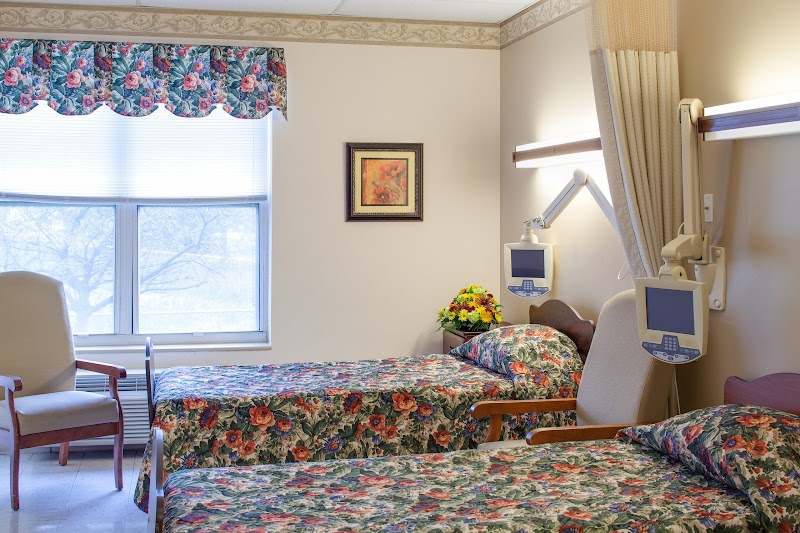
How is Elkton Staffed?

CMS rates ELKTON NURSING AND REHABILITATION CENTER's staffing level at 1 out of 5 stars, which is much below average compared to other nursing homes. Staff turnover is 63%, which is 17 percentage points above the Maryland average of 46%. High turnover can affect care consistency as new staff learn residents' individual needs. RN turnover specifically is 56%, which is notably high. RNs provide skilled clinical oversight, so turnover in this role can affect medical care quality.

What Have Inspectors Found at Elkton?

State health inspectors documented 143 deficiencies at ELKTON NURSING AND REHABILITATION CENTER during 2018 to 2025. These included: 1 Immediate Jeopardy (the most serious level, indicating potential for serious harm or death), 138 with potential for harm, and 4 minor or isolated issues. Immediate Jeopardy findings are rare and represent the most serious regulatory concerns. They require immediate corrective action.

Who Owns and Operates Elkton?

ELKTON NURSING AND REHABILITATION CENTER is owned by a for-profit company. For-profit facilities operate as businesses with obligations to shareholders or private owners. The facility is operated by LIFEWORKS REHAB, a chain that manages multiple nursing homes. With 182 certified beds and approximately 168 residents (about 92% occupancy), it is a mid-sized facility located in ELKTON, Maryland.
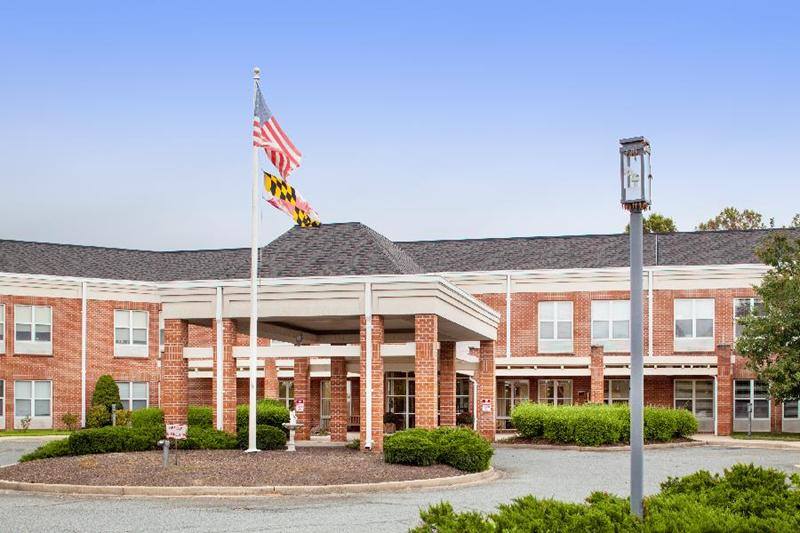
How Does Elkton Compare to Other Maryland Nursing Homes?

Compared to the 100 nursing homes in Maryland, ELKTON NURSING AND REHABILITATION CENTER's overall rating (1 stars) is below the state average of 3.0, staff turnover (63%) is significantly higher than the state average of 46%, and health inspection rating (1 stars) is much below the national benchmark.

What Should Families Ask When Visiting Elkton?

Based on this facility's data, families visiting should ask: "What changes have been made since the serious inspection findings, and how are you preventing similar issues?" "How do you ensure continuity of care given staff turnover, and what is your staff retention strategy?" "Can you walk me through typical staffing levels on day, evening, and night shifts?" "Can I visit during a mealtime to observe dining assistance and food quality?" These questions are particularly relevant given the facility's Immediate Jeopardy citations, the facility's high staff turnover rate, and the below-average staffing rating.

Is Elkton Safe?

Based on CMS inspection data, ELKTON NURSING AND REHABILITATION CENTER has documented safety concerns. Inspectors have issued 1 Immediate Jeopardy citation (the most serious violation level indicating risk of serious injury or death). The facility has a 1-star overall rating and ranks #100 of 100 nursing homes in Maryland. Families considering this facility should ask detailed questions about what corrective actions have been taken since these incidents.

Do Nurses at Elkton Stick Around?

Staff turnover at ELKTON NURSING AND REHABILITATION CENTER is high. At 63%, the facility is 17 percentage points above the Maryland average of 46%. Registered Nurse turnover is particularly concerning at 56%. RNs handle complex medical decisions and coordinate care — frequent RN changes can directly impact care quality. High turnover means new staff may not know residents' individual needs, medications, or preferences. It can also be disorienting for residents, especially those with dementia who rely on familiar faces. Families should ask: What is causing the turnover? What retention programs are in place? How do you ensure care continuity during staff transitions?

Was Elkton Ever Fined?

ELKTON NURSING AND REHABILITATION CENTER has been fined $31,758 across 3 penalty actions. This is below the Maryland average of $33,396. While any fine indicates a compliance issue, fines under $50,000 are relatively common and typically reflect isolated problems that were subsequently corrected. Families should ask what specific issues led to these fines and confirm they've been resolved.

Is Elkton on Any Federal Watch List?

ELKTON NURSING AND REHABILITATION CENTER is not on any federal watch list. The most significant is the Special Focus Facility (SFF) program, which identifies the bottom 1% of nursing homes nationally based on persistent, serious quality problems. Not being on this list means the facility has avoided the pattern of deficiencies that triggers enhanced federal oversight. This is a positive indicator, though families should still review the facility's inspection history directly.