LAURELWOOD HEALTHCARE CENTER
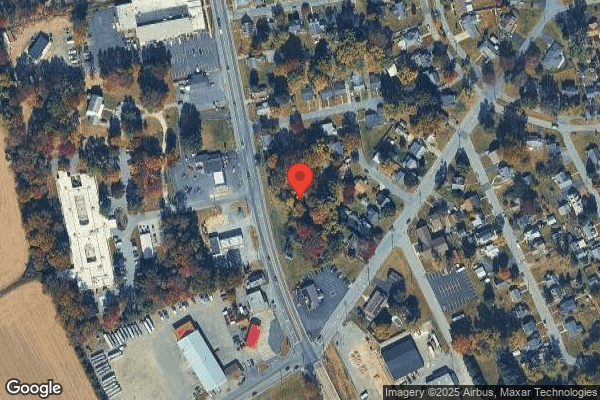

100 LAUREL DRIVE, ELKTON, MD 21921 (410) 398-8800
For profit - Corporation 110 Beds COMMUNICARE HEALTH Data: November 2025
Trust Grade
25/100
#206 of 219 in MD
Last Inspection: August 2024

Within standard 12-15 month inspection cycle. Federal law requires annual inspections.

Overview

Families researching Laurelwood Healthcare Center in Elkton, Maryland should be aware that it has received a Trust Grade of F, indicating significant concerns and a poor overall quality of care. It ranks #206 out of 219 facilities in Maryland, placing it in the bottom half, and #3 out of 3 in Cecil County, meaning there is no better local option available. The facility's trend is worsening, with issues increasing from 29 in 2019 to 39 in 2024. Staffing is rated average with a turnover rate of 34%, which is better than the state average, but the facility has incurred $95,610 in fines, indicating more compliance problems than 91% of facilities statewide. While RN coverage is average, there have been serious incidents such as a resident eloping from the facility and being found outside without staff knowledge, as well as concerns about inadequate food safety practices, which could potentially harm residents. Additionally, the culinary director lacks the necessary qualifications, further highlighting areas needing improvement. Overall, while there are some strengths in staffing stability, the significant issues with care and oversight raise serious concerns for potential residents and their families.

Trust Score
F
25/100
In Maryland
#206/219
Bottom 6%
Safety Record
Moderate
Needs review
Inspections
Getting Worse
29 → 39 violations
Staff Stability
○ Average
34% turnover. Near Maryland's 48% average. Typical for the industry.
Penalties
✓ Good
$95,610 in fines. Lower than most Maryland facilities. Relatively clean record.
Skilled Nurses
○ Average
Each resident gets 39 minutes of Registered Nurse (RN) attention daily — about average for Maryland. RNs are the most trained staff who monitor for health changes.
Violations
⚠ Watch
84 deficiencies on record. Higher than average. Multiple issues found across inspections.
★☆☆☆☆
1.0
Overall Rating
★★★☆☆
3.0
Staff Levels
★★★☆☆
3.0
Care Quality
★☆☆☆☆
1.0
Inspection Score
Stable
2019: 29 issues
2024: 39 issues

The Good

  • Full Sprinkler Coverage · Fire safety systems throughout facility
  • No fines on record
  • Staff turnover below average (34%)

    14 points below Maryland average of 48%

Facility shows strength in fire safety.

The Bad

1-Star Overall Rating

Below Maryland average (3.0)

Significant quality concerns identified by CMS

Staff Turnover: 34%

12pts below Maryland avg (46%)

Typical for the industry

Federal Fines: $95,610

Well above median ($33,413)

Moderate penalties - review what triggered them

Chain: COMMUNICARE HEALTH

Part of a multi-facility chain

Ask about local staffing decisions and management

The Ugly 84 deficiencies on record

1 actual harm
Aug 2024 36 deficiencies 1 Harm
SERIOUS (G) 📢 Someone Reported This

A family member, employee, or ombudsman was alarmed enough to file a formal complaint

Actual Harm - a resident was hurt due to facility failures

Accident Prevention (Tag F0689)

A resident was harmed · This affected 1 resident

**NOTE- TERMS IN BRACKETS HAVE BEEN EDITED TO PROTECT CONFIDENTIALITY** 2) On 7/22/24 at 9:50 AM, Resident # 18 was observed in bed with eyes closed. One fall mat was noted on the right side of the be...

Read full inspector narrative →
**NOTE- TERMS IN BRACKETS HAVE BEEN EDITED TO PROTECT CONFIDENTIALITY** 2) On 7/22/24 at 9:50 AM, Resident # 18 was observed in bed with eyes closed. One fall mat was noted on the right side of the bed. The resident did not respond when surveyors greeted him/ her. On 7/23/24 at 10:14 AM, surveyors reviewed Facility Self-Reported incident MD 00188036. The review revealed Resident #18 had an elopement incident on 1/20/23 around 5:45 PM. Two family members coming into the building to visit another resident found Resident #18 outside in the facility's parking lot. The resident allegedly exited the building without the knowledge of the facility staff. The facility staff assisted the resident back to the building and assessed for any injuries. On 7/23/24 at 10:42 AM, a review of the staff statement regarding Resident #18's elopement incident indicated that Resident #18 was initially seen at the nurse's station around 5:25 PM. Also, a statement from the family members stated that they found Resident #18 outside the south end of the building, wearing a hospital gown and carrying a bag. On 7/23/24 at 11:03 AM, a review of Resident #18's medical record revealed as · A BIMS score was 5 of 15: Brief Interview for Mental Status (BIMS) is a screening tool used to assess basic cognitive function in patients in long-term care facilities. A score of 0-7 indicates that a patient has severe cognitive abilities. · The resident was found going inside the Physician's room on 1/18/13 and to another resident's room on 3/18/23 by accident. But Resident #18 had no other wandering, exit seeking and/or elopement incidents. On 7/24/24 at 10:18 AM, in an interview with the Director of Nursing (DON), he stated that the facility staff assumed that Resident #18 did not use the front door to go out but used the kitchen exit door. He stated that the facility had no video footage verifying the resident's exit. The DON confirmed that they presumed the resident followed a kitchen staff to go out and indicated that the door leading to the dumpster was the only door not secured before the elopement incident. He also verified that the kitchen staff didn't lock the kitchen door and that the kitchen staff only locked the door when they were finished with the shift when the elopement occurred. The DON stated that Resident #18 had no wandering issues in the past and had no exit-seeking behavior. The DON added that the wanderguard was ordered after the incident, and discontinued on 8/14/23 because the resident can no longer ambulate and bear weight. On 7/25/24 at 11:02 AM, in an interview with Staff #10 (Cook), he stated that the staff could access the main door to the kitchen and usually went inside the kitchen to get ice. He added that before the incident, the kitchen staff would push the door to go out towards the dumpster and use a keypad with a code to enter back to the kitchen. He stated that the kitchen exit door lock was replaced after the incident and that a key was now used instead of a keypad. Staff #10 showed the surveyors how to exit using the kitchen door towards the dumpster. He unlocked the door using a key that was kept inside a drawer. On 07/25/24 at 1:08 PM, in an interview with Staff #12 (Maintenance director), he revealed that before the incident, the kitchen staff used a numerical lock/ keypad system located outside the kitchen back door. The staff had to push the door to go outside and use the keypad to go inside. He/she added that the keypad was removed and changed right away after the incident. On 8/08/24 at 09:35 AM, during an interview with the DON and Administrator, the surveyor shared concerns that the facility failed to prevent the elopement incident by ensuring that all exit doors were locked, especially the back kitchen door. 3) Review of Resident #106's medical record on 7/29/24 revealed the Resident was admitted to the facility on [DATE] with diagnosis to include Alzheimer's disease. Alzheimer's disease is a progressive disease that destroys memory and other important mental functions. The MDS (Minimum Data Set) is part of the Resident Assessment Instrument that was Federally mandated in legislation passed in 1986. The MDS is a set of assessment screening items employed as part of a standardized, reproducible, and comprehensive assessment process that ensures each resident's individual needs are identified, that care is planned based on those individualized needs, and that the care is provided as planned to meet the needs of each resident. Further review of Resident #106's medical record revealed the facility staff assessed the Resident's behaviors in Quarterly MDS on 1/26/21 and 5/13/21. The facility staff coded the Resident as a 0 for Behavior not exhibited in Section E Behavior E0900 Wandering: Presence and Frequency. Review of an anonymous concern in June 2021 that Resident #106 was found outside the building by the facility staff, the Surveyor asked on 7/29/24 for the investigation of the incident. Review of the facility investigation revealed it was reported to the Office of Health Care Quality that Resident #106 was found in the facility's adjacent parking lot on 6/5/21 by facility staff and escorted back to the building unharmed. During interview with Staff #38 on 7/30/24 at 2:34 PM, Staff #38 stated on 6/5/21 she was leaving the facility when she saw Resident #106 in the adjacent parking lot to the facility. At that time she escorted the Resident back to the facility and notified the nurse. Staff #38 was asked how she believed the Resident was able to get out, she stated the front door is always locked so I believe the Resident followed visitors out and the Receptionist didn't notice the Resident leave with the visitors. Staff #38 stated she has worked at the facility full time for 7 years and stated this is the only time I am aware the Resident had eloped from the facility. Interview with the Director of Nursing on 8/1/24 at 9:58 AM confirmed the facility staff failed to provide supervision for Resident #106 to prevent an elopement on 6/5/21. Based on observation, review of the facility investigation, record review, and interview. It was determined that the facility failed to provide a safe environment to prevent a fall with injury causing actual harm (Resident #102 ), and failed to provide supervision to prevent an elopement (Resident #18 and #106). This was evident in 3 of 3 residents reviewed for accidents during a recertification/complaint survey. The findings include: 1) On 7/31/24 at 8:38 AM a review of complaint MD00204146, that was received by the State Survey Agency (SA), alleged that Resident #102 was unable to walk or move out of bed. The complaint alleged that staff were changing Resident #102 and apparently dropped Resident #102 resulting in a broken hip. On 7/31/24 at 8:38 AM a review of Resident #102's medical record was conducted and revealed Resident #102 was admitted to the facility in August 2022 with diagnoses that included heart disease, chronic obstructive pulmonary disease (COPD), and chronic pain. The medical record further revealed that Resident #102 was admitted to hospice care in March 2023 due to heart disease. The MDS (Minimum Data Set) is part of the Resident Assessment Instrument that was Federally mandated in legislation passed in 1986. The MDS is a set of assessment screening items employed as part of a standardized, reproducible, and comprehensive assessment process that ensures each resident's individual needs are identified, that care is planned based on those individualized needs, and that the care is provided as planned to meet the needs of each resident. Review of Resident #102's 3/25/24 return anticipated MDS, section GG, Functional Abilities and Goals, documented A: roll left and right: the ability to roll from lying on back to left and right side, and return to lying on back on the bed as a (1) which was Dependent - helper does all of the effort. Resident does none of the effort to complete the activity; or the assistance of 2 or more helpers is required for the resident to complete the activity. The resident was also coded a (1) Dependent for personal hygiene, upper and lower body dressing and toileting hygiene. A care plan is a guide that addresses the unique needs of each resident. It is used to plan, assess, and evaluate the effectiveness of the resident's care. Review of Resident #102's activities of daily living care plan (ADL), that was created on 2/28/23 documented, Resident requires Mod (moderate) to Max (maximum) assistance with bed mobility. Review of a physician's progress note dated 3/25/24 revealed the physician saw Resident #102 for an acute visit. The physician documented, seen today for left leg and hip pain. Patient was seen at the bedside; said [he/she] fell yesterday while being turned in bed. Patient was in severe pain at 8/10, was unable to move [his/her] left hip and leg and did not want provider to move them either. Tramadol was given to patient for [his/her] pain; continue to monitor pain. Stat Xray to be ordered to rule out fracture. Review of the results of the x-ray that was taken on 3/25/24 documented, Acute intertrochanteric femoral fracture with mild displacement with varus angulation. Review of the nursing progress notes dated 3/25/24 at 8:00 PM documented, hospice here to see resident - agrees with plans to transfer to hospital for further evaluation of left hip fracture - resident would like to transfer to hospital to discuss [his/her] options as [he/she] is experiencing pain to [his/her] left hip. Review of the ED (Emergency Department) physician record dated 3/25/24 at 20:29 (8:29 PM) documented, fell out of bed yesterday at [his/her] skilled nursing facility when [he/she] was being repositioned. Has left hip and upper femur pain. Apparently had an x-ray done which showed a left hip fracture. [He/She] is bedbound and does not ambulate. The physician ' s assessment and plan documented, Fall out of bed with left hip pain. Will do x-ray of left femur and hip to look for any fracture. Start pain control with Percocet. [He/She] will require admission to get [his/her] pain under control. On 7/31/24 at 10:15 AM an interview was conducted with Registered Nurse (RN) #4 who was the unit manager. RN #4 stated he had been the unit manager for 1 year. When asked about Resident #102's fall, RN #4 stated he could not remember how Resident #102 had the fall. RN #4 stated that Resident #102 was totally dependent on staff. When asked further about Resident #102, RN #4 stated that he remember that an agency aide (Staff #24) took care of the resident the night the resident fell. RN #4 stated he could not remember anything else. On 7/31/24 at 11:36 AM an interview was conducted with the Director of Nursing (DON). The DON was asked about Resident #102's fall. The DON stated the resident complained of hip pain and that he/she had fallen. When asked about the fall, the DON stated an agency aide assisted one of the facility ' s geriatric nursing assistants (GNA) with the resident. The DON stated, the resident was found on the floor wrapped in blankets. When asked when the fall happened, the DON stated that the resident would have fallen on 3/21/24, however the nurse was not aware of the fall, therefore it was not documented. The DON stated the agency GNA #24 was responsible for the resident that night and that GNA #25 helped agency GNA #24 pick the resident up off the floor and put the resident back to bed. The DON confirmed that the nurse and nursing administration were not aware of the fall until 3/25/24. After nursing administration became aware of the fall, the agency was notified that GNA #24 was to be a DNR (Do Not Return) to the facility. On 7/31/24 at 12:15 PM a review was conducted of the fall investigation given to the surveyor by the DON. The investigation consisted of a word document that stated, Resident presented with pain to hip to nursing staff, nursing staff reports resident had fallen 3 days prior. The document stated pain evaluation and x-rays were done, family was notified, resident discharged to ER (emergency room) and then to another facility from the ER. In the investigation there were only 3 witness statements, from RN #19 and GNA #25. There was a document that stated, multiple attempts made, and agency called several times. Would not locate GNA. Also included was a copy of the 3/25/24 nursing schedule. The DON was asked if there was any other information related to the fall and the response was, that ' s all I have. On 7/31/24 at 12:40 PM RN #19 was interviewed. RN #19 stated that she was the nurse assigned to Resident #102 on 3/21/24. RN #19 stated that she was not aware of the fall on 3/21/24. RN #19 stated that she did not know how the resident fell. RN #19 stated, one of the mornings the unit manager came to me and asked me if he/she had a fall, and I said I didn ' t know he/she had a fall. RN #19 stated Resident #102 was not able to get out of bed by him/herself. RN #19 stated that Resident #102 did have pain in the leg. RN #19 stated that she worked and was assigned to the resident on 3/25/24 and that the doctor saw the resident and wanted an x-ray. It was confirmed that the resident had a fracture. RN #19 stated, If I had known about the fall on 3/21/24 I would have called the doctor immediately. On 7/31/24 at 12:54 PM an interview was conducted with GNA #25. GNA #25 stated that Resident #102 was total care and that sometimes the resident could turn on her own but most of the time was a 2 person assist. GNA #25 stated that she only worked one half of a shift on 3/21/24 and came in at 7:00 PM. GNA #25 stated that she went on break around 9:00 PM and last rounds were between 9:30 PM and 10:00 PM. GNA #25 stated, I did not have a group because I came in late. There was no one in the hall. I went into the nurse ' s station to put my stuff down. GNA #24 came around to the station and she peaked around the corner and asked if I could help get (Resident #102) off the floor. RN #19 was up at the other end of hall. The resident was laying on his/her back on the floor beside the bed. I asked GNA #24 what happened, and she said she was changing Resident #102 and [he/she fell]. I helped get [him/her] up and back in the bed. GNA #24 told GNA #25 that she told RN #19 that the resident fell. Once Resident #102 was back in bed I left the room. The DON said I should have made sure it had been reported to the nurse before I helped get [him/her] up. I should not have assumed anything regarding the situation. I should have got the OK from the nurse. On 8/1/24 at 10:24 AM an interview was conducted with the facility's Corporate Nurse (Staff #36) who confirmed that the fall was not reported for 4 days, and that facility wide education was not done after the incident and that the incident was not reported to the Office of Health Care Quality (OHCQ). Staff #36 confirmed that the fall's investigation was incomplete. On 8/1/24 at 10:52 AM an interview was conducted with GNA #24 (agency GNA). She was asked about the evening of 3/21/24. GNA #24 stated, ' when they called me, I was baffled about the situation because I had no recollection of the incident. GNA #24 denied that anyone had a fall and that she did not help anyone pick up a resident from the floor. GNA #24 repeated several times to the surveyor that she could not recall that evening. Review of Resident #102's March 2024 Medication Administration Record (MAR) documented the medication Tramadol 50 mg. was ordered on 11/2/23 prn (when necessary) every 6 hours as needed for pain. Tramadol is an opioid that is used to relieve moderate to severe pain. Prior to 3/21/24, the Tramadol was only administered 1 time in March 2024, which was on 3/11/24. From 3/21/24 to 3/25/24, the Tramadol was administered daily for pain levels of 8 out of 10. On 3/21/24 Tramadol 50 mg. was administered at 11:04 PM. On 3/22/24 Tramadol 50 mg. was administered at 3:12 PM. On 3/23/24 the Tramadol was administered twice, at 1:45 PM and 8:00 PM for left leg pain. Also, a dose of Tylenol (Acetaminophen) 650 mg. was administered on 3/23/24 at 10:14 PM after it was documented that the pain level was a 6 after the administration of the Tramadol. On 3/24/24 Tramadol was administered at 12:33 PM. There was also a prn order for Morphine (ordered on 3/23/23 when the resident was admitted to Hospice) that was given on 3/24/24 at 4:35 PM for a pain level of 6 (which was 4 hours after the Tramadol was administered). On 3/25/24 at 10:13 AM Tramadol was administered. Further review of the medical record revealed no additional documentation of any investigations as to why the resident was in pain every day from 3/21/24 to 3/25/24. On the March MAR there were places for day, evening, and night shift to document monitor for pain every shift that had nurse ' s initials and check marks, however there was no description of the pain and no other documentation as to why or what was done. On 8/1/24 at 1:17 PM an interview was conducted with the DON related to pain assessments. The DON stated that when Resident #102 already had an order for pain medication and the pain medication was administered a couple of days in a row, he would assume it was from the arthritis and not expect a total pain assessment in the assessments section of the medical record. The DON stated he would expect the number of severity, which was documented on the MAR. The DON stated, We weren't aware of the fall so therefore did not associate the pain with that. On 8/5/24 at 2:12 PM an interview was conducted with RN #37. RN #37 was asked about the care she provided to Resident #102 on 3/23/24 and 3/24/24 and the pain the resident was experiencing. RN #37 stated she did not really remember the resident and that she had just started at the facility a month prior. RN #37 was asked if the resident had a prn for pain medication but had not received any medication until all of a sudden received it 5 days in a row, would that trigger her to see what is going on with the resident. RN #37 said yes. When asked when she would fill out a pain assessment, RN #37 said, if it was new and acute or if it was a quarterly pain assessment required by the facility, I would fill it out. RN #37 was asked if the facility had asked her if the resident had a fall. RN #37 stated that no one had told or asked her about a fall. RN #37 stated, if the resident had a fall and was in pain then the resident should have been sent to the hospital.
CONCERN (D)

Potential for Harm - no one hurt, but risky conditions existed

Deficiency F0552 (Tag F0552)

Could have caused harm · This affected 1 resident

Based on the interview and record review, it was determined that the facility failed to inform the resident of the changes to his/ her treatment plan. This was evident for 1(Resident #21) of 6 residen...

Read full inspector narrative →
Based on the interview and record review, it was determined that the facility failed to inform the resident of the changes to his/ her treatment plan. This was evident for 1(Resident #21) of 6 residents reviewed for residents' care during the survey. The findings include: Hepatitis C is an inflammation of the liver caused by the hepatitis C virus. The virus can cause both acute and chronic hepatitis, ranging in severity from a mild illness to a serious, lifelong illness including liver cirrhosis and cancer. Brief Interview for Mental Status, BIMS, is a screening tool used to assess basic cognitive function in patients in long-term care facilities. On 7/22/24 at 10:04 AM, in an interview with Resident #21, he/she expressed concern that the facility staff didn't notify him/her of the results every time he underwent laboratory tests. Resident #21 added that one of his/her medications was stopped without notice. On 7/23/24 at 3:09 PM, further review of the medical record indicated that Resident #21's BIMS assessed on 4/29/24 scored 14 of 15, cognitively intact. On 7/24/24 at 2:57 PM, a review of the progress notes dated 5/28/24 written by Nurse Practitioner (NP #7) revealed that she ordered Resident #21 a new medication, [specific medication name] for hepatitis C that would be given for 12 weeks. Further review of the nurse's notes dated 6/03/2024 indicated, Medication not available, awaiting prior authorization, NP aware. Another nurse note on 7/18/2024 revealed, medication on hold not available NP and doctor aware. However, the notes indicated that the resident needed to be notified of the changes. On 7/25/24 at 8:35 AM, a review of the MAR (Medication Administration Record) revealed that the [name of Hepatitis C medication] was ordered to start on May 28, 2024, but has never been administered and was put on hold for May, June, and July. On 7/25/24 at 9:32 AM, in an interview with the Registered Nurse (RN #8), he stated that if resident orders were changed, the assigned nurse notified the physician or Nurse practitioner and updated the resident or the family members. The notification was then documented in the progress notes. However, none of the nurses documented that the resident was informed of the changes. On 7/25/24 at 1:35 PM, in an interview with NP #7, she stated that she wrote an order for Resident #21 to start [name of Hepatitis C medication] on May 28, 2024, for 12 weeks. She added that the medication required a pre-authorization from the insurance company due to its high cost. NP # 7 stated that she also called the pharmacy. The insurance company informed NP #7 that they would not give the authorization until a blood test and an infectious disease consult had been completed. NP #7 insisted that she coordinated to obtain the authorization. The surveyor reviewed Resident #21's progress note and MAR regarding Hepatitis C medication: it was never administered, and no documentation was present. NP #7 agreed that she did not inform Resident #21 about his/her medication. On 7/26/24 at 8:29 AM, in an interview with the appointment scheduler (Staff #9), she said, I had reached out to three Infectious Disease specialists, but all of them don't take new patients. So far, no consultation was arranged. Staff #9 was asked about the documentation for the infectious disease consultant. Staff #9 verified that there were no records about the consultant in Resident #21's medical records. On 7/30/24 at 10:38 AM, in an Interview with the DON, he was informed that there was an issue with Resident #21's medication, that the medication was held without the resident's knowledge, and that the resident felt he/she was never involved in the decision-making. The DON stated that there was an insurance issue and a pending Infectious disease consult. The DON was also notified that NP #7 failed to inform the resident and document the plan in the medical record.
CONCERN (D) 📢 Someone Reported This

A family member, employee, or ombudsman was alarmed enough to file a formal complaint

Potential for Harm - no one hurt, but risky conditions existed

Deficiency F0558 (Tag F0558)

Could have caused harm · This affected 1 resident

**NOTE- TERMS IN BRACKETS HAVE BEEN EDITED TO PROTECT CONFIDENTIALITY** Based on a complaint, observation, interviews, and record reviews, it was determined the facility failed to provide services wit...

Read full inspector narrative →
**NOTE- TERMS IN BRACKETS HAVE BEEN EDITED TO PROTECT CONFIDENTIALITY** Based on a complaint, observation, interviews, and record reviews, it was determined the facility failed to provide services with reasonable accommodation of resident needs and preferences. This was evident for 2 (#6, #134) of 87 residents reviewed during a recertification and complaint survey. The findings include: A Hoyer lift is an assistive device used to help persons with mobility challenges get in and out of bed. It allows a person to be lifted and transferred with a minimum of physical effort between a bed and a chair and vice versa. 1) On 7/23/2024 11:22 AM, surveyor observed Resident #6 sitting in a bariatric wheelchair and working with therapy in their room. On 8/6/2024 at 12:40 PM, an interview was conducted with the Area Manager for Therapy (Staff #35). Staff #35 stated that Resident #6 was currently on PT (physical therapy) case load and PT has been working with the resident since January 2024 for bed mobility and transfers. Staff #35 further stated that the resident required standby assist for bed to wheelchair transfers. However, she added that Resident #6 needed more assistance (max assist of at least 2 staff members) for transfer from wheelchair to bed as it involved transferring from a lower surface (wheelchair) to a higher surface (bed). Staff #35 further stated that they (PT) have recommended for staff to use a Hoyer lift when transferring the resident from wheelchair to bed. On 8/7/2024 at 11:20 AM, a review of PT Recertification and Updated Plan of Treatment for certification period: 7/31/2024 - 8/27/2024 was completed: Under Assessment Summary: Progress & Response to Tx: Pt is making gains in standing tolerance. Pt, staff, NSG (nursing), and corporate staff have been educated to not txer (transfer) pt to wc (wheelchair) unless wc has Hoyer pad in it . On 8/7/2024 at 1:00 PM, an interview was conducted with Resident #6 in their room: Regarding resident transfers, Resident #6 stated that the facility had a bariatric Hoyer lift that they were using to get her/him in and out of bed, but the lift was broken since May 2023 and the facility has not been able to get another working lift. The resident further stated that the staff tried using a smaller lift, but it was too tight and very uncomfortable. S/he added that the Director of Nursing (DON) was aware and stated it wasn't safe for staff to be using the smaller lift for transfers. Resident #6 stated that last Friday (about 2 weeks ago), the staff tried using a sit-to-stand lift, but that did not work either. When asked how the staff were getting her/him in/out of bed, Resident #6 stated that they were now using multiple staff members to get her/him in and out of bed even though PT had recommended that the staff should use a larger Hoyer lift for transfers. Resident #6 confirmed that the facility did not have a suitable Hoyer lift available for staff to use when getting her/him in and out of bed. On 8/8/2024 at 8:00 AM, an interview was conducted with B-Wing Unit Manager (UM #4): When asked how Resident #6 was transferred in and out of bed, UM #4 stated that they were using 2 people assist and sometimes 3 with help from PT. When asked about the use of a Hoyer lift as recommended by PT, UM #4 stated that the staff was supposed to use a Hoyer lift for transfers, but they did not have a working bariatric Hoyer lift suitable for the resident. He stated that the one they had was broken, and the parts no longer available. UM #4 added that both the Maintenance Director (Staff #12) and Administrator were aware of the issue. UM #4 confirmed that they were not using the Hoyer lift for transfers even though PT had recommended that it be used particularly when transferring the resident from chair to bed (lower surface to a higher surface). On 8/8/2024 at 8:10 AM, an interview was completed with Maintenance Director (Staff #12) who has worked in the facility for about 3.5 years: Staff #12 confirmed that the facility did not have a suitable Hoyer lift for staff to use when transferring Resident #6 in and out of bed. He stated that the facility had a 1000 lb. bariatric Hoyer lift that broke down in May 2023 and facility has not been able to get it fixed. However, he added that they were now working with a new company to get the Hoyer lift fixed. On 8/8/2024 at 8:26 AM, in an interview with the DON, he stated that they have tried several lifts, but Resident #6 could not tolerate them. Regarding transfers, DON stated that the resident was able to transfer with staff assist from bed to chair. When asked about PT recommendation for use of a Hoyer lift during transfers specifically when transferring resident from chair to bed, DON stated he was going to follow up on that. He added that they were currently working with the Regional Director of Operations to get a new lift that would work for Resident #6. On 8/8/2024 at 10:40 AM, in a follow up interview with the DON and Nursing Home Administrator (NHA), surveyor shared concerns regarding facility's lack of a suitable/working bariatric Hoyer lift for Resident #6 and staff not following PT recommendations to use the lift during transfers. NHA stated that they have not been able to repair the one that was broken and did not know if they will be able to get another lift for Resident #6. 2) Review of Resident #134's medical record on 8/5/24 revealed the Resident was admitted to the facility on [DATE] for rehabilitation following a hospitalization. The Resident was assessed by the facility staff on the admission MDS (Minimum Data Set) dated 1/22/24 to have a BIMS (Brief Interview for Mental Status) of 15/15, cognitively intact. Interview with Resident #134 on 8/5/24 at 4:05 PM the Resident stated after admission the facility staff failed to give him/her a shower for approximately 2 weeks and the only reason he/she got one was because his/her visitor gave the shower. Further review of Resident #134's medical record revealed a nurse's note on 1/28/24 at 6:05 PM: Resident has a shower in the evening. The friend did the shower for resident. A nurse's note on 1/29/24 stated: Resident states has a yeast infection from not being able to shower every day. During interview with the Director of Nursing (DON) on 8/6/24 at 9:43 AM, the DON was asked how do the facility staff determine when residents receive showers. The DON stated on the nursing admission assessment the resident is asked how many showers they would like to receive a week. Review of Resident #134's Nursing admission Evaluation dated 1/15/24 with the DON, the facility staff documented in Section 2E Preferences: the resident prefers a shower 3 times a week. Review of shower documentation provided by the facility on 8/6/24 revealed from 1/15/24 until discharge on [DATE] the facility staff only documented they provided 2 showers on 2/5/24 and 2/7/24. Interview with the Infection Preventionist on 8/6/24 at 10:52 AM confirmed Resident #134 received 3 showers from 1/15/24 until 2/13/24.
CONCERN (D) 📢 Someone Reported This

A family member, employee, or ombudsman was alarmed enough to file a formal complaint

Potential for Harm - no one hurt, but risky conditions existed

Deficiency F0569 (Tag F0569)

Could have caused harm · This affected 1 resident

**NOTE- TERMS IN BRACKETS HAVE BEEN EDITED TO PROTECT CONFIDENTIALITY** Based on medical record review and interview, the facility staff failed to convey resident funds to a resident at discharge (Res...

Read full inspector narrative →
**NOTE- TERMS IN BRACKETS HAVE BEEN EDITED TO PROTECT CONFIDENTIALITY** Based on medical record review and interview, the facility staff failed to convey resident funds to a resident at discharge (Resident #104). This was evident for 1 of 3 residents reviewed during an annual survey. The findings include: Review of Resident #104's medical record on 8/1/24 revealed the Resident was admitted to the facility on [DATE] from another facility and discharged to the hospital on 3/6/24. The Resident did not return to the facility after discharge. Further review of Resident #104's medical record revealed on 3/4/24 the previous facility the Resident resided in sent a check to the facility for $2132.12 payable to the Resident and evidence the Resident's RFMS (Resident Fund Management Service) account was closed by the previous facility on 3/4/24. Further review of Resident #104's medical record revealed on 3/14/24 the facility staff sent back a check to the previous facility for $2132.12 even though Resident #104 was not a resident at that facility. During interview with the Business Office Manager (BOM) on 8/1/24 at 11:40 AM, the BOM was asked why the facility sent back a check to the previous facility when the Resident was not there. The BOM stated they had not yet opened a RFMS account for the Resident and felt like the previous facility could reopen the Resident's RFMS account and deposit the funds. Interview with the Administrator on 8/2/24 at 8:30 AM confirmed the facility staff failed to return Resident #104's check to the Resident and incorrectly returned it to the previous facility the Resident had resided in.
CONCERN (D)

Potential for Harm - no one hurt, but risky conditions existed

Deficiency F0578 (Tag F0578)

Could have caused harm · This affected 1 resident

**NOTE- TERMS IN BRACKETS HAVE BEEN EDITED TO PROTECT CONFIDENTIALITY** 2) On [DATE] at 11:22 AM, a review of Resident #15's medical record revealed the resident was admitted to the facility in July o...

Read full inspector narrative →
**NOTE- TERMS IN BRACKETS HAVE BEEN EDITED TO PROTECT CONFIDENTIALITY** 2) On [DATE] at 11:22 AM, a review of Resident #15's medical record revealed the resident was admitted to the facility in July of 2023. However, there was no evidence of an advance directive in the paper chart. Further review of Resident #15's medical record on [DATE] at 11:30 AM revealed that the resident's capacity form had 2 physicians' signatures dated [DATE] and [DATE], which indicated that the resident lacked adequate decision-making capacity. On [DATE] at 12:52 PM, a review of electronic medical records also did not show an advance directive on file and there was no information indicating that an opportunity to formulate an advance directive was recently provided to the resident and/or the resident representative. On [DATE] at 10:41 AM, the Director of Nursing (DON) was informed that there was no evidence of an advance directive in the paper chart and in the electronic medical record. The surveyor also shared with the DON that on [DATE] at 2:18 PM, during an interview by another surveyor, the social services department had identified the issue. Based on record review and interview it was determined the facility failed to ensure that resident/resident's representative was offered the opportunity to develop advance directives and/or provided information regarding advance directives. This was evident for 2 (Resident #14, #15) of 4 residents reviewed for advance directives. The findings include: An advance directive is a written statement of a person's wishes regarding medical treatment, often including a living will, made to ensure those wishes are carried out should the person be unable to communicate them to a doctor. It is a legal document in which a person specifies what actions should be taken for their health if they are no longer able to make decisions for themselves because of illness or incapacity. A Maryland MOLST (Medical Orders for Life-Sustaining Treatment) form is used for documenting a resident's specific wishes related to life-sustaining treatments. The MOLST form includes medical orders for Emergency Medical Services (EMS) and other medical personnel regarding cardiopulmonary resuscitation (CPR) and other life-sustaining treatment options for a specific patient. 1) On [DATE] at 10:AM a review of Resident #14's electronic medical record revealed no evidence that the resident had an advance directive or that one had been offered to the resident and/or resident's representative (RP). A review of Resident #14's paper chart revealed a Maryland Order for Life Sustaining Treatment (MOLST) dated [DATE] which indicated Attempt CPR (cardiopulmonary resuscitation). However, there was no advance directive found in the paper chart and no documented evidence and/or information indicating that an opportunity to formulate an advance directive was provided to the resident and/or the resident's representative (RP). On [DATE] at 2:18 PM in an interview with the social services designee (Staff #5) and in the presence of the Regional Director of Social Work (Staff #6), Staff #5 stated that advance directive information should be in each resident's paper chart and may also be scanned into the electronic record. She further stated that most of the residents already have advanced directives upon admission to the facility and the family asked to bring a copy to the facility. Surveyor requested a copy of Resident 14's advanced directives and/or information that the resident/RP were given the information/opportunity to formulate one. The Regional Director of Social Work (Staff #6) responded that they have identified that advance directives were not being addressed. Staff #6 stated that she has re-educated the social work designee (Staff #5) to make sure advanced directives were addressed with every resident that was admitted in the facility and documentation placed in the residents' records. They (Staff #5 and Staff #6) verified and confirmed that Resident #14 did not have an advance directive in his/her records and were unable to provide documentation that the resident/RP were given the opportunity to formulate one. On [DATE] at 10:40 AM, in an interview with the Director of Nursing (DON) and the Nursing Home Administrator, they were informed that Resident #14 did not have Advanced Directives in their charts and/or documentation that they were given an opportunity to formulate one. No further documentation was provided.
CONCERN (D)

Potential for Harm - no one hurt, but risky conditions existed

Deficiency F0582 (Tag F0582)

Could have caused harm · This affected 1 resident

Based on record review and interview it was determined the facility failed to ensure advance written notification to residents was issued when the facility determined that residents no longer qualifie...

Read full inspector narrative →
Based on record review and interview it was determined the facility failed to ensure advance written notification to residents was issued when the facility determined that residents no longer qualified for Medicare part A skilled services. This was evident for 3 out of 3 residents (#46, #25, and #248) reviewed during the surveyor's beneficiary protection notification review during the facility's recertification survey. The findings include: On 7/26/24 at 2:55PM the surveyor provided three Skilled Nursing Facility Beneficiary Protection Notification Review forms and requested them to be completed for Residents #248, #46, and #25 to Registered Nurse #30. On 7/29/24 at 9:08AM the surveyor requested to the facility's Director of Nursing, that the forms be completed and returned to the surveyor. On 7/29/24 at 9:15AM the surveyor notified the facility Administrator that the forms had not been completed or returned. At this time, the surveyor conducted an interview with the facility Administrator who provided the following response regarding notices issued to residents: We don't have them. At this time, the surveyor requested the forms be completed and returned to the surveyor. On 7/29/24 at 10:22AM the surveyor conducted an interview with the facility's Social Services Designee (SSD) #5 who reported they had been taught that the advanced beneficiary notice was given when residents exhausted medicare benefits. SSD #5 acknowledged and confirmed during the interview that the advanced beneficiary notices of non-coverage hadn't been issued to residents. SSD #5 further reported to the surveyor that now, they will be giving the advanced beneficiary notices with the notice of medicare-non coverage forms when residents have exhausted medicare and will be staying in the facility. On 7/29/24 at 11:14AM the surveyor reviewed the completed form for Resident #25 which stated their last covered day of Part A service was 4/5/24 and benefit days were not exhausted and notated that the facility did not issue the advanced beneficiary notice of non-coverage and the resident remained in the facility. On 7/29/24 at 11:17AM the surveyor reviewed the completed form for Resident #248 which stated their last covered day of Part A service was 6/24/24 and benefit days were not exhausted and notated that the facility did not issue the advanced beneficiary notice of non-coverage. Upon further review of attached documentation, a phone call was made to the resident's family by the facility on 6/21/24, however, no written notice was sent until it was mailed out on 6/24/24, the day the coverage was ending. On 7/29/24 at 11:34AM the surveyor reviewed the completed form for Resident #46 which stated their last covered day of Part A service was 6/20/24 and benefit days were not exhausted and the facility did not issue the advanced beneficiary notice of non-coverage, and the resident remained in the facility. On 7/29/24 at 11:51AM the surveyor shared concerns with the facility's Administrator who acknowledged and confirmed the concerns and stated the following information to the surveyor: The advanced beneficiary notices should have been given.
CONCERN (D)

Potential for Harm - no one hurt, but risky conditions existed

Deficiency F0583 (Tag F0583)

Could have caused harm · This affected 1 resident

Based on observation, record review, and interview it was determined the facility failed to ensure secure storage of resident records and personal information. This was evident during the surveyor's e...

Read full inspector narrative →
Based on observation, record review, and interview it was determined the facility failed to ensure secure storage of resident records and personal information. This was evident during the surveyor's exterior environment tour of the facility's grounds during the facility's recertification survey. The findings include: On 7/30/24 at approximately 11:20AM the surveyor conducted an exterior environmental tour of the facility's grounds and observed two exterior doors to the facility which were ajar, unlocked, and able to be opened. One out of two openly accessible areas was found to be a storage area with therapy related medical equipment in disarray, with a two drawer metal filing cabinet present, and two oversized cardboard banker boxes stacked on top, observed to be completely filled with various medical documents with resident personal information present. The surveyor observed and noted the following was present: bad medicare debt documents, resident information including names, admission dates, and lists with social security numbers present, room numbers, letters from the facility to residents, audit documents, and financial documents related to resident insurance information among various other documents. The surveyor noted this storage area was completely accessible from the outside environment. On 7/30/24 at 11:27AM a dual surveyor observation was conducted to observe the concern. On 7/30/24 at 11:37AM dual surveyors notified the facility's Administrator, shared the concern, and accompanied them to observe the concern, at which time the Administrator was interviewed. The facility Administrator observed, acknowledged, and confirmed the concern, then was observed contacting the Director of Maintenance #12, via phone asking them to bring a cart outside to remove the documents. On 7/30/24 at 11:45AM, Director of Maintenance #12 was observed removing the filing cabinet and boxes of documents from the storage area, and at this time an interview was conducted by the surveyors. Director of Maintenance #12 confirmed during the interview that the door to the storage where the documents were located does not close and attempted closure of the door, which was unable to be closed. When the surveyor inquired as to how long the documents had been there, the Director of Maintenance #12 reported they were unsure how the documents became located there and did not know how long they had been there. Director of Maintenance #12 further reported they had not personally utilized that storage area in awhile, but the documents may have been there the last time they had utilized the storage area.
CONCERN (D) 📢 Someone Reported This

A family member, employee, or ombudsman was alarmed enough to file a formal complaint

Potential for Harm - no one hurt, but risky conditions existed

Free from Abuse/Neglect (Tag F0600)

Could have caused harm · This affected 1 resident

Based on the facility's self-reported incident, residents' medical record review, and interview, it was determined that the facility failed to prevent incident of abuse that was related to a resident ...

Read full inspector narrative →
Based on the facility's self-reported incident, residents' medical record review, and interview, it was determined that the facility failed to prevent incident of abuse that was related to a resident kissing an opposite-gender resident who did not want to. This was evident for one (Resident #16) of 13 abuse investigations, including complaints and facility-reported incidents. The findings include: A review of the facility reported incident MD00205715 on 8/01/24 at 9:00 AM revealed that a sexual abuse alleged on 5/14/24 by Resident #98 kissed Resident #16 (an opposite gender resident) on his/her lip, which Resident #16 did not consent to. On 8/01/24 at 9:27 AM, the surveyor reviewed the medical record of Resident #98 and #16. Resident #98's medical records revealed the resident was alert and oriented. BIMS (Brief Interview for Mental Status: an assessment used in nursing homes and other long-term care facilities to monitor cognition) was 12 out of 15 on 3/26/24. Also, Resident #98's records showed that a social worker ( Staff #5) wrote a progress note on 5/15/24 (late entry; the note was for 5/14/24) as Resident was found in another resident's room by the Unit Manager and was advised that [Resident #98] has been advised on several occasions that he/she is not to enter into any other resident's room. The resident's room that [Resident #98] had entered into advised [another resident] does not want this resident in his/her room [Resident #98] continuously is kissing [another resident] when it is not wanted. Further review of Resident #16's progress note revealed that Staff #5 wrote on 5/14/24, the resident expressed that a certain male/female resident was bothering Resident #16 and she/he did not want this resident in their room because Resident #98 kisses Resident #16 all the time even though Resident #16 does not want to. During an interview with a social worker (Staff #5) on 8/01/24 at 12:39 PM, Staff #5 stated that Resident #98 had sexual behavior issues before the May 2024 incident. Staff #5 said, I overheard that Resident #98 kissed other residents. But no one witnessed it. The surveyor reviewed Resident #98's progress notes on 8/01/24 at 12:45 PM. The review revealed that Staff #5 wrote a progress note on 11/01/23 stating, Met with resident with DON (Director of Nursing) concerning the unwanted inappropriate sexual behaviors. Resident was advised of what the outcome could be with such behaviors In an interview with the DON on 8/01/24 at 12:52 PM, the DON said that the facility staff asked another resident who was abused by Resident #98. Since the other resident denied the incident, the facility staff were not able to verify this incident. The DON was asked what the facility did after Resident #98's sexual abuse incident on 5/14/24. The DON stated that Resident #98's room was changed to the end of the hall. The surveyor questioned what precautions were provided for Resident #16, who did not want Resident #98's inappropriate sexual touching and/or entering rooms. The DON said, Since we moved Resident #98 to another room, he/she was unable to enter the room. The DON confirmed that no other intervention was provided to Resident #16. The above concern was shared with the nursing home administrator (NHA) on 8/07/24 at 11:05 AM, and the NHA validated it.
CONCERN (D) 📢 Someone Reported This

A family member, employee, or ombudsman was alarmed enough to file a formal complaint

Potential for Harm - no one hurt, but risky conditions existed

Abuse Prevention Policies (Tag F0607)

Could have caused harm · This affected 1 resident

Based on policy review, facility investigation review, medical record review, and staff interview, it was determined that the facility failed to implement the abuse policy by failing to timely report ...

Read full inspector narrative →
Based on policy review, facility investigation review, medical record review, and staff interview, it was determined that the facility failed to implement the abuse policy by failing to timely report and conduct a thorough investigation of alleged abuse and a documented unwitnessed fall with injury. This was evident for 1 (#129) of 26 facility reported incidents reviewed and 1 (#102) of 8 residents reviewed for accidents. The findings include: On 7/22/24 at 9:25 AM an entrance conference was conducted with the Director of Nursing (DON), the Nursing Home Administrator (NHA) and the [NAME] President of Clinical Operations. The entrance conference sheet was provided which included a request for a copy of the Abuse Policy. Review of the Abuse, Neglect and Misappropriation Policy revealed, IV. Identification of incidents and allegations 2. The following procedure will assist the staff in the identification of incidents and direct them to appropriate steps of intervention. A. Each occurrence of resident incident, bruise, abrasion or injury of unknown source; or report of alleged abuse, neglect or misappropriation of funds will be identified and reported to the supervisor and investigated timely. B. The supervisor or designee will notify the Director of Nursing and Executive Director of the incident or allegation immediately. Required notification of agencies, physician, and resident representative will be completed. Investigation of Incidents: c: The Executive Director, Director of Nursing, or designee will report immediately to the appropriate agencies, and document the time and date of that report on the investigation form. D. Statements will be obtained from staff related to the incident, including victim, person reporting incident, accused perpetrator and witnesses. This statement should be in writing, signed and dated at the time it is written. G. By the fifth day, the alleged abuse investigation form is completed and reviewed for completeness and accuracy by the Executive Director or designee and submitted to the state. F. This file will be accessible for follow-up and state or local police review of the investigation. VII. Reporting of incidents and facility response. All alleged violations involving abuse, neglect, exploitation or mistreatment, including injuries of unknown source and misappropriation of resident property, are reported immediately, but not later than 2 hours after the allegation is made, if the events that cause the allegation involve abuse or result in serious bodily injury. 2. The results of the facility's investigation must be reported to the survey agency, the ED/designee and other officials in accordance with state law, within five working days of the incident. 1) On 7/30/24 at 8:47 AM a review of facility reported incident MD00187669 revealed on 1/11/23, it was reported that Resident #129 alleged that Staff #34 spoke to the resident, in a nasty manner and mean manner and screamed at the resident. Review of the facility's investigative packet that was given to the surveyor on 7/30/24 revealed (6) employee statements, (1) resident statement, care plans and the Medication Administration Record (MAR) for Resident #129. There were no other resident interviews on the unit where Resident #129 was located and there was no training in the file. There was no confirmation as to when the initial and 5-day reports were sent to the state agency, The Office of Health Care Quality (OHCQ). On 7/30/24 at 9:10 AM the Director of Nursing (DON) was interviewed and stated that he was having issues with self-reports. The DON stated, we saved them on my computer and my computer shot off and the files were wiped off. That is the issue I had. I do not have any documentation of when it was sent. Discussed the lack of investigation. There was no date and time of the alleged incident. There were no other resident interviews. There was no documentation of suspension or education in the packet provided to the surveyor. On 8/6/24 at 2:15 PM the Nursing Home Administrator was informed. 2) On 7/31/24 at 8:38 AM a review of complaint MD00204146 revealed an allegation that staff were changing Resident #102 and during that process dropped the resident onto the floor which resulted in a fractured hip. Review of the facility's investigation into the fall revealed that the fall was unwitnessed. The facility failed to report the unwitnessed fall with hip fracture to OHCQ. On 7/31/24 at 12:15 PM a review was conducted of the fall investigation given to the surveyor by the DON. The investigation consisted of a word document that stated, Resident presented with pain to hip to nursing staff, nursing staff reports resident had fallen 3 days prior. The document stated pain evaluation and x-rays were done, family was notified, resident discharged to ER (emergency room) and then to another facility from the ER. In the investigation there were only 3 witness statements, from RN #19 and GNA #25. There was a document that stated, multiple attempts made, and agency called several times. Would not locate GNA. Also included was a copy of the 3/25/24 nursing schedule. The DON was asked if there was any other information related to the fall and the response was, that's all I have. The investigation was incomplete. On 8/1/24 at 11:10 AM the complaint was discussed with the Corporate Nurse #36 who confirmed that the incident was not thoroughly investigated.
CONCERN (D)

Potential for Harm - no one hurt, but risky conditions existed

Transfer Notice (Tag F0623)

Could have caused harm · This affected 1 resident

**NOTE- TERMS IN BRACKETS HAVE BEEN EDITED TO PROTECT CONFIDENTIALITY** 2) Resident #4 is [AGE] years old, has been at the facility for less than 6 months, and diagnosed with colon Cancer, Post resect...

Read full inspector narrative →
**NOTE- TERMS IN BRACKETS HAVE BEEN EDITED TO PROTECT CONFIDENTIALITY** 2) Resident #4 is [AGE] years old, has been at the facility for less than 6 months, and diagnosed with colon Cancer, Post resection and chemotherapy, acute kidney failure, Diabetes Mallitus, Hypertension, Obstructive sleep apnea, morbid obesity, GERD. Medical record review conducted on 07/30/24 at 12:22 PM revealed that the resident was transferred to the Hospital, documentation does not reflect that the resident or the resident's family were notified regarding the reason why the resident was transferred to the Hospital. On 07/30/24 at 03:18 PM, an Interview with LPN Staff # 23 revealed that he/she assisted with sending documents to the Hospital but did not communicate with the resident or family regarding the reason why the resident was going to the hospital. Surveyor reviewed with both Staff # 23 and the DON (Director of Nursing) regarding the failure to communicate with the resident about the reason why he/she is being transferred to the hospital, and they agreed. Based on medical record review and staff interview it was determined the facility failed to notify the resident/resident representative (RP) in writing of a transfer/discharge of a resident along with the reason for the transfer. This was evident for 2 (#38, #4) of 4 residents reviewed for hospitalization during a recertification/complaint survey. The findings include: 1) During an initial screen of Resident #38 on 7/23/2024 at 9:37 AM, the resident stated that s/he was sent out to the hospital on 6/28/2024. On 7/23/2024 at 1:48 PM a review of nurses' progress notes and change in condition documentation revealed Resident #38 was sent to the ED (emergency department) on 6/28/2024 at 2206H (10:26 PM) via 911. On 7/24/2024 at 12:17 PM an interview was conducted with Licensed Practical Nurse (LPN #3). Regarding written notification of reason for transfer to the hospital, LPN #3 stated that s/he was not aware that they had to give the resident and/or family written notification of reason for transfer to the hospital. LPN #3 added that the residents and/or their families were told verbally why the residents were transferred to the hospital. S/he further stated that the reason for transfer was written in the change in condition form and nurses' progress notes in the resident's chart. On 7/24/2024 at 12:25 PM, an interview was completed with B-Wing Unit Manager (UM #4). UM #4 confirmed that s/he has never given residents/their RPs in writing the reason for transfer to the hospital. S/he stated that the resident and their RP were told verbally the reason why the resident was transferred (in person if RP was in the facility and/or phone call if not in facility). UM #4 added that the reason for transfer was documented in the transfer form that was included in the paperwork (transfer packet) sent with the resident to the hospital. S/he confirmed that Resident #38 and/or their RP were not notified in writing reason for transfer/discharge to hospital. On 8/8/2024 at 10:45 AM, in an interview with the Director of Nursing (DON) and the Nursing Home Administrator, surveyor shared concerns regarding written notification of resident and/or their RP of reason for transfer/discharge to the hospital. They did not provide any documentation that Resident #38 and/or their RP was notified in writing the reason for the transfer to the hospital on 6/28/2024.
CONCERN (D)

Potential for Harm - no one hurt, but risky conditions existed

Deficiency F0625 (Tag F0625)

Could have caused harm · This affected 1 resident

Based on record review, resident interview, and staff interviews, it was determined that the facility failed to offer a Bed-hold notice to the resident or resident's representative before the facility...

Read full inspector narrative →
Based on record review, resident interview, and staff interviews, it was determined that the facility failed to offer a Bed-hold notice to the resident or resident's representative before the facility transferred a resident to the hospital. This was evident for 1 (Resident #72) of 4 resident records reviewed for hospitalization during a recertification/complaint survey. The findings include: Bed hold notice includes providing written information to the resident and bed charges, including the duration of the bed hold until the resident is permitted to return to the nursing facility. On 07/23/24 at 10:44 AM, an interview with (resident #72) revealed that he/she went to the Hospital unplanned, recently in January and April of 2024. The resident further confirmed that no one at the facility informed him/her about the bed hold policy. On 07/26/24 at 11:16 AM, medical record review of the INTERACT transfer assessment and the resident's progress notes revealed that the behold policy was not discussed with the resident or given a copy, prior to sending the resident to the hospital. 07/29/24 12:22 PM Interview with LPN Staff # 23 revealed that the facility will not hold the bed for the resident to return. Another department will send the bed hold notification to the family. Sometimes, Nurses may read the policy to the resident, and the social worker calls or faxes the bedhold policy to an emergency room at the hospital, and a copy is kept in the social work department. An interview with the Social worker designee, staff # 5, and the DON ( Director of Nursing) on 07/29/24 at 12:56 PM, revealed that the Nurses communicate with families regarding acute transfer to the hospital and the bed hold policy when the social worker is not available. If the resident is still at the hospital, a bed hold authorization letter is mailed to the family, if a resident is back at the facility, a copy of bed hold authorization is given to the resident. Medicaid does not pay for bed hold, but private pay resident's bed will be held. Reviewed with the social work designee, Staff #23, and the DON that the bed hold policy process does not meet the required regulation of the bed hold policy, and they agreed.
CONCERN (D) 📢 Someone Reported This

A family member, employee, or ombudsman was alarmed enough to file a formal complaint

Potential for Harm - no one hurt, but risky conditions existed

Assessment Accuracy (Tag F0641)

Could have caused harm · This affected 1 resident

**NOTE- TERMS IN BRACKETS HAVE BEEN EDITED TO PROTECT CONFIDENTIALITY** Based on observation, medical record review, and interview, it was determined the facility staff failed to ensure Minimum Data S...

Read full inspector narrative →
**NOTE- TERMS IN BRACKETS HAVE BEEN EDITED TO PROTECT CONFIDENTIALITY** Based on observation, medical record review, and interview, it was determined the facility staff failed to ensure Minimum Data Set (MDS) assessments were accurately coded. This was evident for 2 (#38, #125) of 82 residents reviewed during a recertification/complaint survey. The findings include: The MDS is part of the Resident Assessment Instrument that was Federally mandated in legislation passed in 1986. The MDS is a set of assessment screening items employed as part of a standardized, reproducible, and comprehensive assessment process that ensures each resident's individual needs are identified, that care is planned based on those individualized needs, and that the care is provided as planned to meet the needs of each resident. Ventilator (Vent) /Ventilator support: A ventilator (Vent) is a machine that helps you breathe or breathes for you. Oxygen therapy is a treatment that provides you with extra oxygen to breathe in. It is also called supplemental oxygen. It is only available through a prescription from your health care provider. 1) On 7/22/2024 at 10:00 AM and 2:00 PM respectively, surveyor observed Resident #38 lying in bed with eyes closed. There was no Ventilator/equipment noted in the resident's room. Resident #38 was on room air (no oxygen and/or ventilator setup in room). On 7/22/2024 at 2:29 PM, review of Resident #38's quarterly MDS with an assessment reference date (ARD) of 7/5/2024 was completed. Section O (special Treatments/Procedures/Programs) under C1 coded Yes for Oxygen therapy while a resident in the facility. Section F1: Invasive Mechanical Ventilator coded Yes while a resident in the facility. On 7/23/2024 at 9:29 AM, Surveyors again observed Resident #38 in bed and the resident was on room air (No vent, no Oxygen and/or vent/oxygen setup in their room). In an interview with Resident #38, the resident stated that s/he has never had a tube put in while in the facility and denied using oxygen. On 7/23/2024 at 1:07 PM, a review of Resident #38's clinical records revealed the Resident was originally admitted to the facility on [DATE] and readmitted on [DATE] with medical diagnoses that included but not limited to seizures, atrial fibrillation, alcohol dependence with other alcohol-induced disorder, dementia, mild cognitive impairment, insomnia. On 7/23/2024 at 3:31 PM, an interview was completed with the Director of Nursing (DON). DON confirmed that Resident #38 was not on a vent and/or oxygen therapy. Surveyor reviewed resident's quarterly MDS with ARD date of 7/5/2024, Section O. DON reviewed and confirmed that the MDS was inaccurate as Resident #38 was not on a vent and/or oxygen. He added that the facility did not have any resident on a vent: Nobody in the building is on a vent. On 7/24/2024 at 9:56 AM, in an interview with the MDS Coordinator (Staff #1), surveyor reviewed Section O of Resident #38's quarterly MDS with ARD of 7/5/2024. Staff #1 verified and confirmed that Resident #38's MDS assessment was inaccurate. She further confirmed that Resident #38 has never had a vent while a resident in the facility and added that the Vent coding on the quarterly MDS with ARD date of 7/5/2024 was an error and wrong. Regarding the coding for Oxygen therapy, Staff #1 reviewed and confirmed that the resident was not on Oxygen and the MDS coding for oxygen was an error. She stated she was going to correct it. On 7/24/2024 at 10:10 AM, Staff #1 brought surveyor revised copies of the MDS that indicated Resident #38 was not on a vent and/or oxygen. 2) On 7/31/24 at 11:03 AM Resident #125's medical record was reviewed. The weights and vital sign section of the electronic medical record documented a 10/25/22 admission weight as 82.6 lbs. On 11/7/22 the weight was documented as 68.8 lbs. and on 11/20/22 the weight was documented as 69.0 lbs. Review of the 10/26/22 dietary progress note documented Resident #125's weight as 82.6 lbs. Review of the 11/7/22 at 3:20 PM change in condition note documented Resident #125's weight as 68.8 pounds. Review of the 11/8/24 nutritional admission assessment documented, weight trend since admission show weight loss of -16.7%/-13.8# compared to 82.6# on 10/25/22. Review of the admission MDS with an assessment reference date (ARD) of 10/30/22 documented in section K0200B a weight of 83 lbs. Review of the MDS with an ARD of 11/12/22, Section K0200B documented a weight of 69 lbs. In section K0300, Loss of 5% or more in the last month or loss of 10% or more in last 6 months was documented as, no or unknown. The facility failed to capture the 13.6 lb. weight loss from 10/25/22 to 11/12/22. On 8/6/24 at 9:22 AM RN #1, the MDS Coordinator was interviewed and stated that there was no weight loss, only a 5 lb. weight loss because the dietician did not go off the hospital record. RN #1 stated there was a discrepancy with the documentation. RN #1 stated the hospital weight upon admission was 73 lbs. and she just uploaded the hospital documentation in the medical record on 8/1/24 after being informed of the error. However, the admission MDS with an ARD of 10/30/22 documented the weight as 83 lbs. and was completed by RN #1. The Nursing Home Administrator was informed on 8/6/24 at 2:15 PM.
CONCERN (D)

Potential for Harm - no one hurt, but risky conditions existed

Deficiency F0645 (Tag F0645)

Could have caused harm · This affected 1 resident

Based on record review and interview it was determined that the facility to refer residents to the appropriate state-designated authority for Level II Preadmission Screening and Resident Review (PASAR...

Read full inspector narrative →
Based on record review and interview it was determined that the facility to refer residents to the appropriate state-designated authority for Level II Preadmission Screening and Resident Review (PASARR) evaluation and determination. This was evident for 1 resident (Resident #30) of 2 residents reviewed for PASSAR during the annual survey. The findings include: Preadmission Screening and Resident Review (PASARR) is a federal requirement to help ensure that individuals are not inappropriately placed in nursing homes for long term care. PASARR requires that 1) all applicants to a Medicaid-certified nursing facility be evaluated for serious mental disorder and/or intellectual disability; 2) be offered the most appropriate setting for their needs (in the community, a nursing facility, or acute care setting); and 3) receive the services they need in those settings. On 7/24/24 at 9:02 AM a review of Resident #30's records revealed a PASSAR Level I screening form dated 3/10/22 which indicated that the resident should have been referred for a Level II evaluation. No Level II PASSAR documentation found in the resident's records. On 7/24/24 at 9:28 AM an interview with the Director of Nursing (DON) was conducted. The Level I PASSAR was reviewed which indicated that a Level II referral was required. The DON was asked to provide evidence that a PASSAR II referral was done for Resident #30. On 7/24/24 at 10:04 AM the Infection Prevention Nurse (Staff #30) informed the surveyor that there was no referral for PASSAR Level II for Resident #30. On 8/08/24 at 9:10 AM an interview with the Nursing Home Administrator (NHA) was informed that Resident #30 did not have a required referral for PASSAR Level II. She said she was aware of the deficiency and that it was being addressed.
CONCERN (D)

Potential for Harm - no one hurt, but risky conditions existed

Deficiency F0658 (Tag F0658)

Could have caused harm · This affected 1 resident

Based on observation, record review, and interview it was determined the facility failed to meet professional standards of practice by failing to ensure staff followed physician orders for administrat...

Read full inspector narrative →
Based on observation, record review, and interview it was determined the facility failed to meet professional standards of practice by failing to ensure staff followed physician orders for administration of medications and documentation. This was evident for 2 (Resident #41, #66) of 4 residents observed for medication administration during a recertification/complaint survey. The findings include: On 7/31/2024 at 9:48 AM, surveyors met the nurse, Registered Nurse, RN #8, at a medication cart on the A-Wing Unit. RN #8 reported he was preparing medications for Resident #41. Surveyors observed RN #8 remove from the medication cart and give Resident #41 their morning meds including the following: 1 tab Senna Plus and 1 Acidophilus (probiotic). On 7/31/2024 at 10:55 AM, surveyors observed RN #8 pulled administer Resident #66 their morning meds including the following: 1 tab Metformin 500 mg. The medication Topiramate 25 mg was not available. RN #8 informed Resident #66 that they were going to follow up with the doctor. He stated that the medication was re-ordered but not delivered by pharmacy. On 7/31/2024 at 1:30 PM, a review of Resident #41's active orders and Medication Administration Record (MAR) revealed the following orders: - Senna Oral Tablet 8.6 MG (Sennosides) Give 1 tablet by mouth two times a day for constipation Pharmacy Active 3/28/2023 17:00 3/28/2023, and - Probiotic Capsule 250 MG (Saccharomyces boulardii) Give 1 capsule by mouth every morning and at bedtime for supplement Pharmacy Active 3/27/2023 21:00 3/28/2023 However, RN #8 had given Senna Plus instead of Sennosides 8.6 mg tablet and Acidophilus probiotic instead of Probiotic Capsule 250 mg (Saccharomyces boulardii) to Resident #41. On 7/31/2024 at 1:37 PM, a review of Resident #66's active orders and MAR revealed the following orders: - Metformin HCl ER Oral Tablet Extended Release 24 Hour 500 MG (Metformin HCl) Give 2 tablet by mouth in the morning for diabetes Pharmacy Active 4/4/2024 07:00 4/3/2024, - Topiramate Oral Tablet 25 MG (Topiramate) Give 1 tablet by mouth every morning and at bedtime for Seizures Pharmacy Active 8/24/2023 21:00 6/11/2024 However, RN #8 had given 1 tab of Metformin 500 mg instead of 2 tabs as ordered. Topiramate was not given because it was not available. Review of the MAR at 1:37 PM on 7/31/2024 revealed the Topiramate was not signed off by the nurse as not given (the slot was left blank). On 7/31/2024 at 2:57 PM, surveyors reviewed Resident #66's medications with RN #8. RN #8 confirmed that he had given 1 tab of Metformin instead of 2 tabs as ordered. He removed the medication blister packs from the med cart and counted 15 remaining tabs. There should have been 14 tabs remaining had he given 2 tabs instead of 1. RN #8 stated that it was an error and reiterated that he was new to the facility (2 weeks) and still in training. Regarding Resident #66's missed dose of Topiramate, RN #8 stated that the medication was still not available. On 8/1/2024 at 8:55 AM, a review of the facility's policies and procedures for Medication Administration was completed: Under Procedure: I: General Procedures: a) Administer medication only as prescribed by the provider. f) Observe the five rights in giving each medication: i. the right resident, ii. the right time, iii. the right medicine, iv. the right dose, and v. the right route. l) Read medication label three times before administering medication: i. First, when pulling the medication from the drawer, ii. Second, when comparing label to MAR, and iii. Third, when preparing to administer the medication. x) Report medications errors gg) Medications that are refused or withheld or not given will be documented. On 8/1/2024 9:30 AM, in an interview with A-Wing Unit Manager (UM #23), Surveyors reviewed their findings during medication pass observation conducted on 7/31/2024. UM #23 stated that RN #8 had informed her about Resident #41 getting the wrong medications and Resident #66 getting 1 tab of Metformin instead of 2. Regarding Resident #66's Topiramate 25 mg, UM #23 stated that the medication was delivered last evening by the pharmacy and the resident got their evening dose. On 8/1/2024 at 1:06 PM, surveyor shared concerns regarding the observations during medication pass by RN #8 on 7/31/2024 with the Director of Nursing (DON). DON was informed that the med error rate was greater than 5%. The total medication error rate for the four medication pass observations was 13.79 % (over 5%). This was reviewed with the Administrator and DON prior to survey exit on 8/8/2024 at 10:40 AM.
CONCERN (D)

Potential for Harm - no one hurt, but risky conditions existed

Deficiency F0679 (Tag F0679)

Could have caused harm · This affected 1 resident

**NOTE- TERMS IN BRACKETS HAVE BEEN EDITED TO PROTECT CONFIDENTIALITY** Based on observation, interview, and medical record review, it was determined the facility failed to implement an ongoing progra...

Read full inspector narrative →
**NOTE- TERMS IN BRACKETS HAVE BEEN EDITED TO PROTECT CONFIDENTIALITY** Based on observation, interview, and medical record review, it was determined the facility failed to implement an ongoing program of activities based on the abilities, interests and treatment needs of a resident that resided in the facility. This was evident for 1 (#38) of 82 residents reviewed during a recertification/complaint survey. The findings include: Dementia is a general term to describe a group of symptoms related to loss of memory, judgment, language, complex motor skills, and other intellectual function, caused by the permanent damage or death of the brain's nerve cells, or neurons. The MDS (Minimum Data Set) is part of the Resident Assessment Instrument that was Federally mandated in legislation passed in 1986. The MDS is a set of assessment screening items employed as part of a standardized, reproducible, and comprehensive assessment process that ensures each resident's individual needs are identified, that care is planned based on those individualized needs, and that the care is provided as planned to meet the needs of each resident. A care plan is a guide that addresses each resident's unique needs. It is used to plan, assess, and evaluate the effectiveness of the resident's care On 7/22/2024 at 10:00 AM and 2:00 PM respectively, surveyor observed Resident #38 lying in bed with eyes closed. There were no forms of activity being provided in his/her room. The TV on the wall across the foot of the bed was off. On 7/23/2024 at 9:25 AM, a subsequent observation of Resident #38 revealed the resident awake and lying in bed. There was no other resident (roommate) in the room. The television was not on, and resident had no activities. In an interview with Resident #38, when asked about activities, the resident stated that They haven't asked me to participate in any activities. On 7/23/2024 at 1:07 PM, a review of Resident #38's clinical records revealed the resident was originally admitted to the facility on [DATE] and readmitted on [DATE] with medical diagnoses that included but not limited to dementia, mild cognitive impairment, insomnia. Review of quarterly MDS with assessment reference date (ARD) of 7/5/2024 noted the Resident had a BIMS (Brief Interview of Mental Status) score of 9. A score of 8-12 points indicates moderately impaired cognition. On 7/23/2024 at 1:15 PM, a review of physician orders revealed the following active orders dated 7/3/2024: May participate in group & individual activities of choice as tolerated including those involving foods as per current diet order. No directions specified for order. On 7/23/2024 at 1:44 PM, a review of Resident #38's care plan revealed an activity care plan focus The resident has little or no activity involvement Disease Process with interventions Assure that the activities are compatible with resident's physical and cognitive capabilities; Encourage resident to participate in music and memory programs; Interview and determine resident activity preferences; Invite resident to scheduled activities; 1:1 in room visits if unable to attend out of room events. The care plan was not followed as there were no music and/or memory programs and no 1:1 in room visits observed. On 7/23/2024 at 2:10 PM, a review of Activities progress notes was completed: Last note was documented on 5/16/2022 at 11:08: Activities Progress Note Note Text: Resident likes listening to R&B Jazz music. My goal is to try to get [resident] more involved in other activities that we offer. On 7/24/2024 at 9:01 AM, an interview was conducted with the Activities Director (Staff #2). Regarding Resident #38's activities, Staff #2 stated that the resident did not like to participate in group activities but likes conversation. She stated that sometimes the resident will come out but not very often. Staff #2 stated that the Activity Aide goes into the resident's room and talk with him/her one on one for 15-to 20 minutes. When asked where staff documented their visits/activities, Staff #2 stated that activities were documented in POC (electronic record) and added that they had an activities book that the Activity Aide documents in when she meets with residents. Surveyor reviewed the activities book with Staff #2: Resident #38 was seen on 4/17/2024 and 6/24/2024 for activities (conversation/check on). Surveyor requested from Staff #2 documentation that Resident #38 had any other activities and/or one-on-one with activities staff from January 2024 through July 2024. Staff #2 was unable to provide that documentation. She stated that she had been in the position for 1 year and that the Activities Aide was also new. Staff #2 confirmed that they were not seeing the residents that needed one-on-one activities as often as they should. On 8/8/2024 at 10:40 AM, the Director of Nursing and Administrator were informed of the concern regarding failure to provide activities for Resident #38 prior to survey exit. No further documentation of any activities that the resident was involved in and/or documentation provided to indicate the resident was offered or declined a group activity.
CONCERN (D) 📢 Someone Reported This

A family member, employee, or ombudsman was alarmed enough to file a formal complaint

Potential for Harm - no one hurt, but risky conditions existed

Quality of Care (Tag F0684)

Could have caused harm · This affected 1 resident

**NOTE- TERMS IN BRACKETS HAVE BEEN EDITED TO PROTECT CONFIDENTIALITY** 4) On 8/1/24 at 11:00 AM a review of a complaint intake #MD00183575, revealed that Resident #133 was admitted on [DATE] and was ...

Read full inspector narrative →
**NOTE- TERMS IN BRACKETS HAVE BEEN EDITED TO PROTECT CONFIDENTIALITY** 4) On 8/1/24 at 11:00 AM a review of a complaint intake #MD00183575, revealed that Resident #133 was admitted on [DATE] and was sent out to the hospital on 5/30/22 for a medical condition. Review of the Hospital Discharge summary dated [DATE], the admissions note, vital signs log, and the initial assessment forms, had that this resident was on oxygen therapy at 3 Liters via nasal cannula (a flexible tube that delivers oxygen into the nose) and was using oxygen at while at home. However, further review of the Physician's order and the May 2022 Treatment Administration Records (TAR) did not reveal an order for the oxygen or for the care and management of the oxygen. On 8/1/24 at 12:54 PM the Director of Nursing (DON) was asked about the process for taking off orders when a resident was newly admitted . He stated that the admission nurse would take off orders and notify the physicians. The physicians can add new orders or choose to not continue an order. The unit managers double check the orders afterward. The DON was made aware that the resident came in with an order for oxygen, but the order was missed and not transcribed, it was not reflected on the TAR. The DON confirmed that there were no care and management orders for the oxygen therapy and was made aware that this was a concern. Based on medical record review and interview, the facility staff failed to provide medication and treatment in accordance with professional standards of practice (Resident #110, #120 and #134) and 2) failed to have an order for the management of oxygen for a resident on oxygen therapy (Resident #133). This was evident during a recertification/complaint survey. The findings include: 1) The facility staff failed to monitor Resident #110's blood sugars per hospital's nursing report. Review of Resident #110's medical record on 7/30/24 revealed the Resident was admitted to the facility on [DATE] from the hospital with a diagnosis to include uncontrolled diabetes. Diabetes is a long-term medical condition in which your body doesn't use insulin properly, resulting in unusual blood sugar levels. Review of Resident #110's May 2023 Medication Administration Record (MAR) revealed the facility staff was monitoring the Resident's blood sugar before meals and at bedtime prior to the administration of insulin, 4 times a day from 5/9/23 until 5/15/23. Further review of the Resident's medical record revealed on 5/15/23 the Resident was sent to the hospital for a diagnosis to include hyperglycemia. Hyperglycemia is a condition in which the level of glucose in the blood is higher than normal. The Resident returned to the facility on 5/23/23. Review of the Nurse to Nurse Report from the hospital on 5/23/23 stated blood sugar checks before meals and at bedtime. Review of Resident #110's May and June 2023 MARs revealed the facility staff were routinely monitoring the Resident's blood sugar at 12:00 PM and 4:30 PM, 2 times a day. Further review of the Resident's medical record revealed on 6/4/23 at 11:50 AM the Resident's blood sugar was 499. The last blood sugar documented for the Resident was on 6/3/23 at 4:12 PM was 310. A nurse's note on 6/4/23 at 3:07 PM stated, Patient's blood sugar is consistently high above 500. MD advised to transfer him/her out to hospital for further evaluation. Interview with the Director of Nursing (DON) on 8/1/24 at 8:55 AM confirmed the facility staff failed to monitor Resident #110's blood sugar before meals and at bedtime in May and June 2023. 2) The facility staff failed to administer medications as ordered by the physician for Resident #120. Review of Resident #120's medical record on 8/2/24 revealed the Resident was admitted to the facility on [DATE] with a diagnosis to include convulsions (seizures). Review of the hospital discharge summary revealed the Resident was ordered to receive Dexamethasone 1 mg on 1/5/23 at 11:00 PM and on 1/6/23 at 8:00 AM then to discontinue. The Resident was also ordered to receive Levetiracetam 1500 mg two times a day to start on the evening of 1/5/23. Review of Resident #120's January 2023 MAR revealed the facility staff failed to administer Dexamethasone on 1/5/23 and 1/6/23 and also failed to administer Levetiracetam on 1/5/23 and 1/6/23 per the physician orders. Review of the facility's Medication inventory list revealed the facility has Levetiracetam 500 mg listed in the facility's inventory stock. Interview with the DON and Infection Preventionist on 8/5/24 at 11:42 AM confirmed the facility staff failed to administer Dexamethasone and Levetiracetam to Resident #120 per the physician orders on 1/5/23 and 1/6/23. 3) The facility staff failed to administer medications as ordered by the physician for Resident #134. Review of Resident #134's medical record on 8/5/24 revealed the Resident was admitted to the facility on [DATE] with a diagnosis to include cerebral infarction (stroke). On 2/9/24 the physician ordered Eliquis 5 mg two times a day to start on 2/9/24 for stroke prophylaxis. Review of Resident February 2024 MAR revealed the Resident did not receive Eliquis 5 mg on 2/9/24. Review of the facility's Medication inventory list revealed the facility has Eliquis 5 mg listed in the facility's inventory stock. Interview with the Infection Preventionist on 8/6/24 at 11:46 AM confirmed the facility staff failed to administer Eliquis to Resident #134 as ordered on 2/9/24.
CONCERN (D) 📢 Someone Reported This

A family member, employee, or ombudsman was alarmed enough to file a formal complaint

Potential for Harm - no one hurt, but risky conditions existed

Incontinence Care (Tag F0690)

Could have caused harm · This affected 1 resident

**NOTE- TERMS IN BRACKETS HAVE BEEN EDITED TO PROTECT CONFIDENTIALITY** 2) On 7/23/24 at 11:20 AM during an initial tour of the facility, Resident #70 was observed to have a urinary catheter, a device...

Read full inspector narrative →
**NOTE- TERMS IN BRACKETS HAVE BEEN EDITED TO PROTECT CONFIDENTIALITY** 2) On 7/23/24 at 11:20 AM during an initial tour of the facility, Resident #70 was observed to have a urinary catheter, a device that drains urine from the bladder. A Review of the Physicians order dated 7/11/24 on 7/30/24 at 1:18PM had an order written as: Montor and record output per shift for catheter care. Review of the May, June and July 2024 Treatment Administration Records (TAR) also had the same order. Further review revealed that on different days in these months, the urinary outputs were not recorded. These days were as follow: 5/13. 5/23, 5/29 evening shift. 6/2, 6/15-night shift, 6/16 evening shift, 6/29 evening/night shift, 7/16, 7/20-night shift, 7/23, 7/26-day shift, and 7/27 evening shift. In an Interview with Staff #14 a Geriatric Nursing Assistant (GNA) on 7/31/24 at 11:12 AM, she was asked how often the urinary catheters were to be emptied. She stated that she empties the urinary bags whenever she rounds on her residents or noticed that they were almost full. She was asked if she had come across the bags not being emptied by the previous shift and she stated that she has occasionally. She was asked what could happen if the urinary bags were not emptied as ordered. She stated that if urine has nowhere to go the urinary bag will overfill, and if done too many times, can cause infection in the bladder. In another interview with Staff #18 a GNA on 07/31/24 at 11:13 AM, She was asked the frequency for emptying urinary bags. The GNA stated that the urinary bags should be emptied at the beginning and end of each shift. She stated that she had witnessed occasionally, the urinary bags not emptied by the previous shift. The GNA was asked what could happen if the urinary bags were not emptied as ordered. She stated that the old pee will go back into the bladder and cause infection. On 07/31/24 at 3:43 PM The Director of Nursing (DON) was made aware that this was a concern. Based on observation, medical record review, and interview, it was determined the facility staff failed to change a resident's urinary catheter and drainage bag and failed to follow discharge orders from an acute care facility to arrange for a resident with a foley catheter to be seen by an outpatient urologist (Resident #48), and 2) failed to monitor and empty a urinary drainage bag as ordered (Resident #70). This was evident for 2 of 2 residents reviewed for urinary catheter during a recertification/complaint survey. The findings include: A urologist is a doctor that specializes in the study or treatment of the function and disorder of the urinary system. A urinary (foley) catheter is a flexible tube that is inserted into the bladder to drain urine. 1) On 7/22/2024 at 1:49 PM, Resident #48 was observed in bed with a urinary catheter bag hanging on the right side of their bedframe. In an interview with the resident s/he stated that the urinary catheter was placed a long time ago and has not been changed by staff. However, Resident #48 further stated that the catheter was supposed to be changed every three (3) months by a urologist but has not been touched since it was changed in the ER (emergency room) a couple of months ago. On 7/25/2024 at 12:12 PM, a review of physician orders did not reveal an active order for a urologist follow up. However, the following order dated 3/11/2024 at 9:15 AM was noted: - Change indwelling catheter every 3 months and drainage bag every 30 days as needed for catheter care. On 7/25/2024 at 12:40 PM, a review of the Medication Administration Record (MAR) and Treatment Administration Record (TAR) for the months of April, May, June, and July 2024 revealed Foley catheter care was provided every shift and output documented. However, there was no notation/documentation of when the Foley catheter and/or drainage bag was changed. On 7/30/2024 at 9:54 AM, a review of nurses' progress notes dated 3/9/2024 revealed the following documentation: Resident came back from hospital with new catheter 16 Fr Per Dr. order resident needs a F/U apt with the urologist and the catheter needs to be replace q 3 months on 5/1/2024. On 7/30/2024 at 11:07 AM, in an interview with B-Wing Unit Manager (UM #4), he confirmed that Resident #48 had the urinary catheter changed in the hospital on 3/9/2024. He further stated that they had orders to change the drainage bag every 30 days and catheter every 3 months and PRN (as needed). When asked if the catheter and/or drainage bag had been changed since the resident returned to the facility in March 2024, UM #4 reviewed Resident #48's records but could not find staff documentation that the resident's catheter and/or drainage bag had been changed since returning to the facility in March 2024. Regarding Resident #48's follow up urologist appointment, UM #4 stated the appointment was scheduled but the resident refused to go. Surveyor requested from UM #4 documentation to show proof of the scheduled appointment and/or resident's refusal. He was unable to provide any documentation. On 7/30/2024 at 11:47 AM, a review of the hospital Discharge summary dated [DATE] revealed the following documentation: You were seen in the [name] Emergency Department for a dislodged catheter. We replaced the Foley catheter Since you are chronically maintaining a Foley, you need to be set up with a urologist and your abnormal anatomy-your catheter needs to be replaced every 3 months (around 5/1/2024) On 7/30/2024 at 1:03 PM, in an interview with Registered Nurse (RN #30), she stated that she could not find any documentation in both Resident #48's paper chart and PCC (electronic record) regarding a urologist follow up appointment. However, RN #30 stated that she was waiting for the appointment scheduler to investigate if an appointment was scheduled. On 7/30/2024 at 2:07 PM, in a follow up interview with RN #30, she confirmed that there was no scheduled urologist appointment made for Resident #48 since returning to the facility in March 2024. On 7/30/2024 at 2:36 PM, an interview was conducted with the Appointment Scheduler (Staff #9). Regarding Resident #48's follow up urologist appointment, Staff #9 stated that she could not recall off hand if the resident had a urologist consult this year (2024). On 7/30/2024 at 2:51 PM, in a follow up interview with Staff #9, she confirmed that a urologist appointment was never scheduled for Resident #48 and that the resident never went for a follow-up urology visit. On 8/8/2024 at 10:40 AM in an interview with the Director of Nursing (DON) and Administrator, surveyor shared concerns regarding the outpatient follow-up urology visit that the resident missed, and staff failure to change the urinary catheter and drainage bag as per doctor's orders.
CONCERN (D) 📢 Someone Reported This

A family member, employee, or ombudsman was alarmed enough to file a formal complaint

Potential for Harm - no one hurt, but risky conditions existed

Deficiency F0692 (Tag F0692)

Could have caused harm · This affected 1 resident

**NOTE- TERMS IN BRACKETS HAVE BEEN EDITED TO PROTECT CONFIDENTIALITY** 3) When investigating complaints on 8/07/24 at 12:20 PM, a complainant reported that Resident #103 was observed several times hi...

Read full inspector narrative →
**NOTE- TERMS IN BRACKETS HAVE BEEN EDITED TO PROTECT CONFIDENTIALITY** 3) When investigating complaints on 8/07/24 at 12:20 PM, a complainant reported that Resident #103 was observed several times his/her food was served without appropriately prepared to eat, like unopened milk and/or not cut for picking up. On 8/07/24 at 12:40 PM, the surveyor reviewed Resident #103's medical record, including body weight. The review revealed that only two body weights were documented: upon admission and 14 days later than the admission date. Further review of Resident #103's care plan showed that the facility initiated a care plan on 9/22/22 for Resident #103 had behavior issues regarding refusing weekly weights. The intervention for this care plan included 'behavioral health consults as needed' and 'notify the medical provider of increased episodes of behavior.' However, no resident-centered, measurable care plan was developed for Resident #103. On 8/07/24 at 12:31 PM, the surveyor reviewed Resident #103's medical records. The review revealed that the facility dietitian (Staff # 17) completed the resident's nutrition assessment on 9/07/22. The assessment documented that it may be beneficial for staff to assist with cutting up meat for optimal po (oral) intake. The order was placed on 9/10/22. A review of Resident #103's medical record, including the GNA (Geriatric Nurse Assistant) task on 8/07/24 at 2:47 PM, revealed that the form had a section for documenting eaten amounts every shift every day. The resident's percentage of the meals eaten was documented from his/her admission to discharge; Resident #103 had resided in this facility for 63 days. However, 12 days of his/her stay did not document any amount eaten all day, and 26 days partially documented his/her eaten amount. Also, the documentation showed that Resident #103's eating amount was gradually reduced from 51-100% to 26-50%. During an interview with a Geriatric Nurse Assistant ( GNA # 39) on 8/07/24 at 3:10 PM, GNA #39 stated that residents' eating amounts should be documented each shift. If they noted that they were reduced continuously, they should report it to nurses. In an interview with Staff #17 (dietitian) on 8/07/24 at 3:20 PM, Staff #17 said, I do an initial assessment and quarterly assessment. Whenever I saw residents and noted concerns, I addressed them with my notes. Staff #17 verified that she had no additional information except the initial nutrition assessment on 9/7/22 for Resident #103. Staff #17 said, No one reported to me. Without my observation or report, I am not able to catch the issues. During an interview with the Director of Nursing (DON) on 8/08/24 at 8:50 AM, DON was asked how the facility staff monitor residents' nutrition status. The DON stated that the facility staff checked residents' body weight; if they refused it, they monitored their eaten amount as a percentage. He also added that if any concern was noted, nursing staff should report it to dietitians and physicians. The surveyor shared Resident #103's documented eating amount with blank columns and reduced amounts, and no appropriate care plan was developed for the resident's refusal of body weight monitor. The DON was informed that there was no documentation to support that Resident #103's nutrition status was being monitored. The DON validated the above concerns. Based on complaint, medical record review and staff interview it was determined the facility failed to have a process in place to address weight loss in a timely manner (Resident #247, #125). and 2) failed to monitor a resident's nutritional status by documenting their eating amount every shift and developing a care plan (Resident #103). This was evident for 3 of 4 residents reviewed for nutrition during a recertification/complaint survey. The findings include: 1) On 7/30/24 at12:30 PM review of complaint MD00186837 revealed a concern that Resident #247 entered the facility at a much higher weight and that the facility failed to monitor the resident's nutritional needs. On 7/30/24 at 12:30 PM Resident #247's medical record was reviewed and revealed the resident was admitted to the facility in November 2022 for rehabilitation following hospitalization. The resident was in the facility for 37 days until discharge home in December 2022. Review of the weight section of Resident #247's medical record revealed on 11/6/22 Resident #247's weight was documented at 137.0 lbs. On 11/7/22 the recorded weight was 137 lbs. On 11/14/22 the weight was documented as 128.4 lbs. and on 11/21/22 the weight was documented as 132.4 lbs. It was noted that the 11/14/22 weight was struck out by the dietician on 12/7/22 and it stated reweighed. Review of the admission dietary assessment dated [DATE] documented, Most recent wt.128.4# (11/14/22) show wt. loss 8.6# compared to wt. 137# on 11/6/22 and 11/7/22. Weight on 11/6/22 and 11/7/22 questionable. Resident on weekly wts. x 4 weeks to monitor wt. trend. Review of the Nutritional assessment that was done in the hospital on [DATE] revealed Resident #247's weight was 61.8 kg. which was 136.246 lbs. which was the resident's normal weight. Review of the physician's progress note of 11/20/22 documented, Weight loss. Currently being monitored closely. Multiple contributing factors including cognitive impairment as well as poor appetite and dysphagia. Continue multidisciplinary approach along with dietitian team. There was no further documentation about Resident #247's weight. The physician's note of 11/20/22 stated weight loss, however the dietician struck out the 11/14/22 weight 3 weeks later on 12/7/22 and did not write a note explaining why the weight was struck out. The dietician did not have an up-to-date weight on 12/7/22. On 7/30/24 at 1:13 PM the Registered Dietician (RD) was interviewed and the surveyor asked her about the nutritional assessment of 11/20/22. The RD stated, on admission [he/she] was 137.0 pounds, and I like to verify after. The 128.4 lbs. was struck out. Then we weighed on 11/21/22. I don't feel in that short period of time [he/she] lost that much weight. [He/she] had issues with fluid. The surveyor asked if the hospital indicated Lasix (a fluid pill) was used and the dietician said no. It was noted that the resident was not on a diuretic (fluid pill) while in the facility. The RD was asked why she struck out the weight of 11/14/22 of 132.4 lbs. on 12/7/22. The RD said, that is when I probably was doing my review. The RD was asked why 3 weeks later she would strike out the weight and she did not have an answer. When asked if there was a weight taken on 12/7/22 the RD stated there was no weight taken on 12/7/22, therefore she did not know how much the resident weighed. The RD also confirmed that there was no dietary note or assessment written on 12/7/22. On 7/31/24 at 10:13 AM the issue was discussed with the Director of Nursing (DON). The surveyor informed the DON of the concern that the RD would strike out a weight 3 weeks later and not follow-up and that there was no notification, and nothing documented after the 11/14/22 weight of 128.4 lbs. which was an 8.6 lb. weight loss in 1 week. The DON stated they have had issues with the weights and that they were aware. 2) On 7/31/24 at 11:03 AM a review of complaint MD00185198 revealed a concern that Resident #125, who was on a feeding tube (gastrostomy) was extremely malnourished. On 7/31/24 at 11:03 AM a review of Resident #125's medical record revealed the resident was admitted to the facility in October 2022 from an acute care facility with diagnoses that included cerebral palsy and a gastrostomy tube that had malfunctioned. Review of the 10/26/22 dietary progress note documented the resident was s/p (status post) hospitalization with J-tube dysfunction and per the hospital chart, a G-tube was placed on 9/20/22. The dietary note documented Resident #125's weight as 82.6 lbs. and BMI (body mass index) was classified as underweight. A J-tube (jejunostomy) is a soft, plastic tube that is surgically inserted into the small intestine through the abdomen to help with nutrition and hydration. A G-tube (gastrostomy) is a small, soft tube that is surgically inserted through the abdomen and into the stomach to provide direct access for feeding, hydration, or medicine. Review of the weight section of the electronic medical record documented on 10/25/22 there were (2) weights; (1) was 82.28 lbs. and (1) was 82.6 lbs. On 11/7/22 the weight was 68.8 lbs. and on 11/10/22 the weight was 69.0 lbs. Review of the admission nutritional assessment on 11/8/24 documented, weight trend since admission show weight loss of -16.7%/-13.8# compared to 82.6# on 10/25/22. The dietician documented, Requests reweigh; BMI classification underweight; Most current wt. show sig wt. loss. Change in wt. discussed with nursing and reweigh requested. Will adjust enteral nutrition using current wt. 68.8# to provide 41 kcal/day and 1.7 gm pro. Review of a 11/9/22 skilled note documented, weight loss of > 10 lbs. Review of the March 2022 Medication Administration Record (MAR) indicated blank spaces on 11/1/22 and 11/8/22 for weights. Review of the Resident Height and Weight Policy that was given to the surveyor by Staff #30 on 7/31/24 at 8:45 AM revealed, C. On admission: 1. weigh the resident within 24 hours of admission 2. Obtain weekly weights times for weeks (x4 weeks) for baseline. E. Reporting weights: weight loss concerns are reported to the practitioner and discussed at the weekly clinical meetings. On 8/1/24 at 9:17 AM an interview was conducted with the RD about Resident #125's weight. The RD stated, I requested a reweight. They got the reweight on the 10th and [he/she] was 69 lbs. Sometimes when I see the weight on admission, I feel like it is not accurate. Sometimes even in the hospital I am not sure if that weight is obtained prior to them coming to see us. I look at that weight for a reference. The surveyor brought up that the weight policy for new admissions was weekly weights times 4 weeks. The RD acknowledged that a weight was not obtained on 11/1/22 as evidenced by a blank on the MAR and no documentation in the weight section of the medical record. The RD agreed that it was a process issue. When asked about physician notification the RD stated that the weights were discussed in risk meetings which are held once a week on Wednesdays but not documented in the medical record. The RD was asked what happened if a weight was noticed out of parameters on a Thursday and the risk meeting was not held until the following Wednesday. The RD stated that she would talk to the nurses but not the physician and the physician would not be made aware until the following Wednesday, therefore if the nurses don't notify the physician, then there is a delay. On 8/1/24 at 10:05 AM discussed the weights and process issues with the DON who confirmed the findings. On 8/6/24 at 9:22 AM RN #1, the MDS Coordinator was interviewed and stated that there was no weight loss, only a 5 lb. weight loss because the dietician did not go off the hospital record. RN #1 stated there was a discrepancy with the documentation. RN #1 stated the hospital weight upon admission was 73 lbs. and she just uploaded the hospital documentation in the medical record on 8/1/24 after being informed of the MDS error. However, the admission MDS dated [DATE] documented the weight as 83 lbs. and was completed by RN #1. The Nursing Home Administrator was informed on 8/6/24 at 2:15 PM of the process issues with weights and nutrition.
CONCERN (D)

Potential for Harm - no one hurt, but risky conditions existed

Deficiency F0726 (Tag F0726)

Could have caused harm · This affected 1 resident

Based on a review of employee records and interviews, it was determined that the facility failed to ensure that nursing staff had competency evaluations upon hire. This was evident for 5 (Registered N...

Read full inspector narrative →
Based on a review of employee records and interviews, it was determined that the facility failed to ensure that nursing staff had competency evaluations upon hire. This was evident for 5 (Registered Nurse #50, #51, Geriatric Nursing Assistant #16, #48, and #49) of 5 randomly selected nursing staff reviewed for competencies. The findings include: Nursing competence is defined by the American Nurses Association as an expected level of performance that integrates knowledge, skills, abilities, and judgment. On 7/26/24 at 11:08 AM, a telephone Interview with the staffing coordinator (Staff #13) revealed that the facility had no official educator. Staff #13 explained that training was conducted by the staffing coordinator, Director of Nursing (DON), or Human Resources (HR). Staff #13 stated that an orientation packet, including their skills checklist, was provided to the new hires and then given to the DON once completed. He/she added that after the orientation, competency training is done yearly. On 7/26/24 at 12:50 PM, a review of nursing employee records revealed the following: 1. Registered Nurse (RN) #50 was hired in March 2023. No competency evaluation was found. 2. Registered Nurse (RN) # 51 was hired in January 2023. Competency training is on file but not signed and dated. 3. GNA #16 was hired in January 2022. No competency evaluation was found. 4. GNA #48 was hired in April 2012. No competency evaluation was found. 5. GNA #49 was hired in May 2020. No competency evaluation was found. On 7/29/24 at 01:53 PM, in an interview with the Assistant Director of Nursing (ADON), who also is a staff educator (RN #14), she stated that the competency training for GNAs and nurses was a team effort between the unit managers (UM), infection preventionist (IP) nurse, DON and ADON. RN #14 added that upon hire, the facility provided a skills checklist to the orientee who shadowed the preceptor, and the skills checklist would be signed off by the preceptor and indicated on each skill. On 7/30/24 at 09:00 AM, during an interview with DON, he stated that the competency training for GNAs and nurses was a collective effort by UM, ADON, and IP nurse. The surveyor asked how the facility verified new nursing staff skills. The DON explained that the facility held classroom training wherein the nursing staff watched videos and were assigned to a specific individual as a preceptor. The staff kept the skills checklist and gave it to the preceptor, and they both went through it. The DON stated that he expected the trainee and the preceptor to sign and date the form. The DON was notified of the concern that out of 5 randomly selected employee records, only one had a skills checklist upon hire but needed to be dated and signed. The DON confirmed that the nurse should have signed and dated the skills checklist.
CONCERN (D)

Potential for Harm - no one hurt, but risky conditions existed

Deficiency F0730 (Tag F0730)

Could have caused harm · This affected 1 resident

Based on a review of employee records and interviews, it was determined that the facility staff failed to conduct performance reviews of Geriatric Nursing Assistants (GNAs)at least once every 12 month...

Read full inspector narrative →
Based on a review of employee records and interviews, it was determined that the facility staff failed to conduct performance reviews of Geriatric Nursing Assistants (GNAs)at least once every 12 months. This was evident for 3 ( GNA #16, #48, and#49) of 3 randomly selected GNAs' records reviewed for annual training requirements during the recertification/complaint survey. The findings: On 7/26/24 at 12:50 PM, a review of randomly selected 3 GNAs' records revealed the following: 1. GNA #16 was hired in January 2022- no annual performance review found. 2. GNA #48 was hired in March 2013. no annual performance review was found. 3. GNA #49 was hired in May 2020- no annual performance review found. On 7/29/24 at 1:53 PM, in an interview with the Assistant Director of Nursing (ADON), who is also a staff educator (RN #14), she stated that the nursing staff are evaluated annually by the Director of Nursing (DON). On 7/30/24 at 10:35 AM, during an interview with the DON, the surveyor shared concerns that the employees' personal files did not contain annual performance reviews. The surveyor requested copies of the annual performance reviews for GNA #16, #48, and #49. On 7/30/24 at 1:04 PM, the Infection Control Preventionist (ICP) entered the conference room and said, The DON confirmed that there was no performance review for GNA #16, #48, and #49. On 7/30/24 at 09:00, the DON was made aware of the concern regarding GNAs' annual performance review.
CONCERN (D)

Potential for Harm - no one hurt, but risky conditions existed

Unnecessary Medications (Tag F0759)

Could have caused harm · This affected 1 resident

Based on observation, medical record review, and interview, it was determined the facility failed to ensure that its medication error rates are not 5 percent or greater. This was found to be evident b...

Read full inspector narrative →
Based on observation, medical record review, and interview, it was determined the facility failed to ensure that its medication error rates are not 5 percent or greater. This was found to be evident based on errors identified during medication administration for 2 (Resident #41, #66) of 4 residents observed. The observations were made on two of two nursing units and involved one of three different nurses. The findings include: On 7/31/2024 at 9:48 AM, surveyors met the nurse, Registered Nurse, RN #8, at a medication cart on the A-Wing Unit. RN #8 reported s/he was preparing medications for Resident #41. RN #8 was observed removing the following medications from the medication cart: 1 Acetaminophen 650 mg 1 Senna Plus 1 Eliquis 2.5 mg 1 Amlodipine 5 mg 1 Acidophilus (probiotic) 1 Metoprolol ER 25 mg, and Med Plus 2.0 Vanilla nutritional drink, 120 ml (supplement). RN #8 then gave the medications to resident #41. On 7/31/2024 at 10:55 AM, surveyors observed RN #8 pulled out from the medication cart the following medications and administered them to Resident #66: 1 Carvedilol 12.5 mg, 1 Metformin 500 mg, 1 Glimepiride 2 mg, * Topiramate 25 mg (was not available). RN #8 informed Resident #66 that they were going to follow up with the doctor. S/he stated that the medication was re-ordered but not delivered by pharmacy. On 7/31/2024 at 1:30 PM, a review of Resident #41's active orders and Medication Administration Record (MAR) revealed the following orders: - Senna Oral Tablet 8.6 MG (Sennosides) Give 1 tablet by mouth two times a day for constipation Pharmacy Active 3/28/2023 17:00 3/28/2023, and - Probiotic Capsule 250 MG (Saccharomyces boulardii) Give 1 capsule by mouth every morning and at bedtime for supplement Pharmacy Active 3/27/2023 21:00 3/28/2023 However, RN #8 had given Senna Plus instead of Sennosides 8.6 mg tablet and Acidophilus probiotic instead of Probiotic Capsule 250 mg (Saccharomyces boulardii) to Resident #41. On 7/31/2024 at 1:37 PM, a review of Resident #66's active orders and MAR revealed the following orders: - Metformin HCl ER Oral Tablet Extended Release 24 Hour 500 MG (Metformin HCl) Give 2 tablet by mouth in the morning for diabetes Pharmacy Active 4/4/2024 07:00 4/3/2024, - Topiramate Oral Tablet 25 MG (Topiramate) Give 1 tablet by mouth every morning and at bedtime for Seizures Pharmacy Active 8/24/2023 21:00 6/11/2024 However, RN #8 had given 1 tab of Metformin 500 mg instead of 2 tabs as ordered. Topiramate was not given because it was not available. Review of the MAR at 1:37 PM revealed the Topiramate was not signed off by the nurse as not given (the slot was left blank). This represented 4 errors out of 29 opportunities for error rate of 13.79 %. On 7/31/2024 at 2:52 PM, in a follow up interview with RN #8, surveyors reviewed Resident #41's active orders and medication pass observation. RN #8 reviewed and confirmed that s/he had given Senna Plus instead of Sennoside and Acidophilus instead of Probiotic capsule 250 mg (Saccharomyces boulardii). RN #8 retrieved the Probiotic capsule from the med cart and affirmed that s/he had given the wrong medication. On 7/31/2024 at 2:57 PM, surveyors reviewed Resident #66's medications with RN #8. RN #8 confirmed that s/he had given 1 tab of Metformin instead of 2 tabs as ordered. S/he removed the medication blister packs from the med cart and counted 15 remaining tabs. There should have been 14 tabs remaining had s/he given 2 tabs instead of 1. RN #8 stated that it was an error and reiterated that s/he was new to the facility (2 weeks) and still in training. Regarding Resident #66's missed dose of Topiramate, RN #8 stated that the medication was still not available. On 8/1/2024 at 8:55 AM, a review of the facility's policies and procedures for Medication Administration was completed: Under Procedure: I: General Procedures: a) Administer medication only as prescribed by the provider. f) Observe the five rights in giving each medication: i. the right resident, ii. the right time, iii. the right medicine, iv. the right dose, and v. the right route. l) Read medication label three times before administering medication: i. First, when pulling the medication from the drawer, ii. Second, when comparing label to MAR, and iii. Third, when preparing to administer the medication. x) Report medications errors gg) Medications that are refused or withheld or not given will be documented. On 8/1/2024 9:30 AM, in an interview with A-Wing Unit Manager (UM #23), Surveyors reviewed their findings during medication pass observation conducted on 7/31/2024. UM #23 stated that RN #8 had informed her about Resident #41 getting the wrong medications and Resident #66 getting 1 tab of Metformin instead of 2. Regarding Resident #66's Topiramate 25 mg, UM #23 stated that the medication was delivered last evening by the pharmacy and the resident got their evening dose. On 8/1/2024 at 1:06 PM, surveyor reviewed with the Director of Nursing (DON) the medication pass observations on 7/31/2024 with RN #8. DON was informed that the med error rate was greater than 5%. The total medication error rate for the four medication pass observations was 13.79 % (over 5%). This was reviewed with the Administrator and DON prior to survey exit on 8/8/2024 at 10:40 AM.
CONCERN (D)

Potential for Harm - no one hurt, but risky conditions existed

Deficiency F0761 (Tag F0761)

Could have caused harm · This affected 1 resident

Based on observation and interview it was determined facility staff failed to remove expired medications and patient supplies. This was evident on 1 of 2 nursing units and a central supply room observ...

Read full inspector narrative →
Based on observation and interview it was determined facility staff failed to remove expired medications and patient supplies. This was evident on 1 of 2 nursing units and a central supply room observed during a recertification/complaint survey. The findings include: On 7/31/2024 at 11:45 AM, A-Wing Unit CMA (Certified Medicine Aide) medication cart was reviewed for medication storage and labeling in the presence of RN #8: Surveyor found in the overflow drawer of the med cart one blister pack of Mirtazapine 15 mg tabs that expired on 7/16/2024 for Resident #49. RN #8 confirmed the findings and showed the expired drugs to the Regional Director of Clinical Operations (Staff #33), who immediately removed them from the med cart. On 8/1/2024 at 10:10 AM, observation was made of the Central Supply room, in the presence of the Central Supplies staff (Staff #9) and A-Wing Unit Manager (UM #23): The following items were found expired: A box of BD vacutainer eclipse blood collection needles expired on 12/06/2017 A Nipro Box of 22 Gauge needles expired on 4/30/2022 A Nipro box of three (3) 20 Gauge needles expired on 12/3/2021 A #22-gauge needle 11/2 x1 expired on 11/09/2018 A Discofix 3-way stopcock expired on 3/1/2021 2 Cap-1 caps expired on 6/1/2023 A box containing multiple 21 G -22 G blood draw needles expired on 3/31/2023, and A vacutainer Red-Top expired in 2022 Central supplies staff (Staff #9) and A-Wing Unit Manager (UM #23), both verified and confirmed that the above listed items were expired and immediately placed them in a sharps' container in the central supply room. On 8/1/2024 at 1:06 PM, the medication storage rooms observations were reviewed with the Director of Nursing (DON). DON stated he was going to follow up. On 8/8/2024 at 10:40 AM, surveyor shared concerns regarding the observations on 8/1/2024 with the Nursing Home Administrator (NHA) and DON prior to survey exit. NHA stated she was aware of the above findings.
CONCERN (D) 📢 Someone Reported This

A family member, employee, or ombudsman was alarmed enough to file a formal complaint

Potential for Harm - no one hurt, but risky conditions existed

Medical Records (Tag F0842)

Could have caused harm · This affected 1 resident

**NOTE- TERMS IN BRACKETS HAVE BEEN EDITED TO PROTECT CONFIDENTIALITY** 2) Naloxone (also known as Narcan) reverses an opioid overdose. It should be administered to anyone who presents with signs of o...

Read full inspector narrative →
**NOTE- TERMS IN BRACKETS HAVE BEEN EDITED TO PROTECT CONFIDENTIALITY** 2) Naloxone (also known as Narcan) reverses an opioid overdose. It should be administered to anyone who presents with signs of opioid overdose or when an opioid overdose is suspected. On [DATE] at 8:13 AM, the surveyor investigated one of the facility's self-report incidents, MD00181930. The report stated that Resident #131 was noted by the facility nursing staff on [DATE] at 11:15 PM to be unresponsive in bed without respiration and pulse. The facility nurses started CPR, and 911 was called. The facility's report stated that they administered Narcan twice. However, further review of Resident #131's medical record on [DATE] at 8:30 AM revealed that there was no documentation for the order of Narcan and administration records. During an interview with the Director of Nursing (DON) on [DATE] at 8:45 AM, the DON stated that Narcan is expected to chart in the residents' MAR (Medication Administration Record) even though it was an emergency. The surveyor reviewed Resident #131's MAR with the DON. The DON verified that there was no documentation regarding Narcan administration. The surveyor informed the DON of the above concern. Based on medical record review and interview, it was determined the facility failed to maintain complete and accurate medical records in accordance with accepted professional standards. This was evident for 1 (#102) of 2 residents reviewed for Hospice care and one facility self report (Resident #131) during a recertification/complaint survey. The findings include: A medical record is the official documentation of a healthcare organization. As such, it must be maintained in a manner that follows applicable regulations, accreditation standards, professional practice standards, and legal standards. All entries to the record should be legible and accurate. 1) On [DATE] at 8:38 AM a review of Resident #102's medical record was conducted and revealed Resident #102 was admitted to the facility in [DATE] with diagnoses that included heart disease, chronic obstructive pulmonary disease (COPD), and chronic pain. The medical record further revealed that Resident #102 was admitted to hospice care in [DATE] due to heart disease. Review of the electronic record failed to produce any documentation from Hospice such as progress notes and assessments of the resident. Review of the paper medical record failed to produce Hospice notes. On [DATE] at 10:43 AM Staff #30 looked through Resident #102's medical record and stated there were (3) notes dated [DATE], [DATE] and [DATE]. Staff #30 confirmed there were no Hospice notes in the electronic or paper medical record from [DATE] to [DATE]. The Nursing Home Administrator was informed on [DATE] at 2:15 PM.
CONCERN (D)

Potential for Harm - no one hurt, but risky conditions existed

Deficiency F0847 (Tag F0847)

Could have caused harm · This affected 1 resident

Based on record review and interview it was determined that the facility failed to ensure that residents understood the arbitration agreement. This was evident for 1 signed agreement (for Resident #14...

Read full inspector narrative →
Based on record review and interview it was determined that the facility failed to ensure that residents understood the arbitration agreement. This was evident for 1 signed agreement (for Resident #14) of 3 signed agreements reviewed during the recertification/complaint survey. The findings include: On 7/22/24 during the entrance conference a request was made for arbitration agreements. On 7/24/24 at 9:08 AM a review of the binding arbitration agreement for Resident #14 revealed that the document was electronically signed by the resident on 9/22/23. On 7/24/24 at 10:41 AM a review of Resident #14's clinical records revealed a certification of capacity form dated 7/24/22 that indicated the resident lacked capacity to make decisions or sign documents due to cognitive impairment. A second capacity form was present in the resident's record that also indicated the resident lacked the ability to make decisions. On 7/24/24 at 12:04 PM an interview with the Admissions Director (Staff #40) regarding arbitration agreements was conducted. Resident #14's arbitration agreement was reviewed and when asked, she confirmed that the resident signed the agreement even though there was documentation that the resident lacked capacity to do so. She said she was uncertain why the arbitration agreement was signed by a resident who lacked capacity to sign documents. On 7/24/24 at 2:52 PM an interview with the Nursing Home Administrator (NHA) was conducted. She reviewed Resident #14's signed arbitration agreement and capacity forms. She was asked to provide any evidence that the resident had capacity to sign the arbitration agreement as of 9/22/23. The NHA said she was informed by Staff #40 of the concern and that she had looked and not found any evidence that the resident had capacity to sign the document on 9/22/23. The NHA acknowledged that this was a deficiency.
CONCERN (D)

Potential for Harm - no one hurt, but risky conditions existed

Infection Control (Tag F0880)

Could have caused harm · This affected 1 resident

Based on observation, interview and record review, it was determined that the facility failed to 1) use proper hand hygiene and 2) use proper personal protective equipment, evident for 1 resident (Res...

Read full inspector narrative →
Based on observation, interview and record review, it was determined that the facility failed to 1) use proper hand hygiene and 2) use proper personal protective equipment, evident for 1 resident (Resident # 73) of 23 residents reviewed for Enhanced Barrier Precaution (EBP). The facility also failed to 3) perform annual revision of Infection Prevention and Control Policies and Procedures, which was evident for 4 of 5 policies and procedures reviewed during the infection control task. The findings include: 1).On 8/05/24 at 10:50 AM an observation of Resident #73's dressing change was conducted. After Wound Nurse (Staff #29) removed the resident's soiled dressing, she removed her dirty gloves and put on clean gloves without performing hand hygiene. On 08/05/24 at 1:03 PM an interview with Staff #29 was conducted. Staff #29 failed to state that handwashing should be performed before and after changing gloves. On 08/06/24 at 10:00 AM an interview with the Director of Nursing (DON) was conducted. He was informed that Staff #29 did not perform hand hygiene before she put on clean gloves during resident #73's dressing change. On 08/06/24 at 11:52 AM an interview was conducted with the Infection Preventionist Nurse (Staff #30). She was informed that Staff #29 removed the resident's soiled dressing, she removed her dirty gloves and put on clean gloves without performing hand hygiene. Staff #30 acknowledged the finding and validated the concern. On 08/08/24 at 9:10 AM an interview was conducted with the Administrator. She was informed that Staff #29 was observed not performing hand hygiene before and after gloving. She acknowledged the finding and validated the concern. 2) Enhanced Barrier Precautions (EBP) are an infection control strategy that uses personal protective equipment (PPE) to reduce the spread of multidrug-resistant organisms (MDROs) between residents in nursing homes. On 08/05/24 at 11:14 AM, a Geriatric Nursing Assistant (GNA #28), was observed to accompany Resident #73 to the shower room. Resident #73 had an order for EBP, specifically that staff must wear a gown and gloves when they assist the resident to shower. There was no supply of gowns or gloves seen in the shower room. On 08/05/24 at 1:24 PM an interview with GNA #28 was conducted. He confirmed that he failed to wear a gown when he assisted Resident #73's shower. He also confirmed that there were no gowns or gloves available in the shower room and that he had to ask a coworker to bring him gloves. On 08/06/24 at 8:31 AM an interview with Unit Manager (Staff #24) was conducted. He was informed that Staff #28 was not wearing a gown when he assisted Resident #73 to shower. Staff #24 acknowledged the finding of concern. On 08/06/24 at 10:00 AM an interview with the Director of Nursing (DON) was conducted. He was informed that Staff #28 was not wearing a gown when he assisted Resident #73's shower. He acknowledged the finding and validated the concern On 08/06/24 at 11:52 AM an interview was conducted with the Infection Preventionist Nurse (Staff #30). She was informed that Staff #28 was not wearing a gown when he assisted Resident #73's shower. Staff #30 stated that she had learned about the incident and made sure the shower room was now stocked with PPE supplies and further explained that staff usually brought all needed supplies to the shower room. On 08/08/24 at 9:10 AM an interview was conducted with the Administrator. She was informed that Staff #28 did not wear a gown when he assisted Resident #73's shower. She acknowledged the finding and validated the concern. 3) On 08/01/24 at 10:46 AM a record review of the facility's infection control policies and procedure was conducted and revealed that 4 of the 5 policies and procedures were not updated annually. *Resident Influenza Vaccine- no revisions for 2022, 2023 *Antibiotic Stewardship - no revisions for 2023 *Resident Pneumococcal Vaccines - no revisions for 2020, 2021 *Standard Precautions and Transmission Based Precautions - no revisions for 2020, 2022, 2023 On 08/06/24 at 11:52 AM an interview with Staff #30 was conducted. When she was informed that a review of the Infection Prevention and Control Policies and Procedures revealed that they were not updated annually, she acknowledged the finding and validated the concern. On 08/08/24 at 9:10 AM an interview was conducted with the Administrator. She was informed that the Infection Prevention and Control Policies and Procedures were not updated annually. She acknowledged the finding and validated the concern.
CONCERN (D) 📢 Someone Reported This

A family member, employee, or ombudsman was alarmed enough to file a formal complaint

Potential for Harm - no one hurt, but risky conditions existed

Deficiency F0943 (Tag F0943)

Could have caused harm · This affected 1 resident

Based on a review of employee records and an interview, it was determined that the facility failed to provide evidence that nursing staff had received annual education on abuse, neglect, exploitation ...

Read full inspector narrative →
Based on a review of employee records and an interview, it was determined that the facility failed to provide evidence that nursing staff had received annual education on abuse, neglect, exploitation prevention, and misappropriation of resident property along with dementia management and resident abuse prevention . This was evident for 5 (Registered Nurse #50, #51, Geriatric Nurse Assistant #16, #48, and #49) of 5 randomly selected nursing staff reviewed for annual training requirements during the recertification/complaint survey. The findings include: Relias is an online training provider that offers continuing education (CE) for healthcare, senior care, and disabilities professionals. Relias's CE library covers a wide range of topics and is accredited by many national and state licensing boards. Relias's courses are designed to help healthcare workers improve patient care, grow, and provide high-quality care. 1) On 7/26/24 at 11:08 AM, a telephone Interview with staffing coordinator (Staff #13) revealed that the facility had no assigned staff development personnel. Staff #13 added that the Director of Nursing (DON) trained the nursing staff. Annual training was conducted by either the staffing coordinator or Human Resources (HR). Staff #13 stated that an orientation packet was provided to the new hires then given to the DON once completed. She added that after the orientation, competency training is done yearly. On 7/26/24 at 12:50 PM, a review of randomly selected five nursing employees' records revealed the following: 1. Registered Nurse (RN) #50 was hired in March 2022. Completed abuse training, including preventing, recognizing, and reporting abuse on 9/07/23. However, no other training records were found in 2022. 2. Registered Nurse (RN) #51 was hired in January 2023. Abuse training (preventing, recognizing, and reporting abuse) was completed on 3/11/24. No additional training record of annual Abuse, Neglect, and exploitation was found upon his/her hire. 3. GNA #16 was hired in January 2022. There is no record of abuse training record upon hire and no record of annual Abuse, Neglect, and exploitation training. 4. GNA #48 has worked in this facility for over ten years. Since Relias (an online training program) started in 2017, no record of annual abuse, neglect, and exploitation training was found. 5. GNA #49 was hired in May 2020. Abuse training was completed in October 2020 upon hire; however, there was no record of annual Abuse, Neglect, and exploitation training. During an Interview with the DON on 7/30/24 at 10:35 AM, he stated that annual training was usually in Relias, and the ADON and the HR track the training records. The surveyor reviewed employee training records for RN #50, #51, GNA #16, #48, and #49 with the DON. The DON confirmed that GNA #16 had no Relias transcript, RN #50, RN #51, GNA #48, and GNA #49 did not have evidence to support they received abuse neglect. Also, the DON was made aware that training was inconsistent; some have abuse and neglect, exploitation prevention training upon hire, and annually. 2) The surveyor reviewed the facility's self-reported incidents on 7/25/24 at 1:20 PM. One of the incidents, MD00186359, revealed that Resident #112 reported that a Geriatric Nursing Aide (GNA #16) slapped his/her hand on 11/27/22. Further review of the facility's investigation documentation revealed that GNA #16 was removed from Resident #112's care. The resident was assessed head to toe, an X-ray was taken, and staff education was provided. However, a review of GNA #16's training records on 7/25/24 at 3:09 PM revealed that she did not have abuse training records upon hiring and after this incident. During an interview with the Director of Nursing (DON) on 7/25/24 at 3:28 PM, the surveyor reviewed GNA #16's training records with the DON. The DON verified that GNA #16 was not listed on the abuse training attendant on 11/28/22, and no additional abuse training records were presented.
CONCERN (E) 📢 Someone Reported This

A family member, employee, or ombudsman was alarmed enough to file a formal complaint

Potential for Harm - no one hurt, but risky conditions existed

Resident Rights (Tag F0550)

Could have caused harm · This affected multiple residents

**NOTE- TERMS IN BRACKETS HAVE BEEN EDITED TO PROTECT CONFIDENTIALITY** Based on medical record review, observation and interview, the facility staff failed to provide residents a dignified existence ...

Read full inspector narrative →
**NOTE- TERMS IN BRACKETS HAVE BEEN EDITED TO PROTECT CONFIDENTIALITY** Based on medical record review, observation and interview, the facility staff failed to provide residents a dignified existence (Resident #20, #50, #121, #594, #595, #596, #597, #598 and #599). This was evident for 9 of 42 residents reviewed during a recertification/complaint survey. The findings include: Review of a complaint from Resident #121's responsible party (RP) revealed the RP stated the Resident was forced to share a bathroom with a member of the opposite sex. Review of Resident #121's medical record on 8/2/24 revealed the Resident was admitted to the facility on [DATE] and was in room [ROOM NUMBER]. Observation on 8/5/24 at 8:00 AM revealed room [ROOM NUMBER] has a shared bathroom with room [ROOM NUMBER]. Further observation of room [ROOM NUMBER] and 121's shared bathroom revealed there are no locks on the interior bathroom doors leading from the bathroom to rooms [ROOM NUMBERS] to provide privacy from residents of the opposite sex. Observation on 8/5/24 at 8:00 AM of all the resident rooms and shared bathrooms on A wing and review of the facility's Midnight Census Report for 10/3/22 revealed in addition to Resident #122 the following residents had to share a bathroom with members of the opposite sex with no mechanism to lock the bathroom door: Resident #20, #50, #594, #595, #596, #597, #598 and #599. Further review of the facility's Midnight Census Report for 10/3/22 revealed the facility had 3 rooms without residents assigned on A wing. Interview with the Infection Preventionist on 8/5/24 at 8:10 AM confirmed it is not the facility's practice to have residents of the opposite sex share a bathroom that can not be locked.
CONCERN (E) 📢 Someone Reported This

A family member, employee, or ombudsman was alarmed enough to file a formal complaint

Potential for Harm - no one hurt, but risky conditions existed

Notification of Changes (Tag F0580)

Could have caused harm · This affected multiple residents

**NOTE- TERMS IN BRACKETS HAVE BEEN EDITED TO PROTECT CONFIDENTIALITY** 4) On 8/1/24 at 11:00 AM a review of a complaint incident MD00183575, stated that Resident #133 had a change in medical conditio...

Read full inspector narrative →
**NOTE- TERMS IN BRACKETS HAVE BEEN EDITED TO PROTECT CONFIDENTIALITY** 4) On 8/1/24 at 11:00 AM a review of a complaint incident MD00183575, stated that Resident #133 had a change in medical condition, was seen by a physician and that new treatments and medications were ordered for this resident. However, the family was not notified of this change in condition, or of the new treatments. Review of the nurses note dated 5/26/22 on 8/1/24 at 12:41 AM confirmed that resident had a change in condition and that new treatments and medications were ordered. The note however, did not state that the family members or their representatives were notified. In an Interview with the Director of Nursing (DON) on 8/1/24 at 12:54PM, he was asked the expectation for family notification when a change in condition occurs. The DON stated that for any change in condition, the family should be notified, that they don't have to be the residents Power of Attorney (POA), just the Emergency contact person. On 8/1/24 at 1:08 PM The DON was made aware that Resident #133's family members were not notified when resident had a change in condition and that this was a concern. Based on review of complaints, medical record review, policy review, and interview, it was determined the facility staff 1) failed to notify the physician in a timely manner when a resident had a fall and weight loss and, 2) failed to notify the responsible party when there was a significant change in weight and a change in residents condition. This was evident for 1 (#102) of 8 residents reviewed for accidents and 3 (#247, #125, #133) of 3 residents reviewed for nutrition and significant change in condition The findings include: 1) On 7/31/24 at 8:38 AM a review of complaint MD00204146, that was received by the State Survey Agency (SA), alleged that Resident #102 was unable to walk or move out of bed. The complaint alleged that staff were changing Resident #102 and apparently dropped Resident #102 resulting in a broken hip. On 7/31/24 at 8:38 AM a review of Resident #102's medical record was conducted and revealed a physician's progress note dated 3/25/24 which revealed the physician saw Resident #102 for an acute visit. The physician documented, seen today for left leg and hip pain. Patient was seen at the bedside; said [he/she] fell yesterday while being turned in bed. Patient was in severe pain at 8/10, was unable to move [his/her] left hip and leg and did not want provider to move them either. Tramadol was given to patient for [his/her] pain; continue to monitor pain. Stat Xray to be ordered to rule out fracture. Review of the fall's investigation revealed the resident had a fall on 3/21/24. There was no documentation that the fall was reported to the physician or responsible party until 4 days later on 3/25/24. Review of the Notification of Change in Condition policy that was given to the surveyor by Staff #30 documented, The center must inform the resident, consult with the resident's physician and/or notify the residents' representative, authorized family member, or legal power of attorney/guardian when there is a change requiring such notification. Circumstances requiring notification including but not limited to 1. A. Accidents resulting in injury, b. potential to require physician intervention. On 7/31/24 at 11:36 AM an interview was conducted with the Director of Nursing (DON) who stated the resident was found on the floor wrapped in blankets on 3/21/24. The DON stated that Geriatric Nursing Assistant (GNA) #25 asked GNA #24 if she reported it to the nurse, and she stated she did. The DON stated the nurse on duty, RN #19 stated she was not aware of the fall and was not informed by the GNA. The DON confirmed the fall was not reported to administration, the physician, and the responsible party until they became aware of it 4 days later on 3/25/24. 2) On 7/30/24 at12:30 PM review of complaint MD00186837 revealed a concern that Resident #247 entered the facility at a much higher weight and that the facility failed to monitor the resident's nutritional needs. On 7/30/24 at 12:30 PM Resident #247's medical record was reviewed and revealed the resident was admitted to the facility in November 2022 for rehabilitation following hospitalization. Review of the weight section of Resident #247's medical record revealed on 11/6/22 Resident #247's weight was documented at 137.0 lbs. On 11/7/22 the recorded weight was 137 lbs. On 11/14/22 the weight was documented as 128.4 lbs. and on 11/21/22 the weight was documented as 132.4 lbs. Review of the admission dietary assessment dated [DATE] documented, Most recent wt.128.4# (11/14/22) show wt. loss 8.6# compared to wt. 137# on 11/6/22 and 11/7/22. Weight on 11/6 and 11/7 questionable. Resident on weekly wts. x 4 weeks to monitor wt. trend. Review of the physician's progress note of 11/20/22 documented, Weight loss. Currently being monitored closely. Multiple contributing factors including cognitive impairment as well as poor appetite and dysphagia. Continue multidisciplinary approach along with dietitian team. Review of the Notification of Change in Condition policy that was given to the surveyor by Staff #30 documented, The center must inform the resident, consult with the resident's physician and/or notify the residents' representative, authorized family member, or legal power of attorney/guardian when there is a change requiring such notification. Circumstances requiring notification including but not limited to 3. Circumstances that require a need to alter treatment which may include a. new treatment b. discontinuation of current treatment, adverse consequences, acute condition, exacerbation of a chronic condition. Notifications: When a change in condition is noted, the nursing staff will contact the resident representative. There was no documentation that Resident #247's responsible party was notified of the weight loss. On 7/31/24 at 10:13 AM the issue was discussed with the Director of Nursing (DON). The DON stated they have had issues with the weights and that they were aware. 3) On 7/31/24 at 11:03 AM a review of complaint MD00185198 revealed a concern that Resident #125, who was on a feeding tube (gastrostomy) was extremely malnourished. A G-tube (gastrostomy) is a small, soft tube that surgically is inserted through the abdomen and into the stomach to provide direct access for feeding, hydration, or medicine. Review of the weight section of the electronic medical record documented on 10/25/22 there were (2) weights; (1) was 82.28 lbs. and (1) was 82.6 lbs. On 11/7/22 the weight was 68.8 lbs. and on 11/10/22 the weight was 69.0 lbs. Review of the admission nutritional assessment on 11/8/24 documented, weight trend since admission show weight loss of -16.7%/-13.8# compared to 82.6# on 10/25/22. The dietician documented, Requests reweigh; BMI classification underweight; Most current wt. show sig wt. loss. Change in wt. discussed with nursing and reweigh requested. Will adjust enteral nutrition using current wt. 68.8# to provide 41 kcal/day and 1.7 gm pro. Review of a 11/9/22 skilled note documented, weight loss of > 10 lbs. On 8/1/24 at 9:17 AM an interview was conducted with the RD about Resident #125's weight. When asked about physician notification the RD stated that the weights were discussed in risk meetings which are held once a week on Wednesdays but not documented in the medical record. The RD was asked what happened if a weight was noticed out of parameters on a Thursday and the risk meeting was not held until the following Wednesday. The RD stated that she would talk to the nurses but not the physician and the physician would not be made aware until the following Wednesday, therefore if the nurses don't notify the physician, then there is a delay. Review of the Notification of Change in Condition policy that was given to the surveyor by Staff #30 documented, The center must inform the resident, consult with the resident's physician and/or notify the residents' representative, authorized family member, or legal power of attorney/guardian when there is a change requiring such notification. Circumstances requiring notification including but not limited to 3. Circumstances that require a need to alter treatment which may include a. new treatment b. discontinuation of current treatment, adverse consequences, acute condition, exacerbation of a chronic condition. Notifications: The attending practitioner is promptly notified of significant changes in condition, and the medical record must reflect the notification, response, and interventions implemented to address the resident's condition. When a change in condition is noted, the nursing staff will contact the resident representative. Further review of the medical record failed to have documentation that the physician and responsible party were made aware of the documented weight loss. On 8/1/24 at 10:05 AM discussed the weights and process issues with the DON who confirmed the findings. On 8/6/24 at 2:15 PM the Nursing Home Administrator was informed of the process issues with weights and nutrition.
CONCERN (E)

Potential for Harm - no one hurt, but risky conditions existed

Safe Environment (Tag F0584)

Could have caused harm · This affected multiple residents

**NOTE- TERMS IN BRACKETS HAVE BEEN EDITED TO PROTECT CONFIDENTIALITY** Based on observation and interview it was determined the facility failed to ensure a homelike environment. This was evident thro...

Read full inspector narrative →
**NOTE- TERMS IN BRACKETS HAVE BEEN EDITED TO PROTECT CONFIDENTIALITY** Based on observation and interview it was determined the facility failed to ensure a homelike environment. This was evident throughout the facility during the surveyor's environmental tour. The findings include: On 7/30/24 at 9:02AM the surveyor observed room [ROOM NUMBER] and observed an area of unpainted spackling felt to be soft and movable on the wall approximately 4.5ft long by 1.5ft tall adjacent to the resident's window. The resident's television was observed to only have one working tv channel with a fuzzy appearance to the screen. The dresser furniture was observed to have a broken drawer handle on the top drawer which was dangling. Upon observation of the shared bathroom, the surveyor noted the following: one ceiling tile containing a plastic air vent with a bowed appearance and 0.5in separation present, approximately a 1ft long by 3in tall brown stain on the ceiling tile containing the light fixture, one missing ceramic wall tile below the toilet paper dispenser with exposed wall board, one broken ceramic wall tile in which the toilet paper dispenser was affixed to, various chipped paint and scraping present on the wooden trim molding and bathroom door, a 4in x 4in circular area of cracked, unpainted spackling on the wall across from the toilet. On 7/30/24 at 9:13AM the surveyor conducted an interview with Resident #73 who conveyed to the surveyor that seeing the room in disrepair made them feel put down. On 7/30/24 at 9:14AM the surveyor observed room [ROOM NUMBER] and noted the following concerns: one ceiling tile above the window with 2 brown stains present, and a 5in section of window blind was missing. On 07/30/24 at 9:16AM the surveyor observed room [ROOM NUMBER] and noted the following concerns: a 2ft long x 3in tall area of unpainted spackling behind the window bed, another area of unpainted wall spackling 6in long x 1ft tall adjacent to the window with cracked areas and peeling paint, a cracked open area in the drywall approximately 0.5in long x 4in tall adjacent to the left side of the window, one ceiling tile above the window with 3 brown stains present, black scrape marks present on an interior bathroom door, and worn off paint on the toilet seat. On 7/30/24 at 9:22AM the surveyor observed room [ROOM NUMBER] and noted the following concerns: a 5in section of window blind was missing, a 5in section of blind was broken backwards, a broken wooden window sill with approximately a 1.5ft long diagonal appearance, a bathroom ceiling light fixture with no cover and observable wiring and bulb, chipping paint on the wooden trim molding surrounding the bathroom flooring, On 7/30/24 at 9:29AM the surveyor observed room [ROOM NUMBER] and noted the following concerns: approximately a 2ft long section of missing bathroom trim molding, and the nightstand furniture for the bedroom closest to the entry door to the room was observed to have the stain worn off in several areas. On 7/30/24 at 9:35AM the surveyor observed room [ROOM NUMBER] and noted the following concerns: a strong, foul odor present in the bathroom, 3 out of 6 bathroom ceiling tiles with brown staining present, a cracked wooden window sill, no door stopping mechanism present on the room's entry door, and a cracked, damaged area on the bathroom door approximately 5in long x by 4in tall where the door handle from the entry room door made contact with the bathroom door, unpainted trim molding in the bathroom, sitting, non draining water was observed in the sink inside the room, dark areas of wood were exposed on the trim molding below the sink with worn off paint, cracked and peeling paint was observed behind the bed area and in various areas throughout the room. On 7/30/24 at 9:43AM the surveyor observed room [ROOM NUMBER] and noted the following concerns: a two foot long piece of wooden wall molding missing with splintery edges behind the bed area on the molding that remained, a 2in long x 3in tall area of missing paint with exposed wall board to the left of the door bed, an in room sink with sitting, undrained, pink water with no drain plug/stopper present, the door handle to the bathroom was loose upon entry, no cylinder type part was present to hold the toilet paper roll on the holder, and a cracked area was present in the bathroom door where the room entry door handle was able to make contact with the bathroom door. On 7/30/24 at 9:56AM the surveyor observed room [ROOM NUMBER] and noted the following concerns: a 1ft long x 2in tall cracked area of spackling with exposed mesh pieces on the bathroom door where the room entry door handle was able to make contact with the bathroom door, mismatched pieces of cut flooring were in disarray with a portion which was unattached and surrounding the commode with several of the mismatched pieces supporting the base of the commode, bathroom trim molding paint was observed to be worn and chipped with exposed wood surface, and the wall corner situated in between the in-room sink and the bathroom was observed to be dented with chipped paint and gray markings present. On 7/30/24 at 9:58AM the surveyor conducted an interview and shared concerns with Director of Maintenance #12 who acknowledged understanding of the concerns and reported that room [ROOM NUMBER] and room [ROOM NUMBER] shared plumbing. Director of Maintenance #12 reported the following information to the surveyor: It backs up and I have to snake it, it's on my list. On 7/30/24 at 10:02AM the surveyor observed room [ROOM NUMBER] and noted the following concerns: there was no door stopper present for the entry door to the room, a spackled cracked area on the bathroom door was present in the area where the entry room door handle was able to make contact with the bathroom door, one bathroom ceiling tile was missing with observable exposed insulation present and cobwebs, caulking around the base of the commode was observed to be in disarray with brown debris present, and black debris was observed in the air duct above the entry door to the room. At this time, the surveyor conducted an interview with the Environmental Services Director #47 who confirmed with the surveyor that the bathroom was currently being utilized and was shared with the adjoining room, #217. On 7/30/24 at 10:08AM the surveyor observed room [ROOM NUMBER] and noted the following concerns: areas of wall paint were unfinished in between the resident beds, and a resident's personal clothing was observed in a bag on the floor without closet space necessary to accommodate hanging them. On 7/30/24 at 10:14AM the surveyor observed room [ROOM NUMBER] and noted the following concerns: approximately a 3ft long x 1ft tall area on the wall below the bathroom sink with exposed wall board and peeling paint with black debris present, and orange colored staining on the bathroom sink drain with no drain plug/stopper present. On 7/30/24 at 10:23AM the surveyor observed the light fixture behind the resident's bed in room [ROOM NUMBER], with a cord that was not in reach of the resident. At this time, the resident reported they could not reach the cord for the light and needed it to be extended. The surveyor shared and observed this concern on 7/30/24 at 10:32AM with Corporate Nurse #36 who acknowledged the concern and confirmed with the resident that this issue would be fixed. Upon observation of the bathroom, the surveyor noted areas of unpainted spackle on the wall adjacent to the commode. On 7/30/24 at 10:32AM the surveyor observed room [ROOM NUMBER] with various areas of brown staining on the ceiling tiles and peeling paint present on the wall behind the bed along the wall molding, a missing section of wooden wall molding and a broken area of wooden wall molding with exposed edges. On 7/30/24 at 10:37AM the surveyor observed room [ROOM NUMBER] and noted the following concerns: unpainted areas of wall spackling, one ceiling light fixture cover in the bathroom with tape present across it, and one paper towel dispenser with a crooked appearance which was movable, loosely attached to the bathroom wall by one screw which was protruding. On 7/30/24 at 10:42AM the surveyor observed room [ROOM NUMBER] and noted two out of two electrical sockets with no plate cover present, each with an additional plug attached to it providing 6 additional outlets to each. On 7/30/24 at 10:44AM the surveyor observed room [ROOM NUMBER] and noted the following areas of concern: an area of missing trim molding with exposed cracked drywall and unpainted spackle, peeling and chipped wall and trim molding paint, and an area with no mirror present on the wall below the light fixture above the in-room sink, with areas on the wall which appeared to have held a mirror previously. On 7/30/24 at 10:48AM the surveyor observed room [ROOM NUMBER] with damaged areas present to the wall area between the dresser and the closet, and unpainted areas of paint on the walls including the bathroom. On 7/30/24 at 10:53AM the surveyor observed room [ROOM NUMBER] with unpainted areas and missing molding trim along the wall behind the resident bed. On 7/30/24 at 10:58AM the surveyor observed room [ROOM NUMBER] with one ceiling tile in bathroom which had a bowed appearance with approximately a 0.5in opening present. On 7/30/24 at 11:01AM the surveyor observed the facility's courtyard which was observable from several resident rooms and community areas. The courtyard was observed by multiple surveyors to have an unkempt appearance with overgrown weeds in the middle of a fenced section, and with dark stained broken concrete areas and rocky debris, several planter pots were observed to be present with no plants. On 7/30/24 at 11:03AM the surveyor conducted an interview with District Manager #52 who reported to the surveyor that the courtyard can be used by residents, and they had observed residents and others utilizing the courtyard. On 7/30/24 at 11:05AM the surveyor observed room [ROOM NUMBER] and noted the following concerns: one missing ceiling light cover in the bathroom with one of two bulbs observed to be lit with the bulbs and wiring exposed, unpainted spackling on the wall across from the commode, and missing areas of caulk around the base of one side of the commode along the floor. On 7/30/24 at 11:10AM the surveyor observed room [ROOM NUMBER] with a loose vent cover and ceiling tile in the bathroom. On 7/30/24 at 11:12AM the surveyor observed room [ROOM NUMBER] with one electrical socket with no cover plate with a second plug attached which provided six additional sockets. On 7/30/24 at 11:14AM the surveyor observed room [ROOM NUMBER] with a loose light fixture present on the wall above the resident who was in bed nearest to the entry door to the room. On 7/30/24 at 11:25AM the surveyor observed the housekeeping room with seven damaged wall tiles. On 7/30/24 at 1:23PM the surveyor conducted interviews with multiple resident council members who reported residents of the facility utilize the courtyard. On 8/5/24 at 2:59PM the facility Director of Maintenance #12 participated in an interview and dual observation of the surveyor's concerns and acknowledged and confirmed understanding of the concerns. During an interview on 8/8/24 at 9:10AM the surveyor's concerns were shared with the facility's Administrator, who acknowledged understanding of the concerns.
CONCERN (E) 📢 Someone Reported This

A family member, employee, or ombudsman was alarmed enough to file a formal complaint

Potential for Harm - no one hurt, but risky conditions existed

Report Alleged Abuse (Tag F0609)

Could have caused harm · This affected multiple residents

2) On 7/24/24 at 11:30 AM, review of a facility report MD00193085 had that on 9/1/22, Resident #27 was in his room, opened his window and walked to the gas station in front of the facility to buy a ci...

Read full inspector narrative →
2) On 7/24/24 at 11:30 AM, review of a facility report MD00193085 had that on 9/1/22, Resident #27 was in his room, opened his window and walked to the gas station in front of the facility to buy a cigarette. Resident was found by one of the staff members and assisted back to the facility. A complete head to toe assessment was completed. No injuries were noted, local law enforcement was notified. Resident was moved to a different room with the window facing a courtyard. Other appropriate interventions were initiated to prevent future elopement. Further review of the investigative report on 7/26/24 at 11:08 AM did not however show that the initial and final report was sent timely to the office of healthcare quality . The report was not in the investigative folder. The facility was asked to provide the missing document. On 7/29/24 at 1:25PM the Director of Nursing (DON) was asked again about the missing documents and he stated that his computer was down at some point and was sent out for repair, but when it was returned, all the documents stored within were wiped out. That he sent the computer back for the documents to be retrieved and still waiting to hear back from them. He was told that there was no proof that the incident was reported timely and that this was a concern. Based on record review, interview with staff and facility reported incidents, it was determined the facility failed to ensure that allegations of abuse, neglect, exploitation, injuries of unknown origin, an elopement and unwitnessed fall were reported to the state agency within required timeframe. This was evident for 3 (Resident #101, #27, #129) of 26 residents reviewed for the facility's self-reported incidents and 1 (#102) of 8 residents reviewed for accidents. The findings include: 1) On 7/24/24 at 2:46 PM, a review of facility-reported incident MD00179979 revealed that on 6/23/22 Resident #101 alleged that the resident did not receive care timely when he/she had respiratory issue. Further review of Resident #101's statement for the incident on 7/24/24 at 3:00 PM revealed that the resident pushed the call bell several times for help because his/her oxygen bottle was empty and he/she did not get any oxygen through his/her nasal cannula on 6/23/22 around 5:45 AM. Resident #101 also reported that a nursing staff member approached him/her around 6:23 AM. The review of Registered Nurse (RN #27)'s statement on 7/24/24 at 3:05 PM showed that she heard someone yell help around 6:30 AM on 6/23/22 from [Resident #101's room], checked the room, and provided care for the resident. However, the review of the facility-reported incident form for this incident on 7/25/24 at 9:10 AM revealed that the initial report was submitted to OHCQ (Office of Health Care Quality) on 6/27/22 and the follow-up report was submitted on 7/02/22. On 7/25/24 at 10:10 AM, an interview was conducted with the Nursing Home Administrator (NHA). The NHA said, Any abuse, neglect, and injury of unknown origin should be reported immediately or, in some cases, within 2 hours. The surveyor asked the report timing for the above incident. The NHA said, I don't know how it was reported a few days later. The surveyor shared concerns regarding self-incident reporting time, and the NHA validated it. 3) On 7/30/24 at 8:47 AM a review of facility reported incident MD00187669 revealed on 1/11/23, Resident #129 alleged that Staff #34 spoke to the resident, in a nasty manner and mean manner and screamed at the resident. Review of the facility's investigation failed to produce documentation as to when the initial report and 5-day report were sent into OHCQ. On 7/30/24 at 9:10 AM the Director of Nursing (DON) was interviewed and stated that he was having issues with self-reports. The DON stated, we saved them on my computer and my computer shot off and the files were wiped off. That is the issue I had. I do not have any documentation of when it was sent. On 8/6/24 at 2:15 PM the Nursing Home Administrator was informed. 4) On 7/31/24 at 8:38 AM a review of complaint MD00204146 revealed an allegation that staff were changing Resident #102 and during that process dropped the resident onto the floor which resulted in a fractured hip. Review of the facility's investigation into the fall revealed that the fall was unwitnessed. The facility failed to report the unwitnessed fall with hip fracture to OHCQ. On 8/1/24 at 11:10 AM the complaint was discussed with the Corporate Nurse #36 who confirmed that the incident was not reported to OHCQ.
CONCERN (E) 📢 Someone Reported This

A family member, employee, or ombudsman was alarmed enough to file a formal complaint

Potential for Harm - no one hurt, but risky conditions existed

Investigate Abuse (Tag F0610)

Could have caused harm · This affected multiple residents

**NOTE- TERMS IN BRACKETS HAVE BEEN EDITED TO PROTECT CONFIDENTIALITY** 6) On 7/23/24 at 2:41 PM a review of the Office of Health Care Quality's (OHCQ) report of FRI #MD00207558 described an incident ...

Read full inspector narrative →
**NOTE- TERMS IN BRACKETS HAVE BEEN EDITED TO PROTECT CONFIDENTIALITY** 6) On 7/23/24 at 2:41 PM a review of the Office of Health Care Quality's (OHCQ) report of FRI #MD00207558 described an incident that occurred on 7/11/24 when Resident #20 was found to be excessively sleepy and was subsequently treated with Narcan. On 7/23/24 at 2:43 PM a review of the facility's investigation records of the incident revealed a copy of the initial report to OHCQ which indicated a date but lacked the time the report was made. The file also contained medical records that documented the nurse's assessment of the resident's condition and collaboration with the on-call physician, a list of Resident #20's medications, a list of other residents who had orders for narcotic medications, a handwritten notice that listed a police case number and officer name from Elkton PD. There was also an education sheet with the topic Use of Narcan; Hospice (when to call) with an attached attendance form, but both were undated. No staff or resident interviews or statements were included in the file and no explanation for the incident was documented in the file. Although a copy of the initial report to OHCQ was present, the final 5-day report to OHCQ was not present in the investigation file. On 7/29/24 at 1:30 PM an interview with the Director of Nursing (DON) was conducted. When asked about the incident, he explained that Resident #20 was under hospice care for a terminal condition and had been very lethargic. He also explained that the nurse who worked with the resident on 7/11/24 called the on-call physician to report the resident's lethargy/excessive sleepiness, and was given an order to administer Narcan to reverse the effects of the narcotic medication. However, the nurse did not consult with any hospice staff regarding the resident's condition. The DON further explained that during the facility investigation, the primary physician was interviewed who said he did not agree that the resident should have received Narcan since the resident's lethargy was not due to the narcotics, but was due to a decline in condition. The DON confirmed that the facility's investigation file did not contain any written statement from the primary physician, or explanation of the facility's conclusion regarding their investigation. He also confirmed that the documentation of education provided to staff lacked the date that the education was provided, and he could not validate when the education occurred. On 8/08/24 at 9:10 AM an interview with the Nursing Home Administrator (NHA) was conducted and she acknowledged and validated that the facility's investigation of incident # MD00207558 was incomplete. 7) On 7/24/24 at 11:30 AM, review of a facility reports MD00193085 had that on 9/1/22, Resident #27 was in his room, opened his window and walked to the gas station in front of the facility to buy a cigarette. Resident was found by one of the staff members and assisted back to the facility. A complete head to toe assessment was completed. No injuries were noted, local law enforcement was notified. Resident was moved to a different room with a window facing a courtyard. Other appropriate interventions were initiated to prevent future elopement. Further review of the investigative file documents was done on 7/26/24 at 11:08AM. Some of the documents could not be found such as, copies of the initial and final reports, copies of the one-on-one supervision provided to the resident and the post elopement staff education sign in sheets. The facility was asked to provide the missing documents. On 7/29/24 at 1:25PM the Director of Nursing (DON) was asked again about the missing documents. He stated that his computer was down at some point, he sent it out for repairs but when it came back, all the documents stored within was wiped out. The DON said he sent it back to be retrieved and is still waiting to find out if that was possible. He was made aware that this was a concern as the facility was unable to provide proof that a thorough investigation was conducted. Based on interviews, record reviews and a review of facility-reported incident investigations, it was determined that the facility failed to thoroughly investigate allegations of abuse, neglect, injury of unknown origin, unusual occurrence, elopements, and falls. This was evident for 9 (Resident #18, #101, #109, #112, #20, #27, #129 and #102) of 26 residents reviewed for facility self-reported incidents and 1 (#102) of 8 residents reviewed for accidents during a recertification/complaint survey. The findings include: 1)A portion of reviewing the facility reported incident MD00188036 on 7/22/24 at 12:04 PM revealed that Resident #18 exited the facility building without staff knowledge and was found outside of the building by other residents' family member on 1/20/23 around 5:45 PM. Further review of the facility's investigation revealed that the facility's investigation documentation contained that Resident #18 had a wander guard applied after the incident, care plan revised, psychology followed-up, and staff education provided. However, there was no documentation to explain how Resident #18 was eloped from the building. During an interview with the Director of Nursing (DON) on 7/24/24 at 10:18 AM, the DON stated that the facility did not have video footage to prove how Resident #18 exited through the kitchen door and followed the kitchen staff to get out. He said the kitchen door was the only one that was not secured then. However, the facility's investigation documentation did not include how they concluded Resident #18's exit. On 7/24/24 at 3:33 PM, the surveyor interviewed with the DON. The DON was informed that the self-reported incident MD00186359 was not thoroughly investigated to explain how it occurred. He validated it. 2) On 7/24/24 at 1:00 PM, a review of facility-reported incident MD00182626 revealed that on 4/26/22 Resident #101 alleged that the resident was neglected by a nurse evident by not received care when she/he had a respiratory distress. Further review of the facility's investigation for Resident #101's neglect incident on 7/24/24 at 1:20 PM revealed that the facility staff conducted staff interviews seventy of other residents and filled out 'resident interview & resident observation' forms. However, these forms did not include the date and information of who documented them. Also, no statement was obtained from Resident #101. During an interview with the Director of Nursing (DON) on 7/24/24 at 2:30 PM, the DON stated that if a resident had an issue and the facility reported a self-reported incident, the facility should interview the resident, staff, and other residents with a documenting date. The surveyor shared concerns about Resident #101's neglect incident, which was not investigated with the resident's interview and other residents' statements. The DON validated the above concern. 3) On 7/24/24 at 2:46 PM, a review of facility-reported incident MD00179979 revealed that on 6/23/22 Resident #101 alleged that the resident did not receive care timely when his/her had respiratory issue. Further review of the facility's investigation of this incident on 7/24/24 at 2:50 PM revealed that the facility staff conducted interviews with Resident #101 and four nursing staff who cared for this resident, and other residents interviewed. The residents' interview form had sections of 'resident interview' and 'resident observation.' The facility staff filled out the form with each resident's name. However, none of these forms had a date, who conducted the interview, and/or observation. During an interview with the Director of Nursing (DON) on 7/24/24 at 3:24 PM, the surveyor asked about the other residents' interview regarding Resident #101's neglect incident that occurred on 6/23/22. The DON stated that the facility should interview other residents regarding this. The surveyor reviewed with the DON other residents' interview/observation forms, which did not contain the date and who performed. The DON said that it should be documented dates and interviewees. On 7/25/24 at 10:10 AM, the surveyor shared the above concerns with the nursing home administrator in an interview, and she validated them. 4) A review of the facility self-reported incident MD00180959 on 7/26/24 at 10:01 AM revealed that Resident #109 reported that a lady came into his/her room and put something into his/her rectum. On 7/26/24 at 9:45 AM, the surveyor interviewed the Nursing Home Administrator (NHA) and the Director of Nursing (DON). The DON explained that Resident #109 kept reporting a rape since he/she was in the hospital. Resident #109's family member confirmed that the resident had been reporting a rape for a long time. However, there was no incident at the hospital or the facility. The surveyor requested facility self reported incident documentation for Resident #109's case. The NHA said, We were not able to find the file for this case. I wish I had a files for you. But I don't have. The NHA stated that any reportable incidents should be investigated by the Director of Nursing and/or Nursing Home Administrator, and they are supposed to keep the files. 5) On 7/25/24 at 1:20 PM, a review of facility-reported incident MD00186359 revealed that on 11/28/22 Resident #112 reported that a Geriatric Nursing Assistant hit his/her hand. Further review of the facility's investigation on 7/25/24 at 1:30 PM revealed that the facility submitted an initial self-reported incident on 11/28/22. However, there was no follow-up report. Also, 56 other residents' interview/observation forms were found without a written date and information about who conducted the interviews or observations. In an interview with the Director of Nursing (DON) on 7/25/24 at 3:28 PM, the DON stated that the facility should have documentation of follow up report of each self reported incident. The surveyor shared concerns regarding the leak of the investigation about Resident #112's abuse incident. The DON validated this. 10) Review of Resident #120's medical record on 8/2/24 revealed Resident #120 was admitted to the facility on [DATE] following a hospitalization and on 1/6/23 at 10:00 PM the Resident was found on the floor. At that time the facility staff were asked if there was any investigation into Resident #120's unwitnessed fall to the ground. Interview with the Infection Preventionist on 8/2/24 at 8:55 AM confirmed the facility had no staff interviews or investigation of Resident #120's fall on 1/6/23. 8) On 7/30/24 at 8:47 AM a review of facility reported incident MD00187669 revealed on 1/11/23, Resident #129 alleged that Staff #34 spoke to the resident, in a nasty manner and mean manner and screamed at the resident. Review of the facility's investigative packet that was given to the surveyor on 7/30/24 revealed (6) employee statements, (1) resident statement, care plans and the Medication Administration Record (MAR) for Resident #129. There were no other resident interviews on the unit and there was no training in the file. On 7/30/24 at 9:10 AM the Director of Nursing (DON) was interviewed and stated there was no other documentation regarding the incident. The DON was informed that there was no documentation as to the date of the incident, no resident interviews, and no documentation of suspension of the employee or staff education. On 8/6/24 at 2:15 PM the Nursing Home Administrator was informed. 9) On 7/31/24 at 8:38 AM a review of complaint MD00204146 revealed an allegation that staff were changing Resident #102 and during that process dropped the resident onto the floor which resulted in a fractured hip. Review of the facility's investigation into the fall revealed that the fall was unwitnessed. On 7/31/24 at 12:15 PM a review was conducted of the fall investigation given to the surveyor by the DON. The investigation consisted of a word document that stated, Resident presented with pain to hip to nursing staff, nursing staff reports resident had fallen 3 days prior. The document stated pain evaluation and x-rays were done, family was notified, resident discharged to ER (emergency room) and then to another facility from the ER. In the investigation there were only 3 witness statements, from RN #19 and GNA #25. There was a document that stated, multiple attempts made, and agency called several times. Would not locate GNA. Also included was a copy of the 3/25/24 nursing schedule. The DON was asked if there was any other information related to the fall and the response was, that's all I have. On 8/1/24 at 11:10 AM the complaint was discussed with the Corporate Nurse #36 who confirmed that the incident was not thoroughly investigated.
CONCERN (E) 📢 Someone Reported This

A family member, employee, or ombudsman was alarmed enough to file a formal complaint

Potential for Harm - no one hurt, but risky conditions existed

Comprehensive Care Plan (Tag F0656)

Could have caused harm · This affected multiple residents

**NOTE- TERMS IN BRACKETS HAVE BEEN EDITED TO PROTECT CONFIDENTIALITY** 4) On 07/29/24 at 08:36 AM, a record review revealed that the resident has an active physician's order from 04/18/2024 to the cu...

Read full inspector narrative →
**NOTE- TERMS IN BRACKETS HAVE BEEN EDITED TO PROTECT CONFIDENTIALITY** 4) On 07/29/24 at 08:36 AM, a record review revealed that the resident has an active physician's order from 04/18/2024 to the current date, receiving Methadone HCL oral concentrate 10mg/ml; given 6ml by mouth one time a day for opioid usage. Methadone is a synthetic analgesic drug that is used in the treatment of narcotic addiction and has multiple side effects. The facility failed to develop a comprehensive care plan, including a care plan for Methadone usage for addiction and monitoring for possible side effects. An interview with the unit manager (Staff # 23) on 07/28/24 at 1:44 PM revealed that he/she is responsible for updating the care plans, and the facility does not develop a dedicated care plan for Methadone usage. During an Interview with DON ( Director of Nursing ) on 07/29/24 at 10:01 AM, it was verified that a care plan should be developed for Methadone usage, with a goal and interventions to monitor for side effects. 2) On 7/24/24 at 9:25 AM a record review of Resident #30's records revealed a document dated 10/10/22 that attested the resident had schizophrenia. A review of the resident's care plan revealed no problem listed for schizophrenia. On 7/24/24 at 2:37 PM an interview with the Director of Nursing (DON) was conducted. He confirmed that Resident #30 had a diagnosis of schizophrenia. During a joint review of the resident's care plan the DON stated that there was no problem listed for the resident's psychiatric disorder of schizophrenia and there should have been. He further stated that the unit managers were responsible to ensure resident care plans were comprehensive, and that MDS nurses and staff nurses also had the ability to update care plans and this was typically done during care plan meetings. On 8/08/24 at 9:10 AM an interview with the Nursing Home Administrator was conducted to review the care plan concern for Resident #30. She acknowledged that she was aware of the concern and that it was being addressed. 3) On 7/26/24 at 10:29AM the surveyor reviewed the medical record for Rresident #92 and observed the following diagnosis present in the medical record: displaced fracture of the left femur neck. On 7/26/24 at 11:26AM the surveyor reviewed the medical record for Resident #92 which revealed no mention of the resident's fracture or care interventions for the fracture. On 7/26/24 at 11:39AM the surveyor shared the concern with the facility's Infection Preventionist Registered Nurse (RN) #30 who acknowledged understanding of the surveyor's concern. On 7/26/24 at 12:31PM the surveyor conducted an interview with the Director of Nursing (DON) who reported that universal hip precautions were used for the resident, however, there was no care plan information addressing the fracture and care of it on the care plan. During the interview, the DON stated to the surveyor that their expectation was for the fracture and care of the fracture to be present on the resident's care plan. The surveyor shared their concern with the DON who acknowledged and confirmed the concern. On 7/29/24 at 1:32PM the surveyor conducted an interview with RN #30 who confirmed that the care of Resident #92's fracture was not on their care plan and that it didn't get put in. 7) When investigating complaints on 8/06/24 at 9:22 AM, one of the complaints claimed that Resident #113 did not receive Activities of Daily Living (ADL) care such as showers, nail trims, and shaving. On 8/04/24 at 9:30 AM, the surveyor reviewed Resident #113's MDS (Minimum Data Set: a federally mandated process that assesses the clinical needs and functional capabilities of residents in nursing homes that are certified by Medicare or Medicaid) dated 5/09/23. The MDS was coded that the resident was able to conduct ADL care independently or with supervision. Further review of Resident #113's Documentation Survey Report (also known as GNA task: documentation for the resident's task records with their performance and support provided for each care area such as independent, supervision, limited assistance, extensive assistance, and total dependence) for May-June 2023 revealed that the resident performance level was him/herself or set up required, but the support provided recorded as 'ADL activity itself did not occur or family and/or non facility staff provided care 100% of the time.' Additionally, a review of Resident #113's progress note on 8/04/24 at 10:00 AM revealed that a nursing staff member documented 'refused scheduled shower/bath, offered alternative but patient stiff refused' on 6/22/23 and 'resident has been denying showers and being cleaned up at all' on 6/28/23. However, no care plan was developed for Resident #113 for the ADL refusal. During an interview with the Director of Nursing (DON) on 8/06/24 at 2:56 PM, the DON stated that if residents refused ADL care, the facility staff expected to be approached by other staff, notify family members and providers, be documented on their medical records, and initiate care plan for that. The surveyor reviewed Resident #113's care plan with the DON. The DON verified that care plan of Resident #113's ADL care refusal had been developed. Based on medical record review, staff interviews and a complaint, it was determined that the facility staff failed to develop, initiate and implement a comprehensive person-centered care plans for residents. This was evident for 7 (Resident #35,#30, #92, #72, #247, #125 and #113) of 87 residents reviewed for care plan during the facility's recertification/complaint survey. A care plan is a guide that addresses the unique needs of each resident. It is used to plan, assess, and evaluate the effectiveness of the resident's care. Legal blindness is visual acuity less than 20/200, but to fit the definition, the person must not be able to attain 20/200 vision even with prescription eyewear. Normal vision is 20/20. That means you can clearly see an object 20 feet away. If you're legally blind, your vision is 20/200 or less in your better eye or your field of vision is less than 20 degrees. That means if an object is 200 feet away, you have to stand 20 feet from it to see it clearly. The MDS (Minimum Data Set) is part of the Resident Assessment Instrument that was Federally mandated in legislation passed in 1986. The MDS is a set of assessment screening items employed as part of a standardized, reproducible, and comprehensive assessment process that ensures each resident's individual needs are identified, that care is planned based on those individualized needs, and that the care is provided as planned to meet the needs of each resident. 1) On 7/22/2024 at 10:24 AM, during an initial pool screening of Resident #35, the resident stated that s/he was blind. On 7/25/2024 at 8:51 AM, a review of Resident #35's clinical records revealed the resident was originally admitted to the facility on [DATE] with medical diagnoses that included but not limited to LEGAL BLINDNESS, AS DEFINED IN USA On 7/30/2024 at 8:32 AM, a review of quarterly MDS with Assessment Reference Date (ARD) of 6/27/2024 revealed Resident#35 was coded under section B1000 (Vision) as follows: -Ability to see in adequate light (with glasses or other visual appliances), Highly Impaired -How often do you need to have someone help you when you read instructions, pamphlets, or other written material from your doctor or pharmacy? Always On 7/30/2024 at 9:00 AM, a review of nurses' progress notes revealed the following documentation on 7/19/2024 at 17:15 (5:15 PM): Always require someone to assist with reading instructions, pamphlets and other written material by Physician or Pharmacy. On 7/30/24 at 1:55 PM, further review of Resident #35's medical record revealed the facility staff failed to develop and implement a care plan with specific interventions and approaches to manage the resident's legal blindness. On 8/1/2024 at 1:36 PM, an interview was conducted with the B-Wing Unit Manager (UM #4). The surveyor reviewed Resident #35's care plan with UM #4 who verified and confirmed that the care plan was not comprehensive, and resident centered as it failed to capture the resident's diagnosis of legal blindness. UM #4 stated he was going to revise the resident's care plan. On 8/8/2024 at 10:45 AM, surveyor informed the Director of nursing (DON) and Administrator of the concern regarding failure to develop a care plan for the diagnosis of legal blindness. 5) On 7/30/24 at12:30 PM review of complaint MD00186837 revealed a concern that Resident #247 entered the facility at a much higher weight and that the facility failed to monitor the resident's nutritional needs. Review of the weight section of Resident #247's medical record revealed on 11/6/22 Resident #247's weight was documented at 137.0 lbs. On 11/7/22 the recorded weight was 137 lbs. On 11/14/22 the weight was documented as 128.4 lbs. and on 11/21/22 the weight was documented as 132.4 lbs. Review of the admission dietary assessment dated [DATE] documented, Most recent wt.128.4# (11/14/22) show wt. loss 8.6# compared to wt. 137# on 11/6/22 and 11/7/22. Weight on 11/6 and 11/7 questionable. Resident on weekly wts. x 4 weeks to monitor wt. trend. Review of Resident #247's care plan, resident with potential for altered nutrition that was initiated on 11/21/22, had the interventions, notify medical provider and resident representative of unplanned weight changes and obtain weekly weights if unplanned weight loss is identified. There was no documentation that Resident #247's responsible party was notified of the weight loss. The care plan was not implemented. 6) On 7/31/24 at 11:03 AM a review of complaint MD00185198 revealed a concern that Resident #125, who was on a feeding tube (gastrostomy) was extremely malnourished. A G-tube (gastrostomy) is a small, soft tube that is surgically inserted through the abdomen and into the stomach to provide direct access for feeding, hydration, or medicine. Review of the weight section of the electronic medical record documented on 10/25/22 there were (2) weights; (1) was 82.28 lbs. and (1) was 82.6 lbs. On 11/7/22 the weight was 68.8 lbs. and on 11/10/22 the weight was 69.0 lbs. There was no weight obtained on 11/1/22. Review of the admission nutritional assessment on 11/8/24 documented, weight trend since admission show weight loss of -16.7%/-13.8# compared to 82.6# on 10/25/22. The dietician documented, Requests reweigh; BMI classification underweight; Most current wt. show sig wt. loss. Change in wt. discussed with nursing and reweigh requested. Review of a 11/9/22 skilled note documented, weight loss of > 10 lbs. On 8/1/24 at 9:17 AM an interview was conducted with the RD about Resident #125's weight. When asked about physician notification the RD stated that the weights were discussed in risk meetings which are held once a week on Wednesdays but not documented in the medical record. The RD was asked what happened if a weight was noticed out of parameters on a Thursday and the risk meeting was not held until the following Wednesday. The RD stated that she would talk to the nurses but not the physician and the physician would not be made aware until the following Wednesday, therefore if the nurses don't notify the physician, then there is a delay. Review of Resident #125's care plan, Resident with potential for altered nutrition status r/t dysphagia AEB (as evidenced by) need for enteral nutrition to meet 100% estimated needs had the intervention, Notify medical provider and resident representative of unplanned weight changes and obtain weekly weights if unplanned weight loss is identified. Further review of the medical record failed to have documentation that the physician and responsible party were made aware of the documented weight loss. The care plan was not implemented. On 8/1/24 at 10:05 AM discussed the weights and process issues with the DON who confirmed the findings. On 8/6/24 at 2:15 PM the Nursing Home Administrator was informed of the findings.
CONCERN (E) 📢 Someone Reported This

A family member, employee, or ombudsman was alarmed enough to file a formal complaint

Potential for Harm - no one hurt, but risky conditions existed

Deficiency F0657 (Tag F0657)

Could have caused harm · This affected multiple residents

**NOTE- TERMS IN BRACKETS HAVE BEEN EDITED TO PROTECT CONFIDENTIALITY** 5) On 7/30/24 at 9:53 AM, a review of Resident #15's medical record dated 6/05/24 revealed a BIMS score of 4 out of 15. Brief In...

Read full inspector narrative →
**NOTE- TERMS IN BRACKETS HAVE BEEN EDITED TO PROTECT CONFIDENTIALITY** 5) On 7/30/24 at 9:53 AM, a review of Resident #15's medical record dated 6/05/24 revealed a BIMS score of 4 out of 15. Brief Interview for Mental Status (BIMS) is a screening tool used to assess basic cognitive function in patients in long-term care facilities. A score of 0-7 indicates that a patient has severe cognitive abilities. On 7/30/24 at 11:20 AM, further review of the medical record revealed that Resident #15 had a diagnosis of but not limited to Unspecified Dementia, unspecified severity without behavioral disturbance and Delusional disorders. On 7/30/24 at 11:23 AM, a review of care plans documented for Resident #15 revealed care plans were in place: The resident has impaired cognitive function r/t dementia. which was initiated on 9/15/2023 and revised on 12/03/2023. Resident has a mood problem r/t depression., initiated on 9/15/2023 and revised on 9/15/2023. The resident has a behavior problem r/t Psychosocial issues. Refuses to cover the feet with socks or a cover. Chooses to have bare feet exposed. Refusing medication, increased confusion, increased delusions, verbal aggression, physical aggression. This was initiated on 10/12/2023 and revised on 5/24/2024. However, there was no evidence in the medical record that the care plan was evaluated to reflect behavior monitoring. On 7/31/24 at 10:42 AM, a review of Resident #15's medical record showed that admission/discharge care plan meeting notes were completed on 8/08/23 and 6/06/24. However, further review of the records revealed no evidence indicating that Quarterly and Significant Change Care plan meetings were scheduled and held with the interdisciplinary team. On 8/01/24 at 10:13 AM, during an interview with the Director of Nursing (DON), he stated that he occasionally attended care plan meetings, and the Social worker documented the minutes in the electronic medical record under progress notes. The DON was notified of a concern regarding care plan meeting documentation and scheduling. The surveyor shared the social worker's (Staff #5) statement on 7/24/24 at 1:58 PM with the DON: the facility's care plan meeting. Staff #5 confirmed they were behind with the scheduling of care plan meetings. The DON stated, I am well aware of it; we recognized the issue a month ago and did a 100% audit. 4) A record review on 07/26/24 at 10:53 AM revealed that Resident # 72 has been in the facility receiving long-term care for more than a year. The most recent quarterly MDS was completed on 05/28/24. No documentation was found to indicate that the IDT held a care plan meeting. The care plan for skin impairment was revised on 04/19/24 and reflected that the resident had stage II and III pressure ulcers. On 07/26/24 at 10:55 AM, the Surveyor observed resident that the resident didn't have any open areas. An interview with the resident on 07/26/24 at 10:55 AM revealed that he/she doesn't have any open areas now but had open areas before, and they were healed. He/she does not remember when they were healed. On 07/26/24 at 11:30 AM, an Interview with a Registered Nurse (Staff #30) regarding the process of care plan updates, he/she stated that unit managers update the care plans in the Nursing department; other departments do their own updates. On 07/26/24 at 01:19 PM, an Interview with the Unit manager ( Staff #23) revealed that resident #72 has open areas. He/she attends wound rounds when the treatment Nurse is not available. The treatment nurse does wound rounds along with healing partner consultants on Mondays and Thursdays and also completes the care plan updates. The unit manager also added that the Licensed Nurses, Unit managers, the Assistant Director of Nursing (ADON), and the Director of Nursing (DON) update the care plans when there is a change. On 07/29/24 at 10:19 AM Interview with DON and ADON revealed that wound documentation begins at admission, and ongoing measurements of the wound documentation are done weekly. The care plan is initiated with a baseline care plan, comprehensive, followed by quarterly and significant changes in the resident's condition. DON confirmed that the Unit managers update care plans quarterly, and each time there is a change. After managers update, MDS does the final review. The surveyor reviewed with DON and ADON that the care plan for pressure ulcers were inaccurate. Based on complaints, observation, record review, and interview, it was determined that the facility staff: 1) failed to hold care plan meetings for residents and/or their representatives (Resident #38, #35, #14, and #15) and 2) failed to revise and update resident's comprehensive care plan (Resident #14, #15, #72) . This was evident for 5 of 87 residents reviewed during a recertification/complaint survey. The findings include: A care plan is a guide that addresses the unique needs of each resident. It is used to plan, assess, and evaluate the effectiveness of the resident ' s care. The Minimum Data Set ( MDS is a complete assessment of the resident, which provides the facility information necessary to develop a plan of care, provide the appropriate care and services to the resident, and modify the care plan based on the resident's status. A care plan is a guide that addresses each resident's unique needs. It is used to plan, assess, and evaluate the effectiveness of the resident's care. 1) On 7/23/2024 at 9:27 AM, in an interview with Resident #38, the resident told the surveyor that s/he has not seen a social worker for a long time. On 7/23/2024 at 2:03 PM, a review of social services progress notes for Resident #38 did not reveal any care plan meetings were held in 2024. The last documentation by social services was on 11/10/2023 at 08:08 (8:08 AM) that noted: CP (care plan) Review: CP up to date. Resident Current MOLST with date 03/19/2023 and 2 Physician Certificates are both located in resident's chart. On 7/24/2024 at 1:58 PM, in an interview with the Social Services Designee (Staff #5) in the presence of the Regional Director of Social work (Staff #6), Staff #5 stated that she talks with Resident #38 every day when she makes floor rounds. When asked what they talked about, she stated that she just stops by and say hello when she walks the hallways. Surveyor asked Staff #5 when she last had a care plan meeting with the resident and/or the resident representative (RP). Staff #5 confirmed that she was behind with the care plan meetings and that she had not written any notes in Resident #38's chart since 11/10/2023 and prior to 7/23/2024. 2) On 7/22/2024 at 10:24 AM, during initial pool screening, Resident #35 stated s/he had not seen the social worker and/or remember having any care plan meetings. On 7/24/2024 at 2:15 PM, an interview was conducted with the Social Services Designee (Staff #5) in the presence of the Regional Director of Social work (Staff #6). Staff #5 stated that she met with Resident #35 on 1/5/2024. When asked when they last had a care plan meeting with the resident and/or their representative (RP), Staff #5 stated that she was behind with the care plan meetings. Staff #5 confirmed that she was behind with scheduling of Care plan meetings and had not had a meeting with the resident and/or their RP in 2024. However, Staff #5 acknowledged that Care plan meetings were supposed to be held on admission, 48 hours after admission, quarterly, and when there was a change in condition. She further stated that they have a plan in place moving forward to make sure care plan meetings were held regularly. On 7/24/2024 at 3:27 PM, a review of social services progress notes for Resident #35 did not reveal any care plan meetings were held in 2024. The last documentation by social services was on 4/5/2024 at 13:06 (1:06 PM) that noted: Faxed Resident Consent for Dental procedure. 3) On 8/5/2024 at 10:00 AM, a review of complaint #MD00198646 and complaint #MDOO188226 was completed. The complainant reported that s/he used to participate in care plan meetings, but the facility does not include her/him anymore. The complainant further reported that s/he was not notified of changes and would like to see the patient [resident #14] in physical therapy but was not sure if the resident could walk. On 8/5/2024 at 10:08 AM, a review of Resident #14's clinical records revealed the resident was originally admitted to the facility on [DATE] with medical diagnoses that included but not limited to muscle wasting and atrophy right/left thigh, difficulty walking, type 2 diabetes, bipolar disorder, dementia. On 8/5/2024 at 12:19 PM, a review of social services progress notes for Resident #14 did not reveal any care plan meetings were held in 2024. The last documentation by social services was on 12/26/2023. On 8/5/2024 at 12:40 PM: In an interview with the Social Services Designee (Staff #5), she confirmed that she has not had any care plan meetings with the resident's representative, [name], this year (2024). However, Staff #5 stated that she was in the process of uploading invites that she was sending out for care plan meetings. On 8/6/2024 at 12:30 PM, an interview was conducted with the Area Manager for Therapy (Staff #35): She stated that Resident #14 has not been on PT (physical therapy)/OT (occupational therapy) case load recently. Staff #35 stated that the resident refused OT evaluation in December 2023 and has not been seen since. She added that Resident #14 was last seen by PT on 11/10/2023. Staff #35 confirmed that the resident was not seen by PT and/or OT for the whole of 2024 because s/he was refusing to be screened. When asked if the resident ' s care plan reflected that s/he was refusing PT/OT services and/or any written progress notes by therapy for the refusals, Staff #35 stated she did not know but will investigate. Staff #35 then reviewed Resident #14's records and stated that she could not find any notes from therapy that indicated that the resident refused PT/OT in 2024. On 8/6/2024 at 12:40 PM, a review of Resident #14's care plan revealed the care plan was not revised to reflect that the resident was refusing to participate in therapy (PT/OT). On 8/8/2024 at 10:40 AM, in an interview with the Director of Nursing (DON) and Administrator, they were informed of surveyor's concerns regarding no care plan meetings, resident's family not updated that the resident was not receiving therapy anymore because of their refusal to participate, and care plan not revised to address resident ' s refusals of PT/OT. Administrator stated that she was aware of surveyor's findings.
CONCERN (F)

Potential for Harm - no one hurt, but risky conditions existed

Deficiency F0801 (Tag F0801)

Could have caused harm · This affected most or all residents

Based on the surveyor's observation and interview with staff, it was determined that the facility failed to ensure that it had qualified staff with the appropriate competencies and skill sets to carry...

Read full inspector narrative →
Based on the surveyor's observation and interview with staff, it was determined that the facility failed to ensure that it had qualified staff with the appropriate competencies and skill sets to carry out food and nutrition services. This was evidenced by the lack of qualified staff and has the potential to affect all residents. The findings include: Full-time means working 35 or more hours a week. Part-time employees typically work fewer hours in a day or during a work week than full-time employees. The U.S. Department of Labor, Bureau of Statistics uses a definition of 34 or fewer hours a week as part-time work. On 07/22/24 at 09:32 AM, an Interview with the Culinary Director (Staff #11) revealed that he/she has been working for the past two years as the Culinary Director and does not have a Certificate in Dietary Management (CDM). He/she enrolled in the CDM course and can provide the registration. Staff #11 also stated that the Registered Dietician (RD) supervises the kitchen and works at the facility four days a week, adding, My understanding is that as long as the Dietician is in the building, we are okay to meet the requirement. On 07/24/24 at 10:40 AM, an Interview with a Registered Dietician (Staff # 17) revealed that he/she had worked at the facility for two years and didn't have a Certified Dietary Manager. While at the Facility, RD assists with tray line temperatures, checks residents' food preferences, and attends risk meetings, but does not attend care plan meetings. The surveyor reviewed with both the RD and the Culinary Director that the Culinary Director's lack of a CDM certificate does not meet the facility's requirement of having qualified staff to carry out food and nutrition services.
CONCERN (F)

Potential for Harm - no one hurt, but risky conditions existed

Food Safety (Tag F0812)

Could have caused harm · This affected most or all residents

Based on the surveyor's observation and Interviews with staff, it was determined that the facility failed to ensure that food was stored and served in accordance with professional standards for food s...

Read full inspector narrative →
Based on the surveyor's observation and Interviews with staff, it was determined that the facility failed to ensure that food was stored and served in accordance with professional standards for food safety requirements. This was identified during multiple observations of the kitchen food service operations during the recertification/complaint survey and has the potential to affect all residents. Findings include: The surveyor's kitchen initial observation on 07/22/24 at 09:32 AM revealed ice plaques on plastic freezer curtain strips in the freezer room. Icicles were noted on the black cord connecting the freezer and freezer door. Icicles noted behind condenser connection. Several icy spots were noted on the floor of the freezer room (they appear like black ice, making them hard to notice), and some icy spots were noted on the ceiling of the Freezer room. On 07/22/24 at 09:35 AM, a pile of untilted dessert bowls was noted on the countertop near the dishwashing area. Above the untitled dessert bowls, a non-functional wall-mounted insect light trap was noted. Black dust particles were noted in the top bowl. On 07/24/24, at 10:15 AM, the surveyor observed a pile of dessert bowls on the countertop near the dishwashing area. An Interview with dietary staff # 53 on 07/22/24 at 9:45 AM revealed that the bowls will be used for the dessert tray line. An interview with the Culinary Director (Staff #11) on 07/22/24 at 10 AM revealed that the freezer temperatures are checked once a week, and he/she walks through to inspect the freezer. He/she creates a ticket for environmental service to check if any issues are identified. On 07/24/24 at 10:22 AM, an Interview with the district manager (Staff # 52) revealed that the environmental services staff checks the freezers as part of preventive maintenance schedules and also addresses any issues that are identified by the staff. On 07/24/24 at 10:45 AM, the surveyor reviewed with the Culinary Director and the District Manager that the icicle formation and icy spots identified in the freezer room do not meet the food safety requirements. The surveyor also reviewed the collection of black dust particles in untitled dessert bowls under a wall-mounted insect light trap and next to the dishwashing area, with potential contamination via splash, dust, etc.
CONCERN (F)

Potential for Harm - no one hurt, but risky conditions existed

Deficiency F0813 (Tag F0813)

Could have caused harm · This affected most or all residents

Based on the surveyor's observation and staff interviews, it was determined that the facility failed to maintain the guidelines and the facility's policy for storing food brought in by family or visit...

Read full inspector narrative →
Based on the surveyor's observation and staff interviews, it was determined that the facility failed to maintain the guidelines and the facility's policy for storing food brought in by family or visitors and distinguishing it from the facility's food. This was evidenced by observations of residents' food storage brought in by family and visitors and has the potential to affect all residents. The findings include: On 07/24/24 at 11 AM, an interview with the unit Manager (Staff # 23) revealed that the refrigerator located in the nourishment room next to the Nurses' station is used for the purpose of saving any supplements, sandwiches for residents, and any food brought by the residents' family or visitors. He/She also stated that the food is always labeled and will be removed after three days. On 07/24/24 at 11:12 AM, the surveyor observed food in the refrigerator at unit A in a paper bag with the resident's name on it but no date. Surveyor also observed an unlabeled container with a smoothie-like drink and an unlabeled open water bottle. The unit manager (Staff # 23) was not able to verify if it was the resident's food or not. On 07/25/24 at 04:43 PM, an Interview with RN staff # 5 stated that he/she was unsure how long the residents' food could be saved in the refrigerator. On 07/25/24 at 04:50 PM, the surveyor observed food in the refrigerator in the nourishment room of unit B. Noted that the refrigerator was full of food packs like pepperoni slices, cheese sticks, etc,. The balanced beef stew pack was labeled with the resident's name but no date when it was placed in the refrigerator. On 07/25/24 at 5:10 PM reviewed with NHA regarding unlabeled food in both refrigerators.
Mar 2024 3 deficiencies
CONCERN (D) 📢 Someone Reported This

A family member, employee, or ombudsman was alarmed enough to file a formal complaint

Potential for Harm - no one hurt, but risky conditions existed

Transfer Notice (Tag F0623)

Could have caused harm · This affected 1 resident

**NOTE- TERMS IN BRACKETS HAVE BEEN EDITED TO PROTECT CONFIDENTIALITY** Based on reviews of a complaint, a closed medical record, and staff interview, it was determined that the facility staff failed ...

Read full inspector narrative →
**NOTE- TERMS IN BRACKETS HAVE BEEN EDITED TO PROTECT CONFIDENTIALITY** Based on reviews of a complaint, a closed medical record, and staff interview, it was determined that the facility staff failed to notify a resident, the resident's representative, and the Long-Term Care State Ombudsman's Office in writing after the facility decided to refuse to readmit a resident that was sent to the hospital. This was evident for 1 (Resident #1) of 3 residents reviewed for discharge during a complaint survey. The findings include: Review of complaint MD00203468 on 03/13/24 revealed an allegation that Resident #1 was sent to the emergency room under emergency petition due to being uncooperative, aggressive, and combative with staff. Resident #1 was evaluated in the emergency room and cleared for discharge back to the nursing facility on 03/06/24. The facility refused to have Resident #1 return from the hospital on [DATE]. A review of Resident #1's transfer documents on 03/13/24 revealed that Resident #1 was admitted from another long-term care facility on 03/01/24. The new long-term care facility received transfer documents on 03/01/24 that included diagnoses that included: unspecified personality and behavior disorder, a history of alcohol and drug abuse in remission, a history of falls, a history of difficult or unclear speech, and a history of schizophrenia. A set of current physician orders were also sent with Resident #1 that indicated Resident #1 was receiving the antipsychotic medications Zyprexa and Thorazine to treat the diagnosis of schizophrenia and Lorazepam to treat an anxiety disorder. Resident #1 was also transferred with physician orders to receive psychiatric consult services as needed. Additional orders instructed the nursing staff to monitor for behaviors including pacing, yelling, screaming, being a danger to others, being a danger to self, false beliefs, finger painting feces, spitting, agitation, angry, anxious, biting, compulsive, extreme fear, pinching, and jittery and nervous. Resident #1 was also transferred with a physician order to ensure that Resident #1 had an apron on while smoking. A review of Resident #1's admission nursing smoking assessment, dated 03/01/24, revealed that Resident #1 currently used cigarettes 6-10 times a day during the morning, afternoon, and evening, was aware of the risks of using Nicotine, does not have a diagnosis of dementia nor a visual deficit, had no problems with dexterity, can light his/her own cigarette, can dispose of a cigarette appropriately, and needs the adaptive equipment of a smoking apron and staff supervision to safely smoke. The nursing staff initiated a care plan for the use of nicotine products for Resident #1 on 03/01/24. Nursing interventions included: completing an admission smoking evaluation, educate the resident on the designated smoking areas and the long term effects of extended nicotine use, and provide smoking devices like a smoking blanket, smoking apron, and cigarette extenders if required. Further review of Resident #1's closed medical record and administrative documents revealed that on 03/02/24 at 2:03 AM, Resident #1 was observed smoking in his/her bedroom. Resident #1 refused to give up the lighter and indicated that he/she did not have any other cigarettes. On 03/04/24 at 8:30 AM, the nursing staff documented that Resident #1 was approached about smoking in his/her bedroom over the weekend. Resident #1 was educated on the facility smoking policy. Resident #1 was observed smoking again in his/her bedroom on 03/04/24. On 03/06/24, Resident #1 was observed by staff smoking during the night and had burn marks on his/her wheelchair, bed and clothing. At this point, the facility staff completed an emergency petition due to being a threat to self and others for smoking in the facility. Resident #1 was then escorted by the local police and ambulance crew to the emergency room. At 2:30 PM, the local hospital emergency room called the facility and indicated Resident #1 was cleared for discharge back to the facility. At 4:01 PM on 03/06/24, the facility Regional Director of Operations (RDO), staff member #8, spoke with the hospital staff and indicated Resident #1 could not return to the facility in his/her current state of behavior. In a telephone conversation with staff member #8 on 03/14/24 at 11:06 AM, staff member #8 stated that staff member #11, the vice president of marketing, was speaking to the hospital staff and informed the hospital staff that the facility could not accept readmitting Resident #1 due to Resident #1 was not willing to comply with the facility smoking policy. In an interview with the local ombudsman on 03/14/24 at 12:38 PM, the ombudsman stated that the facility had not sent any documentation to the ombudsman's office that Resident #1 had been discharged and the facility was not going to readmit him/her. In an interview with the facility director of nurses (DON), staff member #2, on 03/14/24 at 2:20 PM, the DON stated that the facility did not have to issue all of the transfer documents, including a notice of involuntary discharge, if a resident has not been admitted to the facility for 30 days.
CONCERN (D) 📢 Someone Reported This

A family member, employee, or ombudsman was alarmed enough to file a formal complaint

Potential for Harm - no one hurt, but risky conditions existed

Deficiency F0625 (Tag F0625)

Could have caused harm · This affected 1 resident

**NOTE- TERMS IN BRACKETS HAVE BEEN EDITED TO PROTECT CONFIDENTIALITY** Based on complaint, reviews of 2 closed medical records and all pertinent administrative policies and procedures, and staff inte...

Read full inspector narrative →
**NOTE- TERMS IN BRACKETS HAVE BEEN EDITED TO PROTECT CONFIDENTIALITY** Based on complaint, reviews of 2 closed medical records and all pertinent administrative policies and procedures, and staff interview, it was determined that the facility staff failed to provide a resident nor the resident's representative with written information regarding the facility bed-hold policy. This was evident for 2 (Residents #2 and #3) of 3 residents reviewed for receiving a bed hold policy upon emergent discharge to the hospital. The findings include: A review of the facility policy entitled, Transfer and Discharge policy on 03/14/24, revealed under section C. Acute Transfer, #4: the resident's bed will be held while the facility representative contacts the resident or responsible party to discuss the bed hold. A letter containing admission/discharge/transfer and appeal rights will be discussed with the resident or responsible party and will be mailed to them as soon as practical. The resident or responsible party will be given the opportunity to continue to hold the bed. The resident's bed will be held until the resident or responsible party state they do not want the bed held. 1) A review of Resident #2's closed record on 03/14/24 revealed that Resident #2 was admitted to the facility on [DATE] with diagnoses that included abdominal surgery. On 02/03/24, Resident #2 was identified with a change in condition. Resident #2's physician was contacted and instructed the nursing staff to send Resident #2 to the hospital for further evaluation and treatment. A review of Resident #2's nursing progress notes and hospital transfer form on 03/14/24 failed to reveal Resident #2 nor Resident #2's responsible party was provided in writing a notice of the bed hold policy. 2) A review of Resident #3's closed record on 03/14/24 revealed that Resident #3 was admitted to the facility on [DATE] with diagnoses that included metabolic encephalopathy and seizures. On 02/04/24, Resident #3 was identified with a change in condition. Resident #3's physician was contacted and instructed the nursing staff to send Resident #3 to the hospital for further evaluation and treatment. A review of Resident #3's nursing progress notes and hospital transfer form on 03/14/24 failed to reveal Resident #3 nor Resident #3's responsible party was provided in writing a notice of the bed hold policy. In an interview with the facility director of nurses (DON) on 03/14/24 at 2:20 PM, the DON stated that the nursing transfer form under page 5, section E, the check off section, is only used as a guideline for the staff. We do not have to send all of those documents listed in section E with the resident to the hospital. (x-rays, medications, lab results, care plan goals, MOLST form, face sheet, other information, bed hold, and notice of transfer)
CONCERN (D) 📢 Someone Reported This

A family member, employee, or ombudsman was alarmed enough to file a formal complaint

Potential for Harm - no one hurt, but risky conditions existed

Safe Transfer (Tag F0626)

Could have caused harm · This affected 1 resident

**NOTE- TERMS IN BRACKETS HAVE BEEN EDITED TO PROTECT CONFIDENTIALITY** Based on reviews of a complaint, a closed clinical record and staff interviews, it was determined that the facility failed to pe...

Read full inspector narrative →
**NOTE- TERMS IN BRACKETS HAVE BEEN EDITED TO PROTECT CONFIDENTIALITY** Based on reviews of a complaint, a closed clinical record and staff interviews, it was determined that the facility failed to permit a resident to return to the facility after a brief hospitalization. This was evident for 1 (Resident #1) of 3 complaints reviewed during a complaint survey. The findings include: Review of complaint MD00203468 on 03/13/24 revealed an allegation that Resident #1 was sent to the emergency room under emergency petition due to being uncooperative, aggressive, and combative with staff. Resident #1 was evaluated in the emergency room and cleared for discharge back to the nursing facility on 03/06/24. The facility refused to have Resident #1 return from the hospital on [DATE]. A review of Resident #1's transfer documents on 03/13/24 revealed that Resident #1 was admitted from another long-term care facility on 03/01/24. The new long-term care facility received transfer documents on 03/01/24 that included diagnoses that included: unspecified personality and behavior disorder, a history of alcohol and drug abuse in remission, a history of falls, a history of difficult or unclear speech, and a history of schizophrenia. A set of current physician orders were also sent with Resident #1 that indicated Resident #1 was receiving the antipsychotic medications Zyprexa and Thorazine to treat the diagnosis of schizophrenia and Lorazepam to treat an anxiety disorder. Resident #1 was also transferred with physician orders to receive psychiatric consult services as needed. Additional orders instructed the nursing staff to monitor for behaviors including pacing, yelling, screaming, being a danger to others, being a danger to self, false beliefs, finger painting feces, spitting, agitation, angry, anxious, biting, compulsive, extreme fear, pinching, and jittery and nervous. Resident #1 was also transferred with a physician order to ensure that Resident #1 had an apron on while smoking. A review of Resident #1's admission nursing smoking assessment, dated 03/01/24, revealed that Resident #1 currently used cigarettes 6-10 times a day during the morning, afternoon, and evening, was aware of the risks of using Nicotine, does not have a diagnosis of dementia nor a visual deficit, had no problems with dexterity, can light his/her own cigarette, can dispose of a cigarette appropriately, and needs the adaptive equipment of a smoking apron and staff supervision to safely smoke. The nursing staff initiated a care plan for the use of nicotine products for Resident #1 on 03/01/24. Nursing interventions included: completing an admission smoking evaluation, educate the resident on the designated smoking areas and the long term effects of extended nicotine use, and provide smoking devices like a smoking blanket, smoking apron, and cigarette extenders if required. Further review of Resident #1's closed medical record and administrative documents revealed that on 03/02/24 at 2:03 AM, Resident #1 was observed smoking in his/her bedroom. Resident #1 refused to give up the lighter and indicated that he/she did not have any other cigarettes. On 03/04/24 at 8:30 AM, the nursing staff documented that Resident #1 was approached about smoking in his/her bedroom over the weekend. Resident #1 was educated on the facility smoking policy. Resident #1 was observed smoking again in his/her bedroom on 03/04/24. On 03/06/24, Resident #1 was observed by staff smoking during the night and had burn marks on his/her wheelchair, bed and clothing. At this point, the facility staff completed an emergency petition due to being a threat to self and others for smoking in the facility. Resident #1 was then escorted by the local police and ambulance crew to the emergency room. At 2:30 PM, the local hospital emergency room called the facility and indicated Resident #1 was cleared for discharge back to the facility. At 4:01 PM on 03/06/24, the facility Regional Director of Operations (RDO), staff member #8, spoke with the hospital staff and indicated Resident #1 could not return to the facility in his/her current state of behavior. In a telephone conversation with staff member #8 on 03/14/24 at 11:06 AM, staff member #8 stated that staff member #11, the vice president of marketing, was speaking to the hospital staff and informed the hospital staff that the facility could not accept readmitting Resident #1 due to Resident #1 was not willing to comply with the facility smoking policy. In an interview with the local ombudsman on 03/14/24 at 12:38 PM, the ombudsman stated that the facility had not sent any documentation to the ombudsman's office that Resident #1 had been discharged and the facility was not going to readmit him/her. In an interview with the facility director of nurses (DON), staff member #2, on 03/14/24 at 2:20 PM, the DON stated that the facility did not have to issue all of the transfer documents listed on the nursing discharge progress note, including a notice of involuntary discharge, if a resident has not been admitted to the facility for 30 days.
Sept 2019 29 deficiencies
CONCERN (D)

Potential for Harm - no one hurt, but risky conditions existed

Deficiency F0558 (Tag F0558)

Could have caused harm · This affected 1 resident

Based on medical record review, observation and interview, it was determined the facility staff failed to provide Resident (#35) with a lip plate as indicated on the meal ticket. This was evident for ...

Read full inspector narrative →
Based on medical record review, observation and interview, it was determined the facility staff failed to provide Resident (#35) with a lip plate as indicated on the meal ticket. This was evident for 1 of 51 residents selected for review during the survey process. The findings include: Surveyor observation of Resident #35's breakfast on 9/11/19 at 8:45 AM, lunch on 9/12/19 and 9/13/19 at 12:30 PM revealed the resident eating his/her meals off a flat white plate. Review of the meal ticket which accompanied the meals revealed Resident #35 was to have a lip plate due to tremors. The tray ticket accompanies the resident's meals from the kitchen to the resident. The tray ticket revealed the type and amount of food to be provided as well as any individualized needs. The tray ticket for Resident #35 revealed the resident needing: lip plate, left angled spoon and fork and sippy cup. The lip plate is designed to assist people with limited muscle control. The deep inner lip keeps food from sliding off the plate as the user brings the fork or spoon to the edge of the plate and pushes the food onto the utensil. Interview with the Nursing Home Administrator on 9/13/19 at 1:00 PM revealed the lip plate was an omission by the dietary department and had been correct. Interview with the Director of Nursing on 9/18/18 at 1:00 PM confirmed the facility staff failed to provide Resident #35 with a lip plate as indicated on the meal ticket.
CONCERN (D)

Potential for Harm - no one hurt, but risky conditions existed

Deficiency F0561 (Tag F0561)

Could have caused harm · This affected 1 resident

Based on medical record review, observation and interview, it was determined the facility staff failed to promote self-determination for Residents (#56 and #57). This was evident for 2 of 5 residents ...

Read full inspector narrative →
Based on medical record review, observation and interview, it was determined the facility staff failed to promote self-determination for Residents (#56 and #57). This was evident for 2 of 5 residents in the survey sample for choices and 2 of 51 residents selected for review during the survey. The finding includes: 1 A. The facility staff failed to promote self-determination for Resident #56. Medical record review for Resident #56 revealed on 8/1/19 the resident entered Hospice. Hospice care enhances the end of life by providing care that allows people to live their final days to the fullest, in peace and without pain. At that time, the physician ordered: discontinue weights. Further record review revealed the facility staff obtained a weight on Resident #56 on 9/5/19. 1 B. The facility staff failed to promote self-determination for Resident #56. Medical record review for Resident #56 revealed on 8/1/19 the resident entered Hospice. Hospice care enhances the end of life by providing care that allows people to live their final days to the fullest, in peace and without pain. At that time, the physician ordered: discontinue labs (laboratory blood specimens). Further record review revealed the facility staff obtained a laboratory blood test on Resident #56 on 8/15/19. 1 C. The facility staff failed to promote self-determination for Resident #56. Medical record review for Resident #56 revealed on 8/1/19 the resident entered Hospice. Hospice care enhances the end of life by providing care that allows people to live their final days to the fullest, in peace and without pain. At that time, the physician ordered: discontinue routine vital signs. Further medical record review revealed the facility staff documented vital signs on Resident #56 on: 8/7/19 at 2:32 PM, 8/8/19 at 11:50 PM, 8/14/19 at 4:08 PM, 8/15/19 at 11:50 PM, 8/18/19 at 9:50 PM, 8/19/19 at 9:50 PM and 9/3/19 at 9:50 PM. Interview with the Director of Nursing on 9/18/19 at 1:00 PM confirmed the facility staff failed to promote self-determination for Resident #56 by obtaining a weight, laboratory blood specimen and vital signs when all had been discontinued. 2. The facility staff failed to promote self-determination for Resident #57. Review of Resident #57's meal ticket on 9/12/19 at 12:45 PM revealed Resident #57 was not to be served Greens. The dietary meal ticket is a means of communication from the dietary/kitchen personnel to the nursing staff. The meal ticket states what the resident is to receive and any specifics related to foods or preferences. Observation of Resident #57's lunch on 9/12/19 at 12:45 PM revealed the resident was served sautéed spinach with garlic and on 9/13/19 was served steamed asparagus cuts. Interview with the resident at that time, revealed the resident did not like the foods and was not eating them. Interview with the Director of Nursing on 9/18/19 at 1:00 PM confirmed the facility staff failed to promote self-determination for Resident #57 by serving foods noted to be disliked and not to be served.
CONCERN (D)

Potential for Harm - no one hurt, but risky conditions existed

Notification of Changes (Tag F0580)

Could have caused harm · This affected 1 resident

Based on medical record review and interviews with staff, it was determined the nursing staff failed to notify the responsible party of a resident's change in condition requiring hospitalization (Resi...

Read full inspector narrative →
Based on medical record review and interviews with staff, it was determined the nursing staff failed to notify the responsible party of a resident's change in condition requiring hospitalization (Resident #94). This was evident for 1 of 1 residents reviewed for notification of change during this survey. The findings included: Resident #94 was admitted to the facility with dementia and other diagnoses. Resident #94 had a spouse who was the responsible party to be notifiied in case of any changes in condition. On 8/18/19 Resident #94 had a change in condition requiring transfer and subsequent admission to the hospital. The facility notified the physician and attempted to call the spouse one time. No other attempt to notify the spouse was recorded in the medical record. On 8/19/19 Resident #94's spouse came to the facility to visit him/her and discovered that he/she had been admitted to the hospital the previous day. A nursing note of 8/19/19 at 3:00 PM states Resident #94's spouse expressed concern over not being notified of the husband/wife's transfer to the hospital and admission. An interview on 9/17/19 at 9:00 AM with the Director of Nursing (DON) revealed the 8/18/19 nurse called the spouse one time and the voice mail box was full and no other attempt was made to reach the spouse concerning the hospitalization.
CONCERN (D)

Potential for Harm - no one hurt, but risky conditions existed

Investigate Abuse (Tag F0610)

Could have caused harm · This affected 1 resident

Based on medical record review, facility investigation review, and staff interview it was determined that the facility staff failed to thoroughly investigate an injury of unknown origin for a resident...

Read full inspector narrative →
Based on medical record review, facility investigation review, and staff interview it was determined that the facility staff failed to thoroughly investigate an injury of unknown origin for a resident (#301). This was evident for 1 of 8 residents reviewed for pain management. The findings include: Resident #301 was admitted to the facility with multiple diagnoses including osteoporosis (brittle bones). On 2/5/19 the geriatic nursing assistant (GNA) #23 documented in the medical record that Resident #301 had pain with walking on 2/4/19 and 2/5/19 and the resident refused to walk in the halls due to pain. The facility obtained an X-ray of the left hip that showed a hip fracture. Resident #301 was transported to the hospital for treatment. The facility determined the fracture was an injury of unknown origin and reported the incident to the Office of Health Care Quality (OHCQ) stating staff members were interviewed. The final report to OHCQ stated the cause of the fracture was osteoporsis. The completed facility investigation given to this surveyor did not include any interviews with facility staff that cared for Resident #301. On 9/12/19 at 9:30 AM during interview the Administrator stated he/she was unable to find any interviews and that GNA #23 and the previous Director of Nursing were no longer at the facility and unable to be contacted. The Administrator verbalized understanding that the investigation into the injury of unknown origin is incomplete without the interviews of staff directly caring for Resident #301.
CONCERN (D)

Potential for Harm - no one hurt, but risky conditions existed

Transfer Requirements (Tag F0622)

Could have caused harm · This affected 1 resident

Based on medical record review and interview with staff it was determined that the facility staff failed to have a system in place to ensure that the transfer of the resident's medical record and appr...

Read full inspector narrative →
Based on medical record review and interview with staff it was determined that the facility staff failed to have a system in place to ensure that the transfer of the resident's medical record and appropriate information is communicated to the receiving health care provider. This was found to be evident for 3 out of 5 (#44, #84 and #92) residents reviewed for hospitalization during the investigative portion of the survey. The findings include: The facility staff failed to meet the requirement for transfer information. If the resident is being transferred, and return is expected, the following information must be conveyed to the receiving provider: 1. Resident representative information, including contact information. 2. Advance directive information. 3. The resident's comprehensive care plan goals. 4. Medications (including when last received) 5. Most recent relevant labs, other diagnostic tests. The facility must ensure that the transfer or discharge is documented in the resident's medical record and, who is responsible for making the documentation. A medical record review for Resident #44, #84 and #92 was conducted on 9/11/19 revealed that the Residents had a change in their medical condition that required an immediate transfer to an acute care hospital for further evaluation. Review of the medical records failed to reveal if medical information was conveyed to the receiving provider. On 9/17/19 12:30 PM, interview with the Director of Nursing revealed that there was no documentation found in the medical record that the information was sent with the residents at the time of transfer.
CONCERN (D)

Potential for Harm - no one hurt, but risky conditions existed

Deficiency F0625 (Tag F0625)

Could have caused harm · This affected 1 resident

Based on medical record review and staff interview, it was determined the facility failed to notify the resident or the resident's responsible party in writing of the facilities bed-hold policy before...

Read full inspector narrative →
Based on medical record review and staff interview, it was determined the facility failed to notify the resident or the resident's responsible party in writing of the facilities bed-hold policy before transferring them to the hospital. This was evident for 3 (Residents #44, #84 and #92) of 5 residents sampled for investigations. The findings include: 1. Review of the medical record for Resident #44 documented that the resident was transferred to an acute care facility on 6/6/19, and 6/21/19. There was no documentation found in the medical record that the resident or the resident's responsible party was given a copy of the bed hold policy upon transfer to the hospital. 2. Review of the medical record for Resident #84 revealed the resident was transferred to an acute care facility on 6/21/19. There was no documentation found in the medical record that the resident or the resident's responsible party was given a copy of the bed hold policy upon transfer to the hospital. 3. Review of the medical record for Resident #92 revealed the resident was transferred to an acute care facility on 9/9/19. There was no documentation found in the medical record that the resident or the resident's responsible party was given a copy of the bed hold policy upon transfer to the hospital. On 9/13/19 at 10:57 AM, the Director of Nursing confirmed there was no documentation found in the medical record that the resident or the resident's responsible party was given a copy of the bed hold policy upon transfer to the hospital.
CONCERN (D)

Potential for Harm - no one hurt, but risky conditions existed

Assessment Accuracy (Tag F0641)

Could have caused harm · This affected 1 resident

2. The facility staff failed to ensure that a Minimum Data Set (MDS) Assessment accurately reflected a resident's discharge status (#101). On 6/15/19 Resident #101's medical record reflects that he/s...

Read full inspector narrative →
2. The facility staff failed to ensure that a Minimum Data Set (MDS) Assessment accurately reflected a resident's discharge status (#101). On 6/15/19 Resident #101's medical record reflects that he/she signed out of the facility against medical advice (AMA). Resident #101 signed the AMA form and went home. Resident #101's 6/15/19 discharge MDS reflects on question A2100 that he/she was discharged to the hospital. On 9/13/19 at 12:18 the facility Administrator confirmed the MDS was incorrect because Resident #101 was not discharged to the hospital but signed out AMA. Based on medical record review, it was determined the facility staff failed to ensure Minimum Data Set (MDS) assessments were accurately coded. This was evident for 2 (#77 and #101) of 51 residents reviewed during an annual recertification survey. The findings include: The MDS is part of the Resident Assessment Instrument that was Federally mandated in legislation passed in 1986. The MDS is a set of assessment screening items employed as part of a standardized, reproducible, and comprehensive assessment process that ensures each resident's individual needs are identified, that care is planned based on those individualized needs, and that the care is provided as planned to meet the needs of each resident. 1. Review of the medical record for Resident #77 on 9/11/19 revealed Resident #77 was receiving the antipsychotic medication Zyprexa 5mg twice a day for anxiety. Review of the quarterly MDS assessment with an ARD of 5/12/19, Section N, failed to capture Resident #77 was receiving the antipsychotic medication for 7 days during the review period.
CONCERN (D)

Potential for Harm - no one hurt, but risky conditions existed

Deficiency F0655 (Tag F0655)

Could have caused harm · This affected 1 resident

**NOTE- TERMS IN BRACKETS HAVE BEEN EDITED TO PROTECT CONFIDENTIALITY** Based on medical record review and staff interview, it was determined the facility failed to develop and then provide Resident (...

Read full inspector narrative →
**NOTE- TERMS IN BRACKETS HAVE BEEN EDITED TO PROTECT CONFIDENTIALITY** Based on medical record review and staff interview, it was determined the facility failed to develop and then provide Resident (#44 and #300) and their representative with a summary of the baseline care plan within 48 hours of admission to the facility. This was evident for 2 of 5 resident reviewed for dementia care during an annual recertification survey. The findings include: A care plan is a guide that addresses the unique needs of each resident. It is used to plan, assess and evaluate the effectiveness of the resident's care. Review of Resident #44's medical record on 8/13/19 revealed Resident #44 was admitted to the facility on [DATE]. Review of the medical record failed to reveal documentation that a baseline care plan was developed within 48 hours of admission and a copy was provided to the resident/resident representative. The facility failed to develop a baseline care plan and provide the resident/resident representative with a copy within 48 hours of admission to the facility. Interview with the Director of Nursing on 9/13/19 at 12:26 PM confirmed the facility staff failed to initiate a care plan for Resident #44 within 48 hours. 2. The facility failed to develop and then provide Resident (#300) and their representative with a summary of the baseline care plan within 48 hours of admission to the facility. Resident #300 was admitted to the facility for pneumonia and intravenous antibotic treatment. A review on 9/13/19 of Resident #300's medical record revealed no initial care plan was made within 48 hours of admission. The facility was not able to give the resident a copy since one had not been developed. On 9/13/19 at 11:20 AM the facility Administrator confirmed that an initial care plan had not been developed for Resident #300.
CONCERN (D)

Potential for Harm - no one hurt, but risky conditions existed

Deficiency F0658 (Tag F0658)

Could have caused harm · This affected 1 resident

Based on medical record review and interview, it was determined the facility staff failed to administer a medication to Resident (#53) in accordance with the standard of practice. This was evident for...

Read full inspector narrative →
Based on medical record review and interview, it was determined the facility staff failed to administer a medication to Resident (#53) in accordance with the standard of practice. This was evident for 1 of 51 residents reviewed of medication administration during the survey process. The findings include: Medical record review for Resident #53 revealed on 10/18/18 the physician ordered: Breo Ellipta Aerosol Powder Breath Activated 100-25 MCG/INH (Fluticasone Furoate-Vilanterol)--1 Inhalation every day. Breo Ellipta 100/25 is a prescription medicine used long term to treat chronic obstructive pulmonary disease (COPD), including chronic bronchitis, emphysema, or both, for better breathing and fewer flare-ups. Breo is not used to relieve sudden breathing problems and won't replace a rescue inhaler. Breo can cause serious side effects, including fungal infection in the mouth or throat (thrush). Rinse the mouth with water without swallowing after using Breo to help reduce the chance of getting thrush (fungal infection of the mouth): https://www.mybreo.com > copd > about-breo > how-to-use-breo-ellipta. Review of the electronic Medication Administration Record on 9/13/19 revealed the facility staff transcribed the order as: Breo Ellipta Aerosol Powder Breath Activated 100-25 MCG/INH 1 inhalation inhale orally one time a day for COPD; however, the facility staff failed to complete the order by instructing the facility staff to rinse that mouth after the inhalation. Interview with the Director of Nursing on 9/18/19 at 1:00 PM confirmed the facility staff failed to provide instruction to rinse Resident #53's mouth after administering Breo inhaler per the standard of practice and there is no evidence the facility staff rinsed the resident's mouth after use of the Breo.
CONCERN (D)

Potential for Harm - no one hurt, but risky conditions existed

ADL Care (Tag F0677)

Could have caused harm · This affected 1 resident

2. During an observation of Resident #16 on 9/10/19 at 9:56 AM and 9/10/19 at 12 PM Resident #16 fingernails were observed to be long and pressing into the right palms of his/her hands. No wounds were...

Read full inspector narrative →
2. During an observation of Resident #16 on 9/10/19 at 9:56 AM and 9/10/19 at 12 PM Resident #16 fingernails were observed to be long and pressing into the right palms of his/her hands. No wounds were observed to Resident #16's palms. Resident #16 did not have any type of splint in place to the right hands to protect his/her palms from his/her long fingernails. On 9/17/19 at 12:20 PM Employee #20 with surveyor observed resident #16 with a palm guard in placed to the right hand. On both hands the nails were extremely long and jagged and Resident #16 stated s/he wanted his/her nails trimmed. On 9/18/19 at 1 PM the Director of Nursing was made aware and confirmed the findings. Based on observation, medical record review and interview it was determined the facility staff failed to provide grooming and personal hygiene services for Residents (#57 and #16). This is evident for 2 of 51 residents selected for review for ADL care reviewed during the annual survey process. The findings include: The Minimum Data Set (MDS) is part of the federally mandated process for clinical assessment of all residents in Medicare and Medicaid certified nursing homes. This process provides a comprehensive assessment of each resident's functional capabilities and helps nursing home staff identify health problems. The MDS 3.0 captures information about the residents' comorbidities, physical, psychological and psychosocial functioning in addition to any treatments (e.g., hospice care, oxygen therapy, chemotherapy, dialysis) or therapies (e.g., physical, occupational, speech, restorative nursing) received. 1. The facility staff failed to provide grooming and personal hygiene services for Resident #57. Observation of Resident #57 on 9/10/19 at 9:45 AM and 9/11/19 at 12:45 PM revealed Resident #57 to have elongated fingernails with brown-black matter under them. Interview with the resident at that time revealed the resident stated the fingernails needed cut. The facility staff conducted a quarterly MDS assessment on 8/1/19 and coded the resident in Section G Functional Status: G0110-Activities of Daily Living Assistance-J: Hygiene, how the resident combs hair, brush teeth, showers and wash/dry face of needing supervision and cueing of 1 staff member. Although the facility staff assessed the resident and documented the resident needed supervision and cueing from the facility staff for hygiene care there is no evidence the facility staff provided the resident with the opportunity to perform nail care or provided nail care to Resident #57. Interview with the Director of Nursing on 9/18/19 at 1:00 PM confirmed the facility staff failed to provide nail care to Resident #57.
CONCERN (D)

Potential for Harm - no one hurt, but risky conditions existed

Quality of Care (Tag F0684)

Could have caused harm · This affected 1 resident

Based on medical record review and interview, it was determined the facility staff failed to obtain abdominal girths as ordered for Resident (#35), failed to obtain a cardiology consultation as ordere...

Read full inspector narrative →
Based on medical record review and interview, it was determined the facility staff failed to obtain abdominal girths as ordered for Resident (#35), failed to obtain a cardiology consultation as ordered for Resident (#53), failed to obtain weekly weights as ordered for Resident (#57) and failed to ensure Resident (#56) was deemed capable to sign consents. This was evident for 4 of 51 residents selected for review during the survey process. The findings include: 1. The facility staff failed to obtain abdominal girths as ordered for Resident #35. Medical record review for Resident #35 revealed on 9/25/18 the physician ordered: abdominal girth every month on the 28th. Abdominal girth is the measurement of the distance around the abdomen at a specific point. Measurement is most often made at the level of the belly button. Further record review revealed the facility staff failed to obtain the abdominal girth as ordered by the physician. Interview with the Director of Nursing on 9/18/19 at 1:00 PM confirmed the facility staff failed to obtain abdominal girths as ordered for Resident #35. 2. The facility staff failed to obtain a cardiology consultation as ordered for Resident #53. Medical record review for Resident #53 revealed on 3/26/19 the physician ordered: schedule follow up with cardiologist. A cardiologist is a doctor with special training and skill in finding, treating and preventing diseases of the heart and blood vessels. Further record review revealed the facility staff failed to obtain the cardiologist follow up as ordered for Resident #53. Interview with the Director of Nursing on 9/18/19 at 1:00 PM confirmed the facility staff failed to obtain a cardiologist follow up as ordered for Resident #53. 3, The facility staff failed to obtain weekly weights as ordered for Resident #57. Medical record review for Resident #57 revealed on 18/8/18 the physician ordered: Weekly weights, one time a day every Monday for BLE (bilateral lower extremity) edema. Edema is the abnormal accumulation of fluid in certain tissues within the body. The accumulation of fluid may be under the skin - usually in dependent areas such as the legs. Further record review revealed the facility staff failed to obtain/document weights on: 1/4/19, 1/21/19, 2/18/19, 3/18/19,4/8/19, 4/15/19, 4/22/19, 4/29/19, 5/13/19, 5/27/19, 6/17/19, 6/24/19, 7/1/19, 7/8/19, 7/15/19, 7/29/19, 8/26/19, 9/9/19 and 9/16/19 for Resident #57 as ordered by the physician. Interview with the Director of Nursing on 9/18/19 at 1:00 PM confirmed the facility staff failed to obtain/document weekly weights for Resident #57 as ordered by the physician. 4. The facility staff failed to ensure Resident #56 was deemed capable to sign consent forms. Medical record review for Resident #56 revealed on 7/29/19 the resident was assessed by the physician and determined due to the diagnosis of Alzheimer's Resident #56 was not able to solve problems; exhibited severe impaired memory and decision making. It was also noted at that time, Resident #56 was not able to make of communicate any responsible decisions concerning his/her person and Resident #56 demonstrated inability to manage his/her property and affairs effectively because of physical or mental disability. Further record review revealed the facility staff provided Resident #56 with Pneumococcal immunization consent, Influenza immunization consent, consent to treat and photo consent. The facility staff also obtained the resident's signatures on the same day the resident was assessed by the physician and deemed not able to make or communicate medical decisions. Interview with the Director of Nursing on 9/8/19 at 1:00 PM confirmed the facility staff failed to ensure Resident #56 was deemed capable to sign consent forms. .
CONCERN (D)

Potential for Harm - no one hurt, but risky conditions existed

Accident Prevention (Tag F0689)

Could have caused harm · This affected 1 resident

2. The facility failed to ensure residents were free from accident hazards. This is evident for 1 resident hallway. On 9/16/2019 at 10:01 AM the wood floor outside 114 was observed to be raised in a ...

Read full inspector narrative →
2. The facility failed to ensure residents were free from accident hazards. This is evident for 1 resident hallway. On 9/16/2019 at 10:01 AM the wood floor outside 114 was observed to be raised in a circular pattern in the center of the hallway presenting a tripping hazard for staff and residents. Interview with the Administrator on 9/18/2019 confirmed that this bump in the floor a recurring issue in the facility and is likely caused by the water pipes. The Administrator and Director of Nursing were made aware of these findings during the exit conference on 9/18/2019. Based on medical record review, observation and interviews, it was determined the facility staff failed to provide an environment free from potential accidents for Resident (#53). This was evident for 1 of 2 residents selected for accident review and 1 of 51 residents selected for review during the annual survey process and observations noted by surveyors. The findings include: 1. The facility staff failed to remove straws from Resident #53. Medical record review for Resident #53 revealed on 3/31/18 the physician in collaboration with the dietician and Speech Language Pathologist (SLP) revealed: no straws. Surveyor observation of Resident #53 on 9/11/19 at 12:30 PM and 9/12/19 at 7:53 AM, 12:00 PM and 12:35 PM and AM and 9/13/19 at 11:00 AM revealed the resident with a water pitcher in the room; however, there was a straw in the water. The Director of Nursing was made aware of the same. (Of note, the facility staff assessed the resident to be alert, oriented and cognitively intact and has refused the facility staff to remove straws; however, the facility staff failed to address the straw until notified by the surveyor of its use). 3. During an observational tour of the facility on 9/11/19 at 12:14 PM, the surveyor observed frayed and open wires for Resident #40's bed adjustment cable control. This was brought to the attention of the environmental services technician on 9/11/19 at 12:52 PM who removed the bed adjustment control cable from the resident care area. No other bed adjustment control cables were identified.
CONCERN (D)

Potential for Harm - no one hurt, but risky conditions existed

Respiratory Care (Tag F0695)

Could have caused harm · This affected 1 resident

Based on medical record review and staff interview it was determined the facility staff failed to follow a Physician's order for Resident (#1) for tracheotomy care in accordance with the standard of p...

Read full inspector narrative →
Based on medical record review and staff interview it was determined the facility staff failed to follow a Physician's order for Resident (#1) for tracheotomy care in accordance with the standard of practice. This was evident for 1 of 1 resident selected for review of tracheotomy care during the annual survey process. The findings include: Surveyor observation of Resident #1 on 9/10/19 at 10:00 AM revealed the resident lying in his/her bed with a tracheostomy tube connected to oxygen. A tracheotomy, or tracheostomy, is a surgical procedure which consists of making an incision on the anterior aspect of the neck and opening a direct airway through an incision in the trachea. Review of the medical record revealed Physician orders written on 6/30/19 to change trach ties daily on day shift for hygiene. Trach ties are the bands that go around the neck. They hold the trach tube in place. The Physician orders written on 6/30/19 also included for the inner cannula to be change/clean every shift for hygiene. The inner cannula fits inside the outer cannula. It has a lock to keep it from being coughed out, and it is removed for cleaning. Review of the Medication Administration Record (MAR) revealed no documentation that the inner cannula was changed on 7/3 - 7/6, 7/8, 7/10-7/13, 7/23, 7/24, 7/26 and 7/29. The MAR also revealed no documentation that the daily trach ties was changed on 7/3 - 7/6, 7/8, 7/10-7/13, 7/23, 7/24, 7/26 and 7/29. Review of the Medication Administration Record (MAR) for the month of August revealed no documentation that the inner cannula was changed on 8/2, 8/6, 8/7, 8/12, /8/13, 8/16, 8/17, 8/27, and 8/29. The MAR also revealed no documentation that the daily trach ties was changed on 8/2, 8/6, 8/7, 8/12, /8/13, 8/16, 8/17, 8/27, and 8/29. Review of the Medication Administration Record (MAR) for the month of September revealed no documentation that the inner cannula was changed on 9/2, 9/3, 9/6, 9/8, 9/9, and 9/12. The MAR also revealed no documentation that the daily trach ties was changed on 9/2, 9/3, 9/6, 9/8, 9/9, and 9/12. Interview with the Director of Nursing on 9/16/19 at 1:00 PM confirmed the surveyor's findings.
CONCERN (D)

Potential for Harm - no one hurt, but risky conditions existed

Deficiency F0697 (Tag F0697)

Could have caused harm · This affected 1 resident

Based on a review of the clinical records and staff interview it was determined that the facility staff failed to document the administered of pain medication, assess the need for pain medication and ...

Read full inspector narrative →
Based on a review of the clinical records and staff interview it was determined that the facility staff failed to document the administered of pain medication, assess the need for pain medication and thoroughly monitor the effectiveness. This was true for 2 (#92 and #35) out of the 8 residents reviewed for pain management during an annual recertification survey. The findings include: Pain is often regarded as the fifth vital sign regarding healthcare because it is accepted now in healthcare that pain, like other vital signs, is an objective sensation rather than subjective. As a result, nurses are trained and expected to assess pain. A component of pain assessment-focusing on words to describe pain, intensity, location, duration, and aggravating or alleviating factors. It is the expectation the facility staff assess pain prior to and after the administration of pain medication to determine the need of the medication and the effectiveness of the medication. 1. The facility staff failed to document the administered of pain medication, assess the need for pain medication and thoroughly monitor the effectiveness. Medical record review of Resident #92's clinical record revealed on 8/23/19 the resident's primary physician ordered: Morphine Sulfate IR 30 mg give one by mouth for severe pain 7-10. Morphine sulfate is an opioid agonist indicated for the relief of moderate to severe. The facility staff documented the administration of Morphine Sulfate IR 30 mg for Resident #92 on 8/29/19, at 9:28 PM for a pain level of 4. The facility staff failed to determine at what level of pain the Morphine sulfate IR would be administered for, since Morphine Sulfate IR is a strong narcotic pain medication, administration of the Morphine Sulfate IR for levels of pain ranging from 0-4 would not be expected. Interview with the Director of Nursing on 9/13/19 at 10:30 AM confirmed the facility staff failed to thoroughly assess the need for pain medication for Residents #92 and documented the administration of a strong narcotic. 2. The facility staff failed to administer pain medication to Resident #35 as ordered by the physician. Medical record review for Resident #35 revealed on 7/9/19 the physician ordered: Oxycodone 5 milligrams by mouth every 6 hours as needed for moderate-severe pain, 5-10. Oxycodone is used to help relieve moderate to severe pain. Oxycodone belongs to a class of drugs known as opioid (narcotic) analgesics. It works in the brain to change how the body feels and responds to pain. Review of the Medication Administration Record revealed the facility staff assessed the resident on 8/11/19 at 2:22 PM, the facility staff assessed the resident's pain level as 4; however, administered the Oxycodone when the documented pain level was below the ordered parameter. Interview with the Director of Nursing on 9/18/19 at 1:00 PM confirmed the facility staff failed to thoroughly assess the need for pain medication for Residents #35 and documented the administration of a strong narcotic when the documented pain rate was below the set parameter noted by the physician.
CONCERN (D)

Potential for Harm - no one hurt, but risky conditions existed

Deficiency F0712 (Tag F0712)

Could have caused harm · This affected 1 resident

**NOTE- TERMS IN BRACKETS HAVE BEEN EDITED TO PROTECT CONFIDENTIALITY** Based on medical record review and staff interview, it was determined the facility staff failed to ensure a physician visited a ...

Read full inspector narrative →
**NOTE- TERMS IN BRACKETS HAVE BEEN EDITED TO PROTECT CONFIDENTIALITY** Based on medical record review and staff interview, it was determined the facility staff failed to ensure a physician visited a resident (#101) the required number of times during their admission and the physician failed to ensure 2 certifications of inability to make medical decision were provided for Resident (#93). This was evident for 1 of 5 residents reviewed for hospitalization during the annual survey and 1 out of 10 residents selected for review of advance directives and 2 out of 51 residents selected for review during the annual survey process. Findings include: 1. The facility staff failed to ensure a physician visited a resident (#101) the required number of times during their admission Physicians are required to see a resident once every 30 days for the first 90 days of admission and then once every 60 days thereafter. Resident #101 was admitted to the facility on [DATE] and signed out against medical advice on 6/15/19 after a 9-day stay. Resident #101's physician saw him/her on 3/12/19 and not again. On 9/16/19 at 8:00 AM the facility Administrator confirmed Resident #101's physician only saw him/her once during the admission. 2. The facility staff failed to ensure Resident #93 was assessed and documented to have 2 certifications of inability to make medical decisions. Medical record review for Resident #93 revealed on 8/25/19 the resident was assessed by 1 physician and documented the resident was : unable to understand and sign admission documents and other information, unable to understand the nature, extent, or probably consequences of the proposed treatment or course of treatment, unable to make rational evaluation of the burdens, risks, and benefits of the treatment and unable to effectively communicate a decision. Further record review revealed on 8/19/19 the resident's surrogate completed the MOLST and determined Resident #93 to be a DNR. Maryland MOLST (Medical Orders for Life-Sustaining Treatment) is a portable and enduring medical order form covering options for cardiopulmonary resuscitation and other life-sustaining treatments. The medical orders are based on a patient's wishes about medical treatments. A surrogate may consent to the withholding or withdrawal of life-sustaining procedures if the patient's attending physician and a consulting physician certify, to a reasonable degree of medical certainty, that the patient has a terminal or end-stage condition or is in a persistent vegetative state (PVS). A surrogate may not consider a patient's pre-existing, long-term mental or physical disability in making a decision to withhold or withdraw life-sustaining procedures. Further record review revealed Resident #93 had 1 certification of inability to make medical decisions and there was no evidence of the resident being assessed to have an end stage condition, terminal or PVS. Interview with the Director of Nursing on 9/18/19 at 1:00 PM confirmed the facility staff failed to ensure Resident #93 have 2 certifications of medical inability to make medical decisions or assessed to be end stage, terminal or PVS prior to the surrogate completing the MOLST.
CONCERN (D)

Potential for Harm - no one hurt, but risky conditions existed

Deficiency F0744 (Tag F0744)

Could have caused harm · This affected 1 resident

Based on medical record review and interview, it was determined the facility staff failed to complete an ordered consult (Resident #94) for 1 of 2 residents reviewed for dementia care. The findings in...

Read full inspector narrative →
Based on medical record review and interview, it was determined the facility staff failed to complete an ordered consult (Resident #94) for 1 of 2 residents reviewed for dementia care. The findings include: Resident #94 was admitted to the facility for dementia care and on 7/15/19 the physician ordered a psychiatric consult for hallucinations. A copy of the consultation was not a part of the medical record when reviewed on 9/16/19. On 9/17/19 at 9:55 AM the Director of Nursing confirmed the physician order for a psychiatric consult had not been requested by the nursing staff.
CONCERN (D)

Potential for Harm - no one hurt, but risky conditions existed

Drug Regimen Review (Tag F0756)

Could have caused harm · This affected 1 resident

Based on medical record review and staff interview, it was determined that a resident's physician failed to take steps to address irregularities in the resident's drug regimen. This was evident for 1 ...

Read full inspector narrative →
Based on medical record review and staff interview, it was determined that a resident's physician failed to take steps to address irregularities in the resident's drug regimen. This was evident for 1 (Resident #77) of 4 residents reviewed for unnecessary medications during an annual recertification survey. The findings include: Review of Resident #77's medical record was conducted on 9/12/19. Resident #77's medical record listed 6 pharmacy reviews. 5 out of 6 pharmacy reviews noted irregularities to Resident #77's medication regimen. These irregularities were noted by the facility pharmacist on the following days: 6/19/19, 5/15/19, and 4/17/19. Further review of Resident #77's medical record failed to reveal these pharmacy irregularities were located in Resident #77's medical record and had been been addressed by Resident #77's physician. On 4/17/19 and again on 5/15/19, the facility pharmacist made a recommendation that Resident #77's physician please evaluate the administration of Resident #77 receiving the antipsychotic medication, Olanzapine, for anxiety. On 6/19/19, the facility pharmacist made a recomendation to Resident #77's physician for a gradual dose reduction (GDR). In an interview with the facility electronic health records director (EHRC) on 9/12/19 at 2:40 PM, the ERHC director stated and confirmed that there was no pharmacy consult notes that described the individual dated irregularities in Resident #77's record. In an interview with the facility director of nurses (DON) on 9/13/19 at 10:04 AM, the DON stated the pharmacist will review each resident's medications monthly and then send a detailed report via email. The DON stated that administration is to follow up on the pharmacy irregularities noted in the monthly pharmacists emailed report. The DON stated that s/he has not been the facility practice but s/he has been trying to get the reports in the residents medical records. In an interview with the facility pharmacist on 9/13/19 at 10:20 AM, the facility pharmacist stated that s/he reviews every resident's medication regimen monthly and then sends a 50-60 page report via email to the administrative staff of the facility. The facility pharmacist stated that s/he meets monthly in the pharmacy and therapeutic meeting and also informs the administrative staff of the number of non-addressed pharmacy recommendations.
CONCERN (D)

Potential for Harm - no one hurt, but risky conditions existed

Deficiency F0757 (Tag F0757)

Could have caused harm · This affected 1 resident

Based on medical record review and staff interviews, it was determined that the facility staff failed to ensure that a resident's medication regimen was free from unnecessary medication by failing to ...

Read full inspector narrative →
Based on medical record review and staff interviews, it was determined that the facility staff failed to ensure that a resident's medication regimen was free from unnecessary medication by failing to ensure that a psychotropic medication had an adequate indication for use. This was evident for 1 (Resident #77) of 4 residents reviewed for unnecessary medications during an annual recertification. The findings include: A review of Resident #77's monthly pharmacy review for April 2019 revealed a recommendation or request for an indication for the continued use of the psychotropic medication Zyprexa. Resident #77 was receiving Zyprexa twice daily for anxiety. The pharmacist requested a reevaluation of Resident #77's antipsychotic therapy and documentation for the continued use. Resident #77 was seen by the facility psychiatric consultants on 8/8/19 when Resident #77's administration of Zyprexa was addressed. In an interview with the facility psychiatric nurse practitioner on 9/13/19 at 9:46 AM, the psychiatric nurse practitioner stated s/he first was asked to assess Resident #77 in August 2019 but stated the psychiatric staff have been in the building for the entire year of 2019. The review of Resident #77's medical record failed to reveal any physician documentation of the clinical indication and risks and benefits for the continued use of the psychotropic medication Zyprexa until 8/8/19.
CONCERN (D)

Potential for Harm - no one hurt, but risky conditions existed

Medication Errors (Tag F0758)

Could have caused harm · This affected 1 resident

3. The facility staff failed to document the administered of as needed psychotropic medications for Resident (#44) and thoroughly monitor the effectiveness. Medical record reviewed for Resident #44 r...

Read full inspector narrative →
3. The facility staff failed to document the administered of as needed psychotropic medications for Resident (#44) and thoroughly monitor the effectiveness. Medical record reviewed for Resident #44 revealed on 7/30/19 the physician ordered: Ativan 0.5 mg (milligrams), every 12 hours as needed for anxiety. Ativan among others, is a benzodiazepine medication. It is used for anxiety disorders. Anxiety is a nervous disorder characterized by a state of excessive uneasiness and apprehension, typically with compulsive behavior or panic attacks and can be displayed by various behaviors or verbalizations. A review of the August Controlled Drug Administration Record revealed that the resident received Ativan 0.5 mg (milligrams), on the following days and times without a follow up to see if the Ativan medication was effective: 8/2/19 at 12 PM, 8/3/19 at 11:30 AM and 7:30 PM, 8/4 at 9 AM, 8/5/19 at 7:30 PM, 8/6/19 at 11:45 AM and 8 PM, and 8/12 At 12 PM. The Medication Administration Record (MAR) did not reflect that the medication was given as the Controlled Drug Administration Record revealed. The resident's chart was absent of behavior monitor documentation that would indicate if the Ativan was needed. Interview with the Director of Nursing on 9/13/19 at 10:30 AM confirmed the facility staff failed clearly identify specific targeted symptoms for the use of Ativan for Resident #44. 2. The facility staff failed to clearly identify target symptoms for the administration of psychotropic medications and establish a plan for the ongoing monitoring of those symptoms for Resident (#93). Medical record review for Resident #93 revealed on 8/23/19 the physician ordered: Risperdal 1 milligram (mgs) by mouth every morning for dementia with behavioral disturbance. Risperdal is used to treat certain mental/mood disorders. Risperdal belongs to a class of drugs called atypical antipsychotics. It works by helping to restore the balance of certain natural substances in the brain. On 8/23/19 the physician also ordered: Lorazepam .5 mgs by mouth as needed for agitation. Lorazepam belongs to a group of drugs called benzodiazepines. It affects chemicals in the brain that may be unbalanced in people with anxiety. Medical record review revealed the facility staff failed to identify target symptoms for the administration of the psychotrophic medications and establish a plan for the ongoing monitoring of the medications. Based on medical record review and staff interview, it was determined that a resident's physician failed to take steps to address irregularities in the resident's drug regimen (Resident #77) and the facility staff failed to clearly identify target symptoms for the administration of psychotropic medications and establish a plan for the ongoing monitoring of those symptoms for Resident (#93) and the facility staff failed to document the administered of as needed psychotropic medications for Resident (#44) and thoroughly monitor the effectiveness. This was evident for 3 of 5 residents reviewed for unnecessary medications during an annual recertification survey. The findings include: 1. A resident's physician failed to take steps to address irregularities in the resident's drug regimen. Review of Resident #77's medical record was conducted on 9/12/19. Resident #77's medical record listed 6 pharmacy reviews. 5 out of 6 pharmacy reviews noted irregularities to Resident #77's medication regimen. These irregularities were noted by the facility pharmacist on the following days: 6/19/19, 5/15/19, and 4/17/19. Further review of Resident #77's medical record failed to reveal these pharmacy irregularities were located in Resident #77's medical record and had been been addressed by Resident #77's physician. On 4/17/19 and again on 5/15/19, the facility pharmacist made a recommendation that Resident #77's physician please evaluate the administration of Resident #77 receiving the antipsychotic medication, Olanzapine, for anxiety. On 6/19/19, the facility pharmacist made a recommendation to Resident #77's physician for a gradual dose reduction (GDR). In an interview with the facility electronic health records director (EHRC) on 9/12/19 at 2:40 PM, the ERHC director stated and confirmed that there was no pharmacy consult notes that described the individual dated irregularities in Resident #77's record. In an interview with the facility director of nurses (DON) on 9/13/19 at 10:04 AM, the DON stated that the pharmacist will review each resident's medications monthly and then send a detailed report via email. The DON stated that administration is to follow up on the pharmacy irregularities noted in the monthly pharmacists emailed report. The DON stated that s/he has not been the facility practice but s/he has been trying to get the reports in the residents medical records.
CONCERN (D)

Potential for Harm - no one hurt, but risky conditions existed

Deficiency F0761 (Tag F0761)

Could have caused harm · This affected 1 resident

Based on observation and interview, it was determined the facility staff failed to ensure medications were thoroughly labeled with residents' name and dated when the medication was open. This was evid...

Read full inspector narrative →
Based on observation and interview, it was determined the facility staff failed to ensure medications were thoroughly labeled with residents' name and dated when the medication was open. This was evident for 2 of 3 medication carts observed during the annual survey process. The findings include: Observation of the medication cart on 9/17/19 9:11 AM revealed the following observation: 1. The medication cart A on Top Unit had the following: insulin medications with no open dates, 2 Humalog vial, Novolog pen, Humalog pen and two Basaglar pens. 2. The medication cart A Bottom Cart Unit had the following: 2 Basaglar pens with no dates, Levemir pen with no date and Fluticasone Nasal Spray with no open date. Interview with the Director of Nursing on 9/17/19 9:11 AM confirmed the facility staff failed to ensure medications were thoroughly labeled with residents' name and dated when open. Based on observation, it was determined the facility staff failed to properly store medications. This was observed twice during an annual recertification survey. The findings include: 1) An observation was made on 09/11/19 at 9:12 AM on the B wing at the nursing station. The surveyor observed an unattended and unlocked medication cart. The medication cart held medications for the resident's residing on the B wing. No nursing staff members were attending the medication cart at the time of the observation. The charge was immediately made aware of finding.
CONCERN (D)

Potential for Harm - no one hurt, but risky conditions existed

Deficiency F0776 (Tag F0776)

Could have caused harm · This affected 1 resident

Based on medical record review and interview, it was determined the facility staff failed to obtain a diagnostic test as ordered for Resident (#57) in a timely manner. This was evident for 1 of 51 res...

Read full inspector narrative →
Based on medical record review and interview, it was determined the facility staff failed to obtain a diagnostic test as ordered for Resident (#57) in a timely manner. This was evident for 1 of 51 residents selected for review during the survey process. The findings include: Deep vein thrombosis, or DVT, is a blood clot that forms in a vein deep in the body. Most deep vein clots occur in the lower leg or thigh. Some warning signs of a DVT are pain, swelling and warmth. Flowing blood changes the sound waves by the Doppler effect. The ultrasound machine can detect these changes and determine whether blood within a vein is flowing normally. Absence of blood flow confirms the diagnosis of DVT. Medical record for Resident #57 revealed on 5/17/2019 Nurses Note revealed: New order received for an ultrasound (doppler study) right lower extremities to R/O DVT /RT (rule out deep vein thrombosis right leg) due to complaint of pain and swelling. This nurse called to Mobilex to place the order and they did not accept the order as further clarification is needed (Arterial or venous). Left a voice message to DR [Chosaygan's] cell phone. Waiting for a call back. Encouraged to elevate the Right Leg. On 5/17/2019 at 8:53 AM the Nurses Notes revealed: Awaiting MD return call to clarify ultrasound to right lower extremity to rule out DVT. Mobilex want to know if it is arterial or venous. On 5/20/2019 at 4:03 PM the Nurses Note revealed: Call Mobilex to verify whether the Doppler order was done. And Mobilex told the order was not done and unit manager was notified On 5/20/2019 at 4:10 PM the Nurses Note revealed: Call [Dr Coksagan's] cell and left a message for Doppler clarification. Waiting for a call back. On 5/20/2019 at 4:47 PM the Nurses Note revealed: Informed by nurse that ultrasound ordered on 5/17/19, ordered at that time due to Mobilex requesting verification of venous or arterial study needed. After attempt to contact MD message left for return call. Next shift documented return call still pending. Multiple attempts to call MD's office and cell phone after hours number by both myself and assigned nurse. NP made aware and orders received to obtain both venous and arterial Stat to rule out DVT. Mobilex made aware. On 5/20/2019 at 10:30 PM the Nurses Note revealed: Followed up with Mobilex for order for ultrasound will be done tomorrow. Interview with the Director of Nursing on 9/18/19 at 12:00 PM confirmed the facility staff failed to obtain a diagnostic test to rule out DVT for Resident #57 in a timely manner.
CONCERN (D)

Potential for Harm - no one hurt, but risky conditions existed

Deficiency F0825 (Tag F0825)

Could have caused harm · This affected 1 resident

Based on complaint, reviews of a medical record, and staff interview, it was determined that the facility staff failed to 1. document an Occupational Therapy screen, and 2. initiate nursing restorativ...

Read full inspector narrative →
Based on complaint, reviews of a medical record, and staff interview, it was determined that the facility staff failed to 1. document an Occupational Therapy screen, and 2. initiate nursing restorative care and plan. This was evident for 1 (Resident #4) of 51 residents reviewed during an annual recertification survey. The findings include: In an interview with Resident #4 on 9/11/19 at 3:50 PM, Resident #4 complained that s/he was recently discharged from the hospital and has not received any therapy services since being readmitted . Review of Resident #4's medical record on 9/11/19 failed to reveal any therapy notes that indicated Resident #4 had been receiving therapy since being readmitted back to the facility on 9/3/19. In a telephone interview with the facility occupational therapist on 9/13/19 at 1:55 PM, the facility occupational therapist stated that s/he recalled assessing Resident #4 on the day after Resident #4 was readmitted back to the facility on 9/3/19. The facility occupational therapist stated Resident #4 wanted to work on his/her upper body strength and the plan was to start Resident #4 back on the facility restorative nursing program. The facility occupational therapist stated that Resident #4's readmission occupational therapy note must have gotten misplaced as the document is not in Resident #4's medical record. In an interview with the facility rehabilitation manager on 9/13/19 at 2:00 PM, the facility rehabilitation manager stated the occupational therapist who assessed Resident #4 on 9/3/19 after being readmitted failed to document a therapy note and also failed to set up Resident #4 with the facility nursing program. The facility rehabilitation manager stated that s/he documented a plan for Resident #4 on 9/13/19 and indicated that that nursing restorative aide will initiate services for Resident #4 on 9/13/19.
CONCERN (D)

Potential for Harm - no one hurt, but risky conditions existed

Infection Control (Tag F0880)

Could have caused harm · This affected 1 resident

Based on review of employee health records and staff interview the facility staff failed to thoroughly screen for Tuberculosis and failed to have 2nd step Tuberculosis (PPD) completed to those newly h...

Read full inspector narrative →
Based on review of employee health records and staff interview the facility staff failed to thoroughly screen for Tuberculosis and failed to have 2nd step Tuberculosis (PPD) completed to those newly hired employees (Employee #22, #23 and #24). The findings include: Bacteria are the cause of Tuberculosis that affects the lungs. Tuberculosis is spread from person to person through the air. When people with Tuberculosis cough, sneeze or spit, they propel the germs into the air. 1. Review of the health record for Employee #22 with the date of hire of 5/7/18 revealed that facility staff failed to thoroughly, screen for Tuberculosis. 2. Review of the health record for Employee #23 with the date of hire of 2/28/19 was screened for Tuberculosis on 9/5/19 as step one of a 2-step screening. No action was taken by the facility staff to ensure immunity by screening to prevent possible exposure to residents and employ 3. Review of the health record for Employee #24. with the date of hire of 6/18/19 was screened for Tuberculosis on 9/6/19 as step one of a 2-step screening. No action was taken by the facility staff to ensure immunity by screening to prevent possible exposure to residents and employees. Interview with the Director of Nursing and the Administrator on 9/17/19 at 09:17 AM confirmed that the facility staff failed to thoroughly, screen employees for immunity to Tuberculosis.
CONCERN (E)

Potential for Harm - no one hurt, but risky conditions existed

Safe Environment (Tag F0584)

Could have caused harm · This affected multiple residents

Based on surveyors observations and resident interview it was determined that the facility failed to provide a safe, clean, comfortable and homelike environment. This deficient practice has the potent...

Read full inspector narrative →
Based on surveyors observations and resident interview it was determined that the facility failed to provide a safe, clean, comfortable and homelike environment. This deficient practice has the potential to affect multiple residents. The findings include: 1. On 9/17/2019 at 8:09 AM the men's bathroom in the main dining room was observed with brown stains and cobwebs on the ceiling tiles. The Administrator and Director of Nursing were made aware of these findings on 9/18/2019 during the exit conference. 2. During an observational tour on 9/11/19 the following items were identified: An observation of Resident #40's room on 9/11/19 at 12:15 PM revealed Resident #40's wheelchair arm rests were noted to be in disrepair. An observation of Resident #5's room on 9/11/19 at 2:18 PM also revealed wheelchair arm rests were also in disrepair with missing covers and duct tape being applied. In an observation of Resident #68's room on 9/11/19 at 2:47 PM revealed a set of drawers being in disrepair with broken handles and missing screws.
CONCERN (E)

Potential for Harm - no one hurt, but risky conditions existed

Comprehensive Care Plan (Tag F0656)

Could have caused harm · This affected multiple residents

Based on review of the medical record and interviews with staff, it was determined that the facility staff failed to develop comprehensive care plans for residents (#94 and #93). This was evident for ...

Read full inspector narrative →
Based on review of the medical record and interviews with staff, it was determined that the facility staff failed to develop comprehensive care plans for residents (#94 and #93). This was evident for 2 of 51 residents reviewed during the annual survey. The findings include: A care plan is a written guideline of care based on the individual resident's needs developed by an interdisciplinary team which includes nursing, rehabilitation staff, and dietary that communicates to other health care professionals. A written care plan decreases the risk of incomplete, incorrect, or inaccurate care. 1. Resident #94 was admitted to the facility for dementia and pressure ulcer care. On 7/23/19 a urinary drainage catheter was placed in Resident #94's bladder to prevent urine from infecting the healing sacral wound. A care plan meeting was held on 7/30/19. During the care plan meeting the facility failed to develop a care plan for dealing with the urinary drainage catheter. On 9/17/19 at 9:55 AM the Director of Nursing (DON) confirmed that the urinary drainage care plan had not been developed. The Minimum Data Set (MDS) is part of the federally mandated process for clinical assessment of all residents in Medicare and Medicaid certified nursing homes. The Long-Term Care Minimum Data Set (MDS) is a health status screening and assessment tool used for all residents of long-term care nursing facilities certified to participate in Medicare or Medicaid. This process provides a comprehensive assessment of each resident's functional capabilities and helps nursing home staff identify health problems. Care Area Assessments (CAAs) are part of this process and provide the foundation upon which a resident's individual care plan is formulated. MDS assessments are completed for all residents in certified nursing homes, regardless of source of payment for the individual resident. Once the facility staff assessed the resident and completed the MDS, the intra-disciplinary team (physician, nurse, geriatric nursing assistant, dietician, social worker, resident or representative and activities) meet and based on the CAAs determine what needs the resident has. Based on those needs, the facility staff initiate a care plan to address the needs. A nursing care plan provides direction on the type of nursing care the resident may need. The focus of a nursing care plan is to facilitate standardized, evidence-based and holistic care. Nursing care plans have been used for quite several years for human purposes. A care plan includes the following components: assessment, diagnosis, expected outcomes, interventions, rationale and evaluation. It is the expectation that once care plans are initiated, they are reviewed and revised at each MDS assessment and updated to reflect current and appropriate interventions 2 A. The facility staff failed to initiate care plans to address psychotropic medications for Resident #93. Medical record for Resident #93 revealed on 8/23/19 the physician ordered: Risperdal 1 milligram (mgs) by mouth every morning for dementia with behavioral disturbance and give 2 tablets by mouth at bedtime for agitation. Risperdal is used to treat certain mental/mood disorders. Risperdal belongs to a class of drugs called atypical antipsychotics. It works by helping to restore the balance of certain natural substances in the brain. On 8/23/19 the physician also ordered: Lorazepam .5 mgs by mouth as needed for agitation until 9/6/19. Lorazepam belongs to a group of drugs called benzodiazepines. It affects chemicals in the brain that may be unbalanced in people with anxiety. On 8/23/19 the physician ordered: Divalproex Sodium Tablet Delayed Release (Depakote) 500 milligrams, give 2 tablets by mouth at bedtime for anxiety. Depakote is also used to treat manic episodes related to bipolar disorder (manic depression), and to prevent migraine headaches. Further record review revealed the facility staff assessed the resident and completed MDS for Resident #93 on 8/29, 9/5/19 and 9/19; however, failed to initiate care plan to address psychotropic medications for Resident #93. Interview with the Director of Nursing on 9/18/19 at 1:00 PM confirmed the facility staff failed to initiate care plan to address psychotropic medications for Resident #93.
CONCERN (E)

Potential for Harm - no one hurt, but risky conditions existed

Administration (Tag F0835)

Could have caused harm · This affected multiple residents

Based on staff interview, review of 3 previous surveys, and the facility Quality Assurance Performance Improvement (QAPI) plan, it was determined that nursing home administration failed to continuousl...

Read full inspector narrative →
Based on staff interview, review of 3 previous surveys, and the facility Quality Assurance Performance Improvement (QAPI) plan, it was determined that nursing home administration failed to continuously monitor the effectiveness of the interventions required to correct cited deficiencies resulting in 5 repeated citations since 2017. The findings include: The facility QAPI plan has a committee which includes but is not limited to the Administrator, Director of Nursing, and Medical Director. The committee also includes Regional and Corporate staff as needed. The QAPI committe duties include identifying and undertaking systematic change to eliminate problems after the root cause is determined and develop a feedback and monitoring system to sustain continuous improvement. The following deficiencies were identified and again cited in the 3/30/2017 & 5/24/18 annual surveys, the 3/30-/9 complaint survey, and in the 9/18/2019 annual survey: F684 - Quality of Care - residents receive treatment and care in accordance with professional standards of practice, the comprehensive person-centered care plan, and the residents' choices F656 - Develop Care Plans - a guide to resident care F580 - Notify physician and responsible party of changes in condition for resident F757 and F758 - Avoid unnecessary medications for residents F842 - Maintain accurate medical records The facility administration failed promote systemic change and maintain a feedback and monitoring system to ensure the deficient areas were eliminated, for these six or other poassible deficiencies. Interview with the facility Administrator on 9/18/19 at 11:00 AM confirmed the deficient practice. Refer to F867.
CONCERN (E)

Potential for Harm - no one hurt, but risky conditions existed

QAPI Program (Tag F0867)

Could have caused harm · This affected multiple residents

Based on medical record review, review of annual surveys for 3/30/2017 & 5/24/018, complaint survey of 3/29/2019, and interviews with facility staff, it was determined that the facility's Quality Assu...

Read full inspector narrative →
Based on medical record review, review of annual surveys for 3/30/2017 & 5/24/018, complaint survey of 3/29/2019, and interviews with facility staff, it was determined that the facility's Quality Assurance Performance Improvement (QAPI) Plan failed to effectively implement plans of action and monitor effectiveness to correct identified quality deficiencies. This was for 5 of 36 deficiencies from the 9/18/2019 annual survey that had been previously cited. The findings include: QAPI takes a systematic, comprehensive, and data-driven approach to maintaining and improving safety and quality in nursing homes while involving all nursing home caregivers in practical and creative problem solving. Quality Assurance (QA) is the specification of standards for quality of service and outcomes, and a process throughout the organization for assuring that care is maintained at acceptable levels in relation to those standards. QA is on-going, both anticipatory and retrospective in its efforts to identify how the organization is performing, including where and why facility performance is at risk or has failed to meet standards. A QAPI program must be ongoing and comprehensive, dealing with the full range of services offered by the facility, including the full range of departments. When fully implemented, the QAPI program should address all systems of care and management practices, and should always include clinical care, quality of life, and resident choice. It aims for safety and high quality with all clinical interventions while emphasizing autonomy and choice in daily life for residents (or resident's agents). It utilizes the best available evidence to define and measure goals. The following deficiencies were cited in the 3/30/2017 & 5/24/18 annual surveys, the 3/30/19 complaint survey, and cited again in the 9/18/2019 annual survey: F684 - Quality of Care - residents receive treatment and care in accordance with professional standards of practice, the comprehensive person-centered care plan, and the residents' choices F656 - Develop Care Plans - a guide to resident care F580 - Notify physician and responsible party of changes in condition for resident F757 and F758 - Avoid unnecessary medications for residents F842 - Maintain accurate medical records Interview with the Administrator on 9/18/19 at 11:00 AM confirmed the facility's QAPI had failed to continuously monitor effectiveness of interventions from the plans of correction and make changes as needed during implementation resulting in the same 6 deficiencies written during 4 surveys. Refer to F835.
CONCERN (E)

Potential for Harm - no one hurt, but risky conditions existed

Deficiency F0925 (Tag F0925)

Could have caused harm · This affected multiple residents

**NOTE- TERMS IN BRACKETS HAVE BEEN EDITED TO PROTECT CONFIDENTIALITY** Based on observation it was determined that the facility failed to maintain an effective pest control program as evidenced by th...

Read full inspector narrative →
**NOTE- TERMS IN BRACKETS HAVE BEEN EDITED TO PROTECT CONFIDENTIALITY** Based on observation it was determined that the facility failed to maintain an effective pest control program as evidenced by the presence of flies. This deficient practice has the potential to impact all residents. The findings include: During surveyor tour of the facility on 9/10/2019, a fruit fly was observed in room [ROOM NUMBER] at 12:11 PM and in room [ROOM NUMBER] at 1:44 PM. During a tour of the facility's main kitchen on 9/16/2019 at 10:10 AM, two fruit flies were observed in the dry goods room and one housefly was observed hovering over a hotel pan containing ground meat and breadcrumbs on the tray line. Additionally, on 9/17/2019 at 11:13 AM two fruit flies were observed in the B Wing hallway. The Administrator and Director of Nursing were made aware of these findings during the exit interview on 9/18/2019.
MINOR (C)

Minor Issue - procedural, no safety impact

Staffing Information (Tag F0732)

Minor procedural issue · This affected most or all residents

Based on observation and staff interview, it was determined the facility failed to 1. to post the Daily Staffing Schedule in a prominent place and readily accessible to visitors and residents, and 2. ...

Read full inspector narrative →
Based on observation and staff interview, it was determined the facility failed to 1. to post the Daily Staffing Schedule in a prominent place and readily accessible to visitors and residents, and 2. retain copies of the posted staffing on the Daily Staffing Schedule. This was evident for all residents in the facility. The findings included: During an observation of the nursing units 9/10/19 and 9/11/19 the surveyor was unable to locate a posted staffing schedule that was in a prominent place and readily accessible to visitors and residents. In an interview with the facility administrator on 9/12/19 at 2:37 PM, the facility administrator stated that a former scheduler posted the federal staffing requirements on a piece of paper every day. The facility administrator stated the former scheduler has been gone for 4 weeks. The facility administrator also stated that the staff have been inadvertently throwing the daily staffing records away.
May 2018 16 deficiencies
CONCERN (D)

Potential for Harm - no one hurt, but risky conditions existed

Deficiency F0551 (Tag F0551)

Could have caused harm · This affected 1 resident

**NOTE- TERMS IN BRACKETS HAVE BEEN EDITED TO PROTECT CONFIDENTIALITY** Based upon staff interview and medical record review it was determined the facility staff failed to clarify a resident's guardia...

Read full inspector narrative →
**NOTE- TERMS IN BRACKETS HAVE BEEN EDITED TO PROTECT CONFIDENTIALITY** Based upon staff interview and medical record review it was determined the facility staff failed to clarify a resident's guardianship to ensure the guardian had the authority to withdraw life sustaining treatment and change a resident's code status from Full Code to Do Not Resuscitate. The facility also failed to complete a MOLST (Maryland Order for Life Sustaining Treatment) with a resident's legal guardian. This was evident for 1 of 35 residents reviewed (Resident #55) during survey investigation. The findings include: 1 A. Facility staff failed to clarify a resident's guardianship to ensure that the guardian had the authority to withdraw life sustaining treatment and to change a resident's code status from Full Code to Do Not Resuscitate. Resident #55 was admitted to the facility on [DATE] with a diagnosis of but not limited to Dementia and Cognitive Communication Deficit. Medical record review reveals the resident was placed under guardianship on [DATE]. A guardianship is a legal relationship that allows an appointed individual, known as the guardian, to make decisions for an individual when they are determined to lack the ability to do so for themselves. The guardianship outlines the types of decisions that the guardian can make. Continued review of the resident's guardianship order determined that the document does not state that Resident # 55's guardian is allowed to withdraw life sustaining treatment or change the resident's code status. Code status refers to the level of medical interventions a patient wishes to have started if their heart or breathing stops. A Full code means a person will allow all interventions needed to get their heart started. This may include chest compressions and defibrillation to shock the heart out of a life-threatening heart rhythm, a breathing tube and medications. A Full Code is considered to be life sustaining treatment. A do not resuscitate (DNR) order is the opposite of a Full Code. A patient who is a DNR does not want any resuscitation measures taken. A DNR is considered to be the withdrawal of life sustaining treatment. This information is also included on a MOLST (Maryland Medical Orders for Life Sustaining Treatment). The MOLST is a portable and enduring medical order form covering options for cardiopulmonary resuscitation (CPR) and other life-sustaining treatments. A Social Services note entered into the medical record by Social Worker #1 on [DATE] reads: Social Worker spoke to patient's son to provide him an update on current status. Patient's son would like to have [his/her] code status changed to DNR. Record review revealed that Resident #55's MOLST was updated on [DATE] and the resident was changed from a Full Code to a DNR. Of note, in accordance with the Maryland Health Care Decisions Act, an individual's code status can be changed from a Full Code to a DNR and life sustaining treatments withheld when two physicians have certified that the individual lacks decision making capacity and certifies that the individual is in an end stage condition, terminal condition, or persistent vegetative state. Review of Resident #55's medical record revealed the absence of such certifications. In interview on [DATE] at 12:30 PM Social Worker #1 stated that the facility did not pursue either of these certifications. The findings were shared with the Director of Nursing and the Administrator on [DATE] at 4:40 PM and it was confirmed the facility staff failed to ensure that the Resident #55's guardian had the authority to change the resident's code status from a Full Code to a Do Not Resuscitate and failed to obtain certifications of the resident's lack of capacity and end stage/terminal condition to allow for the withdrawal of life sustaining treatment. 1 B. Facility staff failed to complete a MOLST with a resident's legal guardian. Resident #55 was admitted to the facility on [DATE] with a diagnosis of , but not limited to , Dementia and Cognitive Communication Deficit. Medical record review reveals that the resident was placed under guardianship on [DATE] and determined to lack the capacity to make healthcare decisions. Continued record review reveals that Physician #1 completed a MOLST on [DATE] after discussion with, and receipt of the informed consent of Resident #55. The findings were shared with the Director of Nursing and the Administrator on [DATE] and it was confirmed that facility staff completed A MOLST with a resident under legal guardianship who was determined to lack the capacity to make healthcare decisions.
CONCERN (D)

Potential for Harm - no one hurt, but risky conditions existed

Deficiency F0558 (Tag F0558)

Could have caused harm · This affected 1 resident

Based on observation and interview, the facility staff failed to ensure that call bells were within reach. This was evident for 1 out of 35 residents (Resident #241). This was evident during the inves...

Read full inspector narrative →
Based on observation and interview, the facility staff failed to ensure that call bells were within reach. This was evident for 1 out of 35 residents (Resident #241). This was evident during the investigative portion of the survey. The findings include: A call bell is a bedside button tethered to the wall in the resident's room, which directs signals to the nursing station; a call light usually indicates that the patient has a need or perceived need requiring attention from the nurse or geriatric nursing assistant on duty. 1. The facility staff failed to ensure the call light was within reach for a resident. During surveyor observation of Resident #241 on 5/21/18 at 8:00 AM the resident was observed in bed; however, the facility staff failed to place the call light within the resident's reach. The call light on the observation was on the bedside table that was out of the resident's reach. On 5/22/18 at 1:00 PM, an interview with the Director of Nursing confirmed the facility staff failed to provide Resident #241 with a call lights in reach.
CONCERN (D)

Potential for Harm - no one hurt, but risky conditions existed

Deficiency F0578 (Tag F0578)

Could have caused harm · This affected 1 resident

**NOTE- TERMS IN BRACKETS HAVE BEEN EDITED TO PROTECT CONFIDENTIALITY** Based on medical record review, interview it was determined the facility staff failed to ensure the resident was involved in end...

Read full inspector narrative →
**NOTE- TERMS IN BRACKETS HAVE BEEN EDITED TO PROTECT CONFIDENTIALITY** Based on medical record review, interview it was determined the facility staff failed to ensure the resident was involved in end of life decision making Resident (#57) and the facility staff failed to ensure an Advance Directive was in place for Resident (#67). This was evident for 2 of 35 residents selected for review during the annual survey process. The findings include: An advance directive is a written statement of a person's wishes regarding medical treatment, often including a living will, made to ensure those wishes are carried out should the person be unable to communicate them to a doctor. It is a legal document in which a person specifies what actions should be taken for their health if they are no longer able to make decisions for themselves because of illness or incapacity. The (Medical Orders for Life-Sustaining Treatment) MOLST is a portable and enduring medical order form covering options for cardiopulmonary resuscitation (CPR) and other life-sustaining treatments or do-not-resuscitate order (DNR). DNR order, is a medical order written by a doctor in collaboration with the resident or Health Care Agent and it instructs health care providers not to do cardiopulmonary resuscitation (CPR) if a patient's breathing stops or if the patient's heart stops beating. The orders on a MOLST form are based on a patient's wishes about medical treatments. 1. The facility staff failed to ensure the resident was involved in end of life decision making. Medical record review for Resident #87 revealed the evidence of a MOLST completed [DATE]. The MOLST indicated it was completed by the resident's health care agent as named in the advance directive indicating the resident was to be a DNR. Further record review revealed no evidence the facility staff approached the resident to ensure the wishes on the MOLST were correct and the actual wishes of Resident #87. Further record review revealed no evidence the facility staff obtained certifications of Inability to Make Informed Decisions (in which case the appointed health care agent could make those decisions for the resident). Under Maryland's common law doctrine of informed consent, a mentally competent adult is entitled to give or withhold consent to medical treatment after receiving a fair and reasonable explanation of the proposed treatment. In this context, the term competence is potentially confusing, however, because it customarily refers to overall legal status, rather than the ability to make a treatment decision. Someone who is incompetent is deemed by the law to lack ability to make decisions, either because of status (a child) or because of a judicial finding. Every adult is presumed to be competent. (Surveyor interview with the resident on [DATE] at 11:00 AM confirmed Resident #87 wished to be a DNR). Interview with the Director of Nursing on [DATE] at 4:30 PM confirmed the facility staff failed to include Resident #87 in the end of life wishes or failed to determine the competency of Resident #87 before the health care agent made the end of life decisions for Resident #87. 2. The facility staff failed to ensure an advance directive was in effect or present in the facility for Resident #67. Medical record review for Resident #67 revealed the resident was admitted to the facility with a MOLST dated [DATE]. The MOLST revealed the resident was to be a full code as named by the health care agent named in the advance directive. Further record review and interview revealed no evidence of an advance directive or health care agent. Interview with the Director of Nursing on [DATE] at 4:30 PM confirmed the facility staff failed to ensure the evidence of an advance directive and health care agent for Resident #67.
CONCERN (D)

Potential for Harm - no one hurt, but risky conditions existed

Notification of Changes (Tag F0580)

Could have caused harm · This affected 1 resident

Based on medical record review and interview, it was determined the facility staff failed to notify the physician of elevated blood pressures as ordered for Residents (#44 and #67). This was evident f...

Read full inspector narrative →
Based on medical record review and interview, it was determined the facility staff failed to notify the physician of elevated blood pressures as ordered for Residents (#44 and #67). This was evident for 2 of 35 residents selected for review during the annual survey process. The findings include: 1. The facility staff failed to notify the physician of an elevated blood pressure as ordered by the physician. Medical record review for Resident #44 revealed on 9/29/17 the physician ordered: blood pressure 1 time a day and call if systolic blood pressure (top number) is above 160. Review of the facility staff documentation revealed the facility staff documented the resident's blood pressure as: 166/89 on 4/15/18, 164/78 on 2/11/18, 165/93 on 1/2/18, 165/85 on 1/6/18, 167/98 on 1/8/18 and 169/78 on 1/9/18 at 9:00 AM; however, failed to notify the physician as ordered. Interview with the Director of Nursing on 5/24/18 at 4:30 PM confirmed the facility staff failed to notify the physician of systolic blood pressures above 160 for Resident #44 as ordered by the physician. 2. The facility staff failed to notify the physician of an elevated blood pressure as ordered by the physician. Medical record review for Resident #67 revealed on 1/17/18 the physician ordered: blood pressure 2 times a day and call if systolic blood pressure (top number) is above 150. Review of the facility staff documentation revealed the facility staff documented the resident's blood pressure as: Further record review revealed the facility staff documented the resident's blood pressure as: 4/13/18 as 154/63 in the morning 4/22/18 as 154/99 and 4/23/18 as 155/99 in the evening, 3/4/18 as 165/78 in the morning, 3/6/18 as 158/87 in the morning and 3/22/18 as 163/71 in the morning. Further record review revealed the facility staff failed to notify the physician of the blood pressures above 150 as ordered. Interview with the Director of Nursing on 5/24/18 at 4:30 PM confirmed the facility staff failed to notify the physician of systolic blood pressures above 150 for Resident #67 as ordered by the physician.
CONCERN (D)

Potential for Harm - no one hurt, but risky conditions existed

Transfer Notice (Tag F0623)

Could have caused harm · This affected 1 resident

2. Review of the medical record on 5/23/18 at 1:13 PM revealed that on 2/28/18 Resident #21 was sent to the hospital for evaluation and treatment. Resident #21 returned to the facility on 3/4/18 and f...

Read full inspector narrative →
2. Review of the medical record on 5/23/18 at 1:13 PM revealed that on 2/28/18 Resident #21 was sent to the hospital for evaluation and treatment. Resident #21 returned to the facility on 3/4/18 and further review revealed that the facility staff failed to inform the ombudsman of the transfer to the hospital. The Administrator and the Director of Nursing were made aware of the findings on 5/23/2018 at 2:15 PM and confirmed that the facility did not provide notice in these instances. Based on clinical record review and staff interview it was determined that the facility staff failed to ensure the local ombudsman was notified of a facility initiated resident discharge or transfer (#57 and #21). This was true for 2 out of the 35 residents selected for review during the survey process. The findings are: 1. A review of Resident #57's clinical record revealed that on 4/19/18 the resident was sent to the hospital for treatment and evaluation and returned on 4/23/2018. The review also revealed that the facility staff failed to inform the ombudsman of the transfer to the hospital. The Director of Nursing (DON) was interviewed and made aware of the findings at 12:30 PM on 5/22/18. No evidence of the notification was made provided to the team prior to exit.
CONCERN (D)

Potential for Harm - no one hurt, but risky conditions existed

Assessment Accuracy (Tag F0641)

Could have caused harm · This affected 1 resident

**NOTE- TERMS IN BRACKETS HAVE BEEN EDITED TO PROTECT CONFIDENTIALITY** Based on medical record review and staff interview it was determined the facility staff failed to document accurate MDS assessme...

Read full inspector narrative →
**NOTE- TERMS IN BRACKETS HAVE BEEN EDITED TO PROTECT CONFIDENTIALITY** Based on medical record review and staff interview it was determined the facility staff failed to document accurate MDS assessments for Resident (#21). This was evident for 1 of 35 residents selected for review during the survey process. The MDS is a federally-mandated assessment tool that helps nursing home staff gather information on each resident's strengths and needs. Information collected drives resident care planning decisions. MDS assessments need to be accurate to ensure each resident receives the care they need. Categories of MDS (Minimum Data Set) are: Cognitive patterns, Communication and hearing patterns, Vision patterns, Physical functioning and structural problems which includes the assessment of range of motion, Continence, Psychosocial well-being, Mood and behavior patterns, Activity pursuit patterns, Disease diagnosis, Other health conditions, Oral/nutritional status, Oral/dental status, Skin condition, Medication use and Treatments and procedures. At the end of the MDS assessment the interdisciplinary team develops the plan of care for the resident to obtain the optimal care for the resident. The findings include: The facility staff failed to include a diagnosis of Unspecified Convulsions for Resident #21 on the MDS. Review of the MDS portion of the medical record for Resident #21, Section I-18000-Additional Active Diagnoses revealed that the MDS assessments completed on 10/17/17; 10/24/17; 11/7/17; 12/5/17; 1/9/18;1/15/18 and 3/28/18 failed to include the diagnosis of Unspecified Convulsions. An interview with the MDS nurse on 5/24/18 at 1:15 PM revealed that the MDS assessment should include any identified diagnosis for which a resident is receiving treatment. Review of the admission face sheet and orders revealed that Resident #21 was admitted to the facility on [DATE] with an active diagnosis of Unspecified Convulsions and was receiving two anticonvulsant medications Carbamazepine 100 mg 4 x daily and Lamotrigine 100 mg 4 x daily. The MDS nurse confirmed that the diagnosis was not captured on the MDS and as a result a care plan was not developed or initiated for the care and treatment of Convulsions. The Director of Nursing was made aware of this concern in an interview on 5/24/18 at 2:30 PM.
CONCERN (D)

Potential for Harm - no one hurt, but risky conditions existed

Comprehensive Care Plan (Tag F0656)

Could have caused harm · This affected 1 resident

**NOTE- TERMS IN BRACKETS HAVE BEEN EDITED TO PROTECT CONFIDENTIALITY** Based on staff interview and review of the medical record it was determined the facility staff failed to initiate a care plan wh...

Read full inspector narrative →
**NOTE- TERMS IN BRACKETS HAVE BEEN EDITED TO PROTECT CONFIDENTIALITY** Based on staff interview and review of the medical record it was determined the facility staff failed to initiate a care plan which drives the provision of care as required. This was evident for 1 of 35 (#21) residents reviewed during the investigation portion of the survey. A comprehensive care plan is an outline of nursing care showing all the resident's needs and the ways of meeting those needs. It is a dynamic document initiated at admission and subject to continuous reassessment and change by the nursing staff caring for the resident. The care plan includes nursing and medical diagnoses, nursing interventions, and outcomes to ensure consistency of care. The findings include: Review of the medical record on 5/23/2018 at 10:50 AM revealed that resident #21 was admitted to the facility on [DATE] with a diagnosis of but not limited to Unspecified Convulsions. Further review of the medical record revealed orders written on 10/11/17 for two anti-convulsant medications: Carbamazepine 100 mg 4 x daily and Lamotrigine 100 mg 4 x daily. Additional review on 5/24/18 of the Care Plans for Resident #21 revealed that the facility staff failed to initiate a care plan for the care and management of Convulsions. The care plan would include nursing interventions to maintain a safe environment, evaluation of outcomes and the administration and evaluation of the efficacy of the anti-convulsant medications. The Director of Nursing (DON) was made aware of this concern on 5/24/18 at 11:15 AM and was asked if there was any additional care plan information available. On 5/24/18 at 12:17 PM the DON confirmed that there was no additional care plan information available.
CONCERN (D)

Potential for Harm - no one hurt, but risky conditions existed

Deficiency F0657 (Tag F0657)

Could have caused harm · This affected 1 resident

Based on medical record review, observation and staff interview, it was determined the facility staff failed to provide services to Resident #87 as stated in the care plan. This was evident for 1 of 3...

Read full inspector narrative →
Based on medical record review, observation and staff interview, it was determined the facility staff failed to provide services to Resident #87 as stated in the care plan. This was evident for 1 of 35 residents reviewed during the annual survey process. The findings include: Once the facility staff completes an in-depth assessment of the resident, the interdisciplinary team meet and develop care plans. Care plans provide direction for individualized care of the resident. A care plan flows from each resident's unique list of diagnoses and should be organized by the resident's specific needs. The care plan is a means of communicating and organizing the actions and assure the resident's needs are attended to. Medical record review for Resident #87 revealed the facility staff initiated a care plan on 5/4/18 which stated: Resident is at risk for falls related to Deconditioning, Gait/balance problems and history of falls. (It was also noted in the medical record Resident #87 had slid off the bed on 5/3/18). An intervention on the care plan was: bed in low position. Surveyor observation of the resident on 5/22/18 at 10:22 AM revealed resident in bed; however, not in low position. The bed was noted to be approximately 3.5 feet from the floor. Further observation of the resident with the Director of Nursing (DON) on 5/22/18 at 10:45 revealed the bed was not in the lowest position. The DON placed the bed in the lowest position at that time (approximately 6 inches off the floor). Interview with the DON on 5/24/18 at 4:30 PM confirmed the facility staff failed to place Resident #87's bed in low position as indicated on the care plan.
CONCERN (D)

Potential for Harm - no one hurt, but risky conditions existed

ADL Care (Tag F0677)

Could have caused harm · This affected 1 resident

Based on medical record review and resident and staff interviews it was determined the facility staff failed to ensure that dependent resident's personal hygiene needs were adequately met by offering ...

Read full inspector narrative →
Based on medical record review and resident and staff interviews it was determined the facility staff failed to ensure that dependent resident's personal hygiene needs were adequately met by offering and providing showers as scheduled. This was evident for 2 of 35 (#59 & #78) residents reviewed during the survey process. The findings include: 1.In an interview with Resident #59 on 5/24/18 at 9:40 AM Resident #59 stated I didn't have a shower at all last week, they said they didn't have enough people to give everyone showers. Resident #59 further stated that this is a frequent occurrence. Review of Resident #59's most recent MDS completed on 4/19/18 revealed that s/he is totally dependent for bathing requiring extensive assistance for all Activities of Daily Living (ADL). The Brief Interview for Mental Status (BIMS) revealed a score of 14 indicating adequate cognitive ability. The MDS is a federally-mandated assessment tool that helps nursing home staff gather information on each resident's strengths and needs. Information collected drives resident care planning decisions. MDS assessments need to be accurate to ensure each resident receives the care they need. Further review of Resident #59's shower schedule which is every Wednesday and Saturday, as well as the Geriatric Nursing Assistant (GNA) task documentation of Activity of Daily Living (ADL) revealed that from 4/25/18 until 5/23/18, Resident #59 received a total of four showers on 4/25/18; 5/2/18; 5/9/18 and 5/23/18. The Administrator and the Director of Nursing (DON) was made aware of this concern on 5/24/18 at 2:45 PM. 2. The facility staff failed to ensure a resident received two showers a week and as requested. Resident #78 was interviewed on 5/22/18 at 9:18 AM. The resident stated that it has been one month since the last shower was provided. This surveyor observed some body odor during the interview. Resident #78 was interviewed on 5/23/18 at 11:12 AM. The resident stated that a shower was scheduled for that afternoon. On 5/24/18 at 11:10 AM this surveyor asked if the resident received a shower. The resident said a shower was not provided but the resident would still like one. The resident was observed to still have body odor. The Director of Nursing was interviewed on 5/24/18 at 11:31 AM. She was informed of the resident not receiving showers and she said she would investigate.
CONCERN (D)

Potential for Harm - no one hurt, but risky conditions existed

Quality of Care (Tag F0684)

Could have caused harm · This affected 1 resident

Based on medical record review and interview, it was determined the facility staff failed to administer a medication to Resident #89 in a timely manner. This was evident for 1 of 35 residents selected...

Read full inspector narrative →
Based on medical record review and interview, it was determined the facility staff failed to administer a medication to Resident #89 in a timely manner. This was evident for 1 of 35 residents selected for review during the annual survey process. The finding includes: Medical record review for Resident #89 revealed on 3/22/18 the physician ordered: Coumadin 3 milligrams by mouth in the evening for atrial fibrillation. Atrial fibrillation (also called A Fib) is a quivering or irregular heartbeat (arrhythmia) that can lead to blood clots, stroke, heart failure and other heart-related complications. In atrial fibrillation, the upper chambers of the heart (the atria) beat irregularly (quiver) instead of beating effectively to move blood into the ventricles (bottom chambers). The risk for blood clots is why patients with this condition are put on blood thinners. Coumadin is commonly called a blood thinner, but the more correct term is anticoagulant. It helps to keep blood flowing smoothly in the body by decreasing the amount of certain substances (clotting proteins) in the blood. An INR (International Normalized Ratio) is a test used to help detect and diagnose a bleeding disorder or excessive clotting disorder and is used to monitor how well the blood-thinning medication (Coumadin) is working to prevent blood clots. The physician observes the INR results and regulates the dose of Coumadin to be administered. Usually, the physician will order the INR to be maintained between 2-3 while on Coumadin. Record review for Resident #89 revealed on 3/24/18 the facility staff obtained an INR with the results of 4.78. At that time, the physician ordered at 4:00 PM, Vitamin K 5 milligrams IM (intramuscular-into the muscle) STAT (immediately). Vitamin K plays a key role in helping the blood clot, preventing excessive bleeding, also known to reverse the effects of Coumadin. Review of the Medication Administration Record revealed the facility failed to administer the medication until 9:42 PM (5 hours after it was ordered). Interview with the Director of Nursing on 5/24/18 at 3:00 PM revealed the Vitamin K was in the facility and available for administration in a timelier manner. Interview with the Director of Nursing on 5/24/18 at 4:30 PM confirmed the facility staff failed to administer Vitamin K to Resident # 89 in a timely manner.
CONCERN (D)

Potential for Harm - no one hurt, but risky conditions existed

Deficiency F0692 (Tag F0692)

Could have caused harm · This affected 1 resident

Based on medical record review, observation and interview, it was determined the facility staff failed to maintain a fluid restriction as ordered by the physician for Resident #10 and failed to docume...

Read full inspector narrative →
Based on medical record review, observation and interview, it was determined the facility staff failed to maintain a fluid restriction as ordered by the physician for Resident #10 and failed to document the amount of a supplement consumed for Resident #67 to ensure consumption of the supplement. This was evident for 2 of 35 residents selected for review during the annual survey process. The findings include: 1. The facility staff failed to maintain a fluid restriction as ordered by the physician. Medical record for Resident #10 revealed on 2/27/18 the physician ordered: Fluid restriction as ordered- 1200 cc (cubic centimeters). 1200 cc is approximately 1 and 1/2 quart of fluid (or a liter and a 1/2). A fluid restricted diet helps prevent fluid from building up in the body. The resident is noted to be a hemodialysis patient. Hemodialysis removes fluid as the blood is filtered through the dialysis machine. Going over the recommended fluid allowance can cause swelling and increase the blood pressure, which makes your heart work harder. Too much fluid can build up in the lungs, making it difficult to breathe. If the resident exceeds the fluid allowance, sometimes an extra dialysis session may be required to remove all the extra fluid. Surveyor observation of Resident #10's room and breakfast tray on 5/24/17 at 8:55 AM revealed the resident had a 1 liter Styrofoam cup of liquid at the bedside. The resident's breakfast tray contained 2 cups of coffee, 1 glass of apple juice and a 4 ounce carton of skim milk Interview with the Director of Nursing on 5/24/18 at 4:30 PM confirmed the facility staff failed to maintain a 1500 cc fluid restriction by providing Resident #10 with 1 liter water pitcher, 2 cups of coffee, apple juice and milk for breakfast. 2. The facility staff failed to document the amount of supplement consumed to ensure Resident #67 was drinking the supplement. Medical record review for Resident #67 revealed on 2/13/18 the dietician (in collaboration with the physician ordered) Med Pass 2.0, 2 times a day to prevent weight loss. Med Pass 2.0 is a balanced fortified nutrition which provides a convenient way to supplement calories and protein, is designed to be used as a medication pass drink (Unless milk or food is contraindicated with medication), delivers more nutrition than water, juice or milk and additional intake can mean weight maintenance or weight gain. Medical record review revealed the following documented weights: 5/14/2018 115.6 Lbs. 4/24/2018 118.4 Lbs. 4/18/2018 119.0 Lbs. 4/10/2018 121.0 Lbs. 4/4/2018 118.4 Lbs. 3/6/2018 122.7 Lbs. 2/28/18 122.8 Lbs. Review of the Medication Administration Record revealed the facility staff documented the administration of the Med Pass 2.0 to the resident 2 times a day; however, failed to document the amount of the supplement consumed by Resident #67. Although the resident's weight was maintained in the month of April, it was noted Resident #67 lost another 2.8 LBS from April to May. Interview with the Director of Nursing on 5/24/18 at 4:40 PM confirmed the facility staff failed to document the amount of Med Pass 2.0 supplement consumed by Resident #67.
CONCERN (D)

Potential for Harm - no one hurt, but risky conditions existed

Deficiency F0711 (Tag F0711)

Could have caused harm · This affected 1 resident

**NOTE- TERMS IN BRACKETS HAVE BEEN EDITED TO PROTECT CONFIDENTIALITY** Based upon staff interview and medical record review it was determined that facility staff failed to ensure that a resident was ...

Read full inspector narrative →
**NOTE- TERMS IN BRACKETS HAVE BEEN EDITED TO PROTECT CONFIDENTIALITY** Based upon staff interview and medical record review it was determined that facility staff failed to ensure that a resident was evaluated for capacity and condition by two physicians prior to having life sustaining treatment withheld. This was evident for 1 of 35 residents (Resident #55) reviewed during survey investigation. The findings include: Cross Reference F551 Based on medical record review, interview it was determined the physician failed to ensure the resident was involved in end of life decision making Resident (#57) and the physician failed to ensure an Advance Directive was in place for Resident (#67). This was evident for 2 of 35 residents selected for review during the annual survey process. The findings include: An advance directive is a written statement of a person's wishes regarding medical treatment, often including a living will, made to ensure those wishes are carried out should the person be unable to communicate them to a doctor. It is a legal document in which a person specifies what actions should be taken for their health if they are no longer able to make decisions for themselves because of illness or incapacity. The (Medical Orders for Life-Sustaining Treatment) MOLST is a portable and enduring medical order form covering options for cardiopulmonary resuscitation (CPR) and other life-sustaining treatments or do-not-resuscitate order (DNR). DNR order, is a medical order written by a doctor in collaboration with the resident or Health Care Agent and it instructs health care providers not to do cardiopulmonary resuscitation (CPR) if a patient's breathing stops or if the patient's heart stops beating. The orders on a MOLST form are based on a patient's wishes about medical treatments. 1. The facility staff failed to ensure the resident was involved in end of life decision making. Medical record review for Resident #87 revealed the evidence of a MOLST completed [DATE]. The MOLST indicated it was completed by the resident's health care agent as named in the advance directive indicating the resident was to be a DNR. Further record review revealed no evidence the physician approached the resident to ensure the wishes on the MOLST were correct and the actual wishes of Resident #87. Further record review revealed no evidence the physician obtained certifications of Inability to Make Informed Decisions (in which case the appointed health care agent could make those decisions for the resident). Under Maryland's common law doctrine of informed consent, a mentally competent adult is entitled to give or withhold consent to medical treatment after receiving a fair and reasonable explanation of the proposed treatment. In this context, the term competence is potentially confusing, however, because it customarily refers to overall legal status, rather than the ability to make a treatment decision. Someone who is incompetent is deemed by the law to lack ability to make decisions, either because of status (a child) or because of a judicial finding. Every adult is presumed to be competent. (Surveyor interview with the resident on [DATE] at 11:00 AM confirmed Resident #87 wished to be a DNR). Interview with the Director of Nursing on [DATE] at 4:30 PM confirmed the physician failed to include Resident #87 in the end of life wishes or failed to determine the competency of Resident #87 before the health care agent made the end of life decisions for Resident #87. 2. The facility staff failed to ensure an advance directive was in effect or present in the facility for Resident #67. Medical record review for Resident #67 revealed the resident was admitted to the facility with a MOLST dated [DATE]. The MOLST revealed the resident was to be a full code as named by the health care agent named in the advance directive; however, the physician failed to determine if there was an advance directive in effect. Further record review and interview revealed no evidence of an advance directive or health care agent. Interview with the Director of Nursing on [DATE] at 4:30 PM confirmed the physician failed to ensure the evidence of an advance directive and health care agent for Resident #67.
CONCERN (D)

Potential for Harm - no one hurt, but risky conditions existed

Deficiency F0725 (Tag F0725)

Could have caused harm · This affected 1 resident

Based on a review of staffing hours and staff interview it was determined that the facility staff failed to ensure the facility was staffed sufficiently. This was true for 2 out of the 14 days reviewe...

Read full inspector narrative →
Based on a review of staffing hours and staff interview it was determined that the facility staff failed to ensure the facility was staffed sufficiently. This was true for 2 out of the 14 days reviewed. The findings include: A review of the staffing hours for the time from 4/29/18 to 5/12/18 revealed that on 5/6/18 and on 5/7/18 the facility was insufficiently staffed. The staffing for 5/6/18 was 147.5 hours and for 5/7/18 it was 214.5 hours. The State requirement for this facility which has 110 certified beds is 220 hours of nursing care every 24 hours. No further evidence of sufficient staffing was presented prior to exit.
CONCERN (D)

Potential for Harm - no one hurt, but risky conditions existed

Medication Errors (Tag F0758)

Could have caused harm · This affected 1 resident

Based on medical record review and interview, it was determined the facility failed to clearly identify target symptoms for the administration of psychotropic medications and establish a plan for the ...

Read full inspector narrative →
Based on medical record review and interview, it was determined the facility failed to clearly identify target symptoms for the administration of psychotropic medications and establish a plan for the ongoing monitoring of those symptoms for Resident (#28). This was evident for 1 of 35 residents selected for review during the annual survey process The findings include: Medical record for Resident #28 revealed on 9/1/17 the physician ordered: Abilify 2 milligrams (mgs) as hour of sleep for bipolar. Abilify (aripiprazole) is an anti-psychotic medicine used for the medical treatment of psychotic conditions and disorders such as schizophrenia and bipolar disorder. Bipolar disorder, is a mental disorder that is characterized by serious and significant mood swings. A person with this condition experiences alternating highs (what clinicians call mania) and lows (also known as depression). On 9/2/17 the physician ordered: Buspar 10 mgs, 2 times a day for anxiety. Buspar is a medication is prescribed to treat symptoms of severe anxiety. On 10/18/17 the physician ordered: Ativan .5 mgs 2 times a day for anxiety. Ativan belongs to a class of drugs known as benzodiazepines which act on the brain and nerves (central nervous system) to produce a calming effect. This drug works by enhancing the effects of a certain natural chemical in the body. Anxiety is a nervous disorder characterized by a state of excessive uneasiness and apprehension, typically with compulsive behavior or panic attacks and can be displayed by various behaviors or verbalizations. Further record review revealed the facility staff failed to clearly identify target symptoms for the administration of the Ativan and establish a plan for the ongoing monitoring of those symptoms. Interview with the Director of Nursing on 5/24/18 at 4:30 PM confirmed the facility staff failed clearly identify specific targeted symptoms for the use of Abilify, Buspar and Ativan for Resident #28.
CONCERN (D)

Potential for Harm - no one hurt, but risky conditions existed

Medical Records (Tag F0842)

Could have caused harm · This affected 1 resident

Based on medical record review and interview and observation, it was determined the facility staff failed to maintain the medical record in the most accurate form as possible for Residents (#51, #89 a...

Read full inspector narrative →
Based on medical record review and interview and observation, it was determined the facility staff failed to maintain the medical record in the most accurate form as possible for Residents (#51, #89 and #46). This was evident for 3 of 35 resident selected for review during the annual survey process. The findings include: A medical record is the official documentation for a healthcare organization. As such, it must be maintained in a manner that follows applicable regulations, accreditation standards, professional practice standards, and legal standards. All entries to the record should be legible and accurate. 1. Medical record review for Resident #89 revealed the physician's order sheet for Resident #51 in the medical record for Resident #89. Interview with the Director of Nursing on 5/24/18 at 4:30 PM confirmed the facility staff failed to maintain the medical records for Residents #89 and #51 in the most complete and accurate form. 2. The facility staff failed to ensure clinical records were maintained in a complete and accurate manner. A review of Resident #46's clinical record on 5/24/18 at 11:40 AM revealed that the resident's Preadmission Screening and Resident Review (PASRR) was not completed correctly. The final question for Section C states: Is the individual considered to have a serious mental illness? If the answer is Yes to all 3 of the above, check Yes. If the response is No to one or more of the above, check No. The answers for question 1 was Yes and No for questions 2 and 3. The final question was checked Yes. The Director of Nursing was interviewed on 5/24/18 at 12:18 PM. The DON confirmed that Section C should have been checked No,
MINOR (B)

Minor Issue - procedural, no safety impact

Safe Environment (Tag F0584)

Minor procedural issue · This affected multiple residents

**NOTE- TERMS IN BRACKETS HAVE BEEN EDITED TO PROTECT CONFIDENTIALITY** Based on a tour of the facility and interview with staff it was determined that the facility staff failed to ensure the environm...

Read full inspector narrative →
**NOTE- TERMS IN BRACKETS HAVE BEEN EDITED TO PROTECT CONFIDENTIALITY** Based on a tour of the facility and interview with staff it was determined that the facility staff failed to ensure the environment was maintained in a homelike manner. The findings include: This surveyor toured the facility with the Administrator, the assistant Administrator, and the Maintenance Director on 5/24/18. We observed on 5/24/18 at 12:24 PM that the closet door in room [ROOM NUMBER] was off its track. The trim molding in rooms [ROOM NUMBERS] were missing. There were holes in the bathroom doors of several rooms, including but not limited to 207 and 223. These holes were the result of the entrance door handle hitting the bathroom doors. The Administrator, assistant Administrator, and the Maintenance Director were interviewed on 5/24/18 at 1:11 PM and confirmed the findings. The Maintenance Director suggested the use of a magnet system that would allow the door to stay open after the magnet on room door makes contact with bathroom door but still be easy to close.
Understanding Severity Codes (click to expand)
Life-Threatening (Immediate Jeopardy)
J - Isolated K - Pattern L - Widespread
Actual Harm
G - Isolated H - Pattern I - Widespread
Potential for Harm
D - Isolated E - Pattern F - Widespread
No Harm (Minor)
A - Isolated B - Pattern C - Widespread

Questions to Ask on Your Visit

  • "Can I speak with families of current residents?"
  • "What's your RN coverage like on weekends and overnight?"

Our Honest Assessment

Strengths
  • • 34% turnover. Below Maryland's 48% average. Good staff retention means consistent care.
Concerns
  • • 84 deficiencies on record, including 1 serious (caused harm) violation. Ask about corrective actions taken.
  • • $95,610 in fines. Extremely high, among the most fined facilities in Maryland. Major compliance failures.
  • • Grade F (25/100). Below average facility with significant concerns.
Bottom line: Trust Score of 25/100 indicates significant concerns. Thoroughly evaluate alternatives.

About This Facility

What is Laurelwood Healthcare Center's CMS Rating?

CMS assigns LAURELWOOD HEALTHCARE CENTER an overall rating of 1 out of 5 stars, which is considered much below average nationally. Within Maryland, this rating places the facility higher than 0% of the state's 100 nursing homes. A rating at this level reflects concerns identified through health inspections, staffing assessments, or quality measures that families should carefully consider.

How is Laurelwood Healthcare Center Staffed?

CMS rates LAURELWOOD HEALTHCARE CENTER's staffing level at 3 out of 5 stars, which is average compared to other nursing homes. Staff turnover is 34%, compared to the Maryland average of 46%. This relatively stable workforce can support continuity of care.

What Have Inspectors Found at Laurelwood Healthcare Center?

State health inspectors documented 84 deficiencies at LAURELWOOD HEALTHCARE CENTER during 2018 to 2024. These included: 1 that caused actual resident harm, 81 with potential for harm, and 2 minor or isolated issues. Deficiencies causing actual harm indicate documented cases where residents experienced negative health consequences.

Who Owns and Operates Laurelwood Healthcare Center?

LAURELWOOD HEALTHCARE CENTER is owned by a for-profit company. For-profit facilities operate as businesses with obligations to shareholders or private owners. The facility is operated by COMMUNICARE HEALTH, a chain that manages multiple nursing homes. With 110 certified beds and approximately 100 residents (about 91% occupancy), it is a mid-sized facility located in ELKTON, Maryland.

How Does Laurelwood Healthcare Center Compare to Other Maryland Nursing Homes?

Compared to the 100 nursing homes in Maryland, LAURELWOOD HEALTHCARE CENTER's overall rating (1 stars) is below the state average of 3.0, staff turnover (34%) is significantly lower than the state average of 46%, and health inspection rating (1 stars) is much below the national benchmark.

What Should Families Ask When Visiting Laurelwood Healthcare Center?

Based on this facility's data, families visiting should ask: "Can I visit during a mealtime to observe dining assistance and food quality?" "How do you handle medical emergencies, and what is your hospital transfer rate?" "Can I speak with family members of current residents about their experience?"

Is Laurelwood Healthcare Center Safe?

Based on CMS inspection data, LAURELWOOD HEALTHCARE CENTER has a clean safety record: no substantiated abuse findings (meaning no confirmed cases of resident harm), no Immediate Jeopardy citations (the most serious violation level indicating risk of serious injury or death), and is not on the Special Focus Facility watch list (a federal program monitoring the lowest-performing 1% of nursing homes). The facility has a 1-star overall rating and ranks #100 of 100 nursing homes in Maryland. While no facility is perfect, families should still ask about staff-to-resident ratios and recent inspection results during their visit.

Do Nurses at Laurelwood Healthcare Center Stick Around?

LAURELWOOD HEALTHCARE CENTER has a staff turnover rate of 34%, which is about average for Maryland nursing homes (state average: 46%). Moderate turnover is common in nursing homes, but families should still ask about staff tenure and how the facility maintains care continuity when employees leave.

Was Laurelwood Healthcare Center Ever Fined?

LAURELWOOD HEALTHCARE CENTER has been fined $95,610 across 1 penalty action. This is above the Maryland average of $34,035. Fines in this range indicate compliance issues significant enough for CMS to impose meaningful financial consequences. Common causes include delayed correction of deficiencies, repeat violations, or care failures affecting resident safety. Families should ask facility leadership what changes have been made since these penalties.

Is Laurelwood Healthcare Center on Any Federal Watch List?

LAURELWOOD HEALTHCARE CENTER is not on any federal watch list. The most significant is the Special Focus Facility (SFF) program, which identifies the bottom 1% of nursing homes nationally based on persistent, serious quality problems. Not being on this list means the facility has avoided the pattern of deficiencies that triggers enhanced federal oversight. This is a positive indicator, though families should still review the facility's inspection history directly.