ELLICOTT CITY HEALTHCARE CENTER
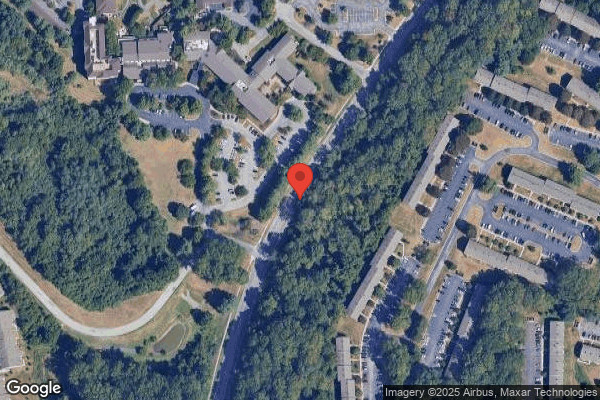

3000 NORTH RIDGE ROAD, ELLICOTT CITY, MD 21043 (410) 461-7577
For profit - Corporation 182 Beds COMMUNICARE HEALTH Data: November 2025 1 Immediate Jeopardy citation
Trust Grade
3/100
#199 of 219 in MD
Last Inspection: September 2024

Within standard 12-15 month inspection cycle. Federal law requires annual inspections.

Overview

Ellicott City Healthcare Center has a Trust Grade of F, indicating significant concerns regarding care quality. It ranks #199 out of 219 facilities in Maryland, placing it in the bottom half of all nursing homes in the state, and #6 out of 6 in Howard County, meaning there are no better local options. The facility's trend is improving; it reduced the number of issues from 24 in 2024 to 17 in 2025. Staffing is rated average, with a turnover rate of 35%, which is better than the state average of 40%, although RN coverage is only average. There have been serious incidents, including a resident leaving the facility unsupervised despite being at risk and reports of verbal abuse from staff towards residents, highlighting both weaknesses in safety protocols and resident treatment. Overall, while there are some strengths, such as lower fines and improved staffing turnover, the significant safety and care issues raise serious concerns for families considering this facility.

Trust Score
F
3/100
In Maryland
#199/219
Bottom 10%
Safety Record
High Risk
Review needed
Inspections
Getting Better
24 → 17 violations
Staff Stability
○ Average
35% turnover. Near Maryland's 48% average. Typical for the industry.
Penalties
✓ Good
No fines on record. Clean compliance history, better than most Maryland facilities.
Skilled Nurses
○ Average
Each resident gets 38 minutes of Registered Nurse (RN) attention daily — about average for Maryland. RNs are the most trained staff who monitor for health changes.
Violations
⚠ Watch
101 deficiencies on record. Higher than average. Multiple issues found across inspections.
★☆☆☆☆
1.0
Overall Rating
★★★☆☆
3.0
Staff Levels
★★★★☆
4.0
Care Quality
★☆☆☆☆
1.0
Inspection Score
Stable
2024: 24 issues
2025: 17 issues

The Good

  • 4-Star Quality Measures · Strong clinical quality outcomes
  • Full Sprinkler Coverage · Fire safety systems throughout facility
  • No fines on record
  • Staff turnover below average (35%)

    13 points below Maryland average of 48%

Facility shows strength in quality measures, fire safety.

The Bad

1-Star Overall Rating

Below Maryland average (3.0)

Significant quality concerns identified by CMS

Staff Turnover: 35%

11pts below Maryland avg (46%)

Typical for the industry

Chain: COMMUNICARE HEALTH

Part of a multi-facility chain

Ask about local staffing decisions and management

The Ugly 101 deficiencies on record

1 life-threatening 2 actual harm
Jun 2025 4 deficiencies
CONCERN (D) 📢 Someone Reported This

A family member, employee, or ombudsman was alarmed enough to file a formal complaint

Potential for Harm - no one hurt, but risky conditions existed

Notification of Changes (Tag F0580)

Could have caused harm · This affected 1 resident

Based on interview, record review, facility document review, and facility policy review, the facility failed to immediately inform the resident's legal representative of an accident involving 1 (Resid...

Read full inspector narrative →
Based on interview, record review, facility document review, and facility policy review, the facility failed to immediately inform the resident's legal representative of an accident involving 1 (Resident #9) of 3 residents reviewed for notification of change in condition. Findings included: An undated facility policy titled, Notification of Change in Condition, revealed, The purpose of this policy is to provide guidance for notifications made to residents, resident representatives, and authorized family members for resident changes in condition. Changes may include but are not limited to accidents, incidents, transfers, changes in overall health status, significant medical changes, therapy services changes, transfer, hospitalizations, or death. The policy revealed, Compliance Guidelines: The center must inform the resident, consult with the resident's medical practitioner and/or notify the residents' representative, authorized family member, or legal power of attorney/guardian when there is a change requiring such notification. Circumstances requiring notification including but not limited to: 1. Accidents a. resulting in injury b. potential to require physician intervention. An admission Record revealed the facility admitted Resident #9 on December 2024. According to the admission Record, the resident had a medical history that included unspecified dementia of unspecified severity, adjustment disorder with anxiety, restlessness and agitation, cognitive communication deficit, end stage renal disease, dependence on renal dialysis, mild cognitive impairment of uncertain or unknown etiology, and other symptoms and signs involving cognitive functions and awareness. A quarterly Minimum Data Set (MDS), with an Assessment Reference Date (ARD) of 12/22/2024, revealed Resident #9 had a Brief Interview for Mental Status (BIMS) score of 9, which indicated the resident had moderate cognitive impairment. The MDS revealed the resident was independent with rolling left and right in bed, moving from a seated to lying position, and from a lying to seated position on the side of the bed. The MDS indicated Resident #9 required supervision/touching assistance with standing from a seated position, chair/bed-to-chair transfers, and walking 10 feet once standing. Resident #9's Care Plan Report, included a focus area initiated 12/09/2024, that indicated the resident had a court-appointed guardian and lacked the ability to make health care decisions. The Care Plan Report included a focus area initiated 12/09/2024, that indicated the resident had a mood disorder related to a diagnosis of anxiety. Interventions directed staff to communicate with the resident and the resident's representative regarding mood state and treatment. The Care Plan Report included a focus area initiated 12/07/2024, that indicated the resident had a risk for falls related to muscle weakness and comorbidities. During a telephone interview on 06/18/2025 at 1:10 PM, Guardian #15, Resident #9's guardian, stated when the resident was being taken to dialysis (on the lower floor of the nursing home building) the resident was pushed into the elevator and panicked because the resident was afraid of tight spaces. Guardian #15 said Resident #9 jumped out of the wheelchair onto the floor. Guardian #15 said Resident #9 complained that their knee was hurt; the doctor was notified and ordered an x-ray. Guardian #15 said Resident #9 was sent to the hospital a few days later for swelling and bruising. Guardian #15 stated the facility failed to notify them when the incident happened. An Order Appointing Guardians of the Person and Property, dated 12/06/2024, revealed Resident #9 lacked sufficient understanding or capacity to make or communicate responsible decisions concerning their person and property because of a disability related to delirium and major neurocognitive disorder. The order indicated that the appointed guardian was authorized to give consent for medical or other professional care and necessary protective services. An undated report titled, Resident History Report, revealed a Date Modified, of 12/09/2024 at 1:44 PM, that indicated Resident #9's guardian was added as care conference person, emergency contact #1, and guardian of person. The report specified, All matters involving [patient] is [sic] to be discussed [with] court appointed guardian. A NH [Nursing Home] H&P [History and Physical] Note, dated 12/10/2024, revealed a physician documented Resident #9 had poor insight, severely impaired memory, impaired judgement, and was oriented to self only. The note indicated the resident had a court appointed guardian. An eInteract Change in Condition Evaluation, dated 12/20/2024 at 10:30 AM, revealed Resident #9 was in their wheelchair in the elevator while being escorted to dialysis when they jumped from the wheelchair and fell to the floor in front of the transporter. The evaluation indicated no injuries were noted, but the resident complained of left lower extremity pain, and when notified, a physician ordered an x-ray to the resident's left lower extremity. The evaluation revealed, C. Resident Representative Notification 1. Name of family/resident representative notified: self 2. Date and time of family/resident representative notification: 12/20/2024. During an interview on 06/24/2025 at 1:44 PM, Licensed Practical Nurse (LPN) #3 stated he was assigned to Resident #9 on the day they fell in the elevator, but did not remember why the guardian was not contacted. LPN #3 said he would have checked the admission record and contacted the responsible party listed for the resident. During an interview on 06/26/2025 at 4:48 PM, the Administrator stated he expected a resident's responsible party to be contacted in a reasonable amount of time, and the timeframe depended on the seriousness of the issue. During an interview on 06/27/2025 at 8:13 AM, the Director of Social Services (DSS) stated he expected the staff to look at the admission record to find out who the resident's representative was and notify the person of a change in condition. During an interview on 06/27/2025 at 9:15 AM, the Director of Nursing (DON) stated if a resident had a guardian, she expected staff to identify it on the admission record. During an interview on 06/27/2025 at 11:00 AM, the DSS confirmed the facility's computer system showed Resident #9's admission record was changed on 12/09/2024 to show the resident had a guardian. The SSD stated the resident's responsible party contact information was correct at the time of their fall on 12/20/2024, and he did not know why staff failed to notify the guardian.
CONCERN (D) 📢 Someone Reported This

A family member, employee, or ombudsman was alarmed enough to file a formal complaint

Potential for Harm - no one hurt, but risky conditions existed

Grievances (Tag F0585)

Could have caused harm · This affected 1 resident

2. An admission Record revealed the facility admitted Resident #10 on November 2023. According to the admission Record, Resident #10 had a medical history that included a diagnosis of unspecified Alzh...

Read full inspector narrative →
2. An admission Record revealed the facility admitted Resident #10 on November 2023. According to the admission Record, Resident #10 had a medical history that included a diagnosis of unspecified Alzheimer's disease. A quarterly Minimum Data Set (MDS), with an Assessment Reference Date (ARD) of 04/19/2025, indicated Resident #10 had severe impairment in cognitive skills for daily decision-making and had a short-term and long-term memory problem per a Staff Assessment for Mental Status (SAMS). Resident #10's Care Plan Report included a focus area, revised 02/19/2024, that indicated the resident had impaired cognitive function related to Alzheimer's dementia. An email, dated 04/17/2025, sent by Resident Representative (RR) #4 to the Director of Social Services (DSS) on behalf of Resident #10, indicated RR #4 wanted to know what the DSS had planned to do about Resident #10's missing property, and RR #4 requested that the plan for finding the property be submitted back to them in writing. The DSS replied to the email that RR #4's concerns had been placed on a grievance form and given to staff, and if the items were not found, the grievance would be elevated to the Administrator. An email, dated 05/22/2025 to the DSS from RR #4, revealed RR #4 again asked about Resident #10's missing items. The DSS replied to the email and indicated another concern form had been created, and the missing items had been discussed during a morning manager's meeting. A review of the facility's grievance log for 05/2025 revealed that on 05/22/2025 a Grievance Form was received from RR #4 on behalf of Resident #10. The form indicated Resident #10 was missing personal items, and RR #4 had requested to speak to the Director of Nursing (DON) and the Administrator. The grievance form indicated that the Environmental Services (EVS) Director participated in the investigation. The grievance form indicated that the EVS Director spoke with RR #4 and informed the RR that the missing articles had not been found, and the information would be given to the Administrator for replacement of the items. The form revealed the EVS Director signed the form, but no date was included for the resolution. The form indicated the Administrator met with RR #4, and RR #4 pointed out several maintenance issues. The form indicated that the Administrator told the maintenance supervisor. The form did not reflect a resolution or any corrective actions regarding the maintenance issues and also did not reflect whether the DON met with RR #4 as per their request. The form revealed a blank where resolution should have been documented, a blank in the space provided for the RR notification, and there was no date identified for resolution of RR #4's grievance. The Administrator was interviewed on 06/20/2025 at 1:45 PM and stated he saw RR #4 at least every other day. The Administrator stated that on 06/19/2025, RR #4 had reported that Resident #10 had clothing missing. The Administrator stated he requested a list of the missing items. RR #4 was interviewed on 06/23/2025 at 12:30 PM. RR #4 stated Resident #10's blue blanket had been missing since the fall of 2024, but RR #4 was unable to give a date for the missing hoodie and the resident's deodorant. RR #4 stated that on admission the facility tried to get them to label the resident's belongings, but they declined stating the resident's items were too nice and expensive to write the resident's name on the items. RR #4 stated the EVS Director reported to them on 06/23/2025 that the facility was going to reimburse for the blanket and the hoodie. An interview was held with the Social Services Designee (SSD) on 06/23/2025 at 3:50 PM. The SSD stated if a resident or family member had a grievance then the staff receiving the grievance gave the grievance to the social worker who wrote the grievance on a form. The SSD stated the grievance was given to the facility department involved for resolution. The SSD stated grievances should be resolved as soon as possible, adding that some grievances took longer than others. The SSD stated that when the grievance was resolved the grievance was returned to the DSS who reviewed the grievance, signed it as completed, and took the grievance to the Administrator. The SSD stated the Administrator then reviewed the grievance and signed off on the grievance. The SSD stated the social work department then called the complainant with the resolution, adding she was unsure if a written summary was given to the complainant. The DSS was interviewed on 06/24/2025 at 1:58 PM. The DSS stated when a grievance was received a grievance form was completed. The grievance form was then given to the appropriate department manager to complete. The DSS stated the best practice for completion of the grievance was within 48 to 72 hours but added that all grievances should be completed within a week. After a week, the DSS stated he spoke with the person assigned the grievance to find out the progress. The DSS stated once the grievance was completed and returned, he summarized what was done and not done on the grievance form. The DSS stated grievances involving reimbursement of clothing were routed to the Administrator or the corporate office. The DSS stated the facility encouraged family members to label clothing and to keep receipts for expensive items. The DSS reviewed RR #4's grievance regarding Resident #10, dated 05/22/2025, and the DSS stated copies of the grievance were given to the DON and the Administrator. The DSS stated he thought the Administrator had spoken with RR #4 but was unsure if the DON was in the building at the time. The DSS stated RR #4 wanted the replacement value for the clothing and not replacement clothing. The DSS stated the EVS Director was to speak with laundry about the resident's missing blanket and added he was unsure why the resident's laundry would end up in the facility's laundry since RR #4 did the laundry for Resident #10. The DSS stated if the missing items had not been found that information should have been written in the summary section of the grievance form. The DSS stated RR #4 knew the outcome of the investigation prior to 06/23/2024, as he and the RR spoke or exchanged emails daily. The DSS stated he had no documentation that indicated when RR #4 found out about the missing items. The DSS stated once resolution was achieved the department manager that received the grievance spoke directly to the complainant, and he was unaware a written summary was needed. The DSS stated that upon reviewing the grievance form submitted by RR #4 that it appeared the facility had done nothing. The EVS Director was interviewed on 06/24/2025 at 2:40 PM. The EVS Director stated when a grievance was received for missing clothing he spoke to the resident, a family member, or a person from the facility that was familiar with the resident. The EVS Director stated he looked in the soiled utility room for the missing items, checked the resident's room, and added that his goal was to help the resident find their belongings. The EVS Director stated most of the time the article was found in the soiled utility room or in the laundry waiting to be washed or already washed and not delivered back yet. The EVS Director stated if the resident's belongings were not found he was expected to document that on the grievance form and stated he was expected to document on the grievance form that he had met with the resident and/or the RR about the items not being found. The EVS Director stated the same process was followed when family members washed laundry and had missing items. The EVS Director reviewed the grievance submitted by RR #4 that he had signed on 05/23/2025 and stated he had spoken to the RR about the missing hoodie. He stated he looked in the resident's room and the soiled utility room and the laundry. The EVS Director stated he reported to the Administrator that the resident's items were not found. He stated the Administrator agreed to refund the cost of the belongings. The EVS Director stated he had reported this to RR #4 a week prior. The DON was interviewed on 06/25/2025 at 8:43 AM. The DON stated resolution for a grievance should be obtained within three days to five days and feedback given to the person that voiced the grievance. The DON stated details of the investigation, and the date of resolution was documented on the grievance form. The DON stated if there was more than one department involved in the grievance each department got a copy of the grievance, and each department individually responded on their copy of the grievance. The DON stated she had not received a grievance addressed to her from RR #4 but stated she had spoken to RR #4 in the hall about Resident #10's missing clothing and identified that the timeframe of the conversation was the end of May 2025 to the beginning of June 2025. The DON stated RR #4 told her they had been promised the missing clothing would either be replaced or reimbursement given. The DON stated when RR #4 initially told her about the missing items she took care of the issue but had not completed a grievance form and had no documentation of when RR #4 had spoken to her. The DON stated she did not think RR #4 had received replacement or reimbursement for the clothing as of 06/25/2025. The DON reviewed the 05/22/2025 grievance and stated she had been unaware of the grievance and stated she realized not having documentation about her action on the missing clothing was a problem. She stated the missing clothing was brought up in the morning meeting and stated there had been other problems with missing clothing. The DON stated she expected grievances to be resolved timely, and the resident and/or RR notified of the resolution. The DSS was interviewed on 06/26/2025 at 9:59 AM, and email correspondence between RR #4 and the DSS were reviewed. After reviewing the email correspondence dated 04/17/2025 regarding Resident #10's missing items, the DSS stated he was unable to locate the 04/17/2025 grievance form and did not know what had happened to the grievance. The DSS stated that the resident and RR #4 had waited two months for a response. The DSS stated he had given a copy of the grievance to the EVS, the Administrator, and the DON on 05/22/2025, and the EVS was the only one that had responded. The DSS stated he followed up with RR #4 and as of 05/26/2025 the only person RR #4 had spoken with was the EVS Director. The DSS stated he had not followed up with the DON and Administrator for a response, but the expectation, as indicated on the grievance form, was that they document their response. The DSS stated he was responsible for making sure all parts of the grievance had been completed, and then the Administrator signed and dated the grievance. The DSS stated that on 05/26/2025 when he realized the grievance had not been completed he again approached the DON and Administrator. The DSS stated he was unsure if the Administrator or the DON had yet spoken with RR #4. The Administrator was interviewed on 06/26/2025 at 12:00 PM. The Administrator stated if any resident or RR emailed any department manager with concerns they could use the email as a submitted grievance, and he expected follow-up. The Administrator stated if the email was used as the grievance then he expected the complainant to be emailed or called with the resolution. The Administrator stated he had spoken with RR #4 about the clothing multiple times and had asked for a list of what was missing and had not received the list from the RR. The Administrator stated the only things RR #4 had mentioned as missing since before he began work as the Administrator was a hoodie and a blanket. Based on interview, record review, and facility document and policy review, the facility failed to investigate and resolve resident grievances related to missing clothing for 2 (Resident #1 and Resident #10) of 3 sampled residents reviewed for grievances. Findings included: A facility policy titled, Resident Grievance, dated 02/01/2025, indicated, The Grievance Official (and/or Grievance Committee, when required by state rule), shall complete a timely investigation of the resident's grievance. The policy also indicated, Grievances will be resolved in a reasonable timeframe, generally within 5 business days, consistent with the type of grievance. 1. An admission Record indicated the facility admitted Resident #1 on April 2025. According to the admission Record, the resident had a medical history that included diagnoses of cerebral infarction, type 2 diabetes mellitus, and adjustment disorder with mixed anxiety and depressed mood. An admission Minimum Data Set (MDS), with an Assessment Reference Date (ARD) of 04/09/2025, revealed Resident #1 had a Brief Interview for Mental Status (BIMS) score of 15, which indicated the resident had intact cognition. Resident #1's Grievance Form, dated 06/02/2025, indicated staff were to ensure the resident: received a shower regularly; had their hair washed at least three times a week; received physical, occupational, and speech therapy; received their clothes from laundry; got out of bed; received a geriatric chair (a specialized reclining chair); and were changed timely. The Grievance Form had been addressed by therapy services, but there was no response from nursing or environmental services (EVS) indicated on the form. A copy of Resident #1's Grievance Form, dated 06/02/2025 with a resolution date of 06/19/2025, indicated all staff had been educated to provide showers, make the nurse aware if Resident #1 refused to get out of bed, and to promptly provide incontinent care. During an interview on 06/24/2025 at 2:15 PM, the Director of Social Services (DSS) stated whoever the grievance was assigned to should provide the follow-up to the complainant. The DSS stated the facility did not complete written summaries for follow-up on grievances. The DSS reviewed Resident #1's Grievance Form, dated 06/02/2025, and stated it was only resolved for therapy, and there was not a response from nursing or EVS. The DDS stated he would have to check for responses from nursing and EVS, and it looked like there needed to be some education on completing and responding to grievances. During an interview on 06/27/2025 at 8:40 AM, the DDS stated he did not find a response from EVS for Resident #1's grievance of 06/02/2025. The DDS stated he had just received nursing's response, and that was not appropriate. During an interview on 06/27/2025 at 9:00 AM, the Director of Nursing (DON) stated she expected missing clothing to be documented on a grievance form, housekeeping notified, and then they would start the process of looking for the missing clothing. The DON stated she recently found out that Resident #1 had an issue with missing clothing. The DON reviewed Resident #1's grievance of 06/02/2025 and stated it should have been resolved before 06/19/2025. The DON stated she expected grievances to be addressed in a timely manner. During an interview on 06/27/2025 at 12:21 PM, the EVS Director stated he did not see Resident #1's grievance dated 06/02/2025 until just the other day.
CONCERN (D) 📢 Someone Reported This

A family member, employee, or ombudsman was alarmed enough to file a formal complaint

Potential for Harm - no one hurt, but risky conditions existed

Investigate Abuse (Tag F0610)

Could have caused harm · This affected 1 resident

**NOTE- TERMS IN BRACKETS HAVE BEEN EDITED TO PROTECT CONFIDENTIALITY** Based on observation, interview, record review, and facility document and policy review, the facility failed to thoroughly inves...

Read full inspector narrative →
**NOTE- TERMS IN BRACKETS HAVE BEEN EDITED TO PROTECT CONFIDENTIALITY** Based on observation, interview, record review, and facility document and policy review, the facility failed to thoroughly investigate an allegation of abuse for 1 (Resident #6) of 3 sampled residents reviewed for abuse. Findings included: An undated facility policy titled, Maryland Abuse, Neglect & Misappropriation, revealed, Policy: It is the policy of this facility to provide resident centered care that meets the psychosocial, physical and emotional needs and concerns of the residents. It is the intent of this facility to prevent the abuse, mistreatment, or neglect of residents or the misappropriation of their property, corporal punishment and/or involuntary seclusion and to provide guidance to direct staff to manage any concerns or allegations of abuse, neglect or misappropriation of their property. The policy revealed the section titled, Procedure, included, V. Investigation of Incidents, 2. A Suspected Abuse d. Statements will be obtained from staff related to the incident, including victim, person reporting incident, accused perpetrator and witnesses. An admission Record revealed the facility admitted Resident #6 on March 2025. According to the admission Record, the resident had a medical history that included blindness in the right eye, normal vision in the left eye, and unspecified glaucoma. An admission Minimum Data Set (MDS), with an Assessment Reference Date (ARD) of 03/17/2025, revealed Resident #6 had a Brief Interview for Mental Status (BIMS) score of 15, which indicated the resident had intact cognition. A facility investigation of an allegation of abuse reported to the facility on [DATE] by Resident #6's emergency contact revealed that the resident alleged that a person came into their room on 03/14/2025 and exposed themselves. During the investigation, the facility interviewed Resident #6 who denied the allegation. The facility investigation revealed police interviewed Resident #6 who denied that anyone exposed themselves but informed police that a person the resident did not recognize was at the door to their room and said from a distance that they liked what they saw referring to the resident's breasts and then walked away. The facility investigation revealed Resident #6 stated there had been no other incidents, and they had not seen that person before or since. The facility investigation revealed Resident #6 stated no one exposed themselves in the resident's presence, and the resident did not know why a family member told the facility that it happened. The facility investigation revealed law enforcement told the facility to follow the facility protocol, and they would not be conducting an investigation. The facility investigation revealed staff assigned to the area of the building where Resident #6's room was located were interviewed, and no witnesses were found. The facility investigation revealed a handwritten statement signed and dated 03/16/2025 revealed Registered Nurse (RN) #14 was told at the start of the 11:00 PM to 7:00 AM shift that a resident stated during the 3:00 PM to 11:00 PM shift a resident had stated that four men entered their room and mentioned the word breast. The facility investigation revealed that no other resident interviews were completed. On 06/25/2025 at 2:15 PM, the Assistant Director of Nursing (ADON) stated steps to investigate abuse included interviewing other residents to be certain that abuse was not happening with other residents. On 06/27/2025 at 9:15 AM, the Director of Nursing (DON) stated abuse investigations should include resident interviews, other residents on the same unit, and witnesses and staff that were on duty. The DON stated that if the resident denied the allegation, the same process should be followed.
CONCERN (D) 📢 Someone Reported This

A family member, employee, or ombudsman was alarmed enough to file a formal complaint

Potential for Harm - no one hurt, but risky conditions existed

ADL Care (Tag F0677)

Could have caused harm · This affected 1 resident

Based on observation, interview, record review, and facility policy review, the facility failed to provide necessary care and services to maintain proper grooming and personal hygiene related to finge...

Read full inspector narrative →
Based on observation, interview, record review, and facility policy review, the facility failed to provide necessary care and services to maintain proper grooming and personal hygiene related to fingernail care and bathing for 1 (Resident #2) of 4 residents reviewed for activities of daily living (ADLs). Findings included: An undated facility policy titled, Resident Rights, indicated, Definitions: Dignity: a state worthy of honor or respect; includes but not limited to speaking respectfully to resident, providing privacy for care and treatment, providing safe and secure housing, sanitary food and hydration; respecting resident choice and attending to needs in a timely fashion. An admission Record revealed the facility admitted Resident #2 on December 2024. According to the admission Record, Resident #2 had a medical history that included unspecified osteomyelitis (bone infection), necrotizing fasciitis (flesh-eating disease), unspecified local infection of the skin and subcutaneous tissue, an unspecified pressure ulcer of the sacral region, and complete paraplegia. A quarterly Minimum Data Set (MDS) with an Assessment Reference Date (ARD) of 05/27/2025, revealed Resident #2 had a Brief Interview for Mental Status (BIMS) score of 15, which indicated the resident had intact cognition. The MDS revealed the resident exhibited no behavioral symptoms and did not reject evaluation or care that was necessary to achieve their goals for health and well-being during the assessment's lookback period. The MDS revealed Resident #2 had functional limitations in range of motion with impairment of both lower extremities. The MDS indicated Resident #2 was dependent on staff for oral hygiene, toileting hygiene, showering/bathing, upper and lower body dressing, and personal hygiene. Resident #2's Care Plan Report, included a focus area initiated 12/27/2024, that indicated the resident had ADL self-care performance deficit. Interventions directed staff to provide set up/clean up assistance with eating and place the call light within reach and remind the resident to call for assistance. The Care Plan Report included a focus area revised 06/13/2025 that indicated the resident had behavior problems including refusing medications and wound care. The focus area did not specify whether the resident refused personal hygiene or baths. Interventions directed staff to communicate with the resident/resident representative regarding behaviors and treatment (initiated 03/27/2025). A Behavior Monitoring & Intervention sheet for the timeframe from 05/20/2025 through 06/18/2025 revealed documentation that showed Resident #2 had no behaviors observed. Resident #2's March 2025 Documentation Survey Report revealed the section titled Shower/Bathe Self and Skin Observation indicated staff documented the resident received one bed bath and refused three baths, and that on four days, baths were not applicable. Resident #2's April 2025 Documentation Survey Report revealed the section titled Shower/Bathe Self and Skin Observation indicated staff documented the resident received six bed baths, refused one bath, was unavailable for one bath, and that on one day, a bath was not applicable. Resident #2's May 2025 Documentation Survey Report revealed the section titled Shower/Bathe Self and Skin Observation indicated staff documented the resident received one bed bath and two showers, refused one bath, and that on one date, a bath was not applicable. Resident #2's June 2025 Documentation Survey Report revealed the section titled Shower/Bathe Self and Skin Observation indicated staff documented the resident received five bed baths, refused no baths, and that on two days, baths were not applicable. The facility was unable to provide shower sheets to validate Resident #2 received showers during the timeframe from 03/2025 through 06/2025. An observation on 06/18/2025 at 11:25 AM revealed Resident #2's fingernails extended ¼ inch to ½ inch beyond the tips of their fingers, and a black substance was noted under the resident's fingernails. During a concurrent interview, Resident #2 confirmed they needed assistance with nail care. An observation on 06/20/2025 at 10:00 AM revealed Resident #2's nails remained long, with the black substance still underneath the fingernails. During a concurrent interview, Resident #2 stated that staff had not offered to trim or clean their fingernails. An observation on 06/23/2025 at 9:30 AM revealed the condition of Resident #2's fingernails was unchanged as they remained long, with the black substance underneath the nails. Nursing Assistant (NA) #5 was interviewed on 06/23/2025 at 2:14 PM. NA #5 stated that the NAs were responsible for cleaning and trimming fingernails and that this was done as needed. NA #6 was interviewed on 06/23/2025 at 2:41 PM. NA #6 stated that Resident #2 did not refuse care but at times would want staff to wait until they were ready. NA #6 stated the NAs were responsible for clipping and cleaning fingernails. NA #6 stated she had been assigned to care for Resident #2 on 06/17/2025, 06/18/2025, 06/19/2025, 06/20/2025, and 06/23/2025. NA #6 stated Resident #2 was not able to clip their own nails, and she was unable to remember the last time she clipped the resident's nails. NA #6 reported Resident #2 had wounds and did not take showers and had not received a daily bed bath. NA #6 stated that if the resident wanted a bed bath, then the resident would request a bed bath. NA #6 stated she was unable to remember the last time she had washed the resident's legs or feet, and she had not washed the resident's legs and feet on the previous five days she had been assigned to care for Resident #2. NA #6 was unable to state why she had not given Resident #2 a bed bath. During a concurrent observation, NA #6 observed Resident #2's fingernails and agreed that the resident's nails needed to be cleaned and trimmed. NA #6 was unable to give a reason as to why she had not cleaned or trimmed the resident's nails. Licensed Practical Nurse (LPN) #7 was interviewed on 06/23/2025 at 2:57 PM. LPN #7 stated she was not assigned to care for Resident #2 but agreed the resident's fingernails needed to be cleaned and trimmed. The Assistant Director of Nursing (ADON) was interviewed on 06/23/2025 at 3:06 PM. During a concurrent observation, the ADON observed Resident #2's fingernails and stated the resident's nails needed to be trimmed and cleaned. Resident #2 told the ADON that they wanted their nails cleaned and trimmed. The ADON stated she expected residents' nails to be cleaned every time staff cared for them and trimmed as needed. The ADON stated that in the absence of a shower she expected residents to receive a daily bed bath. An interview was held with Resident #2 on 06/24/2025 at 11:30 AM. Resident #2 stated their nails had been trimmed after the observation on 06/23/2025. The ADON was interviewed on 06/25/2025 at 1:42 PM. The ADON stated she expected a bed bath to be offered as an option if a resident declined a shower. The ADON stated that a bed bath should be given daily. The ADON stated if the NA had not washed the resident's feet and legs, then the resident's bath had not been completed. The ADON stated she expected socks to be removed so that skin could be checked. The ADON agreed that when she observed Resident #2's fingernails, the nails were long and added she expected the NA to cut the resident's nails. The ADON stated not offering the resident a bed bath in the five days that NA #6 had been assigned to care for Resident #2 was unacceptable and not removing the resident's socks was unacceptable and unfortunate. The Director of Nursing (DON) was interviewed on 06/25/2025 at 2:46 PM. The DON stated bed baths should be offered daily and included washing the resident from head to toe. The DON stated during the bath that the resident's clothing, including socks, should be removed, and nail care was expected to be given as needed. The DON stated Resident #2 basically received no care from NA #6. The Clinical Manager Licensed Practical Nurse (CMLPN) #2 was interviewed on 06/26/2025 at 8:37 AM. CMLPN #2 was the clinical manager for the unit where Resident #2 lived. CMLPN #2 stated fingernails required cleaning and trimming as needed and added residents should not have to ask staff for a shower or a bed bath. He stated that it was expected that the NA would wash the entire body, removing the resident's socks so the skin could be inspected. CMLPN #2 stated he had been unaware Resident #2 had not received showers or bed baths, and it was the responsibility of the assigned nurse to make sure residents received baths. He stated that if the resident refused a bath, the NA was expected to report the refusal to the assigned nurse, and the nurse was expected to document the refusal. CMLPN #2 stated the condition of Resident #2's fingernails were brought to him on 06/23/2025 and he had personally trimmed the resident's fingernails. CMLPN #2 described Resident #2's fingernails as long and Horrible. The Administrator was interviewed on 06/26/2025 at 4:30 PM. The Administrator stated he expected a bath to be offered to Resident #2 daily by staff and expected nails to be cleaned and trimmed as needed. The Administrator stated Resident #2 refused care frequently, and he expected both the NA and the nurse to document refusals.
Mar 2025 13 deficiencies
CONCERN (D) 📢 Someone Reported This

A family member, employee, or ombudsman was alarmed enough to file a formal complaint

Potential for Harm - no one hurt, but risky conditions existed

Resident Rights (Tag F0550)

Could have caused harm · This affected 1 resident

Based on interview and review of pertinent documentation, it was determined that the facility failed to treat residents with respect and dignity by attempting to restrict a resident access to a family...

Read full inspector narrative →
Based on interview and review of pertinent documentation, it was determined that the facility failed to treat residents with respect and dignity by attempting to restrict a resident access to a family member which was inconsistent with the resident's wishes. This was evident for 1 (#4) of 37 residents reviewed for complaints. The findings include: On 2/26/25 at 10:30 AM, a review of complaint MD00210366 was conducted. In the complaint, the complainant stated that on 9/20/24, at approximately 8:00 PM, while a family member was visiting, Resident #4 called for nursing assistance because his/her ileostomy bag was leaking and needed incontinent care. At approximately 9:00 PM, Staff #21, geriatric nursing assistant (GNA) and Staff #30, GNA, entered the resident's room. Staff #30 asked Resident #4's family member to leave the room while they provided care to the resident, and the family member, who was authorized by Resident #4 to stay in the room when s/he received care, declined to leave the room. The complainant alleged that Staff #30 refused to provide the resident's care when the family member chose not to leave the room, and Staff #30 called the nurse. Staff #52, Licensed Practical Nurse, LPN then came to Resident #4's room and attempted to get the family member to leave the room. When they refused, Staff #52 left the room saying s/he was calling the police. The complainant reported that the family member also called the police to mediate the situation. After the police responded, and left the facility, Resident #4 finally received care, and per the complainant, the resident was greatly agitated for the rest of the evening. A review of Resident #4's medical record revealed the resident was admitted to the facility in September 2024 following acute hospitalization, with diagnoses which included quadriplegia (paralysis of all 4 limbs) and had an ileostomy (a surgical opening in the abdomen to divert bowel waste from the body). Resident #4's admission assessment with an assessment reference date of 9/14/24 documented his/her BIMS (Brief Interview for Mental Status) summary score was 15, indicating the resident was cognitively intact, and the resident was dependent for all activities of daily living (ADL). On 2/26/25 at 12:30 PM, in response to the surveyors request to speak to Staff #52, LPN, the corporate nurse reported that Staff #52 no longer worked at the facility. On 2/26/25 at 2:55 PM, during an interview, Staff #21, GNA stated she recalled the incident on 9/20/24 and stated that was the first time s/he had worked with Resident #4. Staff #21 stated Resident #4 required 2 persons to provide care, so when s/he notified the resident needed care, s/he asked Staff #30, GNA to assist him/her. When they went in the room, Staff #30 saw the family member and asked him/her for resident privacy and the family member said that it was okay for him/her to stay in the room. Staff #30 told her s/he couldn't stay in the room, then left and went to look for the nurse. Staff #52, LPN then came in the room. Staff #52 told the family member they had to leave the room until they finished cleaning Resident #4, and the family member said s/he wouldn't leave, then someone called the police, and the supervisor came in. Staff #21 stated that Resident #4 said s/he was okay with the family member staying in the room, and s/he agreed with him/her. Staff #21 stated that Staff #52 and the family member had words. Another nurse came in and helped Staff #21 provide the needed care to Resident #4, and the family member was allowed to stay in the room. Staff #21 stated that Staff #30 had refused to help him/her because s/he wanted the family member to leave for privacy reasons. On 2/28/25 at 8:18 AM, during an interview, Staff #30, GNA stated s/he did not recall the incident with Resident #4 on 9/20/24. When asked what s/he would do if a resident need hygiene care and a family member was in the room. Staff #30 stated s/he would ask the resident's family member to step out during care to allow the resident privacy. Staff #30 stated that if the resident gave permission for the family member to stay, s/he would proceed with the care, but it's more common to ask them to step out, and they usually say ok. Staff #30 stated that if the family won't leave, s/he would notify the nurse. On 3/3/25 at 12:07 PM, during an interview, the Assistant Director of Nursing (ADON) indicated s/he was unaware of the incident with Resident #4 on 9/20/24. The ADON was then asked what she would expect the GNA to do when a resident needed care and had a visitor and responded that she would expect the aide to ask the visitor to step out of the room, however, if the resident wanted the visitor to stay she would respect the wishes of the resident. At that time, the ADON was made aware of the concern that the facility staff failed to treat the resident with respect and dignity when the nurse attempted to restrict the resident's access to a family member during care, which was inconsistent with the resident's wishes. The ADON acknowledged the concerns at that time and offered no further comments.
CONCERN (D) 📢 Someone Reported This

A family member, employee, or ombudsman was alarmed enough to file a formal complaint

Potential for Harm - no one hurt, but risky conditions existed

Assessment Accuracy (Tag F0641)

Could have caused harm · This affected 1 resident

Based on medical record review and staff interview, it was determined the facility staff failed to ensure Minimum Data Set (MDS) assessments were accurately coded. This was evident for 1 (#18) of 28 r...

Read full inspector narrative →
Based on medical record review and staff interview, it was determined the facility staff failed to ensure Minimum Data Set (MDS) assessments were accurately coded. This was evident for 1 (#18) of 28 residents reviewed for complaints during a complaint survey. The findings include: The MDS is part of the Resident Assessment Instrument that was Federally mandated in legislation passed in 1986. The MDS is a set of assessment screening items employed as part of a standardized, reproducible, and comprehensive assessment process that ensures each resident's individual needs are identified, that care is planned based on those individualized needs, and that the care is provided as planned to meet the needs of each resident. A nephrostomy tube is a thin tube inserted into the kidney to drain urine when the urinary tract is blocked. Proper care is essential to prevent infection and ensure optimal drainage. On 2/26/25 at 1:33 PM a review of Resident #18's medical record revealed a discharge summary that documented one of the resident's discharge diagnoses was R (right) hydroureteronephrosis secondary to pelvic mass lesion, R nephrostomy tube in place. Hydroureteronephrosis is a condition where urine builds up in the kidneys and ureters, causing them to swell which can be caused by kidney stones, tumors, infections, congenital abnormalities, and trauma. Review of the admission MDS with an assessment reference date (ARD) of 12/11/24, Section H0100, Indwelling catheter (including suprapubic catheter and nephrostomy tube) was answered, no. This was inaccurate as the resident had a nephrostomy tube. Section H0300, urinary continence, documented, occasionally incontinent. That was incorrect as it should have been documented as not rated. Review of the discharge return anticipated MDS with an ARD of 12/19/24, Section H0100, Indwelling catheter (including suprapubic catheter and nephrostomy tube) was answered, no. Section H0300, urinary continence, documented occasionally incontinent. The assessment failed to capture the nephrostomy tube. On 3/4/25 at 9:57 AM an interview was conducted with the Regional Resident Assessment Coordinator, Staff #46. Staff #46 reviewed both MDS assessments with the surveyor and confirmed the findings.
CONCERN (D) 📢 Someone Reported This

A family member, employee, or ombudsman was alarmed enough to file a formal complaint

Potential for Harm - no one hurt, but risky conditions existed

Comprehensive Care Plan (Tag F0656)

Could have caused harm · This affected 1 resident

**NOTE- TERMS IN BRACKETS HAVE BEEN EDITED TO PROTECT CONFIDENTIALITY** Based on medical record review and interview it was determined the facility staff failed to ensure a resident's plans of care in...

Read full inspector narrative →
**NOTE- TERMS IN BRACKETS HAVE BEEN EDITED TO PROTECT CONFIDENTIALITY** Based on medical record review and interview it was determined the facility staff failed to ensure a resident's plans of care included individual resident care needs and interventions to assist each resident in reaching their highest practicable level of wellbeing (Resident #8). This was evident for 1 of 35 residents reviewed during a complaint survey. The findings include: A care plan is a guide that addresses the unique needs of each resident. It is used to plan, assess and evaluate the effectiveness of the resident's care. Review of Resident #8's medical record on 2/25/25 revealed the Resident was admitted to the facility on [DATE] with a diagnosis to include neuromuscular dysfunction of the bladder and the Resident had a suprapubic catheter. A suprapubic catheter is a tube inserted directly into the bladder through a small incision in the lower abdomen. It is used to drain urine when individuals are unable to urinate themselves. Further review of Resident #8's medical record revealed the facility staff assessed the Resident on 10/3/24 and documented the Resident had an indwelling catheter and they were going to develop a care plan. Review of Resident #8's care plans revealed the facility did not develop a care plan for the Resident's suprapubic catheter to include goals and interventions. On 2/26/25 at 12:30 PM the Surveyor reviewed the concern with the Director of Nursing that there was no care plan for the Resident's suprapubic catheter. After Surveyor intervention, the facility staff developed a care plan on 2/26/25 for Resident #8's suprapubic catheter. Interview with the Assistant Director of Nursing on 2/27/25 at 9:00 AM confirmed the facility staff failed to develop a care plan for Resident #8's suprapubic catheter until Surveyor intervention on 2/26/25.
CONCERN (D) 📢 Someone Reported This

A family member, employee, or ombudsman was alarmed enough to file a formal complaint

Potential for Harm - no one hurt, but risky conditions existed

ADL Care (Tag F0677)

Could have caused harm · This affected 1 resident

**NOTE- TERMS IN BRACKETS HAVE BEEN EDITED TO PROTECT CONFIDENTIALITY** 2) On 2/26/25 at 10:26 AM a review of complaint MD00213591 revealed an allegation that Resident #24 had not been showered for th...

Read full inspector narrative →
**NOTE- TERMS IN BRACKETS HAVE BEEN EDITED TO PROTECT CONFIDENTIALITY** 2) On 2/26/25 at 10:26 AM a review of complaint MD00213591 revealed an allegation that Resident #24 had not been showered for the first 12 days in the facility. Review of Resident #24's medical record revealed the resident was admitted to the facility in December 2024 from an acute care hospital for rehabilitation and strengthening. Review of the 1/4/25 admission MDS, Section GG Self-care, documented that Resident #24 required substantial/maximal assistant with bathing. Review of the GNA Documentation Report for January 2025 revealed blank spaces for every day from 1/1/25 to 1/21/25 with the exception of 1/11/25 and 1/14/25. There were no refusals for any other days. On 2/28/25 at 10:45 AM an interview of Registered Nurse (RN) #34 was conducted. RN #34 was asked if there were shower sheets for each resident on the unit. RN #34 stated that the geriatric nursing assistants (GNA) would document if the resident had a shower or if they refused. RN #34 stated, if they refuse we will try again later. The GNAs will come tell me and I will go in to see if the resident is agreeable to another time. If they refuse we will document that in PCC (electronic medical record). RN #34 showed the surveyor a blank shower sheet that was kept in the shower logbook which documented if a shower is offered, accepted, or refused. The GNA was to complete the shower sheet and then provide to the charge nurse for review and signature. RN #34 stated there were no shower sheets for Resident #24 on the unit since the resident had discharged from the facility. On 2/28/25 at 10:48 AM an interview was conducted with Medical Records Staff #35. Staff #35 stated that typically they will document what the shower sheet says in PCC and then get rid of the shower sheet as it does not come down to medical records and is not a part of the medical record. Staff #35 could not provide the surveyor with any shower sheets for Resident #24. On 3/3/25 at 12:25 PM an interview was conducted with the Assistant Director of Nursing (ADON). The surveyor reviewed the concerns with the ADON. The ADON confirmed the findings. 3) On 2/26/25 at 1:21 PM complaint MD00212998 was reviewed and alleged that Resident #18 received inadequate incontinence care, leading to the resident lying in waste for extended periods of time. Review of the admission MDS with an assessment reference date of 12/11/24, Section GG, documented that Resident #18 required partial/moderate assistance with activities of daily living. Review of the GNA Documentation Report for December 2024 revealed blank spaces for personal hygiene and toilet hygiene on day shift for 12/9/25, 12/11/25, 12/14/25, 12/16/25, 12/17/25, 12/18/25, and 12/19/25. On 3/4/25 at 9:39 AM an interview was conducted with the ADON who stated, we have to be better with our documentation. Based on complaint, medical record review and interview, it was determined that the facility staff failed to provide needed activities of daily living for a resident dependent on assistance with care (Resident #8, #18, #24). This was evident for 3 of 28 residents reviewed for complaints during a complaint survey. The findings include: 1) On 2/25/25 review of complaint MD00214802 revealed an allegation that Resident #8 was left in feces for hours on 2/14/25. Review of Resident #8's medical record on 2/25/25 revealed the Resident was admitted to the facility on [DATE] with a diagnosis to include neuromuscular dysfunction of the bladder and the Resident had a suprapubic catheter. A suprapubic catheter is a tube inserted directly into the bladder through a small incision in the lower abdomen. It is used to drain urine when individuals are unable to urinate themselves. The MDS is part of the Resident Assessment Instrument that was Federally mandated in legislation passed in 1986. The MDS is a set of assessment screening items employed as part of a standardized, reproducible, and comprehensive assessment process that ensures each resident's individual needs are identified, that care is planned based on those individualized needs, and that the care is provided as planned to meet the needs of each resident. Review of the MDS assessment with an assessment reference date of 1/3/25, the facility staff documented in Section GG Functional Abilities Resident #8 was dependent on staff for toileting hygiene. The facility documented in Section C Cognitive Function the Resident's BIMS (Brief Interview of Mental Status) was 15 of 15, cognitively intact. Interview with Resident #8's responsible party (RP) on 2/27/25 at 12:45 PM, the RP stated on 2/14/25 he/she arrived at the facility at 7 PM and found Resident #8 in the hallway. RP stated the Resident stated he/she had finished dialysis, was waiting for someone to put him/her back in bed, had soiled him/herself, still hadn't had dinner and was hungry. The RP stated he/she asked an older lady staff member for help and the staff member said she would try to find someone to help her put the Resident back to bed with the hoyer lift. A Hoyer lift is a mobile device that helps people be lifted and transferred from one place to another. The RP stated 2 staff got the Resident back in bed but stated the Resident would have to wait to be changed until after he/she ate. The RP stated he/she left the facility at 8:45 PM and reminded the staff when she left the Resident still needed to be changed. The RP stated when she returned home that night at 11:40 PM he/she called the Resident and Resident stated he/she still hadn't been changed. The RP stated he/she called the facility and Staff #26 answered the phone, the RP explained Resident #8 needed help and Staff #26 stated she would transfer the call to the Resident's unit. The RP stated the phone rang and rang so he/she hung up and called back. The RP stated at that time a male staff answered the phone and again the RP explained the Resident needed help and he said he would transfer the call to the Resident's unit. The RP stated the phone rang and rang again so he/she hung up and called back. The RP stated on the third call Staff #27 answered the phone, the RP explained the Resident needed help and Staff #27 stated she would help the Resident herself. The RP stated he/she then called back the Resident and he/she stated he/she was changed on 12/15/25 at 12:50 AM, approximately 6 hours later. Review of the Daily Assignment Sheet for 2/14/25 3 PM - 11 PM revealed no GNA (geriatric nursing assistant) was listed assigned to the Resident's room. Review of the Resident's Documentation Survey Report for 2/14/25 evening shift for bladder continence, bowel continence, and personal hygiene tasks revealed no documentation these tasks were completed. During interview with the Resident on 2/27/25 at 2:00 PM, the Resident was asked if had any issues that he/she remembers on Valentine's Day this year. The Resident stated yes, he/she had returned from dialysis and had soiled him/herself and when asked staff to clean me up they said they would come back later, when his/her RP left he/she still wasn't changed. The RP called the facility later that night after talking to Resident #8 and he/she still hadn't been changed. Resident #8 stated it took about a hour after my RP called to finally get changed. During interview with Staff #26 on 2/27/25 at 3:11 PM, Staff #26 stated remembers on 2/14/25 Resident #8's RP calling and stating wanted to speak to staff on the 1st floor. Staff #26 stated she transferred the call. During interview with Staff #27 on 2/28/25 at 7:00 AM, Staff #27 stated on night of Valentine's Day the Resident's RP had called and stated he/she had called several times to get help for the Resident who he/she had been visiting earlier and was looking for someone to clean him/her up. Staff #27 stated, so they went in and asked the Resident what he/she needed and he/she said he/she need to be cleaned up, so Staff #27 and the GNA cleaned him/her up at that time. Interview with the Assistant Director of Nursing on 3/3/25 at 12:15 PM confirmed the staffing sheet for 2/14/25 did not have listed an assigned GNA to the Resident, no care was documented on the Documentation Survey Report for 2/14/25 evening shift by the GNA staff and there was no evidence when a Resident asked to be changed on 2/14/25 it was completed in a timely manner.
CONCERN (D) 📢 Someone Reported This

A family member, employee, or ombudsman was alarmed enough to file a formal complaint

Potential for Harm - no one hurt, but risky conditions existed

Quality of Care (Tag F0684)

Could have caused harm · This affected 1 resident

**NOTE- TERMS IN BRACKETS HAVE BEEN EDITED TO PROTECT CONFIDENTIALITY** 3. The facility staff failed to accurately assess Resident #18 who was admitted with a nephrostomy tube and failed to monitor th...

Read full inspector narrative →
**NOTE- TERMS IN BRACKETS HAVE BEEN EDITED TO PROTECT CONFIDENTIALITY** 3. The facility staff failed to accurately assess Resident #18 who was admitted with a nephrostomy tube and failed to monitor the nephrostomy tube while the resident resided at the facility The MDS is part of the Resident Assessment Instrument that was Federally mandated in legislation passed in 1986. The MDS is a set of assessment screening items employed as part of a standardized, reproducible, and comprehensive assessment process that ensures each resident's individual needs are identified, that care is planned based on those individualized needs, and that the care is provided as planned to meet the needs of each resident. A nephrostomy tube is a thin tube inserted into the kidney to drain urine when the urinary tract is blocked. Proper care is essential to prevent infection and ensure optimal drainage. On 2/26/25 at 1:33 PM a review of Resident #18's medical record revealed a discharge summary that documented one of the resident's discharge diagnoses was R (right) hydroureteronephrosis secondary to pelvic mass lesion, R nephrostomy tube in place. Hydroureteronephrosis is a condition where urine builds up in the kidneys and ureters, causing them to swell which can be caused by kidney stones, tumors, infections, congenital abnormalities, and trauma. Review of the 12/7/24 nursing admission assessment documented in section 4E bowel/bladder that the resident had bladder incontinence. There was a box on the nursing assessment to indicate indwelling catheter which included a nephrostomy tube; however, it was not checked off. This was an inaccurate nursing assessment. Review of the admission MDS with an assessment reference date (ARD) of 12/11/24, Section H0100, Indwelling catheter (including suprapubic catheter and nephrostomy tube) was answered, no. This was an inaccurate assessment as the resident had a nephrostomy tube. Review of a care plan, has a nephrostomy, that was initiated on 12/9/24, had the interventions, Observe /document for pain/discomfort due to catheter; observe for s/sx of discomfort on urination and frequency; provide catheter care every shift and PRN; notify medical provider if urine is of abnormal color, consistency and side effects; educate resident / resident representative to medication effectiveness and side effects. Review of nursing progress notes in the medical record failed to produce documentation about the nephrostomy tube and site from 12/7/24 until 12/18/24. There was no evaluation of the site for infection or drainage. There was no documentation of the output of urine from the nephrostomy. Review of December 2024 physician's orders failed to have an order to monitor the nephrostomy site for signs of infection, leakage of the tube, and urine output. Review of the December 2024 Treatment Administration Record (TAR) failed to have any documentation that the nephrostomy tube and site were being monitored or that urine output was being measured each shift. Review of a 12/18/24 provider note documented the reason for the visit was follow-up for nephrostomy tube complaints. The note documented, Seen today at the bedside in wheelchair, very upset because nephrostomy tube is leaking urine all over the place. [He/She] stated the nurse who changed the dressing Monday, pulled it while changing the dressing and it has been leaking since. Insertion site is red, and suture is no longer attached. ABD dressing is saturated with urine, and it appears there is small amount of urine pocketing in the dermis. Discussed going to the hospital for re-insertion. The note ended as, Nephrostomy tube displaced. Suture no longer attached with urine leakage. Will need re-insertion due to hydroureter and right kidney mass. Send to the hospital. Further review of progress notes revealed Resident #18 returned to the facility later in the day, however on 12/19/24 was discharged to the hospital for follow-up of nephrostomy tube placement. On 3/3/25 at 1:43 PM Registered Nurse (RN) #17 was interviewed and stated, I don't think it was dislodged. I was trying to give [him/her] the IV and [he/she] was lying on it and said [he/she] felt the tube was pulled. I remember the incident. I came and looked at it and I told [him/her] nothing was wrong with it, and it was intact. This was in the late afternoon. It was fine. It was draining urine. I worked over that day. I was not changing the tubing. I was in there for the IV. On 3/4/25 at 7:30 AM Certified Registered Nurse Practitioner (CRNP) #43 was interviewed and stated she remembered sending the resident to the hospital because the nephrostomy tube was leaking. CRNP #43 stated that she was making rounds on 2/6/25 because this resident had complex medical issues. CRNP #43 stated that the resident told her that the tube was leaking, and there was an ABD pad on it, and it was saturated. CRNP #43 stated that the stitch was intact, and the hospital sent the resident back and said the nephrostomy tube was intact, and it was some other reason for the leak. On 3/4/25 at 9:33 AM RN #17 was interviewed again and was asked what care was provided for a nephrostomy. RN #17 stated that the collection bag should be emptied and measured each shift, and the site should be checked each shift to see if it is red and swollen or had any signs of infection. On 3/4/25 at 9:39 AM the Assistant Director of Nursing (ADON) was interviewed and was asked what should be done when a resident had a nephrostomy. The ADON stated, make sure if urine is draining, empty it, if insertion site is cleaned, some providers want the nephrostomy tubes to be flushed, and others don't. As a nurse I would be inspecting the skin and insertion site and the output. At that time the ADON was asked if there should have been documentation on the TAR. The ADON stated she would expect it to be on the TAR and that the staff should have been documenting about the nephrostomy. The ADON was informed that there was no evidence in the medical record that the nephrostomy had been monitored and cared for while the resident was at the facility. The ADON stated, the nurses have to work on their documentation. Based on medical record review and interview, the facility staff failed to administer treatments as ordered by the physician (Resident #8, #16) and failed to accurately assess a resident who was admitted with a nephrostomy tube and failed to monitor the nephrostomy tube while the resident resided at the facility (Resident #18). This was evident for 3 of 35 residents reviewed during a complaint survey. The findings include: 1. The facility staff failed to administer flushes to Resident #8's suprapubic catheter from 1/28/25 until 2/8/25. Review of Resident #8's medical record on 2/25/25 revealed the Resident was admitted to the facility on [DATE] with a diagnosis to include neuromuscular dysfunction of the bladder and the Resident had a suprapubic catheter. A suprapubic catheter is a tube inserted directly into the bladder through a small incision in the lower abdomen. It is used to drain urine when individuals are unable to urinate themselves. Review of the progress notes from Resident #8's Urology appointment on 10/7/24 revealed the Urologist recommended a) daily flushing of suprapubic catheter with 60 cc saline and b) change tube every 4 weeks. a) Review of Resident #8's medical record on 2/26/25 revealed the Resident was discharged from the hospital on 1/28/25. Review of Resident #8's January and February Treatment Administration Records revealed the facility staff failed to order the 60 cc saline flushes until 2/8/25, 11 days after readmission from the hospital. Interview with Resident's nurse practitioner (Staff #16) on 2/26/25 at 11:01 AM, Staff #16 stated the Resident's suprapubic catheter should be flushed daily. Interview with Assistant Director of Nursing on 2/27/25 at 9:00 AM confirmed the facility staff failed to administer flushes to Resident #8's suprapubic catheter from 1/28/25 until 2/8/25. b) The facility staff failed to schedule and change Resident #8's suprapubic catheter every 4 weeks. Review of Resident #8's medical record on 2/26/25 revealed the Resident was discharged from the hospital on 1/28/25. Review of the Resident's hospital discharge summary revealed the Resident suprapubic catheter was changed on 1/27/25 in the hospital. Review of Resident #8's medical record, January and February Treatment Administration Records on 2/26/25 revealed the facility staff failed to order the Resident's catheter to be changed every 4 weeks after readmission from the hospital. Further review of the Resident's medical record revealed no documentation the Resident's suprapubic catheter had been changed since 1/27/25. Interview with Resident's nurse practitioner (Staff #16) on 2/26/25 at 11:01 AM, Staff #16 stated the Resident's suprapubic catheter should be changed every 4 weeks. Interview with Assistant Director of Nursing on 2/27/25 at 9:00 AM confirmed the facility staff failed to schedule and change Resident #8's suprapubic catheter every 4 weeks. 2. The facility staff failed to order and administer treatment as recommended by the Dentist for Resident #16. Review of Resident #16's medical record on 3/3/25 revealed the Resident was admitted to the facility on [DATE]. Further review of Resident #16's medical record revealed the Resident was seen by the Dentist on 7/3/24 for initial examination and noted the Resident had severe gingivitis. At that time the Dentist recommended Peridex 1/4 ounce on toothette swab teeth after breakfast and hour before of sleep. Review of Resident's 16's physician orders and February 2025 Medication Administration Orders revealed the facility staff failed to order Peridex after the 7/3/24 dental visit. Interview with the Assistant Director of Nursing on 3/3/25 at 12:00 PM confirmed Resident #16 was not ordered or received Peridex.
CONCERN (D) 📢 Someone Reported This

A family member, employee, or ombudsman was alarmed enough to file a formal complaint

Potential for Harm - no one hurt, but risky conditions existed

Pressure Ulcer Prevention (Tag F0686)

Could have caused harm · This affected 1 resident

**NOTE- TERMS IN BRACKETS HAVE BEEN EDITED TO PROTECT CONFIDENTIALITY** Based on review of complaint, medical record review, and staff interview it was determined the facility failed to provide timely...

Read full inspector narrative →
**NOTE- TERMS IN BRACKETS HAVE BEEN EDITED TO PROTECT CONFIDENTIALITY** Based on review of complaint, medical record review, and staff interview it was determined the facility failed to provide timely treatment/services to prevent/heal pressures ulcers. This was evident for 2 (#23, #18) of 28 residents reviewed for complaints during a complaint survey. The findings include: A pressure ulcer, also known as pressure sore or decubitus ulcer, is any lesion caused by unrelieved pressure that results in damage to the underlying tissue. Pressure ulcers are staged according the their severity from Stage I (area of persistent redness), Stage II ( superficial loss of skin such as an abrasion, blister or shallow crater), Stage III ( full thickness skin loss involving damage to subcutaneous tissue presenting as a deep crater), Stage IV (full thickness skin loss with extensive damage to muscle, bone or tendon) or Unstageable Pressure Ulcer (full thickness tissue loss in which the base of the ulcer is covered by slough and/or eschar in the wound bed). 1) On 2/27/25 at 10:15 AM a review of complaint MD00213453 alleged that Resident #23 was admitted with a wound on the buttocks and had acquired wounds on the legs. It was alleged that the bandage on the wound on the worst leg had not been changed since 1/10/25. The complaint also alleged that the barrier used for the wound was not being applied to the resident's wound on the buttocks. The complaint also alleged that the facility was short staffed, and staff could not get the work done because they had so many residents to care for and it was worse on the weekends. On 2/27/25 at 10:15 AM a review was conducted of Resident #23's medical record which revealed Resident #23 was admitted to the facility in November 2022 from an acute care hospital with diagnoses that included, but were not limited to, hemiplegia and hemiparesis following a cerebral infarction (stroke) affecting the left non-dominant side, hypertensive kidney disease, anemia, gastrostomy status, and vascular dementia Review of a vascular visit note dated 11/20/24 documented Resident #23 had PAD (peripheral artery disease) with lower extremity pain and a left calf non healing ulcer. The note documented that the wound had been improving at the last visit, although it now appeared to have declined, and it is suspected it was multifactorial as the resident had decreased mobility and multiple comorbidities. Further review of Resident #23's medical record revealed Resident #23 had a sacral ulcer that was present upon admission. Review of a 1/21/25 wound assessment report documented that the sacral ulcer was a stage 4 pressure ulcer. Review of the January 2025 Treatment administration record (TAR) had an order, cleanse sacrum with wound cleanser, pat dry, apply Medi honey and calcium, and cover with dry dressing every day shift. The order was written on 11/27/24. There was also an order for the left lower leg that documented, Left Lower Leg: Cleanse with 0.25% Dakin's solution, pat dry apply Santyl and calcium alginate and cover with Bordered Gauze. every day shift that was written on 11/1/24. There was also an order, Resident is on a pressure reducing/relieving mattress every shift for Pressure reducing/relieving, elevate BLE (bilateral lower extremities) every shift and low air loss mattress, check function and status every shift, and turn and reposition every 2 hours every shift for pressure relief that was also on the TAR that was written on 4/24/24. Review of the January 2025 TAR revealed the treatments were not signed off on Saturday 1/11/25, Sunday 1/12/25, and Monday 1/13/25. The spaces on the TAR were blank. Review of the February 2025 TAR revealed an order, Cleanse left posterior thigh with 0.125% Dakins solution, pat dry, apply Santyl to wound bed, Calcium Alginate, and cover with CDD daily and PRN every day shift for wound care with a start date of 1/30/25 and an order, Cleanse posterior RLE (right lower extremity) with 0.125% Dakins solution, apply Dakins moistened and fluffed gauze and CDD and PRN every day shift with a start date of 1/30/25. Review of the February 2025 TAR revealed the treatments were not signed off on Saturday, 2/8/25, Sunday 2/9/25 and Monday 2/24/25. On 2/27/25 at 2:24 PM an interview was conducted with licensed practical nurse (LPN) #50 who stated, we have 25 patients each on the skilled unit. We have trach, g-tube, wounds, and patients are very demanding. When they want their meds they want them. When we used to have a wound nurse, they would help us but now we don't. There is no wound nurse on the weekends. I always sign my wounds and date and put my initial. If I don't sign then it is not done. On 3/4/25 at 12:25 PM an interview was conducted with the Assistant Director of Nursing (ADON) about the blank spaces on the TAR. The ADON stated that it was probably that the nurse did not have time to sign the treatment off. The ADON was asked if she could provide proof that the treatments were done and she stated, no. The ADON confirmed with the surveyor that the standard for nursing was if the treatment was not signed off, it was not done. 2) On 2/26/25 at 1:21 PM a review of complaint MD00212998 alleged that Resident #18 had a severe open wound on the backside. Review of Resident #18's medical record revealed a 12/7/24 nursing admission assessment which documented a Stage 2 pressure ulcer on the right buttock, left buttock, and sacrum that was present on admission from the hospital. Review of the hospital Discharge summary dated [DATE] documented an order for wound care dressing 2 times daily for the buttocks, perineum. The directions stated, Cleanse skin gently with Aloe Touch PROTECT Wipes, Foam cleanser or soap and water, every shift and prn, Treat with Triad Hydrophilic Wound Dressing, twice daily and prn, may cover wound with ABD pad or Allevyn. Review of Resident #18's December 2024 TAR documented an order, sacral wound; cleanse with normal saline pad dry and apply dry dressing, one time a day for wound care with a start date of 12/9/24. The order was not the same has the hospital discharge summary. The physician's order from the hospital was not placed on the TAR upon admission, therefore was not implemented. A treatment was not started on Resident #18 until 2 days after admission. On 3/4/25 at 9:39 AM an interview was conducted with the ADON. Reviewed that the treatment was not started upon admission. The ADON confirmed the findings.
CONCERN (D) 📢 Someone Reported This

A family member, employee, or ombudsman was alarmed enough to file a formal complaint

Potential for Harm - no one hurt, but risky conditions existed

Deficiency F0757 (Tag F0757)

Could have caused harm · This affected 1 resident

Based on medical record review and staff interview it was determined the facility failed to keep a resident's drug regimen free from unnecessary drugs by failing to ensure orders for a topical anesthe...

Read full inspector narrative →
Based on medical record review and staff interview it was determined the facility failed to keep a resident's drug regimen free from unnecessary drugs by failing to ensure orders for a topical anesthetic patch included the duration of time the patch should be applied. This was evident for 1 (#1) of 37 residents reviewed for complaints. The findings include: A Lidocaine (local anesthetic) patch, when applied to the skin, helps reduce pain by causing a temporary loss of feeling in the area where the patch was applied. Depending on the Lidocaine patch product, the patch may be left on the skin for up to 8 or 12 hours. According to MedlinePlus a division of the National Institutes of Health (NIH), Lidocaine 4% patches can be applied up to 3 times daily and for no more than 8 hours per application. Applying too many patches or topical systems or leaving them on for too long may cause serious side effects. On 3/3/25 at a review of Resident #1's February 2025 Medication Administration Record (MAR) revealed an 1/11/25 order for Lidocaine Pain Relief 4% Patch, apply to lower back topically one time a day for pain that was documented as applied every day in February. The order did not indicate when the lidocaine patch should be removed. The facility staff failed to ensure Resident # 1's Lidocaine patch order included the length of time the Lidocaine patch could be applied to the resident and when the patch should be removed resulting in the application of a lidocaine patch for greater than the recommended 8 to 12 hours before removal. The above concerns were discussed with the Assistant Director of Nurses (ADON) on 3/3/25 at approximately 1:00 PM, and the ADON confirmed the lidocaine order should have included a schedule for removing the patch.
CONCERN (D) 📢 Someone Reported This

A family member, employee, or ombudsman was alarmed enough to file a formal complaint

Potential for Harm - no one hurt, but risky conditions existed

Deficiency F0790 (Tag F0790)

Could have caused harm · This affected 1 resident

**NOTE- TERMS IN BRACKETS HAVE BEEN EDITED TO PROTECT CONFIDENTIALITY** Based on medical review and interview, the facility staff failed to ensure a resident receives dental services as recommended (R...

Read full inspector narrative →
**NOTE- TERMS IN BRACKETS HAVE BEEN EDITED TO PROTECT CONFIDENTIALITY** Based on medical review and interview, the facility staff failed to ensure a resident receives dental services as recommended (Resident #16). This was evident for 1 of 28 residents reviewed for complaints during a complaint survey. The findings include: Review of Resident #16's medical record's on 2/25/25 revealed the Resident was admitted to the facility on [DATE]. Further review of Resident #16's medical record revealed the Resident was seen by the Dentist on 7/3/24 for initial examination and the Dentist noted the Resident had severe gingivitis. At that time the Dentist recommended a periodic oral examination on 1/3/25. Further review of Resident #16's medical record on 3/3/25 revealed the Resident had not had a follow up dental visit since 7/3/24. Interview with the Assistant Director of Nursing on 3/3/25 at 12:00 PM confirmed the facility staff failed to ensure Resident #16 had a 6 month dental visit in January 2025.
CONCERN (D) 📢 Someone Reported This

A family member, employee, or ombudsman was alarmed enough to file a formal complaint

Potential for Harm - no one hurt, but risky conditions existed

Deficiency F0825 (Tag F0825)

Could have caused harm · This affected 1 resident

**NOTE- TERMS IN BRACKETS HAVE BEEN EDITED TO PROTECT CONFIDENTIALITY** Based on medical record review and interview, it was determined the facility staff failed to assess a resident's need for rehabi...

Read full inspector narrative →
**NOTE- TERMS IN BRACKETS HAVE BEEN EDITED TO PROTECT CONFIDENTIALITY** Based on medical record review and interview, it was determined the facility staff failed to assess a resident's need for rehabilitation services (Resident #7). This was evident for 1 of 28 residents reviewed for complaints during a complaint survey. The findings include: Review of Resident #7's medical record on 2/25/25 revealed the Resident was admitted to the facility on [DATE] from the hospital for subacute rehabilitation. Interview with Resident #7 on 2/25/25 at 11:30 AM the Resident stated he/she isn't getting physical therapy and would like to receive to be able to discharge from the facility. Further review of Resident #7's medical record revealed the Resident received physical and occupational therapy from admission until 8/6/24. Interview with the Director of Rehabilitation (DOR) on 2/25/25 at 12:58 PM, the DOR stated after 8/6/24 until 2/25/24 the Resident had not received any physical or occupational therapy. The Surveyor asked the DOR for evidence of quarterly evaluations of the Resident. The DOR stated that he could not find any quarterly evaluations completed on the Resident since discharged from therapy on 8/6/24. Interview with the DOR on 3/3/25 at 11:50 AM, the DOR stated quarterly evaluations for therapy are done at the time of quarterly MDS (Minimum Data Set) assessments. Review of Resident #7's medical record on 3/3/25 revealed the Resident had a quarterly MDS assessment on 9/17/24 and 12/18/24. Interview with the Assistant Director of Nursing on 3/3/25 at 11:25 AM confirmed no evidence of quarterly evaluations for therapy for Resident #7 on 9/17/24 and 12/18/24.
CONCERN (D) 📢 Someone Reported This

A family member, employee, or ombudsman was alarmed enough to file a formal complaint

Potential for Harm - no one hurt, but risky conditions existed

Deficiency F0840 (Tag F0840)

Could have caused harm · This affected 1 resident

**NOTE- TERMS IN BRACKETS HAVE BEEN EDITED TO PROTECT CONFIDENTIALITY** Based on medical record review, observation and interview, the facility staff failed to obtain outside services for residents in...

Read full inspector narrative →
**NOTE- TERMS IN BRACKETS HAVE BEEN EDITED TO PROTECT CONFIDENTIALITY** Based on medical record review, observation and interview, the facility staff failed to obtain outside services for residents in a timely manner (Resident #8). This was evident for 1 of 28 residents reviewed for complaints during a complaint survey. The findings include: Review of Resident #8's medical record on 2/25/25 revealed the Resident was admitted to the facility on [DATE] with a diagnosis to include neuromuscular dysfunction of the bladder and the Resident had a suprapubic catheter. A suprapubic catheter is a tube inserted directly into the bladder through a small incision in the lower abdomen. It is used to drain urine when individuals are unable to urinate themselves. Further review of Resident #8's medical record revealed on 2/17/25 the Resident went to the Emergency Department and had a diagnosis of Urinary Tract Infection and to schedule an appointment with Chesapeake Urology in one week around 2/24/25. Further review of Resident #8's medical record on 2/27/25 the Resident had not seen the urologist or had a scheduled appointment since discharge from the Emergency Department on 2/17/25. Interview with the Assistant Director of Nursing on 2/27/25 at 9:00 AM confirmed the Surveyor's findings.
CONCERN (D) 📢 Someone Reported This

A family member, employee, or ombudsman was alarmed enough to file a formal complaint

Potential for Harm - no one hurt, but risky conditions existed

Infection Control (Tag F0880)

Could have caused harm · This affected 1 resident

**NOTE- TERMS IN BRACKETS HAVE BEEN EDITED TO PROTECT CONFIDENTIALITY** Based on observation and interview it was determined that the facility staff failed to maintain infection control procedures whi...

Read full inspector narrative →
**NOTE- TERMS IN BRACKETS HAVE BEEN EDITED TO PROTECT CONFIDENTIALITY** Based on observation and interview it was determined that the facility staff failed to maintain infection control procedures while providing patient care. This was evident on 2 of 5 units observed during a complaint survey. The findings include: 1. Observation was made on 2/27/25 at 11:25 AM of a sign on Resident #23's room door. The sign posted on the door stated, Enhanced Barrier Precautions and that hands were to be sanitized prior to entering the room. The sign further stated if giving direct patient care, then a gown and gloves were to be worn. On 2/27/25 at 11:25 AM observation was made of geriatric nursing assistant (GNA) #21 in Resident #23's room. GNA #21 was providing patient care such as brushing Resident #23's teeth and bathing the resident. GNA #21 was wearing gloves. GNA #21 was wearing pants and a top and a nursing jacket. GNA #21 was not wearing a protective gown. A second observation was made on 2/28/25 at 10:15 AM. GNA #21 was in the resident's room providing patient care and did not have a gown on. GNA #21 was also observed in the next resident room with the same sign on the door and was providing patient care without a gown. On 3/3/25 at 12:25 PM an interview was conducted with the Assistant Director of Nursing (ADON). The ADON was informed of the observation and confirmed that the GNA should have had a gown on if that sign was on the door. 2. On 2/28/25 at 10:44 AM, an observation of the bathroom between room [ROOM NUMBER] and 113 revealed 2 pink plastic basins were on the counter of the bathroom sink. One of the basins was partially inside the other basin, and a wet washcloth was hanging across the side of the top basin. The basins were unlabeled, with no way to know who the basins belonged to. In addition, a pink, plastic bedpan was observed on the floor, in the left corner under the sink. The bedpan was not labeled with a resident's name and not wrapped in a protective covering or bagged to prevent the transmission of disease and infection. On 2/28/25 at 10:53 AM, Staff #7, Licensed Practical Nurse (LPN), joined the surveyor to observe the shared bathroom and confirmed the findings of the 2 unlabeled pink basins on the sink and the bedpan on the floor. Staff #7 acknowledged the concerns and stated that s/he believed a resident in room [ROOM NUMBER] bathes him/herself after set-up, and had just used the basins, and the bed pan should be thrown away. On 2/28/24 at 10:55 AM, Staff #5, Geriatric Nursing Assistant (GNA) stated that the resident who uses 2 basins had just finished washing up, and indicated that when the resident was done, the basins would be bagged and put away. The GNA indicated s/he did not know who the bed pan belonged to and it should be thrown away. On 3/3/25 at 12:12 PM, the Assistant Director of Nurses (ADON) was made aware of above concerns. The ADON acknowledged the concerns at that time and offered no further comments.
CONCERN (E) 📢 Someone Reported This

A family member, employee, or ombudsman was alarmed enough to file a formal complaint

Potential for Harm - no one hurt, but risky conditions existed

Safe Environment (Tag F0584)

Could have caused harm · This affected multiple residents

**NOTE- TERMS IN BRACKETS HAVE BEEN EDITED TO PROTECT CONFIDENTIALITY** Based on review of complaint MD00213109, observation of resident rooms and equipment, and resident and staff interview, it was d...

Read full inspector narrative →
**NOTE- TERMS IN BRACKETS HAVE BEEN EDITED TO PROTECT CONFIDENTIALITY** Based on review of complaint MD00213109, observation of resident rooms and equipment, and resident and staff interview, it was determined the facility staff failed to provide housekeeping and maintenance services necessary to maintain a sanitary, orderly, and comfortable interior. This was evident on 3 of 4 nursing units observed. The findings include: On 2/25/25 at 10:15 AM a review of complaint MD00213109 revealed complaints of a section of the ceiling by the window leak had crumbled back in late September 2024 along with mold and peeling paint in room [ROOM NUMBER]-B. The complainant alleged that some work was done on the ceiling to repair it, however the room was still not completely finished and remained not homelike. On 2/25/25 at 10:28 AM a tour was conducted of the facility. The following observations were made of disrepair: room [ROOM NUMBER]: There was a board with nails hanging out of the board that was over the top of the window. Resident #29 said that the sheet rock fell down, and they have not finished repairing and it has been like that for about a month and a half. There were spackle marks on the wall beside the bed with a hole in the wall. The ceiling tile in the hallway by the doorway where the call lights were located was discolored. room [ROOM NUMBER]: There was a spackled area on the wall under the call bell approximately 10 feet wide. Next to the bed there were 2 areas that were spackled on the wall and not repainted. room [ROOM NUMBER]: There was drywall missing and busted through on the wall behind the headboard. Resident #28 said it had been like that for 2 to 3 years and they kept saying they were going to fix it, but they never do. The ceiling in front of the window between the 2 beds had an area with approximately 4 to 5 feet of spackle that was never painted over. room [ROOM NUMBER]: there was spackle on the walls approximately 1 ft. by 8 inches at the corner. In the shower there was drywall peeling and hanging down from the ceiling by the light in 2 areas. room [ROOM NUMBER]: there was a spackled wall by the bed to the left. The bathroom wall had 2 areas that were spackled. There was a ceiling tile in the hall outside room [ROOM NUMBER] that had a round, brown stain. room [ROOM NUMBER]: The bathroom wall to the right was spackled and not painted over. There was a wall by the corner that had a small hole in the wall. The entire area above the base was spackled plus an additional 7 areas on the wall. The windowsill was an unfinished board that covered half of the sill. The other half appeared to be marble. room [ROOM NUMBER]: The bathroom ceiling above the shower drywall was peeling off and hanging down with areas that were brown and were spackled. room [ROOM NUMBER]: The bathroom had a dirty fracture bed pan and basin on the floor under the sink filled with cans and empty Styrofoam cups. The ceiling was spackled and not painted over. room [ROOM NUMBER]: The left walls in the room were spackled and not painted over. room [ROOM NUMBER]B: The wall over the radiator had chipped paint. The kangaroo tube feeding pole was observed with dark brown drip marks by the display window. There were tube feeding drip marks running down the pole and the base of the pole was dirty with drip marks. The wall behind the bed and to the side by the window had maroon drip marks (appearing to be from the wound cleanser/solution). The top of the windowsill and the top of the radiator were covered with dried maroon drip marks. There was molding off the bottom of the wall lying on the floor that was approximately 40 inches long. room [ROOM NUMBER]: The wall at the corner had missing plaster about 6 inches long. Observation was made on the dementia unit of Resident #30 sitting in a wheelchair. The vinyl on the left armrest was cracked. The vinyl on the right armrest was missing approximately 3 inches by 3 inches. Observation was made of Resident #31 was sitting in a wheelchair. The vinyl on the right armrest was split and torn on the right side Observation was made of Resident #32 sitting in a wheelchair. There was no armrest on the left side of the wheelchair. On 2/25/25 at 11:30 AM an interview was conducted with geriatric nursing assistant (GNA) #5. GNA #5 was asked what she would do if she saw something in disrepair. GNA #5 stated she would report it to her supervisor, the charge nurse. On 2/25/25 at 11:31 AM an interview was conducted with GNA #6 who stated she would let the nurse know or tell the housekeeper if something was observed in disrepair or needed cleaning. On 2/25/25 at 11:32 AM an interview was conducted with licensed practical nurse (LPN) #7 who overheard the conversation and stated that the GNAs tell the nurses, and they can put it in the TELS system. On 2/25/25 at 11:35 AM an interview was conducted with the Nursing Home Administrator (NHA) who stated the Director of Maintenance had just resigned last week. The NHA was informed of the disrepair in resident rooms and the condition of the wheelchairs in the dementia unit. The NHA stated he hired a company to come to redo the rooms. The NHA acknowledged there was damage to the walls and ceiling, and they were supposed to start this past week but had to go to another job. On 2/27/25 at 11:25 AM a second observation was made in room [ROOM NUMBER]B and nothing had changed. At that time the surveyor had the Director of EVS (environmental services and housekeeping), Staff #22 came into the room. At first Staff #22 thought it was blood and stated that EVS doesn't clean up blood. Staff #22 was asked if EVS would inform nursing if it was blood and he said yes. Staff #22 stated that he and his assistant do hourly rounds which consist of checking deep cleans, new admission rooms, and 2 to 3 times check the regular cleaning, cleanliness of rooms, paper towels, and if dispensers work properly. Staff #22 acknowledged that the areas shown to him by the surveyor needed to be cleaned and the tube feeding pole would need to be taken downstairs to have the areas scrapped off.
CONCERN (E) 📢 Someone Reported This

A family member, employee, or ombudsman was alarmed enough to file a formal complaint

Potential for Harm - no one hurt, but risky conditions existed

Medical Records (Tag F0842)

Could have caused harm · This affected multiple residents

**NOTE- TERMS IN BRACKETS HAVE BEEN EDITED TO PROTECT CONFIDENTIALITY** 3. On 2/27/25 at 10:15 AM a review of complaint MD00213453 alleged that Resident #23 was admitted with a wound on the buttocks a...

Read full inspector narrative →
**NOTE- TERMS IN BRACKETS HAVE BEEN EDITED TO PROTECT CONFIDENTIALITY** 3. On 2/27/25 at 10:15 AM a review of complaint MD00213453 alleged that Resident #23 was admitted with a wound on the buttocks and now had acquired wounds on the legs. It was alleged that the bandage on the wound on the worst leg had not been changed since 1/10/25. The complaint also alleged that the barrier used for the wound was not being applied to the resident's wound on the buttocks. Review of the January 2025 Treatment administration record (TAR) had an order, cleanse sacrum with wound cleanser, pat dry, apply Medi honey and calcium, and cover with dry dressing every day shift, Left Lower Leg: Cleanse with 0.25% Dakin's solution, pat dry apply Santyl and calcium alginate and cover with Bordered Gauze. every day shift, and Resident is on a pressure reducing/relieving mattress every shift for Pressure reducing/relieving, elevate BLE (bilateral lower extremities) every shift and low air loss mattress, check function and status every shift, and turn and reposition every 2 hours every shift for pressure relief. Review of the January 2025 TAR revealed the treatments were not signed off on Saturday 1/11/25, Sunday 1/12/25, and Monday 1/13/25. The spaces on the TAR were blank. Continued review of the January 2025 TAR had a section for each shift to document the output of urine from the foley catheter drainage bag. The drainage bag was documented as emptied every shift with the amount of urine in the bag, except there was no documentation for day shift on 1/11/25, 1/12/25, and 1/13/25. For the 3-11 shift there was no documentation on 1/31/25 and on the 11-7 shift there was no documentation on 1/9/25 and 1/14/25. Review of the February 2025 TAR revealed an order, Cleanse left posterior thigh with 0.125% Dakins solution, pat dry, apply Santyl to wound bed, Calcium Alginate, and cover with CDD daily and PRN every day shift for wound care, and Cleanse posterior RLE (right lower extremity) with 0.125% Dakins solution, apply Dakins moistened and fluffed gauze and CDD and PRN every day shift. Review of the February 2025 TAR revealed the treatments were not signed off on Saturday, 2/8/25, Sunday 2/9/25 and Monday 2/24/25. The medical record was incomplete as it was unknown if the treatment was done or not done. On 2/27/25 at 2:24 PM an interview was conducted with licensed practical nurse (LPN) #50 who stated, I always sign my wounds and date and put my initials. If I don't sign then it was not done. On 3/4/25 at 12:25 PM an interview was conducted with the Assistant Director of Nursing (ADON) about the blank spaces on the TAR. The ADON stated that it was probably that the nurse did not have time to sign the treatment off. The ADON was asked if she could provide proof that the treatments were done and she stated, no. The ADON confirmed with the surveyor that the standard for nursing was if the treatment was not signed off, it was not done. 4. On 2/26/25 at 1:33 PM a review of Resident #18's medical record revealed the resident was admitted to the facility on [DATE] and was discharged on 12/19/24. Review of the GNA tasks documentation for December 2024 revealed blank spaced for day shift (7:00 AM to 3:00 PM) for 12/9/24, 12/11/24, 12/14/24, 12/16/24, 12/17/24, 12/18/24, and 12/19/24. On 3/4/25 at 12:25 PM an interview was conducted with the ADON. The ADON confirmed with the surveyor that the standard for nursing was if the treatment was not signed off, it was not done. Based on medical record review and interview, it was determined the facility failed to maintain complete and accurate medical records in accordance with accepted professional standards (Resident #1, #8, #14, #18, #23). This was evident for 5 of 35 residents reviewed during a complaint survey. The findings include. A medical record is the official documentation of a healthcare organization. As such, it must be maintained in a manner that follows applicable regulations, accreditation standards, professional practice standards, and legal standards. All entries to the record should be legible and accurate. 1. Review of Resident #8's medical record on 2/25/25 revealed the Resident was admitted to the facility on [DATE] with a diagnosis to include neuromuscular dysfunction of the bladder and the Resident had a suprapubic catheter. A suprapubic catheter is a tube inserted directly into the bladder through a small incision in the lower abdomen. It is used to drain urine when individuals are unable to urinate themselves. Further review of Resident #8's medical record revealed the Resident went to a urology appointment on 10/7/24. Review of the 10/7/24 Urology consult notes revealed they were missing pages and did not contain any recommendations from the Urologist. On 2/26/25 at 12:30 PM the Surveyor notified the Director of Nursing (DON) the 10/7/24 Urology consult notes were not complete. After Surveyor intervention, on 2/27/25 at 11:00 AM the Assistant Director of Nursing (ADON) provided the full Urology consult notes and stated the facility staff obtained the notes on 2/27/25 via CRISP. CRISP is a regional health information exchange system. Review of the Urology consult notes dated 10/7/24 from CRSIP revealed the notes were printed on 2/27/25 at 9:32 AM. Interview with the ADON at that time confirmed Resident #8's medical record was incomplete. 2. Review of Resident #14's medical record on 2/26/25 revealed the Resident was admitted to the facility on [DATE] with a diagnosis to include malignant neoplasm. A malignant neoplasm, also known as cancer, is an abnormal growth of cells that invade and spread to other parts of the body. Further review of Resident's medical record revealed a nurse's note on 11/25/24 at 3:49 PM that stated, Resident back from appointment. Review of the Resident's electronic and paper medical record revealed no consult notes from the appointment. Further review of Resident's medical record revealed the Resident went to an oncology clinic appointment on 12/11/24 and was to return on 12/13/24. Review of the Resident's electronic and paper medical record revealed no consult notes from the appointment on 12/13/24. During interview with Staff #40 on 3/3/25 at 12:40 PM, Staff #40 stated the Resident did go on the appointments on 11/25/24 and 12/13/24 and when she returns with the Resident she gives the consult notes to the Resident's nurse. Interview with the ADON on 3/3/25 at 12:43 PM confirmed Resident #14's medical record did not include consult notes from the 11/25/24 and 12/13/24 appointments. 5. Documentation of medication administration is part of the patient's legal medical record and plays a critical role in clinical decision-making. To ensure safe medication preparation and administration, nurses are trained to practice the 7 rights of medication administration: right patient, right drug, right dose, right time, right route, right reason and right documentation On 3/3/25 at 8:57 AM, during an interview, Resident #1 reported concerns that s/he did not always get his/her medication on time. Following the interview, a review of Resident #1's medical record revealed the resident was admitted to the facility in January 2025 for rehab and skilled nursing following an acute hospitalization with diagnoses which included type 2 diabetes (DM) with hyperglycemia (high blood sugar). Review of Resident #1's February 2025 MAR revealed a 1/12/25 order for Humalog Kwik pen subcutaneous solution Pen injector (Insulin Lispro), inject 6 units subcutaneously (sq) with meals for diabetes that was scheduled to be given 3 times a day, at 8:00 AM, 12:00 PM and 5:00 PM, and signed off next to scheduled administration time each day, indicating the resident received the insulin at those times. Further review of the MAR, revealed a section that recorded the actual time the nurse documented the insulin as given. Review of the actual times the insulin was documented as given revealed a discrepancy between the scheduled administration time and the actual time the insulin was documented as administered. This was evident on 10 to 15 administration times, from February 1 to February 5, 2025, as follows: - The insulin administration scheduled on 2/1/24 at 8:00 AM was documented as given at 3:48 PM. - The insulin administration scheduled on 2/1/24 at 12:00 PM was documented as given at 3:49 PM. - The insulin administration scheduled on 2/2/24 at 8:00 AM was documented as given at 3:38 PM. - The insulin administration scheduled on 2/2/24 at 12:00 PM was documented as given at 3:38 PM. - The insulin administration scheduled on 2/324 at 8:00 AM was documented as given at 4:23 PM. - The insulin administration scheduled on 2/324 at12:00 PM was documented as given at 4:23 PM. - The insulin administration scheduled on 2/4/24 at 8:00 AM was documented as given at 5:12 PM - The insulin administration scheduled on 2/4/24 at 8:00 AM was documented as given at 5:13 PM - The insulin administration scheduled on 2/5/24 at 12:00 PM was documented as given at 3:52 PM - The insulin administration scheduled on 2/5/24 at 12:00 PM was documented as given at 3:52 PM The above findings were discussed with the Assistant Director of Nurses (ADON) on 3/4/25 at 10:15 AM. In response to the surveyor's concerns, the ADON stated the resident was administered medication at the scheduled time as ordered, however, the nurse did not always document the medication administration until the end of the day. The ADON stated that she had observed this practice, and stated it was because the nurses had a large patient ratio. The concerns with inaccurate documentation were discussed with the ADON at that time, and the ADON acknowledged the concerns at that time.
Sept 2024 24 deficiencies
CONCERN (D) 📢 Someone Reported This

A family member, employee, or ombudsman was alarmed enough to file a formal complaint

Potential for Harm - no one hurt, but risky conditions existed

Resident Rights (Tag F0550)

Could have caused harm · This affected 1 resident

Based on record review, observations, and interviews, it was determined that the facility failed to maintain residents' dignity by staff standing over residents while assisting them to eat. This was e...

Read full inspector narrative →
Based on record review, observations, and interviews, it was determined that the facility failed to maintain residents' dignity by staff standing over residents while assisting them to eat. This was evident for 2 (#48, #140) of 2 residents reviewed for dignity. The findings include: 1) A medical record review for Resident #48 on 9/3/24 at 9:50 AM showed that the Resident was admitted to the facility in July 2024 with diagnoses including dementia. Continued review noted that he/she required staff assistance with eating. During a meal observation on 9/4/24 at 8:09 AM, staff #41 was noted feeding Resident #48 while standing. An interview with staff #41 on 9/4/24 at 8:37 AM revealed that she was unaware that feeding a resident while standing was a dignity concern. In an interview on 9/4/24 at 9:41 AM, staff #33, a unit manager, reported that staff was expected to sit at eye level when assisting residents to eat and not to stand because of dignity concerns. 2) A meal observation on the Dogwood unit on 9/4/24 at 8:27 AM showed staff #40, a geriatric nurse aid (GNA), standing over Resident #140, who was lying in bed while assisting him/her in eating breakfast. Staff #40 was questioned then and stated that she was unaware that she had to sit down while assisting in feeding a resident. A medical record review for Resident #140 on 9/4/24 at 8:34 AM showed that the Resident had been living in the facility since December 2023, was confused, and required assistance with his/her care needs. In an interview on 9/4/24 at 11:52 AM, the DON said that staff was expected to sit while feeding residents because of their dignity. The DON also added that staff would be educated.
CONCERN (D) 📢 Someone Reported This

A family member, employee, or ombudsman was alarmed enough to file a formal complaint

Potential for Harm - no one hurt, but risky conditions existed

Deficiency F0577 (Tag F0577)

Could have caused harm · This affected 1 resident

Based on observation and interview, it was determined that the facility staff failed to display the results of the annual recertification survey and plan of correction in a place readily accessible to...

Read full inspector narrative →
Based on observation and interview, it was determined that the facility staff failed to display the results of the annual recertification survey and plan of correction in a place readily accessible to residents, family members, and legal representatives. This was evident in the 1 of 1 survey results book posted in the facility. The findings include: Surveyor observation of the lobby from 8/27/24 through 9/9/24 revealed no evidence of the State inspection results in an open and readily accessible area for residents, staff, and visitors to review. A Sign was not posted telling residents where the state survey results were located. On 9/9/24 at 9:30 AM, an interview with the Nursing Home Administrator confirmed the facility staff failed to place the results of survey inspections in a place easily accessible to any persons to be reviewed.
CONCERN (D) 📢 Someone Reported This

A family member, employee, or ombudsman was alarmed enough to file a formal complaint

Potential for Harm - no one hurt, but risky conditions existed

Deficiency F0582 (Tag F0582)

Could have caused harm · This affected 1 resident

Based on record review and interviews, it was determined that the facility failed to ensure that Beneficiary Protection Notifications were issued to 1) a resident who was discharged from Medicare-cove...

Read full inspector narrative →
Based on record review and interviews, it was determined that the facility failed to ensure that Beneficiary Protection Notifications were issued to 1) a resident who was discharged from Medicare-covered Part A stay with benefit days remaining and was discharged from the facility to his/her home and 2) Residents who were discharged from Medicare Part A services but had benefit days remaining and intended to remain at the nursing facility receiving non-skilled care. This was evident for 3 (#514, #147, #65) of 3 residents reviewed for Skilled Nursing Facility Beneficiary Protection Notification. The findings include: Residents with Medicare Part A have certain rights and protections related to financial liability and appeals. The financial liability, appeal rights, and protections are communicated to beneficiaries through notices given by providers to residents who are being discharged from Medicare services but have Medicare benefit days remaining. The notices include: Notice of Medicare Non-Coverage (NOMNC): This must be issued at least two calendar days before the last day of Medicare coverage. The NOMNC informs the beneficiary of his/her right to an expedited review of services termination. The resident and/or their representative must receive a copy of the notice in enough time to appeal the decision to terminate the paid coverage. The facility must indicate that the notice was sent/and/or given within the specified time. Skilled Nursing Facility Advance Beneficiary Notice (SNFABN): This notice must be issued far enough before delivering potentially noncovered services to allow sufficient time for the beneficiary to consider all available options. 1) A review was completed on 9/5/24 at 8:49 AM of Resident #514's Beneficiary Notification checklist completed by the facility. The review showed that the facility started the resident's Medicare Part A services on 5/8/24 and ended on 7/16/24. Continued review noted that the facility initiated Resident #514's discharge from Medicare Part A services when benefit days were not exhausted. However, the review failed to show that a NOMNC was issued to the resident or his/her representative. In an interview on 9/5/24 at 1:24 PM, staff #15, the social services director, confirmed that there was no proof of documentation showing that a NOMNC was issued to Resident #514 when Medicare A services ended on 7/16/24. 2) Record review on 9/5/24 at approximately 9:20 AM, of the Beneficiary Notification checklist completed and provided by the facility to the survey team showed that Residents #147 and #65 remained in the facility after the last day of their Medicare coverage. However, the review did not show that Residents #147 and #65 were issued SNFABNs. The SNFABNs should have been provided to Residents #147 and #65 when their skilled services ended. This would have allowed them a choice as to whether to continue non covered items or services. The notice would have estimated the cost of the services and listed the reasons Medicare may not pay. In an interview on 9/5/24 at 9:51 AM, staff #15 reported that the social services team was in transition and was unaware that SNFABNs were a requirement. Staff #15 was unable to provide evidence that SNFABNs were issued to Residents #147 and #65 when their Medicare A services ended with benefit days remaining, and they continued to stay in the facility.
CONCERN (D) 📢 Someone Reported This

A family member, employee, or ombudsman was alarmed enough to file a formal complaint

Potential for Harm - no one hurt, but risky conditions existed

Free from Abuse/Neglect (Tag F0600)

Could have caused harm · This affected 1 resident

Deficiency Text Not Available

Read full inspector narrative →
Deficiency Text Not Available
CONCERN (D) 📢 Someone Reported This

A family member, employee, or ombudsman was alarmed enough to file a formal complaint

Potential for Harm - no one hurt, but risky conditions existed

Report Alleged Abuse (Tag F0609)

Could have caused harm · This affected 1 resident

Deficiency Text Not Available

Read full inspector narrative →
Deficiency Text Not Available
CONCERN (D) 📢 Someone Reported This

A family member, employee, or ombudsman was alarmed enough to file a formal complaint

Potential for Harm - no one hurt, but risky conditions existed

Deficiency F0625 (Tag F0625)

Could have caused harm · This affected 1 resident

Based on interviews and medical record review, it was determined that the facility failed to notify residents and/or their representatives in writing of the facility's bed hold policy upon transfer to...

Read full inspector narrative →
Based on interviews and medical record review, it was determined that the facility failed to notify residents and/or their representatives in writing of the facility's bed hold policy upon transfer to an acute care facility. This was evident for 2 (#126, #39) of 7 residents reviewed for hospitalization. The findings include: 1) An interview with Resident #126's representative on 8/29/24 at 1:59 PM revealed that Resident #126 had been hospitalized recently. The representative stated that the facility staff discussed the bed hold policy with her via the phone and not in writing. A medical record review for Resident #126 on 9/6/24 at 7:53 AM showed that the Resident was admitted to the facility in February 2023. Continued review revealed that Resident #126 was having difficulty breathing on 7/31/24. The attending provider was notified and ordered Resident #126 to be transferred to the hospital for evaluation. However, the review failed to show that a copy of the facility's bed hold policy was mailed to the Resident's representative. In an interview on 9/6/24 at 9:52 AM, the assistant director of nursing (ADON) reported that Resident #126's representative was made aware of the acute transfer to the hospital; however, the bed hold policy was not mailed. The ADON also added that the facility was working on improving the process. 2) A medical record review for Resident #39 on 9/4/24 at 1:00 PM contained a nurse's note dated 8/30/24 that stated that the Resident had a change in condition and was transferred to the emergency room for evaluation. The review showed that the Resident's representative was notified of the transfer. However, continued review failed to show that Resident #39's representative was notified in writing of the facility's bed hold policy. In an interview on 9/4/24 at 1:50 PM, staff #20, a licensed practical nurse, reported that the bed hold policy was typically discussed with the Resident's representative via phone and then printed out for the social services department, which mailed it to the Resident's representative. During an interview with the social services director on 9/4/24 at 2:01 PM, he said that he did not receive documentation for Resident #39's bed hold policy so he did not mail one to the representative upon the Resident's transfer to the hospital.
CONCERN (D) 📢 Someone Reported This

A family member, employee, or ombudsman was alarmed enough to file a formal complaint

Potential for Harm - no one hurt, but risky conditions existed

Deficiency F0655 (Tag F0655)

Could have caused harm · This affected 1 resident

**NOTE- TERMS IN BRACKETS HAVE BEEN EDITED TO PROTECT CONFIDENTIALITY** Based on record review and interview it was determined that the facility failed to have a process in place to ensure that a base...

Read full inspector narrative →
**NOTE- TERMS IN BRACKETS HAVE BEEN EDITED TO PROTECT CONFIDENTIALITY** Based on record review and interview it was determined that the facility failed to have a process in place to ensure that a baseline care plan was provided to the resident and resident representative within 48 hours of admission to the facility (Resident #159 and #75). This was evident for 2 of 14 residents reviewed for baseline care plans during an annual survey. The findings include: The baseline care plan is given to residents within 48 hours of their admission and details a variety of components of the care that the facility intends to provide to that resident. In addition to the baseline care plan, residents are also expected to receive a list of their admission medications. This allows residents and their representatives to be more informed about the care that they receive. 1. During interview with Resident #159 on 8/29/24 at 10:27 AM, Resident #159 stated he/she was never given a baseline care plan or had a meeting with the facility staff to discuss. Review of Resident #159's medical record on 9/3/24 revealed the Resident was admitted to the facility on [DATE] and there was no evidence in the medical record of a baseline care plan that was reviewed and given to Resident #159. During interview with the Social Worker on 9/4/24 at 9:00 AM, the Social Worker stated different members of the Interdisciplinary team (IDT) meet with a resident after admission but was unsure who creates the baseline care plan that is given and reviewed with the resident. The medical record review failed to reveal evidence that the facility offered the Resident and their representative a summary of the baseline care plan that included initial goals, physician orders, therapy services, dietary services, and social services within 48 hours of the resident's admission to the facility. During interview with the Director of Nursing (DON) on 9/3/24 at 9:11 am, the DON stated the facility's process for the baseline care plan is it completed within 48 hours by the IDT and the Resident is supposed to get a copy and this should be documented by the Social Worker in the medical record. Interview with the Regional Nurse on 9/9/24 at 9:19 AM confirmed the facility staff failed to provide a summary of the baseline care plan to Resident #159 and their representative within 48 hours of the resident's admission to the facility. 2a. Review of the medical record on 9/5/24 at 8:56 for Resident #75 revealed multiple comorbidities including the presence of a tracheostomy, chronic pain, diabetes mellites, atrial fibrillation and insomnia. A review on 9/5/24 of the admission MDS for section 'O' special treatments and programs, failed to identify that Resident #75 was receiving oxygen on admission. Although the MDS noted Resident #75 had a tracheostomy and required suctioning and supplemental care, and this was triggered on the Care Area Assessment (CAA), which guides care plans, a care plan related to the presence of a tracheostomy and oxygen use was not initiated. Therefore, not only was there not a care plan initiated within 48 hours of admission by the nursing staff addressing the resident's tracheostomy status and need for care related to that, but it was also not picked up and care planned after the admission assessment was completed by the MDS staff. There was also no documentation in the electronic health record that the base line care plan that was initiated was provided to Resident #75 on admission. Interview with the facility social worker on 9/4/24 revealed that he was new to the facility and was not aware of the process and timing of meeting and giving the residents the baseline care plans. b. Continued review of the medical record for Resident #75 failed to reveal that a baseline care plan was not developed related to the usage of MDS identified high risk medications, anticoagulants, antianxiety, antidepressants and insulin medications. The nursing admission assessment for #7 Medications documented (a.) currently takes none of these medications. A care plan related to the administration of these medications was not initiated until 8/16/24. Interview with the MDS coordinator and the Unit Manager, staff #4 on 9/9/24 at 9:30 AM, regarding the process of care plans revealed that the admitting nurse is supposed to initiate the concerns that would be in the baseline care plan, activities of daily living and fall concerns for example. There was, however, no set way for staff to determined who was responsible for getting the other concerns identified in the hospital discharge and the CAA onto the care plan or who was ensuring that any changes or that key diagnoses made it to the care plan. The 2 employees, UM and MDS coordinator both confirmed at that time that there was no process in place to ensure that care plans are created with the residents personalized needs and care concerns. The concerns identified for Resident #20 were reviewed with the facility DON who then reviewed how the process is supposed to go. This surveyor stated that, that is not what was verbalized at the time of the interview and staff may not be aware or implementing what is expected of the administrative staff as evident by the surveyors' findings.
CONCERN (D) 📢 Someone Reported This

A family member, employee, or ombudsman was alarmed enough to file a formal complaint

Potential for Harm - no one hurt, but risky conditions existed

Comprehensive Care Plan (Tag F0656)

Could have caused harm · This affected 1 resident

**NOTE- TERMS IN BRACKETS HAVE BEEN EDITED TO PROTECT CONFIDENTIALITY** Based on medical record review, observation and interview, it was determined the facility staff failed to develop comprehensive ...

Read full inspector narrative →
**NOTE- TERMS IN BRACKETS HAVE BEEN EDITED TO PROTECT CONFIDENTIALITY** Based on medical record review, observation and interview, it was determined the facility staff failed to develop comprehensive care plans for residents (Resident #20 and #75). This was evident for 2 of 31 residents reviewed during an annual survey. The findings include: 1. During initial interview on 8/29/24 at 8:44 AM with Resident #20, it was revealed that s/he had some visible missing teeth on the upper and lower jaw. S/he verbalized at that time that s/he has been to a dentist recently and there were recommendations, but s/he does not think that there has been any follow up. Resident #20 then showed this surveyor a loose tooth in the front bottom right of his/her mouth. There was no pain reported but some discomfort. S/he reported that they were just waiting for it to fall out. A review of the medical record on 8/29/24 at 9:04 AM for Resident #20 revealed a dentist visit on 8/14/24 with recommendations for Peridex to improve oral health. The consult noted that nursing staff is to provide Peridex-a prescription oral mouthwash for gum disease and gingivitis, to be administered on a swab twice a day. A review of the care plans, failed to reveal any initiation of a dental care plan. There was no triggering of dental concerns from the MDS staff related to dental concern for the CAA and even though Resident #75 was given interventions and recommendations from the dental visit completed on 8/20/24 there was no care plan initiated related to his/her needs. This was reviewed with the MDS coordinator and the DON on 9/3/34 at 12:43 PM. 2. Review of the medical record for Resident #75 failed to reveal care plan was developed related to the usage of MDS identified high risk medications; anticoagulants, antianxiety, antidepressants and insulin medications. The nursing admission assessment for #7 Medications documented (a.) currently takes none of these medications. A care plan related to the administration of these medications was not initiated until 8/16/24, although Resident #85 was initially admitted on the evening of 7/25/24 and readmitted on [DATE] with the same high-risk medications. Interview with the MDS coordinator and the Unit Manager, staff #4 on 9/9/24 at 9:30 AM, regarding the process of care plans revealed that the admitting nurse is supposed to initiate the concerns that would be in the baseline care plan, activities of daily living and fall concerns for example. There was, however, no set way for staff to determined who was responsible for getting the other concerns identified in the hospital discharge and the CAA onto the care plan or who was ensuring that any changes or that key diagnoses made it to the care plan. The 2 employees, UM and MDS coordinator both confirmed at that time that there was no process in place to ensure that care plans are created with the residents personalized needs and care concerns. The concerns identified for Resident #20 were reviewed with the facility DON on 9/9/24 at 9:50 who then reviewed how the process is supposed to go. This surveyor stated that, that is not what was verbalized at the time of the interview and staff may not be aware or implementing what is expected of the administrative staff as evident by the surveyors' findings. cross reference F641, F656
CONCERN (D) 📢 Someone Reported This

A family member, employee, or ombudsman was alarmed enough to file a formal complaint

Potential for Harm - no one hurt, but risky conditions existed

ADL Care (Tag F0677)

Could have caused harm · This affected 1 resident

Based on observations, medical record review, and interviews, it was determined that the facility failed to 1) provide a resident with the amount of assistance needed during meals, 2) ensure that a re...

Read full inspector narrative →
Based on observations, medical record review, and interviews, it was determined that the facility failed to 1) provide a resident with the amount of assistance needed during meals, 2) ensure that a resident who was unable to carry out activities of daily living (ADL) fingernails were trimmed. This was evident for 2 (#48, #92) out of 4 residents who were reviewed for activities of daily living (ADL). The findings include: 1) An Observation on 8/29/24 at 8:10 AM showed Resident #48 lying in bed, and a signage reading RN/GNAs-1:1 feed was noted above the head of the resident's bed. Continued observation noted Resident #48 trying to feed him/herself breakfast. The Resident's gown was soiled with food particles in the chest area. Further observation of the staff assignment board later that day showed a statement Assisted diners which included Resident #48's room number. Staff #33 was questioned about it, and she reported that it meant Resident #48 needed assistance eating all his/her meals. A subsequent observation on 8/30/24 at 1:19 PM noted Resident #48 feeding himself/herself lunch. The Resident's gown was soiled with food particles, a juice container was sitting under the bedside table, and juice was poured on the floor. A medical record review on 9/3/24 at 9:50 AM showed that Resident #48 was admitted to the facility in July 2024 with diagnoses including dementia. The continued review contained an attending provider's order for Resident #48 for one-on-one assistance with feeding due to impulsive PO intake (PO- by mouth). In an interview on 9/4/24 at 9:41 AM, staff #33 stated that staff needs to be available at Resident #48's bedside during meals to cue and assist with eating. However, earlier observations failed to show staff assisting Resident #48 during mealtime to assist him/her with eating. 2) An observation made on 8/29/24 at approximately 8:20 AM showed Resident #92 lying in bed with long nails. Subsequent observation on 8/30/24 at 1:17 PM showed Resident #92 in bed and continued to have long nails. During a continued observation on 8/30/24 at 1:35 PM, staff #36, a certified nurse aide, was present in Resident #92's room and stated, Yes, the nails are pretty long; I didn't cut them today. A review of Resident #92's medical record on 9/3/24 at 10:47 AM showed that the Resident had been residing in the facility since November 2020. The review also contained a care plan for Resident #92 initiated on 2/8/24, which documented that the Resident had an ADL self care performance deficit and required staff to perform all his/her personal hygiene needs. Further review found a minimum data set (MDS-an assessment tool used by nursing home staff to gather information on each Resident's strengths and needs. Information collected drives Resident care planning decisions) dated 4/26/24 that recorded that Resident #92 had severely impaired cognition and depended on staff for all self-care needs. On 9/3/24 at approximately 10:57 AM, staff #33, a unit manager, was asked to come to Resident #92's room. During an interview, Staff #33 confirmed that the resident's nails continued to be long, then said, They should have been taken care of by the GNAs [geriatric nurse aides] because they can dig into [his/her] skin and cause a wound. In an interview on 9/4/24 at 9:41 AM, staff #33 reported that Resident #92's nails were trimmed after the surveyor's intervention.
CONCERN (D) 📢 Someone Reported This

A family member, employee, or ombudsman was alarmed enough to file a formal complaint

Potential for Harm - no one hurt, but risky conditions existed

Deficiency F0679 (Tag F0679)

Could have caused harm · This affected 1 resident

Based on observations, medical record reviews, and staff interviews, it was determined that the facility failed to provide activities to meet the residents' needs and preferences. This was evident for...

Read full inspector narrative →
Based on observations, medical record reviews, and staff interviews, it was determined that the facility failed to provide activities to meet the residents' needs and preferences. This was evident for 1 (#48) of 4 residents reviewed for Activity. The findings include: The Minimum Data Set (MDS) is a federally mandated assessment tool used by nursing home staff to gather information on each resident's strengths and needs. Information collected drives resident care planning decisions. MDS assessments must be accurate to ensure each resident receives the necessary care. Observations on 8/29/24 at approximately 12:14 PM and 8/30/24 at approximately 1:17 PM showed Resident #48 lying in bed and not involved in any activity. A record review for Resident #48 on 9/3/24 at 9:50 AM showed that the resident was admitted to the facility in July 2024 with diagnoses including Dementia. The review also noted an admission Minimum Data Set (MDS) assessment for Resident #48 dated 7/26/24, which had documented that the resident had severely impaired cognition. Further review of the MDS assessment noted that the resident was interviewed about Preferences for customary routine and Activities (Section F) by staff #16, activity director. The Activity preferences recorded revealed that it was very important to Resident #48 to listen to music s/he likes, to keep up with the news, to be around animals such as pets, go outside to get fresh air when the weather is good, to participate in religious services or practices. A review of activity logs for Resident #48 for August 1- August 31, 2024 was completed. The review showed 1:1/Conversation/Social time/Family visits on 8/15/24, 8/28/24, 8/29/24, 8/30/24, 8/31/24 and 9/1/24. However, the logs failed to show that Resident #48 was involved in activities that included music s/he likes, keeping up with the news, being around animals such as pets, going outside to get fresh air when the weather was good, and participating in religious services or practices previously documented as his/her activity preferences during the admission activity assessment. In an interview with staff #16 on 9/4/24 at 2:59 PM, she reported that 1:1/Conversation/Social time/Family visits meant that one of her staff visited Resident #48 in his/her room and had conversations with him/her. In a subsequent interview with staff #16 later the same day, she said she understood the concern that the activities provided did not meet Resident #48's activity preferences.
CONCERN (D) 📢 Someone Reported This

A family member, employee, or ombudsman was alarmed enough to file a formal complaint

Potential for Harm - no one hurt, but risky conditions existed

Quality of Care (Tag F0684)

Could have caused harm · This affected 1 resident

Deficiency Text Not Available

Read full inspector narrative →
Deficiency Text Not Available
CONCERN (D) 📢 Someone Reported This

A family member, employee, or ombudsman was alarmed enough to file a formal complaint

Potential for Harm - no one hurt, but risky conditions existed

Pressure Ulcer Prevention (Tag F0686)

Could have caused harm · This affected 1 resident

Deficiency Text Not Available

Read full inspector narrative →
Deficiency Text Not Available
CONCERN (D) 📢 Someone Reported This

A family member, employee, or ombudsman was alarmed enough to file a formal complaint

Potential for Harm - no one hurt, but risky conditions existed

Respiratory Care (Tag F0695)

Could have caused harm · This affected 1 resident

Based on interview and observation, it was determined that the facility failed to change the oxygen tubing for a resident dependent on Oxygen per facility policy. This was evident during the observati...

Read full inspector narrative →
Based on interview and observation, it was determined that the facility failed to change the oxygen tubing for a resident dependent on Oxygen per facility policy. This was evident during the observations of 1 of 3 (#20) residents dependent on oxygen. The findings include: During an initial observation and interview on 8/29/24 at 8:49 AM with Resident #20, this surveyor was observing the environment when the Resident was asked if the oxygen equipment could be reviewed. The tubing was labeled with the date 7/18/24. A note was made, and the surveyor asked Resident #20 if the staff change the oxygen equipment. S/he stated they do but, they were not sure when the last time was, and they had concerns about the noise the oxygen regulator was making. Interview with that unit manager, staff #4 on the process of changing oxygen tubing at 8/29/24 at 11:02 AM, revealed that the process is every 7 days. This surveyor reported that the tubing for Resident #20 was dated 7/18/24. He immediately took care of the oxygen tubing. A review of Resident #20's physician orders revealed that there was an order in place for the oxygen tubing to be changed every 7 days and the medication administration record (MAR) also showed that the order was signed off every week for July and August as being completed.
CONCERN (D) 📢 Someone Reported This

A family member, employee, or ombudsman was alarmed enough to file a formal complaint

Potential for Harm - no one hurt, but risky conditions existed

Deficiency F0744 (Tag F0744)

Could have caused harm · This affected 1 resident

Based on observation and interview with consultants and facility staff, it was determined that the facility consultants failed to appropriately assess a resident and their need for psychiatric service...

Read full inspector narrative →
Based on observation and interview with consultants and facility staff, it was determined that the facility consultants failed to appropriately assess a resident and their need for psychiatric services, this was evident during the review of 1 of 5 (#107) residents reviewed for outside consultant services. The findings include: Resident #107 was observed in bed asleep during initial tours and observation on 8/29/24 at 8:54 AM Record review on 08/29/24 12:37 PM revealed diagnosis including encephalopathy (a group of conditions that cause brain dysfunction), aphasia (a disorder that affects how you communicate) post cerebrovascular accident and dysphagia (a language disorder that affects the ability to understand and produce spoken language). Again on 8/30/24 at 10:10 AM this surveyor attempted to interact with Resident #107, and s/he was in the middle of physical therapy. S/he was sitting on the side of the bed with the physical therapist but was not verbally interactive noted from the observation and the physical therapist who also confirmed, though s/he could look around with his/her eyes. On 9/6/24 the admission psychiatric assessments were reviewed; one was completed on 7/1/24 and another on 7/2/24. The assessment completed on 7/1/24, noted that Resident # 107 was 'sleepy and nonverbal .history of stroke, dysphagia, anxiety and aphasia .' However, the assessment proceeded to document 'speech: regular rate and rhythm, thought process: organized, thought content; appropriate and organized, not suicidal or homicidal. The Psychiatric Mental Health NP Staff #32 was interviewed on 9/9/24 at 11:33 AM regarding the note and assessment she completed on 7/2/24 for Resident #107. She stated that it must have been a transcription issue and would look into it. The assessment completed on 7/2/24, noted that Resident #107 would be followed 'routinely related to [his/her] mental health issues.' The assessment continued to note 'speech: regular rate and rhythm, gait: normal, thought process: organized, thought content: appropriate and goal-directed, perceptions: no hallucinations.' Additionally, the assessment noted that the resident was counseled on 'sleep hygiene, and coping mechanisms such as practicing self-care, grounding, mindfulness and meditating. ' The DNP staff #31 was interviewed on 9/9/24 at 11:27 AM. His note was reviewed in addition to Resident #107's active diagnosis. He stated that 100% it was wrong, his error, a typo and he would have to fix it. These concerns were reviewed with the DON on 9/9/24.
CONCERN (D) 📢 Someone Reported This

A family member, employee, or ombudsman was alarmed enough to file a formal complaint

Potential for Harm - no one hurt, but risky conditions existed

Deficiency F0772 (Tag F0772)

Could have caused harm · This affected 1 resident

Deficiency Text Not Available

Read full inspector narrative →
Deficiency Text Not Available
CONCERN (D) 📢 Someone Reported This

A family member, employee, or ombudsman was alarmed enough to file a formal complaint

Potential for Harm - no one hurt, but risky conditions existed

Medical Records (Tag F0842)

Could have caused harm · This affected 1 resident

Deficiency Text Not Available

Read full inspector narrative →
Deficiency Text Not Available
CONCERN (D) 📢 Someone Reported This

A family member, employee, or ombudsman was alarmed enough to file a formal complaint

Potential for Harm - no one hurt, but risky conditions existed

Infection Control (Tag F0880)

Could have caused harm · This affected 1 resident

Based on observations and interviews, it was determined that the facility failed to supply a staff restroom with soap for staff to wash their hands after use. The lack of soap in a staff restroom is a...

Read full inspector narrative →
Based on observations and interviews, it was determined that the facility failed to supply a staff restroom with soap for staff to wash their hands after use. The lack of soap in a staff restroom is an important step in the implementation of appropriate standard and transmission-based precautions to help prevent the spread of infections. This deficient practice has the potential to affect all residents, staff, and visitors in the facility. The findings include: On 8/30/24 at approximately 11:00 am, the surveyor observed that the staff restroom by the Magnolia Unit nurses' station did not contain soap for staff use due to a malfunctioning automatic soap dispenser. At 11:10 am, the surveyor interviewed Magnolia Unit Manager #4 at the Magnolia nurses' station regarding the lack of soap in the staff restroom and the malfunctioning automatic soap dispenser. Magnolia Unit Manager #4 stated that he/she was unaware of the lack of soap in the staff restroom and the malfunctioning automatic soap dispenser. While the surveyor was interviewing Magnolia Unit Manager #4, the Maintenance Director visited the Magnolia nurses' station to repair the Magnolia staff breakroom door. The surveyor informed the Maintenance Director of the malfunctioning automatic soap dispenser in the Magnolia nurses' station staff restroom. The Maintenance Director inspected the automatic soap dispenser and found that the unit needed batteries. The surveyor expressed concern to the Executive Director on 8/30/24 at 12:500mg that the Magnolia Unit staff restroom did not have any soap for staff use and the automatic soap dispenser was malfunctioning. On 8/31/24 at 10:30 am, the surveyor checked the Magnolia Unit nurses' station restroom for repairs on the automatic soap dispenser. The restroom's automatic soap dispenser was not repaired but a container of liquid soap was available for staff use in the staff restroom.
CONCERN (E) 📢 Someone Reported This

A family member, employee, or ombudsman was alarmed enough to file a formal complaint

Potential for Harm - no one hurt, but risky conditions existed

Notification of Changes (Tag F0580)

Could have caused harm · This affected multiple residents

Deficiency Text Not Available

Read full inspector narrative →
Deficiency Text Not Available
CONCERN (E) 📢 Someone Reported This

A family member, employee, or ombudsman was alarmed enough to file a formal complaint

Potential for Harm - no one hurt, but risky conditions existed

Assessment Accuracy (Tag F0641)

Could have caused harm · This affected multiple residents

**NOTE- TERMS IN BRACKETS HAVE BEEN EDITED TO PROTECT CONFIDENTIALITY** Based on medical record review, interviews and observation, it was determined that the facility failed to ensure that Minimum Da...

Read full inspector narrative →
**NOTE- TERMS IN BRACKETS HAVE BEEN EDITED TO PROTECT CONFIDENTIALITY** Based on medical record review, interviews and observation, it was determined that the facility failed to ensure that Minimum Data Set (MDS) assessments were accurately coded. This was evident for 2 (#27, #75) of 6 residents reviewed for unnecessary medications, 1 (#92) of 6 residents reviewed for limited range of motion (ROM), 1 (#563) of 7 residents reviewed for accidents, and 1 (#20) of 1 resident reviewed for dental. The findings include: The Minimum Data Set (MDS) is a complete assessment of the resident which provides the facility information necessary to develop a plan of care, provide the appropriate care and services to the resident, and modify the care plan based on the resident's status. MDS assessments must be accurate to ensure that each Resident receives the care they need. 1) A record review on 8/29/24 at 11:24 AM showed that Resident #27 was admitted to the facility in August 2019. Continued review found an MDS assessment dated [DATE] for Resident #27. The MDS had recorded antiplatelet use in section N. A continued review of Resident #27's medical record showed a medication administration record for June 2024 with no documentation of antiplatelet use for the observation period of the MDS assessment. Further review of the record failed to show an attending provider's order for antiplatelet use during the look-back period for the MDS assessment. An interview on 9/6/24 at 11:51 AM with staff #7 confirmed that Resident # 27's MDS assessment dated [DATE] was documented with antiplatelet. Staff #7 was asked to provide supporting documentation. In a subsequent interview later the same day, staff #7 stated that there was no documentation to support the documentation of antiplatelet on Resident #27's MDS of 6/26/24 and that it was recorded in error. 2) Observation of Resident #92 on 8/30/24 at 1:35 PM noted that he/she was lying in bed in a fetal position (lying on the side with knees up to the chest, and arms curled). Staff #36, a geriatric nurse aide was present and asked the resident to stretch out. Resident #92 was able to stretch out all upper and lower extremities. A record review on 8/30/24 at 2:35 PM for Resident #92 showed that he/she had been residing in the facility since November 2020. The review contained an MDS assessment dated [DATE]. The MDS had recorded in section GG that Resident# 92 had no functional limitations in ROM. However, further review noted documentation in another MDS assessment dated [DATE] that Resident #92 had impairment in ROM to both sides of his/her upper and lower extremities. An interview on 9/5/24 at 11:37 AM with staff #7, MDS coordinator, with staff #35, regional nurse present, showed that Resident #92 had no limitation in ROM to all sides of his/her extremities and that the MDS assessment dated [DATE] was coded in error. 3. On 9/3/24 at 9:17 AM Resident #563's medical record was reviewed and revealed a nurse's note written on 3/3/24 that documented, patient was found by staff sitting on the floor in front of [his/her] wheelchair beside [his/her] bed. Review of the MDS with an assessment reference date of 3/15/24 documented in section J1800, Falls since admission/entry or reentry or prior assessment, no. The MDS failed to capture the fall of 3/3/24. Review of Section J0100, received scheduled pain medication regimen documented, no. Review of Resident #563's March 2024 Medication Administration Record (MAR) documented that Resident #563 received Gabapentin 300 mg. at bedtime for neuropathic pain every evening. The MDS failed to capture the use of Gabapentin for pain relief. Further review of the March 2024 MAR documented the resident received Mirtazapine, an antidepressant, Lasix which is a diuretic, Plavix which is an antiplatelet medication and Aspirin which is an antiplatelet medication. Review of Section N, Medications, of the 3/15/24 MDS failed to capture the use of antidepressants, diuretics, and antiplatelet medications. On 9/3/24 at 12:45 PM the fall and medications were reviewed with the MDS Coordinator. On 9/3/24 at 1:46 PM the MDS Coordinator confirmed the errors to the surveyor. 4. During initial interview on 8/29/24 at 8:44 AM with Resident #20, it was revealed that s/he had some visible missing teeth on the upper and lower jaw. S/he verbalized at that time that s/he has been to a dentist recently and there were recommendations, but s/he does not think that there has been any follow up. Resident #20 then showed this surveyor a loose tooth in the front bottom right of his/her mouth. There was no pain reported but some discomfort. S/he reported that they were just waiting for it to fall out. A review of the medical record on 8/29/24 at 9:04 AM for Resident #20 revealed a dentist visit on 8/14/24 with recommendations for Peridex to improve oral health. The consult noted that nursing staff is to provide Peridex-a prescription oral mouthwash for gum disease and gingivitis, to be administered on a swab twice a day. A review of Residents medical record on 9/3/24 at 11:21 AM failed to reveal any order for the Peridex solution. The DON was interviewed on 9/3/24 at 11:20 AM. She followed up with the surveyor at 12:43 PM and reported that the consult recommendations were not added to the physician orders and medication administration record. A review of the 12/7/23 significant change MDS under section L dental for z0200- documented 'no' for dental issues and failed to identify that there were any broken or loose natural teeth. The MDS coordinator was interviewed on 9/3/24 at 12:43 PM. The concern was reviewed regarding the coding of Resident #20's teeth on the significant change MDS. She had visited with the resident prior and confirmed with the surveyor the dental findings. 5. Review of the medical record on 9/5/24 at 8:56 for Resident #75 revealed multiple comorbidities including the presence of a tracheostomy, chronic pain, diabetes mellitus, atrial fibrillation and insomnia. A review on 9/5/24 of the admission MDS for section 'O' special treatments and programs, failed to identify that Resident #75 was receiving oxygen on admission. A review of the ordered medication for Resident #75 revealed that s/he was receiving an antidepressant, anticoagulant, insulin and a diuretic. These medications are monitored and coded on the MDS. A review of the 8/14/24 quarterly MDS revealed that the insulin was inaccurately coded. During the 7 days look back period for the medication administration of the insulin, it was coded as administered 5 times when it was given 4. These concerns were presented to the MDS coordinator on 9/6/24 for review. Follow up on 9/6/24 at approximately 12:58 PM revealed concurrence to the surveyor's findings.
CONCERN (E) 📢 Someone Reported This

A family member, employee, or ombudsman was alarmed enough to file a formal complaint

Potential for Harm - no one hurt, but risky conditions existed

Deficiency F0657 (Tag F0657)

Could have caused harm · This affected multiple residents

**NOTE- TERMS IN BRACKETS HAVE BEEN EDITED TO PROTECT CONFIDENTIALITY** 3. In an interview on 8/29/24 at 10:58 AM, Resident #27 was asked if he/she participated in his/her care plan meeting and respon...

Read full inspector narrative →
**NOTE- TERMS IN BRACKETS HAVE BEEN EDITED TO PROTECT CONFIDENTIALITY** 3. In an interview on 8/29/24 at 10:58 AM, Resident #27 was asked if he/she participated in his/her care plan meeting and responded, I don't know of any meeting. A medical record review on 9/5/24 at 1:53 PM showed that Resident #27 was admitted to the facility in August 2019. Further review found that Resident #27 was alert, oriented, and cognitively intact per an MDS assessment dated [DATE]. A continued review of the MDS assessment showed that it was completed on 6/6/24. However, the review failed to show that a care plan meeting occurred following the completion of the Resident's MDS assessment. Further review also found that a subsequent MDS assessment dated [DATE] was completed on 7/5/24. However, the review failed to show that a care plan meeting occurred following that. An interview with staff #15, social services director, on 9/5/24 at 2:15 PM showed that care plan meetings were held within 7 days after the Residents' MDS due dates. In an interview on 9/5/24 at 2:55 PM with staff #7, an MDS coordinator, she reported that the social service department was provided with a list of all MDS assessments due dates for the month, and care plan meetings were scheduled based on those dates. However, the interview failed to show that care plan meetings occurred following the completion of Resident #27's MDS assessments dated 5/31/24 and 6/26/24. In an interview with staff #15 on 9/5/24 at 2:57 PM, he confirmed that there was no documentation to show that care conference meetings were conducted following Resident #27's MDS assessments dated 5/31/24 and 6/26/24. 2. The facility failed to update the resident's care plan after the resident attempted to elope from the facility in July 2024 (Resident # 6). Review of resident #6's medical records on 8/29/24 at 9:52 am revealed the resident attempted an unauthorized exit (elope) from the facility in 7/4/24. Review of the resident's care plan revealed no changes to the resident's interventions for elopement since 7/2/24. Further review of resident #6's medical record on 9/3/24 at 8:30 am revealed the resident attempted to elope from the facility several times on 7/2/24. The facility assessed the resident and an order for a wanderguard (patient tracking device) was obtained on 7/2/24. The Wanderguard was placed on the resident's left wrist on 7/2/24. On 7/4/24, the resident was able to leave the facility with the wanderguard on the resident's wrist. Facility staff was able to locate the resident and redirect him/her back to the building. The wanderguard was found to be malfunctioning when staff assessed the resident. The wanderguard was replaced and no other elopement attempts were made after the 7/4/24 incident. Interview with the Director of Nursing (DON) on 9/3/24 at 9:11 am revealed that the resident was newly admitted to the facility at the time of the elopement on 7/4/24. The elopement investigation revealed that the resident wanted soda from a local store and left the facility to obtain the beverage. The DON stated the facility supplies resident #6 with soda and there have been no other elopement attempts since 7/4/24. The surveyor asked the DON if the resident's care plan was updated to include the intervention of the facility supplying sodas to the resident to deter future elopement attempts. The DON checked the resident #6's care plan and found no new interventions since 7/2/24. Based on medical record review and interview, the facility staff failed to have quarterly care plan meetings for residents (#101 and #27) and failed to revise a resident's care plan (Resident #6 and #16). This was evident for 3 of 31 residents reviewed during an annual survey. The findings include: Once the facility staff completes an in-depth assessment (MDS) of the resident, the interdisciplinary team meet and develop care plans. Care plans provide direction for individualized care of the resident. A care plan flows from each resident's unique list of diagnoses and should be organized by the resident's specific needs. The care plan is a means of communicating and organizing the actions and assure the resident's needs are attended to. The care plan is to be reviewed and revised at each assessment time of the resident to ensure the interventions on the care plan is accurate and appropriate for the resident. Care plan meetings are held each quarter and as needed. 1. The facility staff failed to have quarterly care plan meetings for Resident #101. Interview of Resident #101 on 8/29/24 at 9:40 AM, Resident #101 states he/she hasn't had a care plan meeting in a while. Review of Resident #101's medical record on 9/4/24 revealed the Resident was admitted to the facility to 1/10/23. Further review of Resident #101's medical record revealed for care plan meetings revealed the facility staff failed to have a quarterly care plan meeting in [DATE] and August 2024. During interview with the Social Worker on 9/4/24 at 9:00 AM, the Social Worker stated he began working at the facility in June 2024 and is unsure why the facility failed to have a care plan meeting in August 2024. Interview with the Regional Nurse on 9/9/24 at 9:19 AM confirmed the facility staff failed to have a quarterly care plan for Resident #101 in October 2023 and August 2024.
CONCERN (E) 📢 Someone Reported This

A family member, employee, or ombudsman was alarmed enough to file a formal complaint

Potential for Harm - no one hurt, but risky conditions existed

Deficiency F0697 (Tag F0697)

Could have caused harm · This affected multiple residents

**NOTE- TERMS IN BRACKETS HAVE BEEN EDITED TO PROTECT CONFIDENTIALITY** Based on a review of medical records, Controlled Medication Utilization Record sheets, Medication Administration Record (MAR), a...

Read full inspector narrative →
**NOTE- TERMS IN BRACKETS HAVE BEEN EDITED TO PROTECT CONFIDENTIALITY** Based on a review of medical records, Controlled Medication Utilization Record sheets, Medication Administration Record (MAR), and interviews with staff, it was determined that the facility failed to consistently document the administration of an as-needed (PRN) pain medication on the electronic MAR and further monitor the resident's pain level and efficacy of the medication. This was evident for 3 of 3 residents (#151, #81 and #169) reviewed during an annual survey. The findings include: 1. On 9/8//24 at 12 PM a review of Resident #151's clinical record revealed that the resident's primary physician on 8/10/2024, ordered Dilaudid (Hydromorphone) Oral Tablet 2 MG, give 1 tablet by mouth every 4 hours as needed for Pain. This medication is used to help relieve moderate to severe pain. Dilaudid (Hydromorphone) belongs to a class of drugs known as opioid analgesics. A review of the August 2024, Control Medication Utilization Record revealed Dilaudid (Hydromorphone) on the following days and times was removed from the controlled lock box on 8/28/24 at 10 AM, and 2:30 PM, 8/29 at 9 AM, and 7 PM, 8/30 with no time recorded and 8/30 at 8 PM and 9/12 at 12 PM. Further review of the resident's clinical records revealed that the resident's August 2024 Medication Administration Record (EMAR) revealed that the Dilaudid (Hydromorphone) medication on the stated date was not documented as given to the Resident and the resident's pain level and efficacy of the medication was not monitor. The facility staff failed to administered pain medication as ordered by the physician. 2. On 08/29/24 10:28 AM, a review of Resident #81's clinical record revealed that the resident's primary physician on 7/10/2024, ordered oxyCODONE HCl 5 MG Tablet, 1 tablet by mouth every 4 hours as needed for pain. Oxycodone is a semisynthetic opioid used for acute or chronic management of pain. A review of the August 2024, Control Medication Utilization Record revealed oxyCODONE HCl 5 MG Tablet on the following days and times was removed from the controlled lock box on 8/11 with no time recorded, 8/11 at PM, 8/12 at 10:54 AM, 8/18 at 9 AM and 8/24 at 8 PM Further review of the resident's #81 clinical records revealed that the August 2024 Medication Administration Record (EMAR) revealed that the Oxycodone medication on the stated date was not documented as given to the Resident and the resident's pain level and efficacy of the medication was not monitor. Interview with the Director of Nursing on 8/30/24 @ 12:30 PM confirmed the facility staff failed to ensure Resident #81, was administered pain medication as ordered by the physician. 3). On 9/5/24 at 10:33 AM a review of complaint MD00186126 revealed an allegation that pain medication had not been given to Resident #169 since the resident was discharged from the hospital. Review of Resident #169's medical record revealed the resident was admitted to the facility on [DATE] at 1:04 AM from an acute care facility following surgery due to a fall. Review of nursing notes revealed a 7:34 AM note that documented, Pt. chief complaint: L hip pain s/p fall, s/p L hip hemiarthroplasty and full-thickness tear repair of gluteus minimus. It was noted that the surgery took place on 11/22/22. Hemiarthroplasty is also known as a partial hip replacement which is a surgical procedure that replaces the thigh side of the hip joint while leaving the socket intact. A gluteus minimus is a tear in one of the gluteal muscles in the buttocks that can cause pain, weakness, and instability in the hip. Review of nursing notes dated 11/24/22 at 7:34 AM revealed a note that documented, Pt. chief complaint: L hip pain s/p fall, s/p L hip hemiarthroplasty and full-thickness tear repair of gluteus minimus. It was noted that the surgery took place on 11/22/22. Review of a physician's history and physical dated 11/24/22 at 8:40 AM documented, Complains of chronic lower back pain and requesting for [his/her] morphine. The physician documented the plan, mechanical fall, left femoral neck fracture s/p left hip hemiarthroplasty, WBAT (weight bearing as tolerated), anterior hip precautions, continue PT/OT, c/w (continue with) pain management. Review of November 2022 physician's orders for Resident #169 documented the order Morphine Sulfate 15 mg three times a day at 9:00 AM, 2:00 PM, and 8:00 PM and a prn (when needed) Morphine Sulfate 15 mg, give 0.5 tablet every 4 hours as needed for pain. There was also an order for Tylenol 325 mg (2) tablets every 4 hours as needed for pain. Additionally, there was an order to monitor for pain every shift. Review of Resident #169's November 2022 Medication Administration Record (MAR) revealed that Tylenol and Morphine were not administered at anytime on 11/24/22. The MAR had a check mark that pain was monitored but there was no pain assessment found. There was no documentation if the resident was having verbal or non-verbal signs and symptoms of pain. There were no pain assessments found in Resident #169's medical record from the time of admission until the time of discharge. Review of the complaint documented that Resident #169 complained of pain, however the facility stated that they did not have the medication but was working on it. Review of a 11/24/22 at 11:52 change in condition note documented, patient C2 form for pain meds was faxed to pharmacy. Writer called pharmacy to get morphine in the Omnicell. The note continued that the spouse stated he/she could not wait and was calling 911 to take his/her spouse back to the hospital. Omnicell is the facility's medication dispensing system for extra medications that may be needed in an emergency or if the resident is prescribed a medication that has not been delivered by the pharmacy yet. Review of the facility's Omnicell list of medications on hand documented that Morphine 15 mg. was available. On 9/5/24 at 2:29 PM an interview was conducted with LPN #21. LPN #21 stated, If they just came from the hospital, we have to call the doctor for the doctor to call the pharmacy to give an electronic signing and pharmacy would give us a code and we would need 2 people to get the medicine out of the Omnicell. Depends on what time at night. When I get report from the hospital, I will ask them to medicate the resident before sending them here, so I have time to get the medication authorization from the pharmacy. On 9/9/24 at 9:30 AM an interview was conducted with Staff #35 (regional nurse) who confirmed there were no written pain assessments. Staff #35 pointed out under the vital sign section of the electronic medical record that there were 2 pain assessments: one at 10:51 AM on 11/24/22 and one at 14:31 on 11/24/22 with a pain level of zero. Staff #35 was asked how the resident could have a pain assessment at 14:31 if the resident was discharged to the hospital at 11:52 AM and never came back. Staff #35 agreed that there were no pain assessments, and that the resident never received any pain medication while at the facility. Staff #35 stated she became aware of the problem and showed the surveyor the audit she had done along with her plan because she found it had been an issue.
CONCERN (E) 📢 Someone Reported This

A family member, employee, or ombudsman was alarmed enough to file a formal complaint

Potential for Harm - no one hurt, but risky conditions existed

Unnecessary Medications (Tag F0759)

Could have caused harm · This affected multiple residents

Based on observations, medical record reviews, and interviews, it was determined the facility failed to maintain a medication error rate of less than 5%. This was found to be evident based on 9 errors...

Read full inspector narrative →
Based on observations, medical record reviews, and interviews, it was determined the facility failed to maintain a medication error rate of less than 5%. This was found to be evident based on 9 errors identified out of 26 opportunities for error. The findings include: 1) During observation of medication administration on 8/30/24 at 8:52 AM, the surveyor observed that Staff #30, a licensed practical nurse (LPN), had already prepared medications for Residents #76 and #134. The nurse prepared a total of 2 medications for Resident #76 and 4 medications for Resident #134. Staff #30 went into Resident #76's room to administer his/her medications and took Resident #134's medications along with her. Staff #30 was questioned and stated, I know I'm not supposed to pull medications for 2 residents at a time, but you already caught me. A review of the facility's medication Administration policies and standard procedures on 8/30/24 at 12:41 PM noted a statement to prepare one resident's medication at a time. However, staff #30 prepared medications for 2 residents at a time. 2) On 8/30/24 at approximately 9:20 AM, the surveyor observed staff #42 prepare and administer 7 medications to Resident #7. Following the medication administration, a review of Resident #7's August 2024 medication administration record (MAR)was done. The review showed an attending provider's order for a Muro 128 eye drop to both eyes two times daily which was recorded as given for the morning dose, however, the surveyor did not observe the eye drop being administered to the resident on 8/30/24. In an interview with staff 42, on 8/30/24 at 2:45 PM, she confirmed that she did not give the eye drop. Staff #42 added that she signed the medication before she realized it was finished. So, she went ahead and reordered it from the facility's pharmacy. 3) On 8/30/24 at 9:40 AM, the surveyor observed staff #43 prepare medications to be administered to Resident #48. Staff #43 signed for the medications, then put a total of 3 medications into a medicine cup consisting of one tablet of an antidepressant, one tablet of vitamin D, and one tablet of an anticonvulsant. Resident #48 refused to take the medications, staff went for apple sauce in a medicine cup, dropped the 3 tablets into it, and began to feed it to Resident #48. The resident continued to refuse to take the medications, spat them out to the floor, and stated, I told you I don't want it. Staff #43 said to the surveyor that she already signed the medications as given but she would go back and cancel. Following the medication administration, a review of Resident #48's August 2024 MAR was completed. The review showed an attending provider's order for an antihypertensive medication to be given in the morning to Resident #48. The continued review found that Staff#43 had signed off the antihypertensive medication as given to Resident #48 on 8/30/24 at 09:38. However, the surveyor did not observe Staff #43 giving this medication to the resident. In an interview with staff #43 on 9/6/24 at 11:01 AM, she was asked if she documented everything that happened with Resident #48's refusal of medications on 8/30/24 and she stated, The system will not allow me to go back. Staff #43 added that she went back with an ensure drink and the resident took all her medications. In an interview on 9/9/24 at 2:22 PM, the director of nursing was made aware of the facility's medication error rate. The DON stated she would continue to provide training to the staff.
CONCERN (E) 📢 Someone Reported This

A family member, employee, or ombudsman was alarmed enough to file a formal complaint

Potential for Harm - no one hurt, but risky conditions existed

Deficiency F0761 (Tag F0761)

Could have caused harm · This affected multiple residents

Based on observations and interviews, it was determined that the facility failed to properly store medications, as evidenced by not labeling multi-dose medications when they were opened. This was evid...

Read full inspector narrative →
Based on observations and interviews, it was determined that the facility failed to properly store medications, as evidenced by not labeling multi-dose medications when they were opened. This was evident for 2 of 2 medication rooms and 2 of 4 medication carts observed during the survey. The findings include: 1) Observation on 9/3/24 at 9:12 AM of the Dogwood unit medication room with Staff #33, a unit manager, showed an antidiabetic injection pen in the refrigerator for Resident #27. The medication had one dose remaining and was not labeled with the opening date. Staff #33 reported that staff was supposed to date it upon opening it. Continued observation noted a multi-dose vial of purified protein derivative (PPD) injection which had been opened but not labeled with the date it was opened. Staff #33 confirmed that it was not labeled with the opening date. 2) Observation on 9/3/24 at 9:17 AM of the Cedar unit medication room refrigerator with staff #33 showed a multi-use vial of PPD which was opened and not labeled with the date it was opened. Staff #33 confirmed it was not dated and should have been dated at the time of opening. 3) Observation on 9/3/24 at 9:22 AM of the cherry unit medication cart with staff #33 present, found a multi-use container of Tylenol 500mg tablets that had been opened and not labeled with the date it was opened. Staff #33 stated that it was a house stock and used for multiple residents so the expectation was to label it with the date it was opened. 4) Observation on 9/3/24 at 10:48 AM of the Magnolia unit long hallway medication cart with staff #34, a registered nurse, showed multi-use containers of Calcium Carbonate 500mg and Vitamin D supplement. Both medications were opened, however, the observation failed to show that they were labeled with the dates they were opened. Staff #34 confirmed that both medicines were not labeled with the opening dates. In an interview on 9/3/24 at 12:56 PM, the director of nursing stated that her expectation of the nurses was to label all the multi-use medications with the date of opening at the time they were opened.
CONCERN (E) 📢 Someone Reported This

A family member, employee, or ombudsman was alarmed enough to file a formal complaint

Potential for Harm - no one hurt, but risky conditions existed

Deficiency F0840 (Tag F0840)

Could have caused harm · This affected multiple residents

**NOTE- TERMS IN BRACKETS HAVE BEEN EDITED TO PROTECT CONFIDENTIALITY** Based on medical record review and interview, it was determined the facility staff failed to ensure a resident went to scheduled...

Read full inspector narrative →
**NOTE- TERMS IN BRACKETS HAVE BEEN EDITED TO PROTECT CONFIDENTIALITY** Based on medical record review and interview, it was determined the facility staff failed to ensure a resident went to scheduled out of the facility physician visits in a timely manner. This was evident for 3 (#81, #20 and #159) of 31 residents reviewed during a complaint survey. The findings include: 1. The facility staff failed to ensure Resident #81 went to a urology appointment in a timely manner. Review of Resident #81's medical record on 9/3/24 revealed the Resident had a schedule Urology appointment on June 13, 2024, at 10:15 AM. Further review of Resident #81's medical record revealed no documentation of a urology follow up on June 13, 2024. On 9/3/24 at 9:30 AM, the Unit Manager #4 was unaware of the missed Urology appointment for Resident #81 and rescheduled the appointment for 9/25/24 at 1:45 PM. Interview with Director of Nursing on 9/9/24 at 10 AM confirmed the facility staff failed to schedule transportation for Resident #81's urology follow up. 3. The facility staff failed to schedule follow up appointments with consultant physicians for Resident #159. Review of Resident #159's medical record on 9/3/24 revealed the Resident was admitted to the facility on [DATE] from the hospital. Review of Resident #159's hospital Discharge summary dated [DATE] revealed the Resident is to see the following consultants: a. Follow up in 1-2 weeks with urology about renal mass noted on CT scan. b. Follow up in 1-2 weeks for surveillance of left 2nd toe c. Follow up in 2 weeks with GI (gastroenterology) Further review of Resident #159's medical record revealed the Resident has not seen any of the consultant physicians or have they been scheduled. Interview with the Regional Nurse on 9/9/24 at 9:19 AM confirmed the facility staff failed to schedule follow up appointments with consultant physicians for Resident #159. 2. During initial interview on 8/29/24 at 8:44 AM with Resident #20, it was revealed that s/he had some visible missing teeth on the upper and lower jaw. S/he verbalized at that time that s/he has been to a dentist recently and there were recommendations, but s/he does not think that there has been any follow up. Resident #20 then showed this surveyor a loose tooth in the front bottom right of his/her mouth. There was no pain reported but some discomfort. S/he reported that they were just waiting for it to fall out. A review of the medical record on 8/29/24 at 9:04 AM for Resident #20 revealed a dentist visit on 8/14/24 with recommendations for Peridex to improve oral health. The consult noted that nursing staff is to provide Peridex-a prescription oral mouthwash for gum disease and gingivitis, to be administered on a swab twice a day. A review of Residents medical record on 9/3/24 at 11:21 AM failed to reveal any order for the Peridex solution. The DON was interviewed on 9/3/24 at 11:20 AM. She followed up with the surveyor at 12:43 PM and reported that the consult recommendations were not added to the physician orders and medication administration record, and she was in the process of taking care of it.
Oct 2022 35 deficiencies 1 Harm
SERIOUS (G)

Actual Harm - a resident was hurt due to facility failures

Free from Abuse/Neglect (Tag F0600)

A resident was harmed · This affected 1 resident

4. The facility failed to keep a resident (Resident #308) free from verbal abuse. On 09/30/22 at 1:43 PM a review of the Facility Reported Incident (FRI) MD00139186 revealed Resident #308 reported be...

Read full inspector narrative →
4. The facility failed to keep a resident (Resident #308) free from verbal abuse. On 09/30/22 at 1:43 PM a review of the Facility Reported Incident (FRI) MD00139186 revealed Resident #308 reported being verbally abused by a Geriatric Nursing Assistant (GNA). The GNA was suspended pending investigation. The GNA's employee file revealed he/she had a pre-employment background check done as well as Abuse Training. A review of the facility's investigation revealed the GNA admitted to verbally abusing the resident. On 09/30/22 at 3:15 PM Assistant Director of Nursing #7 reviewed the investigation and confirmed the GNA verbally abused the resident and was terminated. 2. The facility failed to keep residents (Resident #9), (Resident # 259) free from abuse by staff. MD00183691 was reviewed on 9/20/22 at 10:00 AM for an allegation of staff abuse towards resident #9. A review of the resident medical record revealed the resident had the following but not limited diagnosis: Chronic Kidney Disease, Pain in the Right and left Knee, and Gait/Mobility Abnormalities. On 9/20/22 at 11:45 AM Ombudsman #61 advised that on 8/4/22 Resident #9 requested to have the toilet plunged in the bedroom. Ombudsman #61 visited the facility on that date and upon entering the resident room, a male who was in the room stated to the resident, did you do this? Ombudsman #61 stated that the resident appeared to be upset by the male staff's comment. Ombudsman # 61 reported the concern to the Maintenance Director (MD) #12. The MD #12 identified the male staff as Staff #11. An interview was conducted with MD #12, on the same date at 12:15 PM and he confirmed that the Ombudsman reported the incident to him. MD #12 went on to say that the Ombudsman reported male staff #11 spoke to Resident #9 forcefully. MD #12 stated he did not report this because the Ombudsman was vague in the description of the incident and stated that it was more of a dignity concern and not abuse. An interview was conducted with the administrative team on 9/20/22 at 1:15 PM and they were asked if these concerns were reported by the MD #12 and they stated, no. On 9/23/22 at 11:00 AM the facility Administrator #62 provided a copy of the initial self-report that was sent to the office of Health Care Quality on 9/20/22. He stated that the facility was currently investigating the concern. On 10/13/22 at 2:30 PM the Divisional Director #9 spoke to the survey team and stated the facility concluded the investigation and found that the allegation of abuse was substantiated. She stated that Staff #11 was terminated. 3. MD00161046 was reviewed on 9/29/22 at 11:00 AM. Intake information was provided to the Office of Health Care Quality by the facility of a staff-to-resident allegation of abuse that occurred on 11/28/21. According to the documentation, Staff #63 smacked Resident #259 on the hand, as the resident was going behind the nurse station. During the facility's investigation, the abuse allegation was substantiated and Staff # 63 was terminated. An interview was conducted with the Corporate Staff on 9/29/22 at 11:45 AM and they were asked to provide documentation of the facility's investigation. The Divisional Director #9 stated that the facility does not have an investigation for this incident that occurred on 11/28/21. The administration team confirmed that the facility was responsible for conducting a thorough investigation to include documentation of resident and staff interviews and that they were unable to provide the survey team with this information. All concerns were discussed at the time of exit on 10/14/22 at 6:00 PM. Based on medical record review, observations, and interviews with facility staff and residents, it was determined that the facility failed to: 1.) protect Resident #32 and Resident #29 from Resident #144 who had a documented history of combative, verbal, and physically aggressive behavior towards staff and other residents. This failure led to physical abuse, emotional distress, and psychosocial harm to Resident (#32) and physical abuse to Resident (#29) and 2.) keep residents free from abuse by staff (Resident #9), (Resident # 259) and (Resident #308). This was evident for 3 of 15 residents reviewed for abuse. The findings include: 1. On 9/12/2022 at 10:00 AM, a review of Resident #32's medical record revealed the resident had two certifications of incapacity to make informed decisions (2/2/2022 and 2/5/2022 respectively). On 2/1/22 the facility initiated a care plan for Resident #32 to address the following: Dementia with behavioral disturbance and was revised on 9/5/2022 to include Psychosocial well-being related to resident-to-resident altercation. According to the care plan, Resident #32 goal was to feel safe, comfortable, and well cared for. Intervention: When conflict arises, remove the resident to a calm safe environment and allow them to vent/share his/her feelings. Further review of Resident #32's medical record revealed the resident was ambulatory and that on 6/22/22 the facility's staff documented the outcome of the resident's Brief Interview for Mental Status (BIMS) as a 7 out of 15, which indicates the resident had severe cognitive impairment. A review of the medical record for Resident #144 on 9/12/22 at 1:30 PM revealed the resident was admitted to the facility in August of 2022 with a diagnosis including Dementia with behavioral disturbance, impulse control, insomnia, and Delirium. According to Resident #144's medical record, the resident had two certifications of incapacity to make informed decisions (8/11/22 and 8/26/22 respectively). On 8/12/22 the facility initiated a care plan for Resident #144 to address the following: Dementia with behavioral disturbance; resident is at times combative with staff and residents while being re-directed. Further review of Resident #144's medical record revealed the resident was ambulatory and that on 8/16/22 the facility's staff documented the outcome of the resident's Brief Interview for Mental Status (BIMS) as a 99 out of 15, which indicates the resident was unable to complete the interview. Continued review of Resident #144's medical record on 9/12/22 at 2:30 PM revealed multiple documentation notes of combative, verbal, and physically aggressive behavior toward staff and other residents between 8/24/2022 and 9/8/2022 when Resident #144 was removed from the facility. On 8/24/22 at 7:36 PM, a change in condition report documented around 4 PM to 5 PM, Resident #144 was noted with increased agitation, banging, and forcing the exit door to open, resident kicked the main entrance door opened and exited times three, staff had to struggle to redirect him/her back on the unit. Further documentation noted that when Staff #25 attempted to shave Resident #144 s/he became upset and moved his/her head and sustained a small cut to the left cheek. NP was made aware, and an order was obtained for treatment. On 8/26/22 at 9 AM, a change in condition report documented that Resident #144 was very combative and aggressive with staff, holding knives, kicking doors with his/her shoulders and head, seeking an exit, impossible to re-direct and the resident was a danger to self, staff, and other residents, going into residents' rooms trying to unplug air-conditioners. The attending physician was made aware during a visit on 8/26/22, and the physician attempted to calm the resident down to no avail. An order was given to Emergency Petition the resident via 911 to the nearest ER for further evaluation and treatment. On 8/26/22 at 10:51 AM, a Behavioral care note indicated: Resident very agitated and combative during rounds this morning, attempts to calm the resident down proved fruitless. The attending physician was immediately made aware during rounds, and support and encouragement were provided by both physician and facility social worker to no avail. Resident held his/her breakfast tray utensil kicking other residents' doors on the unit with his/her shoulders and head seeking exit off the unit, danger to self and others. Became impossible to re-direct residents. The new recommendation is given by the attending physician based on the resident's behavior to Emergency Petition resident out via 911 to the nearest emergency room for further evaluation and treatment. On 8/27/22 at 5:00 AM, a nurse's note documented Resident #144 returned from the emergency room at around 3:30 AM, per the emergency room psychiatric practitioner, Inpatient psych was not recommended, and the resident was cleared by the psych NP to return to the facility. No changes in medication were recommended. The resident was stable with no threat to staff or other residents. The physician was made aware and recommended a follow-up with a psych consult. On 8/27/2022 at 11:58 AM a nurse's note documented that Resident #144 attacked another resident (Resident#29) with a shoe and stole his/her belongings. 911 was called and a one-to-one sitter had been assigned to the resident until 911 arrived. On 8/27/2022 at 12:45 PM, a nurse's note documented that Police arrived and refused to take the resident to the hospital for evaluation. An Officer stated that because the resident went to the hospital on 8/26/22, he/she didn't need to go again, and the resident's combative behavior was a part of normal dementia behavior. The Nurse informed the officer that an emergency psychiatric evaluation was needed. The Nurse asked the officer to call for his supervisor. Due to the police refusing to take the resident to the hospital. The nurse called 911 so an ambulance transferred the resident. On 8/27/22 at 1:30 PM a nurse's note documented: Police, Paramedics, and a mobile Crisis team came for Resident #144. The nurse explained to them that the resident was displaying altered mental status evidenced by him/her attacking another resident (#29) with a shoe and stealing his/her personal belongings. The nurse explained that the resident's doctor wanted him to go to a hospital inpatient psychiatric unit for evaluation. Police, Paramedics, and the mobile crisis team concluded that the resident did not need to be evaluated because this combative behavior was part of normal dementia and refused to take Resident #144 to the hospital and left the facility. The officer's supervisor never showed up or contacted the nurse. A one-to-one facility staff member was assigned to Resident #144. The resident was alert and verbally responsive, still having intermittent pacing, going to other residents' rooms, and needed constant redirections for safety. On 8/29/22 at 3:42 AM, a nurse's note documented Resident #144 was alert and oriented as per baseline. The resident had one on one care and monitoring for aggressive behavioral disturbance, combativeness, and wandering to other residents' rooms and the resident denies any distress or pain. On 9/1/22 at 5:16 AM, a change in condition note documented: Resident hit his/her right shin against an air conditioner in the hallway when trying to get out of the unit and sustained some bruise on the area. On 9/4/22 at 12:00 PM, a nurse's note documented: The resident attacked his/her one-to-one sitter. The resident was attempting to break into another resident's room. The one-to-one sitter attempted to redirect the resident from the other resident's room. The resident attacked the one-to-one sitter with a water bottle and hit him in the head with the water bottle and threw water at him. The violent attack caused the one-to-one sitter's glasses to break. Despite being attacked and having water thrown on him, the sitter was able to redirect Resident #144 and keep him/her calm. The resident was documented as being a danger to himself, the staff, and the other residents. On 9/5/22 at 2:30 PM, a nurse's note documented: Patient remains stable at this time, medicated as scheduled, 1 to 1 monitoring continues for aggressive, combative, and wandering behaviors. No behavioral issues were noted during this shift, nursing continues to monitor with one-on-one nursing staff members. On 9/5/22 at 3:00 PM, a change in condition report documents: Resident#144 pushed another resident (#32) who sustained a hematoma to the back of his/her head from the incident, Resident #144 was immediately removed from the area and was monitored by 1 on 1 nursing staff to prevent a future incident. Resident #32 was assessed, and a small hematoma was noted on the back of his/her head. 911 was called incident report number is given (22-77731). Resident #32 refused hospital transfer. A recommendation was made to send Resident #144 out for treatment due to aggressive behaviors. On 9/5/22 at 4:00 PM, a nurse's note documented: 911 arrived on the Dementia (Cherry) unit and refused to transfer the resident due to the resident needing proper documentation to be transferred to an appropriate facility for his/her behaviors and not the Emergency Room. A private ambulance service was called to transport the resident. On 9/5/22 at 8:05 PM, a nurses note documented: Private ambulance transportation arrived at the unit and refused to take the resident due to behaviors stating it was against their company ethics to transfer a resident to the emergency room with such behaviors and directed the facility to call 911 so the physician updated of their refusal to transfer the resident to ER. The physician gave new order for Olanzapine (antipsychotic) 5mg 1tab every AM and to continue with 1:1 monitoring. During observation rounds on 9/8/22 at 10 AM, Resident #144 was observed pacing up and down the hallway of the Dementia Unit (Cherry). GNA (Geriatric Nursing Assistant) #24 was attempting to redirect the resident. GNA #24 stated that she was assigned to the resident to do one-to-one monitoring due to his/her aggressive behavior. On 9/8/22 at 12:30 PM, while entering the Dementia Unit surveyor witnessed Resident #32 sitting outside of his/her room yelling and screaming, Get that [Resident #144, s/he] has already hit me and knocked me down. I have a knot on my head from [him/her.] Resident #144 was observed walking aggressively down the hallway toward Resident #32. Resident #144 then stopped and began trying to snatch a clear plastic display board off the wall that was being held in place with metal hardware. Resident #32 then jumped up and ran into his/her room and slammed the door. Resident #32 continued to yell thru the door, this is my home, and I am afraid of [him/her]. I am telling you, I am going to hurt that [Resident #144]. GNA #26, GNA #29, and GNA #31 were observed standing in the hallway each stating, this [Resident #144] is abusive, we are afraid of [him/her]. When asked where was the one-to-one sitter, GNA #24 (who was assigned to Resident #144), GNA #28 stated GNA #24 left the unit after stating Resident #144 hit GNA #24 in the face. When asked who was monitoring Resident #144, GNA #28 stated the resident did not currently have a one-to-one sitter. Resident #144 continued to pace up and down the hallway grabbing Resident #32's lunch off his/her tray on the table that was sitting outside of Resident #32's room and entering other residents' rooms, walking behind the nurse's station, and attempting to open doors behind the nurse's station. GNA's #26, #29, and #31 remained on the unit but were unable to redirect Resident #144. The Charge Nurse, LPN #25, and the Acting Administrator #35 were immediately notified by the surveyor. At 12:45 PM, GNA #34 arrived on the Dementia Cherry Unit from the Dogwood unit and was able to redirect Resident #144 off of the unit. At 1:00 PM the Nurse Practitioner (NP) attempted to redirect and/or assess Resident #144; however, the resident pushed and poured water in the NP's face from a cup s/he was holding. At that time an order was obtained to Emergency Petition Resident #144 to the hospital. At 1:30 PM, 911 staff arrived and Resident #144 became very aggressive toward the police officers and had to be handcuffed and escorted out of the facility. 9/8/22 2:56 PM, a Nurse Practitioner note documented: Seen and evaluated for abnormal behavioral disturbances. Per the report, at about 12:45 PM, the resident was very combative and aggressive towards staff, hitting, kicking doors, and pouring ice water on staff and residents. S/he was very difficult to re-direct, medications were recently increased, but his/her behaviors continued to be getting worse and uncontrolled. The NP documented that while attempting to redirect Resident #144, he pushed the NP and poured ice water on her face. The resident was a threat to himself, the staff, and residents, and needed to be sent out to the ER for further evaluation so an order was written. Two policemen were in the building at 1:45 PM obtained a report and removed the resident from the facility at 2:05 PM. During an interview on 9/8/22 at 2:45 PM with Resident #32, she stated this is my home and this [Resident #144] comes after me every day. I am sick of it. I am going to hurt him/her. During an interview on 9/12/22 at 9 AM with Resident #29, s/he was unable to recall being hit with a shoe. S/he stated there was a crazy [man/woman] that lives at the facility. During an interview on 9/12/22 at 10 AM with GNA #24 (who was assigned to Resident #144 1:1 on 9/5/22) she stated she left the unit to go on break and informed the Charge Nurse #25, the Certified Medication Aide CMA #26 and GNA's #28 and #44 that she was leaving. When she returned 5 minutes late, Resident #144 had pushed Resident #32 down and the staff was trying to redirect Resident #144. During an interview on 9/12/22 at 10:30 AM with CMA#26 she stated, I was sitting at the nursing station about 3 PM and heard screaming coming from Resident #32's room. I found the resident lying on the floor. I called the [Charge Nurse #25] and I left. During an interview on 9/10/22 at 11 AM with Charge Nurse (#25) he stated, At about 3 PM on 9/5/22, I received a call from [CMA #26] who stated, 'we have a situation on Cherry hurry up and come.' When I got to the unit, I found [Resident #32] on the floor in [his/her] room, and [Resident # 144] was in the hallway at the door with staff trying to get in [his/her] room. I assessed [Resident #32] and noted a hematoma in the back of [his/her] head. I asked [Resident #32] what happened, and [s/he] stated that the man (Resident #144) pushed me. During an interview on 9/12/22 at 2:30 PM with the Director of Nurses (DON), she stated Resident #144 should have not been left without a 1:1 on sitter on 9/5/22 or 9/8/22. She stated all staff was currently being in-serviced on the facility 1:1 policy. During an interview on 9/19/22 with the Director of Operations, she stated the policy for 1:1 is to never leave the resident without being relieved by another staff member. During an interview on 9/27/22 at 1 PM with Resident #32 s/he stated, [Resident #144] is gone. I now feel safe.
CONCERN (D)

Potential for Harm - no one hurt, but risky conditions existed

Resident Rights (Tag F0550)

Could have caused harm · This affected 1 resident

2. The facility staff failed to honor a resident's private space (resident #126). While interviewing Resident #126 on 9/8/22 at 11:30 AM, the Surveyor observed a staff member fail to request permissi...

Read full inspector narrative →
2. The facility staff failed to honor a resident's private space (resident #126). While interviewing Resident #126 on 9/8/22 at 11:30 AM, the Surveyor observed a staff member fail to request permission before entering Resident #126's room. Interview with Resident #126 at 11:45 AM revealed that it was normal for facility staff to enter Resident #126's room without knocking on the door or asking permission. On 9/10/22 at 12:45 PM, the Surveyor voiced concerns regarding staff members failing to knock or request permission before entering Resident #126's room with the Director of Nursing (DON). The DON confirmed the surveyor's findings without providing additional information regarding the deficient practice. Based on observation and interview it was determined the facility staff failed to: 1.) provide a dignified environment while a Resident (#26) was being assisted with dining, and 2.) failed to honor a resident's private space (Resident #126). This was evident 2 of 3 residents observed during the annual survey. The findings include: 1. The facility staff failed to provide a dignified environment while a Resident #26 was being assisted with dining. On 09/12/22 at 12:48 PM during observations in the first-floor dining area, surveyor observed Geriatric Nursing Assistant (GNA) #15 standing over Resident #26 assisting him/her with a meal. A napkin was over the resident's chest, and his/her lower abdomen was exposed. After feeding Resident #26, GNA #15 proceeded to place a wrapped sandwich on top of the resident's feet. On 09/12/22 at 12:53 PM during an interview with GNA #15, he/she verbalized knowing he/she is supposed to sit while feeding a resident and the unit did not have any clothing protectors. The GNA stated the resident was not going to eat the sandwich, he/she was going to feed it to the birds. After surveyor intervention, GNA #15 removed the sandwich from the resident's feet. On 09/16/22 at 9:56 PM during an interview with Director of Nursing #5 stated the GNA knew better and received dining training as a GNA, and part of their competencies was the assistant dining competency.
CONCERN (D)

Potential for Harm - no one hurt, but risky conditions existed

Deficiency F0558 (Tag F0558)

Could have caused harm · This affected 1 resident

Based on administrative record review and interviews with facility staff it was determined the facility failed to ensure that a resident phone was working properly. This was found to be evident for 1 ...

Read full inspector narrative →
Based on administrative record review and interviews with facility staff it was determined the facility failed to ensure that a resident phone was working properly. This was found to be evident for 1 (Resident # 93) of 79 complaints and facility reported incidents reviewed during the facility's annual Medicare/Medicaid survey. Findings Include: A review of MD00178081 on 9/7/22 at 4:00 AM revealed multiple concerns regarding Resident #93's phone allegedly being unplugged and that the resident family was unable to reach the resident for several days. An initial tour of the facility was conducted on 9/7/22 at 4:30 AM and an observation was made of resident #93's room. The resident phone was observed on the overbed table, and the phone cord was completely severed. There was one piece of cord attached to the phone with an area severed midway down and the other severed piece of the cord was noted in the wall jack. Three staff, Licensed Practical Nurse #2, Registered Nurse Supervisor #1 , and Geriatric Nurse Assistant (GNA) #3 were called to the resident room on 9/7/22 at 4:40 AM and were made aware. They all confirmed that the cord was severed and stated that they would make maintenance aware of the concern. A subsequent observation was made on the same date at 10:05 AM and the resident phone was observed on the overbed table, with a full cord attached. The overbed table was positioned behind the resident and out of reach. A GNA was observed coming out of the resident's room and the surveyor made her aware of the position of the overbed table, and she moved the table closer so that the phone could be accessed. The resident was observed using the phone on the same date during a later observation at 1:00 PM. The Administrative staff was made aware of the concerns at the time of exit on 10/14/22 at 6:00 PM.
CONCERN (D)

Potential for Harm - no one hurt, but risky conditions existed

Deficiency F0561 (Tag F0561)

Could have caused harm · This affected 1 resident

Based on interview with facility staff and residents and record review, the facility staff failed to honor residents' preferences of how daily activities will be scheduled. This is evident for 1 of 96...

Read full inspector narrative →
Based on interview with facility staff and residents and record review, the facility staff failed to honor residents' preferences of how daily activities will be scheduled. This is evident for 1 of 96 (Resident #355) residents reviewed during a recertification survey. The findings include: During an interview with Resident #355 on 9/7/22 at 10:59 AM, the resident complained of staff failing to get him/her out of the bed daily. The resident stated he/she clearly made the preference of getting out of the bed daily when he/she was admitted to the facility in 8/2022. On 09/15/22 at 12:03 PM, review of Resident #355's electronic records revealed that the resident reported that his/her preferences were not being met in a provider note dated 9/2/22. On 09/15/22 at 12:30 PM, the surveyor voiced concerns regarding facility staff members failing to honor Resident #355's preferences of how his/her daily activities will be scheduled with the Director of Nursing (DON). The DON confirmed the surveyor's findings without providing additional information regarding the deficient practice.
CONCERN (D)

Potential for Harm - no one hurt, but risky conditions existed

Deficiency F0574 (Tag F0574)

Could have caused harm · This affected 1 resident

Based on observations and interviews it was determined the facility staff failed to ensure residents received contact information to reach the state agency and the ombudsman assigned to the facility. ...

Read full inspector narrative →
Based on observations and interviews it was determined the facility staff failed to ensure residents received contact information to reach the state agency and the ombudsman assigned to the facility. This had the potential to affect all the residents within the facility. The findings include: On 09/13/22 at 2:16 PM, Seventeen residents attended a Resident Council meeting conducted by the surveyor. Over half of the residents reported not having information to contact the state agency or the Ombudsman. Also, the residents reported they were unaware of their rights. 09/13/22 at 3:15 PM the surveyor made Director of Nursing #5 aware the residents did not have contact information to reach the state agency or the ombudsman. DON #5 reported he/she believes a resident contacted the Ombudsman in the past. After surveyor intervention, the surveyor observed a note in the elevator with contact information to reach the state agency and the ombudsman. On 09/14/22 at 2:12 PM during a telephone interview, Ombudsman #61 informed the surveyor he/she was in attendance via telephone during the Resident Council meeting held by the staff the previous day and that visits are made to check on the residents every three weeks. Ombudsman #61 indicated the residents will be receiving a booklet about their rights during the his/her next visit.
CONCERN (D)

Potential for Harm - no one hurt, but risky conditions existed

Deficiency F0577 (Tag F0577)

Could have caused harm · This affected 1 resident

Based on observation and interviews it was determined the facility failed to ensure the residents, family members, and legal representatives had access to the results of the most recent survey results...

Read full inspector narrative →
Based on observation and interviews it was determined the facility failed to ensure the residents, family members, and legal representatives had access to the results of the most recent survey results. This practice had the potential to affect all the residents. The findings include: On 09/13 22 at 2:16 PM, during a Resident Council meeting conducted by the surveyor, the residents reported they were unaware of the whereabouts of the most recent survey results. On 09/13/22 at 3:15 PM, Director of Nursing (DON) #5 was made aware the residents did not have access to the most recent survey results. The surveyor and DON walked to the lobby and the surveyor observed the survey book on a table in the corner near the right side of the sofa. The survey book was not visible in that location. The DON stated they were recently cleaning the lobby and the survey book may have been misplaced.
CONCERN (D)

Potential for Harm - no one hurt, but risky conditions existed

Deficiency F0582 (Tag F0582)

Could have caused harm · This affected 1 resident

Based on review of facility records and interview with staff it was determined that the facility staff failed to provide residents/representatives with Advanced Beneficiary Notice of Non-coverage (SNF...

Read full inspector narrative →
Based on review of facility records and interview with staff it was determined that the facility staff failed to provide residents/representatives with Advanced Beneficiary Notice of Non-coverage (SNFABN) in a timely manner. This was evident for 1 (#144) of 3 residents reviewed for Beneficiary Protection Notification. The findings include: The SNFABN provides information to residents/representative's beneficiaries so that they can decide if they wish to continue receiving the skilled services that may not be paid for by Medicare and assume financial responsibility. The NOMNC (Notice of Medicare Non-coverage) informs the beneficiary of his or her right to an expedited review of a services termination. A written copy of the notice must be received by the resident and or their representative in enough time to appeal the decision to terminate the paid coverage. The facility must indicate that the notice was sent/and or given within the specified time. A review was conducted on 10/14/22 at 9:30 AM of the beneficiary notification for Resident #144. The SNF Beneficiary Protection Notification Review worksheet completed by the facility on 9/6/22 indicated that the resident was discharged from skilled therapy on 9/7/22 with benefit days remaining. The resident remained in the facility. The worksheet also indicated that the SNFABN form and the NOMNC had not been provided to the resident/representative. During an interview with Social Worker Staff #13 on 10/14/22 at 11 AM, she stated the Beneficiary Notice was not given in a timely manner.
CONCERN (D)

Potential for Harm - no one hurt, but risky conditions existed

Deficiency F0602 (Tag F0602)

Could have caused harm · This affected 1 resident

Based on administrative record review and interviews with facility staff, resident and family member, it was determined the facility failed to ensure that a resident's personal property was replaced w...

Read full inspector narrative →
Based on administrative record review and interviews with facility staff, resident and family member, it was determined the facility failed to ensure that a resident's personal property was replaced when lost in the laundry. This was found to be evident for 1 (Resident # 111) of 79 intakes that were reviewed during the facility's annual Medicare/Medicaid survey. Findings include, Intake MD00174961 was reviewed on 10/3/22 at 2:23 PM and one of the concerns was that Resident #111's cell phone was lost and was not replaced. A phone interview was conducted with a family member of Resident #111's on 9/16/22 at 1:35 PM and they stated that Resident #111 had a cell phone when admitted . They further stated that the cell phone was checked on the inventory list that was filled out at the time of admission. The family member stated they have tried for two years to get the resident phone replaced without success. They went on to say that they spoke with the DON recently concerning this matter and it has not been resolved. The DON #5 provided a copy of the resident inventory form to the survey team on the same date at 2:45 PM and stated that Resident #111's phone was listed on the form. The DON stated that the resident family will be contacted to reconcile this concern. On 9/19/22 at 12:00 PM, the ADON #7 spoke to the survey team with updates regarding Resident #111's phone. She stated that the resident's daughter was contacted and will provide the facility with a receipt for the cell phone and at that time the facility will refund the daughter. On 9/21/22 at 2:10 PM, the ADON informed the survey team that the resident daughter sent a copy of the receipt to the administrator and that the facility will refund the daughter for the phone.
CONCERN (D)

Potential for Harm - no one hurt, but risky conditions existed

Abuse Prevention Policies (Tag F0607)

Could have caused harm · This affected 1 resident

Based on administrative record review and interviews with facility staff it was determined the facility failed to: 1.) provide complete and thorough documentation of an investigation and 2.) properly ...

Read full inspector narrative →
Based on administrative record review and interviews with facility staff it was determined the facility failed to: 1.) provide complete and thorough documentation of an investigation and 2.) properly screen a current employee that had a previous substantiated allegation of abuse by the facility. This was found to be evident for 1 (Resident # 259) of 79 intakes that were investigated during the facility's annual Medicare/Medicaid survey. Findings include: 1. Intake MD00161046 was reviewed on 9/29/22 at 11:00 AM and revealed the facility provided to the Office of Health Care Quality (OHCQ) information of a staff-to-resident allegation of abuse that occurred on 11/28/21. According to (OHCQ) intake documentation, Staff # 63 smacked Resident #259 on the hand as the resident was going behind the nurse station. The intake information indicated the abuse allegation was substantiated and Staff #63 was terminated. An interview was conducted with the Corporate Staff team on 9/29/22 at 11:45 AM and they were asked to provide documentation of the facility's investigation regarding the staff-to-resident incident that occurred on 11/28/21. The Divisional Director, #9 stated the facility did not have an investigation for this incident that occurred on 11/28/21. The administration team confirmed that the facility was responsible for conducting a thorough investigation to include documentation of resident and staff interviews and that they were unable to provide the survey team with this information. 2. During an interview with Corporate Quality Assurance #64 on 9/30/22 at 12:45 PM he stated that Staff #63 resigned on 12/8/21. He went on to say that after a change in administration, Staff #63 was rehired in March of 2022. He went on to say that a background check was done and there were no findings. A copy of Staff # 63's background was provided to the survey team. Staff #64 stated that an unsuccessful attempt was made to contact the previous administration regarding this matter. All concerns were discussed at the time of exit on 10/14/22 at 6:00 PM.
CONCERN (D)

Potential for Harm - no one hurt, but risky conditions existed

Deficiency F0608 (Tag F0608)

Could have caused harm · This affected 1 resident

Based on medical record review and interviews it was determined the facility failed to notify the state agency of allegations of abuse within the mandated 2-hour time frame. This was evident in 2 (Res...

Read full inspector narrative →
Based on medical record review and interviews it was determined the facility failed to notify the state agency of allegations of abuse within the mandated 2-hour time frame. This was evident in 2 (Residents #301 and #308) of 8 intakes investigated for abuse. The findings include: 1. On 09/14/22 at 2:12 PM, a review of the Facility Reported Incident (FRI) MD00177417 revealed while hospitalized Resident #301 reported being raped at the facility. The Social Worker reported the alleged incident to Staff #13 on 05/23/22 a little after 3:00 PM. Staff #13 reported the alleged incident to the Director of Nursing #5 and Staff #57 via email on 05/23/22 at 8:22 PM. The Self Report form provided by the facility revealed the alleged incident was reported to the state agency on 05/24/22. On 09/14/22 at 3:37 PM during an interview with Social Services Assistant Director #13 he/she vaguely remembers the incident and never met the resident. He/she got a phone call from the Social Worker from the hospital. After the alleged incident was reported the resident never came back to the facility. On 09/15/22 at 9:45 AM during an interview with Social Services Assistant Director #13 he/she verbalized not having much training about abuse and reporting abuse; he/she was learning along the way. Staff #13 had been working at the facility for a year and said he/she probably didn't report the incident immediately because she was alone and gets pulled in a hundred different directions throughout the day. While driving home he/she processes the day and remembers things that were not done while at work. Staff #13 reported he/she probably read the abuse policy when he/she first started working at the facility. On 09/16/22 at 9:53 AM during an interview with the Director of Nursing #5 he/she stated the expectation of alleged allegations of abuse was for the staff to immediately notify their supervisor. The responsible party, nurse practitioner, and physician will immediately be notified. The supervisor will assess the resident, and inform the Director of Nursing and Administrator, who is the Abuse Prohibitionist. An investigation will take place; the staff involved would be suspended until the investigation is completed. The Administrator or DON will send the report to the state agency within two hours. 2. On 09/30/22 at 1:43 PM, a review of FRI MD00139186 revealed Resident #308 reported a Geriatric Nursing Assistant (GNA) was verbally abusive to him/her. The date the alleged incident occurred was documented as 04/12/19 at 6:00 AM and the state agency was notified on 04/12/19 at 12:54 PM, according to the documentation on the Self Report form provided by the facility. On 09/30/22 at 2:12 PM the Assistant Director of Nursing (ADON) #7 verified the state agency was not notified of the allegation of abuse within the two-hour mandated time frame.
CONCERN (D)

Potential for Harm - no one hurt, but risky conditions existed

Transfer Notice (Tag F0623)

Could have caused harm · This affected 1 resident

**NOTE- TERMS IN BRACKETS HAVE BEEN EDITED TO PROTECT CONFIDENTIALITY** Based on medical record review and interviews with facility staff it was determined the facility failed to have a system in plac...

Read full inspector narrative →
**NOTE- TERMS IN BRACKETS HAVE BEEN EDITED TO PROTECT CONFIDENTIALITY** Based on medical record review and interviews with facility staff it was determined the facility failed to have a system in place to ensure that residents and/or resident representatives were notified in writing when a resident is transferred out of the facility to a hospital and the rationale for the transfer. This was found to be evident for 1(Resident # 111) of 3 residents reviewed for Minimum Data Set (MDS) Quarterly Assessments during the facility's revisit survey. Findings include, The MDS is a federally mandated process that is used to clinically assess all residents in nursing homes. This process provides a comprehensive assessment of each resident's functional capabilities and helps staff to identify health problems. On 12/15/22 at 9:30 AM, while reviewing the facility's compliance with the MDS Quarterly Assessment for resident # 111, it was revealed the resident was transferred to the hospital on [DATE]. On 12/15/22 at 3:30 PM the Interim DON, Staff # 64 was asked to provide the survey team with a copy of resident # 111 transfer form for the recent hospitalization on 11/29/22. The DON was unable to provide a copy of a transfer form for resident # 111. The DON confirmed that a transfer form is to be completed prior to the resident transfer and that education will be provided to staff.
CONCERN (D)

Potential for Harm - no one hurt, but risky conditions existed

Deficiency F0625 (Tag F0625)

Could have caused harm · This affected 1 resident

**NOTE- TERMS IN BRACKETS HAVE BEEN EDITED TO PROTECT CONFIDENTIALITY** Based on medical record review and interview with staff it was determined that the facility failed to have a system in place to ...

Read full inspector narrative →
**NOTE- TERMS IN BRACKETS HAVE BEEN EDITED TO PROTECT CONFIDENTIALITY** Based on medical record review and interview with staff it was determined that the facility failed to have a system in place to ensure that residents or resident responsible party (RP) are given written notification of the facility bed hold policy when they are being transferred out of the facility to a hospital. This was found to be evident for 1 (Resident # 111) of 3 residents reviewed for Minimum Data Set (MDS) Quarterly Assessments during the facility's revisit survey. Findings include, The MDS is a federally mandated process that is used to clinically assess all residents in nursing homes. This process provides a comprehensive assessment of each resident's functional capabilities and helps staff to identify health problems. On 12/15/22 at 9:30 AM, while reviewing the facility's compliance with the MDS Quarterly Assessment for resident # 111, it was revealed the resident was transferred to the hospital on [DATE]. Further review of a progress note dated 11/29/22 revealed the resident was sent out to the emergency room via 911 for altered mental status and weakness. On 12/15/22 at 3:30 PM the Interim DON, Staff # 64 was asked to provide the survey team with a copy of resident # 111 written bed hold policy that was provided to the resident and /or RP for the recent hospitalization on 11/29/22. The DON was unable to provide a copy of a written bed-hold policy for resident # 111. The DON confirmed that this should have been provided prior to the resident transfer and that education will be provided to staff. All concerns were discussed with the Administrator on 12/19/22 at 5:45 PM
CONCERN (D)

Potential for Harm - no one hurt, but risky conditions existed

Deficiency F0638 (Tag F0638)

Could have caused harm · This affected 1 resident

Based on record review and interview, it was determined that the facility staff failed to ensure that quarterly Minimum Data Set assessments were completed on time. This was evident for 1 of 96 reside...

Read full inspector narrative →
Based on record review and interview, it was determined that the facility staff failed to ensure that quarterly Minimum Data Set assessments were completed on time. This was evident for 1 of 96 residents reviewed for the facility's recertification survey. Findings includes: Minimum Data Set (MDS) provides a comprehensive assessment of each resident's functional capabilities and helps nursing home staff identify health problems. Assessment Reference Date (ARD) is the last date for the observation period for resident assessment On 9/22/22 at 11:59 AM, Regional Clinical Director #9 provided a list of residents that were found to have incorrect information on their face sheets in the medical record. A surveyor review of the list revealed that Resident #95's quarterly assessments were not completed on time. On 9/22/22 at 12:30 PM, the surveyor review the MDS information for Resident #95 and discovered the quarterly assessment with a ARD of 3/10/22 which should have been completed by 3/24/22 was not completed until 3/31/22. On 10/11/22 at 11:45 AM, interview with MDS Coordinator #58 confirmed the surveyor's findings that Resident #95's quarterly assessment for ARD of 3/10/22 was completed late.
CONCERN (D)

Potential for Harm - no one hurt, but risky conditions existed

MDS Data Transmission (Tag F0640)

Could have caused harm · This affected 1 resident

Based on record review and interview, it was determined that the facility staff failed to ensure that resident assessments were transmitted to the Center for Medicare Services (CMS) timely This was ev...

Read full inspector narrative →
Based on record review and interview, it was determined that the facility staff failed to ensure that resident assessments were transmitted to the Center for Medicare Services (CMS) timely This was evident for 3 of 96 (Resident # 147, #366 and #375) residents reviewed for the facility's recertification survey. Findings includes: Minimum Data Set (MDS) provides a comprehensive assessment of each resident's functional capabilities and helps nursing home staff identify health problems. Assessment Reference Date (ARD) is the last date for the observation period for resident assessment 1. On 10/13/22 at 7:56 AM, the surveyor reviewed the medical record for Resident #147. The surveyor discovered that MDS assessment showed delays in transmitting the data to CMS. The ARD of 5/18/22 was not transmitted to CMS by 6/2/22. 2. On 10/13/22 at 1:53 PM, the surveyor reviewed the medical record for Resident #366. The surveyor discovered that MDS assessment showed delays in transmitting the data to CMS. The ARD of 3/9/22 was not transmitted to CMS by 3/23/22. 3. On 10/14/22 at 9:33 AM, the surveyor reviewed the medical record for Resident #375. The surveyor discovered that MDS assessment showed delays in transmitting the data to CMS. The ARD of 5/6/22 was not transmitted to CMS by 5/20/22 and the MDS assessment also showed a delay for ARD 6/12/22 which was not transmitted to CMS by 6/26/22. On 10/14/22 at 10:55 AM, the surveyor interviewed MDS Coordinator #58 regarding the delays in Residents # 147, #366 and #375's MDS assessment data records. The MDS Coordinator #58 confirmed the delays in the resident's MDS data records and provided no additional information regarding the deficient practice.
CONCERN (D)

Potential for Harm - no one hurt, but risky conditions existed

Assessment Accuracy (Tag F0641)

Could have caused harm · This affected 1 resident

**NOTE- TERMS IN BRACKETS HAVE BEEN EDITED TO PROTECT CONFIDENTIALITY** Based on administrative record review and interviews with facility staff it was determined the facility failed to: 1.) accuratel...

Read full inspector narrative →
**NOTE- TERMS IN BRACKETS HAVE BEEN EDITED TO PROTECT CONFIDENTIALITY** Based on administrative record review and interviews with facility staff it was determined the facility failed to: 1.) accurately assess a resident with a sacral wound resident (#96); and 2.) accurately assess a resident (#54) for bowel and bladder on the Minimum Data Set (MDS). This was found to be evident for 2 of 96 residents reviewed during the annual survey. Findings include: The MDS is a federally mandated-assessment tool used by nursing homes to gather information on each resident's strengths and needs. The information collected drives the resident care planning decisions to meet the resident's specific needs. The MDS assessments need to be accurate to ensure each resident receives the care they need. 1. A medical record review was done on 9/9/22 at 2:25 PM for Resident # 96 and revealed the resident had a sacral wound. Further review of Resident #96's MDS assessment on 9/9/22 at 2:25 PM revealed an MDS assessment dated [DATE]. On section M0210 for unhealed pressure ulcer, yes was indicated. Further review of this section failed to stage the pressure ulcer. An interview was conducted with the MDS Coordinator #58 regarding the 7/24/22 assessment of the pressure ulcer. Staff # 58 was asked to explain why the assessment did not include a stage of the pressure ulcer and she stated that she spoke with the person that completed the assessment and coded based on the treatment the resident was receiving. She went on to say that this area should have been left blank if there was no documentation of an assessment. She confirmed that this was an inaccurate assessment. She further stated that if a pressure area was assessed, it should have included the stage of the wound in the corresponding area. All concerns were discussed with the Administrator at the time of exit on 10/14/22 at 6:00 PM. 2. A review of Resident #54's medical record on 9/9/22 at 12:13 PM revealed a MDS dated [DATE] that indicated the resident was frequently incontinent of bowel. On 9/9/18 at 1:34 PM during an interview with the MDS Coordinator #58 she stated, the resident is not frequently incontinent of bowel according to the bowel tracker form. The MDS was coded incorrectly. After survey intervention the MDS Coordinator stated she would initiate a significant correction.
CONCERN (D)

Potential for Harm - no one hurt, but risky conditions existed

Comprehensive Care Plan (Tag F0656)

Could have caused harm · This affected 1 resident

**NOTE- TERMS IN BRACKETS HAVE BEEN EDITED TO PROTECT CONFIDENTIALITY** 3. The facility failed to implement a person-centered care plan for a resident #15 who had a history of substance abuse. On [DAT...

Read full inspector narrative →
**NOTE- TERMS IN BRACKETS HAVE BEEN EDITED TO PROTECT CONFIDENTIALITY** 3. The facility failed to implement a person-centered care plan for a resident #15 who had a history of substance abuse. On [DATE] 06:54 AM a Facility Reported Incident MD00159084 was reviewed that revealed the facility reported that on [DATE], the resident was found unresponsive in the resident courtyard. Cardiopulmonary Resuscitation (CPR) was initiated, 911 called, and the resident was transported to the Emergency Department (ED). The facility reviewed the H&P (History and Physical) from the ED and discovered that the resident was given Narcan 2 times at the ED. The resident vomited after the first Narcan administration. The second Narcan administration was given due to resident's somnolence. No toxicology screen was done at the ED. X-rays found infiltrates in the resident's lungs. Resident #15 was given a iv (intravenous) antibiotics due to possibility of aspiration pneumonia. The facility documented an interview with the ED during treatment revealed that the resident admitted to taking a pill from another resident to get high. The facility reported that the resident refused to disclose the resident that gave him/her the medication. The facility reported that the resident returned to the facility on [DATE] to the observation unit. The facility provided psychiatric treatment and medical treatment and increased Seroquel, introduced Depakote and Lexapro; Narcan was ordered for as needed use. Oxycodone was decreased for chronic pain. The DON and SW reviewed the substance abuse policy with the resident, resident verbalized his/her understanding of the policy, and resident signed a copy of the policy. Search of the resident's room found no illegal substances or paraphernalia. On [DATE] 07:28 AM Review of the resident's care plan found no evidence of interventions to prevent another episode of taking another resident's medication or pills. Also, no interventions were documented about the resident's attempt to get high or the need for Narcan. On [DATE] 10:59 AM DON provided the copy of the facility investigation for [DATE]. There was no evidence of that the facility conducted interviews with residents and/or staff members. Also, the care plan had no interventions for Narcan or attempt to become intoxicated. 2. The facility failed to implement a person-centered care plan for a Resident #361 who was diagnosed with anxiety. On [DATE] at 10:02 AM during an interview with Director of Nursing (DON) #5, she stated the expectation of the staff when giving a PRN (as needed) medication is to document what behaviors the resident was exhibiting, interventions used prior to using the medication, and the effectiveness of the medication. The physician and the family should be notified when the medication is given. A care plan should be initiated for the resident. The disease process could be progressing. On [DATE] at 8:44 AM, a review of Resident #361's electronic medical record (EMR) revealed Resident #361 was ordered Lorazepam 2 mg by mouth every 24 hours as needed for anxiety for 14 days. The resident was administered a dose of Lorazepam on [DATE] at 10:38 PM. A further review of the EMR revealed the resident did not have a care plan for anxiety or behaviors the resident exhibited during periods of anxiety. Also, there was no documentation of the behaviors the resident exhibited prior to the administration of the medication. Based on medical record review and staff interview, it was determined that facility staff failed to develop a Comprehensive Care Plan for residents to identify measurable goals, interventions, and approaches to address the resident's needs. This was evident for 3 out of 19 (#15, #81 #361) selected residents for review for care plans during the annual survey. The findings include: A Care Plan is a guide that addresses the unique needs of each resident. It is used to plan, assess, and evaluate the effectiveness of the resident's care. 1a.) The facility staff failed to develop a care plan for a Resident #81 receiving a blood thinner medication. Review of resident # 81's medical record on [DATE] at 10 AM, revealed a physician order dated [DATE] to administer Xarelto 20 MG (milligrams) by mouth one time a day for (DVT) Deep Vein Thrombosis prophylaxis and Plavix 75mg once a day for DVT. Xarelto is used to treat and prevent blood clots and Plavix is used to prevent stroke, heart attack, and other heart problems. Further review of the medical record revealed the facility staff failed to develop and implement a care plan that identified measurable goals, interventions, and approaches to address the Resident 81's care needs. During an interview with the residents' primary physician #48 on [DATE] at 2 PM he stated he wanted Resident #81 on both blood thinning medications due to the residents' medical diagnosis. 1b.) The facility staff failed to develop a car plan for a Resident #81 receiving an Anticonvulsant and Antidepressant medication. Continued review of Resident #81's medical record on [DATE] at 10 AM revealed a physician order for Divalproex Sodium Oral Capsule Delayed Release Sprinkle 125 MG -Give 1 capsule by mouth two times a day for seizure disorder dated [DATE] and Oral Capsule Delayed Release Particles 30 MG (Duloxetine HCl)-Give 1 capsule by mouth two times a day for depression ordered [DATE]. Review of the medical record failed to reveal a plan of care was developed to identify measurable goals, interventions, and approaches to address Resident 81's seizure and depressive disorder. The findings were confirmed with the Director of Nursing and (DON) the Assistant Director of Nursing on [DATE] at 1 PM. 1c.) The facility failed to develop a care plan for a Resident #81 with a pressure ulcer. Review of Resident #81's medical record on [DATE] at 10 AM revealed the resident was noted with a stage 2 and 3 pressure ulcers on the sacrum. Continued review of the medical record failed to reveal a plan of care was developed to identify measurable goals, interventions, and approaches to address Resident #81's pressure ulcers. The findings were verified by Staff #9 the Regional Director of clinical Services on [DATE] at 1 PM.
CONCERN (D)

Potential for Harm - no one hurt, but risky conditions existed

Deficiency F0657 (Tag F0657)

Could have caused harm · This affected 1 resident

**NOTE- TERMS IN BRACKETS HAVE BEEN EDITED TO PROTECT CONFIDENTIALITY** 2. Review of resident #15's facility reported incident report MD00159084 on 10/5/22 at 6:54 AM revealed the facility reported an...

Read full inspector narrative →
**NOTE- TERMS IN BRACKETS HAVE BEEN EDITED TO PROTECT CONFIDENTIALITY** 2. Review of resident #15's facility reported incident report MD00159084 on 10/5/22 at 6:54 AM revealed the facility reported an incident of Resident #15 being found unresponsive by staff on 10/4/2020. The resident was given appropriate treatment by facility staff and transferred for emergency treatment at the hospital. The Director of Nursing (DON) provided a copy of the facility investigation on 10/5/22 at 9:00 AM. The report revealed that the hospital told the facility that Resident #15 was given two doses of Narcan after transfer. Resident #15 responded well to the treatment of Narcan and was able to provide the hospital with admission interview in which Resident #15 explained that he/she took a pill given by another resident to become intoxicated. Review of Resident #15's medical record on 10/5/22 at 9:52 AM revealed the resident's updated care plan did not contain interventions to prevent or discourage the resident from taking another resident's medication in the attempt to become intoxicated. Additional review of Resident #15's care plan on 10/5/22 at 10:25 AM revealed that the resident's updated care plan also did not contain interventions for the possible use of Narcan in the future if needed. The surveyor asked the DON to explain the facility's policy on updated resident care plan interventions after a change in status during an interview on 10/5/22 at 11:30 AM. The DON revealed the facility policy is to update the resident's care plan to reflect interventions for the new problems that caused the resident's recent change in status. The surveyor informed the DON of the lack updated interventions and/or problems regarding Resident #15's desire to become intoxicated in the future. The DON confirmed the surveyor's concerns on 10/5/22 at 12:00 PM without providing additional information regarding the deficient practice. 3. On 9/7/22 at 9:20 AM, the surveyor observed that the resident's room was cluttered with personal belongings causing a possible accident hazard. The surveyor asked the resident if he/she was offered a chance to store his/her personal belongings, the resident stated that he/she preferred to have his/her belongings stay in the room. Review of Resident #126's medical record at 09/19/22 at 11:22 AM revealed that the resident's care plan did not contain interventions for the cluttered room and resistance to storing personal belongings. During an interview with the Assistant Director of Nursing (ADON) on 09/20/22 at 09:57 AM, the surveyor asked the ADON to explain the facility policy on updating resident care plan interventions when the current interventions are not effective. The ADON explained that the residents care plans are reviewed at least quarterly to ensure that the interventions in the care plans are relevant for the resident's current health condition. The surveyor informed the ADON of the lack of updated interventions for Resident #126's cluttered room and resistance to storing personal belongings. The ADON provided a copy of the care plan with the behavioral focus area of hoarding. The surveyor and the ADON reviewed Resident #126's care plan and found the care plan interventions had not been changed since 4/4/21. The ADON confirmed the surveyor's concerns on 9/20/22 at 10:15 AM without providing additional information regarding the deficient practice. 4. On 9/12/22 at 9:27 AM, the surveyor observed that resident #363 was non-verbal with a bandaged left hand. Review of the medical record for Resident #363 on 9/21/22 at 7:44 AM revealed that the resident was admitted for rehabilitation after a gunshot wound to the resident's head and left hand. The resident was admitted with right-sided paralysis, a bandage to the left hand, and the inability to talk. Further review of Resident #363's medical records on 9/12/22 at 8:10 AM revealed that the resident's care plan did have interventions for the resident's communication deficit but there was no evidence that the facility reassessed the interventions for effectiveness. During an interview with Regional Clinical Director #9 on 9/20/22 at 10:15 AM, the surveyor inquired about Resident #363's communication deficit and asked how the resident was able to use the standard call bell with right-sided paralysis and a bandaged left hand. The Regional Clinical Director #9 was unable to answer the surveyor's questions. An interview with the Assistant Director of Nursing (ADON) on 9/21/22 at 11:07 AM revealed that the resident was assessed for using the call bell after surveyor intervention. The resident was assessed and found that he/she was unable to consistently use the non-modified call bell. The resident's call bell was replaced with a larger call bell system that will allow the resident to depress the call bell with using the back of his/her left hand. The surveyor expressed concerns regarding the facility's failure to reassess interventions for Resident #363's communication deficit without surveyor intervention. The ADON confirmed the surveyor's concerns without providing additional information toward the deficient practice. 5. On 10/05/22 at 10:30 AM a review of Resident #307 electronic medical record (EMR) revealed the resident was admitted to the facility on [DATE] and resided in the unit Dogwood. On 12/16/20 Social Services wrote a note stating a care plan meeting was scheduled for 12/23/20 at noon. Further review of the EMR revealed the care plan meeting did not occur. There was no documentation in the medical record explaining why the meeting did not take place. The resident was discharged on 01/05/21. On 10/05/22 at 1:51 PM during an interview with Staff #13, Social Worker stated, they try to do the initial care plan meeting within two weeks after a resident is admitted . The care plan meetings are held quarterly and as needed. Some residents will have a discharge meeting. The Social Worker also advised she was not certain why the care plan meeting did not occur. Staff #13 started working for the facility on 09/21. On 10/07/22 at 10:54 AM, the Director of Nursing #5 reported if a resident was not able to have the care plan meeting due to cognition, the responsible party would be notified and care plans meetings are held in person or over the phone. Based on medical record review and interviews with facility staff it was determined the facility failed to: 1.) update resident care plans for residents (# 96, #15, #126, #363). This was evident for 4 of 96 residents reviewed during the annual survey; and 2) ensure a resident had an interdisciplinary care plan meeting while residing in the facility. This was evidenced in 1 (Resident #307) of 3 resident records reviewed for care plan timing. Findings include: 1. The facility failed to update Resident #96's care plan for pressure ulcers. Review of Resident #96's medical record on 9/9/22 at 2:25 PM, and a Minimum Data Set (MDS) assessment (a tool used in nursing homes to gather information regarding a resident's strengths and needs) dated 7/24/22 revealed the resident had an unhealed pressure ulcer. The assessment did not include the stage of the pressure ulcer. Further review of a physician order dated 7/22/22 revealed the following: Cleanse sacrum wound with normal saline, pat dry, Medi honey daily and cover with dry dressing every day. An interview was conducted with the ADON on 10/12/22 at 9:30 AM and she was asked to provide a copy of Resident #96's wound sheets to the survey team for review. On the same date at 10:50 AM the ADON told the survey team that Resident # 96 sacral wound was healed. A copy of a tissue analytics wound evaluation of a right buttock dated 1/21/21 was provided to the survey team. Upon review, it indicated the pressure ulcer was healed. Review of Resident # 96's care plan revealed resident with sacrum wound that was initiated on 7/22/22. Interventions include providing wound care for skin openings that require a dressing During an interview with the ADON on 10/12/22 at 12:45 PM, she confirmed that the resident did not have a pressure ulcer and that the resident's care plan would be updated to reflect the resident's status.
CONCERN (D)

Potential for Harm - no one hurt, but risky conditions existed

Deficiency F0679 (Tag F0679)

Could have caused harm · This affected 1 resident

Based on medical record review and interviews with facility staff it was determined the facility failed to ensure that activities were being provided to meet the resident's needs. This was found to be...

Read full inspector narrative →
Based on medical record review and interviews with facility staff it was determined the facility failed to ensure that activities were being provided to meet the resident's needs. This was found to be evident for 1 (Resident #252) of 96 residents reviewed during the facility's annual Medicare/Medicaid survey. Findings include: Resident #252 was admitted to the facility with the following but not limited diagnosis: Nontraumatic Subarachnoid Hemorrhage Bleeding around the brain), Hemiplegia and Hemiparesis (paralysis and weakness), and Contracture (tightening of muscles and tendons that causes joints to become very stiff) of the Right Knee. Multiple observations were made of Resident #252 on 9/7/22 at 11:45 AM, 9/8/22 at 11:45 AM and 4:00 PM, and 9/9/22 at 10:40 AM and 2:40 PM and there were no activities provided to the resident. A review of the resident care plan revealed the activity care plan was initiated and revised on 9/8/22 which indicated the resident preferred to stay in the room and engage in self-leisure activities such as visits with family. An interview was conducted with the Recreations Director (Staff #17) on 9/21/22 at 9:30 AM and she provided a copy of an Activity Participation Form for Resident #252 to the survey team. At this time the form was reviewed with Staff #17 and there were missing entries noted for the following ten dates for September 2022: 9/5, 9/8, 9/9, 9/10, 9/11, 9/13, 9/15, 9/17, 9/18 and 9/20. Staff #17 was asked to explain why there were missing entries on the listed dates in September 2022 and she stated that usually activities are provided for the resident every day, however, the activities department originally had 4 people but has had some recent changes. She went on to say that one staff was let go and another staff was currently out for surgery, the facility has 2 staff and that if more staff were available, more one-to-one visits could be done. She confirmed that activities were not done on the missing entry dates. The Administration team was made aware of this concern on 9/21/22 at 11:00 AM.
CONCERN (D)

Potential for Harm - no one hurt, but risky conditions existed

Deficiency F0692 (Tag F0692)

Could have caused harm · This affected 1 resident

Deficiency Text Not Available

Read full inspector narrative →
Deficiency Text Not Available
CONCERN (D)

Potential for Harm - no one hurt, but risky conditions existed

Deficiency F0713 (Tag F0713)

Could have caused harm · This affected 1 resident

Based on record review and facility staff interview, the facility failed to provide 24 hour emergency physician services for a resident (Resident #68). This was evident for 1 out of 96 residents revie...

Read full inspector narrative →
Based on record review and facility staff interview, the facility failed to provide 24 hour emergency physician services for a resident (Resident #68). This was evident for 1 out of 96 residents review during a recertification survey. The findings includes: On 10/12/22 at 11:32 AM, the surveyor reviewed a facility communication form for Resident #68 dated 7/22/22 which revealed that facility nursing staff communicated the resident's change of status and requested orders to transfer the resident for emergency treatment. Further review of Resident #68's medical records on 10/12/22 at 11:40 AM revealed that resident's primary care physician was not available at the time of the resident's change of status and arranged for another physician to attend to the caseload. Additional review of Resident #68's medical record on 10/12/22 at 12:00 PM revealed that facility nursing staff was unable to reach the alternate physician for emergency treatment orders, so the facility nursing staff transferred the resident for emergency treatment without a physician order. During an interview on 10/12/22 at 12:30 PM, the surveyor asked the Assistant Director of Nursing (ADON) about the facility policy for contacting physicians for resident emergency services. The ADON revealed that facility provides physician services 24 hours a day for the residents. Facility nursing staff contact the resident's attending physician or designated providers for orders and treatment Monday -Friday form 8 am - PM. The facility has a physician service named Convergence to provide emergency physician care Monday-Friday from PM - 8 am and on the weekends. The surveyor informed the ADON of the facility's failure to provide emergency physician treatment for Resident #68's change of status episode on 7/22/22. The ADON confirmed that a physician was unable to be contacted for emergency treatment and orders when Resident #68 had a change of status on 7/22/22.
CONCERN (D)

Potential for Harm - no one hurt, but risky conditions existed

Staffing Information (Tag F0732)

Could have caused harm · This affected 1 resident

Based on medical record review and interviews the facility failed to maintain the posted daily nurse staffing data for a minimum of 18 months as required. This was evident in 2 of 2 requested copies o...

Read full inspector narrative →
Based on medical record review and interviews the facility failed to maintain the posted daily nurse staffing data for a minimum of 18 months as required. This was evident in 2 of 2 requested copies of nursing staffing sheets related to Facility Reported Incidents (FRI) for Resident #306 and #309 reviewed during the annual survey. The findings include: On 09/16/22 at 02:32 PM, a review of FRI MD00173563 revealed Resident #309's family reported an allegation of abuse on 10/21/22. The surveyor reviewed the investigation provided by the facility which included a statement by various staff. On 09/23/22 at 9:52 AM the ADON made the surveyor aware the facility did not have a copy of the assignment sheets for Magnolia unit on 10/20/21 and 10/21/21 for the 11 PM-7 am shift. On 09/23/22 at 10:21 AM during an interview with the Assistant Director of Nursing #7 she revealed that the Unit Manager on Magnolia unit was Staff #36. The staff were supposed to do an assignment sheet for every shift. The assignment sheets are completed daily and kept on file. They should be kept up to 3-5 years then they go to medical records. On 09/29/22 at 10:10 AM a review of the facility's investigation of FRI MD00178226 revealed Resident #306 had a drug overdose on 04/16/22. On 09/29/22 at 11:14 AM, the surveyor requested a copy of the assignment sheet dated 04/16/22 for the Dogwood unit which was the unit where Resident #306 resided during the time of the incident. The surveyor did not receive the documents as requested. On 09/30/22 at 8:52 AM, Assistant Director of Nursing #7 made the surveyor aware the facility did not have the assignment sheets for the Dogwood unit for 04/16/22.
CONCERN (D)

Potential for Harm - no one hurt, but risky conditions existed

Deficiency F0761 (Tag F0761)

Could have caused harm · This affected 1 resident

**NOTE- TERMS IN BRACKETS HAVE BEEN EDITED TO PROTECT CONFIDENTIALITY** Based on observation and interviews it was determined the facility staff failed to secure and store medications in locked medica...

Read full inspector narrative →
**NOTE- TERMS IN BRACKETS HAVE BEEN EDITED TO PROTECT CONFIDENTIALITY** Based on observation and interviews it was determined the facility staff failed to secure and store medications in locked medication carts. This deficient practice has the potential to affect all the residents within the facility. The findings include: On [DATE] at 1:44 PM, upon exiting the elevator on the second floor, the surveyor observed an unlocked medication cart; when the top drawer was pulled, the surveyor had access to the medications. None of the staff were near the unlocked cart. The Certified Medication Aid (CMA) #23 came from behind a closed door where the staff area was located. CMA #23 stated, I don't work at this facility all the time and I can't tell you nothing about this cart. CMA #23 had keys to the unlocked cart. During an interview with the Director of Nursing #5 on [DATE] at 3:15 PM, she reported the staff were supposed to lock the medication carts when they are not administering medications and it should not have been unlocked and unattended. On [DATE] at 12:17 PM, the surveyor checked the medication cart on Magnolia unit's long hall which revealed there were a total of 15 pills that were not packaged in multiple drawers on the cart. The side drawer of the cart had a vial of the COVID-19 vaccine that expired on 06/20. LPN #20 was present while the surveyor checked the medication cart. The Director of Nursing #5 was made aware of the expired medication and loose pills on the medication cart. On [DATE] at 4:20 PM, upon exiting the elevator on the second floor, the surveyor observed an unlocked medication cart; when the top drawer was pulled, the surveyor had access to the medications. LPN #60 came to the unlocked cart and made the surveyor aware he stepped away to get something. On [DATE] at 8:45 AM, Assistant Director of Nursing #7 was made aware the medication cart on the second floor near the elevator was left unlocked and unattended on the previous day.
CONCERN (D)

Potential for Harm - no one hurt, but risky conditions existed

Deficiency F0924 (Tag F0924)

Could have caused harm · This affected 1 resident

**NOTE- TERMS IN BRACKETS HAVE BEEN EDITED TO PROTECT CONFIDENTIALITY** Based on observation and interview it was determined the facility failed to provide intact and securely anchored handrails on th...

Read full inspector narrative →
**NOTE- TERMS IN BRACKETS HAVE BEEN EDITED TO PROTECT CONFIDENTIALITY** Based on observation and interview it was determined the facility failed to provide intact and securely anchored handrails on the Magnolia unit. This deficient practice has the potential to affect all the residents on the first floor. The findings include: During observation rounds on 09/13/22 at 11:23 AM, the following was observed on the Magnolia unit: 1. The handrail outside of room [ROOM NUMBER] was missing the end cap. 2. Both ends of the handrail across from room [ROOM NUMBER] were broken. One end of the handrail was missing, and metal was exposed on the other end. 3. The handrail was loose and broken outside room [ROOM NUMBER]. 4. The handrail outside room [ROOM NUMBER] had a missing end cap. 5. The handrail across from room [ROOM NUMBER] was broken, and the end cap was off. On 09/13/22 at 12:18 PM, Maintenance Director #12 walked through the units on the first floor with the surveyor and confirmed the handrails were broken. He reported, the maintenance department was working on fixing the handrails.
CONCERN (E)

Potential for Harm - no one hurt, but risky conditions existed

Report Alleged Abuse (Tag F0609)

Could have caused harm · This affected multiple residents

3. The facility staff failed to report a complaint of an abuse to the appropriate agency for Resident #126. On 9/9/22 at 7:30 AM, the surveyor observed a Police Officer cruiser parked in front of the ...

Read full inspector narrative →
3. The facility staff failed to report a complaint of an abuse to the appropriate agency for Resident #126. On 9/9/22 at 7:30 AM, the surveyor observed a Police Officer cruiser parked in front of the facility. On 9/9/22 at 8:10 AM, interview with Unit Manager #36 revealed that Resident #126 called the police to report an abuse allegation. The surveyor asked if the facility reported the abuse allegation to the appropriate agencies. Unit Manager #36 stated that Resident #126 was reporting incidents from 2020 and made no other statement about reporting the abuse allegations to the appropriate agencies. On 9/12/22 at 10:00 AM, interview with the Director of Nursing (DON) revealed that the DON was unaware of Resident #126's abuse allegations made on 9/9/22. On 9/13/22 at 9:00 AM, the surveyor received a self-report form from the DON indicating that the facility reported Resident #126's abuse allegations on 9/12/22. On 9/13/22 at 10:00 AM, the surveyor interview with the DON revealed that the DON was aware that abuse allegations should be reported to the appropriate agencies within two hours. The surveyor expressed concern that the facility knew that a resident had an allegation of abuse and failed to follow reporting procedures. The DON confirmed the surveyor's concerns without providing additional information regarding the deficient practice. 4. The facility staff failed to notify the state agency no later than 5 days of the results of several investigations. This was evident in 3 (Resident # 301, #308, and #309) of 8 Facility Reported Incidents (FRI) investigated. On 09/14/22 at 2:12 PM, a review of the Facility Reported Incident (FRI) MD00177417 revealed while hospitalized Resident #301 reported being raped at the facility. The facility reported the allegation of abuse to the state agency on 05/24/22. The surveyor requested a copy of the 5-day follow-up. The intake received from the state agency revealed the results of the investigation were reported to the state agency on 06/01/22 at 7:58 AM. On 09/16/22 at 9:53 AM, the Director of Nursing #5 made the surveyor aware there was not a 5-day follow-up for review. 5. On 09/16/22 at 02:32 PM, a review of Facility Reported Incident (FRI) MD00173563 revealed Resident # 309's family reported an allegation of abuse during a visit on 10/21/22. The allegation was unsubstantiated. The facility provided the 5-day follow-up on 10/28/21 which was past the 5-day mandated time frame to report the results of an investigation. On 09/23/22 at 10:21 PM during an interview with the Assistant Director of Nursing (ADON) #7 verified the facility reported the incident after the 5-day mandated time frame. 6. On 09/30/22 at 1:43 PM, a review of FRI MD00139186 revealed Resident #308 reported a Geriatric Nursing Assistant (GNA) was verbally abusive to him/her. The date the alleged incident occurred was documented as 04/12/19 at 6:00 AM and the state agency was notified on 04/12/19 at 12:54 PM according to the documentation on the Self Report form provided by the facility. The surveyor requested a copy of the 5-day follow-up. On 09/30/22 at 2:12 PM the Assistant Director of Nursing (ADON) #7 made the surveyor aware the facility was unable to provide the 5-day follow-up for review. 2. The facility staff failed to report allegations of abuse to the state agency for Resident #9. Review of intake MD00183691 revealed allegations of staff-to-resident verbal abuse that occurred on 8/4/22. During an interview conducted with the Ombudsman, #61 on 9/20/22 at 11:45 AM s/he reported to the survey team that s/he observed male staff, #11 make the following comment to Resident #9,did you do this? referring to an overflowing toilet that needed to be plunged by Staff #11. The Ombudsman went on to explain to the survey team that the resident appeared to be upset by Staff #11's comment and tone. Ombudsman #61 stated that s/he reported the incident on 8/4/22, to the Maintenance Director (MD) #12. An interview was conducted with the MD #12, on 9/20/22 at 12:15 PM and he confirmed that the Ombudsman reported this incident to him. Staff # 12 went on to say that the Ombudsman reported a male staff #11 spoke to Resident # 9 forcefully. Staff # 12 stated he did not report this because the Ombudsman was vague in the description of the incident and stated that it was more of a dignity concern and not abuse. An interview was conducted with the administrative team on 9/20/22 at 1:15 PM and they were asked if these concerns were reported by the Staff #12 and they stated, no. Cross-reference F-600. Based on administrative record review and interviews with facility staff it was determined the facility staff failed to: 1) report allegations of abuse to the appropriate agency for (Resident #9, #31, #126), and 2.) notify the state agency no later than 5 days of the results of investigations for (Resident #301, #308, #309). This was found to be evident for 6 of 15 intakes reviewed for abuse during the facility's annual Medicare/ Medicaid survey. Findings include: The facility must ensure that all alleged violations involving mistreatment, neglect, or abuse, including injuries of unknown source, unusual occurrences and misappropriation of resident property are reported immediately to officials in accordance with state laws. 1. The facility failed staff failed to report an allegation of verbal abuse immediately. This was evident during the review of complaint MD00181998 (Resident #31). Review of Resident #31's medical record on 9/12/22 at 8 AM revealed multiple co-morbidities including bipolar disorder. On 9/12/22 at 8 AM, review of the complaint for MD00181998 revealed that on 8/2/22, Resident #31 reported to the Administrator the s/he was assaulted by staff member #11 in front of staff member #13. During an interview with Resident #31 on 9/13/22 at 9 AM s/he stated, staff member #11 pushed him/her and the staff #13 witnessed it but did or said nothing. During an interview on 9/13/22 at 9:30 AM with staff #13, she stated, she did not witness any abuse with this resident; however, s/he did report the allegation to her. She stated she notified the Acting Administered. During an interview on 9/13/22 at 10 AM with the Acting Administrator he stated the allegations were investigated and found to be unsubstantiated; however, the allegations were not reported to the appropriate agency.
CONCERN (E)

Potential for Harm - no one hurt, but risky conditions existed

Deficiency F0658 (Tag F0658)

Could have caused harm · This affected multiple residents

Based on a medical record review and interviews with facility staff it was determined the facility failed to follow professional standards of practice by documenting that a healed wound was assessed, ...

Read full inspector narrative →
Based on a medical record review and interviews with facility staff it was determined the facility failed to follow professional standards of practice by documenting that a healed wound was assessed, and that physician-ordered treatment was being done to the wound. This was found to be evident for 1 (Resident # 96) of 16 residents reviewed for pressure ulcers during the facility's annual Medicare/ Medicaid survey. Findings include: Review of Resident #96's medical record on 9/9/22 at 2:25 PM, and a Minimum Data Set (MDS) assessment (a tool used in nursing homes to gather information regarding a resident's strengths and needs) dated 7/24/22 revealed the resident had an unhealed pressure ulcer. The assessment did not include a pressure ulcer stage. Further review of a physician order dated 7/22/22 revealed the following: Cleanse sacrum wound with normal saline, pat dry, medihoney daily and cover with dry dressing everyday shift. An interview was conducted with the ADON on 10/12/22 at 9:30 AM and she was asked to provide a copy of Resident # 96's wound sheets to the survey team for review. On the same date at 10:50 AM the ADON told the survey team that Resident #96 sacral wound was healed. A copy of tissue analytics wound evaluation of a right buttock dated 1/21/21 was provided to the survey team. Upon review, it indicated the pressure ulcer was healed. A review of the July and August 2022 Treatment Administration Records (TARS) on 10/12/22 at 11:45 AM revealed that staff signed off on the treatment that was ordered to cleanse the sacral wound. At noon during a subsequent meeting with the ADON, she was asked to explain why the staff was documenting providing treatment on the TARS when it was confirmed that the resident did not have a wound present. The ADON stated that this was a concern, and that education will be provided to the staff. The ADON provided a copy of the in-service training report regarding signing off on medication or treatment that was provided by staff, starting on 10/12/22. She stated that the in-service training was ongoing. The Administrator was made aware of all concerns at the time of exit on 10/14/22 at 6:00 PM.
CONCERN (E)

Potential for Harm - no one hurt, but risky conditions existed

Quality of Care (Tag F0684)

Could have caused harm · This affected multiple residents

**NOTE- TERMS IN BRACKETS HAVE BEEN EDITED TO PROTECT CONFIDENTIALITY** 5. The facility failed to provide continuity of care for a resident (Resident #13, #355 and #363). 5a. On 9/9/22 at 10:02 AM, s...

Read full inspector narrative →
**NOTE- TERMS IN BRACKETS HAVE BEEN EDITED TO PROTECT CONFIDENTIALITY** 5. The facility failed to provide continuity of care for a resident (Resident #13, #355 and #363). 5a. On 9/9/22 at 10:02 AM, surveyor observed Resident #13 in psychological distress. Resident #13 was continually screaming that he/she was being held in the facility against his/her will. The surveyor attempted to interview the resident without success. The surveyor informed LPN #30 of the resident's psychological distress. LPN #30 stated that Resident #13 has anxiety and just received prescribed medication for the disorder. The surveyor observed the Resident #13's behavior on 9/9/22 at 2:30 PM, 9/12/22 at 9:30 AM, and 9/12/22 at 12:40 PM. Resident #13 did not show psychological distress during these observed times. Review of resident #13's medical record on 9/29/22 at 9:38 AM revealed that nursing documentation on 11/11/21 reported that the resident displayed signs of anxiety about living in the facility. Further review of Resident #13's medical record on 9/29/22 at 10:11 AM revealed that the resident was seen by a psychiatric nurse practitioner on 1/10/22 and, according to the visit notes, the resident was ordered the medication Buspar to assist with anxiety. Additional review of the Resident #13's medical record on 9/29/22 at 10:30 AM revealed that the resident did not receive Buspar until 9/26/22. Interview with the Assistant Director of Nursing (ADON) on 9/29/22 at 12:10 PM confirmed that Resident #13 did not receive Buspar until 9/26/22. The surveyor inquired about facility policy on review of resident consults for continuity of care. The ADON informed the surveyor that it is facility policy for nursing to review the consultation notes to ensure that resident are receiving necessary recommended treatments and medications. The ADON further stated that the company which provided the facility's psychiatric consults sent completed consultation notes in batches and it may be weeks before the facility receives the consultation notes. The ADON confirmed that the facility failed to review the consultation notes for Resident #13's psychiatric consultation for 1/10/22. 5b. On 9/15/22 at 12:29 PM, the surveyor reviewed complaint MD00183283 which alleged that Resident #355 fainted during a family meeting on 9/9/22. On 9/15/22 at 12:35 PM, the surveyor reviewed Resident #355's medical records. The resident was admitted to the facility on [DATE] with the diagnosis of paralysis to both arms and legs and pressure wounds to the lower spine. Further review of Resident #355's medical records on 9/15/22 at 1:00 PM confirmed the complaint's allegation that the resident became faint during a family meeting on 9/9/22. The facility treated the resident and ordered the resident to have heart scan (ECG) once a day for 3 days starting on 9/12/22 to 9/15/22. Additional review of Resident #355's medical records on 9/12/22 at 1:15 PM revealed no evidence that the ECG was completed. During the interview with the Assistant Director of Nursing (ADON) on 9/19/22 at 11:55 AM, the surveyor inquired about the ECG order for Resident #355. The ADON revealed that the order was written incorrectly and only one ECG was needed for the resident. The ECG was to be done between 9/12/22 - 9/15/22. The ADON confirmed that the facility failed to order the ECG between 9/12/22 - 9/15/22. The ADON also revealed that after surveyor intervention, the facility would reorder the procedure and have the procedure scheduled for 9/20/22. The ADON provided a copy of Resident #355's ECG showing the procedure was completed on 9/20/22. 5c. Review of the medical record for Resident #363 on 9/21/22 at 7:44 AM revealed that the resident was admitted for rehabilitation after a gunshot wound to the resident's head and left hand. The resident was admitted with right-sided paralysis, a bandage to the left hand, and the inability to talk. During an interview with Regional Clinical Director #9 on 9/20/22 at 10:15 AM, the surveyor inquired about Resident #363's communication deficit and asked how the resident was able to use the standard call bell with right-sided paralysis and a bandaged left hand. The Regional Clinical Director #9 was unable to answer the surveyor's questions. An interview with the Assistant Director of Nursing (ADON) on 9/21/22 at 11:07 AM revealed that the resident was assessed for using the call bell after surveyor intervention. The resident was assessed and found that he/she was unable to consistently use the non-modified call bell. The resident's call bell was replaced with a larger call bell system that will allow the resident to depress the call bell with using the back of his/her left hand. The surveyor expressed concerns regarding the facility's failure to provide continuity of care that should have alerted facility staff to Resident #363's continued communication and mobility deficits without surveyor intervention. The ADON confirmed the surveyor's concerns without providing additional information toward the deficient practice. 4.The facility staff failed to administer medication according to a physician's order and failed to receive a physician's order prior to administering medication. On 09/23/22 at 11:30 AM, a review of the Facility Reported Incident (FRI) MD00183423 revealed Resident #361 was administered Narcan intranasally for a drug overdose. A review of the resident's medication administration record (MAR) revealed there was no order for Narcan. On 09/23/22 at 8:44 AM a review of Resident #361's electronic medical record (EMR) revealed the physician ordered Midodrine 10 mg 1 tablet by mouth (PO) three times a day (TID) for high blood pressure (HTN) and to hold for systolic blood pressure (SBP) greater than 130. On 09/05/22 at 5:00 PM the medication was given by LPN #38 and Resident #361's blood pressure (BP) was 138/72, on 09/08/22 at 5:00 PM his/her BP was 137/78 and the medication was given by LPN #38. On 09/11/22 at 9:00 AM and 1:00 PM, Resident #361's BP was 140/70 and the medication was given by Staff #39. On 09/23/22 at 12:26 AM the Assistant Director of Nursing (DON) #7 confirmed the resident did not have an order for Narcan. The DON was informed the resident received BP medication outside of the parameters of the physician's order. On 09/26/22 at 11:40 AM during an interview with Magnolia Unit Manager #36 indicated the expectations when a resident is on BP medication with physician ordered BP parameters that the BP should be checked prior to administration of the medication. On 09/26/22 at 2:19 PM during an interview with LPN #38 revealed he/she verbalized knowing the resident was on Midodrine; it was given depending on the parameters. LPN #38 indicated at times Resident #361's BP was high after dialysis at times. If the BP was high, he/she would not give the medication. When asked why the medication was given outside the parameters, LPN #38 denied giving the medication. 3. The facility failed to follow the physician's order to apply a wound vac to an open area noted next to the resident's surgical incision site. On 9/19/22 at 10:30 AM intake MD00183034 was reviewed for multiple concerns regarding Resident #66. A review of Resident #66's medical record on 9/19/22 revealed the resident was readmitted to the facility status post (s/p) incision and drainage (I&D) hospital procedure. Further review of a discharge summary note dated 8/16/22 revealed the following: please apply a dry gauze dressing to the incision area- apply xeroform gauze to the thin/small open wound areas adjacent to the incision (where xeroform previously placed), cover with dry gauze and secured with micropore tape until the wound vac can be applied. Continued review of Resident #66's care plan for impaired skin integrity, a right surgical wound with a revision date on 8/17/22 included the following intervention: Wound Vac treatment application per physician order. During an interview with the Wound Nurse (Staff #39) on 9/27/22 at 2:45 PM and she stated that the Wound Nurse Practitioner (WNP) Staff #44 did an assessment on Resident #66 on 8/18/22. The WNP #44 determined that the resident did not need a wound vac because there was no tissue depth, and the tissue was healed. On 9/27/22 at 2:55 PM a review of the tissue analytics form dated 8/18/22 revealed the following right hip wound assessment: Surgical Wound, Heavy Serosanguinous (body fluid resembling serum) Drainage, Peri wound (tissue surrounding wound) Intact, No odor, Staples, or Sutures in place. A phone interview was conducted with the WNP, #44 on 9/27/22 at 3:05 PM and she was asked to explain the decision she made not to apply the wound vac to Resident #66's wound, and she stated the following: Resident #66 wound was assessed on 8/18/22 and the wound had a small amount of drainage present and that the wound vac was not delivered to the facility at the time of the assessment. The WNP #44 was asked to review her documentation of the wound assessment on 8/18/22 in which it noted Resident #66 had heavy drainage noted. The WNP #44 reviewed this and confirmed that the note was accurate in the description of the drainage. She further stated that in her practice a wound vac is never applied to a surgical site that has sutures because it would cause the suture line to open due to excessive pressure. She stated that the wound vac had to have a low pressure setting to be used when sutures are present and that this type of wound vac was commonly used in hospitals. She went on to say that the skin surrounding the surgical area was intact and a wound vac was not needed. She stated that she discontinued the wound vac order. She further stated that she did not communicate this information to the surgeon who ordered the wound vac. During an interview with the ADON on 9/27/22 at 3:55 PM, she was asked to explain the facility's process for ordering resident specific equipment that is referred by the surgeon. The ADON went on to explain that for Resident #66 who was ordered a wound vac, the admissions office ordered the special wound vac before the resident returned to the facility and that it was in the admissions office. She further stated that it was available on 8/18/22 at the time the WNP #44 did the resident evaluation. The ADON stated that there was a breakdown in communication regarding the location of the wound vac and as a result, the physician's orders were not followed. She stated that education will be provided to all disciplines. The administrator was made aware of all the concerns at the time of exit on 10/14/22 at 6:00 PM. Based on medical record review and interview with residents and facility staff, it was determined the facility failed to follow a physician order for residents (#81, #201, #66, #361, #13, #355, #363). This was evident for 7 of 19 residents reviewed for physician orders during the annual survey. The findings include: 1.The facility failed to change a bandage as ordered by the physician for Resident (#81). Review of Resident #81's medical record on 9/8/22 at 11 AM revealed a physician order dated 9/3/22 to cleanse the right leg surgical site with normal saline, pat dry and wrap with Kling/kerlix. Review of the (MAR) Treatment Administration Record revealed the dressing was not signed off as being done. During an interview with Resident #81 on 9/8/22 at 10:53 AM, s/he stated, My bandage has not been changed on my right leg since Friday (9/3/22). During an interview on 9/8/22 at 12 Noon with the wound nurse staff (#39) she stated, she does not work on the weekends the nurses are responsible for changing the residents' dressings. The charge Nurse staff #27 was made aware of Resident #81's complaint on 9/8/22 at 11:15 AM. She verified the findings and changed the bandage. 2. The facility failed to administer Narcan as ordered by the physician for Resident #201. Review of the medical record and the facility reported incident on 10/12/22 at 9 AM revealed the following: Resident #201 was admitted to the facility in March of 2021 with diagnoses of Psychoactive Substance Abuse, and opioid abuse disorder. Further review of the medical record on 10/12/22 at 1 PM revealed a physician order dated 4/30/21 to administer Narcan liquid 4mg(milligrams)/0.1(ml) milliliters one drop in both nostrils as needed for opioid actuation, can administer additional dose every 3 min. Continued review of the medical record revealed that on 5/8/21 at 5 PM Resident #201 was found lethargic in his/her room. The Resident remained unresponsive after multiple attempts to arouse. The Paramedics were called. When paramedics arrived, they suspected drug overdose. Narcan was administered with positive results and the resident was sent to the emergency room for further evaluation. During an interview with the Social Worker on 10/12/22 at 2 PM she stated the resident returned from the hospital and admitted to using a non-prescribed substance. Resident #201 has been discharged .
CONCERN (E)

Potential for Harm - no one hurt, but risky conditions existed

Deficiency F0710 (Tag F0710)

Could have caused harm · This affected multiple residents

Based on record review and staff interview, the facility failed to provide continuity of physician supervised care to a resident. This was evident for 1 of 96 (Resident #13) residents reviewed during ...

Read full inspector narrative →
Based on record review and staff interview, the facility failed to provide continuity of physician supervised care to a resident. This was evident for 1 of 96 (Resident #13) residents reviewed during a recertification survey. The findings includes: Review of Resident #13's medical record on 9/29/22 at 9:38 AM revealed that nursing documentation on 11/11/21 reported that the resident displayed signs of anxiety about living in the facility. Further review of Resident #13's medical record on 9/29/22 at 10:11 AM revealed that the resident was seen by a psychiatric nurse practitioner on 1/10/22 and, according to the visit notes, the resident was ordered the medication Buspar to assist with anxiety. Additional review of the Resident #13's medical record on 9/29/22 at 10:30 AM revealed that the resident did not receive Buspar until 9/26/22. Resident #13 was seen by other psychiatric providers on 1/20/22, 3/03/22, 5/11/22, 5/18/22, 7/6/22, and 9/14/22 and none of these providers provided follow-up on the resident's Buspar order. Interview with the Assistant Director of Nursing (ADON) on 9/29/22 at 12:10 PM confirmed that Resident #13 did not receive Buspar until 9/26/22. The ADON provided no additional information regarding the deficient practice.
CONCERN (E)

Potential for Harm - no one hurt, but risky conditions existed

Deficiency F0711 (Tag F0711)

Could have caused harm · This affected multiple residents

2. Review of Resident #13's medical record on 9/29/22 at 9:38 AM revealed that nursing documentation on 11/11/21 reported that the resident displayed signs of anxiety about living in the facility. Fur...

Read full inspector narrative →
2. Review of Resident #13's medical record on 9/29/22 at 9:38 AM revealed that nursing documentation on 11/11/21 reported that the resident displayed signs of anxiety about living in the facility. Further review of Resident #13's medical record on 9/29/22 at 10:11 AM revealed that the resident was seen by a psychiatric nurse practitioner on 1/10/22 and, according to the visit notes, the resident was ordered the medication Buspar to assist with anxiety. Additional review of the Resident #13's medical record on 9/29/22 at 10:30 AM revealed that the resident did not receive Buspar until 9/26/22. Interview with the Assistant Director of Nursing (ADON) on 9/29/22 at 12:10 PM confirmed that Resident #13 did not receive Buspar until 9/26/22. The ADON also revealed that she was able to speak to the provider that ordered the Buspar on 1/10/22. The provider stated that she ensured that the Buspar order was relayed to facility nursing staff to make sure that the resident received the medication. Also, the provider also failed to follow-up on Resident #13's progress with the ordered medication. When the provider was scheduled to see Resident #13 for a psychiatric visit on 9/26/22, the provider became aware that the order for Buspar was not placed on 1/10/22. The ADON provided no additional information on the deficient practice. Based on administrative record review and interviews with facility staff it was determined the facility failed to: 1.) ensure an accurate review of hospital discharge summary information and the application of a wound vac per the recommendation of the surgeon (Resident #66); 2.) provide review and follow-up on orders issued for Resident #13. This was found to be evident for 2 of 96 residents reviewed during the facility's annual Medicare/ Medicaid survey. Findings include: 1. On 9/19/22 at 10:30 AM Intake MD00183034 was reviewed for multiple concerns regarding Resident # 66. A review of Resident #66's medical record on 9/19/22 revealed the resident was readmitted to the facility status post (s/p) incision and drainage (I&D) hospital procedure. Further review of a discharge summary note for a wound dressing dated 8/16/22 revealed the following: please apply a dry gauze dressing to the incision area- apply xeroform gauze to the thin/small open wound areas adjacent to the incision (where xeroform previously placed), cover with dry gauze and secured with micropore tape until the wound vac can be applied. Continued review of Resident #66's care plan for impaired skin integrity, a right surgical wound with a revision date on 8/17/22 included the following intervention: Wound Vac treatment application per physician order. An interview was conducted with the wound nurse, staff # 39 on 9/27/22 at 2:45 PM and she stated that the Wound Nurse Practitioner (WNP) #44 assessed the resident on 8/18/22 and determined that the resident did not need a wound vac because the wound was healed. On 9/27/22 at 2:55 PM a review of the tissue analytics form dated 8/18/22 revealed the following right hip wound assessment: Surgical Wound, Heavy Serosanguinous (body fluid resembling serum) Drainage, Peri wound (tissue surrounding wound) Intact, No odor, Staples, or Sutures in place. A phone interview was conducted with the WNP #44 on 9/27/22 at 3:05 PM and she was asked to explain the decision she made not to apply the wound vac to Resident #66's wound, and she stated the following: Resident #66's wound was assessed on 8/18/22 and the wound had a small amount of drainage present and that the wound vac was not delivered to the facility at the time of the assessment. The WNP #44 was asked to review her documentation of the wound assessment on 8/18/22 in which it noted Resident # 66 had heavy drainage noted. The WNP #44 reviewed this and confirmed that the note was accurate in the description of the drainage. She further stated that in her practice a wound vac is never applied to a surgical site that has sutures because it would cause the suture line to open due to excessive pressure. She stated that the wound vac had to have a low pressure setting to be used when sutures are present and that this type of wound vac is commonly used in hospitals. She went on to say that the skin surrounding the surgical area was intact and a wound vac was not needed. She stated that she discontinued the wound vac order. She further stated that she did not communicate this information to the surgeon who ordered the wound vac. During an interview with the ADON on 9/27/22 at 3:55 PM, she was asked to explain the facility's process for ordering resident specific equipment when ordered by the surgeon after a procedure. The ADON went on to explain that for Resident #66 who was ordered a wound vac, the admissions office ordered the special wound vac before the resident returned to the facility and that it was in the admissions office. She further stated that it was available on 8/18/22 at the time the WNP #44 did the resident evaluation. The ADON stated that there was a breakdown in communication regarding the location of the wound vac and as a result, the physician's orders were not followed. She stated that education will be provided to all disciplines. The administrator was made aware of all the concerns at the time of exit on 10/14/22 at 6:00 PM.
CONCERN (E)

Potential for Harm - no one hurt, but risky conditions existed

Administration (Tag F0835)

Could have caused harm · This affected multiple residents

Based on observations, administrative record reviews, and facility staff interviews, the facility administration failed to: 1) provide an alternative means for communication with providers when the pr...

Read full inspector narrative →
Based on observations, administrative record reviews, and facility staff interviews, the facility administration failed to: 1) provide an alternative means for communication with providers when the providers cannot reach facility staff by normal means. This was evident for 1 out of 96 (Resident #105) residents review during a recertification survey; and 2.) ensure that an effective facility call system was in place so that residents could access staff for assistance when needed. This deficient practice has the potential to affect all residents. The findings includes: 1. Review of Resident #105's medical records on 10/4/22 at 10:06 AM revealed that a provider was unable to contact facility staff twice on 7/23/22 (10:44 PM and and 11:50 PM) to inquire about the resident's medical history to provide emergency treatment at the hospital. During an interview with the Assistance Director of Nursing (ADON) on 10/4/22 at 10:30 AM, the surveyor inquired about the facility policy regarding facility staff availability to answer questions from providers requiring clarification on a resident's medical history for emergency treatment. The ADON revealed that facility nursing staff should be available to providers 24 hours a day. If there is no facility nursing staff available to answer unit phones, then the phone system should ring the nursing supervisors' portable phone so the nursing supervisor will provide the necessary information to the provider. The ADON further revealed that the nursing supervisor's portable phone was missing or broken around the time of the provider's note (7/23/22). The facility administration team was aware of the missing/broken phone in July 2022 and the phone was not replaced until August 2022. The ADON also revealed that the nursing supervisors refused to carry the new portable phone with them after receiving the phone in August 2022 leading to complaints about the supervising staff failing to answer the supervisor phone. Interview with Regional Clinical Director #9 on 10/4/22 at 11:24 AM revealed that the facility provided in-service education to nursing supervisors on 8/3/22 regarding supervisor phone requirements. The Regional Clinical Director further revealed that the in-service explained that nursing supervisors are to keep the phone on them all shift to answer callouts, family concerns, and provider notification or pass the inquiry to the correct department. The surveyor expressed concern that the facility failed to provide an alternative communicative source for providers in July 2022. The ADON confirmed the surveyor's concerns and provided no additional information on the deficient practice. 2. Intake MD00178023 was reviewed on 9/7/22 for an ongoing concern, regarding multiple outages of call bell system complaints throughout the facility, specifically on the 2nd floor. While conducting an initial tour of the building on 9/7/22 at 4:30 AM an observation was made of Resident #93. Upon entering the resident's room, the call bell was observed not plugged into the wall unit. The call bell must be attached to the wall unit to function. Three staff, Licensed Practical Nurse #2, Registered Nurse Supervisor #1, and Certified Nurse Assistant (CNA) #3 were made aware of this concern at the time of the observation. They stated that they would report the concern to the Maintenance Director (MD), Staff # 12. On 9/19/22 at 11:15 AM Staff # 12 was interviewed by the survey team and asked to provide the survey team with a recent call bell maintenance log. He stated that he would provide documentation to the team. On 9/19/22 at 2:45 PM Staff #12 provided a copy of a call-light maintenance audit tool for the months of March and April 2022 to the survey team. Upon review, it revealed the following: March 2022 audit was conducted on 3/2/2022, noted 2nd floor: 211 A and B beds call lights marked N (not working). April 2022 audit log was conducted on 4/6/2022, noted 2nd floor: 212 A, 216 A and B, 225 A, 228 B, 230 A, 245 B and 251 A beds call lights marked N (not working). Approximately 15 minutes later the same date, Staff #12 provided a facility call-light maintenance audit tool binder to the survey team. Upon review, it revealed the problem continued for the month of May 2022 as follows: 205 A, 208 A, 219 A and B, 224 B, 227 A, 234 A, 240 A, 245 A, 259 and 260 marked N (not working). On 9/20/22 at 10:00 AM Staff # 12 was interviewed regarding the ongoing problem with the call lights and what was being done to resolve the issue. He explained that one concern was that residents sometimes wrap the call light cords around their bed rails and when the bed is moved, it will pull the call lights from the wall. He went on to explain a second concern was the dome light (located above doorway entry) bulbs would burn out constantly and would need to be replaced. The facility had an outside company come in to install a new call light system on 6/20/2022 and on 8/29/2022 and they found several devices had bad light bulbs again. On 9/20/22 at 11:30 AM and interview was conducted with the Divisional Director, Staff # 9, the Administrator, Staff # 62, and Staff # 12, and they gave an update to the survey team regarding the call bell system concerns. They stated that the original dome lights were replaced with LED lights which last longer. The plan was to replace all light bulbs with fluorescent lights starting 9/20/22. The administrative team stated that this concern will be presented to the Quality Assurance Program for correction and monitoring.
CONCERN (E)

Potential for Harm - no one hurt, but risky conditions existed

Medical Records (Tag F0842)

Could have caused harm · This affected multiple residents

4. The surveyor received a copy of the resident matrix on 9/7/22 at 10:20 AM. The resident matrix contains information derived from resident medical records about medical conditions. The surveyor revi...

Read full inspector narrative →
4. The surveyor received a copy of the resident matrix on 9/7/22 at 10:20 AM. The resident matrix contains information derived from resident medical records about medical conditions. The surveyor reviewed the resident matrix at 10:30 AM and Resident #359 was listed as requiring dialysis. Review of Resident #359's medical records on 10/11/22 at 11:44 AM revealed that the resident did not receiving dialysis, nor did he/she ever require dialysis. The surveyor expressed concerns to the Assistant Director of Nursing (ADON) on 10/12/22 at 1:00 PM that the resident matrix provided by the facility on 9/7/22 contained incorrect information regarding the resident's medical conditions. The ADON confirmed that the resident matrix provided by the facility on 9/7/22 contained incorrect resident information and provided no additional information on the deficient practice was provided. 5. Review of Resident #363's medical records on 9/20/22 at 11:36 AM revealed that the resident had two providers certifying that he/she was unable to make his/her own decisions (medical or financial). Further review of Resident #363's medical records revealed that the resident was listed as his/her own representative meaning that the resident was able to make their own decisions. During an interview with Regional Clinical Director #9 on 9/21/22 at 1:00 PM, she confirmed that the Resident #363's medical records contained incorrect information and the resident should not have been listed as he/her own representative. The Regional Clinical Director #9 provided no additional information on the deficient practice. Based on medical record review and interviews with facility staff it was determined the facility failed to ensure that accurate records were maintained for residents. This was found to be evident for 6 (Residents #81, #252, #117, #96, #359 and #363) of the 96 residents reviewed during the facility's annual Medicare/Medicaid survey. Findings include, Resident # 96 was admitted to the facility with the following but not limited diagnosis: Hemiplegia and Hemiparesis (Paralysis and Weakness), and Cerebral Infarction (Stroke) Affecting Right Dominant Side. 1. Resident #252's medical record was reviewed on 9/12/22 at 5:33 AM and it revealed the resident had 2 Physician Certifications Related to Medical Condition, Substitute Decision Making, and Treatment Limitations Forms dated and signed by 2 Physicians on 4/24/21 and 4/27/21. Under the section Certification of Ability to Comprehend Information and Make Decisions, both forms have Resident #252 documented as unable to understand and make decisions. Further review of the resident face sheet had the resident as their own Resident Representative. An interview was conducted on 9/16/22 at 9:00 AM with the Divisional Director (Staff # 9) and she was asked to explain how Resident #9 had 2 certifications by physicians unable to make decisions but was listed on the facility face sheet under contacts as their own representative. Staff #9 stated that the administration recognized this as a problem and is currently auditing the issue to determine the root cause and will correct it. An updated list of the audit was provided to the survey team on 10/12/22 by Staff #9. In addition, a consent to treat form dated 3/3/21 was provided to the survey team with the resident daughter signature on the form. Staff #9 stated that the face sheet was updated. 2. Intake MD00158775 was reviewed on 10/4/22 for resident safety concerns regarding a resident-to-resident altercation between Resident #117 and Resident #256 that occurred on 9/29/20. Upon review of the facility's investigation, Resident #117 was the perpetrator and was placed on 1:1 observation. The ADON provided a copy of the One-on-One Resident Care Guidelines to the survey team on 10/4/22. Attached to the guidelines was an hourly rounds log sheet that had areas to document the date and time (hour by hour), a watch person's name, and an area for comments. An interview was conducted with the ADON on 10/4/21 at 12:41 PM and she was asked to provide documentation of Resident #117's one-on-one log sheet that was done, and she stated that the facility does not have one. She went on to say that the only document that the facility has was the Medication Administration Record (MAR) which had the staff documentation of a sitter on each shift but that an hourly log should have been completed by the sitters. No hourly log sheets were provided to the survey team. 3. Resident #96's medical record was reviewed on 10/12/22 for a pressure ulcer. The ADON confirmed during an interview on 10/12/22 at 12:00 PM that the sacral pressure ulcer was healed, however, the staff continued to document on the July and August 2022 Treatment Administration Records (TARS) that the healed sacral pressure ulcer was being treated. Cross-reference F-658 6. The facility failed to sign off that a treatment for Resident #81 was done as ordered by the physician. Review of Resident #81's medical record on 10/3/22 at 1 PM, revealed physician order to: Cleanse right leg surgical site with NSS, pat dry, apply xeroform to suture line. Apply Medi honey to area of dehiscence. Wrap with Kling/kerlix every day. Continued review of the medical revealed a (TAR) Treatment Administration Record from September of 2022 revealed the treatment was not signed off on as being administered 9/22/22 and 9/23/22. During an interview with the ADON on 10/3/22 at 2 PM; she produced a nurse note date 9/22/22 and 9/23/22 which documented the treatment was done; however, it was not signed off as being administered on the TAR.
CONCERN (E)

Potential for Harm - no one hurt, but risky conditions existed

Deficiency F0865 (Tag F0865)

Could have caused harm · This affected multiple residents

Based on staff interviews, review of pertinent documentation, and survey findings, it was determined the facility staff failed to ensure that effective Quality Assurance and Performance Improvement (Q...

Read full inspector narrative →
Based on staff interviews, review of pertinent documentation, and survey findings, it was determined the facility staff failed to ensure that effective Quality Assurance and Performance Improvement (QAPI) interventions were implemented to address identified quality deficiencies. This was found to be evident while conducting the facility's annual Medicare/Medicaid survey. Findings include: The facility's annual survey conducted on 9/7/22 identified non-compliance regarding Quality of Care, Infection Control, Resident Abuse, Resident Call System, Resident Records, Resident Rights, Resident Accommodations, Resident Assessments, and Physician Services. An interview was conducted on 10/14/22 at 4:17 PM with the DON to discuss the facility's QAPI process. The DON brought a book to the survey team that had a small number of documents that included 7 signature sheets and a small amount of printouts of various incidents. The signature sheets had missed disciplines attending and included the month of the meeting but the year was cut off. The DON stated that the QAPI personnel shifted many times and that there was not a consistent team. She further stated that they meet quarterly but it had been a challenge to meet more frequent to address the many concerns, due to staffing challenges and maintaining coverage to the units. The DON confirmed that the facility recently hired a new administrator and that the previous administrator did not maintain documentation of meeting notes. During a meeting with the Divisional Director, Staff # 9 on 10/14/22 at 4:40 PM, she stated that the facility had been dealing with transitions of multiple staff assigned to QAPI and that it had been a challenge. She further confirmed that they were unable to find documentation of QAPI meeting notes from previous years and that the facility's documentation was very scarce. She stated that documentation of the facility's QAPI process is to be maintained and that all the identified concerns will be corrected as they are working to improve system breakdowns. All concerns were discussed with the Administrator at the time of exit on 10/14/22 at 6:00 PM.
CONCERN (E)

Potential for Harm - no one hurt, but risky conditions existed

QAPI Program (Tag F0867)

Could have caused harm · This affected multiple residents

Based on staff interviews, review of pertinent documentation, and survey findings, it was determined the facility staff failed to ensure that an effective Quality Assurance Performance and Improvement...

Read full inspector narrative →
Based on staff interviews, review of pertinent documentation, and survey findings, it was determined the facility staff failed to ensure that an effective Quality Assurance Performance and Improvement (QAPI) program was in place to identify Quality concerns and have a system in place to correct identified concerns. This was found to be evident while conducting the facility's annual Medicare/Medicaid survey. Findings include: The facility's annual survey conducted on 9/7/22 identified non-compliance regarding Quality of Care, Infection Control, Resident Abuse, Resident Call System, Resident Records, Resident Rights, Resident Accommodations, Resident Assessments, and Physician Services. During an interview with the Director of Nursing (DON) on 10/14/22 at 4:17 PM, she brought a binder with a small amount of printouts of various incidents. The DON stated that the facility meets quarterly due to the facility needing staff to cover the units but recognized that they need to meet more frequently to address the many concerns. The DON confirmed that the facility recently hired a new administrator and that the previous administrator did not maintain documentation of meeting notes and was unable to provide the requested documentation to the survey team. The Divisional Director #9 confirmed during an interview on 10/14/22 at 4:30 PM that the facility had multiple people that were assigned to this task, and it had been challenging to the facility. She stated that the facility recognizes this as a breakdown and were working to correct the system issues. Cross Reference F 865
CONCERN (E)

Potential for Harm - no one hurt, but risky conditions existed

Deficiency F0868 (Tag F0868)

Could have caused harm · This affected multiple residents

Based on staff interviews, review of pertinent documentation, and survey findings, it was determined the facility staff failed to ensure that an effective Quality Assurance Performance and Improvement...

Read full inspector narrative →
Based on staff interviews, review of pertinent documentation, and survey findings, it was determined the facility staff failed to ensure that an effective Quality Assurance Performance and Improvement (QAPI) committee was in place to correct identified concerns. This was found to be evident while conducting the facility's annual Medicare/Medicaid survey. Findings include: The facility's annual survey conducted on 9/7/22 identified non-compliance regarding Quality of Care, Infection Control, Resident Abuse, Resident Call System, Resident Records, Resident Rights, Resident Accommodations, Resident Assessments, and Physician Services. During an interview with the Director of Nursing (DON) on 10/14/22 at 4:17 PM, she provided the survey team with (7) signature sheets and a small amount of printouts of various incidents. The signature sheets had missed disciplines attending and the dates on the signature sheets included the month, but the year was cut off. A Geriatric Nurse Aide (GNA) was listed on 2 of the 7 signature sheets. The DON stated that the facility meets quarterly due to the facility needing staff to cover the units. The DON stated that it had been a challenge with meeting the requirements due to staffing challenges but recognizes that they need to meet more frequent to address the many concerns. The DON confirmed that the facility recently hired a new administrator and that the previous administrator did not maintain documentation of meeting notes. The Divisional Director #9 confirmed during an interview on 10/14/22 at 4:30 PM that the facility had multiple people that were assigned to this task, and it had been challenging to the facility. She stated that the facility recognizes this as a breakdown and are working to correct the system issues. Cross Reference F 865
CONCERN (E)

Potential for Harm - no one hurt, but risky conditions existed

Infection Control (Tag F0880)

Could have caused harm · This affected multiple residents

Based on surveyor observation and staff interviews, facility staff and visitors failed to complete the COVID-19 declaration/surveillance form and the facility. This deficient practice has the potentia...

Read full inspector narrative →
Based on surveyor observation and staff interviews, facility staff and visitors failed to complete the COVID-19 declaration/surveillance form and the facility. This deficient practice has the potential to affect all staff and visitors to the facility. The findings include: From 9/14/22 to 10/3/22, the surveyor made several observations of staff members and visitors failing to complete the COVID declaration/surveillance form. On 9/14/22 and 9/15/22 between 7:00 am and 7:15 am, the surveyor observed 10 employees fail to sign the COVID declaration/surveillance form. On 9/20/22, 9/22/22, and 9/23/22 between 7:00 am and 7:15 am, the surveyor observed 13 employees fail to sign the COVID-19 declaration/surveillance form. On 9/30/22 and 10/3/22 between 6:30 AM and 7:15 AM, the surveyor observed 7 employees and 2 visitors fail to complete the COVID-19 declaration/surveillance form. Surveyor observation revealed no signage at the entrance to alert staff and visitors of the facility's self-screening procedures. During an interview with the Director of Nursing (DON) on 10/3/22 at 9:30 AM, the surveyor inquired about facility policies regarding the use of the COVID-19 declaration/surveillance form. The DON revealed that the COVID-19 declaration/surveillance form was one of many strategies used by the facility to control the spread of COVID-19. The DON further stated that all staff members, vendors, and visitors to the facility should sign the form to inform the facility of each person' s COVID-19 signs/symptoms. The surveyor informed the DON of the observation of 30 staff members and 2 visitors failing to sign the COVID-19 declaration/surveillance form between 9/14/22 and 10/3/22. On 10/4/22 at 10:00 am, the DON confirmed that all staff members, vendors, and visitors failed to complete the COVID-19 declaration/surveillance form from 9/14/22 to 10/3/22. The DON stated that she checked the COVID-19 declaration/surveillance forms against employee attendance records for the dates observed by the surveyor and discovered that some facility staff failed to sign the COVID-19 declaration/surveillance form.
CONCERN (F)

Potential for Harm - no one hurt, but risky conditions existed

Deficiency F0919 (Tag F0919)

Could have caused harm · This affected most or all residents

Based on observations, administrative record reviews and interviews with facility staff it was determined the facility failed to ensure that an effective call system was in place so that residents cou...

Read full inspector narrative →
Based on observations, administrative record reviews and interviews with facility staff it was determined the facility failed to ensure that an effective call system was in place so that residents could access staff for assistance when needed. This was found to be evident during the facility's annual Medicare/Medicaid survey. Findings include: Intake MD00178023 was reviewed on 9/7/22 for an ongoing concern, regarding multiple outages of call bell system complaints throughout the facility, specifically on the 2nd floor. While conducting an initial tour of the building on 9/7/22 at 4:30 AM an observation was made of Resident #93. Upon entering the resident's room, the call bell was observed not plugged into the wall unit. The call bell must be attached to the wall unit to function. Three staff, Licensed Practical Nurse #2, Registered Nurse Supervisor #1, and Certified Nurse Assistant (CNA) #3 were made aware of this concern at the time of the observation. They stated that they would report the concern to the Maintenance Director (MD), Staff # 12. On 9/19/22 at 11:15 AM Staff # 12 was interviewed by the survey team and asked to provide the survey team with a recent call bell maintenance log. He stated that he would provide documentation to the team. On 9/19/22 at 2:45 PM Staff #12 provided a copy of a call-light maintenance audit tool for the months of March and April 2022 to the survey team. Upon review, it revealed the following: March 2022 audit was conducted on 3/2/2022, noted 2nd floor: 211 A and B beds call lights marked N (not working). April 2022 audit log was conducted on 4/6/2022, noted 2nd floor: 212 A, 216 A and B, 225 A, 228 B, 230 A, 245 B and 251 A beds call lights marked N (not working). Approximately 15 minutes later the same date, Staff #12 provided a facility call-light maintenance audit tool binder to the survey team. Upon review, it revealed the problem continued for the month of May 2022 as follows: 205 A, 208 A, 219 A and B, 224 B, 227 A, 234 A, 240 A, 245 A, 259 and 260 marked N (not working). On 9/20/22 at 10:00 AM Staff # 12 was interviewed regarding the ongoing problem with the call lights and what was being done to resolve the issue. He explained that one concern was that residents sometimes wrap the call light cords around their bed rails and when the bed is moved, it will pull the call lights from the wall. He went on to explain a second concern was the dome light (located above doorway entry) bulbs would burn out constantly and would need to be replaced. The facility had an outside company come in to install a new call light system on 6/20/2022 and on 8/29/2022 and they found several devices had bad light bulbs again. On 9/20/22 at 11:30 AM and interview was conducted with the Divisional Director, Staff # 9, the Administrator, Staff # 62, and Staff # 12, and they gave an update to the survey team regarding the call bell system concerns. They stated that the original dome lights were replaced with LED lights which last longer. The plan was to replace all light bulbs with fluorescent lights starting 9/20/22. The administrative team stated that this concern will be presented to the Quality Assurance Program for correction and monitoring.
Sept 2019 25 deficiencies 1 IJ
CRITICAL (J)

Immediate Jeopardy (IJ) - the most serious Medicare violation

Accident Prevention (Tag F0689)

Someone could have died · This affected 1 resident

**NOTE- TERMS IN BRACKETS HAVE BEEN EDITED TO PROTECT CONFIDENTIALITY** Based on observation, interview with staff and review of residents' medical records, facility policy, quality assurance and perf...

Read full inspector narrative →
**NOTE- TERMS IN BRACKETS HAVE BEEN EDITED TO PROTECT CONFIDENTIALITY** Based on observation, interview with staff and review of residents' medical records, facility policy, quality assurance and performance review (QAPI) material, it was determined that the facility failed to prevent Resident #321 from leaving the facility without supervision as evident by the facility's failure to: 1. monitor the resident after exhibiting exit seeking behavior, 2. initiate a care plan for elopement with interventions to prevent the resident from leaving, and 3. failure of the front desk staff to prevent a high-risk resident from leaving the facility although the resident photo was in the elopement binder. This was evident for 1 out of 9 residents (#321) reviewed for elopement. Additionally, there were three other examples related to the facility's failure to have a system in place to deter a monitor resident's at risk of elopement from exiting attempting or exiting the facility without knowledge. This was evident for 3 of 9 residents (#122, #163, and #74) reviewed for elopement. As a result of these findings, an Immediate Jeopardy situation was identified on 8/30/19 at 11:37 AM related to Resident #321 and the facility was provided with the Immediate Jeopardy Template at that time. The facility submitted a removal plan on 8/30/19 around 3:30 PM and the State Agency was unable to accept this plan. The facility submitted an additional plan around 4:00 PM on 8/30/19. The facility's removal plan was accepted by the State Agency at 5:11 PM. The immediate jeopardy was removed on 9/10/19 at 12:50 PM after confirmation of all staff training, care plan updates, BIM's reassessment, updating of elopement risk and wandering drills. After removal of the immediacy, the deficiency remained with potential for minimal harm at a scope and severity of D. The findings include: Review of the medical records revealed that Resident #321 was initially transported to an acute care hospital from home on [DATE] after experiencing a fall. During the resident's emergency room stay, he/she required chemical restraints due to his/her agitation, aggressive behavior, and trying to exit the hospital by walking out of the emergency room. As a result, he/she was transferred out to a psychiatric hospital on [DATE] for behavior monitoring and treatment secondary to his/her psychosis and aggressive behavior. Review of the specialty hospital psychiatric hospital discharge summary revealed a plan for 24-hour supervision and follow-up by a psychiatrist secondary to the resident's diagnosis which included dementia with behavioral disturbances, hallucinations and delusions. Resident #321 was discharged to Nursing Home #1 on 1/7/19. However, at the family members request, he/she was transferred to the current facility. On 1/7/19 Resident #321 was admitted to the facility from a different skilled nursing facility. Review of the medical records revealed a nursing admission wandering observation tool and a cognitive status/orientation that was completed by a licensed practical nurse (LPN) #7 on 1/7/19 which revealed the following: 1. The resident and family voiced concerns that indicated the resident may tend to leave, 2. The resident expressed anxiety / apprehensive to leave the facility, and 3. The resident has risk factors for elopement. The cognitive status revealed that the resident was not able to report the correct year, the resident was not able to report the correct month and was not able to report the correct day. The wandering observation tool that LPN #7 completed on 1/7/19 included the following: .10. Does resident have [NAME] Factors for elopement or unsafe wandering? Yes; 11. If Risk Factors are present proceed to care plan. Review of Resident #321's Base Line Care Plan dated 1/7/19 did not reveal any interventions or notations related to his risk for elopement. The section on the care plan entitled safety was left blank. Review of the admission Brief Interview for Mental Status or BIMS (a test given by medical professionals that helps determine a patient's cognitive understanding). A BIMS score of 13-15 indicates cognitively intact, 08-12 indicates moderately impaired, and 00-07 indicates severe impairment. Reveal that the resident scored a 13. Review of the Psychiatric nurse practitioner (NP) note dated 1/14/19 revealed the resident was being seen for behavioral disturbances; agitation and threatening to leave the facility. Review of the assessment and recommendation reveals the following; Resident alert to self only, feeling frustrated and irritable with staff. Resident also stated, I want to go home, they conspired to bring me here, I don't belong here. A facility self-report dated 1/15/19 documented the following: Patient was last seen in the facility at approx. 5:00 pm. [on 1/14/19]. At approx. 5:20 pm we were notified that a patient was noted walking down the street by an employee while driving. Employee made a u-turn and was unable to locate the resident. Search by staff completed of area and facility unsuccessfully. Police were called at 5:42 pm and was located and returned to the facility at approx. 6:05pm with no noted injury. Resident was noted wearing a jacket and a hat. Resident had an initial BIMs of 13 and is his own responsible party. Resident has a diagnosis of dementia with noted periods of confusion. Resident was assessed with no injury. Resident was placed on a 1:1. Psych consult obtained. Investigation is ongoing to determine how/why resident left facility. A nursing head to toe assessment was completed with no injury noted. Resident was appropriately dressed. 1 on 1 was initiated and a psych evaluation was completed. The outcome of the psych evaluation was to continue the 1 on 1. Wanderguard was placed on the resident after the incident. A repeat BIMS was completed with a score of 8. Staff in serviced on resident elopement. The resident was able to leave the facility and travel 2.2 miles down a busy roadway through a roundabout at rush hour. Review of the facility plan regarding elopement revealed the following: 1. Deal with elopements from investigation through the creation of a credible evidence binder, 2. Update exit seeking binder book to include face sheet, care plan, identifier etc., 3. Inservice staff on elopement risk management by heightening the awareness of staff. Review of the geriatric nursing assistants (GNA) written statements all dated for 1/15/19 after the resident had been returned, revealed the following: on 1/15/19 GNA #45 witnessed the resident put on his/her jacket and GNAs #46 and #7 were informed by the resident that he/she was leaving to visit his/her mother. GNAs #34 and #46 were also informed by the resident that he/she was leaving. The GNAs indicated they thought the resident was a visitor. Review of the facility investigative notes dated 1/15/19 revealed that the receptionist received a call from an employee at 5:20 PM on 1/14/19 informing her where the resident was located which is 2.2 miles away from the facility. The receptionist statement revealed that the charge nurse was made aware. Review of the investigative note dated 1/16/19 reveals that the BIM's score is in question due to the resident most recent cognitive status/orientation and the diagnosis of dementia with behavioral disturbances. Review of the assessment and wandering observation tool dated 1/7/19, reveal that the resident had potential risk factors due to his/her diagnosis of dementia and ambulating independently. The resident also had definitive risk factors as evidence by family voiced concerns that would indicate wandering tendencies and the resident has expressed to leave the facility. Further review of the wandering observation tool reveal that since the resident has risk factors for elopement a care plan should be initiated. Further review of the clinical records revealed that no care plan with interventions to prevent the resident from elopement was put in place until after the resident eloped from the facility on 1/15/19. Review of the facility's current list of residents who had been identified with wandering behaviors and interview with staff, revealed a lack of consistent care planning for keeping residents who wander safe from harm. Only 6 of the 34 residents on the wandering list had a plan of care for wandering/elopement. During an interview with GNA #34 on 8/28/19 she revealed that the resident always put on his/her coat and hat she also revealed that the resident reported that he/she was going home. The surveyor asked if she told anyone about the resident leaving, and she replied 'no, I thought [he/she] was a visitor.' During interview with the evening supervisor registered nurse RN #10 on 8/28/19, she revealed she saw the resident with his/her coat and hat but did not do or say anything. An interview with the resident's nurse LPN #7 on 8/28/19 she revealed that she saw the resident when she started her shift around 3:00 PM. She further revealed that when she observed the resident, he/she was dressed in a coat and hat. LPN #7 also revealed that she was passing out evening medication around 5:00 PM and she did not see the resident, and someone told her the resident went downstairs. She verbalized that she went downstairs to look for the resident, but could not locate him/her, so she called the code and called the police. During an interview with the receptionist (staff #47) on 8/30/19, the surveyor asked how she knew which residents needed to be in the elopement binder. The Staff #47 indicated that the nurse would call her and tell her which residents needed to be in the elopement binder. She further revealed that once the nurse gives the name of the resident, she would print the face sheet and the nurse would fill out the information for the binder. Review of the current elopement binder revealed thirty-four residents identified as wandering residents. The survey team was informed that the wandering binder was not accurate, and that there were only 9 wandering residents. During an interview with the Director of Nursing (DON) on 8/30/19 the survey team requested the elopement binder that was completed when the resident eloped, however the DON failed to provide the binder. Further interview with the DON revealed that the facility-initiated education in January for heightened awareness for elopement and wander drills. The surveyor asked if the facility was 100% compliant, meaning were all the employees educated, and the DON replied, no she, did not think so. As a result of these findings, an Immediate Jeopardy situation was identified on 8/30/19 at 11:37 AM and the facility was provided with the Immediate Jeopardy Template at that time. The facility submitted a removal plan on 8/30/19 around 3:30 PM and the State Agency was unable to accept this plan. The facility submitted an additional plan around 4:00 PM on 8/30/19. The facility's removal plan was accepted by the State Agency at 5:11 PM. The facility's abatement plan included the following: -Resident# 321 placed on a 1:1 monitoring 01/15/19 after elopement and continued through 1/17/2019 19:30 hours when resident was Emergency Petitioned for Increased agitation towards staff and was not re-directable; -Resident# 321 Care plan initiated to reflect new interventions. 1/15/19 -Resident #321, Wander guard placement on 1/15/19 -Facility Staff education on the elopement process and heightened awareness for potential elopement initiated on 1/15/19 and 1/16/19. Date to be completed: 9/2/19 -Elopement Drills initiated on 1/15/19, 1/16/19, 08/29/19 and ongoing Door checks were completed on 1/15-1/25 and are ongoing -Ad Hoc QAPI meeting conducted to review updated Elopement Processes on 01/15/19 Resident seen by Psych services on 1/16/2019 -Resident Wander Observation was reassessed and inaccurately completed on 1/16/19 BIMS reassessed on 1/16/19 -AD Hoc QAPI completed on 01/15/19 and 8/28/19 and 8/29/19 in relation to elopement process and need for updates of Elopement Risks/ exit seeking/ Wander Observation Tool/ Care plan and orders. -8/28/19 wander observation tool report was initiated for review. 8/29/19 wander observation tools were updated Identification of Others: -Residents Wandering Observation Tools were initiated on 8/29/19 for facility and 9 residents were identified as elopement risks. The Elopement binder was updated by Clinical Management team. -Care plans updated to reflect the most current assessment 8/29/19 for the 9 residents identified -Physician orders and TARS were updated on 8/29/19 for 7 residents to reflect wander guard placement q shift and check function daily; 2 residents are on memory care and do not have -Wander guard bracelets orders not needed. Education: -Facility Staff education on elopement process and heightened awareness/ risk factors and potential of exit seeking behavior was initiated on 1/15/2019, 01/16/2019 and 08/29/19. To be completed by: 09/02/19 --Facility initiated education on Elopement process on 01/15/19, 8/29/2019 and ongoing (completion: 09/2/19.) Elopement drills were held on 8/29/2019 3-11 and 11-7 shift with management oversight and input without issues. 7-3 to be conducted on Saturday 8/31/2019 by management team. -Heightened awareness/signs of exit seeking behaviors education initiated on 8/30/2019 with all disciplines. (Completion 09/2/19) -ED in-serviced receptionist on proper process for the elopement book that is housed at the front desk on 8/30/19. -Education SMS sent to Licensed Nurses on 8/29/19 with initial reminder for elopement education. -Relias education for facility staff for Elopement was set and uploads on 2/2019 and 8/30/2019. Licensed Nurse Education on the completion and update of the Wander Observation Tool, initiation/ update of care plan and physician orders if appropriate was initiated on 8/30/2019. (Completion date: 09/2/19) System Change: -Newly admitted /readmitted residents discharge summaries will be reviewed by the Nursing Supervisor upon admission to the facility. The Nursing supervisor will then identify if the residents is an elopement risk or exhibit exit seeking behaviors. The Nursing Supervisor then will delegate the completion of an individualized care plan, obtain appropriate physician orders for wander guard bracelet and monitoring and validate completion by licensed nurse. Residents that are experiencing a change in condition will be evaluated by the Nursing supervisors to identify if they are an elopement risk or exhibiting exit seeking behaviors. If needed, individualized care plan, obtaining appropriate physician orders for wander guard bracelet and monitoring is completed by the licensed nurse. -Discharge Summaries for newly admitted /readmitted residents to the center will be reviewed in conjunction with the 24-hour summary report to identify any resident that may be an elopement risk or exhibiting exit seeking behaviors 5 days a week x 4 weeks and monthly for 3 months by nursing supervision. -Nursing Supervisors will be responsible for updating the facility elopement binders. Monitoring: -Nursing, Supervisors will audit discharge summaries of new admissions/readmits 5 days a week x 4 weeks and then monthly for three months to identify residents that are an elopement risk or have behaviors of exit seeking to ensure they have appropriate physician orders, accurate assessment, care plan and monitoring. -Nursing supervisors will audit the 24 hour summary reports for residents that have been identified with an acute change in condition to identify if they are an elopement risk or have exit seeking behaviors if needed have appropriate physician orders, accurate assessment, care plan and monitoring 5 days a week x 4 weeks then monthly 3. -QA Nurse will audit the Facility Elopement Binders to ensure they are accurate and current based on the wandering observation tool weekly x 4 weeks and then monthly times 3. -Audits will be reviewed at QAPI and once it has been determined that the enhanced systems and monitoring have been made, the frequency of the auditing process will be determined. 4. Review of the medical record for Resident #74 on 8/25/19 at 1:04 PM revealed diagnosis including end stage renal disease with dependence on dialysis, difficulty in walking and recurrent major depressive disorder. Resident #74 was initiated for further review and during review on 8/30/19 at 2:05 PM, a nursing note was reviewed from 8/25/2019 at 1:04 PM that documented the following: at 10:00 AM Resident #74 asked to sign out, as is the facility procedure, to go out front of the facility to meet a family member to talk. The note further stated: At 11:45 AM assigned charge nurse went outside to look for Patient for routine medicine and other care, but Patient was not around. Charge nurse Call the Patient Cell phone but was not reachable. Charge nurse spoke with Sister and stated that, I don't know where he is, but I will find out and return to you. Charge nurse received call back from sister who stated that he left with his daughter and he should return by 6pm. Patient left the facility without LOA (leave of absence) Order. A progress note entered on 9/2/19 at 7:53 PM documented as a late entry, noted that Resident #74 was educated on the facility policy of signing out and informing staff when s/he is leaving the facility vs. sitting out front of the building. On 9/6/19 at 9:35 AM surveyor spoke with the facility Corporate MDS (minimum data set) coordinator, Nurse #11, regarding Resident #74 who unknowingly left the facility and the subsequent steps that Nurse #48 took after the resident was noted missing. Nurse #48 documented first calling the sister, did not notify the supervisor and after calling the sister waited for a return call and still did not call for a 'Dr. Wanderer' and notify his supervisor of the potential missing resident. Nurse #11 verbalized agreement that Nurse #48 should have followed protocol regarding the resident elopement procedure for Resident #74 when the resident was not found in his/her last known location and family was not immediately aware of where s/he was. The facility was aware of the concerns related to the findings for Resident #74 as there was an ongoing immediate jeopardy regarding an elopement during the occurrence with Resident #74 and this incident was reviewed with them repeatedly during the survey in relation to the ongoing immediate jeopardy proceedings. 2. A review of Resident #122's clinical record revealed that the resident was admitted to the facility as an elopement risk. The resident had a care plan for [name of resident] is an elopement risk/wanderer: Resident wanders aimlessly. The interventions listed are: apply wanderguard, check function everyday, assess for fall risk, and complete elopement risk assessment quarterly and as needed. A review of the Investigation Report revealed that on 9/3/19 at 10:35 PM, Resident #122 was seen going into his/her room. The Resident was found at 10:55 PM in the parking lot by facility staff. He/She was brought back into the nursing home at 11:03 PM and was assessed. A one to one sitter (1:1) was initiated at 11:05 PM on 9/3/19. The facility's Investigative Report included the following: This resident was assessed to be a wanderer on the unit and is at risk for elopement. Resident has a WanderGuard bracelet on the right ankle. Patient this evening at 10:55 was found outside the parking lot. Patient stated he/she went through the window to get out the facility. Patient stated, I broke the bracket on the window then pushed the window screen down, then I climbed on the window ledge and jumped to the ground which is 3-4 inches from the window. The resident then said, I walked straight and then made a left turn and when I get to the front parking lot I saw someone in his car, and I thought it was the nurse [name of nurse] and I said to myself Ha I am in [expletive] now. Staff asked resident why did he/she leave the facility. The resident replied I wanted to go get some cigarettes and snacks. Per staff who found patient in the parking lot stated he/she was easily redirected back to the facility. When resident came through the front door with facility staff the wander guard alarmed. The WanderGuard bracelet was still on the right ankle. Resident was educated on not leaving the facility. Resident was immediately placed on 1:1 sitter with staff, all windows on the first floor and the locked unit was checked for any broken brackets. Maintenance Director was called to come into facility. The resident complained of pain in left knee, so an order was obtained for a stat x-ray via a mobile x-ray company. The resident was medicated with Tylenol for pain. Survey team observed resident on 9/04/19 at 8:12 AM. The resident was laying in bed facing window with feet near headboard. The 1:1 staff was not present. The survey team spoke with the resident. The resident said he/she left to get cigarettes and that leaving the facility was easy. Resident said opening the windows was not a problem. This surveyor observed a table knife underneath a washcloth on the windowsill. The Administrator and the Director of Nursing (DON) were interviewed on 9/4/19 at 8:28 AM. The DON initially stated that there was a person in the room. Surveyors replied that they had been in the room and no one was there. The survey team, the Administrator and the DON went to Resident #122's room. GNA #15 was interviewed on 9/4/19 at 8:35 AM. She stated that she was told to be the 1:1 staff person. While in that capacity she was asked by her supervisor to leave the room to help with food trays. When she was done, she came back to the room. She said she saw the survey team leaving the room and enter a neighboring room. The Maintenance Director was interviewed on 9/6/19 at 9:00 AM. He informed the survey team that a housekeeper found a window stopper underneath the resident's bed a few days earlier. He could not remember exactly when or the name of the housekeeper. He said he just replaced the lock and did not know the resident was at risk for elopement. The Administrator was interviewed on 9/6/19 at 9:38 AM. She confirmed that there should have been a 1:1 sitter. She stated staff assumed the resident was asleep but agreed that was not an excuse for the 1:1 sitter to leave the room. The facility obtained an order for plastic utensils to eliminate the ability of the resident to use the metal utensils as a tool to open the window. She reported that the entire team plus the department heads would be educated on elopement and what constitutes 1:1. 3. The wanderguard alarm sounded outside the business office at 3:30 PM on 9/10/19. Staff from the business office (#5 and #38) left their office to locate the source of the alarm. A floor tech (#39) was observed to have walked past the WanderGuard sensor with a trash bin. They looked around to verify a resident was not in the vicinity. They had the floor tech (staff #39) move the trash bin back and forth to confirm the source of the alarm. Staff identified that a WanderGuard bracelet with device attached had been thrown in a trash bag which was placed in a trash can. Staff began a head count of residents. Staff #5 went to the front desk to have Dr. Wanderer called overhead. A review of staff statements revealed that Resident #163 had removed a WanderGuard sometime in the morning of 9/10/19. The Maintenance Director replaced it and activated the new one. At 3:30 PM he was asked for two more WanderGuard bracelets and gave them to nursing.
SERIOUS (G)

Actual Harm - a resident was hurt due to facility failures

Deficiency F0697 (Tag F0697)

A resident was harmed · This affected 1 resident

**NOTE- TERMS IN BRACKETS HAVE BEEN EDITED TO PROTECT CONFIDENTIALITY** Based on observation, interviews with residents and staff and medical record review it was determined that the facility failed t...

Read full inspector narrative →
**NOTE- TERMS IN BRACKETS HAVE BEEN EDITED TO PROTECT CONFIDENTIALITY** Based on observation, interviews with residents and staff and medical record review it was determined that the facility failed to implement the pain management regimen according to the resident's needs, rights and choices by not carrying out the physician's orders resulting in pain for 5 days. This was evident for 1 of 5 residents (Resident #162) reviewed for pain in the investigative portion of the survey. The findings include: Review of the medical records revealed that the resident was admitted to the facility on [DATE] at 11:30 PM for rehabilitation and pain management. Review of the hospital discharge medication list provided to the facility revealed the following Oxycodone HCL 5 milligram tablet 1 tablet PO (by mouth) Q6H PRN (every 6 hours as needed) for severe pain 7-10 on scale, in addition to the acute care hospital sent the prescription for the pain medication. Review of the admission orders dated 8/9/19 revealed an order for Oxycodone HCL Tablet 5 mg (milligram). Give 1 tablet by mouth every 6 hours as needed for pain, pain scale 7-10. Review of the Medication Administration Records (MAR) revealed Oxycodone 5 mg order. Review of the resident's care plan which was initiated on 8/9/19 revealed the following: The resident has acute pain related to Right humerus fracture, the goal is adequate relief of pain. The interventions included; administer analgesia (pain) medications as per orders, give ½ hour before treatments, and anticipate need for pain and respond immediately. Review of the initial Physical Therapy (PT) plan of care notes written on 8/9/19 revealed the resident was reporting a pain level of 9 out of 10 to the right upper arm and that it had severe effect on function. Further review of the PT note failed to reveal that nursing was made aware of the pain. Review of the 8/9/19 nurses note, and MAR failed to reveal any note referencing the resident having pain or pain medication given to the resident. On 8/12/19 PT documented that the resident was reporting pain to the right upper arm, nurse notified, and session terminated due to pain. Review of the nurses note dated 8/12/19 revealed the following: medicated for pain as ordered. Review of the MAR and the controlled drug administration records failed to reveal any signature indicating pain medication was given. Review of the physician note written on 8/12/19 revealed that the resident was having pain, and the physician renewed the order for oxycodone. Further review of the PT notes revealed that on 8/13/19 PT documented that the resident was reporting pain in the R(right) arm nursing administered pain medication and resident agreeable to bedside treatment. Review of the nursing notes and MAR for 8/13/19 failed to reveal any documentation that the resident was having pain and that pain medication was administered. Observation of Resident #162 on 8/2719 during the initial stage of the survey revealed a swollen and bruised right hand and fingers. During an interview with the resident on 8/27/19 the surveyor asked the resident if he/she was having any pain. The resident verbalized I am doing okay now, but when I was having pain when I first got here. Resident #162 medical records were reviewed on 9/9/19. This review revealed that the resident was admitted to an acute care hospital with a comminuted fracture of the right proximal (near shoulder) and of the mid shaft (mid arm above elbow) humerus. A comminuted fracture is the type of fracture in which the bone has been broken into pieces and can be very painful. The resident also developed a hematoma at the fracture site (hematoma is generally defined as a collection of blood outside of blood vessels). During an interview with PT (Staff #50) on 9/10/19 she revealed that she remembered the resident, because on the initial evaluation date the resident had pain. She also revealed that the resident had pain on 2 other days of therapy. The surveyor asked if the resident received therapy every day, she replied we did an initial evaluation and then put the resident on caseload starting 8/11/19. The surveyor asked when residents have pain what is the process. The therapist replied, I usually stop therapy and go tell the nurse. The surveyor asked the therapist if he/she remembered whether or not they told the nurse when the resident expressed pain, and he/she stated, I believe I told the nurse. During an interview with LPN #27 the surveyor asked her about the note where she medicated the resident for pain, she revealed she wrote it in error, she could not remember giving the resident any pain medication. During an interview with the Administrator on 9/9/19 the surveyor requested a copy of any Oxycodone 5 mg that was removed from the Omnicell and administered to the resident. The administrator provided the surveyor with documentation revealing that no Oxycodone was removed from the Omnicell and that the only prescription was received on 8/12/19 and the required clarification was received on 8/13/19 and the medication was sent on 8/13/19 at 9:35 PM. During an interview with the resident on 9/10/19, the surveyor asked about the pain management on admission and the resident revealed that before coming to the facility the hospital medicated her/him for pain. The resident also revealed that it was done because the facility may take a while before they could get pain medication from the pharmacy. The surveyor asked the resident why he/she did not ask for pain medication but the resident revealed, he/she did ask every day, two to three times a day because his/her arm was really hurting. The resident also revealed that staff kept saying they were waiting for the doctor to come and write the prescription for pain. The concern regarding the failure to implement the pain management regimen by not carrying out the physician's orders resulting in pain for 5 days was discussed with Administrator and Corporate Nurses during the survey exit on 9/11/19.
CONCERN (D)

Potential for Harm - no one hurt, but risky conditions existed

Resident Rights (Tag F0550)

Could have caused harm · This affected 1 resident

Based on observation, medical record review and interviews, it was determined that the facility staff failed to promote care for a resident in a manner and in an environment that maintained or enhance...

Read full inspector narrative →
Based on observation, medical record review and interviews, it was determined that the facility staff failed to promote care for a resident in a manner and in an environment that maintained or enhanced the resident's dignity and respect by failing to: 1. provide a privacy cover to a resident with Foley drainage bag (Resident #169) and 2. ensure a resident had a shower curtain available for use (Resident #44). This was evident for 2 out of 5 residents reviewed for dignity during the investigation stage of the survey. The findings include: A Foley catheter is a urinary collection system consisting of a tube inserted into the bladder. The urine then drains through the tubing into a drainage bag that is attached to the side of the bed or chair. A privacy cover is placed over the drainage bag to hide the contents thus ensuring privacy and preventing embarrassment for the resident, roommate or visitors. 1. On 8/27/19 Resident #169 was observed in his/her room, a Foley drainage bag was observed from the hallway. During an interview with the resident the resident revealed that the Foley was not permanent and that he/she must take medication for a week and then it will be able to be removed. The resident also reported that it would be nice to have something over or covering it especially when going to therapy. The surveyor asked the Nurse LPN #27 to come into the resident's room. The surveyor asked if she saw noticed anything missing, LPN #27 replied the resident should have a privacy bag on the Foley drainage bag. The nurse replied she would place a privacy bag on the drainage bag as soon as it came from storage. The concern that the resident did not have a privacy bag promoting dignity was discussed with the facility team during the survey exit on 9/11/19. 2. Resident #44 was interviewed on 9/3/19 at 11:50 AM. The resident stated that he/she did not have a shower curtain and had to take a shower over the weekend without one. This surveyor observed that the shower curtain was not present on 9/3/19 at 11:59 AM. The shower curtain was observed on 9/5/19 at 8:07 AM to not be present. The Administrator was interviewed on 9/5/19 at 9:25 AM. She said she would investigate this issue herself. She returned and confirmed that the shower curtain was not present but one would be put up that morning.
CONCERN (D)

Potential for Harm - no one hurt, but risky conditions existed

Deficiency F0552 (Tag F0552)

Could have caused harm · This affected 1 resident

Based on medical records review and interview with staff and other entities, it was determined that the facility failed to provide documentation to a treating office to ensure that the resident obtain...

Read full inspector narrative →
Based on medical records review and interview with staff and other entities, it was determined that the facility failed to provide documentation to a treating office to ensure that the resident obtained the ordered treatment. This was evident for 1 out of 44 residents (Resident #162) reviewed during the investigative stage of the survey process. The findings include: On 9/4/19 Resident #162's medical records were reviewed. This review revealed the resident was admitted to the facility in May 2019 for rehabilitation and with diagnoses that included cerebral infarction, or stroke, (a brain lesion in which a cluster of brain cells die when they don't get enough blood), dysphagia following a stroke (difficulty or discomfort in swallowing), high blood pressure and bipolar disease. Further review of the medical records revealed a nurse practitioner (NP) note written in July 2019 which revealed the resident was evaluated for possible gastrostomy tube (GT) removal. A GT is a tube inserted through the belly that brings nutrition directly to the stomach. Review of the resident weights revealed a 9.4 pound weight gain in 2 months and that the resident had been receiving all her/his nutrition by eating food by mouth. Further review of the NP note revealed the plan for the resident was to schedule for a GT removal. Review of the physician orders reveled an order written on 7/24/19 that stated please remove GT please, thanks. On 7/24/19 nursing documentation revealed the following: new order given by NP for removal, unit secretary will make appointment. During an interview with LPN #52 on 9/4/19 the surveyor asked if the GT tube was removed. The nurse replied not yet, the resident would be going back to have the tube removed. Review of the consulting note written on 8/7/19 revealed that the resident came to the office for an evaluation. The note further revealed that the resident was not able to provide any history as to why he/she was there and the only records from the nursing facility was a list of medications and the resident's history but failed to send clinical notes describing the resident's symptoms or why the resident was at the appointment. Further review of the consulting note revealed the following: In summary the resident presents for a GI evaluation but is unsure of why, there are no clinical notes, they were unable to reach the resident's daughter and the resident is not capable of providing any information. The resident is to follow up in 1 month with clinical notes from the facility which describes the resident's symptoms or why the resident is here. During an interview with the Scheduler Staff #8, the surveyor asked if she made the appointment. She replied, no this time it was the resident's nurse who made the appointment. During an interview with the Unit Manager #2 the surveyor asked when residents go out on an appointment what was sent with the resident. She replied the face sheet, medication list and any laboratory results if available. The surveyor asked if there was a form stating why the resident came for an appointment she replied, no. During an interview with the Corporate Minimum Data Set Nurse #11 on 9/9/19 she verbalized moving forward the resident will have a communication form with all the required information. She further replied that the resident had an appointment scheduled to remove the GT tube. During an interview with the office manager at the Gastrointestinal Center the surveyor asked what is the process when an appointment is scheduled. She replied it depended on when the patient was coming, sometimes we have to do a consultation and bring them back and sometimes we can do the procedure. She further reported that they have to know why the resident came in the first place. The concerns following the delay in removing the resident GT tube due to lack of communication was reviewed with the Administrator and the Corporate Nurses during the survey exit on 9/11/19.
CONCERN (D)

Potential for Harm - no one hurt, but risky conditions existed

Deficiency F0561 (Tag F0561)

Could have caused harm · This affected 1 resident

Based on resident interview, staff interview, clinical record review, and observation it was determined that the facility staff failed to ensure a resident received hygiene care according to resident ...

Read full inspector narrative →
Based on resident interview, staff interview, clinical record review, and observation it was determined that the facility staff failed to ensure a resident received hygiene care according to resident wishes. This was true for 1 out of 3 residents (Resident #155) reviewed for choices. The findings include: Resident #155 was interviewed on 8/27/19 at 9:38 AM. The resident stated that he/she has not received a shower in over a week, and he/she would like at least one shower a week. Resident #155 also stated he/she had not his/her fingernails trimmed in a week. Resident was observed on 8/29/19. The resident's fingernails were still longer than the resident preferred, and the resident had a noticeable amount of facial hair. The resident stated that he/she would like to be shaved on a more consistent basis. Resident #155 was interviewed on 9/3/19 at 11:39 AM. The resident was observed to have whiskers on his/her face but the facial hair was not as long as previously observed. Resident #155 stated he/she was shaved three days prior. The resident said he/she had not had a shower in over a month. A review of the resident's clinical record revealed that the resident was alert and oriented times three and could make needs known. The task sheets completed by the Geriatric Nursing Assistants revealed that the resident had not received a shower in the past 30 days. Nurse #26 was interviewed on 9/4/19 at 11:24 AM. He said he shaved the resident this past weekend and trimmed the fingernails about 2 weeks ago. The Director of Nursing (DON) was interviewed on 9/5/19 at 7:52 AM. The DON confirmed that the shower sheets were blank which meant the resident had not received a shower for the last 30 days.
CONCERN (D)

Potential for Harm - no one hurt, but risky conditions existed

Deficiency F0582 (Tag F0582)

Could have caused harm · This affected 1 resident

Based on medical record review and interview with the facility staff, it was determined that the facility failed to provide notice to residents informing them that Medicare may deny payments for proce...

Read full inspector narrative →
Based on medical record review and interview with the facility staff, it was determined that the facility failed to provide notice to residents informing them that Medicare may deny payments for procedures or treatments and that they may be personally responsible for full payment. This was evident in 2 of 3 residents (Resident #371 and # 370) reviewed during beneficiary protection notification. The findings include: Advance Beneficiary Notice (ABN) is a written notice from Medicare, given to residents before receiving certain items or services notifying beneficiaries that Medicare may deny payment for that specific procedure or treatment. An ABN gives beneficiaries the opportunity to accept or refuse the items or services and protects them from unexpected financial liability in cases where Medicare denies payment. 1. On 9/10/19 Resident #371's Beneficiary Protection and Notification task was conducted. This review revealed that the last covered day for skilled nursing facility services for the resident was 3/19/19. Further review revealed that the facility failed to give the detailed services that Medicare may not pay to the resident and the cost to continue the services. 2. Review of the Beneficiary Protection and Notification for Resident #370 was completed on 9/10/19. This review revealed that the last covered day was 2/25/19. Review of the of the ABN failed to reveal what detailed services that Medicare may not pay and what services the resident may be responsible for payment if they decide to continue to receive the services. During an interview with the Business Office Manager on 9/10/19 the surveyor asked what the skilled care was and she replied that it could be things like therapy. When the surveyor asked how the resident would know what services are not covered if the only thing printed was skilled care, she replied, they would not. All findings discussed with the Corporate Nurses and the Administrator during the survey exit on 9/11/19.
CONCERN (D)

Potential for Harm - no one hurt, but risky conditions existed

Safe Environment (Tag F0584)

Could have caused harm · This affected 1 resident

**NOTE- TERMS IN BRACKETS HAVE BEEN EDITED TO PROTECT CONFIDENTIALITY** 2. During initial tour on 8/27/19 at 9:43 AM the respiratory care equipment including the concentrator for Resident #158's oxyge...

Read full inspector narrative →
**NOTE- TERMS IN BRACKETS HAVE BEEN EDITED TO PROTECT CONFIDENTIALITY** 2. During initial tour on 8/27/19 at 9:43 AM the respiratory care equipment including the concentrator for Resident #158's oxygen and the pole that supports and holds the resident's daily nutrition was noted with a dried substance splattered over it and on the floor. In addition, there was a white substance on the oxygen concentrator and brown dust noted on the equipment and on the floor around the equipment. Review of the medical record for Resident #158 on 8/27/19 at 10:00 AM revealed diagnosis including anoxic brain injury with reliance on tracheostomy tube and oxygen for ventilation and a gastrostomy tube for nutrition. The observation from 8/27/19 was reported to the Director of Nursing on 8/28/19 at 9:20 AM after the same observations were noted in the Resident #158's room on 8/28/19. On 9/10/19 surveyor observed Resident #158's room and noted the same observations of the environment as on 8/27/19. These observations were reported directly to the Corporate MDS Nurse #11. She stated that she was not aware of the disarray of the environment, that was reported at the beginning of the survey and would have it taken care of immediately. Based on observation during initial tour and follow up observations it was determined that the facility failed to maintain a clean and sanitary environment in resident rooms. This was evident in 2 of 5 resident rooms (room [ROOM NUMBER] and for Resident #158's room) observed during the annual survey. The findings include: 1. On 8/27/19 at 8 AM, during observation rounds of room [ROOM NUMBER] the bed was noted on the floor. The resident room was noted with a vinyl bed pillow that was soiled and had multiple cracks, making the surface uncleanable. The room was observed with a hole in the wall near the bed approximately 3 inches by 3 inches. The outlet near the bed was missing the cover. The baseboard molding was falling off the wall near the bed and missing in the bathroom. The bathroom in room [ROOM NUMBER] had a hole in the wall under the sink and the caulk around the toilet was missing. Interview with the Maintenance Director #35, Administrator and the Director of Nursing on 8/27/19 at 11 AM, they stated the identified issues would be fixed. During observations of room [ROOM NUMBER] throughout the survey repairs were started and completed on 9/9/19.
CONCERN (D)

Potential for Harm - no one hurt, but risky conditions existed

Transfer Notice (Tag F0623)

Could have caused harm · This affected 1 resident

Based on medical record review and interview with staff it was determined that the facility failed to: 1. have a system in place to ensure that the resident and/or resident's representative were notif...

Read full inspector narrative →
Based on medical record review and interview with staff it was determined that the facility failed to: 1. have a system in place to ensure that the resident and/or resident's representative were notified in writing of the resident's transfer and the rationale for the transfer and 2. to notify the Ombudsman regarding resident's transfers to the hospital. This was found to be evident for 3 out of the 44 residents (Resident #74, #105, #139) reviewed for hospitalization during the investigative portion of the survey. The findings include: 1A. Review of the medical record for Resident #74 on 8/27/19 at 1:44 PM revealed two hospitalizations. The first on 6/6/19 was facility initiated. Review of the corresponding paperwork failed to reveal any documentation that the facility notified the resident's representative in writing of the reason for the transfer to the hospital. Resident #74's second hospitalization that was reviewed was secondary to a family request. 1B. Review of the medical record for Resident #105 on 8/27/19 at 11:00 AM revealed hospitalization on 8/22/19 secondary to a change in condition. The residents medical record failed to reveal any documentation that the facility notified the resident's representative in writing of the reason for the transfer to the hospital. During an interview with the Director of Nursing (DON) on 9/4/19 at 11:05 the DON confirmed that they were not sending the notifications home with the residents or representatives. 2. Interview with the facility Ombudsman on 8/23/19 at 11:59 AM revealed that she was not being notified of any resident transfer to the hospital. During an interview with the facility on 9/4/19 at 11:05 the DON confirmed that they were not notifying the facility Ombudsman about hospital transfers. There was an interim social worker filling in the facility on this day as the facility social work designee was on vacation. She stated that at her facility they do report resident transfers to the Ombudsman but could not state what was done at this facility. 3. Review of the medical record for Resident #139 on 9/9/19 at 10:00 AM revealed on 8/18/19 the resident was sent to an acute care facility for evaluation of abdominal pain and feeling malaise. Further review of the medical record failed to produce written evidence that the resident and or the resident Guardian was notified in writing of the transfer. Director of Nursing (Staff # 3) stated on 9/9/19 at 1:20 PM that the facility did not provide written notification of transfer to the resident.
CONCERN (D)

Potential for Harm - no one hurt, but risky conditions existed

Deficiency F0625 (Tag F0625)

Could have caused harm · This affected 1 resident

Based on medical record review it was determined the facility failed to notify the resident or resident representative in writing of the bed-hold policy upon transfer of a resident to an acute care fa...

Read full inspector narrative →
Based on medical record review it was determined the facility failed to notify the resident or resident representative in writing of the bed-hold policy upon transfer of a resident to an acute care facility. This was evident for 1 resident of 44 residents (Resident # 139) reviewed during the annual Survey. The findings include: Review of the medical record for Resident #139 on 9/6/19 revealed that on 8/18/19 Resident #2 was transferred to an acute care facility for complaints of abdominal pain and malaise. Medical record documentation revealed that the responsible party was called, however there was no written documentation that the guardian was notified in writing of the bed-hold policy.
CONCERN (D)

Potential for Harm - no one hurt, but risky conditions existed

Assessment Accuracy (Tag F0641)

Could have caused harm · This affected 1 resident

Based on resident interview, staff interview, and clinical record review it was determined that the facility staff failed to ensure a resident's Minimum Data Set (MDS) assessment was accurate. This wa...

Read full inspector narrative →
Based on resident interview, staff interview, and clinical record review it was determined that the facility staff failed to ensure a resident's Minimum Data Set (MDS) assessment was accurate. This was true for 1 out of 9 residents (Resident #122) reviewed for elopement. The findings are: The MDS is a federally mandated assessment tool that helps nursing home staff gather information on each resident's strengths and needs. Information collected drives resident care planning decisions. MDS assessments need to be accurate to ensure each resident receives the care they need. Interview of Resident #122 on 8/26/19 at 1:46 PM revealed the resident was able to answer all the questions without any apparent difficulty. A review of Resident #122's clinical record revealed that the admission MDS assessment was completed on 8/5/19. Under Section C: Cognitive Patterns, the resident was scored as 99 which meant he/she was not able to be interviewed. The MDS Coordinator #4 and the Administrator were interviewed on 9/5/19 at 9:04 AM. MDS Coordinator #4 said the resident did not reply to her when she attempted an interview. She said she wasn't sure if the resident was not talking back to her because of his/her diagnosis or if resident was just playing games. She said she found out later that the resident could speak and coded the resident with a Brief Interview for Mental Status of 14 (maximum score is 15 out of 15). She said she did not believe the admission MDS assessment could have been corrected. The Administrator stated that they could have a done a modification and wrote a footnote.
CONCERN (D)

Potential for Harm - no one hurt, but risky conditions existed

Comprehensive Care Plan (Tag F0656)

Could have caused harm · This affected 1 resident

3. On 8/29/19 Resident #321's medical records were and revealed the resident was admitted to the facility in January 2019 for rehabilitation and with diagnoses which included diabetes and dementia wit...

Read full inspector narrative →
3. On 8/29/19 Resident #321's medical records were and revealed the resident was admitted to the facility in January 2019 for rehabilitation and with diagnoses which included diabetes and dementia with behavioral disturbance.(Behavioral disturbances in dementia are often globally described as agitation including verbal and physical aggression and wandering). Review of the medical records revealed a nursing admission wandering observation tool completed by a licensed practical nurse LPN #7 on 1/7/19 which revealed the following: 1. the resident and family voiced concerns that indicated the resident may tend to leave, 2. The resident had expressed anxiety/apprehensive to leave the facility and 3. The resident had risk factors for elopement. During an interview with the Director of Nursing (DON) on 8/29/19 the surveyor requested an initial care plan addressing the resident's elopement risk and interventions to prevent elopement. The DON provided a care plan dated 1/15/19 after the resident eloped from the facility. The DON acknowledged that a care plan was not completed even after the facility assessed the resident as an elopement risk at the time of admission. All findings discussed with the DON and the Corporate Nurses during the survey exit on 9/11/19. Based on clinical record review and staff interview it was determined that the facility failed to develop person-centered comprehensive care plans and implement care plans that were individualized for specific needs. This was true for 3 out 44 residents (Resident #22, #122, #321) reviewed as part of the annual survey. This findings are: A care plan is a guide that addresses the unique needs of each resident. It is used to plan, assess and evaluate the effectiveness of the resident's care. 1. A review of Resident #22's clinical record revealed that the facility interdisciplinary team (IDT) developed a care plan in 11/20/16 to address the resident's non-compliance with shower, weight monitoring, lab draws, stool collection, sleep study, examination, and C-PAP application (device to assist in breathing). The IDT incorporated three interventions: notify staff any day he/she is ready for the shower, explain all procedures to resident, and resident was reeducated on the importance of complying with his/her weight monitoring order with positive feedback. The facility staff failed to specifically address non-compliance with showers beyond notifying staff that the resident was scheduled for a shower and to explain procedures to the resident. 2. A review of Resident #122's clinical record revealed the resident had a care plan developed on 8/1/19 to address being an elopement/wandering risk. One of the interventions that was added on 9/4/19 was to have a 1:1 sitter with the resident at all times. Three members of the survey team entered the resident's room on 9/4/19 at 8:12 AM. There were no staff members in the room, only the resident and roommate were present. The Administrator and Director of Nursing (DON) were interviewed on 9/4/19 at 8:28 AM. The DON initially stated that there was a staff member in the room, however three surveyors had observed that there were no facility staff in the resident's room. Interview of Geriatric Nursing Assistant (GNA) #15 on 9/4/19 at 8:35 AM. GNA #15 stated she was asked to be the 1:1 sitter for Resident #122. While in the capacity of being the 1:1 sitter, she was asked by her supervisor to leave the room to help with food trays. When she was done with passing out trays she returned to the room and saw the surveyors leaving the room as she approached the room.
CONCERN (D)

Potential for Harm - no one hurt, but risky conditions existed

Deficiency F0657 (Tag F0657)

Could have caused harm · This affected 1 resident

**NOTE- TERMS IN BRACKETS HAVE BEEN EDITED TO PROTECT CONFIDENTIALITY** Based on medical record review and interviews with the resident and staff, it was determined that the facility staff failed to f...

Read full inspector narrative →
**NOTE- TERMS IN BRACKETS HAVE BEEN EDITED TO PROTECT CONFIDENTIALITY** Based on medical record review and interviews with the resident and staff, it was determined that the facility staff failed to follow the interventions on the care plan to address a resident with pain and to ensure residents were included in the development and review of a resident's care plan. This was true for 1 of 44 residents (Resident #162) reviewed during the investigative stage of the survey. The findings include: A care plan is a guide that addresses the unique needs of each resident. It is used to plan, assess and evaluate the effectiveness of the resident's care. On 9/9/19 Resident #162's medical records were reviewed and revealed the resident was admitted to the facility on [DATE] for rehabilitation and pain management. Further review revealed the resident had a fall and fractured her/his arm in 2 places. Review of the resident's care plan for pain reveal that it was initiated on 8/9/19 and revealed the following: The resident has acute pain related to Right humerus fracture, the goal is adequate relief of pain. The interventions included: administer analgesia (pain) medications as per orders, give ½ hour before treatments, and anticipate need for pain and respond immediately. Review of the nurses notes, physical therapy notes, physician notes, pharmacy documentation, medication administration records and interview with the resident on 9/9/19 revealed that even though a care plan for pain was initiated on admission for pain the facility failed to follow the care plan and to discuss the care plan and goals with the resident as evident by the resident not receiving pain management for 5 days. The concern regarding the failure to follow the care plan for pain and the resident having pain for 5 days was discussed with Administrator and Corporate Nurses at the survey exit on 9/11/19. Cross Reference F 697
CONCERN (D)

Potential for Harm - no one hurt, but risky conditions existed

Deficiency F0658 (Tag F0658)

Could have caused harm · This affected 1 resident

Based on a review of the facility investigation, medical record, interviews with facility staff and other pertinent documentation it was determined that the facility nursing staff failed to: 1. proper...

Read full inspector narrative →
Based on a review of the facility investigation, medical record, interviews with facility staff and other pertinent documentation it was determined that the facility nursing staff failed to: 1. properly dispose of medication and 2. document the administration of medication. This was true for 1 of 1 resident (Residents #157) reviewed as part of the annual survey complaint process. The findings include: Review of the investigation of Facility Reported Incident MD00125584, on 9/6/19 at 10:00 AM revealed the following: On 4/17/18 the Nurse, LPN #19 reported to the Assistant Director of Nursing (ADON) #20 that the narcotic count was incorrect for Ativan during the change of shift from Day shift (7-3 PM) and Evening shift (3-11 PM) shift. The count should have read 30 pills, but there were only 20. LPN #19 reported to the ADON s/he dropped five Ativan in Resident #157's room after tripping. S/he reported s/he then pulled five additional Ativan from the medication cart and administered them to Resident #157; however, s/he forgot to sign off the wasted medication and that the medication that was administered to Resident #157. This caused the medication count to be incorrect by 10 pills. S/he went on to say the medication (Ativan) was disposed of in the biohazard container on the medication cart. When inspected by the Director of Nursing (DON) and Administrator on 4/17/18, there was no evidence of destroyed medication in the biohazard container on the medication cart. During an interview with the DON on 9/9/19, s/he stated, LPN #19, failed to have another nurse witness the medication was wasted and did not follow facility policies and procedures for destruction and documentation of the medication.
CONCERN (D)

Potential for Harm - no one hurt, but risky conditions existed

Deficiency F0679 (Tag F0679)

Could have caused harm · This affected 1 resident

Based on observation, medical record review and interview with facility staff, it was determined that the facility failed to have an organized activities program for an individual observed during the ...

Read full inspector narrative →
Based on observation, medical record review and interview with facility staff, it was determined that the facility failed to have an organized activities program for an individual observed during the annual survey. This was observed during random observations completed throughout the survey for Resident #132. The findings include: The Minimum Data Set (MDS) is a tool that is a federally mandated process for clinical assessment required by nursing homes to complete on each resident. The MDS provides a comprehensive assessment of the resident's functional capabilities and helps nursing home staff identify health problems. The facility staff develops plans of care based on the MDS assessment, past medical history, current clinical status as well as resident and family input. Observation of Resident #132 on 8/26/19 between 1:30 PM and 2:57 PM revealed Resident #132 sitting at the nursing station same as was observed the morning of 8/26/19 where Resident #132 was sitting alone with no interaction from staff, residents or activity program. Resident #132 was observed on 8/27/19 at 11:05 AM sitting around the corner from the nursing station talking to his/herself for 30 minutes until a nurse intervened and moved the resident to the open area and momentarily interacted with the resident. On 9/3/19 at 8:51 AM Resident #132's medical record was reviewed and noted to have diagnosis including Down Syndrome (a congenital disorder arising from a chromosome defect, causing intellectual impairment). On 3/13/19 an annual MDS assessment was completed. According to the assessment, section F for preferences completed by the family, it was noted that the resident prefers music and religious services. A review of the resident's care plan failed to reveal either preference identified. In addition, according to the activity log provided to the survey team showing the time from of May-July 2019, it failed to reveal documentation that the resident was involved in music or religious services when they were occurring according to the activity schedule provided by the Activity Director #31. Multiple observations of the resident revealed the resident sitting alone at the nursing desk without any intervention when activity staff were available in the facility. These observations were brought to the attention of the Director of Nursing on 8/28/19 and the activities Director #31 on 9/3/19. On 9/5/19 at 8:00 AM and again at 2:30 PM, Resident #132 was observed at the nursing station alone with no interaction. This observation was repeated on 9/6, 9/9, 9/10 and 9/11/19. Resident #132 was not seen with any activity staff, with religious services or with music at any time during the survey. These concerns were reviewed with the Administrator during the survey exit on 9/11/19.
CONCERN (D)

Potential for Harm - no one hurt, but risky conditions existed

Quality of Care (Tag F0684)

Could have caused harm · This affected 1 resident

Based on medical record review and interview with resident and staff it was determined that the facility failed to: 1. transfer a resident out to the hospital in a timely matter, 2. order and administ...

Read full inspector narrative →
Based on medical record review and interview with resident and staff it was determined that the facility failed to: 1. transfer a resident out to the hospital in a timely matter, 2. order and administer the correct medication on readmission of a resident to the facility (Resident #105). This was evident during the review of 1 of 6 hospitalizations. The findings include: 1. Interview with Resident #105 on 8/27/19 at 10:58 AM after s/he was just readmitted to the facility after a 5 day stay in the hospital. The resident did not want to talk at length with the surveyor, however, did verbalize that s/he felt that the facility delayed in transferring him/her to the hospital on 8/22/19 after s/he had a change in condition related to the belief that his/her insulin was administered incorrectly. A review of Resident #105's medical record on 8/29/19 at 1:29 PM revealed diagnoses including type 1 diabetes, hypothyroidism, kidney disease requiring dependence on dialysis and insulin and the presence of multiple pressure ulcers. Further review of the medical record revealed that on 8/22/19 at 7:31 AM the following was documented: Resident was found at 05:50 this morning with episode of hypoglycemia with the BS (blood sugar) of 52 (breathing but not responsive). Glucagon was injected at 05:55 x1 and the BS was 75 at 6:10 AM. Blood sugar rechecked again at 6:30 AM and it was 103. Resident was then found to be confused and telehealth was completed; waiting for returned call. Another nursing note completed on 8/22/19 at 8:03 AM noted that at about 7:45 AM [Resident #105] was noted with increased, confusion and altered mental status, the [facility attending, staff #36], was made aware and order was given to send patient to ER (emergency room) for further evaluation. An additional note at 8:45 AM on 8/22/19 noted that at 7:55 AM staff called 911. The resident was noted very confused, shaking and feeling cold. The resident was taken out of the facility at 8:08 AM. The initial change in condition was noted at 5:50 AM. After nursing intervention at 5:50 AM and 6:10 AM the resident was still noted with increased confusion and the staff waited until 7:45 AM for a physician response to intervene and send the resident to the hospital. Resident #105's attending physician was interviewed on 9/5/19 at 9:34 AM regarding the possible delay in care identified. He stated that the facility uses Telehealth and those physicians are on from 7 PM-7 AM and he is the attending physician available as a backup. The staff should follow procedures that are spelled out in the policies and procedures, however, if there is an accelerated concern and there is no response from the on-call physicians they could have and should have called him and not waited until he was on for directions for further care. This concern regarding staff waiting and delaying interventions for care for Resident #105 between 6:30 AM and 8:08 AM when the resident was last assessed and Telehealth was contacted until the day attending called in and the ambulance arrived was reviewed with the Director of Nursing (DON), Administrator, Corporate MDS Nurse and Regional Director of Operations and the Residents Attending on 9/5/19 at 9:40 AM. 2. Review of the 8/27/19 readmission for Resident #105 revealed hospital discharge diagnoses including altered mental status with hypoglycemia and aspiration pneumonia. The resident's discharge medications included Prozac 10 mg (3 tabs) daily. However, review on 8/30/19 at 9:55 AM revealed that the resident was admit on only 1 tab of 10 mg of Prozac daily. The Quality Assurance (QA) Nurse #42 was interviewed regarding the findings on 8/30/19 at 9:55 AM and copies of the resident's medical records including physician orders and medication administration records were requested. On 9/5/19 at 9:26 AM the resident's attending physician Staff #36 was interviewed regarding the resident's ordered medication and why the discharge medication stated 30 mg of Prozac and the resident was admitted on 10 mg Prozac. He stated that when it came to their attention (the facility) after surveyor intervention, the nurse practitioner (NP) that was on duty reviewed the residents medical record. The attending ordered an EKG (electrocardiogram a test that measures the electrical activity of the heartbeat) to assure that there were no cardiac concerns as there were possible interactions between the medications the resident was on and increasing the medication could worsen it. After the EKG came back clear, the medication was increased back to the original dose of 30 mg. The attending physician, Staff #36 stated that he notified the resident of the medication error and included the resident in all the decisions related to increasing the medication or not. The attending physician #36 was asked who reviewed the resident's medications on admission and he stated it would have gone through Telehealth and then the NP reviewed it after surveyor intervention as the admission occurred between 7 PM and 7 AM. The concern about the discrepancies in the resident's medication was reviewed with the DON, Administrator, Corporate MDS Nurse and Regional Director of Operations and the residents attending physician on 9/5/19 at 9:40 AM.
CONCERN (D)

Potential for Harm - no one hurt, but risky conditions existed

Respiratory Care (Tag F0695)

Could have caused harm · This affected 1 resident

Based on medical record review, observation and interview with facility staff, it was determined that the facility failed to consistently monitor a resident's oxygen settings and ensure they were main...

Read full inspector narrative →
Based on medical record review, observation and interview with facility staff, it was determined that the facility failed to consistently monitor a resident's oxygen settings and ensure they were maintained at the ordered setting. This was evident for 1 of 2 residents (Resident #144) reviewed for tracheostomy care. The findings include: Initial tour, observation and interview on 8/26/19 at 9:31 AM with Resident #114 revealed an aphasic resident with a tracheostomy in place. The resident was attempting to point and mouth words to the surveyor in order to communicate. Surveyor would repeat back what was heard and the resident would give a thumbs up and nod up and down if heard correctly or attempt to repeat his/herself. Regarding the tracheostomy, Resident #114 verbalized concern that staff were not attentive to the needs required of a tracheostomy such as suctioning and checking the equipment. The oxygen was noted at 5 liters (L) on the concentrator and the dressing around the tracheostomy was dirty with a red and brown tinged color on the gauze. (Later after record review surveyor would identify that the resident was ordered 4L of oxygen) Additionally, there was a large box on the dresser. The box was opened and contained various supplies needed for tracheostomy care such as suction catheters. Resident #114 stated that they were his/her supplies, but staff would come in and take them out of the room and use them for other residents. Medical record review of Resident #114 on 8/26/19 at 9:54 AM revealed diagnosis including respiratory failure and voice resonance disorder (too little nasal and/or oral sound energy in the speech signal). Further review revealed an order for oxygen to be delivered continuously at via the tracheostomy at 4L at 28%. Follow-up observation on 8/28/19 at 7:38 AM of Resident #114 with the DON present revealed Resident #114 sitting up in a chair smiling at surveyor and the Director of Nursing (DON). The oxygen was noted at 2L with the DON present. The oxygen orders were immediately checked, verifying that Resident #114 was still ordered 4L of oxygen. The resident's physician orders confirmed that Resident #114 oxygen was supposed to be at 4L not 2L. The DON directed the nurse assigned to the resident to check on the resident. On 8/29/19 at 7:48 AM surveyor attempted to observe tracheostomy care that the nursing staff was to complete. The covering unit manager Staff #41 stated that it was completed on 8/27 by respiratory therapy and is only completed 1x a week and as needed. The resident's oxygen settings were noted correct on 8/29/19. Resident #114 was discharged from the facility prior to the end of the survey and stated to the surveyor that the only concern was missed appointments and the attention to his/her tracheostomy. These concerns were reviewed with the Corporate MDS Nurse on 9/5/19 at 11:01 AM. Cross Reference F 757
CONCERN (D)

Potential for Harm - no one hurt, but risky conditions existed

Deficiency F0712 (Tag F0712)

Could have caused harm · This affected 1 resident

Based on medical record review and interview with staff it was determined that the facility failed to ensure residents were seen by a primary care physician or a treating physician at least once every...

Read full inspector narrative →
Based on medical record review and interview with staff it was determined that the facility failed to ensure residents were seen by a primary care physician or a treating physician at least once every 30 days for the first 90 days. This was found to be evident for 1 out of 44 residents (Resident #152) reviewed during the investigative stage of the survey. The findings include: On 9/4/19 Resident #152's medical records was reviewed and revealed that the resident was admitted to the facility in late May 2019. The resident was seen several times in May 2019 by the physician and the nurse practitioner (NP). Further review of the medical records failed to reveal any documentation that the resident was seen by a primary care physician or a NP for the month of June 2019 and was not seen until the end of July 2019. On 9/4/19 surveyor discussed the concern with the Director of Nursing (DON) and the Corporate MDS Nurse Staff #11, that the resident was to be seen at least once every 30 days and requested any additional documentation of primary care physician notes or NP notes. The DON and the Corporate MDS Nurse #11 indicated they would follow-up with medical records. At the time of the survey exit on 9/11/19 no additional physician or NP notes had been provided to the surveyor. On 9/11/19 surveyor reviewed the concern with the Administrator regarding the failure to ensure the resident was seen by the physician as frequently as required by regulations.
CONCERN (D)

Potential for Harm - no one hurt, but risky conditions existed

Deficiency F0725 (Tag F0725)

Could have caused harm · This affected 1 resident

Based on a review of an elopement incident it was determined that the facility staff failed to ensure sufficient staff were assigned to accommodate an order for a 1:1 sitter. This was evident for 1 ou...

Read full inspector narrative →
Based on a review of an elopement incident it was determined that the facility staff failed to ensure sufficient staff were assigned to accommodate an order for a 1:1 sitter. This was evident for 1 out of the 4 incidents (Resident #122) reviewed for elopement but has the potential to impact all residents assigned 1:1 sitter. The findings are: A review of the investigation regarding the elopement of Resident #122 revealed that there was insufficient staffing for the unit with the additional requirement of providing a 1:1 sitter. Nurse #16 wrote that on 9/4/19 a restorative aide was assigned and would be providing 1:1 supervision once she was done feeding another resident. She went to the room but the the night shift 1:1 sitter was gone. The resident was asleep so Nurse #16 stood outside the room to watch resident. Another resident approached Nurse #16 asking for assistance. She documented that she escorted the resident to the nursing station to get another nurse to help the resident. She said she then walked back to Resident #122's room and saw three people leave the room. She then checked on Resident #122. Nurse #26 wrote that at 7:15 AM on 9/4/19 he observed GNA #40 in the resident's room. He said he called the charge nurse to request another sitter for Resident #122 because he needed GNA #40 on the floor. Nurse #41 documented that the facility had staffing challenges on the morning of 9/4/19. She wrote that one Geriatric Nursing Assistant (GNA) . was supposed to work this morning left without informing the supervisor, but we can pull the restorative aid and then inform the DON [Director of Nursing]. About 7:50 AM I went down again to follow-up with the restorative aid who told me she is aware she is going to be the 1:1 but at that time I did not know that 11-7 GNA was gone.
CONCERN (D)

Potential for Harm - no one hurt, but risky conditions existed

Pharmacy Services (Tag F0755)

Could have caused harm · This affected 1 resident

Based on medical record review and interview with facility staff, it was determined that the facility failed to maintain accurate Controlled Drug Receipt/Record/Disposition. This was evident during th...

Read full inspector narrative →
Based on medical record review and interview with facility staff, it was determined that the facility failed to maintain accurate Controlled Drug Receipt/Record/Disposition. This was evident during the review of 2 of 5 unnecessary medications (Resident #158, #83) during the investigative portion of the survey. The findings include: A controlled drug log is delivered with the controlled medication. The log is completed as the medication is administered and once the medication is completed the form goes into the resident's medical record. Each form is designated to the packet of medications that it was delivered with. On a controlled drug log, the date the medication is delivered, the resident name, medication, amount that is delivered, dosage and administration orders are all noted at the top of the form. As a medication is administered, staff are to document date/time, dose, amount wasted if applicable, administered by and amount remaining. Once a medication has been administered to its entirety, staff need to reorder the medication and a new Controlled drug log will also be delivered with the corresponding medication. 1. Review of the medical record for Resident #158 on 8/27/19 at 10:24 AM revealed diagnoses including anoxic brain damage, tracheostomy status and gastrostomy status and autonomic dysreflexia (a syndrome in which there is a sudden onset of excessively high blood pressure). An assessment completed by the facility nurse practitioner on 5/17/19 noted that the resident is in a persistent vegetative state, all movements are not purposeful. Further review of the residents Medication Administration Record (MAR) revealed that on 8/3, 8/4, 8/14 and 8/19/19 the resident was administered Oxycodone 5 mg that was ordered for severe pain. Corresponding nursing notes on 8/3, 8/4 and 8/14/19 noted that the resident was in no pain and there was no note from the nurse administering the pain medication. On 8/19/19 the nurse administering the medication noted that the medication was effective but not why the medication was administered. However, according to the controlled drug receipt form, the Oxycodone was also administered on 8/17/19. There was no documentation related to that administration in the nursing notes or on the MAR. Further review of the medical record including the controlled drug receipt from June 2019 to the present revealed that only 1 staff member, Staff #22, was administering the Oxycodone to the resident. Review of the previous Controlled drug logs revealed that Staff #22 had created a new drug log for Resident #158. The new log did not contain any pertinent information that is included when the form is delivered from the pharmacy except the resident name, the word Oxycodone and solution scribbled. The form was a photocopied from another resident that was discharged in February 2019. This was determined as it was the other resident's information was only partially covered by a piece of paper but was still able to be determined. This review and concern that the name of Resident #158 was on the Controlled drug log of a discharged resident was brought to the attention of the facility Corporate Staff #11. In addition, the concern that only 1 staff member was noted to have administered pain medication to Resident #158 without assessments over a 3-month period was reviewed. 2. Interview with Resident #83 on 8/26/19 at 9:51 AM revealed that s/he is currently at the facility related to diagnosis including the presence of a sacral pressure ulcer. The resident was asked if s/he was getting pain medication prior to dressing changes and s/he stated yes. Review on 8/27/19 at 10:30 AM of Resident #83's physician orders revealed an order for Oxycodone 5 mg (2 tabs), as needed every 6 hours for severe pain. Further review of the resident's medication administration record (MAR) revealed that Resident #83 consistently was getting the Oxycodone between 8-9 PM daily according to the August 2019 MAR. Surveyor review of the Controlled drug log with the MAR revealed discrepancies on the Controlled Drug log. According to the controlled drug log, which was a new form starting on 8/22/19, after the medication was administered on 8/22/19 the amount remaining was 0, not 48 as was delivered. Staff continued to document on the controlled log illegibly and not in the columns that were designated for date and time of administration, amount give/wasted, administered by and amount remained. After 3 doses were documented of the 2 tabs of 5 mg Oxycodone, staff documented that there were only 38 pills left when only 6 should have been missing. This was reviewed with Corporate Staff #11 on 9/5/19 at 9:04 AM. The Unit Manager #2 was interviewed on 9/05/19 at 9:14 AM and asked if he audits the controlled drug logs and the MAR's and he stated yes. Surveyor reviewed the logs with Unit Manager #2 and he stated that there was no concern with the logs where the Oxycodone was documented as removed from 8/17-8/27/19, even though the Oxycodone from the 7/25/19 delivery was documented on the 8/21/19 Controlled drug log. Closer review of the documentation on the Controlled drug log for Resident #83 with Unit Manager #2, revealed there were still 2 Oxycodone pills left on the 7/25/19 form. However, the next time staff went to administer Oxycodone on 8/21/19 they went to the Omnicell instead of the narcotic box in the medicine cart. According to the Omnicell transaction report, on 8/21/19 Staff #22 removed 2 Oxycodone pills for Resident #83 although there were still 2 available in the medication cart, according to the Controlled drug log of 7/25/19. According to the facility Unit Manager #2, he explained that the remaining 2 Oxycodone that were in the medicine cart were accounted for on the new controlled drug log form that was delivered on 8/21/19, although this is not facility policy and staff should have completed the administration of the Oxycodone on the Controlled drug form that was delivered on 7/25/19. Staff #2 further stated that on 8/22/19 on the Controlled drug log after administering the Oxycodone staff documented 0 because that was the remaining 2 tablets from the other narcotic log initiated on 7/25/19. The calculation still did not work out and this was reviewed with Unit Manager #2 and Corporate Staff #11. Staff next documented from the delivery on 8/21/19 of 48 tablets, 46, 44, 42 and 38 Oxycodone remaining. However, the dates, signatures, dose administered, and corresponding MAR did not line up and therefore, another 2 tablets of Oxycodone appeared to go unaccounted for on the controlled drug log started on 8/21/19. This was reviewed with Corporate Staff #11 on 9/5/19 through 9/11/19 as there was an ongoing investigation by the facility into the potential unaccounted Oxycodone from the 7/25/19 delivery and the 8/21/19 delivery.
CONCERN (D)

Potential for Harm - no one hurt, but risky conditions existed

Drug Regimen Review (Tag F0756)

Could have caused harm · This affected 1 resident

**NOTE- TERMS IN BRACKETS HAVE BEEN EDITED TO PROTECT CONFIDENTIALITY** Based on medical record review and interview with staff it was determined that the staff failed to ensure that physician respons...

Read full inspector narrative →
**NOTE- TERMS IN BRACKETS HAVE BEEN EDITED TO PROTECT CONFIDENTIALITY** Based on medical record review and interview with staff it was determined that the staff failed to ensure that physician response to the pharmacist recommendations were followed. This was evident for 1 of 6 residents (Resident #162) reviewed for psychotropic medication and medication regimen review in the investigative portion of the survey. The findings include: Review of the medical records revealed that Resident #162 was admitted to the facility on [DATE] for rehabilitation and pain management. On 8/12/19 the resident had a new admission pharmacy review and recommendations. This review revealed the following: This resident has an order for the following PRN (as needed) psychotropic medication Clonazepam 1 mg every 12 hours PRN. The pharmacist recommendation to the physician revealed the following: please discontinue PRN order as required by regulation. Review of the pharmacy recommendation documentation was a handwritten note dated 8/14/19 to discontinue the PRN Clonazepam. Further review of the medical records revealed a nurse note written on 8/14/19 to discontinue the Clonazepam 1 mg per physician order. Review of the August Medication Administration Records (MAR) revealed an order dated 8/9/19 for Clonazepam 1 mg every 12 hours PRN. Further review of the August 2019 MAR failed to reveal that the Clonazepam was discontinued on 8/14/19 as ordered. Review of the September 2019 MAR revealed that the Clonazepam was discontinued on 9/4/19. The concern about the facility failing to discontinue a medication as ordered was discussed with the administrator, and the Corporate Nurses at the survey exit on 9/11/19.
CONCERN (D)

Potential for Harm - no one hurt, but risky conditions existed

Deficiency F0757 (Tag F0757)

Could have caused harm · This affected 1 resident

Based on medical record review and interview with facility staff, it was determined that the facility failed to prevent the excessive duration of the administration of a medication for Resident #114. ...

Read full inspector narrative →
Based on medical record review and interview with facility staff, it was determined that the facility failed to prevent the excessive duration of the administration of a medication for Resident #114. This was evident during the review of 1 of 4 unnecessary anticoagulant medications. The findings include: Interview with Resident #114 on 8/26/19 at 9:54 AM revealed that s/he had missed several appointments to his/her internist (specialty dealing with the prevention, diagnosis, and treatment of adult diseases). Further review of Resident #114's medical record on 8/29/19 at 9:54 AM revealed an appointment on 6/17/19 with a recommendation for a follow-up in 2-3 weeks that was scheduled on 7/1/19. In the interim the resident was ordered a steroid drop (Cortisporin Solution) to be administered 3 times a day (TID), (duration not noted) through the tracheostomy tube to reduce granulation tissue for potential decannulation (The process whereby a tracheostomy tube is removed). A review of Resident #114's medical record revealed that as of 8/29/19 the resident had not been back to the internist and received the steroid drops that were ordered as a prophylaxis due to a procedure to prevent infection, per the medication administration record, through 8/6/19. On 8/29/19 at 9:54 AM the concerns regarding the medication error was reviewed with the Director of Nursing. Review of the medical record for Resident #114 on 9/3/19 revealed that on 8/30/19 the steroid drops that were discontinued were mistakenly restarted. On 9/3/19 a late entry nursing note documented that the patient and the patient's daughter were notified of the medication error.
CONCERN (D)

Potential for Harm - no one hurt, but risky conditions existed

Dental Services (Tag F0791)

Could have caused harm · This affected 1 resident

Based on observation, reviews of a medical record, and resident interview, it was determined that the facility staff failed to obtain dental services for a resident. This was evident for 1 of 44 resid...

Read full inspector narrative →
Based on observation, reviews of a medical record, and resident interview, it was determined that the facility staff failed to obtain dental services for a resident. This was evident for 1 of 44 residents (Resident #5) reviewed during the annual Survey. The Findings Include: During an interview with Resident # 5 on 8/27/19 at 8 am the surveyor noted the resident had missing teeth. During the interview the resident expressed a desire to see a dentist. S/he stated, I have asked several times to see the dentist, however I have not been seen yet. Review of the resident medical record on 8/29/19 at 10 am revealed the following Social Worker note dated 7/12/19 at 8:52: Social Worker sent a request to Health Drive to get resident seen by the dentist and the hygienist. The resident had previously refused to be seen by Health Drive several times, stating s/he had his/her own dentist. The resident now desires to be seen. Will continue to follow. Review of the resident medical record on 8/29/19 at 11:30 AM, failed to reveal the resident was seen by the dentist and/or hygienist. Review of the facility dental schedule revealed the hygienist was in the facility on 7/23/19 and 8/16/19, and the Dentist was in the facility on 8/11/19, 7/30/19, and 8/8/19; however the resident was not on the schedule to be seen. The findings were confirmed with the Director of Nursing on 8/30/19 at 11 AM. After surveyor intervention a dental appointment was scheduled for 9/12/19.
CONCERN (D)

Potential for Harm - no one hurt, but risky conditions existed

Deficiency F0800 (Tag F0800)

Could have caused harm · This affected 1 resident

Based on interview of the resident's representative, facility staff, observation and medical record review and of pertinent facility documentation it was determined that the facility failed to provide...

Read full inspector narrative →
Based on interview of the resident's representative, facility staff, observation and medical record review and of pertinent facility documentation it was determined that the facility failed to provide a resident with a meal according to the physician order. This was evident during the investigative portion of the survey and evident for 1 of 1 resident (Resident #96) reviewed regarding diet. The findings include: Review of the medical record for Resident #96 on 8/27/19 at 10:31 revealed diagnosis of recurrent metastatic melanoma (skin cancer) of which the resident was currently on hospice care for since November of 2018. As of review on 8/27/19 at 10:31 AM, Resident #96 was ordered a regular diet, regular texture, with staff assist according to the physician orders. Resident #96 was however, ordered nectar thickened liquids. The change regarding nectar thickened liquids was effective according to the interim orders on 8/25/19 and put into the electronic orders on 8/26/19 at 12:04 PM. Surveyor observation of lunch on 8/27/19 at 1:23 PM failed to reveal the diet that was ordered according to the physician orders. On the residents' diet tray was 4-ounce (oz.) juice and coffee, in addition to another cup of juice that was already on the residents' tray that was half empty. According to the residents' diet slip, there was nothing about nectar thickened liquids. The residents' spouse was present in the room when the diet tray arrived. S/he verbalized that there was an issue this morning with Resident #96's fluids as well as regular diet beverages were delivered. The spouse notified the assigned nurse and GNA about the beverages that were delivered on the lunch tray and asked for the thickened powder to add to the beverages that were delivered to make it the appropriate consistency. The observed concerns were reviewed with the Director of Nursing and the Administrator on 8/27/19 at 3:15 PM.
CONCERN (D)

Potential for Harm - no one hurt, but risky conditions existed

Deficiency F0840 (Tag F0840)

Could have caused harm · This affected 1 resident

Based on clinical record review and staff interview it was determined that the facility staff failed to ensure a resident had an ordered medical procedure. This was evident for 1 out of 44 residents (...

Read full inspector narrative →
Based on clinical record review and staff interview it was determined that the facility staff failed to ensure a resident had an ordered medical procedure. This was evident for 1 out of 44 residents (Resident #33) reviewed during the investigative stage of the annual survey. The Findings Include: A review of Resident #22's clinical record revealed that the resident was ordered to have a colonoscopy on 8/20/19. As part of the preparation for the colonoscopy it was ordered for the Eliquis (an anti-coagulant) to be held for two days prior to the procedure. The resident was administered the medication on 8/18/19 and 8/19/19. The procedure was canceled and rescheduled. The Director of Nursing was interviewed on 9/5/19 at 3:15 PM. She confirmed that the Eliquis was to be held for two days prior to the colonoscopy and that the resident was administered the medication on the two days it was to be held. She also confirmed that the colonoscopy was canceled as a result. The findings were shared with the Administrator on 9/6/19 at 8:02 AM.
CONCERN (E)

Potential for Harm - no one hurt, but risky conditions existed

Medical Records (Tag F0842)

Could have caused harm · This affected multiple residents

Based on record review and staff interview it was determined that the facility staff failed to ensure medical records were maintained in a professional manner. This was evident for 1 out of 10 residen...

Read full inspector narrative →
Based on record review and staff interview it was determined that the facility staff failed to ensure medical records were maintained in a professional manner. This was evident for 1 out of 10 residents (Resident #100) reviewed for wandering and/or elopement risk. The findings are: A review of the Resident #100's Electronic Health Records on 9/11/19 at 9:47 AM revealed that there were 27 other residents' wander observation tools in the medical record. Interview with Administrative staff at the exit conference on 9/11/19 revealed that they were aware of it upon their own review and corrected it.
Understanding Severity Codes (click to expand)
Life-Threatening (Immediate Jeopardy)
J - Isolated K - Pattern L - Widespread
Actual Harm
G - Isolated H - Pattern I - Widespread
Potential for Harm
D - Isolated E - Pattern F - Widespread
No Harm (Minor)
A - Isolated B - Pattern C - Widespread

Questions to Ask on Your Visit

  • "What changes have you made since the serious inspection findings?"
  • "What safeguards are in place to prevent abuse and neglect?"
  • "Can I speak with families of current residents?"
  • "What's your RN coverage like on weekends and overnight?"

Our Honest Assessment

Strengths
  • • No fines on record. Clean compliance history, better than most Maryland facilities.
  • • 35% turnover. Below Maryland's 48% average. Good staff retention means consistent care.
Concerns
  • • Multiple safety concerns identified: Federal abuse finding, 1 life-threatening violation(s), 2 harm violation(s). Review inspection reports carefully.
  • • 101 deficiencies on record, including 1 critical (life-threatening) violation. These warrant careful review before choosing this facility.
  • • Grade F (3/100). Below average facility with significant concerns.
Bottom line: This facility has a substantiated abuse finding. Extreme caution advised. Explore alternatives.

About This Facility

What is Ellicott City Healthcare Center's CMS Rating?

CMS assigns ELLICOTT CITY HEALTHCARE CENTER an overall rating of 1 out of 5 stars, which is considered much below average nationally. Within Maryland, this rating places the facility higher than 0% of the state's 100 nursing homes. A rating at this level reflects concerns identified through health inspections, staffing assessments, or quality measures that families should carefully consider.

How is Ellicott City Healthcare Center Staffed?

CMS rates ELLICOTT CITY HEALTHCARE CENTER's staffing level at 3 out of 5 stars, which is average compared to other nursing homes. Staff turnover is 35%, compared to the Maryland average of 46%. This relatively stable workforce can support continuity of care.

What Have Inspectors Found at Ellicott City Healthcare Center?

State health inspectors documented 101 deficiencies at ELLICOTT CITY HEALTHCARE CENTER during 2019 to 2025. These included: 1 Immediate Jeopardy (the most serious level, indicating potential for serious harm or death), 2 that caused actual resident harm, and 98 with potential for harm. Immediate Jeopardy findings are rare and represent the most serious regulatory concerns. They require immediate corrective action.
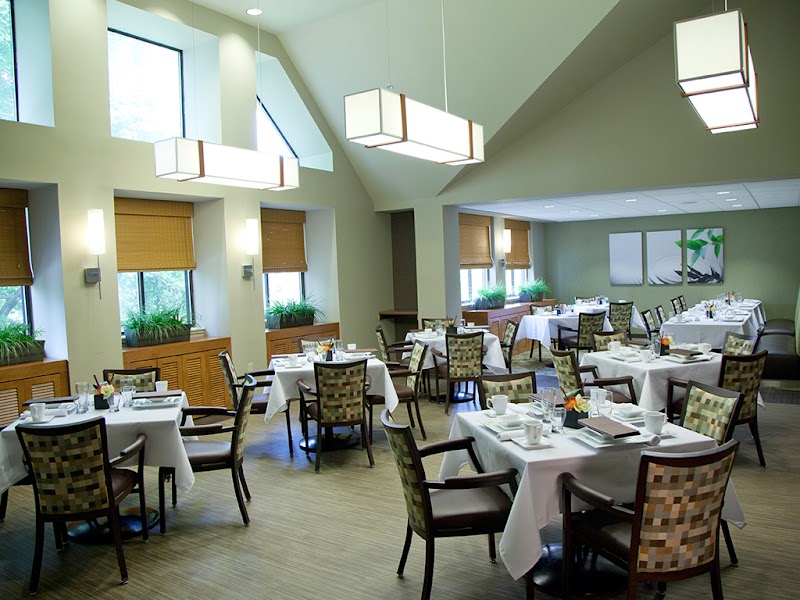
Who Owns and Operates Ellicott City Healthcare Center?

ELLICOTT CITY HEALTHCARE CENTER is owned by a for-profit company. For-profit facilities operate as businesses with obligations to shareholders or private owners. The facility is operated by COMMUNICARE HEALTH, a chain that manages multiple nursing homes. With 182 certified beds and approximately 157 residents (about 86% occupancy), it is a mid-sized facility located in ELLICOTT CITY, Maryland.

How Does Ellicott City Healthcare Center Compare to Other Maryland Nursing Homes?

Compared to the 100 nursing homes in Maryland, ELLICOTT CITY HEALTHCARE CENTER's overall rating (1 stars) is below the state average of 3.0, staff turnover (35%) is significantly lower than the state average of 46%, and health inspection rating (1 stars) is much below the national benchmark.

What Should Families Ask When Visiting Ellicott City Healthcare Center?

Based on this facility's data, families visiting should ask: "What changes have been made since the serious inspection findings, and how are you preventing similar issues?" "What safeguards and monitoring systems are in place to protect residents from abuse or neglect?" "Can I visit during a mealtime to observe dining assistance and food quality?" "How do you handle medical emergencies, and what is your hospital transfer rate?" These questions are particularly relevant given the facility's Immediate Jeopardy citations and the substantiated abuse finding on record.

Is Ellicott City Healthcare Center Safe?

Based on CMS inspection data, ELLICOTT CITY HEALTHCARE CENTER has documented safety concerns. The facility has 1 substantiated abuse finding (meaning confirmed case of resident harm by staff or other residents). Inspectors have issued 1 Immediate Jeopardy citation (the most serious violation level indicating risk of serious injury or death). The facility has a 1-star overall rating and ranks #100 of 100 nursing homes in Maryland. Families considering this facility should ask detailed questions about what corrective actions have been taken since these incidents.

Do Nurses at Ellicott City Healthcare Center Stick Around?

ELLICOTT CITY HEALTHCARE CENTER has a staff turnover rate of 35%, which is about average for Maryland nursing homes (state average: 46%). Moderate turnover is common in nursing homes, but families should still ask about staff tenure and how the facility maintains care continuity when employees leave.

Was Ellicott City Healthcare Center Ever Fined?

ELLICOTT CITY HEALTHCARE CENTER has no federal fines on record. CMS issues fines when nursing homes fail to meet care standards or don't correct problems found during inspections. The absence of fines suggests the facility has either maintained compliance or corrected any issues before penalties were assessed. This is a positive indicator, though families should still review recent inspection reports for the full picture.

Is Ellicott City Healthcare Center on Any Federal Watch List?

ELLICOTT CITY HEALTHCARE CENTER is not on any federal watch list. The most significant is the Special Focus Facility (SFF) program, which identifies the bottom 1% of nursing homes nationally based on persistent, serious quality problems. Not being on this list means the facility has avoided the pattern of deficiencies that triggers enhanced federal oversight. This is a positive indicator, though families should still review the facility's inspection history directly.