AUTUMN LAKE HEALTHCARE AT BALLENGER CREEK
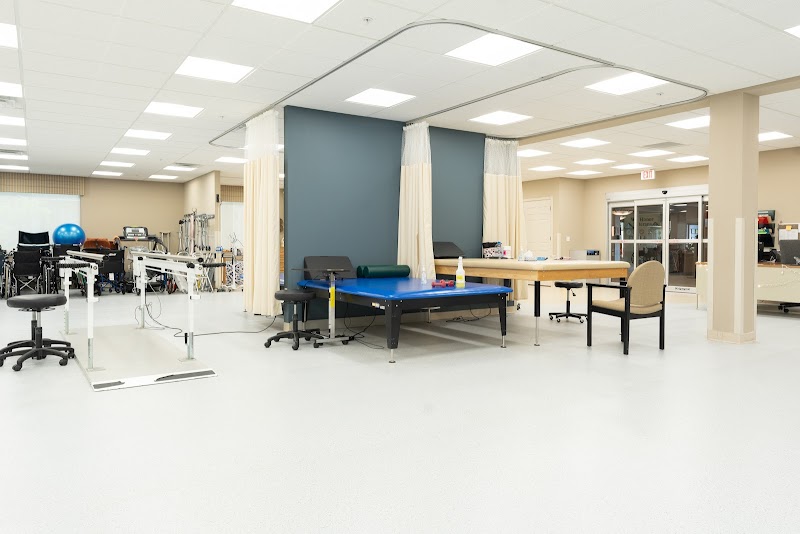
347 BALLENGER DRIVE, FREDERICK, MD 21701 (301) 663-5181
For profit - Corporation 130 Beds AUTUMN LAKE HEALTHCARE Data: November 2025 1 Immediate Jeopardy citation
Trust Grade
43/100
#87 of 219 in MD
Last Inspection: June 2025

Inspected within the last 6 months. Data reflects current conditions.

Overview

Autumn Lake Healthcare at Ballenger Creek has received a Trust Grade of D, which indicates below-average performance with some concerns about care quality. Ranked #87 out of 219 nursing homes in Maryland, they are in the top half, but their county rank of #4 out of 8 shows there are better local options available. The facility's trend has been stable, but they reported 25 issues in both 2022 and 2025, highlighting ongoing challenges. Staffing is a relative strength, with a turnover rate of 34%, lower than the state average, but RN coverage is only average. There have been serious incidents, including a resident receiving medications intended for another person and falls resulting in fractures due to inadequate supervision. Overall, while there are some positive aspects, families should carefully consider these weaknesses.

Trust Score
D
43/100
In Maryland
#87/219
Top 39%
Safety Record
High Risk
Review needed
Inspections
Holding Steady
25 → 25 violations
Staff Stability
○ Average
34% turnover. Near Maryland's 48% average. Typical for the industry.
Penalties
✓ Good
No fines on record. Clean compliance history, better than most Maryland facilities.
Skilled Nurses
○ Average
Each resident gets 41 minutes of Registered Nurse (RN) attention daily — about average for Maryland. RNs are the most trained staff who monitor for health changes.
Violations
⚠ Watch
60 deficiencies on record. Higher than average. Multiple issues found across inspections.
★★★☆☆
3.0
Overall Rating
★★★☆☆
3.0
Staff Levels
★★★★★
5.0
Care Quality
★★☆☆☆
2.0
Inspection Score
Stable
2022: 25 issues
2025: 25 issues

The Good

  • 5-Star Quality Measures · Strong clinical quality outcomes
  • Full Sprinkler Coverage · Fire safety systems throughout facility
  • No fines on record
  • Staff turnover below average (34%)

    14 points below Maryland average of 48%

Facility shows strength in quality measures, fire safety.

The Bad

3-Star Overall Rating

Near Maryland average (3.0)

Meets federal standards, typical of most facilities

Staff Turnover: 34%

12pts below Maryland avg (46%)

Typical for the industry

Chain: AUTUMN LAKE HEALTHCARE

Part of a multi-facility chain

Ask about local staffing decisions and management

The Ugly 60 deficiencies on record

1 life-threatening 1 actual harm
Jun 2025 25 deficiencies
CONCERN (D)

Potential for Harm - no one hurt, but risky conditions existed

Deficiency F0557 (Tag F0557)

Could have caused harm · This affected 1 resident

Based on observation, interview, document review it was determined that the facility failed to have an effective process in place to ensure a resident's personal property was kept safe and available t...

Read full inspector narrative →
Based on observation, interview, document review it was determined that the facility failed to have an effective process in place to ensure a resident's personal property was kept safe and available to the residents. This was evident for 1 (Resident# 83) of 7 Residents reviewed for food during a survey. The findings include: On 6/23/25 at 8:48 AM Resident # 83, a long-term resident of the facility, reported that the food served in the facility is hard to chew and his family often brings in food form home for him/her to eat. On 6/24/25 at 7:20 AM an observation was made of Resident #83s family members speaking with the long-term care unit 1 secretary (Staff #10). Resident #83s family member reported to the secretary that s/he brought food in for Resident #83 on 6/23/25. However, s/he just looked in the unit refreshment refrigerator and the food was not there. 06/24/25 08:00 AM the corporate dietician provided the facility's policy titled Food from Home Policy. On 6/24/25, a review of the Food form Home Policy revealed that all food items that are brought in by the family must be labeled with content and date and if not consumed within 3 days will be thrown away by the facility. On 6/24/25 at 12:18 PM the Regional Director of the food service (Staff #2)) was interviewed. During the interview she reported that the kitchen is responsible for cleaning out the refrigerators every morning and discarding any expired food. On 6/24/25 at 12:59 PM The Regional Certified Dietary Manager (Staff #3) was interviewed. During the interview he reported that he cleaned out the refrigerator in the long-term care unit every morning this week and he removed all items without an expiration date. He reported that he looked for 2 dates the date it is placed in the refrigerator and the expiration date. On 6/24/25 at 1:31 PM a nurse on long term care 1 (Staff #4) was interviewed. She reported that the door to the room that houses the refrigerator that contains residents' food brought from home is locked. When a resident or resident brings in food the nursing staff makes sure the food is properly labeled prior to the resident placing it in the refrigerator. Nurse #4 reported that one of the label requirements is the date the food is placed in the refrigerator. Nurse #4 reported that the food is thrown out 3 days after that date. She confirm that the food is not required to be labeled with an expiration date. 06/27/25 04:43 PM 4:37 PM the above concern that the food form home policy is not consistently followed by staff was discussed with the administrator and Director of nursing. No additional information was provided prior to the end of the survey.
CONCERN (D)

Potential for Harm - no one hurt, but risky conditions existed

Deficiency F0558 (Tag F0558)

Could have caused harm · This affected 1 resident

Based on observations, record review and interviews, it was determined that the facility failed to provide reasonable accommodations to maintain residents' independence by failing to ensure access to ...

Read full inspector narrative →
Based on observations, record review and interviews, it was determined that the facility failed to provide reasonable accommodations to maintain residents' independence by failing to ensure access to call lights and lighting controls. This was found to be evident for one (Resident #40) out of ten residents reviewed for activities of daily living; and 10 out of 10 rooms observed for location of lighting controls.The findings include: 1. On 6/26/25 at approximately 12:11 PM, the surveyor observed Resident #40 out of bed and seated in their wheelchair on the right side of their bed. The surveyor noted that the resident's call bell was tied to the left side bed rail and was out of the resident's reach. The surveyor then asked a Nursing Assistant (GNA #17) to enter the room and assess the placement of the call bell. GNA #17 confirmed that the call bell was out of reach and repositioned it closer to the resident.On 6/27/25 at 1:55 PM, the surveyor observed Resident #40 out of bed and seated in their wheelchair on the right side of the bed. Once again, the surveyor noted that the call bell was tied to the left side bed rail and was out of reach. The surveyor asked the Nurse Unit Manager (UM #8) to come to the resident's room. UM #8 confirmed that the call bell was out of reach and moved it within the resident's reach. The surveyor expressed concern that this was the second instance in which the call bell had been observed tied to the bed and inaccessible to the resident. UM #8 acknowledged the concern and stated that she would remind staff to ensure the resident is provided access to their call bell whenever s/he is out of bed.On 6/30/25 at 8:43 AM, the surveyor met with the Nursing Home Administrator (NHA) to express concern that Resident #40 had been placed in their wheelchair at bedside without their call bell within reach on two occasions during the past week. The NHA confirmed that the expectation is for the call bell to be accessible to the resident at all times.
CONCERN (D)

Potential for Harm - no one hurt, but risky conditions existed

Deficiency F0578 (Tag F0578)

Could have caused harm · This affected 1 resident

Based on medical record review and interview it was determined that the facility failed to ensure health care advance directives were discussed with a resident. This was found to be evident for 1 (Res...

Read full inspector narrative →
Based on medical record review and interview it was determined that the facility failed to ensure health care advance directives were discussed with a resident. This was found to be evident for 1 (Resident #79) out of three residents reviewed for advance directives. The findings include: Resident #79 has resided at the facility for several years and is certified as having adequate decision making capacity. Review of an Advanced Directive admission assessment form revealed the following: An advanced directive allows you to decide who you want to make health care decisions for you if you are unable to do so yourself. You can also use it to say what kinds of treatments you do or don't want, especially the treatments often used in a medical emergency or near the end of a persons life. Review of the Advance Directive admission form for Resident #79 revealed that staff documented in February 2023 that an Advanced Directive was currently in place. Further review of the medical record revealed a Social Service Assessment, dated 3/26/24, that documented in the section titled: Health Care Decision Making, that the resident had an Advance Directive document and that it was on file. On 6/25/25 further review of the medical record failed to reveal an Advance Directive in either the electronic medical record or the paper chart. On 6/25/25 at 11:39 AM the Social Service Designee (SSD Staff #23) reported that Advance Directives are used to help a resident maintain their wishes when they can no longer make decisions. She went on to report that she asks about them on intake and often has to explain the difference between MOLST (Maryland Orders for Life Sustaining Treatment) and Advance Directives. If a resident does not have an Advance Directive the SSD indicated she would offer to assist them with establishing one. In regard to Resident #79, SSD #23 reported the resident might be one of the residents that the family brought in the wrong paperwork and indicated she would look into it. Surveyor informed the SSD that the Social Service note from March 2024 indicated an Advance Directive was on file but none was found. On 6/25/25 at approximately 12:30 PM the SSD # 23 provided Durable Power of Attorney paperwork and reported that it was found in the electronic health record. Review of the Power of Attorney paperwork provided by the SSD revealed it did not address health care. Further review of the electronic health record revealed this document was uploaded in March 2024. On 6/25/25 at 2:15 PM interview with the SSD #23 confirmed that the resident is currently capable to make his/her own health care decisions. SSD reported : I think [s/he] is the one I'm trying to hunt down the right one [Advance Directive paperwork]. SSD confirmed there is no documentation to support that the family was informed the document provided was not related to health care. Surveyor reviewed the concern that previous Social Service documentation indicated an Advance Directive was on file but it is not.
CONCERN (D)

Potential for Harm - no one hurt, but risky conditions existed

Safe Environment (Tag F0584)

Could have caused harm · This affected 1 resident

2. An observation on 6/24/25 at 6:58 AM revealed that Resident #48's room had dark debris, dried food particles, and dried sticky fluid on the floor. The Resident's Representative was present and said...

Read full inspector narrative →
2. An observation on 6/24/25 at 6:58 AM revealed that Resident #48's room had dark debris, dried food particles, and dried sticky fluid on the floor. The Resident's Representative was present and said, The floor has been like this for at least 2 weeks. In an interview on 6/24/25 at 9:21 AM in Resident #48's room, staff #36, a housekeeping technician, confirmed the concerns and stated that Residents' rooms were to be swept, mopped, and wiped down daily. During a subsequent interview with staff #37, the director of environmental services, in Resident #48's room, he confirmed that there were dark stains, debris, and dried sticky fluid on the floor. Staff then added that the Resident's room looked dirty and would be taken care of after the surveyor's intervention. Based on observations, record review and interviews, it was determined that the facility failed to ensure a clean, comfortable, and home-like environment for residents. This was found to be evident for one (Resident #62) of 10 residents reviewed for activities of daily living and one (Resident #48) identified during an environmental observation. The findings include: 1. Resident #62 has a history of stroke, which requires him/her to depend on staff for total care. S/He has a Brief Interview Mental Status (BIMS) score of 15. A BIMS score is a short test used to check a person's thinking and memory skills. It helps doctors see if someone has trouble with their mental abilities. The score ranges from 0 to 15, with higher scores meaning better brain function. On 6/23/25 at 7:55 AM, the surveyor interviewed Resident #62, who complained that the facility had not changed their bed linens and stated that they are typically only changed every couple of weeks. The surveyor observed visible stains on the sheets and a significant amount of dried, flaking skin that appeared to have come from the resident's feet. The pillowcase appeared dingy and soiled, and the bedding was disheveled. On 6/25/25 at 12:30 PM, the surveyor spoke with Resident #62, who reported that their sheets had still not been changed. The surveyor observed that the bed linens remained in the same disarray as the previous day, with the addition of new stains and crumbs present in the bed. On 6/25/25 at 1:00 PM, the surveyor interviewed the Director of Nursing (DON) and inquired about the facility's typical schedule for changing bed linens. The DON stated that sheets are generally changed on shower days and whenever they become soiled. Resident #62's care plan indicates that s/he is scheduled to receive showers twice weekly. On 6/25/25 at 1:31 PM, the surveyor interviewed Geriatric Nursing Assistant (GNA #17), who confirmed that linens should be changed when the resident is showered and whenever they become soiled. On 6/26/25 at 7:55 AM, the surveyor spoke with Resident #62, who stated that their sheets had still not been changed. The surveyor observed a stale sweat-like odor, and the sheets contained skin debris, food particles, and stains. On 6/26/25 at 9:16 AM, the surveyor observed Resident #62 in bed with the same dirty sheets and a urine-soaked incontinence pad sliding out from beneath the resident's backside. The sheets smelled of urine and sweat. On 6/26/25 at 10:45 AM, the surveyor interviewed the Director of Nursing (DON) and the Nursing Home Administrator (NHA). The surveyor expressed concerns that Resident #62 had not had their sheets changed since the surveyors entered the facility on 6/23/25, and that the resident reported typically having to wait at least two weeks for a new set of sheets. The surveyor reported observing soiled sheets with stains, food debris, and a soiled incontinence brief in the resident's bed that morning. The NHA stated she would ensure the linens are changed promptly. On 6/26/25 at 2:18 PM, the surveyor observed that Resident #62's bed linens had been changed.
CONCERN (D)

Potential for Harm - no one hurt, but risky conditions existed

Grievances (Tag F0585)

Could have caused harm · This affected 1 resident

Based on interview and record review it was determined that the facility failed to implement their grievance policy when a resident alleged their property was missing. This was evident for 1 (Resident...

Read full inspector narrative →
Based on interview and record review it was determined that the facility failed to implement their grievance policy when a resident alleged their property was missing. This was evident for 1 (Resident #102), of 3 residents reviewed for personal property during the recertification survey. The findings include: On 6/24/25 at 8:56 AM an interview was conducted with Resident #102 who reported that when they were admitted to the facility they brought their wheelchair with leg rests. The resident further explained that the leg rests of their personal wheelchair had been missing for approximately one month and that the physical therapist (Staff #11) had tried to find them. In the meantime, the facility provided other leg rests to the resident. 06/24/25 at 2:35 PM an interview was conducted with unit nurse (Staff #16) regarding Resident #102's wheelchair and leg rests. She said that she was aware of the resident's concern that their personal wheelchair leg rests were missing and the Physical Therapist (Staff #11) was looking for them. When asked if there was anything in writing about the missing wheelchair, she said she she did not know. On 6/24/25 at 3:30 PM an interview with Staff #11 was conducted. He said that Resident #102 had told him about the missing leg rests and that he had been looking for them but had not found them yet. When asked about the process for missing property, Staff #11 said his process was to report any concerns to the nursing department. On 6/24/25 at 3:46 PM the Director of Rehabilitation (Staff #5) was interviewed. He explained that the normal process for missing property was to initiate the grievance process, and that this was done by the person who first learned about the concern. Staff #5 acknowledged that the facility failed to initiate a grievance for Resident #102's missing wheelchair leg rests.
CONCERN (D) 📢 Someone Reported This

A family member, employee, or ombudsman was alarmed enough to file a formal complaint

Potential for Harm - no one hurt, but risky conditions existed

Report Alleged Abuse (Tag F0609)

Could have caused harm · This affected 1 resident

Based upon record review and pertinent staff interviews, it was determined that facility failed to ensure that incidents of alleged abuse were thoroughly investigated and reported to the state agency ...

Read full inspector narrative →
Based upon record review and pertinent staff interviews, it was determined that facility failed to ensure that incidents of alleged abuse were thoroughly investigated and reported to the state agency in a timely manner. This was evident for 1 (Resident #125) of 13 residents reviewed for abuse during the survey. The findings include: 1) Resident #125 was admitted into the facility in early 2022. A quick look into the resident's medical record indicated severely impaired mental cognition. A review of the intake information related to MD00192139 was conducted on 6/27/25 at 12:48 PM. The review indicated that Resident #125's family member alleged that another resident may have been inappropriately touching the resident. On 6/27/25 at 1:43 PM, a review of the investigation packet for MD00192139 revealed that the initial report was sent on 5/5/23 at 5:36 PM by the Director of Nursing (DON). The initial report noted the time and date of the incident as 5/5/23 at 4 PM. However, a statement by a nurse (Staff #20) reporting the allegation was signed and dated 5/3/23. The DON was interviewed about the allegation on 6/27/25 at 3:10 PM. During the interview, the DON reported that Resident #125's family member reported the allegation to Staff #20, who then reported it to her. The DON indicated that she investigated and reported the concern immediately. However, the date on the initial report was 2 days after Staff #20 made her statement. The DON acknowledged the concern.
CONCERN (D)

Potential for Harm - no one hurt, but risky conditions existed

Comprehensive Assessments (Tag F0636)

Could have caused harm · This affected 1 resident

**NOTE- TERMS IN BRACKETS HAVE BEEN EDITED TO PROTECT CONFIDENTIALITY** Based on record review and staff interviews, it was determined that the facility failed to complete comprehensive Minimum Data S...

Read full inspector narrative →
**NOTE- TERMS IN BRACKETS HAVE BEEN EDITED TO PROTECT CONFIDENTIALITY** Based on record review and staff interviews, it was determined that the facility failed to complete comprehensive Minimum Data Set (MDS) assessments within the regulatory time frames to facilitate appropriate care planning and maintain current and accurate assessment records. This was evident for 1 (Resident #311) of 6 residents reviewed for accidents The findings include: The MDS is a federally mandated assessment tool that nursing home staff use to gather information on each Resident's strengths and needs. The information collected drives resident care planning decisions. The admission MDS assessment is a comprehensive assessment for new Residents and, under some circumstances, returning residents. It must be completed by the end of day 14, considering the date of admission to the facility as day 1. The last day of the observation period is the Assessment Reference Date (ARD). This is the end date of the observation period and provides a common reference point for all team members participating in the assessment. In completing sections of the MDS that require observations of a resident over specified periods such as 7, 14, or 30 days, the ARD is the common endpoint of these look back periods. A review of Resident #311's medical record showed that the Resident was admitted to the facility on [DATE]. Continued review included an admission MDS assessment dated [DATE] for Resident #311. The MDS was due on 5/25/25. However, it was completed and signed in section V0200B2 on 5/29/25, day 18, after Resident #311's admission to the facility and four days late. In an interview on 6/30/25 at 8:00 AM, staff #13, MDS Coordinator, confirmed that Resident #311's admission MDS assessment was completed 4days late.
CONCERN (D)

Potential for Harm - no one hurt, but risky conditions existed

Deficiency F0657 (Tag F0657)

Could have caused harm · This affected 1 resident

Based on medical record review and interview it was determined that the facility failed to ensure interdisciplinary care plan meetings were held following Minimum Data Set (MDS) assessments. This was ...

Read full inspector narrative →
Based on medical record review and interview it was determined that the facility failed to ensure interdisciplinary care plan meetings were held following Minimum Data Set (MDS) assessments. This was found to be evident for one (Resident #11) out of six residents reviewed for unnecessary medications. Minimum Data Set- The MDS is a federally mandated assessment tool used by nursing home staff to gather information on each resident's strengths and needs. Information collected drives resident care planning decisions. The findings include: Review of Resident #11's medical record on 6/24/25 revealed the resident has resided at the facility for several years. A quarterly Minimum Data Set (MDS) assessment, with an assessment date of 3/6/25, was completed in March. A significant change MDS, with an assessment reference date of 5/11/25 was completed in May. Further review of the medical record failed to reveal documentation to indicate an interdisciplinary care plan meeting was scheduled or occurred following either of these MDS assessments. On 6/25/25 at 2:35 PM surveyor requested from the Nursing Home Administrator documentation of care plan meetings held since January 2025. At 4:10 PM the Director of Nursing reported there have been no care plan meetings for this resident since January.
CONCERN (D) 📢 Someone Reported This

A family member, employee, or ombudsman was alarmed enough to file a formal complaint

Potential for Harm - no one hurt, but risky conditions existed

Pressure Ulcer Prevention (Tag F0686)

Could have caused harm · This affected 1 resident

**NOTE- TERMS IN BRACKETS HAVE BEEN EDITED TO PROTECT CONFIDENTIALITY** Based on record review and relevant interviews it was determined that the facility failed to provide care consistent with profes...

Read full inspector narrative →
**NOTE- TERMS IN BRACKETS HAVE BEEN EDITED TO PROTECT CONFIDENTIALITY** Based on record review and relevant interviews it was determined that the facility failed to provide care consistent with professional standards of practice to promote healing of an existing diabetic foot wound. This was evident for one (Resident #116) of two residents reviewed for pressure injuries during the survey process. The findings include: Negative Pressure Therapy is a vacuum assisted closure (VAC) therapy that uses suction and a dressing to remove excess wound drainage and to promote wound healing. Nursing responsibility for proper VAC functioning and care includes assessing and monitoring that the vacuum device is properly calibrated and functioning and to document the findings. On 6/24/25 at 12:39 PM a record review of the admission face sheet revealed Resident #116's diagnosis was Type 2 Diabetes Mellitus with foot ulcer, Encounter for orthopedic aftercare following surgical amputation, Bipolar Disorder, Post-Traumatic Stress Disorder and Cerebral Infarction, also known as a Stroke. On 6/24/25 at 1:13 PM a review of Resident #116's Care Plan revealed a risk for skin breakdown related to amputation; wound VAC per orders. The Treatment Administration Record (TAR) dated August 2024 revealed a lack of documentation for Negative Pressure Therapy on August 2, 3, 4, 5, and 6. On 6/24/25 a record review of Resident #116's closed medical record including the electronic health record, PointClickCare (PCC) revealed the following: A long-standing Physician order for Negative Pressure Therapy to Right foot SET Unit to 125 mmHg continuously every shift for right great toe. On 8/1/24 Licensed Practical Nurse (LPN #29) wrote a Progress Note, VAC to the right great toe in working order. On 8/2 and 8/3/24 a review of Nurse Progress Notes lacked PCC documentation that the VAC was assessed. On 8/4/24 LPN #29 entered a Nurse Progress Note, patient has wound VAC to the right foot for the right great toe amputee working well. On 8/5/24 a review of Nurse Progress Note lacked PCC documentation that the VAC was assessed. On 8/6/24 Nurse Practitioner (NP #30) wrote a Progress Note that resident was seen as follow up for diabetic right foot abscess. Collaborated with NP wound specialist today regarding worsening of right foot wound now with cellulitis. Assessment and Plan indicated continue negative pressure therapy to right foot. On 8/6/24 Wound Specialist (NP #31) wrote a General Nurse Note late entry that indicated Wound VAC therapy is in progress; however, it apparently stopped working. Right surgical site deteriorated today. On 8/7/24 at 5:00 PM a General Nurse Note revealed Resident #116 attended the podiatry appointment and was later sent to [NAME] Memorial Hospital for further evaluation. Review of the closed records indicated Resident #116 was hospitalized on [DATE] for right foot wound. On 6/25/25 at 11:55 AM an interview with Registered Nurse (RN #35) revealed that any resident with a pressure ulcer, stage 2 and higher, non-healing surgical sites, and vascular concerns were seen every Tuesday by the wound specialist, Nurse Practitioner (NP #31). Her role was to assist NP #31 with assessments, measurements, treatments and to enter orders into the electronic health record, (PCC). She acknowledged it was nursing responsibility and her expectation that nursing staff would give VAC care in her absence. She also acknowledged that if it's not documented, then it wasn't done. On 6/25/25 at 1:04 PM during an interview with NP #31 it was acknowledged that residents with non-healing surgical sites and a VAC are seen every Tuesday. She indicated that the wound care on the weekends was sub-par. It was also acknowledged that the wound VAC appeared to have not been working over a couple of days prior to her documented assessment on 8/6/24. She acknowledged that it was her expectation that the floor nurses should have known that the VAC was not functioning properly and should have applied the rescue dressing per the order. On 6/25/25 at 2:12 PM in an interview, the Director of Nursing (DON) agreed in principle, if it's not documented, it's not done. She stated that nursing care should be documented on the resident's TAR and/or in the Nurse Progress Notes in PCC. The DON reviewed Resident #116's August 2024 TAR and confirmed it appeared that the VAC was not assessed on August 2, 3, 4, 5 or 6th and that there was a lack of Nursing Progress documentation in PCC on August 2, 3 and 5th. The DON acknowledged that based on documentation and/or the lack thereof, it looks like nursing failed to provide care consistent with professional standards of practice to promote healing.
CONCERN (D)

Potential for Harm - no one hurt, but risky conditions existed

Accident Prevention (Tag F0689)

Could have caused harm · This affected 1 resident

Based on observation, medical record review and interview it was determined that the facility failed to ensure care plan interventions to assist with resident safety were implemented. This was found t...

Read full inspector narrative →
Based on observation, medical record review and interview it was determined that the facility failed to ensure care plan interventions to assist with resident safety were implemented. This was found to be evident for three (Resident #11, #56 and #99) out of six residents reviewed for accidents. The findings include: 1. Review of Resident #11's medical record on 6/24/25 revealed the resident has resided at the facility for several years. The resident has a history of falls, including a fall from bed in 2025. The resident has had a care plan addressing fall risk for several years and on 5/5/25 the following intervention was initiated: low bed with bilateral floor mats. In addition to the care plan intervention, the resident has a physician order, dated 5/5/25 for low bed with bilateral floor mats. Review of the Treatment Administration Record (TAR) revealed an area for nursing staff to document regarding this order every shift. On 6/24/25 at 8:49 AM the resident was observed in bed eating breakfast, no fall mats observed on the floor at this time. On 6/24/25 at 3:20 PM surveyor observed resident in bed at this time; no fall mats on the floor. This observation was confirmed by the unit nurse manager (Staff # 8). At approximately 3:30 PM medical record review revealed the nurse #45 had already signed off on the TAR for the day shift to indicate the bed was in low position with floor mats in place. On 6/24/25 at 3:35 PM the unit nurse manager reported that she had contacted central supply to obtain the floor mats for Resident #11. Surveyor reviewed the additional concern with the unit nurse manager that the day nurse had signed off that the bed was low and floor mats were in place but observation made at 8:30 AM also failed to reveal floor mats being in place. 2. Resident #56 has resided at the facility for more than one year. The resident has a care plan addressing fall risk since June 2023 and on 3/13/25 the following intervention was initiated: low bed with bilateral floor mats. In addition to the care plan intervention, the resident has a physician order, dated 3/13/25, for low bed with bilateral floor mats. Review of the Treatment Administration Record (TAR) revealed an area for nursing staff to document regarding this order every shift. On 6/23/25 at 10:44 AM the resident was observed in bed but no fall mats were observed on the floor. On 6/24/25 at 4:35 PM resident was observed asleep in bed, no floor mat was observed on the floor next to the bed, or elsewhere in the room. This observation was confirmed by unit nurse manager (Staff # 8). Surveyor reviewed the concern that there is an order for the fall mats. Unit nurse manager confirmed that the mats are to remain in place unless a specific order to remove during care. Further review of the medical record revealed staff had signed off for the 6/24/25 day shift indicating the fall mats were in place. On 6/25/25 at 4:15 PM surveyor reviewed with the Director of Nursing (DON) the concern regarding the failure to have fall mats in place for Resident #11 or #56 as indicated in their orders and care plans. The DON reported she was aware of this concern and that a full house audit was completed last night. 3. Review of Resident #99's medical record revealed the resident was assessed as being at risk for elopement (when a resident who is deemed not capable of making health care decisions exits the facility unsupervised). The resident has a care plan in place to address the risk of elopement and orders for the use of a wander guard bracelet. A wander guard is an electronic device that alerts staff when a resident is too close to specific exits. The resident was observed wearing a wander guard bracelet on 6/25/25 at 11:03 AM while the resident was ambulating in the hallway. Review of the medical record revealed the order to check for placement of the wander guard was changed on 6/15/25 from the left ankle to the left wrist. On 6/27/25 further review of the elopement care plan revealed an intervention, in place since 2/25/25, indicating the functional status of the wander guard should be checked every shift. Review of the orders and the June Treatment Administration Record (TAR) revealed documentation to indicate staff were completing a check of functionality until the order was discontinued on 6/15/25. On 6/27/25 continued review of the medical record revealed a current order for the wander guard usage and staff were documenting it's presence on the left wrist every shift since 6/15/25. But no documentation was found to indicate the functionality was checked since 6/15/25. On 6/27/25 at 12:28 PM the unit nurse manager (Staff # 8) was asked about checking the functionality of the wander guards. She reported there is an order every shift to check the functionality and that they have a gray box that is used to check the function. The unit nurse manager was able to quickly produce the device (gray box) that is used to check the functionality and was able to demonstrate how it works. The unit nurse manager confirmed that there should be an order to check placement and another order to check function. Surveyor reviewed the concern that no current order was found for Resident #99 to check function since it was discontinued on 6/15/25. On 6/27/25 at 12:59 PM surveyor reviewed the concern with the Nursing Home Administrator that the care plan indicated every shift check for functionality but no documentation to indicate the functionality has been assessed since the 15 th of June.
CONCERN (D)

Potential for Harm - no one hurt, but risky conditions existed

Deficiency F0697 (Tag F0697)

Could have caused harm · This affected 1 resident

Based on record review and interview, it was determined that the facility failed to provide pain management, per physician orders, to residents. This was evident for 2 (Resident #50, and #42) of 5 res...

Read full inspector narrative →
Based on record review and interview, it was determined that the facility failed to provide pain management, per physician orders, to residents. This was evident for 2 (Resident #50, and #42) of 5 residents reviewed for pain management during the recertification survey. The findings include: 1. A review of Resident #50's medication orders revealed an order dated 6/17/25 for the short-acting pain medication oxycodone to be given every 4 hours as needed (PRN) for acute pain [rated] 7-10. On 6/23/25 at 10:22 AM an interview was conducted with Resident #50. They said they were in severe pain and that they had been waiting since 6:00 AM to receive the PRN oxycodone but was told by their nurse that the medication was not available. On 6/23/25 at 10:57 AM an interview was conducted with Resident #50's assigned nurse (Staff #16) who said the night shift agency nurse told her she medicated the resident at 6:00 AM but that it was the last one so needed to be re-ordered. On 6/23/25 at 11:10 AM an interview with the Unit Nurse Manager (Staff #15) and nurse (Staff #16) was conducted at the resident's medication cart to review Resident #50's medication orders and medication supply. The review revealed that the resident received the PRN oxycodone at 2:39 AM, and that the pill blister pack was empty. A review of the narcotic sign out sheet for the oxycodone showed that the last tablet was removed at 2:39 AM. The Unit Nurse Manager #15 and Nurse #16 confirmed that there was no medication available to provide to the resident. On 6/30/25 at 9:30 AM an interview was conducted with the DON to review the survey findings and she acknowledged the deficiency. 2. In an interview on 6/23/25 at 10:05 AM, Resident #43 reported that pain was his/her biggest issue when s/he was first admitted to this facility. A review of Resident #43's medical record on 6/25/25 at 9:33 AM showed that s/he had been residing in the facility since April 2025 with diagnoses including chronic pain. The continued review included an attending provider's order for Resident #43, which was initiated on 4/21/25. The order indicated to attempt Non-Pharmacological Interventions (NPIs) before giving Resident 43 any PRN pain drug (NPIs- are interventions without the use of medications). Further review of Resident #43's medication administration records (MAR) for April 2025 contained an attending provider's order to give Resident #43 Oxycodone 5mg every 4 hours as needed for pain level 4-10. A pain scale/level ranges from 0 to 10; 0 means no pain, and 10 represents the worst pain. It is used to assess a patient's level of pain, allowing for more effective treatment to be provided. Resident #43's MAR had recorded that the nurses administered the medicine to the Resident from 4/21/25 to 4/30/25. However, the review failed to show a record of Resident #43's pain assessment before administering the medicine, including the location and the type of pain. The review also lacked documentation that NPIs were attempted on 4/21/25, 4/27/25, 4/28/25, and 4/29/25 before administering the medicine to Resident #43. In an interview with the Unit Nurse Manager #15, she expressed an understanding of concerns. She stated that she would educate staff on pain assessment before and after giving PRN pain medicine.
CONCERN (D)

Potential for Harm - no one hurt, but risky conditions existed

Deficiency F0740 (Tag F0740)

Could have caused harm · This affected 1 resident

Based on observations, medical record review and interviews it was determined that the facility failed to ensure behavioral health care services were provided as needed. This was found to be evident f...

Read full inspector narrative →
Based on observations, medical record review and interviews it was determined that the facility failed to ensure behavioral health care services were provided as needed. This was found to be evident for one (Resident #56) out of three residents reviewed for behavioral health services. The findings include: Resident #56 has resided at the facility for more than one year. Minimum Data Set (MSD)assessments were completed by facility staff in January and April of 2025. Minimum Data Set- The MDS is a federally mandated assessment tool used by nursing home staff to gather information on each resident's strengths and needs. Information collected drives resident care planning decisions. Review of Section D Mood of the 4/4/25 MDS revealed that, based on a Resident Mood Interview the resident had a severity score of 10, indicating moderate depression. On 6/23/25 at 11:18 AM during an interview with the surveyor, the resident became agitated and teary eyed. Surveyor informed nurse (Staff #45) that the resident had become upset during the interview when discussing an event in the past, the nurse reported the resident has anxiety issues. Review of the medical record on 6/26/25 revealed the psychiatric nurse practitioner (Staff #46) saw the resident on 3/27/25. Review of the note for this visit revealed the resident was seen for evaluation and medication management. The resident was diagnosed with Anxiety disorder and insomnia (difficulty sleeping). The patient should continue Ativan 1.5 mg Q [every] Mon, Wed, and Fri, Ativan 0.5 mg QHS [at bedtime], and Melatonin 3 mg to prevent the return of symptoms. The note also indicated the resident would benefit from continued behavioral health. Also found in the 3/27/25 psychiatric nurse practitioner note: [S/he-Resident] also mentions uncertainty about whether [s/he] is receiving [his/her] prescribed Ativan in the evenings as recommended. Continue current medication regimen and supportive care. Ativan, also known as Lorazepam, is a controlled substance. Therefore, there are controlled drug sheets that staff are required to document on whenever a dose of the Ativan is removed from the supply. Staff must document how many doses are removed and how many are remaining in that supply at the time of the dose removal. On 6/26/25 review of the drug control sheets for Resident #56's Ativan supply failed to reveal documentation to indicate the evening dose of Ativan was removed from the supply on 7 out of the 25 days in June that were reviewed. On 6/26/25 at 3:49 PM surveyor reviewed with the Director of Nursing (DON) the 7 dates in which no documentation was found to indicate the Ativan was removed from the supply in June. Surveyor also informed the DON of the psychiatric nurse practitioners documentation in March that the resident thought s/he was not receiving the Ativan as ordered every evening. As of time of survey exit on 6/30/25 no additional documentation was provided to indicate the the Ativan was obtained to be administered as ordered to the resident on those seven occasions in June. Cross reference to F 760. On 6/26/25 further review of the medical record revealed a note completed by psychologist (Staff #47) for a visit completed on 4/2/25. This note indicated the resident had the cognitive ability and verbal capacity to participate and benefit from psychotherapy; the patient's condition results in significant impairment in social, behavioral, psychological and emotional functioning; as well as interfering with compliance of recommended medical treatments or therapies; and patient's condition will deteriorate if patient does not participate in psychotherapy or if treatment discontinues. The last sentence of the Session Summary states: Encourage participation in social/physical/outdoor activities as possible to improve/maintain mood; follow up in approx. 2-3 weeks to reassess. Underneath psychologist #47's signature is the following statement: The above-signed certifies that the services recommended above are necessary for patient care. Further review of the medical record failed to reveal documentation to indicate a follow up visit by either the psychiatric nurse practitioner, the psychologist, or other behavioral health service provider after 4/2/25. On 6/26/25 at 5:00 PM surveyor requested from the Nursing Home Administrator any additional psychiatric notes since April 2025. On 6/26/25 at 5:11 PM the psychiatric nurse practitioner #46 reported the resident does not want any psychiatric medications other than Ativan. She reported psychologist #47 no longer sees residents at this facility, that he only comes in for competency evaluations but does do telehealth visits. After surveyor reviewed the concern that psychologist #47's note from April revealed a plan to follow up with the resident in 2-3 weeks but then no follow up was found, the nurse practitioner indicated she will let the new therapist know to come see the resident. On 6/26/25 at 6:06 PM the Nursing Home Administrator confirmed that there were no additional psychiatric notes since April 2025. On 6/30/25 at 9:45 AM surveyor reviewed the concern with the Director of Nursing regarding the failure to ensure behavioral health services, specifically in regard to the failure of the psychologist to return for follow up as indicated in the note as well as the failure to administer the Ativan as ordered on multiple occasions.
CONCERN (D)

Potential for Harm - no one hurt, but risky conditions existed

Drug Regimen Review (Tag F0756)

Could have caused harm · This affected 1 resident

Based on medical record review and interview it was determined that the facility failed to ensure pharmacist reviewed sufficient sections of the resident's medical record to identify significant medic...

Read full inspector narrative →
Based on medical record review and interview it was determined that the facility failed to ensure pharmacist reviewed sufficient sections of the resident's medical record to identify significant medication errors. This was found to be evident for one (Resident #56) out of three residents reviewed for behavioral health services. The findings include: Review of Resident #56's medical record on 6/26/25 and 6/30/25 revealed significant medication errors in regard to the anti-anxiety medication Ativan during the month of June 2025. These errors included the failure to administer an evening dose of Ativan on 7 out of 25 days reviewed; and the administration of an extra 0.5 mg of Ativan on 5 occasions. These errors were identified by reviewing the drug control sheets for the resident's Ativan as well as the Medication Administration Record in the electronic health record. Cross reference to F 760. Review of the facility's drug control sheets revealed they are kept in a bound book located on each of the medication carts. These sheets were not found in the electronic health record. On 6/30/25 review of the June Medication Administration Records (MAR) revealed that there was an order, originally written 12/30/24 and in effect on 6/25/25, for Ativan 0.5 mg give 1 tablet by mouth in the morning every Monday, Wednesday and Friday for anxiety, give with 1 mg tab to total 1.5 mg. Staff had documented the administration of this 0.5 mg tablet at 5:00 AM as ordered every Monday/Wednesday/Friday from June 2 thru June 25. No documentation was found to indicate this order was discontinued on or before June 25. In addition to the 12/30/24 order for Ativan 0.5 mg to be given with the 1.0 mg M/W/F, there was a duplicate order, written on 6/16/25 for 0.5 mg give 0.5 mg every M/W/F for anxiety; Give with 1mg on dialysis days; total dose of 1.5 mg on dialysis days. Staff had documented that this dose was administered on June 18, 20, 23, and 25. Review of the June MAR revealed staff documented in the mornings of June 18, 20, 23 and 25 the administration of one 1.0 mg Ativan; and two 0.5 mg Ativan. Review of the drug control sheets support that on the mornings June 20 and 23 staff actually administered a total of 2.0 mg of Ativan to the resident, rather than the 1.5 mg as indicated in the order. On 6/30/25 further review of the medical record revealed pharmacist (Staff #51) had completed a monthly medication regimen review (MRR) on 6/25/25 at 11:18 PM with No Recommendations. On 6/30/25 at 11:14 AM interview with pharmacist #51 revealed she covers when other pharmacist are on vacation. She reported that as part of the MRR she reviews the medications, the labs and any pertinent changes from the last month. She confirmed she reviews any medications orders that are active on the resident's profile. Surveyor then reviewed the concern that a duplicate order for Ativan was in place: two orders for the 0.5 mg to be given with the 1.0 MWF. In a follow up interview on 6/30/25 at 11:44 AM, pharmacist #51 reported that the duplicate order did not show up on the recap summary when she reviewed the orders. She confirmed that she does look at the Medication Administration Record (MAR) but stated that the recap summary report and the MAR should be identical. When asked if she compares the MAR with the drug control sheets, the pharmacist reported they try to periodically check those as well, but she completed the MRR remotely and was not in the building at the time of the review.
CONCERN (D) 📢 Someone Reported This

A family member, employee, or ombudsman was alarmed enough to file a formal complaint

Potential for Harm - no one hurt, but risky conditions existed

Room Equipment (Tag F0908)

Could have caused harm · This affected 1 resident

**NOTE- TERMS IN BRACKETS HAVE BEEN EDITED TO PROTECT CONFIDENTIALITY** Based on record review and pertinent interviews, it was determined that the facility failed to maintain safe operating condition...

Read full inspector narrative →
**NOTE- TERMS IN BRACKETS HAVE BEEN EDITED TO PROTECT CONFIDENTIALITY** Based on record review and pertinent interviews, it was determined that the facility failed to maintain safe operating condition of patient care equipment. This was evident for 1 resident complaint (Resident #115) of 20 resident complaints reviewed during this survey. The findings include: A Hoyer Lift is a mobility device to support residents who require mobility assistance to safely transfer to/from bed to a wheelchair or chair. On 6/24/25 at 10:33 AM a record review of the grievance log dated April 2023 revealed that a grievance form was filed on 4/18/23. A review of this grievance revealed that Social Service Designee (Staff #23) completed and submitted the form. The investigative process conducted by Registered Nurse (RN #26) confirmed the validity of the grievance and concluded that one of two facility Hoyer lifts was not in safe operating condition due to dead batteries. On 6/24/25 at 9:00 AM in an interview with the Complainant regarding Resident #115's care, it was confirmed that a grievance was filed with Staff #23 on April 18, 2023 and that the Director of Nursing and the Nursing Home Administrator (NHA) were aware of the concerns. It was also stated that [NAME] County Ombudsman was notified. The Complainant verified that a facility issued written decision was received and that no harm resulted to Resident #115. On 6/24/25 at 10:00 AM in an interview, the [NAME] County Ombudsman validated the grievance. On 6/30/25 the NHA acknowledged the concern.
CONCERN (E) 📢 Someone Reported This

A family member, employee, or ombudsman was alarmed enough to file a formal complaint

Potential for Harm - no one hurt, but risky conditions existed

Investigate Abuse (Tag F0610)

Could have caused harm · This affected multiple residents

**NOTE- TERMS IN BRACKETS HAVE BEEN EDITED TO PROTECT CONFIDENTIALITY** Based on review of facility investigative material, medical record review and interview with resident representatives along with...

Read full inspector narrative →
**NOTE- TERMS IN BRACKETS HAVE BEEN EDITED TO PROTECT CONFIDENTIALITY** Based on review of facility investigative material, medical record review and interview with resident representatives along with facility staff, it was determined that the facility failed to thoroughly investigate allegations of abuse. This was evident for 4 (Resident #17, 121, 125, 118) of 13 residents reviewed for abuse during a survey. The findings include: 1. On 6/24/25 at 7:05 AM review of intake #MD00218372 revealed concerns regarding the care of Resident #17, a long-term resident of the facility. The intake included concerns that a staff member stuck Resident #17. On 6/25/25 the facility provided a self-report investigation regarding the above concern. 6/25/25 at 9:30 AM review of the facility self-report revealed a statement from Resident #17 that was taken by the Unit Manager (Staff # 8) on 5/22/25. Review of Resident #17 statement revealed that s/he reported that the staff feeding her/him the previous night kept hitting her/his nose when the staff was pulling the spoon out of her/his mouth. The resident stated that s/he told her to stop but the Aide did not stop. The resident reported s/he spit out the food and the Aide smacked her upside the head. The resident motioned to the right temple area when asked where s/he was hit. On 6/25/25 The police were notified regarding the above allegation of abuse. Review of the police report, recorded on 5/21/2025 at 6 PM, revealed the following statement, It should be noted that (Resident #17) had visible redness at the corner of (her/his) right eye and complained of eye pain. I photographed the area to document the possible injury. On 6/25/25, the review of Resident #17's medical record (prior to the allegation of abuse) from 5/19/25 to 5/21/25 failed to reveal documentation regarding any discoloration to Resident #17s eye. On 6/25/25 Review of Resident #17's medical record revealed a late entry note dated 5/22/2025 at 9:00 AM titled Change in Condition Late Entry. Further review of this note revealed the change in condition included a small red discoloration noted to the right corner of the right eye. Further review of the medical record failed to reveal a follow-up change in condition form regarding the right eye discoloration. On 6/26/25 at 5:53 PM the Director of Nursing (DON) was interviewed. During the interview she reported that a follow-up change in condition should be completed within 72 hours of the initial change in condition documentation. She confirmed that residents medical record did not contain a follow up change in condition nor was the resident asked why she was rubbing her eye. On 6/26/25 at 5:56 PM The above concerns were discussed with the DON, that there was a lack of thorough investigation into the resident possible injury following an allegation of abuse. No additional information was provided prior to the end of the survey. 2. A review of the facility reported incident #MD00211311 revealed that a local hospital emergency department contacted the facility to report that Resident #121 had been pushed at the facility. A review of the facility's investigation file revealed that in addition to the self-report to the state agency, it contained 3 pages of documents that appeared to be medical records. These documents lacked the name of the patient or the healthcare facility. One of the pages contained a nurses note dated 10/28/24 17:00 [5:00 PM] which stated pt [patient] arrives to ED [emergency department] c/o [complaint of] 20/10 [pain score which rated patient said pain level 20 on scale of 0-20] R [right] leg pain. Pt. has significant bruising to the leg without any deformities. Pt also has bruising to the L [left] cheek and blood coming from her mouth. Pt stated she was pushed at [NAME] Lake. Pt is alert and oriented x 4 upon assessment repeatedly asking for a pain shot. Further review of the facility's investigation file revealed a typed statement with the Nursing Home Administrator's handwritten name and signature, that was dated 10/28/24. The paragraph stated that she received a call from [police officer name] stating he had met with the resident and spouse at the emergency room. The spouse told the police officer that Resident #121 was allegedly pushed by someone about 2 months prior at another facility, and they felt that the resident's bruises were from that alleged incident. Further review of the facility's investigation file failed to reveal any investigation of Resident #121's care at the facility or investigation notes. There were no witness statements, no staff or resident interviews, and no evidence that the resident facility medical records were reviewed. Although the facility's self-report contained a police report number, no report was found in the file. On 6/27/25 at approximately 4:10 PM an interview was conducted with the Nursing Home Administrator (NHA) to review the lack of evidence that the facility investigated the resident's allegation that he/she was pushed. The NHA acknowledged that she heard the surveyor's concern but had no response. No further evidence was provided by the end of the survey. 3) Resident #125 was admitted into the facility in early 2022. A quick look into the resident's medical record indicated severely impaired mental cognition. A facility reported incident (FRI) related to MD00192139 alleged that Resident #125 was inappropriately touched by another resident of the facility. The facility's investigation for the FRI mentioned above was reviewed on 6/27/25 at 1:43 PM. The review revealed the final report submitted by the Director of Nursing (DON) on 5/9/23. The final report noted that the allegation of sexual abuse was unsubstantiated because Resident #125 had no injuries based on the provider assessment and staff that were interviewed had not observed any inappropriate touching. Further review of the investigation revealed the social services director interviewed 3 residents and had no concerns. However, the interview documentation was not dated, 4 other residents were also interviewed but the documentation failed to reveal who conducted the interview and was not dated as well. One documentation for staff interview was filed with the investigation that indicated the staff (Staff #21) had not witnessed anything. This document was dated 5/12/23. The DON was interviewed on 6/27/25 at 3:10 PM. During the interview, the concern was discussed that resident interviews were not dated, 4 of the 7 residents interviewed failed to indicate who conducted the interview, and the 1 staff interview documented was dated 3 days after the final report was submitted. The DON confirmed that the resident interviews were not dated and 4/7 did not indicate who conducted the interviews. Furthermore, the DON indicated that she must have interviewed Staff #21 over the phone, and she may have written her statement when she came back to work. However, there was no other documentation to indicate that Staff #21 was interviewed prior to the completion of the facility's investigation or other staff interviews conducted. The DON verbalized understanding and acknowledged the concern. 4. Resident #118 has a medical history of cerebral infarction (stroke), resulting in hemiplegia and paralysis on the right side, along with polyneuropathy, which causes numbness, pain, and muscle weakness. The resident has a BIMS (Brief Interview for Mental Status) score of 15. A BIMS score is a short test used to check a person's thinking and memory skills. It helps doctors see if someone has trouble with their mental abilities. The score ranges from 0 to 15, with higher scores meaning better brain function. On 6/27/25 at 3:26 PM, the surveyor reviewed a facility-reported incident (MD00190346), which read as follows: The resident [Resident #118] stated that a staff member came in to provide care and was rough and appeared to be rushing. The resident reported that when the staff member turned them, they placed all their weight on the resident's leg/knee area. The resident's BIMS score is 15. A head-to-toe assessment was completed, with no bruising, swelling, or redness noted. The staff member was suspended pending investigation. Investigation is pending. On 6/29/25 at 7:30 PM, the surveyor reviewed the resident's progress notes, which documented the following: * 3/19/23 at 1:20 PM, Change in Condition Note: Right knee swollen, bruise to right outer knee, unable to bend knee without difficulty. * 3/19/23 at 1:53 PM, General Nurse's Note: Physician notified for x-ray; change in condition noted to have occurred during the 11-7 shift. * 3/19/23 at 9:53 PM, Change in Condition: Ongoing swelling and bruising of the right knee. * 3/21/23 at 10:36 PM, Change in Condition: Bruising continues with less swelling. * 3/23/23 at 2:18 PM, Care Plan Progress Note: New order for Tylenol for five days due to increased leg pain. The facility's investigation packet related to this allegation contained the following: * A self-report form completed by former Licensed Nursing Home Administrator (LNHA #32). The form inconsistently listed the time of the allegation as both 11-7a and 11-7p and left the alleged perpetrator section blank. It also indicated law enforcement was contacted but omitted the date, time, case number, and officer's name. * A statement from GNA #33, which read in part (quoted exactly): At 5:45 AM I immediately went to his room to answer the call light and ask to be change, [their] bed was very wet so I told [them] I'm going to bed sheet to change the whole bed why changing [them]. All I did was to ask [them] to move side to side and fasting pad because patient move in bed. S/He always ask you to roll [him/her] that is in so much pain. Only time I touch the patient was to ask [them] to roll so I cloud [NAME] the sheet under [them] and fasting [their] pad. There was no documentation indicating whether GNA #33 was the staff member against whom the allegation was made, nor was there evidence of follow-up to clarify her involvement. The statement she provided contained multiple grammatical and spelling errors, which made it challenging to clearly interpret her account of the events. * Resident #118 statement dated 3/19/23 at 6:00 PM was taken by an unidentified staff member (#34), listed only by first name and last initial, with no title included. The resident reported that the nursing assistant was rough and rushed, resulting in injury to his right knee. There was no evidence of follow-up questions to determine the identity of the alleged perpetrator or whether other witnesses were interviewed. On 3/23/23 at 4:46 PM, the final investigation was submitted to the Office of Health Care Quality by LNHA #32. It failed to identify the alleged perpetrator or include a police report case number, date, time, or officer name. The conclusion read: The GNA (Geriatric Nursing Assistant) involved stated that the resident needed changed due to him being incontinent. She was assisting [them] in turning but never touched [their] knee, nor did she lean on the resident to turn [them]. Head to toe assessment was completed, no bruising, swelling, or redness was noted. X-ray was done as resident complained of pain to right knee. X-ray showed no fracture or any abnormalities to the right knee. Staff interviewed and other residents in GNA's group. No other residents stated they felt rushed by GNA or that GNA was rough with them. Unable to substantiate. On 6/30/25 at 8:31 AM, the surveyor interviewed the current Nursing Home Administrator (NHA) regarding the self-reported incident. After reviewing the facility's investigation, the NHA agreed that: * The identity of the accused staff member was unclear. * No evidence of police report or other staff/resident interviews was included in the investigation packet. * While the skin assessment showed no bruising, multiple clinical notes confirmed swelling and bruising to the resident's knee. The NHA acknowledged that the allegation was not thoroughly investigated.
CONCERN (E)

Potential for Harm - no one hurt, but risky conditions existed

Deficiency F0637 (Tag F0637)

Could have caused harm · This affected multiple residents

**NOTE- TERMS IN BRACKETS HAVE BEEN EDITED TO PROTECT CONFIDENTIALITY** Based on record review and staff interview, it was determined that the facility failed to complete a Significant Change in Statu...

Read full inspector narrative →
**NOTE- TERMS IN BRACKETS HAVE BEEN EDITED TO PROTECT CONFIDENTIALITY** Based on record review and staff interview, it was determined that the facility failed to complete a Significant Change in Status Minimum Data Set (MDS) assessment within 14 days for a resident admitted to hospice care. This was evident for 1 (Resident #17), of 1 resident reviewed for hospice during a survey The findings include: The Minimum Data Set (MDS) is a federally mandated assessment tool used by nursing home staff to gather information on each Resident's strengths and needs. Information collected on the MDS drives Resident care planning decisions. MDS assessments must be accurate to ensure that each Resident receives the care they need. The nursing home should complete a Significant Change in Status MDS assessment within 14 days when there's a major decline or improvement in a resident's status. On 6/23/25 at 12:50 AM a review of Resident #17's medical records revealed that the resident was first admitted to the facility on [DATE] On 6/23/25 at 12:53 a review of Resident #80's current attending provider's orders revealed an order for hospice with an effective date of 4/21/25. The continued review contained a Significant Change in Status MDS assessment dated [DATE] for Resident 17. The MDS assessment was completed and signed outside of the required time frame in sections Z0500B & V0200B2 on 5/7/25.
CONCERN (E)

Potential for Harm - no one hurt, but risky conditions existed

Assessment Accuracy (Tag F0641)

Could have caused harm · This affected multiple residents

**NOTE- TERMS IN BRACKETS HAVE BEEN EDITED TO PROTECT CONFIDENTIALITY** Based on record review, interviews, and observations, it was determined that the facility failed to ensure that Minimum Data Set...

Read full inspector narrative →
**NOTE- TERMS IN BRACKETS HAVE BEEN EDITED TO PROTECT CONFIDENTIALITY** Based on record review, interviews, and observations, it was determined that the facility failed to ensure that Minimum Data Set (MDS) assessments were accurately recorded. This was evident for 4 (Resident #35, #311,#110,# 25) of 68 residents reviewed during the survey. The findings include: 1.The MDS is part of the Resident Assessment Instrument that was Federally mandated in legislation passed in 1986. The MDS is a set of assessment screening items employed as part of a standardized, reproducible, and comprehensive assessment process that ensures each resident's individual needs are identified, that care is planned based on those individualized needs, and that the care is provided as planned to meet the needs of each resident. A review of Resident #35's admission MDS assessment dated [DATE], revealed that in Section P, Question P0100 the resident used a limb restraint. On 6/23/25 at 9:58 AM an observation and interview were conducted at the resident's bedside with a family member present. No restraints were observed to be in use or present in the resident's room. When asked, Resident #35 and their family member both said there had never been any restraint used since admission to the facility. On 6/25/25 at 12:18 PM, in an interview with Unit Manager (Staff #15), she said that Resident #35 never used any restraint and that the facility was restraint-free. When Staff #15 was shown the MDS which was coded to for use of a limb restraint, she said that it was inaccurate and that she would talk to the MDS staff. On 6/30/25 at 7:14 AM, in an interview with the MDS Coordinator (Staff #13), she confirmed the MDS was coded in error. On 6/20/25 at 9:30 AM an interview with the Director of Nursing (DON) was conducted to review the survey findings. She acknowledged the deficiency. 2) A record review for Resident #311 on 6/24/25 at 7:43 AM showed that the Resident had a recent right hip surgery due to fracture. The review contained an occupational therapy (OT) evaluation and plan of treatment dated 5/13/25 for Resident #311, which noted that the Resident's range of motion (ROM) to his/her right lower extremity was impaired. However, review of Resident #311's admission MDS dated [DATE] showed documentation that there was no limitation to Resident #311's right lower extremity ROM. In an interview on 6/27/25 at 4:21 PM, staff #5, the Director of Therapy, said per the OT evaluation, Resident #311's right lower extremity ROM was impaired due to the fracture and surgery. During an interview with staff member #13, the MDS Coordinator, she confirmed that the Resident's admission MDS, dated [DATE], documented that Resident #311 had no impairment to his/her right lower extremity ROM. Staff also added that she depended on data from therapy to be pulled into the MDS for completing that part of the MDS; however, she did not have the information about Resident #311's impaired ROM yet. 2a) A review of Resident #311's admission MDS assessment dated [DATE] contained a signature in section Z500B that the MDS assessment was completed on 5/25/25. However, a continued review of the MDS revealed that some sections were completed after the date recorded as the completion date. Sections CDEQS were completed on 5/26/25 by the social worker, Section K was completed on 5/27/25 by the dietitian, and portions of sections A were completed on 5/28/25 by the facility MDS coordinator. Z0500B marks the final step in the MDS assessment process, indicating that an RN assessment coordinator reviewed the entire assessment and validated its completion. This date of completion must be equal to the latest date on which a team member completed any portion of the assessment. An interview with staff #54, Regional MDS Coordinator, confirmed the concern. Staff stated that it was an error on her part because Resident #311's admission MDS was completed on 5/29/25 and should have been documented in section Z0500B as such. 3.) Resident #110 was triggered for a hospital-closed record review during the survey process. A record review revealed that Resident #110 had resided in the facility from [DATE] and was discharged home on 4/15/25. However, the continued review of Resident #110's discharge MDS dated [DATE] revealed that the Resident's discharge status had been recorded as acute hospital. In an interview on 6/30/25, at 7:15 AM, staff #13 stated that Resident #110 was discharged to his/her home on 4/15/25 and that the MDS was recorded in error. Staff said, I'm going to change that now, meaning she would correct the mistake after the surveyor's intervention. 4) An interview on 6/23/25 at 3:50 PM with Resident #25 revealed that s/he had a history of broken bones in the neck and was unable to lift both hands above the head. A review of OT and PT (Physical Therapy) evaluations dated 5/22/25 and 5/23/25, respectively, showed that Resident #25's ROM was impaired in his/her bilateral upper extremities. However, continued review of Resident #25's admission MDS dated [DATE] noted that the MDS had recorded that there was no impairment in the Resident's upper extremity ROM. In an interview on 6/27/25 at 12:03 PM, staff #5, Director of therapy, reported that both PT and OT evaluations recorded impairment to the ROM of both Resident #25's upper extremities. An interview with staff #13, MDS Coordinator, on 6/30/25, at 7:54 AM, confirmed that Resident #25's admission MDS was inaccurately recorded. Staff #13 also said to code impairment to ROM; she used data from therapy, which usually would be pulled into the MDS, but sometimes the information was delayed, depending on when therapy updated their report.
CONCERN (E)

Potential for Harm - no one hurt, but risky conditions existed

Comprehensive Care Plan (Tag F0656)

Could have caused harm · This affected multiple residents

Based on observation, medical record review, and interview, it was determined that the facility staff failed to develop and implement comprehensive person-centered care plans for residents residing in...

Read full inspector narrative →
Based on observation, medical record review, and interview, it was determined that the facility staff failed to develop and implement comprehensive person-centered care plans for residents residing in the facility. This was evident for 4 (Resident , # 56, #26, #77, #40) of 68 residents reviewed during the recertification survey. The findings include: Minimum Data Set- The MDS is a federally mandated assessment tool used by nursing home staff to gather information on each resident's strengths and needs. Information collected drives resident care planning decisions. The findings include: 1. Resident #56 has resided at the facility for more than one year and is legally blind. A review of the Minimum Data Set assessment, with an assessment reference date of 7/5/24 revealed the resident was interviewed in regard to activity preferences. This assessment revealed it was very important for the resident to have books, newspapers and magazines to read; to listen to music the resident likes; be around animals such as pets and to participate in religious services or practices. On 6/25/25 a review of the resident's care plan for activities, initiated in 2024 and with a revision date of 5/19/25, failed to include interventions related to the provision of books, newspapers; magazines or music the resident would like. The care plan failed to address the resident's religious preference or that the resident would like to participate in religious services. The care plan failed to include that being around pets is important to the resident. Further review of the care plan addressing activities revealed the following interventions: Staff to encourage resident to attend activities of interest as they occur but failed to include documentation of what type of activity would interest the resident. The care plan also included: Staff to provide a monthly calendar but failed to address the fact that the resident is legally blind and would need assistance reading this calendar. On 6/25/25 the current Activity Director (Staff #39) revealed she had just recently started working at the facility but reported that she would be attending care plan meetings and participating in the development of the care plans. On 6/25/25 at 1:28 PM surveyor reviewed the concern with Nursing Home Administrator regarding the failure to develop a resident centered activity care plan based on the assessment. 2. On 6/23/25 at 3:24 PM Resident #26 a resident admitted to the facility for rehabilitation services, was interviewed. During the interview s/he reported that s/he was not aware of activities in the facility, but sometimes she happens across some of the activities when she is out of her room. On 6/27/25 The review of Resident #26's care plan failed to reveal activities care plan. On 6/27/25 at 7:15 AM The Material Data Services coordinator (Staff # 9) was interviewed. She reported that Section F0500 should have been completed for Resident #26 and this information should be implemented into the residents' care plan. She confirmed that Resident #26 did not have active activities care plan. On 6/27/25 at 4:43 PM The above concerns were discussed with the Administrator and Director of Nursing. No additional information was provided prior to the end of the survey. 3. On 6/23/25 at 10:17 AM Resident #77, a long-term resident of the facility was interviewed. During the interview s/he reported that s/he would like to participate in more activities. S/he reported that s/he has only been offered bingo as an activity, and s/he is tired of it. On 6/25/25 02:40 PM Review of MDS annual ARD dated 1/11/2025 revealed that section F was completed. Section F, of F00500 documented that it was very important to have books, newspapers, magazines to read and to go outside to get fresh air. The continuing review revealed that the resident reported that it was not very important for her/him to do things with groups of people. On 6/25/25 at 3:03 PM Review of Resident #77's care plan activities revealed the following inventions were documented: Resident #77 will be invited to participate in group activities of his choice such as bingo. This activity did not match the residents stated activity preference. Information gathered in the MDS assessment and Resident #77 would be offered a weekly activities bulletin. On 6/27/25 at 7:18 AM confirmed that the care plan for resident #77 did not match the most recent MDS activity assessment. On 6/27/25 at 4:30 PM the above concerns were discussed with the director of nursing. No other information was provided prior to the end of the survey. 4. Resident #40 has a history of severe dysphasia (difficulty swallowing) following a cerebral infarction (stroke) and failure to thrive (a state of decline characterized by weight loss and decreased appetite). On 6/23/25 at 8:55 AM, the surveyor observed Resident #40 in bed, feeding themselves unsupervised. Food was spilling from the resident's mouth, and they were making audible gargling and crackling sounds, prompting the surveyor to seek assistance due to concern for choking. The surveyor asked Nurse #44 to assist the resident. A few minutes later, the nurse exited the room with the resident's tray and stated, They are fine and have difficulty swallowing. On 6/23/25 at 1:00 PM, the surveyor observed Resident #40 out of bed, alone in their room, seated in a wheelchair with a meal tray in front of them, eating without supervision. On 6/23/25 at 3:04 PM, the surveyor reviewed Resident #40's care plan (a personalized document that outlines the specific health and personal care needs of an individual, detailing how those needs will be met) which identified the need for a mechanically altered diet with puree texture and nectar thickened liquids. The resident was care-planned for aspiration (when material enters the airway or lungs while swallowing) precautions every shift, one-person assistance with eating, and supervision during meals. The care plan also noted that the resident should be out of bed for meals and back to bed after lunch and to document any refusals of care. Further review of Resident #40's medical record revealed a Speech Therapy evaluation dated 5/6/25, which indicated that the resident had severe impairment and experienced coughing and choking during meals and when swallowing medications. The evaluation identified the resident as being at high risk for aspiration. On 6/23/25 at 3:37 PM, the surveyor interviewed Geriatric Nursing Assistant (GNA #19) and asked about Resident #40, specifically the expectations for meal assistance. GNA #19 stated that the resident used to need to be fed but now [they] can do themselves but should always be watched to eat. GNA #19 added that the resident is normally taken to the dining room but refused to go that day. When asked how supervision is handled for residents who refuse the dining room, GNA #19 stated, Someone should be in [their] room with [them] when [they] eat. The surveyor asked if the resident should be out of bed to eat, and GNA #19 confirmed that [they are] supposed to be out of bed to eat and refusals should be documented. On 6/23/25 at 3:53 PM, the surveyor spoke with the facility Director of Nursing (DON) and expressed concerns regarding observations of Resident #40 eating unsupervised in their room on two occasions, including one instance where the resident appeared at risk of choking. The surveyor also informed the DON that the resident had been observed eating in bed during one of the incidents. The surveyor asked the DON to review the GNA task documentation for that day, which indicated that Resident #40 was out of bed for breakfast. However, the surveyor observed the resident eating in bed without assistance. The surveyor referenced the resident's care plan, which stated that the resident was to be out of bed for meals and that refusals should be documented. On 6/25/25 at 1:14 PM, the surveyor observed Resident #40 seated in a wheelchair at their bedside with two nectar thickened drinks on their tray and no staff supervision present. On 6/26/25 at 12:23 PM, the surveyor spoke with the Director of Nursing (DON), who agreed that, after reviewing the resident's chart and aspiration risk, the orders related to aspiration precautions were confusing and provided evidence that a change of condition note had been entered for Resident #40 following the 6/23/25 incident where the surveyor observed the resident gurgling while eating. She stated that the care plan would be updated so that the GNA's were clear about the resident requiring supervision and that any new speech therapy orders would be included in the care plan update.
CONCERN (E) 📢 Someone Reported This

A family member, employee, or ombudsman was alarmed enough to file a formal complaint

Potential for Harm - no one hurt, but risky conditions existed

ADL Care (Tag F0677)

Could have caused harm · This affected multiple residents

**NOTE- TERMS IN BRACKETS HAVE BEEN EDITED TO PROTECT CONFIDENTIALITY** Based on interviews, observations, and record review it was determined that the facility failed to provide activities of daily l...

Read full inspector narrative →
**NOTE- TERMS IN BRACKETS HAVE BEEN EDITED TO PROTECT CONFIDENTIALITY** Based on interviews, observations, and record review it was determined that the facility failed to provide activities of daily living (ADL) care to dependent residents. This was evident for five (Resident #83, #25, #112, #15 and Resident #62) out of ten residents reviewed for ADL care. The findings include: 1.On 06/23/25 at 8:44 AM Resident # 83, a long-term resident of the facility, and their family members were interviewed. During the interview they reported that the resident goes a long time without receiving incontinent care from the staff. On 6/25/25 at 7:39 AM an observation in Resident #83 room was made. A family member and a resident were in the room. Observation revealed that the resident's top bedsheet was soaked with liquid, which had a slight smell of urine. The Minimum Data Set (MDS) is a federally mandated assessment tool used by nursing home staff to gather information on each Resident's strengths and needs. Information collected on the MDS drives Resident care planning decisions. MDS assessments must be accurate to ensure that each Resident receives the care they need. On 6/26/25 review of the quarterly MDS dated [DATE] revealed that Resident #83 was always incontinent of bowel and bladder, indicating that the resident was dependent on the staff for incontinent care. On 6/26/25 at 12:25 PM the Director of Nursing (DON) was interviewed regarding the incontinent care provided to the residents at the facility. She reported that the staff were to check residents every 2 hours and provide incontinent care when needed. In addition, the staff were to document, in the medical record (under TASKS), once a shift that incontinent care was provided during each shift. On 6/26/25 at 12:37 PM the geriatric nursing assistant documentation (TASKS) for incontinent care was reviewed for the time frame 5/28/25 through 6/26/25. The review revealed 15 of the 29 days of that period, failed to record all three shifts documenting that incontinent care was completed. On 06/26/25 at 01:01 PM during an interview the DON confirmed the lack of documentation for Resident #83's incontinent care. No additional documentation was provided prior to the end of the survey. 2.An interview with Resident #25 on 6/23/25 at 9:07 AM, showed that s/he only received one shower a week sometimes. Record review on 6/25/25 at 1:17 PM, showed that Resident #25 had been in the facility since May 2025. A continued review included a care plan for Resident #25. The care plan noted that the Resident was to have showers on Wednesdays and Saturday mornings,, meaning eight showers in a month and required staff assistance with the showers. The review also showed that Resident #25 also went for dialysis on Wednesday mornings. A subsequent review of the GNA (Geriatric Nurse Aid) shower documentation for Resident #25 from 5/22/25- 6/25/25 was completed. The review showed one shower in May and two showers in June. The review also recorded that Resident #25 refused showers one time in May and twice in June, one of the days being a dialysis day. In an interview on 6/26/25 at 7:19 AM, staff #15, unit manager for the TCU unit, stated that whenever residents refused showers, it was documented which helped flag it so that staff would re-offer the shower to the residents the following day. However, the interview failed to show that Resident #25 was re-offered a shower the next day following a refusal especially when s/he refused shower on a dialysis day. Staff verbalized understanding of concern and added that one of Resident #25's shower days was also a dialysis day so she would talk to the resident to find out if s/he preferred to change it to another day. 3. Resident #112 was admitted into the facility in early 2022. A review of the intake information related to MD00199099 revealed concerns with nursing services that include not feeding the resident. A review of Resident #122's medical record was conducted on 6/23/25 at 10:33 AM. The review revealed a nutrition evaluation by the dietitian (Staff #22) with a service date of 9/27/23 that stated, resident is now fully dependent on staff for meals. Dietitian #22 again indicated in a progress note with an effective date of 10/6/23 that Resident #122 was fully dependent on staff for meals. Further review of the resident's medical record indicated that the resident was placed on hospice care effective 10/16/23. Hospice is a program that gives special care to people who are near the end of life and have stopped treatment to cure or control their disease. Hospice offers physical, emotional, social, and spiritual support for patients and their families. The main goal of hospice care is to control pain and other symptoms of illness so patients can be as comfortable as possible A review of the task documentation for eating was conducted on 6/23/25 at 11:27 AM. The review conducted was for the dates between 9/27/23 (when Dietician #22 indicated that Resident #122 was dependent on staff for eating) and 10/16/23 (when the resident was placed on hospice care). The review revealed 15 shifts where the nursing staff had not documented any assistance and 3 shifts with set up only. The Director of Nursing (DON) was interviewed on 6/23/25 at 2:07 PM. During the interview, the findings were discussed and the DON reported that during the last couple of weeks before Resident #122 passed, family members were coming in and were feeding the resident and indicated that the holes/absence in the task documentation was because of this reason. The instructions for the task documentation on SUPPORT PROVIDED for eating was reviewed with the DON. Option 8 read, ADL activity did not occur or family and/or non-facility staff provided care 100% of the time. The DON indicated that option 8 was what the staff should have documented on the medical record and that she would continue to review to find out more information and report back to the surveyor. Later, on a subsequent interview with the DON at 2:56 PM, the DON reported that she found a progress note from the provider with an effective date of 10/11/23 that indicated the resident's family came in and fed the resident. However, no other documentation was found to indicate that adequate assistance was provided to Resident #122 to complete the eating task for 15 shifts out of the 18 days reviewed. the DON verbalized understanding and acknowledged the concern. 4) Resident #15 has a medical history of stroke and hemiplegia (complete loss of strength on one side of the body) which requires that s/he has total assistance for activities of daily living. S/He has a Brief Interview Mental Status (BIMS) score of 15. A BIMS score is a short test used to check a person's thinking and memory skills. It helps doctors see if someone has trouble with their mental abilities. The score ranges from 0 to 15, with higher scores meaning better brain function. On 6/25/25 at 1:40 PM, Resident #15 informed the surveyor that they had not received a bed bath or been changed since sometime during the night shift and stated that they are incontinent. The surveyor observed that the resident was still in bed and wearing a gown. The surveyor located Geriatric Nursing Assistant (GNA #17) and asked whether she had attended to Resident #15 during the current shift. She stated that she had not yet been in the room to turn, bathe, or change them, adding that they sometimes refuse care and prefers to sleep in. When asked if she documents such refusals, she stated that she does so occasionally but had not documented anything for today. The surveyor then asked whether she had offered to change the resident that day, and GNA #17 admitted she had not, explaining that she waits for them to call if they want assistance. When asked about the facility's expectations for turning and changing dependent residents, she stated that she understands residents should be turned and changed every two hours. The surveyor informed the GNA that the resident is requesting that she attend to their care and subsequently observed GNA #17 entering Resident #15's room. On 6/26/25 at 7:55 AM, the surveyor spoke with Resident #15, who confirmed that GNA #17 had cleaned and changed them the previous day but stated they had not yet been attended to that morning. Later, at approximately 9:01 AM, the surveyor asked if they had received a shower on 6/25/25. The resident stated that a shower had not been offered. When asked if they ever refuse showers, they responded that they do on occasion but generally enjoy them. At 9:04 AM, the surveyor reviewed the medical record, which indicated that the resident had received a shower on 6/25/25. However, the resident and his roommate, Resident #62, stated that Resident #15 had not received, nor had s/he been offered, a shower on 6/25/25. Both residents have a BIMS score of 15 and have been articulate when interviewed by the surveyor. On 6/26/25 at 10:45 AM, the surveyor interviewed the Director of Nursing (DON) and the Nursing Home Administrator (NHA) to express concerns that Resident #15 was documented as having received a shower, despite the resident denying that a shower was provided. The DON stated she would look for a corresponding shower sheet, which is required for all residents who receive showers. On 6/26/25 at 1:27 PM, the surveyor followed up with the DON, who confirmed that there was no shower sheet on file for Resident #15 for 6/25/25 to support the documentation that a shower was provided. 5) Resident #62 has a history of stroke, which requires him/her to depend on staff for total care. They have a Brief Interview Mental Status (BIMS) score of 15. A BIMS score is a short test used to check a person's thinking and memory skills. It helps doctors see if someone has trouble with their mental abilities. The score ranges from 0 to 15, with higher scores meaning better brain function. On 6/23/25 at 7:55 AM, the surveyor interviewed Resident #62, who reported that they had not received a shower in at least two weeks. The resident stated that they require the use of a Hoyer lift to get out of bed and that the facility does not have enough staff to operate the lift with only one aide. As a result, the resident reported that they often remain in bed and do not receive showers. The surveyor observed that the resident had greasy hair and face, an untrimmed beard and hair, extremely dry skin on the legs and feet, and an odor of sweat and urine. On 6/25/25 at 12:30 PM, the surveyor spoke with Resident #62, who reported that they still had not received a bed bath or shower. The surveyor observed the same dried skin flaking from the resident's feet onto the linens, as well as greasy hair, unshaven facial hair, and body odor. The surveyor had not observed the resident out of bed or cleaned since arriving at the facility on 6/23/25. On 6/25/25 at 12:42 PM, the surveyor reviewed Resident #62's medical record, which documented that the resident received a shower at 2:50 AM on 6/25/25. Further review confirmed that the resident is fully dependent on staff for ADL care, including personal grooming, bathing, and showering. The record also included an order dated 12/27/22 for the use of a Hoyer lift to assist with transfers. On 6/25/25 at 1:31 PM, the surveyor conducted an interview with Geriatric Nursing Assistant (GNA #17), who stated that Resident #62 is scheduled for nightly showers twice weekly and bed baths during the day shift. When asked if the resident ever gets out of bed, GNA #17 responded, We will get [her/him] up if we can, and explained that the resident uses a Hoyer lift and requires more staff to assist with transfers. When asked if the resident had received a bed bath that day, she replied, I haven't had time to get to [her/him], and added that because the resident often refuses care, I just leave [her/him] because [s/he] will call if [s/he] needs me. On 6/26/25 at 7:55 AM, the surveyor spoke with Resident #62, who reported that they still had not received a bath or shower. The surveyor observed that the resident continued to have extremely greasy hair, oily facial skin, debris in an untrimmed beard, body odor, and flaky dry skin on the legs, which had shed onto the bed linens. When asked if they ever refuse showers, the resident replied, No, I would love to get cleaned up. The surveyor then asked if they had been out of bed recently, and the resident stated that the last time they were out of bed was when they attended a baseball game with the activities department, which occurred about two or three weeks ago. When asked if they would get out of bed if offered, the resident responded that they want to get up daily but are not asked. On 6/26/25 at 10:45 AM, the surveyor interviewed the Director of Nursing (DON) and the Nursing Home Administrator (NHA) to express concerns that Resident #64 was documented as having received a shower, despite the resident denying that a shower was provided. The DON stated she would look for a corresponding shower sheet, which is required for all residents who receive showers. On 6/26/25 at 1:27 PM, the surveyor followed up with the DON, who confirmed that there was no shower sheet on file for Resident #62 for 6/25/25 to support the documentation that a shower was provided.
CONCERN (E)

Potential for Harm - no one hurt, but risky conditions existed

Deficiency F0679 (Tag F0679)

Could have caused harm · This affected multiple residents

**NOTE- TERMS IN BRACKETS HAVE BEEN EDITED TO PROTECT CONFIDENTIALITY** 4. Resident #56 has resided at the facility for more than one year and is legally blind. A review of the Minimum Data Set assess...

Read full inspector narrative →
**NOTE- TERMS IN BRACKETS HAVE BEEN EDITED TO PROTECT CONFIDENTIALITY** 4. Resident #56 has resided at the facility for more than one year and is legally blind. A review of the Minimum Data Set assessment, with an assessment reference date of 7/5/25 revealed the resident was interviewed in regard to activity preferences. This assessment revealed it was very important for the resident to have books, newspapers and magazines to read; to listen to music the resident likes; be around animals such as pets and to participate in religious services or practices. During an interview with the resident on 6/23/25 at 10:58 AM the resident denied that activity staff visit him/her. On 6/25/25 a review of the medical record revealed a care plan for activities, initiated in 2024 and with a revision date of 5/19/25. The interventions included, but were not limited to: Staff to provide 1:1 room visits as desired/available; Staff to assist resident in locomotion to activities as desired; and Staff to encourage resident to attend activities of interest as they occur. On 6/25/25 at 12:40 PM review of the Activity Participation logs for June 2025 failed to reveal documentation to indicate the resident participated in any activity or received a 1:1 visit during the 24 days reviewed. Review of the Activity Participation logs for May 2025 failed to reveal documentation to indicate the resident participated in a group activity during May; and the resident received 1:1 visits on May 20 and 23 only. On 6/25/25 at 12:57 PM interview with the Activity Assistant (Staff #38) revealed staff document 1:1 visits on the participation logs. She also reported there was a separate paper documentation to document refusals. On 6/25/25 at 1:09 PM surveyor asked the Activity Director (Staff 39) and the Nursing Home Administrator (NHA) about documentation by activity staff when/if a resident refuses services. They were unable to locate documentation for May or June for refusals. On 6/25/25 at 1:28 PM surveyor reviewed the concern with NHA regarding the failure to provide activity services for Resident #56. As of time of survey exit on 6/30/25 at 1:15 PM the facility had not provided additional documentation regarding these concerns. Cross reference to F 656 Based on observations, record review, and interview, it was determined the facility failed to implement an ongoing resident centered activities program designed to meet the interests and support the physical, mental, and psychosocial well-being of each resident. This was evident of 4 (Residents #26, #56, #83, and #77), of the 4 residents reviewed for activities. The findings include: MDS (Minimum Data Set), is a complete assessment of the resident which provides the facility information necessary to develop a plan of care, which provides appropriate care and services to the resident, and to modify the care plan based on the resident's status. Brief Interview of Mental Status (BIMS) is a standardized test used to get a quick snapshot of the cognitive function and is a required screening tool used in nursing homes to assess cognition. A score of 13-15 points indicates intact cognition, 8-12 points indicates moderately impaired cognition, and 0-7 points indicates severely impaired cognition. A care plan is a guide that addresses the unique needs of each resident. It is used to plan, assess, and evaluate the effectiveness of the resident's care. 1. On 6/23/25 at 3:24 PM Resident #26, admitted to the facility for rehabilitation, was interviewed. During the interview s/he reported that s/he is not aware of activities happening in the facility. On 6/23/25 brief review of Resident #26's medical records revealed Resident #26 had a BIMS of 12 (moderately impaired cognition). On 6/25/25 at 10:59 AM review of Resident #26's MDS dated [DATE] failed to reveal that section F 0500, titled Interview for Activity Preferences Assessment, was completed. On 6/25/25 at 11:40 AM Review of Care Plan for Resident #26 failed to reveal a activities care plan. On 6/27/25 at 7:20 AM the MDS coordinator was interviewed. During the interview it was confirmed that the Section F assessment should be completed on every admission MDS assessment. She confirmed that this assessment was not completed for Resident #26. She reported that she was aware of the issue and had been taking steps to correct it. On 6/25/25 the Administrator provided the resident's activities attendance records. On 6/25/25 at 11:01 AM the attendance activity records for the month of May, 2025 and June first through June 24th 2025 were reviewed. The review revealed that Resident #26's only documented activity for the above time period was beauty shop on June 4th On 6/25/25 AT 1:05 PM the activities assistant (Staff #38) was interviewed. During the interview staff #38 reported that residents #26 often refuses to go to activities. Staff #38 reported that the refusals are documented. On 6/25/25 at 1:20 PM during a subsequent interview with activities assistant (Staff #38) she reported that the activities department was unable to provide refusal documentation that the Resident #26 refused participating in activities. On 6/27/25 at 4:43 PM the above concerns were discussed with the Director of Nursing. The Director of Nursing confirmed the concerns. No further information was provided prior to the end of the survey. 2. On 6/23/25 at 8:40 AM Resident #83, a long-term resident of the facility, was interviewed. During the interview s/he reported that s/he rarely gets out of bed, and no one comes into the room for activities. On 6/25/25 at 11:05 AM the Review of annual MDS section F, dated 11/16/24 failed to reveal that sectionF0500, titled Interview for Activity Preferences, was completed. Continued review of section C revealed that the resident had BIMS of 15 indicating the resident had intact cognition On 6/27/25 at 7:23 AM the MDS coordinator was interviewed. During the interview she reported that an activities assessment should be completed on every annual MDS assessment. She confirmed that this assessment was not completed for Resident #83. She reported that she was aware of the issue and had been taking steps to correct it. 06/25/25 the Administrator provided the residents activities attendance records. On 6/25/25 at 11:01 AM the attendance activity records for the month of May 2025 and June first through June 24th, 2025, were reviewed. The review failed to reveal that Resident #83 participated in activities during the above time frame. In addition, the facility failed to provide documentation that the resident was offered activities but refused to participate. 3. On 6/23/25 at 10:17 AM Resident #77, a long-term resident of the facility, was interviewed. During the interview s/he reported that s/he would like more activities. S/he reported that s/he has only been asked to do bingo, and s/he did not like bingo. Observation of resident's room at the time of the interview failed to reveal any books or magazines in the resident's room. On 6/23/25 a brief review of Resident #77 medical records revealed the resident had a BIMS of 15 indicating intact cognition. On 06/25/25 at 2:40 PM Review of MDS, dated [DATE], section F revealed that Resident #77 reported that it was very important for her/him to have books, newspapers, magazines to read and it is very important for her/him to go outside and get fresh air. Continued review revealed that it was not very important for Resident #77 to do things with groups of people. On 6/25/25 at 3:03 PM review of Resident #77's Care plan revealed activities care plan. Review of the activities care plan revealed a Goal of Resident will have the opportunity to enjoy group activities and bingo. The intervention to invite the residents to group activities did not match the information gathered in the MDS assessment. On 6/25/25 observation of Resident #77s room revealed a TV but failed to reveal any books or magazines. 06/25/25 11:01 AM The Administrator provided the activities attendance records for the morning of 06/25/25. Review of the activity attendance for June 1st, 2025, and June 24th failed to reveal that the resident was offered any reading material or the opportunity to go outside. On 6/27/25 at 4:43 PM the above concerns were discussed with the Director of nursing. The director of nursing confirmed the concerns. No further information was provided prior to the end of the survey.
CONCERN (E)

Potential for Harm - no one hurt, but risky conditions existed

Deficiency F0760 (Tag F0760)

Could have caused harm · This affected multiple residents

Based on review of the medical record and interviews it was determined that the facility failed to keep a resident safe from significant medication errors. This was found to be evident for one (Reside...

Read full inspector narrative →
Based on review of the medical record and interviews it was determined that the facility failed to keep a resident safe from significant medication errors. This was found to be evident for one (Resident #56) out of three residents reviewed for behavioral health services. The findings include: Review of Resident #56's medical record revealed the resident received dialysis treatments Mondays Wednesdays and Fridays in the mornings, and the resident also has a diagnosis of Anxiety. Review of the most recent psychiatric nurse practitioner note, dated 3/27/25, revealed the resident: should continue Ativan 1.5 mg Q [every] Mon, Wed, and Fri; and Ativan 0.5 mg QHS [at bedtime]. a.On 6/26/25 review of the medical record revealed an order for Ativan Oral Tablet 0.5 mg (Lorazepam) Give 1 tablet by mouth at bedtime for anxiety was in effect from 3/20/25 until it was discontinued on 6/19/25. Further review of the medical record revealed a current, identical order, was put in place on 6/19/25 for the 0.5 mg of Ativan at bedtime. Review of the medication administration record on 6/26/25, revealed staff documented the administration of the 0.5 mg Ativan to the resident at 9:00 PM every evening from 6/1/25 through 6/25/25. Ativan, also known as Lorazepam, is an antianxiety medication and considered a controlled substance. Therefore, there are controlled drug sheets that staff are required to document on whenever a dose of the Ativan is removed from the supply. Staff must document how many doses are removed and how many are remaining in that supply at the time of the dose removal. On 6/26/25 review of the drug control sheets for Resident #56's Ativan supply failed to reveal documentation to indicate the evening dose of Ativan was removed from the supply on June 2, 3, 4, 7, 12, 14 or 15th. On 6/26/25 at 3:49 PM surveyor reviewed with the Director of Nursing (DON) the 7 dates in which no documentation was found to indicate the Ativan was removed from the supply in June. Surveyor requested any additional documentation to indicate if the medication was pulled from the interim supply or if there was another drug control sheet. As of the time of survey exit on 6/30/25 no additional documentation was provided to indicate the the Ativan was obtained to be administered as ordered to the resident on those seven occasions in June. b. The resident also had a supply of 1.0 mg Ativan tablets to be given with a 0.5 mg for a total of 1.5 mg to be given prior to dialysis. These doses were scheduled to be given at 5:00 AM Monday/Wednesday/Friday. Further review of the drug control sheets revealed doses of the 1.0 mg tablets were removed from the supply in the evening of June 9, 11 and 16. No documentation was found to indicate 0.5 mg doses were removed on these evenings. On 6/26/25 at 3:49 PM the surveyor reviewed this information with the DON. c.Further review of the drug control sheets revealed that on the morning of June 20th and 23 staff pulled one 1.0 mg dose and two 0.5 mg doses, for a total of 2.0 mg being pulled in the morning. On 6/26/25 at 3:49 PM the surveyor reviewed this information with the DON. On 6/30/25 further review of the June Medication Administration Records (MAR) revealed that there was an order, originally written 12/30/24 and in effect on 6/25/25, for Ativan 0.5 mg give 1 tablet by mouth in the morning every Monday, Wednesday and Friday for anxiety, give with 1 mg tab to total 1.5 mg. Staff had documented the administration of this 0.5 mg tablet at 5:00 AM as ordered every Monday/Wednesday/Friday from June 2 thru June 25. No documentation was found to indicate this order was discontinued on or before June 25. In addition to the 12/30/24 order for Ativan 0.5 mg to be given with the 1.0 mg M/W/F, there was another order, written on 6/16/25 for 0.5 mg give 0.5 mg every M/W/F for anxiety, give with 1mg on dialysis days; total dose of 1.5 mg on dialysis days. Staff had documented that this dose was administered on June 18, 20, 23, and 25. Review of the June MAR revealed staff documented in the mornings of June 18, 20, 23 and 25 the administration of one 1.0 mg Ativan; and two 0.5 mg Ativan. Review of the drug control sheets support that on the mornings June 20 and 23 staff actually administered a total of 2.0 mg of Ativan to the resident, rather than the 1.5 mg as indicated in the order. On 6/30/25 at 9:46 AM surveyor reviewed with the DON the concerns regarding the following Ativan medication errors: -failure to administer medication as ordered: No documentation to indicate the evening dose of Ativan was pulled from a supply on 7 out of 25 occasions in June 2025; - failure to ensure correct dosage: On three other occasions a 1 mg dose was pulled, rather than the ordered 0.5 mg dose indicating twice the ordered dose was administered to the resident on the evenings of June 9, 11 and 16. - failure to ensure correct dosage: A duplicate order was in place from June 16 to June 25, for 0.5 mg to be given with 1.0 mg, review of MAR and drug control sheets indicate the resident received 2 mg on the mornings of June 20 and 23 rather than 1.5 mg. In a follow up interview with the DON on 6/30/25 at 10:01 AM the DON acknowledged that she did not have additional documentation/information to dispute the missing doses or the instances when an additional 0.5 mg was administered in error. The DON did report the medical director was notified, they were addressing the medication errors with the specific nurses, had instituted some process changes and began education with nursing staff. She confirmed these actions were in response to the concerns brought up by surveyor last week. Cross reference to F 740
CONCERN (E)

Potential for Harm - no one hurt, but risky conditions existed

Medical Records (Tag F0842)

Could have caused harm · This affected multiple residents

Based on medical record review, observation and interview it was determined the facility failed to ensure staff accurately documented in the medical record. This was found to be evident for one (Resid...

Read full inspector narrative →
Based on medical record review, observation and interview it was determined the facility failed to ensure staff accurately documented in the medical record. This was found to be evident for one (Resident #56) out of three residents reviewed for behavioral health service; and three (Resident #40, #62, and #268) out of ten residents reviewed for Activities of Daily Living. The findings include: 1. Review of Resident #56's medical record on 6/26/25 revealed an order for Ativan Oral Tablet 0.5 mg (Lorazepam) Give 1 tablet by mouth at bedtime for anxiety, was in effect from 3/20/25 until it was discontinued on 6/19/25. Further review of the medical record revealed a current, identical order, was put in place on 6/19/25 for the 0.5 mg of Ativan at bedtime. Review of the medication administration record on 6/26/25, revealed staff documented the administration of the 0.5 mg Ativan to the resident at 9:00 PM every evening from 6/1/25 through 6/25/25. Ativan, also known as Lorazepam, is an antianxiety medication and considered a controlled substance. Therefore, there are controlled drug sheets that staff are required to document on whenever a dose of the Ativan is removed from the supply. On 6/26/25 review of the drug control sheets for Resident #56's Ativan supply failed to reveal documentation to indicate the evening dose of Ativan was removed from the supply on June 2, 3, 4, 7, 12, 14 or 15th. On 6/26/25 at 3:49 PM surveyor reviewed with the Director of Nursing (DON) the 7 dates in which no documentation was found to indicate the Ativan was removed from the supply in June. On 6/30/25 at 11:35 AM surveyor informed the Nursing Home Administrator of the concern regarding staff documenting administration of the Ativan that was not pulled from supply on 7 occasions. As of time of survey exit on 6/30/25 no additional documentation was provided to indicate that the Ativan was obtained to be administered as ordered to the resident on those seven occasions in June. 4. On 6/25/25 at 12:12 PM a record review of Geriatric Nursing Assistant (GNA) Task documentation for Resident #268 revealed blank spaces where staff should have documented what personal hygiene care was given on 6/17/25 night shift, and on 6/18/25 for both the day shift and night shift. Further review revealed blank spaces for the task turned and repositioned on 6/18/25 for day and night shift, on 6/19/25 night shift, and on 6/21/25, 6/22/25, and 6/23/25 night shifts. On 6/26/25 at 2:46 PM in an interview with the Unit Nurse Manager (Staff #15), she reviewed the GNA care documentation and confirmed that GNA care was not documented. On 6/30/25 at 9:30 AM an interview was conducted with the Director of Nursing to review the deficiency, and she acknowledged that the facility failed to document care activities for Resident #268. 2. Resident #40 has a history of severe dysphagia (difficulty swallowing) following a cerebral infarction (stroke) and failure to thrive (a state of decline characterized by weight loss and decreased appetite). On 6/23/25 at 8:55 AM, the surveyor observed Resident #40 in bed, feeding themselves unsupervised. On 6/23/25 at 3:04 PM, the surveyor reviewed Resident #40's care plan (a personalized document that outlines the specific health and personal care needs of an individual, detailing how those needs will be met) which identified the need for a mechanically altered diet with puree texture and nectar thickened liquids. The resident was care-planned for aspiration (when material enters the airway or lungs while swallowing) precautions every shift, one-person assistance with eating, and supervision during meals. The care plan also noted that the resident should be out of bed for meals and back to bed after lunch and to document any refusals of care. On 6/23/25 at 3:53 PM, the surveyor spoke with the Director of Nursing (DON) and expressed concerns regarding observations of Resident #40 eating unsupervised in their room and informed the DON that the resident had been observed eating in bed during one of these observations. The surveyor asked the Director of Nursing (DON) to review the Geriatric Nursing Assistant (GNA) task documentation for the day, which indicated that Resident #40 was out of bed for breakfast. However, the surveyor observed the resident eating in bed without assistance. The surveyor referenced the resident's care plan, which states the resident is to be out of bed for meals, and that any refusals should be documented. The DON confirmed that the GNA should have documented the resident's refusal to get out of bed and should not have recorded that the resident was out of bed when they were not. 3. Resident #62 has a history of stroke, which requires them to depend on staff for total care. They have a Brief Interview Mental Status (BIMS) score of 15. A BIMS score is a short test used to check a person's thinking and memory skills. It helps doctors see if someone has trouble with their mental abilities. The score ranges from 0 to 15, with higher scores meaning better brain function. On 6/23/25 at 7:55 AM, the surveyor interviewed Resident #62, who reported that they had not received a shower in at least two weeks. The surveyor observed that the resident had greasy hair and face, an untrimmed beard and hair, extremely dry skin on the legs and feet, and an odor of sweat and urine. On 6/25/25 at 12:30 PM, the surveyor spoke with Resident #62, who reported that they still had not received a bed bath or shower. The surveyor observed the same dried skin flaking from the resident's feet onto the linens, as well as greasy hair, unshaven facial hair, and body odor. On 6/25/25 at 12:42 PM, the surveyor reviewed Resident #62's medical record, which documented that the resident received a shower at 2:50 AM on 6/25/25. On 6/26/25 at 7:55 AM, the surveyor spoke with Resident #62, who reported that they still had not received a bath or shower. The surveyor observed that the resident continued to have extremely greasy hair, oily facial skin, debris in an untrimmed beard, body odor, and flaky dry skin on the legs, which had shed onto the bed linens. On 6/26/25 at 10:45 AM, the surveyor interviewed the Director of Nursing (DON) and the Nursing Home Administrator (NHA) to express concerns that Resident #64 was documented as having received a shower, despite the resident denying that a shower was provided. The surveyor added that the resident has appeared unwashed since the survey entrance. The DON stated she would look for a corresponding shower sheet, which is required for all residents who receive showers. On 6/26/25 at 1:27 PM, the surveyor followed up with the DON, who confirmed that there was no shower sheet on file for Resident #62 for 6/25/25 to support the documentation that a shower was provided. She stated that it is the expectation that staff accurately documents ADL care and records refusals.
CONCERN (E)

Potential for Harm - no one hurt, but risky conditions existed

Infection Control (Tag F0880)

Could have caused harm · This affected multiple residents

Based on review of medical records and facility policies, interviews, and observations, it was determined that the facility failed to implement an effective infection prevention program that ensured s...

Read full inspector narrative →
Based on review of medical records and facility policies, interviews, and observations, it was determined that the facility failed to implement an effective infection prevention program that ensured staff implemented infection control practices. This was found to be evident for two (Resident #96, #70) of the 68 resident's reviewed and has the potential to affect all residents.The findings include:1. On 6/26/25 at 8:23 AM surveyor observed nurse #24 prepare and administer Resident #96's medications. At 8:38 AM the nurse was observed wearing gloves while washing the resident's feet prior to administration of a medicated cream. The nurse changed gloves after washing the resident's feet and prior to applying the medicated cream, however the nurse failed to perform hand hygiene after removing the gloves worn while cleaning the resident's feet.After applying the medicated cream the nurse remove his/her gloves, did not perform hand hygiene, and then removed two new gloves from the clean supply but did not put them on. The nurse proceeded to put those gloves back in the box of clean gloves. The nurse then left the room to obtain the dirty laundry cart from the hallway. The nurse re-entered the room and obtained two gloves which s/he put on and proceeded to remove the dirty laundry generated from washing the resident's feet. After discarding this pair of gloves the nurse did perform hand hygiene.On 6/26/25 at 9:28 AM the unit nurse manager (Staff #15) confirmed the expectation is for staff to perform hand hygiene between glove changes. Surveyor then reviewed the observation of the nurse's failure to perform hand hygiene between glove changes and replacement of removed gloves back into a box of gloves. 2. An observation made on 6/23/25 at 10:31 AM noted signage on Resident #70's door that indicated that the Resident was on EBP, which required wearing gowns and gloves during high-contact resident care activities.Enhanced Barrier Precautions (EBP) are infection control measures designed to reduce the transmission of infections in healthcare settings, including nursing homes. It involves the use of gowns and gloves during high-contact Resident care activities, such as dressing, bathing/showering, transferring, changing linens, providing hygiene, changing briefs, or assisting with toileting for residents with infections or colonization of MDROs (multi-drug-resistant organisms), indwelling medical devices, or wounds.A subsequent observation on 6/23/25 showed that staff #43, a geriatric nurse aide (GNA), was providing morning care to Resident #70. Staff #43 had put on gloves, but the observation failed to show that she wore a gown.A record review later that day noted that Resident #70 was on EBP due to having dialysis access and a wound.In an interview on 6/23/25 at 10:38 AM, GNA#43 was asked what the EBP signage on Resident #70's door meant. GNA #43 stated that it was intended to wear gloves and a gown when providing direct care to Resident #70 because s/he had a wound. Staff then added that she initially wore a gown, but it got wet, so she took it off and continued to provide direct care to Resident #70 without a gown. Staff confirmed concern and said, You are right, I should have replaced the gown before continuing to provide care to Resident #70. An interview on 6/26/25 at 9:24 AM with staff #15, unit manager for the TCU unit, revealed that staff were expected to gown and wear gloves when providing direct care to Resident #70. Staff #15 also said she would give education to the staff. 3. On 06/25/25 at 11:26 AM, the surveyor interviewed the Laundry Assistant Manager (Staff #41) and Laundry Assistant (Staff #42) and requested to see the soiled linen room. Staff guided the surveyor from the clean area into the dirty area, which was separated by a swinging door. The surveyor observed several wheeled bins overflowing with clothing and linens. The bins did not have lids and were not labeled as clean or dirty. When asked what the bins contained, Staff #41 and Staff #42 collectively stated that they held dirty laundry.When asked whether the bins have lids, Staff #41 stated that, in her 11 years of employment, the bins have never had lids. She added that a request had been made in the past, but lids were never received. When asked how often the bins are cleaned, Staff #41 stated they are wiped out about every two weeks.The surveyor asked about the process for removing clean laundry from the soiled side to be taken to the clean side for drying. Staff #41 retrieved a bin from the clean side of the laundry and verbally identified it as a clean bin, though it was not labeled and did not have a lid. She demonstrated rolling the bin into the soiled room, where it had to be placed directly next to the dirty linen bins to transfer the freshly washed laundry for drying.At the end of the interview, the Director of Environmental Services (DES #37) joined the conversation and stated that he had only been working at the facility for three weeks. He confirmed that the soiled linens have not been covered since his arrival and noted that, at times, he will throw a sheet over the dirty linens. On 6/25/25 at 11:47 AM, the surveyor discussed concerns regarding the handling and storage of soiled linens with the Nursing Home Administrator (NHA). The NHA acknowledged that the Director of Environmental Services (DES #37) was new to the facility and agreed that the current practices were a concern.
CONCERN (F)

Potential for Harm - no one hurt, but risky conditions existed

Food Safety (Tag F0812)

Could have caused harm · This affected most or all residents

Based on observations, interviews, and record review, it was determined that the facility failed to store and prepare food in accordance with professional standards. This deficient practice has the po...

Read full inspector narrative →
Based on observations, interviews, and record review, it was determined that the facility failed to store and prepare food in accordance with professional standards. This deficient practice has the potential to affect all residents. The findings include: 1) An observation of the facility's walk-in refrigerator on 6/23/25 at 7:08 AM, with staff #48, Interim dietary services manager present, showed 9 cartons of milk with expiration dates of 6/22/25. A continued observation of the walk-in freezer showed 10 bags of veal meat in a paper box. Staff stated the meat was received on 10/9/24; however, there was no label of the expiration date. Staff was questioned about the use-by date and said, I see what you mean, it should have been labeled with the expiration date. A subsequent observation of the LTC unit snack refrigerator on 6/24/25 at 12:29 PM, with staff #52, a licensed practical nurse present, showed a plate of cold salad with no label indicating the date it was prepared or the use-by date. The observation also noted milk, sandwiches, a bowl of applesauce, and cups of pudding on the top rack of the fridge. However, below that was a brown paper in a brownish liquid. Staff #52 was asked about the cleanliness of the refrigerator, and she responded that it looked disgusting and dirty. Staff also said she would find out who was responsible for cleaning it and report back to the surveyor. During an interview on 6/24/25 at 1:35 PM, staff #8, the unit manager for the LTC unit, indicated that housekeeping usually cleaned the unit refrigerator monthly. Staff also added that the concern about the fridge not looking clean would be addressed immediately. 2) During the initial tour of the facility on 6/23/25, Residents #43, #39, #62, and #61 reported that the facility's food was usually cold by the time they received their trays. Later that day, a review of the food service temperature logs was done. The review failed to show food service line temperatures for dinner on 3/28/25, breakfast and lunch on 3/29//25, Dinner on 3/31/25, Dinner on 5/9/25, Lunch on 5/16/25, Dinner on 5/26/25, Breakfast and lunch on 6/13/25, Lunch on 6/16/25, Dinner on 6/18/25, breakfast and lunch on 6/21/25. During an interview on 6/23/25 with staff #49, the Regional Training manager reported that staff were expected to check food temperatures for every meal before service. And if the reading was below the acceptable temperature, they were to reheat it before serving it to the residents.
CONCERN (F)

Potential for Harm - no one hurt, but risky conditions existed

Deficiency F0887 (Tag F0887)

Could have caused harm · This affected most or all residents

Based on employee file reviews and staff interviews, it was determined that the facility failed to ensure that staff were offered and educated about COVID-19 immunizations. This was evident in five (S...

Read full inspector narrative →
Based on employee file reviews and staff interviews, it was determined that the facility failed to ensure that staff were offered and educated about COVID-19 immunizations. This was evident in five (Staff #14, #25, #26, #27, #28) out of six employee files reviewed for staff immunization compliance. The findings include: On 6/26/25 at 4:19 PM, the surveyor reviewed six employee records and was unable to find evidence that education or an offer of the most recent 2024-2025 COVID-19 vaccine had been provided for five out of the six reviewed. On 6/27/25 at 11:54 AM, the surveyor spoke with the facility's Infection Preventionist to inquire about evidence of staff education and documentation indicating that the 2024-2025 COVID-19 immunization had been offered. She stated that she was not aware it was an annual requirement and, as a result, had not provided education or offered the vaccine to any staff members this year. Of the six staff reviewed, she was only able to provide one immunization record reflecting a booster received this year. On 6/30/25 at 8:30 AM, the surveyor spoke with the Nursing Home Administrator and asked if she was aware of the requirement to annually educate and offer the COVID-19 immunization. She stated that she is now aware of this requirement.
Nov 2022 25 deficiencies 1 IJ
CRITICAL (J) 📢 Someone Reported This

A family member, employee, or ombudsman was alarmed enough to file a formal complaint

Immediate Jeopardy (IJ) - the most serious Medicare violation

Deficiency F0760 (Tag F0760)

Someone could have died · This affected 1 resident

**NOTE- TERMS IN BRACKETS HAVE BEEN EDITED TO PROTECT CONFIDENTIALITY** Based on medical and administrative record review and staff interview, it was determined that the facility failed to ensure that...

Read full inspector narrative →
**NOTE- TERMS IN BRACKETS HAVE BEEN EDITED TO PROTECT CONFIDENTIALITY** Based on medical and administrative record review and staff interview, it was determined that the facility failed to ensure that residents were free from significant medication errors as evidenced by a resident being administered medications that were ordered for their roommate. These findings were evident for 1 (Resident #263) of 6 residents reviewed for complaints during the annual survey. This was identified during the investigation of # MD000178787. The facility provided evidence that an action plan was developed, and corrective measures were implemented on 6/11/22, immediately after the facility was made aware of the incident to remove the immediacy of the noncompliance and correct the deficient practice.On 11/10/22 a determination of immediate jeopardy (IJ) was made with the potential for past non-compliance. A review of the facility's corrective actions revealed that the facility was in substantial compliance at the start of this survey. The findings include: Diabetic medications assist the body in regulating the amount of circulating blood sugar. A side effect of these medications is that a patient ' s circulating blood sugar level can become too low (hypoglycemia )and can cause blurred vision, weakness, confusion, passing out, or seizures. If left untreated hypoglycemia can lead to death per the Centers for Disease Control (CDC) website 2019. On 11/4/22, a review of complaint #MD00178787 revealed that Resident #263 ' s family member alleged that Resident #263 was given his/her roommate ' s medication (Resident# 422) n error on 6/11/22. A medical record review on 11/3/22, for Resident #263 revealed that Resident #263 was a [AGE] year-old admitted to the facility for pain management and rehabilitation. A medical record review on 11/4/22 at 10:30 AM, for Resident #422 revealed a medication administration record (MAR) that documented the following medications were ordered to be given at 9:00 AM: Metformin HCl 1000mg (diabetic medication), Tradjenta 5 mg (diabetic medication), Glyburide 10 mg (diabetic medication), Alprazolam 0.5mg (anxiety medication), amlodipine besylate tablet (blood pressure medication), Atenolol 12.5mg (blood pressure), Senna-Plus 8.6-50 mg (bowel management), aspirin 81mg tablet, CentaVite/Antioxidants (supplement), Duloxetine HCl 30mg, Duloxetine 60mg (antidepressant) Lovenox solution Prefilled syringe 40 mg.(prevent blood clots), magnesium 400 mg (supplement), one dose of MiraLAX powder (laxative), and methocarbamol 500 mg (muscle spasms medication). Review of the progress notes for Resident #263 revealed a note written by LPN #52 on 6/11/22 at 1:27 PM that stated, Resident administered duloxetine 30mg aspirin 81 mg and duloxetine 60mg during morning pass, medication doctor made aware of medication error, residents [family members name] made aware of medication error, resident monitored for side effects of drug none noted at this time. Then on 6/12/22 at 9:55 AM, a progress note was written that read that Resident #263 had become lethargic, sweaty, and unable to communicate. In addition, it was noted that the resident ' s blood sugar level had been 38 milligrams per deciliter of blood (mg/dL). (A level of blood sugar above 250 mg/dL or under 50 mg/dL is abnormal and requires medical emergency treatment. The optimal blood sugar level is generally between 70 and 130 mg/dL per the Centers for Disease Control and Prevention (CDC) 2021) On 11/3/22 at 2::15 PM, a review of the facility census at the time of the incident (6/11/22) revealed Resident #263 and Resident #422 were roommates at the time of the incident. A medical record review on 11/4/22 at 10:30 AM, for Resident #422 revealed a medication administration record (MAR) that documented the following medications were ordered to be given at 9:00 AM: Metformin HCl 1000mg (diabetic medication), Tradjenta 5 mg (diabetic medication), Glyburide 10mg (diabetic medication), Alprazolam 0.5mg (anxiety medication), amlodipine besylate tablet (blood pressure medication), Atenolol 12.5mg (blood pressure), Senna-Plus 8.6-50mg (bowel management), aspirin 81mg tablet, CentaVite/Antioxidants (supplement), Duloxetine HCl 30mg, Duloxetine 60mg (antidepressant) Lovenox solution Prefilled syringe 40 mg.(prevent blood clots), magnesium 400mg (supplement), one dose of MiraLAX powder (laxative), and methocarbamol 500 mg (muscle spasms medication). On 11/7/22, the surveyor obtained Resident #263 ' s emergency department (ED) records for 6/12/22, from the acute care hospital. A review of those records revealed the following documentation, Acute hypoglycemia secondary to medication error given accidentally to the patient at rehab [rehabilitation] facility. We were able to call [ facility name] and spoke with [name of RN #10] at [facility name] and she confirmed with me the medications that were given to the patient were metformin 1000mg, glyburide 10 mg, and Tradjenta 5mg. As the glyburide will get out of [her/his] system, [her/his] blood sugars will keep improving . ' ' . Further review of the hospital documentation revealed that while in hospital, Resident #263 had a decline in mental status and was found to have a blood sugar of 32 mg/dL. The physician documented that Resident #263 required critical care over a 35-minute period. In addition, it was noted that this critical care time was performed to assess and manage the high probability of imminent, life-threatening deterioration. On 11/4/22 at 1:50 PM, during an interview with the Director of Nursing (DON), she reported that LPN #52 initially reported that he administered 2 medications in error to Resident #263 that were ordered for Resident #422. DON reported that she had called Resident #263 ' s family member to determine what they had witnessed. DON reported that, on 6/12/22, when Resident #263 was sent to the hospital due to a low blood sugar level, she reviewed the roommate ' s medical record and found that Resident #422 had been ordered 3 medications to treat diabetes. DON stated that, when she found this out, she called LPN #52 for an interview and he reported that he had been untruthful and in fact administered all the medications ordered for Resident #422 to Resident #263 in error. The DON stated she notified the acute care hospital of the actual medications that had been given in error. The DON provided copies of her written statements regarding each interview. ____________________________________________________________________________ On 11/4/22 at 2:00 PM, a review of the statements regarding the incident revealed that Registered Nurse (RN) #16 stated she had been the Manager on Duty (MOD) on 6/11/22, when the medication error for Resident #263 had occurred, and was notified by Registered Nurse (RN) Supervisor #53 of the incident. Upon notification, RN #16 contacted LPN #52 via telephone and provided education regarding medication administration and the use of armbands and A and B signs to identify the residents. In addition, there was a statement written by the Director of Nursing (DON) that on 6/12/22, she called LPN #52 to inquire about the medication error and interviewed Resident #263 ' s family member who had witnessed the medication error. A subsequent Interview with the DON on 11/4/22 was conducted. During the interview, the DON reported that, prior to the medication error that occurred on 6/11/22, agency nurses were given a quiz Rights of medication administration prior to the start of their first shift at the facility. When the surveyor requested the quiz for Nurse #52, the DON was unable to provide the quiz. The DON stated the agency nurse started on a weekend and the quiz was not completed. The DON reported that following the medication error, the education process was changed to ensure that all agency nurses received medication administration education prior to the start of their first shift. Furthermore, on 11/09/22 at 1:26 PM, the DON reported that through their investigation, they determined that Resident #263 did not have an armband on at the time of the medication error. She went on to report that residents now get their arm band at the front desk prior to going to their room and that resident ' s picture is uploaded into the electronic health record. The administrator and DON were informed on 11/10/22 at 8:24 AM that this deficient practice was an immediate Jeopardy. The following are the corrective actions the facility implemented: 1. The agency nurse [who made the medication error] was educated immediately by the supervisor (on site) and facility ' s nurse practice educator via telephone on the rights to medication administration, reading orders completely before completing them, identifying residents with armbands, and using A and B signs that are displayed boldly in the resident rooms. The nurse was removed from the assignment. The staffing agency was made aware of the error. In compliance on 6/11/22. 2. Ensure the facility ' s semi private [resident] room door tags are labeled with an A and a B. In compliance on 6/11/22. 3. Ensure all agency employees have completed education prior to arrival to their assigned unit/acceptance of medication cart. In compliance on 6/12/22. 4. Educate all unit managers/supervisors using the forms 10 Rights of Drug Administration and Agency Medication Administration. These forms will be signed by the facility ' s supervisor and the employee/agency staff prior to the agency nurse starting their shift. In compliance on 6/11/22. 5. Facility-wide education with all facility staff nurses on medication administration and the 10 rights to drug administration. In compliance on 6/11/22. 6. Facility-wide education on the new processes for admissions. New admissions will come in through the front door and will be identified by self, family, or Emergency Medical Services (EMS), and an armband will be placed at that time at the receptionist desk. A photo will be taken at the front desk and uploaded into Point Click Care (electronic medical record system) at the receptionist desk. During the evening/night hours, the manager on duty (MOD) or unit manager/shift supervisor will take the picture and upload it into PCC and apply the armband after correctly identifying the resident. After arrival at the unit, the charge nurse and geriatric nursing assistant will verify the armband and the room door tag have been properly placed. In compliance on 6/14/22. 7. Provide education to the managers on duty and unit managers regarding the new identification band [arm band], door tag procedure, and resident pictures and uploading into PCC at the time of admission. In compliance on 6/13/22. 8. Collaborate and attend a Zoom meeting with the staffing agency to discuss the poor practices that led to medication errors. In compliance on 6/14/22. The facility was in substantial compliance as of 6/14/22.
SERIOUS (G) 📢 Someone Reported This

A family member, employee, or ombudsman was alarmed enough to file a formal complaint

Actual Harm - a resident was hurt due to facility failures

Accident Prevention (Tag F0689)

A resident was harmed · This affected 1 resident

Based on review of medical records and other pertinent documentation, observations, and interviews, it was determined that the facility failed to ensure adequate supervision to prevent falls as eviden...

Read full inspector narrative →
Based on review of medical records and other pertinent documentation, observations, and interviews, it was determined that the facility failed to ensure adequate supervision to prevent falls as evidenced by: 1) Failure of the geriatric nursing assistant (GNA) to remain with a resident who, due to a stroke and resulting muscle weakness and cognitive impairment, required total assistance with bathing during a shower. The resident sustained an unwitnessed fall during the shower. This fall resulted in a leg fracture, transfer to the hospital and subsequent surgical repair. 2) Failure of the GNA to provide supervision to a resident with severe dementia, who required extensive assistance with mobility, after assisting the resident to the toilet. The resident subsequently got off the toilet, started to walk and fell. This fall resulted in a fracture to the resident's nose. 3) Failure to ensure a resident who was dependent on staff for turning and positioning was turned in bed in a manner to prevent the resident from falling out of bed during care resulting in abrasions, bleeding, pain, and a change in mental status which required a transfer to an acute care hospital. All three of these falls resulted in actual harm to the residents. This was found to be evident for 3 (Residents #14, #114, #501 ) out of 15 residents reviewed for accidents during the survey. The findings include: 1.) On 10/12/22 at 2:29 PM, during an interview, an observation of Resident #14 revealed the resident had an abrasion on the top of his/her nose. At that time, Resident #14 indicated that s/he had sustained the abrasion when s/he fell out of bed and hit his/her head. On 10/20/22 at 1:40 PM, a review of Resident #14's medical record was conducted.There was a care plan, Resident #14 has had an actual fall and remains at risk for falls: weakness, ESRD, had the intervention Staff educated to positioning when providing care, which was added to the care plan on 9/19/22. The intervention did not indicate how the resident was to be positioned during care. Also, there was a care plan, Resident #14, requires assistance for ADL care in bathing, grooming, personal hygiene, dressing, eating, bed mobility, transfer, locomotion, toileting, initiated on 7/12/22, which included the interventions, provide resident with extensive assist of 2 for bed mobility, and provide extensive assist of 1 for bathing. There care plan had not been updated to reflect the resident was totally dependent, requiring 2 person physical support for bathing. Review of Resident #14's quarterly assessment with an ARD (assessment reference date) of 7/18/22 documented the resident had a BIMS (Brief Interview for Mental Status) score of 11, indicating the resident had moderate cognitive impairment. The assessment documented Resident #14 was dependent on staff for ADLs (activities of daily living) and required extensive assistance with 2 person physical assist for bed mobility, and 1 person physical assist for bathing. The resident's quarterly assessment with an ARD of 10/4/22 documented Resident #14 required 2 person physical assist for bed mobility and was totally dependent with 2 person physical support for bathing. In a Change of Condition note, on 9/16/22 at 9:30 PM, the nurse documented Resident #14 had a fall off the bed during a bed bath and was observed lying on his/her left side, face down, bleeding from open wounds on the forehead and bridge of his/her nose bridge and the resident was sent to the emergency room for further assessment and management. In a telehealth evaluation note, with an effective date of 9/16/22 at 10:32 PM, and date of service of 9/16/22, 9:15 PM, the physician documented Resident #14 was on Eliquis (anticoagulant) (blood thinner), had a fall from his/her bed with a head injury, and was bleeding from his/her nasal bridge, right and left forehead, and right chin. The physician further documented Resident #14 was witnessed to have hit his/her head hard against the ground, was acutely confused, and the resident was unable to answer questions, and gave the disposition to transfer the resident to the emergency department. On 10/23/22 at 11:25 AM, a review of ED (emergency department) documentation revealed on 9/16/22 at 11:12 PM, in an ED provider note, the physician documented Resident #14 presented to the ER (emergency room) for trauma following a fall, that the resident reported he/she fell face forward while getting a bath and, per EMS (emergency medical services) the resident was on Eliquis. The physician also wrote that Resident #14 was reporting diffuse (widespread back pain), and per nursing home staff, the resident had a change in mental status. The physician documented Resident #14 had an abrasion to the right forehead, an abrasion on the bridge of the nose, an abrasion to the right knee and the resident had tenderness to palpation (method of examination by feeling with the fingers or hands) below the paraspinal (around the spine) area in the C-T (cervical, thoracic) and L-spine (lumbar) spine. The ED documentation indicated Resident #14 underwent CT (computerized tomography) scans (used to visualize parts of the body to diagnose disease or injury) of his/her head, spine, facial bones, chest, abdomen, and pelvis and documented the results of the scans. In a Medical Decision Making and Plan of Care, in the ED note, the physician wrote that the Resident #14 had presented to the emergency room as a code trauma (trauma patient requiring trauma team response expected) following a fall at the nursing home with a change in mental status, that he/she arrived boarded and collared (spine immobilized with a cervical neck collar and backboard) and a trauma scan was ordered as the resident was on Eliquis. The images showed no acute traumatic injuries, the resident was stable and discharged back to the facility. On 10/24/22 at 10:13 AM a review of the facility's fall investigation revealed on 9/17/22 at 12:56 AM the nurse documented that a GNA (geriatric nursing assistant) was attempting to change Resident #14 and complete ADL care, the resident was on his/her right side, with the GNA on the left side of the bed, when the resident fell off the bed during the bed bath. The nurse indicated the GNA witnessed the fall, and the nurse observed the resident lying on the left side, face down, bleeding from open wounds on forehead and nose bridge. In an undated, handwritten incident report, Staff #39, GNA wrote that after giving Resident #14 a bed bath, in an attempt to dress the resident, Staff #39 rolled the resident away from him/herself and the resident flipped over the bed onto the floor, hitting his/her head and face. On 10/25/22 at 4:00 PM, during an interview, Staff #39, GNA indicated that on the evening of 9/16/22, he/she was giving Resident #14 a bed bath when the resident fell out of bed. Staff #39 stated that after cleaning the resident, he/she turned the resident away from her, onto his/her side to put a brief under him/her, when the resident rolled out of bed. Staff #39 indicated the height of the bed was in a position that allowed the GNA to give care. Staff #39 indicated the bed did not have side rails and the resident was on an air mattress. Staff #39 stated he/she thought the mattress may have partially come off the bed because the incident happened so fast and there was a floor mat, but the resident flipped over and hit his/her head on the floor. Staff #39 stated that following the incident he/she was given an education and told to roll the resident towards him/her, not away, and, if the resident could not assist in turning, Staff #39 was to call another person to assist with turning the resident. On 10/26/22 at 2:56 PM, during an interview, Staff #40, LPN, stated that at the time of Resident #14's fall, the GNA came out of the resident's room and told Staff #40 that he/she had been giving Resident #14 a bed bath and the resident had rolled out of bed. Staff #40 stated that when he/she went to the room, the resident was observed lying on the floor, next to one side of the bed, with the wash basin on the opposite side of the bed, and indicated Resident #14 fell when the GNA rolled the resident away from him/herself. Staff #40 stated that at that time, Resident #14 was bleeding on the bridge of the nose and forehead, that he/she tried to stop the bleeding, and when the bleeding stopped, the resident was assessed, and the resident was alert and talking. Staff #40 stated 911 was called, and because Resident #14 was on a blood thinner and hit his/her head, the resident was sent to the hospital to be evaluated. Staff #40 stated he/she was familiar with Resident #14, and the resident could follow directions, however, the resident needed help with everything except eating or drinking. Staff #40 stated the resident was on an air mattress and indicated the resident needed 2 people to assist in turning. On 11/2/22 at 11:00 AM, the above concerns were reviewed with the Nursing Home Administrator and the Director of Nurses. 2.) On 11/7/22 review of Resident #114's medical record revealed the resident was admitted to the facility with diagnosis that included but not limited to a stroke with related right sided hemiplegia (muscle weakness or paralysis). The resident received occupational, physical and speech therapy during this admission. Review of the admission Minimum Data Set Assessment (MDS), with an Assessment Reference Date of 10/15/19 revealed the resident had unclear speech with slurred and mumbled words (B0600), was able to sometimes make self-understood, with this ability being limited to making concrete requests (B0700). Regarding understanding others, the resident was assessed as sometimes understands - responds adequately to simple, direct communication only (B0800). A Brief Interview for Mental Status (BIMS) was not conducted due to the resident rarely/never understanding. The staff assessment for mental status revealed both short- and long-term memory problems and that the resident had severely impaired cognitive skills for daily decision making. Further review of the admission MDS revealed the Resident #114 had functional limitations in range of motion that interfered with daily functions or placed the resident at risk of injury on one side for both upper and lower extremities. This assessment coincides with the diagnosis of hemiplegia. The resident was also assessed as being totally dependent on staff for taking a shower. Review of the care plan addressing the resident's requirement for assistance with activities of daily living revealed the following intervention, which was initiated on 1/7/2020: Provide resident/patient with total assist of 1 for bathing. During an interview with the unit nurse manager (#10) on 11/15/22 at 9:39 AM, when asked about expectations of GNA supervision during a shower for a resident with hemiplegia, the unit nurse manager responded that those residents were at higher risk of falling, sliding out of the chair and that those were residents you would want to stay with. When asked about expectations for supervision for cognitively impaired residents when in the bathroom, she indicated that they were always a minimum assist of 1, or to give privacy, the GNA can stay outside the [bathroom] door but remain within eyeshot. Review of the initial facility report for MD00150076 revealed that, on 1/11/2020 at 12:15 PM, Resident was in the bathroom receiving a shower by GNA. Resident requested to wash their face and perineal area independently. GNA handed [him/her] supplies, made sure shower chair was locked and stepped to the door as the resident started washing [his/herself]. GNA speaking with the nurse through the door, but not leaving the doorway, heard a bang. GNA immediately turned around and observed shower chair tipped over sideways towards [his/her] right side with the resident completely out of shower chair laying on [his/her] right side. Resident stated that [she/he] was trying to stand up to the GNA . Nurse immediately assessed the resident. No signs of injuries to the head. Resident complained of right hip discomfort. Nurse notified MD [medical doctor], 911 to transport to [name of hospital] ER for evaluation. Review of the final report regarding this incident revealed clarifications regarding some of the above statements. These included: Resident requested to wash their face and perineal area independently. Clarification-GNA said to [him/her], 'here is your washcloth to wash your face and [s/he] was agreeable resident who was handed washcloth by GNA and washed [his/her] face and front area. Resident stated to the GNA that [she/he] was trying to stand up. Clarification- GNA asked [him/her] what were you trying to do and the resident responded in two words, stood up. Review of the witness statement, signed on 1/13/2020 by the Occupational Therapy Assistant #69, revealed she saw Resident #114 for therapy. Her statement revealed Sitting in wheelchair [s/he] can wash [his/her] face, brush [his/her] hair and turn the water on [His/Her] environment is the cue which means if [s/he] has supplies given to [him/her] on in front of [him/her], [s/he] will perform the task in the right room (example bathroom). I do not need to be there the entire time. I could walk out of the room to get a towel and cup of water and return and [s/he] would still be working on self-care task. If [s/he] was in the shower the cue would be wash. [S/he] has never attempted to stand independently, however [s/he] has picked cones off of the floor with therapy from a sitting position with cueing. According to the Occupational Therapy Assistant's statement, the resident never attempted to stand independently. Further review of the investigation documentation revealed a witness statement, signed by GNA #68 on 1/13/2020, that revealed she had transferred Resident #114 to a shower chair using a hoyer lift and that the resident had a mesh hoyer pad under [him/her] during the shower. The GNA washed the areas the resident could not reach as well as the resident's hair. The GNA then handed the resident the washcloth and while the resident was washing the GNA went to the door to talk to the nurse. A hoyer lift is a mechanical lift used to transport a resident from one surface to another. It requires a pad to be placed under the resident and then the pad is hooked to the lift to facilitate a transfer from a bed to a chair or vice versa. Review of the care plan revealed the resident required total assist of 2 for transfers using the hoyer lift. Further review of the final report submitted by the facility revealed the following statement: Noted GNA was in the room standing at the doorway to speak with the nurse quickly while the resident was washing. Bathroom door is directly diagonal from the main door (50 inches apart) - You can see the bathroom shower from standing at the door. Observations made during the survey of the rooms on the unit where the resident resided confirms that the bathroom was directly diagonal from the main door to the room. However, to open the door to the hallway and speak to someone in the hall, one would have to physically leave the bathroom. Further review of GNA #68's witness statement revealed the following: What did you see? I did not see [him/her] fall, I just heard bang. Review of the Fall Investigation documentation, completed by Nurse #70, revealed this was an unwitnessed fall. Additionally: Activity during incident: slid from shower chair; Was fall related to seating/positioning: Yes; Explain: when resident attempting to wash perineal area could have slid from seat on shower chair while attempting to move self in chair. Summary of Investigation: Root cause/conclusion: Resident slid from shower chair. Review of the witness statement, signed on 1/13/2020 by Nurse #70 revealed: I was standing [at the] medication cart passing medications and GNA [name of GNA #68] was standing at the doorway quickly telling me with the door open talking to me about showers she was given and this was her last shower . Further review of the investigation documentation failed to reveal documentation to indicate why GNA #68 left the resident unattended in the shower other than to inform the nurse about showers she had provided. No documentation was found to indicate the GNA needed supplies or assistance. No documentation was found to indicate the resident had requested privacy. Review of the Minimum Data Set assessment, with an Assessment Reference Date of 1/11/2020 revealed the resident continued to have short term memory problems (C0700) and severely impaired cognitive skills for daily decision making (C1000). This assessment also revealed continued total dependence on staff for showering. Further review of the final report from the facility revealed documentation that an audit was conducted on all the shower chairs with no noted concerns. Further review of the facility documentation revealed GNA #68 received one on one in-service that included: Do not leave patient unattended during shower. Residents need direct supervision while in shower. If a resident requests privacy, then make sure the resident is safe and report to the nurse. Continue plan of care regardless of where resident is being discharged to. The facility also provided documentation of training to staff in January 2020 regarding shower fall prevention. This training included but was not limited to: Don't leave resident unattended during a shower; and report to nurse if resident wants privacy with shower. Review of the Change in Condition Evaluation, with an Effective Date of 1/11/2020 at 12:15 PM and completed by Nurse #70, revealed the resident was in pain but was not cognitively able to rate their pain on a pain scale. The nurse completed assessment questions to evaluate the cognitively impaired resident. This documentation included: Repeated troubled calling out. Loud moaning or groaning. Crying. Facial grimacing. Tense. Distressed pacing. Fidgeting. Distracted or reassured by voice or touch. Further review of the final report revealed a notation that Resident noted with fracture involving the proximal right femoral shaft [right thigh]. On 11/07/22 at 3:58 PM, surveyor reviewed with the Director of Nursing the concern that the fall resulted in harm to the resident. On 11/15/22, review of the hospital emergency department report, dated 1/11/2020 revealed documentation of expressive aphasia (inability to express yourself verbally) and R hemiparesis. This report also revealed: tenderness over the right hip and contusions (bruises) on right lateral thigh. Further review of the emergency department report revealed: .The pt [patient] was put on a shower chair and left unattended. Then [s/he] fell over onto [his/her] R [right] side Pt is a limited historian due to expressive aphasia. Review of the hospital discharge summary revealed: .Work-up with x-ray was noted with fracture involving the proximal right femoral [thigh bone] shaft patient underwent a right hip peritrochanteric nailing [a surgical repair] for subtrochanteric fracture . On 11/15/22 at 11:47 AM, the surveyor informed the Administrator that review of the hospital records confirmed that the resident sustained a fracture after the fall at the facility. 3.) 2) On 11/7/22, review of Resident #501's medical record revealed the resident was admitted to the facility in 2019 with diagnosis that included but were not limited to dementia and repeated falls. Review of the resident's care plan addressing activities of daily living (ADL), with a revision date of 10/22/19, revealed the following interventions: Provide resident/patient with extensive assist of 1-2 for transfers using a pivot transfer; and Provide resident/patient with extensive assist of 1-2 for toileting. Review of the Minimum Data Set (MDS) assessment, with an assessment reference date of 11/2/19, revealed that Resident #501 had severe cognitive impairment as evidenced by a Brief Interview for Mental Status score of 4 out of 15. The MDS assessment also revealed that Resident#501 required extensive assistance, with staff providing weight bearing support, for transfers, walking in the room and toileting. This assessment also revealed the resident had sustained at least two falls since admission, but with no injuries related to the falls. Review of facility report MD00151194 revealed the following occurred on 2/7/2020 at 8:30 AM: Resident was in the bathroom using the toilet and GNA was approximately 7 feet in the room gathering chair. Another GNA was coming into the room to assist and observed the resident standing up attempting to walk. Resident made several steps and fell forward to the ground. GNA was unable to reach the resident. Nurse immediately assessed the resident. Compression applied to the nose. Nurse notified MD [medical doctor], 911 to transport to [name of hospital] ER [emergency room] for evaluation. Review of the final report submitted 2/11/2020 revealed: X-ray noted comminuted fracture of the anterior nasal bone [broken nose]. Resident returned to the facility with an order to follow up with ENT (ear, nose and throat). During an interview with the unit nurse manager (#10) on 11/15/22 at 9:39 AM, when asked about expectations of GNA supervision for cognitively impaired residents when in the bathroom, she indicated that they were always a minimum assist of 1, or to give privacy the GNA could stay outside the [bathroom] door but remain within eyeshot. Review of the Witness Interview Record signed by GNA #55 on 2/7/20 revealed the following: On 2/7/20 I went to take [his/her] breakfast tray and [s/he] said [s/he] had to go pee, [s/he] was sitting on the side of the bed. I laid [him/her] back down and told [him/her] I was going to be right back and went to go get another GNA. I immediately went back to [his/her] room and the resident was sitting up on the side of the bed again but this time trying to stand up. The GNA that was coming to help stated she would be there shortly and had to run something. Since [s/he] was trying to stand and walk I walked [him/her] into the bathroom, holding under arms behind [him/her] guiding [him/her] to the bathroom. I sat [him/her] down on the toilet. [S/he] was going to the bathroom and I went to grab [his/her] chair at the foot of the bed. I was pulling the chair over, the other GNA came in and observed the resident on the floor in the bathroom. [S/he] was laying on her belly with her face to the side. They did not make a noise. I did not hear him/her try to get up-[s/he] will usually yell when ready like 'mom', I was in the room while [he/she] was sitting on the toilet. Review of the Witness Interview Record signed by GNA #54 on 2/7/2020 revealed the following: .When I arrived at the room, when opening the door I had to move the resident's chair as it was in front of the doorway to the bathroom at that time. The bathroom door was opened and as I turned to go into the bathroom I saw [name of resident #113] standing close to the bathroom door and [s/he] just fell forward. I was unable to reach [him/her] quick enough to help prevent the fall. Observations made during the survey of the rooms on the unit where the resident resided revealed the bathroom door was directly diagonal from the main door to the room. When entering the room, one walks past the bathroom prior to reaching the area of the room with the resident's bed. According GNA #54's statement the resident's chair was already outside of the bathroom door when the resident fell. GNA #55's statement indicated she was not with the resident because she was getting the chair. No documentation was found to indicate the discrepancy between the two GNA statements was clarified. Review of the medical record revealed a progress note, with an effective date of 2/7/2020 at 3:35 PM and written by Nurse #44, which revealed the following: GNA in to resident room to help with ADL care - requested assistance from second GNA. Upon assessment resident attempting to self transfer out of bed, staff at bedside. Resident reported that [s/he] needed to use restroom. GNA assisted [name of Resident #501] ambulate to toilet with one assist. GNA then went to grab residents chair from bedside to bring closer to resident for transfer off of toilet. [name of Resident #501] independently stood and attempted to independently walk with pants/brief at ankles. 0830 Second GNA entered room and noted [name of Resident #501] was close to the bathroom door. GNA was unable to reach resident before resident became unsteady and fell to the ground in bathroom doorway. GNA immediately called for nurse assistance. Nurse to room .Gauze/towels held in place to nose - bleeding noted and skin break to bridge of nose. Did report pain to nose .EMS [emergency medical service] arrived at 0850 and transported [name of Resident #501] via stretcher to [name of hospital] .CT of head without contrast completed at [name of hospital] - conclusion: moderately sized right frontal scalp hematoma [bruise] .CT of facial bones without contract conclusion: comminuted fracture of the anterior nasal bone [broken nose]. Nose not set at hospital r/t [related to] swelling. Returned from [name of hospital] approximately 1430 [2:30 PM] .Apply ice q [every] shift to nose x 20 minutes. ENT [Ear, Nose and Throat] consult to be scheduled for follow up. Resident to have assistance at all times when in restroom/shower room. Further review of the medical record revealed a nursing note with an effective date of 2/8/2020 at 1:17 PM which revealed the following: .Nose remains slightly swollen, bruising to bil [bilateral] eyes, nose and rt [right] wrist area. Small dry abrasions to above upper lip and bridge of nose . Further review of the medical record revealed a nursing note with an effective date of 2/9/2020 at 1:05 PM which revealed the following: .Bruising continues to facial areas. Nose remains slightly swollen . On 11/07/22 at 3:58 PM surveyor reviewed with the Director of Nursing the concern that the fall resulted in harm to the resident. Further review of the facility provided documentation revealed One-On-One in-service training was provided to GNA #55 on 2/11/2020 regarding Fall prevention, safe resident handling and fall prevention in resident with dementia. Additionally, an Individual Performance Improvement Plan was established for GNA #55 on 2/11/2020 to address Unsatisfactory job performance, violating safety rules or contributing unsafe conditions. The facility also provided documentation of training to staff in February 2020 regarding fall prevention-bathroom. The Brief Description of the Presentation stated: BIMS - Brief interview for Mental Status, residents with scores 12 or below cannot be left in the bathroom or shower. Further review of the care plan addressing fall risk, which was initiated in July 2019, revealed the following intervention was added on 2/7/2020: Assistance at all times when in shower room/bathroom. On 11/15/22 at 4:55 PM, surveyor reviewed the concern with the Director of Nursing regarding the failure to prevent accidents for Resident #501 and #114.
CONCERN (D)

Potential for Harm - no one hurt, but risky conditions existed

Deficiency F0578 (Tag F0578)

Could have caused harm · This affected 1 resident

Based on medical record review and staff interview, it was determined the facility staff failed to reveal evidence that the resident or resident representative was informed of their right to formulate...

Read full inspector narrative →
Based on medical record review and staff interview, it was determined the facility staff failed to reveal evidence that the resident or resident representative was informed of their right to formulate an advanced directive. This was evident for 1 (#14) of 4 residents reviewed for advanced directives. The findings include: Advanced Directive is a written instruction, such as a living will or durable power of attorney for health care, recognized under State law related to provision of health care when the individual is incapacitated On 10/13/22 at 4:16 PM, a review of Resident #14's paper and EMR (electronic medical record) failed to reveal evidence that Resident #14 had an advanced directive, and there was no documentation found as to whether the resident/representative was informed of his/her right to formulate an advanced directive or wished to formulate an advanced directive. On 10/13/22 at 4:30 PM, during an interview, Staff #5, SW (social worker) stated that when a resident is admitted to the facility, during an intake assessment, the resident would be asked if he/she had an advanced directive, and if so, request a copy which would be filed in the resident's hard chart and scanned into his/her medical record. If the resident did not have an advanced directive, the resident would be asked if he would like to make one and would be provided with a blank copy of an advanced directive. At that time, Staff #5 was asked if Resident #14 had formulated an advanced directive, or evidence that he/she had been informed of his right to formulate one. On 10/13/22 at approximately 4:45 PM, Staff #5 confirmed that Resident #14 did not have an advanced directive, and no evidence was provided to indicate the resident had been informed of his/her right to formulate an advanced directive, with no further explanation provided.
CONCERN (D)

Potential for Harm - no one hurt, but risky conditions existed

Grievances (Tag F0585)

Could have caused harm · This affected 1 resident

Based on record review, Interviews, and observations, it was determined that the facility failed to follow their grievance process for a resident with missing property. This resulted in the resident n...

Read full inspector narrative →
Based on record review, Interviews, and observations, it was determined that the facility failed to follow their grievance process for a resident with missing property. This resulted in the resident not having access to a medical recorder/transmitter. This was evident for 1 resident, (#109) out of 5 residents reviewed for personal property. The findings include: Review of medical record on 10/18/22 revealed that Resident #109 was recently admitted to the facility following a hospitalization for difficulty walking and neuropathy (nerve damage). Residents past medical history included but was not limited to the following diagnoses: hyperlipidemia, hypertension, coronary artery disease and lower extremity weakness. Further review revealed Resident #109 had a cardiac pacemaker, and loop recorder. Review of Minimum data set assessment (MDS)revealed resident had a BIMS of 13. The MDS is part of the Resident Assessment Instrument that was federally mandated in legislation passed in 1986. The MDS is a set of assessment screenings items employed as part of a standardized, reproducible, and comprehensive assessment process that ensures each resident's individual needs are identified, that care is planned based on those individual needs, and that the care is provided as planned to meet the needs of each resident. BIMS: stands for Brief Interview for Mental Status. It is a screening tool used to assist with identifying a resident's current cognition and to help determine if any interventions need to occur. A series of standardized questions on the BIMS are scored and when added result on a total score between 0-15. The numeric value falls into one of three cognitive categories: intact which is 13 to 15, moderate which is 8 to 12 points or severe cognitive impairment which is 0 to 7 points. On 10/13/22 at 11:00 AM, during resident interview, Resident #109 reported that her/his heart monitor had been in the bedside dresser drawer and was now missing. Resident #109 continued that he/she told the nurse the item was missing and that no one has been able to find it. The resident reported that the device had been missing for more than a week. Resident #109 states she took the device to therapy with her and was supposed to keep it within 5 feet of herself. Further review on 10/20/22 revealed a progress note, dated 9/27/22, that indicated Resident #109 had a cardiac pacemaker and a loop recorder upon admission. An implantable loop recorder is a type of heart-monitoring device that records the heart rhythm. This device allows a doctor to remotely monitor the heartbeat while you go about your daily activities. The loop recorder comes with a transmitting device that is meant to be kept near the wearer. The transmitter automatically sends information and can also manually send data immediately when needed. On 10/18/22 at 1:45 PM, surveyor interviewed Physical Therapy Assistant (PTA) # 9. PTA # 9 reported that the resident had brought the loop recorder/transmitter to the gym with her/him for therapy within the past two weeks. The PTA stated that when she was alerted by Resident #109 that the device was missing, he/she looked in the gym for the device. When the device was not found in the gym, he/she looked in Resident # 109's room and notified the resident's GNA the device was missing. On 10/18/22 at 02:53 PM, The Unit Nurse Manager # 10, stated she was not aware, prior to 10/18/22, that Resident #109 had a loop recorder and that the loop recorder/transmitter was missing. The unit manager reported that she had found the loop recorder /transmitter under the resident's bed 0n the date of the interview (10/18/22). On 10/18/22 at 3:59 PM, Surveyor Interviewed the Director of Nursing (DON). The DON reported that the device was normally plugged in at the bedside and the device should be kept within 5 feet of the resident. The DON reported that the PTA should have reported the missing device to management rather than the GNA, indicating it could have been a misappropriation of property. On 10/21/22, an interview with Guest Service Director # 28 revealed that Resident # 109 informed her that he/she was missing the loop recorder/transmitter, however, the resident was unable to clearly explain what the item was. The Guest Service Director reported that she informed both unit managers responsible for Resident # 109's unit that an item was missing. The Guest Service Director confirmed that she did not log this in the grievance book. On 10/21/22 at 09:42 AM, the surveyor interviewed the Administrator. The Administrator reported that when an item is missing, the staff will request the resident's permission to search their room. All other staff that work in areas of the facility where the missing item may have been lost are alerted that an item is missing. If the item is not found in a reasonable amount of time, the lost item is documented in the grievance book. Missing items that are logged in the grievance book are discussed at the facility's 9:30 morning meeting. Administrator confirmed that the missing loop recorder/transmitter had not been listed in the grievance book.
CONCERN (D) 📢 Someone Reported This

A family member, employee, or ombudsman was alarmed enough to file a formal complaint

Potential for Harm - no one hurt, but risky conditions existed

Free from Abuse/Neglect (Tag F0600)

Could have caused harm · This affected 1 resident

Based on review of facility report investigation documentation and medical records, and interviews, it was determined that the facility failed to ensure that a resident was free from neglect as eviden...

Read full inspector narrative →
Based on review of facility report investigation documentation and medical records, and interviews, it was determined that the facility failed to ensure that a resident was free from neglect as evidenced by the facility's failure to ensure that a medication for the treatment of constipation was administered as ordered; and the facility staff's failure to demonstrate basic assistance with activities of daily living for a resident dependent on staff for assistance. This was found to be evident for 1 (#500) of 4 resident's reviewed for neglect during the survey. The findings include: 1) On 11/1/22, a review of Resident #500's medical record revealed that the resident was admitted to the facility in October 2018 for rehabilitation after surgical repair of a hip fracture. Review of facility report MD00135705 revealed that the facility received a letter from Resident #500's family, after the resident was discharged , alleging neglect. On 11/1/22 review of the letter, dated 1/4/19, revealed concerns regarding the failure of staff to provide needed assistance with care. These concerns included, but were not limited to, failure to address constipation and failure to provide assistance with dressing, eating and getting out of bed. a) On 11/1/22, review of the facility investigation documentation regarding the neglect allegation revealed a print out of GNA (geriatric nursing assistant) documentation regarding bowel movements (BM). This print out was dated 1/22/2019. Review of the GNA's BM documentation, and medication administration records, revealed the resident went 6 days in a row without having a BM and staff failed to administer ordered medications to address the issue. [Cross reference to F 684]. Further review of the final report submitted by the facility to the state agency revealed the following: .resident noted with BM's per documentation on 12/29 medium @22:17 [10:17 PM], 12/20 large @ 4:48, 12/30 small @14:59 [2:59PM] and 12/31 small@ 14:50 [2:50 PM]. Further review of the final report, as well as the other investigation documentation, failed to reveal documentation to indicate the facility had identified, or addressed, the issue of the resident's failure to have a BM for 6 consecutive days and staff's failure to administer the bowel regimen as ordered. b) Review of the Minimum Data Set assessment, with an assessment reference date of 10/30/18, revealed the resident required oversight, encouragement or cueing with one person physical assist for eating; extensive assistance of 2 persons for transfers (i.e. from bed to wheelchair); extensive assist of 1 person for dressing; and was totally dependent on staff for bathing. Further review of the facility investigation documentation failed to reveal additional printouts of GNA documentation. Further review of the electronic medical records system revealed a section labeled TASKS that revealed areas for GNA documentation. The Nurse Educator/Infection Preventionist (#16) confirmed on 11/15/22 at 2:47 PM that the TASKS section of the electronic health record was the location where the GNAs were to complete their documentation. On 11/1/22, review of Resident #500's electronic medical record failed to reveal documentation completed by the geriatric nursing assistants (GNA). No documentation was found to indicate what, if any, assistance was provided with basic activities of daily living which included: bed mobility, transfers, dressing, eating, toilet use, personal hygiene and bathing. On 11/1/22 at 4:14 PM, Surveyor and Director of Nursing (DON) reviewed the TASKS portion of the electronic health record together. TASKS were listed to prompt GNA documentation, however, no actual documentation was available at the time of the observation for Resident #500. The DON reported the items listed were items listed for everyone and did not include the resident specific items. The DON and Administrator indicated they would try to get access to the GNA documentation. On 11/2/22, continued review of the electronic medical record again failed to reveal GNA documentation for Resident #500. On 11/02/22 at 3:30 PM surveyor reviewed with Administrator that at present there was no documentation found for Resident #500 regarding GNA provision of care. On 11/15/22, review of the electronic medical record again failed to reveal GNA documentation for this resident. On 11/15/22 at 11:47 AM surveyor requested the GNA documentation for Resident #500 from the Administrator. Surveyor informed the Administrator that review of the electronic health record today continued to fail to reveal GNA documentation. On 11/15/22 at 4:55 PM, surveyor reviewed the concern with the DON that the facility received an allegation of neglect regarding failure to provide ADL care and there is no documentation to indicate basic care was provided to the resident. On 11/15/22 during the exit conference, the Administrator and the Director of Nursing were made aware of a concern regarding resident neglect. As of 11/18/22, no additional documentation was provided by the facility regarding GNA provision of care to the resident.
CONCERN (D) 📢 Someone Reported This

A family member, employee, or ombudsman was alarmed enough to file a formal complaint

Potential for Harm - no one hurt, but risky conditions existed

Investigate Abuse (Tag F0610)

Could have caused harm · This affected 1 resident

Based on record review and staff interview, it was determined that the facility failed to conduct a thorough investigation of an allegation of abuse. This was evident for 1 (#17) of 32 residents revie...

Read full inspector narrative →
Based on record review and staff interview, it was determined that the facility failed to conduct a thorough investigation of an allegation of abuse. This was evident for 1 (#17) of 32 residents reviewed for abuse. The findings include: The MDS (Minimum Data Set) is a complete assessment of the resident which provides the facility information necessary to develop a plan of care, provide the appropriate care and services to the resident, and to modify the care plan based on the resident's status. Brief Interview of Mental Status (BIMS) is a standardized test used to get a quick snapshot of the cognitive function and is a required screening tool used in nursing homes to assess cognition. A score of 13-15 points indicates an intact cognition, 8-12 points indicates moderately impaired cognition, and 0-7 points indicates severely impaired cognition. A medical record review on 10/14/22 at 12:42 PM, revealed a progress note from the attending physician, dated 8/3/22, which documented that Resident #17 had been at the facility since 2018. The note read that Resident #17 had a stroke which resulted in paralysis of the left side of his/her body and ongoing therapy had helped maintain Resident #17's level of function Further review revealed a Minimum Data Set, with an assessment reference date of 7/20/22, that documented in section C, that Resident #17 had a Brief Interview for Mental Status score of 15 out of 15. Review of section G revealed that Resident #17 relied on staff for most of his/her Activities of daily living (bathing, dressing, and toileting etc.) A review of the facility's investigation file for self-report MD#00164226 on 10/24/22 at 1:30 PM revealed that Resident #17 had reported to the facility that Geriatric Nursing Assistant (GNA) #88 was inappropriate during care and that Resident #17 had no injuries. Further review of the self-report form revealed this incident had occurred on 2/21/21. Further review of the facility's investigation file revealed a statement handwritten by Licensed Practical Nurse (LPN) #89 on 2/21/21, that documented Resident #17 had complained that GNA #88 had been rough, abusive, and poured cold peri wash (a wash formula designed to use during incontinence care) on him/her. A handwritten statement from GNA #88, that was not dated, revealed that Resident #17 had complained to her that the Soothe & Cool cleanser was cold. She also reported that Resident #17 was insulting her while she provided care and that she had reported this to her nurse. Review of the incident report revealed that the interview with LPN #89 was exactly what the handwritten statement had documented and the same for the interview with GNA #88. There was no evidence that facility staff had interviewed the two staff involved to clarify what had been written in the statements. Furthermore, other staff to include LPN #89, had not been interviewed regarding any concerns with the care provided by GNA #88. On 10/25/22 at 11:45 AM, an interview with the Infection Preventionist (IP) #16 who had been involved in the investigation and who completed the report, revealed that she could not recall what had happened. During this interview the Administrator, who had not been working in the facility at the time of incident was present. Concerns were reviewed with both of them at this time. Cross Reference F607
CONCERN (D) 📢 Someone Reported This

A family member, employee, or ombudsman was alarmed enough to file a formal complaint

Potential for Harm - no one hurt, but risky conditions existed

Assessment Accuracy (Tag F0641)

Could have caused harm · This affected 1 resident

Based on observation, medical record review and staff interview, it was determined the facility staff failed to ensure Minimum Data Set (MDS) assessments were accurately coded. This was evident for 2 ...

Read full inspector narrative →
Based on observation, medical record review and staff interview, it was determined the facility staff failed to ensure Minimum Data Set (MDS) assessments were accurately coded. This was evident for 2 (#14, #89) of 7 residents reviewed for unnecessary medications. The findings include: The MDS is part of the Resident Assessment Instrument that was Federally mandated in legislation passed in 1986. The MDS is a set of assessment screening items employed as part of a standardized, reproducible, and comprehensive assessment process that ensures each resident's individual needs are identified, that care is planned based on these individualized needs, and that the care is provided as planned to meet the needs of each resident 1) On 10/19/22 at 12:32 PM, a review of Resident #14's medical record was conducted. In a progress note with an effective date of 7/15/22 at 12:00 AM, and a created date of 7/19/22 at 2:27 PM, the Nurse Practitioner wrote that Resident #14 current medications included Eliquis (Apixaban), (anticoagulant) (blood thinner) by mouth 2 times a day for a-fib (irregular heart rate). Review of Resident #14's July 2022 MAR revealed a 7/11/22 order for Eliquis by mouth 2 times a day for A-Fib which was documented as given as ordered. Review of Resident #14's quarterly MDS (minimal data set) with an ARD (assessment reference date) of 7/18/22, Section N, Medications, N0410. Medications received during the last 7 days, E. Anticoagulant, was coded 7, indicating the resident received an anticoagulant every day of the MDS look back period. Continued review of the MDS, Section I, Active Diagnose, revealed the MDS failed to capture Resident #14's active diagnosis of A-fib. On 10/20/22 at 4:10 PM, during an interview, Staff #27, CRC (clinical reimbursement coordinator) was made aware of the above concerns and confirmed Resident #14's diagnosis of A-fib had been missed on the MDS. Staff #24 stated the diagnosis for the resident's use of the anticoagulant previously had been for DVT (deep vein thrombosis) prevention, but it was changed. 2) On 10/24/22 at 11:34 AM, a review of Resident #89's medical record revealed Resident #89 resided in the facility since November 2020 for long term care. On 9/22/22 at 6:32 AM, in a NP (nurse practitioner) progress note, the NP documented resident #89 had multiple diagnosis including hypertensive heart disease with heart failure, and BPH (benign prostatic hyperplasia) (enlarged prostate). The NP's review of systems documented Resident #89 was positive for peripheral edema (leg swelling caused by the retention of fluid in leg tissues). The NP's focused A & P (assessment and plan) included Hypertensive heart and chronic kidney disease with heart failure, and CHF (congestive heart failure), and to continue with Lasix by mouth 2 times a day. The NP also documented a diagnostic statement of BPH and for the resident to continue with Finasteride by mouth and Flomax by mouth as prescribed. Review of Resident #89's September 2022 MAR revealed a 2/24/22 order for Flomax (Tamsulosin) by mouth two times a day for BPH (urinary retention medication) (relaxes muscles in the prostate and bladder), which was documented as given every day in September 2022, and a 6/13/22 order for Lasix (Furosemide) (diuretic) (water pill) by mouth two times a day for edema (swelling of the body), which was documented as given every day in September 2022 and an order for Metolazone (diuretic) (water pill) mouth one time a day for edema, please give 30 min prior to Lasix, which was documented as given every day in September 2022. Review of Resident #89's quarterly MDS with and ARD of 9/23/22 Section I, Active Diagnosis revealed that I0600 Heart Failure was blank. The MDS failed to capture Resident #89's active diagnose of heart failure, the resident's edema, or the diagnosis for which the resident received 2 diuretic medications every day. The MDS also failed to capture Resident #89's active diagnosis of BPH, for which he/she received medication by mouth every day. On 10/25/22 at 2:52 PM, during an interview, Staff #26, CRC was made aware of the above concerns and indicated that the section in the MDS where additional diagnosis would be captured was full, and the CRC was unable to add additional active diagnosis to the MDS. When asked if all the diagnoses that were listed in MDS were still active diagnoses, Staff #26 indicated that once a diagnosis was added to the MDS, the program did not allow them to remove the diagnosis once it became inactive. On 10/27/22 at 12:40 PM, the Director of Nurses was made aware of the concerns related to MDS inaccuracy.
CONCERN (D)

Potential for Harm - no one hurt, but risky conditions existed

Deficiency F0655 (Tag F0655)

Could have caused harm · This affected 1 resident

Based on review of the medical record and interview with staff, it was determined that the facility staff failed to provide residents/representatives with a copy of their baseline care plan that inclu...

Read full inspector narrative →
Based on review of the medical record and interview with staff, it was determined that the facility staff failed to provide residents/representatives with a copy of their baseline care plan that included a summary of the resident's medication. This was evident for 1 (#87) of 1 residents reviewed for hospitalization. The findings include: A baseline care plan is a set of instructions for facility staff to provide care that is effective and resident-centered until a comprehensive care plan can be developed and implemented. The baseline care plan is to be developed within 48 hours of a resident's admission and the baseline care plan, along with a summary of their medications, is given to the resident/resident representative. This allows residents and their representatives to be more informed about the care that they receive On 11/10/22 at 11:49 AM, a review of Resident #87's medical record revealed that the resident, who resided in the facility for long term care was transferred to the hospital in late July 2022 following a change in his/her health status and readmitted to the facility in September 2022. Review of Resident #87's care plans revealed a Baseline Care Plan, with an admission date of 9/13/22. The baseline care plan was signed by the nurse who completed the care plan, however, the space for the resident and resident representative was blank, and there was no indication that the care plan had been reviewed with the resident and/or resident representative or that a copy of the care plan (along with a summary of the resident's medications) had been provided to the resident and/or his/her representative. Continued review of the resident's medical record failed to reveal evidence that the resident/representative had been provided a copy of the Resident #87's baseline care plan along with a copy of his/her medications, following the resident's readmission to the facility. The Director of Nurses was made aware of the above concern on 11/14/22 at 8:50 AM.
CONCERN (D)

Potential for Harm - no one hurt, but risky conditions existed

Deficiency F0680 (Tag F0680)

Could have caused harm · This affected 1 resident

Based on observations, record review, and staff interview, it was determined that the facility failed to have a director of the activities department that met the minimum qualifications. This was evid...

Read full inspector narrative →
Based on observations, record review, and staff interview, it was determined that the facility failed to have a director of the activities department that met the minimum qualifications. This was evident during the annual survey and had the potential to affect all residents. The findings include: The MDS (Minimum Data Set) is a complete assessment of the resident which provides the facility information necessary to develop a plan of care, provide the appropriate care and services to the resident, and to modify the care plan based on the resident's status. Brief Interview of Mental Status (BIMS) is a standardized test used to get a quick snapshot of the cognitive function and is a required screening tool used in nursing homes to assess cognition. A score of 13-15 points indicates an intact cognition, 8-12 points indicates moderately impaired cognition, and 0-7 points indicates severely impaired cognition. Dementia is a general term to describe a group of symptoms related to loss of memory, judgment, language, complex motor skills, and other intellectual function, caused by the permanent damage or death of the brain's nerve cells, or neurons. Several observations of Resident #36 on 10/12/22, 10/13/22, 10/25/22, and 10/26/22 revealed the resident had been in bed or alone in a common area despite group activities being conducted in other areas of the facility. A medical record review for Resident #36 on 10/13/22 at 3:06 PM, revealed an attending physician's progress note, dated 5/20/22, that documented Resident #36 had multiple medical problems that included but were not limited to dementia. A review of Minimum Data Set (MDS) with an assessment reference date (ARD) of 9/27/22, revealed in section C that Resident #36 had a score of 6 out of 15 on the Brief Interview of Mental Status (BIMS) indicating severe cognitive impairment. Review of the care plan revealed that Resident #36 was to plan and choose to engage in preferred activities. A review of Resident #36's Activities participation log for 4/2022 - current revealed that the Activities Department offered group activities on 9 days and activity staff provided snacks, music, and a pet visit on 13 days. Most days had been marked that Resident had independently participated with News, watching TV, and resting. On 10/26/22 at 3:20 PM, an interview with the Director of the Activity Department revealed that she felt that Resident #36's activity care plan goal to plan and chose his/her own activities had been appropriate for the resident. The Activity Director reported that she had no formal training for activities and had been trained by the previous Activity Director. She reported she based her practice on the knowledge gained from caring for a loved one who had dementia. An interview with the Administrator on 10/27/22 at 10:45 AM, regarding these concerns revealed she was not aware of the training that the Director of Activities had as she had been hired prior to the Administrator being hired. A review of the Activity Director's employee file on 10/28/22 at 10:30 AM, revealed she had not met the minimum qualifications required to Direct the Activities department. Cross Reference: F679
CONCERN (D) 📢 Someone Reported This

A family member, employee, or ombudsman was alarmed enough to file a formal complaint

Potential for Harm - no one hurt, but risky conditions existed

Deficiency F0711 (Tag F0711)

Could have caused harm · This affected 1 resident

Based on medical record review and staff interview, it was determined that the facility staff failed to ensure that physician progress notes were written, signed, and dated at each visit. This was evi...

Read full inspector narrative →
Based on medical record review and staff interview, it was determined that the facility staff failed to ensure that physician progress notes were written, signed, and dated at each visit. This was evident for 1 (#14) of 7 residents reviewed for unnecessary medications. The findings include: On 10/24/22 at 9:50 AM, a review of Resident #14's EMR (electronic medical record) revealed physician progress notes that were not written, signed, and dated on the day the resident was seen. There was a NP (Nurse Practitioner) progress note ,with a date of Service of 7/15/22, that was electronically signed by the NP on 7/19/22 at 2:27 PM, and there was a physician's progress note with a Date of Service of 10/14/22, that was electronically signed by the physician on 10/19/22 at 3:08 AM. On 10/27/22 at 12:40 PM, the concerns related to the above concerns were discussed with the Director of Nurses.
CONCERN (D)

Potential for Harm - no one hurt, but risky conditions existed

Drug Regimen Review (Tag F0756)

Could have caused harm · This affected 1 resident

Based on medical record review and interview with facility staff, it was determined that the facility staff failed to ensure the attending physician document in the medical record when an irregularity...

Read full inspector narrative →
Based on medical record review and interview with facility staff, it was determined that the facility staff failed to ensure the attending physician document in the medical record when an irregularity had been reviewed and what, if any action was taken. This was evident for 2 (#89, #48) of 7 residents reviewed for unnecessary medications. The findings include: 1a) On 10/24/22 at 11:34 AM, a review of Resident #89's medical record was conducted. Review of the pharmacist's MMR monthly medication reviews for Resident #89 revealed a Consultation Report for July 1, 2022, through July 29, 2022, which was signed by the pharmacist on 7/29/22. The pharmacist wrote, Resident #89 was receiving cyanocobalamin (Vitamin B-12) daily, and asked if the order was still indicated, with the recommendation to evaluate and discontinue cyanocobalamin if appropriate. The pharmacist also wrote, if the prescriber preferred to continue medication, to consider switching the administration time to 9 am or 9 pm. Next to the space for the physician's response, was handwritten please check vit B-12 level first and signed by the NP on 8/2/22. Further review of Resident #89's medical record failed to reveal documentation from the resident's attending physician to indicate the physician reviewed the consultant pharmacist's report and any action, if any, had been taken to address it. 1b) Continued review of Resident #89's pharmacist's MMR for Resident #89 revealed a Consultation Report for August 1, 2022, through August 30, 2022, which was signed by the pharmacist on 8/30/22. In the report, the pharmacist wrote that Resident #89 medication administration record (MAR) included items that need clarification, that there were multiple orders for gabapentin (Neurontin) (anticonvulsant; nerve pain medication) and listed 4 gabapentin orders. On the space for the physician's response, the CRNP (certified, registered, nurse practitioner) wrote order per nephrologist, along with the nephrologist's name, and signed 8/31/22. There was no documentation found in Resident #89's medical record to indicate the resident's attending physician to indicate the physician reviewed the consultant pharmacist's report and any action, if any, had been taken to address it. On 10/27/22 at 12:15 PM, during an interview, the DON (Director of Nurses) indicated that following the MMR, when an irregularity is identified, the pharmacist emails his/her consultation report with the recommendation to the DON, who then prints them, logs them, then gives the report to the NP or to the physician if he/she is in the facility. The DON stated that the NP addressed the pharmacy recommendations most of the time because the NPs are in the facility. At that time, the above concerns related to the attending physician reviewing the pharmacy recommendations and documenting in the resident's medical record were discussed with the DON. 3) On 11/07/22 at 9:25 AM, a review of Resident #48's medical record was conducted. Review of the pharmacist's monthly medication reviews for Resident #48, revealed in a Consultation Report for July 1, 2022 through July 29, 2022, the pharmacist wrote that Resident #48 received Divalproex Sodium (valproic acid) (Depakote) (anticonvulsant) (used to treat seizures, mood disorders) and did not have orders for routine therapeutic drug monitoring and recommendation: Please monitor a valproic acid trough concentration on the next convenient lab day; 2 weeks after any dosage changes, every 6 months, and as clinically indicated. The On the form, the Physician's response box, I accept the recommendations(s) above, please implement as written was checked, and hand printed on the form was check Depakote level now and q (every) 4 months, followed by the hand printed name of Staff #68, NP, and the date 8/4/22. Further review of Resident #48's medical record failed to reveal documentation from the resident's attending physician to indicate that the physician reviewed the consultant pharmacist's report and what action, if any, had been taken to address it. On 11/9/22 at 2:10 PM, the above concerns were discussed with the Director of Nurses and Nursing Home Administrator.
CONCERN (D)

Potential for Harm - no one hurt, but risky conditions existed

Medication Errors (Tag F0758)

Could have caused harm · This affected 1 resident

**NOTE- TERMS IN BRACKETS HAVE BEEN EDITED TO PROTECT CONFIDENTIALITY** Based on medical record review and staff interviews, it was determined that the facility staff failed to ensure that a resident'...

Read full inspector narrative →
**NOTE- TERMS IN BRACKETS HAVE BEEN EDITED TO PROTECT CONFIDENTIALITY** Based on medical record review and staff interviews, it was determined that the facility staff failed to ensure that a resident's medication regimen was free from unnecessary medication by failing to adequately monitor a resident for behavior related to psychotropic medication. This was evident for 2(#73), (#14) of 7 residents reviewed for unnecessary medications. The findings include: 1) On 10/17/ at 09:30 AM, a review of Resident #73's medical record was conducted and revealed documentation that the resident was admitted on [DATE] with the diagnosis of major depression and anxiety. On 06/16/22, in a Psychiatric Evaluation and Consultation note, the NP (Nurse Practitioner) documented that Resident # 73 had a history of depression and anxiety. During that time, the resident was receiving the following psychotropic medications, Trazodone 25mg and Lexapro 20mg for depression and anxiety, as well as Remeron 7.5mg for appetite. The resident was currently on Trazadone, Lexapro, and Remeron. The NP wrote to continue the current dosages for all three medications. Encourage activity within the facility and interaction with staff and peers. The plan was for the resident to continue with psychotherapy with a psychologist. On 10/21/22 at approximately 12:35 PM two surveyors observed the resident sitting in a wheelchair in front of the nursing station. The resident's affect was flat however, the resident acknowledged the presence of the surveyor and nodded his/her head. On 10/21/22 at 12:45 PM, the surveyor initiated the review of hard copy medical records within the nurses' station. The review of residents' behavior monitoring tools was conducted at the nurses' station by two surveyors. The behavior monitoring tool for Resident #73 was viewed at the nursing station and was blank for the date/month of October 2022. The two surveyors requested to meet with the unit manager, Staff #6. The unit manager, Staff #6, provided the surveyor with a copy of Resident #73's October 2022 behavior monitoring tool, which was a blank form. Staff #6 stated that the staff documentation was based on exception. Staff #6 stated that there should have been documentation related to the resident's display or non-display of psychiatric/behavioral symptoms that would justify the continued use of psychiatric medications. Staff #6 stated that he would inform the DON of these findings after the discussion with the two surveyors. On 10/25/22 at approximately 9:30 AM, the surveyor reviewed the electronic medical record for Resident #73 and found no documentation related to behavioral changes during a forty day period, the month of September or October .The review of the care plan, the nursing tasks, and nursing notes failed to document the resident's need for observation by nursing staff of behavior changes related to the continuation of the psychotropic medication and or mood/behavior changes. The Resident 's last psychiatric consultation related to his psychiatric diagnoses was dated 8/5/22. A recommendation to continue the same medications and doses for the treatment of depression, anxiety, and appetite stimulant were recommended to be continued. The discovery of these findings was discussed with the administrator and director of nursing prior to the exit conference on 11/15/22 at 7:00 PM. 2) On 10/19/22 at 12:32 PM, a review of Resident #14's medical record was conducted and revealed documentation that Resident #14 had diagnoses that included depression. On 9/21/22 in a Psychiatric Evaluation and Consultation note, the NP (nurse practitioner) documented that Resident #14 had a history of depression and insomnia and was currently taking Remeron and Trazodone. The NP further wrote to reduce the dose of Trazodone from 50 mg (milligrams) mouth at bedtime to Trazodone 25 mg by mouth once at nighttime and monitor for adverse effect and return of symptoms. On 10/21/22 at approximately 12:45 PM, at the nurse's station, a review of the unit's behavior monitoring binder by 2 surveyors revealed a pre-printed, double sided, Behavior Monitoring and Interventions form labeled with Resident #14's name and dated October 2022. Printed on the form were categories of behaviors with specific behavior symptom codes, non-pharmacologic intervention codes and result codes followed by an area to write the resident's specific behavior symptom, with spaces to chart every shift the number of coded behavior episodes observed, interventions attempted, the result of the interventions, and staff initials. Review of Resident #14's behavior monitoring form revealed the form was blank, with no resident specific behavior symptom codes selected and no documentation to indicate that Resident #14 was monitored for behaviors for which he/she had been prescribed psychotropic medication. Also, with the behavior monitoring form, was a Suspected Medication Side Effects form. Printed on the form were side effect codes, with instructions to code suspected medication side effects by exception only. Written on the form was Trazodone, for the diagnosis Depression and anxiety. There was no documentation on the form to indicate Resident #14 was monitored for suspected medication side effects related to his/her use of the antidepressant, Remeron. On 10/21/22 at 12:52 PM, during an interview with 2 surveyors, Staff #6, LPN, the unit manager, stated that when a resident received psychotropic medications, the resident would be monitored for behaviors. Staff #6 stated the nurse's charted resident behaviors by exception and if a behavior was observed, the behavior would be documented on a resident's behavior monitoring sheet, which were kept in a binder at the nurse's station, or the nurse would write a progress or behavior note in the resident's medical record. At that time, Staff #6 was made aware of the above concerns, reviewed Resident #14's October 2022 behavior monitoring form, confirmed the findings and provided a copy. Review of Resident #14's care plans revealed a care plan, Resident #14 is at risk for complications related to the use of psychotropic drugs: Remeron, Trazadone, included the intervention Complete behavior monitoring flow sheet. The facility failed to follow the care plan by failing to complete the behavior monitoring flow sheet. Continued review of Resident #14's care plans failed to reveal evidence a plan of care had been developed with resident specific, measurable goals and individualized, non-pharmacological interventions to address Resident #14's depression and use psychotropic medication. Cross reference F656 On 10/27/22 at 12:40 PM, the Director of Nurses was made aware of the above findings.
CONCERN (D) 📢 Someone Reported This

A family member, employee, or ombudsman was alarmed enough to file a formal complaint

Potential for Harm - no one hurt, but risky conditions existed

Deficiency F0809 (Tag F0809)

Could have caused harm · This affected 1 resident

Based on record reviews and interviews, it was determined that the facility failed to provide at least three meals daily, resulting in a resident missing 2 meals in one day. This was evident for 1 (#2...

Read full inspector narrative →
Based on record reviews and interviews, it was determined that the facility failed to provide at least three meals daily, resulting in a resident missing 2 meals in one day. This was evident for 1 (#263) of 7 residents reviewed for food concerns. The findings include: Resident #263's medical record was reviewed on 11/3/22. The review revealed that he/she was admitted to the facility for pain management and rehabilitation following a fall with a fracture. The resident had a past medical history that included but was not limited to the following: hip fracture, high blood pressure and a heart condition. Review of intake # MD00178787 revealed a concern that a Resident # 263 was not provided three meals a day during their stay at the facility. Review of geriatric nursing assist (GNA) documentation on 11/3/22 failed to reveal that Resident # 263 was provided breakfast and lunch the day after s/he was admitted to the facility. No meals were recorded for the breakfast of 6/11/22 and lunch 6/11/22. Review of the diet requisition forms on 11/4/22 revealed that the first requisition form was dated after the morning meal on 6/11/22. The diet requisition is the form used to notify the kitchen of the type of diet a resident was to receive. On 11/04/22 at 11:41 AM, the Food Service Director (staff #22) reported that she was notified when a new resident was being admitted through a notification slip that was left in a box in the kitchen. A meal could be provided without a diet requisition if the kitchen had a notification slip. She continued that she maintained records of the notification slips and that she would check to see if she had a notification slip for Resident # 263 for 6/10/22 and 6/11/22. On 11/15/22 at 11:06 AM, the surveyor interviewed the Director of Nursing (DON). The concerns that Resident # 263 missed two meals was discussed with DON. In addition, she was made aware that the Food Service Director did not provide any notification slips for this resident. The DON provided no additional information or documentation.
CONCERN (D) 📢 Someone Reported This

A family member, employee, or ombudsman was alarmed enough to file a formal complaint

Potential for Harm - no one hurt, but risky conditions existed

Medical Records (Tag F0842)

Could have caused harm · This affected 1 resident

**NOTE- TERMS IN BRACKETS HAVE BEEN EDITED TO PROTECT CONFIDENTIALITY** Based on, medical record review and staff interview, it was determined the facility failed to keep complete and accurate medical...

Read full inspector narrative →
**NOTE- TERMS IN BRACKETS HAVE BEEN EDITED TO PROTECT CONFIDENTIALITY** Based on, medical record review and staff interview, it was determined the facility failed to keep complete and accurate medical records as evidenced by 1) failing to ensure a resident's active MOLST (medical order for life-sustaining treatment) form was maintained in the resident's medical record and accessible to staff, 2) failing to ensure primary provider notes in the electronic medical record documented the actual date of service, 3) failing to ensure geriatric nursing assistant documentation accurately reflected service provided to the resident, and 4) failing to ensure newly written MOLST forms were placed in a resident's medical record when received by the facility. This was evident for 82 medical records This was evident for 1 (#419) of 4 residents reviewed for advanced directives, 1 (#270) of 32 residents reviewed for abuse, 2 (#109, #417) of 3 residents reviewed for pain management, and 1 (#112) of 3 residents reviewed for closed records. The findings include: A Maryland MOLST form (medical orders for life sustaining treatment) is used for documenting a resident's specific wishes related to life-sustaining treatments. The MOLST form includes medical orders for emergency medical services (EMS) and other medical personnel regarding cardiopulmonary resuscitation (CPR) and other life sustaining treatment options for a specific patient. 1) On [DATE] at 2:00 PM, review of Resident # 419 electronic and paper medical record failed to reveal a MOLST form. On [DATE] at 2:30 PM during an interview, Nurse, Staff #47, who was providing care to Resident #419, stated that, if Resident #419 had stopped breathing, he would look in the electronic medical record and paper medical record for Resident's # 419's MOLST form. Surveyor then observed that Nurse #47 was unable to locate the MOLST in the electronic record. Nurse #47 then walked over to the paper medical record but failed to locate the MOLST. Nurse #47 reported that, in the absence of a MOLST, he would provide cardiopulmonary resuscitation if the resident were found to be without respirations and pulseless. On [DATE] at 2:40 PM, interview with the Nurse Educator #16 revealed that Resident #419's MOLST form was not in the paper chart because a staff member was working on it. Nurse, Staff #16 confirmed that the facility's policy is that the MOLST form is kept in the resident's paper medical record and if a MOLST form is not found and the resident is without respirations and a pulse CPR should be started. Shortly after the above interview, the residents MOLST form was provided to surveyor. Review of the MOLST revealed the following orders. If cardiac and/or pulmonary arrest occurs, do not attempt resuscitation (No CPR). Allow death to occur naturally. Review of the facility's Do not Resuscitate Order Policy Statement stated, Our facility will not use cardiopulmonary resuscitation and related emergency measures to maintain life functions on a resident when there is a Do NOT Resuscitate Order in effect. On [DATE] at 11:52 AM, an interview with Nurse Practitioner, Staff #17 revealed that she removed Resident #419's MOLST form from the resident's medical paper record for the purpose of correcting some errors, and she was waiting for the family to call her back. Staff #17 stated that she did not notify anyone that she removed the MOLST from the medical record to her desk. Surveyor reviewed the concern that nurse, Staff #47, who stated he would initiate CPR in the absence of a Do not resuscitate order on the MOLST. 2a) Review of Resident #270's medical record on [DATE] revealed a practitioner's progress note with an effective date of [DATE] for an encounter on [DATE]. 2b) On [DATE], review of Resident #109's medical record revealed a progress note signed by the NP #17 with an effective date of [DATE] for service provided on [DATE]. On [DATE] at 12:02 PM, surveyor reviewed the concern with the Director of Nursing (DON) regarding the Nurse Practitioner and physician encounter notes that had effective dates prior to the date of service. The DON indicated she would need to investigate. On [DATE] at 1:20 PM, the DON provided a copy of an email that revealed the Nurse Practitioner, Staff #18 on [DATE] contacted the company she worked for informing them of the issue regarding the date defaulting to the day before the resident was seen. This email also included the response, dated [DATE], indicating [name of the electronic health record system] and [name of software used by the practitioners] were working on this issue and they would let facility know when they heard something. On [DATE] at 4:55 PM, surveyor reviewed with the Director of Nursing the concern regarding the facility's failure to ensure that the effective date on progress notes reflected the actual date of service. The DON reported that the issue with the wrong date on the primary care provider notes continued to be an issue, despite their contacting the company when the issue was first identified. 3) On [DATE], review of Resident #417's medical record revealed documentation completed by the geriatric nursing assistants (GNA) for tasks completed. Included in this documentation was an area to document regarding Task: right knee immobilizer at night. The GNAs were prompted to document an answer to the question: Task Completed? The choices for documentation include: yes, no, Resident Not Available, Resident Refused, and Not Applicable. Documentation was found related to this task starting on [DATE]. On [DATE] at 7:08 AM, GNA, Staff #48 confirmed she had been assigned to care for Resident #417 during the night shift. When asked if the resident had a knee brace, the GNA reported everybody has bracing, it's per resident request. The GNA went on to report: I don't think I checked today, I think [s/he] should have, normally, I check from time to time. On [DATE] at 7:14 AM, surveyor and unit nurse manager, Staff #10, went to resident's room to check if knee immobilizer was in place. The resident reported the staff did not put the knee brace on and expressed concern that the brace has only been on a few times despite the physician having written an order. On [DATE] at 7:34 AM, review of Resident #417's medical record revealed that GNA, Staff #48, had documented, on [DATE] at 2:41 AM, yes in response to the question regarding the right knee immobilizer at night. Further review of the GNA tasks documentation revealed that GNAs had documented yes to the question about the application of right knee immobilizer, on 10/21, 10/23, 10/25 and [DATE] in the afternoon between the hours of 1:00 PM-3:00 PM. On [DATE] at 8:00 AM, interview was held with unit nurse manager, Staff #10, who confirmed the resident did not have the knee immobilizer on that morning and Resident #417 reported staff had not been applying it. After review of the GNA documentation regarding the right knee immobilizer with the unit nurse manager, the surveyor reviewed the concern that the order was for the immobilizer at night, but GNA staff were documenting that it was on in the afternoon [between 1 - 3 PM] on at least 4 occassions. Also reviewed that interview today with the night time GNA failed to reveal confirmation that the immobilizer was actually on the resident, as documented for [DATE]. On [DATE] at 8:41 AM, the DON reported that the staff that were assigned to care for a resident were responsible for the application of appliances such as the right knee immobilizer for Resident #417 During the [DATE] at 8:41 AM interview, when surveyor asked what does it mean when a GNA documents Yes to task completed, the DON responded: that would be telling me the brace was on. The DON went on to report: on the nursing order [name of unit manager #67] put it in for every shift for the GNA documentation, I fixed it this morning. The DON confirmed that the GNA staff could havedocumented Not Applicable for the shifts the immobilizer was not required. When asked about the instances when staff documented that the brace was on in the afternoon, the DON reported she was unable to say if documentation was accurate or not since she did not see the resident at that time. On [DATE] at 4:55 AM, surveyor reviewed with the Director of Nursing the concern regarding the failure to ensure accurate GNA documentation as evidenced by documentation that the leg immobilizer was on when it was not. 4) On [DATE], review of Resident #112's medical record revealed the resident was originally admitted to the facility in [DATE]. In [DATE], due to a cancer diagnosis, the resident was admitted to hospice for end of life care. The resident expired in [DATE]. Further review of the paper medical record on [DATE], revealed a MOLST form dated [DATE] which included orders to attempt CPR if cardiac or pulmonary arrest occurs. Further review revealed a Hospice progress note, dated [DATE] which revealed the resident was admitted to hospice care and included the following: Will have updated MOLST sent to facility to reflect DNR-B. A DNR-B includes orders for No CPR, Option B, Palliative and Supportive Care. A resident with a DNR-B would not receive CPR if cardiac or pulmonary arrest were to occur. When a new MOLST is completed the expectation is that the previous MOLST would be voided by having a line drawn across the MOLST forms, the word VOID written with a date and signature. Further review of the medical record failed to reveal documentation to indicate the [DATE] MOLST was voided. No documentation was found in either the paper medical record, provided by the facility for review, or the electronic medical record to indicate an updated MOLST was completed in [DATE]. On [DATE] at 2:04 PM, the unit nurse manager, Staff #6 reported that, when a resident is enrolled in hospice the facility is usually supplied a new MOLST completed by the hospice's medical director. The unit nurse manager went on to report that the new MOLST is usually sent over as soon as the hospice staff get back to their office, or sometimes they are able to provide it before they leave the facility. Surveyor then reviewed the concern that the 9/2 hospice note indicated they would send over an updated MOLST but the only MOLST found in the medical record was for a full code, and that the resident expired on 9/6 with a current active order for a full code. The unit nurse manager indicated that he would check with social work and the DON to see if they had any copies of a MOLST that was faxed over for Resident #112. On [DATE] at 2:30 PM, the unit nurse manager, Staff #6 presented a MOLST, dated [DATE], which included the No CPR, Option B, Palliative and Supportive Care orders. The unit nurse manager reported he found this MOLST in the DON's office, but was unable to say if it had been on the resident's paper chart or not. On [DATE] at 4:14 PM, the DON reported hospice would usually provide a copy of the MOLST and that they make sure to void out the old one and put the new MOLST in the red folder [found in the paper charts]. The DON went on to report that she kept a book of the MOLSTs. Surveyor reviewed the concern regarding Resident #112 having two active conflicting MOLSTs. The concern regarding the failure to ensure the old MOLST was voided when a new MOLST was received was reviewed with the DON on [DATE] at 4:55 PM.
CONCERN (D)

Potential for Harm - no one hurt, but risky conditions existed

Deficiency F0865 (Tag F0865)

Could have caused harm · This affected 1 resident

Based on record review and interview, it was determined that the facility failed to develop a Quality Assurance Plan that included the facility specific plan for conducting quality assurance and perfo...

Read full inspector narrative →
Based on record review and interview, it was determined that the facility failed to develop a Quality Assurance Plan that included the facility specific plan for conducting quality assurance and performance improvement activities. This was evident during the survey. The findings include: On 11/15/22 at 3:00 PM, a review of the Quality Assurance and Performance Improvement (QAPI) plan revealed the facility had developed and updated the plan on 2/23/21. There was a letter attached to the front with no date that had been signed by the Administrator, however, this plan was created and updated prior to the Administrator's hire date. In addition, the place on page 4 for the Administrator to sign had been left blank. There were additional pages regarding experimental research, room variances, etc. that had been signed by the Administrator. On 11/15/22 at 4:01 PM, an interview with the Administrator revealed that she was uncertain as to whether the QAPI plan had been reviewed and updated since 2/23/21. On 11/15/22 at 4:30 PM, the Director of Nursing (DON) provided a QAPI plan that was dated 10/10/22, and signed by Corporate Nurse #84. A review of the updated QAPI plan on 11/15/22 at 4:35 PM, revealed that the plan included the regulatory requirements regarding the QAPI plan, but thefacility's specific plan had not been developed. The different sections of the plan had been Policy Explanation and Compliance Guidance which read the QAPI program needed to develop a Quality Assessment and Assurance Committee and a written Quality Assurance Performance Improvement Plan and outlined who needed to attend however, the two additional staff as specified in the regulation had not been determined in the plan. Program Development guidelines #3 stated that the facility would maintain procedures for feedback, data collection systems, and monitoring, however, these specific procedures had not been included in the plan. In the same section under #4 Program Activities, it was documented that all identified problems would be addressed and prioritized, however, it did not indicate what problems the Quality Assurance Committee had identified and the plan to address and monitor them. Throughout the document, there was no facility specific guidance noted. A subsequent interview with the Administrator on 11/15/22 at 4:44 PM, revealed that she had not developed the plan because all policies and procedures were developed by the Corporate Nurse #84.
CONCERN (D)

Potential for Harm - no one hurt, but risky conditions existed

Infection Control (Tag F0880)

Could have caused harm · This affected 1 resident

Based on medical record review, observations and interview, it was determined the facility 1) failed to ensure that all staff completed COVID screening prior to the start of work as per the facility's...

Read full inspector narrative →
Based on medical record review, observations and interview, it was determined the facility 1) failed to ensure that all staff completed COVID screening prior to the start of work as per the facility's current policy; 2) failed to ensure that an employee report of a respiratory illness was conveyed to the Infection Preventionist (IP) nurse to facilitate tracking of possible respiratory outbreak, and failed to ensure that same employee accurately answered the COVID screening questions regarding recently experiencing symptoms upon return to work; 3) failed to ensure separation of clean and dirty portions of the laundry processing areas; and 4) failed to ensure that a resident with an antibiotic resistant infection (MRSA) was placed in an available private room. These deficient practices were found to be evident for 2 (#85, #86) of 8 employees reviewed for screening prior to start of shift; and 1 (#47) of 2 residents reviewed for transmission based precautions. The findings include: 1) Review of the Coronavirus Testing policy, with a reviewed/revised date of 8/26/22 revealed: The facility will screen all staff each shift, each resident daily, and all persons entering the facility, such as vendors, volunteers, and visitors, for signs and symptoms of COVID-19, a positive viral test for SARS-CoV-2, or close contact with someone with SARS-CoV-2. On 10/26/22 during an interview at 2:11 PM, the Administrator reported that staff screen at the kiosk in the lobby prior to start of work. Review of the working schedule for the kitchen revealed that dietary worker, Staff #85, had worked 8 hours on Saturday October 22 and 8 hours on Sunday October 23, 2022. On 10/26/22 at approximately 4:00 PM, surveyor requested from IP (Infection Preventionist), Staff #16, the screening documentation for the past week for 8 selected employees, which included dietary worker, Staff #85, and housekeeper, Staff #86. On 10/27/22, review of the screening documentation provided for employee, Staff #85, failed to reveal documentation to indicate the resident had completed the screening on either October 22 or 23, 2022. On 10/27/22 at 2:18 PM, the Food Service Director (FSD), Staff #22, reported that, for newly hired employees she walks them through the check in process at the kiosk and indicated most are already familiar with that process due to having completed it during the interview process. At 2:40 PM the FSD confirmed dietary employee, Staff #85, had worked on Saturday 10/22 and Sunday 10/23. The surveyor reviewed the concern that the employee had worked both days over the weekend but there is no documentation to indicate the employee completed the screening on either of these day. The FSD, Staff #22, acknowledged the concern. As of time of survey exit conference on 11/15/22 at 6:45 PM no additional documentation was provided to indicate the screening had been completed for these two dates. 2) Review of the Infection Prevention and Control Program policy, with a reviewed/revised date of 10/10/22 revealed: A system of surveillance is utilized for prevention, identifying, reporting, investigating, and controlling infections and communicable diseases for all residents, staff, volunteers, visitors, and other individuals providing services under a contractual arrangement based upon a facility assessment and accepted national standards. The Infection Preventionist (IP) serves as the leader in surveillance activities, maintains documentation of incidents, findings, and any corrective actions made by the facility and reports surveillance findings to the facility's Quality Assessment and Assurance Committee. On 10/27/22 review of the working schedule for housekeeping staff revealed employee, Staff #86, had called out on 10/24 and 10/25/22. On 10/27/22 at 2:00 PM the Environmental Service Director, Staff #32, confirmed that employee, Staff #86, had called out on 10/24 and 10/25. She went on to report that the employee had bronchitis and had returned to work with a work note. Bronchitis is a lung infection, the main symptom is usually a cough. Bronchitis is considered a respiratory illness. On 10/27/22 during an interview at 4:11 PM the Infection Preventionist Nurse (IP), Staff #16, reported that she was not aware that employee #86 was diagnosed with bronchitis. She went on to report that she is suppose to be informed so that she can track and indicated she would start a line listing. A line listing is organized like a spreadsheet with each row representing one person or case of illness. Line listings allow for a quick review of the presence of infections. Depending on how it is set up, the line listing can also provide demographic information, symptoms, testing and treatment information. Line listings facilitate tracking so that outbreaks can be identified and reported to the local health department. On 10/31/22 at 3:25 PM the IP, Staff #16 reported supervisors will inform her if an employee calls out with respiratory or GI (gastrointestinal) symptoms and then she will start a list. Indicated she has now started a respiratory line listing. Review of the screening documentation for employee, Staff #86, revealed the employee had completed the screening questions on 10/26/22. The employee had answered no to the question regarding experiencing, in the last 14 days, any cold or flu-like symptoms including cough, sore throat or respiratory illness despite having been out of work for two days with a respiratory illness earlier in the week. 3) On 10/28/22 at 11:48 PM surveyor observed employee, Staff #87 in the clean side of the laundry room, where the dryers are located. Surveyor observed the door between the clean and dirty areas of the laundry was propped open with a red bucket. Surveyor and employee, Staff #87 walked together over to the dirty side of the laundry, where the washing machines are located. Surveyor at least two open containers with dirty laundry, one of which was piled high over the rim of the container. Employee, Staff #87 confirmed these were dirty items in the overflowing bin. After observation of the dirty area of the laundry, surveyor and employee, Staff #87 walked back to the clean area. The door remained propped open with the bucket. At approximately 12 noon the Environmental Service Director, Staff #32, arrived in the laundry. When surveyor discussed that the door between the dirty and clean areas is being propped open, Employee, Staff #87, immediately removed the bucket and shut the door, stating: I do it once in awhile to hear the beep. The employee went on to indicate she understood the rationale for keeping the door shut. 4) Review of Resident #47's medical record revealed the resident was originally admitted to the facility in July of 2022. The resident was hospitalized in October 2022 for treatment of a wound infection. Review of the hospital discharge summary revealed the wound culture was positive for Morganella, group B strep and MRSA (Methicillin-Resistant Staphylococcus Aureus). The resident was discharged back to the facility with orders for intravenous (IV) antibiotics. According to the CDC, MRSA is usually spread by direct contact with an infected wound or from contaminated hands, usually those of healthcare providers. People who have MRSA germs on their skin or who are infected with MRSA may be able to spread the germ to other people. In addition to being passed to patients directly from unclean hands of healthcare workers or visitors, MRSA can be spread when patients contact contaminated bed linens, bed rails and medical equipment. On 10/31/22 at 1:15 PM surveyor observed signage on the resident's door to indicate Contact Precautions were in place and instructions to use dedicated or disposable equipment, and to gown and glove before entering. Surveyor also observed the resident currently had a roommate. At 1:30 PM interview with the nurse assigned to the resident confirmed knowledge that the resident was on contact precautions for a MRSA infection. On 10/31/22 at 3:25 PM when asked how they determine who would be an appropriate roommate for a resident with MRSA, the IP, Staff #16, nurse, reported: If the roommate has intact skin and is not compromised. She also reported that sometimes we pair them with people with similar infections. Review of the facility's Infection Prevention and Control Program policy, with a reviewed/revised date of 10/10/22 revealed the following regarding Isolation Protocol (Transmission-Based Precautions): A resident with an infection or communicable disease shall be placed on transmission-based precautions as recommended by current CDC guidelines. On 10/31/22 review of the CDC website revealed the following: To prevent MRSA infections, healthcare personnel use Contact Precautions when caring for patients with MRSA; and whenever possible, patients with MRSA will have a single room or will share a room only with someone else who also has MRSA. On 10/31/22 at 4:05 PM the IP, Staff #16 reported there was no specific policy for residents' with MRSA. On 11/3/22 review of the facility room census report for the day of Resident #47's re-admission, 10/18/22, revealed there were at least 3 empty private rooms. Resident #25 was listed as being in the same room as Resident #47 on the day of re-admission in October. On 11/3/22 review of Resident #25's medical record revealed the resident still resided in the same room as Resident #47. Further review of Resident #25's medical record failed to reveal documentation to indicate the resident has, or had a history of, MRSA infection. On 11/3/22 Surveyor reviewed the concern with IP, Staff #16, that the current facility policy revealed the resident would be on precautions as recommended by the CDC, and that according to the CDC a resident with MRSA should be in a private room, or share a room with someone who also has MRSA. When asked why the resident was put in a room with a roommate when private rooms were available, IP, Staff #16, responded that the resident is long term care and that is the room they held for him/her.
CONCERN (E) 📢 Someone Reported This

A family member, employee, or ombudsman was alarmed enough to file a formal complaint

Potential for Harm - no one hurt, but risky conditions existed

Comprehensive Care Plan (Tag F0656)

Could have caused harm · This affected multiple residents

Based on resident representative and resident interview, observation, medical record review and staff interview, it was determined that the facility 1) failed to develop and implement comprehensive pe...

Read full inspector narrative →
Based on resident representative and resident interview, observation, medical record review and staff interview, it was determined that the facility 1) failed to develop and implement comprehensive person-centered care plans, 2) failed ensure staff to follow the resident's care plan related to behavior monitoring, and 3) failed to ensure staff followed the resident's care plan to use a mechanical lift for resident transfers. This was evident for 1 (#14) of 7 residents reviewed for unnecessary medications and 1 ( #118) out of 37 residents reviewed for abuse. A care plan is a guide that addresses the unique needs of each resident. It is used to plan, assess, and evaluate the effectiveness of the resident's care 1) On 10/20/22 at 9:20 AM, a review of Resident #14's medical record revealed Resident #14 was initially admitted to the facility in July 2021, transferred to the hospital in July 2022 and readmitted to the facility in July 2022 with multiple diagnoses including depression. 1a) Review of Resident #14's October 2022 MAR (medication administration record) revealed a 7/11/22 physician order for Mirtazapine (Remeron) (antidepressant) by mouth at bedtime, and a 9/22/22 order for Trazodone (antidepressant) by mouth at bedtime for depression. Both the Mirtazapine and Trazodone were documented as given every day in October 2022 In a Psychiatric Evaluation and Consultation note, the NP (nurse practitioner) documented on 9/21/22 that Resident #14 had a history of depression and insomnia and was currently taking Remeron and Trazodone, which had been effective. The NP further wrote to reduce the dose of Trazodone from 50 mg (milligrams) mouth at bedtime to Trazodone 25 mg by mouth once at nighttime and monitor for adverse effect and return of symptoms. Encourage activity within the facility during the daytime. Encourage interaction with staff and peers. Review of Resident #14's care plans revealed a care plan, Resident #14 is at risk for complications related to the use of psychotropic drugs: Remeron, Trazadone, with the goal, Resident #14 will have the smallest most effective dose without side effects by next review, that had the interventions, 1. Complete behavior monitoring flow sheet, 2. Gradual dose reduction as ordered, 3. Monitor for changes in mental status and functional level and report to MD as indicated, 4. Monitor for changes in mental status and functional level and report to MD as indicated, 5. Monitor for continued need of medication as related to behavior and mood, and Provide informed consent to resident or healthcare decision maker. The care plan did not identify the resident specific behaviors for which Resident #14 received psychotropic medications. Continued review of Resident #14's care plans failed to reveal evidence a plan of care had been developed with resident specific, measurable goals and individualized, non-pharmacological interventions to address Resident #14's depression and use of psychotropic medication. 1b) The care plan, Resident #14 is at risk for complications related to the use of psychotropic drugs: Remeron, Trazadone, included the intervention to complete a behavior monitoring flow sheet. On 10/21/22 at 12:45 PM, a review of Resident #14's October 2022 Behavior Monitoring and Interventions form revealed no documentation as the form was blank, with no resident specific behavior symptom codes selected and no documentation to indicate Resident #14 was monitored for behaviors for which he/she had been prescribed psychotropic medication. The facility staff failed to follow the care plan by failing to complete Resident #14 October 2022 behavior monitoring flow sheet. 1b) Further review of Resident #14's October 2022 MAR revealed documentation that the resident received Carvedilol (Coreg) (cardiovascular medication) (heart and blood vessel medication) by mouth every day for HTN, Isosorbide Mononitrate (cardiovascular med.) by mouth every day for HTN, Eliquis (Apixaban) (anticoagulant) (blood thinner) by mouth two times a day for A-fib. Continued review of Resident #14's care plans failed to reveal evidence that a comprehensive care plan, with resident specific, measurable goals and individualized, non-pharmacological interventions had been developed to address Resident #14's cardiovascular status requiring the use of medications for his/her blood pressure. and failed to develop a comprehensive care plan that addressed the resident's A-fib and use of anticoagulant medication. On 10/27/22 at 12:40 PM, the Director of Nurse's was made aware of the above concerns. 2) On 11/15/22 review of Resident #118's medical record revealed diagnoses that included but not limited to end stage renal disease, lung disease, heart disease and dependence of renal dialysis. The resident also had an absence of the one leg above the knee. The resident's weight on 3/10/21 was 156 lbs. Review of the resident's care plan, with an initiation date of 2/22/21, revealed a plan with interventions addressing the resident's need for assistance with activities of daily living (ADL). The interventions included, but not limited to: Provide patient with total assist of two staff for transfers via mechanical lift. A mechanical lift is used to transport a resident from one surface to another. It requires a pad to be placed under the resident and then the pad is hooked to the lift to facilitate a transfer from a bed to a chair or vice versa. Review of a facility report revealed that, on 3/15/21, the resident reported the nurse picked the resident up and put the resident in a dialysis chair. Review of the final report, submitted to the state agency on 3/18/21, revealed that GNA #48 reported: I got another GNA and both of us lift resident from [his/her] bed to the wheelchair when we got to dialysis, the nurse and I lifted [him/her] from [his/her] wheelchair to the dialysis chair. Further review of the final report revealed GNA #78 reported: We then lifted resident from bed to [his/her] wheelchair. Further review of the investigation documentation and the medical record failed to reveal documentation to indicate a mechanical lift was being utilitized for transfers for this resident, as indicated in the care plan. Further review of the facility provided documentation revealed one on one education was provided on 3/19/22 to GNA #48, GNA #78 and Nurse #79 regarding safe resident handling. The training for GNA #78 and Nurse #79 included the following: use appropriate lift/transfer/repositioning status or device for patient. Do not transfer/lift/reposition without device if needed. The training also included instructions on where to find the lift status for a resident. No documentation was found to indicate this specific training was addressed with other staff at the time. On 11/15/22 at 2:47 PM, the Nurse Educator #16 reported the process for documenting the lift status has changed since March 2021. She reported GNAs would have access to this information in the TASKS section of the electronic health record which is where the GNAs complete their documentation. On 11/15/22 at 4:55 PM, surveyor reviewed with the Director of Nursing the concern regarding the failure to ensure the resident was transferred using the mechanical lift as indicated in the care plan.
CONCERN (E) 📢 Someone Reported This

A family member, employee, or ombudsman was alarmed enough to file a formal complaint

Potential for Harm - no one hurt, but risky conditions existed

Deficiency F0657 (Tag F0657)

Could have caused harm · This affected multiple residents

Based on medical record review and staff interview, it was determined that the facility staff failed to evaluate and update a resident's plan of care after each assessment. This was evident for 1 (#14...

Read full inspector narrative →
Based on medical record review and staff interview, it was determined that the facility staff failed to evaluate and update a resident's plan of care after each assessment. This was evident for 1 (#14) of 7 residents reviewed for Activities of Daily Living. The findings include: A care plan is a guide that addresses the unique needs of each resident. It is used to plan, assess and evaluate the effectiveness of the resident's care. On 10/20/22 at 9:20 AM, an initial review of Resident #14's medical record revealed Resident #14 was admitted to the facility in July 2021, transferred to the hospital in July 2022 and readmitted to the facility in July 2022 with multiple diagnoses including ESRD (end stage renal disease), diabetes, cardiovascular disease and required assistance of staff for all ADLs. ADLs (activities of daily living) are activities that people perform every day such as, getting dressed, taking showers or baths, cooking, and eating. Review of Resident #14's quarterly assessment with an ARD (assessment reference date) of 7/18/22 documented the resident had a BIMS (Brief Interview for Mental Status) score of 11, indicating the resident had moderate cognitive impairment. The assessment documented Resident #14 was dependent on staff for ADLs (activities of daily living) and required extensive assistance with 2 person physical assist for bed mobility, and 1 person physical assist for bathing. Review of Resident #14's most recent assessment, with an ARD of 10/4/22 documented Resident #14 required 2 person physical assist for bed mobility and was totally dependent with 2 person physical support for bathing. Review of Resident #14's care plans revealed a care plan, Resident #14 has had an actual fall and remains at risk for falls: weakness, ESRD, with the goal, Resident #14 will have no falls with major injury by next review, include the intervention, Staff educated to positioning when providing care, which was added to the care plan on 9/19/22. The intervention was not resident centered and failed to indicate how the resident was to be positioned during care. Also, there was a care plan, Resident #14, requires assistance for ADL care in bathing, grooming, personal hygiene, dressing, eating, bed mobility, transfer, locomotion, toileting, initiated on 7/12/22, which included the interventions, provide resident with extensive assist of 2 for bed mobility, and provide extensive assist of 1 for bathing. Continued review of the resident's medical record failed to reveal evidence the care plan had been reviewed after the residents most recent quarterly assessment with an ARD 10/4/22. There was no documentation to indicate the resident's progress or lack of progress towards his/her goal had been evaluated or updated based on the needs of the resident or in response to current interventions, and the care plan had not been updated to reflect the resident was totally dependent, requiring 2 person physical support for bathing.
CONCERN (E) 📢 Someone Reported This

A family member, employee, or ombudsman was alarmed enough to file a formal complaint

Potential for Harm - no one hurt, but risky conditions existed

ADL Care (Tag F0677)

Could have caused harm · This affected multiple residents

Based on observation and interview, it was determined the facility staff failed to provide thorough grooming and personal hygiene services for a resident who was dependent on staff for bathing. This w...

Read full inspector narrative →
Based on observation and interview, it was determined the facility staff failed to provide thorough grooming and personal hygiene services for a resident who was dependent on staff for bathing. This was evident for 1 (#14) of 7 residents reviewed for Activities of Daily Living. The findings include: The MDS is part of the Resident Assessment Instrument that was Federally mandated in legislation passed in 1986. The MDS is a set of assessment screening items employed as part of a standardized, reproducible, and comprehensive assessment process that ensures each resident's individual needs are identified, that care is planned based on these individualized needs, and that the care is provided as planned to meet the needs of each resident. ADLs (activities of daily living) are activities that people perform every day such as, getting dressed, taking showers or baths, cooking, and eating. 1) On 10/12/22 at 2:23 PM, an observation was made of Resident #14, in bed, in his/her room. At that time, Resident #14's hair appeared greasy, and uncombed, his/her face was unshaven, the resident's fingernails were clean, however the nails were long and untrimmed, and though it was afternoon, Resident #14 was wearing a hospital gown. At that time, during an interview, Resident #14 stated that once in a while staff would shave him/her shave, and it had been a while since the resident had received a shower. When asked why he/she had not had a shower recently, Resident #14 stated that it was the staff's choice to give the resident a shower, indicating the resident received a shower when the staff chose to give him/her a shower. On 10/20/22 at 9:20 AM, an initial review of Resident #14's medical record revealed Resident #14 was admitted to the facility in July 2021, transferred to the hospital in July 2022 and readmitted to the facility in July 2022 with multiple diagnoses including ESRD (end stage renal disease), diabetes, cardiovascular disease and required assistance of staff for all ADLs. Review of Resident #14's quarterly assessment with an ARD (assessment reference date) of 10/4/22 documented the resident had a BIMS (Brief Interview for Mental Status) score of 11, indicating the resident had moderate cognitive impairment. The assessment documented Resident #14 was dependent on staff for ADLs (activities of daily living) and required extensive, 2 person physical assist for personal hygiene and the resident was totally dependent with 2 person physical support for bathing. Review of Resident #14's GNA (geriatric nursing assistant) task documentation, printed from the EMR (electronic medical record), revealed Documentation Survey Report forms that included an intervention/task for personal hygiene. Except for bathing and showers, the personal hygiene task included all personal hygiene tasks, with no differentiation to indicate which task, such as shaving, had been completed and was followed by a space for the GNA to document a resident's personal hygiene self-performance, the personal hygiene support provided to the resident and the resident's oral hygiene every shift. Also, the GNA task documentation form included a shower schedule intervention/task followed by space for the GNA to answer the question Has the resident received a shower? and document Y - Yes or N - No. Review of Resident #14's September 2022 Documentation Survey Report intervention/task for personal hygiene revealed that from 9/1/22 to 9/30/22, there was no documentation to indicate that Resident #14 received personal hygiene care on 12 of 30 day shifts, 4 of 30 evening shifts and 13 of 30 night shifts. Intervention/task Shower schedule Tuesday and Friday 3-11 evening shift revealed documentation that the resident failed to receive a shower on 4 of 9 shower days. The GNA documented RR on 9/1/22, indicating the resident had refused his/her shower, however on 9/5/22 and on 9/9/22, the space to document the resident received a shower was blank, and on 9/13/22 the GNA documented NA, indicating the resident had not received his/her scheduled shower. Review of Resident #14's October 2022 Documentation Survey Report intervention/task for personal hygiene revealed that from10/1/22 to 10/19/22, there was no documentation to indicate that Resident #14 received personal hygiene care on 8 of 19 day shifts, on 5 of 19 evening shifts, and 11 of 19 night shifts. Review of Resident #14's October 2022 GNA documentation for the Intervention/Task, Shower schedule Tuesday and Friday 3-11 evening shift revealed GNA documentation that Resident #14 failed to receive a shower on 3 of 5 scheduled shower days in October 2022. On the resident's scheduled shower day on 10/11/22, 3-11, GNA documented NA (not applicable), indicating the resident had not received a shower; on 10/14/22, 3-11 there was no documentation to indicate the resident had received a shower and on 10/18/22, 3-11, the GNA documented, NA, indicating that Resident #14 had not received a shower. Further review of the medical record failed to reveal documentation to indicate why Resident #14 had not received showers on his/her scheduled shower days. Review of Resident #14's care plans, revealed a care plan, Resident #14, requires assistance for ADL care in bathing, grooming, personal hygiene, dressing, eating, bed mobility, transfer, locomotion, toileting, initiated on 7/12/22, with the goal, Resident #14, improve current level of function in: bathing, grooming/personal hygiene, dressing, eating, bed mobility, transfer, locomotion, toileting) by next review as evidenced by improved ADL scores, that included the interventions, provide limited assist of 1 for personal hygiene (grooming, and Provide extensive assist of 1 for bathing. The care plan failed to reflect that Resident #14 was totally dependent, requiring 2 person physical support for bathing. Further review of the medical failed to reveal documentation that Resident #14's ADL care plan had been evaluated at the time of his/her most recent quarterly assessment and updated to reflect Resident #14's ADL needs. Cross reference F657 On 10/21/22 at 12:35 PM, a second observation of Resident #14 revealed the resident was unshaved. When told that the surveyor had returned to see if the resident had been shaved, Resident #14 stated you can see I haven't. When asked if he/she refused to be shaved, the resident stated he/she had not refused to be shaved. When asked if the staff shaved him/her on the resident's shower days, Resident #14 shook his/her head no. At that time, Resident #14's fingernails were observed to be long and untrimmed as well. On 10/21/22 at 12:52 PM, during an interview, the above concerns were discussed with Staff #6, LPN, Unit Manager, who stated the resident often said he/she did not want to be shaved. Staff #6 indicated that he/she usually saw Resident #14 every day and had asked the resident before if he/she wanted a shave but never heard the resident decline nail care. Staff #6 stated that he/she had asked the Geriatric Nursing Assistants (GNA) to do nails on shower days and indicated that some of the GNA's were uncomfortable doing nails and used an emery board. Staff #6 stated that a resident would be shaved when the resident had visible growth; every 2 or 3 days and indicated he/she would follow-up with Resident #14. The Director of Nurses was made aware of the above concerns on 10/27/22 at 12:40 PM.
CONCERN (E) 📢 Someone Reported This

A family member, employee, or ombudsman was alarmed enough to file a formal complaint

Potential for Harm - no one hurt, but risky conditions existed

Deficiency F0679 (Tag F0679)

Could have caused harm · This affected multiple residents

Based on observations, medical record review, and staff interview, it was determined the facility failed to implement an ongoing resident centered activities program designed to meet the interests and...

Read full inspector narrative →
Based on observations, medical record review, and staff interview, it was determined the facility failed to implement an ongoing resident centered activities program designed to meet the interests and support the physical, mental, and psychosocial well-being of each resident. This was evident for 1 (#36) of 3 residents reviewed for activities. The findings include: Dementia is a general term to describe a group of symptoms related to loss of memory, judgment, language, complex motor skills, and other intellectual function, caused by the permanent damage or death of the brain's nerve cells, or neurons. MDS (Minimum Data Set) is a complete assessment of the resident which provides the facility information necessary to develop a plan of care, provide the appropriate care and services to the resident, and to modify the care plan based on the resident's status. Brief Interview of Mental Status (BIMS) is a standardized test used to get a quick snapshot of the cognitive function and is a required screening tool used in nursing homes to assess cognition. A score of 13-15 points indicates an intact cognition, 8-12 points indicates moderately impaired cognition, and 0-7 points indicates severely impaired cognition. A care plan is a guide that addresses the unique needs of each resident. It is used to plan, assess, and evaluate the effectiveness of the resident's care. On 10/12/22 at 10:19 AM, an observation of Resident #36 revealed that the resident was in bed and there were no form of activity being provided in his/her room. A subsequent observation, on 10/12/22 at 11:05 AM, of Resident #36, revealed the resident sitting in the middle of the 300-unit common area alone. There were no other residents in the common area and the television was not on and resident had no activities,. On 10/13/22 at 10:47 AM, Resident #36 was observed sitting at a table in the 300-unit common area alone. Resident #36 had a magazine and pen and paper; however, s/he was not engaged with the activity material. On 10/25/22 at 1:09 PM, Resident #36 was observed lying in bed with an over-the-bed table in front of him/her with a lunch tray sitting on the table. There were no forms of activity or engaegement in the resident's room. On 10/26/22 at 2:05 PM, Resident #36 was observed sitting at a table in the 300-unit common area alone with no other resident's present. No TV was on, and Resident #36 had no activity materials. A medical record review for Resident #36 on 10/13/22 at 3:06 PM, revealed an attending physician's progress note dated 5/20/22, that documented Resident #36 had multiple medical problems that include but were not limited to dementia. A review of the Minimum Data Set (MDS) with an assessment reference date (ARD) of 9/27/22, revealed in section C that Resident #36 had a score of 6 out of 15 on the Brief Interview of Mental Status (BIMS) indicating severe cognitive impairment. Further review of the medical record on 10/26/22 at 2:49 PM, revealed a care plan initiated on 12/2/21, [Resident #36's name] states that it is important that s/he has the opportunity to engage in daily routines that are meaningful relative to [his/her] preferences. According to the care plan the last revision was on 7/29/22. The first goal read, [Resident #36's name] will plan and choose to engage in preferred activities. This goal was initiated on 12/2/21 and last revised on 7/29/22. The second goal read, [Resident] will express satisfaction that [his/her] daily routines and preferences are accommodated by staff. This goal was initiated on 12/2/21 and revised on 7/29/22. The interventions included the following: I like to rest in my room, walk around the hallways, and make friends with other residents and staff. Initiated on 12/2/21 had not been revised; I enjoy watching/listening TV initiated on 12/02/2021 and had not been revised; I am of the Christian faith and would like to participate in religious services/practices such as praying with other people initiated on 12/2/21 and had not been revised; I would benefit from accommodation for cognitive limitations by using gentle redirection, one-to-one settings, single step or short activities, small groups, and verbal prompts. Initiated on 12/2/21 and had not been revised; and [resident] will be encouraged to practice hand hygiene and wear a mask when out of his/her room. Initiated on 5/9/22. An interview conducted with the Activity Assistant (AA) #89 on 10/26/22 at 2:09 PM revealed that the facility maintains an activity participation log for each resident. AA #89 reported that Resident #36 received the chronical each day and they provided 1:1 visits a couple times a week. When asked about group activities, AA #89 reported that Resident #36 came more often when s/he had resided on the Long-Term Care unit, but since moving to the Transitional care unit ,he/she didn't attend as much. She had no explanation for this change. During the interview, Activities Director (AD) #15 reported that they collected preferences and histories for residents in the computer and on paper. However, she was unable to provide a copy of the paper form for the background history and preferences for Resident #36. AD #15 reported that Resident #36 had not participated in the group activities in the past and she had not felt that Resident #36 benefited from attending. A subsequent interview with AD #15 on 10/26/22 at 3:20 PM, revealed that the staff provide 1:1 activity for Resident #36. She reported that she had a cart set up with activities that residents can get any time they want. When asked if Resident #36 could plan and choose his/her own activities throughout the day, she reported that she thought the resident had been capable of doing so. The surveyor's concern was reviewed and discussed the lack of activities offered to Resident #36 in the past 6 months, AD #15 had no rationale for that, except that they do what they can. Reviewed the concerns with the observations made during the survey and AD #36 reported that she knew Resident #36 had been stimulated on the 300-unit, however, this had not been observed. An interview Certified Nurse Practitioner (CRNP) #18 on 10/25/22 at 2:08 PM, revealed that Resident #36 had an order to be out of bed and eat in the café for every meal to provide social stimulation due to his/her dementia. CRNP #18 reported that Resident #36 would benefit from being around other residents and/or staff for social stimulation in the form of activities. An interview with the Administrator and the Director of Nursing on 10/27/22 at 10:45 AM, revealed that the Administrator had not been aware of the experience and training the AD #15 had as she was hired before the Administrator joined the staff. The DON reported that Resident #36 got out of bed and dressed and would walk in the hallway or self-propel in their wheelchair. DON was made aware of the observations made during the survey and the lack of activities being offered to Resident #36. DON had agreed that Resident #36 would have benefited from attending group activities even though s/he may not actively participate or walk away. Cross Reference F680
CONCERN (E) 📢 Someone Reported This

A family member, employee, or ombudsman was alarmed enough to file a formal complaint

Potential for Harm - no one hurt, but risky conditions existed

Quality of Care (Tag F0684)

Could have caused harm · This affected multiple residents

Based on observation, medical record review and staff interview, it was determined the facility staff failed to provide care in accordance with standards of nursing practice as evidenced by 1) failing...

Read full inspector narrative →
Based on observation, medical record review and staff interview, it was determined the facility staff failed to provide care in accordance with standards of nursing practice as evidenced by 1) failing to ensure that medical devices brought with the resident at the time of admission were assessed, ordered and care planned, and 2) failing to ensure medications ordered for bowel regimen were administered as ordered. This was found evident for 1 (#109) of 5 residents reviewed for personal property (loop recorder), 1 (#419) of 1 residents reviewed for pressure ulcers and 1 (#500) of 4 residents reviewed for neglect. The findings include: 1) Reviewed of medical record on 10/18/22 revealed that Resident #109 was recently admitted to the facility following hospitalization for difficulty walking and neuropathy (nerve damage). Resident's past medical history included but was not limited to, hyperlipidemia hypertension, coronary artery disease and lower extremity weakness. Further review revealed that Resident #109 had a cardiac pacemaker and loop recorder. Review of Minimum data set assessment (MDS) revealed resident had a BIMS of 13. The MDS is part of the Resident Assessment Instrument that was federally mandated in legislation passed in 1986. The MDS is a set of assessment screenings items employed as part of a standardized, reproducible, and comprehensive assessment process that ensures each resident's individual needs are identified, that care is planned based on those individual needs, and that the care is provided as planned to meet the needs of each resident. BIMS: stands for Brief Interview for Mental Status. It is a screening tool used to assist with identifying a resident's current cognition and to help determine if any interventions need to occur. A series of standardized questions on the BIMS are scored and when added result on a total score between 0-15. The numeric value falls into one of three cognitive categories: intact which is 13 to 15, moderate which is 8 to 12 points or severe cognitive impairment which is 0 to 7 points. On 10/13/22 at 10:55 AM during an interview, Resident #109 stated that he/`she had a loop recorder/transmitter and the loop recorder had been missing for over a week. The resident continued to state that he/she told the nurse that the loop recorder was missing. An implantable loop recorder is a very small heart monitoring device that stays in place under the skin of your chest for up to three years. The loop recorder comes with a transmitting device that needs to be kept close the wearer. The transmitter automatically sends information from your implant to your doctor. On 10/18/22 at 2:55 PM during an interview with Unit Nurse Manager RN #10, she revealed that she was not aware that Resident #109 had a loop recorder, or that it was missing prior to the date of the 10/18/22 interview. The Unit manager reported that the loop recorder was found under the bed on the same date of 10/18/22. The Unit Nurse Manager # 10 confirmed that the loop recorder was not documented on the admission inventory sheet. On 10/18/22, a review of primary care provider progress notes, dated 9/28/22, 9/29/22,9/30/22, 10/07/22 and 10/11/22, for Resident #109 revealed that the loop recorder was documented under past surgical history. On 10/18/22 03:59 PM, Surveyor Interviewed the Director of Nursing (DON) who reported that she contacted the cardiologist and confirmed that the resident did have a loop recorder/ transmitter device which should have been plugged in at the bedside and kept within 5 feet of the resident. On 10/18/22, review of the Resident # 109's care plan failed to reveal any interventions for a loop recorder prior to 10/18/22. 2) On 10/13/22 review of medical records for Resident #419 revealed that the resident was recently discharged from the hospital and admitted to the facility following knee surgery. Past medical history includes but was not limited to the following diagnoses: muscle weakness, fibromyalgia, depression, anxiety disorder and gastro-esophageal reflux disease. Review of BIMS at discharge 10/29/22 revealed at score of 15, which indicated the resident is cognitively intact. On the morning of 10/12/22 during an interview with Resident # 419 he/she reported that she/he came into the facility with a splint and was supposed to have the splint put on every night. He/ She continued that most nights the splint had not put on. A splint was observed lying on top of the dresser in resident's room. On 10/21/22, a review of personal inventory, dated 10/07/22, revealed Resident # 419 was admitted with 1 navy splint. On 10/21/22 at 10:12 AM, surveyor interviewed the Director of Physical Therapy (PT). The director stated that Resident # 419 was discharged from the hospital and admitted to the facility with an immobilization splint. He reported that it was not uncommon for doctors to order one following knee replacement surgery and the splint should be worn every night. On 10/21/22 at 11:00 AM, a review of Resident # 419 medical records failed to reveal an order for Knee immobilizer or care plan for knee immobilizer. On 10/21/22 at 11:05am, review of geriatric nursing assistant (GNA) task documentation failed to reveal any orders directing the GNAs to apply a knee immobilizer at night. On 10/21/22 at 11:40 AM during an interview with RN (#30), she stated that she did provide care to Resident # 419 and did not know if this resident had a splint. RN #30 then reviewed the orders for all three shifts. No orders for a splint were found for Resident #419. On 10/21/22 at 2:20 PM during an interview, the DON reported that she was not aware Resident # 419 had a splint. On 10/21/22 at 02:35 PM, DON reported that Resident # 419s orthopedic physician provided an order on 10/21/22 for the right the knee immobilizer to be worn at night On 10/25/22 at 09:18 AM during an interview with Resident # 419, the resident stated that she did not have her splint on, the night of the 10/24/22. She/He stated she had spoken with her nurse about this issue. She said the nurses said that the GNAs were supposed to put the splint on. On 10/28/22 at 8:00 AM interview with Unit Nurse Manager, Staff #10 who confirmed the resident did not have the knee immobilizer on the morning of 10/18/22 and that resident reported staff have not been putting it on. After review of the GNA documentation regarding the right knee immobilizer with the unit nurse manager, the surveyor reviewed the concern that the order was for the immobilizer at night, but GNA staff were documenting that it was on in the afternoon [between 1 - 3 PM] on at least 4 occasions. Also reviewed that, interview on 10/18/22 with the nighttime GNA, failed to reveal confirmation that the immobilizer was on the resident, as documented today at 2:41 AM. 3) On 11/1/22 review of Resident #500's medical record revealed the resident was admitted to the facility in October 2018 for rehabilitation after surgical repair of a hip fracture. The resident's diagnoses included, but not limited to, heart disease, high blood pressure, constipation, dementia and unspecified hearing loss. Review of facility report MD00135705 revealed that the facility had received a letter from Resident #500's family, after the resident was discharged , alleging neglect. On 11/1/22 review of the letter, dated 1/4/19, revealed concerns regarding failure of staff to provide needed assistance with care. Some of the specific concerns identified in the letter were in regard to the resident's issues with constipation and failure to ensure staff assisted the resident with a hearing aide. 3a) Further review of the medical record revealed orders, with a start date in October 2018, for: -Sennosides-Docusate Sodium, give 1 tablet by mouth one time a day for constipation - Milk of Magnesia (MOM) give 30 ml by mouth as needed for constipation, to be given at bedtime if no bowel movement (BM) for 3 days. -Dulcolax Suppository 10 mg insert 1 suppository rectally as needed for constipation if no result from the MOM. -Fleet enema insert 1 dose rectally as needed for constipation if no result from dulcolax within 2 hours. If no results from Fleet enema call MD/advance practice provider for further orders. Review of the History and Physical note, dated 10/27/18 and signed by physician #71 on 11/2/18, revealed the resident's post operative course was complicated by a bowel obstruction. The resident currently had anemia but the physician was not going to start iron at this time since the resident recently had a bowel obstruction and the physician wanted to avoid constipation. The bowel regimen included in this note corresponded with the orders for the MOM, dulcolax suppository, fleet enema and the sennoside-docusate. Further review of investigation documentation provided by the facility revealed a print out of documentation completed by the geriatric nursing assistants (GNA) regarding the resident's bowel movements. The GNAs documented no bowel movement on the following dates and times: 12/23/18 at 2:40 AM 12/23/18 at 2:59 PM 12/24/18 at 1:57 AM 12/24/18 at 2:59 PM 12/25/18 at 2:07 AM 12/25/18 at 10:20 PM 12/26/18 at 1:57 PM 12/26/18 at 10:23 PM 12/27/18 at 1:49 AM 12/27/18 at 2:59 PM 12/27/18 at 10:01 AM 12/28/18 at 2:49 AM 12/29/18 at 2:08 AM 12/29/18 at 2:59 PM Additionally, further review of the medical record failed to reveal documentation that the resident had a bowel movement during the six days between December 23 through December 28, 2018. No documentation was found to indicate the MOM was administered as ordered during this timeframe. Further review of the medical record revealed the resident was seen by Physician #71 on 12/29/18. This note includes the following: .[His/her] abdomen does not appear to be distended. [She/he] was nontender on examination but does admit to constipation. The plan to address the constipation included the administration of a Dulcolax suppository that day and to increase the Senna (Sennosides-Docusate Sodium) to two tabs a day. The note for the 12/29/18 visit was signed by the physician on 1/13/19. Review of the nurse's progress note, with an effective date of 12/29/18 at 3:13 PM, revealed the resident had been assessed by [name of Physician #71] who recommended a Dulcolax suppository which was administered at 3:00 PM. Further review of the GNA documentation revealed the resident did have bowel movements during the evening and night shifts following the administration of the suppository. On 11/1/22 at 4:14 PM, surveyor reviewed the concern with the Director of Nursing regarding the failure to administer the MOM as ordered when documentation indicated no bowel movement for 6 days in a row. 3b) Further review of the medical record revealed a Minimum Data Set (MDS) assessment, with an assessment reference date of 10/30/18. This MDS assessment revealed the resident had minimal difficulty with ability to hear and that a hearing aide, or other hearing appliance, was used during the assessment. The MDS is a federally-mandated assessment tool used by nursing home staff to gather information on each resident's strengths and needs. Information collected drives resident care planning decisions. MDS assessments need to be accurate to ensure each resident receives the care they need. Each MDS has an Assessment Reference Date (ARD). Further review of the letter sent by the family revealed a report that the resident's hearing aide was found on the resident's nightstand at nearly 3 in the afternoon. Review of the facility investigative documentation and final report revealed that, since the family could not provide the date of this occurrence, they were unable to validate the concern. Review of the resident's care plans revealed a plan addressing communication related to impaired hearing, however, it failed to include interventions regarding the hearing aide. Further review of the medical record failed to reveal documentation to indicate staff assisted the resident in wearing the hearing aide. On 11/1/22 at 4:14 PM surveyor reviewed the concern with the Director of Nursing (DON) and Administrator regarding the failure to assess and clarify orders for medical devices/adaptive equipment brought to the facility with the residents at time of admission. Surveyor specifically reviewed the concern regarding the failure to have documentation regarding Resident #500's hearing aide in the orders or the care plan, despite the MDS indicating the presence of the hearing aide. The DON asked if there was information about the hearing aide in the TASKS section (portion of the electronic health record (EHR) for the GNAs to document care provided). Surveyor and DON then reviewed the TASKS portion of the EHR together, no GNA documentation was available at the time of the observation. No items were found in the TASKS section regarding the hearing aide. The DON reported the items listed were items listed for everyone and did not include the resident specific items. The DON and Administrator indicated they would try to get access to the GNA documentation. On 11/02/22 at 3:30 PM surveyor reviewed with Administrator that there was no documentation for Resident #500 regarding GNA provision of care. Surveyor again reviewed that the MDS and family report indicated the presence of a hearing aide , but no documentation in orders or in a care plan for the use of the hearing aide was found. As of time of exit on 11/15/16 at 6:00 PM no additional documentation was provided regarding the hearing aides or other GNA documentation regarding provision of ADL care.
CONCERN (F) 📢 Someone Reported This

A family member, employee, or ombudsman was alarmed enough to file a formal complaint

Potential for Harm - no one hurt, but risky conditions existed

Abuse Prevention Policies (Tag F0607)

Could have caused harm · This affected most or all residents

Based on record review and staff interview, it was determined that the facility failed to develop and implement abuse policies and procedures. This was evident for 1 of 1 abuse policy reviewed and 1 s...

Read full inspector narrative →
Based on record review and staff interview, it was determined that the facility failed to develop and implement abuse policies and procedures. This was evident for 1 of 1 abuse policy reviewed and 1 self- reported incident (MD00164226) of 34 self-reports of abuse allegations. The findings include: A review of the facility's Abuse, Neglect, and Exploitation policy, dated 8/1/21, v was conducted. In section III: Prevention of Abuse, Neglect, and Exploitation, reads, The facility will implement policies and procedures to prevent and prohibit all types of abuse, neglect, misappropriation of resident property, and exploitation that achieves:. Letter A reads, Establishing a safe environment that supports, to the extent possible, a resident's consensual sexual relationship and by establishing policies and protocols for preventing sexual abuse, such as the identify when, how, and by whom determinations of capacity to consent to a sexual contact will be made and where this documentation will be recorded; and the resident's right to establish a relationship with another individual, which may include the development of or the presence of an ongoing sexually intimate relationship; however the facility failed to provide evidence of such policies and procedures. A review of Section IV: Identification of Abuse, Neglect, and Exploitation, Letter A reads, The facility will have written procedures to assist staff in identifying the different types of abuse - mental/verbal abuse, sexual abuse, physical abuse, and deprivation by an individual of goods and services. However, when asked the facility was unable to provide evidence of these written procedures. A review of Section V: Investigation of Alleged Abuse, Neglect, and Exploitation, Letter B read Written procedures for investigations include identifying staff responsible for the investigation, exercising caution in handling of evidence, investigating different types of alleged violations, identifying and interviewing all involved persons, focusing the investigation on determined if the abuse occurred, and providing complete and thorough documentation of the investigation. However, the facility failed to provide the procedures for each component of the investigation process. In addition, the failure to implement Section V of the Abuse policy and procedure was determined during the investigation of the facility's self-report MD00164226. Cross Reference F610. A review of Section VI: Protection of Resident read, The facility will make efforts to ensure all residents are protected from physical and psychosocial harm during and after the investigation. Examples include but are not limited to responding immediately to protect the alleged victim, integrity of the investigation:. However, when asked the facility was unable to provide a written procedure for this process. The Administrator was asked to provide abuse policies and procedures at the time entry for the annual survey on 10/12/22 at approximately 8:30 AM during the entrance conference. She was asked on 10/28/22 at 9:11 AM, if there were any additional abuse policies and procedures than what had been provided to the survey team. The Administrator reported that she would check, however, did not come back and report if there were any more or not. On 11/15/22 at 11:21 AM, an interview with the Administrator and the Director of Nursing (DON) revealed the Administrator was the facility's Abuse Coordinator and that she was not aware of any additional abuse policies and procedures. Surveyor discussed with the Administrator and the DON the concerns with the Abuse Policy. The Administrator and DON reported that staff were educated at the time of hire, during each abuse education session, and during town hall meetings regarding how to respond to an abuse allegation or if abuse was suspected, however they failed to include this information in the Abuse Policy. When the Administrator and DON were specifically asked what staff were expected to do to protect the resident after an allegation of abuse or abuse was observed. The DON responded that depended on the situation, but if known the alleged abuser would be separated from the resident. When asked based on the policy how would a staff member who was either agency or new to the facility know that was expected, the Administrator and DON agreed that the policy should contain information on what was expected of staff in that situation.
CONCERN (F)

Potential for Harm - no one hurt, but risky conditions existed

Deficiency F0730 (Tag F0730)

Could have caused harm · This affected most or all residents

Based on interview, it was determined that the facility failed to have an effective system in place to ensure that annual performance reviews were completed for the geriatric nursing assistants (GNA)....

Read full inspector narrative →
Based on interview, it was determined that the facility failed to have an effective system in place to ensure that annual performance reviews were completed for the geriatric nursing assistants (GNA). This was found to be evident for all of the GNAs working in the faciltiy. The finding include: On 11/15/22 at 10:10 AM, surveyor requested the annual evaluations for 3 randomly selected GNAs from the Director of Nursing (DON). The DON reported that she had not completed the GNA evaluations. She went on to state she had a pile on her desk to work on.
MINOR (B) 📢 Someone Reported This

A family member, employee, or ombudsman was alarmed enough to file a formal complaint

Minor Issue - procedural, no safety impact

Deficiency F0573 (Tag F0573)

Minor procedural issue · This affected multiple residents

**NOTE- TERMS IN BRACKETS HAVE BEEN EDITED TO PROTECT CONFIDENTIALITY** Based on record review and staff interview, it was determined that the facility failed to have a process in place to ensure that...

Read full inspector narrative →
**NOTE- TERMS IN BRACKETS HAVE BEEN EDITED TO PROTECT CONFIDENTIALITY** Based on record review and staff interview, it was determined that the facility failed to have a process in place to ensure that residents and/or resident representatives could obtain copies of their medical records within the required time frame. This was evident for 1 (#262) of 6 complaints reviewed during the annual survey. The findings include: On [DATE] at 11:00 AM, a review of the facility's records revealed that, on [DATE], Resident #262's power of attorney had signed a HIPAA Compliant Authorization Form Pursuant to 45 CFR 164.508 on [DATE]. The form read that the facility was authorized to release Resident #262's medical records and billing records for [DATE] - [DATE] to a legal office. In addition, under the If other than self, identify relationship it read Personal Representative for the Estate of [Resident #262]. Further review of the facility records revealed an email that was sent on [DATE], by the facility's Health Information Manager Coordinator (HIMC) Staff #59 to the corporate legal aid office (copying the facility's Business Office Manager Staff #58) to request approval to release the medical records. On [DATE], an outside legal company sent the Power of Attorney for Estate information to HIMC #59 and requested the medical and billing records requested on [DATE]. HIMC #59 sent an email on [DATE], to the facility's corporate legal aid office and copied Business Office Manager (BOM) #58, which requested approval to send the billing and medical records for Resident #262. HIMC #59 send second email to them and copied the BOM #58 on [DATE] which requested the approval. On [DATE] an approval was sent to both the HIMC #59 and BOM #58 from the corporate legal aid office with approval to release the medical and billing records for Resident #262. However, the BOM #58 sent a request to the corporate billing consultants on [DATE], 19 days after the approval had been received, which asked them to release the billing information to the legal office who had requested them. During an interview with the Health Information Manager Coordinator (HIMC) #59 on [DATE] at 7:27 AM, she reported that on [DATE], she had informed Resident #262's power of attorney that she needed proof of the status of legal power of attorney (POA) because she was not aware that Resident #262 was deceased . HIMC #59 reported that she had not heard from the POA regarding the request, dated [DATE], until the POA's legal office contacted her on [DATE]. HIMC #59 reported that, once she had the correct paperwork to show the POA had legal rights to the estate, she sent the request to the corporate legal aid office via email for approval to release the medical records as she was required. The email provided was dated [DATE], however, the corporate legal aid office had not responded until [DATE]. Furthermore, HIMC #59 reported that on [DATE], she received the approval and took the copied medical records to the billing office to be mailed. An interview with BOM #58 on [DATE] at 7:46 AM, revealed all billing information request had to be sent to the corporate billing consultant's office, who conducted billing procedures and released billing information for the facility. BOM #58 reported that she had not seen the request for release of Resident #262's billing information until [DATE], which she had forwarded to the corporate billing consultant's office that same day. When Resident #262 POA's legal office contacted her on [DATE], to report they had not received the billing information requested she sent a second request to the corporate billing consultant's office. Furthermore, BOM #58 reported that after she had received the copies of the medical records for Resident #262, she had not mailed them until 2 days later. On [DATE] at 11:21 AM, the Nursing Home Administrator (NHA) had been made aware of the concerns.
MINOR (C)

Minor Issue - procedural, no safety impact

Staffing Information (Tag F0732)

Minor procedural issue · This affected most or all residents

Based on review of posted staffing information and interview, it was determined that the facility failed to ensure the required nurse staff information was posted in a clear and readable format as evi...

Read full inspector narrative →
Based on review of posted staffing information and interview, it was determined that the facility failed to ensure the required nurse staff information was posted in a clear and readable format as evidenced by failure to include the cumulative total and actual hours worked for the categories of nursing staff responsible for resident care: RN (registered nurse), LPN (licensed practical nurse), and GNA (geriatric nursing assistant). This practice has the potential to affect all residents. The findings include: On 10/31/22, review of the form used for the posted staffing information revealed a colume titled Direct Care. Included in this colume was RN (registered nurse), LPN (licensed practical nurse), GNA (geriatric nursing assistant), Restorative and DANU. Further review of the staffing sheet failed to reveal information as to which of the three nursing categories the Restorative or the DANU employees held. No documentation was found to define the DANU position. It was later determined that the DANU was the unit nurse managers, however, some unit nurse managers identified during the survey were RNs (Nurse #67 and #10) but at least one of the unit nurse managers (Nurse #6) was an LPN. Further review of the posted staffing sheet revealed that the shift, ie 7:00 AM -3:00 PM, was listed next to each individual employees name. The posted staffing failed to provide a total number of hours worked for each nursing category. On 10/31/22 at 9:05 AM, surveyor reviewed concern with the Director of Nursing (DON) regarding the posted staffing not including the required information, specifically the total number and actual hours worked by the nursing staff. On 11/15/22 at approximately 5:00 PM, the DON provided a revised staffing sheet that was currently being utilized. Review of the 11/15/22 posted staffing revealed that the actual working hours for each nurse or GNA was now listed next to the shift information. So, in order to determine the total number of hours worked by GNAs for the day shift one would have to add up the individually listed hours worked. Additionally, this posted staffing failed to identify the category of the employee providing restorative or that the two DANUs listed were RNs. Thus, computing the actual hours worked for each category could not be determined based on the information posted. Additionally, since the DANUs were not identified as RNs on the staffing sheet, it failed to identify that an RN was on duty during the day shift.
Nov 2018 10 deficiencies
CONCERN (D)

Potential for Harm - no one hurt, but risky conditions existed

Assessment Accuracy (Tag F0641)

Could have caused harm · This affected 1 resident

**NOTE- TERMS IN BRACKETS HAVE BEEN EDITED TO PROTECT CONFIDENTIALITY** 3) Resident #100's record was reviewed on 11/19/18 at 1:20 PM. A nursing progress note, dated 10/1/18 at 1:30 PM, indicated that...

Read full inspector narrative →
**NOTE- TERMS IN BRACKETS HAVE BEEN EDITED TO PROTECT CONFIDENTIALITY** 3) Resident #100's record was reviewed on 11/19/18 at 1:20 PM. A nursing progress note, dated 10/1/18 at 1:30 PM, indicated that the resident was discharged home accompanied by his/her spouse. The resident's Discharge MDS with an ARD (assessment reference date) of 10/1/18 indicated that the resident was discharged to an acute care hospital. Staff # 11 was interviewed on 11/19/18 at 1:51 pm, indicated it must have been a typo and confirmed that Resident #100 had been discharged to home and not the hospital. The Director of Nursing was made aware of these findings on 11/19/18 at 1:54 PM. Based on medical record review and staff interview, it was determined the facility staff failed to ensure that Minimum Data Set (MDS) assessments were accurately coded. This was evident for 1 (#45) of 1 resident reviewed for restraints, 1 (#76) of 5 residents reviewed for unnecessary medications, and 1 (#100) of 2 residents reviewed for Hospitalization. The MDS is part of the Resident Assessment Instrument that was Federally mandated in legislation passed in 1986. The MDS is a set of assessment screening items employed as part of a standardized, reproducible, and comprehensive assessment process that ensures each resident's individual needs are identified, that care is planned based on those individualized needs, and that the care is provided as planned to meet the needs of each resident. The findings include: 1) Review of the medical record for Resident #45 on 11/16/18 revealed September/October 2018 physician's orders which stated, bed and chair alarm to alert staff of unassisted movement. Review of the September/October 2018 Treatment Administration Record (TAR) documented that each shift; 7 AM to 3 PM, 3 PM to 11 PM and 11 PM to 7 AM the alarms were used. Review of the MDS assessment with an assessment reference date (ARD) of 10/2/18, Section P0200, Alarms, failed to capture the use of alarms. 2) Review of the medical record for Resident #76 on 11/19/18 revealed a CRNP (Certified Registered Nurse Practitioner) progress note, dated 9/25/18, which stated, [AGE] year-old female seen at the request of nursing for increased anxiety and dyspnea (trouble breathing) and for follow up. The note continued, previously was on Ativan 0.5 mg bid (twice per day) and it was titrated down for trial. I will restart previous dose. The CRNP put the diagnosis as 300.00/F41.9 Anxiety, and wrote an order to resume Ativan 0.5 mg BID and may give 1-time extra Ativan dose 0.5 mg every 24 hrs. prn (when necessary) for breakthrough anxiety. Review of the quarterly MDS with an ARD of 10/30/18, Section I5700 failed to capture anxiety disorder. Discussed with the MDS Coordinator on 11/19/18 at 10:31 AM. The MDS Coordinator confirmed the error. The Director of Nursing was informed on 11/19/18 at 10:33 AM.
CONCERN (D)

Potential for Harm - no one hurt, but risky conditions existed

Comprehensive Care Plan (Tag F0656)

Could have caused harm · This affected 1 resident

2) The facility failed to implement a care plan intervention for adequate supervision of residents with swallowing issues. During an interview with Geriatric Nursing Assistant (GNA) (Staff # 9) on 11/...

Read full inspector narrative →
2) The facility failed to implement a care plan intervention for adequate supervision of residents with swallowing issues. During an interview with Geriatric Nursing Assistant (GNA) (Staff # 9) on 11/19/18 at 10:05 am, the GNA stated that Resident #50 eats breakfast in his/her room on a daily basis and staff check on the resident throughout the meal. On 11/19/2018 at 10:36 am, a review of a care plan dated 11/7/18, revealed that there was an intervention for the Resident #50 to have one-to-one supervision/assist with all meals. On 11/19/18 at 12:24 pm, Licensed Practical Nurse (LPN) (Staff #5) was asked about Resident's #50 routine for breakfast, the LPN reports that resident is set up, but can eat on her/his own in their room. States they (staff) check on resident throughout the meal. The Administrator and Director of Nursing (staff #1) were notified of these finding at the time of the exit conference. Cross reference to F689 Based on medical record review and interview with facility staff, it was determined that the facility failed to implement comprehensive, resident-centered care plans to meet the residents medical, nursing, mental and psychosocial needs. This was evident for 2 (#92, #50), ) of 27 residents in the final sample. The findings include: A care plan is a guide that addresses the unique needs of each resident. It is used to plan, assess and evaluate the effectiveness of the resident's care. 1) Resident #92's medical record was reviewed on 11/16/18. Resident #92 was prescribed two medications (Clonidine and Hydralazine) to treat high blood pressure. The physicians' orders indicated to Hold the medication for SBP (Systolic Blood pressure - top number) less than or equal to 140. Review of the MAR's (medication administration record) revealed that resident #92 was administered Clonidine 10 times outside of the physician ordered hold parameters between 10/23/18 and 11/16/18. An order for Hydralazine 25 mg by mouth twice a day was initiated on 11/3/2018. Hydralazine was documented as given 7 times without any documentation of blood pressure and 4 times against the physician prescribed parameters to hold the medication. Review of the care plans for resident #92 on 11/19/2018 revealed a care area goal indicating resident #93 will participate in skilled PT/OT (Physical and Occupational) therapy without any signs/symptoms of activity intolerance SOB, fatigue, increase pulse) by next review. Interventions towards this goal included, Administer meds as ordered and assess for effectiveness and side effects and report abnormalities to physician and Assess and monitor vital signs as ordered and report abnormalities to physicians. The facility failed to implement care plan interventions as documented and prescribed. Cross reference to F757
CONCERN (D)

Potential for Harm - no one hurt, but risky conditions existed

Deficiency F0657 (Tag F0657)

Could have caused harm · This affected 1 resident

Based on resident and staff interview and medical record review, it was determined the facility failed to revise care plans to meet resident needs. This was evident for 1 (#79) of 4 residents reviewed...

Read full inspector narrative →
Based on resident and staff interview and medical record review, it was determined the facility failed to revise care plans to meet resident needs. This was evident for 1 (#79) of 4 residents reviewed for activities and 1 (#90) of 2 residents reviewed for position and mobility. The findings include: A care plan is a guide that addresses the unique needs of each resident. It is used to plan, assess and evaluate the effectiveness of the resident's care. 1) An interview was conducted on 11/13/18 11:29 AM, with Resident #79, who told the surveyor, there is no reason why I am in this bed all this time. I have not been offered any activities. The Assistant Activities Director was interviewed on 11/15/18 at 9:26 AM and stated, occasionally we will go in and we know what she will say and no what her preferences. The Activities Director stated on 11/16/18 at 10:19 AM, the resident likes dogs and I will go in but the resident refuses. The activities participation records for September, October and November 2018 were reviewed with the Activities Director (AD) and it was revealed that the AD had not been documenting what he/she was doing for the resident or the resident refusals. The care plan exhibits or is at risk for limited and/or meaningful engagement related to: self-isolation in his/her room was reviewed with the AD. There were only 2 interventions on the activities care plan which were, Provide 1:1 visits 2x per week, individualized to resident's interests and needs and Use props and other materials such as puppets and pets that promote sensory stimulation, which were revised on 10/26/18. Review of the annual MDS with an assessment reference date documented that the resident felt it was somewhat important to listen to music, keep up with the news and very important to be around animals. The care plan was not updated to reflect these activities. 2) Resident #90 was observed on 11/13/18 at 2:21 PM with hands clenched shut, holding stuffed animals with wrist. The resident did not open his/her hands. On 11/5/18 at 12:15, Staff #12 was asked if the resident could open his/her hands. Staff #12 stated the resident could, however, they kept 2 stuffed animals in the resident's hands or arms to prevent him/her from scratching. Staff #12 stated the resident has had the stuffed animals for several years in his/her arms/hands. Review of all care plans for Resident #90 failed to include the use of stuffed animals. Discussed with the Assistant Director of Nursing on 11/19/18 at 1:13 PM.
CONCERN (D)

Potential for Harm - no one hurt, but risky conditions existed

Quality of Care (Tag F0684)

Could have caused harm · This affected 1 resident

Based on observation, medical record review and staff interview, it was determined the facility failed to follow physician's orders and the care plan for potential for altered skin integrity for a res...

Read full inspector narrative →
Based on observation, medical record review and staff interview, it was determined the facility failed to follow physician's orders and the care plan for potential for altered skin integrity for a resident who was totally dependent on staff for all mobility needs. This was evident for 1 (#31) of 2 residents reviewed for positioning and mobility. The findings include: Observation was made, on 11/14/18 at 8:39 AM, of Resident #31 lying in bed with his/her hands contracted, held up against chest. Resident #31 was lying on his/her back with knees facing towards the window with a pillow between the knees. There were slipper socks on the feet and the feet were directly on the mattress. A pillow was positioned on the right side of the resident and there was a pillow behind the resident's head. The resident was observed again, on 11/14/18 at 11:13 AM, lying in the same position. On 11/14/18 at 1:00 PM, Resident #31 was still lying on his/her back with knees facing towards the window and a pillow between the knees. The position had not changed, and the resident's head was still tilted in the same position with the hands contracted and held up against the chest. On 11/14/18 at 1:20 PM, the resident was in the same position. On 11/14/18 at 5:00 PM, the resident was observed being changed and repositioned. Review of November 2018 physician's orders stated, turn and reposition every 2 hours. Review of Resident #31's November 2018 Treatment Administration Record (TAR) was signed off on 11/14/18 for the 7:00 AM to 3:00 PM shift, that the resident was T&P (turned and positioned) every 2 hrs. and that the heels were elevated. A Care pan resident is at risk for alteration in skin due to restless at times and his limited mobility had the intervention assist resident in repositioning q 2 hrs. and float heels while in bed. This was not done. On 11/15/18 at 12:01 PM, the Director of Nursing (DON) was informed that, on 11/14/18, the surveyor did not see the resident repositioned the entire day until 5:00 PM. On 11/15/18 at 12:59 PM, the surveyor gave the DON the times of observations. The DON came back to the surveyor and advised that the staff confirmed the resident had not been repositioned every 2 hours.
CONCERN (D)

Potential for Harm - no one hurt, but risky conditions existed

Accident Prevention (Tag F0689)

Could have caused harm · This affected 1 resident

**NOTE- TERMS IN BRACKETS HAVE BEEN EDITED TO PROTECT CONFIDENTIALITY** Based on record review and staff interviews, it was determined that the facility failed to provide adequate supervision to resid...

Read full inspector narrative →
**NOTE- TERMS IN BRACKETS HAVE BEEN EDITED TO PROTECT CONFIDENTIALITY** Based on record review and staff interviews, it was determined that the facility failed to provide adequate supervision to residents with swallowing issues, as evidenced by Resident #50 not receiving one-to-one supervision during his/her meals. This was evident in 1 out of 3 residents reviewed for activities of daily living (ADL). Findings include: On 11/14/18 at 8:37 AM, the surveyor heard a resident in room [ROOM NUMBER] B moan loudly three times from the hallway and walked into the room to observe Resident #50 lying in bed with head of the bed elevated, and had a thick, cream colored liquid coming from his/her mouth spilling over the chin. Nursing staff were notified that the resident needed assistance. During an interview with Geriatric Nursing Assistant (GNA) (Staff # 9) on 11/19/18 at 10:05 am, the GNA stated that Resident #50 ate breakfast in their room on a daily basis and that staff check on the resident throughout the meal. On 11/19/2018 at 10:36 am, a review of care plan, dated 11/7/18, revealed an intervention for Resident #50 to have one-to-one supervision/assist with all meals. On 11/19/18 at 11:59 am, Speech Therapist (ST) (staff #8) reported that they started at the facility in September 2018, and had not been following Resident #50. Review of the Speech Therapy Discharge summary, dated [DATE], (Signed by a previous ST) revealed that the resident had severe issues with swallowing, yet the resident and the family wanted him/her to be able to eat food. The Speech Therapist (Staff #15) recommended that, for the least restrictive diet per resident's wishes, staff should provide one-to-one supervision during meals and provide specialized cues. On 11/19/18 at 12:24 pm, Licensed Practical Nurse (LPN) (Staff #5) was asked about Resident's #50 routine for breakfast, the LPN reports that resident is set up, but can eat on his/her own in their room. States they (staff) check on resident throughout the meal. (Cross Reference F656) The Administrator and Director of Nursing (staff #1) were notified of these finding at the time of the exit conference. By failing to provide this supervision, the facility placed this resident at a high risk of choking and/or aspiration leading to pneumonia.
CONCERN (D)

Potential for Harm - no one hurt, but risky conditions existed

Deficiency F0761 (Tag F0761)

Could have caused harm · This affected 1 resident

Based on observation and staff interview, it was determined the facility staff failed to keep a treatment cart locked when unattended and failed to date and label a bottle of sterile water when opened...

Read full inspector narrative →
Based on observation and staff interview, it was determined the facility staff failed to keep a treatment cart locked when unattended and failed to date and label a bottle of sterile water when opened. This was evident in 1 of 5 hallways observed. The findings include: Observation was made, on 11/14/18 at 2:10 PM, of the treatment cart for the 200 and 300 halls, unlocked and unattended, sitting in an alcove across from the mechanical/electrical room on the 200 hallway. In the top drawer was a bottle of ammonium lactate lotion, tubes of Triamcinolone Acetonide cream, Nystop powder, 4 pairs of scissors and Santyl ointment. In the second drawer were water vials for respiratory treatments and bandages. In the third drawer was an opened 250 ml. bottle of sterile water, Lot #1803121, which was not dated when opened. There was approximately 75 ml. in the bottle. In the fourth drawer were (3) tubes of Aquaphor creams. The Assistant Director of Nursing was shown the unlocked treatment cart on 11/14/18 at 2:16 PM.
CONCERN (D)

Potential for Harm - no one hurt, but risky conditions existed

Medical Records (Tag F0842)

Could have caused harm · This affected 1 resident

**NOTE- TERMS IN BRACKETS HAVE BEEN EDITED TO PROTECT CONFIDENTIALITY** 5) During the initial tour of the 500 unit, on 11/13/18 at 10:15 am, surveyor noted Resident #8 was lying in bed on their left s...

Read full inspector narrative →
**NOTE- TERMS IN BRACKETS HAVE BEEN EDITED TO PROTECT CONFIDENTIALITY** 5) During the initial tour of the 500 unit, on 11/13/18 at 10:15 am, surveyor noted Resident #8 was lying in bed on their left side. During subsequent observations of the resident conducted that day at 11:59 AM and at 3:10 PM, surveyor found the resident lying in the same position. During additional observations on 11/14/18, at 8:29 AM, 10:19 AM, and 12:00 PM, surveyor found the resident lying in bed on their left side. Review of Resident #8 medical record was conducted on 11/16/18 at 9:47 AM. Resident had diagnoses that included left-sided weakness and limited mobility. Review of the Physician's orders revealed that the resident was ordered to be turned and reposition every 2 hours, however, review of the care plan revealed that the resident was known to refuse turning and repositioning. During an interview, on 11/14/18, at 12:00 PM, with the resident's Geriatric Nursing Assistant (GNA) (Staff #2), they stated that they turned and repositioned Resident #8 twice during their shift. However, review of the November 2018 Treatment Administration Record (TAR) on 11/16/18 at 9:47 AM, revealed that, during their shift on November 13 and 14, 2018, GNA (Staff # 8) indicated that the resident was turned and repositioned every 2 hours. The Administrator and Director of Nursing (Staff #1) was made aware of surveyor's findings during survey exit interview. 4) Resident # 300's son was interviewed on 11/13/2018 at 1:20 PM. Resident # 300's son stated that, on 11/07/2018, the resident had complained of pain and was not given pain medication. Resident # 300's medical record was reviewed on 11/13/2018. Medical record review revealed that Resident # 300 complained of pain on 11/07/2018 at 2:45 PM, and had been prescribed Tylenol. Resident # 300's Medication Administration Record (MAR) does not contain any documented administrations of Tylenol or any other pain medication on 11/07/2018. Licensed Practical Nurse (staff #5) was interviewed on 11/14/2018. The nurse (staff #5) stated that she had given Tylenol to Resident # 300 and failed to document administration on the MAR. The findings were confirmed with the Director of Nursing and Administrator on 11/14/2018 at 3:00 PM who confirmed that staff #5 had failed to document the administration of Tylenol on Resident # 300's Medication Administration Record. 3) Resident #67's medical record was reviewed on 11/19/18 at 2:02 PM. The resident's medications included but were not limited to, Coumadin (a blood thinner) daily. A PT/INR (blood tests done to monitor the blood clotting time and effectiveness of Coumadin) was done on 10/24/18 and test results were elevated. The lab report had a hand-written notation which indicated no coumadin and PT/INR on 10/26/18 per Nurse Practitioner. The resident received 1 dose of Vitamin K (to lower the PT/INR). Further review of the resident's record revealed that the nurse failed to write the order to repeat the INR on 10/26/18. A Progress note, written 10/29/18 at 16:38 (4:38 PM), indicated that the repeat INR was missed on 10/26/18, that a blood sample for PT/INR was obtained on 10/29/18 at approximately 1 pm and was sent to FMH ([NAME] Memorial Hospital). The Director of Nursing was made aware of this finding on 11/19/18 at 4:16 PM, and confirmed that the nurse failed to write the Nurse Practitioner's telephone order to repeat the INR blood test on 10/26/18. Based on family and staff interview and medical record review, it was determined that the facility failed to have complete and accurate medical records. This was evident for 1 (#43) of 4 residents reviewed for vision and hearing, 1 (#31) of 2 residents reviewed for positioning and mobility, 1 (#67) of 9 residents reviewed for unnecessary medications, 1 (#300) of 1 residents reviewed for pain management. and 1 (#8) of 2 residents reviewed for turning and repositioning. The findings include: 1) An interview was conducted with Resident #43's Power of Attorney (POA) on 11/14/18 at 12:07 PM. The POA stated that Resident #43 lost his/her first pair of glasses. The POA replaced the glasses, however, the lens was now missing. The medical record was reviewed on 11/6/18 and there was no documentation found about the glasses. On 11/16/18 at 12:01 PM, the Director of Nursing (DON) was asked about the glasses and the DON stated, he/she threw his/her glasses across the room and the lens came out. On 11/16/18 at 1:25 PM, Staff #4 stated that the eye doctor came in on 11/9/18 and saw the resident to order the lens and the lens was ordered. There was no documentation found anywhere in the medical record that the eye doctor came in and that another lens was ordered. 2) Observation was made, on 11/14/18 at 8:39 AM, of Resident #31 lying in bed with his/her hands contracted, held up against chest. Resident #31 was lying on his/her back with knees facing towards the window with a pillow between the knees. There were slipper socks on the feet and the feet were directly on the mattress. A pillow was positioned on the right side of resident and there was a pillow behind the head. The resident was observed again, on 11/14/18 at 11:13 AM, lying in the same position. On 11/14/18 at 1:00 PM, Resident #31 was still lying on his/her back with knees facing towards the window and a pillow between the knees. The position had not changed, and the resident's head was still tilted in the same position with the hands contracted and held up against the chest. On 11/14/18 at 1:20 PM, the resident was in the same position. On 11/14/18 at 5:00 PM, the resident was observed being changed and repositioned. Review of Resident #31's November 2018 Treatment Administration Record (TAR) was signed off on 11/14/18 for the 7:00 AM to 3:00 PM that the resident was T&P (turned and positioned) every 2 hrs. and that the heels were elevated. This documentation was inaccurate according to the observations made above.
CONCERN (D)

Potential for Harm - no one hurt, but risky conditions existed

Infection Control (Tag F0880)

Could have caused harm · This affected 1 resident

**NOTE- TERMS IN BRACKETS HAVE BEEN EDITED TO PROTECT CONFIDENTIALITY** 3) The facility failed to follow infection control practices by failing to keep resident's linens off the floor and by sharing i...

Read full inspector narrative →
**NOTE- TERMS IN BRACKETS HAVE BEEN EDITED TO PROTECT CONFIDENTIALITY** 3) The facility failed to follow infection control practices by failing to keep resident's linens off the floor and by sharing incontinence care items between residents. On 11/13/18, at 2:45 AM Geriatric Nursing Assistant (GNA) (staff #2) was observed standing beside Resident #65's bed providing care and rumbled, balled-up linens were laying on the floor, beside the resident's bed. On 11/19/18, at 9:59 AM GNA (staff#14) was observed bringing a white spray bottle and white pack of wipes out of a resident's room in the 500 hallway, and took them into the next resident's room. At 10:05 am, the surveyor observed similar looking items laying on top of a dirty laundry cart in hallway. The bottle of spray body cleanser was labeled with room [ROOM NUMBER] b. At 10:15 AM, the GNA (Staff #14) was interviewed and confirmed that the bottle of body cleanser and white pack of wipes were the ones that were brought from one resident's room to another. She stated that they were using them to provide incontinence care. When asked about room number on spray cleanser, GNA (Staff #14) indicated that they were unaware that the bottle was marked for room 409 b. The Director of Nursing (Staff #1) was informed of the observations and interview with staff on 11/19/18, at 10:30 AM. Based on observation and facility documentation review, it was determined that the facility staff failed to follow infection control practices and guidelines to prevent the development and transmission of disease by failing to ensure that a resident's urinary catheter bag was properly kept off the floor, failing to label and date a tube feeding spike tube set and failing to keep resident's linens off the floor . This was evident for 3 (#31, #90, #65) of 30 residents investigated during the survey. The findings include: 1) Observation was made, on 11/14/18 at 8:38 AM, of a urinary catheter bag lying on the floor on the right side of the bed. The Director of Nursing (DON) was informed on 11/15/18 at 12:59 PM. 2) Observation was made on 11/13/18 at 2:18 PM of Resident #90's tube feeding, which was hanging on a tube feeding pole. The tube feeding was off and the bottle of Jevity 1.2 was hanging on the pole. The tube feeding, and the spike tubing set was not labeled or dated. There was less than 100 cc of feeding in the container. A second surveyor also observed on 11/13/18 at 2:20 PM. On 11/14/18 at 9:00 AM, a second observation was made of the enteral feeding. There was 500 cc left in the bottle. The bottle was dated 11/13/18 at 5:00 PM that it was hung, however, there was no date on the spike tubing set. A third observation was made on 11/91/18 at 11:53 AM. The feeding tube spike set was not dated. This was verified by Staff #5. On 11/19/18 at 12:29 PM, the policy enteral feeding: administration by pump that was given to the surveyor by the DON had intervention 2.2 under gather supplies which stated, enteral administration set (spike set), tape for labeling date and time. Advised DON that several observations were made of the tubing not labeled and dated.
CONCERN (E)

Potential for Harm - no one hurt, but risky conditions existed

Deficiency F0757 (Tag F0757)

Could have caused harm · This affected multiple residents

Based on review of the medical record and staff interviews, it was determined that the facility administered blood pressure medications when the resident's blood pressure and/or pulse were outside of ...

Read full inspector narrative →
Based on review of the medical record and staff interviews, it was determined that the facility administered blood pressure medications when the resident's blood pressure and/or pulse were outside of the physician ordered parameters, or when the parameters were unknown This was evident for 1 (#92) of 5 residents reviewed for unnecessary medications. The findings include. Review of resident #92's medical record on 11/16/18 at 2:15 PM revealed that resident #92 was prescribed two medications (Clonidine and Hydralazine) to treat high blood pressure. The physicians' orders indicated to Hold the medication for SBP (Systolic Blood pressure - top number) less than or equal to 140. Review of the current MAR (medication administration record) revealed resident #92 was administered Clonidine 0.1 mg at 2 PM with a documented blood pressure of 132/60. The systolic blood pressure was below 140. On 11/16/18 at 3 PM, interview of the nurse (Staff #13) who had signed-off as administering Clonidine 0.1 mg (milligrams) at 2 PM revealed the medication was administered to resident #92. Upon surveyor intervention, staff #13 realized that the medication was administered against physician order. Staff #13 acknowledged that the Clonidine should not have been administered as systolic blood pressure was less than 140. Further review of the medical record revealed that resident #92 was administered Clonidine 10 times outside of the physician ordered hold parameters between 10/23/18 and 11/15/18 as follows: 11/15/18 6 AM BP (blood pressure) = 115/62 11/10/18 6 AM BP = 126/61 11/10/18 2 PM BP = 126/61 11/10/18 10 PM BP = 119/74 11/9/18 6 AM BP = 137/69 11/8/16 2 PM BP = 138/76 10/26/18 6 AM BP = 136/77 10/24/18 2 PM BP = 137/69 10/24/18 10 PM BP = 137/69 10/23/18 6 AM BP = 132/84 Hydralazine HCI tablet 25 mg (milligrams) by two times per day was prescribed on 11/2/18 with the same parameters to hold the medication for systolic BP less than or equal to 140. The medication was documented as administered both times (9 AM and 9 PM) on 11/3, 11/4, 11/5/18, and once on 11/6/18 at 9 AM, without any documentation of the resident's blood pressure prior to administration of the medication. The medication was given 4 times against the prescribed hold orders as follows: 11/10/18 9 AM BP = 126/81 11/10/18 9 PM BP = 119/74 11/13/18 9 AM BP = 126/70 11/16/18 9 AM BP = 132/60 Further record review did not reveal any documentation in the clinical record that either the physician authorized the administration of blood pressure medication outside of parameters, or that the nurse wrote a note to indicate that the medications were held per physician orders. The assistant director of nursing (Staff #3) was notified of surveyor findings on 11/16/18 at 3:05 PM. Administering medications according to the parameters prescribed in the medication orders is a professional standard in healthcare that helps to safeguard residents.
CONCERN (E)

Potential for Harm - no one hurt, but risky conditions existed

QAPI Program (Tag F0867)

Could have caused harm · This affected multiple residents

Based on review of facility documentation and interviews with the facility staff, it was determined the facility failed to ensure that effective quality assessment and assurance performance improvemen...

Read full inspector narrative →
Based on review of facility documentation and interviews with the facility staff, it was determined the facility failed to ensure that effective quality assessment and assurance performance improvement interventions were implemented to address deficiencies from a previous survey. This was evident during review of the Quality Assurance program. The findings include: Review of the Quality Assessment and Assurance (QAA) Program with the Nursing Home Administrator (NHA), on 11/19/18 at 5:22 PM, revealed that effective processes were not put in place regarding repeat deficiencies. The accuracy of MDS assessments was a repeat citation from the surveys dated 4/18/18, 9/21/17, 8/20/16 and 5/5/15. Drug storage related to unlocked and unattended treatment carts was cited on the last survey dated 4/18/18. There was a repeat observation of an unlocked and unattended treatment cart on 11/14/18. Cross Reference F761. Development and implementation of comprehensive care plans was cited on 4/18/18 and 9/21/17 and was again identified as a concern. There was a repeat deficiency related to a resident's care being supervised by a physician. The corrective actions the facility implemented after the last annual survey failed to effectively correct these deficiencies and resulted in a continuation of the deficient practices.
Understanding Severity Codes (click to expand)
Life-Threatening (Immediate Jeopardy)
J - Isolated K - Pattern L - Widespread
Actual Harm
G - Isolated H - Pattern I - Widespread
Potential for Harm
D - Isolated E - Pattern F - Widespread
No Harm (Minor)
A - Isolated B - Pattern C - Widespread

Questions to Ask on Your Visit

  • "What changes have you made since the serious inspection findings?"
  • "Can I speak with families of current residents?"
  • "What's your RN coverage like on weekends and overnight?"

Our Honest Assessment

Strengths
  • • No fines on record. Clean compliance history, better than most Maryland facilities.
  • • 34% turnover. Below Maryland's 48% average. Good staff retention means consistent care.
Concerns
  • • Multiple safety concerns identified: 1 life-threatening violation(s), 1 harm violation(s). Review inspection reports carefully.
  • • 60 deficiencies on record, including 1 critical (life-threatening) violation. These warrant careful review before choosing this facility.
  • • Grade D (43/100). Below average facility with significant concerns.
Bottom line: Trust Score of 43/100 indicates significant concerns. Thoroughly evaluate alternatives.

About This Facility

What is Autumn Lake Healthcare At Ballenger Creek's CMS Rating?

CMS assigns AUTUMN LAKE HEALTHCARE AT BALLENGER CREEK an overall rating of 3 out of 5 stars, which is considered average nationally. Within Maryland, this rating places the facility higher than 0% of the state's 100 nursing homes. This mid-range rating indicates the facility meets federal standards but may have areas for improvement.
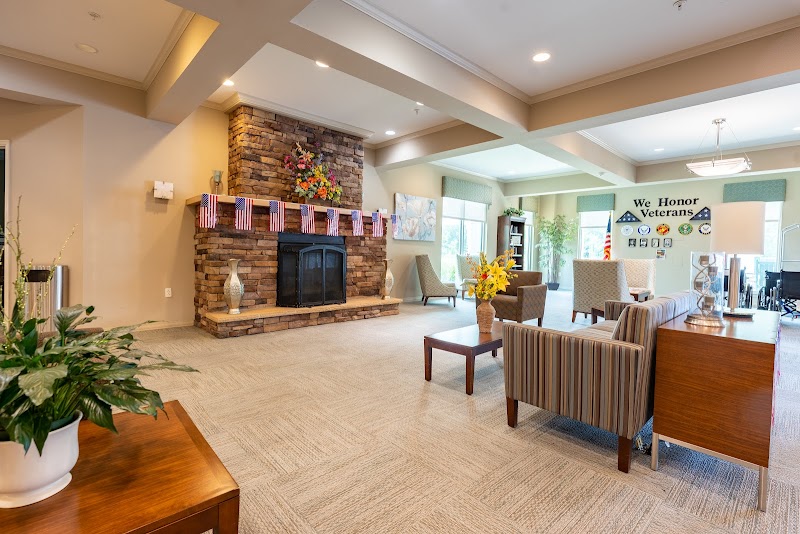
How is Autumn Lake Healthcare At Ballenger Creek Staffed?

CMS rates AUTUMN LAKE HEALTHCARE AT BALLENGER CREEK's staffing level at 3 out of 5 stars, which is average compared to other nursing homes. Staff turnover is 34%, compared to the Maryland average of 46%. This relatively stable workforce can support continuity of care.

What Have Inspectors Found at Autumn Lake Healthcare At Ballenger Creek?

State health inspectors documented 60 deficiencies at AUTUMN LAKE HEALTHCARE AT BALLENGER CREEK during 2018 to 2025. These included: 1 Immediate Jeopardy (the most serious level, indicating potential for serious harm or death), 1 that caused actual resident harm, 56 with potential for harm, and 2 minor or isolated issues. Immediate Jeopardy findings are rare and represent the most serious regulatory concerns. They require immediate corrective action.
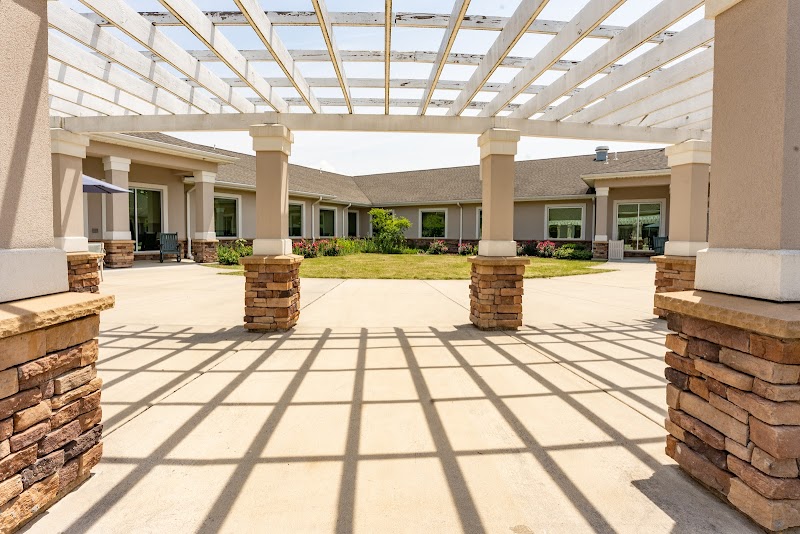
Who Owns and Operates Autumn Lake Healthcare At Ballenger Creek?

AUTUMN LAKE HEALTHCARE AT BALLENGER CREEK is owned by a for-profit company. For-profit facilities operate as businesses with obligations to shareholders or private owners. The facility is operated by AUTUMN LAKE HEALTHCARE, a chain that manages multiple nursing homes. With 130 certified beds and approximately 118 residents (about 91% occupancy), it is a mid-sized facility located in FREDERICK, Maryland.
How Does Autumn Lake Healthcare At Ballenger Creek Compare to Other Maryland Nursing Homes?

Compared to the 100 nursing homes in Maryland, AUTUMN LAKE HEALTHCARE AT BALLENGER CREEK's overall rating (3 stars) is below the state average of 3.0, staff turnover (34%) is significantly lower than the state average of 46%, and health inspection rating (2 stars) is below the national benchmark.

What Should Families Ask When Visiting Autumn Lake Healthcare At Ballenger Creek?

Based on this facility's data, families visiting should ask: "What changes have been made since the serious inspection findings, and how are you preventing similar issues?" "Can I visit during a mealtime to observe dining assistance and food quality?" "How do you handle medical emergencies, and what is your hospital transfer rate?" "Can I speak with family members of current residents about their experience?" These questions are particularly relevant given the facility's Immediate Jeopardy citations.

Is Autumn Lake Healthcare At Ballenger Creek Safe?

Based on CMS inspection data, AUTUMN LAKE HEALTHCARE AT BALLENGER CREEK has documented safety concerns. Inspectors have issued 1 Immediate Jeopardy citation (the most serious violation level indicating risk of serious injury or death). The facility has a 3-star overall rating and ranks #100 of 100 nursing homes in Maryland. Families considering this facility should ask detailed questions about what corrective actions have been taken since these incidents.

Do Nurses at Autumn Lake Healthcare At Ballenger Creek Stick Around?

AUTUMN LAKE HEALTHCARE AT BALLENGER CREEK has a staff turnover rate of 34%, which is about average for Maryland nursing homes (state average: 46%). Moderate turnover is common in nursing homes, but families should still ask about staff tenure and how the facility maintains care continuity when employees leave.

Was Autumn Lake Healthcare At Ballenger Creek Ever Fined?

AUTUMN LAKE HEALTHCARE AT BALLENGER CREEK has no federal fines on record. CMS issues fines when nursing homes fail to meet care standards or don't correct problems found during inspections. The absence of fines suggests the facility has either maintained compliance or corrected any issues before penalties were assessed. This is a positive indicator, though families should still review recent inspection reports for the full picture.

Is Autumn Lake Healthcare At Ballenger Creek on Any Federal Watch List?

AUTUMN LAKE HEALTHCARE AT BALLENGER CREEK is not on any federal watch list. The most significant is the Special Focus Facility (SFF) program, which identifies the bottom 1% of nursing homes nationally based on persistent, serious quality problems. Not being on this list means the facility has avoided the pattern of deficiencies that triggers enhanced federal oversight. This is a positive indicator, though families should still review the facility's inspection history directly.