HOMEWOOD LIVING FREDERICK
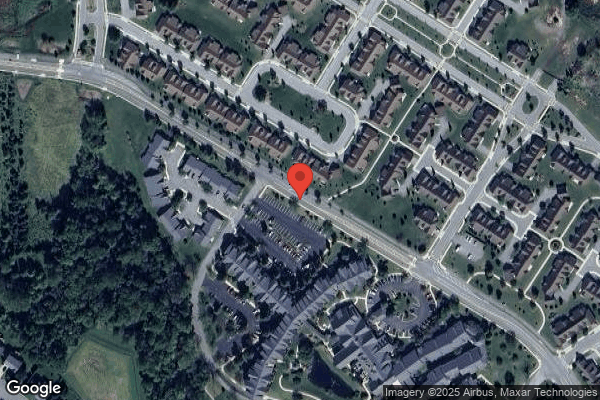
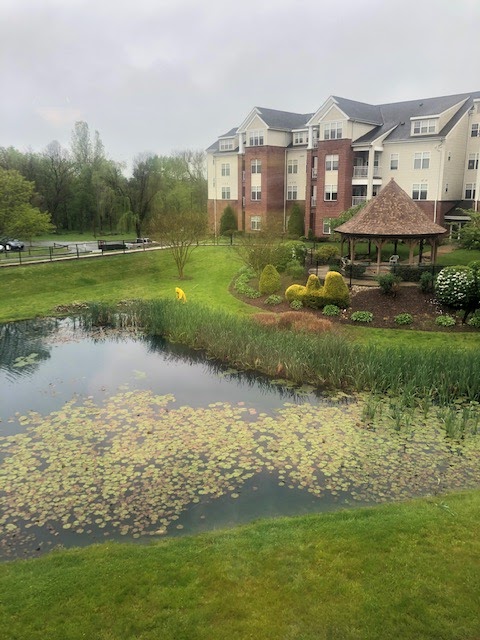
7407 WILLOW ROAD, FREDERICK, MD 21702 (301) 644-5600
Non profit - Corporation 120 Beds HOMEWOOD RETIREMENT CENTERS Data: November 2025
Trust Grade
85/100
#25 of 219 in MD
Last Inspection: July 2022

Over 2 years since last inspection. Current conditions may differ from available data.

Overview

Homewood Living Frederick has a Trust Grade of B+, indicating it is above average and recommended for families looking for care. It ranks #25 out of 219 nursing homes in Maryland, placing it in the top half of facilities, and is the top choice among 8 local options in Frederick County. However, the facility's performance is worsening, with the number of issues identified increasing from 4 in 2018 to 13 in 2022. Staffing is a strong point, rated 5 out of 5 stars with a low turnover rate of 21%, which is significantly better than the state average of 40%. Notably, the facility has reported no fines, which is a positive sign, but it does have average RN coverage, meaning there may be less oversight compared to other facilities. Specific incidents of concern include a failure to maintain safety equipment, such as a dryer with an exposed motor and an inoperable smoke detector, posing potential hazards. Additionally, there were issues with unclear medication orders, where a pharmacist did not identify discrepancies that could affect resident care. Overall, while there are strengths in staffing and a lack of fines, families should be aware of the increasing trend of issues and specific safety and medication management concerns.

Trust Score
B+
85/100
In Maryland
#25/219
Top 11%
Safety Record
Low Risk
No red flags
Inspections
Getting Worse
4 → 13 violations
Staff Stability
✓ Good
21% annual turnover. Excellent stability, 27 points below Maryland's 48% average. Staff who stay learn residents' needs.
Penalties
✓ Good
No fines on record. Clean compliance history, better than most Maryland facilities.
Skilled Nurses
✓ Good
Each resident gets 50 minutes of Registered Nurse (RN) attention daily — more than average for Maryland. RNs are trained to catch health problems early.
Violations
⚠ Watch
26 deficiencies on record. Higher than average. Multiple issues found across inspections.
★★★★★
5.0
Overall Rating
★★★★★
5.0
Staff Levels
★★★★★
5.0
Care Quality
★★★★☆
4.0
Inspection Score
Stable
2018: 4 issues
2022: 13 issues

The Good

  • 5-Star Staffing Rating · Excellent nurse staffing levels
  • 5-Star Quality Measures · Strong clinical quality outcomes
  • Low Staff Turnover (21%) · Staff stability means consistent care
  • Full Sprinkler Coverage · Fire safety systems throughout facility
  • No fines on record
  • Staff turnover is low (21%)

    27 points below Maryland average of 48%

Facility shows strength in staffing levels, quality measures, staff retention, fire safety.

The Bad

Chain: HOMEWOOD RETIREMENT CENTERS

Part of a multi-facility chain

Ask about local staffing decisions and management

The Ugly 26 deficiencies on record

Jul 2022 13 deficiencies
CONCERN (D)

Potential for Harm - no one hurt, but risky conditions existed

Safe Environment (Tag F0584)

Could have caused harm · This affected 1 resident

**NOTE- TERMS IN BRACKETS HAVE BEEN EDITED TO PROTECT CONFIDENTIALITY** Based on observations and staff interview during facility environmental observations, it was determined that the facility staff ...

Read full inspector narrative →
**NOTE- TERMS IN BRACKETS HAVE BEEN EDITED TO PROTECT CONFIDENTIALITY** Based on observations and staff interview during facility environmental observations, it was determined that the facility staff failed to provide housekeeping and maintenance services necessary to maintain a sanitary, orderly, and comfortable interior. This was evident for 1 of 4 nursing units observed during the survey. The findings include: During an initial observation of room [ROOM NUMBER]'s shared bathroom by 2 surveyors on 7/8/22 at 12:34 PM, and a second observation made on 7/13/22 at 10:05 AM, the following concerns were identified. a) A tall cabinet in the corner of the bathroom had a piece of wood trim missing from the bottom of the cabinet. The piece of wood trim was the width of the cabinet and approximately 1 inch high and was seen lying on the floor in front of the cabinet. b) There was a large scrape that extended across the width of the lower interior bathroom door with wood finish missing, and a smaller width scrape on the interior door above the kick-plate that extended across the width of the door with wood finish missing. c) The right-side edge of the interior door had a piece of laminate, approximately 2 inches x 1/2 inches, missing. On 7/15/22 at 12:35 PM, a maintanence secretary (#15) was made aware of the above findings. At that time, together with Staff #15, an observation of room [ROOM NUMBER]'s bathroom was made, and the findings were confirmed. The Director of Nursing was made aware of the above concerns 7/15/22 at 1:00 PM.
CONCERN (D)

Potential for Harm - no one hurt, but risky conditions existed

Transfer Notice (Tag F0623)

Could have caused harm · This affected 1 resident

Based on medical record review, facility documentation, and staff interview, it was determined that the facility failed to notify the resident/resident representative in writing of a transfer/discharg...

Read full inspector narrative →
Based on medical record review, facility documentation, and staff interview, it was determined that the facility failed to notify the resident/resident representative in writing of a transfer/discharge of a resident along with the reason for the transfer. This was evident for 1 (#17) of 1 resident reviewed that were transferred to an acute care facility. The findings include: On 7/11/22 at 11:54 AM, a review of the medical record revealed that Resident #17 was transferred to an acute care facility on 7/1/22. On 7/1/22 at 8:10 PM, in a progress note, a registered nurse (RN) #20 documented that Resident #17 was transferred to the hospital emergency room and the resident's representative was notified of the transfer. There was no written documentation found in the medical record that the resident and/or the resident's representative (RR) was notified in writing of the resident's transfer along with the reason for the transfer. On 7/15/22 at 11:23 AM, during an interview with Licensed Practical Nurse (LPN) #12 she stated that, when a resident was transferred to the hospital, a transfer notification and bed hold policy was sent with the resident and a copy of the form would be in the resident's chart. On 7/15/22 at 11:30 AM, Unit Secretary (#13) indicated that a copy of Resident #17's transfer notice must not have been made for the resident's chart, and the DON (Director of Nursing) would look for a copy in the hospital records. On 7/15/22 at 11:40 AM, the DON provided the surveyor with a copy of a Notice of Transfer/Bed-Hold/Removal of Belongings form for Resident #17, dated 7/1/22, and stated that the notice would be sent with the resident on transfer, and the admission department called the family the next day. Review of the transfer notice form revealed documentation that a copy was sent with Resident #17 when transferred to the hospital on 7/1/22 , that the RR was called and informed of the transfer/bed-hold, along with the information on the form. The transfer/bed-hold notice form included the statement, Resident Representative provided a copy (if applicable) and the statement, If applicable, copy of transfer/bed-hold mailed following notification by phone. Both the statements had a date response line, that was left blank, indicating the RR was not notified in writing of the resident's transfer. On 7/15/22 at 1:10 PM, during an interview with Admissions Director (#18) she stated that, when a resident was transferred to the hospital, the RR would be called about the bed hold policy. At that time, the admissions director stated that a copy of the transfer notice was not mailed to the RR nor was the RR notified in writing regarding the reason for the transfer
CONCERN (D)

Potential for Harm - no one hurt, but risky conditions existed

Deficiency F0624 (Tag F0624)

Could have caused harm · This affected 1 resident

Based on medical record review and staff interview, it was determined that the facility failed to orient, prepare and document a resident's preparation for a transfer to the hospital. This was identif...

Read full inspector narrative →
Based on medical record review and staff interview, it was determined that the facility failed to orient, prepare and document a resident's preparation for a transfer to the hospital. This was identified for 1 (#17) of 1 resident reviewed for hospitalization. The findings include: On 7/11/22 at 11:54 AM, a review of the medical record revealed Resident #17 was transferred to an acute care facility on 7/1/22 and later readmitted to the facility. There was no documentation found in the medical record that Resident #17 was oriented and prepared for the transfer in a manner that the resident could understand and there was no documentation of the resident's understanding of the transfer in the medical record. The Director of Nursing was made aware of the finding on 7/15/22 at 11:40 AM.
CONCERN (D)

Potential for Harm - no one hurt, but risky conditions existed

Deficiency F0625 (Tag F0625)

Could have caused harm · This affected 1 resident

**NOTE- TERMS IN BRACKETS HAVE BEEN EDITED TO PROTECT CONFIDENTIALITY** Based on review of the medical record and interview with facility staff it was determined the facility staff failed to provide t...

Read full inspector narrative →
**NOTE- TERMS IN BRACKETS HAVE BEEN EDITED TO PROTECT CONFIDENTIALITY** Based on review of the medical record and interview with facility staff it was determined the facility staff failed to provide the resident/resident's representative with written notice of the facility's bed hold policy when the resident was transferred to a hospital. This was evident for 1 (#17) of 1 resident reviewed for hospitalization. The findings include: On 7/11/22 at 11:54 AM, a review of the medical record revealed Resident #16 was transferred to an acute care facility on 7/1/22. In a progress note on 7/1/22 at 8:10 PM, a registered nurse (RN) #20 documented that Resident #17 was transferred to the hospital emergency room and the bed hold policy was sent with the resident. There was no documentation found in the medical record to indicate the resident's representative was provided written notice of the bed hold policy at the time of the resident's transfer. During an interview on 7/15/22 at 11:23 AM with Licensed Practical Nurse (LPN) #12, she stated upon a resident's transfer to the hospital, a transfer notification with bed hold policy was sent with the resident and a copy of the form would be in the resident's chart. On 7/15/22 at 11:30 AM, when asked if Resident #17's paper chart had a copy of his/her 7/1/22 transfer notice with bed hold policy, Unit Secretary (#13) she stated there was not a copy of the form in Resident #17's paper chart and indicated the DON (Director of Nursing) would look for a copy in the hospital records. On 7/15/22 at 11:40 AM, the DON provided the surveyor with a copy of a Notice of Transfer/Bed-Hold/Removal of Belongings form for Resident #17 dated 7/1/22 and stated that the notice was sent with the resident on transfer, and the family would be called by admission department on the next day. Review of the transfer notice form revealed documentation that a copy was sent with Resident #17 upon discharge on [DATE], that the RR was called and informed of the transfer/bed-hold, along with the information on the form. The transfer/bed-hold notice form included the statement, Resident Representative provided a copy (if applicable) and the statement, If applicable, copy of transfer/bed-hold mailed following notification by phone. Both the statements had a date response line, that was left blank, indicating the RR was not provided written notice of the bed-hold policy. On 7/15/22 at 1:10 PM, during an interview, Admissions Director (#18), stated that when a resident was transferred to the hospital, the RR would be called about the bed hold policy. At that time, the admissions director confirmed that at the time of transfer of a resident for hospitalization, written notice of the bed-hold policy had not been provided to the resident representative.
CONCERN (D)

Potential for Harm - no one hurt, but risky conditions existed

Deficiency F0655 (Tag F0655)

Could have caused harm · This affected 1 resident

**NOTE- TERMS IN BRACKETS HAVE BEEN EDITED TO PROTECT CONFIDENTIALITY** 2) On 7/11/22 at 11:54 AM, a review of Resident #17's medical record revealed documentation that Resident #17 was readmitted to ...

Read full inspector narrative →
**NOTE- TERMS IN BRACKETS HAVE BEEN EDITED TO PROTECT CONFIDENTIALITY** 2) On 7/11/22 at 11:54 AM, a review of Resident #17's medical record revealed documentation that Resident #17 was readmitted to the facility on [DATE] following an acute hospitalization. A base line care plan for Resident #17, with a readmission date of 7/5/22, revealed documentation that the base line care plan was reviewed with the resident/representative on 7/5/22. There was no documentation in the base line care plan form, or in Resident #17's medical record, to indicate that the facility provided the resident and their representative with a copy of the baseline care plan and a summary of their medications. The above concerns were discussed with the Director of Nursing on 7/15/22 at 1:00 PM Based on review of the medical record and interview with staff, it was determined that the facility staff failed to provide residents/representatives with a copy of their baseline care plan. This was evident for 2 (Resident #17 and #76) of 26 residents whose care plan were reviewed. The findings include: A care plan is a guide that addresses the unique needs of each resident. It is used to plan, assess, and evaluate the effectiveness of the resident's care. A baseline care plan must be prepared for all residents within 48 hours of a resident's admission. Its purpose is to provide the minimum healthcare information necessary to properly care for a resident until a comprehensive care plan can be completed for the resident. The baseline care plan, along with a summary of their medications, is given to the resident/resident representative and details a variety of components of the care that the facility intends to provide to that resident. This allows residents and their representatives to be more informed about the care that they receive 1) Resident #76's medical record was reviewed on 7/14/22 at 10:06 AM. The record revealed that the resident was admitted to the facility in June 2022 after surgical repair of a fractured left hip. The residents' diagnoses included, but were not limited to, dementia, cognitive communication deficit, hypertension, atrial fibrillation (irregular heartbeat) and anxiety. The record review revealed that a baseline care plan was developed for Resident #76, the completion date was documented as 6/20/22. The space for staff to document the date that the plan was reviewed with the resident/representative was blank. There was no signature of the staff member who initially completed the plan of care. The plan was not signed nor dated by the resident nor their representative to indicate that the plan was reviewed with them and that they were provided a copy of the physicians' orders, MAR (Medication Administration Record) and TAR (Treatment Administration Record). The form was signed and dated by a Social Worker (#3), indicating that the plan of care was updated on 6/21/22. The baseline care plan was signed and dated as discontinued on 6/29/22 by Licensed Practical Nurse (LPN) #12 due to completion of the comprehensive care plan. Further review of the medical record failed to reveal documentation to indicate that the baseline care plan was reviewed with the resident and their representative or that they were provided with a summary of the plan including, but not limited, to the resident's goals, medications, dietary instructions, and any services and treatments to be administered by the facility staff and other providers to assist the resident in reaching their goals. These findings were reviewed with the Director of Nursing in an interview on 7/14/22 at 10:06 AM. She indicated that the Unit Clerk was in the process of scanning documents into the electronic medical record and that there may be additional documentation reflecting that the baseline plan of care was reviewed and provided to the resident/representative. She returned a short time later and indicated that she was unable to find additional documentation.
CONCERN (D)

Potential for Harm - no one hurt, but risky conditions existed

Comprehensive Care Plan (Tag F0656)

Could have caused harm · This affected 1 resident

**NOTE- TERMS IN BRACKETS HAVE BEEN EDITED TO PROTECT CONFIDENTIALITY** Based on record review and interview it was determined that the facility 1) failed to implement comprehensive person-centered re...

Read full inspector narrative →
**NOTE- TERMS IN BRACKETS HAVE BEEN EDITED TO PROTECT CONFIDENTIALITY** Based on record review and interview it was determined that the facility 1) failed to implement comprehensive person-centered resident care plans by failing to ensure that agency Geriatric Nursing Assistants (GNAs) were aware of resident's care needs and preferences, 2) failed to ensure that resident care plans described the services that were to be furnished to attain or maintain the resident's highest practicable physical, mental, and psychosocial well-being by failing to ensure that a Wander Guard device was included in the plan of care for a resident identified as an elopement risk. This was evident for 3 (#25, #51, and #76) of 26 residents whose care plan were reviewed. The findings include: Care Plan - is a guide that addresses the unique needs of each resident. It is used to plan, assess, and evaluate the effectiveness of the resident's care. MDS (Minimum Data Set) is a complete assessment of the resident which provides the facility with the information necessary to develop a plan of care, provide the appropriate care and services to the resident, and to modify the care plan based on the resident's status. Brief Interview of Mental Status (BIMS) is a standardized test used to get a quick snapshot of the cognitive function and is a required screening tool used in nursing homes to assess cognition. A score of 13-15 points indicates an intact cognition, 8-12 points indicates moderately impaired cognition, and 0-7 points indicates severely impaired cognition. 1 a) A medical record review for Resident #76 on 7/13/22 at 10:31 AM revealed an MDS, with an assessment reference date of 6/20/22, that documented in section C, Resident #76 scored a 1 out of 15 on the BIMS which indicated the resident had severe cognitive impairment. In section G, it was documented that Resident #76 was dependent on the staff for daily care needs. Further review of the medical record revealed a care plan: [Resident #76] was alert with confusion related to a diagnosis of dementia. The interventions included, but were not limited to, use simple terms when speaking to the resident, be mindful of facial grimacing and body language to assess for pain, and do not rush the resident when he/she was trying to remember something. A care plan for resident's daily care needs included, but was not limited to, the following interventions: resident prefers the recliner, maintain a neatly made bed, resident requires a maximum of 2 assist with bed mobility, dressing, and personal hygiene. The behavior care plan interventions included, but were not limited to, speak concisely and repeat as needed, please talk to me [Resident #76] in a calm manner, try to talk to me during daily care, and if I [Resident #76] become physically abusive then walk away and try care later. A review of the [NAME] unit assignment sheet for the Agency GNAs on 7/13/22 at 9:40 AM revealed that the facility failed to add Resident #76's care needs and preferences beside his/her name. 1 b) Resident #25's medical record was reviewed on 7/13/2 at 11:18 AM. Review of the MDS, with an assessment reference date of 5/3/22, revealed in section C resident had scored on the BIMS, a 4 out of 15, which indicated severe cognitive impairment. Section G documented that the resident was dependent on staff for daily care needs. A review of the physician's order, dated 11/25/20, for A and D topical ointment - cleanse BLE skin dryness with soap and water and pat dry. Apply A and D ointment to affected skin surfaces every day to moisturize. Further review of the medical record revealed a care plan for psychosocial wellbeing with interventions that included but were not limited to, talk to me [Resident #25] about my past, I [Resident #25] like classical music and reading, listen to my fears and gently clarify misconceptions, speak in simple phrases, if I have physical behaviors towards staff then give me space and reapproach later. A review of the [NAME] unit assignment sheet for Agency GNAs on 7/13/22 at 9:40 AM revealed that, beside Resident #25's name it was noted, A&D ointment to BLE (bilateral lower extremities which mean both lower legs.) The instructions written in the order to cleanse the legs before applying the A&D ointment were not included. In addition, information from the care plan regarding preferences and care needs had not been added. On 7/13/22 at 9:40 AM, Unit Clerk (UC) #6 revealed that they do not print the resident's care plans for [NAME] or Key Court for the Agency GNAs, instead they are provided with an assignment sheet. During an interview with an agency GNA #9 on 7/14/22 at 9:09 AM, she/he stated that she relied on the report received from the off-going GNA and the information on the assignment sheet to provide care to residents. She stated that, at times, she approached to the resident and asked them how they transferred or if they were able to stand. Also, GNA #9 was asked about Resident #76's specific needs and preferences. She had been unable to verbalize them. Furthermore, she reported she had been upset that the off going GNA had not reported to her that Resident #76 had a broken hip. She reported that she found out later in the shift when she went to the nurse to report the Resident had been in pain. Furthermore, when asked about Resident #25's care needs and preferences, GNA #9 reported that she had Resident #25 on her assignment. GNA #9 was unable to verbalize the residents' specific needs and preferences as stated in the care plan. She stated that she had figured out the resident liked to be complimented. An interview with the Director of Nursing (DON) on 7/14/22 at 10:41 AM revealed that the facility had identified an issue with agency GNAs using their access to the resident's EMR, therefore they had stopped providing the access. When shown the assignment sheet for Key Court she stated that the residents on that unit were short term and they had not put any information regarding the resident's preferences and care needs on the assignment sheets because the off going GNA was to provide the information to the agency GNA. When shown the assignment sheet for [NAME], the DON reported that the charge nurse was responsible for documenting the care needs and preferences they felt the agency GNA needed to know. DON was shown that the information for Resident #76 had not been added and the information for Resident #25 had not been complete. 2) A Wander Guard system utilizes bracelets and a door alarm system to alert staff when residents with memory impairment attempt to wander into unsafe areas. When the bracelet comes in close proximity of a door on the system an alarm will sound. Resident #51 was observed on 7/13/22 at 12:36 PM in the dining room, eating lunch. A Wander Guard bracelet was in place on his/her left ankle. The resident's sock was pulled over the bracelet. In an interview at that time Unit Clerk #6 and Registered Nurse #16 indicated that all Wander Guard bracelets worn by the residents are visually checked by the nurse for placement every shift and that the night shift nurse checks each bracelet every night to make sure they are working properly. They indicated that the nurse signs both of these activities off on the resident's TAR (Treatment Administration Record) when completed. They also indicated that the batteries were replaced as needed. Resident #51's medical record was reviewed on 7/14/22 at 9:37 AM. The resident was admitted on [DATE] with diagnoses including, but not limited to, Dementia and Anxiety Disorder. An admission elopement assessment identified Resident #51 as an elopement risk and indicated that the elopement prevention intervention implemented at that time was Secure Unit. The next elopement assessment, completed 6/7/22, again identified Resident #51 as an elopement risk. The elopement prevention interventions identified at that time were Secure Unit and Wanderguard bracelets. The Additional Comments section of both assessment forms indicated Interventions must be included on nursing care plan. Further review of the record revealed physician orders, written 5/24/22, for Check wander guard placement every shift and Check wander guard for proper function nightly. Resident #51's admission Baseline Care Plan, dated 5/24/22, revealed on page 2 Elopement risk. The interventions Apply wander guard bracelet if I am exit seeking was checked off. A comprehensive Plan of Care for behavior was dated 6/2/22, and included: I have a tendency to wander related to my progressing dementia and recent transition to a new environment. The resident's goal was to remain safe during periods of wandering behaviors and reduce his/her wandering episodes to less than once a day. 6 interventions were identified, however, the plan did not include the Wander Guard bracelet, nor the care and services related to the Wander Guard such as checking for placement and functioning as ordered by the physician. A plan of care for Pressure Ulcers, dated 6/1/22, included I am at risk for Pressure Ulcers/Skin Injury related to new admission, poor appetite, incontinence and poor safety awareness. This plan of care included 15 interventions. Neither plan identified the Wander Guard on Resident #51's ankle as a potential risk for skin injury that should be monitored. During an interview on 7/14/22 at 10:50 AM, these concerns were reviewed with the Director of Nursing.
CONCERN (D)

Potential for Harm - no one hurt, but risky conditions existed

Respiratory Care (Tag F0695)

Could have caused harm · This affected 1 resident

Based on observation, medical record review and interview, it was determined the facility failed to ensure that oxygen tubing was labeled when initiated. This was evident for 2 (Resident #24 and #17) ...

Read full inspector narrative →
Based on observation, medical record review and interview, it was determined the facility failed to ensure that oxygen tubing was labeled when initiated. This was evident for 2 (Resident #24 and #17) of 2 residents reviewed for respiratory care. The findings include: 1) On 7/8/22 at 9:30 AM, an observation was made of Resident #24, lying in bed, wearing an oxygen NC (nasal cannula) whose tubing was connected to an oxygen concentrator set at 2.5 lpm (liter per min). The NC oxygen tubing was not labeled with the date it was initiated or changed. On 7/12/22 at 2:05 PM, a review of Resident #24's medical record was conducted. Review of Resident #24's June 2022 MAR (medication administration record) revealed a 4/17/22 order for Oxygen 2-4 liters via NC or face mask as needed for SOB (shortness of breath) or restlessness every shift, that was documented as administered every day in June. Also, in the resident's June 2022 MAR, was a 2/6/22 order to Change NC q (every) 2 weeks prn (as needed) when in use with no documentation to indicate that Resident #24's oxygen nasal cannula tubing had been changed in June 2022. Review of Resident #24's July 2022 MAR revealed a 4/17/22 order for Oxygen 2-4 liters via NC or face mask as needed for SOB (shortness of breath) or restlessness every shift, that was documented as administered every day in July. Also, Resident #24's July MAR, had an order to Change NC q (every) 2 weeks prn (as needed) when in use with no documentation to indicate that Resident #24's oxygen nasal cannula tubing had been changed in July 2022. 2) On 7/8/22 at 12:22 PM, an observation was made of Resident #17, lying in bed, wearing a nasal cannula whose tubing was connected to an oxygen concentrator set at 2 lpm. The NC tubing was not labeled with the date it was changed. On 7/11/22 at 11:54 AM, a review of Resident #17's medical record was conducted. Review of Resident #17's July 2022 TAR (Treatment Administration Record) revealed a 7/6/22 order for Oxygen at 2 lpm via NC routine for SOB (shortness of breath) every shift, that was signed off as administered on 7/6/22 and 7/7/22, then discontinued on 7/7/22. A new order placed on 7/8/22 for Oxygen at 2 lpm via NC routine for SOB (shortness of breath) that was signed off every shift since 7/8/22. Resident #17's July 2022 TAR also had an order to Change n/c q (every) 2 weeks on Sundays and PRN (as needed) when in use, every 2 weeks. The order was initiated on 7/6/22 and had a start date of 7/24/22. There was no documentation found in TAR to indicate when Resident #17 last had his/her nasal cannula changed. In addition, the 7/6/22 order indicated the oxygen tubing was to be changed every 2 weeks, however, the 7/24/22 start date was 19 days after the initiation of the order which was greater than 2 weeks. On 7/13/22 at 10:07 AM, a second observation of Resident #17 revealed the resident wearing an oxygen nasal cannula whose tubing was connected to an oxygen concentrator that was set at 2 lpm. On 7/13/22 at approximately 3:00 PM, the above concerns related to facility staff not labeling oxygen tubing when initiated or changed were discussed with the DON (Director of Nursing). At that time, the DON indicated that the expectation was for oxygen tubing to be changed every 2 weeks and provided the surveyor with the facility's Policy and Procedure for Oxygen Safety, Policy #NS 073, with revised date 11/2018. The facility's oxygen safety policy procedure included 3. Oxygen in use: d. make sure the tubing is labeled with the date of initiation and f. oxygen cannula and tubing is changed every 2 weeks by 11- 7 shift. The nurse will sign off on the MAR/TAR when the tubing is changed. The above concerns were discussed with the DON on 7/13/22 at 4:08 PM.
CONCERN (D)

Potential for Harm - no one hurt, but risky conditions existed

Pharmacy Services (Tag F0755)

Could have caused harm · This affected 1 resident

Based on review of medical records, facility policies, and interviews, it was determined that the facility failed to ensure that narcotics removed from the resident's supply were administered as evide...

Read full inspector narrative →
Based on review of medical records, facility policies, and interviews, it was determined that the facility failed to ensure that narcotics removed from the resident's supply were administered as evidenced by staff documentation of the removal of narcotics without a written explanation of the need for the narcotic, or documentation on the Medication Administration record that the narcotic was administered to the resident. This was found to be evident for 2 out of 2 residents reviewed for pain management. The findings include: Morphine sulfate and Percocet are narcotic pain medications. Narcotic pain medications are potent and effective at managing moderate to severe pain but have significant side effects and the potential for abuse. As a result, facilities are required to track the medication carefully and be able to reconcile administered doses of Morphine sulfate and Percocet with evidence of that medication's dispensation. Controlled substance records include purchasing and shipping records, inventories, usage and disposal logs, and disposal paperwork. 1) A review of controlled substance records also known as the controlled sheet for Resident #67 was conducted on 7/14/22 at 09:50 AM. Resident #67 had two different prescribed narcotic medications, Morphine sulfate 15 mg three times per day and Percocet (Oxycodone- Acetaminophen 10-325 mg) every 8 hours as needed. An interview was conducted with Licensed Practical Nurse (LPN) #14 on 7/14/22 at 11:16 AM. She stated that for the use of Narcotic medication, staff needed to fill out the controlled sheet (name of the person giving, date, time, amount. on hand, amount. received, amount given, and amount remaining) and document under MAR (Medication Administration Record). Further review of the controlled sheet and MAR for Resident #67 revealed that some medications were dispensed from the narcotic box and signed on the controlled sheet. However, there was no documentation in Resident #67's medical records to indicate the medication was administered to the resident on the following occasions 6/26/22 at 2 PM, controlled sheet signed by a nurse for morphine sulfate. No documentation under MAR 6/30/22 at 10 PM, controlled sheet signed by a nurse for morphine sulfate. No documentation under MAR 6/25/22 at 4:50 PM, controlled sheet signed by a nurse for Percocet. No documentation under MAR 6/26/22 at 10:50 AM, controlled sheet signed by a nurse for Percocet. No documentation under MAR 7/7/22 at 8:30 AM, controlled sheet signed by a nurse for Percocet. No documentation under MAR 7/9/22 at 10:29 AM, controlled sheet signed by a nurse for Percocet. No documentation under MAR On 7/14/22 at 12:47 PM, the surveyor reviewed the concern with the Director of Nursing (DON) that dispensed narcotics were not documented on MAR. As of the time of exit on 7/15/22, no additional information had been provided regarding these concerns. 2)Review of Resident #57's medical record on 7/14/22 revealed the resident was admitted in 2021 with diagnoses that included, but were not limited to chronic pain syndrome. The resident has orders, in effect since 2021, for Oxycodone-Acetaminophen 7.5 - 325 (Percocet) to be given every 6 hours as needed (PRN) for severe pain. Further review of the medical record revealed a Controlled Substance Record for 45 Percocet received on 5/25/21. The Controlled Substance Record includes information as to when the supply of the narcotic was received, and the total number of doses received. There are spaces for nursing staff to document the date and time a dose was removed, the amount on hand, the amount given (removed) and the amount remaining. There is also an area for the nursing staff who removed the narcotic to sign their name. Review of the Medication Administration Record (MAR) revealed areas for nursing staff to document the resident's reported pain level at the time of the prn Percocet administration. Review of the Controlled Substance Record for the Percocet delivered in May 2021 revealed that one dose was removed on 3/24/22, one dose on 4/7/22, one dose on 5/26 and two doses on 6/13/22. Review of the MARs failed to reveal documentation to indicate the the doses removed from the supply on 3/24, 4/7, 5/26 or 6/13 were administered to the resident. Further review of the medical record failed to reveal documentation to indicate the resident had required, requested or received this narcotic pain medication. On 7/14/22 on 4:49 PM, surveyor reviewed the concern with the DON regarding the removal of the narcotic from the supply without documentation of the need for or the administration of the medication. Cross reference to F 761
CONCERN (D)

Potential for Harm - no one hurt, but risky conditions existed

Drug Regimen Review (Tag F0756)

Could have caused harm · This affected 1 resident

Based on medical record review and interview with facility staff, it was determined that the facility failed to ensure that pharmacists' recommendations after a medication regimen review were followed...

Read full inspector narrative →
Based on medical record review and interview with facility staff, it was determined that the facility failed to ensure that pharmacists' recommendations after a medication regimen review were followed up on in a timely manner and filed in the resident's medical record. This was evident for 1 (#24) of 5 residents reviewed for unnecessary medications. The findings include: On 7/12/22 at 8:30 AM, a review of Resident #24's medical record revealed that the consultant pharmacist reviewed the resident's drug regimen every month and made a recommendation on 12/9/21. Continued review of the medical record failed to reveal what the 12/9/21 pharmacist's recommendations included. On 7/12/22 at 2:00 PM, the DON (Director of Nursing) was made aware of these findings and a copy of the recommendation was requested. On 7/12/22 at 2:52 PM, the DON stated that the facility never received the written recommendation from the 12/9/21 medication regimen review, so the DON contacted the pharmacy and was told that the pharmacy's internal review indicated that the pharmacist made a recommendation on 12/9/21 for Resident #24, however, the pharmacy could not locate the written recommendation.
CONCERN (D)

Potential for Harm - no one hurt, but risky conditions existed

Deficiency F0757 (Tag F0757)

Could have caused harm · This affected 1 resident

Based on medical record review and interview, it was determined that the facility failed to ensure residents were free from unnecessary medications as evidenced by failing to document a resident's pai...

Read full inspector narrative →
Based on medical record review and interview, it was determined that the facility failed to ensure residents were free from unnecessary medications as evidenced by failing to document a resident's pain assessment before administering pain medication. This was found to be evident for 1 (Resident #67) of 2 residents reviewed for pain management during the survey. The findings include: On 7/14/22, review of Resident #67's medical record revealed that the resident's diagnosis included but was not limited to low back pain, pain in the left hip, and other chronic pain. Resident #67 had an order for Oxycodone-acetaminophen 10-325mg (Percocet) 1 tablet by mouth as needed for moderate to severe pain. On 7/14/22 at 12:55 PM, a review of the care plan for Resident #67 stated, assess me for pain every shift using a 0-10 scale with 10 as the greatest as an intervention related to the resident's pain. However, further review of the medication records for June 2022, and July 2022 revealed that as-needed (PRN) medication was administered to the resident without pain assessment on multiple occasions including: On 6/7/22 at 4:44 PM, medication was administered without note or comments On 6/10/22 at 12:50 PM, medication was administered without notes or comments. On 6/11/22 at 11:55 AM, medication was administered without notes or comments. On 6/19/22 at 01:11 AM, medication was administered, noting resident medicated with PRN Percocet. Medication effective. On 7/4/22 at 07:02 AM, medication was administered without notes or comments. On 7/11/22 at 10:05 AM, medication was administered without notes or comments. On 7/12/22 at 8:48 PM, medication was administered without notes or comments. On 7/14/22 at 4:57 PM, the surveyor reviewed the concern with the Director of Nursing (DON) regarding the failure to document pain assessments before administrating PRN medication. On 7/15/22 at 7:00 AM, the DON submitted some interdisciplinary notes regarding to the PRN Percocet. Further review of the medical record, including interdisciplinary notes, failed to reveal documentation to indicate that a pain assessment was completed or the resident requested the prn pain medication on the occasions listed above.
CONCERN (D)

Potential for Harm - no one hurt, but risky conditions existed

Deficiency F0761 (Tag F0761)

Could have caused harm · This affected 1 resident

Based on review of medical records, policies, observations and interviews, it was determined that the facility failed to ensure that expired medications were removed from the resident's supply. This w...

Read full inspector narrative →
Based on review of medical records, policies, observations and interviews, it was determined that the facility failed to ensure that expired medications were removed from the resident's supply. This was found to be evident for 1 out of 2 residents reviewed for pain management and 1 out of 4 medications carts observed. The findings include: 1) On 07/15/22 09:45 AM, the surveyor made the following observation while performing the facility task of Medication Storage and Labeling. During the examination of the following medication cart on the unit titled: The Meadows, the following discovery was found: Hallway A Medication Cart: The surveyor in the presence of the unit manager, Staff #12 observed that, in the first drawer of medication cart found one (1) Insulin pen syringe labeled for Resident #17 and the medication Admelog 100 units hich was dated opened on 02/16/22 and additionally a discard date of 03/16/22. The medication was ordered by the physician for the insulin pen was written on 02/14/22, and the medication was ordered to be discontinued on 02/16/22. During an interview with the unit nurse manager, (#12) she stated that the outdated insulin pen should not have been in the medication cart drawer because the medication was expired and that the resident was not receiving the medication. The insulin pen belonging to Resident #17 was removed from the medication cart by the unit manager (#12) in the presence of the surveyor. Review of the electronic medical record on 07/15/2022 at 11:55 AM revealed that resident #17 's discontinuation order for the medication was written on 02/16/22. Review of the facility's Storage of Medications Policy with a revision date of November 2020 stated on line #4: Discontinued, outdated, or deteriorated drugs or biologicals are returned to the dispensing pharmacy or destroyed. The director of nursing of was advised of the deficiency at 11:55 AM on 07/15/22 prior to the exit conference. 2) Review of Resident #57's medical record on 7/14/22 revealed that the resident was admitted in 2021 with diagnoses that included, but were not limited to, chronic pain syndrome. The resident had orders, in effect since 2021, for Oxycodone-Acetaminophen 7.5 - 325 (Percocet) to be given every 6 hours as needed (PRN) for severe pain. Percocet (Oxycodone-Acetaminophen 7.5 - 325) is a narcotic pain medications. Narcotic pain medications are potent and effective at managing moderate to severe pain but have significant side effects and the potential for abuse. As a result, facilities are required to track the medication carefully and must be able to reconcile administered doses of Percocet with evidence of that medication's dispensation. Further review of the medical record revealed a Controlled Substance Record for 45 Percocet received on 5/25/21. The Controlled Substance Record includes information regarding the narcotic, including when it was received, and the total number of doses received. There are spaces for nursing staff to document the date and time a dose was removed, the amount on hand, the amount given (removed) and the amount remaining. Further review of the Controlled Substance Record revealed that the supply of Percocet received in May 2021 expired on 5/20/22. According to the Controlled Substance Record, as of 5/20/22, five doses of the Percocet remained in the supply. One dose was documented as removed on 5/26/22, two doses were removed on 6/13/22 and one dose on 6/24/22. As of 6/24/22, one dose of Percocet remained from the supply delivered in May 2021. On 7/14/22 at 3:44 PM, review of the current Controlled Substance Record located on the medication cart on the unit revealed that a supply of 13 Percocet was delivered on 5/3/22. On 7/15/22 at 7:00 AM, the DON reported the last dose from the May 2021 supply was currently in the destroy box. Surveyor reviewed with the DON that the expiration date was 5/20/22 for this supply of Percocet and that doses had been removed after the expiration date. Cross Reference to F 755
CONCERN (D)

Potential for Harm - no one hurt, but risky conditions existed

Medical Records (Tag F0842)

Could have caused harm · This affected 1 resident

**NOTE- TERMS IN BRACKETS HAVE BEEN EDITED TO PROTECT CONFIDENTIALITY** 3) During this survey, the surveyor was made aware of a complaint from an anonymous source that Geriatric Nursing Assistants (GN...

Read full inspector narrative →
**NOTE- TERMS IN BRACKETS HAVE BEEN EDITED TO PROTECT CONFIDENTIALITY** 3) During this survey, the surveyor was made aware of a complaint from an anonymous source that Geriatric Nursing Assistants (GNA) assigned to Key Court, while working with an agency GNA was told by Administration that they were to document the care provided by the agency GNA in the electronic medical record (EMR). The complainant stating that when the agency GNA provided the care they were to let the staff GNA know so the staff GNA could enter the care into the EMR even when they had not witnessed or assisted with the care. The complainant reported that when assigned to [NAME] unit or Meadows unit the agency GNAs had a notebook to document on paper the care they provided. On [DATE] at 10:05 AM a review of the notebook at the nurses' station on [NAME] unit revealed flowsheets for the residents residing on the [NAME] unit. There wasn't a notebook for Key Court. On [DATE] at 10:06 AM Unit Clerk #6 reported that the notebook was for the [NAME] unit and there was no notebook for Key Court unit. Unit Clerk #6 reported that they always made sure a staff GNA was assigned with the agency GNA, on Key Court, so the staff GNA could complete the documentation in the EMR. Unit Clerk #6 reported that there were so many different agency GNAs that they stopped giving them access to EMR. The Director of Nursing (DON) was interviewed regarding the process on [DATE] at 12:17 PM. She confirmed that the expectation was to have the agency GNA work with a staff GNA and the staff GNA would document all the care provided. When asked if the agency GNA performed the care without the staff GNA present then would the expectation be the same. She stated that yes, the staff GNA was expected to document the care after receiving a verbal confirmation from the agency GNA that it had been done. DON reported it was no different than a nurse documenting something that was reported to them. When asked if there was a narrative option for GNAs to document it had been reported to them versus them providing the care. She verbalized there was a comment section, however stated there was no policy/procedure to guide nursing assistants on how to document and there had been no education regarding the process for documenting for the agency GNA. An interview with GNA #7 on [DATE] at 9:35 AM, revealed she had worked with an agency GNA the week before and had documented in the EMR the care provided by the agency GNA even when she had not witnessed or assisted with the care. GNA #7 stated this had made her uncomfortable, but she was told by Administration that she was to document for the agency GNA on Key Court. GNA #7 reported that she had last worked with an agency GNA last week and the documentation in the EMR looks as though she had been only person assigned to Key Court that day. On [DATE] at 11:42 AM a review of the staffing schedules for the week of [DATE] - [DATE], revealed that agency staff had been assigned to Key Court on [DATE] and [DATE]. On 7//6/22 for day shift agency GNA #10 was assigned to Key Court. On [DATE] for day shift agency GNA #11 was assigned to Key Court. A record review for Resident #151, conducted [DATE] at 11:27 AM revealed the Point of Care (POC) documentation in EMR for [DATE] and [DATE], revealed that care provided to Resident #151 was documented by GNA #7. According to the staffing schedule agency GNA #10 had been assigned to care for Resident #151 on [DATE] and agency GNA #11 had been assigned to care for Resident #151 on [DATE]. This confirmed that GNA #7 had documented for the agency GNAs on both of those days as she reported in her interview. Therefore, the medical record was inaccurate as GNA #7 had not provided the care. A record review on [DATE] at 12:00 PM for Resident #44 revealed the POC documentation in the EMR for [DATE] and [DATE] indicated that GNA #7 had cared for Resident #44 when in fact agency GNA #10 had been assigned to provide Resident #44's care on [DATE] and agency GNA #11 had been assigned on [DATE]. This confirmed GNA #7 had documented for the agency GNAs on both of those days as she reported in her interview. Therefore, the medical record was inaccurate as GNA #7 had not provided the care. A subsequent interview on [DATE] at 10:41 AM with the DON revealed they had changed the process on Key Court for agency GNAs to have paper charting as they were doing on [NAME] and Meadows nursing units. DON was made aware of the concerns. Based on medical record review and staff interview, it was determined the facility failed to keep complete and accurate medical records as evidenced by 1) failing to void a resident's MOLST form when an updated MOLST form was completed, 2) failed to ensure that a resident's physician order for life sustaining measures aligned with the MOLST and accurately reflected the resident's wishes, and 3) failed to maintain accurate medical records by failing to ensure that agency staff had the ability to document the care they provided to residents. This was evident for 1 (#86) of 3 residents reviewed for advanced directive, and 2 (#44 and #151) of 2 residents reviewed for documentation. The findings include: Maryland MOLST (Maryland Orders for Life Sustaining Treatment) is a portable and enduring medical order form covering options for cardiopulmonary resuscitation and other life-sustaining treatments. The medical orders are based on a patient's wishes about medical treatments. If an updated MOLST form is completed, all older forms shall be voided in accordance with the MOLST's instructions: Voiding the Form: To void this medical order form, the physician, NP, or PA shall draw a diagonal line through the sheet, write VOID in large letters across the page, and sign and date below the line. A nurse may take a verbal order from a physician, NP, or PA to void the MOLST order form. Keep the voided order form in the patient's active or archived medical record. 1) On [DATE] at 11:38 AM, a review of Resident #86 medical record revealed that Resident #86 had 5 MOLST forms in the medical record with no indication that any of the MOLST forms had been voided. In Resident #86's paper medical record there was one MOLST form that was signed and dated [DATE] which documented that Resident #86 elected No CPR, Option A-2, Do Not Intubate (DNI): comprehensive efforts may include limited ventilatory support and do not intubate (insertion of a breathing tube for mechanical ventilation). In Resident #86's EMR (electronic medical record), under attachments, were 5 MOLST forms and none of the MOLST forms were voided: a) There was a MOLST form that was signed and dated [DATE], which documented that Resident #86 elected Attempt CPR if cardiac and/or pulmonary arrest occurs, attempt CPR. b) There was a MOLST form that was signed and dated [DATE], that documented Resident #86 elected Attempt CPR if cardiac and/or pulmonary arrest occurs, attempt CPR c) There was a MOLST form that was signed and dated [DATE], that documented Resident #86 elected Attempt CPR if cardiac and/or pulmonary arrest occurs, attempt CPR d) There was a MOLST form that was signed and dated [DATE], that documented Resident #86 elected No CPR, Option 2, Do Not Intubate. e) There was a MOLST form that was signed and dated [DATE], that documented Resident #86 elected No CPR, Option 2, Do Not Intubate. The MOLST, signed and dated [DATE], was the same as the MOLST found in the resident's paper medical record and was Resident #86's most recent, active MOLST. On [DATE] at 10:40 AM, the DON (Director of Nursing) was made aware of the above concerns. At that time, during an interview, the DON stated that when a new MOLST was created for a resident, the old paper MOLST would be voided and placed in the resident's back-up record in the facility's medical records. The DON stated that, in the EMR (Electronic Medical Record), the facility was unable to void scanned documents or void a PDF (portable document format) file, so the old MOLST would be given an inactive date, and indicated that nurses knew to select the link active attachments only and not select all active files in the EMR. 2) Resident #86's medical record review revealed that Resident #86's most recent, active MOLST form was signed and dated [DATE], with documentation that Resident #86 elected No CPR, Option A-2, Do Not Intubate (DNI): comprehensive efforts may include limited ventilatory support and do not intubate Review of Resident #86's physician orders revealed a Code Status (type of emergent treatment a person elected if their heart of breathing were to stop) order Code: Resuscitate full code with a start date of [DATE]. The order indicated Resident #86 would want to be resuscitated with CPR, which was inaccurate as Resident #86's most recent MOLST documented Resident #86's elected code status was No CPR, Option 2, Do Not Intubate. On [DATE] at 11:06 AM, the above concerns were discussed with the DON.
CONCERN (D)

Potential for Harm - no one hurt, but risky conditions existed

Infection Control (Tag F0880)

Could have caused harm · This affected 1 resident

**NOTE- TERMS IN BRACKETS HAVE BEEN EDITED TO PROTECT CONFIDENTIALITY** Based on observation and staff interview, it was determined that the facility failed to implement an effective infection control...

Read full inspector narrative →
**NOTE- TERMS IN BRACKETS HAVE BEEN EDITED TO PROTECT CONFIDENTIALITY** Based on observation and staff interview, it was determined that the facility failed to implement an effective infection control program and facility staff failed to follow infection control practices and guidelines to prevent the development and transmission of disease by 1) failing to ensure that resident care equipment was clean and in good repair, and 2) failing to follow hand hygiene procedures while providing wound care as evidenced by failure to wash/sanitize his/her hands when moving from dirty to clean wound care activities, failing to wash/sanitize hands after reaching into his/her pocket and removing, then replacing a marker pen and scissors, failing to sanitize scissors used to cut dressings applied to a resident's wound, and failure to complete hand sanitation between glove changes. This was evident of 1 or 4 nursing units, and 1 (#17) of 3 residents reviewed for pressure ulcers. The findings include: 1) On 7/8/22 at 12:34 PM, an initial observation by 2 surveyors of room [ROOM NUMBER]'s shared bathroom revealed that a soft, padded, vinyl toilet seat riser was on top of the commode's toilet seat. The vinyl on the left side of the toilet seat riser had multiple areas of cracked vinyl, with rough edges and exposed padding. A second observation of room [ROOM NUMBER]'s shared bathroom on 7/13/22 at 10:05 AM, revealed the same finding. Cracks in the padded toilet seat had the potential to trap urine and other body fluids and create a breeding ground for bacteria. The maintenace secretary (#15) was made aware of the findings on 7/15/22 at 12:35 PM and, at that time, with the surveyor, observed room [ROOM NUMBER]'s bathroom and confirmed the findings. 2) On 7/11/22 at 11:54 AM, a review of Resident #17's medical record revealed that the resident had a right groin wound and a pressure ulcer (injury to skin and underlying tissue from prolonged pressure) on his/her coccyx (bottom of the spine/tailbone) which required daily wound dressing treatments. On 7/13/22 at 11:40 AM, an observation of Resident #17's groin wound, and coccyx wound dressing change was made by 2 surveyors. The wound care was provided by Licensed Practical Nurse (LPN) #14 who was the wound nurse. During the procedure to change Resident #17's groin wound dressing, with gloved hands, LPN #14 removed the old dressing from the resident's groin, then washed his/her hands and applied gloves. LPN #14 reached in his/her pocket, removed a marker pen, dated the outer foam dressing to be applied to the resident's wound, and returned the marker to his/her pocket. With the same gloves on, LPN #14 opened a package of Hydrofera Blue Classic dressing (an antibacterial dressing), then reached in his/her pocket and removed scissors. With the same gloves on, and without washing/sanitizing hands, LPN #14 removed a sheet of the blue dressing from its packaging and holding the blue dressing in his/her hand, cut the dressing to fit with the scissors and placed the dressing on the opened inner package then returned the scissors to his/her pocket. With the same gloved hands, LPN #14 opened a saline bullet (single-use vial of saline), squeezed the contents onto the blue dressing. LPN #14 then opened a skin prep pad (protective wipe that forms a barrier between the patient's skin and adhesives) and applied the wipe to the skin around the resident's wound. LPN #14 then removed his/her gloves, washed hands and applied new gloves. After changing Resident #17's groin dressing, the resident's coccyx wound dressing change was observed by 2 surveyors. At that time, wearing the same gloves applied following Resident #17's groin wound dressing change, LPN #14, along with a GNA (geriatric nursing assistant), positioned the resident in the bed and LPN #14 picked up the resident's urinary drainage bag and moved it to the other side of the bed. LPN #14 then removed the old dressing from the resident's coccyx wound. Without washing/sanitizing hands, LPN #14 applied new gloves, opened a package of 4x4 gauze pads, removed the pad, dipped in wound cleanser, then placed the pad on the resident's coccyx wound. LPN #14 removed gloves, washed hands, replaced gloves, applied skin prep to the skin around the wound, and placed a drape (protective pad) under the resident's buttocks. LPN #14 then reached in his/her pocket, removed a marker pen, dated the outer foam dressing, returned the marker to his/her pocket and removed scissors. Without washing/sanitizing his/her hands, or sanitizing scissors, LPN #14 opened a package of Calcium alginate with silver (highly absorbent, antimicrobial dressing), and holding a sheet of the alginate in his/her hands, cut a piece of the alginate, laid it on the resident's coccyx wound, then covered the wound with the outer foam dressing. The above concerns were discussed with the Director of Nurses on 7/15/22 at 1:00 PM.
Nov 2018 4 deficiencies
CONCERN (D)

Potential for Harm - no one hurt, but risky conditions existed

Medical Records (Tag F0842)

Could have caused harm · This affected 1 resident

Based on record review and interview with staff, it was determined that the facility failed to maintain accurate and complete medical records. This was evident for 2 (#27 and #26) of 32 residents reco...

Read full inspector narrative →
Based on record review and interview with staff, it was determined that the facility failed to maintain accurate and complete medical records. This was evident for 2 (#27 and #26) of 32 residents records reviewed. The findings include: Resident #26's medical record was reviewed on 10/31/18 at 11:47 AM. The Electronic Medical Record (EMR) Advance Directive section contained a scanned copy of an Advance Directive document belonging to Resident #27. Advance Directives are legal documents that lets others, such as family and medical staff, know medical preferences in the event the person is unable to communicate for themselves, due to illness or medical emergency. No Advance Directive was found in Resident #27's EMR. The paper records of both residents revealed the paper Advance Directive document belonging to Resident #27 was in the correct paper record. On 11/1/18 at 2:35 PM, the Director of Nursing was made aware and confirmed these findings.
CONCERN (E)

Potential for Harm - no one hurt, but risky conditions existed

Drug Regimen Review (Tag F0756)

Could have caused harm · This affected multiple residents

Based on record review and staff interview, it was determined that the consultant pharmacist failed to identify unclear physician's medication orders and refer them to the physician and nursing. This ...

Read full inspector narrative →
Based on record review and staff interview, it was determined that the consultant pharmacist failed to identify unclear physician's medication orders and refer them to the physician and nursing. This was evident for 1 (#64) of 6 residents reviewed for unnecessary medications review. The findings include: Resident #64's medical record was reviewed on 11/7/18 at 2:07 PM and revealed a physicians' order for Stalevo (a medication used to treat Parkinson's disease) to be given as needed for increased tremors. The order did not include how often the medication should be administered. The record revealed 2 orders for Acetaminophen 650 mg (milligrams) for fever over 100. One of the orders was for tablets by mouth and the other for rectal suppository, neither order indicated how staff should determine when to administer the tablet or a suppository. The monthly consultant pharmacist reviews failed to reflect that the pharmacist had identified the above discrepancies and referred them to the physician and nursing to address. The Director of Nursing was made aware of these findings on 11/7/18 at 4:09 PM.
CONCERN (E)

Potential for Harm - no one hurt, but risky conditions existed

Deficiency F0757 (Tag F0757)

Could have caused harm · This affected multiple residents

Based on record review and staff interview, it was determined that the facility failed to ensure that resident's drug regimen included clear indication for use and frequency. This was evident for 1 (#...

Read full inspector narrative →
Based on record review and staff interview, it was determined that the facility failed to ensure that resident's drug regimen included clear indication for use and frequency. This was evident for 1 (#64) of 6 residents reviewed for unnecessary medications review. The findings include: Resident #64's medical record was reviewed on 11/7/18 at 2:07 PM. The record revealed physicians' orders for medications which included, but were not limited to: Stalevo 100 25mg-100 mg-200 mg tablet 1 tablet by mouth 5 times a day for Parkinson's and a second order for Stalevo 100 25mg-100 mg-200 mg tablet PRN (as needed) for increased tremors. The order did not indicate how often the PRN medication should be given, if the resident needed it for increased tremors. Resident #64 also had physicians' orders for Acetaminophen 650 mg (milligram) rectal suppository every 4 hours PRN for fever over 100 and Acetaminophen 325 mg tablets 650 mg every 6 hours by mouth PRN for fever over 100. The orders did not include how staff should determine if they should administer the tablets or the suppository. The Director of Nursing was made aware of these findings on 11/7/18 at 4:09 PM.
CONCERN (E)

Potential for Harm - no one hurt, but risky conditions existed

Deficiency F0761 (Tag F0761)

Could have caused harm · This affected multiple residents

**NOTE- TERMS IN BRACKETS HAVE BEEN EDITED TO PROTECT CONFIDENTIALITY** Based on observation, staff interview and facility documentation review, it was determined the facility failed to ensure that me...

Read full inspector narrative →
**NOTE- TERMS IN BRACKETS HAVE BEEN EDITED TO PROTECT CONFIDENTIALITY** Based on observation, staff interview and facility documentation review, it was determined the facility failed to ensure that medication carts were locked when unattended. This was evident on 2 of 4 hallways observed. The findings include: Observation was made, on 10/31/18 at 12:19 PM, of an unlocked and unattended medication cart sitting in the hallway outside of room [ROOM NUMBER], which was on the secure memory care unit. The surveyor opened the top drawer and observed scissors in the top left- hand drawer along with a medication cup which contained 6 pills for a resident. The subsequent drawers contained resident medications. Staff #2 walked up to the medication cart at 12:22 PM and the surveyor advised at that time that the medication cart had been left unlocked and unattended. Observation was made, on 11/1/18 at 10:59 AM, of an unlocked and unattended medication cart in the alcove of the hallway outside of the memory care unit. There was a bottle of Gabapentin 250mg/5ml, which belonged to Resident #106, sitting on top of the medication cart. Another staff member walked up to the medication cart at 11:00 AM and walked away at 11:01 AM. The medication cart remained unlocked and unattended until Staff #3 walked up and saw the surveyor looking through the cart at 11:09 AM which was 8 minutes later. The surveyor advised Staff #3 that the cart had been left unlocked and unattended. On 11/1/18 at 2:29 PM the Director of Nursing (DON) gave the surveyor a copy of the Medication Administration Policy. Procedure #4 stated Class II and III medications or any drug combination that contains a class II or III medication are kept under double lock. Procedure #16 stated, medication will be poured/prepared at the time it is to be administered. Informed the DON of both observations.
Aug 2017 9 deficiencies
CONCERN (D)

Potential for Harm - no one hurt, but risky conditions existed

Deficiency F0155 (Tag F0155)

Could have caused harm · This affected 1 resident

**NOTE- TERMS IN BRACKETS HAVE BEEN EDITED TO PROTECT CONFIDENTIALITY** Based on reviews of a closed medical record and staff interview, it was determined the facility staff failed to maintain an acti...

Read full inspector narrative →
**NOTE- TERMS IN BRACKETS HAVE BEEN EDITED TO PROTECT CONFIDENTIALITY** Based on reviews of a closed medical record and staff interview, it was determined the facility staff failed to maintain an active MOLST form in a resident's medical record. This occurred for 1 of (Resident #111) 36 residents reviewed during an annual Quality Indicator (QIS) recertification survey. The findings include: Review of Resident #111's closed medical record failed to reveal a MOLST form in the closed medical record for the 05/16/2017 admission and the 07/10/2017 admission. In an interview with the facility DON at 11:15 am 08/08/2017, the DON stated there was not a MOLST on the chart when resident was admitted on [DATE] from the hospital. The DON printed and handed the surveyor a copy of the Resident 111's MOLST that was kept in Resident #111's assisted living. The DON also stated that there was not 2 physician certifications, in the closed record that determined Resident #111 was determined to be incapable of making health care decisions on the July 9, 2017 readmission.
CONCERN (D)

Potential for Harm - no one hurt, but risky conditions existed

Deficiency F0279 (Tag F0279)

Could have caused harm · This affected 1 resident

**NOTE- TERMS IN BRACKETS HAVE BEEN EDITED TO PROTECT CONFIDENTIALITY** 2) On 8/7/17 at 1:00 PM a review of Resident #55's medical record revealed on 6/29/17, in a Physician Progress note, the physcia...

Read full inspector narrative →
**NOTE- TERMS IN BRACKETS HAVE BEEN EDITED TO PROTECT CONFIDENTIALITY** 2) On 8/7/17 at 1:00 PM a review of Resident #55's medical record revealed on 6/29/17, in a Physician Progress note, the physcian documented that Resident #55 had a diagnosis of Recurrent UTI (repeated urinary tract infection). Review of Resident #55's interdisciplinary progress notes revealed on 6/29/17 the nurse documented that the doctor was aware of the resident's daughter's request for a UA (a urine test) and C & S (culture and sensitivity) (a set of tests that check for bacteria and it's sensitivity to an antibiotic) done monthly and that the doctor said no and ordered Bactrim DS (an antibiotic) for UTI Prophylaxis (urinary tract infection prevention). Further review of Resident #55's medical record failed to reveal a resident centered care plan with the appropriate goals and interventions to address Resident #55's chronic urinary tract infections. On 8/7/17 at 2:15 PM, the Director of Nurses was advised these findings and confirmed there was no care plan addressing Resident #55's chronic urinary tract infections. Based on reviews of a closed medical record and staff interview, it was determined facility staff 1) failed to initiate a care plan with the appropriate goals and interventions to address a resident being newly diagnosed with the infection of C. diff and 2) failed to initiate a care plan for a resident on an antibiotic for chronic urinary infections. This was evident for 2 (#78, #55) of 36 residents reviewed during the facility's annual Quality Indicator (QIS) recertification survey. The findings include: A care plan is a guide that addresses the unique needs of each resident. It is used to plan, assess and evaluate the effectiveness of the resident's care. 1) Review of Resident #78's closed medical record on 08/03/2017 revealed Resident #78 was readmitted to the facility on [DATE] with diagnosis that included C. diff (Clostridium difficile, a gastrointestinal infection). Review of Resident #78's care plans, on 08/03/2017, failed to reveal a care plan to address nursing interventions on how to care for Resident #78 with a C. diff infection. In an interview with the facility Director of Nursing on 08/03/2017 at 3:50 PM, the DON confirmed the nursing staff failed to initiate a care plan to address Resident #78's C. diff infection. Based on reviews of a closed medical record and staff interview, it was determined the facility failed to initiate a care plan to address a resident being newly diagnosed with the infection of C. diff. This was evident for ??? of 36 (Resident #78) residents reviewed during an annual Quality Indicator (QIS) recertification survey. The findings include: Review of Resident #78's closed medical record on 08/03/2017 revealed Resident #78 was readmitted to the facility on [DATE] with diagnoses that included of C. diff (a gastrointestinal infection). Review of Resident #78's care plans, on 08/03/2017, failed to reveal a care plan to address nursing interventions on how to care for Resident #78 with a C. diff infection. In an interview with the facility Director of Nursing on 08/03/2017 at 3:50 PM, the DON confirmed the nursing staff failed to initiate a care plan to address Resident #78's C. diff infection.
CONCERN (D)

Potential for Harm - no one hurt, but risky conditions existed

Deficiency F0280 (Tag F0280)

Could have caused harm · This affected 1 resident

Based on medical record review and staff interview it was determined the facility staff failed to update a resident's care plan for use of a urinary catheter. This was evident for 1 of 36 (Resident #9...

Read full inspector narrative →
Based on medical record review and staff interview it was determined the facility staff failed to update a resident's care plan for use of a urinary catheter. This was evident for 1 of 36 (Resident #98) residents reviewed during Stage II of the Quality Indicator Survey. The findings include: A care plan is a guide that addresses the unique needs of each resident. It is used to plan, assess and evaluate the effectiveness of the resident's care. On 8/4/17 at 2:00 PM a review of Resident #98's medical record revealed a care plan initiated on 6/16/17 for a Foley catheter because of obstructive uropathy. Foley is the name of an indwelling catheter (flexible tube) inserted in the bladder to collect urine. Obstructive uropathy is a broad term for a structural or functional hindrance of normal urine flow. Further review of Resident #98's medical record revealed a physician's order written on 6/20/17 that stated to discontinue the Foley catheter on 6/20/17. Review of Resident #98's care plan for Foley catheter of obstructive uropathy was not updated to reflect that the catheter had been discontinued and the resident no longer had a Foley catheter. The Director of Nurses was advised on 8/4/17 at 4:10 PM. failed to update care plan Facility failied to update the care plan when Resident #98's foley catheter was disconinued on 6/20/17.
CONCERN (D)

Potential for Harm - no one hurt, but risky conditions existed

Deficiency F0371 (Tag F0371)

Could have caused harm · This affected 1 resident

Based on observation and staff interview, it was determined that the facility staff failed to maintain a sanitary environment in the main kitchen. This was observed during the initial tour of the faci...

Read full inspector narrative →
Based on observation and staff interview, it was determined that the facility staff failed to maintain a sanitary environment in the main kitchen. This was observed during the initial tour of the facility. The findings include: During the initial tour of the main kitchen on 07/31/2017 at 10:30 AM, with the food service director, the surveyor observed grease build up and debris under the stove and ovens located under the exhaust hood. The surveyor also observed grease and water condensation (droplets) build up along the edge of the oven hood which is located over the stove and the ovens. This was brought to the attention of the food service director who corrected the concerns. During a second observation of the facility kitchen on 08/07/2017 at 2 PM, with the food service director, the food service director informed the surveyor the facility hood had been professionally cleaned on 08/03/2017 and provided documentation that the work had been performed and completed.
CONCERN (D)

Potential for Harm - no one hurt, but risky conditions existed

Deficiency F0514 (Tag F0514)

Could have caused harm · This affected 1 resident

Based on review of the medical record and interview with staff it was determined that the facility staff failed to maintain complete and accurate medical records by failing to have documentation of a ...

Read full inspector narrative →
Based on review of the medical record and interview with staff it was determined that the facility staff failed to maintain complete and accurate medical records by failing to have documentation of a clear indication for use of an antibiotic (a drug that kills or slows the growth of bacteria). The findings include: On 8/7/17 at 1 PM review of Resident #55's medical record revealed a physician's order written on 6/29/17 for Cephalexin (antibiotic) 250 MG (milligrams) by mouth once a day for 6 months for prophylaxis (prevention). The physician's order failed to reveal the indication for giving the antibiotic. On 8/7/17 at 1:55 pm, during an interview, RN #2 confirmed that the physician's order for Cephalexin did not have clear indication for use. The Director of Nurses was advised of the findings on 8/7/17 at 2:15 PM.
CONCERN (E)

Potential for Harm - no one hurt, but risky conditions existed

Deficiency F0278 (Tag F0278)

Could have caused harm · This affected multiple residents

3) On 8/7/17 a review of Resident ##98's medical record revealed the resident had diagnosis that included but not limited to Hypothyroid (under active thyroid gland) and Parkinson's disease (a chronic...

Read full inspector narrative →
3) On 8/7/17 a review of Resident ##98's medical record revealed the resident had diagnosis that included but not limited to Hypothyroid (under active thyroid gland) and Parkinson's disease (a chronic and progressive movement disorder). Review of Resident #98's August 2018 physician orders revealed a orders written on 1/20/17 for Levoxyl (Levothyroxine) 112 mcg (microgram) tablet give with 50 mcg = 162 mcg every morning for hypothyroidism, an order for Levothyroxine 50 mcg give with 112 mcg = 162 mcg every morning for hypothyroidism and an order for Sinemet (Carbidopa-levodopa) 25 mg-100 mg (milligrams) three times a day for Parkinson's Disease. Review of Resident #98's 14 day MDS (minimal data set) with an ARD (assessment reference date) of 5/21/17 was inaccurate. Section 18000 Additional active diagnoses did not capture the diagnosis hyperthyroid. Review of Resident #98's discharge MDS with an ARD OF 6/4/17 was inaccurate. Section I800, additional active diagnoses, did not capture the diagnosis Hyperthyroid. Review of Resident #98's discharge MDS with an ARD of 6/21/17 was inaccurate. Section I800, additional active diagnoses, did not capture the diagnosis Hyperthyroid and failed to capture the diagnosis Parkinson's Disease. On 8/7/17 The MDS coordinator was advised of the above finding and confirmed the inaccuracy. 4) On 8/7/17 a review of Resident #54's medical record was conducted. Review of Resident #54's 14 day MDS (minimal data set) with an ARD (assessment reference date) 7/26/17 M0900 Healed Pressure ulcers, indicate the number of pressure ulcers noted on the prior assessment that have completely closed, B. Stage 2 was coded 1. Review of Resident #54's Skin Evaluation Forms revealed on 7/13/17 the nurse documented the resident's right heel had a suspected deep tissue injury. On 7/19/17 the nurse documented that Resident #54's right heel had a Stage 2 pressure ulcer and the wound surface was larger in size, which indicated the resident's right heel wound had changed from the previous assessment of a suspected deep tissue injury and was now a Stage 2 pressure ulcer. On 7/26/17, the nurse documented Resident #54's right heel wound was a Stage 3 Pressure ulcer which indicated the resident's right heel pressure ulcer had changed from the previous assessment of a Stage 2 pressure ulcer and now was a Stage 3 pressure ulcer. Further review of Resident #54's medical record failed to provide evidence the resident had a healed Stage 2 pressure ulcer. Section M0900, B should have indicated Resident #54 had no healed pressure ulcers since the prior assessment and should have been coded 0. 8/8/17 at 11 AM, during an interview, the MDS Coordinator stated the coding was an error and confirmed the inaccuracy. 2) Review of Resident #172's 14 day MDS with an assessment reference date (ARD) of 7/26/17, Section I, Diagnosis, failed to capture the diagnosis of Atrial Fibrillation and gallbladder cancer. Resident #172 was admitted to the facility from an acute care facility for rehabilitation. Review of July 2017 documentation from the acute care facility and physician's progress notes documented that the resident was being treated for gallbladder cancer with chemo and radiation and was receiving medication for Atrial Fibrillation. Reviewed with MDS Coordinator #1 on 8/7/17 at 12:10 PM who confirmed the finding. Based on medical record review and staff interview it was determined the facility failed to ensure Minimum Data Set (MDS) assessments were accurately coded. These concerns with inaccuracy were evident for 4 (#78, #172, #98, #54) of 36 residents reviewed during stage 2 of the Quality Indicator Survey. The findings include: The MDS is part of the Resident Assessment Instrument that was Federally mandated in legislation passed in 1986. The MDS is a set of assessment screening items employed as part of a standardized, reproducible, and comprehensive assessment process that ensures each resident's individual needs are identified, that care is planned based on these individualized needs, and that the care is provided as planned to meet the needs of each resident. 1) Review of Resident #78's MDS (Minimum Data Set - a complete assessment of the resident which provides the facility information necessary to develop a plan of care, provide the appropriate care and services to the resident, and to modify the care plan based on the resident's status) with an assessment reference date of 6/15/2017 revealed section I 8000 Additional active diagnoses failed to capture the diagnosis of C. diff (Clostridium difficile, a gastrointestinal infection). Review of Resident #78's June 2017 medication administration record also revealed Resident #78 received an antibiotic for 7 days due to the C. diff infection. Interview of MDS Coordinator #1, on 08/03/2017 at 3:10 PM, MDS Coordinator #1 confirmed that the 06/15/2017 MDS assessment was inaccurate and missing the diagnosis of C. diff infection. Review of Resident #78's MDS (Minimum Data Set - a complete assessment of the resident which provides the facility information necessary to develop a plan of care, provide the appropriate care and services to the resident, and to modify the care plan based on the resident's status) with an assessment reference date of 06/15/2017 revealed section I 8000 Additional active diagnoses that failed to capture the diagnosis of C. diff as a diagnosis. Review of Resident #78's June 2017 medication administration record also revealed Resident #78 was receiving an antibiotic for 7 days due to the C. diff infection. Interview of MDS Coordinator #1, on 08/03/2017 at 3:10 PM, MDS Coordinator #1 confirmed that the 06/15/2017 MDS assessment was inaccurate and missing the diagnosis of C. diff infection.
CONCERN (E)

Potential for Harm - no one hurt, but risky conditions existed

Deficiency F0441 (Tag F0441)

Could have caused harm · This affected multiple residents

**NOTE- TERMS IN BRACKETS HAVE BEEN EDITED TO PROTECT CONFIDENTIALITY** 2) On 8/1/17 at 12:23 PM observation of room [ROOM NUMBER] and 218's shared bathroom revealed an uncovered fracture pan (a small...

Read full inspector narrative →
**NOTE- TERMS IN BRACKETS HAVE BEEN EDITED TO PROTECT CONFIDENTIALITY** 2) On 8/1/17 at 12:23 PM observation of room [ROOM NUMBER] and 218's shared bathroom revealed an uncovered fracture pan (a smaller than standard bedpan that has a tapered front) was hanging on a hook on the bathroom wall. The fracture pan was not covered and not labeled with a resident's name. On 8/1/17 at 1:21 PM observation of room [ROOM NUMBER] and 208's shared bathroom revealed an uncovered bedpan labeled with Resident #168's name hanging on the bathroom wall next to the sink. On 8/1/17 at 1:27 PM observation of room [ROOM NUMBER]'s bathroom revealed an uncovered fracture pan, not labeled with name hanging on a hook on the bathroom wall. On 8/1/17 at 11:11 AM observation of room [ROOM NUMBER] and 259's shared bathroom revealed 1 uncovered fracture bed pan labeled with Resident #11's name and 1 uncovered bedpan, not labeled with name hanging on a hook on the bathroom wall. On 8/1/17 at 11:57 AM observation of room [ROOM NUMBER] and 254's shared bathroom revealed an uncovered sitz bath basin (basin used for a sitz bath in which a person sits in warm, shallow water), labeled with Resident #118''s name, hanging on a hook on the bathroom wall. Unit Manager # 1 was advised of the above findings on 8/8/17 at 12:00 PM. On 8/8/17 at 12:00 PM, Unit Manager #1 accompanied the surveyor when the following observations were made: In the room [ROOM NUMBER] and 208's shared bathroom there was an uncovered bed pan labeled with Resident #168's name, hanging on a hook on the bathroom wall. In room [ROOM NUMBER] and 218's shared bathroom there was 1 uncovered bed pan, not labeled with name and there was 1 uncovered fracture pan, not labeled with a name, hanging on a hook on the bathroom wall. In the bathroom shared by room [ROOM NUMBER] and 254 there was an uncovered sitz bath basin (basin used for a sitz bath in which a person sits in warm, shallow water). The sitz bath was uncovered, not labeled with name, hanging on a hook on the bathroom wall. In room [ROOM NUMBER]'s bathroom there was an uncovered fracture pan, not labeled with name, hanging on a hook on the bathroom wall. On 8/8/17 Unit Manager #1 accompanied the surveyor and confirmed the findings at the time the observations were made. Based on observation it was determined the facility staff failed to 1) sanitize hands between resident contact and 2) failed to properly label and store bed pans in a manner to prevent development and transmission of disease and infection. This was evident during Stage1 and Stage 2 of the QIS survey. The findings include: 1) Observation was made on 8/7/17 at 10:52 AM in the activity room on the Meadow Creek Unit of residents sitting in wheelchairs while waiting for the activity to begin. Resident #110 was sitting in a wheelchair with his/her head tilted forward with drool coming out of the resident's mouth. Activities Assistant (AA) #1 walked over to the resident with a white disposable wipe and wiped the drool from the resident's mouth and continued to wipe the mouth several times. AA #1 threw the disposable wipe away and walked over to another resident in a wheelchair and touched the resident. AA #1 then walked over to another resident in a wheelchair and touched the handles of the wheelchair while repositioning the wheelchair and then went to hold another resident's hands. AA #1 then walked to pick up a hand held radio to call for assistance and then went and touched another resident's hands. AA #1 at no time during the observation sanitized his/her hands in between resident contact. The Director of Nursing was advised on 8/8/17 at 10:40 AM. not washing hands inbetween resident contact
CONCERN (F)

Potential for Harm - no one hurt, but risky conditions existed

Deficiency F0456 (Tag F0456)

Could have caused harm · This affected most or all residents

Based on observation, it was determined the facility staff failed to 1) maintain a facility dryer is a safe operating condition by maintaining the dryer motor cover in place, and 2) maintain a smoke d...

Read full inspector narrative →
Based on observation, it was determined the facility staff failed to 1) maintain a facility dryer is a safe operating condition by maintaining the dryer motor cover in place, and 2) maintain a smoke detector in aa operating status. The findings include: 1) During an observation of the facility laundry unit and the #4 dryer on 08/08/2017 at 12:25 PM, the surveyor observed the back cover plate to the #4 dryer motor cover off and lying on the floor. This allowed the motor fan blades to be exposed to staff entering the area behind the facility dryers. This was immediately brought to the attention of the facility maintenance director who immediately took care of the concern. No staff or residents were located in the laundry room at the time of the observation. 2) Also during the observation of the facility laundry room, the surveyor observed a single laundry room smoke detector was hanging from the ceiling receptacle and was covered with a clear trash bag. This left the smoke detector inoperable. In an interview with the maintenance director on 08/08/2017 at 1 PM, the maintenance director stated the laundry room had work recently which released a high amount of dust and that this was the reason the smoke detector was covered. The maintenance director immediately took care of the concern.
MINOR (B)

Minor Issue - procedural, no safety impact

Deficiency F0253 (Tag F0253)

Minor procedural issue · This affected multiple residents

Based on observation and staff interview, it was determined that the facility staff failed to maintain a sanitary environment in the main kitchen. This was observed during the initial tour of the faci...

Read full inspector narrative →
Based on observation and staff interview, it was determined that the facility staff failed to maintain a sanitary environment in the main kitchen. This was observed during the initial tour of the facility. The findings include: During the initial tour of the main kitchen on 07/31/2017 at 10:30 AM, with the food service director, the surveyor observed grease build up and debris under the stove and ovens located under the exhaust hood. The surveyor also observed grease and water condensation (droplets) build up along the edge of the oven hood which is located over the stove and the ovens. This was brought to the attention of the food service director who corrected the concerns. During a second observation of the facility kitchen on 08/07/2017 at 2 PM, with the food service director, the food service director informed the surveyor the facility hood had been professionally cleaned on 08/03/2017 and provided documentation that the work had been performed and completed.
Understanding Severity Codes (click to expand)
Life-Threatening (Immediate Jeopardy)
J - Isolated K - Pattern L - Widespread
Actual Harm
G - Isolated H - Pattern I - Widespread
Potential for Harm
D - Isolated E - Pattern F - Widespread
No Harm (Minor)
A - Isolated B - Pattern C - Widespread

Questions to Ask on Your Visit

  • "Can I speak with families of current residents?"
  • "What's your RN coverage like on weekends and overnight?"

Our Honest Assessment

Strengths
  • • Grade B+ (85/100). Above average facility, better than most options in Maryland.
  • • No major safety red flags. No abuse findings, life-threatening violations, or SFF status.
  • • No fines on record. Clean compliance history, better than most Maryland facilities.
  • • 21% annual turnover. Excellent stability, 27 points below Maryland's 48% average. Staff who stay learn residents' needs.
Concerns
  • • 26 deficiencies on record. Higher than average. Multiple issues found across inspections.
Bottom line: Generally positive indicators. Standard due diligence and a personal visit recommended.

About This Facility

What is Homewood Living Frederick's CMS Rating?

CMS assigns HOMEWOOD LIVING FREDERICK an overall rating of 5 out of 5 stars, which is considered much above average nationally. Within Maryland, this rating places the facility higher than 99% of the state's 100 nursing homes. This rating reflects solid performance across the metrics CMS uses to evaluate nursing home quality.

How is Homewood Living Frederick Staffed?

CMS rates HOMEWOOD LIVING FREDERICK's staffing level at 5 out of 5 stars, which is much above average compared to other nursing homes. Staff turnover is 21%, compared to the Maryland average of 46%. This relatively stable workforce can support continuity of care.

What Have Inspectors Found at Homewood Living Frederick?

State health inspectors documented 26 deficiencies at HOMEWOOD LIVING FREDERICK during 2017 to 2022. These included: 25 with potential for harm and 1 minor or isolated issues.

Who Owns and Operates Homewood Living Frederick?

HOMEWOOD LIVING FREDERICK is owned by a non-profit organization. Non-profit facilities reinvest revenue into operations rather than distributing to shareholders. The facility is operated by HOMEWOOD RETIREMENT CENTERS, a chain that manages multiple nursing homes. With 120 certified beds and approximately 83 residents (about 69% occupancy), it is a mid-sized facility located in FREDERICK, Maryland.

How Does Homewood Living Frederick Compare to Other Maryland Nursing Homes?

Compared to the 100 nursing homes in Maryland, HOMEWOOD LIVING FREDERICK's overall rating (5 stars) is above the state average of 3.1, staff turnover (21%) is significantly lower than the state average of 46%, and health inspection rating (4 stars) is above the national benchmark.

What Should Families Ask When Visiting Homewood Living Frederick?

Based on this facility's data, families visiting should ask: "Can I visit during a mealtime to observe dining assistance and food quality?" "How do you handle medical emergencies, and what is your hospital transfer rate?" "Can I speak with family members of current residents about their experience?"

Is Homewood Living Frederick Safe?

Based on CMS inspection data, HOMEWOOD LIVING FREDERICK has a clean safety record: no substantiated abuse findings (meaning no confirmed cases of resident harm), no Immediate Jeopardy citations (the most serious violation level indicating risk of serious injury or death), and is not on the Special Focus Facility watch list (a federal program monitoring the lowest-performing 1% of nursing homes). The facility has a 5-star overall rating and ranks #1 of 100 nursing homes in Maryland. While no facility is perfect, families should still ask about staff-to-resident ratios and recent inspection results during their visit.

Do Nurses at Homewood Living Frederick Stick Around?

Staff at HOMEWOOD LIVING FREDERICK tend to stick around. With a turnover rate of 21%, the facility is 24 percentage points below the Maryland average of 46%. Low turnover is a positive sign. It means caregivers have time to learn each resident's needs, medications, and personal preferences. Consistent staff also notice subtle changes in a resident's condition more quickly. Registered Nurse turnover is also low at 19%, meaning experienced RNs are available to handle complex medical needs.

Was Homewood Living Frederick Ever Fined?

HOMEWOOD LIVING FREDERICK has no federal fines on record. CMS issues fines when nursing homes fail to meet care standards or don't correct problems found during inspections. The absence of fines suggests the facility has either maintained compliance or corrected any issues before penalties were assessed. This is a positive indicator, though families should still review recent inspection reports for the full picture.

Is Homewood Living Frederick on Any Federal Watch List?

HOMEWOOD LIVING FREDERICK is not on any federal watch list. The most significant is the Special Focus Facility (SFF) program, which identifies the bottom 1% of nursing homes nationally based on persistent, serious quality problems. Not being on this list means the facility has avoided the pattern of deficiencies that triggers enhanced federal oversight. This is a positive indicator, though families should still review the facility's inspection history directly.