NORTHAMPTON MANOR NURSING AND REHABILITATION CENTE
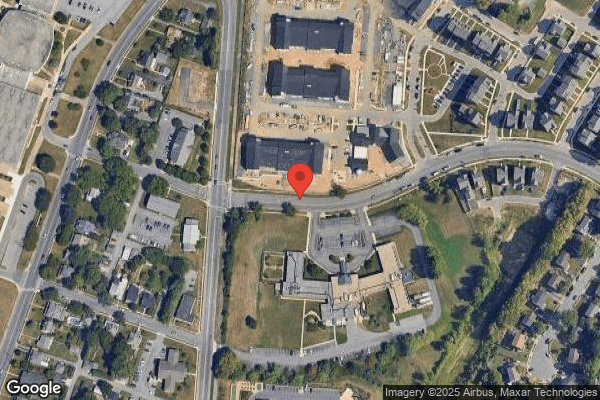
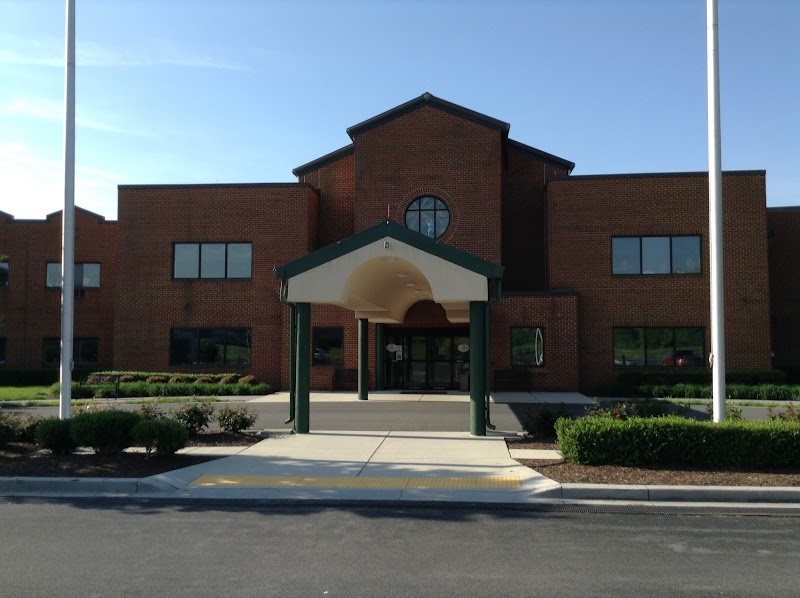
200 EAST 16TH STREET, FREDERICK, MD 21701 (301) 662-8700
For profit - Corporation 196 Beds FUNDAMENTAL HEALTHCARE Data: November 2025 1 Immediate Jeopardy citation
Trust Grade
26/100
#213 of 219 in MD
Last Inspection: August 2024

Within standard 12-15 month inspection cycle. Federal law requires annual inspections.

Overview

Northampton Manor Nursing and Rehabilitation Center has received a Trust Grade of F, indicating significant concerns about the facility's overall quality and care. Ranking #213 out of 219 facilities in Maryland places it in the bottom half, and #8 out of 8 in Frederick County means there are no better local options available. The facility's trend is worsening, with the number of reported issues increasing from 18 in 2019 to 34 in 2024. While staffing is a relative strength with a 4/5 star rating and a turnover rate of 40%, which is average for Maryland, RN coverage is concerning as it is less than 78% of state facilities. There are serious issues to note, including a failure to implement appropriate safeguards for residents at risk of elopement and inadequate responses to reported abuse allegations, which could potentially affect all residents.

Trust Score
F
26/100
In Maryland
#213/219
Bottom 3%
Safety Record
High Risk
Review needed
Inspections
Getting Worse
18 → 34 violations
Staff Stability
○ Average
40% turnover. Near Maryland's 48% average. Typical for the industry.
Penalties
○ Average
$16,562 in fines. Higher than 55% of Maryland facilities. Some compliance issues.
Skilled Nurses
○ Average
Each resident gets 32 minutes of Registered Nurse (RN) attention daily — about average for Maryland. RNs are the most trained staff who monitor for health changes.
Violations
⚠ Watch
77 deficiencies on record. Higher than average. Multiple issues found across inspections.
★☆☆☆☆
1.0
Overall Rating
★★★★☆
4.0
Staff Levels
★★☆☆☆
2.0
Care Quality
★☆☆☆☆
1.0
Inspection Score
Stable
2019: 18 issues
2024: 34 issues

The Good

  • 4-Star Staffing Rating · Above-average nurse staffing levels
  • Full Sprinkler Coverage · Fire safety systems throughout facility
  • No fines on record
  • Staff turnover below average (40%)

    8 points below Maryland average of 48%

Facility shows strength in staffing levels, fire safety.

The Bad

1-Star Overall Rating

Below Maryland average (3.0)

Significant quality concerns identified by CMS

Staff Turnover: 40%

Near Maryland avg (46%)

Typical for the industry

Federal Fines: $16,562

Below median ($33,413)

Minor penalties assessed

Chain: FUNDAMENTAL HEALTHCARE

Part of a multi-facility chain

Ask about local staffing decisions and management

The Ugly 77 deficiencies on record

1 life-threatening
Aug 2024 34 deficiencies 1 IJ
CRITICAL (J) 📢 Someone Reported This

A family member, employee, or ombudsman was alarmed enough to file a formal complaint

Immediate Jeopardy (IJ) - the most serious Medicare violation

Accident Prevention (Tag F0689)

Someone could have died · This affected 1 resident

Based on record review and interview, it was determined that the facility failed to ensure that residents with an elopement risk had the appropriate interventions in place to prevent an elopement. Thi...

Read full inspector narrative →
Based on record review and interview, it was determined that the facility failed to ensure that residents with an elopement risk had the appropriate interventions in place to prevent an elopement. This was evident for 1 (#109) of 10 residents reviewed for elopement. Evidence was provided by the facility that an action plan was developed, and corrective measures were implemented on 4/30/24, immediately after the incident, to remove the immediacy of the noncompliance and correct the deficient practice. On 8/20/24, a determination of immediate jeopardy was made regarding the deficient practice with the potential for past non-compliance. The Director of Nursing and Corporate Clinical Director Nurse #2 were informed at 5:45 PM. Review of all facility corrective actions implemented prior to the survey start date, revealed that the facility had met minimum standards for plans of correction and the concern was therefore deemed past noncompliance. The findings include: A care plan is a guide that addresses the unique needs of each resident. It is used to plan, assess, and evaluate the effectiveness of the resident's care. The MDS (Minimum Data Set) is a complete assessment of the resident which provides the facility information necessary to develop a plan of care, provide the appropriate care and services to the resident, and to modify the care plan based on the resident's status. Brief Interview of Mental Status (BIMS) is a standardized test used to get a quick snapshot of the cognitive function and is a required screening tool used in nursing homes to assess cognition. A score of 13-15 points indicates an intact cognition, 8-12 points indicates moderately impaired cognition, and 0-7 points indicates severely impaired cognition. Elopement occurs when a resident leaves the premises or a safe area without authorization (i.e., an order for discharge or leave of absence) and/or any necessary supervision to do so A medical record review for Resident #109 on 8/20/24 at 11:26 AM revealed a hospital discharge summary that documented the resident was living at home and found to have lewd and erratic behavior, so the family took the resident to the hospital. The resident was found to have a UTI and worsening dementia. The resident was admitted to the facility in 2/2024. A review of the resident ' s admission MDS with an assessment reference date of 3/6/24, documented the resident had a BIMS of 11/15 (moderate cognitive impairment) and was independent for indoor ambulation with a walker. On 2/29/24, an elopement assessment was opened by Licensed Practical Nurse (LPN) #7 and the assessment indicated the resident was an elopement risk (Elopement occurs when a resident leaves the premises or a safe area without authorization and/or any necessary supervision to do so) and a wander guard device (a device that is placed on the resident which causes an alarm to sound when they get too close to a door that is armed) was recommended. However, the assessment was not closed until 4/24/24 by the Director of Nursing (DON) and it was unclear which sections were completed by the LPN versus the DON. Review of the physician's orders revealed that the wander guard was not ordered until 5/1/24. Review of the care plan revealed that no care plan had been initiated for the elopement risk. There was no evidence in the medical record that the wander guard device was placed on the resident at the time of the assessment on 2/29/24. Further review of the medical record revealed the attending physician's history and physical visit notes, dated 3/6/24, the physician documented the resident was alert and oriented to themselves only. He also noted the resident was upset about being at the facility and wanted to be discharged another indication this resident was an elopement risk. Facility staff failed to implement the wander guard device following this physician's visit. During a review of the facility's investigation file for the facility reported incident #MD00205031 on 8/20/24 at 12:15 PM, it was revealed that Resident #109 had eloped from the facility on 4/24/24. According to Receptionist #8 's statement, the resident told her they were going to meet their daughter. The receptionist advised the resident to wait inside because it was windy out and she thought the resident was a FYI (an abbreviation that indicated the resident should not go outside alone). The receptionist further documented that, at 3:45 PM, she was checking in another resident and their son who had returned from an appointment (taking their temperatures). She wrote that when she turned back around, she did not see the resident and went outside and did not see the resident. She called upstairs to check if the resident went back upstairs and once confirmed the resident had not, a code for elopement was called. Review of a statement written by the Business Office Manager (BOM) revealed that, in response to the code, she was searching for the resident to the right of the building. She located the resident walking with their walker towards a housing development adjacent to the facility and brought the resident back to the facility at 3:52 PM. Review of a statement from the DON revealed she had interviewed LPN #7 on 4/25/24 and he reported that he had assessed Resident #109 and found the resident to be at risk for elopement. However, he could not locate a wander guard to put on the resident. He reported he had forgotten to pass the information to the oncoming nurse. Further review of the investigation file revealed the facility's corrective actions. The facility had determined the root cause of the elopement was due to LPN #7's failure to follow through with implementation of interventions following an elopement assessment. The facility took the following steps to correct the deficient practice: the resident was reassessed for elopement, a care plan was developed, and a wander guard placed on the resident; LPN #7 received 1:1 education regarding the need to immediately implement the wander guard when indicated; the current residents ' elopement assessments were reviewed for accuracy; the wander guard list and elopement notebook (containing a picture of each resident at risk for elopement) were reviewed and updated; all nurses were educated on how to complete the elopement assessment accurately; and implemented that all residents were assessed for elopement upon admission, with quarterly and annual reviews, and with any change in condition. On 8/20/24 at 1:08 PM, a review of 8 new admissions to the facility in the last 30 days revealed there were no concerns regarding their elopement assessments. An interview with LPN #7 on 8/20/24 at 1:20 PM revealed that he had completed the elopement assessment for Resident #109 on 2/29/24, confirmed the resident was an elopement risk and needed a wander guard. He stated that the admission was on evening shift however, he was unable to find a wander guard, so he did not put one on the resident. He could not remember if he passed the information to the oncoming nurse at the end of his shift. The DON was interviewed on 8/20/24 at 4:14 PM regarding the elopement and the corrective actions taken by the facility. She reported that, during an interview with LPN #7, she determined that the nurse had completed the assessment accurately, however, was unable to find a wander guard and failed to report that to the oncoming nurse. She reported that the wander guards had been kept in the supply closets for security reasons. After the incident, they were placed in the Unit Manager's office on each unit and there were two bracelets available for each unit. She confirmed that all the nurses have access to the Unit Manager's office after hours. She reported another step that they added was to have the unit managers review each new admission's elopement assessment to ensure accuracy and to double check that the interventions were implemented immediately. A second check was completed by the clinical team during their morning meeting following the new admission. A corrective action plan was developed and started on 4/24/24: Staff interviews were conducted to determine the details of the elopement and root cause analysis. An inventory of available wander guards was completed. Wander guards were ordered and available if an indication for use was identified. Licensed nursing staff will be re-educated on completion of Elopement Risk Assessment at the time of admission, readmissions, with change in condition, and periodically as indicated. If the Elopement Risk assessment indicates proceed interventions need to be implemented immediately to ensure resident safety. Staff will be re-educated regarding residents at risk for elopement and the method for identifying these residents to include the wander guard book kept at the front desk, elopement policy and drills, and code silver protocols. An audit of elopement risk evaluations was conducted to identify active residents who wander and those with existing wander guard devices in place. The elopement book [at the front desk] was updated to reflect residents at risk and residents with wander guard devices. New admissions, re-admissions, and residents with changes in condition will be reviewed in clinical morning meeting Monday - Friday to review elopement risk assessments for completion, accuracy, and immediate implementation of interventions as indicated. Quarterly assessments will be reviewed as part of the MDS/Care plan process. The Director of Nursing and/or designee will randomly audit a minimum of 5 elopement risk assessments weekly for 4 weeks, monthly for 2 months to validate accuracy. Any concerns identified will be addressed at the time of discovery. Elopement drills to be conducted 1 per quarter as per facility policy. An ad hoc Quality Assurance Performance and Improvement (QAPI) committee meeting was held on 4/25/24. The Medical Director was notified on 4/25/24. This process will be reviewed for QAPI for 3 months. From 8/21/24 - 8/28/24, the facility's action plan and implementation of interventions were reviewed. Review of 8 residents newly admitted to the facility in the previous 30 days were reviewed, interviews with multiple staff, review of facility documentation including education, policies and procedures on elopement and elopement drills, as well as observation of the main lobby doors and the wander guard system, and staff practices confirmed that the above interventions were implemented by the facility. It was determined that the date of compliance was 4/30/24.
CONCERN (D)

Potential for Harm - no one hurt, but risky conditions existed

Safe Environment (Tag F0584)

Could have caused harm · This affected 1 resident

**NOTE- TERMS IN BRACKETS HAVE BEEN EDITED TO PROTECT CONFIDENTIALITY** Based on observation and interview, it was determined that the facility failed to ensure the conditions of the facility were saf...

Read full inspector narrative →
**NOTE- TERMS IN BRACKETS HAVE BEEN EDITED TO PROTECT CONFIDENTIALITY** Based on observation and interview, it was determined that the facility failed to ensure the conditions of the facility were safe, clean, and without unaddressed concerns. This was found to be evident for 1 ([NAME] Creek 2 unit) out of 4 units observed throughout the survey. The findings include: 1) On 08/15/24 at 10:27 AM, an initial observation on the [NAME] creek 2 unit revealed an area about 10 inch wide where wallpaper was torn, and some pieces of drywall were noted to be crumbled right above the floor, behind the entry door of room [ROOM NUMBER]. On 08/15/24 at 12:26 PM, further observation on the [NAME] Creek 2 unit revealed about 5 inches of wallpaper peeled off about one third of the way to the ceiling outside of the dining room doorway, about a 6 foot tea-like stain on the floor in front of the water fountain, a section of the bottom corner of the nurses station which looked to be damaged, and a rolling chair at the nurses station where several pieces of the outside material had been stripped. On 08/22/24 at 01:30 PM, an observation on the [NAME] Creek 2 unit revealed wallpaper next to the hallway door border of room [ROOM NUMBER] that was peeling about 3 inches and across the hall a missing section of wallpaper and exposed drywall was noted on the hallway door border of room [ROOM NUMBER]. On 08/22/24 at 01:45 PM, an observation on the [NAME] Creek 2 unit revealed about 2- 3 inches of an exposed corner wall metal brace and a corner adjacent with a second exposed corner wall metal brace was exposed about 3-4 inches. The dark tea-like stain in front of the water fountain noted on a previous observation was still present. The section of the bottom of the nurses station, which looked to be damaged, was observed again and was in the same condition as the initial observation. On 08/26/24 at 09:08 AM, an observation on the [NAME] Creek 2 unit revealed that the dark tea-like stain in front of the water fountain noted on the previous two observations was still present. The two corners with exposed corner wall metal braces previously observed were in the same condition. On 08/26/24 at 01:49 PM, an observation on the [NAME] Creek 2 unit revealed the wallpaper concerns on the outside door borders of room [ROOM NUMBER] and 249 were in the same condition as when they were first observed. On 08/27/24 at 02:44 PM, an interview with the maintenance director (Staff #46) revealed that he was not aware of any maintenance concerns or active maintenance work orders for the [NAME] Creek 2 unit. Further interview revealed that the facility had an electronic platform where staff can report maintenance concerns. On 08/27/24 at 02:55 PM, the surveyor walked with Staff #46 on the [NAME] Creek 2 unit and showed him the concerns noted throughout the survey. He indicated that he was not aware of the wall tear behind room [ROOM NUMBER]'s entry door when the surveyor pointed it out and he made a note on a notebook he had in his hand. The surveyor showed Staff #46 the two corner wall metal braces that were exposed, and he also noted the concern on the notebook. When the surveyor pointed out the concern on the bottom corner area of the nurses station that was exposed he indicated that it was not repairable and they are working on replacing it and that the whole side of it had been affected. The surveyor showed Staff #46 the wallpaper concerns that were observed throughout the survey and he said that they have pickers on the unit and maintenance tries to glue down the areas of peeled wallpaper. The surveyor showed Staff #46 the rolling chair at the nurses station that was ripped in several areas and he noted the finding. When the surveyor pointed out the tea-like colored stain in front of the water fountain, he said that he was aware of it and that the stain was waxed over and plans to address it when they strip and rewax the floor. 2) On 08/26/24 at 09:15 AM, an observation of room [ROOM NUMBER]'s bathroom on the [NAME] Creek 2 unit revealed a brown colored smudge about 2 inches long on the bathroom railing and a pink dried substance on the adjacent railing about an inch long. On 08/26/24 at 01:48 PM, an observation of room [ROOM NUMBER]'s bathroom on the [NAME] Creek 2 unit revealed the brown and pink marks present on room [ROOM NUMBER]'s bathroom railing. On 08/26/24 at 01:52 PM, an interview with house keeping (Staff #43) on the [NAME] Creek 2 unit revealed that she had not yet cleaned the rooms on the hallway that included room [ROOM NUMBER]. On 08/27/24 at 10:30 AM, the brown and pink marks on room [ROOM NUMBER]'s bathroom railing noted twice previously were still in the same condition. On 08/27/24 at 10:36 AM, the surveyor observed housekeeping (Staff #45) on the [NAME] Creek 2 unit cleaning a room and the surveyor asked to show Staff #45 an observation. Staff #45 walked with the surveyor to room [ROOM NUMBER]'s bathroom to show the observation on the bathroom railing noted from the previous day. The surveyor indicated that it was observed the day previously and Staff #45 responded that she would take care of it. On 08/27/24 at 03:36 PM, the surveyor reviewed the concern regarding the bathroom railing in room [ROOM NUMBER]'s bathroom with the housekeeping manager (Staff #47) and district housekeeping manager (Staff #48) and they indicated that they were told about the concern and had addressed it. On 08/29/24 at 01:42 PM, the surveyor reviewed the concern with the Director of Nursing (DON) regarding the failure to ensure that the conditions of the facility were safe, clean, and free from unaddressed concerns.
CONCERN (D) 📢 Someone Reported This

A family member, employee, or ombudsman was alarmed enough to file a formal complaint

Potential for Harm - no one hurt, but risky conditions existed

Free from Abuse/Neglect (Tag F0600)

Could have caused harm · This affected 1 resident

3) Review of Resident #28's medical record revealed that Resident #28 is dependent on staff for Activities of Daily Living (ADLs) and had a diagnosis of dementia. On 08/21/24 at 10:57 AM, review of th...

Read full inspector narrative →
3) Review of Resident #28's medical record revealed that Resident #28 is dependent on staff for Activities of Daily Living (ADLs) and had a diagnosis of dementia. On 08/21/24 at 10:57 AM, review of the Facility Reported Incident Initial Report From, submitted to the State Survey Agency, for MD00206318, revealed that Resident #24, who was the only witness, reported that Geriatric Nursing Assistant (GNA, Staff #34) hit Resident #28 while she was feeding him/her. Review of the final report for MD00206318 on 8/21/24 revealed the facility did not substantiate the abuse because of insufficient information and that Resident #24 who reported the allegation had a Brief Interview for Mental Status (BIMS) of 7 and when the facility later interviewed her/him, they were unable to recall the incident. A Brief Interview for Mental Status (BIMS) is a tool used to screen and identify the cognitive condition of residents in a long-term care facility. The BIMS score ranges from 0 to 15, with 0 indicating severe cognitive impairment and 15 indicating intact cognition. Review of the investigative documentation provided by the facility related to this report revealed a hand written and signed statement by Staff #34, which stated, While I was feeding Resident #28's room number at the dinning room, she started spitting [his/her] food on me. I tapped on [his/her] left shoulder to stop it. Further review of the final report failed to reveal indication that a written statement was made by the alleged staff member indicating that she did tap Resident #28 on the shoulder. On 08/22/24 at 10:44 AM, a phone interview with GNA #34 revealed that Resident #28 was spitting her/his food out and the GNA told the resident to stop and the resident did not, so she tapped the resident on the shoulder to stop. On 08/22/24 at 2:10 PM, review of a typed interview with GNA #34 dated 6/4/24 that was signed by the Director of Nursing (DON) and provided to the surveyor after the phone interview with GNA #34, stated .GNA #34 said Resident #28 was eating very slowly and she was trying to get Resident #28 to eat. [S/he] kept spitting out [his/her] food and she kept telling [him/her] not to spit out the food. She stated that she tapped [him/her] on the left shoulder as she was sitting in front to get [his/her] attention to eat. She tapped [him/her] with her fingers on the left shoulder and stated it was just a tap that she didn't hit her. Review of the facility's agency Do Not Return list revealed Staff #34's name. On 8/26/24 at 3:51 PM, the surveyor reviewed with the DON the concern that based on review of the documentation and surveyor interview with the GNA #34, abuse was substantiated. 4) Resident #9 had been residing in the facility since 2017. The resident submitted a complaint related to MD00208809 that indicated 2 nurses refused to administer his/her medications on 8/11/24 and 8/14/24. On 8/23/24 at 2 PM, Resident #9's care plan was reviewed and revealed problems that include refusal of care. The interventions for this problem included to monitor and document the behavior and to reattempt to give care. On 8/23/24 at 2:16 PM, Resident #9's administration history, that included but was not limited to behavior monitoring, medication administration, and treatment administration for August 11 and 14 of 2024 was reviewed. The review suggested that the nurse on duty on 8/11 for the 7-3 shift was licensed practical nurse (LPN Staff #57), and the nurse on duty on 8/14 for the 7-3 shift was LPN Staff #56. The review revealed: a) on 8/11/24, the area where the nurse on duty was supposed to document the behavior for refusal of care was blank; 14 routine medications were blank, 8 of which were once a day medication; and all 7 scheduled treatments were blank. b) On 8/14/24, Staff #56 documented 0 episodes of refusal of care; 4 routine medications were not administered and the nurse on duty documented under comment, resident ignored writer when attempted to administer. 1 of the 4 medications was scheduled to be administered once a day between 7 AM to 3 PM, and another was scheduled to be administered once a day at 12:30 PM only on Mondays, Wednesdays, and Fridays; all treatments were administered as scheduled. A subsequent review of Resident #9's electronic health record revealed a progress note from Staff #56 on 8/14/24 created at 4:51 PM, that stated When writer attempted to administer resident's 1300 medications, resident was at the time sitting in her room, eating lunch. Upon knocking and entering room, writer addressed resident by her name and resident did not respond but continued to eat lunch. Resident an hour later came to the nurses offices as writer was on break, demanding medications and eye drops. Management already made aware of refusal and refusal documented. Further review of the progress notes revealed no evidence of documentation from the nurse on duty on 8/11/24. On 8/23/24 at 2:53 PM, the Director of Nursing (DON) was interviewed about medication administration and her expectation from staff when a resident refuses or declines a medication. The DON reported that she expects staff to document the refusal by documenting in the electronic Medication Administration Record (eMAR) and progress notes, and to notify the provider and responsible party. On 8/26/24 at 9:41 AM, a review of the daily staff post documentation confirmed that Staff #57 and Staff #56 were the nurses on duty at the time of the allegation event. In an interview with the DON and the Assistant DON on 8/26/24 at 11:01 AM, both staff confirmed that Resident #9 had brought to their attention an issue with a nurse who refused to administer his/her medications. The DON reported that the resident had left a message on her cell phone to report the 8/14/24 incident, but not the 8/11/24 incident. Both staff indicated that they immediately investigated the concern on 8/14/24 while Staff #56 was still on duty. However, there was no evidence of the investigation conducted by the DON and the ADON. The findings in Resident #9's administration history was discussed with both staff where Staff #57 failed to administer 14 medications along with treatments, and no documentation of refusal of care; and Staff #56 failed to administer or reattempt to give the resident's medications when s/he was asking for them as evidenced by her progress note. Subsequently on the same day at approximately 4 PM, the DON reported that she will start a facility reported incident regarding the deprivation of services by the nurses to Resident #9. On 8/29/24 at 11 AM, the concern was discussed with the DON, ADON, and the Corporate Clinical Nurse (Staff #2) regarding the deprivation of goods and services to a resident on 2 occasions. Staff #2 indicated that Staff #56's action did not make sense since the resident was already asking for his/her medications and questioned why didn't she just give them after her break? No explanation was offered by the DON or the ADON. Based on records review and interviews, it was determined that the facility failed to protect residents from abuse. This was evident in 4 (Resident #9, #28, #104, and #424) of 21 residents reviewed for abuse. The findings include: The MDS (Minimum Data Set) is a complete assessment of the resident which provides the facility with the information necessary to develop a plan of care, provide the appropriate care and services to the resident, and to modify the care plan based on the resident's status. 1) On 8/22/24 at 8:53 AM, a review of the facility's investigation file for the facility reported incident #MD00182597 revealed a self-report form that documented a staff member had witnessed Resident #424 being abused on 4/20/22 at 2:30 PM by another staff member. Review of Physical Therapist (PT) #52's handwritten statement, dated 4/20/22, revealed that she had answered Resident #424's call light and the resident asked to go to bed. PT #52 reported that she asked the resident's assigned geriatric nursing assistant (GNA) #53 to assist her with the transfer. She stated that the resident was a sit to stand transfer with minimum assist, however, when the resident was in the standing position GNA #53 pushed the resident from the right side causing the PT to lose control of the resident and the resident fell halfway onto the bed. She reported that as she assisted the resident fully onto the bed, GNA #53 was mocking the resident as the resident was asking the GNA to leave the room. Review of Resident #424's statement, that was taken by the ADON, revealed the resident confirmed the incident that was reported by PT #52. The resident reported that s/he had asked GNA #53 about 50 minutes earlier to put him/her to bed and s/he had to wait. It was the second time the resident had put on their call light for assistance that PT #52 had answered the call light and asked GNA #53 to assist. The resident reported that GNA #53 had hurt his/her right arm and was bad. The facility called the police, notified the ombudsman, and reported GNA #53 to their licensing agency. Further review of the investigation file revealed that facility staff failed to have evidence of interviews and/or assessments of other residents who had been in the care of GNA #53 to ensure no one else had been abused. The facility failed to interview other staff who may have had knowledge of the incident, or the care provided to other residents by GNA #53. It was evident that the facility failed to conduct a thorough investigation of the incident. A medical record review for Resident #424 on 8/21/24 at 3:13 PM revealed a minimum data set (MDS), with an assessment reference date of 4/14/22. Review of the document revealed that the resident had no cognitivei mpairment (the ability to think and process information) or behaviors, and relied on the staff to provide activities of daily living (getting in and out of bed, personal care, toileting, and etc.). On 8/28/24 at 9:54 AM, the concerns were reviewed with the Director of Nursing and the Assistant Director of Nursing. Neither of them were in their current positions at the time of the incident. The Administrator, at the time of the incident, was no longer there. The DON was unable to find the original investigation file and had printed what they could find in the computer to recreate the file. Cross Reference F610 2) A medical record review for Resident #170 on 8/27/24 at 11:11 AM revealed the resident had resided in the facility since 2021. Review of an attending physician's visit note, dated 1/16/24, revealed the resident suffered from chronic hip pain, knee pain, and major depressive disorder. Review of the MDS, with the assessment reference date of 1/18/24, revealed in section C that the resident had no cognitive impairment and in section GG the resident utilized a walker to ambulate. A medical record review for Resident #104 on 8/27/24 at 12:47 PM revealed a discharge summary from the hospital in 12/2023 that documented the resident had dementia. The MDS, with an assessment reference date of 12/20/23, revealed the resident had moderate cognitive impairment. Section GG showed the resident also used a walker and required minimal assistance to get in and out of bed. A review of the facility's investigation file for the self-reported incident #MD00202094 on 8/27/24 at 12:06 PM revealed a final self-report form that documented Resident #104's roommate was standing at the sink and heard some strange noises. When the roommate turned to see what was going on, s/he witnessed Resident #170 inappropriately touching Resident #104 while s/he laid in bed. The roommate stated that Resident #104 looked uncomfortable. The roommate told Resident #170 to leave the room and then went to report what s/he saw to the staff at the nurses' station. In the summary section, it was noted that Resident #104 was observed shaking and holding their head. Resident #104 told staff s/he wanted to call their spouse to take them home. Review of the statement from Resident #170 revealed the resident admitted to touching the resident inappropriately, but stated it was an accident. The facility failed to have evidence that they interviewed other residents who may have been abused by this resident. Further review revealed that local law enforcement were called and removed Resident #170 from the facility under an emergency protection order and the resident was subsequently charged with assault 2nd degree and sex offense 4th degree. The resident was not permitted to return to the facility. An interview with the Director of Nursing on 8/27/24 at 1:54 PM, revealed that they had interviewed 2 residents who had been alert and oriented on that hallway and found the resident had not abused them. She reported that, after the incident, she talked with Resident #170's family who reported the resident had been at a hospital for mental illness, however the facility was unable to obtain records from the hospital. The DON reported they were monitoring Resident #104 for ill effects from the abuse and had offered victim support information, but the resident and family declined. This was confirmed with documentation in the medical record.
CONCERN (D) 📢 Someone Reported This

A family member, employee, or ombudsman was alarmed enough to file a formal complaint

Potential for Harm - no one hurt, but risky conditions existed

Comprehensive Care Plan (Tag F0656)

Could have caused harm · This affected 1 resident

2) A review of Resident #108's medical records indicated that s/he was admitted to the facility in June of 2024. The Resident was transferred from the hospital after a fall that s/he suffered from hom...

Read full inspector narrative →
2) A review of Resident #108's medical records indicated that s/he was admitted to the facility in June of 2024. The Resident was transferred from the hospital after a fall that s/he suffered from home. On 8/22/24 at 9:45 AM, a subsequent review of Resident #108's medical record revealed that s/he had fallen 12 times since being admitted to the facility. Furthermore, a facility reported incident (FRI) related to MD00207141 was sent to the Office of Healthcare Quality that investigated the falls that had occurred. At the conclusion of the FRI, it indicated that the corrective actions the facility had implemented included a review of all interventions to verify that they are appropriate. This was submitted by the Director of Nursing (DON) on 7/5/24 at 6:30 PM. In reviewing Resident #108's care plan on 8/22/24 at 11:46 AM, it revealed that the resident was identified as a fall risk. The care plan had interventions to prevent and protect the resident from falls that include the utilization of a fall mat to be placed on the right side of the bed. Resident #108's room was observed on 8/15/24 at 12:40 PM, 8/21/24 at 11:03 AM, and 8/22/24 at 12:28 PM. 3 of the 3 observations failed to show evidence that a fall mat was put in place as stated in the resident's care plan. On 8/22/24 at 12:41 PM, Resident #108's orders, including discontinued and completed orders, were reviewed and failed to reveal evidence that an order to utilize a fall mat was instituted. In an interview with the DON on 8/22/24 at 2:12 PM, she was asked if Resident #108 used a fall mat and if a doctor's order was needed for this intervention. The DON replied yes to both questions and indicated that the fall mat was on the right side of the bed. The DON was reviewing the resident's medical record and was asked if she was able to find the order for the fall mat. The DON reported that she could not find the order and indicated that staff might have forgotten to put the order back when the resident was hospitalized . Following the review of the order history of Resident #108 by the DON, she confirmed that the fall mat was never ordered. The surveyor also discussed with the DON that there was no observation of the fall mat in the resident's room, and that she had documented in the FRI follow up report that all interventions were evaluated to be appropriate, but failed to implement them. On 8/29/24 at 11 AM, the concern was discussed with the DON, Assistant DON, and the corporate clinical nurse that the facility failed to implement a care plan regarding the fall mat use to protect the resident from falls. All staff verbalized understanding and acknowledged the concern. Based on observation, medical record review and resident and staff interview, it was determined the facility failed to implement interventions based on a resident's comprehensive care plan. This was evident for 1 (#25) of 3 residents reviewed for communication/sensory and 1 (#108) of 4 residents reviewed for accidents. The findings include: A care plan is a guide that addresses the unique needs of each resident. It is used to plan, assess, and evaluate the effectiveness of the resident's care 1) On 8/16/24 at 11:16 AM, during an interview, Resident #25 appeared hard of hearing and had difficulty hearing the surveyor. When asked if the resident attended activity programs, Resident #25 stated s/he did not attend activity programs because s/he could not hear. Resident #25 also reported that the resident could not hear at all in one of his/her ears, and s/he was hard of hearing in the other ear. Resident #25 also reported s/he had hearing aids that had not been worn since forever. On 8/21/24 at 11:25 AM, a review of Resident #25's medical record revealed a communication care plan, [Resident #25] may have difficulty understanding others R/T (related to) hearing loss with chronic wax build-up, that had the goal, will hear and comprehend communication, demonstrated by being able to follow simple 1 step directions through the review date, with approaches that included, Hearing aides are kept in the med cart. They are to be put in with AM care and removed at HS (hours of sleep). Review of Resident #25's July 2024 Medication Administration Record (MAR) revealed a 1/24/23 physician order to place hearing aids in the resident's bilateral (both sides) ears in the AM [9:00 AM], and off in the PM [9:00 PM], and place the hearing aids in a cup in the top drawer of medicine cart. Following the order, the MAR documented hearing aids were not placed in Resident #25's ears on 8 (7/7, 7/19, 7/24, 7/26, 7/27, 7/28, 7/30, 7/31) out of 31 days in July 2024, and that a hearing was placed only in the left ear on 4 (7/3, 7/9, 7/4, 7/16) days in July 2024. Review of Resident #25's August 2024 MAR revealed the same 1/24/23 physician order to place hearing aids in the resident's bilateral (both sides) ears in the AM, and off in the PM and place the hearing aids in a cup in the top drawer of medicine cart. Following the order, the MAR documented that hearing aids were not placed in Resident #25's ears on 13 (8/1, 8/2, 8/3, 8/4, 8/6, 8/7, 8/8, 8/9, 8/10, 8/12, 8/13, 8/15, 8/25) of 26 days in August 2024, and that a hearing was placed only in the left ear on 3 (8/14, 8//18, 8/26) days in August 2024. The facility failed to follow the care plan by failing to implement the approach, for the hearing aids to be put in with AM care and removed at HS. The concerns with failing to implement the care plan were discussed with the Director of Nursing (DON) on 8/28/24 at approximately 3:20 PM. The DON acknowledged the concerns at that time, and no further comments were offered.
CONCERN (D)

Potential for Harm - no one hurt, but risky conditions existed

Deficiency F0679 (Tag F0679)

Could have caused harm · This affected 1 resident

2) On 08/15/24 at 01:15 PM, an interview with the Resident #28's responsible representative revealed that he was concerned about the lack of activities. On 08/19/24 at 01:40 PM, review of Resident #2...

Read full inspector narrative →
2) On 08/15/24 at 01:15 PM, an interview with the Resident #28's responsible representative revealed that he was concerned about the lack of activities. On 08/19/24 at 01:40 PM, review of Resident #28's care plan revealed a focus that the resident was dependent on meeting social and emotional needs. Some approaches listed were: staff would provide the resident's favorite activities such as Spanish music, magazines, religious services, and outdoor activities. On 08/21/24 at 11:44 AM, an interview with the Activities Director (Staff #35) revealed that residents are provided activities based on their interests evaluated by the comprehensive assessment and embedded into their care plan. Further interview revealed that each resident had an activity log to keep track of what activities that the facility was providing and when the residents' attended. A comprehensive assessment in a nursing home is a detailed evaluation of a patient's health, needs, and condition, and is used to identify the services they need. It's a tool that nurses use to create a plan of care for a patient. On 08/22/24 at 09:19 AM, review of Resident #28's comprehensive assessment section F: preferences for customary routine activities, with an assessment reference date (ARD) of 5/2/24, revealed that it was very important for the resident to have items to read such as magazines, to get fresh air, and to participate in religious services. On 08/22/24 at 10:34 AM, review of Resident #28's activity log provided for June 2024 failed to reveal consistent activities such as Spanish music or magazines that are based on his/her care plan and assessment. The activity log for July failed to reveal activities such as Spanish music or magazines that are based on his/her care plan and assessment. The activity log for August failed to reveal activities such as Spanish music, magazines, outside, or religious activities that are based on his/her care plan and assessment. On 08/27/24 at 09:20 AM, the surveyor reviewed the concern with Staff #35 that activities provided to the resident were inconsistent with the care plan and assessment. Staff #35 indicated that it had slipped through the cracks and that she had been the only activities personnel at the facility since July 2024. On 08/29/24 at 01:42 PM, the surveyor reviewed the concern with the Director of Nursing (DON) regarding the failure to ensure that residents are provided activities of interest based on the comprehensive assessment and care plan. Based on record review, observation and interview, it was determined that the facility failed to ensure activities were provided to residents based on their preferences and as indicated in their care plan. This was found to be evident for 2 (Resident #113 and #28) out of 5 residents reviewed for activities. The findings include: 1) Review of Resident #113's medical record revealed a Minimum Data Set (MDS) assessment, with an assessment date of 6/7/24, that revealed the resident was interviewed in regard to Activity Preferences and that the resident had indicated it was very important to listen to music that s/he likes and to be around animals such as pets. Review of the care plan for activities, created on 6/6/24, revealed several approaches including: Provide activity calendar and review some of the programs and available materials and equipment available for use; Staff will meet with resident to see if enjoyment is gained from activities or self-directed routine; Staff will assist resident in participating in favorite activities such as watching tv; Staff will encourage resident to participate in animal visitation programs when available; Staff will invite, make arrangements, offer materials, or assistance to facilitate participation in music interests such as listening to music in room and invite to live music entertainment when available; and Staff will offer one to one visits to prevent social isolation. On 8/21/24 review of the activity documentation sheets for June and July 2024 failed to reveal sheets for Resident #113. At 3:40 PM, surveyor informed the Activity Director (Staff #35) that no documentation was found for the resident for June or July, and requested documentation for August. At 4:12 PM, the Activity Director reported she could not find activity documentation for Resident #113. As of time of survey exit on 8/29/24 at 3:30 PM, no documentation was provided to indicate that activity staff had conducted any of the approaches in Resident #113's activity care plan.
CONCERN (D) 📢 Someone Reported This

A family member, employee, or ombudsman was alarmed enough to file a formal complaint

Potential for Harm - no one hurt, but risky conditions existed

Quality of Care (Tag F0684)

Could have caused harm · This affected 1 resident

On 08/15/24 at 03:29 PM, an interview with Resident #110's responsible representative revealed that the nursing staff had informed her of a mass on the resident's groin earlier in the week and had ind...

Read full inspector narrative →
On 08/15/24 at 03:29 PM, an interview with Resident #110's responsible representative revealed that the nursing staff had informed her of a mass on the resident's groin earlier in the week and had indicated that the Nurse Practitioner (NP) would be seeing the resident but when she came to the facility today staff had no knowledge of the resident being seen by the NP. The responsible representative also reported she has addressed this issue with the Director of Nursing (DON). On 08/19/24 at 09:00 AM, record review revealed that on 08/09/2024 at 12:35 AM, a progress note was completed by Licensed Practical Nurse (LPN, Staff #9) which indicated the resident was swollen in the upper thigh/groin area and that report would be given to the day nurse to follow up with the Nurse Practitioner. On 08/26/24 at 12:55 PM, review of the door access log revealed that Nurse Practitioner (Staff #41) was in the facility on 8/12/24. Further review of the medical record failed to reveal documentation to indicate the swelling to the groin was reported to the nurse practitioner or other primary care provider until a SOAP note was completed by the Director of Nursing (DON) on 8/15/24 which indicated the primary care provider was notified. A SOAP note is a written document that healthcare workers use to record information about patient encounters in a structured way. Record review on 8/29/24 at 10:10 AM revealed a progress note completed by Registered Nurse (Staff #42) on 8/15/24 which indicated an antibiotic was ordered for the abscess. Further record review, revealed a progress note by Licensed Practical Nurse (Staff #32), dated 08/16/2024 at 10:52, which indicated that Nurse Practitioner (Staff #41) looked at the resident's abscess and wrote a new order for a different antibiotic to treat the cellulitis diagnosis. Cellulitis is a bacterial infection that affects the skin's deeper layers and underlying tissue. Further review of the medical record failed to reveal documentation written by the NP about the area on the resident's groin until 8/21/24. On 08/26/24 at 10:10 AM, record review revealed a note by Nurse Practitioner (Staff #41) dated 8/21/24, for the mass on Resident #110's groin area. This is more than a week after nursing first identified swelling in the resident's groin area on 8/9/24. On 08/26/24 at 03:51 PM, the surveyor reviewed the concern that there was a progress note on 8/9/24 indicating swelling in the groin area and the facility did not notify the provider until 8/15/24. The DON responded oh yeah I did the SOAP note but that was 8/15/24. On 8/26/24 at 3:51 PM, the surveyor reviewed with the Director of Nursing (DON) regarding the failure to ensure that a resident's change in condition was reported and evaluated by a primary care provider. Based on record review and interview, it was determined that the facility failed to 1) have a process in place to monitor resident's air pressure mattress settings and ensure that they were appropriate for the resident's current weight which resulted in a harm to Resident #3 and 2) ensure that a resident's change in condition was evaluated by a primary care provider. This was evident for 1 (#3) of 8 residents reviewed for falls and 1 (#110) of 2 residents reviewed for skin conditions. The findings include: Low air loss mattresses are designed to distribute the patient's body weight over a broad surface area and help prevent skin breakdown. Air continually flows through tiny laser-made air holes in the top of the mattress surface so that the user floats on a soft cushion of air. (https://homecarehospitalbeds.com). A control box is placed on the footboard that controls the air flow into the mattress. A care plan is a guide that addresses the unique needs of each resident. It is used to plan, assess, and evaluate the effectiveness of the resident's care. 1) A medical record review for Resident #31 on 8/28/24 at 11:35 AM revealed a history and physical examination conducted by the attending physician on 2/1/23 that documented the resident had been admitted from home because of care needs. According to the weights, the resident weighed 214.8 lbs. (pounds) at the time of admission. However, the resident experienced weight loss and was down to 178.8 lbs., by 5/2023 and was ordered a low air loss mattress because the resident had some pressure areas and was refusing to get out of bed. The air flow settings for the mattress were based on the resident's weight. Further review revealed that the resident experienced a significant weight loss of 35.7 lbs. over an 11-month period. Further review of the medical record revealed there was an order for the low air loss mattress, but no documentation of the air flow settings or orders to monitor the settings. Review of the resident's care plan for pressure ulcers revealed an intervention for an APM [air pressure mattress] however, the settings were not included in the intervention. Also, there was no intervention to monitor the settings to ensure they were correct. On 8/27/24 at 9:55 AM, a review of the facility's investigation file for the facility reported incident #MD00205907 revealed a statement from Geriatric Nursing Assistant (GNA) #50 taken by Licensed Practical Nurse (LPN) #30 that she heard the resident scream and went to the room to find the resident lying on the floor. According to the statement, the resident was lying on their back with their legs bent sideways with obvious trauma to the one leg. The resident was placed back into bed with a mechanical lift. A review of the final investigation report revealed the resident was dependent on staff to roll them back and forth, making it unlikely that the resident rolled out of the bed. The facility had determined that the low air loss mattress was set on a 5, and with the resident's current weight it should have been on a 3. This caused over inflation of the air mattress which caused the resident to slide out of bed. Further review revealed diagnostic imaging reports for x-rays taken of the pelvis and the right lower leg. The resident suffered a hip fracture and a fracture of the proximal tibia and fibula (two bones in the lower leg). Review of the orthopedic consultation on 4/26/24, revealed that it was recommended to have surgical intervention for the broken hip, however, there were greater risks associated with the surgery due to the resident's medical condition. Review of a progress note, dated 4/29/24, revealed that the resident and family opted to have the surgery. An interview with the DON on 8/28/24 at 9:30 AM confirmed that the fall had been due to the low air loss mattress being over inflated and the resident fell out of bed. The DON further reported that once a week, they meet to discuss residents with weight loss, pressure sores, and falls. However, they had not been reviewing the low air loss mattress settings when the resident had weight loss. In addition, she confirmed that there were no orders for monitoring the air flow settings on the control box to ensure they were correct and ensure the safety of the resident. Furthermore, she reported that when a resident had the machine with the knob control, the controls could be moved accidentally, but the ones with a button control would not be easily moved. She stated that, when a resident was placed on the low air loss mattress, they would obtain a weight and give that information to the maintenance director who would set the air flow based on the manufacturer's guidelines, and he would put the setting on a sticker and place it on the control box. Once it was set, there was no process in place to check the settings to ensure they had not been moved or when a resident lost weight to check the manufacturer's guidelines to change the settings as needed. After the incident occurred, the residents with weight loss and a low air loss mattress were checked to ensure that the settings were appropriate for their current weight. During an interview with the Maintenance Director on 8/29/24 at 11:44 AM, he reported that, as he was conducting audits to make sure that the low air loss mattress settings matched the setting that he wrote on the sticker on the control box, he found the settings were being changed. He reported that sometimes, the residents will lean on the low air loss mattress control box that hangs on the end of the bed and it will change the level accidentally. A subsequent interview with the DON on 8/29/24 at 12:04 PM revealed she was aware that the Maintenance Director was finding settings that had been changed accidentally during his audits. With these findings, facility staff failed to put an intervention into place to monitor the settings to ensure that they remained on the correct air flow level to prevent this incident in the future.
CONCERN (D)

Potential for Harm - no one hurt, but risky conditions existed

Deficiency F0685 (Tag F0685)

Could have caused harm · This affected 1 resident

Based on observation, medical record review and resident and staff interview, it was determined the facility failed to ensure that residents receive proper treatment and assistive devices to maintain ...

Read full inspector narrative →
Based on observation, medical record review and resident and staff interview, it was determined the facility failed to ensure that residents receive proper treatment and assistive devices to maintain hearing abilities. This was evident for 1 (#25) of 3 residents reviewed for communication/sensory. The findings include: On 8/16/24 at 11:16 AM, during an interview, Resident #25 appeared hard of hearing and had difficulty hearing the surveyor. When asked if the resident attended activity programs, Resident #25 stated s/he did not attend activity programs and indicated it was because s/he could not hear. Resident #25 also reported that s/he could not hear at all in one of his/her ears, and hard of hearing in the other ear. When asked if the resident had hearing aids, Resident #25 responded that s/he had hearing aids, but reported that the hearing aids had not been worn since forever. On 8/21/24 at 11:25 AM, a review of Resident #25's medical record was conducted. Review of Resident #25's July 2024 Medication Administration Record (MAR) revealed a 1/24/23 physician order to place hearing aids in the resident's bilateral (both sides) ears in the AM [9:00 AM], and off in the PM [9:00 PM], and place the hearing aids in a cup in the top drawer of medicine cart. Following the order, the MAR documented hearing aids were not placed in Resident #25's ears on 8 (7/7, 7/19, 7/24, 7/26, 7/27, 7/28, 7/30, 7/31) out of 31 days in July 2024, and that a hearing was placed only in the left ear on 4 (7/3, 7/9, 7/4, 7/16) days in July 2024. Review of Resident #25's August 2024 MAR revealed the same 1/24/23 physician order to place hearing aids in the resident's bilateral (both sides) ears in the AM, and off in the PM and place the hearing aids in a cup in the top drawer of medicine cart. Following the order, the MAR documented hearing aids were not placed in Resident #25's ears on 13 (8/1, 8/2, 8/3, 8/4, 8/6, 8/7, 8/8, 8/9, 8/10, 8/12, 8/13, 8/15, 8/25) of 26 days in August 2024, and that a hearing was placed only in the left ear on 3 (8/14, 8/18, 8/26) days in August 2024. Continued review of Resident #25's medical record revealed on 6/22/24 at 12:28 PM, in a progress note, the nurse wrote that s/he could not find Resident #25's right ear hearing aid. The nurse wrote that s/he and the GNA (geriatric nursing assistant) searched for it on the resident's but and could not find it. Report passed on to evening shift nurse to keep searching. In a progress note on 7/6/24 at 10:00 PM, the nurse documented Resident #25's left hearing aid was off and on the medication cart and the resident's right hearing aid could not be found, and the resident had stated it was missing. No other documentation was found in the medical record to indicate a search for Resident #25's hearing aid had been conducted, or whether the hearing aid had been found. On 8/27/24 at approximate 2:45 PM, prior to entering Resident #25's room for an observation, when asked about the resident's status, Staff #29, Registered Nurse (RN) indicated Resident #25 was hard of hearing and recommended the surveyor speak into the resident's left ear. Staff #29 stated that Resident #25 was wearing a hearing aid in the left ear, and indicated the resident did not have a hearing aid for his/her right ear. On 8/28/24 at approximately 3:20 PM, during an interview, when asked if Resident #25 wore hearing aids, Staff #30, Licensed Practical Nurse (LPN), Unit Manager (UM), stated that Resident #25 had bilateral hearing aids, which were kept on the medication cart. At that time, Staff #30 was made aware Resident #25's July and August MAR documented hearing aids were not placed in both of the resident's ears every day as ordered, and the documentation also indicated Resident #25's right hearing aid was missing. Staff #30 responded that the resident misplaced his/her hearing aids before and when Resident #25 lost a hearing aid, the nursing staff would search for the hearing aid, ask laundry & kitchen to search, and then notify the resident's representative and social services. When made aware that the documentation in the progress notes on 6/22/24 an on 7/6/24 indicated Resident #25's right ear hearing aid was missing with no further documentation found to indicate a search for the hearing aid had been conducted, Staff #30 stated that a grievance (expression of dissatisfaction) about the missing hearing aid would be submitted. On 8/28/24 at 3:54 PM, the Director of Nursing (DON) was made aware of the above concerns related to the facility staff failing to ensure that hearing aids were placed in Resident #25's ears every day as ordered, and the DON was made aware of the concern that one of the hearing aids was missing with no evidence found to indicate that measures were taken to find the hearing aid. The DON acknowledged the concerns at that time and indicated the hearing aid couldn't have gone far as the resident was not someone who would get up and walk. The DON also stated that when a resident lost a hearing aid, the Unit Manager would start the process of conducting a room search, a laundry and a kitchen search, and the staff would search exhaustively prior to notifying the family, and the DON indicated she would look into it.
CONCERN (D)

Potential for Harm - no one hurt, but risky conditions existed

Deficiency F0688 (Tag F0688)

Could have caused harm · This affected 1 resident

2) Review of Resident #28's medical record revealed the resident was dependent on staff for Activities of Daily Living (ADLs), was not oriented to self, and had a diagnosis of dementia with a BIMS of ...

Read full inspector narrative →
2) Review of Resident #28's medical record revealed the resident was dependent on staff for Activities of Daily Living (ADLs), was not oriented to self, and had a diagnosis of dementia with a BIMS of 4/15. A Brief Interview for Mental Status (BIMS) is a tool used to screen and identify the cognitive condition of residents in a long-term care facility. The BIMS assessment uses a points system that ranges from 0 to 15 points. A BIMS score 0 to 7 suggests severe impairment. On 08/27/24 at 11:00 AM, an interview with the Director of Rehabilitation, who is a Certified Occupational Therapy Assistant (Staff #26), revealed that when long term care residents are determined to be at their highest level of mobility, they are discharged with a Home Exercise Program (HEP). Further interview with Staff #26 revealed that HEPs are recommended for residents to maintain their optimal level of ability and are provided with written exercises if they are capable, as the facility does not have an active restorative nursing program. If a resident was dependent for care, the Physical Therapist would provide verbal training and education on the HEP, with occasional written statements, for the nursing staff to embed into care. The Rehab Director reported there was a nursing communication binder for documentation of nursing staff communication when a resident is discharged with a HEP. He further revealed that they will email the Director of Nursing and the unit manager upon a resident's discharge. During the interview, Staff #26 provided the surveyor with Resident #28's most recent discharge summary from therapy, dated 7/26/24. Review of the therapy discharge summary, from 7/26/24, revealed that Resident #28 had reached her/his highest practical level of mobility and the recommendation upon discharge noted a HEP program. No specifics of what the HEP included were found in the discharge summary. The Rehab Director reported the HEP for Resident #28 was in regard to transfers and getting out of bed. Further interview with Staff #26 on 08/27/24 revealed that, when the surveyor asked to review the nursing communication binder to see the communication when Resident #28 was discharged , Staff #26 indicated that he did not think that there was communication for Resident #28's discharge in the binder. When the surveyor asked if he was aware of what the HEP specifically consisted of for Resident #28, he was unable to recall information nor what the nursing staff would be aware of in terms of the HEP for her/him. The surveyor confirmed with Staff #26 that there was no documentation of the communication provided to nursing staff upon Resident #28's discharge with the HEP. Staff #28 indicated that he would try to find documentation of an email regarding the resident's discharge. On 08/27/24 at 12:37 PM, an interview with Nurse Practitioner (Staff #40) revealed that Physical Therapy initiated the exercises recommended for residents upon discharge and then was the nursing staff's responsibility to implement them into care and if the nursing staff do not implement the recommendations into care, then the residents decline. On 08/29/24 at 01:28 PM, an interview with the Director of Nursing (DON) revealed that the nursing staff were responsible for implementing rehabilitation recommendations into care. On 08/29/24 at 01:42 PM, the surveyor reviewed the concern with the DON regarding the failure to ensure therapy recommendations were documented and implemented by nursing staff upon therapy discharge of a dependent resident. At the time of the survey exit on 8/29/24 at 3:30 PM, there was no documentation provided to indicate what Resident #28's HEP consisted of, nor evidence of nursing communication documentation regarding the recommendations upon Resident #28's discharge from therapy on 7/26/24. Based on record review, observation, and interview, it was determined that the facility failed to ensure that a process was in place to ensure that recommendations made by therapy were communicated to and implemented by nursing. This was evident for 1 (Resident #37), out of 1 resident reviewed for position and mobility and 1 (Resident #28) of 3 residents reviewed for activities of daily living. The findings include: 1) On 08/23/24, Resident #37's medical records were reviewed. The review revealed that Resident #37 was a long-term resident of the facility with a history of stroke, right-sided weakness, and decreased right-sided function. On 8/23/24 at 1:27 PM, Resident #37's Occupational Therapy (OT) documents were reviewed. The review revealed an OT evaluation and treatment certification, dated 6/20/24-8/18/2024. Further review revealed a section titled Recommendations: The recommendations included the following: Splint/Orthotic recommendations. It is recommended that the patient wear a hand roll and finger separators on the right hand for up to 6 hours a day, in order to improve Passive Range of Motion (PROM) for adequate hygiene and reduce pain caused by muscle tightening. The above recommendations were made by Occupational Therapist Staff #18. Passive Range of Motion (PROM) is the action in which a part of your body is moved when someone or something is creating the movement. On 8/26/24 at 8:08 AM, an observation of Resident # 37's room was made. Observation revealed a soft hand finger splint laying on top of bedside dresser. On 8/26/24 at 9:24 AM, OT Staff 18 was interviewed regarding the facility's process for implementing OT's recommendation for a splint. During the interview, OT Staff #18 reported that the day shift geriatric nursing assistants (GNA) providing care for the resident needing a splint would be educated. The education would include a return demonstration, on how to apply the splint correctly. Then a therapy communication form with the written recommendations is provided to the nursing unit manager. A copy of this therapy communication form is maintained by the Rehabilitation Director. The expectation is that nursing will put in an order for the splint and if the physician approves of the order, the physician will sign the order. On 8/26/24 at 9:54 AM, GNA (Staff #21) was interviewed. During the interview Staff #21 reported that she had been providing care to Resident #37 on day shift 8/26/24 and she had periodically provided care of him/her in the past. She reported she had never put the hand splint on Resident #37, but she has seen him/her wearing the splint sometimes. GNA #21 reported that there was no place for her to document when Resident #37 wears the splint or when s/he refused to wear the splint. On 8/26/24 at 10:05 AM, Nurse LPN, (Staff #22) was interviewed. She reported that she had been providing care to Resident #37 on day shift 8/26/24 and she had provided care to him/her in the recent past. Staff #22 reported that she had never seen Resident # 37 wearing a hand splint. She reported that if a resident had an order for a splint there would be a space to document the use of the splint in the treatment administration record (TAR). During the interview Staff #22 reviewed the electronic TAR and failed to find a space to document the use of a splint. On 8/26/24 at 10:34 AM, a review of Resident #37 failed to reveal a care plan for contracture prevention or splinting. On 8/26/24 at 12:46 PM, Clinical Services Director, (Staff #2) reported that she was unable to provide an order and/or documentation regarding splint recommended for Resident #37. She reported that the expectation is that a therapy recommendation for a splint would be communicated to nursing. Nursing would create the order and then forward the recommendation to the physician. If the physician-approved the therapy's recommendation, they would sign the order. In addition, Staff #2 reported that education of therapy and nursing staff had been started regarding the process and implementation of recommendations by therapy to the nursing staff.
CONCERN (D)

Potential for Harm - no one hurt, but risky conditions existed

Deficiency F0692 (Tag F0692)

Could have caused harm · This affected 1 resident

Based on medical record review and interview, it was determined that the facility failed to evaluate and implement measures to address the resident's nutritional needs as evidenced by 1) failing to en...

Read full inspector narrative →
Based on medical record review and interview, it was determined that the facility failed to evaluate and implement measures to address the resident's nutritional needs as evidenced by 1) failing to ensure that resident weights were obtained timely and as recommended by the dietician following a significant weight loss and 2) failing to ensure the physician was notified timely following a resident's significant weight loss. This was evident for 1 (#15) of 4 residents reviewed for nutrition. The findings include: On 8/16/24 at 12:16 PM, a review of Resident #15's electronic medical record (EMR) revealed documentation that, on 7/11/24 at 12:25 PM, the resident's weight was 296.4 pounds (lbs), and, on 8/7/24 at 1:51 PM, Resident #15 weight was 246.3 lbs which was a 50 lb (16.89 %) weight loss in 1 month, and indicated Resident #15 had a significant weight loss. Further review of the resident's medical record revealed that, on 8/12/24 at 3:10 PM, in a dietary progress note, the dietician wrote that Resident #15's weights were reviewed, that the resident's documented weight of 246.3 lbs was a 50 lb weight loss in 30 days, and that verification of the weight was pending. In a progress note on 8/14/24 at 1:30 PM, the Director of Nurses (DON) wrote that Resident #15 was reviewed in the weekly weight meeting and had a new order for weights every week. Continued review of the medical record failed to reveal evidence that following Resident #15's recorded weight loss on 8/7/24, that the resident had been re-weighed, and his/her weight had been verified. Also, no documentation was found in the medical record to indicate the physician was made aware of the resident's weight loss. On 8/19/24 at 3:30 PM during an interview, Staff #1 (Dietician) was made aware that the documentation in the medical record indicated Resident #15 had a significant weight loss of 16.89 % in one month, and no further documentation was found in the resident's medical record to indicate the weight loss was addressed, that a reweight had been obtained or that the physician had been notified of Resident #15's significant weight loss. In response, Staff #1 stated that Resident #15's weight recorded on 8/7/24 had not been verified and it was highly unlikely that the weight was accurate. Staff #1 stated the resident held a lot of fluid and was at risk for weight fluctuations. Staff #1 indicated that, when a resident had a significant weight loss, the resident was supposed to be re-weighed automatically. When asked why a reweight had not been obtained on Resident #15, Staff #1 indicated it was because following his/her weight on 8/7/24, the resident was transferred to the facility's Covid Unit. Staff #1 stated that during a weekly meeting on 8/7/24, a reweight on Resident #15 was requested, and a reweight on the resident was requested again last week, and she was not sure why Resident #15 had not been reweighed. Staff #1 also indicated the Unit Manager was asked about getting a reweight on the resident, but she was not sure what they were doing. On 8/20/24 at 11:46 AM, a continued review of the medical record revealed that, on 8/19/24 at 4:55 PM, Resident #15's weight was recorded as 238.7 lbs, which was a 7.6 lb weight loss from his/her recorded weight of 246.3 lbs on 8/7/24. Further review of the medical record revealed on 8/20/24 at 7:49 AM, the dietician wrote that Resident #15's weight was 238.7 lbs which represented a 57 lb (19.5% body weight) loss of past 30 days. In addition, in a SBAR (Situation, Background, Appearance, Review) Communication Form, dated 8/20/24 the nurse documented Resident #15 had a change in condition related to significant weight loss and, on 8/19/24, the resident's weight was 238.7 lbs. The nurse also documented Resident #15's representative was notified on 8/19/24 and the resident's physician was notified on 8/20/24. On 8/20/24 at 2:21 PM, the DON (Director of Nurses), and Assistant Director of Nurses was made aware of the concerns with Resident #15's significant weight loss not being addressed timely, or validated, when identified on 8/7/24, and no documentation found that the physician had yet addressed the resident's significant weight loss of 19.5% in one month. The DON acknowledged the concerns and indicated that the facility had identified concerns with resident weights not being obtained timely and the concern was going through the facility's Quality Assurance (QA) program. On 8/21/24 at 8:55 AM, Staff #49, Corporate Registered Nurse (RN) reported to the surveyor that the physician had been made aware of Resident #15's weight loss and use of diuretics (water pills). On 8/22/24 at 11:20 AM, the Corporate Clinical Director of Nurses Staff #2, provided the surveyor with a copy of a 8/21/24 nurse practitioner (NP) progress note which documented a follow-up visit for Resident #15's significant weight loss. The NP's documented assessment identified the resident's rapid weight loss, that the weight was questionable, and the NP indicated that if Resident #15's weight loss was real, it was most likely multifactorial. At that time, the concerns with the facility staff failing to obtain a reweight on Resident #15 when a significant weight loss was initially identified were discussed with Staff #2, and Staff #2 confirmed the concerns.
CONCERN (D)

Potential for Harm - no one hurt, but risky conditions existed

Deficiency F0712 (Tag F0712)

Could have caused harm · This affected 1 resident

2) On 8/23/24 at 2:41 PM, a review of Resident #92's medical record was conducted. The review revealed documentation of monthly visits by a Nurse Practitioner (NP) (Staff #40). No physician visit docu...

Read full inspector narrative →
2) On 8/23/24 at 2:41 PM, a review of Resident #92's medical record was conducted. The review revealed documentation of monthly visits by a Nurse Practitioner (NP) (Staff #40). No physician visit documentation was found in the electronic medical record. On 8/23/24 at 3:26 PM, an interview with the Director of Nursing (DON) and the Assistant Director of Nursing (ADON) was conducted. During the interview, a progress note of a physician visit to Resident #92 by the Medical Director on 2/27/23 was found, but no more recent visits by any physician was found. On 8/23/24 at 3:48 PM in a follow up interview, the ADON said she did not find any other physician notes for the past year so she called the Medical Director who said he had not seen the resident in a year and that he would come to the facility that day to see the resident. On 8/27/24 at 3:19 PM, an interview with the Nursing Home Administrator (NHA) was conducted. When informed that Resident #92 had not had a physician visit for more than one year, the NHA said he was unaware of it and that he understood that this was a deficiency. Based on pertinent document review and interviews, it was determined that the facility failed to provide physician services to a resident at least once every 120 days. Based on record review and interview, it was determined that the facility failed to ensure that residents received timely physician visits. This was evident for 1 resident (Resident #92) of 2 residents reviewed for pain management and 1 (Resident #37), out of 6 Residents reviewed for Unnecessary Medications during the recertification survey. The findings include: 1) On 8/23/24 at 10:44 AM, record review revealed that Resident #37 was a long-term resident of the facility. The review of physician notes in Resident #37's record revealed that the resident was seen by a physician twice between 8/01/23 and 8/26/24. On 08/26/24 at 11:36 AM, the Assistant Director of Nursing (ADON) was interviewed regarding the expectations of how often a Physician visits a resident in the facility. The ADON reported that the expectation was that all residents are seen at least every 120 days by a physician. A nurse practitioner usually see the residents monthly. In addition, the ADON confirmed that between 8/01/23 and 8/26/24 Resident #37 was seen by a physician on 2 occasions. She confirmed that Resident # 37 was seen by on 9/3/23 and 6/12/24, and was not seen every 120 days.
CONCERN (D)

Potential for Harm - no one hurt, but risky conditions existed

Medication Errors (Tag F0758)

Could have caused harm · This affected 1 resident

Based on medical record review and staff interview, it was determined that the facility staff failed to ensure that a psychotropic medication prescribed as needed (PRN), had an end date that was limit...

Read full inspector narrative →
Based on medical record review and staff interview, it was determined that the facility staff failed to ensure that a psychotropic medication prescribed as needed (PRN), had an end date that was limited to 14 days. This was evident for 1 (#95) of 1 residents reviewed for hospice. The findings include: On 8/20/24 at 3:30 PM, a review of Resident #95's medical record revealed the resident was readmitted to the facility in April 2024 following an acute hospitalization. Resident #95 was admitted to hospice in mid-June 2024 with a terminal diagnose of Chronic Obstructive Pulmonary Disease (COPD), and a diagnosis of heart failure. Review of Resident #95's August 2024 Medication Administration Record (MAR) revealed a 6/17/24 order for Lorazepam (Ativan) concentrate by mouth every 4 hours PRN (as needed) for generalized anxiety disorder. The psychotropic medication prescribed to be administered as needed was not limited to 14 days duration, and there was no documented rationale for continuing the order beyond 14 days found in the resident's medical record. The concern with the Lorazepam as needed order failing to have a stop date was discussed with the Director of Nurses (DON) on 8/21/24 at 12:32 PM. The DON confirmed the findings at that time and indicated the facility had a problem with the hospice orders before, which were usually picked up by the pharmacist.
CONCERN (D)

Potential for Harm - no one hurt, but risky conditions existed

Deficiency F0761 (Tag F0761)

Could have caused harm · This affected 1 resident

On 8/15/24 at 12:08 PM, Resident #92 was interviewed as part of the initial pool screening process of the recertification survey. During the interview, the resident described an incident when staff le...

Read full inspector narrative →
On 8/15/24 at 12:08 PM, Resident #92 was interviewed as part of the initial pool screening process of the recertification survey. During the interview, the resident described an incident when staff left an inhaler at his//her bedside overnight. Resident #92 said he/she filed a complaint with the Office of Health Care Quality (OHCQ) about the incident. On 8/15/24 at 2:06 PM, review of complaint #MD00207855 revealed an allegation that on 5/28/24 a nurse left Resident #92's inhaler at the resident's bedside overnight. On 8/22/24 at 11:05 AM, the Director of Nursing (DON) provided 3 incident reports of medication errors for Resident #92. The report described an occurrence on 7/15/24 when an agency nurse (unidentified) left an inhaler at Resident #92's bedside overnight and the next morning it was discovered and reported to the DON. The report also indicated that the agency nurse (unidentified) was placed on Do Not Return status with the facility. On 8/22/24 at 12:10 PM, an interview was conducted with the DON. She said she did not have information about Resident #92's allegation of an inhaler left at bedside on 5/28/24, but she confirmed that the incident on 7/15/24 when an inhaler was left overnight at Resident #92's bedside was a deficient practice. Based on observation, it was determined the facility failed to properly store medication as evidenced by failing to discard expired medications, failing to date medications when opened, and failing to return resident medication to a proper location after adminstration. This was evident for 2 of 5 medication carts, 1 of 1 treatment carts observed during the survey, and 1 complaint (#MD00207855) of 5 complaints reviewed during the recertification survey. The findings include: 1) On 8/23/24 at approximately 2:15 PM, an observation was made of a Potomac 1 medication cart that revealed expired medication: 1a) There was 1 opened bottle of Lantaprost Opthalmic Solution (eye drops) labeled with Resident #108's name and marked an opened date of 6/6/24. Per the Mayo Clinic, an opened bottle of Lantaprost may be kept in the refrigerator or at room temperature for up to 6 weeks. Based on the date the Lantaprost was opened, the medication was expired. The facility failed to discard the discard eye drops 6 weeks after opening. 1b) There was a Bevespi inhaler that was labeled with Resident #15's name and marked as opened on 4/29/24. Per the marked opened date, the inhaler was open for over 3 months and was expired. Per manufacturer's instructions, the Bevespi inhaler should be thrown away 3 months after opening the foil pouch or when the dose indicator reaches zero 0, whichever comes first. The facility failed to discard the medication 3 months after opening. 1c) Inside the medication cart were blue lancets for finger stick blood glucose testing that were not in their original box from the manufacturer. The lancets were not labeled with an expiration date. Because the lancets were not in the box from the manufacturer's, there was no way to know when the lancets expired. Staff #51 was present during the observation of the medication cart and made aware of the findings at that time. 2) On 8/23/24 at 2:25 PM, a locked wound treatment cart with a key attached was observed on Potomac 1. At that time, the Assistant Director of Nursing (ADON) was made aware, opened the cart for the surveyor, and stated the cart belonged in the wound care office and had been brought out for wound care. Observation of the wound treatment cart revealed a tube of Clobetasol propionate topical cream (topical steroid) which was not labeled with a resident's name, which was labeled as opened on 1/10/24. The facility failed to discard the topical medication 6 months after opening. 3) On 4/19/24 at 3:51 PM, an observation of a medication cart on Unit 2B revealed an opened Fluticasone Propionate and Salmeterol inhalation powder (Advair Diskus) inhaler labeled with Resident #57's name that was not labeled with the date when opened. According to the manufacturer's instructions the inhaler should be discarded 1 month after opening the foil pouch or when the counter reads 0, whichever comes first. Because the inhaler was not labeled when opened, there was no way to know when the medication expired. Also, in the 2B medication cart, there was an opened Fluticasone Propionate and Salmeterol (Advair) Inhaler labeled with Resident 81's name and the date opened was 2/24/24. The facility failed to discard the medication 1 month after opening as per manufacturer's instructions. At that time, Staff #25 (LPN) who had been present, confirmed the findings and indicated the inhalers would be discarded appropriately. On 4/22/24 at 12:52 PM, the above concerns with failing to discard expired medications and failing to date medications when opened were discussed with the Director of Nursing (DON) and the DON acknowledged the concerns at that time.
CONCERN (D)

Potential for Harm - no one hurt, but risky conditions existed

Food Safety (Tag F0812)

Could have caused harm · This affected 1 resident

Based on observations, records review and interviews, it was determined that the facility failed to ensure that potentially hazardous food items were cooled according to acceptable standards. This was...

Read full inspector narrative →
Based on observations, records review and interviews, it was determined that the facility failed to ensure that potentially hazardous food items were cooled according to acceptable standards. This was found to be evident in 2 out of 2 kitchen observations. The findings include: On 8/15/24 at 9:54 AM, an inspection of the kitchens walk-in refrigerator was conducted with the dietary manager (Staff #3). During this inspection, 2 cooked food items were observed with no label. Staff #3 reported that they were chicken fried steak from last night's dinner and sausage patties from this morning's breakfast. Staff #3 indicated that she would label them to fix the concern. Shortly after at 9:57 AM, Staff #3 was asked if the 2 cooked food items were cooled down per regulation. Staff #3 reported that they should have been and indicated that the documentation should be in a binder close to the entrance of the kitchen. After reviewing the binder that contained the cool down log for potentially hazardous foods, Staff #3 stated, it's not done. Then proceeded to instruct a kitchen staff to pull the cooked food items from the refrigerator and indicated that they may not be served. Staff #3 was asked to show prior documentations of staff for the cool down process for cooked food and she indicated that she kept them in a different binder in her office. After checking her binders in her office at 10:05 AM, Staff #3 reported that she cannot find previous cool down logs. Staff #3 reported that whoever the cook was, it was their responsibility to perform the cool down procedures and document the cool down log, she also reported that it was the [NAME] (Staff #4) that should have done that process. On another kitchen observation, the monthly cool down temp binder that contained the form Cool Down Log for Potentially Hazardous Foods was reviewed on 8/28/24 at 12 PM. The latest entries were dated 8/27 for 2 items for pork. The 1st one started the cool down process at 10 AM and the 2nd one started at 10:30 AM. Staff #3 accompanied the surveyor to the walk-in refrigerator for another observation at 12:05 PM. Cooked food items were observed and labeled as: a) Sausage 8/28 b) Mechanical Sausage 8/28 Staff #3 was asked if these items were cooled down per regulation. Staff #3 reviewed the cool down temp binder and at 12:15 PM, she confirmed that there was no documentation that the cool down procedure was performed and reported that the cook was Staff #55. Staff #3 instructed a kitchen staff to discard the items so that they may not be used or served to the residents. On 8/29/24 at 11 AM, the concern was discussed with the Director of Nursing, Assistant Director of Nursing, and the Corporate Clinical Nurse that on 2 occasions that the kitchen was inspected, the kitchen staff had failed to ensure cool down procedures were done to potentially hazardous food items observed in the refrigerator. All staff acknowledged the concern.
CONCERN (D)

Potential for Harm - no one hurt, but risky conditions existed

Medical Records (Tag F0842)

Could have caused harm · This affected 1 resident

Dialysis is a treatment that filters and purifies the blood using a machine. This helps keep your fluids and electrolytes in balance when the kidneys can't do their job. A dialysis fistula in the arm ...

Read full inspector narrative →
Dialysis is a treatment that filters and purifies the blood using a machine. This helps keep your fluids and electrolytes in balance when the kidneys can't do their job. A dialysis fistula in the arm is a surgically created connection between an artery and a vein that allows for easier access to the blood for dialysis treatments. Proper care includes feeling the area where the fistula is implanted to ensure it has a check for a pulse or vibration which indicated is it functioning. A bruit is the sound of blood flowing through the fistula, and a thrill is the pulsation of blood flowing through the fistula. On 8/16/24 at 9:32 AM an observation and interview with Resident #51 was conducted as the resident wheeled down the hallway. The resident stated they were on their way to a dialysis center. A dressing on the resident's left upper chest was partially visible and when asked the resident confirmed that they had a catheter for dialysis. The resident further explained that they used to have a dialysis fistula in their arm, but this was removed one year ago, and the chest catheter was placed at that time. On 8/19/24 at 9:05 AM, a clinical record review revealed that Resident #51 had a care plan problem titled [resident #51] is receiving dialysis r/t [related to] ESRD [end stage renal disease]. The associated interventions included Perma-Cath to left upper chest and Monitor RIJ [right internal jugular vein] permacath q [every] shift. On 8/19/24 at 1:08 PM, another record review revealed nursing documentation by Licensed Practical Nurse (LPN #9) dated 8/02/24 at 3:06 PM, which stated, in part, Resident returned safely from dialysis. Stable. No acute problems observed during dialysis. Good thrill and bruit. On 8/20/24 at 11:57 AM, an interview with the Potomac 2 Unit Manager, (Staff #5) was conducted. When asked about Resident #51's nursing care related to dialysis, Staff #5 stated that when the resident returned from dialysis, the resident's vital signs would be taken, the dialysis access checked, and the nurse would document that assessment in the clinical record. Staff #5 confirmed her awareness that Resident #51 had a permacath for dialysis. When Staff #5 was shown the documentation by LPN #9 that indicated she had checked the resident's fistula, Staff #5 confirmed that the documentation was incorrect and could not explain why. When asked, she stated that either she or the Director of Nursing (DON) did chart reviews, but that she was not aware of the incorrect documentation. On 8/20/24 at 2:28 PM, an interview with the DON was conducted and she also confirmed that LPN #9's documentation regarding Resident #51's dialysis access on 8/02/24 was incorrect. Based on medical record review and staff interview, it was determined that the facility failed to keep complete and accurate medical records as evidenced by an accurate indication for a medication and clinical assessment documentation. This was evident for 1 (#15) of 6 residents reviewed for unnecessary medication and 1 resident (Resident #51) of 1 resident reviewed for dialysis care and services. The findings include: On 8/19/24 at 1:07 PM, a review of Resident #15's medical record revealed that the resident was initially admitted to the facility in June 2019 for long term care, then, readmitted to the facility in April 2024 following an acute hospitalization. The medical record also documented that Resident #15 had multiple diagnoses including extrapyramidal (involuntary muscle movements caused by some psychiatric drugs) and movement disorders, unspecified edema (swelling from build up of fluid in the body), major depressive disorder, and retention of urine (condition of being unable to completely empty the bladder). A review of Resident #15's August 2024 Medication Administration Record (MAR) revealed medication orders that failed to have an accurate indication for use: 1) There was a 4/27/24 order for Benztropine (Cogentin) (treats involuntary muscle movements) tablet by mouth twice a day for diagnosis of psychotic disorder with hallucinations due to known physiological condition. Benztropine medication is used to treat involuntary muscle movements (extrapyramidal symptoms) (EPS) caused by some psychiatric drugs and used to treat the symptoms of Parkinsons disease. Further review of Resident #15's medical record revealed, that on 4/28/24, in a History and Physical (H&P) note, the physician documented Resident #15's medical history included EPS disorder. The indication to use Benztropine medication to treat psychotic disorders was not accurate. 2) There was a 4/27/24 order for Bethanechol (Urecholine) (treats urine retention) one tablet by mouth before meals for diagnosis of other specified extrapyramidal and movement disorders. Bethanechol is a urinary retention medication to treat urinary and bladder problems by emptying the bladder and increasing urination. Further review of Resident #15's medical record revealed that, on 4/28/24, in a H&P note, the physician documented Resident #15 medical history included incomplete bladder emptying. The indication to use Bethanechol for extrapyramidal and movement disorders was not accurate. 3) In the August MAR was a 4/27/24 order for Bumetanide (Bumex) (diuretic) (water pill) tablet by mouth twice a day for diagnosis of Hypotension (low BP). Bumetanide is a diuretic medication that treats fluid retention and edema and can lower blood pressure. On 4/28/24, in an H&P note, the physician indicated in a physical exam that Resident #15 had bilateral (both sides) lower extremities (legs) edema (swelling caused by too much fluid trapped in the body's tissues). The indication for the resident's use of Bumetanide for hypotension was inaccurate. 4) There was a 6/28/24 order for one Trazodone tablet by mouth at bedtime for diagnose of insomnia. Review of Resident #15's medical record revealed, in a psychiatric progress note on 5/6/24, that the Nurse Practitioner (NP) documented Resident #15's primary diagnoses included recurrent, major depressive disorder and to continue Trazodone for depression. On 6/28/24 at 10:00 AM, in a psychiatric progress note, the NP documented that Resident #15 was seen to evaluate his/her depression, anxiety, mental status and adjust medications for behavioral disturbance. The NP also wrote that, per staff, the resident was sleeping a lot, that when visited by the NP, the resident was sleepy and difficult to arouse with a plan for a gradual dose reduction (GDR) of Resident #15's prescribed Trazodone and antipsychotic. The indication for Resident #15's use of Trazodone was inaccurate as no documentation was found in the medical record to indicate Trazodone was prescribed for insomnia. The concerns related to the inaccurate indications for use of medication were discussed with the Director of Nursing (DON) and the Assistant Director of Nursing (ADON) on 8/20/24 at 2:27 PM. The DON and ADON acknowledged the concerns and offered no further comments at that time.
CONCERN (D)

Potential for Harm - no one hurt, but risky conditions existed

Room Equipment (Tag F0908)

Could have caused harm · This affected 1 resident

Based on observation and interviews, it was determined that the facility failed to maintain essential equipment in a safe operating condition. This was evident for 1 kitchen observed during the survey...

Read full inspector narrative →
Based on observation and interviews, it was determined that the facility failed to maintain essential equipment in a safe operating condition. This was evident for 1 kitchen observed during the survey. The findings include: On 8/15/24 at 9:47 AM, a tour of the kitchen was conducted with the dietary manager (Staff #3). During the tour, the walk-in freezer was inspected and was observed with icicle formation from the overhead fans extending about 3 feet long. Ice had also formed on the floor below the icicle at about 6 inches high and 5 inches in diameter. Staff #3 confirmed the observation and was taking notes and indicated that she would let maintenance know so that it could be taken care of. On 8/29/24 at 11 AM, the observation was discussed with the Director of Nursing, Assistant Director of Nursing, and the Corporate Clinical Nurse (Staff #2) that the amount of ice buildup in the walk-in freezer did not accumulate overnight and that staff failed to maintain the freezer in a safe operating condition. All staff verbalized understanding and acknowledged the concern.
CONCERN (D)

Potential for Harm - no one hurt, but risky conditions existed

Deficiency F0940 (Tag F0940)

Could have caused harm · This affected 1 resident

Based on observation, record review and interview, it was determined that the facility failed to accurately assess staff training needs relative to the needs of the resident population of the facility...

Read full inspector narrative →
Based on observation, record review and interview, it was determined that the facility failed to accurately assess staff training needs relative to the needs of the resident population of the facility. This was evident for the Facility Assessment reviewed during the extended survey portion of the recertification survey and had the potential to affect residents who receive dialysis care. The findings include: A copy of the Facility Assessment was requested on 8/15/24 during the survey entrance conference. On 8/16/24 at 9:32 AM, an observation and interview with Resident #51 was conducted as the resident wheeled down the hallway. The resident stated they were on their way to a dialysis center. On 8/28/24 at 9:20 AM, a review of the Care Program and Services section of the Facility Assessment indicated that the facility does not care for residents receiving dialysis. A review of the staff education needs portion of the Facility Assessment revealed that dialysis was not listed. On 8/28/24 at 11:36 AM, an interview with the Nursing Home Administrator (NHA), the Director of Nursing (DON), and the Corporate Regulatory Nurse (Staff #44) was conducted to review the Facility Assessment. Staff #44 clarified that the facility did not provide dialysis on site, however, the facility did care for residents who receive hemodialysis in an off-site dialysis center. He confirmed that the Facility Assessment lacked a plan to provide staff education regarding the care of residents who receive dialysis. The DON said that she would provide evidence of staff training related to care of residents receiving dialysis. No evidence of staff dialysis training was provided by the end of the survey.
CONCERN (D)

Potential for Harm - no one hurt, but risky conditions existed

Deficiency F0945 (Tag F0945)

Could have caused harm · This affected 1 resident

Based on record review and interview, it was determined that the facility failed to provide infection control training to staff. This was evident for 1 Licensed Practical Nurse (LPN #9) of 3 LPNs revi...

Read full inspector narrative →
Based on record review and interview, it was determined that the facility failed to provide infection control training to staff. This was evident for 1 Licensed Practical Nurse (LPN #9) of 3 LPNs reviewed during the extended survey investigation of the recertification survey. The findings include: On 8/20/24 at 10:00 AM, training records for GNA #11, GNA #13, GNA #14, LPN #9, LPN #10, and LPN #12 were requested. On 8/20/24 at 1:18 PM, the requested employee training records were received and reviewed for the competent staffing investigation portion of the survey. On 8/27/24 at 2:52 PM, it was determined that there was a situation of substandard quality of care and the extended survey task was triggered. On 8/27/24 at 3:37 PM, a review of the employee training records revealed that LPN #9 lacked any evidence of infection control training. On 8/27/24 at 3:53 PM, an interview with the Human Resources Director (Staff #24) was conducted and she was asked for any evidence of the infection control training for LPN #9. On 8/29/24 at 11:14 AM, an interview with the Director of Nursing, Assistant Director of Nursing, and the Corporate Nurse (Staff #2) was conducted to review the lack of evidence of infection control training for LPN #9. They confirmed that they could not produce evidence of infection control training for LPN #9.
CONCERN (E) 📢 Someone Reported This

A family member, employee, or ombudsman was alarmed enough to file a formal complaint

Potential for Harm - no one hurt, but risky conditions existed

Notification of Changes (Tag F0580)

Could have caused harm · This affected multiple residents

Based on record review and staff interviews, it was determined that the facility failed to notify the primary care provider when there was a resident change of condition or a potential need to alter t...

Read full inspector narrative →
Based on record review and staff interviews, it was determined that the facility failed to notify the primary care provider when there was a resident change of condition or a potential need to alter treatment. This was evident for 1 (Resident #28) of 6 residents reviewed for unnecessary medication. The findings include: Review of Resident #28's medical record on 8/29/24 revealed that the resident had a diagnosis of hypothyroidism and has had an order for levothyroxine once a day since 7/10/24. On 8/29/24 at 11:15 AM, review of Resident #28's medication administration revealed that the resident refused levothyroxine on 15 days between 7/12/24 and 8/3/24. Levothyroxine is a thyroid medication that is used to treat an underactive thyroid gland. The thyroid gland makes thyroid hormones which help to control energy levels and growth. When the medication is not taken, the thyroid level can be out of normal range. On 08/29/24 at 11:57 AM, review of Resident #28's medical record failed to reveal that the primary care provider was notified of the repeated medication refusal. On 8/29/24, review of Resident #28's medical record revealed on 8/6/24, the facility acknowledged a result from routine blood work that indicated an elevated thyroid level. The routine blood work order was placed on 7/10/24, the same day that the levothyroxine was ordered for the resident. On 08/29/24 at 01:28 PM, an interview with the Director of Nursing (DON) revealed that, when a resident frequently refuses medication, the expectation is that the primary care provider is contacted. On 08/29/24 at 01:42 PM, the surveyor reviewed concerns with the Director of Nursing (DON) regarding the failure to ensure THAT a provider was notified when a resident frequently refuses medication.
CONCERN (E)

Potential for Harm - no one hurt, but risky conditions existed

Assessment Accuracy (Tag F0641)

Could have caused harm · This affected multiple residents

**NOTE- TERMS IN BRACKETS HAVE BEEN EDITED TO PROTECT CONFIDENTIALITY** 5) On 08/16/24 at 10:57 AM, record review revealed that Resident #112 had a fall on 6/5/24 and was sent to the hospital Further...

Read full inspector narrative →
**NOTE- TERMS IN BRACKETS HAVE BEEN EDITED TO PROTECT CONFIDENTIALITY** 5) On 08/16/24 at 10:57 AM, record review revealed that Resident #112 had a fall on 6/5/24 and was sent to the hospital Further record review on 08/16/24 revealed Resident #112 was admitted to the hospital for a fracture on part of the right thigh bone and needed surgery as a result. On 8/19/24 at 12:47 PM, review of the MDS with an Assessment Reference Date (ARD) of 6/5/24 failed to reveal the fall coded. Further record review on 8/19/24 revealed the MDS with an ARD of 6/20/24 which failed to reveal the fall nor the fall with major injury coded. On 08/22/24 at 02:11 PM, an interview with MDS coordinator (Staff #36) revealed that she uses progress notes to code the MDS for residents. When the surveyor asked about coding falls, she indicated that if a resident has a fall and gets admitted to the hospital they complete a discharge MDS and code the fall. If the resident gets readmitted to the facility the reentry MDS should be coded accordingly, if they had a significant injury with the fall (like a fracture) it would be coded and if they had surgery from the fall it would also be coded. On 08/22/24 at 02:12 PM, the surveyor reviewed the 6/5/24 and 6/20/24 MDS concern with Staff #36 regarding the coding not accurately reflecting the resident status and she agreed it was inaccurate coding. On 08/29/24 at 01:42 PM, the surveyor reviewed the concern with the Director of Nursing (DON) regarding the failure to ensure that the MDS reflects a resident's status. Based on medical record review and staff interview, it was determined the facility staff failed to ensure Minimum Data Set (MDS) assessments were accurately coded. This was evident for 1 (#95) of 3 residents reviewed for pressure ulcers, 1 (#112) of 4 residents reviewed for accidents and and 3 (#1, #33, #6) of 3 residents reviewed for Resident Assessment. The findings include: The Minimum Data Set (MDS) is a federally mandated assessment tool used by nursing home staff to gather information on each Resident's strengths and needs. Information collected drives resident care planning decisions. MDS assessments must be accurate to ensure that each Resident receives the care they need. The last day of this observation period is the Assessment Reference Date (ARD). This is the end date of the observation period and provides a common reference point for all team members participating in the assessment. In completing sections of the MDS that require observations of a resident over specified periods such as 7, 14, or 30 days, the ARD is the common endpoint of these look back periods. 1a) On 8/15/24 at 5:15 PM, Resident #95 was observed to be receiving oxygen via a nasal cannula (device that delivers extra oxygen through a tube and into your nose), which was connected to an oxygen concentrator. On 8/20/24 at 3:30 PM, a review of Resident #95's electronic medical record (EMR) revealed, that following an acute hospitalization, the resident was readmitted to the facility in April 2024 with multiple diagnoses including Chronic Obstructive Pulmonary Disease (COPD). Review of Resident #95's August 2024 Respiratory Administration History record revealed a 4/23/24 order for oxygen at 2 Liters per minute via nasal canula every shift that was signed off as administered every shift from 8/1/24 to 8/19/24, and 8/20/24 dayshift. Review of Resident #95's quarterly MDS, with an Assessment Reference Date (ARD) of 8/12/24, revealed Section 0, Special Treatments, Procedures, Respiratory Treatments, C1. Oxygen therapy, b. While a Resident, was blank, and not coded to indicate Resident #95 had received oxygen therapy during the MDS's 7-day look-back period, which was inaccurate. 1b) On 8/21/24 at 10:11 AM, continued review of Resident #95's EMR, revealed documentation that the resident was receiving Hospice Care while a resident in the facility. A Hospice Plan of Care documented Resident #95 began hospice services, in mid-June 2024, and had a terminal diagnose of COPD and heart failure. On 6/21/24 at 2:01 PM, in a social service note, the Social Worker (SW) wrote that the Resident #95 was currently under hospice care. Review of Resident #95's quarterly MDS assessment with an ARD of 8/12/24, revealed Section 0, Special Treatments, Procedures, K1. Hospice care, while a resident, was blank, and not coded to indicate Resident #95 received hospice services during the MDS's 7-day look back period, which was inaccurate. 1c) Further review of Resident #95's EMR revealed documentation indicating Resident #95 had a right shoulder pressure ulcer, and a sacrum pressure ulcer, received daily treatments to the pressure ulcers and was seen by the wound care practitioner weekly. Review of Resident #95's August 2024 treatment administration record (TAR) revealed an 8/2/24 physician's order for daily wound treatment to the right hip which was signed off as completed every day from 8/2/24 to 8/8/24, then discontinued on 8/9/24 and a wound treatment order to the right hip initiated on 8/9/24, that was signed off as completed every day from 8/9/24 to 8/19/24. In addition, Resident #95's August 2024 TAR also documented a 6/27/24 order for daily wound treatment to the sacrum, which was signed off as being completed every day from 8/2/24 to 8/10/24. Review of Resident #95 wound practitioner notes revealed, on 8/9/24, in a Wound Evaluation and Management Summary, the wound practitioner documented had a Stage 3 pressure wound of the right hip, and a Stage 4 pressure wound of the Sacrum. Review of Resident #95's quarterly MDS with an ARD of 8/12/24, Section M, Skin Conditions, M0300 Current Number of Unhealed Pressure Ulcers/Injuries at each Stage revealed MDS inaccuracies. Section M, Skin Conditions, M0300 Current Number of Unhealed Pressure Ulcers/Injuries at each Stage documented Resident #95's number of Stage 3 pressure ulcers was 1, that the resident's number of Stage 4 pressure ulcers was 0, and his/her number of unstageable pressure ulcer due to coverage of the wound bed by slough and or eschar was 1. The MDS inaccurately documented Resident #95 had an unstageable pressure ulcer due to coverage of wound bed by slough and/or eschar and failed to accurately document that Resident #95 had one Stage 4 pressure ulcer. On 8/22/24 at 2:42 PM, the concerns with the MDS failing to accurately code Resident #95's pressure ulcers were discussed with Staff #6, MDS Coordinator, and Staff #6 confirmed the inaccuracies at that time. The Director of Nurses (DON) was made aware of the above MDS concerns on 8/23/24 at 9:55 AM, and the DON offered no further comments at that time. 2) On 8/16/24 at 11:33 AM, a medical record review of Resident #1 revealed a quarterly MDS assessment dated [DATE], Section N. Medications, documented Resident #1 received an anticoagulant during the MDS look back period. On 8/23/24 at 10:32 AM, a review of Resident #1's June 2024 and July 2024 Medication Administration Record (MAR), failed to reveal an evidence that an anticoagulant had been prescribed for Resident #1 or that an anticoagulant had been administered to the resident during the MDS look back period. 3) On 8/16/24 at 1:28 PM, a medical record review of Resident #33 revealed an annual MDS assessment dated [DATE], Section N. Medications that documented Resident #33 received an anticoagulant during the MDS look back period. On 8/23/24 at 11:01, review of Resident #33's June 2024 MAR failed to reveal an evidence that an anticoagulant had been prescribed for Resident #33 or that an anticoagulant had been administered to the resident during the MDS look back period. 4) On 8/16/24 at approximately 12:30 PM, a medical record review of Resident #6 revealed an MDS assessment dated [DATE], Section N. Medications, that documented Resident #6 received an anticoagulant during the MDS look back period. On 8/23/24 at 11:26 AM, a review of Resident #6's May 2024 MAR failed to reveal an evidence that an anticoagulant had been prescribed for Resident #6 or that an anticoagulant had been administered to the resident during the MDS look back period. On 8/23/24 at 12:10 PM, the DON was made aware of the above concerns and the surveyor requested to speak to the MDS coordinator. The concerns with the coding of the MDS for the above residents was discussed with Staff #6, MDS coordinator on 8/23/24 at 1:45 PM. Staff #6 confirmed the inaccuracies at that time, and no other comments were offered.
CONCERN (E)

Potential for Harm - no one hurt, but risky conditions existed

Deficiency F0657 (Tag F0657)

Could have caused harm · This affected multiple residents

3) Resident #6 was admitted to the facility in late 2023. In an interview with the resident on 8/16/24 at 12:34 PM, the resident was asked about his/her or a family members participation with care pla...

Read full inspector narrative →
3) Resident #6 was admitted to the facility in late 2023. In an interview with the resident on 8/16/24 at 12:34 PM, the resident was asked about his/her or a family members participation with care plan meetings. The resident reported that s/he did not, nor did s/he think his/her family was invited to a care plan meeting. On 8/20/24 at 1 PM, Resident #6's medical records were reviewed and revealed a care conference note with a reference date of 1/31/24 documented by the social services department assistant (Staff #28). No other care conference note was found in the resident's medical record. A subsequent review of Resident #6's medical records revealed that after the care conference on 1/31/24, the resident has had quarterly MDS assessments completed with Assessment Reference Dates (ARD) of 3/19/24, 5/7/24, and 8/7/24. On 8/21/24 at 2:08 PM, Staff #28 was interviewed about her process with care plan meetings or care conferences. Staff #28 reported that whenever she attended a care plan meeting, she wrote all the details down in a care conference paper note then later types all the information in the resident's Electronic Health Record (EHR) under the label Care Conference Note. She also reported that she kept all the hard copies even after typing all the information in the EHR. The concern was discussed with Staff #28 that the only evidence of a care plan meeting held for Resident #6 was the care conference note that she documented on 1/31/24. Staff #28 explained that when Resident #6 was newly admitted , the resident was hard to talk to and that might be the reason why she did not document in the EHR and stated, that would be a mistake on my end. Staff #28 then indicated that she would look at her hard copies of the care conference paper notes. The surveyor requested for all the notes she could find for the resident for this year (2024) On 8/21/24 at 3:04 PM, Staff #28 reported that the only hard copy she found for Resident #6 was for the care conference note she documented on 1/31/24. Staff #28 confirmed that no other care plan meeting was held for Resident #6. On 8/29/24 at 11:00 AM, the concern was discussed with the Director of Nursing, Assistant Director of Nursing, and the Corporate clinical nurse that the resident has only had 1 care plan meeting to date and that they are not being done within the mandated timeframe after the completion of the MDS assessments. All staff acknowledged the concern. Based on observation, medical record review and staff interview, it was determined the facility failed conduct care plan meetings and review and revise resident care plans after each assessment. This was evident for 1 (#25) of 3 residents reviewed for communication/sensory, 1 (#95) of 2 residents reviewed for respiratory and 1 (Resident #6) of 2 residents reviewed for care planning. The findings include: The MDS (Minimum Data Set) is a complete assessment of the resident which provides the facility with the information necessary to develop a plan of care, provide the appropriate care and services to the resident, and to modify the care plan based on the resident's status A care plan is a guide that addresses the unique needs of each resident. It is used to plan, assess, and evaluate the effectiveness of the residents care. 1) On 8/15/24 at 5:15 PM, Resident #95 was observed to be receiving oxygen via a nasal cannula (device that delivers extra oxygen through a tube and into your nose), which was connected to an oxygen concentrator. At that time, Resident #95 was also observed to have a Foley catheter (indwelling urinary catheter that drains urine from the bladder into a collection bag outside the body). On 8/20/24 at 3:30 PM, a review of Resident #95's electronic medical record (EMR) was conducted, and revealed, that following an acute hospitalization, Resident #95 was readmitted to the facility in April 2024 with multiple diagnoses including Chronic Obstructive Pulmonary Disease (COPD), and obstructive and reflux uropathy (urinary tract condition that occurs when urine can't drain properly, and urine flows backward into the kidneys). Review of Resident #95's most recent MDS assessments revealed a completed quarterly assessment with an assessment reference date (ARD) of 7/7/24 and a quarterly assessment with an ARD of 8/12/24. 1a) Review of Resident #95's August 2024 Respiratory Administration History record revealed a 4/23/24 order for oxygen at 2 Liters per minute via nasal canula every shift that was signed off as administered every shift from 8/1/24 to 8/19/24, and 8/20/24 dayshift. Review of Resident #95's care plans revealed a care plan, [Resident #25] requires oxygen therapy and medication, with the goal, [Resident #5] will not exhibit signs of hypoxia (cyanosis, tachypnea, dyspnea, confusion, restlessness, nasal flaring, elevated blood pressure, increased respirations, increased pulse) through the review date. Review of the Resident #95's care plan evaluations, revealed that the resident's care plan had been reviewed on 6/29/24. No further documentation was found to indicate the resident's oxygen therapy care plan had been evaluated for effectiveness and revised as needed following his/her assessments on 7/7/24 and 8/12/24. 1b) Further review of Resident #95's medical record revealed, on 4/19/24, in a History and Physical note, the physician documented Resident #95's diagnoses included BPH (benign prostatic hyperplasia) with urinary retention, continue Foley. Review of Resident #95's August 2024 Treatment Administration Record (TAR) revealed a 4/19/24 order for an indwelling Foley Catheter for neurogenic bladder (bladder dysfunction caused by nervous system conditions) that was signed off as in place every shift from 8/1 to 8/19/24. A 7/31/24 order to change Foley once a week on Tuesday for Urinary tract infection, that was documented as completed on 8/6/24 and 8/13/24. Review of Resident #95's care plans revealed an Indwelling Catheter care plan, [Resident #95] has a foley catheter, requires enhanced barrier precautions, and at risk for infection (UTIs - hx (history) of chronic): diagnosis of obstructive uropathy and BPH, with the goal, [Resident #95] will be free from catheter related infection. Review of the Resident #95's care plan evaluations, revealed that the resident's Foley catheter care plan was last evaluated on 6/29/24. No further documentation was found to indicate that the resident's care plan had been evaluated for effectiveness and revised as needed following his/her quarterly assessments on 7/7/24 and 8/12/24. On 8/23/24 at 9:55 AM, the Director of Nurses (DON) made aware of the concerns with the failure to evaluate care plans following each assessment and the DON acknowledged the concerns at that time. 2) On 8/16/24 at 11:16 AM, during an interview, Resident #25 appeared hard of hearing and had difficulty hearing the surveyor. When asked if the resident attended activity programs, Resident #25 stated s/he did not attend activity programs because s/he could not hear. Resident #25 also reported that the resident could not hear at all in one of his/her ears, and s/he was hard of hearing in the other ear. Resident #25 also reported s/he had hearing aids that had not been worn since forever. On 8/21/24 at 11:25 AM, a review of Resident #25's medical record revealed documentation that the resident resided in the facility for long term care since late 2018. Review of Resident #25's July 2024 Medication Administration Record (MAR) revealed a 1/24/23 physician order to place hearing aids in the resident's bilateral (both sides) ears in the AM [9:00 AM], and off in the PM [9:00 PM], and place the hearing aids in a cup in the top drawer of medicine cart. Following the order, the MAR documented hearing aids were not placed in Resident #25's ears on 8 (7/7, 7/19, 7/24, 7/26, 7/27, 7/28, 7/30, 7/31) out of 31 days in July 2024, and that a hearing was placed only in the left ear on 4 (7/3, 7/9, 7/4, 7/16) days in July 2024. Review of Resident #25's August 2024 MAR revealed the same 1/24/23 physician order to place hearing aids in the resident's bilateral (both sides) ears in the AM, and off in the PM and place the hearing aids in a cup in the top drawer of medicine cart. Following the order, the MAR documented hearing aids were not placed in Resident #25's ears on 13 (8/1, 8/2, 8/3, 8/4, 8/6, 8/7, 8/8, 8/9, 8/10, 8/12, 8/13, 8/15, 8/25) of 26 days in August 2024, and that a hearing was placed only in the left ear on 3 (8/14, 8/18, 8/26) days in August 2024. Review of Resident #25's most recent quarterly MDS with an assessment reference date (ARD) of 8/6/24, revealed Section B - Hearing, Speech and Vision, documented the resident used a hearing aid. Review of Resident #25's care plans revealed a communication care plan, [Resident #25] may have difficulty understanding others R/T (related to) hearing loss with chronic wax build-up, that had the goal, will hear and comprehend communication, demonstrated by being able to follow simple 1 step directions through the review date, with approaches that included, Hearing aides are kept in the med cart. They are to be put in with AM care and removed at HS (hours of sleep). Review of the care plan evaluations for Resident #25's communication care plan revealed on 8/28/24, the nurse documented, Care plans, approaches and interventions reviewed and remain appropriate. Continue with current POC (plan of care). There was no indication Resident #25 daily use of hearing aids in both ears had been evaluated, or that the resident's lack of use of a right ear hearing aid had been identified, and interventions revised based on the resident's needs. On 8/28/24 at 3:54 PM, the concerns with failing to evaluate the care plan following each assessment was discussed with the Director of Nurses (DON, and the DON acknowledged the concerns with evaluating and revising care plan goals and interventions following each assessment based on the resident's needs.
CONCERN (E)

Potential for Harm - no one hurt, but risky conditions existed

Unnecessary Medications (Tag F0759)

Could have caused harm · This affected multiple residents

Based on observation, medical record review and interview, it was determined the facility failed to maintain a medication error rate of less than 5%. This was found to be evident based on 4 errors ide...

Read full inspector narrative →
Based on observation, medical record review and interview, it was determined the facility failed to maintain a medication error rate of less than 5%. This was found to be evident based on 4 errors identified out of 25 opportunities for error, resulting in a 16% medication administration error rate. The findings include: 1) On 8/26/24 at 9:10 AM, during an observation of medication administration, the surveyor observed that Staff #16, Licensed Practical Nurse (LPN) dispensed 9 medications into a medication cup, including Acetaminophen 500 mg (milligram), 1 tablet for Resident #41. At that time, Staff #16 reported to the surveyor that Resident #41 had an order for a multi-vitamin which included minerals and iron, that was not available in the medication cart. Staff #16 indicated that s/he would notify the person responsible for ordering the stock medications of the need to obtain the multi-vitamin form that was ordered for the resident. 1a) Following the medication observation, a review of Resident #41's August 2024 MAR (medication administration record) revealed a physician's order for Tylenol Arthritis Pain (acetaminophen) [OTC] tablet extended release; 650 mg; Amount to Administer: 1 tab; oral three times a day. Staff #16 committed an error while administering the medication to Resident #41, by failing to administer the appropriate dose of Acetaminophen medication as prescribed. 1b) Continued review of Resident #41's August MAR revealed an order for Therapeutic-M (multivitamin-iron-fa-calcium-mins) tablet; 9 mg iron- 400 mcg; Amount to Administer: 1 tab by mouth that Staff #16 documented as given. Staff #16 committed an error while administering the medication to Resident #41, by documenting the Therapeutic-M multi-vitamin, which had not been administered to the resident, had been given. 1c) The review of also revealed an order for folic acid tablet, 1 tab by mouth at 9:00 AM, that was documented as given by Staff #16, that was not observed as given during the administration observation. Staff #16 committed an error while administering the medication to Resident #41, by documenting the Folic Acid, which had not been administered to the resident, had been given. On 8/26/24 at 4:24 PM, Staff #2, Corporate Clinical Director of Nursing and Staff #44, Corporate Regulatory Nurse were made aware of the above medication errors and indicated understanding of the concerns. 2) On 8/27/24 at 12:00 PM, during a medication administration, Staff #20, LPN was observed dispensing 2 Sevelamer (Renvela) 2 tablets, in a medication into a medication cup for Resident #51. The nurse was then observed telling Resident #51 that his/her medication was being placed on the resident's overbed tray and instructing the resident to take the medication with his/her lunch. Following the medication administration observation, a review of Resident #51's August 2024 MAR revealed an order for Renvela 800 mg, 2 tablets one time a day at 11:30 for end stage renal disease. Continued review of Resident #20's physician orders failed to reveal an order to indicate that medication could be left at the resident's bedside. Staff #20 committed an error in medication administration by not observing the resident take the administered medication, instead leaving the medication at the resident's bedside without a physician's order, then documenting the medication was administered as prescribed. The Director of Nurses (DON) was made aware of the above observation at 8/27/24 at 12:36 PM and acknowledged the concerns at that time. On 8/27/24 at 1:20 PM, the DON informed the surveyor that, per physician order, it was okay to leave medication at Resident #51's bedside at 8:00 AM, one day a week, on Monday, Wednesday, and Friday so the resident could be ready for dialysis. The concerns with leaving the medication at the bedside at any other time than the time the physician ordered was discussed with the DON who stated she understood the concern.
CONCERN (F) 📢 Someone Reported This

A family member, employee, or ombudsman was alarmed enough to file a formal complaint

Potential for Harm - no one hurt, but risky conditions existed

Abuse Prevention Policies (Tag F0607)

Could have caused harm · This affected most or all residents

Based on records review and interviews, it was determined that the facility failed to implement their abuse policies and procedures by 1) failing to report all allegations of abuse to the state agency...

Read full inspector narrative →
Based on records review and interviews, it was determined that the facility failed to implement their abuse policies and procedures by 1) failing to report all allegations of abuse to the state agency and the facility's abuse coordinator and 2) failing to conduct a thorough investigation of all allegations of abuse. This was evident for 1 of 1 policies and procedures reviewed for abuse, neglect, exploitation, or mistreatment and has the potential to affect all residents of the facility. The findings include: A review of the facility's abuse, neglect, exploitation or mistreatment policies and procedures was conducted on 8/26/24 at 2:19 PM. The policies and procedure indicated in the bottom of the document that it had a complete revision on 11/1/2017. In the section under Policy, item number 2. indicated that if the events that cause the allegation involve abuse, the facility shall report immediately, but no later than 2 hours after the allegation is made to the administrator of the facility and to other officials (including state survey agency) in accordance with the state law. Item number 3. stated, The facility's Leadership will conduct a prompt investigation of any allegation received of suspected abuse, neglect or exploitation or mistreatment and will implement immediate action to safeguard resident. And item number 5. stated The facility's Leadership will designate a staff member to oversee the abuse prohibition policy (Facility Abuse Coordinator) During the survey process, the surveyor had identified 3 occurrences through interviews and records review where residents had reported allegations of abuse to staff, but the facility's leadership failed to report the incident to the state agency and failed to conduct a thorough investigation of the allegation. The 3 occurrences were: 1) On 8/15/24 at 3:50 PM, while in an interview with Resident #19, s/he reported a Geriatric Nursing Assistant (GNA) who allegedly called him/her numerous names. The allegation was reported to the Director of Nursing (DON) and the GNA was taken off the floor and was not allowed to care for Resident #19 anymore. The DON was interviewed on 8/26/24 at 1:12 PM. The DON confirmed Resident #19's report and indicated that when the incident happened, 2 GNA's were with the resident and both staff reported that the allegation was not true. Since 2 staff members confirmed with her that the allegation did not happen, she did not do a facility report. 2) On 8/20/24 at 1:43 PM, Resident #9 reported an allegation of abuse against a male GNA that had happened about 3 weeks ago. The resident indicated that s/he had reported it to the Unit Manager (Staff #30), the DON, and the scheduler. Then the resident stated, But then they scheduled him again this Saturday night and I went off! Resident #9 further reported that the nurse on duty calmed him/her down and helped facilitate in assigning a different staff member to put him/her back to bed. On 8/20/24 at 2:28 PM, the DON was interviewed about the resident's allegation and she confirmed that it was brought to her attention. The DON was asked if she reported and investigated the allegation and she replied, No I did not, because it's usually he said s/he said, and I don't have any report against that staff from other residents. A subsequent interview with the DON on 8/21/24 at 12:49 PM, the concern was discussed that the resident's allegation was not reported to the state agency. The DON indicated that the resident was always reporting things and did not like agency staff. The resident was known for making stuff up and was care planned for it as well. The DON acknowledged the concern and reported that she would report all allegations from now on. 3) On 8/20/24 at 4:45 PM, the surveyor received a complaint intake information submitted by Resident #9 related to MD00208809. The resident reported 2 nurses who refused to administer his/her medications on 8/11/24 and 8/14/24. In an interview with the DON and the Assistant DON on 8/26/24 at 11:01 AM, both staff confirmed that Resident #9 had brought to their attention an issue about a nurse who refused to administer his/her medications. The DON reported that the resident had left a message on her cell phone to report the 8/14/24 incident but not the 8/11/24 incident. Both staff indicated that they immediately investigated the concern on 8/14/24. However, there was no evidence of the investigation conducted by the DON and the ADON. Subsequently on the same day at approximately 4 PM, the DON reported that she will start a facility reported incident regarding the deprivation of services by the nurses to Resident #9. In an interview with the Nursing Home Administrator (NHA) on 8/27/24 at 9:55 AM, he reported that he was the facility's abuse coordinator. The DON sends reports on behalf of the facility. The NHA reported the facility's process when an abuse allegation is made and indicated that all allegations are reported to him prior to investigations and him reporting the event to regional staff. In a subsequent interview with the NHA on the same day at 3:07 PM, the 3 allegations identified above was discussed. The NHA reported that he does not recall the incident with Resident #19, he was not aware initially about Resident #9's allegation against the GNA who was assigned to him/her on 8/17/24 and confirmed that refusing to administer medications was a type of abuse and a reportable offense. The NHA acknowledged the concern that the DON had not reported and thoroughly investigated all the allegations being brought to her attention. On 8/29/24 at 11 PM, the concern was discussed with the DON, ADON, and the Corporate Clinical Nurse (Staff #2) that the facility failed to implement its policies and procedures for the prevention of abuse as evidenced by allegations made by residents were not reported to the facility's abuse coordinator, not reported to the state agency, and no thorough investigations were conducted on several occasions. All 3 staff acknowledged the concern. Cross reference F609, F610
CONCERN (F) 📢 Someone Reported This

A family member, employee, or ombudsman was alarmed enough to file a formal complaint

Potential for Harm - no one hurt, but risky conditions existed

Report Alleged Abuse (Tag F0609)

Could have caused harm · This affected most or all residents

4) Resident #19 had been residing in the facility since 2015. In an interview with the resident on 8/15/24 at 3:50 PM, the resident reported that a Geriatric Nursing Assistant (GNA) who still worked f...

Read full inspector narrative →
4) Resident #19 had been residing in the facility since 2015. In an interview with the resident on 8/15/24 at 3:50 PM, the resident reported that a Geriatric Nursing Assistant (GNA) who still worked for the facility was calling him/her numerous names, including being referred to as the devil. The resident indicated that this happened about 5-6 months ago, and that it had been reported to the Director of Nursing (DON). The DON was interviewed on 8/26/24 at 1:12 PM. The DON confirmed Resident #19's report and indicated that, when the incident happened, 2 GNA's were with the resident and both staff reported that the allegation was not true. Since 2 staff members confirmed with her that the allegation did not happen, she did not do a facility report. On 8/27/24 at 8:09 AM, the Corporate Clinical Nurse (Staff #2) reported to the surveyor that she would be interviewing the resident, and that the facility had started a formal investigation of the allegation. 5a) On 8/20/24 at 1:43 PM, Resident #9 reported an allegation of abuse against a male GNA that had happened about 3 weeks ago. The resident indicated that s/he had reported it to the Unit Manager (Staff #30), the DON, and the scheduler. Then the resident stated, But then they scheduled him again this Saturday night and I went off! Resident #9 further reported that the nurse on duty calmed him/her down and helped facilitate in assigning a different staff member to put him/her back to bed. On 8/20/24 at 2:28 PM, the DON was interviewed about the resident's allegation and she confirmed that it was brought to her attention. The DON was asked if she reported and investigated the allegation and she replied, No I did not, because it's usually he said s/he said, and I don't have any report against that staff from other residents. In a subsequent interview with the DON on 8/21/24 at 12:49 PM, the concern was discussed that the resident's allegation was not reported to the state agency. The DON indicated that the resident was always reporting things and did not like agency staff. The resident was known for making stuff up and was care planned for it as well. The DON acknowledged the concern and reported that she would report all allegations from now on. 5b) On 8/20/24 at 4:45 PM, the surveyor received a complaint intake information submitted by Resident #9 related to MD00208809. The resident reported 2 nurses who refused to administer his/her medications on 8/11/24 and 8/14/24. In an interview with the DON and the Assistant DON on 8/26/24 at 11:01 AM, both staff confirmed that Resident #9 had brought to their attention an issue about a nurse who refused to administer his/her medications. The DON reported that the resident had left a message on her cell phone to report the 8/14/24 incident, but not the 8/11/24 incident. Both staff indicated that they immediately investigated the concern on 8/14/24. However, there was no evidence of the investigation conducted by the DON and the ADON. Subsequently on the same day at approximately 4:00 PM, the DON reported that she would start a facility reported incident regarding the deprivation of services by the nurses to Resident #9. 6) Resident #6 was admitted into the facility in late 2023. A facility reported incident (FRI) investigation packet related to MD00207289, regarding abuse, was reviewed on 8/23/24 at 10:52 AM. The review revealed that the allegation was reported to the wound nurse (Staff #58) by the resident on 7/1/24 at approximately 9:00 AM. Further review of the investigation packet revealed the FRI initial report form that stated the form was submitted on 7/2/24 at 7:00 PM. The confirmation email that the initial report was submitted was dated 7/2/24 at 7:37 PM. The DON was interviewed on 8/23/24 at 12:09 PM and the concern was discussed that the initial report for an allegation of abuse was sent approximately 34 hours after the facility was made aware. The DON acknowledged the concern and offered no explanation. A review of the facility's abuse, neglect, exploitation or mistreatment policies and procedures was conducted on 8/26/24 at 2:19 PM. The review revealed a section titled Reporting/Response and item number 1 stated, All alleged violations concerning abuse, neglect, or misappropriation of property are reported immediately to Abuse coordinator, NHA, other officials in accordance with the state law including state survey and certification agency. On 8/29/24 at 11:00 AM, the findings were reviewed with the DON, ADON, and the Corporate Clinical Nurse (Staff #2) and the concern was discussed that allegations of abuse must be reported to the state agency and that reports must be submitted within the mandated timeframe. All staff verbalized understanding and acknowledged the concern. 2). On 8/26/24 at 9:00 AM, a review of complaint #MD00208610 revealed an allegation that staff yelled at and hit Resident #67. On 8/26/24 at 12:10 PM, an interview with the Assistant Director of Nursing (ADON) was conducted. When asked if there were any FRIs for Resident #67, the ADON said she did not have any. On 8/26/24 at 4:21 PM in an interview with Unit Manager (Staff #5), she said she was aware of an allegation of abuse for Resident #67. She thought it happened on a weekend. Staff #5 further explained that she informed the Director of Nursing (DON) of the allegation and thought the DON did an investigation. When asked what the process was for reporting alleged abuse, Staff #5 said that the DON was immediately notified, anytime 24/7, even if it was the weekend, and that the ADON and DON alternated taking call on the weekends. When asked if she remembered the date of the alleged incident, she said she could not remember. When asked if she has record of it, she said she did not. She further explained that sometimes she helped investigate allegations, but she did not investigate this incident. On 8/27/24 at 1:44 PM an interview with the DON was conducted. The DON stated she learned of the allegation of abuse for Resident #67 from the unit manager, who had a phone message left on her unit manager phone on a weekend. The DON said she asked the resident, who said the incident did not happen, and since the resident denied the occurrence, the facility did not do an investigation or make a report. The DON confirmed that this did not meet the regulatory requirements to report and investigate all allegations of abuse. 3). On 8/28/24 at 1:16 PM, a review of the FRI #MD00191798 revealed an allegation that Resident #92 was abused by another resident (Resident #77) on 4/18/23. A review of the facility's investigation file revealed an Initial Self-Report report to the Office of Health Care Quality (OHCQ) dated 4/26/23 at 5:30 PM with a corresponding email confirmation. The facility's investigation file also contained a typed witness statement, dated 4/18/23, by Licensed Practical Nurse (LPN #37) who witnessed the incident. On 8/28/24 at 2:54 PM an interview with the DON was conducted to review the FRI #MD00191798 report, the facility's investigation file, and the timing of the facility's self-report. The DON confirmed that, since the incident occurred on 4/18/23 but was not reported to OHCQ until 4/26/23, the facility was not compliant with reporting regulations. Based on records review and interviews, it was determined that the facility failed to 1) have an effective system in place to ensure that all allegations of abuse are reported to the state agency, 2) to ensure that reports are sent within the mandated timeframe, and 3) to report the results of the investigation no later than 5 working days after the incident. This was evident in 6 (Resident #19, #9, #6, #25, #67, and #92) of 21 residents reviewed for abuse. The findings include: 1) On 8/26/24 at 2:50 PM, a review of facility reported incident MD00200510 revealed that, on the morning of 12/12/23, Resident #25 reported to a staff member that a GNA (geriatric nursing assistant) had made a movement like s/he was going to hit the resident. On the self-report form, the facility documented the date of the incident was 12/11 to 12/12/23 and reported by the resident on 12/12/23. The facility's initial self-report indicated the allegation of abuse was reported to the state agency on 12/12/23 at 12:40 PM and the final report was reported to the state agency on 12/19/23 at 1:50 PM. During an interview on 8/28/24 at 3:54 PM, the Director of Nursing (DON) stated she thiought that she was made aware of the allegation of abuse the morning of 12/12/23, around 9:00 AM, that she could not recall the exact time, but it was before the morning meeting. The time the facility reported the allegation to the state office was past the 2-hour required timeframe. In addition, the facility failed to report the results of the investigation no later than 5 working days after the incident. The concerns with the late reporting of an allegation of abuse were discussed with the DON at that time, and the DON verbalized understanding.
CONCERN (F) 📢 Someone Reported This

A family member, employee, or ombudsman was alarmed enough to file a formal complaint

Potential for Harm - no one hurt, but risky conditions existed

Investigate Abuse (Tag F0610)

Could have caused harm · This affected most or all residents

4) Resident #19 had been residing in the facility since 2015. In an interview with the resident on 8/15/24 at 3:50 PM, the resident reported that a Geriatric Nursing Assistant (GNA) who still works fo...

Read full inspector narrative →
4) Resident #19 had been residing in the facility since 2015. In an interview with the resident on 8/15/24 at 3:50 PM, the resident reported that a Geriatric Nursing Assistant (GNA) who still works for the facility was calling him/her numerous names including being referred to as the devil. The resident indicated that this happened about 5-6 months ago and that it had been reported to the Director of Nursing (DON). The DON was interviewed on 8/26/24 at 1:12 PM. The DON confirmed Resident #19's report and indicated that when the incident happened, 2 GNA's were with the resident and both staff reported that the allegation was not true. Since 2 staff members confirmed with her that the allegation did not happen, she did not do a facility report. On 8/26/24 at 1:29 PM, a review of Resident #19's medical records failed to reveal evidence that the allegation was investigated and unsubstantiated. No record was found to indicate that the resident and/or other residents were interviewed, and staff were interviewed. A review of the facility's abuse, neglect, exploitation or mistreatment policies and procedures was conducted on 8/26/24 at 2:19 PM. The review revealed a section titled Guidelines for Investigation and stated in item G Interview individuals having first-hand knowledge of the incident and write summaries of the interviews. NOTE: Employees/witnesses are not to write out statements. Employees/witnesses will be interviewed by designated facility staff and interviewer will record all witness accounts in a document, written, dated and signed by the interviewer. On 8/27/24 at 8:09 AM, the Corporate Clinical Nurse (Staff #2) reported to the surveyor that she would be interviewing the resident, and that the facility had started a formal investigation of the allegation. On 8/29/24 at 11:00 AM, the concern was discussed with the DON, Assistant DON, and the Corporate Clinical Nurse (Staff #2) that an allegation of abuse was not thoroughly investigated. All staff acknowledged the concern. 5) Resident #9 had been residing in the facility since 2017. The resident's medical records indicated that s/he was cognitively intact with a BIMS of 15. BIMS : stands for Brief Interview for Mental Status. The BIMS test is used to get a quick snapshot of how well you are functioning cognitively at the moment. During the survey process, the surveyor had identified allegation of abuse that involved Resident #9. These allegations were: a) On 8/20/24 at 1:43 PM, Resident #9 reported an allegation of abuse against a male GNA that had happened about 3 weeks ago. The resident indicated that s/he had reported it to the Unit Manager (Staff # 30), the DON, and the scheduler. Then the resident stated, But then they scheduled him again this Saturday night and I went off! Resident #9 further reported that the nurse on duty calmed him/her down and helped facilitate in assigning a different staff member to put him/her back to bed. On 8/20/24 at 2:28 PM, the DON was interviewed about the resident's allegation and she confirmed that it was brought to her attention. The DON was asked if she reported and investigated the allegation and she replied, No I did not, because it's usually he said s/he said, and I don't have any report against that staff from other residents. In a subsequent interview with the DON on 8/21/24 at 12:49 PM, she reported that she reviewed the GNA's schedule to see which residents were assigned to the staff. None of the other residents had any complaints or concern with the staff and that Resident #9 was always reporting things and did not like agency staff. The resident was known for making stuff up and was care planned for it as well. b) On 8/20/24 at 4:45 PM, the surveyor received a complaint intake information submitted by Resident #9 related to MD00208809. The resident reported 2 nurses who refused to administer his/her medications on 8/11/24 and 8/14/24. In an interview with the DON and the ADON on 8/26/24 at 11:01 AM, both staff confirmed that Resident # 9 had brought to their attention about a nurse who refused to administer his/her medications. The DON reported that the resident had left a message on her cell phone to report the 8/14/24 incident but not the 8/11/24 incident. Both staff indicated that they immediately investigated the concern on 8/14/24. However, there was no evidence of the investigation conducted by the DON and the ADON. Subsequently on the same day at approximately 4:00 PM, the DON reported that she will start a facility reported incident regarding the deprivation of services by the nurses to Resident #9. On 8/29/24 at 11:00 AM, the allegations made by Resident #9 was discussed with the DON, ADON, and the Corporate Clinical Nurse (Staff #2) and the concern was discussed that there was no evidence that the allegations were investigated. All staff verbalized understanding and acknowledged the concern. Based on record review and staff interview, it was determined that facility staff failed to conduct a thorough investigation of abuse and maintain evidence of the investigation. This was evident for 7 (#424 #19, #9, #41, #92 #322, #67 ) of 21 residents reviewed for abuse and for 3 facility reported incidents reviewed for abuse (FRIs) (#MD00194834, and #MD00207292, and #MD00191798), of 34 FRIs investigated during the recertification survey. The findings include: 1). On 8/27/24 at 12:03 PM a review of the Office of Health Care Quality (OHCQ) report #MD00194834 revealed an allegation that staff mistreated Resident #322 on 7/27/23 when they ripped the remote control from the resident's hand. On 8/27/24 at 12:10 PM, the facility's investigation file was obtained and reviewed. Although the file contained a suspension notice for a Geriatric Nursing Assistant (GNA #38), the file lacked 1) any staff witness statements, 2) evidence that Resident #322 had a physical assessment done after the incident, and 3) assignment sheets of staff on duty at the time of the incident. 4) demographic and clinical information regarding the resident and the resident's care needs at the time, 5) any evidence of education provided to staff after the alleged incident. The file also contained a skin assessment for Resident #322, dated 7/29/24. On 8/27/24 at 1:31 PM, an interview with the Director of Nursing (DON) was conducted to review the facility's investigation file. The DON confirmed that there were no staff statements, no resident information or assessment, no evidence of education or follow up other than the suspension notice, and that the clinical documentation, dated 7/29/24, could not have been part of the investigation because it occurred more than one year later. On 8/27/24 at 3:19 PM, an interview with the Nursing Home Administrator (NHA) was conducted and he was informed of the incomplete investigation. He said he had only worked at the facility for 10 months, and that he understood the investigation was not thorough. 2). On 8/26/24 at 3:18 PM, a review of the FRI #MD00207292 revealed an allegation that, on 6/30/24, a male Geriatric Nursing Assistant (GNA #11) grabbed Resident #41's leg and left a mark on it. On 8/26/24 at 3:20 PM, a review of the facility's investigation file revealed that, although the alleged perpetrator wrote a statement on his suspension notice, there were no other staff statements in the file. A typed statement by the Assistant Director of Nursing (ADON) indicated that she conducted resident and staff interviews, but did not indicate who was interviewed, nor was there a list of staff on duty at the time. And although the ADON wrote a statement that she spoke with the Resident #41, who indicated being safe, there was no statement from Resident #41 about the actual incident. The file also lacked the 5-day final report to OHCQ and lacked any evidence of education provided to staff about abuse prevention and reporting. On 8/27/24 at 1:20 PM, the DON was interviewed about the facility's investigation of the alleged abuse of Resident #41. When asked about the lack of pertinent information in the investigation file, the DON stated she might have some additional information in her computer, but she did not have time to make sure it was complete before giving it to the survey team, and she also confirmed that the investigation should have included names of staff and residents who were interviewed. The DON confirmed that the investigation file was incomplete. On 8/27/24 at 3:19 PM, an interview with the NHA was conducted regarding the incomplete investigation and he validated that this was a deficiency. 3). On 8/28/24 at 1:16 pm a review of the FRI #MD00191798 revealed that Resident #92 made an allegation of abuse against Resident #77 on 4/18/23. On 8/28/24 at 2:00 PM a review of the facility's investigation file revealed a staff witness statement by Licensed Practical Nurse (LPN #37) which described an incident that occurred on 4/18/23 around 7 PM. The typed statement was dated 4/18/23 and contained an illegible signature, and indicated it was an interview of LPN #37. The file lacked 1) any clinical or identifying information for either resident involved, 2) no other staff or resident witness statements, 3) no roster of residents on the unit, and 4) no list of staff on duty at the time. The file also contained the 5-day Final Report which included a statement that Resident #92 wanted to press charges against Resident #77, but there was no police report case number or officer name listed in the file. On 8/28/24 at 2:54 PM an interview with the DON was conducted regarding the facility's investigation of the allegation that Resident #92 was abused by Resident #77. When asked, the DON said the typed interview statement of LPN #37 was written by the facility Social Worker (SW #39) who no longer worked at the facility, although her name was not legible on the document. The DON also confirmed that the facility's investigation file lacked other staff or resident witness statements, lacked a roster of resident census or staff duty assignment, lacked documentation of follow up of resident's aggressive behavior, lacked evidence of education provided to the staff after incident, and lacked evidence of a police report filed per Resident #92's request. The DON validated that the investigation was incomplete. 6) On 8/22/24 at 8:53 AM, a review of the facility's investigation file for the facility reported incident #MD00182597 revealed a self-report form that documented a staff member had witnessed Resident #424 being abused on 4/20/22 at 2:30 PM by another staff member. Further review of the investigation file revealed that facility staff failed to maintain evidence that they had interviewed and/or assessed other residents who had been in the care of GNA #53 to ensure no one else had been abused. They facility failed to interview other staff who may have had knowledge of the incident, or the care provided to other residents by GNA #53. The facility also failed to maintain a completed investigation and evidence as to when it was sent to the state agency. On 8/28/24 at 9:54 AM, the concerns were reviewed with the Director of Nursing and the Assistant Director of Nursing. Neither of them were in their current positions at the time of the incident. The Administrator, at the time of the incident, was no longer there. The DON was unable to find the original investigation file and had printed what they could find in the computer to recreate the file. Cross Reference F600
CONCERN (F)

Potential for Harm - no one hurt, but risky conditions existed

Deficiency F0730 (Tag F0730)

Could have caused harm · This affected most or all residents

Based on record review and interview, it was determined that the facility failed to ensure that all Geriatric Nursing Assistants (GNAs) had annual performance evaluations. This was evident for 3 GNAs ...

Read full inspector narrative →
Based on record review and interview, it was determined that the facility failed to ensure that all Geriatric Nursing Assistants (GNAs) had annual performance evaluations. This was evident for 3 GNAs (GNA #11, GNA #13, and GNA #14) of 3 GNAs reviewed during the Sufficient and Competent staffing task portion of the recertification survey. This had the potential to impact all residents. The findings include: On 8/20/24 at 10:00 AM, the annual performance evaluations were requested for GNA #11, GNA #13, and GNA #14 for 2019 through 2023. On 8/20/24 at 1:00 PM, the requested files were received and reviewed and revealed that each file lacked evidence of a performance evaluation in 2022, and GNA #13's file also lacked evidence of performance evaluations in 2020, 2021, and 2023. On 8/23/24 at 9:27 AM, an interview with the Director of Nursing (DON) and the Director of Human Resources (Staff #24) was conducted. They both confirmed the lack of evidence that GNA #11, GNA #13, and GNA #14 had performance evaluations in 2022, and that there was no evidence that GNA #13 had performance evaluations in 2020, 2021, or 2023. They confirmed that this was a deficiency.
CONCERN (F)

Potential for Harm - no one hurt, but risky conditions existed

Staffing Information (Tag F0732)

Could have caused harm · This affected most or all residents

Based on record review and interview, it was determined that the facility failed to post actual hours of nursing staffing. This was evident for 31 of 31 days in July 2024 and 21 of 21 days in August 2...

Read full inspector narrative →
Based on record review and interview, it was determined that the facility failed to post actual hours of nursing staffing. This was evident for 31 of 31 days in July 2024 and 21 of 21 days in August 2024 during the Sufficient Staffing task investigation during the recertification survey. The findings include: On 8/22/24 at 3:54 PM, staff posting documents for July and August 2024 (to date) were requested. On 8/23/24 at 8:33 AM, a record review of staff posting documents for July 1-31, 2024, and August 1-22, 2024, revealed that there were blank spaces on each form where the actual hours for each nursing discipline was to have been recorded. On 8/23/24 at 11:55 AM in an interview with the DON regarding the staff posting documents for July and August, she confirmed that none of the staff posting documents listed actual hours worked and she confirmed that this was a deficiency.
CONCERN (F) 📢 Someone Reported This

A family member, employee, or ombudsman was alarmed enough to file a formal complaint

Potential for Harm - no one hurt, but risky conditions existed

Administration (Tag F0835)

Could have caused harm · This affected most or all residents

Based on record review and interview, it was determined that the facility failed to ensure adequate administrative oversight of 1) nursing staffing, 2) reporting of allegations of abuse, 3) Geriatric ...

Read full inspector narrative →
Based on record review and interview, it was determined that the facility failed to ensure adequate administrative oversight of 1) nursing staffing, 2) reporting of allegations of abuse, 3) Geriatric Nursing Assistant (GNA) and Licensed Practical Nurse (LPN) training, and 4) clinical services. This was evident for 1) non-compliance with 2 (S670, S680) of 2 state staffing regulations, 2) 6 residents (#6, #9, #19, #25, #67, #92) of 6 residents who alleged abuse, and 3) 6 staff (GNA #11, GNA #13, GNA #14, LPN #9, LPN #10, and LPN #12) of 6 staff reviewed for required in-service training, and 4) 2 complaints (#MD00208809 and #MD00208775) of 7 complaints and for 5 (#MD00206318, #MD00202094, #MD00182597, #MD00205031, MD#00205130) of 34 facility reported incidents (FRIs), reviewed during the recertification survey. These findings had the potential to affect all residents. The findings include: On 8/27/24 at 2:52 PM, the survey team identified substandard quality of care which triggered an extended survey investigation. On 8/27/24 at 3:19 PM, an interview with the Nursing Home Administrator (NHA) was conducted. He stated that he had been in his position for 10 months. When asked how many surveys he had participated in, he replied 40. When asked about his interaction with the governing body, he replied that he gave the governing body monthly reports on all aspects of the facility which were discussed by phone. He explained that he routinely met with marketing, clinical and operational regional staff by phone and sometimes in person. He further stated that the corporation operated 11 facilities in Maryland. When the NHA was asked about how the Director of Nursing (DON) was able to perform all the functions assigned to her, he said that this was her first experience as a DON, and that a more experienced DON would be able to handle all the responsibilities expected of her. He further explained that he just walked into the situation and that he would be leaving soon for personal reasons. 1). When the NHA was asked if he was aware that the facility was non-compliant with state regulations regarding staffing, he said he was unaware of it but that he had submitted a request for competitive wages and referral bonuses to the corporate office. Cross Reference S670, S680 2). When the NHA was asked if he knew the facility did not comply with regulations regarding reporting allegations of abuse, he said he was unaware of it. Cross Reference F607, F609, F610 3). When the NHA was asked if he knew that facility staff lacked required training, he said he was unaware of it. Cross Reference F940, F941, F943, F949. 4). Lack of clinical services oversight was evidenced by findings of 5 incidents of resident abuse or neglect (complaint #MD00208809, and complaint #MD00208775) and (FRI #MD00206318, FRI #MD00202094, and FRI #MD00182597), an incident of immediate jeopardy of resident harm (FRI #MD00205031), and an incident of actual resident harm (FRI MD#00205130). Cross reference F600, F684, F689
CONCERN (F)

Potential for Harm - no one hurt, but risky conditions existed

Infection Control (Tag F0880)

Could have caused harm · This affected most or all residents

Based on observation and interview, it was determined that the facility's nursing staff failed to follow basic infection control procedures and standard precautions during medication administration as...

Read full inspector narrative →
Based on observation and interview, it was determined that the facility's nursing staff failed to follow basic infection control procedures and standard precautions during medication administration as evidenced by 1) failing to perform routine cleaning and disinfection of resident care equipment shared among residents, and 2) failing to follow standard precautions when performing routine testing of blood glucose. This was evident for 3 (#16, #19, #23) of 5 nurses observed for medication administration. The findings include: 1) On 8/26/24 at 8:58 AM, during an observation of medication administration, the surveyor observed Staff #16, Licensed Practical Nurse (LPN) remove a blood pressure (BP) monitor with an attached BP cuff from the medication cart. Staff #16 was then observed using the BP monitor to check Resident #92's blood pressure. Staff #16 then returned the BP monitor to the medication cart. No observation was made of Resident #16 sanitizing the BP cuff prior to use or following its use on Resident #92. On 8/26/24 at approximately 9:10 AM, during an observation of medication administration, the surveyor observed Staff #16 remove the BP monitor and cuff which had previously been used on Resident #92 from the medication cart. Staff #16 was then observed to apply the BP cuff to Resident #41's BP right arm and monitored the resident's BP. Staff #16 then used the BP monitor on Resident #41's left arm. Following the monitoring of Resident #41's blood pressure, the BP monitor was returned to the medication cart. No observation was made of Resident #16 sanitizing the BP cuff prior to use or following its use on Resident #41. 2) On 8/27/24 at 11:05 AM, Staff #19 was observed removing a glucometer device (measures glucose (sugar) in the blood), a disposable blood glucose test strip and a disposable lancet from the medication cart. Staff #19 then tested Resident #15's blood glucose by sticking the resident's finger with the lancet and applying a drop of the resident's blood on a test strip that had been placed in the glucometer. Following the blood glucose test, Staff #19 placed the glucometer back into the medication cart. No observation was made of Staff #19 cleaning the glucometer prior to use on Resident #15 or following its use on the resident. On 8/27/24 at 11:20 AM, Staff #19 was observed removing the glucometer, a disposable test strip and disposable lancet from the medication cart and was then observed testing Resident #20's blood glucose via fingerstick. Following the finger stick, the nurse placed the glucometer into the top drawer of the medication cart. The nurse failed to clean the glucometer prior to use, or after each use or in between residents. 3) On 8/27/24 at 11:26 AM, Staff #23 was observed removing glucometer, a disposable test strip and disposable lancet from the medication cart. Staff #23 was then observed checking Resident #87 blood glucose via finger stick. Following the finger stick, the nurse placed the glucometer into the top drawer of the medication cart. The nurse failed to clean the glucometer prior to use, or after each use. The facility reused fingerstick devices for more than one resident and the nurse failed to clean the glucometer after each use or between residents. This practice of reusing fingerstick devices could potentially expose residents who required blood glucose testing to the spread of bloodborne infections in the facility. On 8/26/24 at 1:41 PM, during an interview, the Director of Nursing (DON) was made aware of the above concerns with failing to sanitize a blood pressure cuff after use, and the concern that the facility staff failed to follow standard precautions during the performance of routine testing of blood glucose. The DON acknowledged the concerns at that time, and offered no further comments at that time.
CONCERN (F)

Potential for Harm - no one hurt, but risky conditions existed

Deficiency F0887 (Tag F0887)

Could have caused harm · This affected most or all residents

Based on record review and interview, it was determined that the facility failed to ensure that Geriatric Nursing Assistants (GNAs) and Licensed Practical Nurses (LPNs) were offered to receive and be ...

Read full inspector narrative →
Based on record review and interview, it was determined that the facility failed to ensure that Geriatric Nursing Assistants (GNAs) and Licensed Practical Nurses (LPNs) were offered to receive and be educated about COVID-19 immunization. This was evident for 6 staff (GNA #11, GNA #13, GNA #14, LPN # 9, LPN #10, and LPN #12) of 6 staff reviewed for immunizations during a portion of the infection control investigation during the recertification survey. The findings include: On 8/20/24 at 10:00 AM, the immunization records for GNA #11, GNA #13, GNA #14, LPN # 9, LPN #10, and LPN #12 were requested. On 8/20/24 at 1:18 PM, a review of the immunization records for GNA #11, GNA #13, GNA #14, LPN # 9, LPN #10, and LPN #12 revealed that none of the staff had any evidence that they had received a COVID-19 vaccine or education regarding COVID-19. On 8/22/24 at 4:25 PM, an interview was conducted with the Director of Human Resources (Staff #24) who confirmed that there was no evidence that COVID vaccines were offered or that education on COVID-19 was provided for GNA #11, GNA #13, GNA #14, LPN # 9, LPN #10, or LPN #12. On 8/23/24 at 9:27 AM, an interview was conducted with the Director of Nursing (DON) and the Assistant Director of Nursing (ADON) about evidence of staff immunization and education regarding COVID-19 vaccinations. The DON explained that educational materials were posted by the time clock at the staff entrance to the facility. When she was asked for evidence that the education and offer of immunizations had been provided to GNA #11, GNA #13, GNA #14, LPN # 9, LPN #10, or LPN #12, she could not provide any evidence. On 8/29/24 at 11:14 AM, a follow up interview was conducted with the DON, ADON, and the Corporate Nurse (Staff #2) to review the lack of evidence regarding COVID-19 education and immunizations for staff. No further evidence was provided by the end of the survey.
CONCERN (F)

Potential for Harm - no one hurt, but risky conditions existed

Deficiency F0941 (Tag F0941)

Could have caused harm · This affected most or all residents

Based on record review and interview, it was determined that the facility failed to provide communication training to staff. This was evident for 3 Geriatric Nursing Assistants (GNA #11, GNA #13, and ...

Read full inspector narrative →
Based on record review and interview, it was determined that the facility failed to provide communication training to staff. This was evident for 3 Geriatric Nursing Assistants (GNA #11, GNA #13, and GNA #14) of 3 GNAs reviewed, and 3 Licensed Practical Nurses (LPN #9, LPN #10, and LPN #12) of 3 LPNs reviewed during the extended survey investigation of the recertification survey and had the potential to affect all residents. The findings include: On 8/20/24 at 10:00 AM, training records for GNA #11, GNA #13, GNA #14, LPN #9, LPN #10, and LPN #12 were requested. On 8/20/24 at 1:18 PM, the requested employee training records were received and reviewed for the competent staffing investigation portion of the survey. On 8/27/24 at 2:52 PM, it was determined that there was a situation of substandard quality of care and the extended survey task was triggered. On 8/27/24 at 3:37 PM, a review of the employee training records revealed that GNA #11, GNA #13, GNA #14, LPN #9, LPN #10, nor LPN #12 had evidence of the federally required communication training. On 8/27/24 at 3:53 PM, an interview with the Human Resources Director (Staff #24) was conducted and she was asked for any evidence of the required training for GNA #11, GNA #13, GNA #14, LPN #9, LPN #10, and LPN #12. On 8/29/24 at 11:14 AM, an interview with the Director of Nursing, Assistant Director of Nursing, and the Corporate Nurse (Staff #2) was conducted to review the lack of evidence of communications training for GNA #11, GNA #13, GNA #14, LPN #9, LPN #10, and LPN #12. They were asked to provide any additional evidence that they may have, but no further evidence was provided by the end of the survey.
CONCERN (F)

Potential for Harm - no one hurt, but risky conditions existed

Deficiency F0942 (Tag F0942)

Could have caused harm · This affected most or all residents

Based on record review and interview, it was determined that the facility failed to ensure that staff were trained about resident rights. This was evident for 2 Geriatric Nursing Assistants (GNA #11, ...

Read full inspector narrative →
Based on record review and interview, it was determined that the facility failed to ensure that staff were trained about resident rights. This was evident for 2 Geriatric Nursing Assistants (GNA #11, GNA #13) of 3 GNAs reviewed, and 3 Licensed Practical Nurses (LPN #9, LPN #10, and LPN #12) of 3 LPNs reviewed during the extended survey investigation of the recertification survey and had the potential to affect all residents. The findings include: On 8/20/24 at 10:00 AM, training records for GNA #11, GNA #13, GNA #14, LPN #9, LPN #10, and LPN #12 were requested as part of the Sufficient and Competent Staffing portion of the standard survey. On 8/27/24 at 2:52 PM, it was determined that substandard quality of care existed and the extended survey task was triggered. On 8/27/24 at 3:37 PM, a review of the employee training records revealed that GNA #11, GNA #13, LPN #9, LPN #10, nor LPN #12 had evidence of resident rights training in 2022, 2023, or 2024. On 8/27/24 at 3:53 PM, an interview with the Human Resources Director (Staff #24) was conducted and she was asked for any evidence of the required training for GNA #11, GNA #13, LPN #9, LPN #10, and LPN #12. On 8/29/24 at 11:14 AM, an interview with the Director of Nursing, Assistant Director of Nursing, and the Corporate Nurse (Staff #2) was conducted to review the lack of evidence of resident rights training for GNA #11, GNA #13, LPN #9, LPN #10, and LPN #12. They were asked to provide any additional evidence that they may have, but no further evidence was provided by the end of the survey.
CONCERN (F) 📢 Someone Reported This

A family member, employee, or ombudsman was alarmed enough to file a formal complaint

Potential for Harm - no one hurt, but risky conditions existed

Deficiency F0943 (Tag F0943)

Could have caused harm · This affected most or all residents

2) On 08/21/24 at 11:58 AM, review of Geriatric Nursing Assistant Staff #34's (GNA) employee record failed to reveal documentation that abuse training was completed. On 08/21/24 at 11:59 AM, an inter...

Read full inspector narrative →
2) On 08/21/24 at 11:58 AM, review of Geriatric Nursing Assistant Staff #34's (GNA) employee record failed to reveal documentation that abuse training was completed. On 08/21/24 at 11:59 AM, an interview with Human Resources (Staff #24) revealed the GNA was an agency GNA, they do not have paper records and that what was provided was all she could see online. On 08/27/24 at 02:07 PM, the Director of Nursing confirmed that what was provided is all the facility has. The surveyor reviewed the concern regarding the failure to ensure that nurse aides completed abuse training. Based on record review and interview, it was determined that the facility failed to ensure that staff members complete abuse and neglect training. This was evident for 4 Geriatric Nursing Assistants (GNA #11, GNA #13, GNA #14, and GNA #34) of 4 GNAs reviewed, and 3 Licensed Practical Nurses (LPN #9, LPN #10, and LPN #12) of 3 LPNs reviewed during the annual and extended survey investigation. The findings include: 1) On 8/20/24 at 10:00 AM, training records for GNA #11, GNA #13, GNA #14, LPN #9, LPN #10, and LPN #12 were requested. On 8/20/24 at 1:18 PM, a review of the employee training records revealed that staff lacked annual abuse and neglect training. GNA #11 and GNA #13 lacked abuse and neglect training in 2022. LPN #10 and LPN #12 lacked abuse and neglect training in 2021 and 2022. GNA #14 lacked abuse and neglect training in 2022, and 2024. And LPN #9 lacked abuse and neglect training in 2020, 2021, 2022, 2023, and 2024. On 8/27/24 at 3:53 PM, an interview with the Human Resources Director (Staff #24) was conducted and she was asked for any additional evidence of abuse and neglect training for GNA #11, GNA #13, GNA #14, LPN #9, LPN #10, and LPN #12. On 8/29/24 at 11:14 AM, an interview with the Director of Nursing, Assistant Director of Nursing, and the Corporate Nurse (Staff #2) was conducted to review the lack of evidence of training for GNA #11, GNA #13, GNA #14, LPN #9, LPN #10, and LPN #12. They were asked to provide any additional evidence that they may have, but no further evidence was provided by the end of the survey.
CONCERN (F)

Potential for Harm - no one hurt, but risky conditions existed

Deficiency F0944 (Tag F0944)

Could have caused harm · This affected most or all residents

Based on record review and interview, it was determined that the facility failed to provide Quality Assurance Performance Improvement (QAPI) training to staff. This was evident for 3 Geriatric Nursing...

Read full inspector narrative →
Based on record review and interview, it was determined that the facility failed to provide Quality Assurance Performance Improvement (QAPI) training to staff. This was evident for 3 Geriatric Nursing Assistants (GNA #11, GNA #13, and GNA #14) of 3 GNAs reviewed, and 3 Licensed Practical Nurses (LPN #9, LPN #10, and LPN #12) of 3 LPNs reviewed during the extended survey investigation of the recertification survey and had the potential to affect all residents. The findings include: On 8/20/24 at 10:00 AM, training records for GNA #11, GNA #13, GNA #14, LPN #9, LPN #10, and LPN #12 were requested. On 8/20/24 at 1:18 PM, the requested employee training records were received and reviewed for the competent staffing investigation portion of the survey. On 8/27/24 at 2:52 PM, it was determined that there was a situation of substandard quality of care and the extended survey task was triggered. On 8/27/24 at 3:37 PM, a review of the previously provided employee training records revealed that neither GNA #11, GNA #13, GNA #14, LPN #9, LPN #10, nor LPN #12 had evidence of the federally required QAPI training. On 8/27/24 at 3:53 PM, an interview with the Human Resources Director (Staff #24) was conducted and she was asked for any evidence of the required QAPI training for GNA #11, GNA #13, GNA #14, LPN #9, LPN #10, and LPN #12. On 8/29/24 at 11:14 AM, an interview with the Director of Nursing, Assistant Director of Nursing, and the Corporate Nurse (Staff #2) was conducted to review the lack of evidence of QAPI training for GNA #11, GNA #13, GNA #14, LPN #9, LPN #10, and LPN #12. They were asked to provide any additional evidence that they may have, but no further evidence was provided by the end of the survey.
CONCERN (F)

Potential for Harm - no one hurt, but risky conditions existed

Deficiency F0949 (Tag F0949)

Could have caused harm · This affected most or all residents

Based on record review and interview, it was determined that the facility failed to provide behavioral health training to staff. This was evident for 3 Geriatric Nursing Assistants (GNA #11, GNA #13, ...

Read full inspector narrative →
Based on record review and interview, it was determined that the facility failed to provide behavioral health training to staff. This was evident for 3 Geriatric Nursing Assistants (GNA #11, GNA #13, and GNA #14) of 3 GNAs reviewed, and 3 Licensed Practical Nurses (LPN #9, LPN #10, and LPN #12) of 3 LPNs reviewed during the extended survey investigation of the recertification survey and had the potential to affect all residents. The findings include: On 8/20/24 at 10:00 AM, training records for GNA #11, GNA #13, GNA #14, LPN #9, LPN #10, and LPN #12 were requested. On 8/20/24 at 1:18 PM, the requested employee training records were received and reviewed for the competent staffing investigation portion of the survey. On 8/27/24 at 2:52 PM, it was determined that there was a situation of substandard quality of care and the extended survey task was triggered. On 8/27/24 at 3:37 PM, a review of the employee training records revealed that neither GNA #11, GNA #13, GNA #14, LPN #9, LPN #10, nor LPN #12 had evidence of behavioral health training. On 8/27/24 at 3:53 PM, an interview with the Human Resources Director (Staff #24) was conducted and she was asked for any evidence of the required training for GNA #11, GNA #13, GNA #14, LPN #9, LPN #10, and LPN #12. She stated that the facility did not have a behavioral health training program. On 8/29/24 at 11:14 AM an interview with the Director of Nursing, Assistant Director of Nursing, and the Corporate Nurse (Staff #2) was conducted to review the lack of evidence of behavioral health training for GNA #11, GNA #13, GNA #14, LPN #9, LPN #10, and LPN #12. They confirmed that the facility did not have a behavioral health training program and did not provide behavioral health training to staff.
Oct 2019 18 deficiencies
CONCERN (D)

Potential for Harm - no one hurt, but risky conditions existed

Deficiency F0582 (Tag F0582)

Could have caused harm · This affected 1 resident

Based on review of facility records and interview with staff, it was determined that the facility failed to provide appeal rights information by failing to issue the Notice of Medicare Non-coverage (N...

Read full inspector narrative →
Based on review of facility records and interview with staff, it was determined that the facility failed to provide appeal rights information by failing to issue the Notice of Medicare Non-coverage (NOMNC); and failed to ensure that the resident, or their representative, of his/her potential liability for payment and related standard claim appeal rights by failing to issue the required Skilled Nursing Facility Advanced Beneficiary Notice (SNFABN). This was found to be evident for 2 of the 3 residents (Resident #410 and Resident #115) reviewed for Beneficiary Protection Notification review. The findings include: On 10/3/19, review of documentation provided by the facility revealed that Resident #115 and Resident #410 were both discharged from Medicare covered Part A stay with benefit days remaining and remained in the facility. 1) The NOMNC provides notice to the resident of his/her right to an expedited review of a service termination. Review of Resident #410's documentation revealed that a SNFABN had been given to the resident on 7/3/19 due to his/her therapy services ending on 7/3/19. No NOMNC documentation was provided for this resident. On 10/3/19, the Social Service Director (SSD#5) reported that he was unable to find a NOMNC for this resident and had no documentation to indicate one was ever given to the resident. 2) The SNFABN provides information to residents/beneficiaries so that they can decide if they wish to continue receiving the skilled services that may not be paid for by Medicare and assume financial responsibility. Review of Resident #115's documentation revealed that a NOMNC had been issued on 8/21/19 notifying the resident that coverage for therapy services would be ending on 8/23/19. No SNFABN documentation was provided for this resident. On 10/04/19 at 9:35 AM, Social Service Director reported that he was unable to find a SNFABN for this resident. He went on to confirm that the resident should have received an SNFABN but one was not provided. Surveyor then reviewed the concern regarding the failure to provide the NOMNC to Resident #410 and the SNFABN to REsident #144 with the Social Service Director.
CONCERN (D)

Potential for Harm - no one hurt, but risky conditions existed

Safe Environment (Tag F0584)

Could have caused harm · This affected 1 resident

**NOTE- TERMS IN BRACKETS HAVE BEEN EDITED TO PROTECT CONFIDENTIALITY** 2) The following observations were made during initial observations of residents on 9/22/19, 9/23/19 and 9/24/19 and during envi...

Read full inspector narrative →
**NOTE- TERMS IN BRACKETS HAVE BEEN EDITED TO PROTECT CONFIDENTIALITY** 2) The following observations were made during initial observations of residents on 9/22/19, 9/23/19 and 9/24/19 and during environmental rounds with the Maintenance Director on 10/4/19 at 11:50 AM. In room [ROOM NUMBER], on the back wall behind B bed, the chair rail was loose and not attached to the wall. The chair rail, appeared to be attached to the wallpaper, but could easily be pulled away from the wall. In room [ROOM NUMBER], on the wall behind bed A, the chair rail was missing, and the drywall was exposed. In room [ROOM NUMBER], there was a gold patterned fabric covered chair with a large, dry stained area on the chair seat located in front of the window wall and at the foot of the B bed. On the wall behind the B bed, to the right of the resident's headboard, there were 2 large scraped areas and 3 small scraped areas with paint missing In room [ROOM NUMBER], the sink drained slow, causing water to pool, and, on the wall behind B bed's headboard, there were large scraped areas with paint missing. In room [ROOM NUMBER]'s bathroom, the toilet seat was loose on the toilet causing it to slide side to side. Based on surveyor observation and interview with staff, it was determined the facility failed to provide maintenance services necessary to maintain a sanitary, orderly and comfortable interior. This was evident in the main kitchen and in 5 of 16 resident rooms on 2 of 4 nursing units observed during the initial survey pool observations. The findings include: 1) During the initial tour of the kitchen, on 9/22/19 at 8:45 AM, the surveyor observed large pieces of paint peeling from the walls to the left and right of the doorway to the hall in the area of the walk in refrigerator and dishwashing area of the kitchen. This was discussed with the Food Service Manager on 10/4/19 at 9:38 AM. He indicated that he didn't know why the paint was peeling, but the maintenance director was aware of it.
CONCERN (D)

Potential for Harm - no one hurt, but risky conditions existed

Assessment Accuracy (Tag F0641)

Could have caused harm · This affected 1 resident

Based on observation, medical record review and staff interview, it was determined the facility staff failed to ensure Minimum Data Set (MDS) assessments were accurately coded. This was evident for 1 ...

Read full inspector narrative →
Based on observation, medical record review and staff interview, it was determined the facility staff failed to ensure Minimum Data Set (MDS) assessments were accurately coded. This was evident for 1 (#270) of 10 residents reviewed for accidents. The findings include: The MDS is part of the Resident Assessment Instrument that was Federally mandated in legislation passed in 1986. The MDS is a set of assessment screening items employed as part of a standardized, reproducible, and comprehensive assessment process that ensures each resident's individual needs are identified, that care is planned based on those individualized needs, and that the care is provided as planned to meet the needs of each resident. On 9/27/19 at 9:06 AM, review of Resident #270's medical record revealed documentation that Resident #270 was sent to the hospital following a fall which resulted in a right hip fracture and returned to the facility following his/her hospital stay. On 8/13/19 at 4:36 PM, in a progress note, the nurse wrote that Resident #270 returned from the hospital, following a fall with a right hip fracture and, on 8/13/19 at 5:06 PM, in a progress note, the nurse indicated the resident would be receiving hospice services (palliative, end of life care) in the facility. On 8/14/19, in a History and Physical progress note, the physician documented that Resident #272 had a hip fracture and would be followed by hospice. The physician also documented Resident #272 had a history of anxiety. Review of Resident #270's August 2019 MAR (medication administration record) revealed documentation that Resident #270 received Buspirone (Buspar) (anxiolytic) by mouth for anxiety on 17 days in August 2019. Review of Resident #270's Significant Change MDS (minimum data set) with an assessment reference date (ARD) of 8/18/19 revealed the assessment was inaccurate. Section I, Active Diagnosis, failed to capture Resident #270's hip fracture diagnosis and failed to capture his/her diagnosis of anxiety. Section 0, Special Treatments, Procedures, and Programs failed to capture that the resident was receiving Hospice Care. Staff #4, MDS Coordinator, was made aware of these findings on 9/27/19 at 11:05 AM and confirmed the MDS inaccuracies on 9/27/19 at 11:21 AM. The Director of Nurses was made aware of these findings on 9/27/19 at 3:00 PM.
CONCERN (D)

Potential for Harm - no one hurt, but risky conditions existed

Deficiency F0645 (Tag F0645)

Could have caused harm · This affected 1 resident

**NOTE- TERMS IN BRACKETS HAVE BEEN EDITED TO PROTECT CONFIDENTIALITY** Based on medical record review and staff interview, it was determined that the facility failed to screen two residents (#24) and...

Read full inspector narrative →
**NOTE- TERMS IN BRACKETS HAVE BEEN EDITED TO PROTECT CONFIDENTIALITY** Based on medical record review and staff interview, it was determined that the facility failed to screen two residents (#24) and (#135) to determine if the residents had or may have had a mental disorder (MD), intellectual disability (ID), or related condition. This was identified for 2 of 2 residents found to have remained in the facility for greater than 30 days without a Preadmission Screening. Findings include: The intent for this regulatory requirement is to ensure each resident in the nursing facility is screened for a mental disorder (MD) or intellectual disability (ID) prior to admission and that individuals identified with MD or ID are evaluated and receive care and services in the most integrated setting appropriate to meet their needs. Resident #24 was admitted to the facility 4/4/19. Resident #135 was admitted to the facility on [DATE]. Review of residents #24 and #135 medical record on 9/23/2019 revealed that the Preadmission Screening and Resident Review (PASRR) Level I ID Screen for MI, ID, or related condition, was incomplete as resident had an exempted hospital discharge. The hospital attending physician had certified that the resident was likely to require less than 30 days of nursing facility services. There was no other documentation to indicate the resident's had a new screen and resident review by the 40th day of resident #24 and resident #135's admission to the facility. In an interview on 10/3/19 with staff #5, he acknowledged that he had not updated the PASRR's. The Director of Nursing was informed of the findings on 10/4/18.
CONCERN (D)

Potential for Harm - no one hurt, but risky conditions existed

Comprehensive Care Plan (Tag F0656)

Could have caused harm · This affected 1 resident

**NOTE- TERMS IN BRACKETS HAVE BEEN EDITED TO PROTECT CONFIDENTIALITY** 2) An in room interview with Resident #24 (at their request) was conducted on 09/24/19 at 1:42 PM. Resident #24 stated that he/s...

Read full inspector narrative →
**NOTE- TERMS IN BRACKETS HAVE BEEN EDITED TO PROTECT CONFIDENTIALITY** 2) An in room interview with Resident #24 (at their request) was conducted on 09/24/19 at 1:42 PM. Resident #24 stated that he/she had several falls and one time got a head injury that required 12 staples. The surveyor noted that, although there was a floor mat alongside the resident's roommate's bed, there were none at their bedside. When asked about the mats, the resident responded that they did not recall ever having fall mats. Review of Resident #24's medical record conducted on 09/27/19 at 9:17 AM revealed a plan of care for use of safety floor mats due to the resident's history of falls. In addition, review of the physician orders revealed for the staff to place falls mats at bedside when resident is in bed. Further review of the September 2019 Treatment Administration Record (TAR) indicated that floor mats were placed as ordered. Additional observations of Resident #24 in their bed conducted on 09/27/19 at 9:46 AM and on 10/01/19 at 8:52 AM failed to find any safety mats at bedside. Surveyor shared findings during an interview conducted with Resident #24's Nurse, RN #22 on 10/01/19 at 9:32 AM. The nurse stated that no fall mats were used for the resident. However, after review with the surveyor of the physician's orders and observation of resident's room she confirmed the findings. The Administrator and Director of Nursing were made aware of the surveyor's concerns during the exit conference meeting on 10/4/19. On 10/3/19 at 3:12 PM, a record review revealed that, on 10/01/19, an order for discontinued bed side fall mats and further review revealed an updated care plan for discontinued bed side fall mats. The DON was made aware of surveyors findings on 10/04/19 10:18 AM. 4) A record review for Resident #118 on 9/27/19 at 10:48 AM, revealed a physician's certified statement, dated 6/2/14, that documented the resident had the following diagnoses; dementia, multiple sclerosis, and Parkinson's Disease. Review of the physicians' orders for 9/2019, revealed that the resident was prescribed an antipsychotic for psychotic episodes and an anxiolytic for anxiety. Review of the current care plan revealed a problem that noted the resident was on both an antipsychotic (reduces or stops psychosis) and an anxiolytic (to decrease anxiety) medication. The goal had a target date of 6/11/18, and documented that (Resident #118) will have less than 3 episodes per week of distressed facial expressions, agitation, moaning, shaking head. Further review revealed no interventions that were resident-centered. They were nonspecific, such as turn on television for distraction, but did not specify what the resident enjoyed watching; reassure him and check for pain during times of increase noises or facial expressions, but did not indicate what he/she may need reassurance for; administer medications as ordered, but dod not indicate what medication or what nonpharmacological interventions should be tried first; and psychiatric consult as needed, but does not indicate what signs and symptoms for staff to monitor. In addition, the care plan did not include the possible side effects of these medications that staff were to monitor. During an interview, on 10/02/19 at 10:19 AM, GNA #18 revealed that he did not know how to communicate with Resident #118 and was not able to state what to do for the resident if his mood or facial expressions changed. He stated that he was unsure of the resident's preferences. An interview on 10/02/19 at 10:31 AM with Geriatric Nursing Assistant (GNA) #19, revealed that she was unaware what to do for Resident #118 when his/her mood and facial expressions changed. An interview with Certified Nurse Practitioner (CRNP) #26 on 10/2/19 at 12:21 PM, revealed that Resident #118 had expressive aphasia and had developed delusions and psychosis related to Parkinson's Disease. She reported this was evident by the screaming, hollering, and terrorized facial expression exhibited by Resident #118, so much so that staff were unable to redirect the resident. She reported that they placed him/her on an antipsychotic medication in addition to the anxiolytic medication for these episodes, however, the current care plan did not include what behaviors staff were to evaluate and report on. On 10/2/19 at 11:38, Assistant Director of Nursing (ADON) was made aware of and acknowledged the concerns. 3) On 9/27/19 at 9:06 AM, a review of Resident #270's medical record revealed that Resident #270 was hospitalized following a fall in the facility which resulted in a right hip fracture and returned to the facility following an acute hospital stay. On 8/13/19 at 4:36 PM, in a progress note, the nurse wrote that Resident #270 returned from the hospital, following a fall with a Foley catheter (an indwelling catheter) (a thin, sterile tube inserted into the bladder to drain urine). Review of Resident #270's August 2019 TAR (treatment administration record) revealed an 8/13/19 physician's order for an indwelling Foley catheter, every shift for chronic uropathy (disease of the urinary system) was documented as in place every shift since the second shift August 13th through August 25, 2019. Review of Resident #207's care plans failed to reveal that a comprehensive, resident centered care plan had been developed to address Resident #207's need for an indwelling catheter. The Director of Nurses was made aware of these findings on 9/27/19 at 3:00 PM. Based on review of the medical record, observation and interview with facility staff, it was determined the facility staff failed to follow a resident's plan of care for smoking and failed to develop and implement resident centered care plans. This was evident for 3 ( #17, #24, #270) of 10 residents reviewed for accidents and 1 (#118) of 5 residents reviewed for unnecessary medications. The findings include: A care plan is a guide that addresses the unique needs of each resident. It is used to plan, assess, and evaluate the effectiveness of the resident's care. 1) On 9/24/19 at 11:05 AM, the surveyor accompanied Resident #17 to the [NAME] Creek 1 patio during his/her smoke break. Staff #9 (an Activity Assistant) assisted the resident. The surveyor observed Resident #17 placing a cigarette lighter into his/her bag after lighting a cigarette. Staff #9 indicated that the resident's all keep their smoking materials in their possession with the exception of 1 resident whose cigarettes are locked in the activity office. During an interview at that time, Resident #17 confirmed that he/she kept his/her cigarettes in his/her bag. Resident #17's medical record was reviewed on 9/27/19 at 8:59 AM. A smoking risk assessment, dated 8/14/19, indicated that the resident borrows smoking materials (a light and cigarettes) from others, is careless with smoking materials (minimal problem), inappropriately provides smoking materials to others (minimal problem), begs or steals smoking materials from others (minimal problem), and general behavior and interpersonal interaction (minimal problem). A plan of care was developed on 5/2/18 for: (Resident #17) expresses a desire to smoke cigarettes, declines vape device and nicotine patch. The resident's goal was (Resident #17) will follow facility smoking policy 7 days a week through the review period. The approaches included but were not limited to: Smoking products to be kept at designated secure place. The facility staff failed to ensure the residents plan of care included the objectives that staff were to measure to determine the residents progress toward reaching his/her goal, failed to identify the designated secure place to store the residents smoking products and failed to securely store his/her cigarettes and lighter as per the plan of care. During an interview, on 9/27/19 at 11:00 AM, Staff # 10 (the Activity Director) confirmed that all cigarettes and lighters are supposed to be locked up in a cart (with the exception of the 1 resident whose cigarettes were locked in the activity room). She was asked if any residents were allowed to keep their cigarettes in their possession. She indicated that they were not supposed to, that per the policy they are to be locked up. Review of the smoking policy confirmed that the facility had a policy prohibiting residents from keeping any type of smoking materials in their rooms or on their person and that staff would safeguard all smoking materials. The above concerns were reviewed with the Director of Nursing on 10/4/19 at 12:23 PM. Cross reference F 689.
CONCERN (D)

Potential for Harm - no one hurt, but risky conditions existed

ADL Care (Tag F0677)

Could have caused harm · This affected 1 resident

Based on observation, record review and staff interview, it was determined that the facility failed to provide Activities of Daily Living (ADLs) for a resident who was dependent on staff to dress him....

Read full inspector narrative →
Based on observation, record review and staff interview, it was determined that the facility failed to provide Activities of Daily Living (ADLs) for a resident who was dependent on staff to dress him. This was evident for 1 (#118) of 5 residents reviewed for ADLs. The findings include: ADLs are activities that people perform every day such as, getting dressed, taking showers or baths, cooking, and eating. Observations made of Resident #118 on 9/22/19 at 10:57 AM, 9/23/19 at 2:10 PM, 10/1/19 at 9:00 AM, and 10/2/19 at 9:01 AM and 10:07 AM, revealed the resident lying in bed and in a gown. A record review for Resident #118, on 9/27/19 at 10:48 AM, revealed a physician's statement, dated 6/11/18, that this resident had dementia, multiple sclerosis. A review of the current care plan revealed a focus (Resident #118) has an ADL Self Care Performance Deficit r/t (related to) Limited RoM (range of motion) , limited mobility, and impaired balance with a goal that the resident will maintain current level of function - he/she is dependent for bed mobility, transfers, eating, dressing, toilet use, and personal hygiene through the next review date. The intervention regarding dressing stated (Resident #118) is dependent on staff for dressing. However, on 4 occasions he was observed in a nursing home gown. The current care plan did not document that the resident prefers to stay in a gown. An interview with a Geriatric Nursing Assistant (GNA) # 18 on 10/2/19 at 10:19 AM, revealed that resident did have his own clothing and could not provide a rationale for the resident not being dressed in them. The Assistant Director of Nursing (ADON) was made aware of concerns on 10/2/19 at 11:38 AM.
CONCERN (D)

Potential for Harm - no one hurt, but risky conditions existed

Quality of Care (Tag F0684)

Could have caused harm · This affected 1 resident

Based on medical record review and interview, it was determined that the facility failed to ensure that care was provided in accordance with professional standards as evidenced by failure to follow a ...

Read full inspector narrative →
Based on medical record review and interview, it was determined that the facility failed to ensure that care was provided in accordance with professional standards as evidenced by failure to follow a physician's order for a resident with a history of falls, failure to administer a dietary supplement as ordered by the physician and failure to obtain a dietitian consult as ordered by the physician. This was found to be evident for 1 (#24) of 5 residents reviewed for care plans, 1 (#161) of 3 residents sampled for closed record review and 1 (#50) of 6 residents reviewed for nutrition. The findings include: #1) An in room interview with Resident #24 was conducted at their request on 09/24/19 at 1:42 PM. Resident #24 stated that he/she had several falls and one time got a head injury that required 12 staples. The surveyor noted that although there was a floor mat alongside the resident's roommate's bed, there were none at their bedside. When asked about the mats, the resident responded that they did not recall ever having fall mats. Review of Resident #24's medical record conducted on 09/27/19 at 9:17 AM revealed a plan of care for use of safety floor mats due to the resident's history of falls. In addition, review of the physician orders revealed for the staff to place falls mats at bedside when resident is in bed. Further review of the September 2019 Treatment Administration Record (TAR) indicated that floor mats were placed as ordered. Additional observations of Resident #24 in bed were conducted on 09/27/19 at 9:46 AM and on 10/01/19 at 8:52 AM, and the surveyor failed to find safety mats at their bedside. Surveyor shared findings during an interview conducted with Resident #24's Nurse Registered Nurse (RN) #22 on 10/01/19 at 9:32 AM. She stated that no fall mats were used for the resident. However, after review with the surveyor of the physician's orders and observation of the resident's room, she confirmed the findings. The Administrator and Director of Nursing were made aware of the surveyor's concerns during the exit conference meeting on 10/4/19. On 10/3/19 at 3:12 PM, a record review revealed that, on 10/01/19, an order for discontinued bed side fall mats and further review revealed an updated care plan for discontinued bed side fall mats. The DON was made aware of surveyors findings on 10/04/19 10:18 AM. 2) On 10/1/19, review of Resident #161's medical record revealed a note completed by the registered dietitian (RD #23) on 6/28/19 that included: Plan med plus 2.0 240 ml at HS [at bedtime]. A corresponding order was found in the electronic health record, dated 6/29/19, for Med Plus 2.0 240 ml by mouth at bedtime. Further review of the medical record failed to reveal documentation that the resident received the Med Plus as ordered. The resident had a discharge date of 7/21/19. On 10/01/19 at 1:42 PM, surveyor reviewed with Assistant Director of Nursing (ADON #11) the concern that the order for Med Plus 2.0 240 ml to be given at bedtime was found in the electronic health record but no documentation was found that it was administered. On 10/01/19 at 2:10 PM, the ADON reported that she was unable to provide documentation that the Med Plus had been administered as ordered and confirmed there was no documentation that it had been provided to the resident. On 10/1/19 at 2:37 PM, the unit nurse manager (#13) reported that orders for Med Plus are entered into the electronic health record system and the staff document the percentage consumed. Surveyor reviewed the concern that there had been an order for a supplement but no documentation that it had been administered. The unit nurse manager was able to find the order for the Med Pass but was unable to provide an explaination as to why it was did not appear for the nurses to document the administration of the supplement. On 10/4/19 at approximately 11:15 AM, surveyor reviewed the concern with the Director of Nursing regarding the failure to administer a dietary supplement as ordered. 3) On 10/3/19, review of Resident #50's medical record revealed that, on 9/18/19, the resident had been seen by the primary care physician. Review of this note revealed the following: As per nursing staff, patient has some weight loss around more than 15 pounds over the last few weeks We will get a dietary consultation to improve [his/her] oral intake and will check [his/her] weight weekly for next 4 week. Further review of the medical record revealed a corresponding physician order, dated 9/18/19 for dietary consult. Review of the resident's care plan addressing nutritional status revealed an evaluation note, dated 9/17/19, which revealed the resident had a recent weight loss and that a Dietary consult ordered. On 10/03/19 at 4:25 PM, the ADON reported that they have a weekly weight meeting that the RD attends. She went on to report that it would be during this meeting that the RD would be made aware of the order for a consult. On 10/3/19, further review of the medical record failed to reveal documentation that a dietary consult had been completed since it was ordered more than two weeks prior. On 10/04/19 at 10:21 AM, the RD (#23) reported that she was the only RD that works at the facility and that she is at the facility 3 days a week. The RD also confirmed that she attends the weekly weight meetings. The RD reported that she had not been aware of any recent order for a consult for Resident #50. When asked how she is notified about an order for a consult, the RD responded: usually I get verbal [notification] or email or a phone call. On 10/4/19, prior to exit from the facility, the Director of Nursing (DON) provided documentation that an email had been sent to the RD on 9/19/19 regarding the new order for a dietary consult for Resident#50. Surveyor reviewed the concern regarding failure to ensure the dietary consult had been completed with the DON prior to exit.
CONCERN (D)

Potential for Harm - no one hurt, but risky conditions existed

Deficiency F0744 (Tag F0744)

Could have caused harm · This affected 1 resident

Based on observation, record review, and staff interview, it was determined that the facility staff failed to develop and implement a resident-centered dementia care plan for a resident. This was evid...

Read full inspector narrative →
Based on observation, record review, and staff interview, it was determined that the facility staff failed to develop and implement a resident-centered dementia care plan for a resident. This was evident for 1 (#118) of 5 residents reviewed for dementia. The findings include: A care plan is a guide that addresses the unique needs of each resident. It is used to plan, assess, and evaluate the effectiveness of the resident's care. A record review for Resident #118 on 9/27/19 at 10:48 AM, revealed a physician's certified statement dated 6/2/14, which documented the resident had the following diagnoses; dementia, multiple sclerosis, and Parkinson's Disease. Review of the care plan revealed this resident had a dementia care plan with a goal that he/she will have improved quality of life by daily attempting to interact with others. Care plan had the following interventions: 1) instruct family/friends and staff in ways to support him/her 2) provide opportunities for resident to express feelings 3) provide opportunities for family and friend to encourage interactions with other residents. A second dementia care plan revealed a goal that the resident will have improved quality of life by exhibiting signs and symptoms of being alert and oriented to self on a daily basis. The interventions were the following: 1) he/she will gesture feelings, concerns, and fears, 2) Clarify misconceptions, 3) Staff will respect his/her rights to make decisions. Both care plans failed to describes the resident ' s customary routines, preferences, and unique needs. The second problem for dementia was the resident had impaired decision making and recall. The goal stated that the resident will have improved quality of life by exhibiting signs and symptoms of being alert and oriented to self on a daily basis. The interventions were not resident - specific and stated that he/she will gesture feelings, concerns, and fears. Clarify misconceptions. Staff will respect his/her rights to make decisions. Neither area describes the resident's customary routines, preferences, and unique needs. An interview with Geriatric Nursing Assistant (GNA) #18 on 10/2/10 at 10:19 AM, revealed that he was not aware of resident's preferences regarding getting out of bed. An interview with GNA #19 on 10/2/19 at 10:31 AM, revealed she thought resident did get out of bed and go to activities. During this interview, the Unit Manager (UM) #1 reported that Resident #118 becomes too upset when staff try to get him out of bed and therefore, prefers to stay in bed. UM #1 reported she was unaware this preference was not in the resident's care plan. An interview with the Assistant Director of Nursing (ADON) on 10/2/19 at 11:38 AM, revealed the expectation was for the care plan to be resident- centered, but the resident had aphasia and there was not much to care plan for him/her. At 10/2/19 at 3:13 PM, Director of Nursing made aware of concerns.
CONCERN (D)

Potential for Harm - no one hurt, but risky conditions existed

Infection Control (Tag F0880)

Could have caused harm · This affected 1 resident

**NOTE- TERMS IN BRACKETS HAVE BEEN EDITED TO PROTECT CONFIDENTIALITY** 2) During an observation of Potomac 2 Medication Cart #1 on 09/26/19 at 9:48 AM with Registered Nurse (RN) #16 it was found to c...

Read full inspector narrative →
**NOTE- TERMS IN BRACKETS HAVE BEEN EDITED TO PROTECT CONFIDENTIALITY** 2) During an observation of Potomac 2 Medication Cart #1 on 09/26/19 at 9:48 AM with Registered Nurse (RN) #16 it was found to contain a crumb like substance and dust on the side bins which held blood pressure cuffs. In the 3rd drawer of the medication cart, a brown crusty substance was noted and in the 4th drawer a red dried crusty substance was noted. In an observation with RN #22, on 09/26/19 at 10:58 AM, the Potomac 2 Medication Cart #3 was noted with a clear dried crusty substance on the bottom of the side bin. During an interview on 10/02/19 at 2:14 PM, with the Potomac Unit Manager, she indicated that although medication carts are examined by the managers on the unit, it is the nurse's responsibility to keep the carts clean. Observation of the Potomac 2 Medication Cart #2 with Licensed Practical Nurse (LPN) #25 on 10/03/19 at 11:12 AM revealed in the 4th drawer, a red wet ring spill and pointed it out to the nurse, the nurse cleaned the spill with a disinfecting wipe. During the observation of [NAME] Creek 2 Medication Cart #1,with LPN #24 on 10/03/19 at 1:50 PM, the surveyor picked up a bottle of cough medication, which left a red syrup residue on the surveyor's hand and was also present on another bottle in the 4th drawer. The LPN got a disinfecting wipe and clean the soiled items. In a return observation of Potomac 2 Cart #1 with RN #16, on 10/03/19 at 3:14 PM, the surveyor noted that the 3rd and 4th drawer had not been cleaned thoroughly. The Director of Nursing was made aware of these findings on 10/4/19 prior to the exit meeting. Based on surveyor observation, it was determined the facility staff failed to store resident care supplies in a sanitary manner. This was evident for 1 (#70) of 32 residents observed during the initial pool selection process and 4 of 5 medication carts observed during the survey. The findings include: 1) Resident #70 and his/her room were observed on 9/24/19 at 12:26 PM. In the bathroom were 1 closed and one opened package of disposable briefs on the floor between the left side of the toilet and the wall. A urine/feces specimen collection pan was lying across the top of the waste basket, it was not labeled as to whom it belonged, properly stored to prevent cross contamination, or properly disposed of. These resident care items were stored in an unsanitary manner placing the resident at risk of exposure to potentially harmful organisms. On 9/24/19 at 12:34 PM, Unit Manager #27 confirmed these findings.
CONCERN (E)

Potential for Harm - no one hurt, but risky conditions existed

Deficiency F0657 (Tag F0657)

Could have caused harm · This affected multiple residents

Based on record review, observation, and staff interview, it was determined that facility staff failed to update care plans when there were changes in resident needs or preferences, failed to ensure t...

Read full inspector narrative →
Based on record review, observation, and staff interview, it was determined that facility staff failed to update care plans when there were changes in resident needs or preferences, failed to ensure that a care plan meeting was held after each assessment and failed to thoroughly evaluate/review and revise resident plans of care after each assessment. This was evident for 2 (#118, #108) of 5 residents reviewed for dementia care, 1 (#41) of 5 residents reviewed for pressure ulcers, and 2 (#17, #270) of residents reviewed for accidents. The finding include: A care plan is a guide that addresses the unique needs of each resident. It is used to plan, assess, and evaluate the effectiveness of the resident's care. The MDS (Minimum Data Set) is a complete assessment of the resident which provides the facility information necessary to develop a plan of care, provide the appropriate care and services to the resident, and to modify the care plan based on the resident's status. 1) Observations conducted by surveyors of Resident #118 on 9/22/19 at 10:57 AM, 9/23/19 at 2:10 PM, 10/1/19 at 9:00 AM, 10/2/19 at 9:00 AM and 10:00 AM, revealed the resident in lying in bed. A medical record review on 9/25/19 at 2:15 PM, revealed an annual Minimum Data Set (MDS) with an Assessment Reference Date (ARD) of 9/13/19, which documented in section G for bed mobility that the resident was an extensive assist of 2 staff. Review of the current care plan revealed that the resident did like get out of bed to attend activities. Review of the physicians' order for 9/2019, revealed an order for activities as tolerated. However, surveyors did not observe this resident out of bed. An interview with Geriatric Nursing Assistant (GNA) #18 on 10/2/10 at 10:19 AM, revealed he was not aware of resident's preferences regarding getting out of bed. An interview with GNA #19 on 10/2/19 at 10:31 AM, revealed resident did get out of bed and go to activities. During this interview the Unit Manager (UM) #1 reported that Resident #118 becomes too upset when staff try to get him out of bed and therefore prefers to stay in bed. UM #1 reported she was unaware that this preference was not in the resident's care plan. On 10/2/19 at 11:38, Assistant Director of Nursing (ADON) was made aware of and acknowledge the concerns. 5) On 9/26/19, during an interview, when asked who evaluated and updated resident care plans, the Director of Nurses (DON) stated this would be done by the MDS (minimal data set) Coordinators and unit managers and would be documented in the resident's progress notes. On 9/27/19 at 9:06 AM, Resident #270's medical record was reviewed and revealed documentation that the resident returned to the facility on 8/13/19 following an acute hospital stay following a fall resulting in a right hip fracture. On 8/13/19 at 4:36 PM, in a progress note, the nurse wrote that Resident #270 returned from the hospital and documented that the resident had a Foley catheter (sterile tube inserted into the bladder to drain urine). Review of Resident #270's MDS (minimal data set) assessments revealed a completed significant change assessment with an assessment reference date (ARD) of 8/18/19. Review of the medical record failed to to reveal evidence that Resident #270's care plans were reviewed and the resident's progress or lack of progress towards meeting his/her goals had been evaluated at the time of each assessment. Resident #270's significant change assessment with an ARD of 8/18/19 documented Resident #270 had a mood interview score of 00 indicating the resident did not have symptoms of possible depression. Resident #270 had a Mood State' care plan, and the resident scored a 04 on his/her mood interview. Resident #270 expressed feeling tired, feeling bad about himself and being depressed, with the goal, Resident #270 will state feeling less depressed daily times 2 through review date. Staff will converse daily with Resident #270 during any and all care that is provided to his/her [spouse]. This will allow Resident #270 to feel being included and will increase his/her positive feelings and lessen his/her feeling of helplessness through the review date. The care plan was initiated on 6/16/19 and had a long-term goal target date of 9/6/19. Review of Resident #270's medical record failed to reveal evidence of Resident #270's mood care plan had been evaluated and updated to reflect the resident's progress or lack of progress towards meeting his/her goal. The care plan did not reflect a change in the resident's mood as reflected on his/her 8/18/19 significant change assessment. Resident #270 had a care plan, Resident #270 is continent of bladder (control of the bladder) with the goal, the resident will continue to be continent during the day throught the review date, and a goal target date of 10/24/18. There was no evidence in the medical record that the resident's progress or lack of progress towards his/her goals had been evaluated at the time of each assessment. Resident #270 had a care plan, Resident #270 has behaviors of throwing things away he believes aren't his with the goal, Resident #270 will not throw away any personal belongings and will only throw trash in the trash can through the review date that had a long term goal target date of 5/14/19. Care plan evaluation notes indicated that the care plan was evaluated on 2/14/19. There was no documentation in the medical record to indicate the care plan had been reviewed and resident's progress or lack of progress towards meeting his/her goals had been evaluated at the time of each assessment. Resident #270's had a care plan, the resident has a memory/recall problem, dementia with the goal, Resident #270 will continue to be alert and oriented to self and [spouse] through the review date. The care plan was initiated on 8/24/18 and had a goal target date of 10/24/19. There was no evidence in the medical record that the resident's progress or lack of progress towards his/her goals had been evaluated at the time of each assessment. Resident #270 had a care plan, the resident has complaints of pain, osteoarthritis with the goal, Resident #270 will verbalize pain level less than 5 daily by review date and a goal target date of 11/23/19. There was no evidence in the medical record that the resident's progress or lack of progress towards his/her care plan goal had been reviewed at the time of each assessment. Resident #270 had a care plan, the resident requires assistance with ADLs (activities of daily living) with the goal, the resident will continue with independence with eating and combing hair and a long term goal target date of 10/15/18. There was no evidence in the medical record that the resident's progress or lack of progress towards his/her care plan goal had been reviewed at the time of each assessment. The Director of Nurses was made aware of the above findings on 9/27/19 at 3:00 PM. 4) Resident #17's medical record was reviewed on 9/27/19 at 8:59 AM. A plan of care was developed on 5/2/18 for: (Resident #17) expresses a desire to smoke cigarettes, declines vape device and nicotine patch. The resident's goal was (Resident #17) will follow facility smoking policy 7 days a week through the review period. The plan included 8 approaches. The plan of care evaluation note, dated 4/2/19, indicated IDT met 4/2/19 to review care plans. Remain appropriate. Continue with current POC (Plan of Care). There was no documentation to indicate that the staff evaluated the residents progress toward reaching his/her goal or the resident's response to the approaches. Cross reference F 656. The above concerns were reviewed with the Director of Nursing on 10/4/19 at 12:23 PM. 2) Review of resident #41's medical record on 9/27/19 revealed that a comprehensive MDS (minimum data set) assessment was dated as completed on 7/7/19. There was not any indication in the medical record of a care plan meeting being held after this assessment and there was not any documentation that the care plan was reviewed after the 7/7/19 assessment. On 10/1/19 at 8:30 AM, the assistant director of nursing was interviewed as to the location of documentation for the interdisciplinary team (IDT) meeting after the 7/7/19 assessment, and the documentation of a review of the care plan. At 8:57 AM on 10/1/19, the director of nursing returned and did not bring any evidence of a care conference occurring after the 7/7/19 assessment. Further review of resident #41's care plans on 10/1/19 revealed, the unit manager (staff #3) had documented on 9/30/19 that the resident's care plans were updated on 9/25 and 9/27 and the IDT met on 9/30/19 to review and discuss plan of care. The documentation of the review and updates were found to be inaccurate as there was an identified problem related to chronic pain and impaired mobility r/t arthritis and cerebral palsy. One of the approaches/interventions for the problem area was written for knee splints as ordered. Review of the physician's orders did not reveal any orders for knee splints. Another problem area was written that resident #41 has a potential for impaired skin integrity with a goal that resident #41 will be free from skin impairment through review date (9/26/19). The problem and goals were not updated as resident #41 had been receiving on-going consulting physician services for multiple decubitus ulcers, most noticeably a stage IV ulcer to the left ischium. 3) Resident #108's medical record was reviewed on 9/26/19. The resident's last comprehensive assessment was dated 8/15/19. There was a note by the unit manager (staff #3) written on 8/27/19 indicating that a care plan meeting was conducted and care plans were updated as needed and remain appropriate as written at this time. The resident was care planned for having deficits related to self-care (Activities of daily living) requiring assistance from staff for dressing and showering. There was a notation indicating that this care problem was reviewed/revised on 9/8/19. The goal target date for this plan of care was dated 6/29/18. One of the interventions was written for Restorative nursing program as ordered to maintain strength. There was not any orders or documentation that resident was receiving restorative interventions. Interview of staff #3 on 10/2/19 at 10:45 AM confirmed that the resident was not on a restorative nursing program as the program was discontinued in June of 2019. The unit manager failed to remove this intervention based upon her review There was a total of 13 separate care area problems for resident #108. Even though there was documentation by the unit manager (Staff #3) that care plans were reviewed/revised on 9/8/19, 7 of the goal target dates had not been changed since the summer of 2018. Only 1 of the goal target dates was dated for the future (11/15/19).
CONCERN (E)

Potential for Harm - no one hurt, but risky conditions existed

Accident Prevention (Tag F0689)

Could have caused harm · This affected multiple residents

**NOTE- TERMS IN BRACKETS HAVE BEEN EDITED TO PROTECT CONFIDENTIALITY** Based on surveyor observation, record review, and interview with the resident and facility staff, it was determined the facility...

Read full inspector narrative →
**NOTE- TERMS IN BRACKETS HAVE BEEN EDITED TO PROTECT CONFIDENTIALITY** Based on surveyor observation, record review, and interview with the resident and facility staff, it was determined the facility staff failed to ensure that resident's environment was free from accident hazards as is possible by 1) failing to ensure an outside exit door was securely latched for 1 of 2 ground floor nursing units, and 2) failing to maintain safe storage of resident smoking materials for 1 (#17) of 10 residents reviewed for accidents. The findings include: 1) On 9/22/19 at approximately 7:10 AM, the survey team attempted to enter the facility via the front door but found it locked. The surveyors walked around the right side of the building to the patio outside of the [NAME] Creek 1 dining/day room. A doorbell was observed on the wall beside the door, however, the door was unlatched and ajar. The survey team was able to open the door and enter the building without ringing the doorbell for assistance. No residents were observed in the dining/day room at that time. Staff were in the nurses station located between the hallway entrances to the dining/day room. On 9/24/19 at 11:05 AM, the surveyor accompanied Resident #17 outside to the [NAME] Creek 1 Patio. At that time, the door was firmly latched shut and could not be opened from the inside. Staff #9 (an Activity Assistant) was outside and swiped a key fob to allow the door to be opened for Resident #17 and the surveyor to exit. On 10/1/19 at 7:00 AM, the surveyor again entered the building through the [NAME] Creek 1 dining/day room and found the door ajar and unlatched. Staff were again in the nurses station and no residents were present in the dining/day room. During an interview on 10/1/19 at 10:13 AM, the Director of Nursing explained that only the front and back doors are on the facility's Wander guard system (a system which sounds an alarm and locks the door when a resident wearing an electronic bracelet approaches the door). She indicated the [NAME] Creek 1 dining/day room door is not on the system, but was always locked and required a key fob to open. The Administrator was interviewed on 10/1/19 at 10:24 AM. He indicated that he was not aware of any problem with the [NAME] creek dining/day room outside door, that staff can report areas in need of repair through an electronic reporting system and confirmed that all staff carry key fobs to unlock the dining/day hall doors. The Maintenance Director and Administrator were made aware of the surveyors concerns of finding the door unlocked and ajar. They inspected the door and the Maintenance Director opened the door several times allowing it to close on it's own, each time it closed completely and latched shut. A review of the maintenance work orders on 10/1/19 at 2:10 PM revealed no entries related to the [NAME] Creek 1 dining/day room door during the past month. 2) On 9/24/19 at 11:05 AM, the surveyor accompanied Resident #17 to the [NAME] Creek 1 patio during his/her smoke break. Staff #9 an Activity Assistant assisted the resident. Staff #9 was observed with a white cart with a box compartment. When asked what the cart was for, she indicated that it contained the resident's smoking materials, smoking aprons, a fire extinguisher and a book to record which resident's come outside to smoke and their photo for identification purposes. The surveyor then observed Resident #17 placing a cigarette lighter into his/her bag after lighting a cigarette. Staff #9 then indicated that the residents all keep their smoking materials in their possession with the exception of 1 resident whose cigarettes are locked in the activity office. She then indicated that there were only 3 residents who smoke. During an interview at that time, Resident #17 confirmed that he/she kept his/her cigarettes in his/her bag. Resident #17's medical record was reviewed on 9/27/19 at 8:59 AM. A smoking risk assessment, dated 8/14/19, indicated that the resident borrowed smoking materials (a light and cigarettes) from others, was careless with smoking materials (minimal problem), inappropriately provided smoking materials to others (minimal problem), begs or steals smoking materials from others (minimal problem), general behavior and interpersonal interaction (minimal problem). A plan of care addressing Resident #17's desire to smoke included the approach Smoking products to be kept at designated secure place. During an interview, on 9/27/19 at 11:00 AM, Staff # 10 (the Activity Director) confirmed that all cigarettes and lighters are supposed to be locked up in the cart with the exception of the 1 resident, whose cigarettes are locked in the activity room. She was asked if any residents are allowed to keep their cigarettes in their possession. She indicated they were not supposed to, that per the policy they are to be locked up. She added that she was aware that Resident #17 had his/her cigarettes and lighter the other day, but they were locked up after that. She was informed of the interview in which Staff #9 and Resident #17 indicated that residents are permitted to keep smoking materials in their possession. She indicated that there must have been some miscommunication as the residents cigarettes are to be kept in the cart. Review of the smoking policy confirmed that the facility had a policy prohibiting residents from keeping any type of smoking materials in their rooms or on their person and that staff would safeguard all smoking materials. Cross reference F 656. The above concerns were reviewed with the Director of Nursing on 10/4/19 at 12:23 PM.
CONCERN (E)

Potential for Harm - no one hurt, but risky conditions existed

Deficiency F0700 (Tag F0700)

Could have caused harm · This affected multiple residents

Based on observation, resident interview, medical record review, and staff interview, it was determined that the facility staff failed to obtain a physicians' order for a resident to have 4 side rails...

Read full inspector narrative →
Based on observation, resident interview, medical record review, and staff interview, it was determined that the facility staff failed to obtain a physicians' order for a resident to have 4 side rails up while in bed. This was evident for 1 (#78) of 1 residents reviewed for side rails. The findings include: Observations of Resident #78 on 9/22/19 at 3:01 PM, 9/23/19 at 2:30 PM and 3:45 PM, revealed the resident lying in bed with 4 side rails up. Another observation, on 10/3/19 at 1:09 PM, revealed the resident lying in bed with 4 side rails up. During an interview with Resident #78 on 10/3/19 at 1:09 PM, with a family member present, it was revealed that he/she had been in the bed since 12/2018 and the side rails had been attached when he/she switched to the bed. His/her family member stated they had not signed a consent form for the side rails until recently when he/she moved this room. Resident reported that prior to using this bed, he/she was able to sit on the side of the bed. A record review for Resident #78 on 10/3/19 at 12:51 PM, revealed on the 9/2019, physicians' order sheet, an order written 5/19/19, by Unit Manager (UM) #1 for a bari-bed with ¼ side rails for mobility. The number of side rails was not indicated in the order. A consent form in the computer, dated 5/23/19, documented approval from Resident #118 for ¼ side rails, however it does not indicate the number of side rails. Interview with the Director of Nursing (DON) and UM #1 on 10/3/19 at 3:14 PM, revealed that the DON was unaware that the bed was delivered in 12/2018, with 4 side rails attached and that the 4 side rails had been up. During a subsequent interview, on 10/3/19 at 4:08 PM, the DON confirmed that 4 side rails were attached to the bed and had been up, and the facility had not obtained a physicians' order indicating how many side rails were to be utilized .
CONCERN (E)

Potential for Harm - no one hurt, but risky conditions existed

Unnecessary Medications (Tag F0759)

Could have caused harm · This affected multiple residents

Based on medication administration observation, medical record review and staff interview, it was determined the facility staff failed to ensure a medication error rate of less than 5 percent for 3 (#...

Read full inspector narrative →
Based on medication administration observation, medical record review and staff interview, it was determined the facility staff failed to ensure a medication error rate of less than 5 percent for 3 (#37, #28, and #226) of 6 residents observed with 26 medication administration opportunities which resulted in an error rate of 34.62% by 2 (1 Licensed Practical Nurse and 1 (Registered Nurse) of 2 nurses observed. The findings include: 1) The Surveyor approached Licensed Practical Nurse (LPN) #15 on 9/26/19 at 7:30 AM, and was informed that surveyors would be observing her medication administration and informed her to continue her medication administration routine. She stated she had obtained vital signs (temperature, pulse, respirations, and blood pressure) on Resident #37 and was going to give him/her medications at this time. LPN #15 administered the following medications: Diltiazem 120 mg, 1 tablet, Lisinopril 5 mg 1 tablet, Ocuvite with Lutein 1 tablet, Gas Ban 1 tablet, Vitamin D3 2 tablets. She took them to Resident #37. A record review for Resident #37 on 9/26/19 at 10:15 AM, revealed that the medications administered by LPN #15 at 7:30 AM were ordered to be given at 10:00 AM which is 2 ½ hours early. LPN #15 failed to follow the physician's orders. 2) An observation was made of LPN #15 preparing Resident #28's medications as follows: Combivent/Respimat inhaler, amlodipine 10 mg 1 tablet, and Sevelamer Carb 800 mg 1 tablet. LPN #15 took the medications to the resident's room. She handed the inhaler to the resident, the resident looked at it and stated, I don't get this inhaler now and handed it back to the nurse. LPN #15 went back to the medication cart and brought a Symbicort inhaler and handed it to the resident who proceeded to administer the medication himself/herself; while LPN #15 was standing beside the resident. The resident held the inhaler about a ½ inch from his/her lips and dispensed it then he/she opened up his/her mouth and placed it between pursed lips and took a deep breath, as the resident took the inhaler out and he/she let out a deep breath through pursed lips. The resident used the same procedure for the second puff. LPN #15 then took the inhaler and handed the resident the two pills and the resident took them by mouth. A record review conducted for Resident #28 on 9/26/19 at 10:38 AM, revealed a physicians' order summary for 9/2019 that had an order for Symbicort (budesonide-Formoterol) HFA aerosol inhaler; 80 -4.5 mcg/actuation and not Combivent/Respimate as initial given by the nurse. LPN #15 failed to follow the physician's order by giving the wrong inhaler, failed to provide instruction/education to the resident on the proper way to administer the inhaler, and failed to instruct the resident to rinse his/her mouth after the inhaler. 3) An observation of medication administration was made with Registered Nurse (RN) #16 as medications were prepared for Resident #226. She prepared 11 medications, 8 of them were pills in a cup that included Prednisone 10 mg 2 tablets and Prednisone 20 mg 1 tablet. Confirmed with RN #16 that there were 8 pills in the cup. A record review for Resident #226 on 9/26/19 at 11:37 AM, revealed physicians' order summary for 9/2019, which documented an order for prednisone 20 mg give 2 tablets and the resident received 1 tablet. RN #16 failed to follow the physicians' order. Reviewed the medication error rate and discussed concerns with the Director of Nursing (DON) on 9/27/19 at 8:23 AM.
CONCERN (E)

Potential for Harm - no one hurt, but risky conditions existed

Medical Records (Tag F0842)

Could have caused harm · This affected multiple residents

Based on medical record review and staff interview, it was determined the facility failed to keep complete and accurate medical records by failing to ensure that 1) a resident's use of bedside floor m...

Read full inspector narrative →
Based on medical record review and staff interview, it was determined the facility failed to keep complete and accurate medical records by failing to ensure that 1) a resident's use of bedside floor mats was accurately documented, 2) a resident's certification of incapacity was accurately completed by 2 physicians, and, 3) elopement risk assessments were accurate and complete. This was evident for 2 (#24, #40) of 5 residents reviewed for care plans and 5 (#70, #139, #2, #50 and #6) of 32 residents reviewed during the initial resident pool process. The findings include: An in room interview with Resident #24 was conducted at their request on 09/24/19 at 1:42 PM. Resident #24 stated that he/she had several falls and one time got a head injury that required 12 staples. The surveyor noted that, although there was a floor mat alongside the resident's roommate's bed, there were none at their bedside. When asked about the mats, the resident responded that they did not recall ever having fall mats. Review of Resident #24's medical record, conducted on 09/27/19 at 9:17 AM, revealed a plan of care for use of safety floor mats due to the resident's history of falls. In addition, review of the physician's orders revealed instructions for the staff to place falls mats at bedside when Resident #24 was in bed. Further review of the September 2019 Treatment Administration Record (TAR) indicated that floor mats were placed as ordered. Additional observations of Resident #24 in their bed, conducted on 09/27/19 at 9:46 AM and on 10/01/19 at 8:52 AM, failed to find any safety mats at bedside. Surveyor shared findings during an interview conducted with Resident #24's Nurse Registered Nurse (RN) #22 on 10/01/19 at 9:32 AM. She stated that no fall mats were used for the resident. However, after review with the surveyor of the physician's orders and observation of resident's room she confirmed the findings. The Administrator and Director of Nursing were made aware of the surveyor's concerns during the exit conference meeting on 10/4/19. 2) According to the Maryland Health Care Decisions Act, a patient is presumed to have capacity until two physicians certify that the individual lacks the capacity to make health care decisions or a court has appointed a guardian of the person to make health care decisions. If the individual lacks capacity, the attending physician and a second physician must certify in writing that a patient lacks the capacity to make health care decisions. One of the physicians must have examined the patient within two hours before making the certification. Resident #40's record was reviewed on 10/3/19 at 1:54 PM. The record contained 2 certifications, one dated 10/22/19, and one dated 10/26/19. Both certified that the resident was unable to understand treatment, make a rational evaluation of the risks and benefits of treatment and unable to effectively communicate a decision. Each indicated the diagnosis or reason for incapacity was Vascular Dementia and Hx (history) TIA (stroke). Both forms indicated the certification was not made within 2 hours of examination of the resident, and both forms were signed by the same physician who indicated that he/she was the attending physician. During an interview on 10/3/19 at 4:03 PM, the Director of Nursing confirmed the above information. 3) A review of resident records for unsafe wandering/elopement status during the initial record reviews revealed the following resident Elopement Risk Assessments did not clearly indicate the resident's elopement risk: Resident #70 had an elopement risk assessment, dated 7/9/19. The Decision section did not indicate Proceed or Do not proceed. No other information on the assessment indicated if the resident was or was not an elopement risk. Another Elopement Risk Assessment, dated 7/31/19, indicated, Decision, Do not proceed, however, the intervention indicated continue with wander guard (a bracelet system designed to prevent persons at risk from leaving a facility unless they are accompanied. The system automatically locks doors or alarms if the person moves outside a defined area without being accompanied by an authorized person). Elopement risk assessments were initiated for Resident #139 on 9/3/19, Resident #2 on 9/5/19, Resident #50 on 8/28/19, and Resident #6 on 9/12/19 however, the Decision section did not indicate proceed or do not proceed. During an interview, on 9/27/19 at 3:40 PM, the Director of Nursing was asked how the residents elopement risk was determined. She indicated that the assessment forms should have documentation do not proceed which would indicate that the resident was not an elopement risk or proceed which would indicate that the resident was an elopement risk and then interventions should be identified in the section provided. She confirmed the above findings.
CONCERN (F)

Potential for Harm - no one hurt, but risky conditions existed

Food Safety (Tag F0812)

Could have caused harm · This affected most or all residents

**NOTE- TERMS IN BRACKETS HAVE BEEN EDITED TO PROTECT CONFIDENTIALITY** Based on surveyor observation and interview with staff, it was determined the facility failed to properly label beverages for re...

Read full inspector narrative →
**NOTE- TERMS IN BRACKETS HAVE BEEN EDITED TO PROTECT CONFIDENTIALITY** Based on surveyor observation and interview with staff, it was determined the facility failed to properly label beverages for resident consumption in 3 of 4 nourishment rooms and failed to properly clean and air dry dishes in the main kitchen. The findings include: On 10/3/19, the surveyor observed the nourishment rooms located on each of the 4 facility nursing units. On 10/3/19 at 11:07 AM, the refrigerator in the nourishment room on [NAME] Creek 1 was observed. 1 - 46 oz. (ounce) carton of Thickened Cranberry juice cocktail approximately ¼ full was labeled with 9/29. It did not have a second date. Several cartons of unopened med pass and juice were also labeled 9/29. On 10/3/19 at 11:12 AM, LPN (Licensed Practical Nurse) #12 confirmed the date reflected when the juice was received in the kitchen, not when it was opened. A carton of thickened water was on top of the medication cart, opened labeled 10/1/19. LPN #12 indicated that she wrote the date on it when she opened it. She added that sometimes when the staff need it in a hurry the kitchen staff will pull it right from the case it's delivered in and maybe in their rush will forget to date it. On 10/3/19 at 11:20 AM, the Potomac 1 nourishment room was entered, as the surveyor was looking in the refrigerator Unit Manager, Staff #1 removed and threw away a large Styrofoam cup which contained a clear plastic 16.9 oz deer park water bottle. The bottle was about ¼ full of white liquid. It was not labeled as to whom it belonged nor dated. The refrigerator also contained the following 46 oz. cartons of beverages that were not dated when opened: 1 apple juice dated 10/3 1 cranberry cocktail dated 10/2 1 prune juice dated 9/24 1 thickened lemon flavored water dated 9/10 1 - 32 oz. Carton of Med Plus NSA (a nutritional supplement) 1.7 vanilla dated 10/2 2 - 32 oz. Med Plus 2.0 vanilla dated 10/2 1 clear plastic jar type container with a black screw on lid containing bright orange liquid was not labeled with a date, the contents or to whom it belonged. Unit Manager #1 confirmed that the cartons should have been labeled when opened, she indicated that she thought the orange substance must be something brought in by a family member but should have been labeled, she also indicated, when asked, that she did not know what was in the water bottle. At 11:39 AM, The Potomac 2 nourishment room refrigerator was observed. It contained 1 32 oz carton of Med Plus 2.0 vanilla dated 8/27 and 1 46 oz container of apple juice dated 9/24. At 11:45 AM the Unit Manager, Staff #13 was made aware that the cartons were not dated when opened and confirmed these findings. Another observation was made in the main kitchen on 10/4/19 at 9:38 AM. Staff #14 was observed taking plates from the dishwasher and stacking them directly in a stainless steel plate storage cart. The plates were still wet when stacked and food particles were observed on the surfaces of approximately 6-7 of the stacked plates. The FSM (Food Services Manager) was present and made aware. He grabbed several plates took them to Staff #14 to rewash, then upon further inspection of the stacked plates with the surveyor, confirmed they were stacked while still wet and indicated that they would all have to be rewashed.
CONCERN (F)

Potential for Harm - no one hurt, but risky conditions existed

QAPI Program (Tag F0867)

Could have caused harm · This affected most or all residents

Based on staff interview and review of facility documentation, it was determined the facility failed to ensure that effective quality assessment and assurance performance improvement interventions wer...

Read full inspector narrative →
Based on staff interview and review of facility documentation, it was determined the facility failed to ensure that effective quality assessment and assurance performance improvement interventions were implemented to address deficiencies from previous surveys. This was evident during review of the Quality Assurance program. The findings include: Review of the Quality Assessment and Assurance (QAA) Program with the QAA Coordinator, Staff #8 on 10/4/19 at 1:50 PM revealed that effective processes were not put in place regarding repeat deficiencies. The facility's action plans did not resolve quality deficiencies identified during the last recertification survey which concluded on 6/7/18 with a plan of correction date of 7/19/18. The repeat deficiencies reviewed included areas of 1) maintenance and housekeeping services, 2) accurate MDS assessments, 3) PASSAR Screening, 4) development and implementation of comprehensive care plans, 5) care plan timing and revision, 6) medication storage, 7) food storage, 8) accurate and complete medical records, 9) essential equipment, safe operating condition and 10) an effective quality assurance program. Further review revealed that the facility had been cited in the areas of housekeeping and maintenance and accuracy of medical records in 4 previous surveys, and the areas of medication storage and essential equipment, safe operating condition had been cited in 3 previous surveys and were being cited again. The facility staff failed to have an effective QAA program which effectively monitors, and revises plans of actions to correct quality deficiencies as evidenced by repeat deficiencies.
MINOR (C)

Minor Issue - procedural, no safety impact

Staffing Information (Tag F0732)

Minor procedural issue · This affected most or all residents

**NOTE- TERMS IN BRACKETS HAVE BEEN EDITED TO PROTECT CONFIDENTIALITY** Based on observations, review of daily staffing records, and staff interview, it was determined that the facility failed to post...

Read full inspector narrative →
**NOTE- TERMS IN BRACKETS HAVE BEEN EDITED TO PROTECT CONFIDENTIALITY** Based on observations, review of daily staffing records, and staff interview, it was determined that the facility failed to post the total number and actual hours worked by categories of Registered nurses, Licensed practical nurses, and Certified nurse aides per shift and failed to have the staff data available in an accurate clear and readable format. The findings include. Observations of the facility's staffing boards on 9/25/19 revealed that the facility did not display the actual hours worked by the staff to meet this regulatory requirement. The staffing boards on the four nursing units did not readily identify registered nurses or licensed practical nurses. On 9/25/19 at 9:50 AM, observations at the facility's main entrance did not reveal any posting of staffing. In the receptionist area behind a counter, was a ring-binder labeled daily staffing sheets. Upon request and review of the daily staff post sheets, the staffing sheets provided were a week behind. Interview of the nursing home administrator at 10:05 AM on 9/25/19, revealed that he did not know where the staff scheduler posted the staffing information. At 10:48 AM on 9/25/19, interview of the staffing scheduler revealed that she posts the staffing sheets at the employee's entrance per shift. The employee entrance was not a prominent place accessible to residents and visitors. Upon request, the facility provided copies of Daily Staff Post for the previous weeks prior the initiation of the survey. The facility provided 4 Daily Staff Post sheets per day (one per unit). The staffing sheets did not reveal the total number and actual hours worked by classification. This was noted in the review of the staffing sheets for 9/8/19. Of the four sheets provided, two of the staff sheets did not indicate if the nurses were Registered nurses of Licensed practical nurses. The staffing sheets revealed the total hours worked per each individual employee name. The staffing sheet for the [NAME] Creek 2 unit indicated that a nurse worked 16 hours on the 7 to 3 shift and a Geriatric nurse assistant worked 15 hours on the 7-3 shift. Three of the four staffing sheets for 9/10/19 did not distinguish between the registered and licensed practical nurses. The facility is required to list the total number of staff and the actual hours worked by the staff to meet this regulatory requirement. The staffing sheets were not clear and readable for residents or visitors. The reader would have to review all four sheets and tally up each classification. This was the same for the 4-unit staffing boards. Residents or visitors would have to review all 4 nursing unit staff boards and total the number and the actual hours worked by each classification. An interview was held with the nursing home administrator on 10/3/19 at 8:30 AM to review that the facility was not meeting the regulatory requirement for the posting of staff. The administrator acknowledged that, after the surveyor's previous questions, the facility staff realized they were not posting and maintaining the staffing data as required.
MINOR (C)

Minor Issue - procedural, no safety impact

Room Equipment (Tag F0908)

Minor procedural issue · This affected most or all residents

**NOTE- TERMS IN BRACKETS HAVE BEEN EDITED TO PROTECT CONFIDENTIALITY** Based on surveyor observation and interview with facility staff and residents, it was determined the facility failed to ensure E...

Read full inspector narrative →
**NOTE- TERMS IN BRACKETS HAVE BEEN EDITED TO PROTECT CONFIDENTIALITY** Based on surveyor observation and interview with facility staff and residents, it was determined the facility failed to ensure Essential Equipment was in safe operating condition. This was evident during observation of the main kitchen and [NAME] Creek 1 unit throughout the survey. The findings include: 1) During the initial tour of the main kitchen, on 9/22/19 at 8:45 AM, the surveyor observed the walk in freezer unit. The door of the freezer was split along the closing edge with the interior of the door separating from the exterior. Ice was formed along the inside of the door frame and edge of the door preventing the door from completely closing and latching. On the inside of the freezer, ice was built up along the right side of the door and the wall to the right of the door. The ice extended approximately 2 feet up and 4 inches out, over the floor. The interior handle and opening mechanism were covered in a thick layer of frost. The clear plastic strips of the barrier curtain were covered with thick frost. In the rear of the freezer a compressor unit hung from the ceiling. Ice was observed over the 2 fan housing frames on the front of the compressor. The black foam insulated pipes on the right rear of the compressor had an icicle approximately 3-4 inches long. The right side of the compressor was covered with a thick layer of frost. Approximately 4, half inch thick, silver dollar size discs of ice were located on the floor directly below the compressor. Droplets of ice were formed on the ceiling in front of the compressor. The Food Service Manager (FSM) was made aware of the above concerns on 9/22/19 at 9:14 AM and indicated that the freezer door was going to be repaired and that the freezer has maintained the proper temperatures, despite the problem with the door. The surveyor observed the Maintenance Supervisor chipping ice from the door frame of the walk in freezer at that same time. He indicated that one estimate was obtained to replace the door, but he needed to get 2 more estimates before a vendor was chosen to replace the door. A review of the proposal for the door replacement revealed it was dated 6/16/19. The surveyor observed the walk in freezer again on 10/2/19 at 8:30 AM. Ice remained on the condenser fan frames. Droplets of ice were on the ceiling in front of and behind the condenser. Large icicles were formed completely around the black insulated condenser pipes. The silver dollar size patches of ice observed, previously on the floor below the compressor, were now cylinders of ice of varying heights. The largest was approximately 4-5 inches tall. Ice was across the interior bottom of the door frame and the wall to the right of the door. The ice was approximately 4 inches deep and extended approximately 4 inches from the wall. Ice also extended up the right side of the door frame. The clear plastic barrier curtain strips across the interior doorway were covered in a layer of ice, approximately 1/8 of an inch thick. During an interview at that time, the FSM indicated the facility's administrator was aware of the problem with the door and ice build up around the condenser, but was not sure if any additional companies had been contacted for estimates to make repairs. 2) On 9/24/19 at 11:05 AM, the surveyor accompanied Resident #17 as he/she was going out onto the [NAME] Creek 1 patio to smoke. Staff #9, an Activity Assistant was outside on the patio and using her key fob unlocked the door and attempted to pull open the door. The door would not open until resident #17 forcefully pushed on the bar from the inside. Resident #17 indicated that there had been a problem with the door for a little while, but could not say how long. After Resident #17 finished smoking, the resident, Staff #9 and the surveyor attempted to reenter the building. Staff #9 used her key fob, however, the door would not open from the outside. Staff #9 knocked and a staff member inside of the building opened the door from the inside. The Maintenance Director was interviewed on 10/1/19 at 10:25 AM. He was asked if he had received a report of a problem with the [NAME] Creek 1 dining/day room outside door? He indicated that an activity assistant had verbally reported to him yesterday (9/30/19) that the door was difficult to open from the outside. He indicated that it needed to be adjusted. The Maintenance Director and Administrator were made aware of the above findings. Review of the maintenance work orders for September 2019 failed to reveal concerns related to the [NAME] Creek 1 patio door.
Jun 2018 25 deficiencies
CONCERN (D)

Potential for Harm - no one hurt, but risky conditions existed

Resident Rights (Tag F0550)

Could have caused harm · This affected 1 resident

Based on observation, it was determined that the facility staff failed to treat each resident in a dignified manner by not knocking on the resident's door and requesting permission before entering. Th...

Read full inspector narrative →
Based on observation, it was determined that the facility staff failed to treat each resident in a dignified manner by not knocking on the resident's door and requesting permission before entering. This was evident for 1 (#72) of 32 residents in the final sample. The findings include: On 5/24/18, an interview was conducted with resident #72. Resident #72's door was closed, and the curtain was pulled around the resident's bed. At 2:24 PM, there was a slight knock on the door and immediately the door opened with a burst and a GNA (Staff #7) had pulled the curtain back and walked into the resident's bed space. The GNA reach over and removed left over lunch dishes from the resident's over bed tray. As the GNA left, resident #72 indicated that person never knocks. Upon interview of the unit manager, the GNA was identified was revealed. Each resident has the right to be treated with dignity and respect.
CONCERN (D)

Potential for Harm - no one hurt, but risky conditions existed

Notification of Changes (Tag F0580)

Could have caused harm · This affected 1 resident

Based on medical record review and staff interview, it was determined that the facility staff failed to immediately notify the physician when there was a significant change in the resident's weight. T...

Read full inspector narrative →
Based on medical record review and staff interview, it was determined that the facility staff failed to immediately notify the physician when there was a significant change in the resident's weight. This was evident for 2 (#5, #142) of 7 residents reviewed for nutrition. The findings include: 1) On 5/30/18, review of Resident #5's medical record revealed, in the resident's weight report, the nurse documented the resident's weight was 187.6 pounds (lb) on 4/4/18 and 174.2 lb on 5/12/18 which was a 7.69% weight loss in 1 month, and indicated a significant weight loss. Continued review of Resident #5's medical record revealed that, on 5/14/18 at 3:07, in a progress note, the dietician recommended a diet change for added protein/calorie support for wound healing while maintaining chronic condition management strategy and documented Resident #5's weight was 147.8 lb. The dietician did not address the resident's significant weight loss and the weight documented in the note was inconsistent with the weights that were documented in Resident #5's weight report. Further review of the medical record failed to reveal documentation that the physician had been notified of Resident #5's significant weight loss. On 6/1/18, at 9:02 AM, the Dietician was made aware of the above findings. On 6/1/18 at 933 AM, the Dietician confirmed the above findings, stated that the resident's weight loss had been identified in his/her handwritten notes, and had written for a diet change in a progress note. The Dietician confirmed it was mistakenly coded on the 5/17/18 resident assessment. The Director of Nurses (DON) was advised of the above findings on 6/1/18 at 9:59 AM. 2) On 6/1/18, at 11:52, review of Resident #142's medical record revealed, in the resident's weight report, the nurse documented Resident #142's weight was 142 lb on 12/4/17 and 128 lb on 1/9/18, which was a 10.94% weight loss in 1 month, and indicated a significant weight loss. On 5/11/18, the nurse documented the resident's weight was 121.8 lb, which was a 14.23% weight loss in 6 months and indicated a significant weight loss. There was no documentation found in Resident #142's medical record that the physician had been notified of the resident's significant weight loss in one month, or that the resident's responsible party (RP) had been informed of the resident's weight loss. Continued review of the medical record failed to reveal documentation that Resident #142's significant weight loss in 6 months had been identified by the physician, dietician or any clinical facility staff. On 6/1/18 at 1:45 PM, during an interview, when asked how resident weight loss is identified, the dietician stated that every Friday, at a weight meeting, weights were printed, reviewed and those residents with weight loss were addressed. The dietician stated nursing was responsible for notifying the physician and the resident's representative of a resident weight loss. When asked why Resident #142's weight loss was not addressed for 18 days after the 1/9/18 documented weight indicated the resident had a significant weight loss, the dietician stated he/she would have to look into it. On 6/1/18 at 2:13 PM, the dietician stated that he/she could not explain why the weight loss had not been addressed. On 6/1/18 at 1:54 PM, the DON was advised of the above findings. When asked how weight loss is identified in a resident, the DON stated at a weekly weight meeting, resident weights would be reviewed, and weight loss would be identified at that time. The DON stated the nurse would notify the physician and RP and complete an SBAR (a structured communication tool) which documented physician and RP notification of the weight loss. On 6/5/18 at 10:54 AM, continued review of Resident #142's medical record revealed that, on 6/1/18 at 3:07 PM, in a nutrition progress note, the dietician wrote tht Resident #142 had unplanned significant weight loss and weighed 121.8 1b. In a SBAR Communication Form, the nurse documented that Resident #142 was noted with weight loss and current weight is 121.8 lb. The line next to Primary Care Clinician Notified was blank and the line next to Name of Family/Health Care Agent Notified was blank, indicating that the physician and RP had not been notified of the resident's weight loss. The electronic record indicated that the SBAR was initiated on 6/1/18. Further review of the medical record failed to reveal documentation that physician and RP had been notified of the resident's significant weight loss. The Director of Nurses was advised of these findings on 6/5/18 at 12:15 PM.
CONCERN (D)

Potential for Harm - no one hurt, but risky conditions existed

Deficiency F0582 (Tag F0582)

Could have caused harm · This affected 1 resident

Based on review of facility records and interview with staff, it was determined that the facility failed to inform the resident or their representative of his/her potential liability for payment and r...

Read full inspector narrative →
Based on review of facility records and interview with staff, it was determined that the facility failed to inform the resident or their representative of his/her potential liability for payment and related standard claim appeal rights by failing to issue the required Skilled Nursing Facility Advanced Beneficiary Notice (SNFABN). This was evident for 2 (#82 and #96) of 3 residents reviewed for Beneficiary Protection Notification review. The findings include: The SNFABN provides information to residents/beneficiaries so that they can decide if they wish to continue receiving the skilled services that may not be paid for by Medicare, and assume financial responsibility. On 6/1/18 at 7:43 AM, the surveyor reviewed the Beneficiary Protection Notification documentation provided by the facility's business office manager for Resident's #82 and #96. Resident #82 was discharged from Skilled Medicare Part A Services by the provider on 2/6/18. Resident #96 was discharged from Skilled Medicare Part A Services by the provider on 4/13/18. Neither resident had exhausted their benefit days and both residents remained in the facility. Further review of the documentation failed to reveal that the facility had issued the Required SNFABN notice to either resident. During an interview on 6/1/18 at 8:23 AM, Staff #9 was asked if the facility is in the practice of providing the SNFABN forms to residents planning to remain in the facility, but were discontinued from skilled services by the provider with benefit days remaining. He/She indicated that the notices were usually issued and confirmed that there was no evidence that Residents #82, #96, nor their representative, had been provided with the SNFABN notice.
CONCERN (D)

Potential for Harm - no one hurt, but risky conditions existed

Safe Environment (Tag F0584)

Could have caused harm · This affected 1 resident

**NOTE- TERMS IN BRACKETS HAVE BEEN EDITED TO PROTECT CONFIDENTIALITY** Based on surveyor observation, it was determined that the facility staff 1) failed to ensure that resident bed linens were in go...

Read full inspector narrative →
**NOTE- TERMS IN BRACKETS HAVE BEEN EDITED TO PROTECT CONFIDENTIALITY** Based on surveyor observation, it was determined that the facility staff 1) failed to ensure that resident bed linens were in good condition and 2) failed to provide services to maintain a comfortable, safe and homelike environment. This was evident for 1 (#92) of 32 residents observed during initial resident observations and 2 of 4 nursing care units observed during the survey. The findings include: 1) An interview was conducted with Resident #92 on 5/24/18 at 11:27 AM. During the interview, the surveyor observed that the resident had 2 pillows stacked at the head of his/her bed. The pillowcase of the bottom pillow was pulled back revealing multiple tears in the material covering the exterior of the pillow. On 6/7/18 at 3:34 PM, the surveyor again observed the torn pillow on Resident #92's bed. Staff #4 was shown the pillow at that time, removed the pillowcase revealing numerous tears over the pillow's entire surface and removed the pillow from Resident #92's room. 2) On 6/7/18, a tour was conducted with the head of the maintenance department (Staff #14), to share concerns identified by the survey team. Review of room [ROOM NUMBER] revealed that the curtain around the A-bed was ripped and the bed spread was soiled. In room [ROOM NUMBER], there was an unfinished spackling on a wall that was unpainted. In room [ROOM NUMBER], we observed from the hallway the blackened dirty chair rail molding behind the A-bed going to the B-bed
CONCERN (D)

Potential for Harm - no one hurt, but risky conditions existed

Deficiency F0624 (Tag F0624)

Could have caused harm · This affected 1 resident

Based on medical record review and staff interview, it was determined that he facility failed to orient, prepare and document a resident's preparation for a transfer to the hospital. This is identifie...

Read full inspector narrative →
Based on medical record review and staff interview, it was determined that he facility failed to orient, prepare and document a resident's preparation for a transfer to the hospital. This is identified for 1 (#168) of six residents reviewed for hospitalization. The findings include. Review of resident #168's medical record on 6/1/18 revealed that the resident was found to have fallen next to the bed in the room and the resident was sent out to the emergency room. Review of the documented note in the chart does not reveal any information that the resident had received an explanation of why he/she is going to the emergency room and the potential response of the resident's understanding. The facility was unable to inform the resident's representative.
CONCERN (D)

Potential for Harm - no one hurt, but risky conditions existed

Deficiency F0645 (Tag F0645)

Could have caused harm · This affected 1 resident

Based on medical record review and staff interview, it was determined that the facility failed to screen a resident (#88) to determine if the resident had or may have had a mental disorder (MD), intel...

Read full inspector narrative →
Based on medical record review and staff interview, it was determined that the facility failed to screen a resident (#88) to determine if the resident had or may have had a mental disorder (MD), intellectual disability (ID), or related condition. This was identified for 1 of 1 residents found to have remained in the facility for greater than 30 days without a Preadmission Screening. The intent for this regulatory requirement is to ensure that each resident in a nursing facility is screened for a mental disorder (MD) or intellectual disability (ID) prior to admission and that individuals identified with MD or ID are evaluated and receive care and services in the most integrated setting appropriate to their needs Resident #88 was admitted to the facility 5/7/16. Review of resident #88 medical record on 5/25/2018 revealed that the Preadmission Screening and Resident (PASRR) Level I ID Screen for MI, ID, or related condition was incomplete as resident had an exempted hospital discharge. The hospital attending physician had certified that the resident was likely to require less than 30 days of nursing facility services. There was not any other documentation to indicate that resident had a new screen and review by the 40th day of resident #88's admission to the facility. The unit manager (staff #5) was informed of the findings on 5/30/18, and upon her medical record review there was not any additional documentation to show that a preadmission screening was performed for this resident.
CONCERN (D)

Potential for Harm - no one hurt, but risky conditions existed

Quality of Care (Tag F0684)

Could have caused harm · This affected 1 resident

Based on resident complaint, reviews of a medical record and staff interview, it was determined that the facility staff failed to 1) provide a resident with nursing restorative services as instructed ...

Read full inspector narrative →
Based on resident complaint, reviews of a medical record and staff interview, it was determined that the facility staff failed to 1) provide a resident with nursing restorative services as instructed by the resident's physician, 2) follow a resident's care plan and provide 2 staff members when performing toileting assistance, and 3) assure a discontinued medication was removed from the medication cart. This was evident for 1 (#54) of 54 residents reviewed. The findings include: 1) In an interview on 06/04/18 at 10 AM, Resident #54 stated that on 12/20/2017 he/she was discharged from Physical and Occupational therapies and that he/she was to receive nursing restorative therapy as ordered by his/her physician. Resident #54 stated that he received nursing restorative therapy one time between 12/20/2017 and 01/01/2018. Reviews of Resident #54's medical record revealed a physician's order, dated 12/22/2017, instructing the nursing restorative staff to maintain Resident #54's strength and range of motion in his/her bilateral upper extremities and bilateral lower extremities. The nursing restorative staff were to perform upper extremity active range of motion exercises, while seated in bed and perform 3 sets of 15 repetitions. For Resident #54's lower extremities, the restorative nursing staff were to conduct active and passive exercises while Resident #54 was in bed for 1 set of 20 repetitions. Whilst Resident #54 sat on the edge of the bed, the nursing restorative staff were to assist Resident #54 unsupported for 5 minutes, oversee with minimal assistance Resident #54 rolling in bed with the use of bed rails. These exercises were ordered to be performed by the nursing restorative staff, daily, 6 times a week for up to 4 - 6 weeks. Further review of nursing documents revealed Resident #54 received nursing restorative services on 12/28-29/2017 and refused nursing restorative services on 12/30-31/2017. The facility nursing staff failed to provide nursing restorative services to Resident #54 from 12/22/2017 thru 12/27/2017. 2) In a follow up interview on 06/04/18 at 3:45 PM, Resident #54 stated that, on or about 02/19/2018, a GNA (geriatric nursing assistant) assisted him/her with the bed pan and threw his/her left leg over his/her right leg so abruptly that it caused pain, and almost made him/her fall out of bed. Resident #54 stated that he reported this incident to the therapy staff and a form was completed regarding the incident. In an interview on 06/05/2018, the Director of Therapy was able to produce a 02/19/2018 at 1:15 PM Resident Change in Condition Communication Tool form which detailed Resident #54's report of the incident to the therapy staff. The therapy staff documented that Resident #54 complained of increased pain over the left hip, 4 out of 10, that was caused secondarily to a GNA crossing Resident #54's left leg over midline during peri-care. Employee #15 had administered medication prior to therapy. In an interview on 06/05/2018 at 11:25 AM, Employee #6 stated that he/she never received any complaints from Resident #54 in the past. Further review of Resident #54's medical record failed to reveal any nursing documentation of the incident or complaints of increased pain when the incident occurred. Review of Resident #54's ADL care plan revealed: Resident #54 has an ADL self-care deficit related to fatigue, limited mobility, Trauma (fractured vertebra, left hip, right hip). Nursing interventions for toilet use require the assistance of 2 staff members for toileting. 3) In an interview on 06/04/18 at 10 AM, Resident #54 alleged that the nursing staff was attempting to administer the antipsychotic medication, Seroquel, to him/her in December 2017 and January 2018. Review of Resident #54's medical record revealed that Resident was discharged from the hospital in October 2017 and at that time Resident #54 was receiving a dose of Seroquel, 50 mg orally at night. On 10/28/2017, Resident #54's facility physician discontinued the use of Seroquel. Review of Resident #54's medication administration record (MAR) revealed that Resident #54 only received one dose of Seroquel on 10/27/17 prior to the medication being discontinued. Further review of later monthly MAR's did not reveal the medication Seroquel listed on them. In an interview on 06/05/18 at 8:16 AM, the dispensing pharmacist confirmed the pharmacy was sending the medication Seroquel, every three days, to the facility from 10/27/17 until the medication was discontinued on 01/07/2018. In an interview on 06/06/2018 at 9:40 AM, Employee #16 stated that he/she worked with and passed medications to Resident #54 in December 2017 and January 2018. Employee #16 stated that he/she observed the medication Seroquel in the medication cart for Resident #54, but never attempted to administer the medication due to the fact that Seroquel had been discontinued and that the medication Seroquel did not appear on the monthly MAR. Employee #16 stated that he/she had informed the day shift supervisor of the medication Seroquel being sent from the pharmacy for Resident #54 and that it had been discontinued. In a telephone interview on 06/05/2018 at 2:50 PM, the facility clinical pharmacist stated that he/she was not aware the pharmacy had continued to send the medication Seroquel to the facility for Resident #54. In an interview on 06/05/2018 at 9:50 AM, the nursing unit manager stated that he/she was aware that Resident #54 was on the medication Seroquel after admission to the facility but also added that the medication Seroquel had been discontinued. The nursing unit manager stated that medication Seroquel does continue to show up on Resident #54's physician consult follow-up notes but the medication Seroquel does not exist on any of the facility physician order sheets. In an interview on 06/06/2018 at 8:35 AM, Employee #16 stated that he/she did not recall ever administering the medication Seroquel to Resident #54 and acknowledged that he/she was the nurse who received and documented the verbal order to discontinue the medication from the facility nurse practitioner on 01/07/2018. The above findings were reviewed with facility administrator on 06/06/2018 at 4 PM.
CONCERN (D)

Potential for Harm - no one hurt, but risky conditions existed

Deficiency F0710 (Tag F0710)

Could have caused harm · This affected 1 resident

Based on medical record review and staff interview, it was determined the physician and Certified Registered Nurse Practitioner (CRNP) failed to address a resident's significant weight loss. This was ...

Read full inspector narrative →
Based on medical record review and staff interview, it was determined the physician and Certified Registered Nurse Practitioner (CRNP) failed to address a resident's significant weight loss. This was evident for 2 (#5, #142) of 7 residents reviewed for nutrition. The findings include: On 5/30/18, review of Resident #5's medical record revealed, in a weight report, the nurse documented the resident's weight was 187.6 pounds (lb) on 4/4/18 and 174.2 lb on 5/12/18 which was a 7.69% weight loss in 1 month which indicated a significant weight loss. Continued review of the medical record revealed the resident was seen by the Certified Registered Nurse Practitioner (CRNP) on 5/14/18, 5/15/18, 5/17/18, 5/18/18, 5/21/18, 5/23/18, 5/25/18 and 5/30/18. The CRNP documented in a progress note on each of these dates that Resident #5's weight was 187.2 lb. This was inconsistent with the weights documented in Resident #5's weight record in the electronic medical record. Resident #5's weight loss was never mentioned or addressed in any of the CRNP visit notes. Even though the facility staff failed to notify the physician/CRNP of the resident's weight loss, the resident's weights were documented in the electronic medical record under vital signs. Staff #2 was advised of the above findings on 6/1/18 at 9:59 AM. 2) On 6/1/18, at 11:52, review of Resident #142's medical record revealed, in the resident's weight report, the nurse documented Resident #142's weight was 142 lb on 12/4/17 and 128 lb on 1/9/18, which was a 10.94% weight loss in 1 month and indicated a significant weight loss. The weight was documented as 127 lb on 2/6/18, 123.2 lb on 3/12/18 and 121.4 lb on 4/5/18. On 5/11/18, the nurse documented the resident's weight was 121.8 lb, which was a 14.23% weight loss in 6 months and indicated a significant weight loss. Continued review of the medical record revealed the resident was seen by the either the physician or the CRNP 8 times in a 4-month span on 1/29/18, 2/15/18, 3/18/18, 3/26/18, 4/12/18. 4/26/19, 5/9/18 and 5/21/18. Even though the facility staff failed to notify the physician/CRNP of the resident's weight loss, the resident's weights were documented in the resident's electronic medical record under vital signs. The weight loss was never mentioned or addressed in any of the physician/CRNP visits. Staff #2 was advised of the above findings on 6/5/18 at 12:15 PM
CONCERN (D)

Potential for Harm - no one hurt, but risky conditions existed

Deficiency F0711 (Tag F0711)

Could have caused harm · This affected 1 resident

**NOTE- TERMS IN BRACKETS HAVE BEEN EDITED TO PROTECT CONFIDENTIALITY** Based on medical record review and staff interview, it was determined the facility staff failed to ensure physician medical visi...

Read full inspector narrative →
**NOTE- TERMS IN BRACKETS HAVE BEEN EDITED TO PROTECT CONFIDENTIALITY** Based on medical record review and staff interview, it was determined the facility staff failed to ensure physician medical visit notes were in the resident medical records on the day the residents were seen. This was evident for 1 (#429) of 3 residents reviewed for nutrition. The findings include: On 5/29/18, a review of Resident #429's medical record revealed that the resident was admitted to the facility on [DATE] following an acute hospital stay. Continued review of the resident's electronic and paper medical record failed to reveal the physician wrote a progress note upon Resident #429's admission to the facility. On 5/29/18 at 11:30 AM, Staff #2 was made aware of the above finding. Staff #2 stated physician written progress notes are uploaded to the electronic medical record (EMR) and confirmed there was not a physician's admission note for Resident #429 in the EMR. On 5/29/18 at 12:25 PM, Staff #2 provided the surveyor with a handwritten physician's admission note, dated 5/12/18 and labeled with Resident #429's name. Staff #2 stated that the physician admission note was not in Resident #429's medical record because it needed to be uploaded to the electronic record. Staff #2 stated physician dictated, or handwritten physician notes are sent to him/her, and then sent to medical records to be uploaded into the EMR .
CONCERN (D)

Potential for Harm - no one hurt, but risky conditions existed

Drug Regimen Review (Tag F0756)

Could have caused harm · This affected 1 resident

2) On 6/1/18, a review of Resident #153's May 2018 medication administration record (MAR) revealed a 4/12/18 physician order for Zyprexa (an antipsychotic drug) 2.5 milligrams (mg) twice a day for uns...

Read full inspector narrative →
2) On 6/1/18, a review of Resident #153's May 2018 medication administration record (MAR) revealed a 4/12/18 physician order for Zyprexa (an antipsychotic drug) 2.5 milligrams (mg) twice a day for unspecified dementia without behavioral disturbance, which the nurse documented the resident received 2 times a day. Zyprexa is an antipsychotic used to treat mental disorders and is not approved by the US Food and Drug Administration for the treatment of dementia Continued review of the medical record revealed that, on 5/24/2018 at 3:59 PM, the consultant pharmacist wrote medication regimen reviewed: no irregularities noted. The pharmacist failed to note the irregularity related to Resident #153's use of Zyprexa without an adequate indication for use. Staff #2 was advised of the above findings on 6/1/18 at 1:00 PM Based on review of the medical record and interview with staff, it was determine that the facility pharmacist failed to identify and report irregularities in the resident's drug regimen to the physician, the facility's medical director and the director of nursing. This was evident for 2 (#96, #153) of 10 residents reviewed for unnecessary medications. The findings include: 1) Resident #96's medical record was reviewed on 5/31/18 at 8:55 AM. A review of the physician's medication orders revealed an orderm written 4/3/18m for Seroquel (quetiapine) tablet; 25 milligrams, 1 tablet by mouth at bedtime 21:00 - Dementia in other diseases classified elsewhere with behavioral disturbance. Seroquel is an antipsychotic medication and has an associated warning of increased mortality in elderly patients with dementia-related psychosis; Elderly patients with dementia-related psychosis treated with antipsychotic drugs are at an increased risk of death. Seroquel is not approved for the treatment of patients with dementia-related psychosis. Review of the record failed to reveal that the physician documented an evaluation including a clear indication for use of the antipsychotic medication prescribed for a condition other than it's labeled clinical use, including a risk benefit assessment, non-pharmacological interventions and a plan for Gradual Dose Reduction. The record also revealed that the facility failed to conduct ongoing monitoring of the resident for resident specific behaviors and side effects of Seroquel. A pharmacy review was conducted on 4/12/18 at 15:46, the pharmacist noted medication regime reviewed: quetiapine (Seroquel) initiated for agitated behaviors and unable to redirect; continue to monitor; no irregularities noted. Another pharmacist review was conducted on 5/24/18 at 11:55 and it identified irregularities related to acetaminophen, but failed to address the irregularities related to the antipsychotic medication use. Cross reference F 758
CONCERN (D)

Potential for Harm - no one hurt, but risky conditions existed

Deficiency F0761 (Tag F0761)

Could have caused harm · This affected 1 resident

**NOTE- TERMS IN BRACKETS HAVE BEEN EDITED TO PROTECT CONFIDENTIALITY** Based on surveyor observation and interview with staff, it was determined that the facility staff failed to properly label eye d...

Read full inspector narrative →
**NOTE- TERMS IN BRACKETS HAVE BEEN EDITED TO PROTECT CONFIDENTIALITY** Based on surveyor observation and interview with staff, it was determined that the facility staff failed to properly label eye drops when opened and failed to discard expired wound dressings. This was evident in 1 of 2 medication rooms observed out of 4 during medication storage review. The findings include: The [NAME] Creek 2 medication room was observed on [DATE] at 7:53 AM. The surveyor observed within the medication storage refrigerator 1 unsealed 2.5 ml(milliliter) dropper bottle of Xalatan ophthalmic solution 0.005% (eye drops used to treat glaucoma) in a brown medication bottle labeled for Resident #109. The medication was not labeled to indicate when it had been opened. Staff #19 indicated it should have been dated when opened and confirmed that it had not been dated. On a shelf in the medication room were 3 packages of PermaFoam 8 inch x 8 inch foam wound dressing. The packages were all imprinted with the expiration date 2017-03. One additional package of PermaFoam dressing with the same expiration date was observed within the treatment cart also located in the Medication room. This package of PermaFoam dressing had been opened and a piece measuring approximately 1 x 2 inches had been cut from one corner of the dressing. Staff #4 was made aware of these findings on [DATE] at 8:22 AM.
CONCERN (D)

Potential for Harm - no one hurt, but risky conditions existed

Deficiency F0773 (Tag F0773)

Could have caused harm · This affected 1 resident

Based on medical record review and staff interviews, it was determined the facility failed to ensure that laboratory services were obtained only when ordered by a physician for 1 (#16) of 32 residents...

Read full inspector narrative →
Based on medical record review and staff interviews, it was determined the facility failed to ensure that laboratory services were obtained only when ordered by a physician for 1 (#16) of 32 residents in the final sample. (Resident # 16) The findings include: On 05/31/18, a review of laboratory section of Resident # 16 paper chart revealed that, on 4/17/2018, resident had a blood draw for PT/INR and Vitamin D level. (The prothrombin time (PT) is a test used to help diagnose bleeding or clotting disorders. The international normalized ratio (INR) is a calculation based on results of a PT that is used to monitor treatment with the blood-thinning medication warfarin) Ongoing review of the medical record did not reveal a physician's order to have a PT/INR performed. At 11:53 AM on 5/31/18, discussion with Unit Manager (staff #5) and record review confirmed that there was not a physician's order for resident #16 to have bloodwork for a PT/INR test. The facility must ensure there is a physician order for laboratory services.
CONCERN (D)

Potential for Harm - no one hurt, but risky conditions existed

Infection Control (Tag F0880)

Could have caused harm · This affected 1 resident

**NOTE- TERMS IN BRACKETS HAVE BEEN EDITED TO PROTECT CONFIDENTIALITY** Based on review of the medical record and interview with staff, it was determined that the facility staff failed implement an in...

Read full inspector narrative →
**NOTE- TERMS IN BRACKETS HAVE BEEN EDITED TO PROTECT CONFIDENTIALITY** Based on review of the medical record and interview with staff, it was determined that the facility staff failed implement an infection control program that monitored the immunity status of the residents. This was evident for 1 (#319) of 3 residents reviewed for infections. The findings include: Resident #319's medical record was reviewed on 5/29/18 at 1:50 PM. The resident was admitted to the facility on [DATE]. A vaccination consent/declination form was in the paper record. The form was signed by the resident's representative on 5/9/18 indicating that he/she received the vaccine information sheet for Prevnar 13, Pneumovax (pneumonia) and influenza vaccines. The form failed to indicate if the resident had any of the above vaccines in the past and/or if the vaccines were being accepted or declined. Staff #2 was made aware of the above findings at that time. On 5/29/18 at 2:42 PM, Staff #2 provided the surveyor with an updated copy of the vaccination consent/declination form with a hand written notation indicating that Resident #319 had the Pneumovax vaccine at [NAME] Memorial hospital on 5/24/16. Staff #2 also indicated at that time, that the resident was previously residing at an assisted living facility and that the resident's representative was finding out if Resident #319 had received the other vaccines while there. Staff #2 was asked what the time expectation was for establishing the residents immunizatin status after admission. Staff #2 indicated that he/she would send the representative a reminder.
CONCERN (D)

Potential for Harm - no one hurt, but risky conditions existed

Room Equipment (Tag F0908)

Could have caused harm · This affected 1 resident

Based on observation and staff interview, it was determined the facility failed to keep maintain a thermometer in an upright style freezer in working order. This was evident during the initial tour of...

Read full inspector narrative →
Based on observation and staff interview, it was determined the facility failed to keep maintain a thermometer in an upright style freezer in working order. This was evident during the initial tour of the kitchen. The findings include: Observation was made, on 5/23/18 at 6:55 PM, of an upright reach-in freezer in the kitchen. The glass on the thermometer was absent/broken and the thermometer displayed below the last temperature of -20 degrees Fahrenheit (F). On 5/24/2018, a follow-up kitchen inspection revealed that the broken thermometer was still in the freezer. The dietary manager was informed (staff #6) and he acknowledge that there was a thermometer missing its glass cover and indicated that the thermometer would be replaced. Thermometers need to be maintained in working order to assure that food is stored at appropriate temperatures.
CONCERN (E)

Potential for Harm - no one hurt, but risky conditions existed

Assessment Accuracy (Tag F0641)

Could have caused harm · This affected multiple residents

6) On 5/30/18, a review of Resident #5's significant change MDS, with a 5/17/18 assessment reference date, (ARD) revealed Section K0300. Weight loss, loss of 5% or more in the last month or loss of 10...

Read full inspector narrative →
6) On 5/30/18, a review of Resident #5's significant change MDS, with a 5/17/18 assessment reference date, (ARD) revealed Section K0300. Weight loss, loss of 5% or more in the last month or loss of 10% or more in last 6 months was coded 0, No or unknown, indicating the resident had not experienced a weight loss, which was inaccurate. Review of Resident #5's MDS 14-day assessment, with an 5/24/18 ARD, revealed Section K0300. Weight loss, loss of 5% or more in the last month or loss of 10% or more in last 6 months was coded 0, No or unknown, indicating that the resident had not experienced a weight loss, which was inaccurate. Review of Resident #5's medical record revealed, in a weight report, that the nurse documented the resident's weight was 187.6 pounds (lb) on 4/4/18, and 174.2 lb on 5/12/18, which was a 7.69% weight loss in 1 month, which indicated a significant weight loss. On 6/1/18 at 933 AM, the Dietician confirmed that the residents weight loss was mistakenly coded on the MDS. The Director of Nurses (DON) was advised of the above findings on 6/1/18 at 9:59 AM. 7) Review of Resident #153's quarterly MDS, with an ARD of 5/7/18, revealed Section J0100. Pain Management, at any time in the last 5 days, has the resident: A. Received scheduled pain medication regimen? was coded 0. No indicating the resident had not received scheduled pain medication. This was inaccurate. Review of May 2018 Medication Administration Record (MAR) documented that Resident #153 received Tylenol Extra Strength (Acetaminophen) 500 mg three times a day for right shoulder pain. The MDS Coordinator confirmed these findings on 6/1/18 at 1:05 PM. Based on record review and interview with staff, it was determined that the facility staff failed to ensure that the resident assessment accurately reflected the residents' status. This was evident for 7 (#125, #96, #120, #92, #17, #5 and #153) of 54 residents reviewed. The findings include: The MDS (Minimum Data Set) is a complete assessment of the resident which provides the facility information necessary to develop a plan of care, provide the appropriate care and services to the resident, and to modify the care plan based on the resident's status. 1) Resident #125 was interviewed on 5/23/18 at 7:47 PM and indicated, when asked, that he/she had dentures and had no natural teeth. The resident's medical record was reviewed on 6/5/18 at 3:08 PM. The MDS with an ARD (Assessment Reference Date) 4/27/18 Section L Oral/Dental Status was not coded B to reflect that the resident had no natural teeth or tooth fragment(s) (edentulous) but was coded as Z None of the above. On 6/5/18 at 3:31 PM, Staff #19 confirmed that the resident had dentures and no natural teeth. On 6/5/18 at 3:44 PM, Staff #11 confirmed when asked that the MDS Section L would be coded B No natural teeth if the resident had no teeth and had dentures. Staff #11 was made aware at that time that Resident #125's MDS was coded Z none of the above. 2) Resident #96's medical record was reviewed on 5/31/18 at 8:55 AM. A review of the physician's medication orders revealed an order, written 4/3/18, for Seroquel (an Antipsychotic medication) 25 milligrams, 1 tablet by mouth at bedtime 21:00 - Dementia in other diseases classified elsewhere with behavioral disturbance. Resident #96's MDS with an ARD of 4/14/18 was reviewed. Section N Medications was coded to indicate that Resident #96 had taken an Antipsychotic medication for 7 out of 7 days in the look back period, that the resident received Antipsychotics on a routine basis and a GDR (gradual dose reduction) of the Antipsychotic medication had not been attempted. Section I Active Diagnoses included Anemia, Hypertension, Diabetes Mellitus, Seizure disorder or epilepsy, Pain, Dysphagia (trouble swallowing) following nontraumatic subarachnoid hemorrhage (bleeding in the brain), generalized muscle weakness, Rhabdomyolysis (a condition in which damaged skeletal muscle breaks down rapidly) and Cognitive communication deficit. The facility failed to code the MDS to include the diagnoses of Dementia with behavioral disturbance. Cross reference F 758. 3) Resident #120's record was reviewed on 5/29/18 at 10:14 AM. The MDS reflected that the resident's toilet use during the 7 days preceeding the Quarterly review ARD 2/17/18 was independent. The Annual assessment ARD, dated 4/25/18, was coded to reflect that Resident #120's toilet use occurred only once or twice, but required setup or physical help from staff, reflecting a decline in the residents use of the toilet. A review of the documentation in the resident's Point of Care History reflected that the resident had no documented incidents of incontinence during the look back period, walked independently utilizing a walker and utilized the toilet independently. The resident's Annual MDS was also coded to reflect that Resident #120's locomotion on the unit was 7- Activity occurred only once or twice. The Point of Care History reflected that the resident walked in the corridor 6 times independently and 3 times with supervision from 5/18/18 - 5/23/18. An interview was conducted with Staff #11 on 5/29/18 at 12:10 PM. When asked about the above discrepancies, Staff #11 indicated that the residents annual MDS assessment was done a little early to capture the resident's therapy, that a computer glitch occurred because the annual was pulled up early and caused the GNA's (Geriatric Nursing Assistants) to not see the prompt to complete the documentation so it was only completed 2 times for locomotion. Staff #11 indicated that without having 100% of the documentation she had to go by what was there. Staff #11 went on to say that the Point of care history only captured 2 times for toileting and with only 2 occurrences documented she would have to code as 7-activity only occurred only once or twice. Staff #11 indicated that no correction was made based on her assessment of the resident, discussion with staff about the resident's care needs nor after the glitch was discovered. The Director of Nursing was made aware of the above findings on 5/29/18 at 2:01 PM. Cross reference F 842 4) Resident #92's record was reviewed on6/4/18 at 9:30 AM for a fall related to facility reported incident #MD00124639. The record review revealed that Resident #92 sustained a fall on 3/25/18, was sent to the emergency room for evaluation and returned to the facility on 3/26/18 at approximately 12:30 AM. The record also revealed documentation that the resident fell again on 3/26/18 with no injury noted. A Quarterly MDS with an ARD (Assessment Reference Date) of 4/11/18 section J Health Conditions - number of falls since Prior Assessment (which had an ARD of 2/8/18) was coded to reflect that the resident had 0 falls with no injury, 1 fall with injury (not major injury) and 0 falls with major injury. The MDS did not accurately reflect that Resicent #92 had 2 falls, during the review period. During an interview on 6/5/18 at 1:46 PM Staff #10 confirmed that the MDS only captured 1 of the 2 falls and indicated that she must have thought it was the same fall and did not realize that the resident actually had 2 falls. 5) Interview and observations of Resident #17 on 5/25/18, revealed he/she did not have any teeth. Review of the annual MDS assessment for Resident #17, with an assessment reference date (ARD) of 8/9/17 revealed that section L Oral Dental Status at L0200) was coded inaccurately as resident #17 was not assessed to be edentulous (no natural teeth). It was noted that the last time this section was coded correctly was the annual MDS assessment. with an ARD of 10/25/15. which was coded accurately, as resident does not have any natural teeth.
CONCERN (E)

Potential for Harm - no one hurt, but risky conditions existed

Deficiency F0655 (Tag F0655)

Could have caused harm · This affected multiple residents

**NOTE- TERMS IN BRACKETS HAVE BEEN EDITED TO PROTECT CONFIDENTIALITY** 4) On 6/5/18, a review of Resident #429's medical record revealed the resident was admitted to the facility on [DATE]. Review of...

Read full inspector narrative →
**NOTE- TERMS IN BRACKETS HAVE BEEN EDITED TO PROTECT CONFIDENTIALITY** 4) On 6/5/18, a review of Resident #429's medical record revealed the resident was admitted to the facility on [DATE]. Review of Resident #429's base line care plan revealed the care plan was incomplete. The base line care plan did not include a summary of the resident's medication. On the baseline care plan form, the date, 6/1/1/8, and time, 4:46 PM, of distribution was hand written and the form was signed by the resident's representative. 5) On 6/6/18, a review of Resident #153's medical record revealed the resident was admitted to the facility on [DATE]. Review of Resident #153's baseline care plan revealed the care plan was incomplete and did not include a summary of the resident's medication. The baseline care plan form was signed by the resident and, on the form, 6/1/18 was hand written next to the printed words Date of Distribution. Review of the medical record failed to reveal documentation that a written summary of the baseline care plan, including a summary of the resident's medications, was given to the resident and/or resident representative within 21 days after admission. 6) On 6/7/18, a review of Resident #87's medical record revealed the resident was admitted to the facility on [DATE]. Review of Resident #87's baseline care plan revealed the care plan was incomplete and did not include a summary of the resident's medication. On the baseline care plan form, the date of distribution, 6/1/18, was handwritten and the form was signed by the resident. Continued review of Resident #87's medical record failed to reveal documentation that a written summary of the baseline care plan, including a summary of the resident's medications, was given to the resident within 21 days after admission. On 6/67/18 at approximately 2:00 PM, the Director of Nurses was advised of the above findings. Based on medical record review and resident and staff interview, it was determined the facility 1) failed to provide a resident and/or a resident's representative with a summary of the baseline care plan that included a summary of the resident's medications and 2) failed to develop a base line care plan within 48 hours of a resident's admission. This was evident for 6 (#169, #423, #369, #429, #153, #87) of 54 residents reviewed during the survey. The findings include: A care plan is a guide that addresses the unique needs of each resident. It is used to plan, assess and evaluate the effectiveness of the resident's care. 1) Review of resident #168's medical record during the survey reveals resident was admitted to the facility on [DATE]. A copy of a baseline care plan was reviewed and determined that the baseline care plan was incomplete. The baseline care plan did not include a summary of the resident's medications. The form was signed by the resident's representative on the day of admission to the facility. Interview of the resident's power of attorney/representative on 05/24/18 at 1:44 PM revealed that he/she did not know what medications resident #168 was receiving. The resident's representative acknowledged not receiving a summary of medications as part of the resident's baseline care plan. 2) Resident #423 was admitted to the facility on [DATE]. Interview of resident #423 on 5/29/18 revealed that he/she was admitted to the facility on [DATE]. Resident #423 indicated that he/she was unaware of receiving a base line plan of care. On 6/1/2018 review of the resident's medical record revealed a base line care plan signed by the resident but not dated as distributed to the resident. Interview of the unit manager (Staff #18) on 6/1/2018 at 1:30 PM revealed that they have 21 days to present a base line care plan and she keeps track of when residents are giving a copy. She reviewed the baseline plan of care for resident #423 and she could not tell me if the resident had received a copy. Interview of resident #423 at approximately 4 PM on 6/1/2018 revealed that she was given a copy of her baseline plan of care after she was asked to file in the date of distribution. Resident #423 concurred that there was not any information related to a summary of medications nor was there any information related to her diet. 3) Review of resident #369's closed medical record on 6/6/2018 revealed that the resident was admitted to the facility on [DATE] and was discharged to the hospital on 2/27/2018. Review of the medical record did not reveal a copy of the baseline care plan nor was there any documentation indicating resident receiving a base line care plan.
CONCERN (E)

Potential for Harm - no one hurt, but risky conditions existed

Comprehensive Care Plan (Tag F0656)

Could have caused harm · This affected multiple residents

**NOTE- TERMS IN BRACKETS HAVE BEEN EDITED TO PROTECT CONFIDENTIALITY** 5) On 6/5/18, a review of Resident #429's medical record revealed that the resident was admitted to the facility on [DATE] follo...

Read full inspector narrative →
**NOTE- TERMS IN BRACKETS HAVE BEEN EDITED TO PROTECT CONFIDENTIALITY** 5) On 6/5/18, a review of Resident #429's medical record revealed that the resident was admitted to the facility on [DATE] following an acute hospital stay. On 5/12/18 at 6:43 PM in a progress note, the nurse documented that Resident #429's had 4+ pitting edema in bilateral lower extremities (legs), indicating the resident had severe edema in both lower extremities. Edema severity is evaluated on its ability to pit on a scale of 1+ to 4+. Edema 1+ is mild, 2+ is mild/moderate, 3+ is moderate and 4+ is severe. On 5/12/18, in a admission progress note, the physician wrote the resident had edema (tissue swelling) in both extremities. A review of Resident #429's May 2018 treatment administration record (TAR) revealed the resident had an order to lift the resident's heels every shift related to edema (swelling) in both lower legs. Review of Resident #429's observation reports revealed that the nurse documented that Resident #429 had left leg edema 3+ and right leg edema 3+ on 5/13/18 at 2:50 AM, 5/13/18 at 6:35 PM, on 5/14/18 at 2:08 AM, on 5/17/18 at 2:58 AM, on 5/19/18 at 2:31 AM, on 5/20/18 at 3:36 PM, on 5/22/18 at 6:34 PM and on 5/25/18 at 3:46 PM. The nurse documented that Resident #429 had left leg edema 4+ and right leg edema 4+ on 5/14/18 at 7:46 PM, on 5/17/18 at 3:16 PM, on 5/18/18 at 12:49 AM, on 5/18/18 at 7:16 PM, on 5/26/18 at 11:04 AM and on 5/28/18 at 2:46 PM. On 5/19/18 at 3:47 PM, in an observation report, the nurse documented that Resident #429 had left leg edema 2+ and right leg edema 2+. Review of Resident #429's care plans failed to reveal a resident centered plan of care that had measurable goals and interventions addressing Resident #429's lower extremity edema. Staff #2 was made aware of the above findings on 6/5/18 at 12:15 PM 6) On 6/4/18, Resident #83's medical record was reviewed. Review of the Resident 83's May 2018 medication administration record (MAR) revealed documentation that the resident received Alprazolam (Xanax) (an anxiolytic) 0.25 milligrams (mg) by mouth every day for anxiety, Escitalopram (Lexapro) (an antidepressant) 5 mg by mouth every day for depression and Risperdal (risperidone) (antipsychotic) 0.25 mg by mouth every day at bedtime for unspecified psychosis. Review of Resident #83's May 2018 Behavior Monitoring Administration History documentation in the electronic record revealed an order for 1) Behavior monitoring every shift: antianxiety Drug Xanax for anxiety 2) Behavior monitoring every shift: antidepressant drug Lexapro for depression, 3) Behavior monitoring every shift: antipsychotic drug use Risperdal for psychosis. The behavior monitoring orders did not identify the behaviors to be monitored for which Xanax, Lexapro and Risperdal were prescribed. Further review of the medical record failed to reveal evidence the facility staff monitored Resident #83 for behaviors related to the resident's use of psychotropic medications. Review of Resident #83's care plans revealed a care plan that Resident #83 takes psychotropic medications. Drug: Risperdal, alprazolam, Lexapro, that had the goal will not exhibit signs of drug related hypotension; sedation; anticholinergic symptoms; extrapyramidal symptoms and the interventions: Assess and anticipate needs, food, thirst, toileting needs, comfort level, body positioning, pain etc; Encourage rest period PRN (as needed); Provide snacks/fluids for redirection; administer drug as ordered by physician; monitor and document resident's behavior as drug is gradually reduced and Monitor for drug use effectiveness and adverse consequences. The care plan was not resident centered with measurable goals and individualized, non-pharmacological approaches to care that addressed Resident #93's behaviors necessitating the use of antianxiety, antidepressant and antipsychotic medication and the facility staff failed to follow the plan of care to monitor for drug use effectiveness. Continued review of the Resident #83's care plans failed to reveal a resident centered care plans with measurable goals and interventions to address the resident's anxiety, depression and unspecified psychosis. Staff #2 was advised of these findings on 6/5/18 at 12:15 PM. 7) On 5/31/18, Resident #153's medical record was reviewed and revealed that, on 4/16/18, in a History and Physical note, the physician wrote that Resident #153 had significant dementia. On 4/17/18 at 4:00 PM, in a psychogeriatric service note, the Certified Registered Nurse Practitioner (CRNP) wrote that the resident had a history of dementia and was taking Zyprexa for dementia with behaviors. On 4/24/18 at 7:30 AM, in a psychogeriatric service note, the CRNP documented that Resident #153 had the diagnosis of Dementia. Review of Resident #153's quarterly comprehensive assessment with a reference date of 5/7/18 revealed that Resident #153 had a coded diagnosis that included Non-Alzheimer's Dementia. Review of Resident #153's care plans found a care plan, the resident is dependent on activity staff for meeting emotional, intellectual, physical, and social needs, loss in physical functioning and cognitive loss r/t dementia that addressed the resident's activity needs related to the resident's dementia. Continued review of Resident #153's care plans failed to reveal a resident centered plan of care with measurable goals and objectives to address Resident #153's cognitive loss related to dementia. Staff #2 was advised of the above finding on 6/1/18 at 1:15 PM. Based on record review, it was determined that the facility failed to develop plans of care that were resident specific and included measurable objectives. This was evident for 8 (#120, #319, #86, #92, #429, #83 and #153) of 54 residents reviewed during the survey.The findings include: A care plan is a guide that addresses the unique needs of each resident. It is used to plan, assess and evaluate the effectiveness of the resident's care. 1) Resident #120's record was reviewed on 5/29/18 at 10:14 AM. The record revealed a plan of care for Activities of Daily Living (ADL's). The resident's goal was will maintain current level of function in bed mobility, transfers, eating, dressing, toilet use and personal hygiene ADL score through review date. The goal did not identify what the resident's current level of function was nor the objectives to be measured when determining the residents progress or lack of progress toward reaching his/her goal. 2) A. Resident #319's record was reviewed on 5/29/18 at 3:19 PM. A plan of care for Activities had been developed on 5/16/18 with the goal Resident #319 will demonstrate comfort, acceptance or enjoyment of activities scheduled group programs of interest as well as 1:1's without decline through next review. The plan of care failed to identify the objectives staff were to measure to determine the resident's comfort, acceptance or enjoyment and decline. Cross reference F 679. B. Resident #319 also had a plan of care for impaired cognitive function/dementia or impaired thought processes related to dementia. The resident's identified goal was Resident #319 will participate in self-care activities at highest level of independence. The goal was not specific as to the self-care activities expected for this resident and did not include objectives to be measured when determining the residents progress toward reaching his/her goal. C. Resident #319's record also revealed a physician's order written 5/9/18 for Risperidone (an antipsychotic medication) 1mg/ml (milligram per milliliter) 1.5 ml oral once a day 09:00 for Unspecified dementia with behavioral disturbance, an order for behavioral monitoring every shift, and an order to monitor for side effects of Antipsychotic drug use every shift. The MDS (Minimum Data Set) is a complete assessment of the resident which provides the facility information necessary to develop a plan of care, provide the appropriate care and services to the resident, and to modify the care plan based on the resident's status. Resident #319 had a 14 day admission MDS assessment with a reference date of 5/16/18. Section N Medications reflected that the resident received an Antipsychotic medication for 6 days during the 7 day look back period. Further review of the resident's Plan of Care revealed that the facility failed to develop plans of care related to Resident #319's behaviors and his/her use of the antipsychotic medication Risperidone. Cross reference F 758. The Director of Nursing was made aware of the above findings on 5/31/18 at 8:02 AM. 3) A. Resident #86's record was reviewed on 6/1/18 at 12:40 PM. His/Her plan of care for Activities dated 2/27/18 included Resident #86 is dependent on staff for meeting emotional, intellectual, physical and social needs related to loss in physical functioning, cognitive loss and communication difficulty. The resident's goal was will receive comforting leisure experiences of 1:1's at bedside. The goal failed to identify the measurable objectives to be used when determining if the resident's progress toward reaching his/her goal. B. Further review revealed a plan of care for restorative nursing with the goal: Resident #86 will maintain and increase passive joint range of motion in upper extremities. The plan did not include objectives to be measured when determining the resident's progress toward reaching his/her goal. C. The resident record also revealed a physician's order for Palliative Care and a Palliative Care Policy form for Resident #86 signed by the Nurse Practitioner on 1/9/18. The form noted the specific palliative care to be provided to Resident #86 including: Initiate new MDS & Care Plan. Further review of Resident #86's interdisciplinary plan of care failed to reveal that a plan of care had been developed to address the resident's palliative care needs. The Director of Nursing was made aware and confirmed these findings on 6/1/18 at 3:42 PM. 4) The record for Resident #92 was reviewed on 6/4/18 at 5:28 PM. The EMR (electronic medical record) in the Matrix system revealed an interdisciplinary plan of care for the resident dated 3/8/18. Further review of the Matrix plan of care failed to reveal a care plan related to the resident's activity needs. Staff #10 was interviewed on 6/5/18 at 1:46 PM. He/She confirmed that there was no activity plan of care in Matrix but a plan of care for activities had been in the previous EMR system used at the facility. He/She indicated that it must have been missed when the plan of care had been transferred to Matrix from the previous EMR system. Cross reference F 679.
CONCERN (E)

Potential for Harm - no one hurt, but risky conditions existed

Deficiency F0657 (Tag F0657)

Could have caused harm · This affected multiple residents

Based on resident and staff interviews and review of medical records, it was determined that the facility staff failed to ensure that the residents' plans of care were reviewed and revised by the inte...

Read full inspector narrative →
Based on resident and staff interviews and review of medical records, it was determined that the facility staff failed to ensure that the residents' plans of care were reviewed and revised by the interdisciplinary team (consisting of the resident's attending physician, a registered nurse and nurse aide with responsibility for the resident, a member of the food and nutrition services staff and to the extent possible, the resident and the resident representative, if applicable) and within 7 days after each assessment including both the comprehensive and quarterly review assessments. This was evident for 4 (#86, #120, #92 and #125) of 54 residents reviewed during the survey. The findings include: A care plan is a guide that addresses the unique needs of each resident. It is used to plan, assess and evaluate the effectiveness of the resident's care. 1) During an interview, on 5/24/18 at 11:09 AM, Resident #92 indicated when asked that he/she was not aware of and had not attended his/her care plan meetings. A review of the Resident's record on 6/4/18 at approximately 2:00 PM failed to reveal a record of attendance for Resident #92's care plan meetings. At 2:23 PM on 5/24/18, Staff #21 indicated that the attendance sheets should have been scanned into the EMR (electronic medical record). A progress note, dated 2/13/18 13:37 by Staff #10, indicated that he/she had spoken to the resident's daughter to set up a care plan meeting, but the daughter declined the meeting. No documentation was found in the record to indicate that a care plan meeting had been held. Staff #21 confirmed at that time that the last documented attendance for a care plan meeting for Resident #92 was 12/12/17. Staff #21 also indicated that he/she was unable to find any attendance sheets after that date, and a meeting had not been held after 12/12/17. The attendance sheet from the meeting on 12/12/17 reflected that the meeting was attended by a nursing manager and the social worker and noted spoke to daughter via phone. No other members of the interdisciplinary team were in attendance. 2) Resident #120's record was reviewed on 5/29/18 at 10:14 AM. The record revealed a plan of care for Activities of Daily Living (ADL's). The resident's goal was will maintain current level of function in bed mobility, transfers, eating, dressing, toilet use and personal hygiene ADL score through review date. The last reviewed/revised date noted 4/27/18 at 10:55 by Staff #4 it did not reflect documentation indicating it had been reviewed for effectiveness and revised based on changing goals, preferences and needs of the resident and in response to current interventions. 3) A. Resident #86's record was reviewed on 6/1/18 at 12:40 PM. His/Her plan of care for Activities, dated 2/27/18, included Resident #86 is dependent on staff for meeting emotional, intellectual, physical and social needs related to loss in physical functioning, cognitive loss and communication difficulty. The resident's goal was will receive comforting leisure experiences of 1:1's at bedside. The plan indicated that the last reviewed/revised date was 4/18/18 at 7:44 by Staff #4. B. Further review revealed a plan of care for restorative nursing with the goal: Resident #86 will maintain and increase passive joint range of motion in upper extremities. The plan was reviewed on 5/15/18 at 12:08 by Staff #20. There was no evaluation documented to indicate that either plan of care had been reviewed for effectiveness and revised based on changing goals, preferences and needs of the resident and in response to current interventions. The Director of nursing was made aware of these findings on 6/1/18 at 4:54 PM. 4) The MDS (Minimum Data Set) is a complete assessment of the resident which provides the facility information necessary to develop a plan of care, provide the appropriate care and services to the resident, and to modify the care plan based on the resident's status. Review of resident #125's record, on 6/6/18 at 10:00 AM, revealed the resident's most recent Quarterly MDS assessment was signed as completed on 4/24/28. Further review of the record failed to reveal that a care plan conference had been held after the completion of the MDS assessment. On 6/6/18, during an interview at 10:22 AM, Staff #21 indicated when asked that care conferences should be done within 7 days of the MDS assessment. Staff #21 was made aware of the completion date of the last MDS assessment, confirmed that no care conference had been held for Resident #125 and added it's late.
CONCERN (E)

Potential for Harm - no one hurt, but risky conditions existed

Deficiency F0679 (Tag F0679)

Could have caused harm · This affected multiple residents

**NOTE- TERMS IN BRACKETS HAVE BEEN EDITED TO PROTECT CONFIDENTIALITY** Based on record review and interview with staff, it was determined that the facility failed to provide an ongoing activity progr...

Read full inspector narrative →
**NOTE- TERMS IN BRACKETS HAVE BEEN EDITED TO PROTECT CONFIDENTIALITY** Based on record review and interview with staff, it was determined that the facility failed to provide an ongoing activity program designed to meet the interests and support the physical, mental and psychosocial well-being of each resident. This was evident for 3 (#319, #92 and #86) of 4 residents reviewed for Activities. The findings include: 1) On 5/24/18 at 9:24 AM, Resident #319 was observed in bed. On 5/25/18 at 10:48 AM, he/she was observed sitting in the hallway across from the nurse's station. A review of Resident #319's medical record was conducted on 5/29/18 at 3:19 PM. The resident was admitted to the facility on [DATE]. An activity assessment, dated 5/16/18 14:03, indicated that Resident #319 expresses interest in some scheduled group activities but is dependent on activity staff for encouragement, reminders, and transportation. The assessment also indicated that the resident will participate if he/she is encouraged, reminded and transported. The assessment identified that the resident's preferred program style = 1:1 and independent leisure. Identified Needs - Focused Programming: 1:1 Activities, Large Group, Independent Activities, Rehab-Oriented Activities. The MDS (Minimum Data Set) is a complete assessment of the resident which provides the facility information necessary to develop a plan of care, provide the appropriate care and services to the resident, and to modify the care plan based on the resident's status. Resident #319's admission MDS, with an assessment reference date of 5/16/18, Section F Preference for Customary Routine and Activities, revealed that the resident indicated - Listen to music, do your favorite activities, go outside to get fresh air and participate in religious activities as very important. He/She indicated that doing things with groups of people was not very important. A Plan of care was developed on 5/16/18 to address Resident #319's activity needs. The plan indicated that Resident #319 was dependent on activity staff for meeting emotional, intellectual, physical and social needs related to loss in physical functioning and cognitive loss related to dementia. The interventions included: Encourage Resident #319 to attend weekly musical entertainment (especially enjoys gospel music), offer pet therapy room visits when available, offer to take Resident #319 outside for a stroll when the weather permits, provide spiritual activity such as weekly bible study and transport Resident #319 to and from all activities of interest. Review of the Individual resident daily participation record for May 2018 revealed that Resident #319 actively participated in music on 5/15/18 and a movie on 5/18/18 and had visits by family/friends on 2 occasions. His/Her record of one-to-one activities included one entry -5/16/18 socialize 1:1 in dayroom for 15 minutes. The records failed to reflect that any other activities were offered and accepted or refused by Resident #319 from 5/9/18 - 5/30/18. During an interview, on 5/30/18 at 9:43 AM, Staff #12 indicated that the resident does not attend many activities, that he/she often refuses. Staff #12 confirmed that there was no documentation in the record to reflect that the resident had been offered and refused any activities since his/her admission. 2) During an interview, on 5/24/18 at 10:58 AM, Resident #92 was asked if he/she participated in the activity program at the facility. He/She indicated that he/she was not aware of any activities. On 6/4/18 at 10:58 Am, a review of the resident's Individual daily participation record for May 2018 reflected family/friend visits on 14 occasions and mail on 1 occasion. The record failed to reveal that he resident had been offered and attended or refused any facility provided activities during the entire month. Resident #92's One-to-one activity record indicated the reason for one-to-one activities was because Resident #92 preferred not to participate in group activities and indicated the frequency of one-to-one activities would be 2-3 times /week. The documentation revealed only 2 entries for one-to-one activities for the month of May 2018, which were room visits/mail delivery, lasting 5 minutes and 10 minutes. 3) Resident #86 was observed numerous times throughout the survey, including 5/24/18 at 11:24 AM, and 1:29 PM, and 5/25/18 at 10:44 AM. Each time the resident was observed in bed in a quiet room. Review of the resident's record, on 6/1/18 at 12:40 PM, revealed diagnoses which included, but were not limited to, dementia, Parkinson's disease and cerebral infarct (stroke) the resident was dependent on staff for all care, was non-verbal and was receiving palliative care. A physician's order was written on 1/4/18 for Residen: may be up for activity for one hour as tolerated every shift. A plan of care for activities, dated 2/27/18, indicated Resident #86 is dependent on staff for meeting emotional, intellectual, physical and social needs related to loss in physical functioning, cognitive loss and communication difficulty. The residents long term goal was will receive comforting leisure experiences of 1:1's at bedside. The interventions to be provided by the facility were offer to read articles from the newspaper and offer to play music of interest while in his/her room. Further record review on 6/1/18 at 2:54 PM revealed the resident's daily activity participation record for May 2018 had no entries of Resident #86 being offered or provided with any activities. His/Her record of one-to-one activities indicated that the reason for one-to-one activities was that the resident was bedfast and non-verbal. It indicated that the Frequency of one-to-one activities would be 2-3 times/week. The record reflected that one-to-one activities had been provided 4 times in February 2018, 1 time in March 2018 and 1 occasion in April 2018. No one-to-one activities had been provided for Resident #86 during the month of May 2018. The Director of Nursing was made aware of the above findings on 6/1/18 at 3:42 PM. Cross reference F 656.
CONCERN (E)

Potential for Harm - no one hurt, but risky conditions existed

Medication Errors (Tag F0758)

Could have caused harm · This affected multiple residents

**NOTE- TERMS IN BRACKETS HAVE BEEN EDITED TO PROTECT CONFIDENTIALITY** 3) On 6/4/18, Review Resident #83's May 2018 medication administration record (MAR) revealed that Resident #83 received the Alpr...

Read full inspector narrative →
**NOTE- TERMS IN BRACKETS HAVE BEEN EDITED TO PROTECT CONFIDENTIALITY** 3) On 6/4/18, Review Resident #83's May 2018 medication administration record (MAR) revealed that Resident #83 received the Alprazolam (Xanax) (an anxiolytic) 0.25 milligrams (mg) by mouth every day for anxiety, Escitalopram (Lexapro) (an antidepressant) 5 mg by mouth every day for depression and Risperdal (risperidone) (antipsychotic) 0.25 mg by mouth every day at bedtime for unspecified psychosis. Review of Resident #83's May 2018 Behavior Monitoring Administration History documentation in the electronic record revealed an order for 1) Behavior monitoring every shift: antianxiety drug Xanax for anxiety 2) Behavior monitoring every shift: antidepressant drug Lexapro for depression, 3) Behavior monitoring every shift: antipsychotic drug use Risperdal for psychosis. The behavior monitoring orders did not identify resident specific behaviors to be monitored for which the psychotropic medications, Xanax, Lexapro and Risperdal, were prescribed. Further review of the medical record failed to reveal evidence the facility staff monitored Resident #83 for changes in behaviors that necessitated the use of antianxiety medication, antidepressant medication and the use of an antipsychotic. The Director of Nurses was made aware of these findings on 6/5/18 at 12:15 PM. Based on review of the medical record and interview with staff, it was determined that the facility failed to ensure that each resident's drug regimen was free from psychotropic drugs. This was evident for 2 (#96 and #319) of 10 residents reviewed for unnecessary medications. The findings include: 1) Resident #96's medical record was reviewed on 5/31/18 at 8:55 AM. The MDS (Minimum Data Set) is a complete assessment of the resident which provides the facility information necessary to develop a plan of care, provide the appropriate care and services to the resident, and to modify the care plan based on the resident's status. Resident #96's MDS with an assessment reference date of 4/14/18 Section I Active Diagnoses included Anemia, Hypertension, Diabetes Mellitus, Seizure disorder or epilepsy, Pain, Dysphagia (trouble swallowing) following nontraumatic subarachnoid hemorrhage (bleeding in the brain), generalized muscle weakness, Rhabdomyolysis (a condition in which damaged skeletal muscle breaks down rapidly) and Cognitive communication deficit. Psychiatric/Mood disorder section did not indicate that the resident had Anxiety Disorder, Depression, Manic Depression, Psychotic Disorder, Schizophrenia or Post Traumatic Stress Disorder. Section E Behaviors was not coded to indicate that the resident had potential indicators of psychosis - Hallucinations or Delusions and did not identify that the resident had any behavioral symptoms of rejection of care or wandering. Section N Medications was coded to indicate that Resident had taken an Antipsychotic medication for 7 out of 7 days in the look back period, that the resident received Antipsychotics on a routine basis, and that a GDR (gradual dose reduction) of the Antipsychotic medication had not been attempted. A review of the physician's medication orders revealed an order, written 4/3/18, for Seroquel (quetiapine) tablet; 25 milligrams, 1 tablet by mouth at bedtime 21:00 - Dementia in other diseases classified elsewhere with behavioral disturbance. Seroquel is an antipsychotic medication and has an associated warning of increased mortality in elderly patients with dementia-related psychosis; Elderly patients with dementia-related psychosis treated with antipsychotic drugs are at an increased risk of death. Seroquel is not approved for the treatment of patients with dementia-related psychosis. Review of the record failed to reveal that the physician documented an evaluation including a clear indication for use of the antipsychotic medication prescribed for a condition other than it's labeled clinical use which included a risk benefit assessment, non-pharmacological interventions, and a plan for Gradual Dose Reduction. The record also failed to reveal that the facility conducted ongoing monitoring of the resident for resident specific behaviors and side effects of Seroquel. On 6/1/18 at 4:13 PM, Staff #2 confirmed in an interview, that monitoring for behaviors and side effects of Seroquel was not being done routinely and indicated that, on 5/31/18, it was added to the Medication Administration Record as it should have been. Staff #2 also indicated that he/she was unable to find any documentation by the prescriber of an evaluation and rationale as to why the resident was prescribed Seroquel. Cross reference F 756. 2) Resident #319's record was reviewed on 5/29/18 at 3:19 PM. A physicians order had been written upon admission on [DATE] for Risperidone (an antipsychotic medication) 1mg/ml (milligram per milliliter) 1.5 ml oral once a day 09:00 for Unspecified dementia with behavioral disturbance. A History and Physical (H & P) assessment was completed by the physician on 5/10/18. It indicated that Resident #319's chief complaint/nature of presenting problem included but was not limited to significant progression of his/her dementia. The Medication List section did not include Risperidone. Review of Systems section indicated Psychiatric: No change in cognition and did not reflect psychosis or behavioral symptoms. The diagnoses included Vascular dementia without behavioral disturbance will continue him/her on Namenda and follow. It made no mention of an assessment nor plan related to Resident #319's use of Risperidone. Progress notes written 5/11/18 and 5/15/18 by the Nurse Practitioner did not indicate that the resident was receiving Risperdal nor include an assessment for psychiatric or behavioral symptoms. Review of the record failed to reveal that the physician evaluated and documented clear indication for the continued use of an antipsychotic including non-pharmacological interventions and a plan for Gradual Dose Reduction. The Director of Nursing was made aware of the above findings on 5/30/18 at 1:45 PM.
CONCERN (E)

Potential for Harm - no one hurt, but risky conditions existed

Medical Records (Tag F0842)

Could have caused harm · This affected multiple residents

**NOTE- TERMS IN BRACKETS HAVE BEEN EDITED TO PROTECT CONFIDENTIALITY** 7) On [DATE], review of Resident #5's medical record revealed, in a weight report, the nurse documented the weights for Resident...

Read full inspector narrative →
**NOTE- TERMS IN BRACKETS HAVE BEEN EDITED TO PROTECT CONFIDENTIALITY** 7) On [DATE], review of Resident #5's medical record revealed, in a weight report, the nurse documented the weights for Resident #5 were 174.2 pounds (lb) on [DATE], 175 lb on [DATE], 174.6 lb on [DATE] and 176.2 lb on [DATE]. Continued review of the medical record revealed the resident was seen by the Certified Registered Nurse Practitioner (CRNP) on [DATE], [DATE], [DATE], [DATE], [DATE], [DATE], [DATE] and [DATE]. The CRNP documented in a progress note on each of these dates that Resident #5's weight was 187.2 lb. This was inconsistent with the weights documented in Resident #5's weight record in the electronic medical record. The Director of Nurses was advised of the above findings on [DATE] at 1:45 PM. 8) A. On [DATE], review of Resident #153's [DATE] medication administration record (MAR) revealed a [DATE] physician order for Zyprexa (an antipsychotic drug) 2.5 milligrams (mg) twice a day for unspecified dementia without behavioral disturbance which the nurse documented the resident received 2 times a day. Review of Resident #153's Psychogeriatric Services progress notes revealed on [DATE], the Certified Registered Nurse Practitioner (CRNP) documented that the resident was taking Zyprexa for dementia with behaviors. The Director of Nurses was advised of the above medical record inaccuracy on [DATE] at 1:00 PM B. On [DATE], a review of Resident #153's medical record revealed a [DATE] physician order for TED (Thrombo-Embolic-Deterrent) stockings (prevent blood clots) to be applied to Resident #153's lower legs every morning and removed every night for edema (swelling). Observation of Resident #153, on [DATE] at 1:05 PM and at 3:17 PM revealed the resident was not wearing TED stockings; on [DATE] at 1:22 PM, observation of Resident #153 revealed the resident was not wearing TED stockings and on [DATE] at 3:25 PM, observation of Resident #153 revealed the resident was not wearing TED stockings. On [DATE], review of Resident #153's [DATE] Treatment Administration Record (TAR) revealed on [DATE], during the 7-3 shift, the nurse documented the TED stockings were applied to Resident #153. Review of Resident #153's [DATE] TAR revealed on [DATE] and [DATE], during the 7-3 shift, the nurse documented the TED stockings had been applied to the resident. On [DATE] at 12:49 PM, the Director of Nurses was made aware of the above treatments that were signed off when not completed and stated that sometimes the resident refused to wear TED stockings. 9) On [DATE], Resident #71's medical record was reviewed. Review of Resident #71's [DATE] Behavior Monitoring Administration History in the electronic record revealed an [DATE] order that stated Behavior monitoring every shift which the nurse signed off as completed on all 3 shifts. The order was incomplete and did not indicate what behaviors Resident #71 was to be monitored. The Director of Nurseswas made aware of this finding on [DATE] at 1:54 PM. 10) On [DATE], a review of Resident #429's [DATE] medication administration record (MAR) revealed a [DATE] order that stated Begin Nepro HS (bedtime) at bedtime which was documented as given on 12 of 14 days. The order failed to include the route of administration, the dose/amount of Nepro to administer and a failed to document an indication for use. On [DATE] at 12:24 PM, The Director of Nurses was advised of the findings, stated that Nepro was a supplement that came in a box, and confirmed the order was incomplete. 11) On [DATE], a review of Resident #87's [DATE] treatment administration record (TAR)) and [DATE] TAR revealed 1) a [DATE] order that stated to clean open area on left hip with NSS (normal saline solution), apply TAO (triple antibiotic ointment) and cover with a dry dressing daily which the nurse signed off as completed every day and 2) a [DATE] order that stated left lateral thigh pressure wound, cleanse with NSS, apply bacitracin (antibiotic ointment) and dry drsg (dressing) change daily which the nurse signed off as completed every day. Review of Resident #87's medical record failed to reveal documentation that Resident #87 currently had a left lateral thigh pressure wound. Review of Resident #87's wound management documentation in the electronic record indicated Resident #87 had a left hip pressure ulcer and a sacral pressure ulcer. The resident's left thigh wound was documented as healed on [DATE] at 1:39 PM. On [DATE] at 2:00 PM, during an interview, Staff #8 stated that the left hip wound and the left thigh wound were the same wound and confirmed there were duplicate orders for the same wound site. Staff #8 stated that when the left thigh wound healed, the order was continued because the skin was sensitive and a new order was obtained when the area re-opened. Based on review of the medical record and interview by staff, it was determined that the facility staff failed to maintain accurate and complete medical records. This was evident for 11 (#120, #319, #96, #86, #102, #39, #145, #153, #71, #429, #87) of 54 residents reviewed. The findings include: 1) Resident #120's medical record was reviewed on [DATE] at 10:14 AM. Review of the resident's Point of Care History from 4/18 - [DATE] (documentation that reflects the resident's ADL's (activities of daily living) and assistance provided by staff) revealed incomplete documentation. The resident's ability to walk in his/her room, in the corridor on and off the unit, toilet use and personal hygiene as well as staff support and devices required for the tasks had entries for 4/23 4/25; on 4/22 how the resident moved on & off the unit were the only entries; No documentation was entered for 4/18, 4/19, 4/20, 4/21 or [DATE]. The resident's level of control with bladder and bowel function had 1 entry each on [DATE] and 2 entries each on [DATE] within the same minute. Staff #11 was made aware of the incomplete documentation on [DATE] at 12:10 PM, and indicated that staff had been educated to make sure that ADL's are documented each shift. Further review of the Point of Care History for both bowel and bladder from [DATE] - [DATE] revealed a total of 6 entries each. Staff #2 was made aware of these findings on [DATE] at 2:01 PM. Cross reference F 641. 2) Review of Resident #319's medical record, on [DATE] at 3:55 PM, revealed 2 admission bladder assessments in the electronic medical record which were initiated on [DATE] at 12:16 and 12:47. The information was incomplete on both assessments. The information documenting: admission information regarding urinary continence status, potentially reversible causes, contributing diagnosis/Medicare conditions and Incontinence symptom profile reflected inconsistent and conflicting information between the two assessments. There was no clear indication as to which information accurately reflected the resident's bladder status. Staff #2 confirmed these findings, on [DATE] at approximately 10:30 AM, and indicated that the nurse who completed the assessments was new and not familiar with updating the form. Staff #2 was asked if newly hired staff receive training during orientation on using the electronic medical record. He/She indicated that he/she would have to check with Staff Development then added that newly hired nurses also receive orientation on the units. 3) Maryland MOLST (Medical Orders for Life Sustaining Treatment) is a portable and enduring medical order form covering options for cardiopulmonary resuscitation and other life-sustaining treatments. The medical orders are based on a patient's wishes about medical treatments. The medical record of Resident #96 was reviewed on [DATE] at 9:32 AM. The EMR (electronic medical record) contained a scanned copy of the resident's MOLST form, dated [DATE], indicating Attempt CPR (cardiopulmonary resuscitation). Another MOLST form, dated [DATE], was in the resident's paper medical record and it indicated No CPR Option B. On [DATE] at 12:42 PM during an interview, Staff #4 indicated that there is a grab and go book on each unit which contains a copy of each resident's current MOLST form. The Grab and go book on Resident #96's unit was reviewed at that time. Resident #96's MOLST form copy was not in the grab and go book. Staff #4 confirmed this finding. On [DATE], Staff #22 was interviewed at 12:38 PM, Staff #23 was interviewed at 12:47 PM and Staff #24 was interviewed at 12:59 PM; all 3 staff were asked where they would look to find the resident's CPR status if the resident became unresponsive. All 3 indicated they would look for the MOLST form in the paper record. On [DATE] at 12:52 PM, Staff #20 who is also the nurse educator indicated when asked where staff would look to find the residents CPR Status. He/She indicated the grab and go book. He/She was then asked where they should look if it's not in the book, he/she indicated he/she would expect them to check the hard (paper) chart and the EMR. He/She was then asked what if there was a discrepancy between the hard chart and the EMR and indicated there shouldn't be and that the grab and go books are updated regularly. The facility failed to ensure that Resident #96's wishes for life sustaining treatment was clearly documented in his/her medical record. Staff #2 was made aware of the above findings on [DATE] at 10:09 AM. 4) Resident #86 medical record was reviewed on [DATE] at 1:24 PM. The record revealed physician's orders, dated [DATE], for Palliative care, no routine weights, no routine vitals, DC (discontinue) labs, may have limited labs as needed for symptomatic treatment or comfort, continue tube feedings per order, do not transfer to hospital. The record also contained active standing physician's orders which conflicted with the palliative care orders. The conflicting orders were for Lipid Panel (lab test) every year, CBC/BMP (lab test) every month, Monthly weights and Vital signs every month. Staff #2 was made aware of these findings on [DATE] at 3:42 PM. 5) Resident #102's medical record was reviewed on [DATE] at 12:47 PM. The record revealed 3 physicians' orders for medication to be administered as needed for constipation: Bisacodyl Suppository 10 mg (milligrams) 1 per rectum every 3 days as needed for constipation; MOM (milk of magnesia) suspension 400 mg/5mL (milliliters), 30 ml by mouth every day as needed for constipation; and Mineral Oil Enema 1 rectally every 4 days as needed for constipation. The orders indicated how often each medication should be administered but failed to indicate when each of the medications should be initiated if the resident experienced constipation. Staff #2 was made aware of these findings on [DATE] at 11:33 AM and indicated that this was the facility's bowel protocol. 6) Resident #39's medical record was reviewed on [DATE] at 9:00 AM. This resident also had 3 physicians orders for medications to be administered as needed for constipation: Bisacodyl suppository 10mg every 3 days as needed for constipation; MOM suspension 400mg/5mL, administer 30 ml by mouth every 24 hours as needed for constipation; and mineral oil enema administer 1 enema rectally every four days as needed for constipation. The orders did not clearly indicate when each of the medications should be initiated if the resident experienced constipation. Staff #2 was also made aware of these findings at 11:33 AM on [DATE].
CONCERN (F)

Potential for Harm - no one hurt, but risky conditions existed

Transfer Notice (Tag F0623)

Could have caused harm · This affected most or all residents

**NOTE- TERMS IN BRACKETS HAVE BEEN EDITED TO PROTECT CONFIDENTIALITY** 3) On 5/24/18 at 11:41 AM, during an interview, Resident #52 stated that he/she had recently been hospitalized . A review of the...

Read full inspector narrative →
**NOTE- TERMS IN BRACKETS HAVE BEEN EDITED TO PROTECT CONFIDENTIALITY** 3) On 5/24/18 at 11:41 AM, during an interview, Resident #52 stated that he/she had recently been hospitalized . A review of the medical record revealed documentation that Resident #52 was transferred to an acute care facility on 4/14/18, hospitalized , and returned to the facility on 4/25/18. There was no documentation found in the medical record that the resident was given a written notice of the transfer. 4) On 5/30/18, a review of the medical record documented Resident #5 was transferred to an acute care facility and hospitalized from [DATE] to 5/10/18. There was no documentation found in the medical record that the resident (resident representative) was given a written notice of the transfer. On 5/30/18 at 2:26 PM, during an interview, when asked if the facility notified the resident or the resident representative in writing when a resident is transferred to the hospital, the Director of Nurses (DON) stated that they were not notified in writing. When asked if the facility staff notified the Ombudsman of resident transfers/discharges, the DON stated he/she was unsure. On 5/30/18 at 3:30 PM, the DON confirmed that the Ombudsman had not been notified, that he/she spoke with the Ombudsman and moving forward, will notify the Ombudsman of resident transfers/discharges. 5) In an interview with Resident #54 on 06/04/18 at 10 AM, Resident #54 stated that his/her friend received a certified letter, dated 04/10/2018, from the facility stating their intent to begin a discharge process for nonpayment. Resident #54 stated that he/she never received this letter from the facility and that he/she is capable of reading and understanding documents. Resident #54 stated that his/her friend should have never received a letter from the facility detailing his/her personal business. Review of Resident #54's medical record revealed a social work note, dated 04/13/2018 at 10:26 AM detailing a conversation between the facility business office manager and Resident #54 on 04/12/2018 at 5:20 PM. The social work note indicated the conversation lasted approximately 40 minutes and Resident #54 agreed to a payment plan with the facility. Resident #54 also requested that all correspondence be directed to him/her and that no one else should be contacted on his/her behalf. In an interview on 06/18/2018 at 9:16 AM, the State Ombudsman stated that he/she had no recollection that the facility sent any type of notice regarding Resident #54 being discharged for nonpayment in April 2018. The above findings were reviewed with facility administrator on 06/06/2018 at 4 PM. Based on medical record review and staff interview, it was determined the facility failed to: 1) notify the resident/resident representative in writing of a transfer/discharge of a resident along with the reason for the transfer, 2) notify the Office of the State Long-Term Care Ombudsman of a transfer/discharge of a resident and 3) notify a resident and the State LTC Ombudsman in writing of a facility initiated transfer of a resident for nonpayment. This was evident for 4 (#168, #16, #52, #5, #54) of 6 residents reviewed that were transferred to an acute care facility and 1 (#54) of 2 residents reviewed for the discharge process. The findings include: 1) Review of Resident #168's medical record on 6/4/18 revealed documentation that, on 4/25/18, the resident was sent to the hospital for a fall out of bed. There was no documentation found in the medical record that the resident or family was notified in writing of the transfer to the emergency department. 2) Review of Resident #16's medical record on 5/25/18 revealed documentation that the resident was sent to the hospital on 4/14/18 related to a fractured left hand. There was no written documentation in the medical record which indicated that the resident's responsible party was notified in writing of the transfer. Interview of the unit manager (staff #5) on 6/5/2018 indicated that the facility was not providing written documentation of reasons that residents were transferred to the hospital.
CONCERN (F)

Potential for Harm - no one hurt, but risky conditions existed

Deficiency F0806 (Tag F0806)

Could have caused harm · This affected most or all residents

Based on observations and staff and resident interviews, it was determined that the alternate food choices are not communicated to the residents in advance. This is evident on 4 of 4 nursing units. Th...

Read full inspector narrative →
Based on observations and staff and resident interviews, it was determined that the alternate food choices are not communicated to the residents in advance. This is evident on 4 of 4 nursing units. The findings include. Observation on the nursing care units revealed a daily posting of the breakfast, lunch and dinner meal. A sign was found on the units to indicate a limited substitution of food items. The items available for substitution during lunch and dinner include egg salad sandwich, chicken salad sandwich, and peanut butter and jelly sandwich a hamburger is only available during lunch and a hot dog is available during dinner. The facility was not posting any alternative entrees choices of similar nutritional value. Interview of resident #13, on 6/5/18 at 12:45 PM, revealed this resident had received an alternative entry as resident #13 is not to have tomato sauce. Baked Ziti was posted as the entree for the lunch of 6/5/18. Resident #13 acknowledged that he/she was unaware of the substitution as there is not any posting ahead of time. Resident #13 did not eat her entree on this day. The Dietary Manager (staff #6) was interviewed shortly after the resident interview. The dietary manager confirmed that the facility does not post the alternative entrees for each meal.
CONCERN (F)

Potential for Harm - no one hurt, but risky conditions existed

Food Safety (Tag F0812)

Could have caused harm · This affected most or all residents

**NOTE- TERMS IN BRACKETS HAVE BEEN EDITED TO PROTECT CONFIDENTIALITY** Based on observations of the facility's kitchen and food services, it was determined that the facility failed to maintain food s...

Read full inspector narrative →
**NOTE- TERMS IN BRACKETS HAVE BEEN EDITED TO PROTECT CONFIDENTIALITY** Based on observations of the facility's kitchen and food services, it was determined that the facility failed to maintain food service equipment in a manner that ensures sanitary food service operations. This was identified during multiple observations of kitchen food service operations. The findings include. Initial observations in the facilities kitchen, on 5/23/18 at 6:44 PM, revealed that the dietary employees were washing the dishware with a wash temperature of 132 and a rinse temperature of 168. Review of the dishwasher temperature log revealed that the last recorded monitoring temperature was taken on 5/22/18 at breakfast time. The facility's dishwasher is a single tank conveyor type and the minimal temperature of the wash water is to be 160 degrees Fahrenheit (F) and the rinse sanitation is to be a minimum of 180 degrees F. The person in charge of the kitchen at the time was informed of the lack of proper water temperatures of the dishwasher. The staff continued to wash pots and pans in the dishwasher after noting the improper wash and rinse temperatures of the dish machine. Re-inspection of the dishwasher at 7:58 PM revealed that the facility's maintenance director and the Certified Dietary Manager (Staff #6) in charge of the dietary department were working on the machine, and at start up, the wash temperature was reading 158 degrees F. and the rinse temp was at 190 degrees F. Inspection of the dishwasher temperatures on 5/24/2018 at 1:50 PM revealed a fluctuating wash temperature of 142/144 degrees F. On 5/25/18 at 2:30 PM, the surveyor was informed that a repair company ([NAME] manufacture of dishwashing machine) was in earlier in the day and had replace a temperature gauge on the machine and at this time the wash temperature was reading 170 degrees F. Re-inspection of the dish washing machine on 6/4/2018 at 1:56 PM revealed that the wash temperature was below the minimal wash temperature reading at 156 degrees F.
CONCERN (F)

Potential for Harm - no one hurt, but risky conditions existed

QAPI Program (Tag F0867)

Could have caused harm · This affected most or all residents

Based on staff interview, observations and review of the medical record, it was determined that the facility staff failed to have an effective quality assessment and assurance program based on repeat ...

Read full inspector narrative →
Based on staff interview, observations and review of the medical record, it was determined that the facility staff failed to have an effective quality assessment and assurance program based on repeat deficiencies related to ensuring resident pillows were in good condition, the provision of resident care in accordance with standards of nursing practice, ensuring the pharmacist identified irregularities in a resident's medication regimen, ensuring residents were free from unnecessary medications, maintenance of food service equipment, and medical record inaccuracy. This was evident during the survey process and review of the Quality Assurance Program. The findings include: Review of the Quality Assurance Program with the Quality Assurance (QA) Nurse on 6/7/18 at 4:35 PM, revealed that effective processes were not put in place regarding repeat deficiencies. The facility's action plans did not resolve quality deficiencies identified during the last recertification survey which concluded on 3/17/17 with a plan of correction compliance date of 4/13/17. During an interview, when asked about the QA process put into place following the prior deficiencies, the QA nurse stated that the facility staff did a different set of audits every month and that on any one day, things could be perfect, such as with the pillows. The QA nurse continued that there was a calendar that they followed, the Director of Nurses kept the audit books, and they did about 7 audits a month. The facility staff failed to have an effective QAA program which effectively monitors and revises plans of action to correct quality deficiencies as evidenced by repeat deficiencies. Cross Reference F584, F684, F756, F758, F812 and F842.
Understanding Severity Codes (click to expand)
Life-Threatening (Immediate Jeopardy)
J - Isolated K - Pattern L - Widespread
Actual Harm
G - Isolated H - Pattern I - Widespread
Potential for Harm
D - Isolated E - Pattern F - Widespread
No Harm (Minor)
A - Isolated B - Pattern C - Widespread

Questions to Ask on Your Visit

  • "What changes have you made since the serious inspection findings?"
  • "Can I speak with families of current residents?"
  • "What's your RN coverage like on weekends and overnight?"

Our Honest Assessment

Strengths
  • • 40% turnover. Below Maryland's 48% average. Good staff retention means consistent care.
Concerns
  • • Multiple safety concerns identified: 1 life-threatening violation(s). Review inspection reports carefully.
  • • 77 deficiencies on record, including 1 critical (life-threatening) violation. These warrant careful review before choosing this facility.
  • • $16,562 in fines. Above average for Maryland. Some compliance problems on record.
  • • Grade F (26/100). Below average facility with significant concerns.
Bottom line: Trust Score of 26/100 indicates significant concerns. Thoroughly evaluate alternatives.

About This Facility

What is Northampton Manor Nursing And Rehabilitation Cente's CMS Rating?

CMS assigns NORTHAMPTON MANOR NURSING AND REHABILITATION CENTE an overall rating of 1 out of 5 stars, which is considered much below average nationally. Within Maryland, this rating places the facility higher than 0% of the state's 100 nursing homes. A rating at this level reflects concerns identified through health inspections, staffing assessments, or quality measures that families should carefully consider.
How is Northampton Manor Nursing And Rehabilitation Cente Staffed?

CMS rates NORTHAMPTON MANOR NURSING AND REHABILITATION CENTE's staffing level at 4 out of 5 stars, which is above average compared to other nursing homes. Staff turnover is 40%, compared to the Maryland average of 46%. This relatively stable workforce can support continuity of care.

What Have Inspectors Found at Northampton Manor Nursing And Rehabilitation Cente?

State health inspectors documented 77 deficiencies at NORTHAMPTON MANOR NURSING AND REHABILITATION CENTE during 2018 to 2024. These included: 1 Immediate Jeopardy (the most serious level, indicating potential for serious harm or death), 74 with potential for harm, and 2 minor or isolated issues. Immediate Jeopardy findings are rare and represent the most serious regulatory concerns. They require immediate corrective action.
Who Owns and Operates Northampton Manor Nursing And Rehabilitation Cente?

NORTHAMPTON MANOR NURSING AND REHABILITATION CENTE is owned by a for-profit company. For-profit facilities operate as businesses with obligations to shareholders or private owners. The facility is operated by FUNDAMENTAL HEALTHCARE, a chain that manages multiple nursing homes. With 196 certified beds and approximately 117 residents (about 60% occupancy), it is a mid-sized facility located in FREDERICK, Maryland.

How Does Northampton Manor Nursing And Rehabilitation Cente Compare to Other Maryland Nursing Homes?

Compared to the 100 nursing homes in Maryland, NORTHAMPTON MANOR NURSING AND REHABILITATION CENTE's overall rating (1 stars) is below the state average of 3.0, staff turnover (40%) is near the state average of 46%, and health inspection rating (1 stars) is much below the national benchmark.

What Should Families Ask When Visiting Northampton Manor Nursing And Rehabilitation Cente?

Based on this facility's data, families visiting should ask: "What changes have been made since the serious inspection findings, and how are you preventing similar issues?" "Can I visit during a mealtime to observe dining assistance and food quality?" "How do you handle medical emergencies, and what is your hospital transfer rate?" "Can I speak with family members of current residents about their experience?" These questions are particularly relevant given the facility's Immediate Jeopardy citations.

Is Northampton Manor Nursing And Rehabilitation Cente Safe?

Based on CMS inspection data, NORTHAMPTON MANOR NURSING AND REHABILITATION CENTE has documented safety concerns. Inspectors have issued 1 Immediate Jeopardy citation (the most serious violation level indicating risk of serious injury or death). The facility has a 1-star overall rating and ranks #100 of 100 nursing homes in Maryland. Families considering this facility should ask detailed questions about what corrective actions have been taken since these incidents.

Do Nurses at Northampton Manor Nursing And Rehabilitation Cente Stick Around?

NORTHAMPTON MANOR NURSING AND REHABILITATION CENTE has a staff turnover rate of 40%, which is about average for Maryland nursing homes (state average: 46%). Moderate turnover is common in nursing homes, but families should still ask about staff tenure and how the facility maintains care continuity when employees leave.

Was Northampton Manor Nursing And Rehabilitation Cente Ever Fined?

NORTHAMPTON MANOR NURSING AND REHABILITATION CENTE has been fined $16,562 across 1 penalty action. This is below the Maryland average of $33,244. While any fine indicates a compliance issue, fines under $50,000 are relatively common and typically reflect isolated problems that were subsequently corrected. Families should ask what specific issues led to these fines and confirm they've been resolved.

Is Northampton Manor Nursing And Rehabilitation Cente on Any Federal Watch List?

NORTHAMPTON MANOR NURSING AND REHABILITATION CENTE is not on any federal watch list. The most significant is the Special Focus Facility (SFF) program, which identifies the bottom 1% of nursing homes nationally based on persistent, serious quality problems. Not being on this list means the facility has avoided the pattern of deficiencies that triggers enhanced federal oversight. This is a positive indicator, though families should still review the facility's inspection history directly.