MOUNTAIN CITY REHAB CENTER
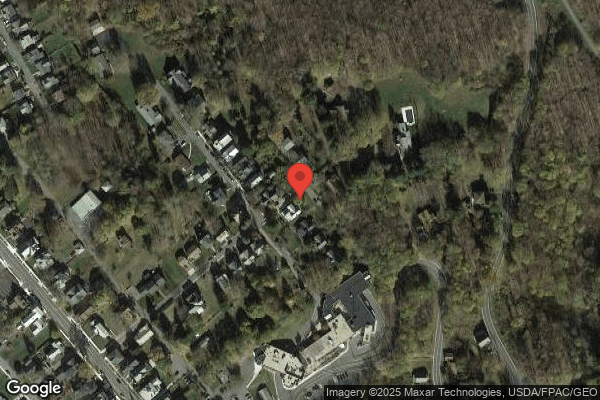
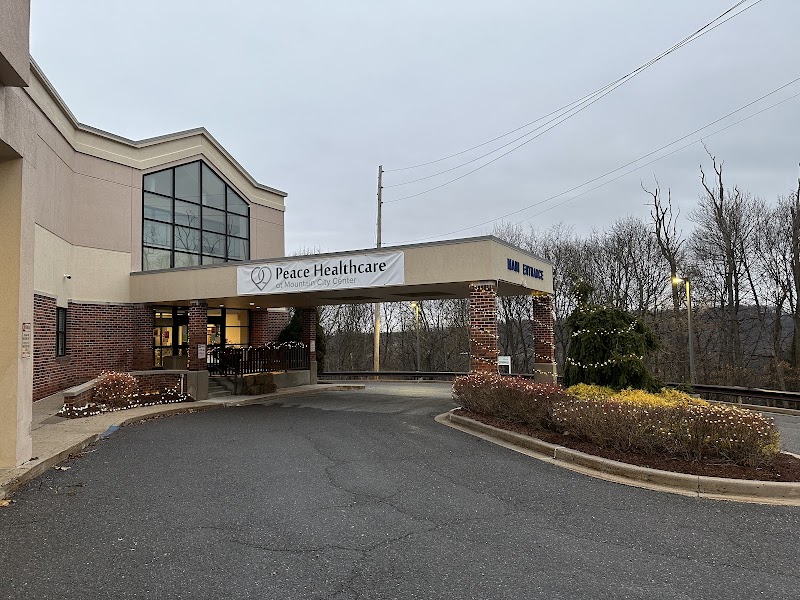
48 TARN TERRACE, FROSTBURG, MD 21532 (301) 689-1391
For profit - Limited Liability company 88 Beds Independent Data: November 2025 1 Immediate Jeopardy citation
Trust Grade
3/100
#212 of 219 in MD
Last Inspection: November 2024

Within standard 12-15 month inspection cycle. Federal law requires annual inspections.

Overview

Mountain City Rehab Center in Frostburg, Maryland, has received a Trust Grade of F, indicating significant concerns about the quality of care provided. With a state rank of #212 out of 219, this facility is in the bottom half of nursing homes in Maryland, and it ranks last in Allegany County. Unfortunately, the facility's performance is worsening, with issues rising from 6 in 2019 to 37 in 2024. While staffing turnover is impressively low at 0%, indicating that staff remain at the facility, the staffing rating is only 2 out of 5 stars, and RN coverage is below average compared to other facilities in the state. There are also concerning findings, including a critical incident where a resident was allowed to exit the facility unattended, posing significant safety risks, and a serious issue where a resident developed pressure ulcers due to inadequate care. Additionally, the facility has faced $33,121 in fines, which is higher than 82% of Maryland facilities, suggesting ongoing compliance problems. Overall, while there are some strengths like low staff turnover, the numerous serious issues and the poor trust grade raise significant red flags for families considering this nursing home.

Trust Score
F
3/100
In Maryland
#212/219
Bottom 4%
Safety Record
High Risk
Review needed
Inspections
Getting Worse
6 → 37 violations
Staff Stability
○ Average
Turnover data not reported for this facility.
Penalties
⚠ Watch
$33,121 in fines. Higher than 75% of Maryland facilities, suggesting repeated compliance issues.
Skilled Nurses
○ Average
Each resident gets 32 minutes of Registered Nurse (RN) attention daily — about average for Maryland. RNs are the most trained staff who monitor for health changes.
Violations
⚠ Watch
62 deficiencies on record. Higher than average. Multiple issues found across inspections.
★☆☆☆☆
1.0
Overall Rating
★★☆☆☆
2.0
Staff Levels
★★★☆☆
3.0
Care Quality
★☆☆☆☆
1.0
Inspection Score
Stable
2019: 6 issues
2024: 37 issues

The Good

  • Full Sprinkler Coverage · Fire safety systems throughout facility
  • No fines on record

Facility shows strength in fire safety.

The Bad

1-Star Overall Rating

Below Maryland average (3.0)

Significant quality concerns identified by CMS

Federal Fines: $33,121

Below median ($33,413)

Moderate penalties - review what triggered them

The Ugly 62 deficiencies on record

1 life-threatening 1 actual harm
Nov 2024 37 deficiencies 1 IJ
CRITICAL (J) 📢 Someone Reported This

A family member, employee, or ombudsman was alarmed enough to file a formal complaint

Immediate Jeopardy (IJ) - the most serious Medicare violation

Accident Prevention (Tag F0689)

Someone could have died · This affected 1 resident

Based on review of facility reported incident investigation documents and medical records, interviews and observations it was determined that the facility failed to provide adequate supervision to pre...

Read full inspector narrative →
Based on review of facility reported incident investigation documents and medical records, interviews and observations it was determined that the facility failed to provide adequate supervision to prevent a vulnerable resident from exiting the facility unattended by staff. This was found to be evident for 1 (Resident #234) out of 3 residents reviewed in relation to facility self reports of elopement during the survey. The findings include: Review of Resident #234's medical record revealed the resident was admitted to the facility in December 2021 with multiple psychiatric diagnosis which included paranoid schizophrenia. In November 2022 the resident was receiving multiple psychoactive medications including an antipsychotic, an antidepressant and antianxiety medications. The resident had a court ordered guardian of person since 2016. On 10/8/22 the resident was deemed by two facility providers unable to make health care decisions. Review of a nursing progress note dated 8/27/22 revealed: No behaviors noted other than resident has all of [his/her] stuff packed to go home. Review of the 9/30/22 Minimum Data Set assessment revealed the resident required supervision or touching assistance for walking and did not use a wheelchair. The resident had wandering behavior on 1-3 days during the assessment period. Review of a 11/2/22 nursing progress note, written by Nurse #4, revealed: Resident able to walk around in [his/her] room and out in the hallway with steady gait. Review of the medical record revealed a progress note written by the then Activity Director (Staff #30) on 11/7/2022 at 4:45 PM that revealed: [Resident] sitting in lobby beside Dining Room with [his/her] belongings packed in plastic bags. Observation of the lobby area near the dining room, on 11/15/24 at 9:45 AM, revealed it is next to glass exit doors leading to a road. These doors were noted to be locked at the time of the observation. This lobby is on the second floor of the facility, where all of the resident rooms are located. Interview with the Director of Nursing on 11/15/24 at approximately 9:00 AM revealed these doors were utilized for transporting residents in stretchers in and out of the building up until July 2024. The main facility lobby is located on the first floor. During an interview on 11/15/24 at 10:18 AM surveyor and nurse #4 reviewed the 11/7/22 activity note. After review of the note surveyor asked : If this had been reported to you would you have completed an elopement assessment? The nurse responded yes, and went on to report that she would try to get to the bottom of the situation. Review of progress note written by the then social worker (Staff #32) on 11/8/22 at 4:04 PM revealed: Resident stated that [he/she] felt that [s/he] should be admitted to an in-patient psych facility. Resident began to state [his/her] diagnosis. [Resident] also began to make delusional statements, as well. Review of the progress note written by social worker (Staff #32) on 11/10/22 revealed: [Resident] once again stated that [he/she] would like to be placed in an in-patient psych facility. [Resident] stated that s/he felt like she was having a breakdown. Review of the nursing progress note, dated 11/30/22 at 8:00 PM revealed: [Resident] attempted elopement and was on the first floor of the parking garage; returned without incident accompanied by [Nurse #4] and [Nurse #7] back to room. Review of the initial self report (MD00186275) submitted by facility staff revealed that on 11/30/22 at approximately 8:00 PM the resident went to the first floor of the building in an attempt at elopement stating I just want to go home. Staff returned the resident to the second floor and placed the resident on 15 minute checks. Resident was placed on 15 minute checks, and was moved to the locked unit to ensure safety. The resident's guardian, attending physician, social worker , and psychiatry were notified for follow up. Further review of the medical record failed to reveal documentation of an elopement assessment prior to 11/30/22. Review of the care plans revealed a plan addressing behavioral issues was initiated in July 2022 for behaviors that included, but was not limited to: frequently packs up belongings. Further review of the care plans failed to reveal interventions to address a potential for elopement prior to 12/1/22. During an interview on 11/15/24 at 10:18 AM nurse (Staff #4) confirmed that sometimes the resident would pack up his/her bags. Nurse #4 reported the resident had significant psychiatric history with delusions but was not considered an elopement risk and indicated it was a surprise when the resident eloped. Observations made throughout the survey revealed a main entrance at the front of the building that leads into the main lobby on the first floor. From this lobby there is a door that leads to the parking garage and an elevator to the resident care area on the second floor. Observations on the second floor revealed codes were required to gain access to the elevators or the stairs that led to the first floor. On 11/14/24 at 2:21 PM observation of the door from the main lobby to the parking garage revealed it is unlocked; and was able to be opened without any impediment. The garage is a small parking lot which leads to an access drive to the front entrance of the facility. It is a short walk to the road that the facility is located on. There is a steep hill down to the main road just outside the garage. On 11/15/24 review of the witness statements revealed the resident was found in the parking garage by two GNAs (Staff 5 and 6) who were on their break. The Resident was attempting to gain access to a truck at the time s/he was found. One GNA remained with the resident while the other went to get assistance. On 11/15/24 at 10:18 AM Nurse #4 reviewed her written statement and confirmed the contents. Review of the statement revealed Nurse #4 was alerted to the situation by one of the GNAs and assisted the resident back inside the facility. When found in the garage the resident was noted to be dressed in a hospital gown, pants, shoes and a jacket and was holding a bag with a few pieces of clothing in it. Nurse #4 confirmed that the resident was found in the parking garage attempting to gain access to a vehicle. On 11/15/24 at 9:52 AM the facility presented to the survey team a plan of correction that was implemented on 11/30/22 with a final date of compliance of 12/6/22. This plan was verified on site on 11/18/24. The plan included : -Initial Performance Improvement Project on Elopements through QAPI [Quality Assurance Performance Improvement]. -Provided education to visitors to seek assistance if any resident attempts to accompany them into the elevator or out the door, posted signs as a reminder to visitors and staff. -Systemic Change to elevator code. -Reviewed and revised elopement risk policy. -Educated staff on policy as well as tips to prevent elopement. -Completed updated elopement risk assessments on all current residents. -Scheduled monthly Elopement Drills for three months. On 11/19/24 at 10:40 AM surveyor informed the DON and Nursing Home Administrator that, after consultation with the office, a determination of IJ Past Non-Compliance was made.
SERIOUS (G) 📢 Someone Reported This

A family member, employee, or ombudsman was alarmed enough to file a formal complaint

Actual Harm - a resident was hurt due to facility failures

Pressure Ulcer Prevention (Tag F0686)

A resident was harmed · This affected 1 resident

Based on medical record review, observation and interview it was determined that the facility failed to provide care to prevent the development of pressure ulcers. This was found to be evident for one...

Read full inspector narrative →
Based on medical record review, observation and interview it was determined that the facility failed to provide care to prevent the development of pressure ulcers. This was found to be evident for one(Resident #34) out of four residents reviewed for pressure ulcers during the survey. This deficient practice resulted in actual harm to Resident #34. The findings include 1.) On 11/13/24 review of Resident #34's medical record revealed the resident has resided at the facility for several years and whose diagnosis include but are not limited to, dementia, osteoporosis, high blood pressure, and hypothyroidism. The resident had two pressure ulcers, one on each foot, with orders for daily dressing changes. Further review of the medical record revealed these ulcers were originally identified on 8/12/24. Further review of the medical record revealed an order, in effect from 5/18/24 until it was discontinued 8/12/24, to apply small sized border foam dressings as skin prevention on right inner ankle, left lateral pedal (side of foot) area, and right lateral pedal areas daily and as needed. During an interview on 11/20/24, the wound NP #27 revealed she had seen the resident on 5/17/24 during a wound sweep, had identified blanchable red areas and had recommended preventative dressings. The NP reported she attempts to see all residents during a skin sweep conducted quarterly. On 11/19/24 review of the 6/21/24 Minimum Data Set assessment revealed the resident had functional limitations in range of motion with impairment of both sides of the lower extremities (legs) and the resident was dependent on staff for bed mobility and transfers. This assessment also identified the resident as being at risk for pressure ulcers but currently did not have any pressure ulcers. Review of the resident's care plans revealed a plan, initiated 11/9/22, for potential impairment to skin integrity related to advanced age, incontinence and limited mobility. The interventions included, but were not limited to, Medline mattress with pump to reduce pressure, initiated 6/26/24; and Turn and Position every 2 hours, initiated 10/5/23. Further review of the medical record revealed an order, in effect from 8/31/22 until it was discontinued on 6/26/24 for a pressure reducing mattress. Review of the Treatment Administration Records (TAR) revealed staff were documenting the presence of the pressure reducing mattress every shift. On 11/25/24 at 4:00 PM the corporate nurse confirmed the pressure reducing mattress is the regular standard mattress, with no pump. On 11/26/24 at 8:23 AM the corporate nurse reported previously all the mattresses had the pump and then the facility started switching out to regular mattresses. She went on to report she thought they only have a couple of the Medline mattresses left in the building. Further review of the medical record revealed an order for the Medline mattress with pump was in place from September of 2022 until it was discontinued in August 2024. No orders were found for staff to monitor the functionality of the Medline mattress with pump. No documentation was found on the Treatment Administration Record to indicate what mattress was being used from 6/26/24 until a new mattress order was written on 8/12/24 for Continuous Air Flow Mattress with pump. During the 11/20/24 interview, the wound NP confirmed that the Medline mattress with pump is a low air loss mattress. She went on to report that if the resident was already on this mattress she would not have recommended a low air loss mattress, instead she would have documented to continue on the current mattress. On 11/25/24 at 12:31 PM the Director of Nursing was unable to validate what mattress the resident had on 8/11/24; and indicated it was probably a regular mattress and that is why they ordered the new mattress. The resident had a room change on 7/26/24. The resident ' s new room was located on a different nursing unit. Further review of the medical records, including the Treatment Administration Records (TAR) and the Geriatric Nursing Assistant (GNA) documentation for the 30 days prior to 8/12/24 failed to reveal documentation to indicate the resident was being turned and re-positioned every two hours as indicated in the care plan. On 8/5/24 the resident was seen by a primary care nurse practitioner. The note from this visit includes: Resident is being evaluated today for a Regulatory 30 day visit. Interval history has been reviewed. There were no interval visits or returns to the acute care setting. Resident's weight is up 2 lbs over the past month, favorable. Further review of the medical record revealed the nursing staff was completing Weekly Skin Checks. Review of these assessments completed in July and on 8/6/24 revealed the resident's skin was intact with no pre-existing conditions or newly identified conditions. Review of the 8/11/24 Weekly Skin Check, completed by Nurse (Staff #40), revealed documentation that the resident had a pre-existing and a newly identified area, and the Body Diagram section revealed documentation of a skin tear to the knee from a fall. No documentation was found on the 8/11/24 Weekly Skin Check, or elsewhere in the medical record, of the presence of a pressure ulcer prior to 8/12/24. Further review of the medical record revealed a wound nurse practitioner note (Staff #27), dated 8/12/24, which documented that this was a new consult to assess skin breakdown to bilateral (both) feet and ankles. The note documented 4 pressure injuries: -Left lateral malleolus (ankle), unstageable 1 cm x 0.8 cm x 0.2cm 80 % slough -left lateral (outer side) foot; DTI(deep tissue injury); 0.5 x 0.5 x 0.2 cm; 80 % eschar -left lateral foot distal (closer to toes); DTI; 0.5 cm x 1 cm x 0.0 90% eschar -right medial (bottom) foot DTI; 1 cm x 1 cm x 0 cm; 80 eschar Review of policy documentation provided by facility staff during the survey revealed the following definitions: -Slough: Non-viable yellow, tan, gray, green or brown tissue; usually moist; can be soft, stringy and mucinous in texture. -Eschar: Dead or devitalized tissue that is hard or soft in texture; usually black, brown, or tan in color; and may appear scab-like. -Unstageable Pressure Ulcer: Full-thickness skin and tissue loss in which the extent of tissue damage within the ulcer cannot be confirmed because it is obscured by slough or eschar. If the slough or eschar is removed, a Stage 3 or Stage 4 pressure ulcer will be revealed. -Deep Tissue Pressure Injury: Intact or non-intact skin with localized area of persistent non-blanchable deep red, maroon, purple discoloration or epidermal separation reveals a dark wound bed or blood-filled blister. This injury results from intense and/or prolonged pressure and shear forces at the bone-muscle interface. If necrotic tissue, subcutaneous tissue, granulation tissue, fascia (connective tissue), muscle, or other underlying structures are visible, this indicates a full thickness pressure injury (Unstageable, Stage 3 or Stage 4). On 11/20/24 at 8:53 AM an interview was conducted with the wound NP #27. The NP confirmed the 8/12/24 visit was a new consult but she was unable to say who reported it, other than nursing staff. The NP indicated there was a wound referral book on the unit. Review of the Wound Reporting Log, located on the nursing unit in a binder, revealed a notation on 8/11 for Resident #34 by nurse #40. In the column for Wound Type, staff documented Pressure?. In the column for Site, staff documented: L. malleolus (ankle), L. lateral foot and R. med foot. In the column for Current Treatment, staff documented BF (Border Foam). During the 11/20/24 interview, when asked if she thought the resident's wounds were unavoidable, the wound NP reported: If unavoidable I would put that in the note. When asked if she thought these wounds could have developed in a week, she said yes, when asked if they could have developed in a day, she said no. Further review of the 8/12/24 wound NP note failed to reveal documentation that the newly identified wounds were unavoidable. Further review of the medical record revealed the resident was being followed by the wound NP for assessment of pressure ulcers and recommendations for dressings since 8/12/24. A new order for Continuous Air Flow Mattress with Pump was put in place on 8/12/24 and nursing staff have been documenting on the TAR twice daily that they are checking for proper inflation, monitoring for any air leaks and monitoring the cleanliness of the air mattress. Additionally, nursing staff have been documenting on the TAR twice daily, since 8/26/24 of turning and positioning every 2 hours and as needed. A review of the GNA documentation revealed that a prompt was added, on 8/26/24, to document: turn, ambulate, move resident at least every two hours. During the 11/20/24 interview, the wound NP reported the resident had 4 wounds and is currently down to two areas, one stage 3 and one unstageable. Further review of the medical record and observation on 11/21/24 confirmed that two of the pressure ulcers had healed. On 11/25/24 at 10:55 AM surveyor reviewed with the Director of Nursing the concerns that the there was an order for an air mattress since 2022 but no documentation to support that this mattress was being monitored, or was even on the bed, in the weeks prior to the identification of the pressure ulcers; no documentation found to indicate the resident was being turned and repositioned, as indicated in the care plan, in the weeks prior to the identification of four pressure ulcers; and the nursing staff's failure to identify the pressure ulcers on the weekly skin assessments.
CONCERN (D)

Potential for Harm - no one hurt, but risky conditions existed

Deficiency F0558 (Tag F0558)

Could have caused harm · This affected 1 resident

Based on interviews, pertinent document reviews and observations it was determined that the facility failed to respond in a timely manner to a resident request for assistance. This was evident for 2 (...

Read full inspector narrative →
Based on interviews, pertinent document reviews and observations it was determined that the facility failed to respond in a timely manner to a resident request for assistance. This was evident for 2 (Resident #24, #18) observed during a random observation on Nursing unit 1. The findings include: On 11/8/24 during a phone interview the facility ombudsman reported that she had received numerous complaints regarding the time it took for facility staff to respond to the residents calls for assistance. She reported the concerns of alleged call response times as 45-60 minutes. On 11/12/24 the intakes #MD00194596, #MD00208397, and # MD00208682 were reviewed. The review revealed concerns regarding the time it took for the staff to answer the residents' requests for assistance. On 11/14/24 at 1:05 PM the Surveyors were invited to attend a resident council meeting. During the meeting the residents voiced concerns that the call light system had not always functioned properly and sometimes they (the residents) had to wait 30-40 minutes for the call light to be answered. On 11/19/24 at 10:53 AM the Director of Maintenance (Staff #16) was interviewed regarding how the call light system in the facility is designed to work. He reported that every Resident had a call button available at their bedside and bathroom. The call system is activated by pressing that button. When the button was pressed, a light above the resident's room lights up. Additionally, a computer screen at the nurse's station provides a visual and audible alert to indicate to the staff at the nurse's station which resident is requesting assistance. The system also alerts staff to the time that the resident requested assistance. On 11/19/24 at 11:07 AM an observation was made of the call light system at the Unit One nursing station. Observation revealed a visual alert that the call button was activated for Resident #24 at 10:03 AM. On 11/19/24 at 11:10 AM surveyor asked nurse (Staff #11) about Resident #24's call light. Nurse #11 then proceeded to go to Resident #24's room with surveyor and addressed the resident's issue. On 11/19/24 at 11:11 AM Staff #11 was interviewed regarding the long time between when the residents call button was activated and when a staff member went into the room. Staff #11 confirmed she had been sitting at the nurse's station near the call system but reported that the 400 hall was not her assignment. On 11/19/24 at 11:14 AM during an interview with the Director of Nursing (DON), the concerns that the call light had not been answered for 1 HR and 4 minutes was shared. The DON reported she would look into the matter. On 11/20/24 at 4:08 PM an observation was made of the Unit One nursing station call light system. Observation revealed that Residents #18 had activated her/his call light at 3:58 PM. Further observation revealed a light on over Resident #18's door was on. On 11/20/24 at 4:09 PM the surveyor interviewed Resident #18 who reported that s/he did press the button and was waiting for assistance. Continued observation from 4:08 PM to 4:25 PM revealed that Resident #18's call light remained on and failed to reveal any staff entering the room. Numerous staff were observed in the hall including Nurse # 11 administering medications near Resident #18's room. On 11/20/24 at 4:25 PM Observation was made of staff entering the room and the light being turned off. On 11/20/24 at :26 PM during a brief interview with Resident #18 s/he reported that the staff just came in and addressed her issues. S/he reported that s/he had no further need for assistance. On 11/25/24 at 10:43 AM the Administrator and DON were interviewed regarding their expectations for the staff responding to the Resident call for assistance. The DON reported the staff should make initial contact within the 5 min range. The Director of Nursing reported that she will provide reeducation to the staff regarding call light response.
CONCERN (D)

Potential for Harm - no one hurt, but risky conditions existed

Deficiency F0582 (Tag F0582)

Could have caused harm · This affected 1 resident

Based on review of pertinent documentation and interviews it was determined that the facility failed to ensure resident's were provided advance notification of the date Medicare would not cover their ...

Read full inspector narrative →
Based on review of pertinent documentation and interviews it was determined that the facility failed to ensure resident's were provided advance notification of the date Medicare would not cover their skilled services. This was found to be evident for 1(Resident #14) out of 3 residents reviewed for beneficiary protection notification review. The findings include: On 11/14/24 at 10:30 AM review of the list, provided by the facility, of residents who were discharged from Medicare covered Part A stay with benefit days remaining in the past 6 months revealed that Resident #14 was discharged from services and remained at the facility. Surveyor provided the Beneficiary Protection Notification Review form to the Social Worker (Staff #10) for Resident #14. Review of the Beneficiary Protection Notification Review form revealed the last covered day of Part A Service was 8/7/24 and that the facility had initiated the discharge from Medicare Part A Services when benefit days were not exhausted. The resident was provided both a Notice of Medicare Provider Non-Coverage (NOMNC) and a Skilled Nursing Facility Advance Beneficiary Notice of Non-Coverage (SNFABN). Review of the NOMNC and the SNFABN revealed they were signed by the resident on 8/7/24, which was the date services were ending. Both of these forms include information regarding a resident's right to appeal the decision to end services. On 11/18/24 at 1:39 PM the SW #10 reported that therapy will set the date and usually they will let her know ahead of time. When asked about the timeframe for providing the notification forms, SW indicated 3 days prior to the date of service ending. Surveyor reviewed the concern that Resident #14's end date of service and his notification date were both 8/7/24. The SW reported: That one I did not realize [s/he] was discharging and gave it the day of discharge. Surveyor then reviewed with SW the concern that the resident was not provided time to appeal the decision.
CONCERN (D) 📢 Someone Reported This

A family member, employee, or ombudsman was alarmed enough to file a formal complaint

Potential for Harm - no one hurt, but risky conditions existed

Free from Abuse/Neglect (Tag F0600)

Could have caused harm · This affected 1 resident

Based on medical record and facility investigation documentation and interviews it was determined that the facility failed to protect the residents from verbal abuse and misappropriation of narcotics....

Read full inspector narrative →
Based on medical record and facility investigation documentation and interviews it was determined that the facility failed to protect the residents from verbal abuse and misappropriation of narcotics. This was found to be evident for two (Resident #57 and # 53) out of 19 residents reviewed for abuse. The findings include: 1) Resident #57 was admitted to the dementia unit of the facility in 2023. A facility reported incident (FRI) related to MD00191982 that involved the resident, regarding verbal abuse, was submitted to the Office of Healthcare Quality. The facility's investigation packet for the FRI was reviewed on 11/20/24 at 12:37 PM. The review revealed that the facility substantiated verbal abuse by a Geriatric Nursing Assistant (GNA Staff #37). The verbal abuse was witnessed by other staff members (Certified Occupational therapist Assistant [COTA Staff #38] and GNA Staff #39) including a family member of another resident residing in the dementia unit. Details from the facility's investigation revealed the following: At approximately 4:15 PM, the perpetrator ,Staff #37, and Staff #38 were in Resident #57's room. As Staff #38 was walking towards the hallway, she witnessed Staff #37 say You psychotic bitch! to Resident #57. Staff #39, who was in the shower room located next to the resident's room, documented in her statement that she heard screaming between the resident and Staff #37 then calling the resident a psychotic bitch. A statement was also taken from a family member who was with another resident in the day room, corroborated the use of derogatory language. At approximately 4:30 PM, Staff #37 was interviewed by the former Nursing Home Administrator (NHA), former Director of Nursing (DON), and the director of Human Resource (HR) and she admitted to calling the resident a psychotic bitch. Staff #37 was suspended and escorted out of the facility. Assessments and interviews were conducted on the resident and other residents on the unit. Staff #37 was reported to the Maryland Board of Nursing and was terminated from the facility. On 11/21/24 at 12:51 PM, the current DON was interviewed, and she confirmed the details in the investigation and that abuse was substantiated. 2) On 11/20/24 review of facility reported incident MD00194309, received by the state survey agency on 7/12/23, revealed the following: Inconsistencies were noted between eMAR [electronic Medication Administration Record] and written sign out sheet for narcotic Oxycodone/APAP [acetaminophen] 5/325mg for resident [Resident #53]. [Resident #53]'s order reads as follows: 1 tablet by mouth every 4hrs as needed for knee pain. Resident [Resident #53] has capacity and has reported not receiving the medication as was documented on the paper sign out sheets. Per written sign out sheet, alleged perpetrator [nurse Staff #50] administered Oxycodone/APAP to resident [Resident #53] more frequently than ordered and did not record this on the eMAR. On 11/20/24 review of Resident #53's medical record revealed the resident was admitted in 2022 and whose diagnosis include, but is not limited to, arthritis. The resident had an order, dated 6/17/23 for Oxycodone-Acetaminnophen 5-325 mg give one tablet by mouth every 4 hours as needed for knee pain rated 7-10 (on a 10 point pain scale). Oxycodone-Acetaminnophen 5-325 is a narcotic pain medication and as such is considered a controlled medication. Review of the facility policy for Controlled Substances (Revision Date: November 2022) revealed a controlled substance record is made for each resident who will be receiving a controlled substance. This record contains the name of the resident, the name and strength of the medication, quantity received, number on hand, name of prescriber, prescription number; name of issuing pharmacy; date and time received; time of administration; method of administration; signature of person receiving medication and signature of nurse administering the medication. Review of the Controlled Medication Utilization Record (controlled substance record) in use at the facility revealed Columns for staff to document date, time, dose given, signature of nurse administering the medication and the amount left in the supply. Review of the Controlled Medication Utilization Record (CMUR) for Resident #53's Oxycodone-Acetaminnophen 5-325 revealed 30 doses were received on 6/19/23. A total of 30 doses were removed from this supply between 6/19/23 and 7/2/23. Review of the corresponding Medication Administration Record (MAR) for these dates revealed documentation of 15 doses having been administered to the resident. Further comparison of the MAR and the CMUR revealed: -On 6/19/23 Nurse #50 documented the removal of 1 doses of Oxycodone-Acetaminnophen 5-325 on the CMUR, review of the MAR failed to reveal documentation to indicate the administration of this dose. -On 6/21/23 Nurse #50 documented on the MAR as having administered the Oxycodone-Acetaminnophen 5-325 at 8:01 AM and again just 3 hours later at 11:10 AM, however there is no documentation found on the CMUR to indicate Nurse #50 removed the medication from the supply on this date. -On 6/24/23 Nurse #50 documented the removal of 4 doses of Oxycodone-Acetaminnophen 5-325 on the CMUR, review of the MAR failed to reveal documentation to indicate the administration of any of these four doses. -On 6/25/23 Nurse #50 documented the removal of 3 doses of Oxycodone-Acetaminnophen 5-325 on the CMUR, review of the MAR failed to reveal documentation to indicate the administration of any of these 3 doses. -On 6/29/23 Nurse #50 documented the removal of 2 doses of Oxycodone-Acetaminnophen 5-325 on the CMUR, review of the MAR failed to reveal documentation to indicate the administration of either of these 2 doses. Review of the Controlled Medication Utilization Record (CMUR) for Resident #53's Oxycodone-Acetaminnophen 5-325 revealed 30 doses were received on 7/3/23. Nurse #50 signed for the receipt of this supply, no co-signature of a second nurse was found on this form. A total of 26 doses were removed from this supply between 7/3/23 and 7/11/23. Review of the corresponding Medication Administration Record (MAR) for these dates revealed documentation of 12 doses having been administered to the resident. Six of these twelve doses were documented as administered by Nurse #50. Further comparison of the MAR and the CMUR revealed: On 7/3/23 Nurse #50 documented the removal of 2 doses of Oxycodone-Acetaminnophen 5-325 on the CMUR, review of the MAR failed to reveal documentation to indicate the administration of either of these 2 doses. On 7/6/23 Nurse #50 documented the removal of 5 doses of Oxycodone-Acetaminnophen 5-325 on the CMUR, review of the MAR failed to reveal documentation to indicate the administration of 2 of these 5 doses. On 7/10/23 Nurse #50 documented the removal of 4 doses of Oxycodone-Acetaminnophen 5-325 on the CMUR, review of the MAR failed to reveal documentation to indicate the administration of any of these 4 doses. On 7/11/23 Nurse #50 documented the removal of 5 doses of Oxycodone-Acetaminnophen 5-325 on the CMUR, review of the MAR failed to reveal documentation to indicate the administration of any of these 5 doses. On 11/20/24 review of the facility investigation documentation revealed witness statements were obtained from multiple nursing staff and the resident. Review of the statement by Nurse # 35 revealed she was assigned to Resident #53 on 7/11/23 and had administered a percocet (Oxycodone-Acetaminnophen 5-325) at 8:29 AM and upon evaluation the resident stated [his/her] pain was gone and leg felt better. The resident did not want to take regularly scheduled Tramadol at 11:00 AM because s/he didn't have pain at that time and the nurse had encouraged the resident to take the Tramadol to prevent pain from returning. The statement also revealed that Nurse #50 was scheduled to relieve her at 11:00 AM but did not show up on the unit until 12:45. Further review of Nurse #35's statement revealed that when giving report to Nurse #50 she had passed on that the resident did not want any more Percocet. Review of the CMUR revealed documentation that Nurse #50 had documented that she had signed out a dose of Oxycodone-Acetaminnophen 5-325 on 7/11/23 at 12 noon. Review of a statement by Nurse #36 also revealed a that Nurse #50 had not arrived on the unit until 12:45 PM on 7/11/23. Nurse #36's statement indicates that at 12:30 the resident had stated s/he was not in pain. Review of the statement from Resident #53, documented by the previous Director of Nursing on 7/12/23, revealed: S/he denied asking for any prn [as needed] medication. S/he also denied calling out to notify staff that s/he was having pain. Resident stated: 'I was asleep most of the day, and when I go to sleep, I don't wake up and ask for pain medication.' Further review of Nurse #35's statement revealed that upon returning to work on 7/12/23 while conducting the narcotic count she noticed that Nurse #50 had signed out 4 doses percocet during her shift but when she checked the MAR no percocet was documented since the one she had administered at 8:29 AM. She went on to identify a second resident [Resident #237], who she had taken care of the day before and had denied pain at that time, who had percocet removed by Nurse #50, but not documented as administered. These issues were immediately brought to the Assistant Director of Nursing (nurse #4) and the Director of Nursings (previous DON) attention. On 11/20/24 at 3:33 PM Nurse #35 confirmed the accuracy of her written statement. She reported that she remembered there was more medication taken out than should of been in that time frame. She confirmed that it was Resident #53 who had more meds taken out then it should of been that caught her attention and she reported it as soon as she noticed something was not right. Further review of the facility documentation revealed this incident was reported to the local police and the Drug Enforcement Agency (DEA) and Nurse #50 was reported to the Board of Nursing. The final report to the survey agency included: The facility has substantiated the diversion of medication. [Nurse #50] was terminated from [his/her] position. On 11/20/24 at 3:51 PM the Assistant Director of Nursing (ADON Staff #4) was interviewed in regard to this facility report. The ADON reported they conducted an audit of the residents the nurse had which revealed nothing had happened to require an increase in the pain medication usage. The ADON confirmed that the facility had determined there was drug diversion. When asked if they had conducted education with staff after this incident the ADON indicated they did. Further review of the investigation documentation failed to reveal documentation to indicate training or education was conducted with staff after this incident was identified. On 11/20/24 at 4:01 PM surveyor informed the ADON that no documentation of education was found. Cross Reference to F 761.
CONCERN (D) 📢 Someone Reported This

A family member, employee, or ombudsman was alarmed enough to file a formal complaint

Potential for Harm - no one hurt, but risky conditions existed

Investigate Abuse (Tag F0610)

Could have caused harm · This affected 1 resident

Based on record review and interview it was determined that the facility failed to thoroughly investigate allegations of abuse. This was evident for 2 facility reported incidents (#MD00187641 and #MD0...

Read full inspector narrative →
Based on record review and interview it was determined that the facility failed to thoroughly investigate allegations of abuse. This was evident for 2 facility reported incidents (#MD00187641 and #MD00201779) of 25 facility reported incidents investigated during the recertification survey. The findings include: 1) On 11/21/24 at 9:50 AM a review of the facility reported incident #MD00187641 revealed an allegation that Licensed Practical Nurse (LPN #31) physically and verbally abused Resident #247 on 1/09/23. On 11/21/24 at 10:01 AM a review of the facility's investigation file revealed that although there were other staff witness statements, and interview statements with other residents, there was no statement written by or received from the alleged perpetrator, LPN #31. On 11/21/24 at 10:20 AM an interview was conducted with the Director of Nursing (DON) who reviewed the facility investigation file and agreed and confirmed that there was no witness statement from the alleged perpetrator and agreed that this was an incomplete investigation. On 11/26/24 at 11:29 AM an interview was conducted with DON, the Nursing Home Administrator, and Corporate Nurse (Staff #3) to review the findings. They were unable to provide any additional information and confirmed the deficiency. 2) On 11/25/24 at 11:38 AM a review of facility reported incident # MD00201779 revealed an allegation of potential resident to resident abuse on 1/20/24. On 11/25/24 at 11:42 AM a review of the facility's investigation file revealed that on 1/20/24 Geriatric Nursing Assistant (GNA #33) observed Resident #55 and Resident #72 engaged in sexual relations. Further review revealed that although the incident occurred on 1/20/24 staff and resident witness interviews were not obtained until 1/23/24 and 1/24/24 . On 11/25/24 at 12:39 PM an interview with the Assistant Director of Nursing (Staff #4) was conducted. When asked why the resident and staff witness statements were done 3 and 4 days after the incident, she replied that she was not sure. She said that she reported the incident up the chain of command at the time of the incident and was not aware of what decisions were made after she reported it. On 11/26/24 at 11:29 AM an interview with the DON, NHA, and Staff #3 was conducted. They confirmed that an immediate investigation was not done for this incident. No additional information was provided by the end of the survey.
CONCERN (D)

Potential for Harm - no one hurt, but risky conditions existed

Transfer Notice (Tag F0623)

Could have caused harm · This affected 1 resident

Based on records review and interviews, it was determined that the facility failed to notify the resident and the resident's representative(s) of the transfer in writing. This was evident in 1 (Reside...

Read full inspector narrative →
Based on records review and interviews, it was determined that the facility failed to notify the resident and the resident's representative(s) of the transfer in writing. This was evident in 1 (Resident #29) of 1 resident reviewed or hospitalization. The findings include: Resident #29 had been residing in the facility since late 2022. A review of the resident's medical records on 11/13/24 at 11:50 AM, indicated that s/he was sent to the hospital in July of 2024. Further review of the resident's medical records failed to reveal evidence that a written notification of transfer was provided to the resident and/or resident representative (RP). On 11/15/24 at 9:27 AM, the Social Services Director (Staff #10) was interviewed regarding transfers and hospitalizations. Staff #10 reported that she does not handle notifications with transfers and hospitalizations and indicated that the nursing department is the one who handles these kinds of notifications. On 11/18/24 at 11:05 AM, the Licensed Practical Nurse (LPN Staff #9) was interviewed about her process when a resident needs to be transferred or sent to the hospital. Staff #9 enumerated the documents that she would prepare for the transfer and the individuals that she would notify. Staff #9 was specifically asked how she notifies residents and/or RP's, and she reported that she does them verbally either face to face or over the phone. On 11/18/24 at 12:40 PM, a copy of the facility's policy regarding transfers and/or discharge was received from the Director of Nursing (DON) and reviewed. The policy stated that a written notice of transfer is provided to the resident and representative 30 days in advance for planned discharges, as soon as practicable before transfers for emergent or therapeutic leave, and at a practicable time for the long-term care Ombudsman. The DON was interviewed regarding notifications with transfers on 11/18/24 at 1:42 PM. The DON stated, We don't have a written notification, not to my knowledge. Other than the verbal notification that the nursing department does, there is no other notification that we do or send to the resident or RP. The concern was discussed with the DON and she verbalized understanding and acknowledged the concern.
CONCERN (D)

Potential for Harm - no one hurt, but risky conditions existed

Deficiency F0637 (Tag F0637)

Could have caused harm · This affected 1 resident

**NOTE- TERMS IN BRACKETS HAVE BEEN EDITED TO PROTECT CONFIDENTIALITY** Based on record review and staff interviews, it was determined that the facility failed to complete a Significant Change in Stat...

Read full inspector narrative →
**NOTE- TERMS IN BRACKETS HAVE BEEN EDITED TO PROTECT CONFIDENTIALITY** Based on record review and staff interviews, it was determined that the facility failed to complete a Significant Change in Status Minimum Data Set (MDS) assessment within 14 days following a significant decline in a resident's condition. This was evident for 1 (Resident #10) of 5 residents reviewed for unnecessary medications review. The findings include: The Minimum Data Set (MDS) is a federally mandated assessment tool used by nursing home staff to gather information on each Resident's strengths and needs. Information collected drives resident care planning decisions. MDS assessments must be accurate to ensure that each resident receives the care they need. The nursing home should complete a significant change in status MDS assessment within 14 days when there's a significant decline or improvement in a resident's status. A medical record review on 11/13/24 at approximately 2:07 PM showed that Resident #10 had lived in the facility since December 2022, and his/her diagnoses included Parkinson's disease. The continued review contained an MDS assessment dated [DATE] for Resident #10. The MDS had recorded that Resident #10 had no functional limitations to his upper and lower extremities. The review also noted that Resident #10 required the following level of assistance for certain Activities of Daily Living (ADL): set-up/clean-up assistance for eating, independent sitting on the side of the bed to lying flat in the bed, independent moving from lying on the back to sitting on the side of the bed, partial/moderate assistance for walking 10 feet, and independent wheeling a wheelchair for 150 feet once seated. Further review of another MDS assessment dated [DATE] revealed the following: Substantial/maximal assistance for eating, total dependence on staff for sitting on the side of the bed to lying flat in the bed, total dependence on staff for moving from lying on the back to sitting on the side of the bed, non-ambulatory, and total dependence on staff for wheeling a wheelchair for 150 feet. The review also showed that Resident #10 had functional limitations in his/her bilateral upper and lower extremities. However, the review failed to show that a Significant Change in Status MDS assessment was completed for the significant decline in his/her status. In an interview on 11/15/24 at 12:16 PM the therapy manager (Staff #14) indicated that therapy started addressing Resident #10's contractures around March 2023. She also added that Resident #10 had limited ambulation around November 2023. During an interview on 11/15/24 at 12:46 PM an MDS coordinator (Staff #24), stated that Resident #10's decline was gradual and confirmed that she missed completing a Significant Change in Status MDS assessment for the resident and added that she would schedule one.
CONCERN (D)

Potential for Harm - no one hurt, but risky conditions existed

Deficiency F0676 (Tag F0676)

Could have caused harm · This affected 1 resident

Based on medical record review, interview and observations it was determined that the facility failed to ensure staff assisted resident with wearing eyeglasses. This was found to be evident for 2 out ...

Read full inspector narrative →
Based on medical record review, interview and observations it was determined that the facility failed to ensure staff assisted resident with wearing eyeglasses. This was found to be evident for 2 out of 3 residents reviewed for vision and hearing. The findings include: On 11/12/24 review of Resident #31's medical record revealed an order, in effect since 10/15/24, for: Nurse to collect glasses at bedtime and place in black cases in med cart every night shift. On 11/12/24 at 3:03 PM Resident #31 was observed sitting in a wheelchair, dressed for the day. Surveyor noted the resident was not wearing eye glasses at the time of this observation. On 11/19/24 review of Resident #31's 10/14/24 Minimum Data Set assessment revealed corrective lenses (eye glasses) where used during the assessment that the resident had adequate ability to see fine details such as regular print in newspapers or books. Review of the care plan revealed a plan addressing the resident's impaired visual function related to dry eye syndrome and glaucoma but failed to address the use of eye glasses. Review of the November Treatment Administration Record (TAR) revealed nursing staff were documenting yes to the order regarding placing the glasses in the med cart, every night shift. No documentation was found to indicate staff were assisting the resident with wearing the glasses during the day. On 11/19/24 at 2:00 PM surveyor observed resident sitting in wheelchair in hall near nursing station. Surveyor noted the resident did not have eyeglasses on at this time. On 11/19/24 at 2:11 PM the Geriatric Nursing Assistant (GNA Staff #45) assigned to care for the resident, reported she was not aware that the resident had eyeglasses, and stated she has not seen any. On 11/19/24 at 2:16 PM nurse (Staff #46) was interviewed in regard to the resident's eyeglasses. The nurse reported she thought they were in the bottom of the medication cart and stated that she knew we take them off of him/her before s/he goes to bed at night. On 11/19/24 at 2:19 PM surveyor observed that Nurse #45 has now gotten the eyeglasses from the med cart and placed on Resident #31. Resident then stated to nurse: Why thank you. On 11/19/24 at 3:19 PM surveyor reviewed the concern with the Director of Nursing (DON) that no documentation was found in the care plan to indicate the resident has glasses and that the GNA caring for the resident was not aware the resident had glasses. The DON confirmed that the GNA should be aware of glasses.
CONCERN (D) 📢 Someone Reported This

A family member, employee, or ombudsman was alarmed enough to file a formal complaint

Potential for Harm - no one hurt, but risky conditions existed

ADL Care (Tag F0677)

Could have caused harm · This affected 1 resident

**NOTE- TERMS IN BRACKETS HAVE BEEN EDITED TO PROTECT CONFIDENTIALITY** Based on record review and interview it was determined that the facility failed to provide residents with care for activities of...

Read full inspector narrative →
**NOTE- TERMS IN BRACKETS HAVE BEEN EDITED TO PROTECT CONFIDENTIALITY** Based on record review and interview it was determined that the facility failed to provide residents with care for activities of daily living. This was evident for 1 complaint (#MD00205800) of 13 complaints reviewed during the recertification survey. The findings include: On 11/12/24 at 3:01 PM a review of complaint #MD00205800 revealed multiple allegations of neglectful care by the facility which included that Resident #242 had mouth sores and no care for them. On 11/12/24 at 3:16 PM a telephone call interview was conducted with the complainant who alleged that facility staff did not clean Resident #242's dentures. On 11/14/24 at 4:15 PM a review of Resident #242's clinical record related to dental care concerns was conducted. The clinical record contained a personal belonging inventory list which indicated that the resident had dentures. A review of the Geriatric Nursing Assistant care documentation failed to reveal any documentation of care for the resident's dentures. On 11/14/24 at 4:15 PM an interview was conducted with the Director of Nursing (DON). When asked if the resident's dentures were cleaned, the DON reviewed the GNA documentation and then replied that denture care was not listed on Resident #242's GNA documentation and she said that she would look to see if there was any indication that the resident had dentures so the GNA knew to provide that care. On 11/14/24 at 4:55 PM the DON brought a printout titled [NAME] Report for Resident #242 which she said should have listed the resident's dentures so the GNA would know to provide that care. The DON confirmed that denture care was not listed on the document and confirmed that she could provide no evidence that denture care was provided to the resident. On 11/19/24 at 10:11 AM in another interview with the DON, she said she had no additional evidence and she confirmed the deficiency of the lack of denture care for Resident #242.
CONCERN (D) 📢 Someone Reported This

A family member, employee, or ombudsman was alarmed enough to file a formal complaint

Potential for Harm - no one hurt, but risky conditions existed

Deficiency F0679 (Tag F0679)

Could have caused harm · This affected 1 resident

Based on observations, medical record reviews, and staff interviews, it was determined that the facility failed to provide an activities program to meet the needs and preferences of residents. This wa...

Read full inspector narrative →
Based on observations, medical record reviews, and staff interviews, it was determined that the facility failed to provide an activities program to meet the needs and preferences of residents. This was evident for 2 (Resident #10 and #34) of 2 residents reviewed for activities. The findings include: The Minimum Data Set (MDS) is a federally mandated assessment tool used by nursing home staff to gather information on each resident's strengths and needs. Information collected drives resident care planning decisions. MDS assessments must be accurate to ensure each resident receives the necessary care. A care plan is a guide that addresses each resident's unique needs. It is used to plan, assess, and evaluate the effectiveness of the resident's care. 1) Several observations were made of Resident #10 lying in bed on 11/13/24. The room was quiet, with no activities going on, and there was no TV or radio on. Throughout the day on 11/14/24, several observations were made of Resident #10 lying in bed, awake, with no activities, and with no TV or radio on. A record review on 11/14/24 at 2:50 PM contained an MDS assessment for Resident #10 completed on 12/26/23. The following answers from Resident #10 were documented in section F: - How important is it to you to listen to music you like? Very important. -How important is it to you to be around animals such as pets? Very important. - How important is it to you to do your favorite activities? Very important. - How important is it to you to go outside to get fresh air when the weather is good? Very important. A review later that day of Resident #10's activity plan of care revised on 10/15/24 contained a focus that stated, [Resident #10] will be involved in activities of interest. The goal of the care plan said, [Resident #10] will participate in group activities of choice. The intervention recorded on the care plan stated, [Resident #10] will be involved in religious and praise events, provide [Resident #10] with 1:1 visit from staff for socialization. However, the plan of care failed to address the resident's needs for Dementia care and failed to show that Resident #10's Activity care plan was updated with their activity preferences. A continued review of October 1-November 14, 2024 activity logs for Resident #10 showed that the resident was involved in one-on-one friendly visits 3 times and one pet visit in October and no proof of activity for November 1-14,2024. The review also review failed to show that Resident #10 was involved in activities that included listening to music and going outside to get fresh air when the weather was good. In an interview on 11/14/24 at 3:50 PM the activities assistant (Staff #13) said that Resident #10 received activities based on what she thought the resident liked, and not based on his/her preferences documented in the MDS assessment. In an interview on 11/15/24 at 9:51 AM, the Director of Nursing stated that there was no documentation of activity logs for Resident #10 for November 1-14, 2024. 2) Review of Resident #34's medical record revealed the resident has resided at the facility for several years and whose diagnosis includes but is not limited to dementia. On 11/12/24 at 12:55 PM resident was observed in her bed. On 11/13/24 at 9:42 AM resident was observed in bed talking to self. The resident was not observed participating iactivitieses or receiving visits by activity staff on either November 12 or 13, 2024. On 11/13/24 at 4:06 PM review of the resident's current care plan for activities revealed the following interventions: Will be invited to spiritual activities of [his/her] faith; will be offered 1:1 activities of [his/her] liking; will be offered and provided with sensory stimulating/relaxing activities during 1:1 visits such as aromatherapy, music, hand massages, etc.; will be provided with a daily and monthly activity calendar. On 11/14/24 at 3:50 PM the activity aide (Staff #13) reported the resident has been coming to some events. She went on to confirm that they have not been documenting one on one visits since 10/23/24. On 11/14/24 at 4:50 PM surveyor requested documentation of activities for Resident #34 for September, October, and November. Review of the documentation provided revealed a computer print out for September 2024 that failed to reveal documentation to indicate provision of activity involvement from September 12 thru September 20, 2024. No computerized documentation was provided for October or November. Review of the paper documentation of group activities failed to reveal documentation to indicate activity involvement from September 30 thru October 22, or from November 1st thru November 12, 2024. No One to One documentation was provided for October or November. On 11/26/24 at 10:12 AM surveyor reviewed the concern with the Director of Nursing regarding the failure to provide activities.
CONCERN (D)

Potential for Harm - no one hurt, but risky conditions existed

Deficiency F0688 (Tag F0688)

Could have caused harm · This affected 1 resident

2) A contracture is an abnormal shortening of muscle tissue resulting in the muscle becoming resistant to stretching. Failure to prevent a contracture can result in injury caused by the pressure of fi...

Read full inspector narrative →
2) A contracture is an abnormal shortening of muscle tissue resulting in the muscle becoming resistant to stretching. Failure to prevent a contracture can result in injury caused by the pressure of fingers/fingernails pressing into the palm of the hand. On 11/12/24 at 9:00 AM long-time Resident #40 was observed sleeping in a recliner with the right arm propped across the abdomen with closed fingers, without a splint or palm protector. On 11/12/24 at 2:14 PM a record review of Resident #40 showed the admitting diagnosis was right-sided paralysis secondary to stroke. On 11/14/24 at 9:41 AM Resident #40 was observed sleeping in a recliner with the right hand atop the abdomen with closed fingers and without a splint or palm protection. On 11/15/24 at 12:55 PM a review of the Occupational Therapy Treatment Encounter dated and signed on 10/18/24 at 1:33 PM by a Certified Occupational Therapy Assistant (COTA) (Staff #18) documented that the COTA, resident and Director of Rehabilitation(DOR) (Staff #14) collaborated on various splint options for resident's right hand to promote optimal position and decrease worsening contractures and it indicated that an order was placed for a specialized hand splint on 10/18/24. On 11/15/24 at 11:54 AM the Director of Rehabilitation(DOR) (Staff #14) was interviewed. When asked about the status of Resident #40's splint, s/he responded, I haven't ordered it. It's on a sticky note on my desk. On 11/15/24 at 1:31 PM a review of Resident #40's Treatment Administration Record(TAR) and care plan did not show any documentation for use of a splint or other interventions to prevent contractures. On 11/25/24 at 10:42 AM the Director of Nursing (DON) acknowledged that the facility failed to provide Resident #40 with an appropriate splint. Based on observations, record review, and interviews, it was determined that the facility failed to ensure that a resident with a limited range of motion received treatment and services as ordered by the attending provider to prevent further decline in the range of motion. This was evident for 2 (Resident #16 and #40) of 4 residents reviewed for position and mobility. The findings include: 1) In an observation on 11/12/24 at 11:44 AM, Resident #16 was noted with left foot drop and stated, I have limitation in my left hand and on my left foot, I should wear some device, but I haven't had it on for weeks. In a subsequent observation on 11/19/24 at 9:45 AM, Resident #16 was observed in bed, and had no device in place to his/her left extremity. A record review on 11/19/24 at 9:52 AM contained November 2024 order summary report for Resident #16 which recorded an attending provider's order dated 3/3/2015 and reviewed on 11/12/2024 for a brace to Resident #16's left foot drop every shift. Continued review noted an Minimum Data Set (MDS) assessment for Resident #16 dated 10/7/24. Minimum Data Set/MDS is a federally mandated assessment tool used by nursing home staff to gather information on each Resident's strengths and needs. The MDS recorded that Resident #16 required maximal to full assistance from staff for all his/her self-care needs. Further review of the MDS showed that Resident #16 had functional limitations of his/her left upper and lower extremities. In an interview on 11/19/24 at 10:02 AM, Resident #16 denied the use of a brace to the left foot drop. In an interview on 11/19/24 at 2:10 PM a registered nurse (Staff #19) reported that Resident #16 use to wear a brace to the left foot drop but could not tell what happened to it. During an interview on 11/19/24 at 3:07 PM the therapy manager (Staff #14), reported that therapy established the use of a left AFO, knee brace for Resident #16 and expected staff to ensure that the resident wore it. An AFO is an ankle foot orthosis which is used to provide support for and improve the function of the foot and ankle. In an interview on 11/20/24 at 9:18 AM, the Director of Nursing (DON) reported that there was a breakdown when the attending provider's order was entered into the facility's electronic health record, so the nurses were not able to see the order in the treatment administration record to apply the brace to the resident's left foot drop. The DON added that the error would be fixed after the surveyor's intervention.
CONCERN (D)

Potential for Harm - no one hurt, but risky conditions existed

Deficiency F0697 (Tag F0697)

Could have caused harm · This affected 1 resident

Based on medical record review and interviews, it was determined that the facility failed to consistently document the reasons for administering an as-needed (PRN) pain medication and failed to docume...

Read full inspector narrative →
Based on medical record review and interviews, it was determined that the facility failed to consistently document the reasons for administering an as-needed (PRN) pain medication and failed to document pain assessment to include the location of the pain and type of pain for a Resident reporting pain. This was evident for 1 (Resident #10) of 5 Residents reviewed for unnecessary medications review. The findings include: A medical record review on 11/13/24 at 2:07 PM showed that Resident #10 had been residing in the facility since December 2022 with diagnoses including chronic back pain. The continued review contained a care plan for pain for Resident #10 that was initiated on 12/20/2022 with revision on 11/11/2024. The interventions on the care plan included but were not limited to Assess and Document non-pharmacological interventions before administering PRN pain medication such as, but not limited to, food, social interactions, positioning, movement, heat/cold, massage, music, administer [pain medicine] as per orders; evaluate effectiveness and consult with [attending provider] accordingly for needed adjustments. Non-pharmacological Interventions (NPI)- are interventions without the use of medications. Further review of Resident #10's medication administration records (MAR) for September and October 2024 found an attending provider order dated 9/16/24 for Hydrocodone-Acetaminophen Tablet 5-325 MG to be given to Resident #10 every 4 hours as needed for pain level of 4-10 (A pain scale/level ranges from 0 to 10; 0 means no pain, and 10 means the worst pain. It is used to assess a patient's level of pain so that better treatment can be provided). Resident #10's MAR had recorded that the nurses administered the medicine to Resident #10 on 9/3/24 for a pain level of 9, 9/4/24 for a pain level of 8, 9/7/24 for a pain level of 7, 9/12/24 for a pain level of 4, 9/17/24 for a pain level of 9, 9/21/24 for a pain level of 3, 9/26/24 for a pain level of 8, 10/1/24 for a pain level of 7, 10/9/24 for a pain level of 7, 10/14/24 for a pain level of 5, 10/20/24 for a pain level of 6, and 10/20/24 for a pain level of 9. However, the review failed to show a record of Resident #10's pain assessment before and after administering the medicine, including the location, type of pain, non-pharmacological interventions implemented before administering pain medicine, and the specific indications for administering the drug. The review also noted that after administering the pain medicine, the pain level was 5 on 9/4/24, 5 on 9/7/24, 2 on 9/17/24, 5 on 9/21/24, 8 on 9/26/24, and 3 on 10/9/24. The review failed to show that the staff continued to manage Resident #10's pain at those levels after administering pain medicine. In an interview on 11/15/24 at 7:33 AM, the Director of Nursing (DON) confirmed concerns and stated that the nurses were expected to attempt NPI before administering PRN pain medications. The DON also added that the nurses should have recorded the reasons for administering the PRN pain medicine and the pre and post-pain assessments.
CONCERN (D)

Potential for Harm - no one hurt, but risky conditions existed

Deficiency F0698 (Tag F0698)

Could have caused harm · This affected 1 resident

**NOTE- TERMS IN BRACKETS HAVE BEEN EDITED TO PROTECT CONFIDENTIALITY** Based on medical record review and interviews, it was determined that the facility staff failed to obtain pre-dialysis treatment...

Read full inspector narrative →
**NOTE- TERMS IN BRACKETS HAVE BEEN EDITED TO PROTECT CONFIDENTIALITY** Based on medical record review and interviews, it was determined that the facility staff failed to obtain pre-dialysis treatment records for a resident. This was evident for 1 (Resident #37) of 1 resident reviewed for dialysis. The findings include: A record review for Resident #37 on 11/21/24 at 11:43 AM contained a hospital Discharge summary dated [DATE] that recorded that the resident had a diagnosis of end-stage renal disease and required hemodialysis. Hemodialysis, also known as dialysis, is a treatment that filters and purifies the blood using a machine in people whose kidneys can no longer perform these functions naturally. A continued review found an attending provider's order dated 11/2/23 for Resident #37 to receive dialysis three times a week on Mondays, Wednesdays, and Fridays at 0640. Further review showed dialysis communication forms for October 1- November 20, 2024, and instructions for filling the forms. The forms included areas for the facility to document the resident's name, the date, vital signs, and general condition of the resident before being transported to dialysis. The instructions stated, Dialysis form to be completed in its entirety (no blank spaces, place N/A if not applicable to that resident) and sent with resident in the binder provided. Be sure to include any change in condition on the form so dialysis is aware. However, the review failed to show pre-dialysis vitals for 10/2/24, 10/4/24, 11/1/24, 11/11/24, and 11/13/24. Pre-dialysis vitals were not recorded on the form for 10/21/24, which also contained a statement by the dialysis center that they were Not filled out by nursing home. Another communication form dated 11/18/24, which was returned to the facility after dialysis, contained a statement by the dialysis nurse that stated, Please complete before dialysis to have a baseline. In an interview on 11/21/24 at 12:01 PM a registered nurse (Staff #11), stated the nurses typically obtained the resident's temperature, pulse, respiration, and blood pressure before dialysis and completed the dialysis communication form with that information to inform the dialysis center of how the resident was doing pre-treatment. In an interview on 11/21/24 at 12:37 PM, the Director of Nursing confirmed concerns and stated she expected the nurses to assess the vitals, fill out the form, and send that record to the dialysis center each time the resident went for dialysis.
CONCERN (D) 📢 Someone Reported This

A family member, employee, or ombudsman was alarmed enough to file a formal complaint

Potential for Harm - no one hurt, but risky conditions existed

Deficiency F0726 (Tag F0726)

Could have caused harm · This affected 1 resident

Based on record review and interview it was determined that the facility failed to employ competent nursing staff. This was evident during the Staffing task investigation, and for 1 complaint (#MD0020...

Read full inspector narrative →
Based on record review and interview it was determined that the facility failed to employ competent nursing staff. This was evident during the Staffing task investigation, and for 1 complaint (#MD00205800) of 13 complaints reviewed during the recertification survey. The findings include: On 11/12/24 at 3:01 PM a review of complaint #MD00205800 revealed an allegation that facility staff were not competent when they gave Resident #242 care. On 11/15/24 at 9:15 AM employee records were requested from the Director of Human Resources (Staff #28). On 11/15/24 at 11:08 AM the requested employee files were received and reviewed. The review of the records for Registered Nurse (RN #25) failed to reveal any evidence of a competency or skills evaluation. On 11/19/24 at 10:17 AM an interview was conducted with the Director of Nursing (DON), and she was asked for evidence of any skills competency evaluation for RN #25. The DON said she would look and let me know. On 11/19/24 at 11:46 AM in another interview with the DON she explained that the facility did not do competency/skills evaluation when RN #25 was hired but would look for further evidence that a competency evaluation had been done. On 11/19/24 at 4:00 PM in an interview with Staff #28, she confirmed that no competencies existed for RN #25. On 11/26/24 at 11:29 AM an interview was conducted with the DON, Nursing Home Administrator, and the Corporate Clinical [NAME] President (Staff #3) to review the lack of any competency evaluation for RN #25 and they confirmed the deficiency.
CONCERN (D)

Potential for Harm - no one hurt, but risky conditions existed

Deficiency F0740 (Tag F0740)

Could have caused harm · This affected 1 resident

Based on medical record review and interview it was determined that the facility failed to ensure ordered 15 minute checks for suicidal ideation; and failed to report increase in agitation that result...

Read full inspector narrative →
Based on medical record review and interview it was determined that the facility failed to ensure ordered 15 minute checks for suicidal ideation; and failed to report increase in agitation that resulted in the administration of Ativan without an order. This was found to be evident for 2 (Resident #234 and #66) out of 50 residents reviewed during the survey. The findings include: 1) Review of Resident #234's medical record revealed the resident was admitted to the facility in December 2021 with multiple psychiatric diagnosis which included paranoid schizophrenia. In November 2022 the resident was receiving multiple psychoactive medications including an antipsychotic, an antidepressant and antianxiety medications. The resident had a court ordered guardian of person since 2016. On 10/8/22 the resident was deemed by two facility providers, unable to make health care decisions. Review of the progress notes revealed on 11/10/22 nurse #53, documented: This writer was informed by social services that resident made suicidal ideations toward staff. Resident was placed on 15 min checks for resident safety. Message left for psychologist. The resident was seen by the primary care Nurse Practitioner (NP) on 11/10/22. The NP note also revealed a plan for 15 minute checks. Review of the paper chart revealed a corresponding order, dated 11/10/22, for 15 minute checks for suicidal statement to staff. And an order to Notify Geri-Psych Provider of increased depression and suicidal statement to staff. On 11/18/24 at 3:35 PM the Director of Nursing (DON) confirmed that orders for every 15 minute checks should be in the electronic health record and that it would show up on the Treatment Administration Record (TAR). Further review of the electronic health record failed to reveal documentation to indicate the order for 15 minute checks was entered into the electronic health record (computer system). No documentation was found on the TAR to indicate these checks were occurring. Review of the progress notes revealed documentation on 11/13/22 at 1:36 AM, 11/14/22 at 2:02 AM and 11/18/22 at 3:27 PM that indicated the every 15 minute checks were occurring. Further review of the medical record failed to reveal documentation on November 11, 12, 15, 16 or 17, 2022 regarding the every 15 minute checks. No documentation was found to indicate the every 15 minute checks continued in November after the 11/18/22 progress note. No documentation was found to indicate the physician discontinued the order for the every 15 minute checks. No documentation was found to indicate the resident was seen by psych services in November 2022. On 12/1/24 a new order for every 15 minute checks was placed in the electronic health record for increased risk of elopement. This order was documented by nursing staff until the resident was discharged . On 11/18/24 at 3:43 PM surveyor reviewed with the DON the concern that the resident had suicidal ideation reported on 11/10/22; was seen by nurse practitioner with an order for every 15 minute checks but review of the electronic health record failed to reveal documentation to indicate this order was put into the electronic health record, and failed to reveal documentation to indicate these checks were occurring, other than a few nursing progress notes that mention it. 2) Resident #66 diagnosis includes, but is not limited to, Alzheimer's disease and depression. Review of the 10/17/24 nurse practitioner (Staff #49) note revealed: .has a history of falls thought related to lorazepam given for severe episodes of agitation . Further review of the medical record revealed that on 11/15/24 Nurse #52 documented: Nursing care continues. Patient alert and confused, easily agitated and difficult to redirect. 1:1 private sitter at bedside to interact and help safely occupy time during waking hours. Patient required multiple attempts and much encouragement to administer HS medications. Approx 2145 patient began yelling loudly and throwing objects around in room. Staff and sitter unsuccessfully attempted to de-escalate patient. PRN Ativan given at 2200 with minimal effect noted at this time. Patient awake in room pacing, confused, talking to himself, but no longer presenting with any physical threat of harm to self or others. Will continue to monitor for safety. Further review of the medical record revealed the resident did not have a current as needed order for Ativan when it was administered by the nurse on 11/15/24. There had been an order on 10/16/24 but it was discontinued on 10/18/24. Further review of the nursing progress notes revealed that on 11/16/24 at approximately 2:30 AM the resident fell in the bathroom. The nurse assessed the resident and no injury was identified. The physician and responsible party were notified of the fall. No documentation was found to indicate the physician was made aware of the behaviors the resident was exhibiting earlier in the evening and the administration of the Ativan. Further review of the medical record revealed nursing staff administered the discontinued Ativan on the evenings of 11/16 and 11/17. On 11/25/24 surveyor reviewed the concern with the corporate nurse (Staff #3) that the Ativan order was discontinued on 10/18/24, but was administered on 11/15/24 due to behaviors. The resident fell a few hours later and the physician was notified of the fall but not of the behaviors that had precipitated the administration of the Ativan. Also that the same nurse continued to administer the Ativan without an order on 11/16 and 11/17. (Cross reference to F 760)
CONCERN (D)

Potential for Harm - no one hurt, but risky conditions existed

Deficiency F0744 (Tag F0744)

Could have caused harm · This affected 1 resident

Based on records review, observations and interviews, it was determined that the facility failed to ensure services provided to a resident with dementia are based on their choices and preferences. Thi...

Read full inspector narrative →
Based on records review, observations and interviews, it was determined that the facility failed to ensure services provided to a resident with dementia are based on their choices and preferences. This was evident in 1 (Resident #57) of 4 residents reviewed for dementia care. The findings include: Resident #57 was admitted to the facility in early 2023. The resident was observed in the dementia unit on multiple occasions throughout the survey process. In these observations, the resident was watching TV with no other meaningful activity being provided. The observation dates include: 11/13/24 at 12:16 PM, 11/15/24 at 12:55 PM, and 11/19/24 at 2:48 PM. A review of Resident #57's preference evaluations was conducted on 11/21/24 at 10:25 AM. The review revealed that the most recent evaluation was done by an Activities Assistant (Staff #13) dated 11/6/24. The questions in the evaluation were all marked as No response or non-responsive. Further review of the resident's medical record revealed the next date that the preference evaluation was conducted was on 8/6/24 and was done by the same staff member. This evaluation revealed the same answers (No response or non-responsive) to the questions regarding the resident's choices and preferences. Staff #13 was interviewed on 11/21/24 at 10:28 AM and reported her process when conducting the preference interview. Staff #13 also reported that the interviews are done on admission and every quarter thereafter. Staff #13 was questioned on her process when a resident is cognitively impaired and are not able to answer her questions. Staff #13 stated, We are supposed to call the family or a family member to do the interview with. I am already aware that I didn't do them correctly. I was not told how to do them from the get-go, I was just trying to help. On 11/26/24 at 10:28 AM, the concern was discussed with the Director of Nursing, Nursing home Administrator, and the VP of Clinical Services that a resident with dementia was not provided with meaningful activities, because his/her choices and preferences were not established to attain or maintain the highest practicable well-being. All staff acknowledged the concern.
CONCERN (D)

Potential for Harm - no one hurt, but risky conditions existed

Deficiency F0757 (Tag F0757)

Could have caused harm · This affected 1 resident

2) On 11/12/24 at 2:14 PM a record review revealed Resident #30 as a long-time resident admitted with unspecified dementia with other behavioral disturbances. On 11/12/24 at 2:31 PM further review of ...

Read full inspector narrative →
2) On 11/12/24 at 2:14 PM a record review revealed Resident #30 as a long-time resident admitted with unspecified dementia with other behavioral disturbances. On 11/12/24 at 2:31 PM further review of the care plan showed care concerns related to: Activities of Daily Living (ADL) self-care deficit, bowel and bladder incontinence, and skin breakdown. On 11/12/24 at 3:00 PM a review of the Minimum Data Set 3.0 (MDS) section H revealed that resident is incontinent of bowel and bladder. On 11/19/24 at 3:15 PM an interview with Geriatric Nurse Assistant (GNA) (Staff #20) revealed that the resident is a heavy wetter [frequently incontinent], and that she puts fungal cream on often. On 11/19/24 at 3:20 PM an interview with a Registered Nurse (RN) (Staff #11) reported that GNA's do incontinent care, including apply cream and report to the nurse once it's applied. On 11/19/24 at 3:40 PM GNA (Staff #20) was observed retrieving two tubes of cream from Resident #30's unlocked drawer. Further observation revealed that the tubes were antifungal cream. GNA (Staff #20) identified these tubes as the barrier cream that she applies to Resident #30. On 11/20/24 at 8:21 AM an interview with Nurse Practitioner (NP) (Staff #27) revealed that Resident #30 needed treatment for MASD (Moisture Associated Skin Damage). I recommended a barrier cream. When asked, do you consider antifungal cream a barrier cream? NP (Staff #27) replied, no. On 11/20/24 at 9:41 AM an interview with the Assistant Director of Nursing (ADON) (Staff #4) revealed that GNA's are not supposed to apply medicated creams like Zinc or antifungal creams. On 11/20/24 at 11:12 AM during an interview with a Certified Nurse Assistant (CNA) (Staff #21) s/he denied training on which cream to apply. On 11/21/24 at 8:05 AM a record review of the Medication Administration Record (MAR) showed an order for Zinc Oxide and it failed to reveal an order for antifungal cream. On 11/25/24 at 10:46 AM the Director of Nursing (DON) was made aware that GNA and CNAs were applying antifungal cream as barrier cream. DON replied, they should not be doing that, we will look into it. Based on medical record review, observations and staff interviews, it was determined that the facility failed to keep a resident's drug regimen free from unnecessary drugs by failing to ensure that an attending provider's orders for a resident's topical anesthetic medication included a time to remove it; and failed to provide adequate monitoring and indications for use of biological creams. This was evident for 1 (Resident #10) of 5 residents reviewed for unnecessary medications; and 1 (Resident #30) of 3 reviewed for pressure ulcers during this survey The findings include: 1) A record review completed for Resident #10 on 11/13/24 at 2:07 PM, contained an attending provider's order dated 11/8/24 for Aspercreme Lidocaine External Patch 4% (Lidocaine) Apply to back topically two times a day for pain Apply in AM and remove every PM. Lidocaine Patch is used to manage pain. Depending on the product, the patch may be left on the skin for up to 8 or 12 hours. Applying too many patches or topical systems or leaving them on too long may cause serious side effects. Further review of Resident #10's medication administration record (MAR) for November 2024 showed that the patch was placed on Resident #10's back twice daily from November 9 to November 14, 2024; however, the review failed to show that the patch was removed daily. In an interview on 11/15/24 at 6:58 AM, staff #34, a registered nurse, reported that her concern with the attending provider's order for Resident #10's lidocaine patch was that staff could document the time the patch was placed on the resident. However, it did not specify a time for its removal, so staff could not report when it was removed. In an interview with the director of nursing on 11/15/24 at 7:33 AM, she said that Resident #10's attending provider's order for the lidocaine patch was entered into the facility's electronic record without time to remove the patch.
CONCERN (D)

Potential for Harm - no one hurt, but risky conditions existed

Medication Errors (Tag F0758)

Could have caused harm · This affected 1 resident

Based on medical record review and interviews, it was determined that the facility failed to document the specific reasons for administering a psychotropic medication and failed to implement non-pharm...

Read full inspector narrative →
Based on medical record review and interviews, it was determined that the facility failed to document the specific reasons for administering a psychotropic medication and failed to implement non-pharmacological interventions (NPI) before administering the medicine as needed (PRN). This was evident for 1 (#10) of 5 Residents reviewed for unnecessary medications review. The findings include: A record review for Resident #10 showed attending provider's orders dated 9/17/24 to 10/1/24 and 10/1/24 to 10/10/24, for antianxiety medication to be administered to Resident #10 every 8 hours PRN for anxiety, then 10/10/24 to 11/20/24 two times daily for anxiety/agitation. A review of Resident #10's medication administration record (MAR)for September 1, 2024, to November 15, 2024, was completed. The MAR had recorded that the nurses administered the PRN antianxiety medication to Resident #10 on 9/26/24 and 10/5/24, and the post-medication assessment for both days stated: ineffective. The resident had also received the drug every day from October 10, 2024, to November 15, 2024. However, the review failed to show the specific behaviors for which the antianxiety medication was administered, NPI (Non-pharmacological interventions are interventions without medications) attempted before administering the medicine as needed, what interventions were implemented when the post-medication assessments stated ineffective, ongoing monitoring of changes in behaviors that necessitated the use of the antianxiety medication and ongoing monitoring of side effects related to the use of the medication. In an interview with the director of nursing on 11/15/24 at 7:33 AM, she confirmed concerns and stated that her expectation of the nurses was to attempt NPI before administering the medication as needed.
CONCERN (D)

Potential for Harm - no one hurt, but risky conditions existed

Unnecessary Medications (Tag F0759)

Could have caused harm · This affected 1 resident

Based on observations and records review, it was determined that the facility failed to ensure that medication error rates were below 5% during the completion of the medication administration facility...

Read full inspector narrative →
Based on observations and records review, it was determined that the facility failed to ensure that medication error rates were below 5% during the completion of the medication administration facility task. This was evident for 2 of the 36 opportunities observed for the medication administration. The findings include: On 11/14/24 at 7:13 AM, the Registered Nurse (RN Staff #8) was about to begin her morning medication (med) pass. The surveyor requested to observe Staff #8 in her med pass, and she agreed. Staff #8 was observed from 7:13 AM until 7:42 AM and had a total of 36 opportunities for medications administered with different routes, for 5 residents. Later, at 8:14 AM, the medical records of the 5 residents were reviewed to verify the accuracy of the medications that Staff #8 had administered. The review revealed the following concerns: 1) On 11/14/24 at 7:32 AM, Staff #8 administered 1 tablet of Calcium 600 mg. with 10 mcg. of Vitamin D to Resident #33. The review of the medical record revealed the order was for 1 tablet of Calcium 600 mg. with 200 mg of Vitamin D. 2) On 11/14/24 at 7:42 AM, Staff #8 administered 2 tablets of Acetaminophen 500 mg. to Resident #73. The review of the medical record revealed the order was for 1 tablet of Acetaminophen 500 mg. On 11/14/24 at 10:26 AM, Staff #8 was interviewed about the discrepancies with the medications that she had administered, versus what was ordered for the residents. Staff #8 proceeded to review Resident #33's medication orders and confirmed that what she administered was a different dose. Staff #33 indicated that she would talk to the physician to ask if the order can be changed since the Calcium 600 mg with 10 mcg. of Vitamin D was what the facility had in stock. Staff #8 then reviewed the medication orders of Resident #73. While Staff #8 was looking into the resident's medical records, she indicated that the resident is supposed to get 2 tablets of the Acetaminophen because s/he had severe back pain. Upon completion of the review of orders, Staff #8 confirmed that Resident #73's order for Acetaminophen was for 1 Tablet of 500 mg 3 times daily and she administered 2 tablets with 500 mg each. Staff #8 indicated that to her knowledge, the resident was to receive and had been receiving 2 tablets each time like how she had administered it. On 11/14/24 at 11:20 AM, the identified concern with medication errors was discussed with the Director of Nursing (DON) and she indicated that she was already aware and that they had notified the physician to see if the orders can be changed. The medication error rate of 5.56% was discussed with the DON and she verbalized understanding and acknowledged the concern.
CONCERN (D) 📢 Someone Reported This

A family member, employee, or ombudsman was alarmed enough to file a formal complaint

Potential for Harm - no one hurt, but risky conditions existed

Deficiency F0760 (Tag F0760)

Could have caused harm · This affected 1 resident

Based on medical record review and interview it was determined that the facility failed to ensure a resident was free from a significant medication error. This was found to be evident for one (Residen...

Read full inspector narrative →
Based on medical record review and interview it was determined that the facility failed to ensure a resident was free from a significant medication error. This was found to be evident for one (Resident #66) out of three resident with orders for as needed controlled medications reviewed during the investigation of drug diversion. The findings include: Resident #66 diagnosis includes, but is not limited to, Alzheimer's disease and depression. Review of the 10/17/24 nurse practitioner (Staff #49) note revealed: .has a history of falls thought related to lorazepam given for severe episodes of agitation . On 11/21/24 at approximately 12:15 PM during the investigation of drug diversion surveyor randomly picked three residents with as needed narcotics from the drug control book. Resident #66's as needed lorazepam Controlled Drug Administration Record was one of the three selected for review. Review of Resident #66's Controlled Drug Administration Record revealed a prescription, dated 10/17/24, for Lorazepam 1 mg every 12 hours as needed; and a supply of 30 tablets was received. The supply currently consisted of 24 tablets. Doses were documented as removed during the evening shifts on November 15, 16 and 17. An additional 3 doses were removed, with half tabs being destroyed, on 11/20 and 11/21. Review of the Medication Administration Record (MAR) failed to reveal an area for staff to have documented the administration of the doses removed on November 15, 16 and 17. On 11/21/24 at 12:23 PM surveyor obtained a copy of the Controlled Drug Administration Record from nurse #36 and asked the nurse if there was an as needed Ativan order. The nurse reports there was an order for 1 mg that was discontinued. On 11/21/24 at 12:44 PM further review of the medical record revealed a physician order, written on 10/16/24 for lorazepam (Ativan) 1 mg give every 12 hours as needed for anxiety/agitation that was discontinued on 10/18/24. There was also a new order on 11/19/24 for a standing dose of Ativan 0.5 mg one table three times a day that would account for the the three half tabs removed on 11/20 an 11/21. Review of the facility policy for Controlled Substances (Revision date of November 2022) revealed the following: Controlled substances remaining in the facility after the order has been discontinued or the resident has been discharged are securely locked in an area with restricted access until destroyed. Accountability records for discontinued controlled substances are kept with the unused supply until it is destroyed or disposed of as required by applicable law or regulation. The consultant pharmacist or designee routinely monitors controlled substance storage records. Further review of the medical record revealed that on 11/15/24 Nurse #52 documented: Nursing care continues. Patient alert and confused, easily agitated and difficult to redirect. 1:1 private sitter at bedside to interact and help safely occupy time during waking hours. Patient required multiple attempts and much encouragement to administer HS medications. Approx 2145 patient began yelling loudly and throwing objects around in room. Staff and sitter unsuccessfully attempted to de-escalate patient. PRN Ativan given at 2200 with minimal effect noted at this time. Patient awake in room pacing, confused, talking to himself, but no longer presenting with any physical threat of harm to self or others. Will continue to monitor for safety. Further review of the nursing progress notes revealed that on 11/16/24 at approximately 2:30 AM the resident fell in the bathroom. The nurse assessed the resident and no injury was identified. The physician and responsible party were notified of the fall. No documentation was found to indicate the physician was made aware of the behaviors the resident was exhibiting earlier in the evening and the administration of the Ativan. There were no nursing progress notes found to indicate why the resident would have required the Ativan when it was removed from the supply on 11/16/24 at 9:00 PM. On 11/18/24 at 7:12 AM Nurse #52 documented: .Upon initial approach for 7p-7a shift patient noted to be agitated, difficult to redirect and experiencing severe auditory/visual hallucinations. Patient did accept due meds @ 2000 (8:00 PM) but with little no to effect on behaviors of yelling, wandering, and being physically aggressive to staff . This note failed to document about the dose of Ativan that was removed from the supply on 11/17/24 at 9:00 PM. On 11/21/24 at 12:56 PM surveyor reviewed with the Director of Nursing (DON) regarding the removal of 3 doses of Ativan without an active order, and that review of progress notes did reveal documentation regarding one of these doses but not the other two. Further review of the medical record on 11/22/24 revealed a note written by Assistant Director of Nursing (ADON Staff #23) with an effective date of 11/21/24 at 8:10 PM: Noted that during evening med pass on 11/15-11/16 -11/17 that resident was given PO [by mouth] Ativan 1 mg each night. Medication was old order that had been discontinued. Nurse on duty, pulled medication and gave it prior to noticing that it had been a d/c'd order. Provider and [family member] aware. Resident did not show any adverse effects from medication error. On 11/26/24 at 10:15 AM surveyor reviewed with the DON the concern regarding failure to prevent a significant medication error.
CONCERN (D) 📢 Someone Reported This

A family member, employee, or ombudsman was alarmed enough to file a formal complaint

Potential for Harm - no one hurt, but risky conditions existed

Deficiency F0776 (Tag F0776)

Could have caused harm · This affected 1 resident

Based on record review and interview it was determined that the facility failed to provide timely radiological services to its residents. This was evident for 1 facility reported incident (#MD00190908...

Read full inspector narrative →
Based on record review and interview it was determined that the facility failed to provide timely radiological services to its residents. This was evident for 1 facility reported incident (#MD00190908) of 25 facility reported incidents investigated during the recertification survey. The findings include: On 11/21/24 at 10:45 AM a review of the facility reported incident MD00190908 revealed that Resident #245 was found to have a fractured pelvis when a CT scan (computed tomography scan) was performed on 3/24/23. The fracture was reported to the facility on 3/29/23. On 11/21/24 at 11:01 AM Resident #245's clinical record was reviewed. The record contained a scanned document of an oncologist consult visit on 2/14/24. The oncologist recommended an MRI (Magnetic Resonance Imaging) due to the resident's complaint of left hip pain. This portion of the scanned consult note was circled in a pink color. Further review of the resident's clinical record failed to reveal any order for an MRI. On 11/21/24 at 11:10 AM review of the facility investigation file revealed the explanation that the resident was unable to have an MRI for medical reasons, however no reason was given for the delay in ordering an alternative diagnostic test. On 11/21/24 at 11:20 AM an interview with the Director of Nursing (DON) was conducted. When asked about the delay in Resident #245's CT scan, the DON said that she would look for any information to explain the delay. She noted that the oncologist consult note was sent to a different facility and not received at the resident's facility until 4/04/23. When asked what the expectation was when residents visited outside providers, the DON said the expectation was that if a resident saw an outside provider and no report was received from the visit, that the provider would be contacted within a week to obtain the information. On 11/26/24 at 11:29 AM an interview with the DON, Nursing Home Administrator, and Corporate Nurse (Staff #3) was conducted to review the concern. No further information was provided. The DON confirmed that the facility staff should have looked for the oncologist consult within a week of the oncologist's appointment and that there was a delay in providing Resident #245 with radiology services.
CONCERN (D)

Potential for Harm - no one hurt, but risky conditions existed

Deficiency F0836 (Tag F0836)

Could have caused harm · This affected 1 resident

Based on review of facility staffing data and staff interviews, it was determined that the facility failed to ensure compliance with The Code of Maryland Regulations for Nursing Services - Staffing, 1...

Read full inspector narrative →
Based on review of facility staffing data and staff interviews, it was determined that the facility failed to ensure compliance with The Code of Maryland Regulations for Nursing Services - Staffing, 10.07.02.19 which states that A nursing home shall employ supervisory personnel and a sufficient number of support personnel to provide a minimum of 3 hours of bedside care per occupied bed per day, 7 days per week. by failing to ensure staffing at or above 3 hours of bedside care per patient per day (PPD). This was found to be evident for 63 out of 167 days reviewed. The findings include: 1.) On 11/12/24 at 11:15 AM a review of complaint #MD00192372 submitted on 5/16/23 revealed the allegation that the facility was short staffed. On 11/13/24 the Staffing Coordinator (Staff #29) was asked to provide the survey team with the facility's staffing data and actual nursing assignment sheets for April and May 2023. On 11/19/24 at approximately 1:10 PM the facility's staffing data for April and May 2023 was received and reviewed. A review of the PPD data for April and May 2023 revealed that there were 16 of 61 days with a PPD of less than 3.0. On 11/19/24 at 2:45 PM an interview was conducted with Staff #29, and she confirmed the days that were deficient for PPD for April and May 2023. On 11/19/24 at 3:27 PM in an interview with the Director of Nursing (DON), the PPD data deficiency was reviewed, and no further evidence was provided. 2.) On 11/13/24 a review was conducted of complaint #MD00200181 which was submitted on 12/04/23. The review revealed that the complainant alleged that the facility's staff to patient ratio was 1 Geriatric Nursing Assistant (GNA) to every 28 patients, which the complainant alleged was impossible to provide appropriate care. On 11/19/2024 at 3:02 PM Staff #29 was asked to provide PPD data for October 2023. On 11/19/2024 at 3:21 PM Staff #29 provided the October 2023 PPD data. A review of the report revealed that the facility's PPD was less than 3.0 for 9 of the 31 days in October 2023. On 11/19/24 at 3:27 PM in an interview with the DON, the surveyor reviewed the deficient staffing days in October 2023, and she confirmed that the staffing did not meet the state regulations. 3.) On 11/15/24 at 9:08 AM the facility's actual PPD data for 9/01/24 through 11/14/24 was requested. On 11/15/24 at 1:20 PM in an interview with the facility's Staff #29, the PPD staffing data was requested again. On 11/15/24 at 2:20 PM the requested PPD report was provided by the Human Resource Director (Staff #28). A review of the PPD report revealed that only three days from 9/01/24 through 11/14/24 had a PPD of 3.0 or above. On 11/15/24 at 2:41 PM an interview was conducted with the Assistant Director of Nursing (Staff #4) and the Corporate Nurse (Staff #3) to review the PPD data. They confirmed that the data showed a deficiency with the state regulation, and they were asked to provide any additional information. On 11/19/24 at 8:11 AM Staff #29 provided a revised PPD data report for 9/01/24-11/14/24 and explained that the previous report contained only projected hours, but the revised report contained actual hours worked. A review of the revised PPD list revealed that the facility's PPD was less than 3.0 on thirty-eight of the seventy-five days reviewed. Staff #29 acknowledged that fact and confirmed that she knew that the facility was non-compliant with the state regulation. She further explained that the facility was taking steps to hire more staff. On 11/19/24 at 10:06 AM an interview with the Director of Nursing was conducted to review the facility's PPD data which showed deficient staffing. The DON said she said she was aware of the deficiency and further explained that the did their best and that the facility had implemented strategies to improve staffing. On 11/26/24 at 11:29 AM an interview with the DON, Nursing Home Administrator and Staff #3 was conducted and they confirmed that they were aware of the facility's deficient staffing. No additional information regarding PPD staffing compliance was provided by the end of the survey.
CONCERN (D)

Potential for Harm - no one hurt, but risky conditions existed

Deficiency F0838 (Tag F0838)

Could have caused harm · This affected 1 resident

Based on records review and interviews, it was determined that the facility failed to have a facility assessment that was accurate and complete. This practice has the ability to affect all residents o...

Read full inspector narrative →
Based on records review and interviews, it was determined that the facility failed to have a facility assessment that was accurate and complete. This practice has the ability to affect all residents of the facility. The findings include: On 11/20/24 at 2:29 PM a review of the facility assessment was conducted by the surveyor. The review indicated that the facility put not applicable (N/A) in the section where they were asked about the number of beds in the specialty unit. However, in the section where they were asked about the average daily census in the specialty unit, the facility answered 30 beds. On 11/21/24 at 12:37 PM during an interview with the Director of Nursing (DON), she confirmed that the facility was licensed as having a specialty unit and referred to their Dementia unit. After confirming the floorplan with the DON, she confirmed that the Dementia unit only had 22 beds. The concern about the discrepancies were brought to the DON's attention and she indicated that she would look into it. On 11/26/24 at the time of survey exit at approximately 2 PM, no further information was provided by the DON.
CONCERN (D) 📢 Someone Reported This

A family member, employee, or ombudsman was alarmed enough to file a formal complaint

Potential for Harm - no one hurt, but risky conditions existed

Medical Records (Tag F0842)

Could have caused harm · This affected 1 resident

Based on record review and interview it was determined that the facility failed to accurately document resident records. This was evident for 2 (Resident #57, and #252) out of the 50 residents reviewe...

Read full inspector narrative →
Based on record review and interview it was determined that the facility failed to accurately document resident records. This was evident for 2 (Resident #57, and #252) out of the 50 residents reviewed during the survey. The findings include: 1) Resident #57 resided in the dementia unit of the facility and was observed on multiple occasions throughout the survey process. A quick review of the resident's orders on 11/13/24 at 11:11 AM indicated for the nurse to put glasses on the resident when s/he wakes for the day, and a separate order to take the glasses before bedtime to be kept in the treatment room for the night. On the same day, the resident was observed at different times, awake and out of bed, but not wearing eyeglasses for vision. The documented observation times of Resident #57 awake and not wearing his/her eyeglasses for vision include: 11/13/24 at 11:04 AM, 12:16 PM; 11/15/24 at 12:55 PM; and 11/19/24 at 2:48 PM. A review of the facility's visitor sign-in sheet located at the front desk on 11/20/24 at 9:23 AM indicated that the resident's spouse last visited on 11/18/24 in the afternoon. On 11/20/24 at 9:43 AM, the Registered Nurse (RN Staff #8) was interviewed about Resident #57's use of eyeglasses. Staff #8 indicated that the orders for it needs to be deleted or changed since the spouse takes the eyeglasses and keeps it at home. Staff #8 further reported that the resident's spouse comes in to visit almost daily and mostly in the afternoon and brings the eyeglasses for the resident to use. Staff #8 was asked if Resident #57's spouse came in to visit yesterday (11/19/24), and she reported that she cannot confirm if s/he came in or not. A review of the electronic Treatment Administration Record (eTAR) was conducted with Staff #8. The review revealed that on 11/19/24 day shift, Staff #8 signed the order off, indicating that she put the eyeglasses on the resident upon waking, and on the same day the night shift nurse, (Staff #41) signed the order off as taking the glasses from the resident and keeping it in the treatment room. Staff #8 was asked if the resident's eyeglasses were in the treatment room or with the resident at that time, and she reported and confirmed that it was not in the facility. The concern was discussed with Staff #8 about the inaccuracy of the documentation in the resident's medical records and she reported that she used to mark the order as not done and add a note to indicate that the spouse kept them. Staff #8 did not offer an explanation as to why she does not document like she used to but verbalized understanding and acknowledge the concern On 11/20/24 at 10:58 AM, the Director of Nursing (DON) was interviewed, and she reported that Resident #57 wears his/her eyeglasses when the spouse brings them in. The concern was again discussed with the DON that nurses are documenting that they are putting the eyeglasses on the resident when s/he wakes during the day and removing and keeping them in the treatment room at night even when there was no credible evidence that the eyeglasses were in the facility. The DON acknowledged the concern and indicated that the orders will be reviewed and updated.2) On 11/13/24 at 3:42 PM a review of complaint #MD00208397 revealed that the complainant alleged that Resident #252 was neglected by the facility staff from 7/15/24 through 7/22/24. On 11/20/24 1:30 PM a review of Resident #252's Medication Administration Record (MAR) for July 2024 revealed an order for the anti-anxiety medication alprazolam to be given routinely 2 x day. The resident also had an order for and received an antidepressant, bupropion. A review of the Treatment Administration Record (TAR) for July 2024 revealed an area to document any observed side effects of these medications. There was documentation present for each day from 7/16/24- 7/22/24, but only check marks were documented. The instruction stated Indicate letter if observed: 0=None observed; A=Sedation/Drowsiness; B=dry mouth, blurred vision; C=Ataxia (Drunk Walk); D=Morning Hangover; E=constipation, urinary retention; F=Orthostatic Hypotension; G=Increase in behaviors; H=Increased Falls/Dizziness; I=Other. The legend did not contain an option for a check mark. On 11/20/24 at approximately 2:00 PM in an interview with the Director of Nursing (DON) regarding Resident #252's documentation of medication side effect monitoring, she confirmed that the documentation was incorrect. She further explained that when the order was created it was created without the option to allow the nurse to document the values from the legend. She again confirmed that this documentation was deficient.
CONCERN (D)

Potential for Harm - no one hurt, but risky conditions existed

Infection Control (Tag F0880)

Could have caused harm · This affected 1 resident

2) During a tour of the facility's laundry rooms on 11/21/24 at approximately noon, an observation was made of an opening between the clean and soiled areas of the laundry room with no door or physica...

Read full inspector narrative →
2) During a tour of the facility's laundry rooms on 11/21/24 at approximately noon, an observation was made of an opening between the clean and soiled areas of the laundry room with no door or physical barrier. In an interview with staff #43, the director of environmental services, she reported that the facility was already aware of the concern and was in the process of fixing it. During an interview on 11/25/24 at 11:30 AM, staff #4, the assistant director of nursing and infection prevention nurse, indicated that the newer ownership of the facility was aware of the concern and was in the process of getting a physical barrier between the soiled and clean areas of the laundry room. Based on medical record review, observation and interview it was determined that the facility failed to ensure staff completed hand sanitation between dressing changes; and failed to have a physical barrier between the clean and soiled areas of the laundry room to prevent cross-contamination. This was found to be evident for one (Resident #34) out of three residents reviewed for pressure ulcers; and one out of one laundry room observed. The findings include: 1) On 11/13/24 review of Resident #34's medical record revealed the resident has resided at the facility for several years and whose diagnosis includes but is not limited to dementia. The resident had two unhealed pressure ulcers, one on the left foot and one on the right foot, with orders for daily dressing changes. On 11/21/24 at 8:55 AM surveyor observed the nurse (Staff #35) prepare to complete the resident's dressing changes, this included hand sanitation and donning a pair of gloves. The nurse completed the dressing change to the wound on the right foot and then proceeded to complete the dressing change to the wound on the left foot. The nurse failed to change gloves or perform hand sanitation until after the second dressing change was completed. On 11/21/24 at 9:18 AM Nurse #35 confirmed that s/he had not changed gloves between dressing changes and indicated s/he should have done so. On 11/21/24 at 9:56 AM surveyor informed the Infection Preventionist (IP) nurse (Staff #4) of the observation of the nurse's failure to change gloves or perform hand sanitation between dressing changes. The IP nurse acknowledged the concern.
CONCERN (D) 📢 Someone Reported This

A family member, employee, or ombudsman was alarmed enough to file a formal complaint

Potential for Harm - no one hurt, but risky conditions existed

Room Equipment (Tag F0908)

Could have caused harm · This affected 1 resident

**NOTE- TERMS IN BRACKETS HAVE BEEN EDITED TO PROTECT CONFIDENTIALITY** Based on observation, interview and pertinent document review the facility failed to have a process in place to ensure an automa...

Read full inspector narrative →
**NOTE- TERMS IN BRACKETS HAVE BEEN EDITED TO PROTECT CONFIDENTIALITY** Based on observation, interview and pertinent document review the facility failed to have a process in place to ensure an automated external defibrillator (AED), was maintained in a working order. This was evident for one automated external defibrillator out of 2 AEDs available in the facility. The findings include: An automated external defibrillator (AED) is a lightweight-portable device. It delivers an electric shock through the chest to the heart when it detects an abnormal rhythm and changes the rhythm back to normal. On [DATE] a review of intake MD#00194596 revealed a concern that the AEDs were not checked regularly and restocked after use. On [DATE] at 1:12 PM an observation was made of Nurse (Staff # 22) demonstrating how to use the AED hanging in the wall cabinet in the 200 hallway. During the demonstration of the AED an audible warming of low battery could be heard. On [DATE] at 1:13 PM during an interview with Nurse (Staff #22), she reported that she had not been told what to do if the battery was low. She reported that her response to the low battery warning would have been to tell the assistant director of nursing (ADON) about the warning. On [DATE] at 1:15 PM Nurse (Staff # 22) returned the AED to the wall cabinet. Further observation revealed a red light in the upper right corner of the AED. Continued observation revealed only one AED pad set was stored with the AED. On [DATE] at 1:30 PM the ADON (Staff 23) and ADON (Staff #4) turned on the AED and confirmed the above observations, and stated they would call the AED company to provide service to the AED. In addition, she reported that the red light should be green (meaning the AED was ready for use). The presence of the red light indicated the AED required attention. She reported that there should be 2 AEDS pads available with the AED. On [DATE] at 1:31 PM the ADON (Staff #4) was interviewed. She reported that she checked the emergency carts (CPR cart) every day and the AEDs every Wednesday. She reported that documentation regarding the AED maintenance checks were with emergency carts. On [DATE] at 1:39 PM the ADON (Staff #4) provided documents titled Daily CPR Cart Checklist for the time frame of [DATE]st through [DATE]th. Review of the above check lists revealed spaces to mark the presence of emergency equipment. The review failed to reveal that there was a space included for the AED. In addition, the ADON failed to provide any documentation that the AED had been routinely checked. On [DATE] the ADON (Staff #4) provided a document titled AED (Automated External Defibrillator) Maintenance Checklist. The ADON (Staff #4) reported that the facility will now use this new check list to record that the AED is checked. No additional documentation regarding that the AED was routinely checked [DATE]st through [DATE]th was provided prior to the end of the survey.
CONCERN (D) 📢 Someone Reported This

A family member, employee, or ombudsman was alarmed enough to file a formal complaint

Potential for Harm - no one hurt, but risky conditions existed

Deficiency F0919 (Tag F0919)

Could have caused harm · This affected 1 resident

**NOTE- TERMS IN BRACKETS HAVE BEEN EDITED TO PROTECT CONFIDENTIALITY** Based on observations, interviews and pertinent document review it was determined the facility failed to ensure that the residen...

Read full inspector narrative →
**NOTE- TERMS IN BRACKETS HAVE BEEN EDITED TO PROTECT CONFIDENTIALITY** Based on observations, interviews and pertinent document review it was determined the facility failed to ensure that the resident's call system was functioning properly. This was found to be evident during random observations and had the potential to affect all resident rooms. The findings include: On 11/8/24 during a phone interview the facility ombudsman reported that she had received numerous complaints regarding the time it took for facility staff to respond to the residents calls for assistance. She reported the concerns of alleged call response times as 45-60 minutes. On 11/12/24 the intakes #MD00194596, #MD00208397 and # MD00208682 were reviewed. The review revealed concerns regarding the time it took for the staff to answer the residents' call bells. On 11/14/24 at 1:05 PM the Surveyors were invited to attend a resident council meeting. During the meeting the residents voiced concerns that the call light system had not always functioned properly and sometimes they (the residents) had to wait 30-40 minutes for the call light to be answered. On 11/19/24 at 10:53 AM the Director of Maintenance (Staff #16) was interviewed regarding how the call light system in the facility is designed to work. He reported that every Resident had a call button available at their bedside and bathroom. The call system is activated by pressing that button. When the button was pressed, a light above the resident's room lights up. Additionally, a computer screen at the nurse's station provides a visual and audible alert to indicate to the staff at the nurse's station which resident is requesting assistance. The system also alerts staff to the time that the resident requested assistance. He also reported that the system is currently being worked on. He reported that the system had not been fully functioning prior to his arrival in July 2024. On 11/19/24 at 10:57 AM the DON was interviewed. She confirmed that the call light system had not been fully functioning since May 2024. On 11/19/24 at 11:07 AM an observation was made of the call light system screen located at the Unit One nurse's station. Observation revealed a visual alert that the call button was activated for Resident #24 at 10:03 AM, however the area of the screen that identified the location of the room was not visible at this time. On 11/19/24 at 11:14 AM during and interview with the DON the concerns that the call light had not been answered for 1 hr. and 4 minutes was shared. She replied she would look into the matter. On 11/21/24 12:37 PM the Maintenance Director provided documentation of the work being done by the company that supplies the call light system. He confirmed that the service started on 10/17/24, however, the system had not been fully functioning since May of 2024. On 11/19/24 at 5:17 PM observation was made at the Unit One nurse's station. Observation revealed an audible alert from the call light station. Observation of the screen failed to reveal the room that the alert was calling from. On 11/19/24 at 5:19 Nurse (Staff #22) was interviewed. During the interview she reported that the audible signal had been going off all day and that it has been reported to maintenance. She reported that they have not been able to use the call light system at the nurse's station. She reported she would look for the lights above the room to determine if a resident is calling for assistance. In addition, she reported that call lights from rooms [ROOM NUMBERS] cannot be seen from the nurse's station because the door frame blocks the lights from being seen when staff are sitting at the nurse's station. On 11/20/24 at 11:42 AM an observation was made of the call light visibility of rooms [ROOM NUMBERS], while sitting at the Haven Unit nurses station. The observation revealed that when the call button in rooms [ROOM NUMBERS] were pressed the light over the door turned on but the call lights could not be seen while sitting at the nurse's station. Continued observation failed to reveal a computer call light system at the Haven nurse's station. The facility's dementia unit is covered by the Haven nurse's station. On 11/20/24 at 11:45 AM nurse (Staff #47) was interviewed. During the interview she confirmed that the nurses cannot see the call lights over rooms [ROOM NUMBERS] from where the nurses sit at the Haven unit nurses station, however, the GNAs can see the light from where they sit at the nurses' station. Staff #47 confirmed there was no computer screen at the Haven unit nurses station that alerts the staff at the station of a resident requesting assistance. On 11/20/24 at 4:37 PM the concerns that the facility's call light system had not been functioning since May were discusses with the Administrator and Director of Nursing (DON). The DON reported that she had been aware of the improper functioning of the call light system and that they were working to fix the system. The DON reported that she had been unaware that there were rooms in the facility where the call light above the residents rooms were not visible to the staff sitting at the nurse's station.
CONCERN (E)

Potential for Harm - no one hurt, but risky conditions existed

Deficiency F0578 (Tag F0578)

Could have caused harm · This affected multiple residents

3) On 11/18/2024 at 9:00 AM thru 11:45 AM, review of Residents #82, #83, #236, #241, #250's medical record revealed that AD were not on file. Documentation of any discussions about AD with the Residen...

Read full inspector narrative →
3) On 11/18/2024 at 9:00 AM thru 11:45 AM, review of Residents #82, #83, #236, #241, #250's medical record revealed that AD were not on file. Documentation of any discussions about AD with the Residents and responsible representatives were not in the medical records. On 11/19/2024 at 9:45am, the DON and Staff #10 were interviewed to confirm that there were no AD on file and no documentation of any discussions about AD. The DON and Staff #10 acknowledged the findings. On 11/26/2024 at 12:10 PM, Staff #3 was interviewed and notified of the above findings. He/she acknowledged the findings. Based on medical record review and interview it was determined that the facility failed to ensure they informed residents of their right to formulate an advance directive. This was found to be evident for seven (Resident #1, #31, #82, #83, #236, #241, #250) out of nine residents reviewed for advance directives. The findings include: 1) A medical record review on 11/12/24 at 4:25 PM showed that Resident #1 had lived in the facility since August 2022. The further review contained a document completed by the resident's attending provider on 8/12/22 that indicated the resident could make his/her own decisions. An advance directive is a legal statement of a person's wishes regarding medical treatment, often including a living will, made to ensure those wishes are carried out should the person be unable to communicate them to a doctor because of illness or incapacity. However, the review failed to show Resident #1 had an advanced directive. It also contained no documentation indicating that Resident #1 or his/her representative had been informed of his/her right to formulate an advanced directive or that the facility periodically reviewed the advance directive with the resident and/or the resident representative. In an interview on 11/15/24 at 8:18 AM, staff #10, the social services director, indicated that she only assessed if newly admitted residents already had advance directives in place and did not discuss with residents living in the facility their right to formulate one. In a subsequent interview with staff #10 on 11/15/24 at 08:32 AM, she said that per the facility's policy on advance directives, she was to address advance directives with residents and that they should be given the chance to formulate one or not. Staff #10 also added that it was not something she did. 2) On 11/12/24 review of Resident #31's medical record revealed a Decision Making Capacity form, signed by the physician on 4/10/24, that indicated the resident was able to make health care decisions. Review of the Social Service 72 Hour Meeting Form, signed by the Social Worker (SW Staff #10), revealed the question: Does the resident have an Advance Directive? was marked as No. Further review of the medical record failed to reveal documentation to indicate there was follow up with the resident about initiating an Advance Directive. On 11/13/24 at 3:42 PM the SW #10 indicated if the answer to the Advance Directive question is No she does not follow up. On 11/14/24 review of the admission packet used by the facility revealed a blank Advance Directive form. On 11/14/24 the admission Director (Staff #42) reported she just includes the paperwork and that SW would address the Advance Directives. On 11/19/24 at 3:15 PM surveyor reviewed with Director of Nursing the concern regarding failure to address establishing an Advance Directive for Resident #31.
CONCERN (E)

Potential for Harm - no one hurt, but risky conditions existed

Notification of Changes (Tag F0580)

Could have caused harm · This affected multiple residents

Based on medical record review and interview it was determined that the facility failed to ensure a primary care provider was notified of an abnormal lab result. This was found to be evident for 1 (Re...

Read full inspector narrative →
Based on medical record review and interview it was determined that the facility failed to ensure a primary care provider was notified of an abnormal lab result. This was found to be evident for 1 (Resident #53) out of 5 resident reviewed for unnecessary medications. The findings include: On 11/20/24 review of Resident #53's medical record revealed the resident was admitted in 2022 and whose diagnosis includes, but is not limited to, hypothyroidism. The resident receives Synthroid for the treatment of the hypothyroidism. The resident's current order was for Synthroid 125 mcg one time a day since 9/20/24. Review of the Treatment Administration Record (TAR) revealed that an ordered lab for a TSH (thyroid stimulating hormone) was obtained on 11/14/24. Further review of the medical record failed to reveal documentation of the results of this TSH level. On 11/21/24 at 11:26 AM, after surveyor inquired about this lab result, nurse #35 printed off the results and provided copy to the surveyor. Review of the TSH results revealed the level was high at 17.98 (reference range was 0.45 - 4.50). The lab report also revealed the results were originally reported on 11/14/24 at 11:18 AM. Further review of the medical record failed to reveal documentation to indicate a primary care provider was made aware of the high TSH results. Surveyor asked the Assistant Director of Nursing (Staff #4) if the results were reviewed by a provider and she indicated she would follow up. Further review of the medical record revealed the primary care nurse practitioner (Staff #48) saw the resident on 11/19/24. Review of the progress note revealed the Chief Complaint: Follow up after laboratory testing. On 11/21/24 at 11:40 AM the ADON (Staff #4) reported the hard copy of the lab results have not been signed off by the provider and she asked surveyor if they were addressed in the note. Further review of the 11/19/24 NP note failed to reveal documentation to indicate the TSH level from 11/12/24 was reviewed. On 11/21/24 at 12:30 PM surveyor informed nurse (Staff #36) that review of the medical record, specifically the 11/19/24 NP note, failed to reveal documentation that the primary care provider was aware of the high TSH level. Nurse #36 made a copy of the result and indicated would follow up. On 11/21/24 at 1:37 PM surveyor reviewed with the Director of Nursing that no documentation was found to indicate the abnormal TSH had been reported to the primary care provider. On 11/22/24 at 10:08 AM review of the medical record revealed the following progress note written on 11/21/24 at 1650 by Nurse #35 : TSH lab from 11/14/24 called to [name of Staff #49] CRNP. Order received to increase levothyroxine [Synthroid] to 150mcg daily to be given with water 30 minutes prior to other meds and meals. TSH in 6 weeks. Resident and family aware.
CONCERN (E) 📢 Someone Reported This

A family member, employee, or ombudsman was alarmed enough to file a formal complaint

Potential for Harm - no one hurt, but risky conditions existed

Report Alleged Abuse (Tag F0609)

Could have caused harm · This affected multiple residents

4) A review on 11/21/24 at 8:26 AM of a facility-reported incident related to Resident #51 with MD #00205384 showed that an allegation of abuse was reported to the regional vice president of operation...

Read full inspector narrative →
4) A review on 11/21/24 at 8:26 AM of a facility-reported incident related to Resident #51 with MD #00205384 showed that an allegation of abuse was reported to the regional vice president of operations on 5/6/24 at 7:25 AM. A continued review of the facility's investigation into the allegation of abuse showed that the allegation was reported to the Nursing Home Administrator (NHA) on 5/6/24 at 9:00 AM. Further review of an email confirmation of when the facility's initial self-report was sent to the state agency revealed that the incident was reported to the state agency on 5/6/24 at 2:16 PM. The facility failed to forward a first report of an allegation of abuse to the state agency immediately but not later than 2 hours once the facility staff became aware of the abuse allegation. In an interview with the NHA on 11/21/24 at approximately 1:05 PM, he confirmed that the allegation was reported late and said that it should have been reported within 2 hours of knowing about it. Based on record review and interview it was determined that the facility failed to 1) report allegations of abuse, and 2) timely report allegations of abuse. This was evident for two residents (Resident #1 and #12) identified during a review of an employee file and 4 residents (Residents #55, #72, #245, and #51) reviewed in relationship to 25 facility reported incidents reviewed during the survey. The findings include: 1.) On 11/14/24 at 5:15 PM a random sample of employee records were requested from the Nursing Home administrator (NHA). On 11/15/24 at 9:15 AM the records were received from the Director of Human Resources (Staff #28). On 11/15/24 at 11:08 AM a review of the employee file for Geriatric Nursing Assistant (GNA #15) was conducted. The file included a notice of discipline and termination dated 3/14/24 due to an allegation of verbal abuse of Resident #1 and Resident #12. On 11/15/24 at 1:20 PM in an interview with the Staffing Coordinator (Staff #29) confirmed that GNA #15 was terminated in March 2024 for an allegation of verbal abuse of two residents. When asked if there was a facility reported incident for this allegation, Staff #29 said she did not know. After the interview with Staff #29, the surveyor contacted the Office of Health Care Quality (OHCQ) to determine if any facility reported incident existed for the alleged abuse. On 11/15/24 at 2:26 PM the surveyor received an email from the OHCQ triage staff who confirmed that OHCQ had not received any facility report for Resident #1 or Resident #12. On 11/15/24 at 2:40 PM an interview was conducted with Registered Nurse (RN #4) and Corporate Nurse (Staff #3) who confirmed that the facility did not report the allegation of verbal abuse for Resident #1 and Resident #12. On 11/26/24 at 11:29 AM an interview was conducted with the Director of Nursing (DON), NHA, and Staff #3 to review the lack of report of the alleged verbal abuse, and they all and confirmed the deficiency. 2) On 11/25/24 at 11:38 am a review of the facility reported incident # MD00201779 revealed that on 1/20/24 facility staff observed 2 residents (Resident #55 and #72) engaged in inappropriate sexual behavior. On 11/25/24 at 11:42 AM a review of the facility's investigation file revealed that the Nursing Home Administrator (NHA) was aware of the incident on 1/20/24 at 8:23 PM. An email in the file indicated that OHCQ received the facility's final 5-day report on 1/26/24 but never received the initial report. On 11/25/24 at 12:39 PM in an interview with Registered Nurse (RN #4), she said she was aware of the incident when it happened. When asked why the initial report was not submitted, she said she could not explain. She confirmed that she was aware that all allegations of abuse were to be reported within 2 hours. On 11/26/24 at 11:29 AM an interview was conducted with the DON, NHA, and Staff #3. They said they were aware that the facility reported the allegation of abuse after the required time frame, and they confirmed the deficiency. 3) On 11/21/24 at 10:45 AM a review of the facility reported incident # MD00190908 was conducted. The review revealed that on 3/29/23 the facility received a radiology report that Resident #245 had a fractured pelvis. The radiology exam was performed on 3/24/23 and was reported to the facility on 3/29/23. The facility reported the resident's injury to OHCQ on 4/04/23. On 11/21/24 at 11:20 AM an interview with the DON was conducted. When asked, she confirmed that the Resident #245's injury was reported later than the required time frame. She said she did not have any additional information or explanation since she was not at the facility during that time. On 11/26/24 at 11:29 AM in an interview with the DON, NHA, and Staff #3 to review the late report and they confirmed the deficiency.
CONCERN (E)

Potential for Harm - no one hurt, but risky conditions existed

Assessment Accuracy (Tag F0641)

Could have caused harm · This affected multiple residents

**NOTE- TERMS IN BRACKETS HAVE BEEN EDITED TO PROTECT CONFIDENTIALITY** 2) Resident #57 has been residing in the dementia care unit of the facility since 2023. On 11/21/24 at 11:10 AM, Resident #57's ...

Read full inspector narrative →
**NOTE- TERMS IN BRACKETS HAVE BEEN EDITED TO PROTECT CONFIDENTIALITY** 2) Resident #57 has been residing in the dementia care unit of the facility since 2023. On 11/21/24 at 11:10 AM, Resident #57's medical record was reviewed and revealed the most current MDS assessment had an Assessment Reference Date ARD) of 8/23/24. Section E for behavior was conducted by the MDS coordinator (Staff #24). Staff #24 coded the resident as Behavior not exhibited for subsection E0200 for items A)Physical behavioral symptoms directed towards others, B) Verbal behavioral symptoms directed towards others, and C) Other behavioral symptoms not directed towards others. A review of Resident #57's electronic Treatment Administration Record (eTAR) on 11/21/24 at 11:31 AM was conducted. The review revealed orders to document the number of episodes of behaviors for anxiousness, tearfulness, and physical aggression, every shift. The resident was marked as having 1 episode of physical aggression on 8/21/24 for day shift. On 11/21/24 at 12:37 PM, the Director of Nursing (DON) provided a copy of the August 2024 eTAR to the surveyor. A comparative review of the eTAR and the MDS assessment with an ARD of 8/23/24 was conducted with the DON. The DON indicated that Resident #57 was not coded accurately, referring to the documented episode of physical aggression on 8/21/24. The DON stated, That behavior should have been marked in that section. The DON verbalized understanding and acknowledged the concern. Based on observation, record review, and interviews, it was determined that the facility failed to ensure that Minimum Data Set (MDS) assessments were accurately documented. This was evident for 1 (Resident #16) of 3 residents reviewed for vision/hearing; and 1 (Resident #57) of 4 residents reviewed for dementia care. The findings include: The Minimum Data Set (MDS) is an assessment of the Resident that provides the facility information necessary to develop a care plan, provide the appropriate care and services to the Resident, and modify the care plan based on the Resident's status. 1) In an observation on 11/12/24 at 11:53 AM, Resident #16 was noted with difficulty hearing and stated to the surveyor, I have bad hearing. They are supposed to be working on hearing aid for me. A record review on 11/19/24 at 2:45 PM contained a care plan focus initiated on 6/16/22 and revised on 10/19/23. The care plan stated, [Resident #16] is at risk for a communication deficit related to being hard of hearing. A continued record review noted an audiology visit report dated 7/16/24 that said, The patient was referred by the facility for decreased hearing. Further review of an MDS assessment dated [DATE] for Resident #16 showed that it was documented in section B that the Resident's hearing was adequate. In an interview on 11/21/24 at 7:14 AM a geriatric nurse assistant (GNA Staff #12) reported that Resident #16 was very hard of hearing and that staff had to talk louder when speaking to him/her. During an interview on 11/21/24 at 7:46 AM, the Director of Nursing indicated that if Resident #16's care plan addressed his/her hearing difficulty, then she expected that his/her MDS assessment should have reflected that he/she had hearing difficulty.
CONCERN (E) 📢 Someone Reported This

A family member, employee, or ombudsman was alarmed enough to file a formal complaint

Potential for Harm - no one hurt, but risky conditions existed

Deficiency F0655 (Tag F0655)

Could have caused harm · This affected multiple residents

Based on medical record review staff interview, it was determined the facility failed to provide a resident and/or a resident's representative with a summary of the baseline care plan. This was eviden...

Read full inspector narrative →
Based on medical record review staff interview, it was determined the facility failed to provide a resident and/or a resident's representative with a summary of the baseline care plan. This was evident for 3 Residents (#82, #237, #255) of 50 residents reviewed during the survey. The findings include: A baseline care plan must be completed within 48 hours of a resident's admission to the facility and must include the initial goals based on admission orders, physician orders, dietary orders, therapy services, and social services. A summary of the baseline care plan as well as a list of the resident's current medications must be given to each resident and/or representative. A care plan is a guide that addresses the unique needs of each resident. It is used to plan, assess, and evaluate the effectiveness of the resident's care. On 11/19/2024 at 8:45 AM during record review, it was revealed that Baseline Care Plans were not discussed with Residents (#82, #237, #255) or their representatives. On 11/20/2024 at 10:20 AM, during an interview, the Director of Nurses (DON) stated that baseline care plans were developed for a resident upon the resident's admission to the facility, that the resident or resident representative was given a copy of the care plan along with summary of their medications during their care plan meeting and to check the social services notes for documentation. This surveyor stated that there were no documentation if the residents or the representative were given copies of the baseline care plan for Residents (#82, #237, #255). The DON acknowledged the findings. On 11/26/2024 at 12:10 PM, Director of Clinical Operations Staff #3 was interviewed and notified of the above findings. She acknowledged the findings.
CONCERN (E) 📢 Someone Reported This

A family member, employee, or ombudsman was alarmed enough to file a formal complaint

Potential for Harm - no one hurt, but risky conditions existed

Deficiency F0657 (Tag F0657)

Could have caused harm · This affected multiple residents

Based on interviews and medical record review, it was determined that the facility failed to invite alert and oriented residents to their care plan meetings. This was evident for 2 (#52, #136) of 2 re...

Read full inspector narrative →
Based on interviews and medical record review, it was determined that the facility failed to invite alert and oriented residents to their care plan meetings. This was evident for 2 (#52, #136) of 2 residents reviewed for care planning. {or include the additional 2 for 4 out of 50} The findings include: Care plans are developed to guide residents' care in the facility. They must be created within 7 days of completion of a resident's admission comprehensive Minimum data set (MDS) assessment and revised at least every quarter (or more often as needed). The facility is required to have care plans developed and revised by an interdisciplinary team, including the attending physician, a registered nurse, a nursing aide, a representative from dietary services, the Resident, and the Resident's representative (as practicable). 1) In an interview on 11/12/24 at 11:17 AM, Resident #52 was asked if he/she participated in his/her care plan meeting and responded, I don't think I've had any meeting yet. A record review on 11/15/24 at 8:18 AM showed that Resident #52 was admitted to the facility in October 2024. Further review found that Resident #52 was alert, oriented, and able to make his/her own decisions per a decision-making capacity form signed by an attending provider on 10/18/24. An interview on 11/15/24 at 9:32 AM with staff #10, a social services director, showed that an interdisciplinary care conference meeting for Resident #52 occurred on 10/29/24. Staff from the MDS department, the social services department, the Rehab department, and Resident #52's representative were in attendance. However, the interview failed to show that Resident #10 was aware or invited to the care conference meeting. 1) Review of Resident #136's medical record revealed the resident was able to make his/her own health care decisions, and was cognitively intact as evidenced by a Brief Interview for Mental Status (BIMS) Score of 14/15 on 10/31/24. The resident was admitted in to the facility in October 2024. During an interview on 11/12/24 at 12:23 PM when asked if s/he attended the care plan meetings the resident indicated s/he was not aware of a care plan meeting. On 11/13/24 03:31 PM medical record review revealed a 72 hour care plan meeting had occurred but there was no documentation found to indicate the resident attended or was invited to this meeting. On 11/13/24 at 3:33 PM interview with the Social Worker (SW Staff #10) revealed she usually notifies residents the day of the care plan meeting and that most choose not to attend. On 11/13/24 at 3:42 PM the SW #10 reported in regard to the 72 hour care plan meeting, she did not know if she invited the resident, but knew that she asked the resident who s/he wanted to have attend. The SW went on to report they just had a care plan meeting for Resident #136 the day before but she had not yet put in a note. When asked if she invited the resident to the meeting, the SW responded: No I did not. The SW went on to report that typically she goes and talks to the resident directly but does not always put in a note directly. On 11/26/24 further review of the medical record revealed a Late Entry note for Care Plan Conference with an effective Date of 11/12/24 at 10:30 AM. The attendants included the Activities Aide (Staff #13), the Social Worker (Staff #10) and a family member of the resident. No other attendees were listed. Review of the sign in sheet revealed a notation next to Resident: permission to call family, but failed to indicate why the resident was not attending. On 11/26/24 at 10:15 AM surveyor reviewed the concern with the Director of Nursing regarding the failure to invite the resident to the care plan meeting.
CONCERN (E) 📢 Someone Reported This

A family member, employee, or ombudsman was alarmed enough to file a formal complaint

Potential for Harm - no one hurt, but risky conditions existed

Quality of Care (Tag F0684)

Could have caused harm · This affected multiple residents

**NOTE- TERMS IN BRACKETS HAVE BEEN EDITED TO PROTECT CONFIDENTIALITY** 5) Review of Resident # 83's medical record on 11/19/2024 at 11:15 AM, revealed that the resident was admitted to the facility i...

Read full inspector narrative →
**NOTE- TERMS IN BRACKETS HAVE BEEN EDITED TO PROTECT CONFIDENTIALITY** 5) Review of Resident # 83's medical record on 11/19/2024 at 11:15 AM, revealed that the resident was admitted to the facility in September 2024. Continued review showed that Resident #83's wife was appointed as his/her decision maker on 10/10/24. Further review showed that on 10/07/2024, Resident #83 started to decline physically and cognitively, and having complaints of hallucinations, pain, vomiting and agitation. Resident #83's decision maker requested for hospice care on 10/10/2024. Later the same day, the resident was seen by attending provider who ordered for a Hospice Consult for Resident #83. Continued review showed that the resident passed away on 10/12/2024 at 06:30. However, the review failed to show that the facility followed through with the physician's order for hospice consult. In an interview with the Director of Nursing on 11/21/2024 at 1:30 PM, she acknowledged that the hospice consultation was not done. 4) Resident #11 had been residing in the facility for several years. A review of the resident's bowel and bladder task documentation on 11/15/24 at 8:53 AM, revealed that s/he had no bowel movement (BM) for 3 consecutive days (11/5/24, 11/6/24, 11/7/24). On 11/15/24 at 9:17 AM, Resident #11's bowel protocol orders were reviewed and revealed the following: 1) Milk of Magnesia suspension as needed for bowel protocol step 1 if no BM after 2 days, give at bedtime. 2) Dulcolax suppository as needed for bowel protocol step 2 if no results within 12 hours of Milk of Magnesia 3) Milk of Magnesia suspension as needed for bowel protocol step 1 if no BM after 3 days. 4) Dulcolax suppository as needed for bowel protocol step 2 if no results within 12 hours of Milk of Magnesia 5) Sodium Phosphate Enema as needed for bowel protocol step 3 if no results 8 hours after Dulcolax suppository. Call medical staff. A review of the electronic Medication Administration Record (eMAR) for the month of November was conducted on 11/15/24 at 9:22 AM. The review revealed none of the bowel protocol orders were administered. On 11/18/24 at 11:10 AM, the Licensed Practical Nurse (LPN Staff #9) was interviewed about her process in monitoring residents BM. Staff #9 reported that the Geriatric Nursing Assistants (GNA) would usually notify nurses verbally if a resident had not moved their bowels for a couple of days and indicated that she could also check that information in the computer. Later, at 11:23 AM, Staff #9 was asked to check in her computer, Resident #11's medical records and she confirmed that the resident had 3 consecutive days without moving his/her bowels. Staff #9 indicated that she would have started the resident with the Milk of Magnesia and followed the steps in the bowel protocol orders. While reviewing the resident's medical records, Staff #9 also confirmed that the resident did not receive any of the bowel medication as ordered by the physician. The concern was discussed with the Director of Nursing (DON) on 11/18/24 at 1:45 PM. The DON acknowledged that the resident did not receive his/her bowel medication as it was ordered by the physician. 3) The Minimum Data Set (MDS) is a federally mandated assessment tool used by nursing home staff to gather information on each Resident's strengths and needs. Information collected drives resident care planning decisions. In an interview on 11/12/24 at 11:37 AM, Resident #16 stated, My left leg is always swollen; it's been like that for years. A record review for Resident #16 showed that he/she had been residing in the facility since 2011, and diagnoses included left-sided weakness due to stroke. A continued review found an MDS assessment for Resident #16 dated 10/7/24. The MDS recorded that the Resident required maximal to total dependence assistance from staff for all his/her self-care needs. Further review contained an attending provider order dated 11/10/24 for Resident #16 to wear knee-high compression stockings to bilateral lower extremities daily as tolerated for swelling. The order stated that the compression stockings should be applied during morning care and removed before bed. Compression stockings are specially made socks that fit tighter than usual, gently squeezing your legs. Wearing them helps improve blood flow, reduces pain and swelling in your legs, and lowers the chances of getting blood clots and other circulation problems. A review of Resident #16's November treatment administration record showed documentation by a registered nurse (Staff #19), that the compression stockings were applied to the Resident's legs on 11/19/24 at 08:00 AM. However, later that day, in an observation, Resident #16 was sitting in his wheelchair in the activity area. When questioned about using compression stockings for swelling, the Resident stated he/she had socks on his foot and not compression stockings. Resident #16 added, I don't wear anything for swelling. During an interview on 11/19/24 at 2:10 PM, Staff #19 confirmed that the compression stockings were not on the Resident's legs. She then stated that she documented it incorrectly and did not put it on Resident #16's legs. Staff #19 added that she would find out what size Resident #16 was supposed to wear and would order them. In an interview on 11/20/24 at 9:18 AM, the Director of Nursing stated that nurses were to follow the attending provider's orders. She added that she did not expect her nurses to sign for treatments they did not carry out. 2) On 11/12/24 at 10:40 AM a review of the facility reported incident # MD00207590 revealed that Resident #256 eloped from the facility on 7/11/24. On 11/12/24 at 11:30 AM a review of Resident #256's clinical record revealed that resident was admitted on [DATE] after a hospitalization. A review of the resident's hospital discharge summary, present in the facility record, revealed that the resident's primary diagnosis was altered mental status and that the resident had a recent CVA (a stroke) and subdural hematoma. Further review of the discharge summary revealed that the resident had an emergency room visit in May 2024 when he/she was found a mile from his/her home and was confused. Additional records from the hospital indicated that during the hospital stay the resident was very confused and needed frequent redirection. Further review of Resident #256's clinical record revealed a nurse progress notes dated 7/06/24 which stated the Resident was observed walking without assistance by double glass doors by dining room with no clothes on pulling on doors attempting to leave. And further stated Resident then got in wheelchair and was wandering in and out of other people's rooms . Resident #256's clinical record also contained an elopement risk document dated 7/06/24 which stated History of elopement while at home: No. History of attempting to leave the facility without informing staff: No. Verbally expressed the desire to go home, packed belongings to go home or stayed near an exit door: No. Wanders: No. Wandering behavior a pattern or goal-directed: No. Wanders aimlessly or non-goal-directed: No. Wandering behavior likely to affect the safety or well-being of self/others: No. Wandering behavior likely to affect the privacy of others: No. Recently admitted or re-admitted (within the past 30 days) and has not accepted the situation: No. On 11/19/24 at 10:08 AM an interview with the Director of Nursing (DON) was conducted. The concern that Resident #256's elopement risk assessment did not identify the resident's previous elopement and wandering behavior even though there was documentation present in the resident's record which described the resident's wandering behavior. The DON explained that the resident had been determined to have capacity so was not a risk for elopement. When asked if the elopement risk form was completed accurately, she said no it was not. On 11/26/24 at 11:29 AM an interview with the DON, the Nursing Home Administrator and Corporate Nurse (Staff #3) was conducted to review the failure to accurately assess Resident #256's elopement risk. No further information was provided. Based on medical record review and interview it was determined that the facility failed to ensure staff reviewed/acknowledged specialists recommendations; failure to ensure assessment were completed accurately and failed to follow physician orders. This was found to be evident for five (Resident #31, #256, #16, #11 and #83) out of 50 residents reviewed during the survey. The findings include: 1) On 11/19/24 review of Resident #31's medical record revealed the resident had a care plans addressing fall risk and actual falls since April 2024. Further review of the medical record revealed the resident sustained a fall on 9/8/24 which resulted in a fracture to the fifth metacarpal (bone that connects pinky finger to wrist). The resident was seen by an orthopedist on multiple occasions for follow up. The resident had a cast until it was removed on 9/26/24 when a hand brace was initiated. Review of the Report of Consultation for an orthopedic visit on 10/31/24 revealed the following recommendation: Patient should be wearing brace on hand while awake for 3 weeks. Will evaluate need to continue after next appt. The note also indicated the next appointment was scheduled for 11/21/24. Review of the resident's care plans revealed a plan was initiated on 9/19/24 addressing the metacarpal fracture. The interventions included, but were not limited to, F/U [follow up] with ortho as ordered, and Maintain cast to left hand/fingers. This intervention regarding the cast had not been modified or removed since the removal of the cast. No documentation was found in the care plan or the physician orders regarding the use of the hand brace after the cast removal. On 11/19/24 at 2:00 PM resident was observed sitting in wheelchair in the hall near the nursing station. The resident was not wearing a brace at this time. On 11/19/24 at 2:11 PM the Geriatric Nursing Assistant (GNA Staff #45) assigned to care for the resident, reported she did not know where the resident's hand brace was located and went on to state that the resident takes it off even if they put it on. On 11/19/24 at 3:11 PM surveyor reviewed the 10/31/24 orthopedic consult report with the Director of Nursing (DON) and asked her how she would expect this to be addressed. The DON reported it would go to the nurse when the resident returns from the appointment, then the nurse would enter the order and review it with the provider and then it would go in the provider book for the provider to sign off on. She confirmed that she would expect to see a nursing note to indicate either the order was put in or that the provider had declined the recommendation. Surveyor reviewed the concern that no note was found to indicate this occurred. On 11/26/24 at 10:15 AM surveyor reviewed with the DON and the Nursing Home Administration the concern regarding the failure to implement or address the orthopedist recommendations.
CONCERN (E)

Potential for Harm - no one hurt, but risky conditions existed

Deficiency F0761 (Tag F0761)

Could have caused harm · This affected multiple residents

2) On 11/19/24 at 3:40 PM a Geriatric Nurse Assistant (GNA) (Staff #20) was observed entering Resident #30's room where s/he pulled two tubes of antifungal cream from the resident's unlocked dresser d...

Read full inspector narrative →
2) On 11/19/24 at 3:40 PM a Geriatric Nurse Assistant (GNA) (Staff #20) was observed entering Resident #30's room where s/he pulled two tubes of antifungal cream from the resident's unlocked dresser drawer. On 11/20/24 at 9:41 AM Assistant Director of Nursing (ADON) (Staff #4) stated, only approved barrier cream is kept in residents' rooms and Zinc is kept on the treatment cart. On 11/20/24 at 10:21 AM an observation was made in the stock storage closet in hall 200 with ADON (Staff #4). It revealed an empty bin labeled for barrier cream next to a full bin labeled for antifungal cream. ADON (Staff #4) acknowledged that it could be confusing to store antifungal and barrier cream next to each other. When asked what is the policy for storing antifungal cream, ADON (Staff #4) indicated that it should be stored in the nurse's locked medication room. On 11/20/24 at 10:56 AM the surveyor and Staff #4 entered Resident #30's room. Staff #4 opened the resident's drawer and produced an expired tube of Zinc and two tubes of antifungal cream. 3) On 11/20/24 at 11:12 AM an interview with Certified Nurse Assistant (CNA) (Staff #21) revealed that Resident #44 has a tub of Zinc in the room. On 11/20/24 at 11:36 AM Staff #4 entered Resident #44's room and located Zinc Oxide, antifungal cream and barrier cream in a wash basin at the resident's bedside. On 11/21/24 at 08:06 AM a review of the facility's Medication Labeling and Storage policy stated: compartments containing medications and biologics are locked when not in use, and trays and carts used to transport such items are not left unattended if open or otherwise potentially available to others. On 11/25/24 at 10:47 AM the Director of Nursing verbally recognized that medications need to be locked and accessed by nurses only. We will ensure that the CNA's don't have access to medications. Based on observations and interviews, it was determined that the facility failed to store medications in accordance with professional standards by failing to discard expired medications; failing to ensure medicated creams were kept in the locked medication carts or storage rooms; and failure to ensure discontinued controlled medications were removed and discarded. This was evident in 1 of 3 medication carts observed during medication storage and labeling inspection; and 3 (Resident #30, #44 and #66) of 50 residents reviewed during the survey. The findings include: 1) On 11/15/24 at 1:47 PM, the medication cart for the Haven unit was inspected. An opened Fluticasone Propionate and Salmetrol inhalation powder 100-50 mcg. was labeled with Resident #7's name and had an opened date of 10/1/24. According to the manufacturer's instructions, the medication should be discarded 1 month after opening the foil pack. The Registered Nurse (RN Staff #8) was present during the inspection of the medication cart. Staff #8 confirmed that the medication should have been discarded on 11/1/24. On 11/18/24 at 9:25 AM, the finding was discussed with the Director of Nursing (DON). The DON verbalized understanding that the medication should have been discarded already at that time and acknowledged the concern. 3) On 11/21/24 at approximately 12:15 PM during the investigation of drug diversion surveyor randomly picked three residents with as needed narcotics from the drug control book. Resident #66's as needed lorazepam (Ativan) Controlled Drug Administration Record was one of the three selected for review. Review of Resident #66's Controlled Drug Administration Record revealed a prescription, dated 10/17/24, for Lorazepam 1 mg every 12 hours as needed; and a supply of 30 tablets was received. The supply currently consisted of 24 tablets. Doses were documented as removed during the evening shifts on November 15, 16 and 17. An additional 3 doses were removed, with half tabs being destroyed, on 11/20 and 11/21. On 11/21/24 at 12:23 PM surveyor obtained a copy of the Controlled Drug Administration Record from nurse #36 and asked the nurse if there was an as needed Ativan order. The nurse reported there was an order for 1 mg that was discontinued. On 11/21/24 at 12:44 PM further review of the medical record revealed a physician order, written on 10/16/24 for lorazepam (Ativan) 1 mg give every 12 hours as needed for anxiety/agitation that was discontinued on 10/18/24. On 11/21/24 at 12:56 PM surveyor reviewed with the Director of Nursing (DON) the concern regarding the removal of 3 doses of Ativan without an active order. Further review of the medical record on 11/22/24 revealed a note written by Assistant Director of Nursing (ADON Staff #23) with an effective date of 11/21/24 at 8:10 PM: Noted that during evening med pass on 11/15-11/16 -11/17 that resident was given PO [by mouth] Ativan 1 mg each night. Medication was old order that had been discontinued. Nurse on duty, pulled medication and gave it prior to noticing that it had been a d/c'd order. Provider and [family member] aware. Resident did not show any adverse effects from medication error. Review of the facility policy for Controlled Substances (Revision date of November 2022) revealed the following: Controlled substances remaining in the facility after the order has been discontinued or the resident has been discharged are securely locked in an area with restricted access until destroyed. Accountability records for discontinued controlled substances are kept with the unused supply until it is destroyed or disposed of as required by applicable law or regulation. The consultant pharmacist or designee routinely monitors controlled substance storage records. Cross reference to F 760 4) On 11/12/24 at 1:08 PM review of Shift Change - Controlled Substance Inventory Tracker for the Unit 1 Med Cart 400 revealed the day nurse had already signed in the area of the form as the off going nurse on 11/12 at 7:00 PM. Review of the facility policy for Controlled Substances (Revision date of November 2022) revealed the following: Controlled substance inventory is monitored and reconciled to identify loss or potential diversion in a manner that minimizes the time between loss/diversion and detection/follow-up. The system of reconciling the receipt, dispensing and disposition of controlled substances includes the following: a. Records of personnel access and usage; b. Medication administration records; c. Declining inventory records; and d. Destruction, waste and return to pharmacy records. Nursing staff count controlled medication inventory at the end of each shift, using these records to reconcile the inventory count. The nurse coming on duty and the nurse going off duty make the count together and document and report any discrepancies to the director of nursing services. On 11/12/24 at 1:29 PM surveyor reviewed the Shift Change - Controlled Substance Inventory Tracker for the Unit 1 Med Cart 400 with the corporate nurse (Staff #3). When asked if she saw anything of concern the corporate nurse identified where the nurse had already signed in the area dated 11/12 at 7:00 PM as the Off going nurse. On 11/20/24 at 4:01 PM surveyor reviewed the earlier observation of staff pre-signing the narcotic count sheet with Assistant Director of Nursing (Staff #4), who responded: they should not of done that.
CONCERN (F) 📢 Someone Reported This

A family member, employee, or ombudsman was alarmed enough to file a formal complaint

Potential for Harm - no one hurt, but risky conditions existed

Staffing Data (Tag F0851)

Could have caused harm · This affected most or all residents

Based on record review and interview it was determined that the facility failed to submit their Payroll Based Journal (PBJ) information to Medicare. This was evident in the off-site preparation portio...

Read full inspector narrative →
Based on record review and interview it was determined that the facility failed to submit their Payroll Based Journal (PBJ) information to Medicare. This was evident in the off-site preparation portion and during the on-site recertification survey. The findings include: During the off-site preparation for the recertification survey, the survey team was provided a copy of the facility's Payroll Based Journal Report which indicated that no data was submitted. On 11/12/24 at 9:31 AM during the entrance conference with the Director of Nursing (DON) and the Nursing Home Administrator (NHA) the surveyor provided the [NAME] report and PBJ staffing Data Report which indicated that no data was submitted for the 3rd quarter which ended June 30, 2024. The NHA indicated he would investigate. On 11/19/24 at 10:07 AM in an interview with the DON, she confirmed the facility deficiency that the PBJ was not reported. She further explained that the previous owner submitted the report one day late. She said the NHA was also aware of the deficiency. On 11/26/24 at 11:29 AM in an interview with the Director of Nursing (DON), Nursing Home Administrator (NHA), and the Corporate Clinical Services [NAME] President (Staff #3), the PBJ staffing report deficiency was discussed and they all confirmed the deficiency.
Sept 2019 6 deficiencies
CONCERN (D)

Potential for Harm - no one hurt, but risky conditions existed

Free from Abuse/Neglect (Tag F0600)

Could have caused harm · This affected 1 resident

Based on review of facility investigation, resident medical records, and interview with facility staff, it was determined that the facility failed to ensure that a resident remained free of verbal abu...

Read full inspector narrative →
Based on review of facility investigation, resident medical records, and interview with facility staff, it was determined that the facility failed to ensure that a resident remained free of verbal abuse. This was true for 2 (Residents #28 and # 2) of 5 residents reviewed for abuse. The findings include: The facility's investigation related to facility reported incident #MD00135582 was reviewed by the surveyor on 9/19/2019 at 4:00 PM. In the investigation, the facility substantiated through witnesses (staff # 9) and (staff #12) that Geriatric Nursing Assistant (GNA) #10 used verbally abusive and inappropriate language while rendering care to resident #28 and 2. Review of facility reported incident MD00135582 on 9/19/2019 at 4:00 PM revealed the following: At approximately 4 pm on 1-14-19, Feeding Assistant (staff #9) reported to the Administrator that while s/he was providing 1:1 supervision to a resident on the Haven Unit on the 3-11 pm shift on 1-13-19, s/he overheard GNA (Geriatric Nursing Assistant), staff (#10) using inappropriate language on the care unit, specifically using the word fuck. Staff #9 also noted that s/he felt that the GNA (staff #10) was not contributing adequately to the care of the residents, rather that s/he was putting his/her duties on other staff. During an interview with the Administration on 9/19/19 at 4:30 PM, she stated, staff #9 observations regarding the use of language were auditory, as s/he was not positioned to have direct eyewitness observation of GNA #10 at the time s/he heard the language being used. Staff #9 indicated that GNA # 12 was the other GNA on the unit that evening. I, (the administrator) along with the Director of Nursing and a Human Resource department representative met with staff #12 on 1-16-19 at approximately 4 pm in follow up to staff # 9's initial report regarding the use of inappropriate language GNA # 10. Staff #12 confirmed staff #9's observation. Staff # 12 also reported that GNA (staff # 10) comments were specifically directed to residents #28 and #2 while s/he was providing care to them, noting that s/he directly observed GNA # 10 interaction with the residents when the comments using foul language were made. Staff #12 also reported that staff # 10 commented to resident # 28 I'm not putting up with this fucking shit. Lay down and stay there. Staff #12 also reported that while in front of resident #2 GNA #10 pointed his/her finger at the resident and commented Shut the fuck up and quit being such a fucking cry baby. During an interview with the DON on 9/20/10 at 10 AM, she stated the verbal abused was substantiated based on the facility investigation. GNA # 10 was terminated.
CONCERN (D)

Potential for Harm - no one hurt, but risky conditions existed

Deficiency F0624 (Tag F0624)

Could have caused harm · This affected 1 resident

2) During an interview with Resident #58 on 9/17/19 at 9:13 AM, it was reported that the resident had been in and out of the hospital frequently. A medical record review on 9/19/19 at 10:25 AM, reveal...

Read full inspector narrative →
2) During an interview with Resident #58 on 9/17/19 at 9:13 AM, it was reported that the resident had been in and out of the hospital frequently. A medical record review on 9/19/19 at 10:25 AM, revealed a progress note dated 7/25/19, that documented the resident was sent to the acute care hospital that day. However, the note did not document the preparation and orientation provided to the resident for a safe and orderly transfer. The note documented, Resident and family adamant that resident is sent to acute care hospital for evaluation and treatment and possible admission by Licensed Practical Nurse (LPN) #1. An interview with LPN #1 on /19/19 at 2:03 PM, revealed that she was unaware that she needed to document the preparation and orientation provided to the resident at the time of transfer. The Assistant Director of Nursing (ADON) During an interview on 9/19/19 at 10:25 AM with the Assistant Director of Nursing (ADON), she revealed that nurses are required to complete a yellow transfer form that is placed in the paper medical record and a progress note regarding all resident transfers out of the facility. Upon review of Resident #58's transfer paperwork and progress note, she confirmed that there was no documentation regarding preparation and orientation for the resident. Director of Nursing (DON) was made aware of and acknowledge concerns on 9/19/19 at 1:47 PM. Based on medical record review and staff interview, it was determined the facility failed to document what preparation and orientation was given to residents to ensure an orderly transfer to an acute care facility. This was evident for 2 (#7, #58) of 2 residents reviewed for hospitalization. The findings include: 1) Review of the medical record for Resident #7 on 9/20/19, revealed that, on 8/3/19 at 3:32 PM, Resident #7 was sent to the emergency room. There was no written documentation found in the medical record that Resident #7 was oriented and prepared for the transfer in a manner that each resident could understand and there was no documentation of the resident's understanding of the transfer. Discussed with the Director of Nursing on 9/20/19 at 10:30 AM who confirmed the findings.
CONCERN (D)

Potential for Harm - no one hurt, but risky conditions existed

Unnecessary Medications (Tag F0759)

Could have caused harm · This affected 1 resident

Based on medication administration observation, medical record review and staff interview, it was determined the facility staff failed to ensure a medication error rate of less than 5 percent for 2 (#...

Read full inspector narrative →
Based on medication administration observation, medical record review and staff interview, it was determined the facility staff failed to ensure a medication error rate of less than 5 percent for 2 (#7, #16) of 12 residents observed with 31 medication administration opportunities which resulted in an error rate of 6.45% by 1 of 1 Licensed Practical Nurse and 1 of 3 certified medicine aides observed. The finding include: 1) During a medication observation with Licensed Practical Nurse (LPN) #6 on 9/18/19 at 3:05 PM, it was revealed that Resident #7 had a bottle of Ferrous Sulfate 220 milligrams (mg) in every 5 milliliters (mL) of solution. The prescription label #5860937 on the bottle documented to give 300 mg or 7 mL of solution. LPN #6 poured the medication and confirmed with surveyor that it was 5 mL poured to administer to the resident. She stated that was what the order stated in the electronic medical record on the medication administration record (MAR). The physician's order stated ferrous sulfate liquid 300mg/5mL; amount to administer: 300 mg (5mL); gastric tube. An interview with the LPN #6 on 9/18/19 at 3:10 PM, revealed that she was unaware that the medication sent was 220 mg in 5 mL. The LPN stated that she should have verified the order with the prescription label on the bottle to verify the amount. 2) A medication administration observation of Certified Medicine Aide (CMA) #9 on 9/18/19 at 3:16 PM revealed that Resident #16 had a prescription label for Carafate 1 gram per 10 milliliters (mL). Once it was poured by CMA #9, surveyor verified with CMA #9 that the amount poured was 12.5 mL instead of 10 mL as ordered. The physician's order in the electronic medical record was verified, Carafate 1 gm per 10 mL; administer 1 gm. An interview with the Assistant Director of Nursing (ADON) on 9/20/18 at 8:10 AM, reviewed medication errors and error rates. She stated she would have expected staff to clarify the order for ferrous sulfate.
CONCERN (D)

Potential for Harm - no one hurt, but risky conditions existed

Room Equipment (Tag F0908)

Could have caused harm · This affected 1 resident

Based on observation and staff interviews, it was determined that the facility did not have a process in place to ensure that all resident care equipment is maintained and calibrated to be in safe ope...

Read full inspector narrative →
Based on observation and staff interviews, it was determined that the facility did not have a process in place to ensure that all resident care equipment is maintained and calibrated to be in safe operating condition. This was noted for 1 of 4 certified medicine aides observed administering medications. The findings include. On 9/20/19 at 8:02 AM, observations of certified medicine aide (staff #3) during medication administration revealed use of a Vivitar wrist blood pressure cuff. The certified medicine aide was asked if the wrist blood pressure cuff belonged to the facility. Staff #3 responded that the wrist cuff was her personal equipment. She indicated that the facility does supply blood pressure cuffs. Interview of the director of nursing on 9/20/19 at 12:49 PM revealed that the facilities' equipment is maintained and routinely checked for calibration, and that staff were not to be utilizing their own equipment.
CONCERN (E)

Potential for Harm - no one hurt, but risky conditions existed

Infection Control (Tag F0880)

Could have caused harm · This affected multiple residents

Based on observation and facility documentation review, it was determined that the facility staff failed to follow infection control practices and guidelines to prevent the development and transmissio...

Read full inspector narrative →
Based on observation and facility documentation review, it was determined that the facility staff failed to follow infection control practices and guidelines to prevent the development and transmission of disease by failing to follow transmission based precautions and using gloves to handle resident medications. This was evident for 1 (#11) of 1 staff observed passing ice water and 1 (#10) of 4 staff observed for medication administration. The findings include: 1) On 9/17/19 at 8:40 AM, an observation in the 400 hallway revealed Feeding Assistant Staff #11 refilling resident's ice pitchers and cups from an ice chest. She proceeded to go into a resident's room who was on contact isolation. Staff #11 was observed going into the room with not personal protective equipment on and pick up the resident's pitcher and cup and take them into the resident's restroom and then brought them out to the cart and placed them on top of the ice chest. She then proceeded to fill them up and took them back into the room. She used hand sanitizer. Staff #11 was asked to stop passing ice until Director of Nursing (DON) was able to come to the unit. An interview was conducted with Staff #11, revealed that although she was aware of the isolation and the transmission based precautions, she failed to use them. The Director of Nursing (DON) was asked to come to the unit and was made aware of the concern. She stated the staff are expected to use transmission based precautions while passing ice and agreed the ice chest and cart were contaminated. 2) On 9/19/19 at 3:18 PM, during a medication administration observation with Certified Medicine Aide (CMA) #10, it was revealed that she used her bare hands to empty a capsule into a medication cup. An interview with the Assistant Director of Nursing (ADON) on 9/20/19 at 8:00 AM, revealed that she expected staff to use gloves while handling resident medications and acknowledged the concerns.
MINOR (C)

Minor Issue - procedural, no safety impact

Deficiency F0576 (Tag F0576)

Minor procedural issue · This affected most or all residents

Based on residents' interviews during the resident council meeting, it was determined that facility staff failed to ensure residents could receive and sent out mail on Saturdays. The findings include...

Read full inspector narrative →
Based on residents' interviews during the resident council meeting, it was determined that facility staff failed to ensure residents could receive and sent out mail on Saturdays. The findings include: On 9/18/18 at 1:30 PM during the resident council meeting, this surveyor asked residents if they received their mail unopened. The residents' responded yes. When asked if mail was received on the weekends, Resident # 12, # 15, #35, and #37 responded No. During an interview with the Activities Manager, she stated the mail is held at the post office every Saturday and delivered on Mondays with the mail delivery. During an interview with the administrator on 9/19/19, the findings were verified.
Mar 2018 19 deficiencies
CONCERN (D)

Potential for Harm - no one hurt, but risky conditions existed

Resident Rights (Tag F0550)

Could have caused harm · This affected 1 resident

Based on observation, it was determined that the facility staff failed to treat each resident in a dignified manner by failing to label each resident's clothing in a way that respected his or her dign...

Read full inspector narrative →
Based on observation, it was determined that the facility staff failed to treat each resident in a dignified manner by failing to label each resident's clothing in a way that respected his or her dignity. This was evident for 1 of 19 resident's observed in the 400 hall. The findings include: On 3/6/18 at 12:23 PM, an observation was made of Resident #12. At that time, Resident #12 was observed wearing socks that had Resident #12's last name written across the socks with black marker and in large letters. The facility staff failed to promote Resident #12's dignity by failing to label the resident's clothing in a way that respected the resident's dignity. The Director of Nurses was advised of the above findings on 3/8/18 at 5:00 PM.
CONCERN (D)

Potential for Harm - no one hurt, but risky conditions existed

Deficiency F0692 (Tag F0692)

Could have caused harm · This affected 1 resident

**NOTE- TERMS IN BRACKETS HAVE BEEN EDITED TO PROTECT CONFIDENTIALITY** Based on a complaint allegation, medical record review, and observation, it was determined that the facility failed to ensure th...

Read full inspector narrative →
**NOTE- TERMS IN BRACKETS HAVE BEEN EDITED TO PROTECT CONFIDENTIALITY** Based on a complaint allegation, medical record review, and observation, it was determined that the facility failed to ensure that a resident received adequate fluids to prevent dehydration. This was evident for 1 (#19) of 43 residents in the finalized sample. The findings include. Resident #19's medical record was reviewed 3/6/18 to 3/9/18. The resident was admitted to the facility in July 2017 after a lengthy hospital admission requiring total abdominal colectomy and ileostomy. (A colectomy removes all or part of your large intestine (colon) and an ileostomy (a type of stoma) is then formed using the end of your small intestine. A stoma is an opening in your abdomen which is surgically created. It diverts feces into a bag attached to the opening.) Per the hospital transfer summary, the ileostomy placed resident #19 at high risk for dehydration. Review of the care plans for resident#19 did not reveal a plan of care related to this resident's high risk for dehydration. There was an approach written on admission to encourage resident to consume at least 1500 cc of fluids per day. The facility's Risk assessment for Dehydration dated 10/10/17 placed the resident at moderate risk for dehydration. On October 3, 2017, resident #19 was transported to the hospital and found to be severely dehydrated. Resident #19 was readmitted to the facility on [DATE] after treatment for altered mental status from severe dehydration. The hospital discharge summary provided instructions to please take time to feed patient to prevent dehydration ileostomy drains large amounts. Upon return from the hospital, the resident's attending physician had ordered laboratory blood work that included a basic metabolic panel (blood chemistries) to be obtained every week. The weekly BMP, obtained on 11/9/17, revealed the resident had a BUN (blood urea nitrogen) of 28 (normal range is 6 to 20). The weekly BMP of 11/16/17 showed BUN continued to rise at 35. The BMP pf 11/22/17 showed an elevated sodium level of 147 (normal range 136 to 144) and the BUN increasing to 48. Additionally the resident had a high chloride level of 118 (normal range 101-111). Each reviewed laboratory results revealed that the resident's attending physician indicated no new orders. The resident's attending wrote a Nursing Home Visit Note on 11/29/17. The note indicated the resident had poor oral intake and wrote encourage oral intake without indication of a further action plan or goals of care. With elevated blood chemistry parameters that may be indicative of potential dehydration, there was not any indication to begin intravenous fluids. The weekly BMP, obtained on 11/30/2017, revealed a sodium level of 160, a critical level of chloride at 130 and a BUN of 70. Based on the laboratory notification of a critical chloride level, the resident was transferred to the hospital per attending physician's orders. The hospital transfer summary revealed that resident #19 was found to be dehydrated with underlying hypernatremia (high sodium ion level in the blood) secondary to dehydration. The transfer summary further indicated that resident #19's sodium got as high as 164 and then improved with intravenous fluids. The transfer summary repeated that resident #19 was prone to dehydration, given advanced dementia, with need to promote oral fluids. The nursing home staff recorded the resident's fluid intake leading up to the 11/30/17 hospital admission shows that the resident had received the encourage resident to consume at least 1500 cc of fluids per day only once on 11/23/17 at 1520 cc. Additionally, the facility had documented a 2.2-pound weight loss between 11/20 and 11/27/17. The resident's attending had returned a call to surveyor on 3/9/18. The resident's attending physician acknowledged not documenting any action plan or goals, of ongoing laboratory diagnostic blood testing. When asked why intravenous fluids were not initiated at the nursing home, the doctor indicated that the resident did not want intravenous fluids. This information was not documented in the physician's note of 11/29/17. The doctor acknowledged when asked, that he had not discussed any type of action plan with the residents appointed health care agent.
CONCERN (D)

Potential for Harm - no one hurt, but risky conditions existed

Deficiency F0710 (Tag F0710)

Could have caused harm · This affected 1 resident

Based on review of the medical record and interview with staff, it was determined that the facility failed to ensure that the physician addressed a resident's significant weight loss. This was evident...

Read full inspector narrative →
Based on review of the medical record and interview with staff, it was determined that the facility failed to ensure that the physician addressed a resident's significant weight loss. This was evident for 1 (#69) of 2 residents reviewed for nutrition. The findings include: Resident #69's medical record was reviewed on 3/6/18 at 1:29 PM. The weight records revealed that the residents weight on 11/27/17 was 146.6 pounds. His/Her weight on 2/26/18 was 131 pounds reflecting a 10.64% weight loss in 6 months. An event progress note, dated 2/19/18, reflected that the resident had experienced weight loss and indicated that the resident had been refusing meals, the Dietitian, Physician and Resident representative were notified and that the resident had a new order for Magic Cup (a supplement) twice daily at breakfast and lunch. A dietary progress note also addressed the residents weight loss and the dietitian reviewed the resident's plan of care. A nursing progress note, dated 2/21/18, noted that the quality of care team reviewed the resident for weekly weight loss. Further review of the record failed to reveal that the physician and/or nurse practitioner evaluated and addressed the resident's significant weight loss when it was identified. During an interview on 3/8/18 at 10:12 AM, Staff #23 confirmed that no documentation was present to indicate that the physician or nurse practitioner had addressed Resident #69's significant weight loss. The Administrator was made aware of the above concerns on 3/9/18 at approximately 11:00 AM.
CONCERN (D)

Potential for Harm - no one hurt, but risky conditions existed

Drug Regimen Review (Tag F0756)

Could have caused harm · This affected 1 resident

Based on review of the medical record and interview with staff, it was determined that the facility failed to ensure that monthly drug regimen reviews identified and addressed irregularities related t...

Read full inspector narrative →
Based on review of the medical record and interview with staff, it was determined that the facility failed to ensure that monthly drug regimen reviews identified and addressed irregularities related to Valproic Acid. This was evident for 1 (#14) of 5 residents reviewed for unnecessary medications. The findings include: Resident #14's medical record was reviewed on 3/7/18 at 12:05 PM. The physician's orders included, but were not limited to: Divalproex (Valproic Acid) 250 milligrams at bedtime for agitation/combative behavior, written 12/13/17 . Divalproex is an antiseizure medication which is also used to stabilize mood. Recommendation for use of Valproic Acid indicate that blood levels should be obtained 4 weeks after starting the medication, then every 4 - 12 months thereafter. Liver function tests should be done before starting Valproic Acid and monthly for 3 months then every 4 - 12 months thereafter. Further review of the record failed to reveal that Valproic Acid blood levels or liver function tests had been ordered to establish safe use of Valproic Acid for Resident #14. Review of the monthly pharmacy reviews failed to reveal that the clinical pharmacist identified and referred these concerns to the physician.
CONCERN (D)

Potential for Harm - no one hurt, but risky conditions existed

Unnecessary Medications (Tag F0759)

Could have caused harm · This affected 1 resident

Based on medication administration observation, medical record review and staff interview, it was determined that the facility staff failed to ensure a medication error rate of less than 5 percent for...

Read full inspector narrative →
Based on medication administration observation, medical record review and staff interview, it was determined that the facility staff failed to ensure a medication error rate of less than 5 percent for 2 (#9, #67) of 4 residents observed with 32 medication administration opportunities resulting in an error rate of 6.25% by 1 of 2 certified medicine aides observed. The findings include: 1) Observation was made, on 3/6/18 at 9:18 AM, of Staff #2 dispensing medications into a medication cup for Resident #9. Staff #2 poured 4 pills into 1 medication cup, which included Aspirin 81 mg, Gabapentin 100 mg, Lisinopril 20 mg and Senna 8.6 mg. and in the other medication cup poured 1 pill which was Metoprolol 50 mg. Resident #9 received 5 pills. Review of Resident #9's March 2018 physician's orders revealed that the resident should have received (2) Senna 8.6 mg pills instead of 1. This was confirmed with Staff #2 on 3/6/18 at 10:30 AM. 2) Observation was made, on 3/6/18 at 9:37 AM, of Staff #2 gathering medications together for Resident #67, which included a Dulera (mometasone-formoterol) HFA aerosol inhaler 200-5 mcg. The surveyor walked into Resident #67's room with Staff #2 and observed Staff #2 take the cap off of the inhaler and hand it to Resident #67. The resident took 1 quick puff and waited approximately 6 to 8 seconds and took another puff. After the resident finished, Staff #2 gave the resident a cup of coffee with Miralax mixed in with the coffee, and walked out of the room. Review of Resident #67's March 2018 physician's orders revealed the order: Dulera (mometasone-formoterol) HFA aerosol inhaler 200-5 mcg/actuation; amt; 2 puffs; inhalation, Special instructions: For COPD (Rinse mouth after use). Review of the manufacturer's website stated there should be at least 30 seconds in between inhalations, the inhaler should have been shaken prior to use and the mouth should have been rinsed out afterwards. The surveyor advised Staff #2 that the resident failed to do the above and Staff #2 stated the resident refuses to rinse the mouth, that is why he/she is given coffee to drink. The Director of Nursing was advised of the observation on 3/9/18 at 10:24 AM.
CONCERN (E)

Potential for Harm - no one hurt, but risky conditions existed

Safe Environment (Tag F0584)

Could have caused harm · This affected multiple residents

**NOTE- TERMS IN BRACKETS HAVE BEEN EDITED TO PROTECT CONFIDENTIALITY** Based on observations and staff interview during facility environmental observations, it was determined that the facility staff ...

Read full inspector narrative →
**NOTE- TERMS IN BRACKETS HAVE BEEN EDITED TO PROTECT CONFIDENTIALITY** Based on observations and staff interview during facility environmental observations, it was determined that the facility staff failed to provide housekeeping and maintenance services necessary to maintain a sanitary, orderly, and comfortable interior. This was observed on 2 of 4 nursing hallways. The findings include: The following observations were made during initial observations of residents on 3/6/18 and during environmental rounds with Staff #6 on 3/8/18 at 3:33 PM. In room [ROOM NUMBER], the vinyl on the left wheelchair armrest was torn along the entire outside of the armrest which exposed underneath padding. In Rooms 120, 123, 113, 109 and 110 the wire bedpan and urinal holders on the wall in the bathroom next to the toilet were rusted along with the white paint missing and chipped. In room [ROOM NUMBER], the vinyl on the left and right wheelchair armrest was torn with underneath padding exposed. The bathroom floor was stained around the toilet and the wire bedpan/urinal holder was chipped/rusted. In room [ROOM NUMBER], the wire holder for the bedpan was rusted and the heating unit was hanging off the wall to the left side of the entrance to the bathroom. In room [ROOM NUMBER]A, the closet door bottom molding, approximately 1 foot, was hanging off of the closet door.
CONCERN (E)

Potential for Harm - no one hurt, but risky conditions existed

Assessment Accuracy (Tag F0641)

Could have caused harm · This affected multiple residents

2) On 3/6/18 at 10:08 AM, observation of Resident #30 revealed the resident had contractures of both hands. A contracture is an abnormal shortening of a muscle that can lead to deformity and affect ra...

Read full inspector narrative →
2) On 3/6/18 at 10:08 AM, observation of Resident #30 revealed the resident had contractures of both hands. A contracture is an abnormal shortening of a muscle that can lead to deformity and affect range of motion. On 3/8/18, a review of Resident #30's quarterly MDS with an assessment reference date (ARD) of 1/1/18 was inaccurate. Section 1, Active Diagnosis, failed to capture Resident #30's contracture diagnosis. The Director of Nurses was advised of these findings on 3/8/18 at 5:00 PM. Based on observation, medical record review and staff interview, it was determined the facility staff failed to ensure that Minimum Data Set (MDS) assessments were accurately coded. This was evident for 1 (#22) of 2 residents reviewed for dental and 1 (#30) of 4 residents reviewed for limited range of motion. The findings include: The MDS is part of the Resident Assessment Instrument that was Federally mandated in legislation passed in 1986. The MDS is a set of assessment screening items employed as part of a standardized, reproducible, and comprehensive assessment process that ensures each resident's individual needs are identified, that care is planned based on those individualized needs, and that the care is provided as planned to meet the needs of each resident. 1) Resident #22 was interviewed on 3/6/18 at 10:40 AM and was asked if he/she had any problems with his/her teeth. Resident #22 stated I don't have any teeth. I am waiting on getting dentures. Review of the medical record revealed a dental consultation note, dated 1/9/18, which stated completely edentulous (lacking teeth) with no dentures, pt has a palatal defect that has an opening to his nasal cavity, will f/u with staff if there is any plan to address that. A dental visit, dated 12/20/16 stated pt needs surgery before we can fabricate dentures, if he ever has surgery we will make dentures. A care plan with a start date of 8/23/12 had the problem, Dental concerns r/t edentulous-cleft palate with flap of tissue in cleft that is making Dentist unable to fit for dentures with the latest revision date of 1/2/18. Review of the annual MDS assessment with an assessment reference date (ARD) of 7/3/17, Section L0200, Dental was coded z none of the above present when it should have been coded B no natural teeth or tooth fragments, edentulous.
CONCERN (E)

Potential for Harm - no one hurt, but risky conditions existed

Comprehensive Care Plan (Tag F0656)

Could have caused harm · This affected multiple residents

2) On 3/6/18 at 10:08 AM, observation of Resident #30 revealed the resident had contractures of both hands and was not wearing anything on his/her hands at that time. A contracture is an abnormal shor...

Read full inspector narrative →
2) On 3/6/18 at 10:08 AM, observation of Resident #30 revealed the resident had contractures of both hands and was not wearing anything on his/her hands at that time. A contracture is an abnormal shortening of a muscle that can lead to deformity and affect range of motion. Further observations of Resident #30 were made on 3/7/18 at 2:00 PM, and on 3/8/18 at 12:15 PM. At each observation, Resident #30 did not have anything on his/her hands. On 3/8/18, a review of Resident #30's medical record was conducted and revealed a 10/1/17 physician order for a left palm protector, with fingers separated at all times for protection, and an order for a right -hand roll with fingers separated, to be used for prevention every shift. A care plan is a guide that addresses the unique needs of each resident. It is used to plan, assess and evaluate the effectiveness of the resident's care. Review of Resident #30's care plans found: 1) a chronic pain related to contractures care plan that had an approach that included Right hand roll with finger separators; left palm protector with finger separators, 2) an activities of daily living (ADL) care plan had the approaches Utilize hand rolls and hand splints as ordered and Apply bilateral palm protectors at all times with finger separators on at all times, remove for hygiene and skin checks and 3) an at risk for further skin breakdown care plan that had the approach Right hand roll with finger separators on at all times Left palm protector with finger separators on at all times; remove for hygiene and skin checks. The resident's care plans were not followed as there was nothing observed in Resident #30's hands. The Director of Nurses (DON) was advised of these findings on 3/8/18 at 5:00 PM 3) Observation of Resident #12 was made of on 3/6/18 at 12:23 PM, 3/7/18 at 2:30 PM and 3/8/18 at 11:30 AM and revealed that Resident #12 had a contracture of the left hand. At the time of each observation, Resident #12 was not wearing anything on the left hand. On 3/7/18, a review of Resident #12's medical record was conducted. Review of Resident #12's March 2018 (Treatment Administration Record) revealed a 6/6/17 physician order for a palm protector with finger separator to left hand, remove for hand hygiene every shift. The order indicated that the resident was to always wear the palm protector, except when the hand was being washed. Review of Resident #12's care plans failed to reveal a plan of care with the appropriate goals and interventions to address Resident #12's contractures. On 3/8/18 at 5:00 PM, he DON was advised that a care plan to address Resident #12's contractures had not been developed. 4) On 3/06/18 at 1:31 PM, an observation was made of Resident #28 and revealed that the resident had contractures of both hands and was not wearing anything on his/her hands. On 3/7/18, a review of Resident #28's medical record revealed a 1/21/15 physician order for bilateral palm protectors to be worn during the day. Further observations of Resident #28 were made on 3/7/18 at 2:15 PM and on 3/8/18 at 12:00 PM. At each observation, Resident #28 was not wearing anything on his/her hands. On 3/8/18, review of Resident #28's quarterly MDS with an ARD of 1/1/18, revealed Section I, Active Diagnosis, 18000. Additional active diagnoses., listed the diagnosis: contracture, right hand and contracture, left hand. Review of Resident #28's care plans failed to reveal a plan of care with the appropriate goals and interventions to address Resident #28's contractures. On 3/8/18 at 5:00 PM, the DON was advised that a care plan to address Resident #28's contractures had not been developed. 5) On 3/6/18 at 12:13 PM, observation of Resident #29 revealed a dark colored scab on the left side of the resident's nose. On 3/7/18 at 9:23 AM, review of Resident #29's medical record revealed that, on10/10/17 at 2:12 PM, in a Comprehensive Evaluation/Change in condition note, the nurse documented that the resident was found to have an open area (hole like) area on the left side of his/her nose. On 10/10/17 at 1:28 PM, in a Weekly Skin Assessment form, the nurse documented that Resident #29 had a 0.3 cm (centimeter) x 0.3cm x 0.0 cm open area (hole like) to the left side of the resident's nostril which resident keeps picking at. On 2/15/18 at 11:56 AM, in an annual visit summary, the physician documented that the resident has skin lesion on left side nose; staff indicate he picks it and will not leave on a bandaid. In the progress note, under Skin lesion nose, the physician documented on 2/14/18, that the lesion could be basal cell skin cancer and was concerned that the resident could get an infection if it were removed. Review of Resident #29's care plans failed to reveal a care plan with the appropriate goals and interventions to address the skin lesion on the left side of the resident's nose. On 3/8/18 at 5:00 PM, the DON was advised that a care plan addressing the lesion on Resident #29's nose had not been developed. 6) Review of Resident #69's record, on 3/7/18 at 5:09 PM, revealed diagnoses which included, but were not limited to: Restlessness and agitation, Unspecified dementia with behavioral disturbance, Anxiety disorder and Alzheimer's disease. On 3/6/18 at 9:30 AM, the resident was observed dozing in a chair in the hallway. 2 staff assisted him/her to his/her room to lay down. Staff #5 indicated that Resident #69 was up all night and that this behavior was typical for Resident #69. He/She added that staff will offer the resident opportunities to nap and will wake him/her up for meals and added that the resident is sometimes up for a couple of nights in a row. Staff #5 also indicated that Resident #69 will oftentimes remove his/her clothing and become hostile and aggressive when staff attempt to redirect him/her and has bitten staff. Staff #5 also indicated that sometimes the more staff try to talk to Resident #69, the worse his/her behaviors become. Review of Resident #69's record revealed progress notes, written between 1/1/18 and 3/3/18, which indicated that the resident displayed behaviors, which included, but were not limited to, urinating on the floor, crawling on the floor, removing his/her clothing, refusing medications, resistance during care and biting staff. The record included plans of care for: A) Requires assist for ADL (activities of daily living) self-care activities due to cognitive loss and care resistance, often takes 2 staff members due to resistance; Goal = resident will remain clean, neat, and dressed appropriately for the season and free of body odor with no decline in self-care function during the next 90 days. B) Communication deficit with difficulty understanding and difficulty being understood, speech garbled at times, related to confusion-impaired cognitive function; Goal = resident will be able to communicate basic needs/wants and/or will have needs met daily during the next 92 days. C) Cognitive Loss/Dementia; Goal = will improve/maintain current level of cognitive function. Resident will continue to be able to communicate needs and concerns. The plan of care did not identify what the residents current level of cognitive function was nor the measurable objectives that the staff were to use when determining the residents progress or lack of progress toward reaching his/her goal. D) Psychosocial Well-Being Resident needs assistance adjusting to this nursing facility. Goal = Resident will discuss feelings regarding new environment and any adjustment difficulties at meetings with social worker. E) Wandering oblivious to safety and has aggressive behaviors towards others; goes in others rooms which is upsetting for them; Goal = will remain safe with his/her wandering and have no adverse effects; the plan did not identify how staff were to determine safe wandering. The approaches included: Assist Resident to Snoozelen Room when behaviors are noted. The plan did not indicate the which behaviors the Snoozelen Room should be used for. Encourage resident to participate in group activities to the extent that he/she is able; Resident will reside on a secure unit for safe wandering; Monitor effect on other residents and redirect away from others as needed; and redirecting resident from others rooms and reminding resident of where his/her room is located. The facility failed to develop person-centered comprehensive plans of care which addressed Resident #69's specific behaviors such as disrobing and biting, nor did it include resident specific staff interventions and measurable objectives describing the results to be achieved to meet the resident's goals. 7) Resident #41's record was reviewed on 3/8/18 at 4:42 PM. He/She had plans of care which included but were not limited to: A) Cognitive loss and oversteps social boundaries with other residents: putting him/her at risk for harm and possible injury to others (attempted sexual intimacy with another dementia resident), Goal = The resident will have appropriate social contacts with others and will not be injured should he/she invade others space. B) Disorganized thinking or incoherent, thinks he/she is a prisoner of the communists, being forced to work overtime at previous employment, Goal = Resident will return to pre-delusion status. Pre-delusion status, continues to be confused due to dementia. C) Episodes of verbal behavioral symptoms directed toward others and a history of threatening to hit, Goal = Resident will not threaten, scream at, or curse at other residents, visitors, and/or staff. The care plans failed to include measurable objectives - statements describing the results to be achieved to meet the resident's goals. 8) Resident #8's record was reviewed on 3/8/18 at 5:52 AM. He/She had plans of care which included, but were not limited to: Potential for ADL self-care deficit related to weakness, periods of confusion, right sided CVA (Stroke). Goal = Resident will remain clean, neat, and dressed appropriately for the season and free of body odor, with no decline in self-care function during the next 92 days. The care plan failed to identify the resident's level of self-care. The plans failed to identify measurable objectives describing the results to be achieved to meet the resident's goals. The Administrator was made aware of the above concerns on 3/9/18 at approximately 11:00 AM. Based on observation, medical record review and interview with staff, it was determined that the facility staff failed to develop comprehensive person-centered care plans that included measurable objectives to meet the residents medical, nursing, mental and psychosocial needs. This was evident for 9 (#22, #30, #28, #12, #29, #69, #41, #8, #19) of 41 residents reviewed. The findings include A care plan is a guide that addresses the unique needs of each resident. It is used to plan, assess and evaluate the effectiveness of the resident's care. 1) On 3/6/18 at 10:47 AM, an interview was conducted with Resident #22. Resident #22 stated that she/he smoked and was able to go outside by himself. Resident #22 stated that staff does not supervise and she/he does not wear a smoking apron. Review of Resident #22's care plan for history of using tobacco-smoking cigarettes which was initiated on 2/02/16, had the intervention Explain facility's smoking policy to resident. Remind as needed. On 3/7/18 at 11:14 AM, an interview was conducted with the Director of Nursing (DON) regarding the smoking policy. The DON stated that it was a non-smoking campus, however, they gave an exception to Resident #22. The DON stated there is no smoking policy. The intervention on the care plan stated to explain the facility policy. The care plan was not person centered as it related to Resident #22. 9) Resident #19's medical record was reviewed 3/6/18 to 3/9/18. The resident was admitted to the facility in July 2017 after a lengthy hospital admission requiring total abdominal colectomy and ileostomy. (A colectomy removes all or part of your large intestine (colon) and an ileostomy (a type of stoma) is then formed using the end of your small intestine. A stoma is an opening in your abdomen which is surgically created. It diverts feces into a bag attached to the opening.) Per the hospital transfer summary, the ileostomy placed resident #19 at high risk for dehydration. Review of the care plans for resident#19 did not reveal a plan of care related to this resident's high risk for dehydration. There was an approach written on admission to encourage resident to consume at least 1500 cc of fluids per day. This written care plan interventions were not revised after being admitted to the hospital twice for dehydration.
CONCERN (E)

Potential for Harm - no one hurt, but risky conditions existed

Deficiency F0657 (Tag F0657)

Could have caused harm · This affected multiple residents

Based on observation, interview and medical record review, it was determined the facility failed to thoroughly evaluate the care plan, revise the plans of care, failed to follow a plan of care and fol...

Read full inspector narrative →
Based on observation, interview and medical record review, it was determined the facility failed to thoroughly evaluate the care plan, revise the plans of care, failed to follow a plan of care and follow up on problems brought up in the care plan. This was evident for 5 (#69, #41, #8, #22, #67) of 41 resident's reviewed. The findings include: Failed to evaluate and revise plans of care: 1) Review of Resident #69's record on 3/7/18 at 5:09 PM revealed diagnoses which included, but were not limited to: Restlessness and agitation, Unspecified dementia with behavioral disturbance, Anxiety disorder and Alzheimer's disease. Resident #69 was involved in a resident to resident altercation on 1/10/18 in which Resident #69 kicked a peer and both began slapping at each other. Resident #69's record included but was not limited to the following plans of care: A) Requires assist for ADL (activities of daily living) self-care activities due to cognitive loss and care resistance, often takes 2 staff members due to resistance; Goal = resident will remain clean, neat, and dressed appropriately for the season and free of body odor with no decline in self-care function during the next 90 days. The plan was evaluated on 2/14/18 and indicated: Continue plan of care, Resistance to care is noted at times with physical aggression toward the staff. The evaluation dated did not evaluate the effectiveness of the interventions, reflect if the residents noted resistance to care and aggression toward staff was increased or decreased from the previous evaluation or if the resident had progress or lack of progress toward reaching his/her goal or the residents response to the interventions. B) Communication deficit with difficulty understanding and difficulty being understood, speech garbled at times, related to confusion-impaired cognitive function; Goal = resident will be able to communicate basic needs/wants and/or will have needs met daily during the next 92 days. The care plan review, dated 2/14/18, indicated: Continue plan of care. It did not indicate how many days out of the 92 the resident met or did not meet his/her goal, nor evaluate if progress had occurred. C) Cognitive Loss/Dementia; Goal = will improve/maintain current level of cognitive function. Resident will continue to be able to communicate needs and concerns. The evaluation note, dated 11/16/17, indicated that resident # 69 can communicates some needs. It did not measure the resident's progress toward his/her goal. D) A plan of care for Psychosocial Well-Being Resident needs assistance adjusting to this nursing facility. Goal = Resident will discuss feelings regarding new environment and any adjustment difficulties at meetings with social worker. The evaluation note, dated 2/20/18, indicated Needs help adjusting. Cognition and comprehension issues, results in boundary issues and he/she becomes easily annoyed with staff when they try to provide care. The plan of care evaluation did not specify Resident #69's boundary issues, nor what occurs when the resident becomes annoyed with staff during care. E) Wandering oblivious to safety and has aggressive behaviors towards others; goes in others' rooms which is upsetting for them; Goal = will remain safe with his/her wandering and have no adverse effects. The plan was not specific to the aggressive behaviors. The approaches included: Assist Resident #69 to Snoozelin Room when behaviors are noted- but did not identify the behaviors; Encourage resident to participate in group activities to the extent that he/she is able; Resident will reside on a secure unit for safe wandering; Monitor effect on other residents and redirect away from others as needed; and redirecting resident from others rooms and reminding resident of where his/her room is located. The evaluation note, dated 2/14/18, indicated Care Plan Review: Continue plan of care. Resident continues to wander on the unit, often entering others rooms an upsetting them, which presents a risk or conflict. The evaluation did not measure the resident's progress or lack of progress toward reaching his/her goal, indicate how often the behaviors occurred nor the resident's response to the approaches or consideration for revision due to ineffectiveness. The review revealed that the facility failed to ensure that Resident #69's plan of care had been accurately revised after his/her aggressive behavior and involvement in a physical altercation with another resident. During an interview on 3/9/18 at 10:41 AM, Staff #13 indicated that the residents' son was very involved in the Residents' care, that the residents' behaviors are very sudden and without warning, and that the resident was followed by a psychiatrist and medications had been adjusted. The plan of care failed to reflect that as well. 2) Resident #41's record was reviewed on 3/8/18 at 4:42 PM. He/She had plans of care which include but were not limited to: A) Cognitive loss and oversteps social boundaries with other residents, putting him/her at risk for harm and possible injury to others (attempted sexual intimacy with another dementia resident), Goal = The resident will have appropriate social contacts with others and will not be injured should he invade others space. B) Disorganized thinking or incoherent, thinks he/she is a prisoner of the communists, being forced to work overtime at previous employment, Goal = Resident will return to pre-delusion status. Pre-delusion status, continues to be confused due to dementia. C) Episodes of verbal behavioral symptoms directed toward others and a history of threatening to hit, Goal = Resident will not threaten, scream at, or curse at other residents, visitors, and/or staff. The care plan evaluation notes for the review dated 1/22/18 indicate for all 3 of the above care plans: continue plan of care. The reviews did not measure or reflect an evaluation of the resident's progress or lack of progress toward achieving his/her goals and a revision of the plan and/or approaches if the goals were not met. 3) Resident #8's record was reviewed on 3/8/18 at 5:52 AM. He/She had plans of care which included but were not limited to: Potential for ADL self-care deficit related to weakness, periods of confusion, right sided CVA (Stroke). His/Her goal was Resident will remain clean, neat, and dressed appropriately for the season and free of body odor with no decline in self-care function during the next 92 days. The care plan evaluation notes for 3/5/18 and 12/6/17 indicated that the plan had been reviewed and Continue Plan of Care. The evaluation failed to reflect measured progress or lack of progress of the resident reaching his/her goal. 4) Failed to follow the plan of care: Resident #41's record was reviewed on 3/8/18 at 4:42 PM. His/Her diagnoses included, but were not limited to, Hyperlipidemia (high cholesterol), Hypertension (high blood pressure) and presence of a cardiac pacemaker. The resident's prescribed medications included, but were not limited to, Lisinopril (a blood pressure medication) 10 milligrams by mouth once a day for hypertension. The physician included the instruction alert medical staff for systolic elevation 170 or higher or hypotension systolic 100 or lower. The resident's record included a plan of care for potential for edema, shortness of breath, chest pain, elevated B/P (blood pressure) related to hypertension and hyperlipidemia, hypothyroid, pacemaker. His/Her goal was: Resident will be free of cardiac signs and symptoms during the next 92 days. Approaches included Monitor and report to MD (physician) any signs or symptoms such as vital signs outside of parameters (b/p, pulse, respirations), chest discomfort, edema, shortness of breath. A review of Resident #41's medication administration record (MAR) for 2/2/18 - 2/28/18 revealed that, on 2/7/18, the resident's BP was 177/81, on 2/14/18 his/her BP was 186/79 and on 2/27/18 it was 173/84. The Lisinopril doses were signed off on those dates, indicating that they were administered. Noted at the top of the MAR, under Special Instructions for the Lisinopril, was the instruction: alert medical staff for systolic elevation 170 or higher or hypotension systolic 100 or lower. Further review of Resident #41's medical record failed to reveal that the physician or medical staff were notified as per the physician's order and the residents plan of care. Staff #13 was made aware of the above finding and confirmed that the notification of the physician or medical professional should have been documented in the progress notes. 5) On 3/6/18 at 10:40 AM, an interview was conducted with Resident #22. The surveyor asked if the resident had any problems with his/her teeth and the response was I don't have teeth. Something needs to come out. I am waiting for {name} to tell me i can have dentures. Review of the medical record revealed a dental visit, dated 1/9/18, which stated completely edentulous with no dentures, pt has a palatal defect that has an opening to his nasal cavity, will f/u with staff if there is any plan to address that. A dental visit of 12/20/16 documented pt needs surgery before we can fabricate dentures, if he ever has surgery, we will make dentures. Review of progress notes, dated 4/16/15 at 9:44 AM, stated Resident seen by facility dentist yesterday who is recommending resident be seen by an oral surgeon or an ENT doctor to facilitate proper fitting of dentures. Spoke with resident who wishes to pursue this option of treatment knowing that it will likely involve surgery. Review of the care plan, which was initiated on 8/23/12, and last reviewed on 1/2/18, had the problem Dental concerns R/T, edentulous-cleft palate with flap of tissue in cleft that is making Dentist unable to fit for dentures. Review of evaluations revealed an evaluation, dated 2/25/15, which stated Care plan reviewed. Seen by Healthy Seniors Dentist on 1/28-impressions made for upper and lower complete dentures. Evaluation dated 4/16/15, Resident was seen by Facility Dentist yesterday who is recommending resident be seen by an oral surgeon or an ENT doctor to facilitate proper fitting of dentures. Resident wishes to pursue this knowing that it will most likely involve oral surgery. Evaluation dated 5/12/15, Care plan reviewed. Dentist unable to fit upper denture due to portion of tissue that is not firmly attached and has partial opening to sinus cavity. Lab cannot make obiturator until tissue is removed, and he recommended surgical consult. No report on status of surgical consult. Evaluation dated 8/4/15 Care plan reviewed. No further info on removal of tissue in mouth. Dentist questioning status on 5/26 visit. All other evaluations from 11/17/15 to 1/2/18 (10 evaluations) stated continue with POC (plan of care). There was no further evaluation of the care plan which addressed if the resident was having the oral surgery so that he could have dentures. On 3/7/18 at 1:08 PM, interview with the Assistant Director of Nursing (ADON) revealed I did follow up and it was cosmetic and I did tell the resident. The ADON stated I was unaware of the careplan. Discussed with the Director of Nursing on 3/7/18 at 2:19 PM 6) On 3/6/18 at 10:46 AM, Resident #22 was asked he participated with rehabilitation. Resident #22 stated I haven't been able to use my walker for 3 to 4 months because rehab said not to use it and that isn't right. Review of the medical record revealed that restorative was discontinued on 7/11/17. Staff #20 stated, on 3/7/18 at 12:03 PM, that Resident #22 will refuse to walk with staff and prefers to use the wheelchair to get around. Review of the care plan potential for falls had the approach Restorative Nursing 3 times a week for 12 weeks for exercise, balance, and ambulation which was initiated on 8/10/15. The care plan had not been revised to indicate that restorative had been discontinued. 7) Resident #67 was observed during medication administration , on 3/6/18 at 9:37 AM, of using a Dulera aerosol inhaler. The resident was given a cup of coffee with Miralax after the resident finished using the inhaler. The resident did not rinse the mouth after using the inhaler. Review of the care plan Potential for impaired gas exchange r/t severe COPD had the intervention Educate resident to the importance of rinsing her mouth after inhaler and neb usage. According to Staff #2, the resident refused to rinse the mouth. The care plan was not updated to reflect the resident refusal.
CONCERN (E)

Potential for Harm - no one hurt, but risky conditions existed

Quality of Care (Tag F0684)

Could have caused harm · This affected multiple residents

3) On 3/6/18 at 10:08 AM, observation of Resident #30 revealed the resident had contractures of both hands and was not wearing anything on his/her hands at that time. A contracture is an abnormal shor...

Read full inspector narrative →
3) On 3/6/18 at 10:08 AM, observation of Resident #30 revealed the resident had contractures of both hands and was not wearing anything on his/her hands at that time. A contracture is an abnormal shortening of a muscle that can lead to deformity and affect range of motion. Further observations of Resident #30 were made on 3/7/18 at 2:00 PM and on 3/8/18 at 12:15 PM. At each observation, Resident #30 did not have anything on his/her hands. On 3/8/18 at 4:00 PM, review of Resident #12's March 2018 TAR (Treatment Administration Record) revealed a physician order for a left palm protector with fingers separated at all times for protection and an order for a right-hand roll with fingers separated to be used for prevention on every shift. Further review of the TAR revealed that,on March 6, 7 and 8, 2018, day shift (7:00 AM - 3:00 PM), the nurse initialed that Resident #12 was wearing the left palm protector and initialed that Resident #30 was using a right-hand roll. The Minimum Data Set (MDS) is part of the U.S. federally mandated process for clinical assessment of all residents. This process provides a comprehensive assessment of each resident's functional capabilities and helps nursing home staff identify health problems. At the end of the MDS assessment, the interdisciplinary team develops the plan for the resident to obtain optimal care . A care plan is a guide that addresses the unique needs of each resident. It is used to plan, assess and evaluate the effectiveness of the resident's care. On 3/8/18, review of Resident #30's quarterly MDS with an ARD of 1/1/18 was inaccurate. Section 1, Active Diagnosis, failed to capture Resident #30's contracture diagnosis. Review of Resident #30's care plans found: 1) a care plan that included, Resident shows evidence of chronic pain R/T (related to) contractures had the approach that included Right hand roll with finger separators; left palm protector with finger separators, 2) a care plan Resident has ADL (activity of daily living) deficit T/T CVA (cerebral vascular accident) (stroke), hemorrhagic stroke-paraplegic; dependent for all care, has impaired ROM (range of motion) due to paralysis had the approach Utilize hand rolls and hand splints as ordered and Apply bilateral palm protectors at all times with finger separators on at all times, remove for hygiene and skin checks, 3) a care plan Resident is at risk for further skin breakdown R/T pressure ulcer sacrum Stage IV, contractures with difficulty positioning to relieve pressure on bony prominences, severe CVA, incontinence-loose stools r/t poor tolerance of tube feeding had the approach Right hand roll with finger separators on at all times Left palm protector with finger separators on at all times; remove for hygiene and skin checks. The facility staff failed to follow Resident #28's care plans, as the resident was not wearing the left palm protector or the right-hand roll. On 3/8/18 at 5:00 PM, the Director of Nurses was advised of the above findings. Cross Reference F 656, F 842. 4) Observation of Resident #12 was made on 3 days, 3/6/18 at 12:23 PM, 3/7/18 at 2:30 PM and 3/8/18 at 11:30 AM, and revealed that Resident #12 had a contracture of the left hand. At the time of each observation, Resident #12 was not wearing anything on their left hand. On 3/7/18, a review of Resident #12's medical record was conducted. Review of Resident #12's March 2018 (Treatment Administration Record) revealed a 6/6/17 physician's order for a palm protector with finger separator to left hand, remove for hand hygiene every shift. The order indicated that the resident was to always wear the palm protector, except when the hand was being washed. On 3/8/18 at 3:00 PM, further review of Resident #12's March 2018 TAR revealed that, on March 6, 7 and 8, 2018, day shift (7:00 AM - 3:00 PM), the nurse initialed that Resident #12 was wearing the palm protector. On 3/8/18, review of Resident #12's quarterly MDS with an ARD (assessment reference date) of 12/17/17, Section I, Active Diagnosis, 18000. Additional active diagnosis listed the diagnosis contracture, left elbow and contracture, left hand. On 3/8/18, review of Resident #12's care plans failed to reveal a plan of care with the appropriate goals and interventions to address Resident #12's contractures. On 3/8/18 at 5:00 PM, the Director of Nurses was advised of the above findings. Cross Reference F 656, F 842. 5) On 3/06/18 at 1:31 PM, an observation was made of Resident #28 and revealed that the resident had contractures of both hands and was not wearing anything on his/her hands. At that time, during an interview, when asked what the staff was doing to help with the resident's hand contractures, Resident #28's representative stated that the resident usually wore something on his/her hands, and this was the first time the representative hadn't seen them on the resident. Further observations of Resident #28 were made on 3/7/18 at 2:15 PM and on 3/8/18 at 12:00 PM. At each observation, Resident #28 was not wearing anything on his/her hands. On 3/7/18, a review of Resident #28's medical record revealed a 1/21/15 physician order for bilateral palm protectors to be worn during the day. On 3/8/18 at 3:30 PM, review of Resident #28's March 2018 TAR revealed on March 6, 7 and 8, 2018, day shift (7:00 AM - 3:00 PM), the nurse initialed that Resident #28 had worn bilateral palm protectors every day. On 3/8/18, review of Resident #28's quarterly MDS with an ARD of 1/1/18, revealed Section I, Active Diagnosis, 18000. Additional active diagnoses., listed the diagnosis contracture, right hand and contracture, left hand. Review of Resident #28's care plans failed to reveal a plan of care with the appropriate goals and interventions to address Resident #28's contractures. On 3/8/18 at 5:00 PM, the Director of Nurses was advised of the the above findings. Cross Reference F 656, F 842. 2) A review of Resident #52's medical record was conducted on 3/6/18 at 11:45 AM. The record revealed a Nursing Event Report progress note, dated 12/10/17, which indicated that Resident #52 had a dark purple bruise on his/her right upper arm measuring 15 x 20 cm (centimeters) and 2 scratches to upper back. parallel to each other. The documentation also indicated that the Nurse Practitioner evaluated the resident and ordered STAT (immediate) x rays of his/her right upper arm and shoulder. The x rays indicated that the resident had a fracture of the right humerus (upper arm). The documentation indicated that the when the residents' daughter was informed of the bruise, she reported that, on 12/6/17, she found Resident #52 on the floor in the Snoozalen room (sensory room). The daughter indicated that she was unable to get the resident off the floor by herself, came to the nurses' station, requested help and believed it was an aide who assisted in getting the resident off the floor. Further review of the record revealed a progress note written by Staff #5, dated 12/6/17 3:00 PM, which indicated that the resident's daughter approached the nurses station and stated to a GNA (Geriatric Nursing Assistant) that Resident #52 had put himself/herself on the floor and requested help to get him/her up. The record failed to reveal that Resident #52 had been assessed by a nurse for injury or to determine how the resident came to be on the floor, prior to moving the resident. During an interview, on 3/8/18 at 9:23 AM, Staff #5 was asked if he/she had assessed the resident when he/she was reported to be on the floor. Staff #5 indicated that Resident #52's daughter said that the resident had put himself/herself on the floor in the dining room. Staff #5 confirmed that he/she did not go to Resident #52's side to assess the resident, that the GNA walked with the resident to the nurse's station, the resident looked ok, did not seem to have any problems and did not seem to be in pain. Staff #5 was asked to identify the protocol or facility policy regarding report of a resident on the floor. Staff #5 stated I should have assessed him/her, if someone falls we don't move them till we assess them and added that the residents' daughter did not indicate that he/she fell. Staff #5 was asked if he/she later assessed the resident and stated no, it was my fault, I should have assessed him/her. Staff #5 failed to assess Resident #52 to determine if the resident was on the floor due to a fall and to determine if an injury occurred. The Administrator was made aware of the above concerns on 3/9/18 at approximately 11:00 AM. Based on observation, medical record review and staff interview, it was determined that the facility failed to ensure that a resident received treatment in accordance with professional standards of practice. This was evident for 1 (#67) of 4 residents observed during medication administration, 1 (#52) of 2 residents reviewed for accidents and 3 (#12, #28, #30) of 4 residents reviewed for limited range of motion. 1) Observation was made, on 3/6/18 at 9:37 AM, of Staff #2 gathering medications together for Resident #67, which included a Dulera (mometasone-formoterol) HFA aerosol inhaler 200-5 mcg. The surveyor walked into Resident #67's room with Staff #2 and observed Staff #2 take the cap off of the inhaler and hand it to Resident #67. The resident took 1 quick puff and waited approximately 6 to 8 seconds and took another puff. After the resident finished, Staff #2 gave the resident a cup of coffee with Miralax mixed in with the coffee and walked out of the room. Review of Resident #67's March 2018 physician's orders revealed the order Dulera (mometasone-formoterol) HFA aerosol inhaler 200-5 mcg/actuation; amt; 2 puffs; inhalation, Special instructions: For COPD (Rinse mouth after use). Review of the manufacturer's website stated there should be at least 30 seconds in between inhalations, the inhaler should have been shaken prior to use and the mouth should have been rinsed out afterwards. The surveyor advised Staff #2 that the resident failed to do the above and Staff #2 stated the resident refuses to rinse the mouth, that is why he/she is given coffee to drink. Review of Resident #67's care plan potential for impaired gas exchange r/t severe COPD (Chronic Obstructive Pulmonary Disease) acute/chronic had the intervention Educate resident to the importance of rinsing her mouth after inhaler and neb usage which was initiated on 7/14/17 and had the approach Medications as ordered. There was a second care plan dental concerns R/T being edentulous with no dentures, possible oral lesions, squamous cell carcinoma of tongue, which was initiated on 4/14/14. Staff #2 failed to ensure that the resident was using the inhaler correctly by failing to shake the inhaler and failing to make sure the resident inhaled, held breath, released and waited at least 30 seconds for the next inhalation. Improper use of the inhaler caused the resident to not receive as much medication as the resident should have which would have aided in better control of the COPD. Staff #2 also failed to make sure the resident rinsed his/her mouth, which made the resident susceptible to localized infections, such as Candida albicans which can occur in the mouth and pharynx. Staff #2 stated Resident #67 refused, however, review of the medical record failed to indicate that Resident #67 refused to rinse his/her mouth. There was no care plan related to the refusal and steps to take to make sure the resident understood the consequences of not rinsing. The Director of Nursing was advised of the observation on 3/9/18 at 10:24 AM.
CONCERN (E)

Potential for Harm - no one hurt, but risky conditions existed

Deficiency F0744 (Tag F0744)

Could have caused harm · This affected multiple residents

Based on observation, review of the medical records and interview with staff, it was determined that the faciity staff failed to provide the appropriate dementia treatment and services to attain or ma...

Read full inspector narrative →
Based on observation, review of the medical records and interview with staff, it was determined that the faciity staff failed to provide the appropriate dementia treatment and services to attain or maintain the residents' highest practicable physical, mental and psychosocial well-being by failing to implement resident centered care plans with achievable goals, measurable objectives and evaluations which reflected the residents progress toward reaching their goals. This was evident for 2 (#69 and #41) of 40 residents reviewed during the survey. The findings include: A care plan is a guide that addresses the unique needs of each resident. It is used to plan, assess and evaluate the effectiveness of the resident's care. 1) On 3/6/18 at 9:30 AM, Resident #69 was observed dozing in a chair in the hallway. 2 staff assisted him/her to his/her room to lay down. Staff #5 indicated that Resident #69 was up all night and that this behavior is typical for him/her.He/She added that staff will offer the resident opportunities to nap and will wake him/her up for meals and added that the resident is sometimes up for a couple of nights in a row. Staff #5 also indicated that Resident #69 will often times remove his/her clothing and become hostile and aggressive when staff attempt to redirect him/her and has also bitten staff. Staff #5 also indicated that sometimes the more staff try to talk to Resident #69, the worse his/her behaviors become. Review of Resident #69's record revealed progress notes, written between 1/1/18 and 3/3/18, indicating behaviors which included, but were not limited to, urinating on the floor, crawling on the floor, removing his/her clothing, refusing medications, resistance during care and biting staff. Resident #69's care plans included the following: A) A plan of care for: requires assist for ADL (activities of daily living) self-care activities due to cognitive loss and care resistance, often takes 2 staff members due to resistance; Goal = resident will remain clean, neat, and dressed appropriately for the season and free of body odor with no decline in self-care function during the next 90 days. The plan failed to identify what the staff were to measure to determine if the resident had a decline. The plan was evaluated on 2/14/18 and indicated: Continue plan of care, Resistance to care is noted at times with physical aggression toward the staff. The evaluation did not evaluate the effectiveness of the interventions, reflect if the residents resistance to care and aggression toward staff was increased or decreased from the previous evaluation, if the resident had progress or lack of progress toward reaching his/her goal, or the residents response to the interventions. B) A plan of care for Communication deficit with difficulty understanding and difficulty being understood, speech garbled at times, related to confusion-impaired cognitive function; Goal = resident will be able to communicate basic needs/wants and/or will have needs met daily during the next 92 days. It did not identify how the staff would measure the resident's progress toward reaching this goal. The care plan review, dated 2/14/18, indicated: Continue plan of care. It did not indicate how many days out of the 92 the resident met or did not meet his/her goal, nor evaluate if progress had occurred. C) A plan of care for Cognitive Loss/Dementia; Goal = will improve/maintain current level of cognitive function. Resident will continue to be able to communicate needs and concerns. The plan of care did not identify what the residents current level of cognitive function was nor the measurable objectives that the staff were to use when determining the residents progress or lack of progress toward reaching his/her goal. The evaluation note, dated 11/16/17, indicated: Can communicate some needs. It did not evaluate the resident's progress toward his/her goal. D) A plan of care for Psychosocial Well-Being Resident needs assistance adjusting to this nursing facility. Goal = Resident will discuss feelings regarding new environment and any adjustment difficulties at meetings with social worker. The evaluation note, dated 2/20/18, indicated: Needs help adjusting. Cognition and comprehension deficits result in boundary issues and he/she becomes easily annoyed with staff when they try to provide care. The plan of care evaluation did not specify Resident #69's boundary issues nor what occurred when the resident becomes annoyed with staff during care. It did not reflect the stated goal of discussing feelings and adjustment difficulties at meting with social worker. E) A plan of care for wandering, oblivious to safety and has aggressive behaviors towards others; goes in others rooms which is upsetting for them; Goal = will remain safe with her wandering and have no adverse effects. The plan was not specific to the aggressive behaviors. The approaches included: Assist Resident #69 to Snoozelin Room when behaviors are noted- but did not identify the behaviors; Encourage resident to participate in group activities to the extent that he/she is able; Resident will reside on a secure unit for safe wandering; Monitor effect on other residents and redirect away from others as needed; and redirecting resident from others rooms and reminding resident of where his/her room is located. The plan did not identify objectives that the staff could measure to evaluate the effectiveness or lack of effectiveness of the approaches. The care plan evaluation note, dated 2/14/18, indicated Care Plan Review: Continue plan of care. Resident continues to wander on the unit, often entering others rooms and upsetting them, which presents a risk or conflict. The evaluation did not indicate how often the behaviors occurred or the residents' response to the approaches or consideration for revision due to ineffectiveness. Further review of Resident #69's care plans failed to reveal that a person-centered comprehensive plan of care was developed for the residents' specific behavioral problems related to dementia, including the residents goals, staff interventions, measurable objectives and time frames, to assist the resident in achieving his/her highest practicable level of wellbeing. 2) Resident #41's record was reviewed on 3/8/18 at 4:42 PM. His/Her diagnoses included but were not limited to: Unspecified dementia. The resident's care plans included but were not limited to: A) Cognitive loss and oversteps social boundaries with other residents, putting him/her at risk for harm and possible injury to others (attempted sexual intimacy with another dementia resident), Goal = The resident will have appropriate social contacts with others and will not be injured should he invade others space. B) Disorganized thinking or incoherent, thinks he/she is a prisoner of the communists, being forced to work overtime at previous employment, Goal = Resident will return to pre-delusion status. Pre-delusion status, continues to be confused due to dementia. C) Episodes of verbal behavioral symptoms directed toward others and a history of threatening to hit, Goal = Resident will not threaten, scream at, or curse at other residents, visitors, and/or staff. The evaluation notes for the review of Resident #41's care plan dated 1/22/18 indicate continue plan of care for all 3 of the abovementioned care plans. The facility failed to ensure that a resident with dementia receive the care and services necessary to achieve or maintain his/her highest practicable level of functioning by failing to develop complete plans of care with measurable objectives to be achieved to meet the residents' goals, and failing to ensure that the care plan reviews reflected the residents progress or lack of progress toward achieving his/her goals, and revise the plan and/or approaches if the goals were not met. The Administrator was made aware of the above concerns on 3/9/18 at approximately 11:00 AM.
CONCERN (E)

Potential for Harm - no one hurt, but risky conditions existed

Deficiency F0757 (Tag F0757)

Could have caused harm · This affected multiple residents

4) On 3/8/18, a review of Resident #30's MARCH 2018 physician orders revealed a 10/1/17 order for Bactroban Cream, 2 % (an antibiotic cream used to treat skin infections), apply to peg (percutaneous e...

Read full inspector narrative →
4) On 3/8/18, a review of Resident #30's MARCH 2018 physician orders revealed a 10/1/17 order for Bactroban Cream, 2 % (an antibiotic cream used to treat skin infections), apply to peg (percutaneous endoscopic gastrostomy) (feeding tube) site (on the abdomen, the place where the tube is passed into the stomach), every shift and cover with drainage sponge. Review of Resident #30's March 2018 treatment administration record (TAR) indicated that Bactroban cream was applied to Resident #30's peg tube site every shift, every day. There was no clear indication in the order as to why the Bactroban was to be applied to Resident #30's peg site. Further review of the medical record failed to reveal why the Bactroban was prescribed. On 3/8/18, at 12:00, during an interview, when asked why the resident was getting the Bactroban cream to the Peg tube site, Staff #21 indicated it was for prevention of MRSA (methicillin-resistant staphylococcus aureus) (an infection). On 3/8/18 at 5:00 PM, the Director of Nurses was advised of the above findings. Based on review of the medical record and interview with staff, it was determined that the facility failed to ensure that each resident's medication regimen was free from unnecessary drugs by failing to 1) monitor for safe medication blood levels, 2) notify the Physician when a resident's blood pressure was elevated, as per the physician's order, and 3) hold insulin as per the physician ordered parameters and 4) ensure a prescribed antibiotic cream had an adequate indication for use. This was evident for 3 (#14, #41 and #8) of 5 residents reviewed for unnecessary medications and 1 (#30) of 2 residents reviewed for pressure ulcers. The findings include: 1) Resident #14's medical record was reviewed on 3/7/18 at 12:05 PM. The physicians orders included, but were not limited to, Divalproex (Valproic Acid) 250 milligrams at bedtime for agitation/combative behavior, written 12/13/17. Divalproex is an antiseizure medication which is also used to stabilize mood. Recommendation for use of Valproic Acid indicate that blood levels should be obtained 4 weeks after starting the medication, then every 4 - 12 months thereafter. Liver function tests should be done before starting Valproic Acid and monthly for 3 months, then every 4 - 12 months thereafter. Further review of the record failed to reveal that Valproic Acid blood levels or liver function tests had been ordered to establish safe use of Valproic Acid for Resident #14. 2) Resident #41's record was reviewed on 3/8/18 at 4:42 PM. His/Her diagnoses included but were not limited: to Hyperlipidemia (high cholesterol), Hypertension (high blood pressure) and presence of a cardiac pacemaker. The residents prescribed medications included but were not limited to Lisinopril (a blood pressure medication) 10 milligrams by mouth once a day for hypertension. The physicians order included the instruction alert medical staff for systolic elevation 170 or higher or hypotension systolic 100 or lower. Review of Resident #41's medication administration record (MAR) for 2/2/18 - 2/28/18 revealed that, on 2/7/18, the resident's BP was 177/81, on 2/14/18 his/her BP was 186/79, and on 2/27/18 it was 173/84. The Lisinopril doses were signed off on those dates indicating that they were administered. Noted at the top of the MAR under Special Instructions for the Lisinopril was the instruction: alert medical staff for systolic elevation 170 or higher or hypotension systolic 100 or lower. Further review of Resident #41's medical record failed to reveal progress notes indicating that the physician or medical staff were notified as per the physicians order and the residents plan of care when his/her systolic blood pressure was above 170. Staff #13 was made aware of the above findings on 3/9/18 at 10:06 AM and confirmed that the notification of the physician or medical professional should have been documented in the progress notes. 3) Resident #8's medical record was reviewed on 3/8/18 at 5:52 PM. The record contained physicians' orders which included, but were not limited to, Humalog insulin 6 Units subcutaneous (injected into the tissue just under the skin) with meals for DM (Diabetes). HOLD IF BS (blood sugar) IS LESS THAN 140mg/dL (milligrams per deciliter). Review of the residents MAR's (medication administration record) for 2/1/18 thru 3/9/18/18 revealed that the facility staff failed to hold Resident #8's Humalog insulin 6 units at 8:00 AM on 2/5/18, 2/9/18, 2/10/18, 2/12/18, 2/13/18, 2/14/18, 2/16/18, 2/17/18, 2/28/18, 3/1/18, 3/2/18, 3/3/18, 3/4/18 and 3/5/18; and at 4:00 PM on 2/14/18 and 3/3/18 when the resident's documented blood sugar levels were less than 140 mg/dL. During an interview on 3/9/18 at 10:06 AM, Staff #13 was made aware of the above findings and indicated that all blood sugar results would be in the electronic medical record Vital Sign section and if insulin is held, a notation would be on the MAR for held medications.
CONCERN (E)

Potential for Harm - no one hurt, but risky conditions existed

Deficiency F0761 (Tag F0761)

Could have caused harm · This affected multiple residents

**NOTE- TERMS IN BRACKETS HAVE BEEN EDITED TO PROTECT CONFIDENTIALITY** Based on observation, it was determined that the facility failed to properly store medications as evidenced by failing to discar...

Read full inspector narrative →
**NOTE- TERMS IN BRACKETS HAVE BEEN EDITED TO PROTECT CONFIDENTIALITY** Based on observation, it was determined that the facility failed to properly store medications as evidenced by failing to discard a medication after the expiration date and failing to ensure that medication carts were locked when unattended. This was evident for 1 of 2 medication carts observed and on 1 of 2 nursing units observed. The findings include: 1) Observation was made, on [DATE] at 7:53 PM, of medication cart #1. Inside the cart were 2 Advair Diskus 250/50, with a date opened of 11/22 and [DATE]. On the manufacturer's website, it stated Take ADVAIR DISKUS out of the box and foil pouch. Write the Pouch opened and Use by dates on the label on top of the DISKUS®. The Use by date is 1 month from the date of opening the pouch. Both of the medications had expired. Staff #1 was advised on [DATE] at 7:57 PM. 2) Observation was made, on [DATE] at 11:40 AM, of Medication cart #3 sitting at the corner of the 100 hallway adjacent to the nursing station. The right side of the medication cart was unlocked and unattended as Staff #2 was down the 100 hallway with his/her back to the medication cart, talking to another staff member. The surveyor walked up to the medication cart and opened all the drawers on the right side. Staff #2 walked back down the hallway and went to the second medication cart, that was next to the unlocked cart to look for something, and did not stop to question how the surveyor opened the drawers of the medication cart. The Director of Nursing was advised on [DATE] at 10:24 AM.
CONCERN (E)

Potential for Harm - no one hurt, but risky conditions existed

Medical Records (Tag F0842)

Could have caused harm · This affected multiple residents

**NOTE- TERMS IN BRACKETS HAVE BEEN EDITED TO PROTECT CONFIDENTIALITY** 5) On 3/6/18 at 10:08 AM, observation of Resident #30 revealed the resident had contractures of both hands and was not wearing a...

Read full inspector narrative →
**NOTE- TERMS IN BRACKETS HAVE BEEN EDITED TO PROTECT CONFIDENTIALITY** 5) On 3/6/18 at 10:08 AM, observation of Resident #30 revealed the resident had contractures of both hands and was not wearing anything on his/her hands at that time. A contracture is an abnormal shortening of a muscle that can lead to deformity and affect range of motion. Further observations of Resident #30 were made on 3/7/18 at 2:00 PM and on 3/8/18 at 12:15 PM. At each observation, Resident #30 did not have anything on his/her hands. On 3/8/18 at 4:00 PM, review of Resident #30's March 2018 TAR (Treatment Administration Record) revealed a physician order for a left palm protector, with fingers separated at all times for protection, and an order for a right-hand roll with fingers separated to be used for prevention on every shift. On March 6, 7 and 8, 2018, day shift (7:00 AM - 3:00 PM), the nurse initialed that Resident #12 was wearing the left palm protector and initialed that Resident #30 was using a right-hand roll. On 3/8/18 at 5:00 PM, the Director of Nurses was advised of the surveyor observations of the resident not wearing a left palm protector or right hand roll as ordered, and advised the physician ordered treatment was signed off, but not carried out. 6) Observation of Resident #12 was made of on 3 days, 3/6/18 at 12:23 PM, 3/7/18 at 2:30 PM and 3/8/18 at 11:30 AM, and revealed Resident #12 had a contracture of the left hand. At the time of each observation, Resident #12 was not wearing anything on the left hand. On 3/8/18 at 3:00 PM, review of Resident #12's March 2018 TAR revealed a 6/6/17 physician order for a palm protector with finger separator to left hand, remove for hand hygiene every shift. Further review of Resident #12's March 2018 TAR revealed that on March 6, 7 and 8, 2018, day shift (7:00 AM - 3:00 PM), the nurse initialed that Resident #12 was wearing the palm protector. On 3/8/18 at 5:00 PM, the Director of Nurses was advised of the surveyor observations and advised the physician ordered treatment that was signed off, but not carried out. 7) On 3/06/18 at 1:31 PM, an observation was made of Resident #28 and revealed that the resident had contractures of both hands and was not wearing anything on his/her hands. Further observations of Resident #28 were made on 3/7/18 at 2:15 PM, and on 3/8/18 at 12:00 PM. At each observation, Resident #28 was not wearing anything on his/her hands. On 3/8/18 at 3:30 PM, review of Resident #28's March 2018 TAR revealed that,on March 6, 7 and 8, 2018, day shift (7:00 AM - 3:00 PM), the nurse initialed that Resident #28 had worn bilateral palm protectors every day. On 3/8/18 at 5:00 PM, the Director of Nurses was advised of the surveyor observation of the resident not wearing palm protectors as ordered, and advised the physician ordered treatment was signed off but not carried out. 4) Facility reported incident #MD00121675 was investigated on 3/7/18 at 4:24 PM. The facility's documentation revealed that, on 1/10/18 at approximately 9:30 PM, Resident #69 kicked resident #45 on his/her buttocks and both residents began slapping each other. Resident #69's medical record revealed a Behavior/Intervention monthly flow record and Psychotropic medication monthly flow record with Resident #69's targeted behavioral symptoms identified as Hitting, paranoia, Scratching and exit seeking. Both flow records for 1/10/18 were coded 0 for all areas, indicating that Resident #69 displayed no behavioral symptoms during the evening of 1/10/18. The Administrator was made aware of the above concerns on 3/9/18 at approximately 11:00 AM. Based on resident and staff interview and medical record review, it was determined the facility failed to keep complete and accurate medical records. This was evident for 6 (#22, #48, #69, #30, #12, #28) of 41 residents reviewed. The findings include: 1) On 03/6/18 at 10:40 AM, an interview was conducted with Resident #22 and the resident stated I don't have teeth and I am waiting for [name] to tell me I can have dentures. Review of the medical record revealed a dental visit, dated 1/9/18, which stated completely edentulous with no dentures, pt has a palatal defect that has an opening to his nasal cavity; will follow up with staff if there is any plan to address that. The 6/27/17 dental note stated with his cleft, he is not a candidate for dentures. The 12/02/16 dental note stated pt needs surgery before we can fabricate dentures, if he ever has surgery we will make dentures. A progress note, dated 4/16/15 at 9:44 AM, documented Resident seen by facility dentist yesterday, who is recommending that resident be seen by an oral surgeon or an ENT doctor to facilitate proper fitting of dentures. Spoke with resident who wished to pursue this option of treatment knowing that it will likely involve surgery. The note continued that a call was placed and waiting to make an appointment. Dentist again noted on 12/8 that he still has not had surgery to repair cleft palate. Review of the care plan for dental, which was initiated on 8/23/12, revealed the problem Dental concerns R/T, edentulous-cleft palate with flap of tissue in cleft that is making Dentist unable to fit for dentures. An approach, dated 4/15/15, stated Obtain dental consult for surgical removal of tissue in roof of mouth/cleft.The evaluations of the care plan stated seen by [name] on 1/28-impressions made for upper and lower complete dentures. On 5/12/15, the evaluation stated Dentist unable to fit upper denture due to portion of tissue that is not firmly attached and has partial opening to sinus cavity. Lab cannot make obiturator until tissue is removed, and he recommended surgical consult. No report on status of surgical consult. On 8/4/15 the evaluation stated no further info on removal of tissue in mouth. Dentist questioning status on 5/26 visit. Subsequent care plan evaluations from 2015 until January 2018 documented continue plan of care. On 3/7/18 at 11:49 AM, Staff #20 was asked about the status of the dentures. Staff #20 looked through the medical record and confirmed that there had been no follow up. On 3/7/18 at 1:08 PM, the Assistant Director of Nursing (ADON) stated I did follow up and it was cosmetic and I did tell the resident. The surveyor asked where the documentation was located and the ADON stated it was not documented in the medical record. 2) On 3/6/18 at 10:40 AM, an interview was conducted with Resident #22, and the resident was asked if he/she participated in restorative nursing by walking in the hallway. Resident #22 stated that walker has been sitting over there against the wall for the past couple of months. I have not walked. I use the wheelchair. Review of Resident #22's March 2018 Treatment Administration Record (TAR) had nurse's initials on the TAR which indicated that the resident was using the rolling walker every shift. When asked about the walking, Staff #20 stated I sign off as it being offered, but the resident doesn't walk. There were other nurse's initials that had signed off either yes or no resident refused. The surveyor discussed with the Director of Nursing (DON) on 3/9/18 at 10:24 AM, and the DON stated by signing off on the TAR it indicates that the resident was walked, not offered. 3) Review of the paper medical record for Resident #48 on 3/6/18 revealed 2 blue Decision Making Capacity forms in the chart. The first form, dated 12/23/17, documented the resident was unable to understand the nature, extent or probable consequences of the proposed treatment or course of treatment and unable to make a rational evaluation of the burdens, risks and benefits of the treatment and unable to effectively communicate a decision and sign any necessary paper work. This form was located in a clear plastic sleeve in the front of the resident's medical chart with the MOLST form under the Advanced Directives tab. The second blue Decision Making Capacity form was dated 2/23/18, and was located under the Physician's Orders tab, behind approximately 8 papers and stated the resident was able to understand the nature, extent or probable consequences of the proposed treatment or course of treatment and was able to make a rational evaluation of the burdens, risks and benefits of the treatment and was able to effectively communicate a decision and sign any necessary paper work. On 3/8/18 at 9:47 AM, the surveyor asked Staff #12, a licensed practical nurse, if the resident was capable. Staff #12 looked under the Advanced Directives section of the medical record and stated no he is not. The surveyor asked Staff #12 to look under the physician's orders section. Staff #12 pulled out a blue capability form that stated the resident was capable as of 2/23/18. Staff #12 stated the doctor never flagged the form when it was filled out and that they are normally kept in the Advanced Directive section. The DON was advised on 3/9/18 at 10:24 AM.
CONCERN (E)

Potential for Harm - no one hurt, but risky conditions existed

QAPI Program (Tag F0867)

Could have caused harm · This affected multiple residents

Based on surveyor observation, interviews with staff, review of medical records and facility records, it was determined that the facility staff failed to have an effective quality assessment and assur...

Read full inspector narrative →
Based on surveyor observation, interviews with staff, review of medical records and facility records, it was determined that the facility staff failed to have an effective quality assessment and assurance program in place to implement appropriate plans of action to correct the quality deficiencies identified during the prior annual quality indicator survey. The findings include: On 3/9/18 at 11:00 AM, the surveyor reviewed the facility's last quality indicator survey results, dated 12/16/16, the facility's plan to correct the cited deficiencies, as well as the deficient practices identified during the current survey. During the current annual recertification survey, the facility was identified to have deficient practices related to failing to follow the plan of care for parameters for medication administration, medical record inaccuracy related to skin sheets, and medication storage related to failure to dispose of expired medications. The corrective actions that the facility implemented after the last annual survey failed to effectively correct these deficiencies and resulted in a continuation of the deficient practices. During an interview, on 3/9/18 at 11:52 AM, the quality assurance program, the repeat deficiencies, and the facility's corrective measures were reviewed with Staff #19. He/She indicated that the facility continued to do audits of skin events and referred concerns to the wound nurse to further evaluate. That weekly checks for expired medications continue and that the facility stopped monitoring parameters for medication administration after the plan of correction completion date. The Administrator was made aware of the above concerns on 3/9/18 at approximately 11:00 AM.
CONCERN (E)

Potential for Harm - no one hurt, but risky conditions existed

Infection Control (Tag F0880)

Could have caused harm · This affected multiple residents

**NOTE- TERMS IN BRACKETS HAVE BEEN EDITED TO PROTECT CONFIDENTIALITY** Based on observation and staff interview it was determined that the facility staff failed to follow infection control practices ...

Read full inspector narrative →
**NOTE- TERMS IN BRACKETS HAVE BEEN EDITED TO PROTECT CONFIDENTIALITY** Based on observation and staff interview it was determined that the facility staff failed to follow infection control practices and guidelines to prevent the development and transmission of disease by failing to: 1) demonstrate appropriate hand hygiene to prevent the spread of infection while feeding a resident, 2) follow infection control practices when providing treatment to a wound and 3) label and store resident care equipment in a manner to prevent development and transmission of disease and infection. The findings include: 1) On 3/6/18 at 12:29 PM, in the dining room, an observation was made of Resident #12, being fed by Staff #22, a geriatric nursing assistant (GNA). While feeding Resident #12, Staff #22 got up, touched the resident and repositioned the resident in the Geri-chair, then proceeded to feed the resident without sanitizing his/her hands. Staff #12 was then observed to touch the resident's clothing protector, then proceeded to feed Resident #12 without sanitizing his/her hands. 2) On 3/8/18 at 11:30 AM, an observation was made of Resident #30's coccyx wound care dressing change. Resident #30 was in bed and positioned on his/her left side. A geriatric nursing assistant (GNA) stood on the right side of the bed and donned a paper gown over his/her clothes, gloves and a face mask. Staff #21 (a licensed practical nurse) donned a paper gown, gloves and a face mask, indicating that precautions were being taken to prevent the spread of infection during Resident #30's coccyx wound dressing change. Staff #21 was observed to open a dresser drawer, remove wound care supplies, close the drawer, go to the door of the resident's room to speak to a facility staff member, then walk and stand on the left side of the resident's bed. Without changing gloves or sanitizing his/her hands, Staff #21 removed the soiled dressing from the Resident #30's coccyx wound then from the left side of the resident's bed, Staff #21 tossed the soiled wound dressing into a trash receptacle located on the left of the bed. Staff #21 then proceeded to clean the wound, perform the wound treatment and applied the outer dressing without changing gloves or sanitizing his/her hands, Staff #21 failed to follow infection control practices to prevent the spread of infection by failing to sanitize hands and failing to don clean gloves during Resident #30 coccyx wound care dressing change and failing to dispose of soiled dressing materials in a manner to prevent the transmission of infection. 3) On 3/6/18 at 10:18 AM, observation of room [ROOM NUMBER]'s shared bathroom revealed that a wall mounted open wire rack held a gray plastic bedpan, labeled with Resident #60's name, that was not covered or bagged to prevent the transmission of infection. On 3/7/18 at 2:15 PM, observation of room [ROOM NUMBER]'s shared bathroom revealed that a wall mounted wall rack held a bed pan labeled 403 A, 1/1/18, that was not covered or bagged. On 3/8/18 at 11:30 AM, observation of room [ROOM NUMBER]'s shared bathroom revealed, in a wall mounted wall rack, a bed pan that was not covered or bagged and labeled 403 A, 1/1/18. 2) On 3/6/18 at 9:56 AM, observation of room [ROOM NUMBER]'s shared bathroom revealed a wall mounted wire rack that held a gray plastic basin labeled with Resident #30's name. In the basin was a clear plastic 60cc (cubic centimeter) syringe that was not labeled with name or date. Hanging on the rack was a white plastic urinal that was not labeled. On 3/7/18 at 2:10 PM, observation of room [ROOM NUMBER]'s shared bathroom revealed that a wall mounted open wire rack held a gray plastic basin labeled with Resident #30's name. In the basin was a white plastic urinal, not labeled with a resident's name. On 3/8/18 at 11:25 AM, observation of room [ROOM NUMBER]'s shared bathroom revealed a wall mounted open wire rack held a gray plastic basin that was labeled with Resident #30's name; in the basin was an unlabeled, white plastic urinal. 3) On 3/6/18 at 10:35 AM, observation of room [ROOM NUMBER]'s shared bathroom revealed a wall mounted open wire rack that held a large turquoise colored plastic bedpan labeled 402 B that was not covered or bagged. On 3/8/18 at 11:30 AM, observation of room [ROOM NUMBER]'s shared bathroom revealed, a wall mounted open wire rack,large turquoise colored plastic bed pan, labeled 402 B, that was not covered or bagged. 4) On 3/6/18 at 10:22 AM observation of room [ROOM NUMBER]'s shared bathroom revealed a wall mounted open wire rack that held, in one section, 1 large gray plastic bed pan, labeled 403 A that was not covered or bagged, and 1 small gray plastic bed pan labeled 403 B that was not covered or bagged in the other section. The wall mounted open wire rack did not prevent the uncovered bed pans from touching each other. On 3/07/18 at 2:15 PM observation of room [ROOM NUMBER]'s shared bathroom revealed 1 large bed pan labeled 403 that was not covered or bagged in a the wall mounted open wire rack. On the floor, under the open wire rack, there was a gray plastic basin labeled with Resident #330's name, 314 A, 7-1-17 that was not covered or wrapped. On 3/8/18 at 11:30 AM, observation of room [ROOM NUMBER]'s shared bathroom revealed there was 1 large bed pan labeled 403, that was not covered or bagged in a wall mounted open wire rack. 5) On 3/6/18 at 10:56 AM, observation of room [ROOM NUMBER]'s shared bathroom revealed, on the right side of a wall mounted open wire rack, there was a gray plastic bed pan that was not labeled and not covered or bagged, and there were 12 clean white wash cloths on the left side of the open rack. The wire rack did not prevent the wash cloths from encountering the uncovered bed pan. On 3/7/18 at 2:15 PM, observation of room [ROOM NUMBER]'s shared bathroom revealed the right side of a wall mounted open wire rack held an unlabeled, uncovered, grey bedpan and there were 12 clean, white wash cloths in the left side of the rack. 6) On 3/06/18 at 11:07 AM, observation of room [ROOM NUMBER]'s shared bathroom revealed a wall mounted open wire rack that held 1 small, gray plastic bed pan, not labeled, not covered or bagged and a large gray plastic bed pan, with a faded, unidentifiable label, that was not covered or bagged. Both bed pans appeared soiled. The wire rack did not prevent the bedpans from touching each The Director of Nurses was advised of the above findings on 3/8/18 at 5:00 PM
MINOR (C)

Minor Issue - procedural, no safety impact

Transfer Notice (Tag F0623)

Minor procedural issue · This affected most or all residents

Based on medical record review and staff interview, it was determined the facility failed to notify the resident/resident representative and the Office of the State Long-Term Care Ombudsman in writing...

Read full inspector narrative →
Based on medical record review and staff interview, it was determined the facility failed to notify the resident/resident representative and the Office of the State Long-Term Care Ombudsman in writing of a transfer/discharge of a resident along with the reason for the transfer. This was evident for 4 (#25, #81, #19, #36) of 4 hospitalized residents reviewed. The findings include: 1) Review of the medical record for Resident #25 revealed that the resident was transferred to an acute care facility on 2/14/18, and returned to the facility on 2/20/18. Continued review of the medical record failed to produce documentation that the resident/resident representative and the Office of the State Long-Term Care Ombudsman were notified in writing of the transfer to the acute care facility. 2) Review of the medical record for Resident #81 documented that the resident was in the facility from 11/1/17 to 12/7/17. The resident was transferred to an acute care facility on 12/7/17. Review of the medical record failed to produce documentation that the resident/resident representative and the Office of the State Long-Term Care Ombudsman were notified in writing of the transfer to the acute care facility. On 3/8/18 at 12:33 PM, the business office staff member stated that he/she was not aware of the new regulation, and that no one in the facility had been given written notification upon transfer. On 3/8/18 at 12:48 PM, the Director of Nursing (DON) was advised about the new regulation. The DON was not aware of the regulation.
MINOR (C)

Minor Issue - procedural, no safety impact

Deficiency F0625 (Tag F0625)

Minor procedural issue · This affected most or all residents

Based on medical record review and staff interview, it was determined the facility failed to give the written bed hold policy to the resident or resident representative upon transfer/discharge of a re...

Read full inspector narrative →
Based on medical record review and staff interview, it was determined the facility failed to give the written bed hold policy to the resident or resident representative upon transfer/discharge of a resident to an acute care facility. This was evident for 4 (#25, #81, #19, #36) of 4 transferred residents reviewed. The findings include: 1) Review of the medical record for Resident #25 revealed that the resident was transferred to an acute care facility on 2/14/18, and returned to the facility on 2/20/18. Continued review of the medical record failed to produce a bed-hold document upon transfer to the acute care facility, or within 24 hours, which would have explained the bed hold policy. 2) Review of the medical record for Resident #81 documented that the resident was in the facility from 11/1/17 to 12/7/17. The resident was transferred to an acute care facility on 12/7/17. Review of the medical record failed to produce a bed-hold document. On 3/08/18 at 12:33 PM, the business office staff member stated that a bed hold policy was given upon admission to the facility, but not when resident was transferred to the acute care facility. The business office staff person stated that he/she was not aware of the new regulation regarding the bed hold policy. On 3/8/18 at 12:48 PM, the Director of Nursing (DON) was advised about the notification to Ombudsman and the bed hold policy. The DON was not aware of the regulation.
MINOR (C)

Minor Issue - procedural, no safety impact

Staffing Information (Tag F0732)

Minor procedural issue · This affected most or all residents

Based on surveyor observation and interview with staff, it was determined that the facility 1) failed to post current staffing data at the beginning of each shift and 2) failed to identify the total n...

Read full inspector narrative →
Based on surveyor observation and interview with staff, it was determined that the facility 1) failed to post current staffing data at the beginning of each shift and 2) failed to identify the total number and the actual hours worked for Registered Nurses and Licensed Practical Nurses. This was evident for 1 of 2 nursing units observed. The findings include: 1) During observation of the 300 hall on 3/5/18 at 8:53 PM, the surveyor observed the posted nursing staff assignment sheet on the wall across from the nurses' station to the left of the courtyard door. The assignment sheet indicated and reflected the staff assigned to 7-3 (day) shift for 3/5/18. Staff #3 was present and was asked where the current evening shift staff assignment was posted. He/She indicated that the supervisor from the previous shift completes the assignment sheet and posts it and that the supervisor or secretary must not have brought it over. The Administrator was made aware of the above concerns on 3/9/18 at approximately 11:00 AM. 2) Review of the daily staffing documentation on display near the main nursing station indicated nursing staff actual hours worked, but did not identify the separation/breakdown between Registered Nurses and Licensed Practical Nurses. Interview of the Assistant Director of Nursing, on 3/9/17 at 11:35 AM, confirmed that the daily shift staffing posted did not show a differential between Registered nurses and Licensed Practical Nursing staff.
Understanding Severity Codes (click to expand)
Life-Threatening (Immediate Jeopardy)
J - Isolated K - Pattern L - Widespread
Actual Harm
G - Isolated H - Pattern I - Widespread
Potential for Harm
D - Isolated E - Pattern F - Widespread
No Harm (Minor)
A - Isolated B - Pattern C - Widespread

Questions to Ask on Your Visit

  • "What changes have you made since the serious inspection findings?"
  • "What safeguards are in place to prevent abuse and neglect?"
  • "Can I speak with families of current residents?"
  • "What's your RN coverage like on weekends and overnight?"

Our Honest Assessment

Strengths
  • • Licensed and certified facility. Meets minimum state requirements.
Concerns
  • • Multiple safety concerns identified: Federal abuse finding, 1 life-threatening violation(s), 1 harm violation(s), $33,121 in fines. Review inspection reports carefully.
  • • 62 deficiencies on record, including 1 critical (life-threatening) violation. These warrant careful review before choosing this facility.
  • • $33,121 in fines. Higher than 94% of Maryland facilities, suggesting repeated compliance issues.
  • • Grade F (3/100). Below average facility with significant concerns.
Bottom line: This facility has a substantiated abuse finding. Extreme caution advised. Explore alternatives.

About This Facility

What is Mountain City Rehab Center's CMS Rating?

CMS assigns MOUNTAIN CITY REHAB CENTER an overall rating of 1 out of 5 stars, which is considered much below average nationally. Within Maryland, this rating places the facility higher than 0% of the state's 100 nursing homes. A rating at this level reflects concerns identified through health inspections, staffing assessments, or quality measures that families should carefully consider.
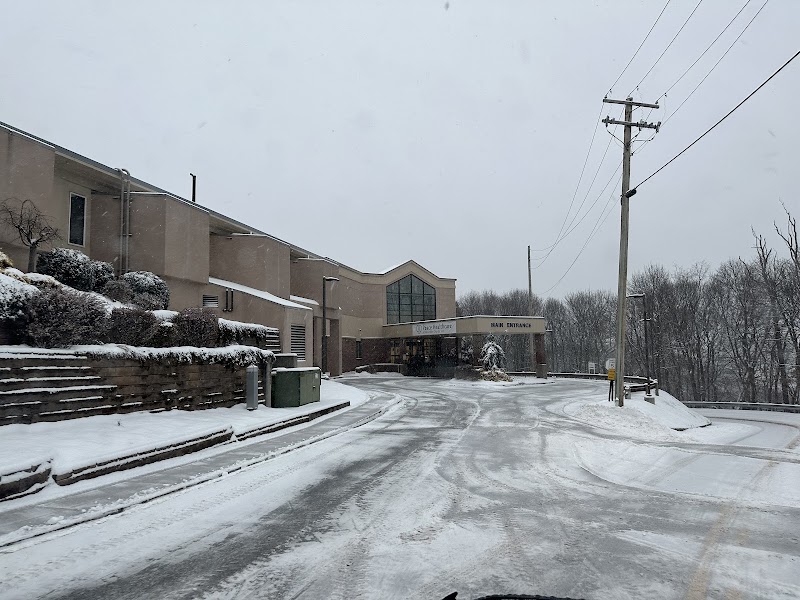
How is Mountain City Rehab Center Staffed?

CMS rates MOUNTAIN CITY REHAB CENTER's staffing level at 2 out of 5 stars, which is below average compared to other nursing homes.

What Have Inspectors Found at Mountain City Rehab Center?

State health inspectors documented 62 deficiencies at MOUNTAIN CITY REHAB CENTER during 2018 to 2024. These included: 1 Immediate Jeopardy (the most serious level, indicating potential for serious harm or death), 1 that caused actual resident harm, 56 with potential for harm, and 4 minor or isolated issues. Immediate Jeopardy findings are rare and represent the most serious regulatory concerns. They require immediate corrective action.
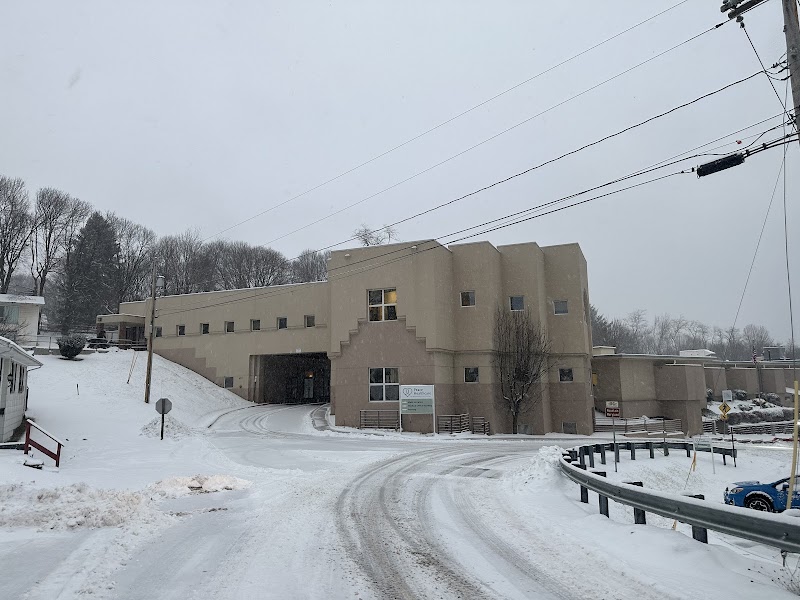
Who Owns and Operates Mountain City Rehab Center?

MOUNTAIN CITY REHAB CENTER is owned by a for-profit company. For-profit facilities operate as businesses with obligations to shareholders or private owners. The facility operates independently rather than as part of a larger chain. With 88 certified beds and approximately 84 residents (about 95% occupancy), it is a smaller facility located in FROSTBURG, Maryland.
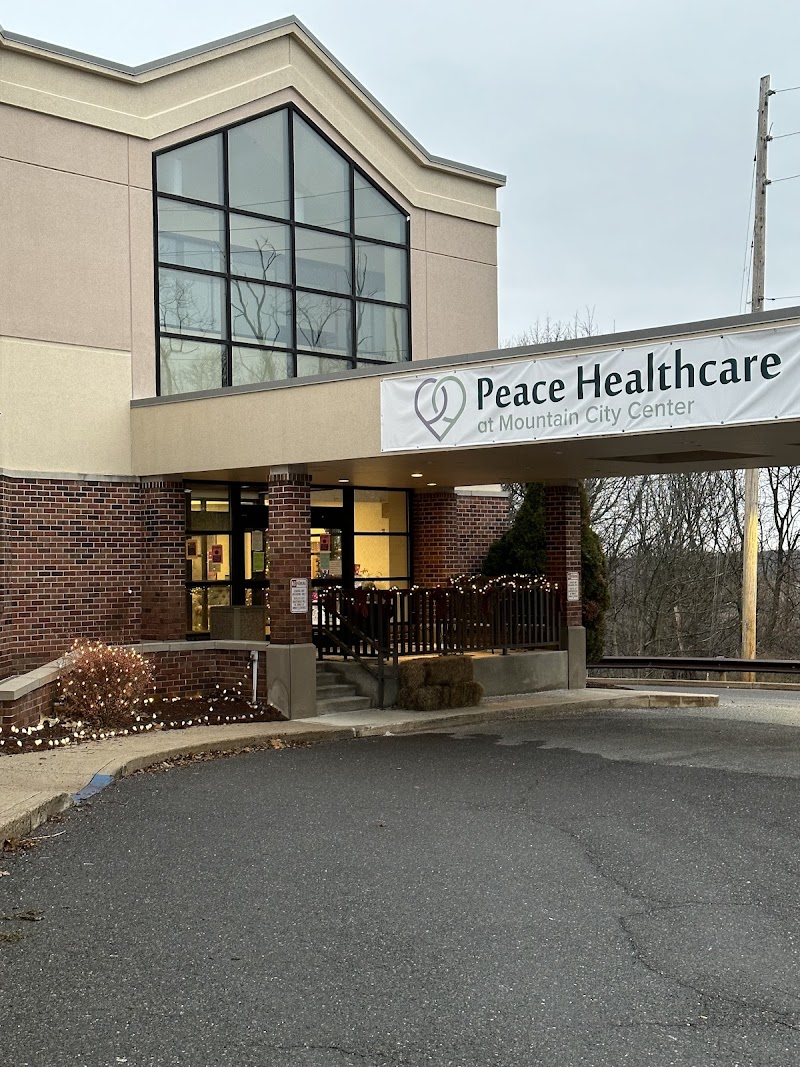
How Does Mountain City Rehab Center Compare to Other Maryland Nursing Homes?

Compared to the 100 nursing homes in Maryland, MOUNTAIN CITY REHAB CENTER's overall rating (1 stars) is below the state average of 3.0 and health inspection rating (1 stars) is much below the national benchmark.

What Should Families Ask When Visiting Mountain City Rehab Center?

Based on this facility's data, families visiting should ask: "What changes have been made since the serious inspection findings, and how are you preventing similar issues?" "What safeguards and monitoring systems are in place to protect residents from abuse or neglect?" "Can you walk me through typical staffing levels on day, evening, and night shifts?" "Can I visit during a mealtime to observe dining assistance and food quality?" These questions are particularly relevant given the facility's Immediate Jeopardy citations, the substantiated abuse finding on record, and the below-average staffing rating.

Is Mountain City Rehab Center Safe?

Based on CMS inspection data, MOUNTAIN CITY REHAB CENTER has documented safety concerns. The facility has 1 substantiated abuse finding (meaning confirmed case of resident harm by staff or other residents). Inspectors have issued 1 Immediate Jeopardy citation (the most serious violation level indicating risk of serious injury or death). The facility has a 1-star overall rating and ranks #100 of 100 nursing homes in Maryland. Families considering this facility should ask detailed questions about what corrective actions have been taken since these incidents.

Do Nurses at Mountain City Rehab Center Stick Around?

MOUNTAIN CITY REHAB CENTER has not reported staff turnover data to CMS. Staff turnover matters because consistent caregivers learn residents' individual needs, medications, and preferences. When staff frequently change, this institutional knowledge is lost. Families should ask the facility directly about their staff retention rates and average employee tenure.

Was Mountain City Rehab Center Ever Fined?

MOUNTAIN CITY REHAB CENTER has been fined $33,121 across 2 penalty actions. This is below the Maryland average of $33,410. While any fine indicates a compliance issue, fines under $50,000 are relatively common and typically reflect isolated problems that were subsequently corrected. Families should ask what specific issues led to these fines and confirm they've been resolved.

Is Mountain City Rehab Center on Any Federal Watch List?

MOUNTAIN CITY REHAB CENTER is not on any federal watch list. The most significant is the Special Focus Facility (SFF) program, which identifies the bottom 1% of nursing homes nationally based on persistent, serious quality problems. Not being on this list means the facility has avoided the pattern of deficiencies that triggers enhanced federal oversight. This is a positive indicator, though families should still review the facility's inspection history directly.