WILSON HEALTH CARE CENTER
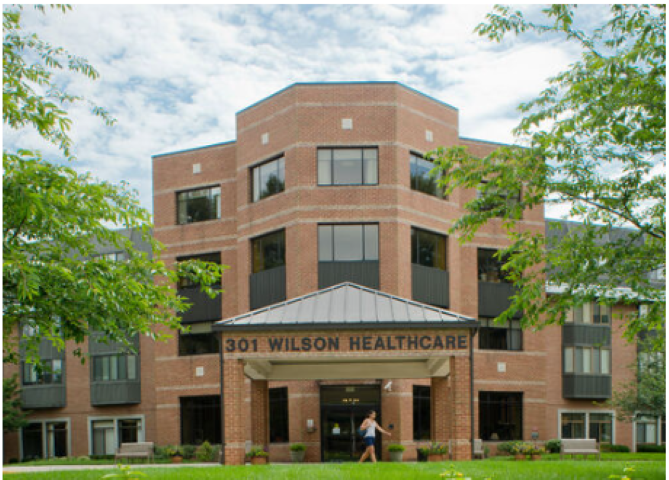
301 RUSSELL AVENUE, GAITHERSBURG, MD 20877 (301) 216-4004
Non profit - Corporation 285 Beds ASBURY COMMUNITIES Data: November 2025
Trust Grade
85/100
#49 of 219 in MD
Last Inspection: April 2025

Within standard 12-15 month inspection cycle. Federal law requires annual inspections.

Overview

Wilson Health Care Center has a Trust Grade of B+, which means it is above average and recommended for care. It ranks #49 out of 219 facilities in Maryland, placing it in the top half of nursing homes in the state, and #9 out of 34 in Montgomery County, indicating only eight local options are better. However, the facility's trend is worsening, with issues increasing from 9 in 2020 to 13 in 2025. Staffing is a strength here with a rating of 4 out of 5 stars and a low turnover rate of 19%, well below the state average of 40%, which suggests that staff are experienced and familiar with residents. While there have been no fines recorded, which is a positive sign, some concerns were noted during inspections. For instance, staff failed to document whether residents on antipsychotic medications were experiencing side effects as required, and care plan meetings were not held regularly for several residents, which could impact their personalized care. Overall, while the nursing home has strong staffing and no fines, families should be aware of the increasing number of issues and specific concerns regarding documentation and care planning.

Trust Score
B+
85/100
In Maryland
#49/219
Top 22%
Safety Record
Low Risk
No red flags
Inspections
Getting Worse
9 → 13 violations
Staff Stability
✓ Good
19% annual turnover. Excellent stability, 29 points below Maryland's 48% average. Staff who stay learn residents' needs.
Penalties
✓ Good
No fines on record. Clean compliance history, better than most Maryland facilities.
Skilled Nurses
✓ Good
Each resident gets 58 minutes of Registered Nurse (RN) attention daily — more than average for Maryland. RNs are trained to catch health problems early.
Violations
⚠ Watch
29 deficiencies on record. Higher than average. Multiple issues found across inspections.
★★★★★
5.0
Overall Rating
★★★★☆
4.0
Staff Levels
★★★★★
5.0
Care Quality
★★★★☆
4.0
Inspection Score
Stable
2020: 9 issues
2025: 13 issues

The Good

  • 4-Star Staffing Rating · Above-average nurse staffing levels
  • 5-Star Quality Measures · Strong clinical quality outcomes
  • Low Staff Turnover (19%) · Staff stability means consistent care
  • Full Sprinkler Coverage · Fire safety systems throughout facility
  • No fines on record
  • Staff turnover is low (19%)

    29 points below Maryland average of 48%

Facility shows strength in staffing levels, quality measures, staff retention, fire safety.

The Bad

Chain: ASBURY COMMUNITIES

Part of a multi-facility chain

Ask about local staffing decisions and management

The Ugly 29 deficiencies on record

Apr 2025 8 deficiencies
CONCERN (D)

Potential for Harm - no one hurt, but risky conditions existed

Deficiency F0578 (Tag F0578)

Could have caused harm · This affected 1 resident

Based on record reviews and interviews, it was determined that facility staff failed to ensure that a resident's Advance Directive (AD) was completed. This deficient practice was evident for 1 (#121) ...

Read full inspector narrative →
Based on record reviews and interviews, it was determined that facility staff failed to ensure that a resident's Advance Directive (AD) was completed. This deficient practice was evident for 1 (#121) of 3 residents reviewed for AD during the survey. The findings include: Advance Directive is a written instruction, such as a living will or durable power of attorney for health care, recognized under State law (whether statutory or as recognized by the courts of the State), relating to the provision of health care when the individual is incapacitated. On 04/08/25 at 10:43 AM, a review of Resident #121's AD in the paper chart revealed several oversights. There was no indication of when the designated health agent's power would become effective--immediately or whenever the resident was unable to make informed healthcare decisions. The resident did sign the AD, but the form was not dated, and the signature and date for two witnesses were left blank. Additionally, part one of the organ donation section was incomplete, and the witness signature and dates were left blank. On 04/09/25 at 10:39 AM, the surveyor presented a copy of Resident #121's AD and informed the Administrator #1 that the documents were missing dates and witness signatures. The Administrator #1 stated that she expects all AD to be fully completed and noted that the resident's medical orders for life sustaining treatment (MOLST) form are used in the event of a code. During an interview with the Social Worker (SW) #19 on 04/09/25 10:44 AM, the surveyor presented Resident #121's AD. The SW #19 acknowledged that the document was incomplete. On 04/10/25 at 09:38 AM, a review SW #19 progress note dated 04/09/25 at 2:17 PM, revealed that she met with Resident #121 to review their AD. The resident's AD was missing a date and witness signatures. The SW provided the resident with a copy to review and requested that they sign and have the AD witnessed. The social worker also offered assistance in finding two witnesses should they need it. The resident agreed to review the documents and follow-up with the social worker.
CONCERN (D)

Potential for Harm - no one hurt, but risky conditions existed

Free from Abuse/Neglect (Tag F0600)

Could have caused harm · This affected 1 resident

Based on record review and interview with staff, it was determined that the facility failed to ensure a resident was free from misappropriation of resident property. This was evident for 1 facility re...

Read full inspector narrative →
Based on record review and interview with staff, it was determined that the facility failed to ensure a resident was free from misappropriation of resident property. This was evident for 1 facility reported incident (MD00214164) out of 5 facility reported incidents reviewed during the survey. The findings include: On 4/10/2025 at 7:30AM, a review of Resident #19's investigative file for the facility reported incident (FRI) MD00214164 revealed that on 1/24/2025 at 8:10AM, the resident notified the Nursing Home Administrator (NHA) that his/her credit card was missing, and that his/her credit card had been used four times on the evening of 1/23/2025 between 6:46PM and 8:41PM. An additional review of the investigative file revealed that after a thorough investigation, the facility was able to verify the allegation of misappropriation of resident property due to theft and use of the resident's credit card at various stores. On 4/10/2025 at approximately 1:20PM, the Surveyor conducted an interview with the NHA which confirmed the allegation of misappropriation of Resident #19's credit card.
CONCERN (D)

Potential for Harm - no one hurt, but risky conditions existed

Transfer Requirements (Tag F0622)

Could have caused harm · This affected 1 resident

**NOTE- TERMS IN BRACKETS HAVE BEEN EDITED TO PROTECT CONFIDENTIALITY** Based on record review and staff interview, it was determined that the facility failed to include the resident comprehensive car...

Read full inspector narrative →
**NOTE- TERMS IN BRACKETS HAVE BEEN EDITED TO PROTECT CONFIDENTIALITY** Based on record review and staff interview, it was determined that the facility failed to include the resident comprehensive care plan goals with the required documentation during a transfer. This was evident for 1 (Resident #55) of 3 residents reviewed for hospitalization. The findings include: On 04/08/25 at 11:05 AM, review of Resident #55's medical record revealed he/she was hospitalized on [DATE]. On 04/09/25 at 10:24 AM, an interview with Charge Nurse/ Licensed Practical Nurse (Staff #20) revealed that comprehensive care plan goals were not sent with a resident upon a transfer. On 04/09/25 at 11:10 AM, an interview with Registered Nurse (Staff #21) revealed that comprehensive care plan goals were not sent with a resident upon a transfer. On 04/10/25 at 06:53 AM, the surveyor reviewed the concern with the Director of Nursing.
CONCERN (D)

Potential for Harm - no one hurt, but risky conditions existed

Transfer Notice (Tag F0623)

Could have caused harm · This affected 1 resident

**NOTE- TERMS IN BRACKETS HAVE BEEN EDITED TO PROTECT CONFIDENTIALITY** Based on record review and staff interviews, it was determined that facility staff failed to ensure that the resident and reside...

Read full inspector narrative →
**NOTE- TERMS IN BRACKETS HAVE BEEN EDITED TO PROTECT CONFIDENTIALITY** Based on record review and staff interviews, it was determined that facility staff failed to ensure that the resident and resident representative were notified in writing of a transfer and reason for transfer to the hospital. This was evident for 2 (Residents #55 and #54) of 3 residents reviewed for hospitalization. The findings include: 1. On 04/08/25 at 11:05 AM, review of Resident #55's medical record revealed he/she was hospitalized on [DATE]. On 04/10/25 at 06:53 AM, an interview with the Director of Nursing revealed that the resident and responsible representatives were verbally notified, but that there was not a written notice with reason for transfer provided. The surveyor reviewed the concern. 2. On 4/8 2025 at 12:40PM, a review of Resident #54's electronic medical record revealed that the resident was transferred to the hospital on 1/28/2025 after sustaining a fall. On 4/10/2025 at 10:45AM, an additional review of Resident #54's medical record failed to reveal documentation to indicate the resident and resident representative had been notified in writing of transfer and the reason for transfer to the hospital on 1/28/2025. During an interview conducted on 4/10/2025 at 11:55AM with the Director of Nursing (DON), the Surveyor expressed the concern that Resident #54's electronic and paper medical record failed to reveal documentation that the resident and their resident representative had been notified in writing of the transfer and the reason for transfer to the hospital on 1/28/2025. The DON was unable to provide further documentation. On 04/10/25 at 06:53 AM, an interview with the Director of Nursing revealed that the resident and responsible representatives were verbally notified, but that there was not a written notice with reason for transfer provided.
CONCERN (D)

Potential for Harm - no one hurt, but risky conditions existed

Deficiency F0657 (Tag F0657)

Could have caused harm · This affected 1 resident

Based on record reviews and interviews, it was determined that facility staff failed to update a resident's care plan to address falls involving equipment. This deficient practice was evident for 1 (#...

Read full inspector narrative →
Based on record reviews and interviews, it was determined that facility staff failed to update a resident's care plan to address falls involving equipment. This deficient practice was evident for 1 (#121) of resident review for care plan revision during the survey. The findings include: During an interview with Resident #121 on 04/08/25 at 10:15 AM, they reported that the break lever on their wheelchair was broken. As a result of the broken lever, they had multiple falls while attempting to stand up or sit down using the wheelchair. Review of communication form and progress note revealed that Resident #121 had a fall on 10/07/24, 12/12/24, 12/27/24, 03/19/25, 04/09/25. On 04/09/25 at 1:05 PM, a review of the residents' post fall evaluation progress note dated 10/07/24 indicates that Resident #121 had an unwitnessed fall in their room while attempting to get into bed, and the wheelchair was involved in the fall. A review of physical therapy treatment note dated 12/30/24 revealed that physical therapy was informed of a fall the resident had in the bathroom. The resident reported that they did not lock the wheelchair brake and when they reached back to sit down the wheelchair moved. Review of Resident #121 care plan on 04/09/25 at 2:07 PM, revealed that on 09/17/24 the resident was identified as a high fall risk due to balance issues and a history of falls. Further review indicates that the resident's care plan was not updated to address the residents use of a wheelchair and compliance with locking the wheelchair brake until 3/19/25. During an interview with the Director of Nursing (DON) #2 on 04/09/25 at 11:00 AM the surveyor informed the DON #2 of the above findings. The DON #2 stated that the wheelchair involved was the resident's personal equipment. She further stated that the resident should have behavioral care plan addressing noncompliance with locking the wheelchair breaks. When asked whey the resident's care plan was not updated following the resident's fall on 10/07/24 and 12/27/24, the DON #2 was unable to provide an explanation.
CONCERN (D)

Potential for Harm - no one hurt, but risky conditions existed

Accident Prevention (Tag F0689)

Could have caused harm · This affected 1 resident

Based on interviews, observations, and record reviews, it was determined that facility staff failed to ensure that a resident's wheelchair was safe for use. This deficient practice was evident for 1 (...

Read full inspector narrative →
Based on interviews, observations, and record reviews, it was determined that facility staff failed to ensure that a resident's wheelchair was safe for use. This deficient practice was evident for 1 (#121) resident review safety hazards during the survey. The findings include: During an interview with Resident #121 on 04/08/25 at 10:15 AM, they reported that the break lever on their wheelchair was broken. As a result of the broken break lever, they had multiple falls while attempting to stand up or sit down using the wheelchair. Review of communication form and progress note revealed that Resident #121 had a fall on 10/07/24, 12/12/24, 12/27/24, 03/19/25, and 04/09/25. On 04/09/25 at 8:57AM, the surveyor observed Resident #121 sitting in a wheelchair in their room, watching television. With permission from the resident, the surveyor assessed the wheelchair's brakes. Upon unlocking and locking the right break lever, it was noted that the lever did not fully lock the wheel, allowing movement with activity. The left brake lever locked the wheel preventing movement. After exiting the resident's room, the surveyor observed an unoccupied wheelchair in the seating area in front of the nurse's station. While assessing this wheelchair break levers, it was noted that the right brake lever did not fully lock the wheel, allowing for movement. The left break lever locked the wheel preventing movement. There were no tickets or signs indicating that the wheelchair needed repairing. On 04/09/25 at 9:18 AM, the surveyor informed nurse unit manager #5 about the malfunctioning brake levers on both wheelchairs and inquired about the process of addressing faulty resident equipment. The nurse UM #5 stated that nursing staff are responsible for reporting equipment concerns to the front desk secretary who will submit a work order through a platform called TELS. On 04/09/25 at 9:36 AM, during an interview with maintenance tech #25, he stated that nursing staff is responsible for immediately reporting equipment concerns. The surveyor asked if he regularly checks equipment including wheelchairs on the units to ensure they are functioning properly. Maintenance Tech #25 explained that he is the only technician for the building, and he does not proactively check equipment, but instead addresses issues based on reports submitted through the TELS system. The surveyor asked if a work order was submitted for Resident #121 in October and December 2024, and he stated that he was uncertain about gathering records from those months. During an interview with the Director of Nursing (DON) #2 on 04/09/25 at 11:00 AM the surveyor shared findings regarding Resident #121's wheelchair. The DON #2 reports that the wheelchair was the resident's personal property. When asked whether the wheelchair had been assessed for safety hazards upon the resident's admission or prior to its use within the facility, the DON #2 was unable to provide documentation confirming that an assessment had been conducted prior to use in the facility.
CONCERN (D)

Potential for Harm - no one hurt, but risky conditions existed

Deficiency F0919 (Tag F0919)

Could have caused harm · This affected 1 resident

Based on observations and interviews with the facility staff, it was determined that the facility staff failed to ensure that a resident's call bell was within reach. This was evident for 1 resident (...

Read full inspector narrative →
Based on observations and interviews with the facility staff, it was determined that the facility staff failed to ensure that a resident's call bell was within reach. This was evident for 1 resident (Resident #1) out of 4 residents observed during the survey. The findings include: On 4/08/25 at 10:24 AM, the resident was observed lying in bed comfortably. The call bell was noted to be hanging behind the bookcase at the foot of the resident's bed against the wall. The surveyor interviewed the resident and asked he/r, how they would call for assistance. They stated that they uses the call bell. The resident started to look for the call bell and then said, I don't know what I did with it. Then the surveyor asked, How would you ask for assistance if you can't find the call bell? The resident responded that s/he would wait until someone came to check in on them. On 4/09/25 at 1:17 PM, the resident was observed lying in bed, watching TV. The call bell was hanging from the wall on the left side of the bed on the floor. The surveyor went to the nursing station and to interview the Charge Nurse (CN) #15. The surveyor asked the CN #15 to walk with them to see a resident. After entering the resident's room, and the surveyor asked him where the call bell was. CN #15 stated that he had observed the call bell behind the bookcase the day before and had given it back to the resident. The CN #15 continued to say that he had started to educate his employees on the policy for call bells on the evening of 4/8/2025. Then, the CN #15 picked the call bell up off the floor and handed it to the resident.
CONCERN (E)

Potential for Harm - no one hurt, but risky conditions existed

Medical Records (Tag F0842)

Could have caused harm · This affected multiple residents

5) On 04/09/25 at 07:34 AM, review of Resident #49's medical record revealed an active order for antipsychotic medication monitoring that indicated for staff to document Y as the resident was observed...

Read full inspector narrative →
5) On 04/09/25 at 07:34 AM, review of Resident #49's medical record revealed an active order for antipsychotic medication monitoring that indicated for staff to document Y as the resident was observed with no side effects, and N as the resident was observed with side effects. Antipsychotic medications are used to treat psychological (mental) signs and symptoms. Further review of the order revealed the indication that if staff were to document an N, then an additional step would be indicated on the resident's medical record about the observation. On 04/09/25 at 12:51 PM, review of Resident #49's TAR in March and April 2025 revealed a check mark for each shift but failed to reveal indication that Y or N was documented to reflect the observation based on the orders indication. 6) On 04/08/25 at 11:05 AM, review of Resident #55's medical record revealed a progress note titled, Fall Risk Evaluation dated 3/29/25 at 10:48 PM completed by Unit Coordinator (Staff 15), that indicated the resident had been hospitalized in the last 30 days of the progress note date. On 04/09/25 at 12:51 PM, the Director of Nursing informed the surveyor with Resident #55's last hospitalization date, which was 4/19/24. On 04/09/25 at 07:22 AM, the surveyor reviewed the concern with the Director of Nursing regarding the progress note dated 3/29/25 versus the last hospitalization date provided. She indicated that it was an error. 7) Review of Resident #121's advance directive (AD) in the paper medical chart on 04/08/25 at 10:43 AM, revealed that the documents were missing dates, witness signatures, and other information. Review of Social Worker (SW) #19 progress note for Resident #121 dated 08/15/24 at 12:55 PM, revealed a note; Resident provided completed AD. Documents uploaded to the electronic medical records, and a copy was placed in the resident's chart. During an interview with SW #19 on 04/09/25 at 10:44 AM, the surveyor presented Resident #121's AD and informed SW #19 that the documents were missing dates and witness signatures. SW #19 acknowledged that the document was incomplete. On 04/10/25 at 09:38 AM, a review SW #19 progress note dated 04/09/25 at 2:17pm, revealed that she met with Resident #121 to review their AD. The social worker mentioned that the resident's AD was missing a date and witness signatures. The SW provided the residents with a copy and requested that they sign and have the AD witnessed. The social worker also helped in finding two witnesses. 4) Antipsychotic drugs are prescription medications used to treat symptoms of psychotic disorders. Anticoagulants drugs are prescription medications that increase the time it takes the blot to clot. On 4/9/2025 at 9:15AM during a review of Resident #91's electronic medical record, the Surveyor discovered an order for Eliquis oral tablet 2.5MG, an anticoagulant, and Quetiapine Fumarate oral tablet 25MG, an antipsychotic. An additional review of the resident's electronic medical record revealed that the medications had been received according to the Medication Administration Record (MAR). Further review revealed orders located in the Treatment Administration Record (TAR) for the months of March 2025 and April 2025 to Observe closely for side effects of Antipsychotic medication including dry mouth, constipation, blurred vision, disorientation, or confusion, difficulty urinating, hypotension, dark urine, yellow skin, nausea or vomiting, lethargy, drooling, EPS symptoms (tremors, disturbed gait, increased agitation, restlessness, involuntary movement of mouth or tongue) every shift. Document: 'Y' if monitored and none of the above was observed. 'N' if monitored and any of the above was observed, select chart code 'Other/ See Nurses Notes' and progress note findings and Observe closely for significant side effects of Anticoagulant medication including discolored urine, bleeding, bleeding gums, black tarry stools, sudden severe headache, nausea or vomiting, diarrhea, muscle joint pain, lethargy, bruising, sudden changes in mental status or vital signs, shortness of breath, nosebleeds every shift for Bleeding Precautions Document: 'Y' if monitored and none of the above was observed. 'N' if monitored and any of the above was observed, select chart code 'Other/ See Nurses Notes' and progress note findings. According to the residents' TAR, the nursing staff was documenting 'N' for the antipsychotic and anticoagulant observation of side effects. A review of Resident #91's nursing progress notes for March 2025 and April 2025 failed to reveal a nurses note to coincide with all 'N' documented in the resident's TAR. 2) Review of Resident #27's medical record on 04/09/2025 at 09:38 AM the Treatment Administration Record (TAR) for the month of April 2025 revealed a physician order dated 08/01/2024 at 2300 PM, states Observe closely for side effects of Antipsychotic medication including dry mouth, constipation, blurred vision, disorientation or confusion, difficulty urinating, hypotension, dark urine, yellow skin, nausea or vomiting, lethargy, drooling, EPS symptoms (tremors, disturbed gait, increased agitation, restlessness, involuntary movement of mouth or tongue) every shift Document: 'Y' if monitored and none of the above observed. 'N' if monitored and any of the above was observed, select chart code 'Other/ See Nurses Notes' and progress note findings. Further review of the TAR revealed that Staff #23 documented No on 4/2/25 and N on 4/3/25-Night shift; Staff #24 documented N on 4/4/25-Day shift; and Staff #22 documented N on 4/3/25 and 4/8/25-Day shift and no progress note findings were found. During an interview on 04/09/2025 at 09:43 AM the Surveyor conducted a staff interview with Nurse Manager, staff #5 while reviewing Resident #27's April 2025 TAR. The surveyor asked Staff #5 are progress notes required when indicated. Staff #5 stated, yes progress notes are needed if staff members answer No or N. Staff #5 stated there were no progress notes completed for staff members who documented No or N and staff should have completed a progress note. 3) Review of resident #367 medical record on 04/09/2025 at 09:40 AM the Treatment Administration Record (TAR) for the month April 2025 revealed a physician order dated 08/01/2024 at 2300 PM, states Observe closely for significant side effects of Antidepressant medication including drowsiness, blurred vision, dizziness, nausea, fatigue, trouble sleeping, dry mouth, hallucinations, other unusual changes in mood or behavior every shift for Monitoring Document: 'Y' if monitored and none of the above observed. 'N' if monitored and any of the above was observed, select chart code 'Other/ See Nurses Notes' and progress note findings. Staff #23 documented No on 4/1/25, 4/2/25 and documented N on 4/3/25-Night shift; staff #22 documented N on 4/3/25 and 4/8/25-Day Shift, and no progress note findings were found. During an interview on 04/09/2025 at 09:45 AM the Surveyor conducted a staff interview with Nurse Manager, staff #5 while reviewing resident #367 April 2025 TAR. The surveyor asked staff #5 are progress notes required when indicated. Staff #5 stated yes progress notes are needed if a staff member answers No or N. Staff #5 stated there were no progress notes completed for staff members who documented No or N and staff should have completed a progress note. Based on medical record review and interviews with facility staff, it was determined the facility failed to ensure that: 1) staff accurately documented if a resident exhibited side effects while receiving anti anxiety medications; 2) staff accurately documented a resident's Treatment Administration Record; 3) staff accurately documented side effects of antipsychotic and anticoagulant medications; 4) antipsychotic medication monitoring on the treatment administration record (TAR) was documented to reflect resident status; 5) resident medical records accurately reflect a resident's status; and 6) resident's medical records were complete and accurately reflects the residents advance directive status. This was found to be evident for 5 (Resident #7, # 27, #55, #91, and #367) of 6 residents reviewed for unnecessary medications, 1 (Resident #49) of 3 residents reviewed for hospitalization, and 1 (Resident #121) of 4 residents reviewed for advance directives. The findings include: 1) Resident #7's medical record was reviewed on 4/10/25 at 10:58 AM and it revealed the resident had the following but not limited diagnosis: Dementia, Anxiety, and Depressive Disorder. The resident medication administration record for March 2025 and April 2025 was reviewed on the same date and indicated to observe the residents closely for significant side effects of anti-anxiety medication; including drowsiness, slurred speech, dizziness, nausea, aggressive or impulsive behavior every shift and document (Y) if monitored and none of the above is observed, and (N) if monitored and any of the above was observed. Documentation by staff revealed a check mark above the staff initials for each shift. During a meeting with the DON on the same date she was asked to explain how she would verify if the resident had any of the above side effects and she stated that staff should document a yes (Y) when side effects are present with a note and no (N) when there are no side effects observed. She stated that re-education will be provided for her staff. All concerns were discussed with the Administration team at the exit conference on 4/10/25 at 2:00 PM.
Jan 2025 5 deficiencies
CONCERN (D) 📢 Someone Reported This

A family member, employee, or ombudsman was alarmed enough to file a formal complaint

Potential for Harm - no one hurt, but risky conditions existed

Abuse Prevention Policies (Tag F0607)

Could have caused harm · This affected 1 resident

Based on record review and interview, it was determined the facility failed to develop and implement abuse prevention policies to ensure the safety of their residents. This was evident for 1 of 1 faci...

Read full inspector narrative →
Based on record review and interview, it was determined the facility failed to develop and implement abuse prevention policies to ensure the safety of their residents. This was evident for 1 of 1 facility abuse prevention policies and procedures reviewed. The findings include: During the investigation of facility reported incident #MD00178929, a review of the facility abuse prevention policies and procedures were reviewed on 1/21/25 at 2:15 PM. A review of the facility's Resident Rights - Abuse and Crimes against policy dated 11/13/24, failed to reveal procedures for the implementation of training of new and existing staff, those with contractual agreements, and volunteers to include their expected roles. Further review revealed there was no policy or procedure to establish the coordination with the quality assurance performance improvement [QAPI] program. On 1/22/25 at 11:53 AM, the NHA confirmed that she had provided all the abuse prevention policies and procedures and had confirmed this with the corporate office. The concerns were reviewed with the NHA who responded by stating she needed to write down the concerns so she could let the corporate office know. She offered no rationale as to why the information had not been included.
CONCERN (D) 📢 Someone Reported This

A family member, employee, or ombudsman was alarmed enough to file a formal complaint

Potential for Harm - no one hurt, but risky conditions existed

Report Alleged Abuse (Tag F0609)

Could have caused harm · This affected 1 resident

Based on record review and interview, it was determined that facility staff failed to recognize and report an injury of unknown within the required time frame. This was evident for 1 (#23) of 1 reside...

Read full inspector narrative →
Based on record review and interview, it was determined that facility staff failed to recognize and report an injury of unknown within the required time frame. This was evident for 1 (#23) of 1 resident reviewed for injury of unknown origin. The findings include: A medical record review for Resident #23 on 1/22/25, at 2:49 PM revealed under the census tab, that the resident had been a long-term resident of the facility. The resident had a care plan initiated on 10/25/23, for the risk of falls related to dementia, lack of safety awareness, and the tendency to constantly reposition themselves to lay sideways or across in the bed. A review of the minimum data set (MDS), with an assessment reference date of 4/16/24, revealed the resident was severely cognitive (the ability to think and process information) impaired. A review of the progress notes revealed that Licensed Practical Nurse (LPN) #40 wrote a note on 6/25/24, at 11:49 AM that she found the resident lying with his/her left leg hanging on the left side of the bed, the resident was repositioned in bed and it was noted that their left lower leg was discolored with swelling, a blister on the left great toe, and was warm to touch. Further noting the resident was evaluated by the Nurse Practitioner (NP) #41and x-rays were ordered. Further review revealed on 6/25/24, at 10:17 PM LPN #25 wrote a note that the x-ray results were received and the resident had a fractured foot. On 1/22/25, at 3:39 PM, a review of the facility's investigation file for self-reported incident #MD00207069 was conducted. The initial self-report form documented the facility became aware of the injury of unknown origin on 6/25/24, at 5:30 PM upon receipt of the x-ray showing the resident had sustained a fracture. Further review revealed there was no evidence of how this injury occurred. However, a review of the email confirmation for sending the report to the State Agency revealed they failed to report the injury of unknown origin until 6/26/24, at 11:08 AM. Telephone numbers for LPN #25, who was the nurse on duty when the x-ray report was received and Unit Manager #44, who was the staff person who conducted the investigation, were requested. However, the Nursing Home Administrator (NHA) reported that both employees were out on leave and unavailable for interview. An interview with geriatric nursing assistant (GNA) #26, who was the GNA assigned to the resident on the day the incident occurred, was conducted on 1/23/25, at 10:50 AM. GNA #26 reported she remembered the resident but not the specific incident on 6/25/24. When asked about Resident #23, she stated that the resident was totally dependent on staff for care, but somehow the resident would scoot themselves around in bed to lay sideways on the bed. When asked if the resident would flail his/her arms and legs around, the GNA reported she did not recall the resident doing that. An interview with the Director of Nursing (DON) on 1/22/25 at 3:28 PM, revealed she agreed that LPN #25 should have reported this to a supervisor as an injury of unknown origin. The DON stated that LPN #25 received disciplinary action and 1:1 education regarding the expectations of reporting injuries of unknown origin. She stated she educated most of the other nurses and geriatric nursing assistance about injuries of unknown origin and reporting requirements. On 1/29/25, at 1:15 PM, this was reviewed with the NHA with the DON present.
CONCERN (D) 📢 Someone Reported This

A family member, employee, or ombudsman was alarmed enough to file a formal complaint

Potential for Harm - no one hurt, but risky conditions existed

Investigate Abuse (Tag F0610)

Could have caused harm · This affected 1 resident

Based on record review and interview, it was determined that the facility failed to ensure that an allegation of abuse was thoroughly investigated. This was evident for 1 (#8) of 21 residents reviewed...

Read full inspector narrative →
Based on record review and interview, it was determined that the facility failed to ensure that an allegation of abuse was thoroughly investigated. This was evident for 1 (#8) of 21 residents reviewed for abuse. The findings include: The MDS (Minimum Data Set) is a complete assessment of the resident which provides the facility information necessary to develop a plan of care, provide the appropriate care and services to the resident, and to modify the care plan based on the resident's status. A medical record review for Resident #8, on 1/22/25 at 10:30 AM, revealed a minimum data set (MDS) with an assessment reference date of 10/3/22, revealed the resident was not cognitively impaired and relied on staff for activities of daily living (such as toileting, getting in and out of bed, dressing, bathing, and personal care). On 1/22/25 at 10:00 AM, a review of the facility's procedure titled Resident Abuse Reporting and Investigation Guidelines (there was no date on the procedure) revealed in #9 the individual conducting the investigation should: #9a review all the documentation and evidence, #9e interview all witnesses, and #9h interview all staff members (on all shifts) who may have had contact with the resident during the period of the alleged event. A review of the facility's investigation file for the facility reported incident #MD00178929 on 1/21/25, at 2:41 PM revealed an email sent from Resident #8's family on 5/13/22, at 4:13 PM reporting that a staff member came into the resident's room around 5:00 AM on 5/13/22, slapped the resident's hand, took the call bell from them, placing it out of reach, and left the room. Another staff member came in later that morning with medications and gave the call bell back to the resident. A review of the call bell response time audit revealed the resident had not used the call bell between 4:30 AM and 8:46 AM. Further, review failed to reveal that the facility conducted the investigation to verify with the nursing staff who had brought medications to the resident that morning. A review of the staffing schedules revealed Licensed Practical Nursing (LPN) #45 was assigned to the resident on night shift 7/12/22 going into 7/13/22. Review of LPN #45's interview questions and answers with Unit Manager #44 revealed she was not asked if she had went into the room with medications that morning and if so, was the call light within the resident's reach or not. Furthermore, there was no interview with the nurse who was assigned to the resident on 5/13/22, dayshift, as they would have given the resident medications that morning. An interview with LPN #45 on 1/23/25 at 7:30 AM revealed she could not recall the incident or the interview that was conducted by Unit Manager #44. The Nursing Home Administrator (NHA) was interviewed on 1/22/25 at 12:18 PM. She reviewed the self-report form. When asked what she does to investigate an allegation of abuse, she stated that she would interview the alleged perpetrator to establish if they were in the room, provided care, and anything unusual or complain about abuse. She would interview all staff who were working around the time of the incident. When asked why staff were asked specific questions during this investigation and not asked about the events that were reported, she stated that she had not conducted the interviews. They were conducted by Unit Manager #44 who was out on leave and unavailable for an interview. She stated that she would review the investigation and report back with additional information. However, there was no additional information provided by the end of the survey.
CONCERN (D) 📢 Someone Reported This

A family member, employee, or ombudsman was alarmed enough to file a formal complaint

Potential for Harm - no one hurt, but risky conditions existed

Quality of Care (Tag F0684)

Could have caused harm · This affected 1 resident

Based on record review, interview, and facility policy review, the facility failed to administer a physician ordered medication for 1 (Resident #22) of 3 residents reviewed for medication administrati...

Read full inspector narrative →
Based on record review, interview, and facility policy review, the facility failed to administer a physician ordered medication for 1 (Resident #22) of 3 residents reviewed for medication administration. Specifically, the facility failed to administer a Rocephin (an antibiotic medication) injection to Resident #22 on 02/28/2024. Findings included: A facility policy titled, Medication Administration-General Guideline, revised 12/09/2024, indicated, Medications are administered as prescribed in accordance with good nursing principles and practices and only by persons legally authorized to do so. Personnel authorized to administer medications do so only after the have been properly oriented to the facility's medication distribution system (procurement, storage, handling and administration). The facility has sufficient staff and a medication distribution system to ensure safe administration of medications without unnecessary interruptions. The policy revealed, B. Administration 2. Medications are administered in accordance with written orders of the prescriber. Per the policy, D. Documentation (including electronic) 1. The individual who administers the medication dose records the administration on the resident's MAR/eMAR [Medication Administration Record/electronic Medication Administration Record] directly after the medication is given. Resident #22's Face Sheet indicated the facility admitted the resident on 02/19/2024. According to the Face Sheet, the resident had a medical history that included diagnoses of sepsis, urinary tract infection (UTI), and metabolic encephalopathy. A hospital Discharge/Transfer Summary, dated 02/19/2024, revealed Resident #22 came to the hospital from home for altered mental status and acute encephalopathy, and was found to have sepsis secondary to a UTI. The Discharge/Transfer Summary revealed the hospital treated the resident for the UTI and sepsis, which was resolved at the time of discharge after four doses of intravenous (IV) Rocephin. An admission Minimum Data Set (MDS), with an Assessment Reference Date (ARD) of 02/21/2024, revealed Resident #22 had a Brief Interview for Mental Status (BIMS) score of 2, which indicated the resident had severe cognitive impairment. The MDS revealed that Resident #22 had a UTI in the last 30 days and had not received any IV antibiotic medications during the last three days of the assessment look-back period. Resident #22's Care Plan Report, included a problem statement created on 02/28/2024, that indicated Resident #22 had an IV line for antibiotics. Interventions directed staff to administer antibiotics as ordered (effective 02/28/2024 through 03/06/2024). Resident #22's Telephone Orders, dated 02/27/2024 revealed an order for a urinalysis with a culture and sensitivity test. Resident #22's urinalysis laboratory report dated 02/28/2024 revealed the resident's urine contained a moderate amount of blood (reference range was negative amount), a large number of leukocytes (reference range was negative amount), red and white blood cells were too numerous to count per high power field (HPF) (reference range was zero to two), Many bacteria (reference range was none), and a moderate amount of crystals (reference range was none). Resident #22's Telephone Orders, dated 02/28/2024 revealed an order for Rocephin 1 gram IV every 24 hours for seven days for a diagnosis of UTI. Per the order, the first dose was required to be given STAT [immediately]. Resident #22's Telephone Orders dated 02/28/2024 revealed an order for one dose of Rocephin 1 gram to be administered intramuscular (IM) today for a UTI. Resident #22's February 2024 Medications record revealed a transcription of the order for Rocephin 1 gram IM with an order date of 02/28/2024. However, the medication record revealed the order was not assigned administration times in the date range and there was no documented evidence the medication was administered as ordered by the provider. The February 2024 Medication record revealed that staff documented that the first dose of IV Rocephin was administered on 02/29/2024. Resident #22's laboratory report dated 03/01/2024 revealed there was no bacterial growth on the resident's final urine culture. During an interview on 01/27/2025 at 11:23 AM, Licensed Practical Nurse (LPN) #21 stated he was the nurse who took the physician's order for an IV line for Resident #22 because the nurse practitioner's first order for Rocephin was for the medication to be administered IV. He stated the resident required a PICC (peripherally inserted central catheter) line to give the medication, which was why the order was re-written for the first dose of Rocephin to be given IM. LPN #21 stated if the nurse practitioner wrote an order for IM Rocephin, it should have been administered as ordered. During a telephone interview on 01/27/2025 at 11:14 AM, Pharmacist #34 stated there were no charges for Rocephin for Resident #22 on 02/28/2024 from the facility's Pyxis system (a computerized system that stored and dispensed medications). He stated there would have been a charge had the medication been removed from the system. He stated that no charge indicated Rocephin was not dispensed. During an interview on 01/27/2025 at 3:04 PM, LPN #24 stated she gave the IM mediation to Resident #22 on the day she took off the order. She stated she got the medication out of the Pyxis system, mixed it, and gave the medication. She stated she did not know why the resident's medication administration record did not reflect that the medication was administered. After notification that the pharmacy had no record that the medication was taken out of the Pyxis system, LPN #24 again stated that she took the medication out of the Pyxis system, reconstituted the medication, and gave the medication. During an interview on 01/27/2025 at 5:05 PM, the Director of Nursing (DON) stated she had spoken with LPN #24, and LPN #24 stated she did not give Resident #22's IM Rocephin. The DON stated she did not know why LPN #24 stated that she removed the medication from the Pyxis system because it was not given. The DON then stated her expectation was for any medication ordered by the physician or nurse practitioner to be given as ordered. During an interview on 01/24/2025 at 2:41 PM, Nurse Practitioner (NP) #38 stated if she wrote an order for Rocephin IM, she intended for the medication to be given. Per NP #38, the resident received a PICC line and then received six days of IV Rocephin. The Physician was interviewed on 01/23/2025 at 3:55 PM. Per the Physician, Resident #22 received six days of antibiotics. According to the Physician, six versus seven days of the medication would not have made any difference as the resident's prognosis was poor. The Physician stated they treated the resident's dehydration and infection, and the resident continued to decline. During an interview on 01/28/2025 at 1:49 PM, the Administrator stated any medication ordered by the physician or nurse practitioner was expected to be given as ordered.
CONCERN (D) 📢 Someone Reported This

A family member, employee, or ombudsman was alarmed enough to file a formal complaint

Potential for Harm - no one hurt, but risky conditions existed

Infection Control (Tag F0880)

Could have caused harm · This affected 1 resident

Based on observation, record review, and interview, it was determined that the facility failed to ensure that all staff were wearing mask during a COVID 19 outbreak. This was evident on 1 of 4 floors ...

Read full inspector narrative →
Based on observation, record review, and interview, it was determined that the facility failed to ensure that all staff were wearing mask during a COVID 19 outbreak. This was evident on 1 of 4 floors in the facility. The findings include: Upon entry to the facility on 1/21/25 at the receptionist reported the facility had an outbreak of COVID 19 and masks were required. On 2/24/25, at 6:25 AM, an observation on the transitional care unit [TCU] revealed Geriatric Nursing Assistant (GNA) #7 sitting at a table in an open dining area with no mask on. An interview was conducted with the GNA for approximately 15 minutes, and he failed to put a mask on during this time. In addition, during the interview GNA #42 came over, removed her mask, and sat at the same table. She put her mask back on, left the dining room area, and then came back and removed the mask again. A second observation on 1/24/25, at 6:47 AM revealed Housekeeping Aid (HA) #43 sitting in the common area on the 1st floor with no mask on. The Director of Nursing (DON) walked into the area at the time of the observation. When asked why staff were not wearing their mask, she stated she was not sure and approached HA #43 to ask why she did not have her mask on. HA #43 shrugged her shoulder and stated that she had it with her and patted the mask laying on the seat beside her. The DON asked her to put on her mask. An observation with the DON present of GNA #7 and GNA #42 was made 1/24/25, at 6:49 AM and she observed both of them not wearing their mask while in the opening dining area. She asked them why they were not wearing their mask and neither one of them gave a rationale. An interview was conducted with the DON during the time of the observations, and she confirmed that all staff were expected to wear a mask at all times while in the resident care areas. She was informed that this was not the case for these observations. She stated that staff have been educated. An interview with Operations Manager on 1/24/25, at 9:24 AM revealed he supervised HA #43. He stated that housekeeping staff had received education when the outbreak started and each week during a huddle. He stated that his staff were aware that once they passed through the glass door (entry/exit to the lobby area) they were to wear their mask at all times unless eating or drinking. He was made aware of the observation concerns. On 1/24/25 at 10:16 AM, the Operations Manager provided a copy of the education being provided to the staff and the huddle education. Reviewed with no concerns.
Mar 2020 9 deficiencies
CONCERN (D)

Potential for Harm - no one hurt, but risky conditions existed

Resident Rights (Tag F0550)

Could have caused harm · This affected 1 resident

Based on surveyor observations, resident and staff interviews, and clinical record reviews, it was determined that the facility staff failed to treat residents with respect and dignity. This finding w...

Read full inspector narrative →
Based on surveyor observations, resident and staff interviews, and clinical record reviews, it was determined that the facility staff failed to treat residents with respect and dignity. This finding was evident for 1 of 2 residents reviewed for the dignity care area during the survey (Resident #287). The findings include: On 03-10-2020 at 12:46 PM, surveyor observed Resident #287 had activated the call system to obtain assistance from facility staff. A visitor was present in the room at the time of surveyor's observation. Surveyor observed that RN staff #1 entered the room and asked Resident #287 how she could help. Resident #287 informed the nurse that his/her back was getting very sore and requested to be repositioned. RN staff #1 informed Resident #287 that there were no repositioning pillows available in the room at this time and she would let the wound care team know to provide repositioning pillows. The visitor asked RN staff #1 if the regular pillows which were available in the room could be used to relieve Resident #287's back pressure. Surveyor observed RN Staff #1 Responded in an argumentative tone, that she could not turn the resident by herself and needed another staff's assistance. She did not give resident #287 the opportunity to verbalize discomfort, but rather turned rapidly and exited the room with her hands in her pocket mumbling please in the presence of surveyor. Resident #287 informed surveyor that he/she felt RN staff #1's response to his/her request for repositioning observed by the surveyor was very disrespectful and stated to surveyor you see this is what happens every time I call for help. This will be my first and last stay in this facility. I will not come back! On 03-10-2020 at 4:00PM, interview with Director of Nursing (DON) revealed no additional information
CONCERN (D)

Potential for Harm - no one hurt, but risky conditions existed

Deficiency F0558 (Tag F0558)

Could have caused harm · This affected 1 resident

Based on surveyor observation, resident and facility staff interview, it was determined that the facility staff failed to keep residents' call lights within reach to allow residents to call for staff ...

Read full inspector narrative →
Based on surveyor observation, resident and facility staff interview, it was determined that the facility staff failed to keep residents' call lights within reach to allow residents to call for staff assistance. This finding was evident for 2 of 36 residents on the 4 North unit (Residents #77 and #103). The findings include: 1. On 03-09-2020 at 9:19 AM, observation of Resident #77's room revealed the resident's call light rolled up and pinned to the wall, not within the resident's reach. Resident #77 was alert and oriented and stated that, They [staff] always take it away from me. when asked if he/she pinned call light to the wall. The resident said, I can use the call light if they give it to me. A review of Resident #77's clinical record revealed the resident requires assistance from staff for all activities of daily living, except for eating which the resident could perform after the tray was prepared. On 03-09-2020 at 10:25 AM, surveyor reported the observation and Resident #77's response to the unit manager. The unit manager immediately secured Resident #77's call light within the resident's reach. 2. On 03/10/2020 at 2:09 PM, surveyor observed Resident #103 yelling for help. Upon entering the room, surveyor observed that Resident #103 had no access to their call light. The resident's call light was observed on the floor behind the resident dresser. When asked why he/she was yelling for help instead of using the call system, Resident #103 stated, They [staff] don't ever give me my call light. On 03-10-2020 at 2:35 PM, surveyor interview with the unit manager and the director of nursing revealed no additional information.
CONCERN (D)

Potential for Harm - no one hurt, but risky conditions existed

Deficiency F0655 (Tag F0655)

Could have caused harm · This affected 1 resident

Based on surveyor observation, clinical record review and staff interview, it was determined that the facility staff failed to develop and implement a baseline care plan for 1 of 39 residents reviewed...

Read full inspector narrative →
Based on surveyor observation, clinical record review and staff interview, it was determined that the facility staff failed to develop and implement a baseline care plan for 1 of 39 residents reviewed during the survey (Resident #284). The findings include: On 03-10-2020 at 8:46 AM, surveyor observed Resident #284 with a double lumen central venous catheter on the right upper chest. Resident #284 was on Total Parenteral Nutrition (TPN). A central venous catheter is a thin, flexible tube that is inserted into a vein, usually below the right collarbone, and guided (threaded) into a large vein above the right side of the heart called the superior vena cava. It is used to give intravenous fluids, blood transfusions, chemotherapy, and other drugs. TPN is a method of feeding that bypasses the gastrointestinal tract. Fluids are given into a vein to provide most of the nutrients the body needs. The method is used when a person cannot or should not receive feedings or fluids by mouth. On 03-11-2020, a review of Resident #284's clinical record revealed the resident was admitted to the facility with the central venous catheter and a physician's order for TPN to be administered via the central venous catheter. Further review of the resident record revealed there was no evidence that the facility staff developed and implemented a baseline care plan which included goals and interventions related to the central venous catheter for Resident #284. On 03-11-2020 at 3:00 PM, interview with the DON (Director of Nursing) revealed no additional information.
CONCERN (D)

Potential for Harm - no one hurt, but risky conditions existed

Comprehensive Care Plan (Tag F0656)

Could have caused harm · This affected 1 resident

Based on surveyor review of the clinical records and facility staff interview, it was determined that the facility staff failed to develop a comprehensive resident centered care plan for 1 of 39 resid...

Read full inspector narrative →
Based on surveyor review of the clinical records and facility staff interview, it was determined that the facility staff failed to develop a comprehensive resident centered care plan for 1 of 39 residents selected for review during the survey (Resident #77). The findings include: On 03-11-2020 at 11:10 AM surveyor review of the clinical records revealed that on 02-03-2020 Resident #77 was started on antibiotic therapy. Further review of the clinical record revealed that the most recent quarterly Minimum Data Set assessment (MDS) with an assessment reference date (ARD) of 03-02-2020 documented Resident #77 received antibiotics. There was no evidence in the clinical record that the facility staff developed a person-centered plan of care that addressed Resident #77's antibiotic use as referenced in the quarterly MDS . On 03-11-2020 at 11:40 AM interview with the Director of nursing (DON) revealed no additional information.
CONCERN (D)

Potential for Harm - no one hurt, but risky conditions existed

Deficiency F0692 (Tag F0692)

Could have caused harm · This affected 1 resident

**NOTE- TERMS IN BRACKETS HAVE BEEN EDITED TO PROTECT CONFIDENTIALITY** Based on surveyor observation, review of the clinical record, and staff interviews, it was determined that the facility staff fa...

Read full inspector narrative →
**NOTE- TERMS IN BRACKETS HAVE BEEN EDITED TO PROTECT CONFIDENTIALITY** Based on surveyor observation, review of the clinical record, and staff interviews, it was determined that the facility staff failed to weigh 1 of 6 residents reviewed for the nutrition care area (Resident #285). The findings include: On 03-09-2020 review of Resident #285 clinical record revealed an admission weight on 02-29-2020 of 110.4 pounds. On 03-13-2020 further review of the clinical record revealed no other weights had been obtained since admission. On 03-13-2020 at 11:00 AM, interview with the TCU unit manager revealed that the facility protocol is to obtain weights weekly for a total of four (4) weeks post admission. The unit manager stated all weights on the TCU are conducted on Wednesdays, and that Resident #285 should have been weighed on 03-04-2020 and 03-11-2020. On 03-13-2020 at 11:15 AM Resident #285 was weighed by facility staff. The current weight was documented as 107.4 pounds, a 3 pound weight loss since admission on [DATE]. The unit manager notified the facility dietitian of the weight loss.
CONCERN (D)

Potential for Harm - no one hurt, but risky conditions existed

Deficiency F0757 (Tag F0757)

Could have caused harm · This affected 1 resident

Based on record review and surveyor interview, it was determined that the facility staff failed to adequately monitor residents receiving antipsychotic medications for side effects, and failed to atte...

Read full inspector narrative →
Based on record review and surveyor interview, it was determined that the facility staff failed to adequately monitor residents receiving antipsychotic medications for side effects, and failed to attempt a gradual dose reduction of psychotropic medication. This finding was evident for 2 of 5 residents reviewed for unnecessary drugs (Residents #9 and #118). The findings include: 1. On 03-12-2020 review of the clinical record for Resident #9 revealed that the resident received antipsychotic medication with no evidence in the clinical record that facility staff were monitoring the resident for side effects associated with use of the medication. In addition, a review of the clinical record revealed that on 10-23-2019, the psychiatrist documented a plan to delay the gradual dose reduction (GDR) for one of Resident #9's psychotropic medications due to an upcoming surgery. The psychiatrist assessed Resident #9 on 12-04-2019 (after the surgical procedure had been completed); however, there was no evidence that the resident was re-evaluated for a GDR after the surgery. On 03-12-20 at 01:47 PM interview with the Director of Nursing provided no additional information. 2. On 03-12-2020, a review of the clinical record for Resident #118 revealed that on 02-26-2020 the nurse practitioner discontinued the antipsychotic medication that was currently being administered to the resident, and ordered the initiation of a different antipsychotic medication. The nurse practitioner also documented instructions for facility staff to monitor sleep/wake cycle, for Resident #118 on the new antipsychotic medication; however, there was no evidence that monitoring was implemented. In addition, there was no evidence of side effect or behavior monitoring in the clinical record specific to the use of the antipsychotic drug. On 03-13-2020 at 1:00 PM, interview with the 3rd floor unit manager revealed no additional information.
CONCERN (D)

Potential for Harm - no one hurt, but risky conditions existed

Food Safety (Tag F0812)

Could have caused harm · This affected 1 resident

2. On 03-10-2020 at 12:28 PM, surveyor observed Staff #2 touch Resident #38 then touched Resident #194 without washing her hands. Staff #2 was also observed in use of her personal cell phone during th...

Read full inspector narrative →
2. On 03-10-2020 at 12:28 PM, surveyor observed Staff #2 touch Resident #38 then touched Resident #194 without washing her hands. Staff #2 was also observed in use of her personal cell phone during the residents' meal. Staff then immediately continued assisting a resident with the meal without washing her hands after using her personal cell phone. On 03-10-2020 at 12: 30 PM, surveyor interviewed Staff #2 revealed the employee stated she had forgotten to wash her hands between residents. On 03-13-2020 at 1:30 PM,an interview with the Director of Nursing revealed no additional information. Based on surveyor observation and staff interviews, it was determined that the facility staff failed to serve food under sanitary conditions. This finding was evident in the facility's dining room on the second floor north dining room, and on the fourth-floor during the lunch observation. The findings include: 1. On 03-09-2020 at 12:20 PM surveyor observed Staff #10 in the dining room when lunch was being served. Staff #10 was observed pushing residents in wheelchairs to position them at their respective dining tables. Staff #10 was observed moving from table to table assisting with positioning the residents. Continued observation revealed Staff #10 delivered and set up the residents' meals without washing their hands or using hand sanitizer. Staff #10 sat down and was observed assisting the residents with their meal. Surveyor observation of the dining room revealed a hand sanitizer mounted on the wall at the entrance of each doorway into the dining room opposite the kitchenette. However, Staff #10 washing hands or applying hand sanitizer at any time while repositioning residents or assisting residents with their meal. On 03-09-2020 at 12:45 PM, surveyor interview with Staff #10 revealed that she forgot to wash her or sanitize her hands between residents. On 03-09-2020 at 1:40 PM, surveyor interview with the Director of Nursing revealed that an infection control in-service had been conducted with facility staff one week prior to surveyor's observation. The director of nursing provided no additional information.
CONCERN (D)

Potential for Harm - no one hurt, but risky conditions existed

Infection Control (Tag F0880)

Could have caused harm · This affected 1 resident

Based on surveyor observations, clinical record review and staff interview, it was determined that the facility staff failed to follow standard and transmission-based precautions to prevent spread of ...

Read full inspector narrative →
Based on surveyor observations, clinical record review and staff interview, it was determined that the facility staff failed to follow standard and transmission-based precautions to prevent spread of infection while providing care. This finding was evident for 1 of 7 units in the facility. The findings include: 1. On 03-09-2020 at 8:37 AM, surveyor observed GNA staff #4 was in Resident #436's room with a nursing student. GNA staff #4 pulled the resident up on bed with help of the nursing student. She then helped the resident to set up the breakfast tray. Both GNA staff #4 and the nursing student did not wash their hands prior to leaving the room. On 03-09-2020 at 9:40 AM, surveyor observed GNA staff #4 pushing Resident #218 in a wheelchair in the hallway. While passing by in the hallway, GNA staff #4 entered Resident #211's room and assisted Resident #211 with items on his/her overbed table. Upon completing the task, GNA staff #4 left the room without washing her hands and continued pushing Resident #218's wheelchair to their room. Upon arrival in Resident #218's room, GNA staff #4 placed the water cup and television remote control within the resident's reach and left the room again without washing her hands. On 03-09-2020 at 2:01 PM interview with DON (director of nursing) revealed no additional information. 2. On 03-09-2020 at 12:30 PM surveyor observed as GNA staff #3 walked into Resident #287's room. Surveyor observed a sign on their entrance door for contact isolation. GNA staff #3 assisted the resident with the water cup and call light placing them within reach. GNA staff #3 pushed the bedside table close to the resident and left the room without washing her hands. On 03-09-2020 at 2:01 PM interview with DON (director of nursing) revealed no additional information.
CONCERN (E)

Potential for Harm - no one hurt, but risky conditions existed

Deficiency F0657 (Tag F0657)

Could have caused harm · This affected multiple residents

**NOTE- TERMS IN BRACKETS HAVE BEEN EDITED TO PROTECT CONFIDENTIALITY** Based on review of the clinical record and interviews with residents and facility staff, it was determined that the facility fai...

Read full inspector narrative →
**NOTE- TERMS IN BRACKETS HAVE BEEN EDITED TO PROTECT CONFIDENTIALITY** Based on review of the clinical record and interviews with residents and facility staff, it was determined that the facility failed to ensure residents and /or representatives participated in care plan meetings and to review and revise care plans as necessary. This was evident for 5of 39 residents (Residents #35, #24, #31, #18, and #118) selected for this survey. The findings include: 1. On 03-10-2020 at 11:05 AM, surveyor interview with Resident #35 revealed the facility had not held a care plan meeting since admission on [DATE]. On 03-11-2020 at 1:00 PM, surveyor review of Resident #35's clinical record revealed a comprehensive admission MDS assessment was completed for Resident #35 on 12-23-2019. There was no documented evidence that a care plan meeting was held with the resident as required. The MDS is part of the U.S. federally mandated process for clinical assessment of all residents in Medicare or Medicaid certified nursing homes. On 03-11-2020 at 1:38 PM, surveyor interview with the Administrator revealed that no care plan meeting had been held with Resident #35. 2. On 03-11-2020 at 8:20 AM, surveyor interview with Resident #24 revealed he did not recall his last care plan meeting. Further review of Resident #24's record revealed that the resident had a comprehensive MDS assessment completed on 12-12-2019. The last documented care plan meeting was held on 10-01-2019. There was no documented evidence that a care plan meeting was held with the resident as required. On 03-11-2020 at 1:38 PM, surveyor interview with the Administrator revealed that no care plan meeting had been held since 10-01-2019. 3. On 03-11-2020 at 1:00 PM, surveyor review of Resident #31's clinical record revealed a comprehensive MDS assessment was completed for Resident #31 on 12-20-2019. There was no documented evidence that a care plan meeting was held with the resident as required. On 03-11-2020 at 1:38 PM, surveyor interview with the Administrator revealed that no care plan meeting had been held since the last assessment on 12-20-2019. 5. On 03-12-2020, a review of the clinical record for Resident #118 revealed that resident was receiving an antipsychotic medication. A review of the care plan revealed no evidence that the facility staff revised the care plan to reflect the need to monitor Resident #118 for side effects related to the use of the antipsychotic medication. 4. On 03-10-2020 at 1:30 PM, surveyor interview with Resident #18's responsible party revealed the resident was not given showers but get received bed bath twice weekly per request. On 03-10-2020 a review of Resident#18's plan of care, initiated on 09-11-19, revealed a focus area Use shower stretcher for showers. DO NOT use shower chair with adjustable leg rests and backrest - it does not accommodate the resident's body and it's NOT safe. Additional record review revealed nursing documentation on 09-23-19 indicated that Resident #18 became very agitated and combative during a transfer from the bed to the shower gurney. The resident almost fell from the Hoyer lift. The resident daughter was present during the transfer and the shower process and told the charge nurse not to give the resident a shower since it was not safe. The resident's daughter agreed for the resident to receive twice weekly bed baths. The facility staff failed to update Resident #18's plan of care to indicate that only bed baths should be given to Resident #18. On 03-11-2020 at 4:30 PM, surveyor interviewed the Director of Nursing who stated that Resident #18's care plan should have been updated.
Feb 2019 7 deficiencies
CONCERN (E)

Potential for Harm - no one hurt, but risky conditions existed

Deficiency F0658 (Tag F0658)

Could have caused harm · This affected multiple residents

Based on surveyor review of the clinical records and interview with the facility staff, it was determined that the licensed nursing staff failed to ensure standards of nursing practice in obtaining cl...

Read full inspector narrative →
Based on surveyor review of the clinical records and interview with the facility staff, it was determined that the licensed nursing staff failed to ensure standards of nursing practice in obtaining clarification of physician orders for wound treatment and medication administration. This finding was evident for 2 of 41 residents selected for review during the survey. (#147, #157) The findings include: 1. On 01-31-19 at 11:30 AM, review of the clinical record for resident #147 revealed a physician's order dated 03-22-18, for klonipin 0.5 mg daily. However, review of the physician's progress note, dated 04-06-18, revealed that the physician documented that resident #147 was on klonipin 0.25 mg daily. In addition, review of the Medication Administration Records revealed that nursing staff documented they administered klonipin 0.5 mg from March 2018 through January 2019. However, review of the Controlled Medication Records revealed that klonipin 0.5 mg, ½ tablets (0.25 mg) were delivered by the pharmacy and administered by the nursing staff from March 2018 to January 2019. On 01-31-19 PM at 04:40 PM, interview with DON and QA Director revealed no additional information. As a standard of nursing practice, a licensed nurse is required to notify the primary physician and clarify any discrepancies with the physician orders, as indicated in section 10.27.09.01 of the Nurse practice act under collaboration of care. 2. On 01-31-19, surveyor review of the clinical record revealed that, upon admission to the facility in December 2018 resident #157 had a sacral pressure ulcer. Wound treatment ordered to the sacral pressure ulcer on 12-18-18 included cleanse the wound with normal saline, apply Santyl ointment (removes dead tissue from wounds) and apply optifoam dressing daily. Optifoam dressing is a type of highly absorbent wound dressing that creates an ideal moist healing environment that is used on pressure ulcers, Further record review of the initial assessment on 12-26-18 by the facility's wound physician consultant revealed that the sacral wound was assessed as unstageable, with wound treatment that included the use of Santyl ointment once daily. An unstageable pressure ulcer is described as full thickness tissue loss in which the base of the ulcer is covered by slough and/or eschar (dark dead skin) in the wound bed. On 01-09-19, the wound physician consultant documented that the wound treatment for resident #157's sacral pressure ulcer included the use of Medi-Honey once daily to the wound bed. Additionally, on 01-20-19, documentation by the wound physician consultant revealed the wound treatment for the sacral pressure ulcer was Medi-Honey, but at a frequency of twice daily. Medi-Honey promotes the removal of necrotic tissue, which may advance the wound toward healing. On 01-30-19, surveyor review of the January 2019 TAR (Treatment Administration Record) revealed nursing staff documented daily wound treatment orders of Santyl ointment once daily. However, there was no evidence of physician orders for the use of Medi-Honey treatment either once nor twice daily. In addition, review of the January 2019 nursing clinical documentation and the January 2019 physician's orders for wound treatment revealed no evidence of nursing documentation regarding a change in the wound treatment from Santyl ointment to Medi-Honey, as ordered by the wound physician on 01-09-19 and 01-20-19. Further review revealed no evidence that licensed nursing staff had obtained physician clarification of the wound treatment changes and appropriate orders for the changes in treatment. On 01-30-19 at 4:20 PM, and 01-31-19 at 11:12 AM, surveyor interview with the Director of Nursing and the facility's wound nurse revealed that, either the nurse on the unit or the wound nurse, reviews the wound physician's documentation when it is received on the next day after the physician's visit. At that time, the nurse should have reviewed the documentation and obtained clarification for the treatment change with contact to the resident's attending physician as well as the wound physician. No additional information was provided. According to the Maryland Nurse Practice Act 10.27.09.03 F (2) (a) (b), the nurse should collaborate with the client, family, significant others and other health care providers in the formulation of overall goals, the plan of care, and decisions related to care and the delivery of services; and consult with health care providers for client care.
CONCERN (E)

Potential for Harm - no one hurt, but risky conditions existed

Quality of Care (Tag F0684)

Could have caused harm · This affected multiple residents

Based on record review and staff interviews, it was determined that the facility failed to provide treatment and care in accordance with Physician's orders. This was evident for 6 of 41 residents revi...

Read full inspector narrative →
Based on record review and staff interviews, it was determined that the facility failed to provide treatment and care in accordance with Physician's orders. This was evident for 6 of 41 residents reviewed for the survey (#147, #170, #183,#207, #225, and #158). The findings include: 1. On 01-31-19 at 11:30 AM, review of the clinical record for resident #147 revealed a physician order, dated 03-22-18, for klonipin 0.5 mg daily. Review of the Medication Administration Records (MAR) revealed that nursing staff documented they administered klonipin 0.5 mg from March 2018 through January 2019. However, review of the Controlled Medication Records (CMR) revealed that nursing staff administered klonipin 0.25 mg and not 0.5 mg as ordered from March 2018 to January 2019. On 01-31-19 PM at 04:40 PM, interview with DON and QA Director revealed no additional information. 2. On 01-30-19 at 08:30 AM, review of the clinical record for resident #170 revealed a physician's order for weekly weight checks starting on 12-12-18. Further review of the record revealed no weight as ordered for 12-12-18, 12-26-18 and 01-02-19. On 01-31-19 at 08:45 AM, interview with 4th floor unit manager revealed no additional information. On 02-01-19 at 10:00 AM, interview with the DON revealed no additional information. 3. 01-29-19 at 8:25AM, surveyor review of resident #183's clinical record revealed a physician's order, written on 12-28-19, instructing the facility staff to weigh the resident weekly. The resident was weighed on 12-27-18, 1-15-19, and 1-30-19. There was no evidence that the resident was weighed on 01-02-19, 01-09-19, or 01-23-19. On 01-31-19 at 12:15 PM, surveyor interview with dietician #1 revealed that the dieticians evaluate all new admissions, that the facility protocol is to weigh newly admitted residents weekly for the first month and then reevaluate. Nurses are responsible for notifying the dieticians of any significant weight loss. On 01-31-19 at 1 PM, surveyor interview with the Director of Nursing revealed no new information regarding the missing weekly weights. 4. On 01-29-19 at 08:00 AM, surveyor review of resident #207's clinical record revealed a physician's order written on 01-09-19, instructing the facility staff to weigh the resident weekly. The resident was weighed on 01-23-19. There was no evidence that the resident was weighed on 01-09-19, 01-16-19, or 01-30-19. On 01-31-19 at 12:15 PM, surveyor interview with dietician #1 revealed the dieticians evaluate all new admissions, that the facility protocol is to weigh newly admitted residents weekly for the first month and then reevaluate. Nurses are responsible for notifying the dieticians of any significant weight loss. On 01-31-19 at 1 PM, surveyor interview with the Director of Nursing revealed no new information regarding the missing weekly weights. 5. 01-29-19 at 01:02 PM, surveyor review of resident #225's clinical record revealed a physician's order, written on 01-10-19, instructing the facility staff to weigh the resident weekly. The resident was weighed on 01-22-19 and 01-29-19. There was no evidence that the resident was weighed on 01-15-19. On 01-31-19 at 12:15 PM, surveyor interview with dietician #1 revealed the dieticians evaluate all new admissions, that the facility protocol is to weigh newly admitted residents weekly for the first month and then reevaluate. Nurses are responsible for notifying the dieticians of any significant weight loss. On 01-31-19 at 1 PM, surveyor interview with the Director of Nursing revealed no new information regarding the missing weekly weights. 6. On 01-28-19, surveyor review of the clinical record for resident #158 revealed a physician's order to Elevate extremity by floating heels on 2 pillows while in bed every shift On 01-28-19 at 09:30 AM, surveyor observed the resident in bed. There was no evidence that the resident's lower extremities were floated or elevated on pillows. Additional observation during surveyor's visits on the following dates and time revealed that resident #158's lower extremities were not floated on pillows or elevated as ordered: 01-29-19 at 08:10 AM 01-30-19 at 09:10 AM 01-31-19 at 09:48 AM Surveyor review of resident #158's treatment administration record (TAR) revealed tht facility staff signed off on the above dates as if resident #158's lower extremities/heels were floated on two pillows as ordered. On 01-31-19 at 09:51 AM, surveyor notified the unit manager that the heels were not floated as ordered. A search in resident #158's room with the unit manager revealed no extra pillows available to be used to float the resident's heels.
CONCERN (E)

Potential for Harm - no one hurt, but risky conditions existed

Drug Regimen Review (Tag F0756)

Could have caused harm · This affected multiple residents

Based on record review and staff interviews, it was determined that the facility's pharmacist failed to identify and report an irregularity to the attending physician and the director of nursing. This...

Read full inspector narrative →
Based on record review and staff interviews, it was determined that the facility's pharmacist failed to identify and report an irregularity to the attending physician and the director of nursing. This was evident for 1 of 5 residents reviewed for the unnecessary medication review (#147). The findings include: 1. On 01-31-19 at 11:30 AM, review of the clinical record for resident #147 revealed an order on the Medication Administration Records (MAR) from March 2018 through January 2019 for klonipin 0.5 mg. Review of the Controlled Medication Records (CMR) that klonipin 0.5 mg, ½ tablets (0.25 mg) were delivered by the pharmacy and administered by the nursing staff from March 2018 to January 2019. However, review of the Monthly Medication Reviews revealed that the pharmacist did not note the discrepancy of the klonipin dose between the Physician orders, MARs and CMRs from March 2018 through January 2019. On 01-31-19 at 12:30 PM, interview with the 3rd floor unit manager revealed no additional information. On 01-31-19 PM at 04:40 PM, interview with DON and QA Director revealed no additional information.
CONCERN (E)

Potential for Harm - no one hurt, but risky conditions existed

Infection Control (Tag F0880)

Could have caused harm · This affected multiple residents

2. On 01-28-19 at 08:30 AM, surveyor tour of resident #151's room revealed undated oxygen tubing and a nebulizer mask with equipment (a drug delivery device used to administer medication in the form o...

Read full inspector narrative →
2. On 01-28-19 at 08:30 AM, surveyor tour of resident #151's room revealed undated oxygen tubing and a nebulizer mask with equipment (a drug delivery device used to administer medication in the form of a mist inhaled into the lungs) propped up in the drawer of resident #151's bedside table. On 01-28-19 at 04:30 PM, surveyor review of the facility policy on nebulizer use revealed that, after use, the parts of the nebulizer mask and equipment are to be dissembled, thoroughly cleaned with soap and water, rinse well with water, let dry and place in labeled ventilated plastic bag and store in resident's room. On 01-28-19 at 05:05 PM, interview with the DON revealed no additional information. 3. On 01-28-19 at 08:45 AM, surveyor tour of resident #162's room revealed oxygen tubing and a water bottle used for humidification of oxygen both without a date indicating when it was replaced. On 01-28-19 at 05:05 PM, interview with DON revealed no additional information. 4. On 01-28-19 at 8:30 AM, during the initial facility tour, surveyor observation revealed that oxygen was in use by resident #232. There was no label to indicate what date the oxygen tubing and humidifier bottle were last replaced. On 01-28-19 at 12:00 PM, record review of resident #232's clinical record revealed an active physician's order for continuous oxygen. On 01-28-19 at 04:30 PM, additional surveyor observation revealed that oxygen was in use by resident #232. There was no label to indicate what date the oxygen tubing and humidifier bottle were last replaced. On 01-28-19 at 5:00 PM, surveyor interview with the Director of Nursing (DON) revealed no new information. 5. On 01-28-19 at 8:35 AM, during the initial facility tour, surveyor observation revealed that oxygen was in use by resident #233. There was no label to indicate what date the oxygen tubing and humidifier bottle were last replaced. On 01-28-19 at 12:10 PM, record review of resident #233's clinical record revealed an active physician's order for continuous oxygen. On 01-28-19 at 04:35 PM, additional surveyor observation revealed that oxygen was in use by resident #233. There was no label to indicate when the oxygen tubing and humidifier bottle were last replaced. On 01-28-19 at 5:00 PM, surveyor interview with the Director of Nursing (DON) revealed no new information. 6. On 01-28-19 at 8:40 AM, during the initial facility tour, surveyor observation revealed oxygen was in use by resident #234. There was no label to indicate what date the oxygen tubing and humidifier bottle were last replaced. On 01-28-19 at 12:20 PM, record review of resident #234's clinical record revealed an active physician's order for continuous oxygen. On 01-28-19 at 04:40 PM, additional surveyor observation revealed that oxygen was in use by resident #234. There was no label to indicate what date the oxygen tubing and humidifier bottle were last replaced. On 01-28-19 at 5:00 PM, surveyor interview with the Director of Nursing (DON) revealed no new information. 7. On 01-28-19 at 8:45 AM, during the initial facility tour, surveyor observation revealed that oxygen was in use by resident #482. There was no label to indicate what date the oxygen tubing and humidifier bottle were last replaced. On 01-28-19 at 12:30 PM, record review of resident #482's clinical record revealed physician's orders for continuous oxygen and to change the humidifier bottle weekly and as needed when in use and label with date/time/initials. On 01-28-19 at 04:45 PM, additional surveyor observation revealed that oxygen was in use by resident #482. There was no label to indicate what date the oxygen tubing and humidifier bottle were last replaced. On 01-28-19 at 5:00 PM, surveyor interview with the DON revealed no new information. 8. On 01-28-19 at 8:50 AM, during the initial facility tour, surveyor observation revealed that oxygen was in use by resident #485. There was no label to indicate what date the oxygen tubing and humidifier bottle were last replaced. On 01-28-19 at 12:40 PM, record review of resident #485's clinical record revealed active physician's orders for continuous oxygen at 2 liters per minute, change nasal cannula weekly and label with date/initial, and change the humidifier bottle weekly and as needed when in use and label with date/time/initials. On 01-28-19 at 04:50 PM, additional surveyor observation revealed that oxygen was in use by resident #485. There was no label to indicate what date the oxygen tubing and humidifier bottle were last replaced. On 01-28-19 at 5:00 PM, surveyor interview with the DON revealed no new information. Based on surveyor observations, record reviews and staff interviews, it was determined that the facility failed to ensure the maintenance of infection and control procedures. This finding was evident for 8 of 17 residents (#66, #151, #162, #232, #233,# 234, #482, and #485) selected for the infection control care area review. The findings include: 1. On 01-28-19 at 9:41 AM, surveyor observation during the initial screening tour, revealed that oxygen was in use by resident #66. There was no label to indicate what date the oxygen tubing and humidifier bottle were last replaced. On 01-28-19 at 5:05 PM, surveyor interview with the Director of Nursing added no new information.
MINOR (B)

Minor Issue - procedural, no safety impact

Transfer Notice (Tag F0623)

Minor procedural issue · This affected multiple residents

**NOTE- TERMS IN BRACKETS HAVE BEEN EDITED TO PROTECT CONFIDENTIALITY** 2. On 01-30-19 at 10:30 AM, surveyor review of the clinical record revealed that resident#152 was transferred to the hospital on...

Read full inspector narrative →
**NOTE- TERMS IN BRACKETS HAVE BEEN EDITED TO PROTECT CONFIDENTIALITY** 2. On 01-30-19 at 10:30 AM, surveyor review of the clinical record revealed that resident#152 was transferred to the hospital on [DATE]. Review of the nurse's note written on 11-27-18 at 12:02 PM, revealed that the resident's representative was called and made aware of the transfer. However, there was no evidence that written notification was provided to resident #152 or his/her representative about the transfer to the hospital. On 01-27-19 at 11:10 AM, the unit manager said the notification to the resident's representative was given by telephone; no written notification was given to resident #152 or the representative when the transfer occurred. On 01-28-19 at 2:10 PM, interview with the director of Nursing (DON) revealed no additional information. Based on surveyor review of the clinical records and interviews with facility staff, it was determined that the facility failed to to ensure that residents and/or the responsible parties were provided with written notification of the residents' hospital transfers. This finding was evident for 2 of 5 residents selected for the Hospitalization review. (#61, #152) The findings include: 1. On 01-30-19, surveyor review of the closed clinical record for resident #61 revealed that, in November 2018, the resident had a change in condition. Further review revealed that staff notified the attending physician, who then ordered that the resident be transferred to the hospital for further evaluation. Review of the 11-14-18 nursing clinical note and the 11-14-18 Patient Transfer Form revealed that both resident #61 and the resident's responsible party were notified by the nurse of the attending physician's order to have the resident transferred to the hospital for further evaluation. However, further record review revealed no evidence that the facility had sent written notification of the resident's hospital transfer either to resident #61 and/or the resident's responsible party. On 01-31-19 at 11:15 AM, interview with the facility's administrator and the Director of Nursing revealed no additional information.
MINOR (B)

Minor Issue - procedural, no safety impact

Deficiency F0625 (Tag F0625)

Minor procedural issue · This affected multiple residents

2. On 01-29-19, review of the clinical record for resident #210 revealed that the resident was transferred out of the facility via Emergency Medical Services (EMS) on 12-20-18. Further review of the ...

Read full inspector narrative →
2. On 01-29-19, review of the clinical record for resident #210 revealed that the resident was transferred out of the facility via Emergency Medical Services (EMS) on 12-20-18. Further review of the clinical record for resident #210 revealed a bed hold acknowledgement form, dated 12-20-18, with only the name and address of the resident. All areas that required information related to fees and the bed hold were left blank, i.e. there was no information related to the holding of the bed or the charges that would be incurred if the resident/responsible party chose to hold the bed. There was no signature of the resident and/or representative or any other evidence in the clinical record to indicate that the bed hold information had been provided at the time of transfer. On 01-31-18 at 1:15 PM, interview of the director of nursing provided no additional information. Based on surveyor review of clinical records, and interview with facility staff, it was determined that the facility failed to ensure that written information about the facility's bed hold policy was provided to residents and /or the residents' responsible parties at the time of a transfer to the hospital This finding was evident for 2 of 5 residents selected for the Hospitalization review. (#61,#210). The findings include: 1. On 01-30-19, surveyor review of the closed clinical record for resident #61 revealed that, in November 2018, the resident had a change in condition. Further review revealed that staff had notified the attending physician, who then ordered that the resident be transferred to the hospital for further evaluation. Review of the 11-14-18 Patient Transfer Form revealed that resident #61 was transferred to the hospital as physician ordered. However, further record review revealed no evidence that the facility had sent written notification to either the resident or the resident's responsible party of the facility's bed hold policy at the time of the hospital transfer. On 01-31-19 at 11:15 AM, interview with the facility's administrator and the Director of Nursing revealed no additional information.
MINOR (C)

Minor Issue - procedural, no safety impact

Food Safety (Tag F0812)

Minor procedural issue · This affected most or all residents

Based on surveyor observation and staff interview, it was determined the facility staff failed to store food under sanitary conditions. This finding was evident for the facility's kitchen during the s...

Read full inspector narrative →
Based on surveyor observation and staff interview, it was determined the facility staff failed to store food under sanitary conditions. This finding was evident for the facility's kitchen during the surveyor's initial tour. The findings include: On 01-28-19 at 8:31 AM, surveyor tour of the kitchen revealed the following: Observation of the walk-in produce refrigerator revealed: a. Mold covered lemon commingled in a box with good fruit. b. A variety of diced and whole vegetables on the refrigerator floor. Additional observation of the walk-in dairy refrigerator revealed: a. Four bags of quarter full, opened, unlabeled bread slices. On 01-28-19 at 11:00 AM, surveyor interview with the Dietary Manager revealed no further information.
Understanding Severity Codes (click to expand)
Life-Threatening (Immediate Jeopardy)
J - Isolated K - Pattern L - Widespread
Actual Harm
G - Isolated H - Pattern I - Widespread
Potential for Harm
D - Isolated E - Pattern F - Widespread
No Harm (Minor)
A - Isolated B - Pattern C - Widespread

Questions to Ask on Your Visit

  • "Can I speak with families of current residents?"
  • "What's your RN coverage like on weekends and overnight?"

Our Honest Assessment

Strengths
  • • Grade B+ (85/100). Above average facility, better than most options in Maryland.
  • • No major safety red flags. No abuse findings, life-threatening violations, or SFF status.
  • • No fines on record. Clean compliance history, better than most Maryland facilities.
  • • 19% annual turnover. Excellent stability, 29 points below Maryland's 48% average. Staff who stay learn residents' needs.
Concerns
  • • 29 deficiencies on record. Higher than average. Multiple issues found across inspections.
Bottom line: Generally positive indicators. Standard due diligence and a personal visit recommended.

About This Facility

What is Wilson Health's CMS Rating?

CMS assigns WILSON HEALTH CARE CENTER an overall rating of 5 out of 5 stars, which is considered much above average nationally. Within Maryland, this rating places the facility higher than 99% of the state's 100 nursing homes. This rating reflects solid performance across the metrics CMS uses to evaluate nursing home quality.

How is Wilson Health Staffed?

CMS rates WILSON HEALTH CARE CENTER's staffing level at 4 out of 5 stars, which is above average compared to other nursing homes. Staff turnover is 19%, compared to the Maryland average of 46%. This relatively stable workforce can support continuity of care.

What Have Inspectors Found at Wilson Health?

State health inspectors documented 29 deficiencies at WILSON HEALTH CARE CENTER during 2019 to 2025. These included: 26 with potential for harm and 3 minor or isolated issues.

Who Owns and Operates Wilson Health?

WILSON HEALTH CARE CENTER is owned by a non-profit organization. Non-profit facilities reinvest revenue into operations rather than distributing to shareholders. The facility is operated by ASBURY COMMUNITIES, a chain that manages multiple nursing homes. With 285 certified beds and approximately 163 residents (about 57% occupancy), it is a large facility located in GAITHERSBURG, Maryland.
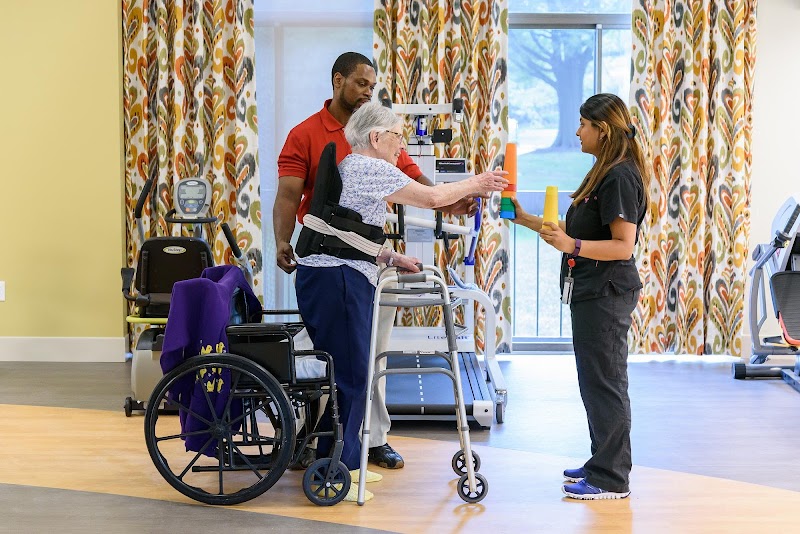
How Does Wilson Health Compare to Other Maryland Nursing Homes?

Compared to the 100 nursing homes in Maryland, WILSON HEALTH CARE CENTER's overall rating (5 stars) is above the state average of 3.1, staff turnover (19%) is significantly lower than the state average of 46%, and health inspection rating (4 stars) is above the national benchmark.

What Should Families Ask When Visiting Wilson Health?

Based on this facility's data, families visiting should ask: "Can I visit during a mealtime to observe dining assistance and food quality?" "How do you handle medical emergencies, and what is your hospital transfer rate?" "Can I speak with family members of current residents about their experience?"

Is Wilson Health Safe?

Based on CMS inspection data, WILSON HEALTH CARE CENTER has a clean safety record: no substantiated abuse findings (meaning no confirmed cases of resident harm), no Immediate Jeopardy citations (the most serious violation level indicating risk of serious injury or death), and is not on the Special Focus Facility watch list (a federal program monitoring the lowest-performing 1% of nursing homes). The facility has a 5-star overall rating and ranks #1 of 100 nursing homes in Maryland. While no facility is perfect, families should still ask about staff-to-resident ratios and recent inspection results during their visit.

Do Nurses at Wilson Health Stick Around?

Staff at WILSON HEALTH CARE CENTER tend to stick around. With a turnover rate of 19%, the facility is 27 percentage points below the Maryland average of 46%. Low turnover is a positive sign. It means caregivers have time to learn each resident's needs, medications, and personal preferences. Consistent staff also notice subtle changes in a resident's condition more quickly. Registered Nurse turnover is also low at 28%, meaning experienced RNs are available to handle complex medical needs.

Was Wilson Health Ever Fined?

WILSON HEALTH CARE CENTER has no federal fines on record. CMS issues fines when nursing homes fail to meet care standards or don't correct problems found during inspections. The absence of fines suggests the facility has either maintained compliance or corrected any issues before penalties were assessed. This is a positive indicator, though families should still review recent inspection reports for the full picture.

Is Wilson Health on Any Federal Watch List?

WILSON HEALTH CARE CENTER is not on any federal watch list. The most significant is the Special Focus Facility (SFF) program, which identifies the bottom 1% of nursing homes nationally based on persistent, serious quality problems. Not being on this list means the facility has avoided the pattern of deficiencies that triggers enhanced federal oversight. This is a positive indicator, though families should still review the facility's inspection history directly.