COMPLETE CARE AT SPRINGBROOK

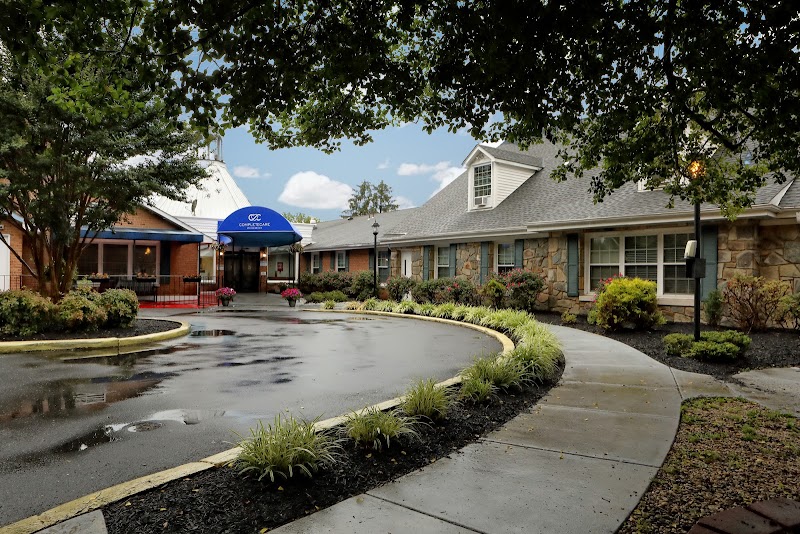
12325 NEW HAMPSHIRE AVENUE, SILVER SPRING, MD 20904 (301) 622-4600
For profit - Limited Liability company 93 Beds COMPLETE CARE Data: November 2025 1 Immediate Jeopardy citation
Trust Grade
68/100
#13 of 219 in MD
Last Inspection: September 2020

Over 2 years since last inspection. Current conditions may differ from available data.

Overview

Complete Care at Springbrook has a Trust Grade of C+, indicating it is slightly above average but still has room for improvement. It ranks #13 out of 219 nursing homes in Maryland, placing it in the top half of facilities in the state, and #2 out of 34 in Montgomery County, meaning only one local option is better. The facility is on an improving trend, with issues decreasing from 5 in 2024 to 3 in 2025. Staffing is a concern here, rated at 2 out of 5 stars, with a turnover rate of 40%, which is the state average; this could affect the continuity of care. On the positive side, there are no fines reported, and the facility has solid RN coverage, ensuring that registered nurses are available to catch issues that may be missed by other staff. However, there are notable weaknesses. One critical incident involved a failure to maintain a safe environment for a resident at risk of wandering, which could lead to serious harm. Additionally, there were several concerns regarding medication administration, including delays in giving medications as prescribed for multiple residents. Lastly, staff failed to properly label medications, leading to expired drugs being present in the facility. While there are strengths in RN oversight and a lack of fines, families should be aware of these serious concerns when considering this nursing home.

Trust Score
C+
68/100
In Maryland
#13/219
Top 5%
Safety Record
High Risk
Review needed
Inspections
Getting Better
5 → 3 violations
Staff Stability
○ Average
40% turnover. Near Maryland's 48% average. Typical for the industry.
Penalties
✓ Good
No fines on record. Clean compliance history, better than most Maryland facilities.
Skilled Nurses
○ Average
Each resident gets 38 minutes of Registered Nurse (RN) attention daily — about average for Maryland. RNs are the most trained staff who monitor for health changes.
Violations
⚠ Watch
33 deficiencies on record. Higher than average. Multiple issues found across inspections.
★★★★★
5.0
Overall Rating
★★☆☆☆
2.0
Staff Levels
★★★★★
5.0
Care Quality
★★★★☆
4.0
Inspection Score
Stable
2024: 5 issues
2025: 3 issues

The Good

  • 5-Star Quality Measures · Strong clinical quality outcomes
  • Full Sprinkler Coverage · Fire safety systems throughout facility
  • No fines on record
  • Staff turnover below average (40%)

    8 points below Maryland average of 48%

Facility shows strength in quality measures, fire safety.

The Bad

Staff Turnover: 40%

Near Maryland avg (46%)

Typical for the industry

Chain: COMPLETE CARE

Part of a multi-facility chain

Ask about local staffing decisions and management

The Ugly 33 deficiencies on record

1 life-threatening
Mar 2025 3 deficiencies
CONCERN (D) 📢 Someone Reported This

A family member, employee, or ombudsman was alarmed enough to file a formal complaint

Potential for Harm - no one hurt, but risky conditions existed

Comprehensive Care Plan (Tag F0656)

Could have caused harm · This affected 1 resident

**NOTE- TERMS IN BRACKETS HAVE BEEN EDITED TO PROTECT CONFIDENTIALITY** Based on interviews and record review it was determined that the facility failed to develop and implement a comprehensive care p...

Read full inspector narrative →
**NOTE- TERMS IN BRACKETS HAVE BEEN EDITED TO PROTECT CONFIDENTIALITY** Based on interviews and record review it was determined that the facility failed to develop and implement a comprehensive care plan to meet the needs of a Resident. This was found evident of 1 (Resident #85) of 19 Residents reviewed for care planning during an annual and complaint survey. The findings include: On 3/14/25 at 8:18 AM, the surveyor reviewed Physical Therapy (PT) notes for Resident #85. The review revealed a note written on 1/21/25 that stated, Resident # 85 was educated and engaged in bilateral (both) lower extremities home exercise program to improve strength. It further stated that the Therapist communicated with the unit manager about the Resident's inability to see and hear. On 3/14/25 at 12:30 PM, the surveyor reviewed Resident #85's Minimum Data Set (MDS) assessment dated [DATE] and 1/21/25. The review revealed that on 10/15/25 Resident #85 was assessed to have adequate hearing ability and on the 1/21/25 Resident #85 was assessed to have minimal difficulty (difficulty in some environments, such as when a person speaks softly or setting is noisy). On 3/14/25 at 2:40 PM, the surveyor reviewed Resident # 85's January Medication Administration Record (MAR) during the review it was revealed that Resident #85 has an order written on 1/20/25 at 9:20 PM for debrox otic solution with the indication for cerumen impaction (a medical term for earwax blockage) in the left ear. The surveyor next reviewed Resident #85's care plan. No care plan was developed regarding hearing or vision deficits for resident #85. On 3/14/25 at 3 PM, the surveyor conducted an interview with the acting Director of Nursing (DON). During the interview the surveyor relayed the concerns that Resident #85 was identified as having hearing and vision difficulties and no care plan or interventions were written for these identified needs.
CONCERN (D) 📢 Someone Reported This

A family member, employee, or ombudsman was alarmed enough to file a formal complaint

Potential for Harm - no one hurt, but risky conditions existed

Deficiency F0800 (Tag F0800)

Could have caused harm · This affected 1 resident

Based on observation, meal ticket review and interview, it was determined that the facility staff failed to ensure the residents' food preferences were honored. This was found to be evident for 1(Resi...

Read full inspector narrative →
Based on observation, meal ticket review and interview, it was determined that the facility staff failed to ensure the residents' food preferences were honored. This was found to be evident for 1(Resident #9) out of 38 residents reviewed for food/nutrition. The findings include: Observation of the kitchen serving lunch, on 03/12/25 at 11:40 AM, found that East unit #1 food cart arrived at 11:43 AM in the hallway. Resident #4 refused his lunch tray containing rice, he stated because he dislikes rice. Reviewing his meal ticket revealed that no rice was printed on his meal tickets. Shared above info. with the Kitchen's Manager (Staff #4) that he agreed it was an error. Interview, on 03/12/25 at 01:20 PM, the Administrator stated that he agreed to the error that kitchen staff made as a deficiency practice.
CONCERN (E) 📢 Someone Reported This

A family member, employee, or ombudsman was alarmed enough to file a formal complaint

Potential for Harm - no one hurt, but risky conditions existed

Pharmacy Services (Tag F0755)

Could have caused harm · This affected multiple residents

Based on observations, record reviews, and staff interviews, it was determined that the facility failed to ensure medications were administered to a resident as ordered. This was evident for 6 (Reside...

Read full inspector narrative →
Based on observations, record reviews, and staff interviews, it was determined that the facility failed to ensure medications were administered to a resident as ordered. This was evident for 6 (Resident #77, #7, #38, #48, #90 & #85) out 14 residents reviewed for medication regimen review and medication administration. The findings include: 1a) On 3/7/25 at 10:46 AM the surveyor observed Licensed Practical Nurse (LPN) #14 prepare medications that were scheduled to be given at 9 AM for Resident #77. LPN #14 stated that lactulose was not available but had 2 of the medications, amlodipine Besylate and Loratadine. The surveyor next observed LPN #14 administer the medications to Resident #77 at 10:51 AM. The surveyor noted this was over an hour from the due time. 1b) On 3/7/25 at 10:56 AM the surveyor observed Licensed Practical Nurse (LPN) #14 prepare medications that were scheduled to be given at 9 AM for Resident #7. LPN #14 stated that fluticasone furoate-vilanterol inhaler and furosemide were not available and had to be re-ordered. Ferrous sulfate, folic acid, extra strength tylenol, metoprolol tartrate, lubiprostone, escitalopram oxalate, clopidogrel bisulfate, allopurinol, letrozole and lactulose oral solution were prepared. The surveyor next observed LPN #14 administer all the medications administered to Resident #7 at 11:13 AM except the lactulose in which the resident refused. The surveyor noted this was over an hour from the due time. At 11:30 AM, the surveyor reviewed Resident #7's March Medication Administration Record (MAR). Flonase nasal suspension was additionally documented as not available for the 9 AM administration on 3/7/25. On 3/7/25 the surveyor interviewed the acting Director of Nursing (DON) and LPN #14. During the interview the surveyor reviewed that the two residents observed for medication administration both had medications that were ordered but not given because they were not available. The acting (DON) stated that the facility had some ability to pull missing medication from an emergency supply and would look into the issue. 1c) On 3/13/25 at 5:48 AM, the surveyor observed License Practical Nurse (LPN) #15 prepare Resident #38's medication that was due to be given at 6 AM. LPN #15 crushed the levothyroxine sodium tablet and while in the room mixed the medication with water. LPN #15 next pulled the medication into a syringe, paused Resident #38's tube feeding, opened the medication port of Resident #38's gastric tube (a tube inserted through the abdominal wall and leads to the stomach), pushed the medication into the tube with the syringe, closed the medication port and restarted the tube feeding. On 3/13/25 at 7:04 AM, the surveyor reviewed Resident #38's orders. The review revealed an order written on 2/25/25 that stated, flush Resident #38's tube with at least 15 ML of water after final medication administration. On 3/13/25 at 7:13 AM, the surveyor interviewed LPN #13. During the interview she confirmed that she did not flush the tube with water but would do it now. 1d) On 3/13/25 at 10:15 the surveyor observed Registered Nurse (RN) #19 prepare medications that were scheduled to be given at 9 AM for Resident #48. RN #19 stated that clopidorel was not available but had 5 of the medications, aspirin, carvedilol, fluoxetine hydrochloride, hydralazine hydrochloride, ferrous sulfate. The surveyor next observed RN #19 administer the medications to Resident #48 at 10:32 AM. The surveyor noted this was over an hour from the due time. 1e) On 3/13/25 at 10:49 AM the surveyor interviews Licensed Practical Nurse (LPN) #16. During the interview LPN #16 stated that Resident #90 returned from a therapy session and that she would be giving his/her 9 AM medications. LPN #16 stated that the ncruse ellipta inhaler and acamprosate calcium were not available and would have to be ordered. LPN #16 prepared Resident #90's gabapentin, thiamine, prednisone, furosemide, apixaban, fluoxetine hydrochloride, folic acid, cilostazol, and budesonide-formoterol fumarate inhaler. On 3/13/25 at 11:22 AM, LPN #16 administered the mediations to Resident #90. This was 33 minutes after the resident got back from therapy when the medications were due to be given at 9 AM. The surveyor reviewed the policy titled: Medication Administration. Number 12 in the explanations and compliance guidelines stated; Administer within 60 minutes prior to or after scheduled time unless otherwise ordered by physician. On 3/13/25 at approximately 1:30 PM, the surveyor reviewed the concerns with the acting DON that multiple residents did not have medications available to them and were not given with medications administration observed. The surveyor also reviewed the concern that on multiple occasions medications were given well over an hour after they were due to be given. 1f) On 3/14/25 at 2:40 PM, the surveyor reviewed Resident # 85's January Medication Administration Record (MAR) during the review it was revealed that Resident #85 has an order written on 1/20/25 at 9:20 PM for debrox otic solution with the indication for cerumen impaction (a medical term for earwax blockage) in the left ear. The medication was to be given twice a day for 4 days. On further review of the MAR it was noted that the 9 AM dose was marked at a 7 see progress notes and the 5 PM dose was left blank. Both doses for the next three days were documented as given. The review revealed that Resident #85 got the medication for 3 days instead of the 4 days prescribed. On 3/14/25 at 3:00 PM the surveyor conducted an interview with the acting Director of Nursing (DON). The acting DON confirmed the med was not administered as ordered.
Dec 2024 5 deficiencies
CONCERN (D) 📢 Someone Reported This

A family member, employee, or ombudsman was alarmed enough to file a formal complaint

Potential for Harm - no one hurt, but risky conditions existed

Report Alleged Abuse (Tag F0609)

Could have caused harm · This affected 1 resident

**NOTE- TERMS IN BRACKETS HAVE BEEN EDITED TO PROTECT CONFIDENTIALITY** 3. Resident #13's admission Record, indicated the facility admitted the resident in January 2023. The admission Record revealed ...

Read full inspector narrative →
**NOTE- TERMS IN BRACKETS HAVE BEEN EDITED TO PROTECT CONFIDENTIALITY** 3. Resident #13's admission Record, indicated the facility admitted the resident in January 2023. The admission Record revealed the resident's medical history included diagnoses of paraplegia and end stage renal failure. A quarterly Minimum Data Set, dated [DATE], revealed Resident #13's Brief Interview for Mental Status (BIMS) score was 15, which indicated the resident had no cognitive impairment. An untitled document, dated 12/04/2023, revealed Resident #13 made a complaint to a corporate representative alleging that on 11/30/2023, the night supervisor asked them to shut up and told them they talked too much. The resident added the staff did not help them with their broken bed. During a telephone interview on 12/11/2024 at 9:40 AM, the Corporate Representative stated she did not remember an abuse allegation email from Resident #13. She added if she got an email with any kind of allegations, she would immediately forward the email to the Administrator. A Maryland Department of Health, Office of Health Care Quality, Facility Reported Incident Initial Report Form, dated 12/04/2023, indicated the facility was informed of an abuse allegation on 12/04/2023 at 6:07 AM. Resident #13 had alleged the night supervisor told the resident to shut up and that the resident talks too much, which occurred on 11/20/2023. The form indicated the facility notified the state survey agency of the abuse allegation on 12/04/2023 at 2:00 PM, which was not in compliance with the required reporting timeframe. During an interview on 12/16/2024 at 2:30 PM with the Administrator and the Director of Nursing (DON), the DON stated Resident #13 alleged RN #5 yelled at them while trying to fix their bed. The DON stated the incident should have been reported to the state within two hours of them becoming aware of the incident. The Administrator and the DON confirmed it had not been turned in on time. Based on interview, record review, facility document review, and facility policy review, the facility failed to report allegations of abuse within the required timeframe for 3 (Residents #13, #27, and #32) of 19 residents reviewed for abuse allegations. Findings included: The facility policy titled, Abuse, Neglect, Exploitation, revised on 09/12/2024, indicated, The facility strictly prohibits abuse, mistreatment, neglect, or exploitation of all residents, or the misappropriation of resident property. The facility will report all allegations of abuse/neglect/exploitation or mistreatment, including injuries of unknown sources and misappropriation of resident property immediately to the Administrator of the facility and to other appropriate agencies in accordance with current state and federal regulations within prescribed timeframes. 1. Resident #27's admission Record indicated the facility admitted the resident in October 2018. According to the admission Record, the resident had a medical history that included diagnoses of end stage renal disease, hemiplegia and hemiparesis, and hypertension. An annual Minimum Data Set (MDS), with an Assessment Reference Date (ARD) of 01/06/2023, revealed Resident #27 had a Brief Interview for Mental Status (BIMS) score of 3, which indicated the resident had severe cognitive impairment. A Self-Report Form, dated 12/22/2022 at 12:00 PM, indicated the facility was informed of an abuse allegation that occurred on 12/22/2022 at 6:00 AM. A family member alleged two nursing assistants had slapped Resident #27's hand while getting the resident ready for dialysis. A review of an email from the Administrator to the state survey agency, dated 12/22/2022, indicated the facility notified the state survey agency of the abuse allegation on 12/22/2022 at 3:10 PM, which was not in compliance with the required reporting timeframe. In an interview on 12/12/2024 at 8:22 AM, the Administrator (ADM) stated he was unaware the 12/22/2022 incident had been reported late. The ADM stated he would like to review the report to determine why the report might have been late. In an interview on 12/16/2024 at 10:35 AM, the ADM stated the previous DON had submitted the 12/22/2022 report and he was unable to reach her. The ADM stated he did not know why the report was late but based on the time on the forms, it was submitted late. In an interview on 12/16/2024 at 2:30 PM, the ADM stated he did not recall specifics of the incidents with Resident #27, but the abuse allegation should have been submitted within two hours. 2. Resident #32's admission Record indicated the facility admitted the resident in May 2021. According to the admission Record, the resident had a medical history that included diagnoses of hemiplegia and hemiparesis following cerebral infarction, type 2 diabetes mellitus, dementia, and cognitive communication disorder. An annual Minimum Data Set (MDS), with an Assessment Reference Date (ARD) of 03/31/2022, revealed Resident #32 had a Brief Interview for Mental Status (BIMS) score of 9, which indicated the resident had moderate cognitive impairment. A review of Resident #32's Progress Notes, revealed a change in condition note, dated 03/24/2022 at 3:37 PM, indicating the resident had alleged abuse, and an investigation was in progress. A facility Self-Report Form, dated 03/24/2022 at 5:45 PM, indicated Resident #32 alleged the geriatric nursing assistant that provided care to the resident on the evening of 03/23/2022 picked up the resident's legs and dropped them. The report did not indicate the time the facility was informed of the allegation. A review of an email from the facility to the state survey agency, dated 03/24/2022, indicated the facility notified the state survey agency of the abuse allegation on 03/24/2022 at 6:22 PM, which was not in compliance with the required reporting timeframe. In an interview on 12/11/2024 at 12:02 PM, the Director of Nursing (DON) stated the facility needed to notify the police and report any allegation of abuse to the state within two hours. The DON was not working at the facility at the time of the allegation. In a concurrent interview on 12/11/2024 at 12:02 PM, the Administrator (ADM) stated his expectation was to report in the required timeframe. The ADM stated he was unsure why the allegation related to Resident #32 was reported to the state later than two hours after the allegation. The ADM stated he would review the investigation to confirm the late submission. In a follow-up interview on 12/12/2024 at 8:22 AM, the ADM stated the abuse allegation incident report was completed with an effective time of 4:04 PM, which was what he had used as the start time for the two-hour reporting.
CONCERN (D) 📢 Someone Reported This

A family member, employee, or ombudsman was alarmed enough to file a formal complaint

Potential for Harm - no one hurt, but risky conditions existed

Investigate Abuse (Tag F0610)

Could have caused harm · This affected 1 resident

**NOTE- TERMS IN BRACKETS HAVE BEEN EDITED TO PROTECT CONFIDENTIALITY** Based on interview, record review, facility document review, and facility policy review, the facility failed to conduct a thorou...

Read full inspector narrative →
**NOTE- TERMS IN BRACKETS HAVE BEEN EDITED TO PROTECT CONFIDENTIALITY** Based on interview, record review, facility document review, and facility policy review, the facility failed to conduct a thorough investigation into an allegation of neglect by failing to conduct interviews with facility staff assigned to care for the resident. This affected 1 (Resident #13) of 19 residents reviewed for abuse and neglect. Findings included: A facility policy titled, Abuse, Neglect, Exploitation, revised [DATE], specified, The facility will perform an investigation that focuses on whether abuse or neglect occurred and to what extent, clinical evaluation for any signs of injury, causative factors, and interventions to prevent further injury. Resident #13's admission Record indicated the facility admitted the resident in [DATE]. According to the admission Record, the resident had a medical history that included diagnoses of paraplegia, end stage renal disease, pressure ulcer, and dependence on renal dialysis. A quarterly Minimum Data Set (MDS), with an Assessment Reference Date (ARD) of [DATE], revealed Resident #13 had a Brief Interview for Mental Status (BIMS) score of 15, which indicated the resident had intact cognition. A Progress Note, dated [DATE], indicated the resident was transferred to the hospital on [DATE]. Resident #13 was no longer residing in the facility at the time of survey and was deceased . A Maryland Department of Health, Office of Health Care Quality, Facility Reported Incidents Initial Report Form, dated [DATE], indicated the facility was informed of a neglect allegation on [DATE] at 1:00 PM. Further, the form revealed a family member alleged, via a certified letter, that [The facility] did not provide/administer safely and proper medical regarding the services of [Resident #13]. The date and time when the allegation occurred was noted as [DATE] through [DATE]. The report indicated the resident had been transferred to the hospital on [DATE] and a full investigation was pending. There were no specific details about the alleged facility's failure to provide/administer safely and proper medical. A review of the facility's investigation documents revealed interviews were conducted with interviewable residents regarding abuse, and observations were conducted with non-interviewable residents regarding abuse. A review of a document titled Witness Statements for [Resident #13], indicated nursing staff were interviewed about Resident #13. There were 10 witness statements, all of whom indicated they had not assigned to care for Resident #13 between [DATE] - [DATE]. No interviews from staff that worked with Resident #13 were found. A Maryland Department of Health, Office of Health Care Quality, Facility Reported Incident Follow-up Investigation Report Form, submitted [DATE], indicated the facility was unable to verify the allegation, due to the witness statements. In an interview on [DATE] at 9:02 AM, the Administrator stated he thought all the interviews were included in the investigation documents, and he indicated he did interview staff that worked with Resident #13 within the last 72 hours of residence in the facility. He no longer had the certified letter from the family member that prompted the investigation. During an interview with the Administrator and the Director of Nursing (DON) on [DATE] at 2:30 PM, the Administrator confirmed he was unable to find the rest of the investigation interviews, adding the staff that worked with Resident #13 should have been interviewed, and he thought he had done that.
CONCERN (D) 📢 Someone Reported This

A family member, employee, or ombudsman was alarmed enough to file a formal complaint

Potential for Harm - no one hurt, but risky conditions existed

Pressure Ulcer Prevention (Tag F0686)

Could have caused harm · This affected 1 resident

**NOTE- TERMS IN BRACKETS HAVE BEEN EDITED TO PROTECT CONFIDENTIALITY** Based on interview, record review, and facility policy review, the facility failed to ensure necessary treatment and services we...

Read full inspector narrative →
**NOTE- TERMS IN BRACKETS HAVE BEEN EDITED TO PROTECT CONFIDENTIALITY** Based on interview, record review, and facility policy review, the facility failed to ensure necessary treatment and services were provided to promote healing of pressure ulcers for 2 (Resident #3 and Resident #21) of 13 residents reviewed for pressure ulcers. Specifically, the facility failed to ensure weekly wound assessments were consistently completed and documented as per the care plan and to promptly consult with the attending physician or wound nurse practitioner (NP) regarding deterioration of a pressure ulcer for Resident #3. Additionally, the facility failed to provide wound treatments as ordered for Resident #21. Findings included: A facility policy titled, Resident Participation - Assessment/Care Plans, revised 10/2019, indicated, The resident and his or her representative are encouraged to participate in the resident's assessment and in the development and implementation of the resident's care plan. The policy further indicated, The resident/representative's right to participate in the development and implementation of his or her plan of care includes the right to: Request meetings, and Have access to and review the care plan. A facility policy titled, Notification of Changes, revised 08/23/2023, indicated, The purpose of this policy is to ensure the facility promptly informs the resident, consults the resident's physician; and notifies, consistent with his or her authority, the resident's representative when there is a change requiring notification. A facility policy titled, Pressure Injury Prevention and Management, revised 05/26/2023, indicated, The facility shall establish and utilize a systematic approach for pressure injury prevention and management, including prompt assessment and treatment; intervening to stabilize, reduce or remove underlying risk factors; monitoring the impact of the interventions; and modifying the interventions as appropriate. The policy also specified, g. Compliance with interventions will be documented in the weekly summary charting. 5. Monitoring a. The RN [registered nurse] Unit Manager, or designee, will review all relevant documentation regarding skin assessments, pressure injury risks, progression towards healing, and compliance at least weekly, and document a summary of findings in the medical record. b. The attending physician will be notified of: i. The presence of a new pressure injury upon identification. ii. The progression towards healing, or lack of healing, of any pressure injuries weekly. iii. Any complications (such as infection, development of a sinus tract, etc. [et cetera]) as needed. A facility policy titled, Provision of Quality of Care, revised 03/14/2023, indicated, Based on comprehensive assessments, the facility will ensure that residents receive treatment and care by qualified persons in accordance with professional standards of practice the comprehensive person-centered care plans, and the resident's choices. The policy also specified, 4. Qualified persons will provide the care and treatment in accordance with professional standards of practice, the resident's care plan, and the resident's choices. A facility policy titled, Provision of Physician Ordered Services, revised 09/22/2023, indicated, The purpose of this policy is to provide a reliable process for the proper and consistent provision of physician ordered services according to professional standards of quality. The policy also indicated, 2. Qualified nursing personnel will submit timely requests for physician ordered services and interventions to the appropriate entity. 1. Resident #3's admission Record indicated the facility admitted the resident on 04/30/2024. According to the admission Record, the resident had a medical history that included diagnoses of type 2 diabetes mellitus, hyperlipidemia, age-related physical debility, peripheral vascular disease, hypertension, nicotine dependence, and cellulitis. The admission Record indicated the facility discharged the resident on 09/11/2024. An admission Minimum Data Set (MDS), with an Assessment Reference Date (ARD) of 05/06/2024, revealed Resident #3 had a Brief Interview for Mental Status (BIMS) score of 15, which indicated the resident had intact cognition. The MDS revealed Resident #3 had limited range of motion to bilateral lower extremities. The MDS revealed Resident #3 was at risk of developing pressure injuries and had two Stage III pressure ulcers present upon admission. Resident #3's care plan included a problem statement, initiated 05/01/2024, that indicated the resident had impairment to skin integrity of both heels. The focus area was revised on 08/24/2024 to include skin impairment to the left buttock. Interventions directed staff to keep pressure-relieving devices in place while in bed or in a chair; assess the resident's skin weekly and document findings on a weekly skin assessment; turn and reposition the resident; and complete weekly treatment documentation, to include measurements of each area of skin breakdown, type of tissue and exudate, and any other notable changes or observations. A Wound Assessment Report, dated 07/31/2024 by the wound NP, indicated both heel wounds, which were classified as diabetic ulcers, were improving; however, a new Stage II pressure injury was noted to Resident #3's left buttock. According to the report, the wound to the buttock measured 1 centimeter (cm) in length by (x) 1.2 cm in width and was comprised of 100% epithelial tissue. The report indicated the recommended treatment was to cleanse the wound with normal saline (NS) and apply Xeroform and a bordered foam dressing. Resident #3's physician order history and August 2024 Treatment Administration Record (TAR) indicated the wound NP's recommendations were followed, beginning on 08/02/2024. There was no documentation that a wound assessment was conducted by the wound NP the following week on 08/07/2024 or that the facility nurses conducted any wound assessments between 07/31/2024 and 08/14/2024, nor was there any documentation that the facility nurses consulted the wound NP or physician regarding any changes in the size or condition of the wound between 07/31/2024 and 08/14/2024. Resident #3's Progress Notes included a Skin and Wound Note, dated 08/14/2024 by the wound NP, that indicated the pressure injury to the resident's left buttock had deteriorated and was now unstageable. The note indicated the wound base was 100% slough, the peri-wound area was fragile, and the wound was producing a moderate amount of serosanguineous drainage. The note also indicated, Stage 2 PI [pressure injury] to left buttock now unstageable and expanded to sacrum. The corresponding Wound Assessment Report dated 08/14/2024 by the wound NP revealed Resident #3's buttock wound measurements had increased to 4 cm in length x 1.5 cm in width, and the wound was comprised of 100% slough tissue. The report recommended the treatment be changed to cleanse with NS, apply medical grade honey and calcium alginate, and cover with bordered foam. Resident #3's physician order history and August 2024 TAR indicated the wound NP's recommendations were followed, beginning on 08/15/2024. A Wound Assessment Report, dated 08/21/2024 by the NP, revealed the buttock wound had continued to worsen and now measured 6 cm in length x 5 cm in width, with no depth. According to the report, the wound was comprised of 100% eschar and continued to produce a moderate amount of serosanguineous drainage. The recommended treatment was changed to cleanse with NS, apply Santyl and saline-soaked gauze, and cover with bordered foam. Resident #3's physician order history revealed an order dated 08/27/2024 to cleanse the resident's left buttock wound with NS, apply Santyl and saline-soaked gauze, and cover with bordered foam every shift. This order was received six days after the wound NP recommended the change in treatment; however, there was no evidence the wound deteriorated further during that timeframe. Resident #3's August and September 2024 TARs indicated the resident's sacrum/left buttock wound was treated with NS, Santyl, saline-soaked gauze, and bordered foam three times daily from 08/27/2024 through 09/10/2024 and once on the morning of 09/11/2024 (date of discharge). Wound Assessment Reports dated 08/29/2024 and 09/03/2024 indicated Resident #3's buttock wound was stable and no treatment changes were recommended. In an interview on 12/05/2024 at 12:45 PM, wound care NP #42 stated she had started coming to the facility on [DATE], after NP #44 had left the company. NP #42 stated because the wound NPs were consultants, they only made recommendations for care/treatment, and she discussed her recommendations with the unit manager who rounded with her. The NP stated they coordinated care with the primary care team if something systemic was required, such as antibiotics or outside referrals. In an interview on 12/11/2024 at 10:15 AM, RN #21 stated she rounded with the wound care NP weekly. RN #21 stated Resident #3's sacral wound started small but would show some improvement and then worsen. RN #21 stated they would change the treatment, and the wound would show some improvement and then worsen again. In a telephone interview on 12/16/2024 at 11:20 AM, wound care NP #38, who was the wound consultant company's Divisional Director of Operations, stated the wound care consultant NPs rounded at the facility weekly with an employee of the facility. NP #38 stated the wound care NP saw everyone with a wound and all new admissions. NP #38 stated the process for implementing the wound NP's recommendations was different at different facilities, but generally, she expected the wound care recommendations to be implemented. NP #38 stated if nursing was doing the treatments and noted that the wound worsened between the wound NP's visits, she expected nursing to contact the primary care physician or the wound NP. NP #38 confirmed that there was no record of a wound care NP visit and wound assessment on 08/07/2024. In an interview on 12/16/2024 at 1:07 PM, Medical Director (MD) #31 stated the wound care NP did not enter the orders, so the orders went through him. MD #31 stated he usually went with the recommendations of the wound care NP because they had assessed the wound and knew what the wound looked like. In an interview on 12/17/2024 at 9:20 AM, primary care NP #32 stated that the primary care physician team would review the wound care NP's recommendations and would usually agree with them. The NP stated they would occasionally continue treatment for an additional week before changing to a new treatment, depending on the resident's overall condition. NP #32 stated if a wound worsened, staff should reach out to her or the wound care NP. NP #32 stated it was rare that the wound care NP did not visit weekly. NP #32 stated she would be made aware of a wound worsening. NP #32 stated that unless something changed, the facility would continue the previous treatment if the wound care nurse did not come to the facility. NP #32 stated the facility contacted her when the resident required antibiotics for their wound. After reviewing the buttock wound measurements and wound deterioration documented for Resident #3 between 07/31/2024 and 08/14/2024, NP #32 stated the facility nurses may not have identified the changes, as the NP was better trained to identify any worsening of the wound. In a phone interview on 12/17/2024 at 12:23 PM, LPN #39 stated if she noticed any change to a wound, she would notify her supervisor and document it in the progress notes. In an interview on 12/17/2024 at 2:05 PM, the DON stated the facility discussed residents with skin breakdown at a weekly at-risk meeting but did not have any documentation of the discussions. The DON stated when the wound NP made recommendations for a change in wound treatment, the nurse who rounded with the wound care NP would notify the attending physician to clear the existing order, and then enter the new order into the electronic health record (EHR). The DON expected the nurses to know if the wound was getting worse and to let someone know and complete a change in condition form. The DON indicated when the nurse was doing the wound care, if the wound was not showing signs of infection, they may not realize the wound was worsening. In an interview on 12/18/2024 at 11:35 AM, LPN #6 stated he was trained in wound care by the previous wound care physician. LPN #6 stated if a wound got larger, started to smell bad, or went from epithelial to slough, he would have to notify the NP. LPN #6 stated he did not know why the NP was not notified of Resident #3's wound getting worse between 07/31/2024 and 08/14/2024. LPN #6 reviewed Resident #3's medical record and confirmed he did not see any documentation of the wound being measured or that the NP was notified of the worsening wound between 07/31/2024 and 08/14/2024. In an interview on 12/18/2024 at 11:50 AM, LPN #12, whose initials on Resident #3's August 2024 TAR indicated she provided the ordered wound care for the resident on 08/02/2024, 08/04/2024, 08/05/2024, 08/07/2024, 08/08/2024, 08/10/2024 through 08/12/2024, 08/14/2024, 08/15/2024, 08/19/2024 through 08/22/2024, and 08/26/2024 through 08/30/2024, stated if a wound changed color, had increased slough, or was getting bigger, the nurse needed to notify the NP. LPN #12 stated she cared for Resident #3 but could not recall the specifics of the resident's wounds. LPN #12 stated if the wound got larger and developed slough, this should have been reported to the wound NP. LPN #12 stated she would measure wounds for new admissions, but otherwise, the wound care NP did the wound measurements. In an interview on 12/18/2024 at 12:08 PM, RN #21 stated she felt the facility nurses were competent to assess wounds. RN #21 stated if the wound NP could not come to the facility, the primary care NP would come and assess the wound or tell them to continue the plan of care. If the primary NP did not assess the wound, the nurses would assess the wound and continue the plan of care. After reviewing the documentation of Resident #3's increased buttock wound measurements and wound deterioration from epithelial to slough tissue between 07/31/2024 and 08/14/2024, RN #21 confirmed there was a change in condition, and not a good one. RN #21 stated she did not know why the NP was not notified. In an interview on 12/18/2024 at 12:48 PM, the DON stated training on wound care and assessing wounds was completed annually by the Assistant Director of Nursing (ADON). The DON stated the NP should be notified immediately if the nurses identified a change in a resident's wound. The DON stated if the wound care NP did not come in, the facility nurses would review the wound on a weekly basis. The DON stated either she, the ADON, or RN #21 would measure the wound. The DON confirmed if a wound increased in size, changed from a Stage II to unstageable, and/or changed from epithelial tissue to 100% slough tissue, this would be considered a change. The DON confirmed that she did not see any documentation of the NP being notified of changes in the size or condition of the wound between 07/31/2024 and 08/14/2024. 2. An admission Record revealed the facility initially admitted Resident #21 on 03/07/2023 and readmitted the resident on 10/24/2023. According to the admission Record, the resident had a medical history that included diagnoses of multiple sclerosis, transient cerebral ischemic attack, type 2 diabetes mellitus without complications, peripheral vascular disease, Stage IV pressure ulcer of the sacral region, non-pressure chronic ulcer of the left and right heel and midfoot, and paraplegia. A quarterly Minimum Data Set (MDS), with an Assessment Reference Date (ARD) of 03/13/2023, revealed Resident #21 had a Brief Interview for Mental Status (BIMS) score of 15, which indicated the resident had intact cognition. The MDS indicated the resident required extensive assistance for bed mobility, transfer, and toilet use. According to the MDS, the resident was frequently incontinent of bowel and bladder and had one Stage IV pressure ulcer present upon admission/readmission. The MDS indicated the resident received a pressure-reducing device for the chair and bed, received a nutrition or hydration intervention to manage skin problems, and received pressure ulcer/injury care and applications of ointments/medications other than to the feet. Resident #21's care plan included a problem statement, initiated 03/08/2023, that indicated the resident had actual impairment of skin integrity related to a sacral wound. Interventions directed staff to follow facility protocols for treatment of the injury, apply a pressure-reducing device to the wheelchair if the wheelchair was in use, and refer the resident for wound consults. The care plan also included a problem statement, initiated 03/08/2023, that indicated Resident #21 had an activities of daily living (ADL) self-care performance deficit. Interventions directed staff to assist the resident to turn and reposition in bed every two hours and as needed. Resident #21's Order Summary Report included an order dated 03/23/2023 to cleanse the wound to the resident's sacrum with normal saline (NS), apply calcium alginate, apply Nystatin power to the peri-wound area, and cover with a dry dressing daily and as needed (PRN). Resident #21's Progress Notes included a Nursing admission Note, dated 06/29/2023 that indicated the resident was readmitted from the hospital. According to the note, the resident had a pressure ulcer to the sacrum that measured 1.0 centimeter (cm) in length by (x) 1 cm in width and had no depth. The Progress Notes also included a Care Plan Note, dated 06/29/2023 that indicated the resident was seen by the wound physician and that the previous treatments and recommendations were to be continued. Resident #21's June 2023 Treatment Administration Record (TAR) was not initialed by nursing staff to indicate a treatment was provided to the resident's sacral wound on 06/30/2023. A Skin Pressure Ulcer form, dated and signed by the Director of Staff Development on 07/07/2023, indicated Resident #21 had a Stage II pressure injury to the sacrum that was first identified upon admission on [DATE]. The form indicated the wound was comprised of 100% epithelial tissue and measured 1 centimeter (cm) in length by (x) 1 cm in width and had no depth. Resident #21's Progress Notes included a Summary for Providers note that indicated the resident had a change in condition and had generalized weakness and an inability to participate in activities or engage in conversation. The note indicated the nurse practitioner (NP) and responsible party (RP) were notified and lab work was ordered. The Progress Notes also included a Nurses Note, dated 07/10/2023, that indicated the resident was transferred to the hospital. An additional Nurses Note, dated 07/11/2023, indicated a call was made to the local hospital and the hospital charge nurse reported that the resident had been admitted for a cerebrovascular accident (stroke). Resident #21's Progress Notes included a Nursing admission Note, dated 07/13/2023, that indicated the resident was readmitted from the hospital via stretcher. The note indicated the wound to the resident's sacrum measured 7 cm in length x 4 cm in width x 0.3 cm in depth upon readmission. A Surgical Note, dated 07/20/2023, revealed the wound physician saw Resident #21 to evaluate the resident's sacral wound after the resident was readmitted to the facility from the hospital. The note indicated the sacral wound was now a Stage IV pressure injury comprised of slough and unhealthy granulation tissue. According to the note, the wound physician debrided the wound, and the measurements post debridement were 7.2 cm in length x 7.1 cm in width x 0.4 cm in depth. The wound physician documented that the resident's wound would potentially worsen due to chronic comorbidities and restricted mobility and that the prognosis of the sacral wound was poor. Surgical Notes dated from 07/25/2023 through 08/24/2023 revealed Resident #21 was seen by the wound physician weekly during which the sacral wound was debrided weekly. Resident #21's Order Summary Report included an order dated 08/24/2023, with a start date of 08/25/2023, that directed nursing staff to cleanse the wound to the resident's sacrum with NS, apply a Dakin's ¼ moistened dressing twice a day (BID). An order dated 09/02/2023 continued this wound care order. Resident #21's August 2023 and September 2023 TARs indicated Resident #21 received the physician-ordered treatment only once daily instead of BID from 08/25/2023 through 09/02/2023, for a total of nine ordered treatments missed. A Wound Consult Note, dated 09/07/2023 indicated Resident #21's sacral wound had decreased in size and treatment would continue as ordered. Resident #21's Order Summary Report included an order dated 09/28/2023, with a start date of 09/29/2023, that directed staff to cleanse the wound to the resident's sacrum with Vashe solution, apply a Vashe solution-moistened dressing to the wound, and cover with a bordered gauze dressing BID and PRN. The October 2023 TAR indicated the treatment was provided as ordered, with the exception of one treatment scheduled on Saturday, 10/07/2023. There were no nurses' initials documented to indicate the treatment was provided on that date. Resident #21's Progress Notes revealed the resident was hospitalized again from 10/17/2023 to 10/24/2023. Resident #21's Order Summary Report included an order dated 10/24/2023, with a start date of 10/25/2023, that directed nursing staff to cleanse the wound to the resident's sacrum with NS and apply a Dakin's ¼ moistened dressing BID. Resident #21's October 2023 TAR indicated the treatment was not initiated until 10/27/2023, for a total of five treatments not provided in accordance with the physician's orders. A Surgical Note dated 10/26/2023 indicated Resident #21 was seen by the wound physician. According to the note, the sacral wound had no signs of infection and was slightly improved since the last visit. The note indicated bone tissue debridement was performed. A Surgical Note dated 11/02/2023 indicated Resident #21's sacral wound had decreased in size. Resident #21's Progress Notes included a Nurse Practitioner Note, dated 11/05/2023, that indicated the resident had presented with slurred speech and was admitted to the hospital. The Progress Notes also included a Nurses Note, dated 11/05/2023 that indicated the resident was alert and oriented times three and vital signs within normal limits; however, the resident's family member visited the resident that afternoon and called 911 without checking with facility staff as to the resident's condition. The note indicated upon paramedics' arrival at the facility, the resident stated they were feeling fine and did not want to go to the hospital. The note indicated the resident's family member insisted that the resident be transported to the hospital. According to the note, the resident's responsible party of record was notified of the transfer. Resident #21's admission Record indicated the facility discharged Resident #21 on 11/05/2023. During an interview on 12/12/2024 at 11:49 AM, RN #17 stated she remembered doing wound treatments for Resident #21 but was not aware of any missed treatments. She indicated that on the day shift, the nurses did the routine and PRN wound treatments. She indicated the only time a wound treatment would be missed was if a resident refused, and then the nurse would notify the physician. She stated that Resident #21 would not refuse treatments but would ask to delay them and the nurses would always get them done the same day. During an interview on 12/12/2024 at 12:07 PM, Geriatric Nurse Aide (GNA) #13 stated she remembered Resident #21 and that the resident had wounds. She indicated the nurses were treating the resident's wounds, and the resident was also seen by the wound clinic. During an interview on 12/16/2024 at 11:45 AM, wound Nurse Practitioner (NP) #38 stated she did not have any notes on Resident #21. She stated, based on the increase in wound measurements after hospitalizations, the resident must have had a lot going on with their wound in the hospital. During an interview on 12/16/2024 at 3:15 PM, the Director of Nursing (DON), with the (ADM) present, stated she was not aware of Resident #21's wound treatments not being provided as ordered or of any missing treatments. She indicated her expectation was for wound treatments to be provided as ordered During an interview on 12/16/2024 at 3:25 PM, the ADM stated he did not have anything to add to the DON's statement.
CONCERN (D) 📢 Someone Reported This

A family member, employee, or ombudsman was alarmed enough to file a formal complaint

Potential for Harm - no one hurt, but risky conditions existed

Accident Prevention (Tag F0689)

Could have caused harm · This affected 1 resident

Based on observation, interview, record review, facility document review, and facility policy review, the facility failed to ensure a physician-ordered intervention for bed rails was consistently impl...

Read full inspector narrative →
Based on observation, interview, record review, facility document review, and facility policy review, the facility failed to ensure a physician-ordered intervention for bed rails was consistently implemented to assist the resident with safe bed mobility and minimize the risk of falls out of bed for 1 (Resident #4) of 5 residents reviewed for falls. Findings included: The facility policy titled, Fall Prevention Program, revised on 09/05/2023, indicated, Each resident will be assessed for fall risk and will receive care and services in accordance with their individualized level of risk to minimize the likelihood of falls. The facility policy titled, Use of Bed Rails, initiated on 03/14/2023, indicated, It is the policy of this facility to utilize a person-centered approach when determining the use of bed rails. Appropriate alternative approaches are attempted prior to installing or using bed rails. If bed rails are used, the facility ensures correct installation, use, and maintenance of the rails. The policy also indicated, Informed consent from the resident or resident representative must be obtained after appropriate alternatives have been attempted prior to installation and use of bed rails. This information should be presented in an understandable manner, and consent given voluntarily, free from coercion. An admission Record indicated the facility admitted Resident #4 on 03/21/2023. According to the admission Record, the resident had a medical history that included diagnoses of sequelae of cerebral infarction (complications of stroke), end-stage renal disease (ESRD), essential hypertension, chronic gout of the left ankle and foot with tophus (swollen growth under the skin) due to renal impairment, peripheral vascular disease, dependence on renal dialysis, anemia, and dementia. Resident #4's Care Plan included a focus area, initiated on 06/22/2023, that indicated the resident was at risk for falls related to gait/balance problems and incontinence. Interventions directed staff to anticipate and meet the needs of the resident, be sure the call light was within reach and encourage the resident to use it for assistance, and encourage the resident to participate in activities that promoted exercise and physical activity for strengthening and improved mobility. An annual Minimum Data Set (MDS), with an Assessment Reference Date (ARD) of 03/18/2024, revealed Resident #4 had a Brief Interview for Mental Status (BIMS) score of 10, which indicated the resident had moderate cognitive impairment. The MDS indicated the resident was dependent for mobility and utilized a wheelchair. The MDS also indicated the resident had no falls in the last one to six months prior to admission or reentry and had no falls since admission, reentry, or the prior assessment. A Fall Risk Assessment, dated 03/16/2024, revealed Resident #4 was at low risk for falls. A Bed Rail Evaluation, dated 03/16/2024, revealed no bed rails were to be used. A Change in Condition Evaluation dated 03/18/2024 revealed that during shift change, the oncoming nurse found the resident on the floor next to their bedside in a lying position. According to the evaluation, when asked what happened, the resident stated they were trying to position themselves and accidentally ended up on the floor. The evaluation indicated the call light was within reach and the resident was reeducated on using the call light when needing assistance. The evaluation indicated the resident was able to move all extremities without any difficulty and there were no apparent injuries. A Fall Risk Assessment, dated 03/19/2024, revealed Resident #4 was at moderate risk for falls. A Consent Form for Bed Rail Enablers, dated 03/19/2024, revealed consent for the use of bed rails was given to the facility by Resident #4's responsible party. Resident #4's Care Plan included a focus area, initiated on 06/17/2024, that indicated the resident was to have a ¼ side rail for turning and repositioning. Interventions directed staff to ensure the side rail was placed on the bed to enable support during repositioning and to promote independence while in bed. A Bed Rail Evaluation, dated 06/18/2024, revealed a determination that bed rails would be used due to the resident wanting side rails for turning and repositioning. An Order Summary Report for active orders as of 12/02/2024, included a physician's order dated 06/17/2024 for bilateral ¼ side rail as enablers to promote independence every shift. Treatment Administration Records dated June 2024 through December 2024 included the physician's order dated 06/17/2024 for bilateral ¼ side rails. Nursing staff initials were documented every shift to indicate the side rails were in place. A Work Order, dated 06/06/2024, revealed Resident #4's bed and television were not working. A note documented on the work order revealed the bed was replaced while the facility was waiting on a part to come in, and the work order was updated on 06/06/2024 at 7:38 AM. A Work Order, dated 11/11/2024, revealed Resident #4's bed was not working. The work order indicated the head of the bed did not go up or down. The work order was updated to a status of complete on 11/12/2024. During an observation on 12/03/2024 at 11:05 AM, Resident #4 was on the phone. The resident's bed had no side rails. The resident stated the facility was supposed to put bed rails on the bed but had never done so. During an interview on 12/03/2024 at 3:10 PM, Licensed Practical Nurse (LPN) #20 stated she had only worked at the facility for three months, and the resident had not had any falls since she had been employed. LPN #20 stated if the resident had side rails, she would look to see if the resident was able to grab onto the rail and turn themselves. LPN #20 stated some residents needed assistance to direct them to hold the bed rails. During the interview, LPN #20 walked into Resident #4's room to observe the side rails and, upon observation, stated the rails were not there. LPN #20 stated the bed was recently changed, but she could not remember when. When asked about what she would document in the electronic health record for the bed rail order, LPN #20 stated she would document 'yes' if the resident could turn and grab onto the rail. LPN #20 confirmed that she did not watch Resident #4 grab onto the rail before she documented 'yes' that day. When asked if she should have documented 'yes' if there were no bed rails on the bed, LPN #20 stated no. During an interview on 12/03/2024 at 3:37 PM, Registered Nurse (RN) #36 stated Resident #4's bed broke down recently, and the new bed did not come with side rails. RN #36 stated the rails had been ordered. RN #36 stated they would leave a message on TELS (building management/maintenance system) to get side rails. RN #36 stated that when she documented 'yes' in the electronic health record, it was to verify that the side rails were there. When asked if she should have documented 'yes' if the side rails were not in place, she stated no. RN #36 stated the facility ordered new beds recently and switched out a lot of them, and Resident #4's bed was one of the new ones they switched out. RN #36 stated they were ordering new side rails. During an interview on 12/03/2024 at 3:44 PM, Resident #4 stated someone came in a few minutes prior to put rails on the bed, but they did not fit. During a concurrent interview and observation on 12/04/2024 at 8:06 AM, Resident #4 stated they had received a new bed with bed rails installed the previous day, and they were very appreciative. Quarter length (1/4) bed rails were observed on the bed. During an interview on 12/10/2024 at 1:38 PM, the Assistant Director of Nursing (ADON) stated she remembered Resident #4's responsible party calling about the bed rails and getting the bed rail consent. The ADON stated bed rails were installed when Resident #4's responsible party gave consent, and she was not aware of any time that the resident did not have them on the bed. The ADON stated she knew the beds were swapped out sometimes, but she was not sure if that was the case for Resident #4. During an interview on 12/11/2024 at 12:02 PM with the DON and Administrator, the DON stated bed rail assessments were done upon admission. The DON also stated that if a consent was given, the bed rails were usually put on the following day. The Administrator stated if someone came in and the assessment for the side rails did not trigger, they would not do another assessment unless it was requested. The Administrator stated therapy was involved if the bed rails were for transfers, but not if they were for bed mobility or sitting at the edge of the bed. During a follow-up interview on 12/12/2024 at 9:45 AM, Resident #4 stated they were not sure if the other beds that were switched out had bed rails on them. During an interview on 12/12/2024 at 3:50 PM, the Maintenance Director stated he had worked at the facility since 05/05/2023. The Maintenance Director stated Resident #4's bed had been replaced two or three times and, if he recalled correctly, on the first occasion, the bed was not operating and they ordered another one. He indicated the second time, the motor went out, and a new control box was ordered. The Maintenance Director stated all the beds that he had replaced for Resident #4 had bed rails on them except for the last one that he had just replaced. At approximately 4:00 PM, the Maintenance Director returned to the surveyor to clarify that the first bed replacement for Resident #4 was when the control box went out in June 2024. During an interview on 12/16/2024 at 9:09 AM, the Maintenance Director stated that for bed rails, they would have to get a consent from the resident if they were alert and oriented or from the guardian if they were not alert and oriented. The Maintenance Director stated that once he had the consent, he would put the rails on the bed. During an interview with the DON and Administrator on 12/16/2024 at 2:56 PM, the DON stated fall risk assessments were completed at admission, quarterly, and after a fall and, for residents who were at risk for falls, they would put the bed in a low position and call lights within reach and would complete a bed rail assessment. The DON did not remember any specifics with Resident #4 having falls but stated if a resident had an order for bed rails, when the nurses documented in the system, 'yes' meant they checked and made sure the bed rails were in place. The DON stated Resident #4 had bed rails on the bed that had been switched out. The DON stated if bed rails were not on the bed, staff should be documenting that they were not there.
CONCERN (D) 📢 Someone Reported This

A family member, employee, or ombudsman was alarmed enough to file a formal complaint

Potential for Harm - no one hurt, but risky conditions existed

Medical Records (Tag F0842)

Could have caused harm · This affected 1 resident

2. Resident #34's admission Record indicated the facility admitted the resident on 04/29/2021. According to the admission Record, the resident had a medical history that included diagnoses of chronic ...

Read full inspector narrative →
2. Resident #34's admission Record indicated the facility admitted the resident on 04/29/2021. According to the admission Record, the resident had a medical history that included diagnoses of chronic obstructive pulmonary disease, dementia, difficulty in walking, schizophrenia, and bipolar disorder. According to the admission Record, Resident #34 was discharged from the facility on 10/05/2021. A quarterly Minimum Data Set (MDS), with an Assessment Reference Date (ARD) of 09/22/2021, revealed Resident #34 had a Brief Interview for Mental Status (BIMS) score of 6, which indicated the resident had severe cognitive impairment. The MDS revealed Resident #34 had one fall with no injury since the previous assessment. The MDS indicated Resident #34 had taken an antipsychotic medication on seven days during the seven-day assessment period and that the physician had documented on 09/15/2021 that a gradual dose reduction was contraindicated. According to the MDS, Resident #34 was receiving hospice services while at the facility and had received therapy services from 06/23/2021 through 07/20/2021. Review of Resident #34's medical record revealed no Medication Administration Records (MARs) and Treatment Administrator Records (TARs) for June 2021, July 2021, August 2021, and September 2021. On 12/04/2024 at 2:24 PM, Resident #34's MARs and TARs dated from June 2021 through September 2021 were requested from the Administrator (ADM). In an interview on 12/06/2024 at 12:11 PM, the ADM stated that the facility was unable to obtain MARs or TARs more than three years old. In an interview on 12/11/2024 at 9:16 AM, the ADM stated the facility could not get Resident #34's therapy notes from the previous management company. In an interview on 12/11/2024 at 3:09 PM, the Director of Rehabilitation (DOR) stated they were contracted with the facility and did not have records from the previous therapy company. In an interview on 12/12/2024 at 8:22 AM, the ADM stated he had provided all the records that he could obtain from hospice and that the additional records for Resident #34 may have gone with the previous management company. In an interview on 12/16/2024 at 2:30 PM, the ADM stated medical records should be maintained according to the facility policy. Based on interview, record review, and facility policy review, the facility failed to ensure the complete medical record was retained for a minimum of five years from the date of the residents' discharge for 2 (Resident #33 and Resident #34) of 45 residents whose medical records were reviewed. Findings included: A facility policy titled, Maintenance of Electronic Clinical Records, revised on 03/14/2023, indicated, Policy: This facility will maintain electronic records for each resident in accordance with acceptable standards of practice. The Policy Explanation and Compliance Guidelines specified, 5. Records will be retained in the electronic database per state law or five years from the date of discharge when there is no requirement in state law. 1. Resident #33's admission Record indicated the facility admitted the resident on 08/13/2021. According to the admission Record, the resident had a medical history that included diagnoses of acute hematogenous osteomyelitis of the left ankle and foot, anemia in chronic kidney disease, diabetes mellitus due to underlying condition with diabetic chronic kidney disease, and end stage renal disease. An admission Minimum Data Set (MDS), with an Assessment Reference Date (ARD) of 08/18/2021, revealed Resident #33 had a Brief Interview for Mental Status (BIMS) score of 15, which indicated the resident had intact cognition. The MDS indicated the resident was totally dependent on staff for bathing; required extensive one-person physical assistance with bed mobility, toilet use, and personal hygiene; and was independent with stand-by assistance with locomotion on and off of the unit. The MDS revealed that the resident's prior functioning status before admission was independent in self-care, indoor mobility (ambulation), stairs, and functional cognition. The MDS indicated Resident #33 had medically complex conditions, had other major orthopedic surgery, was at risk for developing pressure ulcers/injuries, and had no unhealed pressure ulcers/injuries. According to the MDS, the resident had an infection of the foot and had ulcer/injury treatments that consisted of a pressure-reducing device for the chair and bed, a turning and repositioning program, surgical wound care, applications of ointments or medications other than to the feet, and application of dressings to the feet. The MDS also indicated Resident #33 received intravenous (IV) medications and dialysis, both while they were not a resident and while they were a resident during the last 14 days. Resident #33's comprehensive care plan included a problem statement, initiated 09/15/2021, that indicated Resident #33 was resistive to care and refused finger sticks, medications, and showers. Interventions directed staff to allow the resident to make decisions about their treatment regimen to provide a sense of control. The care plan also included a problem statement initiated on 08/16/2021, that indicated the resident was on antibiotic therapy (vancomycin and ceftazidime) related to acute hematogenous osteomyelitis to the left ankle and foot. Interventions directed staff to administer antibiotic medications as ordered by the physician and to monitor and document side effects and effectiveness every shift. The care plan also included a problem statement initiated on 08/24/2021 that indicated the resident had actual impairment of skin integrity related to a left heel wound. Interventions directed staff to provide wound care and external fixation (initiated on 09/09/2021), wound care as per orders (initiated on 08/24/2021), and a wound vacuum (vac) to the left heel (initiated on 09/09/2021). Resident #33's Order Summary, dated 09/01/2021, included the following physician's orders: An order dated 08/31/2023 directed staff to assist and/or encourage the resident to turn and reposition every two hours and as needed (PRN) for pressure relief. An order dated 08/13/2021, with a start date of 08/16/2021, directed staff to change the wound vac to the left heel dressing on Monday, Wednesday, and Friday (MWF) once a day related to acute hematogenous osteomyelitis to the left ankle and foot. An order dated 08/14/2021, with a start date of 08/16/2021, directed staff to change wound vac every day shift every MWF for wound healing. An order dated 08/16/2021, with a start date of 08/18/2021, indicated the wound vac to the left heel was to be set for 125 millimeters of mercury (mmHG) medium continuous suction one time a day every MWF. An order dated 08/16/2021, with a start date of 08/17/2021, directed staff to cleanse the resident's left foot with Hibiclens, pat dry, and cover with a dry dressing daily on day shift for wound care. An order dated 08/13/2021 indicated the resident was to receive a wound consultation for evaluation and treatment as needed. An order dated 08/16/2021, with a start date of 08/17/2021 and an end date of 09/21/2021, indicated the resident was to receive for vancomycin hydrochloride (HCL) solution reconstituted 1.5 grams (GM), to administer 1.5 gram intravenously (IV) one time a day every Tuesday, Thursday, and Saturday (Tue, Thu, Sat) for acute hematogenous osteomyelitis until 09/21/2021. An order dated 08/16/2021, with a start date of 08/17/2021 and an end date of 09/21/2021, indicated the resident was to receive ceftazidime solution reconstituted 2 GM, to administer 2 grams IV one time a day every Tue, Thu, Sat for acute hematogenous osteomyelitis until 09/21/2021, to be given at dialysis. Resident #33's medical record contained no Medication Administration Records (MARs) or Treatment Administration Records (TARs) for review. During an interview on 12/06/2024 at 12:11 PM, the Administrator stated that when he went to populate MARs and TARs in the electronic medical record for residents whose records were greater than three years old, he was unable to retrieve the information. He indicated the only information on them was the name of the resident. During an interview on 12/18/2024 at 2:38 PM, the Director of Nursing (DON) and the Administrator (ADM) stated they expected that each resident's complete medical record be maintained for at least five years from the date of their discharge.
Sept 2020 7 deficiencies
CONCERN (D)

Potential for Harm - no one hurt, but risky conditions existed

Deficiency F0583 (Tag F0583)

Could have caused harm · This affected 1 resident

**NOTE- TERMS IN BRACKETS HAVE BEEN EDITED TO PROTECT CONFIDENTIALITY** Based on review of medical records, interviews and observations, the facility failed to safeguard the disclosure of medical info...

Read full inspector narrative →
**NOTE- TERMS IN BRACKETS HAVE BEEN EDITED TO PROTECT CONFIDENTIALITY** Based on review of medical records, interviews and observations, the facility failed to safeguard the disclosure of medical information. This was evident for 1 resident of 25 residents reviewed during the survey (Resident #63). The findings include: During observation of medication pass on 09-15-2020 at 8:50 AM, surveyor observed a poster with range of motion exercises in room [ROOM NUMBER]-A where Resident #65 resided post; however, the poster had Resident #63's name on it. On 09-15-2020 surveyor review of Resident #63's medical records revealed that the resident had started physical therapy on 07-16-2020 and that the physical therapist had instructed the Geriatric Assistant Nurses (GNAs) on therapeutic exercises for Resident #63. On 09-15-2020 at 9:56 AM, surveyor interviewed Staff #3. Staff #3 acknowledged that the poster should not have been posted and that it was in the wrong room. Staff #3 further stated that upon residents' discharge from physical therapy, the physical therapists instruct the nursing staff on what exercises need to be continued and they give the nursing staff a hand-out. On 09-15-2020 at 11:22 AM, surveyor interview of Staff #2 revealed that Staff #2 wrote Resident #63's name and pinned the poster on the wall of what used to be Resident #63's room (room [ROOM NUMBER]-A). However, Resident #63 was moved to another room. On 09-15-2020 at 11:30 AM, surveyor interviewed DON who had no further information.
CONCERN (D)

Potential for Harm - no one hurt, but risky conditions existed

Grievances (Tag F0585)

Could have caused harm · This affected 1 resident

Based on record review, facility staff and resident interviews, it was determined that the facility staff failed to assist residents to file a grievance on a missing personal belonging. It was evident...

Read full inspector narrative →
Based on record review, facility staff and resident interviews, it was determined that the facility staff failed to assist residents to file a grievance on a missing personal belonging. It was evident for 1 of 1 resident selected for the personal property review (Resident #74). The findings include: On 09-10-2020 at 3:17 PM, an interview with Resident #74 revealed the resident's robe was missing since 04-25-2020. Resident #74 reported the missing robe to Registered Nurse (RN) #4. However, RN #4 did not assist the resident to file a grievance for her/his missing robe. On 09-14-2020 at 1:35 PM, an interview with RN #4 confirmed Resident #74 reported the missing a robe to her. RN #4 told the surveyor she went through the resident's belongings in the resident's room and also checked with laundry department, but no one found it. However, RN#4 did not assist Resident #74 to file a grievance and did inform he pass management that Resident #74 reported missing property. On 09-14-2020 at 2:36 PM, an interview with the administrator revealed no additional information.
CONCERN (D)

Potential for Harm - no one hurt, but risky conditions existed

Deficiency F0658 (Tag F0658)

Could have caused harm · This affected 1 resident

**NOTE- TERMS IN BRACKETS HAVE BEEN EDITED TO PROTECT CONFIDENTIALITY** Based on resident record review and staff interviews, it was determined that the facility staff failed to meet professional stan...

Read full inspector narrative →
**NOTE- TERMS IN BRACKETS HAVE BEEN EDITED TO PROTECT CONFIDENTIALITY** Based on resident record review and staff interviews, it was determined that the facility staff failed to meet professional standards of care. This finding was evident for 1 of 25 residents reviewed for standards of care during the survey (Resident #2). The findings include: On 09-15-2020 at 1:41 PM, Resident #2's record review revealed she/he was readmitted to the facility on [DATE] from a hospital. Upon readmission, the resident's attending physician discontinued orders for Depakote (Depakote is an anticonvulsant used to treat seizure disorders, certain psychiatric conditions such as manic phase of bipolar disorder and to prevent migraine headaches). Further review of Resident #2's clinical record revealed the resident had a visit with a psychiatrist on 09-10-2020, the psychiatrist listed Depakote 500 mg twice a day for mood stability as current medication. However, the resident ' s record review revealed she/he was not on Depakote since 06-08-2020 and there was no evidence the facility staff communicated this with the psychiatrist. On 09-15-2020 at 2:49 PM, an interview with RN#4 revealed she was responsible to review the psychiatrist's progress note and follow up with the psychiatrist for any concerns. RN#4 stated she reviewed the psychiatrist's progress note dated 09-10-2020, but did not address the fact that Resident #2 was not on Depakote although the psychiatrist listed it as the resident's current medication. According to the Maryland Nurse Practice Act 10.27.09.02F, the registered nurse (RN) shall collaborate with the client, family, significant other, and other health care providers in providing care. On 09-16-2020 at 2:18 PM, a second interview with RN#4 revealed upon her reporting, the psychiatrist ordered to continue Depakote 500 mg twice a day for Resident #2. On 09-16-20 at 2:19 PM, surveyor verified Resident #2 had an active physician's order for Depakote 500 mg twice a day. The order was dated 09-15-2020.
CONCERN (D)

Potential for Harm - no one hurt, but risky conditions existed

Quality of Care (Tag F0684)

Could have caused harm · This affected 1 resident

Based on resident record review and staff interviews, it was determined that the facility staff failed to follow physician order to provide resident care. This finding was evident for 1 of 25 resident...

Read full inspector narrative →
Based on resident record review and staff interviews, it was determined that the facility staff failed to follow physician order to provide resident care. This finding was evident for 1 of 25 residents reviewed for quality of care during the survey (Resident #278). The findings include: On 09-16-2020 at 10:10 AM a review of Resident #278's record revealed the resident had a physician's order, dated on 08-22-2020, to administer Humulin 70/30 (It is a mixture of 70% intermediate-acting insulin (isophane) and 30% short-acting insulin (regular). It starts to work as quickly as regular insulin but lasts longer) 45 units subcutaneously (A subcutaneous injection is a method of administering medication under the skin) twice a day (7:30 AM and 4:30 PM) for diabetes. The medication was ordered to be given 30 minutes before meals. Further record review revealed the resident did not receive Humulin 70/30 on 08-23-2020 at 4:30 PM and on 08-24-2020 at 7:30 AM. Record review revealed there was no documented evidence as to why Resident #278 did not receive Humulin 70/30 as ordered by the physician. On 09-16-2020 at 10:10 AM, an interview with Licensed Practical Nurse (LPN) #5 revealed she was assigned to care for Resident #278 on 08-24-2020 from 7:00 AM to 3:00 PM. She was unable to answer as to why she did not administer Humulin 70/30 to Resident #278 on 08-24-2020 at 7:30 AM. On 09-16-2020 at 2:00 PM, a telephonic interview with LPN #6 revealed he was assigned to care for Resident #278 on 08-23-2020 from 3:00 PM to 11:00 PM. He was unable to answer as to why he did not administer Humulin to Resident #278 on 08-24-2020 at 4:30 PM. On 09-16-2020 at 3:00 PM, an interview with the DON (director of nursing) revealed no additional information.
CONCERN (D)

Potential for Harm - no one hurt, but risky conditions existed

Deficiency F0688 (Tag F0688)

Could have caused harm · This affected 1 resident

**NOTE- TERMS IN BRACKETS HAVE BEEN EDITED TO PROTECT CONFIDENTIALITY** Based on surveyor observation, review of the clinical records and facility staff interview, it was determined that the facility ...

Read full inspector narrative →
**NOTE- TERMS IN BRACKETS HAVE BEEN EDITED TO PROTECT CONFIDENTIALITY** Based on surveyor observation, review of the clinical records and facility staff interview, it was determined that the facility staff failed to ensure that a resident with limited range of motion received appropriate treatment and services to prevent further decrease in range of motion. This finding was evident for 1 of 5 residents selected for review of range of motion during the survey (Resident #5). The findings include: On 09-14-2020 at 9:15 AM, surveyor review of Resident #5's clinical record revealed that the resident was readmitted to the facility on [DATE]. Review of Resident #5 nursing assessment upon admission revealed resident has contractures and a loss of range of motion and physical limitations of the left upper extremities. Further record review revealed physical therapy assessment and recommendations dated 10-02-2019 for a left palm protector and elbow splints to be worn 6-8 hours every shift to prevent further contractures and further decline. However, surveyor observations on 09-10-2020 at 10:00 AM, 11:30 AM, 1:10 PM 3:30 PM, and on 9-11-2020 at 9:15 AM, 11:50 AM 2:10 PM 3:56 PM and 09-14-2020 at 08:30 AM and 09:14 at 10:10 AM revealed the resident did not have any splint or palm protector as recommended by the physical therapist. On 09-14-2020 at 10:22 AM, interview with the rehab director revealed that the facility nursing staff were trained and educated on the application of resident left splint and arm protector. On 09-15-2020 at 7:10 AM, surveyor interview with Staff #8 revealed that when he/she started the shift on 09-14-2020 at 11:00 PM, the resident did not have the left-hand splints and the splints was not applied during his/her shift. Staff #8 stated I didn't know we are supposed to put splints on the left hand. Surveyor of the resident room with Staff #8 revealed the left-hand splints in the resident drawer. On 09-15-2020 at 10:16 AM, surveyor interview with the Director of Nursing and the unit manager revealed no new information.
CONCERN (E)

Potential for Harm - no one hurt, but risky conditions existed

Deficiency F0761 (Tag F0761)

Could have caused harm · This affected multiple residents

Based on observation and staff interview, it was determined that the facility staff failed to label drugs and biologicals in accordance with accepted professional standards. This was evident for 1 of ...

Read full inspector narrative →
Based on observation and staff interview, it was determined that the facility staff failed to label drugs and biologicals in accordance with accepted professional standards. This was evident for 1 of 1 medication storage room selected for medication storage inspection during the survey. The findings include: On 09-16-2020 at 12:45 PM, a surveyor observed a 5 ml vial of TB (tuberculosis) skin test in the refrigerator with an open date marked 07-30-2020. It should have been discarded on 08-30-2020. Further observations revealed more than 100 syringes of 5 ml heparin flush with an expiration date of 06-13-2019 in medication storage room. The surveyor also observed multiple expired phlebotomy tubes (used to draw blood for lab testing). There were 3 cases (each case with 50 tubes) of red top tubes with an expiration date of 09-10-2020, six (6) additional red top tubes with an expiration date of 02-05-2020, one (1) green tube with an expiration date of 09-12-2019, and 15 purple tubes with expiration date of 11-11-2019. The charge nurse of the unit discarded expired tubes. On 09-16-2020 at 2 PM, an interview with DON (Director of Nursing) revealed no additional information.
CONCERN (E)

Potential for Harm - no one hurt, but risky conditions existed

Infection Control (Tag F0880)

Could have caused harm · This affected multiple residents

**NOTE- TERMS IN BRACKETS HAVE BEEN EDITED TO PROTECT CONFIDENTIALITY** 3. On 09-15-2020 at 8:10 AM, a surveyor observed Resident #281 with a single lumen central venous catheter on the right side of ...

Read full inspector narrative →
**NOTE- TERMS IN BRACKETS HAVE BEEN EDITED TO PROTECT CONFIDENTIALITY** 3. On 09-15-2020 at 8:10 AM, a surveyor observed Resident #281 with a single lumen central venous catheter on the right side of his/her chest. A central venous catheter is a thin, flexible tube that is inserted into a vein, usually below the right collarbone, and guided (threaded) into a large vein above the right side of the heart, called the superior vena cava. It is used to give intravenous fluids, blood transfusions, chemotherapy, and other drugs. The central venous catheter site had no dressing. On 09-15-2020, record review revealed there was a physician's order to change the central venous catheter site dressing every week or as needed. The facility policy on central venous catheter dressing change revealed to apply new dressing using sterile technique (Sterile technique is a set of specific practices and procedures performed to make equipment and areas free from all microorganisms and to maintain that sterility). On 09-15-2020 at 8:16 AM Licensed Practical Nurse (LPN #5) was observed getting supplies ready to change central venous catheter site dressing of Resident #281. LPN#5 washed her hands and put on clean gloves. She opened the dressing package and placed it on a table without disinfecting the table surface. With the same gloves on she picked a chlorhexidine scrub stick from the package (Chlorhexidine Scrub is a mild scrub containing Chlorhexidine Gluconate that exhibits bactericidal activity against a wide range of micro-organisms). Then with the chlorhexidine scrub stick in her right hand, she raised the resident's bed with her left hand and approached the resident to clean the central venous catheter site with the chlorhexidine scrub stick. Surveyor stopped LPN #5 and informed she did not follow sterile technique to change the central venous catheter dressing. LPN #5 did not clean and disinfect table surface before placing the dressing package on the table. In addition, she opened the dressing package and touched all sterile supplies with clean gloves which contaminated the sterile field. She did not discard clean gloves after opening the package, did not perform hand hygiene and did not don sterile gloves to proceed further. On 09-15-2020 at 8:30 AM, an interview with facility infection control personnel, Assistant Director of Nursing revealed central venous catheter dressing change should be done using sterile technique. On 09-15-2020 at 9 AM, an interview with Director of Nursing (DON) revealed no additional information. Based on surveyor observation, review of clinical records, facility policy and procedures and interview with facility staff, it was determined that the facility staff failed to ensure infection control practices to prevent development and transmission of communicable disease and infections for residents. This finding was evident for 3 of 25 residents reviewed during annual survey (Resident #16, #67, and #281). The findings include: 1. On 09-10-2020 at 8:30 AM, surveyor tour of Resident #67's room revealed oxygen tubing connected to an oxygen concentrator (a device which concentrates the oxygen from the surrounding air). The tubing was observed on the floor with the nostril section (nasal cannula, the tip that goes into the nose) under the resident's bed. Further observation revealed that the tubing and the humidifier bottle was dated 07-19-2020. Surveyor review of the clinical records for Resident #67 revealed a physician order to Change and date oxygen tubing every week and as needed. Rinse oxygen concentrator filter with water pat dry and reapply to concentrator weekly. Change oxygen humidifier bottle weekly. On 09-14-2020 at 9:12 AM surveyor interview with Director of Nursing (DON) revealed that the oxygen tubing and nebulizer tubing including the mouthpiece and [NAME] were to be stored in a plastic bag when not in use and to be changed weekly. However, the facility staff failed to store the oxygen tubing in a plastic bag. In addition, there was no evidence that the tubing was changed as indicated in the physician order sheet. 2. On 09-10-2020 at 10:30 AM, a tour of Resident #16's room revealed a nebulizer treatment (a drug delivery device used to administer medication in the form of a mist inhaled into the lungs) set up on the resident's bedside table. The tubing and the canister (plastic container that holds the medication) were observed under the resident's bed. The tubing and the canister were not dated. On 09-14-2020 at 9:12 AM surveyor interview with the Director of Nursing (DON) revealed that the oxygen tubing and nebulizer tubing including the mouthpiece and [NAME] were to be stored in a plastic bag when not in use and to be changed weekly. However, the facility staff failed to store the oxygen tubing in a plastic bag. In addition, there was no evidence that the tubing was changed.
Sept 2019 8 deficiencies
CONCERN (D)

Potential for Harm - no one hurt, but risky conditions existed

Deficiency F0655 (Tag F0655)

Could have caused harm · This affected 1 resident

**NOTE- TERMS IN BRACKETS HAVE BEEN EDITED TO PROTECT CONFIDENTIALITY** Based on record review and interview with facility staff, it was determined that the facility failed to develop a complete basel...

Read full inspector narrative →
**NOTE- TERMS IN BRACKETS HAVE BEEN EDITED TO PROTECT CONFIDENTIALITY** Based on record review and interview with facility staff, it was determined that the facility failed to develop a complete baseline care plan. This finding was evident for 1 of 25 residents selected for review during the survey. (#9) The findings include: On 09-10-19 at 01:30 PM, surveyor review of resident #9's clinical record revealed he/she was admitted to the facility on [DATE] with a physician's order to take Simvastatin. Simvastatin is a medication that is used to lower cholesterol. There was no evidence in the clinical record that a care plan was developed regarding the use and monitoring of Simvastatin or associated medical conditions. On 09-11-19 at 1 PM, interview with the Director of Nursing revealed no new information.
CONCERN (D)

Potential for Harm - no one hurt, but risky conditions existed

Comprehensive Care Plan (Tag F0656)

Could have caused harm · This affected 1 resident

Based on surveyor review of the clinical record and facility staff interview, it was determined that the facility staff failed to develop a comprehensive resident centered care plan to meet residents'...

Read full inspector narrative →
Based on surveyor review of the clinical record and facility staff interview, it was determined that the facility staff failed to develop a comprehensive resident centered care plan to meet residents' medical condition. This finding was evident in 1 of 25 residents selected for review during the survey. (#61) The findings include: On 09-12-19 at 9:15 AM, surveyor review of resident #61's clinical record revealed that the resident had been receiving Trazodone, a psychotropic (any medication capable of affecting the mind, emotions or behavior) medication since July 2019. However, review of the care plan for resident #61 revealed that there was no care plan developed specific to the use of the Trazodone. On 09-12-19 at 10:10 AM, surveyor interview with the director of nursing (DON) revealed no additional information.
CONCERN (D)

Potential for Harm - no one hurt, but risky conditions existed

Deficiency F0657 (Tag F0657)

Could have caused harm · This affected 1 resident

2. On 09-10-19 at 10:15 AM, surveyor interview with resident #20 revealed that he/she had no care plan meeting with the facility's interdisciplinary team for almost a year. On 09-11-19, surveyor revie...

Read full inspector narrative →
2. On 09-10-19 at 10:15 AM, surveyor interview with resident #20 revealed that he/she had no care plan meeting with the facility's interdisciplinary team for almost a year. On 09-11-19, surveyor review of the clinical record revealed that resident #20 has a court appointed guardian of person and property. Further record review revealed that the last care plan meeting for resident #20 was held on 02-28-19. On 09-11-19 at 11:30 AM, surveyor interview with resident #20's guardian revealed that the last care plan meeting held with him/her was around February this year, and it was done over the phone. The guardian stated that he/she has not received a phone call from the facility inviting him/her to any care conference. There was no evidence that a quarterly review of resident #20's care plan had been done as required and resident #20 was not given the opportunity to participate in the review of his/her plan of care. On 09-11-19 at 11:42 AM, Surveyor interview with the Director of Social Work revealed this was an honest mistake and it was a work in progress. I usually schedule a care plan meeting quarterly as required but have not gotten to this resident. 3. On 09-10-19 at 10:20 AM, surveyor interview with resident #21 revealed that he/she has not had a care plan meeting with the facility's interdisciplinary team for almost a year. On 09-11-19, surveyor review of the clinical record revealed that resident #21 has a court appointed guardian of person and property. Further record review revealed the last care plan meeting held to review resident #21's plan of care was held on 03-05-19. On 09-11-19 at 11:30 AM, surveyor interview with resident #21's guardian revealed that the last care plan meeting held with him/her was around March this year and it was done over the phone. The guardian stated that he/she has not received a phone call from the facility inviting him/her to any care conference. There was no evidence that a quarterly review of resident #21's care plan was done by the interdisciplinary team as required and resident #21 was not given the opportunity to participate in the review of his/her plan of care. On 09-11-19 at 11:42 AM, Surveyor interview with social worker revealed this was an honest mistake and it was a work in progress. I usually schedule a care plan meeting quarterly as required but have not gotten to this resident. Based on surveyor review of the clinical record, interview with facility staff and with residents' court appointed guardian, it was determined that the facility staff failed to ensure that interdisciplinary care plan conferences were conducted timely after each resident's MDS assessment. This finding was evident for 3 of 25 residents selected during the survey. (#55, #20,#21) The findings include: The Minimum Data Set (MDS) is a mandated process for clinical assessment of all residents in Medicare or Medicaid certified nursing homes. This process provides a comprehensive and accurate assessment of each resident's functional capacity and health status to assist nursing home staff in identifying health problems. MDS assessments are required for residents on admission to the nursing facility and then periodically, within specific guidelines and time frames. 1. On 08-11-19, surveyor review of the clinical record for resident #55 revealed that a quarterly MDS was completed with an ARD (Assessment Reference Date) of 05-13-19. However, there was no documented evidence in the clinical record of an interdisciplinary care conference until 07-24-19. On 09-11-19 at 3PM, interview with the Director of Nursing and the Director of Social Services revealed no additional information.
CONCERN (D)

Potential for Harm - no one hurt, but risky conditions existed

Deficiency F0658 (Tag F0658)

Could have caused harm · This affected 1 resident

Based on surveyor review of the clinical record, surveyor observation of medication pass and interview with facility staff, it was determined that the facility staff failed to ensure nursing standards...

Read full inspector narrative →
Based on surveyor review of the clinical record, surveyor observation of medication pass and interview with facility staff, it was determined that the facility staff failed to ensure nursing standards of practice for residents. This finding was evident for 2 of 25 residents selected for review during the survey. (#23 and #68) The findings include: 1. On 09-10-19 at 5:34PM, surveyor observation of medication administration for resident #23 revealed LPN (Licensed Practical Nurse) # 1 administered 9 medications to the resident. However, review of the clinical record and the September 2019 MAR (Medication Administration Record) revealed that 7 of the 9 medications administered were scheduled for administration at 4:30PM and 5PM daily. The other 2 administered medications were not scheduled until 9PM. Further observation at 5:45PM on 09-10-19 revealed that LPN # 1 signed for the administration of the 4:30PM and 5PM medications after administration. However, there was no evidence that the medications that were scheduled for 9 PM were signed by LPN # 1 after administration. On 09-10-19 at 5:50PM, interview with LPN #1 revealed that resident #23 had behavior issues, including agitation and the responsible party who was present had requested that all of the resident's evening medications be administered at one time due to the resident's agitation. Further interview revealed that this was done frequently in order to get the resident to comply in taking the medications at one time. No additional information was provided. However, further record review revealed no evidence that LPN # 1 had obtained a request for a change in the medication administration times from resident #23's attending physician secondary to the resident's behavior. Interview with the Director of Nursing on 09-10-19 at 6:15PM revealed no additional information. According to the Maryland Nurse Practice Act 10.27.09.03 F (2) (a) (b) collaborate with the client, family, significant others and other health care providers in the formulation of overall goals, the plan of care, and decisions related to care and the delivery of services; and consult with health care providers for client care. 2. On 09-11-19, surveyor review of the clinical record for resident #68 revealed nursing documentation by LPN (Licensed Practical Nurse) #2 on 09-06-19 at 15:30 that, at the time of readmission to the facility after a hospitalization, the resident vocalized complaints of pain to the right hip and back area with a pain score of 5 out of 10. Further record review revealed that the resident reported that the pain occurs daily secondary to a recent right hip dislocation. At the time of readmission, the attending physician gave an order to administer Tylenol 650 mg every 6 hours as needed for pain. Review of the September 2019 MAR (Medication Administration Record) revealed no documented evidence that Tylenol was administered on 09-06-19. Staff documentation revealed that an initial dose of the Tylenol 650 mg was administered to resident #68 on 09-09-19 at 3AM and again at 9:24AM. On 09-11-19 at 2PM and 09-12-19 at 9:15AM, surveyor interview with the Director of Nursing revealed that she had followed up with LPN #2 and that the Tylenol 650 mg had been administered to resident #68 on 09-06-19 at the time of resident's complaint of pain and it had been documented in the nursing assessment on 09-06-19 at 15:30. However, LPN #2 had failed to document the Tylenol administration on the MAR. In addition, further nursing documentation revealed that there was no further complaints of pain by the resident during the following shifts on 09-06-19. Further record review revealed no documented evidence that LPN #2 had documented a reevaluation of the pain after the Tylenol administration on 09-06-19 for the rest of the shift. Interview with the Director of Nursing on 09-12-19 at 1PM revealed no additional information. According to the Maryland Nurse Practice Act 10.27.10.03 D (3) Implementation of the nursing plan of care shall include, but is not limited to collection of data and reporting of problems that arise in the carrying out of the nursing plan.
CONCERN (D)

Potential for Harm - no one hurt, but risky conditions existed

Quality of Care (Tag F0684)

Could have caused harm · This affected 1 resident

**NOTE- TERMS IN BRACKETS HAVE BEEN EDITED TO PROTECT CONFIDENTIALITY** Based on surveyor review of the clinical record and facility staff interview, it was determined that the facility staff failed t...

Read full inspector narrative →
**NOTE- TERMS IN BRACKETS HAVE BEEN EDITED TO PROTECT CONFIDENTIALITY** Based on surveyor review of the clinical record and facility staff interview, it was determined that the facility staff failed to follow physician's orders. This finding was evident in 1 of 5 residents selected for unnecessary medication review during the survey. (#72) The findings include: On 09-10-19 at 08:30 AM, surveyor review of the clinical record for resident #72 revealed a physician order, written on 08-15-19, that read check blood sugar before meals and at bedtime for type 2 diabetes mellitus. Please notify provider for blood sugar less than 70 and greater than 250. Additional record review of medication administration record (MAR) for the month of August and September revealed facility nursing staff documentation of blood sugar results on the following days: 08-17-19 before breakfast 47 09-03-19 before lunch 294 09-03-19 before dinner 375 09-04-19 before lunch 324 09-04-19 before dinner 320 09-05-19 before lunch 321 09-06-19 before lunch 342 09-06-19 before dinner 351 09-07-19 before breakfast 61 There was no evidence that the nursing staff notified the provider as ordered when resident #72's blood sugar was [NAME] than 70 or more than 250. On 09-11-19 at 11:10 AM, surveyor interview with the nurse practitioner revealed that the nursing staff did not call her about those blood sugar results. However, she reviewed them during her routine visit with the resident. On 09-11-19 at 12:15 PM, surveyor interview with the Director of Nursing revealed no new information.
CONCERN (E)

Potential for Harm - no one hurt, but risky conditions existed

Respiratory Care (Tag F0695)

Could have caused harm · This affected multiple residents

2. On 09-09-19 at 07:55 AM and 2:00 PM, surveyor observed that resident #37 wore a nasal cannula connected to an oxygen machine set at 2 liters per minute. A nasal cannula is a lightweight tube that d...

Read full inspector narrative →
2. On 09-09-19 at 07:55 AM and 2:00 PM, surveyor observed that resident #37 wore a nasal cannula connected to an oxygen machine set at 2 liters per minute. A nasal cannula is a lightweight tube that delivers supplemental oxygen to a patient's nose. The nasal cannula tubing had a label which indicated that it was changed on 09-07-19. On 09-09-19, review of resident #37's clinical record revealed no active physician's order for supplemental oxygen or monitoring of oxygen saturation levels. On 09-02-19, a physician's order for oxygen at 2 liters per minute via nasal cannula to keep oxygen saturation at or equal to 92% was discontinued. There was no evidence in the clinical record that there was an active physician's order for oxygen on 09-09-19. Additionally, there was no evidence that the staff were monitoring resident #37's respiratory status to determine the need for oxygen. On 09-10-19 at 9:35 AM, interview with the Director of Nursing revealed no additional information. Based on surveyor review of the clinical record, surveyor observation and interview with a resident and facility staff, it was determined that the facility failed to ensure that a current physician's order was in place for the use and assessment for oxygen use by residents. This finding was evident for 2 of 3 residents selected for the Respiratory Care review. (#37,#55) The findings include: On 09-08-19 at 11 AM, surveyor observation revealed that resident #55 had an oxygen concentrator (portable oxygen) in his/her room with a nasal cannula connected and an oxygen setting at 2 liters/ minute. Further observation of the resident's room on 09-09-19 at 11:28 AM revealed thst the oxygen concentrator was in place with a setting of 2 liters/minute, and the nasal cannula, which was dated for 09-08-19 was found at the resident's bedside. In addition, a portable nebulizer machine ( turns liquid medicine into a mist to help treat asthma) was sitting on the resident's bedside stand with an attached face mask, that was dated for 09-08-19. On 09-09-19 surveyor review of the clinical record for resident #55 revealed that the resident was readmitted to the facility after a hospitalization in August 2019. Further review of a comprehensive care plan revealed a a plan in place for Alteration in Respiratory Status secondary to COPD (Congestive Obstructive Pulmonary Disease), Asthma and Wheezing, that included nursing interventions of an assessment of the resident's lungs and monitor pulse oximetry . Pulse oximetry is a noninvasive test that measures oxygen levels in the blood, and detects how efficiently oxygen is carried to the extremities. Surveyor interview with resident #55 on 09-09-19 at 2PM revealed a frequent use and need for oxygen therapy secondary to shortness of breath. Further interview revealed that the resident had the ability to apply and remove the nasal cannula when necessary. At the time of the interview, the resident was observed with the oxygen infusing via the nasal cannula. However, record review revealed no evidence of a physician's order for resident #55's use of oxygen in August and September 2019. Further review revealed that the last documented physician's order for oxygen use was in May 2019, prior to the resident's hospitalization. In addition, there was no evidence of staff documentation of any respiratory assessments for the resident's use of the oxygen. On 09-09-19 at 5:30PM, surveyor interview and observation of the resident's room with the Director of Nursing revealed that an oxygen concentrator was running at 2 liters/minute, with the nasal cannula located on the floor. In addition, the nebulizer machine was sitting on the resident's bedside table and not in use. While still in the room with the DON, resident #55 arrived and when asked about the oxygen and nebulizer stated I have not used the nebulizer for a long time, but I need my oxygen and I use it often. On 09-10-19 at 11AM, further interview with the DON revealed no additional information.
MINOR (B)

Minor Issue - procedural, no safety impact

Deficiency F0582 (Tag F0582)

Minor procedural issue · This affected multiple residents

Based on surveyor review of the clinical record, review of the Beneficiary Protection Notifications and interview with facility staff, it was determined that the facility failed to provide resident #2...

Read full inspector narrative →
Based on surveyor review of the clinical record, review of the Beneficiary Protection Notifications and interview with facility staff, it was determined that the facility failed to provide resident #23's responsible party with the NOMNC (Notice of Medicare Non-Coverage) and SNFABN (Skilled Nursing Facility Advance Beneficiary Notice of Non-Coverage) in a timely manner. This finding was evident for 1 (#23) of 3 residents selected for the Beneficiary Protection Notification review. The findings include: On 09-11-19, surveyor review of the clinical record for resident #23 revealed that 06-07-19 was the last effective date of Medicare coverage for skilled services. However, review of the Notice of Medicare Non-Coverage (NOMNC) revealed documentation by the facility staff that resident #23's responsible party was not notified until 06-06-19 via a voice mail message, which was not within the requirement of a 48 hour time frame for notification. Further review of the NOMNC revealed there was no evidence of a signature by either the facility representative nor resident #23's responsible party of an indication that the notice had been received and understood by the responsible party. In addition, review of the Skilled Nursing Facility Advance Beneficiary Notice of Non-Coverage (SNFABN) for resident #23 revealed that, as of 06-08-19, the resident's care may have to be paid out of pocket since the resident would no longer meet the skilled nursing criteria. However, further review of the SNFABN revealed no documented evidence that resident #23's responsible party had received the notification or had been given the opportunity to make an informed decision about the payment for resident's care beginning 06-08-19. There was no signature by the responsible party indicated on the SNFABN. On 09-11-19 at 3PM, and 09-12-19 10AM, interview with the facility administrator and the Director of Nursing revealed no additional information.
MINOR (B)

Minor Issue - procedural, no safety impact

Medical Records (Tag F0842)

Minor procedural issue · This affected multiple residents

**NOTE- TERMS IN BRACKETS HAVE BEEN EDITED TO PROTECT CONFIDENTIALITY** Based on record review and interview with facility staff, it was determined that the facility failed to accurately document a re...

Read full inspector narrative →
**NOTE- TERMS IN BRACKETS HAVE BEEN EDITED TO PROTECT CONFIDENTIALITY** Based on record review and interview with facility staff, it was determined that the facility failed to accurately document a resident's responsible party on the face sheet. This finding was evident for 1 of 25 residents selected for review during the survey. (#28) The findings include: On 09-09-19, surveyor review of resident #28's clinical record revealed that they was admitted to the facility on [DATE] and was self-responsible. On 07-09-19, resident #28's family member was granted financial power of attorney for the resident. On 07-10-19, resident #28 was certified by 2 physicians as being incapable of understanding or making decisions due to a medical condition. On 09-09-19, surveyor review of resident #28's facesheet revealed that the resident was still listed as self-responsible. On 09-10-19 at 01:00 PM, interview with resident#28 revealed that the family member who was appointed their financial power of attorney also makes medical decisions for the resident. On 09-10-19 at 01:45 PM, interview with the Director of Nursing revealed that the resident's financial power of attorney also makes medical decisions for the resident. The Director of Nursing further stated that the facility recently switched medical record computer systems and resident #28's facesheet had not yet been updated to reflect the accurate status of the responsible party.
Mar 2019 10 deficiencies 1 IJ
CRITICAL (J)

Immediate Jeopardy (IJ) - the most serious Medicare violation

Accident Prevention (Tag F0689)

Someone could have died · This affected 1 resident

**NOTE- TERMS IN BRACKETS HAVE BEEN EDITED TO PROTECT CONFIDENTIALITY** Based on surveyor review of clinical and administrative records and staff interviews, it was determined that the facility failed...

Read full inspector narrative →
**NOTE- TERMS IN BRACKETS HAVE BEEN EDITED TO PROTECT CONFIDENTIALITY** Based on surveyor review of clinical and administrative records and staff interviews, it was determined that the facility failed to maintain a safe environment for resident #76. This deficient practice placed the resident at risk for elopement and serious harm. This finding was evident for 1 of 13 (#76) residents reviewed for accidents during the survey and was identified during the investigation of facility reported incident #MD00134904. Review of the facility's plan of correction implemented after the facility gained knowledge of the incident resulted in the deficiency being cited as past non-compliance. The findings include: A wander guard system is an alarm system used to alert staff if a resident who has been determined at risk for elopement is trying to leave the facility or wander into a restricted area. A transmitter is placed on the at-risk resident (typically on a band around the wrist or the ankle) and when the resident approaches the door way or area equipped with a wander guard sensor, an alarm sounds to notify staff. On 03-27-19, surveyor review of the clinical record for resident #76 revealed an elopement assessment, dated 12-07-18, that stated the resident was at risk for elopement. On 12-07-18, there was a physician's order to check for wander guard placement every shift. In addition, the clinical record revealed a care plan, dated 12-08-18, that stated potential for elopement related to non-compliance. The care plan stated that the facility implemented interventions to prevent elopement. These interventions included assessing, documenting, and reporting to the resident's doctor any risk factors for potential elopement, applying a wander guard and checking for placement, redirecting as needed, taking a photo of the resident to maintain on file for identification purposes, placing a copy of the resident's face sheet with a photo at the reception desk, and obtaining a psych consult as needed. Further review of the clinical record revealed a physician certification related to substitute decision making, medical condition, and treatment limitations that stated the resident was deemed as unable to comprehend and make decisions on 12-18-18 and 12-19-18 by two separate physicians. Additionally, the clinical record revealed a safe smoking evaluation was performed by facility staff on 12-18-19, which assessed resident #76 as a dependent smoker. The evaluation stated the resident required supervision with smoking. On 03-27-19 at 01:50 PM, interview with GNA #1 revealed he/she saw resident #76 on 12-19-18 around 7 AM outside the front entrance by himself/herself. GNA #1 stated that resident #76 had just finished smoking a cigarette and GNA #1 redirected the resident back into the building because they should not have been outside by themselves. GNA #1 stated resident #76 was wearing a wander guard bracelet and set off the wander guard alarm when they went back into the building. GNA #1 stated that he/she immediately told the charge nurse that the resident was outside the building unattended by staff. There was no evidence that the charge nurse assessed resident #76 after he/she was observed outside of the building unattended. Furthermore, there was no evidence that the facility provided increased supervision or altered safety interventions to prevent further elopement attempts. The charge nurse assigned to resident #76 was unavailable for interview. Review of a nurse's note, written on 12-19-18 at 06:01 PM, revealed the resident was last seen by the charge nurse in the facility on 12-19-18 around 07:40-07:45 AM. At 10:40 AM on 12-19-18, the facility staff were unable to locate the resident on the facility premises after staff conducted a search. The facility's administration were notified and the police were called. In addition, the resident's attending physician and legal guardian were notified of the resident's elopement from the facility. Review of the facility's interview with the receptionist revealed that he/she came into the facility at 7:12 AM on 12-19-18 and did not see the resident that day. Further review of the clinical record revealed a nurse's note, written on 12-20-18 at 6:37 PM, which stated that resident #76 returned to the facility around noon on 12-20-18. The resident was assessed as stable by the nursing staff and physician. On 03-28-19 at 01:40 PM, surveyor interview with the Director of Nursing revealed that the facility was unable to determine how the resident eloped from the facility premises unnoticed. However, there was no evidence that the facility questioned resident #76 regarding how he/she was able to leave the building unnoticed. Upon the resident's return to the facility on [DATE], the staff noted that the resident was no longer wearing a wander guard bracelet. Resident #76 was immediately provided a new wander guard bracelet that was more tamperproof. On 03-28-19 at 4:10 PM, surveyor interview with the administrator revealed the front desk was staffed with a receptionist between the hours of 7 AM to 9 PM. From 9 PM to 7 AM, the main entrance was locked and the nursing supervisor must unlock the door to allow anyone in or out of the facility. Immediate actions taken by the facility on 12-20-18 included: A quick census was conducted and all the residents on the units were accounted for. All door alarms and wander guard alarms were checked for proper functioning. The maintenance staff will check the wander guard alarms on a daily basis. The nursing staff will check placement of wander guard bracelets of residents every shift. The administration performed a review of elopement policies and procedures. A photo binder of residents that were assessed as elopement risks was posted at the front desk. The front desk requires staff to open the door to the main entrance for anyone exiting the building. On 12-20-18, following resident #76's return to the facility, the staff replaced resident #76's wander guard bracelet with a more tamperproof device. Facility staff also replaced the wander guard bracelets of other residents with a more tamperproof device. On 12-21-18, the assistant Director of Nursing provided clarification and training to some of the facility staff regarding the facility's elopement and leave of absence policy, completion of an incident report, and documentation and follow up of residents who eloped. Additional training sessions were conducted with the remaining facility staff by the assistant Director of Nursing on 12-26-18 and 12-27-18. An elopement drill was performed with facility staff on 01-04-19. On 01-24-19, resident #76 was discharged from the facility. The Director of Nursing and Assistant Director of Nursing will submit and review the audits with QAPI (quality assurance and performance improvement) committee every month for three months or until complete compliance is achieved as determined by the committee. The facility's compliance date was 01-24-19.
CONCERN (D)

Potential for Harm - no one hurt, but risky conditions existed

Deficiency F0551 (Tag F0551)

Could have caused harm · This affected 1 resident

Based on surveyor review of the clinical record and interview of the facility staff, it was determined that the facility staff failed to ensure that documentation to verify a court appointed guardian ...

Read full inspector narrative →
Based on surveyor review of the clinical record and interview of the facility staff, it was determined that the facility staff failed to ensure that documentation to verify a court appointed guardian was located in resident #127's clinical record. This finding was evident for 1(#127) of 5 residents selected for the Hospitalization care area review. The findings include: On 03-27-19, surveyor review of the clinical record for resident #127 revealed documentation on the transferring hospital's discharge summary that indicated the resident was appointed a Court appointed Guardian for 90 days. Further review of the discharge summary revealed that the guardian's name and contact information was included. In addition, review of the 03-15-19 attending physician's history and physical, documented at the time of facility admission, revealed that the resident had a court appointed guardian for 90 days. However, further record review revealed that the court appointed guardianship paperwork for resident #127 was not in the clinical record. On 03-27-19 at 11 AM, interview with the facility's social service manager revealed that he/she was unaware that resident #127 had a court appointed guardian until surveyor intervention on 03-27-19. On 03-27-19 at 1PM, surveyor interview with the facility administrator and the Director of Nursing (DON) revealed that resident #127's court appointed guardian had met with the resident last week at the facility, however, there was no evidence of the court appointed guardianship papers in the clinical record. No additional information was provided.
CONCERN (D)

Potential for Harm - no one hurt, but risky conditions existed

Deficiency F0572 (Tag F0572)

Could have caused harm · This affected 1 resident

Based on surveyor review of the clinical record and interview of the facility staff, it was determined that the facility staff failed to notify resident #127's court appointed guardian of the resident...

Read full inspector narrative →
Based on surveyor review of the clinical record and interview of the facility staff, it was determined that the facility staff failed to notify resident #127's court appointed guardian of the resident's rights and services, including the obtaining of signed admission paperwork for the resident prior to or upon admission to the facility. This finding was evident for 1 of 5 residents selected for the Hospitalization care area review. The findings include: On 03-27-19, surveyor review of the clinical record for resident #127 revealed documentation on the transferring hospital's discharge summary that indicated the resident was appointed a Court appointed Guardian for 90 days. Further review of the discharge summary revealed that the guardian's name and contact information was included. In addition, review of the 03-15-19 attending physician's history and physical, documented at the time of facility admission, revealed that the resident had a court appointed guardian for 90 days. Further review of the clinical record revealed documentation by the facility's admission representative of a late entry for 03-14-19 that an attempt was made to review the admission agreement with resident #127, but the resident requested that the representative return the next day. Documentation of another late entry by the admission representative for 03-15-19 revealed that the resident was unable to be located on the following day. Documentation by the admission representative on 03-18-19 revealed follow up with the resident that included a hand delivered admission agreement, however, the resident refused to sign it and stated I do not want to be here. However, there was no documented evidence that the facility had made any contact with resident #127's court appointed guardian regarding the admission agreement until surveyor intervention on 03-27-19. Further record review of the facility's social services documentation revealed no evidence of resident #127 having a court appointed guardian as indicated in the hospital's discharge summary. On 03-27-19 at 11AM, interview with the facility's social service manager revealed that he/she was unaware that resident #127 had a court appointed guardian until surveyor intervention on 03-27-19. On 03-27-19 at 1PM, interview with the facility administrator and the Director of Nursing (DON) revealed that resident #127's court appointed guardian had met with the resident last week at the facility. However, there was no documented evidence that the resident's admission agreement and/or the resident's rights and services were reviewed and signed by the court appointed guardian at the time of the visit. No additional information was provided.
CONCERN (D)

Potential for Harm - no one hurt, but risky conditions existed

Notification of Changes (Tag F0580)

Could have caused harm · This affected 1 resident

Based on surveyor review of the clinical record and interview of the facility staff, it was determined that the facility staff failed to timely notify resident #127's court appointed guardian of signi...

Read full inspector narrative →
Based on surveyor review of the clinical record and interview of the facility staff, it was determined that the facility staff failed to timely notify resident #127's court appointed guardian of significant changes in the resident's care/treatment. This finding was evident for 1(#127) of 5 residents selected for the Hospitalization care area review. The findings include: On 03-27-19, surveyor review of the clinical record for resident #127 revealed documentation on the transferring hospital's discharge summary that indicated the resident was appointed a Court appointed Guardian for 90 days. Further review of the discharge summary revealed that the guardian's name and contact information was included. In addition, review of the 03-15-19 attending physician's history and physical, documented at the time of facility admission, revealed that the resident had a court appointed guardian for 90 days. Further record review revealed that the attending physician ordered on 03-14-19 that resident #127 receive heparin injections twice daily for Deep Vein Thrombosis prophylaxis, as well as hemodialysis 3 x per week for acute kidney failure. Surveyor review of the March 2019 MAR (Medication Administration Record) revealed resident #127's refusal of the administration of the scheduled PM heparin injections on the following dates: 03-15-19, 03-19-19 03-20-19 03-21-19 03-22-19 03-24-19 03-25-19 Additionally, the resident refused the scheduled AM dose heparin injections on the following dates: 03-22-19 03-23-19 03-24-19 03-25-19 03-26-19 03-27-19 However, further record review revealed no documented evidence that the court appointed guardian for resident #127 was notified by the facility staff of the resident's refusal of the heparin injections for any of the above administration time frames. In addition, documentation by the attending physician on 03-25-19 revealed that the resident was refusing dialysis treatment and had refused to go to the emergency room, which then would put the resident at high risk for rehospitalization. The attending physician documented on 03-25-19 that the attending nurse practitioner was going to let the RP (responsible party) know regarding the aforementioned issues,as there was no evidence that the court appointed guardian had been previously notified by staff of the resident's significant change in care/treatment. On 03-27-19 at 11AM, interview with the facility's social service manager revealed that he/she was unaware that resident #127 had a court appointed guardian until surveyor intervention on 03-27-19. On 03-27-19 at 1PM, interview with the facility administrator and the Director of Nursing (DON) revealed that resident #127's the court appointed guardian had met with the resident last week at the facility. There was no documented evidence of the staff reviewing the resident's refusal of care/ treatment at that time. No additional information was provided.
CONCERN (D)

Potential for Harm - no one hurt, but risky conditions existed

Deficiency F0657 (Tag F0657)

Could have caused harm · This affected 1 resident

**NOTE- TERMS IN BRACKETS HAVE BEEN EDITED TO PROTECT CONFIDENTIALITY** Based on surveyor observations, interviews with facility staff, and review of residents' clinical records, it was determined tha...

Read full inspector narrative →
**NOTE- TERMS IN BRACKETS HAVE BEEN EDITED TO PROTECT CONFIDENTIALITY** Based on surveyor observations, interviews with facility staff, and review of residents' clinical records, it was determined that the facility failed to revise residents' care plans in a timely and accurate manner to reflect the residents' current clinical status. This was evident for 2 of 30 residents (#54, #76) selected for this survey and was related to facility reported incident #MD00134904. The findings include: 1. On 03-27-19, surveyor review of the clinical record for resident #76 revealed an elopement assessment dated [DATE] that stated the resident was at risk for elopement. On 12-07-18, there was a physician's order to check for wander guard placement every shift. In addition, the clinical record revealed a care plan, dated 12-08-18, that stated, potential for elopement related to non-compliance. The care plan stated that the facility put into place interventions to prevent elopement. These interventions included assessing, documenting, and reporting to the resident's doctor any risk factors for potential elopement, applying a wander guard and checking for placement, redirecting as needed, taking a photo of the resident to maintain on file for identification purposes, placing a copy of the resident's face sheet with a photo at the reception desk, and obtaining a psych consult as needed. Further review of the clinical record revealed that resident #76 eloped from the facility premises on 12-19-18 and returned on 12-20-18. There were no revisions to the interventions of resident #76's elopement care plan to reflect what the facility did to prevent potential future elopement attempts. On 03-28-19 at 01:40 PM, surveyor interview with the Director of Nursing revealed that the facility provided resident #76 with a more tamperproof wander guard bracelet following their elopement from 12-19-18 to 12-20-18. This intervention was not documented in the resident's clinical record. 2. On 03-28-19, surveyor review of resident #54's clinical record revealed that an elopement assessment was performed by facility staff on 03-04-19, which evaluated the resident to be at risk for elopement. In addition, a physician's order was written on 03-04-19 to check for wander guard placement every shift. On 03-28-19 at 2 PM, surveyor observed that resident #54 wore a wander guard bracelet on his/her right wrist. Further review of resident #54's clinical record revealed a care plan, dated 08-02-18, which stated potential for elopement related to a medical condition. Interventions listed in the care plan did not include the facility's use of a wander guard alarm. On 03-29-19 at 3 PM, surveyor interview with the Director of Nursing revealed no new information.
CONCERN (D)

Potential for Harm - no one hurt, but risky conditions existed

ADL Care (Tag F0677)

Could have caused harm · This affected 1 resident

Based on surveyor observation, review of the clinical record and resident and staff interviews, it was determined that the facility staff failed to provide activities of daily living to promote the di...

Read full inspector narrative →
Based on surveyor observation, review of the clinical record and resident and staff interviews, it was determined that the facility staff failed to provide activities of daily living to promote the dignity of a resident. This finding was evident for 1 of 2 residents selected for review of this care area. (#19) The finding includes: On 03-26-19 at 12:33 PM, during initial screening rounds, resident #19 was observed unshaven, lying supine in bed. Upon interview, the resident stated he/she had received his/her AM care earlier in the morning. When asked if it was a preference not to be shaved, resident #19 replied the nursing staff don't believe in shaving, I have asked them many times, but they never do it. I am blind, I certainly can't do it myself. I can't see how bad it looks, but I can feel it, that's why I ask them to shave me. On 03-26-19, a review of the clinical record for resident #19 revealed a care plan that identifies the resident as having a self care deficit which required a one person assist for grooming. The goal stated that the resident's basic needs will be met by staff with no complications. An update to the care plan dated 06-11-18 also identified the resident is also blind. On 03-29-19 at 4:58 PM, resident #19 was observed to remain unshaven, and a final surveyor interview was conducted with the resident at that time to determine if facility staff had made any effort to shave him/her since 03-26-19. The resident stated he did ask the GNA to shave him/her with his/her AM care, but it wasn't done, just like I told you it wouldn't be. On 03-29-19 at 5:30 PM, interview with the director of nursing provided no additional information.
CONCERN (D)

Potential for Harm - no one hurt, but risky conditions existed

Deficiency F0740 (Tag F0740)

Could have caused harm · This affected 1 resident

Based on surveyor review of the clinical record and interview with facility staff, it was determined that the facility failed to ensure that resident #127 was provided with the necessary behavioral he...

Read full inspector narrative →
Based on surveyor review of the clinical record and interview with facility staff, it was determined that the facility failed to ensure that resident #127 was provided with the necessary behavioral health care services on a timely basis. This finding was evident for 1 of 2 residents selected for the Mood/Behavior care area review during the survey. The findings include: On 03-27-19 surveyor review of the clinical record for resident #127 revealed that, on 03-15-19, the attending physician documented the resident's noncompliance with dialysis treatment both prior to and since facility admission. Further review revealed that the attending physician ordered for a psychology consult to be conducted for resident's capacity and noncompliance. Further record review revealed documentation that resident #127's continued to be noncompliant with scheduled dialysis treatment 3 times a week, as well as noncompliant with scheduled heparin injection administration twice daily for the prevention of deep vein thrombosis (blood clots). On 03-25-19, documentation by the attending physician revealed that the resident's noncompliance with medical treatment and regimen would put the resident at high risk of rehospitalization. However, there was no evidence that a consult by the facility's psychiatrist or any other behavioral health service was completed until surveyor intervention on 03-29-19. On 03-29-19 at 5PM, surveyor interview with the facility's Social Services manager revealed that the facility's consultant psychiatrist obtains the initial physician order for psychiatric consults at the time that the order is documented, with visits made within the week of the order. Further interview revealed that the consultant psychiatrist was present in the facility seeing residents on 03-17-19, however, there was no evidence that resident #127 had been assessed during that time. On 03-29-19 at 5:15PM, surveyor interview with the facility administrator and the Director of Nursing revealed no additional information.
CONCERN (D)

Potential for Harm - no one hurt, but risky conditions existed

Pharmacy Services (Tag F0755)

Could have caused harm · This affected 1 resident

Based on surveyor observation of a medication storage cart, surveyor review of the clinical record and interview of the facility staff, it was determined that the facility staff failed to ensure an ac...

Read full inspector narrative →
Based on surveyor observation of a medication storage cart, surveyor review of the clinical record and interview of the facility staff, it was determined that the facility staff failed to ensure an accurate reconciliation of a controlled substance medication. This finding was evident for 1 of 4 medication carts selected for medication storage review. The findings include: On 03-29-19, surveyor observation of a facility medication cart revealed a discrepancy between the controlled drug log and the MAR (Medication Administration Record) for resident #25. Surveyor review of the facility's controlled drug log revealed that the medication was administered to the resident 4 times since the medication was received from the pharmacy on 03-27-19. Surveyor review of the MAR (Medication Administration Record) revealed that the controlled medication was administered on 2 occasions; on 03-28-19 at 2:40PM and 6:55PM. Review of the nursing notes for resident #25 revealed that, from 03-26-19 through 03-29-19, the medication was documented as administered on two occasions. There was no reconciliation between the discrepancy of the controlled substance log, the MAR, and the nursing notes. On 03-29-19 at 10:30AM, surveyor interview with staff #1 provided no additional information. On 03-29-19 at 10:45AM, surveyor interview with the Director of Nursing provided no additional information.
CONCERN (D)

Potential for Harm - no one hurt, but risky conditions existed

Deficiency F0761 (Tag F0761)

Could have caused harm · This affected 1 resident

Based on surveyor observations and interview with facility staff, it was revealed that the facility failed to label dates of opened medications and biologicals in accordance with currently accepted pr...

Read full inspector narrative →
Based on surveyor observations and interview with facility staff, it was revealed that the facility failed to label dates of opened medications and biologicals in accordance with currently accepted professional principles. This finding was evident for 1 of 2 medication storage rooms selected during the medication storage review. The findings include: On 03-29-19, surveyor observation of East Wing medication storage room's locked refrigerator revealed the following opened medication: A multiple use vile of Levemir 10mL insulin 100units/mL. The vile was packaged inside a paper box, with the safety seal removed. There was no date of its first use on the vile or box. On 03-29-19 at 10:45 AM, surveyor interview with the Director of Nursing provided no additional information.
CONCERN (E)

Potential for Harm - no one hurt, but risky conditions existed

Deficiency F0840 (Tag F0840)

Could have caused harm · This affected multiple residents

Based on surveyor review of the clinical record, resident and staff interviews, it was determined that the facility staff failed to coordinate the care of outside resources consulting in a resident's ...

Read full inspector narrative →
Based on surveyor review of the clinical record, resident and staff interviews, it was determined that the facility staff failed to coordinate the care of outside resources consulting in a resident's care. This finding was evident in 2 of 52 residents reviewed during this survey. (#31 and #17). The findings include: 1. On 03-27-19 at 10:38 AM, during surveyor interview, resident #31 verbalized frustration with being transported to a physician's office for an allergy appointment, only to be returned to the facility without being seen by the physician. The resident alleged the physician canceled the allergy appointment because the facility staff failed to obtain the necessary lab results. The resident stated thst the appointment was solely for the physician to review the lab results and determine a course of treatment based on the results. Review of the clinical record for resident #31 revealed a report of a consultation dated 02-19-19, in which the physician recommended a follow up appointment in 2 weeks to review lab results-final plan of care to be determined after labs are evaluated. On 02-19-19 at 8:46 PM, an entry into resident #31's clinical record read Lab (allergy lab work) one time test lab/X-ray date 02-20-19 11-7 Reason/Diagnosis: Allergic Rhinitis (hay fever) CALL PHYSICIAN WITH RESULTS. There was no evidence in the clinical record that the results of the lab work ordered by the allergist for resident #31 had been obtained, or that the consulting physician had been called with the result as requested. Further review of the clinical record revealed a nurse's note which documented that resident #31 left for the allergy appointment on 03-19-19 at 10:49 AM and returned to the facility at 1:50 PM. When surveyor asked the resident why it took almost three hours to return to the facility from the physician's office if the appointment was canceled, the resident responded I had to wait there for hours until they could come and pick me back up. What a waste of time! I cried and scratched the whole time I was there. It was awful! On 04-02-19 at 3:30 PM, surveyor placed a telephone call to the allergist who ordered the lab tests. The office medical assistant confirmed that resident #31 had not had an appointment since s/he was denied a visit on 03-19-19, and they had received no notification that the ordered lab work from 02-19-19 had been done. On 04-02-19 at 3:45 PM, surveyor placed a follow up telephone call to the Director of Nursing who stated resident #31 was scheduled to have the ordered lab work drawn on 04-03-19 during dialysis, and the allergist office would be notified immediately after the lab work was drawn so that an appointment could be scheduled. 2. On 03-27-19, review of the clinical record for resident #17 revealed that the resident had an appointment with a consulting ophthalmologist on 02-08-19. During this appointment, the physician examined the resident, documented some loss of vision due to cataracts, however the patient is not limited in regard to ability to perform desired activities because of the cataracts therefore, no surgery is required at this time. A change in glasses may offer some improvement. The ophthalmologist then provided an updated prescription for glasses for resident #17 at the time of the visit on 02-08-19. Further review of the clinical record revealed no further information about the prescription for glasses. On 03-27-19 at 2:50 PM, surveyor interview with the facility social worker revealed that the ophthalmologist's consultation, dated 02-08-19, related to a new prescription for resident #17 had slipped through the cracks. Upon surveyor intervention, the ophthalmology consultation was scanned into the clinical record and the social worker obtained resident #17's consent for dental, vision and audiology services. The social worker assisted the resident with the application process to obtain those services. The social worker informed the surveyor that resident #17's new eyeglasses would be delivered directly to the facility after the application had been processed (anticipated 30 day delivery time).
Understanding Severity Codes (click to expand)
Life-Threatening (Immediate Jeopardy)
J - Isolated K - Pattern L - Widespread
Actual Harm
G - Isolated H - Pattern I - Widespread
Potential for Harm
D - Isolated E - Pattern F - Widespread
No Harm (Minor)
A - Isolated B - Pattern C - Widespread

Questions to Ask on Your Visit

  • "What changes have you made since the serious inspection findings?"
  • "Can I speak with families of current residents?"
  • "What's your RN coverage like on weekends and overnight?"

Our Honest Assessment

Strengths
  • • No fines on record. Clean compliance history, better than most Maryland facilities.
  • • 40% turnover. Below Maryland's 48% average. Good staff retention means consistent care.
Concerns
  • • Multiple safety concerns identified: 1 life-threatening violation(s). Review inspection reports carefully.
  • • 33 deficiencies on record, including 1 critical (life-threatening) violation. These warrant careful review before choosing this facility.
Bottom line: Mixed indicators with Trust Score of 68/100. Visit in person and ask pointed questions.

About This Facility

What is Complete Care At Springbrook's CMS Rating?

CMS assigns COMPLETE CARE AT SPRINGBROOK an overall rating of 5 out of 5 stars, which is considered much above average nationally. Within Maryland, this rating places the facility higher than 99% of the state's 100 nursing homes. This rating reflects solid performance across the metrics CMS uses to evaluate nursing home quality.
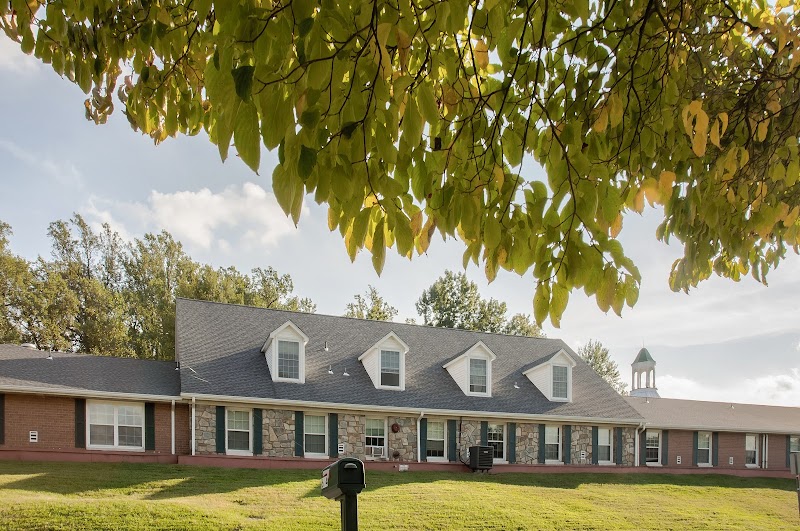
How is Complete Care At Springbrook Staffed?

CMS rates COMPLETE CARE AT SPRINGBROOK's staffing level at 2 out of 5 stars, which is below average compared to other nursing homes. Staff turnover is 40%, compared to the Maryland average of 46%. This relatively stable workforce can support continuity of care.

What Have Inspectors Found at Complete Care At Springbrook?

State health inspectors documented 33 deficiencies at COMPLETE CARE AT SPRINGBROOK during 2019 to 2025. These included: 1 Immediate Jeopardy (the most serious level, indicating potential for serious harm or death), 30 with potential for harm, and 2 minor or isolated issues. Immediate Jeopardy findings are rare and represent the most serious regulatory concerns. They require immediate corrective action.
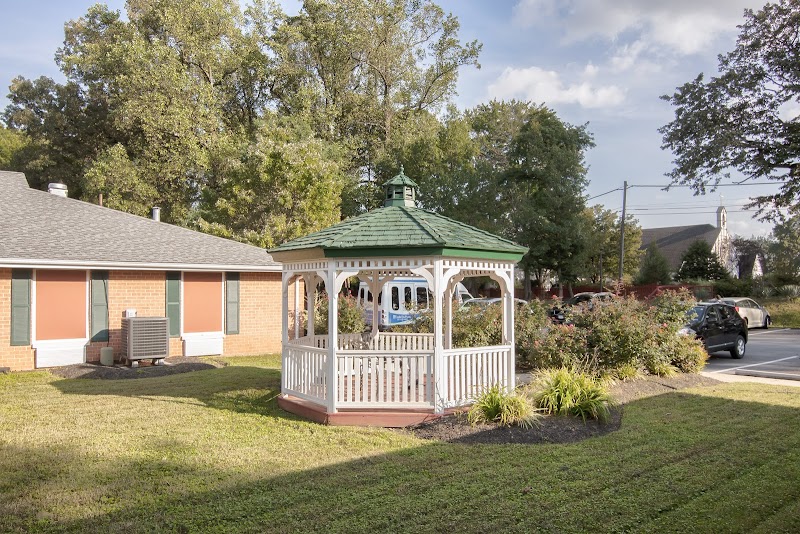
Who Owns and Operates Complete Care At Springbrook?

COMPLETE CARE AT SPRINGBROOK is owned by a for-profit company. For-profit facilities operate as businesses with obligations to shareholders or private owners. The facility is operated by COMPLETE CARE, a chain that manages multiple nursing homes. With 93 certified beds and approximately 80 residents (about 86% occupancy), it is a smaller facility located in SILVER SPRING, Maryland.
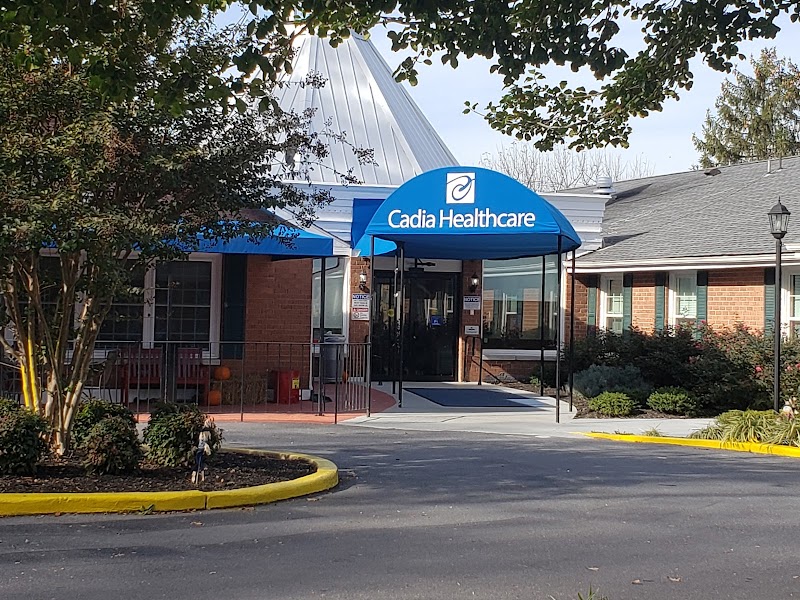
How Does Complete Care At Springbrook Compare to Other Maryland Nursing Homes?

Compared to the 100 nursing homes in Maryland, COMPLETE CARE AT SPRINGBROOK's overall rating (5 stars) is above the state average of 3.1, staff turnover (40%) is near the state average of 46%, and health inspection rating (4 stars) is above the national benchmark.

What Should Families Ask When Visiting Complete Care At Springbrook?

Based on this facility's data, families visiting should ask: "What changes have been made since the serious inspection findings, and how are you preventing similar issues?" "Can you walk me through typical staffing levels on day, evening, and night shifts?" "Can I visit during a mealtime to observe dining assistance and food quality?" "How do you handle medical emergencies, and what is your hospital transfer rate?" These questions are particularly relevant given the facility's Immediate Jeopardy citations and the below-average staffing rating.

Is Complete Care At Springbrook Safe?

Based on CMS inspection data, COMPLETE CARE AT SPRINGBROOK has documented safety concerns. Inspectors have issued 1 Immediate Jeopardy citation (the most serious violation level indicating risk of serious injury or death). The facility has a 5-star overall rating and ranks #1 of 100 nursing homes in Maryland. Families considering this facility should ask detailed questions about what corrective actions have been taken since these incidents.

Do Nurses at Complete Care At Springbrook Stick Around?

COMPLETE CARE AT SPRINGBROOK has a staff turnover rate of 40%, which is about average for Maryland nursing homes (state average: 46%). Moderate turnover is common in nursing homes, but families should still ask about staff tenure and how the facility maintains care continuity when employees leave.

Was Complete Care At Springbrook Ever Fined?

COMPLETE CARE AT SPRINGBROOK has no federal fines on record. CMS issues fines when nursing homes fail to meet care standards or don't correct problems found during inspections. The absence of fines suggests the facility has either maintained compliance or corrected any issues before penalties were assessed. This is a positive indicator, though families should still review recent inspection reports for the full picture.

Is Complete Care At Springbrook on Any Federal Watch List?

COMPLETE CARE AT SPRINGBROOK is not on any federal watch list. The most significant is the Special Focus Facility (SFF) program, which identifies the bottom 1% of nursing homes nationally based on persistent, serious quality problems. Not being on this list means the facility has avoided the pattern of deficiencies that triggers enhanced federal oversight. This is a positive indicator, though families should still review the facility's inspection history directly.