AUTUMN LAKE HEALTHCARE AT BALTIMORE WASHINGTON
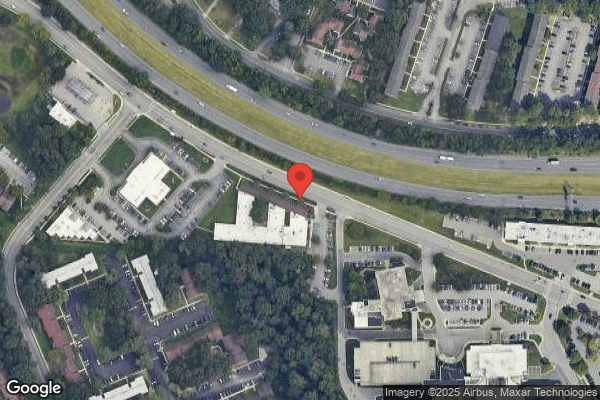
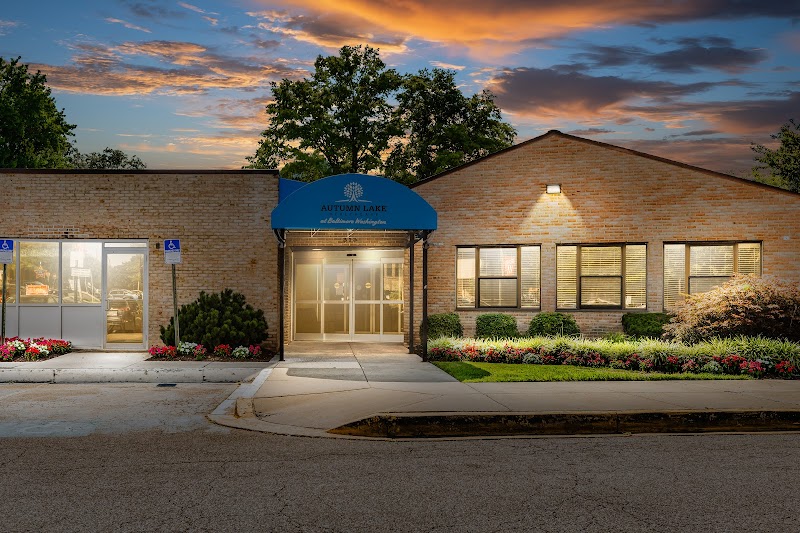
313 HOSPITAL DRIVE, GLEN BURNIE, MD 21061 (410) 761-1222
For profit - Corporation 129 Beds AUTUMN LAKE HEALTHCARE Data: November 2025
Trust Grade
50/100
#136 of 219 in MD
Last Inspection: September 2024

Within standard 12-15 month inspection cycle. Federal law requires annual inspections.

Overview

Autumn Lake Healthcare at Baltimore Washington has a Trust Grade of C, which means it is average and falls in the middle of the pack among nursing homes. It ranks #136 out of 219 facilities in Maryland, placing it in the bottom half, and #7 out of 13 in Anne Arundel County, indicating only six local options are better. The facility is showing improvement, reducing its issues from 30 in 2024 to 8 in 2025. Staffing is rated 2 out of 5 stars, with a turnover rate of 50%, which is average, suggesting that while some staff stay, there is room for improvement in consistency. Notably, there have been no fines, which is a positive sign, and the RN coverage is average, meaning there are enough RNs on staff to help monitor resident care effectively. However, there are several concerns. Recent inspections highlighted issues such as inadequate food service management, with a staff member lacking necessary certifications, and pest problems, as residents reported flies and gnats in their rooms. Additionally, cleanliness was a significant concern, with reports of unkempt resident areas including dirty floors and clutter. These findings suggest that while there are strengths in staffing stability and lack of fines, families should be aware of the cleanliness and management issues when considering this facility for their loved ones.

Trust Score
C
50/100
In Maryland
#136/219
Bottom 38%
Safety Record
Low Risk
No red flags
Inspections
Getting Better
30 → 8 violations
Staff Stability
⚠ Watch
50% turnover. Above average. Higher turnover means staff may not know residents' routines.
Penalties
✓ Good
No fines on record. Clean compliance history, better than most Maryland facilities.
Skilled Nurses
○ Average
Each resident gets 40 minutes of Registered Nurse (RN) attention daily — about average for Maryland. RNs are the most trained staff who monitor for health changes.
Violations
⚠ Watch
71 deficiencies on record. Higher than average. Multiple issues found across inspections.
★★☆☆☆
2.0
Overall Rating
★★☆☆☆
2.0
Staff Levels
★★★☆☆
3.0
Care Quality
★★☆☆☆
2.0
Inspection Score
Stable
2024: 30 issues
2025: 8 issues

The Good

  • Full Sprinkler Coverage · Fire safety systems throughout facility
  • No fines on record

Facility shows strength in fire safety.

The Bad

2-Star Overall Rating

Below Maryland average (3.0)

Below average - review inspection findings carefully

Staff Turnover: 50%

Near Maryland avg (46%)

Higher turnover may affect care consistency

Chain: AUTUMN LAKE HEALTHCARE

Part of a multi-facility chain

Ask about local staffing decisions and management

The Ugly 71 deficiencies on record

May 2025 8 deficiencies
CONCERN (D) 📢 Someone Reported This

A family member, employee, or ombudsman was alarmed enough to file a formal complaint

Potential for Harm - no one hurt, but risky conditions existed

Notification of Changes (Tag F0580)

Could have caused harm · This affected 1 resident

**NOTE- TERMS IN BRACKETS HAVE BEEN EDITED TO PROTECT CONFIDENTIALITY** Based on reviews of a complaint and a medical record, and interviews with facility staff, it was determined that the facility fa...

Read full inspector narrative →
**NOTE- TERMS IN BRACKETS HAVE BEEN EDITED TO PROTECT CONFIDENTIALITY** Based on reviews of a complaint and a medical record, and interviews with facility staff, it was determined that the facility failed to notify the resident's physician regarding the incorrect documentation of a Resident's weight. This was evident for 1 (Resident #6) of 8 residents reviewed during a complaint survey. The findings include: Review of complaint MD00201378 on 04/28/25 revealed an allegation Resident #6 is not receiving care and services to heal a sacral wound. Review of Resident #6's clinical record on 04/28/25 revealed Resident #6 was admitted to the facility on [DATE] with diagnoses that include: quadriplegia, recent placement of a gastrostomy tube on 02/19/25, a sacral pressure ulcer, malnutrition, and contractures of the right and left ankles. On 02/20/25 the nursing staff obtained a readmission mechanical lift weight of 113.8 pounds for Resident #6. On 02/26/25 at 7:01 AM, the nursing staff obtained a mechanical lift weight of 119.4 pounds for Resident #6. Review of Resident #6's care plans revealed a nursing care plan to address Resident #6's being a nutritional risk, malnourished, having a history of weight loss, and having a sacral wound. This nutritional risk care plan was initiated on 02/21/25. The goal of the care plan was for Resident #6 to gain safely weight over the next quarter to a desired weight of 125 pounds with a daily meal intake of 75-100% of each meal. Nursing interventions included: 1) To administer the physician prescribed diet as ordered. 2) If Resident #6 consumes less than 50% of a meal, notify the nurse and provide a bolus delivery of tube feeding. 3) To monitor Resident #6's weights, labs, and intake 4) Notify Resident #6's physician and dietician if resident has any significant weight loss. 5) administer supplements as ordered. Further review of Resident #6's medical record revealed an attending physician assessment note, dated 03/04/25 in which Resident #6's physician noted the 02/26/25 documented weight of 119.4 pounds on Resident #6 and indicated: Patient (Resident #6) is now gaining weight. Further review of Resident #6's medical record revealed that on 03/11/25 at 10:40 PM, the facility director of nurses (DON) struck out Resident #6's, 02/26/25 weight of 119.4 pounds and indicated this was incorrect documentation. The facility staff documented a weight of 119.4 pounds for Resident #6 on 02/26/25. The nursing staff obtained a weight of 112.8 pounds on 03/11/25. The weight difference between the 02/26/25 weight of 119.4 pounds and the 03/11/25 weight of 112.8 pounds is a weight loss of 6.6 pounds (5.5%). This significant weight loss occurred in a 3-week period for Resident #6 (02/19/25 through 03/11/25). In an interview with the facility DON on 05/01/25 at 11:50 AM, the facility DON stated that s/he struck out Resident #6's 02/26/25 weight of 119.4 pounds on 03/11/25 because the weight of 119.4 pounds was to be recorded in another resident's medical record. The DON stated that s/he did not notify Resident #6's physician at the time the weight of 119.4 pounds noted to be a mistaken entry on 03/11/25. After 02/26/25, the facility staff documented the following weights for Resident #6: 03/05/25 - 114.8 pounds by mechanical lift. 03/11/25 - 112.8 pounds by mechanical lift. 03/20/25 - 113.2 pounds by mechanical lift. 04/04/25 - 113.0 pounds by wheelchair scale.
CONCERN (D) 📢 Someone Reported This

A family member, employee, or ombudsman was alarmed enough to file a formal complaint

Potential for Harm - no one hurt, but risky conditions existed

Safe Environment (Tag F0584)

Could have caused harm · This affected 1 resident

**NOTE- TERMS IN BRACKETS HAVE BEEN EDITED TO PROTECT CONFIDENTIALITY** Based on complaint, observations of a resident's wound care, and staff interview, it was determined that the facility staff fail...

Read full inspector narrative →
**NOTE- TERMS IN BRACKETS HAVE BEEN EDITED TO PROTECT CONFIDENTIALITY** Based on complaint, observations of a resident's wound care, and staff interview, it was determined that the facility staff failed to provide housekeeping and maintenance services necessary to maintain a sanitary, orderly, and comfortable interior. This was observed for 1 (Resident #6) of 8 complaints reviewed during a complaint survey. The findings include: Review of complaint MD00201378 on 04/30/25 revealed an allegation that the facility was malodorous and unkept. During an observation of Resident #6's wound care dressing change in room [ROOM NUMBER]-A, on 05/02/25 at 10:45 AM, the nurse surveyor observed the following: 1) The privacy curtain was in disrepair and hanging on the floor and could not completely give Resident #6 privacy during care. 2) The bedside table was in disrepair and 2 of the 3 drawers were observed to be in disrepair and would not close. 3) The closet door was observed in disrepair and would not close completely. After the staff completed Resident #6's dressing change on 05/02/25 at 10:45 AM, an interview with the facility director of nurses (DON) s/he was immediately made aware of the observations in Resident #6's room. The DON acknowledged that the furniture appeared to be in disrepair and notified the maintenance director to address the items in disrepair in Resident #6's room.
CONCERN (D) 📢 Someone Reported This

A family member, employee, or ombudsman was alarmed enough to file a formal complaint

Potential for Harm - no one hurt, but risky conditions existed

Report Alleged Abuse (Tag F0609)

Could have caused harm · This affected 1 resident

Based on complaint, reviews of clinical records and all pertinent administrative records, reviews of a hospital record, and staff interview, it was determined that the facility staff failed to immedia...

Read full inspector narrative →
Based on complaint, reviews of clinical records and all pertinent administrative records, reviews of a hospital record, and staff interview, it was determined that the facility staff failed to immediately report an allegation of suspected resident abuse to the administrator and the State Survey Agency within 2 hours. This was evident for 1 (Resident #4) of 8 residents reviewed during a complaint survey. The findings include: Review of complaint MD00212137 on 04/21/2025 at 10 AM revealed an allegation that Resident #4 was hurt by a facility staff member while being lifted in a Hoyer (mechanical) lift because Resident #4 was not secured correctly in the Hoyer lift. In an interview with the facility Director of Nurses (DON) on 04/23/25 at 11:35 AM, the DON stated that there were allegations of abuse, facility reported incidents, or complaints regarding Resident #4. The DON stated that S/he would look in the administrative forms for a completed grievance form regarding Resident #4. Review of Resident #4's physical therapy progress notes on 04/25/25 revealed a physical therapy assistant (PTA#1) progress notes dated Monday, 10/21/24 at 3:53 PM that indicated Resident #4 was complaining of soreness in the right hip after an incident with Hoyer lift from Friday 10/18/24. A review of PTA#1's 10/23/24 progress note revealed that Resident #4 again complained of soreness in the right hip after being weighed on 10/22/24 while in bed. RTA#1 documented that Resident #4 complained of being hurt by the aides (geriatric nursing assistants) and not being able to get out of bed into a wheelchair. Resident #4 refused assistance by RTA#1 to help to get into the wheelchair and participate in group therapy. In an interview with PTA#1 on 04/25/24 at 12:24 PM, along with the Director of Therapy and the facility Director of Nurses, PTA#1 stated that Resident #4 complained of pain the first time PTA#1 seeing Resident #4 on 10/21/24. On 10/23/24, PTA#1 stated seeing Resident #4 for physical therapy. PTA#1 indicated that Resident #4 stated that S/he felt like the aides hurt him/her. RTA#1 stated that Resident #4 was not asked to elaborate how the staff hurt him. RTA#1 stated that S/he informed the Director of Therapy about Resident #4's allegation of being hurt be staff. RTA#1 stated that S/he did not notify any other facility administrative staff of Resident #4's allegation of being hurt by staff. In an interview with RN#5, a nursing unit manager, on 04/23/25 at 12:41 PM, RN#5 stated that S/he received a concern form from Resident #4 on 10/25/24. RN#5 stated that S/he addressed Resident #4's concerns on 10/26/24. RN#5 documented the following nursing actions that were implemented on 10/26/24 regarding Resident #4: 1) Resident asked to a physician on 10/21/24. The nurse practitioner went in and saw Resident #4 and answered all questions, 2) Resident #4 complained of heartburn. The nurse practitioner ordered the medication, Tums, orally every 6 hours as needed, 3) Unit manager spoke with the staff and asked the staff to be more gentle/cautious with Resident #4's lower extremities, 4) Unit manager met with Resident #4 and asked him/her to use the call bell for assistance when transferring, to be patient if the aides/nurses are with other residents and it could take a few minutes before staff to come in and assist. Educated Resident #4 on waiting for assistance due to being assessed as a high fall risk. Resident #4 verbalized understanding. RN#5 was asked to provide the staff sign in sheets that demonstrated what nursing staff had received the education regarding Resident #4. RN#5 stated that there are no records of what education or the staff that received the education regarding Resident #4 from 10/26/24. Further review of Resident #4's closed medical record failed to reveal Resident #4 received a dose of Tums between 10/21/24 and 10/26/24. Further review of Resident #4 closed medical record revealed a 10/26/24, 10:48 AM nursing progress that indicated Resident #4 requested to go to the emergency room. The nurse contacted the on-call nurse practitioner and was given instructions that it was okay for Resident #4 to dial 911. A review of Resident #4's 10/26/24 hospital record revealed Resident #4 arrived at the emergency room at 12:55 PM by 911 ambulance with a chief complaint of heartburn and chest pain and requested not to be returned to the nursing facility. Resident #4 was admitted to the hospital with diagnoses that included: Atypical chest pain, ambulatory dysfunction, and neglect of an adult.
CONCERN (D) 📢 Someone Reported This

A family member, employee, or ombudsman was alarmed enough to file a formal complaint

Potential for Harm - no one hurt, but risky conditions existed

Investigate Abuse (Tag F0610)

Could have caused harm · This affected 1 resident

Based on medical record review, facility investigation review, and staff interview, it was determined that the facility failed to thoroughly investigate a resident's allegation of being physically inj...

Read full inspector narrative →
Based on medical record review, facility investigation review, and staff interview, it was determined that the facility failed to thoroughly investigate a resident's allegation of being physically injured by nursing staff members. This was evident for 1 (Resident #4) of 8 residents reviewed during the complaint survey. The findings include: Review of complaint MD00212137 on 04/21/2025 at 10 AM revealed an allegation that Resident #4 was hurt by a facility staff member while being lifted in a Hoyer (mechanical) lift because Resident #4 was not secured correctly in the Hoyer lift. In an interview with the facility Director of Nurses (DON) on 04/23/25 at 11:35 AM, the DON stated that there were allegations of abuse, facility reported incidents, or complaints regarding Resident #4. The DON stated that S/he would look in the administrative forms for a completed grievance form regarding Resident #4. Review of Resident #4's physical therapy progress notes on 04/25/25 revealed a physical therapy assistant (PTA#1) progress notes dated Monday, 10/21/24 at 3:53 PM that indicated Resident #4 was complaining of soreness in the right hip after an incident with Hoyer lift from Friday 10/18/24. A review of PTA#1's 10/23/24 progress note revealed that Resident #4 again complained of soreness in the right hip after being weighed on 10/22/24 while in bed. RTA#1 documented that Resident #4 complained of being hurt by the aides (geriatric nursing assistants) and not being able to get out of bed into a wheelchair. Resident #4 refused assistance by RTA#1 to help to get into the wheelchair and participate in group therapy. In an interview with PTA#1 on 04/25/24 at 12:24 PM, along with the Director of Therapy and the facility Director of Nurses, PTA#1 stated that Resident #4 complained of pain the first time PTA#1 seeing Resident #4 on 10/21/24. On 10/23/24, PTA#1 stated seeing Resident #4 for physical therapy. PTA#1 indicated that Resident #4 stated that S/he felt like the aides hurt him/her. RTA#1 stated that Resident #4 was not asked to elaborate how the staff hurt him. RTA#1 stated that S/he informed the Director of Therapy about Resident #4's allegation of being hurt be staff. RTA#1 stated that S/he did not notify any other facility administrative staff of Resident #4's allegation of being hurt by staff. In an interview with RN#5, a nursing unit manager, on 04/23/25 at 12:41 PM, RN#5 stated that S/he received a concern form from Resident #5 on 10/25/24. RN#5 stated that S/he addressed Resident #4's concerns on 10/26/24. RN#5 documented the following nursing actions that were implemented on , 10/26/24 regarding Resident #4: 1) Resident asked to a physician on 10/21/24. The nurse practitioner went in and saw Resident #4 and answered all questions, 2) Resident #4 complained of heartburn. The nurse practitioner ordered the medication, Tums, orally every 6 hours as needed, 3) Unit manager spoke with the staff and asked the staff to be more gentle/cautious with Resident #4's lower extremities, 4) Unit manager met with Resident #4 and asked him/her to use the call bell for assistance when transferring, to be patient if the aides/nurses are with other residents and it could take a few minutes before staff to come in and assist. Educated Resident #4 on waiting for assistance due to being assessed as a high fall risk. Resident #4 verbalized understanding. RN#5 was asked to provide the staff sign in sheets that demonstrated what nursing staff had received the education regarding Resident #4. RN#5 stated that there are no records of what education or the staff that received the education regarding Resident #4 from 10/26/24. Further review of Resident #4's closed medical record failed to reveal Resident #4 received a dose of Tums between 10/21/24 and 10/26/24. Further review of Resident #4 closed medical record revealed a 10/26/24, 10:48 AM nursing progress that indicated Resident #4 requested to go to the emergency room. The nurse contacted the on-call nurse practitioner and was given instructions that it was okay for Resident #4 to dial 911. A review of Resident #4's 10/26/24 hospital record revealed Resident #4 arrived at the emergency room at 12:55 PM by 911 ambulance with a chief complaint of heartburn and chest pain and requested not to be returned to the nursing facility. Resident #4 was admitted to the hospital with diagnoses that included: Atypical chest pain, ambulatory dysfunction, and neglect of an adult.
CONCERN (D) 📢 Someone Reported This

A family member, employee, or ombudsman was alarmed enough to file a formal complaint

Potential for Harm - no one hurt, but risky conditions existed

Comprehensive Care Plan (Tag F0656)

Could have caused harm · This affected 1 resident

**NOTE- TERMS IN BRACKETS HAVE BEEN EDITED TO PROTECT CONFIDENTIALITY** Based on complaint, reviews of all pertinent documentation and clinical records, and staff interview, it was determined that fac...

Read full inspector narrative →
**NOTE- TERMS IN BRACKETS HAVE BEEN EDITED TO PROTECT CONFIDENTIALITY** Based on complaint, reviews of all pertinent documentation and clinical records, and staff interview, it was determined that facility staff failed to implement parts of a comprehensive care plan for a resident. This was evident for 2 (Resident #6, #7) of 8 residents reviewed during a complaint survey. The findings include: A care plan is an outline of nursing care showing all the resident's needs and the ways of meeting the needs. Care plans provide direction for individualized care of the resident. A care plan flows from each resident's unique list of diagnoses and should be organized by the individual's specific needs. It is a dynamic document initiated at admission and subject to continuous reassessment and change by the nursing staff caring for the resident. The care plan typically includes nursing and medical diagnoses, nursing interventions, and outcomes to ensure consistency of care. 1) Review of complaint MD00201378 on 04/28/25 revealed an allegation Resident #6 was not receiving care and services to heal a sacral wound. Review of Resident #6's clinical record on 04/28/25 revealed Resident #6 was admitted to the facility on [DATE] with diagnoses that include: quadriplegia, recent placement of a gastrostomy tube on 02/19/25, and contractures of the right and left ankles. On 04/04/25 the nursing staff obtained a wheelchair weight of 113.0 pounds. Review of Resident #6's care plans revealed a nursing care plan to address Resident #6's new feeding tube that was initiated on 02/23/25. Nursing interventions included: 1)Resident will be able to tolerate the tube feeding and water flushes. 2) Assist the resident with the tube feeding and water flushes. 3) Check the tube for placement and gastric content/residual volume per facility protocol and record. Hold resident's tube feeding if greater than 100 cc aspirate. 4) Provide local care to the G-tube site as ordered and monitor for signs and symptoms of infection. A review of Resident #6's medication and treatment administration records for February, March and April 2025, the nursing staff are not documenting the nursing intervention to check Resident #6's feeding tube for placement and gastric residuals and recording the results. 2) Review of complaint MD00201176 on 04/28/25 revealed an allegation Resident #7 did not receiving quality of care and had an unexpected death. Review of Resident #7's clinical record on 04/28/25 revealed Resident #7 was admitted to the facility on [DATE] with diagnoses that included: dementia, congestive heart failure (CHF), chronic obstructive pulmonary disease (COPD), diabetes, and gate abnormality. Review of Resident #7's care plans revealed a nursing care plan to address Resident #7's being a nutritional risk related to variable meal intake, CHF, dementia, diabetes, and COPD. This nutritional risk care plan was initiated on 11/07/23. The goal of the care plan was for Resident #7 to avoid any significant weight changes. The 11/07/23 care plan nursing interventions included: 1) To consult the dietician as needed. 2) To serve the diet as ordered. Regular diet, Regular texture, thin liquid consistency. 2) If Resident #7 consumes less than 50% of a meal, notify the nurse. 3) To monitor Resident #7's weights, labs, and intake as available. 4) Notify Resident #7's physician and dietician if resident has any significant weight changes. Further review of Resident #7's meal intake records for November and December 2023 revealed the following meals that Resident #7 consumed less than 50%: Breakfast Lunch Dinner 11/08/23 1 - 26-50% 1 - 26-50% - 11/09/23 0 - 0-25% - - 11/11/23 No documentation No documentation No documentation 11/13/23 - 1 - 26-50% - 11/14/23 - 1 - 26-50% 1 - 26-50% 11/15/23 - - No documentation 11/19/23 1 - 26-50% 0 - 0-25% - 11/21/23 Refused Refused - 11/22/23 - 0 - 0-25% - 11/26/23 1 - 26-50% Refused No documentation 11/27/23 No documentation No documentation - 11/28/23 No documentation No documentation Refused 11/29/23 1 - 26-50% Refused 0 - 0-25% 11/30/23 0 - 0-25% Refused 1 - 26-50% 12/01/23 Refused 0 - 0-25% 0 - 0-25% 12/02/23 - 1 - 26-50% 0 - 0-25% The nursing staff failed to implement the nursing intervention to notify Resident #7's nurse for 34 meals when Resident #7 ate less than 50% of a meal between 11/07/23 through 12/02/23.
CONCERN (D) 📢 Someone Reported This

A family member, employee, or ombudsman was alarmed enough to file a formal complaint

Potential for Harm - no one hurt, but risky conditions existed

Deficiency F0692 (Tag F0692)

Could have caused harm · This affected 1 resident

**NOTE- TERMS IN BRACKETS HAVE BEEN EDITED TO PROTECT CONFIDENTIALITY** Based on reviews of a complaint and a medical record, and interviews with facility staff, it was determined that the facility fa...

Read full inspector narrative →
**NOTE- TERMS IN BRACKETS HAVE BEEN EDITED TO PROTECT CONFIDENTIALITY** Based on reviews of a complaint and a medical record, and interviews with facility staff, it was determined that the facility failed to maintain or improve a resident's nutritional status after having a feeding tube placed. This was evident for 1 (Resident #6) of 8 residents reviewed during a complaint survey. The findings include: Review of complaint MD00201378 on 04/28/25 revealed an allegation Resident #6 is not receiving care and services to heal a sacral wound. Review of Resident #6's clinical record on 04/28/25 revealed Resident #6 was admitted to the facility on [DATE] with diagnoses that include: quadriplegia, recent placement of a gastrostomy tube on 02/19/25, a sacral pressure ulcer, malnutrition, and contractures of the right and left ankles. On 02/20/25 the nursing staff obtained a readmission mechanical lift weight of 113.8 pounds for Resident #6. On 02/26/25 at 7:01 AM, the nursing staff obtained a mechanical lift weight of 119.4 pounds for Resident #6. Review of Resident #6's care plans revealed a nursing care plan to address Resident #6's being a nutritional risk, malnourished, having a history of weight loss, and having a sacral wound. This nutritional risk care plan was initiated on 02/21/25. The goal of the care plan was for Resident #6 to gain safely weight over the next quarter to a desired weight of 125 pounds with a daily meal intake of 75-100% of each meal. Nursing interventions included: 1) To administer the physician prescribed diet as ordered. 2) If Resident #6 consumes less than 50% of a meal, notify the nurse and provide a bolus delivery of tube feeding. 3) To monitor Resident #6's weights, labs, and intake 4) Notify Resident #6's physician and dietician if resident has any significant weight loss. 5) administer supplements as ordered. Further review of Resident #6's medical record revealed an attending physician assessment note, dated 03/04/25 in which Resident #6's physician noted the 02/26/25 documented weight of 119.4 pounds on Resident #6 and indicated: Patient (Resident #6) is now gaining weight. Further review of Resident #6's medical record revealed that on 03/11/25 at 10:40 PM, the facility director of nurses (DON) struck out Resident #6's, 02/26/25 weight of 119.4 pounds and indicated this was incorrect documentation. The facility staff documented a weight of 119.4 pounds for Resident #6 on 02/26/25. The nursing staff obtained a weight of 112.8 pounds on 03/11/25. The weight difference between the 02/26/25 weight of 119.4 pounds and the 03/11/25 weight of 112.8 pounds is a weight loss of 6.6 pounds (5.5%). This significant weight loss occurred in a 3-week period for Resident #6 (02/19/25 through 03/11/25). In an interview with the facility DON on 05/01/25 at 11:50 AM, the facility DON stated that s/he struck out Resident #6's 02/26/25 weight of 119.4 pounds on 03/11/25 because the weight of 119.4 pounds was to be recorded in another resident's medical record. The DON stated that s/he did not notify Resident #6's physician at the time the weight of 119.4 pounds noted to be a mistaken entry on 03/11/25. After 02/26/25, the facility staff documented the following weights for Resident #6: 03/05/25 - 114.8 pounds by mechanical lift. 03/11/25 - 112.8 pounds by mechanical lift. 03/20/25 - 113.2 pounds by mechanical lift. 04/04/25 - 113.0 [pounds by wheelchair.
CONCERN (D) 📢 Someone Reported This

A family member, employee, or ombudsman was alarmed enough to file a formal complaint

Potential for Harm - no one hurt, but risky conditions existed

Medical Records (Tag F0842)

Could have caused harm · This affected 1 resident

Based on reviews of closed and active medical records, reviews of all pertinent administrative records, and staff interviews, it was determined that the facility failed to have a system in place to en...

Read full inspector narrative →
Based on reviews of closed and active medical records, reviews of all pertinent administrative records, and staff interviews, it was determined that the facility failed to have a system in place to ensure clinical records were complete and accurately documented. This was found to be evident for 2 (Residents #1, #4) of 8 residents reviewed during the complaint survey. The findings include: Documentation is an integral part of medication administration. Documentation communicates the timing, dosing, and effect of any medications received by a patient. In the setting of skilled nursing care, residents are often prescribed multiple medications for significant medical conditions. They are also often more vulnerable to medication errors and more prone to changes in condition that require review and adjustment of their medication regimen. Inaccurate medication documentation has the potential to place residents at significant risk of medication error, provide incomplete or inaccurate information for providers and care givers to evaluate, and represents a failure of basic medication administration principles. Late documentation is a form of inaccurate documentation and is worsened if the documentation does not document when medications were given. 'Late administration' is defined as giving medication greater than 1 hour after a medication is due. 'Late documentation' is defined as not documenting immediately after administration. A review of the facility Controlled Substance Administration and Accountability policy revealed a general protocol section, item f, that indicated: In all cases, the dose noted on the usage form or entered into the automated dispensing system must match the dose recorded on the MAR, Controlled Drug Record, or other facility specified form and placed in the patient's medical record. 1) Review of Resident #1's closed medical record on 04/18/25 revealed a controlled medication utilization record that was issued by the facility pharmacy on 01/19/25 for the pain medication, Oxycodone, Immediate release, 5 milligrams, orally, as needed every four hours for pain. 27 doses were issued to the facility for Resident #1 on 01/19/25. Further review revealed that 2 doses had been signed out by a licensed nurse on the controlled medication utilization record 01/28/25 and 02/01/25. A review of Resident #1's January 2025 medication administration record (MAR) revealed that no doses of the Oxycodone were documented as being administered to Resident #1 in January 2025. A review of Resident #1's February 2025 medication administration record (MAR) revealed that one dose of the Oxycodone was administered to Resident #1 on 02/01/25 at 5 AM. 1 doses of Oxycodone signed out from the controlled medication utilization record by a licensed staff member could not be accounted for in Resident #1's clinical record. In an interview with the facility Director of Nurses (DON) on 04/21/25 at 12:55 PM, the DON confirmed that there is no nursing documentation to indicate Resident #1 received one dose of Oxycodone signed out by the licensed nursing staff on 01/28/25 at 11:30 AM. 2) Review of Resident #4's closed medical record on 04/24/25 revealed a controlled medication utilization record that was issued by the facility pharmacy on 10/18/24 for the pain medication, Oxycodone, Immediate release, 5 milligrams, orally, as needed every six hours for pain. 28 doses were issued to the facility for Resident #4 on 10/18/24. Further review revealed that 10 doses had been signed out by a licensed nurse. A review of Resident #4's October 2024 medication administration record (MAR) only revealed that 3 doses of the Oxycodone were administered to Resident #4 (10/18/24 at 11 PM, 10/20/24 at 10 PM, 10/24/24 at 8:48 AM). 7 doses of Oxycodone signed out from the controlled medication utilization record by a licensed staff member could not be accounted for in Resident #4 clinical record. In an interview with the facility Director of Nurses (DON) on 04/30/25 at 1:25 PM, the DON confirmed that there is no nursing documentation to indicate Resident #4 received the 7 doses of Oxycodone signed out by the licensed nursing staff between 10/18/24 and 10/26/24.
CONCERN (D) 📢 Someone Reported This

A family member, employee, or ombudsman was alarmed enough to file a formal complaint

Potential for Harm - no one hurt, but risky conditions existed

Deficiency F0917 (Tag F0917)

Could have caused harm · This affected 1 resident

**NOTE- TERMS IN BRACKETS HAVE BEEN EDITED TO PROTECT CONFIDENTIALITY** Based on complaint, observation, reviews of all pertinent documents and clinical records, and resident interview, it was determi...

Read full inspector narrative →
**NOTE- TERMS IN BRACKETS HAVE BEEN EDITED TO PROTECT CONFIDENTIALITY** Based on complaint, observation, reviews of all pertinent documents and clinical records, and resident interview, it was determined that the facility staff failed to ensure that a resident's bed could adequately meet the resident's needs. This was evident for 1 (Resident #6) of 8 residents reviewed during a complaint survey. The findings include: Review of complaint MD00201378 on 04/28/25 revealed an allegation Resident #6 was not being groomed, bathed, or shaved. Resident #6 also had a bed sore. Review of Resident #6's clinical record on 04/28/25 revealed Resident #6 was admitted to the facility on [DATE] with diagnoses that include: quadriplegia, gastrostomy tube, and contractures of the right and left ankles. On 01/11/25 the staff obtained a height of 73 inches. On 04/04/25 the nursing staff obtained a wheelchair weight of 113.0 pounds. During an observation of Resident #6 on 05/02/25 at 10:45 AM with the facility director of nurses (DON), the surveyor observed Resident #6's right and left feet hanging over the bottom of the bed over the foot board. Resident #6 suffers from right and left ankle foot drop. The nursing staff apply bilateral foot drop prevention boots onto Resident #6's feet/ankles daily. The foot drop boots further extend the length of Resident #6's legs. Resident #6 was able to state to the DON that the length of the bed was to small.
Sept 2024 30 deficiencies
CONCERN (D) 📢 Someone Reported This

A family member, employee, or ombudsman was alarmed enough to file a formal complaint

Potential for Harm - no one hurt, but risky conditions existed

Resident Rights (Tag F0550)

Could have caused harm · This affected 1 resident

Based on observation and interview with residents and staff, it was determined that the facility failed to promote care of residents in a manner and in an environment that maintains or enhances each r...

Read full inspector narrative →
Based on observation and interview with residents and staff, it was determined that the facility failed to promote care of residents in a manner and in an environment that maintains or enhances each resident's dignity and respect by failing to serve residents seated at the same table food at the same time. This was identified for two residents (Resident #356, #90) when observing dining during a recertification/complaint survey. The findings include: On 08/19/24 at 12:06 PM a dining observation in the main dining hall revealed that three alert and oriented residents were seated at table #2. Food was served for two of the residents and third resident was served food after 12 minutes. Additionally, two alert and oriented residents were seated at table #4. Food was served for one resident and the other resident was served food after 12-14 minutes. On 08/19/24 at 12:48 PM Resident #356, stated that he/she told the staff before he/she comes to the dining room every day, and the staff keeps messing up his/her food. Of the 19 residents seated in dining room, 4 residents were served food after 12 -14 minutes. The staff had to either go to kitchen or to other units to locate the resident food trays. On 08/19/24 12:50 PM Resident #90 was upset that she did not get his/her food tray timely, as she usually comes to the dining room. Interview with GNA staff #52 on 08/19/24 at 12:55 pm, revealed that Nursing staff takes turns to assist in the dining hall and gets the missing food items or trays from other areas or from the kitchen. On 08/19/24 at 1:10 PM the surveyor reviewed with Director of Nursing (DON) and with Regional clinical Director the above concerns. On 08/20/24 at 11 AM the DON submitted the new plan for the residents who go to dining room and their seating. The DON stated that the information was communicated with the kitchen.
CONCERN (D) 📢 Someone Reported This

A family member, employee, or ombudsman was alarmed enough to file a formal complaint

Potential for Harm - no one hurt, but risky conditions existed

Deficiency F0583 (Tag F0583)

Could have caused harm · This affected 1 resident

Based on a review of complaints, medical record reviews, and interviews with complainants and staff, it was determined that the facility staff failed to protect the privacy of residents' medical infor...

Read full inspector narrative →
Based on a review of complaints, medical record reviews, and interviews with complainants and staff, it was determined that the facility staff failed to protect the privacy of residents' medical information by giving a resident's medication to a different resident upon their discharge. This was evident one (Resident #161) of 78 residents reviewed during a recertification/complaint survey. The findings include: The surveyor reviewed complaints on 8/27/24 at 1:00 PM. The review revealed that on 11/22/22, a complainant reported their concerns regarding the facility's possible medication error, evidenced by the facility giving another resident's medication to Resident #161 when he/she was discharged . In a phone interview with the complainant on 8/27/24 at 2:50 PM, the complainant said, When [Resident #161] was discharged from the facility on 11/15/22, they gave me a bottle of [medication name] with another resident's name on. I felt like it was a very dangerous situation. They did not know who took what medication. I still have that bottle. The surveyor requested the complainant to send a picture of the medication through the surveyor's state phone. On 8/28/24 at 7:15 PM, the surveyor received a picture from the complainant: Metoprolol (blood pressure medication) 50mg tablet bottle with Resident #200's name on it. On 8/29/24 at 8:00 AM, the surveyor reviewed Resident #200's medical records and verified the resident was in the facility from 11/10/22 to 11/12/22 and took Metoprolol 50mg. During an interview with the Director of Nursing (DON) on 8/28/24 at 9:53 AM, the DON stated when residents were discharged from the facility, they gave residents' medication that the facility had. The surveyor asked whether it was possible to provide another resident's medication. The DON answered that it was possible. The surveyor shared concerns regarding Resident #161's family member being handed Resident #200's medication on his/her discharge date , which had Resident #200's private medical information on it. The DON validated it.
CONCERN (D) 📢 Someone Reported This

A family member, employee, or ombudsman was alarmed enough to file a formal complaint

Potential for Harm - no one hurt, but risky conditions existed

Report Alleged Abuse (Tag F0609)

Could have caused harm · This affected 1 resident

Oxycodone is a narcotic used to treat moderate to severe pain. It is a high risk for addiction and dependence. It can cause respiratory distress and death when taken in high doses or when combined wit...

Read full inspector narrative →
Oxycodone is a narcotic used to treat moderate to severe pain. It is a high risk for addiction and dependence. It can cause respiratory distress and death when taken in high doses or when combined with other substances, especially alcohol or other illicit drugs such as heroin and cocaine. 3a) On 9/3/24 at 2:14 PM, a review of the facility's investigation of a self-report MD00184248 revealed that on 10/6/22 at 4:00 AM, Omnicare pharmacy delivered Oxycodone 5mg and Oxycodone 10mg for Resident #162 and Oxycodone 10mg for Resident #170 to the facility. The facility was unable to locate the medications after they had been delivered. Further review of the facility's investigation documentation revealed that the investigation result was submitted to the OHCQ on 10/11/22. However, there was no evidence to support that the facility submitted an initial report to OHCQ in a timely manner. On 9/4/24 at 1:58 PM, the Director of Nursing (DON) confirmed that the facility had no record of the initial report for missing Oxycodone for Residents #162 and #170. 3b) On 8/30/24 at 9:02 AM, a review of the facility's investigation of a self-report MD00182100 revealed that on 2/26/22, early on the 3-11 shift, Resident #171 reported that a staff member cursed at him/her. Further investigation revealed no evidence that an initial investigation report was submitted to the Office of Health Care Quality (OHCQ), but the final report indicated that it was submitted on 03/02/22 at 9:30 AM. The facility initiated an investigation and suspended the alleged Geriatric Nursing Assistant (GNA #34) pending investigation. The local enforcement was notified on 2/26/24, but Resident #171 denied the incident. Resident #171 later stated to the supervisor, Licensed Practical Nurse (LPN #25), that he/she heard GNA #34 curse under his/her breath at the doorway and not at him. Ten staff interviews, as well as ten resident interviews, were conducted for allegations of abuse on 2/28/22. On 9/03/24 at 10:13 AM, the DON confirmed that the facility had no copy of the initial report. On 9/6/24 at 1:20 PM, the DON and the corporate nurse were made aware of the concerns. 2) On 8/28/24 at 11:09 AM, the surveyor reviewed complaints. The review revealed that a complainant reported a few concerns regarding Resident #187's care: the resident had an incident on 9/13/22 by wandering to another resident's room and had a fall while others helped Resident #187 to get out of the room. The Family was told there were no injuries, but the next day (9/14/22), the family found Resident #187 had a red mark on his/her chest with a deep cut. A review of Resident #187's medical records on 8/28/24 at 11:10 AM revealed that the facility documented a change in condition form on 9/13/22 at 11:49 AM, 'Resident wandering into another resident's room and laid down in his/her bed. When the resident returned, he/she noted that Resident #187 was in his/her bed and helped him/her off the bed, grabbed by shirt and told to get out of his/her bed. Resident #187 lost his/her balance and fell to the floor. The facility documented a pain assessment for the resident on 9/13/22. However, there was no further documentation regarding the resident's assessment. Another change in condition form documented on 9/14/22 at 8:44 PM showed, Dark discoloration noted on resident's mid-chest. No opening noted. No bleeding. The site is intact. Measuring 4.0 x 1.8. No sign of pain noted when touched. There was no additional documentation to explain how the changes were noted. During an interview with the Director of Nursing (DON) on 8/28/24 at 1:41 PM, the DON stated that the unknown origin of injuries needed to be reported to the OHCQ and immediately investigated. The surveyor shared Resident #187's change in condition reported on 9/14/22 regarding bruises on the chest. The DON said, I will search the facility's documentation for that. On 8/29/24 at 8:09 AM, the facility submitted a file with the facility's investigation regarding Resident #187's bruise on the chest. The file had a typed sheet named 'Summary for [Resident #187's name] bruise on chest' with signatures of DON and ADON (assisted Director of Nursing) with the date 9/20/22. It documented, Resident #187 was found on the floor in another resident's room on 9/13/22. The nurse assessed resident #187; no redness or open areas were noted, and no complaints of pain or discomfort. On 9/14/22, Resident #187's family member noted a bruise on his/her chest, but no complaint of pain. The Medical Director reviewed the resident's photo and fall incident; he suggested the bruise could be from Senile Purpura (typically affects older patients as their dermal tissues atrophy and blood vessels become more fragile), especially due to his/her fragile skin and aspirin use. The investigation packet included interview form with three staff and safety check records from 10/04/22 to 10/08/22. However, there was no additional documentation to support the facility reporting this incident to the OHCQ. During an interview with the DON on 8/29/24 at 1 PM, the surveyor shared concerns regarding Resident #187's unknown origin of injury which was not reported to the OHCQ. The DON validated it. Based on record review and interview it was determined the facility staff failed to 1) report an allegation of abuse within 2 hours of the allegation to the regulatory agency, the Office of Health Care Quality (OHCQ), 2) failed to report residents' injuries of unknown origin to OHCQ, and 3) failed to submit initial reports of the facility-reported incidents to OHCQ. This was evident for 2 (Resident #155, #158) of 13 residents reviewed for abuse and 4 (Residents #187, #162, #170, #171) of 14 residents reviewed for complaints and self-reported incidents during a recertification/complaint survey. The findings include: 1a) On 8/28/2024 at 9:50 AM, review of the investigation report of Facility Reported Incident (FRI), MD00182673, revealed Resident #155 reported on 8/18/2022 that the nurse bent their finger back while giving them meds. On 8/28/2024 at 11:00 AM, surveyor requested from the Director of Nursing (DON) the email/fax receipt of the initial and final (5-day) report of the FRI to the state agency (OHCQ). On 8/28/2024 at 12:28 PM, surveyor received the email receipt for facility final self-report dated 8/23/2022 at 5:20 PM. However, there was no email/fax receipt of the initial self-report. On 8/28/2024 at 1:10 PM, surveyor received from DON an email receipt of the initial report to the state agency. A review of the initial self-report revealed it was sent to the state agency on 8/19/2022 at 4:35 PM. Thus, failing to meet the 2 hours reporting requirements for any allegation of abuse. On 8/28/2024 at 1:11 PM in an interview with DON, Surveyor reviewed the above FRI with her. DON was informed of surveyor's concerns regarding the actual date of the above incident (8/18/2022) and the date/time the initial report was sent to OHCQ (8/19/2022 at 4:35 PM). DON confirmed that the initial report did not meet the 2 hours reporting requirements for any allegation of abuse. 1b) On 8/29/2024 at 10:50 AM, review of Facility Reported Incident (FRI), MD00182377, revealed that Resident #158's daughter stated since she reported a CNA (Certified Nursing Assistant) was rough with Resident #158, the resident has been neglected and was not being changed timely. On 8/29/2024 at 11:50 AM, further review of the report file revealed an email from the Nursing Home Administrator (NHA) on 2/15/2022 at 5:36 PM to the then Director of Nursing (DON) that instructed the DON on what to do regarding the above complaint from Resident #158's daughter: .This needs to be a priority tomorrow. Break down each issue and get statements from the people who are working each day and shift. This will need to be reported, I think. Either way if that folder is completed and all information is placed inside, we can survive this coming storm. Below the email was attached another email from the Director of Corporate Compliance sent to the NHA on 2/15/2022 at 5:17:40 PM regarding the above complaint made by Resident #158's daughter: I know that you were briefed on the below call. The caller expressed the following: The caller stated she reported CNA for being rough with her [parent] and since then, s/he has been neglected . On 8/29/2024 at 1:10 PM, additional review of the investigation report of the FRI revealed an email from the then Director of Nursing dated 2/15/2022 at 9:43 AM which stated that I made the daughter aware on Sunday when I was here, and she insisted on talking to me. Now that I know which GNA (Geriatric Nursing Assistant) it is, she's off their assignment however I have 2 staff going in to care for them, even when the family is there. A review of the compliance line facility investigation form included in the investigation packet revealed that Abuse in-servicing was initiated on 2/16/2022. The form also noted that the initial self-report of neglect was submitted to the state (OHCQ) on 2/17/2022 and local law enforcement notified on 2/17/2022, two (2) days after the facility administration (NHA and DON) were made aware of the allegation of abuse/neglect. On 8/29/2024 at 2:27 PM, in an interview with the NHA, he stated the DON at the time of the above incident no longer worked in the facility. NHA further stated that he could not recall the above incident as it happened 2 years ago. Surveyor reviewed with the NHA the investigation report of the FRI and the facility's failure to timely report to the state and local law enforcement an allegation of abuse/neglect. NHA stated that they would do better moving forward.
CONCERN (D) 📢 Someone Reported This

A family member, employee, or ombudsman was alarmed enough to file a formal complaint

Potential for Harm - no one hurt, but risky conditions existed

Transfer Notice (Tag F0623)

Could have caused harm · This affected 1 resident

Based on medical record review and staff interviews it was determined the facility failed to notify the resident/resident representative (RP) in writing of a transfer/discharge of a resident along wit...

Read full inspector narrative →
Based on medical record review and staff interviews it was determined the facility failed to notify the resident/resident representative (RP) in writing of a transfer/discharge of a resident along with the reason for the transfer. This was evident for 1 (#49) of 4 residents reviewed for hospitalization during a recertification/complaint survey. The findings include: On 8/19/24 at 2:39 PM review of resident #49's medical record revealed that resident was sent out to the hospital on 7/8/22 and again on 12/26/22 for a change in medial condition. Further review of the nurses' notes for the 7/8/22 hospital transfer and the 12/26/22 did not reveal that a notice of transfer was given. Continuing review of the medical chart failed to produce a copy of the notification for transfer that was given to the resident on the two hospital transfers. The administrator was asked to find the missing documents on 8/28/24 at 12:33 PM. He came back to report that it was not there and could not be found. 08/28/24 12:34 PM the Director of Nursing (DON) -in an interview was asked about the expectation for notification of transfer when a resident was transferred out to the hospital. She stated that the notification should be given to the resident at the time of transfer/discharge. That residents who are cognitively intact would sign it and a copy sent with them to the hospital. For Residents who are unable to sign, a copy was sent out to their family members to sign. The facility also retains a copy which was placed in the resident's medical chart. On 9/6/24 at 1:33 PM. The DON was made aware that Resident #49's notification of transfer could not be found and that this was a concern.
CONCERN (D)

Potential for Harm - no one hurt, but risky conditions existed

Deficiency F0655 (Tag F0655)

Could have caused harm · This affected 1 resident

**NOTE- TERMS IN BRACKETS HAVE BEEN EDITED TO PROTECT CONFIDENTIALITY** Based on the review of medical records and staff interviews, it was determined that the facility failed to provide the resident ...

Read full inspector narrative →
**NOTE- TERMS IN BRACKETS HAVE BEEN EDITED TO PROTECT CONFIDENTIALITY** Based on the review of medical records and staff interviews, it was determined that the facility failed to provide the resident and or their representative with a summary of the baseline care plan. This was evident for 1 (Resident # 10) of 1 resident reviewed for baseline care plans, during a recertification/complaint survey. The findings include: On 08/27/24, at 09:40 AM, medical record review revealed that the Resident #10 was admitted to the facility on [DATE]. Further review of medical records failed to reveal that a copy of the baseline care plan summary was offered to Resident #10 or the resident's representative during the care conference held on 7/30/2024 at 11:52am. In accordance with the Code of Federal Regulations 42 CFR 483.21(a)(3), the facility must provide the resident and the representative with a written summary of the baseline care plan. The summary must be in a language and conveyed in a manner the resident and/or representative can understand. This summary must include Initial goals for the resident, A list of current medications and dietary instructions, and services and treatments to be administered by the facility and personnel acting on behalf of the facility; however, the medical record must contain evidence that the summary was given to the resident and resident representative, if applicable. On 08/26/24 at 09:39 AM, an interview with LPN staff #3 revealed that with all new admissions, the Nursing staff initiates the baseline care plan, and other disciplines (departments) are also involved in completing the baseline care plan form. However, staff #3 was not aware of the baseline care plan summary. On 08/26/24 at 09:42 AM, during an interview with the Director of Nursing (DON), it was stated that nurses and other disciplines created the baseline care plan, which was then discussed during the Care plan meeting and offered baseline care plan summary to the resident or resident's representative. The surveyor reviewed with the DON regarding the facility not offering a copy of the baseline care plan.
CONCERN (D) 📢 Someone Reported This

A family member, employee, or ombudsman was alarmed enough to file a formal complaint

Potential for Harm - no one hurt, but risky conditions existed

Comprehensive Care Plan (Tag F0656)

Could have caused harm · This affected 1 resident

**NOTE- TERMS IN BRACKETS HAVE BEEN EDITED TO PROTECT CONFIDENTIALITY** 4)On 08/20/24 at 10 AM, medical record review revealed that Resident #10 had an active physician's order from 07/29/24, to offer...

Read full inspector narrative →
**NOTE- TERMS IN BRACKETS HAVE BEEN EDITED TO PROTECT CONFIDENTIALITY** 4)On 08/20/24 at 10 AM, medical record review revealed that Resident #10 had an active physician's order from 07/29/24, to offer Non-Pharmacological Interventions attempted prior to administering any pain medication as needed. A review of the care plan interventions for Resident #10 did not reflect the intervention of offering non pharmacological interventions. An interview with a Licensed Practical Nurse (LPN) staff #3, on 08/20/24 at 11:09 AM revealed that unit managers initiate and update the care plans. The surveyor discussed with LPN, staff #3, the issue of the care plan not being updated to reflect the physician order of offering non-pharmacological interventions. The LPN, staff #3, validated this concern. On 08/27/24 at 02:18 PM, the surveyor reviewed with the Assistant Director of Nursing (ADON) the finding that the care plan interventions for Resident #10 did not reflect the physician's order to implement non-pharmacological interventions prior to administering pain medication as needed. 2) On 8/19/24 at 9:11AM during the surveyor's initial facility tour, Resident #7 stated the following to the surveyor: I have no pants to wear, and were observed pointing to a bag of wet clothing situated on the floor in their room. On 8/19/24 at 12:11PM the surveyor conducted an interview with Resident #7 who reported to the surveyor that they had wet their self three times since the surveyor had last spoken with them, and asked for the interview to be paused due to feeling uncomfortable from being wet with incontinence. At this time, the surveyor paused the interview and upon surveyor intervention, facility staff assisted the resident with incontinence care. On 8/26/24 at 8:38AM the surveyor conducted an interview with Geriatric Nursing Assistant (GNA) #35 who reported to the surveyor that the facility expects GNA's to document on the poc task (area in the electronic health record) incontinence care provided each time they change a resident's brief or provide incontinence care to a resident. Review of the medical record for Resident #7 on 8/26/24 at 8:40AM revealed the resident was coded on the task list as dependent for toileting, requiring one person physical assist needed. On 8/26/24 at 9:14AM the surveyor requested for any and all documentation of incontinence care and toileting provided to Resident #7, from Corporate Nurse #10, who reported to the surveyor that toileting and incontinence care was to be documented in the task report and this is where they check to ensure care was given. At this time, Corporate Nurse #10 observed the documentation in the medical record present for Resident #7 and confirmed with the surveyor that the resident was documented as receiving toileting and incontinence care three times per day, once per shift. On 8/26/24 at 9:35AM the surveyor reviewed the care plan in place for Resident #7 which stated the following interventions to address a focus of bladder incontinence related to disease process: 1.) Brief use: (Resident #7) uses, large disposable briefs, Change every two hours and prn (as needed), 2.) Incontinent: Check (Resident #7) every two hours and as required for incontinence, Wash, rinse, and dry perineum, Change clothing PRN (as needed) after incontinence episodes. Further review of the care plan revealed an additional incomplete care focus which stated the following information on the care plan: (Resident #7) has incontinence episodes r/t (related to). On 8/26/24 at 9:49AM the surveyor received a copy of the task report for the month of August, 2024 which was observed to be signed off by nursing staff once per shift, three times per day. On 8/26/24 at 11:41AM the surveyor conducted an interview with Unit Manager #20, who reported to the surveyor that the current task in the electronic health record for the GNA's to provide toileting/incontinence care was at a frequency of once each shift. Unit Manager #20 further stated the following information to the surveyor regarding Resident #7: This frequency should be every 2 hours or the GNA's don't know to do that task more frequent than every shift. On 8/26/24 at 11:45AM the surveyor conducted an interview with Licensed Practical Nurse #25 who reported they sometimes have a role as a supervisor. When the surveyor inquired as to how they know that staff has changed or provided incontinence care to Resident #7, they stated: I don't know. At this time, Unit Manager #20 stated that it would be on the report and would documented twelve times (per 24 hours) under toilet use. At this time, Unit Manager #20 confirmed that the copy of the task report the surveyor had received, was the report the care was to be documented on. On 8/26/24 at approximately 11:45AM the surveyor conducted interviews with GNA #37 and GNA #40 who showed the surveyor the electronic health record and confirmed that incontinence care and brief changes were documented by GNA's under the toilet use task. At this time, both GNA's confirmed that Resident #7's frequency for incontinence care and toileting was once per shift, and confirmed that if the frequency was set for every two hours, then a task would populate for them to perform the task every two hours, and twelve sign offs would be present for the care performed. GNA #37 and GNA #40 reported they were aware to do the task every shift, however, they recalled in the past that it had been every two hours but were unsure why the task frequency was no longer like that. Additionally, it was noted by the surveyor on 8/26/24 at 12:33PM that the [NAME] report (brief overview of care needed for a resident) for Resident #7 did not include two hour incontinence checks/brief changes. 3) On 8/27/24 at 12:29PM the surveyor reviewed the current care plan in place for Resident #254 and observed there was no intervention in place for catheter hygiene care for the resident. Review of the medical record revealed an active medical order was present for the resident's foley catheter. On 8/27/24 at 12:56PM the surveyor conducted an interview with the Director of Nursing (DON) who stated to the surveyor that their expectation is for there to be a medical order for foley catheter care. Upon observation of the medical record, the DON confirmed with the surveyor that no medical order for foley catheter care was in place for Resident #254. On 8/27/24 at 12:59PM the surveyor requested from the DON, any and all documentation regarding foley catheter care for Resident #254. On 8/27/24 at 1:16PM the surveyor conducted an interview with the DON who stated the following information: We just put the order in, it wasn't in there. At this time, the surveyor shared their concern with the DON who acknowledged and confirmed understanding of the surveyor's concern. On 8/27/24 at 2:03PM the surveyor received and reviewed a copy of the resident's care plan with revisions. It was noted that a care plan focus of: urinary tract infection was initiated on 8/8/24, however, no care planning intervention was observed to be present to address foley catheter hygiene care. Based on the review of medical records and staff interviews, it was determined that the facility failed to develop and implement a comprehensive resident-centered care plan, that includes measurable objectives, interventions and timeframes to meet a resident's medical, nursing, mental and psychosocial needs. This was evident for four (Resident # 191, #7, #254, #10) out of 78 residents reviewed for during the recertification/complaint survey. The findings include: A wound vacuum, also known as a vacuum -assisted closure (VAC) device, is a treatment that uses a suction pump to help heal wounds. 1)On 9/5/24 at 2:57 PM review of a complaint incident MD00183891 stated that Resident #191 went for her doctor's appointment and ended up being admitted for septic wound infection. The complaint alleged s/he was told by the hospital physician that the infection resulted from the wound not being managed properly by the facility. Review of Resident #191's plan of care on 9/5/24 at 3:11pm failed to produce a care plan for the resident's multiple wounds. Only a risk for skin breakdown care plan was found. Staff #7(a unit manager) in an interview was asked who initiates residents' care plans. She stated that the supervisors initiate them on admission, unit managers review the chart, the diagnosis and the discharge summary and updates the care plan from there. She said that if a resident came in with multiple wounds and was placed on a wound vac, that a plan of care should have been developed to reflect that resident had them. On 9/6/24 at 10:05AM The Director of Nursing (DON) was made aware of the concern. She confirmed that there was no care plan developed to reflect the presence of multiple wounds and a wound vac.
CONCERN (D) 📢 Someone Reported This

A family member, employee, or ombudsman was alarmed enough to file a formal complaint

Potential for Harm - no one hurt, but risky conditions existed

Deficiency F0657 (Tag F0657)

Could have caused harm · This affected 1 resident

2) A record review on 08/20/24 10:04 AM revealed that Resident #10 had been in the facility for more than a month. The most recent resident assessment was completed on 08/03/24. The care plan for skin...

Read full inspector narrative →
2) A record review on 08/20/24 10:04 AM revealed that Resident #10 had been in the facility for more than a month. The most recent resident assessment was completed on 08/03/24. The care plan for skin impairment reflected that the resident had stage II and III pressure ulcers. No treatment orders for pressure ulcers noted. On 08/22/24 at11:30 AM Interview with Licensed practical Nurse (LPN) staff #3 revealed that resident #10 does not have any pressure ulcers and does not receive any treatment for pressure ulcers. On 08/27/24 at 01:26 PM, an interview with resident #10 revealed that he/she does not have pressure ulcers. An interview with Director of Nursing, DON on 08/27/24 at 03:14 PM revealed that the review and updates of the care plans are done quarterly and when needed. When any change occurred, requiring to add any new problems and remove what is not current, care plans are updated by the unit managers and the wound care nurse. Surveyor reviewed with the DON that resident #10's care plans were not updated to reflect the changes on pressure ulcers. Based on observation, record review and interviews, it was determined that the facility failed to revise and update resident's comprehensive care plans. This was evident for 2 (Resident #46, #10) of 78 residents reviewed during a recertification/complaint survey. The findings include: A care plan is a guide that addresses each resident's unique needs. It is used to plan, assess, and evaluate the effectiveness of the resident's care. 1) On 8/19/24 at 9:20 AM, during the initial observation tour of the facility, Resident #46 was observed in bed in their room. The resident was not on oxygen therapy and did not have a tracheostomy, an opening into the trachea where a tube is inserted to assist with breathing. Review of the care plan with revision date of 10/6/23 on 8/22/24 at 9:11 AM had, Resident has oxygen therapy related/to (r/t), Pneumonia (PNA), respiratory failure. The goals were that resident will have no sign/symptoms of poor oxygen absorption through the review date. Further review also revealed a second care plan with revision date of 10/12/23 that had Resident has a tracheostomy r/t Dysphagia (difficulty swallowing), respiratory failure. Interventions were also outlined for the management of the tracheostomy. A second observation was made of Resident #46 on 8/23/24 at 8:02 AM. Resident did not have a tracheostomy and was not on oxygen. Resident was in bed, getting ready to eat breakfast. Resident was asked if s/he had a tracheostomy or use oxygen. Resident stated that s/he had a tracheostomy and was on oxygen about two years ago. On 8/23/24 at 8:50 AM staff #7 a unit manager in an interview was asked who initiates residents care plan: She stated that the supervisors initiate them on admission, unit manager reviews the chat, diagnosis and discharge summary and updates the care plan from there. She was asked the process for updating the care plans. She stated that for residents on the long-term Care (LTC) units, review is done every 90 days during residents stay or when a change in condition happens. She was asked how care plans that are no longer pertinent are resolved and she said they're resolved in the care plan tab, so it does not show up as active in the care plan. On 8/23/24 at 9:05 AM The Director of Nursing (DON) and Staff #7-unit manager was shown the care plan for tracheostomy and oxygen that was still showing up as active, The DON said it was supposed to have been resolved. She was made aware that resident #46 care plan was not updated and that this was a concern.
CONCERN (D)

Potential for Harm - no one hurt, but risky conditions existed

Deficiency F0658 (Tag F0658)

Could have caused harm · This affected 1 resident

Based on observation, interview and record review, it was determined that the facility staff failed to follow professional standards of nursing practice when administering medications to residents by ...

Read full inspector narrative →
Based on observation, interview and record review, it was determined that the facility staff failed to follow professional standards of nursing practice when administering medications to residents by 1) not verifying current order before administering, 2) not documenting controlled medications use on the count sheet and Medication Administration Records, and 3) mishandling Insulin pen. This was evident for 4 (Resident #86, #66, #21, #8) of 5 residents reviewed for medication administration during the recertification/complaint survey. The findings include: Nurses follow several professional standards when administering medications, including: verifying the right patient, right medication, right dose, right route, right time, and right documentation. [Simple nursing June 2024] A controlled medication utilization record (known as a count sheet) is a form to record controlled medication dispense. It documents the details for each use of any controlled substance amount removed from its original containers, including date, time, the dose given, the signature of the nurse administering medication, the amount remaining, wasted, and the signature of who checked. All controlled substances are documented on the narcotics record as soon as they are removed, and all controlled substances, like all other medications, are documented on the client's medication record as soon as they are administered. If a controlled substance is wasted for any reason, either in its entirety or only partially, this waste must be witnessed or documented by the wasting nurse and another nurse. Both nurses document this wasting. [Registered Nursing.org medication -administration] Transferring insulin from a pen cartridge or prefilled pen to an insulin syringe is NOT a practice that is endorsed by any of the insulin manufacturers and is an unlicensed activity. A prefilled pen (KwikPen (Trademark)) must only be used as recommended in its user manual. It is not recommended to withdraw insulin from the cartridge or the prefilled pen. [Primary Care Diabetes Society February 2015] Oxycodone and Oxycontin are narcotic medications used to treat moderate to severe pain. It is a high risk for addiction and dependence. It can cause respiratory distress and death when taken in high doses or when combined with other substances, especially alcohol or other illicit drugs such as heroin and cocaine. Lorazepam is a controlled medication used to treat anxiety. It can cause paranoid or suicidal ideation and impair memory, judgment, and coordination. Combining with other substances, particularly alcohol, can slow breathing and possibly lead to death. Percocet is a combination medication used to help relieve moderate to severe pain. It contains an opioid pain reliever (oxycodone) and a non-opioid pain reliever (acetaminophen). Oxycodone works in the brain to change how the body feels and responds to pain, while acetaminophen can also reduce a fever. An insulin pen is a device that looks like a pen used to inject insulin into the body. It is a type of insulin therapy for people with diabetes. Insulin pens have a cartridge filled with insulin and a dial on the outside to set the dose. The pen has a single-use needle that injects the insulin into the subcutaneous tissue, which is the innermost layer of skin. 1) On 8/27/24 at 9:45 AM, the surveyor observed Registered Nurse (RN #9) was preparing the following medications for Resident #86 on the medication cart located in nurse station two: Oxycodone 15 mg ordered to be given every 4 hours as needed for pain. Lorazepam 0.5 mg 1 tablet every 12 hours and Oxycontin Extended Release 30 mg 1 tablet twice daily. RN #9 was observed using only a binder containing the controlled medication record and also the information written on the medication pack; there was no documentation, including a device (tablet or computer), to verify the residents' current order. The surveyor verified from RN #9 if it was a standard nursing practice in the facility of not to verify medications against the order in the Medication Administration Record (MAR), he/she stated it was not the standard of practice but because he/she was in a hurry to administer the medications of Resident #86, he/she left the facility provided laptop in station three. RN #9 added that he/she knew the resident well and was familiar with Resident #86's medications. He/she added that he/she felt verifying was unnecessary. RN #9 said that he/she would sign the MAR when he/she gets back to station 3. During an interview with the Director of Nursing (DON) and the corporate nurse (Staff # 10 ) on 8/27/24 at 2:20 PM, they stated that the nurses should verify the orders on the computer for medication administration. The DON and Staff #10 were notified that RN #9 was observed not verifying the orders prior to giving the medications and that the nurse did not sign the MAR. A review of the controlled medication utilization record on 8/27/24 at 11:26 AM revealed that Oxycodone 15 mg, Lorazepam 0.5 mg, and Oxycontin Extended Release 30 mg were signed at 9:50 AM. However, the MAR of Resident #86 showed a discrepancy and indicated that RN #9 failed to sign the Oxycodone 15 mg that was given on 08/27/24 at 9:50 AM. 2) On 8/27/24 at 1:20 PM, an audit of the Controlled Medication Utilization Record against the MAR for the Month of August 2024 for Resident #66 revealed that out of 23 times the as-needed Oxycodone 10 mg was recorded in the controlled sheet, nine entries did not match the MAR. The following dates were entered in the Controlled Medication Utilization Record as given. However, they were not signed in MAR: 8/23 2:00 AM 8/23 6:00 AM 8/24 2:20 AM 8/24 9:00 PM 8/25 2:00 AM 8/26 2:30 AM 8/26 6:50 AM 8/26 3:00 PM 8/26 7:00 PM On 8/28/24 at 8:58 AM, an audit of the Controlled Medication Utilization Record against the MAR for the Month of August 2024 for Resident #21 revealed that out of 27 times the as-needed Percocet 7.5- 325 MG was recorded in the controlled sheet, 16 entries did not match the MAR. The following dates were entered in the Controlled Medication Utilization Record as given. However, they were not signed in MAR: 8/9 6:00 AM 8/10 1:30 PM 8/11 12:30 AM 8/12 6:00 AM 8/13 8:00 PM 8/14 7:00 AM 8/15 8:00 PM 8/19 5:00 AM 8/20 12:30 AM 8/20 3:00 PM 8/21 10:00 PM 8/21 9:00 AM 8/22 6:00 PM 8/22 6:00 AM 8/24 1:00 AM 8/24 11:00 PM On 8/28/24 at 9:10 AM, an audit of the Controlled Medication Utilization Record against the MAR for the Month of August 2024 for Resident #86 revealed that out of 53 times the as-needed Oxycodone 15 mg was recorded in the controlled sheet, 21 entries did not match the MAR. The following were entered in the Controlled Medication Utilization Record as given. However, there were not signed in MAR: 8/17 9:00 AM 8/17 1:00 PM 8/18 4:30 PM 8/19 2:00 PM 8/20 2:00 AM 8/20 10:00 AM 8/20 2:00 PM 8/20 6:00 PM 8/20 11:00 PM 8/21 3:15 AM 8/22 3:30 AM 8/23 7:00 PM 8/23 11:00 PM 8/24 9:00 AM 8/24 3:30 PM 8/24 6:00 PM 8/25 5:00 AM 8/25 2:45 PM 8/26 1:55 AM 8/26 1:20 PM 8/27 9:50 AM During an interview with the Director of Nursing (DON) and the corporate nurse (Staff # 10 ) on 8/27/24 at 2:20 PM, they stated that when the nurses removed controlled medication from the narcotic box, the nurses should sign and date the controlled sheet, after administering the controlled drug, the nurses should come back and sign the MAR. Also, they were notified that an audit was conducted for three residents and found that the narcotics that were administered did not match the Controlled Medication Utilization Record against the MAR. 3) On 8/27/24 at 10:06 AM, RN #9 was observed drawing insulin from the insulin pen using a 1 cubic centimeter (cc) syringe and drew 25 units of insulin. When asked why he/she used a separate syringe to draw the insulin, he/she stated that he/she drew from the pen because he/she felt that the resident didn't get the exact dose if a pen was used. The insulin was administered to Resident #8 using the one cc syringe on the right arm per Resident #8's request. During an interview with the Director of Nursing (DON) and the corporate nurse (Staff # 10 ) on 8/27/24 at 2:20 PM, they stated that for Insulin medications such as Kwik pen, the nurses should use a specified needle and attach it to the pen, turn the dial and get the ordered dose. The DON and the corporate nurse were notified that RN #9 drew insulin from the pen with the use of a 1 cc syringe; the corporate nurse stated that we just educated the nurses about insulin administration. On 8/28/24 at 8:12 AM, the DON handed the surveyor a corrective counseling report dated 8/27/24, which revealed that RN #9 was suspended pending investigation for the following violations: passing meds from memory without using a computer, drawing insulin from a syringe pen, not signing off meds in a timely manner.
CONCERN (D) 📢 Someone Reported This

A family member, employee, or ombudsman was alarmed enough to file a formal complaint

Potential for Harm - no one hurt, but risky conditions existed

Deficiency F0676 (Tag F0676)

Could have caused harm · This affected 1 resident

**NOTE- TERMS IN BRACKETS HAVE BEEN EDITED TO PROTECT CONFIDENTIALITY** Based on observation, record review and interview, the facility failed to meet the resident's rehabilitation needs and failed to...

Read full inspector narrative →
**NOTE- TERMS IN BRACKETS HAVE BEEN EDITED TO PROTECT CONFIDENTIALITY** Based on observation, record review and interview, the facility failed to meet the resident's rehabilitation needs and failed to provide the necessary care which the facility had to ensure and not diminish the resident's functional abilities and skills. This was evident for 2 (Residents #41 & #65) of 3 residents reviewed for rehabilitation and restorative services during a recertification/complaint survey. The findings include: ADLs are activities related to personal care with adaptive ability. They include grooming, bathing or showering, dressing, getting in and out of bed or a chair, walking, using the toilet, and eating. 1) Observation, on 08/19/24 at 10:01 AM, found that Resident #41 crawled up in the bed and was semi- dozing off. During an interview, the resident shared that I used to get up and ambulate myself but I could not walk after months of hospitalization. Then I was discharged over here, had some physical therapy (PT)/occupational therapy (OT), then they stopped, but did not tell me why. I communicated that with the staff here that I needed OT/PT including wheelchair maneuvering so that I can go home. Record review, on 08/20/24 at 01:55 PM, revealed that Resident #41 was admitted on [DATE] to this facility with a history of rheumatoid arthritis, right shoulder pain and weakness and lupus. The resident's assessment indicated that he/she needed maximum assistance with most of the activities of daily living (ADLs). Further review revealed that the last OT order 6/4/24 was for a 5 weeks certified period, but the sessions only lasted for 2 weeks, from 6/4 to 6/25/24. The resident was making good progress towards to his/her discharge goal (from the maximum to moderate assistance level) however, he/she was dismissed from the OT sessions before he/she reached the highest practicable level of physical well-being. During an interview, on 08/22/24 at10:06 AM, Rehabilitation Manager Staff #19 indicated that Resident #41 was certified from 6/4/ to 9/1/24 and was discharged early on 6/25/24. Staff #19 was aware that this resident needed adaptive rehabilitation skills training i.e. wheelchair maneuvering. During interview, on 08/22/24 at 11:15 AM, Staff #19 and the Director of Nursing agreed that Resident #41 was making good progress and that OT staff needed to re-set the next level of goals and provide the services. Both were made aware that this was a concern. 2) During a floor rounding, on 08/19/24 at 11:05 AM, Resident #65 reported I was told by the physical therapist to get up 4 hours per day at least, it's not happening . I told the nurses. Record review, on 08/20/24 at 02:53 PM, found that Resident #65 was admitted on [DATE] to this facility and had a history of cervical stenosis. The resident needed maximum assistance with most of the ADLs. Interview with Physical Therapist Staff #21 revealed that the resident was discharged on 2/15/24, from physical therapy (PT) and referred to a functional maintenance program. Further review revealed a new order for a PT evaluation on 8/6/24. However, no PT evaluation was done at this time. During interview, on 8/22/24 at 1:02PM, Rehab Director (Staff #19) stated that the facility did not have a functional maintenance program nor a restorative program. However, the Director of Nursing (DON) stated that it was the floor staff to implement a restorative program i.e. during giving a bed bath or brushing teeth. The DON was asked where a floor staff built-in program could be found in the medical record. She stated that it was built in the care plan of ADLs but could not provide the location of the functional maintenance program in the care plan. Staff #19 admitted that the 8/6/24 order for the PT evaluation was not scheduled timely which was also a concern. Record review, on 08/22/24 at 01:16 PM, found no documentation in the care plan that included a built-in nursing restorative program. The DON was made aware.
CONCERN (D) 📢 Someone Reported This

A family member, employee, or ombudsman was alarmed enough to file a formal complaint

Potential for Harm - no one hurt, but risky conditions existed

Pressure Ulcer Prevention (Tag F0686)

Could have caused harm · This affected 1 resident

**NOTE- TERMS IN BRACKETS HAVE BEEN EDITED TO PROTECT CONFIDENTIALITY** Based on a review of the complaint, record review, and interview, it was determined that the facility failed to provide appropri...

Read full inspector narrative →
**NOTE- TERMS IN BRACKETS HAVE BEEN EDITED TO PROTECT CONFIDENTIALITY** Based on a review of the complaint, record review, and interview, it was determined that the facility failed to provide appropriate care and treatment to a resident with a pressure ulcer. This was evident for 1 (Resident #182) of 9 residents reviewed for pressure ulcers during a recertification/complaint survey. The findings include: A pressure ulcer, a bedsore or pressure sore, is an open wound that occurs when skin is damaged by prolonged pressure. Pressure ulcers can range in severity from discoloration to open sores that expose bone or muscle. They can be painful and take a long time to heal. Pressure ulcers often develop on bony areas of the body, such as the heels, ankles, buttocks, hips, tailbone, and back. They can occur in people who are bedridden or use a wheelchair and are more likely to develop in areas where the body rests against the chair or bed On 9/3/24 at 1:17 PM, a review of a complaint dated 12/7/2022 revealed that Resident #182 was admitted to the facility on [DATE]. The family member expressed in the complaint that on 12/3/22, Resident #182 noticed that his/her wound dressing to the left ankle was still marked 11/28/22. The family member verified that they asked a nurse about the frequency of the dressing change, and the nurse said there was no order for it. On 9/3/24 at 1:20 PM, a review of the nurse's progress notes dated 12/3/24 at 1:09 PM stated, residents complained of dressing not been done on the wound on the left lateral malleolus, no order in place, wound clean with normal saline and dressed in dry gauze, the physician called for order. On 9/4/24 at 8:02 AM, a review of the Treatment Administration Record (TAR) for wound care revealed that there were no orders of wound treatment upon Resident #182's admission, 11/28/22. The following wound treatment was ordered on 12/3/24 and 12/4/24 after the family member's statement. - Clean wound on left lateral malleolus with normal saline and dress with medi honey daily. one time a day for wound dressing -Order Date 12/03/2022 1316 -D/C Date12/04/2022. - Clean wound on left lateral malleolus with normal saline and pat dry, Apply MediHoney to wound bed and cover with Border Dressing daily and PRN (as needed) if dressing becomes soiled or dislodged one time a day for wound dressing -Order Date 12/04/2022. On 9/4/24 at 9:19 AM, a review of the weekly skin assessment dated [DATE] revealed that it was documented the resident had a wound to the left lateral ankle. The hospital Discharge summary dated [DATE] indicated Left malleolus Stage II pressure ulcer: Cleanse with normal saline. Apply Medi honey as primary and bordered foam as secondary. Change dressing every other day. However, there was no order in the chart for pressure ulcer care. During an interview with Registered Nurse (RN #23) on 9/04/24 at 9:42 AM, RN #23 explained the process of how they planned new admission residents. She said the nurses read through the discharge summary and reviewed medications, treatments, lab orders, and appointments. She added that they call the doctor to reconcile before the orders are entered into the electronic medical record. Also, the managers conduct a second chart review. On 9/4/24 at 10:39 AM, the Director of Nursing (DON) was made aware that the wound treatment order for Resident #182 was missed on admission.
CONCERN (D) 📢 Someone Reported This

A family member, employee, or ombudsman was alarmed enough to file a formal complaint

Potential for Harm - no one hurt, but risky conditions existed

Accident Prevention (Tag F0689)

Could have caused harm · This affected 1 resident

**NOTE- TERMS IN BRACKETS HAVE BEEN EDITED TO PROTECT CONFIDENTIALITY** Based on observation and interview it was determined the facility failed to ensure a resident room was maintained free from acci...

Read full inspector narrative →
**NOTE- TERMS IN BRACKETS HAVE BEEN EDITED TO PROTECT CONFIDENTIALITY** Based on observation and interview it was determined the facility failed to ensure a resident room was maintained free from accident hazards. This was evident for one( Resident #7) out of one resident reviewed for resident to resident interaction duing a recertification/complaint survey. The findings include: On 8/20/24 at 10:46AM the surveyor was approached by Resident #7 who reported their concerns for the environmental conditions that existed behind their bed located in room [ROOM NUMBER]. At this time, Resident #7 requested for the surveyor to observe the concerns. On 8/20/24 at 10:48AM the surveyor observed three sharp metal screws, each approximately 1 inch in length with sharp edges exposed protruding upward from a broken, separated area of the baseboard heat cover which additionally had sharp edges exposed among other environmental concerns. On 8/20/24 at 10:48AM the surveyor conducted an observation in room [ROOM NUMBER] with Unit Manager #20, and Director of Social Work #5, who acknowledged and confirmed understanding of the observed concerns. At this time, Unit Manager #20 stated the following to the surveyor in response to the surveyor's concern: We will take care of it. On 8/20/24 at 2:25PM the surveyor conducted a dual surveyor observation in room [ROOM NUMBER] which revealed a second observation of the three sharp metal screws, each approximately 1 inch in length with sharp edges exposed continuing to protrude upward from a broken, separated area of the baseboard heat cover which additionally had sharp edges exposed. On 8/20/24 at 3:01PM the surveyor shared the concern with the facility Administrator and conducted a dual observation with them, at which time they acknowledged and confirmed the surveyor's concern.
CONCERN (D) 📢 Someone Reported This

A family member, employee, or ombudsman was alarmed enough to file a formal complaint

Potential for Harm - no one hurt, but risky conditions existed

Incontinence Care (Tag F0690)

Could have caused harm · This affected 1 resident

3) On 8/19/24 at 8:59AM the surveyor observed the foley catheter bag of Resident #254 laying directly on the floor. On 8/19/24 at 9:06AM the surveyor observed GNA #37 remove the catheter bag from off...

Read full inspector narrative →
3) On 8/19/24 at 8:59AM the surveyor observed the foley catheter bag of Resident #254 laying directly on the floor. On 8/19/24 at 9:06AM the surveyor observed GNA #37 remove the catheter bag from off of the floor and hang it onto the resident's bed. On 8/27/24 at 12:29PM the surveyor reviewed the care plan for Resident #254 and observed there was no intervention for catheter hygiene care for the resident. On 8/27/24 at 12:56PM the surveyor conducted an interview with the Director of Nursing (DON) who stated to the surveyor that their expectation is for there to be a medical order for foley catheter care. Upon observation of the medical record, the DON confirmed with the surveyor that no medical order for foley catheter care was in place for Resident #254. On 8/27/24 at 12:59PM the surveyor requested from the DON, any and all documentation regarding foley catheter care for Resident #254. On 8/27/24 at 1:16PM the surveyor conducted an interview with the DON who stated the following information: We just put the order in, it wasn't in there. At this time, the surveyor shared their concern with the DON who acknowledged and confirmed understanding of the surveyor's concern. Based on medical record review and interview it was determined that the facility failed to 1) ensure a resident admitted to the facility with a suprapubic catheter received care and develop a care plan which included the use of the catheter and associated interventions, 2) evaluate a foley catheter when a resident had repeated clogged foley catheter issues, and 3) ensure a resident with a foley catheter had a medical order for care of the catheter. This was evident for 3 (Resident #156, #254 and #154) of 4 residents reviewed for bowel and bladder incontinence during the recertification/complaint survey. The findings include: A suprapubic catheter is a tube that drains urine from the bladder through a small incision in the lower abdomen. It's used when other methods of draining urine aren't possible, desirable, or clinically feasible. A Foley catheter is a type of urinary catheter that drains urine from the bladder into a collection bag outside the body. It's also known as an indwelling urinary catheter (IDC). 1)During an review of complaints on 8/27/24 at 10:50 AM it was noted that a complainant reported that they had concerns about Resident #156's suprapubic catheter care in August 2023. On 8/27/24 at 11:00 AM, review of Resident #156's electronic medical records revealed that the resident had suprapubic catheter upon his/her initial admission in February 2023. The review of order summary revealed that Resident #156 had order of 'change catheter bag every month and prn for infection control. Order date 7/12/23. Cleanse supra pubic with normal saline pack with calcium alginate rope one time a day. Order date 6/07/23. Empty supra pubic catheter bag every shift. order date 2/18/23.' However, there was no order for catheter care including cleaning, monitoring, preventing infection control from February 2023 to June 2023. Also, a review of Resident #156's care plan on 8/27/24 at 11:10 AM, revealed that the care plan for suprapubic catheter was initiated on 8/17/23. There was no care plan for Resident #156's catheter care for few months upon his/her admission. During an interview with the Director of Nursing (DON) on 8/27/24 at 11:55 AM, she stated that residents' care plan initiated upon their admission based on their condition. Also, she confirmed that the facility nursing staff expected to monitor residents who had catheter by cleaning every shift, emptying the bag, and checking settlement. And they needed to be documented. The surveyor shared concerns with the DON regarding Resident #156's catheter care. 2) During a review of complaints on 9/05/24 at 1:36 PM, it was revealed that a complainant reported that Resident #154's Foley catheter was not being taken care of. A review of Resident #154's medical record on 9/05/24 at 1:40 PM revealed that the resident had a Foley catheter upon his/her admission in August 2022. Further review of Resident #154's records showed that the resident had a progress note written by a nurse on 10/07/22, 'Resident reported that his catheter was not draining. Upon assessment a full bladder was noted. Catheter removed and a new 16Fr catheter inserted with no trauma observed and tolerated. catheter patent and draining yellow colored Urine.' On 10/12/22, an additional progress note was written with the exact same details as 10/07/22: no draining from the catheter, and a new catheter was inserted. Per a progress note dated 10/16/22, Resident #154 was diagnosed with Urinary Tract Infection, and a new order was placed for antibiotics. The surveyor reviewed Resident #154's Treatment Administration Record (TAR) on 9/05/24 at 2:00 PM. The review revealed that the TAR did not document the new catheter insertion even though an order to change Foley every month on Thursdays, every night shift every four weeks, started on 8/31/22. Also, there was no documentation of how the facility evaluated Resident #154's catheter after the repeated clogging issues. During an interview with the Director of Nursing (DON) on 9/06/24 at 12:10 PM, the DON stated that Foley catheter care needed to be documented in the Electronic Medical Records system. The DON added that if the catheter was not draining repeatedly, she expected nurses to discuss this with the Physician and consult with a Urologist. The surveyor informed the DON that Resident #154's Foley catheter was reinserted twice within 5 days, and no documentation was presented. The DON validated the above concerns.
CONCERN (D) 📢 Someone Reported This

A family member, employee, or ombudsman was alarmed enough to file a formal complaint

Potential for Harm - no one hurt, but risky conditions existed

Deficiency F0692 (Tag F0692)

Could have caused harm · This affected 1 resident

Based on observation, medical record review, and interview it was determined that the facility staff failed 1) to maintain the resident's meal proportions to assure a desirable body weight. The inadeq...

Read full inspector narrative →
Based on observation, medical record review, and interview it was determined that the facility staff failed 1) to maintain the resident's meal proportions to assure a desirable body weight. The inadequate meal proportions resulted in severe weight loss of more than 12% in 6 months, and 2) to notify the Physician regarding the resident's significant weight loss and revised their care plan. This was evident for 2 (Resident #60 and #175) of 5 residents reviewed for nutrition during a recertification/complaint survey. The findings include: 1) During a floor rounding, on 8/20/24 at 10:20 AM, Resident #60 was observed running in the hallway attempting to take apple sauce from the medication cart. The resident kept saying I'm hungry. GNA Staff #22 carried some food in her hands and the resident followed her back to his/her room. Further observation, on 8/28/24 at 09:00AM, found that Resident #60's tray had 3 scoops of pureed diet and no other foods were on the tray. Again, resident was seeking for food after eating. Record Review, on 8/28/24 at 1:55PM, revealed that Resident #60 had a history of a stroke with dysphagia, alcohol abuse and depression. From the resident's facility eating assessment, it was determined that he/she was independent with supervision. During an interview, on 8/28/24 at 2:10 PM, GNA #22 stated that Resident #60 ate well and did not refuse food. Floor staff had provided additional snacks to prevent this resident from going around the unit or going to other residents' rooms to find food. Further record review, on 8/28/24 at 02:20 PM, revealed a physician's order for pureed texture thin consistency meals, including 120 ml MedPass supplement and ice cream. The weight log listed that Resident #60's weight on 2/7/24 was 116 pounds and on 8/22/24 was 102 pounds which was more than a 12% weight loss over 6 months. Dietitian Staff #12 documented on 7/17/24 the dietitian's notes that the resident's weight of 103.4 lbs. was considered stable. Observation, on 8/30/24 at 8:45 AM, found that the Resident's breakfast tray presented only 3 scoops of pureed food (2 out of 3 were eggs as a double portion). On 08/30/24 at 08:58 AM, the DON observed that the same tray and agreed that it was not enough food and the facility had failed to provide adequate food. The DON was made aware that this was a concern. Record review, on 08/30/24 at 09:19 AM, after the surveyor's intervention, found that a diet request form was sent to the kitchen, on 8/30/24, requesting: a large and small portions meal, please send 2 trays for each meal. 2)During a review of complaints on 9/04/24 at 9:20 AM, a complainant reported concerns regarding Resident #175's weight loss. On 9/04/24 at 9:25 AM, a review of Resident #175's medical record revealed that the resident's body weight documented that he/she had a 9.4 pounds difference (11%) within a month from 6/09/22 (84.6 pounds) to 7/06/22 (75.2 pounds). An additional review of Resident #175's progress note revealed that a dietician (Staff #41, who was not currently working) wrote a nutrition note on 7/08/22 as aware of inaccurate weight, likely issues with scale. Resident doesn't appear to have weight change. Reweight being taken. On 7/14/22, Staff #41 wrote a note again as, Resident doesn't appear to have weight change. Reweight pending. On 7/15/22, the Resident's weight was documented as 76.4 pounds. Also, Staff #41 wrote progress notes with interventions and ordered supplements. However, there was no documentation Resident #175's weight loss was notified to the Physician. In a review of Resident #175's care plan on 9/04/24 at 10 AM, it was revealed that the resident had a care plan regarding high risk for malnutrition related to underweight status initiated on 6/17/20. However, the care plan was not revised and/or added interventions after his/her significant weight loss was noted on 7/08/22. The surveyor conducted an interview with a Dietician (Staff #12) and the Director of Nursing (DON) on 9/04/24 at 2:07 PM. Staff #12 stated if a resident had significant weight loss, the dietician filled out an evaluation, and a meeting would be held with IDT (Interdisciplinary Team: A group of healthcare professionals who work together to provide care to patients. IDTs can include doctors, nurses, social workers, occupational therapists, and more), and nursing department should notify to physicians and family members. The surveyor shared Resident #175 weight loss documentation with the DON. The DON verified that they did not have documentation to support the resident's weight loss, which was discussed with the physician, and the care plan was updated.
CONCERN (D)

Potential for Harm - no one hurt, but risky conditions existed

Tube Feeding (Tag F0693)

Could have caused harm · This affected 1 resident

Based on observation, record review, and interview, it was determined that the facility failed to provide appropriate treatment and services to residents receiving tube feeding. This was evident for o...

Read full inspector narrative →
Based on observation, record review, and interview, it was determined that the facility failed to provide appropriate treatment and services to residents receiving tube feeding. This was evident for one (Resident #88) of three residents reviewed for tube feeding during the recertification/complaint survey. The findings include: A feeding tube is a medical device used to provide nutrition to people who cannot obtain nutrition by mouth, are unable to swallow safely, or need nutritional supplementation. The state of being fed by a feeding tube is enteral feeding or tube feeding. Osmolite is therapeutic nutrition that provides complete, balanced nutrition for long-or short-term tube feeding for patients with caloric requirements of less than 2000 calories per day or for patients with increased protein requirements. It is used for tube feeding and as supplemental or sole-source nutrition. On 8/20/24 at 8:18 AM, the surveyor observed Resident #88's Osmolite bottle of tube feeding hanging on a pole but not running. On 8/22/24 at 10:40 AM, the surveyor observed another Osmolite bottle of tube feeding hung on a pole but not running for Resident #88. The label for the water flush was marked 8/20 2 pm. On 8/23/24 at 11:34 AM, an Osmolite 1.5 tube feeding was observed running at 50 ml/hour, the label for the Osmolite indicated 8/22/24, however the bag for water flush was still dated 8/20 2 pm. On 8/23/24 at 11:36 AM, while the surveyor was in Resident #88's room, the tube feeding machine was heard beeping and indicated feeding complete. RN #9 entered the resident's room and turned off the machine. The surveyor asked RN #9 to verify the dates written on the label of the Osmolite bottle and the date on the bag of water flush. He/she confirmed that the Osmolite 1.5 bottle had 8/22/24 written on it and 8/20/24 for the bag of water flush. On 8/23/24 at 12:39 pm, a review of the following physician orders indicated: - 8/12/24 Enteral Feed Order every shift Osmolite 1.5 at 50 ml/hr x 20 hrs via enteral tube, up at 12 pm & down at 8 am or until total amount infused: provides 1000 ml TV, 1500 kcal, 62 g protein,1200ml fluid. - 8/12/24 Diet: Regular diet, chopped texture, Thin consistency; small portions. - 8/9/24 TUBE FEEDING FLUSHES; Flush G-Tube with 5ML water after each Med Pass; Keep head of bed elevated 30-45 degrees. every shift. - 8/9/24 flush tube w/50 ml H2O q 6 hrs x 24 hrs or until total amount infused for hydration to provide additional 200 ml free H2O (809 ml/d total free H2O from formula + flush). every shift. On 8/23/24 at 1:17 PM, a review of the Registered Dietitian (RD #12's) note dated 8/21/2024 at 09:29 am revealed, Continues on both a PO (oral) diet and enteral nutrition via PEG. PO diet is considered for pleasure/therapeutic and energy needs are obtained via Enteral nutrition. PO diet is chopped, small portion entree, intake is poor-minimal at meals. Current tube feeding formula; 50ml Osmolite/hr x 20hrs 50ml water flush q6hrs. To provide; 1500kcal, 62g PRO, and 1200ml fluid daily. Continue current plan of care, make recommendations as needed. On 8/23/24 at 1:31 PM, a review of the tube feeding administration record revealed that it had not been signed from 8/12/24 until 8/23/24 for all shifts except one signature noted on 8/13/24 for the 7-3 shift. On 8/23/24 at 2:05 PM, the surveyor informed the Unit Manager, RN #7, of the issues with tube feeding water flush dated 8/20/24 that were observed on 8/23/24. Also, the surveyor showed RN #7 the enteral feeding administration record and noted that it was not signed from 8/12/24 to 8/23/24 for all shifts except one signature noted on 8/13/24 for the 7-3 shift. On 8/23/24 at 2:11 PM, the surveyor notified the Director of Nursing (DON) and Staff #10 that the tube feeding water flush had been kept the same since 8/20/24. Staff #10 also verified the tube feeding orders in the medical record and confirmed why the nurses were not signing. She stated that the order was written incorrectly by RD #12. She added that she would re-write the tube feeding orders, conduct an audit for all the residents with tube feeding orders, and educate all the nurses. A review of the tube feeding order on 8/26/24 at 8:04 AM revealed that Staff #1 wrote the order on 8/23/24 at 3:07 PM.
CONCERN (D)

Potential for Harm - no one hurt, but risky conditions existed

Deficiency F0697 (Tag F0697)

Could have caused harm · This affected 1 resident

**NOTE- TERMS IN BRACKETS HAVE BEEN EDITED TO PROTECT CONFIDENTIALITY** 2)On 08/20/24 at 11:05 AM in an interview, Resident #10 stated that he/she has chronic pain, and life can be better if I can get...

Read full inspector narrative →
**NOTE- TERMS IN BRACKETS HAVE BEEN EDITED TO PROTECT CONFIDENTIALITY** 2)On 08/20/24 at 11:05 AM in an interview, Resident #10 stated that he/she has chronic pain, and life can be better if I can get pain medication without asking for it. On 08/20/24 at 11:09 AM an interview with LPN staff #3 revealed that Resident #10 has chronic pain and he/she will ask for pain medication when needed. On 08/22/24 at 11 AM, medical record review revealed that Resident #10 has orders to receive three different PRN (PRN is an abbreviation for the Latin term pro re nata, and that means as the thing is needed) pain medications, without corresponding parameters. The orders include: - Acetaminophen Oral Tablet 500 MG (Acetaminophen), Give 2 tablet via PEG-Tube every 6 hours as needed, written on 07/28/2024. - Gabapentin Oral Tablet 600 MG (Gabapentin) Give 1 tablet via G-Tube every 12 hours as needed for neuropathic pain, written on 07/29/2024 - Morphine Sulfate Oral Solution 10 MG/5ML (Morphine Sulfate) Give 3.75 ml via PEG-Tube every 6 hours as needed for pain, written on 08/02/2024. Resident #10 did not have an order for routine pain medication to manage resident's pain consistently. Resident #10 also has an order dated 7/29/24, to receive non pharmacological interventions, prior to administering PRN pain medication administration. During Resident #10's initial admission pain assessment from 07/28/24, Resident #10 revealed that he/she had frequent pain. On 08/27/24 at 1:30 PM, an interview with resident # 10 revealed that he/she complained of pain to the Nurse #50 and was waiting for the pain medication. On 08/27/24 at 01:37 PM, an interview with LPN staff #50 confirmed that resident has not received any Non pharmacological interventions prior to administering PRN pain medication before resident received pain medication. On 08/27/24 at 02:18 PM the surveyor reviewed that Resident #10 was not receiving non pharmacological interventions prior to administering pain medication with the Assistant Director of Nursing (ADON). Based on resident interview, staff interview, and medical record review, it was determined that the facility failed to ensure that pain management is provided to residents who require such services. This was evident for two (Residents #161, #10) out of four residents reviewed for pain management during a recertification/complaint survey. The findings include: 1)During a review of complaints on 8/28/24 at 7:36 AM, it was revealed that a complainant expressed concerns regarding Resident #161's care: the resident was suffering in great pain but did not receive pain medication timely. A review of Resident #161's medical records on 8/28/24 at 7:45 AM revealed that the resident was admitted to the facility on [DATE] after a right knee replacement. Per the hospital discharge records, the resident's pain was managed by Oxycodone (Oxycodone is used to relieve pain severe enough to require opioid treatment and when other pain medicines did not work well enough or cannot be tolerated) 5mg- 10mg as needed. The review of the order summary revealed that the facility ordered Oxycodone 5mg every 4 hours as needed for moderate to severe pain for Resident #161 on 10/27/22 at 6:45 PM. However, the review of the Medication Administration Record (MAR) of October 2022 revealed that the resident received Oxycodone for his/her pain on 10/28/22 at 8 PM. During an interview with the Director of Nursing (DON) on 8/28/24 at 9:53 AM, the DON explained that the facility nursing staff had access to Omnicell (a medication dispensing system for emergency use) when residents needed medication that had not been delivered yet. The surveyor requested an inventory list in Omnicell, and verified that Oxycodone was available. The DON was informed of the surveyor's concern about Resident #161's pain medication not being administered in a timely manner. The DON validated the concern.
CONCERN (D)

Potential for Harm - no one hurt, but risky conditions existed

Deficiency F0726 (Tag F0726)

Could have caused harm · This affected 1 resident

Based on observation, interview, and record review, it was determined that the facility staff failed to ensure a registered nurse had the skills to provide necessary care for residents who needed insu...

Read full inspector narrative →
Based on observation, interview, and record review, it was determined that the facility staff failed to ensure a registered nurse had the skills to provide necessary care for residents who needed insulin. This was evident for 1 (Registered Nurse #9) of 3 Nurses observed for medication administrations during a recertification/complaint survey. The findings include: An insulin pen is a device that looks like a pen used to inject insulin into the body. It is a type of insulin therapy for people with diabetes. Insulin pens have a cartridge filled with insulin and a dial on the outside to set the dose. The pen has a single-use needle that injects the insulin into the subcutaneous tissue, the innermost layer of skin. On 8/27/24 at 10:06 AM, RN #9 was observed drawing insulin from the insulin pen using a one cubic centimeter (cc) syringe and drawing 25 units of insulin. When asked why he/she used a separate syringe to draw the insulin, he/she stated that he/she drew from the pen because he/she felt that the resident didn't get the exact dose if a pen was used. The insulin was administered to Resident #8 using the one cc syringe on the right arm per Resident #8's request. During an interview with the Director of Nursing (DON) and the corporate nurse (Staff #10) on 8/27/24 at 2:20 PM, they stated that for Insulin medications such as Kwik pen, the nurses should use a specified needle and attach it to the pen, turn the dial and get the ordered dose. The DON and the corporate nurse were notified that RN #9 drew insulin from the pen with the use of a one cc syringe; the corporate nurse stated that the nurses were just educated about insulin administration. On 8/28/24 at 8:12 AM, the DON handed the surveyor a corrective counseling report dated 8/27/24, which revealed that RN #9 was suspended pending investigation for the following violations: passing meds from memory without using a computer, drawing insulin from a syringe pen, not signing off meds in a timely manner.
CONCERN (D)

Potential for Harm - no one hurt, but risky conditions existed

Deficiency F0730 (Tag F0730)

Could have caused harm · This affected 1 resident

Based on a review of employee records and interviews, it was determined that the facility staff failed to conduct performance reviews of Geriatric Nursing Assistants (GNAs) at least once every 12 mont...

Read full inspector narrative →
Based on a review of employee records and interviews, it was determined that the facility staff failed to conduct performance reviews of Geriatric Nursing Assistants (GNAs) at least once every 12 months. This was evident for 1 (GNA #30) of 3 randomly selected GNAs' records reviewed for annual training requirements during the recertification/complaint survey. The findings: On 8/27/24 at 8:40 AM, a review of randomly selected GNA's records revealed that GNA #30 was hired on 2/15/22. Further review of her personal file failed to produce a record of her annual performance review. On 9/9/24 at 10:15 AM In an interview the Director of Nursing (DON) was asked if the facility have a process for performance review for nurse aides. She said it's done yearly or every 90 days. She was asked who does the evaluation and she said it was done by the department heads such as herself, the Unit Managers and the Supervisors. She said that Human Resources (HR) department tracks it and would alert them on who was due for their annual evaluation review. She was made aware that GNA #30's evaluations could not be found and was asked to provide the document. On 9/9/24 at 11:30 AM, the DON came back to report that the annual evaluation record for GNA #30 could not be found. She was made aware that this was a concern.
CONCERN (D)

Potential for Harm - no one hurt, but risky conditions existed

Pharmacy Services (Tag F0755)

Could have caused harm · This affected 1 resident

Based on record review and interview, it was determined that the facility failed to ensure that drug records were maintained in a manner that accounted for all controlled drugs and allowed reconciliat...

Read full inspector narrative →
Based on record review and interview, it was determined that the facility failed to ensure that drug records were maintained in a manner that accounted for all controlled drugs and allowed reconciliation of dispensed and administered medication. This was evident for 3 (Resident #86, #66, and #21) of 5 residents reviewed for medication administration during a recertification/complaint survey. The findings include: Oxycodone and Oxycontin are narcotic medications used to treat moderate to severe pain. It is at high risk for addiction and dependence. It can cause respiratory distress and death when taken in high doses or when combined with other substances, especially alcohol or other illicit drugs such as heroin and cocaine. Percocet is a combination medication used to help relieve moderate to severe pain. It contains an opioid pain reliever (oxycodone) and a non-opioid pain reliever (acetaminophen). Oxycodone works in the brain to change how the body feels and responds to pain, while acetaminophen can also reduce a fever. On 8/27/24 at 1:20 PM, a review of the facility's document entitled Controlled Medication Utilization Record against the Medication Administration Record MAR for the Month of August 2024 for Resident #66 revealed that out of 23 times the as-needed Oxycodone 10 mg were recorded in the controlled sheet, nine entries did not match the MAR as administered. The following dates were entered in the Controlled Medication Utilization Record as given. However, they were not signed in MAR: 8/23 2:00 AM 8/23 6:00 AM 8/24 2:20 AM 8/24 9:00 PM 8/25 2:00 AM 8/26 2:30 AM 8/26 6:50 AM 8/26 3:00 PM 8/26 7:00 PM On 8/28/24 at 8:58 AM, a review of the facility's document entitled Controlled Medication Utilization Record against the Medication Administration Record MAR for the Month of August 2024 for Resident #21 revealed that out of 27 times the as-needed Percocet 7.5- 325 MG were recorded in the controlled sheet, 16 entries did not match the MAR as administered. The following dates were entered in the Controlled Medication Utilization Record as given. However, they were not signed in MAR: 8/9 6:00 AM 8/10 1:30 PM 8/11 12:30 AM 8/12 6:00 AM 8/13 8:00 PM 8/14 7:00 AM 8/15 8:00 PM 8/19 5:00 AM 8/20 12:30 AM 8/20 3:00 PM 8/21 10:00 PM 8/21 9:00 AM 8/22 6:00 PM 8/22 6:00 AM 8/24 1:00 AM 8/24 11:00 PM On 8/28/24 at 9:10 AM, a review of the facility's document entitled Controlled Medication Utilization Record against the Medication Administration Record MAR for the Month of August 2024 for Resident #86 revealed that out of 53 times the as-needed Oxycodone 15 mg were recorded in the controlled sheet, 21 entries did not match the MAR. The following were entered in the Controlled Medication Utilization Record as given; however, they were not signed in MAR: 8/17 9:00 AM 8/17 1:00 PM 8/18 4:30 PM 8/19 2:00 PM 8/20 2:00 AM 8/20 10:00 AM 8/20 2:00 PM 8/20 6:00 PM 8/20 11:00 PM 8/21 3:15 AM 8/22 3:30 AM 8/23 7:00 PM 8/23 11:00 PM 8/24 9:00 AM 8/24 3:30 PM 8/24 6:00 PM 8/25 5:00 AM 8/25 2:45 PM 8/26 1:55 AM 8/26 1:20 PM 8/27 9:50 AM During an interview with the Director of Nursing (DON) and the corporate nurse (Staff # 10) on 8/27/24 at 2:20 PM, they stated that when the nurses removed controlled medication from the narcotic box, they should sign and date the controlled sheet. After administering the controlled medication, the nurses should come back and sign the MAR. Also, they were notified that an audit was conducted for three residents and found that the narcotics that were administered did not match the Controlled Medication Utilization Record against the MAR.
CONCERN (D)

Potential for Harm - no one hurt, but risky conditions existed

Drug Regimen Review (Tag F0756)

Could have caused harm · This affected 1 resident

Based on record review and staff interviews, it was determined that the facility failed to follow up on a pharmacy recommendation for a resident. This was evident for 1 (#46) of 5 residents reviewed f...

Read full inspector narrative →
Based on record review and staff interviews, it was determined that the facility failed to follow up on a pharmacy recommendation for a resident. This was evident for 1 (#46) of 5 residents reviewed for unnecessary medication during a recertification/complaint survey. The Findings include: On 08/23/24 at 1:15 PM a review of the Medication regimen review records from January to August 2024 was conducted for resident #46 and revealed that on 1/2/24 the pharmacist made a recommendation which stated, resident had an order Divalproex (use to treat bipolar disorder and epileptic seizures) started that was not in their electronic medical records (PCC). He recommended to have the order added to PCC if resident was receiving it. Further review did not reveal that the recommendation was addressed by the attending physician. This medication was later started on 6/4/24 for this resident. On 08/27/24 at 8:24 AM the Director of Nursing (DON) was asked in an interview who was responsible for addressing pharmacy recommended reviews. She stated that it goes to nursing, and they pass it over to the attending Physician for that resident. She explained that some of the recommendations such as duplicate orders could be addressed by the nursing staff, otherwise they call the attending physician or nurse practitioner to ask for it to be addressed. She was made aware of the concern, and she said she will have to figure it out. In a telephone interview with Resident #46's attending physician, Staff #28 on 8/30/34 at 3:02 pm, he was asked how recommendations from pharmacy reviews are communicated to him. He stated that the facility would send him the pharmacy recommendations, he reviews them and would either agree or disagree with the recommendations. He then puts down his reason for disagreeing, and approves the ones he agrees with, sign and return them to the facility for implementation. He was made aware of the concern, he stated that he would not be able to address any pharmacy recommendations unless it was presented to him by the nursing staff. On 8/30/24 at 3:14 PM the DON was made aware that the handling of the pharmacy review for resident #46 was a concern. She agreed that the recommendation was not followed up.
CONCERN (D)

Potential for Harm - no one hurt, but risky conditions existed

Deficiency F0757 (Tag F0757)

Could have caused harm · This affected 1 resident

Based on medical record review and interview, it was determined the facility staff failed to follow physician orders by administering as needed (PRN) pain medication outside the prescribed parameters....

Read full inspector narrative →
Based on medical record review and interview, it was determined the facility staff failed to follow physician orders by administering as needed (PRN) pain medication outside the prescribed parameters. By failing to follow the prescribed parameters for the medication administration, the resident was given an unnecessary medication. This was identified for 1 (#86) of 5 residents reviewed for unnecessary medications during a recertification/complaint survey. The findings include: On 8/21/2024 at 9:56 AM, review of Resident #86's medical record revealed the resident was admitted to the facility in January 2024 with medical diagnosis that included but not limited to low back pain, bladder cancer, Type 2 Diabetes Mellitus, fibromyalgia, osteoarthritis, rheumatoid arthritis, and chronic pain. On 8/21/2024 at 11:24 AM, review of physician orders revealed an active order with a start date of 6/27/2024 for Oxycodone tablet 15 mg, give 1 tablet by mouth every 4 hours as needed for chronic pain 6-10. Further review of the orders revealed orders for non-pharmacological interventions to be attempted prior to administering any prn pain meds such as 1. Warm beverage offered, 2. Repositioned, 3. Soft music played, 4. Lights dimmed dated 6/26/2024. On 8/22/2024 at 10:05 AM, review of the Medication Administration Record (MAR) for August 2024 was completed. PRN Oxycodone 15 mg was given outside ordered parameters of 6-10 pain level for med administration on the following dates: On 8/1/2024 - for pain score 0 at 0854 (8:54 AM) and pain score of 4 at 2132 (9:32 PM), On 8/2/2024 - pain score 0 at 0918 (9:18 AM), pain score of 4 at 1745 (5:45 PM), and pain score of 5 at 2145 (9:45 PM), On 8/12/2024- pain score 0 at 1338 (1:38 PM), On 8/14/2024- pain score 2 at 0403 (4:03 AM), and On 8/16/2024- pain score 0 at 0400 (4:00 AM) and pain score of 5 at 1400 (2:00 PM). Further review of the MAR and TAR for August 2024 did not reveal any staff documentation of non-pharmacological interventions attempted prior to the prn pain medication administration as ordered by the physician. On 8/23/2024 at 9:13 AM, Surveyor reviewed Resident #86's August MAR with the resident's Unit Manager (UM #7) in the presence of the Director of Nursing (DON). They both verified and confirmed that the 15 mg Oxycodone was given inappropriately on the days/times when the resident's pain score was below 6 (ordered parameters not followed). UM#7 stated that the nurses were expected to follow physician orders/parameters when giving prn pain meds and should have offered something else like Tylenol for a lower pain score. She added that if there was no order for Tylenol, the nurses were expected to call the doctor and get an order for a breakthrough pain medication. The DON further stated that staff could do non-pharmacological interventions to help relief pain and document what was done. Surveyor immediately reviewed the MAR and TAR with them regarding no staff documentation of any non-pharmacological interventions that was performed/attempted prior to administering the prn pain med. UM #7 and DON verified and confirmed that staff did not document on non-pharmacological interventions. UM #7 stated that sometimes staff would document in their progress notes, however, they did not provide any documentation to validate this. DON indicated that she would follow up with staff.
CONCERN (D)

Potential for Harm - no one hurt, but risky conditions existed

Medication Errors (Tag F0758)

Could have caused harm · This affected 1 resident

Based on interview and record review it was determined the facility failed to ensure monitoring for side effects of psychotropic medication use. This was evident for one (Resident #254) out of twenty-...

Read full inspector narrative →
Based on interview and record review it was determined the facility failed to ensure monitoring for side effects of psychotropic medication use. This was evident for one (Resident #254) out of twenty-two residents reviewed for abuse during the facility's recertification/complaint survey. The findings include: Review of the medical record for Resident #254 on 8/30/24 at 10:39AM revealed no medication side effect monitoring was in place for use of the following antipsychotic medication: Quetiapine Fumarate. An active medical order was observed for the medication to be administered twice daily. On 8/30/24 at 10:42AM the surveyor conducted an interview with Licensed Practical Nurse #44 who observed the medical record and confirmed with the surveyor that no monitoring was ordered for antipsychotic medication side effects. On 8/30/24 at 10:48AM the surveyor shared the concern with the Director of Nursing who acknowledged and confirmed understanding of the concern. On 8/30/24 at 10:50AM the surveyor reviewed the August 2024 treatment administration record (TAR) for Resident #254 which revealed the following order was discontinued on 8/4/24: Observation: Antipsychotic Medication -Observe for behavior: (aggressive behaviors) Observe for side effects: dry mouth, constipation, blurry vision, disorientation/confusion, difficulty urinating, hypotension, dark urine, yellow skin, N&V, lethargy, drooling, EPS Sx (tremors, gait issues, agitation, restlessness, involuntary movement of mouth/tongue.) Document:Y if resident is free of side effects. N if the resident is not free of side effects. If N document SE in the PNs every shift. On 9/3/24 at 10:02AM the surveyor observed and reviewed a psychiatric note dated 8/15/24 within Resident #254's medical record which included a recommendation for monitoring of the efficacy of psychiatric medication. On 9/3/24 at 10:06AM the surveyor reviewed the medical record of Resident #254 which revealed that after surveyor intervention, an active medical order for behavior monitoring of the resident began on 8/30/24, however, there continued to be no additional medication side effect monitoring in place. On 9/3/24 at 12:39 PM the surveyor shared continued concern for no medication side effect monitoring in place for the antipsychotic medication with the Director of Nursing who acknowledged the surveyor's concern.
CONCERN (D) 📢 Someone Reported This

A family member, employee, or ombudsman was alarmed enough to file a formal complaint

Potential for Harm - no one hurt, but risky conditions existed

Deficiency F0761 (Tag F0761)

Could have caused harm · This affected 1 resident

2) Oxycodone is a narcotic used to treat moderate to severe pain. High risk for addiction and dependence. Can cause respiratory distress and death when taken in high doses or when combined with other ...

Read full inspector narrative →
2) Oxycodone is a narcotic used to treat moderate to severe pain. High risk for addiction and dependence. Can cause respiratory distress and death when taken in high doses or when combined with other substances, especially alcohol or other illicit drugs such as heroin and cocaine. Aspirin is used to treat pain and reduce fever or inflammation. It is sometimes used to treat or prevent heart attacks, strokes, and chest pain. Polyethylene Glycol is a medication used in the management and treatment of constipation. Assure Prism Control glucometer solution is a liquid used to check the accuracy of blood glucose test results and ensure that the Assure Prism multi-Blood Glucose Meter and test strips are working properly. Brimonidine tartrate ophthalmic solution is a medication used to treat high pressure in the eyes, also known as glaucoma or ocular hypertension. It's also used to treat minor eye irritations that cause redness. Trelegy is a once-daily inhaler that combines three medicines to prevent and control asthma symptoms for up to 24 hours. Incruise Ellipta is an inhaler used for the maintenance treatment of chronic obstructive pulmonary disease (COPD) in adults. Guaifenesin is a cough and cold medication that can thin mucus. This may make it easier to clear from the head, throat, and lungs. COVID 19 reagent is a chemical used in a reaction to detect or measure a substance of interest. On 8/29/24 at 9:05 AM, the surveyors audited the two medication rooms, accompanied by a Registered Nurse (RN #7). In the medication room of station 3, the surveyors found two medications of 2 discharged residents (Resident #98 and #201). Resident #201 was discharged in July 2024, and Resident #98 was discharged the 2nd week of August. RN #7 stated that the facility usually returns the medications to the pharmacy when the resident was discharged , but the nurses overlooked the 2 medications. RN # 7 removed the medications of the discharged residents from the medication room. On 8/29/24 at 9:11 AM, in the medication room of station 2, the surveyors found non conductive connecting tubing that expired on 9/5/2021. RN #7 also removed the expired tubing. On 8/29/24 at 9:22 AM, the surveyors checked medication cart 1 in station 3 and found Aspirin 81mg with an expiration date of 7/2024. Polyethylene Glycol 3350 was opened without a date marked. RN #7 removed the medications from the cart. On 8/29/24 at 9:36 AM, the surveyors checked medication cart 3 in station 1 with the help of the Assistant Director of Nursing (ADON). The surveyors found Assure Prism Control glucometer solution, which expired on 8/1/2024. Furthermore, the surveyors located the following medications that were opened but not dated: Brimonidine tartrate ophthalmic solution, Trelegy, Incruise ellipta 62.5 mg, Guaifenesin syrup 8 oz, Guaifenesin oral sol 16 oz, Guaifenesin oral sol 16 oz, Polyethylene glycol 3350. ADON took all the undated and expired medications from the cart. On 8/29/24 at 9:53 AM, in station 2, medication cart 1 had an expired COVID-19 reagent from 12/8/23. The Licensed Practical Nurse (LPN # 24) stated that the nurses are expected to put a date on the medications that they open so everybody knows. On 9/03/24 at 9:02 AM, the DON was notified of the issues observed during the audit of medication rooms and medication carts. 3) On 9/3/24 at 8:05 AM, based on the report filed on 10/7/22 to the Office of Health Care Quality (OHCQ), the facility was unable to locate narcotics delivered by Omnicare Pharmacy on 10/6/22 at 4:00 AM. On 9/3/24 at 9:34 AM, in an interview with LPN #3, he/she stated the pharmacy delivered narcotics at various times. He/she added that one nurse received the narcotic, and two other nurses reconciled and put the information in the narcotic book. On 9/3/24 at 9:40 AM, in an interview with RN #4, he/she stated that delivery of narcotics varied, if the nurses ordered it STAT, it would be delivered immediately. He/she added that the nurse signed the receipt of narcotics co-signed by another nurse and gave the receipt to the Unit Manager, the ADON, or the Director of Nursing (DON) during the weekdays and to the supervisor during weekends or at night. On 9/3/24 at 10:13 AM, during an interview with the DON, she stated that the pharmacy delivered the narcotics, the supervisor received them, and two nurses reconciled them. On 9/3/24 at 2:14 PM, a review of the facility's investigation of MD00184248 revealed that on 10/6/22 at 4:00 AM, Omnicare pharmacy delivered Oxycodone 5mg and Oxycodone 10mg for Resident #162 and Oxycodone 10mg for Resident #170 to the facility. The facility was unable to locate the medications after they had been delivered. Law enforcement was notified on 10/6/22. The nurses who were involved in the incident were LPN #46 and LPN #47. On 9/4/24 at 11:23 AM, further review of the self-report revealed that the incident was reported to the board of nursing on 10/10/22. The Drug Enforcement Administration (DEA) report indicated an email inquiry was sent on 10/11/22 at 6:02 PM. Based on the report of the former DON (Staff #48) dated 10/10/22, the pharmacy delivered the narcotics on 10/6/22 at 4 AM to the facility, the nurse in station 1 LPN #47 received the medications and handed them over to the nurse in station 2 LPN #46, where the two residents resided. LPN #46 denied receiving the narcotics from LPN #47. The narcotics were not found in the facility, and the facility paid to replace the medications. Based on Staff #47's statement dated 10/6/22, he/she received and signed the pink slips for the pharmacy's 3 small bags of narcotics. He/she said that he/she took the bags of narcotics and handed them to the nurse in station 2, LPN #46, and reminded the nurse to log the medications in. LPN #46 was interviewed by DON #48 via telephone on 10/6/22 at 4:30 PM, he/she denied receiving the 2 Oxycodone for the two new admissions and denied speaking to LPN #47 on 10/6/22 11-7 shift. An education entitled Counting Narcotic cards on shift to shift count off sheet was conducted on 10/6/22 and 10/7/22 by RN #49, the training was attended by 42 nursing staff and managers. On 9/6/24 at 1:20 PM, the DON and Staff #10 were made aware of the concerns the facility failed to provide safe and secure storage to minimize loss or diversion of narcotic medications. Based on observation and interview it was determined the facility failed 1) to ensure the secure storage of medications, 2) to ensure that medications were properly labeled and stored, and 3) to provide safe and secure storage to minimize loss or diversion of narcotic medications. This was evident for three residents (Resident #31, #56, #79) observed to have medications in their room, 2 (station 2 and station 3) of 3 medication rooms, 3 (station 3 cart 1, station 1 cart 3 and station 2 cart 1) of 6 medication carts, and 2 residents (Resident #170 and #162) reviewed for safe medication storage and labeling during the facility's recertification/complaint survey. The findings include: 1) During the surveyor's initial tour on 8/19/24 at 8:32AM an open uncapped bottle of Dakins topical antiseptic wound solution and tube of Santyl ointment was observed to be present on the windowsill next to Resident #31, and no staff were present in the room. Further observation of the room revealed the resident's wound care supplies was present on their furniture next to their television. The following additional items were observed within the resident room: two bottles of wound packing strips, an open package of previously cut Hydrofera Blue wound dressing, other wound dressing supplies, medical tape and alcohol prep pads. Resident #31 stated to the surveyor that it bothered them that the medical supplies were stored in their room. On 8/19/24 at 8:38AM the surveyor shared the specific concerns with Unit Manager #20 who observed, acknowledged, and confirmed understanding of the surveyor's concerns, however, they removed only a few items from the room, and left the open bottle of Dakin's solution on the windowsill. On 8/19/24 at 8:41AM the surveyor shared the concern again with Unit Manager #20, for the open bottle of Dakins solution on the resident's windowsill. Unit Manager #20 stated to the surveyor that they would remove it. The surveyor observed Unit Manager #20 walk past the resident's room and down the hallway before coming back to remove the solution from the room. On 8/19/24 at 8:46AM the surveyor observed Nystatin topical medication present on the over bed table of Resident #56, who was not in their room, and no staff were present in the room. On 8/19/24 at 8:48AM the surveyor shared their concern for medication left at the bedside of Resident #56 with Unit Manager #20. Unit Manager #20 stated to the surveyor: Oh, okay, alright. At this time, the surveyor observed Unit Manager #20 continue down the hallway before coming back to remove the medication at the bedside. On 8/27/24 at 8:09AM the surveyor observed medication consisting of two oval pills laying beneath the heating unit near Resident #79. On 8/27/24 at 8:11AM the surveyor shared their concern and conducted an observation of the medication in the room of Resident #79 with Registered Nurse #33 who observed, acknowledged, and confirmed understanding of the surveyor's concern. On 9/9/24 at 10:49AM the surveyor shared concerns with the facility Administrator who acknowledged and confirmed understanding of the surveyor's concerns.
CONCERN (D) 📢 Someone Reported This

A family member, employee, or ombudsman was alarmed enough to file a formal complaint

Potential for Harm - no one hurt, but risky conditions existed

Medical Records (Tag F0842)

Could have caused harm · This affected 1 resident

**NOTE- TERMS IN BRACKETS HAVE BEEN EDITED TO PROTECT CONFIDENTIALITY** 3)On 09/04/24 at 01:35 PM, a medical record review revealed that resident #10 has been at the facility for more than one month, ...

Read full inspector narrative →
**NOTE- TERMS IN BRACKETS HAVE BEEN EDITED TO PROTECT CONFIDENTIALITY** 3)On 09/04/24 at 01:35 PM, a medical record review revealed that resident #10 has been at the facility for more than one month, receiving enteral tube feeding, 80ml Osmolite 1.2/hr x 18hrs, from 07/28/24. A review of the Tube feeding administration record revealed that the enteral feeding order of glucerna for August 2024 was not signed for 22 days. On 9/4/24 at 2:28PM an interview with the DON and Registered Dietician (RD) revealed that the enteral feeding orders are entered into the electronic medical record by the RD and then require the nurse to confirm the order. Incompletion of this process resulted in a failure to sign the orders. 2)Review of the medical record on 9/9/24 at 11:16AM revealed no active medical order was in place for an air mattress for Resident #31. Review of the care plan for Resident #31 revealed the following intervention dated as beginning on 8/4/24: Provide Clintron bed for wound healing. On 9/9/24 at 11:42AM the surveyor conducted a dual surveyor observation of a specialty air mattress in place for Resident #31. On 9/9/24 at 11:42AM surveyors conducted an interview with Geriatric Nursing Assistant #43, who observed and confirmed that the mattress in place was a specialty air mattress for Resident #31. Review of the wound care provider's (staff #42) follow up progress note dated 6/25/24 revealed the air mattress was recommended to address factors affecting wound healing for Resident #31. On 9/9/24 at 11:45AM the surveyor shared their concern with the Director of Nursing who acknowledged and confirmed understanding of the concern. Based on the surveyor's observation, interview with facility staff, and medical record review, the facility failed to maintain medical records on each resident in accordance with professional standards and practices that are: i) Complete; (ii) Accurately documented; (iii) Readily accessible; and (iv) Systematically organized. This was evident for three residents (Resident #187, #31, # 10) out of 78 residents reviewed during the recertification/complaint survey. The findings include: 1)On 8/28/24 at 11:09 AM, the surveyor reviewed complaints about residents' care at this facility. One complainant reported that Resident #187 did not receive appropriate care regarding his/her health condition. A review of Resident #187's medical records on 8/28/24 at 11:15 AM revealed that the resident was transferred to the hospital on [DATE] around 1-2 PM for further evaluation after the fall and was not readmitted to the facility. However, blood pressure was documented on Resident #187's electronic medical record vital sign section on 10/29/22 at 11:09 PM. During an interview with the Director of Nursing (DON) on 8/29/24 at 12:15 PM, the DON verified that Resident #187 was transferred to the hospital on [DATE] and was not in the facility on 10/29/22. The surveyor shared documented blood pressure dated 10/29/22 for the resident. The DON said, There were some data entry errors. The DON validated the surveyor's concern.
CONCERN (D)

Potential for Harm - no one hurt, but risky conditions existed

Infection Control (Tag F0880)

Could have caused harm · This affected 1 resident

Based on observation and interview, it was determined the facility failed to ensure staff performed hand hygiene prior to administering medications and used appropriate handling to prevent infection. ...

Read full inspector narrative →
Based on observation and interview, it was determined the facility failed to ensure staff performed hand hygiene prior to administering medications and used appropriate handling to prevent infection. This was evident for one (a Licensed Practical Nurse #13) out of three nurses observed administering medications during the recertification/complaint survey. On 8/27/24 at 9:11 AM, during medication administration, the Licensed Practical Nurse (LPN #13) was observed not performing hand hygiene when he/she prepared the medications of Resident #21. LPN #13 was also observed poking the blister pack of medication with a pen to get the tablet. The surveyor asked LPN #13 if it was standard practice in the facility to use a pen to get the medications out of a blister pack; he/she stated that he had a hard time opening the pack, so he/she had to find a way. She added he/she did not do it all the time, only when it was hard to open. During an interview with the Director of Nursing (DON) and a corporate nurse (Staff #10) on 8/27/24 at 2:20 PM, they stated that nurses were expected to do hand hygiene before, during and after medication administration. They were notified that LPN #13 did not perform hand hygiene during medication administration observation and poked the blister pack using a pen to get the medication.
CONCERN (D)

Potential for Harm - no one hurt, but risky conditions existed

Deficiency F0924 (Tag F0924)

Could have caused harm · This affected 1 resident

Based on observation and interview it was determined the facility failed to ensure two handrails were firmly secured. This was evident during the surveyor's environmental tour during the facility's re...

Read full inspector narrative →
Based on observation and interview it was determined the facility failed to ensure two handrails were firmly secured. This was evident during the surveyor's environmental tour during the facility's recertification/complaint survey. The findings include: On 8/27/24 at 11:11AM the surveyor observed two handrails located against the wall next to the facility's kitchen that were off centered in appearance. Upon closer observation, the surveyor noted that two metal screws were observed to be loose which protruded through the handrail and into a block of wood, and then into the wall. At this time, the handrails were utilized and found to be movable and not firmly secured. On 8/27/24 at 11:31AM the surveyor conducted an environmental tour and shared the concerns with the facility's Director of Maintenance #38 who observed, acknowledged and confirmed understanding of the surveyor's concern. The Director of Maintenance reported being unaware of the loose condition of the handrails. On 9/9/24 at 10:49AM the surveyor shared concerns with the facility Administrator who acknowledged and confirmed understanding of the surveyor's concerns.
CONCERN (E)

Potential for Harm - no one hurt, but risky conditions existed

Safe Environment (Tag F0584)

Could have caused harm · This affected multiple residents

**NOTE- TERMS IN BRACKETS HAVE BEEN EDITED TO PROTECT CONFIDENTIALITY** Based on observation and interview it was determined the facility failed to maintain a clean, homelike environment. This was evi...

Read full inspector narrative →
**NOTE- TERMS IN BRACKETS HAVE BEEN EDITED TO PROTECT CONFIDENTIALITY** Based on observation and interview it was determined the facility failed to maintain a clean, homelike environment. This was evident throughout the facility in some resident rooms and common areas during the recertification/complaint survey. The findings include: During surveyor's initial tour on 8/19/24 at 8:36AM the surveyor observed various resident belongings within three cardboard boxes and two plastic bags amongst other items including a plastic urinal, stacked up against the baseboard heating. Further observation of the room revealed splattered food like material, debris, and crumbs present across the resident's wall below their window, and across their wall air conditioning unit, and a full trash receptacle next to the resident's bed. The floor was observed to have sticky soiling and debris present in various areas and extending from the corner of the room to underneath bedside furniture. The mirror affixed to the wall was observed to have a cloudy appearance. An interview was conducted on 8/19/24 at 8:36AM with Resident #31 who expressed their concern for the unclean condition of their room. On 8/20/24 at 3:01PM the surveyor conducted a dual observation with the facility Administrator in the room of Resident #31. At this time, the Administrator acknowledged and confirmed the surveyor's concerns and reported the following to Resident #31: This will get cleaned up. On 8/21/24 at 11:01AM the surveyor conducted an interview of a complainant who reported to the surveyor they personally had provided cleaning of Resident #31's window area for them in an effort to maintain a cleaner environment for the resident. On 8/19/24 at 9:15AM the surveyor observed the station one hallway linen cart with only one fitted bed sheet available on it. On 8/19/24 at 9:16AM the surveyor observed a mattress in room [ROOM NUMBER] that did not have bed linens, room [ROOM NUMBER]B with a bare mattress and no fitted sheet present, room [ROOM NUMBER]A with a bare mattress and no fitted sheet, and room [ROOM NUMBER]B with a bare mattress and no fitted sheet present. On 8/20/24 at 10:46AM the surveyor was approached by Resident #7 who reported their concerns for the environmental conditions that existed behind their bed located in room [ROOM NUMBER]. At this time, Resident #7 requested for the surveyor to observe the concerns. On 8/20/24 at 10:48AM the surveyor observed three sharp metal screws, each approximately 1 inch in length with sharp edges exposed protruding upward from a broken, separated area of the baseboard heat cover which additionally had sharp edges exposed. The baseboard heat cover was observed to be bent in condition, with brown splattering present on the wall behind the bed of Resident #7, and various yellow, brown, and black debris with splattering and sticky areas present along the heating unit and on the floor. On 8/20/24 at 10:48AM the surveyor conducted an observation in room [ROOM NUMBER] with Unit Manager #20, and Director of Social Work #5, who acknowledged and confirmed understanding of the observed concerns. At this time, Unit Manager #20 stated the following to the surveyor in response to the surveyor's concern: We will take care of it. On 8/20/24 at 2:25PM the surveyor conducted a dual surveyor observation in room [ROOM NUMBER] which revealed a second observation of the three sharp metal screws, each approximately 1 inch in length with sharp edges exposed continuing to protrude upward from a broken, separated area of the baseboard heat cover which additionally had sharp edges exposed. On 8/20/24 at 3:01PM the surveyor shared the concern with the facility Administrator and conducted a dual observation with them, at which time they acknowledged and confirmed the surveyor's concern. On 8/21/24 at 2:41PM the surveyor conducted an observation of room [ROOM NUMBER] and observed a bed pan under the bed which was filled with dirty tissues and assorted trash. 08/21/24 at 2:43 PM the surveyor observed both bed mattresses bare, with no sheets/linens on them in room [ROOM NUMBER]. On 8/22/24 at 10:45AM the surveyor conducted a review of the facility concern/grievance logs which included the following concerns: 1.) 7/24/24 concern regarding a room being dirty, 2.) 1/14/24 need room completely cleaned, 3.) 1/18/24 wants walls and heater wiped down, 4.) 1/29/24 needing the bathroom cleaned, 5.) 6/27/24 matted food on floor, garbage can issues, needing the floor to be mopped, and cleanliness of the hospital tables, amongst other logged environmental concerns. On 8/27/24 at 7:40AM the surveyor observed two of two sitting chairs with peeling, worn off, cracked areas in the surface material located in the front entrance area to the facility. On 8/27/24 at 7:43AM the surveyor observed room [ROOM NUMBER] with broken areas of cove molding around the base of the heating unit, with exposed area which was observed to be dirty with a black, brown, and white appearance. Cove molding along the wall area was observed to be separated from the wall, and grey debris was observed present on the wall surface and floor surface. Two bathroom ceiling tiles were observed with brown staining present. On 8/27/24 at 7:46AM the surveyor observed room [ROOM NUMBER]'s bathroom lighting fixture with 2 different color lighting bulbs present, one which was warm in color, and one which was fluorescent in color. No molding strip was present between the floor tiles and entrance to the bathroom, with an exposed soiled black surface with worn areas of red tape. Grey markings were observed along the wall across from the resident beds. A wall hole was observed with orange colored spray insulation material protruding from the wall. On 8/27/24 at 7:48AM the surveyor observed two ceiling tiles with brown staining present in the bathroom located across the hall from room [ROOM NUMBER]. On 8/27/24 at 7:51AM the surveyor observed room [ROOM NUMBER] with peeling paint along the wall behind the resident bed located closest to the door. The lighting fixture located behind the resident bed was observed to not be reachable for the resident to utilize. On 8/27/24 at 7:52AM the surveyor observed several areas of dark black staining present on the bathroom floor of room [ROOM NUMBER]. Horizontal grey and black marks and worn areas were observed on the bathroom door leading to room [ROOM NUMBER]. Splattered dried liquid was observed on the bathroom door leading into room [ROOM NUMBER]. Caulking material around the base of the commode was observed to be uneven and dirty in appearance, with areas of brown debris present. On 8/27/24 at 7:58AM the surveyor observed the utility room door across the hall from room [ROOM NUMBER] with dark grey markings along the bottom of the door. Upon opening of the door to the utility room, the surveyor observed black debris and a used medical glove on the floor. Further observation revealed the trash can lid which was labeled linen was resting over top of and against a hopper receptacle which was observed to have various brown staining present with light brown liquid present within it, and a layer of speckled white areas sitting on top of the liquid. At this time, the surveyor shared the concerns and conducted a dual observation with Registered Nurse (RN) #33 who observed, acknowledged, and confirmed the surveyor's concerns in the utility room. At this time, the surveyor conducted an interview with Registered Nurse #33, who reported to the surveyor that the hopper was utilized by staff to pour urine into from urinals and flush it. On 8/27/24 at 8:06AM, the surveyor conducted a dual observation of the utility room concerns with Director of Housekeeping #32 who reported to the surveyor that the hopper was very old and was not in use. At this time, Director of Housekeeping #32 observed, acknowledged, and confirmed the surveyor's concerns and stated the following information: This is supposed to be cleaned, and yes, this does not look clean. On 8/27/24 at 8:07AM the surveyor observed black areas present on two floor tiles toward the foot of the resident's bed in room [ROOM NUMBER]. Cove molding was observed to be broken in appearance surrounding the heating unit. Grey markings and a dried red substance was observed present on the wall near the window. On 8/27/24 at 8:09AM the surveyor observed peeling paint behind the resident's bed along the wall in room [ROOM NUMBER], on the window side of the room. On 8/27/24 at 8:15AM the surveyor observed the ice/nutrition room located near nursing unit 3. Upon entry to the room, the lock and door handle to the room was loose and movable. Areas of dark debris were observed on the floor, and an area of standing water was present on the floor in front of the ice machine. A broken area of drywall was observed along the cove molding approximately 4 inches wide x 1 inch tall. On 8/27/24 at 8:19AM the surveyor observed the nursing supply room. One ceiling tile hanging directly above nursing supplies was observed to have a bowed appearance with cracks and brown and white debris present on the tile's surface. Various small trash items were observed on the floor amongst grey debris, dead ants, and small cobwebs were present along the floor area. Two additional ceiling tiles were noted to have brown staining present. On 8/27/24 at 8:26AM the surveyor conducted a dual observation of the nursing supply room and shared concerns with Unit Manager #7 who observed, acknowledged, and confirmed understanding of the concerns. On 8/27/24 at 8:32AM a dual surveyor observation of environmental concerns was conducted. On 8/27/24 at 8:56AM the surveyor observed the the right lower corner of the door to room [ROOM NUMBER] which was covered by a piece of paper held up by tape, with an unpainted broken surface beneath. One bathroom ceiling tile was observed to have brown staining present, and dark areas were observed on the floor surface surrounding the commode. Chipped paint and orange speckling was observed on an air duct inside the room on the wall. Broken areas of wood were observed on the bathroom door. Grey markings were observed along the room walls and bathroom walls. On 8/27/24 at 9:01AM the surveyor observed an open area above the door handle to Resident #198's room. At this time the surveyor observed a privacy curtain separating the two resident beds which was dirty in appearance with various brown staining present. Regarding the privacy curtain, Resident #198 stated the following to the surveyor: It's dirty, I've been looking at that. Further observation of the resident room revealed grey markings on the room walls, broken cove molding around the heating unit, and gum stuck near the top of the window area. On 8/27/24 at 9:06AM the surveyor observed brown splattering on the surface of the wall and heating unit in room [ROOM NUMBER], black debris present around the perimeter of the room's flooring, broken wooden areas on the bathroom door, and a loosely affixed vent in the bathroom ceiling. On 8/27/24 at 9:09AM the surveyor observed pooling of water underneath the air conditioning unit and underneath of Resident #8's belongings in their room. At this time, Resident #8 stated that the water was first observed last night, and the way the concern was resolved, was that nursing staff wiped it with a towel. Grey debris was observed present underneath the resident's heating unit. On 8/27/24 at 9:13AM the surveyor observed various debris and visible dirt present on the floor in room [ROOM NUMBER]. On 8/27/24 at 9:17AM the surveyor observed large areas of visible grey soiling with pieces of trash, crumbs, and debris present on the flooring in room [ROOM NUMBER]. Additionally, resident bedding was observed with crumbs present in it, the overbed table was observed to have a visibly soiled and greasy appearance, and areas of dried brown liquid splattering were present on walls, furniture, and the door to the bathroom. Dark areas of marking were present on the molding and doorframe near the bathroom and on the bathroom wall across from the commode. On 8/27/24 at 9:29AM the surveyor observed room [ROOM NUMBER] with a broken area of drywall in the corner of the room with exposed insulation material present. Peeling and cracked areas of paint were observed along the baseboard heat unit. On 8/27/24 at 9:31AM the surveyor observed the baseboard heat unit in bent condition in room [ROOM NUMBER]. On 8/27/24 at 9:32AM the surveyor observed the room number signage to room [ROOM NUMBER] to be in worn, scratched off condition. The wall next to the bathroom was observed to have two areas of missing paint. On 8/27/24 at 9:33AM the surveyor observed dark markings along the wall in the resident hallway between rooms #30 and #29. On 8/27/24 at 9:36AM the surveyor observed the floor in room [ROOM NUMBER] to be visibly soiled, with grey areas, and visible crumbs and debris present. Two different light bulb colors were observed in the lighting fixture in the bathroom, and the door handle to the bathroom was loose and movable. On 8/27/24 at 9:38AM the surveyor observed an electric wheelchair in the resident hallway with the name of Resident #3 present on it. Dried staining/debris was present on the seat of the chair, and a visible layer of grey matter and debris was present on the chair's foot rest, and surrounding the base of the chair's seat. On 8/27/24 at 9:39AM the surveyor observed visibly soiled cove molding in disrepair, and a cracked area of wall along the visibly soiled baseboard in room [ROOM NUMBER]. On 8/27/24 at 9:49AM the surveyor observed approximately a two inch area of broken white covering on the resident's room door. Further observation of room [ROOM NUMBER] by the surveyor revealed a trash can which was situated inside of a cardboard box on top of the resident's belongings that were stored within the box. The baseboard heat was observed to be visibly soiled and with areas of orange speckling present. Empty plastic medication cups were observed present sitting along the baseboard unit. [NAME] splattering was observed on the walls within the resident room, and the floor was visibly dirty in appearance. Peeling paint and an area of exposed metal was observed on the corner of the wall next to the bathroom. Resident #92 reported to the surveyor that they have lived at the facility for months and had been utilizing a piece of wire to open their furniture drawer. Upon observation, the surveyor observed a yellow piece of wire situated as a handle to open their furniture drawer. Mismatched light bulb colors were observed in the resident bathroom. On 8/27/24 at 9:52AM the surveyor observed cardboard boxes against the baseboard heat in room [ROOM NUMBER]. Further observation revealed the baseboard heating pipe was exposed in areas where the metal covering was hanging below, and did not cover the pipe. Dried brown dripping and splatters were observed on room walls. The wall behind the commode in the resident bathroom was observed to have a bubbled appearance with peeling paint present. On 8/27/24 at 9:55AM the surveyor observed a soiled utility room with an exposed metal wall corner, and dried brown liquid present along the ceiling pipes. On 8/27/24 at 9:57AM the surveyor observed visible dirt and debris present along the cove molding in the station one hallway. On 8/27/24 at 10:01AM the surveyor observed the metal radiator type unit in the station one hallway with grey markings present and loose, separated, doorway molding to room [ROOM NUMBER]. On 8/27/24 at 10:06AM the surveyor observed dropped belongings on top of the baseboard heat unit along the floor, and paper stuck in the baseboard heat unit of room [ROOM NUMBER]. The baseboard heating metal cover was observed to be separated and loose with exposed pipe and metal edges present. The surveyor observed Resident #40 in their bed with significantly dirty areas of amber brown matter observed to be present on the bed's rails with pieces of the the rail material missing. On 8/27/24 at 10:06AM the surveyor conducted an interview with Geriatric Nursing Assistant (GNA) #35. At this time the surveyor shared their concern with GNA #35 who observed and acknowledged understanding of the concern. GNA #35 reported the following to the surveyor regarding the condition of the bed rails: I agree, they need cleaned. On 8/27/24 at 10:08AM the surveyor observed visibly dirty areas behind resident beds, and discolored areas on the wall across from the resident beds in room [ROOM NUMBER]. On 8/27/24 at 10:12AM the surveyor observed the baseboard heating coverings with a speckled orange appearance and a cord to the air conditioning unit was observed to be plugged into an electrical socket with plastic packaging present on it, resting up against the baseboard heating in room [ROOM NUMBER]. On 8/27/24 at 10:14AM the surveyor observed the floor in room [ROOM NUMBER] to be dirty in appearance, with trash items present on the floor. Peeling paint was observed on the door frame molding to the bathroom, and peeling cove molding was observed near the bathroom entrance. On 8/27/24 at 10:19AM the surveyor observed shoes wedged between furniture and the baseboard heat, one wheelchair foot rest was wedged under the baseboard heating, a plastic bag of dirty laundry was observed sitting against the baseboard heating, and other items were observed situated on top of the baseboard heating in room [ROOM NUMBER]. The baseboard heating and flooring was observed to have a visibly dirty appearance. On 8/27/24 at 10:23AM the baseboard heating on room [ROOM NUMBER] was observed by the surveyor to have a visibly dirty appearance. The mirror on the resident's wall was observed to have a cloudy appearance. On 8/27/24 at 10:24AM the surveyor observed flooring in room [ROOM NUMBER] to be dirty in appearance with various debris and crumbs present. Wet paper towels were observed laying on the window sill, and the baseboard heating was observed to be brown speckled in appearance. On 8/27/24 at 10:26AM the surveyor observed the flooring in room [ROOM NUMBER] to be visibly soiled and dirty in appearance. The baseboard heating was observed to have areas of worn paint. Further observation in the room revealed visible matter/soiling on the bathroom door handle. A medical glove was utilized to open the bathroom door, however, when it was time to remove the glove, the surveyor observed that there were no trash cans within the room or bathroom present. At this time, the surveyor shared their concerns and observations with Licensed Practical Nurse #36, who observed, acknowledged, and confirmed understanding of the surveyor's concerns. On 8/27/24 at 10:31AM the surveyor observed gray markings and peeling paint present on the wall across from resident beds in room [ROOM NUMBER]. Cove molding across from the resident beds was observed to have gray markings present. The surveyor observed the air conditioning unit present in the room had no covering, with the screen visibly exposed and tape holding the screen in place. Visible areas of orange speckling were observed on the baseboard heating. At this time, the surveyor conducted an interview with Resident #16 who reported to the surveyor that the cover fell off weeks ago, and staff had been made aware of the cover needing to be put back onto the unit. The surveyor observed the cover was present within the resident's room. Flooring within the resident room was observed to be visibly dirty. On 8/27/24 at 10:36AM the surveyor observed extensive amber brown areas present on the baseboard heating in room [ROOM NUMBER]. Pieces of trash were observed on the floor, and the bedside table was observed to be greasy in appearance. Gray material was observed affixed to the baseboard heating, and hanging off into the baseboard heating. Paper was observed laying up against the baseboard heating. At this time, the surveyor shared concerns with Geriatric Nursing Assistant (GNA) #37, who observed, acknowledged, and confirmed understanding of the concerns. GNA #37 additionally confirmed that they did not believe any heat had been turned on in the facility as of yet. On 8/27/24 at 10:40AM the surveyor observed the flooring in room [ROOM NUMBER] to be visibly dirty, and was felt to be sticky upon entering of the room. A resident's trash can was observed to be dirty in appearance and broken in several areas, with no trash bag present within. Discolored areas were observed on the bathroom flooring, and areas of unfinished painting were present on the bathroom wall across from the commode. The commode seat was observed to be unclean in appearance, and a bed pan was present in the shared bathroom on the floor. On 8/27/24 at 10:42AM the surveyor observed wear and discoloration present on the locked staff door across from the nurse's station (1). On 8/27/24 at 10:49AM the surveyor observed worn paint along the baseboard heating in room [ROOM NUMBER]. Thick, dark debris was observed around the base of the commode in the bathroom. Areas of missing sealant around the base of the commode was observed. The surveyor noted missing areas of molding along the perimeter of the floor in the bathroom. [NAME] splattering was observed on the door frame in the shared resident bathroom. Thick brown matter was observed on the mirror's ledge in the shared resident bathroom. One resident trash can was observed to be in broken condition. On 8/27/24 at 10:50AM the surveyor observed a damaged area of the wall in the corner of room [ROOM NUMBER] with peeling paint, and peeling cove molding. The wall and door frame next to the commode in the bathroom was observed to be bubbled and discolored in appearance. On 8/27/24 at 10:52AM the surveyor observed gray markings along the wall across from resident beds in room [ROOM NUMBER]. The surveyor observed two cracked ceiling tiles with missing metal separator present in the bathroom, and four screws were observed stuck into the wall behind the commode. Two cracked areas in the wall were observed behind the bed nearest to the window. On 8/27/24 at 10:59AM the surveyor observed gray markings on the wall across from the resident beds in room [ROOM NUMBER], and on the wall near the bathroom entrance. The baseboard heating was observed to be speckled brown in appearance. An unpainted area on the wall was observed, approximately four inches wide and two inches tall next to the air conditioning unit. Soiling and debris was visibly present on the room wall by the window. Wooden molding was observed to be separated approximately 0.5inches from the wall behind the beds. On 8/27/24 at 11:07AM the surveyor observed a wall in room [ROOM NUMBER] near to the air conditioning unit which had a brown stained appearance with used towels and a used washcloth on the floor. The bathroom wall across from the commode was observed to be dirty in appearance with brown stains present. On 8/27/24 at 11:09AM the surveyor observed discolored paint on the wall near to the bulletin board in room [ROOM NUMBER]. Thick black debris was observed around the cove molding and along the floor near the inside of the doorway. Splattered soiling was observed on various walls throughout the resident room. On 8/27/24 at 11:11AM the surveyor observed various resident belongings present on the floor next to the bed including a urinal, roll of toilet paper, metal item, an unplugged cord, a trash bag of dirty laundry, a plastic kitchen/dietary food plate cover, and personal care products. On 8/27/24 at 11:18AM the surveyor observed brown staining and unpainted spackled areas above the air conditioning unit in room [ROOM NUMBER]. The surveyor observed areas of peeling paint on the wall near the bathroom, and two areas were present on the wall with a total of six screws present and mismatched paint. One plastic cover was observed to be detached from the wall where the phone cord was plugged in. On 8/27/24 at 11:31AM the surveyor conducted an environmental tour and shared concerns with the facility's Director of Maintenance #38 who acknowledged and confirmed understanding of the surveyor's concerns. The Director of Maintenance reported being unaware of several repairs that residents reported they had brought to nursing staff's attention. On 8/28/24 at approximately 1:37PM the surveyor smelled a strong foul odor in the hallway near the Station 1 shower room. Upon surveyor inquiry to several nursing staff present, the concern was acknowledged and the Director of Maintenance was called by nursing staff and responded to the shower room, and acknowledged the foul odor, and was observed troubleshooting the commode located in the shower room. On 8/29/24 at 9:37AM the surveyor observed five out of five chairs in the station one community area with various staining present on the sitting material on the chairs. Two out of five chairs present were observed to be ripped, one with a four inch rip in the material along the top of the chair,and one with approximately a seven inch rip in the material along the top of the chair with the inner foam exposed. One of two station one community room tables was observed to have an approximately two by two inch damaged area. A dark, worn, stained, damaged area on the flooring was observed next to the exit door to the courtyard, approximately 5.5 feet long and approximately 1 foot wide. On 8/29/24 at 9:45AM the surveyor observed an unlocked clean supply closet, and the concern was shared at this time with the Director of Nursing (DON) who observed, confirmed, and acknowledged understanding of the concern. The surveyor observed the DON attempt to lock the supply room, however, it was unable to be locked. At this time, the surveyor observed the DON ask for maintenance to address the concern. Maintenance Tech #39 was observed responding to the DON. At this time, the surveyor conducted an interview with Maintenance Tech #39 who confirmed the door was unable to lock. On 9/9/24 at 10:49AM the surveyor shared concerns with the facility Administrator who acknowledged and confirmed understanding of the surveyor's concerns.
CONCERN (E) 📢 Someone Reported This

A family member, employee, or ombudsman was alarmed enough to file a formal complaint

Potential for Harm - no one hurt, but risky conditions existed

Investigate Abuse (Tag F0610)

Could have caused harm · This affected multiple residents

2) On 9/5/24 at 12:27 PM, a review of a complaint reported revealed that on 2/13/23, a family member brought to the attention of the facility that the following items of Resident #166 were missing: fa...

Read full inspector narrative →
2) On 9/5/24 at 12:27 PM, a review of a complaint reported revealed that on 2/13/23, a family member brought to the attention of the facility that the following items of Resident #166 were missing: false teeth, eyeglasses, 5 clothes, 1 pair of shoes and 1 large blue bag with name written on it. On 9/5/24 at 2:39 PM, during an interview with the DON, the surveyor asked if there was any record that the resident or the family member filed a grievance about missing personal belongings. On 9/6/24 at 7:50 AM, the surveyor received a copy of the concern form dated 2/13/23 from the DON. Further review of the concern revealed that the facility investigated the concern and educated staff, Specify which belongings you are sending the resident out with. However, the document did not indicate when and who conducted the education On 9/6/24 at 8:39 AM, the DON was requested to provide an inventory sheet and statements from the witnesses; however, she confirmed that the facility did not have a copy of the inventory sheet. The DON also stated that she would obtain statements from the two staff members who verified that the resident wore dentures when transferred to the hospital. On 9/6/24 at 9:50 AM, the surveyor received a copy of the typewritten statement without signature dated 9/6/2024 from Environmental Services Staff #32. The statement indicated that on 02/18/2023, while Resident #166 was on the stretcher on his/ her way to the hospital, he/she had asked Staff #32 several times about his/her teeth. Staff #32 stated that he/she went into Resident #166's room and got the dentures and he/she placed the dentures into Resident #166's mouth. The statement was later on signed by Staff #32 at 11:32 AM. On 9/6/24 at 12:15 PM, the DON confirmed that the facility did not have a statement from the nurse who witnessed that the dentures were in the patient's mouth when Resident #166 left the facility. On 9/6/24 at 12:45 PM, during an interview with the Nursing Home Administrator (NHA), he stated that he remembered that a family member filed a concern form related to the missing items. He said he offered to pay for the clothes, eyeglasses, and a pair of shoes, but the family member declined and cursed at him. The surveyor expressed that upon review of the concern packet, the surveyor did not find any evidence that statements were obtained on 02/18/23 from the staff who witnessed the resident wearing the dentures when being transported to the hospital. On 9/6/24 at 1:20 PM, the DON and the corporate nurse were made aware of the concerns. 1b) On 8/28/24 at approximately 8:30AM, the surveyor received the complete investigation file regarding an allegation of abuse made by Resident #254 on 8/19/24. Upon receipt of the file, the Director of Nursing (DON) verbally confirmed with the survey team, that the file being provided was the facility's complete investigation file. On 8/28/24 at 9:23AM the surveyor began review of the facility reported incident investigation file. Review of the facility reported incident file on 8/28/24 at 11:30AM revealed the following: 1.) Geriatric Nursing Assistant (GNA) #37 and GNA #40 were documented as both temporarily suspended pending the outcome of the investigation, however, only one (from GNA #40) out of two statements were found to be included in the investigation file, 2.) No other statements or any documentation of interviews with facility staff members were present in the investigation file, 3.) Documentation of the interview with Resident #254 did not have a statement collected or documented from them, no time of interview was documented, and no documentation was present of who conducted the interview, 4.) The statement written by GNA #40 had no date or time documented, 5.) The statement written by GNA #40 referred to them addressing the resident's situation with a nurse, however, there was no documented interview or statement from the nurse, 6.) The documented interview of Resident #87 failed to identify them as the resident's roommate, had no documented time of the interview, and no specific questions regarding the allegation of abuse were documented as having been asked, 7.) No times were found to be documented for resident interviews and it could not be determined what staff member conducted the interviews, 8.) Documentation was present in the investigative file that stated Resident #254 made claims of not having a shower in 2-3 weeks, however, there was no documentation in the investigative file to show that this allegation was further investigated, 9.) Documentation of an 8/19/24 interview with no time of interview documented of Resident #254 was observed to include information regarding their decision making status, and information stating that the resident's roommate was counter interviewed and stated that the allegations were false and the incident did not occur, however, there was no information documented other than this, regarding a second interview of the resident's roommate, additional questions asked of the roommate, or a statement documented to support this written information, 10.) The final follow up investigation report stated the following information: Alert and oriented resident interviewed denied abuse or mistreatment by staff member however, no documentation to support this conclusion could be found within the investigation file, 11.) The final follow up report stated the following: The nurse and supervisor denied any reports of resident reporting being kicked by staff, however, no information could be found in the investigative file to support an interview or questions asked of a supervisor and/or a nurse, and 12.) The final follow up investigation report stated the following information under a section of the form used for a summary of interview(s) with staff responsible for oversight and supervision of the alleged perpetrator, if staff or a resident : Denies any reports of mistreatment or abuse to residents on assignment, however, no supporting documentation of any staff interviews was present in the investigative file. On 8/28/24 at 12:06PM the surveyor conducted an interview with GNA #37, who reported that they were asked questions regarding the incident and had written a statement in paper form which was obtained by Unit Manager #20. On 8/28/24 at 1:17PM the surveyor shared concerns with the Director of Nursing, who acknowledged and confirmed understanding of the concerns with the survey team present. On 9/9/24 at 10:49AM the surveyor shared concerns with the facility Administrator who acknowledged and confirmed understanding of the surveyor's concerns. Based on a review of the facility investigations, interviews, and record reviews, it was determined that the facility failed to thoroughly investigate 1) allegations of abuse and 2) missing belongings. This was evidence 5 (Resident #156, #254, # 158, #187 and #166) of 14 residents reviewed for Facility Reported Incidents during a recertification/complaint survey. The findings include: 1a) On 8/26/24 at 1:51 PM, the surveyor reviewed the facility's self-reported incidents. One of them, MD00195423, reported that the facility received a call from a County Police Department detective with details - Resident #156 stated at the hospital that he/she was sexually assaulted by an opposite-gender employee on 8/06/23 from 11 PM to 7:30 AM before transferred to the hospital. The facility initially reported this incident to the Office of Health Care Quality on 8/10/23 and started an investigation. Further review of the facility's investigation on 8/26/24 at 2:20 PM revealed that the facility had a typed interview for abuse investigation with Resident #156's roommate (Resident #46). The typed note documented that Resident #46 heard Resident #156's fall and the resident saying, Help, help, I'm being raped. And it also typed, he/she was not raped, just fell. Nobody else was in the room, just him/her and I. However, the typed documentation did not contain who conducted the interview and the signature of Resident #46. During an interview with the Director of Nursing (DON) on 8/26/24 at 2:37 PM, the surveyor reviewed Resident #46's interview sheet with the DON. She was asked who interviewed Resident #46 and how it was conducted. The DON said, I don't know. The surveyor shared concerns with the DON on 9/06/24 at 1:00 PM about the investigation of self-report MD00195423 not being conducted thoroughly. The DON validated the concern. 1c) On 8/29/2024 at 10:50 AM, review of Facility Reported Incident (FRI), MD00182377, revealed that Resident #158's daughter stated since she reported a CNA (Certified Nursing Assistant) was rough with Resident #158, the resident has been neglected and was not being changed timely. Further review of the facility investigation report of the incident revealed staff training on abuse done in February 2022 after the incident and staff sign-in sheet on file. Staff and resident interviews were on file. However, the CNA mentioned in the FRI was not identified and there was no statement from her/him regarding the incident. On 8/29/2024 at 1:10 PM, additional review of the investigation report of the FRI revealed an email from the then Director of Nursing dated 2/15/2022 at 9:43 AM which stated that I made the daughter aware on Sunday when I was here, and she insisted on talking to me. Now that I know which GNA (Geriatric Nursing Assistant) it is, she's off their assignment however I have 2 staff going in to care for them, even when the family is there. However, the GNA was not identified and there was no investigation report of that GNA on file. On 8/29/2024 at 2:27 PM, in an interview with the Nursing Home Administrator (NHA), he stated the DON at the time of the above incident no longer worked in the facility. NHA further stated that he could not recall the above incident as it happened 2 years ago. Surveyor reviewed investigation report of the FRI with NHA. NHA confirmed that there was no identification of the CNA and/or statement from CNA in the report regarding the allegation. Surveyor informed him that the investigation was not thorough. NHA responded that another surveyor already identified a similar issue with one of the other FRIs and stated that they would do better moving forward. 1d) On 8/30/2024 at 10:10 AM, review of Facility Reported Incident (FRI), MD00180840, revealed that Resident #181 reported that at about 2 AM they cursed at the nurse about their pain meds, and the nurse cursed back at them. Further review of the facility investigation report of the incident noted a list of staff and residents interviewed, however, there was no signed interview statements from the staff/residents listed as interviewed. Additionally, there was some other staff and resident interview statements on file, but the resident interview statements did not have a date and/or time the allegations of abuse questionnaire were completed by those residents. There was no staff abuse training records on file for any education provided after the allegation of abuse was made. The investigation was not thorough. On 8/30/2024 at 2:50 PM, in an interview with the Director of Nursing (DON), she was informed that the investigation of the above allegation was not thorough: No date/time the residents' interviews were conducted, No abuse training of staff on file. DON provided no new/additional information to validate that the above allegation was thoroughly investigated.
CONCERN (E) 📢 Someone Reported This

A family member, employee, or ombudsman was alarmed enough to file a formal complaint

Potential for Harm - no one hurt, but risky conditions existed

Quality of Care (Tag F0684)

Could have caused harm · This affected multiple residents

**NOTE- TERMS IN BRACKETS HAVE BEEN EDITED TO PROTECT CONFIDENTIALITY** 3) A Minimum Data Set (MDS) assessment is a standardized evaluation of a resident's health and functional ability in a nursing h...

Read full inspector narrative →
**NOTE- TERMS IN BRACKETS HAVE BEEN EDITED TO PROTECT CONFIDENTIALITY** 3) A Minimum Data Set (MDS) assessment is a standardized evaluation of a resident's health and functional ability in a nursing home. It helps nursing home staff identify problems and provides a comprehensive evaluation of a resident's functional capabilities. On 8/30/23 at 9:00 AM, review of a complaint incident M00205821 alleged that the facility failed to take proper action to address a resident with a new onset of change in mental status until the family arrived and called 911 to take the resident to the hospital where s/he was diagnosed with Urinary Tract Infection (UTI). Review of Resident #190's admission MDS with Assessment Reference Date (ARD) of 8/6/23 on 8/30/23 at 9:50 AM documented under section C (Cognitive Assessment) that resident had a Brief Interview for Mental Status (BIMS) score of 12 which signifies moderate cognitive impairment. Resident was alert and oriented and can make their needs known. Further review of the nurses note dated 8/12/24 at 1600 had that resident has been screaming all day and hallucinating. Patient states, I have a bad dream that I was kidnapped. and the writer of this note reassured resident of her safety in the building. Resident was calm for a while but started yelling again. Review of the August 2024 Medication Administration Record (MAR) did not show that resident was given an antianxiety medication ordered to be given as needed for anxiety. A change in condition form was not completed about this incident and no further actions or interventions documented until the next day 8/13/24 when an anti-anxiety medication was documented as given at 5:00PM. The resident's family member came in to visit, saw residents change in condition and called 911, resident was sent out to the hospital same day at 7:20 PM. In an interview with Staff #26 a registered nurse on 8/30/24 at 2:47 PM, he was asked about the expectation for when a change in condition happens. He stated that the expectation was that the staff would contact the nurse practitioner or attending Physician to let them know and document the incident including any assessment and interventions provided to alleviate the change in condition. He explained that a change in condition maybe triggered by something else such as UTI or dehydration. The Assistant Director of nursing was with the staff at the time of interview and was made aware that this was a concern. 4) Review of resident #49's medical records revealed that resident was a diabetic placed on insulin with sliding scale coverage (use to indicate how much insulin a resident should be given based on their blood sugar level). Further review revealed a physician order written on 1/26/24 as: Insulin Aspart Subcutaneous Solution Pen-injector 100 UNIT/ML (Insulin Aspart), Inject subcutaneously before meals for Diabetes Meletus (DM) a blood sugar disorder. if 0 - 200 = 0 units; 201 - 249 = 2 units; 250 - 300 = 4 units; 301 - 349 = 6 units; 350 - 400 = 8 units IF BG (Blood Glucose) <70 or >400 call MD.'' On 8/28/24 at 12:18 PM review of the residents Medication Administration Records (MAR) from January - August 2024 revealed different days where the resident's blood sugar was not taken with no documentation as to why. These days include, February 16, 17, 25, 29 at 0630, March: 4, 6, 8, 19, 24 at 0630, April: 7, 9, 17, 27, at 0630 May: 13, 19, 22, 31, and August 4. 7, 13. Staff #25 a License Practical Nurse (LPN) in an interview on 8/28/24 at 1:25 PM was asked about their expectation for a resident on insulin with orders for blood sugar checks. She stated that blood sugars should be checked 30 minutes before meals. She was asked the importance of checking blood sugars as ordered. She said could be the blood sugar was low and the resident can become more hypoglycemic an abnormal low blood sugar level that can be fatal if not immediately treated. This can occur if that resident was given insulin without checking their blood sugar level as ordered. On 8/28/24 at 1:45 PM The Director of Nursing (DON) was made aware of the findings regarding the blood sugar concerns. On 8/28/28 at 1:00PM, review of resident #49's chart had an order written on 2/16/24 that read: Float heels at all times with pillows, cushion, boot while in bed to prevent pressure ulcer every shift for pressure relief.'' Observation of resident by multiple surveyors on 8/19/24 at 2:21 PM, 8/28/28 at 12:57 PM, 1:51PM, 8/29/24 at 9:08AM, 2:28PM and 8/30/24 at 8:50 AM revealed that the resident's heel was not floated with pillows, cushions or boots. The Order however were signed off by staff on various shifts to reflect that it was implemented in the treatment Administration Record (TAR). On 8/30/24 at 3:15 PM in an Interview with staff #26 a Registered Nurse, he was asked why the resident did not have his heels elevated as ordered. He stated that the nurse aides were supposed to carry out the order when they bath and perform care for the resident. That his part was to ensures compliance and signing it off as done. He was told that the task was signed off even though it was not done. He said he signed it off without verifying that it was done. The Assistant Director of Nursing (ADON) and the regional nurse was there and verified that the resident did not have their heels elevated on a pressure relieving device. On 8/30/24 at 3:18 pm the ADON and regional nurse was made aware that this was a concern. Based on a review of resident medical records and interviews with residents and facility staff, it was determined that the facility failed 1) to provide care timely when the resident had injuries after a fall, 2) to administer medication when the resident had a sore in the mouth 3) to follow up with resident with a new change in condition, 4) to document blood sugar as ordered and to implement an order for pressure relief, and 5) to ensure residents receive medications as ordered by the physician. This was evident for 5 (Resident #187, #175, #190, #49, and #160) ) of 78 residents reviewed during the recertification/complaint survey. 1) On 8/28/24 at 11:09 AM, the surveyor reviewed complaints. The review revealed that a complainant reported a few concerns regarding Resident #187's care: when the resident's family members went to the facility to pick the resident up for his/her dental appointment on 10/28/22, they observed that Resident #187 was rocking back and forth in a wheelchair with pain. The resident had a knot under his/her eye, blood coming out of his/her ear, and other injuries. A review of Resident #187's medical records on 8/28/24 at 11:10 AM revealed that the facility documented two separate forms of change in condition on 10/28/22. The one documented on 10/28/22 at 10:38 AM reported, 'Resident #187 fell in the hallway after ambulating. Pain to left side of the face.' Another one documented at 12:30 PM showed, 'resident was observed with a tear on his/her ear, and a broken hearing aid. His/Her ear was cleaned up, and his/her hearing aid was kept safe. His/her daughter later came in and called the ambulance, which led to him/her being transferred to the hospital.' However, there was no documentation to explain how the facility staff cared for Resident #187 after the fall. During a phone interview with the complainant on 8/29/24 at 10:30 AM, the complainant stated they came to the facility around 11 AM for the dental appointment. Before entering the facility, they received no notice regarding Resident #187's fall and injuries. The complainant confirmed that Resident #187's family member called 911 on 10/28/22 for further evaluation, and the resident was diagnosed with left orbital (known as the eye socket, a bony cavity that contains the eyeball and its associated structures) and jaw fractures. On 8/29/24 at 8:20 AM, the surveyor verified Resident #187's left orbital and jaw fracture by emergency room note (for 10/28/22). In an interview with the Director of Nursing (DON) on 8/29/24 at 12:15 PM, the DON stated that the facility should assess head-to-toe, neuro, and pain and notify family members when they had a fall. She said, As needed, they will transfer to the hospital. It will be documented in the PCC (electronic medical records). The surveyor reviewed Resident #187's medical records with the DON and the DON was asked to explain the more than a 2-hour gap between the fall incident and the transfer to the hospital. The DON said, We did not know the resident had a fall. While investigating his/her broken hearing aid, we discovered the resident had a fall that morning. When the family members got here, they wanted to get involved in the situation and not allow staff to assess the resident. On 8/29/24 at 1:49 PM, the surveyor requested the facility's fall investigation and reviewed them. The review revealed that few staff observed Resident #187's fall and wrote their statement: - Assist Director of Nursing, Staff #15, stated, I last saw the resident on 10/28/22 between 10:30 AM and 11:00 AM. I saw the cut in her ear but no discoloration of her face. The daughter came in about 10 minutes. I noted the Left eye irritated and discolored. - Staff #16 wrote, This morning, Resident #187 bumped into the wall and fell to the floor; I helped him/her up and gestured to the nurse. - Staff #17 wrote that he just saw the resident before [his/her family member] walked in. I saw blood on her finger and the ear. I saw a cut in the ear and a broken hearing aid in his/her hand. - Staff #18 reported, The last time I saw the resident was about 11 AM. The resident said, My ear, as she walked past me on station 1. I told his/her nurse. During an interview with the Director of Nursing (DON) on 8/29/24 at 2:37 PM, the surveyor shared concerns about how the facility provided care for Resident #187 after his/her fall. The DON validated the concerns. 2) During a review of complaints on 9/04/24 at 9:20 AM, it was noted that a complainant reported their concerns regarding Resident #175's care. On 8/10/22, the complainant reported that Resident #175 had soreness and discomfort in his/her mouth; the facility said they would order medication. Resident #175 did not receive the medication for 3 weeks. On 9/04/24 at 9:30 AM, the surveyor reviewed Resident #175's medical records. The review revealed that a progress note written by nursing staff on 7/31/22 at 10:55 PM showed, Nurse Practitioners (NP) came in, assessed resident's mouth, new order given for Dental consult to follow up. An additional progress note dated 8/16/22 at 1:04 PM showed, [Resident #175's name] noted with areas in mouth Nystatin (the medication treats fungal or yeast infections of the skin. It belongs to a group of medications called antifungals. It will not treat infections caused by bacteria or viruses) ordered for dental care. However, a review of Resident #175's order summary and Medication Administration Record (MAR) on 9/04/24 at 1:35 PM revealed that Nystatin suspension 1000000 unit/ml was ordered as needed use on 8/01/22 and discontinued on 9/16/22. It was never administrated to the resident. The surveyor shared the above concerns during an interview with the Director of Nursing (DON) on 9/04/24 at 2:07 PM. Resident #175 did not receive treatment for mouth sores, and the DON validated the concern. 5) On 9/5/2024 at 8:50 AM, review of a complaint #MD00170440 revealed that on 8/5/2021 Resident #160 reported to a family member (the complainant) that 3 nurses called out, so they didn't get their morning IV (intravenous) antibiotics. Per the complainant, Resident #160 was in the facility recovering from an infection to their knee replacement and had a left arm PICC line (peripherally inserted central catheter, a form of intravenous access that can be used for a long period of time to give medications or liquid nutrition.) On 9/6/2024 at 11:20 AM, review of Resident #160's face sheet revealed the resident was admitted to the facility on [DATE] with medical diagnoses that included but not limited to other mechanical complication of internal left knee prosthesis, arthritis due to other bacteria, left knee, cellulitis of left lower limb, infection and inflammatory reaction due to internal left knee prosthesis, and methicillin resistant staphylococcus aureus infection (MRSA). On 9/6/2024 at 11:22 AM, a review of Resident #160's Medication Administration Record (MAR) and Treatment Administration Record (TAR) for July 2021 revealed the resident was ordered rifampin capsule 300 mg 2 capsule by mouth one time a day for left knee infection for 30 days, order date 7/27/2021 at 2232 (10:32 PM). The first dose of the medication was scheduled to be given on 7/28/2021 at 0900 (9:00 AM). However, the first dose of the med was not given; staff initials had #8 on top of it in the sign off slot for med administration. Review of chart codes revealed #8 meant other/see progress notes. Further review of the MAR revealed Resident #160 was given the first dose of the medication on 7/29/2021 at 0900 (9:00 AM), one day later than the initial scheduled dose. Additional review of the MAR revealed IV antibiotic, Ceftaroline Fosamil solution 600mg IV every 12 hours for knee infection was ordered on 7/27/2021 at 2040 (8:40 PM). However, Resident #160 did not get the scheduled 0800 (8:00 AM) dose on 7/28/2021. The first dose of the medication was given at 2000 (8:00 PM) on 7/28/2021, almost 24 hours after the med was ordered to be given. Of note Resident #160 had a PICC line in place on admission. On 9/5/2024 at 12: 20 PM, an interview was conducted with the Infection Preventionist (IP), Registered Nurse (RN #6). He stated that he has been IP since February 2024. Regarding administration of antibiotics to newly admitted residents, RN #6 stated that new admissions were expected to get their first dose base on the doctor's ordered time frame. RN #6 stated he was not aware of new admissions not getting their antibiotics on time. On 9/6/2024 at 1:20 PM, in an interview with the DON and Corporate Nurse (Staff #10), surveyor reviewed Resident #160's MAR for July 2021 with them. They both verified and confirmed that there was a delay in med administration for the resident's ordered antibiotics. Staff #10 stated that the nurse should have at least called the doctor and change the time of the first IV antibiotic administration as soon as the medication was delivered by pharmacy. She confirmed that Resident #160 did not get the ordered antibiotics on 7/28/2021 at 0800 (8:00 AM) and 0900 (9:00 AM) respectively and that the # 8 on the staff initials on the MAR for both times meant see progress notes. However, Staff #10 added that she could not find any progress notes relating to the missed doses of antibiotics in the resident's records.
CONCERN (F)

Potential for Harm - no one hurt, but risky conditions existed

Deficiency F0801 (Tag F0801)

Could have caused harm · This affected most or all residents

Based on the surveyor's observation and interview with staff, it was determined that the facility failed to ensure that it had qualified staff with the appropriate competencies and skill sets to carry...

Read full inspector narrative →
Based on the surveyor's observation and interview with staff, it was determined that the facility failed to ensure that it had qualified staff with the appropriate competencies and skill sets to carry out food and nutrition services. This has the potential to affect all residents. The findings include: Full-time means working 35 or more hours a week. Part-time employees typically work fewer hours in a day or during a work week than full-time employees. The U.S. Department of Labor, Bureau of Statistics uses a definition of 34 or fewer hours a week as part-time work. On 08/19/24 at 08:29 AM, interview with food service manager, staff # 51, revealed that he/she has a serve safe certificate, but does not have an active certified dietary manager (CDM) certificate. He/She was certified with CDM before, but it expired due to not maintaining the required CEUs. He/she sent transcripts to the program to start taking classes. Staff # 51 also revealed that the Registered Dietician (RD), staff #12, works part time 16 hrs, and Consultant Registered Dietician, staff # 53, works 8 hrs. The surveyor reviewed with both (RD) staff # 12, and the food service manager, staff #51, that the lack of active certificate of certified dietary manager (CDM) does not meet the facility's requirement of having qualified staff to carry out food and nutrition services.
CONCERN (F) 📢 Someone Reported This

A family member, employee, or ombudsman was alarmed enough to file a formal complaint

Potential for Harm - no one hurt, but risky conditions existed

Deficiency F0925 (Tag F0925)

Could have caused harm · This affected most or all residents

**NOTE- TERMS IN BRACKETS HAVE BEEN EDITED TO PROTECT CONFIDENTIALITY** Based on observation, interview, and record review it was determined the facility failed to: ensure an effective process was in ...

Read full inspector narrative →
**NOTE- TERMS IN BRACKETS HAVE BEEN EDITED TO PROTECT CONFIDENTIALITY** Based on observation, interview, and record review it was determined the facility failed to: ensure an effective process was in place to report pest issues, ensure pest issues were effectively and timely managed, and ensure the environment was free from pests. This was evident during the surveyor's review of complaints and during the facility's recertification/complaint survey and has the potential to affect all residents. The findings include: On 8/19/24 at 10:33AM Resident #92 reported to the surveyor that there were lots of flies/gnats in their room and especially in their bathroom. On 8/19/24 at 10:50AM Resident #32 reported to the surveyor their observations of pests within the room which included gnats. On 8/19/24 at 10:55AM Resident #354 reported to the surveyor the presence of flies within their bathroom. On 8/20/24 at 10:46AM Resident #7 reported to the surveyor in the hallway of station one, that their skin had become very itchy including their scalp. The resident was observed to be actively itching their body. Upon surveyor intervention, nursing staff responded to the resident. On 8/21/24 at 2:41PM the surveyor observed many gnats flying around within room [ROOM NUMBER]. On 8/22/24 at 9:13AM the surveyor conducted an interview with Unit Manager #20 who reported that they unaware of the purpose of the station one pest log book and further stated : I don't use it. On 8/22/24 at 9:19AM the surveyor interviewed the Director of Maintenance who reported that in response to the surveyor's request the day prior, they gave 8 documented incidents to the facility Administrator regarding facility pest issues found that were reported to the maintenance department by staff via the electronic system. The surveyor noted documentation was requested the day prior, however, the documentation had not been provided to the surveyor. The Director of Maintenance reported to the surveyor that the facility's process in place for the reporting of pest and maintenance issues was via the electronic system. When asked by the surveyor if staff utilized paper logs to communicate maintenance and pest concerns, the Director of Maintenance responded to the surveyor that there were no paper logs on the units. The Director of Maintenance further confirmed with the surveyor that the maintenance department did not utilize or check any paper logs on the nursing units. The Director of Maintenance further reported they were aware of the gnat/fly issue within the facility and had attempted drain treatments approximately one week ago, and reported being unsure if the pest control company was aware of the issue. On 8/22/24 at 10:17AM the surveyor conducted an interview with the facility Administrator who reported to the surveyor that the pest log books on the nursing units were used by staff to communicate pest concerns/citings in addition to verbally informing staff members, and that the maintenance department should be checking the logs. On 8/22/24 at 10:45AM the surveyor conducted an interview with the facility Administrator who, in response to the surveyor's prior request for pest documentation, stated they did not find any documentation of bed bugs in their concern/grievance logs. At this time, the surveyor requested and conducted review of the 2023 and 2024 facility concern/grievance logs. Upon observation and review of these logs the following concerns were found reported to the facility by both residents and resident family members which included: 1.) a concern form dated 6/27/24 which included a concern for gnats present in the room of Resident #87, 2.) a concern form dated 7/21/24 stating bed bugs were noted in the room of Resident #58 and Resident #34, 3.) a concern form dated 12/21/23 reporting observation of a rodent, 4.) a logged concern dated 1/2/24 for a pest control issue/concern for a resident of unit 2, 5.) a logged concern dated 1/5/24 stating the following information regarding bed bugs: Resident wants to wait for treatment to room, has not seen anymore, and documented as resolved on 1/17/24, 6.) a concern form dated 1/15/24 reporting the following information by facility staff: I talked to Resident #31 about the process of the bed bug treatment, Resident #31 stated s/he has not seen anything since Saturday so s/he wants to wait until he sees the bed bug to begin the process. Surveyor review of the pest log books on 3 of 3 nursing units revealed no staff reporting of pest issues via the log books was present for the pest control company. The surveyor conducted review of the current pest control company's contract with the facility dated 3/12/24 which revealed the following information: Additionally, we provide your facility with the following organizational tools: .2.) Pest monitoring logs/notebooks for specific areas which are checked each visit . Upon surveyor review of the previous pest control company's contract utilized by the facility revealed the following information: We will check in at all nurse stations and treat any complaints listed in the logbooks. The surveyor requested to the facility Administrator to observe documentation relating to room tracking of the bed bug issues, to which the Administrator responded that there was no tracking of this aside from the pest control invoices. On 8/22/24 at 11:14AM the surveyor observed gnats flying in the station one hallway. On 8/22/24 at 2:30PM the surveyor conducted an interview with Unit Manager #20 who stated the following to the surveyor: I would not have thought if someone was itching to look at it as a potential for bed bugs. Review of pest documentation and records on 8/22/24 at 2:37PM revealed the following work orders submitted via the electronic system: 1.) 5/2/23 regarding bugs/gnats in room [ROOM NUMBER] marked as completed on 5/3, 2.) 8/25/23 regarding mice in room/area 21A which was marked as set to cancelled, 3.) 12/21/23 regarding mice in room [ROOM NUMBER] which was marked as set to cancelled, 4.) 12/28/23 with a created time of 6:39AM regarding bug found in bed in room [ROOM NUMBER]a which was marked as set to cancelled at 8:06AM, 5.) 1/30/24 with created time of 7:23AM regarding bugs in room [ROOM NUMBER] which was marked as set to completed at 8:26AM, 6.) 2/7/24 regarding bed bug noted in the room (#43), 7.) 3/5/24 regarding a mouse in room [ROOM NUMBER], 8.) 3/7/24 regarding mice in bathroom between rooms #46 & #47, 9.) 4/24/24 regarding mouse seen in the room, 10.) 7/1/24 regarding gnats/fruit flies/small flying bugs in room/area 103A. Review of the pest service record dated 1/19/24 revealed the first bed bug treatment for room [ROOM NUMBER] did not occur until 1/19/24, approximately 14 days after a concern for bed bugs in the room had been brought to the facility's attention. Review of the pest control records revealed mice issues continued to be reported for several months. On 8/23/24 at approximately 11:15AM the surveyor conducted an interview with Certified Medication Assistant #45 who reported that the way they report pest concerns was by putting it in the book and letting the department head know. On 8/23/24 at 11:18AM the surveyor conducted an interview with Licensed Practical Nurse #25 who reported that the way they report pest concerns was by logging it in the pest control book at the nurse's station, and then they let maintenance know. During the interview, gnats were observed flying in the station one hallway. On 8/27/24 at 8:19AM the surveyor observed dead ants present along the floor area in the nursing supply room. On 8/27/24 at 9:40AM the surveyor observed gnats present flying around in room [ROOM NUMBER]. On 8/27/24 at 10:12AM the surveyor observed a sticky strip hanging on the bathroom door in room of Resident #41, and flies were observed in the bathroom. At this time the surveyor conducted an interview with Resident #41 who stated that the flies were present in their room for approximately five months. On 8/27/24 at 10:14AM the surveyor observed room [ROOM NUMBER] and noted flies present around the room and on a dirty laundry bag that was hanging partially out of a furniture drawer. On 8/27/24 at 10:31AM the surveyor observed flies and gnats present in room [ROOM NUMBER]. On 8/27/24 at 10:52AM the surveyor observed flies at the doorway upon entering room [ROOM NUMBER]. On 8/27/24 at 11:07AM the surveyor observed flies and gnats throughout the room and within the bathroom in room [ROOM NUMBER]. The surveyor noted there were multiple flies and gnats present on the toilet paper stored within the bathroom which was uncovered. On 8/27/24 at 11:18AM the surveyor observed a sticky strip with flies present on it in room [ROOM NUMBER]. On 8/27/24 at 11:31AM the surveyor conducted an environmental tour and shared concerns with the facility's Director of Maintenance #38 who acknowledged and confirmed understanding of the surveyor's concerns. The surveyor conducted several observations of the gnats and flies which included room [ROOM NUMBER], with the Director of Maintenance who observed and confirmed the surveyor's concerns. At this time, the surveyor conducted an interview with the Director of Maintenance who reported they were aware of the problem within the facility of the flies/gnats. On 9/9/24 at 10:49AM the surveyor shared concerns with the facility Administrator who acknowledged and confirmed understanding of the surveyor's concerns.
Oct 2019 14 deficiencies
CONCERN (D)

Potential for Harm - no one hurt, but risky conditions existed

Investigate Abuse (Tag F0610)

Could have caused harm · This affected 1 resident

Based on administrative record review and interviews with facility staff it was determined the facility failed to thoroughly investigate allegations of abuse. This was evident for when 2 facility repo...

Read full inspector narrative →
Based on administrative record review and interviews with facility staff it was determined the facility failed to thoroughly investigate allegations of abuse. This was evident for when 2 facility reported incidents (Resident #57 and #181) reviewed during the survey. Findings include: 1. On 10/10/19 a facility reported incident investigation was reviewed. The information provided in the self-report indicated that on 4/22/19 Resident #57 complained of left knee discomfort and after an x-ray was obtained it showed a mildly displaced fracture of the distal femur (broken knee bone). The facility investigated Resident #57's injury of unknown origin. The facility's investigation revealed a form that contained typed questions used for the staff that were interviewed. None of the staff interviewed signed the form and there were no written statements from staff included in the facility's investigation. Additionally, there were no resident interviews conducted. 2. On 10/10/19 a facility reported incident investigation was reviewed. According to the facility's investigation Resident #181 presented with a change of condition including a decrease in functional status and complaint of pain to pelvic region. The resident was seen by the medical director on 3/14/19 and requested that an x-ray to be done. The x-ray result showed a finding of subtle sclerotic density making a non-displaced fracture difficult to exclude. Further evaluation with CT scan recommended. The CT scan noted the following: No visible fracture or dislocation. The facility's investigation regarding Resident #181's injury included a form that contained typed questions used for the staff that were interviewed. None of the staff interviewed signed the form and there were no written statements from staff. There were no resident interviews conducted. An interview was conducted with the Director of Nursing (DON) on 10/10/19 at 1:56 PM and she was asked to explain the facility's process when investigating. The DON stated that she would conduct an interview with the resident if s/he is alert and oriented and if the resident has a roommate, assess to see if they are alert and oriented and if so, she would interview the roommate. The DON went on to say that she would then interview other residents and staff. The DON stated that she would do skin assessments on residents who are unable to be interviewed. She further stated that she would also have the Social Worker involved in the investigation. The DON was made aware that the interviews of staff submitted in the facility investigation were all typed and not signed by the staff interviewed and there were no attached statements by staff. Additionally, she was made aware that there were no resident interviews done. The DON confirmed that a thorough investigation involves interviews of residents as well as staff.
CONCERN (D)

Potential for Harm - no one hurt, but risky conditions existed

Transfer Notice (Tag F0623)

Could have caused harm · This affected 1 resident

Based on medical record review and interview with staff it was determined that the facility failed to have a system in place to ensure the resident, or their responsible party, received written notifi...

Read full inspector narrative →
Based on medical record review and interview with staff it was determined that the facility failed to have a system in place to ensure the resident, or their responsible party, received written notification of a transfer to the hospital, including appeal rights and Ombudsman contact information. This was found to be evident for 1 out of 4 residents (Resident #55) reviewed for hospitalization. The findings include: On 10/9/19 review of Resident #55's medical record revealed the resident had been originally admitted to the facility in early May 2019. The resident was discharged from the facility to the hospital the end of May 2019. Further review of the medical record failed to reveal any documentation that a notice regarding the transfer had been provided to the resident or the resident's responsible party. On 10/9/19 the Director of Nursing confirmed that they currently do not have a process in place to provide the required transfer information. The concern regarding the failure to have a system in place to ensure resident or responsible party is notified about transfer in writing was reviewed with the Director of Nursing and Administrator during the exit on 10/15/19.
CONCERN (D)

Potential for Harm - no one hurt, but risky conditions existed

Assessment Accuracy (Tag F0641)

Could have caused harm · This affected 1 resident

2. Review of Resident #18's MDS assessment, with an Assessment reference date (ARD) of 08/02/19, was inaccurate. Section L Dental (D), was coded that the resident did not have broken natural teeth or ...

Read full inspector narrative →
2. Review of Resident #18's MDS assessment, with an Assessment reference date (ARD) of 08/02/19, was inaccurate. Section L Dental (D), was coded that the resident did not have broken natural teeth or cavity. Review of Resident #18's medical record revealed that the resident had a Dental Consult on 5/15/19 that revealed 2 retained roots that was causing discomfort for Resident #18. Further, review of the medical record revealed that Resident #18 was complaining of tooth pain in the month of June 2019, at that time the physician ordered a Dental Consult for toothache on 6/26/2019. On 10/10/19 at 10:00 AM, an interview with the MDS Coordinator, Staff #2 confirmed the findings. Based on medical record review and interview with the facility staff it was determined that the facility failed to ensure the Minimum Data Set (MDS) assessments accurately reflected the resident's status as evidenced by: 1) failure to accurately document a residents discharge location and 2) failure to correctly assess a residents dental status. This was evident for 2 out of 45 residents (Resident #81, #18) reviewed during the investigation stage of the survey. The findings include: The MDS is a federally mandated assessment tool used by nursing home staff to gather information on each resident's strengths and needs. Information collected drives resident care planning decisions. MDS assessments need to be accurate to ensure each resident receives the care they need. 1. Resident #81's medical record was chosen for review as it was reported from its MDS as a hospital discharge. Review of the medical record for Resident #81 on 10/10/19 at 12:35 PM revealed the resident was in the facility for 5 days and transferred back out to the hospital according to a physician discharge summary located in the front of the paper chart. However, according to a social work discharge note completed on 7/22/19 reflected interaction with the resident and the spouse, they both stated that they wanted to go home and that Resident #81 doesn't really need to be here. I can walk just fine; I would do better at home. I don't need to be in rehab. According to the resident's discharge MDS assessment completed on 7/22/19, it stated that the resident was discharged to the hospital. Interview with the MDS Coordinator, Staff #2 on 10/10/19 at 1:21 PM she stated that according to section A2100 referring to the resident's discharge location that stated the resident went to the hospital, she received the information from either the business office or the admissions office. The Director of Nursing later followed-up with the survey team on 10/10/19 at 1:54 PM and stated that the resident did go home on 7/22/19 against medical advice and did not go to the hospital and that the MDS assessment and physician note were incorrect.
CONCERN (D)

Potential for Harm - no one hurt, but risky conditions existed

Comprehensive Care Plan (Tag F0656)

Could have caused harm · This affected 1 resident

Based on medical record review, and interview with facility staff it was determined that the facility failed to develop person-centered individualized comprehensive care plan as evidenced by failure t...

Read full inspector narrative →
Based on medical record review, and interview with facility staff it was determined that the facility failed to develop person-centered individualized comprehensive care plan as evidenced by failure to develop a care plan to address resident activities. This was evident for 1 out of 45 residents (Resident #230) reviewed during the investigation stage of the survey. The findings include: A care plan is a guide that addresses the unique needs of each resident. It is used to plan, assess and evaluate the effectiveness of the resident's care. On 10/9/19 Resident # 230's medical records were reviewed and revealed the resident was readmitted to the facility in September 2019 for rehabilitation and with diagnoses which included Diabetes, increased cholesterol and weakness. Further review of the medical records revealed that the resident's primary language was non-English and that the resident requested an interpreter due to the resident understanding very little English. Review of the initial activity assessment revealed that the following were very important to the resident: participation of activities while in the facility, participate in group activities, wish to go out on outings, 1:1 visit with staff and independent activities such as reading or puzzles. Further review of the initial assessment revealed that the facility failed to identify that activities should be modified to accommodate a communications deficit. During an interview with Activity Manager #1 on 10/10/19 at 2:30 PM the surveyor asked her to provide a copy of the care plan, the Activity Manager revealed that a care plan for activity was not completed. She further reported that moving forward she knows what to do for the residents. All findings discussed during the survey exit on 10/15/19.
CONCERN (D)

Potential for Harm - no one hurt, but risky conditions existed

Deficiency F0679 (Tag F0679)

Could have caused harm · This affected 1 resident

2. On 10/9/19 Resident #230 was observed in the bed without any music or television. Review of the medical records revealed that the resident was admitted to the facility in September 2019 for rehabil...

Read full inspector narrative →
2. On 10/9/19 Resident #230 was observed in the bed without any music or television. Review of the medical records revealed that the resident was admitted to the facility in September 2019 for rehabilitation and with diagnoses that included Diabetes, high blood pressure and weakness. Further review of the medical records revealed that the resident was unable to understand English and that an interpreter should be used. Review of the resident's initial activities assessment revealed that the resident wished to participate in group activities, 1:1 visit with activity staff and that the resident liked independent activities. Review of the resident's Individual Resident Daily Participation Record for September 2019 revealed that the resident was active with visits from family, relaxation and active with TV/Radio/Movies and popcorn. Review of the October 2019 log revealed that the resident refused arts and crafts, he/she refused cooking and for TV/Radio/Movies the resident was passive/active. During an interview with the Activity Manager #1 on 10/11/19 at 2:30 PM the surveyor asked if she was familiar with the resident and she replied, yes. She further revealed that the resident does not speak any English and understands very little English, The surveyor asked the activity manager if any activities were in the resident's preferred language and she replied, no. The surveyor asked what type of television shows did the resident prefer of what type of music she replied that she puts on any channel for the resident. The surveyor asked if there was a care plan for the resident based on the resident's preferences and likes she replied that the resident did not have a care plan for activities. The activity manager also revealed that the Individual Resident Daily Participation Record should be individualized to the resident's preference and likes and based on the resident care plan. The activity manager acknowledged that resident activities needs more work so that it will be individualized for the resident and that activities that the resident may have enjoyed could have been provided for the resident. The Director of Nursing and the Administrator were informed of the surveyor concern about the lack of activity for the resident during the survey exit on 10/15/19. Based on observations, interview and medical record review it was determined the facility failed to provide activity services as indicated in accordance to the resident's care plan and assessments. This was found to be evident for 2 out of 6 residents (Resident #36, and #230) reviewed for activities during the survey. Findings include: 1. An observation was made of Resident #36 on 10/7/19 at 10:40 AM and again on 10/8/19 at 9:31 AM. The resident was lying in bed on each day. Review of the Activities Initial Review Form for 8/7/19 revealed although the resident enjoys watching television, the resident does wish to participate in group activities, go on outings,1:1 activity with staff and independent activities (reading, puzzles, etc.). Review of the activity form for Resident #36 for August 2019 indicated an (A)= Active for the resident on the following dates: August 1, 2, 12, and 13, 2019. For September 2019, the activity form was completely blank. An interview was conducted with the Activities Manager (AM) #1 on 10/11/19 at 11:00 AM. She was asked to explain why the resident activity sheet for August 2019 had minimal documentation and a completely blank form for September 2019. The AM #1 stated that the resident likes to do self-directed activities and s/he likes to stay in his/her room and look at TV. The AM #1 was shown the resident activity care plan review sheet that identified Resident #36's likes. The AM #1 was asked how the facility ensures that the resident's desires are implemented, and she stated that she was familiar with the initial activities review but could not explain why it was not implemented. The AM #1 stated that going forward she will make certain that the resident specific activity requests are carried out by her staff. The Director of Nursing and Administrator were made aware of all concerns prior to exit on 10/15/19.
CONCERN (D)

Potential for Harm - no one hurt, but risky conditions existed

Quality of Care (Tag F0684)

Could have caused harm · This affected 1 resident

Based on observation and interview, the facility staff failed to apply TED stockings and to elevate legs on a pillow when in bed for Resident #18 this was evident for 1 of 45 residents during the inve...

Read full inspector narrative →
Based on observation and interview, the facility staff failed to apply TED stockings and to elevate legs on a pillow when in bed for Resident #18 this was evident for 1 of 45 residents during the investigative portion of the survey. The findings include: Medical record review for Resident #18 revealed on 9/24/19 the physician ordered: compression stockings (X-large) apply in AM remove in PM, and to elevate legs on a pillow when in bed. Compression stockings lower your chances of getting deep vein thrombosis (DVT), a kind of blood clot, and other circulation problems. Surveyor observation of Resident #18 on 10/07/19 at 10:30 AM, 10/08/19 at 08:45 AM and 10/11/19 at 12:30 PM, revealed Resident #18 lying on his/her bed however, the facility staff failed to apply the TED stockings or to elevate the resident's legs on a pillow. The Director of Nursing was made aware of these findings on 10/10/19 at 12 PM.
CONCERN (D)

Potential for Harm - no one hurt, but risky conditions existed

Accident Prevention (Tag F0689)

Could have caused harm · This affected 1 resident

Based on medical record review and staff interview it was determined the facility failed to provide supervision to Resident #18 who was known to smoke cigarettes. This was evident for 1 of 45 resident...

Read full inspector narrative →
Based on medical record review and staff interview it was determined the facility failed to provide supervision to Resident #18 who was known to smoke cigarettes. This was evident for 1 of 45 residents reviewed for safety/supervision during this complaint survey. The findings include: A Resident Smoking Policy with a review date of November 2017 noted smoking hours are posted by the facility and smoking materials are secured in a locked area when not in use by the resident. Medical record review revealed Resident #18 had a Smoking Assessment completed on 8/23/2019, and indicated the resident was an independent smoker requiring supervision. The resident's care plan revealed that Resident #18 can smoke with direct supervision only. On 10/07/19 from 11:00 AM to 12:00 PM Resident #18 was observed smoking multiple cigarettes in the courtyard without supervision and on 10/08/19 08:45 AM Resident #18 was observed in his/her room with smoking paraphernalia. The Administrator and Director of Nursing were made aware of these findings on 10/8/2019.
CONCERN (D)

Potential for Harm - no one hurt, but risky conditions existed

Deficiency F0697 (Tag F0697)

Could have caused harm · This affected 1 resident

Based on administrative record review, medical record review and interview with facility staff, it was determined that the facility 1) failed to properly manage and administer pain medication to a res...

Read full inspector narrative →
Based on administrative record review, medical record review and interview with facility staff, it was determined that the facility 1) failed to properly manage and administer pain medication to a resident who was noted to have pain and 2) failed to initiate pain medication for a resident that was assessed as having pain on his/her daily pain assessment in addition to having pressure ulcers and pain medication ordered on a hospital discharge summary. This was evident in 2 of 6 residents reviewed for pain (Resident #181, and #183) during the review of a complaint and during the review of 1 of 2 residents (Resident #181) selected for the review of pain during the survey. The findings include: 1. Medical record review on 10/11/19 revealed Resident #181 was seen by the Medical Director on 3/14/19 for a change in condition and complaints of pain to the pelvic region. After an x-ray was done and a non-displaced fracture could not be excluded, a CT (computerized tomography) scan was recommended. The results of the CT scan showed no visible acute fracture. Review of the physician order sheet revealed Resident #181 had an order for Acetaminophen 500 mg Tablet, give 2 tablets by mouth every 24 hours as needed for pain. Review of the Medication Administration Record (MAR) for Resident #181 revealed the resident did not receive pain medication on 3/14/19 after seeing the physician. The resident received Acetaminophen 500 mg (2) tablets on 3/15/19 at 10:41 AM. An interview was conducted with the Director of Nursing (DON) on 10/11/19 at 9:31 AM and she reviewed the notes and confirmed that Resident #181 did not receive pain medication after being seen by the physician on 3/14/19 for pelvic pain. The DON went on to say that the resident should have received pain medication. 2. Review of the medical record for Resident #183 on 10/9/19 at 1:12 PM revealed that s/he had diagnosis including developmental delay, indwelling Foley catheter with chronic diagnosis of urinary tract infections and with the identification of multiple pressure ulcers after the readmission to the facility from the hospital on 6/5/19, including a stage 4 pressure ulcer (Full thickness tissue loss with exposed bone, tendon or muscle. The area may be preceded by tissue that is painful to the individual). A review of Resident #183's discharge summary from 6/5/19 noted the pressure ulcers in addition to an order for Tylenol 325 milligrams (mg), 2 tablets by mouth every 6 hours as needed for mild pain. Further review of Resident #183's medical record revealed a Treatment Assessment Record (TAR) that documented pain assessments every shift. The order noted to observe every shift. If pain is present, complete pain flow sheet and treat trying non-pharmacological interventions if appropriate. For the month of June 2019, out of 30 days, staff documented 12 days that the resident had a pain score above '0'. A review of the corresponding nursing progress notes, assessments and Medication Administration Record (MAR), failed to reveal any documentation that an intervention for the documented pain was attempted. Further review of the resident's Medication Administration Record (MAR) and physician orders for June 2019, failed to reveal any order for pain medication or intervention, including medicating the resident prior to the treatment of the residents' wounds. LPN #12 the wound nurse was interviewed on 10/10/19 at 11:19 AM related to general wound care and pain management that she provides to residents. When asked about pain management in regard to wound care she stated that she always interviews the residents if they are able to verbalize their needs and/or coordinates with the nurse caring for the resident to provide an intervention for pain an hour before wound care is rendered. The concern that Resident #183 was not ordered any pain medication and was receiving treatment for 4 wounds including a stage 4 wound was a reviewed with LPN #12, in addition to staff documenting that the resident had some form of pain on the TAR during those times. A review of Resident #183's care plan related to pain and the need for pain relief, initiated on 12/27/17, stated to administer pain medication prior to any treatment and therapy related to the pressure ulcers, to anticipate the residents need for pain relief and respond immediately to any complaint of pain. The concern that the resident was not ordered any pain medication as noted in the care plan and staff was documenting that s/he was in pain was reviewed with the DON on 10/10/19 at 11:56 AM.
CONCERN (D)

Potential for Harm - no one hurt, but risky conditions existed

Unnecessary Medications (Tag F0759)

Could have caused harm · This affected 1 resident

Based on record review, observation and interview, it was determined the facility staff failed to obtain a medication error rate below 5%. Review of medication pass on 10/15/19 at 8:30 AM revealed the...

Read full inspector narrative →
Based on record review, observation and interview, it was determined the facility staff failed to obtain a medication error rate below 5%. Review of medication pass on 10/15/19 at 8:30 AM revealed the medication administration error rate was 5.71% for Resident (#330). This was evident for 2 out of 35 opportunities for error and 1 out of 4 residents observed for medication administration. The findings include: 1A. The facility staff failed to administer the correct amount of medication to Resident #330. Medical record review for Resident #330 revealed that on 10/2/19 the physician ordered: Lactulose 20 cc, three times a day for constipation. Lactulose is a synthetic sugar used to treat constipation. It is broken down in the colon into products that pull water out from the body and into the colon. This water softens stools. Lactulose is also used to reduce the amount of ammonia in the blood of patients with liver disease. It works by drawing ammonia from the blood into the colon where it is removed from the body. Review of medication pass on 10/15/19 at 8:30 AM revealed Staff #10 failed to administer the 20 cc of Lactulose; however, administered 10 cc of the medication. Interview with the staff at that time revealed there was not enough of the medication available to administer the correct and ordered dose. 1B. The facility staff failed to administer an inhaler per the standard of practice. Medical record review for Resident #330 revealed on 10/2/19 the physician ordered: Incruse Ellipta 62.5, 1 puff everyday. Incruse is a prescription medicine used long term to treat chronic obstructive pulmonary disease (COPD), including chronic bronchitis, emphysema, or both, for better breathing and fewer flare-ups. Incruse how to use instructions include: Rinse mouth thoroughly with water after taking medication to decrease the risk of a mouth infection. Spit out the water. Do not swallow it. (https://www.incruse.com > how-to-use-incruse) Observation of medication administration on 10/15/19 at 8:30 AM revealed Staff #10 administered the inhaler; however, failed to rinse the resident's mouth. The resident was provided a cup of water and drank the water. Interview with the Director of Nursing, Nursing Home Administrator and Corporate Nurse on 10/15/19 at 1:45 PM confirmed the facility staff failed to obtain a medication administration error rate below 5%.
CONCERN (D)

Potential for Harm - no one hurt, but risky conditions existed

Dental Services (Tag F0791)

Could have caused harm · This affected 1 resident

Based upon resident interview, staff interview and medical record review it was determined that facility staff failed to assist a resident in obtaining routine and emergency dental care. This was evid...

Read full inspector narrative →
Based upon resident interview, staff interview and medical record review it was determined that facility staff failed to assist a resident in obtaining routine and emergency dental care. This was evident for 1 of 45 residents (Resident #18) reviewed during the investigative portion of the survey. The findings include: An interview was conducted with Resident #18 on 10/07/19 at 10:54 AM when asked if the resident was experiencing any dental or oral issues the resident responded I have missing teeth and tooth pain. I told them I wanted to see a dentist. Medical record review revealed Resident #18 had a Dental Consult on 5/15/19 that revealed 2 retained roots that was causing discomfort for Resident #18. Further review of the medical record revealed that Resident #18 was complaining of tooth pain in the month of June 2019, at that time the physician ordered a Dental Consult for toothache on 6/26/19. There was no further Oral or Dental Assessment entered in the Resident's Medical Record. Interview with the Director of Nursing on 10/10/19 at 11:10 AM confirmed the facility staff failed to obtain the dental consult. Following surveyor intervention, a dental consultation was scheduled for the resident.
CONCERN (D)

Potential for Harm - no one hurt, but risky conditions existed

Infection Control (Tag F0880)

Could have caused harm · This affected 1 resident

Based on review of 6 newly hired employees, it was determined the facility staff failed to screen those 6 employees for MMR and Varicella. This was evident for 6 of 6 employee records (Staff #4, #5 #6...

Read full inspector narrative →
Based on review of 6 newly hired employees, it was determined the facility staff failed to screen those 6 employees for MMR and Varicella. This was evident for 6 of 6 employee records (Staff #4, #5 #6, #7, #8, #9) reviewed during the annual survey. The findings include: Measles is a very contagious infection caused by a virus. It causes a total-body skin rash and flu-like symptoms. Once quite common, measles can now almost always be prevented with a vaccine Mumps is a viral infection that primarily affects saliva-producing (salivary) glands that are located near your ears. Mumps can cause swelling in one or both glands. Rubella - commonly known as German measles or 3-day measles - is an infection that mostly affects the skin and lymph nodes. It is caused by the rubella virus (not the same virus that causes measles). Most people who get rubella usually have a mild illness, with symptoms that can include a low-grade fever, sore throat, and a rash that starts on the face and spreads to the rest of the body. Varicella-chickenpox is an acute and very contagious disease caused by the varicella-zoster virus (VZV). It causes a blister-like rash, itching, tiredness, and fever. Review of newly hired employee files revealed: Staff #4-Geriatric Nursing Assistant, date of hire 10/1/19; Staff #5-Activities, date of hire 8/21/19; Staff #6-Geriatric Nursing Assistant, date of hire 9/12/19; Staff #7-Geriatric Nursing Assistant, date of hire 6/26/19; Staff #8- Licensed Practical Nurse, date of hire 9/11/19 and Staff #9-Registered Nurse. date of hire 9/11/19. Further review of the newly hired employee files revealed the facility staff failed to screen the employees for MMR and Varicella. It is the expectation that all staff be screened for MMR and Varicella to ensure residents, staff and visitors are protected against the diseases as much as possible. Interview with the Director of Nursing, Nursing Home Administrator and corporate nurse on 10/15/19 at 1:00 PM confirmed the facility staff failed to obtain screenings for MMR and Varicella on the above newly hired employees.
CONCERN (D)

Potential for Harm - no one hurt, but risky conditions existed

Deficiency F0925 (Tag F0925)

Could have caused harm · This affected 1 resident

Based on observation, resident and staff interviews and review of the facility pest control records, it was determined that the facility staff failed to maintain an effective pest control program, spe...

Read full inspector narrative →
Based on observation, resident and staff interviews and review of the facility pest control records, it was determined that the facility staff failed to maintain an effective pest control program, specifically concerning fly control involving Resident's #18 but has the ability to impact all residents, staff and visitors in the facility. The findings included: On 10/7/19 at 10:00 AM it was noted Resident #18 was eating breakfast and 2 flies were flying around the food. Resident #18 was swatting the flies away with his/her hand while eating breakfast. The facility's pest control logs were reviewed on 10/9/2019 and showed that a pest control company services the facility approximately once a month for flies. The facility's pest control logs also revealed that Resident #18's room had flies in his/her room on 9/13/19 related to the mattress soaked in urine. The Administrator and Director of Nursing were made aware of these findings on 10/15/19 during the exit conference.
CONCERN (E)

Potential for Harm - no one hurt, but risky conditions existed

Deficiency F0661 (Tag F0661)

Could have caused harm · This affected multiple residents

**NOTE- TERMS IN BRACKETS HAVE BEEN EDITED TO PROTECT CONFIDENTIALITY** Based on medical record review and interview with facility staff, it was determined that the facility failed to complete a disch...

Read full inspector narrative →
**NOTE- TERMS IN BRACKETS HAVE BEEN EDITED TO PROTECT CONFIDENTIALITY** Based on medical record review and interview with facility staff, it was determined that the facility failed to complete a discharge summary on a resident to include a recapitulation of the resident's stay in the facility. This was evident in 3 of 45 residents (Resident #80, #81, #82) reviewed during the investigative portion of the survey. The findings include: 1. Review of the closed medical record for Resident #80 on 10/11/19 08:24 AM revealed the resident was transferred to the hospital on 8/6/19 for a change in condition. The resident did not return, was not admitted to the hospital and passed away in the emergency room. Further review of the resident's medical record failed to reveal any physician review of the resident's stay while in the facility. The Director of Nursing (DON) was interviewed on 10/11/19 at 9:12 AM and confirmed that there was no further documentation available from the physician regarding the resident's stay in the facility or regarding his/her discharge. 2. Review of the medical record for Resident #81 on 10/10/19 at 12:35 PM revealed the resident left the facility against medical advice on 7/22/19. Further review of the medical record failed to reveal a physician summary of the resident's stay while in the facility. This was reviewed and confirmed with the DON on 10/10/19 at 1:54 PM. 3. Review of the medical record for Resident #82 on 10/10/19 at 1:15 PM revealed a discharge on [DATE]. Further review of the medical record revealed that the physician notes only documented that the resident was being discharged home, however, did not include any review of the resident's stay in the facility. This was reviewed with the DON on 10/10/19 at 1:21 PM. The additional concern that all the discharge summaries reviewed that were incomplete from July and August 2019 was from the same physician were also reviewed with the DON on 10/11/19 at 9:17 AM.
CONCERN (E)

Potential for Harm - no one hurt, but risky conditions existed

Deficiency F0923 (Tag F0923)

Could have caused harm · This affected multiple residents

**NOTE- TERMS IN BRACKETS HAVE BEEN EDITED TO PROTECT CONFIDENTIALITY** Based on surveyor observation and staff interview, it was determined that the facility failed to have adequate ventilation to en...

Read full inspector narrative →
**NOTE- TERMS IN BRACKETS HAVE BEEN EDITED TO PROTECT CONFIDENTIALITY** Based on surveyor observation and staff interview, it was determined that the facility failed to have adequate ventilation to ensure good air circulation to keep all parts of the facility odor free. This was evident during the initial tour of the facility. The findings include: On 10/7/19 at 9:00 AM the surveyors entered and began the initial tour of the facility. Immediately upon entering the building, a distinct smell of ammonia was observed by all surveyors and was persistent throughout Station 1 of the facility. This finding was confirmed by Nurse #11 working on Station 1 at the time of the observation. Upon checking the function of the two exhaust fans with the Maintenance Director it was revealed that the first exhaust vent outside room [ROOM NUMBER] was only the intake face of the exhaust system and did not include duct work. The second exhaust system outside room [ROOM NUMBER] was operational but covered with dust and needed to be clean. All nursing care centers must provide for adequate and functional mechanically operated exhaust ventilation, as necessary to control moisture and odors. The Administrator was made aware of these findings on 10/15/2019 during the exit conference.
May 2018 19 deficiencies
CONCERN (D)

Potential for Harm - no one hurt, but risky conditions existed

Deficiency F0561 (Tag F0561)

Could have caused harm · This affected 1 resident

Based on interview with resident and facility staff it was determined the facility failed to make appropriate transportation arrangements to take a resident to a scheduled appointment. This was eviden...

Read full inspector narrative →
Based on interview with resident and facility staff it was determined the facility failed to make appropriate transportation arrangements to take a resident to a scheduled appointment. This was evident for 1 of 2 residents (Resident #5) reviewed for coordination of specialty appointments during the facility's annual medicare/medicaid survey. The findings include: Review of Resident #5's medical record revealed a physician's order order for an appointment with Otolaryngology dated 3/13/18 to be done within 30 days, secondary to resident's desire to eat PO (by mouth). Further review of the medical record revealed a nursing note dated 4/16/18 at 11:19 which indicated the resident had an appointment scheduled with the physician for a vocal cord injection. The resident's appointment was rescheduled on 4/20/18 secondary to transportation issues. An interview was conducted on 4/20/18 at 1:55 PM with Resident #5. During the interview the resident expressed a concern about not going to his/her appointment that was scheduled on Monday 4/16/18. The resident stated that s/he didn't know if the appointment was canceled due to space to take him/her or if there was a scheduling conflict. The resident went on to say that s/he was looking forward to going to the appointment because he/she wanted to be evaluated to eat foods by mouth. An interview was conducted with the Director of Nursing (DON) on 4/25/18 at 11:45 AM and s/he clarified that Resident #5 had an appointment scheduled on 4/30/18 to see the Otolaryngology. The surveyor brought to the DON's attention a nurse note dated on 4/16/18 which indicated that Resident #5 had an appointment that was rescheduled due to transportation issues. The DON stated that s/he would get clarity on this. An interview was conducted on 4/25/18 at 12:30 PM with the unit assistant (Staff #4) who made transportation arrangements for Resident #5. Staff #4 stated that a transportation form is faxed to transportation one week prior to the scheduled appointment. Staff #4 stated that the form was faxed on 4/11/18, however, s/he did not look at the confirmation results which indicated that it did not go through. Staff #4 went on to say that s/he called the transportation department on 4/16/18 and they informed him/her that they never received the transportation form. Staff #4 stated that the facility rescheduled the appointment on 4/20/18. In another interview with the DON on 4/26/18 at 2:00 PM s/he was made aware that the resident's appointment was not made in the physician ordered time frame of 30 days.
CONCERN (D)

Potential for Harm - no one hurt, but risky conditions existed

Safe Environment (Tag F0584)

Could have caused harm · This affected 1 resident

**NOTE- TERMS IN BRACKETS HAVE BEEN EDITED TO PROTECT CONFIDENTIALITY** Based on observation and resident interview the facility failed to keep resident rooms clean and free of odors. This was evident...

Read full inspector narrative →
**NOTE- TERMS IN BRACKETS HAVE BEEN EDITED TO PROTECT CONFIDENTIALITY** Based on observation and resident interview the facility failed to keep resident rooms clean and free of odors. This was evident for 3 of 19 rooms observed (18B, 22B and 11B). The findings include: On 4/19/18 at 9:00 AM upon entrance to the facility, this surveyor observed a strong smell of urine coming from the back hallway of Unit 1. Rooms were identified as room [ROOM NUMBER]B and #18B. After addressing this with the Administrator, he ordered room [ROOM NUMBER]A to be deep cleaned which was done over the weekend of 4/21, and 22. By Monday morning, room smelt better but there was still mild odor in room [ROOM NUMBER]B. When Resident #11 who resided in that room, was upset or angry at staff she/he would reportedly urinate on the floor. The urine would stay on the floor until the nursing staff wiped it up and then housekeeping would disinfect the room. In room [ROOM NUMBER]B Resident #40 had 3 filled urinals hanging off of a trash can in the room. The urine was dark in color and smelled strong. Surveyor asked GNA to empty urinals. Interview was conducted with housekeeping Employee #11 on 4/25/18 who stated they could clean and disinfect the room after the room was picked up and urine was wiped up from the floor. On 4/25/18 this surveyor spoke with maintenance supervisor (Employee #9) regarding the condition of Resident #10's heater cover that was rusty. Housekeeping Employee #11 was also asked to clean the air conditioner cover in room [ROOM NUMBER]B that contained food and dirt on the cover.
CONCERN (D)

Potential for Harm - no one hurt, but risky conditions existed

Comprehensive Care Plan (Tag F0656)

Could have caused harm · This affected 1 resident

4. Resident #95 was admitted to hospice services on 1/11/18. Review of the resident's careplan on 4/23/18 at 12:40 PM failed to reveal a careplan in place for hospice services. This was confirmed with...

Read full inspector narrative →
4. Resident #95 was admitted to hospice services on 1/11/18. Review of the resident's careplan on 4/23/18 at 12:40 PM failed to reveal a careplan in place for hospice services. This was confirmed with the Assistant Director of Nursing (ADON) on 4/23/18 at 1:30 PM. Based on medical record review and interview with facility staff, it was determined that the facility failed to develop a care plan related to 1. a residents multiple hospitalizations, 2. noted urinary tract infections (UTI), 3. a residents diagnosis of clostridium difficile and 4. a resident receiving hospice services This was evident during the review of 3 of 53 residents (#74, #88 and #95) reviewed during the investigation portion of the survey. The findings include: A care plan is a guide that addresses the unique needs of each resident. It is valuable in preventing avoidable declines in functioning or functional levels. It must reflect immediate steps for assuring outcomes which improve the resident's status and progress. 1. Review of the medical record for Resident #74 on 4/27/18 at 1:28 PM revealed multiple hospitalizations with stays over 24 hours on 12/11/17, 1/5/18, 1/28/18 and 2/19/18. Further review revealed resident diagnosed urinary tract infections on 2/18/18, 3/3/18 and 4/9/18. Review of the residents care plans failed to reveal any care plan implemented related to the residents repeated hospitalizations or to the residents repeated positive cultures requiring antibiotics and further goals and interventions to prevent further hospitalizations and infections. This was reviewed and confirmed with the facility corporate nurse on 4/30/18. 3. Review of the medical record for Resident #88 on 4/24/18 at 1:22 PM revealed development of clostridium difficile ('c-diff'), Inflammation of the colon caused by the bacteria, with excessive diarrhea and abdominal pain with the potential of dehydration while a resident in the facility. The resident was also placed on contact precautions based on his/her diagnosis of c-diff. Review of the residents care plans failed to reveal any care plan, goals or interventions regarding the infection. This concern was reviewed with the facility Corporate nurse and confirmed on 4/24/18 at 1:36 PM.
CONCERN (D)

Potential for Harm - no one hurt, but risky conditions existed

Deficiency F0657 (Tag F0657)

Could have caused harm · This affected 1 resident

2. Resident #196 was admitted to the facility in April 2018 with the following diagnosis but not limited to: Hypertension (high blood pressure). Review of the resident medical record and a physician ...

Read full inspector narrative →
2. Resident #196 was admitted to the facility in April 2018 with the following diagnosis but not limited to: Hypertension (high blood pressure). Review of the resident medical record and a physician consult dated 4/11/18 revealed Resident #196 with elevated heart rate and chest discomfort while with Physical Therapy. Resident #196 was to have a cardiology consult. An interview was conducted with Staff #3, Occupation Therapy Assistant (OTA), on 4/26/18 at 12:13 PM and s/he stated that Resident #196 followed their cardiopulmonary program due to cardiac concerns. Staff #3 went on to say that the resident was initially evaluated, and if symptomatic with an elevated heart rate, the resident would not do activity. If symptomatic when walking or during activity, he/she would be aloud to rest, breath and then be re-evaluated. Care plans were reviewed and there was no care plan in place to address the resident's cardiac concerns. During an interview with the Assistant Director of Nursing (ADON) on 4/30/18 at 1:56 PM, s/he confirmed there was no care plan to address cardiac concerns for Resident #196. Based on medical record review and interview with facility staff if was determined that the facility failed to revise resident's care plans related to falls and cardiac concerns. This was evident for 2 of 53 residents (#88 and #196) reviewed during the investigation portion of the survey. The findings include: 1. Review of the medical record for Resident #88 on 4/26/18 at 8:51 AM revealed admission history including multiple falls. admission care plan noted resident at high risk for falls initiated on 4/3/18. Further review of the residents medical record revealed falls on 4/9/18, 4/10/18 and 4/16/18. Review of the care plan failed to reveal any updates to the care plan beyond the initial development of the care plan. This was reviewed with the MDS coordinator on 4/26/18 at 10:42 AM and again on 4/26/18 at 1:24 PM with the DON and Corporate nurse.
CONCERN (D)

Potential for Harm - no one hurt, but risky conditions existed

Quality of Care (Tag F0684)

Could have caused harm · This affected 1 resident

Based on medical record review and interview with resident and facility staff, it was determined that the facility failed to provide care and treatment in accordance with professional standards. This ...

Read full inspector narrative →
Based on medical record review and interview with resident and facility staff, it was determined that the facility failed to provide care and treatment in accordance with professional standards. This was evident for 1 of 5 (#67) reviewed regarding pain in the investigative portion of the survey. The findings include: Review of the resident's medical record revealed that s/he was admitted to the facility in March 2018 with multiple co-morbidities including chronic pain, presence of a Percutaneous endoscopic gastrostomy, placed for inadequate oral intake, malnutrition and rupture of bowel, right lung resection secondary to carcinoma and a history of necrotizing fasciitis. Resident #67 also had a history of left hip replacement. Further review revealed that on 3/24/18 an x-ray was ordered of the residents left hip secondary to 'pain.' The results were negative. According to the resident s/he still complained of pain and an ultrasound was ordered on 3/31/18. According to physician orders the Ultrasound was ordered secondary to left hip soft tissue swelling. The ultrasound was completed on 4/4/18 and reported to the physician the same day. Results of the ultrasound showed fluid collection in the left hip which could be 'an abscess or hematoma, aspiration is suggested if there is further concern.' The physician ordered follow-up was: refer to interventional radiology for ultrasound guide aspiration. Review of the residents labs revealed on 4/6/18 the residents sedimentation rate (a blood test that can reveal inflammatory activity in your body, not a stand-alone test) was noted as 'high' at 66 with normal levels 0-30 and a C-reactive protein (CRP is a blood test marker for inflammation in the body) was completed showing a high result of 36, normal levels are less than 8. Labs were ordered to be repeated in 1 week except for the sedimentation rate and CRP which were completed on 4/19/18 showing increased levels of 70 and 52 respectively. Interview with Resident #67 on 4/20/18 at 11:16 AM revealed that s/he had concerns about his/her left hip. Resident #67 stated that s/he kept telling the staff that 'something wasn't right,' and that s/he had an issue with this hip before and that there was a reddened area on the left hip. After they finally looked at it, it was determined to be septic and s/he was found to need surgery 'down to the bone.' Interview with the facility Unit Manager (staff #2) on 4/26/18 10:13 AM revealed that the concern of the residents left hip was not on their radar initially. The resident started complaining of hip pain through therapy. S/he didn't have a lot of initiative in therapy and was complaining, and s/he was not performing to what they would like. According to the Unit Manager, that's when hip issue came to light and the doctor was notified. Staff #2 was asked if there was any monitoring of the left hip or additional monitoring of the resident in the interim while the facility was waiting for the ultrasound guided aspiration, she stated 'no.' According to Staff #2, she contacted the resident's physician on 4/10/18 about the delay in acquiring the ultrasound guided aspiration of the left thigh. Staff #2 asked if this could be done as an outpatient after discharge. The physician responded that [the resident] needed to see ortho before discharge, then we don't have to tap before discharge. Further interview with Staff #2 failed to reveal any further attempts to get the resident in to see an orthopedist or to get the resident scheduled to have the left hip aspirated prior to 4/18/18. Further review of the resident's medical record revealed that the aspiration of the left hip did not occur until 14 days later. Radiology consult on 4/18/18 revealed 'positive culture growth of left hip and after consultation was called to recommend management resident was placed on intravenous antibiotics for 6 weeks in addition to an orthopedic referral secondary to patient was complaining of pain for over 2 weeks, more with standing up and weight bearing.' When Staff #2 was asked if they had attempted to send the resident elsewhere or to where s/he previously went when s/he had to get the left hip worked on, the Unit Manager stated, no and she wasn't aware of any other place that did interventional radiology and also the resident didn't want to go to the previous doctor. When asked if this was documented anywhere ,she stated no. Staff #2 further verbalized that during the time frame of 3/31/18 - 4/18/18 the resident remained afebrile, so they were not concerned. The Unit Manager was asked if the area to the left hip was monitored or if the area itself was measured, she stated no. Review of the resident's medication administration record showed that s/he was on multiple pain medications and was already requesting and receiving as needed pain medication. The concerns regarding the delay in acquiring either the Ultrasound guided aspiration or the orthopedic consult was reviewed with the Unit Manager on 4/26/18 at 10:30 AM and again with the Corporate Nurse on 4/26/18 at 11:36 AM.
CONCERN (D)

Potential for Harm - no one hurt, but risky conditions existed

Accident Prevention (Tag F0689)

Could have caused harm · This affected 1 resident

Based on observation, staff interview and medical record review, it was determined that the facility failed to 1. maintain adequate supervision of a resident known to be at risk for falls and elopemen...

Read full inspector narrative →
Based on observation, staff interview and medical record review, it was determined that the facility failed to 1. maintain adequate supervision of a resident known to be at risk for falls and elopement (#88), and 2. secure potential dangerous/hazardous items from vulnerable residents. This was evident during an observation of Resident #88 and during a tour of the facility but had to the potential to affect the residents residing on Unit 1. The findings include: Review of the medical record for Resident #88 on 4/26/18 at 8:51 AM revealed diagnosis including history of falling, dementia with behavioral disturbances, hearing loss, insomnia and abnormalities of gait and mobility. Further review revealed an order on 3/26/18 for a bed alarm and chair alarm to check placement and function every shift. Review of the residents 3/31/18 admission minimum data set (MDS) assessment section 'E' behavior did not reveal any documentation that the resident had concerns with wandering. Review of the residents care plan revealed focus on elopement risk/wandering with interventions to distract from wandering by offering diversions. In addition a care plan related to high fall risk was implemented on 4/3/18 with interventions to anticipate residents needs, ensure resident has call light and ensure prompt response to all requests for assistance, ensure bed and chair alarm in place. Review of the residents treatment assessment record (TAR) revealed that the bed alarm was signed off on 11:00 PM on 4/23. There was no further notations or documentation in the residents paper or electronic chart after 11:00 PM on 4/23 through 4/24 at 7:00 AM that the resident was observed or monitored. Tour of the facility on 4/24/18 at 5:01 AM revealed Resident #88 walking unsteadily down the hall from Unit 1 towards Unit 2. The assigned RN from Unit 1 (Staff #16) was seen and heard rushing down the hall behind the resident calling out 'sir' and saying to the surveyors that she doesn't want him/her to fall, in addition to stating that she just saw him/her come out of another residents room. It was additionally observed that the nurse, (Staff #17) assigned to Unit 2, where the resident resided, had her head down typing on the computer. When she saw the surveyor and heard the other staff she arose and went to assist with the resident-whose room was located and visible from the Unit 2 nursing station. The GNA assigned to Resident #88 (staff #12) only became apparent after Staff #17 stood up from the Unit 2 nursing station. She was not initially noticed as her head was down and the hood of her sweatshirt was pulled up over her head. When she did raise her head after surveyor intervention of verbalizing concern about the lack of supervision for Resident #88, Staff #12 was noted fluttering her eyes and then pulled ear buds out of her ears, unaware of what had occurred and still did not rise to assist with Resident #88 who was assisted back to bed. It should also be noted that at the time of of the observation, Resident #88 was still on contact precautions for Clostridium difficile (Inflammation of the colon caused by the bacteria resulting in diarrhea). Observation of Resident #88 on 4/25/18 at 7:12 AM revealed the resident in bed asleep with the bed alarm on. Interview on 4/25/18 at 7:14 AM with Resident #88's assigned GNA (staff #14) from the 11-7 AM shift regarding the needs of the resident, she stated that 's/he is able to take the bed alarm off, s/he will sit up in bed and s/he can't hear well, is a fall risk and has dementia, someone that you definitely need to check on periodically.' The GNA was asked if there were behavior sheets that were used to document the residents behavior and she stated 'yes.' These assessments were requested by the surveyor to the Unit 2 manager at 7:25 AM. Staff #13 assigned to the resident on the 11-7 AM shift was interviewed at 7:44 AM on 4/25/18 and was asked to describe the residents over night needs and he stated that the resident 'is a very busy [person]. At this time, while standing at the Unit 2 nurses station the bed alarm for Resident #88 was heard alarming and Staff #13 stated, 'oh not again,' saying its a frequent occurrence. Interview with the MDS Coordinator on 4/26/18 at 10:42 AM regarding the 3/31/18 MDS assessment revealed that the interventions and care plans that were put in place were proactive and family driven, not MDS driven as the facility received the information and concerns from the family that the resident was having frequent falls at home. Review of section 'G' functional status documented that the resident's mobility devices were to include a walker and or wheelchair, neither of which was in the residents possession on observation at 4/24/18 at 5:01 AM. The concerns that a resident that was identified as a wanderer and high fall risk, whose room was located immediately outside a nursing station, with a bed alarm and who was known to take it off was observed walking unsteadily down the hall at 5:01 AM unnoticed by his/her assigned staff was reported to the facility Administrator and Director of Nursing (DON) on 6:31 AM on 4/24/18. 2. Additionally on tour on 4/24/18 at 5:54 AM, the facility beauty shop located on Unit 1, was noted unlocked with the door ajar. Observations included: 1 pair of scissors in a drawer, 15 pushpins in a closet, 1 bottle of fast acting glass cleaner. All of which were easily accessible to a resident that was either walking or in a wheelchair that could have wandered into the beauty shop. The Administrator and DON were notified of the findings at 7:01 AM and stated that the room was supposed to be locked. They were unsure of how long it had been unlocked for the night shift possibly 'weeks-months' as the night shift stored linens in there. According to ADON during interview on 4/24/18 at 12:24 PM, there were five current residents identified as wanderers in the facility, 4 of which resided on Unit 1. Only 1 of which was observed up and wandering during this observation, Resident #88.
CONCERN (D)

Potential for Harm - no one hurt, but risky conditions existed

Deficiency F0692 (Tag F0692)

Could have caused harm · This affected 1 resident

Based on resident interview on 4/19/18, the facility failed to offer sufficient fluid intake by not refilling water cups for Resident #13 and Resident #44. This was evident for 2 of 4 residents review...

Read full inspector narrative →
Based on resident interview on 4/19/18, the facility failed to offer sufficient fluid intake by not refilling water cups for Resident #13 and Resident #44. This was evident for 2 of 4 residents reviewed for hydration. The findings include: 1. During an interview with Resident #13 on 4/19/18 at 1:12 PM he/she stated that water cups were filled during night shift and they were never refreshed during the day, so she/he was left with warm water. Water cup were checked at that time and there was warm water in the cup and cup was almost empty. BUN and creatine lab levels were drawn on 2/21/18 and were within normal limits. On 4/26/18 this surveyor spoke with daughter who also stated, when she comes in to visit, she refills water cup as water is warm or cup is empty. Director of Nursing was made aware on 4/20/18 at 9:30 AM. 2. During interview with Resident #44 on 4/19/18 at 10:28 AM, he/she expressed concerns of water cups not being refilled during the day and evening shift. Resident stated that water cups are refilled on night shift if done at all. Resident has requested additional water at night and reported that Geriatric Nursing Assistant (GNA #5) said she/he was not going to continue to fill up water cups all night for her/him. Review of the resident's care plan revealed notation to increase hydration due to reoccurring UTI (urinary tract infection). Director of Nursing (DON) was made aware of these concerns on 4/20/18 at 9:30 AM.
CONCERN (D)

Potential for Harm - no one hurt, but risky conditions existed

Deficiency F0697 (Tag F0697)

Could have caused harm · This affected 1 resident

Based on review of medical records, Controlled Medication Utilization Record sheets, Medication Administration Record (MAR) and interview with staff and residents, it was determined that the facility ...

Read full inspector narrative →
Based on review of medical records, Controlled Medication Utilization Record sheets, Medication Administration Record (MAR) and interview with staff and residents, it was determined that the facility failed to consistently document the administration of an as needed (PRN) pain medication on the electronic MAR and further monitor the residents pain level and efficacy of the medication. This was evident during the review for 1 of 5 residents (#67) reviewed for pain management. The findings include: Medical record review of Resident #67 on 4/25/18 revealed diagnosis including history of left hip replacement with current sepsis/abscess of the area requiring intravenous antibiotics. In addition the resident was noted with a history of chronic pain Interview with Resident #67 on 4/20/18 at 11:16 AM during the initial tour revealed a concern that s/he was not receiving his/her as needed (PRN) pain medication when requested every 4 hours and that s/he sometimes had to wait closer to 5 hours. The resident verbalized fear about not getting pain medication timely especially on the night shift and stated that if the pain was not controlled it 'will throw me;' meaning that it would take a long time to get back on track with the management of his/her pain. Review of the time frame from 4/19/18 - 4/25/18 revealed gaps of time over 4 hours between 9:10 PM on 4/19/18 and 4/20/18 on 1:42 AM. Again nothing was noted as administered between 10:30 AM and 5:29 PM. On 4/21/18 medication was administered at 6:15 AM and again at 11:33 AM, over 5 hour interval. The next time the medication was administered according to the MAR was on 4/22/18 at 7:09 AM. The medication was signed off at 3:29 PM and not until 4:39 AM on 4/23/18 a 13 hour gap, and the next time was at 1:04 PM, a 9 hour gap. On 4/24/18 the medication was noted administered at 5:35 AM and not again until 7:40 PM a 14 hour gap. Interview with the resident on 4/25/18 at 12:40 PM regarding the surveyors findings revealed that there was no way that s/he ever went more than 5 hours without his/her medications. S/he had verbalized concerns about going 5 hours but stated that his/her pain was so severe that there was no way that s/he would let it go beyond 5 hours. Just prior to this interview the resident was observed out at the nurses station waiting for his/her PRN medication that was due. The resident was visualized getting in bed and self transferring from the wheelchair. S/he verbalized that if they don't answer the call bell, 'which is frequent', s/he will get in the wheelchair and go search for them. The residents verbalizations regarding getting medications that were not signed off in the electronic MAR were brought to the attention of the Assistant Director of Nursing (ADON) on 4/25/18 at 1:30 PM and the March and April Controlled Medication Utilization Records were requested. Review of Resident #67's narcotic log concurrently with the ADON revealed the following concerns: 1. Noted gaps of time on the MAR where the medication was not signed off but the medication was signed off on the narcotic log. This was noted for multiple doses in a row where the medication was not signed off on the MAR. 2. When the medication was signed off on the narcotic log the residents pain response was not monitored or recorded as it was electronically initiated when the medication is signed off on the MAR. 3. Noted on the narcotic log on 4/16/18 an employee signed off administering 1 ml of medication, the dose was 2.5, in addition the medication was given in a 1.5 hour interval, not 4 hours as ordered. These concerns were confirmed with the ADON on 4/25/18 at 1:30 PM. The concerns regarding Resident #67 was reviewed on 4/26/18 at 10:01 AM with the DON regarding the signing off of the pain medication on the MAR and the monitoring of the residents pain.
CONCERN (D)

Potential for Harm - no one hurt, but risky conditions existed

Deficiency F0712 (Tag F0712)

Could have caused harm · This affected 1 resident

Based on medical record review and interview with facility staff, it was determined that the residents attending physician failed to see the resident within the regulated time within 30 days after adm...

Read full inspector narrative →
Based on medical record review and interview with facility staff, it was determined that the residents attending physician failed to see the resident within the regulated time within 30 days after admission. This was evident for 1 of 3 residents (#75) reviewed for hospitalization The findings include: Review of the medical record for Resident #75 on 4/30/18 revealed a readmission to the facility on 2/26/18 after a 14 day hospital stay. The previous physician note was on 2/11/18 prior to the hospitalization and the next physician note on the chart was not until 4/11/18, 51 days later. Even with the allowed 10 days of leeway the assessment and visit was delayed. This concern was reviewed with the facility Corporate nurse on 4/30/18 at 1:50 PM. At that time no further physician notes were presented to the survey team.
CONCERN (D)

Potential for Harm - no one hurt, but risky conditions existed

Drug Regimen Review (Tag F0756)

Could have caused harm · This affected 1 resident

Based on medical record review and interview with facility staff, it was determined that the facility failed to capture all of a residents hospital discharge medications upon readmission to the facili...

Read full inspector narrative →
Based on medical record review and interview with facility staff, it was determined that the facility failed to capture all of a residents hospital discharge medications upon readmission to the facility. This was evident in 1 of 3 hospitalizations (#74). The findings include: Review of the medical record on 4/27/18 at 1:35 PM for Resident #74 revealed hospitalization for sepsis related to a urinary tract infection. Upon readmission to the facility the resident was not continued on any antibiotics. The discharge medication list did not include any antibiotics to be continued in the list of medications. Further review of the residents hospital course discharge summary revealed: 'sepsis secondary to urinary tract infection .improved on intravenous Meropenem monitor the direction of infectious disease. Recommendations, s/he is on Meropenem for a total of 7 day course, for which s/he has received 4 days. Per discussion with case management at assisted living facility [nursing home] cannot obtain Meropenem until tomorrow morning. To avoid delay in discharge .will give him/her 1 dose of Ertapenem which will cover for 24 hours until the assisted living facility [nursing home] obtained.' Review of the residents medical record and MAR failed to reveal any indication that an antibiotic was administered during his/her readmission to the facility after 2/23/18. Surveyor noted that the resident was ordered for a midline catheter on 2/28/18 for the infusion of Meropenem intravenously every 8 hours for 4 days related to a urinary tract infection. Interview with the facility Corporate Nurse and Director of Nursing (DON) on 4/30/18 at 1:45 PM revealed that it was not until the MDS Coordinator did an audit of the chart on 2/28/18 and found that the antibiotics were not continued from the hospital that they were restarted. The physician was notified that the antibiotics were not started on readmission and decided to restart the antibiotic, 5 days later, to complete the initial ordered course of the medication from the hospital.
CONCERN (D)

Potential for Harm - no one hurt, but risky conditions existed

Deficiency F0773 (Tag F0773)

Could have caused harm · This affected 1 resident

Based on medical record review and interview with facility staff, it was determined that the facility failed to report a completed lab to the residents attending physician or on-call physician. This w...

Read full inspector narrative →
Based on medical record review and interview with facility staff, it was determined that the facility failed to report a completed lab to the residents attending physician or on-call physician. This was evident for 1 of 1 residents reviewed for infections (#67). The findings include: Review of the medical record for Resident #67 revealed multiple co-morbidities including a recent diagnosis of a septic right hip of which s/he was receiving intravenous Vancomycin. Review on 4/20/18 at 11:16 AM noted that Resident #67 was ordered lab checks for his/her ordered Vancomycin to monitor levels in his/her blood in order for the medication to be therapeutic (the range within which that drug was expected to be effective without causing any serious problems to the patient). Further review on 4/26/18 it was noted that Resident #67 had lab work completed on 4/24/18. Resident #67 was ordered to have blood levels checked 'pre' dose of Vancomycin. Review of the chart did not reveal any signature on the lab slip and no paper or electronic documentation that the physician was notified of the lab result. The findings were reviewed with the Corporate nurse and on 4/26/18 at 1:04 PM and he stated 'no' the physician was not notified of the lab at the time the results were returned to the facility until surveyor intervention.
CONCERN (D)

Potential for Harm - no one hurt, but risky conditions existed

Deficiency F0809 (Tag F0809)

Could have caused harm · This affected 1 resident

Based on review of resident council meeting minutes and interview with residents it was determined that the facility failed to provide nourishments and snacks throughout the evening and night shifts. ...

Read full inspector narrative →
Based on review of resident council meeting minutes and interview with residents it was determined that the facility failed to provide nourishments and snacks throughout the evening and night shifts. This was evident on Unit 1. The findings include: Review of the January 2018 resident council meeting minutes on 4/23/18 at 11:00 AM revealed that the residents snacks are being left at the nursing station and not being passed out. There was no response regarding that concern by the Director of Nursing (DON) in her response to the residents regarding the meeting. Review of the February resident council meeting minutes revealed that residents were still concerned that nutrients were not being delivered to residents. A review of the response from the DON for February did not address nutrients. The DON's March response revealed that the direct concern of nutrients was not addressed, however the passing of trays and an organizational way they would be passed was discussed with the Unit manager. On 4/11/18 an in-service was held by the Unit 1 Unit Manager addressing that 'snacks are to be given out, it is everyone's responsibility to pass them out.' On 4/23/18 during the resident council meeting, residents continued to express concerns that they are not receiving snacks and nourishments in the evening. The concerns from the resident council meeting minutes and the meeting was reported to the DON and Administrator on 4/24/18 at 7:01 AM.
CONCERN (E)

Potential for Harm - no one hurt, but risky conditions existed

Resident Rights (Tag F0550)

Could have caused harm · This affected multiple residents

4. Medical record review revealed Resident #11 had a BIMS score of 15/15. A behavior plan dated 4/18/18 was noted in the medical record for not following the rules and regulations in the facility conc...

Read full inspector narrative →
4. Medical record review revealed Resident #11 had a BIMS score of 15/15. A behavior plan dated 4/18/18 was noted in the medical record for not following the rules and regulations in the facility concerning smoking. It also noted that the resident would urinate on the floor when she/he did not get her/his way. On 4/19/18 at 1:34 PM an interview was conducted with Resident #11. At the time of the interview, his/her room was observed to be dirty and there was a strong permeating smell of urine. The residents clothes and sweater were also dirty and stained with food. Resident #11 stated during the interview that sometimes she/he had accidents at night and staff do not want to clean the floor or my bed. I have been told that I am able to use the bathroom and bedside commode. She/He reported that staff have stated they would not continue to to come in and clean her/him because that was her/his problem. Resident #11 also stated that his/her wheelchair had been removed from inside the room to outside of the room, so she/he could walk to the chair. The resident reported that when she/he asked staff for the chair, they did not respond or took a long time. Resident #11 further reported that he/she asked GNA #5 for an extra blanket on the night of 4/18/18 and the GNA told him/her no and walked away. Resident #11 stated the GNA made her/him feel bad about her/himself and humiliated her/him. Resident #11 also did not attend Resident Council Meeting on 4/23/18 at 2:00 PM for fear of reprisal. GNA #5 was interviewed and she denied the allegations made by Resident #11. Four out of five resident were interviewed in regards to GNA #5 who was working there on night shift. Four of the residents interviewed denied having trouble with GNA. The fifth resident said if there was an emergency, good luck because no one would come. Resident #11 also said call bells are not answered on eve. and night shift. 5. On 4/19/18 Resident #44 was interviewed. Resident alert and oriented. Resident had a BIMs of 15/15. Resident #44 stated on the night of 4/18/18 she/he had loose stools. Resident stated he/she rang the bell for GNA #5 to come in and clean her/him and the GNA responded, I am not going to come in and clean you ever couple of minutes. Resident stated she/he was sitting on her/his bedside commode but could not reach around to wipe herself/himself. Resident also asked for a cup of water and GNA #5 said she/he was not running up and down hall to get water for her/him. The Resident stated this made her/him feel humiliated. On 4/19/18 at 1:30 PM during an interview with the Director of Nursing (DON) this surveyor asked the DON if she had started her investigation regarding GNA #5 and she stated, I will get right on it. On 4/24/18, five residents who worked with GNA #5 were interviewed about the care she/he rendered (Resident #62, #47, #69, #205 and #5. All of the residents interviewed stated they had no problems, except for Resident #205. Resident #205 stated call lights were not answered in the evening or night shift, so if you have an emergency, you are on your on. The DON was made aware of all findings prior to exit. 2. An interview was conducted on 4/20/18 at 9:14 AM with Resident #61 and the question was asked does the staff respond when you put your call light on and the resident responded, no. The resident stated that s/he had to wait an eternity for assistance. Resident #61 reported to the surveyor, I've also called the police on the staff for not paying attention to me. 3. An interview was conducted on 4/20/18 at 10:16 AM with Resident #2 and the question was asked, does staff respond in a timely manner when you put your call light on? The resident reported that the aides yell at him/her and s/he did not know why. Resident #2 did not indicate the specific employees who did this, however, s/he stated that most of the staff were mean and that this had been a problem for awhile. The Nursing Home Administrator (NHA) and the Director of Nursing (DON) were made aware of the concerns on 4/24/18 at 6:31 AM when all of the concerns addressed during the resident council meeting were brought to their attention. Based on observations, interviews of resident and staff, and record review, it was determined that the facility failed to consistently provide residents with a dignified existence within the facility. This was evident based on interviews received during the resident council meeting and has potential to affect all residents of the facility. The findings include: During a resident council meeting held by the survey team on 4/23/18 at 2:00 PM, 22 residents attended. A survey was held in which the residents were asked to raise their hands if they had ever been treated 'rudely or in a disrespectful manner' by staff. Of the 22 residents, 14 raised their hands. A round table discussion was held to further gather more detail into the residents concerns. 1a. Interview with Resident #31 revealed that nurses were 'evil' and 'very nasty.' S/he was very upset and stated: 'it is hard enough to be here and be dependent on staff and they come in and treat you in a way that makes you feel even worse.' Resident #31 further verbalized hearing staff refer to Resident #11 as a 'stupid, fat, ugly white [explicative].' 1b. Resident #44 verbalized concerns that nurses were disrespectful and that staff take their personal belongings including bags and cell phones into the resident rooms when they are providing care. Additionally, s/he stated he/she witnessed a geriatric nursing assistant (GNA) eating chicken while feeding a resident. 1c. Resident #61 verbalized that s/he is claustrophobic and s/he begged the nurse (Staff #15) to let him/her out but she kept the door closed. Resident #51 and #44 both stated that they had observed this occurrence previously and that the staff say its funny and have kept the resident in bed all day. Review of Resident #61's most recent MDS from 3/16/18 section 'G' functional status, revealed that s/he is a 2 person extensive assist dependent on staff for transfers out of bed. Resident #61 further verbalized that s/he was 'afraid' and begged the staff to let him/her out. Resident #51 stated that staff will tell him/her to mind his/her own business when s/he verbalized concerns that the resident was still in bed or that the door was closed, knowing that the resident did not like it. 1d. Resident #51 and #44, resident representatives, both verbalized regarding Resident #11 that staff would remove the residents wheelchair from his/her room at night so s/he was unable to get out of his/her room and therefore stuck in his/her bed. They further stated that they head staff always talking about Resident #11, calling him/her a 'trifling [person]' and would state this in front of the resident. When the residents were asked to provide names of staff in order for the Surveyors to investigate further, the residents stated that they were uncomfortable and concerned with reporting specific names. Another survey was posed to the resident council. They were asked if they feared reprisal if they reported their concerns to the staff, 7 of 22 residents reported fear of reprisal. In addition, the residents were asked concerns about staff answering call bells, 15 of 22 raised their hands and stated they had to wait 'hours' for staff to respond to them. The biggest concern was on the 11 PM - 7 AM shift, 8 of 22 residents reported that 'no one is around. A review of the resident council meeting minutes on 4/23/18 at 9:46 AM, revealed over the past 3 months (February, March and April), residents consistently complained about staffs delay in answering call bells and the lack and availability of GNA's. The concerns of the residents rights and reports concerning respect and dignity were reported to the Administrator and Director of Nursing on 4/24/18 at 6:31 AM.
CONCERN (E)

Potential for Harm - no one hurt, but risky conditions existed

Grievances (Tag F0585)

Could have caused harm · This affected multiple residents

Based on review of resident council meeting minutes and interview with residents and facility staff, it was determined that the facility failed to give adequate responses to grievances presented by th...

Read full inspector narrative →
Based on review of resident council meeting minutes and interview with residents and facility staff, it was determined that the facility failed to give adequate responses to grievances presented by the resident council. This was found evident in the review of the monthly resident council meeting minutes and facility responses for the months of February, March and April. The findings include: Review of the resident council meeting minutes on 4/23/18 at 11:00 AM revealed repeat concerns regarding failure of staff to answer call bells timely and concerns regarding the presence of staff specifically geriatric nursing assistance (GNA) to provide care as needed. The response from the Director of Nursing (DON) in February regarding the resident councils concerns of short staffing was 'yes' weekends are staffed shorter as management are not present along with other department heads. In addition sometimes staff call out. She further stated that they were trying to have stable and reliable staff and are working towards that. Regarding the call lights being answered the response was that it was the expectation of the staff to answer call bells and that 'they' [management] would meet with staff to address the concerns. No interventions or intermediate plan was put in place to address the residents concerns, besides stating that the facility was trying to hire new staff. The DON's response for March was, 'The first issue I see is call light response and staffing.' She further reported that the facility was still in the process of looking for new staff, however, again this did not address the immediate concerns of the residents not getting care timely. The DON's response for April again was that a Unit manager had addressed a nurse that did not respond appropriately to a call light and meet a residents needs. According to the resident council meeting minutes the concerns remained that call lights were not answered and the facility was short staffed based on the care the residents feel they are receiving. An in-service was completed in April on 4/11/18 for the staff regarding staffs responsibility to answer call lights. At the resident council meeting held by the survey team on 4/23/18, 15 of the 22 residents that attended still felt that staff are not responsive to the call bells and not responsive to the concerns and grievances that the council brought up to the facility after the regularly scheduled resident council meetings. These concerns were brought to the attention of the DON and the Activities Director on 4/27/18 at 10:13 AM
CONCERN (E)

Potential for Harm - no one hurt, but risky conditions existed

Free from Abuse/Neglect (Tag F0600)

Could have caused harm · This affected multiple residents

Based on resident interviews, the facility failed to keep Resident #11 and #44 free from neglect and intimidation. This was evident for 2 out of 53 residents reviewed. The findings include: 1. On 4/19...

Read full inspector narrative →
Based on resident interviews, the facility failed to keep Resident #11 and #44 free from neglect and intimidation. This was evident for 2 out of 53 residents reviewed. The findings include: 1. On 4/19/18 1:36 PM during interview resident stated the staff are rude and threatening to her/him. He /she stated during the interview that he/she is tired of the emotional abuse. Resident stated, if I don't do what staff want the staff will say I cannot smoke. According to chart review and staff interview resident refuses to honor nursing home policy and smokes where and when she wants. This issue has been discussed with resident. Resident #11 also stated staff will take his/her wheelchair from room and place it in the hallway where resident cannot get to. Resident was noted to be in a large room with no roommate, so there was no need for the wheelchair to be placed outside of the room. Resident also stated that Staff #5 was rude and had refused to give her/him a blanket and refused to clean him/her after an incontinent episode. 2. On 4/19/18 10:35 AM a GNA (staff #5) who typically worked the night shift stated that Resident #44 had recently had a couple of accidents at night and she/he told Resident #44 if she/he messed her/his pants again she/he would not come in and change his/ her. Staff #5 also stated she/he would give the resident water but told him/her not to keep asking. Resident #44 also stated call bells were not answered on 3 PM - 11 PM or 11 PM -7 PM shift, especially on weekends. Attempts were made to interview Staff #5 by phone, however he/she did not return and of the calls. Staff #5 reportedly retired on 4/26/18. The Director of Nursing (DON) was made aware on 4/19/18 at 10:30 AM of these concerns.
CONCERN (E)

Potential for Harm - no one hurt, but risky conditions existed

Deficiency F0725 (Tag F0725)

Could have caused harm · This affected multiple residents

Based on interview with residents, review of resident council meeting minutes and review of the facility assessment, it was determined that the facility failed to provide the residents with sufficient...

Read full inspector narrative →
Based on interview with residents, review of resident council meeting minutes and review of the facility assessment, it was determined that the facility failed to provide the residents with sufficient nursing staff. This had the potential to affect all residents of the facility. The findings include: Interview with Resident #34 on 4/20/18 at 8:10 AM revealed that staff take a long time to answer the call bell and in the middle of the night they do not come at all. During interview with Resident #78 on 4/20/18 at 8:30 AM he/she expressed concerns about GNA responses to call bells on the night shift and that they 'just don't give a [explicative].' Interview with Resident #45 at 8:35 AM on 4/20/18 revealed that all shifts take forever. S/he further verbalized concerns as s/he worried about it because s/he was dependent on staff to use the restroom. The concerns of Resident #34, #78 and #45 were immediately brought to the attention of the Administrator and DON at 9:20 AM on 4/20/18. During the resident council meeting held by the survey team on 4/23/18 at 2:00 PM, the concern of staffing during the night shift was raised by the residents. Of the 22 residents that attended the meeting 8 complained that 'no one is around' on the 11 PM - 7 AM shift, and 15 of the 22 complained that there was a delay in answering call bells and sometimes hours would go by before there is a response. Tour of the facility on 4/24/18 at 5:01 AM revealed 3 nurses and 4 GNA's. There was 1 GNA that was noted to have ear buds in with her head down and was not currently aware that one of her assigned residents, that was noted to wander and remove his/her bed alarm, had wandered away from his/her unit to another unit. This concern was brought to the attention of the Administrator and the DON upon their arrival on 4/24/18 at 6:30 AM. The concern of whether or not the 7 staff that were on duty could sufficiently provide care to the 111 patients currently residing in the building was reported to the Administrator and DON at that time. Staffing for the facility for the previous week and current week also revealed that during the 11 PM - 7 AM shift the facility staffed between 6-8 staff with staff repeatedly noted as working 'doubles' between the previous 3 PM - 11 PM shift or into the next 7 AM - 3 PM shift. Review of the facility assessment tool on 5/1/18 at 9:00 AM revealed that the facility assessed according to their (average) population 76 needed assistance of 1-2 staff for toileting while 11 were completely dependent on staff, only one was determined to be independent according to the assessment. Should all those residents require care or assistance on the 11 PM - 7 AM shift, there would not be sufficient staff available to provide that care in a reasonable amount of time.
CONCERN (E)

Potential for Harm - no one hurt, but risky conditions existed

Medical Records (Tag F0842)

Could have caused harm · This affected multiple residents

**NOTE- TERMS IN BRACKETS HAVE BEEN EDITED TO PROTECT CONFIDENTIALITY** Based on medical record review and interview with facility staff it was determined that the facility failed to 1. ensure that ph...

Read full inspector narrative →
**NOTE- TERMS IN BRACKETS HAVE BEEN EDITED TO PROTECT CONFIDENTIALITY** Based on medical record review and interview with facility staff it was determined that the facility failed to 1. ensure that physicians notes were available on residents records, 2. have a system in place to clarify any physician documentation that may come in the written form of orders, summaries or notes. This was evident for 2 of 53 (#35, #67, and #74) residents reviewed during the investigation portion of the survey. The findings include: 1. Review of the medical record for Resident #35 on 4/24/18 at 9:29 AM revealed missing physician notes in the chart from July 2017 until the residents readmission on [DATE]. The Corporate nurse and the DON were notified of the concerns that there were no physician notes or assessments on the chart in the 4 month time frame. On 4/27/18 at 7:40 AM the ADON brought in notes that were reportedly in the physicians records but not in the residents chart. This concern was reviewed again with the ADON that the physician notes and assessments of the residents care were not in the residents chart. 2A. Review on 4/26/18 at 10:48 AM of Resident #67's medical record revealed a lab completed on 3/23/18. There was writing at the bottom of the lab report. Surveyor asked present staff Lpn #18 and the Unit Manager for Unit 2 to both read what was written on the lab report. Neither were able to say for sure what was written. The Unit manager also verbalized that there was no evidence that what was written on the lab slip was verified or clarified. Further review of the residents labs and orders did not reveal any further interventions or clarification regarding what was written on the lab sheet from 3/23/18. B. In addition, a physician progress note was written on 4/18/18 by the same physician regarding Resident #67. The Unit manager was again asked to read the note as was the corporate nurse. Although some words were able to be depicted out of the progress note, there were a plethora of words that remained illegible and therefore it was concerning that no clarification was requested between the nurses and physician regarding the care to be provided for Resident #67. These concerns were reviewed on 4/26/18 at 11:36 with the Corporate Nurse. 3. Review of the medical record for Resident #74 on 4/27/18 revealed multiple co-morbidities including a history of a transient cerebral ischemic attack and dementia. Secondary to the progression of the dementia two certifications of capacity were completed on the resident regarding his/her ability to make complex medical decisions. Review of the certifications on 4/27/18 at 9:48 AM revealed the presence of 2 certifications. However, regarding the first completed certification it was unclear whether the physician signed the cert in 2012 or 2017, while the other certification was clearly signed in 2017. Interview on 4/27/18 at 1:28 PM with the facility Social Worker, (staff #6) revealed that he was the one that would have reviewed the certifications and concurred that the '7' in 2017 on the first cert could look either like a '2' or a '7' and that it should have been made more legible. The resident was not in the facility in 2012, however in review of the documentation it was not clear as to when the certification was originally signed. This concern was reviewed with the facility corporate nurse and Director of Nursing on 4/27/18.
CONCERN (E)

Potential for Harm - no one hurt, but risky conditions existed

Infection Control (Tag F0880)

Could have caused harm · This affected multiple residents

**NOTE- TERMS IN BRACKETS HAVE BEEN EDITED TO PROTECT CONFIDENTIALITY** 2. Clostridium Difficile is a spore forming bacterium that causes diarrhea and more serious intestinal conditions such as coliti...

Read full inspector narrative →
**NOTE- TERMS IN BRACKETS HAVE BEEN EDITED TO PROTECT CONFIDENTIALITY** 2. Clostridium Difficile is a spore forming bacterium that causes diarrhea and more serious intestinal conditions such as colitis, sepsis, and rarely death. Symptoms of C-Diff are watery diarrhea, fever, loss of appetite, nausea,and abdominal pain and tenderness. The case definition of C-Diff is the passage of 3 or more unformed stools in 24 hours and a stool test positive for the present of toxigenic C-Diff. On 4/19/18 at 11 AM an interview with Resident #44 indicated she/he had stomach pains and loose stool for a couple of days. On 4/18/18 a stool sample was collected for C-Diff. Resident stated she/he has had this in the past and has been on ABT (antibiotic therapy). According to the facility's policy, residents are placed on contact precautions while having diarrhea and until C-Diff is ruled out. Observations revealed Resident #44 was not on any infection control precautions and there was no sign on the door to indicate precautions for this resident. On 4/19/18 this surveyor spoke with Assistant Director of Nursing (ADON) who promptly initiated infection control precautions for Resident #44. On 4/19 18, late in the day, the lab came back and resident was negative for C-diff. Resident #44 was taken off precautions. Based on observations and interviews with facility staff it was determined the facility failed to adhere to 1. infection control practices and guidelines as fruit flies were noted in a resident room and on water cups that were being served to residents (#40), 2. place Resident #44 on isolation precautions until lab result was negative for C-Diff The was evident for 1 out of 36 residents reviewed during stage one of survey process. This was evident during general observations during the survey involving 2 of 53 residents. The findings include: An observation was made of the Unit 1 hallway on 4/24/18 at 5:00 AM. Upon entering Resident #40's room, there were multiple fruit flies observed flying near his/her bed and landing onto his/her overbed table and on the privacy curtains in the room. Another observation was made on the same date at 5:45 AM of an overbed table sitting between room [ROOM NUMBER] and room [ROOM NUMBER] that had several full containers of ice water that was labeled with resident room #'s. Also on the same table were several dirty coffee cups and a half wrapped sandwich. Fruit flies were noted landing on the water cups, coffee cups and on the unwrapped edge of the sandwich. The nurse, staff #16, was made aware and observed these findings on 4/24/18 at 5:50 PM. In a meeting with the Nursing Home Administrator (NHA) and the Director of Nursing (DON) on 4/24/18 at 9:45 AM, they were made aware.
MINOR (B)

Minor Issue - procedural, no safety impact

Deficiency F0577 (Tag F0577)

Minor procedural issue · This affected multiple residents

Based on observations and interviews with the facility staff it was determined the facility failed to have a survey results sign posted identifying the location of the survey results. This was evident...

Read full inspector narrative →
Based on observations and interviews with the facility staff it was determined the facility failed to have a survey results sign posted identifying the location of the survey results. This was evident during an initial tour of the facility and affects all residents and visitors. The findings include: During a tour of the facility on 4/24/18 at 6:20 AM an observation was made regarding the survey results. The surveyor observed the survey results in a book in the front lobby on top of a table. There was no sign posted indicating where the survey results could be found. The NHA was made aware of the findings on the same date at 9:30 AM,and stated that s/he would put a sign up identifying where the survey results are located. Later, the survey book was observed on the wall in a clear wall rack with survey results visible on the front of the book.
Understanding Severity Codes (click to expand)
Life-Threatening (Immediate Jeopardy)
J - Isolated K - Pattern L - Widespread
Actual Harm
G - Isolated H - Pattern I - Widespread
Potential for Harm
D - Isolated E - Pattern F - Widespread
No Harm (Minor)
A - Isolated B - Pattern C - Widespread

Questions to Ask on Your Visit

  • "Can I speak with families of current residents?"
  • "What's your RN coverage like on weekends and overnight?"

Our Honest Assessment

Strengths
  • • No major safety red flags. No abuse findings, life-threatening violations, or SFF status.
  • • No fines on record. Clean compliance history, better than most Maryland facilities.
Concerns
  • • 71 deficiencies on record. Higher than average. Multiple issues found across inspections.
  • • Grade C (50/100). Below average facility with significant concerns.
Bottom line: Mixed indicators with Trust Score of 50/100. Visit in person and ask pointed questions.

About This Facility

What is Autumn Lake Healthcare At Baltimore Washington's CMS Rating?

CMS assigns AUTUMN LAKE HEALTHCARE AT BALTIMORE WASHINGTON an overall rating of 2 out of 5 stars, which is considered below average nationally. Within Maryland, this rating places the facility higher than 0% of the state's 100 nursing homes. A rating at this level reflects concerns identified through health inspections, staffing assessments, or quality measures that families should carefully consider.
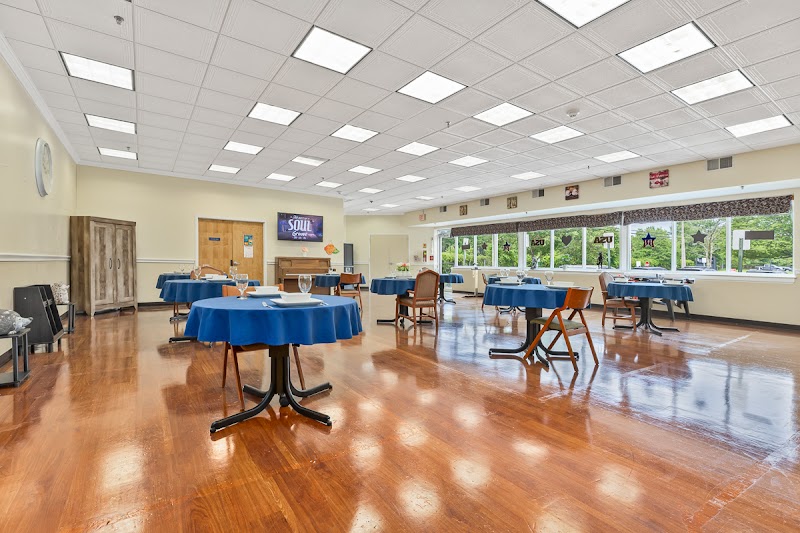
How is Autumn Lake Healthcare At Baltimore Washington Staffed?

CMS rates AUTUMN LAKE HEALTHCARE AT BALTIMORE WASHINGTON's staffing level at 2 out of 5 stars, which is below average compared to other nursing homes. Staff turnover is 50%, compared to the Maryland average of 46%.

What Have Inspectors Found at Autumn Lake Healthcare At Baltimore Washington?

State health inspectors documented 71 deficiencies at AUTUMN LAKE HEALTHCARE AT BALTIMORE WASHINGTON during 2018 to 2025. These included: 70 with potential for harm and 1 minor or isolated issues. While no single deficiency reached the most serious levels, the total volume warrants attention from prospective families.
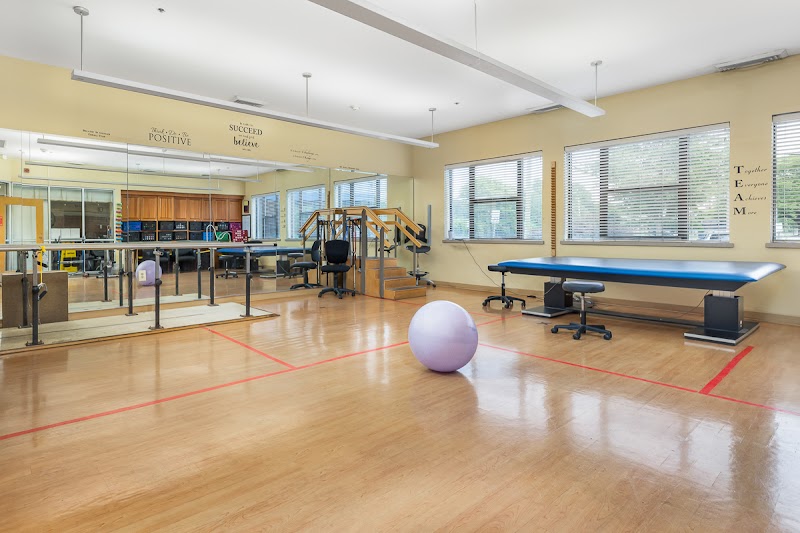
Who Owns and Operates Autumn Lake Healthcare At Baltimore Washington?

AUTUMN LAKE HEALTHCARE AT BALTIMORE WASHINGTON is owned by a for-profit company. For-profit facilities operate as businesses with obligations to shareholders or private owners. The facility is operated by AUTUMN LAKE HEALTHCARE, a chain that manages multiple nursing homes. With 129 certified beds and approximately 95 residents (about 74% occupancy), it is a mid-sized facility located in GLEN BURNIE, Maryland.
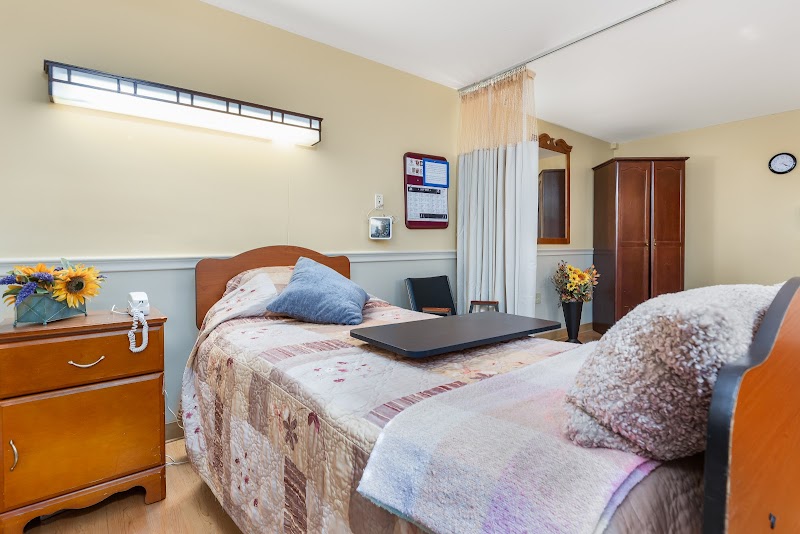
How Does Autumn Lake Healthcare At Baltimore Washington Compare to Other Maryland Nursing Homes?

Compared to the 100 nursing homes in Maryland, AUTUMN LAKE HEALTHCARE AT BALTIMORE WASHINGTON's overall rating (2 stars) is below the state average of 3.0, staff turnover (50%) is near the state average of 46%, and health inspection rating (2 stars) is below the national benchmark.

What Should Families Ask When Visiting Autumn Lake Healthcare At Baltimore Washington?

Based on this facility's data, families visiting should ask: "Can you walk me through typical staffing levels on day, evening, and night shifts?" "Can I visit during a mealtime to observe dining assistance and food quality?" "How do you handle medical emergencies, and what is your hospital transfer rate?" "Can I speak with family members of current residents about their experience?" These questions are particularly relevant given the below-average staffing rating.

Is Autumn Lake Healthcare At Baltimore Washington Safe?

Based on CMS inspection data, AUTUMN LAKE HEALTHCARE AT BALTIMORE WASHINGTON has a clean safety record: no substantiated abuse findings (meaning no confirmed cases of resident harm), no Immediate Jeopardy citations (the most serious violation level indicating risk of serious injury or death), and is not on the Special Focus Facility watch list (a federal program monitoring the lowest-performing 1% of nursing homes). The facility has a 2-star overall rating and ranks #100 of 100 nursing homes in Maryland. While no facility is perfect, families should still ask about staff-to-resident ratios and recent inspection results during their visit.

Do Nurses at Autumn Lake Healthcare At Baltimore Washington Stick Around?

AUTUMN LAKE HEALTHCARE AT BALTIMORE WASHINGTON has a staff turnover rate of 50%, which is about average for Maryland nursing homes (state average: 46%). Moderate turnover is common in nursing homes, but families should still ask about staff tenure and how the facility maintains care continuity when employees leave.

Was Autumn Lake Healthcare At Baltimore Washington Ever Fined?

AUTUMN LAKE HEALTHCARE AT BALTIMORE WASHINGTON has no federal fines on record. CMS issues fines when nursing homes fail to meet care standards or don't correct problems found during inspections. The absence of fines suggests the facility has either maintained compliance or corrected any issues before penalties were assessed. This is a positive indicator, though families should still review recent inspection reports for the full picture.

Is Autumn Lake Healthcare At Baltimore Washington on Any Federal Watch List?

AUTUMN LAKE HEALTHCARE AT BALTIMORE WASHINGTON is not on any federal watch list. The most significant is the Special Focus Facility (SFF) program, which identifies the bottom 1% of nursing homes nationally based on persistent, serious quality problems. Not being on this list means the facility has avoided the pattern of deficiencies that triggers enhanced federal oversight. This is a positive indicator, though families should still review the facility's inspection history directly.