AUTUMN LAKE HEALTHCARE AT GLEN BURNIE
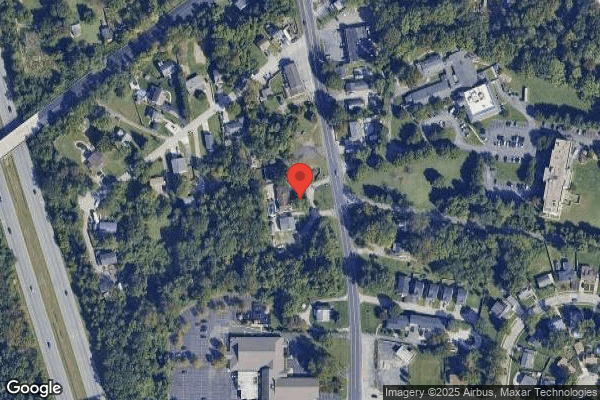
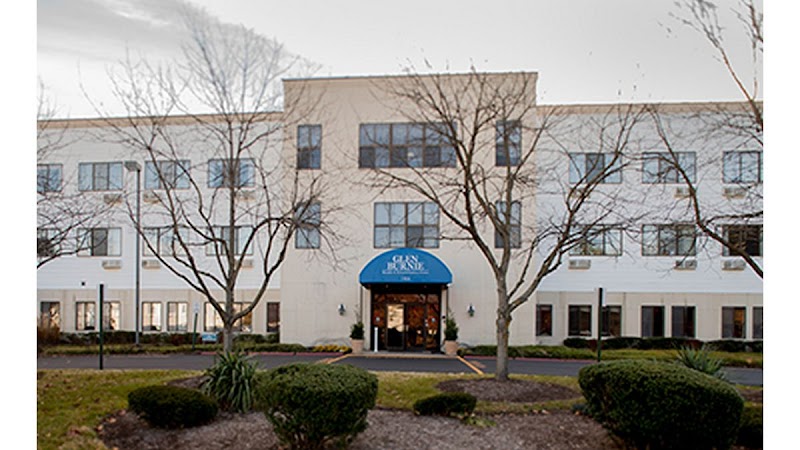
7355 FURNACE BRANCH ROAD EAST, GLEN BURNIE, MD 21060 (410) 766-3460
For profit - Limited Liability company 190 Beds AUTUMN LAKE HEALTHCARE Data: November 2025
Trust Grade
50/100
#138 of 219 in MD
Last Inspection: February 2025

Within standard 12-15 month inspection cycle. Federal law requires annual inspections.

Overview

Autumn Lake Healthcare at Glen Burnie has received a Trust Grade of C, indicating it is average and situated in the middle of the pack among nursing homes. It ranks #138 out of 219 facilities in Maryland, which places it in the bottom half, and #8 out of 13 in Anne Arundel County, meaning only a few local options are better. The facility is experiencing a worsening trend, with reported issues increasing from 15 in 2023 to 35 in 2025. Staffing is rated at 2 out of 5 stars, with a turnover rate of 46%, which is around the state average, suggesting some instability among staff. Although the facility has not incurred any fines, concerns arise from specific incidents, such as failing to document care plan meetings for a resident and not accurately providing meals based on established menu choices, indicating potential gaps in care and oversight. Overall, while there are some strengths, such as the absence of fines, the facility's performance in key areas raises important considerations for families.

Trust Score
C
50/100
In Maryland
#138/219
Bottom 37%
Safety Record
Low Risk
No red flags
Inspections
Getting Worse
15 → 35 violations
Staff Stability
⚠ Watch
46% turnover. Above average. Higher turnover means staff may not know residents' routines.
Penalties
✓ Good
No fines on record. Clean compliance history, better than most Maryland facilities.
Skilled Nurses
✓ Good
Each resident gets 42 minutes of Registered Nurse (RN) attention daily — more than average for Maryland. RNs are trained to catch health problems early.
Violations
⚠ Watch
124 deficiencies on record. Higher than average. Multiple issues found across inspections.
★★☆☆☆
2.0
Overall Rating
★★☆☆☆
2.0
Staff Levels
★★★☆☆
3.0
Care Quality
★★☆☆☆
2.0
Inspection Score
Stable
2023: 15 issues
2025: 35 issues

The Good

  • Full Sprinkler Coverage · Fire safety systems throughout facility
  • No fines on record

Facility shows strength in fire safety.

The Bad

2-Star Overall Rating

Below Maryland average (3.0)

Below average - review inspection findings carefully

Staff Turnover: 46%

Near Maryland avg (46%)

Higher turnover may affect care consistency

Chain: AUTUMN LAKE HEALTHCARE

Part of a multi-facility chain

Ask about local staffing decisions and management

The Ugly 124 deficiencies on record

Feb 2025 35 deficiencies
CONCERN (D) 📢 Someone Reported This

A family member, employee, or ombudsman was alarmed enough to file a formal complaint

Potential for Harm - no one hurt, but risky conditions existed

Deficiency F0561 (Tag F0561)

Could have caused harm · This affected 1 resident

Based on observations, interview with facility staff, and review of the medical record, it was determined that the facility failed to ensure that a resident's documented dining preference was honored....

Read full inspector narrative →
Based on observations, interview with facility staff, and review of the medical record, it was determined that the facility failed to ensure that a resident's documented dining preference was honored. This was evident for 3 of 15 residents (#57, #524 and #525) reviewed for dining preference during the recertification/complaint survey. The findings include: On 2/26/25 at 7:41 AM the surveyor interviewed Registered Nurse (RN #28). During the interview RN #28 stated that breakfast trays arrive to the unit around 8:15 AM. On 2/26/25 at 8:10 AM dietary was observed delivering breakfast cart to the unit. The surveyor noted that there was only one resident in the common/dining area. On 2/26/25 at 8:12 AM in an interview with RN #28 when asked why there was only one resident in the dining area during breakfast time, she stated most of the residents stay in their rooms for breakfast and get out of bed after breakfast. When asked if that was their preference, she stated she did not know if that was their preference but this is a skilled unit and so they get up anyway to go to therapy and then they can eat their lunch in the dining room. On 2/26/25 at 8:16 AM the surveyor interviewed all available residents (15 residents) on the unit and 3 residents (Residents # 57, # 524, and # 525) stated their preference was to eat their breakfast in the dining room. On 2/26/25 at 8:57AM the surveyor shared with RN #28 that the available residents on the unit were interviewed, and 3 residents stated their preference was to eat breakfast in the dining room. RN #28 stated she did not know that was their preference. When asked if nursing should be aware of and honor residents' dining preferences she stated if she asked them she would know and she could ask them. When asked if she has ever asked a resident their preferred dining location she stated again that she could have asked them. When asked if residents have the right to choose where to eat she stated, of course but denied asking their preference. When asked if dining preferences are documented in the medical record she stated she did not know. On 2/26/25 at 9:39 AM review of the 3 residents' (Residents # 57, # 524, and # 525) medical record revealed Eats in dining room was documented as their preference in the Dietary section of each of their baseline care plans. On 2/26/25 at 10:31 AM the Director of Nursing (DON) was interviewed. During the interview the DON was asked if residents' dining preferences for where they would like to consume their meals are assessed. She stated she was not sure. When asked if she knew where it would be documented she stated, I know it is not documented anywhere. When asked if the expectation is that a resident's nurse would know the preferences for where residents would like to eat, she stated if it was an agency nurse .however, the surveyor informed the DON that the nurse interviewed had worked in the facility for almost 10 years, to which the DON stated then they should know the residents' preferences. On 2/26/25 at 11:08 AM in an interview with the DON, the surveyor shared the 3 residents who stated their preference was to eat breakfast in the dining room had that preference documented in their medical record. During the interview, the DON acknowledged and confirmed these findings. When asked if residents have the right to choose where they eat, she stated yes and confirmed that it should be a resident's choice as to where they dine.
CONCERN (D) 📢 Someone Reported This

A family member, employee, or ombudsman was alarmed enough to file a formal complaint

Potential for Harm - no one hurt, but risky conditions existed

Deficiency F0578 (Tag F0578)

Could have caused harm · This affected 1 resident

Based on record review and interviews with facility staff, it was determined that the facility failed to provide residents with information to formulate an advanced directive. This was evident for 1 (...

Read full inspector narrative →
Based on record review and interviews with facility staff, it was determined that the facility failed to provide residents with information to formulate an advanced directive. This was evident for 1 (Resident #81) of 3 residents reviewed for advanced directives during the recertification/complaint survey. The findings include: An advance directive is a written statement of a person's wishes regarding medical treatment, often including a living will, made to ensure those wishes are carried out should the person be unable to communicate them to a doctor. It is a legal document in which a person specifies what actions should be taken for their health if they are no longer able to make decisions for themselves because of illness or incapacity. On 2/18/25 at 1:33 PM in an interview with Unit Manager (UM #27) when asked where resident's advanced directives can be found, she stated if they have an advanced directive, it would be in their paper chart. On 2/18/25 at 1:38 PM review of Resident #81's paper chart and electronic medical record revealed no documentation related to advance directives. On 2/18/25 at 1:57 PM in an interview with the Director of Nursing (DON) when asked the process for new admissions regarding advanced directives, she stated the residents come in with their MOLST and advanced directive. Then, Social Services and the doctor review them. If they do not have an advanced directive, Social Services will offer the residents and/or family the information to complete one. On 2/19/25 at 12:17 PM in an interview with the DON she stated Social Services completes an advance directive assessment. When asked who is responsible for offering the information to a resident who enters the facility without an advanced directive, she stated it is the responsibility of Social Services. On 2/19/25 at 12:02 PM review of Resident #81's medical record revealed two advance directive admission assessments [AUTM Advanced Directive admission -V2] completed by Social Services. The most recent assessment was completed on 2/12/24 and the other assessment was completed on 3/1/23. Both assessments documented that the resident did not have an advanced directive in place, that they were interested in developing an advanced directive, and that they were interested in meeting with a member of the Social Work team to discuss steps to implement an advanced directive. On 2/19/25 at 12:07 PM review of Resident #81's progress notes from 9/26/24 to 12/26/24 did not reveal a note(s) mentioning advance directives or any social services notes. Social Services #2 was interviewed on 2/19/25 at 12:47 PM. When asked to explain the process for a new admission regarding advanced directives, she stated she does an initial advanced directive assessment [Social Services #2 verified and confirmed the assessment she was referring to was AUTM Advanced Directive admission - V 2] within 72 hours of a resident's admission. During the interview, Social Services #2 stated if the resident does not have an advanced directive, she offers them the information and helps them with the process of completing the forms. Then, when the advanced directive is completed, the same assessment is completed again, showing that the resident now has an advanced directive on file. Social Services #2 further stated if there is not a second assessment then there should be a note explaining why. The surveyor shared the concern that Resident #81 has 2 completed assessments, both of which documented that the resident did not have an advanced directive, was interested in developing one, but was not provided the information to formulate an one. On 2/19/25 at 1:16 PM Social Services #2 stated she went and spoke to Resident #81 and asked if he was interested in formulating an advanced directives and he said no, so she would put a note in. When asked why the resident was not provided information to formulate an advance directive when it was documented twice that he wanted to meet with a member of the social work team to discuss steps to implement an Advanced Directive, she stated she could not speak about what happened in the past. On 2/19/25 at 1:46 PM review of the facility's policy, Residents' Rights Regarding Treatment and Advanced Directives revealed under the Policy Explanation and Compliance Guidelines section: 1. On admission, the facility will determine if the resident has executed an advance directive, and if not, determine whether the resident would like to formulate an advance directive. 2. The facility will provide the resident information, in a manner that is easy to understand, about the right to refuse medical or surgical treatment and formulate an advance directive. 8. Decisions regarding advance directives and treatments will be periodically reviewed as part of the comprehensive care planning process, the existing care instructions and whether the resident wishes to change or continue these instructions.
CONCERN (D) 📢 Someone Reported This

A family member, employee, or ombudsman was alarmed enough to file a formal complaint

Potential for Harm - no one hurt, but risky conditions existed

Notification of Changes (Tag F0580)

Could have caused harm · This affected 1 resident

Deficiency Text Not Available

Read full inspector narrative →
Deficiency Text Not Available
CONCERN (D) 📢 Someone Reported This

A family member, employee, or ombudsman was alarmed enough to file a formal complaint

Potential for Harm - no one hurt, but risky conditions existed

Grievances (Tag F0585)

Could have caused harm · This affected 1 resident

Based on investigating complaints, record review, and interviews, it was determined that the facility failed to follow the grievance process for residents. This was evident for 2 (Resident #9 and #151...

Read full inspector narrative →
Based on investigating complaints, record review, and interviews, it was determined that the facility failed to follow the grievance process for residents. This was evident for 2 (Resident #9 and #151) of 34 residents reviewed for the grievance process during this recertification/complaint survey. The findings include: On 2/18/25, around 9 AM, the surveyor reviewed residents' complaints. The review revealed that at least three residents expressed concerns related to their laundry services, missing clothes, stolen items, and misplacement; a) Resident #433's family member stated that they observed that the resident put on other residents' clothing, b) an anonymous complainant reported that the residents' person item stolen and misplaced, and c) Resident #445 reported that the facility's laundry machine was broken and not properly washing. The surveyor asked about residents' grievance process during an interview with the Nursing Home Administrator (NHA) on 2/25/25 at 9:04 AM. The NHA said, If residents filled out the forms, it is brought to my attention. I will review them, meet resident/family, and follow up with the report. If it is item-related, we should replace/ reimburse them. The NHA confirmed that he had no grievance regarding residents' clothing issues. In an interview with the housekeeping manager ( Staff #23) on 2/25/25 around 10:30 AM, she explained how to manage residents' items. She said, If residents reported their missing items, interview with residents to get information from them, search up, report the issue to the administrator (if it is still not found), and he will replace/ refund them. Staff #23 verified that the laundry staff did not fill out the grievance form; they reported the issue to the administrator, and the staff follow-up should be done by the administrator. 1)During an interview with Resident #9 on 2/18/25 at 10:33 AM, the resident expressed concerns that he/she had some missing items (headbands and beads). The laundry staff reported those; however, they were not replaced. On 2/20/25 at 10:00 AM, the surveyor asked for any grievance form related to Resident #9. The NHA stated that the facility had no documentation for the resident. During an interview with the NHA on 2/25/25 at 9:04 AM, the surveyor asked about Resident #9's missing items. He said, I don't know about Resident #9's missing items issue. In a follow-up interview with Resident #9 on 2/26/25 at 8:22 AM, the resident provided detailed information about his/her missing items. The resident said, The laundry staff threw away mine, and the staff said she would replace it. But no one followed up on this. During an interview with the laundry manager (Staff # 23) on 2/26/25 at 8:50 AM, she confirmed that she had not heard about it. She said, I will ask our team members. 2) In an interview with Resident #151 on 2/18/25 at 11:14 AM, the surveyor observed many clothing items; there are grease-type stains on various clothing items, on the back as well, not just the front of clothing items- some have peroxide-type stains, bleach appearing, (at least two items). Resident #151 stated that it happened a few weeks ago. The resident reported that the unit manager ( Staff #27) was aware of the damaged clothing issues but did not document or write them. Resident #151 said, I had lots of grievances. In an interview with a laundry staff member (Staff #34) on 2/24/25 at 11:03 AM, the staff explained how to wash residents' items. Staff #34 said, Usually, we do not mix linens and personal items. If we have to mix them, like if residents' clothes were small amounts, I put them together with linens and personal items. I listed residents' items on a paper to prevent messing up. That's how I learned how to wash them. During an interview with the NHA on 2/25/25 at 12:57 PM, he confirmed that the facility did not have any grievance regarding Resident #151's damaged clothing. He submitted a copy of the grievance report form. The form was documented as received on 2/25/25 with details such as Per surveyor [Resident #151's name] reported some of his/her clothes were bleached by the laundry staff when washing the clothes. The NHA confirmed that this process was initiated after the surveyor's intervention. The surveyor shared concerns that the facility's grievance process was not adequately applied to residents. The NHA validated it.
CONCERN (D) 📢 Someone Reported This

A family member, employee, or ombudsman was alarmed enough to file a formal complaint

Potential for Harm - no one hurt, but risky conditions existed

Abuse Prevention Policies (Tag F0607)

Could have caused harm · This affected 1 resident

Based on interview and record review it was determined the facility failed to implement their policy for abuse, neglect and exploitation and their policy for employment background investigations. This...

Read full inspector narrative →
Based on interview and record review it was determined the facility failed to implement their policy for abuse, neglect and exploitation and their policy for employment background investigations. This was evident for one facility employee (Geriatric Nursing Assistant #64) during the surveyor's review of the following facility reported incidents and complaints: MD#00210602, MD#00210823, MD#00211759, and MD#00210884 during the recertification/complaint survey. The findings include: On 2/19/25 at 1:14PM the surveyor requested the complete investigation files for facility reported incidents, MD#00210823 and MD#00210602 from the facility's Administrator. On 2/19/25 at 8:25AM the surveyor conducted an interview with the facility's Director of Nursing who confirmed with the surveyor that GNA #64 was currently an active employee of the facility. On 2/19/25 at 1:46PM conducted a review of the facility's complete investigation file for MD#00210602 which revealed a copy of the background check which was performed for GNA #64 upon hire, in which their last name was observed to be contained in the first name entry box, and their last name was observed to be contained in the first name entry box with the last name additionally having been incorrectly spelled, and no previous addresses or further background information appeared to have resulted from the background check. Review of the national public sex offender check performed by the facility for GNA #64 additionally revealed a check was performed with the last name incorrectly spelled. In response to these findings, on 2/19/25 at 1:53PM the surveyor reviewed a public state information database in which GNA #64's name and other identifying information indicated a criminal background was present. On 2/20/25 at 11:57AM the surveyor reviewed GNA #64's credentials via the Maryland Board of Nursing website and observed their credentials were currently in suspended status. On 2/20/25 at 11:58AM the surveyor observed GNA #64 was listed on the employee roster provided by the facility and reviewed by the surveyor. On 2/20/25 at 11:59AM the surveyor requested for the DON to provide timecard records for GNA #64. On 2/20/25 at 12:46PM the surveyor received and reviewed GNA #64's current timecards which revealed they had last worked on 2/4/25. On 2/21/25 at 9:18AM the surveyor conducted an interview with Human Resources Director (HRD) #41. When the surveyor inquired as to the spelling of the name of GNA #64 and other information surrounding their background check with no resulting information, HRD #41 reported they had handwritten the correct last name on the background check's paper printed out form. On 2/21/25 at 11:50AM the surveyor conducted another interview with HRD #41 who reported (after surveyor intervention) they had called the background check company the facility utilizes and was informed they had the first and last names of GNA #64 entered in the wrong boxes on the form and additionally had learned that even if a social security number was present that the background check system still would not pull and provide the person's background check results. HRD #41 stated they did not know that the order of the first and last name mattered when they input names into the background check system, but now that they were aware that this is important, going forward they will be carefully reviewing the information that is being input into the system as well as performing an audit of existing employee background check information. On 2/21/25 at 1:34PM the surveyor reviewed the facility's background investigation policy dated as implemented on 2/3/2023 which stated the following information: Job reference checks, licensure verifications, and criminal conviction record checks are conducted on all personnel making application for employment with this company. The surveyor noted the policy further explained that the human resources department will conduct all applicable background investigation(s) on each individual making application for employment with the facility. Review of the facility's Abuse, Neglect, and Exploitation policy revealed the following information stated within the policy under the screening section: Background, reference, and credentials' checks shall be conducted on potential employees, contracted temporary staff, students affiliated with academic institutions, volunteers, and consultants, and the facility will maintain documentation of proof that the screening occurred. Additional review of the facility's Abuse, Neglect, and Exploitation policy stated the following information: The facility will provide ongoing oversight and supervision of staff in order to assure that it's policies are implemented as written.
CONCERN (D) 📢 Someone Reported This

A family member, employee, or ombudsman was alarmed enough to file a formal complaint

Potential for Harm - no one hurt, but risky conditions existed

Report Alleged Abuse (Tag F0609)

Could have caused harm · This affected 1 resident

Deficiency Text Not Available

Read full inspector narrative →
Deficiency Text Not Available
CONCERN (D) 📢 Someone Reported This

A family member, employee, or ombudsman was alarmed enough to file a formal complaint

Potential for Harm - no one hurt, but risky conditions existed

Investigate Abuse (Tag F0610)

Could have caused harm · This affected 1 resident

Deficiency Text Not Available

Read full inspector narrative →
Deficiency Text Not Available
CONCERN (D) 📢 Someone Reported This

A family member, employee, or ombudsman was alarmed enough to file a formal complaint

Potential for Harm - no one hurt, but risky conditions existed

Deficiency F0625 (Tag F0625)

Could have caused harm · This affected 1 resident

**NOTE- TERMS IN BRACKETS HAVE BEEN EDITED TO PROTECT CONFIDENTIALITY** Based on medical record review and staff interviews, it was determined that the facility failed to notify the Resident/Resident ...

Read full inspector narrative →
**NOTE- TERMS IN BRACKETS HAVE BEEN EDITED TO PROTECT CONFIDENTIALITY** Based on medical record review and staff interviews, it was determined that the facility failed to notify the Resident/Resident representative in writing about the bed hold policy when the Resident was transferred/discharged from the facility to an acute care facility. This was evident for one (Resident #64) of two residents reviewed who were transferred to an acute care facility during the recertification/complaint survey. The findings include: Review of the medical record for Resident #64 on 02/24/25 at 08: 40 AM revealed that Resident #64 was admitted to the facility on [DATE] and was sent to an acute care facility on 02/19/25 at 02:35 PM for a change in his/her medical condition. Further review of the medical record failed to produce written evidence that the Resident and /or the Resident representative were given written notice of the bed hold policy. The facility's documentation on the change in condition transfer form reveals that the bed hold policy was not given to the Resident and /or Resident representative. On 02/24/25 at 09:10 AM, in an interview, Licensed Practical Nurse (LPN) staff #39 stated that the Resident was sent to the hospital on [DATE] at 11:35 PM; he/ she does not remember completing the bed hold policy or giving it to the Resident or Resident representative. An interview with LPN staff # 40 revealed that the Bed hold policy is signed by the Nurse in charge, and sent it off to the hospital after notifying the family. On 02/27/25 at 2:30 PM, during the review with the Director of Nursing (DON), a copy of the bed hold policy was provided; however, he/she could not produce written evidence that the Resident # 64 or Resident representative was given, written notice of the bed hold policy.
CONCERN (D) 📢 Someone Reported This

A family member, employee, or ombudsman was alarmed enough to file a formal complaint

Potential for Harm - no one hurt, but risky conditions existed

Comprehensive Assessments (Tag F0636)

Could have caused harm · This affected 1 resident

**NOTE- TERMS IN BRACKETS HAVE BEEN EDITED TO PROTECT CONFIDENTIALITY** Based on the surveyor's observation, medical record review, and staff interviews, it was determined that the facility failed to ...

Read full inspector narrative →
**NOTE- TERMS IN BRACKETS HAVE BEEN EDITED TO PROTECT CONFIDENTIALITY** Based on the surveyor's observation, medical record review, and staff interviews, it was determined that the facility failed to have an accurate MDS (minimum data set) assessment regarding the status of dental issues for 1 (Resident # 38) of 80 Residents reviewed during the recertification/complaint survey. The findings include: The facility must comprehensively and accurately assess each Resident's functional capacity. Comprehensive assessment of a Resident's needs, strengths, and goals using the Resident assessment instrument (RAI) specified by the Centers for Medicare and Medicaid Services (CMS). The assessment must also include Dental and nutritional status. The information collected drives resident care planning decisions. MDS assessments must be accurate to ensure that each Resident receives the care they need. On 02/18/25 at 10 AM, the surveyor observed Resident # 38 missing teeth (both upper and lower jaws) and four front loose teeth (incisors) of the lower jaw. On 02/18/25 at 01:18 PM, a medical record review revealed that Resident #38 had a Doctor's order dated 07/12/24; dental consult 6-11 bridge failing. Recommendation EXT of the bridge by outside office: 1/10/25 Dietician and Nurses progress notes reveal that dental procedure was pending. Further review of the medical record of resident #38 revealed that the annual MDS assessment was completed on 10/02/24. Documentation of section L in MDS revealed that there were no oral/Dental issues like broken or loosely fitting dentures and loose teeth for Resident #38. On 02/25/25 at 12:09 PM, an interview with LPN Nurse staff # 44 revealed that Resident # 38 had issues with his implants and confirmed that the treatment was not initiated. On 02/25/25 at 12:14 PM, an Interview with Nurse Manager Staff #40 confirmed that Resident #38 dental consults were delayed, but upcoming appointments were set. An Interview with MDS staff #43 on 02/25/25 at 02:14 PM confirmed that the annual MDS dated [DATE], section L status of oral/ Dental coding, does not reflect an active dental issue. On 02/27/25 at 10:38 AM, Reviewed the MDS discrepancy with the Director of Nursing (DON), and the DON acknowledged it.
CONCERN (D) 📢 Someone Reported This

A family member, employee, or ombudsman was alarmed enough to file a formal complaint

Potential for Harm - no one hurt, but risky conditions existed

Deficiency F0645 (Tag F0645)

Could have caused harm · This affected 1 resident

Based on medical record review and staff interviews, it was determined that the facility failed to ensure that the Level II Preadmission screening and Resident review (PASARR) screen was completed by ...

Read full inspector narrative →
Based on medical record review and staff interviews, it was determined that the facility failed to ensure that the Level II Preadmission screening and Resident review (PASARR) screen was completed by Adult Evaluation and Review Services (AERS) before the resident's admission. This was evident for 1 (Resident #82 ) of 60 residents reviewed for PASARR compliance. The findings include: Preadmission Screening and Resident Review is a federal requirement to help ensure that individuals are not inappropriately placed in nursing homes for long term care. Everyone who applies for admission to a nursing facility must be screened for evidence of serious mental illness (MI) and/or intellectual disabilities (ID), developmental disabilities (DD), or related conditions, who would then require PASARR Level II evaluation and determination before admission to the facility. The state mental health or intellectual disability authority must conduct a Level II Resident review within 40 calendar days of admission. 1) On 02/18/25 at 12:59 PM, the medical record review of Resident #82 revealed that a scanned copy of PASARR level one dated 01/11/2023 was available from electronic medical records. PASARR form page 2 indicated that the resident must be referred to AERS for level two Evaluation. Further record review revealed that the PASARR dated 01/11/23 for resident #82 was not referred to AERS for level two evaluation. On 02/18/25 at 2 PM, an interview with Social Services designee staff #2 Confirmed understanding the process of positive Residents for PASARR level one would be sent to AERS for level two evaluation. On 02/25/25 at 1:30 PM, reviewed with The Director of Nursing (D.O.N), and the DON acknowledged the findings.
CONCERN (D) 📢 Someone Reported This

A family member, employee, or ombudsman was alarmed enough to file a formal complaint

Potential for Harm - no one hurt, but risky conditions existed

Deficiency F0655 (Tag F0655)

Could have caused harm · This affected 1 resident

2) On 2/20/2025 at 9:37 AM, an interview was conducted with the Director of Nursing (DON), and she was asked: Who initiates and completes the Baseline Care Plan? What is the timeframe for completion? ...

Read full inspector narrative →
2) On 2/20/2025 at 9:37 AM, an interview was conducted with the Director of Nursing (DON), and she was asked: Who initiates and completes the Baseline Care Plan? What is the timeframe for completion? The DON answered that the admitting nurse initiates the baseline care plan, and then the team completes it (Social Services, Registered Dietician, Rehabilitation Department, and Nursing). The baseline care plan must be completed within 48 hours of admission. On 2/21/2025 at 11:44 AM, an electronic medical record review was conducted for Resident # 145 and revealed that his/her baseline care plan was initiated on 3/31/2024 and 4/29/2024, and both care plans were locked on 5/7/2024. On 2/26/2025 at 9:20 AM, an interview with the Director of Nursing (DON) was conducted. DON confirmed that the baseline care plans for Resident # 145 dated 3/31/2024 and 4/29/2024 were completed late. 3) On 02/25/25 at 12:15 PM medical record review revealed that resident #5's baseline care plan was completed in Point Click Care (PCC), but no documentation verified that staff presented and reviewed the baseline care plan within 48 hours of admission, to the resident/resident representative. On 02/25/25 12:32 PM the Director of Nursing (DON) was interviewed and asked if they could provide documentation that the resident #5 received her baseline care plan within 48 hours of admission and that it was reviewed with the resident/resident representative? The DON checked and reported, I do not have any documentation to verify that the resident or the resident representative was given the 48-hour base line care plan or that it was reviewed with them. Based on interviews with residents, review of medical records, and interview with facility staff, it was determined that the facility failed to ensure that residents and/or residents' representatives were provided with summaries of their baseline care plans including a list of their medications and failed to timely complete a baseline care plan. This was evident for 3 (#5, #57, and #145) of 34 residents reviewed for baseline care plans during the recertification/complaint survey. The findings include: A baseline care plan (BLCP) must be completed within 48 hours of a resident's admission to the facility and include the initial goals based on admission orders, physician orders, dietary orders, therapy services, and social services. A summary of the BLCP and medication list must be given to each resident and/or his/her representative. Completion and implementation of the BLCP is intended to promote continuity of care and communication among staff, increase resident safety, and safeguard against adverse events (undesirable outcomes) that can occur right after admission. 1) Resident #57 was interviewed on 2/18/25 at 10:46 AM. During the interview, the resident stated that s/he did not think s/he had been provided with a summary of their baseline care plan or medication list. On 2/18/25 at 10:57 AM Resident #57's medical record was reviewed. The review included an admission date of 1/12/25 and a Baseline Care Plan dated 1/12/25. In the BLCP Section 7- BCP Summary and Signatures Part B: was a filed that documented Signature of Resident and Representative. This field was blank. There was no signature in either the resident and/or representative field. The review failed to reveal any evidence that Resident #57 had been provided with a summary of their baseline care plan and medication list. On 2/20/25 at 9:37 AM the Director of Nursing (DON) was interviewed. During the interview she stated the BLCP must be completed within 48 hours of admission. Furthermore, she stated that after the BLCP is completed, it along with a list of medications should be presented, reviewed, and discussed with the resident/family and that there should be documentation in the medical record that the BLCP was completed, presented and given to the resident/family with a list of their medications. On 2/20/25 at 11:35 AM the DON stated and confirmed there is no documentation that Resident #57 was provided with a written summary of their BLCP including medication list within 48 hours.
CONCERN (D) 📢 Someone Reported This

A family member, employee, or ombudsman was alarmed enough to file a formal complaint

Potential for Harm - no one hurt, but risky conditions existed

Comprehensive Care Plan (Tag F0656)

Could have caused harm · This affected 1 resident

**NOTE- TERMS IN BRACKETS HAVE BEEN EDITED TO PROTECT CONFIDENTIALITY** Based on observations, record review, and interviews of the residents and facility staff, it was determined that the facility fa...

Read full inspector narrative →
**NOTE- TERMS IN BRACKETS HAVE BEEN EDITED TO PROTECT CONFIDENTIALITY** Based on observations, record review, and interviews of the residents and facility staff, it was determined that the facility failed to initiate and develop a comprehensive person-centered care plan that includes measurable objectives, interventions, and timeframes to meet a resident's medical, nursing, mental, and psychosocial needs. This was evident for 3 (Resident #38, #57, and #145) of 34 residents reviewed during the facility's recertification/complaint survey. The findings include: A care plan is an individualized guide that addresses the unique needs of each resident including both medical and non-medical concerns. It describes residents' needs and the interventions to address them and should be updated as changes in the residents' conditions occur. It is used to plan, assess, and evaluate the effectiveness of the resident's care they receive in a facility. Oxygen therapy is a treatment that provides you with supplemental, or extra, oxygen. It is only available through a prescription from your health care provider. Supplemental oxygen therapy helps people with breathing problems get enough oxygen to function and stay well. Low blood oxygen levels (hypoxemia) can damage organs and be life-threatening. 1) On 2/18/25 at 11:08 AM review of Resident #57's medical record revealed a physician order for oxygen at 2 L/min (liters per minute) via nasal canula continuously. A nasal cannula is a device that delivers oxygen directly to a person's nostrils via a flexible plastic tube. Further review of the medical record revealed Resident #57's diagnoses included acute respiratory failure with hypercapnia, hypertensive heart disease with heart failure, and unspecified combined systolic (congestive) and diastolic (congestive) heart failure, which can affect a person's breathing and the respiratory care, services, and interventions needed. However, review of Resident #57's care plan failed to reveal that a respiratory care plan was developed for oxygen therapy with measurable goals and nursing interventions/evaluations. On 2/20/25 at 11:42 AM the Director of Nursing (DON) was interviewed. During the interview, the DON stated that residents on oxygen should have an oxygen care plan with goals and interventions. The surveyor reviewed Resident #57's care plan with the DON. The DON confirmed that there was no focus, goals, or interventions on the care plan for the use of supplemental oxygen for Resident #57. 2) On 02/18/25 at 10 AM, the surveyor observed Resident # 38 missing teeth (both upper and lower jaws) and four front loose teeth (incisors) of the lower jaw. On 02/18/25 at 01:18 PM, a medical record review revealed that Resident #38 had a Doctor's order dated 07/12/24; dental consult 6-11 bridge failing. Recommendation EXT of the bridge by outside office: 1/10/25 Dietician and Nurses progress notes reveal that dental procedure was pending. A review of the care plan does not reflect Resident # 38's 1). Dental issues and possible interventions, 2) Resident's level of care changed to Palliative care on 09/19/24. Care conference notes dated 10/3/2024 at 15:49 do not reflect the documentation of dental issues and related dental appointments. An interview with the social work designee, staff # 2, on 02/24/25 at 10:33 AM revealed that the care plan meetings are scheduled and communicated with resident/ Resident families by the social work designee. The care plan meeting summary was documented by social work staff # 2, however, each department was responsible for updating the care plans. An interview with a Licensed Practical Nurse (LPN) staff, #44, on 02/24/25 at 11:15 AM revealed that the unit managers initiate and update the care plans in the nursing department. An Interview with the Activities Director, staff #25, on 02/24/25 at 11:33 AM revealed that each department is responsible for initiating and updating the care plans. On 02/25/25 at 1:30 PM, reviewed resident# 38's care plan with Unit manager staff # 44 and the The Director of Nursing ( D.O.N) and the DON acknowledged the findings. 3) On 2/21/2025 at 11:44 AM, an electronic medical record review was conducted. Resident # 145 has a history diagnosis of PTSD (post-traumatic stress disorder). He/she was initially admitted to the facility on [DATE], discharged on 2/25/2024, and returned to the facility on 3/21/2024. He/she was hospitalized on [DATE] due to a medical condition and was readmitted on [DATE]. The Minimum Data Set (MDS) comprehensive assessment reviewed dated 1/11/2024 and 3/7/ 2024, respectively, both confirmed the diagnosis of post-traumatic stress disorder. Section D of both assessments reflected the presence of depression in various degrees. The Care Area Assessment (CAA) was triggered for mood and psychosocial well-being. Further review of the electronic medical record revealed a care plan for the history of trauma initiated on 1/24/2024 and canceled on 2/25/2024. No additional care plan for trauma-informed care was found. A care plan for depression related to grief was initiated on 2/3/2025. Resident # 145 has been exhibiting depression based on the assessments since his/her initial admission on [DATE]. In addition, Resident # 145 was seen by psychiatry on 8/20/2024 due to anxiety and agitation and was prescribed Lexapro (antidepressant) 5 mg once a day for anxiety and agitation. There was no care plan for mood and behavior, including the use and side effects of psychotropic medication. On 2/24/2025 at 1:59 PM, Staff # 2 (Social Services designee) was interviewed. The surveyor asked: What is your process for a resident with PTSD (post-traumatic stress disorder)? Staff # 2 stated: We immediately refer to psychiatric services and ensure he/she is being followed up. I do not have any assessment used for PTSD (post-traumatic stress disorder); Social Services oversees the care plan. Staff # 2 added that Resident # 145 did not trigger during the social services assessment for trauma, and therefore, no care plan was required. On 02/24/25 at 02:40 PM, Staff # 2 provided a copy of the care plan for PTSD (post-traumatic stress disorder) and stated, This was all we have. The care plan was canceled on 2/5/2024. On 2/26/2025 at 9:20 AM, the identified concern was reviewed with the Director of Nursing, related to post-traumatic stress disorder.
CONCERN (D) 📢 Someone Reported This

A family member, employee, or ombudsman was alarmed enough to file a formal complaint

Potential for Harm - no one hurt, but risky conditions existed

Deficiency F0661 (Tag F0661)

Could have caused harm · This affected 1 resident

**NOTE- TERMS IN BRACKETS HAVE BEEN EDITED TO PROTECT CONFIDENTIALITY** Based on record review and interviews, it was determined that the facility failed to ensure that a discharge summary was complet...

Read full inspector narrative →
**NOTE- TERMS IN BRACKETS HAVE BEEN EDITED TO PROTECT CONFIDENTIALITY** Based on record review and interviews, it was determined that the facility failed to ensure that a discharge summary was completed within a reasonable time frame. This was evident for one resident (Resident #437) out of four residents reviewed for closed record review during the recertification/complaint survey. The findings include: On [DATE] at 9:24 AM, the surveyor reviewed Resident #437's medical record for investigating complaints. The review revealed that Resident #437 was found unresponsive on [DATE] around 6:30 PM with shallow breathing, 02 saturation 78% on 3L oxygen. The progress note written by the facility staff on [DATE] at 7:09 PM showed that the facility staff called EMS; after 25 minutes of CPR, the resident was stabilized and transferred to acute care for further evaluation. However, a further review of Resident #437's medical record revealed that the attending physician ( Staff #37) wrote a discharge summary for the resident on [DATE]; the resident transferred to the hospital for further evaluation. During an interview with the Director of Nursing (DON) on [DATE] at 1:41 PM, she stated that the physician expected to document residents' discharge summaries within 30 days. The surveyor shared Resident #437's discharge summaries, and the DON validated that they were documented almost 2.5 months later.
CONCERN (D) 📢 Someone Reported This

A family member, employee, or ombudsman was alarmed enough to file a formal complaint

Potential for Harm - no one hurt, but risky conditions existed

ADL Care (Tag F0677)

Could have caused harm · This affected 1 resident

Based on medical record review and resident and staff interviews it was determined the facility staff failed to ensure that dependent resident's personal hygiene needs were adequately met by offering ...

Read full inspector narrative →
Based on medical record review and resident and staff interviews it was determined the facility staff failed to ensure that dependent resident's personal hygiene needs were adequately met by offering and providing showers as scheduled. This was evident for 1 (#4) of 2 residents reviewed for Activities of Daily Living (ADL) care during a recertification/complaint survey. The findings include: In an interview with Resident #4 on 2/18/2025 at 9:30 AM, Resident #4 stated s/he had not been getting showers in the past 2 years and would like to have one. S/he added that they don't understand that taking showers help the body heal. Resident #4 also stated that the staff gave her/him bed baths and s/he would prefer that ADL care be provided after breakfast and not after lunch as was the current practice. On 2/19/2025 at 12:54 PM a review of Resident #4's quarterly MDS (Minimum Data Set) completed on 12/22/2024 revealed that the resident was totally dependent on staff for shower/bathe self, personal hygiene and dressing. The Brief Interview for Mental Status (BIMS) revealed a score of 13 indicating adequate cognitive ability. The MDS is a federally-mandated assessment tool that helps nursing home staff gather information on each resident's strengths and needs. Information collected drives resident care planning decisions. MDS assessments need to be accurate to ensure each resident receives the care they need. On 2/19/25 at 1:13 PM Review of physician orders did not reveal any active orders for showers. However further review revealed a shower order on 8/17/2023 that was discontinued on 1/23/2024: Showers on Monday and Thursday 3-11, every evening shift every Mon, Thu for Shower days. On 2/20/2025 at 2:05 PM, the surveyor reviewed Resident #4's care plan. The review revealed that Resident #4 had a care plan initiated on 2/22/2021 stating, Resident #4 has an Activities of Daily Living self-care performance deficit related to hospitalization and deconditioning. One of the interventions listed was, Shower per schedule and as needed. On 2/21/2025 at 7:55 AM a review of Resident #4's shower sheets revealed the resident was scheduled for showers every Monday and Thursday. Further review revealed that for the entire month of January, the resident got showers twice (Thursday 1/2/2025 and Thursday 1/30/2025) and as of 2/21/2025, the resident got a shower once (Monday 2/3/2025). However, in January 2025, NA (Not applicable, Not attempted due to medical condition or safety concerns) was documented on Monday 1/6/2025 and Monday 1/20/2025; RR (Resident refused) documented on Thursday 1/9/2025 and Monday 1/27/2025. N (No) documented on Monday 1/13/2025 and Thursday 1/16/2025. In February 2025, N noted on Thursday 2/6/2025; NA noted on Monday 2/10/2025, Thursday 2/13/2025, and Monday 2/17/2025; RR noted on Thursday 2/20/2025. On 2/21/2025 at 8:33 AM, a follow up interview was conducted with Resident #4 in their room. Resident #4 re-affirmed that s/he has not taken any showers this year and staff had not given her/him showers for the past 2 years. S/he stated that they give me bed baths but I would like to have showers too. On 2/21/2025 at 8:48 AM An interview was conducted with Geriatric Nursing Assistant (GNA #24) who has worked in the facility for a little over a year. GNA #24 stated that Resident #4 was currently on her assignment. Regarding showers, GNA #24 stated she has never given Resident #4 showers. GNA #24 stated she did not know the resident's scheduled shower days but could look up the information if the surveyor wanted her to. On 2/21/25 at 9:09 AM, the surveyor interviewed Resident #4's nurse, Registered Nurse (RN # 17), who has worked in the facility for almost 5 years. During the interview RN #17 described how to identify the residents that were scheduled for a shower that day: She stated that there was a shower sheet with the shower schedules located at the nurses' station on the unit. RN #17 got the shower schedule and showed the surveyor that Resident #4's shower days were Mondays and Thursdays. She further stated that residents were scheduled for two showers a week and would get baths on the days they were not on the schedule for a shower. When asked if she has assisted in giving the resident showers, RN #17 stated that she has never given and/or assisted in giving the resident showers. She added that the GNAs provided showers, but she (RN #17) sometimes supervises. RN #17 further stated that she has not seen Resident #4 taken to the shower room by any GNA. On 2/21/2025 at 9:16 AM, An interview was completed with the Unit Manager (UM #27), who has worked in the facility for 3 years. UM #27 looked at the shower schedule on the wall in her office and confirmed that Resident # 4's shower days were Mondays and Thursdays. Regarding resident not getting showers, UM #27 stated that staff do offer to give the resident showers but most days the resident prefers to have a bed bath instead of going to the shower room. Surveyor reviewed Resident #4's shower sheets with UM #27. UM #27 verified that per staff documentation, the resident got showers on 1/2/2025 and 1/30/2025 (two days for the entire month of January), and on 2/3/2025 (once as of February 21, 2025). Regarding staff documentation of NA and N on the shower sheets as mentioned above, UM #27 stated that according to the notations it could be deduced that the staff did not offer to give the resident showers on those days. UM #27 added that the GNAs were expected to document if a resident refuses a shower and notify the nurse who will document the refusals in their progress notes. When asked if she has seen the GNAs take Resident #4 to the shower room, UM #27 stated that she has not specifically seen the resident go in and/or out of the shower room. On 2/24/2025 at 8:01 AM Review of nurses' progress notes for January and February 2025 did not reveal any documentation of resident refusals of showers on 1/9/2025, 1/27/2025, and 2/20/2025 as documented in the shower sheets. There was no nurse's notes for the dates that staff marked N and NA in the shower sheets. On 2/26/2025 at 8:21 AM, the surveyor reviewed the shower sheet documentation for the months of January and February of 2025 with the Director of Nursing (DON). DON verified that according to staff documentation, the resident was given showers 2 times (1/2/2025 and 1/30/2025) for the whole month of January and one time (2/3/2025) as of 2/21/2025. She acknowledged that the resident was not being offered/given showers twice a week as per her shower schedule. During this interview the DON stated she was unsure why N and/or NA was documented for showers. However, no additional documentation was provided to indicate that Resident #4 refused to take showers on the dates that were marked N and/or NA in the shower sheets.
CONCERN (D) 📢 Someone Reported This

A family member, employee, or ombudsman was alarmed enough to file a formal complaint

Potential for Harm - no one hurt, but risky conditions existed

Deficiency F0679 (Tag F0679)

Could have caused harm · This affected 1 resident

Deficiency Text Not Available

Read full inspector narrative →
Deficiency Text Not Available
CONCERN (D) 📢 Someone Reported This

A family member, employee, or ombudsman was alarmed enough to file a formal complaint

Potential for Harm - no one hurt, but risky conditions existed

Quality of Care (Tag F0684)

Could have caused harm · This affected 1 resident

Based on a review of the resident medical records and interviews with facility staff, it was determined that the facility failed to 1) ensure that a resident followed up with a GI (gastrointestinal) s...

Read full inspector narrative →
Based on a review of the resident medical records and interviews with facility staff, it was determined that the facility failed to 1) ensure that a resident followed up with a GI (gastrointestinal) specialist and 2) ensure that a physician's order for an anticoagulant lab draw was carried out. This was evident for 2 (Resident #11, and # 437) of 71 residents medical records reviewed during this recertification/complaint survey process. The findings include: Crohn's disease is an inflammatory bowel disease (IBD) that causes the digestive tract to become swollen and irritated. The symptoms are abdominal pain, diarrhea, weight loss, and rectal bleeding. This is a lifelong condition that can't be cured. However, treatments typically help manage your symptoms and allow you to live an active life. 1) During a complaint review on 2/21/25 at 9:24 AM, the surveyor reviewed Resident #437's medical record. The review revealed that the progress note written by the facility's staff on 7/24/24 stated, Resident returned from GI Consult, next follow-up scheduled in 2 months, MD/RP notified. The surveyor requested a copy of the consultation note. On 2/26/25 at 10:20 AM, the Director of Nursing (DON) provided a copy of the handwritten consultation note dated 7/24/24 from the GI specialist (staff #54). Since the note was not readable, the surveyor requested to figure out its details. On 2/27/25, around 8 AM, the DON stated that she contacted Staff #54's office and verified with the doctor. The office confirmed that Resident #437 was seen by Staff #54 on 7/24/24, ordered as-needed medication, and recommended follow-up in 3 months. The surveyor asked the DON whether Resident #437 had any further follow-up with the GI doctor after 7/24/24. The DON confirmed that the resident had no further appointments with Staff #54. During an interview with the DON on 2/27/25 at 8:20 AM, she stated that due to Resident #437's diagnosis, the GI specialist should regularly follow him/her. The surveyor shared concerns about Resident #437's GI follow-up not being conducted. 2) Anticoagulants are medicines that prevent blood from clotting. They decrease the blood's ability to clot, which helps prevent harmful blood clots from forming and blocking blood vessels. This includes a PT, PTT, INR, and sometimes a CBC. On 02/24/25 at 07:45 AM, during a record review of unnecessary medication review, it was noted that the resident had a physician's order for an anticoagulant, Apixaban Oral Tablet 5 MG (Apixaban), one tablet to be taken by mouth twice daily. On 02/24/25 at 10:46 AM, the care plan review noted that Resident #11 is on anticoagulant therapy initiated on 10/21/2024 and revised on 10/21/2024. One of the interventions was to draw labs as ordered and report abnormal lab results to the MD. A review of Lab orders on 2/24/25 at 11:07 AM noted an anticoagulant lab draw order dated 1/14/25, which was confirmed by the unit manager (staff #32). On 02/24/25 at 10:50 AM, an interview was conducted with staff #32. The surveyor asked how lab orders were placed in the Electronic Health Record (EHR). Staff #32 stated that the physician or the unit manager entered labs into the facility EHR. One print-out copy was given to the nurse, who placed the order into the Diamond Lab system, and one copy was placed in the lab binder. On 02/24/25 at 10:50 AM, during a further interview with Staff#32 concerning the anticoagulant lab order for resident #11, staff #32 stated that the labs were entered incompletely on 1/14/25 in the EHR and were not entered into the Diamond lab system, resulting in no anticoagulant lab drawn. In an interview with the Director of Nursing (DON) on 2/24/25 at 11:05 AM, the surveyor shared concern about Resident #11's anticoagulant labs not being entered completely and not drawn. The DON validated the concern.
CONCERN (D) 📢 Someone Reported This

A family member, employee, or ombudsman was alarmed enough to file a formal complaint

Potential for Harm - no one hurt, but risky conditions existed

Deficiency F0692 (Tag F0692)

Could have caused harm · This affected 1 resident

**NOTE- TERMS IN BRACKETS HAVE BEEN EDITED TO PROTECT CONFIDENTIALITY** Based on record review and interview with facility staff, it was determined that the facility failed to monitor a resident's wei...

Read full inspector narrative →
**NOTE- TERMS IN BRACKETS HAVE BEEN EDITED TO PROTECT CONFIDENTIALITY** Based on record review and interview with facility staff, it was determined that the facility failed to monitor a resident's weight who was assessed as underweight and at risk of malnutrition. This was evident for 1 resident (Resident #29) of 5 residents reviewed for nutrition during the recertification/complaint survey. The findings include: Current standards of practice recommend weighing a resident on admission or readmission (to establish a baseline weight), weekly for the first 4 weeks after admission and at least monthly thereafter to help identify and document weight trends. A review was conducted of Resident #29's medical record on 2/21/25 at 8:21 AM and revealed a Nutrition Evaluation dated 12/11/2024. In the Nutrition Assessment section it stated, .Has potential for malnutrition d/t (due to) alcohol abuse, low BW (body weight) and fair appetite. In the Nutrition Goals section it stated, Weight without significant changes and Yes was checked for Proceed to Care Plan. Resident #29's care plan was reviewed on 2/21/25 at 8:34 AM. The review revealed a care plan for nutritional problem/potential nutritional problem with an intervention to weigh the resident at the same time of day and record: weekly. The Registered Dietician (RD #1) was interviewed on 2/21/25 at 8:43 AM. During the interview she stated, when a resident is admitted , nursing gets their initial height and weight. Then she completes a baseline care plan within 24 hours and looks at diet, BMI [body mass index], any issues that might put them at risk for weight loss, and from there she monitors weights each week. Once a resident has had 4 weeks of weights and they are stable, they go to monthly weights. She stated she runs a report of weights 1-2 times a week and it is submitted to the Director of Nursing (DON) and Unit Managers (UM's). On 2/21/25 at 9:55 AM in an interview with the DON, she stated the facility's policy and expectation regarding weight was to weigh a resident on admission, then once a week for 4 weeks, and then once a month. If there was a concern such as a significant weight loss, then the resident would go back to weekly weights. When asked if there needed to be an order, she stated no, it is the standard of practice in the facility. Review of the facility's policy, Weight Monitoring, revealed, A weight monitoring schedule will be developed upon admission for all residents: weights should be recorded at the time obtained and newly admitted residents- monitor weight weekly for 4 weeks. Review of Resident #29's medical record on 2/18/25 at 12:36 PM revealed the resident was readmitted on [DATE]. Further review of the medical record revealed only 2 weights for the resident's current admission: [DATE] at 8:08 PM 105.0 lbs [pounds] mechanical lift and 2/5/2025 at 7:44 PM107.6 lbs wheelchair. The admission weight was documented on 12/20/24. However, the resident was not weighed weekly for 4 consecutive weeks thereafter and was not reweighed until almost a month and a half after his/her admission. On 2/21/25 at 12:33 PM in an interview with RD #1 she stated Resident #29's initial weight on 12/6/24 was 111.6 lbs, the next day they did a weight, and it was the same, on the 13th, she was 112 lbs, then s/he ended up in the hospital and when s/he was readmitted on [DATE] she was 105 lbs. During the interview RD #1 stated there were no more weights after that and that she did not get another weight until February 5th. When asked why, she stated because nursing did not get them.
CONCERN (D) 📢 Someone Reported This

A family member, employee, or ombudsman was alarmed enough to file a formal complaint

Potential for Harm - no one hurt, but risky conditions existed

Respiratory Care (Tag F0695)

Could have caused harm · This affected 1 resident

**NOTE- TERMS IN BRACKETS HAVE BEEN EDITED TO PROTECT CONFIDENTIALITY** 2) Tracheostomy is a surgical procedure that creates an opening in the trachea (windpipe) to allow air to enter the lungs. A per...

Read full inspector narrative →
**NOTE- TERMS IN BRACKETS HAVE BEEN EDITED TO PROTECT CONFIDENTIALITY** 2) Tracheostomy is a surgical procedure that creates an opening in the trachea (windpipe) to allow air to enter the lungs. A person with a tracheostomy (trach) breathes through a tracheostomy tube inserted in the opening. Oxygen (O2) therapy is a treatment that provides you with extra oxygen to breathe in. It is also called supplemental oxygen. It is only available through a prescription from your health care provider. A care plan is a guide that addresses the unique needs of each resident. It is used to plan, assess, and evaluate the effectiveness of the resident's care. On 2/18/2025 at 11:24 AM, during initial pool screen by a surveyor, Resident #115 was observed with a Tracheostomy present and using oxygen via a trach collar ( a soft plastic mask that fits over a tracheostomy tube to deliver oxygen or humidified air). Review of Resident #115's clinical records on 2/25/2025 at 7:57 AM revealed the resident was re-admitted to the facility in January 2025 with medical diagnoses that included but not limited to encounter for surgical aftercare following surgery on the respiratory system, encounter for attention to Tracheostomy, cancer of lower lobe, left bronchus or lung, cancer of larynx (voice box), chronic respiratory failure with hypoxia (an absence of enough oxygen in the tissues to sustain bodily functions), chronic obstructive pulmonary disease. Review of physician orders on 2/25/2025 at 8:17 AM revealed the following orders: - Oxygen at 5 L/min via Trach every shift, order date 2/22/2025, - Suction tracheostomy tube as needed to clear airway. Document results in PN (progress note) as needed, order date 1/24/2025, - Tracheostomy site dressing change every shift and PRN as needed, order date 1/24/2025, and - Change Oxygen and/or Nebulizer equipment tubing and/or mask. label, date and initial. Change humidifier bottle, label, date and initial, every night shift every Wed for Trach Care, order date 1/24/2025 Review of Resident #115's care plan on 2/25/2025 at 10:17 AM was completed: There was no care plan focus with goals and interventions for Respiratory and/or Tracheostomy care even though the resident had a trach and was on oxygen therapy. Thus, the care plan was not comprehensive and resident centered. Review of progress notes on 2/25/2025 at 2:54 PM revealed the following documentation by nursing on 1/23/2025 at 19:41 (7:41 PM): . patient admitted from [hospital name] into Autm Lake Glen [NAME] via stretcher alert oriented and verbally responsive under the services of MD . with diagnosis of Hypoxia, Trach, and lung adenocarcinoma. Patient on 5% oxygen via trach . In an interview with the Director of Nursing (DON) on 2/26/2025 at 8:32 AM, she stated that baseline care plans were done on admission by the staff nurse and completed by the IDT (Interdisciplinary Team). Regarding the development of a comprehensive care plan, DON stated that any member of the IDT will open a comprehensive care plan. Surveyor reviewed the resident's care plan with DON. DON verified that the care plan failed to address the resident's tracheostomy and/or oxygen therapy. She added that the expectation was to see on the care plan a focus on Trach and Oxygen with goals and interventions. Thus, acknowledging that Resident #115's care plan was not comprehensive and resident centered. Based on surveyor observations, review of the medical record, and interview with facility staff, it was determined the facility staff failed to provide residents with respiratory care consistent with professional standards by failing to 1) administer oxygen as prescribed, 2) label oxygen administration equipment, and 3) develop and implement a care plan that includes appropriate interventions for respiratory/tracheostomy care. This was evident for 2 (#57, and #115) of 4 residents reviewed for respiratory care during a recertification/complaint survey. The findings include: Oxygen flow meters are a relatively simple device that consists of a tube through which gas passes and a small, free-moving indicator such as a ball. When valves are open, the gas moves through the flow meter and causes the ball to float. A numbered scale on the tube along with the indicator allows the healthcare provider to determine the flow rate of oxygen. To ensure the most accurate reading of the flow rate, the flow meter is read at a close distance, straight in front of the meter, with the indicator ball centered over the line on the numbered scale, and at eye level with the indicator. 1) On 2/18/25 at 11:00 AM Resident #57 was observed receiving oxygen via nasal cannula at a flow rate of 1.5 liters per minute (L/min). A nasal cannula is a device that delivers oxygen directly to a person's nostrils via a flexible plastic tube. Unit Manager (UM #10) was interviewed on 2/18/25 at 11:05 AM. During the interview she stated the expectation was that a resident's oxygen tubing was labeled with the date and initials of the nurse who changed the tubing. The surveyor stated she did not see a label on Resident #57's oxygen tubing which UM #10 verified. On 2/18/25 at 11:08 AM review of Resident #57's physician orders revealed the resident was ordered oxygen at 2 L/min via nasal canula continuously. Registered Nurse (RN #13) was interviewed on 2/18/25 at 11:10am. During the interview she stated oxygen tubing should be labeled with the date and initials of the nurse who last changed the tubing. When asked if Resident #57's oxygen tubing was labeled and how many liters the resident was receiving, RN #13 walked over to Resident #57 accompanied by the surveyor and stated Resident #57 was on 1.5 L and verified the tubing was not labeled. RN #13 stated that when she did her rounds this morning, she must have missed it. When asked how many liters of oxygen Resident #57 was ordered, RN #13 and the surveyor walked over to RN #13's computer and the nurse pulled up the resident's orders. While looking at Resident #57 's orders she stated and confirmed the resident was supposed to be receiving 2L.
CONCERN (D) 📢 Someone Reported This

A family member, employee, or ombudsman was alarmed enough to file a formal complaint

Potential for Harm - no one hurt, but risky conditions existed

Deficiency F0697 (Tag F0697)

Could have caused harm · This affected 1 resident

Based on medical record reviews, resident, a complaint review #MD00208110 and interviews, it was determined the facility staff failed to 1) ensure that a resident was given pain medication consistent ...

Read full inspector narrative →
Based on medical record reviews, resident, a complaint review #MD00208110 and interviews, it was determined the facility staff failed to 1) ensure that a resident was given pain medication consistent with professional standards of practice and 2) assess the resident's pain level. This was evident for 3 (#38, #115, #431) of residents reviewed for pain management during a recertification/ complaint survey process. The findings include: A care plan is a guide that addresses the unique needs of each resident. It is used to plan, assess, and evaluate the effectiveness of the resident's care. 1) During an initial pool screen of Resident #115 on 2/18/2025 at 11:14 AM by a surveyor, the resident complaint of pain around the trachea (windpipe) area and rated the pain at 7/10 (severe pain). The surveyor notified the resident's nurse, Registered Nurse, RN #28. On 2/25/205 at 8:17 AM, a review of physician orders for Resident #115 revealed the following PRN (as needed) pain medication orders: - Oxycodone HCl Oral Tablet 5MG (Oxycodone HCl) Give 5 mg by mouth every 4 hours as needed for Moderate pain (or if patient requests it for severe pain, start date 1/23/2025, - Acetaminophen Oral Tablet 325 MG (Acetaminophen) Give 2 tablets by mouth every 4 hours as needed for Mild to Moderate pain, start date 1/23/2025. - Observation: Pain - Observe every shift. If pain present, complete pain flow sheet and treat trying non-pharmacological interventions prior to medicating if appropriate. Document in the PNs (progress notes) every shift, and - Non-Pharmacological Interventions attempted prior to administering any prn pain med. every 24 hours as needed Document the number that corresponds to the Non-Pharmacological Interventions attempted: 1. Warm beverage offered 2. Repositioned 3. Soft music played 4. Lights dimmed 5. Other (document in a progress note) 6. Resident refused NPI, start date 1/23/2023. A review on 2/25/2025 at 8:57 AM of Resident #115's Medication Administration Record (MAR) and Treatment Administration Record (TAR) for February 2025, revealed that the resident was given PRN Acetaminophen (2 tabs 325 mg) on 2/20/2025 at 8:28 AM for a pain score of 4. PRN Oxycodone 5 mg was given at 11:52 AM on 2/18/2025 (no pain score indicated). However, there was no documentation that non-pharmacological (use of non-chemical methods to reduce pain without medications) interventions were attempted prior to administering PRN pain meds as ordered. A review of MAR and TAR for January 2025 revealed Resident #115 was given Acetaminophen 650 mg on 1/6/2025 at 2216 (10:16 PM) for a pain score of 6. The order was to give 650 mg for Mild pain (or if requested by patient for Moderate or Severe pain). However, there was no staff documentation that the Acetaminophen was given per Resident #115's request for a pain score of 6 (moderate pain). Further review revealed that there was an order for Oxycodone 5 mg for moderate or severe pain that was not administered. Moreso, staff did not document any non-pharmacological interventions attempted prior to administering a PRN pain medication as per physician orders. Review of Resident #115's care plan on 2/25/2025 at 10:17 AM revealed a care plan focus for pain with a canceled goal and no interventions, initiated on 12/31/2024 with revision on 2/24/2025. This care plan was not comprehensive and resident centered. During an interview with Registered Nurse (RN #28) on 2/25/2025 at 11:40 AM, she stated that the following parameters were used when assessing a resident's pain: pain scale of 0-3 mild, 4-6 moderate, and 7-10 severe pain. She added that the expectation was to assess a resident's pain level and review the pain medication parameters prior to administering any PRN pain medication. During the interview, surveyor reviewed Resident #115's MAR and TAR for February 2025: RN #28 verified and confirmed that she administered the resident PRN Oxycodone on 2/18/2025 at 11:52 AM and PRN Acetaminophen on 2/20/2025 at 8:28 AM. Surveyor further reviewed the Non-pharmacological interventions that were listed and RN #28 verified that there was no documentation on the days/times when she gave Resident #115 PRN pain medications that any non-pharmacological intervention was attempted. Thus, validating that non-pharmacological interventions were not attempted prior to administering PRN pain meds as per physician orders. Regarding Care Plans, RN #28 stated that care plans were done by MDS (Minimum Data Set) Coordinator, Unit Managers, and the DON (Director of Nursing). In an interview with the Director of Nursing (DON) on 2/26/2025 at 8:26 AM, surveyor reviewed Resident #115's MAR and TAR for January and February 2025: DON verified that staff did not document that they were attempting non-pharmacological interventions prior to administering PRN pain medications as ordered by the physician. Surveyor reviewed Resident #115's care plan with the DON: DON verified that the care plan Focus: The resident has (Specify: acute/chronic) pain r/t (blank space) Date initiated 12/31/2024 with Revision on 2/24/2025 did not have any goals and/or interventions and was incomplete. However, DON stated that a care plan was developed for pain and showed the surveyor a care plan with Focus: [Resident's name] has Potential for alteration in comfort r/t acute illness/Chronic Morbidities initiated on 1/24/2025 and revised on 1/24/2025. The Goal was: [Resident name] will express level of comfort daily AEB (as evidenced by) 0 score on pain scale x 90 days initiated and revised on 1/24/2025. The Interventions initiated and revised on 1/24/2025 were: Administer analgesic medication as ordered and Pain assessment Q shift and PRN. However, the above interventions were not comprehensive and resident centered. They failed to address attempting non-pharmacological interventions as per physician orders and/or indicate what to do if the pain meds given were not effective (such as notifying the doctor/provider). There was no indication of monitoring for side effects of the pain meds (e.g. sedation, constipation) and what to do/prevent the side effects. 2) On 2/20/25 at 8:40 AM, review of MD00208110 had that Resident #431 was not getting their pain medication as ordered, causing resident to be in a significant amount of pain. Review of the Physician's order on 2/20/25 at 8:50 AM revealed an order for pain medication Oxycodone dated 6/2/24: Oxycodone HCl ER Oral Tablet ER 12 Hour Abuse Determent 10mg (Oxycodone HCL) Give 1 tablet by mouth two times a day for chronic pain. On 2/21/25 at 9:00 AM review of July 2024 Medication administration audit records revealed that the Oxycodone pain medication scheduled to be given at 8:00 AM and 8:00 PM daily, was given more than 2 hours late on 7 different occasions by the morning shift as follows: 0n 6/9/24 medication was given at 15:38, 6/10/24- Given at 11:01, 6/11/24- given at 11:16, 6/17/24-given at 10:48, 6/19/24-given at 11.14, 6/26/24- given at 12:10, 6/30/24-given at 10:53. On 2/21/25 at 9:34 AM in an interview with the Director of Nursing (DON). She was asked about the medication administration policy and time ranges for scheduled medications. She stated that medications are to be given an hour before and an hour after, for all scheduled medications. She was made aware that Resident #431 got their pain medications more than 2 hours late past their scheduled administration times on 7 different occasions in the month of June 2024. She said she will double check it. She came back to confirm that the medications were given late on those dates and stated she would follow up.3) On 02/25/25 at 04:46 PM, a record review of Resident #38 revealed that, on 07/12/24, the physician ordered a dental consult due to the dental bridge being loose and the implants needed to be removed. While the resident was waiting for the dental appointment, the facility failed to do a pain assessment. Progress notes regarding dental pain were not documented. Further record review revealed that the Resident (#38) received Acetaminophen Oral Tablet 500 MG, one tablet by mouth every 8 hours as needed for Pain. The Resident received Tylenol in July 2024, on 7th at 6:24, 13th at 5:59, 22nd at 1:53 and 31st at 5:31pm. No documentation of pain assessment and whether the Tylenol administration was effective or not. On 02/25/25 at 12:09 PM, an interview with Licensed Practical Nurse (LPN) staff #44 revealed that Resident # 38 had issues with his/her dental implants and was in pain for some time. The Resident was not able to see the Dentist timely. Staff #44 added that, due to dental pain, the facility had to downgrade the consistency of the Resident's diet. On 02/25/25 at 2:10 PM reviewed with the Director of Nursing (DON), and the DON acknowledged.
CONCERN (D) 📢 Someone Reported This

A family member, employee, or ombudsman was alarmed enough to file a formal complaint

Potential for Harm - no one hurt, but risky conditions existed

Deficiency F0699 (Tag F0699)

Could have caused harm · This affected 1 resident

**NOTE- TERMS IN BRACKETS HAVE BEEN EDITED TO PROTECT CONFIDENTIALITY** Based on record review, observation, and resident and staff interviews, it was determined the facility failed to provide cultura...

Read full inspector narrative →
**NOTE- TERMS IN BRACKETS HAVE BEEN EDITED TO PROTECT CONFIDENTIALITY** Based on record review, observation, and resident and staff interviews, it was determined the facility failed to provide culturally competent, trauma-informed care to eliminate or mitigate triggers that may cause re-traumatization for a resident with Post-Traumatic Stress Disorder (PTSD). This was evident for 1 (#145) of 2 residents reviewed for Behavioral-Emotional care during the recertification/complaint survey. The findings include: Trauma-informed care is an approach to delivering care that involves understanding, recognizing, and responding to the effects of all types of trauma. A trauma-informed approach to care delivery recognizes the widespread impact and signs and symptoms of trauma in residents and incorporates knowledge about trauma into care plans, policies, procedures, and practices to avoid re-traumatization. For many trauma survivors, the transition to living in an institutional setting (and the associated loss of independence) can trigger profound re-traumatization. On 2/18/2025 at 11:11 AM, resident #145 was interviewed. He/she stated, I have nothing to do here; I want to be out here. On 2/21/2025 at 11:44 AM, an electronic medical record review was conducted. Resident # 145 has a history diagnosis of PTSD (post-traumatic stress disorder). He/she was initially admitted to the facility on [DATE], discharged on 2/25/2024, and returned to the facility on 3/21/2024. He/she was hospitalized on [DATE] due to a medical condition and was readmitted on [DATE]. Further review revealed that he/she was receiving psychiatric and psychological services. The psychiatric evaluation dated 3/26/2024 noted the resident's mood seemed anxious, with mild sleep disruption. The provider's recommendation was to monitor the mood and behavior changes, provide supportive care, and encourage activity participation and socialization. On 8/20/2024, he/she was seen by the psychiatrist due to anxiety and agitation. It was documented that the resident attempted to elope and has been increasingly restless and agitated. The resident has a history of PTSD (post-traumatic stress disorder) but was not taking any psychoactive medication. The plan was to start with Lexapro 5 mg once a day for anxiety and agitation, monitor mood and behavior changes, and provide supportive care. No documentation found for mood and behavior monitoring. On 2/4/2025 and 2/25/2025, respectively, he/she attempted to be seen by the psychiatric provider due to grieving, and the resident was noted to be anxious and irritable. He/she expressed that he /she wanted to get out of there and preferred to be seen by the psychiatrist from the Veterans Administration. Both visits were documented to monitor mood and behavior changes and provide supportive care. No documentation was found for mood and behavior monitoring and the effectiveness of the psychoactive medication. In addition, psychological services were provided. He/she was seen on 1/8/2024, 6/24/2024, and 2/14/2025 consecutively, all confirmed for the resident to have depression in various degrees.
CONCERN (D) 📢 Someone Reported This

A family member, employee, or ombudsman was alarmed enough to file a formal complaint

Potential for Harm - no one hurt, but risky conditions existed

Deficiency F0790 (Tag F0790)

Could have caused harm · This affected 1 resident

Based on observation, medical record review, and interview with staff, it was determined that the facility failed to promptly ensure that the Resident received the recommended dental services. This wa...

Read full inspector narrative →
Based on observation, medical record review, and interview with staff, it was determined that the facility failed to promptly ensure that the Resident received the recommended dental services. This was evident for one Resident # 38 out of five Residents reviewed for dental services during the recertification/complaint survey. The findings include: On 02/18/25 at 10 AM, the surveyor observed Resident # 38 missing teeth (both upper and lower jaws) and four front loose teeth (incisors) of the lower jaw. The Resident's initial admission was on 04/07/2022, and he/she remained at the facility as a long-term care Resident. On 02/18/25 at 01:18 PM, a medical record review revealed that Resident #38 had a Doctor's order dated 07/12/24; dental consult 6-11 bridge failing. Recommendation EXT of the bridge by outside office: 1/10/25 Dietician and Nurses progress notes reveal that the dental procedure was pending. On 02/25/25 at 08:45 AM further medical record review revealed that the nurse's progress notes From 8/6/2024 at 12:43 PM stated the Resident was back to unit from a dentist appointment, Resident not seen due to insurance clarification RP made aware. The nurse's progress notes on 10/31/25 stated that Resident #38 returned from Dentist with no additional documentation noted. A Consult from Aspen Dental dated 11/20/24 and 12/06/24 reveals that the Resident had a tooth extraction. The 12/06/24 consult recommended a follow-up visit on 01/15/2025 at 2:15 PM; the facility rescheduled the appointment. On 02/25/25 at 12:09 PM, an interview with Licensed Practical Nurse (LPN) # 44 revealed that Resident # 38 had issues with dental implants and was in pain for some time. The Resident has VA insurance, resulting in delays in getting treatment. Diet consistency was downgraded as the resident was in pain. The Resident may have another appointment coming up. On 02/25/25 at 12:14 PM, Reviewed with the unit manager, staff # 40, and the Unit manager validated the order for a dental consult from 07/12/24 and other appointment delays, including the dates.
CONCERN (D) 📢 Someone Reported This

A family member, employee, or ombudsman was alarmed enough to file a formal complaint

Potential for Harm - no one hurt, but risky conditions existed

Dental Services (Tag F0791)

Could have caused harm · This affected 1 resident

**NOTE- TERMS IN BRACKETS HAVE BEEN EDITED TO PROTECT CONFIDENTIALITY** Based on observation, interviews, and medical record review, it was determined that the facility failed to ensure that residents...

Read full inspector narrative →
**NOTE- TERMS IN BRACKETS HAVE BEEN EDITED TO PROTECT CONFIDENTIALITY** Based on observation, interviews, and medical record review, it was determined that the facility failed to ensure that residents who require dental services on a routine or emergent basis receive necessary or recommended dental services in a timely manner. This was evident for 2 (#11, #23) of 5 residents reviewed for dental services during the recertification/complaint survey. 1) On 02/18/25 at 11:35 AM, Resident #11 stated that she/he could not get a dental appointment for his/her top and bottom teeth. The surveyor observed missing teeth and side teeth with visual cavities. On 02/19/2025 at 1:52 PM, a record review revealed that Resident #11's MDS, dated [DATE] and 2/22/25 under Dental/Oral Evaluation, indicated that the resident has obvious or likely cavities or broken natural teeth. The care plan initiated date of 10/21/2024, with a revision date of 02/05/2025, noted that the resident had oral/dental health problems, such as missing and broken teeth. The care plan initiated on 02/06/2025 further indicated that dental care and transportation arrangements should be coordinated as needed and as ordered. During the interview on 02/19/25 at 2:03 PM, with the Director of Nursing (DON), when asked how dental services are provided to the residents, the DON stated that a company called National Preventive Solutions (NPS) provided a list of the residents via email of who they will service when they come to the facility. When asked how the residents get on the list, the DON stated that the unit secretary (Staff # 6) sends the names to NPS based on consultation orders. On 02/19/25 at 2:45 PM, an interview was conducted with Staff #6, who stated that the provider put in the consultation order, and she/he called NPS and provided the names for the dental consultation. Those names will be placed in the dental appointment book at the nurse's station. The surveyor could not locate Resident #11's name in the appointment book for the past three months. On 02/20/25 at 08:22 AM, the DON provided the surveyor with an NPS email dated 2/19/25 at 4:03 PM stating that Resident #11 would be added for the next dental visit. The surveyor discussed with the DON that Resident #11 was not on the list before 2/19/25, which was a concern, and the DON agreed. 2) During an interview on 02/18/25 at 11:55 AM, Resident #23 stated that he had not seen a dentist in two years and that he/she would like to get an appointment to be seen. On 02/20/25 at 12:35 PM, a record review revealed an order for dental consult annually and as necessary, dated 2/10/25 and signed off by the physician on 2/20/25. On 02/20/25 at 01:55 PM, an interview was conducted with the DON, who stated that dental consultations should be put in on admission, and the dental consultation order dated 2/10/25 was after a re-admission. The surveyor informed DON that the resident had been at the facility since 2/16/2023. Furthermore, there were past dental consultations ordered on 09/08/2024 and 12/01/2024. On 2/21/2025 at 0745AM, the DON stated that NPS informed her/him that they had never seen Resident #23 for any dental consultations. The DON also stated that the scheduler would inform NPS to add the resident's name to the upcoming schedule list to be seen by the dentist. The DON acknowledged that Resident #23 should have been seen by the dentist annually.
CONCERN (D) 📢 Someone Reported This

A family member, employee, or ombudsman was alarmed enough to file a formal complaint

Potential for Harm - no one hurt, but risky conditions existed

Medical Records (Tag F0842)

Could have caused harm · This affected 1 resident

Based on review of the medical record and staff interview, it was determined that the facility failed to ensure accurately documented resident's health condition. This was found to be evident for 1 (R...

Read full inspector narrative →
Based on review of the medical record and staff interview, it was determined that the facility failed to ensure accurately documented resident's health condition. This was found to be evident for 1 (Resident #73) out of 3 residents reviewed for pressure ulcers during this annual survey. The findings include: On 2/22/25 at 8:50 AM, the surveyor reviewed Resident #73's medical records. The review revealed that the resident had sacrum, Right heel, and Left heel wounds upon his/her admission in July 2024. Further review of Resident #73's wound status by weekly skin assessment and wound consultation notes revealed that the Left heel pressure ulcer was resolved on 7/24/24 and re-started on 8/28/24 with worsening status. However, the Treatment Administration Records (TAR) of July and August 2024 documented the order of Left heel: Betadine and leave it open to air. everyday shift for wound treatment from Resident #73's admission till 12/17/24. During a phone interview with a wound consultation doctor (Staff #57) on 2/24/25 at 2:02 PM, he explained that betadine would be used for dried wounds. However, Staff #57 confirmed that betadine should not be used for healed skin (wound). Also, Staff #57 added that the order should be revised based on their wound condition. In an interview with the Director of Nursing (DON) on 2/24/25 at 2:40 PM, the surveyor reviewed Resident #73's TAR with the DON. She stated that the order should be discontinued that day if the left heel pressure wound resolved on 7/24/24. The DON validated the surveyor's concerns about inaccurate documentation.
CONCERN (D) 📢 Someone Reported This

A family member, employee, or ombudsman was alarmed enough to file a formal complaint

Potential for Harm - no one hurt, but risky conditions existed

Social Worker (Tag F0850)

Could have caused harm · This affected 1 resident

Based on interviews and an administrative record review, it was determined that the facility failed to have a full-time qualified social worker for the number of licensed beds exceeded 120 in the faci...

Read full inspector narrative →
Based on interviews and an administrative record review, it was determined that the facility failed to have a full-time qualified social worker for the number of licensed beds exceeded 120 in the facility. This facility was licensed for 190 certified beds. This was evident during the recertification/complaint survey and had the potential to affect all residents, as a result an extended survey was conducted. Findings Includes: On 02/19/25 at 12:15 PM, in an interview with the Nursing Home Administrator (NHA) and the Director of Nursing (DON) it was revealed that the facility's licensed social worker comes in once a month. The NHA stated that they have 3 licensed social workers who work on a part-time/as needed basis, and there was full-time social services designee who did not have a qualifying bachelor's degree. On 02/21/25 at 10:17 AM in an interview with the facility social service designee (Staff #2), she revealed that she was not a licensed social worker. She has been working since August 2022 as full-time social service designee . She has a supervisor who is a licensed social worker and her supervisor emails a couple of times a week and checks in periodically. On 02/25/25 01:56 PM, in an interview with the NHA and DON, they were made aware of the concern that there was no qualified full-time social worker in the facility. The surveyor requested that the facility provide the documentation to support that they have a qualified social worker with a related degree or license. On 02/25/25 02:50 PM, the NHA provided the surveyor with a copy of the licensure documentation obtained for the following social workers: Staff #5, Staff #29 and Staff #30; however, there was no documentation to suggest that the facility social worker designee (Staff #2) had any qualifying documentation. On 02/27/2025 at approximately 11:00 AM, in an interview with the NHA and the DON, the surveyor asked how long the facility has been without a qualified full-time licensed social worker and the stated January 2025, the documented evidence provided also suggested that the previous social worker was employed until 01/17/2025. They were made aware that the above-mentioned finding was a concern. On 02/27/2025 at approximately 2:00 PM, during the exit conference the NHA and the DON were made aware that the lack of a full time social worker resulted in an extended survey and they both acknowledged the findings.
CONCERN (D) 📢 Someone Reported This

A family member, employee, or ombudsman was alarmed enough to file a formal complaint

Potential for Harm - no one hurt, but risky conditions existed

Safe Environment (Tag F0921)

Could have caused harm · This affected 1 resident

**NOTE- TERMS IN BRACKETS HAVE BEEN EDITED TO PROTECT CONFIDENTIALITY** 2) On 2/18/2025 at 8:40AM, during initial pool screening, surveyor observed stained ceiling tile (from water damage) above toile...

Read full inspector narrative →
**NOTE- TERMS IN BRACKETS HAVE BEEN EDITED TO PROTECT CONFIDENTIALITY** 2) On 2/18/2025 at 8:40AM, during initial pool screening, surveyor observed stained ceiling tile (from water damage) above toilet pot in shared bathroom in resident room [ROOM NUMBER]. On 2/18/202025 at 9:00AM, surveyor observed stained ceiling tile (from water damage) above toilet pot and loose ceiling tiles in shared bathroom in resident room [ROOM NUMBER]. On 2/21/2025 at 8:56 AM during an interview with Resident #139, surveyor observed that the resident's headboard had a pressboard that was damaged on the right side. The pressboard vinyl was off exposing the interior of the wood. Follow up observation was made of the resident's bathroom: The ceiling tile above the toilet pot in the bathroom still had the stains from water damage. On 2/21/2025 at 10:57 AM surveyor conducted an interview with the Maintenance Director, Staff # 4, who has worked in the facility for about 10 years, regarding how maintenance issues were communicated. He stated that the facility had 2 ways: 1) Maintenance logs on every unit and 2) TELS system (electronic system for repairs) that staff send request to. He added that maintenance staff look at the maintenance logs at least every other hour and TELS gives an alert to his phone every time a work request was put into the system. On 2/21/2025 at 11:05 AM, the surveyor did an observational environmental tour with the Maintenance Director (Staff #4): The following observations were made: A) Resident #139's head board had a damaged pressboard. Staff #4 stated that the bed was one of the older beds in the facility and he (Staff #4) was going to get the number and order a new headboard. B) Stained ceiling tile in the bathroom in resident room [ROOM NUMBER]: Staff #4 stated that there was a toilet on the 2nd floor directly on top of the one in room [ROOM NUMBER]. He stated that when that toilet overflows, the water leaks into the ceiling below it. However, he stated that he was going to replace the stained ceiling tile. Staff #4 added that they usually went around at least once a month checking and replacing damaged ceiling tiles. When asked if he was aware that the ceiling tile in the bathroom in room [ROOM NUMBER] was stained/damaged, Staff #4 stated he did not get a work order and did not know. C) Stained ceiling tile (from water damage) above toilet pot in shared bathroom in resident room [ROOM NUMBER] and loose ceiling tile. Staff #4 stated that it was as a result of the water leakage from the bathroom on the 2nd floor that was directly above this one in room [ROOM NUMBER]. He stated that he was going to replace it. D) The following observations were made in the bathroom in resident room [ROOM NUMBER]: VCT flooring behind toilet pot had some floor tiles with brownish/tan stains on them. The Baseboard (Cove base) behind the toilet pot was loose and hanging off the wall. Ceiling paint was chipped on some areas around the light bulb. Staff #4 stated that the chipped paint on the ceiling was because they had replaced a bigger light bulb that used to be there with a smaller light bulb. He stated that the loose Cove base will need to be glued back in place, the VCT flooring will need to be replaced, and they will have to sparkle and paint all the ceilings that had light bulbs replaced. On 2/26/2025 at 8:18 AM In an interview with the DON, surveyor reviewed findings of the above environmental observations/concerns mentioned above. On 2/26/2025 at 12:00 PM In an interview with the Nursing Home Administrator (NHA), surveyor reviewed the above environmental concerns: Resident #139's damaged headboard, stained and loose ceiling tiles in residents' bathrooms in rooms 102 and105, and observations made in room [ROOM NUMBER] bathroom. NHA stated he was going to follow up to see if the concerns were addressed by maintenance and get back to the surveyor. On 2/27/2025 at 11:00 AM, prior to survey exit, NHA informed the surveyor that the aforementioned environmental concerns had been fixed except for the stained floor tiles (VCT flooring) in the bathroom in room [ROOM NUMBER]. However, these repairs were done after surveyor intervention. Based on observation and interview it was determined the facility failed to 1) ensure the maintenance of the facility's exterior environment and 2) ensure that repairs were made, as needed, in resident areas as identified in 3 resident rooms/bathrooms. This was evident for 2 out of 2 facility buildings observed during the recertification/complaint survey process. The findings include: 1) On 2/18/25 at 7:30AM upon initial surveyor entrance and tour of the facility, surveyors observed various areas of black and green debris/staining present on the outside exterior surface of the facility's main building. On 2/18/25 at 8:15AM the surveyor observed several windows with a white cloudy appearance on the facility's additional building. On 2/27/25 at 11:52 AM the surveyor conducted an additional observation of the exterior condition of the facility's main building and observed the following concerns: various areas of black and green debris/staining on the outside exterior building surfaces, two broken and frayed window screens, and approximately 13 windows were noted to have a white, cloudy appearance. On 2/27/25 at 11:55AM the surveyor requested to tour the exterior of the building with Director of Maintenance (DM) #4. On 2/27/25 at 12:00PM the surveyor conducted a dual observation and interview with DM #4 who stated the following in response to the surveyor's inquiry of the maintenance department's exterior preventative maintenance regarding the staining/debris observed on the building's exterior, two broken and frayed window screens, and approximately 13 windows noted to have a white, cloudy appearance: This has been like this for ten years, I asked about painting but we don't have anything currently scheduled, but I can call them now, the facility was bought in 2022 and prior to that, one of the needed repairs on the facility's list had been window replacement, the windows cannot be cleaned, the seals are the problem and moisture is getting in. DM #4 further reported to the surveyor that although power washing of the exterior had not been yet scheduled, it had been recommended in the past by an outside painting contractor for the exterior of the building to be soft power washed to remove the staining present. At this time, the surveyor's interview was paused in order to hear from a family member of a resident who expressed concern about the exterior appearance and maintenance of the building, and was observed pointing to their loved one's broken window screen, and reported to the surveyor that additionally, the interior window shade was not in working order so the resident could not see out of the window in their room even if the screen was to be repaired. At this time, DM #4 confirmed and acknowledged understanding of both the surveyor's concerns and the family member's concerns. On 2/27/25 at 12:05PM the surveyor requested for a dual observation of the building's exterior with the facility's Administrator. The surveyor showed the facility's Administrator their concerns and noted that when they showed them the black and green areas of staining/debris present on the exterior surface of the building, the concern was dismissed by the Administrator, and they stated the following: It's the paint, it's the color of the paint. The surveyor then shared their concerns again, and the facility Administrator confirmed and acknowledged understanding of the concerns and stated: Okay, thank you. On 2/27/25 at 12:25PM the surveyor observed additional areas of black debris/staining present on the exterior surface of the main building located within the resident patio area.
CONCERN (D) 📢 Someone Reported This

A family member, employee, or ombudsman was alarmed enough to file a formal complaint

Potential for Harm - no one hurt, but risky conditions existed

Deficiency F0947 (Tag F0947)

Could have caused harm · This affected 1 resident

Based on interviews and record review it was determined that the facility failed to complete the annual nurse aide in-service training. This was evident for 1 of 3 (Staff #6 GNA) reviewed during the r...

Read full inspector narrative →
Based on interviews and record review it was determined that the facility failed to complete the annual nurse aide in-service training. This was evident for 1 of 3 (Staff #6 GNA) reviewed during the recertification/complaint survey. The findings Include: On 2/24/25 at 12:53 PM the Director of Human Resources (Staff #41) was interviewed about the employee training records for Staff #6, GNA. Staff #41 was asked if they have any additional employee training/ in-services other than what is currently in Staff #6, GNA employee file. Staff #41 said they would check and let the surveyor know tomorrow morning. On 02/24/25 at 2:20 PM the Director of Nursing (DON) was interviewed about employee files missing various training courses and that some staff had no name and no supervisor signature to verify the training. The DON said to check with the Director of Human Resources and that they would look into this issue. On 02/25/25 9:00 AM Additional staff education documentation was received from Staff #41 for Staff #6, GNA. On 02/25/25 9:41 AM Record review of the employee educational files revealed that 1of 3 GNA files reviewed had no documentation for annual nurse aide training. Staff #41 was informed that there was no documentation for Staff #6, GNA for their annual nurse aide training . On 02/27/25 at 10:00 AM Staff # 41 was asked who oversees staff education. Staff #41 replied, I am, I do the on boarding education for new hires and then the DON or nursing does the annual staff education. We currently do not have a staff educator. Staff #41 was asked once more; do you have any additional employee education or training records for Staff #6, GNA? Staff #41 replied no, I do not.
CONCERN (D) 📢 Someone Reported This

A family member, employee, or ombudsman was alarmed enough to file a formal complaint

Potential for Harm - no one hurt, but risky conditions existed

Deficiency F0949 (Tag F0949)

Could have caused harm · This affected 1 resident

Based on interviews and record review it was determined that the facility failed to ensure that all staff received behavioral health training. This was evident for 3 of 9 (Staff #10 #43, and #46) revi...

Read full inspector narrative →
Based on interviews and record review it was determined that the facility failed to ensure that all staff received behavioral health training. This was evident for 3 of 9 (Staff #10 #43, and #46) reviewed during the Extended Survey investigation portion of the recertification/complaint survey. The findings Include: On 2/24/25 at 12:53 PM the Director of Human Resources (Staff #41) was interviewed about the employee training records for (Staff #10, #43, and #46). Staff #41 was asked if you have any additional employee training/ in-services other than what is currently in their files. Staff #41 said they would check their old education system and let the surveyor know tomorrow morning. On 02/24/25 at 2:20 PM the Director of Nursing (DON) was interviewed about employee files missing various training courses and that some staff had no name and no supervisor signature to verify the training. The DON said to check with the Director of Human Resources and that they would look into this issue. On 02/25/25 9:00 AM Additional staff education documentation was received from Staff #41 for Staff #10, # 43 and #46. On 02/25/25 9:41 AM Record review of the employee educational files revealed that 3 of 9 files reviewed had no documentation for behavioral health training. Staff #41 was informed that there was no documentation for Staff #10, # 43 and #46 for behavioral health training. On 02/27/25 at 10:00 AM Staff # 41 was asked who oversees staff education. Staff #41 replied, I am, I do the on boarding education for new hires and then the DON or nursing does the annual staff education. We currently do not have a staff educator. Staff #41 was asked once more; do you have any additional employee education or training records for Staff #10, #43, #46? Staff #41 replied no, I do not.
CONCERN (E) 📢 Someone Reported This

A family member, employee, or ombudsman was alarmed enough to file a formal complaint

Potential for Harm - no one hurt, but risky conditions existed

Deficiency F0657 (Tag F0657)

Could have caused harm · This affected multiple residents

5) On 2/22/25 at 8:51 AM, the surveyor reviewed the resident's medical records. The review revealed that Resident #73 was admitted to this facility in July 2024. Further review of Resident #73's medic...

Read full inspector narrative →
5) On 2/22/25 at 8:51 AM, the surveyor reviewed the resident's medical records. The review revealed that Resident #73 was admitted to this facility in July 2024. Further review of Resident #73's medical records revealed that the resident's MDS (Minimum Data Set: a standardized assessment tool used to comprehensively evaluate the health and functional capabilities of each resident in a Medicare or Medicaid-certified nursing home, allowing staff to identify potential health problems and create personalized care plans) was assessed on 7/10/24 for admission assessment, 10/10/24 and 1/10/25 for quarterly assessments. However, there was no documentation for care plan meetings for care plans of July 2024 and January 2025. During an interview with the social worker ( Staff # 2) on 2/24/25 at 7:49 AM, she confirmed that each care plan meeting should be documented in a progress note under the electronic medical records system. On 2/24/25 at 3:08 PM, the surveyor reviewed Resident #73's progress note with the Director of Nursing (DON). The DON verified that there was no documentation for the care plan meeting regarding July 204 and January 2025. The surveyor shared the concern, and the DON validated it. 3) On 2/18/25 at 2:10 PM, in an telephone interview with Resident #119's healthcare representative, it was revealed that the resident was admitted to the facility in August 2024; however, the facility failed to complete the care plan meeting as required. On 02/26/25 at 11:01 AM, a review of the MDS assessment dates revealed that the assessments were completed on 8/9/2024 (admission), 11/9/2024 (quarterly), and 1/16/2025 (quarterly); however, there was no documented evidence to support that the care plan was developed with an interdisciplinary team to ensure that all of the resident care and needs were addressed in a timely manner. The review of the care conference note written on 10/31/24 revealed that the care plan meetings would be rescheduled. Review of the care conference note on 12/28/24 revealed that a meeting was held with nursing, therapy and activities; however, there was no documentation to suggest that the care plan meeting included the resident/resident representative(s). A review of a social service note on 1/14/25 revealed attempts were made by the facility to schedule a care plan meeting with the resident representative(s); however, there was no documentation to suggest that the care plan meeting was conducted. On 2/26/25 at 11:18 AM, in an interview with the Director of nursing (DON), the DON stated that one of the care plan meetings was scheduled to take place but then the resident was sent to the hospital. The DON was asked the expectation for care plan meeting occurrence, and she stated that care plan meetings are to be done quarterly. The surveyor notified the DON that the care plan meeting for this resident was not found in the resident's electronic health record, and the DON was asked to provide documentation if the care plan meeting was completed since the august 2024 admission. The documentation received on 02/27/25 revealed that a care plan meeting with the interdisciplinary team and resident/representative(s) was held on 02/22/25 during the survey process. 4) A medical record review on 2/20/2025 at 3:43 PM revealed that the care plans and care conference progress notes were not updated with any of Resident #64's changes. Further review of the medical record revealed that care conferences were not held for 17 months (from 08/18/2022 to 02/20/2024). An interview with the Unit manager, staff # 40 on 02/24/25 at 09:52 AM revealed that the care plan process includes the review of care plans and document updates. The Nursing team updates care plans for any significant changes in Resident health status. Primarily, the Unit Manager is Responsible for keeping Nursing care plans current. Each department updates its care plans, and social services document the care conference notes. An interview with social services, staff #2 on 02/24/25 at 10:33 AM revealed that Social services schedule care plan meetings and communicate with families. After the care conference, Social services document the summary of care conference. All departments are responsible for documenting their care plan updates and documentation. Staff # 2 added that there was a staff transition in the social services department during the period between 08/18/2022 and 02/20/2024. On 02/25/25 at 1:30 PM, reviewed resident # 64's care plan with Unit manager staff # 44 and the The Director of Nursing (D.O.N) acknowledged the findings. Based on interviews and medical record reviews, it was determined that the facility failed to 1) use an interdisciplinary team to revise care plans in order to meet the residents' need and 2) ensure that a resident's representative was offered an opportunity to participate in a quarterly care plan review assessment. This was evident for 5 (#23, #2, #64, #73 and #119) of 34 residents reviewed during the recertification/complaint survey. The findings include: Care plans are developed for residents to guide the care that residents receive in the facility. They are required to be developed within 7 days of completion of a resident's admission comprehensive Minimum Data Set (MDS) assessment and revised at least every quarter (or more often as needed). The facility is required to have care plans developed and revised by an interdisciplinary team including: the attending physician, a registered nurse, a nursing aide, a representative from dietary services, the resident, and the resident's representative (as practicable). 1) An interview was conducted on 02/18/25 at 11:59 AM with Resident #23, who stated that he/she has a circulation problem and issues with wound healing. On 02/21/25 at 02:45 PM, the surveyor observed a bandage on Resident #23's left heel. Resident #23 stated, The podiatrist was in today and said I have an issue with my heel. During an interview with RN #7 on 02/21/25 at 02:53 PM, RN#7 stated that the podiatrist suggested that the resident may be transferred to the hospital for a wound infection to the Left heel and left great toe, but Resident #23 refused to be transferred. A Record review conducted on 2/21/2025 at 1:51 PM noted documentation of a change in condition written by LPN #15, Pressure wound on left heel and great toe with no drainage on the heel. There is some drainage on the great toe. Left heel measuring 5 by 5 and left great toe measuring 3 by 2. Further record review on 02/24/25 at 0930 AM documents a care plan for a skin condition initiated on 12/23/2024 and revised on 2/6/2025. The care plan did not have a revision or update for the change in the condition of the left heel and left great toe On 02/24/25 11:58 AM During an interview with the DON, the surveyor asked the DON who updated the care plan, and the DON stated that the nurse and the unit manager would update the care plan based on the change in condition. When asked if the care plan would be updated following a new skin infection, DON said yes, and agreed that the care plan should have been updated. 2) During the screening portion of the survey on 02/18/25 at 09:24 AM, a surveyor observed Resident # 2 reaching for a cup of water with a straw in it. On 2/25/2025 at 09:00 AM, a record review noted a diet order for a CCD diet with chopped texture, thin liquids consistency, no straws, and aspiration precautions. 02/26/25 08:35 AM, in an interview with the dietician (staff #1), the surveyor asked how the communication of special diets, no straw use, and aspiration precautions got to staff caring for the residents. Staff #1 could not explain how that information is passed on to staff. When the surveyor asked if the order should have been initiated on the care plan, staff #1 said, yes. 02/26/25 08:44 AM An interview was conducted with the nurse (staff #60), who stated that since the resident was taking pills, she was not on aspiration precautions. 02/26/25 01:20 PM A follow-up interview with the unit manager (staff #27) revealed that an order for aspiration precautions and no straws should be initiated on the care plan, which will populate on a Kardex that staff would follow to care for the residents. Staff # 27 agreed that the order was missed and thus not care-planned. 02/26/25 02:14 PM An additional interview was conducted with the DON, who stated that the order for aspiration precaution and no straw was not initiated on the care plan, so the staff was unaware of the order. DON acknowledged that this was a concern.
CONCERN (E) 📢 Someone Reported This

A family member, employee, or ombudsman was alarmed enough to file a formal complaint

Potential for Harm - no one hurt, but risky conditions existed

Deficiency F0800 (Tag F0800)

Could have caused harm · This affected multiple residents

Based on observations, interviews with facility staff, and review of the facility's documentation, it was determined that the facility failed to accurately provide a meal based on the facility's estab...

Read full inspector narrative →
Based on observations, interviews with facility staff, and review of the facility's documentation, it was determined that the facility failed to accurately provide a meal based on the facility's established menu and respect residents' right to make choices about their diet. This was evident for 10 of 64 residents (Resident #147, #169, #524, #523, #149, #525, #450, #451, #452, #453) reviewed for accuracy of meals during a recertification/complaint survey. The findings include: The Certified Dietary Manager (CDM #62) was interviewed during an observation in the kitchen on 2/24/25 at 12:07PM. When asked how residents choose meals, he stated they have a menu with the 4 week cycle of meals and a copy of the menu is also provided by the activities staff. Residents can call or put in a ticket during certain times if they want to make any changes and so a resident will receive the listed menu items [referred to as the Regular meal] unless they request something different. The Regular meal being served for lunch was Dijon Pork Loin, Capri Vegetable Blend, and [NAME] Pilaf as observed by the surveyor on the menu hanging inside the kitchen. On 2/24/25 at 12:30 PM the District Manager (DM #61) was observed crossing off and writing on a meal ticket. When asked why, DM #61 stated it was the resident's preference not to have pork and the chicken they requested was not available, so they are getting the alternative meal, a hamburger. On 2/24/25 at 1:13 PM the surveyor found the meal ticket on the unit that DM #61 had crossed out which had listed the Regular meal. The Dijon Pork Loin was crossed out and Hamburger was handwritten underneath. The resident, Resident #523, who received that ticket and meal was interviewed. During the interview, Resident #523 stated she did not want the hamburger and did not request it. On 2/24/25 at 1:29PM DM #61 was interviewed. When asked what happened during the lunch service and the resident who received the alternative meal, she stated there was not enough pork. Dietary [NAME] #59 ran out of 7-8 portions of the pork loin because he was over portioning the plates. During the interview, DM #61 stated there were about 7-8 plates that did not get the pork loin because we ran out and so those residents got the alternative. On 2/25/25 at 10:34 AM the Director of Nursing (DON) provided a list of 10 residents (Residents #147, #169, #524, #523, #149, #525, #450, #451, #452, #453) who did not receive the pork loin but had chosen it for their lunch on 2/24/25. On 2/25/25 at 10:49 AM CDM #62 was interviewed. When asked if the residents who received the alternative [hamburger] yesterday were given a choice or made aware prior to the receiving the alternative, he stated no, but there were no complaints.
CONCERN (E) 📢 Someone Reported This

A family member, employee, or ombudsman was alarmed enough to file a formal complaint

Potential for Harm - no one hurt, but risky conditions existed

Food Safety (Tag F0812)

Could have caused harm · This affected multiple residents

Based on observation and interview it was determined the facility failed to: 1.) ensure the plate warming device was in operating condition, 2.) ensure foods were labeled, 3.) ensure accuracy of food ...

Read full inspector narrative →
Based on observation and interview it was determined the facility failed to: 1.) ensure the plate warming device was in operating condition, 2.) ensure foods were labeled, 3.) ensure accuracy of food discard dates, 4.) ensure food was not adulterated, 5.) ensure stored food was covered/protected, 6.) ensure kitchen surfaces were free from dust/debris, 7.) ensure food preparation surfaces were free from personal belongings, 8.) ensure the ceiling was free from chipping paint, and 9.) ensure kitchen equipment was clean and in good repair. This was evident during the surveyor's initial tour of the facility's kitchens during the facility's recertification/complaint survey. The findings include: During the surveyor's initial tour of the facility's main kitchen on 2/18/25 at 7:59AM the surveyor observed the exterior metal surface of the dishwasher and noted areas of peeling plastic were present and black debris was present. On 2/18/25 at 8:01AM the surveyor observed orange colored splattering on the wall and flooring next to the juice/drink machine in the main kitchen. On 2/18/25 at 8:01AM the surveyor observed liquid stains which were white in color present on the exterior of the lid on the ice machine, and brown matter was observed on the control button pad for the ice machine in the main kitchen. On 2/18/25 at 8:01AM the surveyor observed there were no paper towels present at the hand washing sink in the main kitchen. On 2/18/25 at 8:03AM the surveyor observed several areas of spilled white powder on the floor in the main kitchen. On 2/18/25 at 8:06AM the surveyor observed an unlabeled bag of wedge cut food in the freezer in the main kitchen. On 2/18/25 at 8:09AM the surveyor observed a package of hard boiled eggs with no labeling present in the walk in refrigerator within the main kitchen. On 2/18/25 at 8:09AM the surveyor observed two pans of orange jello type dessert present in the walk in refrigerator with scooped areas present and no covering present within the main kitchen. On 2/18/25 at 8:09AM the surveyor shared concerns and conducted a dual observation with Dietary [NAME] #59 who confirmed and acknowledged understanding of the concerns. On 2/18/25 at 8:23AM the surveyor conducted an initial tour of the facility's additional (second) kitchen. On 2/18/25 at 8:23AM the surveyor observed a food preparation table in the second kitchen with the following items present on it: an ice scoop sitting directly on the food preparation table surface next to a staff members half full bottle of soda and purse and keychains which were sitting directly on the food preparation table surface, with one broken dish crate holding side item bowls observed to have dried, crusted, brown food debris present on them, and holding a side item bowl with side item food present in it with a lid on it, and the crate containing milk cartons. On 2/18/25 at 8:24AM the surveyor observed the hand held device utilized to fill/pour containers of lemonade and fruit punch resting on the floor of the second kitchen. On 2/18/25 at 8:24AM the surveyor observed areas of peeling and missing paint throughout various areas of the kitchen's ceiling and surrounding the fluorescent light fixtures, and was noted to be present within the cooking area, food preparation area, and over the food serving line while food was being plated in the second kitchen. On 2/18/25 at 8:25AM the surveyor observed a layer of brown and black matter present on a cream colored pipe extending above the serving line where food was being plated in the second kitchen. On 2/18/25 at 8:27AM the surveyor observed the following in the reach in refrigerator of the second kitchen: two white containers with cream colored liquid in them with blank labels, two white containers of spilled yellow colored liquid which were covered with saran wrap with blank labels, prepared gluten free pancake batter dated as made on 2/12/25 and dated for expiration on 2/26/25, a partially uncovered side of cut up celery pieces with brown and white areas present on them with no labeling, and a side of tossed salad in which the contents had areas which were brown in color with no date present. On 2/18/25 at 8:32AM the surveyor conducted an interview and conducted a dual observation of the concerns with Kitchen Account Manager (KAM) #58. Regarding the pancake batter, KAM #58 stated to the surveyor: It keeps for 7 days, I'm not sure why it is labeled for 16 days. The surveyor shared all concerns and KAM #58 acknowledged and confirmed understanding of the concerns. The surveyor observed KAM #58 instruct kitchen staff as to having reminded them before about personal items not being allowed on the food prep surfaces. On 2/18/25 at 8:33AM the surveyor observed two wells present on the plate warming system, and observed that the well which was not holding any plates had a button with a red indicator light which was on, and the remaining well which held plates which were currently being used for the breakfast meal service had a button with a red indicator light which was not on. The surveyor felt for warmth over and on the system and the plates, and the plates and system were found to be cold to the touch. On 2/18/25 at 8:34AM the surveyor observed a sanitizer bucket below the serving line which contained cloudy liquid with a film and white particles present on the top of the liquid. On 2/18/25 at 8:34AM the surveyor observed that 4 out of 6 indicator lights were missing from the steam table where food was being held during service. On 2/18/25 at 8:34AM the surveyor conducted an interview with KAM #58 regarding the plate warming system. When the surveyor inquired as to how long the system had not been working they stated: It works. The surveyor observed them attempt to depress the button for the well which contained the plates being used for service and KAM #58 was unable to get the button to depress and the indicator light did not turn on, and the system and plates were again felt to be cold. On 2/18/25 at 8:38AM the surveyor shared their concerns with KAM #58 who acknowledged and confirmed understanding of the concerns.
CONCERN (E) 📢 Someone Reported This

A family member, employee, or ombudsman was alarmed enough to file a formal complaint

Potential for Harm - no one hurt, but risky conditions existed

Deficiency F0868 (Tag F0868)

Could have caused harm · This affected multiple residents

Based on review of facility records and interviews with facility staff, it was determined the facility staff failed to ensure the required committee members consistently attended monthly Quality Assur...

Read full inspector narrative →
Based on review of facility records and interviews with facility staff, it was determined the facility staff failed to ensure the required committee members consistently attended monthly Quality Assurance (QAPI) meetings. The findings include: On 2/27/25 at 9:42 AM review of the facility's Quality Assurance and Performance Improvement (QAPI) Plan policy revealed, The QAPI Committee members consist at minimum of: Administrator, Director of Nursing (DON), Quality Assurance (QA) Coordinator, Infection Preventionist (IP), Staff Development, Department Heads, Vendors (including pharmacy), and a GNA (Geriatric Nursing Assistant). Review of the facility's QAPI monthly attendance records for 1/2024 to 12/2024 revealed the following: 1. A Geriatric Nursing Assistant failed to attend 4 of 12 meetings (February 2024, October 2024, November 2024, December 2024). 2. The Medical Director failed to attend 1 of 12 meetings (February 2024). 3. The Director of Nursing failed to attend 1 of 12 meetings (April 2024). On 2/27/25 at 10:52 AM in an interview with the DON and Administrator attendance sheets for the QAPI committee were reviewed and they confirmed the surveyor's findings.
CONCERN (E) 📢 Someone Reported This

A family member, employee, or ombudsman was alarmed enough to file a formal complaint

Potential for Harm - no one hurt, but risky conditions existed

Infection Control (Tag F0880)

Could have caused harm · This affected multiple residents

**NOTE- TERMS IN BRACKETS HAVE BEEN EDITED TO PROTECT CONFIDENTIALITY** Based on the surveyor's observation, medical record review, and staff interviews, the facility failed to implement an effective ...

Read full inspector narrative →
**NOTE- TERMS IN BRACKETS HAVE BEEN EDITED TO PROTECT CONFIDENTIALITY** Based on the surveyor's observation, medical record review, and staff interviews, the facility failed to implement an effective infection control program by 1) failed to change oxygen tubing as per the facility protocol. This was evident for one Resident (Resident #38) out of 34 Residents reviewed for infection control, and 2) ensure that they implemented and maintained an effective infection control program related to transmission-based precaution and enhanced barrier precaution protocols: including isolation precaution posted signs on rooms. This was evident by 3 (Resident # 73, # 100 and #119) of 34 residents and 3 residents' rooms reviewed during the recertification/complaint survey. The findings included: 1) On 02/18/25 at 01:23 PM, the surveyor observed Resident #38 receiving continuous oxygen via nasal cannula, and oxygen tubing was labeled with a date of 02/02/25. On 02/18/25 at 2 PM, an Interview with a Licensed Practical Nurse (LPN) validated that the date on the tubing was 16 days old and clarified that the facility changes oxygen tubing weekly. On 02/25/25 at 04:06 PM, record review revealed that there was no order to change the oxygen tubing; the facility immediately added a new order to change the oxygen tubing weekly. 2) On 02/18/25 at 09:40 AM, the surveyor noted a poster on the doors of rooms #227, #230, and # 239 which had the following instructions: Special Droplet / Contact precautions; Clean hands when entering and leaving the room, Wear Mask, Wear eye protection, Gown and glove at the door, Keep doors closed, Use patient dedicated or disposable equipment, clean and disinfect shared equipment, and contact infection control prior to discontinuing precautions. An interview with Geriatric Nursing Assistant (GNA) staff # 63 on 02/18/25 at 10:45 AM, revealed that the Resident in room [ROOM NUMBER] has repeated urinary tract infections (UTIs) and has something in the Resident's urine. GNA added that staff working with the Resident in room # 230 must wear gowns for protection. Interview with Licensed Practical Nurse (LPN) staff # 44 stated that the facility had a Covid 19 outbreak and closed the outbreak two weeks back. He/she added that the posters should have been removed two weeks back. Staff # 44 immediately removed posters from the doors of rooms # 227, #230, and #239. On 02/27/25 at 10:36 AM, a medical record review of the residents from rooms # 227, #230, and #239 confirmed that the Residents who were in the three rooms with posters on their doors did not have any active health conditions requiring isolation precautions. On 02/27/25 at 10:38 AM, Reviewed the oxygen tubing change for Resident #38 and the infection control precaution posters on residents' doors, with the Director of Nursing (DON) and the DON acknowledged. 3) On 2/25/2025 at 12:46 PM, an interview with Staff # 27 was conducted. The surveyor asked if there was any transmission-based precaution case presently. Staff # 27 responded No, we do not have any case. A further question was asked by the surveyor: How would you identify any resident who was on antibiotics? Staff # 27 responded, we reviewed daily from the electronic medical records and data from the order listing report and identified who was on antibiotics, we checked the laboratory results, verified the diagnosis and notified the provider. On 2/26/2025 at 12:57 PM, it was observed that Resident # 73 had signage for contact precaution on the door and an isolation cart in front of his/her room. On 2/27/2025 at 11:06 AM, an electronic medical review was conducted. Resident # 73 has a Tube feeding and a pressure ulcer Stage 4. An order for the Enhanced Barrier Precaution (EBP) was initiated on 7/9/2024 and was discontinued on 8/4/2024. Further record review revealed that on 2/24/2025, Resident # 73 had a change in condition due to a positive laboratory result for Clostridium difficile. On 2/25/2025, a physician order was made for Fidaxomicin (an antibiotic) 200 mg oral tablet twice a day for 10 days. A care plan for Clostridium difficile infection was initiated on 2/25/2025. No order for contact isolation precaution was found in his/her record. On 2/27/2025 at 11:46 AM, the Staff # 53 (Geriatric Nursing Assistant) was interviewed. Staff stated he was aware of the contact precaution for Resident # 73, and that made me take care of him/her the last among my assigned residents. The surveyor asked what was the reason for the contact isolation precaution for resident # 73? and the staff responded because of his/her Gastrostomy tube. Staff # 53 added that he would wear his gloves and was pointing to the yellow material inside the isolation cart in front of the room. The staff was not able to verbalize the name of the yellow material in the cart. The surveyor asked: Where do you put the personal protective equipment after doffing? The staff answered: I put it in the regular trash. It was observed that there was no trash bin available in the resident's room accessible to dispose of used personal protective equipment. The concerns were discussed with the Director of Nursing (DON) on 2/27/2025 at 12:20 PM. The DON had no response to the findings. 4) On 2/20/2025 at 07:57 AM, A Record review was conducted. Resident # 100 has a Diagnosis of Dysphagia following Cerebral Infarction and gastrostomy. He/She had a physician order for the Enhanced Barrier Precaution (EBP). No care plan for the enhanced barrier precaution was found. On 02/20/25 at 08:05 AM, Staff # 12 (Licensed Practical Nurse) was observed providing tube feeding care to Resident # 100 without wearing the required personal protective equipment. On 2/20/2025 at 8:07 AM, an interview with Staff # 12 (Licensed Practical Nurse) was consulted. The surveyor asked if Resident # 100 was on the Enhanced Barrier Precaution. Staff #12 responded yes because he/she has the feeding tube. A follow-up question was asked: What was your process for tube feeding care? I usually wash my hands and wear gloves; I do not need to wear the gown because there was no direct contact and this resident has no wounds. I had to hang the tube feeding formula and provide the medications through the gastrostomy tube. I had to remove my gloves and perform handwashing. On 2/21/2025 at 1:23 PM, Staff # 14 (Licensed Practical Nurse) was interviewed. The surveyor asked, what was your process for tube feeding care for a Resident # 100? I washed my hands and wore gloves, masks, and a gown for infection control. For the medication administration through the gastrostomy tube, I crushed the pills separately, administered them through the tube, added the flushes, and repeated them for each medication. On 2/21/2025 at 1:29 PM, a family member was interviewed and stated, she observed that the staff were not wearing gowns; staff were only wearing gloves and masks when providing tube feeding administration and care. On 2/26/2025 at 9:01 AM, the Director of Nursing (DON) was interviewed. The surveyor asked what the criteria were for the Enhanced Barrier Precaution (EBP). DON stated that any resident with enteral tubes, chronic wounds, indwelling catheters, tracheostomy, and central lines required the use of EBP. DON agreed that staff should wear gowns and gloves during tube feeding care, including medication administration and accessing the enteral tube. 5) On 2/18/2025 at 3:02 PM, the surveyor observed Resident # 119, who has tube feeding, to have no sign posted on his/her door for the Enhanced Barrier Precaution (EBP). On 2/25/2025 at 10:46 AM, the surveyor observed that Resident # 119 had no sign posted on his/her door for the Enhanced Barrier Precaution. On 2/27/2025 at 12:20 PM, the DON was informed of the findings and gave no response.
CONCERN (E) 📢 Someone Reported This

A family member, employee, or ombudsman was alarmed enough to file a formal complaint

Potential for Harm - no one hurt, but risky conditions existed

Deficiency F0941 (Tag F0941)

Could have caused harm · This affected multiple residents

Based on interviews and record review it was determined that the facility failed to ensure that staff received training in effective communication. This was evident for 9 of 9 (Staff #6, #7, #10, #42,...

Read full inspector narrative →
Based on interviews and record review it was determined that the facility failed to ensure that staff received training in effective communication. This was evident for 9 of 9 (Staff #6, #7, #10, #42, #43, #44, #45, #46, and #47) reviewed during the Extended Survey investigation portion of the recertification/complaint survey. The findings Include: On 2/24/25 at 12:53 PM the Director of Human Resources (Staff #41) was interviewed about the employee training records for Staff #6, # 7, #10, #42, #43, #44, #45, #46, and #47. Staff #41 was asked if they have any additional employee training/ in-services other than what is currently in their files. Staff #41 said they would check their old education system called Care fed, and let the surveyor know tomorrow morning. On 02/24/25 at 2:20 PM the Director of Nursing (DON) was interviewed about employee files missing various training courses and that some staff had no name and no supervisor signature to verify the training. The DON said to check with the Director of Human Resources and that they would look into this issue. On 02/25/25 9:00 AM Additional staff education documentation was received from Staff #41 for Staff #6, # 7, #10, #42, #43, #44, #45, #46, and #47. On 02/25/25 9:41 AM Record review of the employee educational files revealed that all 9 files reviewed had no documentation for effective communication training. Staff #41 was informed that there was no documentation for Staff #6, # 7, #10, #42, #43, #44, #45, #46, and #47 for effective communication. On 02/27/25 at 10:00 AM Staff # 41 was asked who oversees staff education. Staff #41 replied, I am, I do the on boarding education for new hires and then the DON or nursing does the annual staff education. We currently do not have a staff educator. Staff #41 was asked once more; do you have any additional employee education or training records? Staff #41 replied no, I do not.
CONCERN (E) 📢 Someone Reported This

A family member, employee, or ombudsman was alarmed enough to file a formal complaint

Potential for Harm - no one hurt, but risky conditions existed

Deficiency F0946 (Tag F0946)

Could have caused harm · This affected multiple residents

Based on interviews and record review it was determined that the facility failed to ensure that all staff received their annual training for the compliance and ethic program. This was evident for 5 of...

Read full inspector narrative →
Based on interviews and record review it was determined that the facility failed to ensure that all staff received their annual training for the compliance and ethic program. This was evident for 5 of 9 (Staff #42, #43, #44, #46 and #47) reviewed during the Extended Survey investigation portion of the recertification/complaint survey. The findings Include: On 2/24/25 at 12:53 PM the Director of Human Resources (Staff #41) was interviewed about the employee training records for (Staff #42, #43, #44, #46 and #47). Staff #41 was asked if they have any additional employee training/ in-services other than what is currently in their files. Staff #41 said they would check their old education system and let the surveyor know tomorrow morning. On 02/24/25 at 2:20 PM the Director of Nursing (DON) was interviewed about employee files missing various training courses and that some staff had no name and no supervisor signature to verify the training. The DON said to check with the Director of Human Resources and that they would look into this issue. On 02/25/25 at 9:00 AM Additional staff education documentation was received from Staff #41 for Staff # 42, #43, #44, #46 and #47. On 02/25/25 9:41 AM Record review of the employee educational files revealed that 5 of 9 files reviewed had no documentation for compliance and ethics training. Staff #41 was informed that there was no documentation for Staff #42, #43, #44, #46 and #47 for compliance and ethics training. On 02/27/25 at 10:00 AM Staff # 41 was asked who oversees staff education. Staff #41 replied, I am, I do the on boarding education for new hires and then the DON or nursing does the annual staff education. We currently do not have a staff educator. Staff #41 was asked once more; do you have any additional employee education or training records for Staff #42, #43, #44, #46, and #47? Staff #41 replied no, I do not.
MINOR (C) 📢 Someone Reported This

A family member, employee, or ombudsman was alarmed enough to file a formal complaint

Minor Issue - procedural, no safety impact

Deficiency F0838 (Tag F0838)

Minor procedural issue · This affected most or all residents

Based on record reviews and interviews, it was determined that the facility failed to accurately assess and update the Facility Assessment as required. This deficient practice has the potential to aff...

Read full inspector narrative →
Based on record reviews and interviews, it was determined that the facility failed to accurately assess and update the Facility Assessment as required. This deficient practice has the potential to affect all residents in the facility. Findings Include: The Facility Assessment evaluates its resident population and identifies the resources needed to provide the necessary care and services that the residents require. On 02/26/25 at 02:59 PM, a review of the facility assessment revealed that the assessment failed to accurately identify all available resources within the facility. The following resources were inaccurately assessed and documented on the Facility Assessment form: 1) a special care unit within the facility, 2) the social worker and 3) the infection preventionist (IP). 1) On 02/27/25 at 11: 21 AM, in an interview with the Nursing Home Administrator (NHA) and the Director of Nursing (DON), they were asked about the facility assessment completion date, and they provided documentation of 01/17/25 completion date. The review of the facility capacity and physical characteristic description section of the assessment revealed, Specialty Units (dementia, Life enrichment, etc ) and the facility response was 1. The NHA was asked about a specialty unit identified on the 01/17/25 facility assessment, the NHA said, it is a secure unit, not specialty care, the assessment form should have said zero 2) On 02/26/25 at 02:59 PM, a review of the Facility Assessment revealed that on page 39 the assessment identified one full-time social worker. On 02/27/25 at approximately 11:21 AM, the Nursing Home Administrator (NHA) stated that they did not have a full-time licensed social worker; however, they have a contract social worker that visits once per month and 2 PRN (as needed) social workers. 3) On 2/27/25 at 10:00 AM, a review of the Facility assessment revealed that the IP was not listed. In an interview with the NHA, he stated that LPN #27 and the DON covered the IP's role. However, the Facility Assessment failed to identify the IP's role. On 2/27/25 at approximately 11:00 AM, the surveyor informed the NHA and the DON that a facility with a bed capacity of 120 beds or more is required to have a full-time qualified social worker and that the infection preventionist was not identified in the facility assessment as required. They both acknowledge the above-mentioned concern.
Aug 2023 15 deficiencies
CONCERN (D) 📢 Someone Reported This

A family member, employee, or ombudsman was alarmed enough to file a formal complaint

Potential for Harm - no one hurt, but risky conditions existed

Deficiency F0573 (Tag F0573)

Could have caused harm · This affected 1 resident

**NOTE- TERMS IN BRACKETS HAVE BEEN EDITED TO PROTECT CONFIDENTIALITY** Based on medical record review and staff interview, it was determined the facility failed to provide a resident's representative...

Read full inspector narrative →
**NOTE- TERMS IN BRACKETS HAVE BEEN EDITED TO PROTECT CONFIDENTIALITY** Based on medical record review and staff interview, it was determined the facility failed to provide a resident's representative access to a resident's medical records in a timely manner (Resident #25). This was evident for 1 out of 71 residents reviewed during a complaint survey. The findings include: On 3/23/22, the State of Maryland's Office of Health Care Quality received a complaint (MD00178478) alleging the facility failed to provide requested medical records to resident #25's representative. On 8/2/23 at 1:06 PM, interview of the complainant regarding a request for Resident #25's medical records revealed the complainant had requested resident care records starting on 3/10/22 until the resident discharged from the facility on 8/2/22. The complainant also added that the facility requested Power of Attorney (POA) documentation and a signed release of information form to receive the requested medical records. The complainant stated that he/she provided the facility with the POA documentation and the release of records form in 3/2022. Review of Resident #25's medical record on 8/1/23 at 7:00 AM revealed the resident was admitted to the facility on [DATE] for rehabilitation after a stroke. Resident #25's stay was from 6/24/21 to 8/2/22. The medical record review also revealed the resident designated the complainant as his/her representative in March 2022. Additional review of Resident #25's medical records on 8/1/23 at 1:40 PM revealed the resident was deemed as being cognitively incapable to make his/her own medical decisions on 7/28/22. Interview with the Administrator and Medical Records Coordinator (MRC) #21 on 8/3/23 at 10:20 AM revealed the facility received a signed release of medical records request form from the complainant on 3/28/22. The form requested a copy of Resident #25's weekly fingerstick and monthly medication administration records. MRC #21 stated that he/she sent the medical records request form to the facility's former owner's, Sava Healthcare, legal department to receive authorization to release the requested records. MRC #21 further stated that Sava Healthcare's legal department replied in email form stating that the complainant's request for records was pending until the complainant submitted a copy of the POA documentation. MRC #21 stated that he/she did not receive a copy of the POA documentation, so the requested medical records were not released. During an interview with the Administrator on 8/4/23 at 2:30 PM, the surveyor expressed concern that Resident #25's representative was unable to receive requested medical records after complying with facility requests for a signed release of medical records form and a copy of the POA documentation. The Administrator stated he/she understood the medical records were not released to Resident #25's representative.
CONCERN (D) 📢 Someone Reported This

A family member, employee, or ombudsman was alarmed enough to file a formal complaint

Potential for Harm - no one hurt, but risky conditions existed

Notification of Changes (Tag F0580)

Could have caused harm · This affected 1 resident

Based on reviews of a medical record and staff interview, it was determined that the facility staff failed to notify a resident's physician when the finger stick glucose results were outside of the li...

Read full inspector narrative →
Based on reviews of a medical record and staff interview, it was determined that the facility staff failed to notify a resident's physician when the finger stick glucose results were outside of the listed parameters. This was evident for 1 (Resident #54) of 71 residents reviewed during a complaint survey. The findings include: Review on 07/11/23 of Resident #54's record revealed Resident #54 was admitted to the facility in May 2022 with diagnoses that included diabetes. Review of Resident #54's July 2023 medication administration record (MAR) revealed a physician order, date 04/21/23 at 1:34 PM, instructing the nursing staff to obtain a finger stick glucose every 12 hours. The physician order also instructed the nursing staff to notify the provider if the result was greater than 250 or less than 70 mg/dl. The following 8 PM finger stick glucose results were documented for Resident #54 in July 2023: 07/01/2023 - 331 mg/dl 07/02/2023 - 321 mg/dl 07/03/2023 - 265 mg/dl 07/04/2023 - 275 mg/dl 07/05/2023 - 310 mg/dl 07/06/2023 - 300 mg/dl 07/07/2023 - 300 mg/dl Further review of Resident #54's medical record failed to reveal that Resident #54's physician was notified about the elevated finger stick glucose results by the facility nursing staff in July 2023. In an interview with Staff #6 On 07/13/23 at 9:10 AM, Staff #6 stated s/he was unable to locate any nursing documentation that Resident #54's physician was notified daily of the elevated 8 PM finger stick results.
CONCERN (D) 📢 Someone Reported This

A family member, employee, or ombudsman was alarmed enough to file a formal complaint

Potential for Harm - no one hurt, but risky conditions existed

Deficiency F0583 (Tag F0583)

Could have caused harm · This affected 1 resident

Based on observation and interviews it was determined that the facility failed to maintain a resident's privacy by discussing his/her diagnosis in another resident's room. This was evident using a ran...

Read full inspector narrative →
Based on observation and interviews it was determined that the facility failed to maintain a resident's privacy by discussing his/her diagnosis in another resident's room. This was evident using a random tour of the facility. The findings include: On 7/6/23 at 6:46 AM surveyor asked staff GNA #11 why Resident #1 was on enhanced barrier precautions. She stated that she didn't know and they all have signs up. She then stated that the surveyor should ask the unit manager and pointed to Resident #2's room. GNA #11 then proceeded into the room of Resident #2 where Unit Manager #8, was providing services and care to Resident #2. GNA #11 stated over top of Resident #2, What is [Resident #1] on contact for loud enough the surveyor could hear the conversation in the hallway. The UM #8 looked at the surveyor, shook his head and did not answer. GNA #11 walked out of the room and then proceeded to her next resident. When the UM #8 exited resident #2's room he was notified of the privacy concern and failure of GNA #11 to protect sensitive patient health information from being disclosed without the patient's consent or knowledge. The facility Director of nursing (DON) was seen at 7:00 AM and notified of the concern of the interaction with GNA #11.
CONCERN (D) 📢 Someone Reported This

A family member, employee, or ombudsman was alarmed enough to file a formal complaint

Potential for Harm - no one hurt, but risky conditions existed

Free from Abuse/Neglect (Tag F0600)

Could have caused harm · This affected 1 resident

**NOTE- TERMS IN BRACKETS HAVE BEEN EDITED TO PROTECT CONFIDENTIALITY** Based on medical record review, administrative record review, and staff interview, it was determined that the facility failed to...

Read full inspector narrative →
**NOTE- TERMS IN BRACKETS HAVE BEEN EDITED TO PROTECT CONFIDENTIALITY** Based on medical record review, administrative record review, and staff interview, it was determined that the facility failed to protect a cognitively impaired resident (Resident #12) from physical and verbal abuse from a facility staff member. This was evident for 1 of 71 residents reviewed during a complaint survey. The findings include: On 7/12/22, the State of Maryland's Office of Health Care Quality received a facility reported incident (MD00180373) which reported the investigation of an alleged abuse of Resident #12 by GNA #11. The facility investigation was unable to substantiate abuse by GNA #11 toward resident #12. Medical record review on 7/5/23 at 11:27 AM revealed Resident #12 was a long-term care resident admitted to the facility on [DATE] with diagnoses of Dementia and difficulty walking. At the time of the survey, Resident #12 was no longer residing at the facility and unavailable for interview. Administrative record review on 7/5/23 at 11:27 AM revealed Resident Care Assistant (RCS) #9 witnessed physical and verbal abuse of Resident #12 on 7/7/22 while speaking to RN #10 on the phone. Further review of the administrative record revealed the facility administrative staff did not become aware of the alleged physical and verbal abuse of Resident #12 until 7/12/22. RCS #9 and RN #10 were terminated from their facility positions due to failure to report abuse of a resident while GNA #11 was retrained on abuse prohibition and prohibited from working on the memory care unit within the facility. Continued review of the administrative record revealed a statement provided by RN#10 regarding the abuse incident on 7/7/22. RN #10 stated that he/she was on the phone with RCS#9 at approximately 5:00 PM when he/she heard someone yelling shut the [expletive] up and sit the [expletive] down and .what goes on [NAME] stay on [NAME] . RCS #9 informed RN#10 that GNA # 11 was yelling at a resident. RN#10 then told RCS#9 that he/she should report the incident to the supervisor on duty. RCS#9 told RN#10 that he/she attempted to call the supervisor on duty but he/she was unsuccessful. Interview with the Director of Nursing (DON) on 7/5/23 at 12:28 PM revealed the facility decided to terminate RCS #9 and RN #10 because the staff members witnessed the physical and verbal abuse of Resident #12 and failed to report the allegation to administrative staff. The facility did not become aware of the incident until Resident #12's family reported the abuse incident to the administrative staff on 7/12/22 and the family also stated that RCS #9 made them aware of the 7/7/22 abuse incident in a note. The DON further stated that the facility investigation was unable to substantiate abuse of Resident #12 because a physical assessment and interview of Resident # 12 found no evidence of abuse and no other staff members, other than RCS #9 and RN #10, alleged they witnessed GNA #11 abusing residents. Interview with GNA #11 on 7/7/23 at 10:33 AM revealed the GNA #11 had been working in long term care for over 19 years. GNA #11 stated that he/she was not assigned to Resident #12 on 7/7/23 but was asked to change the resident by the family. When the task was complete, the family member asked for GNA #11's name. GNA # 11 further stated that shortly after giving his/her name to the family member, the administrator called GNA #11 into the office for the abuse allegation. GNA #11 stated in the interview, I have worked in this area for 19 years and I have never (committed) what I consider abuse to any resident. Interview with RCS # 9 on 7/11/23 at 8:20 AM revealed RCS #9 was job-shadowing GNA #11 on 7/7/22 for the evening (3 PM - 11 PM) shift. RCS #9 observed GNA #11 grab Resident #12 by his/her arm, push Resident #12 onto a chair while telling Resident #12 to sit your [expletive] down. RCS #9 stated that he/she was on the phone with RN #10 asking for assistance with patient care policy at the time of the alleged abuse event. RCS #9 further stated that RN #10 asked who was shouting and RCS #9 stated that GNA #11 was shouting at Resident #12. RN #10 advised RCS #9 to report the incident to administration. RCS #9 stated that he/she reported the incident to the administrator by leaving a message on the administrator's phone. RCS #9 stated that she did not trust supervisory staff on duty at the time of the incident to address the incident. The surveyor asked about the statement given to Resident #12's family members regarding the 7/7/22 abuse incident. RCS #9 stated that Resident #12's family approached him/her about abuse incidents involving GNA #11 prior to the 7/7/22 incident. RCS #9 also stated that he/she gave the statement to Resident #12's family to ensure the family was aware of that was happening to Resident #12. The survey team observed GNA #11 failing to maintain Resident #1's patient health information and Resident #2's dignity on 7/6/23 at 6:46 AM when the survey team asked GNA #11 why Resident #1 was on enhanced barrier precautions. GNA #11 went into the room of resident #2 and asked Unit Manager #8, who was providing services and care to Resident #2, What is [Resident #1] on contact for loud enough the survey team to hear the conversation in the hallway. Unit Manager #8 did not answer GNA #11, so GNA #11 walked out of the room and continued to perform his/her duties. On 7/10/23 at 9:30 AM during an interview with the Administrator and the DON, the surveyor expressed concern about the facility failing to protect a vulnerable, cognitively impaired resident (Resident #12) from physical and verbal abuse. The Administrator and the DON provided documentation stating that GNA #11 was provided additional training in the area of abuse prohibition and the facility performed audits on abuse training for the complete staff, as well as, periodic interviews with all residents to ensure abuse incidents were being addressed. The surveyor noted to the Administrator and the DON that GNA #11 was observed by the survey team exhibiting behavior that failed to protect resident's personal health information and dignity (Resident #1 and #2) during the complaint survey.
CONCERN (D) 📢 Someone Reported This

A family member, employee, or ombudsman was alarmed enough to file a formal complaint

Potential for Harm - no one hurt, but risky conditions existed

Report Alleged Abuse (Tag F0609)

Could have caused harm · This affected 1 resident

**NOTE- TERMS IN BRACKETS HAVE BEEN EDITED TO PROTECT CONFIDENTIALITY** 2.) On 7/12/22, the State of Maryland's Office of Health Care Quality received a facility reported incident (MD00180373) which r...

Read full inspector narrative →
**NOTE- TERMS IN BRACKETS HAVE BEEN EDITED TO PROTECT CONFIDENTIALITY** 2.) On 7/12/22, the State of Maryland's Office of Health Care Quality received a facility reported incident (MD00180373) which reported the investigation of an alleged abuse of resident #12 by GNA #11. Medical record review on 7/5/23 at 11:27 AM revealed resident #12 was a long-term care resident admitted to the facility on [DATE] with diagnoses of Dementia and difficulty walking. Administrative record review on 7/5/23 at 11:27 AM revealed Resident Care Assistant (RCS) #9 witnessed physical and verbal abuse of resident #12 on 7/7/22 while speaking to RN #10 on the phone. Further review of the administrative record revealed the facility administrative staff did not become aware of the alleged physical and verbal abuse of resident #12 until 7/12/22. Interview with the Director of Nursing (DON) on 7/5/23 at 12:28 PM revealed the facility decided to terminate RCS #9 and RN #10 because the staff members witnessed the physical and verbal abuse of resident #12 and failed to report the allegation to administrative staff. The facility did not become aware of the incident until resident #12's family reported the abuse incident to the administrative staff on 7/12/22 and the family also stated that RCS #9 made them aware of the 7/7/22 abuse incident in a note. Interview with RCS # 9 on 7/11/23 at 8:20 AM revealed RCS #9 was job-shadowing GNA #11 on 7/7/22 for the evening (3pm - 11pm) shift. RCS #9 observed GNA #11 grab resident #12 by. his/her arm, push resident #12 onto a chair while telling resident #12 to sit your (expletive) down. RCS #9 stated that he/she was on the phone with RN #10 asking for assistance with patient care policy at the time of the alleged abuse event. RCS #9 further stated that RN #10 asked who was shouting and RCS #9 stated that GNA #11 was shouting at resident #12. RN #10 advised RCS #9 to report the incident to administration. RCS #9 stated that he/she reported the incident to the administrator by leaving a message on the administrator's phone. RCS #9 stated that she did not trust supervisory staff on duty at the time of the incident to address the incident. The surveyor asked about the statement given to resident #12's family members regarding the 7/7/22 abuse incident. RCS #9 stated that resident #12's family approached him/her about abuse incidents involving GNA #11 prior to the 7/7/22 incident. RCS #9 also stated that he/she gave the statement to resident #12's family to ensure the family was aware of that was happening to resident #12. On 7/10/23 at 9:30 AM, during an interview with the Administrator and the DON, the surveyor expressed concern about facility staff delayed reporting the alleged physical and verbal abuse of a vulnerable, cognitively impaired resident (Resident #12). The Administrator and DON provided no new information. Based on reviews of a facility reported incident, medical record review, administrative record review and staff interview, it was determined that the facility: 1) failed to notify local law enforcement of an allegation of misappropriation of resident funds. This was evident for 1 of 24 facility reported incidents reviewed during a complaint survey and 2) staff delayed reporting the alleged physical and verbal abuse of a cognitively impaired resident (Resident #12) by a facility staff member. This was evident for 1 of 71 residents reviewed during a complaint survey. The findings include: 1.) Review of facility reported incident MD00182308 on 07/11/23 revealed an allegation Resident #23 had cash stolen on 02/09/22. Review of the facility investigation on 07/11/22 revealed Resident #23 reported an allegation $244.00 was missing from his/her locked box on 02/09/22 at 2:45 PM. On 02/05/22, Resident #23 was sent to the hospital. Upon his/her return on 02/09/22, Resident #23 indicated s/he observed the lock was open. The facility reported incident indicated that the Administrator in training had completed the investigation and sent the report to the State Survey Agency but failed to reveal the local police were notified of Resident #23's missing cash. In an interview with the facility administrator on 07/14/23 at 2:30 PM, the current administrator stated that s/he was unable to tell if the former administrator reported the incident to the local police in February 2022.
CONCERN (D) 📢 Someone Reported This

A family member, employee, or ombudsman was alarmed enough to file a formal complaint

Potential for Harm - no one hurt, but risky conditions existed

Safe Transfer (Tag F0626)

Could have caused harm · This affected 1 resident

**NOTE- TERMS IN BRACKETS HAVE BEEN EDITED TO PROTECT CONFIDENTIALITY** Based on a complaint, reviews of a closed clinical record and a hospital record, and staff interviews, it was determined that th...

Read full inspector narrative →
**NOTE- TERMS IN BRACKETS HAVE BEEN EDITED TO PROTECT CONFIDENTIALITY** Based on a complaint, reviews of a closed clinical record and a hospital record, and staff interviews, it was determined that the facility failed to permit a resident to return to the facility after a brief hospitalization. This was evident for 1 (Resident #29) of 73 complaints reviewed during a complaint survey. The findings include: Review of complaint MD00161191 on 07/10/23 revealed an allegation that Resident #29 was sent to the emergency room on [DATE] and then not allowed to return to the long-term care facility. In an interview with the complainant on 07/11/23 at 2:50 PM, the complainant stated that Resident #29 was sent to the ER on [DATE]. Resident #29's family was present at the bedside and stated they did not want anymore treatment in the ER for Resident #29. Resident #29's family requested the hospital staff make Resident #29 comfortable and to send Resident #29 back to the long-term care facility. The complainant stated that the hospital staff made transport arrangements and sent Resident #29 back to the long-term care facility. When Resident #29 arrived at the long-term care facility, the complainant stated the staff locked the door and walked away. The complainant also stated that the long-term care facility staff would not allow the ambulance crew to return Resident #29 back to the facility. Resident #29 had to be returned to the hospital. A review of the facility admission criteria policy, dated 2001, revealed the following policy statement: Our facility will admit only those residents who's medical and nursing care needs can be met. A review of Resident #29's closed medical record on 07/12/23, revealed Resident #29 was admitted to the facility on [DATE] with diagnoses that included: end stage renal dialysis, on hemodialysis every Monday, Wednesday, and Friday, multiple myeloma, diabetes, and anemia. Further review of Resident #29's closed medical record failed to reveal any physician documentation the facility staff could not care for Resident #29 in the facility. Resident #29 was sent to the emergency room on [DATE], after a dialysis treatment, for a chief complaint of lethargy and unresponsiveness. Review of Resident #29's, 12/07/2020 hospital record on 07/17/23, revealed a physician's note, dated 12/07/2020 at 6:47 PM, that indicated the hospital physician had spoken to Resident #29's long-term care physician #25 regarding returning Resident #29 back to the long-term care facility which was agreed upon at this time. Further review of Resident #29's hospital record revealed a nursing progress note, date 12/07/2020 at 7:01 PM, that documented the hospital nurse giving report to the long-term care facility LPN charge nurse #27 that Resident #29 was going to be returning via an ambulance. In an interview with Resident #29's physician #25 on 07/17/23 at 3:12 PM, Resident #29's physician stated that s/he could not recall a conversation with the hospital physician about sending Resident #29 back to the facility on [DATE]. In an interview with the 12/07/2020 LPN charge nurse #27 on 07/20/23 at 11:53 AM, LPN #27 stated s/he did not recall speaking to the hospital staff about Resident #29 being returned to the facility on [DATE]. LPN #27 also stated that s/he did not recall speaking to the facility administrator or the DON about Resident #29 not being allowed to return to the facility after 12/07/2020. LPN #27 stated that s/he did not work the 11 PM to 7 AM, 12/08/2020 shift. In a second interview with the 12/07/2020 LPN charge nurse #27 on 07/20/23 at 3 PM, LPN #27 stated that s/he now recalled hearing facility staff talking about Resident #29 not being allowed back into the building and Resident #29 being returned to the hospital. LPN #27 stated that s/he could not recall if the hospital had called the nursing unit about Resident #29's return. LPN #27 stated that s/he also recalled corporate staff being involved with the discussion about Resident #29 not being allowed to return to the facility on [DATE]. In an interview with the facility former social service designee #28 on 07/31/23 at 2:40 PM, staff #28 stated that s/he recalled when Resident #29 was not allowed back into the facility in December 2020. Staff #28 stated all of the administrative staff knew about it. Staff member #28 stated the former administrator Staff #15 and s/he investigated the incident. Staff #28 stated staff interviews were obtained at the time, and they reached out to the hospital. Staff #28 stated that the hospital never returned our calls. Staff member #28 stated the facility administrative staff would speak to the local hospital staff on Thursdays about potential admissions. In an interview with the facility administrator on 08/01/23 at 1:10 PM, the administrator stated that he reached out to the former facility administrator staff #15 regarding any type of investigation into Resident #29 not being allowed to return to the facility in December 2020. The facility administrator stated that the former administrator staff #15 stated that s/he could not recall if any follow-up investigation or quality assurance report was generated after Resident #29 was not allowed to return to the facility in December 2020.
CONCERN (D) 📢 Someone Reported This

A family member, employee, or ombudsman was alarmed enough to file a formal complaint

Potential for Harm - no one hurt, but risky conditions existed

Quality of Care (Tag F0684)

Could have caused harm · This affected 1 resident

**NOTE- TERMS IN BRACKETS HAVE BEEN EDITED TO PROTECT CONFIDENTIALITY** Based on a complaint, reviews of active and closed records, and staff interviews, it was determined that the facility staff fail...

Read full inspector narrative →
**NOTE- TERMS IN BRACKETS HAVE BEEN EDITED TO PROTECT CONFIDENTIALITY** Based on a complaint, reviews of active and closed records, and staff interviews, it was determined that the facility staff failed to: 1) follow a physician order and obtain a resident's weight and as instructed (Resident #63, #30 and #53), and 2) administer an anticoagulant as ordered (Resident #53). This was evident for 4 (Residents #31, #63, #30, #53) of 71 residents reviewed during a complaint survey. The findings include: 1.) Review of complaint MD00189565 on 07/10/23 revealed an allegation Resident #31 did not receive quality care. A review of Resident #31's closed medical record on 07/10/23 revealed that Resident #31 was admitted to the facility on [DATE]. On 02/10/23, Resident #31's physician gave an order to obtain a weekly weight, on Monday, for 2 weeks. The nursing staff documented the following weights for Resident #31: 01/30/23 - 156.6 pounds. 01/31/23 - 156.6 pounds. 02/09/23 - 149.8 pounds. Further review of Resident #31's closed record failed to reveal a documented weight for Monday 02/13/23 and 02/20/23. Resident #31 was discharged home on [DATE] without the nursing staff following the physician's order to obtain a weight on the 2 Monday's. In an interview with staff #32 on 07/10/23 at 2:20 PM, the surveyor and staff #32 reviewed Resident #31's closed record. Staff member #32 reviewed were s/he signed off that Resident #31's weight were obtained on 02/13/23 and 02/20/23, but was unable to locate the actual weights had been documented. 2.) Review of complaint MD00165817 on 07/26/23 revealed an allegation Resident #63 did not receive quality care. A review of Resident #63's closed medical record on 07/27/23 revealed that Resident #63 was admitted to the facility on [DATE] with diagnoses that included atrial fibrillation with rapid ventricular response, intractable back pain, congestive heart failure, bacteremia, chronic obstructive pulmonary disease and Myasthenia Gravis. On 03/20/21, Resident #63's physician gave an order to obtain a weekly weight, on Monday, for 3 weeks. The nursing staff documented a weight for Resident #63 of 185.3 pounds on 03/20/21 and a weight of 182.3 pounds on 03/21/21. Further review of Resident #63 closed record failed to reveal a documented weight for Monday 03/22/21 and 03/29/21. A review of Resident #63's March 2021 treatment administration records (TAR) on 07/27/23 revealed that a nurse had signed off that a weight was obtained on 03/22/21 and 03/29/21 but the documented weights could not be located in Resident #63's closed medical record. Further review of Resident #63's closed medical record failed to reveal a weight was obtained on Resident #63 or that the resident refused to be weighed on 03/22/21 and 03/29/21. 3.) A review of Resident #30's closed medical record on 07/10/23 revealed that Resident #63 was admitted to the facility on [DATE] with diagnoses that included a fractured femur, diabetes, several strikes, cardiomyopathy, chronic kidney disease, and hypertension. On 12/23/21, Resident #30's physician gave an order instructing the nursing staff to obtain a daily weight every Monday, Wednesday, and Friday due to Resident #30's diagnosis of congestive heart failure. The facility nursing staff documented the following weights for Resident #30: 12/21/21 - 144.8 pounds at 3:48 PM 12/22/21 - 144.8 pounds at 9:16 AM 12/24/21 - 144.8 pounds (the documented result was from 12/22/21. The weight was documented in the nursing progress notes) 12/27/21 - no weight obtained or recorded. 12/29/21 - 144.8 pounds. 12/31/21 - no weight recorded. Resident was sent to the hospital at 3 PM. 4.) Review of complaint MD00163729 on 07/11/23 revealed an allegation Resident #53 did not receive quality care. A review of Resident #53's closed medical record on 07/11/23 revealed that Resident #53 was admitted to the facility on [DATE] with diagnoses diabetes, right knee bursitis, immobility, acute kidney failure, and a history of falls. On 12/22/20, Resident #53's physician gave an order instructing the nursing staff to obtain a weekly weight, on Mondays, The nursing staff documented a weight for Resident #53 of 230.8 pounds on 12/21/20 at 11 PM. Further review of Resident #53 closed record failed to reveal a documented weight for Monday 12/28/20, 01/04/21, 01/11/21, or 01/18/21. A review of Resident #53's December 2020 and January 2021 treatment administration records (TAR) on 07/11/23 revealed that a nurse had signed off that a weight was obtained for Resident #53 on 12/28/20, 01/04/21, 01/11/21, but a documented weight could not be located in Resident #53's closed medical record. Further review of Resident #53's closed medical record failed to reveal any documentation that Resident #53 refused to be weighed on 12/28/20, 01/04/21, 01/11/21, or 01/18/21. 5.) Review of complaint MD00163729 on 07/11/23 also revealed an allegation Resident #53 did not receive medications timely. On 12/21/20 at 9:42 PM, Resident #53's physician gave an order instructing the nursing staff to administer the anticoagulant, Enoxaparin, 40 mg/0.4 ml, subcutaneously, every morning, to prevent a deep vein clot (DVT). Further review of Resident #53's closed record revealed that the nursing staff administered the dose of Enoxaparin on the following days/times: 01/02/21 - administered at 3:16 PM. 01/03/21 - administered at 2:13 PM. 01/16/21 - administered at 3:10 PM. 01/17/21 - administered at 1:03 PM.
CONCERN (D) 📢 Someone Reported This

A family member, employee, or ombudsman was alarmed enough to file a formal complaint

Potential for Harm - no one hurt, but risky conditions existed

Pressure Ulcer Prevention (Tag F0686)

Could have caused harm · This affected 1 resident

**NOTE- TERMS IN BRACKETS HAVE BEEN EDITED TO PROTECT CONFIDENTIALITY** Based on complaint, reviews of a closed medical record and hospital record, and staff interview, it was determined that the faci...

Read full inspector narrative →
**NOTE- TERMS IN BRACKETS HAVE BEEN EDITED TO PROTECT CONFIDENTIALITY** Based on complaint, reviews of a closed medical record and hospital record, and staff interview, it was determined that the facility staff failed to: 1) take steps to care for a Stage III wound upon admission, and 2) take preventative measures to keep a resident's sacral wound from deterioration from a stage III to a stage IV pressure wound. This was evident for 2 (Residents #63 and #66) of 71 residents reviewed during a complaint survey. The findings include: A pressure ulcer also known as pressure sore, or decubitus ulcer is any lesion caused by unrelieved pressure that results in damage to the underlying tissue. Pressure ulcers are staged according to their severity from Stage I (area of persistent redness), Stage II (superficial loss of skin such as an abrasion, blister, or shallow crater), Stage III ( full-thickness skin loss involving damage to subcutaneous tissue presenting as a deep crater), Stage IV (full-thickness skin loss with extensive damage to muscle, bone or tendon) or Unstageable Pressure Ulcer (full-thickness tissue loss in which the base of the ulcer is covered by slough and/or eschar in the wound bed). A review of the facility Skin Management policy, dated August 2021, on 07/27/23 revealed that upon admission, all residents are assessed for skin integrity by completing a head to toe physical assessment of skin conditions and completing a Braden Scale for predicting pressure sore Risk. The Braden scale will be completed weekly for 3 additional weeks. Appropriate preventative surfaces of beds and wheelchairs will be implemented on all residents identified at risk (a score of 18 or less on the Braden Scale) and the interventions documented on the care plan. Resident admitted with skin impairments will have: appropriate interventions implemented to promote healing, a physicians order for treatment, wound location and characteristics documented in the nursing notes, referral to rehabilitation services, and their family notified of presence of skin impairment. Additionally, a pressure ulcer form will be completed weekly and placed in the resident's treatment record. A care plan is developed upon admission, identifying the contributing risk for breakdown, including history of skin impairment or the actual impairment, and the interventions implemented to promote healing and prevent further breakdown. 1) Review of complaint MD00165817 on 07/26/23 revealed an allegation Resident #63 was not assessed and treated timely. A review of Resident #63's hospital discharge record dated 03/19/21 indicated that Resident #63 was treated for atrial fibrillation with rapid ventricular response, intractable back pain, congestive heart failure, bacteremia, chronic obstructive pulmonary disease and Myasthenia Gravis. There were no hospital discharge diagnoses or treatment orders for the receiving facility nursing staff on how to treat Resident #63's left buttock wound. A review of Resident #63's closed medical record on 07/26/23 revealed Resident #63 was admitted to the facility on Saturday 03/20/21. A review of Resident #63's admission nursing assessment, dated 03/20/21 at 2:53 PM revealed an admission skin assessment indicating Resident #63 was admitted with Stage III, wound on the left buttock, measuring 2.0 cm x 1.0 cm. This 03/20/21 skin admission assessment was signed by the nurse on 03/21/21. The nursing staff also completed a Braden Risk assessment for pressure wounds on 03/20/21 that indicated Resident #63 was a moderate risk for pressure wound development. Review of the nurse's progress notes for Resident #63 revealed a nurses progress note, dated 03/21/21 at 9:59 PM with an effective date of 03/20/21 at 7:52 PM, indicating Resident #63 was admitted with a skin tear noted to left arm, a pressure ulcer to left buttock, and redness to both knees. The nurse's progress note also indicated the admission orders were verified by the on call physician at this time. A review of Resident #63's Baseline care plan and summary, dated 03/20/21 at 3:58 PM, documented that Resident #63 did not have a pressure wound at this time and also indicated that Resident #63 did not require bed mobility assistance or help from staff. The baseline care plan and summary indicated an RN staff member reviewed and approved the assessment, but the baseline care plan failed to reveal a nurse's signature. A review on 07/26/23 of Resident #63's 03/20/21 physician admission orders revealed the following orders for Resident #63's wounds: 1) Apply barrier cream to sacral area every shift for incontinent care. 2) Braden assessment scale every Friday x 3 weeks. 3) Cleanse skin tear on left arm with NSS, pat dry and apply bacitracin ointment every day shift. 4) head to toe skin assessment every day shift every Wednesday. 5) turn and reposition every shift. Further review revealed Resident #63's physician did not give orders to the nursing staff on 03/20/21 related treating a stage III left buttock wound. On Sunday, 03/21/21, Resident #63's physician gave orders instructing the nursing staff to Cleanse Left buttocks with NSS, pat dry, and apply hydrogel and cover with bordered gauze every day and evening shift. A review on 07/27/23, of Resident #63's March 2021 Treatment Administration Record, revealed that the nursing staff did not apply the medicated dressing to Resident #63's left buttock wound until 03/22/21. A review on 07/26/23 of Resident #63's care plans revealed the following: Resident #63 has pressure ulcer to left buttock r/t to immobility. Date Initiated: 03/21/2021. The goal listed for Resident #63's left buttock wound was: Resident #63's pressure ulcer will show signs of healing and remain free from infection through the review date. Date Initiated: 03/21/2021. Nursing interventions to treat the left buttock wound included: to administer treatments as ordered and observe for effectiveness, observe/document/report as needed any changes in skin status: appearance, color, wound healing, signs and symptoms of infection, wound size (length X width X depth), stage, and provide incontinence care after each incontinence episode, or per established toileting plan, and perform a weekly skin assessment. Date Initiated: 03/21/2021. A review of resident #63's weekly nursing skin assessment form, dated 03/24/21, Resident #63 was identified with a Stage II, left buttock pressure ulcer that was shallow with a red, pink wound bed. The 03/24/221 skin assessment indicated that Resident #63's attending physician was made aware of the left buttock wound. The 03/24/21 skin assessment also indicated that the facility wound physician also assessed Resident #63's left buttock wound. A review of the 03/24/21, 2:25 PM, nurse's progress note indicated Resident #63 was seen by the facility wound consultant during wound rounds. The facility wound consultant diagnosed Resident #63 with a Stage II wound to the left buttock. Resident #63 was receiving a hydrogel dressing daily. The wound consultant also encouraged Resident #63 to lay on his/her side. A review of Resident #63's 03/24/21 wound consultant note could not be found in the closed medical record. A review of Resident #63's admission Minimum Data Set assessment (MDS), with an Assessment Reference Date (ARD) date of 03/25/21, indicated Resident #63 had a stage II ulcer that was present on admission (section M0300). The skin and ulcer/injury treatments being provided (section M1200) included: B. Pressure reducing device for bed. C. Turning/repositioning program. E. Pressure ulcer/injury care. G. Application of nonsurgical dressings (with or without topical medications) other than to feet. H. Applications of ointments/medications other than to feet. Further review of Resident #63's closed medical record failed to reveal and documentation a pressure reducing device was placed on Resident #63's bed while at the facility between 03/20/21 and 04/04/21. Review of the GNA staff documentation records for March 2021 and April 2021, the GNA staff documented that Resident #63 was not on a turn and repositioning program for 30 out of 35 shifts in March 2021 and 9 out of 11 shifts for April 2021. Resident received physician ordered wound dressing between 03/22/21 through 04/04/21. On 03/25/21, Resident #63's physician gave new wound dressing orders that instructed the nursing staff to cleanse Resident #63's buttocks with normal saline, pat dry, and apply Calazime with each brief change every shift. Further review failed to reveal the number of times the nursing staff had applied the Calazime to Resident #63 after the incontinent episodes requiring a brief change. In an interview with the facility administrator on 08/01/23 at 9:30 AM, the facility administrator confirmed that there were no wound physician consultation progress notes in Resident #63's chart and nowhere else in facility. Resident #63 was assessed 11 times between 03/20/21 and 04/04/21 by his/her attending physician. None of these assessments contained a left buttock wound assessment or update. Cross reference F 711. 2) Review of complaint MD00170092 on 07/26/23 revealed an allegation Resident #66 developed a pressure wound due to a lack of coordination of care. A review of Resident #66's hospital transfer summary report, dated 05/25/21, indicated that Resident #66 was treated for a mechanical fall at home. X-rays at that time showed a fractured left hip. Resident #66 was taken to surgery and the fractured hip was repaired. A review of Resident #66's hospital discharge records dated 05/25/21 gave the followings instructions for the care of Resident #66 post-surgical left hip repair: 1) leave the surgical dressing in place for seven days, may shower with the dressing in place. 2) apply ice to the wound site, 20 minutes on, 20 minutes off throughout the day. 3) elevate the extremity as much as possible. 4) continue physical therapy. 5) continue anticoagulant therapy for DVT prevention x 2 weeks. 6) continue analgesics for pain. 7) remove staples in 2 weeks. 8) follow-up with the orthopedics 9) remove the Foley catheter in 7 days. A review of additional hospital records on 08/03/23 revealed a physician skin assessment, dated 05/24/21, that indicated Resident #66 was assessed with no deep tissue wounds, normal color, and his/her skin was warm and dry. A review of Resident #66's facility closed medical record on 07/26/23 revealed Resident #66 was admitted to the facility on [DATE]. A review of Resident #66's nursing admission data collection tool, dated 05/26/21 at 1:06 PM revealed an admission skin assessment indicating Resident #66 was admitted with a Stage III sacral pressure wound that measured 1.0 cm x 2.0 cm x 0.0 cm depth. This 05/26/21 skin admission assessment was signed by the nurse on 05/26/21. The nursing staff also completed a Braden Scale (a Braden Scale is a tool used by nurses to predict the risk of a resident developing a pressure wound) on 05/26/21 that indicated Resident #66 was a moderate risk for pressure wound development. The scale consists of six subscales and the total scores range from 6-23. A lower Braden score indicates higher levels of risk for pressure ulcer development. Resident #66 was assessed to be a 13-14, a moderate risk, on the Braden Scale. Review of the nurse's progress notes for Resident #66 revealed a nurse's head to toe assessment, dated 05/27/21 at 2:06 PM with an effective (signed by the nurse) date of 05/28/21 that indicated Resident #66's skin was intact and only had a surgical incision to the left hip. A review of Resident #63's Baseline care plan and summary, dated 05/26/21 at 2:06 PM, documented that Resident #66 did not have a pressure wound nor a surgical wound at this time and indicated that Resident #66 required one person assistance, or help from staff, for bed mobility. The baseline care plan and summary indicated an RN staff member reviewed and approved the assessment, but the baseline care plan failed to reveal a nurse's signature. A review of Resident #66's 05/26/21 physician admission orders, on 07/26/23, revealed the following orders for Resident #66's wounds: 1) Check left hip incision every shift. 2) Leave Aquacel dressing on left hip incision x seven days until 05/30/21. 3) Remove staples in 2 weeks. 4) Weekly head to toe skin assessment every day shift every Tuesday. 5) turn and reposition every shift. 6) Braden Scale Assessment on admission and then weekly x 3, every evening shift, every Wed for 3 Weeks. 7) Cleanse the wound on the sacral area with NSS, pat dry and apply hydrogel daily and cover with bordered gauze every dayshift. To start on 05/27/21. A review on 07/26/23 of Resident #66's care plans revealed the following: Resident #66 has pressure ulcer to the sacrum r/t to decreased functional mobility. Date Initiated: 05/26/2021. The goal listed for Resident #66's sacral wound was: Resident #66's pressure ulcer will show signs of healing with area decreasing in overall size and depth by the next review. Date Initiated: 05/26/2021. Nursing interventions to treat the sacral pressure ulcer included: to provide wound care/preventative skin care per orders, skin checks weekly per facility protocol and document findings, and to turn and reposition Resident #66 frequently to decrease pressure. Further review of the daily nursing skin assessments revealed the following: 05/27/21, at 12:55 PM, pressure ulcer noted. 05/28/21, at 12:55 PM, no skin assessment performed. 05/29/21, at 5:57 PM, Resident #66's skin is intact, and no changes were noted. Nurse's note signed 05/30/21. 05/30/21, at 5:57 PM, Resident #66's skin is intact, and no changes were noted. 05/31/21, at 5:57 PM, Resident #66's skin is not intact, there is a surgical incision noted. 06/01/21, at 1:33 PM, Resident #66's skin is intact, and no changes were noted. 06/02/21, at 2:18 PM, a weekly pressure ulcer assessment was conducted. The nurse documented that Resident #66 had a Stage IV; sacral pressure wound measuring 5 cm x 2 cm x 0.1 cm. Date of onset was 05/26/21 on admission. The nurse signed Resident #66's 06/02/21 wound assessment on 06/09/21 and also indicated that Resident #66's physician was aware, and that Resident #66 complained of pain at the sacral wound site. 06/03/21, no skin assessment performed. No changes noted to Resident #66's skin integrity. 06/04/21, no skin assessment performed. No changes noted to Resident #66's skin integrity. 06/05/21, at 4:25 PM, pressure wound noted. Nurse's assessment signed 06/06/21. 06/06/21, at 3:36 PM, pressure wound noted. 06/07/21, no skin assessment documented. 06/08/21, at 8:32 PM, no skin assessment performed. No changes were noted to Resident #66's skin integrity. 06/09/21, at 1:31 PM, a weekly pressure ulcer assessment was conducted. The nurse documented that Resident #66 had a Stage IV; sacral pressure wound measuring 5 cm x 2 cm x 0.2 cm. Again, the date of onset was 05/26/21 on admission. The nurse signed Resident #66's wound assessment on 06/09/21 and also indicated that Resident #66's physician was aware, and again that Resident #66 complained of pain at the sacral wound site. 06/09/21, at 3:01 PM, Resident #66's skin is intact, and no changes were noted. Nurse's note signed 06/10/21. A review of Resident #66's physician assessments revealed the following skin assessments: 05/27/21, physician skin assessment, no skin assessment was documented. Left occlusive dressing over left hip. 06/02/21, physician skin assessment, skin warm and dry, dressing to left hip, local macular rash to lower back. 06/04/21, physician skin assessment, occlusive dressing removed, left hip incisions x 3, clean, dry and intact. 06/07/21, physician skin assessment, no rashes or skin breakdown, skin warm and dry, incision site well approximated. 06/09/21, the facility wound physician completed an assessment on Resident #66's skin. The wound physician documented that Resident #66 had a Stage IV, sacral pressure wound that measured 5 cm x 4 cm x 1 cm, there was 100% slough observed and moderate serosanguinous drainage present. The facility wound consultant surgically debrided Resident #66's sacral wound at this time. A new wound dressing order instructed the nursing staff to apply Leptospermum honey and calcium alginate to the sacral wound bed and apply a waterproof dressing every day. 06/09/21, at 9:54 PM, physician skin assessment, no skin assessment documented, review of systems are negative. Resident #66's skin was assessed by Resident #66's physician 5 times (05/27/21, 06/02/21, 06/04/21, 06/07/21, and 06/09/21) after being admitted on [DATE]. It was not until the facility wound physician assessed Resident #66's sacral wound on 06/09/21 did a physician document Resident #66 had a sacral wound. Resident #66's sacral wound had deteriorated from a Stage III on admission, (as per the 05/26/21 nursing admission assessment) until the facility wound physician diagnosed Resident #66 with a Stage IV on 06/09/21. Further review of Resident #66's nurse's progress notes between 05/26/21 at 06/09/21 failed to notify Resident #66's physician or responsible party of the deteriorating sacral wound until 06/09/21. A review of Resident #63's admission MDS assessment, with an ARD date of 05/27/21, indicated Resident #66 was admitted with an unhealed stage III pressure ulcer that was present on admission (section M0300). The 05/27/21 MDS also noted Resident #66 was admitted with a surgical wound. The 05/27/21 MDS indicated the skin and ulcer/injury treatments were being provided (section M1200) included: B. Pressure reducing device for bed. D. Nutrition or hydration interventions. E. Pressure ulcer/injury care. F. Surgical wound care. Further review of Resident #66's closed medical record failed to reveal and documentation a pressure reducing device was placed on Resident #66's bed while until 06/09/21. Review of the GNA staff documentation records for May 2021 and June 2021 revealed that the GNA staff documented Resident #66 was not on a turn and repositioning program for 15 out of 17 shifts in May 2021 and 39 out of 47 shifts for June 2021. During the complaint survey, the complainant stated that s/he hand delivered a typed complaint/grievance letter to a male administrative staff member when Resident #66 was residing in the facility. The complainant presented a copy of the complaint/grievance letter to the nurse surveyor on 07/27/23. In an interview with the facility administrator on 07/31/23 at 10:30 AM, the facility administrator stated that there were no grievance forms or allegations of abuse presented to the former facility administration regarding Resident #66's wound or abuse. Cross reference F 711.
CONCERN (D) 📢 Someone Reported This

A family member, employee, or ombudsman was alarmed enough to file a formal complaint

Potential for Harm - no one hurt, but risky conditions existed

Deficiency F0687 (Tag F0687)

Could have caused harm · This affected 1 resident

**NOTE- TERMS IN BRACKETS HAVE BEEN EDITED TO PROTECT CONFIDENTIALITY** Based on medical record review and interview, the facility failed to provide adequate foot care to vulnerable residents, This wa...

Read full inspector narrative →
**NOTE- TERMS IN BRACKETS HAVE BEEN EDITED TO PROTECT CONFIDENTIALITY** Based on medical record review and interview, the facility failed to provide adequate foot care to vulnerable residents, This was evident for 2 out of 71 (Resident #25 and #42) residents reviewed during a complaint survey. Findings include: 1. On 3/23/22, the State of Maryland's Office of Health Care Quality received a complaint (MD00178478) alleging the facility failed to provide essential resident care services including the trimming of Resident #25's fingernails and lack of podiatry care. Review of Resident #25's medical record on 8/1/23 at 7:00 AM revealed the resident was admitted to the facility for rehabilitation after a stroke. Resident #25's stay was from 6/24/21 to 8/2/22. The medical record review also revealed the resident designated his/her representative in March 2022. Additional review of resident #25's medical records on 8/1/23 at 1:40 PM revealed the resident was deemed as being cognitively incapable to make his/her own medical decisions on 7/28/22 and did not have any Podiatry visits until 3/29/22. A Podiatry consult document dated 3/29/22 revealed the resident's toenails required trimming. The document also stated that the resident's 4th and 5th toenails on his/her right foot were long enough to cause redness to the skin under the tip of the toenails. The document further stated that the resident required professional foot care regularly due to possible complications from Diabetes. During an interview with the Administrator on 8/4/23 at 2:30 PM, the surveyor expressed concern that the facility failed to provide Resident #25 with essential foot care services needed for individuals with Diabetes. The Administrator stated he/she understood and provided no additional information. 2. On 4/27/21 and 4/28/21, the State of Maryland's Office of Health Care Quality received complaints (MD00166468 and MD00166536) alleging the facility failed to provide essential resident services including the lack of podiatry care. The complaints also alleged Resident #42's toenails were extremely overgrown. Interview with the complainant of MD00166536 on 7/19/23 at 10:00 AM revealed the resident was sent to the Emergency Department of a local hospital after the complainant viewed the length of Resident #42's toenails. The complainant stated that he/she spoke to a facility supervisor about the trimming of the resident's toenails and was told Podiatry visits were suspended due to COVID-19 restrictions. The complainant stated that he/she then called an ambulance to take the resident to the Emergency Department of a local hospital to have the nails trimmed. The hospital was unable to provide the service so the complainant made an appointment with a local Podiatrist to trim the toenails. Review of Resident #42's medical record on 7/19/23 at 11:00 AM revealed the resident was admitted to the facility on [DATE] for long-term care after diagnosis of Alzheimer's disease and Dementia. Resident #42 continues to be a resident at the facility in their memory care unit. The medical record review also revealed the resident was sent to a local hospital for emergency care on 4/28/21 for very long toenails after the resident's family members called emergency services. Further review of Resident #42's medical records on 7/20/23 at 11:30 AM revealed provider progress notes did not indicate any orders for Podiatry visits until 5/11/21, which was after the Emergency Department visit on 4/28/21. The provider progress notes also revealed the resident had his/her toenails trimmed from a Podiatry outside of the facility on 5/18/21. Additional review of Resident #42's medical records revealed the resident received his/her first facility-provided Podiatry appointment on 6/29/21. The Podiatry report revealed the resident was diagnosed with a fungal infection of his/her toenails that causes thickening of all toenails on both feet. The report also revealed the resident was in pain until the Podiatrist reduced the thickness on all toenails until the resident was no longer in pain. During an interview with the Director of Nursing (DON) and the Administrator on 7/20/23 at 2:23 PM, the surveyor expressed concern that the facility failed to provide Resident #42 with essential foot care services needed for an individual with a fungal infection that causes the toenails to thicken possibly resulting in pain to the resident. The DON and the Administrator stated that they understood and offered no additional information.
CONCERN (D) 📢 Someone Reported This

A family member, employee, or ombudsman was alarmed enough to file a formal complaint

Potential for Harm - no one hurt, but risky conditions existed

Deficiency F0692 (Tag F0692)

Could have caused harm · This affected 1 resident

Based on medical record review and interview, the facility failed to monitor a resident's weight loss and nutritional status. This was evident for 1 of 71 (Resident #50) residents reviewed during a co...

Read full inspector narrative →
Based on medical record review and interview, the facility failed to monitor a resident's weight loss and nutritional status. This was evident for 1 of 71 (Resident #50) residents reviewed during a complaint survey. Findings includes: On 6/10/22, the State of Maryland's Office of Health Care Quality received a complaint which alleged the facility failed to monitor Resident #50's status and well-being during his/her stay in the facility. Review of Resident #50's medical records on 7/13/23 at 1:03 PM revealed the resident was admitted to the facility for rehabilitation after a stroke and Congestive Heart Failure. Resident #50's stay was from 2/28/22 to 7/17/22. The medical record review also revealed the resident was also diagnosed with End Stage Renal Disease which required dialysis three times a week in the facility. Review of care plans revealed the resident regularly refused to complete dialysis treatments completely or refused to go to dialysis which led to the resident being at risk of aggravating symptoms of Congestive Heart Failure. The resident also was at risk of poor nutritional status. Review of resident #50's medical records revealed an order for pre and post dialysis weights to be documented. This order was issued on 3/1/22 by Provider #34. Continued review of Resident #50's medical record on 7/18/23 at 8:02 AM revealed the resident was transferred to a local hospital due to difficulty in breathing after missing and/or shortened dialysis appointments. The discharge statement dated 7/11/22 revealed the resident's stay in the local hospital was 7/4/22 to 7/11/22. The resident was diagnosed with kidney cancer and expressed a wish to terminate dialysis treatment at the facility. The discharge statement also revealed the resident's weight was 174 lbs on 7/4/23. Further review of resident #50's medical record on 7/18/23 at 10:00 AM revealed no pre/post dialysis weights on the electronic chart. The resident's weight on 6/6/22 was 194.4 lbs. The resident's weight on 7/11/22 was 161.8 lbs. Review of the nutritional assessments revealed no mention of weight loss prior to the resident's hospital stay from 7/4/22 - 7/11/22. The 7/12/22 nutritional assessment added supplemental nutritional shakes to assist in increasing weight. On 7/18/23 at 1:40 PM, the surveyor interviewed Dietitian #19 regarding failure of the nutrition assessments prior to 7/12/22 to address the resident's weight loss. Dietitian #19 stated that she was unaware that the resident had a weight loss prior to the hospital stay from 7/4/22 - 7/11/22. The surveyor asked Dietitian #19 if he/she also monitored weight measurements completed before and after dialysis. Dietitian #19 stated that he/she only used the weight measurements found in the electronic record to monitor nutritional status of the residents. On 7/19/23 at 7:30 AM, the surveyor expressed concern to the Director of Nursing (DON) regarding the facility's failure to follow Resident #50's pre/post dialysis weight as ordered on 3/1/22 and the Dietitian #19's failure to monitor the resident's nutritional status. The DON provided pre/post weight measurements from dialysis. The surveyor asked the DON if the dialysis weight measurements were shared with the facility nursing staff. The DON stated that dialysis should share any changes in the resident's status with the nursing staff, but he/she was unaware if dialysis shared the weight measurements with the nursing staff. The DON acknowledged the facility's failure to monitor the nutritional status of the resident and further stated that the facility became aware that there were issues with completing and recording resident weight measurements in December 2022. A quality assurance plan was created to ensure weights were being completed so interventions would made based on current vital statistic data.
CONCERN (D) 📢 Someone Reported This

A family member, employee, or ombudsman was alarmed enough to file a formal complaint

Potential for Harm - no one hurt, but risky conditions existed

Deficiency F0697 (Tag F0697)

Could have caused harm · This affected 1 resident

**NOTE- TERMS IN BRACKETS HAVE BEEN EDITED TO PROTECT CONFIDENTIALITY** Based on complaint, reviews of a closed medical record and the hospital record, and staff interviews, it was determined that the...

Read full inspector narrative →
**NOTE- TERMS IN BRACKETS HAVE BEEN EDITED TO PROTECT CONFIDENTIALITY** Based on complaint, reviews of a closed medical record and the hospital record, and staff interviews, it was determined that the nursing staff failed to assess a resident who complained of pain after a fall, and initiate nursing interventions and send the resident to the hospital timely. This was evident for 1 (resident #36) of 71 residents reviewed during a complaint survey. The findings include: Review of complaint MD00160889 on 07/11/23 revealed an allegation that Resident #36 was not sent to the hospital in a timely manner per the complainant's wishes. A review of facility Fall Management policy, dated 2017, on 07/20/23, revealed Practice Guidelines that includes when a fall occurs: 1) the resident is assessed for injury by the nurse. 2) enter the event information into Risk-Console as instructed 3) complete an Incident/accident report. 4) Complete the SBAR (Situation, Background, Assessment, Request) communication Form. 5) add the event to the 24-hour report 6) initiate the interdisciplinary post fall review. 7) the nurse communicates the fall to the attending physician and the resident's representative. Review of Resident #36's closed medical record on 07/17/23 revealed an SBAR Communication Form and Progress Note, dated 08/21/2020 at 6:45 AM that noted a change is status for Resident #36. Resident #36 complained of a fall and complaints of discomfort on his/her left leg and hip. Vital signs documented by LPN #29 were obtained from a previous assessment dated [DATE] at 5:20 PM. LPN #29 documented that Resident #36 fell while attempting to sit in his/her wheelchair after collecting his/her clothes from the closet. Resident #29 complained his/her left leg gave away and ended up losing his/her balance and fell. LPN #29 then knocked at door because Resident #36's door was closed. Resident #36 verbalized 'I fell'. LPN #29 documented that when they got into the room, Resident #36 was lying on his/her left lateral side and complained of discomfort around his/her left femur. LPN #29 also documented that s/he notified Resident #36's family/health care agent at 7:45 AM. LPN #29 then documented s/he contacted Resident #36's physician at 8:46 AM. Resident #36's physician then instructed LPN #29 to order stat X-rays of the left femur and bilateral hips, and to administer a dose of Tramadol, 50mg. orally for pain. LPN #29 signed the SBAR note on 08/21/2020. Further review of Resident #36's closed medical record revealed an Interdisciplinary Post Fall Review, dated 08/21/2020 at 8:49 AM, that was signed by the facility director of nurses (DON) #30 on 11/12/2020. The post fall review documented the following: Resident #36 had a history of falls, the fall was unwitnessed, there was no injury observed, the fall occurred in Resident #36's room, vital signs obtained were from the previous day, 08/20/2020 at 5:20 PM, Resident #36 was wearing shoes at the time of the unwitnessed fall, Resident #36's physician was notified at 9 AM and Resident #36 responsible party at 7:45 AM. In an interview with Resident #36's physician on 07/18/23 at 12:53 PM, Resident #36's physician stated that s/he no longer worked at the facility and does not have access to Resident #36's records. Resident #36's physician stated that s/he did recall Resident #36 had a fall and there were delays in obtaining X-rays and the resident ended up getting sent to the emergency department. Resident #36's physician stated that Resident #36 did have a fractured hip. Resident #36's physician stated that s/he did not recall writing a discharge note on Resident #36. In an interview on 07/19/2023 at 1:48 PM with the 08/21/2020 dayshift nurse Staff #31 for Resident #36 , staff #31 stated that when s/he arrived for work on 08/21/2020 at 7 AM, in morning report, s/he was made aware that Resident #36 had fallen on the shift before 7 am and was complaining about pain. Staff #31 stated that s/he and the night shift nurse, LPN #29, conducted walking rounds and at this time, Resident #36 was observed in bed. Staff #31 also stated that s/he called 911 to transport Resident #36 to the hospital but could not recall if Resident #36 had X-rays while still in the facility. In an interview on 07/21/23 at 10:27 AM with the facility radiology company manager, the radiology company manager stated that the facility first called for a STAT X-ray for Resident #36 on 08/21/2020 at 8:53 AM. At 11:08 AM, a facility nurse called and added additional radiology exams for Resident #36. At 12:17 PM, all X-rays for Resident #36 were canceled. The radiology company manager stated that the radiology tech has a 4-6 hour window to obtain X-rays and the facility administrative staff were aware of this. In a follow-up interview with Staff #31, on 07/21/2023 at 2:45 PM, Staff member #31 stated that Resident #36 was taken to the hospital between 11:30 AM and 12 noon on 08/21/2020. Staff #31 also stated that Resident #36 continued to complain of pain and the pain medication that was administered to Resident #36 (tramadol 50 mg orally at 9:11 AM and 10:34 AM) was ineffective. When asked, Staff #31 stated that s/he was aware of how to complete an assessment on a resident's extremity that included assessing for pain, pulses, pallor, paresthesia, and paralysis. Staff #31 stated s/he was not sure if Resident #36 had a fracture but that s/he did not want to move Resident #36. Staff #31 stated that s/he was not sure if any non-medication nursing interventions were initiated to make Resident #36 more comfortable. Resident #36 had an unwitnessed fall prior to 7 am on 08/21/2020. Resident #36 was observed on the floor post fall. Resident #36 was observed in bed by the day shift nursing staff still complaining of pain during the 7 am 08/21/2020 morning report. Resident #36 did have an order for Tylenol and Tramadol for as needed complaints of pain. No Tylenol was administered. Tramadol was not administered until 9:11 AM. No other pain-relieving nursing interventions were documented as being attempted. Post fall nursing assessments only included a pain assessment. Resident#36 was administered Tramadol, 50 mg orally at 9:11 AM and again at 10:34 AM. The nursing staff documented a pain assessment for Resident #36 at 9:11 AM, 9:24 AM, 10:34 AM, and 12:40 PM on 08/21/2020 that all indicated Resident #36 complained of a 10/10 pain in the left hip area. A post-fall interdisciplinary team review was not conducted until 11/12/2020. The nursing staff only obtained one set of vital signs, 115/64, pulse of 64, respirations of 18 at 10:40 AM on 08/21/2020 before sending Resident #36 to the emergency room.
CONCERN (D) 📢 Someone Reported This

A family member, employee, or ombudsman was alarmed enough to file a formal complaint

Potential for Harm - no one hurt, but risky conditions existed

Deficiency F0725 (Tag F0725)

Could have caused harm · This affected 1 resident

Based on observation, reviews of a medical record and staff interview, it was determined that the nursing staff failed staff to the Shenandoah Unit with enough nursing assistants to prevent the 2 GNA'...

Read full inspector narrative →
Based on observation, reviews of a medical record and staff interview, it was determined that the nursing staff failed staff to the Shenandoah Unit with enough nursing assistants to prevent the 2 GNA's from documenting the completion of nursing tasks for other GNA's and before the care had been administered to the resident. This was evident for 1 (Resident #52) of 18 active/current residents reviewed during a complaint survey. The findings include: During an observation of Resident #52 on 07/13/23 at 12:21 PM, Resident #52 was being transferred down the hall to his/her room, in his/her wheelchair, by the facility nursing staff. Staff Member #6 stated that s/he was going to assist Resident #52 with the lunch meal. Staff member #6 handed Resident #52's lunch meal tray ticket to the nurse surveyor. The nurse surveyor observed Staff Member #6 remove Resident #52's lunch meal tray from the facility tray cart located in the hallway. Resident #52 resided on the Shenandoah 100 hall. A review of Resident #52's medical record revealed a July 2023 nursing assistant documentation survey report for Resident #52. This nursing assistant report was a tracking and communicating system that allows the GNA staff to document care being rendered to a resident (turning and repositioning, locomotion on and off the nursing unit, etc.), a resident's meal percentage being consumed, and a resident's elimination habits in real time. Further review of Resident #52's July 2023 nursing assistant report revealed that a GNA #22 had signed off Resident #52 had completed his/her lunch meal on 07/13/23 at 11:03 AM and also documented that Resident #52 had consumed 76 - 100% of the lunch meal. In an interview on 07/13/23 at 12:56 PM with Resident #52's day shift charge nurse #24, s/he stated that Resident #52 had consumed 75% of the lunch meal. Staff #24 stated that s/he finished assisting Resident #52 with the lunch meal but had not documented the percentage consumed in Resident #52's medical record. Staff #24 stated that s/he instructed CNA #23 to document Resident #52's lunch meal percentage consumed into the medical record. In an interview with CNA #23 on 07/13/23 at 1:03 PM, CNA #23 stated that staff #24 instructed him/her to document Resident #52 had eaten 75% of the lunch meal into the system. In an interview with GNA #22 on 07/13/23 at 2:33 PM, GNA #22 confirmed that s/he was working on the [NAME] Unit, the 200 hall, on 07/13/23 during the day shift. GNA #22 stated that s/he was aware that Resident #52 resided on the Shenandoah - 100 hall. GNA #22 confirmed that s/he did not render any care (feeding assistance, bathing/shower, assisted with consuming a snack, transfers, or rendered oral care) to Resident #52 during the morning of 07/13/23. GNA #22 stated that CNA #23 had informed him/her what Resident #52 had consumed for breakfast and lunch on 07/13/23. GNA #22 stated that CNA #23 was running late and that was the reason GNA #22 placed the information into the computer system/nursing assistant documentation program. GNA #22 stated that CNA #23 asked him/her to help put the care information into the computer system because s/he knew the residents on the 100 hall. GNA #22 stated that s/he has difficulty completing all of the resident care on the 100 unit when there are only 2 nursing assistants on the 100 hall during the day shift. GNA #22 stated that this has been the staffing numbers on the 100 hall since before the COVID-19 pandemic. In an interview with CNA #23 on 07/13/23 at 2:57 PM, CNA #23 stated it is hard completing all the resident care on the 100 hall with only 2 nursing assistants during day shift. CNA #23 stated that each nursing assistant had 16 residents each to provide care to during day shift on 07/13/23. In an interview with the facility director of nurses (DON) and corporate nurse on 07/14/23 at 9:15 AM, the DON was made aware of the nurse surveyors observation regarding the nursing assistants were signing off nursing assistant tasks in the computer before the nursing staff had completed the resident care tasks and signing off on tasks for other staff members.
CONCERN (D) 📢 Someone Reported This

A family member, employee, or ombudsman was alarmed enough to file a formal complaint

Potential for Harm - no one hurt, but risky conditions existed

Pharmacy Services (Tag F0755)

Could have caused harm · This affected 1 resident

Based on review of resident medical records and interview with facility staff, it was determined that facility staff failed to properly process and deliver narcotic medication to the designated nursin...

Read full inspector narrative →
Based on review of resident medical records and interview with facility staff, it was determined that facility staff failed to properly process and deliver narcotic medication to the designated nursing unit. This deficient practice impacted one resident (Resident #17) on one nursing unit. The findings include: A Medication Administration Record (MAR) is a document that records when and how much medication a resident is administered. For as-needed pain medication, it also documents what pain score a resident is reporting and whether the pain medication was effective at easing that pain. Failure to maintain an accurate MAR's prevents members of the healthcare team from knowing when and why medication has been given. This can result in medication mistakes, overdose, or denying practitioners information on how much medication a resident receives. On 1/31/21, the state of Maryland's Office of Health Care Quality received a facility reported incident report which reported the Director of Nursing (DON) misplaced narcotic medication ordered for Resident # 17 while he/she was delivering the medication order to the designed nursing unit. On 7/6/23 at 9:30 AM, the surveyor reviewed the facility investigation dated 1/9/21 regarding the missing medication ordered for Resident #17. The investigation revealed the facility ordered a blister pack of thirty, 5mg Oxycontin tablets. The facility received the pharmacy delivery on 1/8/21 at 3:40 PM. The former DON #33 reported that he/she signed for the pharmacy delivery and delivered the medications to the designated units. The shift supervisor reported the medication for Resident #17 was missing from the delivered medication. The facility stated that a full house search was completed of all areas, drug screening was done for all licensed staff, education on narcotic hand-offs, and pharmacy was notified of the missing medication. The drug screening found no positive results. The facility investigation contained a witness statement from DON #33 which stated that he/she gave the non-narcotic medications to Scheduling Coordinator #14 to keep until Evening Supervisor LPN #27 was able to get the medication. DON #33 stated that he/she took the narcotic medication to the designated unit. DON #33 stated that he/she was unaware the medication was not on the unit until Evening Supervisor LPN #27 reported the medication missing. In an interview with Evening Supervisor RN #13 on 7/7/23 at 7:00 AM regarding the missing narcotics incident on 1/8/21, the Evening Supervisor RN #13 stated that he/she was unaware of the event. The surveyor asked about the procedure for accepting pharmacy deliveries. Evening Supervisor RN #13 stated that the facility policy was to have a nursing supervisor or available nurse accept the pharmacy delivery in the lobby of the East building. The nurse accepting the pharmacy delivery signs for the medication (electronically signed for non-narcotic medications and signs a sheet for narcotic medications). The nurse then takes the medications to the designated unit. When the medications are handed to a nurse on the designed unit, a narcotics sheet is signed by the accepting nurse and the nurse delivering the medications. The narcotics sheet is then placed in the narcotic book. In an interview with the Administrator and the DON on 7/7/23 at 7:50 AM regarding the 1/8/21 missing narcotics event, the DON confirmed the pharmacy delivery policy as explained by Evening Supervisor RN #13 was correct. The Administrator stated that he/she reviewed the facility investigation and discovered the missing narcotics for Resident #17 were found in the physical therapy room. The Administrator called Former Administrator #15 regarding the 1/8/21 missing narcotic event. Administrator #15 confirmed that the medication for Resident #17 was found in the physical therapy/occupational therapy office (PT/OT office) in the original bag as packaged by the pharmacy unopened. Administrator #15 also stated that the DON #33 was on her way to deliver the medication to the designated unit and used the PT/OT office as a short-cut to the units. Administrator #15 further stated that DON #33 was disciplined for failing to take the narcotic medication directly to its designated unit after signing for the pharmacy delivery. On 7/7/23 at 8:30 AM, the surveyor requested a tour of the PT/OT office where the medication from the 1/8/21 was eventually found. The surveyor, Administrator and the DON toured the PT/OT office. The PT/OT office required a code to be entered before the door opened. The DON stated the PT/OT office was not used after approximately 3:30 PM Monday-Friday. Review of the January 2021 MAR on 7/10/23 at 11:30 AM revealed Resident #17 received ordered pain medication on 1/8/21 and 1/9/21. Medical record review found Resident #17 did not have untreated pain during the time his/her ordered narcotic medication was missing. On 7/10/23 at 12:00 PM, the surveyor observed PT/OT staff leaving the PT/OT office where the Resident #17's ordered medication was found on 1/9/21. The surveyor observed that the PT/OT staff take residents through the door nearest to the elevators in the East building, and the PT/OT staff required a code to enter the PT/OT office. On 7/13/23 at 3:30 PM, the surveyor interviewed Rehabilitation Director #18 regarding the times when the PT/OT office, where Resident #17's medication was found on 1/9/21, is normally used and if the PT/OT office requires a code to enter the office. Rehabilitation Director #18 confirmed that the PT/OT office requires a code to enter the office. The keypad is located at both doors leading to the PT/OT office. Rehabilitation Director #18 also stated that no residents are in the PT/OT office without supervision and the office hours are normally Monday-Friday 7 AM - 3:30 PM. On 7/17/23 at 9:00 AM, the surveyor expressed concern to the Administrator and the DON regarding the facility's failure to properly deliver narcotic medication from pharmacy delivery to the designated unit. The Administrator stated the deficient practice occurred when a different owner oversaw the building.
CONCERN (E) 📢 Someone Reported This

A family member, employee, or ombudsman was alarmed enough to file a formal complaint

Potential for Harm - no one hurt, but risky conditions existed

Deficiency F0711 (Tag F0711)

Could have caused harm · This affected multiple residents

**NOTE- TERMS IN BRACKETS HAVE BEEN EDITED TO PROTECT CONFIDENTIALITY** Based on complaints, reviews of a closed medical record, and staff interview, it was determined that 1) a resident's physician f...

Read full inspector narrative →
**NOTE- TERMS IN BRACKETS HAVE BEEN EDITED TO PROTECT CONFIDENTIALITY** Based on complaints, reviews of a closed medical record, and staff interview, it was determined that 1) a resident's physician failed to address a resident's total program of care, including treatments at each visit. 2) the facility wound physician failed to place a progress note in the resident medical record after each consultation. This was evident for 2 (Resident #63 and #66) of 70 residents reviewed during a complaint survey. The findings include: 1.) Review of complaint MD00165817 on 07/26/23 revealed an allegation Resident #63 was not assessed and treated timely. A review of Resident #63's closed medical record on 07/26/23 revealed Resident #63 was admitted to the facility on [DATE]. A review of resident #63's weekly nursing skin assessment form, dated 03/24/21, Resident #63 was identified with a Stage II, left buttock pressure ulcer that was shallow with a red, pink wound bed. The 03/24/221 skin assessment indicated that Resident #63's attending physician was made aware of the left buttock wound. The 03/24/21 skin assessment also indicated that the facility wound physician also assessed Resident #63's left buttock wound. Further review of Resident #63's closed medical record failed to reveal any wound consult notes indicating Resident #63 was assessed on 03/24/21. A review of Resident #63's attending progress notes failed to reveal any acknowledgements or assessments that Resident #63 had developed a left buttock wound. Resident #63 was assessed by the facility physician staff on the following days and noted Resident #63's skin to be: 1) 03/22/21 - Nothing documented about Resident #63's skin or wounds. 2) 03/24/21 - at 2:30 PM, the physician documented Resident #63 had a left arm skin tear that measured 1.5 cm x 0.5 cm. Nothing regarding a pressure wound. 3) 03/24/21 - No skin assessment documented. 4) 03/26/21 - No documentation about wounds. 5) 03/26/21 - The physician documented Resident #63 had warm extremities. 6) 03/29/21 - The physician documented Resident #63's skin was warm and dry. 7) 03/30/21 - No skin or wound assessment was documented. 8) 03/30/21 - No documentation about wounds. 9) 03/30/21 at 6:30 PM, the physician documented Resident #63 had a left arm skin tear that measured 1.5 cm x 0.5 cm. Nothing regarding a pressure wound. 10) 04/01/21 - No documentation about skin or wounds. 11) 04/01/21 - The physician documented Resident #63's had warm extremities. 12) 04/02/21 - The physician documented Resident #63's skin was warm and dry and had a left chest porta-cath. In an interview with the facility administrator on 08/01/23 at 9:30 AM, the facility administrator confirmed that there were no wound physician consultation progress notes in Resident #63's chart or anywhere else. 2.) Review of complaint MD00170092 on 07/26/23 revealed an allegation Resident #66 developed a pressure wound due to a lack of coordination of care. A review of Resident #66's hospital records on 08/03/23 revealed a physician skin assessment, dated 05/24/21, that indicated Resident #66 was assessed with no deep tissue wounds, normal color, and his/her skin was warm and dry. A review of Resident #66's facility closed medical record on 07/26/23 revealed Resident #66 was admitted to the facility on [DATE]. A review of Resident #66's nursing admission data collection tool, dated 05/26/21 at 1:06 PM revealed an admission skin assessment indicating Resident #66 was admitted with a Stage III sacral pressure wound that measured 1.0 cm x 2.0 cm x 0.0 cm depth. A review of Resident #66's 05/26/21 physician admission orders, on 07/26/23, revealed the following orders for Resident #66's wounds: 1) Check left hip incision every shift. 2) Leave Aquacel dressing on left hip incision x seven days until 05/30/21. 3) Remove staples in 2 weeks. 4) Weekly head to toe skin assessment every day shift every Tuesday. 5) Turn and reposition every shift. 6) Braden Scale Assessment on admission and then weekly x 3, every evening shift, every Wed for 3 Weeks. 7) Cleanse the wound on the sacral area with NSS, pat dry and apply hydrogel daily and cover with bordered gauze. every dayshift. To start on 05/27/21. A review of Resident #66's physician assessments revealed the following skin assessments: 05/27/21, physician skin assessment, no skin assessment was documented. Left occlusive dressing over left hip. 06/02/21, physician skin assessment, skin warm and dry, dressing to left hip, local macular rash to lower back. 06/04/21, physician skin assessment, occlusive dressing removed, left hip incisions x 3, clean, dry and intact. 06/07/21, physician skin assessment, no rashes or skin breakdown, skin warm and dry, incision site well approximated. 06/09/21, at 9:54 PM, physician skin assessment, no skin assessment documented, review of systems are negative. On 06/09/21, the facility wound physician completed an initial assessment on Resident #66's skin. The wound physician documented that Resident #66 had a Stage IV, sacral pressure wound that measured 5 cm x 4 cm x 1 cm, there was 100% slough observed and moderate serosanguinous drainage present. The facility wound consultant surgically debrided Resident #66's sacral wound at this time. A new wound dressing order instructed the nursing staff to apply Leptospermum honey and calcium alginate to the sacral wound bed and apply a waterproof dressing every day. Resident #66's skin was assessed by Resident #66's physician 5 times (05/27/21, 06/02/21, 06/04/21, 06/07/21, and 06/09/21) after being admitted on [DATE]. It was not until the facility wound physician assessed Resident #66's sacral wound on 06/09/21 did a physician document Resident #66 had a sacral wound. Resident #66's sacral wound had deteriorated from a Stage III on admission, (as per the 05/26/21 nursing admission assessment) until the facility wound physician diagnosed Resident #66 with a Stage IV on 06/09/21. Further review of Resident #66's nurse's progress notes between 05/26/21 at 06/09/21 failed to reveal that Resident #66's physician or responsible party were notified by the nursing staff of the deteriorating sacral wound until 06/09/21.
CONCERN (E) 📢 Someone Reported This

A family member, employee, or ombudsman was alarmed enough to file a formal complaint

Potential for Harm - no one hurt, but risky conditions existed

Safe Environment (Tag F0921)

Could have caused harm · This affected multiple residents

**NOTE- TERMS IN BRACKETS HAVE BEEN EDITED TO PROTECT CONFIDENTIALITY** Based on observation and interview, the facility failed to provide a safe and sanitary environment for its residents through fai...

Read full inspector narrative →
**NOTE- TERMS IN BRACKETS HAVE BEEN EDITED TO PROTECT CONFIDENTIALITY** Based on observation and interview, the facility failed to provide a safe and sanitary environment for its residents through failing ensure privacy curtains were clean. This deficient practice affected all 12 rooms on the Shenandoah unit. The findings include: On 3/23/22, the State of Maryland's Office of Health Care Quality received a complaint (MD00178478) alleging the facility failed to maintain the cleanliness of the privacy curtains. On 7/5/22 at 6:45 AM, during the initial tour of the facility, the survey team observed privacy curtains were not clean in Shenandoah Unit room [ROOM NUMBER]. The survey team then made a visual inspection of privacy curtains in Shenandoah Unit Rooms 122, 123, 124, 125, 126, 127, 128, 133, 134, 135, and 136. The survey team observed the privacy curtains were also not clean. On 7/6/23 at 2:00 PM, the survey team interviewed the Environmental Services (EVS) Manager #5 regarding the state of the privacy curtains on the Shenandoah unit. EVS Manager #5 admitted the curtains on the Shenandoah unit were stained and needed to be replaced. EVS Manager #5 also stated the facility had no privacy curtains available to replace the stained privacy curtains in the Shenandoah unit so the facility would need to order privacy curtains and replace the curtains when they become available. On 7/18/23 at 9:30 AM, the surveyor expressed concerns regarding stained privacy curtains on the Shenandoah unit with the Administrator and also discussed the 7/6/23 interview with the EVS Manager #5. The Administrator offered no new information.
Dec 2019 34 deficiencies
CONCERN (D)

Potential for Harm - no one hurt, but risky conditions existed

Resident Rights (Tag F0550)

Could have caused harm · This affected 1 resident

Based on observation and interview, it was determined the facility staff failed to provide a resident with the most dignified existence related to meals. This was evident for 1 of 1 resident (Resident...

Read full inspector narrative →
Based on observation and interview, it was determined the facility staff failed to provide a resident with the most dignified existence related to meals. This was evident for 1 of 1 resident (Resident #23) reviewed for dignity during the survey process and 1 of 63 residents selected for review during the annual survey. The findings include: Dining observation on 12/2/19 at 12:00 PM of the first-floor dining room revealed that Resident #23 had a lunch tray sitting on the table in front of the resident. There were two other residents present at the table. Resident #23 was watching the other two residents eating and finishing their lunches. Further observation revealed Resident #23 did not receive assisted with eating until 12:20 PM. The Director of Nursing was interviewed on 12/04/19 at 1:23 PM and confirmed the facility staff failed to provide Resident #23 with the most dignified existence with dining.
CONCERN (D)

Potential for Harm - no one hurt, but risky conditions existed

Deficiency F0551 (Tag F0551)

Could have caused harm · This affected 1 resident

**NOTE- TERMS IN BRACKETS HAVE BEEN EDITED TO PROTECT CONFIDENTIALITY** Based upon staff interview and medical record review it was determined the facility staff failed to take immediate steps to have...

Read full inspector narrative →
**NOTE- TERMS IN BRACKETS HAVE BEEN EDITED TO PROTECT CONFIDENTIALITY** Based upon staff interview and medical record review it was determined the facility staff failed to take immediate steps to have documentation in place to carry out the family's wishes for a Maryland Order of Life Sustaining Treatment (MOLST), that Resident #332 was to have an order for Do Not Resuscitate (DNR) and failed to get a translator for the spouse who was the surrogate decision maker. This was evident for 1 of 63 residents (Resident #332) reviewed during a complaint survey. The findings include: On [DATE] and [DATE], the surveyor reviewed Resident #332's medical record which revealed that the resident was admitted to the facility from the hospital on [DATE], with a diagnosis of, but not limited to, sepsis secondary to pneumonia and Myxedema coma. Sepsis is a potentially life-threatening condition caused by the body's response to an infection. Myxedema coma is defined as severe hypothyroidism leading to decreased mental status, hypothermia, and other symptoms related to slowing of function in multiple organs. It is a medical emergency with a high mortality rate. A Palliative consult and a Hospice consult were completed at the hospital and the family decision was made for comfort measures. On [DATE] the resident was transferred from the hospital to the facility by way of ambulance. Review of the Ambulance Communication Form described the resident as status post extubated (To remove a tube from the airway), a coma state and that the Resident was a hospice patient. A coma is a deep state of prolonged unconsciousness in which a person cannot be awakened. The Maryland Medical Orders for Life- Sustaining Treatment (MOLST) form is a portable and enduring medical order form covering options for cardiopulmonary resuscitation and other life-sustaining treatments. The medical orders are based on a resident's directions about medical treatments. A review of the Resident #332's Maryland Medical Orders for Life Sustaining Treatment (MOLST) form, received from the hospital revealed the resident had orders for No Cardiopulmonary Resuscitation (CPR), Palliative and Supportive Care dated [DATE], in consultation with the patient's health care agent as named in the patient's advance directive. On [DATE] at 10:00 AM, interview with the Administrator and Director of Nursing revealed that there were orders for NO CPR/Do Not Intubate (DNI) on [DATE] and [DATE] for Resident #332. The orders were changed to Full Code on [DATE] for the resident because the resident did not have an Advance Directive and the resident's wife was not considered as a surrogate for health care decisions for the resident. Further medical record reviewed revealed a Social Worker's (SW) written note dated [DATE] at 3:30 PM, that she/he met with the resident for the initial assessment, but the resident was unable to answer initial questions and that the resident was a hospice patient. It also stated that she spoke with the resident's wife who did not understand English. The resident's wife defaulted to a son who spoke English. The son explained that the family wished for the resident to have a DNR order. The Social Worker informed the family that the resident must default to a full code since the family did not have power of attorney. The Social Worker then reached out to the hospice nurse for a set of certificates of incapacity. On [DATE] the Physician assessed the resident and signed the MOLST form making the Resident a full code. On [DATE], an interview with the Physician revealed that the resident was made a full code because there was no Advance Directive and that it may not have been in the best interest of the resident, but it needed to be done. The Physician did not sign a certificate of incapacity. On [DATE] at 4:50 PM, the written nurse's note revealed that Resident #332 was found unresponsive with no pulse, CPR was initiated and 911 was activated. CPR continue until paramedics arrived at 5:29 PM in which the paramedic pronounced the resident dead. On [DATE] at 10:00 AM, interview with the Administrator and Director of Nursing revealed that a translator for the spouse was never obtained because the sons were always with the mother.
CONCERN (D)

Potential for Harm - no one hurt, but risky conditions existed

Deficiency F0559 (Tag F0559)

Could have caused harm · This affected 1 resident

**NOTE- TERMS IN BRACKETS HAVE BEEN EDITED TO PROTECT CONFIDENTIALITY** Based on complaint, reviews of a medical records, and interview with staff it was determined the facility failed to provide a re...

Read full inspector narrative →
**NOTE- TERMS IN BRACKETS HAVE BEEN EDITED TO PROTECT CONFIDENTIALITY** Based on complaint, reviews of a medical records, and interview with staff it was determined the facility failed to provide a resident and the resident's responsible party with a written notice and reason for the room change before the resident was actually moved. This was evident for 2 of 63 residents (Residents #17 and #231) observed during the annual recertification survey. The findings include: 1. In an interview with Resident #17's responsible party on 12/3/19 at 12:35 PM, it was revealed that Resident #17 was moved to a different room the responsible party's knowledge on 11/20/19. Resident #17's responsible party also stated that the family did not receive any written notification nor a reason for the move on 11/20/19. In an interview with the facility Social Worker #9 on 12/3/19 at 2:17 PM, Social Worker #9 stated Resident #17 was moved to another room due to an altercation with another resident. Social worker #9 stated Resident #17's responsible party was notified of the room change. When asked, Social Worker #9 stated that the facility did not give written notification, to Resident #17's responsible party, regarding the 11/20/19 move nor a written reason for the room change. 2. In an interview with Resident #231's guardian on 12/10/19 at 9:48 AM, the guardian stated that the guardian's office did not receive any written notification, nor any written reason, for the 4/17/19 administrative move from room [ROOM NUMBER] on the Potomac unit to room [ROOM NUMBER] on the [NAME] unit for Resident #231. Resident #231's guardian stated the office only received a phone call. A review of Resident #231's closed medical on 12/10/19 at 1:00 PM failed to reveal any written notification or a written reason for the 4/17/19 administrative room change.
CONCERN (D)

Potential for Harm - no one hurt, but risky conditions existed

Deficiency F0578 (Tag F0578)

Could have caused harm · This affected 1 resident

2. The facility staff failed to ensure the criteria of a resident's advance directive was met prior to changing the code status of Resident (#131). An advance directive is a written statement of a pe...

Read full inspector narrative →
2. The facility staff failed to ensure the criteria of a resident's advance directive was met prior to changing the code status of Resident (#131). An advance directive is a written statement of a person's wishes regarding medical treatment, often including a living will, made to ensure those wishes are carried out should the person be unable to communicate them to a doctor. A living will usually provides specific directives about the course of treatment healthcare providers and caregivers are to follow. In some cases, a living will may forbid the use of various kinds of burdensome medical treatment. It may also be used to express wishes about the use or foregoing of food and water, if supplied via tubes or other medical devices. The living will may be used only if the individual has become unable to give informed consent or refusal due to incapacity. A living will can be very specific or very general. Medical record review for Resident #131 on 12/9/19 at 12:00 PM revealed Resident #131 was admitted to the facility 4/15/19 and wished to be a full code. When a resident with a full code status has an acute episode where his or her heartbeat is on the verge of stopping or has completely stopped, the healthcare team will often provide emergent measures in attempt to resuscitate the resident. Prior to admission to the facility, Resident completed an advance directive on 12/26/18. At that time the resident indicated: Section: Appointment of Health Care Agent: If I have been determined to be incapable of providing informed consent for medical treatment and surgical and diagnostic procedures, I wish to designate as my agent for health care decisions. (The resident named a person to be health care agent). On 6/27/19 the Certified Registered Nurse Practitioner changed the MOLST of Resident #131 from a full code to a No CPR, Palliative and Supportive Care: prior to arrest, provide passive oxygen for comfort and control any external bleeding. Prior to arrest, provide medications for pain relief as needed, but no other medications. Do not intubate (a tube in the lungs for breathing). Allow death to occur naturally. Further review of the Advance Directive revealed: Signature: This durable Power of Attorney for Health care is made after careful reflection, while I am of sound mine. I am fully informed as to all contents of this document and understand the full import of this grant of powers to my agent. I fully understand that by signing this document, I will permit my agent to make health care decisions for me. I understand that my signature on this document gives my agent authority to provide, withhold or withdraw consent to health care treatments or procedures on my behalf; to apply for public benefits to defray the cost of my health care and to authorize by admission to or transfer from a health care facility. I further affirm that I am not signing this document as a condition of treatment or admission to a health care facility. Further record review revealed no evidence of the facility staff obtaining the certifications of incapacity as stated in the first section of the advance directive. Interview with staff #4 on 12/10/18 at 8:00 AM revealed that since the Signature portion was included in the Advance Directive, certifications were not needed and therefore not obtained. Cross Reference F 714 Based on medical record review and staff interview, it was determined that the facility staff failed to void an older Medical Orders for Life-Sustaining Treatment (MOLST) form located in a resident's active medical record for Resident (#129) and the facility staff failed to ensure the criteria of a resident's advance directive was met prior to changing the code status of Resident (#131). This was evident for 2 of 6 residents reviewed for Advance Directives during the annual recertification survey. The findings include: A Maryland MOLST (Medical Orders for Life-Sustaining Treatment) form is used for documenting a resident's specific wishes related to life-sustaining treatments. The MOLST form includes medical orders for Emergency Medical Services (EMS) and other medical personnel regarding cardiopulmonary resuscitation and other life-sustaining treatment options for a specific patient. Instructions for completing a Maryland MOLST include: A Physician, Nurse Practitioner (NP), or a Physician Assistant (PA) must be accurately and legibly complete the form and then sign and date it. Voiding the Form: to void this medical order form, a physician or nurse practitioner shall draw a line through the sheet, write VOID in large letters across the page, and sign and date below the line. A nurse may take a verbal order from a physician or nurse practitioner to void the MOLST order form and keep the voided order form in the patient's active or archived medical record. 1. Review of Resident #129's medical record on 12/4/19 at 11:36 AM revealed Resident #129's surrogate decision maker and Resident #129's physician completed a Maryland MOLST form on 8/30/17, that indicated Resident #129 should be a full code with and have all life sustaining treatments. Also, in Resident #129's medical record were 2 physician certifications, dated 1/11/16 and 1/12/16 that indicated Resident #129 was incapable of making an informed decision regarding all medical treatment. Further review of Resident #129's medical record also revealed a second active MOLST form, dated 11/5/2019, that indicated Resident #129 completed the MOLST form with a hospital nurse practitioner and wished to be a full code. The second page on the 11/5/19 MOLST was not completed. The two active MOLST forms were brought to the attention on the nursing unit manager on 12/5/19 at 10:10 AM.
CONCERN (D)

Potential for Harm - no one hurt, but risky conditions existed

Deficiency F0583 (Tag F0583)

Could have caused harm · This affected 1 resident

Based on observation and staff interview it was determined the facility staff failed to ensure resident's medical records were maintained securely. This was evident for 1 out of 63 residents (Resident...

Read full inspector narrative →
Based on observation and staff interview it was determined the facility staff failed to ensure resident's medical records were maintained securely. This was evident for 1 out of 63 residents (Resident #26) reviewed as part of the survey. The findings include: While a surveyor was walking from the building housing the Shenadoah, Potomac, and [NAME] units towards the main building via the parking lot on 12/6/19 at 10:12 AM, a piece of paper was observed on the blacktop near the second parking spot of the center set of parking spaces near the main entrance. The piece of paper was a medication order summary for Resident #26. The medication order summary is a document that is sent and/or shared with the pharmacy. The summary included the following medication order for the resident: Remeron [an antidepressant] 15 mg. Give 7.5 mg by mouth at bedtime for appetite. The Director of Nursing was interviewed on 12/6/19 at 11:00 AM. She was shown the document and the concern for keeping resident information secure was reviewed.
CONCERN (D)

Potential for Harm - no one hurt, but risky conditions existed

Deficiency F0608 (Tag F0608)

Could have caused harm · This affected 1 resident

Based on a resident complaint, reviews of administrative documents and staff interview, it was determined the facility failed to notify local law enforcement of an allegation of alleged physical abuse...

Read full inspector narrative →
Based on a resident complaint, reviews of administrative documents and staff interview, it was determined the facility failed to notify local law enforcement of an allegation of alleged physical abuse. This was evident for 1 of 5 residents (Resident #77) reviewed for abuse during the annual recertification survey. The findings include: During an interview with Resident #77 on 12/2/19 at 8:46 AM, Resident #77 alleged that a staff member hit Resident #77. Resident #77 stated this incident was reported to the facility staff. A review of the facility investigation on 12/5/19 at 8:48 AM, revealed that during the investigation the staff asked Resident #77 if they wanted the local police called and the facility investigation indicated Resident #77 stated no. In an interview with the facility Director of Nursing (DON) on 12/9/19 at 8:59 AM, the facility DON stated that the facility does call the police when there are allegations of abuse, but that sometimes the facility staff ask the resident if they want the local police called and the residents refuse. The facility staff must take steps to notify local law enforcement of any allegation of abuse.
CONCERN (D)

Potential for Harm - no one hurt, but risky conditions existed

Report Alleged Abuse (Tag F0609)

Could have caused harm · This affected 1 resident

Based on record review and staff interview it was determined the facility staff failed to report an allegation of abuse of a resident to the Office of Health Care Quality(OHCQ) in a timely manner for ...

Read full inspector narrative →
Based on record review and staff interview it was determined the facility staff failed to report an allegation of abuse of a resident to the Office of Health Care Quality(OHCQ) in a timely manner for Residents (#282). This was evident for 1 of 5 residents selected for review of abuse during the annual survey and 1 of 63 residents selected for review during the annual survey process. The findings include: The purpose of a thorough investigation is first to determine if abuse of the resident has occurred. It is the expectation that any allegation of abuse or injury of unknown occurrence being investigated by the facility be reported to the appropriate agency within 24 hours and the conclusion of the investigation to be reported in 5 days to the appropriate agency (OHCQ) and the Office of Aging (Ombudsman). Surveyor review of Facility Reported Incident (FRI) MD00123820 on 12/3/19 at 12:00 PM revealed the allegation of a facility staff Resident Care Specialist (RCS) yelling at a resident and leaving the resident in stool. Further review of the FRI revealed the allegation of abuse occurred on 3/2/18; however, the facility staff failed to report the allegation to the Office of Health Care Quality until 3/7/18 and failed to notify OHCQ the results of the final investigation until 3/15/18. (Of note, the resident and the alleged perpetrator were not in the facility and not able to be interviewed or observed). Once aware of the allegations, the facility staff suspended the staff member and conducted a thorough investigation; however, failed to notify OHCQ of those allegations in a timely manner. Interviews with Staff #8 and #13 on 12/4/19 at 11:30 AM revealed knowledge that any allegation of abuse is to be reported immediately. Interview with staff #14 and #26 on 12/9/19 at 8:00 AM also reinforced knowledge of reporting any allegation of abuse immediately. Interview with the Director of Nursing on 12/11/19 at 10:00 AM confirmed the requirement of reporting the allegation of abuse in a timely manner, with the final investigation results in 5 days also sent to OHCQ.
CONCERN (D)

Potential for Harm - no one hurt, but risky conditions existed

Transfer Notice (Tag F0623)

Could have caused harm · This affected 1 resident

**NOTE- TERMS IN BRACKETS HAVE BEEN EDITED TO PROTECT CONFIDENTIALITY** Based on clinical record review and staff interview it was determined the facility staff failed to ensure the Ombudsman was not...

Read full inspector narrative →
**NOTE- TERMS IN BRACKETS HAVE BEEN EDITED TO PROTECT CONFIDENTIALITY** Based on clinical record review and staff interview it was determined the facility staff failed to ensure the Ombudsman was notified when a resident was sent to the hospital. This was evident for 1 out of 25 residents (Resident #67) sent to the hospital. The findings include: A review of Resident #67's clinical record on 12/3/19 at 9:55 AM revealed the resident was sent to the hospital on [DATE] and on 10/20/19. The facility only notified the ombudsman of the 10/3/19 visit to the hospital. The Director of Nursing was interviewed on 12/5/19 at 1:18 PM and agreed the second hospitalization was not on the list of Ombudsman notifications. No evidence of notification was presented prior to the survey team exiting the facility on 12/11/19.
CONCERN (D)

Potential for Harm - no one hurt, but risky conditions existed

Deficiency F0657 (Tag F0657)

Could have caused harm · This affected 1 resident

Based on clinical record review and staff interview it was determined that the facility staff failed to ensure the full interdisciplinary team including residents and/or their responsible parties were...

Read full inspector narrative →
Based on clinical record review and staff interview it was determined that the facility staff failed to ensure the full interdisciplinary team including residents and/or their responsible parties were invited to the quarterly care plan meetings. This was true for 1 out of 63 residents (Resident #76) reviewed during the survey process. The findings include: Care plan meetings are held on a quarterly basis to develop a person-centered comprehensive care plan and to revise already developed care plans as necessary for the residents. The care plan meetings are attended by the interdisciplinary team (IDT) composed of individuals who have knowledge of the resident. The team should include the primary physician, a nurse, a nurse aide, a dietary staff member, the resident and/or responsible party (if practicable), and any other necessary staff. A review of Resident #76's clinical record on 12/4/19 at 9:12 AM revealed that the resident had care plan meetings on 7/30/19, 9/10/19 and 11/26/19. The Interdisciplinary Care Plan attendance sheet showed that only the social worker, a nurse and Activities Director attended the meetings. The team should include the primary physician, a nurse, a nurse aide, a dietary staff member, the resident and/or responsible party (if practicable), and any other necessary staff. The Director of Nursing was interviewed on 12/4/19 at 11:00 AM, and confirmed the facility staff failed to ensure all members of the interdisciplinary team attended the care plan meeting for Resident #76.
CONCERN (D)

Potential for Harm - no one hurt, but risky conditions existed

Deficiency F0685 (Tag F0685)

Could have caused harm · This affected 1 resident

2. The facility failed to obtain an ophthalmology consultation as ordered by the physician for Resident #131. Medical record review for Resident #131 on 12/9/19 at 12:46 PM revealed that on 6/26/19 t...

Read full inspector narrative →
2. The facility failed to obtain an ophthalmology consultation as ordered by the physician for Resident #131. Medical record review for Resident #131 on 12/9/19 at 12:46 PM revealed that on 6/26/19 the physician ordered: In-house ophthalmology consultation for glaucoma. Glaucoma is a group of eye conditions that damage the optic nerve, the health of which is vital for good vision. This damage is often caused by an abnormally high pressure in your eye. Glaucoma is one of the leading causes of blindness for people over the age of 60. Further record reviews revealed the facility staff failed to obtain the Ophthalmology consultation as ordered to assess Glaucoma. Resident #131 was not in the facility and not able to be interviewed or observed. Interview with Staff #31 on 12/10/19 at 11:45 AM revealed the staff could not remember the resident or the Ophthalmology order. Interview with the Director of Nursing on 12/11/19 at 3:00 PM confirmed the facility staff failed to obtain an Ophthalmology consultation for Resident #131 as ordered to assess Glaucoma. Based on clinical record review, resident interview, and staff interview it was determined the facility staff failed to: 1) ensure a resident had an audiology appointment (Resident #128) and 2) ensure residents had a vision appointment (Resident #128 and #131). This was evident for 2 out 5 residents selected for review for vision and 2 out of 63 residents in the survey sample. The evidence is as follows: 1. Interview of Resident #128 on 12/2/19 at 10:01 AM revealed that the resident had not been seen for either an audiology exam or a vision exam since admission. A review of Resident #128's clinical record on 12/2/19 at 1:30 PM revealed that neither an audiological nor a vision exam had been done for the resident since admission in December 2015. The Director of Nursing (DON) was interviewed on 12/6/19 at 9:55 AM and the resident's wishes were shared with her. The DON was interviewed on 12/9/19 at 2:10 PM and indicated the appointments had been made for Resident #128.
CONCERN (D)

Potential for Harm - no one hurt, but risky conditions existed

Pressure Ulcer Prevention (Tag F0686)

Could have caused harm · This affected 1 resident

Based on observation, medical record review and interview, the facility staff failed to provide treatment/services to prevent pressure ulcer to (Resident #101). This is evident for 1 of 7 residents se...

Read full inspector narrative →
Based on observation, medical record review and interview, the facility staff failed to provide treatment/services to prevent pressure ulcer to (Resident #101). This is evident for 1 of 7 residents selected for review of pressure ulcers during the annual survey process and 1 of 63 residents selected for review during the annual survey. The findings include: A pressure ulcer also known as pressure sore or decubitus ulcer is any lesion caused by unrelieved pressure that results in damage to the underlying tissue. Medical record review on 12/5/19 at 12:30 PM revealed that on 2/16/19 the physician ordered: Float both heels while in bed and on 12/25/18 ordered heel protectors every shift while in bed. Heels are particularly vulnerable to skin breakdown since the posterior (back) heel is covered only by a thin layer of skin and fat. When residents lie supine (on the back), all the pressure of their lower legs and feet rest on the heels, which have relatively poor skin perfusion and a paucity (a small quantity) of muscle tissue to absorb stress. Pillows can be used for offloading heel pressure in cooperative residents. (Of note, Resident #101 is alert, oriented, cognitively intact and cooperative). Heel protectors are devices made of sheepskin, splints and bunny boots are all acceptable offloading devices which can stay in place around the clock and can be used for all residents, regardless of how much they move in bed. These devices pad the heel and prevent friction and shear; they also remove some pressure from the heel, preventing heel pressure ulcers. Surveyor interview with Resident #101 and observation of the resident on 12/6/19 at 9:35 AM and 12:45 PM revealed the resident in bed; however, the facility staff failed to float the heels or apply heel protectors. Interview with Staff #33 and #34 on 12/6/19 at 1:00 PM revealed no voiced knowledge of floating the heels or application of heel protectors. After surveyor inquiry, Resident #101 verbalized the use of floating the heels and application of heel protectors on 12/9/19 at 9:00 AM.
CONCERN (D)

Potential for Harm - no one hurt, but risky conditions existed

Deficiency F0688 (Tag F0688)

Could have caused harm · This affected 1 resident

Based on medical record review, observation and interview, it was determined the facility staff failed to apply a palm guard as ordered for a resident. This was evident for 1 of 2 residents (Resident ...

Read full inspector narrative →
Based on medical record review, observation and interview, it was determined the facility staff failed to apply a palm guard as ordered for a resident. This was evident for 1 of 2 residents (Resident #16) selected for review of range of motion during the annual survey process and 1 of 63 residents selected for review during the annual survey. The findings include: Medical record review for Resident #16 on 12/6/19 at 7:39 AM revealed that on 5/10/18 and 11/12/19 the physician ordered: resident to wear right hand palm protector always except for hygiene + exercise. A palm guard is used as a barrier between fingers and palm skin to prevent injury to the palm from severe finger flexion contracture. A contracture is the shortening or stiffening of muscles, skin, or connective tissues that results in decreased movement and range of motion. Observation of Resident #17 on 12/3/19 at 9:00 AM and 12/6/19 at 9:40 AM and 12:40 PM revealed the resident in bed; however, the facility staff failed to apply the palm protector as ordered. Interview with Staff #33 and #34 on 12/6/19 at 1:00 PM revealed the staff expressing no knowledge of the palm protector order or application of the palm protector as ordered. After surveyor inquiry on 12/6/19 at 1:30 PM, subsequent observations of Resident #16 revealed the facility staff applied the right palm protector as ordered. Interview with the Director of Nursing on 12/11/19 at 3:00 PM confirmed the facility staff failed to apply right palm protector on Resident #16 as ordered.
CONCERN (D)

Potential for Harm - no one hurt, but risky conditions existed

Deficiency F0692 (Tag F0692)

Could have caused harm · This affected 1 resident

Based on medical record review and staff interview it was determined the facility staff failed to document the percentage of intake for Resident #14 as ordered and failed to obtain a dietary consultat...

Read full inspector narrative →
Based on medical record review and staff interview it was determined the facility staff failed to document the percentage of intake for Resident #14 as ordered and failed to obtain a dietary consultation for Resident #14. This was evident for 1 of 8 residents reviewed for nutrition during the annual survey. 1A. Medical record review on 12/4/19 at 10:00 AM for Resident #14 revealed on 10/3/19 the dietician in collaboration with the physician ordered: 4 oz med pass 3 times a day at 10:00 AM, 2:00 PM and at hour of sleep and document percentage consumed. Med Pass Fortified Nutritional Shakes provides a convenient way to supplement calories and protein. Designed to be used as a medication pass drink, Med Pass products deliver more nutrition than water, juice or milk. This additional intake can mean weight maintenance or weight gain. On 11/7/19 the dietician in collaboration with the physician ordered: fortified foods with all meals and document percentage consumed. Fortified foods are foods to which extra nutrients have been added. Examples of these nutrients include vitamin A, B vitamins, vitamin D, folic acid, iodine, and iron. The original purpose of food fortification was to decrease the occurrence of nutrient deficiencies. Review of the Medication Administration Record on 12/4/19 at 12:00 PM revealed the facility staff failed to document the percentage consumed for the med pass and fortified foods from 11/22/19 to 11/30/19 and 12/1/19 to 12/4/19 as ordered. Interview Staff #18 on 12/5/19 at 9:30 AM revealed the facility staff failed to document the percentage of med pass and fortified foods consumed for Resident #14 as ordered. 1B. The facility staff failed to obtain a dietician consultation as ordered for Resident #14. Medical record review on 12/4/19 at 10:00 AM revealed that on 8/6/19 at 1:30 PM the physician ordered: dietician evaluation for weight loss. Further record review revealed the facility staff failed to obtain the consultation as ordered. Interview with Staff #18 on 12/10/19 at 8:30 AM revealed the dietician was not made aware of the need for the consultation and therefore, it was not done.
CONCERN (D)

Potential for Harm - no one hurt, but risky conditions existed

Deficiency F0714 (Tag F0714)

Could have caused harm · This affected 1 resident

Based on medical record review and interview, it was determined the Certified Registered Nurse Practitioner (CRNP) failed to ensure the criteria of a resident's advance directive was met prior to chan...

Read full inspector narrative →
Based on medical record review and interview, it was determined the Certified Registered Nurse Practitioner (CRNP) failed to ensure the criteria of a resident's advance directive was met prior to changing the code status of Resident #131. This was evident 1 of 5 residents selected for review of advance directives and 1 of 63 residents selected for review during the annual survey process. The findings include: An advance directive is a written statement of a person's wishes regarding medical treatment, often including a living will, made to ensure those wishes are carried out should the person be unable to communicate them to a doctor. A living will usually provides specific directives about the course of treatment healthcare providers and caregivers are to follow. In some cases, a living will may forbid the use of various kinds of burdensome medical treatment. It may also be used to express wishes about the use or foregoing of food and water, if supplied via tubes or other medical devices. The living will may be used only if the individual has become unable to give informed consent or refusal due to incapacity. A living will can be very specific or very general. Medical record review for Resident #131 on 12/9/19 at 12:00 PM revealed Resident #131 was admitted to the facility 4/15/19 and wished to be a full code. When a resident with a full code status has an acute episode where his or her heartbeat is on the verge of stopping or has completely stopped, the healthcare team will often provide emergent measures in attempt to resuscitate the resident. Prior to admission to the facility, Resident completed an advance directive on 12/26/18. At that time the resident indicated: Section: Appointment of Health Care Agent: If I have been determined to be incapable of providing informed consent for medical treatment and surgical and diagnostic procedures, I wish to designate as my agent for health care decisions. (The resident named a person to be health care agent). On 6/27/19 the CRNP changed the Medical Orders for Life Sustaining Treatment (MOLST) form of Resident #131 from a full code to a No Cardiopulmonary Resuscitation(CPR), Palliative and Supportive Care: prior to arrest, provide passive oxygen for comfort and control any external bleeding. Prior to arrest, provide medications for pain relief as needed, but no other medications. Do not intubate (a tube in the lungs for breathing). Allow death to occur naturally. Further record review revealed no evidence of the facility staff obtaining the certifications of incapacity as stated in the first section of the advance directive. Interview with the CRNP on 12/10/19 at 7:22 AM revealed he relied on the facility staff to direct him in the legal aspects of the advance directives and followed what he was directed to do. Refer to F 578
CONCERN (D)

Potential for Harm - no one hurt, but risky conditions existed

Pharmacy Services (Tag F0755)

Could have caused harm · This affected 1 resident

2. A controlled substance is generally a drug or chemical whose production, possession, or use is regulated by a government due to the potential for abuse and dependence. On 12/09/19 at 11:00 AM a me...

Read full inspector narrative →
2. A controlled substance is generally a drug or chemical whose production, possession, or use is regulated by a government due to the potential for abuse and dependence. On 12/09/19 at 11:00 AM a medication storage review was conducted on the Gateway unit accompanied by Unit Manager (UM) #36. Review of the Controlled Drug Count Record for medication cart 2 revealed no signatures from the incoming and outgoing nurses to indicate an accurate controlled count was conducted for the shift ending at 11:00 PM on 10/15/19. UM #36 stated it is expected that the oncoming nurse and outgoing nurse perform a Controlled Drug Count at the beginning of each shift. UM #36 acknowledged surveyors' findings. On 12/09/19 at 1:10 PM a medication storage observation was conducted on the Chesapeake unit accompanied by Unit Manager #28. Review of the Controlled Drug Count Record for medication cart 2 revealed no signatures from the outgoing nurse to indicate an accurate Controlled Drug count was conducted for the shifts ending at 07:00 AM from 09/08/19 through 09/13/19. UM #28 stated it is expected that the oncoming nurse and outgoing nurse perform a Controlled Drug count at the beginning of each shift. UM #28 acknowledged surveyors' findings. The Administrator and Director of Nursing were made of aware of surveyor's concerns during the 12/11/19 exit meeting. Based on medical record review, observation and interview, it was determining the facility staff failed to: 1.) ensure the pharmacy provided the facility with the accurate dose of medication for administration for Resident #117. This was evident for 2 out of 26 opportunities for error and 1 out of 4 residents observed for medication pass and 2.) ensure the accurate completion of the Controlled Drugs Count Records for residents. This was evident for 2 of 5 Controlled Drug Count records reviewed during the survey process. The findings include: 1. Medical record review for Resident #117 on 12/4/19 at 9:30 AM revealed that on 9/30/19 the physician ordered: Risperdal .5 milligrams, give .25 milligrams in morning for dementia. Risperdal is used to treat certain mental/mood disorders (such as schizophrenia, bipolar disorder, irritability associated with autistic disorder). This medication can help the resident to think clearly and take part in everyday life. Risperdal belongs to a class of drugs called atypical antipsychotics. It works by helping to restore the balance of certain natural substances in the brain. Observation of medication pass on 12/4/19 at 8:35 AM revealed facility Staff #23 administered Resident #117 Risperdal .5 milligrams. Upon surveyor reconciliation of physician's orders, it was determined the facility staff had been administering Risperdal .5 milligrams since 9/30/19. Interview with Staff #10 on 12/5/19 at 10:00 AM revealed pharmacy staff had been sending the incorrect dose of Risperdal for Resident #117. Surveyor observation of the Risperdal medication on 12/5/19 at 11:00 AM revealed the facility staff having the correct dose of Risperdal for administration to Resident #117. Refer to F 759
CONCERN (D)

Potential for Harm - no one hurt, but risky conditions existed

Deficiency F0757 (Tag F0757)

Could have caused harm · This affected 1 resident

Based on medical record review and staff interview, it was determined the facility staff failed to ensure Resident #22 was free from unnecessary medication. This was evident for 1 of 6 residents selec...

Read full inspector narrative →
Based on medical record review and staff interview, it was determined the facility staff failed to ensure Resident #22 was free from unnecessary medication. This was evident for 1 of 6 residents selected for review of unnecessary medication and 1 of 63 residents selected for review during the annual survey process. The findings include; Medical record review for Resident #22 on 12/11/19 at 10:00 AM revealed that on 6/20/19 the hospice nurse in communication with the facility's Certified Registered Nurse Practitioner (CRNP) ordered to discontinue the following medications: 1. Alendronate: Alendronate is used to treat and prevent osteoporosis (a condition in which the bones become thin and weak and break easily). Alendronate is in a class of medications called bisphosphonates. It works by preventing bone breakdown and increasing bone density (thickness). 2. Cholecalciferol: Vitamin D 3. Donepezil: Donepezil is used to help improve mental function in people with Alzheimer's disease. 4. Memantine: Memantine is used to treat moderate to severe confusion (dementia) related to Alzheimer's disease 5. Multi-vitamin: a nutritional supplement Further record review revealed the facility staff failed to discontinue the medications as ordered on 6/20/19 and continued to administer the medications. Review of the Medication Administration Record revealed the facility staff documented the administration of the: Alendronate on 12/9/19 at 9:00 AM, Cholecalciferol 1000 IU on 12/10/19 at 9:00 AM, Donepezil 10 milligrams on 12/9/19 at 9:00 PM, Multi-vitamin on 12/10/19 at 9:00 AM and Memantine 10 milligrams on 12/9/19 at 9:00 AM and 5:00 PM. Interview with the CRNP on 12/11/19 at 12:00 PM revealed the order was missed and the facility staff would contact Hospice and review the medications for Resident #22 and the need to discontinue medications. Refer to F 756
CONCERN (D)

Potential for Harm - no one hurt, but risky conditions existed

Unnecessary Medications (Tag F0759)

Could have caused harm · This affected 1 resident

Based on medical record review, observation and interview, it was determined that the facility staff failed to obtain a medication error rate less than 5% for residents. This was evident for 2 out of ...

Read full inspector narrative →
Based on medical record review, observation and interview, it was determined that the facility staff failed to obtain a medication error rate less than 5% for residents. This was evident for 2 out of 26 opportunities for error and 2 out of 4 residents (Resident #12 and #117) observed for medication pass. The findings include: 1. The facility staff failed to administer medications to Resident #12 as ordered. Medical record review for Resident #12 on 12/4/19 at 9:00 AM revealed that on 9/23/19 the physician ordered: Norvasc 2.5 milligrams by mouth every day, hold for systolic blood pressure (top number) less than 110 or heart rate less than 60. Norvasc is a calcium channel blocker that dilates (widens) blood vessels and improves blood flow. Surveyor observation of medication pass on 12/4/19 at 8:16 AM revealed facility Staff #23 administered the Norvasc prior to obtaining the blood pressure and heart rate. After Resident #12 took the medication, Staff #23 obtained the blood pressure and heart rate. The blood pressure was noted to be acceptable at 153/107; however, the residents heart rate was noted to be below the set parameter as 55. Further interview with Staff #12 at that time revealed no explanation for administering medication prior to obtaining the blood pressure and heart rate when parameters were noted. 2. The facility staff failed to administer medications to Resident #117 as ordered by the physician. Medical record review for Resident #117 on 12/4/19 at 9:30 AM revealed on 9/30/19 the physician ordered: Risperdal .5 milligrams, give .25 milligrams in morning for dementia. Risperdal is used to treat certain mental/mood disorders (such as schizophrenia, bipolar disorder, irritability associated with autistic disorder). This medication can help the resident to think clearly and take part in everyday life. Risperdal belongs to a class of drugs called atypical antipsychotics. It works by helping to restore the balance of certain natural substances in the brain. Observation of medication pass on 12/4/19 at 8:35 AM revealed facility Staff #23 administered Resident #117 Risperdal .5 milligrams. Upon surveyor reconciliation of physician's orders, it was determined the facility staff had been administering Risperdal .5 milligrams since 9/30/19. Interview with Staff #23 at that time confirmed the facility staff had been administering Risperdal .5 milligrams instead of the .25 milligrams as ordered. Surveyor observation of the Risperdal medication on 12/5/19 at 11:00 AM revealed the facility staff having the correct dose of Risperdal for administration to Resident #117. Refer to F 755
CONCERN (D)

Potential for Harm - no one hurt, but risky conditions existed

Deficiency F0761 (Tag F0761)

Could have caused harm · This affected 1 resident

**NOTE- TERMS IN BRACKETS HAVE BEEN EDITED TO PROTECT CONFIDENTIALITY** Based on observations and staff interview it was determined that the facility staff failed to: 1.) ensure proper temperature sto...

Read full inspector narrative →
**NOTE- TERMS IN BRACKETS HAVE BEEN EDITED TO PROTECT CONFIDENTIALITY** Based on observations and staff interview it was determined that the facility staff failed to: 1.) ensure proper temperature storage of medications to preserve medication integrity, 2.) properly label multi-dose medications and 3). properly secure controlled substance medications. This was true for 1 of 3 medication storage rooms and 3 of 5 medication carts reviewed during the annual survey. The findings include: 1. On [DATE] at 10:52 AM, a medication storage observation was conducted on the Chesapeake Unit accompanied by Nurse #37. Observation of the medication cart #2 revealed an unopened box of eye drops. Review of the medication label revealed that the eye drops must be refrigerated until opened. Further review of the cart revealed an undated and opened insulin pen. Nurse #37 acknowledged surveyors' findings and alerted the Unit Manager(UM) #28. The UM retrieved and discarded the eye drops and the insulin pen. 2. Insulin expires 28 days after opening. The standard of practice requires that, when opened, a vial or pen of insulin is labeled with both an opened date and or a discard after date which is 28 days later. On [DATE] at 10:15 AM, a medication storage observation was conducted with Unit Manager #36 on the Gateway Unit. Observation of the medication room revealed an unsealed insulin pen dated [DATE] located in the refrigerator. During an interview with the UM #36 she stated that the insulin pen was dated [DATE]. However, after further review of the pen and compared with a similar unopened pen, the UM #36 acknowledged that the unsealed pen was one third from empty and could not have been opened on [DATE]. UM confirmed surveyors' findings and immediately discarded insulin pen. Further observation revealed one opened, undated insulin pen in medication cart #2. During the interview the Unit Manager #36, she stated it is expected that once the insulin pen is opened the nurse would label and date the pen to identify the 28th day of expiration. The UM #36 acknowledge surveyors' finding and immediately discarded insulin pen. 3. A controlled substance is generally a drug or chemical whose production, possession, or use is regulated by a government due to the potential for abuse and dependence. On [DATE] at 1:10 PM observation of the Shenadoah Unit medication storage was conducted with Nurse #26 present. Observation of the medication cart revealed an undated and opened insulin pen, an expired multi-dose insulin vial, and two expired insulin pens. The Nurse #26 acknowledged surveyors' findings and immediately discarded medications. Inside the cart, surveyors noted a drawer that contained an unlocked metal box with the lid opened. When the lid was lifted, surveyors noted the box contained multiple controlled substances for residents. The Nurse #26 acknowledged surveyors' findings then immediately closed and locked the box. On [DATE] at 1:45 PM the Unit Manager #32 was made aware of surveyors' concerns. The Administrator and Director of Nursing was made of aware of surveyors' findings during the [DATE] exit meeting.
CONCERN (D)

Potential for Harm - no one hurt, but risky conditions existed

Laboratory Services (Tag F0770)

Could have caused harm · This affected 1 resident

Based on medical record review and interview, it was determined the facility staff failed to obtain laboratory blood specimens on Resident #281 as ordered by the physician. This was evident for 1 of 1...

Read full inspector narrative →
Based on medical record review and interview, it was determined the facility staff failed to obtain laboratory blood specimens on Resident #281 as ordered by the physician. This was evident for 1 of 1 resident selected for review of infection and 1 of 63 resident selected for review during the annual survey process. The findings include: 1A. The facility staff failed to obtain a laboratory blood test on Resident #281 as ordered. Medical record review for Resident #281 on 12/11/19 at 12:38 PM revealed that on 11/30/19 the physician ordered: blood cultures x 2. A blood culture is a test that checks for foreign invaders like bacteria, yeast, and other microorganisms in the blood. Having these pathogens in the bloodstream can be a sign of a blood infection, a condition known as bacteremia. A positive blood culture means that you have bacteria in the blood. It is the standard of practice to obtain blood cultures from 2 different sites. Further record review revealed the facility staff failed to obtain the blood cultures as ordered by the physician. 1B. The facility staff failed to obtain a laboratory blood test on Resident #281 as ordered. Medical record review for Resident #281 on 12/11/19 at 12:38 PM revealed that on 12/5/19 the physician ordered: stool for Occult Blood x 3 due to anemia. A stool occult blood test looks at a sample of the stool (feces) to check for blood. Occult blood means that you can't see it with the naked eye. Blood in the stool means there is likely bleeding in the digestive tract. Anemia is a condition that happens when the blood doesn't have enough healthy red blood cells or hemoglobin. Hemoglobin is a main part of red blood cells. It carries oxygen. Red blood cells can be lost through bleeding. Obtaining stool for occult blood is a non-invasive and basic diagnostic to detect any bleeding. Further record review revealed the facility staff failed to obtain the stool for occult blood as ordered by the physician. Interview with the Director of Nursing and Staff #28 at 12/11/19 at 12:30 PM confirmed the laboratory specimens for Resident #281 were not obtained as ordered.
CONCERN (D)

Potential for Harm - no one hurt, but risky conditions existed

Deficiency F0790 (Tag F0790)

Could have caused harm · This affected 1 resident

2. The facility staff failed to take steps to ensure Resident #131 received dental services as ordered by the physician. Medical record review on 12/5/19 at 10:00 AM for Resident #131 revealed that o...

Read full inspector narrative →
2. The facility staff failed to take steps to ensure Resident #131 received dental services as ordered by the physician. Medical record review on 12/5/19 at 10:00 AM for Resident #131 revealed that on 6/26/19 the physician ordered: in-house dental consultation. Further record review revealed the facility staff failed to obtain the dental consultation as ordered. Interview with the Director of Nursing on 12/11/19 at 3:00 PM confirmed the facility staff failed to obtain a dental consultation for Resident #131 as ordered by the physician. Based on clinical record review, resident interview, and staff interview it was determined that the facility staff failed to obtain a dental consult for the residents. This was evident for 2 out 5 residents (Resident #128 and #131) selected for review of dental services and 2 of 63 residents in the survey sample. The findings include: 1. Resident #128 was interviewed on 12/2/19 at 9:48 AM and stated that a dental consult had never been obtained since admission in 2015. A review of Resident #128's clinical record on 12/6/19 revealed that a dental consult had not been obtained. The Director of Nursing was interviewed on 12/9/19 at 2:10 PM. She said an appointment had already been made but could not answer as to why the resident had not had a dental consult in the last several years.
CONCERN (D)

Potential for Harm - no one hurt, but risky conditions existed

Menu Adequacy (Tag F0803)

Could have caused harm · This affected 1 resident

Based on clinical record review, resident interview, and staff interview it was determined the facility staff failed to ensure residents received sufficient food amounts and respected resident choice....

Read full inspector narrative →
Based on clinical record review, resident interview, and staff interview it was determined the facility staff failed to ensure residents received sufficient food amounts and respected resident choice. This was evident for 1 out 7 residents (Resident #35) selected for investigation of food quality. The findings are: Resident #35 was interviewed on 12/2/19 at 10:40 AM and stated that they often go to bed hungry because of insufficient portions and sometimes is served a disliked item. Observation of lunch on 12/6/19 at 12:48 PM revealed that Resident #35 had fish and it was one piece of fish with what might have been part of a second piece of fish. The spinach serving was about 1/4 cup instead of the menu listed 1 cup serving. The rice pilaf was about 1 cup as well. Upon interview, the resident stated that spinach was on a list of dislikes. The resident said the list of his/her vegetable likes included corn, broccoli, and cauliflower only. The resident said they told the facility dining staff that rice was also a disliked item. Staff #18 was interviewed on 12/10/19 at 8:17 AM and stated the resident had made many requests and demands and that she knew the resident from a prior admission and another facility. Staff #18 advised she does not get the preference list from the resident because it is obtained by the Dietary Manager and/or dietary staff. She said the paper copy should be in the clinical record and that the resident sometimes eats 50+% but then claims that they did not eat and/or was not served. Staff #18 went on to state that the resident prefers food at a certain temperature and often with specific sauces. She added the resident may have an underlying eating disorder. Observation of meal service on 12/10/19 at 12:15 PM revealed that the resident was served Shepard's pie, but the resident said it was not enough. The meal slip provided by the dietary staff noted that it was a 2-cup serving but the resident said it looked more like 1 cup. The area on the plate it covered was 3 x 5 and was piled between 3/4 to 1 high. Review of the clinical record on 12/10/19 at 12:15 PM revealed that on the Food preferences list the resident listed only vegetable likes were corn, broccoli, and cauliflower. The resident had a care plan for nutrition that included as an intervention: Determine individual likes and dislikes and honor as able.
CONCERN (D)

Potential for Harm - no one hurt, but risky conditions existed

Deficiency F0804 (Tag F0804)

Could have caused harm · This affected 1 resident

Based on interview and observation it was determined the facility failed to provide food at a safe and appetizing temperature. This deficient practice has the potential to affect all residents. The f...

Read full inspector narrative →
Based on interview and observation it was determined the facility failed to provide food at a safe and appetizing temperature. This deficient practice has the potential to affect all residents. The findings include: On 12/6/2019 at 10:30 surveyors met with the Resident Council who expressed concern about the coffee and tea temperatures during lunch time. On 12/11/2019 at 11:46 AM the hot water for making tea in the [NAME] building dining room was tested and found to be 115 degrees Fahrenheit directly out of the container. Interview with a resident family member present in the dining room confirmed that the water was no longer hot by the time lunch was served and that this was a common problem. The family member also stated that the facility removed a microwave that had previously been used to reheat liquids. Lunch carts had not arrived on the unit at this time. The Administrator, Director of Nursing and Kitchen Manager were made aware of these findings on 12/11/2019 during the exit conference.
CONCERN (D)

Potential for Harm - no one hurt, but risky conditions existed

Deficiency F0805 (Tag F0805)

Could have caused harm · This affected 1 resident

Based on medical record review, observation and interview, it was determined the facility staff failed to assure the food is prepared and appropriate to meet resident's needs and according to their as...

Read full inspector narrative →
Based on medical record review, observation and interview, it was determined the facility staff failed to assure the food is prepared and appropriate to meet resident's needs and according to their assessment. This was evident for 1 of 8 residents (Resident #28) selected for review of nutrition and 1 of 63 residents selected for review during the survey process. The findings include: On 12/2/19 at 12:20 PM, Resident #28 was observed eating chicken noodle casserole with chunks of chicken in the casserole. Review of the meal ticket which accompanied the meals revealed the resident was ordered chicken noodle casserole with ground chicken. Medical record review for Resident #28 on 12/3/19 at 1:15 PM, revealed the physician ordered Dysphagia Ground texture, Regular consistency diet for Resident #28. Dysphagia is a disorder which can range from minor difficulties with managing food and drink, to severe problems with swallowing. The Unit Manger was made aware and the food was removed from the resident, and the correct diet was given to Resident #28. Interview with the Director of Nursing on 12/3/19 at 1:00 PM confirmed the facility staff failed to ensure Resident #28 was provided with Dysphagia Ground texture consistency diet.
CONCERN (D)

Potential for Harm - no one hurt, but risky conditions existed

Medical Records (Tag F0842)

Could have caused harm · This affected 1 resident

**NOTE- TERMS IN BRACKETS HAVE BEEN EDITED TO PROTECT CONFIDENTIALITY** Based on medical record review and interview, it was determined that facility staff failed to maintain a medical record in the m...

Read full inspector narrative →
**NOTE- TERMS IN BRACKETS HAVE BEEN EDITED TO PROTECT CONFIDENTIALITY** Based on medical record review and interview, it was determined that facility staff failed to maintain a medical record in the most accurate form for Resident #115. This was evident for 1 of 63 residents reviewed during the survey. The findings include: A medical record is the official documentation for a healthcare organization. As such, it must be maintained in a manner that follows applicable regulations, accreditation standards, professional practice standards, and legal standards. Records must be complete, accurately documented, readily accessible and systematically organized. A Maryland MOLST (Medical Orders for Life-Sustaining Treatment) form is used for documenting a resident's specific wishes related to life-sustaining treatments. The MOLST form includes medical orders for Emergency Medical Services (EMS) and other medical personnel regarding cardiopulmonary resuscitation (CPR) and other life-sustaining treatment options for a specific patient. On [DATE] Resident #115's medical chart was reviewed including their MOLST form which specified DNR/DNI (Do not resuscitate/do not intubate). Further observation of the resident's chart revealed an order Full code status which would imply the resident should be given CPR and intubated. Resident #115 was interviewed on [DATE] at 12:10 PM and confirmed that they wished to be DNR/DNI. This resident was capable of making their own medical decisions. Interview with the Social Worker #27 and the Unit Manager #28 confirmed that the resident was DNR/DNI and that the orders needed to be corrected to reflect the resident's wishes. The Director of Nursing and Regional Nurse #29 were made aware of these findings on [DATE] at 12:37 PM.
CONCERN (D)

Potential for Harm - no one hurt, but risky conditions existed

Infection Control (Tag F0880)

Could have caused harm · This affected 1 resident

2. Facility staff were observed walking in and out of the Resident #331's room without the use of isolation equipment. On 12/02/19 at 11:52 AM, an observation outside Resident #331's room revealed the...

Read full inspector narrative →
2. Facility staff were observed walking in and out of the Resident #331's room without the use of isolation equipment. On 12/02/19 at 11:52 AM, an observation outside Resident #331's room revealed there was no signage to indicate to stop and see a nurse before entering the room and to alert visitors and staff that isolation was expected. On 12/02/19 at 12:00 PM, medical record review for Resident #331 revealed that on 12/1/2019, the physician ordered Contact Isolation for C-diff (Clostridium difficile). C. diff is a bacterium that can cause symptoms ranging from diarrhea to life-threatening inflammation of the colon. The method of hand hygiene to be employed must be handwashing using soap and water to reduce health care-associated infections and cross-transmission of pathogens to others. On 12/02/19 at 11:52AM, Staff #11 was observed entering Resident's #331 room carrying a walker without the proper isolation precautions such as gown and gloves that were required to prevent the transmission of disease and infection. Staff #11 was in the room for approximate 20 minutes and observed leaving the isolation room without washing their hands. On 12/03/19 at 8:26 AM, Staff #12 was observed entering Resident's #331 room to collect a hand bell from the isolation room without the proper isolation precautions such as gown and gloves that were required to prevent the transmission of disease and infection. Staff #12 was observed at that time leaving Resident's #331 room and not washing their hands with soap and water that was required to prevent the transmission of disease and infection. On 12/05/19 at 9:50 AM the surveyor discussed the infection control concerns with the Director of Nursing (DON). All findings were discussed with the (DON) and the Administrator during the survey exit. Based on medical record review and interview, it was determined the facility staff failed to 1.) read the purified protein derivative (PPD) skin test of Resident #281 per standard of practice. This was evident for 2 of 63 residents selected for review of infection control during the annual survey process and 2.) provide a safe, sanitary environment to prevent the development and transmission of disease and infection (Resident #331). This was evident during the initial tour on 12/02/19 of the nursing units. The findings include: 1. A purified protein derivative (PPD) skin test is a test that determines if the resident has or has been exposed to tuberculosis (TB). TB is a serious infection, usually of the lungs, caused by the bacteria Mycobacterium tuberculosis. A measured amount of PPD in a shot is put under the top layer of skin on your forearm. This is a good test for finding a TB infection. After 48 to 72 hours, the area will be checked to see if you have had a strong reaction to the test. Medical record review of Resident #281 on 12/11/19 at 11:30 AM revealed the facility staff documented Resident #281 was administered a PPD on 11/23/19; however, failed to read or assess the PPD in 24-48 hours. Further record review revealed the facility staff documented the administration of PPD #2 on 12/2/19; however, failed to read or assess the PPD in 24-48 hours. Interview with the Director of Nursing and Staff #7 on 12/11/19 at 2:00 PM confirmed the facility staff failed to read the results of the PPDs for Resident #281.
CONCERN (D)

Potential for Harm - no one hurt, but risky conditions existed

Safe Environment (Tag F0921)

Could have caused harm · This affected 1 resident

**NOTE- TERMS IN BRACKETS HAVE BEEN EDITED TO PROTECT CONFIDENTIALITY** Based on surveyor observation and interview with staff, it was determined that the facility failed to provide a sanitary environ...

Read full inspector narrative →
**NOTE- TERMS IN BRACKETS HAVE BEEN EDITED TO PROTECT CONFIDENTIALITY** Based on surveyor observation and interview with staff, it was determined that the facility failed to provide a sanitary environment for a resident by failing to clean and prevent lingering odors in the resident's room. This was evident for 1 of 63 residents (Resident #79) reviewed during an annual recertification survey. The findings include: On 12/2/19 at 11:07 AM the surveyor toured the third floor nursing unit and observed room [ROOM NUMBER] to have a strong odor of urine emitting throughout the room. A second observation of room [ROOM NUMBER] on 12/05/19 at 8:30 AM revealed the same strong odor of urine emitting throughout the room. In an interview with LPN#20 on 12/5/19 at 8:38 AM, LPN #20 stated Resident #79 had a history of refusing to allow staff to enter the room. LPN #20 stated that the facility environmental staff were going to deep clean room [ROOM NUMBER].
CONCERN (E)

Potential for Harm - no one hurt, but risky conditions existed

Deficiency F0561 (Tag F0561)

Could have caused harm · This affected multiple residents

2a. The facility staff failed to provide showers to Resident #16 as ordered. Medical record review for Resident #16 on 12/6/19 at 11:30 AM revealed on 12/29/18 Resident #16 was to receive showers: eve...

Read full inspector narrative →
2a. The facility staff failed to provide showers to Resident #16 as ordered. Medical record review for Resident #16 on 12/6/19 at 11:30 AM revealed on 12/29/18 Resident #16 was to receive showers: every day shift every Wednesday and Saturday. Further record review revealed the facility staff documented bed baths on: 8/10/19, 8/17/19, 9/4/19, 9/7/19, 9/18/19, 9/21/19, 9/25/19, 10/2/19, 10/5/19, 10/9/19, 10/16/19, 10/19/19, 10/23/19, 10/20/19, 10/30/19, 11/6/19, 11/13/19, 11/16/19, 11/17/19, 11/30/19 and 12/4/19. There was no evidence of Resident #16 receiving showers as ordered. Interview with Staff #33 and #34 on 12/6/19 at 9:00 AM revealed they had no knowledge related to the shower schedule for Resident #16. Interview with the Director of Nursing on 12/9/19 at 10:30 AM confirmed that Resident #16 had no documented showers and after surveyor inquiry Resident #16 was showered on 12/7/19. 2b. The facility staff failed to provide showers to Resident #101 as ordered. Surveyor interview with Resident #101 on 12/3/19 at 12:30 PM revealed the resident stated he/she was not provided showers. The resident did not further explain other than showers were not given. Medical record review on 12/6/19 at 10:00 AM revealed on 7/2/2019 the resident was scheduled to have showers on 3-11 shift on Tuesday and Friday. Further record review revealed no evidence of the resident being provided showers. Interview with staff #33 and #34 on 12/6/19 at 9:00 AM revealed they had no knowledge related to the shower schedule for Resident #101. Interview with the Director of Nursing on 12/9/19 at 10:00 AM revealed Resident was provided a shower on 12/7/19 at 9:00 AM and the shower schedule had been changed for Resident #101 to 7 to 3 shift. Based on complaint, medical record review, resident and staff interview, it was determined the facility staff failed to: 1) honor a resident's choices to be seen by an outpatient physician consultant (Resident #77) and 2) provide showers as ordered to residents (Resident #16 and #101). This was evident for 3 out of 3 residents selected for review of choices and 3 out of 63 residents reviewed during the annual recertification survey. The findings include: 1. The facility staff failed to honor a resident's choices (Resident #77) to be seen by an outpatient physician consultant. Review of complaint MD00146703 on 12/2/19 at 12:00 PM revealed an allegation Resident #77 was not being sent to physician consultants. The two dates in question were for 6/20/19 and 7/27/19 where Resident #77 failed to be sent to an outpatient appointment. Review of Resident #77's medical record on 12/2/19 at 1:00 PM failed to reveal any consultant notes for the 6/20/19 and 7/27/19 appointments. In an interview with the facility Director of Nursing (DON) on 12/11/19 at 12:40 PM, the DON could only produce a document, dated 6/19/19 at 1:32 PM, that indicated the one transportation company could not transport Resident #77 due to being at capacity. The DON indicated this was the only documentation that could be found as to why Resident #77 could not be sent the consultant appointments for 6/20/19 and 7/27/19.
CONCERN (E)

Potential for Harm - no one hurt, but risky conditions existed

Safe Environment (Tag F0584)

Could have caused harm · This affected multiple residents

**NOTE- TERMS IN BRACKETS HAVE BEEN EDITED TO PROTECT CONFIDENTIALITY** Based on surveyor observation it was determined the facility failed to provide a safe, clean, comfortable and homelike environme...

Read full inspector narrative →
**NOTE- TERMS IN BRACKETS HAVE BEEN EDITED TO PROTECT CONFIDENTIALITY** Based on surveyor observation it was determined the facility failed to provide a safe, clean, comfortable and homelike environment. This deficiency has the potential to affect multiple residents. The findings include: On 12/2/2019 an initial tour of the facility was conducted. At 9:16 AM interview with Resident #29 revealed their dinner tray from the night before had not been removed from the room. The dinner tray was observed on top of the resident's trash can with a meal ticket dated 12/1/19. At 9:50 AM observation of room [ROOM NUMBER]'s bathroom revealed caulk in disrepair where the sink attached to the wall. On 12/4/2019 at 9:44 AM Resident #381's bed sheets were removed from the mattress revealing multiple crumbs on the mattress under the sheet. These crumbs were not cleaned off before the clean sheets were put back on the resident's mattress. Additionally on 12/11/2019 at 11:00 AM a tour of the west building revealed a soiled wheelchair across from room [ROOM NUMBER] with crumbs and debris on the blue seat fabric and foot rests. The Administrator and Director of Nursing were made aware of these findings on 12/11/2019 during the exit conference.
CONCERN (E)

Potential for Harm - no one hurt, but risky conditions existed

Quality of Care (Tag F0684)

Could have caused harm · This affected multiple residents

2. The facility nursing staff failed to apply the proper size incontinence brief to a resident. In an interview with Resident #63's family member on 12/5/19 at 10:50 AM, the family member stated that ...

Read full inspector narrative →
2. The facility nursing staff failed to apply the proper size incontinence brief to a resident. In an interview with Resident #63's family member on 12/5/19 at 10:50 AM, the family member stated that the facility staff placed Resident #63 in a small brief the previous night and Resident #63's family member found Resident #63 lying in bed on 12/5/19 with the small sized brief. Resident #63's family member stated Resident #63 has a history of pressure wounds and thigh cuts and the small briefs do not cover Resident #63's bottom. Resident #63's family member indicated that a family member comes in 3-4 times a week and assists with Resident #63's care and that the family frequently finds Resident #63 in a small brief. Resident #63's family stated that Resident #63 requires and extra-large brief. In an interview with the 12/5/19 day shift charge nurse, LPN #20 on 12/5/19 at 11:00 AM, the day shift charge nurse confirmed that Resident #63 was found on 12/5/19 wearing a small incontinence brief. During an observation of Resident #63's skin on 12/5/19 at 12:33 PM, Resident #63 skin was intact without any pressure wounds. 3. The facility staff failed to follow to follow a physician's order and obtain a daily weight for a resident. Review of Resident #77's medical record on 12/11/19 revealed a physicians order, dated 9/26/19, instructing the nursing staff to obtain daily weights on Resident #77. Review of Resident #77's medical record failed to reveal the nursing staff were obtaining daily weights for Resident #77. In an interview with the facility Director of Nursing (DON) on 12/11/19 at 12:41 PM, the DON stated that she had no idea why there was an order to obtain daily weights for Resident #77. Based on clinical record review, resident review, and staff interview it was determined the facility staff failed to: 1) ensure residents were receiving ordered medications (Resident#35); 2) provide incontinence briefs that fit (Resident #63) and 3) obtain weekly weights as ordered for a resident (Resident #77). This was evident for 3 out of 63 residents sampled for the survey. The findings include: 1. The facility staff failed to ensure residents were receiving ordered medications (Resident#35). Resident #35 informed a survey team member on 12/6/19 at 9:00 AM that medications were not available on 12/5/19 after 10:00 AM. Resident #35 said the supply of Oxycodone Immediate Release(IR) 10 mg and Xanax .5 mg had been exhausted. Review of Resident #35's clinical record on 12/6/19 at 11:00 AM revealed the Medication Administration Record (MAR) for December 2019 that contained documentation that the last dose of Xanax (an antianxiety medication) was administered on 12/5/19 at 10:00 AM and the last dose of Oxycodone (pain medication) was administered on 12/5/19 at 10:00 AM. The resident did not receive another dose of Oxycodone until 12/6/19 at 5:45 AM. Review of the clinical record on 12/10/19 at 12:37 PM revealed that the pharmacy delivered 180 tablets of Oxycodone IR 10mg tablets on 12/5/19. No time of delivery was listed. A review on 12/11/19 at 10:00 AM of the list of medications located in the facility medication interim box revealed that Oxycodone 5mg tablets were available. A review of the clinical record on 12/11/19 at 10:40 AM revealed that the physician was not notified of the medication running out. Resident #35's care plan had a goal that the resident's pain will be managed to the greatest extent possible so it does not effect day to day activities.
CONCERN (E)

Potential for Harm - no one hurt, but risky conditions existed

Deficiency F0698 (Tag F0698)

Could have caused harm · This affected multiple residents

Based on record review and staff interview it was determined the facility failed to ensure that residents who require dialysis received services consistent with professional standards of practice. Thi...

Read full inspector narrative →
Based on record review and staff interview it was determined the facility failed to ensure that residents who require dialysis received services consistent with professional standards of practice. This was evident for 4 of 63 residents (Resident #13, #39, #382, and #383) reviewed during the annual survey process. The findings include: Dialysis is a process in which a machine removes toxins from a person's blood whose kidneys no longer function properly. Dialysis is common in people with kidney problems or kidney failure (end stage renal disease). A Care Plan is a document that outlines specific risks and interventions for a resident and provides information so staff can tailor care to the resident's needs. On 12/3/2019 at 9:57 AM Resident #39's medical record was reviewed and showed an order for Weights Dx (diagnosis) ESRD (end stage renal disease) in the morning every Monday, Wednesday, Friday but no order specifying that the resident should receive dialysis or what days the resident should receive dialysis. Further review of Resident #39's care plan revealed a care plan focus Resident #39 needs dialysis. On 12/5/2019 at 09:00 AM the Director of Nursing confirmed that the facilities dialysis services were handled by Concerto Renal Services who had an office on the building's third floor. At 9:45 AM the Registered Nurse (RN) for Concerto Renal Services (CRS) was interviewed and stated that CRS maintains a separate system from the facility where they store resident's dialysis weights and information. Observation of CRS records confirmed that Resident #39 was receiving dialysis without a specific order. Multiple dialysis patients' records were reviewed on 12/11/2019 at 11:30 AM to check for dialysis orders. Resident #13's medical record showed that this resident was also receiving dialysis with no order for dialysis. Review of Resident #383's medical record revealed an order for dialysis 4 times a week but did not specify which days dialysis should be administered. Resident #382's medical record showed an order for weights on dialysis days but did not have an order for dialysis. The Administrator and Director of Nursing were made aware of these findings on 12/11/2019 during the exit conference.
CONCERN (E)

Potential for Harm - no one hurt, but risky conditions existed

Drug Regimen Review (Tag F0756)

Could have caused harm · This affected multiple residents

Based on medical record review and staff interview, it was determined the consultant pharmacist failed to conduct a thorough medical record review to identify and bring to the facility staff's attenti...

Read full inspector narrative →
Based on medical record review and staff interview, it was determined the consultant pharmacist failed to conduct a thorough medical record review to identify and bring to the facility staff's attention that Resident #22 received medications that had been discontinued. This was evident for 1 of 63 residents selected for review during the annual survey process. The findings include; Medical record review for Resident #22 on 12/11/19 at 10:00 AM revealed that on 6/20/19 the hospice nurse in communication with the facility's Certified Registered Nurse Practitioner (CRNP) ordered to discontinue the following medications: 1. Alendronate: Alendronate is used to treat and prevent osteoporosis (a condition in which the bones become thin and weak and break easily). Alendronate is in a class of medications called bisphosphonates. It works by preventing bone breakdown and increasing bone density (thickness). 2. Cholecalciferol: Vitamin D 3. Donepezil: Donepezil is used to help improve mental function in people with Alzheimer's disease. 4. Memantine: Memantine is used to treat moderate to severe confusion (dementia) related to Alzheimer's disease. 5. Multi-vitamin: a nutritional supplement 6. Simvastatin: Simvastatin belongs to a group of drugs known as statins. It works by reducing the amount of cholesterol made by the liver. Lowering bad cholesterol and triglycerides and raising good cholesterol decreases the risk of heart disease and helps prevent strokes and heart attacks. Further record review revealed the facility staff failed to discontinue the medications as ordered on 6/20/19 and continued record review revealed the consultant pharmacist failed conduct a thorough medical record review to identify and bring to the facility staff's attention the continued administration of medications through 12/10/19. Interview with the CRNP on 12/11/19 at 12:00 PM revealed the discontinue order was missed. Refer F 757
CONCERN (E)

Potential for Harm - no one hurt, but risky conditions existed

Food Safety (Tag F0812)

Could have caused harm · This affected multiple residents

Based on observation and interviews of facility staff, it was determined that food service employees failed to ensure that sanitary practices were followed and equipment was maintained to reduce the r...

Read full inspector narrative →
Based on observation and interviews of facility staff, it was determined that food service employees failed to ensure that sanitary practices were followed and equipment was maintained to reduce the risk of foodborne illness. This deficient practice has the potential to affect all residents. The findings include: On 12/2/2019 at 9:00 AM a tour of the [NAME] Building's kitchen was conducted with the Kitchen Manager Staff #30. The hand sink in the dishwasher room was observed without paper towels. Further observation of the kitchen revealed spilled, uncooked macaroni on the floor of the dry goods storage room. An open top Styrofoam cup filled with oatmeal was observed on top of the ice machine and was discarded by the Kitchen Manager during the tour. On 12/11/2019 at 11:10 AM a tour of the East Building's kitchen was conducted with the Kitchen Manager Staff #30 present. Upon entering the kitchen, a large puddle of water was observed under the door. Interview with the Kitchen Manager confirmed the puddle was caused by a leak in the juice machine adjacent to the door. Any meal tray carts exiting the kitchen passed through this puddle tracking the water into the hallway. The 3 compartment sink was observed with debris in the floor drain and no sanitizer test strips present. The Kitchen Manager provided a new pack of sanitizer test strips from the opposite side of the kitchen. Baking pans were observed wet stacked on the drying rack beside the dry goods room. Cloudy standing water was observed behind the stove under the fume hood as well as in the mop sink room. Loose sugar packets were observed on the floor throughout the kitchen and the dry goods storage room. Observation of the kitchen rear exit door revealed that it was missing a brush guard along the bottom to prevent pest entry. The Administrator, Director of Nursing and Kitchen Manager were made aware of these findings during the exit conference on 12/11/2019.
CONCERN (E)

Potential for Harm - no one hurt, but risky conditions existed

Room Equipment (Tag F0908)

Could have caused harm · This affected multiple residents

Based on observation, resident and staff interview it was determined that the facility failed to maintain resident equipment in safe operating condition. This was evident for 1 resident of 63 resident...

Read full inspector narrative →
Based on observation, resident and staff interview it was determined that the facility failed to maintain resident equipment in safe operating condition. This was evident for 1 resident of 63 residents (Resident #115) reviewed during the investigative portion of the survey. The findings include: On 12/2/2019 at 9:46 AM interview with Resident #115 revealed that their Rollator wheeled walker's brakes were not functioning and could not stop the walker when used. When asked how the resident stopped they replied that they would wedge the walker against the wall. Further inspection of the walker revealed that the rear wheels were splitting in half from the center. Maintenance staff were made aware of these findings immediately and the brakes were serviced to be adequate for the resident. The Administrator and Director of Nursing were made aware of these findings on 12/11/2019 during the exit conference.
MINOR (C)

Minor Issue - procedural, no safety impact

Staffing Information (Tag F0732)

Minor procedural issue · This affected most or all residents

Based on surveyor observation and interview with staff it was determined that the facility failed to post the total number and the actual hours worked for Registered Nurses, Licensed Practical Nurses ...

Read full inspector narrative →
Based on surveyor observation and interview with staff it was determined that the facility failed to post the total number and the actual hours worked for Registered Nurses, Licensed Practical Nurses and Certified Nurse Aides. This was evident throughout the nursing units. The findings include: An observation of the nursing units was made on 12/4/19 at 11:52 AM with the facility staff development nurse. The staffing schedules failed to post the total number and the actual hours worked by registered nurses, licensed practical nurses, and certified nurse aides. This was discussed with the facility Administrator on 12/11/19 at 2:30 PM.
Jun 2018 40 deficiencies
CONCERN (D)

Potential for Harm - no one hurt, but risky conditions existed

Resident Rights (Tag F0550)

Could have caused harm · This affected 1 resident

Based on surveyor observation and interview with staff it was determined that the facility failed to keep dietary instructions from therapy private or protected so that others could not see identifyin...

Read full inspector narrative →
Based on surveyor observation and interview with staff it was determined that the facility failed to keep dietary instructions from therapy private or protected so that others could not see identifying information about the resident. This was true for 1 of 7 resident (#247) reviewed for dignity. The findings include: On 6/6/18 at 2:25 PM during the initial tour of Resident #247's, room the surveyor observed a large sign posted on the resident's bulletin board. The bulletin board was located on the wall at the end of the resident's bed. The sign had instructions for the resident posted by the therapy department. The following information was posted on the board: Have the resident sit in an upright position for all meals, encouraged the resident to chew multiple times and encourage swallowing in between bites, encouraged the resident to take small sips of liquids. During an interview with the Rehabilitation manager on 6/6/18 at 3:30 PM she acknowledged that the information about the resident should not have been posted. She further revealed that the therapist was new and probably was not aware that private information should not be posted so that others could view. All findings and concerns discussed with the facility during the survey exit on 6/15/18.
CONCERN (D)

Potential for Harm - no one hurt, but risky conditions existed

Grievances (Tag F0585)

Could have caused harm · This affected 1 resident

Based on review of medical records and other pertinent documentation and interviews it was determined that the facility failed to have an effective system in place to ensure complaints were addressed ...

Read full inspector narrative →
Based on review of medical records and other pertinent documentation and interviews it was determined that the facility failed to have an effective system in place to ensure complaints were addressed and followed up on as evidenced by the failure to respond to a family's request for information about a fall. This was found to be evident for one out of eight residents (Resident #106) reviewed for accidents during the investigative portion of the survey. The findings include: On 6/11/18 review of Resident #106's medical record revealed the resident had resided at the facility for several years and had multiple diagnosis which included heart disease, diabetes, communication deficits and dependence on a G-tube for nutrition. Review of the 11/24/17 Minimum Data Set [MDS an assessment form used to help plan for the resident's care] assessment revealed the resident required extensive assistance of two persons for bed mobility and had total dependence on staff for bathing with two person physical assist. Review of nursing notes revealed an SBAR Summary note, dated 2/3/18 at 7:10 AM which revealed the following: Patient was observed receiving nursing care from the GNA [geriatric nursing assistant]. Patient slid off the air mattress bed while GNA was providing care and patient was lowered to the floor. Nurse assisted GNA with a hoyer lift to put patient back to bed. No injuries sustained. On 6/11/18 at 9:49 AM surveyor requested the incident report from the 2/3/18 fall from the Director of Nursing (DON). At 10:16 AM the DON reported she did not have an incident report for this fall. On 6/14/18 at approximately 12:00 PM surveyor interviewed Nurse #27 in the presence of the Director of Nursing, the unit nurse manager #1 and the corporate nurse #12. This interview with Nurse #27 revealed that GNA #31 was providing incontinence care by herself, but should of requested assistance from another staff member. The nurse reported the GNA called her name for assistance and upon arriving in the room, she observed that the bed was in a high position, the resident's legs were dangling out and the resident was falling off the bed. They lowered the bed and the resident's legs onto the floor and then had to use a hoyer lift to get the resident back in bed. Nurse #27 reported she completed an incident report, called the unit manager and the Director of Nursing to inform them of the incident. The nurse went on to report that she called the family who said they would be coming in on Monday and expressed concern of how the resident could of fallen. On 6/14/18 at 12:16 PM the Unit Nurse Manager #1 reported he did an investigation and the conclusion was that it was a witnessed assist [fall] and that GNA #31 was given education that she should get another GNA to assist her with providing care. He reported that he gave the incident report and the investigation to the Director of Nursing. Further review of the medical record revealed a nursing note dated 2/7/18, written by the unit nurse manager #1, which stated the following: Resident's [family member] came to enquire about what led to [his/her] fall on Saturday and requested incident report. UM [unit manager] informed him everything is being done to prevent future occurrence. He was informed that it is still being investigated and that incident report is an internal document . On 6/14/18 the unit nurse manager #1 reported he remembered the conversation with the family member, however he was unable to say yes or no as to whether the investigation had been completed on the day the family came to the facility, which was five days after the incident occurred. On 6/7/18 the resident's responsible family member reported never having been given an answer in regard to the resident's fall in February. On 6/15/18 review of the facility's concern log revealed that on 2/15/18 there was a concern regarding resident care. The section of this form for Date Resolved; 1st Response Date; Follow-Up Date and Administrator Signature were all observed to be blank. On 6/15/18 at 12:18 PM the Administrator reported that social services is now handling the concerns. Surveyor reviewed the concern that nursing notes revealed the family had a concern regarding the fall, and this log indicated a concern was submitted but has never been addressed. As of time of exit on 6/15/18 the facility had failed to provide an incident report or evidence of an investigation regarding the resident's fall on 2/3/18.
CONCERN (D)

Potential for Harm - no one hurt, but risky conditions existed

Free from Abuse/Neglect (Tag F0600)

Could have caused harm · This affected 1 resident

Based on administrative record review and interviews with facility staff it was determined the facility failed to keep residents safe and free of abuse. This was evident for 2 of 3 residents (#52 and ...

Read full inspector narrative →
Based on administrative record review and interviews with facility staff it was determined the facility failed to keep residents safe and free of abuse. This was evident for 2 of 3 residents (#52 and #125) reviewed for abuse during the facility's annual Medicare/Medicaid survey. The findings include: During the facility's survey, concerns were brought to the survey team that involved Resident #52 and Resident #125. The Director of Nursing (DON) submitted a copy of the facility's investigation for Resident #52 to the survey team on 6/12/18 at 4:00 PM. According to the facility's investigation, a face to face meeting was held on 2/8/18 with the DON and Resident #52's family member. The resident's family reported multiple concerns, one in which staff made fun of the way the resident genetalia looked and would pick it up and show it to others. The resident identified the GNA as Staff #14. Customer service education was completed with Staff #14, according to the facility's investigation. An interview was conducted with the DON, Corporate Nurse(CN) #1 and CN #2 on 6/13/18 at 2:25 PM and they were asked if Staff #14 was working at the facility and they stated, no. The DON further stated that Staff #14 was terminated for a concern involving another resident (#125) in which the GNA retaliated against the resident. The surveyor asked if this incident was reported to the Office of Health Care Quality and CN #1 stated that s/he believed that it was. The CN submitted the facility's investigation involving Resident #125 and Staff #14 to the survey team. Review of the facility's investigation revealed that Resident #125 completed a concern form regarding an incident that occurred on the previous day that involved a GNA, Staff #14. According to the investigation, Staff #14 was very nasty, confrontational and disrespectful. The investigation further indicated that on 5/16/18 Staff #14 went into Resident #125's room, closed the door and asked another staff to stay in the room as a witness. Staff #14 then proceeded to confront the resident, became very aggressive, and got into the resident face and said you reported me. Staff #14 wanted to know what Resident #125 told administration. According to the investigation, the DON was made aware of the incident via a letter submitted by Staff #15. Resident #125 told Staff #15 that s/he was fearful of Staff #14 and repeated the incident of events. An interview was conducted with CN #1 on 6/14/18 at 11:00 AM and s/he stated that the facility was able to substantiate Resident #125's concerns and that Staff #14 was terminated as a result. The CN was asked if the facility reported this incident to the board of nursing and s/he stated, no. On 6/15/18 at 11:00 AM during a brief interview with CN #1, s/he submitted documentation of transmittals that the Board of Nursing was notified on 6/14/18 at 4:31 PM.
CONCERN (D)

Potential for Harm - no one hurt, but risky conditions existed

Report Alleged Abuse (Tag F0609)

Could have caused harm · This affected 1 resident

2. On 06/07/18 at 1:00 PM a concern was brought to the attention of the state survey team during the facility's annual survey. The concern was regarding an allegation of abuse to Resident #89. Facili...

Read full inspector narrative →
2. On 06/07/18 at 1:00 PM a concern was brought to the attention of the state survey team during the facility's annual survey. The concern was regarding an allegation of abuse to Resident #89. Facility was notified about the alleged abuse at 3:15 PM. However, the facility failed to submit a report to the state agency to acknowledge the allegation. On Monday, 6/11/18 the facility was reminded that the allegation was brought to their attention on Thursday 06/07/18 and requested an update. At the time of exit on 6/14/18, neither the survey team or the state agency had received documentation regarding the allegation. Based on administrative record review and interviews with facility staff it was determined the facility failed to report allegations of abuse to the appropriate agencies agency. This was evident for 2 of 3 residents (#125 and #89) investigated for abuse during the facility's annual Medicare/Medicaid survey. The findings include: 1. Review of the facility's investigation for Resident #125 revealed that on 5/14/18 the resident completed a concern form concerning Staff #14 indicating that the staff was nasty and rude to him/her. According to the investigation, staff #14 entered the resident room, aggressively got up in the resident face and confronted him/her, with other staff present. An interview was conducted with CN #1 on 6/14/18 at 11:00 AM and s/he stated that the facility was able to substantiate Resident #125 concerns and that Staff #14 was terminated as a result. The CN was asked if the facility reported this incident to the board of nursing and s/he stated, no. On 6/15/18 at 11:00 AM during a brief interview with CN #1, s/he submitted documentation of transmittals that the Board of Nursing was notified on 6/14/18 at 4:31 PM.
CONCERN (D)

Potential for Harm - no one hurt, but risky conditions existed

Investigate Abuse (Tag F0610)

Could have caused harm · This affected 1 resident

2. On 06/07/18 at 1:00 PM a concern was brought to the attention of the state survey team during the facility's annual survey. The concern was regarding an allegation of abuse to Resident #89. Althou...

Read full inspector narrative →
2. On 06/07/18 at 1:00 PM a concern was brought to the attention of the state survey team during the facility's annual survey. The concern was regarding an allegation of abuse to Resident #89. Although the facility was notified about the alleged abuse at 3:15 PM, by the end of the day of 06/08/18 no documentation regarding the incident was submitted to the survey team. On Monday, 6/11/18 the facility was reminded that the allegation was brought to their attention on Thursday 06/07/18 and requested an update. At the time of exit on 6/14/18, neither the survey team or the state agency had received documentation regarding this investigation. Based on administrative record review and interviews with facility staff it was determined the facility failed to complete a thorough investigation for allegations of abuse. This was evident for 2 of 3 residents (#52 and # 125) investigated for abuse during the facility's annual Medicare/Medicaid survey. The findings include: 1. During the facility's survey, concerns were brought to the survey team that involved Resident #52 and Resident #125. The Director of Nursing (DON) submitted a copy of the facility's investigation for Resident #52 to the survey team on 6/12/18 at 4:00 PM. According to the facility's investigation Staff #14 laughed at the size of Resident #52's genetalia. Staff #14 lured others to come over to see the resident's genetalia. The administrative staff submitted an investigation that was done by the facility after it was reported that Staff #14 aggressively confronted resident #125 for submitting a grievance concern. Review of the facility's investigations revealed that no other residents were interviewed during the facility's investigation. The Nursing Home Administrator (NHA) was made aware of the findings at the time of exit.
CONCERN (D)

Potential for Harm - no one hurt, but risky conditions existed

Transfer Notice (Tag F0623)

Could have caused harm · This affected 1 resident

2. Review of Resident #91's medical record on 06/06/18 at 4:41 PM revealed the resident had an unplanned discharge to an acute care hospital in April 2018. Further review of the medical record failed ...

Read full inspector narrative →
2. Review of Resident #91's medical record on 06/06/18 at 4:41 PM revealed the resident had an unplanned discharge to an acute care hospital in April 2018. Further review of the medical record failed to reveal any documentation to show that the resident or the resident's family were notified in writing of the transfer and reason for the transfer. 3. Review of Resident #39 medical record on 06/13/18 at 10:27 AM revealed the resident had an unplanned discharge to an acute care hospital in May 2018. Further review of the medical record failed to reveal any documentation to show that the resident or the resident's family were notified in writing of the transfer and reason for transfer. On 6/11/18 at approximately 1:30 PM the Director of Nursing confirmed that there was no process at present for providing information in writing to the family regarding hospital transfer. Based on medical record review and interviews it was determined that the facility failed to have a system in place to ensure that the residents and the resident's representatives were provided written notification of and reason for the transfer to the hospital. This was found to be evident for 3 out of 6 residents (#106, #91 and #39) reviewed for hospitalization during the investigative portion of the survey. The findings include: 1. On 6/11/18 review of Resident #106's medical record revealed the resident had an unplanned discharge to an acute care hospital in February 2018. Further review of the medical record failed to reveal any documentation to indicate the resident or the resident's family had been notified in writing of the transfer and the reason for the transfer. On 6/11/18 at approximately 1:30 PM the Director of Nursing confirmed that there was no process at present for providing information in writing to the family regarding hospital transfer.
CONCERN (D)

Potential for Harm - no one hurt, but risky conditions existed

Deficiency F0625 (Tag F0625)

Could have caused harm · This affected 1 resident

Based on medical record review and interview with staff it was determined that the facility failed to have a system in place to ensure that residents or resident representatives were given written not...

Read full inspector narrative →
Based on medical record review and interview with staff it was determined that the facility failed to have a system in place to ensure that residents or resident representatives were given written notification of the facility bed hold policy when they were being transferred out of the facility to a hospital. This was found to be evident for 1 (#91) of 6 residents reviewed for hospitalization during the investigative section of the survey. The findings include: On 06/06/18 at 4:41 PM, review of Resident #91's medical record revealed the resident had an unplanned discharge to an acute care hospital in April 2018. Further review of the medical record failed to reveal any documentation to show that the resident or the resident's representative were given written notification of the facility's bed-hold and reserve bed payment policy before and upon the transfer. On 06/15/18 at 09:08 AM, Corporate Nurse #12 confirmed that there was no documentation to support that the resident or their representative had received information in writing regarding the facility's bed hold policy.
CONCERN (D)

Potential for Harm - no one hurt, but risky conditions existed

Assessment Accuracy (Tag F0641)

Could have caused harm · This affected 1 resident

Based on medical record review and staff interview it was determined that the facility staff failed to correctly provide an accurate assessment of Resident #39's hearing status. This was true in 1 of ...

Read full inspector narrative →
Based on medical record review and staff interview it was determined that the facility staff failed to correctly provide an accurate assessment of Resident #39's hearing status. This was true in 1 of 38 residents (#39) reviewed for assessments during the investigative portion of the survey. The findings include: The Minimum Data Set (MDS) is a federally-mandated assessment tool used by nursing home staff to gather information on each resident's strengths and needs. Its designed to collect the minimum amount of data to guide care planning and monitoring for residents in long-term care settings. Review of the medical record for Resident #39 was conducted on 06/13/18 at 10:27 AM. Resident's diagnosis included but was not limited to dementia and two-sided sensorineural hearing loss. A review of the resident's MDS assessment conducted on June 2018 revealed in section B (Hearing and Vision assessment) that the resident was coded as having moderate difficulty in their ability for hearing and did not have a hearing aid. Review of the resident's April 2018 MDS assessment under section B (Hearing and Vision assessment) indicated that the Resident had adequate hearing and did not have a hearing aid. A record review and interview with the Regional Float Resident Care Manager Director (RCMD) (Staff #26) was conducted on 06/13/18 at approximately 11:00 AM. He was made aware of surveyors' observation and acknowledged surveyor's findings from the June and April assessments. He admitted he performed the June assessment and had questioned the resident's nurse and Resident Care Specialist and was told that the resident did not have a hearing aid. He went on to say that he discovered on 6/12/18 that the resident did have a hearing aid and planned to make the appropriate correction. The Corporate Nurses (Staff #12 and #13) were made aware of surveyor's findings on 06/13/18 at 02:02 PM.
CONCERN (D)

Potential for Harm - no one hurt, but risky conditions existed

Deficiency F0655 (Tag F0655)

Could have caused harm · This affected 1 resident

Based on review of the medical record and interview with facility staff it was determined that the facility failed to have a system in place to complete an interim care plan and to provide a written s...

Read full inspector narrative →
Based on review of the medical record and interview with facility staff it was determined that the facility failed to have a system in place to complete an interim care plan and to provide a written summary of the interim plan of care to the resident or responsible party. This was found to be evident for 1 of 38 residents (Resident #113) reviewed for care planning in the investigative section of the survey process. The findings include: A care plan is a guide that addresses the unique needs of each resident. It is used to plan, assess and evaluate the effectiveness of the resident's care. On 6/14/18 Resident #113's medical records were reviewed. This review reveal that the resident was admitted to the facility in May 2018 for rehabilitation and with diagnosis which included End Stage Renal Disease- getting hemodialysis. Further review of the medical records and care plans failed to reveal a 5-day interim care plan for dialysis or nutrition. During an interview with the Administrator in Training (AIT) on 6/15/18, the AIT acknowledged that there are no interim care plans for a dialysis or nutrition. All findings discussed at the survey exit on 6/15/18.
CONCERN (D)

Potential for Harm - no one hurt, but risky conditions existed

Pressure Ulcer Prevention (Tag F0686)

Could have caused harm · This affected 1 resident

Based on medical record review and interview with staff it was determined that the facility failed to prevent the development of two pressure ulcers and failed to ensure coordination of care between t...

Read full inspector narrative →
Based on medical record review and interview with staff it was determined that the facility failed to prevent the development of two pressure ulcers and failed to ensure coordination of care between the outside wound clinic and the in house wound care physician resulting in multiple trips to an outside wound clinic. This was found to be evident for one out of four residents (Resident #37) reviewed for pressure ulcers during the investigative portion of the survey. The findings include: On 6/8/18 review of Resident #37's medical record revealed current diagnosis of renal disease with dependence on dialysis, diabetes, Atrial fibrillation [Afib], pressure ulcers, high blood pressure and a leg fracture. The resident was originally admitted in December 2017 for the treatment of an abdominal wound, review of initial nursing assessments failed to reveal any pressure ulcers upon admission to the facility. The resident had been wheelchair bound for several years prior to admission. Review of the Skin - Weekly Pressure Ulcer Records revealed that a pressure ulcer was identified on the resident's left heel on 1/17/18 and a deep tissue injury on 2/28/18 on the left lower leg. The resident was diagnosed with a leg fracture on 3/22/18. Review of the Wound Care Documentation completed by the facility wound physician first revealed documentation of the left heel wound on 2/7/18 with a notation that it was present on admission. On 6/12/18 at 2:40 PM the Director of Nursing confirmed there was no evidence of the left heel ulcer prior to January. Further review of the Wound Care Documentation completed by facility's wound physician revealed the only treatment for the heel wound was skin prep every day. Review of the 3/20/18 health care provider progress note revealed the following: 2/2 wound MD [name of outside wound clinic MD] recs - Left heel - silvadene with dry dressing . Cont with wound care daily per new recs [recommendations]. Wound team following. Follow up with [name of outside wound clinic MD]. Review of the 4/26/18 primary care physician note also referenced the 2/2 wound MD recommendations for the heel wound. Under the Plan section the physician wrote: was scheduled for f/u with [name of outside wound clinic MD] on 4/6/18. Consult note not seen. Will request consult note. On 5/8/18 the health care provider's progress note revealed the following: Wound team following in-house. F/U [follow up] with [name of outside wound clinic MD] on 5/10 at [time of appointment]. An Electronic Requisition form from the outside wound clinic printed on 5/11/18 included a hand written note dated 5/22/18 indicating it had been reviewed by a health care provider in the facility. This form included the following documentation: -Left heel: Silvadene with Allevyn life. -Left posterior lower leg: Silvadene with Allevyn life daily. -Left anterior ankle: Silvadene with Allevyn life daily. On 6/8/18 the resident reported that s/he would be going to an appointment that day at the wound clinic. Review of the 6/8/18 wound clinics Electronic Requisition form revealed the following: -Left heel: Silvadene with Allevyn life. -Left posterior lower leg: wet to dry dressing twice a day. -Left anterior ankle: Silvadene with Allevyn life daily. On 6/12/18 at 10:11 AM surveyor observed nurse #20 complete the dressing change for the resident's pressure ulcers. This observation revealed ulcers located on the left calf, ankle and left heel. The nurse cleaned all three areas and applied santyl and calcium alginate for both the calf and ankle wounds. The nurse applied skin prep and a dry dressing to the left heel wound. After the observation the nurse confirmed the use of santyl and calcium alginate for the calf and ankle wound and the skin prep to the heel. On 6/12/18 at 10:38 AM, unit manager confirmed Electronic Requisition form from the wound clinic should be followed up by the nurse and orders should of been put in [the electronic health record]. On 6/12/18 review of the current physician orders revealed the following active orders (with original order dates) : -3/28/18: Cleanse left heel with normal saline apply skin prep leave ota [open to air] everyday every day shift. -5/23/18: Left lower leg calf area: clean wound with NSS [normal saline], apply Santyl and calcium alginate daily in the morning. - 6/8/18: wet to dry dressing to back of left leg one time a day for wound dressing. - 6/8/18: Silvadene Cream 1% apply to left foot and heel topically one time a day for wound heeling. On 6/12/18 no documentation was found that any of the above orders had been discontinued. Further review of the medical record found the order for the Silvadene Cream was listed with the medications and was being documented as administered at 9:00 AM. On 6/12/18 at 3:09 PM surveyor discussed with the corporate nurse #12 the discrepancy between the wound clinic recommendations, the orders and what was observed during the dressing change. On 6/13/18 at 4:59 PM corporate nurse #12 reported that the resident had been followed by [name of in house wound physician] since December and that the in house wound physician was unaware that the resident was being seen at the outside wound clinic and that the in-house wound physician was not in agreement with what the wound clinic was recommending. The corporate nurse went on to report that there were multiple notes and updated orders written today regarding wound care. Further review of the medical record revealed that the care plan to address the resident's pressure ulcers was initiated 5/26/18; more than four months after the first documentation of the left heel pressure ulcer. Review of the 6/13/18 Skin Wound Note revealed the following: .MD discussed with patient continued follow up of wound care in facility versus an outside consult with patient requesting to continue to follow facility [wound care team] at this time. Patient and PCP [primary care provider] aware of POC [plan of care] at this time. POC reviewed and updated based upon assessment.
CONCERN (D)

Potential for Harm - no one hurt, but risky conditions existed

Deficiency F0698 (Tag F0698)

Could have caused harm · This affected 1 resident

Based on medical record review and interview it was determined that the facility failed to have an effective system in place to ensure communication of assessment information was conveyed between the ...

Read full inspector narrative →
Based on medical record review and interview it was determined that the facility failed to have an effective system in place to ensure communication of assessment information was conveyed between the nursing facility and the offsite dialysis center and failed to ensure newly hired nurses demonstrated competency in post dialysis assessment. This was found to be evident for one out of two residents (Resident #37) reviewed for dialysis and was the only resident reviewed who received dialysis at a secondary location. The findings include: 1. On 6/8/18 review of Resident #37's medical record revealed the resident had diagnosis of renal disease with dependence on dialysis, diabetes, Atrial fibrillation [Afib], pressure ulcers, high blood pressure and a leg fracture. Further review of the medical record revealed the resident had been attending dialysis at an offsite dialysis center three days a week since April 2018. On 6/15/18 at 7:59 AM the nurse #27 reported prior to sending a resident out for dialysis they take vital signs and complete the top portion of the form [Dialysis Communication Record] which is sent to dialysis with the resident. Upon return the resident is assessed and they make sure the form is returned and filled out by the dialysis center. Review of the Dialysis Communication Records for May and June revealed several occasions when Dialysis Communication Forms had not been completed. On the following dates the section to be completed by the facility staff titled Resident Specific Pre-Dialysis Information was blank but section for Information To Be Completed By The Dialysis Center contained documentation: -5/3 [resident name was not included but it was found in the resident's book]; -5/11 [resident name was not included but it was found in the resident's book]; -5/21 [resident name was not included but it was found in the resident's book]; -5/23 [resident name was not included but it was found in the resident's book]; -5/25 [resident name was not included but it was found in the resident's book]; -6/4 [included resident name but failed to include Facility contact information]; -6/13 [resident name was not included but it was found in the resident's book]. On the following dates the Resident Specific Pre-Dialysis Information was completed but the section for Information To Be Completed By The Dialysis Center was blank: 5/20 [ date is hand written and may be incorrect]. On 6/15/18 at approximately 8:05 AM the unit nurse manager #1 reported that staff are suppose to document the vitals signs of the Dialysis Communication Form and the communication book should go with the resident to dialysis. He also reported that if no information is provided by dialysis center upon return the expectation is for the nurse to call the dialysis center and document. Surveyor reviewed the concern that there were several occasions when no documentation was found either pre or post dialysis on the communication forms. 2) Review of nurse #23's employee file revealed the nurse was hired in April 2018. Review of the Skills Validation Checklist revealed the section for Arteriouvenous (AV) Shunt Care was marked NA [not applicable]. The section for Accessing Vascular Ports, care of Central Lines, PICC Lines, etc was blank. For resident's receiving long term dialysis an AV shunt is placed to assist with vascular access during dialysis. Resident #37 has an order to check right arm fistula [shunt] for thrill and bruit every shift. Review of the treatment record revealed nurse #23 had signed off as having checked the resident's fistula on June 9, 10 and 11, 2018. On 6/14/18 at approximately 3:00 PM the nurse educator #29 reported that she could not explain the blanks on the Skills Validation Checklist.
CONCERN (D)

Potential for Harm - no one hurt, but risky conditions existed

Deficiency F0725 (Tag F0725)

Could have caused harm · This affected 1 resident

Based on interviews with resident family member, review of staffing schedule and assignment sheet for the [NAME] Unit and review of the facility assessment, it was determined that the facility failed ...

Read full inspector narrative →
Based on interviews with resident family member, review of staffing schedule and assignment sheet for the [NAME] Unit and review of the facility assessment, it was determined that the facility failed to provide the residents with sufficient nursing staff. The findings include: An interview was conducted with a family member on 6/12/18 at 2:00 PM and s/he stated that the unit needed more staff particularly on the weekends. The family member stated that they were very concerned because there had been a couple of overnight shifts where there was only 1 aid working on the unit and had to care for all of the residents. Review of the staff assignment sheets for the [NAME] Unit on Saturday May 5, 2018 11 PM-7:00 AM shift, revealed a total of 28 residents and the staff to residents ratio was: GNA-1:28 and Nurse-1:28. On Friday May 25, 2018 11 PM- 7:00 AM shift revealed a total of 29 residents and the staff to residents ratio was: GNA-1:29 and Nurse-1:29. The facility assessment tool was reviewed on 6/13/18 at 10:30 AM. According to the staffing plan, the unit had 1 nurse on all three shifts, 3 GNA/CNA (Resident Care Specialist) on both 7-PM and 3-11 PM shift and 2 GNA/CNA on 11 PM to 7 AM shift. In an interview with the Nursing Home Administrator (NHA) on 6/13/18 at 12:30 PM, s/he stated that the facility was staffed based on the current census. The NHA acknowledged that staffing of the facility should be based on the facility's licensed bed capacity.
CONCERN (D)

Potential for Harm - no one hurt, but risky conditions existed

Staffing Information (Tag F0732)

Could have caused harm · This affected 1 resident

Based on review of Assignment Sheets and interview with staff it was determined that the facility failed to retain posted daily nurse staffing information for the required 18 months for each unit in t...

Read full inspector narrative →
Based on review of Assignment Sheets and interview with staff it was determined that the facility failed to retain posted daily nurse staffing information for the required 18 months for each unit in the facility, and failed to include the total number and actual hours worked by nursing staff on the posted staffing sheets. This was found to be evident for all five of the units. The findings include: Review of the Unit Assignment Sheets used by the facility failed to reveal any documentation regarding the total number and the actual hours worked by licensed and unlicensed nursing staff directly responsible for resident care per shift. The Assignment Sheets provide information regarding which staff was assigned to care for residents according to room numbers. On 6/13/18 during the investigation of an incident occurring in February 2018 surveyor requested the assignment sheets for the week of 2/2/18. Review of the Unit Assignment Sheets provided failed to reveal any sheets for the third floor nursing unit for the time period requested. On 6/13/18 at 5:21 PM the Administrator in Training confirmed that they could not find the assignment sheets for the 3rd floor for the week of 2/2/18. As of time of exit on 6/15/18 the Assignment Sheets had not been provided.
CONCERN (D)

Potential for Harm - no one hurt, but risky conditions existed

Pharmacy Services (Tag F0755)

Could have caused harm · This affected 1 resident

Based on medical record review and interview with staff it was determined that the facility failed to ensure that antianxiety medication that was removed from the resident's supply was actually admini...

Read full inspector narrative →
Based on medical record review and interview with staff it was determined that the facility failed to ensure that antianxiety medication that was removed from the resident's supply was actually administered to the resident. This was found to be evident for one out of the seven residents (Resident #22) reviewed for unnecessary medications during the investigative portion of the survey. The findings include On 6/14/18 review of Resident #22's medical record revealed diagnosis which included, but not limited to, dementia and generalized anxiety disorder. Review of the current medication orders revealed the following, in effect since 3/2/17: Xanax 0.25 mg give 1 tablet by mouth every 24 hours as needed [prn] for agitation/anxiety. Review of the Medication Administration Record (MAR) for September thru June revealed documentation that the resident received the as needed Xanax on 9/16/17, 12/11/17, 12/31/17 and 3/30/18. Review of the Controlled Medication Utilization Record revealed a supply of nine 0.25 mg Xanax tablets was received at the facility on 8/5/17. In addition to the doses removed on 9/16/17, 12/11/17, 12/31/17, 3/30/18 which were documented on the MARs. An additional six doses were documented as having been removed from the supply on the following dates: 10/31/17, 11/14/17, 12/12/17, 4/26/18 and 4/27/18. No documentation was found in the medical record of the need for the anxiety medication to be administered on these six dates, or any documentation that the medication was actually administered to the resident for these doses. On 6/14/18 surveyor reviewed the concern with the corporate nurse #12 that on multiple occasions the Xanax had been signed out of the supply but no documentation was found that it had been administered to the resident. As of time of exit on 6/15/18 at 3:15 PM no additional documentation had been provided in regard to the five doses of Xanax which had been signed out but not documented as administered to the resident.
CONCERN (D)

Potential for Harm - no one hurt, but risky conditions existed

Deficiency F0772 (Tag F0772)

Could have caused harm · This affected 1 resident

Based on medical record review and interview it was determined the facility failed to ensure that physician ordered lab tests were completed as ordered. This was found for 1 of 38 residents (Resident ...

Read full inspector narrative →
Based on medical record review and interview it was determined the facility failed to ensure that physician ordered lab tests were completed as ordered. This was found for 1 of 38 residents (Resident #37) reviewed during the survey. The findings include: On 6/8/18 review of Resident #37's medical record revealed the resident had diagnosis of renal disease with dependence on dialysis, diabetes, high blood pressure, pressure ulcers, and a leg fracture. On 6/8/18 further review of the electronic health record revealed an order, dated 5/11/18 for a CBC [complete blood count] and CMP [complete metabolic panel] to be obtained on 5/14/18. Review of the medical record failed to reveal any results for these labs which had been due on 5/14/18. On 6/8/18 at 11:27 AM the unit clerk #17 reported that labs should be in the lab section of the chart. Surveyor informed the unit clerk unable to locate the labs that were due on 5/14/18. Further review of the medical record revealed that the most recent lab work found on the chart was dated as reported on 3/8/18, this was confirmed by the unit nurse manager #1. On 6/8/18 at 3:02 PM the unit nurse manager provided a copy of lab results, dated 4/27/18, for a BMP [basic metabolic panel] and a CBC with platelets. The unit manager reported that these were the most recent lab results available for this resident. As of time of exit on 6/15/18 no results for the labs ordered to be completed on 5/14/18 had been provided.
CONCERN (D)

Potential for Harm - no one hurt, but risky conditions existed

Deficiency F0775 (Tag F0775)

Could have caused harm · This affected 1 resident

Based on medical record review and interview it was determined that the facility failed to ensure lab results were available for all practitioners caring for the resident to review. This was found to ...

Read full inspector narrative →
Based on medical record review and interview it was determined that the facility failed to ensure lab results were available for all practitioners caring for the resident to review. This was found to be evident for 1 of 38 residents (Resident #37) reviewed during the investigative portion of the survey. The findings include: On 6/8/18 review of Resident #37's medical record revealed the resident had diagnosis of renal disease with dependence on dialysis, diabetes, high blood pressure, pressure ulcers, and a leg fracture. On 6/8/18 at 11:27 AM the unit clerk #17 reported that labs should be in the lab section of the chart. Further review of the medical record revealed an order, dated 4/26/18 for a CBC and BMP in the AM [morning]. The most recent lab work found on the chart was dated 3/8/18, this was confirmed by the unit nurse manager #1. On 6/8/18 at 3:02 the unit nurse manager provided a copy of lab results, dated 4/27/18, for a BMP [basic metabolic panel] and a CBC with platelets. The unit manager confirmed that these results had not been on the resident's chart and that all the practitioners do not have access to the labs on the computer. Surveyor reviewed with the unit nurse manager the concern that the labs need to be available to all practitioners who will be providing care to the resident. This concern was reviewed with the Director of Nursing at 3:25 PM.
CONCERN (D)

Potential for Harm - no one hurt, but risky conditions existed

Deficiency F0840 (Tag F0840)

Could have caused harm · This affected 1 resident

Based on medical record review and interviews it was determined that the facility failed to have an effective system for ensuring required follow up appointments with outside providers were scheduled ...

Read full inspector narrative →
Based on medical record review and interviews it was determined that the facility failed to have an effective system for ensuring required follow up appointments with outside providers were scheduled and appropriate transportation was arranged when appointments were scheduled as evidenced by 1) failure to ensure a resident with a fractured leg was seen for follow-up by the orthopedic surgeon as ordered by the primary care physician, 2) failure to ensure resident was sent to the appropriate location of appointment and failure to re-schedule a missed visit by a specialist and 3) failure to coordinate between resident, specialty providers, nursing and support staff responsible for scheduling appointments to ensure residents were seen by specialty providers as needed. This was found to be evident for 3 of 38 residents (#37, #106 and #119) reviewed during the investigative portion of the survey. The findings include: 1) On 6/8/18 review of Resident #37's medical record revealed the resident had diagnosis of renal disease with dependence on dialysis, diabetes, high blood pressure, pressure ulcers, and a leg fracture. Further review of the medical record revealed the resident had been sent to the emergency department on 3/23/18 for eval of L knee/L LE [lower extremity] x-ray revealed acute fracture of distal femur. An incident report with evidence of an investigation regarding the 3/23 diagnosis of a fracture was provided by the facility. The resident went to the hospital on 3/23/18 and returned later the same day with a knee immobilizer and orders for pain medication. Review of the After Visit Summary from the 3/23/18 hospital visit revealed the name and contact information for an Orthopaedic Surgeon. There was a hand written notation on this paper next to the physician's contact information: 3 PM 4/5/18. On 6/8/18 further review of the medical record failed to reveal any documentation that the resident had been seen by the Orthopaedic Surgeon since the 3/23/18 hospital visit and diagnosis of the fracture. Review of the orders in the electronic health record (computer system) revealed an order, in effect since 3/24/18 to: Call [name of physician] for Orthopedic Follow-up. Review of a 3/30/18 Physical Therapy evaluation revealed the following: Further work up needed for: Inappropriate for PT until f/u with ortho for acute distal femur fx above LTKR, f/u scheduled for 4/5/18 with [name of orthopedic surgeon]. On 6/14/18 the Physical Therapist #25 reported that she was anxious to get working with the resident but could only work with the resident after being seen by the orthopedist. Review of progress notes written by the unit clerk #17 revealed the following dated 4/12/18 at 5:14 PM: doctor office called today at 2 pm to cancel today's appointment. The doctor was reschedule to 4/23/18 @ 3 pm. There is no documentation in this note as to what doctors office called to cancel an appointment. Further review of the progress notes revealed another note written by the unit clerk on 4/12/18 which included a listing of several appointments which included: [name of orthopedic surgeon] Orthopedic April 23 @3 PM. Further review of the notes written by the unit clerk failed to reveal any documentation regarding orthopedic appointments for this resident. On 6/8/18 at approximately 12:15 PM the unit clerk #17 reported that the resident went to the orthopedic appointment on 4/24 and that the office is not open today but that she can get the report on Monday. Review of the 4/26/18 physician progress note revealed the following: Left femur fracture .[S/he] was scheduled for f/u with ortho on 4/5/18 at 3 pm with [name of surgeon], not sure if pt followed up. Will request consult note. Review of the hand written physician order revealed an order dated 4/26/18 : Please make sure pt had f/u ortho appt. If [s/he] did please get consult note (4/5/18). Further review of the electronic health record revealed another order, dated 5/2/18 for F/U [follow up] with Surgeon but fails to specify what surgeon. Review of the 5/8/18, 5/22/18, 5/29/18 health care provider #19 notes revealed the following: .[S/he] was scheduled for f/u with ortho on 4/5/18 at 3 pm with [name of surgeon], not sure if pt followed up. Will request consult note. On 6/8/18 further review of the medical record failed to reveal any documentation that the resident had been seen by the Orthopaedic Surgeon since the 3/23/18 hospital visit and diagnosis of the fracture. As of 6/12/18 the facility had failed to provide evidence that the resident had been seen by the orthopedic surgeon as was ordered on 3/24/18. On 6/12/18 at 3:09 PM surveyor reviewed with the corporate nurse #12 the concern that they failed to follow up with the orthopedic surgeon. The corporate nurse reported that they had called the orthopedic surgeon on Friday (6/8/18) and that the ortho was the physician who ordered x-rays of the resident today. 2) Review of Resident #106 medical record revealed the resident had resided at the facility for several years and whose diagnosis included heart disease, diabetes, communication deficits and dependence on a g-tube for nutrition and hydration. The resident was re-admitted to the facility after a brief hospitalization in February for an Acute Kidney Injury. The resident had an order, dated 2/15/18, for follow up with the nephrologist in 1 week. A nephrologist is a kidney specialist. On 6/11/18 review of the medical record failed to reveal any documentation that the resident had been seen by the nephrologist as ordered in February. At 11:57 AM surveyor requested from the unit nurse manager #1 any evidence that the nephrology appointment was kept or followed up on. On 6/11/18 at 1:27 PM the Director of Nursing reported that there were two unit secretaries that schedule the appointments and that the resident did go on the appointment. On 6/11/18 at 2:19 PM the unit secretary #17 reported that she had a book that staff put the name of the physician and what type of an appointment is needed in the book, she then calls the office, schedules the appointment, arranges transportation, informs the family and puts a note in the computer under general notes. The unit secretary #17 also referenced a Transportation Schedule which is posted everyday at the nurse's station which lists residents who have appointments, who with and destination and time of appointment. In regard to the nephrology appointment for Resident #106 the unit secretary reported that transportation took them to the wrong location and then family asked if the physician could see the resident at the facility. She went on to report that there was a nephrologist that does come to the facility but that the resident had been re-admitted to the hospital on the day the nephrologist came to the facility. She reported she was not instructed to re-schedule a nephrology appointment. No documentation was provided regarding the date the nephrologist was at the facility seeing residents. Review of the medical record revealed that the resident had not been re-admitted to the hospital since the February admission. There had been a trip to the ER on a Friday evening in late April but the resident had returned in less than 24 hours. On 6/12/18 at 8:47 AM review of the medical record failed to reveal any order to discontinue the order for the nephrology appointment. 3) Review of Resident #119's medical record revealed the resident had resided at the facility for more than one year and whose diagnosis included heart disease, high blood pressure, diabetes, and lung disease. A Minimum Data Set assessment completed in May 2018 revealed the resident was cognitively intact as evidenced by a BIMS (Brief Interview of Mental Status) score of 15 out of 15. On 6/7/18 the resident reported a concern regarding missed appointments and failure of staff to notify him of appointments. Specifically, the resident reported that he had an ENT [ear nose and throat] appointment scheduled for today that no one had told him about and that the appointments had bee screwed up since January. The resident referenced a list of appointments that had been provided by the unit secretary on 5/22/18 which failed to include today's ENT appointment. Review of the nursing notes revealed the following, dated 6/7/18 at 1:35 PM: UM [unit manager] picked up a call from [name of ENT physician] office trying to reach resident regarding appointment set for today. Resident when informed said [s/he] was not aware of any appointment but was scheduled by ENT office as a follow up. Appointment rescheduled for next week Monday. Review of the medical record revealed the 5/22/18 general note written by the unit secretary #17. This note included information regarding neurology, urology and cardiology appointments but failed to include any information about an ENT appointment. Review of the Transportation Schedule for the resident's unit for 6/7/18 failed to reveal any information regarding the ENT appointment. On 6/11/18 at 11:26 AM the resident report having missed the ENT appointment today because when s/he arrived was informed no referral paperwork. On 6/11/18 the concerns regarding scheduling and arranging transportation for outside appointments was addressed with the Director of Nursing who acknowledged the concerns.
CONCERN (D)

Potential for Harm - no one hurt, but risky conditions existed

Deficiency F0883 (Tag F0883)

Could have caused harm · This affected 1 resident

Based on medical record review and interview with staff it was determined that the facility: 1) failed to develop policies and procedures that ensure that each resident or responsible party (RP) recei...

Read full inspector narrative →
Based on medical record review and interview with staff it was determined that the facility: 1) failed to develop policies and procedures that ensure that each resident or responsible party (RP) received education regarding benefits and risk and 2) document that the residents, or the responsible party, was provided education regarding the benefits and potential side effects of the influenza immunization prior to administration for five residents. This was evident for 5 of 5 residents (#43, #40, #4, #66, and #38) reviewed for immunization status. The findings include: 1) On 6/15/18 the facility resident immunization policy was reviewed. This review revealed the following: Fact Sheet Influenza, Precautions and Special Considerations. It also reveals what to do for pandemic flu. No other policy on influenza immunization was provided to include benefits and potential side effects. During an interview with staff #12 on 6/15/18, no other policy was given to the survey team to address additional information for the resident or RP. 2) On 6/15/18 review of Residents #43, #40, #4, #66 and #38's medical records revealed that they all received their influenza immunization in the fall 2017. No documentation could be found to indicate that the resident or RP received any education regarding the benefits and the risk regarding the administration of the influenza vaccine prior to the administration. On 6/15/18 during an interview with staff #12, the surveyor asked for documentation indicating that the resident or RP was given the education about the influenza vaccination. he confirmed that there was no education that could be provided to the surveyor because he did not have any. All concerns discussed with the Director of Nursing and Administration during the survey exit.
CONCERN (D)

Potential for Harm - no one hurt, but risky conditions existed

Room Equipment (Tag F0908)

Could have caused harm · This affected 1 resident

Based on observation and interview with staff it was determined that the facility failed to maintain the walk in freezer in good operating manner as evidenced by a build up of ice in the facility's on...

Read full inspector narrative →
Based on observation and interview with staff it was determined that the facility failed to maintain the walk in freezer in good operating manner as evidenced by a build up of ice in the facility's one walk in freezer. This deficient practice has the potential to affect any resident who consumes food provided from the kitchen. The findings include: On 6/5/18 at 3:17 PM, with the Food Service Director (FSD), surveyor observed an approximately 10 inch x 8 inch area of ice on the floor located below the condenser fan in the walk-in freezer. The FSD reported this was from condensation and that maintenance was aware of the ice. On 6/13/18 at 1:28 PM, with the FSD, surveyor observed ice on the floor of the walk in freezer near the entrance door. The FSD reported that she thought air was getting in at the door way and that she had informed maintenance about this about two weeks prior. Also during this observation a frozen puddle of water, similar to that observed on 6/5/18, was noted below the condenser. On 6/15/18 at 10:50 AM surveyor reviewed the concern with the Administrator regarding the walk in freezer not working properly based on the repeated observations of ice build up near the condenser.
CONCERN (E)

Potential for Harm - no one hurt, but risky conditions existed

Deficiency F0561 (Tag F0561)

Could have caused harm · This affected multiple residents

2. An interview was conducted with Resident #53 on 06/06/18 at 09:10 AM. The resident stated that he/she had requested through the Activities department to go on monthly short outings to various conve...

Read full inspector narrative →
2. An interview was conducted with Resident #53 on 06/06/18 at 09:10 AM. The resident stated that he/she had requested through the Activities department to go on monthly short outings to various convenience and department stores in the community but was told it was not be possible because of liability issues. The resident went on to say that he/she would be willing to walk to the stores for the exercise and enjoyment of the local scenic area while shopping for personal items on their own. On 06/12/18 at 09:01 AM an interview with the Activity Director was conducted. She revealed that individuals such as Resident #53 who are independent in the selection of and participation in outdoor Activities are offered a bus trip outing in the late summer and in December to shop for as long as they would like. She added that whenever a resident had a request for a personal items she would go on their behalf. When asked if there were any local convenience or department stores that residents could go to on a routine basis, she responded that there were and that at least one of them was in walking distance. She acknowledged surveyor's findings stating that she did not think to offer these residents the option to be escorted to the local stores and that she would make the opportunity available to these residents. The Administrator and Director of Nursing acknowledged surveyor findings on 6/12/18 at 3:45 PM. Based on record review and interviews with facility staff it was determined the facility failed to 1. provide a physician ordered back brace for a resident #47, and 2. provide residents opportunities to participate in an activity of their choice. This was evident for 2 of 4 residents (#47 and #53) reviewed for choices. The findings include: 1. Resident #47 was admitted to the facility with the following but not limited to diagnosis: Low Back Pain, and Age-related Osteoporosis (a condition in which the bones become less dense and more likely to fracture). An interview was conducted with the resident on 6/8/18 at 12:00 PM and the resident stated that s/he had back pain and needed to have his/her back brace. The resident further stated that the facility was aware because s/he went to appointment and that the report in his/her chart. Review of the consultation report dated 2/21/18 revealed Resident #47 was ordered a lumbar support brace and no further follow-up was required. During an an interview with the Acting Director of Nursing (ADON ) on 6/8/18 at 12:00 PM s/he reviewed the consultation report for Resident #47 and stated that s/he didn't know why the resident was not given a back brace. The ADON went on to say that s/he was new to her role but would look for additional information about the back brace. Another interview was conducted with the ADON on 6/12/18 at 9:40 AM and s/he was asked if Resident #47 received his/her back brace. The ADON stated that the facility contacted the physician's office that ordered the back brace and they stated that they believed it was shipped out, however, they were tracking it. An interview was conducted with Corporate Nurse (CN) #1 on 6/14/18 at 4:00 PM and s/he was asked to explain the purpose of a back brace? The CN explained that a back brace is used to provide lumbar support. The surveyor asked the CN if there a reason why the resident had not received his/her back brace that was ordered in February 2018. The CN went on to explain that after the survey identified that the resident did not get the back brace, the facility further inquired and contacted the company. The CN further explained that it was found that the brace that was ordered is not covered by the resident insurance and for that particular brace, the resident had to purchase it with his/her own money. The CN stated that the facility went out to purchase the brace for the resident that day (6/14/18) and that therapy would be fitting the resident that day as well.
CONCERN (E)

Potential for Harm - no one hurt, but risky conditions existed

Deficiency F0565 (Tag F0565)

Could have caused harm · This affected multiple residents

Based upon interviews of residents and staff, and review of resident council minutes it was determined that the facility staff failed to put a system in place to ensure that resident council concerns ...

Read full inspector narrative →
Based upon interviews of residents and staff, and review of resident council minutes it was determined that the facility staff failed to put a system in place to ensure that resident council concerns were acknowledged, addressed as soon as possible, and outcomes were communicated back to residents. This failure had the potential to affect all residents. The findings include: A resident council is an independent, organized group of persons living in a nursing facility who meet on a regular basis to discuss concerns, develop suggestions, and plan activities. On 06/07/18 at 08:53 AM an interview with the facility's resident council was conducted. During the meeting it was disclosed that the facility was not consistent with providing updates on various concerns and suggestions brought up during the meetings. A review of the Resident Council meeting minutes from June 2017 to May 2018 was conducted on 06/08/18 at 11:15 AM. Review of the August September, October and December 2017 minutes revealed that members of the council expressed there were not enough staff on the unit which resulted in long waiting periods to receive care. Review of the minutes did not reveal that the facility provided updates on how they would resolve the issue. Further review of the November and October 2017 notes failed to indicate that the nursing leadership acknowledged the resident's concerns. An interview was conducted with the Activities Director on 06/12/18 at 12:45 PM. She reported she was responsible to compile all grievances, concerns and suggestions onto a document and email it to all leadership staff asking them to provide a follow-up report to share with the residents in the upcoming council meeting. She went on to say that oftentimes the responses from the leadership staff did not address the issues, so she would update residents if they bought the issue up again or noticed that the concern had been bought up in a past meeting. During an interview with the Administrator on 06/12/18 at 1:15 PM, he stated that he was present for several recent resident council meetings, made aware of their concerns and provided feedback and updates. Documentation was requested by the surveyor team to support that the facility acknowledged and addressed the resident council's concerns. The Administrator acknowledged that there was not any supporting documentation. (Cross reference F 725)
CONCERN (E)

Potential for Harm - no one hurt, but risky conditions existed

Deficiency F0574 (Tag F0574)

Could have caused harm · This affected multiple residents

Based on observation and resident interview it was determined that the facility failed to provide a list of names, mailing and email addresses, and telephone numbers of the State Long-Term Care Ombuds...

Read full inspector narrative →
Based on observation and resident interview it was determined that the facility failed to provide a list of names, mailing and email addresses, and telephone numbers of the State Long-Term Care Ombudsman program advocacy groups for residents. This was true in 1 (West Building) of 2 buildings reviewed during the survey. The findings include: On 06/07/18 at 08:53 AM an interview with the facility's resident council was conducted. During the meeting it was disclosed that the residents in the [NAME] Building were unaware as to how to contact the State Ombudsman advocacy group. Observation of the [NAME] Building in the facility on 06/07/18 at 09:10 AM revealed that the wall posting for the State Ombudsman program failed to identify the State Ombudsman advocate or provide any contact information for the office or their designated representatives. The Administrator was made aware of surveyor's findings at 09:30 AM. As of the end of the morning on 06/14/18 the posting had not been updated.
CONCERN (E)

Potential for Harm - no one hurt, but risky conditions existed

Notification of Changes (Tag F0580)

Could have caused harm · This affected multiple residents

**NOTE- TERMS IN BRACKETS HAVE BEEN EDITED TO PROTECT CONFIDENTIALITY** 2) On 6/11/18 at 3:00 PM Resident #242's medical records were reviewed. This review revealed that the resident had 3 Situation, ...

Read full inspector narrative →
**NOTE- TERMS IN BRACKETS HAVE BEEN EDITED TO PROTECT CONFIDENTIALITY** 2) On 6/11/18 at 3:00 PM Resident #242's medical records were reviewed. This review revealed that the resident had 3 Situation, Background, Assessment, Recommendation (SBAR) or change in conditions completed. A SBAR is a way for health care professionals to communicate effectively with one another. On 1/23/18 a SBAR was completed and the family was notified of the change. Review of the medical records revealed that on 2/8/18 there was a change in the resident's condition and the resident was sent out to the hospital. Further review of the SBAR revealed that the family was not notified due to 'no contact on the resident's face sheet.' On 2/20/18 there was a change in the resident's condition and the family member was called and made aware from the information on the face sheet. Review of the resident's face sheet revealed 2 emergency contacts with phone numbers. During an interview with social service on 6/12/18 the surveyor asked if any information such as emergency contact phone numbers had been changed on the resident's face sheet and she replied no. She further revealed that those were the numbers that she called for the care plan meeting. During an interview with corporate staff, the Administrator and the Director of Nursing on 6/12/18 all concerns and findings were discussed. Corporate revealed since the number was never changed, he had no answer as to why staff would document no contact information on face sheet 3) Resident #15's medical records were reviewed on 6/11/18. This review revealed that the resident had 3 SBAR's completed. Further review of the SBAR's revealed that the first SBAR indicated the resident had a fall and that staff was not able to notify family because the, numbers were non-working. Review of the other 2 SBAR's revealed that family was able to be notified of the change in condition. During an interview with Staff #21 on 6/12/18, he acknowledged that he called both emergency contacts listed on the face sheet, but the numbers were non-working. The surveyor asked if he placed the call to the emergency contacts for the 3rd change in condition he replied yes, and the numbers were working. Staff #21 had no explanation as to why he was unable to notify the emergency contact on the first change in condition. All findings discussed during the survey exit on 6/15/18. Based on medical record review and interview it was determined that the facility failed to 1) to ensure the physician was made aware of consultant recommendations in regard to the restarting of an anticoagulant medication (#37), and 2) notify the responsible party of a change in the resident's condition and was transferred to the hospital (#242), 3) notify the responsible party that the resident had a fall (#15). This was found to be evident for 3 out of 3 residents (Residents #37, #242, #15) reviewed for changes in condition. The findings include: 1) On 6/8/18 review of Resident #37's medical record revealed the resident had diagnosis of renal disease with dependence on dialysis, diabetes, Atrial fibrillation [Afib], pressure ulcers, high blood pressure and a leg fracture. The leg fracture was diagnosed on [DATE]. Atrial fibrillation is an irregular heart beat which puts the resident at risk for developing blood clots. Review of the practitioner's progress notes for March revealed that the resident was receiving Eliquis 5 mg two times a day for the treatment of Afib. Eliquis is a medication that helps prevent the formation of blood clots and is usually prescribed to be given two times a day. On 6/8/18 further review of the medical record revealed an order, dated 3/26/18 to hold eliquis starting 3/27 - 3/30 for scheduled procedure on 3/30. On 6/12/18 at 3:58 PM the corporate nurse (Staff #12) revealed that if a medication is held for a certain number of days prior to a procedure the medication should be restarted afterwards. Further review of the medical record failed to reveal documentation that the resident received the Eliquis in April. Review of the 4/26/18 physician #18 progress note, revealed the following: A fib- rate controlled cont [continue] with metoprolol 12.5 mg daily and continue ac [anticoagulation] with eliquis 5 mg BID. On 5/8/18, the health care provider #19's progress note revealed the following: Afib - rate controlled on metoprolol 12.5 mg daily and continue ac [anticoagulation] with eliquis 5 mg BID [two times a day]. Further review of the medical record failed to reveal any documentation that Eliquis was administered to the resident 5/1 thru 5/29. Further review of the medical record revealed that the resident had a cardiology appointment on 5/17/18. Review of the Report of Consultation, dated 5/17/18, revealed the following A-fib > what happened to Eliquis? or Warfarin. Recommend resume anticoagulation Resume Warfarin or Eliquis 5 mg bid. There was a hand written notation on this Report of Consultation: seen 5/29/18 will restart Eliquis. A corresponding hand written order, dated 5/29/18, was found in the medical record which stated: Please restart Eliquis 5 mg po BID [two times a day] for Afib per cardiology. On 6/12/18 at approximately 4:00 PM surveyor reviewed with the corporate nurse (Staff #12) and the Director of Nursing (DON) the concern regarding the Eliquis and the delay in notification to the physician regarding the cardiologist recommendations regarding the Eliquis.
CONCERN (E)

Potential for Harm - no one hurt, but risky conditions existed

Safe Environment (Tag F0584)

Could have caused harm · This affected multiple residents

**NOTE- TERMS IN BRACKETS HAVE BEEN EDITED TO PROTECT CONFIDENTIALITY** Based on observation and interview it was determined that the facility failed to have an effective system in place to ensure are...

Read full inspector narrative →
**NOTE- TERMS IN BRACKETS HAVE BEEN EDITED TO PROTECT CONFIDENTIALITY** Based on observation and interview it was determined that the facility failed to have an effective system in place to ensure areas in need of cleaning and repairs were identified and addressed, as evidenced by: 1) staff failure to dispose of used pressure ulcer dressing material, 2) failure to ensure areas around water pipes under resident sinks were sealed and that baseboards in vending area were intact, 3) failure to ensure exhaust fans in resident bathrooms were in good working order, and 4) failure to ensure issues with the elevator were reported and addressed. This was found to be evident on one out of the five units but had the potential to affect all residents. The findings include: 1) Review of Resident #96's medical record revealed orders for daily dressing change to an ulcer on the residents heel. On 6/6/18 at 11:18 AM surveyor observed an approximately 12 inch by 2 inch white gauze with two areas of dark red splotches of about an inch by two inches hanging from tubing of an air mattress at the foot of the resident's bed. The resident was not in the room at the time of the observation and the bed was noted to have no linen on it at this time. At 11:20 AM nurse #32 reported the resident's dressing change had not yet been completed for the day. On 6/6/18 at 11:22 AM the unit nurse manager #1 acknowledged this observation and disposed of the soiled dressing. 2) On 06/06/18 at 11:11 AM, damage was noted to the wall below the sink in the bathroom of room [ROOM NUMBER] and the area around the pipe under sink not sealed. The damaged area was approximately 12 inches by 6 inches. A rust colored stain was also observed. On 6/7/18 surveyor observed the area around the pipe below the sink of room [ROOM NUMBER] was not sealed. On 6/13/18 at 11:07 AM surveyor observed in the vending room on the first floor an area of approximately 5 inches in length where the the baseboard was not intact. On 6/14/18 at approximately 5:30 PM with the Administrator, the corporate nurse (Staff #12), and the surveyor again observed the areas in the vending room, the bathrooms of Rooms #301 and #307. Additionally it was observed that the exhaust fan in room [ROOM NUMBER] was not working properly. This was acknowledged by the Administrator. On 6/15/18 at approximately 8:35 AM the Administrator reported the exhaust fan was not yet corrected. Surveyor requested any preventative maintenance or evidence that the exhaust fans were checked on a regular basis. As of time of exit at 3:00 PM no documentation was provided to indicate the exhaust fans were checked as part of routine maintenance. On 6/15/18 at 8:10 AM Resident #119 reported an issue with the elevator the day before and that s/he had reported this concern to staff. On 6/15/18 at approximately 8:35 AM the Administrator confirmed that he had received a report of a concern regarding the elevator the day before. At 9:05 AM the Administrator reported having followed up with the unit nurse manager #1 who had acknowledged the resident's report the day before but when he [the unit nurse manager] checked the elevator found no problem. Surveyor #2 then reported having observed a resident tip back a little bit while backing into the elevator the day before, facility staff had been present during this observation and had assisted the resident. The facility had provided evidence of service calls for elevator maintenance on 3/30, 4/9, 4/16, 4/20, 5/11, 5/15, 6/1 and 6/4. On 6/15/18 at 08:32 AM the maintenance tech (Staff #33) reported that the brushings on the elevator were old and that they had a CPAR (Capital Project Approval Request) to fix. He went on to report that a CPAR is an estimate to fix a problem. Surveyor requested a copy of the CPAR. As of time of exit the facility staff failed to provide the CPAR or any evidence that the funding had been approved for the repair.
CONCERN (E)

Potential for Harm - no one hurt, but risky conditions existed

Comprehensive Care Plan (Tag F0656)

Could have caused harm · This affected multiple residents

3) On 6/11/18 Resident #247's medical records were reviewed. This review reveal that the resident was recently discharged from the facility with no anticipated return to the facility. Review of the me...

Read full inspector narrative →
3) On 6/11/18 Resident #247's medical records were reviewed. This review reveal that the resident was recently discharged from the facility with no anticipated return to the facility. Review of the medical records revealed that the resident was readmitted to the facility in May 2018 for rehabilitation and with diagnosis that included pressure ulcers, history of falling, high blood pressure and pain. Further review of the medical records revealed that the resident had a comprehensive assessment completed in June 2018 with the following areas to be care planned: falls, nutrition, pressure ulcers and pain. Review of the medical records failed to reveal current care plans in relation to this most recent assessment. During an interview with staff #12 on 6/11/18 he acknowledged that the care plans currently in the resident's medical records was not current to this admission and that it was not used for the current assessment that was completed All findings discussed during the survey exit on 6/15/18 Based on medical record review and interviews it was determined that the facility failed to 1. develop a care plan addressing a resident's care needs after the diagnosis of a leg fracture (#37), 2. update a resident's care plan after a fall and (#106) follow a care plan in regard to g-tube site care, 3. develop care plans triggered by the care area assessment (#247). This was found to be evident for 3 out of 8 residents reviewed for accidents during the investigative portion of the survey. The findings include: A care plan is a guide that addresses the unique needs of each resident. It is used to plan, assess and evaluate the effectiveness of the resident's care. A care plan is completed from the resident assessment. 1) On 6/8/18 review of Resident #37's medical record revealed the resident had diagnosis including but limited to renal disease with dependence on dialysis and a leg fracture. On 6/8/18 review of the medical record revealed that on 3/12/18 the resident sustained a witnessed fall. The nursing note revealed the following: Patient's was attempting to transfer to the wheelchair and [his/her] legs became weak [S/he] was lowered to the floor by staff. No injury noted. Further review of the medical record revealed the resident had been sent to the emergency department on 3/23/18 for eval of L knee/L LE [lower extremity] x-ray revealed acute fracture of distal femur. The resident returned later that day with a knee immobilzer, orders for pain medication and to have a follow-up appointment with an orthopedic surgeon. On 6/14/18 review of the resident's care plans revealed a care plan for falls which was initiated in December 2017 with a revision date of 4/20/18 but failed to include any documentation that the resident had sustained an actual fall on 3/12/18. All interventions and tasks were dated from the original December initiation date. Further review of the care plan revealed a plan to address the resident's fracture had been initiated on 6/8/18, six weeks after the fracture had been identified. On 6/14/18 at 3:45 PM surveyor reviewed with corporate nurse #12 the concern that there had been no update to the care plan after the 3/12 fall or the initiation of a care plan addressing the resident's fracture prior to 6/8/18. As of time of exit on 6/15/18 no additional documentation or information had been provided regarding the care plans for this resident. 2a) On 6/11/18 review of Resident #106's medical record revealed the resident had resided at the facility for several years had diagnoses including but not limited to heart disease, diabetes, communication deficits and dependence on a g-tube for nutrition and hydration. Review of the 11/24/17 Minimum Data Set [MDS an assessment form used to help plan for the resident's care] assessment revealed the resident required extensive assistance of two persons for bed mobility and had total dependence on staff for bathing with two person physical assist. Review of nursing notes revealed an SBAR Summary note, dated 2/3/18 at 7:10 AM which revealed the following: Patient was observed receiving nursing care from the GNA [geriatric nursing assistant]. Patient slid off the air mattress bed while GNA was providing care and patient was lowered to the floor. Nurse assisted GNA with a hoyer lift to put patient back to bed. No injuries sustained. Of note: The documented author of this note was the unit nurse manager #1. On 6/14/18 the unit nurse manager reported that he did not witness the fall but was briefed the next working day by the nurse. He confirmed that he was not in the building on the day of the fall. The corporate nurse #12 then reported that nurse #27 started the SBAR note but left it incomplete and that whoever locks the note is assigned as the author. On 6/15/18 the corporate nurse provided documentation that the 2/3/18 SBAR note had been started on 2/3 by one nurse and was locked on 3/5/18 by the nurse manager. The corporate nurse reported on 6/15/18 that the assessment was started by one nurse and locked by another and that he had never seen it [the computerized electronic record system] do that before. [Cross reference F 842] Further review of the documentation provided on 6/15/18 by the corporate nurse revealed that an Interdisciplinary Post Fall Review had been started on 2/3/18 and locked by the unit nurse manager, however this note was not provided for review during the survey. On 6/11/18 at 9:49 AM surveyor requested the incident report from the 2/3/18 fall from the Director of Nursing (DON). At 10:16 AM the DON reported she did not have an incident report for this fall. Review of the resident's care plans revealed a care plan with a focus of : [name of Resident] had a Fall related to History of falls. The initiation date for the focus of this care plan was 2/7/18, however the Goal for this care plan had an initiation date of 4/21/15 and all of the interventions and tasks in this care plan had initiation dates of 6/2/15. No documentation was found to address the potential cause of or future interventions to prevent another fall from the bed. On 6/11/18 at 1:47 PM, GNA #30, who was assigned to care for the resident, reported that the resident was incontinent, received a daily bed bath and that she could provide the care to the resident by herself stating, don't need no help. On 6/14/18 at approximately 12:00 PM surveyor interviewed Nurse #27 in the presence of the Director of Nursing, the unit nurse manager #1 and the corporate nurse #12 regarding Resident #106's fall. This interview with Nurse #27 revealed that GNA #31 was providing incontinence care by herself, but should of requested assistance from another staff member. The nurse reported the GNA called her name for assistance and upon arriving in the room observed that the bed was in a high position, the resident's legs were dangling out and resident was, falling off the bed. They lowered the bed and the resident's legs onto to the floor and then had to use a hoyer lift to get the resident back in bed. On 6/14/18 at 12:16 PM the Unit Nurse Manager #1 reported he did an investigation and the conclusion was that it was a witnessed assist [fall] and that GNA #31 was given education that she should get another GNA to assist her with providing care. When asked how this information is conveyed to the GNAs assigned to the resident the unit nurse manager reported this information is verbally reported by the outgoing GNA or nurse. Surveyor then reviewed the concern that review of the care plans failed to reveal any information about needing two staff to provide care and that a GNA earlier in the week had reported providing incontinence care and bathing by herself for this resident. Further review of the care plans and physician orders failed to reveal any documentation that the resident should have two care givers when providing care as was indicated by Nurse #27 and the unit nurse manager #1. 2b) On 6/11/18 at 11:19 AM surveyor observed nurse #20 clean the g-tube site with sterile water and placed a dressing under the g-tube. The nurse reported the GNA had provided care earlier in the day and had removed the previous dressing. Review of Resident #106's medical record revealed a care plan addressing the resident's need for g-tube feeding with a revision date of 5/2/18. Included in this care plan was the following intervention: Provide local care to G-Tube site as ordered. Further review of the medical record failed to reveal any current orders for local care to the g-tube site. Review of the Enteral Nutrition policy failed to reveal any standard protocol for care of the g-tube site. On 6/12/18 at 10:42 AM nurse #20 reported cleaning with sterile water was part of the g-tube care each shift but was unable to find an order for this care. Further review of the Treatment Administration and Enteral Records failed to reveal any documentation for g-tube site care for June. On 6/12/18 the unit nurse manager reported the expectation is that the g-tube site be cleaned with sterile water and gauze under the tubing every day. Further review of the Enteral Orders MAR/TAR revealed that there had been an order on 2/15/18 to cleanse site daily with soap and water every day shift with and a notation that the order had been discontinued on 2/28/18. Further review of the medical record failed to reveal a corresponding hand written order to discontinue this treatment. This information was reviewed with the unit nurse manager who failed to provide an explanation as to why this order had been discontinued. Surveyor also reviewed concern that the care plan stated care should be provided to the g-tube as per order but there was no current order for care of the site.
CONCERN (E)

Potential for Harm - no one hurt, but risky conditions existed

Deficiency F0657 (Tag F0657)

Could have caused harm · This affected multiple residents

3. An interview with Resident #53 was conducted on 06/06/18 at 9:26 AM. The resident revealed that they expected to attend a care plan meeting every 3 months, however to date, it had been over 4 month...

Read full inspector narrative →
3. An interview with Resident #53 was conducted on 06/06/18 at 9:26 AM. The resident revealed that they expected to attend a care plan meeting every 3 months, however to date, it had been over 4 months since they attended a care plan meeting. Review of the medical record revealed a Care Conference note written by Social Services Manager (Staff #11) indicated a quarterly care plan meeting was conducted in January 2018, however there was no other documentation found to support that any addition care plan meetings were done in 2018. During an interview with Social Services Manager #11, she confirmed that Resident #53's last care plan meeting was held in January 2018. She acknowledged that a care plan should have been scheduled in April as expected and added that she would contact the resident to schedule a meeting confirming surveyor's findings. 4. On 6/13/18 at 3:02 PM a review of Resident #91's medical records revealed the resident had a change in condition, was sent to an acute care hospital for evaluation and returned to the facility after a 6 day stay. Further review of the medical records revealed that the discharge summary indicated new diagnosis that included seizures. Further review of the resident's re-admission documentation revealed the resident's physician acknowledged the new seizure diagnosis. However, a care plan review failed to indicate that resident's care plan was updated to reflect the new diagnosis. During an interview with Corporate Nurse (Staff #12) on 6/15/18 at 10:12 AM he stated that it is expected for care plans to be updated upon return to the facility for residents who discharge was longer than 24 hours and for residents that have a new diagnosis. He confirmed Resident #91 was discharged from the facility for more than 24 hours and returned with a new diagnosis. Based on medical record review and interviews with facility staff, it was determined the facility failed to 1. update a resident's care plan for use of a slider board for self transfers (#12), 2. have a care plan meeting following MDS assessment (#106), 3. ensure that residents' comprehensive care plans are reviewed and revised timely and not conducting a quarterly care plan for a resident (#53) and 5). not revising a resident's care plan after return from an extended hospital stay (#91). The findings include: 1. Review of Resident #12's careplan on 6/6/18 revealed that the resident would safely transfer to and from bed to chair (or wheelchair) using sliding board independently, with an initiation date of 5/29/18. During an interview conducted with Staff #1, s/he stated that on 6/1/18 a foley catheter and wound vac was placed on Resident #12. During an interview with the Director of Nursing (DON) on 6/11/18 at 10:55 AM, s/he confirmed that the resident's careplan was not updated to reflect changes in the resident status and that the resident currently had a foley catheter and a wound vac that was put in place on 6/1/18. The DON confirmed that therapy was not made aware of the changes. The Nursing Home Administrator (NHA) was made aware of all concerns at the time of exit. Cross Reference F 689 2. On 6/11/18 review of Resident #106's medical record revealed the resident had resided at the facility for several years and had diagnosis included but limited heart disease, diabetes, communication deficits and dependance on a g-tube for nutrition. The resident had quarterly Minimum Data Set Assessments with assessment reference dates of 2/21/18 and 5/14/18. Further review of the medical record failed to reveal documentation that a care plan meeting had been held since the 12/7/17 meeting. No documentation was found that a meeting had currently been scheduled. On 6/12/18 interview with the Social Service Manager #11 confirmed that care plan meetings should be held quarterly and that there currently was no scheduled meeting for Resident #106. She went on to report if there was no documenation of a meeting having occured then they had not had one for this resident since December. As of time of exit on 6/15/18 the facility failed to provide any documentation that a care plan meeting had occurred in the six months since the December 2017 care plan meeting.
CONCERN (E)

Potential for Harm - no one hurt, but risky conditions existed

Quality of Care (Tag F0684)

Could have caused harm · This affected multiple residents

3a. During the initial tour in the facility on 06/06/18 at 08:30 AM surveyor observed Resident #39 sitting up in front of bedside table. The lid of the entrée plate was sitting on the side of t...

Read full inspector narrative →
3a. During the initial tour in the facility on 06/06/18 at 08:30 AM surveyor observed Resident #39 sitting up in front of bedside table. The lid of the entrée plate was sitting on the side of the tray. The food tray contained several unopened containers and bowls. In addition, a set of specialized utensils were on the tray at the furthest side from the resident. Interview with Resident #39 revealed that they required assistance to open the containers and bowl. When asked, the resident was unable to identify the location of the specialty utensils. In addition, the resident stated that they could not hear very well with the right ear and requested to be spoken to on their left side. The resident also stated that they were waiting for someone to return to the room to assist them. Surveyor asked the resident if they had used the call bell to reach staff. Although the call bell was noted wrapped around the side rail, the resident stared down and replied, I don't know. Surveyor entered the hallway and found Unit Manager (Staff #6) at the nursing station who offered to come in and help resident. Review of the medical record for Resident #39 revealed multiple diagnosis including Dementia, spinal stenosis, Lupus, osteoporosis, lack of coordination, and two-sided sensorineural hearing loss. Review of the physician order revealed Hearing aids on in the am and off at HS (bedtime). Further review of the Treatment Administration record (TAR) and the care plan failed to identify if the resident had 1 or 2 hearing aids. In addition, the TAR and the care plan failed to address the use and monitoring of a hearing aid for the resident. Observation of Resident #39 was conducted on 06/12/18 at 12:39 PM during the lunch service on the unit. Surveyor found resident asleep in bed, call bell wrapped on left side rail, lid on entrée plate removed and food appeared untouched. Further observation revealed the specialized utensils were noted at the far end of the tray away from resident. In addition, surveyor failed to note a hearing aid in either ear. Surveyor found Geriatric Nursing Assistants (GNA) staff # 7 and #8 in the hallway and conducted an interview. GNA # 7 stated that the resident receives assistance with eating after the all the trays are delivered. GNA #8 stated that she delivered the tray to the room and had intended to return to assist the resident. During an interview with Nurse staff #5 it was revealed that a hearing aid was in the medication cart drawer and had not been inserted that morning. When surveyor asked which ear the hearing aid was for Nurse staff #5 stated she was unsure, however, GNA staff #8 walked by and announced that the hearing aid was for the resident's left ear. Nurse staff #5 removed a clear white unlabeled cup from the medication cart which held a hearing aid. Surveyor noted that the container failed to identify the owner of the hearing aid or indicate which ear it should be inserted. When asked why the hearing aid was not inserted, Nurse staff #5 responded S/he removes it however, further review of the medical record revealed no documentation to support this or a care plan related to this behavior was noted. Further observation of resident #39 was conducted on 06/13/18 at 08:47 AM during the breakfast service. Resident found in lying in bed, call bell wrapped on left side rail, Further observation revealed that resident did not have their hearing aid on. During an interview on 06/13/18 at 09:00 AM with Unit Manager staff #6, surveyor asked if the resident was wearing a hearing aid. She replied, No I believe s/he did not. The UM was made aware of surveyor's findings. Corporate Nurse staff #12 was made aware of surveyor's findings during an interview on 06/13/18 at 2:02 PM. [Cross Reference F 656 and F 641] 3b. A review of Resident #39's medical record on 06/12/18 indicated that Nurse #5 discovered on 5/27/18 at 11:29 AM a new skin tear located on the bridge of their nose measuring 0.5 cm x 0.5 cm. It also showed that the treatment was to continue however, further review failed to show documentation of a prescribed treatment for the skin tear. In addition, further record review revealed no documentation relating to an investigation to determine the cause of the skin tear. Review of the medical record revealed that the resident's Minimum Data Set assessments conducted in April and June 2018 failed to adequately assess the resident for hearing and use of a hearing aid. During an interview on 06/13/18 at 02:02 PM with Corporate Nurse staff #12 and #13 and Director of Nursing (DON), Corporate Nurse staff #12 confirmed that the care plans were not updated for the resident regarding the skin tear, the hearing aid, and behaviors noted by Nurse #5. He added that it is expected that the DON would follow up on reported injuries of unknown origin. He went on to say that facility was unable to explain the cause of the skin tear at this time. Regarding the concerns about the resident's assessment and use of hearing aid, he acknowledged surveyor's findings regarding the MDS assessment and added that a speech therapist would evaluate the resident to determine an appropriate hearing device. On 06/14/18 at 7:00 PM Corporate Nurse #12 submitted documentation to the survey team that indicated the speech therapist's evaluation and recommendations for Resident #39's hearing device along with an invoice indicating the purchase of the recommended device. [Cross reference F 641] Based on medical record review and interview it was determined that the facility failed to 1) ensure a resident at risk of blood clots based on diagnosis of atrial fibrillation and a recent leg fracture received an anticoagulant medication (#37). This failure represents a multisystem failure as evidenced by a) the health care providers erroneously documenting the continued use of the anticoagulant, b) the pharmacy reviews not identifying the problem, c) the nursing staff not informing the physician of the cardiologist recommendation to re-start the anticoagulant for more than a week, and d) the order inaccurately being entered into the electronic health record which resulted in the resident receiving one dose per day as opposed to the two doses per day as ordered. Additionally, the facility failed to 2) provide medications as ordered (#119), 3) identify and provide needed care and services regarding the use of a hearing aid, timely assistance with meals, and cause and treatment of an injury of an unknown origin (#39). This was found to be evident for 3 out of 38 residents (Resident #37, #119 and #39) reviewed during the investigative portion of the survey. The findings include: 1) On 6/8/18 review of Resident #37's medical record revealed the resident had diagnoses including but not limited to renal disease with dependence on dialysis and a leg fracture. The leg fracture was diagnosis on 3/22/18. Atrial fibrillation is an irregular heart beat which puts the resident at risk for developing blood clots. Review of the health care providers' progress notes for March revealed that the resident was receiving Eliquis 5 mg two times a day for the treatment of Afib. Eliquis is a medication that helps prevent the formation of blood clots and is usually prescribed to be given two times a day. On 6/8/18 further review of the medical record revealed an order, dated 3/26/18 to hold eliquis starting 3/27 - 3/30 for scheduled procedure on 3/30. On 06/12/18 at 3:58 PM the corporate nurse #12 revealed that if a medication is held for a certain number of days prior to a procedure the medication should be restarted afterwards. Further review of the medical record failed to reveal documentation that the resident received the Eliquis in April. Review of the 4/26/18 physician #18 progress note revealed the following: A fib- rate controlled cont [continue] with metoprolol 12.5 mg daily and continue ac [anticoagulation] with eliquis 5 mg BID. On 6/8/18 review of the medical record revealed a Medication Regimen Review had been conducted by the pharmacist on 4/6/18 with irregularities noted. The recommendations made by the pharmacist could not be found on the chart. On 6/8/18 at 10:36 AM surveyor requested to see the recommendations made by the pharmacist for April from the unit nurse manager #1. Review of the Consultation Report provided by the unit manager, dated 4/6/18, failed to reveal any information in regard to the resident's Eliquis. On 5/8/18 the health care provider #19's progress note revealed the following: Afib - rate controlled on metoprolol 12.5 mg daily and continue ac [anticoagulation] with eliquis 5 mg BID [two times a day]. Further review of the medical record failed to reveal any documentation that Eliquis was administered to the resident 5/1 thru 5/29. Further review of the medical record revealed that the resident had a cardiology appointment on 5/17/18. Review of the Report of Consultation, dated 5/17/18, revealed the following A-fib > what happened to Eliquis? or Warfarin. Recommend resume anticoagulation Resume Warfarin or Eliquis 5 mg bid. There was a hand written notation on this Report of Consultation: seen 5/29/18 will restart Eliquis. A corresponding hand written order, dated 5/29/18, was found in the medical record which stated: Please restart Eliquis 5 mg po BID [two times a day] for Afib per cardiology. Review of the medication orders in the electronic health record revealed an order for Eliquis 5 mg 1 tablet by mouth in the morning related to Atrial Fibrillation. Review of the June Medication Administration Record (MAR) revealed the resident was receiving the Eliquis one time a day rather than two times a day as indicated by the hand written order, cardiology consult and the physician/health care providers progress notes. Further review of the medical record revealed a Medication Regimen Review had been conducted by the pharmacist on 5/3/18 and 6/5/18. The 6/5/18 pharmacist review identified irregularities, review of the Consultation Report provided by the facility, dated 6/5/18, failed to reveal any information in regard to the resident's Eliquis. On 6/12/18 at approximately 4:00 PM surveyor reviewed with the corporate nurse #12 and the Director of Nursing (DON) the concern regarding the Eliquis and the delay in notification to the physician regarding the cardiologist recommendations regarding the Eliquis. The DON reported she had started a medication error report the day before regarding this issue. Further review of the medical record revealed an order, with a start date of 6/13/18 for Eliquis 5 mg 1 tablet two times a day for Afib. 2) Review of Resident #119's medical record revealed the resident had resided at the facility for more than one year with diagnosis of heart disease, high blood pressure, diabetes, and lung disease. A Minimum Data Set assessment completed in May 2018 revealed the resident was cognitively intact as evidenced by a BIMS (Brief Interview of Mental Status) score of 15 out of 15. On 6/7/18 Resident #119 reported a concern to surveyor in regard to medications being administered late or not at all. On 6/13/18 review of the Medication Administration Record (MAR) revealed the following medications were due to be administered at 9:00 PM every evening: Lipitor, Pregabalin, Senna S, Sertraline, Tamsulosin, Trazadone, Metoprolol, Ranolazine Extended Release, Hydralazine, and Oxycodone. Further review of the June MAR failed to reveal any documentation that any of these 10 medications had been administered to the resident on the the evening of Saturday 6/9/18. On 06/13/18 at 9:37 AM surveyor reviewed with the Director of Nursing and Administrator the resident's report of medications being administered late or not received at all when due and that review of the MAR failed to reveal any documentation that the resident's medications that were due on the evening of 6/9/18 had been administered to the the resident. Further review of the medical record revealed the Oxycodone 15 mg was ordered, since December 2017, to be administered every 4 hours for pain. The MAR documented doses due at 1:00 AM, 5:00 AM, 9:00 AM, 1:00 PM, 5:00 PM, and 9:00 PM. Review of the MAR revealed documentation that staff had administered the Oxycodone on 6/5/18 at 5:00 PM. Review of the Controlled Medication Utilization Record failed to reveal any documentation that the Oxycodone had been removed from the supply to account for this administration. There was documentation that a dose had been removed on 6/5/18 at 12:00 PM and at 10:10 PM which accounted for the doses due at 1:00 PM and 9:00 PM. On 6/13/18 at 10:37 AM surveyor reviewed the concern with Administrator in Training that the resident had reported sometimes medication was not received and that staff documented administration of Oxycodone 15 mg on 6/5 at 5 PM, however review of Controlled Medication Utilization Record failed to reveal the medication had been removed from the supply. As of time of exit on 6/15/18 no additional information or documentation had been provided regarding the administration of the medications that had been due to be administered on the evening of 6/9/18 or concerning the Oxycodone that had been documented as administered but had not been removed from the resident's supply.
CONCERN (E)

Potential for Harm - no one hurt, but risky conditions existed

Accident Prevention (Tag F0689)

Could have caused harm · This affected multiple residents

4) On 6/11/18 Resident #15's medical records were reviewed. This review reveal that the resident was admitted to the facility in April 2013 for long term care and with diagnosis which includes cerebro...

Read full inspector narrative →
4) On 6/11/18 Resident #15's medical records were reviewed. This review reveal that the resident was admitted to the facility in April 2013 for long term care and with diagnosis which includes cerebrovascular disease (stroke) with hemiplegia and muscle weakness. Review of the Situation-Background-Assessment-Recommendation SBAR (form used by health care professionals to communicate effectively with one another and allows for important information to be transferred accurately) revealed that the resident had a fall on 5/3/18 and 5/4/18. On 6/12/18 surveyor asked the assistant director of nursing (ADON) for all the resident's fall risk assessment. The ADON gave the surveyor 2 risk assessments dated 5/3/18 and 6/4/18. Review of the fall risk assessment revealed that the resident scored an 8 and 9 which puts the resident at a low risk for falls. Review of the fall risk assessments section G Medication for assessments reveal that points are added to the assessment depending on what type of medication the resident is taking and how many medications the resident is taking. The resident scored a 0 indicating that the resident is not taking any of the listed medication. Review of the physician orders and the medication administration records (MAR) reveal that the resident is currently taking 5 of the listed medication which indicated the resident should have had 4 points added to the assessment. Further review of the fall risk assessment section H Predisposing Disease revealed that points are added to the assessment depending on what disease that is present. Review of the physician order sheet revealed that the resident had a diagnosis of stroke which indicated that the resident should have had 1 point added to the assessment. During an interview with corporate nurse #2 on 6/12 while reviewing the fall risk assessment, physician orders and the MAR she acknowledged that the assessment was incorrect, and the correct assessment would give the risk assessment a score of 13 and 14 putting the resident should be considered a high risk for falls. Review of the fall investigation dated 6/4/18 revealed that the resident's bed alarm was sounding and when staff finally reached the resident, he/she was on the floor. Review of the staffing for 6/4/18 revealed the assigned geriatric nursing assistant (GNA) was only scheduled to work 3 PM until 10 PM. During an interview with Staff #23 in 06/11/18 she reported that she was not aware that the GNA went home early. Staff #23 revealed that when a GNA goes home or on break, they usually tell another GNA, so they can listen out for their residents. She reported that when the GNA went home no one was assigned to the resident. Review of the staff assignment sheet for 6/4/18 failed to reveal the reassignments of residents from the 3-10 PM GNA. All findings and concerns discussed with the ADON and corporate during the survey exit 3) On 6/6/18 at 12:12 PM while conducting an interview with Resident #52 who resided in the room next to Resident #12, a staff member (#26) responded to assist Resident #12 who yelled out and asked for assistance. The surveyor went into Resident #12's room and observed Staff #26 assisting Resident #12 into the wheelchair. Resident #12 stated that s/he was trying to transfer his/herself from the bed to the wheelchair using a slider board. The resident was observed to have a catheter and a wound vac in place and each had tubing attached to it. An interview was conducted with the Unit Manager (UM) Staff #1 on 6/6/18 at 12:16 PM and s/he was asked if Resident #12 required assistance with the slider board when transferring and s/he responded, no. An interview was conducted with staff #10, (Rehabilitation Manager) on 6/11/18 at 10:30 AM and s/he stated that resident #12's slider board is the resident's personal board. Staff #1 went on to say that resident #12 was evaluated by Physical Therapy (PT) and that the resident was independent for transfers with slider board. Staff #1 stated that resident #12 is being followed by Occupational Therapy (OT) presently. An interview was conducted with staff #9 (OT) on 6/11/18 at 10:45 AM and the Rehabilitation Manager was present. Staff #9 stated that s/he was currently working with resident #12 on upper body strength. Staff #9 went on to say that resident #12 did not have a wound vac or a Foley catheter in place when evaluated by OT. Staff #10 stated Resident #12 was evaluated by PT on 5/21/18 and was independent for transfers. Staff #10 stated the resident did not have a wound vac or Foley catheter in place at the time s/he was evaluated. Staff #10 went on to say that if the resident's status changed, this information was to be communicated. The method of communication is through morning meetings or through 'Hey Therapy', which would have identified that the resident needed to be re-evaluated. An interview was conducted with the Director of Nursing and staff #1 on 6/11/18 at 10:55 AM. The DON stated that the Unit Manager is responsible for notifying PT if the resident had any changes that needed to be addressed and that would require PT to re-evaluate the resident. Staff #1 confirmed with the survey team on 6/11/18 at 11:35 AM that resident #12's wound vac and Foley catheter was placed in the evening on 6/1/18. Staff #1 further stated that PT and OT was not made aware. The Nursing Home Administrator (NHA) was made aware of all concerns at time of exit. Based on medical record review and interview it was determined that the facility failed to 1) complete incident reports and investigations into falls (#37), 2) prevent a fall while resident was receiving care (#37), 3) implement interventions post fall (#106), 4) keep a resident safe and free from accidents and hazards by not properly assessing a resident to use a slider board for self transfers (#52) and 5) provide a resident with a safe environment and enough supervision to prevent a resident from falling out of the bed onto the floor (#15). This was found to be evident for 4 of the 8 residents reviewed for accidents during the investigative portion of the survey. The findings include: 1) On 6/8/18 review of Resident #37's medical record revealed the resident had diagnosis of renal disease with dependence on dialysis, diabetes, high blood pressure, and pressure ulcers. On 6/8/18 review of the medical record revealed that on 3/12/18 the resident sustained a witnessed fall. The nursing note revealed the following: Patient's was attempting to transfer to the wheelchair and [his/her] legs became weak [S/he] was lowered to the floor by staff. No injury noted. The facility provided evidence that a Interdisciplinary Post Fall Review had been initiated on 3/12/18, however review of this form revealed Section C. Intervention Recommendations was blank. This section included areas for Summary of the Interdisciplinary Team and IDT Referrals. The facility was unable to provide an incident report or investigative documentation regarding the fall that occurred on 3/12/18. On 6/12/18 at 3:09 PM surveyor reviewed with the Corporate Nurse #12 the concern regarding failure to investigate the fall which occurred 3/12/18. On 6/14/18 at 2:02 PM the unit nurse manager reported he had the nurse who was assigned to the resident at the time of the fall write a statement and complete an incident report but he was unable to provide these items for review at this time. The unit nurse manager was unable to recall the name of the geriatric nursing assistant assigned to the resident at the time of the fall. He went on to report that he would have passed the incident report onto the Director of Nursing. As of time of exit on 6/15/18 the facility staff had failed to provide an incident report regarding the 3/12/18 fall. 2. On 6/11/18 review of Resident #106's medical record revealed the resident had resided at the facility for several years and whose diagnosis included heart disease, diabetes, communication deficits and dependence on a g-tube for nutrition. Review of the 11/24/17 Minimum Data Set [MDS an assessment form used to help plan for the resident's care] assessment revealed the resident required extensive assistance of two persons for bed mobility and had total dependence on staff for bathing with two person physical assist. Review of a nursing notes revealed an SBAR Summary note, dated 2/3/18 at 7:10 AM which revealed the following: Patient was observed receiving nursing care from the GNA [geriatric nursing assistant]. Patient slid off the air mattress bed while GNA was providing care and patient was lowered to the floor. Nurse assisted GNA with a hoyer lift to put patient back to bed. No injuries sustained.Of note: The documented author of this note was the unit nurse manager #1. On 6/14/18 the unit nurse manager reported that he did not witness the fall but was briefed the next working day by the nurse. He confirmed that he was not in the building on the day of the fall. The corporate nurse #12 then reported that nurse #27 started the SBAR note but left it incomplete and that whoever locks the note is assigned as the author. On 6/15/18 the corporate nurse provided documentation that the 2/3/18 SBAR note had been started on 2/3 by one nurse and was locked on 3/5/18 by the nurse manager. The corporate nurse reported on 6/15/18 that the assessment was started by one nurse and locked by another and that he had never seen it [the computerized electronic record system] do that before. [See F 842]. Further review of the documentation provided on 6/15/18 by the corporate nurse revealed that an Interdisciplinary Post Fall Review had been started on 2/3/18 and locked by the unit nurse manager, however this note was not provided for review during the survey. On 6/11/18 at 9:49 AM surveyor requested the incident report from the 2/3/18 fall from the Director of Nursing (DON). At 10:16 AM the DON reported she did not have an incident report for this fall. Review of the resident's care plans revealed a care plan with a focus of : [name of Resident] had a Fall related to History of falls. The initiation date for the focus of this care plan was 2/7/18, however the Goal for this care plan had an initiation date of 4/21/15 and all of the interventions and tasks in this care plan had initiation dates of 6/2/15. No documentation was found to address the potential cause of or future interventions to prevent another fall from the bed. On 6/11/18 at 1:47 PM GNA #30, who was assigned to care for the resident, reported that the resident was incontinent, receives a daily bed bath and that she can provides the care to the resident by herself stating don't need no help. On 6/14/18 at approximately 12:00 noon surveyor interviewed Nurse #27 in the presence of the Director of Nursing, the unit nurse manager #1 and the corporate nurse #12 regarding Resident #106's fall. This interview with Nurse #27 revealed that GNA #31 was providing incontinence care by herself, but should of requested assistance from another staff member. The nurse reported the GNA called her name for assistance and upon arriving in the room observed that the bed was in a high position, the resident's legs were dangling out and resident was falling off the bed. They lowered the bed and the resident's legs onto to the floor and then had to use a hoyer lift to get the resident back in bed. Nurse #27 reported she completed an incident report, called the unit manager and the Director of Nursing to inform them of the incident. The nurse went on to report that nobody ever called her to ask about the incident. On 6/14/18 at 12:16 PM the Unit Nurse Manager #1 reported he did an investigation and the conclusion was that it was a witnessed assist [fall] and that GNA #31 was given education that she should get another GNA to assist her with providing care. When asked how this information is conveyed to the GNAs assigned to the resident the unit nurse manager reported this information is verbally reported by the outgoing GNA or nurse. He reported that he gave the incident report and the investigation to the Director of Nursing. Surveyor then reviewed the concern that review of the care plans failed to reveal any information about needing two staff to provide care and that a GNA earlier in the week had reported providing incontinence care and bathing by herself for this resident. As of time of exit on 6/15/18 the facility had failed to provide an incident report or evidence of an investigation regarding the resident's fall on 2/3/18. On 6/14/18 at 12:36 PM review of GNA #31's employee file, with the Administrator in Training #2, failed to reveal any documentation of an individual education/disciplinary write up for the GNA. As of time of exit the facility failed to provide any documentation that the GNA had received the education the unit nurse manager reportedly provided. Further review of the care plans and physician orders failed to reveal any documentation that the resident should have two care givers when providing care as was indicated by Nurse #27 and the unit nurse manager #1.
CONCERN (E)

Potential for Harm - no one hurt, but risky conditions existed

Deficiency F0741 (Tag F0741)

Could have caused harm · This affected multiple residents

Based on review of employee files and interview with staff it was determined that the facility failed to ensure recently hired nurses demonstrated competency in skills required to provide care. This w...

Read full inspector narrative →
Based on review of employee files and interview with staff it was determined that the facility failed to ensure recently hired nurses demonstrated competency in skills required to provide care. This was found to be evident for two out of two (Nurse #23 and #28) recently hired nurses reviewed for staffing during the investigative portion of the survey. The findings include: 1. Review of nurse #23's employee file revealed the nurse was hired in April 2018. Review of the Skills Validation Checklist revealed the section for Arteriouvenous (AV) Shunt Care was marked NA [not applicable]. The section for Accessing Vascular Ports, care of Central Lines, PICC Lines, etc was blank. Further review of the Skills Validation Checklist for nurse #23 revealed several areas without a date of validation but rather a notation of Experience hand written in. Some of the areas without documentation of validation but marked as experience included but not limited to: oral and trache suctioning, tracheosotomy care, nasogastric tube care, entral tube feeding/pumps, indwelling catheter insertion and catheter care and IV administration. Review of nurse #28's employee file revealed the nurse was hired in February 2018. Review of the Skills Validation Checklist revealed the section for Arteriouvenous (AV) Shunt Care was blank. The section for Accessing Vascular Ports, care of Central Lines, PICC Lines, etc was blank. On 6/14/18 at approximately 3:00 PM the nurse educator #29 reported that she could not explain the blanks on the Skills Validation Checklist.
CONCERN (E)

Potential for Harm - no one hurt, but risky conditions existed

Drug Regimen Review (Tag F0756)

Could have caused harm · This affected multiple residents

2a) On 6/12/18 Resident #96's medical records were reviewed. This review revealed that the resident was admitted to the facility in August 2015 for long term care and with diagnosis which includes Dem...

Read full inspector narrative →
2a) On 6/12/18 Resident #96's medical records were reviewed. This review revealed that the resident was admitted to the facility in August 2015 for long term care and with diagnosis which includes Dementia without Behavioral disturbance and depression. Dementia is a general term for a decline in mental ability severe enough to interfere with daily life. A wide array of behavioral and psychological problems is associated with it. Review of the December physician orders revealed the following: Clonazepam 0.5 milligram (mg). Give 0.25 mg every day. Further review of the Controlled Medication Utilization Record and Proof of Delivery statement from the pharmacy revealed that only a supply of Clonazepam 0.5 milligram was delivered. The Controlled Medication Utilization Record indicated staff was removing Clonazepam 0.5 mg instead of the 0.25 mg that was ordered. Review of the pharmacy medication regimen review for January 2018-March 2018 failed to address the wrong dose of the Clonazepam in the pharmacy review. All findings discussed with the Director of Nursing and staff #12 during survey exit 2b) Review of Resident #96's pharmacy medication regimen review dated 3/7/18 reveal the following: Resident has orders for duplicate therapy Clonazepam 0.5 mg every 8 hours PRN (as needed) and Klonipin 0.5 mg every 8 hours PRN (as needed). Pharmacy recommendation: Please discontinue one of these orders as Clonazepam is the generic of Klonipin. The physician response was that he accepted the recommendation and implement the order. Further review of the physician orders and the medication administration records revealed that on 3/7/18 the facility staff discontinued the routine scheduled dose of Clonazepam and the Clonazepam as needed. During an interview with staff #12 on 6/12/18 the surveyor asked him to review the pharmacy recommendation. He replied that the order was to discontinue only one of the PRN Clonazepam and not all of it. All findings discussed during the survey exit on 6/15/18 Based on review of medical records and facility policy and interview with staff it was determined that the facility failed to 1. have an effective system in place to ensure pharmacist recommendations resulting from identified irregularities during the monthly pharmacy review were addressed by the physician, include timeframe's for the different steps in the drug regimen review process (#22), and 2. ensure that the pharmacist notify the facility that staff administered the incorrect dose of Clonazepam and failed to clarify a recommendation from the pharmacist to the physician (#96). This was found to be evident for 2 of 7 residents reviewed for unnecessary medications during the investigative portion of the survey. The findings include: 1) On 6/14/18 review of Resident #22's medical record revealed diagnosis which included, but not limited to, dementia and generalized anxiety disorder. Review of the current medication orders revealed the following, current orders: Voltaren Gel 1% Apply 1 application transdermally [to the skin] every 6 hours as needed for pain; and Xanax 0.25 mg give 1 tablet by mouth every 24 hours as needed for agitation/anxiety. On 6/14/18 at 10:15 AM review of the medical record revealed the pharmacist had identified irregularities during the January and February pharmacy reviews. The Assistant Director of Nursing (ADON) reported that the Consultation Reports should be in the consult section of the chart. Upon further review of the chart with the ADON the Consult Reports for January and February could not be located. The ADON then reported she would obtain the consultant recommendations for these months. Review of the primary care physician progress notes revealed that the physician saw the resident on 3/7/18 and again on 5/2/18. Review of the notes written on these dates include the following: Chart was reviewed, and orders were signed. Review of the Consultation Reports provided by the facility revealed that on 1/11/18 the pharmacist made the following recommendation in regard to the use of Voltaren gel: Please clarify the dose in GRAMS and the SITE OF ADMINISTRATION. Further review of the medical record failed to reveal any documentation that this recommendation had been addressed by the physician. The current order for the Voltaren Gel had been in effect since December 2017. Further review of the Consultation Reports provided by the facility revealed that on 2/14/18 the pharmacist made the following recommendation: Please discontinue PRN Alprazolam. If the medication cannot be discontinued at this time, current regulations require that the prescriber document the following 3 components for the rationale: 1) indication for use, 2) the intended duration of therapy, and 3) the rationale for the extended time period. Further review of the medical record failed to reveal any documentation that this pharmacy recommendation had been addressed by either nursing or the physician. Review of the facility's Monthly Drug Regimen Review policy, dated February 2017, included the following: Procedure: 3. The attending physician reviews the report and documents the review and his or her response in the resident's medical record. The physician must document his or her rationale if no change is made to the resident's medications. No information was found in this policy in regard to the timeframe for the notification to the physician or for the physician's response. On 6/14/18 at 6:21 PM surveyor reviewed the concern with the corporate nurse #12 and the ADON that neither the January or the February pharmacist's recommendations had been addressed by the physician. As of time of exit on 6/15/18 at 3:15 PM no additional documentation had been provided in regard to the pharmacist recommendations.
CONCERN (E)

Potential for Harm - no one hurt, but risky conditions existed

Deficiency F0757 (Tag F0757)

Could have caused harm · This affected multiple residents

Based on medical records review and interview with staff it was determined that the facility failed to consistently monitor a resident blood pressure before administering a medication known to affect ...

Read full inspector narrative →
Based on medical records review and interview with staff it was determined that the facility failed to consistently monitor a resident blood pressure before administering a medication known to affect blood pressures. This was true for 1 out of 7 (#96) resident reviewed for unnecessary medications. The findings include: On 6/14/18 Resident #96's medical records were reviewed. This review revealed that the resident was admitted to the facility in August 2015 for long term care and with diagnosis which included essential hypertension (high blood pressure). Review of the March physician orders revealed an order for Amlodipine Besylate tablet 5 mg (milligram) give 1 tablet by mouth in the morning related to essential hypertension; Hold for systolic blood pressure less than 110. Amlodipine is a calcium-channel blocker that is used to lower high blood pressure. Review of the resident's medication administration records failed to reveal blood pressure monitoring prior to the administration of Amlodipine for April, May and part of June. and part of May. During an interview with staff #12 on 6/14/18 the surveyor requested a copy of any blood pressures that staff took prior to administering the medication. Staff #12 acknowledged that staff had not monitored the resident's blood pressure prior to administering this medication. All findings discussed thorough out the survey and at the survey exit on 6/15/18.
CONCERN (E)

Potential for Harm - no one hurt, but risky conditions existed

Medication Errors (Tag F0758)

Could have caused harm · This affected multiple residents

2a) On 6/14/18 Resident #96's medical records were reviewed. This review revealed that the resident was admitted to the facility in August 2015 for long term care and with diagnosis which included dem...

Read full inspector narrative →
2a) On 6/14/18 Resident #96's medical records were reviewed. This review revealed that the resident was admitted to the facility in August 2015 for long term care and with diagnosis which included dementia without behavioral disturbance. Review of the physician orders revealed an order with the original date of 01/06/17 for Seroquel 25 mg (milligram) by mouth two times a day. Review of the Psychiatry progress note dated 2/5/18 revealed that the resident is stable no report of agitation. The recommendations/plan is to do a gradual dose reduction of the antipsychotic Seroquel. The recommendation was to discontinue the current dose of Seroquel and begin Seroquel 25 mg in the morning and 12.5 mg in the evening. Further review of the medical records failed to reveal any documentation acknowledging the recommendation/plan by psychiatry was reviewed. Review of the currents orders reveal Seroquel 25 mg two times a day. Review of the follow up Psychiatry progress note dated 3/19/18 revealed the resident is stable at baseline no agitation. The note also revealed that the plan to do a gradual dose reduction of the antipsychotic was not implemented and that the resident would be followed. During an interview with staff #12 on 6/14/18 he acknowledged that the gradual dose reduction had not been attempted and that he could find no documentation to indicate that the attending was aware of the recommendation. All findings discussed at the survey exit 2b) Resident # 96's medical records were reviewed; this review revealed a physician order dated 12/7/17 for Clonazepam 0.5 mg every 8 hours PRN (as needed). Review of the medical records failed to reveal the required documentation for the extended use of the medication. Further review of the medical records reveals the physician failed to document the specific condition being treated, the reason for the extended period and the duration for the medication. All findings discussed at the survey exit on 6/15/18. Based on medical record review and interview with staff it was determined that the facility failed to 1. ensure that a prn [as needed] order for an anti-anxiety medication was limited to 14 days or provide a rationale for the continuation of the order (#22), and 2. implement a gradual dose reduction of an antipsychotic as recommended by psychiatry and evaluate and document the continued need for a PRN (as needed) medication (#96). This was found to be evident for 2 of 7 residents reviewed for unnecessary medications during the investigative portion of the survey. The findings include: 1. On 6/14/18 review of Resident #22's medical record revealed diagnosis which included, but not limited to, dementia and generalized anxiety disorder. Review of the current medication orders revealed the following, in effect since 3/2/17: Xanax 0.25 mg give 1 tablet by mouth every 24 hours as needed for agitation/anxiety. Review of the Medication Administration Record (MAR) for September thru June revealed documentation that the resident received the prn Xanax on 9/16/17, 12/11/17, 12/31/17 and 3/30/18. Review of the primary care physician progress notes dated: 12/27/17, 3/7/18, and 5/2/18 failed to reveal any documentation regarding the order for the prn Xanax or the presence of anxiety or agitation for this resident. The following documentation was found in all three of these notes: Medications: Remeron, risperidone, and other medications. Review of the most recent Behavioral Health Progress Note, written by an advance practice nurse on 5/23/18, failed to reveal any documentation regarding the prn Xanax order as evidenced by the following: Current psychiatric medications: Depakote, Remeron. This note also included: Staff has no behavioral concerns at this time. On 6/14/18 surveyor reviewed the concern with the corporate nurse #12 regarding the prn order for an anti-anxiety without a re-assessment for the continued need for this medication order. On 6/14/18 at 10:15 AM review of the medical record revealed the pharmacist had identified irregularities during the February pharmacy review. The Assistant Director of Nursing (ADON) reported that the Consultation Reports should be in the consult section of the chart. Upon further review of the chart with the ADON the Consult Reports for February could not be located. The ADON then reported she would obtain the consultant recommendations. Review of the Consultation Report provided by the facility revealed that on 2/14/18 the pharmacist made the following recommendation: Please discontinue PRN Alprazolam. If the medication cannot be discontinued at this time, current regulations require that the prescriber document the following 3 components for the rationale: 1) indication for use, 2) the intended duration of therapy, and 3) the rationale for the extended time period. Further review of the medical record failed to reveal any documentation that this pharmacy recommendation had been addressed by either nursing or the physician. On 6/14/18 at 6:21 PM surveyor reviewed the concern with the corporate nurse #12 and the ADON that the February pharmacist's recommendations had not been addressed by the physician. As of time of exit on 6/15/18 at 3:15 PM no additional documentation had been provided in regard to the pharmacist recommendations or the continuation of the prn Xanax order.
CONCERN (E)

Potential for Harm - no one hurt, but risky conditions existed

Deficiency F0760 (Tag F0760)

Could have caused harm · This affected multiple residents

Based on medical record review and interview with staff it was determined that the facility failed to: 1) administer the correct dose of medication, 2) consistently administer the ordered insulin dose...

Read full inspector narrative →
Based on medical record review and interview with staff it was determined that the facility failed to: 1) administer the correct dose of medication, 2) consistently administer the ordered insulin dose, 3) administer the correct dose of short acting insulin according to the resident's blood sugar, 4) discontinue the correct medications per order and 5) administer the correct pain medication according to the pain scale. This was evident for 2 of 7 residents (#96 and #293) reviewed during unnecessary medication review. The findings include: 1) On 6/14/18 Resident # 96's medical records were reviewed. This review revealed that the resident was admitted to the facility in August 2015 for long term care and with diagnosis which included insulin dependent diabetes, dementia and anxiety. Review of the 12/5/17 physician orders revealed an order to discontinue the Clonazepam 0.5 milligram and start Clonazepam tablet 0.5 milligram, give 0.25 milligram by mouth in the morning for Anxiety; Behavior. Review of the Medication Administration Record (MAR) for 12/5/17 thru 3/7/18 revealed the order for Clonazepam 0.5 mg give 0.25 mg every morning with staff signing the MAR indicating Clonazepam 0.25 mg was administered every morning. Review of the Controlled Medication Utilization Record for the corresponding doses revealed that Clonazepam 0.5 milligram were removed from the supply every morning for the period of 12/5/17 thru 3/7/18. No documentation was found to indicate that the resident received Clonazepam 0.25 milligram the correct dose. Further review of the Controlled Medication Utilization Record and Proof of Delivery statement from the pharmacy revealed that only a supply of Clonazepam 0.5 milligram was delivered. The Controlled Medication Utilization Record indicates staff was administering Clonazepam 0.5 mg instead of the 0.25 mg that was ordered. On 6/4/18 at 11:30 AM during an interview with corporate nurse #1, after reviewing the MAR and the controlled utilization records, he acknowledged that staff was administering the wrong dose of medication to the resident. 2) Review of Resident #96's medical records revealed that on 5/21/18 the resident had an appointment with a diabetes specialist for her/his uncontrolled diabetes. Further review of the medical records revealed an order to increase the resident long acting insulin to 18 units subcutaneously every day to maintain the resident's blood sugar between 100 and 180. Review of the May and June medication administration record (MAR) revealed that on May 21, 24 and June 4 and 8 staff failed to administer the schedule dose of long acting insulin. Further review of the medical records failed to reveal any documentation that the physician was made aware that staff did not give the scheduled dose of long acting insulin. During an interview on 6/14/18 with nurse #23 he revealed that when the resident's blood sugar was in the 200's, he does not give the resident insulin. The surveyor asked when the insulin is held do you make the doctor aware and nurse #23 replied: no, I just don't give it. During an interview with corporate nurse #1 on 6/14/18 he acknowledged that it was not standard of practice to withhold the resident's insulin without an order or to notify the doctor that insulin was not given. 3) On 6/14/18 Resident #96's medical records were reviewed. This review revealed a diabetes doctor consult dated 5/21/18 with recommendation. Review of the recommendations reveal to increase the long acting insulin to 18 units daily, give 5 units of the short acting insulin with each meal and use the following sliding scale to add to the standard short acting insulin. Blood sugar between 300-400 add 2 units to the 5 units, blood sugar 401-500 add 3 units to the 5 units and if the blood sugar is between 501-600 add 4 units to the 5 units. For blood sugars greater than 601 add 5 units and call the doctor, no fruit juice for the resident and to send the results of the blood work for the kidneys and liver results with the resident at the follow up appointment in 3-4 weeks. Review of the physician orders and the MAR reveal the laboratory test was ordered for the resident and the long acting insulin was increased and no fruit juice was added to the dietary form and MAR. Further review of the physician orders and the MAR failed to reveal the updated sliding scale insulin for the resident. Review of the MAR's from 5/21 thru 6/13 revealed the facility staff continued to using the discontinued sliding scale insulin for the resident. During an interview with the corporate nurse #1, after reviewing the consultations and orders, he acknowledged that the staff failed to follow the current orders that were written on 5/21/18. Per corporate nurse #1, after discussing the order with the physician, the current sliding scale insulin was placed on the resident's MAR and the old sliding scale insulin, that staff had been using, was discontinued. 4) On 6/15/18 Resident #293's medical records were reviewed. This review revealed that the resident was admitted to the facility in June 2018 for rehabilitation following a leg fracture. Review of the physician orders revealed the following: Oxycodone tablet 5 milligram (mg) give 1/2 tablet every 6 hours as needed for moderate pain 4-6 and Oxycodone tablet 5 mg give 5 mg every 6 hours as needed for severe pain 7-10. Review of the resident's MAR reveal that on June 9,10 and 11 the resident's pain score was between 5 and 6 which indicated moderate pain and the resident should have received Oxycodone 5 mg 1/2 tablet for moderate pain. Review of the Controlled Medication Utilization Record for the corresponding doses revealed that Oxycodone 5 mg 1 tablet was removed for pain scale of 5-6 moderate pain instead of the ordered dose of Oxycodone 1/2 tablet for moderate pain. There was no indication that ½ tablets were delivered. During an interview with corporate nurse #1 on 6/15/18 he acknowledged that according to the physician order for pain management, the staff failed to administer the correct dose to the resident.
CONCERN (E)

Potential for Harm - no one hurt, but risky conditions existed

Medical Records (Tag F0842)

Could have caused harm · This affected multiple residents

4. On 6/15/18 Resident # 96's medical records were reviewed. This review revealed a pharmacy consultant report dated 3/7/18 with recommendations. The following comments and recommendations were made t...

Read full inspector narrative →
4. On 6/15/18 Resident # 96's medical records were reviewed. This review revealed a pharmacy consultant report dated 3/7/18 with recommendations. The following comments and recommendations were made to the physician: Resident has a PRN (as needed) for an anxiolytic, which has been in place greater than 14 days without a stop date. Lorazepam 0.5 mgs every 8 hours prn anxiety. Review of the medical records failed to reveal an order for Lorazepam in the physician orders. During an interview with staff #12 he acknowledged that the resident was not on this medication. All findings discussed at the survey exit on 6/15/18 Based on medical record review and interview with staff it was determined that the facility failed to 1) have a system in place to ensure staff documented care provided on days that the electronic health record (computer) system was not functioning as evidenced by failure to have printed Treatment Administration Records for use by staff (#37 and #106), 2) ensure documented authors of nursing notes were the actual nurse who wrote the note (#106), 3) ensure staff only documented tasks that they actually performed as evidenced by documentation of the changing of a foley bag for a resident who did not have a foley (#106), and 4) maintain complete documentation as evidenced by inaccurate documentation on the pharmacy consultation report form (#96). This was found to be evident for 3 of 38 residents (Resident #37, #106, #96) reviewed during the investigative portion of the survey, all of whom where located on the same nursing unit. The findings include: 1) On 6/11/18 the survey team had been informed by facility staff that the internet in the facility was not working. The facility's electronic health record system is an internet based system and documentation cannot be entered into a resident's electronic health record if the internet is not available. On 6/11/18 at approximately 1:30 PM when asked if she knew when the internet would be back up and working the Director of Nursing reported that IT [information Technology] was working on the issue. On 6/13/18 review of Resident #37s medical record revealed the resident had several treatment orders which included but not limited to orders for daily dressing changes for several wounds, nutritional supplements and vital signs to be taken every shift. Review of the electronic health record for Resident #37 failed to reveal any documentation for the treatments which were due on 6/10 or 6/11 during the day shifts. Review of Resident #106 medical record revealed the resident had resided at the facility for several years and whose diagnosis included heart disease, diabetes, communication deficits and dependence on a g-tube for nutrition and hydration. On 6/11/18 at 1:54 PM nurse #20, who was assigned to work with the resident at this time, reported that she had administered 150 [ml] of water by gravity because the pump was set at 150 for flushes. Review of the printout the nurse was working with failed to reveal any information in regard to water flushes. Review of the physician orders found in the paper chart revealed orders, in place since February 2018, to flush the g-tube every 4 hours with 200 ml of water. At 2:14 PM nurse #20 reported that she changed the pump to 200 ml for water flushes. On 6/11/18 at 3:55 PM surveyor reviewed the concern with the Director of Nursing that the staff failed to provide water flushes as ordered and failed to ensure order for flushes was on the print out the nurse was using today. On 6/13/18 at 9:19 AM surveyor requested all the paper documentation for 6/10 and 6/11 for Resident #37, and #106. The unit nurse manager #1 provided copies of the Medication Administration Records but was unable to provide Treatment Administration Records or Entral Orders [orders for g-tube feedings and water flushes]. At 9:25 AM the unit nurse manager #1 confirmed that the documents provided were the only administration records they had available for the period of time the computers were down. 2) On 6/11/18 review of Resident #106's medical record revealed the resident had resided at the facility for several years and whose diagnosis included heart disease, diabetes, communication deficits and dependence on a g-tube for nutrition. Review of a nursing notes revealed an SBAR Summary note, dated 2/3/18 at 7:10 AM which revealed the following: . Patient was observed receiving nursing care from the GNA [geriatric nursing assistant]. Patient slid off the air mattress bed while GNA was providing care and patient was lowered to the floor. Nurse assisted GNA with a hoyer lift to put patient back to bed. No injuries sustained . The documented author of this note was the unit nurse manager #1. On 6/14/18 the unit nurse manager reported that he did not witness the fall but was briefed the next working day by the nurse. He confirmed that he was not in the building on the day of the fall. The corporate nurse #12 then reported that nurse #27 started the SBAR note but left it incomplete and that whoever locks the note is assigned as the author. On 6/15/18 the corporate nurse provided documentation that the 2/3/18 SBAR note had been started on 2/3 by nurse #27 and was locked on 3/5/18 by the nurse manager. The corporate nurse reported on 6/15/18 that the assessment was started by one nurse and locked by another and that he had never seen it [the computerized electronic record system] do that before. 3) Further review of Resident #106's medical record revealed an order in place since February to: change foley bag every 2 weeks. A foley is a urinary catheter. No orders were found for daily catheter care, or any other documentation that the resident needed or had a urinary catheter in place. Observations of the resident during the survey failed to reveal evidence that the resident currently had a urinary catheter in place. Review of the Treatment Administration record revealed nursing staff were signing off as acknowledging the foley catheter order daily and documenting the changing of the foley bag on 6/7/18. On 6/11/18 interviews with both the GNA #30 and the nurse #20 confirmed that the resident did not have a catheter at present. The nurse went on to report the resident had not had a foley since residing on this unit. After reviewing the presence of the documentation regarding the foley the nurse stated: We should not be signing it now because it is not there. On 6/12/18 at 9:10 AM the Director of Nursing confirmed that staff documented a foley bag change on 6/7/18. Surveyor then reviewed the concern that the resident does not currently have a urinary catheter, there were no orders for daily care of a catheter and that staff interviews revealed they could not recall the resident having a urinary catheter but that staff were documenting the changing of a catheter bag. As of time of exit on 6/15/18 no documentation was provided that the resident had a urinary catheter in place in June 2018.
CONCERN (E)

Potential for Harm - no one hurt, but risky conditions existed

Infection Control (Tag F0880)

Could have caused harm · This affected multiple residents

Based on observations and interview with the facility staff it was determined that the facility staff failed to follow infection control practices and guidelines as staff failed to follow a physician ...

Read full inspector narrative →
Based on observations and interview with the facility staff it was determined that the facility staff failed to follow infection control practices and guidelines as staff failed to follow a physician order for Contact Precautions. This was evident for 1 of 38 residents (#60) observed during the investigative stage of the survey. The findings include: On 6/14/18 Resident #60 medical records was reviewed, this review revealed that the resident was admitted to the facility in October 2016 for long term care and with diagnosis which included stroke, high blood pressure and diabetes. Review of Resident #60's physician orders revealed an order written on 6/13/17 for Contact Precautions (procedures that reduce the risk of spread of infections through direct or indirect contact. Transmission occurs with physical contact of the infected patient or handling of a contaminated object in the infected patient's room. Masks, gowns, and gloves as well as standard precautions must be used by health care providers when in the infected patient's room). Observation of the resident's room on 6/14/18 failed to reveal any type of precautions. There were no signs posted at the door to see nurse before entering, there wasn't an isolation cart outside of the resident's room to indicate that the resident was on isolation. During an interview with staff #24 on 6/14/18, the surveyor asked if she was aware that resident #60 was on isolation she replied no. She also verbalized that if the resident was on isolation she/he should have a cart outside the room with supplies. During an interview with Assistant Director of Nursing (ADON), she verbalized that the resident test just came back positive and that isolation must be maintained. The surveyor asked if the resident was put of contact precaution what does that mean. The ADON replied that with contact isolation the resident should have an isolation cart outside the room and a sign to inform visitors to stop at the nurse's station and to alert staff to be more cautious. An interview with the ADON on 6/14/18 at 2:45 PM the surveyor informed the unit manger that nothing was on the resident door indicating Contact Precautions. The ADON acknowledged that staff failed to place the isolation cart outside of the resident's room, she also revealed that she is calling the infection control person to make them aware. All findings discussed during the survey exit on 6/15/18
MINOR (B)

Minor Issue - procedural, no safety impact

Deficiency F0568 (Tag F0568)

Minor procedural issue · This affected multiple residents

Based on interviews and review of medical and personal funds account documentation it was determined that the facility failed to have a system in place to ensure quarterly resident fund account statem...

Read full inspector narrative →
Based on interviews and review of medical and personal funds account documentation it was determined that the facility failed to have a system in place to ensure quarterly resident fund account statements were provided to the resident's responsible party. This was found to be evident for one out of one resident (Resident #25) reviewed for personal funds during the investigative portion of the survey. The findings include: Review of Resident #25's medical record revealed a diagnosis of dementia with severe cognitive impairment as evidenced by a BIMS [Brief Interview of Mental Status] of 3 out of 15 in March 2018. On 6/6/18 the resident's responsible party expressed concern that s/he had not received a statement regarding the resident's personal funds account. On 6/13/18 the Business Office Director (Staff #16) reported that if a resident was not their own responsible party then the quarterly personal funds account statement would be mailed out to the responsible party and that this would be documented. The Business Office Director went on to confirm that the resident had a personal funds account and provided evidence of a statement dated 3/30/18, however there was no evidence provided that the statement had been reviewed by the resident or sent to the responsible party. On 6/15/18 at 12:15 PM surveyor reviewed the concern with the Administrator regarding the failure to provide quarterly statements to responsible party for the personal funds accounts.
MINOR (B)

Minor Issue - procedural, no safety impact

Deficiency F0577 (Tag F0577)

Minor procedural issue · This affected multiple residents

Based on observation and resident interview it was determined that the facility failed to Post notice of the availability of Federal and State survey reports in a way that was prominent and accessible...

Read full inspector narrative →
Based on observation and resident interview it was determined that the facility failed to Post notice of the availability of Federal and State survey reports in a way that was prominent and accessible to the public. This was true in 1 (West Building) of 2 buildings reviewed during the survey. The findings include: On 06/07/18 at 08:53 AM an interview with the facility's resident council was conducted. During the meeting it was disclosed that the whereabouts of the facility's Federal and State survey reports were unknown to residents. Observation of the [NAME] Building in the facility on 06/07/18 at 09:10 AM failed to locate any notification of the availability of the Federal and State survey reports. The Administrator was made aware of surveyor's findings at 09:30 AM. Further observation of the facility's [NAME] Building on 06/08/18 at 8:30 AM revealed that a notice of the availability of the Federal and State survey results for the facility was posted in the front entrance of the building after surveyor's intervention.
MINOR (B)

Minor Issue - procedural, no safety impact

Menu Adequacy (Tag F0803)

Minor procedural issue · This affected multiple residents

Based on resident interview, observation and record review it was determined that the facility staff failed to honor resident #53 food choices. This was evident for 1 of 3 residents reviewed for choic...

Read full inspector narrative →
Based on resident interview, observation and record review it was determined that the facility staff failed to honor resident #53 food choices. This was evident for 1 of 3 residents reviewed for choices during the investigative portion of the survey. The findings include: An interview with resident #53 was conducted on 06/06/18 at 9:27 AM. During the interview the resident remarked that although she/he made staff aware that s/he dislike eggs, they continue to serve them in his/her meals. Observation of resident's breakfast tray revealed that the plate had scrambled eggs on them. Review of the resident's meal preference card that accompanied the tray showed that eggswere listed as disliked. The Administer and Director of Nursing was made aware of surveyor's findings on 6/13/18 at 2:02 PM.
MINOR (B)

Minor Issue - procedural, no safety impact

Food Safety (Tag F0812)

Minor procedural issue · This affected multiple residents

Based on observation and interview with staff it was determined that the facility failed to ensure food and serving equipment was maintained in a safe manner as evidenced by failure to store flour and...

Read full inspector narrative →
Based on observation and interview with staff it was determined that the facility failed to ensure food and serving equipment was maintained in a safe manner as evidenced by failure to store flour and sugar in a manner to prevent contamination and the presence of wet containers being stored in the dry storage area. This deficient practice has the potential to affect any resident who consumes food from the kitchen. The findings include: 1) On 6/5/18 at approximately 3:20 PM surveyor observed in the main food preparation area of the East building's kitchen a container of flour to be uncovered and with the scoop resting inside the container with the flour. The scoop was immediately removed by the Food Service Director who also closed the container. On 6/13/18 at approximately 1:30 PM surveyor observed in the main food preparation area of the East building's kitchen an open container of sugar. This container was located partially underneath a counter with a meat cutter with the remains of pork which had been cut earlier in the day. Food Service Worker #37 confirmed that the meat was pork, and immediately shut the sugar container and pushed the container under the food preparation table. Surveyor reviewed this observation with the Food Service Director. 2) On 6/5/18 at approximately 3:30 PM surveyor observed in the dry storage area of the [NAME] building's kitchen a clear pitcher with a lid on it in the closed position. Wetness was noted inside the container. When asked how the pitcher would dry the Food Service Director responded: it's not and immediately removed the pitcher from the area. On 6/13/18 at approximately 1:45 PM surveyor observed in the dry storage area of the [NAME] building's kitchen a container, identified as being used to serve snacks, to be wet on the inside and outside. This wet container was being stored above boxed dry pasta. Observed in presence of the Food Service Director. On 6/15/18 at 10:50 AM surveyor reviewed with the Administrator the concerns regarding the failure to keep the flour and sugar free from potential contamination and the storage of wet items in the dry storage area.
MINOR (B)

Minor Issue - procedural, no safety impact

Garbage Disposal (Tag F0814)

Minor procedural issue · This affected multiple residents

Based on observation and interview it was determined that the facility failed ensure garbage and refuse was disposed of properly as evidenced by debris such as used gloves and milk cartons observed on...

Read full inspector narrative →
Based on observation and interview it was determined that the facility failed ensure garbage and refuse was disposed of properly as evidenced by debris such as used gloves and milk cartons observed on the ground near a dumpster. This has the potential to affect all residents. The findings include: On 6/5/18 surveyor observed, with the Food Service Director, the area around the dumpster located outside of the [NAME] building to have a significant amount of debris. On 6/13/18 at 1:49 PM surveyor observed, with the maintenance worker #36, on the ground near the dumpster located outside of the [NAME] building to have debris such as old milk containers, lids and at least two pair of used gloves on the ground. On 6/14/18 at approximately 5:30 PM surveyor reviewed the concern regarding the debris found near the dumpster outside the [NAME] building.
Understanding Severity Codes (click to expand)
Life-Threatening (Immediate Jeopardy)
J - Isolated K - Pattern L - Widespread
Actual Harm
G - Isolated H - Pattern I - Widespread
Potential for Harm
D - Isolated E - Pattern F - Widespread
No Harm (Minor)
A - Isolated B - Pattern C - Widespread

Questions to Ask on Your Visit

  • "Can I speak with families of current residents?"
  • "What's your RN coverage like on weekends and overnight?"

Our Honest Assessment

Strengths
  • • No major safety red flags. No abuse findings, life-threatening violations, or SFF status.
  • • No fines on record. Clean compliance history, better than most Maryland facilities.
Concerns
  • • 124 deficiencies on record. Higher than average. Multiple issues found across inspections.
  • • Grade C (50/100). Below average facility with significant concerns.
Bottom line: Mixed indicators with Trust Score of 50/100. Visit in person and ask pointed questions.

About This Facility

What is Autumn Lake Healthcare At Glen Burnie's CMS Rating?

CMS assigns AUTUMN LAKE HEALTHCARE AT GLEN BURNIE an overall rating of 2 out of 5 stars, which is considered below average nationally. Within Maryland, this rating places the facility higher than 0% of the state's 100 nursing homes. A rating at this level reflects concerns identified through health inspections, staffing assessments, or quality measures that families should carefully consider.
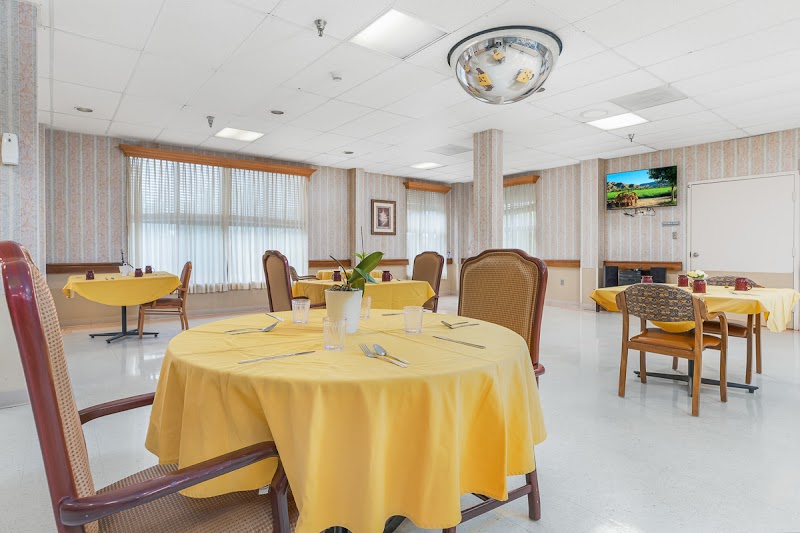
How is Autumn Lake Healthcare At Glen Burnie Staffed?

CMS rates AUTUMN LAKE HEALTHCARE AT GLEN BURNIE's staffing level at 2 out of 5 stars, which is below average compared to other nursing homes. Staff turnover is 46%, compared to the Maryland average of 46%. This relatively stable workforce can support continuity of care.

What Have Inspectors Found at Autumn Lake Healthcare At Glen Burnie?

State health inspectors documented 124 deficiencies at AUTUMN LAKE HEALTHCARE AT GLEN BURNIE during 2018 to 2025. These included: 117 with potential for harm and 7 minor or isolated issues. While no single deficiency reached the most serious levels, the total volume warrants attention from prospective families.
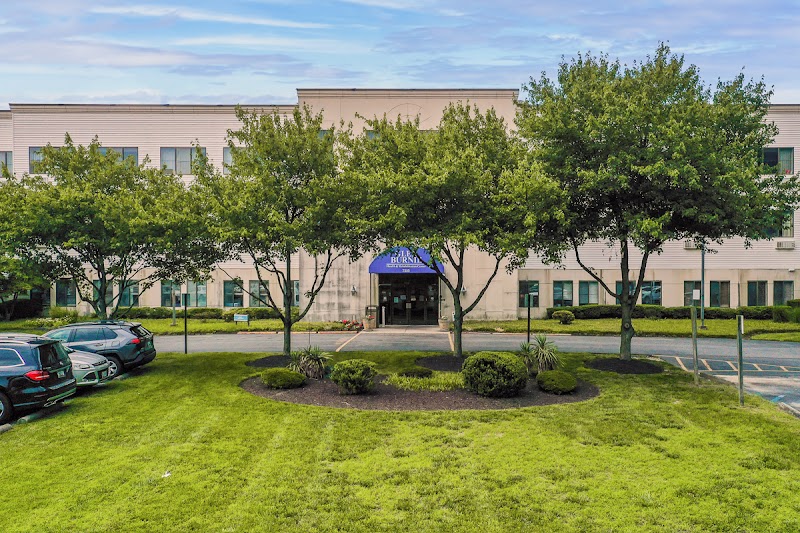
Who Owns and Operates Autumn Lake Healthcare At Glen Burnie?

AUTUMN LAKE HEALTHCARE AT GLEN BURNIE is owned by a for-profit company. For-profit facilities operate as businesses with obligations to shareholders or private owners. The facility is operated by AUTUMN LAKE HEALTHCARE, a chain that manages multiple nursing homes. With 190 certified beds and approximately 170 residents (about 89% occupancy), it is a mid-sized facility located in GLEN BURNIE, Maryland.
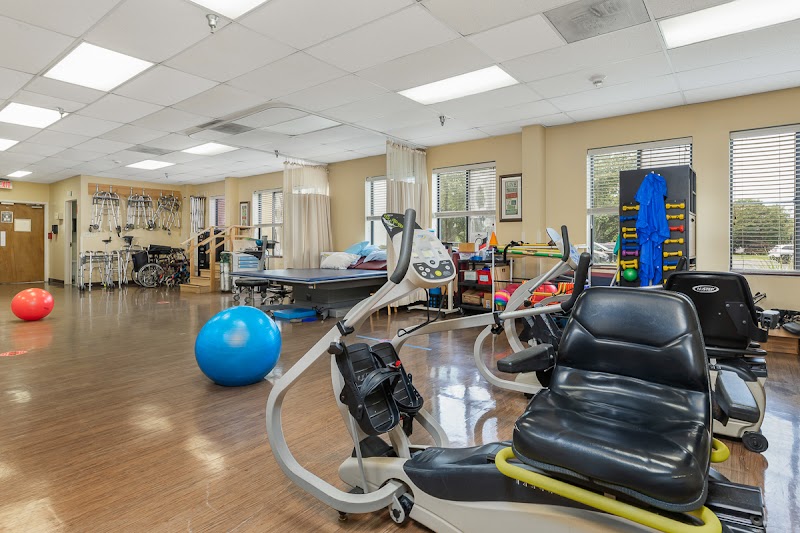
How Does Autumn Lake Healthcare At Glen Burnie Compare to Other Maryland Nursing Homes?

Compared to the 100 nursing homes in Maryland, AUTUMN LAKE HEALTHCARE AT GLEN BURNIE's overall rating (2 stars) is below the state average of 3.0, staff turnover (46%) is near the state average of 46%, and health inspection rating (2 stars) is below the national benchmark.

What Should Families Ask When Visiting Autumn Lake Healthcare At Glen Burnie?

Based on this facility's data, families visiting should ask: "Can you walk me through typical staffing levels on day, evening, and night shifts?" "Can I visit during a mealtime to observe dining assistance and food quality?" "How do you handle medical emergencies, and what is your hospital transfer rate?" "Can I speak with family members of current residents about their experience?" These questions are particularly relevant given the below-average staffing rating.

Is Autumn Lake Healthcare At Glen Burnie Safe?

Based on CMS inspection data, AUTUMN LAKE HEALTHCARE AT GLEN BURNIE has a clean safety record: no substantiated abuse findings (meaning no confirmed cases of resident harm), no Immediate Jeopardy citations (the most serious violation level indicating risk of serious injury or death), and is not on the Special Focus Facility watch list (a federal program monitoring the lowest-performing 1% of nursing homes). The facility has a 2-star overall rating and ranks #100 of 100 nursing homes in Maryland. While no facility is perfect, families should still ask about staff-to-resident ratios and recent inspection results during their visit.

Do Nurses at Autumn Lake Healthcare At Glen Burnie Stick Around?

AUTUMN LAKE HEALTHCARE AT GLEN BURNIE has a staff turnover rate of 46%, which is about average for Maryland nursing homes (state average: 46%). Moderate turnover is common in nursing homes, but families should still ask about staff tenure and how the facility maintains care continuity when employees leave.

Was Autumn Lake Healthcare At Glen Burnie Ever Fined?

AUTUMN LAKE HEALTHCARE AT GLEN BURNIE has no federal fines on record. CMS issues fines when nursing homes fail to meet care standards or don't correct problems found during inspections. The absence of fines suggests the facility has either maintained compliance or corrected any issues before penalties were assessed. This is a positive indicator, though families should still review recent inspection reports for the full picture.

Is Autumn Lake Healthcare At Glen Burnie on Any Federal Watch List?

AUTUMN LAKE HEALTHCARE AT GLEN BURNIE is not on any federal watch list. The most significant is the Special Focus Facility (SFF) program, which identifies the bottom 1% of nursing homes nationally based on persistent, serious quality problems. Not being on this list means the facility has avoided the pattern of deficiencies that triggers enhanced federal oversight. This is a positive indicator, though families should still review the facility's inspection history directly.