CITIZENS CARE CENTER
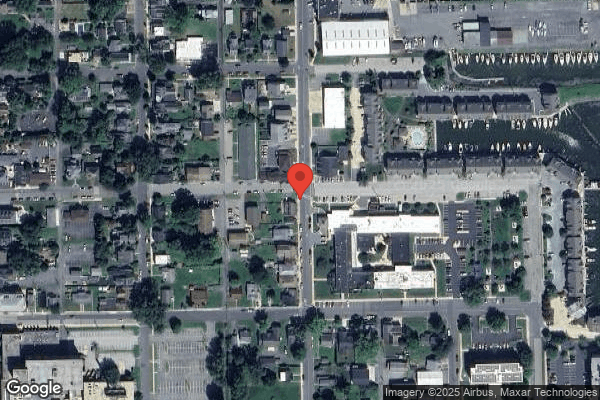
415 SOUTH MARKET STREET, HAVRE DE GRACE, MD 21078 (410) 939-5500
Non profit - Other 184 Beds Independent Data: November 2025
Trust Grade
75/100
#10 of 219 in MD
Last Inspection: May 2024

Within standard 12-15 month inspection cycle. Federal law requires annual inspections.

Overview

Citizens Care Center in Havre de Grace, Maryland, has a Trust Grade of B, indicating it is a good option, though not the top tier. It ranks #10 out of 219 facilities in the state, placing it in the top half, and is ranked #1 among 6 facilities in Harford County, suggesting it is the best local choice. The facility's trend is stable, having maintained 12 issues from 2019 to 2024. Staffing is a strong point, with a 5/5 rating and a turnover rate of 32%, which is lower than the state average, indicating experienced staff. However, there are concerns regarding RN coverage, as the facility has less than 81% of Maryland facilities, which may impact the quality of care. There are some significant concerns highlighted by recent inspections. For example, staff failed to secure a resident properly during a lift transfer, resulting in injury and hospitalization. Additionally, a nurse did not know how to adjust a resident's bed during tube feeding, which raises questions about staff training. Lastly, water temperatures in resident rooms were found to be excessively high, posing a burn risk. Overall, while the facility has strengths, particularly in staffing, these incidents suggest areas that need improvement for resident safety and care quality.

Trust Score
B
75/100
In Maryland
#10/219
Top 4%
Safety Record
Moderate
Needs review
Inspections
Holding Steady
12 → 12 violations
Staff Stability
○ Average
32% turnover. Near Maryland's 48% average. Typical for the industry.
Penalties
✓ Good
No fines on record. Clean compliance history, better than most Maryland facilities.
Skilled Nurses
○ Average
Each resident gets 38 minutes of Registered Nurse (RN) attention daily — about average for Maryland. RNs are the most trained staff who monitor for health changes.
Violations
⚠ Watch
39 deficiencies on record. Higher than average. Multiple issues found across inspections.
★★★★★
5.0
Overall Rating
★★★★★
5.0
Staff Levels
★★☆☆☆
2.0
Care Quality
★★★★☆
4.0
Inspection Score
Stable
2019: 12 issues
2024: 12 issues

The Good

  • 5-Star Staffing Rating · Excellent nurse staffing levels
  • Full Sprinkler Coverage · Fire safety systems throughout facility
  • No fines on record
  • Staff turnover below average (32%)

    16 points below Maryland average of 48%

Facility shows strength in staffing levels, fire safety.

The Bad

Staff Turnover: 32%

14pts below Maryland avg (46%)

Typical for the industry

The Ugly 39 deficiencies on record

1 actual harm
May 2024 12 deficiencies
CONCERN (D)

Potential for Harm - no one hurt, but risky conditions existed

Deficiency F0557 (Tag F0557)

Could have caused harm · This affected 1 resident

Based on observations and interviews it was determined that the facility staff failed to get a resident out of bed for four out of five days and failed to dress the resident in his/her own clothing. T...

Read full inspector narrative →
Based on observations and interviews it was determined that the facility staff failed to get a resident out of bed for four out of five days and failed to dress the resident in his/her own clothing. This deficient practice was evident in 1(#59) of 2 residents observed for dignity during the survey. The findings include: On 04/29/24 at 1:14 pm The surveyor entered Resident #59's room and observed him/her in bed wearing a soiled hospital gown, and tube feed infusing. On 05/01/24 at 10:35am The surveyor observed Resident #59 in bed wearing a hospital gown, and his/her hair was not combed. On 05/02/24 at 10:35am The surveyor observed Resident #59 in bed wearing a hospital gown, uncombed hair, and the blinds closed. During an interview with Geriatric Nursing Assist (GNA)#30 on 05/02/24 at 1:46 pm, the GNA reported being assigned to Resident #59 the previous day (05/01/24) and the resident prefers to wear a hospital gown while in bed. GNA#30 did not get Resident # 59 out of bed (OOB) on 05/01/24 or 05/02/24. Resident #59 did not get out of bed Monday (4/29/24) and had on a gown because they wanted to remain in bed. GNA #30 was unable to confirm whether the assigned nurse was made aware, that Resident #59 was not dressed in his/her clothing and did not get OOB for several days. During an interview with Unit Manager RN #33 on 05/06/24 at 11:44 am, when asked to describe a typical day for residents on Harbor View, he/she stated typically night shift provides breakfast trays to residents and day shift helps with distributing breakfast trays. Afterwards the residents are bathed and get out of bed. Activity comes around and updates the activity calendar. If a resident refuses to get out of bed the nurse should be made aware.
CONCERN (D)

Potential for Harm - no one hurt, but risky conditions existed

Deficiency F0625 (Tag F0625)

Could have caused harm · This affected 1 resident

Based on record review and interview it was determined that the facility failed to issue the bed hold notice. This was evident for 1 out of 1 resident (#109) reviewed for hospitalization during the fa...

Read full inspector narrative →
Based on record review and interview it was determined that the facility failed to issue the bed hold notice. This was evident for 1 out of 1 resident (#109) reviewed for hospitalization during the facility's recertification survey. The findings include: Review of the medical record by the surveyor on 5/3/24 at 11:16AM revealed a nursing progress note dated 9/24/21 that Resident #109 was transferred to the hospital on 9/24/21, however, no documentation could be found in the medical record to indicate the facility issued the bed hold notice. On 5/3/24 at 11:32AM the surveyor made a request to the Director of Nursing (DON) for any documentation of the bed hold notice having been provided to Resident #109 and/or their representative. During an interview on 5/3/24 at 12:15PM the DON informed the surveyor that the facility did not have any documentation that the bed hold policy was issued to the resident.
CONCERN (D)

Potential for Harm - no one hurt, but risky conditions existed

Comprehensive Care Plan (Tag F0656)

Could have caused harm · This affected 1 resident

Based on a review of the medical record and interviews with the facility staff it was determined the facility failed to follow the resident care plan for the management of a resident with a foley cath...

Read full inspector narrative →
Based on a review of the medical record and interviews with the facility staff it was determined the facility failed to follow the resident care plan for the management of a resident with a foley catheter. This was found to be evident for 1 (Resident # 18) of 39 residents reviewed during the facility's survey. Findings include, A care plan is a guide that addresses the unique needs of each resident. It is used to plan, assess, and evaluate the effectiveness of the resident care. A medical record review was done on 5/2/24 at 10:00 AM and it revealed resident # 18 was admitted to the facility with the following but not limited to diagnosis: Multiple Sclerosis (a disease in which the immune system eats away at the protective covering of nerves), and Benign Prostatic Hyperplasia (age-associated prostate gland enlargement that can cause urination difficulty). Review of the facility resident matrix indicated the resident currently had an indwelling catheter in place. The Matrix is used to identify pertinent care categories for: 1) newly admitted residents in the last 30 days who are still residing in the facility, and 2) all other residents. Review of the care plan revealed the resident has an indwelling suprapubic catheter (urinary catheter inserted into the bladder from a small cut in the belly, just above the pubic bone) related to Neurogenic bladder (several urinary conditions in people who lack bladder control due to brain, spinal cord or nerve problem) that was initiated on 1/26/2017 with a revision date of 8/19/22. One of the interventions listed includes Urology (Genitourinary) consults as ordered. During an interview with the DON on 5/3/24 at 11:30 AM she was asked of the resident care plan intervention that included Urology consults as ordered, and that the resident did not follow-up in six (6) months following the Urology Consultation on 4/11/22 as recommended. The DON acknowledged that the resident care plan was not followed and further added that the physician could not accommodate the resident in a stretcher. She went on to say that arrangements will be made for the resident with Urology for management of the catheter. All concerns were discussed with the Administration team at the time of exit on 5/7/24 at 3:00 PM
CONCERN (D)

Potential for Harm - no one hurt, but risky conditions existed

Deficiency F0658 (Tag F0658)

Could have caused harm · This affected 1 resident

Based on observations, staff interviews, and record review, it was determined that the nursing staff failed to meet professional standards of care by not ensuring that medication was consumed prior to...

Read full inspector narrative →
Based on observations, staff interviews, and record review, it was determined that the nursing staff failed to meet professional standards of care by not ensuring that medication was consumed prior to leaving the resident room. This was evident for 1 (Resident #89) of 4 residents observed for professional standards. The findings include: On 04/30/24 at 11:39 AM, the surveyor observed Licensed Practical Nurse (LPN) #22 administer medications to Resident #89. LPN #22 placed a dark amber colored liquid in a small cup at the resident's bedside table. The LPN left the room. The cup was untouched, and no directions were given to the resident on what to do with the cup. On 04/30/24 at 11:41 AM, the surveyor interviewed Geriatric Nursing Assistant (GNA) #25 and LPN #22. GNA #25 stated that's the protein when asked about what was in the cup on Resident #89's bedside table. When the surveyor asked LPN #22 about what the standard of practice is when administering medications, the LPN confirmed it is the standard of practice to ensure the resident completes the medication before leaving the resident ' s room. On 5/2/24 at 1:02 PM, a review of the Medical Administration Record (MAR) audit for Resident #89 was conducted. The MAR audit showed the following medications ordered for 9am: Tylenol 650 mg tablet (a pain relief medication), 1 Potassium Chloride 10 mEq tablet (a potassium supplement), Lasix 40 mg tablet (a diuretic) , and Prostat 30 ml (a protein supplement) scheduled to be administered at 10am on 4/30/24. Review of the MAR audit revealed that the Lasix was documented at 11:29 AM. The Potassium, the Tylenol, and the Prostat were documented at 11:34 AM. The standard of practice when giving medications is to administer medications an hour before and an hour after the due time of the medication.
CONCERN (D)

Potential for Harm - no one hurt, but risky conditions existed

Deficiency F0730 (Tag F0730)

Could have caused harm · This affected 1 resident

Based on interviews and record review the facility failed to demonstrate that annual performance reviews were conducted for geriatric nursing assistants (GNAs)annually based on the employee's hire dat...

Read full inspector narrative →
Based on interviews and record review the facility failed to demonstrate that annual performance reviews were conducted for geriatric nursing assistants (GNAs)annually based on the employee's hire date. This was determined and evidenced to be true for 4 out of 4 GNAs, (GNA #40, 41,42, and 44) during the review of facility human resource and staff education files while performing the staffing facility task during the survey. The findings include: On 05.06.24 at 1:52 PM the surveyor requested the director of nursing (DON) to provide seven human resources records and seven staff education records. On 05.06.24 at 2:30 PM the surveyor received seven staff education records which included two registered nurses, one LPN and four geriatric nursing assistants. On 05.07.24 at 08:30 AM the surveyor reviewed the staff education records of four certified GNAs. The surveyor was not able to find any evidence of performance evaluations completed for four GNAs (#40,41, 42,44) for the years of 2022 or 2023. During an interview on 05.07.24 at approximately 10:07 AM, with the director of nursing (DON) the surveyor asked what the expectation of the facility was regarding a supervisor performing annual performance reviews for each clinical staff member. The DON stated that she was behind in completing the annual performance evaluation and would need to get better. The DON and the surveyor reviewed one incomplete performance evaluation that was missing the signature of the employee, GNA # 40 for the year 2023. The facility was unable to provide of a completed performance reviews for GNAs # 40, # 41, #42, and #44. On 05.07.24 at 2:30 PM the surveyor interviewed staff #9, staff educator who stated that she that staff education was not a primary role or secondary role but she sometimes assisted with teaching of clinical staff and scheduling of clinical in-services and did not perform annual performance evaluations of the GNAs. The deficit practice was discussed with the facility's administrative team prior to and during the survey exit conference on 05.07.24 at 2:50 PM.
CONCERN (D)

Potential for Harm - no one hurt, but risky conditions existed

Drug Regimen Review (Tag F0756)

Could have caused harm · This affected 1 resident

Based on record review and interview with facility staff, it was determined that the facility failed to address a pharmacy recommendation in a timely manner. This was evident for 1 (Resident #3) of 5 ...

Read full inspector narrative →
Based on record review and interview with facility staff, it was determined that the facility failed to address a pharmacy recommendation in a timely manner. This was evident for 1 (Resident #3) of 5 residents reviewed for unnecessary medications. The findings include: The medical abbreviation PRN stands for 'pro re nata,' which means that the administration of medication is not scheduled at prescribed times, but instead, the medication is taken on an as needed basis. On 5/3/24 at 9:48 AM review of the medical record revealed a document titled Letter to Physician from the pharmacist, Staff #37, with a medication regimen review (MRR) dated 3/8/24 that stated: Resident has an order for PRN lorazepam. Please note all PRN psychotropic drugs require a stop date, regardless if resident is hospice. Please specify a stop date of 14 days or, in order to extend a PRN order past 14 days: 1) The prescriber must document their rationale in the medical record (such as end of life) and 2) Indicate the duration for the PRN order (consider 3 or 6 months and then reevaluate). In the section, titled Physician/Prescriber Response, of the Letter to Physician document, none of the boxes [agree, disagree or other] were checked. Further review of the medical record revealed an active PRN order for Lorazepam Oral Tablet 0.5mg (milligrams). Give 1 tablet by mouth every 4 hours as needed for restlessness/anxiety that was ordered on 2/21/24. On 5/3/24 at 12:57 PM, in an interview with Nurse Manager #15, they stated the expectation is for the provider to check one of the three boxes [agree, disagree or other] along with signing and dating the document. When asked about Resident #16's MRR dated 3/8/24, Nurse Manager #15 looked in the medical record and then stated I do not see any documentation that the PRN Lorazepam order was discontinued. On 5/7/24 at 10:17 AM, in an interview with the Director of Nursing (DON), they provided documentation that the PRN Lorazepam was discontinued on 5/6/24 at 10:31 AM.
CONCERN (D)

Potential for Harm - no one hurt, but risky conditions existed

Medication Errors (Tag F0758)

Could have caused harm · This affected 1 resident

Based on medical record review and interviews it was determined that the facility staff failed to monitor a resident for side effects who was prescribed psychotropic medication. This deficient practic...

Read full inspector narrative →
Based on medical record review and interviews it was determined that the facility staff failed to monitor a resident for side effects who was prescribed psychotropic medication. This deficient practice was evident for 1 (#33) of 2 medical records reviewed for side effects of medications during the Survey. The findings include: On 4/29/24 at 9:49 AM the surveyor reviewed Resident #33 medication administration record (MAR) and treatment administration record (TAR) revealed on 08/05/22 at 10 am the resident was ordered Zyprexa 2.5 mg by mouth every am and on 06/05/23 at 9 pm the resident was ordered Zyprexa 7.5 mg by mouth at bedtime. On 5/7/24 at 10:00 AM on further review of Resident #33 MAR/TAR revealed there was no documentation to verify the resident was being monitored for psychotropic medication side effects. On 05/07/24 at 11:21 am during an interview with License Practical Nurse (LPN) #22, the surveyor asked what the process is for monitoring a resident on psychotropic medications for side effects. Nurse #22 reported that if he/she noticed a change in behavior, it will be reported. Also, a note would be written to document the residents' side effects. On 5/7/24 at 10:45 am during an interview with Director of Nursing (DON) #2 when asked with is the exception of the staff to monitor and document potential side effects of psychotropic medications, DON #2 verbalized Resident #33 should have an order for the staff to document side effects of psychotropic medications. Review of Resident #33 orders revealed there was an order to monitor side effects of psychotropic medications. A review of Resident #33 MAR/TAR revealed there was no documentation to verify the staff was monitoring the resident for psychotropic medication side effects.
CONCERN (D)

Potential for Harm - no one hurt, but risky conditions existed

Deficiency F0761 (Tag F0761)

Could have caused harm · This affected 1 resident

2. On 05/03/24 at 12:48 pm The surveyor checked the treatment cart in the medication room located on Harbor View. In the upper cabinet on the right side was an opened Collagen Alginate package. In dra...

Read full inspector narrative →
2. On 05/03/24 at 12:48 pm The surveyor checked the treatment cart in the medication room located on Harbor View. In the upper cabinet on the right side was an opened Collagen Alginate package. In drawer #2 on the treatment cart there was an opened package of Medihoney that was exposed, an opened package of Calcium Alginate that was exposed, and loose Calcium Alginate in the drawer. In drawer #3 of the treatment cart was a used and opened vial of Lidocaine1% for injection in a blue plastic container labeled Podiatrist. In drawer #4 there was another opened package of Medihoney that was exposed and drawer #5 had another package of exposed Calcium Alginate. The surveyor received a copy of the temperature logs of the refrigerators. Review of the temperature logs revealed the refrigerators temps were not being recorded daily in January, February, March, April, and May of 2024. Licensed Practical Nurse (LPN) #23 was made aware of the surveyor's findings and verbalized the opened dressing supplies and the opened vial of Lidocaine 1% should not have been on the treatment cart. The room is locked so the nurse with the key has access. On 05/06/24 at 12:22 pm During an interview with RN Unit Manager # 33 they reported maintenance is responsible for checking the refrigerator temperatures and the nursing staff should check them as well. The nurses are responsible for checking the supplies for the treatments and every resident should have their own stack of supplies. On 05/06/24 at 1:52 pm The surveyor checked the medication room on Bay Lane which revealed the upper right cabinet had an expired tube of Ultra Strength Bengay, expiration date 02/24. The surveyor checked the left upper cabinet and observed an opened and unlabeled packet of multivitamin capsules in a blister pack, a loose white oblong tablet, an exposed 18 gauge needle, loose 2x2 gauze, and 2 coffee creamers. The surveyor observed expired yogurt, an opened water bottle, expired chocolate milk (12/19/23), and three expired (10/24/23, 02/06/24, 03/04/24) thickened lemon flavored water containers in the supplement refrigerator. The supplement refrigerator and the resident food refrigerators did not have a temperature log to verify the staff were checking the temperatures daily. A review of the temperature log for the refrigerated medications revealed the temperature was not documented daily in February, March, April, and May. On 05/06/24 at 2:26 pm while the surveyor checked the medication cart C105 on Bay Lane, the surveyor discovered an unlabeled container of Biotin Gummy Vitamins, an opened container of Acetaminophen in drawer #3, an opened and exposed package of 2 x 2 gauze sponges, an opened Piston irrigation syringe package, an opened package of Calcium Alginate, and 21 blisters of medications for residents who were no longer in the facility per Assist Director of Nursing (ADON) #3. On 05/07/24 at 10:52 am during an interview with Director of Nursing (DON)#2, the surveyor reported, there were expired biologicals in the medication rooms and the refrigerator temperatures were not being checked daily. DON #2 verbalized central supplies go through bulk mediation to make sure none have expired. Night shift is supposed to check refrigerator temperatures, and the dressing supplies should be checked as well. Every nurse should check the medication carts to make sure the medications and supplies are good for use. Based on observation and interview of facility staff it was determined the facility failed to ensure a medication was not left unattended and failed to: (1) ensure a medication cart was locked evident for one medication cart observed : (2) discard expired medications, properly store medical supplies, and check the refrigerator temperatures for biologicals and supplements. This deficient practice was evident in 2 out of 2 medication storage rooms assessed during the survey. The findings include: 1. On 5/6/24 at 12:49PM, the surveyor observed one medication cart on the Bay Lane Unit unattended with the lock mechanism protruding, indicating the cart was unlocked. Upon further observation of the cart, the surveyor observed one labeled Baclofen (muscle relaxant) medication blister packet containing a pill sitting on the work surface of the cart with a pair of scissors next to it. Upon sliding each drawer mechanism, the surveyor was able to open all drawers of the cart which contained various medications and supplies. On 5/6/24 at approximately 1:00PM Staff #36, Registered Nurse, approached the surveyor at the medication cart and the surveyor shared their concern. Staff #36 acknowledged and confirmed the surveyor's concern and reported the medication was for Resident #7, and stated the following: I walked away to look for something and forgot, I needed tube feeding supplies. The surveyor noted the supply room was located at the opposite end of the hallway. On 5/6/24 at 1:05PM the surveyor shared their concerns with the Director of Nursing who confirmed understanding of the concerns.
CONCERN (D)

Potential for Harm - no one hurt, but risky conditions existed

Medical Records (Tag F0842)

Could have caused harm · This affected 1 resident

Based on record review, interview and observation it was determined the facility failed to: 1.) date and sign inventory sheets for resident personal effects, and 2.) failed to ensure accuracy of a med...

Read full inspector narrative →
Based on record review, interview and observation it was determined the facility failed to: 1.) date and sign inventory sheets for resident personal effects, and 2.) failed to ensure accuracy of a medical order. This was evident for 2 out of 2 resident's inventory sheets (#39, #42) reviewed and 1 out of 3 residents reviewed for pressure ulcers during the facility's recertification survey. The findings include: 1.) On 4/30/24 at 10:04AM Resident #39 reported to the surveyor that their bottom dentures had broke in half and they preferred to have them. On 5/3/24 at 11:53AM the surveyor conducted a review of the medical record and observed the inventory sheet in the paper chart which listed personal effects for the resident, however, it did not include any denture(s) listed. Upon further review of the inventory form, there was no signature of anyone confirming the personal effects listed or date on the form to determine when the inventory occurred. On 5/3/24 the surveyor conducted an interview with Staff #30, Geriatric Nursing Assistant, who reported to the surveyor that they were not sure if the resident was admitted to the facility with both the upper and lower dentures, but currently only had the upper denture. On 5/3/24 at 12:05PM the surveyor conducted an interview with Staff #31, Unit Secretary, who reported the resident had no dental consults during their current stay at the facility, and on their most previous admission the resident came with the upper denture. On 5/6/24 the surveyor conducted an interview with the Director of Nursing who confirmed that facility staff are responsible for updating and documenting items including dentures on the inventory form. At this time, the surveyor shared their concern with the DON who confirmed understanding of the concern and acknowledged the concern. On 5/7/24 at 11:59AM the surveyor observed the inventory sheet in the paper chart of Resident #42 and noted there was no signature or date present on the documentation. 2.) On 5/7/24 at 11:49AM the surveyor conducted a review of the medical orders of Resident #42 and observed an active medical order for the following wound care: Cleanse right ischium (right side of bottom area of pelvis) with NSS (normal saline solution), pack with Vashe (wound cleanser) soaked gauze, cover with large allevyn (wound dressing) BID (twice daily). On 5/7/24 at 12:07PM the surveyor reviewed the most recent wound consult dated 5/1/24 for Resident #42 which documented the resident ' s wound was located on the left ischium (left side of bottom area of pelvis) and provided recommendations for wound care of that site. On 5/7/24 at 12:19PM the surveyor conducted an interview with the Director of Nursing (DON) who observed the medical record with the surveyor and confirmed the active medical order for treatment directed wound care to occur on the right ischium, although the wound consult documented the location of the wound was on the left ischium. At this time, the surveyor shared their concern with the DON who acknowledged understanding of the concern. On 5/7/24 at 12:35PM, after surveyor intervention, the DON reported to the surveyor that the medical order for wound treatment was corrected to reflect the resident ' s wound care occurring on the left ischium.
CONCERN (D)

Potential for Harm - no one hurt, but risky conditions existed

Deficiency F0947 (Tag F0947)

Could have caused harm · This affected 1 resident

Based on interviews and record review the facility failed to ensure that four geriatric nursing received and completed a total of 12-hours of clinical training annually. This was determined and eviden...

Read full inspector narrative →
Based on interviews and record review the facility failed to ensure that four geriatric nursing received and completed a total of 12-hours of clinical training annually. This was determined and evidenced to be true for four out of four GNAs, (GNA #40, 41,42, and 44) human resource and staff education files reviewed during the survey. The findings include: On 05.06.24 at 1:52 PM the surveyor requested the director of nursing (DON) to provide seven employee human resources records and seven employee staff education records. These files included 4 geriatric nursing assistants (GNAs), one licensed practical nurse (LPN#39), and two registered nurses (RN #43 and # 45). On 05.06.24 at 2:30 PM the surveyor received seven staff education records which included two registered nurses, one LPN and four geriatric nursing assistants. The DON was unable to provide written documentation that the four GNAs completed a total of twelve hours of clinical education training annually during 2022 and 2023. On 05.07.24 at 2:30 PM the surveyor interviewed staff #9, staff educator who stated that she that staff education was not a primary role or a secondary role but she sometimes assisted with teaching of clinical staff and scheduling of clinical in-services and did not perform annual performance evaluations of the GNAs. The deficit practice was discussed with the facility's administrative team prior to and during the survey exit conference on 05.07.24 at 2:50 PM.
CONCERN (E)

Potential for Harm - no one hurt, but risky conditions existed

Quality of Care (Tag F0684)

Could have caused harm · This affected multiple residents

3. On 4/29/24 at 9:32 am upon entering Resident #59 room, the surveyor observed the resident in bed with the foot of the bed elevated and the head of the bed about 15 degrees with the tube feed infusi...

Read full inspector narrative →
3. On 4/29/24 at 9:32 am upon entering Resident #59 room, the surveyor observed the resident in bed with the foot of the bed elevated and the head of the bed about 15 degrees with the tube feed infusing at 80 milliliter/hour (ml/hr) . An interview with License Practical Nurse (LPN) #23 on 04/30/24 at 9:37 am at Resident #59 bedside, the surveyor asked how the staff adjusts the head of the bed for residents who are receiving tube feeding. LPN #23 verbalized not knowing how to adjust the settings on the bed to determine the elevation of the head and he/she just eyeball the bed. LPN #23 also verbalized that the resident adjusts the bed themselves. On 05/01/24 at 10:38 am during an assessment of Resident #59 ability to change the settings on the bed, the surveyor asked the resident to adjust the controls on the bed. Resident #59 attempted to press the controls to adjust the head of the bed. The surveyor observed the resident being unable to reposition themselves to reach the controls on the bed to make adjustments. On 05/02/24 at 11:02 am review of the facility's tube feeding policy revealed during gastrostomy feedings the resident's head should be elevated to at least a 35-degree angle to prevent aspiration and to promote digestion. Review of Resident #59 treatment and medication administration records (TAR/MAR) revealed an order was written on 02/08/24 for aspiration precautions and for the resident to sit upright during all meals. On 05/02/24 at 9:06 am the surveyor observed Resident #59 slouched down in bed while the enteral nutrition Jevity 1.5 at 80 ml/hr was infusing. Review of Resident #59 orders on 05/02/24 at 10:57 am, revealed the resident was scheduled to receive Jevity 1.5 at 80 ml/hr for 20 hours per day for a total of 1600ml. Administration should have begun at 1pm and ended at 9am. On 05/02/24 at 9:50 am while in Resident #59 room, the surveyor observed Jevity 1.5 infusing at 80 ml/hr when the feeding was scheduled to end at 9:00 am. On 05/02/24 at 1:32 pm during an interview with LPN #17 when asked to tell the surveyor about Resident #33 gastrostomy feeding they verbalized the feeding is Jevity 1.5 at 80 ml/hr for a total of 1600 ml daily. The feeding is scheduled to start at 1 pm and end the next day at 9am. The nurse verbalized stopping the feeding around 9:15 am that day and starting the feeding a little after 1 pm. The surveyor made LPN #17 aware the feeding was observed infusing at 9:50 am. The nurse denied the feeding was still infusing at that time. On 05/02/24 at 12:51 pm a review of the facility's Medication Administration Audit Report that was received from Assistant Director of Nursing (ADON) #3 revealed Resident #59 did not receive medications as scheduled by LPN #17 on 04/29/24 and LPN #23 on 05/01/24. The resident was scheduled to receive these medications through a gastrostomy tube on 04/29/24 at 9 am. Famotidine tab 40mg Cholecalciferol tab 10 microgram (mcg) Amiodarone tab 200 milligram (mg) Apixaban tab 5 mg Ascorbic Acid Tab 500mg Ferrous Sulfate solution LPN #17 documented the above-mentioned medications were administered on 04/29/24 at 11:21 am. On 5/01/24 at 10:00 am the resident was scheduled to receive these medications through gastrostomy tube: Metoclopramide tab 5mg Thera-M Tablet LPN #23 documented the above-mentioned medications were administered on 5/01/24 at 11:25 am. On 05/06/24 at 11:44 am during an interview with RN Unit Manager #33, the surveyor asked what the expectations are for medication administration of the nurses. Unit Manager #33 verbalized their understanding that the medications can be given 1 hour before and 1 hour after the prescribed time. If the medication was not given during the required time frame, it turns red in PointClickCare (PCC). He/she is still learning how to run the reports to check if the medications are given on time. The surveyor provided RN Unit Manager #33 with the medication administration audit report with the listed medications that were given past the allotted time. He/she verified the medications were given late and thus far he/she has not been taught how to run the report. On 05/02/24 at 1:32 pm during an interview with LPN #17, the surveyor asked if the resident is on any precautions. LPN #17 verbalized, 'You would have to ask the nurse manager. ' 4. On 04/29/24 at 8:08 am, 4/30/24 at 9:23 am, and 05/07/24 at 10:11 am, upon entering Resident #33 room, the surveyor observed the resident in bed with 3L of oxygen via nasal cannula (NC). On 04/30/24 at 10:18 am a review of Resident #33 electronic medical record revealed an order written on 01/10/19 at 2:49 pm oxygen 2L NC every shift. On 05/07/24 at 10:14 am during an interview with LPN #22, the surveyor asked how much oxygen the resident was receiving; LPN #22 replied, 2L. The surveyor asked the nurse if they assessed the resident's oxygen concentrator and LPN #22 replied no. The surveyor made LPN #22 aware the resident had received 3L oxygen via NC since 04/29/24. The surveyor asked if Resident #33 was experiencing shortness of breath or any respiratory symptoms which may warrant an increase in oxygen therapy. LPN #22 responded, no. 2. During observation rounds on 4/29/24 at 8:13am, resident #59 was observed lying in bed with his/her head turned to the right. The resident was observed with a dark red dried substance on the left side of the earlobe, neck, and pillow. The Licensed Practical Nurse (LPN) (staff #32) was immediately made aware. Staff #32 stated, it is not my resident, but I will look at it. During a follow-up observation on 4/29/24 8:30 am Staff #32 was observed cleansing and applying lotion to the left earlobe. During an interview with staff #32 on 4/29/24 at 10am, when asked by the surveyor if she knew how long the resident left earlobe had contained the dark red dried substance she stated, I don ' t know but we do walk report for on-coming and off-going shifts and someone should have seen it. Review of the medical record on 5/2/24 at 1pm, revealed a physician order dated 3/20/24 to apply bacitracin to the left ear every morning and evening shift until healed. 5. On 05/02/24 at 1:05 PM review of the resident medical record revealed that a physician ordered on 12/14/2023 for resident #1 to receive Tylenol Extra Strength 500mg 1 tab by mouth every 6 hours as needed for pain and Tramadol HCL 50mg 1 tab by mouth every 6 hours as needed for pain. Further review revealed that on 02/26/2024 a pharmacy review was completed and a Letter to Physician was sent to the physician recommending specifying when Tylenol Extra Strength and Tramadol should be used and given to resident #1 by using a pain scale. On 02/29/2024 the physician wrote an order for Acetaminophen pain level 1 -5 and Tramadol pain level 6 -10 and this order was not transcribed or processed. On 05/02/24 at 01:30 PM during an interview with staff #3 she stated that the physician order had not been transcribed or processed. 6. On observation rounds on 04/29/24 at 10:55 AM it was observed that resident #100 was on 4.5 liters of oxygen by nasal cannula. During an interview on 04/29/24 at 11:10 AM with staff #17, she stated that resident was on 4.5 liters of oxygen and should be on 2 liters of oxygen by nasal cannula. After surveyor intervention, staff #17 placed resident #100 on 2 liters of oxygen by nasal cannula. Review of resident's #100 medical record on 04/29/24 at 11:27 AM revealed a physician order dated 3/31/2024 for resident #100 to be administered 2 liters of oxygen by nasal cannula continuously. Based on medical record review and interviews with facility staff it was determined the facility failed to: (1) to ensure that a resident followed up with the Urologist for management of the foley catheter; (2) transcribe physician pain scale orders for resident #1. (3) follow a treatment order as ordered by the physician for resident #59. (4) follow physician orders as evidenced by a resident not being properly positioned to receive enteral nutrition, enteral nutrition not being administered during the ordered times, medications were not administered the times ordered, and the ordered amount of oxygen was not delivered for several days. This deficient practice was evident in 5, (Resident #1 # 18, #33, #59, #100) of 38 resident records reviewed during the Survey Findings include: 1. The facility failed to ensure that resident #18 followed up with the Urologist for management of the foley catheter. A medical record review was done on 5/2/24 at 10:00 AM and it revealed resident # 18 was admitted to the facility with the following but not limited to diagnosis: Multiple Sclerosis (a disease in which the immune system eats away at the protective covering of nerves), and Benign Prostatic Hyperplasia (age-associated prostate gland enlargement that can cause urination difficulty). Review of the facility resident matrix indicates the resident currently has an indwelling catheter in place. The Matrix is used to identify pertinent care categories for: 1) newly admitted residents in the last 30 days who are still residing in the facility, and 2) all other residents. On 5/2/24 at 11:00 AM the DON provided the survey team with a copy of the resident's most recent Urology Consultation that was dated 4/11/22. Upon review of the Consultation Report it revealed the following recommendation: follow-up in six (6) months and continue current management. During an interview with the DON on 5/3/24 at 11:30 AM she was asked if the resident followed up with Urology Consultation appointment as recommended within six (6) months and she stated, no. The DON went on to say that the resident was scheduled for an appointment in 2023, however, the resident did not go to that appointment because the physician could not accommodate the resident via a stretcher. The DON acknowledged that arrangements needed to be made for resident # 18 regarding a follow up with Urology and that the facility will work on scheduling this.
CONCERN (E) 📢 Someone Reported This

A family member, employee, or ombudsman was alarmed enough to file a formal complaint

Potential for Harm - no one hurt, but risky conditions existed

Accident Prevention (Tag F0689)

Could have caused harm · This affected multiple residents

**NOTE- TERMS IN BRACKETS HAVE BEEN EDITED TO PROTECT CONFIDENTIALITY** 2. On 4/30/24 at approximately 10:11AM the surveyor tested the temperature of the water in the following resident rooms with a c...

Read full inspector narrative →
**NOTE- TERMS IN BRACKETS HAVE BEEN EDITED TO PROTECT CONFIDENTIALITY** 2. On 4/30/24 at approximately 10:11AM the surveyor tested the temperature of the water in the following resident rooms with a calibrated thermometer: room [ROOM NUMBER] was found to be 133.9F, and room [ROOM NUMBER] was found to be 135.9. On 4/30/24 at 10:38AM the water temperature in room [ROOM NUMBER] was observed to be 121.3F On 4/30/24 at 10:38AM the water temperature in room [ROOM NUMBER] was observed to be 122.9F On 4/30/24 at 10:39AM the water temperature in room [ROOM NUMBER] was observed to be 121.2F On 4/30/24 at 10:42AM the water temperature in room [ROOM NUMBER] was observed to be 137.5F On 4/30/24 at 10:48AM the water temperature in room [ROOM NUMBER] was observed to be 130F On 4/30/24 at 10:52AM the water temperature in room [ROOM NUMBER] was observed to be 130.1 On 4/30/24 at 10:59AM the water temperature in room [ROOM NUMBER] was observed to be 125.3F at the sink in the resident's room and 124F at the resident's bathroom sink. On 4/30/24 at 11:03AM the water temperature in room [ROOM NUMBER] was observed to be 121.5F at the sink in the resident's room and 128.5F at the resident's bathroom sink. On 4/30/24 at 11:05AM the water temperature in room [ROOM NUMBER] was observed to be 126F at the sink in the resident's room. On 4/30/24 at 11:14AM the surveyor requested a dual observation of water temperatures in resident rooms with Staff #21, Director of Maintenance, and observed them obtain their thermometer. On 4/30/24 at 11:16AM the surveyor observed Staff #21 obtain a water temperature of 133.4F at the sink in room [ROOM NUMBER], and then a water temperature of 132.3F in the resident's bathroom sink. On 4/30/24 at 11:19AM during an interview conducted by the surveyor with Staff #21 they stated that the area of the building with higher water temperatures was located above the facility's boiler for that area of the building. On 4/30/24 at 11:19AM the surveyor observed Staff #21 obtain a water temperature of 129.9F at the sink in room [ROOM NUMBER], and a water temperature of 129.2 F in the resident's bathroom sink. On 4/30/24 at 1:31PM surveyors conducted an interview with the Administrator and Staff #21 which revealed water temperatures in resident rooms was not being monitored. The Administrator communicated to surveyors that this was an oversight, they thought the temperatures were being done, but it was not being done in resident rooms, temperatures were being taken of the boiler. Based on observations and interviews with facility staff it was determined the facility failed to ensure that water temperatures remained within acceptable range. This was found to be evident during 11 room observations made of the Harbor View Unit and 2 residents (#31,#32) during the facility's survey. Findings include: 1. On 4/30/24 at 10:39 AM the surveyor made observations of water temperatures in resident rooms located on the Harbor View Unit. Bathroom temperatures for the following rooms were observed: Room# 148 had a temperature of 122 degrees Fahrenheit (F) Room # 149 had a temperature of 122 degrees F Observations were made on the same date at 11:05 AM of the water temperatures of the sink located inside the resident rooms as follows: Room # 149 sink temperature was 120 degrees F Room # 150 sink temperature was 120 degrees F After the surveyor identified elevated temperatures on the above unit, the Director Maintenance of (DOM), Staff # 21 was notified and arrived on the unit at 11:30 AM to obtain temperatures on the Harbor View Unit with the surveyor. The following temperatures were obtained: Room # 149 Bathroom sink temperature was 124.2 degrees F Room # 150 Bathroom sink temperature was 123.8 degrees F Room # 152 Bathroom sink temperature was 121.2 degrees F Observations were made in the following resident rooms of sink temperatures by the DOM as follows: Room # 149 sink temperature was 123.9 degrees F Room # 150 sink temperature was 122.5 degrees F After the DON obtained the above temperatures on the Harbor View Unit, he was told that that the temperatures are a concern. He stated that this morning, the facility powered down the boiler for use of the chiller, to use the air conditioner. He stated that this could affect the water system as the rooms are located above the boiler room. When the surveyor asked if water temperatures were obtained in the resident rooms while powering down the boiler, he could not provide documentation of this to the survey team. Let it be noted that the residents that resided in the rooms with the elevated temperatures are unable to use the bathroom and or sink in the above noted rooms except for resident # 31 and # 32. During an interview with resident # 32 on 4/30/24 at 1:05 PM the resident stated that s/he uses the bathroom with assistance and denied any burns to the hands when using the water from the sink. During an interview with resident # 31 on 4/30/24 at 1:20 PM the resident stated that s/he does not use the bathroom, however, s/he uses the sink inside of the room to brush his/her teeth, wash face and hands and that s/he never experienced any problems with the water being too hot. All concerns were discussed with the Administration team on 4/30/24 at 1:45 PM.
May 2019 12 deficiencies
CONCERN (D)

Potential for Harm - no one hurt, but risky conditions existed

Resident Rights (Tag F0550)

Could have caused harm · This affected 1 resident

Based on dining observation and interview, it was determined the facility staff failed to provide Residents (#6 and #103) with the most dignified existence with dining. This was evident for 2 of 9 res...

Read full inspector narrative →
Based on dining observation and interview, it was determined the facility staff failed to provide Residents (#6 and #103) with the most dignified existence with dining. This was evident for 2 of 9 residents observed for dining in the first-floor dining room. The findings include: Surveyor observation of lunch in the first-floor dining room on 4/30/19 revealed residents #29 and #59 at a table eating lunch at 12:20 PM. Further observation revealed the facility staff brought Residents #6 and #103 into the dining room and sat them at the same table with Residents #29 and #59 who was currently eating. Residents #6 and #103 were alert and observing Residents #29 and #59 eating to the point of Resident #103 questioning the other resident about eating and did they have their food yet. Further observation revealed the facility staff failed to provide lunch to Residents #103 and #6 until 12:40 PM, 20 minutes after initial placement at a table with Resident #29 and #59 eating. Interview with the Director of Nursing on 5/1/19 at 1:30 PM confirmed the facility staff failed to provide Residents #6 and #103 with the most dignified existence with dining.
CONCERN (D)

Potential for Harm - no one hurt, but risky conditions existed

Deficiency F0561 (Tag F0561)

Could have caused harm · This affected 1 resident

Based on medical record review and interview it was determined the facility staff failed to provide showers to Resident (#4). This was evident for 1 of 49 reviewed for choices during the annual survey...

Read full inspector narrative →
Based on medical record review and interview it was determined the facility staff failed to provide showers to Resident (#4). This was evident for 1 of 49 reviewed for choices during the annual survey process. The findings include: Medical record review for Resident #4 revealed the resident was to have showers on Tuesday and Friday day shift. Interview with the resident on 4/29/19 at 10:19 AM revealed the resident stating he/she is always the last resident to be showered, after 12:00 PM and Resident #4 wanted showers to be early. Further record review revealed the facility staff documented showers for Resident on: 4/2/19 at 2:20 PM, 4/16/19 at 3:39 PM, 4/19/19 at 2:32 PM and 4/30/19 at 2:19 PM. Further record review revealed the facility staff failed to provide a shower to Resident #4 on 4/5/19, 4/9/19, 4/12/19, 4/16/19, 4/23/19 and 4/26/19 and there is no evidence of the resident refusing shower on those days. Interview with the Director of Nursing on 5/1/19 at 10:00 AM revealed the resident does like showers early and in talking with the resident will change shower times to night shift so showers can be provided early per the resident's request.
CONCERN (D)

Potential for Harm - no one hurt, but risky conditions existed

Deficiency F0578 (Tag F0578)

Could have caused harm · This affected 1 resident

**NOTE- TERMS IN BRACKETS HAVE BEEN EDITED TO PROTECT CONFIDENTIALITY** Based on medical record review and interview it was determined the facility staff failed to ensure an advance directive was in p...

Read full inspector narrative →
**NOTE- TERMS IN BRACKETS HAVE BEEN EDITED TO PROTECT CONFIDENTIALITY** Based on medical record review and interview it was determined the facility staff failed to ensure an advance directive was in place for Resident (#33). This was evident for 1 of 6 residents selected for review of advance directives and 1 of 49 residents selected for review during the annual survey process. The findings include: An advance directive is a written statement of a person's wishes regarding medical treatment, often including a living will, made to ensure those wishes are carried out should the person be unable to communicate them to a doctor. It is a legal document in which a person specifies what actions should be taken for their health if they are no longer able to make decisions for themselves because of illness or incapacity. The (Medical Orders for Life-Sustaining Treatment) MOLST is a portable and enduring medical order form covering options for cardiopulmonary resuscitation (CPR) and other life-sustaining treatments or do-not-resuscitate order (DNR). DNR order, is a medical order written by a doctor in collaboration with the resident or Health Care Agent and it instructs health care providers not to do cardiopulmonary resuscitation (CPR) if a patient's breathing stops or if the patient's heart stops beating. The orders on a MOLST form are based on a patient's wishes about medical treatments. Medical record review for Resident #33 revealed on [DATE] the physician completed a MOLST for Resident #33. At that time, it was indicated the completion of the MOLST, and end of life orders are based on: the resident's health care agent as named in the resident's advance directive; however, there is no evidence the facility obtained a copy of the advance directive directing the health care agent or any specific wishes of the resident. Interview with the Director of Nursing on [DATE] at 1:00 PM confirmed the facility staff failed to ensure the evidence of an advance directive for Resident #33.
CONCERN (D)

Potential for Harm - no one hurt, but risky conditions existed

ADL Care (Tag F0677)

Could have caused harm · This affected 1 resident

Based on observation, medical record review and interview it was determined the facility staff failed to provide thorough grooming and personal hygiene services for (Resident #75). This is evident for...

Read full inspector narrative →
Based on observation, medical record review and interview it was determined the facility staff failed to provide thorough grooming and personal hygiene services for (Resident #75). This is evident for 1 of 3 residents selected for review for ADL care and 1 of 49 reviewed during the annual survey process. The findings include: The Minimum Data Set (MDS) is part of the federally mandated process for clinical assessment of all residents in Medicare and Medicaid certified nursing homes. This process provides a comprehensive assessment of each resident's functional capabilities and helps nursing home staff identify health problems. The MDS 3.0 captures information about the residents' comorbidities, physical, psychological and psychosocial functioning in addition to any treatments (e.g., hospice care, oxygen therapy, chemotherapy, dialysis) or therapies (e.g., physical, occupational, speech, restorative nursing) received. Surveyor observation of Resident #75 on 5/1/19 at 1:30 PM revealed the resident's finger nails on left hand, ring finger of left hand extremely long and jagged, it was also noted the other fingers of the left hand and right hand, long with noted dark material under the nails. Further record review revealed the facility staff assessed the resident on 3/12/19 and completed on the MDS-Section G 0400: Functional Limitation in Range of Motion-shoulder, elbow, wrist and hand that Resident #75 had bilateral upper arm impairment. Range of motion: The full movement potential of a joint, usually its range of flexion and extension. The facility staff also documented on the MDS for Resident #75 on 3/12/19 Section G: Functional Status: Hygiene and Bathing: the resident was an extensive assist. The facility staff also initiated a care plan: BATHING/SHOWERING: Check nail length and trim and clean on bath day and as necessary. Report any changes to the nurse. Interview with the Director of Nursing on 5/2/19 at 1:00 PM confirmed the facility staff failed to provide thorough personal hygiene care for Resident #75 by failing to cut the finger nails and clean the dark debris out from underneath.
CONCERN (D)

Potential for Harm - no one hurt, but risky conditions existed

Pressure Ulcer Prevention (Tag F0686)

Could have caused harm · This affected 1 resident

Based on clinical record review, observation and staff interview it was determined the facility staff failed to ensure Resident (#75) was being turned and repositioned as ordered. This was true for 1 ...

Read full inspector narrative →
Based on clinical record review, observation and staff interview it was determined the facility staff failed to ensure Resident (#75) was being turned and repositioned as ordered. This was true for 1 out of 49 residents selected to be reviewed for pressure ulcers. A nursing care plan is a formal process that includes correctly identifying existing needs, as well as recognizing potential needs or risks. Care plans also provide a means of communication among nurses, their patients, and other healthcare providers to achieve health care outcomes. Without the nursing care planning process, quality and consistency in patient care would be lost. Pressure ulcers are injuries to skin and underlying tissue resulting from prolonged pressure on the skin. Pressure ulcers most often develop on skin that covers bony areas of the body, such as the heels, ankles, hips and tailbone. One preventative measure to in the development of pressure ulcers is: change positions frequently. When you change positions often, there will be less pressure on your skin, reducing your risk of developing pressure ulcers. The standard of practice at present is to turn and reposition every 2 hours. The findings are: Medical record review for Resident # 75 revealed on 2/3/17 the facility staff initiated a care plan to address decreased mobility: Resident is bed confined per his/her request and with an intervention of turn and position every 2 hours and as needed. The facility staff also initiation the care plan: the resident has potential/actual skin breakdown related to Immobility/incontinence/refusal of care with the intervention of skin protectant paste to coccyx (buttock area) every shift for preventative measures. On 4/10/2019 at 3:38 PM the physician assessed the resident and documented: sick visit for reports of pain in Left heel. Left heel is boggy and no change in skin color. The Boggy Heel is of suspected deep tissue injury and it is used to help describe tissue that is painful, firm, mushy, warmer or cooler to the touch compared to adjacent tissue; or when assessing heel skin, compared to the other heel. The physician documented the assessment as: Boggy Left heel and with the plan of care as: sure prep to left heel x 4 weeks; Float heels always while in bed (the elevation of the heels off the mattress or any surface that would apply pressure to the heels) and maintain every 2 hours turn schedule. Surveyor observation of the resident on 4/29/19 at 9:34 AM revealed the resident on the back. Review of the signage behind the resident's bed revealed the resident was to be facing the door (on the left side) at 9:00 AM. At 11:30 AM on 4/30/19, the resident was observed to be on the back and per signage behind the bed revealed the resident was to be facing the window (on the right side). On 4/30/19 the resident was observed at 12:16 PM and the resident was noted on the back and per signage the resident was to placed facing the window (on the right side). On 5/1/19 the resident was observed at 9:30 AM the resident was noted to be on the back and per signage behind the bed should have been placed facing the door (on the left side). At 11:30 AM, the resident was noted to be on the back and per signage behind the bed, was to be facing the window (on the right side). Interview with the Director of Nursing on 5/2/19 at 1:00 PM confirmed the facility staff failed to turn and position Resident #75 every 2 hours as ordered by the physician.
CONCERN (D)

Potential for Harm - no one hurt, but risky conditions existed

Deficiency F0692 (Tag F0692)

Could have caused harm · This affected 1 resident

Based on medical record review, observation and interview, it was determined the facility staff failed to provide Resident (#53) with the physician ordered nutritional services and failed to document ...

Read full inspector narrative →
Based on medical record review, observation and interview, it was determined the facility staff failed to provide Resident (#53) with the physician ordered nutritional services and failed to document the amount of supplement consumed. This was evident of 1 of 4 residents selected for review of nutrition during the annual survey process and 1 of 49 residents selected for review during the annual survey process. The findings include: 1. The facility staff failed to provide Resident #53 with the physician ordered nutritional services. Medical record review for Resident #53 revealed on 9/12/18 the physician ordered: resident to have distant supervision for all meals. resident to go to dining room for lunch on days that are provided, in day room on unit for all other meals. resident to have 2-3 items in front of her/him instead of whole tray to help reduce distraction. Surveyor observation of Resident #53's breakfast on 4/30/19 at 8:40 AM revealed Resident #53 eating breakfast in the room and the facility staff failed to provide the resident with 2-3 items in front of him/her. Further observation revealed the facility staff provided Resident #53 with: fruit cup, can of soda, carton of milk, peeled banana, bowl of cold cereal, muffin and cup of coffee. Observation of Resident #53's lunch on 4/30/19 at 12:20 PM revealed the resident in the dining room. The facility staff provided the resident with: 1/2 egg salad sandwich, a plate of food which contained- peas, mashed potatoes and shredded turkey with gravy, cup of soup, cup of ice cream and cup of soda. It was further noted; the facility staff placed the resident's tray on a table which contained a cup of pudding and fruit. Further observation revealed the facility staff removed the tray which contained the pudding and fruit from the dining room at 12:45 PM; however, failed to offer the pudding or fruit to Resident #53. (Of note, observation revealed a note above Resident #53's bed with the instruction: put 1-2 items in front of resident to decrease distraction); however, the facility staff failed to place 2-3 food items in front of Resident #53 as ordered by the physician. 1 B. The facility staff failed to document the percentage of a supplement consumed by Resident #53. Medical record review for Resident #53 revealed on 9/11/18 the physician in collaboration with the dietician ordered: boost 240 cc 3 times a day at 10:00 AM, 2:00 PM and 6:00 PM as a supplement. Boost is a product ordered to supplement diets and help make sure residents are getting the nutrients they need. Review of the Medication Administration Record revealed the facility staff failed to document the percentage of the supplement consumed from 1/1/19-1/31/19, 2/1/19-2/28/19 and 3/1/19 to 3/31/19 and 4/1/19 until 4/11/19- the facility staff started to document the percentage of the supplement consumed. Interview with the Director of Nursing on 5/2/19 at 1:00 PM confirmed the facility staff failed to provide Resident #53 with 2-3 items on the food tray to decrease distraction, failed to offer Resident #53 pudding and fruit cup prior to removing the lunch tray and failed to document the percentage of supplement consumed by Resident #53.
CONCERN (D)

Potential for Harm - no one hurt, but risky conditions existed

Deficiency F0757 (Tag F0757)

Could have caused harm · This affected 1 resident

Based on medical record review and interview, it was determined the facility staff failed to conduct AIMs testing on Residents (#74). This was evident for 1 of 49 resident selected for review during t...

Read full inspector narrative →
Based on medical record review and interview, it was determined the facility staff failed to conduct AIMs testing on Residents (#74). This was evident for 1 of 49 resident selected for review during the survey process. The findings include: The Abnormal Involuntary Movement Scale (AIMS) is a rating scale that was designed in the 1970's to measure involuntary movements known as tardive dyskinesia (TD). TD is a disorder that sometimes develops as a side effect of long-term treatment with neuroleptic (antipsychotic) medications. Tardive dyskinesia is a syndrome characterized by abnormal involuntary movements of the patient's face, mouth, trunk, or limbs, which affects 20%-30% of patients who have been treated for months or years with neuroleptic medications. Persons taking any kind of antipsychotic medication need to be monitored for movement disorders. The AIMS (Abnormal Involuntary Movement Scale) aids in the early detection of tardive dyskinesia as well as providing a method for on-going surveillance. 1. The facility staff failed to conduct an AIMS on Resident #74. Medical record review for Resident #74 revealed on: 4/30/19 the physician in collaboration with the psychiatric consultation ordered, Seroquel for paranoid. Seroquel is a medication is used to treat certain mental/mood conditions (such as schizophrenia, bipolar disorder, sudden episodes of mania or depression associated with bipolar disorder). Seroquel is known as an anti-psychotic drug. It works by helping to restore the balance of certain natural substances (neurotransmitters) in the brain. Further record review revealed the facility staff failed to obtain a baseline AIMS on Resident #74 prior to or as early initiation of the Seroquel. Interview with the Director of Nursing on 04/30/19 at 1:17 PM confirmed the facility staff failed to conduct an AIMS test on Resident #74 while administering an anti-psychotic medication.
CONCERN (D)

Potential for Harm - no one hurt, but risky conditions existed

Dental Services (Tag F0791)

Could have caused harm · This affected 1 resident

**NOTE- TERMS IN BRACKETS HAVE BEEN EDITED TO PROTECT CONFIDENTIALITY** Based on resident interview, reviews of a medical record, and staff interview, it was determined that the facility staff failed ...

Read full inspector narrative →
**NOTE- TERMS IN BRACKETS HAVE BEEN EDITED TO PROTECT CONFIDENTIALITY** Based on resident interview, reviews of a medical record, and staff interview, it was determined that the facility staff failed to take steps to obtain dental services for a resident. This was evident for 1 (Resident #112) of 3 residents reviewed for dental services during an annual recertification survey. The findings include: In an interview with Resident #112 on 04/29/19 at 11:14 AM, Resident #112 stated that s/he had not seen a dentist since being admitted to the facility. A review of Resident #112 medical record failed to reveal any documentation Resident #112 was offered the opportunity to be seen by the facility dentist. A review of Resident #112's resident fund account on 05/02/19 revealed Resident #112 had monies that could be used for a dental consultation. In an interview with staff member #14 on 05/02/19 at 9:19 AM, staff member #14 stated that s/he could not locate any documentation about Resident #112 receiving dental services, but s/he would continue to look. Review of Resident #112 annual MDS, dated [DATE], indicated Resident #112 teeth suffered from obvious cavities or broken natural teeth.
CONCERN (D)

Potential for Harm - no one hurt, but risky conditions existed

Infection Control (Tag F0880)

Could have caused harm · This affected 1 resident

Based on observation of medication pass, it was determined the facility staff failed to administer medications without using bare hand contact. This was evident for 1 of 5 residents observed for medic...

Read full inspector narrative →
Based on observation of medication pass, it was determined the facility staff failed to administer medications without using bare hand contact. This was evident for 1 of 5 residents observed for medication observation and 2 out of 37 opportunities. The findings include: Medical record review for Resident #14 revealed on 7/1/14 the physician ordered: Lyrica 75 milligrams by mouth and on 10/13/17 ordered Zantac 150 mgs by mouth every morning for reflux-acid indigestion. Lyrica is used to treat pain caused by nerve damage due to diabetes, shingles (herpes zoster) infection, or spinal cord injury. Zantac is used to treat ulcers of the stomach and intestines and prevent them from coming back after they have healed. This medication is also used to treat certain stomach and throat (esophagus) problems such as gastroesophageal reflux disease-GERD- acid indigestion. It works by decreasing the amount of acid the stomach makes. Observation of medication pass on 5/1/19 at 8:40 AM revealed the facility staff nurse #8 dropped the Lyrica and the Zantac on top of the medication cart. At that time, it was noted the facility staff nurse picked each pill up with bare hands and put the pills in the medicine cup for administration to Resident #14. Interview with the Director of Nursing on 5/2/19 at 1:00 PM confirmed staff nurse #8 failed to administer medications to Resident #14 without the use of bare hand contact.
CONCERN (E)

Potential for Harm - no one hurt, but risky conditions existed

Deficiency F0657 (Tag F0657)

Could have caused harm · This affected multiple residents

Based on medical record review and interview it was determined the facility staff failed to review and revise the care plan for Resident (#4) to reflect accurate and current interventions. This was ev...

Read full inspector narrative →
Based on medical record review and interview it was determined the facility staff failed to review and revise the care plan for Resident (#4) to reflect accurate and current interventions. This was evident for 1 of 1 residents reviewed for care plans during the survey process and 1 of 49 residents reviewed during the annual survey process. The findings include: The Minimum Data Set (MDS) is part of the federally mandated process for clinical assessment of all residents in Medicare and Medicaid certified nursing homes. This process provides a comprehensive assessment of each resident's functional capabilities and helps nursing home staff identify health problems. Once the facility staff completes an in-depth assessment of the resident, the interdisciplinary team meet and develop care plans. Care plans provide direction for individualized care of the resident. A care plan flows from each resident's unique list of diagnoses and should be organized by the resident's specific needs. The care plan is a means of communicating and organizing the actions and assure the resident's needs are attended to. The care plan is to be reviewed and revised at each assessment time of the resident to ensure the interventions on the care plan is accurate and appropriate for the resident. Medical record review for Resident #4 revealed on 4/5/18 the facility staff initiated a care plan: antibiotic therapy related to prophylaxis for cystoscopy. Cystoscopy is a procedure that allows the doctor to examine the lining of the bladder and the tube that carries urine out of your body (urethra). A hollow tube (cystoscope) equipped with a lens is inserted into the urethra and slowly advanced into your bladder. The antibiotic administered prior to the procedure would decrease the likelihood of infections contracted during or after the procedure. There is no evidence the resident continued to receive the medication after the procedure in 4/2018. Further record review revealed the facility staff assessed the resident on 4/23/18, 7/19/18, 10/15/18, 1/12/19 and 4/12/19 and completed MDS; however, failed to update the care plan to reflect current and accurate interventions. It is the expectation, after the MDS is completed, the interdisciplinary team meet and review the care plans for the residents and ensure the care plans are accurate and up to date with current and appropriate interventions. Interview with the Director of Nursing on 5/2/19 at 1:00 PM confirmed the facility staff failed to review and revise a care plan for Resident #4 to reflect current and accurate interventions.
CONCERN (E)

Potential for Harm - no one hurt, but risky conditions existed

Quality of Care (Tag F0684)

Could have caused harm · This affected multiple residents

3) Resident #77 was admitted to the facility with diabetes which requires the body's blood sugar levels to be controlled by medications. A blood sugar level below 60 requires more sugar to be given to...

Read full inspector narrative →
3) Resident #77 was admitted to the facility with diabetes which requires the body's blood sugar levels to be controlled by medications. A blood sugar level below 60 requires more sugar to be given to the resident and if above 300 requires extra medications to be given to lower the level. On 10/23/2018 Resident #77's physician ordered: If finger stick above 400 administer insulin and sliding scale if needed, wait 2 hours, re-check finger stick if above 400 notify the Physician. Continued review of Resident #77's medical record reveals the that blood sugar level was documented on the electronic medication administrations as the following: 1. On 3/1/2019 at 8:30 PM the finger stick was 414.0 mg/dL. The finger stick was not re-checked in two hours and the physician was not notified of the finger stick above 400. 2. On 3/14/2019 at 12:04 PM the finger stick was 402mg/dL. The finger stick was not re-checked in two hours and the physician was not notified of the finger stick above 400. 3. On 3/20/2019 at 5 PM the finger stick was 429.0 mg/dL. The finger stick was not re-checked in two hours and the physician was not notified of the finger stick above 400. 4. On 3/22/2019 at 10:22 PM the finger stick was 552.0 mg/dL. The finger stick was not re-checked in two hours and the physician was not notified of the finger stick above 400. 5. On 3/25/2019 at 7:13 AM the finger stick was 429.0 mg/dL. The finger stick was not re-checked in two hours and the physician was not notified of the finger stick above 400. 6. On 4/11/2019 8:18 PM the finger stick was 439.0 mg/dL. The finger stick was not re-checked in two hours and the physician was not notified of the finger stick above 400. 7. On 4/18/2019 at 7:00 AM the finger stick was 428.0 mg/dL. The finger stick was not re-checked in two hours and the physician was not notified of the finger stick above 400. 8. On 4/20/2019 9:30 PM the finger stick was 508.0 mg/dL. The finger stick was not re-checked in two hours and the physician was not notified of the finger stick above 400. 9. On 4/30/2019 at 9 PM the finger stick was 414.0 mg/dL. The finger stick was not re-checked in two hours and the physician was not notified of the finger stick above 400. Interview with the Assistant Director of Nursing on 5/2/19 at 1:30 PM confirmed that the nursing staff did not document on the medication administration record, the treatment administration record, or the progress note that the physician was notified of the blood sugar results over 400 and that the fingerstick was re-checked after 2 hours. Based on observation, reviews of a medical record and staff interview, it was determined the facility staff failed to follow a physician's order and apply had splints to a resident daily, to take steps to address skin discolorations on a resident's legs, to address and notify the physician of results of an abnormal blood sugar level. This was evident for 3 (Resident #3, #52, and #77) of 49 residents reviewed during an annual recertification survey. The findings include: 1) During an observation of Resident #3 on 04/29/19 at 1:21 PM, the surveyor observed Resident #3 to have bilateral hand contractures and there were no splints applied to Resident #3's hands at that time. A review of Resident #3's medical record revealed a physician order, dated 04/16/19, instructing the nursing staff to apply bilateral palm protectors to Resident #3's hands from 9 AM to 9 PM. The 04/16/19 physician order also instructed the nursing staff to remove Resident #3's for washing, to keep Resident #3's hands clean and dry, as well as perform daily stretching. A review of Resident #3's April 2019 treatment documentation on 05/01/19 failed to reveal the nursing staff had been applying the bilateral palm protectors to Resident #3's hands since 04/16/19. A second observation of Resident #3 on 05/01/19 at 9:19 AM, failed to reveal Resident #3 had the bilateral palm protectors applied to his/her hands. In an interview with staff member #4 on 05/01/19 at 9:45 AM, staff member #4 stated that s/he was not aware Resident #3 was to have bilateral palm protectors to be applied. In an interview with staff member #6 on 05/01/19 at 10:26 AM, staff member #6 confirmed the nursing staff were not signing off the application and removal of Resident #3's bilateral palm protectors during April 2019. 2) During an observation of Resident #52 on 04/29/19 at 10:01 AM, Resident #52's was observed in bed and appeared to have bruises along the bilateral shin areas of his/her lower legs. Resident #52 was unable to inform the surveyor about how the bruising may have occurred. Review of Resident #52's medical record revealed an anticoagulant care plan that listed a nursing intervention to observe Resident #52's skin daily and report any abnormalities to the nurse. On 05/01/19 at 10:47 AM, the surveyor conducted a second observation of Resident #52's legs and noticed what appeared to be scattered reddened/scabbed areas on Resident #52's left shin area. In an interview with staff member #7 on 05/01/19 at 11:31 AM, staff member #7 stated that s/he was not aware of any skin abnormalities. Further review of Resident #52's medical record revealed GNA documentation, dated 04/30/19 at 00:34 AM, that indicated Resident #52 was noted with discolorations of his/her skin at that time. In an interview with staff member #5 on 05/02/19 at 11:40 AM, staff member #5 indicated that s/he was the nurse assigned to Resident #52 on 04/30/19 after midnight. Staff member #5 indicated that s/he did not receive any reports from the nursing staff Resident #52 had any discolorations to his/her skin.
CONCERN (E)

Potential for Harm - no one hurt, but risky conditions existed

Deficiency F0730 (Tag F0730)

Could have caused harm · This affected multiple residents

Based on reviews of administrative records and staff interview, it was determined that the nursing administrative staff failed to 1) conduct a yearly performance review on the entire nursing assistant...

Read full inspector narrative →
Based on reviews of administrative records and staff interview, it was determined that the nursing administrative staff failed to 1) conduct a yearly performance review on the entire nursing assistant staff for the year of 2018, and 2) ensure that all geriatric nursing assistant (GNA) staff completed a minimum of 12 hours of education per year. The findings include: 1) In an interview with the Director of Nursing (DON) on 05/02/19 at 10:27 AM, the facility DON stated that none of the geriatric nursing assistant staff received a performance evaluation for 2018. 2) On 05/02/19, a review of 5 random (GNA) staff members, educational records for 2018, revealed that 5/5 GNA's (staff member #9, #10, #11, #12, and #13) failed to complete at a minimum of 12 hours of education for the year of 2018.
Mar 2018 15 deficiencies 1 Harm
SERIOUS (G)

Actual Harm - a resident was hurt due to facility failures

Accident Prevention (Tag F0689)

A resident was harmed · This affected 1 resident

**NOTE- TERMS IN BRACKETS HAVE BEEN EDITED TO PROTECT CONFIDENTIALITY** Based upon medical record review, facility documentation review and staff interview it was determined that facility staff failed...

Read full inspector narrative →
**NOTE- TERMS IN BRACKETS HAVE BEEN EDITED TO PROTECT CONFIDENTIALITY** Based upon medical record review, facility documentation review and staff interview it was determined that facility staff failed to safely secure a resident during a Hoyer Lift transfer resulting in the resident's subsequent injury and hospitalization. This was evident for 1 of 46 residents reviewed (Resident # 62) during survey investigation. The findings included: Resident # 62's medical history included diagnoses of but not limited to: Age-Related Physical Debility, Difficulty in Walking, Morbid Obesity, Muscle Weakness and Primary Generalized Osteoarthritis. A review of Resident # 62's Minimum Data Set (MDS) Assessment with an Assessment Reference Date of 9/25/2017 was conducted on 2/28/2017. The MDS (Minimum Data Set) is a complete assessment of the resident which provides the facility information necessary to develop a plan of care, provide the appropriate care and services to the resident and to modify the care plan based on the resident's status. MDS Section G: Functional Status is coded to reflect that Resident # 62 was totally dependent on staff for transfers (how the resident moved between surfaces including to or from the bed, chair and wheelchair) and required the support of two or more individuals to transfer. Resident # 62's care plan was reviewed on 2/28/2017. A care plan is a guide that addresses the unique needs of each resident. It is used to plan, assess and evaluate the effectiveness of the resident's care. Resident # 62 was determined to have an ADL (Activities of Daily Living) self-care performance deficit related to abnormal gait/muscle weakness and cognitive impairment. Interventions included use of the Hoyer Lift with the assist of two staff members for transfers. A Hoyer patient lift is a portable assistive medical device. The lift typically uses electric, hydraulic, or battery power, and specialized sling-style pads that slide under the patient's body to securely and comfortably transfer an individual from one surface to another. Medical record review reveals that Resident # 62 sustained a fall from the Hoyer Lift on 12/9/2017. A Health Status Note entered into the medical record by RN # 1 on 12/9/2017 at 2:10 PM reads: Called into room by GNAs (Geriatric Nursing Assistants) who were transferring into bed using mechanical lift. One of the straps came undone. Resident fell to floor and hit the back of her head hard, occipital area. No swelling or bleeding. Kept on floor to keep C-spine stable. Contacted [Physician] who is on call, states to send to ED for evaluation. GNA # 1 was interviewed on 3/01/2018 at 10:00 AM. GNA # 1 stated I was working the floor alone when I saw my coworker and asked for help with a transfer. We wheeled Resident # 62 into his/her room. The sling was underneath Resident # 62 and we hooked him/her up to the Hoyer and lifted the resident up. We didn't do anything differently than what we normally do. We turned the Hoyer and were about to put the Hoyer legs under the bed. Resident # 62 had an old school bed and I had to go around to get the remote to raise the bed up. When I bent down to pick up the remote I heard a snap. The hook holding her right leg fell loose. Resident # 62's right leg went up and his/her head went down. The resident's head hit the base of the Hoyer Lift. I put a pillow under her head and notified the nurse. GNA # 2 was interviewed on 3/6/2018 at 9:18 AM. GNA # 2 stated: GNA # 1 asked me for help with a transfer. GNA # 1 got the Hoyer and we hooked the sling up and lifted Resident # 62. The sling was underneath the resident in the wheelchair and we each hooked up one side of the sling to the Hoyer. GNA # 1 then went to the other side of the bed to operate the bed controls when I heard a pop and Resident # 62 started to go down. When the resident fell GNA # 1 ran and got the nurse. RN # 1 was interviewed on 3/1/2018 at 9:35 AM. RN # 1 stated I was called into Resident # 62's room by the call light. The resident was on the floor and the GNA's said she had fallen from the lift. I went in and assessed the resident. He/She was alert and oriented. I called the doctor and then called 911. Medical record review reveals that Resident # 62 was transferred to the emergency room at [NAME] Memorial hospital on [DATE] where a Head CT (Computed Topography) Scan was performed. The CT Scan is a diagnostic tool that can be utilized to diagnose problems such as trauma and other disorders. Resident # 62's CT Scan Report revealed a Subarachnoid Hemorrhage. A subarachnoid hemorrhage is bleeding in the space between the brain and the surrounding membrane (subarachnoid space). Resident # 62 was then transferred to University of Maryland Shock Trauma and was discharged and returned to the facility on [DATE]. Facility investigative documentation was reviewed on 3/01/2018. A Quality Improvement Follow Up Documentation form dated 12/11/2017 reads: Determined 2 employees failed to operate Hoyer safely. The facility Administrator was interviewed on 3/01/2018 at 9:00 AM. When asked how the facility determined that GNA #1 and GNA # 2 did not operate the lift correctly he/she responded After the incident we had GNA # 1 and GNA # 2 do a return demonstration which they did perfectly. Administration also did a demonstration. We put a staff member in the Hoyer and it worked perfectly. The sling was taken out of circulation immediately and the Hoyer was taken out of operation on 12/11. The sling was in perfect condition and there were no problems with the Hoyer. We determined that the resident would not have fallen if the sling had been looped correctly. The Administrator and the Director of Nursing confirmed that staff failure to safely operate the Hoyer Lift resulted in Resident # 62's fall with injury and hospitalization.
CONCERN (D)

Potential for Harm - no one hurt, but risky conditions existed

Deficiency F0558 (Tag F0558)

Could have caused harm · This affected 1 resident

Based on observation and interview, the facility staff failed to ensure that call bells were within reach. This was evident for 1 out of 46 residents (Resident # 125). This was evident during the inve...

Read full inspector narrative →
Based on observation and interview, the facility staff failed to ensure that call bells were within reach. This was evident for 1 out of 46 residents (Resident # 125). This was evident during the investigative portion of the survey. The findings include: A call bell is a bedside button tethered to the wall in the resident's room, which directs signals to the nursing station; a call light usually indicates that the patient has a need or perceived need requiring attention from the nurse or geriatric nursing assistant on duty. 1. The facility staff failed to ensure the call light was within reach for a resident. During surveyor observation of Resident # 125 on 2/26/18 at 8:00 AM and on 2/27/18 at 7:30 AM the resident was observed in bed; however, the facility staff failed to place the call light within the resident's reach. The call light on both observations was wrapped around the right-sided guard rail which was in the down position. On 3/1/18 at 1:00 PM, an interview with the DON confirmed the facility staff failed to provide Resident # 125 with a call lights in reach.
CONCERN (D)

Potential for Harm - no one hurt, but risky conditions existed

Deficiency F0578 (Tag F0578)

Could have caused harm · This affected 1 resident

**NOTE- TERMS IN BRACKETS HAVE BEEN EDITED TO PROTECT CONFIDENTIALITY** Based on record review and interview, it was determined the facility staff failed to honor the wishes for no routine weight or v...

Read full inspector narrative →
**NOTE- TERMS IN BRACKETS HAVE BEEN EDITED TO PROTECT CONFIDENTIALITY** Based on record review and interview, it was determined the facility staff failed to honor the wishes for no routine weight or vital signs for Resident (# 21). This was evident for 1 of 46 residents selected for review during the survey process. The findings include: An advance healthcare directive, also known as living will, personal directive, advance directive, medical directive or advance decision, is a legal document in which a person specifies what actions should be taken for their health if they are no longer able to make decisions for themselves because of illness or incapacity. This is a statement of your wishes regarding future medical treatment options. You may also designate who will make decisions for you should you lose the ability to make choices for yourself. The MOLST (Medical Orders for Life Sustaining Treatment) form makes treatment wishes known to health care professionals. It includes many sections, but the only sections that are completed are the ones that identify the decisions made regarding treatment preferences. Every time a physician or nurse practitioner completes a MOLST order form, a copy for the records will be received. If you do not have a Do Not Resuscitate (DNR) order on your MOLST form, medics in Maryland must attempt resuscitation. This form does not expire and it goes where you go, to the hospital, rehab, assisted living, and back home. Maryland MOLST is a portable and enduring form for orders about cardiopulmonary resuscitation and other life-sustaining treatments Do not resuscitate (DNR), also known as no code or allow natural death, is a legal order written either in the hospital or on a legal form to withhold cardiopulmonary resuscitation (CPR) or advanced cardiac life support (ACLS), in respect of the wishes of a patient in case their heart was to stop or they were to stop. Medical record review for Resident # 21 revealed on [DATE] the resident in collaboration with the physician completed MOLST form and at that time the resident indicated his/her wishes were to be: DNR and no routine vital signs (temperature, heart rate, blood pressure, respiration), no weights and no routine laboratory blood draws. Further record review revealed the facility staff obtained vital signs on [DATE] (144/80 and heart rate 86) and documented weight on [DATE] (100 pounds). Interview with the Director of Nursing on [DATE] at 1:30 PM confirmed the facility staff failed to honor the wishes of Resident # 21 as indicated on the MOLST form.
CONCERN (D)

Potential for Harm - no one hurt, but risky conditions existed

Deficiency F0604 (Tag F0604)

Could have caused harm · This affected 1 resident

Based on record review, observation and interview, it was determined the facility staff failed to thoroughly assess and determine if a Velcro Self-Release belt was a restraint for Resident # 120 and f...

Read full inspector narrative →
Based on record review, observation and interview, it was determined the facility staff failed to thoroughly assess and determine if a Velcro Self-Release belt was a restraint for Resident # 120 and failed to be discontinued the self-release belt in a timely manner as ordered by the physician (# 120). This was evident for 1 of 46 residents selected for review during the survey process. The findings include: Medical record review for Resident # 120 revealed on 9/29/15 the physician ordered: Velcro Self-Release belt when out of bed and release every 2 hours. A Velcro self-release lap belt provides a reminder for residents to ask for standing assistance with the added ability to easily self-release with the pull strap. The instant the belt is separated, an alarm sounds to alert staff and remind the resident to remain seated. The Velcro Self-Release belt is ideal for the resident who needs the reminder not to get up without assistance. Upon separation of the belt, an alarm sounds to alert staff & remind the patient to remain seated. The self-release alarm belts aren't considered restraints; they are secured around the resident with Velcro fasteners, so they release easily. The belts are then secured to the chair with a hook and loop fastener. Before alarm belts are used, the patient must demonstrate the ability to release them without any assistance. Further record review revealed the facility staff failed to assess the resident to determine if he/she could release the Velcro self-release without assistance. On 9/14/17, the physician ordered: discontinue Velcro self-release belt; however, the facility staff failed to note that order and failed to enter the order into the computer, therefore not discontinuing the Velcro self-release belt as ordered. Review of the Treatment Administration Record (TAR) revealed the following: Fall Intervention: Velcro seat belt alarm when OOB (out of bed). Release Q2hr (every 2 hour) for 10 minutes every shift, Order Date on 9/29/2015 at 9:04 AM and -D/C (discontinued) Date 2/27/2018 at 4:01 PM TAR. Review of the Treatment Administration Record revealed the facility staff documented the use of the Velcro self-release belt from 9/15/17 to 2/28/18. Surveyor observation of Resident 120 on 2/26/18 at 1:00 PM revealed the resident out of bed in the wheelchair and the Velcro self-release belt was intact. Interview with the Director of Nursing on 3/7/18 at 1:30 PM confirmed the facility staff failed to thoroughly assess a resident's ability to release a Velcro self-release belt without assistance and failed to discontinue that self-release belt as ordered by the physician in a timely manner.
CONCERN (D)

Potential for Harm - no one hurt, but risky conditions existed

Assessment Accuracy (Tag F0641)

Could have caused harm · This affected 1 resident

Based on medical record review and staff interview it was determined the facility staff failed to document accurate assessments for Resident (# 125) on the MDS. This was found to be evident for 1 out ...

Read full inspector narrative →
Based on medical record review and staff interview it was determined the facility staff failed to document accurate assessments for Resident (# 125) on the MDS. This was found to be evident for 1 out of 46 residents reviewed during the investigative portion of the survey. The MDS is a federally mandated assessment tool that helps nursing home staff gathers information on each resident's strengths and needs. Information collected drives resident care planning decisions. MDS assessments need to be accurate to ensure each resident receives the care they need. The findings include: 1. Medical record review for Resident # 125 revealed on 3/5/2018, the facility staff assessed the resident and documented in Section P-O200 - A. Restraints and Alarms; the resident did not have a bed alarm. A Physician order written on 2/5/2018 indicated that the resident was ordered a bed alarm. A Bed alarms are helpful devices that can detect movements and sound an alarm if the user tries to get up from bed on their own. These motion sensor or bed pad alarms are designed to notify staff if the resident is getting out of bed or moving about and need assistance. On 3/7/18 09:41 AM, an interview with the Director of Nursing (DON) and MDS Coordinator confirmed not documenting the bed alarm and the MDS Coordinator would modify the MDS.
CONCERN (D)

Potential for Harm - no one hurt, but risky conditions existed

Comprehensive Care Plan (Tag F0656)

Could have caused harm · This affected 1 resident

Based on review of medical record and staff interview, it was determined the facility staff failed to develop comprehensive care plans addressing medications for Residents (# 44 and # 131) and failed ...

Read full inspector narrative →
Based on review of medical record and staff interview, it was determined the facility staff failed to develop comprehensive care plans addressing medications for Residents (# 44 and # 131) and failed to initiate a care plan for Resident (# 120) for a self-release belt. This was evident for 3 of 46 residents selected for review during the survey process. The findings include: A care plan is an outline of nursing care showing all the resident's needs and the ways of meeting the needs. Care plans provide direction for individualized care of the resident. A care plan flows from each resident's unique list of diagnoses and should be organized by the individual's specific needs. It is a dynamic document initiated at admission and subject to continuous reassessment and change by the nursing staff caring for the resident. The care plan typically includes nursing and medical diagnoses, nursing interventions, and outcomes to ensure consistency of care. 1. The facility staff failed to initiate care plans addressing medications for Resident # 44. Medical record review for Resident # 44 revealed on 11/11/17 the physician ordered: 11/11/17: Levothyroxine 75 mcg every day for hypothyroidism. Levothyroxine is used to treat an underactive thyroid (hypothyroidism). It replaces or provides more thyroid hormone, which is normally produced by the thyroid gland. Low thyroid hormone levels can occur naturally or when the thyroid gland is injured by radiation/medications or removed by surgery. Having enough thyroid hormone is important for maintaining normal mental and physical activity. 11/11/17: Coreg 12.5 milligrams (mgs) 2 times a day for blood pressure. Coreg is used alone or together with other medicines to treat high blood pressure (hypertension). 11/11/17: Pravachol 20 mg at hour of sleep 11/11/17. Pravachol reduces levels of bad cholesterol (low-density lipoprotein, or LDL) and triglycerides in the blood, while increasing levels of good cholesterol (high-density lipoprotein, or HDL). Pravachol is used to lower cholesterol and triglycerides (types of fat) in the blood. 11/11/17: Amiodarone 100 mg every day for A fib. Amiodarone is an antiarrhythmic medication used to treat and prevent many types of irregular heartbeats. This includes atrial fibrillation. Atrial fibrillation is an irregular heartbeat that increases the risk of stroke and heart disease. 11/11/17: Lisinopril 2.5 mg every day for blood pressure. Lisinopril is used for treating high blood pressure. Further record review revealed the facility staff failed to initiate care plans to address the physician ordered medications for Resident # 44. Interview with the Director of Nursing on 3/7/18 at 1:30 PM confirmed the facility staff failed to initiate care plans addressing the medications ordered by the physician. 2. The facility staff failed to initiate a care plan to address Velcro self-release belt. Medical record review for Resident # 120 revealed on 9/29/15 the physician ordered: Velcro Self Release Belt when out of bed, release every 2 hours. A Velcro lap belt provides a reminder for residents to ask for standing assistance with the added ability to easily self-release with the pull strap. The instant the belt is separated, an alarm sounds to alert staff and remind the resident to remain seated. Further record review revealed the facility staff initiated a care plan to address the Velcro Self Release Belt on 9/29/15 (the date it was ordered); however, further record review revealed no evidence of the care plan and the belt was in use until 2/28/18. Interview with the Director of Nursing on 3/7/18 at 1:30 PM confirmed the facility staff failed to initiate care plans addressing a Velcro Self Release Belt for Resident # 120. 3. 1. The facility staff failed to initiate care plans addressing medications for Resident # 131. Medical record review for Resident # 131 revealed the physician ordered: On 10/19/17 the physician ordered: Levothyroxine 125 mcg every day for hypothyroidism. Levothyroxine is used to treat an underactive thyroid (hypothyroidism). It replaces or provides more thyroid hormone, which is normally produced by the thyroid gland. Low thyroid hormone levels can occur naturally or when the thyroid gland is injured by radiation/medications or removed by surgery. Having enough thyroid hormone is important for maintaining normal mental and physical activity. On 10/19/17 the physician ordered: Metoprolol Extended Release 100 milligrams by mouth every morning for high blood pressure. Metoprolol is used to treat angina (chest pain) and hypertension (high blood pressure). Lasix 20 mg every day for edema-hold for systolic blood pressure (top number) less than 110 and diastolic blood pressure (bottom number) less than 50. Lasix (furosemide) is a loop diuretic (water pill) that prevents the body from absorbing too much salt. Lasix is used to treat fluid retention (edema). Lasix is also used to treat high blood pressure (hypertension). On 2/1/18 ordered: Melatonin 7.5 mg at hour of sleep for insomnia. Melatonin is a hormone found naturally in the body. Melatonin is also used for the inability to fall asleep (insomnia). Insomnia is a common sleep disorder that can make it hard to fall asleep, hard to stay asleep, or cause you to wake up too early and not be able to get back to sleep. Further record review revealed the facility staff failed to initiate care plans to address the physician ordered medications for Resident # 131.
CONCERN (D)

Potential for Harm - no one hurt, but risky conditions existed

Deficiency F0657 (Tag F0657)

Could have caused harm · This affected 1 resident

**NOTE- TERMS IN BRACKETS HAVE BEEN EDITED TO PROTECT CONFIDENTIALITY** Based on staff interview and review of the medical record it was determined the facility failed to initiate a care plan which dr...

Read full inspector narrative →
**NOTE- TERMS IN BRACKETS HAVE BEEN EDITED TO PROTECT CONFIDENTIALITY** Based on staff interview and review of the medical record it was determined the facility failed to initiate a care plan which drives the provision of care as required. This was evident for 1 of 46 (# 405) residents reviewed during the survey process. Findings include: Review of the medical record on 2/28/18 revealed Resident # 405 was admitted to the facility on [DATE] with diagnosis included but not limited to Atrial Fibrillation and Aortocoronary Bypass. Prior to and following admission to this facility Resident # 405 was prescribed the anticoagulant Warfarin (a blood thinning medication used to treat and prevent blood clots). Resident # 405 had an admission MDS (Minimum Data Set) completed on 2/14/18. A MDS is a complete resident assessment tool used to develop the resident plan of care on admission and then completed quarterly or with a significant change in condition. On the assessment of 2/14/18 it was determined that Resident # 405 was receiving an anticoagulant medication which increased his/her risk of severe bleeding. Further review of resident # 405's record revealed an Interim Care Plan dated 2/7/18. A Care Plan is a comprehensive individualized plan that describes the services that are to be furnished by the facility to assist the resident in attaining or maintaining their highest practicable level of well -being. The interim care plan included concerns for falls, pressure ulcer prevention and incontinence, however it failed to address Resident # 405's risk of bleeding related to the anticoagulant Warfarin. During an interview with the DON (Director of Nursing) on 3/1/2018 at 9:00 AM she was made aware of this concern and was asked if there was any additional care plan information available. On 3/1/2018 at 12:37 PM the DON confirmed that there was no additional care plan documentation.
CONCERN (D)

Potential for Harm - no one hurt, but risky conditions existed

Medication Errors (Tag F0758)

Could have caused harm · This affected 1 resident

Based on medical record review and interview, it was determined the facility failed to clearly identify target symptoms for the administration of psychotropic medications and establish a plan for the ...

Read full inspector narrative →
Based on medical record review and interview, it was determined the facility failed to clearly identify target symptoms for the administration of psychotropic medications and establish a plan for the ongoing monitoring of those symptoms for Resident (# 27). This was evident for 1 of 46 residents selected for review during the survey process. The findings include: Medical record for Resident # 27 revealed on 12/25/17 the physician ordered: Ativan .5 milligram by mouth 2 times a day for anxiety. Ativan belongs to a class of drugs known as benzodiazepines which act on the brain and nerves (central nervous system) to produce a calming effect. This drug works by enhancing the effects of a certain natural chemical in the body. Further record review revealed the facility staff failed to clearly identify target symptoms for the administration of the Ativan and establish a plan for the ongoing monitoring of those symptoms. Interview with the Director of Nursing on 3/7/18 at 1:30 PM confirmed the facility staff failed clearly identify specific targeted symptoms for the use of Ativan for Resident # 27.
CONCERN (D)

Potential for Harm - no one hurt, but risky conditions existed

Food Safety (Tag F0812)

Could have caused harm · This affected 1 resident

**NOTE- TERMS IN BRACKETS HAVE BEEN EDITED TO PROTECT CONFIDENTIALITY** Based on observation it was determined the facility staff failed to properly label and date food stored in the walk-in refrigera...

Read full inspector narrative →
**NOTE- TERMS IN BRACKETS HAVE BEEN EDITED TO PROTECT CONFIDENTIALITY** Based on observation it was determined the facility staff failed to properly label and date food stored in the walk-in refrigerator and freezer. The observation also revealed that staff was not conducting themselves in a manner that would maintain sanitary conditions by not wearing a hair net. This was evident during the initial tour of the kitchen during the investigative portion of the survey. The findings include: Observation was made during the initial tour of the kitchen on 2/26/18 at 8:23 AM: 1. The [NAME] walk-in refrigerator had a gallon judge of ice tea open and undated. 2. The [NAME] walk in freezer had 20 pies, 3 cakes and a bag of open chicken tenders that were not labeled or dated as to when prepared. 3. The Traulsen refrigerator had 11 CAKES AND 22 PIES that were not labeled or dated as to when prepared. 4. Employee # 1 was observed not wearing a hair net. Observation was made during the tour of the kitchen on 2/27/18 9:08 AM: 1. The [NAME] walk-in refrigerator there was a ½ gallon of milk not labeled or dated as to when open. 2. The VICTORY refrigerator there were 18 unlabeled disposal juice cups that we're not labeled or dated as to when prepared. All nursing care facilities must assure that food be stored, prepared and served under sanitary conditions. On 2/26/18 and 2/27/18, the Food Service Director was made aware and acknowledged surveyor's concerns.
CONCERN (D)

Potential for Harm - no one hurt, but risky conditions existed

Medical Records (Tag F0842)

Could have caused harm · This affected 1 resident

Based on medical record review and interview it was determined the facility staff failed to maintain the medical record in the most complete and accurate form for Residents (# 95 and # 131). This was ...

Read full inspector narrative →
Based on medical record review and interview it was determined the facility staff failed to maintain the medical record in the most complete and accurate form for Residents (# 95 and # 131). This was evident for 2 of 46 residents selected for review during the survey process. The findings include: A medical record is the official documentation for a healthcare organization. As such, it must be maintained in a manner that follows applicable regulations, accreditation standards, professional practice standards, and legal standards. All entries to the record should be legible and accurate. 1. The facility staff failed to maintain the medical record in the most complete form for a resident. Medical record review for Resident # 95 revealed on 1/12/18 the physician ordered psychiatric consultation and treat for medication review. Record review on 2/27/18 at 12:00 PM revealed no documentation of the consultation as ordered by the physician; however, there was evidence of the psychiatrist communicating with the resident's family per nurses' notes. The facility staff failed to obtain the written consultation from the psychiatrist to maintain the resident's medical record in the most complete form. Interview with the Director of Nursing on 3/7/18 at 1:30 PM confirmed the facility staff failed to maintain the medical record in the most complete form for Resident # 95. 2. The facility staff failed to maintain the medical record in the most complete form for a resident. Medical record review for Resident # 131 on 12/27/17 the physician ordered: Ativan .5 milligram by mouth every 6 hours. On 12/29/17 the physician ordered: Ativan .5 mg by mouth every 6 hours as needed. Ativan is used to treat anxiety and belongs to a class of drugs known as benzodiazepines which act on the brain and nerves (central nervous system) to produce a calming effect. This drug works by enhancing the effects of a certain natural chemical in the body. Further record review revealed on 12/30/18 the physician ordered psychiatric consultation related to Ativan use; however, further record review revealed the facility failed to provide evidence of that consultation. (Although, there were physician's order by the psychiatrist, the actual consultation was not noted in the medical record at the time of surveyor review). Interview with the Director of Nursing on 3/7/18 at 1:30 PM confirmed the facility staff failed to maintain the medical record in the most complete form for Resident # 131.
CONCERN (D)

Potential for Harm - no one hurt, but risky conditions existed

Room Equipment (Tag F0908)

Could have caused harm · This affected 1 resident

Based upon staff interview and a review of facility documentation it was determined that facility staff failed to develop and implement a process to ensure that Hoyer Lifts were routinely inspected an...

Read full inspector narrative →
Based upon staff interview and a review of facility documentation it was determined that facility staff failed to develop and implement a process to ensure that Hoyer Lifts were routinely inspected and maintained. The findings included: On 12/9/2017 Resident# 62 fell from a Hoyer Lift during transfer from a wheelchair to the bed. A Hoyer patient lift is a portable assistive medical device. The lift typically uses electric, hydraulic, or battery power and specialized sling-style pads that slide under the patient's body to securely and comfortably transfer an individual from one surface to another. A review of facility documentation revealed that the Hoyer Lift used when Resident # 62 fell was taken out of operation for inspection on 12/11/2017. Per facility documentation the lift was determined to be safe for operation and its condition did not contribute to the resident's fall. On 3/1/2018 the Hoyer Lift Instruction Manual was reviewed. The instruction manual outlines the manufacturer recommended preventative maintenance schedule for the Hoyer lift that should be conducted initially and monthly. The facility was asked to provide documentation of routine Hoyer Lift maintenance. On 3/6/2018 at 9:00 AM the Administrator stated the facility had no record of routine Hoyer Lift maintenance conducted on the Hoyer Lifts. The Facility Operations Manager was interviewed on 3/6/2018 at 12:30 PM and stated I started this position on June 5. My predecessor and I covered a lot of information but the Hoyer lifts were not part of it. I don't know if he/she did any preventative Hoyer maintenance, there are no records. I have not done any maintenance on the Hoyer lift during my time here, except for after the incident. I was given the Operational Manual after the fall and I looked at all the units but did not implement any type of program. I have not done any other preventative maintenance since then. The findings were shared with the Administrator on 3/6/2018 at 12:40 PM and it was confirmed that facility staff failed to implement a preventative maintenance program for Hoyer Lifts.
CONCERN (E)

Potential for Harm - no one hurt, but risky conditions existed

Transfer Notice (Tag F0623)

Could have caused harm · This affected multiple residents

**NOTE- TERMS IN BRACKETS HAVE BEEN EDITED TO PROTECT CONFIDENTIALITY** 5. Medical record review revealed that Resident # 62 was transferred from the facility to the hospital on [DATE], 12/4/2017, 12/...

Read full inspector narrative →
**NOTE- TERMS IN BRACKETS HAVE BEEN EDITED TO PROTECT CONFIDENTIALITY** 5. Medical record review revealed that Resident # 62 was transferred from the facility to the hospital on [DATE], 12/4/2017, 12/9/2017, 1/23/2018 and 2/26/2018. The record was absent any documentation that would indicate that the ombudsman was informed in writing of the resident's transfer. 6. Resident # 78 was transferred from the facility to the hospital on 2/26/2018. The record was absent any documentation that would indicate that the ombudsman was informed in writing of the resident's transfer. The findings were shared with the Director of Nursing (DON) and the Administrator on 3/01/2018 at 1:52 PM. The DON confirmed that the facility failed to inform the ombudsman in writing of the hospital transfers for Resident # 62 and Resident # 78. Based on medical record review and interview with staff it was determined the facility staff failed to provide a written notice for emergency transfers to the residents, residents representative and the ombudsman. This was found to be evident for 5 out of 46 (# 136, # 70, # 98, # 115, and # 62) residents reviewed for a facility-initiated transfer during the investigative portion of the survey. The findings include: 1. A medical record review for Resident # 136 was conducted on 2/28/18. Review of the physician order written on 1/1/18 revealed Resident # 136 had a change in their medical condition that required an immediate transfer to an acute care hospital for further evaluation. Review of the medical record failed to reveal a written notice for emergency transfers to the resident, resident representative and the ombudsman. On 2/28/18 12:34 PM, an interview with the Administrator and Director of Nursing revealed that the ombudsman was not notified of any facility-initiated transfers and discharges and a written notice for emergency transfers was not provided. 2. A review of Resident # 70's clinical record revealed that on 12/3/17 the resident was sent to the hospital for treatment and evaluation and returned on 12/6/17. The review also revealed that the facility staff failed to inform the ombudsman of the transfer to the hospital. The Director of Nursing was interviewed on 3/1/18 at 2:00 PM. She confirmed that the ombudsman was not notified. 3. A review of Resident # 98's clinical record revealed that on 12/31/17 the resident was sent to the hospital and returned on 1/8/18. The review also revealed that the facility staff failed to inform the ombudsman of the transfer to the hospital. The Director of Nursing was interviewed on 3/1/18 at 2:00 PM. She confirmed that the ombudsman was not notified. 4. A review of Resident # 115's clinical record revealed that on 12/29/17 the resident was sent to the hospital and returned on 1/2/18. The review also revealed that the facility staff failed to inform the ombudsman of the transfer to the hospital. The Director of Nursing was interviewed on 3/1/18 at 2:00 PM. She confirmed that the ombudsman was not notified.
CONCERN (E)

Potential for Harm - no one hurt, but risky conditions existed

Quality of Care (Tag F0684)

Could have caused harm · This affected multiple residents

**NOTE- TERMS IN BRACKETS HAVE BEEN EDITED TO PROTECT CONFIDENTIALITY** 4. The facility staff failed to follow physician orders as written to discontinue monthly blood pressure checks. Medical record ...

Read full inspector narrative →
**NOTE- TERMS IN BRACKETS HAVE BEEN EDITED TO PROTECT CONFIDENTIALITY** 4. The facility staff failed to follow physician orders as written to discontinue monthly blood pressure checks. Medical record review for Resident # 125 revealed on 1/29/18 the physician ordered: discontinue vital signs (blood pressure, heart rate) and discontinue weights. Further record review revealed the facility staff obtained and documented the resident's blood pressure and heart rate from 1/29/18 thru 3/4/18. Interview with the Director of Nursing on 3/1/18 at 1:00 PM confirmed the facility staff failed to follow a physicians' order for Resident # 125. Based on observation, medical record review and interview, it was determined the facility staff failed to provide Residents (# 21, # 50 and # 120) with the highest practicable well-being of care and the facility staff failed to follow physician orders as written to discontinue monthly blood pressure checks for Resident (# 125). This was evident for 4 of 46 residents selected for review during the survey process. The findings include: 1. The facility staff failed to provide a resident with a scoop bowl as ordered by the physician. Medical record review for Resident # 21 revealed on 2/2/17 the physician ordered: scoop bowl for all meals. The scoop bowl is designed for easier self-feeding, with a unique curved rim to help guide more food onto forks and spoons. With a suction base to avoid slips and slides, it's the bowl you'll reach for again and again. The scoop bowl provides a unique curved rim to help guide more food onto forks and spoons, sloped base slides food to the sides and suction base which keeps bowl in place. Surveyor observation of the resident's breakfast on 2/28/18 at 8:20 AM revealed the facility staff failed to provide the resident with a scoop bowl, (the resident was served chipped beef on toast with no scoop bowl). Interview with the Director of Nursing on 3/1/18 at 1:00 PM revealed the facility staff failed to provide Resident # 21 with a scoop bowl per surveyor's observation on 2/28/18. Surveyor observation of Resident # 21's breakfast on 3/7/18 at 8:00 AM revealed the facility staff failed to provide the resident with scoop bowl. Interview with the Director of Nursing on 3/7/18 at 1:30 PM revealed the facility staff failed to provide Resident # 21 with scoop bowl as ordered by the physician. 2. The facility staff failed to ensure a unified team plan was arranged and conducted to manage colostomy care to his/her satisfaction. Medical record review for Resident # 50 revealed on 1/13/18 the physician ordered: per resident's request, patient would like unified team plan to manage colostomy and resident would like to know that all team members are well trained in colostomy care. A colostomy is a surgical operation in which a piece of the colon is diverted to an artificial opening in the abdominal wall to bypass a damaged part of the colon. Surveyor interview with the resident on 2/26/18 a 11:36 AM revealed the resident expressing concern about the colostomy care some facility staff provide. Interview with the interim Director of Nursing on 3/6/18 at 10:30 AM revealed the nurse on the unit conferred and educated with the staff on day shift about colostomy; however, failed to provide that information to staff on the other shifts. Interview with the Director of Nursing on 3/7/18 at 1:30 PM confirmed the facility staff failed to provide a unified team plan to manage the care of a colostomy as ordered by the physician and requested by Resident # 50. 3. The facility staff failed to apply [NAME] stockings on Resident # 120 as ordered by the physician. Medical record review for Resident # 120 revealed on 8/8/15 the physician ordered: [NAME] stockings, on in morning and off in evening. [NAME] stockings offers superior compression treatment for a variety of painful or swelling conditions of the feet, ankles and legs. Surveyor observation of Resident # 120 on 2/28/18 at 1:10 PM revealed the resident in bed; however, the facility staff failed to apply the [NAME] stockings as ordered by the physician. Interview with the Director of Nursing on 3/7/18 at 1:30 PM confirmed the facility staff failed to apply [NAME] stockings on Resident # 120 as ordered by the physician.
CONCERN (E)

Potential for Harm - no one hurt, but risky conditions existed

Drug Regimen Review (Tag F0756)

Could have caused harm · This affected multiple residents

Based on medical record review and interview with staff it was determined that the facility staff failed to have a policies and procedures in place for the medication regimen review (MRR). This was fo...

Read full inspector narrative →
Based on medical record review and interview with staff it was determined that the facility staff failed to have a policies and procedures in place for the medication regimen review (MRR). This was found to be evident for 1 out of 46 (#104) residents reviewed for medication regimen review (MRR) during the investigative portion of the survey. The findings include: A medical record review for Resident # 104 was conducted on 2/27/18 for medication regimen review (MRR). The MRR is to minimize or prevent adverse consequences by identifying irregularities related to medication therapy. The MRR also involves collaborating with other members of the Interdisciplinary Team (IDT), including the resident, their family, and/or resident representative. A review of the medication regimen policies and procedures revealed that the Facilities did not develop policies and procedures to address the MRR. The policies and procedures must specifically address: 1. The appropriate time frames for the different steps in the MRR process; and 2. The steps a pharmacist must follow when he or she identifies an irregularity that requires immediate action to protect the resident and prevent the occurrence of an adverse drug event. On 2/27/18 at 11: 30 AM, the Director of Nursing was made aware of the findings.
MINOR (B)

Minor Issue - procedural, no safety impact

Infection Control (Tag F0880)

Minor procedural issue · This affected multiple residents

Based on observation and interview it was determined that the facility staff failed to provide a safe, sanitary environment to prevent the development and transmission of disease and infection This wa...

Read full inspector narrative →
Based on observation and interview it was determined that the facility staff failed to provide a safe, sanitary environment to prevent the development and transmission of disease and infection This was evident during the initial tour of the kitchen during the investigative portion of the survey. The Findings Include: On 2/27/18 9:08 AM, an observation of the kitchen revealed that Dietary Aide # 2 was preparing drinks and putting the lids on the cups. Dietary Aide # 2 was ungloved, wiping hands on her apron, touching other items in her area and then touching the lids with unwashed and ungloved hands. The Food Service Director instructed the Dietary Aide # 2 to put gloves on. Dietary Aide # 2 then put a pair of gloves on without washing her hands. On 2/27/18 09:08 AM, an observation of the kitchen revealed that cook was preparing chicken by removing the chicken from the boxes and placing the chicken on pans. The cook had gloved hands when placing the chicken on the pans. The cooked then removed the gloves when all the chicken was placed from the boxes to the pans. The cook then removed the boxes with ungloved hands and then return to the chicken prep area and removed keys that was lying on the prep table. The cook was instructed by the Food Service Director to wash hands. The facility failed to maintain infection control during transfer and handling of food items.
Understanding Severity Codes (click to expand)
Life-Threatening (Immediate Jeopardy)
J - Isolated K - Pattern L - Widespread
Actual Harm
G - Isolated H - Pattern I - Widespread
Potential for Harm
D - Isolated E - Pattern F - Widespread
No Harm (Minor)
A - Isolated B - Pattern C - Widespread

Questions to Ask on Your Visit

  • "Can I speak with families of current residents?"
  • "What's your RN coverage like on weekends and overnight?"

Our Honest Assessment

Strengths
  • • No fines on record. Clean compliance history, better than most Maryland facilities.
  • • 32% turnover. Below Maryland's 48% average. Good staff retention means consistent care.
Concerns
  • • 39 deficiencies on record, including 1 serious (caused harm) violation. Ask about corrective actions taken.
Bottom line: Generally positive indicators. Standard due diligence and a personal visit recommended.

About This Facility

What is Citizens's CMS Rating?

CMS assigns CITIZENS CARE CENTER an overall rating of 5 out of 5 stars, which is considered much above average nationally. Within Maryland, this rating places the facility higher than 99% of the state's 100 nursing homes. This rating reflects solid performance across the metrics CMS uses to evaluate nursing home quality.

How is Citizens Staffed?

CMS rates CITIZENS CARE CENTER's staffing level at 5 out of 5 stars, which is much above average compared to other nursing homes. Staff turnover is 32%, compared to the Maryland average of 46%. This relatively stable workforce can support continuity of care.

What Have Inspectors Found at Citizens?

State health inspectors documented 39 deficiencies at CITIZENS CARE CENTER during 2018 to 2024. These included: 1 that caused actual resident harm, 37 with potential for harm, and 1 minor or isolated issues. Deficiencies causing actual harm indicate documented cases where residents experienced negative health consequences.

Who Owns and Operates Citizens?

CITIZENS CARE CENTER is owned by a non-profit organization. Non-profit facilities reinvest revenue into operations rather than distributing to shareholders. The facility operates independently rather than as part of a larger chain. With 184 certified beds and approximately 115 residents (about 62% occupancy), it is a mid-sized facility located in HAVRE DE GRACE, Maryland.

How Does Citizens Compare to Other Maryland Nursing Homes?

Compared to the 100 nursing homes in Maryland, CITIZENS CARE CENTER's overall rating (5 stars) is above the state average of 3.1, staff turnover (32%) is significantly lower than the state average of 46%, and health inspection rating (4 stars) is above the national benchmark.

What Should Families Ask When Visiting Citizens?

Based on this facility's data, families visiting should ask: "Can I visit during a mealtime to observe dining assistance and food quality?" "How do you handle medical emergencies, and what is your hospital transfer rate?" "Can I speak with family members of current residents about their experience?"

Is Citizens Safe?

Based on CMS inspection data, CITIZENS CARE CENTER has a clean safety record: no substantiated abuse findings (meaning no confirmed cases of resident harm), no Immediate Jeopardy citations (the most serious violation level indicating risk of serious injury or death), and is not on the Special Focus Facility watch list (a federal program monitoring the lowest-performing 1% of nursing homes). The facility has a 5-star overall rating and ranks #1 of 100 nursing homes in Maryland. While no facility is perfect, families should still ask about staff-to-resident ratios and recent inspection results during their visit.

Do Nurses at Citizens Stick Around?

CITIZENS CARE CENTER has a staff turnover rate of 32%, which is about average for Maryland nursing homes (state average: 46%). Moderate turnover is common in nursing homes, but families should still ask about staff tenure and how the facility maintains care continuity when employees leave.

Was Citizens Ever Fined?

CITIZENS CARE CENTER has no federal fines on record. CMS issues fines when nursing homes fail to meet care standards or don't correct problems found during inspections. The absence of fines suggests the facility has either maintained compliance or corrected any issues before penalties were assessed. This is a positive indicator, though families should still review recent inspection reports for the full picture.

Is Citizens on Any Federal Watch List?

CITIZENS CARE CENTER is not on any federal watch list. The most significant is the Special Focus Facility (SFF) program, which identifies the bottom 1% of nursing homes nationally based on persistent, serious quality problems. Not being on this list means the facility has avoided the pattern of deficiencies that triggers enhanced federal oversight. This is a positive indicator, though families should still review the facility's inspection history directly.