SNOW HILL REHABILITATION & HEALTHCARE CENTER
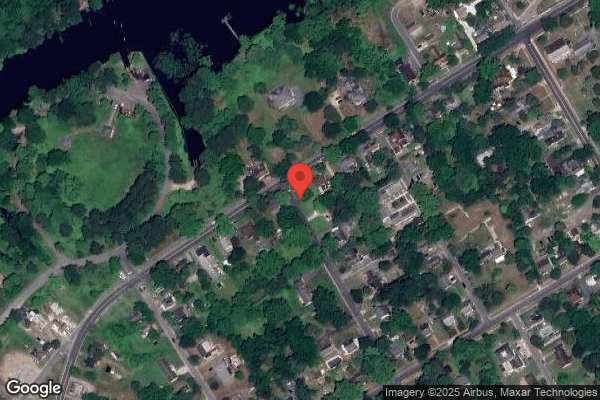

430 WEST MARKET STREET, SNOW HILL, MD 21863 (410) 632-3755
For profit - Limited Liability company 69 Beds VENZA CARE MANAGEMENT Data: November 2025
Trust Grade
45/100
#173 of 219 in MD
Last Inspection: February 2025

Within standard 12-15 month inspection cycle. Federal law requires annual inspections.

Overview

Snow Hill Rehabilitation & Healthcare Center has a Trust Grade of D, indicating below-average quality and some notable concerns. It ranks #173 out of 219 facilities in Maryland, placing it in the bottom half, and #3 out of 3 in Worcester County, meaning there are only two other local options that are better. Unfortunately, the facility is worsening, with issues increasing from 15 in 2022 to 23 in 2025. Staffing is a significant concern, with a rating of 2 out of 5 stars and a high turnover rate of 58%, which is above the state average. While there have been no fines recorded, the RN coverage is only average, and recent inspections revealed serious problems, such as food being served below safe temperatures and inadequate qualifications for infection control staff. Additionally, there were failures to properly investigate claims of abuse, which raises further concerns about resident safety.

Trust Score
D
45/100
In Maryland
#173/219
Bottom 22%
Safety Record
Low Risk
No red flags
Inspections
Getting Worse
15 → 23 violations
Staff Stability
⚠ Watch
58% turnover. Above average. Higher turnover means staff may not know residents' routines.
Penalties
✓ Good
No fines on record. Clean compliance history, better than most Maryland facilities.
Skilled Nurses
✓ Good
Each resident gets 43 minutes of Registered Nurse (RN) attention daily — more than average for Maryland. RNs are trained to catch health problems early.
Violations
⚠ Watch
40 deficiencies on record. Higher than average. Multiple issues found across inspections.
★★☆☆☆
2.0
Overall Rating
★★☆☆☆
2.0
Staff Levels
★☆☆☆☆
1.0
Care Quality
★★★☆☆
3.0
Inspection Score
Stable
2022: 15 issues
2025: 23 issues

The Good

  • Full Sprinkler Coverage · Fire safety systems throughout facility
  • No fines on record

Facility shows strength in fire safety.

The Bad

2-Star Overall Rating

Below Maryland average (3.0)

Below average - review inspection findings carefully

Staff Turnover: 58%

12pts above Maryland avg (46%)

Frequent staff changes - ask about care continuity

Chain: VENZA CARE MANAGEMENT

Part of a multi-facility chain

Ask about local staffing decisions and management

Staff turnover is elevated (58%)

10 points above Maryland average of 48%

The Ugly 40 deficiencies on record

Feb 2025 23 deficiencies
CONCERN (D)

Potential for Harm - no one hurt, but risky conditions existed

Deficiency F0561 (Tag F0561)

Could have caused harm · This affected 1 resident

Based on interview and record review, it was determined that the facility failed to provide the residents with the opportunity to choose their shower schedules. This was evident for 2 ( Resident #65 a...

Read full inspector narrative →
Based on interview and record review, it was determined that the facility failed to provide the residents with the opportunity to choose their shower schedules. This was evident for 2 ( Resident #65 and #14) of 2 residents reviewed for choices during the recertification survey. The findings include: On 2/18/25 at 9:11 AM, in an interview with Resident #65, he/she revealed that he/she was not aware of his/her shower schedule. He/she added that he/she had been in the facility for several weeks and had inquired several times about his/her schedule from the staff but had not heard any updates. On 2/18/25 at 9:47 AM, Resident #14 stated that he/she had no idea when his/her shower schedule was and added that it would be good if he/she knew the schedule. On 2/19/25 at 8:35 AM, a review of the active physician orders for showers revealed that Resident #14 was scheduled every Tuesday and Friday 3-11 shift, however, Resident #65 had no order in place. On 2/19/25 at 8:57 AM, in an interview with Geriatric Nurse Assistant (GNA #12), she described that at the beginning of the shift, the charge nurse gave the GNAs their assignment sheets and highlighted the residents who were scheduled for a shower. The GNA then completed and signed a shower sheet for each resident who received shower on the specific day and gave the shower sheets to the nurse. The surveyor asked to look at shower sheets, however, GNA #12 stated she didn't know where the completed shower sheets were but instead, he/she gave the surveyor a blank form. The blank form intitled Shower Sheets indicated the resident's name, room # and if shower was given. It also reflected the GNA and the nurse's signatures. On 2/19/25 at 9:14 AM, during an interview with Licensed Practical Nurse (LPN #1), he/she gave the surveyor a copy of the shower schedule which revealed the following: - Resident #14- Tuesday and Friday 3- 11 shift - Resident #65- Wednesday and Saturday 3-11 shift LPN #1 stated that alert and oriented residents were aware of their schedule. The surveyor also requested to see the binder which contained the completed shower sheets, however, LPN #1 revealed that they don't keep it in the station and that the Assistant Director of Nursing (ADON) had it. On 2/19/25 at 9:20 AM, in an interview with the ADON, she confirmed that currently, she was also looking for the shower sheets and that she had none on hand. She was aware that it was an issue. She was notified that 2 residents stated that they don't know when their shower days were. ADON stated that she was very glad of the state visit and would make action plans on how to improve moving forward.
CONCERN (D) 📢 Someone Reported This

A family member, employee, or ombudsman was alarmed enough to file a formal complaint

Potential for Harm - no one hurt, but risky conditions existed

Investigate Abuse (Tag F0610)

Could have caused harm · This affected 1 resident

2. On 2/21/25, a review of the Facility Reported Incident (FRI) MD00204342 revealed that on 4/4/24, a staff member observed Resident #28's family member grab Resident #28 in the area around his/her ne...

Read full inspector narrative →
2. On 2/21/25, a review of the Facility Reported Incident (FRI) MD00204342 revealed that on 4/4/24, a staff member observed Resident #28's family member grab Resident #28 in the area around his/her neck after he/she refused to give the family member a kiss. On 02/21/25 at 9:05AM, the surveyor requested the facility's investigative file for the reported incident that occurred with Resident #28 on 4/4/24. On 2/21/25 at 10:37 AM, an interview with the Nursing Home Administrator (NHA) conducted to reveal that the NHA started working at the facility in 8/2024 and was not able to locate the facility's investigation report for Resident #28's alleged incident on 4/4/24. The NHA further stated that he reached out to the previous administrator and was still not able to locate the facility's investigation report for the alleged incident involving Resident #28 on 4/4/24. The NHA stated that he would keeping looking for the report. On 2/21/25 at 11:01 AM, an interview with Activities Aide #44 revealed that she witnessed the incident that happened with Resident #28 and his/her family member on 4/4/24 and stated that she reported the incident to her immediate supervisor and the NHA at the time. During a follow up interview with the NHA on 2/21/25 at 11:39 AM, the NHA stated that he was not able to locate the facility's investigation report for Resident #28's alleged incident on 4/4/24. On 2/21/2025 at 12:47 PM, the facility's abuse policy titled Abuse, Neglect, Misappropriation of Resident Property, Suspicious Injuries of Unknown Source, Exploitation was reviewed. The policy stated the facility will investigate and document all incidents and accidents involving residents. At the time of the exit conference, the facility did not provide any additional evidence to show that a thorough investigation was conducted for Resident #28's alleged incident of abuse. 3. On 02/19/2025 at 09:57 AM the surveyor interviewed and requested from the Nursing Home Administrator (NHA) the facility investigation file for the Facility Reported Incident (FRI) - MD# 00191752 that the facility Nursing Home Administrator (NHA) reported to the Office of Healthcare Quality (OHCQ) on 04/28/2023 at 09:34 AM for Resident #219. The NHA stated that he would look for the facility investigation file as he was not the NHA in April of 2023 at the time that the Facility Reported Incident (FRI) was reported to the Office of Healthcare Quality (OHCQ). The surveyor reviewed the facility's abuse policy - Abuse, Neglect, Misappropriation of Resident Property, Suspicious Injuries of Unknown Source, Exploitation and Sexual Consent, Relationships, and Capacity Assessment on 02/19/2025. The policy indicated that the facility would conduct a prompt investigation of any allegation received of suspected abuse, neglect or exploitation or mistreatment, including injuries of unknown source and misappropriation of Resident property. In addition, the policy indicated that the facility staff were trained on hire, on regular intervals and periodically if the facility management believed that the staff understanding of the policy was deficient. According to the report filed by the facility with the Office of Healthcare Quality (OHCQ) on 04/28/2023 at 09:34 AM for Resident #216 the report indicated that the Director of Nursing (DON) was going to conduct an in-service with staff on abuse and neglect. Follow-up interview with the Nursing Home Administrator (NHA) on 02/20/2025 at 11:45 AM, the surveyor again requested the facility investigation file for Resident #219 and the NHA stated that he was unable to locate the investigation file for the Facility Reported Incident (FRI) for Resident #219. The NHA further stated that he contacted the former NHA of the facility and the former owner of the facility, and the facility investigation file was not located for Resident #219. In addition, the facility had no documentation that in-services had been conducted with the facility staff on abuse and neglect. At the time of the exit on 02/21/2025 at 01:30 PM the Nursing Home Administrator (NHA) was not able to provide a facility investigation file or documentation of in-services for facility staff on abuse and neglect for the Facility Reported Incident (FRI) for Resident #219 that was reported to the Office of Healthcare Quality (OHCQ) on 4/28/2023 at 09:34 AM by the prior NHA of the facility. Based on interviews and facility record reviews it was determined that the facility failed to ensure that facility records for abuse and neglect were maintained for correction of alleged violations and completed investigations. This was found to be evident for 3 (Resident #18, #28 and #219) out of 5 Residents reviewed for investigation and correction of alleged violations of abuse and neglect. The findings include: 1. On 2/19/25 a review of the Facility Reported Incident (FRI) MD00189291 revealed that on 2/21/23, Resident #170 was observed in the room of Resident #18 with their hand on the clothed thigh of Resident #18. The incident was reported to Office of Health Care Quality on 02/23/23. The summary of the incident stated that Resident #18 was assessed and was not negatively impacted by the incident. Resident #170, had a diagnosis of Dementia and was adjusting to a new environment. Him/her had medication changes and the facility worked to find the correct medications for him/her. After the incident, Resident #170 was placed on 1:1 sitter observation until a psychiatric evaluation was completed. Subsequently, Resident #170 was discharged from the facility on 04/14/23. On 02/19/25 at 9:33AM a review of Resident #18's clinical record revealed diagnoses including Reduced Mobility and Muscle Weakness, a BIMS score of 13 of 15, cognition intact (Brief Interview for Mental Status, BIMS, is a screening tool used to assess basic cognitive function in patients in long-term care facilities.) Further review of Resident #18's clinical record revealed that the facility did not investigate the incident. On 02/19/25 at 11:30AM in an interview with the surveyor, Resident #18 could not recall the incident. On 02/20/25 at 09:10 AM in telephone interview with the surveyor, Resident #18's Responsible Party stated that that he was informed by the facility of the incident and was satisfied with the way the facility handled the matter. He did not have any concerns regarding Resident #18's care. The surveyor conducted several interviews with staff members on 02/20/25 regarding the incident. The staff members stated that they had no knowledge of the incident. On 02/19/25 at 01:00 PM the surveyor asked the Nursing Home Administrator (NHA) for the FRI investigation regarding the incident. The NHA did not provide the surveyor with the documents, he stated, I cannot find it. Further, the NHA stated that he was not employed at the faciity at the time of the incident and did not know whether the incident was investigated.
CONCERN (D)

Potential for Harm - no one hurt, but risky conditions existed

Deficiency F0655 (Tag F0655)

Could have caused harm · This affected 1 resident

Based on record review and interview, it was determined that the facility failed to develop a baseline care plan. This was evident for 1 (Resident #65) of 28 residents reviewed for baseline care plans...

Read full inspector narrative →
Based on record review and interview, it was determined that the facility failed to develop a baseline care plan. This was evident for 1 (Resident #65) of 28 residents reviewed for baseline care plans during the recertification survey. The findings include: The baseline care plan is a document that outlines how to provide care for a new nursing home resident. It's created within 48 hours of admission. The plan's purpose is to reduce the risk of adverse events and ensure the resident receives quality care. On 2/19/25 at 12:47 PM, a review of Resident #65's medical record revealed an admission date of 1/31/25. Further review of the medical record revealed no evidence that a baseline care plan was developed, and a copy of the document was given to the resident. On 2/19/25 at 1:20 PM, in an interview with Licensed Practical Nurse (LPN #7), he/she revealed that normally, the Director of Nursing (DON)/ Assistant Director of Nursing (ADON) took care of the baseline care plans and nurses just added interventions by clicking the care plan tab in the electronic health record. On 2/19/25 at 1:52 PM, during an interview with the DON, she stated that she believed nursing was responsible for the development of the baseline care plan and confirmed that it was not done in a timely manner. The DON was made aware that it was an issue.
CONCERN (D)

Potential for Harm - no one hurt, but risky conditions existed

Comprehensive Care Plan (Tag F0656)

Could have caused harm · This affected 1 resident

Based on observation, record review and interview, it was determined that the facility failed to develop and implement a comprehensive care plan for the use of oxygen. This was evident for 1 (Resident...

Read full inspector narrative →
Based on observation, record review and interview, it was determined that the facility failed to develop and implement a comprehensive care plan for the use of oxygen. This was evident for 1 (Resident #42) of 28 residents reviewed care plans during the recertification survey. The findings include: A nasal cannula is a thin, flexible tube that delivers oxygen through the nose. A care plan is a guide that addresses the unique needs of each resident. It is used to plan, assess, and evaluate the effectiveness of the resident's care. On 2/18/25 at 10:17 AM, Resident #42 was observed lying in bed and oxygen was noted in use via nasal cannula at 2 liters/minute. On 2/19/25 at 10:39 AM, a review of Resident #42's care plan did not show any evidence that a care plan for oxygen use was developed. On 2/19/25 at 12:14 PM, in an interview with the Director of Nursing (DON), she revealed that care plans were initiated upon admission and as needed. She stated that the Resident Assessment Coordinator (RAC) would initiate resident care plans based on medical diagnoses, Activities of Daily Living (ADLs), therapy and special needs. The care plans were updated quarterly and when there was a change in resident's condition and as needed. She added that the RAC also discontinued the care plans, and the nurses were responsible for monitoring the residents and ensuring that the care plans were followed. The nurses would alert the DON or Assistant Director of Nursing (ADON) of the residents' condition so that changes in the care plans could be made.
CONCERN (D)

Potential for Harm - no one hurt, but risky conditions existed

Deficiency F0657 (Tag F0657)

Could have caused harm · This affected 1 resident

**NOTE- TERMS IN BRACKETS HAVE BEEN EDITED TO PROTECT CONFIDENTIALITY** Based on medical record review and staff interview, it was determined the facility failed to develop/revise care plans to meet r...

Read full inspector narrative →
**NOTE- TERMS IN BRACKETS HAVE BEEN EDITED TO PROTECT CONFIDENTIALITY** Based on medical record review and staff interview, it was determined the facility failed to develop/revise care plans to meet residents' needs. This was evident for 1 (Resident #63) of 28 residents reviewed for care planning The findings include: A care plan is a guide that addresses the unique needs of each resident. It is used to plan, assess and evaluate the effectiveness of the resident's care. Activities of Daily Living (ADLs) are activities related to personal care. They include bathing or showering, dressing, getting in and out of bed or a chair, walking, using the toilet, and eating. The Minimum Data Set (MDS) is a federally mandated assessment tool used to evaluate the health status of residents in nursing homes. The information collected helps nursing home staff identify health problems and develop individual care plans for residents. Resident # 63 was admitted to the facility on [DATE] with diagnoses including Hypotension, Diabetes, Dementia and Muscle Weakness. On 02/19/25 at 07:25 AM a review of resident #63's MDS admission Assessment, Section GG dated 01/21/25 revealed that the resident required assistance with ADLs which included toileting, dressing, shower and personal hygiene. On 02/19/25 at 08:20 AM a review of the clinic records of Resident #63 revealed that there was no care plan in place to address the resident's ADL needs. On 02/19/25 at 12:14 PM in an interview with the surveyor, the Director of Nursing (DON) stated that as MDS coordinator, she was responsible for initiating care plans for the facility's residents. The DON was notified of the surveyor's findings and stated that a care plan for ADLs should have been in place for Resident #63 and that she would look into the matter. On 2/20/25 another review of the care plan revealed that after the surveyor's intervention, the facility revised Resident's #63's care plan on 2/19/25 to include assistance with ADLs.
CONCERN (D)

Potential for Harm - no one hurt, but risky conditions existed

Quality of Care (Tag F0684)

Could have caused harm · This affected 1 resident

Based on record review, interviews, and observations, it was determined that the facility failed to ensure 1) that physician laboratory orders were performed as ordered, 2) medications were administer...

Read full inspector narrative →
Based on record review, interviews, and observations, it was determined that the facility failed to ensure 1) that physician laboratory orders were performed as ordered, 2) medications were administered as ordered and 3) a resident received proper cardiac monitoring. This was found to be evident for 3 (Resident #65, #45, and #12) out of 3 residents reviewed for quality of care during the annual survey. The findings include: 1. Complete Blood Count (CBC) and Complete Metabolic Panel (CMP) are two common blood tests used to assess overall health and detect potential medical conditions. On 2/19/25 at 12:47 PM, a review of the active physician orders of Resident #65 indicated a laboratory order of CBC, CMP one time a day every Tuesday for monitoring for 4 Weeks. The order started on 2/04/2025 and would end on 3/04/2025. However, after further review of the medical records, it revealed that CBC and CMP were not performed for 3 consecutive Tuesdays, 2/4/2025, 2/11/2025 and 2/18/2025 as ordered. On 2/19/25 at 1:20 PM, in an interview with the Licensed Practical Nurse (LPN#7), he/she revealed that to ensure that laboratory orders were not missed, the night shift nurses completed the requisition forms prior to the Laboratory staff's arrival every Tuesday morning. The day shift nurses also double checked in the electronic health records and the laboratory log binder to see if the laboratory orders were completed while the evening shift nurses checked for the results in the electronic health record and reported them to the ordering physician. LPN #7 added that the previous Assistant Director of Nursing (ADON) monitored and audited the laboratory orders. On 2/19/25 at 1:44 PM, LPN #1 gave the surveyor a copy of the requisition form dated 2/4/25 which revealed that other blood tests were marked check to be drawn for Resident #65, however, the CBC and CMP were unmarked. A copy of the lab log was also received which indicated CBC and CMP were listed along with some other blood tests were scheduled to be drawn for Resident #65 on 2/4/25, however the signature of the Phlebotomist was crossed out. LPN #1 confirmed that blood draw for CBC and CMP was not done. On 2/19/25 at 1:49 PM, the ADON was made aware of the issue, and she stated that she would immediately conduct an in-service education. 2. According to the Centers of Medicare & Medicaid (CMS), blood glucose testing involves using capillary blood samples to determine glucose levels. The blood sample is collected using a blood glucose meter, which will then determine the resident ' s blood glucose level. For insulin medications, there is often a sliding scale tool used for determining how much insulin a resident will receive. The amount of insulin to be administered changes or slides up or down based on the level of the resident ' s blood sugar. For example, if the blood glucose level is 152-200, give 2 units of insulin. If the level is 201-250, give 4 units of insulin. On 02/21/25 at 10:08 AM this surveyor conducted a record review of Resident #45 ' s medical records. A nurse ' s note dated 02/01/25 by License Practical Nurse (LPN) #7 stated that the insulin was held per order. However, a review of the Medication Administration Record (MAR) showed that LPN #7 failed to document the Resident ' s BGL, which would determine if insulin would need to be held. A review of Resident #45 ' s MAR conducted on 02/21/25 at approximately 11:05 AM, revealed a documented BGL of 470 on 02/12/25. Registered Nurse (RN) #13 wrote a note which stated, given 5U (units) + 9U . The order on the MAR indicated that if the BGL had reached 400+, 10 units of insulin was to be given with the standing order of 5 units. 3. According to the Centers of Medicare & Medicaid (CMS) the definition of a cardiac pacemaker is a self-contained, battery-operated unit that sends electrical stimulation to the heart. Some cardiac pacemakers require a monitoring device that can be plugged in at home, usually sitting next to a resident ' s bed, and will send information on the pacemaker to the resident ' s cardiologist for review. If the pacemaker is not functioning properly, the cardiologist can read this by reviewing the reports the monitoring device has sent. In this way, it ensures the pacemaker is working correctly. During an interview conducted on 02/18/25 at 02:55 PM, Resident #12 and his/her family member, both expressed concern of the Resident ' s pacemaker monitoring system that had not been set up since admission 3-4 months ago. The Resident ' s family member showed this surveyor that the pacemaker monitoring system was still in a box in the Resident ' s closet. An observation on 02/19/25 at 08:59 AM, 02/19/25 at 11:09 AM, and 02/21/25 at 08:20 AM showed that the pacemaker monitoring system was not set up in Resident #12 ' s room. On 02/19/25 at 09:25 AM this surveyor conducted an interview with Resident #12 ' s regularly assigned Licensed Practical Nurse (LPN) #1. When asked about special equipment required for residents with a pacemaker, she confirmed that these residents normally had a monitor kept at their bedside. When asked if there were any residents in her section that had a pacemaker, she stated that there were not. She reported that the expectations of the nurse is to make sure that the monitoring system is set up and working properly. The LPN further stated that if a resident had a cardiac monitor there would be an order to monitor in the resident's Electronic Health Record (EHR). During a record review of Resident #12 ' s order on 02/19/25 at 10:43 AM, it showed an order for Cardiologist appointment - every day and night shift for pacemaker Dx Code Z95.0 dc [discontinue] this order when appt is made., which was acknowledged by the Resident ' s regularly assigned LPN #1 on 02/05/25. A continued record review on 02/19/25 at 10:45 AM showed an Administration Record Report by Physician #37, which stated presence of cardiac pacemaker under medical conditions. On 02/20/25 at 02:00 PM, the DON provided the policy and procedure guide for pacemakers, which confirmed that the expectation is that All immediate care staff will be aware that resident has a pacemaker. A review of Resident #12 ' s care plans on 02/20/25 at 02:24 PM showed a care plan that stated I am at risk for impaired cardiac output related to pacemaker placement. Under goal interventions, it had I will have no complications r/t pacemaker placement by the next review. On 02/21/25 at 09:00 AM this surveyor made DON aware of concern that the staff taking care of Resident #12 were not aware that he/she had a pacemaker, and that the pacemaker monitoring system had not been set up at the Resident ' s bedside. She confirmed that she would get someone on that right away.
CONCERN (D)

Potential for Harm - no one hurt, but risky conditions existed

Pressure Ulcer Prevention (Tag F0686)

Could have caused harm · This affected 1 resident

2. A pressure ulcer, also known as a bedsore or pressure sore, is an open wound that occurs when skin is damaged by prolonged pressure. Pressure ulcers can range in severity from discoloration to open...

Read full inspector narrative →
2. A pressure ulcer, also known as a bedsore or pressure sore, is an open wound that occurs when skin is damaged by prolonged pressure. Pressure ulcers can range in severity from discoloration to open sores that expose bone or muscle. They can be painful and take a long time to heal. Pressure ulcers often develop on bony areas of the body, such as the heels, ankles, buttocks, hips, tailbone, and back. They can occur in people who are bedridden or use a wheelchair and are more likely to develop in areas where the body rests against the chair or bed. 2) On 2/18/25 at 2:00 PM, a review of Resident #42's wound visit note dated 2/4/25 revealed the following wounds: - Left heel - Right heel - Sacrum (buttocks) Further review of the report indicated the following recommendations: - Low air- loss mattress - Turn and reposition every 2 hours - Float heels at all times - Pillow boots to bilateral feet to offload On 2/20/25 at 3:58 PM, a review of the active physician orders revealed no evidence that pressure relieving interventions were written and implemented. On 2/21/25 at 7:55 AM, an interview with Licensed Practical Nurse (LPN #9), he/she stated that for residents with pressure ulcers, nurses are expected to obtain orders such as air mattress and offload heels to prevent worsening of pressure ulcers. He/she confirmed that the facility had no standing orders or standard protocol for pressure ulcer management. On 2/21/25 at 8:56 AM, in an interview with the Director of Nursing (DON), she stated that pressure ulcer interventions were on a case-by-case basis. She added that when the facility received an admission with pressure ulcer, the facility informed the doctor and obtained orders such as an air mattress. She confirmed that the facility had no standing orders for wound interventions and pressure relieving intervention orders also came from wound visits. 02/21/25 10:05 AM The DON was made aware of the issue. Based on interview, observation and record review, it was determined that the facility failed to 1) ensure that a resident with a pressure ulcer received the necessary treatment to promote healing and 2) implement the recommendations made by the wound clinic to the resident with pressure ulcer. This was evident for 2 (Resident #12 and #42) of 4 residents reviewed for pressure ulcers during the recertification survey. The findings include: 1. According to the Centers of Medicare & Medicaid Services (CMS), the definition of a pressure ulcer is any lesion caused by unrelieved pressure that results in damage to the underlying tissue(s). These lesions typically occur in areas of the body that have a lot of pressure applied. Pressure ulcers most often arise on skin that covers bony areas of the body, such as heels, ankles, hips and tailbone (coccyx). Measures to help prevent or promote healing for pressure ulcers include using devices that help elevate or float heels off of the bed to prevent pressure on the bottom of heels. Also, changing a resident ' s position every 2 hours helps keep blood flowing and prevents too much pressure on one side, thus can help prevent and promote wound healing. A wedge pillow is a type of pillow that helps position the resident at 30 degrees, and thus removes pressure on the resident ' s coccyx and shoulder. Additionally, there are specialized chair cushions that can help relieve pressure on the coccyx while sitting. An example of one is called the ROHO cushion. During an interview conducted on 02/18/25 at 02:39 PM with Resident #12 ' s family member, he/she expressed concern that staff had not completed necessary tasks such as turning and repositioning to help heal the Resident ' s pressure ulcer. An observation on 02/19/25 at 08:59 AM showed that Resident #12 was leaning to his/her right side, a wedge was on his/her right upper side but was not in the proper position to relieve pressure off of his/her coccyx. During this observation, the Resident confirmed that the staff had not turned or repositioned him/her yet today. On 02/19/25 at 09:00 AM an interview was conducted with Resident #12 ' s Geriatric Nursing Assistant (GNA) #3. GNA #3 stated that Resident #12 is a Resident that required some special care, such as requiring assistance to get out of bed. When asked how the GNA would be able to find out what orders for special care the Resident requires, she responded that she could find this information in the Resident ' s Electronic Health Record. When asked if Resident #12 had any other orders besides getting out of bed, she stated that he/she received wound care, utilized a wedge system, and a cushion for his/her chair. On 02/19/25 at 10:29 AM a record review of Resident #12 ' s showed orders for OOB (out of bed) to chair for 1-2 hrs (hours) per day, ROHO cushion on chair when OOB, turn/offload patient every 2 hours for PUPP (pressure ulcer prevention program)/wound care while awake every shift for PUPP/wound care, float heels every shift every day and night shift. Observations on 02/19/25 at 11:00 AM and 01:11 PM showed Resident #12 ' s heels were not floated. It was also observed that the heel floating device was found stored under the sink. During these observations, the Resident confirmed that he/she had not been turned or repositioned by the staff and his/her heels had not been floated. During an interview on 02/20/25 at 12:17 PM with the Director of Nursing (DON) this surveyor made aware of observations that Resident #12 was not being turned, feet were not being elevated, and the Resident was not getting out of bed and into the chair. According to CMS, the definition of an unstageable pressure injury is known but not stageable due to coverage of wound bed by slough and/or eschar. On 02/20/25 at 02:26 PM, a record review of Resident #12 showed a care plan for Resident has Unstageable on Coccyx. Under goal interventions, it stated, turn and reposition every 2 hours and Encourage Resident to frequently shift weight. Another care plan for this Resident, that was initiated 02/20/25, was I am at risk for skin breakdown or pressure ulcer development r/t [related to] impaired bed mobility. For goal, it stated I will remain free from skin breakdown or pressure ulcer by the next review. For interventions, it stated, Assist me with repositioning as needed. A record review on 02/20/25 at 02:54 PM of Resident #12 ' s wound care consults for the following dates, 02/18/25, 02/04/25, 02/11/25, 01/28/25, 01/14/25, 12/31/24, 12/17/24, 12/10/24, 11/26/24, included an order for Turn and reposition every 2 hours.
CONCERN (D)

Potential for Harm - no one hurt, but risky conditions existed

Deficiency F0692 (Tag F0692)

Could have caused harm · This affected 1 resident

Based on observation, interview, and medical record review, it was determined that the facility failed to ensure that drinking water was provided to the residents at the bedside for hydration. This wa...

Read full inspector narrative →
Based on observation, interview, and medical record review, it was determined that the facility failed to ensure that drinking water was provided to the residents at the bedside for hydration. This was evident for 1(Resident #5) of 1 resident reviewed for hydration. The findings include: On 02/02/18/25 at 01:54 PM the surveyor observed Resident #5 sitting up in bed eating lunch. The resident pointed to a glass, half-filled glass with a brown liquid on his/her lunch tray. Resident #5 stated I cannot drink this it is too sweet; they do not give me water. The surveyor did not observe any water on the resident's lunch tray nor at the bedside. On 02/18/25 at 02:17 PM the surveyor interviewed the Geriatric Nursing Assistant (GNA) Staff #17 regarding the availability of water to Resident #5. The GNA stated that water is not put on meal trays because residents have water pitchers at the bedside. Water pitchers are filled by the night shift and placed at the residents' bedside daily. Further, Resident #5 did not have any water because his/her water pitcher was not delivered. On 02/18/25 at 02:20 PM in an interview Charge Nurse LPN #9 confirmed the surveyor's observation and stated that she would ensure that Resident #5 was provided with water. When asked why there was no water on resident's meal tray, LPN#9 responded, we do not put water on the trays because it is already served at the bedside. On 02/19/25 at 07:49 AM a review of Resident #5's clinical record revealed a care plan initiated on 4/22/24 which stated that the resident was at risk for dehydration. One of the interventions stated, encourage me to drink fluids of choice. On 02/19/25 at 11:07AM in an interview with the surveyor, the Director of Nursing (DON) confirmed that water is served to the residents at the bedside in water pitchers. Further, the DON stated that water pitchers were filled and delivered to residents in the mornings, and it was the responsibly of the GNAs and Charge Nurses to ensure they were refilled periodically. The DON was notified of the surveyor's findings, and she stated that she would address the matter. Several observations from 2/20/25 to 2/21/25 by the surveyors during the survey period confirmed that water pitchers and water were available to residents at the bedside.
CONCERN (D)

Potential for Harm - no one hurt, but risky conditions existed

Respiratory Care (Tag F0695)

Could have caused harm · This affected 1 resident

3. A nasal cannula is a thin, flexible tube that delivers oxygen through the nose. On 2/18/25 at 10:17 AM, Resident #42 was observed lying in bed, the oxygen was in use via nasal cannula at 2 liters/m...

Read full inspector narrative →
3. A nasal cannula is a thin, flexible tube that delivers oxygen through the nose. On 2/18/25 at 10:17 AM, Resident #42 was observed lying in bed, the oxygen was in use via nasal cannula at 2 liters/minute, however, the oxygen tubing had no label or date on it. The surveyor also observed no evidence that an oxygen in use sign was placed by the resident's door. On 2/18/25 at 11:07 AM, Licensed Practical Nurse (LPN #1) was requested inside the resident's room and was informed of the concern. On 2/19/25 at 8:53 AM, the surveyor conducted another observation for Resident #42 and noted that the oxygen tubing still had no label or date and no sign outside the door that oxygen was in use. On 2/19/25 at 9:14 AM, in an interview with LPN #1, he/she stated that when oxygen was in use, it was expected that signs were placed outside the resident's door. She confirmed that oxygen tubing was changed and labeled every Friday during night shift. On 2/19/25 at 10:39 AM, a review of the active physician orders revealed that Resident #42 had no physician order for oxygen use. A review of the facility's oxygen administration policy indicated, Oxygen is administered under orders of the physician. On 2/19/25 at 11:01 AM, the Assistant Director of Nursing (ADON) was made aware of the issues. Based on observation, interview and record review, it was determined that the facility failed to provide necessary respiratory care services for residents by failing to 1) label oxygen administration equipment 2) put a physician oxygen order in place and 3) place signage outside the entrance of residents' room to indicate oxygen in use. This was evident for 3 (Resident #5, #18 and #42) of 3 residents reviewed for respiratory care during the recertification survey. The findings include: 1. On 2/18/25 at 9:07AM the surveyor observed Resident #5, lying in bed, receiving oxygen through a tubing attached to a humidification bottle and a concentrator. The oxygen tubing and humidification bottle were not labelled as to when they were put in use or when they should be replaced. Further, there was no signage on Resident #5's door or on the doorframe indicating that oxygen was in use. On 02 /19/25 at 8:54 AM a review of Resident #5's clinic record revealed diagnoses including Acute Respiratory Failure with Hypoxia and Dementia. Also, a physician order dated 01/07/25 which stated that Resident #5 may use oxygen at 2 liters per nasal cannula to keep oxygen saturation above 90% as needed for Hypoxia. 2. On 2/18/25 at 9:10AM the surveyor observed Resident #18 in bed receiving oxygen through tubing attached to a humidification bottle and a concentrator. The oxygen tubing and humidification bottle were not labelled as to when they were put in use or when they should be replaced. Further, there was no signage on the resident's door or on the doorframe indicating that oxygen was in use. A review of Resident #18 medical record on 02/20/25 at 3:12PM revealed diagnoses including Chronic Obstructive Pulmonary Disease and Chronic Respiratory Failure. Resident #18's physician order dated 01/14/25 stated Oxygen at 1 liter via nasal cannula, may increase rate as needed to maintain Oxygen saturation of 90%. Also, the physician order dated 8/30/24 stated that the oxygen tubing and cannula should be changed every Friday on the night shift. On 02/18/25 at 02:50 PM in an Interview LPN#9 confirmed the surveyors' findings and stated that tubing and humidification bottles are required to be changed every week by the night staff and labelled with the date changed. Also, signs should have been posted on Resident #5 and Resident #18's doors to indicate oxygen in use. On 02/19/25 at 11:07 AM in an interview, the Director of Nursing stated that she was aware of the surveyor's findings and had started inservice training for the nurses, on labeling of respiratory equipment and the placement of signage whenever oxygen was in use.
CONCERN (D)

Potential for Harm - no one hurt, but risky conditions existed

Deficiency F0697 (Tag F0697)

Could have caused harm · This affected 1 resident

Based on record review and interview, it was determined that the facility failed to ensure that pain medications were given consistent with the professional standards of practice. This was evident for...

Read full inspector narrative →
Based on record review and interview, it was determined that the facility failed to ensure that pain medications were given consistent with the professional standards of practice. This was evident for 1 (Resident #42) of 1 resident reviewed for pain management during the recertification survey. The findings include: The medical abbreviation PRN stands for pro re nata, a Latin phrase that translates to as needed or as the situation arises. Oxycodone is a strong painkiller from a group of medicines called opiates, or narcotics used to treat moderate to severe pain. Pain parameters are the specific aspects of pain that are evaluated during an interview to understand a person's pain experience. On 2/20/25 at 3:58 PM, a record review of Resident #42's active and discontinued physician orders revealed that he/she was on PRN pain medications, however, the following orders did not specify the pain parameters: 1. Acetaminophen Oral Tablet 500 MG (Acetaminophen) Give 1 tablet by mouth every 6 hours as needed for pain. (Start date: 1/05/25) 2. Oxycodone HCl Oral Tablet 5 MG (Oxycodone HCl) Give 1 tablet by mouth every 4 hours as needed for pain. (Start date: 2/09/25) 3. Oxycodone HCl Oral Tablet 5 MG (Oxycodone HCl) Give 1 tablet by mouth every 8 hours as needed for pain. (discontinued on 02/09/2025) A random review of the Medication Administration Record (MAR) for 2/02/25, 2/04/25 and 2/19/29 also revealed that Resident #42 received Tylenol and Oxycodone on the following dates with the corresponding pain rating given by the resident: A. 2/2/25 -7:42 AM Oxycodone 5 mg, pain rating of 7 -3:41 PM Tylenol 500 mg, pain rating of 8 -3:43 PM Oxycodone 5 mg, pain rating of 6 B. 2/4/25 - 8:42 AM Tylenol 500 mg, pain rating of 8 - 11:15 AM Oxycodone 5 mg, pain rating of 6 C. 2/19/25 - 8:13 AM Tylenol 500 mg, pain rating of 6 - 10:00 AM Oxycodone 5 mg, pain rating of 6 - 11:40 PM Oxycodone 5 mg, pain rating of 7 On 2/21/25 at 7:55 AM, in an interview with Licensed Practical Nurse (LPN #9), he/she stated that the nurses were expected to follow a standard pain scale of 0-10 when conducting a pain assessment for alert and verbal residents and observed for non-verbal cues for non- verbal residents. He/she confirmed that some residents had pain parameters specified on their PRN pain medications orders, but some had none. He/she revealed that for residents who had 2 PRN pain medications orders which didn't indicate a parameter, he/she would give the pain medication based on her own judgment, such as Oxycodone for pain rating of above 7 and Tylenol for pain rating of below 5. On 2/21/25 at 8:08 AM, during an interview with the Interim Director of Nursing (DON), she revealed that the pain parameters should automatically popped up in the electronic health record when entering PRN pain medication order. She stated that it was expected that all PRN pain medications should have pain parameters. The DON was notified of the concern. On 2/21/25 at 8:56 AM, the surveyors received a copy of the pain policy. The DON confirmed that the facility had no pain parameters in place for PRN pain medications. She added that it was on a case-by-case basis and depended on what the doctor ordered. The surveyor asked the DON how the nurses determined on what to give if the resident was on 2 PRN medications. The DON stated that the facility will be working on a system for pain management moving forward.
CONCERN (D)

Potential for Harm - no one hurt, but risky conditions existed

Deficiency F0730 (Tag F0730)

Could have caused harm · This affected 1 resident

Based on interviews and employee record reviews it was determined that the facility failed to ensure that the required Geriatric Nursing Assistant (GNA) perform review - 12 hour/year in-service were c...

Read full inspector narrative →
Based on interviews and employee record reviews it was determined that the facility failed to ensure that the required Geriatric Nursing Assistant (GNA) perform review - 12 hour/year in-service were completed. This was found to be evident in 2 ( #24 and #25) out of 2 GNA employee files reviewed for required perform review - 12 hour/year in-service. The findings include: On 02/20/2025 at 07:30 AM the surveyor reviewed 2 Geriatric Nursing Assistant (GNA) employee files #24 and #25. During the review of the 2 employee files the surveyor discovered that the facility did not have current perform review - 12 hour/year in-service in the employee files for the 2 GNAs #24 and #25. At 08:30 AM on 02/20/2025 the surveyor interviewed the Director of Human Resources (HRD) #11. During the interview the surveyor informed the HRD #11 that the 2 GNAs #24 and #25 employee files did not contain any perform review - 12 hour/year in-service. The HRD #11 confirmed that the 2 GNA employee files #24 and #25 did not have current perform review - 12 hour/year in-service. The HRD #11 stated that there was a new program for in-services and training called Healthcare Academy that staff would be using for completion of required in-service training, but she had not initiated this in-service program yet, and that she had a plan to move forward with this in-service training. At the time of the exit on 02/21/2025 at 01:30 PM no current documentation was provided to the surveyor by the Director of Human Resources (HRD) #11 for Geriatric Nursing Assistants (GNA) #24 and #25 for perform review - 12hour/year in-service.
CONCERN (D)

Potential for Harm - no one hurt, but risky conditions existed

Staffing Information (Tag F0732)

Could have caused harm · This affected 1 resident

Based on observation, interviews and facility record review it was determined that the facility failed to ensure that the posted nurse staffing information contained all the required information. This...

Read full inspector narrative →
Based on observation, interviews and facility record review it was determined that the facility failed to ensure that the posted nurse staffing information contained all the required information. This was found to be evident on the posted staffing sheet on the nursing unit reviewed for sufficient and competent nurse staffing. The findings include: On 02/19/2025 at 2:10 PM the surveyor toured the nursing unit. The surveyor observed the daily staffing sheet posted on the nursing unit; however, the required information was not included on the staffing sheet. The staffing sheet included the facility name, the names of staff, the staff assignment, the date and shift. The posted staffing sheet did not include the Resident census, and the total number and the actual hours worked by the following categories of licensed (Registered Nurses and Licensed Practical Nurses) nursing staff and unlicensed (Geriatric Nursing Assistants) nursing staff directly responsible for Resident care per shift. The surveyor on 02/19/2025 at 2:40 pm interviewed Geriatric Nursing Assistant (GNA) #2 and asked GNA #2 about the staffing sheet that was posted on the unit. GNA #2 stated that the staffing sheet indicated which staff were assigned to which Residents on the unit; it is our assignment for the shift, and it lets Residents and families know the assignment. On 02/20/2025 at 12:10 PM the surveyor interviewed Licensed Practical Nurse (LPN) #7 and reviewed the staffing sheet that was posted on the nursing unit. The surveyor asked LPN #7 how Residents and families know how many hours each of the staff indicated on the posted staffing sheet actually work. LPN #7 stated that the GNAs work 8-hour shifts, and the nurses work 12-hour shifts. There was no indication of the actual hours worked by each staff member on the posted staffing sheet. LPN #7 acknowledged the surveyor and stated that the new company had changed this staffing sheet. At 12:50 PM on 02/20/2025 the surveyor interviewed the Director of Human Resources (HRD) #11 who confirmed that she was responsible for staffing and scheduling. The surveyor reviewed with the HRD #11 the required posting of the staffing sheet and the required information to be included on the staffing sheet. The surveyor conveyed to the HRD #11 that the Resident census and the total number and actual hours worked by each category of licensed and unlicensed nursing staff were missing from the posted nurse staffing sheet on the nursing unit. The HRD #11 acknowledged that this required information was not indicated on the posted nurse staffing sheet and that she would add this required information on the posted nurse staffing sheet moving forward.
CONCERN (D)

Potential for Harm - no one hurt, but risky conditions existed

Deficiency F0740 (Tag F0740)

Could have caused harm · This affected 1 resident

**NOTE- TERMS IN BRACKETS HAVE BEEN EDITED TO PROTECT CONFIDENTIALITY** Based on interviews and record reviews, it was determined that the facility failed to provide behavioral health care services. T...

Read full inspector narrative →
**NOTE- TERMS IN BRACKETS HAVE BEEN EDITED TO PROTECT CONFIDENTIALITY** Based on interviews and record reviews, it was determined that the facility failed to provide behavioral health care services. This was found to be evident for 1 resident (Resident #45) out of 1 resident reviewed for behavioral health. The findings include: During an interview conducted on 02/18/25 at 12:56 PM, Resident #45 stated that he/she had a history of trauma. The Resident advised that the facility had not provided behavioral services for the history of trauma. Post-traumatic stress disorder (PTSD) is a mental health condition that's caused by an extremely stressful or terrifying event — either being part of it or witnessing it. Symptoms may include flashbacks, nightmares, severe anxiety and uncontrollable thoughts about the event. On 02/20/25 at 07:56 AM, a record review of Resident #45 ' s Social Service History & Initial assessment dated [DATE], stated that this resident is At risk for post-trauma syndrome AEB [as evidenced by] patient reported experienced or witnessed: natural disaster, serious accident, toxic exposure, life threatening illness or injury, physical attack, sexual assault, combat or war zone. On 02/20/25 at 8:56 AM a review of Resident #45 ' s medical record revealed a care plan that stated is at risk for post-trauma syndrome AEB patient reported experienced or witnessed: - natural disaster - serious accident - toxic exposure - life threatening illness or injury - physical attack - sexual assault - combat or war zone. Under goals it states that Resident #45 will not exhibit signs of post-traumatic syndrome and express feelings of being safe through next review. According to Centers of Medicare & Medicaid Services (CMS), the definition of Patient Health Questionnaire (PHQ-9) is a self-reported 9-question version of the Primary Care Evaluation of Mental Disorders. Another care plan for Resident #45 stated he/she has a mood problem AEB admission PHQ-9 mood assessment score indicating mild depression. Under goals for this care plan, it stated Monitor/record/report to MD [doctor of medicine] prn [as needed] acute episode feelings or sadness; loss of pleasure and interest in activities; feelings of worthlessness or guilt; change in appetite/ eating habits; change in sleep patterns; diminished ability to concentrate; change in psychomotor skills. It further states Monitor/record mood to determine if problems seem to be related to external causes, i.e. medications, treatments, concern over diagnosis. During an interview with the Director of Nursing (DON) on 02/20/25 at 12:12 PM, this surveyor asked what the next steps were for the facility when a resident had been identified as at risk of having Post-Traumatic Stress Disorder (PTSD). She explained once the Social Worker (SW) identified a resident was at risk for PTSD, a trauma screening would be sent to nursing to schedule a psychiatric appointment to evaluate the resident. The DON further explained that residents who are administered psychotropic medications or diagnosed with a mental disorder had behaviors monitored that were documented each shift on the resident ' s Treatment Administration Record (TAR). On 02/20/25 at 12:40 PM a record review of Resident #45 ' s psychology consult note from 03/28/23 by Certified Nurse Specialist (CNS) #34 stated that this resident had an adjustment disorder with mixed anxiety and depressed mood. A note on 04/18/23 by CNS #34 revealed that this resident had a psychiatric diagnosis of history of psychosis. Another note dated 08/21/24 by Certified Registered Nurse Practitioner (CRNP) #35, stated monitor for anxiety which can contribute to obsessive-compulsive behaviors such as hoarding. A review of all of the Resident ' s psychology consult notes did not reveal an evaluation was completed for PTSD. On 02/20/25 at 2:00 PM, the DON provided the TAR for Resident #45 for the last six months. A review of these records showed that there had not been documentation of behavior monitoring.
CONCERN (D)

Potential for Harm - no one hurt, but risky conditions existed

Drug Regimen Review (Tag F0756)

Could have caused harm · This affected 1 resident

Based on record review and interview, it was determined that the facility failed to implement the recommendations from the Medication Regimen Review (MRR) and conduct a monthly MRR. This was found evi...

Read full inspector narrative →
Based on record review and interview, it was determined that the facility failed to implement the recommendations from the Medication Regimen Review (MRR) and conduct a monthly MRR. This was found evident for 1 (Resident #45) out of 1 resident, reviewed for Medication Regimen Review. The findings include: According to the Centers of Medicare & Medicaid, the definition of a Medication Regimen Review (MRR) is a thorough evaluation of the medication regimen of a resident, with the goal of promoting positive outcomes and minimizing adverse consequences associated with medication. The review includes preventing, identifying, reporting, and resolving medication-related problems, medication errors, or other irregularities, and collaborating with other members of the interdisciplinary team. Hemoglobin A1C (A1C) is a blood test for diabetes. This test measures your average blood glucose level over the past 3 months. It can be an important indicator for your doctor to see how well a resident is managing their diabetes. On 02/21/25 at approximately 11:15 AM, this surveyor conducted a record review of Resident #45. A MRR was completed for the following dates, 03/23/23, 04/23/24, 08/19/24, 10/23/24, 11/18/24, 12/16/24 and 01/15/25. Therefore, it was found that the MRR was not completed every month. A continued record review of Resident #45 showed that the MRR for 11/18/24 stated please check the resident ' s A1C now and every 3-6 months. The MRR for 12/16/24, stated [Physician #37] agreed to check the resident ' s A1C now and every 3-6 months per the November pharmacist ' s recommendations. Please order a lab and place the results in the chart. The MRR for 1/15/25 stated The last labs in MISC [miscellaneous] are from 04/23/2024. The resident has an order for CBC, BMP, A1C, and lipid panel every 180 days. Please order these labs and place results in the chart. A continued record review of Resident #45 ' s lab results showed that the Resident ' s last A1C was last obtained on 08/10/23. The last collected labs on 04/30/24 did not include the Resident ' s A1C. Therefore, the facility failed to obtain an A1C lab value per the MRR. An interview with the Director of Nursing (DON) was conducted on 02/21/25 at approximately 11:00 AM. The DON confirmed that the expectation for the MRR would be that it was completed monthly.
CONCERN (D)

Potential for Harm - no one hurt, but risky conditions existed

Deficiency F0757 (Tag F0757)

Could have caused harm · This affected 1 resident

Based on record review and interview, it was determined that the facility failed to provide adequate behavior monitoring for residents on psychotropic medications. This was evident for 1 (Resident #65...

Read full inspector narrative →
Based on record review and interview, it was determined that the facility failed to provide adequate behavior monitoring for residents on psychotropic medications. This was evident for 1 (Resident #65) of 4 residents reviewed for unnecessary medications during the recertification survey. The findings include: Abilify is an antipsychotic medication that helps treat several kinds of mental health condition. Lexapro is an antidepressant and is used to treat depression and anxiety. On 2/19/25 at 4:08 PM, a review of the active psychotropic medications of Resident #65 revealed the following: - Abilify Oral Tablet 2 MG (Aripiprazole) Give 1 tablet by mouth at bedtime for psychosis - Lexapro Oral Tablet 20 MG (Escitalopram Oxalate) Give 20 mg by mouth one time a day for depression Further review of Resident #65's medical record revealed a care plan to address the use of psychotropic medications with an intervention Discuss with my physician and family the ongoing need for use of medication. Review behaviors/interventions and alternate therapies attempted and their effectiveness as per facility policy, which was initiated on 2/12/2025, however, the Treatment Administration Record (TAR) revealed no evidence that behaviors were monitored for the use of Abilify and Lexapro. On 02/20/25 at 12:12 PM, in an interview with the Director of Nursing (DON), she stated that residents who were administered psychotropic medications had their behaviors monitored and were documented each shift on the resident's TAR. On 2/20/25 at 1:40 PM, the DON was made aware of the concern, and she confirmed that the behavior monitoring for psychotropic medications was not being done for Resident #65.
CONCERN (D)

Potential for Harm - no one hurt, but risky conditions existed

Deficiency F0883 (Tag F0883)

Could have caused harm · This affected 1 resident

Based on record review and staff interviews, it was determined that the facility failed to screen and offer vaccinations to residents. This was evident for 3 (Residents #26, #51, #32) out of 5 residen...

Read full inspector narrative →
Based on record review and staff interviews, it was determined that the facility failed to screen and offer vaccinations to residents. This was evident for 3 (Residents #26, #51, #32) out of 5 residents screened for immunizations. The Findings include: During a medical record review on 2/20/25 at 2:43 PM it was discovered that Residents #26, #51, and #32 had no documentation of being screened for, offered, receiving, or refusing a pneumonia vaccine. During a facility policy review of the Pneumococcal Vaccine (Series) on 2/20/25 at 3:38 PM it was discovered that Each resident will be assessed for pneumococcal immunization upon admission and Each resident will be offered a pneumococcal immunization unless it is medically contraindicated or the resident has already been immunized. During an interview on 2/20/25 at 4:40 PM the Assistant Director of Nursing (ADON) agreed the pneumonia vaccines should be offered and administered as appropriate to the residents. She doesn't know why residents #26, #51, and #32 were not offered pneumonia vaccinations. During an interview on 2/20/25 at 5:49 PM with the ADON she reported she had spoken to the previous ADON and learned that an outside pharmacy had been performing vaccination services at the facility. She doesn't have those records and advised she would attempt to get additional records from the pharmacy. During an interview with the ADON on 2/21/25 at 10:50 AM, she reported she had found additional vaccination records in a binder. The Pneumonia vaccination screening or administration records for residents #26, #51, and #32 were not found in the binder.
CONCERN (D)

Potential for Harm - no one hurt, but risky conditions existed

Deficiency F0947 (Tag F0947)

Could have caused harm · This affected 1 resident

Based on interviews and employee record reviews it was determined that the facility failed to ensure that the required in-service training for Geriatric Nursing Assistants (GNA) was completed. This wa...

Read full inspector narrative →
Based on interviews and employee record reviews it was determined that the facility failed to ensure that the required in-service training for Geriatric Nursing Assistants (GNA) was completed. This was found to be evident in 5 (#24, 25, 26, 27 and #30) out of 5 Geriatric Nursing Assistants (GNA) employee files reviewed for required in-service training. The findings include: On 02/20/2025 at 07:30 AM the surveyor reviewed 5 Geriatric Nursing Assistants (GNA) employee files #24, 25, 26, 27 and #30. During the record review of the 5 GNA employee files the surveyor discovered that the facility had incomplete documentation of the required in-service training for all 5 of the Geriatric Nursing Assistants (GNA) #24, 25, 26, 27 and #30. At 08:30 AM on 02/20/2025 the surveyor interviewed the Director of Human Resources (HRD) #11. During this interview the surveyor conveyed to the HRD #11 that the employee files had incomplete documentation of the required in-service training for the 5 GNAs #24, 25, 26, 27 and #30. The Director of Human Resources #11 confirmed that there was incomplete documentation of required in-service training for the 5 GNAs #24, 25, 26, 27 and #30. The HRD #11 stated that there was a new program for in-service training called Healthcare Academy that staff would be using for completion of required in-service training, but that she had not initiated this in-service program yet, and that she had a plan to move forward for this training. At the time of exit on 02/21/2025 at 01:45 PM no further documentation was provided by the Director of Human Resources #11 for the required in-service training for Geriatric Nursing Assistants (GNA) #24, 25, 26, 27 and #30.
CONCERN (E)

Potential for Harm - no one hurt, but risky conditions existed

ADL Care (Tag F0677)

Could have caused harm · This affected multiple residents

**NOTE- TERMS IN BRACKETS HAVE BEEN EDITED TO PROTECT CONFIDENTIALITY** Based on observation, clinical record review and interviews, it was determined that the facility failed to provide activities of...

Read full inspector narrative →
**NOTE- TERMS IN BRACKETS HAVE BEEN EDITED TO PROTECT CONFIDENTIALITY** Based on observation, clinical record review and interviews, it was determined that the facility failed to provide activities of daily living (ADL) care to dependent residents. This was evident for 4 (#12, #42, #47, #63) of 4 residents reviewed for ADL care during the annual survey. The findings include: 1. Minimum Data Set (MDS) is a standardized, primary screening and assessment tool of health status which forms the foundation of the comprehensive assessment for all residents of long-term care facilities certified to participate in Medicare or Medicaid. The MDS contains items that measure physical, psychological and psycho-social functioning. The items in the MDS give a multidimensional view of the patient's functional capacities. The Activities of Daily Living (ADL) care is a term used to collectively describe fundamental skills required to care for oneself, such as bathing, dressing, toileting, transferring (getting in and out of bed or chair), eating, and continence. On 02/18/25 at 3:43 PM, Resident #47 was observed lying in bed. Resident #47's mouth was dry, his/her teeth appeared yellow in color and there was a thick coating on his/her tongue. On 02/18/25 at 4:13 PM, a review of Resident #47's clinical record revealed that the resident was admitted to the facility on [DATE] with diagnoses that include but are not limited to Weakness, Lack of Coordination, Dysphagia following cerebral infarction, Hemiplegia, Generalized muscle weakness, Dementia, and Need for assistance with personal care. Further review of Resident #47's Annual MDS section GG dated 12/14/24 revealed that he/she had upper and lower extremity impairment on both sides and was dependent on staff for all ADL care to include oral hygiene. On 02/19/25 at 8:17 AM, a subsequent review of Resident #47's clinical record revealed the following physician order: Date 12/10/2024 Provide Oral Care Q (every) Shift every shift for NPO (nothing by mouth) / oral care On 2/19/25 at 09:36 AM, a second observation of Resident #47 revealed that Resident #47's mouth was dry, his/her teeth appeared yellow in color and there was a thick coating on his/her tongue. On 02/19/25 at 09:40 AM, the surveyor and the Assistant Director of Nursing (ADON) observed Resident #47 lying in bed with his/her mouth open. The ADON confirmed that Resident #47's mouth was dry and there was a thick coating on his/her tongue. During a follow up interview with the ADON on 02/19/25 at 09:46 AM, the ADON confirmed that oral care had not been completed for Resident #47 and stated, it is obvious to me that mouth care hasn't been done for a while. The ADON further stated that it is her expectation that nursing staff complete mouth/oral care for dependent residents every shift and as needed. 2. On 2/18/25 at 10:15 AM, Resident #42 was observed lying in bed, sleeping with dried food particles all over his/her gown on the chest area. On 2/18/25 at 10:58 AM, a follow up observation was conducted to see if Resident #42 was provided with care, however, the same dried food particles were still noted all over his/her gown. On 2/18/25 at 11:07 AM, the surveyor requested Licensed Practical Nurse (LPN #1) to accompany the surveyor inside Resident #42's room and verify the surveyor's observation. LPN #1 stated that an aide will be right back to provide care. On 2/19/25 at 8:57 AM, in an Interview with Geriatric Nurse Assistant (GNA #12), he/she stated that the GNAs are expected to provide care or change the residents as soon as possible if the residents' clothes became soiled. On 2/20/25 at 8:20 AM, a review of Resident #42's admission assessment for ADL dated 1/18/25 revealed that he/she needed maximum assistance for both upper body dressing and personal hygiene. On 2/19/25 at 9:20 AM, the Assistant Director of Nursing (ADON) was made aware of the issue and stated that she would make action plans on how to improve in the future. 3. On 02/18/25 at 09:32 AM during a tour Resident #63 was observed with facial hair on both sides of the face and covering his/her chin. On 02/19/25 at 7:25AM a review of Resident #63's clinical record revealed that the resident was admitted to the facility on [DATE] with diagnoses including, Lack of Coordination, Muscle Weakness and Dementia. Resident #63's MDS admission assessment dated [DATE] Section GG revealed that the resident required assistance with ADLs. On 02/19/25 at 8:00AM in an interview with the surveyor, Resident # 63 stated that since admission to the facility, no assistance was given to him/her for shaving. On 02/19/25 at 9:53AM in an interview with the surveyor, Charge Nurse LPN# 9 confirmed the surveyor's findings and stated that the resident should have been provided with assistance for shaving. LPN #9 further stated that she would speak to the Geriatric Nursing Assistants. On 2/19/25 at 10.13AM the Director of Nursing was notified of the surveyor's findings. On 2/20/25 at 1:05PM the surveyor observed Resident #63 lying in bed clean shaven without facial hair. 4. During an interview on 02/18/25 at 02:39 PM Resident #12 's family member reported that the Resident had not had his/her teeth brushed since admission, 3-4 months ago. During this interview, it was confirmed that Resident #12 had dentures. This surveyor observed that Resident #12 had an unused toothbrush still in its plastic packaging. During an interview on 02/19/25 at 08:59 AM Resident #12 confirmed that the staff had not brushed his/her teeth yet. On 02/19/25 at approximately 09:03 AM, this surveyor interviewed Resident #12 ' s Geriatric Nursing Aid (GNA) #3. When asked what her process was for getting the residents ready for the day, she replied that most of the residents would brush their teeth themselves. GNA #3 confirmed that she had not yet helped Resident #12 brush his/her teeth. She stated that normally Resident #12 tried to brush his/her teeth on their own. When asked about which residents had dentures, GNA #3 confirmed that she did not have any residents with dentures that day. An observation on 02/19/25 at 11:09 AM Resident #12 ' s toothbrush appeared unused. Resident #12 confirmed that the staff had not yet brushed his/her teeth that day. On 02/19/25 at 01:11 PM, an interview with Resident #12 in his/her room confirmed that the Resident had not had his/her teeth brushed yet. On 02/20/25 at 09:57 AM, a record review of Resident #12 ' s Comprehensive Assessment revealed that for completing oral hygiene, including dentures, the Resident required Substantial/maximal assistance. A review of Resident #12 ' s care plan conducted on 02/20/25 at 10:00 AM for personal hygiene stated I require limited assistance by (1) staff with personal hygiene and oral care. On 02/20/25 at approximately 11:00 AM, observation of Resident #12 ' s toothbrush appeared unused, still in its plastic packaging. During an interview with the Director of Nursing (DON) on 02/20/25 at 12:17 PM, this surveyor made her aware of multiple observations and interviews with Resident #12 since 02/18/25 that showed the Resident had not had his/her teeth brushed. The DON confirmed that she would address this issue right away. During an interview conducted on 02/21/25 at 08:20 AM, Resident #12 stated that his/her dentures had been brushed that morning.
CONCERN (E)

Potential for Harm - no one hurt, but risky conditions existed

Deficiency F0761 (Tag F0761)

Could have caused harm · This affected multiple residents

**NOTE- TERMS IN BRACKETS HAVE BEEN EDITED TO PROTECT CONFIDENTIALITY** Based on observations, interviews, and record reviews it was determined that the facility failed to ensure medications were prop...

Read full inspector narrative →
**NOTE- TERMS IN BRACKETS HAVE BEEN EDITED TO PROTECT CONFIDENTIALITY** Based on observations, interviews, and record reviews it was determined that the facility failed to ensure medications were properly labeled and stored. This was evident for 2 of 2 medication carts observed for medication storage during the annual survey. The findings include: During an observation of the Cypress Hall medication cart on 2/18/25 at 1:32 PM with nurse #31 and Consultant Pharmacist #32 it was discovered that there were expired medications and undated open medications. The expired medications and undated open medications were removed by the Consultant Pharmacist after being discovered. Expired medications include: Ondansetron 4mg tablets expired on 2/08/25 for Resident #45. [NAME] Milk of Magnesia Suspension 400/5mL, House stock expired on 2/09/25. Good Neighbor Pharmacy Cough Suppressant expired on 10/24. A Basaglar injection pen 100 units was labeled with the Date Opened as 1/16/25 for Resident #32. The instructions advise to Use a pen for up to 28 days after first use then throw away. The medication is considered expired per Consultant Pharmacist #32. A Basaglar injection pen 100 units was labeled with the Date Opened as 12/31/24 for Resident #45. The instructions advise to Use a pen for up to 28 days after first use then throw away. The medication is considered expired per Consultant Pharmacist #32. Breyna Inhalation aerosol expired 10/12/24 for Resident #22. Ondansetron 4 mg tablets expired on 2/16/25 for Resident #22. Opened and not-dated medications include: Atropine Sulfate Ophthalmic Solution 1% Op 5ml for Resident #47 opened and not dated. Admelog Solostar Injection Pen 100 u/mL for Resident #45 is not labeled with an opening date and the packaging stated to Store using directions provided. Throw away any medicine that remains 28 days after first use. A Semglee Injection Pen 100 u/ml for Resident #47 was not labeled with an opening date and the label on the packaging stated to Use pen for up to 28 days after first use then throw away. A bottle of Clearlax is opened with no date of opening. During an interview with Consultant Pharmacist #32 on 2/18/25 at 2:01 PM she advised expired medications should be removed from the medication carts. She also stated multiuse medications such as bottles and insulin pens should be dated upon opening to be able to identify expiration dates for those items. During an observation of the Federal Hall medication cart on 2/18/25 at 2:08 PM with nurse #9 and Consultant Pharmacist #32 it was discovered that there were expired medications and undated open medications. The expired medications and undated opened medications were removed by the Consultant Pharmacist after being discovered. Expired medications: Ondansetron 4 mg tablet expired 1/23/25 for Resident #26. Ondansetron 4 mg tablet expired on 11/23/24 for Resident #38. A Basaglar Injection pen 100 units for Resident #26 was not labeled with an opening date and the label stated to use a pen for up to 28 days after first use then throw away During a review of the facility's Medication Storage Document on 2/20/25 at 10:34 PM it revealed that consultant pharmacists would routinely inspect for discontinued, outdated, defective, or deteriorated medications with worn, illegible or missing labels. During an interview with the Director of Nursing (DON) on 02/20/25 at 12:23 PM she agreed expired medications should be removed from the medication carts. She reported the Night Charge Nurse would usually go through the medication carts to identify expired and unlabeled medications; however, the Charge Nurse had been pulled to work as a nurse on the unit and has not been able to act in her usual supervisory role. The DON also reports that the pharmacy usually comes to do a monthly audit.
CONCERN (E)

Potential for Harm - no one hurt, but risky conditions existed

Food Safety (Tag F0812)

Could have caused harm · This affected multiple residents

Based on observation and interview, it was determined that the facility failed to store/prepare food under sanitary conditions. This was found to be evident during the Kitchen Observations. The findi...

Read full inspector narrative →
Based on observation and interview, it was determined that the facility failed to store/prepare food under sanitary conditions. This was found to be evident during the Kitchen Observations. The findings include: During the initial brief tour of the kitchen on 02/18/25 at 08:43 AM, it was observed that [NAME] #4 and Dietary Aide #5 were not wearing hair nets while preparing food. On 02/18/25 at 08:43 AM an interview was conducted with the Dietary Manager. The surveyors made her aware of the staff that had not been wearing the hairnets. On 02/18/25 at 08:45 AM, an observation of the temperature logs for the reach-in fridge showed it was not filled out. For February 2025, only the 3rd, 5th, 7th, and 10th day had temperatures logged. Inside the reach-in fridge, it revealed multiple food items that were opened and unlabeled. There was sliced turkey, 4 packages of American cheese, corned beef, green peppers, 3 packages of mozzarella cheese, a gallon of lemon juice, stuffed cabbage, cottage cheese, and pureed fruit. There was also personal food, a Sunday brunch bake cheese, a small container of what appeared to be cream cheese and another of ranch. At this time, the Dietary Manager confirmed that it looked like personal food and stated that it should not have been in there. There was also a container of mozzarella cheese in a container with a broken lid, dated 1/22/2025. During the continued kitchen tour, the beverage refrigerator temperature log had not been updated daily. The log showed only February 3rd, 5th, 7th, and 10th had been filled out. The Dietary Manager stated that the temperature log should have been filled out daily. At this time, the surveyors discussed the concern of not dating items in the refrigerator, as this would make it difficult to determine how old the items are. The Dietary Manager confirmed understanding. On 02/18/25 at 09:00 AM, the surveyors and Dietary Manager observed the dry storage food areas. There was peanut butter, instant mashed potatoes, and multiple bags of different types of noodles and bread found to be opened and not dated. During the observation, the Dietary Manager stated these items should have had an open date and securely closed. She also confirmed that there is a problem with pests at the facility. On 02/18/25 at 09:05 AM, an observation of the reach-in freezer showed there was a sign on the front that read Any items placed in the refrigerator must have a label & date on it. No exceptions. Inside the freezer, there was an unknown substance on the top shelf that had dripped onto the lower racks, into an open bag of ice. The frozen unknown substance had also leaked on an opened bag of waffles. Multiple food items were opened and unlabeled, including waffles, french fries, imitation crab meat, vegetarian meatballs, and what appeared to be chicken tenders. There were 2 aluminum containers with lids, when asked, the Dietary Manager reported that this was left over stuffed cabbage. She confirmed that the cook must have put this in the freezer to use at a later date, but that they should have dated and labeled this. There was also an open personal soda bottle. After expressing the multiple concerns with the Dietary Manager, she then removed the 2 aluminum containers of stuffed cabbage and the waffles with frozen unknown substance on them and discarded these items. On 02/18/25 at 09:09 AM, the surveyors and Dietary Manager continued the observation of the kitchen of the freezer located outside. It was observed that there were frozen water icicles that had dripped onto food items inside the freezer, and icicles located on the door of the freezer. It was confirmed with the Dietary Manager that the gasket for the freezer had not been working properly. The surveyors discussed the concern with the Dietary Manager of the temperature fluctuations within the freezer, which had caused the water to drip onto the food items and then freeze. The Dietary Manager communicated understanding. On 02/21/25 at 09:43 AM, an observation of the nourishment room revealed a container of milk and two peanut butter and jelly sandwiches that were past the expiration date. There was also personal food found in the fridge. An observation of the ice scoop holder revealed that there was a black, wet substance at the bottom of the holder. On 02/21/25 at 09:53 AM an interview was conducted with the Director of Nursing (DON) to show her our observations in the nourishment room. She stated that she would have someone clean the ice scoop holder and would clean out the fridge now.
CONCERN (E)

Potential for Harm - no one hurt, but risky conditions existed

Infection Control (Tag F0880)

Could have caused harm · This affected multiple residents

Based on observations and staff interviews, it was determined that the facility failed to 1) ensure that oxygen administration equipment and nebulization masks were stored in a sanitary manner when no...

Read full inspector narrative →
Based on observations and staff interviews, it was determined that the facility failed to 1) ensure that oxygen administration equipment and nebulization masks were stored in a sanitary manner when not in use and 2) ensure that the environment was maintained in a manner that minimized the potential spread of infection. This was evident for 1 (#42) out of 28 sampled residents and 1 random observation of the laundry room during the annual survey. The findings include: 1. A nebulization mask is a device that covers the nose and mouth to deliver medication directly into the lungs. A nasal cannula is a thin, flexible tube that delivers oxygen through the nose. An oxygen concentrator is a medical device that increases the amount of oxygen in the air. On 2/18/25 at 10:17 AM, the surveyor observed a nebulization mask placed on top of Resident #42's nightstand without any covering and label. On 2/18/25 at 11:07 AM, the surveyor requested Licensed Practical Nurse (LPN) inside Resident #42's room and was asked to verify the concern. LPN #1 acknowledged the concern and placed the mask inside a small clear plastic bag with a resealable closure. He/she stated that when caring for residents using respiratory devices, the nurses are expected to place the devices inside a clean bag with date or label when not in use. On 2/19/25 at 11:01 AM, the Assistant Director of Nursing (ADON) was made aware of the issue and said that she would conduct an in-service education. On 2/20/25 at 2:21 PM, the oxygen tubing of Resident #42 was observed hanging on the oxygen concentrator with the nasal cannula exposed and almost touching the floor. Registered Nurse (RN #13) was made aware, and he/she replaced the oxygen tubing. On 2/20/25 at 2:27 PM, the Director of Nursing (DON) was made aware of the observations. 2. During an observation of the laundry room on 2/18/25 at 09:05 AM it was observed that Housekeeper #15 was folding bed sheets, and the bottom of the sheets were lying on the floor during the folding process. The sheets touched the floor during multiple observations of the folding process. During an additional observation of the laundry room on 2/19/25 at 7:45 AM Laundry Aide #33 was folding bed sheets and the bottom of the sheets were lying on the floor. There were multiple observations of sheets touching the floor during the folding process. During an interview with Laundry Aide #33 on 2/19/25 at 07:48 AM she advised she knows the sheets are not supposed to touch the floor, but being short made it difficult. During an interview with the Maintenance Director/Housekeeping Supervisor on 2/20/25 at 1:10 PM he agreed the clean laundry should not touch the floor. He advised they have a folding table, and the staff should do it all on the table.
CONCERN (F)

Potential for Harm - no one hurt, but risky conditions existed

Deficiency F0804 (Tag F0804)

Could have caused harm · This affected most or all residents

Based on observation, interview, and record review, it was determined that the facility failed to meet proper internal cooking temperatures and failed to ensure beverages were served at an appropriate...

Read full inspector narrative →
Based on observation, interview, and record review, it was determined that the facility failed to meet proper internal cooking temperatures and failed to ensure beverages were served at an appropriate temperature. This was evident during the Kitchen Observation within the facility. This deficient practice has the potential to affect all residents who consume meals. The findings include: 1. On 02/19/25 at 11:59 AM, the surveyors observed the food line preparation for lunch. The Dietary Manager began taking the temperature for the food on the steam tray line. During the observation, the mashed potatoes temperature reached 120 degrees Fahrenheit (F). The appropriate temperature of hot foods on the steam table is 135 degrees or higher. Additionally, the mechanical ground chicken temperature was 120 degrees F and the fried chicken was 120 degrees F. These did not reach the proper final internal temperature of 165 degrees F. The Dietary Manager had asked Dietary [NAME] #41 to take the food and reheat it. The Dietary Manager further stated that she would have the Maintenance Director take a look at the steam table because the food had not maintained its internal temperature once placed on the steam table. On 02/19/25 at 12:05 PM the surveyor asked the Dietary Manager to see food temperature logs. It was observed that there was one food temperature log, for February 2025, for the dates of 17th, 18th, and 19th. The temperatures for lunch for the 19th had not been filled in. On 02/19/25 at 12:25 PM, the surveyors observed the Dietary Manager re-take the temperature of the food that was reheated. The temperature for the fried chicken was 150 degrees F, the mechanical ground chicken temperature was 148 degrees F, and the mashed potatoes were 110 degrees F. It was communicated at this time with the Dietary Manager that the food was not meeting temperature requirements and that this was a major concern. Dietary Manager reported understanding. On 02/21/25 at 08:01 AM the surveyors observed Dietary [NAME] #41 take the temperature of the breakfast food on the steam tray line. It was observed that the pureed eggs reached 98 degrees F and the ground sausage reached 120 F. This did not meet the temperature requirement of at least 155 degrees F. The bacon temperature reached 120 degrees F, which did not reach the required temperature of 145 degrees F. Dietary [NAME] #41 only reheated the eggs in the steamer, out of the foods that did not meet the temperature requirements. On 02/21/25 at approximately 08:12 AM, the temperature of the eggs was re-taken, which was 102 degrees F. At 08:13 AM Dietary [NAME] #41 began to plate the food for breakfast. At this point, no temperatures had been recorded in the temperature log book. On 02/21/25 at 09:01 AM an interview with the Director of Nursing (DON) was conducted, the surveyors made her aware of concerns with the food not meeting proper temperatures on the steam tray. DON confirmed understanding and reported that she would speak with the Dietary Manager about our findings. 2. On 02/21/25 at 07:33 AM this surveyor observed the kitchen prepare the breakfast tray for residents. The trays were being prepared by Dietary [NAME] #40 and Dietary Aide #41. On 02/21/25 at 08:00 AM it was observed that Dietary Aide #41 had taken out frozen cranberry juices to be placed on the resident's breakfast tray. At 08:13 AM, Dietary [NAME] #40 had begun plating the breakfast trays, and Dietary Aide #41 placed the frozen cranberry juices on the residents ' trays. The breakfast trays were then placed on the meal cart, transported to the nursing unit and distributed to the Residents. On 02/21/25 at 09:01 AM, an interview with the Director of Nursing (DON) was conducted to make her aware of concerns with the residents being served frozen cranberry juice. The DON stated that she would have the staff remove all the frozen juice from the Resident trays and replace it with a beverage of an appropriate temperature. A record review was conducted on 02/21/25 at approximately 01:00 PM of the Meal Service Checklist paperwork provided by the DON. For the weeks ending in 02/09/25 and 02/03/25, there was no recorded temperature for juice for breakfast. These were the only records of Meal Service Checklist provided.
CONCERN (F)

Potential for Harm - no one hurt, but risky conditions existed

Deficiency F0882 (Tag F0882)

Could have caused harm · This affected most or all residents

Based on interviews and record reviews, it was determined that the facility failed to ensure its Infection Preventionist met the mandatory qualifications for the position. This deficient practice has ...

Read full inspector narrative →
Based on interviews and record reviews, it was determined that the facility failed to ensure its Infection Preventionist met the mandatory qualifications for the position. This deficient practice has the potential to affect all residents in the facility. The findings include: An Infection Preventionist (IP) is responsible for the facility's Infection Prevention and Control Program. This position requires specialized training in infection control. During an interview on 12/20/25 at 1:02 PM with the Assistant Director of Nursing (ADON). She confirmed she was the Infection Preventionist for the facility. The ADON reported she has a college degree in nursing but hasn't completed specialized training in infection control. During a review of a copy of an e-mail and a computer screenshot on 2/20/25 at 3:32 PM, it revealed the e-mail was dated as received on 2/20/25 at 1:13 PM. The email was a confirmation the ADON had registered for an Infection Prevention and Control course with Train Maryland - Maryland Department of Health. A review of the computer screenshot revealed she was currently on Module 1. During an interview on 2/21/25 at 08:14 AM with the Director of Nursing (DON), she confirmed the ADON is the facility's IP and no one else is currently qualified for the position.
Aug 2022 15 deficiencies
CONCERN (D)

Potential for Harm - no one hurt, but risky conditions existed

Deficiency F0577 (Tag F0577)

Could have caused harm · This affected 1 resident

Based on observation and interviews it was determined the facility staff failed to have the most recent survey results in a place readily accessible to residents, family members, and legal representat...

Read full inspector narrative →
Based on observation and interviews it was determined the facility staff failed to have the most recent survey results in a place readily accessible to residents, family members, and legal representatives of residents. This has the potential to affect all the residents and visitors within the facility. The findings include: On 08/15/22 at 10:50 AM, during the Resident Council meeting all seven residents who attended the meeting reported they did not know where the previous survey results were located. On 08/17/22 at 11:14 AM, the surveyor made the Director of Nursing #2 aware during the resident council meeting the residents stated they did not know where the survey results were located. The surveyor asked DON #2 where the survey binder was located. Staff #16 took the surveyor to the Chesapeake Dining Hall; the surveyor observed the survey binder behind the door in the dining hall. On 08/17/22 at 11:48 AM the surveyor spoke with Administrator #1 about the residents not having access to the survey results. Administrator #1 reported the survey binder should have been on the table in the Chesapeake Dining Hall.
CONCERN (D)

Potential for Harm - no one hurt, but risky conditions existed

Notification of Changes (Tag F0580)

Could have caused harm · This affected 1 resident

Based on medical record review and interview it was determined the facility staff failed to notify the physician when a resident refused to wear a medical device for at least a month. This was evident...

Read full inspector narrative →
Based on medical record review and interview it was determined the facility staff failed to notify the physician when a resident refused to wear a medical device for at least a month. This was evident in 1 of 2 resident (Resident #12) records reviewed for treatment plans. The findings include: On 08/15/22 at 10:14 AM a review of Resident #12's treatment administration record (TAR) revealed that on 05/16/22 at 23:00 (11 PM), the resident was ordered to wear a sling to the right right arm at all times; the order was discontinued on 08/09/22 at 12:52 AM. The TAR legend indicated to see nurse note for several entries on the 7 am - 3 pm shift on 8/2/22, 8/3/22, 8/6/22, and 8/7/22, in which the nurses documented the resident refused to wear the sling. Per TAR and nursing notes, the resident refused to wear the sling on 8/5/22 (7 am-3 pm) and 8/6/22, 8/7/22 during the 11 pm-7 am shift. On 8/9/22 at 12:52 AM, Staff #28 was made aware the resident was refusing to wear the sling and the order was discontinued. Further review of the TAR in July 2022 revealed the nurses documented the resident refused to wear the sling on 7/3/22, 7/4/22, 7/7/22, 7/11/22, 7/16/22, 7/17/22, 7/19/22, 7/22/22, 7/23/22, 7/24/22, 7/25/22, and 7/26/22. There was no documentation in the electronic medical record indicating the physician or Nurse Practitioner was notified that the resident refused the ordered treatment prior to 08/09/22. On 08/15/22 at 6:50 PM, during an interview with the Director of Nursing #2, he/she made the surveyor aware the physician or the Nurse Practitioner is to be notified when a resident refuses any type of treatment as refusal of care gets care planned, and the nursing staff was instructed to complete a care plan.
CONCERN (D)

Potential for Harm - no one hurt, but risky conditions existed

Report Alleged Abuse (Tag F0609)

Could have caused harm · This affected 1 resident

Based on medical record review and staff interview, the facility failed to timely report a violation of mistreatment, exploitation, neglect or abuse, including injuries of unknown source and misapprop...

Read full inspector narrative →
Based on medical record review and staff interview, the facility failed to timely report a violation of mistreatment, exploitation, neglect or abuse, including injuries of unknown source and misappropriation of resident property to the state authority. This was evident for 3 of 14 residents (Resident #15, #30, #7) investigated for reportable incidents. Findings include: 1. On 8/19/22 at 1:12 PM, review of a facility self-report of an allegation of neglect involving Resident #15 the date of the self-report revealed that the facility reported the incident to the state authority on 8/15/22. The incident of alleged neglect occurred on 8/13/22 at approximately 4:00 PM. On 8/19/22 at 2:00 PM, the surveyor interviewed the Administrator regarding the time the alleged neglect incident was reported to the state authority. The Administrator confirmed that the alleged neglect incident was reported after the required 24 hour reporting time as noted on the report form. 2. On 08/12/22 at 2:38 PM, the surveyor reviewed MD00157914 which revealed that on 09/05/20 Resident #30 was discovered to have a purple discoloration under the left eye. On 08/18/22 at 1:20 PM review of the facility's investigation of the incident revealed the date on the self-report form was 09/06/20; a time was not indicated. The date and time of the incident were documented as 09/05/20 at 8:30 PM. On 08/18/22 at 1:48 PM Administrator #1 was made aware the incident was not reported to the state agency in the allotted 2-hour time frame. 3. 08/16/22 at 11:15 AM review of the Resident Council notes dated 05/27/22 revealed Resident #7 reported someone bothers him/her at night, and it's not the staff. He/she also reported someone climbed into bed with his/her roommate. The surveyor immediately spoke to the Director of Nursing #2 about the allegation. 08/19/22 12:22 PM during an interview with the Administrator #1 the surveyor asked if the incident was reported to the state agency. Administrator #1 stated Resident #7 said the male resident touched his/her arm in a brotherly way and the other resident said nobody got into bed with him/her. Resident #7 said it didn't happen and both of the residents were offered a room change and they declined. The Administrator advised the state agency was not notified as the incident never happened.
CONCERN (D)

Potential for Harm - no one hurt, but risky conditions existed

Transfer Notice (Tag F0623)

Could have caused harm · This affected 1 resident

**NOTE- TERMS IN BRACKETS HAVE BEEN EDITED TO PROTECT CONFIDENTIALITY** 2. On 8/15/22 at 11:00 am, review of Resident #15's medical record revealed that the resident was readmitted to the facility on ...

Read full inspector narrative →
**NOTE- TERMS IN BRACKETS HAVE BEEN EDITED TO PROTECT CONFIDENTIALITY** 2. On 8/15/22 at 11:00 am, review of Resident #15's medical record revealed that the resident was readmitted to the facility on [DATE] with a diagnosis of cerebral infarction. Further review of Resident #15's medical record revealed that the resident had two certifications of incapacity dated 5/17/22 and 5/18/22 which deemed that Resident #15 was unable to make his/her own decisions. On 8/16/22 at 2:47 pm, review of Resident #15's medical record revealed that the resident was transferred to the emergency room on in May 2022 for a change in mental status/condition. Further review of the resident's medical record on 8/16/22 at 3:30 pm revealed no evidence that the facility mailed a written notice of transfer appeal rights. On 8/17/22 at 1:30 pm, interview with the facility's business manager #10 and the Administrator revealed that the transfer and appeal rights are given through telephone notification and not mailed out in hard copy. The Administrator further revealed that the facility was not aware that transfer and appeal rights notification needed to be mailed to the representative even after telephone contact was made explaining transfer and appeal rights. Based on medical record review and interview it was determined the facility staff failed to complete a notice before transfer before a resident was transferred to the emergency room. This was evident in 2 of 4 residents (Resident #12 and #15) reviewed for transfer documentation. The findings include: 1. On 08/15/22 at 10:50 am a review of Resident #12's electronic medical record (EMR) revealed the resident was transferred to a local hospital in May 2022 for further medical evaluation. While reviewing the EMR the surveyor noticed the transfer notice was not in the medical record. On 08/18/22 at 11:45 am during an interview, the Administrator #1 made the surveyor aware a transfer notice was not done because the resident was gone for less than 24 hours.
CONCERN (D)

Potential for Harm - no one hurt, but risky conditions existed

Assessment Accuracy (Tag F0641)

Could have caused harm · This affected 1 resident

**NOTE- TERMS IN BRACKETS HAVE BEEN EDITED TO PROTECT CONFIDENTIALITY** Based on medical record review and interview, the facility staff failed to verify a weight reading resulting in an inaccurate we...

Read full inspector narrative →
**NOTE- TERMS IN BRACKETS HAVE BEEN EDITED TO PROTECT CONFIDENTIALITY** Based on medical record review and interview, the facility staff failed to verify a weight reading resulting in an inaccurate weight loss calculation which led to an inaccurate Minimum Data Set (MDS) assessment. This was evident in 1 (Resident #42) of 7 residents reviewed for accuracy of assessments. The findings include: The Minimum Data Set (MDS) is a tool for implementing standardized assessments and for facilitating care management in nursing homes and non-critical access hospital swing beds. The assessment is completed upon admission, annually, quarterly, during a significant change, and when a resident is discharged . On 08/16/22 at 12:44 pm, a review of Resident #42's electronic medical record (EMR) revealed the resident had a significant weight loss of 10% or greater in 6 months. On 12/01/21 the resident weighed 105.8 pounds. On 06/07/22 the resident weighed 94.1 pounds which is an 11.06 % weight loss. A review of Resident #42's MDS assessment dated [DATE] revealed Section J Nutrition item K0300 Weight Loss asks if the resident had a 5% or more weight loss in the last month or a 10% or more weight loss in the last 6 months. The answer was coded as no by Staff #29. On 08/19/22 at 10:33 am during a telephone interview, Staff #29 was asked about Section K Nutrition on the MDS dated [DATE] being coded as the resident not having a weight loss of 5% or greater in 1 month or 10% weight loss or greater in 6 months. Staff #29 verbalized using the recorded weight on 12/01/21 which was 105.8 pounds and on 06/06/22 98.5 pounds. In the resident's EMR a weight was documented on 06/06/22 as 98.5 pounds and 06/07/22 as 94.1 pounds. There was a discrepancy in the weight, however Staff #29 did not verify the accuracy of the weight prior to coding the MDS assessment. On 08/19/22 at 10:58 am during an interview with the Director of Nursing #2 he/she verified Resident #42 was weighed on 06/06/22 and on 06/07/22 because there was a discrepancy. Both weights are documented in the resident's EMR.
CONCERN (D)

Potential for Harm - no one hurt, but risky conditions existed

Deficiency F0655 (Tag F0655)

Could have caused harm · This affected 1 resident

Based on medical record review and staff interview, it was determined facility staff failed to develop and then provide residents and/or their representative with a summary of the baseline care plan w...

Read full inspector narrative →
Based on medical record review and staff interview, it was determined facility staff failed to develop and then provide residents and/or their representative with a summary of the baseline care plan within 48 hours of admission to the facility. This was evident for 2 (Resident #43, #45) of 2 residents reviewed during a annual survey for baseline care plan. The findings include: A care plan is a guide that addresses the unique needs of each resident. It is used to plan, assess, and evaluate the effectiveness of the resident's care. 1) Review of Resident #43's electronic and paper medical record on 8/15/22 at 8:00 AM revealed Resident #43 was admitted to the facility in 06/2022. Review of the medical record failed to reveal documentation that a baseline care plan was developed within 48 hours of admission and that a copy was provided to the resident/resident representative. The Director of Nursing (DON) was interviewed on 8/16/22 at 10:04 AM and confirmed that facility staff failed to initiate a baseline care plan for Resident #43 within 48 hours of admission. The DON stated, Baseline care plans are initiated by the MDS Coordinator. Resident #43's family member confirmed on 8/16/22 at 10:31 AM that s/he did not receive a copy of the baseline care plan and had to request a copy of the care plan during Resident #43's stay at the facility. 2) Review of Resident #45's electronic and paper medical record on 8/15/22 at 11:15 AM revealed Resident #45 was admitted to the facility in 6/2022. The medical record failed to reveal documentation that a baseline care plan was developed within 48 hours of admission and that a copy was provided to the resident/resident representative. During an interview with the DON on 8/17/22 at 1:00 PM, the DON provided a sign-in sheet stating the sign-in sheet confirmed a meeting was held for the baseline care plan. The DON acknowledged that Resident #43 and Resident #45 and/or their representative (RR) did not receive copy of the baseline care plan. The DON stated baseline care plans were executed within 48 hours of admission, however, did not appear in [name of electronic medical system] as a baseline care plan. The goal was to have a care plan completed within the first 24 hours.
CONCERN (D)

Potential for Harm - no one hurt, but risky conditions existed

Comprehensive Care Plan (Tag F0656)

Could have caused harm · This affected 1 resident

2. During the resident observation rounds on 08/12/22 at 11:52 am the surveyor asked Resident #56 if he/she participated in Activities offered by the facility. The resident made the surveyor aware he/...

Read full inspector narrative →
2. During the resident observation rounds on 08/12/22 at 11:52 am the surveyor asked Resident #56 if he/she participated in Activities offered by the facility. The resident made the surveyor aware he/she did not know what Activities were offered. Also, during observation rounds on 08/12/22 at 12:13 pm Resident #52 made the surveyor aware he/she is blind in the left eye, and his/her vision was not too good in the right eye. On 08/15/22 at 07:58 pm during an interview with Staff #13, he/she stated when a resident is admitted someone from the activities department goes to visit the resident and asks if they would like a magazine or newspaper. They talk to the resident to let them know what activities are offered. The department has 3 aides; two are full-time; the other aide works part-time. On each floor, there is a big calendar with activities. Each day someone from the activities department visits the bed-bound residents to offer 1:1 activities. Staff #13 reported the Activities department does not generate the Activities care plans, the Social Worker does the care plans. On 08/16/22 at 3:40 pm Staff #20 denied completing care plans for Activities. 3. On 08/15/22 at 10:14 am a review of Resident #12 treatment administration record (TAR) revealed the resident was ordered to wear a sling to the right arm at all times on 05/16/22 at 23:00 (11:00 pm); the order was discontinued on 08/09/22 at 12:52 am because the resident refused the treatment. Further review of the resident's electronic medical record (EMR) revealed the resident did not have a care plan associated with the treatment plan. On 08/15/22 at 6:50 pm during an interview with the Director of Nursing Staff #2, he/she made the surveyor aware the physician or the Nurse Practitioner is to be notified when a resident refuses any type of treatment. Refusal of care gets care planned, and the nursing staff was instructed to complete a care plan. 4. On 08/18/22 at 5:07 pm, a review of Resident #52's EMR revealed the resident did not have a care plan for vision. He/she has a history of Diabetic Retinopathy with blindness in the left eye, and his/her vision in the right eye is compromised. The resident receives eye drops at least two times a day. On 08/18/22 at 5:55 pm, the surveyor made Director of Nursing #2 aware Resident #52 did not have a care plan for vision. DON #2 confirmed the care plan was not done. Based on a medical record review and staff interview, it was determined that the facility staff failed to: 1.) initiate a care plan for a resident receiving a hypnotic and an antidepressant medication (Resident #43); 2.) failed to initiate care plans for activities (Resident #56 and #52); 3. initiate a care plan for a new treatment for Resident #12; 4.) to initiate a care plan for vision loss (Resident #52). This was evident for 4 out of 8 residents (Resident #12, #43, #52, and #56) selected for review during the annual survey. The findings include: A Care Plan is a guide that addresses the unique needs of each resident. It is used to plan, assess, and evaluate the effectiveness of the resident's care. 1. The facility failed to initiate a care plan for a Resident (#43) who was receiving melatonin and Trazadone for insomnia. A review of the medical records on 8/18/21 at 11:00 am, revealed that Resident #43 was admitted to the facility in June 2022 for long-term care and with a diagnosis that included insomnia. A review of Resident # 43's medical record on 8/18/22 am revealed a physician order dated 6/30/22 to administer Melatonin six milligrams and Trazadone at bedtime for insomnia. Melatonin is a hormone released by the pineal gland in the brain at night and has been associated with control of the sleep-wake cycle. Trazadone is an antidepressant and a sedative. Further review of the medical record revealed the resident had been receiving Melatonin and Trazadone since 6/30/22, and as of 8/16/22 when the resident was discharged no care plan was initiated for insomnia. Using trazadone together with melatonin may increase side effects such as dizziness, drowsiness, confusion, and difficulty concentrating. Some people, especially the elderly, may also experience impairment in thinking, judgement, and motor coordination.
CONCERN (D)

Potential for Harm - no one hurt, but risky conditions existed

Deficiency F0657 (Tag F0657)

Could have caused harm · This affected 1 resident

Based on medical record review and interview, the facility failed to update the resident's care plan after a change in status. This was evident in 2 of 40 residents (Residents #5 and #63) reviewed dur...

Read full inspector narrative →
Based on medical record review and interview, the facility failed to update the resident's care plan after a change in status. This was evident in 2 of 40 residents (Residents #5 and #63) reviewed during the facility's annual survey. The findings include: 1. On 8/19/22 at 10:10 am, review of Resident #5's medical record revealed that the resident was receiving tube feedings and eating by mouth. Further review of the medical record on 8/19/22 at 10:15 am revealed that the facility Dietitian #29 documented on 5/24/22 that Resident #5 was asked if he/she wanted to continue with tube feeding. Resident #5 stated that he/she did not want to make changes to the tube feeding plan at that time because he/she liked the option of being able to have both options of receiving nutrition. On 8/19/22 at 10:30 am, review of Resident #5's care plan found no evidence that interventions were being made to ask the resident about his/her preference for tube feeding continuation. On 8/19/22 at 11:10 am, interview with Dietitian #29 revealed that he/she is responsible for updating Resident #5's nutrition care plan and no interventions were placed in the care plan regarding asking the resident about his/her preference for tube feeding continuation. 2. On 8/18/22 at 6:15 pm, review of the facility's self-reported accident incident investigation dated 6/14/22 at 2:00 pm revealed that Resident #63 hit his/her right leg amputation on the leg of his/her wheelchair causing the stitches on the right leg amputation to break open. Resident #63 was assessed and sent out to receive emergency treatment. Additional review of Resident #63's medical record revealed that resident was ordered on 6/3/22 to have bubble wrap wrapped around the right leg amputation after daily wound treatment to protect and resident's right leg. Further review of Resident's #63's care plan on 8/18/22 at 7:05 pm revealed no evidence of any interventions to protect Resident #63's right leg amputation wound. On 8/19/22 at 8:15 am, interview with the Director of Nursing revealed that Resident #63's order to wrap the right leg amputation was being administered but the intervention was not present in the resident's care plan.
CONCERN (D)

Potential for Harm - no one hurt, but risky conditions existed

Quality of Care (Tag F0684)

Could have caused harm · This affected 1 resident

2. On 08/18/22 at 07:17 pm, a review of Staff #29's note in Resident #24's medical record dated 04/20/22 at 11:52 am read: Nutrition consult weight loss. Resident triggering for significant weight los...

Read full inspector narrative →
2. On 08/18/22 at 07:17 pm, a review of Staff #29's note in Resident #24's medical record dated 04/20/22 at 11:52 am read: Nutrition consult weight loss. Resident triggering for significant weight loss and weight loss trend, [resident gender] was receiving supplement, but it was discontinued due to constant refusal. PO (by mouth) intake is fair-good. Will try health shake BID (twice a day) if the resident not taking it will discontinued. Continue to monitor weights and intake. A note written by Staff #29 on 05/14/22 at 8:15 am stated. Nutrition consult weight loss. Resident continue to trigger for significant weight loss and weight loss trend, [resident gender] was receiving supplement but it was discontinued due to constant refusal. PO intake is fair-good. Will follow up on Health Shake BID if resident not taking will discontinue. On 08/19/22 at 9:28 am a review of Resident #24's electronic medical record revealed Resident #24 was ordered a Health Shake BID (two times a day) on 05/17/22. On 8/19/22 at 10:33 am during a telephone interview with Staff #29 the surveyor addressed the note written on 04/20/22 in which the clinician was going to start the resident on a health shake for weight loss and the recommendation was not written. Another note dated 05/14/22 Staff #29 stated he/she was going to start the resident on a health shake for weight loss. Staff #29 stated the resident was difficult and refused supplements, medications, and treatments. Staff #29 made the surveyor aware he/she missed it in April 2022. When a nutrition recommendation is made, it goes to nursing first, then to the physician to sign. Staff #29 verbalized he/she does not know what happened in April 2022 and it might have been Staff #29's fault. On 08/19/22 at 11:13 am during an interview with the Director of Nursing (DON) #2, he/she did not receive a nutrition recommendation for Resident #42 in April 2022. The DON provided the surveyor with a copy of the nutrition recommendation dated 05/16/22 as requested. Based on medical record review and interview with facility staff, it was determined the facility failed to administer a bowel protocol as ordered by the physician (Resident #216) and failed to follow-up on nutritional supplements for Resident #24. This was evident for 2 of 8 residents reviewed for nutrition services during the annual survey. The findings include: A fleets enema is a saline laxative that provides relief from occasional constipation. 1. Review of complaint MD00180330 and Resident # 216's medical record on 8/19/22 at 1:17 pm revealed a physician order dated 3/9/20 to administer 8 ounces of prune juice by mouth or by g-tube every 24 hours as needed for day one of bowel protocol and if no bowel movement (BM) by day 3 and to administer a fleets enema for day 3 of no BM. Review of the BM report on 8/19/22 at 1:30 pm, revealed the resident did not have a BM on 7/4/22, 7/5/22, 7/6/22 and the prune juice and/or the Fleets Enema was not given. During an Interview with the DON on 8/19/22 at 2pm she confirmed the bowel protocol put in place for Resident #216 was not followed.
CONCERN (D)

Potential for Harm - no one hurt, but risky conditions existed

Tube Feeding (Tag F0693)

Could have caused harm · This affected 1 resident

Based on review of medical records and staff interviews, it was determined that the facility failed to monitor a resident's tube feeding program (Resident #5). This was evident for 1 of 1 residents be...

Read full inspector narrative →
Based on review of medical records and staff interviews, it was determined that the facility failed to monitor a resident's tube feeding program (Resident #5). This was evident for 1 of 1 residents being investigated for tube feeding during the annual survey. Findings include: On 8/19/22 at 10:10 am, review of Resident #5's medical record revealed that the resident was receiving tube feedings and eating by mouth. Further review of the medical record on 8/19/22 at 10:15 am revealed that the facility Dietitian #29 documented on 5/24/22 that Resident #5 was asked if he/she wanted to continue with tube feeding. Resident #5 stated that he/she did not want to make changes to the tube feeding plan at that time because he/she liked the option of being able to have both options of receiving nutrition. On 8/19/22 at 10:30 am, review of Resident #5's care plan found no evidence that interventions were being made to ask the resident about his/her preference for tube feeding continuation. On 8/19/22 at 11:10 am, interview with Dietitian #29 revealed that it was normal practice to ask Resident # 5 monthly if he/she wanted to continue the current tube feeding program. Dietitian #29 admitted that he/she did not ask Resident #5 in August 2022 if he/she wanted to continue the current tube feeding program due to a time constraint and the need to document Resident #5's quarterly nutrition assessment in the electronic record.
CONCERN (D)

Potential for Harm - no one hurt, but risky conditions existed

Deficiency F0711 (Tag F0711)

Could have caused harm · This affected 1 resident

Based on medical record review and interview it was determined the facility failed to follow up with the consultant pharmacist's recommendations for a resident. This was evident in 1 (Resident #52) of...

Read full inspector narrative →
Based on medical record review and interview it was determined the facility failed to follow up with the consultant pharmacist's recommendations for a resident. This was evident in 1 (Resident #52) of 3 residents reviewed for unnecessary medications. The findings are: On 08/16/22 at 12:35 pm, the surveyor reviewed copies of Resident #52's pharmacy recommendations for May and July 2022. The pharmacy recommendation for July 2022 was for the resident to have a Ferritin level, TSAT, and Occult blood and/or add iron supplementation. On 07/21/22 Nurse Practitioner #28 agreed to the pharmacy recommendation and added if not done in the last 6 months to do Iron/blood saturation. A review of Resident #52's electronic medical record (EMR) revealed an order was not written for the recommended blood work and the iron supplement. On 08/18/22 at 3:03 pm during an interview with Nurse Practitioner (NP) #28 about the pharmacy recommendations for Resident #52 in July 2022, NP #28 verified, that an order was not written for blood work and/or an iron supplement.
CONCERN (D)

Potential for Harm - no one hurt, but risky conditions existed

Drug Regimen Review (Tag F0756)

Could have caused harm · This affected 1 resident

Based on medical record review and staff interview it was determined the facility pharmacist failed to identify and report irregularities in resident's drug regimen to the physician, facility's medica...

Read full inspector narrative →
Based on medical record review and staff interview it was determined the facility pharmacist failed to identify and report irregularities in resident's drug regimen to the physician, facility's medical director and/or the director of nursing. This was evident for 1 of 5 residents (Resident #43) reviewed for unnecessary medications. The findings include: Review of the medical record for Resident #43 on 8/18/22 at 11 am revealed a physician order dated 6/30/22 to administer Melatonin 6 mg (milligrams) and Trazadone 50 mg at bedtime for insomnia. Melatonin is a hormone released by the pineal gland in the brain at night and has been associated with control of the sleep-wake cycle. Trazadone is an antidepressant and a sedative. Pharmacy reviews dated 7/18/22, 8/16/22 documented that no irregularities were noted. During interview with the pharmacist on 8/18/22 at 1 pm, he stated the resident had a diagnosis for depression; however, he should have brought the duplicate medications of Melatonin and Trazadone to the attention of the facility staff.
CONCERN (D)

Potential for Harm - no one hurt, but risky conditions existed

Food Safety (Tag F0812)

Could have caused harm · This affected 1 resident

Based on observation and interviews it was determined the facility's dietary staff failed to wear hair restraints while in the kitchen to prevent hair from contacting food. This was evident in 2 (Staf...

Read full inspector narrative →
Based on observation and interviews it was determined the facility's dietary staff failed to wear hair restraints while in the kitchen to prevent hair from contacting food. This was evident in 2 (Staff #5 and Staff #9) of 5 dietary staff observed in the kitchen during the annual survey. The findings include: On 08/12/22 at 8:55 am surveyor observed Staff #5 in the kitchen without a hair covering. The employee reported he/she usually had his/her hair tied up. On 08/12/22 at 1:05 pm the surveyor observed Staff #9 in the kitchen without a hair covering. The employee verbalized he/she just came to work, and he/she has been working at the facility for 4-5 years. On 08/12/22 at 9:03 am Staff #30 made the surveyor aware the facility was trying to find a suitable hair covering for Staff #5. He/she wears a hairnet according to his/her hairstyle and the staff are required to wear a hair covering.
CONCERN (D)

Potential for Harm - no one hurt, but risky conditions existed

Infection Control (Tag F0880)

Could have caused harm · This affected 1 resident

Based on observations and interviews with facility staff it was determined the facility staff failed to adhere to infection control practices and guidelines by ensuring that the appropriate personal p...

Read full inspector narrative →
Based on observations and interviews with facility staff it was determined the facility staff failed to adhere to infection control practices and guidelines by ensuring that the appropriate personal protective equipment (PPE) was worn before entering a resident room who was noted to be on transmission-based precautions (TBP). This was found to be evident during multiple observations made of 2 residents (Resident #164 and #165) during the facility's annual Medicare/ Medicaid survey. Findings include: Transmission-Based Precautions are the second tier of basic infection control and are to be used in addition to Standard Precautions for patients who may be infected or colonized with certain infectious agents for which additional precautions are needed to prevent infection transmission. On 8/11/22 at approximately 9:15 AM Staff #10 was observed going into Resident #164 and Resident #165's room. Staff #10 crossed the entrance of the resident room and did not have on a gown, gloves, or eye protection. At this time this surveyor asked Staff #10 if she was aware of the sign that was posted on the resident door indicating that the residents were on Transmission Based Precautions (TBP) and that there was a bin in front of the resident door that contained PPE. Staff #10 stated that she was going to meet with the resident to follow-up. Staff #10 admitted that she did not put on the required PPE before crossing the resident room door threshold. The Administrator was made aware at that time as she was walking down the hallway at the time of the observation. On the same date at 9:30 AM, while interviewing Residents #164 and #165 in their room, Staff #11 entered the resident room. She was not wearing a gown, eye protection, or gloves. Staff #11 was asked if she was aware of the sign on the front of the resident's door indicating that the residents were on TBP's. Staff #11 remained in the resident's room for approximately 2 minutes and continued talking to the resident without the appropriate PPE. After leaving the resident room on the same date at approximately 9:45 AM Staff #12 was observed entering Resident #164 and Resident #165's room. Staff #12 did not put on a gown, gloves, or eye protection. Staff # 12 was asked if he was aware of the sign posted on the front of the door indicating the residents were on TBP's. Staff #12 stated that he did not read the sign before entering the resident's room. The Administrator was made aware of the concerns on 8/12/22 at 5:30 PM. The Administrator went on to explain that the staff were aware that they are to adhere to the TBP's protocols and that the Infection Preventionist educated the entire staff. The Administrator stated that the facility started re-education of the staff.
CONCERN (F)

Potential for Harm - no one hurt, but risky conditions existed

Investigate Abuse (Tag F0610)

Could have caused harm · This affected most or all residents

8. On 8/18/22 at 1:09 pm, the surveyor reviewed a facility self-report investigation of alleged abuse for Resident #18. The review revealed that the facility failed to conduct a complete investigation...

Read full inspector narrative →
8. On 8/18/22 at 1:09 pm, the surveyor reviewed a facility self-report investigation of alleged abuse for Resident #18. The review revealed that the facility failed to conduct a complete investigation of events. On 8/19/22 at 2:00 pm, the surveyor interviewed the Administrator regarding the investigation of the alleged abuse of Resident #18. The Administrator confirmed that the investigation was not complete. 9. On 8/18/22 at 3:18 pm, the surveyor reviewed a facility self-report investigation of alleged abuse for Resident #67. The review revealed that the facility failed to conduct a complete investigation of events. On 8/19/22 at 2:00 pm, the surveyor interviewed the Administrator regarding the investigation of the alleged abuse of Resident #67. The Administrator confirmed that the investigation was not complete. 10. On 8/18/22 at 1:29 pm, the surveyor reviewed a facility self-report investigation of alleged abuse for Resident #68. The review revealed that the facility failed to conduct a complete investigation of events. On 8/19/22 at 2:00 pm, the surveyor interviewed the Administrator regarding the investigation of the alleged abuse of Resident #68. The Administrator confirmed that the investigation was not complete. 11. On 8/18/22 at 1:49 pm, the surveyor reviewed a facility self-report investigation of alleged abuse for Resident #264. The review revealed that the facility failed to conduct a complete investigation of events. On 8/19/22 at 2:00 pm, the surveyor interviewed the Administrator regarding the investigation of the alleged abuse of Resident #264. The Administrator confirmed that the investigation was not complete. 5. On 08/12/22 at 02:38 pm, a review of the Facility Reported Incident (FRI) MD00157914 revealed Resident #30 was found on the floor on 09/05/20 by staff and noted to have a purple discoloration under the left eye. On 08/15/22 at 10:45 am while reviewing the facility's investigation concerning the incident revealed there were no interviews in the investigation packet. On 08/15/22 at 11:15 am during an interview with Administrator #1, he/she made the surveyor aware the incident occurred before he/she started working at the facility and all the available documents of the incident were provided. 6. On 08/19/22 at 4:45 pm, a review of FRI MD00145092 revealed on 09/10/19 an employee was accused of verbally abusing Resident #66. The facility's investigation consisted of the self-report form only. There were no statements from the perpetrator or other employees. On 08/19/22 at 4:58 pm, Administrator #1 reported there was no further information to provide about the incident. 7. On 08/19/22 at 2:00 pm, a review of FRI MD00158121 revealed on 09/10/20 Resident #9 reported a Geriatric Nursing Assistant (GNA) was rough while providing perineal care after an episode of bowel incontinence. The investigation provided by Director of Nursing #2 consisted of the Self-Report Form, a nursing note, and a copy of care plans. On 08/19/22 at 2:36 pm, Administrator #1 and Director of Nursing #2 confirmed the surveyor received all the documents of the facility's investigation concerning the incident. Based on a review of facility investigations and interviews with facility staff, it was determined that the facility staff failed to maintain documentation that alleged violations of abuse were thoroughly investigated for residents (#9, #18, #30, #62, #63, #64, #65, #66, #67, #68, and #264) This was evident for 11 of 40 residents reviewed during the annual survey. The findings include: The purpose of a thorough investigation is first to determine if abuse of the resident has occurred. It is the expectation that any allegation of abuse or injury of unknown occurrence being investigated by the facility and be reported to the appropriate agency within 24 hours and the conclusion of the investigation to be reported within 5 days to the appropriate agency (OHCQ) and the Office of Aging (Ombudsman). The facility staff failed to thoroughly investigate the allegation of abuse by a resident. 1. Review of the Facility Reported incident MD00134776 for Resident #62 on 8/18/22 at 4:50 pm revealed on 12/21/18 at 7:30 am Resident #62 reported to RN (Registered Nurse) #30 that GNA (Geriatric Nursing Assistant) #26 came in the room screaming like a wild woman because the call bell was on. The Resident stated staff #26 slammed him/her with both hands on his/her right hip. Resident stated that at first, I thought she hit me, but she just pushed me very hard, not with her fist but with both of her hands. Resident states s/he commented to GNA #26 why do you treat people like dogs in here? Resident stated that GNA #26 did not verbally reply just continued with changing his/her incontinence brief. Review of the investigation provided by the Administrator on 8/19/22 at 1:30 pm revealed that the facility staff failed to obtain in-depth, complete statements from the direct caregivers. Interview with the Administrator on 8/19/22 at 2:00 PM verified that there were no direct caregivers' statements provided in the investigation. She stated the previous administrator retired and she was unable to locate any additional information. 2. Review of the Facility Reported incident MD00136135 for Resident #63 on 8/18/22 at 10:00 am and 8/19/22 at 1 pm revealed on 1/27/19 Resident #63 stated that over the weekend GNA # 31 did not allow him/her to use his/her slide board to get back in bed from the wheelchair. GNA #31 instead lifted him/her up from the chair grabbing him/her around the waist and put Resident #63 into bed and Resident #63 felt that was abuse because s/he was not allowed to use slide board. Review of the investigation provided by the Administrator on 8/19/22 at 1:30 pm revealed that the facility staff failed to obtain statements from the direct caregivers and other residents assigned to GNA #31. Interview with the Administrator on 8/19/22 at 2:00 PM verified the findings. She stated the previous administrator retired and she was unable to locate any additional information. 3. Review of the Facility Reported Incident MD00141397 for Resident #64 on 8/18/22 at 4 pm and 8/19/22 at 3 pm revealed the following: the facility was called into the room of Resident #64 by the resident's spouse with a complaint that occurred on June 8, 2019, on the 3-11 pm shift. Per the resident, prior to him/her being put into bed for the evening s/he rang his/her call bell and GNA #25 came into the room and turned off the call bell stating I will be back. The resident stated that s/he waited for over an hour and rang the call bell again and the GNA #25 replied why are you ringing the bell again, I said I would be back. At this time the resident replied well you did not say what day. Resident #64 continued to report that while the GNA #25 was assisting him/her in the bed with removing his/her clothing and putting his/her night clothes on the resident had to ask the GNA #25 why are you being so rough, you should not be so rough, don't you know I am disabled on the left side. Resident stated the GNA #25 replied I'm a woman, I have to. Resident #64 stated s/he felt as if s/he was jerked around roughly in the bed during care. Review of the investigation provided by the Administrator on 8/19/22 at 1:30 pm revealed that the facility staff failed to obtain statements from the direct caregivers, other residents assigned to GNA #25 and the facility was unable to locate the facility staff that wrote the initial investigation. Interview with the Administrator on 8/19/22 at 2:00 PM verified the findings. She stated the previous administrator retired and she was unable to locate any additional information. 4. Review of the Facility Reported incident MD00144796 for Resident #65 on 8/19/22 at 8:00 am revealed Resident #65 stated that GNA #24 was rough to him/her and hurt his/her left arm/shoulder on 9/2/19. Resident #65 reported that GNA #24 turned him/her on his/her left side, and s/he cried out in pain. Then s/he stated that GNA #24 turned him/her back to the other side and then hit him/her head on the bedside table. Review of the investigation provided by the Administrator on 8/17/22 revealed that the facility staff failed to obtain written statements from the direct caregivers and there was no nursing documentation of the alleged incident in the resident medical record. Interview with the Administrator on 8/19/22 at 2:30 PM verified the findings. She stated the previous administrator retired and she was unable to locate any additional information.
Oct 2018 2 deficiencies
CONCERN (D)

Potential for Harm - no one hurt, but risky conditions existed

Food Safety (Tag F0812)

Could have caused harm · This affected 1 resident

Base on the initial tour of the kitchen it was observed that the facility failed to store food under sanitary conditions. Factors in these observations can lead to foodborne illnesses. This occurred i...

Read full inspector narrative →
Base on the initial tour of the kitchen it was observed that the facility failed to store food under sanitary conditions. Factors in these observations can lead to foodborne illnesses. This occurred in 3 out of 6 drain lines observed in the kitchen. The finding includes: During a tour of the kitchen on 10/09/2018 at 7:00 P.M., this surveyor observed that 3 drain lines of the three-compartment sink in the kitchen area did not have air gaps between the drains and sewer flood rim. An air gap is a space between the drain and sewer flood rim (sewers drain) that prevents sewer water from backing up in the drain and causing sewer water contamination. The Kitchen Manager was made aware of the findings during the tour of the kitchen.
CONCERN (D)

Potential for Harm - no one hurt, but risky conditions existed

Deficiency F0925 (Tag F0925)

Could have caused harm · This affected 1 resident

Based on the medical record and staff interview, the facility staff failed to develop and maintain an adequate pest control program for an environment free of flies for Resident #32. This was evident ...

Read full inspector narrative →
Based on the medical record and staff interview, the facility staff failed to develop and maintain an adequate pest control program for an environment free of flies for Resident #32. This was evident for 1 (Resident #32) out of 28 residents reviewed during the survey process. The findings include: On 10/12/18 at approximately 10:30 AM the surveyor observed Resident #32 in the resident's room. Per the resident's medical record, the resident has been in a coma since admission, and is unable to make their needs known. While interviewing the resident's nurse, staff #1, about the resident's care, the surveyor noted a fly landing on the resident's head, then on the resident's eyelids, while another fly landed on the resident's hand. As flies flew during the interview, the nurse made gestures swatting the flies away from the resident. As Resident # 32 is in a coma and unable to defend his/her self from pest, it is the facility's responsibility to maintain the resident in an area free from pest.
Understanding Severity Codes (click to expand)
Life-Threatening (Immediate Jeopardy)
J - Isolated K - Pattern L - Widespread
Actual Harm
G - Isolated H - Pattern I - Widespread
Potential for Harm
D - Isolated E - Pattern F - Widespread
No Harm (Minor)
A - Isolated B - Pattern C - Widespread

Questions to Ask on Your Visit

  • "Why is there high staff turnover? How do you retain staff?"
  • "Can I speak with families of current residents?"
  • "What's your RN coverage like on weekends and overnight?"

Our Honest Assessment

Strengths
  • • No major safety red flags. No abuse findings, life-threatening violations, or SFF status.
  • • No fines on record. Clean compliance history, better than most Maryland facilities.
Concerns
  • • 40 deficiencies on record. Higher than average. Multiple issues found across inspections.
  • • Grade D (45/100). Below average facility with significant concerns.
  • • 58% turnover. Above average. Higher turnover means staff may not know residents' routines.
Bottom line: Trust Score of 45/100 indicates significant concerns. Thoroughly evaluate alternatives.

About This Facility

What is Snow Hill Rehabilitation & Healthcare Center's CMS Rating?

CMS assigns SNOW HILL REHABILITATION & HEALTHCARE CENTER an overall rating of 2 out of 5 stars, which is considered below average nationally. Within Maryland, this rating places the facility higher than 0% of the state's 100 nursing homes. A rating at this level reflects concerns identified through health inspections, staffing assessments, or quality measures that families should carefully consider.

How is Snow Hill Rehabilitation & Healthcare Center Staffed?

CMS rates SNOW HILL REHABILITATION & HEALTHCARE CENTER's staffing level at 2 out of 5 stars, which is below average compared to other nursing homes. Staff turnover is 58%, which is 12 percentage points above the Maryland average of 46%. High turnover can affect care consistency as new staff learn residents' individual needs.

What Have Inspectors Found at Snow Hill Rehabilitation & Healthcare Center?

State health inspectors documented 40 deficiencies at SNOW HILL REHABILITATION & HEALTHCARE CENTER during 2018 to 2025. These included: 40 with potential for harm.
Who Owns and Operates Snow Hill Rehabilitation & Healthcare Center?

SNOW HILL REHABILITATION & HEALTHCARE CENTER is owned by a for-profit company. For-profit facilities operate as businesses with obligations to shareholders or private owners. The facility is operated by VENZA CARE MANAGEMENT, a chain that manages multiple nursing homes. With 69 certified beds and approximately 63 residents (about 91% occupancy), it is a smaller facility located in SNOW HILL, Maryland.
How Does Snow Hill Rehabilitation & Healthcare Center Compare to Other Maryland Nursing Homes?

Compared to the 100 nursing homes in Maryland, SNOW HILL REHABILITATION & HEALTHCARE CENTER's overall rating (2 stars) is below the state average of 3.0, staff turnover (58%) is significantly higher than the state average of 46%, and health inspection rating (3 stars) is at the national benchmark.

What Should Families Ask When Visiting Snow Hill Rehabilitation & Healthcare Center?

Based on this facility's data, families visiting should ask: "How do you ensure continuity of care given staff turnover, and what is your staff retention strategy?" "Can you walk me through typical staffing levels on day, evening, and night shifts?" "Can I visit during a mealtime to observe dining assistance and food quality?" "How do you handle medical emergencies, and what is your hospital transfer rate?" These questions are particularly relevant given the facility's high staff turnover rate and the below-average staffing rating.

Is Snow Hill Rehabilitation & Healthcare Center Safe?

Based on CMS inspection data, SNOW HILL REHABILITATION & HEALTHCARE CENTER has a clean safety record: no substantiated abuse findings (meaning no confirmed cases of resident harm), no Immediate Jeopardy citations (the most serious violation level indicating risk of serious injury or death), and is not on the Special Focus Facility watch list (a federal program monitoring the lowest-performing 1% of nursing homes). The facility has a 2-star overall rating and ranks #100 of 100 nursing homes in Maryland. While no facility is perfect, families should still ask about staff-to-resident ratios and recent inspection results during their visit.

Do Nurses at Snow Hill Rehabilitation & Healthcare Center Stick Around?

Staff turnover at SNOW HILL REHABILITATION & HEALTHCARE CENTER is high. At 58%, the facility is 12 percentage points above the Maryland average of 46%. High turnover means new staff may not know residents' individual needs, medications, or preferences. It can also be disorienting for residents, especially those with dementia who rely on familiar faces. Families should ask: What is causing the turnover? What retention programs are in place? How do you ensure care continuity during staff transitions?

Was Snow Hill Rehabilitation & Healthcare Center Ever Fined?

SNOW HILL REHABILITATION & HEALTHCARE CENTER has no federal fines on record. CMS issues fines when nursing homes fail to meet care standards or don't correct problems found during inspections. The absence of fines suggests the facility has either maintained compliance or corrected any issues before penalties were assessed. This is a positive indicator, though families should still review recent inspection reports for the full picture.

Is Snow Hill Rehabilitation & Healthcare Center on Any Federal Watch List?

SNOW HILL REHABILITATION & HEALTHCARE CENTER is not on any federal watch list. The most significant is the Special Focus Facility (SFF) program, which identifies the bottom 1% of nursing homes nationally based on persistent, serious quality problems. Not being on this list means the facility has avoided the pattern of deficiencies that triggers enhanced federal oversight. This is a positive indicator, though families should still review the facility's inspection history directly.