WILLOWBROOKE COURT SKILLED CARE CENTER FAIRHAVEN
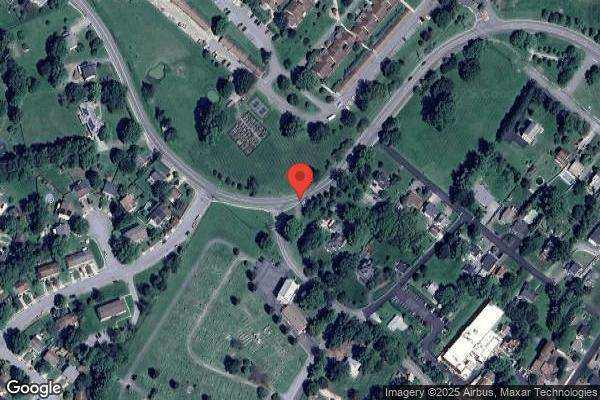
7200 THIRD AVENUE, SYKESVILLE, MD 21784 (410) 795-8800
Non profit - Corporation 79 Beds ACTS RETIREMENT-LIFE COMMUNITIES Data: November 2025
Trust Grade
65/100
#86 of 219 in MD
Last Inspection: July 2025

Inspected within the last 6 months. Data reflects current conditions.

Overview

Willowbrooke Court Skilled Care Center Fairhaven has received a Trust Grade of C+, indicating it is slightly above average but not without its issues. Ranked #86 out of 219 facilities in Maryland, it sits in the top half, and #3 out of 10 in Carroll County, meaning only two local options are rated better. Unfortunately, the facility's trend is worsening, with issues increasing from 7 in 2022 to 11 in 2025. Staffing is a notable strength, with a perfect 5-star rating and a turnover rate of 31%, which is below the state average, suggesting a stable workforce. However, recent inspections revealed concerning incidents, such as a resident eloping from a secure area and the kitchen failing to serve food at the proper temperature or store items correctly, which could affect residents' health and safety. Overall, while there are strengths in staffing and no fines reported, families should be aware of the rising issues and specific incidents that have been flagged.

Trust Score
C+
65/100
In Maryland
#86/219
Top 39%
Safety Record
Moderate
Needs review
Inspections
Getting Worse
7 → 11 violations
Staff Stability
○ Average
31% turnover. Near Maryland's 48% average. Typical for the industry.
Penalties
✓ Good
No fines on record. Clean compliance history, better than most Maryland facilities.
Skilled Nurses
✓ Good
Each resident gets 85 minutes of Registered Nurse (RN) attention daily — more than 97% of Maryland nursing homes. RNs are the most trained staff who catch health problems before they become serious.
Violations
⚠ Watch
32 deficiencies on record. Higher than average. Multiple issues found across inspections.
★★★★☆
4.0
Overall Rating
★★★★★
5.0
Staff Levels
★★★★☆
4.0
Care Quality
★★★☆☆
3.0
Inspection Score
Stable
2022: 7 issues
2025: 11 issues

The Good

  • 5-Star Staffing Rating · Excellent nurse staffing levels
  • 4-Star Quality Measures · Strong clinical quality outcomes
  • Full Sprinkler Coverage · Fire safety systems throughout facility
  • No fines on record
  • Staff turnover below average (31%)

    17 points below Maryland average of 48%

Facility shows strength in staffing levels, quality measures, fire safety.

The Bad

Staff Turnover: 31%

15pts below Maryland avg (46%)

Typical for the industry

Chain: ACTS RETIREMENT-LIFE COMMUNITIES

Part of a multi-facility chain

Ask about local staffing decisions and management

The Ugly 32 deficiencies on record

1 actual harm
Jul 2025 11 deficiencies
CONCERN (D)

Potential for Harm - no one hurt, but risky conditions existed

Free from Abuse/Neglect (Tag F0600)

Could have caused harm · This affected 1 resident

Based on observation and interview, it was determined that the facility failed to ensure that a resident was free from abuse. This was evident for 1 of several observations made on the first floor pin...

Read full inspector narrative →
Based on observation and interview, it was determined that the facility failed to ensure that a resident was free from abuse. This was evident for 1 of several observations made on the first floor pine view unit during an annual survey.The findings include:On 07/15/2025 at 9:59 AM, an observation on the first floor pine view unit revealed Resident #43 had his/her room call light on. On 07/15/2025 at 10:03 AM, further observation revealed Geriatric Nursing Assistant (Staff #6) walk into Resident #43's room. At the same time, the surveyor overheard Staff #6 indicate that he/she had just used the restroom with therapy. The surveyor then observed Staff #6 walk out of Resident #43's room.On 07/15/2025 at 10:08 AM, an interview with Resident #43 revealed that he/she needed to use the restroom, but no one would take her. On 07/15/2025 at 10:51 AM, an interview with Staff #6 revealed that the resident often would put his/her call light on to use the restroom, but then would not actually go. She further said that therapy services had just left the room and took the resident to use the restroom.On 07/15/2025 at 1:10 PM, an interview with the Acting Director of Nursing revealed that staff were expected to take residents to the restroom, even if they had just been taken. The surveyor reviewed the concern.
CONCERN (D) 📢 Someone Reported This

A family member, employee, or ombudsman was alarmed enough to file a formal complaint

Potential for Harm - no one hurt, but risky conditions existed

Report Alleged Abuse (Tag F0609)

Could have caused harm · This affected 1 resident

Number of residents sampled: Number of residents cited: Based on record review and interview, it was determined that the facility failed to report an allegation of abuse in a timely manner. This was e...

Read full inspector narrative →
Number of residents sampled: Number of residents cited: Based on record review and interview, it was determined that the facility failed to report an allegation of abuse in a timely manner. This was evident for 1 (Incident #358045) of 9 Facility Reported Incidents (FRIs) reviewed during an annual survey.The findings include:On 7/17/25 at 10:35 AM, review of investigation documentation provided by the facility revealed that Resident #2 informed Occupational Therapist (Staff #14) on 4/4/25 at 9:12 AM that a care giver the evening prior was rough with him/her and in result caused his/her knees pain.On 7/17/25 at 10:37 AM, further review of the investigation documentation revealed that the facility failed to report the incident to the Office of Health Care Quality until 4/4/25 at 5:07 PM.On 7/18/25 at 10:57 AM, an interview with the Nursing Home Administrator revealed he was unaware that the facility needed to report all allegations of abuse within two hours. The surveyor reviewed the concern with the Nursing Home Administrator.
CONCERN (D)

Potential for Harm - no one hurt, but risky conditions existed

Deficiency F0628 (Tag F0628)

Could have caused harm · This affected 1 resident

**NOTE- TERMS IN BRACKETS HAVE BEEN EDITED TO PROTECT CONFIDENTIALITY** Number of residents sampled: Number of residents cited: Based on record review and interview, it was determined that the facilit...

Read full inspector narrative →
**NOTE- TERMS IN BRACKETS HAVE BEEN EDITED TO PROTECT CONFIDENTIALITY** Number of residents sampled: Number of residents cited: Based on record review and interview, it was determined that the facility failed to ensure that written notification of transfer was provided to the resident and or resident representative upon transfer and failed to ensure the comprehensive care plan goals were sent with the resident upon transfer. This was evident for 1 (Resident #46) of 1 resident reviewed for hospitalizations during an annual survey.The findings include:1a) On 07/16/2025 at 8:55 AM, review of Resident #46's medical record revealed he/she was hospitalized on [DATE].On 07/16/2025 at 9:38 AM, an interview with Registered Nurse (Staff #5) revealed that verbal notice of reasoning for transfer was given to the resident or representative, and that it was not in written form.On 07/16/2025 at 10:52 AM, the facility was unable to provide documentation that written notification of transfer with reasoning was provided to the resident and the resident representative. The concern was reviewed with the Acting Director of Nursing. 1b) On 07/16/2025 at 9:38 AM, interview with Registered Nurse (Staff #5) revealed that resident care plan goals were not sent with the residents upon a transfer. She showed the surveyor a binder that had a checklist of documents, which failed to include comprehensive care plan goals.On 07/16/2025 at 10:52 AM, the surveyor reviewed the concern with the Acting Director of Nursing.
CONCERN (D)

Potential for Harm - no one hurt, but risky conditions existed

Assessment Accuracy (Tag F0641)

Could have caused harm · This affected 1 resident

Based on record review and interviews, it was determined that the facility failed to code the resident's status accurately on the Minimum Data Set (MDS). This was evident for 1 (Resident #5) of 11 res...

Read full inspector narrative →
Based on record review and interviews, it was determined that the facility failed to code the resident's status accurately on the Minimum Data Set (MDS). This was evident for 1 (Resident #5) of 11 residents reviewed for accuracy of assessment. The findings include:The MDS is a federally mandated assessment tool that helps nursing home staff members gather information on each resident's strengths and needs. The information collected drives resident care planning decisions. MDS assessments need to be accurate to ensure each resident receives the care they need.Benign Prostatic Hyperplasia (BPH), also known as an enlarged prostate is a common condition in older men where the prostate gland grows larger, potentially causing urinary problems by pressing on the urethraOn 7/16/2025 at 10:05 AM A review of Resident #5's medical record was conducted. The review revealed that the resident was admitted into the facility on 2/3/25. The resident's hospital discharge notes dated 1/21/25 indicated that the resident had BPH as an active diagnosis. Further review of Resident #5's MDS section I (active disorders) that was completed on 5/5/25, failed to indicate that the resident had BPH. Furthermore, the record revealed an active order dated 4/24/25 for a foley catheter insertion due to urinary retention,On 7/17/2025 at 12:46 PM The Assistant Director of Nursing (ADON) was asked to provide documentation on when Resident #5 first had a foley catheter insertion. On 7/17/2025 at 2:40 PM The ADON provided a progress note dated 2/19/25 that indicated resident had a foley placed secondary to underlying BPH.On 7/18/2025 at 12:02 PM A review of resident records revealed a provider's note entered on 4/28/25 that indicated active diagnosis that included acute urinary retention with underlying history of BPH, staff to continue foley catheter. On 7/18/2025 at 12:32 PM An interview with the MDS coordinator was conducted. When asked where she obtains information to code active diagnosis, the MDS coordinator stated that it needed to be from a doctor's progress note and to be considered active, the Resident needed to be receiving active treatment or intervention. The MDS was notified of the failure to code BPH despite the available information on the resident's record.On 7/18/2025 at 12:32 PM The ADON was notified of concern with MDS coding accuracy.
CONCERN (D) 📢 Someone Reported This

A family member, employee, or ombudsman was alarmed enough to file a formal complaint

Potential for Harm - no one hurt, but risky conditions existed

Deficiency F0658 (Tag F0658)

Could have caused harm · This affected 1 resident

**NOTE- TERMS IN BRACKETS HAVE BEEN EDITED TO PROTECT CONFIDENTIALITY** Based on observation, interview, and record review, it was determined that the facility failed to maintain professional standard...

Read full inspector narrative →
**NOTE- TERMS IN BRACKETS HAVE BEEN EDITED TO PROTECT CONFIDENTIALITY** Based on observation, interview, and record review, it was determined that the facility failed to maintain professional standards of practice related to 1. documentation of treatment administration and 2. documentation of a resident's current diagnosis. This was evident for 3 (Resident #8, #3, #50) out of 12 residents reviewed during the annual recertification survey.The findings include: 1a. On 07/16/2025 at 9:23 AM, review of Resident #8’s medical record revealed an active order for hipsters (cushion belt to protect hips) to be worn at all times. On 07/16/2025 at 9:30 AM, an observation of Resident #8 revealed the resident was in their room recliner eating breakfast, but failed to reveal the hipster brace was on. On 07/16/2025 at 9:44 AM, an interview with Registered Nurse (Staff #5) revealed that the resident was supposed to wear the hipster brace at all times, but that he/she refused it that morning and it would be put on at a later time. On 07/16/2025 at 9:46 AM, review of the administration record for Resident #8’s order revealed that the hipster order was signed off as completed on 07/16/25 at 8:37 AM. On 07/16/2025 at 10:54 AM, an interview with the Acting Director of Nursing revealed that the expectation of staff was to not sign off an order as completed unless it was done. She said that if a resident refused, the staff had a way of signing off on the order as refused. The surveyor reviewed the concern. 1b. On 7/17/2025 at 9:43 AM, Complaint #358047 was reviewed. The complaint alleged that the facility was not placing Resident #50's sling on the resident as ordered. On 7/17/2025 at 1:36 PM, a review of the Treatment Administration Record (TAR) and progress notes was conducted. The TAR indicated that nursing staff had marked the order, Wear Sling to left shoulder at all times every shift for Sling, as held on 5 shifts in the month of August 2024. There was no progress notes explaining why the order was held. On 7/17/2025 at 2:36 PM, An interview with the Assistant Director of Nursing (ADON) was conducted. When asked what the expectation for staff documentation when a treatment is held in the Treatment Administration Record, the ADON stated that there should be an accompanying note to describe why the treatment was held. When asked if there should have been a note for staff holding Resident #50's order for a sling, the ADON stated that there should have been an order. 2. On 7/16/2025 at 8:45 AM, a review of Resident #3’s medical records revealed an order to administer oxygen at 2 liters per minute via nasal canula every shift for COPD. (Chronic obstructive pulmonary disease) On 7/16/2025 at 9:05 AM, a review of the resident’s care plan revealed that the facility had failed to identify a diagnosis of chronic obstructive pulmonary disease (COPD). On 7/16/2025 at 9:25 AM, a review of Resident #3’s medical records revealed that the resident was hospitalized on [DATE] and discharged back to the facility on 5/5/25. The discharge summary from the hospital revealed a discharge diagnosis of Chronic Obstructive Pulmonary Disease (COPD). On 7/16/2025 at 9:30 AM, a review of Physician #7’s progress notes from 5/7/25, for readmission follow up, failed to address Resident #3’s hospital discharge diagnosis of COPD. During an interview on 7/16/25 at 1:40 PM, Physician #7 stated that when a resident is readmitted to the facility following a hospitalization, she would review the discharge summary and the notes from the hospitalization. She said that she would then update the care plan and resident’s diagnoses according to the findings. She stated, if a resident was diagnosed with something new at the hospital then it should be reflected in their diagnosis at the facility. On 7/16/2025 at 1:45 PM, the ADON was made aware of the findings and again at exit.
CONCERN (D)

Potential for Harm - no one hurt, but risky conditions existed

Incontinence Care (Tag F0690)

Could have caused harm · This affected 1 resident

Based on observation, review of the medical record and interview with staff it was determined the facility staff failed to provide appropriate care for a resident with an indwelling urinary catheter. ...

Read full inspector narrative →
Based on observation, review of the medical record and interview with staff it was determined the facility staff failed to provide appropriate care for a resident with an indwelling urinary catheter. This was evident for 1 (Resident #5) of 2 residents reviewed for urinary catheter.The findings include:An indwelling urinary also known as a foley catheter, is a flexible tube inserted into the bladder to drain urine. It's held in place by a balloon inflated in the bladder. Indwelling catheters are used when patients are unable to urinate naturally due to various medical conditions. Foley Catheters are associated with an increased risk of urinary tract infection and therefore, proper catheter care and monitoring is crucial to avoid poor health outcomes.On 7/15/2025 at 8:16 AM Resident #5 was observed with a foley catheter. The catheter tube had cloudy urine draining. Additionally, the foley catheter bag had no date of when it was last changed.On 7/16/2025 at 10:16 AM A review of Resident #5's medical record was conducted. The review revealed a progress note dated 7/9/25 that indicated Resident #5 had a chronic foley catheter secondary to urinary retention with obstructive uropathy. Review of records also revealed an order to change the foley drainage bag monthly and as needed, every night shift every 1 month(s) starting on the 1st for 1 day(s) and as needed for infection control.On 7/16/2025 at 10:26 AM A review of Resident #5's Treatment Assessment Record (TAR) for July 2025 was conducted. The review failed to show documentation that the foley drainage bag was changed.On 7/16/2025 at 10:30 AM The review of the resident's care plan revealed an intervention that stated staff should monitor, record, and report to the Medical Doctor signs and symptoms of Urinary Tract Infection (UTI). The signs and symptoms included deepening of urine color, urine cloudiness and foul-smelling urine.On 7/16/2025 at 12:49 PM Another observation was conducted alongside Staff #10. Cloudy urine was noted to be draining in the foley catheter bag. Staff #10 acknowledged that the urine was cloudy and was draining into a catheter bag that had no date. Staff #10 proceeded to notify the charge nurse (Staff #4) that the resident's urine looked milky. On 7/16/2025 at 12:54 PM An interview was conducted with Staff #4 and Staff #10. When asked who was responsible to document urine catheter changes, staff #10 stated that it was nursing responsibility. Staff #4 further stated that nurses are responsible for reporting to the Resident's Provider any concerns with foley including change in color. Both staff members acknowledged that there was no documentation of changes in urine color and the provider was not notified.On 7/16/2025 at 2:02 PM The surveyor reviewed all the concerns related to urinary catheter care with the Assistant Director of Nursing (ADON) and the facility's Administrator.
CONCERN (D)

Potential for Harm - no one hurt, but risky conditions existed

Respiratory Care (Tag F0695)

Could have caused harm · This affected 1 resident

Based on observations, record reviews and interviews, it was determined that the facility failed to change the humidification bottle for a resident who is on continuous oxygen therapy. This was eviden...

Read full inspector narrative →
Based on observations, record reviews and interviews, it was determined that the facility failed to change the humidification bottle for a resident who is on continuous oxygen therapy. This was evident for 1 (Resident #11) of 2 residents reviewed for respiratory care.The findings include:On 7/15/2025 at 9:07 AM surveyor observed Resident #11 on 3L of oxygen via nasal cannula. The humidification bottle was dated 7/7/25.On 7/15/2025 at 12:41 PM A review of record revealed that Resident #11 had a history of pulmonary fibrosis and required continuous oxygen therapy. The review also revealed an order to change oxygen humidification bottle every night shift, every Sun for respiratory comfort per manufacturers recommendation. Further review of records revealed a care plan for altered respiratory status related to pulmonary fibrosis with an intervention that stated, Oxygen per MD orders. On 7/15/2025 at 1:12 PM Another observation was made by the Surveyor and Staff #4 who confirmed that the humidification bottle was dated for 7/7/25. On 7/15/2025 at 1:14 PM A brief interview with Staff #4 was conducted. When asked what the expectation of changing oxygen humidification bottles for residents on oxygen was, the staff responded that for Resident #11, his/her humidification bottle should have been changed last week on Sunday.On 7/15/2025 at 3:00PM The Assistant Director of Nursing (ADON) and Facility Administrator were made aware of the surveyor's findings and concerns.
CONCERN (D)

Potential for Harm - no one hurt, but risky conditions existed

Drug Regimen Review (Tag F0756)

Could have caused harm · This affected 1 resident

Number of residents sampled: Number of residents cited: Based on record review and interview, it was determined that the facility failed to ensure that all Medication Regimen Review (MRR) recommendati...

Read full inspector narrative →
Number of residents sampled: Number of residents cited: Based on record review and interview, it was determined that the facility failed to ensure that all Medication Regimen Review (MRR) recommendations were addressed by the physician and that medications were adjusted when a recommendation was accepted. This was evident for 1 (Resident #7) of 5 residents reviewed for unnecessary medications during an annual survey.The findings include:A MRR is completed monthly by a pharmacist to ensure that each resident's medications that they take are safe (including the amount of the medication and the reason for it, along with making sure the medications do not have a negative effect being taken with other medications). The physician reviews the recommendations and decides whether they want to adjust the medications, or not.1a) On 07/16/2025 at 7:42 AM, review of Resident #7's medical record revealed an MRR document dated 2/7/25 which indicated the resident was on several medications that increase the risk for falls and fractures, and listed the medications. Further review of the MRR revealed indication for the physician to reevaluate the combination of medications.On 07/16/2025 at 7:43 AM, review of the response from the Physician (Staff #7) failed to reveal indication that she 1) accepted the recommendations, 2) did not accept the recommendations, or 3) accepted the recommendation with a modification.Further review of the document at the same time revealed written note by Staff #7 that read, will consult with psychiatry services to follow, but failed to reveal indication that the physician addressed the medications that were not psychiatric medications (which are medications that can help with mental health), such as Oxycodone, Oxycontin, and Flexaril.Flexaril is a muscle relaxer, Oxycodone is a strong pain medication that is closely controlled, Oxycontin does the same thing as oxycodone, except it works for an extended amount of time.1b) On 07/16/2025 at 7:42 AM, review of Resident #7's medical record revealed an MRR document dated 5/15/25 which indicated the resident was on Tylenol medication and to document the daily amount based on the medication label. The second half of the recommendation revealed for the physician to clarify that the Oxycodone medication was for severe pain. Further review of the document at the same time revealed that the physician accepted both of the medication recommendations noted above from the pharmacist. On 07/16/25 at 7:46 AM, review of Resident #7's medical record failed to reveal that the facility acted upon the oxycodone recommendation once it was accepted by the physician.On 07/16/2025 at 1:28 PM, an interview with Physician (Staff #7) revealed that the expectation was to review each MRR, and address and act upon the recommendations.Further interview with Staff #7 revealed that the pharmacists often list several medications on the MRR, and she notes the medications that she accepts to adjust at the time, and the others she may address over time, but may not note it on the MRR/medical record. The surveyor asked if the expectation was to address each medication in the MRR, whether she accepts or declines the recommendation, she did not know, and asked the surveyor if she should be doing that.On 07/17/2025 at 7:14 AM, the surveyor reviewed the concern with the Nursing Home Administrator and the Acting Director of Nursing.
CONCERN (E)

Potential for Harm - no one hurt, but risky conditions existed

Deficiency F0657 (Tag F0657)

Could have caused harm · This affected multiple residents

**NOTE- TERMS IN BRACKETS HAVE BEEN EDITED TO PROTECT CONFIDENTIALITY** Based on resident and representative interviews, record reviews, and staff interview, it was determined the facility failed 1. t...

Read full inspector narrative →
**NOTE- TERMS IN BRACKETS HAVE BEEN EDITED TO PROTECT CONFIDENTIALITY** Based on resident and representative interviews, record reviews, and staff interview, it was determined the facility failed 1. to include the resident or their representative in the care planning process, 2. update and revise the care plan to accurately reflect the resident's current interventions and treatments. This was evident in 4 (Resident #3, #31 #35, and #44) out of 12 residents reviewed for care planning. The findings Include: 1a. On 7/15/2025 at 8:56 AM, An interview was conducted with Resident #35. The resident stated that they cannot remember if they have been to a care plan meeting. On 7/15/2025 at 10:24 AM, Record review of Resident #35's electronic health record was conducted. No documentation found regarding care plan meetings in the year of 2025. Latest care plan meeting signature sheet found in the resident's record was from October 2024. On 7/16/2025 at 11:18 AM, An interview was conducted with the Assistant Director of Nursing (ADON). When asked when the facility conducts care plan meetings, the ADON stated that typically after the care plan is revised Quarterly (Every 3 months). The ADON stated that Resident #35 had their last care plan revision in April. When asked if a care plan meeting was conducted with the resident or the representative, ADON stated that they will see if they have any notes or meeting signatures for the 2025 year. On 7/17/2025 at 8:55 AM, An interview was conducted with Resident #35's Representative. The Resident Representative stated they had not had a Care Plan meeting in roughly 6 months. On 7/17/2025 at 8:56 AM, A review of Minimum Data Set (MDS) assessments and Care Plan Revisions was conducted. Revisions to care plans were noted to have been made on 1/3/2025 and 4/18/2025. MDS Quarterly Assessment was completed on 12/7/2024, 3/9/2025, 6/8/2025. The Minimum Data Set (MDS) is a standardized, comprehensive assessment tool used in nursing homes to evaluate residents' functional abilities and healthcare needs. On 7/17/2025 at 9:29 AM, the ADON stated that they could not provide evidence of a care plan meeting with the resident or the resident's representative since the last care plan meeting signatures from October 2024. 1b. Care plans are developed for residents to guide the care that residents receive in the facility. They are required to be developed within 7 days of completion of a resident's admission comprehensive Minimum Data Set (MDS) assessment and revised at least every quarter (or more often as needed). The facility is required to have care plans developed and revised by an interdisciplinary team including: the attending physician, a registered nurse, a nursing aide, a representative from dietary services, the resident, and the resident's representative (as practicable). On 7/15/25 at 8:37AM An interview with Resident #44 was conducted. They stated that they have not been invited for a care plan meeting in a long time. On 7/16/2025 at 9:31 AM, A review of Resident #44's medical record was conducted. The review revealed that the resident's last care plan meeting was 3/21/25. Additionally, the review revealed a completed quarterly MDS dated [DATE]. On 7/16/2025 at 11:03 AM A review of the facility's care plan policy indicated that a care plan meeting must be developed within 7 days after completion of MDS. On 7/16/2025 at 11:18 AM An interview with the social worker was conducted. The social worker stated that the Resident did not receive an invitation for her 90-day care plan meeting. On 7/16/2025 at 11:20 AM The Assistant Director of Nursing (ADON) was notified of care plan meetings concern. 1c. On 7/15/2025 at 9:52 AM An interview with Resident #31's representative was conducted. They reported that they have not attended a care plan meeting recently. On 7/15/2025 at 10:25 AM A review of Resident #31's medical record was conducted. The review indicated that the resident was admitted into the facility on 1/27/25 and had a care plan meeting on 3/14/25. This was the last care plan meeting the Resident or Resident Representative attended. Further review of the record indicated that the resident had a quarterly MDS completed on 5/3/25. On 7/16/2025 at 11:18 AM, An interview with the Social Worker was conducted. Per Social Worker the Resident #31 did not have a quarterly care plan meeting as required. On 7/16/2025 at 11:20 AM The ADON was notified of the concern. 2. On 7/15/2025 at 07:45 AM, Resident #3 was observed receiving oxygen via a nasal cannula. On 7/16/2025 at 08:45 AM, a review of Resident #3's medical records revealed that on 5/5/2025 an order was placed by Physician #7 that stated, “Administer Oxygen at 2 liters per minute via nasal cannula. every shift for COPD.” Further review of the resident's medical records, on 7/16/2025 at 9:05 AM, revealed the resident's care plan dated 7/12/2025 had a focus that stated, “I use oxygen as needed for SOB or POX below 92% r/t history of hypoxia”. The care plan failed to address the current order for continuous oxygen. During an interview with the ADON on 07/16/2025 at 1:53 PM, she stated that the expectations are that care plans would be updated to reflect current treatments that the residents are receiving. At this time the ADON was made aware of the findings and again at exit.
CONCERN (F) 📢 Someone Reported This

A family member, employee, or ombudsman was alarmed enough to file a formal complaint

Potential for Harm - no one hurt, but risky conditions existed

Deficiency F0804 (Tag F0804)

Could have caused harm · This affected most or all residents

Number of residents sampled: Number of residents cited: Based on observation and interview, it was determined the facility failed to provide food at an appetizing temperature. This was evident for 1 o...

Read full inspector narrative →
Number of residents sampled: Number of residents cited: Based on observation and interview, it was determined the facility failed to provide food at an appetizing temperature. This was evident for 1 out of 1 observation of a meal and test tray. The findings include:On 07/17/2025 at 12:02 PM, the surveyor observed the start of the lunch meal on the first floor pine view unit dining area. The plates were prepared in the kitchenette within the dining area, from prepared food that was kept on steam tables.On 07/17/2025 at 12:47 PM, the surveyor observed the dining staff prepare the test tray plate.On 07/17/2025 at 12:49 PM, the test tray left the kitchenette on a cart with other trays, which belonged to residents who were eating lunch in their rooms. On 07/17/2025 at 12:51 PM, the test tray arrived in the prospective hallway. The staff began to deliver the trays which belonged to residents, which were on the same cart as the test tray.On 07/17/2025 at 12:52 PM, the last resident tray had been delivered. The surveyor requested Medical Dietary Aide (Staff #8), who was present at the time, to take the temperature of the food on the test tray. The spaghetti was 107.2 degrees Fahrenheit and the beef soup was 120.5 degrees Fahrenheit. On 07/17/2025 at 12:54 PM, the surveyor tested the spaghetti and beef soup, which were room temperature to taste.On 07/17/2025 at 1:03 PM, the surveyor reviewed the concern with the Nutrition Services Manager (Staff #11). She indicated that the facility realized their steam tables were not working correctly after the test tray temperature result.
CONCERN (F)

Potential for Harm - no one hurt, but risky conditions existed

Food Safety (Tag F0812)

Could have caused harm · This affected most or all residents

Number of residents sampled: Number of residents cited: Based on observations and staff interviews, it was determined that the kitchen failed to ensure food items were stored to maintain the integrity...

Read full inspector narrative →
Number of residents sampled: Number of residents cited: Based on observations and staff interviews, it was determined that the kitchen failed to ensure food items were stored to maintain the integrity of the specific items. This was evident for the initial observation of the kitchen upon facility entry. This failure has the potential to affect all residents.The findings include:On 07/15/2025 at 7:41 AM, an observation of the kitchen revealed the first of three walk-in refrigerators, which had opened and unlabeled bologna and opened and unlabeled salami.On 07/15/2025 at 7:43 AM, an observation of the second of three walk-in refrigerators revealed opened and unlabeled feta cheese, opened and unlabeled parmesan cheese, and opened and unlabeled yellow american cheese.On 07/15/2025 7:48 AM, an observation of the dry storage room revealed opened and unlabeled linguine pasta, opened and unlabeled graham cracker crumbs, an opened container of brown rice labeled use by 9/17/24, an opened container of panko bread crumbs labeled use by 2/1/25, and an opened bag of pecans dated 7/8/25.On 07/15/2025 at 7:53 AM, an interview with [NAME] (Staff #13), revealed that the expectation of kitchen staff was when they opened or prepared items, to use the machine that creates a label for various food items.On 07/15/2025 at 7:56 AM, further observation of the kitchen revealed opened canola oil, red wine vinegar, soy sauce, powdered sugar, cooking wine, and light corn syrup. All of the cooking items had a single date on them, which was written on the containers. On 07/15/2025 at 8:11 AM, an interview with the Director of Culinary Services (Staff #12) revealed that the expectation of staff was to label every item upon opening, whether it was a cooking ingredient, seasoning, refrigerated item, or dry storage item. Further interview with Staff #12 revealed the staff were expected to use the label machine on all products, and not write in one singular date on items.
Jun 2022 7 deficiencies 1 Harm
SERIOUS (G)

Actual Harm - a resident was hurt due to facility failures

Accident Prevention (Tag F0689)

A resident was harmed · This affected 1 resident

**NOTE- TERMS IN BRACKETS HAVE BEEN EDITED TO PROTECT CONFIDENTIALITY** 2) Elopement occurs when a resident leaves the premises or a safe area without authorization (i.e., an order for discharge or le...

Read full inspector narrative →
**NOTE- TERMS IN BRACKETS HAVE BEEN EDITED TO PROTECT CONFIDENTIALITY** 2) Elopement occurs when a resident leaves the premises or a safe area without authorization (i.e., an order for discharge or leave of absence) and/or any necessary supervision to do so. A resident who leaves a safe area may be at risk of or has the potential to experience heat or cold exposure, dehydration and/or other medical complications, drowning, or being struck by a motor vehicle. (State Operations Manual appendix pp Long Term Care Facilities.) A Wander guard bracelet is used to keep residents at risk of wandering/elopement comfortable and protected. It is discreet yet powerful, it triggers alarms and can lock monitored doors to prevent the resident leaving unattended. A review of the facility incident investigation record for MD00173383, was conducted on [DATE] at 8:35 AM. The report stated that staff on [NAME] View observed Resident #17 walking in the common area and hallway then at approximately 9:17 AM on [DATE] they noticed that resident #39 wasn't there. At about 9:35 AM, Resident #17 was located at the top of the back staircase of [NAME] view hall. The report added that the resident was standing with walker in the stairwell, pants were down around lower leg, and wearing a wander guard on left wrist. The resident was described as oriented to person, confused and with impaired memory. Further review of the report revealed staff written statements that indicated the alarm did not go off. Review of the medical record on [DATE] at 10:30 AM, revealed Resident #17 was admitted in [DATE] with diagnoses that included Dementia, Anxiety, Depression, Insomnia, Hyperlipidemia, Macular degeneration, Glaucoma, Diabetes, Osteoarthritis, Hypertension, history of falling. On [DATE] at 1:45 PM, Resident # 17 was observed sitting in a wheelchair in the common area. Resident was alert and oriented to person only. He could say his/her first name but was not interviewable. Surveyor observed resident wearing a left wrist wander guard bracelet. On [DATE] at 11:40 AM, in an interview with the Maintenance Technician (Staff #22), he/she stated they conducted weekly maintenance checks on all the facility alarm doors. Staff #22 further stated that the Wander guard bracelet prevents the door from opening. When the alarm goes off it rings on all the pagers and alerts staff to the specific location of the door/stairwell. Pagers are specific to each floor and assigned to the nursing staff. The alarm will not go off if there was a problem with the system or if the wander bracelet battery died. Staff #22 added that the system was installed a couple of years ago and was working properly. On [DATE] at 12:10 PM, interview with Licensed Practical Nurse (LPN # 7). LPN # 7 stated she was working on the day Resident #17 was found in the long hallway stairwell of the second-floor unit. LPN #7 stated that the alarm did not go off even though the resident was wearing a wander guard bracelet. She/he further stated that they checked the resident ' s transmitter was checked and it was functional, and maintenance checked all the doors, and they were functioning properly. LPN #7 added that the nurses and the GNAs (Geriatric Nursing Assistant) all carry pagers that will ring when a resident with a wander guard bracelet went close to any of exit doors. When asked how the resident got into the stairwell, LPN #7 stated they were told by maintenance that if the alarmed door was pushed hard enough, the door will open, so the resident might have pushed the door open. On [DATE] at 8:39 AM, in an interview with the Assistant Director of Nursing (ADON), she stated that immediately following the incident, all the doors and the wander guard system including the resident ' s bracelet were checked and found to be functioning properly. When asked how the resident got into the stairwell, the ADON stated she was going to look into the report and come back with information. On [DATE] at 9:10 AM, the Administrator, the DON, and ADON respond to the question of how the resident got into the stairwell undetected. The Administrator stated that they could not determine how Resident #17 got in there because the wander guard alarm did not go off. He further stated that the fire alarm did not go off as well (that would have released the doors). He said they immediately brought in a company to check the Willow View Long Hall doors and the wander guard system on [DATE], all functioned without fail. Additionally, the resident ' s transmitter was checked and was functional, however, the transmitter was changed to a new wander guard transmitter to ensure no interruption in service. He advised staff education on door alarms, door checks, stairway checks, pagers, elopement precautions, resident engagement/diversional activities was completed. The resident ' s care plan was reviewed and updated. When asked if the alarm door could be pushed opened, the Administrator stated the door could be pushed opened if force is applied on it for 15 to 30 seconds. However, the Administrator stated that the alarm would go off if the door was forced open, which was not what happened in the above incident. On [DATE] at 2:25 PM, the monitoring log for the facility elopement deterrent system from [DATE], through [DATE], was requested and reviewed. Surveyor noted the following activity on the [NAME] View (WV) Long Hall Fire Stairwell on [DATE]; door open, door alarm signal was noted at 9:16 AM and shortly after that another signal picked up the resident at 9:17 AM and 9:19 AM respectively. There was a door access, no description, noted at 9:19 AM and 9:32 AM through 9:35 AM. On [DATE] at 4:20 PM, in an interview with one of the surveyors, the Administrator stated that door access, no description, noted on the monitoring log for the facility elopement deterrent system meant a staff member accessed the door. On [DATE], surveyors were able to verify that example #2 for Resident #17 was corrected prior to the survey start date. On [DATE] at 5:00 PM, all concerns were addressed with the Administrator, the Director of Nursing, and the Assistant Director of Nursing prior and during the survey exit. Based on a facility reported incident, reviews of a medical record, and staff interview, it was determined that the facility staff failed to: 1) follow Resident #15's plan of care and prevent injury to a resident during incontinence care. This resulted in harm to Resident #15; 2) provide adequate supervision of Resident #17 to prevent unsafe wandering/elopement. Although this noncompliance resulted in no actual harm Resident #17, it has a potential for more than minimal harm if the practice is not corrected. This occurred for 2 of 8 residents reviewed during a Long-Term Care Survey Process annual recertification survey. The findings include: A review of facility-reported incident MD00175591 on [DATE] revealed that Resident #15 while being cared for on [DATE] at 1:20 AM, rolled out of bed onto the floor. X-rays were obtained and confirmed a right arm fracture and pelvic fracture. Review of the medical record on [DATE] revealed Resident #15 was admitted to the facility in [DATE] with diagnoses that included a stroke with left-sided weakness, morbid obesity, chronic kidney disease, and hypothyroidism. A review of Resident #15's ADL self-performance care plan on [DATE] revealed that Resident #15 was assessed by the staff on [DATE] and noted to require total assistance by 2 staff members to turn and reposition in bed and 2 staff members for toileting/incontinence care. The interventions were added to Resident #15's care plan. A review of the facility policy, Lifting/Transferring/Repositioning, L-05, Resident Safety, on [DATE], revealed that the purpose of the policy is: To strive to establish the requirements for safe resident lifting, transferring and repositioning techniques, reduce ergonomic hazards, help prevent injuries to employees, and to promote safe work practices. The policy indicates: Each employee will utilize a mechanical lift device when lifting or transferring a resident who has limited ability to assist. The determination is made by nursing or therapy staff who will determine the percentage of assistance each resident requires. Staff will not lift anything heavier than thirty-five (35) pounds without using the assistance of some lifting device. In an interview with Geriatric Nursing Assistant (GNA) #37 on [DATE] at 4:40 PM, GNA #37 stated that s/he was alerted to Resident #15 on [DATE] at 1:20 AM, by Resident #15 calling GNA #37 on the telephone to report that s/he needed help. GNA #37 then stated that s/he went to Resident #15 ' s room and raised the head of the bed that is when Resident #15 asked for his/her incontinence brief to be checked. GNA #37 stated that Resident #15 indicated that no other staff member had been in his/her room since 12 noon on [DATE]. GNA #37 stated that Resident #15 ' s brief was soaked with urine and that s/he had a bowel movement. GNA #37 stated that s/he lowered Resident #15 ' s head of the bed and raised the entire bed as high as it could be raised into the air. GNA #37 stated that s/he then positioned Resident #15 to perform incontinence care. GNA #37 stated that s/he was cleaning Resident #15 with one hand and holding onto Resident #15 with the other hand. GNA #37 stated this is when Resident #15 started to slide out of the bed. GNA #37 stated that s/he could not hold onto Resident #15. GNA #37 stated that s/he was never shown, during new employee training in [DATE], how to look up a resident ' s care guide on the IPAD. The staff care guide/IPAD is where staff can review every resident care plan and what individualized nursing interventions, like the number of staff members needed for resident transfer/care. In an interview with the facility director of nurses (DON) on [DATE] at 11:45 AM, the facility DON stated that s/he was unable to locate any of GNA #37 ' s checklists that indicated GNA #37 had received training on the use of the IPAD/Care tracker and how to access all residents care plans since being hired in [DATE]. The DON stated that GNA #37 did receive one on one education with the staff education nurse on [DATE], including, reviews of the orientation checklist for a nursing assistant, charting in the electronic health record, and how to look up all residents ' care plans on the electronic health record. In an interview with Resident #15 on [DATE] at 12:51 PM, Resident #15 stated that s/he recalled falling out of bed in February 2022 and having a fractured right arm. Resident #15 stated that ' s/he called GNA #37 to provide incontinence care. Resident #15 stated that GNA #37 is six foot 7 inches tall, so GNA #37 did have to raise my bed into the air. Resident #15 stated that s/he slide out of bed onto the floor and that GNA #37 was alone when providing care on [DATE] at 1:20 AM. Resident #15 stated that 2 staff members come in now to provide any type of care for me. Resident #15 stated that his/her right arm is his/her functioning arm and that the left arm is weak.
CONCERN (D)

Potential for Harm - no one hurt, but risky conditions existed

Resident Rights (Tag F0550)

Could have caused harm · This affected 1 resident

Based on observation and reviews of the facility policy, it was determined that the facility failed to ensure each resident was treated in a dignified manner regarding urinary catheter care. The facil...

Read full inspector narrative →
Based on observation and reviews of the facility policy, it was determined that the facility failed to ensure each resident was treated in a dignified manner regarding urinary catheter care. The facility failed to ensure the urine collection bags had privacy covers in place. This was evident for 1 (Resident #37) of 4 residents reviewed for urinary catheters during the Long Term Care Survey Process (LTCSP) recertification survey. The findings include: During an initial tour of the facility on 05/19/22 at 8:50 AM, Resident #37 was observed sitting at the nurses' station in a wheelchair with a urine collection bag that was hooked and hanging underneath the wheelchair frame. Resident #37's urine collection bag was observed without a cover. Upon an observation of the second-floor nursing unit on 05/19/22 at 10:30 AM, Resident #37's urine collection bag was again observed without a cover. A third observation of the second-floor activity area where a group of residents were waiting for a music program to start on 05/19/22 at 1:40 PM, Resident #37's urine collection bag was again observed without a cover. A review of the facility Catheter Care policy on 05/24/22 at 3:27 PM which was last revised in March 2015, under line #9, staff are to place a cover over a resident's urinary collection bag to maintain the resident's dignity. These findings were shared with the facility Administrator and Director of Nursing during the exit conference on 06/02/22 at 5:15 PM.
CONCERN (D)

Potential for Harm - no one hurt, but risky conditions existed

Investigate Abuse (Tag F0610)

Could have caused harm · This affected 1 resident

Based on interview and review of facility reported incident (FRI) investigation documentation, it was determined the facility staff failed to thoroughly investigate an incident of alleged employee to ...

Read full inspector narrative →
Based on interview and review of facility reported incident (FRI) investigation documentation, it was determined the facility staff failed to thoroughly investigate an incident of alleged employee to resident abuse. This was evident for 1 of 12 residents (Resident # 6) reviewed for abuse during this survey. The findings include: On 5/25/2022, at 9:30 AM, review of the record of the facility reported incident # MD00157848 revealed that Resident # 6 had alleged that GNA # 29 had picked up the fork and shoved the last bite of pie in her/his mouth during dinner. Resident #6 stated the left corner of her/his mouth was sore. Further review of the facility investigation revealed the facility was not able to substantiate the allegation of abuse. However, there was no statement or record of interviews of other residents for whom the accused employee provided care or services. On 5/31/2022, at 11:33 AM, in an interview with the Registered Nurse (RN #6) to whom the resident had reported the incident, she/he stated they did not have any recollection of the details of the incident. RN #6 further stated that she/he did not interview any other staff and/or residents to whom GNA #29 provided care but had reported to the former DON, who no longer worked in the facility. The Assistant Director of Nursing (ADON), who was present during the interview, could not provide any documentation to show that other staff and/or residents to whom GNA #29 provided care and services were interviewed. On 6/2/2022 at 5:00 PM during the exit conference, the Administrator and the DON were made aware that the facility staff did not conduct a thorough investigation of the above allegation.
CONCERN (D)

Potential for Harm - no one hurt, but risky conditions existed

Quality of Care (Tag F0684)

Could have caused harm · This affected 1 resident

Based on review of resident medical record, review of a facility reported incident, staff interviews, and review of the facility ambulation and transfer policy, it was determined that 2 GNA staff memb...

Read full inspector narrative →
Based on review of resident medical record, review of a facility reported incident, staff interviews, and review of the facility ambulation and transfer policy, it was determined that 2 GNA staff members failed to follow the Resident #35's care plan and transfer the resident with a mechanical lift. This was evident for 1 (Resident #35) of 26 facility-reported incidents reviewed during the Long Term Care Survey Process of an annual recertification survey. The findings include: An insufficiency fracture is defined as a stress fracture occurring in abnormal bone (e.g., osteoporotic bone) subjected to normal forces. By way of history, according to Resident #35's medical record, Resident #35 suffers from progressive dementia, adult failure to thrive, chronic kidney disease, osteoporosis, osteoarthritis, and is currently receiving Hospice benefits. The Resident is pleasantly confused and totally dependent on staff for all aspects of care. Resident #35 is a centenarian. A review of the facility-reported incident MD00176846, on 05/25/22, revealed an allegation that Resident #35 was identified during the morning hours on 05/05/22, vocalizing pain. X-rays later in the day on 05/05/22 revealed that Resident #35 had suffered an acute intertrochanteric fracture of the neck of the right femur. A review of the facility investigation on 05/25/22, revealed that Resident #35 started complaining of pain during the night on 05/05/22. X-rays and pain medication were ordered and administered. Resident #35 was noted to be contracted and frequently refuses hygiene and ADL care and has clenched his/her legs tightly with perineal care. The facility determined that Resident #35 suffered a spontaneous fracture related to osteopenia. In a telephone interview with GNA #18 on 05/27/22, at 8:26 AM, GNA #18 stated that S/he had assisted GNA #39 in providing evening care (3 PM - 11 PM) to Resident #35 on 05/04/22. GNA #18 stated that S/he and GNA #39 transferred Resident #35 from a wheelchair to the bed on 05/04/22. GNA #18 stated that Resident #35 was on GNA #39's assignment. GNA #18 was then asked how S/he and GNA #39 transferred Resident #35 from the wheelchair to the bed on 05/04/22. GNA #18 stated that S/he and GNA #39 lifted Resident #35 up in the air gently and placed Resident #35 in bed. GNA #18 stated that Resident #35 weighs less than 100 pounds. GNA #18 stated that the wheelchair was placed next to the bed and S/he grabbed under Resident #35's right arm and GNA #39 grabbed under Resident #35's left arm and lifted Resident #35 into the bed. GNA #18 stated that S/he was not aware of how Resident #35 was assessed for transfers and thought that Resident #35 was a one-person assist for transfers. GNA #18 stated that GNA #39 requested assistance from him/her because GNA #39 did not want to transfer Resident #35 by himself/herself since Resident #35 may fight with staff. This was why GNA #39 stated S/he always transferred Resident #35 with 2 staff members. In a telephone interview with GNA #39 on 05/27/22, at 10:50 AM, GNA #39 stated that S/he frequently is assigned to Resident #35 during the evening shift. On 05/04/22, GNA #39 stated that S/he asked GNA #18 to help me transfer Resident #35 to bed. GNA #39 stated that Resident #35 was seated in a high-back wheelchair and that a high-back wheelchair is capable of reclining down to a lying position. GNA #39 stated that S/he was on one side and GNA #18 was on the other side of Resident #35. We lifted her up in the air from the reclined wheelchair to her bed. GNA #39 was then asked if S/he knew Resident #35's transfer status during the evening on 05/04/22. GNA #39 stated yes, and that Resident #35 was a two-person transfer with a Hoyer lift (mechanical lift). GNA #39 stated that Resident #35 did not have a Hoyer lift pad underneath him/her when it was time to transfer Resident #35 from the wheelchair to the bed on 05/04/22. In an interview with the facility director of nurses (DON) and the assistant direct of nurses (ADON) on 05/27/22, at 11:50 AM, the DON and ADON were made aware of the interviews with GNA #18 and GNA #39 on 05/27/22. In an interview with the facility's Medical Director on 05/27/22 at 12:21 PM, the medical director stated that Resident #35 suffered an insufficiency fracture of the right femur on 05/05/22. There was no trauma or fall. The facility's Medical Director stated that for an insufficiency fracture there can be no reason for the fracture. It can happen when turning the resident. A review of the facility ambulation/transfer of a resident policy on 05/31/22 at 3 PM, revealed that the purpose of this policy was to strive to establish the requirements for safe resident ambulation, lifting, and transferring in the community, to help prevent injuries to employees, and to ensure a higher level of care to the residents. The policy states that each employee will utilize a mechanical lift device when lifting or transferring a resident who has limited ability to assist. The determination is made by the physical therapist or nursing staff who determines the percentage of assistance each resident requires. A review of Resident #35's Activities of Daily Living (ADL) care plan on 05/31/22, revealed that the facility staff initiated an ADL self-care deficit care plan related to Resident #35's history of osteoarthritis to his/her knees and dementia. The facility staff updated Resident #35's transfer care plan on 04/14/22, to indicate Resident #35 was to be transferred with total assistance of two staff members and the use of a mechanical lift. These concerns were reviewed with the facility Administrator and Director of Nursing on 06/02/22, at 5:15 PM during the exit conference.
CONCERN (E)

Potential for Harm - no one hurt, but risky conditions existed

Deficiency F0558 (Tag F0558)

Could have caused harm · This affected multiple residents

Based on facility-reported incidents, observations, resident interview, and reviews of the facility call bell policy, it was determined the facility staff failed to ensure access to the nurse call bel...

Read full inspector narrative →
Based on facility-reported incidents, observations, resident interview, and reviews of the facility call bell policy, it was determined the facility staff failed to ensure access to the nurse call bell and telephone for a resident. This was evident for 1 (Resident #31) of 6 residents reviewed during the initial tour and observations of the facility during the initial stages of the Long Term Care Survey Process (LTCSP) recertification survey. The findings include: A call bell is a bedside button tethered to the wall in the resident's room, which directs signals to the nursing station; a call light usually indicates that the patient has a need or perceived need requiring attention from the nurse or geriatric nursing assistant (GNA) on duty. Reviews of facility reported incidents MD00131884 and MD00165543, on 05/19/22 revealed allegations reported to the facility administration that 1) staff take away my call light at night, and 2) a resident had the inability to reach the call light at night. During an observation of the second-floor nursing unit on 05/19/22 at 8:50 AM, the nurse surveyor interviewed Resident #31. During the interview, the surveyor asked Resident #31 how S/he would contact the staff if S/he needed assistance. The surveyor observed Resident #31's call bell and telephone lying side by side, against the wall, and behind the Resident's bedside table. Resident #31 stated that the staff move the call bell and phone away from him/her so S/he can't call. A review of Resident #31's activities of daily living (ADL) care plan instructs the nursing staff to 1) encourage Resident #31 to use the call bell and call for assistance, and 2) always locate the call bell within reach of Resident #31 for transfers. The ADL care plan indicated that Resident #31 is able to transfer, with extensive assistance of one staff member. A review of the facility call light responding policy on 05/26/22 at 2:15 PM revealed that the policy instructs the staff to: strive to ensure call lights are answered on a timely basis by all nursing personnel and are always located within reach of the resident. These findings were shared with the facility Administrator and Director of Nursing during the exit conference on 06/02/22 at 5:15 PM.
CONCERN (E)

Potential for Harm - no one hurt, but risky conditions existed

Comprehensive Care Plan (Tag F0656)

Could have caused harm · This affected multiple residents

Based on the review of the medical record, interviews with staff, and review of the facility policy, it was determined that the facility staff failed to develop a comprehensive care plan that included...

Read full inspector narrative →
Based on the review of the medical record, interviews with staff, and review of the facility policy, it was determined that the facility staff failed to develop a comprehensive care plan that included approaches for a resident that uses oxygen. This was evident for 1 (Resident #36) of 2 residents reviewed for respiratory care during the Long Term Care Survey Process (LTCSP) recertification survey. The findings include: A care plan is a written guideline of care based on the individual resident's needs developed by an interdisciplinary team that includes nursing, rehabilitation staff, and dietary staff that communicates to other health care professionals. A written care plan decreases the risk of incomplete, incorrect, or inaccurate care. In an interview with Resident #36 on 05/19/22 at 2:21 PM, Resident #36 stated that S/he uses oxygen because S/he gets short of breath. Resident #36 was observed using 2 liters of oxygen by nasal cannula at this time. A review of Resident #36's medical record on 05/19/22 at 2:21 PM revealed a physician's order, dated 01/17/22, that instructed the nursing staff to administer 2 liters of oxygen by nasal cannula as needed for complaints of shortness of breath or hypoxia with an oxygen saturation less than 92%. Further review of Resident #36's medical record failed to reveal a care plan for oxygen administration with nursing interventions. A review of the facility's oxygen administration/safety policy on 05/26/22 at 3:15 PM revealed that the nursing staff needs to take steps to plug electrical items away from the oxygen administration to prevent sparks, place a no-smoking sign on the entrance to the resident's room, add humidification to the oxygen if the administration rate is above 4 liters of oxygen, recommends hygiene for the resident's face while using oxygen, the equipment is changed monthly, how to store the oxygen equipment when not in use, to observe the resident's skin integrity for skin breakdown on pressure points, and to check behind each ear daily for signs of irritation. These findings were shared with the facility Administrator and Director of Nursing during the exit conference on 06/02/22 at 5:15 PM.
CONCERN (F)

Potential for Harm - no one hurt, but risky conditions existed

Infection Control (Tag F0880)

Could have caused harm · This affected most or all residents

**NOTE- TERMS IN BRACKETS HAVE BEEN EDITED TO PROTECT CONFIDENTIALITY** 2) Observation was made of the laundry room on 5/31/2022 at 9:40 AM. Staff #27 (laundry aide) was in the clean side of the laund...

Read full inspector narrative →
**NOTE- TERMS IN BRACKETS HAVE BEEN EDITED TO PROTECT CONFIDENTIALITY** 2) Observation was made of the laundry room on 5/31/2022 at 9:40 AM. Staff #27 (laundry aide) was in the clean side of the laundry room folding clean laundry when the surveyors walked into the laundry room. Observed, on top of the folding table, were the following food items next to the clean laundry: 2 cups with straws containing juice, a [NAME], banana, orange, and a small food container with bacon. Noted on one side of the room was a bin containing clean white folded linen. On top of the clean white linen, surveyors observed a set of keys and a phone connected to a charger that was plugged into a socket on the nearby wall. Staff #27 stated during an interview on 5/31/2022 at 9:45 AM, that no food or drinks were allowed in the laundry room. She/he further stated that staff had a break room where they were supposed to keep their food, drinks, and personal belongings. Staff #27 stated the keys and phone belong to the other laundry aide, Staff #28. While the surveyor was still interviewing Staff #27, Staff #28 walked into the room and picked up the keys and phone but left the charger dangling into the bin with the clean linen. On 5/31/22 at 9:50 AM, Surveyor interviewed the Director of Environmental Services, Housekeeping, and Laundry (Staff # 19). She/he stated that No eating and no drinking was allowed in the laundry room. Staff #19 was made aware of surveyors' observation. She immediately removed the phone charger that was dangling into the bin with clean linen, and stated she was going to re-educate staff. The Director of Nursing (DON) was made aware of the observation on 5/31/2022 at 10:00 AM. DON stated that she/he was going to take care of it right away. On 5/31/22 at 11:49 AM, the DON brought to surveyor copies of the facility policies and procedures for Laundry and Linens, and for Sorting/Folding. The DON also brought a copy of a staff sign-in sheet for In-service started on proper laundry procedure for clean folding area: Effective 5/31/2022 - No Food, drinks, or personal items on folding table. No personal items are to be touching clean folded linens, such as cell phones or charger. No eating meals in clean area side of laundry. The Nursing Home Administrator was informed of all concerns on 6/2/2022, at 5:00 PM during the exit conference. Based on surveyor observation, interviews, and reviews of the facility medication administration policy, it was determined that the facility staff failed to follow (1) the infection prevention and control program by failing to dispense medications without touching with bare hands. This was evident for 2 (Resident #31, #39) of 4 residents observed during the Long -Term Care Survey Process (LTCSP) medication pass task during an annual recertification survey. Additionally, (2) it was determined that the facility failed to have an effective system in place to help prevent the development and transmission of disease by failing to follow infection control guidelines during the laundry process. This was evident for random observations made during the tour of the facility. This deficient practice has potential to affect all residents. This deficient practice has the potential to affect all residents, staff, and visitors in the facility. The findings include: 1). On 05/19/22 at 08:50 AM, LPN #4 administered medication to Resident # 31. LPN #4 did not place gloves on his/her hands. LPN #4 was observed dispensing Resident #31's pills from a bubble pack into his/her hand and then dropping the medications in the medication cup. LPN #4 was observed pouring 2 of 10 of Resident #31's medications into his/her hand before dropping the medications into the medication cup. On 05/19/22 at 09:06 AM, LPN #4 administered medication to Resident # 39. LPN #4 did not place gloves on his/her hands. LPN #4 dispensed Resident #39's pills from a bubble pack into his/her hand and then dropped the medications into the medication cup. LPN #4 was observed pouring 7 of 9 of Resident #39's medications into his/her hand before dropping the medications into the medication cup. A review of the facility policy, Medication Administration & Management, updated and reviewed by the facility staff in January 2022, revealed a procedure, #3c, that instructed the nursing staff to avoid touching the medication when opening a bottle, unit dose package, or bubble pack. These concerns were reviewed with the facility Administrator and Director of Nursing on 06/02/22 at 5:15 PM during the exit conference.
Nov 2018 14 deficiencies
CONCERN (D)

Potential for Harm - no one hurt, but risky conditions existed

Report Alleged Abuse (Tag F0609)

Could have caused harm · This affected 1 resident

Based on reviews of administrative documents and staff interview, it was determined that a facility staff member failed to report an allegation of physical abuse immediately to the facility administra...

Read full inspector narrative →
Based on reviews of administrative documents and staff interview, it was determined that a facility staff member failed to report an allegation of physical abuse immediately to the facility administrator and initiate an investigation into the allegation of abuse. This was evident for 1 of 5 residents (Resident #405) reviewed for abuse during an annual re-certification survey. The findings include: Review of facility reported incident MD00124575 on 11/09/18 revealed an allegation Resident #405 was allegedly abused by an unknown staff member on an unknown date. In an interview with Dietary Aide #1 on 11/08/18 at 2:42 PM, dietary aide stated that s/he witnessed finger prints and a palm print to Resident #405's arm during the morning of Saturday, 03/10/18 at approximately 7 AM. Dietary Aide #1 stated s/he immediately told Resident #405's Geriatric Nursing Assistant about the finger and palm prints to Resident #405's arm. Further review of the facility investigation revealed that the allegation of alleged abuse to Resident #405 was not immediately brought to the attention of the facility administrator until 03/13/18. On 03/13/18, the facility initiated an investigation and reported the allegation of abuse to the State Survey Agency.
CONCERN (D)

Potential for Harm - no one hurt, but risky conditions existed

Transfer Notice (Tag F0623)

Could have caused harm · This affected 1 resident

Based on medical record review and interview, it was determined that the facility failed to notify a resident in writing of the reason for a hospital transfer in language that was clear and understand...

Read full inspector narrative →
Based on medical record review and interview, it was determined that the facility failed to notify a resident in writing of the reason for a hospital transfer in language that was clear and understandable. This was evident for 1 of 2 residents (Resident #41) investigated for hospitalizations. The findings include: On 11-5-18 Resident #41 who is oriented to person, place and time was transferred to the hospital. Review of the medical record revealed the hospitalization notification form was not completed. Interview with the interim Administrator revealed on 11-8-18 at 2:30 PM they did not know if the notification was given to Resident #41. On 11-9-18 at 8:30 AM the interim Administrator stated the written notification was given to Resident #41's daughter on 11-8-18 when they came in to the facility to collect Resident #41's belongings. As a result Resident #41 did not receive a written notice. Review of the written notification given to the daughter revealed the notice stated the reason for transfer was altered mental status but did not explain the term in manner a layperson would understand.
CONCERN (D)

Potential for Harm - no one hurt, but risky conditions existed

Assessment Accuracy (Tag F0641)

Could have caused harm · This affected 1 resident

Based on medical record review and staff interview it was determined the facility staff failed to document accurate assessments for a resident on the Minimum Data Set (MDS). This was evident for 1 of ...

Read full inspector narrative →
Based on medical record review and staff interview it was determined the facility staff failed to document accurate assessments for a resident on the Minimum Data Set (MDS). This was evident for 1 of 37 residents (Resident #53) selected for review during the survey process. The findings include: The MDS is a federally-mandated assessment tool that helps nursing home staff gathers information on each resident's strengths and needs. Information collected drives resident care planning decisions. MDS assessments need to be accurate to ensure each resident receives the care they need. Categories of MDS (Minimum Data Set) are: Cognitive patterns, Communication and hearing patterns, Vision patterns, Physical functioning and structural problems which includes the assessment of range of motion, Continence, Psychosocial well-being, Mood and behavior patterns, Activity pursuit patterns, Disease diagnosis, Other health conditions, Oral/nutritional status, Oral/dental status, Skin condition, Medication use and Treatments and procedures. At the end of the MDS assessment the interdisciplinary team develops the plan of care for the resident to obtain the optimal care for the resident. 1. Medical record review for Resident #53 revealed on 09/07/2018, the facility staff assessed the resident and documented in Section EO900 of the MDS that the Resident did not have wandering behavior. A nurse noted on 9/1/18 revealed that the resident wandered around in the hallway and into other patient's rooms and a nurse note on 9/4/18 revealed that the resident wanders and has no safety awareness. Interview with the MDS Coordinator on 11/09/18 09:50 AM, confirmed the facility staff failed to accurately document wandering on the MDS for Resident #53.
CONCERN (D)

Potential for Harm - no one hurt, but risky conditions existed

Comprehensive Care Plan (Tag F0656)

Could have caused harm · This affected 1 resident

Based on reviews of a closed medical record, it was determined that the facility staff failed to follow a resident's care plan and document a pain assessment. This was evident for 1 of 3 residents (Re...

Read full inspector narrative →
Based on reviews of a closed medical record, it was determined that the facility staff failed to follow a resident's care plan and document a pain assessment. This was evident for 1 of 3 residents (Resident #256) reviewed for pain management during an annual re-certification survey. The findings include: A care plan is a guide that addresses the unique needs of each resident. It is used to plan, assess and evaluate the effectiveness of the resident's care. Review of Resident #256's pain management care plan revealed a nursing intervention to rate Resident #256's pain by using the facility pain scale before administering pain relieving medication. Review of Resident #256's closed medical record on 11/08/18 revealed a physician order, dated 10/31/17, instructing the nursing staff to administer a narcotic medication every 3 hours as needed for pain. On 11/06/17, Resident #256's attending physician discontinued the previous physician order for the narcotic medication and wrote a new physician order to administer the narcotic pain medication at 8 AM, 2 PM and 8 PM. Further review of Resident #256's closed medical record revealed a nurse's note, dated 11/10/17 at 4:51 PM, indicating Resident #256 complained of pain to his/her surgical site on 11/10/17 at 2 am and the night nurse explained that s/he was unable to administer a dose of the narcotic pain medication at that time. The 11/10/17 night nurse documented that s/he had to wait until the morning to obtain a new order. The 11/10/17 night nurse failed to document a pain assessment for Resident #256 at 2 AM. A review of Resident #256's medication administration record revealed Resident #256 did not receive a dose of the narcotic pain medication until 8 AM on 11/10/17.
CONCERN (D)

Potential for Harm - no one hurt, but risky conditions existed

Quality of Care (Tag F0684)

Could have caused harm · This affected 1 resident

Based on record review, observation and interview, it was determined the facility failed ensure a resident received proper and timely care (Resident #4) and failed to follow physicians' orders for 3 r...

Read full inspector narrative →
Based on record review, observation and interview, it was determined the facility failed ensure a resident received proper and timely care (Resident #4) and failed to follow physicians' orders for 3 residents (Resident #56, #46, #41). This was evident for 4 of 37 residents reviewed during the survey process. The finding includes: 1. Medical record review for Resident #56 revealed a 7/27/18 physicians' order: Discontinue Vital signs every shift and discontinue weights every week. Further, record review of staff documentation revealed the facility staff failed to follow the physician order and continued to take Resident #56's blood pressure from July 28, 2018 through August 10, 2018. Interview with the Director of Nursing on 11/8/18 at 10:50 AM confirmed the facility staff failed to follow the physician order for Resident #56. 2. Medical record review for Resident #46 revealed on 10/11/18 the physician ordered: anti-embolism stockings on in morning and off at bedtime. Anti-embolism (compression) stockings improve blood flow in the legs. Compression stockings gently squeeze the legs to move blood up the legs. This helps prevent leg swelling and, to a lesser extent, blood clots. Surveyor observation of the Resident #46 on 11/6/18 at 9:45 AM, 11/7/18 at 12:00 PM and 11/9/2018 at 1:30 PM, revealed the resident did not have anti-embolism stockings on as ordered by the physician. An interview with Staff Nurse #8 on 11/13/18 at 12 PM stated that she/he was unaware of the Physician's order for anti-embolism stockings and that it was not done. 3. Medical record review for Resident #46 revealed on 10/04/18, the Resident was sent to the hospital for elective surgery for left femur fracture via the facility's in-house transportation. Further, medical record review revealed that Resident #46 did not have surgery on 10/4/18 and she/he was sent back to the facility from the hospital with a comment due to patient being fed this morning unable to perform surgery safety. The surgery was rescheduled for 10/8/18 at 8:15 AM. On 11/13/18 at 11:09 AM interview of the Director of Nursing stated that the attending physician did not clear the resident for surgery and she/he was not supposed to go for surgery. It was a transportation issue; transportation was to be canceled. On 11/13/18 12:14 PM, Interview of Staff # 8 revealed that the facility staff was unsure if the resident was going to surgery and was unaware that the resident had eaten. Transportation showed up and so the resident was sent to the hospital. On 11/14/18 at 9:00 AM, interview of Staff # 9 the Medical Appointment Supervisor provided the surveyor with the appointment and transportation slip that revealed the resident left the facility at 10:00 am on 10/4/18 with a one-way trip for left ankle surgery. 4. Resident #41 was admitted to the facility with diabetes which requires the body's blood sugar levels to be controlled by medications. A blood sugar level below 60 requires more sugar to be given to the resident and if above 300 requires extra medications to be given to lower the level. On 9-25-18 Resident #41's physician ordered the nursing staff to notify him/her if the blood sugar levels dropped below 60 or greater than 300. On 9-25-18 Resident #41's blood sugar level was documented on the medication administration as 305 and on 10-1-18 the level was 484. Interview with the Assistant Director of Nursing #1 on 11-9-18 at 10:30 AM confirmed that on 9-25-18 and 10-1-18 the nursing staff did not document on the medication administration record, the treatment administration record, or the progress note that the physician was notified of the blood sugar results over 300 and any treatment given. 5. Resident #4 was one of the residents interviewed during the Resident Council meeting. Resident #4 told this surveyor that about two weeks ago a cut appeared on their right big toe and it started to bleed. The resident stated that the cause was unknown but the nurse was told. A review of the resident's clinical record revealed that on 11/8/18 at 12:00 PM the nurse obtained a verbal order from the physician. The order was cleanse right big toe with NSS (Normal Saline Solution) and apply bacitracin and leave OTA (Open to air) daily. Staff #9 was interviewed on 11/13/18 at 1:59 PM. He/she said the resident complained of toe soreness and that it was first noticed after the Podiatry consult. The resident could not say for sure that it occurred at that time. Staff #9 reviewed the clinical record with the surveyor. Staff #9 confirmed the order. Surveyor showed him/her the Medication Administration Record (MAR) and pointed out that Resident #4 was not administered the first dose of bacitracin until 11/9/18. Staff #9 confirmed that was when the first dose was administered. Staff #9 stated that they think the order was put into the system for a time (10 AM) rather than by shift so that the system recognized that 10 AM had already passed on 11/8/18 and generated the MAR page to have the first dose start the next day. The Director of Nursing (DON) and Staff #15 were interviewed on 11/14/18 at 9:21 AM and informed of the findings. They agreed that bacitracin was easily obtained and could have been administered on 11/8/18.
CONCERN (D)

Potential for Harm - no one hurt, but risky conditions existed

Deficiency F0697 (Tag F0697)

Could have caused harm · This affected 1 resident

Based on reviews of a closed medical record, it was determined that the facility staff failed to take steps to address a resident's complaint of pain. This was evident for 1 of 3 residents (Resident #...

Read full inspector narrative →
Based on reviews of a closed medical record, it was determined that the facility staff failed to take steps to address a resident's complaint of pain. This was evident for 1 of 3 residents (Resident #256) reviewed for pain management during an annual re-certification survey. The findings include: Review of Resident #256's closed medical record on 11/08/18 revealed a physician order, dated 10/31/17, instructing the nursing staff to administer a narcotic medication every 3 hours as needed for pain. On 11/06/17, Resident #256's attending physician discontinued the previous physician order for the narcotic pain medication and wrote a new physician order to administer the narcotic pain at 8 AM, 2 PM and 8 PM. Further review of Resident #256's closed medical record revealed a nurse's note, dated 11/10/17 at 4:51 PM, indicating Resident #256 complained of pain on 11/10/17 at 2 AM and the night nurse explained that s/he was unable to administer a dose of the narcotic pain medication Resident #256. The 11/10/17 night nurse documented that s/he had to wait until the morning. A review of Resident #256's medication administration record revealed Resident #256 received a dose of the narcotic pain medication at 8 AM on 11/10/17.
CONCERN (D)

Potential for Harm - no one hurt, but risky conditions existed

Deficiency F0725 (Tag F0725)

Could have caused harm · This affected 1 resident

Based on resident interviews, staff interviews, and a review of the resident council meeting notes it was determined that the facility staff failed to provide sufficient staff to respond to call light...

Read full inspector narrative →
Based on resident interviews, staff interviews, and a review of the resident council meeting notes it was determined that the facility staff failed to provide sufficient staff to respond to call lights and address resident concerns. The findings include: A meeting was held a meeting with members of the Resident Council as part of the survey process on 11/9/18 at 9:30 AM. During this meeting the residents all shared concerns with staff not responding to the call lights in a consistently timely manner and when they do respond they sometimes make the residents wait until the concerns are addressed. Residents said they have 3 Geriatric Nursing Assistants (GNA) for the whole floor and sometimes less during night shift. Residents also stated that there are as many as 28 residents who need 2 GNA's to get in and out of bed as well as their wheelchairs. This leaves 1 GNA to assist every other resident whenever a resident needs to transfer. The evening shift will not assist between 3:00 PM and 3:45 PM because they are getting report. One staff member monitors for call lights during this time and will respond but often informs the resident they will have to wait. The Resident Council tells its members to not turn off the call light until staff have addressed their issue and if staff turn it off then they should turn it back on. They also said that the nurses rarely respond to the call lights. As part of this survey task the surveyor will often review the Resident Council Meeting notes. The notes from the March 1, 2018 Resident Council revealed that the residents brought this issue up to the staff present. Facility staff responded by saying It is unacceptable for the non-responders to come into a patient's room and turn off the bell with the remark that they will return. If response time is unacceptable the administrative department needs to know immediately. Do not allow the GNA's or staff turn off your bell until you get your needed service. The notes also state that this concern was sent to the facility's Quality Improvement committee. The Director of Nursing (DON) and Staff #15 were interviewed on 11/14/18 at 9:27 AM and advised of the concerns raised by the residents and they said they would address as appropriate. The DON and Assistant DON #2 were interviewed by the survey team on 11/14/18 at 12:39 PM. They said all staff training regarding resident care and call light response is done by word of mouth but no written verification of staff training was provided.
CONCERN (D)

Potential for Harm - no one hurt, but risky conditions existed

Deficiency F0730 (Tag F0730)

Could have caused harm · This affected 1 resident

Based on review of employee files and staff interview, it was determined that the facility failed to perform annual performance reviews for some of the geriatric nursing assistants (GNA). This was ide...

Read full inspector narrative →
Based on review of employee files and staff interview, it was determined that the facility failed to perform annual performance reviews for some of the geriatric nursing assistants (GNA). This was identified for 3 of 5 GNA staff members (GNA #3, #4, #5) reviewed during an annual re-certification survey. The findings include: 1) Review of GNA #3's employee and education records revealed GNA #3's last performance evaluation was conducted on 02/28/2017. 2) Review of GNA #4's employee and education records revealed GNA #4's last performance evaluation was conducted on 04/21/2017. 3) Review of GNA#5's employee and education records revealed GNA #5's last performance evaluation was conducted on 05/17/2017. In an interview with the facility administrator on 11/09/18 at 2:24 PM, the facility administrator confirmed that the facility had not conducted a yearly performance evaluation for GNA #3, #4 and #5.
CONCERN (D)

Potential for Harm - no one hurt, but risky conditions existed

Unnecessary Medications (Tag F0759)

Could have caused harm · This affected 1 resident

Based on observation during medication pass it was determined that facility staff failed to administer medications with less than a 5% medication error rate. This was true for 1 out of 25 medication a...

Read full inspector narrative →
Based on observation during medication pass it was determined that facility staff failed to administer medications with less than a 5% medication error rate. This was true for 1 out of 25 medication administration observations. The findings include: 1. On 11/09/18 at 9:12 AM during medication pass Certified Medicine Aide (CMA) Staff #3 was observed administering medications to Resident #8. When giving the medications, Resident #8 asked Staff #3 what the medications were and what they were for. Staff #3 was unable to identify any of the medications being given and was unable to tell Resident #8 why s/he was taking any of the medications. 2. On 11/09/18 at 9:12 AM during medication pass Certified Medicine Aide (CMA) Staff #3 was observed administering medications to Resident #8. Staff #3 was observed leaving the residents room without observing Resident #8 take the prepared Healthy Lax 17 grams (laxative). The medication was left on the over bed table. Staff #3 was made aware of this concern immediately by the surveyor and returned to Resident #8 to administer the medication. The Director of Nursing and the Administrator were made aware of this concern on 11/9/18 at 1:58 PM
CONCERN (D)

Potential for Harm - no one hurt, but risky conditions existed

Deficiency F0761 (Tag F0761)

Could have caused harm · This affected 1 resident

**NOTE- TERMS IN BRACKETS HAVE BEEN EDITED TO PROTECT CONFIDENTIALITY** Based on observation and staff interview it was determined the facility staff failed to dispose of expired medical supplies on 1...

Read full inspector narrative →
**NOTE- TERMS IN BRACKETS HAVE BEEN EDITED TO PROTECT CONFIDENTIALITY** Based on observation and staff interview it was determined the facility staff failed to dispose of expired medical supplies on 1 of 2 nursing units observed (Nursing Unit 1). The findings include: 1. Observation was made on [DATE] at 2:22 PM of the medication room on Nursing Unit 1. One Provent Arterial Blood sampling kit expired 07/2018; 14 Vacuette red top containers with an expiration date of 9/2018 and 13 packets with 3 per packet of lemon glycerin swab sticks which expired 08/2017. Licensed Practical Nurse (LPN) Staff #1 was present and immediately made aware of the expired supplies. 2. When walking down the long hall of unit 1 surveyor observed an unattended medication cart that was left unlocked. Surveyor was able to verify by opening the drawers of the medication cart. After being notified of surveyor's presence, Registered Nurse Staff #1 returned to the cart and then locked the medication cart. LPN Staff #1 was also present and made aware of this concern. The Administrator and the Director of Nursing were made aware of these concerns on [DATE] at 2:40 PM.
CONCERN (D)

Potential for Harm - no one hurt, but risky conditions existed

Food Safety (Tag F0812)

Could have caused harm · This affected 1 resident

Based on observation it was determined the facility staff was not conducting themselves in a manner that would maintain sanitary conditions by not following accepted personal cleanliness techniques. T...

Read full inspector narrative →
Based on observation it was determined the facility staff was not conducting themselves in a manner that would maintain sanitary conditions by not following accepted personal cleanliness techniques. The facility staff also failed to maintain food service equipment in a manner that ensures sanitary food distribution. This was evident during the initial tour of the kitchen and follow-up visits at satellite kitchens during the annual survey. The findings include: 1. The handwashing sink by the dishwasher had an empty soap dispenser for hand washing and no paper towels for drying the hands. 2. The dishwasher, Staff #7 was not wearing gloves he/she moved to the pot washing sink and handled and scrub several different pieces of soiled food service equipment and then returned to the dishwasher and removed clean food service equipment. During that time, she/he did not wash his/her hands. 3. While preparing resident lunch trays Staff #4 failed to cover all hair with the required hairnet. All nursing care facilities must assure that food be stored, prepared and served under sanitary conditions. On 11/09/18 at 9:38 AM the Food Service Director was made aware and acknowledged surveyor's concerns. 4. While conducting tours of the facility dining areas it was determined through observation that the facility staff failed to maintain food service equipment in a manner that ensures sanitary food distribution. On 11-8-18 at 9:40 AM the first and second floor dining room's mobile food carts were observed not to have sneeze guards on three sides. The sneeze guards protect the food being served from contamination. On 11-9-18 at 9:10 AM the General Manager Dietary reviewed the mobile food carts with this surveyor and confirmed that the carts were without sneeze guards and the food being served was unprotected.
CONCERN (D)

Potential for Harm - no one hurt, but risky conditions existed

Administration (Tag F0835)

Could have caused harm · This affected 1 resident

Based on record review and interview it was determined that facility staff failed to provide an accurate and complete Matrix, as requested by the survey team at the beginning of the annual re-certific...

Read full inspector narrative →
Based on record review and interview it was determined that facility staff failed to provide an accurate and complete Matrix, as requested by the survey team at the beginning of the annual re-certification survey. The findings include: The Matrix is a document used to identify pertinent care categories for: newly admitted residents within the last 30 days who still reside in the facility, and all other residents. The facility provides the resident name, room number and makes available specific information as requested for each resident. The Matrix requires information regarding: Dementia/Alzheimer's; Specific medications; Facility acquired pressure ulcers; Worsening Pressure Ulcers; Excessive weight Loss; Tube Feeing; Dehydration; Residents with Physical Restraints; Falls and Falls with Injury; Residents receiving Dialysis; Residents receiving Hospice services; Residents receiving End of Life Comfort Care; Residents with a Tracheostomy; Residents on Ventilator; Residents with Transmission-Based Precautions; Intravenous Therapy and Residents with Infections. On 11/7/18 during the entrance conference with the Director of Nursing (DON) and the Administrator they provided information regarding 1 resident receiving Dialysis as well as residents receiving Hospice care. At that point in the survey, they were asked to complete the Matrix. On 11/8/18 at 8:20 AM while reviewing the Matrix, surveyor realized that residents previously identified by the DON and Administrator as receiving Dialysis and Hospice care were not identified on the matrix provided. At that time surveyor made the DON aware of the missing information and requested a corrected Matrix. On 11/8/18 at 10:30 AM the DON printed a copy of the Matrix from his computer. Further review of the document revealed additional discrepancies. The DON was made aware of the inaccuracies and said he would redo the Matrix. At 2:10 PM the DON returned with the revised Matrix. Review of the revised Matrix on 11/9/18 at 8:05 AM revealed further discrepancies and missing information. The DON and Administrator were made aware of this concern at 9:15 AM.
CONCERN (D)

Potential for Harm - no one hurt, but risky conditions existed

Infection Control (Tag F0880)

Could have caused harm · This affected 1 resident

Based on observation and staff interview it was determined that the facility staff failed to provide safe and sanitary conditions to prevent the development and transmission of disease and infection. ...

Read full inspector narrative →
Based on observation and staff interview it was determined that the facility staff failed to provide safe and sanitary conditions to prevent the development and transmission of disease and infection. This was evident during observation of 1 of 25 medication passes. The findings include: On 11/9/18 at 9:12 AM during medication pass Certified Medicine Aide (CMA) Staff # 3 was preparing Healthy Lax 17 grams (a laxative) and did not have scissors to open the packet. She asked another staff member for scissors who retrieved a pair out of a pouch around her waist. CMA Staff #3 did not clean the scissors before cutting the medication packet. Staff #3 was made aware of the concern of possible contamination at the time of the occurrence. The Director of Nursing and The Administrator were made aware of this concern on 11/9/18 at 1:58 PM
CONCERN (E)

Potential for Harm - no one hurt, but risky conditions existed

Deficiency F0726 (Tag F0726)

Could have caused harm · This affected multiple residents

Based on staff interview and documentation review it was determined that facility staff failed to provide evidence that the facility's Certified Medicine Aide's (CMA) have been deemed competent to adm...

Read full inspector narrative →
Based on staff interview and documentation review it was determined that facility staff failed to provide evidence that the facility's Certified Medicine Aide's (CMA) have been deemed competent to administer medications independently. This is true for 7 CMA's (Staff #3, #4; #10; #11; #12; #13; #14) employed by this facility. Findings include: On 11/13/18 review of the employee files for CMA Staff #3; #4; #10; #11; #12; #13 and #14 failed to reveal evidence that they had been observed by a nurse and deemed competent to administer medications independently. On 11/13/18 at 11:25 AM the Director of Nursing (DON) was asked to provide the CMA Orientation Skills Competency sheets for all CMA's employed by the facility. CMA Staff # 3 was observed during medication pass, administering medications to residents independently. In an interview with Staff #3 on 11/14/18 who began her employment on 10/8/18 revealed that she has been oriented by 2 other CMA's. She had an incomplete CMA Orientation Skills Competency check off sheet in her possession, that was checked off for some skills but there was no name identifying the preceptor. This document was not signed in the area marked Signature below indicated successful completion of clinical orientation. CMA Staff # 4 was observed on 11/14/18 during medication pass, administering medications to residents independently. In an interview with CMA staff #4, she revealed that her orientation for medication pass was completed by another CMA, Staff #12. Review of CMA Orientation Skills Competency check off sheet for Staff #4 revealed skills were checked off and the form was signed by CMA Staff #12. On 11/14/18 the DON and Corporate DON confirmed that they do not have completed CMA Orientation Skills Competency check off sheet's for CMA Staff #3, #10; #11; #12; #13 or #14. In an interview with the corporate educator on 11/14/18 at 12:45 PM, she confirmed that she does all the classroom orientation for new staff. The orientation includes standards of practice, policies and procedures, dementia care but does not include any Clinical Orientation. In an interview with the Assistant Director of Nursing (ADON) #2 on 11/14/18 at 12:25 PM she confirmed that she did not have any forms to show CMA competencies. She further stated that they are all done by word of mouth. In an interview with the Assistant Director of Nursing (ADON) #1 on 11/14/18 at 12:50 PM she confirmed that she pairs the CMA's with another CMA or a Licensed Practical Nurse (LPN) and stated that she does not have any documentation of completion of competencies. In an interview with the Administrator, the DON and the corporate DON on 11/15/18 they were made aware of this concern.
Understanding Severity Codes (click to expand)
Life-Threatening (Immediate Jeopardy)
J - Isolated K - Pattern L - Widespread
Actual Harm
G - Isolated H - Pattern I - Widespread
Potential for Harm
D - Isolated E - Pattern F - Widespread
No Harm (Minor)
A - Isolated B - Pattern C - Widespread

Questions to Ask on Your Visit

  • "Can I speak with families of current residents?"
  • "What's your RN coverage like on weekends and overnight?"

Our Honest Assessment

Strengths
  • • No fines on record. Clean compliance history, better than most Maryland facilities.
  • • 31% turnover. Below Maryland's 48% average. Good staff retention means consistent care.
Concerns
  • • 32 deficiencies on record, including 1 serious (caused harm) violation. Ask about corrective actions taken.
Bottom line: Mixed indicators with Trust Score of 65/100. Visit in person and ask pointed questions.

About This Facility

What is Willowbrooke Court Skilled Fairhaven's CMS Rating?

CMS assigns WILLOWBROOKE COURT SKILLED CARE CENTER FAIRHAVEN an overall rating of 4 out of 5 stars, which is considered above average nationally. Within Maryland, this rating places the facility higher than 99% of the state's 100 nursing homes. This rating reflects solid performance across the metrics CMS uses to evaluate nursing home quality.

How is Willowbrooke Court Skilled Fairhaven Staffed?

CMS rates WILLOWBROOKE COURT SKILLED CARE CENTER FAIRHAVEN's staffing level at 5 out of 5 stars, which is much above average compared to other nursing homes. Staff turnover is 31%, compared to the Maryland average of 46%. This relatively stable workforce can support continuity of care.

What Have Inspectors Found at Willowbrooke Court Skilled Fairhaven?

State health inspectors documented 32 deficiencies at WILLOWBROOKE COURT SKILLED CARE CENTER FAIRHAVEN during 2018 to 2025. These included: 1 that caused actual resident harm and 31 with potential for harm. Deficiencies causing actual harm indicate documented cases where residents experienced negative health consequences.

Who Owns and Operates Willowbrooke Court Skilled Fairhaven?

WILLOWBROOKE COURT SKILLED CARE CENTER FAIRHAVEN is owned by a non-profit organization. Non-profit facilities reinvest revenue into operations rather than distributing to shareholders. The facility is operated by ACTS RETIREMENT-LIFE COMMUNITIES, a chain that manages multiple nursing homes. With 79 certified beds and approximately 38 residents (about 48% occupancy), it is a smaller facility located in SYKESVILLE, Maryland.

How Does Willowbrooke Court Skilled Fairhaven Compare to Other Maryland Nursing Homes?

Compared to the 100 nursing homes in Maryland, WILLOWBROOKE COURT SKILLED CARE CENTER FAIRHAVEN's overall rating (4 stars) is above the state average of 3.0, staff turnover (31%) is significantly lower than the state average of 46%, and health inspection rating (3 stars) is at the national benchmark.

What Should Families Ask When Visiting Willowbrooke Court Skilled Fairhaven?

Based on this facility's data, families visiting should ask: "Can I visit during a mealtime to observe dining assistance and food quality?" "How do you handle medical emergencies, and what is your hospital transfer rate?" "Can I speak with family members of current residents about their experience?"

Is Willowbrooke Court Skilled Fairhaven Safe?

Based on CMS inspection data, WILLOWBROOKE COURT SKILLED CARE CENTER FAIRHAVEN has a clean safety record: no substantiated abuse findings (meaning no confirmed cases of resident harm), no Immediate Jeopardy citations (the most serious violation level indicating risk of serious injury or death), and is not on the Special Focus Facility watch list (a federal program monitoring the lowest-performing 1% of nursing homes). The facility has a 4-star overall rating and ranks #1 of 100 nursing homes in Maryland. While no facility is perfect, families should still ask about staff-to-resident ratios and recent inspection results during their visit.

Do Nurses at Willowbrooke Court Skilled Fairhaven Stick Around?

WILLOWBROOKE COURT SKILLED CARE CENTER FAIRHAVEN has a staff turnover rate of 31%, which is about average for Maryland nursing homes (state average: 46%). Moderate turnover is common in nursing homes, but families should still ask about staff tenure and how the facility maintains care continuity when employees leave.

Was Willowbrooke Court Skilled Fairhaven Ever Fined?

WILLOWBROOKE COURT SKILLED CARE CENTER FAIRHAVEN has no federal fines on record. CMS issues fines when nursing homes fail to meet care standards or don't correct problems found during inspections. The absence of fines suggests the facility has either maintained compliance or corrected any issues before penalties were assessed. This is a positive indicator, though families should still review recent inspection reports for the full picture.

Is Willowbrooke Court Skilled Fairhaven on Any Federal Watch List?

WILLOWBROOKE COURT SKILLED CARE CENTER FAIRHAVEN is not on any federal watch list. The most significant is the Special Focus Facility (SFF) program, which identifies the bottom 1% of nursing homes nationally based on persistent, serious quality problems. Not being on this list means the facility has avoided the pattern of deficiencies that triggers enhanced federal oversight. This is a positive indicator, though families should still review the facility's inspection history directly.