CARROLL LUTHERAN VILLAGE
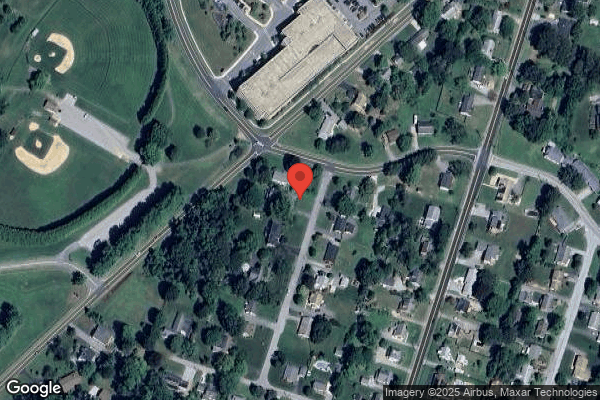
200 ST. LUKE'S CIRCLE, WESTMINSTER, MD 21157 (410) 848-0225
Non profit - Corporation 103 Beds Independent Data: November 2025
Trust Grade
80/100
#8 of 219 in MD
Last Inspection: June 2025

Inspected within the last 6 months. Data reflects current conditions.

Overview

Carroll Lutheran Village in Westminster, Maryland has a Trust Grade of B+, which means it is recommended and performs above average compared to other nursing homes. It ranks #8 out of 219 facilities in Maryland, placing it in the top half, and is the best option out of 10 facilities in Carroll County. The facility is improving, having reduced issues from 16 in 2021 to just 6 in 2025. Staffing is a strong point with a 5-star rating and lower turnover at 38%, which is below the state average, indicating experienced staff who are familiar with the residents. However, there have been some concerns, such as the failure to ensure that newly hired aides demonstrated necessary skills before caring for residents, and food safety practices were not consistently followed, which could pose risks. Overall, while there are areas needing attention, the facility shows promise with excellent staffing and improving compliance.

Trust Score
B+
80/100
In Maryland
#8/219
Top 3%
Safety Record
Low Risk
No red flags
Inspections
Getting Better
16 → 6 violations
Staff Stability
○ Average
38% turnover. Near Maryland's 48% average. Typical for the industry.
Penalties
✓ Good
No fines on record. Clean compliance history, better than most Maryland facilities.
Skilled Nurses
✓ Good
Each resident gets 70 minutes of Registered Nurse (RN) attention daily — more than 97% of Maryland nursing homes. RNs are the most trained staff who catch health problems before they become serious.
Violations
⚠ Watch
34 deficiencies on record. Higher than average. Multiple issues found across inspections.
★★★★★
5.0
Overall Rating
★★★★★
5.0
Staff Levels
★★★★★
5.0
Care Quality
★★★★☆
4.0
Inspection Score
Stable
2021: 16 issues
2025: 6 issues

The Good

  • 5-Star Staffing Rating · Excellent nurse staffing levels
  • 5-Star Quality Measures · Strong clinical quality outcomes
  • Full Sprinkler Coverage · Fire safety systems throughout facility
  • No fines on record
  • Staff turnover below average (38%)

    10 points below Maryland average of 48%

Facility shows strength in staffing levels, quality measures, fire safety.

The Bad

Staff Turnover: 38%

Near Maryland avg (46%)

Typical for the industry

The Ugly 34 deficiencies on record

Jun 2025 6 deficiencies
CONCERN (D)

Potential for Harm - no one hurt, but risky conditions existed

Deficiency F0657 (Tag F0657)

Could have caused harm · This affected 1 resident

Based on medical record review, and staff interviews, it was determined that the facility failed to review and revise care plans by Interdisciplinary team (IDT) members, when quarterly, annual, and si...

Read full inspector narrative →
Based on medical record review, and staff interviews, it was determined that the facility failed to review and revise care plans by Interdisciplinary team (IDT) members, when quarterly, annual, and significant change assessments were completed. This was evident for one resident (#44) of the 29 Residents reviewed for the care plan participation during the recertification survey. The findings include: The interdisciplinary team meets and develops care plans once the facility staff completes a comprehensive resident assessment. Care plans provide direction for individualized care of the resident. A care plan flows from each resident's unique list of diagnoses and should be organized by the resident's specific needs. The care plan is a means of communicating and organizing the actions and ensuring the resident's needs are attended to. The care plan is to be reviewed and revised at each assessment of the resident to ensure the interventions on the care plan are accurate and appropriate for the resident. Review of the medical record on 06/05/25 at 09:57 AM revealed that Resident # 44 had been a resident at the facility for more than a year, receiving long-term care. Comprehensive assessments for Resident #44 were completed on 2/22/24, 08/20/24, 11/19/24, and 2/13/25. IDT care plan attendance did not reflect the signatures of the GNA and the physician. On 06/06/25 at 11:49 AM, the surveyor reviewed care plan attendance and participation of required members with Director of Nursing (DON) and Nursing Home Administrator (NHA) who acknowledged that the Geriatric Nursing Assistant and the Physician did not participate in care plan meetings on the four above-mentioned dates and stated that they will develop a system to include them. Both agreed that they will develop a system that will involve all required members to attend.
CONCERN (D)

Potential for Harm - no one hurt, but risky conditions existed

Respiratory Care (Tag F0695)

Could have caused harm · This affected 1 resident

Based on observation, medical record review, and interview, it was determined the facility staff failed to follow physician orders and label oxygen tubing and humidifier bottle when changed. This was ...

Read full inspector narrative →
Based on observation, medical record review, and interview, it was determined the facility staff failed to follow physician orders and label oxygen tubing and humidifier bottle when changed. This was evident for 1 (Resident #20) of 29 residents reviewed during a recertification/complaint survey. The findings include: Oxygen (O2) therapy is a treatment that provides you with extra oxygen to breathe in. It is also called supplemental oxygen. It is only available through a prescription from your health care provider. On 5/29/2025 at 9:35 AM during initial pool screening, surveyor observed Resident #20 in bed. The resident was wearing a nasal cannula (a device that delivers extra oxygen through a tube and into your nose) that was connected to a humidifier (water) bottle connected to an oxygen concentrator set at 4LPM (liters per minute). The LPM oxygen flow rate of 4 indicates that 4 liters of oxygen should flow into the resident's nose in 1 minute. There was no date/time and/or staff initials noted on both the oxygen tubing and humidifier bottle. When asked the resident stated the oxygen tubing was changed last week but s/he could not remember the exact date/day the oxygen tubing and/or humidifier bottle were changed. On 5/29/2025 at 9:45 AM, Registered Nurse (RN #2) verified and confirmed that Resident #20's oxygen tubing and humidifier bottle were not labelled with the date/time they were hung. She stated that both the oxygen tubing and humidifier bottle should be changed at least once a week and should be dated. RN #2 further stated she was going to change both the oxygen tubing and humidifier bottle right away so as to label them. On 5/29/2025 at 10:25 AM, in an interview with the Director of Nursing (DON), surveyor reviewed the above observations regarding Resident #20's oxygen tubing and humidifier bottle not labeled as per physician orders. DON stated she was aware of surveyor's observation and they were in the process of doing an audit of all the residents on oxygen to make sure the tubing and humidifier bottles were dated. During a review of Resident #20's medical record conducted on 6/2/2025 at 8:54 AM, surveyor noted an active physician order dated 4/29/2025 for: Oxygen at 4L/min via nasal cannula continuous to maintain SPO2 > greater than 90% every shift. There were additional orders dated 5/5/2025 for Change Oxygen tubing and humidifier bottle weekly. Date and initial, every night shift every Mon. On 6/2/2025 at 9:03 AM, review of Medication Administration Record (MAR) and Treatment Administration Record (TAR) for May 2025 revealed staff documentation that the oxygen tubing and humidifier bottle were changed on Monday 5/26/2025. However, when surveyor observed the Oxygen tubing and humidifier bottle on 5/29/2025, there was no date/time and/or initial to indicate that the oxygen tubing and humidifier bottle had been changed as per physician orders.
CONCERN (D)

Potential for Harm - no one hurt, but risky conditions existed

Deficiency F0697 (Tag F0697)

Could have caused harm · This affected 1 resident

Based on medical record review and interview, it was determined the facility staff failed to ensure that a resident was given pain medication consistent with professional standards of practice. This w...

Read full inspector narrative →
Based on medical record review and interview, it was determined the facility staff failed to ensure that a resident was given pain medication consistent with professional standards of practice. This was evident for 1 (Resident #20) of 29 residents reviewed during a recertification/complaint survey. The findings include: Review of Resident #20's clinical records on 6/2/2025 at 8:40 AM revealed the resident was admitted to the facility in April 2025 with medical diagnoses that include but not limited to unspecified fracture of right femur, subsequent encounter for closed fracture with routine healing, unspecified atrial fibrillation, chronic obstructive pulmonary disease with (acute) exacerbation, acute and chronic respiratory failure with hypoxia. On 6/2/2025 at 8:54 AM, a review of physician orders for Resident #20 revealed the following orders: - Tylenol Oral Tablet 325 MG (Acetaminophen), Give 2 tablets by mouth every 4 hours as needed for pain/fever Do not exceed 3000mg/day, start date 4/29/2025. [Of note: this PRN (as needed) order has no parameters for administration] There were also discontinued orders for: - Oxycodone HCl Oral Tablet 5 MG (Oxycodone HCl), Give 1 tablet by mouth every 6 hours as needed for pain management 6-10, start date 4/29/2025 and discontinued on 5/14/2025, and - Oxycodone HCl Oral Tablet 5 MG (Oxycodone HCl), Give 1 tablet by mouth every 6 hours as needed for Pain 6-10 for 1 Week, start date 5/14/2025 and completed on 5/21/2025. On 6/2/2025 at 9:03 AM, record review revealed that Resident # 20's pain was not managed consistently: A review of the Medication Administration Record (MAR) and Treatment Administration Record (TAR) for May 2025 was completed. Staff documentation revealed that the resident was given: - Oxycodone 5 mg (1 tab) for pain outside ordered parameters (pain 6-10) on the following dates: On 5/1/2025 at 1938 (7:38 PM) for pain score of 5, 5/4/2025 at 2058 (8:58 PM) for pain score of 5, 5/10/2025 at 0936 (9:36 AM) for pain score of 4, 5/10/2025 at 1536 (3:36 PM) for pain score of 5, 5/11/2025 at 1007(10:07 AM) for pain score of 5, 5/16/2025 at 0940 (9:40 AM) for pain score of 5, 5/18/2025 at 2238 (10:38 PM) for pain score of 5, and 5/19/2025 at 0402 (4:02 AM) for pain score of 5. - PRN Tylenol 325 mg (2 tabs) ordered without parameters for pain management was given multiple times (17 times) for pain scores ranging from 3 to 8: pain score 5 on 5/8/25 at 2024 (8:24 PM), pain score of 4 on 5/19/2025 at 2349 (11:49 PM), pain score of 6 on 5/20/2025 at 1358 (1:58 PM), pain score of 7 on 5/21/2025 at 2131 (9:31 PM), pain score of 8 on 5/22/2025 at 1409 (2:09 PM), pain score of 5 on 5/23/2025 at 0757 (7:57 AM), pain score of 3 on 5/24/2025 at 0801 (8:01 AM) etc. On 6/2/2025 at 10:45 AM, an interview was conducted with Registered Nurse (RN #3), who has worked in the facility for about 2 years. Regarding administration of PRN pain medications, RN #3 stated that prior to giving any pain medication, he will assess the resident's pain and choice of pain med to be given will be based on physician orders/ordered parameters. He stated that Oxycodone was usually given for a pain score of 6 or greater. RN #3 added that for a pain score of below 6, he would give Tylenol and monitor resident for pain relief. If pain was not relieved by Tylenol, he (RN #3) will call the doctor and get an order to administer something else. RN #3 further stated that ordered parameters for PRN pain meds should always be followed. On 6/3/2025 at 9:35 AM, in an interview with the Director of Nursing (DON), surveyor reviewed Resident #20's MAR and TAR for May 2025 regarding pain management and staff not following ordered parameters for PRN pain med administration. DON reviewed and verified that the ordered PRN Tylenol did not have parameters for administration. She further verified that PRN Oxycodone was given outside ordered parameters on the dates noted above. DON stated that the PRN Oxycodone appeared to have been given by the same nurses and she (DON) was going to find out if they documented in the progress notes why the Oxycodone was given outside ordered parameters. On 6/3/2025 at 10:16 AM, in a follow up interview with the DON, she stated that she (DON) reviewed the nurses' progress notes and could not find any documentation why the nurses gave the PRN Oxycodone outside ordered parameters. She added that she will educate the nurses.
CONCERN (D)

Potential for Harm - no one hurt, but risky conditions existed

Deficiency F0761 (Tag F0761)

Could have caused harm · This affected 1 resident

Based on observation, interview and record review, it was determined that the facility failed to ensure that medications were secure and inaccessible to unauthorized staff and residents. This was evid...

Read full inspector narrative →
Based on observation, interview and record review, it was determined that the facility failed to ensure that medications were secure and inaccessible to unauthorized staff and residents. This was evident for 1 (Resident #12) of 29 residents observed during the recertification/complaint survey. The findings include: On 5/30/25 at 8.49 AM during the initial tour of the facility, a round pink medication was found in a medication cup at Resident #12's bedside table with a half-empty cup of water. The resident was not in the room at the time. Staff #22 a Registered Nurse (RN), was called to the resident's room on 5/30/25 at 8: 55 AM and was shown the medication. She identified it as TUMs (Calcium Carbonate) prescribed for acid reflux and stated that it must have been left there by the night shift nurse. She stated that she has not given the resident her morning medications yet because the resident was in the dining room having breakfast. Staff #22 took the medication, discarded it with the half empty cup of water. A review of Resident #12's May 2025 Medication Administration Records (MAR) on 5/30/25 at 9:15 AM revealed that s/he was prescribed tums-calcium carbonate 600mg twice a day (BID), it was signed off as given on 5/29/25 by the night nurse. On 5/30/25 at 10:00 AM-the surveyor went back to interview the resident. S/he was asked about the medication left at the bedside. The resident stated that s/he was unable to swallow the medication because it was too big and would normally request to have it crushed. On 5/30/25 at 10:15AM, the Director of Nursing (DON) was made aware of the findings, she stated that she will follow up.
CONCERN (D)

Potential for Harm - no one hurt, but risky conditions existed

Medical Records (Tag F0842)

Could have caused harm · This affected 1 resident

**NOTE- TERMS IN BRACKETS HAVE BEEN EDITED TO PROTECT CONFIDENTIALITY** Based on a review of the medical record and staff interview, it was determined that the facility failed to ensure accurate docum...

Read full inspector narrative →
**NOTE- TERMS IN BRACKETS HAVE BEEN EDITED TO PROTECT CONFIDENTIALITY** Based on a review of the medical record and staff interview, it was determined that the facility failed to ensure accurate documentation of staff communication with the Resident. This was evident for 1 (Resident # 64) out of 29 Residents reviewed for accurate medical records during the recertification survey. The findings include: The medical record must contain an accurate representation of the actual experiences of the resident and include enough information to provide a picture of the resident's progress, including his/her response to treatments and/or services, and changes in his/her condition, plan of care goals, objectives and/or interventions. On 06/04/25 at 10:22 AM, Medical record review revealed that Resident #64 was admitted on [DATE], for short-term rehab, and his/her roommate was admitted during the weekend. Further review of documentation revealed that the Resident# 64 left the facility against medical advice on 03/23/25. On 06/04/25 at 10:59 AM, an Interview with the unit manager staff #14 revealed that the admission coordinator communicates with staff and residents regarding the new roommate. No documentation was provided on staff communication with the Resident, regarding upcoming, new roommate admission. On 06/04/25 at 11:31 AM, an interview with staff #11 revealed that, when he/she went to inform resident #64 regarding the new roommate, the Resident #64 told staff #11 that he/she does not like to have a roommate. Staff #11 told the Resident that the facility will review alternative arrangements. Staff #11 was unable to provide documentation to reflect the communication between the staff member #11 and Resident #64. On 06/04/25 at 11:39 AM, an Interview with the Director of Nursing (D.O.N) revealed that weekend Supervisor staff (#25) reported that the resident was offered alternatives, including a private room, but the Resident insisted on leaving along with a family member, against medical advice (AMA). DON was unable to provide any documentation that the supervisor spoke to the resident, offering alternatives. On 06/04/25 at 02:51 PM the surveyor reviewed with the D.O.N. and the Nursing Home Administrator (N.H.A) regarding the Resident's discharge against medical advice and staff not documenting the communication with the Resident, about the new roommate. Both of them acknowledged the concern.
CONCERN (E)

Potential for Harm - no one hurt, but risky conditions existed

Food Safety (Tag F0812)

Could have caused harm · This affected multiple residents

Based on observations of the facility's kitchen, review of kitchen records, and interview of dietary staff, it was determined that the facility failed to store food items to maintain the integrity of ...

Read full inspector narrative →
Based on observations of the facility's kitchen, review of kitchen records, and interview of dietary staff, it was determined that the facility failed to store food items to maintain the integrity of the specific item, and prevent ice from building up on the floor in the walk-in freezer. These deficient practices have the potential to affect all residents served food out of the facility's kitchen identified during the recertification survey. The findings include: Surveyor's initial observation of the kitchen, accompanied by dietary shift supervisor #23 on 05/29/25 at 08:36 AM, revealed that: - Caramel topping, artificially flavored, was dated as 04/24 without labeling the year. - Black mission figs from Jeppe Nut Company were labeled as 04/21, without mentioning the year. - The bread rolls' expiration date was noted as 05/26/25, and the hot dog bread expired on 05/20/25. - Noted open container of Orange natural flavor extract, without an open date. Noted the label received on 4/24. On 05/29/25 at 08:36 AM, the surveyor interviewed Dietary staff # 24 who stated that the labels should have a complete date, including the year, or it should have a label of best use by; their labeling gun cannot add the year for the label. They will come up with a different process, including the complete date. Staff # 24 also added that their culinary team, whoever is at work, checks the expiration of bread every day except Sundays. On 05/29/25 at 09:20 AM, surveyor observation of the cold storage revealed that small pieces of ice were noted on the floor, making the floor wet and slippery. On 06/02/25 at 11:30 AM, in cold storage, two of the storage shelves had boxes stacked up to the ceiling, leaving less than an inch of clearance from the ceiling. On 06/02/25 at 11:45 AM, findings were reviewed with Dietary staff #24 and reviewed with the Nursing home administrator.
Sept 2021 16 deficiencies
CONCERN (D)

Potential for Harm - no one hurt, but risky conditions existed

Resident Rights (Tag F0550)

Could have caused harm · This affected 1 resident

Based on observation and medical record review, it was determined facility staff that failed to treat a resident with dignity as evidence by standing to feed the resident while in a dining room with o...

Read full inspector narrative →
Based on observation and medical record review, it was determined facility staff that failed to treat a resident with dignity as evidence by standing to feed the resident while in a dining room with other residents. This was evident for 1 of 16 residents (Resident #13) observed for dining in the Good [NAME] Way Unit. The findings include: Observation was made, on 8/29/21 at 12:50 PM, of Geriatric Nursing Assistant (GNA) #13 feeding Resident #13. GNA #13 stood to feed Resident #13 from 12:50 PM to 12:54 PM. There were other staff in the dining room that sat while feeding other residents. Review of Resident #13's medical record on 8/29/21 at 1:37 PM revealed the resident required supervision and cues with meals and the resident also suffered from major depressive disorder with occasional tearfulness. The observation was discussed with the Assistant Director of Nursing on 9/1/21.
CONCERN (D)

Potential for Harm - no one hurt, but risky conditions existed

Comprehensive Care Plan (Tag F0656)

Could have caused harm · This affected 1 resident

**NOTE- TERMS IN BRACKETS HAVE BEEN EDITED TO PROTECT CONFIDENTIALITY** 3. Psychotropic medications are used to treat mental health disorders. There are five main types of psychotropic medications, an...

Read full inspector narrative →
**NOTE- TERMS IN BRACKETS HAVE BEEN EDITED TO PROTECT CONFIDENTIALITY** 3. Psychotropic medications are used to treat mental health disorders. There are five main types of psychotropic medications, and each type has its own specific uses, benefits, and side effects. The five main types are anti-anxiety agents, antidepressants, antipsychotics, mood stabilizers, and stimulants. On 09/01/21 at 08:32 AM review of Resident #17's medical record revealed the resident was diagnosed with Major Depressive Disorder and Anxiety Disorder. On 09/01/21 at 08:40 AM, a record review of Resident #17's Medication Administration Record (MAR) revealed the resident had an order for Mirtazapine tablet 15 mg related to Major Depression Disorder and Duloextine HCL Capsule Delayed Release Sprinkle 30 mg related to Major Depression Disorder. Mirtazapine (Remeron) is an antidepressant medicine. It's used to treat depression and sometimes obsessive compulsive disorder and anxiety disorders. Duloxetine HCL is an Antidepressant and Nerve pain medication. It can treat depression, anxiety, diabetic peripheral neuropathy (nerve pain), fibromyalgia, and chronic muscle or bone pain. On 09/01/21 at 08:43 AM, a record review of Resident #17's most recent care plan did not show a care plan for psychotropic medications. 4. On 09/01/21 at 08:44 AM, a review of Resident #61's medical record revealed the resident was diagnosed with Major Depressive Disorder. On 09/01/21 at 08:46 AM, a record review of Resident #61's Medication Administration Record (MAR) revealed the resident had an order for Remeron tablet 15 mg (Mirtazapine) related to Major Depression Disorder and Effexor XR Capsule Extended Release 24 hour 75 mg related to Major Depression Disorder. Effexor XR is an extended-release capsules used to treat adults diagnosed with Major Depressive Disorder (MDD), Generalized Anxiety Disorder (GAD), Social Anxiety Disorder (SAD), and Panic Disorder (PD) with or without agoraphobia (a fear of being in situations where escape might be difficult or that help wouldn't be available if things go wrong). On 09/01/21 at 08:52 AM, a record review of Resident #61's most recent care plan did not show a care plan for psychotropic medications. During an interview, conducted on 09/01/2021 at approximately 11:25 AM, Nurse #18 advised that psychotropic medication care plans were first included in the fall care plan and later were changed to a separate care plan for psychotropic medications. Based on medical record review, interview and observations, it was determined that the facility failed to ensure that care interventions were carried out by facility staff as indicated in the care plans, and failed to ensure care plans were developed to address the use of psychotropic medications. This was found to be evident for 4 out of 22 residents (Residents #64, #66, #17 and #61) who had care area investigations completed during the survey. The findings include: 1) Review of Resident #64's medical record revealed that the resident was originally admitted to the facility in 2020 and whose diagnoses included, but was not limited to osteoporosis, arthritis, dementia and high blood pressure. The resident had received occupational therapy (OT) in January 2021. Review of the OT Discharge summary, dated [DATE], revealed one of the focuses of the therapy had been wheelchair positioning. The discharge recommendations included: .left arm rest support in addition to left lateral torso support with staff to reposition and monitor for safety . Surveyor had observed the resident, on 8/30/21 at 2:14 PM, sitting in the wheelchair, but no arm rest or torso support was noted at that time. On 9/1/21, review of the resident's current care plan for activities of daily living revealed that the left arm rest support in addition to left lateral torso support had been added to the interventions on 1/29/21. This care plan had a revision date of 7/23/21. On 9/02/21 at 10:50 AM surveyor observed the resident seated in the wheelchair, no left arm rest support or left torso support observed. This observation was confirmed by nurse manager #26. Surveyor reviewed the concern with nurse #26 regarding the failure to follow the care plan for the arm support. Nurse #26 indicated she would follow up with the other unit manager and indicated that this may be an old intervention that should be discontinued. On 9/02/21 at 11:00 AM, surveyor reviewed the observation with the Director of Nursing as well as the concern regarding the facility's failure to follow the current care plan for arm support. On 9/02/21 01:10 PM, therapy director (Staff #9) reported the left armrest support is a device placed over the armrest of the wheelchair and that the torso support would have been obvious if it was in place. As of time of exit at 3:00 PM, no additional documentation had been provided to indicate these interventions should have been discontinued. 2) On 8/30/21, review of Resident #66's medical record revealed that the resident had resided at the facility for several years and whose diagnoses included but were not limited to, end stage dementia, high blood pressure, osteoporosis and anxiety. Review of the Minimum Data Set assessment, with an assessment reference date of 5/12/21, revealed the resident required extensive assistance of one person physical assist for bed mobility, toilet use and personal hygiene, the resident was totally dependent on two person physical assist for transfers from bed to chair, and totally dependent on one person support for bathing. Further review of the medical record revealed the resident had fallen out of bed on 5/19/21 while receiving care from a geriatric nursing assistant (GNA). The resident did not sustain an injury as a result of this fall. Further review of the medical record revealed a care plan addressing the resident's risk for falls. The care plan had been updated after the fall to include the following intervention: 5/20/21 Assist resident towards nursing staff if turning and repositioning resident independently, or turn and reposition resident with 2 staff members assistance. This intervention had an initiation date of 6/7/21. Further review of the medical record revealed the resident had fallen out of bed on 7/25/21 while receiving care from a GNA. Further review of the medical record and the fall investigation report revealed that only one GNA was caring for the resident at the time and that the resident rolled away from the GNA and continued to roll off the bed. The resident sustained a small scalp laceration during this fall. On 9/02/21 at 9:55 AM, surveyor reviewed the concern with the Director of Nursing regarding the failure to follow the care plan intervention in regard to turning and repositioning this resident. As of time of exit at 3:00 PM on 9/2/21 no additional documentation or information had been provided by the facility staff regarding this concern. Cross reference to F 689.
CONCERN (D)

Potential for Harm - no one hurt, but risky conditions existed

Deficiency F0657 (Tag F0657)

Could have caused harm · This affected 1 resident

Based on medical record review and staff interview, it was determined the facility staff failed to review and revise the interdisciplinary care plans to reveal accurate interventions for a Resident (#...

Read full inspector narrative →
Based on medical record review and staff interview, it was determined the facility staff failed to review and revise the interdisciplinary care plans to reveal accurate interventions for a Resident (#13) with a history of skin tears. This was evident for 1 of 2 residents (Resident #13) reviewed for skin conditions during the annual survey. The findings include: Review of Resident #13's medical record on 8/29/21 at 1:37 PM revealed a physician's order for geri-sleeves which stated, Geri-sleeves to bilateral upper extremities, check Q-shift for placement every shift with a start date of 6/18/21. Review of a 6/18/21 nursing note revealed documentation, sitting in new wheelchair hospice purchased in dining room when skin tear noted to right elbow with surround skin discolored. When observing resident after cleansing wound, noticed resident use arm to help position in chair. [physician name] updated and new orders to apply geri-sleeves. Review of Resident #13's June, July and August 2021 Treatment Administration Records (TAR) revealed the nurse's initialing every day that the resident was wearing geri-sleeves. Review of Resident #13's care plan, resident has the potential for pressure ulcer development and skin breakdown r/t impaired mobility, AEB (as evidenced by) bowel and bladder incontinence, dependent with toileting and peri care, poor nutrition, weight loss which was initiated on 2/3/21 and revised on 4/22/21, failed to have geri-sleeves as an intervention. On 8/31/21 at 2:48 PM, an interview was conducted with Unit Nurse Manager (Staff #18). Staff #18 stated that the resident used to get a lot of skin tears and she confirmed that the care plan had not been updated to reflect the use of geri-sleeves. Discussed with the Director of Nursing and the Nursing Home Administrator on 9/2/21 at 3:00 PM.
CONCERN (D)

Potential for Harm - no one hurt, but risky conditions existed

Deficiency F0658 (Tag F0658)

Could have caused harm · This affected 1 resident

Based on observation, medical record review, and interviews, it was determined that the facility staff failed to meet professional standards by 1) documenting that a treatment of an application of ger...

Read full inspector narrative →
Based on observation, medical record review, and interviews, it was determined that the facility staff failed to meet professional standards by 1) documenting that a treatment of an application of geri-sleeves was applied to a resident's arms every day when the geri-sleeves were observed not on the resident and 2) documenting that a treatment of TED stockings were worn by a resident when they were observed not on the resident. This was evident for 1 of 2 residents (Resident #13) reviewed for skin conditions and 1of 5 residents (Resident #11) reviewed for unnecessary medications during the annual survey. The findings include: 1) Observation was made of Resident #13 on 8/29/21 at 12:50 PM in the dining area eating lunch. Resident #13 was wearing a short sleeved shirt. Resident #13's arms were exposed with nothing covering the arms. Review of Resident #13's medical record on 8/29/21 at 1:37 PM revealed a physician's order for geri-sleeves which stated, Geri-sleeves to bilateral upper extremities, check Q-shift for placement every shift with a start date of 6/18/21. Review of Resident #13's Treatment Administration Record (TAR) on 8/29/21 at 3:10 PM revealed the nurse's initials indicating that the resident wore geri-sleeves during the day shift. Resident #13 was observed multiple times on 8/30/21 during the 7:00 AM to 3:00 PM shift and was not wearing geri-sleeves, however, the TAR was signed off at the end of the shift indicating that the resident wore the geri-sleeves. On 8/31/21 at 11:37 AM, Resident #13 was observed sitting in dining area with his/her daughter wearing a long sleeve shirt. The daughter pulled up the resident's sleeves and confirmed there were no geri-sleeves on the resident. Review of the TAR revealed that the nurse had already signed off that geri sleeves were worn by 11:37 AM. On 8/31/21 at 2:48 PM, during an observation with the Unit Nurse Manager (Staff #18) the resident was observed lying in bed. Staff #18 confirmed at that time that Resident #13 did not have geri-sleeves on his/her arms. The surveyor showed Staff #18 the TAR that had already been signed off that the geri-sleeves were on the resident. Staff #18 stated that the resident used to get a lot of skin tears. 2) Review of Resident #11's medical record on 8/30/21 at 7:55 AM revealed a physician's order for TEDS on the in morning and off in the evening. TED (Thrombo-Embolus Deterrent) stockings are also known as compression stockings or anti-embolism stockings. They help reduce the risk of developing a deep vein thrombosis (DVT) or blood clot and help reduce the risk of swelling (edema). Observation was made on 8/30/21 at 1:13 PM of Resident #11 sitting in the dining room wearing slipper socks with gray tennis shoes. A second observation was made, on 8/31/21 at 11:34 AM, of Resident #11 sitting in the common area wearing beige slipper socks with black tennis shoes. The resident did not have TED stockings on; however, review of Resident #11's August 2021 TAR revealed the nurse had already signed off that the TEDS were being worn. On 8/31/21 at 2:50 PM, with Unit Nurse Manager (Staff #18) the resident was observed with slipper socks and tennis shoes. Staff #18 confirmed at that time that Resident #11 did not have TED stockings on his/her legs. The surveyor showed Staff #18 the TAR that had already been signed off that the TEDS were on the resident. Discussed with the Director of Nursing and the Nursing Home Administrator on 9/2/21 at 3:00 PM.
CONCERN (D)

Potential for Harm - no one hurt, but risky conditions existed

Quality of Care (Tag F0684)

Could have caused harm · This affected 1 resident

Based on observation, record review and staff interview, it was determined facility staff failed to provide care and treatment in accordance with the resident's physician's orders as evidenced by the...

Read full inspector narrative →
Based on observation, record review and staff interview, it was determined facility staff failed to provide care and treatment in accordance with the resident's physician's orders as evidenced by the facility staff documentation that a treatment was performed when it was observed not performed, and failed to ensure physical and occupational therapy screening was completed as ordered by the physician. This was found to be evident for 3 out of 22 residents (Resident #13, #11 and #64) with care area investigations completed during the survey. The findings include: 1) Observation was made of Resident #13 on 8/29/21 at 12:50 PM in the dining area eating lunch. Resident #13 was wearing a short sleeved shirt. Resident #13's bare arms were exposed with nothing covering the arms. Review of Resident #13's medical record on 8/29/21 at 1:37 PM revealed a physician's order for geri-sleeves which stated, Geri-sleeves to bilateral upper extremities, check Q-shift for placement every shift with a start date of 6/18/21. Review of Resident #13's Treatment Administration Record (TAR) on 8/29/21 at 3:10 PM revealed the nurse's initials indicating that the resident wore geri-sleeves during the day shift. Resident #13 was observed multiple times on 8/30/21 during the 7:00 AM to 3:00 PM shift and was not wearing geri-sleeves, however, the TAR was signed off at the end of the shift indicating that the resident wore the geri-sleeves. On 8/31/21 at 11:37 AM, Resident #13 was observed sitting in dining area with his/her daughter wearing a long sleeve shirt. The daughter pulled up the resident's sleeves and confirmed there were no geri-sleeves on the resident. Review of the TAR revealed the nurse had already signed off that geri sleeves were worn by 11:37 AM. On 8/31/21 at 2:48 PM, during an observation with the Unit Manager Staff #18, the resident was observed lying in bed. Staff #18 confirmed at that time that Resident #13 did not have geri-sleeves on his/her arms. The surveyor showed Staff #18 the TAR that had already been signed off that the geri-sleeves were on the resident. Staff #18 stated that the resident used to get a lot of skin tears. Facility staff failed to follow physician's orders. 2) Review of Resident #11's medical record on 8/30/21 at 7:55 AM revealed a physician's order for TEDS on the in morning and off in the evening. TED (Thrombo-Embolus Deterrent) stockings are also known as compression stockings or anti-embolism stockings. They help reduce the risk of developing a deep vein thrombosis (DVT) or blood clot and help reduce the risk of swelling (edema). Observation was made, on 8/30/21 at 1:13 PM, of Resident #11 sitting in the dining room wearing slipper socks with gray tennis shoes. A second observation was made on 8/31/21 at 11:34 AM of Resident #11 sitting in the common area wearing beige slipper socks with black tennis shoes. The resident did not have TED stockings on, however, review of Resident #11's August 2021 TAR revealed the nurse had already signed off that the TEDS were being worn. On 8/31/21 at 2:50 PM, during an observation with Staff #18 the resident was observed with slipper socks and tennis shoes. Staff #18 confirmed at that time that Resident #11 did not have TED stockings on his/her legs. The surveyor showed Staff #18 the TAR that had already been signed off that the TEDS were on the resident. Facility staff failed to follow physician's orders. Discussed with the Director of Nursing and the Nursing Home Administrator on 9/2/21 at 3:00 PM. 3. Review of Resident #64's medical record revealed the resident was originally admitted to the facility in 2020 and whose diagnoses included, but were not limited to osteoporosis, arthritis, dementia and high blood pressure. The resident had orders for PT (physical therapy) and OT (occupational therapy) 3 times per week starting on 7/13/21. This order was discontinued on 7/22/21. On 8/31/21, further review of the medical record revealed a brief hospitalization in late July, and an order upon re-admission, also dated 7/22/21, for PT/OT evaluation and treatment as indicated one time only for 30 days. No documentation was found to indicate that the resident had been re-evaluated as ordered after the re-admission from the hospital. On 8/31/21 at 1:12 PM, the therapy director (Staff #9) confirmed that the resident had been on therapy service on 7/15/21 and confirmed the resident was not currently receiving services. Surveyor reviewed the concern that there had been an order for PT/OT evaluation on 7/22/21, but no documentation of an evaluation could be found. On 9/02/21 at 9:56 AM, surveyor reviewed the concern that the PT/OT evaluation had not been completed as ordered upon re-admission with the Director of Nursing. As of time of exit on 9/2/21 at 3:00 PM, no documentation was provided to indicate the PT or OT evaluations had occurred as ordered.
CONCERN (D)

Potential for Harm - no one hurt, but risky conditions existed

Accident Prevention (Tag F0689)

Could have caused harm · This affected 1 resident

Based on medical record review and interview, it was determined that the facility failed to prevent a resident from falling out of bed while receiving care. This was found to be evident for one out of...

Read full inspector narrative →
Based on medical record review and interview, it was determined that the facility failed to prevent a resident from falling out of bed while receiving care. This was found to be evident for one out of eight residents reviewed for accidents (Resident #66) during the survey. The findings include: On 8/30/21, review of Resident #66's medical record revealed the resident resided at the facility for several years and whose diagnoses included but were not limited to end stage dementia, high blood pressure, osteoporosis and anxiety. Review of the Minimum Data Set assessment, with an assessment reference date of 5/12/21, revealed that the resident required extensive assistance of one person physical assist for bed mobility, toilet use and personal hygiene, the resident was totally dependent on two person physical assist for transfers from bed to chair, and totally dependent on one person support for bathing. Further review of the medical record revealed the following nursing note, dated 5/19/21: Resident was in bed and receiving personal care by GNA [geriatric nursing assistant] orientee. Resident reported to be restless and moving while laying on [his/her] right side. Resident eased [his/her] legs to the edge of the bed and rolled away from the GNA . The GNA tried to roll resident back towards her but instead ended up easing [resident] down feet first until [s/he] eventually came to rest entirely on the floor. GNA stated that resident did not hit [his/her] head during this lowering. Review of the fall investigation documentation provided by the facility revealed the orientee that was providing care to the resident at the time of the 5/19/21 fall was GNA #28. Review of the statement written by the preceptor, GNA #29, revealed, GNA #29 was in the room at the time of the fall, but was providing care to the resident in the other bed, with the curtain pulled, so she was not witness to the fall. Review of GNA #28's employee file revealed the GNA had a hire date of 5/11/21. Further review of the medical record revealed a care plan addressing the resident's risk for falls. The care plan had been updated after this fall to include the following intervention: 5/20/21 Assist resident towards nursing staff if turning and repositioning resident independently, or turn and reposition resident with 2 staff members assistance. This intervention had an initiation date of 6/7/21. Further review of the medical record revealed the following nursing note, dated 7/25/21: While being cared for, resident was restless and agitated when turned sled further away from the GNA. GNA attempted to prevented fall, resident managed to hit the left side of [his/her] head on the oxygen concentrator leaving a lacerations, resident was on floor at 6:05. resident also has a hematoma [bruise] over the left cheek . The laceration was 0.26 cm by 0.86 cm and was monitored until it was completely healed as of 8/10/21. This was confirmed by the Assistant Director of Nursing (Staff #16) on 9/1/21. Review of the fall investigation documentation provided by the facility revealed a witness statement completed by the GNA (Staff #27) who had been providing care at the time of the 7/25/21 fall. This statement included the following: .Resident continued to roll away from writer and was unable to roll resident back towards writer . No documentation was found to indicate a second GNA was present at the time of the July fall. Further review of the fall investigation documentation revealed the immediate intervention placed post fall was to have two person assist during care. On 9/02/21 at 9:55 AM, surveyor reviewed the concern with the Director of Nursing regarding the failure to follow the care plan intervention in regard to turning and repositioning this resident and the failure to prevent the resident from falling out of bed while care was being provided on two occasions. As of time of exit at 3:00 PM on 9/2/21, no additional documentation or information had been provided regarding this concern. Cross reference to F 726.
CONCERN (D)

Potential for Harm - no one hurt, but risky conditions existed

Deficiency F0757 (Tag F0757)

Could have caused harm · This affected 1 resident

Based on medical record review and staff interview, it was determined that the facility failed to keep a resident's drug regimen free from unnecessary drugs by failing to monitor the blood pressure an...

Read full inspector narrative →
Based on medical record review and staff interview, it was determined that the facility failed to keep a resident's drug regimen free from unnecessary drugs by failing to monitor the blood pressure and heart rate prior to administering a blood pressure medication per physician's orders. This was evident for 1 of 5 residents (Resident #53) reviewed for unnecessary medications during the annual survey. The findings include: Review of Resident #53's medical record on 8/30/21 at 2:57 PM revealed the resident was admitted to the facility in January 2021 with diagnoses that included acute/chronic systolic and diastolic congestive heart failure, chronic atrial fibrillation, presence of cardiac pacemaker, essential hypertension and Chronic Obstructive Pulmonary Disease (COPD). Further review of Resident #53's medical record revealed a physician's order for Metoprolol 25 mg. ER (extended release), one tablet daily, hold for sbp (systolic blood pressure (which is the top number of a blood pressure reading) less than 90, Pulse HR (heart rate) less than 60 (beats per minute). Review of Resident #53's Medication Administration Records (MAR) for July and August 2021 revealed no documentation of the blood pressure or heart rate where the Metoprolol was listed for sign off as given by the nursing staff. Review of the vital sign section of the medical record revealed blood pressures and heart rates that did not correspond with the 8:00 AM medication administration time. On 8/6/21, there were no vital signs in the medical record. On 8/31/21 at 2:34 PM, an interview was conducted with Unit Nurse Manager (Staff #18). Staff #18 stated that staff should be documenting the vital signs where the order was in the MAR. Staff #18 then stated, I guess they are putting them in the vital sign section. Typically it would be in with the order under supplementary documentation. Staff #18 looked in the medical record and stated, it appears the nurses are not monitoring and documenting the blood pressure and heart rate. Staff #18 confirmed that the times in the vital sign section did not correspond to the time when the medication was administered and she confirmed that there were no vital signs in the medical record for 8/6/21. The Director of Nursing and the Nursing Home Administrator were informed on 9/2/21 at 3:00 PM.
CONCERN (D)

Potential for Harm - no one hurt, but risky conditions existed

Medication Errors (Tag F0758)

Could have caused harm · This affected 1 resident

Based on medical record review and staff interview, it was determined that the facility staff failed to ensure a resident receiving antipsychotic medication had an attempted gradual dose reduction (GD...

Read full inspector narrative →
Based on medical record review and staff interview, it was determined that the facility staff failed to ensure a resident receiving antipsychotic medication had an attempted gradual dose reduction (GDR). This was evident for 1 out 5 residents (Resident #11) reviewed for unnecessary medications during the annual survey. The findings include: Seroquel is an antipsychotic medication that can treat schizophrenia, bipolar disorder, and depression. A psychotropic drug is any drug that affects brain activities associated with mental processes and behavior. These drugs include, but are not limited to anti-psychotic, anti-depressant, anti-anxiety, and hypnotic medications. Review of Resident #11's medical record, on 8/30/21 at 1:03 PM, revealed that Resident #11 was admitted from the assisted living unit in March 2021 due to advanced dementia per the physician's history and physical note, dated 3/9/21. The note documented, Resident is suffering from dementia of advanced degree (Alzheimer type) without associated behavioral disturbance. The note documented, on Seroquel 25 mg daily - for agitation r/t dementia. Review of August 2021 physician's orders revealed, Seroquel 25 mg. every morning for behavioral disturbance and agitation. Further review of the medical record failed to reveal that a gradual dose reduction (GDR) had been attempted for the resident who had no documented behaviors on the Medication Administration Records, Treatment Administration Records or in nurse's notes. An interview was conducted with Resident #11's physician and medical director (Staff #22) on 8/31/21 at 2:57 PM. Staff #22 stated that the resident had recently had behaviors and dementia is progressing and more aggressive and we keep on medications. I have seen progressive decline in [his/her] cognition and that is the reason we did not try. The surveyor asked if that was justification to keep Resident #11 on an antipsychotic medication when there were no documented behaviors for 5 months. Staff #22 replied that he agreed that the GDR should have been tried. Staff #22 stated, [he/she] deserves at least a trial. The Director of Nursing and Nursing Home Administrator were informed on 9/2/21 at 3:00 PM.
CONCERN (D)

Potential for Harm - no one hurt, but risky conditions existed

Deficiency F0761 (Tag F0761)

Could have caused harm · This affected 1 resident

Based on observation and staff interview, it was determined that facility staff failed to keep medication carts locked when unattended. This was evident on 1 of 2 nursing units observed during the ann...

Read full inspector narrative →
Based on observation and staff interview, it was determined that facility staff failed to keep medication carts locked when unattended. This was evident on 1 of 2 nursing units observed during the annual survey. The findings include: Observation was made, on 9/1/21 at 9:17 AM, of the Way of Love Medication Cart 1 sitting in the hallway unlocked and unattended. The surveyor was able to open the drawers to the medication cart and observe scissors, insulin and resident medications. At 9:18 AM, the nurse (Staff #20) walked up to the surveyor and said, I am so sorry. The surveyor asked Staff #20 if she was pulled to do medications and she confirmed that she had, due to a staff member calling out. The Director of Nursing was made aware of the observation on 9/2/21 at 3:00 PM.
CONCERN (D)

Potential for Harm - no one hurt, but risky conditions existed

Deficiency F0925 (Tag F0925)

Could have caused harm · This affected 1 resident

Based on observation, it was determined that the facility failed to maintain an effective pest control program as evidenced by the presence of insects. This was evident for the ground floor and the ki...

Read full inspector narrative →
Based on observation, it was determined that the facility failed to maintain an effective pest control program as evidenced by the presence of insects. This was evident for the ground floor and the kitchen. The findings include: On 8/31/2021 at 9:19 AM, a black bug was observed crawling across the hallway outside the facility's laundry room. At 9:24 AM, during a tour of the kitchen, the janitor's closet at the entrance of the kitchen was observed with multiple fruit flies in the air and on the walls above the floor sink. Review of the facility's Pest Control Log with Ecolab did not identify any issues with pests on the last inspection completed 8/31/21. The Administrator and Director of Nursing were made aware of these findings on 9/1/2021 at 12:45 PM.
CONCERN (E)

Potential for Harm - no one hurt, but risky conditions existed

Assessment Accuracy (Tag F0641)

Could have caused harm · This affected multiple residents

**NOTE- TERMS IN BRACKETS HAVE BEEN EDITED TO PROTECT CONFIDENTIALITY** 6. The facility staff failed to accurately assess Resident #4's dental assessment. Observation of Resident #4 on 8/29/21 at 11:5...

Read full inspector narrative →
**NOTE- TERMS IN BRACKETS HAVE BEEN EDITED TO PROTECT CONFIDENTIALITY** 6. The facility staff failed to accurately assess Resident #4's dental assessment. Observation of Resident #4 on 8/29/21 at 11:58 AM revealed the resident to have an upper denture that did not fit, broken lower teeth and lower teeth with likely decay. Review of Resident #4's medical record on 8/30/21 revealed the resident was admitted to the facility on [DATE] from the hospital. Further review of the resident's medical record revealed the resident was examined by the dentist on 8/29/21 for an initial exam. Review of the dentist treatment notes revealed the dentist documented, Teeth are hopeless due to extensive decay, root tips, fractures and periodontitis. Patient has an acrylic ill-fitting upper partial denture with missing teeth. Further review of Resident #4's medical record revealed the facility staff had completed an annual MDS assessment on 10/1/20 and coded the resident in Section L Oral/Dental Status as A. No for Broken or loosely fitting full or partial denture and D. No for Obvious or likely cavity or broken natural teeth. The Surveyor reviewed the MDS Section L with the MDS Coordinator on 8/31/21 at 10:18 AM. At that time, the MDS Coordinator confirmed the facility staff had inaccurately coded the resident's MDS Section L Oral/Dental Status assessment. Interview with the Director of Nursing on 8/31/21 at 11:00 AM confirmed that the facility staff failed to accurately document a dental assessment for a resident on the MDS. Based on observation, medical record review and staff interview, it was determined that the facility staff failed to ensure that Minimum Data Set (MDS) assessments were accurately coded. This was evident for 6 of 36 residents (#20, #11, #53, #60, #120, #4) reviewed during the annual survey. The findings include: The MDS is part of the Resident Assessment Instrument that was Federally mandated in legislation passed in 1986. The MDS is a set of assessment screening items employed as part of a standardized, reproducible, and comprehensive assessment process that ensures each resident's individual needs are identified, that care is planned based on those individualized needs, and that the care is provided as planned to meet the needs of each resident. 1) Review of Resident #20's medical record on 8/29/21 at 12:27 PM revealed the resident had a fall with no injuries on 5/16/21. Review of Resident #20's quarterly MDS with an assessment reference date (ARD) of 6/29/21 failed to capture the fall in section J1900 during the lookback period. Discussed with the MDS Coordinator, Staff #12 on 9/2/21 at 11:25 AM who confirmed the error. 2) Review of Resident #11's medical record, on 8/30/21 at 1:03 PM, for unnecessary medication review revealed that Resident #11 took the medication Methenamine Hippurate Tablet, 1 GM (gram) twice per day for urinary health. Methenamine, an antibiotic, eliminates bacteria that cause urinary tract infections. It usually is used on a long-term basis to treat chronic infections and to prevent recurrence of infections. Review of Resident #11's quarterly MDS assessment, with an ARD of 6/14/21, Section N revealed documentation that Resident #11 received the medication 4 days during the 7 day lookback period. Review of Resident #11's June 2021 Medication Administration Record (MAR) revealed that the resident received the medication 7 days during the lookback period. 3) Review of Resident #53's medical record, on 8/30/21 at 2:57 PM, revealed a quarterly MDS with an ARD of 8/5/21, Section M0150 Skin, which documented the resident was not at risk for pressure ulcers. Review of an 8/4/21 at 6:51 AM nurse's note revealed the following documentation, reeducated on the importance of offloading d/t (due to) sacrum wound, incontinence, and edema. A 7/12/21 weight change note revealed documentation that the wound on the sacrum had resolved. A 7/9/21 nurse's note revealed the following, Resident seen by wound MD. Pressure wound to sacrum and wounds to BLE are closed. A 6/21/21 at 10:55 AM nurse's note revealed, Resident c/o pain to sacrum related to pressure wound. Resident #53 was at risk for pressure wounds due to history of sacral wound and other contributing factors. The MDS Coordinator (Staff #12) was interviewed on 9/2/21 at 11:25 AM and confirmed that it was an error. 4) Review of Resident #60's medical record, on 8/31/21 at 9:50 AM, revealed that the resident had diagnoses which included, but were not limited to, glaucoma and GERD (Gastroesophageal reflux disease). Further review of the medical record revealed that Resident #60 was taking Omeprazole 20 mg. every day for GERD. Omeprazole can treat heartburn, a damaged esophagus, stomach ulcers, and gastroesophageal reflux disease. Continued review of the medical record revealed that Resident #60 received Timolol opth. 0.5%, 1 drop in each eye twice per day for glaucoma. Timolol is a beta-blocker that also reduces pressure inside the eye. It is used to treat open-angle glaucoma and other causes of high pressure inside the eye. Review of Resident #60's quarterly MDS with an ARD of 8/8/21, Section I, diagnoses, failed to include glaucoma and GERD , but included difficulty walking and Tinea Unguium, both which had been resolved. Interview of the MDS Coordinator on 9/2/21 at 11:25 AM revealed that he/she should have included those active diagnoses instead of difficulty walking and Tinea Unguium. 5) Review of Resident #120's medical record on 8/30/21 at 9:53 AM revealed a 6/26/20 and 6/27/20 Respiratory Screener Evaluation that documented the resident was receiving oxygen due to COPD (Chronic Obstructive Pulmonary Disease). Review of Resident #120's quarterly MDS, with an ARD of 6/29/20, Section O, coded that the resident did not receive oxygen. Discussed with Staff #12, on 9/2/21 at 11:25 AM, who confirmed the error.
CONCERN (E)

Potential for Harm - no one hurt, but risky conditions existed

Medical Records (Tag F0842)

Could have caused harm · This affected multiple residents

Based on observation, medical record review and interview, it was determined that the facility staff failed to maintain a medical record in the most accurate form. This was evident for 4 of 22 residen...

Read full inspector narrative →
Based on observation, medical record review and interview, it was determined that the facility staff failed to maintain a medical record in the most accurate form. This was evident for 4 of 22 residents(Resident #13, #11, #120, #121) with care area investigations completed during the survey. The findings include: A medical record is the official documentation for a healthcare organization. As such, it must be maintained in a manner that follows applicable regulations, accreditation standards, professional practice standards, and legal standards. All entries to the record should be legible and accurate. 1. Observation was made of Resident #13, on 8/29/21 at 12:50 PM, in the dining area eating lunch. Resident #13 was wearing a short sleeved shirt. Resident #13's bare arms were exposed with nothing covering the arms. Review of Resident #13's medical record on 8/29/21 at 1:37 PM revealed a physician's order for geri-sleeves which stated, Geri-sleeves to bilateral upper extremities, check Q-shift for placement every shift with a start date of 6/18/21. Review of Resident #13's Treatment Administration Record (TAR) on 8/29/21 at 3:10 PM revealed that the nurse's initials indicated that the resident wore geri-sleeves during the day shift. Resident #13 was observed multiple times on 8/30/21 during the 7:00 AM to 3:00 PM shift and was not wearing geri-sleeves, however, the TAR was signed off at the end of the shift indicating that the resident wore the geri-sleeves. On 8/31/21 at 11:37 AM, Resident #13 was observed sitting in dining area with his/her daughter wearing a long sleeve shirt. The daughter pulled up the resident's sleeves and confirmed there were no geri-sleeves on the resident. Review of the TAR revealed the nurse had already signed off that geri sleeves were worn by 11:37 AM. On 8/31/21 at 2:48 PM, during an observation with the Unit Nurse Manager (Staff #18) the resident was observed lying in bed. Staff #18 confirmed at that time that Resident #13 did not have geri-sleeves on his/her arms. The surveyor showed Staff #18 the TAR that had already been signed off that the geri-sleeves were on the resident. Discussed with Staff #18 how the nurse, on 3 consecutive days, falsely signed off that the geri-sleeves were placed on the resident. 2. Review of Resident #11's medical record on 8/30/21 at 7:55 AM revealed a physician's orders for TEDS on the in morning and off in the evening. TED (Thrombo-Embolus Deterrent) stockings are also known as compression stockings or anti-embolism stockings. They help reduce the risk of developing a deep vein thrombosis (DVT) or blood clot and help reduce the risk of swelling (edema). Observation was made on 8/30/21 at 1:13 PM, of Resident #11 sitting in the dining room wearing slipper socks with gray tennis shoes. A second observation was made on 8/31/21 at 11:34 AM, of Resident #11 sitting in the common area wearing beige slipper socks with black tennis shoes. The resident did not have TED stockings on, however, review of Resident #11's August 2021 TAR revealed the nurse had already signed off that the TEDS were being worn. On 8/31/21 at 2:50 PM, during an observation with Unit Nurse Manager (Staff #18) the resident was observed with slipper socks and tennis shoes. Staff #18 confirmed at that time that Resident #11 did not have TED stockings on his/her legs. The surveyor showed Staff #18 the TAR that had already been signed off that the TEDS were on the resident. 3. A review of facility reported incident MD00154830 was conducted on 8/30/21 at 9:53 AM. The incident documented that on 5/26/20 at 7:00 PM a geriatric nursing assistant (GNA) noticed bruising on Reisident #120's right forearm measuring 3 cm. by 5 cm. The GNA reported the bruising to the nurse and an investigation was started. The first documentation found in the resident's medical record about the bruising was on 5/27/21 at 6:15 PM and that documentation was a follow-up note. There was no initial documentation found in Resident #120's medical record about the bruising and no measurements of the bruising. 4. A review of facility reported incident MD00153708 was conducted on 8/30/21 at 12:52 PM. The facility report investigation documented that Resident #121 was found by the nurse on 4/23/20 at 5:50 PM with blood on the left side of the geri chair, on the floor and on Resident #121's gown. The facility documented that an open area 6 cm by 3 cm was found on the resident's left forearm. The incident was substantiated as an injury of unknown origin, however there was no documentation anywhere in the medical record that the incident occurred. On 9/22/21 at 9:10 AM, the surveyor informed the Director of Nursing (DON) that there was no documentation in Resident #121's medical record about the open area (skin tear). The DON provided the surveyor with an incident audit report. When the surveyor stated about the incident audit report not being part of the medical record the DON stated, if it was asked for it would be provided. On 9/2/21 at 9:49 AM, the DON gave the surveyor an investigation into the skin tear. The DON confirmed that there was no nursing note in the medical record. Discussed all concerns with the DON and Nursing Home Administrator on 9/2/21 at 3:00 PM
CONCERN (E)

Potential for Harm - no one hurt, but risky conditions existed

Infection Control (Tag F0880)

Could have caused harm · This affected multiple residents

3. Failed to ensure proper handling of a resident's Foley Catheter urine bag in accordance with the standards of practice for infection control (Resident #61). A Foley Catheter is a flexible plastic...

Read full inspector narrative →
3. Failed to ensure proper handling of a resident's Foley Catheter urine bag in accordance with the standards of practice for infection control (Resident #61). A Foley Catheter is a flexible plastic tube that is used to drain urine from your bladder when you are unable to urinate on your own. The Foley Catheter allows urine to drain from the bladder into a bag. During a tour conducted on 08/29/21 at 09:36 AM, the Surveyor observed Resident # 61's Foley Catheter urine bag on the floor and the urine tube empty. During an interview conducted on 08/29/21 at 9:43 AM with Resident #61, the Surveyor observed GNA #4 remove the Foley Catheter urine bag from off of the floor, move the Foley Catheter tube to the left side of the resident and hung the Foley Catheter urine bag to the left side of the bed. The Surveyor observed urine flow through the tube and into the urine bag. The GNA # 4 stated the facility's policy is to never allow the catheter urine bag to touch the floor. During an interview on 08/29/21 at 10:12 AM, the Surveyor advised nurse # 3 of Resident #61's urine bag observed on the floor. Nurse #3 stated the facility's policy expects the Foley Catheter urine bag to never lay on the floor. During an interview on 08/29/21 at 1:30 PM, the Surveyor advised the Administrator of the Surveyor's findings. 2e. On 8/31/2021 at 9:35 AM, during a tour of the facility's laundry room, Staff #24 was observed with their mask pulled down under their chin while placing dirty laundry into a washing machine. On 9/1/2021 at 8:15 AM Staff #24 was observed in the laundry room with no mask. Staff #24 correctly donned a surgical mask after seeing that the surveyor was present. The Administrator and Director of Nursing were made aware of these findings on 9/1/2021 at 12:45 PM. Based on observation, staff interview and record review, it was determined the facility failed to ensure an effective infection prevention and control program by failing to ensure that staff performed hand hygeine when indicated, failed to utilize personal protective equipment (PPE) in a manner that met minimum standards and minimize risk for infectious spread, and failed to ensure proper handling of a resident's Foley Catheter urine bag. This was found to be evident during observations of 9 residents (Resident #37, #54, #30, #53, #41, #20, #25, #60 and #61) but this noncompliant practice within the facility's infection prevention and control program left all residents, staff, and visitors at increased risk for infection during an active COVID-19 outbreak in the facility. The findings include: 1) Hand Hygiene The surveyor made multiple observations where facility staff members were not performing hand hygiene as necessary. On 5/8/2020, the Centers for Disease Control and Prevention (CDC) released updated guidance on Hand Hygiene noting that hand hygiene should be performed in the following situations: before resident contact, even if PPE is worn; after contact with the resident; after contact with blood, body fluids, or contaminated surfaces or equipment; before performing aseptic tasks; and after removing PPE. 1a. Observation was made on 8/29/21 at 1:25 PM of activity staff (Staff #33) doing hand massages in the Good [NAME] Way unit. Staff #33 put lotion on Resident #37's hands. She massaged the lotion into both hands of Resident #37 and then proceeded to put lotion on Resident #54's hands. Staff #33 massaged the lotion into Resident #54's hands and went to Resident #30 and massaged her hands with lotion. Staff #33 did not sanitize her hands in between touching other resident's hands. 1b. Observation was made on 8/30/21 at 1:37 PM of activities staff (Staff #15) walking into the Good [NAME] Way unit. Staff #15 picked up the remote control to turn the television on. Staff #15 then proceeded to walk over to a resident in the sitting area and rub the resident's hair. Staff #15 then walked over to Resident #53 and rubbed his/her hair and took a clothing protector off Resident #53 from lunch and put it in the soiled basket, picked up a stuffed giraffe and gave the giraffe to another resident. Staff #15 then walked over to Resident #41 and helped him/her walk from the table to the sitting area. Staff #15 held Resident #41's hand the entire time. Staff #15 leaned up against a table in the sitting area and put her hands in her pocket and then threw a soiled napkin away. Staff #15 pulled her pants up, walked over to the kitchen area then walked back and removed a paper schedule from the plexiglass that was sitting on a table and threw the schedule away. Staff #15 grabbed a cup from a resident and filled it with a beverage and gave it back to the resident after touching a cabinet and beverage machine. Staff #15 then went to Resident #20 and rubbed his/her hair before sanitizing her hands. After Staff #15 sanitized her hands, she touched a resident's w/c arm rests and then rubbed the back of another resident. Staff #15 went over to open the bathroom door for a resident and then walked back to the sitting area and rubbed the head/hair of Resident #20. Staff #15 then got an activities crate out of the closet and walked over and rubbed the head/hair of Resident #57 and then walked back and rubbed Resident #20's head/hair and back to rubbing the head/hair of Resident #57. Staff #15 then sanitized her hands. Staff #15 did not sanitize her hands in between touching residents. Staff #15 stood for a minute and then went back to Resident #20 and rubbed her hair and walked over and scratched Resident #57's back, rubbed his/her neck and then picked up a stuffed giraffe to hold and gave the giraffe back to the resident. Staff #15 then wheeled Resident #20 into the kitchen area by touching the wheelchair handles. Staff #15 walked over to the kitchen counter and got plastic gloves out of a box. Staff #15 proceeded to put the plastic gloves on Resident #54, Resident #20, and Resident #60 as they were preparing to do a food craft with cookies, icing and Hershey kisses. While putting the gloves on the 3 residents, Staff #15 was using her bare hands and massaging the gloves down over the resident's hands and fingers, touching the entire outside of the gloves. Staff #15 then grabbed a chair for a resident and moved the resident's walker. Staff #15 opened a cabinet door over the refrigerator and got paper plates, napkins, and utensils. She then placed plastic gloves on her hands to handle the food items. Staff #15 did not sanitize her hands prior to putting the gloves on. Staff #15 then got up from the table to look for scissors, opened the door to the activity room, opened the closet and cut the tip off the decorative icing container and then came back to the table and proceeded to put the icing on the cookies. The residents spread the icing on the top of a cookie and then Staff #15 picked up a fudge stripe cookie out of the cookie packaging and put icing on top of each cookie. Staff #15 grabbed each cookie for the resident with the soiled gloved hand. Staff #15 then unwrapped Hershey kisses and placed on top of the cookies, touching the Hershey kisses with her soiled gloved hand. 2. Facility staff failed to properly wear face masks. Consistent with the 4/2/2020 CMS guidance, on 4/27/2021, the Centers for Disease Control and Prevention (CDC) published updated guidance which stated, In general, fully vaccinated HCP (health care provider) should continue to wear source control while at work. However, fully vaccinated HCP could dine and socialize together in break rooms and conduct in-person meetings without source control or physical distancing. On 5/4/2021, The Maryland Department of Health (MDH) Secretary issued an amended Directive and Order Regarding Nursing Home Matters. The 5/4/21 Directive and Order, finding it necessary for the prevention and control of 2019 Novel Coronavirus (SARS-CoV-2 or 2019-NCoV or COVID-19), and for the protection of the health and safety of patients, staff, and other individuals in Maryland, hereby authorize and order the following actions for the prevention and control of this infectious and contagious disease under the Governor's Declaration of Catastrophic Health Emergency. This Amended Directive and Order replaces and supersedes the Directives and Orders Regarding Nursing Home Matters, dated February 8, 2021, November 17, October 1, July 24, June 19, April 29, April 24, April 9, and April 5, 2020. 1C. documented, All staff, volunteers, vendors, visitors, and residents, shall follow CDC and CMS guidance on face covering usage when in the facility. 2a. Observation was made on 8/30/21 at 7:45 AM on the Good [NAME] Way unit of the nurse (Staff #14) getting something out of the closet at the nurse's station. Staff #14's mask was resting below her nose. There was a resident sitting in a chair in front of the nurse's station. When the surveyor walked up to the station, Staff #14 placed her mask above her nose. 2b. Observation was made on 8/31/21 at 3:00 PM, while in the Good [NAME] Way unit, of the geriatric nursing assistant (Staff #17) walking into the unit from the door that came directly from the outside without her facemask up around her nose. The unit nurse manager (Staff #18) was with the surveyor at the time of the observation and confirmed that Staff #17's mask was not worn properly. Review of sign-in sheets related to infection prevention revealed that Staff #17 was educated on the use of PPE on 6/25/21. 2c. Observation was made on 9/1/21 at 9:58 AM of the kitchen. Staff #21 was observed in the kitchen removing soiled trays from the cart with her mask below her nose. 2d. Observation was made, on 9/2/21 at 1:53 PM, of the receptionist with her mask not covering her nose or mouth. The mask was hanging down from one ear. The surveyor motioned for the receptionist to cover her face and the receptionist asked what the surveyor meant. The surveyor verbalized the concern regarding the mask and the receptionist then placed the mask over her mouth and nose. At approximately 2:00 PM, the Nursing Home Administrator (NHA) was made aware of the observation. On 9/1/21 at 10:40 AM, an interview was conducted with the Infection Control Preventionist (ICP). The ICP stated that staff are in-serviced at least yearly and when needed on infection control and that competencies are done for each staff member which included hand hygiene and PPE. The ICP was told of the infection control concerns. The facility was previously cited for infection control concerns related to mask wearing in March 2021. The Nursing Home Administrator (NHA) did a root cause analysis from the last survey about face masks not being worn properly and an in-service was done with staff. The Director of Nursing (DON) and NHA were made aware of infection control concerns on 9/1/21 at 12:00 PM.
CONCERN (F)

Potential for Harm - no one hurt, but risky conditions existed

Deficiency F0726 (Tag F0726)

Could have caused harm · This affected most or all residents

Based on medical record and employee file review and interviews, it was determined that the facility failed to have an effective system in place to ensure that newly hired geriatric nursing assistants...

Read full inspector narrative →
Based on medical record and employee file review and interviews, it was determined that the facility failed to have an effective system in place to ensure that newly hired geriatric nursing assistants (GNA) demonstrated skills competency prior to being allowed to independently care for residents. This was found to be evident for two out of the two recently hired GNAs selected for review (GNA #28 and #32) and had the potential to affect all of the residents. The findings include: On 8/30/21, review of Resident #66's medical record revealed the resident had resided at the facility for several years and whose diagnoses included but were not limited to, end stage dementia, high blood pressure, osteoporosis and anxiety. Review of the Minimum Data Set assessment, with an assessment reference date of 5/12/21, revealed that the resident required extensive assistance of one person physical assist for bed mobility, toilet use and personal hygiene, the resident was totally dependent on two person physical assist for transfers from bed to chair, and totally dependent on one person support for bathing. Further review of the medical record revealed that the resident had fallen out of bed on 5/19/21 while receiving care from a geriatric nursing assistant (GNA) who was an orientee. Review of the fall investigation documentation provided by the facility revealed the orientee that was providing care to the resident at the time of the 5/19/21 fall was GNA #28. Review of the statement written by the preceptor, GNA #29, revealed that GNA #29 was in the room at the time of the fall, but was providing care to the resident in the other bed, with the curtain pulled, so she was not witness to the fall. Review of GNA #28's employee file revealed that the GNA had a hire date of 5/11/21, had received general orientation training on 5/12, clinical training on 5/13 and dementia training on 5/14. GNA #28 was terminated from employment with the facility on 6/3/21. On 9/02/21 at 8:46 AM, the staffing coordinator (Staff #31) reported that she was a geriatric nursing assistant/certified medication aide who had worked at the facility for several years but only recently became the staffing coordinator. She reported that newly hired GNAs would have two days of orientation prior to 5 days of orientation with another GNA on the hall. The staffing coordinator reported that there was a new employee skills checklist sheet and that they have to give that sheet to him/her before the new GNA can be scheduled. She/he indicated that this checklist sheet would be reviewed by nursing. Review of a list of current employees provided by the facility revealed that GNA #32 had a hire date of 6/8/21. On 9/2/21 at 9:19 AM, the staff development nurse (Staff #30) reported that newly hired GNAs have 3 days of orientation prior to working on the floor with a preceptor for several days. The third day of orientation includes some skills competencies with her. The staff development nurse confirmed that there is a skill checklist sheet. Surveyor requested the completed skills checklist for GNA #28 and GNA #32. The staff development nurse reported the previous scheduler kept this documentation but that she would look for it. On 9/2/21 at 9:34 AM, the staff development nurse provided a blank copy of the Orientation Checklist for GNAs. She went on to report that she signs off for what she covers with the employee and was not sure if the form was reviewed by the Director of Nursing (DON). She also reported that she was not sure they would be able to provide the checklist for the two GNAs as requested . Review of the Orientation Checklist for GNAs revealed areas for the preceptor to date and initial for various resident care tasks and procedures. These tasks included, but were not limited to: bathing residents, repositioning and turning residents, bed operations and use of mechanical lifts. On 9/2/21 at approximately 10:00 AM, the DON reported that the Orientation Checklist for GNAs are supposed to go to the staff development nurse because it is supposed to go to the employee file. DON reported that she does not review these forms. Surveyor reviewed the concern that no documentation has been provided to indicate that the newly hired GNAs had demonstrated competency in basic skills and that there was no process in place to ensure that the Orientation Checklist for GNAs was being reviewed by a nurse. The DON reported she would find out if the unit nurse managers review the checklists. As of time of exit on 9/2/21 at 3:00 PM, no additional documentation or information had been provided regarding this concern.
CONCERN (F)

Potential for Harm - no one hurt, but risky conditions existed

Food Safety (Tag F0812)

Could have caused harm · This affected most or all residents

Based on observations and interviews of the facility's kitchen, dietary staff and nursing staff, it was determined that 1) the facility failed to ensure food was stored and dated properly, 2) the fac...

Read full inspector narrative →
Based on observations and interviews of the facility's kitchen, dietary staff and nursing staff, it was determined that 1) the facility failed to ensure food was stored and dated properly, 2) the facility failed to ensure food was stored and maintained in a safe manner to reduce the risk of foodborne illness, and 3) the facility failed to ensure sanitary practices were followed in accordance with professional standards for food service safety. This deficient practice has the potential to affect all residents. The findings include: 1. During a tour of the facility's dry food storage room conducted on 08/29/21 at approximately 10:56 AM, the Surveyor, Operations Manager of Dietary (Staff #6) and Executive Chef (Staff #7) observed 3 opened bags of peanuts undated, 2 opened bags of pecans undated, 1 bag of almonds opened to air with a label that had a written open date of 11/22, no date written for use by date, and 1 opened bag of sliced almonds that had a label with a written open date of 08/29 and no date written for use by date. During an interview conducted on 08/29/21 at approximately 11:02 AM, the Executive Chef #7 confirmed the policy was to securely close packages/bags once opened, write an open date, use by date, and use a date format of month and day. 2. During a tour of the facility's walk in refrigerator on 08/29/21 at approximately 11:19 AM, the Surveyor and Executive Chef #7 observed four 5 pound tubs of expired sour cream with an expiration date of 08/27/2021, 1 opened package of undated grated Parmesan cheese, 1 opened package of undated blue cheese chunks, 1 opened package of undated Cotija cheese, 1 opened package of undated pepper jack cheese, and 1 carton of eggs with the top opened. The Surveyor and Executive Chef #7 observed several eggs cracked in the opened carton. During the continued tour, the Executive Chef #7 discarded the expired sour cream, the opened and undated cheeses and the carton of eggs that contained cracked eggs. During an interview conducted on 08/29/21 at approximately 11:25 AM, the Executive Chef #7 stated the policy is to immediately discard all food on the expiration date and write an open date, use by date, and use a date format of month and day once the food had been opened. 3. During a tour of the kitchen conducted on 08/29/2021 at approximately 11:33 AM, the Surveyor observed Dietary Aid (Staff #8) carry milk cartons in his/her apron and placed the milk cartons on a cart. During an interview on 08/29/21 at approximately 11:35 AM, the Surveyor advised the Operations Manager of Dietary #6 of the Surveyor observation. The Operations Manager of Dietary educated the Dietary Aid #8 and requested that the milk cartons be discarded immediately. During a tour conducted of the nursing unit on 09/01/2021 at approximately 9:35 AM, the Surveyor observed nurse #20 carry 3 milk cartons up against his/her chest and placed the milk cartons on top of the medication cart. During an interview conducted on 09/01/21 at approximately 9:36 AM, the nurse #20 confirmed he/she did not follow the expectation of the facility. The nurse #20 stated the facility's expectation was to handle all food and beverages in a sanitary manner. During an interview conducted on 09/01/21 at approximately 9:45 AM, the Surveyor advised the Assistant Director of Nursing (ADON) #16 of the Surveyor's observation. 4. On 8/31/2021 at 9:24 AM, a tour of the facility's kitchen was conducted. The janitor's closet at the entrance of the kitchen was observed with multiple fruit flies in the air and on the walls above the floor sink. The floor sink drain was observed with food and debris in the drain. At 9:33 AM, multiple hotel pans were observed wet-stacked on the drying rack of the dish room. The Director of Dining Services was made aware of these findings at the time of observation.
CONCERN (F)

Potential for Harm - no one hurt, but risky conditions existed

QAPI Program (Tag F0867)

Could have caused harm · This affected most or all residents

Based on review of previous annual surveys and deficient practices identified during this survey, it was determined that the facility failed to have an effective Quality Assurance program as evidenced...

Read full inspector narrative →
Based on review of previous annual surveys and deficient practices identified during this survey, it was determined that the facility failed to have an effective Quality Assurance program as evidenced by the identification of deficiencies related to food safety requirements for the past 3 annual surveys and again during the current survey; and the identification of deficiencies related to Infection Prevention and Control on three surveys since the start of the COVID pandemic. The failure to identify and develop appropriate plans of corrections to correct quality deficiencies places all residents at risk. The findings include: 1. On 9/2/21 review of the deficiencies identified during the last 3 annual surveys revealed F371/F812 (Store, prepare, distribute and serve food in accordance with professional standards for food service safety.) had been cited during each of these surveys. Deficiencies related to this regulation have been identified on this annual survey as well. Cross reference to F 812. 2. Review of surveys conducted during the current COVID pandemic revealed deficiencies related to F 880 Infection Control and Prevention have been identified in June 2020, March 2021 and again during this annual survey. Review of the statement of deficiencies for the survey that ended on March 18, 2021 revealed F 880 included multiple examples of staff's failure to wear masks correctly. This failure was identified again during this annual survey. Review of the plan of correction for the March 2021 survey revealed the following plan had been put in place to ensure the deficient practice did not re-occur: Formal audits will be conducted by the Nursing Home Administrator, across all work shifts. The results will be presented to the QA [Quality Assurrance] Committee each month. Any noncompliance will be addressed immediately and on an ongoing basis. The results of the audit will be presented starting with the April QA meeting. On 9/2/21 at 1:59 PM, surveyor reviewed the concern with the QA nurse (Staff #18) and the Administrator regarding QA concern related to the repeat deficiencies related to the kitchen and infection control. The Administrator reported there has been a lot of staff turnover in the kitchen.
Sept 2018 12 deficiencies
CONCERN (D)

Potential for Harm - no one hurt, but risky conditions existed

Deficiency F0558 (Tag F0558)

Could have caused harm · This affected 1 resident

Based on observations, medical record review and interviews with facility staff, it was determined the facility failed to ensure that a resident's call bell was within reach at all times. This was evi...

Read full inspector narrative →
Based on observations, medical record review and interviews with facility staff, it was determined the facility failed to ensure that a resident's call bell was within reach at all times. This was evident for 2 (#65, #72) of 30 residents observed in the 200 hall. The findings include: 1) Observation was made on 9/20/18 at 10:55 AM of Resident #65 sitting in wheel chair in the resident's room. The wheel chair was positioned near the foot of the resident's bed and the resident's call bell was observed hanging over the head board of the bed which was not within reach of the resident. When asked if he/she could self-propel the wheel chair to reach the call bell, the resident indicated he/she could not. Staff #10 was advised of this finding at that time and placed the resident's call bell within his/her reach. Review of Resident #65's medical record revealed that the resident was dependent on staff for activities of daily living and had diagnoses that included dementia. 2) Observation was made, on 9/2018 at 12:02 PM, of Resident #72 sitting in a wheel chair in the resident's room. The resident's call bell was observed to be lying across the bed and not within reach of the resident. When asked if the resident could reach the call bell, Resident #72 stated he/she could not and that someone would have to give it to him/her. Staff #10 was advised and placed the call bell within the resident's reach. On 9/21/18 at 10:30 AM, a review of Resident #72's medical record revealed that Resident #72 had suffered a stroke which left his/her right upper extremity weak/flaccid and the resident was dependent on staff for activities of daily living. Review of Resident #72's care plans revealed a care plan, the resident has impaired communication related to new CVA with aphasia as evidenced by slurred speech, sometimes understands and is sometimes understood that had approaches that included call light within reach. The facility staff failed to follow Resident #72's care plan by failing to ensure the resident's call light was within reach. Cross reference F656. The Administrator was advised of the above findings on 9/25/18 at 2:05 PM.
CONCERN (D)

Potential for Harm - no one hurt, but risky conditions existed

Notification of Changes (Tag F0580)

Could have caused harm · This affected 1 resident

Based on medical record review and staff interview, it was determined that the facility failed to notify the physician of a significant weight gain. This was evident for 1 (#28) of 5 residents reviewe...

Read full inspector narrative →
Based on medical record review and staff interview, it was determined that the facility failed to notify the physician of a significant weight gain. This was evident for 1 (#28) of 5 residents reviewed for nutrition. The findings include: Review of the medical record for Resident #28 on 9/24/18 revealed a weight taken on 7/27/18 of 144.2 lbs. (pounds). The next weight taken on 8/1/18 was 157.9 lbs. which was a 13.7 lb. weight gain in 5 days. A second weight was taken on 8/2/18 which was 156.9 lbs., a 12.7 lb. weight gain in 6 days. There was no documentation found in the medical record that the physician was notified on 8/1/18 or 8/2/18 of the significant weight gain. The unit manager stated on 9/24/18 at 12:50 PM a change in condition and physician notification for that weight gain should have been done. The Nursing Home Administrator was advised on 9/25/18 at 2:05 PM.
CONCERN (D)

Potential for Harm - no one hurt, but risky conditions existed

Deficiency F0582 (Tag F0582)

Could have caused harm · This affected 1 resident

Based on a random sample of Medicare beneficiaries who were discharged from skilled therapy and nursing services within the past six months, it was determined that 1 (#43) of 3 Medicare beneficiaries ...

Read full inspector narrative →
Based on a random sample of Medicare beneficiaries who were discharged from skilled therapy and nursing services within the past six months, it was determined that 1 (#43) of 3 Medicare beneficiaries reviewed did not receive written notice of Medicare Provider Non-Coverage. The findings include. If a skilled nursing facility provider believes on admission or during a resident's stay that Medicare will not pay for skilled nursing or specialized rehabilitative services and that an otherwise covered item or service may be denied as not reasonable and necessary, the facility must notify the resident or his/her legal representative in writing. The SNFABN (Skilled Nursing Facility Advance Beneficiary Notice of Non-coverage) provides information to residents/beneficiaries so that they can decide if they wish to continue receiving the skilled services that may not be paid for by Medicare and assume financial responsibility. The NOMNC (Notice of Medicare Non-coverage) informs the beneficiary of his or her right to an expedited review of a services termination. During the survey a random selection from a list of Medicare beneficiaries who were discharged from skilled services (otherwise deemed to have reached their maximum Medicare coverage) were reviewed. A review was conducted on 9/25/18 of the beneficiary notification for Resident #43. The SNF Beneficiary Protection Notification Review worksheet completed by the facility indicated that the resident was discharged from skilled therapy on 8/2/18 with benefit days remaining. The resident remained in the facility. The worksheet also indicated that the SNFABN form and/or a NOMNC form had not been provided to the resident/representative. Interview of both MDS assessment coordinators on 9/25/18 at 2:40 PM (staff #11 and #12) indicated that the resident's representative has been difficult to get in contact. The MDS coordinator indicated that notices are not sent to resident representatives. The facility could not show documentation that resident #43's representative was notified in writing of the termination of Medicare coverage.
CONCERN (D)

Potential for Harm - no one hurt, but risky conditions existed

Comprehensive Care Plan (Tag F0656)

Could have caused harm · This affected 1 resident

2. Observation was made, on 9/2018 at 12:02 PM, of Resident #72 sitting in a wheel chair in the resident's room. The resident's call bell was observed to be lying across the bed and not within reach o...

Read full inspector narrative →
2. Observation was made, on 9/2018 at 12:02 PM, of Resident #72 sitting in a wheel chair in the resident's room. The resident's call bell was observed to be lying across the bed and not within reach of the resident. When asked if the resident could reach the call bell, Resident #72 stated he/she could not and that someone would have to give it to her. Staff #10 was advised and clipped the call bell to the resident's wheel chair. On 9/21/18 at 10:30 AM, a review of the medical record revealed that Resident #72 had suffered a stroke which left his/her right upper extremity weak/flaccid, and the resident was dependent on staff for activities of daily living. Review of Resident #72's record revealed a care plan, the resident has impaired communication related to new CVA with aphasia as evidenced by slurred speech, sometimes understands and is sometimes understood that had approaches that included call light within reach. The facility staff failed to follow Resident #72's care plan by failing to ensure the resident's call light was within reach. Cross reference F558. The Administrator was advised of the above findings on 9/25/18 at 2:05 PM. Based on medical record review and staff interview, it was determined that the facility failed to develop and implement a comprehensive person-centered care plan with measurable goals. This was evident for 1 (#87) of 1 resident reviewed for hydration and 1 (#72) of 2 residents reviewed for accommodation of needs. A care plan is a guide that addresses the unique needs of each resident. It is used to plan, assess and evaluate the effectiveness of the resident's care. The findings include: 1. Review of Resident #87's medical record on 9/24/18 revealed documentation that the resident had recurrent urinary tract infections (UTI). The resident was treated for UTIs from 9/2/17 to 9/11/17, 10/26/17 to 10/29/17, 11/26/17 to 12/5/17, 2/7/18 to 2/14/18, 3/17/18 to 3/22/18, 4/28/18 to 5/6/18 and 6/29/18 to 7/5/18. On 9/25/18 at 12:10 PM, the Unit Manager (UM) was asked if there was a care plan for potential for urinary tract infections. The UM stated, I only create a care plan for UTI when the resident has an active UTI. The surveyor reviewed the number of UTIs the resident had and how it appeared to affect his/her mood and that the resident already had issues with behaviors and the use of antipsychotic medications. The UM agreed that a UTI care plan should have been developed. Advised the Nursing Home Administrator on 9/25/18 at 2:05 PM.
CONCERN (D)

Potential for Harm - no one hurt, but risky conditions existed

Deficiency F0757 (Tag F0757)

Could have caused harm · This affected 1 resident

Based on review of resident records and interview with facility staff, it was determined that the facility failed to include parameters for two as-needed pain medication orders. This was true for 1 of...

Read full inspector narrative →
Based on review of resident records and interview with facility staff, it was determined that the facility failed to include parameters for two as-needed pain medication orders. This was true for 1 of 5 residents (Resident #16) reviewed for unnecessary medications. The evidence includes: During a review of Resident #16's medical record that took place on 9/24/2018 at 9:45 AM, the following orders were found: Acetaminophen caplet 500mg: administer 2 caplets (1gram) by mouth every eight hours as needed for pain, and Tramadol tablet 50mg: Take 3 half tabs (75mg) by mouth every eight hours as needed for pain. Acetaminophen and tramadol are both pain relievers. Acetaminophen is available over-the-counter and is used more often as a first line pain medication than tramadol, which is stronger and requires a prescription. Tramadol also carries more significant side effects such as constipation, nausea, lethargy, and respiratory depression. When multiple pain medications are ordered with the as-needed modifier, the orders must also have parameters that clarify under what circumstances nursing can administer each medication. During an interview that took place on 9/25/2018 at 11:45 AM, LPN #8 was shown Resident #16's orders for acetaminophen and tramadol and stated that they were missing parameters. When asked if the orders were incomplete, s/he stated yes. Unit Manager #7 was notified of these concerns on 9/25/2018 at 1:20 PM and stated that s/he was surprised this was missed, this is something we check for. Unit Manager #7 stated this would be corrected. The Administrator was notified during the exit conference.
CONCERN (D)

Potential for Harm - no one hurt, but risky conditions existed

Medication Errors (Tag F0758)

Could have caused harm · This affected 1 resident

Based on medical record review and interview with staff, it was determined that the facility failed to ensure that each resident's drug regimen was free from psychotropic drugs. This was evident for 1...

Read full inspector narrative →
Based on medical record review and interview with staff, it was determined that the facility failed to ensure that each resident's drug regimen was free from psychotropic drugs. This was evident for 1 (#11) of 5 residents reviewed for unnecessary medications. The findings include: On 9/24/18, a review of Resident #11's medical record was conducted. Review of Resident #11's physician orders revealed a 1/27/18 order for Quetiapine (Seroquel) 37.5 mg (milligrams) by mouth every day at bedtime for anxiety. Review of Resident #11's August 2018 and September 2018 MAR (Medication Administration Record) revealed that the resident received Quetiapine 37.5mg by mouth every day at bedtime for anxiety. Quetiapine is an antipsychotic medication and has an associated warning of increased mortality in elderly patients with Dementia. Continued review of the medical record failed to reveal that the physician documented an evaluation that included a clear rationale for the continued use of the antipsychotic medication Quetiapine, and a risk benefit assessment, non-pharmacological interventions and a plan for Gradual Dose Reduction. The record also failed to reveal that the facility conducted ongoing monitoring for resident specific behaviors and or side effects of the Quetiapine. Review of Resident #11's August 2018 and September 2018 Psychoactive Medication Monthly Flow Record failed to reveal that the facility staff monitored the Resident #11 for anxiety. On 9/25/18, at 12:05 PM, Staff #7 was advised of the above findings.
CONCERN (E)

Potential for Harm - no one hurt, but risky conditions existed

Safe Environment (Tag F0584)

Could have caused harm · This affected multiple residents

**NOTE- TERMS IN BRACKETS HAVE BEEN EDITED TO PROTECT CONFIDENTIALITY** Based on observation and interviews with staff and residents, it was determined that the facility failed to maintain a safe, cle...

Read full inspector narrative →
**NOTE- TERMS IN BRACKETS HAVE BEEN EDITED TO PROTECT CONFIDENTIALITY** Based on observation and interviews with staff and residents, it was determined that the facility failed to maintain a safe, clean, comfortable and homelike environment for residents as evidenced by 1. unclean resident wheelchairs, 2. damaged or missing resident overbed tables, and 3. other damage noted in resident rooms. This was true for 2 (Residents #6 and #27) of 7 Residents and 2 (Rooms #415-2 and #413) of 24 resident rooms observed. The evidence includes: 1. During an observation of resident wheelchairs that took place on 9/24/2018 at 10:05 AM, it was noted that Resident #6's wheelchair had a layer of dust and sticky dirt on the crossbars and lower parts of the chair. The resident stated dirty when the surveyor pointed to these parts. It was also noted that Resident #27's wheelchair had dirt on the lower chassis. The resident was briefly interviewed and stated that the chair had not been cleaned since the resident arrived in July. The Facility Administrator and Administrator-in-Training were shown these concerns during a tour with this surveyor on 9/24/2018 at 1:25 PM. 2. During a tour of the facility that took place on 9/25/2018 at 9:34 AM, it was found that both Resident #30's and Resident #67's over-the-bed tables were damaged on their edges. Resident #30's table was missing a segment of the edge plastic measuring about 8 in length directly above the height adjustment lever, exposing the compressed wood beneath. This was true for Resident #67's table as well, which was missing a segment 6.5 in length along one corner and a 4 segment from one of the long sides. Additionally, Residents #26 and #39 did not have over-the-bed tables in their rooms. 3. Observation was made, on 9/20/18 at 8:57 AM in room [ROOM NUMBER]-2, of the over the bed tray table. The left front and right rear corners were missing molding approximately ¾ of an inch on the rear corner and 2 inches on front. Where the molding was missing, the edges were sharp. There were cobwebs in the corner to the right side of the bed that were visible from the other side of the bed. Observation was made in room [ROOM NUMBER], on 9/20/18 at 9:07 AM, of the over the bed tray missing which was missing a laminate molding strip which exposed the particle board. On 2 corners, there was a ¼ inch chunk of wood missing and was sharp. The towel bar on the right-side wall of the bathroom was loose. Observation was made, on 9/20/18 at 9:23 AM, of an approximate 5-inch strip on the middle of the bathroom door which ran horizontally approximately 10 inches that was flopping and not adhered to the door on the hinge side and the left side of the door had 3 to 4 inches which was not adhered to the door.
CONCERN (E)

Potential for Harm - no one hurt, but risky conditions existed

Deficiency F0624 (Tag F0624)

Could have caused harm · This affected multiple residents

**NOTE- TERMS IN BRACKETS HAVE BEEN EDITED TO PROTECT CONFIDENTIALITY** 4. On 9/25/18, review of the Resident #65's medical record revealed documentation that, on 8/5/18, the resident was noted to be ...

Read full inspector narrative →
**NOTE- TERMS IN BRACKETS HAVE BEEN EDITED TO PROTECT CONFIDENTIALITY** 4. On 9/25/18, review of the Resident #65's medical record revealed documentation that, on 8/5/18, the resident was noted to be leaning to the right side and was unable to sit up straight. The physician was notified and ordered the resident to be transferred to the emergency room for evaluation. Review of the note in the resident's medical record did not reveal that the resident had received an explanation of why he/she was going to the emergency room and or the resident's response. 5. On 9/25/18, review of Resident #3's medical record revealed that, on 8/19/18 at 5:46 PM, in a progress note, the nurse documented that the resident was slumped to the right side, drooling and appeared to have a slight facial droop. The physician was notified and ordered to send the resident to the emergency room for evaluation. Further review of Resident #3's progress notes did not reveal documentation that the resident had received an explanation as to why he/she was going to the emergency room, and or the response of the resident regarding their understanding of the transfer . 6. Continued review of Resident #3's medical record revealed that, on 9/14/18 at 10:30 AM, the nurse documented that Resident #3 had a critical lab result, the physician was notified and ordered the resident transferred to the emergency room for evaluation. Further review of the medical record did not reveal documentation that the resident had received an explanation as to why he/she was going to the emergency room and the response of the resident's understanding. On 9/25/18, at 12:05 PM, Staff #7 was advised of the above findings. Based on medical record review and staff interview, it was determined that the facility failed to orient, prepare and document a resident's preparation for a transfer to the hospital. This was identified for 5 (#5, #87, #88, #3, #65) of 6 residents reviewed for hospitalization. The findings include. 1. Review of Resident #5's medical record on 9/24/18 documented that, on 9/13/18 at 02:20AM, the resident had an unwitnessed fall in the hallway outside of his/her room. The resident was found in a supine position guarding his/her left hip and pelvic area and calling out my back. The nursing note documented resident was alert at baseline and not moved. Covered with warm blankets. No bleeding or head trauma noted. New order to send to ER. POA (Power of Attorney) updated. Sent out 911. There was no further documentation in the medical record for Resident #5 that indicated the resident had received an explanation as to why he/she was going to the emergency room and the potential response of the resident's understanding. Continued review of Resident #5's medical record revealed on 9/2/18, Upon assessment resident was unable to move his/her left arm and appeared to be in pain evidenced by grimacing and guarding his/her left shoulder/arm. 911 called at 8:06 AM. Resident departed the facility at 8:20 AM. There was no further documentation in the medical record for Resident #5 that indicated the resident had received an explanation as to why he/she was going to the emergency room and the potential response of the resident's understanding. 2. Review of Resident #87's medical record on 9/24/18 revealed a nursing note, dated 7/25/18, which stated, alert and verbal. Sitter present, V.S. WNL. Feels anxious, nervous, prn (when needed) Ativan 0.5mg admin 5:30 PM. Effective, stated he/she feels more settled. New order to d/c to [name of hospital] unit [name of unit] #2 Room [number] Sitter aware 5:40 PM. [name of ambulance company] to transport 9:00 PM. POA [name] aware. The resident was transferred to a geropsychiatric hospital on 7/25/18. There was no documentation that the resident was advised of the transfer, what the resident's response was, and if anything was sent with the resident such as the resident's baby doll, which per the resident's activities care plan, resident likes to nurture baby doll. The Nursing Home Administrator was advised on 9/25/18 at 2:05 PM. 3. Review of Resident #88's medical record on 9/25/18 revealed that the resident was discharged to a hospital on 6/22/2018. A late entry note was written on 6/23/18 indicating that resident #88 was experiencing chest pain and was sent to the hospital emergency room for evaluation. The note contained documentation that a doctor was notified and the resident's wife. The note did not contain any information that resident #88 was informed of the transfer to hospital, and the resident's response to the transfer. An interview was conducted with a staff educator (staff #17) at 1:33 PM on 9/25/18. The requirement of this regulation was reviewed with staff #17. The nursing progress note that resident #88 was sent to the hospital emergency room was reviewed with staff #17 who acknowledged that there was no indication in the documentation as to the resident's orientation and preparation for transfer.
CONCERN (E)

Potential for Harm - no one hurt, but risky conditions existed

Deficiency F0761 (Tag F0761)

Could have caused harm · This affected multiple residents

**NOTE- TERMS IN BRACKETS HAVE BEEN EDITED TO PROTECT CONFIDENTIALITY** Based on observation, staff interview and facility documentation review, it was determined the facility staff failed to 1) keep ...

Read full inspector narrative →
**NOTE- TERMS IN BRACKETS HAVE BEEN EDITED TO PROTECT CONFIDENTIALITY** Based on observation, staff interview and facility documentation review, it was determined the facility staff failed to 1) keep medication storage areas clean, 2) failed to label a medication when opened and 3) failed to lock a medication cart when unattended. This was evident for 3 of 5 medication carts observed. The findings include: 1) Observation was made on [DATE] at 7:27 PM of the medication cart on Way of [NAME] #4. The inside of the fourth drawer that contained Breakfast Carnation Essentials, liquid medications, gloves and Kleenex was covered in caked on spills and multiple debris. The debris was also caked on the inner slats of the front of the drawer. Staff #5 was present at the time of the observation and immediately emptied the drawer and washed the inside of the drawer. The Way of [NAME] medication cart #1 was observed. The inside of the second drawer from the top was dirty. Medication cart #3B was observed and the fourth inside drawer was dirty. In the bottom right hand side drawer, there was a 150-count container of Clorox Healthcare premoistened wipes, Lot #Q617144 2227 8251-OH-001 that expired on 24 [DATE]. 2) Observation was made, on [DATE] at 7:39 PM, of Medication cart #2. Resident #27's Ear Drops Sol 6.5% were not dated when opened. Staff #6 was with the surveyor at the time of observation. Staff #6 was also shown the fourth drawer of the medication cart which had caked on crumbs in the bottom of the drawer. 3) Observation was made, on [DATE] at 8:25 AM, of a medication cart sitting in the hallway outside of room [ROOM NUMBER] unlocked and unattended with the keys hanging from the lock. Resident #30 was sitting in a wheelchair next to the medication cart. The surveyor stood at a doorway for 2 minutes until Staff #4 walked out of room [ROOM NUMBER] and over to the medication cart. The surveyor walked up to Staff #4 and advised the cart was left unlocked and unattended. Staff #4 stated, ok. Review of the General Guidelines for Medication Storage Policy 4.1 that was given to the surveyor by facility administration, procedure #2 stated, only licensed nurses, the Consultant Pharmacist, and those authorized to administer medications (e.g. medication aides) are allowed access to medications. Medication rooms, carts, and medication supplies are locked or attended by persons with authorized access. Procedure #12 stated, medication storage areas are kept clean, secure, well lit, and free of clutter. The Assistant Director of Nursing and Nursing Home Administrator were advised of the findings on [DATE] at 3:15 PM.
CONCERN (F)

Potential for Harm - no one hurt, but risky conditions existed

Food Safety (Tag F0812)

Could have caused harm · This affected most or all residents

Based on observations of the facility's food service operations and staff interviews, it was determined that the facility failed to assure proper sanitation of dish and cookware and failed to utilize ...

Read full inspector narrative →
Based on observations of the facility's food service operations and staff interviews, it was determined that the facility failed to assure proper sanitation of dish and cookware and failed to utilize appropriate hair restraints to keep hair from contacting food and food contact surfaces. Concerns were identified in main kitchen and the auxiliary kitchen in the health care center. The findings include. Initial tour of the facility's main kitchen, beginning at 6:50 PM on 9/19/18, revealed two male dietary employees (staff #14 and #15) with beard growth working in the kitchen without any type of hair restraint covering facial hair growth. Initial tour of the health care center's kitchen service on 9/19/18 revealed that the dietary staff were preparing to close the kitchen for the day. The dish-washer was off for closing prep. Review of the dishwashing temperature logs revealed no water temperature recordings for the three meals of 9/18 and the three meals of 9/19/18. The logs failed to show the wash and rinse water temperatures for 6 meals. Observation of the lunch time meal in the health care center's kitchen on 9/24/18 revealed that a male dietary staff with facial beard growth was preparing/serving food on the tray line, without a beard guard covering facial hair. Upon seeing the surveyor, staff #13 pulled a beard guard out of his pocket and covered his facial hair.
MINOR (C)

Minor Issue - procedural, no safety impact

Transfer Notice (Tag F0623)

Minor procedural issue · This affected most or all residents

4. On 9/24/18, review of Resident #188's medical record documented the resident was transferred to an acute care facility on 8/31/18 for a geriatric psych evaluation There was no documentation found i...

Read full inspector narrative →
4. On 9/24/18, review of Resident #188's medical record documented the resident was transferred to an acute care facility on 8/31/18 for a geriatric psych evaluation There was no documentation found in the medical record that the resident or the resident's responsible party was notified in writing of the transfer to the emergency department. 5. On 9/25/18, review of Resident #65's medical record revealed the resident was transferred to an acute care facility on 8/5/18 for a change in his/her health status. Continued review of Resident #65's medical record failed to reveal documentation that the resident or the resident's responsible party was notified in writing of the transfer to the emergency department. 6. On 9/25/18, review of Resident #3's medical record revealed the resident was transferred to an acute care facility on 8/19/18 for a change in his/her health status. Continued review of Resident #65's medical record failed to reveal documentation that the resident or the resident's responsible party was notified in writing of the transfer to the emergency department. On 9/25/18 at 10:20 AM, during an interview, Staff #9 stated that he/she did not notify the Ombudsman when a resident was transferred or discharged to a hospital, unless the resident was having a psychiatric issue, then he/she would call the Ombudsman. On 9/25/18 at 2::05 PM, the Administrator was advised of the above findings. Based on medical record review and staff interview, it was determined the facility failed to notify the resident/resident representative in writing of a transfer/discharge of a resident along with the reason for the transfer. This was evident for 6 (#5, #87, #88, #3, #65, #188) of 6 residents reviewed for transfers to an acute care facility. The findings include: 1. Resident #5's medical record was reviewed on 9/24/18 and revealed that the resident had a fall on 9/13/18. Resident #5 was transferred to an acute care facility on 9/13/18 due to pain in the left hip and pelvic area. Further review of the medical record revealed that Resident #5 was also transferred to an acute care facility on 9/2/18 for the inability to move left hand and resident guarding left arm, on 9/3/18 for an unresponsive episode and on 6/24/18 for an evaluation due to behaviors. There was no evidence found in the medical record that written notification was made to the responsible party regarding the reason for the transfer and location of the transfer. 2. Review of Resident #87's medical record on 9/24/18 revealed the resident was transferred to a geropsychiatric hospital on 7/25/18. There was no evidence found in the medical record that written notification was made to the responsible party regarding the reason for the transfer and location of the transfer. The Unit Manager was interviewed on 9/24/18 at 12:44 PM and stated only verbal notification is given of discharge to the emergency room. I don't know anything about written notification. An interview with the county Ombudsman on 9/25/18 at 3:31 PM confirmed that the Ombudsman office had not been receiving written notification of transfers. The Nursing Home Administrator was advised on 9/25/18 at 2:05 PM. 3. Review of the medical record for Resident #88 on 9/25/18 revealed the resident was sent to an acute care facility on 6/22/18. There was not any documentation found in the medical record that the responsible party was notified in writing of the transfer.
MINOR (C)

Minor Issue - procedural, no safety impact

Deficiency F0625 (Tag F0625)

Minor procedural issue · This affected most or all residents

4. On 9/24/18, review of Resident #188's medical record revealed that the resident was transferred to an acute care facility on 8/31/18 and returned to the facility on 9/14/18. There was no documentat...

Read full inspector narrative →
4. On 9/24/18, review of Resident #188's medical record revealed that the resident was transferred to an acute care facility on 8/31/18 and returned to the facility on 9/14/18. There was no documentation found in the medical record that the resident or the resident's responsible party was given a copy of the bed hold policy upon transfer to the hospital, or within 24 hours of the resident's emergent transfer. 5. On 9/25/18, review of the Resident #65's medical record revealed the resident was transferred to an acute care facility on 8/5/18, and returned to the facility on 8/9/18. Continued review of Resident #65's medical record failed to reveal documentation that the resident or the resident's responsible party was given a copy of the bed hold policy upon transfer to the hospital, or within 24 hours the resident's emergent transfer. 6. On 9/25/18, review of Resident #3's medical record revealed the resident was transferred to an acute care facility on 8/19/18 and returned on 8/23/18. Continued review of Resident #65's medical record failed to reveal documentation that the resident or the resident's responsible party was given a copy of the bed hold policy upon transfer to the hospital, or within 24 hours of the resident's emergent transfer. On 9/25/18 at 10:20 AM, during an interview, Staff #9 stated that the bed hold policy is kept in a manila folder in the resident's chart and would go with the resident upon transfer to the hospital. Staff #9 stated that if a resident has Medicaid insurance, he/she would call the family to see if the resident planned to come back to the facility, otherwise he/she would not call the resident or resident representative to discuss the bed hold policy. On 9/25/18 at 2::05 PM, the Administrator was advised of the above findings. Based on medical record review and staff interview, it was determined that the facility failed to notify the resident/resident representative in writing of the bed hold policy when the resident was transferred/discharged from the facility to an acute care facility. This was evident for 6 (#5, #87, #88, #3, #65, #188) of 6 residents reviewed for transfers to an acute care facility. The findings include: 1. Resident #5's medical record was reviewed on 9/24/18 and revealed the resident had a fall on 9/13/18. Resident #5 was transferred to an acute care facility on 9/13/18 due to pain in the left hip and pelvic area. Further review of the medical record revealed that Resident #5 was also transferred to an acute care facility on 9/2/18 for inability to move left hand and resident guarding left arm, on 9/3/18 for an unresponsive episode and on 6/24/18 for an evaluation due to behaviors. Further review of the medical record failed to produce written evidence that the responsible party was given written notice of the bed hold policy. 2. Review of Resident #87's medical record on 9/24/18 revealed that the resident was transferred to a geropsychiatric hospital on 7/25/18. Further review of the medical record failed to produce written evidence that the responsible party was given written notice of the bed hold policy. On 9/24/18, the Unit Manager was asked if the bed hold policy was given when the resident was transferred to an acute care facility. The Unit Manager stated there was a manila folder in the front of the chart that contained a copy of the bed hold policy, along with a copy of the face sheet, and a copy of the Power of Attorney that was sent to the hospital with the resident, along with emergency papers. Review of the folder revealed a copy of the face sheet and a copy of the durable power of attorney. A copy of the bed hold policy was not in the folder. Further review of medical records, on 9/25/18 at 11:15 AM, revealed that Resident #28, Resident #85 and Resident #45's paper medical charts did not have a copy of the bed hold policy in the manila folder in the front of the chart. The charts only contained a copy of the face sheet and a copy of the durable power of attorney. The Nursing Home Administrator was advised on 9/25/18 at 2:05 PM. 3. Review of the medical record for Resident #88 on 9/25/18 revealed that the resident was sent to an acute care facility on 6/22/18. There was no documentation found in the medical record that the responsible party was notified in writing of the transfer.
Understanding Severity Codes (click to expand)
Life-Threatening (Immediate Jeopardy)
J - Isolated K - Pattern L - Widespread
Actual Harm
G - Isolated H - Pattern I - Widespread
Potential for Harm
D - Isolated E - Pattern F - Widespread
No Harm (Minor)
A - Isolated B - Pattern C - Widespread

Questions to Ask on Your Visit

  • "Can I speak with families of current residents?"
  • "What's your RN coverage like on weekends and overnight?"

Our Honest Assessment

Strengths
  • • Grade B+ (80/100). Above average facility, better than most options in Maryland.
  • • No major safety red flags. No abuse findings, life-threatening violations, or SFF status.
  • • No fines on record. Clean compliance history, better than most Maryland facilities.
  • • 38% turnover. Below Maryland's 48% average. Good staff retention means consistent care.
Concerns
  • • 34 deficiencies on record. Higher than average. Multiple issues found across inspections.
Bottom line: Generally positive indicators. Standard due diligence and a personal visit recommended.

About This Facility

What is Carroll Lutheran Village's CMS Rating?

CMS assigns CARROLL LUTHERAN VILLAGE an overall rating of 5 out of 5 stars, which is considered much above average nationally. Within Maryland, this rating places the facility higher than 99% of the state's 100 nursing homes. This rating reflects solid performance across the metrics CMS uses to evaluate nursing home quality.

How is Carroll Lutheran Village Staffed?

CMS rates CARROLL LUTHERAN VILLAGE's staffing level at 5 out of 5 stars, which is much above average compared to other nursing homes. Staff turnover is 38%, compared to the Maryland average of 46%. This relatively stable workforce can support continuity of care.

What Have Inspectors Found at Carroll Lutheran Village?

State health inspectors documented 34 deficiencies at CARROLL LUTHERAN VILLAGE during 2018 to 2025. These included: 32 with potential for harm and 2 minor or isolated issues.

Who Owns and Operates Carroll Lutheran Village?

CARROLL LUTHERAN VILLAGE is owned by a non-profit organization. Non-profit facilities reinvest revenue into operations rather than distributing to shareholders. The facility operates independently rather than as part of a larger chain. With 103 certified beds and approximately 63 residents (about 61% occupancy), it is a mid-sized facility located in WESTMINSTER, Maryland.

How Does Carroll Lutheran Village Compare to Other Maryland Nursing Homes?

Compared to the 100 nursing homes in Maryland, CARROLL LUTHERAN VILLAGE's overall rating (5 stars) is above the state average of 3.1, staff turnover (38%) is near the state average of 46%, and health inspection rating (4 stars) is above the national benchmark.

What Should Families Ask When Visiting Carroll Lutheran Village?

Based on this facility's data, families visiting should ask: "Can I visit during a mealtime to observe dining assistance and food quality?" "How do you handle medical emergencies, and what is your hospital transfer rate?" "Can I speak with family members of current residents about their experience?"

Is Carroll Lutheran Village Safe?

Based on CMS inspection data, CARROLL LUTHERAN VILLAGE has a clean safety record: no substantiated abuse findings (meaning no confirmed cases of resident harm), no Immediate Jeopardy citations (the most serious violation level indicating risk of serious injury or death), and is not on the Special Focus Facility watch list (a federal program monitoring the lowest-performing 1% of nursing homes). The facility has a 5-star overall rating and ranks #1 of 100 nursing homes in Maryland. While no facility is perfect, families should still ask about staff-to-resident ratios and recent inspection results during their visit.

Do Nurses at Carroll Lutheran Village Stick Around?

CARROLL LUTHERAN VILLAGE has a staff turnover rate of 38%, which is about average for Maryland nursing homes (state average: 46%). Moderate turnover is common in nursing homes, but families should still ask about staff tenure and how the facility maintains care continuity when employees leave.

Was Carroll Lutheran Village Ever Fined?

CARROLL LUTHERAN VILLAGE has no federal fines on record. CMS issues fines when nursing homes fail to meet care standards or don't correct problems found during inspections. The absence of fines suggests the facility has either maintained compliance or corrected any issues before penalties were assessed. This is a positive indicator, though families should still review recent inspection reports for the full picture.

Is Carroll Lutheran Village on Any Federal Watch List?

CARROLL LUTHERAN VILLAGE is not on any federal watch list. The most significant is the Special Focus Facility (SFF) program, which identifies the bottom 1% of nursing homes nationally based on persistent, serious quality problems. Not being on this list means the facility has avoided the pattern of deficiencies that triggers enhanced federal oversight. This is a positive indicator, though families should still review the facility's inspection history directly.