COMPLETE CARE AT MULTI MEDICAL CENTER LLC
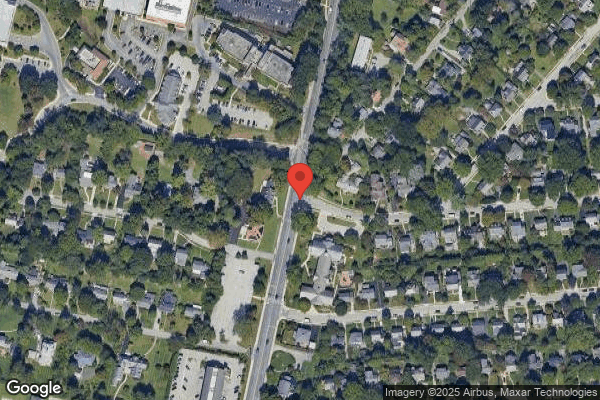
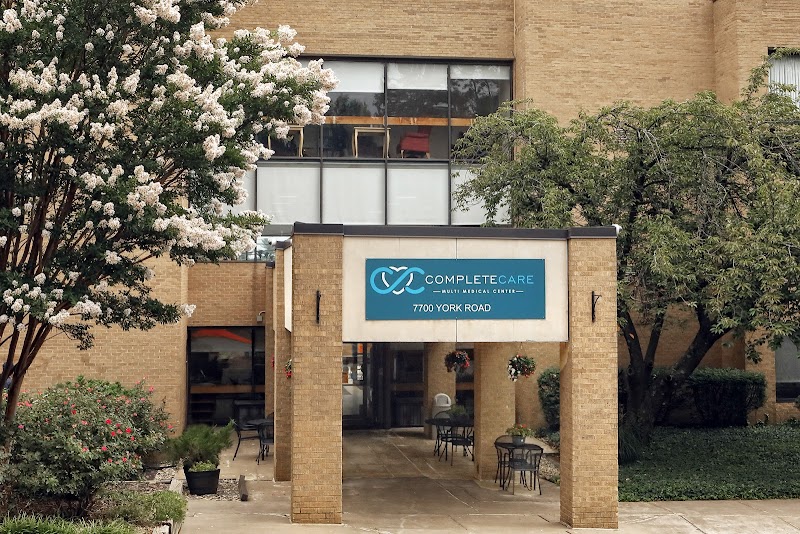
7700 YORK ROAD, TOWSON, MD 21204 (410) 821-5500
For profit - Corporation 118 Beds COMPLETE CARE Data: November 2025
Trust Grade
80/100
#12 of 219 in MD
Last Inspection: November 2024

Within standard 12-15 month inspection cycle. Federal law requires annual inspections.

Overview

Complete Care at Multi Medical Center LLC in Towson, Maryland has a Trust Grade of B+, indicating it is above average and recommended for consideration. It ranks #12 out of 219 nursing homes in Maryland, placing it in the top half, and #4 out of 43 in Baltimore County, which means only three local facilities are rated higher. The facility's trend is stable, with 11 issues reported in both 2019 and 2024, suggesting they are maintaining a consistent level of care. Staffing is rated below average at 2 out of 5 stars, and the turnover rate is 46%, which is around the state average, meaning staff may not be as stable as desired. While they have no fines on record, which is positive, there have been concerns about food being served cold, as multiple residents reported receiving cold meals, indicating attention is needed in the kitchen. Overall, while there are notable strengths like high quality measures and no critical fines, the facility must address its food service issues and improve staffing consistency.

Trust Score
B+
80/100
In Maryland
#12/219
Top 5%
Safety Record
Low Risk
No red flags
Inspections
Holding Steady
11 → 11 violations
Staff Stability
⚠ Watch
46% turnover. Above average. Higher turnover means staff may not know residents' routines.
Penalties
✓ Good
No fines on record. Clean compliance history, better than most Maryland facilities.
Skilled Nurses
✓ Good
Each resident gets 56 minutes of Registered Nurse (RN) attention daily — more than average for Maryland. RNs are trained to catch health problems early.
Violations
⚠ Watch
29 deficiencies on record. Higher than average. Multiple issues found across inspections.
★★★★★
5.0
Overall Rating
★★☆☆☆
2.0
Staff Levels
★★★★★
5.0
Care Quality
★★★★☆
4.0
Inspection Score
Stable
2019: 11 issues
2024: 11 issues

The Good

  • 5-Star Quality Measures · Strong clinical quality outcomes
  • Full Sprinkler Coverage · Fire safety systems throughout facility
  • No fines on record

Facility shows strength in quality measures, fire safety.

The Bad

Staff Turnover: 46%

Near Maryland avg (46%)

Higher turnover may affect care consistency

Chain: COMPLETE CARE

Part of a multi-facility chain

Ask about local staffing decisions and management

The Ugly 29 deficiencies on record

Nov 2024 11 deficiencies
CONCERN (D)

Potential for Harm - no one hurt, but risky conditions existed

Resident Rights (Tag F0550)

Could have caused harm · This affected 1 resident

Based on observations and interviews it was determined that the facility staff failed to provide a dignified existence to a resident dependent on ADL care. The deficient practice was evidenced in 1 (#...

Read full inspector narrative →
Based on observations and interviews it was determined that the facility staff failed to provide a dignified existence to a resident dependent on ADL care. The deficient practice was evidenced in 1 (#202) of 3 dependent residents assessed for ADL care during the survey. The findings include: On 10/29/24 at 12:43 pm during observation rounds the surveyor observed Resident #202 in their room in bed with a copious amount of mucous overflowing around the tracheostomy dressing and on the right side their neck. Licensed Practical Nurse (LPN) #22 entered Resident #202 room and the surveyor asked the nurse if they would suction the resident due to the copious secretions. LPN #22 verbalized the Respiratory Therapist suctions the resident. Before the surveyor left the resident's room, Resident #202 was still soiled with mucous on their dressing and around their neck. On 10/30/24 at 12:28 pm the surveyor observed Resident #202 in bed and heavily soiled with mucous around the tracheostomy dressing and on the right side of their neck. 11/07/24 03:03 pm during an interview with Director of Nursing (DON) #2 the surveyor verbalized observing the resident with mucous on the tracheostomy dressing and mucous running down the resident's neck. The surveyor asked DON#2 was asked if the nurses are able to suction the residents. DON #2 verbalized the nurses are trained to suction the residents and respiratory therapist are on the unit to provide care.
CONCERN (D)

Potential for Harm - no one hurt, but risky conditions existed

Deficiency F0565 (Tag F0565)

Could have caused harm · This affected 1 resident

Based on observation and interviews it was determined that the residents who participated in the resident council meeting were unaware meetings could be held without the facility staff being present. ...

Read full inspector narrative →
Based on observation and interviews it was determined that the residents who participated in the resident council meeting were unaware meetings could be held without the facility staff being present. This deficient practice was discovered during the survey and impacts residents attending resident council meetings. The findings include: On 11/06/24 at 2:09 am during the resident council meeting initiated by the surveyor, fourteen residents attended the meeting. The surveyor asked questions relating to the resident council process. When the surveyor asked the resident attendees if they are allowed to have meetings without the facility staff being present, there was a consensus of the residents who verbalized they did not know they could hold resident council meetings without the staff. The Resident Council President, Resident #55 attended the meeting via iPad video. When Resident #55 was asked if they had any meetings without the staff being present, Resident #55 replied, no. The surveyor asked were they made aware they can hold meetings without the staff being present, Resident #55 replied, no. On 11/06/24 at 3:01 pm during an interview with Activities Assistant #12, the surveyor asked if the residents are allowed to have meetings without the staff being present. Activities Assistant #12 verbalized they didn't know the residents could have resident council meetings without the staff.
CONCERN (D)

Potential for Harm - no one hurt, but risky conditions existed

Deficiency F0574 (Tag F0574)

Could have caused harm · This affected 1 resident

Based on record review and interviews it was determined that the residents were not notified who the facility Ombudsman was or how to contact them. This deficient practice was discovered during the su...

Read full inspector narrative →
Based on record review and interviews it was determined that the residents were not notified who the facility Ombudsman was or how to contact them. This deficient practice was discovered during the survey. The findings include: On 11/06/24 at 2:30 pm during the resident council meeting initiated by the surveyor, fourteen residents attended the meeting. The surveyor asked the residents if they knew the name of the Ombudsman and how to contact them. The residents verbalized not knowing the Ombudsman's name or contact information. On 11/06/24 at 3:05 pm during an interview with Guest Services Director #24, when asked if the residents know the Ombudsman and how to contact them. Guest Services Director #24, stated the resident don't know who he/she is. The meeting dates and times for resident council are posted in case the Ombudsman wants to attend the meetings and they will ask the Ombudsman to attend a meeting.
CONCERN (D)

Potential for Harm - no one hurt, but risky conditions existed

Assessment Accuracy (Tag F0641)

Could have caused harm · This affected 1 resident

Based on medical record review and staff interview, it was determined the facility staff failed to ensure that a Minimum Data Set (MDS) assessment was accurately coded. This was evident for 1 (Residen...

Read full inspector narrative →
Based on medical record review and staff interview, it was determined the facility staff failed to ensure that a Minimum Data Set (MDS) assessment was accurately coded. This was evident for 1 (Resident #58) of 6 residents reviewed during the survey. The findings include: The MDS is a federally mandated assessment tool that helps nursing home staff gather information on each resident's strengths and needs. Information collected drives resident care planning decisions. MDS assessments need to be accurate to ensure each resident receives the care they need. Review of Resident # 58's record on 11/7/24 at 2pm revealed that on 10/1/23 during an annual assessment the facility staff coded the resident MDS Section P 0100 (Physical Restraints) (E) trunk restraint used in a chair or out of bed. A trunk restraint is a physical intervention that limits trunk movement. During an observation of Resident #58 on 11/7/24 at 2:30 pm no trunk restraint was noted and the resident denied using one. During an interview with the MDS Coordinator (staff # 25) on 11/7/24 at 3:00 PM, she stated the MDS was coded incorrectly and the resident does not use a trunk restraint. After Surveyor intervention, the facility staff submitted a correction to the 10/1/23 annual MDS assessment for Section P 0100 physical restraint (E) and coded the Resident as (0) no trunk restraint used in chair or out of bed.
CONCERN (D)

Potential for Harm - no one hurt, but risky conditions existed

Deficiency F0658 (Tag F0658)

Could have caused harm · This affected 1 resident

Based on observation, medical record review, and interviews it was determined that the facility staff failed to meet professional standards by documenting that a medication was administered when it wa...

Read full inspector narrative →
Based on observation, medical record review, and interviews it was determined that the facility staff failed to meet professional standards by documenting that a medication was administered when it was not observed as administered. This was found to be evident for 1 (#106) out of 7 residents reviewed during the survey. The findings include: Review of Resident #106's physician's orders on 11/5/24 at 9:35 AM revealed an order for Keppra, 20 ml (milliliters) via g-tube two times a day for seizures (9am and 5pm) and Metoprolol Tartrate 12.5mg by mouth two times a day for Tachycardia (9am and 9pm). Review of Resident #106's Medication Administration Record (MAR) on 11/5/24 at 10:35 AM revealed LPN (Licensed Practical Nurse) staff (#28) signed off that the Keppra was not administered on 5/31/23 at 5pm due to the g-tube being clogged; however, on 5/31/23 at 9pm the LPN signed off on the MAR that the Metoprolol was administered. Continued review of the medical record revealed the resident was transferred to the hospital on 6/1/23 to have the g-tube replaced. During an interview with the DON (Director of Nurses) on 11/5/24 at 2pm, she verified the resident was sent to the hospital on 6/1/23 to replace the g-tube and stated the Metoprolol was not administered by g-tube or mouth. She stated the resident was not to receive anything by mouth per physician order.
CONCERN (D)

Potential for Harm - no one hurt, but risky conditions existed

ADL Care (Tag F0677)

Could have caused harm · This affected 1 resident

**NOTE- TERMS IN BRACKETS HAVE BEEN EDITED TO PROTECT CONFIDENTIALITY** Based on record review and interviews it was determined that the facility staff failed to provide showers to a resident who was ...

Read full inspector narrative →
**NOTE- TERMS IN BRACKETS HAVE BEEN EDITED TO PROTECT CONFIDENTIALITY** Based on record review and interviews it was determined that the facility staff failed to provide showers to a resident who was dependent for ADL care. This deficient practice was evident in 1 (#98) of 1 resident who verbalized not receiving a shower. The findings include: On 10/29/24 at 1:50 pm while speaking with Resident #98, they verbalized not receiving a shower since being admitted to the facility. Resident#98 verbalized not being able to stand independently and they require assistance with a shower. On 11/07/24 at 1:34 pm a review of the Task section in PointClickCare (PCC) revealed there was no documentation to verify the resident had received a shower. The surveyor reviewed Resident #98's care plans and notes to check to see if a shower was offered and the resident refused; there was no documentation to verify the resident refused a shower nor was there a care plan generated because the resident refused a shower. The surveyor asked Director of Nursing (DON) #2 where the documentation was to verify the resident received a shower. DON #2 verbalized the information should have been in the Task section in PCC. On 11/07/24 at 2:30 pm the surveyor received documentation that Resident #98 refused a shower on 10/30, 11/3, and 11/7/24. DON #2 was made aware the resident verbalized they had not received a shower since being admitted and they are unable to shower independently. Resident #98 was admitted on [DATE] and should have received a shower at some point. DON #2 verbalized Resident #98 would receive a shower before the end of that day. On 11/08/24 at 9:42 am during an interview with Resident #98 the surveyor asked were they offered a shower prior to the previous day and did they ever decline a shower. The resident verbalized they received a shower for the first time the previous day and it was good and they never were never offered or declined a shower before.
CONCERN (D)

Potential for Harm - no one hurt, but risky conditions existed

Deficiency F0757 (Tag F0757)

Could have caused harm · This affected 1 resident

Based on record reviews and interviews, it was determined that facility staff failed to administer blood pressure medication as ordered by the physician. This deficient practice was evident for 1 of 2...

Read full inspector narrative →
Based on record reviews and interviews, it was determined that facility staff failed to administer blood pressure medication as ordered by the physician. This deficient practice was evident for 1 of 27 (#18) residents reviewed during the survey. The findings include: On 10/31/24 at 9:32 AM, a review of Resident #18's medication administration record revealed an order for Metoprolol Succinate 25mg (milligram) extended release, to be taken every 24 hours. The order included specific parameters to administer one tablet once daily for hypertension but hold the dose if the systolic BP (blood pressure) is less than 110 and heart rate less than 60. Further review the Resident #18's BP readings revealed that Metoprolol was administered outside the ordered parameter on: 09/26/24-BP 107/59 10/04/24-BP 109/65 10/08/24-BP 103/57 10/11/24-BP 102/62 10/14/24-BP 109/57 During an interview with UM (Unit Manager) #16 on 10/31/24 at 9:11 AM, regarding the administration of blood pressure medication, UM #16 explained that geriatric nursing aides are responsible for obtaining residents' BP and communicate the readings to the assign nurse. The UM #16 stated that residents who are ordered BP medications also have specific parameters included in their orders. The surveyor informed the UM #16 of the instances where Resident #18 received BP medication outside the prescribed parameters. Review of the facility's medication administration policy on 10/31/24 at 1:15pm revealed that, when applicable, hold medications for vital signs outside the physician's prescribed medication. On 11/7/24 at 12:17PM, during an interview with Licensed Practical Nurse (LPN) #28, the surveyor inquired about the process for administering blood pressure medications. LPN #28 explained that medication orders are reviewed, and administration parameters are checked. If blood pressure reading is outside of ordered parameters, the medication is held, and the doctor is notified.
CONCERN (D)

Potential for Harm - no one hurt, but risky conditions existed

Unnecessary Medications (Tag F0759)

Could have caused harm · This affected 1 resident

Based on observations and record review it was determined that the facility had a medication error rate greater than 5%. This deficient practice was evidenced in 1 (#204) of 5 residents observed durin...

Read full inspector narrative →
Based on observations and record review it was determined that the facility had a medication error rate greater than 5%. This deficient practice was evidenced in 1 (#204) of 5 residents observed during the medication pass during the survey. The findings include: On 11/06/24 at 8:50 am the surveyor observed Licensed Practical Nurse (LPN) #22 prepare medications for Resident #204. The medication cart did not have the resident's antiviral medication that was due at 9:00 am. While LPN #22 gave Resident #204 the medications, he/she refused to take the Fortified Nutritional Shake ordered and the surveyor observed LPN #22 pour the shake into the sink & down the drain. The cup was discarded into the waste basket. On 11/07/24 at 12:29 pm review of the Medication Administration Audit Record revealed that LPN#22 signed of the antiviral medication as being administered on 11/06/24 at 11:43 am which was 1 hour and 43 minutes past the due administration time. Also, LPN#22 signed off the Fortified Nutritional Shake as given on 11/06/24 at 9:00 am, but Resident #204 refused to drink the shake and LPN #22 discarded the liquid. On 11/07/24 at 2:00 pm during an interview with Director of Nursing (DON) #2 the surveyor verbalized the medication error rate was 6.67% which was greater than 5%. The surveyor made DON #2 aware the Fortified Nutritional Shake was signed off as given, but Resident #204 refused to drink the shake and the surveyor observed LPN #22 discard it. Also, Resident #204 antiviral medication was signed off as given 1 hour 43 minutes after the due time for administration. DON #2 verbalized the nurses have a Pyxis (an automated medication dispensing system) on the unit to get medications, but uncertain if the antiviral medication is available in the Pyxis. The DON advised if a medication is not administered, it is supposed to be signed off as not given. The physician and responsible party should be made aware.
CONCERN (D)

Potential for Harm - no one hurt, but risky conditions existed

Deficiency F0761 (Tag F0761)

Could have caused harm · This affected 1 resident

Based on observations and interviews, it was determined that facility staff failed to discard expired medications. This deficient practice was evident in 1 out of 4 medication storage rooms assessed d...

Read full inspector narrative →
Based on observations and interviews, it was determined that facility staff failed to discard expired medications. This deficient practice was evident in 1 out of 4 medication storage rooms assessed during the survey. The findings include: On 11/06/24 at 8:35 AM, during an observation of the medication storage room on Evergreen unit, the surveyor found the following expired medications and medical supply: 3 intravenous bags of 10% Dextrose expired October 2024 Infuvite Adult Multiple vitamin vial expired December 2023 Biopatch Protective Disk expired March 2024 Thick & Easy Clear Drink expired August 2024 On 11/06/24 at 8:54 AM, the surveyor informed the Nurse Unit Manager #16 about the findings. The Nurse Unit Manager #16 explained that both central supply personnel and Evergreen unit clerk are responsible for organizing and managing the medication supply room. All expired items were discarded by Nurse Unit manager #16. On 11/06/24 at 9:00 AM, during an interview with the Evergreen Unit Clerk #6, she explained that she is responsible for organizing and cleaning the medication supply room. She further explained that she only occasionally checks items for expiration dates, and the central supply personnel are usually responsible for restocking and removing expired items. On 11/06/24 at 1:15 PM, during an interview with Central Supply Personnel #40, when asked the process for restocking and managing the medication supply room, CSP #40 explained that she restocks the medication supply room several times per week and as needed when notified of low supplies. When asked about checking expiration dates and removing expired medications or items, she states that she does not handle expired items, that's the responsibility of the nurse or nurse manger. On 11/08/24 at 11:30 PM, the surveyor made the Administrator #1 aware of the findings.
CONCERN (D)

Potential for Harm - no one hurt, but risky conditions existed

Deficiency F0947 (Tag F0947)

Could have caused harm · This affected 1 resident

Based on record reviews and interviews, it was determined that facility staff failed to have a system in place to ensure geriatric nursing assistant (GNA) received dementia training annually. This def...

Read full inspector narrative →
Based on record reviews and interviews, it was determined that facility staff failed to have a system in place to ensure geriatric nursing assistant (GNA) received dementia training annually. This deficient practice was evident for 4 out of 5 (GNA #18, GNA #41, GNA #42, and GNA #43) GNA files reviewed for training. The findings include: On 11/4/24 at 8:27AM, a review of employee file for GNA #18, GNA #41, GNA #42, and GNA #43 revealed no documentation confirming that annual dementia training had been completed within the last 12 months. During an interview with the Educator #39 on 11/4/24 at 10:08, she stated that annual competencies for GNA are typically conducted in April. These competencies include: lift and transfer competencies, catheter and perineal care, bedpan, urinal commode management, activities of daily living documentation, colostomy care, signs and symptoms of hypoglycemia and hyperglycemia, safe swallowing and feeding techniques, weighing and measuring residents, handling dirty linen, mouth care, fall prevention, prevention of skin breakdown, communicating effectively with assigned nurse, shift hand-off report, and safe resident handling. The Educator #39 stated that she believes the last GNA competency training was completed in April of 2024. She explained that she became the facility's educator in July of 2024, following the resignation of the previous educator in May 2024. The Nurse Educator #39 clarified that dementia training is included in annual competencies and new employee orientation. When asked to provide verification of the annual dementia training, she responded that she would search for the documents. She also noted that the facility is in the process of transitioning from paper documentation to an electronic system, called Relias. On 11/4/24 at 10:38AM, during an interview with the Administrator #1, she stated that the facility identified an issue with employee education records not being properly filed by the previous educator, resulting in incomplete employee education files. The Administrator #1 explained that this issue was identified during their quality assessment performance improvement meeting in September 2024. She also reports that the facility is currently implementing a new virtual education software Relias before the end of 2024.
CONCERN (F)

Potential for Harm - no one hurt, but risky conditions existed

Deficiency F0804 (Tag F0804)

Could have caused harm · This affected most or all residents

Based on interviews, observations, food temperature testing it was determined that the facility staff failed to ensure meals were palatable and that cold liquids were served at the correct temperature...

Read full inspector narrative →
Based on interviews, observations, food temperature testing it was determined that the facility staff failed to ensure meals were palatable and that cold liquids were served at the correct temperatures. This failure had the potential to affect all residents receiving meals from the facility's kitchen. The findings include: During a tour of the four units on the first and second floors on 10.28.24 between 0900 AM and 10:30 AM the surveyor conducted interviews of over twenty residents. Four residents, 3, #5, #16, and #22, on the 1st floor and two residents, #220, #235 on the second-floor unit, reported that their meals are consistently served cold. All six residents stated they received cold scrambled eggs that morning. Resident # 235 stated that he/she had discussed food concerns with the dietary staff previously. The surveyor met with staff #5 on 11.06.24 at 12: 35 PM. Staff #5, the certified dietary manager (CDM) was asked how often do the dietary staff perform test trays? Staff #5 stated the test tray testing is performed weekly. Additionally, staff #5, CDM stated that meal carts are sent up in a timely manner in the kitchen. Staff #5 stated that nursing is not delivering the trays within 15 minutes of the arrival of trays to the units. Also, staff #5 stated the hold temperature for hot food items is at 140 degrees or greater. Staff #5 stated the Pellet bases/chargers were replaced in October or September 2024. Also, she stated she would provide the surveyor with copies of the interventions initiated by her department and presented them to the QAPI members. On 11.06.24 at 02:00 PM through 2:41 PM a resident council meeting was held with an OHCQ surveyor leading the discussion with 14 residents present. One of the primary concerns shared by the residents was the issue of meals being served cold and not palatable, consistently the food is never warm or hot. One example given was that the butter/margarine doesn't melt on anything. The resident stated that dietary staff stated during food council meetings and when approached individually that the dietary team stated that they are working on a solution. Another concern expressed by at least four residents was that the nursing staff were not immediately serving the meal trays upon delivery to the clinical unit. On 11.07.24 the surveyor followed a test tray up to the 2nd floor unit at 12:30 PM and the main courses meat and vegetables were within the safe temperature ranges 169 degrees for meats and vegetables of 140 degrees. The apple juice stored in a pitcher delivered with the meal cart had a temperature of 80 degrees per CDM's thermometer readings. Additionally, one resident's cup of apple juice had a temperature of 50 degrees. The apple juice, lemonade, and iced tea were not placed on ice when delivered to the units. On 11.08.24 at 09:00 AM the administrator discussed with the survey team that one of the Quality Assurance Performance Initiatives (QAPI) for the facility was the issue of residents' cold food complaints. Per the discussion with the administrator the residents had complained of receiving main courses such as meats and vegetables being served over at least three-month period, (August, September, and October 2024). One surveyor shared that during a recent surveyor observation on 11.07.24 the apple juice that was sent up to the 1st floor in a pitcher had a temperature reading of 80 degrees during the breakfast meal cart delivery. Staff # 5 had not provided the weekly tray testing results but had provided monthly tray testing results prior to the exit conference. These concerns related to food temperatures and palatability were discussed with the administrator, DON, and the certified dietary manager, CDM prior to the exit conference on 11.08.24.
Aug 2019 11 deficiencies
CONCERN (D)

Potential for Harm - no one hurt, but risky conditions existed

Deficiency F0565 (Tag F0565)

Could have caused harm · This affected 1 resident

Based on observation, resident and staff interviews it was determined that the facility staff failed to provide a private space to support residents right to privacy while conducting their monthly res...

Read full inspector narrative →
Based on observation, resident and staff interviews it was determined that the facility staff failed to provide a private space to support residents right to privacy while conducting their monthly resident council meeting. The findings include: This surveyor was invited to attend the Resident Council meeting held on 08/22/19 from 1:00 PM to 1:30 PM. The Resident Council President conducted the meeting in the dinning room. During the meeting staff members were observed entering the dinning room without knocking or receiving permission to enter. The Recreation Director had posted a sign on the door and closed the doors indicating that a resident council meeting was in progress and requested privacy. The Resident Council President confirmed that during most meetings it is usual that people walk through the room. In an interview with the Director of Nursing on 08/22/19 at 2 PM was made aware of this concern and would speak to the residents about changing the meeting location to better ensure privacy.
CONCERN (D)

Potential for Harm - no one hurt, but risky conditions existed

Deficiency F0604 (Tag F0604)

Could have caused harm · This affected 1 resident

Based on record review, observation and interview, it was determined the facility staff failed to assess the need for 2 full side rails on the bed for Resident (#69) and failed to thoroughly assess an...

Read full inspector narrative →
Based on record review, observation and interview, it was determined the facility staff failed to assess the need for 2 full side rails on the bed for Resident (#69) and failed to thoroughly assess and determine if an alarming Self-Release belt was a restraint for Resident (#87). This was evident for 2 of 33 residents selected for review during the survey process. The findings include: 1. The facility staff failed to assess the need for 2 full side rails on the bed for Resident #69. Medical record review for Resident #69 revealed on 1/10/19 and 4/17/19 the physician ordered: Clinitron bed for comfort/wound healing. Clinitron Air Fluidized Therapy beds provide an ideal healing environment for compromised skin by minimizing the forces that cause tissue breakdown: pressure, shear, friction, heat and moisture. The Clinitron bed combines air-fluidized and low air loss therapies to provide the highest level of wound care for patients with complex wound care needs. Surveyor observation of the Resident #69 on 8/20/19 at 10:00 AM, 8/21/19 at 12:00 PM and 8/22/19 at 8:30 AM revealed the resident in the Clinitron bed. The Clinitron bed has a rigid frame in which the air-fluidized mattress is set and is difficult to get over the ridge to get out of the bed. It was also noted, the facility staff assessed Resident #69 on 7/18/19 and documented Resident #69 was dependent on 2 facility staff members for bed mobility: how the resident moves from side to side and how the resident positions themselves in bed. Further observation revealed 2 full side rails up, 2, 1/2 on each side of the Clinitron bed. The Director of Nursing was notified of the observations on 8/22/19 at 12:00 PM. Subsequent observations of Resident #69 revealed only 2, 1/2 side rails were in the up position. Interview with the Director of Nursing on 8/23/19 at 1:00 PM confirmed the facility staff failed to assess the need for 2 full side rails on the Clinitron bed for Resident #69. 2, The facility staff failed to thoroughly assess and determine if an alarming Self-Release belt was a restraint for Resident (#87). Medical record review for Resident #87 revealed on 1/12/17 the physician ordered: alarming Self-Releasing belt while in chair always. The Self-Releasing alarming belt is designed to provide the earliest possible warning that a resident is at risk of exiting the chair. Monitoring starts as soon as both yellow straps are fastened (white hook to white loop and blue hook to blue loop); the alarm activates the instant the first yellow strap is unfastened, and the secondary release helps provide additional time before the patient can exit the chair. The instant the belt is separated, an alarm sounds to alert staff and remind the resident to remain seated. The Self-Release belt is ideal for the resident who needs the reminder not to get up without assistance. The Self-Release alarm belts aren't considered restraints; they are secured around the resident with Velcro fasteners, so they release easily. The belts are then secured to the chair with a hook and loop fastener. Before alarm belts are used, the resident must demonstrate the ability to release them without any assistance and are to be used only when the resident is able to remove the device; if the resident is unable to release this device, it may be considered a restraint. A consent form identifies that the device is determined to be a restraint, or the use of the Self-Release belt and the resident has been assessed and able to release the belt upon command. The risks and recommendations for a specific device are explained on the form. Authorization is given by the resident and/or responsible party and all sign the form. A witness (typically a nurse) will also sign and date the form. Verbal consent may also be given. A quarterly restraint review assessment needs to be done by the nurse to determine if the device continues to be appropriate for the resident. Surveyor observation of Resident on 8/20/19 at 10:00 AM and 8/22/19 at 12:30 PM revealed the resident in the wheelchair with the Self-Release alarming belt in place. Record review and interview with the Director of Nursing on 8/22/19 at 12:00 PM revealed the facility staff failed to: obtain consent for the Self-Release belt from the resident or responsible party, failed to assess and determine if Resident #87 can release the belt upon command and failed to review the need of the Self-Release belt quarterly.
CONCERN (D)

Potential for Harm - no one hurt, but risky conditions existed

Transfer Notice (Tag F0623)

Could have caused harm · This affected 1 resident

Based on medical record review and interview, it was determined that the facility failed to notify the responsible party in writing of a Resident's (#34) transfer to the hospital. This was evident for...

Read full inspector narrative →
Based on medical record review and interview, it was determined that the facility failed to notify the responsible party in writing of a Resident's (#34) transfer to the hospital. This was evident for 1 of 3 residents sampled for hospitalizations. The findings include: On 8-17-19 Resident #34 required transportation to the hospital after becoming unresponsive. The facility notified Resident#34's responsible party by telephone but did not send notification in writing explaining the reason for the transfer to the hospital. On 8-21-19 at 10:00 AM the facility Administrator and the Assistant Director of Nursing confirmed that no written notification explaining the reason for the transfer had been sent to the responsible party.
CONCERN (D)

Potential for Harm - no one hurt, but risky conditions existed

Deficiency F0657 (Tag F0657)

Could have caused harm · This affected 1 resident

Based on medical record review, observation and interview it was determined the facility staff failed to review and revise the care plan for Resident (#69) to reflect accurate and current intervention...

Read full inspector narrative →
Based on medical record review, observation and interview it was determined the facility staff failed to review and revise the care plan for Resident (#69) to reflect accurate and current interventions. This was evident for 1 of 33 residents reviewed for care plans during the survey process. The findings include: The Minimum Data Set (MDS) is part of the federally mandated process for clinical assessment of all residents in Medicare and Medicaid certified nursing homes. This process provides a comprehensive assessment of each resident's functional capabilities and helps nursing home staff identify health problems. Once the facility staff completes an in-depth assessment of the resident, the interdisciplinary team meet and develop care plans. Care plans provide direction for individualized care of the resident. A care plan flows from each resident's unique list of diagnoses and should be organized by the resident's specific needs. The care plan is a means of communicating and organizing the actions and assure the resident's needs are attended to. The care plan is to be reviewed and revised at each assessment time of the resident to ensure the interventions on the care plan is accurate and appropriate for the resident. Medical record review for Resident #69 revealed on 6/26/17 the facility staff initiated a care plan: resident is at risk for falls related to cognitive loss, lack of safety awareness, impaired mobility. It was further noted the facility staff stated interventions on that care plan: fall mats at bedside and low bed. Surveyor observation of the resident on 8/20/19 at 11:30 AM, 8/21/19 at 12:00 PM and 8/22/19 at 8:00 AM revealed: no fall matts in place and the bed not in low position. Further record review revealed the facility staff assessed the resident and completed MDS on 1/16/19, 4/18/19 and 7/18/19; however, failed to review and revise the care plan to reflect accurate and current interventions. Interview with the Director of Nursing on 8/23/19 at 1:00 PM confirmed the facility staff failed to review and revise a care plan for Resident #69 to reflect accurate and current interventions.
CONCERN (D)

Potential for Harm - no one hurt, but risky conditions existed

Deficiency F0726 (Tag F0726)

Could have caused harm · This affected 1 resident

Based on a review of nursing staff competencies and staff interview it was determined that facility staff failed to ensure nursing staff received all necessary training's and competency reviews. This ...

Read full inspector narrative →
Based on a review of nursing staff competencies and staff interview it was determined that facility staff failed to ensure nursing staff received all necessary training's and competency reviews. This was true for 1 out of the 6 nursing staff reviewed. The findings include: A review of competencies for Geriatric Nursing Assistant (GNA) #4 revealed the GNA has only received abuse, Health Insurance Portability and Accountability Act (HIPAA), and safe transfer training. A GNA needs to be competent in skills that will meet residents' needs such as person centered care, dementia care, skin care, and basic nursing care. The Assistant Director of Nursing was interviewed on 8/23/19 at 11:00 AM. Some additional information was provided to the survey team after the survey but not enough to ensure competency was met.
CONCERN (D)

Potential for Harm - no one hurt, but risky conditions existed

Deficiency F0757 (Tag F0757)

Could have caused harm · This affected 1 resident

Based on medical record review and interview, it was determined the facility staff failed to ensure that medication regimens were free from unnecessary medications (Residents #246, #69). This is evide...

Read full inspector narrative →
Based on medical record review and interview, it was determined the facility staff failed to ensure that medication regimens were free from unnecessary medications (Residents #246, #69). This is evident for 2 of 8 residents reviewed for unnecessary medications. The findings include: 1. Resident #246 was admitted to the facility post organ transplant. Tacrolimus, an antirejection medication, was ordered to be given twice a day. Tacrolimus levels were ordered to be drawn twice weekly prior to the morning dose. The Tacrolimus levels once received were to be reported to the transplant center and the facility physician. The first Tacrolimus level was drawn on 9-19-18 and the results went to the facility on 9-22-18. The 9-19-18 results were sent to both the transplant center and the physician on 9-23-18. On 9-23-18 the second Tacrolimus levels were drawn and results reported to the facility on 9-24-18. The results showed high levels of Tacrolimus. The facility failed to report the results to the transplant center and the physician until 9-27-18 at 4:30 PM, 3 days later. The Tacrolimus was not discontinued until 9-28-18. The facility failed to report the high levels of Tacrolimus in a timely manner. On 8-21-19 at 12:47 PM the Assistant Director of Nursing confirmed the 9-24-18 Tacrolimus levels were not reported until 9-27-18 resulting in Resident #246 receiving 3 days of unnecessary medication. 2. The facility staff failed to obtain/document the blood pressure for Resident #69 when parameters were ordered. Medical record review for Resident #69 revealed on 8/30/18 the physician ordered: Metoprolol 12.5 milligrams 2 times a day for high blood pressure/A fib, hold for systolic blood pressure (top number) less than 110 or heart rate less than 60. Atrial fibrillation (AFib) is a quivering or irregular heartbeat (arrhythmia) that can lead to a very fast heart rate and other heart-related complications. Metoprolol belongs to a class of drugs known as beta blockers. These drugs work by slowing down a resident's heart rate and lowering their blood pressure. Review of the Medication Administration Record revealed the facility staff failed to obtain/document the resident's blood pressure or heart rate as ordered; however, documented the administration of the medication from: 4/1/19-4/30/19, 5/1/19-5/31/19, 6/1/19-6/30/19 and 7/1/19-7/31/19 and 9:00 AM and 9:00 PM. Interview with the Director of Nursing on 8/23/19 at 1:00 PM confirmed the facility staff failed to obtain/document the blood pressure for Resident #69 when the physician ordered parameters.
CONCERN (D)

Potential for Harm - no one hurt, but risky conditions existed

Food Safety (Tag F0812)

Could have caused harm · This affected 1 resident

Based on observation and staff interview it was determined that the facility failed to store and prepare food in accordance with professional standards for food service safety. This deficient practice...

Read full inspector narrative →
Based on observation and staff interview it was determined that the facility failed to store and prepare food in accordance with professional standards for food service safety. This deficient practice has the potential to affect all residents. The findings include: On 8/20/2019 at 8:30 AM an initial tour of the facility's main kitchen was conducted. The dry goods storage room was observed with a sticky floor with various crumbs and debris scattered about. An adult fruit fly was observed flying in this room. An open packet of Grape Cocktail mix powder was observed on the metal shelf of the dry goods room. Additional observations of the facility's kitchen on 8/23/2019 at 8:45 AM revealed additional crumbs and debris on the floor of the dry goods room as well as an adult fly in the air. Inspection of the dish washing room revealed that the only hand sink was blocked by a large fan and had no hand soap available. The Food Service Director was made aware of the sanitation issues at this time and stated that the facility sweeps and cleans daily. The Administrator and Director of Nursing were made aware of these findings on 8/23/2019 during the exit conference.
CONCERN (D)

Potential for Harm - no one hurt, but risky conditions existed

Room Equipment (Tag F0908)

Could have caused harm · This affected 1 resident

Based on observation and staff interview it was determined that the facility failed to maintain kitchen equipment in safe operating condition. This was evident for 2 pieces of equipment in the main ki...

Read full inspector narrative →
Based on observation and staff interview it was determined that the facility failed to maintain kitchen equipment in safe operating condition. This was evident for 2 pieces of equipment in the main kitchen. The findings include: On 8/20/2019 at 8:30 AM during an initial tour of the facility's kitchen observation of the 3 compartment sink revealed a leak in the drain pipes dripping into a large plastic bin. The Food Service Director stated that maintenance staff knew about the leaks and they were waiting for repairs to be completed. A leak was also found in the dishwashing room under the garbage disposal on the dishwashing line. This leaks was dripping into a large plastic bin and contained wet, dissolved food residue that could be used as a food source by pests. These leaks were still present in the kitchen during additional inspections on 8/23/2019 at 8:45 AM. The Administrator and Director of Nursing were made aware of these findings on 8/23/2019 during the exit conference.
CONCERN (E)

Potential for Harm - no one hurt, but risky conditions existed

Safe Environment (Tag F0584)

Could have caused harm · This affected multiple residents

**NOTE- TERMS IN BRACKETS HAVE BEEN EDITED TO PROTECT CONFIDENTIALITY** Based on surveyor observation and resident interview it was determined that the facility failed to provide a safe, clean, comfor...

Read full inspector narrative →
**NOTE- TERMS IN BRACKETS HAVE BEEN EDITED TO PROTECT CONFIDENTIALITY** Based on surveyor observation and resident interview it was determined that the facility failed to provide a safe, clean, comfortable and homelike environment. This deficient practice has the potential to affect all residents. The findings include: On 8/20/2019 complaint MD00142603 was reviewed and alleged that the window in Resident #4's room had a major leak on July 4th after a period of heavy rainfall. At 8:54 AM on 8/20/2019 Resident #4 was interviewed and stated that during the storm on July 4th water was pouring into the room. Resident #4 also stated that facility employees were outside her window on a ladder making repairs to the window after the incident. It was noted at this time that the drywall between the resident's main door and bathroom door was chipped and cracked near the floor, exposing the drywall. Interview with the Maintenance Director on 8/21/2019 at 10:40 AM revealed that the issue stemmed from heavy rainfall hitting the southern side of the building. The Maintenance Director stated that the mortar between the bricks on the outside of the building had deteriorated and that it had been repaired by caulk. On 8/23/2019 at 7:45 AM, after a period of rainfall, Resident #4's room was observed with a white towel laying on the windowsill. The towel was wet on the bottom where it had been laying on the windowsill. Interview with Resident #4 and record review revealed that Resident #4 had not been bathed that morning. Resident #4 stated that the towel was likely wet due to the leaking window. Additionally on 8/20/2019 at 8:50 AM, room [ROOM NUMBER] was observed with excess dust and cobwebs built up in the window. On 8/22/2019 at 7:46 AM mold was observed on the inside white plastic piece of the ice machine found at the end of the [NAME] hallway. On 8/23/2019 at 7:36 AM the cutting board in the [NAME] kitchenette was observed with stains and deep cuts that can harbor bacteria. Cutting boards should be kept and maintained in a way that makes them easily cleanable and resistant to bacterial growth. The Administrator and Director of Nursing were made aware of these findings on 8/23/2019 during the exit conference.
CONCERN (E)

Potential for Harm - no one hurt, but risky conditions existed

Infection Control (Tag F0880)

Could have caused harm · This affected multiple residents

Based on review of employee health records and staff interview the facility staff failed to thoroughly screen for immunity to common childhood diseases, failed to have 2nd step Tuberculosis (PPD) or o...

Read full inspector narrative →
Based on review of employee health records and staff interview the facility staff failed to thoroughly screen for immunity to common childhood diseases, failed to have 2nd step Tuberculosis (PPD) or offer the seasonal vaccination for protection against Influenza completed to those newly hired employees (Employee #10, #11, #12, #13, and #14,). This is evident for 5 of 6 newly hired employees. It was also determined the facility failed to maintain resident care equipment in a manner to prevent the spread of infection and cross contamination (Resident #14). This was evident for 1 of 2 residents reviewed for hydration The findings include: A. Measles is an infection of the respiratory system caused by a virus. The spread of Measles is through respiration contact with fluids from an infected person's nose and mouth, either directly or through aerosol transmission, and is highly contagious. Mumps is a contagious disease that leads to painful swelling of the salivary glands. A virus causes the mumps. The virus is spread from person-to-person by respiratory droplets (for example, when you sneeze) or by direct contact with items that have been contaminated with infected saliva. Rubella, also known as German measles is a disease caused by the rubella virus. Varicella, chicken pox, is a common contagious childhood disease that produced itchy blisters but rarely caused serious problems. However, if adults who did not have the disease as children contract it, it could cause complications. Bacteria are the cause of Tuberculosis that affects the lungs. Tuberculosis is spread from person to person through the air. When people with Tuberculosis cough, sneeze or spit, they propel the germs into the air. 1. Review of the health record for Employee #10 with the date of hire of 8/8/2019 revealed that facility staff failed to thoroughly, screen for immunity to Measles, Mumps, Rubella, and chicken pox. Employee #10 stated that she/he never had Measles, Mumps, Rubella and Tuberculosis and was unsure if she/he was vaccinated. No action was taken by the facility staff to ensure immunity by screening, serologic testing or subsequent vaccination against these diseases to prevent possible exposure to residents and employees. Employee #10 was screened for Tuberculosis on 7/30/2019 as step one of a 2-step screening. Employee # 10 Tuberculosis test on 7/30/2019 revealed no results. 2. Review of the health record for Employee #11 with the date of hire of 3/11/2019 revealed that facility staff failed to thoroughly, screen for immunity to Measles, Mumps, Rubella, and chicken pox. Employee #11 stated that she/he never had Measles, Mumps, Rubella and Tuberculosis and was unsure if she/he was vaccinated. No action was taken by the facility staff to ensure immunity by screening, serologic testing or subsequent vaccination against these diseases to prevent possible exposure to residents and employees. Employee #11 was screened for Tuberculosis on 3/1/2019 as step one of a 2-step screening. Employee #11 was not screen or offered the seasonal vaccination for protection against Influenza 3. Review of the health record for Employee #12 with the date of hire of 6/4/2019 revealed that facility staff failed to thoroughly, screen for immunity to Measles, Mumps, Rubella, and chicken pox. Employee #2 stated that she/he never had Measles, Mumps, and Rubella and was unsure if she/he was vaccinated. No action was taken by the facility staff to ensure immunity by screening, serologic testing or subsequent vaccination against these diseases to prevent possible exposure to residents and employees. Employee #12 was screened for Tuberculosis on 6/15/2019 as step one of a 2-step screening. 4. Review of the health record for Employee #13 with the date of hire of 3/5/2019 revealed that Employee #13 was not screen or offered the seasonal vaccination for protection against Influenza. 5. Employee #14 was screened for Tuberculosis on 7/8/2019 as step one of a 2-step screening. All nursing care centers must develop and maintain an infection control program that includes pre-screening of residents, staff and volunteers for TB and other infectious diseases at time of admission or hire, training of staff in infection control topics, monitoring for spread of infection in their centers, and oversight of infection control by a committee led by a professional with training and credentials to serve in that role. Interview with the Director of Nursing and the Administrator on 8/23/19 at 12:06 PM confirmed that the facility staff failed to thoroughly, screen employees for immunity to childhood diseases ,Tuberculosis or offer the seasonal vaccination for protection against Influenza. B. Resident #14 is a quadriplegic and unable to take liquids without assistance. The facility, in order to promote independence, attached a water bottle with a long tube to the bedside and positioned the tubing near Resident #14's mouth allowing him/her to drink water at their leisure. When asked on 8-22-19 at 10:00 AM how the facility cleans the water bottle and tubing Nurse #3 said he/she would have to look at the orders. After review Nurse #3 said he/she did not know when or how the water bottle or tubing was cleaned. On 8-22-19 at 12:30 PM the Assistant Director of Nursing confirmed the facility had no plan or procedure to clean or change the water bottle or tubing and verbalized understanding of the infection concern.
CONCERN (E)

Potential for Harm - no one hurt, but risky conditions existed

Deficiency F0925 (Tag F0925)

Could have caused harm · This affected multiple residents

Based on surveyor observation it was determined that the facility failed to maintain an effective pest control program as evidenced by the presence of flies. This deficient practice has the potential ...

Read full inspector narrative →
Based on surveyor observation it was determined that the facility failed to maintain an effective pest control program as evidenced by the presence of flies. This deficient practice has the potential to impact all residents. The findings include: On 8/20/2019 at 8:20 AM shortly after entering the facility, surveyors noted 2 adult flies in the conference room adjacent to the resident rehab area. Shortly after at 8:30 AM during an initial tour of the main kitchen, an adult fruit fly was observed in the dry goods storage room. Additional observations of the dry goods storage room on 8/23/2019 at 8:45 AM revealed an adult fruit fly still present in the dry goods room. An adult fly was observed in the hallway outside the 200 Rooms on 8/21/2019 at 12:39 PM. The facility's pest control logs were reviewed on 8/23/2019 and showed that a pest control company services the facility approximately twice monthly. The Administrator and Director of Nursing were made aware of these findings on 8/23/2019 during the exit conference.
May 2018 7 deficiencies
CONCERN (D)

Potential for Harm - no one hurt, but risky conditions existed

Assessment Accuracy (Tag F0641)

Could have caused harm · This affected 1 resident

Based on medical record review and staff interview it was determined the facility staff failed to document accurate assessments for Residents (#207 and #209) on the MDS. This was evident for 2 of 58 r...

Read full inspector narrative →
Based on medical record review and staff interview it was determined the facility staff failed to document accurate assessments for Residents (#207 and #209) on the MDS. This was evident for 2 of 58 residents selected for review during the survey process. The MDS is a federally-mandated assessment tool that helps nursing home staff gathers information on each resident's strengths and needs. Information collected drives resident care planning decisions. MDS assessments need to be accurate to ensure each resident receives the care they need. Categories of MDS (Minimum Data Set) are: Cognitive patterns, Communication and hearing patterns, Vision patterns, Physical functioning and structural problems which includes the assessment of range of motion, Continence, Psychosocial well-being, Mood and behavior patterns, Activity pursuit patterns, Disease diagnosis, Other health conditions, Oral/nutritional status, Oral/dental status, Skin condition, Medication use and Treatments and procedures. At the end of the MDS assessment the interdisciplinary team develops the plan of care for the resident to obtain the optimal care for the resident. The findings include: 1. The facility staff failed to accurately document Toileting Program on the MDS for Resident # 207. Medical record review for Resident #207 revealed on 3/26/18 the physician ordered: Toileting Program: prompt voiding every shift. Review of facility staff Geriatric Nursing Assistant (GNA) documentation revealed the facility staff documented the resident was assisted to void at least before meals and at hour of sleep, to indicate a Toileting Program. Review of the MDS for Resident #207, Section H-Bladder and Bowel, H0200-Toileting Program: A, has a trial of a Toileting Program (scheduled toileting, prompted voiding, bladder training) been attempted since admission and review of the MDS completed by the facility staff on 4/2/18 and 4/7/18 revealed the facility staff responded, NO, that a Toileting Program was not in effect or had not been attempted. Interview with the Director of Nursing on 5/3/18 confirmed the facility staff failed to accurately document Toileting Program on the MDS for Resident # 207. 2. The facility staff failed to accurately document toileting program on the MDS for Resident # 209. Medical record review for Resident #209 revealed on 3/2/18 the physician ordered: Toileting Program: prompt voiding every shift. Review of facility staff Geriatric Nursing Assistant (GNA) documentation revealed the facility staff documented the resident was assisted to void at least before meals and at hour of sleep, to indicate a Toileting Program and review of the MDS for Resident #209, Section H-Bladder and Bowel, H0200-Toileting Program: A, has a trial of a Toileting Program (scheduled toileting, prompted voiding, bladder training) been attempted since admission. Review of the MDS completed by the facility staff on 3/9/18, 3/15/18 and 3/28/18 revealed the facility staff responded, NO, that a Toileting Program was not in effect or had not been attempted. Interview with the Director of Nursing on 5/3/18 confirmed the facility staff failed to accurately document Toileting Program on the MDS for Resident # 209.
CONCERN (D)

Potential for Harm - no one hurt, but risky conditions existed

Quality of Care (Tag F0684)

Could have caused harm · This affected 1 resident

Based on medical record review, observation and interview, it was determined the facility staff failed to provide Residents (#56 and #70) with care that promoted the highest practicable well-being. Th...

Read full inspector narrative →
Based on medical record review, observation and interview, it was determined the facility staff failed to provide Residents (#56 and #70) with care that promoted the highest practicable well-being. This was evident for 2 of 58 residents selected for review during the survey process. The findings include: 1. The facility staff failed to apply a travel pillow as ordered for Resident # 56. Medical record review for Resident #56 revealed on 1/17/17 the physician ordered: travel pillow to neck while in bed always. Travel pillows provide support for the neck. The U shape fits around the back of the neck and keeps the head from slipping into an uncomfortable and possibly harmful position during sleep. Surveyor observation of the resident on 5/2/18 at 12:40 PM and 5/3/18 at 8:10 AM revealed the resident in bed; however, the facility staff failed to apply the travel pillow as ordered by the physician. Interview with the Director of Nursing on 5/3/18 at 1:00 PM confirmed the facility staff failed to apply a travel pillow for Resident #56 as ordered by the physician. 2 A. The facility staff failed to provide Resident #70 with alternative interventions prior to administering medication. Medical record review for Resident #70 revealed the following Nurses' notes: 3/3/18 at 12:12 AM: resident alert and oriented x 1, not in any respiratory distress, trying to get out of bed severally. Resident received .5 milligrams Haldol, which really helped in putting her/him under control. Haldol (haloperidol) is an antipsychotic drug that decreases excitement in the brain. Haldol is a medicine used to treat mental and mood disorders. It helps reduce aggression and agitation. Further record review revealed no evidence the facility staff attempted to provide alternative interventions to determine the reason Resident #70 was attempting to get out of bed prior to administering a medication that controlled aggression and agitation. Interview with the Director of Nursing on 5/3/18 at 1:00 PM confirmed the facility staff failed to offer alternative interventions prior to administering Haldol to Resident #70. 2 B. The facility staff failed to administer incentive spirometry as ordered by the physician. Medical record review for Resident#70 revealed on 3/2/18 the physician ordered: Incentive spirometer (IS) 10 x/hr.- every 2 hours while awake. An incentive spirometer is a device used to help keep the lungs healthy after surgery or when a lung illness is present, such as pneumonia. Using the incentive spirometer teaches the resident how to take slow deep breaths. Surveyor observation of the resident's room with the Director of Nursing and Evergreen unit charge nurse on 5/2/18 at 7:30 AM revealed no evidence of the resident having an IS in the room. The facility staff failed to thoroughly assess and determine the capability of Resident #70 being able to do IS and the facility staff also failed to administer the IS as the IS was noted not being the room of Resident #70. Interview with the Director of Nursing on 5/3/18 at 1:00 PM confirmed the facility staff failed to administer IS to Resident #70.
CONCERN (D)

Potential for Harm - no one hurt, but risky conditions existed

Accident Prevention (Tag F0689)

Could have caused harm · This affected 1 resident

Based on medical record review, observation and interview, it was determined the facility staff failed to maintain the bed in the lowest position for Resident (#206) as ordered by the physician. This ...

Read full inspector narrative →
Based on medical record review, observation and interview, it was determined the facility staff failed to maintain the bed in the lowest position for Resident (#206) as ordered by the physician. This was evident for 1 of 58 residents selected for review during the survey process. The findings include: Medical record review for Resident # 206 on 2/28/18 the physician ordered: bed in the lowest position. Surveyor observation of Resident #206 on 5/2/18 at 7:02 AM revealed the facility staff failed to maintain the bed in the lowest position. It was noted at that time, the resident in bed (with no family or staff in the room with the resident) and the bed was noted to be in the high position- approximately 4 feet off the ground. A bed in the low position is noted to be approximately 1.5 feet from the floor. The Director of Nursing was made aware of the surveyor's observation at that time. (Subsequent observations of Resident #206's bed revealed it to be in the low position unless the resident was out of bed). Interview with the Director of Nursing on 5/3/18 at 1:00 PM confirmed the facility staff failed to maintain the bed of Resident #206 in the lowest position.
CONCERN (D)

Potential for Harm - no one hurt, but risky conditions existed

Deficiency F0740 (Tag F0740)

Could have caused harm · This affected 1 resident

Based on record review and interview it was determined the facility staff failed to obtain a psychiatric consultation as ordered by the physician for Resident (#207). This was evident for 1 of 58 resi...

Read full inspector narrative →
Based on record review and interview it was determined the facility staff failed to obtain a psychiatric consultation as ordered by the physician for Resident (#207). This was evident for 1 of 58 residents selected for review during the survey process. The findings include: Medical record review for Resident #207 revealed on 3/27/18 revealed the physician ordered: Psych (psychiatric consultation). Further record review revealed the facility staff failed to obtain consultation as ordered by the physician. Further record review on 5/2/18 revealed the facility staff failed to obtain that psychiatric consultation. Interview with the Director of Nursing on 5/3/18 at 1:00 PM confirmed the facility staff failed to obtain the psychiatric consultation as ordered by the physician for Resident #207.
CONCERN (D)

Potential for Harm - no one hurt, but risky conditions existed

Drug Regimen Review (Tag F0756)

Could have caused harm · This affected 1 resident

Based on medical record review and staff interview the facility failed to ensure Consultant Pharmacist recommendations were acted upon in a timely manner for Resident (#70). This is evident for 1 of 5...

Read full inspector narrative →
Based on medical record review and staff interview the facility failed to ensure Consultant Pharmacist recommendations were acted upon in a timely manner for Resident (#70). This is evident for 1 of 58 residents selected for review during the survey process. The findings include: Medical record review for Resident #70 revealed on 3/6/18 the physician ordered: Risperidone .5 milligrams by mouth 2 times a day for vascular dementia with behaviors. Risperidone, sold under the trade name Risperdal, is an antipsychotic medication. It is mainly used to treat schizophrenia, bipolar disorder, and irritability. Serious side effects may include the potentially permanent movement disorder tardive dyskinesia. Persons taking any kind of antipsychotic medication need to be monitored for movement disorders. The AIMS (Abnormal Involuntary Movement Scale) aids in the early detection of tardive dyskinesia as well as providing a method for on-going surveillance. Tardive dyskinesia is a syndrome characterized by abnormal involuntary movements of the patient's face, mouth, trunk, or limbs, which affects 20%-30% of patients who have been treated for months or years with neuroleptic medications. The AIMS test is used not only to detect tardive dyskinesia but also to follow the severity of a patient's TD over time. It is a valuable tool for clinicians who are monitoring the effects of long-term treatment with neuroleptic medications and for researchers studying the effects of these drugs. The AIMS test is given every three to six months to monitor the patient for the development of TD. For most patients, TD develops three months after the initiation of neuroleptic therapy; in elderly patients, however, TD can develop after as little as one month. On 3/12/18 the Consultant Pharmacist was in the facility and made the recommendation at that time-addressed to the Director of Nursing requesting an AIMS tests for the use of the Risperidone. Review of the medical record on 5/2/18 revealed the facility staff failed to conduct that AIMS as requested by the Consultant Pharmacist. Interview with the Director of Nursing on 5/3/18 at 1:00 PM confirmed the facility staff failed to act upon the recommendation of the Consultant Pharmacist for Resident #70 in a timely manner.
CONCERN (D)

Potential for Harm - no one hurt, but risky conditions existed

Deficiency F0760 (Tag F0760)

Could have caused harm · This affected 1 resident

Based upon medical record review and staff interview it was determined that facility staff failed to verify a resident's identity prior to administering medicine which resulted in the resident receivi...

Read full inspector narrative →
Based upon medical record review and staff interview it was determined that facility staff failed to verify a resident's identity prior to administering medicine which resulted in the resident receiving the wrong medications. This was evident for 1 of 58 residents ( Resident # 7) reviewed during survey investigation. The findings include: Resident #7 has a diagnosis of , but not limited to, Dementia. A review of Resident #7 's medical record revealed a Change of Condition Note entered on 3/19/2018 which stated that LPN # 1 had administered Resident # 7 the wrong medications. The medications were: Xanax ( an anxiety medication) , Amlodipine ( a medication for high blood pressure) , Aspirin ( a blood thinner) , Citalopram ( a medication to treat depression) , Plavix ( a blood thinner), Lactulose, ( a laxative), Lisinopril ( a medication to treat high blood pressure) , Metformin ( a medication to treat diabetes) Metoprolol ( a medication used to treat high blood pressure) , and Miralax ( a laxative). Employee # 1 was interviewed on 5/2/2018 at 10:00 AM. Employee # 1 stated that she was called to the unit by Nurse Supervisor # 1 because Licensed Practical Nurse ( LPN) # 1 had given Resident #7 the wrong medications. Employee # 1 stated that she was asked to take over the supervisory role on that unit so that Nurse Supervisor # 1 could remain with the LPN and the resident for the remainder of the shift. The findings were shared with the Director of Nursing (DON) on 4/30/2018 at 2:00 PM who confirmed that LPN # 1 had failed to verify Resident # 7's identity and administered the incorrect medications.
CONCERN (E)

Potential for Harm - no one hurt, but risky conditions existed

Food Safety (Tag F0812)

Could have caused harm · This affected multiple residents

Based upon surveyor observation it was determined that the facility failed to record and maintain complete temperature logs for kitchen refrigerators. The findings include: A tour of the facility's k...

Read full inspector narrative →
Based upon surveyor observation it was determined that the facility failed to record and maintain complete temperature logs for kitchen refrigerators. The findings include: A tour of the facility's kitchen was initiated on 4/30/2018 at 9:00 AM and resulted in the following observations: Refrigerator # 3: April 2018 Temperature Log mounted on front of the fridge was missing entries from 4/6/2018 - 4/20/2018 A review of facility Fridge Temperature Logs spanning November 2017 - April 2018 revealed the absence of Fridge Temperature Logs for November 2018, January 2018 and February 2018. The March 2018 Fridge Temperature Logs were missing entries from 3/1/2018 - 3/8/2018. The findings were shared with the Administrator on 5/1/2018 at 11:00 AM
Understanding Severity Codes (click to expand)
Life-Threatening (Immediate Jeopardy)
J - Isolated K - Pattern L - Widespread
Actual Harm
G - Isolated H - Pattern I - Widespread
Potential for Harm
D - Isolated E - Pattern F - Widespread
No Harm (Minor)
A - Isolated B - Pattern C - Widespread

Questions to Ask on Your Visit

  • "Can I speak with families of current residents?"
  • "What's your RN coverage like on weekends and overnight?"

Our Honest Assessment

Strengths
  • • Grade B+ (80/100). Above average facility, better than most options in Maryland.
  • • No major safety red flags. No abuse findings, life-threatening violations, or SFF status.
  • • No fines on record. Clean compliance history, better than most Maryland facilities.
Concerns
  • • 29 deficiencies on record. Higher than average. Multiple issues found across inspections.
Bottom line: Generally positive indicators. Standard due diligence and a personal visit recommended.

About This Facility

What is Complete Care At Multi Medical Center Llc's CMS Rating?

CMS assigns COMPLETE CARE AT MULTI MEDICAL CENTER LLC an overall rating of 5 out of 5 stars, which is considered much above average nationally. Within Maryland, this rating places the facility higher than 99% of the state's 100 nursing homes. This rating reflects solid performance across the metrics CMS uses to evaluate nursing home quality.
How is Complete Care At Multi Medical Center Llc Staffed?

CMS rates COMPLETE CARE AT MULTI MEDICAL CENTER LLC's staffing level at 2 out of 5 stars, which is below average compared to other nursing homes. Staff turnover is 46%, compared to the Maryland average of 46%. This relatively stable workforce can support continuity of care.

What Have Inspectors Found at Complete Care At Multi Medical Center Llc?

State health inspectors documented 29 deficiencies at COMPLETE CARE AT MULTI MEDICAL CENTER LLC during 2018 to 2024. These included: 29 with potential for harm.

Who Owns and Operates Complete Care At Multi Medical Center Llc?

COMPLETE CARE AT MULTI MEDICAL CENTER LLC is owned by a for-profit company. For-profit facilities operate as businesses with obligations to shareholders or private owners. The facility is operated by COMPLETE CARE, a chain that manages multiple nursing homes. With 118 certified beds and approximately 108 residents (about 92% occupancy), it is a mid-sized facility located in TOWSON, Maryland.
How Does Complete Care At Multi Medical Center Llc Compare to Other Maryland Nursing Homes?

Compared to the 100 nursing homes in Maryland, COMPLETE CARE AT MULTI MEDICAL CENTER LLC's overall rating (5 stars) is above the state average of 3.1, staff turnover (46%) is near the state average of 46%, and health inspection rating (4 stars) is above the national benchmark.

What Should Families Ask When Visiting Complete Care At Multi Medical Center Llc?

Based on this facility's data, families visiting should ask: "Can you walk me through typical staffing levels on day, evening, and night shifts?" "Can I visit during a mealtime to observe dining assistance and food quality?" "How do you handle medical emergencies, and what is your hospital transfer rate?" "Can I speak with family members of current residents about their experience?" These questions are particularly relevant given the below-average staffing rating.

Is Complete Care At Multi Medical Center Llc Safe?

Based on CMS inspection data, COMPLETE CARE AT MULTI MEDICAL CENTER LLC has a clean safety record: no substantiated abuse findings (meaning no confirmed cases of resident harm), no Immediate Jeopardy citations (the most serious violation level indicating risk of serious injury or death), and is not on the Special Focus Facility watch list (a federal program monitoring the lowest-performing 1% of nursing homes). The facility has a 5-star overall rating and ranks #1 of 100 nursing homes in Maryland. While no facility is perfect, families should still ask about staff-to-resident ratios and recent inspection results during their visit.

Do Nurses at Complete Care At Multi Medical Center Llc Stick Around?

COMPLETE CARE AT MULTI MEDICAL CENTER LLC has a staff turnover rate of 46%, which is about average for Maryland nursing homes (state average: 46%). Moderate turnover is common in nursing homes, but families should still ask about staff tenure and how the facility maintains care continuity when employees leave.

Was Complete Care At Multi Medical Center Llc Ever Fined?

COMPLETE CARE AT MULTI MEDICAL CENTER LLC has no federal fines on record. CMS issues fines when nursing homes fail to meet care standards or don't correct problems found during inspections. The absence of fines suggests the facility has either maintained compliance or corrected any issues before penalties were assessed. This is a positive indicator, though families should still review recent inspection reports for the full picture.

Is Complete Care At Multi Medical Center Llc on Any Federal Watch List?

COMPLETE CARE AT MULTI MEDICAL CENTER LLC is not on any federal watch list. The most significant is the Special Focus Facility (SFF) program, which identifies the bottom 1% of nursing homes nationally based on persistent, serious quality problems. Not being on this list means the facility has avoided the pattern of deficiencies that triggers enhanced federal oversight. This is a positive indicator, though families should still review the facility's inspection history directly.