TOWSON REHABILITATION AND HEALTHCARE CENTER
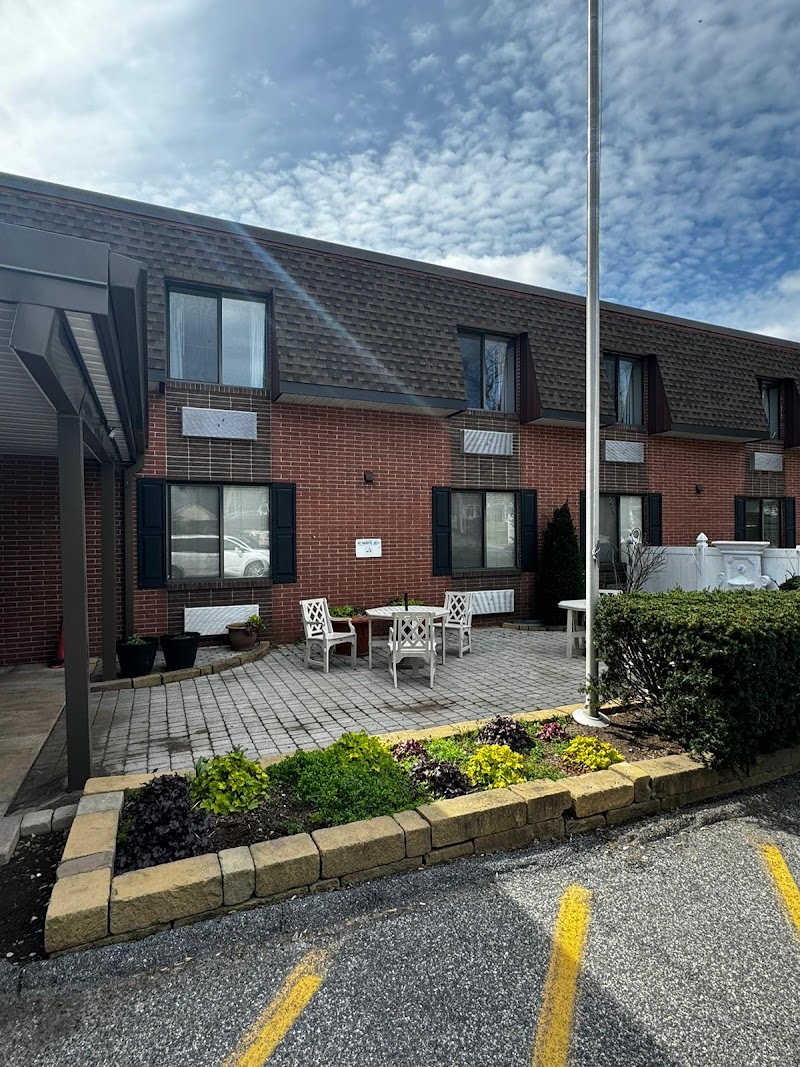
509 EAST JOPPA ROAD, TOWSON, MD 21286 (410) 828-9494
For profit - Limited Liability company 132 Beds ATLAS HEALTHCARE Data: November 2025 1 Immediate Jeopardy citation
Trust Grade
66/100
#43 of 219 in MD
Last Inspection: October 2024

Within standard 12-15 month inspection cycle. Federal law requires annual inspections.

Overview

Towson Rehabilitation and Healthcare Center has a Trust Grade of C+, which means it is slightly above average but not without its concerns. It ranks #43 out of 219 facilities in Maryland, placing it in the top half, and #11 out of 43 in Baltimore County, indicating that there are only ten local options that are better. The facility is improving, as it has reduced its issues from 15 in 2024 to just 2 in 2025. Staffing, however, is a weakness, with a rating of 2 out of 5 stars and a turnover rate of 48%, which is on par with the state average but suggests stability could be better. The facility has faced some serious incidents, including a recent critical finding where a resident with dementia was able to leave the facility undetected, leading to a significant safety risk. Additionally, there were concerns about infection control practices during wound care, as staff failed to use proper barriers to prevent contamination, which could increase infection risk. Despite these weaknesses, the quality measures and overall rating are excellent, indicating that many aspects of care are being handled well.

Trust Score
C+
66/100
In Maryland
#43/219
Top 19%
Safety Record
High Risk
Review needed
Inspections
Getting Better
15 → 2 violations
Staff Stability
⚠ Watch
48% turnover. Above average. Higher turnover means staff may not know residents' routines.
Penalties
✓ Good
$10,036 in fines. Lower than most Maryland facilities. Relatively clean record.
Skilled Nurses
○ Average
Each resident gets 36 minutes of Registered Nurse (RN) attention daily — about average for Maryland. RNs are the most trained staff who monitor for health changes.
Violations
⚠ Watch
38 deficiencies on record. Higher than average. Multiple issues found across inspections.
★★★★★
5.0
Overall Rating
★★☆☆☆
2.0
Staff Levels
★★★★★
5.0
Care Quality
★★★★☆
4.0
Inspection Score
Stable
2024: 15 issues
2025: 2 issues

The Good

  • 5-Star Quality Measures · Strong clinical quality outcomes
  • Full Sprinkler Coverage · Fire safety systems throughout facility
  • No fines on record

Facility shows strength in quality measures, fire safety.

The Bad

Staff Turnover: 48%

Near Maryland avg (46%)

Higher turnover may affect care consistency

Federal Fines: $10,036

Below median ($33,413)

Minor penalties assessed

Chain: ATLAS HEALTHCARE

Part of a multi-facility chain

Ask about local staffing decisions and management

The Ugly 38 deficiencies on record

1 life-threatening
May 2025 2 deficiencies
CONCERN (D) 📢 Someone Reported This

A family member, employee, or ombudsman was alarmed enough to file a formal complaint

Potential for Harm - no one hurt, but risky conditions existed

Report Alleged Abuse (Tag F0609)

Could have caused harm · This affected 1 resident

Based on interview, record review, and facility document and policy review, the facility failed to report an allegation of abuse to the state survey agency (SSA) for 1 (Resident #2) of 10 residents re...

Read full inspector narrative →
Based on interview, record review, and facility document and policy review, the facility failed to report an allegation of abuse to the state survey agency (SSA) for 1 (Resident #2) of 10 residents reviewed for abuse. Findings included: A facility policy titled, Abuse, Neglect and Exploitation, reviewed/revised 07/21/2021, indicated, VII. Reporting/Response A. The facility will have written procedures that include: 1. Reporting of all alleged violation to the Administrator, state agency, adult protective services and to all other required agencies (e.g. [exempli gratia, for example], law enforcement when applicable) within specified timeframes: a. Immediately, but not later than 2 hours after the allegation is made, if the events that cause the allegation involve abuse or result in serious bodily injury, or b. Not later than 24 hours if the events that cause the allegation do not involve abuse and do not result in serious bodily injury. Resident #2's admission Record indicated the facility admitted the resident on 02/14/2025. According to the admission Record, the resident had a medical history that included diagnoses of hemiplegia and hemiparesis following a cerebral infarction (stroke) affecting the left non-dominant side, aphasia (language disorder), and dysphagia (difficulty swallowing). An admission Minimum Data Set (MDS), with an Assessment Reference Date (ARD) of 02/20/2025, revealed Resident #2 had unclear speech and was rarely/never understood. The MDS indicated the resident had a Brief Interview for Mental Status (BIMS) score of 3, which indicated the resident had severe cognitive impairment. According to the MDS, the resident required substantial/maximal assistance from staff with rolling left and right in bed. A typed statement, initialed by the Director of Social Work (DSW) and dated 04/13/2025, indicated the DSW interviewed Resident #2 about an incident, and the resident reported, When the lady was washing me up at night. [sic] The table went boom and it hit my arm. The statement indicated the resident did not know if the incident was intentional or accidental. During an interview on 05/29/2025 at 1:09 PM, the DSW stated that in 04/2025, Resident #2 told a therapy staff member that a geriatric nursing assistant (GNA) hurt their arm. She stated she went in and asked the resident about it and the resident vocalized sounds indicating impact (boom, bam) and demonstrated that they rolled over and impacted a bedside table with their arm. The DSW stated she thought the incident was an accident and not intentional. She stated she interviewed the GNA assigned to the resident, as well as other residents, and no concerns were identified. The DSW stated she turned the information she collected into the Administrator, but she did not know what happened after that. During an interview on 05/30/2025 at 9:10 AM, the Administrator stated the facility had not reported the allegation made by Resident #2, because the DSW determined that it was an accident; however, the Administrator indicated the facility had maintained what she referred to as a soft file related to the incident. She stated they did not want to report every time a resident made a negative statement, because it did not always mean abuse, and she did not want to send multiple reports to the SSA if it was not really an allegation of abuse. The Administrator then stated that since the resident did make the statement to the therapy staff member, they should have considered it an allegation of abuse and reported it. During an interview on 05/30/2025 at 9:37 AM, the Director of Nursing (DON) stated that anytime an allegation of abuse was made, it should be reported. She stated when the staff went in to speak with Resident #2 about the incident, the resident's story changed, and they thought it was an accident. During an interview on 05/30/2025 at 10:05 AM, the Director of Rehabilitation (DOR) stated that when Resident #2 told her about what happened in 04/2025, the resident reported that the staff was rough with them while changing them and hit their arm. The DOR stated the resident repeated this several times. She stated she immediately went to the DSW, and they went back into the room together, and the resident changed their story, saying they did not think the staff member meant to hit them. She stated the resident was holding their arm and vocalizing sounds indicating impact (boom, bam) and demonstrated by turning toward their table. She said it seemed that the resident hit their arm on the table. The DOR stated Resident #2 had aphasia, so she was not completely sure. She stated she reported the resident's allegation right away just like she was supposed to, and she did not know if it was reported to the state. During an interview on 05/30/2025 at 10:12 AM, the Administrator stated that after discussing the incident with their team and the Regional Consultant, they determined that Resident #2's allegation should have been reported.
CONCERN (D) 📢 Someone Reported This

A family member, employee, or ombudsman was alarmed enough to file a formal complaint

Potential for Harm - no one hurt, but risky conditions existed

Investigate Abuse (Tag F0610)

Could have caused harm · This affected 1 resident

Based on interview, record review, and facility document and policy review, the facility failed to ensure an investigation into an allegation of abuse was submitted to the state survey agency (SSA) an...

Read full inspector narrative →
Based on interview, record review, and facility document and policy review, the facility failed to ensure an investigation into an allegation of abuse was submitted to the state survey agency (SSA) and failed to ensure documentation of the facility's investigation reflected a thorough investigation for 1 (Resident #2) of 10 residents reviewed for abuse. Findings included: A facility policy titled, Abuse, Neglect and Exploitation, reviewed/revised 07/21/2021 indicated, V. Investigation of Alleged Abuse, Neglect and Exploitation A. An immediate investigation is warranted when suspicion of abuse, neglect or exploitation or reports of abuse, neglect or exploitation occur. The policy specified, B. Written procedures for investigations included, 4. Identifying and interviewing all involved persons, including the alleged victim, alleged perpetrator, witnesses, and others who might have knowledge of the allegations and 6. Providing complete and thorough documentation of the investigation. Resident #2's admission Record indicated the facility admitted the resident on 02/14/2025. According to the admission Record, the resident had a medical history that included diagnoses of hemiplegia and hemiparesis following a cerebral infarction (stroke) affecting the left non-dominant side, aphasia (language disorder), and dysphagia (difficulty swallowing). An admission Minimum Data Set (MDS), with an Assessment Reference Date (ARD) of 02/20/2025, revealed Resident #2 had unclear speech and was rarely/never understood. The MDS indicated the resident had a Brief Interview for Mental Status (BIMS) score of 3, which indicated the resident had severe cognitive impairment. According to the MDS, the resident required substantial/maximal assistance from staff with rolling left and right in bed. A typed statement, initialed by the Director of Social Work (DSW) and dated 04/13/2025, indicated the DSW interviewed Resident #2 about an incident, and the resident reported, When the lady was washing me up at night. [sic] The table went boom and it hit my arm. The statement indicated the resident did not know if the incident was intentional or accidental. During an interview on 05/29/2025 at 1:09 PM, the DSW stated that in 04/2025, Resident #2 told a therapy staff member that a geriatric nursing assistant (GNA) hurt their arm. She stated she went in and asked the resident about it, and the resident vocalized sounds indicating impact (boom, bam) and demonstrated that they rolled over and impacted a bedside table with their arm. The DSW stated she thought the incident was an accident and not intentional. She stated she interviewed the GNA assigned to the resident (GNA #2), as well as other residents, and no concerns were identified. The DSW stated she turned the information she collected into the Administrator, but she did not know what happened after that. During an interview on 05/30/2025 at 9:10 AM, the Administrator stated the facility had not reported the allegation made by Resident #2 to the SSA, because the DSW determined that it was an accident; however, the Administrator indicated the facility had maintained what she referred to as a soft file related to the incident. She stated they did not want to report every time a resident made a negative statement, because it did not always mean abuse, and she did not want to send multiple reports to the SSA if it was not really an allegation of abuse. The documents referred to by the Administrator as their soft file included a typed statement from the DSW dated 04/13/2025 that provided details of the interview they conducted with Resident #2 regarding the allegation, a typed statement from the GNA assigned to the resident at the time of the allegation (GNA #2), and documentation that five additional residents were interviewed on 04/13/2025 and reported no concerns. There was no documentation to indicate the facility interviewed or obtained statements from the therapy staff member the resident originally reported the allegation to or other staff members who may have had knowledge of the alleged incident. During an interview on 05/30/2025 at 9:37 AM, the Director of Nursing (DON) stated that anytime an allegation of abuse was made, it should be reported and investigated. During an interview on 05/30/2025 at 10:05 AM, the Director of Rehabilitation (DOR) stated that when Resident #2 told her about what happened in 04/2025, the resident reported that the staff was rough with them while changing them and hit their arm. The DOR stated the resident repeated this several times. She stated she immediately went to the DSW, and they went back into the room together, and the resident changed their story, saying they did not think the staff member meant to hit them. She stated the resident was holding their arm and vocalizing sounds indicating impact (boom, bam) and demonstrated by turning toward their table. She said it seemed that the resident hit their arm on the table in their room. The DOR stated Resident #2 had aphasia, so she was not completely sure. She stated she reported the resident's allegation right away just like she was supposed to. The DOR further stated the facility had just asked her to provide a statement regarding the resident's 04/2025 allegation. A typed statement, signed by the DOR and dated 05/30/2025, revealed the DOR entered Resident #2's room on 04/13/2025 to initiate physical therapy. The DOR's statement indicated that the resident had expressive aphasia, and was clearly upset. The resident reported, The lady was rough with [the resident] while changing [him/her] and hit [his/her] arm. Per the statement, Resident #2 repeated this several times, and the DOR immediately went to the DSW to report the information alleged by the resident, and they both spoke with the resident about the allegation further. During an interview on 05/30/2025 at 10:12 AM, the Administrator stated that after discussing the incident with their team and the Regional Consultant, they determined that Resident #2's allegation should have been reported. She stated they did get statements from other residents that GNA #2 was assigned to care for, and skin checks were conducted for the residents that were cognitively impaired. The Administrator confirmed the facility did not interview or obtain statements from any other staff members.
Oct 2024 4 deficiencies
CONCERN (D) 📢 Someone Reported This

A family member, employee, or ombudsman was alarmed enough to file a formal complaint

Potential for Harm - no one hurt, but risky conditions existed

Report Alleged Abuse (Tag F0609)

Could have caused harm · This affected 1 resident

Based on record review and staff interview it was determined that the facility failed to ensure that all allegations of abuse were reported to the State Agency (SA) within the required timeframe. This...

Read full inspector narrative →
Based on record review and staff interview it was determined that the facility failed to ensure that all allegations of abuse were reported to the State Agency (SA) within the required timeframe. This was evident for 1 (MD00209677) of 2 facility reported incidents reviewed. The findings include: A review of the facility's investigation file for the facility reported incident #MD00209677 on 10/08/2024 at 1:03 PM revealed an incident report that was dated 9/10/24 at 12:44 PM. The report read that during Resident #1's care plan meeting s/he reported an allegation of abuse that occurred on 9/7/24. Review of the facility's initial report to the SA the facility documented that Registered Nursed (RN) #2 was made aware of the allegation of abuse on 9/10/24 at 12:45 PM and it was reported to the Administrator at 12:50 PM. Review of the email confirmation for the initial report to the SA revealed it had not been sent until 9/10/24 at 3:15 PM. The Nursing Home Administrator and Director of Nursing were made aware at the time of exit 10/10/24 at 1:40 PM. They offered no rationale for the late reporting.
CONCERN (D) 📢 Someone Reported This

A family member, employee, or ombudsman was alarmed enough to file a formal complaint

Potential for Harm - no one hurt, but risky conditions existed

Pressure Ulcer Prevention (Tag F0686)

Could have caused harm · This affected 1 resident

Based on observation, record review, and staff interview it was determined that the facility failed to turn and reposition a resident who was at risk for pressure injury. This was evident for 1 (#72) ...

Read full inspector narrative →
Based on observation, record review, and staff interview it was determined that the facility failed to turn and reposition a resident who was at risk for pressure injury. This was evident for 1 (#72) of 4 residents reviewed for pressure ulcers. The findings include: An observation on 10/9/24 at 8:45 AM of Resident #72, revealed s/he was sitting up in the bed for breakfast. When the geriatric nursing assistant (GNA) left the room, the resident remained laying on his/her back. The resident was observed to have a few inches on each side of the mattress. A second observation on 10/9/24 at 11:21 AM revealed the resident was laying on his/her back. An interview on 10/9/24 at 9:07 AM with GNA #1, who was Resident #72's assigned GNA, revealed she was aware that s/he was to be turned and repositioned every 2 hours. On 10/10/24 at 7:58 AM an observation was made of Resident #72 laying on his/her back. The resident was in the same position 10/10/24 at 8:12 AM, and 10/10/24 at 10:13 AM. On 10/10/24 at 10:26 AM an interview with the resident's assigned GNA #2 revealed she reportedly turned and repositioned the resident every 2 hours by placing a pillow under the resident's shoulder. GNA #2 was asked to demonstrate to the surveyor how she was placing the pillow to turn the resident. She demonstrated placing the pillow under the right shoulder and back area. When asked to check to see if the placement of the pillow had relieved the pressure on the resident's bottom she felt under the resident and stated it had not. She also reported that the resident did not have much room in the bed, and she was afraid to turn and reposition the resident because she feared s/he would fall. However, she failed to report this concern to the nurse. During an interview with Licensed Practical Nurse (LPN) #1 on 10/10/24 at 10:21 AM, she reported that Resident #72 should be turned and repositioned every 2 hours. She stated that it seemed the resident was always on his/her back, so she would add another pillow. A review of Resident #72's medical record on 10/9/24 at 8:55 AM, while observing the resident revealed the resident was obese and had Hidradenitis suppurativa (HS - a chronic skin disease. It causes painful, boil-like lumps that form under the skin. The lumps become inflamed and painful. Medlineplus.gov). According to the minimum data set (MDS) with the assessment reference date of 9/9/24 the resident required maximum to full dependence on staff for moving around in bed. An interview with the Wound Care Nurse Practitioner (NP) #1 on 10/10/24 at 11:11 AM revealed Resident #72 currently had an outbreak of HS. She reported the resident had no pressure wounds at this time. When asked if it was important to turn and reposition the resident, she stated that the wounds that developed from the HS had the potential to become pressure wounds. She reported the resident had one area on the sacrum (boney area located above the tailbone) and on the back. Reviewed the observations with her and she reported she had given education to staff to watch those areas and report changes when necessary. She was visiting the resident once a week. The concerns were reviewed with Registered Nurse (RN) #2, the Unit Manager, on 10/10/24 at 12:06 PM. She was asked if she was aware that staff were afraid to turn and reposition the resident due to the fear of him/her falling, she stated she had not been aware. The Nursing Home Administrator and Director of Nursing were made aware at the time of exit 10/10/24 at 1:40 PM.
CONCERN (D)

Potential for Harm - no one hurt, but risky conditions existed

Food Safety (Tag F0812)

Could have caused harm · This affected 1 resident

**NOTE- TERMS IN BRACKETS HAVE BEEN EDITED TO PROTECT CONFIDENTIALITY** Based on observation, interview, and record review, the facility failed to maintain the cleanliness of the ice machine filter an...

Read full inspector narrative →
**NOTE- TERMS IN BRACKETS HAVE BEEN EDITED TO PROTECT CONFIDENTIALITY** Based on observation, interview, and record review, the facility failed to maintain the cleanliness of the ice machine filter and drip pan for one of two ice machines at the facility. This failure had the potential to cause contamination of the ice which could have a negative impact on all 104 residents currently residing at the facility. Findings include: During an observation on 10/10/24 at 4:15 PM in the kitchen, the [NAME] Symphony Plus' (a small ice machine) filter grate on the right side of the machine was noted to be covered in yellow tinged dust, and the drain pan was covered with rust and white colored substances. During an observation and interview on 10/11/24 at 10:00 AM, the Kitchen Dietary Manager (DM) confirmed that the filter grate was dusty and that the drain pan was covered with rust and white colored substances. The DM stated the maintenance department was responsible for the ice machine's filter management, and the kitchen staff was responsible for cleaning the drain pan. The DM could not locate a schedule for cleaning the drain pan. During an observation and interview on 10/11/24 at 10:30 AM, the Maintenance Director (MD) confirmed that the ice machine's filter grate was dirty/dusty. The MD stated that he cleaned and serviced the small ice machine shortly after he arrived at the facility during September 2023. The MD stated the ice machine was due to be cleaned this month. The MD was unable to produce a maintenance log for the ice machine. During an interview on 10/11/24 at 1:15 PM, the Administrator confirmed that she was not aware of a facility policy that addressed maintenance of the kitchen equipment. Review of an undated manual titled, [NAME] Symphony Plus Ice and Water Dispenser Installation Guide revealed, . Cleaning . Recommended Cleaning Intervals . Exterior as needed . Drain Pan/Drip Pan Weekly .
CONCERN (E)

Potential for Harm - no one hurt, but risky conditions existed

Infection Control (Tag F0880)

Could have caused harm · This affected multiple residents

**NOTE- TERMS IN BRACKETS HAVE BEEN EDITED TO PROTECT CONFIDENTIALITY** Based on observations, interviews, and record reviews, the facility failed to 1.) complete wound care in a manner to prevent cro...

Read full inspector narrative →
**NOTE- TERMS IN BRACKETS HAVE BEEN EDITED TO PROTECT CONFIDENTIALITY** Based on observations, interviews, and record reviews, the facility failed to 1.) complete wound care in a manner to prevent cross-contamination when they did not use proper barriers during wound care for three of three residents reviewed for wound care (Resident (R) 91, and R82, and R298), and 2.) ensure peripheral inserted central catheter (PICC) dressings were changed and/or remained intact for one of one resident (R298) reviewed for PICC lines out of total sample of 24. These failures had the potential to increase contamination and the spread of infection. Review of the facility policy titled, Wound Care, dated 10/01/23 revealed, . (5) use disposable cloth (paper towel is adequate) to establish a clean field. Place all items to be used during the procedure on a clean field. Arrange supplies so they can be easily reached . (7) Position resident. Place a disposable cloth next to the resident (under the wound) to serve as a barrier to protect the bed linen and other body sites . Review of the facility policy titled, Central Venous Catheter Care and Dressing Changes, dated 03/2022 revealed, . (1) Perform site care and dressing change at established intervals or immediately if the integrity of the dressing is compromised . (3) change the dressing if it becomes damp, loosened or visibly soiled and: (a) at least every 7 days for transparent semi permeable membrane (TSM) dressing . immediately if the dressing site appear compromised . Findings Include: 1. Review of R91's Face Sheet, located under the Clinical tab of the electronic medical record (EMR), revealed R91 was admitted to the facility on [DATE] with diagnoses that included infection of intervertebral disc (Pyogenic), lumbar region and spinal stenosis. Review of R91's quarterly Minimum Data Set (MDS), located in the EMR located under the Clinical tab and with an Assessment Reference Date (ARD) of 09/03/24, revealed R91 had a Brief Interview for Mental Status (BIMS) of 15 out of 15, indicating R91 was cognitively intact. Review of R91's Orders, located in the EMR under the Clinical tab, revealed a treatment order for R91's sacral wound. The order indicated, . Treatment: 1. Cleanse with 0.125% Dakins solution. 2. Pack with silver alginate, barrier cream on periwound to base of wound. 3. Secure with bordered foam . Review of R91's Care Plan, dated 10/09/24 and located in the EMR under the Clinical tab, revealed R91 had actual skin breakdown related to multiple wounds. Interventions included, . Administer pain medication as ordered, encourage increase physical mobility within my capacity limits, and observe for signs and symptoms of wound infection and intervene accordingly . During an observation on 10/09/24 at 10:59 AM, Licensed Practical Nurse (LPN) 1 prepared to complete wound care for R91's sacral wound. LPN1 placed the following wound care supplies on R91's bed: normal saline (NS), Dakin's solution, silver alginate, 4x4 gauze pads, gloves, and a bordered foam dressing. LPN1 did not place her supplies on a clean field and failed to place a barrier under R91 to protect the bed linens. During an interview on 10/09/24 at 11:46 AM, LPN1 stated the policy was to keep supplies in the original container until they were used. LPN1 stated she was not aware of a policy for using a clean field for wound care supplies or placing a barrier under the resident prior to providing wound care. LPN1 stated she had not received education regarding using a clean field. 2. Review of R298's Face Sheet, located in the EMR under the Clinical tab, revealed R298 was admitted on [DATE] with diagnoses that included diffuse large B cell lymphoma and immunodeficiency, unspecified. Review of R298's admission MDS, with an ARD of 10/06/24 and located in the EMR under the Clinical tab, revealed R298 had a BIMS of 15 out of 15, indicating s/he was cognitively intact. a. Review of R298's Orders, located in the EMR under the Clinical tab, revealed no orders for PICC line dressing changes. Review of R298's Care Plan, dated 10/01/24 and located in the EMR under the Clinical tab, revealed R298 had a (single lumen) central line catheter related to his/her chemotherapy. Interventions included, . change dressing, injection caps and extension tubing weekly . During an interview and observation on 10/10/24 at 9:48 AM, the dressing on R298's PICC line was observed to be loose and was dated 09/27/24. R298 stated facility staff did not change the dressing. S/he stated it was last changed at the hospital. During an interview on 10/10/24 at 9:58 AM, Registered Nurse (RN) 1 stated R298 had been going to the hospital on a weekly basis for lab drawings, treatments, and PICC line dressing changes. RN1 stated the facility staff were only flushing the PICC line. RN1 confirmed R298's PICC line dressing had not been changed since 09/27/24. During an interview on 10/10/24 at 10:43 AM, the Director of Nursing (DON) and Administrator stated PICC line dressings should be changed once a week. The DON verified R298 was receiving dressing changes at the clinic when s/he went for chemotherapy. The DON stated the facility nursing staff should have identified the dressing had not been changed since 09/27/24. The administrator verified R298 went for a chemotherapy treatment on 10/03/24, and the dressing should have been changed at that time. The Administrator stated the oncology clinic preferred to change the dressing themselves and not have the nursing home staff change PICC line dressings. b. Review of R298's Orders, dated 10/03/24 and located in the EMR under the Clinical tab, revealed, . 1. Cleanse wound with normal saline. 2. Apply Silver alginate to the base of the wound. 3. Secure with bordered gauze . During an observation on 10/09/24 at 11:38 AM, LPN1 was observed completing wound care for R298's left lateral thigh wound. LPN1 placed the following wound care supplies on the bedside table without using a clean field: NS, gauze pads, and bordered gauze. The bedside table was not cleaned prior to placing the dressing supplies on the table. During an interview on 10/10/24 at 12:00 PM, the DON stated the proper procedure while providing wound care was to place all wound care supplies on a clean field prior to beginning the treatment. The DON stated a paper towel could be used as a clean field. The DON stated her expectation was for all nurses to use a clean field for their wound care supplies. 3. Review of R82's quarterly MDS, with an ARD of 08/24/24 and located in the EMR under the Clinical tab, revealed R82 was admitted to the facility on [DATE] with unspecified intellectual disabilities. It was recorded that R82 had a BIMS of 99, which indicated severe cognitive impairment. The MDS revealed R82 had one stage three pressure ulcer that was not present upon admission/readmission. Review of R82's Orders, dated 09/19/24 and located in the EMR under the Clinical tab, revealed, . 1. Cleanse wound with normal saline. 2. Apply Santyl to wound base, Calcium alginate, skin prep peri wound. 3. Secure with bordered foam . Review of R82's Care Plan, dated 09/20/24 and located in the EMR under the Clinical tab, revealed R82 had actual skin breakdown. Interventions included, . administer pain medication as ordered, treatments as provided, and wound evaluation weekly to determine progress or deterioration of wound . During an observation on 10/09/24 at 2:40 PM, LPN2 prepared to complete wound care for R82's right lateral foot wound. LPN2 placed the following wound care supplies on the resident's bed: NS, gauze pads, Santyl, and a bordered foam dressing without using a protective barrier. During an interview on 10/09/24 at 2:49 PM, LPN2 stated she should have used a protective barrier for her wound care supplies.
May 2024 11 deficiencies 1 IJ
CRITICAL (J) 📢 Someone Reported This

A family member, employee, or ombudsman was alarmed enough to file a formal complaint

Immediate Jeopardy (IJ) - the most serious Medicare violation

Accident Prevention (Tag F0689)

Someone could have died · This affected 1 resident

Based on medical record review and interview it was determined that the facility failed to prevent a known wandering resident from leaving the facility. This was evident for 1 of 6 ( #18) residents re...

Read full inspector narrative →
Based on medical record review and interview it was determined that the facility failed to prevent a known wandering resident from leaving the facility. This was evident for 1 of 6 ( #18) residents reviewed for elopements. This failure resulted in an Immediate Jeopardy for Resident #18. After the elopement incident the facility developed, initiated and completed a plan of correction to prevent further elopements. Therefore, this deficiency will be cited as a past non-compliance. The date of correction was 5/27/2023. The findings include: Review on 5/16/24 at 9:59 AM of the facility reported incident MD00192701 revealed that on 5/19/23, Resident #18 eloped at approximately 9:15 AM. Record review on 5/16/24 at 10:10 AM revealed Resident #18 had a diagnosis of Parkinson's disease of which s/he had been refusing medication, delirium, and dementia with behavioral disturbances. A wander guard was placed on Resident #18 upon admission. Further review of the facility report revealed that Resident #18 was able to leave the facility undetected, and was found by police 5 hours later at a hotel approximately 14 miles away. The facility report further noted that upon the resident return to the facility, his/her wander guard bracelet, that was located on the resident's wrist prior to the elopement was checked for functioning and it was working, even alarmed upon reentry to the facility, however, it did not alarm when s/he left the facility. A new wander guard was placed on Resident #18's ankle, the care plan was updated, and staff education was completed related to elopement procedures. Additionally, the facility report and nursing progress notes stated that on readmission, Resident #18 refused any assessment, became aggressive, and combative, and was sent to the hospital for further treatment and evaluation. According to the facility report and investigation, the receptionist, staff #16 stated that she thought Resident #18 was a visitor and opened the door for him/her to leave with other visitors. Further, according to the incident report, when Staff #16 was interviewed about Resident #18 and the incident, she stated that she was unaware of the elopement binder that had the resident's picture and information in there. Review on 5/17/24 at 9:44 AM revealed that upon hire, staff #16 was educated on the facility elopement procedures, including the elopement binder. The Administrator was interviewed on 5/17/24 at 8:22 AM and she provided the survey team with training, education, and interventions that were completed related to the elopement for Resident #18. The changes and intervention implementations completed by 5/27/23 after the occurrence on 5/19/23 included: Staff re-education on the elopement process and procedures and education related to the elopement binder at the front desk. Additionally, there are daily checks completed on the exit doors. According to the TELS (an electronic communication with maintenance and work order tracking) logbook documentation provided on 8:20 AM at 5/17/24, the operation of the door monitors and patient wandering systems are checked daily and all noted as pass. Based on the above actions taken by the facility and verified by the surveyor on-site, it was determined that the facility had corrected the deficient practice by 5/27/23, prior to the start of the survey.
CONCERN (D) 📢 Someone Reported This

A family member, employee, or ombudsman was alarmed enough to file a formal complaint

Potential for Harm - no one hurt, but risky conditions existed

Deficiency F0573 (Tag F0573)

Could have caused harm · This affected 1 resident

Based on interview and medical record review, it was determined the facility staff failed to provide a resident a copy of the resident's medical record in a timely manner (Resident #15). This was evid...

Read full inspector narrative →
Based on interview and medical record review, it was determined the facility staff failed to provide a resident a copy of the resident's medical record in a timely manner (Resident #15). This was evident for 1 of 36 residents reviewed during a complaint survey. The findings include: The Surveyor began on 5/17/24 a review of a complaint regarding a delay in obtaining a copy of the medical records for Resident #15 that was requested on 3/28/24 and still had not been received as of 5/17/24. Review of Resident #15's medical record on 5/17/24 revealed the Resident was discharged from the facility on 2/6/23. The Resident's representative provided to the Surveyor on 5/17/24 the request that was sent to medical records on 3/28/24 signed by the Resident for a copy of all the medical records during the Resident's stay at the facility. On 5/20/24 at 8:00 AM the Director of Nursing provided the Surveyor the closed record for Resident #15. During interview with Medical Records, Staff #22, on 5/20/24 at 9:18 AM, Staff #22 stated she did receive the request dated 3/28/24 for Resident #15's medical records but because the facility is now owned by a different company she forwarded the request to Corporate as she had been instructed to do. Staff #22 stated she never heard anything else about the request. Interview with the Director of Nursing on 5/21/24 at 9:04 AM confirmed the facility staff failed to provide a copy of Resident #15's medical records as requested by the Resident in a timely manner.
CONCERN (D) 📢 Someone Reported This

A family member, employee, or ombudsman was alarmed enough to file a formal complaint

Potential for Harm - no one hurt, but risky conditions existed

Notification of Changes (Tag F0580)

Could have caused harm · This affected 1 resident

Based on medical record review and interview with facility staff, it was determined that the facility failed to notify the resident representative and physician of a change in condition. This was evid...

Read full inspector narrative →
Based on medical record review and interview with facility staff, it was determined that the facility failed to notify the resident representative and physician of a change in condition. This was evident during the review of a complaint for 1 of 3 residents (#4). The findings include: Review of the complaint #MD00169562 on 5/14/24 at 11:39 revealed concerns related to the notification of a significant weight loss that occurred with a family member that was residing in the facility. Review of the medical record for Resident #4 on 5/14/24 at 11:39 AM revealed medical diagnosis including congestive heart failure and atrial fibrillation. Further record review revealed an initial order to notify the physician for weight gain of 5 lbs or more related to the congestive heart failure. On 6/8/21 the resident physician ordered Metolazone, a diuretic, (used to treat conditions like high blood pressure, edema, and heart failure, help the body get rid of extra fluid and salt by making the kidneys remove water and salt through urine. This lowers the amount of fluid flowing through the veins and arteries) to be administered concurrently with already ordered Lasix, a diuretic. According to the physician progress note dated 6/22/21 the Metolazone was ordered as a 1-time dose related to the identified weight gain and shortness of breath documented on 6/7 with a weight gain from 221-225 lbs. A review of Resident #4's medication administration record (MAR) revealed that the Metolazone was administered from 6/7-6/14.Resident #4 was on weekly weights at the time related to the CHF. His/her weights went from 221 on 6/11/21 to 159 lbs. on 6/16/21 during the time of the Metolazone administration. The facility dietitian staff #3 was interviewed on 5/14/24 at 1:36 PM and again followed up with an interview on 5/15/24 at 8:17 AM. The physician order and for the Metolazone and the weight loss was reviewed.The provided physician note dated 6/22/21 regarding Resident #4's admission and care stated that the Metolazone was a 1x dose was reviewed. The physician note also only stated about the reported weight gain not the significant weight loss that had occurred prior to the 6/22/21 note. Staff #3 concurred at that time that the order for Metolazone stated 1 time dose. She stated that the Metolazone is usually ordered for 5-7 days but concurred that the physician note did state it was for a 1-time dose. She also reported that there were no further dietary notes she could locate after the initial screening assessment completed on 5/28/21. According to the progress notes and assessments there were no change in condition reports or documents around the time of 6/14/21 regarding the significant weight loss of 62 lbs. and notification to the family or the physician. This identified concern was reviewed with staff #3 on 5/15/24 at 8:17 AM. The DON was also notified of the identified concerns on 5/15/24 and again during exit on 5/21/24. Cross reference F757
CONCERN (D) 📢 Someone Reported This

A family member, employee, or ombudsman was alarmed enough to file a formal complaint

Potential for Harm - no one hurt, but risky conditions existed

Report Alleged Abuse (Tag F0609)

Could have caused harm · This affected 1 resident

Based on record review and interview it was determined that the facility failed to have a process in place to ensure that allegations of abuse were reported to the State Agency within the required 2-h...

Read full inspector narrative →
Based on record review and interview it was determined that the facility failed to have a process in place to ensure that allegations of abuse were reported to the State Agency within the required 2-hour time frame and to ensure that the final report was sent to the State Agency within 5 business days. This was evident for 3 of 3 allegations of abuse reviewed. The findings include: 1) On 5/20/24 at 11:45 AM a review of the facility's investigation file for the facility reported incident #MD00205616 revealed an initial report form that read a police officer had come to the facility on 5/12/24 at approximately 7:30 PM and reported that they suspected sexual assault due to the findings of the physician's exam at the hospital. Further review revealed an email confirmation for the report sent to the state agency (SA) which read it had not been sent until 5/13/24 at 1:15 AM, 5 hours and 45 minutes after the facility was made aware of the allegation. There was no evidence of when the final investigation report had been sent to the SA. On 5/20/24 at 2:10 PM reviewed the findings with the Director of Nursing who offered no rationale for the late reporting. Subsequently, the Regional Nurse #23 came in during the interview and was made aware of the late reporting. 2) On 5/17/24 at 10:28 AM a review of the facility's investigation file for the facility reported incident #MD00198055 revealed a self-report form for an allegation of abuse which occurred on 10/1/23, however the remainder of the content was for an allegation of abuse that occurred on 5/26/23. A concern form was completed by Registered Nurse (RN) Staff #24 on 5/26/23 at 11:14 AM that documented Resident #19 reported to him that last night (5/25/23) on night shift the resident was eating a pack of crackers, which were dry and started coughing. When the resident put on his/her call light for assistance and to ask for water, the aide came in and turned the light out and walked away without helping. The roommate Resident #37 was present and reported that s/he put on their call light and two aides responded and then Resident #19 and the original aide started yelling at each other. Resident #37 also reported that the night shift nurse came in and spoke to Resident #19 after the incident. Statements were obtained from both residents and Geriatric Nursing Assistant (GNA) staff #25. However, there was no evidence that the incident had been reported to the state agency (SA). On 5/17/24 at 11:01 AM the surveyor reviewed the investigation file with the Director of Nursing (DON) and requested evidence that the allegation of abuse on 5/26/23 was reported to the SA. She stated she would look into it. As of 5/17/24 at 1:44 PM, the DON had not reported back to the surveyor. The Nursing Home Administrator (NHA) was interviewed. She reported that they had investigated the incident dated 5/26/23 but had determined that the resident had everything that s/he needed, and the investigation was closed out. When asked about the reporting of the allegation of abuse, she stated she had not determined abuse had occurred and did not report it. Facilities were required to report all allegations of abuse within 2 hours of being informed of the allegation. 3) A review of the facility's investigation file for the self-reported incident #MD00198055 on 5/21/24 at 9:25 AM revealed a self-report form that noted that Resident #19 had reported that a GNA on night shift had thrown the resident's dirty gown on the floor and then threw it in his/her face and was rough while providing care. Further review revealed a statement by Licensed Practical Nurse (LPN) #28, which read she was made aware of the allegation of abuse from Resident #19 on 10/2/24, after the GNA #26 made her last rounds of care. However, the email confirmation noted that the facility failed to report the allegation of abuse until 10/9/23 at 3:59 PM, 7 days after learning of the allegation. Also, there was no evidence that the final investigation was submitted to the SA. This was reviewed with the DON on 5/21/24 at 10:00 AM and she confirmed she had been involved with the investigation but was not the DON at the time this occurred. She offered no rationale for the late reporting of the incident. The NHA was not available for interview. Cross Reference: F610
CONCERN (D) 📢 Someone Reported This

A family member, employee, or ombudsman was alarmed enough to file a formal complaint

Potential for Harm - no one hurt, but risky conditions existed

Investigate Abuse (Tag F0610)

Could have caused harm · This affected 1 resident

Based on record review and interview it was determined that the facility failed to conduct a thorough investigation of allegations of abuse. This was evident for 3 of 3 allegations of abuse reviewed. ...

Read full inspector narrative →
Based on record review and interview it was determined that the facility failed to conduct a thorough investigation of allegations of abuse. This was evident for 3 of 3 allegations of abuse reviewed. The findings include: 1) A review of Resident #19's medical record on 5/17/24 at 9:25 AM revealed a quarterly MDS (minimum data set) with an assessment reference date of 7/14/23 that documented the resident had no cognitive impairment and the resident required extensive assist of 2 staff to provide care. On 5/17/24 at 10:28 AM a review of the facility's investigation file that was supposed to be for the facility reported incident #MD00198055. The file had the self-report form for the incident that occurred on 10/1/23, however the remainder of the content was for an allegation of abuse that occurred on 5/26/23. Registered Nurse (RN) Staff #24 completed a concern form on 5/26/23 at 11:14 AM that documented Resident #19 reported to him that last night (5/25/23) on night shift the resident was eating a pack of crackers, which were dry and started coughing. When the resident put on his/her call light for assistance and to ask for water, the aide came in and turned the light off and walked away without helping. Also, it was documented that the resident's roommate, Resident #37, reported that s/he put the call light on, and two aides responded. While attending to Resident #37 the aide and Resident #19 were yelling at each other. A statement was obtained from Resident #19 and the roommate Resident #37. A statement was obtained from Geriatric Nursing Assistant (GNA) Staff #25. However, they failed to obtain statements from the other staff who were duty at the time and residents who were on Staff #25's assignment, On 5/17/24 at 11:01 AM the surveyor reviewed the investigation file with the Director of Nursing (DON) and requested evidence that the allegation of abuse on 5/26/23 was reported to the SA. As of 5/17/24 at 1:44 PM, the DON had not reported back to the surveyor. The Nursing Home Administrator (NHA) was interviewed. She reported that they had investigated the incident dated 5/26/23 but had determined that the resident had everything that s/he needed, and the investigation was closed out. Reviewed with the NHA that the resident and the resident's roommate were both reporting that the resident was coughing/choking and put his/her call light on to ask for assistance, Staff #25 came in the room and turned the call light off without tending to the needs of the resident. She stated that Staff #25 wrote in her statement that the resident had water at the bedside. When asked if she had investigated to see if that was true, she confirmed she had not. Staff #25's statement did not say that the resident had water at the bedside. 2) Review of the facility's investigation file for MD00198055 on 5/21/24 at 9:25 AM revealed a self-report form that read the resident had reported that a GNA took the resident's dirty gown that had been on the floor and threw it in the resident's face. Also, the GNA was rough during care. The self-report form noted, Pending investigation. According to the statements given by Resident #19, the resident reported that on 10/1/23 s/he had not been changed during the day shift. When the GNA on evening shift (later identified as Staff #26) came in to change the resident she had turned the resident on his/her right side which caused pain. A statement was given by the resident's roommate Resident #37, who stated she had overheard the resident telling the GNA she was hurting him/her. However, they failed to conduct interviews with other staff who may have had knowledge of the incident and residents who the GNA had been assigned to that day. Regarding the lack of care on 10/1/23 dayshift, a statement was obtained from the dayshift GNA and she reported that she had not been assigned to the resident that day. The assignment sheet noted that the GNA had been assigned to the resident the room number was handwritten on the bottom. On 5/21/24 at 1:50 PM the facility had emailed the surveyor the GNA documentation for 10/1/23 - 10/30/23. A review of the GNA documentation for 10/1/23 dayshift revealed no one had signed off that they had provided care for the resident that day. On 5/21/24 at 10:00 AM an interview with the DON, who had been involved in the investigation revealed she had no rationale for not interviewing all the staff and not interviewing the residents. She confirmed she had not been aware that the resident preferred not to be turned on their right side before this complaint. She stated she thought that GNA Staff #26 was disciplined for not providing care to Resident #19 during the dayshift on 10/1/23, however there was not evidence of the discipline in the employee file. Cross Reference: F6093) On 5/16/24 at 10:26 AM a medical chart review and incident report were reviewed for abuse. Resident # 19 reported to staff member # 14 on 5/26/2023 that a GNA (Geriatric Nursing Assistant) who was caring for Resident # 19 threw a box of tissue at the resident. Resident #19 reported this happened a couple of months ago. Staff nurse #14 failed to report this information to the facility or DON until later. Staff #14 was interviewed on 5/16/24 at 11:25 AM. Staff # 14 was not able to identify the GNA responsible for this alleged incident, but stated she was an agency GNA and he/she never saw her/him again. When staff #14 reported this, DON (Director of Nursing) educated Staff # 14 on reporting an incident late and provided education on abuse and resident rights. Based on interview with the DON on 5/16/24 at 11:00 AM, the Director of Nursing revealed that she never filed a complaint with the agency the GNA worked for and chose not to find out who the agency GNA was, that was scheduled to take care of Resident # 19. Therefore there was no statement from the GNA. DON stated she would try to find out who the GNA was at the time of the incident but may be hard as this incident is over a year old. No further information was given.
CONCERN (D) 📢 Someone Reported This

A family member, employee, or ombudsman was alarmed enough to file a formal complaint

Potential for Harm - no one hurt, but risky conditions existed

Quality of Care (Tag F0684)

Could have caused harm · This affected 1 resident

2) On 5/14/24, at 9 AM, a medical record review was conducted for Resident # 30 and revealed that on 1/28/24 the resident was in bed cutting his/her toenails, when they accidentally cut their left big...

Read full inspector narrative →
2) On 5/14/24, at 9 AM, a medical record review was conducted for Resident # 30 and revealed that on 1/28/24 the resident was in bed cutting his/her toenails, when they accidentally cut their left big toe. The toe was bleeding and according to resident, he/she tried several times to call nursing staff using the call bell but no one came to help them. Resident #30 called the receptionist # 13 to let her know he/she was calling 911 and that they needed help. EMS was called on 1/28/24 at 10:06 AM and responded. EMS found resident sitting on the bed with a towel wrapped around his/her foot. EMS reported a large amount of blood. The resident also stated he/she was on eliquis, which is a blood thinner. EMS applied pressure to the wound and got the cut to stop bleeding. The resident refused to go to the hospital. Receptionist staff # 13 was interviewed on 5/14/24 at 10 AM. Staff # 13 did not remember incident and cannot say whether or not she contacted unit manager or DON to get resident help. During an interview with the Director of Nursing on 5/14/24, at 11 AM she stated to the surveyor, she was unaware this happened until EMS spoke to her on 1/28/24. At that time she started an investigation.EMS did state he spoke with the DON ( Director of Nursing) about the incident and the DON was unaware this happened. Based on medical record review and interview the facility staff failed to 1.) follow physician orders for a resident in a timely manner (Resident #15); and 2.) failed to administer care to a resident when in distress (Resident #30). This was evident for 2 of 36 residents reviewed during a complaint survey. The findings include: 1a) Review of Resident #15's medical record on 12/17/22 revealed the Resident was admitted to the facility for rehabilitation on 11/23/22 following a spinal surgery. Further review of Resident #15's medical record revealed the Resident went to a follow up infectious disease and orthopedic appointment on 12/8/22. Review of the Consultation Report dated 12/8/22 revealed the physician ordered the Resident to start Clindamycin 300 mg three times a day. Clindamycin is an antibiotic used to treat infections. Review of Resident #15's December 2022 Medication Administration Record revealed Clindamycin was not started until 12/10/22, 2 days after the consult. 1b) Further review of Resident #15's medical record revealed the Resident went a follow up infectious disease and orthopedic appointment on 1/17/23. Review of the Consultation Report dated 1/17/23 revealed the physician ordered blood work to be completed every 2 weeks and faxed to the Consultant physician. Review of Resident #15's medical record revealed the Resident's last lab work was completed on 1/23/23 and therefore the Resident should have had blood work on 2/6/23. Further review of Resident #15's medical record revealed the Resident did not have laboratory orders or blood work completed for 2/6/23. Interview with the Director of Nursing on 5/21/24 at 9:04 AM confirmed the facility staff did not start the Clindamycin until 2 days after the 12/8/22 consult and did not obtain blood work on 2/6/23 for Resident #15.
CONCERN (D) 📢 Someone Reported This

A family member, employee, or ombudsman was alarmed enough to file a formal complaint

Potential for Harm - no one hurt, but risky conditions existed

Deficiency F0688 (Tag F0688)

Could have caused harm · This affected 1 resident

Based on medical record review and interview, the facility staff failed to provide siderails as ordered by the consulting physician (Resident #15). This was evident for 1 of 36 residents reviewed duri...

Read full inspector narrative →
Based on medical record review and interview, the facility staff failed to provide siderails as ordered by the consulting physician (Resident #15). This was evident for 1 of 36 residents reviewed during a complaint survey. The findings include: Review of Resident #15's medical record on 5/17/24 revealed the Resident was admitted to the facility following a spinal surgery for rehabilitation. Review of the hospital's Occupational Therapy (OT) note on 11/21/22 prior to discharge, the OT note stated the Resident was practicing rolling using bed rail. Further review of the Resident's medical record revealed the Resident went to a follow up orthopedic appointment on 12/8/22. Review of the Consultation Report dated 12/8/22 stated, Please apply bed rails so patient can work on pulling up or rolling. Interview with the Director of Rehabilitation (DOR) on 5/20/24 at 11:40 AM, the DOR stated the facility does not use siderails and thinks the facility gave the Resident a trapeze. Asked if the facility had any evidence of placing a trapeze and stated it would have been in old TELs system for maintenance but he doesn't have access to anymore. Further review of Resident's medical record revealed no evidence in therapy notes, orders or care plans of a trapeze put in place. There is also no evidence in the medical record of notification to the Consulting physician that the facility does not use bed rails to see if an alternative equipment would be acceptable. During interview with Resident #15's representative on 5/21/24 at 10:12 AM, he/she stated a trapeze or siderails was never put in place for the Resident. Interview with the Director of Nursing on 5/21/24 at 9:04 AM confirmed the facility staff did not install siderails for Resident #15 per the physician's orthopedic consult report.
CONCERN (D) 📢 Someone Reported This

A family member, employee, or ombudsman was alarmed enough to file a formal complaint

Potential for Harm - no one hurt, but risky conditions existed

Deficiency F0757 (Tag F0757)

Could have caused harm · This affected 1 resident

Based on medical record review and interview with facility staff, it was determined that the facility staff failed to appropriately order and administer a medication. This was evident for 1 of 36 (#4)...

Read full inspector narrative →
Based on medical record review and interview with facility staff, it was determined that the facility staff failed to appropriately order and administer a medication. This was evident for 1 of 36 (#4) residents reviewed during a complaint survey. The findings include: Review of the complaint #MD00169562 on 5/14/24 at 11:39 revealed concerns related to the notification of a significant weight loss that occurred with a family member that was residing in the facility. Review of the medical record for Resident #4 revealed medical diagnosis including congestive heart failure and atrial fibrillation. Further record review revealed an initial order to notify the physician for weight gain of 5 lbs or more related to the congestive heart failure. On 6/8/21 the resident physician ordered Metolazone, a diuretic, (used to treat conditions like high blood pressure, edema, and heart failure, help the body get rid of extra fluid and salt by making the kidneys remove water and salt through urine. This lowers the amount of fluid flowing through the veins and arteries) to be administered concurrently with already ordered Lasix, a diuretic. According to the physician progress note dated 6/22/21 the Metolazone was ordered as a 1-time dose related to the identified weight gain and shortness of breath documented on 6/7 with a weight gain from 221-225 lbs. A review of Resident #4's medication administration record (MAR) revealed that the Metolazone was administered from 6/7-6/14. Resident #4 was on weekly weights at the time related to the CHF diagnosis. His/her weights went from 221 on 6/11/21 to 159 lbs. on 6/16/21 during the time of the Metolazone administration. The facility dietitian staff #3 was interviewed on 5/14/24 at 1:36 PM and again followed up with an interview on 5/15/24 at 8:17 AM. The physician order and for the Metolazone and the weight loss was reviewed. The provided physician note dated 6/22/21 regarding Resident #4's admission and care stated that the Metolazone was a 1x dose was reviewed. Staff #3 concurred at that time that the order for Metolazone stated 1 time dose. She stated that the Metolazone is usually ordered for 5-7 days but concurred that the physician note did state it was for a 1-time dose. The concern that the Metolazone was administered for 7 days instead of the ordered 1 day with a result of a significant weight loss was reviewed at this time with staff #3. The facility DON was also notified on 5/15/24 and again during exit on 5/21/24. Cross reference F580
CONCERN (D) 📢 Someone Reported This

A family member, employee, or ombudsman was alarmed enough to file a formal complaint

Potential for Harm - no one hurt, but risky conditions existed

Deficiency F0838 (Tag F0838)

Could have caused harm · This affected 1 resident

Based on review of pertinent facility documents and interview with facility staff, it was determined that the facility failed to have an updated annual facility assessment. The findings include: Revie...

Read full inspector narrative →
Based on review of pertinent facility documents and interview with facility staff, it was determined that the facility failed to have an updated annual facility assessment. The findings include: Review of the facility assessment for the 2024 year that would be reflective of 2023 on 5/21/24 at 11:40 AM during the extended survey revealed paperwork only for the year 2020-2021. This was brought to the attention of the facility corporate nurse and corporate operations representative at 11:45 AM. There were signed reviews in the front of the facility assessment binder showing the current Nursing Home Administrator and the facility governing body representative. The Corporate Operations representative stated that he has signed as the governing body representative. The signature page was not dated and a concurrent review of the facility assessment binder with this surveyor and the Corporate Operations representative and the corporate nurse failed to reveal any other documents with dates for the 2023 or 2024 year.
CONCERN (D) 📢 Someone Reported This

A family member, employee, or ombudsman was alarmed enough to file a formal complaint

Potential for Harm - no one hurt, but risky conditions existed

Deficiency F0840 (Tag F0840)

Could have caused harm · This affected 1 resident

**NOTE- TERMS IN BRACKETS HAVE BEEN EDITED TO PROTECT CONFIDENTIALITY** Based on medical record review and interview, the facility staff failed to follow up with outside resources for the care of resi...

Read full inspector narrative →
**NOTE- TERMS IN BRACKETS HAVE BEEN EDITED TO PROTECT CONFIDENTIALITY** Based on medical record review and interview, the facility staff failed to follow up with outside resources for the care of residents (Resident #15 and #14). This was evident for 2 of 36 residents reviewed during a complaint survey. The findings include: 1) Review of Resident #15's medical record on 12/17/22 revealed the Resident was admitted to the facility for rehabilitation on 11/23/22 following a spinal surgery. Review of the hospital Discharge summary dated [DATE], stated Duration of antibiotics-gave name of facility to follow up with and contact information. Possible stop date is now 12/2/22, but Infectious Disease will need to re-evaluate the labs and patient status prior to stopping. Further review of Resident #15's medical record revealed the Resident went to an Infectious Disease follow up appointment on 12/8/22. Review of the 12/8/22 Consultation Report stated to discontinue the IV antibiotic and start a by the mouth antibiotic Clindamycin 300 mg three times a day. Review of the Resident's Medication Administration Record (MAR) for December 2022 revealed the Resident did not receive the IV antibiotic on 12/4, 12/5, 12/6 and 12/7/22. The Resident did receive the IV antibiotic on 12/8/22. The facility staff failed to consult with the Infectious Disease physician prior to stopping the IV antibiotic on 12/4/22. Further review of Resident #15's medical record revealed the Resident went to an Infectious Disease follow up appointment on 1/17/23. Review of the 1/17/23 Consultation Report stated to Continue Clindamycin 300 mg three times a day until fused. Review of Resident #15's January 2023 MAR revealed the facility staff stopped administering Clindamycin to the Resident on 1/20/23. Further review of the medical record revealed no evidence the facility staff consulted with the outside facility before stopping Clindamycin on 1/20/23. Interview with the Director of Nursing on 5/21/24 at 9:04 AM confirmed the facility staff failed to follow up with the Resident's Infectious Disease physician at an outside facility for antibiotic orders per Resident #15's hospital discharge summary and outpatient Consultation Reports.2). Review of the medical record for Resident #14 revealed diagnosis including unspecified dementia and adult failure to thrive. On admission Resident #14 was also noted with a 'dark/black' area on his/her right heel. Interventions for the treatment of the area were ordered. Weekly assessments were completed, and the area was noted to increase in size. On 11/16/22 Resident #14's physician ordered for a podiatry consult and wound consult. A review on 5/20/24 revealed physician orders for those consultants. However, those orders were never implemented according to the progress notes and medication administration and treatment administration record. The facility DON was interviewed on 5/21/24 at 9:50 AM. She stated that she had contacted the facility podiatrist and there was no record that he had seen the resident, in addition there was no wound consult completed.
CONCERN (D) 📢 Someone Reported This

A family member, employee, or ombudsman was alarmed enough to file a formal complaint

Potential for Harm - no one hurt, but risky conditions existed

Medical Records (Tag F0842)

Could have caused harm · This affected 1 resident

Based on medical record review and interview with facility staff, it was determined that the facility failed to constantly document activities of daily living (ADL) care provided to a dependent reside...

Read full inspector narrative →
Based on medical record review and interview with facility staff, it was determined that the facility failed to constantly document activities of daily living (ADL) care provided to a dependent resident. This was evident during the review of 1 of 36 residents (#32) related to complaints of lack of ADL care. The findings include: Review of reported complaints for Resident #32's on 10:16 AM at 5/14/24 revealed concerns related to being left in bed and soiled with urine and stool for hours. A review of Resident #32's medical record at 10:22 AM revealed a minimum data set (MDS) Kardex documenting that s/he was frequently incontinent of bowel and bladder. The geriatric nursing assistant (GNA) documentation for toileting and bowel and bladder was requested to the facility and received on 5/16/24 at 7:47 AM. Review of this documentation revealed multiple shifts where GNA staff failed to document that care was provided for toileting for this dependent resident, specifically on 3/13/24, which was identified in the complaint as a day of concern. However, a review of the nursing progress notes, and medication administration record revealed that there was care provided and a staff member that was interactive with Resident #32 throughout the day. Interview with a unit supervisor, staff #1 on 5/14/24 at 11:00 AM revealed that he frequently tours the units and does rounds and ensures that all staff are checking on their patients. He further stated that if there is a need he will assist or provide care to residents as needed. The concerns that staff failed to document on multiple days for the month of March that ADL care was provided to Resident #32, a dependent resident, was reviewed with the facility interim Director of Nursing throughout the survey and again during exit on 5/21/24.
Aug 2019 9 deficiencies
CONCERN (D)

Potential for Harm - no one hurt, but risky conditions existed

Deficiency F0561 (Tag F0561)

Could have caused harm · This affected 1 resident

Based on medical record review, observation and interview, it was determined the facility staff failed to provide a Resident (#49) with foods of preference. This was evident for 1 of 3 residents selec...

Read full inspector narrative →
Based on medical record review, observation and interview, it was determined the facility staff failed to provide a Resident (#49) with foods of preference. This was evident for 1 of 3 residents selected for review of choices and 1 of 39 selected for review during the annual survey process. The findings include: Surveyor observation of Resident #49's lunch on 7/31/19 at 12:40 PM revealed the resident not eating the lunch. When questioned, Resident #49 stated she/he did not eat ham. Review of the menu tray ticket that accompanied the lunch revealed Resident #49 was only to have: fish, chicken, and turkey only. The tray ticket further revealed Resident #49: dislikes cottage cheese, eggs, milk to drink, beef and pork. Surveyor observation of the resident's lunch tray on 7/31/19 at 12:40 PM revealed the resident was served ham and Resident #49 reinforcing that he/she did not like ham. Interview with the Director of Nursing on 7/31/19 at 2:00 PM confirmed the facility staff failed to provide Resident #49 with foods of preference.
CONCERN (D)

Potential for Harm - no one hurt, but risky conditions existed

Deficiency F0578 (Tag F0578)

Could have caused harm · This affected 1 resident

**NOTE- TERMS IN BRACKETS HAVE BEEN EDITED TO PROTECT CONFIDENTIALITY** Based on record review and staff interview, it was determined that the facility staff failed to determine a resident's wishes re...

Read full inspector narrative →
**NOTE- TERMS IN BRACKETS HAVE BEEN EDITED TO PROTECT CONFIDENTIALITY** Based on record review and staff interview, it was determined that the facility staff failed to determine a resident's wishes regarding life sustaining treatment upon admission to the facility. This was evident for 1 (Resident #416) of 8 residents reviewed for advance directives during an annual recertification survey. The findings include: A Maryland MOLST (Medical Orders for Life-Sustaining Treatment) form is used for documenting a resident's specific wishes related to life-sustaining treatments. The MOLST form includes medical orders for Emergency Medical Services (EMS) and other medical personnel regarding cardiopulmonary resuscitation and other life-sustaining treatment options for a specific patient. Review of Resident #416's medical record on 07/30/19 reveled that Resident #416 was admitted from the hospital to the facility on [DATE] without a completed MOLST form. In an interview with MDS nurse #1 on 07/30/19 at 10 AM, MDS nurse #1 confirmed that Resident #416 did not have a completed MOLST form in his/her medical record. The facility staff must determine a Resident's wishes regarding life sustaining treatment upon admission to the facility.
CONCERN (D)

Potential for Harm - no one hurt, but risky conditions existed

Safe Environment (Tag F0584)

Could have caused harm · This affected 1 resident

**NOTE- TERMS IN BRACKETS HAVE BEEN EDITED TO PROTECT CONFIDENTIALITY** Based on observation and staff interview, it was determined that the facility failed to ensure a safe, comfortable, clean homeli...

Read full inspector narrative →
**NOTE- TERMS IN BRACKETS HAVE BEEN EDITED TO PROTECT CONFIDENTIALITY** Based on observation and staff interview, it was determined that the facility failed to ensure a safe, comfortable, clean homelike environment. This was evident in 3 resident rooms on the ground floor of the facility. The findings include: On 7/30/2019 at 9:37 AM initial tour of the facility revealed broken fins on the air conditioning unit in room [ROOM NUMBER]. Further tour of the facility at 9:40 AM revealed an electrical outlet in disrepair in room [ROOM NUMBER] hanging beside the air conditioning unit. The outlet was loose from the wall, hanging by its wire, with two metal screws protruding from the back. Observation of room [ROOM NUMBER] at 10:31 AM revealed the wall by the headboard of bed 2 was in disrepair. The Administrator and Director of Nursing were made aware of these findings during the exit conference on 8/2/2019.
CONCERN (D)

Potential for Harm - no one hurt, but risky conditions existed

Transfer Notice (Tag F0623)

Could have caused harm · This affected 1 resident

Based on medical record review and interview, it was determined that the facility staff failed to notify the residents or responsible party in writing of the reason for Residents (#95 and #102) transf...

Read full inspector narrative →
Based on medical record review and interview, it was determined that the facility staff failed to notify the residents or responsible party in writing of the reason for Residents (#95 and #102) transfer to the hospital. This was evident for 2 of 5 resident reviewed for hospitalization during the annual recertification survey. The findings include: 1. Review of the medical record for Resident #95 revealed the resident was transferred to an acute care facility on 5/15/19. There was no documentation found in the medical record that the resident, and or the resident's responsible party was given written notice in a language and manner that they understand. 2. Review of the medical record for Resident #102 revealed the resident was transferred to an acute care facility on 1/8/19. There was no documentation found in the medical record that the resident, and or the resident's responsible party was given written notice in a language and manner they understand of Resident #39 being transferred to the hospital. On 7/31/19 at 11:50 AM the Director of Nursing was made aware there was no documentation found in the medical records that the residents, and or the resident's responsible party was given written notice in a language and manner they understand. This finding was confirmed by the Director of Nursing on 7/31/19 at 11:50 AM.
CONCERN (D)

Potential for Harm - no one hurt, but risky conditions existed

Comprehensive Care Plan (Tag F0656)

Could have caused harm · This affected 1 resident

Based on medical record review and interview, it was determined the facility staff failed to initiate a care plan addressing dental for a Resident (#365) and bowel management for another (#46). This w...

Read full inspector narrative →
Based on medical record review and interview, it was determined the facility staff failed to initiate a care plan addressing dental for a Resident (#365) and bowel management for another (#46). This was evident for 2 of 39 residents selected for review during the annual survey. The findings include: 1.The Minimum Data Set (MDS) is part of the federally mandated process for clinical assessment of all residents in Medicare and Medicaid certified nursing homes. The Long-Term Care Minimum Data Set (MDS) is a health status screening and assessment tool used for all residents of long-term care nursing facilities certified to participate in Medicare or Medicaid. This process provides a comprehensive assessment of each resident's functional capabilities and helps nursing home staff identify health problems. Care Area Assessments (CAAs) are part of this process and provide the foundation upon which a resident's individual care plan is formulated. MDS assessments are completed for all residents in certified nursing homes, regardless of source of payment for the individual resident. Once the facility staff assessed the resident and completed the MDS, the intra-disciplinary team (physician, nurse, geriatric nursing assistant, dietician, social worker, resident or representative and activities) meet and based on the CAAs determine what needs the resident has. Based on those needs, the facility staff initiate a care plan to address the needs. A nursing care plan provides direction on the type of nursing care the resident may need. The focus of a nursing care plan is to facilitate standardized, evidence-based and holistic care. Nursing care plans have been used for quite several years for human purposes. A care plan includes the following components: assessment, diagnosis, expected outcomes, interventions, rationale and evaluation. It is the expectation that once care plans are initiated, they are reviewed and revised at each MDS assessment and updated to reflect current and appropriate interventions Medical record review for Resident #365 revealed the facility staff assessed the resident on 6/7/19 and 6/14/19. At that time, the facility staff documented on the MDS-Section L: Oral/Dental, L0200 A: broken or loosely fitting full or partial dentures (chipped, cracked, uncleanable or loose) and the facility staff documented: Yes. Review of the CAA on 6/7/19 revealed the facility staff documented a dental care plan would be initiated; however, the facility staff failed to initiate a care plan to address dental issues for Resident #365. Interview with the Director of Nursing on 8/1/19 at 1:00 PM confirmed the facility staff failed to initiate a care plan as indicated on the MDS for Resident #365. 2. A care plan is a guide that addresses the unique needs of each resident. It is used to plan, assess and evaluate the effectiveness of the resident's care. In an interview with Resident #46 on 07/30/19 at 12 noon, Resident #46 stated s/he was suffering from constipation. A review of Resident #46's bowel records for July 2019 revealed nursing documentation that Resident #46 had not had a bowel movement during two periods lasting greater than three days (07/06/19 thru 07/10/19 and 07/13/19 thru 07/22/19). A review of Resident #46's alteration in elimination due to constipation care plan revealed a goal that Resident #46 would have a bowel movement at least every three days which was initiated on 05/16/19 and to report any abnormalities. A review of Resident #46's medications revealed medications that were available to treat Resident #46's constipation.
CONCERN (D)

Potential for Harm - no one hurt, but risky conditions existed

Deficiency F0688 (Tag F0688)

Could have caused harm · This affected 1 resident

Based on observation, medical record review and staff interview, it was determined the facility staff failed to ensure that a resident with a limited range of motion received the appropriate treatment...

Read full inspector narrative →
Based on observation, medical record review and staff interview, it was determined the facility staff failed to ensure that a resident with a limited range of motion received the appropriate treatment and services to prevent further decline in range of motion. This was evident for 1 (Resident #91) of 6 residents reviewed for limited mobility during an annual recertification survey. The findings include: In an observation of Resident #91 on 07/30/19 at 11:37 AM, the surveyor observed Resident #91 in bed and a right-hand splint laying on the window ledge. Resident #91 was observed with weakness to his/her right side of the body. An initial review of Resident #91 medical record failed to reveal any documentation or physician orders indicating if the facility staff should be applying the right-hand splint to Resident #91. In an interview with the facility director of the therapy department on 07/31/19 at 12:04 PM, the therapy director indicated Resident #91 only had a right leg splint and not a right-hand splint and that only the therapy staff should be using the right leg splint with Resident #91. The surveyor and the facility therapy director walked to Resident #91's room to find the right-hand splint still laying on the window ledge. Resident #91 was not in his/her room and the therapy director indicated Resident #91 was in the therapy room working with the therapy staff. The therapy director confirmed the splint sitting on the window ledge was a right-handed splint. In a follow-up interview with the therapy director on 07/31/19 at 2:44 PM, the therapy director obtained documentation that Resident #91 was fitted for the right hand splint on 07/10/19 and the facility occupational therapist came back and reassessed Resident #91's right hand splint on 07/15/19 and documented that there was no irritation, no tenderness, and no skin irritation after two hours of wearing the right hand splint. The therapy director stated that there is no documentation that Resident #91 was refusing to wear the right-hand splint. The therapy director also stated that nursing was not involved with applying the right-hand splint.
CONCERN (D)

Potential for Harm - no one hurt, but risky conditions existed

Accident Prevention (Tag F0689)

Could have caused harm · This affected 1 resident

Based on medical record review and interview, it was determined that the facility staff failed to provide an environment free from potential accidents by not checking the placement of Resident #16's a...

Read full inspector narrative →
Based on medical record review and interview, it was determined that the facility staff failed to provide an environment free from potential accidents by not checking the placement of Resident #16's alert bracelet. This was evident for 1 (#16) of 39 residents selected for review during the annual survey process. The findings include: Medical record review for Resident #16 revealed on 4/15/2015 the physician ordered: Alert bracelet - check placement every shift. An alert bracelet is a battery-operated bracelet applied to the resident's wrist or ankle. The alert bracelet will keep residents at risk of wandering comfortable and protected. The bracelet will trigger alarms and can lock monitored doors to prevent the resident leaving the facility unattended. Review of Resident #16's electronic Treatment Administration Record (eTAR) revealed that Resident #16's alert bracelet was not checked on the night shift of July 12, 2019. Resident #16's Care Plan, which is developed to address the specific needs of the resident, revealed that Resident #16 is an elopement risk due to their cognitive impairment and further specified for staff to check the presence and function of the alert bracelet every shift of every day. Interview with the Director of Nursing on 8/1/2019 at 9:00 AM confirmed that the eTAR for the order to check alert bracelet placement was not marked as complete for the night shift of July 12, 2019.
CONCERN (D)

Potential for Harm - no one hurt, but risky conditions existed

Deficiency F0757 (Tag F0757)

Could have caused harm · This affected 1 resident

Based on medical record review and interview, it was determined the facility staff failed to document the blood pressure for Resident #49 when the physician ordered parameters. This was evident for 1 ...

Read full inspector narrative →
Based on medical record review and interview, it was determined the facility staff failed to document the blood pressure for Resident #49 when the physician ordered parameters. This was evident for 1 of 6 residents selected for un-necessary medication review and 1 of 39 residents selected for review during the annual survey process. The findings include: Medical record review for Resident #49 revealed on 6/16/18 the physician ordered: Hydralazine 50 milligrams by mouth at 2:00 PM and 10:00 PM, hold for systolic blood pressure (top number) less than 110. Hydralazine is used with or without other medications to treat high blood pressure. Review of the Medication Administration Record and documentation of blood pressures in the electronic medical revealed the facility staff failed to document a blood pressure at 1400; however, documented the administration of the medication. Interview with the Director of Nursing on 8/2/19 at 10:30 AM confirmed the facility staff failed to obtain/document the blood pressure for Resident #49 when the physician ordered parameters.
CONCERN (D)

Potential for Harm - no one hurt, but risky conditions existed

Deficiency F0761 (Tag F0761)

Could have caused harm · This affected 1 resident

Based on observation and interview, it was determined the facility staff failed to ensure that medications were accurately labeled with residents' name, dose of medication to be administered and date ...

Read full inspector narrative →
Based on observation and interview, it was determined the facility staff failed to ensure that medications were accurately labeled with residents' name, dose of medication to be administered and date when the medication was open. This was evident for 1 of 3 medication carts observed during the annual survey process. The findings include: Observation of the medication cart for short hall on the 2nd floor on 8/2/19 at 8:30 AM revealed the presence of a bottle of Tegretol. Tegretol is an anticonvulsant used to treat seizures and nerve pain. Further observation of the medication cart at that time revealed the Tegretol did not have a label representative of pharmacy delivery, failed to have resident's name on the bottle; therefore, there was no documented dosage to be administered. There was no date as to when the medication was opened. Further observation revealed the medication had been used at some time, there as a half bottle left and the top of the bottle was sticky. Staff nurse #5 was present and notified at that time. The Director of Nursing was made aware of the finding on 8/2/19 at 10:00 AM.
Apr 2018 12 deficiencies
CONCERN (D)

Potential for Harm - no one hurt, but risky conditions existed

Resident Rights (Tag F0550)

Could have caused harm · This affected 1 resident

Based on observation it was determined that the facility staff failed to treat residents in a dignified manner by not closing the door or curtain while giving Resident #94 a bed bath. This was evident...

Read full inspector narrative →
Based on observation it was determined that the facility staff failed to treat residents in a dignified manner by not closing the door or curtain while giving Resident #94 a bed bath. This was evident for 1 resident reviewed during the survey process. The findings included: Observation was made on 04/10/2018 at 2:28 PM of Geriatric Nursing Assistant (GNA) #1 providing a bed bath to Resident #94 in the resident's room with the door and curtain open. Upon observation Resident #94 was not clothed and was not covered by a bed sheet. When GNA #1 saw the surveyor approaching he/she pulled the curtain closed. On 04/11/2018 during resident interview Resident #94 was asked if facility staff provide him/her privacy when providing personal care. S/he stated some do but about 10% of them don't. Discussed with the Director of Nursing on 04/11/2018 at 1:22 PM.
CONCERN (D)

Potential for Harm - no one hurt, but risky conditions existed

Deficiency F0553 (Tag F0553)

Could have caused harm · This affected 1 resident

Based on medical record review, observation and staff interview, it was determined that the facility staff failed to include residents in the care planning process (# 94 & # 74). This was evident for ...

Read full inspector narrative →
Based on medical record review, observation and staff interview, it was determined that the facility staff failed to include residents in the care planning process (# 94 & # 74). This was evident for 2 of 48 residents reviewed during the survey process The findings included: The MDS (Minimum Data Set) is a federally-mandated assessment tool that helps nursing home staff gather information on each resident's strengths and needs. Information collected drives resident care planning decisions. MDS assessments need to be accurate to ensure each resident receives the care they need. Categories of MDS are: Cognitive patterns; Communication and hearing patterns; Vision patterns; Physical functioning and structural problems which includes the assessment of range of motion; Continence; Psychosocial well-being; Mood and behavior patterns; Activity pursuit patterns; Disease diagnosis; Other health conditions; Oral/nutritional status; Oral/dental status; Skin condition; Medication use and Treatments and procedures. At the end of the MDS assessment the interdisciplinary team develops the plan of care for the resident to obtain the optimal care for the resident. The Interdisciplinary Team (IDT) usually consists of a Physician or a Nurse Practitioner; Social Worker; Nurse; Registered Dietician; Geriatric Nursing Assistant (GNA); and Therapy or any other disciplines who may be involved in a resident's care. Once the facility staff completes an in-depth assessment of the resident, the interdisciplinary team meets quarterly to review and develop necessary care plans. Care plans provide direction for individualized care of the resident. A care plan flows from each resident's unique list of diagnoses and should be organized by the resident's specific needs. The care plan is a means of communicating and organizing the actions and assure the resident's needs are attended to. The care plan is to be reviewed and revised at each quarterly assessment to ensure the interventions on the care plan are accurate and appropriate for the resident. Several additional resident's Plans of Care meeting records were reviewed with the following findings: 1.During an interview on 04/11/2018 at 9:18 AM Resident # 94 indicated that he/she was not included in decisions regarding his/her medicine, therapy or other treatments but indicated that maybe his/her family representative was called but most often did not attend. Review of Resident #94's medical record on 04/12/2018 at 2:45 PM revealed a Care Plan Meeting sheet which was dated to indicate that Resident #94's last quarterly Care Plan Meeting was held on 12/27/2017 and was attended by only the Social Worker, it did not include the interdisciplinary team, Resident #94 or any of Resident #94's family. The Care Plan Meeting form dated 10/04/2017 included signatures that the meeting was attended by the Social worker and a Licensed Practical Nurse (LPN) and did not include the interdisciplinary team, Resident #94 or any of Resident #94's family. No documentation was found in the record to indicate that the required quarterly Care Plan meeting was held for Resident #94 in March 2018. Further review of Resident #94's medical record failed to reveal documentation that the Care Plan interventions which were developed to assist the resident in reaching his/her goals, had been evaluated for effectiveness by the interdisciplinary team. 2. Medical record review for Resident #74 revealed that the most recent care plan meeting documented was 11/21/2017 and was attended by the Social worker and Resident #74's appointed Guardian. In an interview with Resident #74 on 4/10/18 at 12:26 PM resident #74 stated that s/he has not ever been asked to attend a care plan meeting and further stated They have gotten me a guardian, so I guess they don't feel like they have to include me. On 4/11/2018 at 9:25 in an interview with Social Worker #1 and at 9:50 AM with the Director of Social work it was confirmed that if a resident has 2 certifications of incapacity and has either a court appointed guardian or a responsible party (RP) they are not invited to attend care plan meetings. They further stated that if the guardian or the RP wish to bring them they can come. In a follow up meeting on 04/16/2018 at 12:40 PM Social Worker #1 stated that if the Social Worker is not at work when a care plan meeting is due then they are not done. In an interview on 04/16/2018 at 1:46 PM, the facility's Director of Nursing indicated that s/he was unable to find any documentation that a care plan meeting had been held for Resident #94 after 12/27/2017 or that the previous care plan meetings were attended by the interdisciplinary team.
CONCERN (D)

Potential for Harm - no one hurt, but risky conditions existed

Deficiency F0563 (Tag F0563)

Could have caused harm · This affected 1 resident

Based on observation it was determined that the facility staff failed to knock prior to entering resident rooms during medication administration. This was true for 2 out of the 4 residents (#12 and #5...

Read full inspector narrative →
Based on observation it was determined that the facility staff failed to knock prior to entering resident rooms during medication administration. This was true for 2 out of the 4 residents (#12 and #55) that were part of the medication administration observation survey task. The findings are: Nurse #1 entered the room of Resident #12 to administer medications at 9:18 AM on 4/17/2018 but did not knock prior to entering. Nurse #1 entered the room of Resident #55 to administer medications at 9:28 AM on 4/17/2018 but did not knock prior to entering. The Director of Nursing was interviewed on 4/17/2018 at 2:20 PM. She expressed an understanding of the findings and stated that she has trained staff in the past regarding knocking prior to entering.
CONCERN (D)

Potential for Harm - no one hurt, but risky conditions existed

Deficiency F0582 (Tag F0582)

Could have caused harm · This affected 1 resident

Based on medical record review and staff interview it was determined that facility staff failed to provide a resident or his/her responsible party with a Notice of Medicare Provider Non-Coverage. This...

Read full inspector narrative →
Based on medical record review and staff interview it was determined that facility staff failed to provide a resident or his/her responsible party with a Notice of Medicare Provider Non-Coverage. This was evident for 1 of 48 residents (Resident # 314) reviewed during survey investigation. The findings include: Resident # 314 was admitted to the facility with diagnosis of, but not limited to, Unspecified Intellectual Disabilities. A copy of Resident # 314's Notice of Medicare Provider Non-Coverage was requested on 04/16/2018. The Generic Notice (form CMS-10123), officially called the Notice of Medicare Provider Non-Coverage, is given to all Medicare beneficiaries or their responsible parties when the provider makes the determination that the services no longer meet Medicare Coverage Criteria. The Generic Notice should be delivered no later than two days before the date of the end of coverage to Medicare Part A, Medicare Advantage beneficiaries and Medicare Part B therapy services. In interview on 4/16/2018 at 2:30 PM the Administrator stated that Resident # 314 could not sign his/her own Notice of Medicare Provider Non-Coverage due to mental impairment ,despite which the resident was his/her own responsible party. Continued review of the Resident's medical record reveals that the Admission's Paperwork identified Group Home Employee # 1 as the Resident's responsible party/ agent. The Admissions paperwork reveals that Group Home Employee # 1 agreed to assume the following obligations I agree to pay the Facility bill in a timely manner to the extent that the Resident has income, funds and/or assets to pay for such services and In the event the Resident is a beneficiary of Medicare, Medicaid or any other third-party payment plan, I agree to pay all copayments, co-insurance and deductibles and all charges for non-covered items and services, together with any applicable late fees, to the extent of the Resident's income, funds and/or assets. In interview on 4/17/2018 at 9:45 AM Group Home Program Director 1 stated, in reference to Resident # 314: We don't have any legal standing, but we do have the most information about the person. Having an adult who can't speak for themselves, a lot of times a lot of our staff are the ones speaking for that person. We will usually sign all of the admission and discharge paperwork needed for the resident. The findings were shared with the Director of Nursing on 4/17/2018 at 1:00 PM who confirmed that neither Resident # 314 and/or his/her acting responsible party/agent received a Notice of Medicare Provider Non Coverage.
CONCERN (D)

Potential for Harm - no one hurt, but risky conditions existed

Comprehensive Care Plan (Tag F0656)

Could have caused harm · This affected 1 resident

**NOTE- TERMS IN BRACKETS HAVE BEEN EDITED TO PROTECT CONFIDENTIALITY** Based on staff interview and review of the medical record it was determined the facility staff failed to initiate a care plan wh...

Read full inspector narrative →
**NOTE- TERMS IN BRACKETS HAVE BEEN EDITED TO PROTECT CONFIDENTIALITY** Based on staff interview and review of the medical record it was determined the facility staff failed to initiate a care plan which drives the provision of care as required. This was evident for 1 of 48 (#83) residents reviewed during the survey process. The findings included Review of the medical record on 04/16/2018 at 1:15 PM revealed that resident #83 was admitted to the facility on [DATE] with an order for oxygen to be delivered via nasal cannula at 2 liters per minute as needed. Resident #83 had an admission MDS (Minimum Data Set) completed on 03/15/2018. A MDS is a complete resident assessment tool used to develop the resident plan of care on admission and then completed quarterly or with a significant change in condition. The MDS assessment completed on 03/15/2018 determined that Resident #83 was using Oxygen and identified a need to initiate a care plan. A Care Plan is a comprehensive individualized plan that describes the services that are to be furnished by the facility to assist the resident in attaining or maintaining their highest practicable level of well -being. Review of the medical record revealed no evidence of a care plan to address Oxygen use or management for Resident #83. This concern was brought to the attention of the Director of Nursing (DON) in an interview on 04/16/2018 at 2:00 PM. At 2:50 PM the DON confirmed that facility staff failed to initiate a care plan addressing Resident #83's specific needs for appropriate assessment, care and management of Oxygen therapy.
CONCERN (D)

Potential for Harm - no one hurt, but risky conditions existed

Deficiency F0657 (Tag F0657)

Could have caused harm · This affected 1 resident

2. On 04/10/2018 Resident # 78 was asked do staff involve you in decisions about your medication, therapy or other treatment in the care plan meeting. Resident # 78 stated no, I heard about the meetin...

Read full inspector narrative →
2. On 04/10/2018 Resident # 78 was asked do staff involve you in decisions about your medication, therapy or other treatment in the care plan meeting. Resident # 78 stated no, I heard about the meetings, but never was invited. Medical record review reveals for Resident # 78 in March 2018, the physicians assessed the resident and documented Resident # 78 was incapable to make informed decisions. However, the Facility staff knowing the incapacities of the resident still have a responsibility to assist residents to engage in the care planning process helping the residents and resident representatives with understanding the assessment and care planning. On 4/13/2018 at 11:20 AM an interview with the Social Services Director revealed If any resident is deemed incapable then their responsible party is invited to the meeting via mail. Based on clinical record review and staff interview it was determined that the facility staff failed to ensure the full interdisciplinary team including residents and/or their responsible parties are invited to the quarterly care plan meetings. This was true for 3 out of 48 residents in stage two of the survey. The findings include: Care plan meetings are held on a quarterly basis to develop a person-centered comprehensive care plan and to revise already developed care plans as necessary for the residents. The care plan meetings are attended by the interdisciplinary team (IDT) composed of individuals who have knowledge of the resident. The team should include the primary physician, a nurse, a nurse aide, a dietary staff member, the resident and/or responsible party (if practicable), and any other necessary staff. 1. A review of Resident #16's clinical record revealed that the resident had care plan meetings on 2/22/2017, 11/26/2017, 7/19/2017, 11/1/2017, and 1/24/2018. The Interdisciplinary Care Plan attendance sheet showed that only the social worker and a nurse attended the 7/19/2017 meeting, only the social worker attended the 11/1/2017 meeting, and only the social worker, a nurse and one other staff member attended the 1/24/2018 meeting. The resident and the resident's family representative did not attend any of these meetings. It was not clear if an attempt was made to schedule the meetings to accommodate the family or primary physician so that they could attend. 2. A review of Resident # 66's clinical record revealed that the resident had care plan meetings on 3/7/2017, 6/13/2017, 9/13/2017, 12/20/2017, and 2/14/2018. The Interdisciplinary Care Plan attendance sheet showed that only the social worker and the responsible party (RP) attended the 6/13/2017 meeting, neither the primary physician nor dietary staff attended the 9/13/2017 meeting, and there was no attendance taken for the 12/20/2017 or 2/14/2018 meeting so it is unclear if the full IDT attended. The Director of Nursing was interviewed on 4/13/2018. The findings were shared with her.
CONCERN (D)

Potential for Harm - no one hurt, but risky conditions existed

ADL Care (Tag F0677)

Could have caused harm · This affected 1 resident

Based on observation and interviews, it was determined the facility staff failed to provide nail grooming to Resident # 94. This was evident for 1 of 48 residents reviewed during the survey process. T...

Read full inspector narrative →
Based on observation and interviews, it was determined the facility staff failed to provide nail grooming to Resident # 94. This was evident for 1 of 48 residents reviewed during the survey process. The findings include: Surveyor observation of Resident # 94 on 04/11/2018 at 9:18 AM revealed the resident with long finger nails. It was also revealed during the interview that Resident # 94 would like her/his nails cut. (Of note, Resident # 94 is totally dependent on facility staff for his/her personal hygiene due to multiple diagnoses). Resident was again observed on 04/16/2018 at 1:25 PM with fingernails not trimmed. In interview on 04/16/2018 at 1:45 PM the Director of Nursing was made aware of the concern and confirmed the facility staff failed to provide nail grooming to Resident # 94.
CONCERN (D)

Potential for Harm - no one hurt, but risky conditions existed

Accident Prevention (Tag F0689)

Could have caused harm · This affected 1 resident

Based upon medical record review and staff interview it was determined that the failure of facility staff to implement identified care plan interventions resulted in a resident's fall from bed. This w...

Read full inspector narrative →
Based upon medical record review and staff interview it was determined that the failure of facility staff to implement identified care plan interventions resulted in a resident's fall from bed. This was evident for 1 of 48 residents (Resident #77) reviewed during survey investigation. The findings include: 1. A review of Resident #77 's medical record reveals that the resident sustained a fall from bed on 4/22/2017. Resident # 77's Minimum Data Set (MDS) Assessment was reviewed on 4/12/2018. The MDS (Minimum Data Set) is a complete assessment of the resident which provides the facility information necessary to develop a plan of care, provide the appropriate care and services to the resident and to modify the care plan based on the resident's status. The MDS Assessment with an Assessment Reference Date of 02/11/2017 is coded to reflect that the resident is totally dependent for toilet use (defined as how the resident uses the toilet room, commode, bed pan or urinal, transfer on/off toilet, cleanses self after elimination). The section is also coded to reflect that the resident needs the assistance of two or more persons for this activity. Resident # 77's care plan was reviewed on 4/12/2018. A Care Plan is a guide that addresses the unique needs of each resident. It is used to plan, assess and evaluate the effectiveness of the resident's care. Resident # 77's care plan identified that the resident had an Activities of Daily Living Self Care deficit and needed mechanical lift assistance with transfers. In interview on 04/13/2018 at 2:00 PM the Director of Nursing stated that when a resident is identified with a need to be transferred with a mechanical lift it is understood that two staff members are needed for ADL (Activities of Daily Living) care. Activities of Daily Living are activities in which people engage on a day-to-day basis. These are everyday personal care activities that are fundamental to caring for oneself and maintaining independence such as bathing, dressing and toileting. Identifying a person's functioning level as it relates to Activities of Daily Living (AD) can help with determining the level of care assistance that person needs. A review of the GNA (Geriatric Nursing Assistant) care task sheet for Resident # 77 reveals the following task: ADL Assist- 2 person with maximum level of assist initiated on 7/25/2014. GNA # 2 was interviewed on 4/12/2018 at 1:30 PM. GNA # 2 stated I was changing the Resident and I had turned him/her on his/her side. I wasn't aware that it took two people to care for the resident at that point in time because I wasn't a regular on that unit then, I was a floater. I was trying to get the diaper from under him/her. I pulled it out with the draw sheet and the resident flipped and fell. I think he/she fell off the left side of the bed and onto his/her back. When asked how staff members were informed of a resident's need for assistance during ADL care GNA # 2 stated We are supposed to give report after each shift. The incoming GNA will give report to the outgoing GNA. But that didn't always happen because GNA's would leave before the oncoming staff arrived. The Director of Nursing was informed of the findings on 4/13/2018 at 2:00 PM and confirmed that facility staff had failed to implement Resident # 77's toilet use care plan interventions which resulted in the resident's fall from bed. 2.) A review of Resident #77 's medical record reveals that the resident sustained a fall from bed on 7/07/2017. In interview on 4/13/2018 2: 00 the DON was made aware of the findings and stated that GNA # 3 was providing ADL care alone for Resident # 77 when the resident fell out of the bed.
CONCERN (D)

Potential for Harm - no one hurt, but risky conditions existed

Deficiency F0711 (Tag F0711)

Could have caused harm · This affected 1 resident

Based on medical record review and staff interview, it was determined the Physician failed to review the residents total plan of care which included an evaluation of the resident's condition associate...

Read full inspector narrative →
Based on medical record review and staff interview, it was determined the Physician failed to review the residents total plan of care which included an evaluation of the resident's condition associated with Laboratory blood testing for Resident # 22. This was evident for 1 of 48 residents reviewed during the investigative portion of the survey. The findings include: A review of Resident # 22's clinical record revealed that on 07/25/2014 the resident was admitted to the Facility taking the prescribed medication carbamazepine. Carbamazepine is an anticonvulsant used to treat certain types of seizures. A laboratory blood test is needed to determine the concentration of carbamazepine in the blood to establish an appropriate dose and maintain a therapeutic level. The review also revealed that the facility staff failed to monitor Resident # 22's laboratory blood tests. The last blood testing that was in Resident # 22's medical record was dated 10/13/2016, and this did not include Carbamazepine level. On 4/11/2018 at 2:45 PM The Director of Nursing (DON) and Physician were interviewed and made aware of the findings. No evidence of laboratory blood tests was provided to the team prior to exit.
CONCERN (D)

Potential for Harm - no one hurt, but risky conditions existed

Medical Records (Tag F0842)

Could have caused harm · This affected 1 resident

Based on medical record review, interview and observation, it was determined the facility staff failed to maintain the medical record in the most accurate form possible. This was evident for 2 of 48 r...

Read full inspector narrative →
Based on medical record review, interview and observation, it was determined the facility staff failed to maintain the medical record in the most accurate form possible. This was evident for 2 of 48 residents (Resident # 94, Resident # 43) reviewed during the survey process. The findings include: 1.) A medical record is the official documentation for a healthcare organization. As such, it must be maintained in a manner that follows applicable regulations, accreditation standards, professional practice standards, and legal standards. All entries to the record should be legible and accurate. Medical record review for Resident # 94 on 04/11/2018 at 11:29 AM revealed the physician ordered Maryland MOLST (Medical Orders for Life-Sustaining Treatment) completed by a physician on 10/17/2017 with consent received from Resident #94 : This is a physician's order which discloses to health care professionals a residents or their representative's treatment wishes regarding future medical management options. Further medical record review revealed 2 Physician's certifications for Resident #94 declaring his/her clinical incapacity to make medical decisions which were dated 06/13/2017. Clinical incapacity to make health care decisions is the medical judgment of a qualified doctor or other health care practitioner who determines a person is unable to do the following: Understand his or her medical condition or the significant benefits and risks of proposed treatment and its alternatives; Make or communicate appropriate medical decisions. Therefore, should have been obtained from Resident #94's representative. The Director of Nursing (DON) and the Administrator were made aware of this concern on 4/12/2018 at 3:45 PM. 2. A review of Resident #43's clinical record revealed that the resident's primary physician ordered an ophthalmology appointment for 2/7/2018. This appointment had to be postponed by the ophthalmology company until 3/8/2018. The clinical record did not contain evidence that the primary physician was notified of the changed appointment. The Director of Nursing was interviewed on 4/18/2018 at 11:00 AM. She expressed an understanding of the findings.
CONCERN (E)

Potential for Harm - no one hurt, but risky conditions existed

Transfer Notice (Tag F0623)

Could have caused harm · This affected multiple residents

Based on clinical record review and staff interview it was determined that the facility staff failed to ensure the local ombudsman was notified of a facility initiated resident discharge or transfer (...

Read full inspector narrative →
Based on clinical record review and staff interview it was determined that the facility staff failed to ensure the local ombudsman was notified of a facility initiated resident discharge or transfer (# 80, #90, # 107, # 112, # 114, #43 and #37 ). This was evident for 7 of 48 residents reviewed during the investigative portion of the survey. The findings are: 1. A review of Resident # 80's clinical record revealed that on 3/2/2018 the resident was sent to the hospital for treatment and evaluation and returned on 3/6/2018. The review also revealed that the facility staff failed to inform the ombudsman of the transfer to the hospital. 2. A review of Resident # 90's clinical record revealed that on 3/20/2018 the resident was sent to the hospital for treatment and evaluation and returned o 3/24/2018. The review also revealed that the facility staff failed to inform the ombudsman of the transfer to the hospital. 3. A review of Resident # 107's clinical record revealed that on 3/8/2018 the resident was sent to the hospital for treatment and evaluation and returned on 3/14/2018. The review also revealed that the facility staff failed to inform the ombudsman of the transfer to the hospital. 4. A review of Resident # 112's clinical record revealed that on 3/31/2018 the resident was sent to the hospital for treatment and evaluation and returned on 4/4/2018. The review also revealed that the facility staff failed to inform the ombudsman of the transfer to the hospital. 5. A review of Resident # 114's clinical record revealed that on 1/10/2018 the resident was sent home with hospice services. The review also revealed that the facility staff failed to inform the ombudsman of the transfer to the hospital. The Director of Nursing (DON) was interviewed and made aware of the findings on 4/12/2018 at 10:25 AM. No evidence of the notification was provided to the team prior to exit. 6. A review of Resident #43's clinical record revealed that the resident was sent to the hospital on 2/6/2018 for evaluation. The resident returned from the hospital on 2/14/2018. There was no evidence that the facility notified the ombudsman of the transfer. 7. A review of Resident #37's clinical record revealed that the resident was sent to the hospital on 1/14/2018 for evaluation. The resident returned from the hospital on 1/15/2018. There was no evidence that the facility notified the ombudsman of the transfer. The Director of Nursing was interviewed on 4/12/2018 at 8:49 AM. She stated she did not know if the ombudsman had been contacted for either concern. The Administrator was interviewed on 4/12/2018 at 9:13 AM. She stated the facility did not provide notice in these instances. They have been seeking guidance for proper compliance with the regulation. All current transfers to the hospital will be followed by a weekly notification to the ombudsman.
CONCERN (E)

Potential for Harm - no one hurt, but risky conditions existed

Deficiency F0761 (Tag F0761)

Could have caused harm · This affected multiple residents

Based on observation and staff interview it was determined that the facility staff failed to ensure resident medications were properly secured. This was true for 32 out of the 62 residents on the seco...

Read full inspector narrative →
Based on observation and staff interview it was determined that the facility staff failed to ensure resident medications were properly secured. This was true for 32 out of the 62 residents on the second floor. This surveyor observed the medication cart for rooms 216 to 231 unlocked on 4/16/2018 at 2:38 PM. Drawers filled with medications could be opened and pose a risk to any resident opening the drawers. The unit manager for the second floor was interviewed on 4/16/2018 at 2:40 PM. She was shown the unlocked cart and the survey team opened drawers to demonstrate the risk. She expressed an understanding of the findings.
Understanding Severity Codes (click to expand)
Life-Threatening (Immediate Jeopardy)
J - Isolated K - Pattern L - Widespread
Actual Harm
G - Isolated H - Pattern I - Widespread
Potential for Harm
D - Isolated E - Pattern F - Widespread
No Harm (Minor)
A - Isolated B - Pattern C - Widespread

Questions to Ask on Your Visit

  • "What changes have you made since the serious inspection findings?"
  • "Can I speak with families of current residents?"
  • "What's your RN coverage like on weekends and overnight?"

Our Honest Assessment

Strengths
  • • Licensed and certified facility. Meets minimum state requirements.
Concerns
  • • Multiple safety concerns identified: 1 life-threatening violation(s). Review inspection reports carefully.
  • • 38 deficiencies on record, including 1 critical (life-threatening) violation. These warrant careful review before choosing this facility.
  • • $10,036 in fines. Above average for Maryland. Some compliance problems on record.
Bottom line: Mixed indicators with Trust Score of 66/100. Visit in person and ask pointed questions.

About This Facility

What is Towson Rehabilitation And Healthcare Center's CMS Rating?

CMS assigns TOWSON REHABILITATION AND HEALTHCARE CENTER an overall rating of 5 out of 5 stars, which is considered much above average nationally. Within Maryland, this rating places the facility higher than 99% of the state's 100 nursing homes. This rating reflects solid performance across the metrics CMS uses to evaluate nursing home quality.
How is Towson Rehabilitation And Healthcare Center Staffed?

CMS rates TOWSON REHABILITATION AND HEALTHCARE CENTER's staffing level at 2 out of 5 stars, which is below average compared to other nursing homes. Staff turnover is 48%, compared to the Maryland average of 46%.

What Have Inspectors Found at Towson Rehabilitation And Healthcare Center?

State health inspectors documented 38 deficiencies at TOWSON REHABILITATION AND HEALTHCARE CENTER during 2018 to 2025. These included: 1 Immediate Jeopardy (the most serious level, indicating potential for serious harm or death) and 37 with potential for harm. Immediate Jeopardy findings are rare and represent the most serious regulatory concerns. They require immediate corrective action.
Who Owns and Operates Towson Rehabilitation And Healthcare Center?

TOWSON REHABILITATION AND HEALTHCARE CENTER is owned by a for-profit company. For-profit facilities operate as businesses with obligations to shareholders or private owners. The facility is operated by ATLAS HEALTHCARE, a chain that manages multiple nursing homes. With 132 certified beds and approximately 114 residents (about 86% occupancy), it is a mid-sized facility located in TOWSON, Maryland.
How Does Towson Rehabilitation And Healthcare Center Compare to Other Maryland Nursing Homes?

Compared to the 100 nursing homes in Maryland, TOWSON REHABILITATION AND HEALTHCARE CENTER's overall rating (5 stars) is above the state average of 3.1, staff turnover (48%) is near the state average of 46%, and health inspection rating (4 stars) is above the national benchmark.

What Should Families Ask When Visiting Towson Rehabilitation And Healthcare Center?

Based on this facility's data, families visiting should ask: "What changes have been made since the serious inspection findings, and how are you preventing similar issues?" "Can you walk me through typical staffing levels on day, evening, and night shifts?" "Can I visit during a mealtime to observe dining assistance and food quality?" "How do you handle medical emergencies, and what is your hospital transfer rate?" These questions are particularly relevant given the facility's Immediate Jeopardy citations and the below-average staffing rating.

Is Towson Rehabilitation And Healthcare Center Safe?

Based on CMS inspection data, TOWSON REHABILITATION AND HEALTHCARE CENTER has documented safety concerns. Inspectors have issued 1 Immediate Jeopardy citation (the most serious violation level indicating risk of serious injury or death). The facility has a 5-star overall rating and ranks #1 of 100 nursing homes in Maryland. Families considering this facility should ask detailed questions about what corrective actions have been taken since these incidents.

Do Nurses at Towson Rehabilitation And Healthcare Center Stick Around?

TOWSON REHABILITATION AND HEALTHCARE CENTER has a staff turnover rate of 48%, which is about average for Maryland nursing homes (state average: 46%). Moderate turnover is common in nursing homes, but families should still ask about staff tenure and how the facility maintains care continuity when employees leave.

Was Towson Rehabilitation And Healthcare Center Ever Fined?

TOWSON REHABILITATION AND HEALTHCARE CENTER has been fined $10,036 across 1 penalty action. This is below the Maryland average of $33,179. While any fine indicates a compliance issue, fines under $50,000 are relatively common and typically reflect isolated problems that were subsequently corrected. Families should ask what specific issues led to these fines and confirm they've been resolved.

Is Towson Rehabilitation And Healthcare Center on Any Federal Watch List?

TOWSON REHABILITATION AND HEALTHCARE CENTER is not on any federal watch list. The most significant is the Special Focus Facility (SFF) program, which identifies the bottom 1% of nursing homes nationally based on persistent, serious quality problems. Not being on this list means the facility has avoided the pattern of deficiencies that triggers enhanced federal oversight. This is a positive indicator, though families should still review the facility's inspection history directly.