MORAN NURSING AND REHABILITATION CENTER
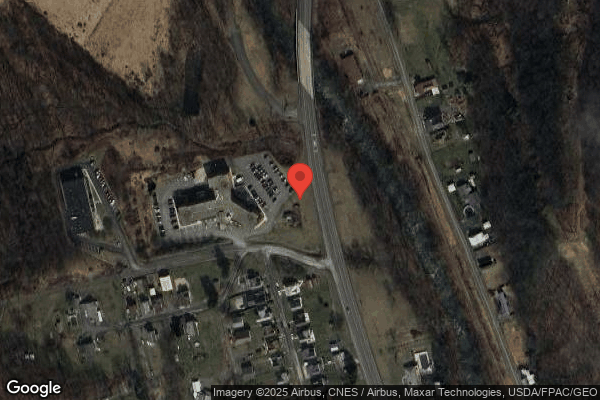
25701 SHADY LANE SOUTHWEST, WESTERNPORT, MD 21562 (301) 359-3000
For profit - Corporation 130 Beds FUNDAMENTAL HEALTHCARE Data: November 2025
Trust Grade
60/100
#119 of 219 in MD
Last Inspection: March 2025

Within standard 12-15 month inspection cycle. Federal law requires annual inspections.

Overview

Moran Nursing and Rehabilitation Center has a Trust Grade of C+, indicating it is slightly above average but not exceptional. It ranks #119 out of 219 facilities in Maryland, placing it in the bottom half, and #4 out of 8 in Allegany County, meaning only three local options are better. The facility is improving, with issues decreasing from 13 in 2019 to 11 in 2025. Staffing is a strength, earning a 4-star rating with a turnover rate of 38%, which is below the state average, suggesting that staff members tend to stay longer. However, there are concerns, such as agency staff leaving the building unattended during the night shift, resulting in missed medications and a resident feeling unsafe. Additionally, there were failures to report and thoroughly investigate allegations of resident abuse within the mandated time frame, highlighting serious oversight issues. Overall, while there are some positive aspects, families should consider both the strengths and the critical areas that need improvement.

Trust Score
C+
60/100
In Maryland
#119/219
Bottom 46%
Safety Record
Low Risk
No red flags
Inspections
Getting Better
13 → 11 violations
Staff Stability
○ Average
38% turnover. Near Maryland's 48% average. Typical for the industry.
Penalties
✓ Good
No fines on record. Clean compliance history, better than most Maryland facilities.
Skilled Nurses
✓ Good
Each resident gets 43 minutes of Registered Nurse (RN) attention daily — more than average for Maryland. RNs are trained to catch health problems early.
Violations
⚠ Watch
44 deficiencies on record. Higher than average. Multiple issues found across inspections.
★★★☆☆
3.0
Overall Rating
★★★★☆
4.0
Staff Levels
★☆☆☆☆
1.0
Care Quality
★★★★☆
4.0
Inspection Score
Stable
2019: 13 issues
2025: 11 issues

The Good

  • 4-Star Staffing Rating · Above-average nurse staffing levels
  • Full Sprinkler Coverage · Fire safety systems throughout facility
  • No fines on record
  • Staff turnover below average (38%)

    10 points below Maryland average of 48%

Facility shows strength in staffing levels, fire safety.

The Bad

3-Star Overall Rating

Near Maryland average (3.0)

Meets federal standards, typical of most facilities

Staff Turnover: 38%

Near Maryland avg (46%)

Typical for the industry

Chain: FUNDAMENTAL HEALTHCARE

Part of a multi-facility chain

Ask about local staffing decisions and management

The Ugly 44 deficiencies on record

Mar 2025 11 deficiencies
CONCERN (D)

Potential for Harm - no one hurt, but risky conditions existed

Safe Environment (Tag F0584)

Could have caused harm · This affected 1 resident

Based on observations and interview it was determined that the facility failed to maintain a clean and sanitary environment as evidenced by ceiling tile discolored with black and fuzzy white substance...

Read full inspector narrative →
Based on observations and interview it was determined that the facility failed to maintain a clean and sanitary environment as evidenced by ceiling tile discolored with black and fuzzy white substance. This was evident for 1 combination shower/bathrooms of 2 observed during a survey. The findings include: On 3/04/25 at 2:47 PM an observation of the 3rd floor shower/bathroom was made with Nurse Staff #5. An observation of one ceiling tile in stall #1 revealed that 1/4 of that tile's surface was covered with a black and fuzzy white substance. On 3/04/25 at 2:55 PM the Nursing Home Administrator (NHA) and Director of Nursing (DON) confirmed the above observation. The NHA reported that there had been recent repairs for a leaking pipe in stall #1 and maybe the tile had not been replaced after the repair. On 3/04/25 at 2:58 PM the Maintenance Director joined the observation in the 3rd floor shower/bathroom. He reported that the ceiling title had been replaced after the repair of the pipe leak. He reported that the current concern with the black and fuzzy white substance on the tile had not been reported to him by the staff. On 3/07/25 at 10:30 AM the above concerns were discussed with the NHA. No additional information was provided prior to the survey team before the end of survey.
CONCERN (D) 📢 Someone Reported This

A family member, employee, or ombudsman was alarmed enough to file a formal complaint

Potential for Harm - no one hurt, but risky conditions existed

Free from Abuse/Neglect (Tag F0600)

Could have caused harm · This affected 1 resident

Based on observation, interview, review of facility reported incidents and facility policy, it was determined that the facility failed to treat a vulnerable resident with respect and free from verbal ...

Read full inspector narrative →
Based on observation, interview, review of facility reported incidents and facility policy, it was determined that the facility failed to treat a vulnerable resident with respect and free from verbal and physical abuse. This was evident during a recert/complaint survey and investigation review of 2 of 11 facility reported incidents involving alleged abuse (R #407 ). The findings include: 1. Review of the facility reported incident documented as occurring on 9/05/23 between Resident #407 and GNA #17 revealed an allegation where Resident #407 reported to the day shift on 9/06/23 that during care on the night of 9/05/23, GNA #17 was rough while providing care and felt like GNA #17 was not listening to the residents' needs. The nurse immediately reported the allegation to the then Administrator and an investigation was initiated. According to the facility investigation it was not reported that Resident #407 verbalized to the day nurse that she felt that she was abused the night before. However, according to a statement acquired from the nightshift nurse during the facilities investigation, the night shift nurse, LPN #34 stated that Resident #407 only said that GNA #17 was 'rude.' Therefore, he did not report 'abuse to anyone.' LPN #34 was interviewed on 3/10/25 at 10:30 AM, though he did not recall the incident he was able to verbalize how to recognize abuse and the steps to take when you see it, or a resident verbalizes to you any concerns related to abuse. During the investigation, the facility social worker, staff #18 conducted interviews with the alert and oriented residents regarding the care that GNA #17 provided during the night of 9/05/23. Interview with Resident #23 by Staff #18 documented that s/he felt that GNA #17 was 'not listening to [him/her]' and was insisting that they pull themselves up in bed despite having shoulder pain. Interview with Resident #28 verbalized that although they had no trouble that night, s/he has had trouble with this GNA #17 before. The resident continued that the GNA will sit on her phone in the shower room, and the resident will struggle with [his/her] robe and GNA #17 will just sit there. Resident #2 verbalized that s/he feels they have to 'manage' and cue GNA #17 with everything, and that she can be rough with care because she wants to get over it even when Resident #2 states things like whoa that's a little rough. Resident #11 stated that GNA #17 will argue and refuse to help. Resident #18 stated that GNA #17 is rough when changing and providing care, pushes and keeps doing so even when she is being rough.
CONCERN (D) 📢 Someone Reported This

A family member, employee, or ombudsman was alarmed enough to file a formal complaint

Potential for Harm - no one hurt, but risky conditions existed

Assessment Accuracy (Tag F0641)

Could have caused harm · This affected 1 resident

Based on records review and interviews, it was determined that the facility failed to ensure comprehensive assessments were coded accurately. This was evident for 1 (Resident #8) of 7 residents review...

Read full inspector narrative →
Based on records review and interviews, it was determined that the facility failed to ensure comprehensive assessments were coded accurately. This was evident for 1 (Resident #8) of 7 residents reviewed for accidents. The findings include: Resident #8 had been residing in the facility since 2022. A quick look into the resident's medical record indicated that a Facility Reported Incident (FRI) related to MD00210606 for unwitnessed fall with fracture was submitted in October of 2024. Resident #8 was interviewed on 3/3/25 at 11:07 AM. During the interview, the resident reported the most recent fall had resulted in an injury and had to wear a shoulder sling for a while. On 3/7/25 at 10:01 AM, Resident #8's medical record was reviewed. The review revealed care plans related to falls and indicated that Resident #8 also had a fall on February 15 of 2024. Minimum Data Set (MDS) is a federally-mandated assessment tool used by nursing home staff to gather information on each resident's strengths and needs. The information collected drives resident care planning decisions. MDS assessments need to be accurate to ensure each resident receives the care they need. A subsequent review of Resident #8's medical record on 3/7/25 at 11:03 AM, revealed an MDS assessment was conducted with an Assessment Reference Date (ARD) of 3/5/24. Section J, item J1800 asked the question, Has the resident had any falls since admission/entry or reentry or prior assessment, whichever is more recent? to witch Resident #8 was coded as No. The Registered Nurse Assessment coordinator (RN #16) was interviewed on 3/7/25 at 11:10 AM. During the interview, RN #16 reported that she completed Section J of the MDS with an ARD of 3/5/24. RN #16 was asked what time period she looked at to answer item J1800. RN #16 reviewed Resident #8's record and indicated that the period would be between 3/5/24 and a day after the ARD of the previous assessment, which would have been 12/8/23. RN #16 continued to review Resident #8's medical record and confirmed that the resident had a fall on 2/15/24. RN #16 reported that the resident was not coded for that fall and stated, It looks like I missed it. RN #16 indicated that she would do a modification of the assessment to reflect the fall in the 3/5/24 MDS assessment. The concern with accurately coding MDS assessment was discussed with the Director of Nursing (DON) on 3/7/25 at 1:23 PM. The DON acknowledged the concern and indicated that RN #16 had already informed her of the identified error.
CONCERN (D) 📢 Someone Reported This

A family member, employee, or ombudsman was alarmed enough to file a formal complaint

Potential for Harm - no one hurt, but risky conditions existed

Accident Prevention (Tag F0689)

Could have caused harm · This affected 1 resident

Based on record review and staff interview, it was determined facility staff failed to provide adequate supervision for residents during care to prevent accidents. This was evident for 1(404) of 6 res...

Read full inspector narrative →
Based on record review and staff interview, it was determined facility staff failed to provide adequate supervision for residents during care to prevent accidents. This was evident for 1(404) of 6 residents reviewed for accidents/hazards. The findings include: A care plan is a guide that addresses the unique needs of each resident. It is used to plan, assess, and evaluate the effectiveness of the resident's care. The MDS (Minimum Data Set) is a complete assessment of the resident which provides the facility information necessary to develop a plan of care, provide the appropriate care and services to the resident, and to modify the care plan based on the resident's status. A record review for Resident (R)404 on 3/6/25 at 1:16 PM revealed a care plan initiated on 3/22/19, for the potential of skin breakdown related to vitamin deficiency, weakness, incontinence, and a history of pressure ulcers. A low air loss mattress was included as an intervention. A low air loss mattress is a mattress that fluctuates pressure by intermittently inflating and deflating certain areas of the mattress to prevent pressure ulcers. The resident was care planned for self-care deficit and falls related to dementia. A review of the resident profile revealed the resident required 2 staff for bed mobility as of 9/27/22. Review of the minimum data set (MDS) with an assessment reference date of 12/5/23, revealed the resident was dependent on staff for bed mobility and bathing. A review of the geriatric nursing assistance (GNA) documentation for 6/1/24 - 6/30/24 revealed that on most days, 1 GNA would bathe the resident. On 3/6/25, at 2:07 PM a review of the facility's investigation file for the facility reported incident #MD00206271 revealed an initial report form. The facility documented that on 6/3/24, at 10:45 AM, GNA #35 was bathing R404, and the resident slid from his/her bed. There were 2 corrective action forms included 1 dated 6/3/25, documenting GNA #35 was suspended until further investigation and 1 dated 6/5/24, documenting GNA #35 was reeducated for failing to have 2 people assisting with a bed bath when the resident required 2 staff for bed mobility. GNA #35's statement dated 6/3/24, read that she was giving the R404 a bed bath and while washing their back, the resident slid to the floor. A review of the incident report completed by Licensed Practical Nurse (LPN) #22 on 6/3/24, revealed the resident had bruising on the mid to lower back and an abrasion on the right shoulder blade because of the fall. During an interview with GNA #35 on 3/7/25, at 8:17 AM she reported she routinely gave R404 a bath by herself. She stated that R404 will roll over and hold onto the bedrail to assist with the bath. She reported that on 6/3/24, she had the resident rolled away from her and while washing the resident's back she turned to get the towel and the resident rolled out of bed. When asked if she had access to the resident's record to determine how many staff were required for care, she reported she had, however, she failed to follow it. An interview with GNA #27 on 3/7/25, at 8:24 AM revealed she bathed R404 without assistance of another staff at times. She reported the resident was able to help hold himself/herself over some of the time, but on other days s/he needed more assistance. The Director of Nursing (DON) was interviewed, with the Nursing Home Administrator (NHA) present on 3/10/25, at 10:19 AM. The DON stated that the expectation was if a resident was listed as requiring 2 staff for bed mobility, then staff should have another person present while bathing the resident for safety. She reported that staff were expected to check the resident profile, which was accessible through the point of care system, for the level of assistance needed prior to providing care to the resident.
CONCERN (D) 📢 Someone Reported This

A family member, employee, or ombudsman was alarmed enough to file a formal complaint

Potential for Harm - no one hurt, but risky conditions existed

Respiratory Care (Tag F0695)

Could have caused harm · This affected 1 resident

**NOTE- TERMS IN BRACKETS HAVE BEEN EDITED TO PROTECT CONFIDENTIALITY** Based on record review and interview it was determined that the facility failed to have an effective system in place to be sure ...

Read full inspector narrative →
**NOTE- TERMS IN BRACKETS HAVE BEEN EDITED TO PROTECT CONFIDENTIALITY** Based on record review and interview it was determined that the facility failed to have an effective system in place to be sure policies and procedures were in place and physician orders were followed for residents who required chest tube care. This was evident for 1 complaint (#MD00200327) of 12 complaints investigated during the recertification survey. The findings include: A chest tube, also called a thoracostomy tube, is a flexible tube surgically inserted through the chest wall between the ribs into the pleural space (the space between the membrane lining the lungs and the membrane lining the chest wall). Chest tubes are commonly made from PVC or silicone. Physicians use a chest tube to create negative pressure in the chest cavity and allow lung re-expansion. It helps remove air, blood, fluid, or pus from the chest cavity. On 3/07/25 10:09 AM a review of the confidential complaint #MD00200327 revealed an allegation that the facility failed to drain Resident #377's chest tube as ordered and needed. A review of Resident #377's clinical record revealed a physician's order dated 12/03/23 order Use pleurx drainage kit to drain chest tube QOD [every other day] and as needed. A review of the resident's Treatment Administration Record for 12/03/23 revealed a blank space where a nurse should have documented that he/she had drained the resident's chest tube that day. Further review revealed another order, dated 12/05/23, which read Use pleurx drainage kit to drain chest tube QOD [every other day] and as needed. A review of the resident's Treatment Administration Record for 12/05/23 revealed a blank space where a nurse should have documented that he/she had drained the resident's chest tube that day. An additional record review failed to reveal any documentation that described any care provided to the resident's chest tube insertion site. On 3/07/25 at 1:15 PM an interview with the Director of Nursing (DON) was conducted to review Resident #377's chest tube care and drainage. The DON reviewed the resident record and confirmed that there was no evidence that the physician's order to drain the resident's chest tube on 12/03/23 and 12/05/23 were followed. Additionally, she confirmed that there was no documentation regarding any care provided that was related to the chest tube insertion site. The DON was asked to provide the facility's policy and procedure for chest tube care. On 3/07/25 at 1:58 PM the DON brought a copy of all of the resident's physicians orders for November and December 2023 and confirmed that there were no orders to provide site care to the resident's chest tube and said that there should have been. The DON also provided what she said was the facility's policy and procedure for chest tube care. The document consisted of a cover page titled Nursing Policy and Procedures, Subject: Chest tube, transporting and ambulating with. The cover page also contained a paragraph that stated The nursing staff will safely and appropriately transport and ambulate the patient or resident with a chest tube and also included a reference to Lippincott Nursing Procedures, 9th edition, page 169. Attached to this cover page were copies of pages 169-173 of what appeared to be a nursing textbook. A review of the pages revealed that on page 169 it stated to Change the dressing when it is soiled or as ordered by the practitioner, or at an interval determined by your facility. On 3/07/25 at 2:22 PM an interview with the Regional Nurse was conducted to review the facility's policy and procedure for chest tube care. The Regional Nurse explained that 2 years ago the facility adopted the [NAME] nursing manual for nursing care procedures. She said that when a nurse needed to find how to do a procedure, the facility's policy and procedure site directed the nurse to look at the specific page in the [NAME] manual. The Regional Nurse was asked to review the actual procedure text for chest tube care which said to either follow the physician's order or to follow the facility's specific policy. She said that she was aware that there was no physician order regarding care of Resident #377's chest tube site. When the Regional Nurse was asked how the facility nurse would know what care should have been provided to the resident's chest tube, the Regional Nurse said the facility nurse should have called the physician to obtain a specific order for the chest tube site care. On 3/10/25 at 9:36 AM an interview with the Nursing Home Administrator and the DON was conducted to review the finding that Resident #377's chest tube was not drained on 12/03/24 and 12/05/24 as ordered by the physician, and that the facility did not have a specific policy on chest tube site care, or any documentation of site care provided. They said that they had no further evidence to provide and confirmed the deficiency.
CONCERN (D)

Potential for Harm - no one hurt, but risky conditions existed

Room Equipment (Tag F0908)

Could have caused harm · This affected 1 resident

Based on observations and staff interviews, it was determined that the facility failed to ensure the maintenance of essential kitchen equipment, as evidenced by failure to ensure that the walk-in refr...

Read full inspector narrative →
Based on observations and staff interviews, it was determined that the facility failed to ensure the maintenance of essential kitchen equipment, as evidenced by failure to ensure that the walk-in refrigerator door would routinely close. This was evident for one out of one walk-in refrigerator observed in the kitchen. The findings include: On 3/03/25 at 10:17 AM, during a kitchen tour, the surveyor observed the facility's walk-in refrigerator door was not fully closed, and observed a sign on the door reminding staff to ensure that the door closed completely. The surveyor then interviewed the Certified Dietary Manager (CDM #32) and asked questions about how temperatures are monitored for each of the refrigerators and freezers. She notified the surveyor that the facility staff check the temperatures twice daily, but because the walk-in refrigerator door doesn't always close, they check it more often. While observing the inside of the walk-in refrigerator, with the CDM, the surveyor noted that the door didn't fully close behind them. The CDM (#32) acknowledged that the door didn't appropriately close. The surveyor asked how long this had been an issue and she stated that it has been a while and that the door had been fixed, but that it continued to have difficulties closing all the way. She stated that if a person pushes the door more forcefully, it will close completely. The staff is very aware that they need to closely monitor the door to ensure it has closed. The surveyor, with CDM (#32) present, observed the door fail to close on its own in two out of three attempts. On 3/05/25 at 11:50 AM, the surveyor observed that the walk-in refrigerator door was closed initially but later observed a staff member entering the walk-in and the door didn't close behind her. At 12:08 PM, the surveyor went into the walk-in refrigerator and the door again didn't close. When the surveyor exited the walk-in, the CDM (#32) was standing there and observed the door did not close behind the surveyor. The CDM (#32) confirmed that the door wouldn't always close and that she would reach out to maintenance to adjust the door. On 3/11/25 at 9:26 AM, the surveyor discussed the concern with the Nursing Home Administrator and the Director of Nursing about the refrigerator door not closing.
CONCERN (E) 📢 Someone Reported This

A family member, employee, or ombudsman was alarmed enough to file a formal complaint

Potential for Harm - no one hurt, but risky conditions existed

Report Alleged Abuse (Tag F0609)

Could have caused harm · This affected multiple residents

Based on records review and interviews, it was determined that the facility failed to ensure allegations of abuse were reported within the mandated time frame. This was evident for 3 (Resident #38, #2...

Read full inspector narrative →
Based on records review and interviews, it was determined that the facility failed to ensure allegations of abuse were reported within the mandated time frame. This was evident for 3 (Resident #38, #25, #64) of 6 residents reviewed for abuse. The findings include: 1.)On 3/06/25 at 11:56 AM a review of the facility reported incident (FRI) #MD00214156 was conducted. The report described an allegation that a Geriatric Nursing Assistant (GNA #3) was observed to have forcefully pushed Resident #25 into his/her wheelchair. Further review revealed that the incident was witnessed by the facility social worker (SW #18) and that the incident occurred in the resident dining room on 1/30/25 at 12:15 PM. A review of the facility investigation file revealed that the Nursing Home Administrator (NHA) first reported the incident to the Office of Health Care Quality on 1/30/25 at 4:48 PM. On 3/10/25 at 9:34 AM an interview with the NHA and the Director of Nursing was conducted. The NHA acknowledged that the incident was reported more than 4 hours after it occurred and confirmed the deficiency of the late report. No further information was provided regarding the timeliness of the report. 2.) Resident #38 was admitted to the facility in the 3rd quarter of 2024. A quick look into the resident's medical record indicated intact cognition and that a Facility Reported Incident (FRI) for abuse, related to MD00210264, was investigated by the facility. Resident #38 was interviewed on 3/4/25 at 10:16 AM. During the interview, the resident confirmed the incident and reported that it happened a long time ago. On 3/7/25 at 12:34 PM, the investigation packet for the FRI related to MD00210264 was reviewed. The review revealed that the allegation of abuse was first reported to Geriatric Nursing Assistant (GNA #41) on 9/26/24 at 8 AM. The Abuse coordinator was the Nursing Home Administrator (NHA) and was notified on the same day at 8:30 AM. Further review of the investigation packet revealed that the initial report was sent to the State Agency on the same day (9/26/24), however, the time stamp on the email confirmation indicated that the report was not sent until 5:23 PM. The NHA was interviewed on 3/7/25 at 1:42 PM. During the interview, the NHA was asked if she knew the mandated time frame for reporting allegations of abuse. The NHS stated, I do now! And indicated that it was two hours regardless of if there was serious injury. The NHA confirmed that the initial report for the FRI related to MD00210264 was reported late. 3.) Review of Facility Reported Incident (FRI) #00209595 revealed that on 9/08/24 at 10:00 PM, Resident #64's representative informed facility Nurse #40 of an abuse allegation. The representative reported that on 9/07/24, the Geriatric Nursing Assistant (GNA) was fast and rough when applying a cream and slapped the resident's hand when the resident grabbed the handrail. Nurse #40 notified the Director of Nursing (DON) and the Nursing Home Administrator (NHA) at 10:45 PM on 9/08/24. The facility reported the allegation to the Office of HealthCare Quality (OHCQ) on 9/09/24 at 1:20 PM. Review of the facility policy and procedure titled Abuse, Neglect, Exploitation, or Mistreatment revealed the following: * Report Immediately, but not later than 2 hours after the allegation is made, if the events that cause the allegation involve abuse or result in serious bodily injury, or not later than 24 hours if the events that cause the allegation do not result in serious bodily injury. Report to the Administrator of the facility and to other officials (including the State Survey Agency and adult protective services where state law provides for jurisdiction in long-term care facilities) in accordance with State law through established procedures. On 3/05/25 at 3:38 PM, the surveyor interviewed the NHA and the DON. The surveyor asked how the facility handled allegations of abuse. They responded that the staff are instructed to notify either the NHA or the DON immediately. The surveyor then asked when they would notify the regulatory agency and they replied, As soon as we know about it. Surveyor then reviewed the concern that this allegation was reported more than two hours after the facility staff was made aware of it. On 3/06/25 at 1:00 PM, the NHA reported they had no additional information to provide regarding this concerns.
CONCERN (E) 📢 Someone Reported This

A family member, employee, or ombudsman was alarmed enough to file a formal complaint

Potential for Harm - no one hurt, but risky conditions existed

Investigate Abuse (Tag F0610)

Could have caused harm · This affected multiple residents

Based on records review and interviews, it was determined that the facility failed to ensure allegations of abuse are thoroughly investigated. This was evident for 3 (Resident #38, #25, #64) of 6 resi...

Read full inspector narrative →
Based on records review and interviews, it was determined that the facility failed to ensure allegations of abuse are thoroughly investigated. This was evident for 3 (Resident #38, #25, #64) of 6 residents reviewed for abuse. The findings include: 1.)A review of Facility Reported Incident (FRI) #00209595 revealed that on 9/08/24 at 10:00 PM, Resident #64's representative informed facility Nurse #40 of an abuse allegation. The representative reported that on 9/07/24, the Geriatric Nursing Assistant (GNA) was fast and rough when applying a cream and slapped the resident's hand when the resident grabbed the handrail. Nurse #40 notified the Director of Nursing (DON) and the Nursing Home Administrator (NHA) at 10:45 PM on 9/08/2024. Further review of the FRI documentation revealed that the facility had identified the alleged abuser as Geriatric Nursing Assistant (GNA #39) as evidenced by a hand-written letter which explained his/her account of the events on 9/07/24. The letter was signed and dated by GNA #39 on 9/08/24. A review of the facility policy and procedure titled Abuse, Neglect, Exploitation, or Mistreatment (dated 10/1/2020) revealed the following: *In the event an employee is accused of abuse/neglect, that employee will be suspended during the investigation process. *Identify and remove the alleged perpetrator. A review of timecard documentation revealed that GNA #39 worked the entirety of the night shift from 9:57 PM on 9/08/24 until 6:06 AM on 9/09/24 which indicated that s/he was allowed to continue to work with residents after the abuse allegation was made on the evening of 9/08/24. GNA #39 was later suspended via phone at 1:25 PM on 9/09/24. Further review of the facility policy and procedure titled Abuse, Neglect, Exploitation, or Mistreatment (dated 10/1/2020) revealed the following: *Complete prompt, comprehensive and conclusive investigations. *Interview individuals having firsthand knowledge of the incident and write summaries of the interviews. NOTE: Employees/witnesses are not to write out statements. Employee/witnesses will be interviewed by designated facility staff and the interviewer will record all witness accounts in a document, written, dated, and signed by the interviewer. *Depending on the incident, other residents in the facility may be interviewed. Surveyor review of the summary report sent to OHCQ included: Residents on GNA #39's assignment were interviewed and had no concerns with GNA #39 or any staff. Further review of facility investigation documentation failed to reveal evidence to support this statement. No documentation was found to indicate which residents were interviewed or which staff conducted the interviews. Additionally, review of a statement by Nurse #40 revealed the resident representative had indicated that s/he had made the allegation earlier in the day on 9/08/24. There was no documentation found to indicate if an interview was conducted with the representative to clarify who the allegation was previously reported to. On 3/05/25 at 3:38 PM, the surveyor interviewed the NHA and the DON. The surveyor asked how the facility handled allegations of abuse. They responded that the staff are instructed to notify either the NHA or the DON immediately, and that if a staff member is suspected of abuse they will be separated from the resident and suspended during the investigation. The surveyor then discussed the concerns that GNA #39 was allowed to continue to work with residents after the allegation of abuse was made and failure to have documentation to support that other residents were interviewed as part of the investigation. On 3/06/25 at 1:00 PM, the NHA reported they had no additional information to provide regarding these concerns. On 3/11/25 at 9:26 AM, the surveyor discussed concerns with the NHA and DON about the failure to protect the residents during an investigation and failure to perform a complete investigation. 3) Resident #38 was admitted to the facility in the 3rd quarter of 2024. A quick look into the resident's medical record indicated intact cognition and that a Facility Reported Incident (FRI) for abuse, related to MD00210264, was investigated by the facility. Resident #38 was interviewed on 3/4/25 at 10:16 AM. During the interview, the resident confirmed the incident and reported that it happened a long time ago. On 3/7/25 at 12:34 PM, the investigation packet for the FRI related to MD00210264 was reviewed. The review revealed that the allegation was first reported to Geriatric Nursing Assistant (GNA #41), who then reported it to the Registered Nurse (RN #42) supervisor. The investigation packet also contained a written document dated 9/26/24, of the interview with Resident #38, #42 (roommate), and #29. The interview documentation was not signed by the named residents nor the staff who conducted the interview. There was no other documentation to indicate other residents, aside from the 3 mentioned, were interviewed or assessed. On 3/7/24 at 1:42 PM, the Nursing Home Administrator (NHA) was interviewed about the incident. The NHA reported that the written document was probably done by the Director of Nursing (DON). Later at 1:51 PM, the DON joined the interview and was asked if she was the one that conducted the resident interviews, she answered, No and indicated that the written document must have been done by RN #42. Both staff were asked if there were other residents interviewed or assessed regarding the allegation, and both indicated that they were not sure. The NHA reported that usually an interview would have been conducted on all the residents assigned to an alleged perpetrator. The DON reported that RN #42 was on leave but would check her office for documents to see if other residents were interviewed. On 3/10/25 at 11 AM, RN #42 approached the surveyor to discuss the FRI related to MD00210264. RN #42 confirmed that she was the one that wrote the documentation for the interviews with Residents #38, #42 and #29. RN #42 also reported that she did interview other residents assigned to the alleged perpetrator but failed to document them. RN #42 indicated that she should have documented her interviews. On 3/11/25 at 9:28 AM, the concern of not completing a thorough investigation by failing to have credible evidence that all residents assigned to an alleged perpetrator was interviewed or assessed, was discussed with the NHA and DON. Both staff verbalized understanding and acknowledged the concern. 2.)On 3/06/25 at 11:56 AM a review of the facility reported incident (FRI) #MD00214156 was conducted. The report described an allegation that a Geriatric Nursing Assistant (GNA #3) was observed to have forcefully pushed Resident #25 into his/her wheelchair. Further review revealed that the incident was witnessed by the facility social worker (SW #18) and that the incident occurred in the resident dining room on 1/30/25 at 12:15 PM during lunch. A review of the facility's investigation file failed to reveal that any other residents were interviewed about the incident even though the facility's description of the incident indicated that there were other residents present when the incident occurred. The facility investigation file also lacked any evidence that facility staff made any attempt to determine if any other residents may have experienced any abuse by the alleged perpetrator. The investigation file also lacked any evidence that abuse training was provided to staff after the incident. On 3/10/25 at 9:34 AM an interview with the NHA and the Director of Nursing (DON) was conducted. They said that no resident interviews or assessments were conducted after the incident. When the NHA and DON were asked if any abuse training was provided to staff after the incident, they said that no training was done at that time. No further evidence was provided to the survey team before the end of the survey.
CONCERN (E) 📢 Someone Reported This

A family member, employee, or ombudsman was alarmed enough to file a formal complaint

Potential for Harm - no one hurt, but risky conditions existed

Quality of Care (Tag F0684)

Could have caused harm · This affected multiple residents

**NOTE- TERMS IN BRACKETS HAVE BEEN EDITED TO PROTECT CONFIDENTIALITY** Based on record review and interviews it was determined the facility staff failed to 1.) ensure resident care was supervised 24 ...

Read full inspector narrative →
**NOTE- TERMS IN BRACKETS HAVE BEEN EDITED TO PROTECT CONFIDENTIALITY** Based on record review and interviews it was determined the facility staff failed to 1.) ensure resident care was supervised 24 hours per day by licensed nursing staff and failing to ensure medications were administered as ordered by the physician and 2.) ensure physician order for weekly blood sugar check was performed. This was evident for 1 (#MD00214955) of 12 complaints and 1 of 5 (#8) residents reviewed for unnecessary medications reviewed during the survey. The findings included: 1a. Review of the medical record for Resident #68 on 3/07/25 at 7:36 AM revealed admission to the facility for care and treatment related to alcohol dependence with alcohol induced persistent dementia, heart failure, history of traumatic brain injury and depression. A review of the medication administration record (MAR) revealed that on 2/21/25 Resident #68 was ordered Ativan for generalized anxiety disorder to be administered at 8:00 PM, in addition to; Eliquis for atrial fibrillation, Imodium, an antidiarrheal, Lopressor, blood pressure medication, Wellbutrin for depression and Zyprexa for delusions. All the medications were noted as Late Administration: Charted Late comment: late charting between 2:09 AM and 2:18 AM by agency Licensed Practical Nurse (LPN #8). 1b. Review of the medical record for Resident #409 on 3/7/25 at 8:00 AM revealed admission to the facility on the evening of 2/21/25 for potential admission to hospice. Physician orders included Xanax, enteral feeding via gastrostomy tube and wound care orders for multiple right and left leg arterial wounds, stage 3 and 4 ischium and sacral wound respectively and assessment for the need of Morphine that were not completed. According to Resident #409's medication administration record s/he had blood pressure medication and sleep medication, intravenous antibiotics and antianxiety medication due at 8:00 PM on 2/21/25 that were not signed off according to the MAR. Resident #409 was also ordered for the administration of morphine as needed every 6 hours, however, there is no documentation or progress notes that the resident was assessed for pain for the appropriate administration of the morphine. There is one progress note that Resident #409 was found unresponsive by agency LPN #14 at 4:45 AM on 2/22/25 and was pronounced deceased at that time. According to facility reported incident #MD00214915, agency LPN #68 and agency LPN #409 were reported to have left the facility during the night of 2/21/25 into the morning of 2/22/25 for an extended period leaving the facility without nursing coverage and subsequent care to the residents. This was confirmed by the facility DON and NHA during interview on 3/7/25 at 10:00 AM. The identified concern related to the failure of the staff to provide care to the residents identified in this citation were reviewed with the facility DON and NHA on 3/07/25 and again during the exit conference on 3/11/25.2.)During an interview on 3/5/25 at 2:26 PM, Resident #2 indicated to a surveyor that s/he felt unsafe. When asked to explain, s/he reported that agency staff who worked overnight 2 weekends ago left the building unattended, to get food. The resident added that no medications were given that evening. s/he was uncertain of the credentials of the staff involved. Review of an anonymous complaint on 3/6/25 alleged that 2 agency LPN's (Licensed Practical Nurses) left the facility for approximately 1-2 hours during the night shift on 2/21/25 to purchase food from a convenience store. The agency LPNs were the only licensed nurses in the facility that night. 1) The absence of the Agency LPNs left the facility resident's and Geriatric Nursing Assistants without supervision of a licensed nurse, and 2) a medication pass was missed. This information was confirmed in an interview with anonymous complainant #37 on 3/6/25 at 2:08 PM. Review of the staffing schedule for 2/21/25 revealed there were 73 residents in the facility on that date, 4 GNAs (Geriatric Nursing Assistants) were working from 10 PM 2/21/25 - 6 AM 2/22/25, the 2 LPNs scheduled for night shift called out and Staff #14 and #15, agency LPNs were added to the schedule in their place. Review of the agency staff timesheets revealed that Staff #14 worked from 8:17 PM on 2/21/25 - 8:26 AM 2/22/25, and Staff #15 worked from 8:15 PM on 2/21/25 - 8:26 AM on 2/22/25. Each timesheet indicated a 30-minute break was taken but did not specify the time of the break. In an interview on 3/7/25 at 9:14 AM Staff #19 a GNA confirmed she worked on the 3rd floor from 10 PM - 2 AM on 2/21/25-2/22/25. When asked if she recalled any issues with staffing that night, she indicated she did. She stated that around 12:00 midnight, the LPN working on the 3rd floor said she was going downstairs. Staff #19 assumed it was for a break. She indicated that after approximately 45 minutes she walked downstairs because the LPN had not returned, and she found that the 2nd floor nurse was also missing. Staff #19 indicated that she called the DON (Director of Nursing). The DON was sick at the time and indicated that she would call the Administrator. Staff #19 was asked if the LPN's said anything upon their return. She stated, they called me to let them in - had [NAME] bags. Staff #19 thought they went to the [NAME] store in Kaiser WV because it was closest to the facility. When asked how long it took to go to that [NAME] store, she stated, probably 40 minutes there and back, they didn't come back till about 1:40 AM. She confirmed when asked that neither the Administrator nor other licensed nursing staff came to the facility that night. An interview was conducted with the Administrator and the DON on 3/10/25 at 9:40 AM. They were asked if there were issues regarding the agency LPNs who worked on the night of 2/21/25. The Administrator confirmed that the 2 regularly scheduled LPNs called out, she posted the need for coverage on the agency's website. She indicated that everyone was in an uproar because the 2 LPNs arrived late, about 8:15 PM - 8:30 PM. When asked if there were any complaints from residents the DON indicated that she believed about 6-7 residents complained they didn't get their medications. She indicated that a review of the MAR (Medication Administration Record) revealed that some medications were not signed off. The DON indicated that she had been sick and was off from 2/20/25 until working remotely on 2/27/25 and was back in the facility on 2/28/25. When asked if there was anything else that happened that night the Administrator stated, I got a report that the LPNs took an excessively long break. She added that the agency uses Geotracking and according to the Geotracker, they took a 40-minute break outside of the geofence. When asked where they were during that time, she stated I'm assuming they went to lunch. She added, staff are allowed to leave the property for lunch break. When asked if they left at the same time she stated, that's what I hear. When asked if she talked to them about it she stated yes, they said we're here now, and it was about 1:00 AM. She was asked to provide the surveyor with the Geotracking information for Staff #14 and #15 from 2/21/25. None was provided prior to the end of the survey. She confirmed there were no licensed staff in the building while they were gone. When asked if the Agency staff received an orientation to the facility, she indicated that the staff from that agency are not oriented to the facility, but they get report from the off going nurse. She indicated the facility is working on a binder of information for agency staff to reference. When asked why there was no RN in the building, the DON indicated she did not know. When asked what action was taken after this incident, the Administrator indicated she reported the incident to the staffing agency, placed Staff #14 and #15 on a do not return status and reported the incident to the Medical Director. The Administrator confirmed that only the 4 GNAs were in the facility providing care for the residents during the time Staff #14 and #15 left. The Administrator indicated she did not report the incident to the state agency, did not report Staff #14 and #15 to the Maryland Board of Nursing, and did not speak to the GNAs to verify the events on 2/21/25 night shift. When asked if the allegations were investigated the DON indicated that after she returned to the facility she completed an audit to identify which residents missed medications that night. She indicated that there were many things not signed off including medications, behavior assessments, and treatments. Review of the audit sheet identified that on the 2nd floor medications were late for 8 residents, medications were missed for 6 residents and 6 residents filed grievances regarding medications not given or given late. On the 3rd floor medications were missed for 5 residents. In another interview on 3/10/25 at 2:19 PM the DON was asked what was put into place after the audit. She indicated that the Medical Director was notified and asked staff to monitor for any ill effects related to the residents not receiving their medications as prescribed. Some of the resident representatives were called and informed of the findings. She confirmed, however, that as of the interview date, not all representatives of the residents affected had been called. A telephone interview was conducted with the agency LPN, Staff #14 on 3/10/25 at 2:33 PM. When asked about the events on 2/21/25 she stated, I got there super late, everything was closed, I didn't have any food thought we could get food really quick and come back. She confirmed that Staff #15 left the facility with her and stated, we came right back, everything was fine. She indicated that they left the facility at approximately 12:30 PM and believed they returned about 1:00 AM. She confirmed they went to a [NAME] store but did not know where it was located. When asked who was the charge nurse that night she stated, There was no nurse supervisor, it was just me and the other nurse there. She stated what could have really gone wrong? If I didn't get anything to eat I couldn't have continued my shift anyway, I had just driven 4 hours to get there. She indicated that there were med techs working but she was told that she had to sign off the narcotics that were administered by the med tech because they can't sign them off. She was unable to identify who told her this. Further review of the staffing schedule revealed that a Certified Medication Assistant (CMA) was included on the evening shift schedule, it did not identify her actual working hours. An interview was conducted on 3/10/25 at 3:05 PM with Staff #38 a CMA/GNA. She indicated that she has worked in the facility for about 5 years. She indicated she worked her normal shift of 2:30 PM - 11:00 PM on the 3rd floor on 2/21/25. She indicated that the agency LPN was running late, an RN (Registered Nurse) was working until the agency LPN arrived to relieve her at around 8:30 or 9:00 PM, and the RN gave the agency LPN report. When asked if she was able to administer all medications she stated No, I can't give narc's (narcotics) or insulin, the nurse has to do that part. She indicated the narcotics were stored in a separate locked section and the nurse had the key to the locked narcotics box. When asked if she ever administered narcotics and had the nurse sign them off as administered she stated, No. She further indicated that CMAs did not work overnight, that it was her responsibility to administer the medications except the narcotics and insulin until 11:00 PM. After 11:00 PM it was the responsibility of the night shift nurse to administer all medications. When asked how the nurses would know which medications they needed to administer she indicated they looked at the MAR (Medication Administration Record) in the computer. She indicated she had never seen Staff #14 or #15 before. When asked if the agency LPNs said anything about needing to get food she stated No, they didn't say anything. Cross reference F-725. 3.) Resident #8 had been residing in the facility since 2022. A quick review of the residence's medical record indicated that the resident was taking insulin for diabetes management. Diabetes is a disease that occurs when your blood glucose, also called blood sugar, is too high. Insulin is a hormone that helps glucose get into your cells to be used for energy. If you have diabetes, your body doesn't make enough or any insulin or doesn't use insulin properly. Glucose then stays in your blood and doesn't reach your cells. Diabetes raises the risk of damage to the eyes, kidneys, nerves, and heart. Insulin monitoring is essential for effective diabetes management. On 3/5/25 at 8:58 AM, Resident #8's medical records were reviewed and revealed an order that started on 11/27/24, to check the blood sugar (BS) every Wednesday at 6 AM. A subsequent review of Resident #8 medical record on 3/5/25 at 10:06 AM, revealed that the order to check the resident's BS were being signed by the nurses on the electronic Medication Administration Record (eMAR) as done but no actual value for the resident's BS were being documented. The resident's vitals report was reviewed and revealed an area to document blood sugar. Since the start date of the order for BS check on 11/27/24, only one value was documented in this report on 12/11/24. An interview was conducted with the Licensed Practical Nurse (LPN #43) assigned to Resident #8's care on 3/5/25 at 10:37 AM. During the interview, the order for BS check was reviewed with LPN #43 and she indicated that the order was scheduled early in the day so the night shift nurse would have performed it. LPN #43 was asked if she knew where the values for BS checks were documented. LPN #43 reviewed Resident #8's electronic health record and reported that she did not see any value for BS checks. LPN #43 proceeded to review the order and indicated that she would revise it to include an area on the eMAR to document the blood sugar value. On 3/5/25 at 11:23 AM, Resident #8's progress notes were reviewed and revealed an entry on 3/5/25 at 11:08 AM by LPN #43 that read: Residents blood sugar 159 @ this time. Weekly order for accuchecks updated to reflect area to record results. On the same day at 11:55 AM, the Director of Nursing (DON) was interviewed in the presence of the Nursing Home Administrator (NHA) and the Corporate Compliance Nurse. During the interview, the concern was discussed that there was no credible evidence that the nurses are performing blood sugar checks on Resident #8. The DON looked up the residences electronic health record and indicated that it was marked weekly as done by the nurses, but no actual values were being recorded. The corporate compliance nurse reported that he would go up to the unit to review the resident's medical record to see if the nurses had documented the BS value somewhere else. The NHA and the DON both agreed that if there was no documented result for BS then it was not done. Both staff acknowledged the concern. On 3/5/25 at 12:20 PM, the corporate compliance nurse reported that after reviewing Resident #8's medical records, he was also not able to find any result for BS checks other than the 12/11/24 documentation.
CONCERN (E)

Potential for Harm - no one hurt, but risky conditions existed

Deficiency F0887 (Tag F0887)

Could have caused harm · This affected multiple residents

Based on medical record review and interviews, it was determined that the facility failed to offer the current COVID-19 vaccination or document the refusal for the current COVID vaccine for residents....

Read full inspector narrative →
Based on medical record review and interviews, it was determined that the facility failed to offer the current COVID-19 vaccination or document the refusal for the current COVID vaccine for residents. This was evident in four (Resident #63, # 20, #11, #18) out of five residents reviewed for immunization status. The findings include: On 3/04/25 at 9:00AM a review of immunization records failed to reveal a record that Resident #63, # 20, #11 and #18 had been offered or was educated about the current COVID-19 immunization. In addition, the review failed to reveal documentation that the resident refused the current COVID vaccine On 3/04/25 at 3:39 PM the Infections Preventionist (Staff #2) was interviewed. During the interview she confirmed that Residents #63, #20, #11 and #18 had not been administered the COVID vaccine and there was no documentation that they received COVID vaccine education or declined the vaccine. She confirmed that the residents should be offered the COVID vaccine, and that the facility will start offering the COVID vaccine when they offer the flu vaccine in the fall. On 3/06/25 at 12:35 PM the administrator confirmed that the facility plan going forward is to offer the COVID vaccine when the Flu vaccine is offered. No further information or documentation was provided prior to the end of the survey.
CONCERN (F) 📢 Someone Reported This

A family member, employee, or ombudsman was alarmed enough to file a formal complaint

Potential for Harm - no one hurt, but risky conditions existed

Deficiency F0725 (Tag F0725)

Could have caused harm · This affected most or all residents

**NOTE- TERMS IN BRACKETS HAVE BEEN EDITED TO PROTECT CONFIDENTIALITY** Based on record reviews and interviews it was determined the facility staff failed to ensure that licensed nurse coverage was pr...

Read full inspector narrative →
**NOTE- TERMS IN BRACKETS HAVE BEEN EDITED TO PROTECT CONFIDENTIALITY** Based on record reviews and interviews it was determined the facility staff failed to ensure that licensed nurse coverage was present the entire night shift on 2/21/25. This was evident for 1 (#MD00214955) of 12 complaints reviewed during the survey. The findings include: During an interview on 3/5/25 at 2:26 PM, Resident #2 indicated to a surveyor that s/he felt unsafe. When asked to explain, s/he reported that agency staff who worked overnight 2 weekends ago left the building unattended, to get food. The resident added that no medications were given that evening. s/he was uncertain of the credentials of the staff involved. Review of an anonymous complaint on 3/6/25 alleged that 2 agency LPN's (Licensed Practical Nurses) left the facility for approximately 1-2 hours during the night shift on 2/21/25 to purchase food from a convenience store. The agency LPNs were the only licensed nurses in the facility that night. The absence of the Agency LPNs left the facility resident's and GNAs (Geriatric Nursing Assistants) without supervision of a licensed nurse, and a medication pass was missed. This information was confirmed in an interview with anonymous complainant #37 on 3/6/25 at 2:08 PM. Review of the staffing schedule for 2/21/25 revealed there were 73 residents in the facility on that date, 4 GNAs were working from 10 PM 2/21/25 - 6 AM 2/22/25, the 2 LPNs scheduled for night shift called out and Staff #14 and #15, agency LPNs were added to the schedule in their place. Review of the agency staff timesheets revealed that Staff #14 worked from 8:17 PM on 2/21/25 - 8:26 AM 2/22/25, and Staff #15 worked from 8:15 PM on 2/21/25 - 8:26 AM on 2/22/25. Each timesheet indicated a 30-minute break was taken but did not specify the time of the break. No licensed nurse was designated to serve as the charge nurse. In an interview on 3/7/25 at 9:14 AM Staff #19 a GNA confirmed she worked on the 3rd floor from 10 PM - 2 AM on 2/21/25-2/22/25. When asked if she recalled any issues with staffing that night, she indicated she did. She stated that around 12:00 midnight, the LPN working on the 3rd floor said she was going downstairs. Staff #19 assumed it was for a break. She indicated that about 45 minutes later she walked downstairs because the LPN had not returned. She found that the 2nd floor nurse was also missing. She indicated they didn't come back till about 1:40 AM when she opened the front door to let them in. An interview was conducted with the Administrator on 3/10/25 at 9:40 AM. When asked if there were issues regarding the agency LPNs who worked on the night of 2/21/25, the Administrator stated, I got a report that the LPNs took an excessively long break. She indicated that the agency used Geotracking and according to Geotracker, they took a 40-minute break outside of the geofence. She added, staff are allowed to leave the property for lunch break. When asked if they left at the facility at the same time she stated, that's what I hear. She confirmed there were no licensed staff in the building while the LPNs were gone and that only the 4 GNA's were in the facility providing care for the residents during the time Staff #14 and #15 left. A telephone interview was conducted with agency LPN, Staff #14 on 3/10/25 at 2:33 PM. When asked about the events on 2/21/25 she stated, I got there super late, everything was closed, I didn't have any food, thought we could get food really quick and come back. She confirmed that Staff #15 left the facility with her and stated, we came right back, everything was fine. She indicated that they left the facility at approximately 12:30 PM and believed they returned about 1:00 AM. She confirmed they went to a [NAME] store but did not know where it was located. When asked who was the charge nurse that night she stated, There was no nurse supervisor, it was just me and the other nurse there. She stated what could have really gone wrong? If I didn't get anything to eat I couldn't have continued my shift anyway, I had just driven 4 hours to get there. Cross reference F-684.
Nov 2019 13 deficiencies
CONCERN (D)

Potential for Harm - no one hurt, but risky conditions existed

Assessment Accuracy (Tag F0641)

Could have caused harm · This affected 1 resident

**NOTE- TERMS IN BRACKETS HAVE BEEN EDITED TO PROTECT CONFIDENTIALITY** 2) During a conversation with Resident #57 on 11/4/19 at 11:50 AM, surveyor observed that the resident had teeth that were worn ...

Read full inspector narrative →
**NOTE- TERMS IN BRACKETS HAVE BEEN EDITED TO PROTECT CONFIDENTIALITY** 2) During a conversation with Resident #57 on 11/4/19 at 11:50 AM, surveyor observed that the resident had teeth that were worn down to gum on the bottom. The resident was noted to have foul smelling breath. On 11/5/19 at 2:10 PM, review of the admission Minimum Data Set (MDS) with an Assessment Reference Date (ARD) of 10/5/18, revealed in Section L - Oral/Dental Status - it was documented a B - No natural teeth or fragments. The annual MDS with an ARD of 10/5/19, revealed Section L was documented the same. An interview with the Resident Assessment Coordinator (RAC) on 11/06/19 at 4:25 PM, revealed she agreed that Section L on the admission MDS dated [DATE] and annual MDS dated [DATE], was documented incorrectly. She stated that her back-up RAC had completed this assessment. The Director of Nursing was made aware of findings on 11/6/19 at 4:28 PM. This concern was reviewed with the Administrator on 11/7/19 at 11:47 AM. (Cross Reference F656 and F791) Based on medical record review and staff interview, it was determined that facility staff failed to ensure that Minimum Data Set (MDS) assessments were accurately coded. This was evident for 1 (#71) of 5 residents reviewed for unnecessary medications and for 1 (#57) of 3 residents reviewed for dental concerns. The findings include: The MDS (minimal data set) is part of the Resident Assessment Instrument that was Federally mandated in legislation passed in 1986. The MDS is a set of assessment screening items employed as part of a standardized, reproducible, and comprehensive assessment process that ensures each resident's individual needs are identified, that care is planned based on those individualized needs, and that the care is provided as planned to meet the needs of each resident. 1) On 11/5/19 at 10:14 AM, an observation of Resident #71 revealed the resident did not have any teeth. At that time, in an interview, Resident #71 stated that he/she did not currently have any teeth. Resident #71 stated that he/she was in the process of getting dentures but stuck here now and indicated that the Unit Manager was aware he/she did not have any teeth. On 11/7/19 at 12:45 PM, Resident #71's medical record was reviewed. Review of Resident #71's admission MDS (minimal data set) with an ARD (assessment reference date)of 10/16/19, revealed Section L, Oral/Dental Status, B. No natural teeth or tooth fragment(s) (edentulous) was blank, indicating the resident had teeth, which was inaccurate. On 11/7/19 at 4:49 PM, during an interview, the RN Assessment Coordinator was made aware of the MDS inaccuracy related to Resident #71's dental status. At that time, the RN Assessment Coordinator indicated that if a resident was coded in their assessment as not having any teeth (edentulous), it would have triggered, and the coordinator would have initiated a care plan. On 11/8/10 at 12:50 PM, the RN Assessment Coordinator approached the surveyor and stated that Resident #71's MDS was coded inaccurately because the resident's nursing admission assessment indicated the resident had full dentures and when the resident was interviewed, the Assessment Coordinator couldn't tell the resident didn't have any teeth. The RN Assessment Coordinator confirmed the above findings at that time. Cross Reference F 656, F 842
CONCERN (D)

Potential for Harm - no one hurt, but risky conditions existed

Comprehensive Care Plan (Tag F0656)

Could have caused harm · This affected 1 resident

2) On 11/4/19 at 11:50 AM, an observation of Resident #57 revealed he/she had teeth that were worn down to gum on the bottom gum. The resident was noted to have foul smelling breath. A record review o...

Read full inspector narrative →
2) On 11/4/19 at 11:50 AM, an observation of Resident #57 revealed he/she had teeth that were worn down to gum on the bottom gum. The resident was noted to have foul smelling breath. A record review on 11/05/19 at 2:10 PM, revealed a progress note written by Unit Manager (UM) #3 on 9/21/19, that documented the resident was edentulous which meant the resident had no teeth. In addition, review of the resident's current care plan revealed that staff failed to develop and implement a care plan that addressed dental issues. During an interview with the UM #3 on 11/06/19 at 4:00 PM, she reported she had completed an assessment (on 11/6/19) of the resident's mouth in response to surveyor intervention and confirmed the resident had teeth that were worn down to the gum which were missed during the initial assessment at admission. The Director of Nursing was made aware of findings on 11/6/19 at 4:28 PM. This concern was reviewed with the Administrator on 11/7/19 at 11:47 AM. (Cross Reference F641 and F791) Based on surveyor observation, medical record review, and resident and staff interview, it was determined that the facility staff failed to develop and implement a resident centered care plans. This was evident for 2 (#71, #57) of 3 residents reviewed for dental, and for 1 (#35) of 8 residents reviewed for accidents. The findings include: A care plan is a guide that addresses the unique needs of each resident. It is used to plan, assess and evaluate the effectiveness of the resident's care. 1) On 11/5/19 at 10:14 AM, an observation of Resident #71 revealed that the resident did not have any teeth. At that time, in an interview, Resident #71 stated that they did not currently have any teeth and indicated that they were in the process of getting dentures prior to the resident's admission to the hospital and subsequent stay at the facility. On 11/7/19 at 12:45 PM, Resident #71's medical record was reviewed. Review of Resident #71's care plans failed to reveal that a comprehensive care plan with measurable, resident centered goals had been developed to address Resident #71 oral status and lack of teeth. On 11/8/19 at 12:15 PM, the Director of Nurses was made of the above findings. Cross Reference F 642, F 842. 3) Review of resident #35's medical record on 11/7/19 revealed that the resident was dependent on staff for care, safety and comfort. Resident #35 was care planned for being at risk for falls. An intervention on the care plan stated to keep the bed in a low position. The facility failed to follow/implement the plan of care as observations on 11/4/19 at 2:54 PM, 11/7/19 at 11:25 AM, and on 11/8/19 at 8:50 AM revealed resident #35 in their bed at hip height (approximately 3 feet above the floor. An interview was conducted with the Unit manager (staff # 3) on 11/08/19 at 11:30 AM. The unit manager acknowledged that resident #35 had recent changes in condition and interventions related to following facility fall precautions and that keeping resident's bed in low position should be reevaluated.
CONCERN (D)

Potential for Harm - no one hurt, but risky conditions existed

Deficiency F0660 (Tag F0660)

Could have caused harm · This affected 1 resident

Based on medical record review and interview, it was determined that the facility failed to ensure that the discharge care plan was updated to reflect a change in the discharge goal. This was found to...

Read full inspector narrative →
Based on medical record review and interview, it was determined that the facility failed to ensure that the discharge care plan was updated to reflect a change in the discharge goal. This was found to be evident for one out of three (Resident #73) closed record reviews. The findings include: On 11/7/19, review of Resident #73's medical record revealed the resident had been discharged to another skilled nursing facility in August 2019. A review of the care plan addressing discharge planning revealed a short term goal that the resident and or the responsible party will express satisfaction with [his/her] stay in the facility. This goal had a target date of 8/1/19. The care plan had been updated by the social worker on 6/6/19. Review of the evaluation note written on 6/6/19 revealed that the resident frequently asked to return to previous county but no documentation was found in the care plan that a transfer to another facility was being pursued. Review of the progress notes revealed that, on 7/12/19, the resident was accepted by another skilled nursing facility that was closer to family. On 11/8/19 at 9:17 AM, the social worker reported that the transfer request came up in July and confirmed that she did not update the care plan at that time. The concern regarding failure to update the discharge care plan was reviewed with the Director of Nursing on 11/8/19 at 2:06 PM.
CONCERN (D)

Potential for Harm - no one hurt, but risky conditions existed

Accident Prevention (Tag F0689)

Could have caused harm · This affected 1 resident

Based on medical record review, observation and interview, it was determined that the facility failed to ensure that the functionality of a wanderguard was checked on a regular basis. This was found t...

Read full inspector narrative →
Based on medical record review, observation and interview, it was determined that the facility failed to ensure that the functionality of a wanderguard was checked on a regular basis. This was found to be evident for 2 out of 3 residents (Resident #33 and #74) reviewed for documentation of wanderguard presence and functionality. A wanderguard is an electronic device that is either worn by the resident or is attached to the resident's wheelchair that alerts staff when the resident approaches an alarmed exit. The findings include: 1) On 11/7/19, review of Resident #33's medical record revealed a diagnosis of dementia and a care plan addressing elopement risk. The resident also had a current order for a wanderguard to be in place at all times. The resident had been observed by surveyor ambulating without assistance on several occasions during the survey. On 11/7/19 at 11:16 AM, surveyor noted the presence of a wanderguard on the resident's ankle. On 11/7/19, review of the November treatment administration record (TAR) revealed documentation of the presence of the wanderguard, but no documentation was found to indicate that the functionality of the wanderguard was being assessed. On 11/7/19 at 3:14 PM, the unit nurse manager (# 3) reported that there was an apparatus that they use to check the functionality and that they make sure every shift that the resident has the wanderguard on. When asked if the wanderguard is checked for functionality, the unit nurse manager indicated she would investigate. At 3:27 PM, the unit nurse manager reported that there should be an order to check the wanderguard function every shift and that she was not sure why the resident's current order did not include this check. 2) On 11/8/19, review of Resident #74's medical record revealed that the resident had an order in place, from 7/30/19 thru discharge in October 2019, for a wanderguard in place at all times. No documentation was found that the functionality of the wanderguard had been assessed during this time period. On 11/8/19 at 2:06 PM, surveyor reviewed the concern with the Director of Nursing that 2 out of the 3 residents reviewed with orders for wanderguards failed to include any order for, or documentation of, the functionality of the wanderguard.
CONCERN (D)

Potential for Harm - no one hurt, but risky conditions existed

Deficiency F0692 (Tag F0692)

Could have caused harm · This affected 1 resident

Based on medical record review and interview, it was determined that the facility failed to provide a physician ordered dietary supplement as ordered. This was found to be evident for 1 out of 3 resid...

Read full inspector narrative →
Based on medical record review and interview, it was determined that the facility failed to provide a physician ordered dietary supplement as ordered. This was found to be evident for 1 out of 3 residents (Resident #33) reviewed for nutrition/hydration. The findings include: On 11/7/19, review of Resident #33's medical record revealed that the resident was admitted to the facility in 2018 with diagnoses that included, but were not limited to, cancer, dementia and weight loss. On 3/13/19, the registered dietitian wrote a note that the Med Pass supplement would be discontinued due to poor acceptance. Further review of the medical record revealed that, on 6/5/19, the interdisciplinary team reviewed the resident due to a significant weight loss over the past 6 months. The registered dietitian's (RD) note revealed the following: .we feel it is time to try another supplement and see if [resident] will eat it. Magic cup once a day in the afternoon was suggested by the RN [registered nurse] unit mgr [manager] and writer agrees. If [resident] will eat this it will add 290 cal and 9 g protein. Review of the care plan addressing the potential for inadequate oral intake revealed on 6/5/19: Provide supplement as ordered. A corresponding physician order, signed on 6/6/19, revealed a diet order to give 4 oz magic cup QD [every day] for afternoon snack. On 11/07/19 at 3:15 PM, when asked about the supplement referenced in the care plan dated June 2019, the unit nurse manager (#3) reported that the supplement had been discontinued due to non-acceptance. Further review of the medical record failed to reveal an order to discontinue the magic cup. Further review of the medical record failed to reveal consistent documentation that the magic cup was being provided to the resident as ordered. Since it was ordered in early June, staff only documented about the PM snack on 14 occassions. No documentation was found that the snack had been offered during the month of September. Documentation was found for 3 dates in October, but none in November. On 11/7/19 at 3:38 PM, the RD reported that, when the supplement is magic cup, the order is found in the dietary special instructions. Surveyor then reviewed the concern regarding the limited documentation of the administration of the supplement. On 11/8/19 at 2:06 pm, surveyor reviewed the concern with the Director of Nursing regarding the failure to provide supplement as ordered.
CONCERN (D)

Potential for Harm - no one hurt, but risky conditions existed

Drug Regimen Review (Tag F0756)

Could have caused harm · This affected 1 resident

Based on medical record review and interview, it was determined that the facility failed to ensure pharmacist consults were addressed in a timely manner. This was found to be evident for one out of se...

Read full inspector narrative →
Based on medical record review and interview, it was determined that the facility failed to ensure pharmacist consults were addressed in a timely manner. This was found to be evident for one out of seven resident's (Resident #11) reviewed for unnecessary medications. The findings include: On 11/7/19, review of Resident #11's medical record revealed the resident had an order, in effect from 4/26/19 through 8/28/19, for Ativan 0.5 mg to be given once a day as needed. The order included the following special instructions: Only to be given prior to shower on shower days. Ativan is a medication used to relieve anxiety. Further review of the medical record revealed that the pharmacist completed a Drug Regimen Review on 4/26/19 and made the following recommendation: Resident recently had Ativan 0.5 mg added PRN [as needed] prior to shower days. The order is currently open-ended. Per the Mega Rule, please consider adding a stop date of 14 days at this time and then have the provider re-evaluate if continued use is necessary. A duration can then be put on the PRN order after the original 14 day period. Review of the area of the recommendation for Physician/Director of Nursing Response revealed the recommendation was addressed by the physician on 8/5/19 as follows: Stop after 14 days. Further review of the medical record revealed that the pharmacist repeated the recommendation regarding the prn Ativan on 7/29/19. Review of the facility policy regarding pharmacy medication regimen reviews (MRR) revealed the following: Upon receipt of the written Consultant Pharmacist Report of non-urgent recommendations, the DON or facility designee shall provide the report to the attending physician(s) or their designee during their next regularly scheduled facility visit or within 5 business days, whichever should come first. Attending physician or designee should respond to the recommendation within 14 days of the pharmacist's review date, but not later than the Consultant Pharmacist's next monthly MRR. Further review of the medical record failed to reveal documentation that the 4/26/19 recommendation was addressed by the physician, or any other medical practitioner, prior to August 2019. On 11/7/19 at 12:50 PM ,in response to a question regarding the process for ensuring that pharmacy reviews are addressed, the DON reported that the pharmacy reviews are brought to the facility's clinical meeting then given to the unit managers or the nurse on the unit, or sometimes that she follows up on them herself if she will be communicating with the physician. Surveyor then reviewed the concern that the April pharmacy review regarding the prn Ativan was not addressed until August.
CONCERN (D)

Potential for Harm - no one hurt, but risky conditions existed

Medication Errors (Tag F0758)

Could have caused harm · This affected 1 resident

Based on medical record review and staff interviews, it was determined that the facility staff failed to ensure that a resident's medication regimen was free from unnecessary medication by failing to ...

Read full inspector narrative →
Based on medical record review and staff interviews, it was determined that the facility staff failed to ensure that a resident's medication regimen was free from unnecessary medication by failing to ensure that a psychotropic medication prescribed as needed was limited to 14 days or had a specific duration with rationale for an extended time period documented in the medical record. This was evident for 1 (#222) of 1 residents reviewed for Hospice and end of life. The findings include: On 11/8/19 at 11:28 AM, a review of Resident #222's medical record was conducted. Review of Resident #222's November 2019 MAR (medication administration record) revealed a 10/28/19 order for Lorazepam (Ativan) (anxiolytic medication) by mouth twice a day, PRN (as needed) for anxiety. The order had no discontinuation/end date, was not limited to 14 days duration, and had no documented rationale for continuing the order beyond 14 days. The Director of Nurses was made aware of this finding on 11/8/19 at 12:50 PM.
CONCERN (D)

Potential for Harm - no one hurt, but risky conditions existed

Deficiency F0761 (Tag F0761)

Could have caused harm · This affected 1 resident

Based on observation, it was determined the facility failed to properly store medications as evidenced by 1) failing to ensure that blood glucose strip containers were dated when opened, and, 2) faili...

Read full inspector narrative →
Based on observation, it was determined the facility failed to properly store medications as evidenced by 1) failing to ensure that blood glucose strip containers were dated when opened, and, 2) failing to ensure that medication was properly labeled and dated. This was evident in 1 medication room observed and 1 of 2 medication carts observed. The findings include: 2) On 11/6/19 a 9:15 AM, accompanied by the Unit Manager, Staff # 2, an observation of Unit 2's medication room revealed 2 open bottles of Evencare 50 count blood glucose strips that were not labeled with the date they were opened. Per the manufacturer, when the bottle is opened, the date opened should be recorded on the bottle and any remaining test strips should be discarded after 6 months from date of opening. 2) Review of a medication cart on Unit 2 revealed a small paper box with a manufacturer's label of Lantaprost 0.0005 % ophthalmic solution that had a pharmacy label with Resident #55's name. Inside the box was a small clear plastic bottle with a green lid that did not have any labels on it. The bottle was not labeled with the contents of the bottle to indicate what was inside the bottle, the bottle was not labeled with the date it was opened and the bottle was not labeled with a resident's name to indicate who the prescription belonged to. The Unit Manager, Staff #2, confirmed the findings at that time.
CONCERN (D)

Potential for Harm - no one hurt, but risky conditions existed

Dental Services (Tag F0791)

Could have caused harm · This affected 1 resident

Based on observation, resident interview, record review, and staff interview, it was determined that the facility failed to have a process in place to ensure residents received routine dental care whe...

Read full inspector narrative →
Based on observation, resident interview, record review, and staff interview, it was determined that the facility failed to have a process in place to ensure residents received routine dental care when concerns were identified. This was evident for 1 (#57) of 3 residents reviewed for dental concerns. The findings include: On 11/4/19 at 11:50 AM, an observation of Resident #57 revealed teeth that were worn down to the gum on the lower gum. The resident was noted to have foul smelling breath. An interview with the resident on 11/4/19 at 11:50 AM, revealed that theyhad been trying to see the dentist since admission and had not heard back from staff. A record review on 11/05/19 at 1:15 PM, revealed a progress note dated 9/21/19, written by Unit Manager (UM) #3, which revealed that the resident was edentulous, meaning the resident had no teeth. Further review of the record revealed that the physician notes, dated 11/10/18 through 9/6/19, had not addressed dental issues. During an interview with Licensed Practical Nurse (LPN) #13 on 11/05/19 at 2:25 PM, she stated that, if a resident was admitted with a dental issue, then the doctor would be contacted for an assessment and a possible dental consult. On 11/06/19 at 9:34 AM, the surveyor requested documentation for Resident #57 regarding any dental consultations from the Social Worker Manager. A subsequent interview with her on 11/6/19 at 3:29 PM, revealed that the resident did not have any dental consults or concerns pending. She reported that, unless the resident was in pain or asked for dental care, the facility would not initiate it. She was unaware of a resident's right to routine dental care. An interview with the UM #3 on 11/06/19 at 4:00 PM, revealed that staff did not initiate dental care for residents unless they complained of pain or asked for a dental consult, then it depended on which insurance they had. She was unaware of the resident's right to routine dental care. UM #3 reported that, based on surveyor intervention, she completed an assessment of Resident #57's mouth and teeth. She reported that she had found 7 teeth on the bottom and 4 teeth on the top, and during her assessment the resident reported pain. This concern was reviewed with the Administrator on 11/7/19 at 11:47 AM. (Cross Reference F641 and F656)
CONCERN (D)

Potential for Harm - no one hurt, but risky conditions existed

Medical Records (Tag F0842)

Could have caused harm · This affected 1 resident

Based on family interview, medical record review and staff interview, it was determined the facility failed to keep complete and accurate medical records by failing to accurately document a resident's...

Read full inspector narrative →
Based on family interview, medical record review and staff interview, it was determined the facility failed to keep complete and accurate medical records by failing to accurately document a resident's dental status. This was evident for 1 (#71) of 1 residents reviewed for dental. The findings include: On 11/5/19 at 10:14 AM, an observation of Resident #71 revealed the resident did not have any teeth. At that time, in an interview, Resident #71 stated that he/she did not currently have any teeth. Resident #71 stated that they were in the process of getting dentures but stuck here now and indicated that the Unit Manager was aware they did not have any teeth. Review of Resident #71's admission Observation Report, dated 10/10/19, revealed documentation that Resident #71 had full dentures, which was inaccurate. The Director of Nurses was made aware of these findings on 11/8/19 at 12:15 PM.
CONCERN (E)

Potential for Harm - no one hurt, but risky conditions existed

Deficiency F0624 (Tag F0624)

Could have caused harm · This affected multiple residents

3) A record review for Resident #57 on 11/7/19 at 8:40 AM, revealed a progress note, dated 7/21/19, that documented the resident was sent to the hospital, however the progress note did not include pre...

Read full inspector narrative →
3) A record review for Resident #57 on 11/7/19 at 8:40 AM, revealed a progress note, dated 7/21/19, that documented the resident was sent to the hospital, however the progress note did not include preparation of the resident for a safe and orderly transfer. An interview with Licensed Practical Nurse (LPN) #13 on 11/5/19 at 2:50 PM, revealed that she was unaware of the documentation required for a safe and orderly transfer. Unit Manager (UM) #3 was interviewed on 11/7/19 at 11:32 AM, regarding the expectations for staff documentation for a resident being transferred, and it she was unaware of the documentation required for a safe and orderly transfer. This concern was reviewed with the Administrator on 11/7/19 at 11:47 AM. 4) On 11/5/19 at 3:45 PM, a review of Resident #20's medical record revealed that the resident was transferred to an acute care facility on 9/26/19 for evaluation following a change in mental status. On 9/26/19 at 2:24 PM, the nurse wrote that Resident #20 exhibited behaviors and was delusional. The nurse documented that the physician was called, an order was received to send the resident to the hospital and the resident left the facility by ambulance. Further review of Resident #20's medical record failed to reveal documentation that the resident received an explanation as to why he/she was transferred to the emergency room and the potential response of the resident's understanding. Continued review of Resident #20's medical record revealed the resident was transferred to an acute care facility on 11/1/19 for evaluation following a fall. On 11/1/19 at 4:06 AM, in a progress note, the nurse indicated that the resident was sent to the hospital after being found on the floor at bedside and complaining of left shoulder pain. Continued review of the medical record failed to reveal documentation that the resident received an explanation as to why he/she was transferred to the emergency room and the potential response of the resident's understanding. The Director of Nurses was made aware of these findings on 11/8/19 at 12:15 PM Based on medical record review and staff interview, it was determined the facility failed to document what preparation and orientation was given to residents to ensure an orderly transfer to an acute care facility. This was evident, but not limited, for 3 (#35, #57, #72) of 5 residents reviewed for hospitalization and 1 (#20) of 8 residents reviewed for accidents. The findings include: 1)Review of the medical record for resident #72 on 11/5/19 documented that, on 4/2/19, resident #72 was found on the floor, was evaluated and transferred out to an acute care facility at 1:50 AM. 2) Review of the medical record for resident #35 on 11/8/19 revealeddocumentation that, on 9/6/19, the resident was evaluated for respiratory concerns and was sent to the emergency room at approximately 1 PM. There was no written documentation found in the medical records that Resident #72 and resident 35, were oriented and prepared for the transfer in a manner that each resident could understand, nor was there documentation of the resident's understanding of the transfer. An interview was conducted with the facility's staff developer on 11/5/19, and was asked if the facility educates nursing staff to document a resident's preparation and orientation for a facility-initiated transfer to an acute care hospital. The staff developer had acknowledged that there has not been any recent education related to this topic.
CONCERN (E)

Potential for Harm - no one hurt, but risky conditions existed

Deficiency F0726 (Tag F0726)

Could have caused harm · This affected multiple residents

**NOTE- TERMS IN BRACKETS HAVE BEEN EDITED TO PROTECT CONFIDENTIALITY** Based on review of employee files and interviews, it was determined that the facility failed to have a system in place to ensure...

Read full inspector narrative →
**NOTE- TERMS IN BRACKETS HAVE BEEN EDITED TO PROTECT CONFIDENTIALITY** Based on review of employee files and interviews, it was determined that the facility failed to have a system in place to ensure that newly hired nursing and geriatric nursing assistants (GNA) demonstrated skills competency prior to being allowed to work independantly with residents and failed to ensure that nurses were only allowed to work with active current nursing licenses. This was found to be evident for 3 out of 3 GNAs (Staff #11, #12, and #10) and 2 out of 3 nurses (Staff #13 and #15) hired in the past year and chosen for review. The findings include: On [DATE] at 12:05 PM, the Director of Nursing (DON) reported that there was a skills check list for newly hired nurses and GNAs. Review of GNA #11, #12 and #10's employee files revealed that all three had been hired during calendar year 2019. Review of the staffing sheets noted that all three of the GNAs were working in [DATE] with full independant assignments. Further review of the employee files failed to reveal documentation of skills assessments. On [DATE] at 1:18 PM, the DON reported that they do not have skills assessment sheets for these three GNAs. Review of a list of current GNAs and nurses, provided by the facility at the start of the survey, revealed that nurse #16 was hired in [DATE]. Review of nurse #16's employee file failed to reveal documentation of a skills assessment. On [DATE], the DON reported nurse #16 had not worked many shifts and should be terminated off their list [of employees]. Review of nurse #15's employee file revealed a hire date in [DATE]. Review of the employee file failed to reveal a skils assessment documentation. On [DATE], the DON reported that the nurse #15 was working on getting his skills checklist completed, but confirmed that he had worked full assignments on night shift. On [DATE], further review of nurse #15's employee file revealed a registered nurse license with an expiration date of [DATE]. A check of the state board of nursing website confirmed that nurse #15 did not have a current active license. Further review of the staffing sheets revealed that nurse #15 worked the night shift on [DATE] and [DATE]. On [DATE] at 1:26 PM, the DON confirmed that nurse #15 had wroked the night shift on [DATE]. Surveyor then reviewed the concern that the nurse's license had expired on [DATE].
MINOR (C)

Minor Issue - procedural, no safety impact

Staffing Information (Tag F0732)

Minor procedural issue · This affected most or all residents

Based on observations, review of daily staffing records, and staff interview, it was determined that the facility failed to post the total number and actual hours worked by categories of Registered nu...

Read full inspector narrative →
Based on observations, review of daily staffing records, and staff interview, it was determined that the facility failed to post the total number and actual hours worked by categories of Registered nurses (RN), Licensed practical nurses(LPN), and Certified geriatric nurse aides (GNA) per shift and failed to have the staff data available in an accurate clear and readable format. The findings include. Observations of the facility's staffing boards on 11/4, 11/5 and 11/6/19 revealed that the facility did not display the actual hours worked by the staff to meet this regulatory requirement. The staffing boards on the 2 (2nd and 3rd floor) nursing units did not readily identify registered nurses or licensed practical nurses, and did not show actual hours worked. On 11/6/19 at 3:28 PM, observaion revealed that the shift was listed as the 6 AM to 2 PM shift and the posting indicated the names of two nurses, but did not distinguish between RN and LPN, and one nurse was listed as working 16 hours and the other nurse was listed as working 12 hours for the shift. An Interview was conducted with the nursing home administrator at 4:05 PM on 11/6/19. The administrator indicated that the posting of staff was done on each unit. She was asked where was the posting for the total number and actual hours worked. The administrator indicated that information was kept by the reception area at the main entrance to the facility. Upon observation of the area, there were no hours posted. The administrator revealed that the staffing data was kept in the staff scheduler's (staff #4) office, next to the reception area. Previous staff data sheets for 11/2/19 and 11/3/19 were reviewed. Review of the staffing sheets revealed 2 sheets per day (one sheet per unit with all three shifts). The staffing sheets did not reveal a total of staffing per category as required. The staff sheets would document the total hours worked by each individual, but not the total by each nursing category. The reader of the staffing documents would have to total up both sheets per shift to determine the total actual hours worked by each category. Both the 11/2/19 and 11/3/19 staffing data sheets only totaled all the staff for all three shifts by unit. Additionally, an LPN (staff #5) was listed as an RN for day shift 2nd floor on the 11/3/19 daily staff posting sheet.
May 2018 20 deficiencies
CONCERN (D)

Potential for Harm - no one hurt, but risky conditions existed

Safe Environment (Tag F0584)

Could have caused harm · This affected 1 resident

**NOTE- TERMS IN BRACKETS HAVE BEEN EDITED TO PROTECT CONFIDENTIALITY** Based on surveyor observation, it was determined that the facility staff failed to provide services to maintain a comfortable, s...

Read full inspector narrative →
**NOTE- TERMS IN BRACKETS HAVE BEEN EDITED TO PROTECT CONFIDENTIALITY** Based on surveyor observation, it was determined that the facility staff failed to provide services to maintain a comfortable, safe and homelike environment. This was evident on both nursing care units observed during the survey. The findings include: 1) During observation of resident room [ROOM NUMBER], on 5/15/18 at 11:23 AM, the surveyor observed wide scrapes in the wall located to the left of the bedroom window. During an interview, Staff #15 was made aware of these findings and indicated that housekeeping and maintenance as well as the guardian angels perform rounds and will usually identify and report areas in need of repair. 2) Observation was made in room [ROOM NUMBER]A, on 5/14/18 at 12:43 PM, of the particle board exposed on the night stand at the edge. There was also particle board exposed on the over the bed tray table in 3 areas. 3) Observation was made in room [ROOM NUMBER]B on 5/14/18 at 12:44 PM. The bottom drawer of the night stand was hanging and not in the track. The edge of the night stand had laminate missing and particle board exposed. The footboard at the bottom of the bed had missing laminate approximately 4 inches by 1/2 inch. 4) Observation was made in room [ROOM NUMBER] on 5/15/18 at 9:48 AM of the wall by the bathroom door. At the bottom of the wall, there was an area approximately 7 inches by 5 inches that was covered with white spackle and was not painted
CONCERN (D)

Potential for Harm - no one hurt, but risky conditions existed

Assessment Accuracy (Tag F0641)

Could have caused harm · This affected 1 resident

Based on medical record review and staff interview, it was determined the facility staff failed to ensure that Minimum Data Set (MDS) assessments were accurately coded. This was evident for 1 (#59) of...

Read full inspector narrative →
Based on medical record review and staff interview, it was determined the facility staff failed to ensure that Minimum Data Set (MDS) assessments were accurately coded. This was evident for 1 (#59) of 8 residents reviewed for accidents and 1 (#60) of 4 residents reviewed for position/mobility. The findings include: The MDS is part of the Resident Assessment Instrument that was Federally mandated in legislation passed in 1986. The MDS is a set of assessment screening items employed as part of a standardized, reproducible, and comprehensive assessment process that ensures each resident's individual needs are identified, that care is planned based on those individualized needs, and that the care is provided as planned to meet the needs of each resident. 1) Review of Resident #59's medical record on 5/17/18 revealed documentation in nursing progress notes that the resident had a fall from the bed on 3/18/18 at 2:15 AM, and was sent to the emergency department for further evaluation. Review of Resident #59's quarterly MDS assessment, with an ARD (assessment reference date) of 4/12/18, Section J1900, Number of Falls Since Admission/Entry or Reentry or Prior Assessment, documented 0 which indicated no falls since the previous assessment (which had an ARD of 1/10/18). The facility failed to capture the fall of 3/18/18. The MDS Coordinator confirmed the omission. 2) Resident #60 was observed in bed, on 5/14/18 at 2:41 PM, with both legs appearing to be contracted with the resident's knees up around the mid section area. Review of Resident #60's 5 day MDS assessment with an ARD of 3/29/18, Section G0400, Functional Limitation in Range of Motion, had coded a 0 in both upper and lower extremities which indicated the resident did not have any limitations. Review of the 14 day assessment with an ARD of 4/5/18 revealed documentation in Section G0400 2 that indicated the resident had impairment on both sides. The surveyor interviewed the MDS Coordinator on 5/17/18 at 2:28 PM and asked how the resident went from no impairment to impairment on both sides in 7 days. The MDS Coordinator confirmed that an error was made on 5/17/18 at 2:28 PM regarding the 5 day assessment, that it should have been coded that there was an impairment on both sides.
CONCERN (D)

Potential for Harm - no one hurt, but risky conditions existed

Deficiency F0657 (Tag F0657)

Could have caused harm · This affected 1 resident

3) On 5/14/18 at 11:42 AM, during an interview with Resident #55, the resident was asked if he/she was involved in care planning and if the resident went to care plan meetings. Resident #55 stated tha...

Read full inspector narrative →
3) On 5/14/18 at 11:42 AM, during an interview with Resident #55, the resident was asked if he/she was involved in care planning and if the resident went to care plan meetings. Resident #55 stated that he/she had heard the term, care plan, but didn't know what it was. On 5/17/18, review of the medical record revealed that on 2/22/18, in a Care Plan Team Meeting Review Note, the social worker (SW) documented that an admission care plan meeting had been held with the resident's family member by phone. The medical record failed to reveal documentation that the resident had been invited to participate in the development and review of his/her care plan. Further review of the medical record revealed that, on 2/9/18 and on 2/11/18, in a Physician Certifications Related to Medical Condition, Substitute Decision Making and Treatment Limitations form, the physician documented that Resident #55 was able to comprehend and able to make decisions. On 5/17/18 at 2:00 PM, in an interview, the Social Worker confirmed there was not documentation to support that Resident #55 had been invited to attend care plan meetings. 2) Review of Resident #18's care plan on 5/15/18 revealed a nutrition care plan The resident is at potential nutrition risk r/t multiple medical conditions including dementia, DM and depression. The goal was Will consume 75 to 100% of most meals and maintain weight in current range of 200# +/- 10# through the next review date. Review of the weight section of the medical record revealed the resident's weight on 1/2/18 was 184.4 lbs., on 4/16/18 186.4 lbs. and on 5/1/18 187 lbs. The resident was not within the care plan goal parameters. The annual MDS assessment was done on 2/2/18, however, the Dietician failed to do an assessment at that time, therefore, the care plan was not reviewed and evaluated. The goal was not met as the resident weighed less than the 190 lbs, which was 10 lbs within 200 lbs, and the care plan was not updated. The Dietician was interviewed about Resident #18 on 5/16/18 at 11:20 AM. The Dietician reviewed the electronic medical record and confirmed that she failed to do an assessment on the resident and failed to evaluate and update the care plan. Based on resident and staff interview, and medical record review, it was determined the facility failed to accurately evaluate and revise resident care plans. This was evident for 3 (#13, #18, #55) of 23 residents investigated during the survey. The findings include: A care plan is a guide that addresses the unique needs of each resident. It is used to plan, assess and evaluate the effectiveness of the resident's care. 1) Review of Resident #13's medical record reveald that the resident was receiving ongoing treatment and service for lower extremity cellulitis, diabetic foot wound, and surgical wounds. The facility had developed an initial plan of care related to impaired skin integrity. The resident had a hospital admission in April and had skin grafting done to repair a surgical site. Upon return from hospital, a comprehensive assessment was performed, and the plan of care was reviewed. Review of the impaired skin integrity care plan on 5/18/18 revealed that the care plan was reviewed on 5/3/18 to continue approaches/interventions as written. One of the interventions was to apply a wound vacuum to a surgical site. The wound vacuum was discontinued prior the resident returning from the hospital. Interview of the assessment coordinator (staff #18) at 11:40 AM acknowledged that the skin integrity care plan was not revised to include treatments to the graft site, and the continuing intervention for the wound vacuum should have been discontinued.
CONCERN (D)

Potential for Harm - no one hurt, but risky conditions existed

Deficiency F0658 (Tag F0658)

Could have caused harm · This affected 1 resident

**NOTE- TERMS IN BRACKETS HAVE BEEN EDITED TO PROTECT CONFIDENTIALITY** Based on medical record review and staff interview, it was determined that the facility failed to provide care and treatment to ...

Read full inspector narrative →
**NOTE- TERMS IN BRACKETS HAVE BEEN EDITED TO PROTECT CONFIDENTIALITY** Based on medical record review and staff interview, it was determined that the facility failed to provide care and treatment to a resident that met professional standards of quality as evidenced by 1) failing to do a thorough assessment when a resident had an elevated temperature and abnormal lung sounds, 2) failing to timely report the findings of a stat chest x-ray to the physician, 3) failing to obtain antibiotics timely and 4) failing to document the status of the resident's condition in the resident's medical record. Failure of the facility staff to provide accepted standards of clinical practice for a resident who was medically compromised placed the resident at risk for further discomfort and decline. This was evident for 1 (#60) of 6 residents reviewed for hospitalization. The findings include: Review of the medical record for Resident #60 on 5/16/18 revealed that the resident had a history of aspiration pneumonia for which the resident was hospitalized on [DATE] for sepsis and pneumonia, and again on 3/17/18 for pneumonia and SIRS (Systemic Inflammatory Response Syndrome). A nursing progress note, dated 5/9/18 at 15:08, (3:08 PM) stated resident had a low-grade temp of 101.0. He was given PRN Tylenol and he was down to 98.4. There was no documentation found after this nursing note until the next nursing note on 5/10/18 at 13:14 which was 22 hours later. There were no documented vital signs, temperatures and there were no documented assessments of the resident. The 3:00 PM to 11:00 PM shift and the 11:00 PM to 7:00 AM shift licensed staff failed to document assessments of this resident who had a known history of pneumonia. The next nursing progress note was written on 5/10/18 at 13:14 (1:14 PM) which indicated resident was found to have abnormal breath sounds; SPO2 was in the low 80's. I gave a prn neb tx (nebulizer treatment) and he came up to 88, lung fields have scattered rhonchi. Called {physician} and he ordered a chest x ray 2 views stat. The next nursing note found in Resident #60's medical record was dated 5/11/18 at 7:35 AM, which was 18 hours later. There were no vital signs documented between 5/10/18 at 13:14 and 5/11/18 at 7:35 AM and there was no documented assessment of the resident. There was no written evidence provided to the surveyor that the resident's lungs were assessed along with the resident's respiratory status. There was no documentation of the resident's oxygen saturation level, respiratory rate and effort. There was no written evidence the stat x-ray results were received. There was no written evidence that the physician was notified of the stat x-ray results. The 5/11/18 at 7:35 AM nursing progress note stated received concerns from staff regarding {Resident #60} with pain and seemingly uncomfortable. According to assessment on 5/10/18, {Resident #60} presented with scattered rhonchi t/o (throughout) lung fields with a pulse ox in 80's. He was given a neb tx which brought pulse ox up to 88% and a stat chest x-ray which showed pneumonia in bilateral lung fields. Staff had been awaiting orders from {physician} for antibiotic and further treatment. Meanwhile, during assessment this am, via this RN, resident was hot to touch and pale pallor, did not open his eyes, but did make moaning noises at times; resident unable to specify pain at this time and nonverbal indicators used. lung fields present with wet crackles. Last neb tx was given at 0400am. pulse ox this am 75-80% with pulse of 115/135 temp of 102.2 tympanic. Placed call to {medical director} at this time regarding assessment with new orders Rocephin 500 mg IM bid; tramadol 50mg. O2 nc (nasal cannula) as needed to maintain o2 sat/comfort and transfer to hospital according to wife's decision. Call made to wife with thorough explanation and discussion} {Resident #60's} status. {spouse}, POA (Power of Attorney) states an understanding and would like to keep {Resident #60} comfortable here at facility. Staff #3 was interviewed on 5/16/18 at 2:18 PM. Staff #3 stated I came in the morning of 5/11/18 and there was a note in my mail box about the resident and that he looked like he was in pain, so I went and assessed him myself and that is when I wrote the note. The surveyor asked where the results of the stat chest x-ray were and what the results were as there was no documentation as to the time taken and when the facility was given the results. Staff #3 stated the night shift staff had called the physician several times during the night and attempted to fax him the results but there was a problem with his phone. Staff #3 stated after they told me that I assessed him. A call was placed to the company who took the x-ray on 5/16/18 at 2:47 PM. Staff #3 was on speaker phone with the surveyor who spoke to a customer service representative. The question was asked when the facility was notified of the stat results. The representative stated, the results were called and given to Staff #2 on 5/10/18 at 4:21 PM and the results were also faxed at that same time. This time correlated to the time on the top of the x-ray results report. There was no documentation in the medical record that the facility received the stat x-ray results. There was no documentation in the medical record that the physician was notified of the results. The surveyor requested to speak to the night nurse. The surveyor was told that the only way to get in touch with the night nurse was through Facebook Messenger. Human Resources was called, and the surveyor was given a phone number, that when called was out of service. The surveyor was advised by the Director of Nursing (DON) on 5/22/18 at 11:30 AM that the DON had made several attempts to contact the nurse during the survey with no success. The facility had no means to contact the nurse that took care of a resident for a 12-hour shift and whose condition deteriorated overnight unless they used a social media website - Facebook. Review of the 2018 May Treatment Administration Record (TAR) revealed that the resident had an order for Ipratropium-albuterol solution for nebulization 0.5mg - 3mg when needed. Staff #3 had stated she was told by the night nurse that the resident received a neb treatment at 4:00 AM on 5/11/18, however, there was no documentation to support that the neb treatment was administered, as the TAR was blank. Standards of nursing practice dictate that medications are signed off when administered. The facility failed to follow the standards of nursing practice. At 5:30 PM, the DON came to the surveyor with copies of Medication Administration Records (MAR) to show surveyor that the nurse was at the bedside to do tube feeding flushes during the shift between 15:00 - 23:00, and flushed the tube on first shift (23:00 - 7:00) and that a pain assessment was documented on the MAR, which stated evaluate resident for non-verbal indicators of pain three times per day. On Thursday, May 10, 2018 between 15:00-23:00 it was signed n and from 23:00-07:00 it was signed n. However, that contradicted what the 2 Geriatric Nursing Assistants told the surveyor (that the resident was making weird/whining noises and felt warm and appeared to be uncomfortable and in pain). Cross Reference F684 The nurse failed to document what was done for the resident. On 5/16/18 at 6:05 PM, an interview was conducted with the attending physician with the DON present. The attending physician was asked when he first learned of the results of the stat chest x-ay. At first the attending physician stated, I do not remember anything about times or notification. After a few seconds, he stated he remembered that he changed the antibiotic to Ceftin. The attending physician was asked if he was notified about the x-ray results in the middle of the night (as Staff #3 reported that the night shift stated). The attending physician stated it was not in the middle of the night, it was around 7 to 7:30 pm on May 10. I ordered Ceftin. I thought there was a communication issue because I was in a certain part of my house and the reception was not good. The attending physician was asked if he called back to the facility and he said No because I thought they got my order of Ceftin. I never received a call back, so I thought everything was OK. When I came in the next morning, I saw that the resident received IM Rocephin that morning and I thought that was too harsh, so I discontinued that and ordered the Ceftin. Continued review of the x-ray report revealed hand written documentation on the bottom of the report which stated Ceptphen 250 BID x 7 days. There was no documentation on the 2018 May MAR which indicated that the medication was given. The nurse failed to give the resident the physician ordered antibiotic. There was no documentation that the physician was called back to clarify the order. There was no documentation that nursing administration was notified of the communication issue. There was no documentation that the medical director was called by the nurse for an order (if the phone reception was bad and the nurse could not understand the order) per the statement of Staff #3. Review of the vital sign section of the medical record, nursing notes and observations failed to reveal any documentation of oxygen saturation levels, temperature, blood pressure, heart rate, or respiratory rate from 5/9/18 to 5/11/18 at 7:35 AM. Cross Reference F684, F695, F842
CONCERN (D)

Potential for Harm - no one hurt, but risky conditions existed

Quality of Care (Tag F0684)

Could have caused harm · This affected 1 resident

**NOTE- TERMS IN BRACKETS HAVE BEEN EDITED TO PROTECT CONFIDENTIALITY** Based on medical record review, staff interview, observation and facility documentation review, it was determined the facility f...

Read full inspector narrative →
**NOTE- TERMS IN BRACKETS HAVE BEEN EDITED TO PROTECT CONFIDENTIALITY** Based on medical record review, staff interview, observation and facility documentation review, it was determined the facility failed to provide care and treatment to a resident by 1) failing to do a thorough assessment when a resident had an elevated temperature and abnormal lung sounds, 2) failing to timely report the findings of a stat chest x-ray to the physician, 3) failing to obtain and start antibiotics timely and 4) failing to document the status of the resident in the resident's medical record. Failure of the facility staff to promptly notify and act upon physician's orders delayed treatment for a resident who was medically compromised and placed the resident at risk for further discomfort and decline. This was evident for 1 (#60) of 6 residents reviewed for hospitalization. The findings include: Review of the medical record for Resident #60 on 5/16/18 revealed the resident had a history of aspiration pneumonia for which the resident was hospitalized on [DATE] for sepsis and pneumonia, and again on 3/17/18 for pneumonia and SIRS (Systemic Inflammatory Response Syndrome). The resident also had diagnoses which included acute respiratory failure with hypoxia, acute kidney failure, pneumonitis due to inhalation of food and vomit, dysphagia and dementia with behavioral disturbance. A nursing progress note, dated 5/9/18 at 15:08, (3:08 PM) stated resident had a low-grade temp of 101.0. He was given PRN Tylenol and he was down to 98.4. There was no documentation found after this note until the next nursing note on 5/10/18 at 13:14. There were no vital signs and there was no documented assessment of the resident. The next nursing progress note was written on 5/10/18 at 13:14 (1:14 PM) which documented resident was found to have abnormal breath sounds; SPO2 was in the low 80's. I gave a prn neb tx (nebulizer treatment) and he came up to 88, lung fields have scattered rhonchi. Called {physician} and he ordered a chest x-ray 2 views stat. The next nursing note found in Resident #60's medical record was dated 5/11/18 at 7:35 AM, which was 18 hours later. There were no vital signs documented between 5/10/18 at 13:14 and 5/11/8 at 7:35 AM, and there was no assessment of the resident. There was no written evidence provided to the surveyor that the resident's lungs were assessed. There was no written evidence the stat x-ray results were received. There was no written evidence that the physician was notified of the stat x-ray results. The 5/11/18 at 7:35 AM nursing progress note stated received concerns from staff regarding {Resident #60} with pain and seemingly uncomfortable. According to assessment on 5/10/18, {Resident #60} presented with scattered rhonchi t/o (throughout) lung fields with a pulse ox in 80's. He was given a neb tx which brought pulse ox up to 88% and a stat chest x-ray which showed pneumonia in bilateral lung fields. Staff had been awaiting orders from {physician} for antibiotic and further treatment. Meanwhile, during assessment this am via this RN, resident was hot to touch and pale pallor, did not open his eyes but did make moaning noises at times; resident unable to specify pain at this time and nonverbal indicators used. lung fields present with wet crackles. Last neb tx was given at 0400am. pulse ox this am 75-80% with pulse of 115/135 temp of 102.2 tympanic. Placed call to {medical director} at this time regarding assessment with new orders Rocephin 500 mg IM bid; tramadol 50mg. O2 nc (nasal cannula) as needed to maintain o2 sat/comfort and transfer to hospital according to wife's decision. Call made to wife with thorough explanation and discussion} {Resident #60's} status. {spouse}, POA (Power of Attorney) states an understanding and would like to keep {Resident #60} comfortable here at facility. Staff #3 was interviewed on 5/16/18 at 2:18 PM. Staff #3 stated I came in the morning of 5/11/18 and there was a note in my mail box about the resident and that he looked like he was in pain, so I went and assessed him myself and that is when I wrote the note. The surveyor asked where the results of the stat chest x-ray were and what the results were as there was no documentation as to the time taken and when the facility was given the results. Staff #3 stated the night shift staff had called the physician several times during the night and attempted to fax him but there was a problem with his phone. Staff #3 stated after they told me that I assessed him. I read the note and saw his oxygen saturation was 88%. I would have put oxygen on him and got an oxygen order which I did when I assessed him. The surveyor asked Staff #3 if the expectation would have been to see documentation in the medical record between 1:14 PM on 5/10/18 and when she came in on 5/11/18 at 7:35 AM. Staff #3 stated yes. Staff #3 stated after I assessed him I just called the medical director. The surveyor asked, did you expect that if the night shift nurse could not get in touch with the attending physician that the night shift nurse would have notified someone else and the response was yes, the medical director should have been called if they couldn't get in touch with the attending physician. Staff #3 was asked what time the stat chest x-ray was done and when the stat chest x-ray results came back. Staff #3 retrieved the stat chest x-ray results which revealed the resident had bilateral pneumonia. On the top of the stat chest x-ray report, there was a time that the report was faxed to the facility, which stated 5/10/18 at 4:21 PM. Staff #2, the nurse that obtained the order for the stat chest x-ray, was asked on 5/16/18 at 2:28 PM when the results of the x-ray were sent back. Staff #2 stated I don't remember. Staff #2 was asked what the process was for receiving the results and the response was [name of company} faxes over, but they will call first. The faxes come on the third floor and I went back to the fax machine to make sure there was paper in it. They called, and I don't remember receiving before the end of my shift. They told me they faxed, and they said they would re-fax. I worked until 7 so it was sometime before 7. A call was placed to the company who took the x-ray on 5/16/18 at 2:47 PM. Staff #3 was on speaker phone with the surveyor who spoke to a customer service representative. The question was asked when the facility was notified of the stat results. The representative stated, the results were called and given to Staff #2 on 5/10/18 at 4:21 PM and the results were also faxed at that same time. This time correlated to the time on the top of the x-ray results report. Staff #3 was asked what the process was for receiving lab and x-ray results and the response was when the radiologist faxes over the results, the nurses will check periodically, and they will work on them throughout the day. Staff #2 should have still been here. The surveyor asked if any education was done with the nurse regarding this incident and Staff #3 stated no, I never discussed it with the nurse. I just handled it myself. The surveyor requested a policy on physician notification of lab results multiple times throughout the survey. The Nursing Home Administrator and DON advised that there was no specific policy. They just provided the surveyor with a change in condition policy which did not address specifics on how to handle x-ray results or when to notify the physician of stat results. The surveyor requested to speak to the night nurse. The surveyor was told that the only way to get in touch with the night nurse was through Facebook Messenger. Human Resources was called, and the surveyor was given a phone number, that when called, was out of service. The surveyor was advised by the Director of Nursing (DON) on 5/22/18 at 11:30 AM that the DON had made several attempts to contact the nurse during the survey with no success. Review of the 2018 May Treatment Administration Record (TAR) documented that the resident received Ipratropium-albuterol solution for nebulization 0.5mg - 3mg on 5/10/18 at 15:52. Staff #3 had stated she was told by the night nurse that the resident received a neb treatment at 4:00 AM on 5/11/18, however there was no documentation to support that the neb treatment was administered as the TAR was blank. At 5:30 PM, the DON came to the surveyor with copies of Medication Administration Records (MAR) to show surveyor that the nurse was at the bedside to do tube feeding flushes during the shift between 15:00 - 23:00 and flushed the tube on first shift (23:00 - 7:00) and that a pain assessment was documented on the MAR which stated evaluate resident for non-verbal indicators of pain three times per day. On Thursday, May 10, 2018 between 15:00-23:00, it was signed n and from 23:00-07:00 it was signed n. However, that contradicted what the 2 Geriatric Nursing Assistants told the surveyor. Interview of Staff #25, on 5/16/18 at 5:45 PM, revealed that she worked that night shift 10 PM to 6 AM. Staff #25 stated there were 2 GNAs on each floor and I worked together with Staff #24. We first checked on Resident #60 between 11-12 and he felt warm and was making weird/whining noises. He sound backed up, so we cleared his nose and he appeared to be uncomfortable/in pain. We told Staff #26. Staff #26 went back but I don't know what she did for him. We went back again at 1AM and he seemed a little better but was still whining and grimaced when we turned him. Around 3AM he was sleeping and around 4:15 AM when we repositioned him he whined. He was sleeping good and last check was around 5:30 he felt normal (temp). On 5/16/18 at 6:13 PM, Staff #24 was interviewed and stated I went to do care and he was just grimacing which I have been complaining about that for a while. It seems like he was in pain and I wrote the note and I told the nurse. I think she came back and looked at him. I was mad about how he was in pain. You just have to take the sheet off him and he had a look on his face. As soon as we touch him he is grimacing. Staff #26 stood at the door and said he looks like he is pain. To me he seemed still in pain, but I washed his face, put a cold cloth around his neck, put lotion on him and he seemed comfortable. I don't know if he was given any pain medication. Review of the May 2018 MAR revealed that a pain assessment was signed off by Staff #26 that the resident was not in pain between the hours of 15:00 to 23:00 on 5/10/18, and from 23:00 to 7:00 on 5/11/18. The MAR also documented the medication Acetaminophen 160mg/5ml; give 25ml every 4 hours PRN (when needed) was available and was only given on 5/11/18 at 7:52 AM. There was no documentation by the licensed staff that non-pharmacological interventions were put in place. On 5/16/18 at 6:05 PM, an interview was conducted with the attending physician with the DON present. The attending physician was asked about when he first learned of the results of the stat chest x-ay. At first the attending physician stated, I do not remember anything about times or notification. After a few seconds, he stated he remembered that he changed the antibiotic to Ceftin. The attending physician was asked if he was notified about the x-ray results in the middle of the night (as Staff #3 reported that the night shift stated). The attending physician stated it was not in the middle of the night, it was around 7 to 7:30 pm on May 10. I ordered Ceftin. I thought there was a communication issue because I was in a certain part of my house and the reception was not good. The attending physician was asked if he called back to the facility and he said No because I thought they got my order of Ceftin. I never received a call back, so I thought everything was OK. When I came in the next morning, I saw that the resident received IM Rocephin and I thought that was too harsh, so I discontinued that and ordered the Ceftin. Continued review of the x-ray report revealed hand written documentation on the bottom of the report which stated Ceptphen 250 BID x 7 days. There was no documentation on the 2018 May MAR which indicated that the medication was given. The medication IM (intramuscular) Rocephin was given at 9:00 AM on 5/11/18 which was 17 hours after the abnormal x-ray results were called and sent over which documented bilateral pneumonia. Review of the vital sign section of the medical record, nursing notes and observations failed to reveal any documentation of oxygen saturation levels, temperature, blood pressure, heart rate, or respiratory rate from 5/9/18 to 5/11/18 at 7:35 AM. There was no documented respiratory assessment for this resident who had a history of pneumonia and was in poor condition.
CONCERN (D)

Potential for Harm - no one hurt, but risky conditions existed

Deficiency F0688 (Tag F0688)

Could have caused harm · This affected 1 resident

Based on observation, medical record review and staff interview, it was determined the facility failed to ensure that residents with a limited range of motion received the appropriate treatment and se...

Read full inspector narrative →
Based on observation, medical record review and staff interview, it was determined the facility failed to ensure that residents with a limited range of motion received the appropriate treatment and services to prevent further decline in range of motion. This was evident for 1 (#60) of 4 residents reviewed for mobility. The findings include: 1) Resident #60 was observed in bed, on 5/14/18 at 2:41 PM, with both legs appearing to be contracted, with the resident's knees up around the mid-section area. Review of Resident #60's 14-day MDS assessment, with an ARD (assessment reference date) of 4/5/18, revealed documentation in Section G0400 2 which indicated that the resident had impairment on both sides. An interview was conducted with Staff #13 on 5/17/18 at 9:20 AM to determine if the resident was receiving physical therapy services. Staff #13 stated that physical therapy had assessed the resident and the resident was turned over to nursing. On 5/17/18 at 9:30 AM, Staff #20 gave the surveyor copies of the Rehab Discharge Program for Resident #60, dated 4/12/18, for a start date of lower extremity range of motion/strengthening while in bed. A Rehab Discharge Program, Occupational Therapy Program with a start date of 4/12/18 documented upper extremity range of motion/strengthening, split/brace assistance, apply to bilateral hands for 8 hours night shift and bilateral palm protectors. Staff #5 and Staff #21 were asked on 5/17/18 at 11:10 AM if they were currently assigned to care for Resident #60. Both staff stated they didn't have the resident at that time, but rotated assignments every 2 weeks, so they have given care to the resident, but not on that particular date of 5/17/18. Both staff were asked if they did range of motion with the resident and both stated they did not. Both staff were asked if they were aware of the Rehab Discharge Program for Resident #60 and they both stated they were not aware, however they did say that the resident wore splints at night. On 5/17/18 at 12:05 PM, the surveyor sat with the Director of Nursing (DON) and Staff #3 to discuss Resident #60. The DON and Staff #3 were shown the Rehab Discharge Program for lower extremity and for upper extremity. They were unaware of the documents and of the therapy recommendations. When interviewed, both the DON and Staff #3 went through the medical record and confirmed that there was no care plan for ROM(range of motion), no physician's orders for braces at night, (despite the resident wearing them due to the recommendation of therapy), and no system for staff to document if they did range of motion. Resident #60's comprehensive MDS assessment, with an assessment reference date of 3/29/18, failed to capture the limited range of motion, therefore, it did not trigger what specific interventions were put in place to prevent further decline.
CONCERN (D)

Potential for Harm - no one hurt, but risky conditions existed

Accident Prevention (Tag F0689)

Could have caused harm · This affected 1 resident

Based on medical record review, observation and staff interview, it was determined the facility failed to keep a resident's environment free from accident hazards. This was evident for 1 (#35) of 8 re...

Read full inspector narrative →
Based on medical record review, observation and staff interview, it was determined the facility failed to keep a resident's environment free from accident hazards. This was evident for 1 (#35) of 8 residents reviewed for accidents. The findings include Review of the medical record of Resident #35, on 5/16/18, revealed a physician's progress note, dated 4/13/18, which stated the resident had senile dementia and recurrent major depressive disorder, with psychotic symptoms. Review of the May 2018 physician's orders for Resident #35 revealed the resident received Ativan (an anti-anxiety medication) 0.25 mg every day at 4:00 PM. A social work note, dated 3/14/18 at 16:14, documented resident is unable to participate in assessment process. Cognition remains severely impaired, which is residents baseline. She is oriented to self only. Mood remains stable with no active s/s of depression. PHQ-9 score = 0. She displays agitation on occasion, which is generally when staff are attempting to provide care. Behaviors noted during this quarter include physically aggressive behaviors, yelling / screaming, and rejection of care. Review of Resident #35's care plans revealed a care plan Potential for injury from fall r/t Dx dementia aeb (as evidenced by) decreased mobility, poor safety awareness, incontinence, multiple med classes and history of falls. This was initiated on 3/26/18. Interventions on the care plan included Falls prevention program and bed sensor to bed at all times. Observation was made on 5/16/18 at 9:38 AM of Resident #35 in bed with a personal alarm on the bed. The bed was positioned in the highest position off the ground. At the time, the surveyor immediately went to get Staff #8. The surveyor asked Staff #8 what it meant if a resident was on the falls prevention program. Staff #8 stated the resident is monitored for falls because they have had falls in the past and certain residents have precautions in place such as side mats and a personal alarm. The surveyor asked Staff #8 if it would be expected that this resident, who was on a falls prevention program would be in a bed that was in the highest position. Staff #8 stated I would expect the bed to be in the low position. The surveyor requested multiple times to receive a copy of the falls prevention program from staff, however, it was not provided as the facility only had a policy for the occurrence of falls, according to the Director of Nursing.
CONCERN (D)

Potential for Harm - no one hurt, but risky conditions existed

Deficiency F0692 (Tag F0692)

Could have caused harm · This affected 1 resident

Based on medical record review and staff interview, it was determined that the dietician failed to do a quarterly assessment on a resident that had weight loss. This was evident for 1 (#18) of 1 resid...

Read full inspector narrative →
Based on medical record review and staff interview, it was determined that the dietician failed to do a quarterly assessment on a resident that had weight loss. This was evident for 1 (#18) of 1 residents reviewed for nutrition. The findings include: Review of dietary progress notes for Resident #18 in the electronic medical record revealed that, on 8/16/17, the resident's weight was 198.4 lbs. which was stable. The 11/29/17 dietary note documented the resident's weight as 190 lbs., down slightly since admission, but still in CP (care plan) goal range. A 12/6/17 dietary note documented Resident's weight this month is 187.6 lbs. He continues to slowly decline in weight even though he eats 75 to 100% of meals. He was reviewed in the weight meeting today with MD. MD states he is non compliant with accu-checks and other blood work, so it is difficult to control his blood sugar. MD feels weight loss may be related to hyperglycemia and poorly controlled DM and did not give writer approval to increase his portions of meals at this time. Will continue consistent CHO mech soft diet and continue to monitor. As of 5/16/18, there were no further dietary progress notes. The Dietician failed to continue to monitor after 12/6/17. Review of Resident #18's care plan The resident is at potential nutrition risk r/t multiple medical conditions including dementia, DM and depression had a goal Will consume 75 to 100% of most meals and maintain weight in current range of 200# +/- 10# through the next review date. Review of the weight section of the medical record revealed the resident's weight on 1/2/18 was 184.4 lbs., on 4/16/18 186.4 lbs. and on 5/1/18 187 lbs. The resident was not within the care plan goal parameters. An annual MDS assessment was done on 2/2/18. There was no dietary assessment and no evaluation of the care plan as the resident did not meet the goal of being within 10 pounds of 200 pounds. The Dietician was interviewed about Resident #18 on 5/16/18 at 11:20 AM. The Dietician reviewed the electronic medical record and confirmed that she failed to do an assessment on the resident and failed to evaluate and update the care plan.
CONCERN (D)

Potential for Harm - no one hurt, but risky conditions existed

Respiratory Care (Tag F0695)

Could have caused harm · This affected 1 resident

**NOTE- TERMS IN BRACKETS HAVE BEEN EDITED TO PROTECT CONFIDENTIALITY** Based on medical record review and staff interview, it was determined the facility failed to thoroughly assess and monitor a res...

Read full inspector narrative →
**NOTE- TERMS IN BRACKETS HAVE BEEN EDITED TO PROTECT CONFIDENTIALITY** Based on medical record review and staff interview, it was determined the facility failed to thoroughly assess and monitor a resident's respiratory condition, which included vital signs including respiratory rate, chest movement and respiratory effort, and the continuous monitoring of abnormal breath sounds. Failure of the facility staff to monitor, document, and act upon physician's orders delayed treatment for a resident who was medically compromised and placed the resident at risk for further discomfort and decline. This was evident for 1 (#60) of 6 residents reviewed for hospitalization. The findings include: Review of the medical record for Resident #60 on 5/16/18 revealed that the resident had a history of aspiration pneumonia for which the resident was hospitalized on [DATE] for sepsis and pneumonia, and again on 3/17/18 for pneumonia and SIRS (Systemic Inflammatory Response Syndrome). A nursing progress note, dated 5/9/18 at 15:08 (3:08 PM), stated resident had a low-grade temp of 101.0. He was given PRN Tylenol and he was down to 98.4. There was no documentation found after this note until the next nursing note on 5/10/18 at 13:14. There were no vital signs and there was no documented assessment of the resident. The next nursing progress note was written, on 5/10/18 at 13:14 (1:14 PM), which documented resident was found to have abnormal breath sounds; SPO2 was in the low 80's. I gave a prn neb tx (nebulizer treatment) and he came up to 88, lung fields have scattered rhonchi. Called {physician} and he ordered a chest x ray 2 views stat. The next nursing note found in Resident #60's medical record, was dated 5/11/18 at 7:35 AM, which was 18 hours later. There were no vital signs documented between 5/10/18 at 1:14 PM and 5/11/18 at 7:35 AM and there was no assessment of the resident. There was no written evidence provided to the surveyor that the resident's lungs were assessed. There was no written evidence the stat x-ray results were received. There was no written evidence that the physician was notified of the stat x-ray results, which was bilateral pneumonia. The 5/11/18 at 7:35 AM nursing progress note stated received concerns from staff regarding {Resident #60} with pain and seemingly uncomfortable. According to assessment on 5/10/18, {Resident #60} presented with scattered rhonchi t/o (throughout) lung fields with a pulse ox in 80's. He was given a neb tx, which brought pulse ox up to 88% and a stat chest x-ray which showed pneumonia in bilateral lung fields. Staff had been awaiting orders from {physician} for antibiotic and further treatment. Meanwhile, during assessment this am via this RN resident was hot to touch and pale pallor, did not open his eyes but did make moaning noises at times; resident unable to specify pain at this time and nonverbal indicators used. lung fields present with wet crackles. Last neb tx was given at 0400 am. pulse ox this am 75-80% with pulse of 115/135 temp of 102.2 tympanic. Placed call to {medical director} at this time regarding assessment with new orders Rocephin 500 mg IM bid; tramadol 50mg. O2 nc (nasal cannula) as needed to maintain o2 sat/comfort and transfer to hospital according to wife's decision. Call made to wife with thorough explanation and discussion} {Resident #60's} status. {spouse}, POA (Power of Attorney) states an understanding and would like to keep {Resident #60} comfortable here at facility. From 5/10/18 at 1:14 PM, to 5/11/18 at 7:35 AM, there was no respiratory assessment in the medical record. This was after a documented nebulizer treatment and report that the resident had scattered rhonchi in the lungs. There was no description of breath sounds, chest movement, or respiratory effort. There was no evidence that oxygen saturation levels were obtained, even after it was documented on 5/10/18 at 1:14 PM, that the resident's oxygen levels were in the low 80s. Normal oxygen saturation levels are between 95 and 100 percent. There was no care plan in place related to respiratory care or risk for pneumonia even though the resident had 2 documented hospitalizations for pneumonia in the past 90 days until 5/16/18. Cross Reference F658, F684
CONCERN (D)

Potential for Harm - no one hurt, but risky conditions existed

Deficiency F0711 (Tag F0711)

Could have caused harm · This affected 1 resident

**NOTE- TERMS IN BRACKETS HAVE BEEN EDITED TO PROTECT CONFIDENTIALITY** Based on review of the medical record and interview with staff, it was determined that the facility failed to ensure that the ph...

Read full inspector narrative →
**NOTE- TERMS IN BRACKETS HAVE BEEN EDITED TO PROTECT CONFIDENTIALITY** Based on review of the medical record and interview with staff, it was determined that the facility failed to ensure that the physician wrote, signed and dated progress notes at each visit. This was evident for 1 (#232) of 3 newly admitted residents reviewed. The findings include: Resident #232's medical record was reviewed on 5/16/18 at 3:36 PM. The resident was admitted to the facility on [DATE]. A physicians' progress note dated 5/11/18 indicated H&P (History and Physical) done however, no history and physical, nor progress note was found in the record . On 5/16/18 at 3:49 PM, Staff #3 a unit manager, confirmed that the H&P was not in the record. Staff #14,from medical records was also unable to find the H&P in the facility and indicated that the physician dictates his/her notes and they are sent over once they have been typed. Staff #14 indicated that the H&P documentation may not be at the facility and that he/she would have to call to have it sent. On 5/17/18 at 8:56 AM, Staff #14 provided the surveyor with a copy of an admission H&P for Resident #232. The copy indicated that it had been electronically signed and faxed to the facility at 6:00 AM on 5/17/18. This was 6 days after the physicians visit on 5/11/18.
CONCERN (D)

Potential for Harm - no one hurt, but risky conditions existed

Medication Errors (Tag F0758)

Could have caused harm · This affected 1 resident

Based on medical record review and staff interview, it was determined that the facility staff failed to ensure that a physician provide documented clinical rational for residents receiving psychotropi...

Read full inspector narrative →
Based on medical record review and staff interview, it was determined that the facility staff failed to ensure that a physician provide documented clinical rational for residents receiving psychotropic drugs. This was evident for 1 (#55) of 6 residents reviewed for unnecessary medications. The findings include: On 5/18/18, a review of Resident #55's May 2018 Medication Administration Record (MAR) revealed documentation that, since 5/9/18, the resident received Remeron (mirtazapine) (an antidepressant) 15 mg (milligram) by mouth every day for Gastro-esophageal reflux disease (GERD) and the resident received Methylphenidate (Ritalin) (a stimulant medication) 5 mg (milligrams) by mouth daily for Attention Deficit Disorder. Review of the medical record failed to reveal physician documentation of clinical rationale for the psychotropic medications or that the physician had evaluated the benefits and risks for their use. The Director of nurses was made aware of these findings on 5/18/18 at approximately 12:45 PM.
CONCERN (D)

Potential for Harm - no one hurt, but risky conditions existed

Deficiency F0761 (Tag F0761)

Could have caused harm · This affected 1 resident

Based on observation, it was determined the facility failed to discard normal saline solution (NSS) once opened. This was evident for 1 of 4 treatment carts observed. The findings include: Observation...

Read full inspector narrative →
Based on observation, it was determined the facility failed to discard normal saline solution (NSS) once opened. This was evident for 1 of 4 treatment carts observed. The findings include: Observation was made, on 5/14/18 at 11:33 AM, of a treatment cart in the third floor nurse's station. In the top drawer was an opened 110 ml (milliliter) plastic container of sterile water (NSS) Record No. DYND40570. The foil top was peeled back approximately one inch. The container was not dated. The container should have been discarded once opened as the sterile water became contaminated. Staff #1 was with the surveyor at the time of observation.
CONCERN (D)

Potential for Harm - no one hurt, but risky conditions existed

Deficiency F0777 (Tag F0777)

Could have caused harm · This affected 1 resident

Based on medical record review, staff interview and facility documentation review, it was determined the facility failed to have a process in place to ensure that the physician was notified immediatel...

Read full inspector narrative →
Based on medical record review, staff interview and facility documentation review, it was determined the facility failed to have a process in place to ensure that the physician was notified immediately of the results of an abnormal stat chest x-ray. This was evident for 1 (#60) of 6 residents reviewed for hospitalizations. The findings include: Review of the medical record for Resident #60 revealed a nursing progress note, dated 5/10/18 at 13:14 (1:14 PM), which stated that the resident had abnormal breath sounds, that the oxygen saturation level was in the low 80's and the lung fields had scattered rhonchi. The physician was called and ordered a stat (immediate) chest x-ray. The note was written by Staff #2. There was no further documentation found in the medical record about the x-ray. There was no documentation of the time the x-ray was taken and when the results were received. Staff #3, the unit manager, was interviewed on 5/16/18 at 2:18 PM. Staff #3 was asked if it would have expected to see documentation regarding the results of the x-ray and when the x-ray was done. Staff #3 stated yes and told the surveyor that the night shift nurse had stated that multiple attempts were made to call and fax the attending physician the results, but the phone cut out. On 5/16/18 at 2:38 PM, Staff #2 was interviewed and asked if the results of the x-ray were received while Staff #2 was still on duty. Staff #2 stated [name of radiology provider] usually faxes over the results, but will call first. Staff #2 stated the faxes come on the third floor and I went back to make sure there was paper in it (the fax machine). They called, and I don't remember receiving the fax before the end of my shift. They told me that they faxed it and they said they would re-fax. I worked until 7:00 PM, so it was sometime before 7:00 PM. A call was placed to the radiology provider, with Staff #3 on 5/16/18 at 2:47 PM, to get confirmation when the facility was notified of the results. Staff #23 stated the results were phoned over to Staff #2 on 5/10/18 at 4:21 PM and the results were faxed at the same time. Staff #3 provided the surveyor with a copy of the x-ray results which documented on the top of the page the date of 5/10/18, with a time of 4:21 PM. An attempt was made to call the night shift nurse on 5/16/18 at 3:20 PM, however, there was no working phone number for the nurse and the surveyor was told the only way to get in touch with the nurse was through Facebook. The nurse was not scheduled to work during the survey and the Director of Nursing advised the surveyor on 5/18/18 at 11:10 AM that the DON had made multiple attempts to get in touch with the nurse without success. The surveyor requested a policy from the DON and the Nursing Home Administrator (NHA) multiple times during the survey related to when and how the nurses are to handle results from laboratory or radiological results either normal requests or stat requests. The DON stated they didn't have a specific policy. Staff #3 stated when the [name of radiology company] faxes over the results, the nurses will periodically check the fax machine and they will work on them throughout the day. On 5/16/18 at 6:05 PM, the attending physician was interviewed and asked when he was made aware of the chest x-ray results. At first the physician stated, I do not remember anything about times or notifications. The surveyor asked about being notified in the middle of the night and that is when the physician stated it was not in the middle of the night, it was around 7 to 7:30 PM on May 10. I know that because I ordered Ceftin, but I thought there was a communication issue because I was in a certain part of my house and the reception was not good. There was a 3-hour delay in notifying the physician of an abnormal x-ray result which indicated Resident #60 had bilateral pneumonia. The delay in physician notification delayed the treatment for the resident. Discussed in detail multiple times with the Director of Nursing.
CONCERN (D)

Potential for Harm - no one hurt, but risky conditions existed

Food Safety (Tag F0812)

Could have caused harm · This affected 1 resident

Based on surveyor observation, it was determined that the facility staff failed to properly store food by failing to discard expired food. This was evident in the dry food storage area during the init...

Read full inspector narrative →
Based on surveyor observation, it was determined that the facility staff failed to properly store food by failing to discard expired food. This was evident in the dry food storage area during the initial tour of the main kitchen, and in 1 of 2 facility medication rooms observed for medication storage. The findings include: 1) During the initial observation of the main kitchen, on 5/14/18 at 11:00 AM, the surveyor observed the dry food storage area. An unopened plastic package of 8-inch flour tortillas located on the wire storage shelving had an imprinted expiration date of 4/28/18. Staff #6 was present and made aware of these findings. 2) Observation was made, on 5/16/18 at 11:31 AM, in the third floor medication room cabinet of 6 packs of pudding cups. Two chocolate pudding cups and two vanilla pudding cups had a date best by of 4/24/18 and two tapioca pudding cups had a best by date of 5/13/18. Staff #2 was advised at that time.
CONCERN (D)

Potential for Harm - no one hurt, but risky conditions existed

Room Equipment (Tag F0908)

Could have caused harm · This affected 1 resident

Based on surveyor observation, it was determined that the facility failed to maintain all essential equipment in safe operating condition by failing to ensure that the walk-in refrigerator and freezer...

Read full inspector narrative →
Based on surveyor observation, it was determined that the facility failed to maintain all essential equipment in safe operating condition by failing to ensure that the walk-in refrigerator and freezer were free from use of unapproved shelving. This was evident during the initial tour of the main kitchen. The findings include: During the initial observation of the main kitchen, on 5/14/18 at 11:00 AM, the surveyor observed the walk-in refrigerator with milk crates on the floor just inside of the door. The crates were stacked 2 high and used as shelving. On top of the milk crates was a plastic tray containing approximately 12 opened cartons of thickened juice and 2 tubs of sliced strawberries. Within the walk-in freezer were 2 more milk crates used as shelving, with 4 cardboard cases of frozen food items stacked on top. Staff #6 was present and made aware of these findings.
CONCERN (E)

Potential for Harm - no one hurt, but risky conditions existed

Comprehensive Care Plan (Tag F0656)

Could have caused harm · This affected multiple residents

4) On 5/18/18, a review of Resident #55's medication adminstration records (MAR) revealed Resident #55's April 2018 MAR documented that from 4/1/18 until 4/23/18, the resident received Methylphenidate...

Read full inspector narrative →
4) On 5/18/18, a review of Resident #55's medication adminstration records (MAR) revealed Resident #55's April 2018 MAR documented that from 4/1/18 until 4/23/18, the resident received Methylphenidate (Ritalin) (a stimulant medication) 5 mg (milligrams) by gastric tube (GT) every day for Attention Deficit Disorder. Review of Resident #55's May MAR documented that starting on 5/9/18, the resident received Methylphenidate 5 mg by GT every day for Attention Deficit Disorder. Review of Resident #55's care plans failed to reveal a resident centered plan of care had been developed that addressed the Resident #55's attention deficit and use of a stimulant medication. The Director of Nurses was advised of these findings on 5/18/18 at approximately 12:45 PM. 3) Resident #73's medical record was reviewed on 5/16/18 at 9:11 AM. The resident had a suprapubic catheter (a catheter placed through the lower abdominal wall into the urinary bladder to drain urine). The medical record revealed a plan of care, dated 5/3/18, for altered urinary elimination: suprapubic catheter in place for MS (multiple sclerosis) with neurogenic bladder, has history of UTI's (urinary tract infections). The record revealed physician's orders related to the suprapubic catheter which included: 30 ml (milliliter) flush once a day PRN (as needed), Foley catheter care, May change foley catheter for obstruction or dislodging as needed, May irrigate foley catheter with 60 cc's (cubic centimeters) of sterile water as needed, Suprapubic foley catheter 18 fr (French), 10 cc's for neurogenic bladder r/t (related to) multiple sclerosis, Privacy bag in place every shift, Empty foley catheter bag every shift (document output), Change foley drainage bag every 30 days on 2nd Wednesday of the month, change foley catheter bag as needed, Catheter leg strap in place to secure the catheter and facilitate flow of urine. A plan of care for ADL for (activities of daily living) functional /rehabilitation potential included in the problem (Resident #73) has a suprapubic catheter due to neurogenic bladder, foley cath care provided. His/Her goal - Will maintain or improve to level of function in ADL's through next review. The approach related to the resident's catheter was Foley catheter care as ordered. Another plan of care for urinary incontinence, altered urinary elimination: Suprapubic catheter in place for MS with neurogenic bladder has history of UTI's. The Goal of this care plan was (Resident #73) will not experience signs or symptoms of UTI through next review. The approaches specific to the care of the resident's suprapubic catheter were: Keep catheter drainage bag below level of bladder, keep catheter drainage tubing free of kinks, Routine supra pubic cath care every shift and PRN, secure catheter with leg band and Urology referral as needed. The facility failed to develop plans of care which included specific catheter care to be provided for Resident #73's unique needs including, when to flush, amount to flush, when to change the tubing and drainage bag, and size of catheter to use as ordered by the physician. Based on observation, medical record review and staff interview, it was determined that the facility failed to develop and implement comprehensive person-centered care plans. This was evident for 1 (#60) of 4 residents reviewed for range of motion, 1 (#60) of 1 residents reviewed for respiratory care, 1 (#73) of 2 residents reviewed for Urinary Catheter or UTI and 1 (#55) of 5 residents reviewed for unnecessary medications. The findings include: A care plan is a guide that addresses the unique needs of each resident. It is used to plan, assess and evaluate the effectiveness of the resident's care. 1) Resident #60 was observed in bed on 5/14/18 at 2:41 PM with the resident's knees up around the mid section area. Review of Resident #60's 14 day MDS assessment with an ARD (assessment reference date) of 4/5/18 revealed documentation in Section G0400 2 which indicated the resident had impairment on both sides. An interview was conducted with Staff #13, on 5/17/18 at 9:20 AM, to discuss the resident's physical therapy services. Staff #13 stated that physical therapy had assessed the resident and the resident was turned over to nursing. On 5/17/18 at 9:30 AM, Staff #20 gave the surveyor copies of the Rehab Discharge Program for Resident #60, dated 4/12/18, for lower extremity range of motion/strengthening while in bed. A Rehab Discharge Program, Occupational Therapy Program form with a start date of 4/12/18, 'documented upper extremity range of motion/strengthening, splint/brace assistance, apply to bilateral hands for 8 hours night shift, and bilateral palm protectors'. Review of Resident #60's care plans on 5/17/18 failed to produce a care plan for range of motion (ROM) or anything addressing the resident's contractures. The surveyor sat with the Director of Nursing (DON) and Staff #3 on 5/17/18 at 12:05 PM. The DON went through the medical record and confirmed there was no care plan for ROM, no physician's orders for braces at night even though the resident was wearing due to the recommendation of therapy. The DON and unit manager were unaware of the therapy recommendations. 2) Continued review of Resident #60's medical record revealed that the resident was hospitalized for pneumonia on 2/25/18 and 3/17/18. A nursing progress note revealed that, on 5/10/18 at 13:14, the resident had abnormal breath sounds, and required a nebulizer treatment due to low oxygen saturation levels in the low 80s. A stat chest x-ray was ordered which indicated bilateral pneumonia. A nursing progress note documented on 5/11/18 at 7:35 AM that the resident had crackles throughout all lung fields and low oxygen saturation levels of between 75 to 80 percent. Oxygen was applied at that time. Review of the care plans for Resident #60 failed to have a person centered care plan for Resident #60, with goals to address the resident's needs when the resident was susceptible to pneumonia, difficulty breathing, and low oxygen saturation levels. Cross Reference F684
CONCERN (E)

Potential for Harm - no one hurt, but risky conditions existed

Medical Records (Tag F0842)

Could have caused harm · This affected multiple residents

3) On 5/18/18, a review of Resident #55's May 2018 medication administration (MAR) record revealed 5/8/18 orders for 1) Fenofibrate (Cholesterol medication) 54 mg (milligrams) by gastric tube (GT) onc...

Read full inspector narrative →
3) On 5/18/18, a review of Resident #55's May 2018 medication administration (MAR) record revealed 5/8/18 orders for 1) Fenofibrate (Cholesterol medication) 54 mg (milligrams) by gastric tube (GT) once a day had the diagnosis, Cerebral infarction with no clear indication for use of the Fenobrate, 2) Remeron (mirtazapine) (an antidepressant) 3.75 mg by GT once a day that had the diagnosis, Cerebral infarction, with no clear indication for use of the Remeron and 3) Xarelto (rivaroxaban) (a blood thinner) 15 mg by GT had the diagnosis, Cerebral infarction with no clear indication for use of Xarelto. Review of Resident #55's medical records revealed on 5/8/18, in a hospital transfer summary report, the physician documented that the resident had been on Xarelto for atrial fibrillation. Staff #10 was made aware of the above findings and confirmed the orders failed to have clear and accurate indications for use on 5/18/18 at 11:40 AM. 2) Resident #73's medical record was reviewed on 5/16/18 at 9:11 AM. The resident had a suprapubic catheter (a catheter placed through the lower abdominal wall into the urinary bladder to drain urine). The record contained physician's orders which included, but were not limited to, 30 ml (milliliter) flush as needed to catheter once a day PRN (as needed), which was originally written 4/26/18, and may irrigate foley catheter with 60 cc's (cubic centimeters) of sterile water as needed which was originally written 2/8/18. The medical contained the following errors in accuracy: a) The record contained 2 conflicting physicians orders for flushing the resident's suprapubic catheter. b) A TAR (Treatment Administration Record) is the record which reflects the treatments ordered by the physician, staff initial to reflect each time the specific order is administered. The resident's TAR for 4/2018 and 5/2018 included the order to flush the catheter with 30 ml, but not the order to irrigate with 60 cc's. c) The TAR for 2/2018 and 3/2018 failed to reveal the order to flush the resident's catheter with 60 cc's of sterile water, which was written on 2/8/18. d) The physicians order to flush the catheter with 30 ml did not indicate what the staff should flush the catheter with. e) Neither order indicated under what circumstances staff should irrigate/flush the catheter. During an interview on 5/16/18 at 1:54 PM, Staff #11 was made aware of these findings and confirmed when asked that staff are expected to review the physician's orders daily. Based on medical record review and staff interview, it was determined the facility failed to keep complete and accurate medical records. This was evident for 1 (#60) of 6 residents reviewed for hospitalization, 1 (#73) of 2 residents reviewed for Urinary Catheter or UTI and 1 (#55) of 5 residents reviewed for unnecessary medications. The findings include: 1) Review of the medical record for Resident #60 on 5/16/18 revealed a nursing progress note, dated 5/9/18 at 15:08 (3:08 PM), that stated resident had a low grade temp of 101.0. He was given PRN Tylenol and he was down to 98.4. There was no documentation found after this nursing note until the next nursing note on 5/10/18 at 13:14, which was 22 hours later. There were no documented vital signs, temperatures and there were no documented assessments of the resident. The 3:00 PM to 11:00 PM shift and the 11:00 PM to 7:00 AM shift licensed staff failed to document assessments of this resident who had a known history of pneumonia. The next nursing progress note was written on 5/10/18 at 13:14 (1:14 PM) which documented resident was found to have abnormal breath sounds; SPO2 was in the low 80's. I gave a prn neb tx (nebulizer treatment) and he came up to 88, lung fields have scattered rhonchi. Called {physician} and he ordered a chest x ray 2 views stat. The next nursing note found in Resident #60's medical record was dated 5/11/18 at 7:35 AM, which was 18 hours later. There were no vital signs documented between 5/10/18 at 13:14 and 5/11/18 at 7:35 AM, and there was no documented assessment of the resident. There was no written evidence provided to the surveyor that the resident's lungs were assessed along with the resident's respiratory status. There was no documentation of the resident's oxygen saturation level, respiratory rate and effort. There was no written evidence the stat x-ray results were received. There was no written evidence that the physician was notified of the stat x-ray results. The 5/11/18 at 7:35 AM nursing progress note stated documented that the resident's lung fields presented with wet crackles. Last neb tx was given at 0400 am. Review of the 2018 May Treatment Administration Record (TAR) documented that the resident had an order for Ipratropium-albuterol solution for nebulization 0.5mg - 3mg when needed. Staff #3 had stated she was told by the night nurse that the resident received a neb treatment at 4:00 AM on 5/11/18, however there was no documentation to support that the neb treatment was administered as the TAR was blank. Standards of nursing practice dictate that medications are signed off when administered. The facility failed to follow the standards of nursing practice. Staff #3 was interviewed on 5/16/18 at 2:18 PM. Staff #3 stated I came in the morning of 5/11/18 and there was a note in my mail box about the resident and that he looked like he was in pain so I went and assessed him myself and that is when I wrote the note. The surveyor asked where the results of the stat chest x-ray were and what the results were as there was no documentation as to the time taken and when the facility was given the results. Staff #3 stated the night shift staff had called the physician several times during the night and attempted to fax him the results but there was a problem with his phone. There was no documentation in the medical record related to physician notification. A call was placed to the company who took the x-ray on 5/16/18 at 2:47 PM. Staff #3 was on speaker phone with the surveyor who spoke to a customer service representative. The question was asked when was the facility notifed of the stat results. The representative stated the results were called and given to Staff #2 on 5/10/18 at 4:21 PM and the results were also faxed at that same time. This time correlated to the time on the top of the x-ray results report. There was no documentation in the medical record that the facility received the stat x-ray results. There was no documentation in the medical record that the physician was notified of the results. On 5/16/18 at 6:05 PM an interview was conducted with the attending physician with the DON present. The attending physician was asked about when he first learned of the results of the stat chest x-ay. The attending physician stated it was not in the middle of the night, it was around 7 to 7:30 pm on May 10. I ordered Ceftin. When I came in the next morning I saw that the resident received IM Rocephin that morning and I thought that was too harsh so I discontinued that and ordered the Ceftin. The Ceftin order was not documented on physician orders. The conversation with the physician was not documented. Continued review of the x-ray report revealed hand written documentation on the bottom of the report which stated Ceptphen 250 BID x 7 days. There was no documentation on the 2018 May MAR which indicated that the medication was given. The nurse failed to give the resident the physician ordered antibiotic. There was no documentation that the physician was called back to clarify the order. There was no documentation that nursing administration was notified of the communication issue. There was no documentation that the medical director was called by the nurse for an order (if the phone reception was bad and the nurse could not understand the order) per the statement of Staff #3. Cross Reference F684 Review of the vital sign section of the medical record, nursing notes and observations failed to reveal any documentation of oxygen saturation levels, temperature, blood pressure, heart rate, or respiratory rate from 5/9/18 to 5/11/18 at 7:35 AM. Cross Reference F684, F695
MINOR (C)

Minor Issue - procedural, no safety impact

Deficiency F0559 (Tag F0559)

Minor procedural issue · This affected most or all residents

**NOTE- TERMS IN BRACKETS HAVE BEEN EDITED TO PROTECT CONFIDENTIALITY** 3) On 5/16/18, review of Resident #68's medical record revealed, on 5/4/18, in a progress note, the Social Worker (SW) documente...

Read full inspector narrative →
**NOTE- TERMS IN BRACKETS HAVE BEEN EDITED TO PROTECT CONFIDENTIALITY** 3) On 5/16/18, review of Resident #68's medical record revealed, on 5/4/18, in a progress note, the Social Worker (SW) documented that Resident #68's responsible party was contacted and advised that the resident was receiving a roommate this afternoon. There was no documentation in the medical record that written notification was made. On 5/16/18 at 2:45 PM, the SW confirmed that that Resident #68's responsible party had not been provided with written notification of Resident #68 receiving a roommate. Based on medical record review and interview with staff, it was determined the facility failed to notify a resident/resident representative in writing of a room change. This was evident for 4 (#35, #60, #44, #48) of 23 residents reviewed. The findings include: 1) Review of Resident #35's medical record, on 5/16/18, revealed a progress note, written on 3/21/18 at 17:07, which stated message left for resident's POA (Power of Attorney), [name], to advise that resident has roommate as of this date. There was no documentation in the medical record that written notification was made. 2) Review of Resident #60's medical record, on 5/16/18, indicated that the resident was being transferred to room [ROOM NUMBER]A on 4/13/18 which would have been a new roommate for Resident #44. Further review of Resident #60's medical record documented that the resident was moved from room [ROOM NUMBER]B to 311B. Review of the resident document section of the medical record documented a room move and that the resident's responsible party (RP) was notified via phone. Interview of the SW Director on 5/16/18 at 1:30 PM revealed the SW Director sent the RP a copy, however there was only documentation found that the RP was notified via phone. In addition, Resident #44, the receiving roommate did not receive written notification of getting a new roommate.
MINOR (C)

Minor Issue - procedural, no safety impact

Transfer Notice (Tag F0623)

Minor procedural issue · This affected most or all residents

5) On 5/17/18, review of Resident #285's medical record revealed that, on 3/3/18, the resident was transferred to the hospital emergency department following a fall that resulted in a left hip fractur...

Read full inspector narrative →
5) On 5/17/18, review of Resident #285's medical record revealed that, on 3/3/18, the resident was transferred to the hospital emergency department following a fall that resulted in a left hip fracture and was subsequently admitted to the hospital. There was no documentation found in the medical record that the resident's responsible party was notified in writing of the resident's transfer to the emergency department. 2) On 5/17/18, review of Resident #55's medical record revealed that, on 4/27/18, the resident was sent to the hospital emergency department for evaluation of abdominal pain and chest pain and subsequently admitted to the hospital. There was no documentation found in the medical record that the resident or family was notified in writing of the resident's transfer to the emergency department. On 5/17/18 at 2:00 PM, during an interview, the Social Worker was advised of the above findings and confirmed written notices of transfer had not been given. 4) On 5/15/18 at 2:44 PM Resident #73's medical record was reviewed for hospitalization and the record revealed that the resident was sent to the hospital on 4/14/18 where he/she was admitted , treated and returned to the facility on 4/19/18. The resident's medical record failed to reveal documentation to indicate that the resident and/or his/her responsible party were notified of the reasons for the transfer or discharge in writing. An interview was conducted with Staff #7 on 5/16/18 at 1:27 PM. Staff #7 indicated that the facility had not been providing the residents/representative with written notification when transferred to the hospital and was not aware of the requirement to do so. Based on medical record review and staff interview, it was determined the facility failed to notify the resident/resident representative in writing of a transfer/discharge of a resident along with the reason for the transfer. This was evident for 6 (#59, #60, #13, #73, #285, #55 ) of 6 residents reviewed that were transferred to an acute care facility. The findings include: 1) Review of Resident #59's medical record on 5/17/18 revealed that, on 3/18/18, the resident was sent to the hospital for a fall out of bed. There was no documentation found in the medical record that the resident or family was notified in writing of the transfer to the emergency department. 2) Review of Resident #60's medical record, on 5/16/18, revealed documentation that the resident was sent to the hospital on 2/25/18 for sepsis and aspiration pneumonia, and was sent to the hospital on 3/17/18 where the resident was admitted for pneumonia and SIRS (Systemic Inflammatory Response Syndrome). There was no written documentation in the medical record which indicated that the resident's responsible party was notified in writing of the transfer. An interview was conducted with the Director of Social Services, on 5/16/18 at 1:28 PM, who stated I have not been giving written notices of transfer. 3) Review of the medical record for Resident #13 revealed documentation that the resident was transferred to an acute care facility on 2/8/18 and again on 4/17/18. There was no documentation found in the medical record that the resident or the resident's representative was given written notice of the transfers on the two hospital admissions. On 5/16/18 the social worker (staff #7) revealed that the facility was unaware of the regulation to provide written documentation upon transfer to another facility, therefore there is not any written documentation of the transfers for Resident #13 to the hospital.
MINOR (C)

Minor Issue - procedural, no safety impact

Deficiency F0625 (Tag F0625)

Minor procedural issue · This affected most or all residents

5) On 5/17/18, review of Resident #285's medical record documented that the resident was transferred to the hospital emergency department on 3/3/18 following a fall that resulted in a left hip fractur...

Read full inspector narrative →
5) On 5/17/18, review of Resident #285's medical record documented that the resident was transferred to the hospital emergency department on 3/3/18 following a fall that resulted in a left hip fracture and was subsequently admitted to the hospital. There was no documentation found in the medical record that the resident's responsible party was given the written bed hold policy upon transfer to the emergency department. 6) On 5/17/18, review of Resident #55's medical record revealed that, on 4/27/18, the resident was sent to the hospital emergency department for evaluation of abdominal pain and chest pain and subsequently admitted to the hospital. There was no documentation found in the medical record that the resident or family was given the written bed hold policy upon transfer to the emergency department. On 5/17/18 at 2:00 PM, during an interview, the Social Worker was advised of above and confirmed that written bed hold policy notices had not been given. 4) On 5/15/18 at 2:44 PM, Resident #73's medical record was reviewed for hospitalization. The record revealed that the resident was sent to the hospital on 4/14/18 where he/she was admitted , treated, and returned to the facility on 4/19/18. No documentation was found in the record to indicate that the resident or his/her responsible party were provided with written notification of the policy for bed-hold and return when the resident was transferred to the hospital. An interview was conducted with Staff #7 on 5/16/18 at 1:27 PM. Staff #7 indicated that the facility had not been providing the residents/representatives with the policy for bed hold and return when the residents were transferred to the hospital and was not aware of the requirement to do so. Based on medical record review and staff interview, it was determined the facility failed to notify the resident/resident representative of the facility's bed hold policy at the time of transfer. This was evident for 6 (#59, #60, #13, #73, #285, #55 ) of 6 residents reviewed that were transferred to an acute care facility. The findings include: 1) Review of Resident #59's medical record on 5/17/18 revealed that, on 3/18/18, the resident was sent to the hospital for a fall out of bed. There was no documentation found in the medical record that the resident or family was given the written bed hold policy upon transfer to the emergency department. 2) Review of Resident #60's medical record, on 5/16/18, revealed documentation that the resident was sent to the hospital on 2/25/18 for sepsis and aspiration pneumonia, and was sent to the hospital on 3/17/18 where the resident was admitted for pneumonia and SIRS (Systemic Inflammatory Response Syndrome). There was no written documentation in the medical record which indicated that the resident's responsible party was given a written copy of the bed hold policy upon transfer. An interview was conducted with the Director of Social Services, on 5/16/18 at 1:28 PM, who stated I have not been giving written notification of the bed hold policy. 3) Review of the medical record for Resident #13 documented that the resident was transferred to an acute care facility on 2/8/18 and again on 4/17/18. There was no documentation found in the medical record that the resident or the resident's representative was given written notice of the bed hold policy. On 5/16/18, the social worker (staff #7) revealed that the facility was unaware of the regulation to provide written documentation related to the facility's bed hold policy upon transfer to another facility. Subsequently there is not any written documentation of the facility's bed hold policy for Resident #13 upon the two transfers to the hospital.
Understanding Severity Codes (click to expand)
Life-Threatening (Immediate Jeopardy)
J - Isolated K - Pattern L - Widespread
Actual Harm
G - Isolated H - Pattern I - Widespread
Potential for Harm
D - Isolated E - Pattern F - Widespread
No Harm (Minor)
A - Isolated B - Pattern C - Widespread

Questions to Ask on Your Visit

  • "Can I speak with families of current residents?"
  • "What's your RN coverage like on weekends and overnight?"

Our Honest Assessment

Strengths
  • • No major safety red flags. No abuse findings, life-threatening violations, or SFF status.
  • • No fines on record. Clean compliance history, better than most Maryland facilities.
  • • 38% turnover. Below Maryland's 48% average. Good staff retention means consistent care.
Concerns
  • • 44 deficiencies on record. Higher than average. Multiple issues found across inspections.
Bottom line: Mixed indicators with Trust Score of 60/100. Visit in person and ask pointed questions.

About This Facility

What is Moran 's CMS Rating?

CMS assigns MORAN NURSING AND REHABILITATION CENTER an overall rating of 3 out of 5 stars, which is considered average nationally. Within Maryland, this rating places the facility higher than 0% of the state's 100 nursing homes. This mid-range rating indicates the facility meets federal standards but may have areas for improvement.
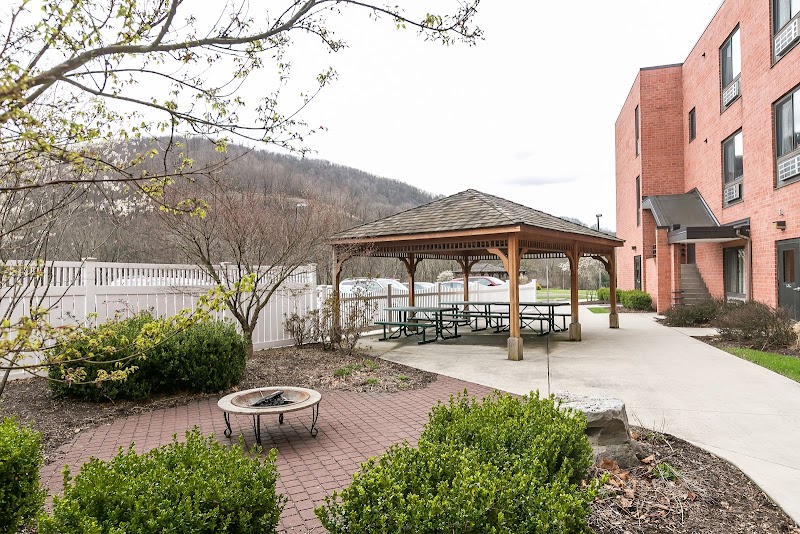
How is Moran Staffed?

CMS rates MORAN NURSING AND REHABILITATION CENTER's staffing level at 4 out of 5 stars, which is above average compared to other nursing homes. Staff turnover is 38%, compared to the Maryland average of 46%. This relatively stable workforce can support continuity of care.

What Have Inspectors Found at Moran ?

State health inspectors documented 44 deficiencies at MORAN NURSING AND REHABILITATION CENTER during 2018 to 2025. These included: 40 with potential for harm and 4 minor or isolated issues.
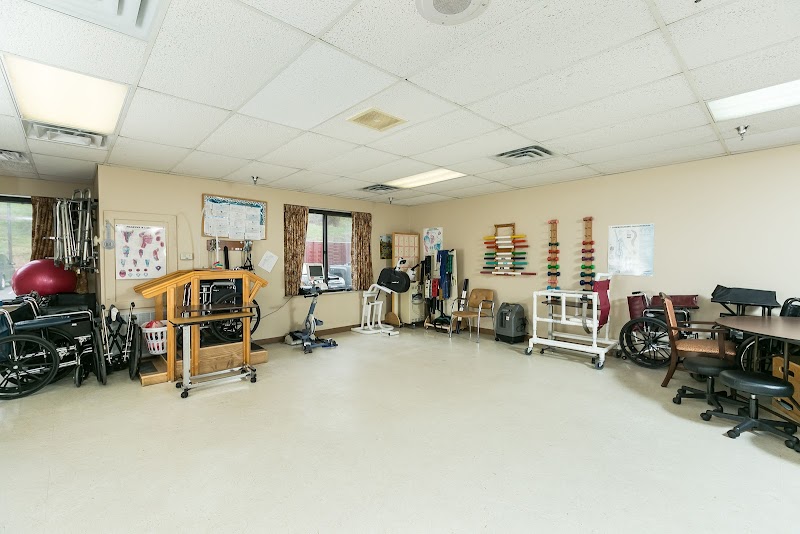
Who Owns and Operates Moran ?

MORAN NURSING AND REHABILITATION CENTER is owned by a for-profit company. For-profit facilities operate as businesses with obligations to shareholders or private owners. The facility is operated by FUNDAMENTAL HEALTHCARE, a chain that manages multiple nursing homes. With 130 certified beds and approximately 68 residents (about 52% occupancy), it is a mid-sized facility located in WESTERNPORT, Maryland.
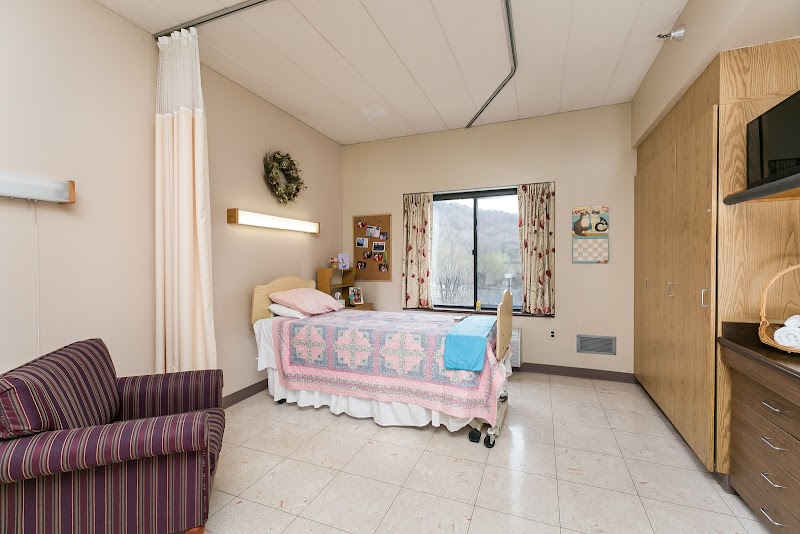
How Does Moran Compare to Other Maryland Nursing Homes?

Compared to the 100 nursing homes in Maryland, MORAN NURSING AND REHABILITATION CENTER's overall rating (3 stars) is below the state average of 3.0, staff turnover (38%) is near the state average of 46%, and health inspection rating (4 stars) is above the national benchmark.

What Should Families Ask When Visiting Moran ?

Based on this facility's data, families visiting should ask: "Can I visit during a mealtime to observe dining assistance and food quality?" "How do you handle medical emergencies, and what is your hospital transfer rate?" "Can I speak with family members of current residents about their experience?"

Is Moran Safe?

Based on CMS inspection data, MORAN NURSING AND REHABILITATION CENTER has a clean safety record: no substantiated abuse findings (meaning no confirmed cases of resident harm), no Immediate Jeopardy citations (the most serious violation level indicating risk of serious injury or death), and is not on the Special Focus Facility watch list (a federal program monitoring the lowest-performing 1% of nursing homes). The facility has a 3-star overall rating and ranks #100 of 100 nursing homes in Maryland. While no facility is perfect, families should still ask about staff-to-resident ratios and recent inspection results during their visit.

Do Nurses at Moran Stick Around?

MORAN NURSING AND REHABILITATION CENTER has a staff turnover rate of 38%, which is about average for Maryland nursing homes (state average: 46%). Moderate turnover is common in nursing homes, but families should still ask about staff tenure and how the facility maintains care continuity when employees leave.

Was Moran Ever Fined?

MORAN NURSING AND REHABILITATION CENTER has no federal fines on record. CMS issues fines when nursing homes fail to meet care standards or don't correct problems found during inspections. The absence of fines suggests the facility has either maintained compliance or corrected any issues before penalties were assessed. This is a positive indicator, though families should still review recent inspection reports for the full picture.

Is Moran on Any Federal Watch List?

MORAN NURSING AND REHABILITATION CENTER is not on any federal watch list. The most significant is the Special Focus Facility (SFF) program, which identifies the bottom 1% of nursing homes nationally based on persistent, serious quality problems. Not being on this list means the facility has avoided the pattern of deficiencies that triggers enhanced federal oversight. This is a positive indicator, though families should still review the facility's inspection history directly.