COLONY CENTER FOR HEALTH AND REHABILITATION
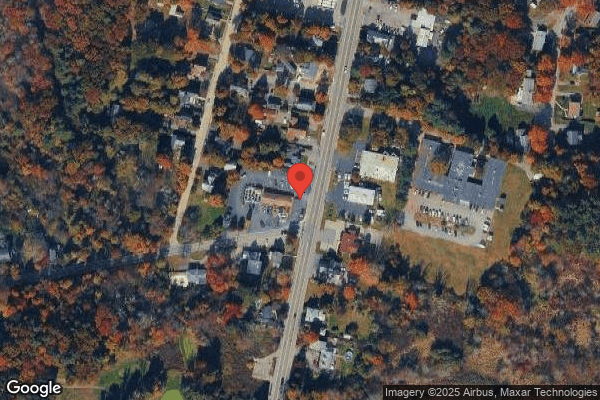

277 WASHINGTON STREET, ABINGTON, MA 02351 (781) 871-0200
For profit - Corporation 92 Beds Independent Data: November 2025
Trust Grade
25/100
#283 of 338 in MA
Last Inspection: March 2025

Within standard 12-15 month inspection cycle. Federal law requires annual inspections.

Overview

Colony Center for Health and Rehabilitation has received a Trust Grade of F, indicating significant concerns about the quality of care provided. Ranking #283 out of 338 facilities in Massachusetts places it in the bottom half, and #22 out of 27 in Plymouth County means there are only a few local options that are better. The facility is showing signs of improvement, with the number of issues decreasing from 28 in 2024 to 17 in 2025. Staffing is rated as average, with a turnover rate of 38%, which is slightly below the Massachusetts average. However, the facility has accrued $25,593 in fines, suggesting some compliance issues. Recent inspections revealed serious problems, including a failure to properly document and assess a resident after a fall, which led to ongoing pain for that resident. Additionally, another resident suffered severe pain for over 24 hours due to inadequate pain management after hospice recommendations were not acted upon. On a positive note, the facility has average RN coverage, which is important for catching potential issues that CNAs might miss, but it is crucial for families to weigh these strengths against the serious weaknesses observed.

Trust Score
F
25/100
In Massachusetts
#283/338
Bottom 17%
Safety Record
Moderate
Needs review
Inspections
Getting Better
28 → 17 violations
Staff Stability
○ Average
38% turnover. Near Massachusetts's 48% average. Typical for the industry.
Penalties
✓ Good
$25,593 in fines. Lower than most Massachusetts facilities. Relatively clean record.
Skilled Nurses
○ Average
Each resident gets 30 minutes of Registered Nurse (RN) attention daily — about average for Massachusetts. RNs are the most trained staff who monitor for health changes.
Violations
⚠ Watch
52 deficiencies on record. Higher than average. Multiple issues found across inspections.
★☆☆☆☆
1.0
Overall Rating
★★★☆☆
3.0
Staff Levels
★☆☆☆☆
1.0
Care Quality
★☆☆☆☆
1.0
Inspection Score
Stable
2024: 28 issues
2025: 17 issues

The Good

  • Full Sprinkler Coverage · Fire safety systems throughout facility
  • No fines on record
  • Staff turnover below average (38%)

    10 points below Massachusetts average of 48%

Facility shows strength in fire safety.

The Bad

1-Star Overall Rating

Below Massachusetts average (2.9)

Significant quality concerns identified by CMS

Staff Turnover: 38%

Near Massachusetts avg (46%)

Typical for the industry

Federal Fines: $25,593

Below median ($33,413)

Moderate penalties - review what triggered them

The Ugly 52 deficiencies on record

2 actual harm
May 2025 4 deficiencies
CONCERN (D) 📢 Someone Reported This

A family member, employee, or ombudsman was alarmed enough to file a formal complaint

Potential for Harm - no one hurt, but risky conditions existed

Notification of Changes (Tag F0580)

Could have caused harm · This affected 1 resident

Based on records reviewed and interviews for one of three sampled residents (Resident #1), whose Health Care Agent (HCA, Family Member #1) was very involved in his/her care, the Facility failed to ens...

Read full inspector narrative →
Based on records reviewed and interviews for one of three sampled residents (Resident #1), whose Health Care Agent (HCA, Family Member #1) was very involved in his/her care, the Facility failed to ensure staff promptly notified Family Member #1 of a change in Resident #1's status, when on 04/25/25, he/she fell while working with Occupational Therapy (OT). Findings include: Review of the Facility Policy titled Change in a Resident's Condition or Status, undated, indicated that the Facility promptly notifies the resident, his/her attending physician, and the resident representative of changes in the resident's medical/mental condition and/or status. Resident #1 was admitted to the Facility in April 2025 diagnoses included status-post left below the knee (BKA) amputation, peripheral vascular disease, urinary retention with an indwelling urinary catheter (a tube inserted into the bladder allowing urine to flow out of the body) in place, diabetes mellitus, and depression. Review of Resident #1's Durable Power of Attorney (POA), dated 03/14/25, indicated his/her HCA's (Family Member #1) contact information was listed and available for staff. Review of Resident #1's Consent to Treat Form, dated 04/09/25, indicated he/she requested, and his/her HCA (Family Member #1) signed the form. Review of Resident #1's Side Rail Consent, dated 04/09/25, indicated he/she requested and his/her HCA (Family Member #1) signed the form. Review of Resident #1's Massachusetts Medical Orders for Life-Sustaining Treatment (MOLST), dated 04/10/25, indicated his/her HCA (Family Member #1) signed as his/her legal representative. During a telephone interview on 05/13/25 at 11:11 A.M., Family Member #1 (HCA) said Facility staff were well aware of how involved she was with Resident #1's care. Family Member #1 (HCA) said the Facility allowed her to sign a portion of Resident #1's admission paperwork, including the Consent to Treat and his/her MOLST. Family Member #1 (HCA) said that she would visit Resident #1 daily for hours at a time, and was always available. Family Member #1 (HCA) said that no one from the Facility called her on 4/25/25 to inform her of Resident #1's fall, that Resident #1 was the one who informed her. During a telephone interview on 05/14/25 at 1:06 P.M., Resident #1 said he/she refers to his/her HCA (Family Member #1) for everything and would have wanted her to know about the fall. During a telephone interview on 05/19/25 at 12:51 P.M., Nurse #1 said that on 04/25/25, Resident #1 was on her assignment and said she had completed the facility incident report after his/her fall. Nurse #1 said that she was unable to located a phone number for Resident #1's HCA on his/her Face Sheet and asked Resident #1 if there was anyone that he/she wanted her to call following the fall. Nurse #1 said that if Resident #1's HCA information had been on his/her Face Sheet, she would have called to notify them of his/her fall because that is protocol. During an interview on 05/14 at 3:13 P.M., the Director of Nurses (DON) said that he was unaware that Resident #1's HCA was not notified of the incident that had occurred with OT on 04/25/25. The DON said that it is the Facility's expectation that nursing notify a resident's HCA or responsible party with any fall unless the resident is against such notification.
CONCERN (D) 📢 Someone Reported This

A family member, employee, or ombudsman was alarmed enough to file a formal complaint

Potential for Harm - no one hurt, but risky conditions existed

Deficiency F0655 (Tag F0655)

Could have caused harm · This affected 1 resident

**NOTE- TERMS IN BRACKETS HAVE BEEN EDITED TO PROTECT CONFIDENTIALITY** Based on records reviewed and interviews for one of three sampled residents, (Resident #1), the facility failed to ensure that u...

Read full inspector narrative →
**NOTE- TERMS IN BRACKETS HAVE BEEN EDITED TO PROTECT CONFIDENTIALITY** Based on records reviewed and interviews for one of three sampled residents, (Resident #1), the facility failed to ensure that upon admission, that nursing developed and implemented baseline care plans with interventions, treatments, goals, and outcomes that addressed the residents' overall immediate care needs. Findings include: Review of the Facility Policy titled Baseline Care Plans, dated as last revised 07/26/17, indicated a Baseline Care Plan will be developed and implemented within 48 hours of admission, for each resident that includes the instructions needed to provide effective and person-centered care of the resident that meets professional standards of quality care. The Policy indicated that the baseline care plan will include the minimal healthcare information necessary to properly care for a resident including but not limited to; -Initial goals based on admission orders; -Physician Orders; -Dietary Orders; -Therapy Services; -Social Services; and Preadmission Screening and Resident Review (PASRR) recommendations, if applicable. The Policy further indicated that the baseline care plan will be used until the staff can conduct the comprehensive assessment and develop a comprehensive interdisciplinary care plan. Resident #1 was admitted to the Facility in April 2025, diagnoses included status-post left below the knee (BKA) amputation, peripheral vascular disease, urinary retention with an indwelling urinary catheter (a tube inserted into the bladder to allow urine to flow out of the body) in place, diabetes mellitus, and depression. Review of Resident #1's Hospital Discharge summary, dated [DATE], indicated his/her immediate care needs were identified as followed; -New surgical wound to left below the knee amputation site; -Urinary retention with an indwelling catheter in place; -Psychotropic medications in use; -Diabetes Mellitus and impaired skin with nutrition needs; and -Anticoagulation therapy. Review of Resident #1's Medical Record indicated there was no documentation to support that Baseline Care Plans were developed and implemented, or that Comprehensive Care Plans that addressed these areas of concern were in place within 48 hours of his/her admission. Review of Resident #1's Medical Record, indicated that nursing had not initiated, developed, or implemented necessary care plans for his/her surgical wound, indwelling urinary catheter, psychotropic medication use, diabetic needs, and anticoagulation therapy until 04/21/25 (12 days after admission). During an interview on 05/14/25 at 12:13 A.M., Nurse #3 said that the nurse responsible for the resident's admission is expected to begin the Baseline Care Plans for that resident and if unable to complete the baseline care plans at that time, the responsibility would get passed on to the next shift until it is completed. During a telephone interview on 05/19/25 at 12:03 P.M., the Nurse Clinical Manager said that she was not aware that Resident #1's baseline care plans had not been completed within 48 hours and said she was not certain as to who was responsible for completing the resident's baseline care plan. During an interview on 05/14/25 at 3:13 P.M., the Director of Nurses (DON) said that he was not aware that Resident #1's baseline care plans had not been completed upon admission. The DON said that it is the Facility's expectation that all residents have a complete baseline care plan in place within 48 hours after admission that allows the staff to provide care and services that each resident requires.
CONCERN (D) 📢 Someone Reported This

A family member, employee, or ombudsman was alarmed enough to file a formal complaint

Potential for Harm - no one hurt, but risky conditions existed

Comprehensive Care Plan (Tag F0656)

Could have caused harm · This affected 1 resident

**NOTE- TERMS IN BRACKETS HAVE BEEN EDITED TO PROTECT CONFIDENTIALITY** Based on records reviewed and interviews for one of three sampled residents (Resident # 1), who upon admission required a therap...

Read full inspector narrative →
**NOTE- TERMS IN BRACKETS HAVE BEEN EDITED TO PROTECT CONFIDENTIALITY** Based on records reviewed and interviews for one of three sampled residents (Resident # 1), who upon admission required a therapeutic diet in relation to diabetes mellitus, the Facility failed to ensure nursing developed and implemented a comprehensive person-centered care plan with interventions, treatment goals, and outcomes that addressed his/her person-centered nutritional needs. Findings include: Review of the Facility Policy titled Comprehensive Care Plans, dated a last revised 07/2023, indicated that an individualized comprehensive care plan that includes measurable objectives and timetables to meet the residents' medical, nursing, emotional and psychological needs is developed for each resident within seven days of the completion of the resident's comprehensive assessment. The Policy further indicated that identifying problem areas and their causes and developing interventions that are targeted and meaningful to the residents are interdisciplinary processes that require careful data gathering, proper sequencing of events and complex clinical decision making. Resident #1 was admitted to the Facility in April 2025 diagnoses included status-post left below the knee (BKA) amputation, peripheral vascular disease, urinary retention with an indwelling urinary catheter (a tube inserted into the bladder to allow urine to flow out of the body) in place, diabetes mellitus (insulin dependent), and depression. Review of Resident #1's Hospital Discharge summary, dated [DATE], indicated his/her diet, according to the International Dysphagia Diet Standardization Initiative (IDDSI, framework that provides a standardized way to describe food and drink textures for people with swallowing difficulties) was IDDSI Level Six (6, known as a soft bite size with supervision dysphagia diet). Review of Resident #1's admission Nutritional Evaluation, dated 04/14/25, indicated his/her diet was Low Calorie Sweetener (LCS), two (2) gram (g) sodium (Na), puree (blended or mashed until smooth) textures and nectar (a type of thickened liquid consistency of fruit nectars) liquids while also providing a P.M. diabetic snack. Review of Resident #1's Medical Record from 04/09/25 through 04/30/25, there is no documentation to support a Nutritional Care Plan had been developed and implemented that was person-centered to meet his/her nutritional needs. During a telephone interview on 05/15/25, the Registered Dietician (RD) said that he was not aware Resident #1 did not have a Nutritional Care Plan in place and said he is not always able to get a care plan in for all of the residents. The RD said it was his responsibility as part of the Interdisciplinary Team (IDT) to develop a nutritional care plan. During an interview on 05/14/25 at 3:13 P.M., the Director of Nurses (DON) said that he was not aware that Resident #1 did not have a Nutritional Care Plan in place. The DON said it is the Facility's expectation that the IDT to work together and ensure all care plans, including nutrition (if needed) are person-center and in place at the time the comprehensive care plan is completed.
CONCERN (D) 📢 Someone Reported This

A family member, employee, or ombudsman was alarmed enough to file a formal complaint

Potential for Harm - no one hurt, but risky conditions existed

Deficiency F0658 (Tag F0658)

Could have caused harm · This affected 1 resident

Based on records reviewed and interviews for one of three sampled residents (Resident #1), who had been assessed as requiring nutritional interventions for wound care, the Facility failed to ensure nu...

Read full inspector narrative →
Based on records reviewed and interviews for one of three sampled residents (Resident #1), who had been assessed as requiring nutritional interventions for wound care, the Facility failed to ensure nursing staff provided care and services that met professional standards of quality, when recommendations made by the Registered Dietician (RD) for Resident #1, were not followed up on timely by nursing. Findings include: Review of the Policy titled Consultants, undated, indicated the Facility utilizes outside resources to furnish specific services provided by the facility. The Policy further indicated Consultants provide the Administrator with written, dated, and signed reports for each consultation visit. Such reports contain the consultants; -Recommendations; -Plans for implementation of his/her recommendations; -Findings; and -Plans for continued assessment. Resident #1 was admitted to the Facility in April 2025 diagnoses included status-post left below the knee (BKA) amputation, peripheral vascular disease, urinary retention with an indwelling urinary catheter (a tube inserted into the bladder to allow urine to flow out of the body) in place, diabetes mellitus, and depression. Review of Resident #1's admission Nutritional Evaluation, dated 04/14/25, indicated he/she was admitted with a new surgical wound related to his/her left below the knee amputation (BKA). The Evaluation further indicated that the Registered Dietician (RD) recommended to start a Multivitamin (MVI), add 30 milliliters (ml) of liquid protein, and add yogurt to breakfast. Review of Resident #1's Physician's Orders, dated 04/15/25, indicated to add yogurt daily to his/her breakfast. Review of Resident #1's Wound Monitoring Dietician Note, dated 04/28/25, indicated the RD again recommended to begin a MVI and add 30 ml of liquid protein to support wound healing. Review of Resident #1's Medical Record, from 04/14/25 through 04/30/25, indicated that there was no documentation to support that his/her physician had been notified of the RD recommendations on 04/14/25 or 04/28/25 regarding the addition of a MVI and 30 ml of liquid protein. During a telephone interview on 05/19/25 at 12:03 P.M., the Nurse Clinical Manager said she was unaware that RD recommendations had not been communicated to Resident #1's physician. The Nurse Clinical Manager said that the RD (or any consultant) is to electronically mail (e-mail) the Director of Nurses (DON) their recommendations and the DON will then distribute the recommendations to the appropriate staff to review with the resident's physician to obtain orders as appropriate. During a telephone interview on 05/15/25 at 2:48 P.M., the Registered Dietician (RD) said he did not know the recommendations that he made for Resident #1 on 04/14/25 and 04/28/25, had never been followed up on. The RD said that at the end of the day after being in the Facility, he uploads his recommendations into a portal (used to communicate with the Facility), runs a report that includes any recommendations made, and e-mails the report to the DON. The RD said once the DON receives the report, the DON distributes his recommendation to the appropriate staff (dietary/nurse) to review with the resident's physician and obtain a physician order if agreeable. During an interview on 05/14/25 at 3:13 P.M., the DON said he was not aware Resident #1's nutritional recommendations from the RD had never been addressed. The DON said that it is the Facility's expectation that all recommendations from any provider, including nutrition, are to be sent to me by e-mail and then are given to the nurses on the unit attending to the resident and promptly followed up with the resident provider and obtained an order if approved.
Mar 2025 13 deficiencies
CONCERN (D)

Potential for Harm - no one hurt, but risky conditions existed

Abuse Prevention Policies (Tag F0607)

Could have caused harm · This affected 1 resident

Based on interview and record review, the facility failed to implement policies and procedures for bruises of unknown origin for two Residents (#2 and #12), in a total sample of 18 residents. Specific...

Read full inspector narrative →
Based on interview and record review, the facility failed to implement policies and procedures for bruises of unknown origin for two Residents (#2 and #12), in a total sample of 18 residents. Specifically, the facility failed: 1. For Resident #2, to ensure a large bruise of unknown origin on the right side of the Resident's head was fully investigated to prevent potential further injury; and 2. Resident #12, to ensure bruises to the left elbow and wrist were fully investigated to prevent potential further injury. Findings include: Review of the facility's policy titled Clinical Services: Abuse, dated 3/2023, indicated but was not limited to the following: -The facility must ensure that all alleged violations involving mistreatment, neglect, or abuse including injuries of unknown source and misappropriation of resident property and exploitation are reported immediately to the Administrator and Director of Nursing (DNS) of the facility utilizing the chain of command. -Staff will follow the facility policy and procedure on investigation of abuse, mistreatment, or neglect. -Any complaint of, observation of, or suspicion of resident abuse, mistreatment or neglect is to be thoroughly investigated and reported. The facility will monitor trends and/or patterns of occurrence via the quality performance committee in order to identify any suspicions of abuse as well as to rule out abuse. Action: -Immediately protect Resident from alleged abuse. -Immediately notify your administrative staff or nursing supervisor on duty of abuse allegation. The administrative staff/nursing supervisor will immediately report all abuse allegations to the administrator and director of nurses. -Immediately suspend employee pending investigation. -The facility will notify the Department of Public health and local law enforcement, no later than two hours after abuse allegation was received. Investigation: The administrative staff or nursing supervisor assumes responsibility for: -immediate notification of the Administrator and the Director of Nurses (by phone, if necessary.) -notifying appropriate department head -notify the attending physician to conduct a physical and/or mental assessment as appropriate. -immediate investigation into the alleged incident (during the shift it occurred.) A) interview resident or other witnesses. This interview is to be dated documented and signed by supervisor. B) interview staff member implicated. Have employees document their knowledge/version of incident and written narrative that is dated and signed. Supervisory staff to discuss written statements with employees. C) interview staff witnesses or other available witnesses. Witnesses are to document incident in a written narrative that is dated and signed. Supervisory staff to discuss written statements with employees. Interview relevant staff on that unit and obtain a written statement. D) Facility investigation will be completed within 72 hours of incident documentation of investigation to be completed by initiating an incident and accident report obtaining statements from identified potential witnesses completing necessary evaluations (i.e.: skin/body checks, pain evaluation), and maintaining a timeline of events. Reporting /Documentation Requirements: The Administrator, Director of Nurses or the designee assumes responsibility for notification of the incident and preliminary internal investigation results to the following: A.) Immediate notification to regional director of clinical operations. B.) See state specific guidelines for verbal notification of all abuse (alleged or confirmed) to the state health department and other regulatory agencies per individual state reporting requirements. C.) Any written reports sent to the Department of Health office are to be reviewed by regional director of clinical operations prior to being sent. D.) Any incident report must be completed immediately after the incident has occurred. (All abuse alleged or confirmed) E.) The attending physician and family or responsible party are to be notified immediately after the incident occurred. If unable to reach the attending physician call the medical director. F.) Documentation in the medical records is to reflect direct observable facts. Description should be clear and concise including only facts and direct observations. G.) Care plan process. Immediately after the incident occurs an interim conference is to be held to develop interventions to ensure the resident does not experience any physical harm, pain, or mental anguish. Summary of investigation: Assemble the results of any in-house investigations of mistreatment neglect or abuse of resident, misappropriation of their property, or injuries of unknown source findings of the investigation will be done in writing and reviewed by the QAPI committee. The summary should include but not limited to: -Brief summary of incident -Was the administrator notified of the incident and when? -Did investigation begin promptly after the report of the problem? -Is there a record of statements or interviews of the resident, suspect (if one is identified), any eyewitness and any circumstantial witnesses? -Was the alleged victim examined promptly (if injury was suspected), and the findings documented in the report? -What steps were taken to protect the alleged victim from further abuse (particularly where no suspect has been identified? i.e., Two people provide care. -Was documentation of what did or did not happen, completed? Allegation validation or invalidation. -What actions were taken as a result of the investigation? -What corrective action was taken, including informing the physician, resident's family member, police, ombudsman, State Licensure Authorities, the facility's Clinical Service Coordinator? -Were family and residents updated on outcome of investigation? -What was the conclusion of the investigation? 1. Resident #2 was admitted to the facility in April 2022 with diagnoses which included stroke with speech and language deficits, dementia, and protein-calorie malnutrition. Review of the Minimum Data Set (MDS) assessment, dated 2/18/25, indicated Resident #2 scored 3 out of 15 on the Brief Interview for Mental Status (BIMS), indicating he/she had severe cognitive impairment. In addition, Section GG indicated that Resident #2 is dependent in rolling right and left, sit to lying and lying to sit. On 2/28/25 at 10:20 A.M., the surveyor observed Resident #2 lying in bed asleep with a large bruise observed on the right side of his/her hair line extending into the hair line and down to the bottom of the ear. Review of the Skilled Note, dated 2/26/25, indicated Resident is alert with some confusion. Noted a purple-bluish bruise on the right side of the resident face, no complaints of pain or discomfort at this time. Resident has a history of bruising easily and is currently taking two blood thinners (heparin and aspirin). MD and nursing supervisor notified. Resident plan of care ongoing. Review of the Skin Assessment, dated 2/26/25, indicated face purple-bluish bruise on the right side of the face. No new notable skin issues observed. During an interview on 3/4/25 at 9:01 A.M., Certified Nursing Assistant (CNA) #6 said she did notice the bruise on the right side of Resident #2's head today and said it looked old and was turning green. During an interview on 3/4/25 at 9:08 A.M., CNA #7 said that it was a new bruise on the right side of Resident #2's head. CNA #7 gently pulled back Resident #2's hair and when asked by CNA #5, Resident #2 said it was sore. 2. Resident #12 was admitted to the facility in December 2022 with diagnoses which included Atrial fibrillation (A-Fib), Alzheimer's Disease, anxiety, acute posthemorrhagic anemia, bipolar and depression. Review of the MDS assessment, dated 2/7/25, indicated Resident #12 scored 4 out of 15 on the BIMS, indicating he/she had severe cognitive impairment. In addition, Section GG indicated Resident #2 is substantial/maximal assistance in rolling right and left, and dependent sit to lying and lying to sit. During an interview on 2/28/25 at 10:20 A.M., the surveyor observed bruising on Resident #12's left elbow and hand. The left elbow appeared to be swollen. Resident #12 said he/she got bruises on his/her left hand by fooling around with the girls. Review of the Skin Assessment, dated 2/18/25, at 6:24 P.M., indicated Resident #12 had no skin issues. Review of the Skin Assessment, dated 2/25/25, at 5:04 P.M., indicated the following in section A. (1): Site 15- right antecubital (front elbow): bruise Site 18- left elbow: elbow area bruise Site 30- Left hand (back): bruise During an interview on 3/4/25 at 9:08 A.M., with Certified Nursing Assistant (CNA) #7 present, Resident #12 said he/she got the bruises from a fight. During an interview on 3/4/25 at 9:16 A.M., the Director of Nurses (DON) said she was aware of Resident #12's bruises to his/her hand but was not aware of any information on Resident #2, but added she was out three days last week. The DON said she would expect staff to fill out an incident report, perform a skin assessment and do a pain assessment. The DON said there should be an investigation into the cause of how the resident got bruises. The DON said she does not do the reporting; she would reach out to the Administrator and the Corporate Clinical Nurse for guidance. During an interview on 3/4/25 at 9:24 A.M., Consulting Staff (CS) #1 said nobody reported bruising on either Resident #2 or Resident #12 to her. The Assistant Director of Nurses (ADON) said Resident #2 has fragile skin and the right side of his/her head was determined to be purpura (reddish-purple bruises or spots on the skin, caused by small blood vessels leaking blood under the skin). The ADON said she was aware of the bruises to Resident #12's left hand and elbow. The ADON said she was not aware of any investigations or reports of Resident #2's or Resident #12's bruises. During an interview on 3/4/25 at 9:30 A.M., the surveyor and CS #1 observed both Resident #2's right side of his/her head and Resident #12's left elbow and wrist. CS #1 said she would describe Resident #2's right side of head as a bruise and would describe Resident #12's elbow and hand more of reddened area with the elbow being swollen. CS #1 would expect the bruises to be reported and investigated. CS #1 said she was not aware of any investigations or reporting for Resident #2 and Resident #12. During an interview on 3/4/25 at 9:44 A.M., the Administrator said he was not aware of any bruise on Resident #2 or Resident #12. He was just made aware of it now or he would have reported it to the State.
CONCERN (D)

Potential for Harm - no one hurt, but risky conditions existed

Report Alleged Abuse (Tag F0609)

Could have caused harm · This affected 1 resident

Based on interview and record review, the facility failed to report bruises of unknown origin to the Department of Public Health's (DPH) Health Care Facility Reporting System (HCFRS-a web-based system...

Read full inspector narrative →
Based on interview and record review, the facility failed to report bruises of unknown origin to the Department of Public Health's (DPH) Health Care Facility Reporting System (HCFRS-a web-based system that health care facilities must use to report incidents and allegations of abuse, neglect, and misappropriation) as required for two Residents (#2 and #12), in a total sample of 18 residents. Specifically, the facility failed to report bruises of unknown origin within the required timeframe to the State Survey Agency for: 1. Resident #2's large bruise to the right side of the head; and 2. Resident #12's bruises to the left elbow and hand. Findings include: Review of the facility's policy titled Clinical Services: Abuse, dated 3/2023, indicated but was not limited to the following: -The facility must ensure that all alleged violations involving mistreatment, neglect, or abuse including injuries of unknown source and misappropriation of resident property and exploitation are reported immediately to the administrator and director of nursing (DNS) of the facility utilizing the chain of command. -Staff will follow the facility policy and procedure on investigation of abuse, mistreatment, or neglect. -Any complaint of, observation of, or suspicion of resident abuse, mistreatment or neglect is to be thoroughly investigated and reported. Action: -immediately notify your administrative staff or nursing supervisor on duty of abuse allegation. The administrative staff/nursing supervisor will immediately report all abuse allegations to the administrator and director of nurses. -The facility will notify the Department of Public health and local law enforcement, no later than two hours after abuse allegation was received. Reporting /Documentation Requirements: The Administrator, Director of Nurses or the designee assumes responsibility for notification of the incident and preliminary internal investigation results to the following: A.) Immediate notification to regional director of clinical operations. B.) See state specific guidelines for verbal notification of all abuse (alleged or confirmed) to the state health department and other regulatory agencies per individual state reporting requirements. C.) Any written reports sent to the Department of Health office are to be reviewed by regional director of clinical operations prior to being sent. D.) Any incident report must be completed immediately after the incident has occurred. (All abuse alleged or confirmed) E.) The attending physician and family or responsible party are to be notified immediately after the incident occurred. If unable to reach the attending physician call the medical director. 1. Resident #2 was admitted to the facility in April 2022 with diagnoses which included stroke with speech and language deficits, dementia, and protein-calorie malnutrition. Review of the Minimum Data Set (MDS) assessment, dated 2/18/25, indicated Resident #2 scored 3 out of 15 on the Brief Interview for Mental Status (BIMS), indicating he/she had severe cognitive impairment. In addition, Section GG indicates Resident #2 is dependent in rolling right and left, sit to lying and lying to sit. On 2/28/25 at 10:20 A.M., the surveyor observed Resident #2 lying in bed asleep with a large bruise observed on the right side of his/her hair line extending into the hair line and down to the bottom of the ear. Review of the Skilled Note, dated 2/26/25, indicated Resident is alert with some confusion. Noted a purple-bluish bruise on the right side of the resident face, no complaints of pain or discomfort at this time. Resident has a history of bruising easily and is currently taking two blood thinners (heparin and aspirin). MD and nursing supervisor notified. Resident plan of care ongoing. Review of the Skin Assessment, dated 2/26/25, indicated face purple-bluish bruise on the right side of the face. No new notable skin issues observed. During an interview on 3/4/25 at 9:01 A.M., Certified Nursing Assistant (CNA) #6 said she did notice the bruise on the right side of Resident #2's head today and said it looked old and was turning green. During an interview on 3/4/25 at 9:08 A.M., CNA #6 said that it was a new bruise on the right side of Resident #2's head. CNA #5 gently pulled back Resident #2's hair and when asked by CNA #6, Resident #2 said it was sore. Review of the Health Care Facility Reporting System (HCFRS) on 3/4/25 failed to indicate Resident #2's bruises, identified by the nurse on 2/26/25, were reported by the facility. 2. Resident #12 was admitted to the facility in December 2022 with diagnoses which included: Atrial fibrillation (A-Fib), Alzheimer's Disease, anxiety, acute posthemorrhagic anemia, bipolar and depression. Review of the MDS assessment, dated 2/7/25, indicated Resident #12 scored 4 out of 15 on the BIMS, indicating he/she had severe cognitive impairment. In addition, Section GG indicated Resident #2 is substantial/maximal assistance in rolling right and left, and dependent sit to lying and lying to sit. During an interview on 2/28/25 at 10:20 A.M., the surveyor observed bruising on Resident #12's left elbow and hand. The left elbow appeared to be swollen. Resident #12 said he/she got bruises on his/her left hand by fooling around with the girls. Review of the Skin Assessment, dated 2/18/25 at 6:24 P.M., indicated Resident #12 had no skin issues. Review of the Skin Assessment, dated 2/25/25 at 5:04 P.M., indicated the following in section A. (1): Site 15- right antecubital (front elbow): bruise Site 18- left elbow: elbow area bruise Site 30- Left hand (back): bruise During an interview on 3/4/25 at 9:08 A.M. with Certified Nursing Assistant (CNA) #7 present, Resident #12 said he/she got the bruises from a fight. Review of the HCFRS on 3/4/25 failed to indicate Resident #12's bruises, identified by the nurse on 2/25/25, were reported by the facility. During an interview on 3/4/25 at 9:16 A.M., the Director of Nurses (DON) said she was aware of Resident #12's bruises to his/her hand but was not aware of any information on Resident #2, but added she was out three days last week. The DON said she would expect staff to fill out an incident report. The DON said she does not do the reporting; she would reach out to the Administrator and the Corporate Clinical Nurse for guidance. During an interview with Consulting Staff (CS) #1 and the Assistant Director of Nurses (ADON) on 3/4/25 at 9:24 A.M., CS #1 said nobody reported bruising on either Resident #2 or Resident #12 to her. The ADON said Resident #2 has fragile skin and the right side of his/her head was determined to be purpura (reddish-purple bruises or spots on the skin, caused by small blood vessels leaking blood under the skin). The ADON said she was aware of the bruises to Resident #12 left hand and elbow. The ADON said she was not aware of any reports of Resident #2's or Resident #12's bruises. During an interview on 3/4/25 at 9:30 A.M., the surveyor and CS #1 observed both Resident #2's right side of his/her head and Resident #12's left elbow and wrist. CS #1 said she would describe Resident #2's right side of head as a bruise and would describe Resident #12's elbow and hand more of reddened area with the elbow being swollen. CS #1 would expect the bruises to be reported. CS #1 said she was not aware of any reporting for Resident #2 and Resident #12. During an interview on 3/4/25 at 9:44 A.M., the Administrator said he was not aware of any bruises on Resident #2 or Resident #12. He was just made aware of it now or he would have reported it to the State.
CONCERN (D)

Potential for Harm - no one hurt, but risky conditions existed

Investigate Abuse (Tag F0610)

Could have caused harm · This affected 1 resident

Based on interview and record review, the facility failed to fully investigate bruises of unknown origin for two Residents (#2 and #12), in a total sample of 18 residents. Specifically, the facility f...

Read full inspector narrative →
Based on interview and record review, the facility failed to fully investigate bruises of unknown origin for two Residents (#2 and #12), in a total sample of 18 residents. Specifically, the facility failed to investigate: 1. Resident #2's large bruise to the right side of the head; and 2. Resident #12's bruises to the left elbow. Findings include: Review of the facility's policy titled Clinical Services: Abuse, dated 3/2023, indicated but was not limited to the following: -The facility must ensure that all alleged violations involving mistreatment, neglect, or abuse including injuries of unknown source and misappropriation of resident property and exploitation are reported immediately to the administrator and director of nursing (DNS) of the facility utilizing the chain of command. -Staff will follow the facility policy and procedure on investigation of abuse, mistreatment, or neglect. -Any complaint of, observation of, or suspicion of resident abuse, mistreatment or neglect is to be thoroughly investigated and reported. Investigation: The administrative staff or nursing supervisor assumes responsibility for: -immediate notification of the administrator and the director of nurses (by phone, if necessary.) -notifying appropriate department head -notify the attending physician to conduct a physical and/or mental assessment as appropriate. -immediate investigation into the alleged incident (during the shift it occurred.) A) interview resident or other witnesses this interview is to be dated documented and signed by supervisor. B) interview staff member implicated. Have employees document their knowledge/version of incident and written narrative that is dated and signed. Supervisory staff to discuss written statements with employees. C) interview staff witnesses or other available witnesses. Witnesses are to document incident in a written narrative that is dated and signed. Supervisory staff to discuss written statements with employees. Interview relevant staff on that unit and obtain a written statement. D) Facility investigation will be completed within 72 hours of incident documentation of investigation to be completed by initiating an incident and accident report obtaining statements from identified potential witnesses completing necessary evaluations (i.e.: skin/body checks, pain evaluation), and maintaining a timeline of events. Summary of investigation: Assemble the results of any in-house investigations of mistreatment neglect or abuse of resident, misappropriation of their property, or injuries of unknown source findings of the investigation will be done in writing and reviewed by the QAPI committee. The summary should include but not limited to: -Brief summary of incident -Was the administrator notified of the incident and when? -Did investigation begin promptly after the report of the problem? -Is there a record of statements or interviews of the resident, suspect (if one is identified), any eyewitness and any circumstantial witnesses? -Was the alleged victim examined promptly (if injury was suspected), and the findings documented in the report? -What steps were taken to protect the alleged victim from further abuse (particularly where no suspect has been identified? i.e., Two people provide care. -Was documentation of what did or did not happen, completed? Allegation validation or invalidation. -What actions were taken as a result of the investigation? -What corrective action was taken, including informing the physician, resident's family member, police, ombudsman, State Licensure Authorities, the facility's Clinical Service Coordinator? -Were family and residents updated on outcome of investigation? -What was the conclusion of the investigation? 1. Resident #2 was admitted to the facility in April 2022 with diagnoses which included stroke with speech and language deficits, dementia, and protein-calorie malnutrition. Review of the Minimum Data Set (MDS) assessment, dated 2/18/25, indicated Resident #2 scored 3 out of 15 on the Brief Interview for Mental Status (BIMS), indicating he/she had severe cognitive impairment. In addition, Section GG indicated Resident #2 was dependent in rolling right and left, sit to lying and lying to sit. On 2/28/25 at 10:20 A.M., the surveyor observed Resident #2 lying in bed asleep with a large bruise observed on the right side of his/her hair line extending into the hair line and down to the bottom of the ear. Review of the Skilled Note, dated 2/26/25, indicated Resident is alert with some confusion. Noted a purple-bluish bruise on the right side of the resident face, no complaints of pain or discomfort at this time. Resident has a history of bruising easily and is currently taking two blood thinners (heparin and aspirin). MD and nursing supervisor notified. Resident plan of care ongoing. Review of the Skin Assessment, dated 2/26/25, indicated face purple-bluish bruise on the right side of the face. No new notable skin issues observed. During an interview on 3/4/25 at 9:01 A.M., Certified Nursing Assistant (CNA) #6 said she did notice the bruise on the right side of Resident #2's head today and said it looked old and was turning green. During an interview on 3/4/25 at 9:08 A.M., CNA #7 said that it was a new bruise on the right side of Resident #2's head. CNA #5 gently pulled back Resident #2's hair and when asked by CNA #7, Resident #2 said it was sore. 2. Resident #12 was admitted to the facility in December 2022 with diagnoses which included Atrial fibrillation (A-Fib), Alzheimer's Disease, anxiety, acute posthemorrhagic anemia, bipolar and depression. Review of the MDS assessment, dated 2/7/25, indicated Resident #12 scored 4 out of 15 on the BIMS, indicating he/she had severe cognitive impairment. In addition, Section GG indicated Resident #2 was substantial/maximal assistance in rolling right and left, and dependent sit to lying and lying to sit. During an interview on 2/28/25 at 10:20 A.M., the surveyor observed bruising on Resident #12's left elbow and hand. The left elbow appeared to be swollen. Resident #12 said he/she got bruises on his/her left hand by fooling around with the girls. Review of the Skin Assessment, dated 2/18/25 at 6:24 P.M., indicated Resident #12 had no skin issues. Review of the Skin Assessment, dated 2/25/25 at 5:04 P.M., indicated the following in section A. (1): Site 15- right antecubital (front elbow): bruise Site 18- left elbow: elbow area bruise Site 30- Left hand (back): bruise During an interview on 3/4/25 at 9:08 A.M., with Certified Nursing Assistant (CNA) #7 present, Resident #12 said he/she got the bruises from a fight. During an interview on 3/4/25 at 9:16 A.M., the Director of Nurses (DON) said she was aware of Resident #12's bruises to his/her hand but was not aware of any information on Resident #2, but added she was out three days last week. The DON said she would expect staff to fill out an incident report, perform skin assessment, and do a pain assessment. The DON said there should be an investigation into the cause of how the resident got bruises. During an interview with Consulting Staff (CS) #1 and the Assistant Director of Nurses (ADON) on 3/4/25 at 9:24 A.M., CS #1 said nobody reported bruising on either Resident #2 or Resident #12 to her. The ADON said Resident #2 has fragile skin and the right side of his/her head was determined to be purpura (reddish-purple bruises or spots on the skin, caused by small blood vessels leaking blood under the skin). The ADON said she was aware of the bruises to Resident #12's left hand and elbow. The ADON said she was not aware of any investigations of Resident #2's or Resident #12's bruises. During an interview on 3/4/25 at 9:30 A.M., the surveyor and CS #1 observed both Resident #2's right side of his/her head and Resident #12's left elbow and wrist. CS #1 said she would describe Resident #2's right side of head as a bruise and would describe Resident #12's elbow and hand as more of reddened area with the elbow being swollen. CS #1 would expect the bruises to be investigated. CS #1 said she was not aware of any investigations for Resident #2 and Resident #12.
CONCERN (D)

Potential for Harm - no one hurt, but risky conditions existed

Incontinence Care (Tag F0690)

Could have caused harm · This affected 1 resident

Based on observation, record review, and interview, the facility failed to provide treatment and services related to an indwelling urinary catheter (a thin, flexible tube inserted into the bladder to ...

Read full inspector narrative →
Based on observation, record review, and interview, the facility failed to provide treatment and services related to an indwelling urinary catheter (a thin, flexible tube inserted into the bladder to drain urine outside the body), for one Resident (#26), out of a total sample of 18 residents. Specifically, the facility failed to ensure the physician's orders were followed and the correct size indwelling catheter balloon was implemented for Resident #26. Findings include: Review of the facility's policy titled Catheter Care, Urinary, undated, indicated but was not limited to the following: The following information should be recorded in the resident's medical record: -The date and time that catheter care was given. -All assessment data obtained when giving catheter care. -Any problems or complaints made by the resident related to the procedure. Resident #29 was admitted to the facility in July 2023 with diagnoses which included overactive bladder, benign prostate hyperplasia with lower urinary tract symptoms, and acute cystitis with hematuria (bleeding), calculus of ureter, and after care following surgery on the genitourinary system. Review of the Minimum Data Set (MDS) assessment, dated 12/4/24, indicated Resident #29 scored 13 out of 15 on the Brief Interview for Mental Status (BIMS), indicating he/she was cognitively intact. During an interview on 3/05/25 at 5:09 P.M., Resident #26 said he/she has a catheter now and has had a lot of trouble with catheter recently. Resident #26 said the last time the catheter was changed he/she told the nurse his/her catheter size was 16 FR 10 ML. Resident #26 said the nurse said they don't have a 16 FR 10 ML available, and it was going to be replaced with 16 FR 5 ML catheter. Resident #26 said he/she still has the wrong size catheter. Review of Physician's Orders indicated the following: -Change Foley 16 FR 10 ML once monthly, every shift starting on the 23rd for retention. Order initiated 12/23/24. Review of the Medication Administration Record (MAR) indicated Resident #26's Foley catheter was changed on 2/23/25; orders indicated change Foley catheter 16 FR 10 ML once monthly. Further review of the MAR and Treatment Administration Record (TAR) for February and March did not indicate the Foley catheter was changed again. Review of the February nursing notes did not provide any documentation of the catheter change occurring on 2/23/25. During an interview on 3/05/25 at 5:15 P.M., Nurse #9 observed Resident #26's catheter and said the current catheter size inserted is a 16 FR 5 ML catheter. Nurse #9 said if the orders are for a 16 FR 10 ML catheter, she would expect the nurse to insert the ordered size. During an interview on 3/05/25 at 5:25 P.M., the Director of Nurses (DON) said she would expect the nurse to follow the physician's orders and insert the size catheter the physician ordered. The DON said if the correct size was not available, she would expect the nurse to notify the physician for further instructions. The DON said the 16 FR is the right catheter size, it's the balloon that is the wrong size.
CONCERN (D)

Potential for Harm - no one hurt, but risky conditions existed

Deficiency F0699 (Tag F0699)

Could have caused harm · This affected 1 resident

**NOTE- TERMS IN BRACKETS HAVE BEEN EDITED TO PROTECT CONFIDENTIALITY** Based on interview and record review, the facility failed to develop a person-centered plan of care which included trauma inform...

Read full inspector narrative →
**NOTE- TERMS IN BRACKETS HAVE BEEN EDITED TO PROTECT CONFIDENTIALITY** Based on interview and record review, the facility failed to develop a person-centered plan of care which included trauma informed approaches and identified triggers to avoid potential re-traumatization for two Residents (#61, #29) with a history of trauma, out of a total sample of 18 residents. Findings include: Review of the facility's policy titled Trauma Informed Care, undated, included but was not limited to: - To guide staff in appropriate and compassionate care specific to individuals who have experienced trauma. - All staff are provided in-service training about trauma, its impact on health, and post-traumatic stress disorder in the context of the healthcare setting. - Social Service staff are trained on screening tools, trauma assessment and how to identify triggers associated with re-traumatization. - Trauma informed care is culturally sensitive and person-centered. - As part of the comprehensive assessment, identify history of trauma or interpersonal violence when possible. Identifying past trauma or adverse experiences may involve record review or use of screening tools. - Reduce or eliminate unnecessary stimuli (noise, lighting, unwanted or sudden physical contact, etc.) 1. Resident #61 was admitted in June 2024 with diagnoses which included major depressive disorder and Post-Traumatic Stress Disorder (PTSD- a mental health condition that is triggered by an event, series of events, or set of circumstances that is experienced by an individual as physically or emotionally harmful or life threatening and that has lasting adverse effects on the individual's functioning and mental, physical, social, emotional, or spiritual well-being). Review of the Minimum Data Set (MDS) assessment, dated 2/28/25, indicated Resident #61 had a Brief Interview for Mental Status (BIMS) score of 13 out of 15, which indicated the Resident was cognitively intact. Further review of the MDS assessment indicated the Resident was able to be understood, able to understand others, and had a diagnosis of PTSD. Review of the Social Worker Trauma Informed Care Assessment, dated 6/17/24, indicated Resident #61 witnessed or experienced a fire or explosion and had experiences in combat/exposure to a war zone. Review of the Social Worker Trauma Informed Care Assessment, dated 3/3/25, failed to indicate Resident #61 witnessed or experienced a fire or explosion and/or no experiences in combat/exposure to a war zone. Review of the facility Consultant Behavioral Health Services notes, dated 6/19/24, 6/25/24, 7/23/24, 9/6/24, and 10/2/24 indicated documented diagnoses which included PTSD. The notes indicated Resident #61 received services but failed to indicate specific triggers related to his/her history of trauma. During an interview on 2/28/25 at 1:20 P.M., Resident #61 said he/she served in the Vietnam War, was a veteran and declined to answer any further questions. Review of Resident #61's active care plan failed to indicate a plan of care for Trauma Informed Care related to his/her documented diagnosis of PTSD. Further review of the paper and electronic medical records failed to indicate any staff collaboration with the Resident, or any other health care professional who may have provided care to Resident #61 to gather information related to the PTSD diagnosis in order to develop a person-centered plan of care which identified potential triggers or trauma with interventions to prevent re-traumatization. During an interview on 3/06/25 at 10:39 A.M., the surveyor reviewed the Social Worker Trauma Informed Care Assessment, dated 6/17/24 with the Director of Social Services. The assessment indicated Resident #61 witnessed or experienced a fire or explosion and had experiences in combat/exposure to a war zone. The Director of Social Services said he was not familiar with Resident's history but when he completed the initial admission Social Worker Trauma Informed Care Assessment, dated 6/17/24, with Resident #61, the Resident denied having any issues, so he did not initiate a care plan. The surveyor requested supporting documentation from the Director of Social Services which indicated the Resident denied any issues related to trauma. The Director of Social Services was unable to provide the requested documentation. 2. Resident #29 was admitted to the facility in March 2024 with diagnoses which included major depressive disorder, obsessive compulsive disorder, and PTSD. Review of the MDS assessment, dated 12/4/24, indicated Resident #29 had a BIMS score of 13 out of 15, which indicated Resident was cognitively intact. Further review of the MDS assessment indicated Resident was able to be understood, able to understand others, and had a diagnosis of PTSD. Review of the Social Worker Trauma Informed Care Assessments, dated 4/1/24, and 4/6/24, indicated Resident #29 experienced physical assault and had experiences in combat/exposure to a war zone. Review of the Social Worker Trauma Informed Care Assessment, dated 10/25/24, failed to indicate Resident experienced physical assault and/or no experiences in combat/exposure to a war zone. Review of the facility's Consultant Psychiatric Nurse Practitioner notes, dated 4/1/24, 8/20/24, and 11/26/24, indicated documented diagnoses which included PTSD. During an interview on 3/5/24 at 5:09 P.M., Resident #29 said he/she served as a [NAME] during war time and received services through the Veteran's Association. The Resident said the Veteran's Association offered additional support and would send a nurse to speak with him/her if the Resident requested. Review of Resident #29's care plan for mood, indicated a mood problem related to PTSD. The care plan was not individualized related to triggers or history of PTSD. Review of Resident #29's care plan for behavior indicated behavior problem related to PTSD. The care plan was not individualized related to triggers or history of PTSD. Further review of the paper and electronic medical records failed to indicate any staff collaboration with the Resident, or any other health care professional who may have provided care to Resident #29 to gather information related to the PTSD in order to develop a person-centered plan of care which identified potential triggers or trauma with interventions to prevent re-traumatization. During an interview on 3/7/25 at 11:00 A.M., the Director of Social Services said Resident #29 was a veteran and had been a long-term resident of the facility. The Director of Social Services said he was aware Resident received facility visits from the Veteran's Association but had not spoken with the Veteran's representative during any of these visits. The Director of Social Services said there were no specific triggers identified on the care plans as he was not aware the Resident had a diagnosis of PTSD. During an interview on 3/6/25 at 11:35 A.M., and 3/7/25 at 11:00 A.M., the Director of Nurses said residents who are identified with a history of trauma should have individualized care plans specific to each resident.
CONCERN (D)

Potential for Harm - no one hurt, but risky conditions existed

Deficiency F0757 (Tag F0757)

Could have caused harm · This affected 1 resident

Based on record review and interview, the facility failed to monitor for signs/symptoms of adverse consequences (i.e., side effects) of an anticoagulant agent (blood thinner) prescribed for one Reside...

Read full inspector narrative →
Based on record review and interview, the facility failed to monitor for signs/symptoms of adverse consequences (i.e., side effects) of an anticoagulant agent (blood thinner) prescribed for one Resident (#12), out of a total sample of 18 residents. Findings include: Review of the facility's policy titled Anticoagulation-Clinical Protocol, undated, indicated but was not limited to the following: -As part of the initial assessment, the physician and staff will identify individuals who are currently anticoagulated; for example, those with recent history of deep vein thrombosis (DVT), or heart valve replacement atrial fibrillation, or those who have had recent joint replacement surgery. -The staff and physician will monitor for possible complications in individuals who are being anticoagulated and will manage related problems. -If an individual on anticoagulation therapy shows signs of excessive bruising, hematuria, hemoptysis, or other evidence of bleeding, the nurse will discuss the situation with the physician before giving the next scheduled dose of anticoagulant. Resident #12 was admitted to the facility in December 2022 with diagnoses which included Atrial fibrillation (A-fib), Alzheimer's Disease, acute posthemorrhagic anemia (Sudden and significant decrease of red blood cell and hemoglobin levels due to blood loss). Review of the Minimum Data Set (MDS) assessment, dated 2/7/25, indicated Resident #12 scored 4 out of 15 on the Brief Interview for Mental Status (BIMS), indicating he/she had severe cognitive impairment. In addition, Section N0415 indicated Resident #12 was taking an anticoagulant. Review of the Physician's Orders indicated Resident #12 was taking Apixaban (anticoagulant- decreases clotting ability of blood) 5 milligrams (mg), give one tablet by mouth two times a day for A-fib. Date initiated 1/24/25. Review of Resident #12's January, February, and March 2025 Medication Administration Records (MAR) indicated he/she was administered Apixaban as ordered. Further receive of physician's orders, MAR, and Treatment Administration Record (TAR) indicated there was no further documentation monitoring for side effects for the use of anticoagulation therapy such as bruising and bleeding. Review of Resident #12's care plan indicated there was no care plan to monitor for side effects for the use of anticoagulation therapy such as bruising and bleeding. During an interview on 3/5/25 at 4:35 P.M., the Director of Nursing (DON) said she would expect a resident on an anticoagulant to be monitored for signs of bleeding every day and have a care plan for the use of an anticoagulant.
CONCERN (E)

Potential for Harm - no one hurt, but risky conditions existed

Quality of Care (Tag F0684)

Could have caused harm · This affected multiple residents

Based on record review and interview, the facility failed to ensure a resident at risk for skin breakdown with a wound received necessary treatment and services to promote healing for one Resident (#5...

Read full inspector narrative →
Based on record review and interview, the facility failed to ensure a resident at risk for skin breakdown with a wound received necessary treatment and services to promote healing for one Resident (#59), out of a total sample of 18 residents. Specifically, the facility failed to complete weekly skin checks, to investigate wounds caused by injury/trauma, and to follow wound physician's recommendations and accurately implement care and treatment of a non-pressure wound to the Resident's left knee, heel, and shin. Findings include: Review of the facility's policy titled Skin Tears-Care of Abrasions and Minor Breaks, undated indicated but was not limited to the following: -Record the following in the resident's medical record: a. Complete an in-house investigation of the causation. b. Document physician and family notification, and resident education (if completed) in medical record. c. When an abrasion/skin tear/bruise is discovered, complete an investigation to determine causative effect. Review of the facility's policy titled Accidents and Incidents - Investigating and Reporting, undated indicated but was not limited to the following: -All accidents or incidents involving residents, employees, visitors, vendors, etc., occurring on our premises shall be investigated and reported to the administrator. -The nurse supervisor/charge nurse and/or the department director or supervisor shall promptly initiate and document investigation of the accident or incident. -The nurse supervisor/charge nurse and/or the department director or supervisor shall complete an Incident/Accident Form and submit it to the Director of Nurses. -Incident/Accident reports will be reviewed by the safety committee for trends related to accident or safety hazards in the facility and to analyze any individual resident vulnerabilities. Resident #59 was admitted to the facility in September 2024 with diagnoses which included chronic non-pressure ulcer of right lower leg, venous insufficiency, and pressure ulcer stage 3 of sacral region. Review of the Minimum Data Set (MDS) assessment, dated 2/11/25, indicated he/she scored 15 out of 15 on the Brief Interview for Mental Status (BIMS), indicating he/she was cognitively intact. Additionally, he/she had a stage 3 pressure ulcer and additional non-pressure wounds requiring dressing changes. Resident #59 was followed by the Wound Physician weekly for the treatment of multiple wounds. Review of the Wound Physician's Note, dated 2/4/25, indicated but was not limited to the following: -Site 33: Non-Pressure wound of the left lateral knee: Etiology: Trauma/Injury, Wound Size: 6 x 3 x 0.1 centimeters (cm), with Moderate Serous (clear/watery) drainage; Duration: greater than 3 days. Treatment Plan recommended was Alginate Calcium (absorbs moisture/prevents infection), and Santyl (debriding agent to remove dead tissue), followed by gauze island dressing once daily. Review of the Physician's Orders indicated the treatment to the left knee was implemented on 2/6/25. Review of the nursing and physician progress notes failed to indicate the etiology of the wound and/or the associated trauma/injury. During an interview on 3/5/25 at 11:27 A.M., Consulting Staff #3 said there were no incident reports of any kind for Resident #59 for the last year. Review of the weekly skin checks and evaluations indicated but were not limited to the following: -The facility failed to complete weekly skin checks from 12/21/24 through 2/6/25. -The facility failed to complete an Admission/readmission Evaluation in January 2025 upon return from the hospital. -2/6/25: Pressure wound on the left lateral knee. No description or measurements were documented. Review of the Wound Physician's Note, dated 2/11/25, indicated but was not limited to the following: -Site 33: Non-Pressure wound of the left lateral heel: Etiology: Trauma/Injury, Wound Size: 8 x 3 x 0.1 cm, Cluster wound: open ulceration with moderate serous drainage, Thick adherent black necrotic (dead) tissue 40%, Slough 10%, granulation (pink/red) tissue 30%, Skin intact normal color 20%; Duration: greater than 10 days. The wound was surgically debrided to remove necrotic tissue. Treatment Plan recommended was Alginate Calcium and Santyl followed by gauze island dressing once daily. -The wound to the left knee (previously documented as Site: 33) was not assessed/documented on. -Site 34: Left proximal Shin: Etiology: Infection, Wound Size 2.5 x1.1 x 0.1cm with light serous drainage. Treatment plan for Mupirocin (treats skin infectin) topical 2% followed by gauze island dressing daily. Review of the Physician's Orders indicated but were not limited to the following: -The Santyl, calcium alginate, island gauze to the left lateral knee (start 2/6/25 discontinued 2/12/25) -New order for Santyl, calcium alginate, island gauze to the left heel (start 2/13/25). -New order for Mupirocin and island dressing to left shin (start 2/13/25). Review of the Treatment Administration Record (TAR) indicated but was not limited to the following: -The treatment to the left knee was signed off as administered 2/6/25-2/12/25. -The treatment to the left heel was signed off as administered 2/13/25-2/19/25. Review of the nursing progress notes failed to indicate the discrepancy with wound location (knee vs. heel) and failed to indicate the etiology of the wound and/or the associated trauma/injury. Review of the physician progress notes indicated topical wound care as per wound team. Review of weekly skin checks failed to indicate one was completed on 2/12/25 and 2/19/25. Review of the Wound Physician's Note, dated 2/24/25, indicated but was not limited to the following -Site 33: Non-Pressure wound of the left lateral heel: Etiology: Trauma/Injury, Wound Size: 8 x 3.5 x 0.2 cm with moderate serous drainage, Thick adherent black necrotic tissue 60% and granulation tissue 40%; Wound progress: exacerbated due to infection. Treatment Plan recommended was to continue the Alginate Calcium and Santyl followed by gauze island dressing once daily and Keflex (antibiotic) 500 milligrams (mg) twice daily for 10 days. -The wound to the left knee (previously documented as Site: 33) was not assessed/documented on. -Site 34: Left proximal Shin: Etiology: Infection, Wound Size 5 x1 x 0.1cm with light serous drainage. Wound progress: exacerbated due to shear. Treatment plan for Mupirocin topical 2% followed by Xeroform (fine mesh petrolatum) gauze gauze, wrap with gauze roll daily. Review of the Physician's Orders indicated but were not limited to the following: -Keflex 500mg three times daily for 10 days. -The Mupirocin and gauze treatment to the left shin remained unchanged. The facility failed to add the Xeroform gauze. Review of the nursing progress notes failed to indicate the discrepancy with wound location (knee vs. heel), failed to indicate the recommended treatment for the shin was reviewed and declined by the physician (Xeroform), and failed to indicate the recommended Keflex was reviewed and the physician wanted to change the order from twice a day to three times a day. Review of the physician progress notes indicated topical wound care as per wound team. Review of weekly skin checks failed to indicate one was completed on 2/26/25. During an interview on 3/6/25 at 9:30 A.M., Nurse #1 said any new skin area would need an incident report/investigation, a progress note, a physician order, and to let the manager know. During an interview on 3/6/25 at 9:33 A.M., Nurse #2 said all residents should have weekly skin checks completed in the computer. Additionally, she said any new skin area would need an incident report/investigation, a progress note, a physician's order, full skin check and pain assessment, and let the manager know. During an interview on 3/6/25 at 10:31 A.M., the Director of Nurses (DON) said weekly skin checks are usually done on the shower days and documented in the electronic medical record. She said any new areas discovered would require a skin and pain assessment and an incident report. She said it is not a new process, but staff need education. She was unsure what trauma caused this injury and had no incident report for it and there was no progress note. She said the Assistant Director of Nurses (ADON) does wound rounds and she could not speak to the specifics of these wounds as she has never seen them. During an interview on 3/6/25 at 10:59 A.M., the ADON said weekly skin checks should be documented in the electronic medical record. She said any new area should have an incident report and progress note. Additionally, she said there is break in the process and she did not know why the skin checks were not done or why there was not a note and/or incident report pertaining to the trauma/injury of the knee and/or heel. Additionally, she said she should have ensured all areas had appropriate documentation and was unable to speak to the knee vs. heel as he/she has a multitude of areas on both legs or what the trauma/injury causing the wound(s) was. During an interview on 3/6/25 at 11:09 A.M., the Wound Physician said he could not access his notes to speak specifically on Resident #59's wounds, but he/she has very fragile skin. He said he recalls the heel wound because it looked like a pressure (wound). He said the day he initially saw it he had nursing management with him. He said it has deteriorated and Resident #59 is now on antibiotics for an infection. The Wound Physician said he was told by Resident #59 that he/she bumped it in the ambulance during a transfer which is why it was coded as trauma, but the facility should have documentation of that. Further review of the nursing and physician progress notes failed to indicate any reported trauma/injury and/or any investigation into the trauma/injury to the knee and/or heel and the facility failed to provide any related documentation.
CONCERN (E)

Potential for Harm - no one hurt, but risky conditions existed

Pressure Ulcer Prevention (Tag F0686)

Could have caused harm · This affected multiple residents

**NOTE- TERMS IN BRACKETS HAVE BEEN EDITED TO PROTECT CONFIDENTIALITY** Based on observations, record review, and interviews, the facility failed to ensure residents at risk for developing pressure ul...

Read full inspector narrative →
**NOTE- TERMS IN BRACKETS HAVE BEEN EDITED TO PROTECT CONFIDENTIALITY** Based on observations, record review, and interviews, the facility failed to ensure residents at risk for developing pressure ulcers received necessary treatment and services, consistent with professional standards of practice, to prevent new ulcers from developing and to promote healing for two Residents (#2 and #59), out of 18 sampled residents. Specifically, the facility failed: 1. For Resident #2, to perform weekly skin assessments and/or monitor his/her skin until he/she developed an unstageable pressure ulcer on the left heel, and an unstageable pressure area on the left calf. The calf pressure wound required debridement and was eventually assessed as a stage 3 pressure area (full thickness tissue loss; subcutaneous fat may be visible, but bone, tendon, or muscle are not exposed); and 2. For Resident #59, who was identified as being at risk for skin breakdown, to obtain wound care orders on re-admission for a Stage 3 pressure area, to implement wound care orders per physician recommendations, to perform weekly skin checks, and to complete a re-admission skin assessment to ensure appropriate treatment orders were in place for the Stage 3 pressure area to promote optimal wound healing, and to develop and implement a care plan timely that identified risk factors as well as interventions designed to reduce or prevent the development of pressure related ulcers/injuries. Findings include: Review of the facility's policy titled Pressure Ulcers/Skin Breakdown-Clinical Protocol, undated indicated but was not limited to the following: -The staff and practitioner will examine the skin of newly admitted residents for evidence of existing pressure ulcers or other skin conditions. -The nurse shall describe and document/report the following: a. Full assessment of pressure sore including location, stage, length, width, and depth, and presence of exudates (drainage) or necrotic tissue (dead tissue). b. Current treatments, including support surfaces. -The physician will order pertinent wound treatments, including pressure reduction surfaces, wound cleansing and debridement approaches, dressings, and application of topical agents. 1. Resident #2 was admitted to the facility in April 2022 with diagnoses which included stroke with speech and language deficits, dementia, and protein-calorie malnutrition. Review of the Minimum Data Set (MDS) assessment, dated 11/26/24, indicated Resident #2 was at risk for pressure ulcers, and did not have one or more unhealed pressure ulcer(s) at stage 1 or higher. Review of the MDS assessment, dated 2/18/25, indicated Resident #2 scored 3 out of 15 on the Brief Interview for Mental Status (BIMS), indicating he/she had severe cognitive impairment. In addition, Section GG indicates Resident #2 was dependent in rolling right and left, sit to lying and lying to sit. Resident #2 is at risk for pressure ulcers, and Resident has one stage 3. Review of Specialty Physician Wound Evaluation and Management Summary, dated 12/24/24, indicated but was not limited to the following: 1. Chief Complaint: patient has wounds on his/her left calf: left heel. -Unstageable (due to necrosis) of the left heel full thickness Etiology: pressure Duration > 4 days Wound size (Lx W x D) 4 x 3 x not measurable centimeters (cm) Depth of the wound is not measurable due to the pressure of nonviable tissue and necrosis. Surface area 12.00 cm2 Cluster wound: open ulceration area of 9.60 cm2 Thick adherent black necrotic tissue (eschar) Primary dressing: Skin prep apply once daily for 30 days Plan of care reviewed and addressed: Off-load wound; pressure off loading boots: low air loss mattress Reason for no sharp debridement: non-infected heel necrosis. 2. Unstageable (due to necrosis) of the left calf full thickness Etiology: pressure Duration > 5 days Wound size (L x W x D) 2 x 2 x 0.2 cm Depth of the wound is not measurable due to the pressure of nonviable tissue and necrosis. Surface area 4.00 cm2 Cluster wound: open ulceration area of 2.80 cm2 Exudate: Moderate serous Slough: 30% Granulation 40% Skin: intact normal color 30% Primary dressing: Alginate calcium apply once daily for 30 days Santyl apply once daily for 30 days. Gauze island with border, apply once daily for 30 days. Plan of care reviewed and addressed: Off-load wound; low air loss mattress -Surgical excisional debridement procedure: Remove necrotic tissue and establish the margins of viable tissue. Review of Resident #2's Norton Scale for Predicting Risk of Pressure Ulcer, dated 2/13/25, indicated Resident #2 scored a 7 on scale 5-20, indicating high risk for pressure development. Review of Specialty Physician Wound Evaluation and Management Summary, dated 1/6/25, indicated but was not limited to the following: -The calf pressure area was changed from an unstageable to a stage 3 pressure wound of the left calf. -Procedure today: Surgical excisional debridement was performed today on the stage 3 calf pressure. Review of specialty physician Wound Evaluation and Management Summary, dated 1/13/25, 1/20/25, and 1/27/25, indicated but was not limited to the following: -Procedure today: Surgical excisional debridement was performed today on the stage 3 calf pressure. Review of Resident #2's Physician's orders indicated but were not limited to the following: -Moisturize left heel daily, every shift. Date initiated 11/28/22. -Apply skin prep to bilateral heels daily every day and every evening shift. Date initiated 10/25/24. -Skin integrity check reminder-complete: weekly skin check evaluation every day shift every Saturday for prophylaxis. You must document skin check in the: weekly skin check evaluation. Date initiated 10/25/23. Review of the Treatment Administration Record (TAR) for December 2024 indicated but was not limited to the following: -Skin integrity check reminder- complete: Weekly Skin Check Evaluation every day shift, every Saturday for prophylaxis. You must document skin check in the Weekly Skin Check Evaluation. Date initiated 10/28/23: Weekly Skin checks were documented as being completed 12/7/24 and 12/14/24 and 12/21/24. Review of the Weekly skin check documentation indicated there was a skin check performed on 11/23/24 and not another skin check performed until 12/28/24. Review of a Daily Skilled note, completed on 12/17/24, indicated but was not limited to the following: Section D Observation and Assessment of patient condition, select all that apply. Skin integrity was not checked. No skin documentation recorded. Review of the nursing progress notes for December 2024 indicated no skin assessment or documentation until 12/24/24 at 12:58 P.M., which indicated the following: - An unstageable full thickness pressure injury of the left heel measuring 4 x3 x not measurable no drainage continues to apply skin prep daily. Unstageable full thickness pressure injury to the left calf measures 2 x 2 x 2 cm, moderate serious drainage, surgically debrided. During an interview on 3/05/25 at 4:35 P.M., the Director of Nurses (DON) said everyone has a skin check once a week and it is recorded on the skin assessment form, and she would expect the nurses to be documenting appropriately. The DON said if they find a skin issue, they fill out an incident report and an investigation is done to determine how they got the skin issue, and the appropriate treatment is put in place. The DON said the resident is then followed by risk to closely monitor the resident. The DON said she is not familiar with Resident #2's pressure areas or how he/she got them, deferring to the Assistant Director of Nurses (ADON) for specifics. During an interview with the DON present on 3/5/25 at 4:40 P.M., the ADON said it is her understanding Resident #2's left calf has a history of a left heel pressure ulcer which reoccurred, and she is unsure of how the Resident developed the left calf pressure ulcer. The surveyor and the ADON reviewed the skin documentation, dated 12/1/24 through 12/23/24, which was absent of any skin assessments or documentation. The ADON said the nurses should have been checking Resident #2's skin on a regular basis, following the physician's orders and documenting their findings in the medical record. The ADON said she was not sure why the wound doctor saw Resident #2 on 12/24/24. She said sometimes a nurse sees an area and wants the wound doctor to look at it. The ADON said that is when the two pressures areas were found, and treatment was put in place. 2. Resident #59 was admitted to the facility in September 2024 with diagnoses which included Pressure Ulcer Stage 3 of sacral region. Review of the MDS assessment, dated 2/11/25, indicated Resident #59 scored 15 out of 15 on the BIMS, indicating he/she was cognitively intact. Additionally, he/she had a Stage 3 Pressure Ulcer. SEPTEMBER 2024 Review of the Nursing Admission/readmission Evaluation, dated 9/23/24, indicated but was not limited to the following: -Section C: Skin Integrity: Coccyx (tailbone) pressure wound measuring 4 x 2 cm, Stage 3 Review of the Hospital Discharge summary, dated [DATE], failed to indicate a pressure ulcer on the coccyx. Review of the nursing progress notes failed to indicate the pressure ulcer had been discussed with provider for a treatment plan upon admission. Review of the Physician's Orders failed to indicate a treatment had been implemented upon admission. Review of the weekly skin assessments failed to indicate one had been competed on 9/24/24. Resident #59 had been followed by the Wound Physician prior to hospitalization for wounds on the right lower extremity. Review of the Wound Physician's Note, dated 9/24/24, failed to indicate the coccyx wound had been evaluated and the wound remained without a treatment in place. OCTOBER 2024 Review of the Wound Physician's Note, dated 10/1/24, indicated a Stage 3 Pressure Wound to the coccyx measuring 2.2 x 2 x 0.4cm, with moderate serous (clear/watery) drainage and 100 % granulation tissue (red/pink tissue), duration greater than 14 days, with an objective to control odor. Dressing treatment plan indicated to apply Alginate Calcium (absorbs moisture/prevents infection), Santyl (debriding agent to remove dead tissue), followed by a gauze island dressing once daily. Review of the Physician's Orders indicated the treatment was implemented on 10/2/24. (9 days after the wound was first identified by staff). Review of the October 2024 weekly skin assessments indicated Resident #59 had a coccyx wound and was followed by the Wound Physician. Staff failed to indicate a description or measurements of the wound. Further review of the Wound Physician's Notes indicated but were not limited to the following: -10/15/24: Wound size 2.1 x 2 x 0.4 cm, moderate sero-sanguinous (clear/watery fluid and blood) drainage, 10% slough (non-viable tissue) 90% granulation tissue. Wound was surgically debrided to remove thick adherent eschar and devitalized tissue. -10/22/24: Wound size 3 x 1.8 x 0.2 cm, moderate serous drainage, 10% slough 90% granulation tissue, wound not at goal. NOVEMBER 2024 Review of the Wound Physician's Note, dated 11/5/24, indicated but was not limited to the following: -Coccyx Wound size 3 x 1.5 x 0.2 cm, heavy serous drainage, 10% slough 90% granulation tissue. Treatment plan was changed to Alginate Calcium followed by gauze island dressing once daily. Review of the Physician's Orders failed to indicate the treatment had been changed per recommendations. Review of the Primary Physician progress notes indicated wound care as per wound team. Review of the nursing progress notes failed to indicate the recommended treatment was reviewed and declined by the physician. Resident #59 was hospitalized in November 2024 unrelated to wounds. Review of the hospital Discharge summary, dated [DATE], indicated but was not limited to the following: -Wound Care: sacrococcyx wound recommendations: Saturate gauze with Vashe (antimicrobial wound cleanser) apply directly to wound bed, soak for 5 minutes, pat dry, apply dime- thick layer of Triad (cream to maintain moist wound bed and facilitate autolytic debridement in hard to dress wounds) to wound bed, extending onto intact skin, reapply daily and as needed. Goal is to keep dime thick layer to wound bed. Review of the Physician's Orders failed to indicate the hospital discharge recommendation for treatment was implemented. The order from prior to hospitalization was continued as follows: Santyl, Alginate Calcium, followed by a gauze island dressing once daily. Review of the nursing progress notes failed to indicate the hospital recommended treatment was reviewed and declined by the physician. Review of the Wound Physician's Note, dated 11/19/24, indicated but was not limited to the following: -Coccyx: Wound size 3 x 1.2 x 0.2 cm, moderate serous drainage, 10% slough 90% granulation tissue. Treatment plan was for Alginate Calcium followed by gauze island dressing once daily. -Unstageable (pressure ulcer that cannot be staged due to depth of wound being obscured) Deep tissue Injury (DTI-usually dark purple/maroon in color and underlying tissue is difficult to assess) of the Right Buttock: Wound size 2 x 2.2 x 0.1 cm, light serous drainage, duration greater than 8 days. Treatment plan was silver sulfadiazine (topical antibiotic cream to prevent infection) daily to wound and house barrier cream to the peri wound (surrounding skin). Review of the Physician's Orders failed to indicate either treatment was implemented. Review of the Primary Physician progress notes indicated wound care as per wound team. Review of the nursing progress notes failed to indicate the recommended treatments were reviewed and declined by the physician. Review of the weekly skin assessment, dated 11/21/24, indicated Resident #59 had a wound to the right buttock and was followed by the wound physician. No description or measurements were documented. The coccyx wound was omitted. Review of the Physician's Orders failed to indicate a treatment for the right buttock. Review of the Wound Physician's Note, dated 11/26/24, indicated but was not limited to the following: -Coccyx: Wound size 2 x 1 x 0.2 cm, moderate serous drainage, 10% slough 90% granulation tissue. Treatment plan was for Alginate Calcium followed by gauze island dressing once daily. -Unstageable DTI of the Right Buttock: Wound size 0.5 x 1 x 0.1 cm, light serous drainage. Treatment plan was silver sulfadiazine to the wound and house barrier cream to the peri wound. Review of the Physician's Orders failed to indicate either treatment was implemented. Review of the Primary Physician progress notes indicate wound care as per wound team. Review of the nursing progress notes failed to indicate the recommended treatments were reviewed and declined by the physician. Additionally, the progress note, dated 11/26/24, indicated he/she was seen by the wound physician with no new recommendations at this time. (The recommendations on 11/26/24 were not new, they were to continue the same treatment as the week prior, and those treatments were never implemented.) Therefore, the coccyx wound continued with the wrong treatment, and the right buttock remained with no treatment in place. Review of the weekly skin assessment, dated 11/29/24, indicated he/she had a wound to the coccyx and right buttock and was followed by the wound physician. No description or measurements were documented. Review of the Physician's Orders failed to indicate a treatment for the right buttock. Review of the Primary Physician progress notes indicated wound care as per wound team. DECEMBER 2024 Review of the Wound Physician's Note, dated 12/3/24, indicated but was not limited to the following: -Coccyx: Wound size 1.8 x 1 x 0.2 cm, moderate serous drainage, 10% slough 90% granulation tissue. Treatment plan was for Alginate Calcium followed by gauze island dressing once daily. -Unstageable DTI-resolved. Review of the physician orders failed to indicate the coccyx treatment was implemented. Review of the Primary Physician progress notes indicate wound care as per wound team. Review of the nursing progress notes failed to indicate the recommended treatment was reviewed and declined by the physician. Review of the Wound Physician Notes dated 12/9/24,12/17/24, 12/24/24, and 12/31/24 continued to recommend the Treatment plan for Alginate Calcium followed by gauze island dressing once daily. Review of the Physician's Orders failed to indicate the treatment was implemented. Review of the Primary Physician progress notes indicated wound care as per wound team. Review of the nursing progress notes failed to indicate the recommended treatment was reviewed and declined by the physician. Additionally, the progress notes, dated 12/17/24, 12/24/24 and 12/31/24, indicated the treatment for the coccyx was calcium alginate followed by island gauze (per recommendation) which was not the active order in the medical record. Review of the weekly skin assessments for December 2024 indicated the following: -12/11/24 the treatment was signed off, but the assessment was not completed. -12/18/24 the treatment was signed off, but the assessment was not completed until 12/21/24 and failed to indicate a wound to the coccyx. -12/25/24 the treatment was signed off, but the assessment was not completed. JANUARY 2025 Resident #59 was hospitalized in January 2025 unrelated to wounds. Review of the medical record failed to indicate that the staff completed an Admission/readmission Evaluation upon his/her return to the facility. Review of the Hospital Discharge summary, dated [DATE], indicated but was not limited to the following: -Wound Care: Bilateral Buttocks: after skin care, apply thick layer of Coloplast Triad Hydrophilic wound paste to open wounds twice daily and as needed. Review of the Physician's Orders failed to indicate the hospital recommended treatment was implemented. Review of the nursing progress notes failed to indicate the recommended treatment was reviewed and declined by the physician. Review of the Wound Physician's Notes, dated 1/20/25 and 1/28/25, continued to recommend the Treatment plan for Alginate Calcium followed by gauze island dressing once daily. Review of the Physician's Orders failed to indicate the treatment was implemented. Review of the Primary Physician's progress notes indicated wound care as per wound team. Review of the nursing progress notes failed to indicate the recommended treatment was reviewed and declined by the physician. Additionally, the progress note dated 1/28/25 indicated that the treatment for the coccyx was calcium alginate followed by island gauze (per recommendation) which was not the active order in the medical record. Review of the weekly skin assessments for January 2025 indicated the following: -1/1/25, 1/8/25, 1/22/25, and 1/29/25 the treatment was signed off, but the assessments were not completed. FEBRUARY 2025 Review of the Wound Physician's Note, dated 2/4/25, continued to recommend the Treatment plan for Alginate Calcium followed by gauze island dressing once daily. Review of the Physician Orders failed to indicate the treatment was implemented. Review of the Primary Physician progress notes indicated wound care as per wound team. Review of the nursing progress notes failed to indicate the recommended treatment was reviewed and declined by the physician. Additionally, the progress note, dated 2/5/25, indicated the treatment for the coccyx was calcium alginate followed by island gauze (per recommendation) which was not the active order in the medical record. Review of the Wound Physician's Note, dated 2/11/25, continued to recommend the Treatment plan for Alginate Calcium followed by gauze island dressing once daily. Review of the Physician's Orders indicated the order for Alginate calcium followed by gauze island dressing once daily was implemented on 2/13/25 (100 days after it was initially recommended). Review of the weekly skin assessments for February 2025 indicated the following: -2/6/25 indicated a Stage 3 pressure wound to the coccyx. No description or measurements were documented. -2/12/25 and 2/19/25 the treatment was signed off, but the assessments were not completed. -2/26/25 the treatment was not signed off and the assessment was not completed. Review of Resident #59's comprehensive care plan indicated a care plan for the Stage 3 pressure ulcer had not been developed until 2/18/25. During an interview on 3/6/25 at 9:33 A.M., Nurse #2 said every resident should have a weekly skin check done and if a new area is noted a physician's order should be obtained for a treatment. During an interview on 3/6/25 at 10:31 A.M., the Director of Nurses (DON) said Admission/readmission Evaluations including skin check should be done upon return and weekly skin checks should be completed usually on shower day and documented in the electronic medical record under assessments. She said if new areas are discovered, the physician should be notified for a treatment order and then put on the list for the wound doctor to see next visit. She said the Assistant Director of Nurses (ADON) does wound rounds, writes the orders and notes. The DON was unable to speak to the pressure ulcer because she said she had not seen it and did not know why the orders did not match the recommendations. She said there should have been a care plan in place for the pressure ulcer when it was discovered and was unsure why it was not implemented in September 2024. During an interview on 3/6/25 at 10:59 A.M., the ADON said she would expect any new area discovered on Admission/readmission or during the weekly skin check to have a treatment order implemented and the wound doctor added to the profile to be seen on his next visit. The ADON said she took over wound rounds in November 2024. She was unsure why he/she did not have treatment orders in September 2024 when he/she was admitted with a pressure ulcer. She said if someone is admitted with an area and no treatment on the hospital discharge summary, the nurse should call the physician to obtain an order until he/she can be seen by the wound doctor. She said she was not sure what happened with the treatment order week after week, but the Santyl should have been removed from the order, and it was not. Additionally, she said in January 2025 there should have been an Admission/readmission Evaluation done and it was not. She said there is a break in the process with completing the skin checks, documenting in the progress notes and ensuring orders are in place. During an interview on 3/6/25 at 11:06 A.M., the Wound Physician said the expectation is the treatment orders are written per his recommendation. He said the Santyl should have been discontinued and only the Alginate Calcium should have been continued. Additionally, he said if someone is admitted with an area without a treatment in place or obtains a new area, the nurse should call the primary physician to obtain an order until his next visit.
CONCERN (E)

Potential for Harm - no one hurt, but risky conditions existed

Medical Records (Tag F0842)

Could have caused harm · This affected multiple residents

**NOTE- TERMS IN BRACKETS HAVE BEEN EDITED TO PROTECT CONFIDENTIALITY** 2A. Resident #18 was admitted to the facility in October 2015. Review of the Minimum Data Set (MDS) assessment, dated 2/4/25, i...

Read full inspector narrative →
**NOTE- TERMS IN BRACKETS HAVE BEEN EDITED TO PROTECT CONFIDENTIALITY** 2A. Resident #18 was admitted to the facility in October 2015. Review of the Minimum Data Set (MDS) assessment, dated 2/4/25, indicated Resident #18 scored 5 out of 15 on the Brief Interview for Mental Status (BIMS), indicating he/she had severe cognitive impairment. On 3/4/25 at 4:01 P.M., in the resident refrigerator on the unit, the surveyor observed Resident #18's Nutritional treat, frozen labeled (2 PM) and dated 3/4/25- lunch tray. On 3/5/25 at 4:19 P.M., the surveyor observed Resident #18's Nutritional treat, frozen labeled (2 PM) dated 3/5/25- lunch tray, in the resident refrigerator on the unit. Review of the Medication Administration Record (MAR) indicated Resident #18 received the nutritional treat, frozen (2 PM) dated 3/4/25 and 3/5/25 at 2:00 P.M. B. Resident #24 was admitted to the facility in August 2019. Review of the MDS assessment, dated 1/9/25, indicated Resident #24 Resident is rarely/never understood. On 3/4/25 at 12:39 P.M., in the resident refrigerator on the unit, the surveyor observed Resident #24's Ready care shake labeled (10:00 AM) dated 3/4/25- breakfast tray On 3/4/25 at 4:01 P.M., in the resident refrigerator on the unit, the surveyor observed Resident #24's Ready care shake labeled (10:00 AM) dated 3/4/25- breakfast tray. On 3/5/25 at 11:49 A.M., in the resident refrigerator on the unit, the surveyor observed Resident #24's Ready care shake labeled (10:00 AM) dated 3/5/25- breakfast tray. On 3/5/25 at 4:19 P.M., in the resident refrigerator on the unit, the surveyor observed Resident #24's Ready care shake labeled (10:00 AM) dated 3/5/25- breakfast tray and Ready care shake (2:00 PM) dated 3/5/25- lunch tray. Review of the MAR indicated Resident #24 on 3/4/25 and 3/5/25 received Ready Care Shake Supplements at 9:00 A.M., and 1:00 P.M., and consumed 100% of them. C. Resident #27 was admitted to the facility in April 2021. Review of the MDS assessment, dated 1/14/25, indicated Resident #27 scored 3 out of 15 on the BIMS, indicating he/she had severe cognitive impairment. On 3/4/25 at 4:01 P.M., in the resident refrigerator on the unit, the surveyor observed Resident # 27's Ready care shake labeled (10:00 AM) dated 3/4/25- breakfast tray and Ready care shake labeled (2:00 PM) dated 3/4/25- lunch tray, and a super pudding labeled ready shake labeled (2:00 PM) in the resident refrigerator on the unit. On 3/5/25 at 4:19 P.M., in the resident refrigerator on the unit, the surveyor observed Resident # 27's Ready care shake labeled (10:00 AM) dated 3/5/25- breakfast tray and Ready Care shake in the resident refrigerator on the unit (2:00 PM) dated 3/5/25- lunch tray. Review of the MAR indicated Resident #27 on 3/4/25 and 3/5/25 received Ready Care Shake Supplements at 8:00 A.M., and 12:00 P.M. D. Resident #31 was admitted to the facility in November 2017. Review of the MDS assessment, dated 12/5/25, indicated Resident #31 scored 8 out of 15 on the BIMS, indicating he/she had moderate cognitive impairment. On 3/5/25 at 4:22 P.M., in the resident refrigerator on the unit, the surveyor observed Resident #31's Nutritional treat, frozen labeled (2 PM) dated 3/5/25-lunch tray. Review of the MAR indicated Resident #31 on 3/5/25 received Frozen Nutritional Treat at 8:00 A.M. E. Resident #64 was admitted to the facility in April 2024. Review of the MDS assessment, dated 2/11/25, indicated Resident #64 scored 8 out of 15 on the BIMS, indicating he/she had moderate cognitive impairment. On 3/4/25 at 4:01 P.M., in the resident refrigerator on the unit, the surveyor observed Resident #64's Super pudding labeled (2:00 PM) 3/4/25 lunch tray. On 3/5/25 at 4:19 P.M., in the resident refrigerator on the unit, the surveyor observed Resident #64's Super pudding labeled (2:00 PM) 3/5/25 lunch tray. Review of the MAR did not indicate Resident #64 received super pudding supplement on 3/4/25 or 3/5/25 at 2:00 PM. F. Resident #68 was admitted to the facility in May 2023. Review of the MDS assessment, dated 1/14/25, indicated Resident #68 Resident is rarely/never understood. On 3/5/25 at 4:22 P.M., in the resident refrigerator on the unit, the surveyor observed Resident #68's Ready Care shake labeled (10:00 AM) dated 3/5/25- breakfast tray, Ready Care shake labeled (2:00 PM) dated 3/5/25- lunch tray, and Nutritional treat, frozen labeled (2 PM) dated 3/5/25-lunch tray. Review of the MAR indicated Resident #68 on 3/5/25 received Ready Care Shake Supplements at 8:00 A.M., and 12:00 P.M., and received Magic Cup (Frozen nutritional supplement) at 12:00 P.M. G. Resident #77 was admitted to the facility in December 2024. Review of the MDS assessment, dated 1/2/25, indicated Resident #77 scored 5 out of 15 on the BIMS, indicating he/she had severe cognitive impairment. On 3/4/25 at 4:01 P.M., in the resident refrigerator on the unit, the surveyor observed Resident #77's Nutritional treat, frozen labeled (2 PM) dated 3/4/25-lunch tray. Review of the MAR indicated Resident #77 on 3/4/25 received the Frozen Nutritional Treat at 8:00 A.M., During an interview on 3/6/25 at 8:01 A.M., Nurse #2 said some supplements come up on the residents' tray from the kitchen, other supplements are delivered to the resident refrigerator. Those supplements are supposed to be given out by the nurses mostly at 10:00 A.M. and 2:00 P.M. and signed off on the MAR when given. During an interview on 3/6/25 at 8:05 A.M., Nurse #3 said the supplements are ordered by the doctor and are in the refrigerator. When a nurse gives them to a resident, they sign off on the MAR. During an interview on 3/6/25 at 8:15 A.M., Certified Nursing Assistant (CNA) #1 said the CNAs never give out the supplements like magic cup or shakes that are in the refrigerator. During an interview on 3/6/25 at 8:35 A.M., the Food Service Manager (FSM) said he prints up labels for all the supplements ordered and puts them in the refrigerator in the morning. He said the nurses are responsible for delivering them to the residents. During an interview on 3/6/25 at 9:21 A.M., the Assistant Director of Nurses (ADON) and Corporate Nurse #1 both said the nurses should not be signing off on the MAR the supplements were given and consumed 100% when they are still on the tray in the refrigerator. 3. Resident #2 was admitted to the facility in April 2022 with diagnoses which included: stroke with speech and language deficits, dementia, and protein-calorie malnutrition. Review of the MDS assessment, dated 2/18/25, indicated Resident #2 scored 3 out of 15 on the BIMS indicating he/she had severe cognitive impairment. In addition, Section GG indicates Resident #2 is dependent on rolling right and left, sit to lying and lying to sit. Resident #2 is at risk for pressure ulcers, Resident has one stage 3. Review of Resident #2's Physician's Orders indicated for the Resident to have pressure off-loading boots when in bed, every shift, initiated 1/2/25. Review of Resident #2's MAR for January, February, and March 2025 indicated nursing administered offloading boots while in bed all three shifts every day. On 02/28/25 at 10:20 A.M., Resident #2 observed lying in bed not wearing booties. On 3/04/25 at 9:08 A.M., Resident #2 observed lying in bed not wearing booties. On 3/05/25 at 11:13 A.M., Resident #2 observed lying in bed not wearing booties. On 3/05/25 at 12:35 P.M., Resident #2 observed lying in bed not wearing booties. On 3/06/25 at 3:01 P.M., Resident #2 observed lying in bed not wearing booties. During an interview on 3/05/25 at 5:00 P.M., Certified Nursing Assistant (CNA) #8 said she is not aware of any booties for Resident #2. During an interview on 3/05/25 at 5:02 P.M., CNA #9 said she has never seen booties on Resident #2, and he/she doesn't' have any in his/her room. CNA #9 said she takes care of Resident #2 weekly and has for many months. CNA #9 said she will put a pillow under Resident #2's heels, but never booties. During an interview on 3/05/25 at 4:45 P.M., the Assistant Director of Nurses (ADON) searched Resident #2's room and could not find any booties. The ADON said if Resident #2 doesn't have any booties, the nurses should not be documenting they are putting them on. Based on record review and interview, the facility failed to ensure a complete and accurate medical record was maintained for nine Residents (#59, #67 #18, #24, #27, #31, #64, #68, #77 and #2 ), out of a total sample of 18 residents. Specifically, the facility failed to ensure: 1. For Resident #59, Urology consultation progress notes/office visit notes were part of the medical record; 2. For Residents #18, # 24, #27, #31, #64, #68, and #77, the Medication Administration Record (MAR) was accurate, documenting on 3/4/25 and 3/5/25, the residents received their nutritional supplements when they remained in the refrigerators on their respective units; and 3. For Resident #2, the MAR was accurate, documenting the Resident was being administered off-loading booties when they were not available to the Resident. Findings include: 1. Review of the facility's policy titled Consultants, undated, indicated but was not limited to the following: -Facility uses outside resources to furnish specific services. -Consultants provide the Administrator with written, dated, and signed reports of each consultation visit. Such reports contain the consultant's recommendations, plan for implementation of his/her recommendations, finding, and plan for continued assessments. Resident #59 was admitted to the facility in September 2024 with diagnoses which included neuromuscular dysfunction of the bladder, acute cystitis with hematuria, infection and inflammatory reaction due to indwelling urethral catheter (thin tube inserted into the bladder to drain urine), and urinary tract infection. Review of the Minimum Data Set (MDS) assessment, dated 2/11/25, indicated he/she had a neurogenic bladder and had an indwelling catheter. Review of the hospital Discharge summary, dated [DATE], indicated but was not limited to the following: -He/she presented to the hospital with a chronic indwelling Foley catheter with scrotal swelling and hematuria. -Sepsis due to catheter associated urinary tract infection (UTI). -Suprapubic tube (SPT) placement (catheter inserted directly into the bladder though abdominal wall to drain urine). -Continue SPT and foley catheter. -Wound check at Urology clinic 1-2 weeks post discharge. -Change SPT every 4 weeks (end of September). -Appointment with Urology scheduled 10/1/24. Review of the nursing and physician progress notes failed to indicate he/she went to Urology on 10/1/24 per discharge summary. Review of the medical records failed to indicate an Appointment or Consultation report for the 10/1/24 appointment. The facility provided an Appointment or Consultation report for a Urology appointment on 10/17/24 indicated SPT and Foley catheters were changed, wound is healing well. Follow up in 5 weeks. The office visit note was not in the medical record. Further review of the nursing and physician progress notes failed to indicate he/she had been to the Urologist or any collaboration of care with the Urologist relating to any recommendations, plan, or follow ups needed from 9/1/24 through 3/6/25. Further review of the medical record failed to indicate any documentation related to subsequent monthly Urology Appointments. Review of the hospital Discharge summary, dated [DATE] indicated but was not limited to the following: -He/she presented with fatigue, fever, and altered mental status. -Has a SPT and foley catheter, admitted in septic shock. -Will complete 10 days of appropriate antibiotics considering complicated UTI. -Follow-up with Urology as scheduled next week for SPT change and possible removal of Foley catheter. The Surveyor requested all visit notes and was advised there were none. The only document pertaining to a Urology Appointment was the one-page referral from 10/17/24. The surveyor asked when the Foley catheter was removed and Consulting Staff#2 could not provide the information from the medical record. The surveyor was unable to interview Nurse #1 regarding the Urology notes, plan of care and coordination of care, as she was agency, and had never been to the facility before. Additionally, the Clinical Nurse on the day shift, the Director of Nurses (DON), and the Assistant Director of Nurses (ADON) were not available for interview. During an interview on 3/6/25 at 1:56 P.M., Consulting Staff #2 said the 10/17/24 referral note is the only Urology consultation note in the medical record to date and could not provide any documentation regarding other visits and coordination of care. She said the facility sends a referral to the appointment, but they don't always get it back, and it is up to the resident to request the visit note. She said the Urology Office advised her Resident #59 would need to sign a medical record release for their medical record department to forward all visit notes October 2024-present. On 3/6/25 at 5:10 P.M., the Administrator requested and received the Urology notes from the Urology Office. Review of the Urology Appointment records indicated but were not limited to the following: -10/17/24: Both SPT and Foley catheter were removed and replaced; follow up in one month; if penoscrotal wound is appropriately healed on follow up will likely remove Foley catheter and transition to just SPT. -11/21/24: Unfortunately, on 11/7/24 patient was admitted to the hospital for septic shock for likely UTI, treated with IV antibiotics and is fully recovered. Wound looks well healed. Both catheters were removed and Foley catheter not replaced, SPT replaced; follow up in one month -2/6/25: Patient presented for SPT change; SPT removed and replaced; Return 3/6/25. -3/6/25: Patient presented for SPT change; SPT removed and replaced; Return 4/3/25. There was no note for a visit on/around 12/21/24 and Resident was admitted to the hospital 1/5/25-1/16/25 unrelated to catheter. During an interview on 3/6/25 at 5:10 P.M., Consulting Staff #2 said they try to call for visit notes, or sometimes the office will call with recommendations, but there is not a formal process to ensure the facility receives consultation recommendations and/or visit notes to ensure no recommendations are missed and to file in the medical record.
CONCERN (E)

Potential for Harm - no one hurt, but risky conditions existed

Infection Control (Tag F0880)

Could have caused harm · This affected multiple residents

2. On 2/28/25 at 10:18 A.M., the surveyor observed signage at the entrance to the rooms of Resident #40 and Resident #72 which indicated DROPLET PRECAUTIONS EVERYONE MUST: Clean their hands, including...

Read full inspector narrative →
2. On 2/28/25 at 10:18 A.M., the surveyor observed signage at the entrance to the rooms of Resident #40 and Resident #72 which indicated DROPLET PRECAUTIONS EVERYONE MUST: Clean their hands, including before entering and when leaving the room. Make sure their eyes, nose and mouth are fully covered before room entry. Remove face protection before exiting the room. The PPE cart was outside of each of the rooms' entrance. The surveyor observed a staff member, wearing only a mask, enter the rooms of the two residents that were on droplets precautions. The staff member left both rooms and did not change her mask. On 2/28/25 at 10:32 A.M., the surveyor observed three CNAs walk in Resident #40 and #72's rooms to assist with care and were not wearing masks and eye protection. The signs at the door indicated (Make sure their eyes, nose and mouth are fully covered before room entry). On 2/28/25 at 10:35 A.M., the surveyor observed the regional nurse walk in and out of Resident #40 and Resident #72's rooms without applying a clean mask prior to entering and leaving. The droplets precautions sign was posted. During an interview on 3/5/25 at 2:32 P.M., Certified Nursing Assistant (CNA) #10 said before entering a room on transmission base precautions you must sanitize your hands apply gown, goggles, and an N-95 is used for droplets. She said most importantly prior to entering the room a resident on isolation precautions you must stop to review the sign at the door post for instructions. She added prior to leaving the room you must remove the PPE by the door dispose of them in the covered can, sanitize your hands, and apply a new mask. During an interview on 3/4/25 at 4:29 P.M., Nurse #5 said when entering the room of a resident on transmission base precautions, you must apply a fresh mask, to go in and out, before coming out you must dispose of the mask in the room, sanitize your hands, and apply a fresh mask. During an interview on 3/4/25 at 4:36 P.M., Nurse #8 said when entering the room of a resident on transmission base precautions, you must apply a fresh mask, to go in and out, before coming out you must dispose of the dirty mask in the room, sanitize your hands, and apply a new mask. During an interview on 3/7/25 at 1:40 P.M., the DON said staff are not to enter rooms on TBP (Droplet Precautions), without wearing proper PPE.Based on observations, interview, and records reviewed, the facility failed to maintain an infection prevention and control program designed to provide a safe, sanitary, and comfortable environment, and to help prevent the development and potential transmission of communicable diseases and infections for 10 Residents (#65, #31, #3, #9, #26, #28, #40, #72, #17, and #21). Specifically, the facility failed: 1. For Residents #65, #31, #3, #9, #26, and #28, to initiate Transmission Based Precautions (TBP) specifically Droplet Precautions, as indicated for suspected influenza while diagnostic testing was pending; 2. For Residents #40 and #72, to ensure staff implemented appropriate use of personal protective equipment (PPE) prior to entering rooms of Residents on TBP (Droplet Precautions); 3. For Residents #17 and #21, to ensure staff implemented appropriate use of PPE for Residents positive for Influenza (FLU) on TBP (Droplet Precautions); 4. To follow infection control standards for Resident #17 while administering medications; and 5. To ensure proper cleaning of resident shared equipment during a medication pass. Findings include: Review of the facility's policy titled Clinical Services Subject: Precautions to Prevent Infection, dated as revised 12/2023, indicated, but was not limited to the following: -Transmission-Based Precautions (TBP) are for patients who are known or suspected to be infected with infectious agents, which require additional control measures to effectively prevent transmission. -Transmission-Based Precautions determines the type of PPE to be used. -Communication (written, verbal reports, signage) regarding the particular type of precaution to be utilized. -Droplet Precautions are intended to prevent the transmission of pathogens spread through close respiratory or mucous membrane contact with respiratory secretions. -Infectious agents for which Droplet Precautions are indicated include influenza virus. Implementation of Precautions -TBP must be implemented while tests are pending based on the clinical presentation and likely pathogens. -Post clear signage on the door or wall outside of the resident room indicating the type of precautions and required PPE. -Make PPE available immediately outside of the resident room. -Incorporate periodic monitoring and assessment of adherence to determine the need for additional training and education. 1A. Resident #65 was admitted to the facility in November 2021. Review of the nursing progress notes indicated but were not limited to the following: -2/24/25 he/she presented with cold symptoms and COVID test was negative. -2/28/25 he/she had cold symptoms, testing for influenza A/B and RSV was ordered, and he/she was started on Tamiflu (medication to treat and prevent influenza). Review of the physician's orders and care plan failed to indicate Droplet Precautions were implemented for suspected influenza pending the results of the diagnostic testing. Surveyor Observations throughout the day on 2/28/25, 3/3/25, and the morning of 3/4/25 failed to indicate Droplet Precautions were implemented. There was no Droplet Precaution signage on/outside the door to his/her room. The facility failed to alert Staff, Visitors, and Surveyors of the suspected illness and need for additional precautions. Staff were observed in the room with the Resident without proper PPE on. Review of the initial lab report provided indicated the results were still pending on 3/4/25. B. Resident #31 was admitted to the facility in November 2017. Review of the nursing progress notes indicated but were not limited to the following: -2/24/25 he/she presented with cold symptoms and COVID test was negative. -3/2/25 he/she had a productive cough, and he/she was started on Tamiflu. The facility failed to provide test results/report stating it was still pending. Review of the physician's orders and care plan failed to indicate Droplet Precautions were implemented for suspected influenza. Surveyor Observation throughout the day on 2/28/25, 3/3/25, and the morning of 3/4/25 failed to indicate Droplet Precautions were implemented. There was no Droplet Precaution signage on/outside the door to his/her room. The facility failed to alert Staff, Visitors, and Surveyors of the suspected illness and need for additional precautions. Staff were observed in the room with the Resident without proper PPE on. C. Resident #3 was admitted to the facility in December 2024. Review of the nursing progress notes indicated but were not limited to the following: -2/26/25 he/she was swabbed to rule out influenza and RSV. -2/28/25 he/she was lethargic with a cough. -2/28/25 he/she tested positive for influenza A Review of the lab result indicated the results were reported on 2/28/25 at 4:21 P.M. Surveyor Observation throughout the day on 2/28/25 failed to indicate Droplet Precautions were implemented for suspected influenza. There was no Droplet Precaution signage on/outside the door to his/her room. The facility failed to alert Staff, Visitors, and Surveyors of the suspected illness and need for additional precautions. Staff were observed in the room with the Resident without proper PPE on. Review of the physician's orders failed to indicate Droplet Precautions were implemented for suspected influenza. Review of the care plan indicated Droplet Precautions were implemented on 3/1/25 for Influenza A. D. Resident #9 was admitted to the facility in December 2024. Review of the nursing progress notes indicated but were not limited to the following: -2/26/25 he/she was swabbed to rule out influenza and RSV. -2/28/25 he/she tested positive for influenza A and was started on Tamiflu Review of the lab result indicated the results were reported on 2/28/25 at 4:22 P.M. Surveyor Observation throughout the day on 2/28/25 failed to indicate Droplet Precautions were implemented for suspected influenza. There was no Droplet Precaution signage on/outside the door to his/her room. The facility failed to alert Staff, Visitors, and Surveyors of the suspected illness and need for additional precautions. Staff were observed in the room with the Resident without proper PPE on. Review of the physician's orders failed to indicate Droplet Precautions were implemented for suspected influenza. Review of the care plan indicated Droplet Precautions were implemented on 3/1/25 for Influenza A. E. Resident #26 was admitted to the facility in February 2025. Review of the nursing progress notes indicated but were not limited to the following: -2/26/25 he/she was swabbed to rule out influenza and RSV. -2/28/25 he/she tested positive for influenza A Review of the lab result indicated the results were reported on 2/28/25 at 4:22 P.M. Surveyor Observation throughout the day on 2/28/25 failed to indicate Droplet Precautions were implemented. There was no Droplet Precaution signage on/outside the door to his/her room. The facility failed to alert Staff, Visitors, and Surveyors of the suspected illness and need for additional precautions. Staff were observed in the room with the Resident without proper PPE on. Review of the physician's orders failed to indicate Droplet Precautions were implemented for suspected influenza. Isolation Precautions were implemented on 2/28/25, after the positive result came back. Review of the care plan indicated Droplet Precautions were implemented on 3/1/25 for Influenza A. F. Resident #28 was admitted to the facility in October 2017. Review of the nursing progress notes indicated but were not limited to the following: -2/28/25 he/she had a productive cough and shortness of breath and labs were pending Review of the lab result indicated the sample was collected on 2/28/25 and results were reported negative on 3/4/25 at 1:18 P.M. Review of the physician's orders and care plan failed to indicate Droplet Precautions were implemented for suspected influenza while the test was pending. Surveyor Observation throughout the day on 2/28/25, 3/3/25, and the morning of 3/4/25 failed to indicate Droplet Precautions were implemented. There was no Droplet Precaution signage on/outside the door to his/her room. The facility failed to alert Staff, Visitors, and Surveyors of the suspected illness and need for additional precautions. Staff were observed in the room with the Resident without proper PPE on. During an interview on 3/4/25 at 10:41 A.M., the Director of Nurses (DON) provided the surveyor with an updated list of residents positive for influenza and stated there were still two more swabs pending since 2/28/25. She said she called the lab to inquire on them because they were taking a long time. The surveyor reviewed the list of positive cases and pending swabs with the DON. The DON said she did not know why precautions were not implemented when the residents became symptomatic, and the flu swab was obtained. During an interview on 3/4/25 at 11:28 A.M., the Assistant Director of Nurses (ADON) said if a resident had a flu swab pending, they would go on droplet precautions until the test resulted. During an interview on 3/4/25 at 11:32 A.M., Nurse #2 said she was not aware of any pending flu swabs, but if someone was symptomatic and had a test pending, they should go on droplet precautions until the test resulted. During an interview on 3/4/25 at 11:32 A.M., the ADON said there were three residents with swabs pending, and they should all be on precautions and were not. She was unsure why the precautions were not implemented as they should have been. During an interview on 3/4/25 at 11:58 A.M., Consulting Staff #3 said anyone with a swab pending should have Droplet Precautions in place until the test results are reported. During an interview on 3/4/25 at 12:05 P.M, the DON said any resident with a swab pending should have Droplet Precautions implemented immediately, and they should remain in place until the test results. Additionally, she said the Droplet Precautions should have been in place when the swabs were obtained, and they were not put in place until the result came back positive. 3. During entrance conference on 2/28/25 at 9:54 A.M., the Administrator said the facility currently had four residents positive for flu on the west wing and two residents positive for the flu that were currently at the hospital. a. During an observation with an interview on 3/3/25 at 12:02 P.M., the surveyor observed a Droplet Precaution sign posted outside the door to Resident #21's room indicating staff were required to clean hands when entering and exiting, make sure eyes, nose and mouth are fully covered before room entry, and remove face protection before room exit. The surveyor observed CNA #4 enter Resident #21's room, wearing only a surgical face mask, no goggles or face shield was worn. Prior to exiting the room, CNA #4 did not remove his surgical mask. A PPE bin was located in front of the room stocked with surgical masks. There were no face shields or goggles in the PPE bin for use. CNA #4 said Resident #21 is on precautions for the flu. CNA #4 reviewed the Droplet Precautions sign and said he should have worn eye protection, and changed his mask when he exited the room. He said there were no goggles or face shields to use in the PPE bin. CNA #4 said this is his first day here, and is not sure where to get more PPE from. On 3/3/25 at 3:47 P.M., the surveyor observed Rehabilitation Staff #2 in Resident #21's room, wearing only a surgical face mask. No goggles or face shield was worn. The room had a Droplet Precaution sign posted outside the door indicating staff were required to clean hands when entering and exiting, make sure eyes, nose and mouth are fully covered before room entry, and remove face protection before room exit. A PPE bin was located next to the door stocked with surgical masks. There were no face shields or goggles in the PPE bin for use. The surveyor observed Rehabilitation Staff #2 exit the room, perform hand hygiene and begin walking down the hallway. During an interview on 3/3/25 at 3:58 P.M., Rehabilitation Staff #2 said she was speaking to Resident #21's roommate, who is not on precautions, that is why she was not wearing any eye protection. Rehabilitation Staff #2 reviewed the Droplet precaution sign and said she should have worn eye protection to enter the room and changed her mask upon exiting. On 3/4/25 at 8:42 A.M., the surveyor observed a PPE bin located outside of Resident #21's room. The PPE bin did not have any face shields or goggles available for use. b. On 3/3/35 at 11:59 A.M., the surveyor observed a Droplet Precaution sign posted outside the door to Resident #17's room indicating staff were required to clean hands when entering and exiting, make sure eyes, nose and mouth are fully covered before room entry, and remove face protection before room exit. The surveyor observed CNA #5 enter Resident #17's room, carrying a lunch tray. CNA #5 was wearing only a surgical face mask, no goggles or face shield was worn. CNA #5 exited the room, completed hand hygiene, and approached the food truck that was placed in the hallway. CNA #5 did not remove her surgical mask prior to exiting the room. A PPE bin was located next to the door of the room stocked with surgical masks and face shields. During an interview on 3/3/25 at 12:06 P.M., CNA #5 said Resident #17 is positive for the flu, and is on Droplet Precautions. She said she is only required to wear eye protection if she is providing direct care. CNA #5 reviewed the Droplet Precaution sign and said she is supposed to wear a face shield when entering the room and remove it when exiting. She said she made a mistake, and thought it was just for direct care. During an observation with an interview on 3/4/25 at 8:50 A.M., the surveyor observed Activity Assistant #1 enter Resident #17's room wearing only a surgical face mask, no goggles or face shield was worn. The room had a Droplet Precaution sign posted outside the door indicating staff were required to clean hands when entering and exiting, make sure eyes, nose and mouth are fully covered before room entry, and remove face protection before room exit. Activity Assistant #1 then exited the room and walked down the hall. Activity Assistant #1 did not perform hand hygiene or change her face mask upon exiting the room. She said she should have cleaned her hands and changed her mask when she left the room. She said she should have been wearing a face shield to help stop the spread of germs but forgot to put one on. A PPE bin was located outside of the Resident's room stocked with surgical face masks and face shields and an alcohol-based hand sanitizer pump (ABHS) was located on the wall outside of the room to complete hand hygiene. During an interview on 3/4/25 at 8:55 A.M., the Director of Housekeeping (DOH) said housekeeping staff is responsible for stocking the PPE bins in the facility twice a day, once in the morning and once in the afternoon. He said all bins are stocked with gloves, gowns, N95 (respirator) masks, surgical face masks, and face shields, regardless of what precaution sign is used. The DOH said the nursing staff has access to the PPE stock and can get more supplies at any time if needed. The surveyor and DOH observed the PPE stockroom and noted multiple boxes of face shields in stock for use. During an interview on 3/4/25 at 10:52 A.M., the Director of Nursing (DON) said all staff is supposed to adhere to the precaution signs posted outside of the resident rooms, and wear the proper PPE required. She said housekeeping stocks the PPE bins daily and the nursing staff also has the capability to get more supplies; no one should be entering a Droplet Precaution room without eye protection. She said the bins should have had face shields for the staff to utilize. The DON said the facility does not have anyone supervising proper PPE use on the units. 4. Review of the facility's policy titled Administering Medications, undated, indicated but was not limited to the following: -The Director of Nursing services supervises and directs all personnel who administer medications -Medications are administered in a safe manner -Staff follow established facility infection control procedures for the administration of medications. Resident #17 was admitted to the facility in December 2023 with a diagnosis of conversion disorder with seizures. On 3/3/25 at 8:45 A.M., the surveyor observed Nurse #6 prepare and administer medication to Resident #17 as follows: -Phenobarbital 32.4 milligrams (mg) (treats seizures) three tablets by mouth (PO) two times a day -Tamiflu 75 mg (treats flu) one tablet PO two times a day for five days -Protonix 40 mg (treats gastric reflux) one tablet PO BID -Aspirin 81 mg (supplement) one tablet PO daily -Keppra 500 mg (treats seizures) one tablet PO two times daily -Olmesartan 40 mg (treats high blood pressure) PO daily -Vitamin D3 400 units (U) (supplement) PO daily The surveyor observed Nurse #6 remove three Phenobarbital 32.4 mg tablets from a blister pack and place them into a medication cup. One of the Phenobarbital 32.4 mg tablets missed the cup and landed on top of the narcotic book on the medication cart. Nurse #6 picked up the Phenobarbital 32.4 mg tablet with her bare hands and placed it into the medication cup with the other medications. She then administered all the medications to Resident #17. During an interview on 3/3/25 at 9:42 A.M., Nurse #6 said when a medication falls onto the medication cart, it is considered dirty and should be destroyed. She said the pill that fell was a narcotic and that is why she administered it to the Resident. She said she should have taken the time to have it destroyed with another nurse and given the Resident a new pill. During an interview on 3/3/25 at 10:56 A.M., the DON said medications that fall onto any surface are considered contaminated and should not be administered to the Resident. The DON said her expectation is for the nurse to destroy the medication, with another nurse, and administer a new pill. 5. Review of the facility's policy titled Cleaning Reusable Equipment, undated, indicated but was not limited to the following: -Reusable Equipment is to be cleaned between resident use and reprocessed appropriately. -The facility must protect indirect transmission through decontamination (cleaning, sanitizing, or disinfecting) of an object to render it safe for handling. -The employee will disinfect reusable equipment between resident uses or before transport using a designated house disinfectant. -Equipment: Blood Pressure Cuffs (BP) Frequency: between residents Accountability: individual performing task On 3/3/25 at 9:29 A.M., the surveyor observed Nurse #6 enter a resident's room with an automatic blood pressure machine on wheels. Nurse #6 applied the blood pressure cuff to the resident's arm and took the blood pressure. She then removed the machine and placed it in the hallway and returned to her medication cart. Nurse #6 did not disinfect or clean the blood pressure cuff before or after use. Stored in a basket attached to the blood pressure machine was a container of germicidal disposable wipes, used for disinfecting equipment. During an interview on 3/3/25 at 9:42 A.M., Nurse #6 said she is supposed to clean reusable equipment after use and just forgot. During an interview on 3/3/25 at 10:56 A.M., the DON said any shared resident equipment must be cleaned after use, because it has a high risk of spreading bacteria to another resident. She said it is best practice to clean all shared equipment before and after use, to reduce the risk of spreading germs.
CONCERN (F)

Potential for Harm - no one hurt, but risky conditions existed

Grievances (Tag F0585)

Could have caused harm · This affected most or all residents

Based on interviews and observations, the facility failed to ensure grievance forms were available in resident care and public areas so residents and/or visitors were able to access forms without requ...

Read full inspector narrative →
Based on interviews and observations, the facility failed to ensure grievance forms were available in resident care and public areas so residents and/or visitors were able to access forms without requesting staff assistance. Findings include: Review of the facility's policy titled Grievance, dated as last revised 3/2024, indicated but was not limited to the following: - The resident and/or resident representative will be made aware of the right to voice grievances, orally in writing and anonymously. - The resident will be made aware of the right to voice grievances to other agencies and entities in addition to the facility without fear of discrimination or reprisal. - The Administrator is identified as the Grievance Official responsible for oversight of the grievance process in the facility. - The Administrator will ensure that confidentiality is maintained, to the extend possible, any information regarding any grievances submitted anonymously. - If a resident, and/or health care representative, or another interested family member of a resident has a complaint, a staff member should encourage and assist the resident, or person acting on the resident's behalf, to file a written grievance with the facility using the Grievance/Complaint Report Form. During the Resident Group Meeting on 3/4/25 at 1:00 P.M., six out of six residents said they were unaware of how to file a grievance outside of concerns presented at the monthly Resident Council Meetings. On 3/4/25 at 2:50 P.M., the surveyor observed the East Unit resident care area. There were no grievance forms observed on the unit. On 3/4/25 at 3:00 P.M., the surveyor observed the [NAME] Unit resident care area. There were no grievance forms observed on the unit. On 3/4/25 at 3:10 P.M., the surveyor observed the main entrance area. There were no grievance forms observed in the public area. On 3/4/25 at 3:12 P.M., the surveyor observed the hallway entrance to the East Unit resident care area. Posted in a display case was a notice which indicated Grievance Forms are available at each nursing station. During an interview and observation on 3/6/25 at 11:05 A.M., the Director of Social Services said grievance forms were located on each resident care unit and the Administrator was the Grievance Officer. The Director of Social Services said typically the resident would request a grievance form from a staff member, fill out the grievance and give the form to one of the staff nurses. The Director of Social Services said the nurse would give the grievance to him and he'd review the grievance/concern before passing it on the Grievance Officer. The surveyor asked the Director of Social Services to locate the grievance forms on the East Unit resident care area. The Director of Social Services was unable to locate any grievance forms on the resident care unit and said he believed there was a wall folder with forms but the wall folder was gone. During an interview on 3/6/25 at 11:15 A.M., Nurse #2 said the Grievance forms were kept at the nurses' station and residents/family would request a form from any staff. Nurse #2 said the form would be returned to a staff and then given to the evening supervisor or Administrator for review. The surveyor asked Nurse #2 to locate the Grievance forms on the [NAME] Unit resident care area. Nurse #2 was unable to locate any grievance forms on the resident care unit. During an interview on 3/6/25 at 11:23 A.M., the Administrator was made aware of the concerns expressed during the Resident Group Interview and the lack of availability of grievance forms throughout the facility. The Administrator said grievance forms should be readily available to residents/family representatives and should be able to be filed anonymously.
MINOR (B)

Minor Issue - procedural, no safety impact

Transfer Notice (Tag F0623)

Minor procedural issue · This affected multiple residents

Based on record review and interview, the facility failed to ensure a Notice of Transfer/Discharge was issued to one Resident (#69), out of a total sample of 18 residents and one discharged Resident (...

Read full inspector narrative →
Based on record review and interview, the facility failed to ensure a Notice of Transfer/Discharge was issued to one Resident (#69), out of a total sample of 18 residents and one discharged Resident (#80), out of a total sample of three discharged residents. Findings include: Review of the facility's policy titled Transfers or Discharge Notice, undated, indicated but was not limited to: -Residents and/or Representatives are notified in writing, and in a language and format they understand, at least thirty (30) days prior to a transfer or discharge. -Under the following circumstances, the notice will be given as soon as it is practicable but before the transfer or discharge: An immediate transfer or discharge is required for the resident's urgent medical needs. 1. Resident #69 was admitted to the facility in July 2023 with diagnoses including dysphagia, chronic atrial fibrillation, atherosclerotic heart disease of native coronary artery without angina pectoris. Review of a Nursing Progress note, dated 1/3/25 at 2:41 P.M., indicated Resident #69 was transferred to the hospital for evaluation due to abnormal laboratory results. Further review of the clinical record failed to indicate a Notice of Transfer/Discharge had been completed or provided to the Resident or Resident Representative. During an interview on 3/6/25 at 11:20 A.M., the Social Worker said nurses are responsible for processing the paperwork for hospital transfer. During an interview on 3/6/25 at 11:45 A.M., Nurse #2 reviewed the clinical record and said the Transfer Discharge Form was not completed. During an interview on 3/6/25 at 11:55 A.M., Nurse #3 reviewed the clinical record and said the facility staff did not complete the Transfer Discharge Form. On 3/6/25 at 1:57 P.M., Corporate Nurse #2 provided the surveyor with an incomplete Notice of Intent to Transfer. During an interview on 3/6/25 at 2:49 P.M., the Social Worker reviewed the Notice of Intent to Transfer form and said he did not process that form, it is incomplete. 2. Resident #80 was admitted in April 2024 with diagnoses including cirrhosis of the liver and basal-cell carcinoma of the skin. Review of a Nursing Progress Note, dated 1/26/25 at 8:33 A.M., indicated Resident #80 was found unresponsive with agonal breathing (gasping respiration). Nurse was able to awaken Resident with sternal rub and applied oxygen. Resident was transferred to the hospital for evaluation by 911. Further review of the medical record failed to indicate Notices of Transfer/Discharge had been issued to the Resident or Resident Representative. During an interview on 3/6/25 at 2:23 P.M., the Director of Social Services said when a resident is transferred to the hospital, he completes the transfer form. He said he reviews the 24-hour report every morning to find if any residents were transferred and follows up by sending out the transfer notices the next day. The surveyor and Director of Social Services reviewed Resident #80's medical record together and he said he did not complete the transfer notice as required.
MINOR (B)

Minor Issue - procedural, no safety impact

Deficiency F0625 (Tag F0625)

Minor procedural issue · This affected multiple residents

Based on record review and interview, the facility failed to ensure a Bed Hold Policy Notice was issued upon transfer to the hospital for one Resident (#69), out of a sample of 18 residents, and one d...

Read full inspector narrative →
Based on record review and interview, the facility failed to ensure a Bed Hold Policy Notice was issued upon transfer to the hospital for one Resident (#69), out of a sample of 18 residents, and one discharged Resident (#80), out of a total sample of three discharged residents. Findings include: Review of the facility's policy titled Bed Holds/Returns, undated, indicated but was not limited to: - Residents and/or representatives are informed (in writing) of the facilities and state bed-hold policies. -Residents are provided with written information about these policies: at the time of transfer (or if the transfer was an emergency, within 24 hours) -Written information will be provided to the residents and/or the resident representatives that explains in detail: The rights and limitations of the resident regarding bed-holds; The reserve bed payment policy as indicated by the state plan; The facility per diem rate required to hold a bed, or to hold a bed beyond the state bed-hold period; the return policy. 1. Resident #69 was admitted to the facility in July 2023 with clinical diagnoses including dysphagia, chronic atrial fibrillation, atherosclerotic heart disease of native coronary artery without angina pectoris. Review of a nursing progress note, dated 1/3/25 at 2:41 P.M., indicated Resident #69 was transferred to the hospital for evaluation due to abnormal laboratory results. Review of the medical records (paper and electronic) failed to indicate the Bed Hold Policy Notice had been issued to the Resident or Resident Representative. During an interview on 3/6/25 at 11:20 A.M., the Social Worker said nurses are responsible for completing the Bed Hold Notice. During an interview on 3/6/25 at 11:45 A.M., Nurse #2 reviewed the clinical record and said the Bed Hold Notice was not completed. During an interview on 3/6/25 at 11:55 A.M., Nurse #3 reviewed the clinical record and said the nurse sending the Resident to the hospital did not complete the Bed Hold Notice. During an interview on 3/6/25 at 2:49 P.M., the Social Worker said the Bed Hold Notice was not completed. 2. Resident #80 was admitted in April 2024 with diagnoses including cirrhosis of the liver and basal-cell carcinoma of the skin. Review of a Nursing Progress Note, dated 1/26/25 at 8:33 A.M., indicated Resident #80 was found unresponsive with agonal breathing (gasping respiration). Nurse was able to awaken Resident with sternal rub and applied oxygen. The Resident was transferred to the hospital for evaluation by 911. Further review of the medical record failed to indicate Bed Hold Policy had been issued to the Resident or the Resident's Representative. During an interview on 3/6/25 at 2:23 P.M., Social Service Director said when a resident is transferred to the hospital, the nursing staff completes the Bed Hold paperwork, and he follows up with the transfer discharge forms. He said he reviews the 24-hour report every morning to find if any residents were transferred to the hospital. The surveyor and Social Service Director reviewed Resident #80's medical record together and he said a Bed Hold Policy was not sent with the Resident as required.
Jul 2024 1 deficiency 1 Harm
SERIOUS (G) 📢 Someone Reported This

A family member, employee, or ombudsman was alarmed enough to file a formal complaint

Actual Harm - a resident was hurt due to facility failures

Deficiency F0658 (Tag F0658)

A resident was harmed · This affected 1 resident

Based on records reviewed and interviews, for one of three sampled residents (Resident #1), who was cognitively intact, and on 6/23/24 during the overnight shift had been heard calling out for help an...

Read full inspector narrative →
Based on records reviewed and interviews, for one of three sampled residents (Resident #1), who was cognitively intact, and on 6/23/24 during the overnight shift had been heard calling out for help and was found on the floor by two Certified Nurse Aides (CNAs) after an unwitnessed fall, the Facility failed to ensure he/she was provided with nursing care and treatment that met professional standards of practice, when although Nurse #1 went to Resident #1's room with the two CNA's to check him/her, after a brief assessment Nurse #1 assisted the CNA's with lifting him/her off the floor and putting him/her back in to bed. However, Nurse #1 did not document the incident, did not complete an incident report, did not report the incident to the oncoming nurse during shift change report and there was no documentation in Resident #1's medical record to support she had adequately assessed him/her after the fall. Resident #1 verbalized complaints of pain in his/her left upper leg/thigh area for the next two shifts after the incident, and approximately 24 hours after the incident, Resident #1 was transferred to the Hospital Emergency Department (ED) for evaluation, where he/she was diagnosed with acute fractures of the pelvis. Findings include: Standard Reference: Standard of Practice Reference: Pursuant to Massachusetts General Law (M.G.L), chapter 112, individuals are given the designation of registered nurse and practical nurse which includes the responsibility to provide nursing care. Pursuant to the Code of Massachusetts Regulation (CMR) 244, Rules and Regulations 3.02 and 3.04 define the responsibilities and functions of a registered nurse and practical nurse respectively. The regulations stipulate that both the registered nurse and practical nurse bear full responsibility for systematically assessing health status and recording the related health data. They also stipulate that both the registered and practical nurse incorporated into the plan of care and implement prescribed medical regimens. The rules and regulations 9.03 defined standards of Conduct for Nurses where it is stipulated that a nurse licensed by the Board shall engage in the practice of nursing in accordance with accepted standards of practice. Review of the Facility Policy titled, Falls - Clinical Protocol, undated, indicated the following: -the staff will evaluate, and document falls both witnessed and unwitnessed that occur while the resident is in the facility, when and where they happen and any observations of the events; -the staff will follow up on any fall with associated injury until the resident is stable. Review of the Facility Policy, titled, Accidents and Incidents - Investigating and Reporting, undated, indicated the following: -all accidents or incidents involving residents occurring on facility premises shall be investigated and reported to the administrator; -the charge nurse shall promptly initiate and document investigation of the accident or incident; -the following date shall be included on the Report of Incident/Accident: date and time of accident or incident took place; nature of the injury, circumstances surrounding the accident or incident; where the accident or incident took place; name of witnesses and their accounts of the accident or incident; the time the physician was notified and his/her instructions; the condition of the resident, including vital signs, the signature and title of the person completing the report; -charge nurse shall complete a Report of Incident/Accident form and submit the original to the Director of Nurses (DON) within 24 hours of the incident or accident; -the DON shall ensure that the administrator receives a copy of the Report of Incident/Accident form for each occurrence. Resident #1 was admitted to the Facility in May 2024, diagnoses included osteoarthritis of the knee, chronic kidney disease, repeated falls, hypertension, depression, disorientation and atherosclerotic heart disease Review of the Report submitted by the Facility via the Health Care Facility Reporting System (HCFRS), dated as submitted on 07/01/24, indicated that on 06/23/24 at approximately 3:00 A.M., Resident #1 was found by Certified Nurse Aide (CNA) #1 and CNA #2 lying flat on his/her back on the floor with his/her feet towards the side of the bed and his/her head towards the door of his/her room. The Report indicated Nurse #1 assessed Resident #1 and he/she complained of back pain. The Report indicated that CNA #1, CNA #2 and Nurse #1 assisted Resident #1 back into bed and Resident #1 began complaining of leg pain. The Report indicated Nurse #1 administered pain medication with moderate effect. The Report indicated that Nurse #2 assumed care of Resident #1 from 7:00 A.M. through 11:00 P.M. on 6/23/24. The Report indicated throughout the day, Resident #1 complained several times of 10/10 pain in his/her groin and leg and pain worsened with movement. The Report indicated Nurse #2 notified the physician and orders were obtained for pain management. The Report indicated that at the end of Nurse #2's shift, Resident #1 as observed lying in bed and had no complaints of pain. The Report further indicated that Nurse #3 assumed care of Resident #1 at 11:00 P.M. and assessed Resident #1 shortly after the start of the shift. The Report indicated that Nurse #3 assessed Resident #1 hips by applying light pressure, he/she screamed out in pain, and stated his/her pain was 10/10 when his/her left lower extremity was moved, and he/she could not move his/her left lower extremity. The Report indicated that Nurse #3 notified the physician and Resident #1 was transferred to the Hospital ED at 2:30 A.M. on 6/24/24. The Report indicated Resident #1 was diagnosed with acute fractures of the left anterior acetabulum and left inferior pubic ramus (pelvic fractures). During a telephone interview on 07/16/24 at 08:00 A.M., (which included a review of her Written Witness Statement, dated 06/24/24), CNA #1 said on 06/23/24, somewhere around 2:30 A.M.- 3:00 A.M. (exact time unknown) she heard someone calling out help, she walked down the hall, went into Resident #1's room and found him/her lying on his/her back on the floor in his/her room. CNA #1 said she went to get help and CNA #2 and then Nurse #1 came into Resident #1's room. CNA #1 said that Resident #1 was complaining that his/her back hurt, that Nurse #1 checked his/her back and all three of them transferred Resident #1 into bed by lifting his/her body and putting him/her back into bed. During an interview on 07/15/24 at 03:20 P.M., (which included a review of her Written Witness Statement, dated 06/24/24), CNA #2 said on 06/23/24, sometime around 2:30 A.M. (exact time unknown) she was in the dining room when CNA #1 entered and informed her that a resident was on the floor. CNA #2 said that she and CNA #1 went into Resident #1's room and found him/her lying on his/her back on the floor in front of the bathroom door of his/her room. CNA #2 said that they called out for the Nurse (later identified as Nurse #1), Nurse #1 entered the room with a blood pressure cuff, obtained Resident #1's blood pressure and then all three of them transferred Resident #1 back into bed by lifting his/her body and putting him/her into bed. CNA #2 said that Resident #1 kept yelling out my head, my leg, hurts during the transfer and after he/she was lying in bed. CNA #2 said that Nurse #1 gave Resident #1 pain medication and told her (CNA #2) that Resident #1 was okay. CNA #2 said that Nurse #1 did not ask her for a statement about the incident. CNA #2 said later that same day (6/23/24) she returned to work on the same unit for the 3:00 P.M. to 11:00 P.M. shift. CNA #2 said that Resident #1 was yelling out in pain during the shift. CNA #2 said that she believed that the nurses on that shift were aware that Resident #1 had fallen during the overnight shift because the nurses give each other report, so she assumed that the nurses were aware. During an interview on 7/15/24 at 04:15 P.M., (which included a review of her Written Witness Statement, dated 06/23/24), Nurse #2 said that during change of shift report on 6/23/24, from the 11:00 P.M. to 07:00 A.M. nurse (later identified as Nurse #1), Nurse #1 shared that Resident #1 had almost fallen, but had not and that he/she was fine. Nurse #2 said that after report, she went in to assess Resident #1, said Resident #1 was in bed and when asked if he/she had pain, he/she pointed to his/her left upper leg/thigh area and began to yell out in pain. Nurse #2 said she administered Tylenol to Resident #1, checked on him/her later and Resident #1 said he/she did not have any effect from the Tylenol. Nurse #2 said she administered Tramadol (pain reliever for moderate to severe pain) and Resident #1 did not have any effect from the Tramadol. Nurse #2 said that when she moved Resident #1's left leg, he/she cried out in pain. Nurse #2 said she notified the physician of Resident #1's pain, of her interventions and said the physician ordered Ibuprofen 800 milligrams (mg) one time dose and to not move Resident #1's left leg, that the MD said he believed he/she had a stiff leg which would self-resolve. Nurse #2 said that she followed the physician's orders and later on the 03:00 P.M. to 11:00 P.M. shift, Resident #1 continued to complain of pain, that she notified the physician several times on 06/23/24 of Resident #1's unresolved pain and he ordered another dose of Tramadol and scheduled his/her Tylenol to three times a day. Nurse #2 said that Resident #1's pain medication was effective if she did not move his/her left lower extremity. Nurse #2 said she was not aware that Resident #1 had fallen on 6/23/24, during the overnight shift. CNA #1 said that she worked the 11:00 P.M. to 07:00 A.M. shift (from 6/23/24 into 6/24/24) and when she came on duty, she told the Nurse (later identified as Nurse #3) that she did not write a statement about Resident #1's fall last night. CNA #1 said that Nurse #3 said he was unaware of Resident #1's fall, said Nurse #3 then called the Director of Nurses (DON) and Resident #1 was transferred to the hospital. During an interview on 7/15/24 at 04:45 P.M., (which included a review of his Written Witness Statement, undated,) Nurse #3 said that during change of shift report from the 3:00 P.M. to 11:00 P.M. nurse (later identified as Nurse #2) that Nurse #2 had said that Resident #1 was in excruciating pain the whole day. Nurse #3 said that Nurse #2 said that she notified the physician and received multiple orders for pain management. Nurse #3 said that he asked Nurse #2 if Resident #1 had fallen and said Nurse #2 said she had not received any reports that Resident #1 had sustained a fall. Nurse #3 said that the CNA (later identified as CNA #1) who had worked that overnight shift (06/24/24) was the one that told him that Resident #1 had fallen the previous night. Nurse #3 said he then completed a head-to-toe assessment on Resident #1 who stated he/she was experiencing a 10/10 pain in his/her left lower extremity and screamed out in pain when he lightly pressed on Resident #1's left hip area and said Resident #1 was unable to move his/her left lower extremity. Nurse #3 said he notified the DON, notified the physician and Resident #1 was transferred to the Hospital ED for evaluation. During a telephone interview on 7/16/24 at 1:33 P.M., (which included a review of her Written Witness Statement, dated 6/25/24), Nurse #1 said that on 6/23/24, sometime around 03:30 A.M. (exact time unknown), one of the CNA's notified her and the other CNA that she heard help help and thought that a resident had fallen. Nurse #1 said that the two CNA's (later identified as CNA #1 and CNA #2) went into Resident #1's room and she followed them. Nurse #1 said that when she entered Resident #1's room, he/she was in a near falling position, with his/her legs and feet dangling on the floor sliding off the bed and his/her upper body was sliding off the bed, and it looked like he/she was trying to reach the bedside commode. Nurse #1 said that she asked Resident #1 if he/she was okay and said that Resident #1 said he/she was okay and just needed to go to the bathroom. Nurse #1 said that the CNA's transferred Resident #1 onto the commode and then transferred him/her back into bed. Nurse #1 said that she obtained Resident #1's vital signs and assessed him/her for injury and that no injuries were noted. Nurse #1 said that a few minutes later, Resident #1 complained of back pain and she administered Tylenol to him/her. Nurse #1 said that for the remainder of the shift, Resident #1 did not complain to her of any pain. Nurse #1 said that she reported to the next shift nurse that Resident #1 almost fell and that she gave him/her Tylenol for back pain. Nurse #1 said that she thought she wrote a nurse progress note about the incident and said she thought she documented that she administered Tylenol to Resident #1 for back pain. Nurse #1 said she should have written a nurse progress note about the incident and should have documented that she administered Tylenol to Resident #1. Nurse #1 said that she did not complete an incident report, did not notify the DON, and did not notify the physician because Resident #1 did not fall. Although Nurse #1's Written Witness Statement and Telephone Interview indicated she found Resident #1 in a near falling position on 06/23/24 at approximately 3:30 A.M., review of Resident #1's Medical Record indicated there was no documentation to support this, and no documentation to support that Nurse #1 had assessed Resident #1 after the incident, documented the incident in a nurses note, completed an Incident Report, notified the Director of Nurses or notified Resident #1's physician, per Facility Policy. The Facility was unable to provide any documentation related to Resident #1's incident on 06/23/24. The was no documentation to support Nurse #1 had assessed Resident #1 for potential injury or pain as a result of the fall. Review of a Hospital Discharge Summary Report, dated 06/24/24, indicated that Resident #1 presented after a fall with left knee, hip, groin and leg pain. The Report indicated that a Pelvic CT scan revealed acute fractures of left anterior acetabulum and left inferior pubic ramus (fractured pelvis). During an interview on 07/15/24 at 3:41 P.M., the Director of Nurses (DON) said that Resident #1 was at high risk for falls and had a history of multiple falls at home. The DON said that Resident #1's injuries were consistent with injuries sustained after a fall and said that near fall incidents are still considered a fall. The DON said she could not find any documentation in Resident #1's Medical Record regarding his/her fall on 06/23/24. The DON said it was her expectation that Nurse #1 should have assessed Resident #1 for injury, documented it in a Nurse's Note, completed an Incident Report, notified the physician and notified her (DON), but she had not.
Jan 2024 27 deficiencies 1 Harm
SERIOUS (G)

Actual Harm - a resident was hurt due to facility failures

Deficiency F0697 (Tag F0697)

A resident was harmed · This affected 1 resident

**NOTE- TERMS IN BRACKETS HAVE BEEN EDITED TO PROTECT CONFIDENTIALITY** Based on observation, interview, and record review, the facility failed to provide adequate pain management for one Resident (#5...

Read full inspector narrative →
**NOTE- TERMS IN BRACKETS HAVE BEEN EDITED TO PROTECT CONFIDENTIALITY** Based on observation, interview, and record review, the facility failed to provide adequate pain management for one Resident (#53), out of a total sample of 20 residents, when the facility was unable to reach the Resident's primary care physician for new pain management orders based on Hospice recommendations, resulting in the Resident suffering very severe pain of 7/8 on a scale of 1-10 with 10 being the worst pain for more than 24 hours after the Hospice recommendation was made. Findings include: Review of the facility's policy titled Pain Assessment and Management, last revised 7/2023, included but was not limited to: -The purposes of this procedure are to help the staff identify pain in the resident, and to develop interventions that are consistent with the resident's goals and needs and address the underlying causes of pain. Guidelines: -The pain management program is based on a facility-wide commitment to resident comfort. -Pain management is defined as the process of alleviating the resident's pain to a level that is acceptable to the resident and is based on his or her clinical condition and established treatment goals. -Pain management is a multidisciplinary care process that includes the following: -effectively recognizing the presence of pain -identifying the characteristics of pain -monitoring for the effectiveness of interventions; and -modifying approaches as necessary. -Conduct a comprehensive pain assessment upon admission to the facility, at the quarterly review, whenever there is a significant change in condition, and when there is onset of new pain or worsening of existing pain. Recognizing Pain: -Observe the resident (during rest and movement) for physiologic and behavioral (non-verbal) signs of pain. -Possible behavioral signs of pain: Verbal expressions such as groaning, crying, screaming; Facial expressions such as grimacing, frowning, clenching of the jaw, etc. -Review the medication administration record to determine how often the individual requests and receives pain medication, and to what extent the administered medications relieve the resident's pain. Assessing Pain: -Assess pain using a consistent approach and a standardized pain assessment instrument appropriate to the resident's cognitive level. -Discuss with the resident (or legal representative) his or her goals for pain management and satisfaction with the current level of pain. Identifying the Causes of Pain: -Review the resident's clinical record to identify conditions or situations that may predispose the resident to pain, including: Skin/Wound Conditions: Pressure, venous or arterial ulcers; End of life/Hospice Care -Review the resident's treatment record or recent nurses' notes to identify any situations or interventions where an increase in the resident's pain may be anticipated, for example: -Bathing, dressing, or other activities of daily living (ADLs) -Treatments such as wound care or dressing changes -Turning or repositioning. Defining Goals and Appropriate Interventions: -The pain management interventions shall be consistent with the resident's goals for treatment. Such goals will be specifically defined and documented. Implementing Pain Management Strategies: -The physician and staff will establish a treatment regimen based on consideration of the following: The resident's medical condition; Current medication regimen; Nature, severity and cause of the pain; Course of the illness; Treatment goals Monitoring and Modifying Approaches: -Re-assess the resident's pain and consequences of pain at least every shift for acute pain or significant changes in levels of chronic pain -Monitor the following factors to determine if the resident's pain is being adequately controlled: -The resident's response to interventions and level of comfort over time -Monitor the resident by performing basic assessment with enough detail and, as needed, with standardized assessment tools and relevant criteria for measuring pain management -If pain has not been adequately controlled, the multidisciplinary team, including the physician, shall reconsider approaches and make adjustments as indicated. Reporting: Report the following information to the physician or practitioner: -Significant changes to the level of the resident's pain. -Prolonged, unrelieved pain despite care plan interventions. Resident #53 was admitted to the facility in July 2022 and had diagnoses including heart failure, dementia, venous insufficiency, and bilateral stage 4 pressure ulcers (a full thickness skin and tissue loss with exposed or directly palpable fascia, muscle, tendon, ligament, cartilage, or bone) to the heel. Review of the Hospital Discharge summary, dated [DATE], indicated Resident #53 was admitted to the hospital on [DATE] and treated for a urinary tract infection and sepsis (infection of the blood stream). The discharge summary indicated the Resident had no clinical improvement, showed signs of progressive clinical and mental deconditioning. The discharge summary indicated the Resident was receiving the following medication for pain management: -Morphine 0.125 ml (milliliters)/2.5 mg (milligrams) - 0.25 ml/5 mg by mouth every four hours as needed; give 0.125 ml for mild to moderate pain and 0.25 ml for severe pain. Review of the Physician's Orders for pain management, dated 1/8/24, indicated: -Morphine Sulfate Oral Solution 20 mg/5 ml, give 0.125 ml (2.5 mg) every 4 hours as needed for mild to moderate pain or dyspnea (shortness of breath) -Morphine Sulfate (Concentrate) Solution 20 mg/ml, give 0.25 ml (5 mg) every 4 hours as needed (prn) for severe pain -Pain Evaluation every shift: 0=none 1-2=mild 3-4=moderate 5-6=severe 7-8= very severe 9-10=worst possible If pain value greater than 0, please refer to prn medications for actions Medical record review failed to indicate that a comprehensive pain assessment was conducted upon re-admission to the facility, per facility policy. Review of Resident #53's Pain Care Plan, initiated 7/5/22 (never updated), included: -Focus: The resident has pain relating to weakness -Interventions Administer medications per orders; Anticipate the resident's need for pain relief and respond immediately to any complaint of pain; Evaluate effectiveness of pain interventions routinely; Monitor/report to nurse resident complaints of pain or requests for pain treatment; Notify physician if interventions are unsuccessful or if current complaint is a significant change from residents past experiences of pain. -Goal: The resident will not have an interruption in normal activities due to pain through the review date (target date 4/10/24) Review of the medical record indicated that on 1/9/24, a physician's order was obtained and the family was in agreement for a referral to the Hospice provider to screen and admit the Resident to services if appropriate. Review of the January 2024 Medication Administration Record (MAR) and the corresponding narcotic book (written ledger to maintain accurate records of all controlled drugs administered by the facility), indicated the Resident received the following doses of Morphine: -1/9/24 at 5:22 A.M., 0.125 ml/2.5 mg was administered for a pain level of 7 (according to the facility pain scale, should have administered 5 mg), dose administered was documented as effective -1/9/24 at 9:41 A.M., 0.25 ml/5 mg was administered for a pain level of 7, dose administered was documented as effective -1/9/24 at 2:30 P.M., 0.25 ml/5 mg was administered for a pain level of 5, dose administered was documented as effective -1/9/24 at 6:30 P.M., 0.25 ml/5 mg was administered for a pain level of 7, no effectiveness of dose noted -1/9/24 at 10:30 P.M., 0.25 ml/5 mg was administered for a pain level of 7, no effectiveness of dose noted -1/10/24 at 2:30 A.M., 0.25 ml/5 mg was administered for a pain level of 7, effectiveness documented as unknown -1/10/24 at 6:30 A.M., 0.25 ml/5 mg administered for a pain level of 6, dose administered was documented as effective -1/10/24 at 11:13 A.M., 0.25 ml/5 mg administered for a pain level of 8, dose administered was documented as effective -1/10/24 at 3:30 P.M., 0.25 ml/5 mg was administered for a pain level of 7, no effectiveness of dose noted Review of the Hospice Nurse's Narrative Note/Recommendations, signed and dated 1/10/24, indicated the following: -Hospice Nurse #1 collaborated with Nurse #1 and assessed Resident #53. -The Resident was admitted to Hospice services. -Recommendations included, but were not limited to: -Discontinue Morphine Sulfate 20 mg/ml: 0.125 ml every 4 hours as needed; Morphine Sulfate 20 mg/ml 0.25 ml every 4 hours as needed. -Please change Morphine Sulfate 20 mg/ml to 0.5 ml every 4 hours as needed for pain. Review of a Nurse's note, dated 1/10/24, indicated Resident #53 was in pain and moaning with care. Three attempts were made to contact the attending physician with Hospice recommendations with no return call (note written at 10:43 P.M.). During an interview on 1/16/24 at 11:10 A.M., Nurse #1 said she has cared for Resident #53 since she started at the facility and he/she was on her regular assignment. She said the Resident was in a lot of pain after being readmitted from the hospital. She said the medications that were being administered for pain were not managing it and he/she would scream out any time ADL care was provided. She said on 1/10/24, Hospice came in to admit the Resident to services and made a recommendation to increase the dose of Morphine to alleviate the pain. Nurse #1 said the Hospice nurse tried calling the physician, but there was no answer and could not leave a message because the voice mailbox was full. She said she tried calling the physician before the Hospice nurse left, and there was no answer and the voice mailbox was full. Nurse #1 said that she has not spoken to or seen Physician #1 since he/she returned from the hospital. During an interview on 1/16/24 at 12:58 P.M., Hospice Nurse #1 said she came to the facility on 1/10/23 at 2:30 P.M., screened and admitted Resident #53 to Hospice services. She said the Resident was in a lot of pain and exhibited facial grimacing, groaning, and moaning during her assessment and said his/her pain was not being managed. Hospice Nurse #1 said Nurse #1 told her they were giving the Resident Morphine according to physician's orders, but it wasn't enough to manage the pain. The Hospice nurse said she documented her recommendation to increase the Morphine dose to Morphine 20 mg/ml 0.5 ml every 4 hours as needed for pain and tried to call Physician #1 herself at 2:30 P.M. on the facility's phone to obtain approval for the recommendation, but the call went to voicemail. She said there was no way to leave a message because the voice mailbox was full. Hospice Nurse #1 said she observed Nurse #1 attempt to call the physician from the facility phone as well, and there was no answer and the voice mailbox was full. Hospice Nurse #1 said the oncoming nurse, Nurse #12, said she would attempt to call and text the physician as well. Further review of the January 2024 MAR indicated Morphine was administered as follows: -1/10/24 at 9:30 P.M., 0.25 ml/5 mg, no pain level or effectiveness of dose documented. -1/11/24 at 1:30 A.M., 0.25 ml/5 mg, for a pain level of 7, unknown effectiveness -1/11/24 at 5:30 A.M., 0.25 ml/5 mg for a pain level of 7, effective Review of a Nurse's Note, dated 1/11/24 at 8:03 A.M., indicated the Resident was alert and moaning with care. Nursing staff were waiting for the physician to approve the Hospice recommendations to increase the Morphine dose. On 1/11/24 at 8:38 A.M., the surveyor observed Resident #53 lying supine in bed. The Resident was unable to verbally respond to the surveyor's questions about his/her pain. The Resident attempted to shift his/her weight and grimaced on two occasions. Further review of the January 2024 MAR indicated: -1/11/24 at 9:54 A.M., 0.25 ml/5 mg for a pain level of 8, ineffective -1/11/24 at 2:14 P.M., 0.25 ml/5 mg for a pain level of 8, ineffective Review of Hospice Narrative Note/Recommendations, signed and dated by Hospice Nurse #2 on 1/11/24, included but was not limited to: Resident appears to be actively dying at this time. Minimally responsive and lethargic. Patient showing signs and symptoms of severe pain with any attempt to move extremities or reposition. Facility nurses have been consistently medicating patient with 5 mg Morphine every 4 hours prn with little effect. Hospice recommendations: -Schedule Morphine (20 mg/ml) 10 mg (0.5 ml) every 4 hours. -Change prn Morphine to 5 mg (0.25 ml) every 2 hours prn for pain or shortness of breath. During an interview on 1/16/24 at 1:15 P.M., Hospice Nurse #2 said she came to the facility on 1/11/24 at 3:15 P.M. for a 24-hour follow-up visit and learned the Resident's Physician had not responded to facility staff's telephone calls regarding the Hospice recommendations made on 1/10/24. She said upon assessment, she found that Resident #53 was exhibiting signs and symptoms of severe pain and recommended scheduled Morphine (20 mg/ml) 10 mg (0.5 ml) every 4 hours and to change the prn Morphine to 5 mg (0.25 ml) every 2 hours prn for pain or shortness of breath. Review of the entire medical record on 1/16/24, failed to indicate that Physician #1 addressed the 1/11/24 Hospice recommendation from Hospice Nurse #2 for scheduled Morphine and prn Morphine every 2 hours for pain or shortness of breath. During an interview on 1/17/24 at 10:21 A.M., the Administrator said Physician #1 is especially hard to reach, her voice mailbox is often full and she does not fax over her progress note timely. She said she spoke to Physician #1 last evening at 6:00 P.M. about her delay in responding to Resident #53's Hospice recommendations. She said Physician #1 told her she would do better. During an interview on 1/17/24 at 2:00 P.M., Certified Nursing Assistant (CNA) #2 said she provided care to Resident #53 on 1/9/24, 1/10/24, and 1/12/24. CNA #2 said the Resident was screaming in pain whenever they assisted him/her and she felt so bad for the Resident. During interviews on 1/18/24 at 7:30 A.M., 9:35 A.M. and 3:55 P.M., Physician #1 said that she had received two or three telephone calls from the facility on 1/10/24 and didn't answer them. She said she called sometime later and spoke to a nurse. The physician said she is very busy, works in several buildings and has a private practice and could not recall the date and time she made the telephone call or to whom she spoke. She said if nursing was concerned about her not calling them back, they should have contacted the Medical Director. She said the nurse told her the Resident was in pain only when he/she was provided ADL care. She said she did not agree to the recommendation to increase the dose of pain medication. She said she saw the Resident in person early in the morning on 1/11/24 and said the Resident appeared to be terminal and agreed to increase the dose of Morphine. The Physician could not recall what nursing staff she spoke to on 1/11/24 and could not explain why an order was not written or given verbally for the increased dose of Morphine per Hospice recommendations, but instead sent the order via text to Nurse #1 at 5:52 P.M., and not at the time of her visit. During a subsequent interview with Nurse #1 on 1/18/24 at 3:00 P.M., she said she never saw or spoke with Physician #1 on 1/11/24 while she was in the building and was never given any verbal order to increase Resident #53's dose of Morphine. She said she finally received a text message from Physician #1 at 5:52 P.M., when she was off duty, indicating she agreed to the Hospice recommendation to increase the dose of Morphine. The nurse said she contacted Nurse #12 at the facility to inform her the physician gave a verbal order for Morphine 0.5 ml/10 mg every 4 hours as needed. Nurse #1 said in hindsight, she should have notified the Director of Nursing that Physician #1 was not responding to nursing staffs' calls and messages so the Resident could receive pain relief sooner. After surveyor inquiry, the facility obtained progress notes from Physician #1 for her 1/11/24 visit to Resident #53. Review of the Physician's progress note indicated it was completed on 1/16/24 at 1:05 P.M. and faxed to the facility on 1/16/24 at 1:56 P.M. Review of the progress note indicated Physician #1 agreed to Hospice recommendations made on 1/10/24 to increase the Morphine to 10 mg every 4 hours. Review of the medical record failed to indicate that Physician #1 made her notes available to facility staff for her visit on 1/11/24 or gave orders to implement the Hospice Nurses' recommendations to increase the Morphine doses. During a telephone interview on 1/19/24 at 12:47 P.M., Nurse #12 said she learned of the Hospice recommendation to increase Resident #53's Morphine dose on 1/10/24 when she came on duty for the 3:00 P.M. to 11:00 P.M. shift. She said she tried calling Resident #53's physician, but there was no answer, and could not leave a message because the voice mailbox was full. Nurse #12 said she took a picture of the Hospice recommendation and sent it to the physician via text on 1/10/24 (she could not remember the exact time) and did not hear anything back throughout her shift. Nurse #12 said the Resident's lungs were getting filled up with fluid, and he/she would cry out in severe pain when the head of the bed was raised or anytime he/she was fed, repositioned, or provided ADL care. Nurse #12 said she came back on duty on 1/11/24 at 3:00 P.M. and was informed the physician had not responded to the Hospice recommendation although several attempts had been made to contact Physician #1. Nurse #12 said she took a picture of the 1/11/24 Hospice recommendation and sent it to the physician on 1/11/24 at 4:12 P.M. Nurse #12 said that sometime after that, she received a telephone call from Nurse #1 informing her that Physician #1 had finally contacted her and approved the 1/10/24 Hospice recommendation for Morphine Sulfate 100 mg/5 ml, give 0.5 ml/10 mg every 4 hours as needed for pain/shortness of breath. Nurse #12 entered the order and administered the first dose on 1/11/24 at 7:30 P.M., more than 24 hours after the initial recommendation by Hospice was made. Physician #1 never addressed the 1/11/24 Hospice recommendation for scheduled Morphine (20 mg/ml) 10 mg (0.5 ml) every 4 hours and to change prn Morphine to 5 mg (0.25 ml) from every 4 hours to every 2 hours prn for pain or shortness of breath that Nurse #12 had sent the physician on 1/11/24 at 4:12 P.M.
CONCERN (D)

Potential for Harm - no one hurt, but risky conditions existed

Deficiency F0658 (Tag F0658)

Could have caused harm · This affected 1 resident

Based on observations, interviews, records reviewed, and review of the facility policies for two Residents (#22 and #41), of 20 sampled residents, the facility failed to provide care and services cons...

Read full inspector narrative →
Based on observations, interviews, records reviewed, and review of the facility policies for two Residents (#22 and #41), of 20 sampled residents, the facility failed to provide care and services consistent with professional standards of practice. Specifically the facility failed: 1. For Resident #22, to communicate to the physician and timely implement recommendations made by a consulting hospice nurse; and 2. For Resident #41, to follow their policy and fully investigate a fall to analyze the vulnerabilities and consider interventions to mitigate the risk of future falls. Findings include: 1. Review of the facility's policy titled Physician Services, undated, indicated but was not limited to: -Supervising the medical care of residents includes but is not limited to: providing consultation or treatment when called by the facility -The attending physician will determine the relevance of any recommended interventions from other disciplines. Resident #22 was admitted to the facility in August 2019 with the following diagnoses: dementia and atrial fibrillation (irregular heart rhythm). Review of the most recent Minimum Data Set (MDS) assessment, dated 10/19/23, indicated Resident #22 had impaired short- and long-term memory and received hospice services. Review of Resident #22's comprehensive care plans indicated but was not limited to: -Focus: Coordinate Palliative Care Services with Hospice including medical, psychology and spiritual needs as of 5/4/22, date initiated 5/4/22 -Interventions: Collaboration of Hospice and Skilled Nursing Facility (SNF) staff on review of effectiveness of current medications, treatments and interventions related to terminal condition, date initiated 5/4/23 Review of Resident #22's current Physician's Orders indicated but was not limited to: -Lorazepam (anti-anxiety) 2 milligrams (mg)/milliliter (ml), give 0.5 ml by mouth every 8 hours for agitation, dated 11/30/23 -Morphine Sulfate (an opioid analgesic) 20 mg/ml, give 0.5 ml by mouth every 24 hours as needed for pain/shortness of breath (sob), 0.5 ml= 10 mg, dated 11/30/23 -Morphine Sulfate 20 mg/ml, give 10 mg by mouth two times a day for pain/sob, 10 mg= 0.5 ml, dated 11/30/23 Review of hospice recommendations, dated 11/7/23, indicated but was not limited to: -Please increase Morphine Sulfate 20 mg/ml to 10 mg three times a day -Morphine 20 mg/ml- please administer 10 mg every 2 hours as needed for pain for sob/dyspnea (difficulty breathing) -Ativan (Lorazepam) 2 mg/ml please administer 1 mg/0.5 ml every 8 hours for combativeness/agitation Review of Resident #22's Progress Note, dated 11/7/23 at 10:51 P.M., indicated there was a new recommendation from hospice and Physician #1 was notified via text messages and call with no response. Review of Resident #22's Progress Note, dated 11/30/23 at 9:49 A.M., indicated the following new orders had been implemented: -Morphine Sulfate 20 mg/ml give 10 mg by mouth two times a day for pain/sob. Start date 11/30/23 resident is on Hospice, comfort measures are implemented, MD has overridden all recommendations -Morphine Sulfate 20 mg/ml give 0.5 ml every 24 hours as needed for pain/sob Further review of Resident #22's progress notes indicated no documented evidence of communication or attempted communication with the provider regarding the 11/7/23 hospice recommendations between 11/7/23 and 11/30/23. New orders had not been obtained for 23 days. Review of Residents #22's November Medication Administration Record (MAR) indicated but was not limited to: -Morphine Sulfate 20 mg/ml, give 5 mg two times a day for pain, initiated 2/9/23 and discontinued on 11/30/23 -Morphine Sulfate 20mg/ml, give 10 mg by mouth two times a day for pain/sob, initiated 11/30/23 -Morphine Sulfate 20 mg/ml, give 5 mg every 4 hours as needed for pain/sob, initiated 2/9/23 and discontinued 11/30/23 -Morphine Sulfate 20 mg/ml, give 0.5 ml every 24 hours as needed for pain/sob, initiated 11/30/23 -Lorazepam 0.5 mg as needed for daily increased agitation/anxiety, initiated on 7/6/23 -Lorazepam give 1 mg three times a day for anxiety, initiated 2/1/23 and discontinued on 11/30/23 -Lorazepam 2 mg/ml, give 0.5 ml by mouth every 8 hours for agitation, initiated 11/30/23 Further review of Resident #22's November MAR indicated his/her Morphine Sulfate and Lorazepam orders had not been changed or altered between 11/7/23 (when initially recommended) and 11/30/23. During a telephonic interview on 1/18/24 at 1:10 P.M., Hospice Nurse #1 said the nurse who made the recommendations on 11/7/23 did not work for the company anymore so she could not speak to the specifics or provide clarification. During an interview on 1/18/24 at 1:30 P.M., Nurse #1 said she called Physician #1 regarding the hospice recommendations but did not hear back from her for a long time. Nurse #1 said she did not recall specific dates of communication but does remember Physician #1 not fully approving the recommendations making modifications. During a telephonic interview on 1/18/24 at 9:36 A.M., Physician #1 said she does not recall specifics of Resident #22's 11/7/23 hospice recommendations. Physician #1 said she was in the facility on 11/8/23 and if the recommendations were brought to her at that time she would have approved and implemented them right away. She could not say why orders had not been implemented until 11/30/23. During an interview on 1/18/24 at 3:05 P.M., the Administrator and Director of Nurses (DON) said communication with a provider regarding consultant recommendations should occur as soon as possible and at least within one day. The DON said if the provider could not be reached, she would expect to be notified so she could intervene and reach out to the provider and/or medical director to meet the needs of the resident. The DON said she was unaware Resident #22 had outstanding hospice recommendations from 11/7/23 to 11/30/23. 2. Review of the facility's policy titled Accidents and Incidents- Investigating and Reporting, undated, indicated but was not limited to: Policy Statement: -All accidents or incidents involving residents, employees, visitors, vendors, etc., occurring on our premises shall be investigated and reported to the administrator. Policy Interpretation and Implementation: -The nurse supervisor/charge nurse, and/or the department director or supervisor shall promptly initiate and document investigation of the accident or incident. -The following data, as applicable, shall be included on the report of the Incident/Accident form: a. The name(s) of witnesses and their accounts of the accident or incident; b. Any corrective actions taken. -Incident/accident reports will be reviewed by the safety committee for trends related to accident or safety hazards in the facility and to analyze any individual resident vulnerabilities. Review of the facility's policy titled Falls-Clinical Protocol, undated, indicated but was not limited to: Causes Identification: -For an individual who has fallen, the staff and practitioner will begin to try to identify possible causes within 24 hours of the fall. -The staff and physician will continue to collect and evaluate information until either the cause of falling is identified, or it is determined that the cause cannot be found or is not correctable. Treatment/Management: -Based on the preceding assessment, the staff and physicians will identify pertinent interventions to try to prevent subsequent falls and to address the risks of clinically significant consequences of falling. -If underlying causes cannot be readily identified or corrected, staff will try various relevant interventions, based on assessment of the nature or category of falling, until reduces or stops until a reason is identified for its continuation (for example, if the individual continues to try to get up and walk around without waiting for assistance). Resident #41 was admitted to the facility in December 2016 with the following diagnoses: Cerebral infarction (stroke), gait abnormality, and lack of coordination. Review of the facility's Incident Report, dated 10/24/23 at 11:52 A.M., indicated the following: -This writer noted a bruise to the left upper arm this morning when administering resident's medication -When asked, Resident #41 stated that approximately 9:00 P.M. last night (10/23/23) he/she was standing next to the bed while using the urinal and lost his/her balance and landed on his/her butt. Resident denies hitting his/her head and denies any other injury or pain/discomfort. Resident stated that he/her was able to transfer to the bed independently. -Immediate action taken: Resident denied skin assessment except to right upper arm where bruise was observed. Area assessed; Resident educated regarding informing staff after incident/fall. -No injuries observed at time of incident. -No injuries observed post incident -Resident oriented to person, situation, place, and time -Predisposing environmental factors: Other (Describe) No description provided -Predisposing physiological factors: Gait imbalance -Predisposing situation factors: Other (Describe) No description provided -Other info: Unknown environmental factors -Witnesses: No witnesses found Included in the above incident packet were four witness statements from Certified Nursing Assistant (CNA) #1, CNA #3, CNA #4, and CNA #6. All four witness statements stated they did not witness the fall. The Human Resource Director provided the surveyor with the punch cards for the nursing staff working on the [NAME] Unit on 10/23/23 during the 3:00 P.M. to 11:00 P.M. shift. Review of the punch cards indicated Nurse #4, Nurse #6, CNA #10, CNA #11, and CNA #12 were working at the time of the fall. During an interview on 1/17/24 at 3:05 P.M., CNA #3 said she did not recall writing the statement for the fall on 10/23/23. CNA #3 said she never works the evening shift, she only works days, so if the fall happened at night, she would not have witnessed the fall. There were no witness statements from the nursing staff who worked the 3:00 P.M. to 11:00 P.M. shift on 10/23/23 when the fall occurred. During an interview on 1/17/24 at 9:30 A.M., the Director of Nurses (DON) said Resident #41 did have a fall on 10/23/23. The surveyor reviewed the investigation provided by the facility and the witness statements with the DON. The DON said the incident report could have been completed better with the circumstances of the fall and the witnesses' statements should have been the staff that worked the night of the fall to determine the cause of the fall.
CONCERN (D)

Potential for Harm - no one hurt, but risky conditions existed

Deficiency F0694 (Tag F0694)

Could have caused harm · This affected 1 resident

Based on interview, record review, and policy review, the facility failed to ensure proper care and treatment of a midline catheter (long, thin, flexible tube that is inserted into a large vein in the...

Read full inspector narrative →
Based on interview, record review, and policy review, the facility failed to ensure proper care and treatment of a midline catheter (long, thin, flexible tube that is inserted into a large vein in the upper arm to administer medication into the bloodstream) device in accordance with professional standards of practice for one Resident (#56), out of a total sample of 20 residents. Specifically, the facility failed to flush the midline to prevent blockages and change the midline dressing per physician's orders. Findings include: Review of the facility's policy titled Midline/Extended Dwell Catheter Flushing, dated January 2022, indicated but was not limited to: - Purpose: To maintain patency of the midline or extended dwell catheter. 1. A prescriber order is required for vascular access devices (VADs) flushing. The order will be specific with regards to flush solution, volume, and frequency. 2. The VAD will be flushed before and after administration, in between multiple intravenous medication administrations, and routinely, at established intervals, when the VAD is not in use. Review of the facility's policy titled Midline/extended Dwell Catheter Needleless Dressing Change, dated January 2022, indicated but was not limited to: - Purpose: to provide specific intervals and technique for midline or extended dwell catheter dressing changes - The IV therapy order for care and maintenance is required - Dressing changes will occur according to the IV order form and when the dressing is compromised - With each site assessment of the VAD, presence of the minimum, should be included a. erythema [redness of the skin] b. drainage c. induration d. swelling, of extremity if applicable and at the site e. induration f. suture if present g. external catheter length - Document site assessment and procedure in resident's record. Resident #56 was admitted to the facility in June 2020 with diagnoses including quadriplegia, neuromuscular dysfunction of bladder, and urinary tract infection (UTI). Review of Resident #56's Minimum Data Set (MDS) assessment, dated 12/5/23, indicated that Resident #56 was cognitively intact as evidenced by a Brief Interview for Mental Status (BIMS) score of 15 out of 15. Review of the January Physician's Orders indicated but was not limited to: - Ertapenem (antibiotic) Sodium Solution Reconstituted 1 Gram (GM). Use 1 GM intravenously (IV) one time daily for infection for 6 days (12/30/23) - Change transparent dressing every 7 days and as needed (PRN). Change Securement device along with dressing change. Every day shift every 7 days. (12/31/23) - Change transparent dressing every 7 days and PRN. Change securement device along with dressing change PRN (1/1/24) - Check site for dressing and surrounding skin every shift for monitor site check dressing and document surrounding skin (12/30/23) - Check site for dressing and surrounding skin as needed for monitor site check dressing and document surrounding skin (12/30/23) - Measure midline catheter length every day shift every 7 days for IV maintenance (12/30/23) - Measure midline catheter length for IV maintenance prn (12/30/23) - Normal Saline flush solution use 10 milliliters (ML) intravenously one time daily for UTI for 6 days, flush midline with 10ML of normal saline before and after every med administration ended on 1/5 (12/30/23) - Monitor IV site right arm for signs and symptoms of infiltrates and infection every shift for IV antibiotic UTI (1/3/24) - May remove right arm midline one time daily for prophylaxis (1/15/24) - Check site for dressing and surrounding skin every shift for monitor site check dressing and document surrounding skin (red or pink) (12/30/23) Review of the January 2024 Treatment Administration Record (TAR) indicated but was not limited to: - The initial dressing change was on 1/1/24 and the next dressing change occurred on 1/15/24 (14 days after the initial dressing change), indicating that the dressing change for 1/8/24 was not signed off as completed. Review of the January 2024 Medication Administration Record (MAR) indicated but was not limited to: - The right upper arm middle was removed on 1/17/24. - Normal Saline Flush Solution. Use 10 ML intravenously one time a day for UTI for 6 days. Flush Midline with 10ML of Normal Saline before and after every med administration, last signed off 1/5/24 when the 6 day course ended. Review of the January MAR and Nurses' Notes indicated that on seven occasions Resident #56's midline was not flushed (1/6/24, 1/10/24, 1/11/24, 1/12/24, 1/13/24, 1/14/24, and 1/16/24). During an interview on 1/17/24 at 11:57 A.M., Resident #56 said the nurses came in and flushed his/her midline, but they did not flush it every day. During an interview on 1/17/24 at 3:05 P.M., Nurse #2 said she worked on 1/8/24. Nurse #2 said she had noticed the order to flush the midline was no longer on the MAR. Nurse #2 said she called the Physician to obtain an order to flush because it is the policy to continue to flush the midline to prevent blockages but did not put the order into the computer. Nurse #2 said she did flush Resident #56's midline to make sure it was patent. Nurse #2 said that she should have put the order into the Physician's order but did not. Nurse #2 said she did not change the dressing on 1/8/24 but should have, she said she did not know why she did not change it. During an interview on 1/17/24 at 4:23 P.M., the Director of Nursing (DON) said the dressing for the midline should have been changed on 1/8/24. The DON said the midline should have continued to be flushed after the antibiotic had finished on 1/5/24 to ensure it was patent. The DON said it was her expectation that when a nurse obtained a physician's order it would be carried over in the resident's medical record. During an interview on 1/18/24 at 5:00 P.M., the DON said that the midline should not have been flushed without a physician's order and it was her expectation that an order would be obtained.
CONCERN (D)

Potential for Harm - no one hurt, but risky conditions existed

Deficiency F0699 (Tag F0699)

Could have caused harm · This affected 1 resident

Based on records reviewed, interviews, and policy review, for one Resident (#27) with a history of trauma, of 20 sampled residents, the facility failed to ensure he/she received culturally competent, ...

Read full inspector narrative →
Based on records reviewed, interviews, and policy review, for one Resident (#27) with a history of trauma, of 20 sampled residents, the facility failed to ensure he/she received culturally competent, trauma-informed care in accordance with professional standards of practice. Specifically, the facility failed to assess the Resident and identify triggers of trauma to prevent potential re-traumatization. Findings include: Review of the facility's policy titled Trauma Informed Care, dated 7/23, indicated but was not limited to: -Nursing staff are trained on screening tools, trauma assessment and how to identify triggers associated with re-traumatization. -Trauma-informed care is culturally sensitive and person-centered. -Steps in the procedure: Implement universal screening of residents for trauma. -Resident-care strategies: As part of the comprehensive assessment, identify history of trauma or interpersonal violence when possible. Identifying past trauma or adverse experiences may involve record review or the use of screening tools. Resident #27 was admitted to the facility in July 2023 with the following diagnoses: Post-Traumatic Stress Disorder (PTSD-occurs in some individuals who have encountered a shocking, scary, or dangerous situation). Symptoms usually begin early, within three months of the traumatic incident, but sometimes they begin years afterward, diabetes mellitus, and atrial fibrillation (an irregular heart rhythm). Review of the most recent Minimum Data Set (MDS) assessment, dated 12/4/23, indicated Resident #27 was cognitively intact as evidenced by a Brief Interview for Mental Status (BIMS) score of 15 out of 15 and had a diagnosis of PTSD. Review of Resident #27's comprehensive care plans failed to indicate a care plan for PTSD and the prevention of potential re-traumatization had been initiated. Review of Resident #27's medical record failed to indicate a trauma informed care assessment had been conducted during this admission. Further review of Resident #27's medical record failed to indicate facility staff gathered information related to Resident #27's PTSD to develop a person-centered plan of care that identified potential triggers of trauma and prevented re-traumatization. During an interview on 1/17/24 at 10:31 A.M., Certified Nursing Assistant (CNA) #2 said she took care of Resident #27 regularly. CNA #2 said she was unaware of any trauma indicators or triggers for this Resident and did not know about his/her trauma history. During an interview on 1/17/24 at 10:24 A.M., Nurse #2 said she was unaware of Resident #27's trauma history and could not identify triggers or interventions to prevent potential re-traumatization. During a telephonic interview on 1/18/24 at 2:14 P.M., the Social Worker said all residents should be assessed for a history of trauma on admission; and any identified trauma and or triggers should be care planned to prevent potential re-traumatization. The Social Worker said she was new to the facility and was trying to catch up on missed assessments. During an interview on 1/18/24 at 3:05 P.M., the Administrator and Director of Nurses (DON) said the Social Worker should complete an assessment to identify a history of trauma upon admission for all residents. The Administrator and DON said when a resident has a history of trauma it should be care planned and include interventions to prevent potential re-traumatization.
CONCERN (D)

Potential for Harm - no one hurt, but risky conditions existed

Deficiency F0825 (Tag F0825)

Could have caused harm · This affected 1 resident

2. Resident #279 was admitted to the facility in December 2023 with the following diagnoses: dysphagia, pneumonia, bilateral hearing loss, legally blind, and intellectual disabilities. Review of the ...

Read full inspector narrative →
2. Resident #279 was admitted to the facility in December 2023 with the following diagnoses: dysphagia, pneumonia, bilateral hearing loss, legally blind, and intellectual disabilities. Review of the MDS assessment, dated 1/3/24, indicated Resident #279 had a complaint of difficulty/pain when swallowing and was on a mechanically altered diet. Further review of the MDS indicated the Resident received in the last seven days: one day of speech therapy, 30 minutes of individual speech therapy. The MDS assessment indicated a speech therapy start date of 1/3/24. Review of Resident #279's care plan failed to indicate a care plan for dysphagia had been initiated. Review of Resident #279's current Physician's Orders indicated but was not limited to: -no added salt diet, ground texture, nectar consistency -aspiration precaution -supervision with meals. Patient should be upright as possibly for all oral intakes and 30-45 minutes post meals. Nectar thick liquids via teaspoon only. -speech therapy, evaluation and treat as indicated Review of Resident #279's SLP initial evaluation and Current Referral, dated 1/3/24, indicated but was not limited to: -reason for referral: patient referred to speech therapy for skilled assessment of swallow function due to new onset of aspiration pneumonia and decreased safety with PO (Latin term Per Os, meaning by mouth) intake. Skilled intervention is warranted to determine least restrictive diet and develop compensatory strategies and adaptations to maximize safety and independence with intake. Without intervention patient is at increased risk for aspiration, dehydration, and overall decline. Review of Resident #279's SLP initial evaluation and Plan of Treatment, dated 1/3/24, indicated but was not limited to: -frequency: 2 time(s)/ week -duration: 30 day(s) -certification period: 1/3/24-2/1/24 -start of care: 1/3/24 -treatment approaches may include: treatment of swallowing dysfunction and/or oral function for feeding and eval of oral and pharyngeal swallow function. Review of Resident #279's Treatment Encounter notes indicated he/she was not seen two times per week as recommended in the initial SLP evaluation. Based on the frequency of Resident #279's SLP treatment schedule per the initial SLP evaluation on 1/3/24, the Resident should have received a total of four SLP treatment sessions from 1/3/24 through 1/16/24. Review of the treatment encounter notes indicated the Resident received two SLP treatment sessions in that timeframe. Further review of Resident #279's Treatment Encounter notes indicated he/she was seen by SLP therapist on the following days: -week of 1/3/24 through 1/9/24 = treatment date: 1/3/24 -week of 1/10/24 through 1/16/24 = treatment date: 1/16/24 During an interview on 1/16/24 at 5:51 P.M., Rehabilitation Staff #3 said she was new to the facility and began treating residents on 1/3/24. Rehabilitation Staff #3 said she was the only SLP therapist and worked at the facility per diem (does not have a designated schedule). Rehabilitation Staff #3 said her work schedule was planned to increase to 12-15 hours per week, but to date she had been working two to three hours per week at the facility. During an interview on 1/16/24 at 5:51 P.M., Rehabilitation Staff #3 said Resident #279 should have received speech treatment two times per week beginning on 1/3/24, and she had treated the Resident two times, once on 1/3/24 and once on 1/16/24. Rehabilitation Staff #3 said the DOR created her patient schedule based on the number of hours she worked per week. During an interview on 1/16/24 at 5:30 P.M., the DOR said Resident #279 had received SLP services on 1/3/24 and 1/16/24. The DOR said he could not speak to why the Resident received two out of four recommended SLP treatment sessions to date. Based on observations, interviews, and records reviewed, for two Residents (#75 and #279), of 20 sampled residents, the facility failed to provide specialized rehabilitative services, specifically speech-language pathology services, as required in the resident's comprehensive plan of care. Findings include: Review of the facility's policy titled Functional Impairment, undated, indicated but was not limited to: -the staff and physician will collaborate to identify a rehabilitative care plan to help improve function and quality of life and meet a resident/patient's goals and needs to attain other desired outcomes such as discharge to the community -the physician will order any therapy services based on the above considerations 1. Resident #75 was admitted to the facility in December 2023 with the following diagnoses: cerebral infarction (stroke), hemiplegia and hemiparesis (weakness or loss of strength) following cerebral infarction affecting right dominant side, and dysphagia (difficulty swallowing). Review of the Minimum Data Set (MDS) assessment, dated 12/22/23, indicated Resident #75 had impaired short- and long-term memory. Further review of the MDS indicated Resident #75 was rarely or never understood and had no speech. Review of Resident #75's care plan indicated but was not limited to: -He/She has a communication problem related to expressive aphasia (difficulty with speech), receptive aphasia, stroke, and a weak or absent voice Review of Resident #75's current Physician's Orders indicated but was not limited to: - Speech therapy: frequency: 4 days/week for 60 days starting 12/18/23 for speech and language treatment, treatment of swallow dysfunction and development of cognitive function, dated 12/19/23 During a telephonic interview on 1/16/24 at 5:09 P.M., Resident Representative #1 said she was concerned that Resident #75 was not getting speech as often as he/she should be and was not receiving any communication or speech strategies. Resident Representative #1 said initially she was told Resident #75 would be seen by speech four days per week and had not been told anything further. Review of Resident #75's Speech and Language Pathology (SLP) initial evaluation and Plan of Treatment, dated 12/18/23, indicated but was not limited to: -frequency: 4 time(s)/ week -duration: 60 day(s) -certification period: 12/18/23-2/15/24 -start of care: 12/18/23 -treatment approaches may include: treatment of speech, language, voice, communication and/or auditory processing, evaluation of speech sound production and language assessment, treatment of swallowing dysfunction and/or oral function for feeding Review of the Speech Therapy Progress Report for 12/18/23 through 12/31/23 indicated Resident #75 was seen twice in that time frame. Further review indicated Resident #75 was treated by SLP on 12/18/23 and 12/19/23. Review of Speech Therapy Progress Report for 1/1/24 through 1/12/24 indicated Resident #75 was seen twice in that time frame. Further review indicated Resident #75 was treated by SLP on 1/3/24 and 1/12/24. During an interview on 1/16/24 at 3:37 P.M., Rehabilitation Staff #4 said the resident treatment schedule was completed by the Director of Rehab in the form of an assignment board. Rehabilitation Staff #4 said each day the therapists knew who to treat based on the assignment board. Rehabilitation Staff #4 said the Director of Rehab was responsible for managing the frequency of treatments. During an interview on 1/16/24 at 3:40 P.M., the Director of Rehabilitation (DOR) said he sets the treatment schedule/assignment board based on the frequency treatments are needed. The DOR said the initial evaluation set how often a resident was seen and the start of care date is considered day one of the treatment week. Review of Resident #75's Treatment Encounter notes indicated he/she was not seen four times per week as indicated in physician's orders and the initial SLP evaluation. Further review of Resident #75's Treatment Encounter notes indicated he/she was seen by SLP on the following days: -week of 12/18/23 through 12/24/23 = treatment date(s): 12/18/23 and 12/19/23 -week of 12/25/23 through 12/31/23 = no treatment dates -week of 1/1/24 through 1/7/24 = treatment date(s): 1/3/24 -week of 1/8/24 through 1/14/24 = treatment date(s): 1/12/24 and 1/13/24 -week of 1/15/24 through 1/21/24 = treatment date(s): 1/16/24 Based on the frequency of the Resident's SLP treatment schedule per the initial evaluation and physician's orders, the Resident should have received a total of 16 SLP treatment sessions from 12/18/23 through 1/14/24. Review of the treatment encounter notes indicated the Resident received five SLP treatment sessions in that time frame. Further review of the Treatment Encounter notes indicated Resident #75's therapy sessions did not include treatment of speech, language, voice, communication and/or auditory processing, evaluation of speech sound production and language assessment as indicated in the plan of treatment on 1/3/24, 1/12/24, 1/13/24, and 1/16/24. During an interview on 1/17/24 at 10:08 A.M., the surveyor and Rehabilitation Staff #3 reviewed Resident #75's dates of treatment and she said the dates appeared accurate. Rehabilitation Staff #3 said she had worked with Resident #75 on swallowing strategies and had not worked on speech or cognition with the Resident thus far. During an interview on 1/17/24 at 10:08 A.M., Rehabilitation Staff #3 said on 1/3/24 she saw Resident #75 and intended to change the frequency to twice per week but did not update the Resident's orders and she could not provide documentation to show the intention. Rehabilitation Staff #3 said she was new to the facility and started treating residents on 1/3/24 and had worked in the facility three times since that date. Rehabilitation Staff #3 said she was the SLP therapist and worked at the facility per diem (does not have a designated schedule). During an interview on 1/16/24 at 3:40 P.M., the DOR said when a patient refused treatment or there was a scheduling conflict, he expected the treatment to be rescheduled. The DOR said treatment refusals should be documented. The DOR and the surveyor reviewed Resident #75's treatment schedule and the DOR said Resident #75 refused or was unavailable for treatment on the following days: -12/21/23 -12/26/23 -1/1/24 -1/11/24 -1/15/24 Review of Rehabilitation Staff #2's schedule indicated she worked on the following days: -12/18/23 -12/19/23 -12/20/23 -12/26/23 Review of Rehabilitation Staff #3's schedule indicated she worked on the following days: -12/26/23 -1/3/24 -1/5/24 -1/12/24 -1/16/24 -1/17/24 Further review of the Rehabilitation Staff days worked and dates reported as refusals indicated no SLP therapist worked on four of those occasions: -12/21/23 -1/1/24 -1/11/24 -1/15/24 During a telephonic interview on 1/18/24 at 1:13 P.M., Rehabilitation Staff #3 said she had orientation on 12/26/23 and did not treat residents on that date. She said she did not start seeing residents in the facility until 1/3/24. Rehabilitation Staff #3 said she worked on 1/5/23 but it was at a different building. Rehabilitation Staff #3 said the amount of SLP staffing was a concern. During an interview on 1/18/24 at 3:05 P.M., the Administrator and Director of Nurses said the facility currently had one SLP therapist and they were unaware the frequency of SLP treatments for Resident #75 were not being met.
CONCERN (D)

Potential for Harm - no one hurt, but risky conditions existed

Medical Records (Tag F0842)

Could have caused harm · This affected 1 resident

Based on record review and interviews, the facility failed to maintain accurate medical records for one Resident (#28), out of a total sample of 13 residents. Specifically, the facility failed to ensu...

Read full inspector narrative →
Based on record review and interviews, the facility failed to maintain accurate medical records for one Resident (#28), out of a total sample of 13 residents. Specifically, the facility failed to ensure staff accurately and completely documented the presence of signs and symptoms of infection of the Resident's port-a-cath (device that is usually placed under the skin in the right side of the chest. It is attached to a catheter (a thin, flexible tube that is threaded into a large vein above the right side of the heart called the superior vena cava) to deliver medication. Findings include: Resident #28 was admitted to the facility in November 2022 with diagnoses including multiple myeloma (a cancer that forms in a type of white blood cell called a plasma cell). Review of the medical record indicated Physician's Orders including but not limited to: -Monitor Right port-a-cath for signs/symptoms of infection, every shift (1/18/24) Review of the Treatment Administration Record (TAR), dated 1/18/24 through 1/31/24 and 2/1/24 through 2/17/24 reflected the order to monitor the Resident's port-a-cath for signs and symptoms of infection utilizing three boxes for each shift (Day, Evening, Night) and three corresponding boxes to document either yes or no (Y or N). Nursing staff documented Y (the port-a-cath had signs/symptoms of infection) or failed to document on the following days/shifts in January 2024: -1/19/24: Day: blank; Evening: Y -1/21/24: Day: Y; Evening: Y -1/22/24: Evening: blank; Night: Y -1/23/24: Day: Y, Evening: Y, Night: Y -1/27/24: Evening: Y, Night: Y -1/29/24: Night: Y -1/30/24: Evening: blank -1/31/24: Day: blank, Evening: Y, Night: blank Review of the medical record failed to indicate any corresponding documentation to indicate nursing staff identified signs/symptoms of infection to the Resident's port-a-cath on the dates noted above. Nursing staff documented Y (the port-a-cath had signs/symptoms of infection) or failed to document on the following days/shifts in February 2024: -2/2/24: Day: blank -2/4/24: Day: Y, Evening: Y -2/5/24: Evening: Y -2/5/24: Day: Y, Evening: Y, Night: Y -2/8/24: Day: Y -2/9/24: Day: blank -2/10/24: Day: blank, Night: Y -2/12/24: Day: blank -2/13/24: Evening: blank -2/14/24: Day: Y -2/23/24: Day: Y -2/25/24: Evening: Y Review of the medical record failed to indicate any corresponding documentation to indicate nursing staff identified signs/symptoms of infection to the Resident's port-a-cath on the dates noted above. During an interview on 2/27/24 at 12:20 P.M., Unit Manager #1 reviewed Resident #28's January and February TAR. She said nursing staff are to document Y if there are signs/symptoms of infection at the site of the Resident's port-a-cath, and document N if there are no signs/symptoms of infection at the site. She said the other staff may interpret the order differently and the Y indicates they monitored the site. Unit Manager #1 said she assessed the Resident's port-a-cath site this morning and observed no signs and symptoms of infection. During interviews on 2/27/24 at 2:43 P.M. and 3:20 P.M., the Assistant Director of Nursing (ADON) said nursing staff are supposed to document Y if they observe signs and symptoms of infection to Resident #28's port-a-cath site and N if they do not observe signs and symptoms of infection. She said she reviewed Resident #28's medical record and did not find any documentation to support the TAR documentation of Y in January and February 2024. The ADON said she believes some nursing staff are misinterpreting how to document their observation on the TAR.
CONCERN (E)

Potential for Harm - no one hurt, but risky conditions existed

Comprehensive Care Plan (Tag F0656)

Could have caused harm · This affected multiple residents

**NOTE- TERMS IN BRACKETS HAVE BEEN EDITED TO PROTECT CONFIDENTIALITY** 2. Resident #72 was admitted to the facility in September 2023 with diagnoses including chronic obstructive pulmonary disease (l...

Read full inspector narrative →
**NOTE- TERMS IN BRACKETS HAVE BEEN EDITED TO PROTECT CONFIDENTIALITY** 2. Resident #72 was admitted to the facility in September 2023 with diagnoses including chronic obstructive pulmonary disease (lung disease that blocks airflow and makes it difficult to breathe), altered mental status, and malignant neoplasm of lower lobe. Review of Resident #72's most recent MDS assessment, dated 12/5/23, indicated that Resident #72 had moderate cognitive impairment as evidenced by a BIMS score of 9 out of 15. Review of Resident #72's October 2023 Physician's Orders indicated but was not limited to: -Please check on resident every 1 hour for safety and needs. (10/6/23) Review of the fall care plan for Resident #72 indicated but was not limited to the following: Focus: The resident has had a history of fall with/without injury. Unsteady gait. (9/9/2023) Interventions: -Continue interventions on the at-risk plan (9/9/23) -For no apparent acute injury, determine and address causative factors of the fall. -Monitor/document/report PRN (as needed) to MD for s/sx (signs/symptoms): Pain bruises, change in mental status. New onset: confusion, sleepiness, inability to maintain posture, agitation (9/9/23) -PT consult for strength and mobility (9/9/23) Review of the medical record indicated Resident #72 had an unwitnessed fall out of his/her wheelchair on 10/10/23. On 1/18/24 at 5:40 P.M., the DON gave the surveyor a copy of the post fall intervention from the safety meeting dated 10/12/23 which included: 1. Nursing staff will monitor resident closely by bringing resident closer to the nursing station when out of bed. 2. Place call light within reach while in bed and chair in room. 3. Encourage resident to attend daily activities per their choice. During an interview on 1/17/24 at 3:02 P.M., Nurse #1 said she did not work at the facility at the time of the fall and therefore did not know the details of the interventions put in place following the fall. Nurse #1 said that she tried to anticipate Resident #72's needs to prevent him/her from falling. During an interview on 1/18/24 at 5:54 P.M., the DON said the care plan was not updated with the interventions following the 10/10/23 fall but it should have been.Based on observations, interviews, and records reviewed for four Residents (#27, #72, #28, and #41), of 20 sampled residents, the facility failed to ensure that individualized, comprehensive care plans were developed and consistently implemented. Specifically, the facility failed to ensure: 1. For Resident #27, a care plan was developed to address the Resident's history of Post-Traumatic Stress Disorder (PTSD, occurs in some individuals who have encountered a shocking, scary, or dangerous situation. Symptoms usually begin early, within three months of the traumatic incident, but sometimes they begin years afterward); 2. For Resident #72, his/her fall care plan was updated after a fall and was inclusive of new interventions; 3. For Resident #28, a care plan was developed to address the Resident's recent history of suicidal ideation; and 4. For Resident #41, his/her care plan was individualized to include the use of a cast boot and weight bearing status to his/her left lower extremity. Findings include: Review of the facility's policy titled Comprehensive Care Plan, dated as revised 7/23, indicated but was not limited to: -An individualized comprehensive care plan that includes measurable objectives and timetables to meet the resident's medical, nursing, emotional and psychological needs is developed for each resident -Our facility's Care Planning/Interdisciplinary team, in coordination with the resident, his/her family or representative, develops and maintains a comprehensive care plan for each resident that identifies the highest level of functioning the resident may be expected to attain -The comprehensive care plan is based on a thorough assessment that includes, but is not limited to the MDS -Each resident's comprehensive care plan is designed to incorporate identified problem areas and incorporate risk factors associated with identified problems -Assessments of residents are ongoing and care plans are revised as information about the resident and the resident's condition change -The Care Planning/ Interdisciplinary Team is responsible for the review and updating of care plans: a. when there has been a significant change in the resident's condition; b. when the desired outcome is not met; c. when the resident has been readmitted to the facility from a hospital stay; and d. at least quarterly 1. Resident #27 was admitted to the facility in July 2023 with the following diagnoses: PTSD, diabetes mellitus, and atrial fibrillation (an irregular heart rhythm). Review of the most recent Minimum Data Set (MDS) assessment, dated 12/4/23, indicated Resident #27 was cognitively intact as evidenced by a Brief Interview for Mental Status (BIMS) score of 15 out of 15 and had a diagnosis of PTSD. Review of Resident #27's comprehensive care plans failed to indicate a person-centered care plan was developed for PTSD. During an interview on 1/18/24 at 12:34 P.M., the MDS Nurse said care plans were reviewed and updated at the time of comprehensive and quarterly assessments. The MDS Nurse said when something new was identified or a resident had a change in condition a care plan should be initiated. During a telephonic interview on 1/18/24 at 2:14 P.M., the Social Worker said when a resident had a diagnosis of PTSD any identified trauma or triggers to prevent re-traumatization should be care planned. The Social Worker said she was new to the facility and was trying to catch up on missed care plans. During an interview on 1/18/24 at 3:05 P.M., the Administrator and Director of Nurses (DON) said residents should have comprehensive and personalized care plans. The Administrator and DON said when a resident has PTSD it should be care planned and include interventions to prevention potential re-traumatization. At the time of the survey completion, the facility failed to provide documentation or care plans related to PTSD for Resident #27. 4. Resident #41 was admitted to the facility in December 2016 with the following diagnoses: cerebral infarction (stroke), gait abnormality, and lack of coordination. Review of the Hospital Discharge summary, dated [DATE], indicated but was not limited to the following: -Resident #41 was sent to the emergency department after being found to have a left ankle pain and an X-ray showing a fracture involving the distal fibula (lower leg bone) with no displacement, maintained joint alignment, associated soft tissue swelling. According to the emergency medical service (EMS), the nursing home staff indicated Resident #41 had a fall the day before, but none of the present staff knew the details. -Repeat X-rays of the left ankle, foot, and tibia/fibula indicated the above noted fracture at the tip of the lateral malleolus (outside ankle bone). -Orthopedic consultant recommended wearing tall ankle boot for comfort and weight bearing as tolerated. Review of Resident #41's current care plan indicated but was not limited to the following: -Resident #41 has an alteration in musculoskeletal status related to fracture of the fibula, status post a fall in the facility (initiated 12/28/23). Interventions: -Anticipate and meet needs. Be sure call light is within reach and respond promptly to all requests for assistance. -Give analgesics as ordered by the physician. Monitor and document for side effects and effectiveness. Monitor/document for risk of falls. Educate resident/family/caregivers on safety measures that need to be taken to reduce risk of falls. (If resident has care plan for falls refer to this). During an interview on 1/17/24 at 9:30 A.M., the MDS Nurse said she updated Resident #41's care plan when he/she returned from the hospital with the diagnosis of left fibular fracture. The surveyor and the MDS Nurse reviewed the care plan which indicated the care plan was not individualized to Resident #41's care needs. Specifically, the care plan had not been individualized to include his/her weight bearing status and use of a cast boot to the left lower leg due to a fracture. The MDS Nurse said the care plan should have been more specific with instructions for the new cast boot and the weight bearing status of the fractured leg. 3. Resident #28 was admitted to the facility in November 2022 with diagnoses including anxiety and major depressive disorder. Review of the most recent MDS assessment, dated 10/26/23, indicated Resident #28's cognitive status was not assessed, and the Resident had anxiety and depression. Review of a Physician's progress note for Resident #28, dated 7/13/23, indicated: -This A.M., patient expressed suicidal ideation and appeared severely depressed; sent to emergency room for evaluation. The progress note failed to describe the Resident's expression of suicidal ideation. Review of hospital documentation, dated 7/14/23, provided by the facility on 1/18/24, indicated Resident #28 was evaluated and assessed to have a primary problem of suicidal ideation. The discharge documentation failed to describe the Resident's expression of suicidal ideation and there were no orders or recommendations to monitor the Resident. Review of Physician's progress notes, dated 7/17/23 and 7/19/23, indicated Resident #28 was evaluated at the hospital from [DATE] to 7/14/23, was cleared to return to the facility, and had a diagnosis of suicidal ideation, and a note to monitor the Resident. The progress note failed to identify what signs and symptoms staff were to monitor related to his/her recent history of suicidal ideation. Review of an Admission/readmission screen, dated 7/14/23, indicated Resident #28 was readmitted to the facility from the hospital with an admitting diagnosis of suicidal ideation. The screen did not identify any signs and symptoms staff were to monitor for his/her new diagnosis of suicidal ideation. Further review of the entire medical record failed to indicate an assessment of suicidal ideation was completed upon the Resident's readmission to the facility or any evidence to indicate the Resident's history of suicidal ideation was identified and addressed. Review of the medical record indicated care plans included, but was not limited to: -Focus: The resident uses psychotropic medication for depression (initiated 11/7/22) -Interventions: Administer medications as ordered by the physician; consult with the pharmacy and physician to consider dosage reduction when clinically appropriate; monitor psychotropic medication for adverse reactions such as unsteady gait, tardive dyskinesia. -Goal: The resident will be/remain free of psychotropic drug related complications, including movement disorder, discomfort, hypotension, gait disturbance, constipation/impaction or cognitive/behavioral impairment through the review date; the resident will reduce the use of psychotropic medication through the review date. -Focus: Resident has depression related to a diagnosis of major depressive disorder (initiated 11/14/22) -Interventions: Administer medications per order; monitor/document/report as needed any signs/symptoms of depression including hopelessness, anxiety, sadness, insomnia, anorexia, verbalizing negative statements, repetitive anxious or health related complaints, tearfulness. Review of comprehensive care plans failed to indicate a person-centered care plan was developed for the Resident's individual needs as it related to his/her recent history of suicidal ideation that identified individualized, person-centered approaches with targeted, measurable goals. During an interview on 1/17/24 at 2:14 P.M., Nurse #1 said that she was not aware that Resident #28 had a history of suicidal ideation. The nurse reviewed Resident #28's comprehensive care plans and said a care plan had not been developed for his/her history of suicidal ideation with resident specific signs and symptoms to monitor and interventions to implement to meet his/her needs. During a telephone interview on 1/18/24 at 2:14 P.M., Social Worker #1 said she did not work at the facility in July 2023 and was not aware that Resident #28 had a recent history of suicidal ideation and did not develop a care plan.
CONCERN (E)

Potential for Harm - no one hurt, but risky conditions existed

Deficiency F0712 (Tag F0712)

Could have caused harm · This affected multiple residents

Based on records reviewed and interviews, for one Resident (#22), of 20 sampled residents, the facility failed to ensure the Resident was seen by the physician at least every 30 days for the first 90 ...

Read full inspector narrative →
Based on records reviewed and interviews, for one Resident (#22), of 20 sampled residents, the facility failed to ensure the Resident was seen by the physician at least every 30 days for the first 90 days after admission and at least every 60 days thereafter, with alternate visits by a nurse practitioner as indicated. Findings include: Review of the facility's policy titled Physician Visits, dated 4/2017, indicated but was not limited to: -The attending physician must visit his/her patients at least once every 30 days for the first 90 days following the resident's admission, and then at least every sixty days thereafter -The attending physician must perform relevant tasks at the time of each visit including a review of the resident's total program of care and appropriate documentation Resident #22 was admitted to the facility in August 2019 with the following diagnoses: dementia and atrial fibrillation (irregular heart rhythm). Review of the Minimum Data Set (MDS) assessment, dated 10/19/23, indicated Resident #22 had impaired short- and long-term memory. Review of the medical record indicated Resident #22 was seen by the Physician, as evidenced by a Physician Progress Note, on the following dates: -7/10/23 -9/14/23 -1/11/24 Further review of Resident #22's medical record indicated there was a 119-day span between physician visits from 9/14/23 and 1/11/24. Further review of the medical record indicated no evidence of progress notes to indicate Physician visits were conducted every 60 days as required prior to 7/10/23. During an interview on 1/18/24 at 2:39 P.M., the Director of Medical Records said the only documented Physician Visits for Resident #22 occurred on 7/10/23, 9/14/23, and 1/11/24. The Director of Medical Records said she reviewed the overflow documents and had no further documentation for Resident #22. The Director of Medical Records said she was unaware of anyone tracking physician visits. During a telephonic interview on 1/18/24 at 9:36 A.M., Physician #1 said residents were seen every two to three months. Physician #1 said she did not have a Nurse Practitioner in this facility to assist in resident visits. Physician #1 said she kept track of her annual visits independently. During an interview on 1/18/24 at 3:05 P.M., the Administrator and Director of Nurses (DON) said residents should be seen by the provider every three months and documentation should be in the resident record.
CONCERN (E)

Potential for Harm - no one hurt, but risky conditions existed

Medication Errors (Tag F0758)

Could have caused harm · This affected multiple residents

4. Resident #72 was admitted to the facility in September 2023 with diagnoses including anxiety disorder, major depressive disorder, and altered mental status. Review of Resident #72's MDS assessment,...

Read full inspector narrative →
4. Resident #72 was admitted to the facility in September 2023 with diagnoses including anxiety disorder, major depressive disorder, and altered mental status. Review of Resident #72's MDS assessment, dated 12/5/23, indicated that the Resident had moderate cognitive impairment as evidenced by a BIMS score of 9 out of 15. Review of the January 2024 Physician's Orders included but was not limited to: - Citalopram Hydrobromide (antidepressant medication) Tablet 20 mg Give 1 tablet by mouth one time a day for depression (11/28/23) - Buspirone HCl (used to treat anxiety) Oral Tablet 10 MG, Give 1 tablet by mouth two times a day for depression (11/28/23) - Hydroxyzine HCl Oral Tablet 25 mg (antihistamine used to treat anxiety), Give 25 mg by mouth every 6 hours as needed for anxiety for 14 Days (1/13/24) Further review of the Physician's Orders indicated but was not limited: - Hydroxyzine HCl Oral Tablet 25 mg, Give 25 mg by mouth every 6 hours as needed for anxiety (order date 10/15/23, order discontinued 11/28/23) - Hydroxyzine HCl Oral Tablet 25 mg, Give 25 mg by mouth every 6 hours as needed for anxiety (order start date 11/28/23, order discontinued 1/13/24) Review of the MAR indicated Hydroxyzine 25 mg was administered on the following occasions: - November 2023: 11/9, 11/13, 11/14, 11/20 - December 2023: 12/1, 12/5 x 2 - January 2024: 1/1 Review of the Physician's Progress Note, dated 11/20/23, did not provide a written rational to continue the Hydroxyzine as needed. Review of the Physician's Progress Note, dated 1/4/24, did not provide a written rational to continue the Hydroxyzine as needed. Review of the comprehensive care plan included but was not limited to: - Focus: Resident uses anti-anxiety medication (Buspar) related to anxiety disorder (9/9/23) - Goal: the resident will be free from discomfort or adverse reactions related to anti-anxiety therapy through the next review date (9/9/23) Intervention: - Administer Anti-Anxiety medications as ordered by the physician. Monitor for side effects and effectiveness every shift. (9/9/23) - Monitor/ document/report any adverse reactions to anti-anxiety therapy: Drowsiness, lack of energy, clumsiness, slow reflexes, slurred speech, confusion and disorientation, depression, dizziness, lightheadedness, impaired thinking, and judgement, memory loss, forgetfulness, nausea, stomach upset, blurred or double vision. Unexpected side effects: mania, hostility, rage, aggressive or impulsive behavior, hallucinations. (9/9/23) -Focus: Resident uses antidepressant medication (Celexa) related to depression (9/9/23) Goal: the resident will be free from discomfort or adverse reactions related to antidepressant therapy through the next review date (9/9/23) Intervention: - Monitor/ document side effects and effectiveness every shift. (9/9/23) - Monitor/document/report as needed adverse reactions to antidepressant therapy. (9/9/23) Further review of the current physician's orders failed to indicate monitoring for potential adverse side effects related to the use of Hydroxyzine. Further review of the medical record failed to indicate Resident #72 was monitored for potential side effects related to the use of Hydroxyzine. During an interview on 1/17/24 at 3:15 P.M., Nurse #1 said that Resident #72 is on medication for anxiety and depression. Nurse #1 said that there was not an order to monitor for potential side effects of the medications. During an interview on 1/18/24 at 5:54 P.M., the Director of Nursing (DON) said that Resident #72 should have an order to monitor for side effects of Celexa and Buspar. The DON said the Hydroxyzine should have been re-evaluated by the physician but was not. 3. Resident #71 was admitted to the facility in June 2023 with the following diagnoses: moderate dementia with agitation and anxiety. Review of the current Physician's Orders indicated the Resident was prescribed: -Trazodone (antidepressant), 50 mg give 0.5 tablet by mouth every 12 hours as needed (PRN) for agitation, (initiated on 8/21/23 with no stop date when viewed on 1/16/24 by the surveyor) Review of the Medication Administration Record (MAR) indicated Resident #71 received the PRN Trazodone as follows: August 2023- administered five times. September 2023- administered seven times. October 2023- administered one time. November 2023- was not administered. December 2023- was not administered. January 2024- was not administered. Review of the Psychosocial Note, dated 12/14/23, indicated to continue with Trazodone 25 mg twice a day as needed. There was no written rationale provided to continue the as needed Trazodone. Review of the Psychosocial Note, dated 1/10/24, indicated to continue with Trazodone 25 mg twice a day as needed. There was no written rationale provided to continue the as needed Trazodone. During an interview on 1/16/24 at 11:58 A.M., the Pharmacy Consultant said in August 2023 he made nursing recommendations to limit the initial order for Trazodone 25 mg to 14 days as required. During an interview on 1/17/24 at 9:01 A.M., the Director of Nurses (DON) said she realized yesterday when the surveyor requested the pharmacy consultant recommendations, that Resident #71's Trazodone had no stop date since its initial order in August 2023. The surveyor informed the DON in addition to not having a stop date, there was no written rationale as required to extend the Trazodone past the initial 14 days. Based on record review, policy review, and interview, the facility failed to ensure for four Residents (#11, #28, #71, and #72), out of a total sample of 18 residents, that each Resident's drug regimen was free from unnecessary psychotropic medications. Specifically, the facility failed to ensure: 1. For Resident #11, the use of antipsychotic medication was managed and monitored for movement disorders to promote the Resident's highest practicable mental, physical, and psychosocial well-being; 2. For Resident #28, that psychotropic medication ordered as needed (PRN) was limited to 14 days and was reviewed by the Physician with a documented rationale for its continued use; 3. For Resident #71, that psychotropic medication ordered as needed (PRN) was limited to 14 days and was reviewed by the Physician with a documented rationale for its continued use; and 4. For Resident #72, a. that Hydroxyzine (used for anxiety) ordered as needed (PRN) was reviewed by the Physician with a documented rationale for its continued use, and b. failed to monitor for potential side effects of psychotropic medications. Findings include: Review of the facility's policy titled Psychotropic Medication Management, last revised July 2023, included but was not limited to: -Requirements for as needed (PRN) Psychotropic Medication Use a. PRN orders are limited to 14 days, unless the prescriber believes it is appropriate to extend the order beyond 14 days and documents the reason and specific number of days to continue the order in the clinical record. b. PRN orders cannot be renewed beyond 14 days unless the prescriber has evaluated the resident for the appropriateness of the medication. c. If the prescriber believes the resident requires an antipsychotic drug on a PRN basis for longer than 14 days, he/she will be required to write a new PRN order every 14 days after the resident has been evaluated. Review of the National Institute of Health's article titled, Antipsychotic-Induced Movement Disorders (www.ncbi.nlm.nih.gov) included but was not limited to: -Antipsychotic drugs are the mainstay of treatment of schizophrenia and other psychotic disorders. The therapeutic efficacy of these drugs is well established. However, these drugs are associated with a wide range of side effects, including a variety of movement disorders. -Patients taking antipsychotics should be examined for side effects/movement disorders at least every six months. The 12-item abnormal involuntary movement scale (AIMS) is the most popular instrument used to assess side effects. Other scales like tardive dyskinesia rating scale (TDRS) and extrapyramidal rating scale are also commonly used. -Movement disorders include: -Tardive Dyskinesia- involuntary movements, mainly of the tongue and mouth with twisting of the tongue, chewing, and grimacing movements of the face. It develops after chronic exposure to antipsychotics for about six months. -Akathisia- motor restlessness accompanied by subjective feelings of inner tension and discomfort, mainly in the limbs. -Acute Dystonia- involuntary movements characterized by intermittent or sustained muscle action. The muscle stiffness and postural distortion are both painful and uncomfortable and can make patients agitated and frightened. -Tardive Dystonia- more severely disabling condition, and symptoms are more sustained compared to the acute form. -Parkinsonism- Rigidity of the limbs resistant to passive movement is the most obvious feature of drug-induced Parkinsonism. 1. Resident #11 was admitted to the facility in July 2019 with diagnoses including major depressive disorder, vascular dementia, and psychotic disorder. Review of the Minimum Data Set (MDS) assessment, dated 11/17/23, indicated Resident #11 was cognitively intact as evidenced by a Brief Interview for Mental Status (BIMS) score of 15 out of 15, and received antipsychotic medication on a routine basis. Review of the January 2024 Physician's Orders included but was not limited to: -Seroquel (antipsychotic) 12.5 milligrams (mg) at bedtime for psychotic disorder Review of comprehensive care plans included but was not limited to: -Focus: Resident uses psychotropic medications (antipsychotic) (initiated 7/28/21) -Interventions: Monitor/document /report as needed (prn) any adverse reactions of psychotropic medications. -Goal: The resident will be/remain free of psychotropic drug related complications including movement disorder (target date 4/14/24) Review of the medical record indicated the most recent Abnormal Involuntary Movement Scale (AIMS) testing was conducted on 2/16/23. The score on this evaluation was noted to be an 11, which was an indication that Extrapyramidal symptoms (EPS), neurological side effects, were present. An updated AIMS test was not conducted to reassess the Resident to consider these symptoms or whether the Resident would benefit from an increase or a decrease of the medication. During an interview on 1/18/24 at 5:53 P.M., the Director of Nursing said provided the surveyor with a copy of the 2/16/23 AIMS assessment. She said there is no other AIMS assessment other than the test that was done on 2/16/23. 2. Resident #28 was admitted to the facility in November 2022 with diagnoses including anxiety and major depressive disorder. Review of the MDS assessment, dated 10/26/23, indicated Resident #28's cognitive status was not assessed, and the Resident received antianxiety medication and antidepressant medication. Review of the January 2024 Physician's Orders included but was not limited to: -Lorazepam (antianxiety) 0.5 mg every 6 hours as needed for anxiety, indefinite (7/14/23) The orders failed to indicate a stop date and the medical record failed to indicate a re-evaluation of PRN Lorazepam was conducted for its continued use. Review of the medical record indicated Lorazepam 0.5 mg every 6 hours was administered on the following occasions: -January 2024: 1/4, 1/6, 1/15 -December 2023: 12/6, 12/7, 12/21, 12/24, 12/28, 12/31 -November 2023: 11/5, 11/7, 11/15, 11/16, 11/21, 11/23 -October 2023: 10/1, 10/5, 10/12, 10/13, 10/19, 10/22, 10/24 x 2, 10/25, 10/26, 10/28, 10/30, 10/31 x 2 During an interview on 1 /17/24 at 1:55 P.M., Nurse #2 said there should be a stop date and documented evaluation of the use of the PRN Lorazepam and there was not.
CONCERN (E)

Potential for Harm - no one hurt, but risky conditions existed

Deficiency F0847 (Tag F0847)

Could have caused harm · This affected multiple residents

Based on record review and interview, the facility failed to ensure the Arbitration Agreement presented to residents as part of the admission packet included the required information for one Resident ...

Read full inspector narrative →
Based on record review and interview, the facility failed to ensure the Arbitration Agreement presented to residents as part of the admission packet included the required information for one Resident (#46), out of a sample of one record reviewed. Specifically, the facility failed to ensure the Resident had a full thirty days to rescind the Arbitration Agreement after signing it as required. Findings include: On 1/11/24 at 1:10 P.M., the facility Administrator provided the requested list of residents, who currently are residing in the facility, that have entered into a binding arbitration agreement on or after September 16, 2019. The list included one Resident (#46). Review of the facility's admission Packet, Attachment C: Arbitration Agreement, undated, indicated but was not limited to the following: -Right to Change Your Mind. This Arbitration Agreement may be revoked (i.e., rescinded or canceled) by written notice sent certified mail by any Party within thirty (30) days from the date the Resident moves in and takes occupancy of his/her Suite. However, if the alleged acts underlying or giving rise to a Dispute are committed prior to revocation as described above, the Dispute must be arbitrated as described in this Arbitration Agreement. Review of the facility's admission folder for one Resident #46 did not explicitly grant the resident or his or her representative the right to rescind the agreement within 30 calendar days of signing it. During an interview on 1/17/24 at 2:41 P.M, the Admissions Director said she explains the agreement to residents and explains they have thirty days to rescind the agreement. The surveyor and admission Director reviewed the agreement and she said she was not aware of the limitation on the thirty day rescind option. She said she interprets the agreement to say, if a resident has something happen prior to them rescinding the agreement during the thirty days, they can no longer rescind the agreement and must go to arbitration for that incident.
CONCERN (E)

Potential for Harm - no one hurt, but risky conditions existed

Deficiency F0925 (Tag F0925)

Could have caused harm · This affected multiple residents

**NOTE- TERMS IN BRACKETS HAVE BEEN EDITED TO PROTECT CONFIDENTIALITY** Based on observation, interview, and documentation review, the facility failed to implement an effective pest control program, a...

Read full inspector narrative →
**NOTE- TERMS IN BRACKETS HAVE BEEN EDITED TO PROTECT CONFIDENTIALITY** Based on observation, interview, and documentation review, the facility failed to implement an effective pest control program, as evidenced by sanitation concerns, mice sightings, and mice droppings on one (West unit) of two units. Findings include: During a Resident Group Meeting with the surveyor on 1/12/24 at 10:30 A.M., seven of the seven residents in attendance said they all have seen mice in their rooms. The residents said staff come in rooms and set traps and hope it gets better. Three of the residents in attendance resided on the [NAME] unit. During an interview on 1/11/24 at 12:23 P.M., Resident #41 said he/she saw a mouse in their room. The Resident said the mouse ran to the corner and pointed to the far corner of the room. The surveyor observed a mouse hole in the corner, with visible mice droppings. During an interview on 1/11/24 at 4:22 P.M., Family Member (FM) #3 said he/she sees a mouse run across the room everyday he/she visits. FM #3 said he/she is in the building multiple times every week for long periods. During an interview on 1/11/24 at 4:22 P.M., Resident #12 said he/she sees mice in the room all the time. During an interview on 1/11/24 at 4:10 P.M., FM #4 said he/she comes in the building every day, and he/she sees mice all the time in the room. FM #4 showed the surveyor mice dropping on the second shelf of a small shelving unit. During an interview on 1/11/24 at 4:12 P.M., Resident #4 said he/she sees a mouse in the room almost daily. During an interview on 1/11/24 at 4:30 P.M., Resident #37 said he/she is allergic to mice, and he/she has a mouse in the room. Resident #37 said he/she has been complaining about the mouse for at least a month, and today the guy finally came in and put in a trap. The surveyor observed the bait trap between the window wall and dresser. During an interview on 1/17/24 at 6:00 P.M., FM #2 said they had a previous mouse problem a while ago, now they have a second mouse problem. FM #2 said yesterday a mouse ran across the room when he/she entered the room. FM #2 said the roommate found mice droppings in the dresser drawer. During an interview on 1/17/24 at 12:07 PM, the contracted pest control representative said he was called in December and said they have a significant mouse problem in the building and the services were increased to weekly. He said he inspected the facility, and it was positive for mouse activity. He recommended the building patch any existing mouse holes, remove alternative food sources by keeping the rooms clean, and he treated the rooms that had mouse activity. He added the mouse problem is now in control, but they still have mice in the building and it's a process to resolve the issue. He said he left the pest control book with the Maintenance Director, and the facility should be logging in sightings which aids his ability to treat the affected areas. Review of the Pest Control Book indicated but was not limited to the following: -There are no pest sightings recorded by the facility staff, residents, or family members in the Pest Control as recommended by the Pest control Contractor. - Pest Control visit, dated 9/29/23, inspected areas and bait areas for mice. Installed 10 exterior stations and four mouse traps. Reported rodent activity in all treated areas. Treated the exterior with Contrac Lumitrack (rodenticide bait that allows for tracking rodents). Baited the kitchen, storage, rooms, MDS room, and kitchen. The report does not delineate which rooms were baited. - Pest Control visit, dated 10/12/23, inspected areas and traps for pest activity. Checked exterior stations, mechanical traps. Found rodent activity in exterior stations. Reported activity in dishwasher room, added bait boxes. Put bait boxes in kitchen. Treated the exterior building with Contrac Lumitrack. - Pest Control visit, dated 10/26/23, inspected exterior stations for pest activity. Inspected areas and traps for pest activity. Check mechanical traps and bait boxes. Put glue boards in business office and resident room [ROOM NUMBER]. No new activity at this time. - Pest Control visit, dated 11/9/23, inspected areas and traps for pest activity. Checked exterior stations, mechanical traps, and bait boxes. Baited heating units in five rooms from mice. Baited resident rooms #37, #38, #21, #19, #8. - Pest Control visit, dated 11/17/23, deliver and install logbook and maintenance office, 10 exterior rodent bait stations and four mouse traps for kitchen, receiving area, bait, and trap resident rooms with reported mouse activity. Inspected areas and traps for pest activity. Checked exterior stations and bait boxes. No issues at this time. Review of the facility pest control contractor invoices indicated but were not limited to the following: - Pest Control visit, dated 12/5/23, extra service for mice see maintenance director. Checked and scanned all exterior rodent bait stations at this time activity was high, service notes for details. Checked all interior mouse traps, kitchen storage and employee break room, and all other bait stations in other areas and found no activity at this time. Treated exterior with Contrac Lumitrack. - Pest Control visit, dated 12/14/23, checked and scanned all exterior rodent bait stations at this time most with light activity, others with none. Rebaited all that was needed. Checked all interior areas, spoke with kitchen staff about current issues in the kitchen, kitchen storage, dish rooms, and laundry areas and nothing has been seen or reported at this time. Checked all mouse traps, and found no activity as well. Inspection detail, checked room [ROOM NUMBER], room [ROOM NUMBER], and room [ROOM NUMBER] all with no activity. Treated the exterior building with Contrac Lumitrack. - Pest Control visit, dated 12/19/23, inspected areas and traps for pest activity. Checked exterior stations, bait boxes and mechanical traps. Baited all patients' rooms for rodents. Baited all resident rooms (1 through 44) - Pest Control visit, dated 12/29/23, inspected areas and traps for pest activity. Put out additional bait boxes and areas for mice. Bait boxes applied to business office, resident room [ROOM NUMBER], nurses' stations, and utility room. - Pest Control visit, dated 1/11/24, put bait boxes in room [ROOM NUMBER], checked room [ROOM NUMBER] for mice, no activity in the bait box. During an interview on 1/17/24 at 9:31 A.M., the Maintenance Director said they had a mice problem on the East Unit in the summer and it started back up again in December. He said they increased the pest control visits to weekly in December, and he went around and patched all the mouse holes. The surveyor informed the Maintenance Director of the multiple complaints from residents and Family members of mice sightings daily on the [NAME] Unit. The Maintenance Director said he was aware of the mice problem on the East Unit, but thought it was getting better. On 1/17/24 from 9:32 A.M. through 9:40 A.M., the surveyor, Maintenance Director, and Maintenance worker went up to the [NAME] Unit and toured rooms #11, #12, and room [ROOM NUMBER]. In room [ROOM NUMBER] there was a mouse hole with active mice droppings observed. In room [ROOM NUMBER], there were numerous mice droppings behind B bed, the bedside table, and additional droppings behind the dresser along the wall. In room [ROOM NUMBER], there were mice dropping behind the dresser against the wall. The Maintenance Director was informed that the surveyor had found an additional mouse hole in room [ROOM NUMBER] with evidence of mice droppings and mice droppings in room [ROOM NUMBER]. During an interview on 1/17/24 at 9:40 A.M., the Residents in rooms #10 and #12 told the Maintenance Director they both see mice in their rooms daily (Interview occurred when the Maintenance Director was touring their rooms with the surveyor). During the continued interview with the Maintenance Director, he said he does not maintain a pest sighting logbook and the facility does not have logbooks on the unit for the staff, residents, or family members to report mice sightings. He said if staff tells him about any mice sightings, he tells the Pest Control Contractor and he records the mice sightings on the invoices. Review of the Pest Control book only indicated mice sightings on the [NAME] Unit was for resident room [ROOM NUMBER]. He said he was not aware of the current mice problem on the [NAME] Unit, he thought it was only on the East Unit.
CONCERN (E)

Potential for Harm - no one hurt, but risky conditions existed

Deficiency F0940 (Tag F0940)

Could have caused harm · This affected multiple residents

Based on review of the Facility Assessment, employee education record review, and interview, the facility failed to implement and maintain and effective training program per the facility assessment fo...

Read full inspector narrative →
Based on review of the Facility Assessment, employee education record review, and interview, the facility failed to implement and maintain and effective training program per the facility assessment for all new and existing staff. Specifically, the facility failed to provide the required training necessary to meet the needs of each resident. Findings include: Review of the Facility Assessment, revised 10/27/23, indicated but was not limited to: - Staff training/education and Competencies - Each employee at the facility is given competencies based on their position. Upon hire and annually, staff receive both education and competencies. Competency assessments are based upon the employee's job description/responsibilities and the relevant company policies and procedures that pertain to each particular position. - The facility provides continuous education and training for all our staff. We have a full-time registered nurse as our staff development coordinator (SDC). Our SDC is continually educating staff through presentations, educational fairs, and on the floor in services. - Additionally, the facility offers training topics by the SDC including but not limited to: a. Communication- effective communication for direct care staff b. Resident rights and facility responsibilities c. Abuse, neglect, and exploitation d. Infection control e. Compliance and Code of Conduct Review of the staff education/competency records for eight out of eight staff personnel failed to indicate mandatory training was completed per the facility assessment to meet the needs of each resident. Training reviewed included but was not limited to effective communication, resident rights, abuse, neglect, and exploitation. During an interview on 1/18/24 at 4:12 P.M., the education records were reviewed with the Director of Nursing (DON). She said she did most of the in-servicing and education in the facility because the facility was without a staff development coordinator from September to December. The DON said she could not locate any additional evidence of the education being completed. No further educational documents were provided at time of exit.
CONCERN (E)

Potential for Harm - no one hurt, but risky conditions existed

Deficiency F0942 (Tag F0942)

Could have caused harm · This affected multiple residents

Based on review of the Facility Assessment, interview, and staff education record review, for four employees (Nurse #4, Nurse #6, Nurse #7, and Certified Nursing Assistant (CNA) #4), out of eight empl...

Read full inspector narrative →
Based on review of the Facility Assessment, interview, and staff education record review, for four employees (Nurse #4, Nurse #6, Nurse #7, and Certified Nursing Assistant (CNA) #4), out of eight employees reviewed, the facility failed to ensure that the training on resident rights was included as mandatory training for all staff per facility assessment. Findings include: Review of the Facility Assessment, revised 10/27/23, indicated but was not limited to: - Staff training/education and Competencies - Each employee at the facility is given competencies based on their position. Upon hire and annually, staff receive both education and competencies. Competency assessments are based upon the employee's job description/responsibilities and the relevant company policies and procedures that pertain to each particular position. - The facility provides continuous education and training for all our staff. We have a full-time registered nurse as our staff development coordinator (SDC). Our SDC is continually educating staff through presentations, educational fairs, and on the floor in services. - Additionally, the facility offers training topics by the SDC including but not limited to: b. Resident rights and facility responsibilities Review of the staff education/competency records for four out of eight employees failed to include mandatory training on resident rights. During an interview on 1/18/24 at 4:12 P.M., the Director of Nursing (DON) said she could not locate any evidence of the education being completed and all that she provided for the survey team was all that she had. During an interview on 1/18/24 at 5:54 P.M., the DON said there were no further documents that she could provide for the survey team to indicate the training had been completed.
CONCERN (E)

Potential for Harm - no one hurt, but risky conditions existed

Deficiency F0943 (Tag F0943)

Could have caused harm · This affected multiple residents

Based on review of the Facility Assessment, interview, and staff education record review, for three employees (Nurse #4, Nurse #6, and Certified Nursing Assistant (CNA) #4) out of eight employees revi...

Read full inspector narrative →
Based on review of the Facility Assessment, interview, and staff education record review, for three employees (Nurse #4, Nurse #6, and Certified Nursing Assistant (CNA) #4) out of eight employees reviewed, the facility failed to ensure that the training on abuse, neglect, and exploitation was included as mandatory training for all staff per facility assessment. Findings include: Review of the Facility Assessment, revised 10/27/23, indicated but was not limited to: - Staff training/education and Competencies - Each employee at the facility is given competencies based on their position. Upon hire and annually, staff receive both education and competencies. Competency assessments are based upon the employee's job description/responsibilities and the relevant company policies and procedures that pertain to each particular position. - The facility provides continuous education and training for all our staff. We have a full-time registered nurse as our staff development coordinator (SDC). Our SDC is continually educating staff through presentations, educational fairs, and on the floor in services. - Additionally, the facility offers training topics by the SDC including but not limited to: c. Abuse, neglect, and exploitation Review of the staff education/competency records for three out of eight employees failed to include mandatory training on abuse, neglect, and exploitation. During an interview on 1/18/24 at 4:12 P.M., the Director of Nursing (DON) said she could not locate any evidence of the education being completed and all that she provided for the survey team was all that she had. During an interview on 1/18/24 at 5:54 P.M., the DON said there were no further documents that she could provide for the survey team to indicate the training had been completed.
CONCERN (E)

Potential for Harm - no one hurt, but risky conditions existed

Deficiency F0949 (Tag F0949)

Could have caused harm · This affected multiple residents

Based on review of the Facility Assessment, interview, and staff education record review, for six out of eight direct care employees reviewed, the facility failed to ensure that the training on behavi...

Read full inspector narrative →
Based on review of the Facility Assessment, interview, and staff education record review, for six out of eight direct care employees reviewed, the facility failed to ensure that the training on behavioral health was included as part of the mandatory training for all staff. Findings include: Review of the Facility Assessment, revised 10/27/23, indicated but was not limited to: - Staff training/education and Competencies - Each employee at the facility is given competencies based on their position. Upon hire and annually, staff receive both education and competencies. Competency assessments are based upon the employee's job description/responsibilities and the relevant company policies and procedures that pertain to each particular position. - The facility provides continuous education and training for all our staff. We have a full-time registered nurse as our staff development coordinator (SDC). Our SDC is continually educating staff through presentations, educational fairs, and on the floor in services. Review of the staff education/competency records for six of the eight sampled employees' files failed to include mandatory training on behavioral health. During an interview on 1/18/24 at 4:12 P.M., the Director of Nursing (DON) said she could not locate any evidence of the education being completed and all that she provided for the survey team was all that she had. During an interview on 1/18/24 at 5:54 P.M., the DON said there were no further documents that she could provide for the survey team to indicate the training had been completed.
CONCERN (F)

Potential for Harm - no one hurt, but risky conditions existed

Deficiency F0865 (Tag F0865)

Could have caused harm · This affected most or all residents

Based on interview, document review, and policy review, the facility failed to develop, implement, and maintain a Quality Assurance and Performance Improvement (QAPI) program that addressed the full r...

Read full inspector narrative →
Based on interview, document review, and policy review, the facility failed to develop, implement, and maintain a Quality Assurance and Performance Improvement (QAPI) program that addressed the full range of care and services, was comprehensive and data-driven, and focused on indicators of outcomes of quality of life, quality of care, and services to residents in the facility. Findings include: Review of the facility's policy titled QAPI Program, dated 10/2017, included but was not limited to the following: Policy: -Identify and use data to monitor our performance -Established goals and thresholds for our performance measurement -Identify and prioritize problems and opportunities for improvement -Systematically analyze underlying causes of systemic problems and adverse events -Develop corrective action or performance improvement activities -Our organization strives to employ evidence-based practices related to performance excellence in all management practices, clinical care and resident and family satisfaction. -The Quality Council will review data from areas the facility believes it needs to monitor monthly and to ensure systems are being monitored and maintain to achieve the highest level of quality for our organization. -The facility will use the best available evidence and data to benchmark our organization, establish goals and define measurements for improvement. -The Quality Council will have responsibility for reviewing data, suggestions, input from residents, staff, family members, and other stakeholders. Performance Improvement (PIP) Activities: -The facility will conduct performance improvement projects that are designed to take a systemic systematic approach to revise and improve care and services in areas that we identify as needing attention. -An important aspect of our PIPs is a plan to determine the effectiveness of our performance improvement activities and whether the improvement is sustained. -We will monitor and analyze data, review and feedback and input from residents, staff, families, volunteers, providers, and stakeholders. Conducting the PIP: -The team will develop an action plan using the organization's usual format. -The team will use root cause analysis (reason Mapping) to ensure that that the likely reason and contributing factors are identified. -The team will select and or create measurement tools to ensure that the changes they are implementing are having the desired effect. Systematic Approach to Quality Improvement: -When the most likely reason is identified, a thirty (30) day goal is established along with interventions that are implemented to meet the goal. -The process continues with monthly reviews until the identified problem is resolved. Ensure Planned Changes/Interventions Are Implemented Effectively: -To ensure the planned changes/interventions are implemented and effective in making and sustaining improvements, our organization chooses indicators/measures that tie directly to the new action and conducts ongoing periodic measurement and review to ensure that the new action has been adopted and is performed consistently. Review of the last three performance improvement meeting attendance agenda sign-in sheets indicated the following: -The agenda, including Agenda Topics, Time Allotment, and Responsible Person were blank for all three sign-in sheets. During an interview on 1/18/24 at 11:44 A.M., the Administrator said she started in the building in March 2023. She said the full QAPI team meets quarterly as required, but she also meets monthly with all the department heads to discuss their QAPI plans. She said every department head is required to bring forth a QAPI plan and report on the progress. The Administrator said the facility is currently working a few QAPI programs which she discussed below. A. The Administrator said she is aware of the mice problem. The Administrator said the Maintenance Director was responsible for the Mice QAPI plan. She had no documentation of the current plan and said the Maintenance Director had the QAPI data. During an interview at 11:45 A.M., the Maintenance Director said he does not have a QAPI program for the facility's mouse problem. He said the pest control company was increased to weekly in December, he plugged all the holes initially, and housekeeping was cleaning the rooms. He said they are tracking the improvement of the mice problem in the building by the decreased verbal complaints of mouse sightings in the building by staff. B. The Administrator said the Director of Nurses (DON) did an audit and made sure all the side rail assessments were completed. The Administrator showed the surveyor the completed audit with 100% of the side rails assessed and completed. The Administrator could not provide any data collection, repeated audits, action plans, or goals for the completion of the QAPI plan. The Administrator said the audit the DON did was completed a couple months ago and there is no additional information for the QAPI plan. C. The Administrator said they have a QAPI plan on reducing agency hours, she does not currently have data on agency used or the decrease in agency used. She said they meet every week and discuss the recruiting efforts. D. The Administrator said they have identified the urine smell entering the [NAME] unit but have not initiated a QAPI plan. The Administrator said they have talked about and have developed a monthly cleaning schedule for the unit. She said they know it's a problem and have identified the problem to one resident's room and have initiated a cleaning schedule for that specific room three times a day. She said she had no measures in place to assess if it was getting better. The Administrator said she meets monthly with the Department Heads, and they discuss their plans, but she does not have the data to analyze to evaluate the PIP programs' effectiveness.
CONCERN (F)

Potential for Harm - no one hurt, but risky conditions existed

Deficiency F0941 (Tag F0941)

Could have caused harm · This affected most or all residents

Based on review of the Facility Assessment, interview, and staff education record review, for 7 out of 8 direct care employees reviewed, the facility failed to ensure that the training on effective co...

Read full inspector narrative →
Based on review of the Facility Assessment, interview, and staff education record review, for 7 out of 8 direct care employees reviewed, the facility failed to ensure that the training on effective communication was included as mandatory training for direct care staff per facility assessment. Findings include: Review of the Facility Assessment, revised 10/27/23, indicated but was not limited to: - Staff training/education and Competencies - Each employee at the facility is given competencies based on their position. Upon hire and annually, staff receive both education and competencies. Competency assessments are based upon the employee's job description/responsibilities and the relevant company policies and procedures that pertain to each particular position. - The facility provides continuous education and training for all our staff. We have a full-time registered nurse as our staff development coordinator (SDC). Our SDC is continually educating staff through presentations, educational fairs, and on the floor in services. - Additionally, the facility offers training topics by the SDC including but not limited to: a. Communication- effective communication for direct care staff Review of the staff education/competency records for 7 of the 8 sampled employees' files failed to include mandatory training in effective communication. During an interview on 1/18/24 at 4:12 P.M., the Director of Nursing (DON) said she could not locate any evidence of the education being completed and all that she provided for the survey team was all that she had. During an interview on 1/18/24 at 5:54 P.M., the DON said there were no further documents that she could provide for the survey team to indicate the training had been completed.
CONCERN (F)

Potential for Harm - no one hurt, but risky conditions existed

Deficiency F0944 (Tag F0944)

Could have caused harm · This affected most or all residents

Based on review of the Quality Assurance and Performance Improvement (QAPI) program, interview, and staff education record review, for seven out of eight direct care employees reviewed, the facility f...

Read full inspector narrative →
Based on review of the Quality Assurance and Performance Improvement (QAPI) program, interview, and staff education record review, for seven out of eight direct care employees reviewed, the facility failed to ensure that the training on the facility's Quality Assurance Performance Improvement (QAPI) program was included as part of the mandatory training for all staff per facility policy. Findings include: Review of the facility's QAPI Program, dated 10/2017, indicated but was not limited to: -Training and Orientation QAPI principles and staff responsibilities related to QAPI and ongoing quality improvement will be included in orientation for all new employees. All staff will participate in ongoing annual QAPI training which will include quality improvement principles and practices, how to identify areas for improvement, and communication procedures to the Quality Council, updates on current performance improvement projects, and how staff can be involved in performance improvement projects. Review of the staff education/competency records for seven out of the eight sampled employee's files failed to include mandatory training in the facility's QAPI program. During an interview on 1/18/24 at 4:12 P.M., the Director of Nursing (DON) said she could not locate any evidence of the education being completed and all that she provided for the survey team was all that she had. During an interview on 1/18/24 at 5:54 P.M., the DON said there were no further documents that she could provide for the survey team to indicate the training had been completed.
CONCERN (F)

Potential for Harm - no one hurt, but risky conditions existed

Deficiency F0946 (Tag F0946)

Could have caused harm · This affected most or all residents

Based on review of the Facility Assessment, interview, and staff education record review, for eight out of eight employee records reviewed, the facility failed to ensure that the training on complianc...

Read full inspector narrative →
Based on review of the Facility Assessment, interview, and staff education record review, for eight out of eight employee records reviewed, the facility failed to ensure that the training on compliance and ethics was included as part of the mandatory training for all staff per facility assessesment. Findings include: Review of the Facility Assessment, revised 10/27/23, indicated but was not limited to: - Staff training/education and Competencies - Each employee at the facility is given competencies based on their position. Upon hire and annually, staff receive both education and competencies. Competency assessments are based upon the employee's job description/responsibilities and the relevant company policies and procedures that pertain to each particular position. - The facility provides continuous education and training for all our staff. We have a full-time registered nurse as our staff development coordinator (SDC). Our SDC is continually educating staff through presentations, educational fairs, and on the floor in services. - Additionally, the facility offers training topics by the SDC including but not limited to: e. Compliance and Code of Conduct Review of the staff education/competency records for eight out of the eight sampled employees' files failed to include mandatory training on compliance and ethics. During an interview on 1/18/24 at 4:12 P.M., the Director of Nursing (DON) said she could not locate any evidence of the education being completed and all that she provided for the survey team was all that she had. During an interview on 1/18/24 at 5:54 P.M., the DON said there are no further documents that she could provide for the survey team to indicate the training had been completed.
MINOR (B)

Minor Issue - procedural, no safety impact

Deficiency F0582 (Tag F0582)

Minor procedural issue · This affected multiple residents

Based on record review, interview, and the Beneficiary Protection Notification Review, the facility failed to issue a Notice of Medicare Non-Coverage (NOMNC) and the Skilled Nursing Facility Advanced ...

Read full inspector narrative →
Based on record review, interview, and the Beneficiary Protection Notification Review, the facility failed to issue a Notice of Medicare Non-Coverage (NOMNC) and the Skilled Nursing Facility Advanced Beneficiary Notice (SNF ABN) for two Residents (#180 and #181), out of three resident records reviewed. Specifically, the facility failed: 1. For Resident #180, to issue the NOMNC and the SNF ABN notice; and 2. For Resident #181, to issue the NOMNC notice. Findings include: The NOMNC is issued to a resident who is receiving benefits under Medicare Part A when all covered services end for coverage reasons. A resident must be told in advance when changes will occur in their bills and the facility must fully inform the Resident of service-related changes and appeal rights. The SNF ABN notice is administered to a Medicare recipient when the facility determines the beneficiary no longer qualifies for Medicare Part A skilled services and the resident has not used all the Medicare benefit days for that episode. The SNF ABN provides information to beneficiaries so that they can decide if they wish to continue receiving the skilled services that may not be paid for by Medicare and assume financial responsibility. 1. Review of the record indicated Resident #180's last covered day of Part A Service was on 10/3/2023. The SNF Beneficiary Protection Notification Review indicated the facility failed to provide Resident #180 with a NOMNC and SNF ABN notice. 2. Review of the record indicated Resident #181's last covered day of Part A Service was on 10/21/2023. The SNF Beneficiary Protection Notification Review indicated the facility failed to provide Resident #181 with a NOMNC notice. During an interview on 1/17/24 at 6:25 P.M., Corporate Nurse #1 said she was unable to find the Beneficiary Protection Notifications for either Resident #180 or Resident #181.
MINOR (B)

Minor Issue - procedural, no safety impact

Transfer Notice (Tag F0623)

Minor procedural issue · This affected multiple residents

Based on record review, policy review, and interview, the facility failed to ensure written notice for transfer and discharge was provided to Residents and/or Resident Representatives prior to hospita...

Read full inspector narrative →
Based on record review, policy review, and interview, the facility failed to ensure written notice for transfer and discharge was provided to Residents and/or Resident Representatives prior to hospital transfers for two Residents (#56 and #72), out of a total sample of 20 residents. Findings include: Review of the facility's policy titled Transfer or Discharge, Emergency, undated, indicated but was not limited to: - Policy Statement: Emergency transfer or discharge may be necessary to protect the health and/or well-being of the resident(s). - Should I become necessary to make an emergency transfer or discharge to a hospital or other related institution, our facility will implement the following procedures: a. prepare a transfer form to send with the resident. 1. Resident #56 was admitted to the facility in June 2020 with diagnoses including quadriplegia, neuromuscular dysfunction of bladder, and urinary tract infection. Review of the medical record indicated that Resident #56 was transferred to the hospital on 12 occassions between March 2023 and December 2023 for changes in medical condition. Further review of the paper and electronic records failed to indicate Resident #56 was issued a written notice for transfer and discharge on 10 out 12 times (twice in March 2023 and August 2023 and once in each other month through December 2023) he/she was sent to the hospital. During an interview on 1/17/24 at 2:01 P.M., Nurse #4 said when a resident was sent to the hospital the process was to send a copy of the written notice for transfer and discharge form with the resident and make a copy for the resident's chart. The notice for transfer and discharge should have been sent every time the resident was transferred to the hospital. Nurse #4 said there was not a notice for transfer or discharge form in Resident #56's paper and electronic records for 10 out of 12 hospitalizations between March 2023 and December 2023. 2. Resident #72 was admitted to the facility in September 2023 with diagnoses including chronic obstructive pulmonary disease (lung disease that blocks airflow and makes it difficult to breathe), acute respiratory failure, and atrial fibrillation. Review of the medical record indicated that Resident #72 was transferred to the hospital three times in 2023 (twice in October and once in November) for changes in medical condition. Further review of the paper and electronic medical records failed to indicate Resident #72 was issued a written notice for transfer and discharge for 2 out of 3 hospitalizations, both being in October 2023. During an interview on 1/17/24 at 10:11 A.M., Nurse #11 said when a resident was sent to the hospital the Social Worker would fill out the written notice for transfer and discharge. Nurse #11 said Resident #72 did not have a written notice for discharge or transfer for the two October 2023 hospitalizations. During an interview on 1/17/24 at 2:11 P.M., the Director of Medical Records said she kept the notices for transfer and discharge in the Residents' medical record for a year. The surveyor and Director of Medical Records inspected the medical record for Resident #56 and Resident #72. The Director of Medical Records said there was not a written notice of transfer and discharge available for Resident #56 on 10 out of 12 occasions (October 2023 to December 2023) he/she was transferred to the hospital. For Resident #72, the Director of Medical Records said there was not a written notice of transfer and discharge for both dates in October 2023 when he/she was transferred to the hospital. During an interview on 1/18/24 at 2:14 P.M., the Social Worker said she did not fill out a written notice of transfer and discharge when a resident was transferred to the hospital emergently. The Social Worker said she was not involved in emergent transfers; she would only complete the written notice of transfer and discharge form for scheduled and planned discharges or transfers. During an interview on 1/17/24 at 4:23 P.M., the Director of Nursing (DON) said either the nurse sending the resident out or the social worker would fill out the written notice for transfer and discharge form and send it with the resident unless it was an emergency then it will be sent within 24 hours. The DON said her expectation was that the written notice for transfer and discharge form was to be sent with the resident upon transfer to the hospital or within 24 hours and it was not done.
MINOR (B)

Minor Issue - procedural, no safety impact

Deficiency F0625 (Tag F0625)

Minor procedural issue · This affected multiple residents

Based on record review, policy review, and interviews, the facility failed to provide written notification of the bed hold policy to one Resident (#56) prior to transfer to the hospital, out of a tota...

Read full inspector narrative →
Based on record review, policy review, and interviews, the facility failed to provide written notification of the bed hold policy to one Resident (#56) prior to transfer to the hospital, out of a total sample of 20 residents. Findings include: Review of the facility's policy titled Bed-Holds and Returns, undated, indicated but was not limited to: - Policy Statement: Residents and/or representatives are informed (in writing) of the facility and state (if applicable) bed-hold policy. - All residents/representatives are provided written information regarding the facility bed-hold policies, which address holding or reserving a resident's bed during periods of absence (hospitalization or therapeutic leave). Residents are provided written information about these policies at leave twice: a. well in advance of any transfer (e.g. in the admission packet); and b. at the time of transfer (or, if the transfer was an emergency, within 24 hours). - The written information regarding bed-holds provided to the residents/representatives explains in detail: a. the duration of the stated bed hold policy, if any, during which the resident is permitted to return and resume residence in the facility; b. the reserve bed payment policy as indicated by the plan (for Medicaid residents); c. the facility policies regarding bed-hold periods; d. the facility per diem rate required to hold a bed (for non-Medicaid residents); and e. the return policy. Review of the facility's policy titled Transfer or Discharge Notice, undated, indicated but was not limited to: - The resident and representative are notified in writing of the following information: 1. the facility bed-hold policy Review of the Facility Acute Care Transfer Document Checklist, not dated, indicated but was not limited to: - Copies sent with resident: These documents should ALWAYS accompany the patient: - Bed Hold Notification - Please make a copy and keep this for your records in the nursing home. Resident #56 was admitted to the facility in June 2020 with diagnoses including quadriplegia, neuromuscular dysfunction of bladder, and urinary tract infection. Review of the medical record indicated that Resident #56 was transferred to the hospital 12 times between March 2023 and December 2023 for changes in medical condition. Further review of the paper and electronic records failed to indicate the bed hold policy was provided to Resident #56 or their representative before/upon transfer to the hospital 10 out of 12 times (twice in March 2023 and August 2023 and once in each other month through December 2023). During an interview on 1/17/24 at 2:01 P.M., Nurse #4 said when a Resident is sent to the hospital, we use the Acute Care Transfer Document Checklist. The process is to send a copy of the bed hold with the resident and make a copy of the bed hold for the resident's chart. The bed hold policy should have been sent every time the Resident was transferred to the hospital. Nurse #4 said there was not a bed hold notice in Resident #56's medical record for 10 out of 12 hospitalizations (twice in March 2023 and August 2023 and once in each other month through December 2023). During an interview on 1/17/24 at 2:11 P.M., the Director of Medical Records said she kept bed hold notices in the Resident's medical record for a year. The surveyor and Director of Medical Records inspected the medical record for Resident #56. The Director of Medical Records said there was not a bed hold notice available for 10 out of 12 occasions (twice in March 2023 and August 2023 and once in each other month through December 2023) the Resident was transferred to the hospital. During an interview on 1/18/24 at 2:14 P.M., the Social Worker said she did not complete a bed hold notice when a resident was transferred to the hospital emergently. The Social Worker said she was not involved in emergent transfers. During an interview on 1/17/24 at 4:23 P.M., the Director of Nursing (DON) said either the nurse sending the resident out or the social worker would fill out the bed hold form and send it with the resident unless it is an emergency then it would be sent within 24 hours. The DON said her expectation was that the bed hold notice was to be sent with the resident upon all transfers to the hospital or within 24 hours. In this case it was not done.
MINOR (B)

Minor Issue - procedural, no safety impact

Comprehensive Assessments (Tag F0636)

Minor procedural issue · This affected multiple residents

Based on interview and records reviewed, for two Residents (#43 and #17), of six residents reviewed, the facility failed to conduct annual comprehensive assessments through completion of Minimum Data ...

Read full inspector narrative →
Based on interview and records reviewed, for two Residents (#43 and #17), of six residents reviewed, the facility failed to conduct annual comprehensive assessments through completion of Minimum Data Set (MDS) assessments as required. Findings include: Review of the Centers for Medicare and Medicaid Services (CMS) Long-Term Care Facility Resident Assessment Instrument 3.0 User's Manual indicated for Annual Comprehensive Assessments: -The ARD (Assessment Reference Date) (item A2300) must be set within 366 days after the ARD of the previous OBRA comprehensive assessment (ARD of previous comprehensive assessment + 366 calendar days) AND within 92 days since the ARD of the previous OBRA Quarterly or SCQA (ARD of previous OBRA Quarterly assessment + 92 calendar days). -The MDS completion date (item Z0500B) must be no later than 14 days after the ARD (ARD + 14 calendar days). Review of the facility's policy titled Electronic Transmission of the MDS, undated, indicated but was not limited to: -All MDS assessments and discharge and reentry records will be completed and electronically encoded into our facility's MDS information system and transmitted to CMS' QIES Assessment Submission and Processing (ASAP) System in accordance with current OBRA regulations governing the transmission of MDS data. -MDS electronic submissions shall be conducted in accordance with current OBRA regulations governing the transmission of such data 1. Review of the medical record for Resident #43 indicated the Annual MDS assessment had an ARD of 12/7/23. Review of the electronic medical record indicated that as of 1/17/24 the Annual MDS had not been completed, 41 days after the ARD. 2. Review of the medical record for Resident #17 indicated the Annual MDS assessment had an ARD of 12/1/23. Review of the electronic medical record indicated that as of 1/17/24 the Annual MDS assessment had not been completed, 47 days after the ARD. During an interview on 1/17/24 at 10:52 A.M., the MDS Nurse said she was behind in the assessments and was doing all that she could to catch up. The MDS nurse said the assessments for Residents #43 and #17 were in progress and had not been completed.
MINOR (B)

Minor Issue - procedural, no safety impact

Deficiency F0638 (Tag F0638)

Minor procedural issue · This affected multiple residents

Based on interview and records reviewed, for five Residents (#69, #40, #23, #8, and #53), of six residents reviewed, the facility failed to conduct quarterly assessments through completion of Minimum ...

Read full inspector narrative →
Based on interview and records reviewed, for five Residents (#69, #40, #23, #8, and #53), of six residents reviewed, the facility failed to conduct quarterly assessments through completion of Minimum Data Set (MDS) assessments as required. Findings include: Review of the Centers for Medicare and Medicaid Services (CMS) Long-Term Care Facility Resident Assessment Instrument 3.0 User's Manual indicated for Quarterly Assessments: The MDS completion date (item Z0500B) must be no later than 14 days after the Assessment Reference Date (ARD + 14 calendar days). Review of the facility's policy titled Electronic Transmission of the MDS, undated, indicated but was not limited to: -All MDS assessments and discharge and reentry records will be completed and electronically encoded into our facility's MDS information system and transmitted to CMS' QIES Assessment Submission and Processing (ASAP) System in accordance with current OBRA regulations governing the transmission of MDS data. -MDS electronic submissions shall be conducted in accordance with current OBRA regulations governing the transmission of such data. 1. Review of the medical record for Resident #69 indicated the quarterly MDS assessment had an ARD of 12/8/23. Review of the electronic medical record indicated that as of 1/17/24 the quarterly MDS had not been completed, 40 days after the ARD. 2. Review of the medical record for Resident #40 indicated the quarterly MDS assessment had an ARD of 12/8/23. Review of the electronic medical record indicated that as of 1/17/24 the quarterly MDS had not been completed, 40 days after the ARD. 3. Review of the medical record for Resident #23 indicated the quarterly MDS assessment had an ARD of 12/1/23. Review of the electronic medical record indicated the MDS was completed on 1/12/24, 42 days after the ARD. 4. Review of the medical record for Resident #8 indicated the quarterly MDS assessment had an ARD of 12/1/23. Review of the electronic medical record indicated the MDS was completed on 1/12/24, 42 days after the ARD. During an interview on 1/17/24 at 10:52 A.M., the MDS Nurse said she was behind in the assessments and was doing all that she could to catch up. The MDS nurse said the MDS assessments for Residents #69 and #40 were in progress and had not been completed. The MDS nurse said the MDS assessments for Resident #23 and #8 had been completed and transmitted but they were late. 5. Review of the medical record for Resident #53 indicated the quarterly MDS assessment had an ARD of 12/22/23. Review of the electronic medical record indicated that as of 1/18/24 the quarterly MDS had not been completed, 27 days after the ARD. During an interview on 1/18/24 at 4:50 P.M., the MDS Coordinator reviewed the 12/22/23 MDS and said Resident #53's MDS assessment was not complete. She said she is behind and it has not been completed within the required time frame.
MINOR (B)

Minor Issue - procedural, no safety impact

Assessment Accuracy (Tag F0641)

Minor procedural issue · This affected multiple residents

**NOTE- TERMS IN BRACKETS HAVE BEEN EDITED TO PROTECT CONFIDENTIALITY** 2. Resident #76 was admitted to the facility in October 2023 with acute respiratory distress syndrome. Review of a Nursing Note...

Read full inspector narrative →
**NOTE- TERMS IN BRACKETS HAVE BEEN EDITED TO PROTECT CONFIDENTIALITY** 2. Resident #76 was admitted to the facility in October 2023 with acute respiratory distress syndrome. Review of a Nursing Note, dated 10/15/23 at 10:39 P.M., indicated at 8:00 P.M. while getting patient medications ready to administer, the patient's daughter and healthcare proxy (HCP) requested patient to be sent to the hospital for difficulty breathing. Patient oxygen was 94% on three liters and respiration rate was 18. The patient was transferred to the Hospital at 8:16 P.M., the physician and Director of Nurses was notified. Review of the MDS assessment, dated 10/15/23, Section A: Indicated Resident #76 was discharged home/community (e.g. private home/apartment, board/care, assisted living, group home, transitional living, other residential care arrangements). During an interview on 1/18/24 at 4:25 P.M., the MDS Nurse reviewed Resident #76's nursing notes and said Resident #76 was discharged to the hospital. She then reviewed the MDS dated [DATE] and said it was coded wrong, it should have been coded that the Resident was discharged to the hospital. Based on interviews and record review, the facility failed to ensure a Minimum Data Set (MDS) assessment was accurately completed to reflect the status for two Residents (#28 and #76), in a total sample of 20 residents. Specifically, the facility failed: 1. For Resident #28, to ensure the MDS accurately reflected his/her cognitive status; and 2. For Resident #76, to ensure the MDS accurately reflected his/her discharge status. Findings include: 1. Resident #28 was admitted to the facility in November 2022 with a diagnosis of osteoarthritis. Review of section C-Cognitive Patterns of the MDS assessment, dated 10/26/23, indicated sections C0100 through C1000 were blank and did not reflect the Resident's cognitive status. During an interview on 1/18/24 at 4:57 P.M., the MDS Coordinator reviewed the 10/26/23 MDS and said the MDS consultant company did not assess the Resident's cognitive status and did not complete section C of the 10/26/23 MDS. She said the MDS does not accurately reflect the Resident's cognitive status.
MINOR (B)

Minor Issue - procedural, no safety impact

Deficiency F0848 (Tag F0848)

Minor procedural issue · This affected multiple residents

Based on interview and review of the Arbitration Agreement, the facility failed to ensure their arbitration agreement specifically provides for the selection of a venue that is convenient to both part...

Read full inspector narrative →
Based on interview and review of the Arbitration Agreement, the facility failed to ensure their arbitration agreement specifically provides for the selection of a venue that is convenient to both parties as required. Findings include: Review of the arbitration agreement in use by the facility titled Exhibit C; Arbitration Agreement, undated, failed to provide the required information indicating the selection of venue would be convenient to both parties. During an interview on 1/17/24 at 2:41 P.M., the Admissions Director said she explains the agreement to residents, but she was not aware the agreement had to offer a mutually agreed upon venue. During an interview on 1/18/24 at 5:15 P.M., Corporate Consultant #1 said she was told the facility did not need to have the venue option in the agreement.
MINOR (C)

Minor Issue - procedural, no safety impact

Deficiency F0844 (Tag F0844)

Minor procedural issue · This affected most or all residents

Based on interviews and review of the Health Care Facility Reporting System (HCFRS-State agency reporting system), the facility failed to provide written notice to the State agency when a change in th...

Read full inspector narrative →
Based on interviews and review of the Health Care Facility Reporting System (HCFRS-State agency reporting system), the facility failed to provide written notice to the State agency when a change in the facility's Director of Nursing (DON) occurred. Findings include: Review of HCFRS indicated: -Change in facility DON occurred on 12/1/21 Further review of HCFRS failed to indicate the State Agency was notified when the change took place for the current DON as required. During an interview on 1/16/24 at 8:14 A.M., the Administrator said the Director of Nurses started on July 19, 2023 and she did not report the change in HCFRS. The Administrator said she thought only a change in the administrator had to be reported. Review of HCFRS on 1/19/24 indicated the facility reported a change of DON on 1/16/24 to the current DON but did not indicate the date the role was assumed.
Dec 2021 7 deficiencies
CONCERN (D)

Potential for Harm - no one hurt, but risky conditions existed

Notification of Changes (Tag F0580)

Could have caused harm · This affected 1 resident

Based on record review and interviews, the facility failed to notify the physician and the Healthcare Proxy (HCP) when a resident returned to the facility with a new trauma pressure injury for one Res...

Read full inspector narrative →
Based on record review and interviews, the facility failed to notify the physician and the Healthcare Proxy (HCP) when a resident returned to the facility with a new trauma pressure injury for one Resident (#35), out of a total sample of 17 residents. Findings include: Resident #35 was newly diagnosed with an unstageable left heel wound in August 2021. Review of Resident #35's current Physician's Orders indicated the following: -Healthcare proxy activated effective 7/16/21 Review of Resident #35's Care Plan for Alteration in Skin Integrity related to trauma on the left Achilles (tendon connecting calf muscles to the heel) was initiated 8/24/21 and indicated the following: -update family with changes in wound status Review of the initial Wound Weekly Observation Tool, dated 8/18/21, indicated the following: -Left heel, acquired 8/16/21 by trauma, first observation, granulation tissue present (beefy red), moist, small amount serous drainage. Measurement 3 centimeters (cm) length, 1.5 cm width, 0.2 cm depth, peri- wound tissue described as fragile, no swelling, no other sign of infection, no pain. -Treatment: normal saline wash, pat dry, calcium alginate to wound bed, cover with 4 x 4's followed by cling wrap, secure with tape -First evaluation -Physician last updated 8/18/21 -Family notification 8/18/21- Healthcare proxy (HCP) notified Review of the primary care Physician/Nurse Practitioner's Notes for August 2021 indicated there were no notes for review; confirmed by the Administrator. During an interview on 12/03/21 at 10:51 A.M., the Administrator said Resident #35 went out for a medical appointment on 8/16/21. The Administrator said she received a phone call from the Physician's office late in the afternoon on 8/16/21, stating no one had picked up Resident #35 and he/she was waiting in the lobby, and they were closing soon. The Administrator said she and the Assistant Director of Nurses (ADON) drove to the physician's office to sit with the Resident until transportation could be arranged for return to the facility. She said they noticed Resident #35 had been rubbing his/her left foot on the footrest and the ADON inspected the skin and noticed it had started to open. During an interview on 12/03/21 at 11:35 A.M., the Director of Nurses (DON) said she reviewed the medical record and there was no documentation indicating the physician or family were informed of the injury on 8/16/21. During an interview on 12/07/21 at 10:08 A.M., Unit Manager #2 said she was unable to find any documentation in the medical record for wound evaluation, wound care, physician or family notification until the ADON (Wound Nurse) wrote a wound assessment on 8/18/21, two days after the incident.
CONCERN (D)

Potential for Harm - no one hurt, but risky conditions existed

Deficiency F0658 (Tag F0658)

Could have caused harm · This affected 1 resident

Based on record review, observation, interview, and policy review, the facility failed to ensure that professional standards for medication administration via a gastrostomy tube (GT) were met for one ...

Read full inspector narrative →
Based on record review, observation, interview, and policy review, the facility failed to ensure that professional standards for medication administration via a gastrostomy tube (GT) were met for one Resident (#9), out of a total sample of 17 residents. Specifically, the facility failed to ensure staff 1. Checked the GT for placement per the facility's policy; and 2. Flushed the GT with the proper amount of water, per the physician's order. Findings include: 1. Review of the facility's policy titled Gastrostomy Tube Medication Administration, dated 1/29/09, indicated, but was not limited to: - Check the medication administration record (MAR) to confirm the order: note the medication, dose, route (tube), volume of water for flushing . Note: Medication administration via tube requires flushing with water at several steps in the procedure. - With gloves on, check for proper tube placement using air and auscultation only. Never check placement with water. - Administer each medication separately and flush the tubing between each medication. Resident #9 was admitted to the facility in June 2016 with the following diagnoses: malignant neoplasm of oropharynx, dysphagia (oropharyngeal phase), and GT. Review of the Minimum Data Set (MDS) assessment, dated 10/09/21, indicated Resident #9 was cognitively intact as evidenced by a Brief Interview for Mental Status (BIMS) score of 15 out of 15, and required enteral feeding. Review of the December 2021 Physician's Orders indicated: - Check placement of feeding tube prior to each use On 12/02/21 at 12:22 P.M., the surveyor observed Nurse #3 administering medication to Resident #9 via GT. The surveyor observed Nurse #3 use air to check for proper GT placement, but Nurse #3 did not wear her stethoscope during the procedure to check auscultation, per the facility policy. During an interview on 12/02/21 at 12:42 P.M., Nurse #3 said she did not follow the procedures for checking GT placement as per professional standards and the facility's policy. During an interview on 12/02/21 at 01:30 P.M., Nurse #4 said prior to administering medication via GT the facility's protocol and procedure on GT placement must be followed. Nurse #4 reviewed the steps with the surveyor and confirmed that Nurse #3 did not follow the facility's policy on checking GT placement. During an interview on 12/02/21 at 02:30 P.M., Unit Manager #2 and the surveyor reviewed the policy and procedure on GT Medication Administration. Unit Manager #2 confirmed that Nurse #3 did not follow the facility policy and procedures. 2. Review of the December 2021 Physician's Order indicated: - Flush feeding tube with 30 milliliters (ml) of water before and 30 ml of water after each medication administration - Ferrous Sulfate 220/5ml; Give 10 ml via GT one time a day for supplement On 12/02/21 at 12:40 P.M., the surveyor observed Nurse #3 administering water flushes via GT to Resident #9 before and after medication administration. Nurse #3 flushed the Resident's GT feeding with 60 ml of water, administered the medication, and then flushed with 60 ml of water. Review of the December 2021 Medication Administration Record indicated Nurse #3 failed to administer the proper amount of water flush to Resident #9 before and after administering Ferrous Sulfate 10 ml per the physician's order. During an interview on 12/02/21 at 12:42 P.M., Nurse #3 said she failed to administer the right amount of water flush via Resident #9's GT per the physician's order. During an interview on 12/02/21 at 01:30 P.M., Nurse #4 said prior to administering water flush via GT the physician's orders must be reviewed to ensure the proper amount of water is instilled in the GT. During an interview on 12/02/21 at 02:30 P.M., Unit Manager #2 said the Nurse did not review the physician's order to ensure the right amount of water flushing was administered.
CONCERN (D)

Potential for Harm - no one hurt, but risky conditions existed

Quality of Care (Tag F0684)

Could have caused harm · This affected 1 resident

Based on record review and interviews, the facility failed to follow their policy by not immediately documenting the condition of a new trauma pressure injury the resident received while out of the fa...

Read full inspector narrative →
Based on record review and interviews, the facility failed to follow their policy by not immediately documenting the condition of a new trauma pressure injury the resident received while out of the facility at a medical appointment. In addition, they failed to notify and obtain treatment orders from the physician to start providing immediate care to the trauma pressure injury for one Resident (#35), out of a total sample of 17 residents. Findings include: Review of the facility's wound management policy titled Pressure Ulcer Prevention Management and Treatment Program, dated May 2013, indicated the following: -The registered nurse is responsible for the completion of the skin assessment on admission, re-admission and four weeks post admission and with significant change using the skin assessment tool. -The charge nurse or designee is responsible for completing the weekly Pressure Ulcer Flow Sheet and/or weekly Wound/Skin Condition Report, and implementing appropriate interventions if a skin condition or breakdown is noted. -When a pressure ulcer is identified, the nurse will notify the attending physician via telephone and send the Pressure Ulcer Notification Form to MDS Coordinator, Wound Care Clinician, Nurse Manager/Supervisor, Director of Nurses and the Dietitian. -The Nurse will document the assessment on the weekly skin flow sheet. In addition, an actual pressure ulcer care plan will be implemented and the pressure Ulcer Investigation Report will be initiated. -The resident will be placed on the 24 hour Nursing Report to ensure all staff is aware of the resident's skin condition. -The nurse assigned to administer the pressure ulcer treatment will administrator specific treatment and sign for having administered such treatment on the Treatment Administration Record (TAR). The charge nurse will notify family/legal representative of the development of a stage I or greater pressure ulcer and deterioration of any wound. -The nurse who identifies the ulcer must call physician, obtain treatment order and initiate treatment immediately. In addition the nurse will notify appropriate discipline and document of wound on the weekly skin flow sheet. The wound clinician will also initiate The Pressure Ulcer Investigation. Resident #35 was diagnosed with an unstageable left heel wound in August 2021. Review of the most recent Minimum Data Set (MDS) assessment, dated 10/15/21, indicated the Resident had a Brief Interview for Mental Status (BIMS) score of 13 out of 15, and indicated the Resident used a wheelchair for mobility. Review of Medication Administration Record (MAR) and TAR for August 2021 indicated the following: -8/21/21 to 8/24/21: Cleanse left heel wound with wound cleaner, pat dry, apply Iodosorb to wound, cover with 4 x 4 'S, follow by cling wrap daily -8/25/21 to 9/4/2021: Cleanse left Achilles wound with wound cleaner, pat dry, apply skin prep every shift -8/23/21: Off-load [distribute the load to other areas which are not susceptible to pressure] both heels while in bed as tolerates Review of Resident #35's Care Plan for actual Alteration in Skin Integrity related to trauma on the left heel, initiated 8/24/21, indicated the following: -Encourage resident to avoid rubbing or scratching left heel area -Weekly and as needed wound documentation -Treatment as ordered -Medication as ordered -Observe area for changes, notify physician -Wound clinic as needed -Update family with changes in wound status Review of the initial Wound Weekly Observation Tool, dated 8/18/21, indicated the following: -Left heel, acquired 8/16/21 by trauma, first observation, granulation tissue present (beefy red), moist, small amount serous drainage. Measurement 3 centimeters (cm) length, 1.5 cm width, 0.2 cm depth, peri-wound tissue described as fragile, no swelling, no other sign of infection, no pain. -Treatment: normal saline wash, pat dry, calcium alginate to wound bed, cover with 4 x 4's followed by cling wrap, secure with tape -First evaluation -Physician last updated 8/18/21 -Family notification 8/18/21- Healthcare proxy (HCP) notified Review of the Nursing Progress Notes for August 2021 indicated the following: -8/16/21- Patient also has a wound on his/her left foot that needs to be seen by the wound nurse for assessment. Review of Weekly Skin Check Progress Notes indicated the following: -8/15/2021- No new notable skin issues observed -8/22/2021- Wound left heel, no new notable skin issues observed Review of the primary care physician/Nurse Practitioner's notes for August 2021 indicated there were no notes regarding the wound for review; confirmed by the Administrator on 12/7/21 at 9:32 A.M. Review of the facility's Wound Consultant initial visit report, dated 8/24/21, indicated the following: -Resident on Keflex per primary care physician for cellulitis of left Achilles peri-wound (started 8/23) -Open wound (trauma) is located on the left Achilles. -Wound size: 1.0 cm length by 2.1 cm width and non-measurable depth. -Drainage: No exudate [drainage]. Wound bed is 100% stable non-infected eschar [dry, thick, leathery tissue], there is no odor associated with the wound. Mild peri-wound redness, no swelling and no other signs of infection. -Investigations: None -Wound dressing: skin prep to the left Achilles wound daily -Edema management recommendations: Lower extremity elevation and compression therapy with Ace wrap daily. During an interview on 12/03/21 at 10:51 A.M., the Administrator said Resident #35 was transported to a medical appointment on 8/16/21. The Administrator said late in the afternoon on 8/16/21, she received a phone call from the Physician's office stating no one had picked up Resident #35 and he/she was waiting in the lobby, and they were closing soon. The Administrator said she and the Assistant Director of Nurses (ADON) drove to the physician's office to sit with the Resident until transportation could be arranged for return to the facility. She said they noticed Resident #35 had been rubbing his/her left foot on the footrest and the ADON inspected the skin and noticed it had started to open. During an interview on 12/03/21 at 11:35 A.M., the Director of Nurses (DON) said she reviewed the medical record and there is no nursing note indicating the condition of the wound upon return to the facility on 8/16/21, there is no documentation the physician or family were informed of the injury, and no physician orders for treatment to the left heel wound until 8/21/21. During an interview on 12/03/21 at 02:56 P.M., the Administrator said she called the ADON and she said on 8/16/21, when they returned to the facility, she cleaned out the wound and started an incident report and the nurse was supposed to complete it. The Administrator said she was unable to locate any incident report or documentation of wound evaluation or care that occurred on 8/16/21 or 8/17/21. During an interview on 12/07/21 at 10:08 A.M., Unit Manager #2 said she was unable to find any documentation in the medical record for wound evaluation, wound care, and physician or family notification until the ADON (Wound Nurse) wrote a wound assessment on 8/18/21, two days after the incident. Unit Manager #2 said there is a nursing note dated 8/19/21 that indicates wound care was provided to the left heel, but she can't confirm what treatment was provided because there is no documentation in the nursing note or on the MAR or TAR of treatment provided.
CONCERN (D)

Potential for Harm - no one hurt, but risky conditions existed

Deficiency F0698 (Tag F0698)

Could have caused harm · This affected 1 resident

**NOTE- TERMS IN BRACKETS HAVE BEEN EDITED TO PROTECT CONFIDENTIALITY** 2. Resident #38 was admitted to the facility October 2020 with diagnoses which included end stage renal disease on hemodialysis....

Read full inspector narrative →
**NOTE- TERMS IN BRACKETS HAVE BEEN EDITED TO PROTECT CONFIDENTIALITY** 2. Resident #38 was admitted to the facility October 2020 with diagnoses which included end stage renal disease on hemodialysis. Review of the most recent RD's Progress Note, dated 10/18/21 indicated: -Medications: Nutrition related Risperidone, Seroquel, Lisinopril, cholecalciferol, Nepro Cap, Paxil, Primidone, Calcium Acetate, Atorvastin, 6 units Lantus, aspirin, and Senna, Metoprolol. -laboratory results dated [DATE] indicated Potassium 5.5 Review of Resident #38's most recent labs, dated 11/9/21 and faxed to the facility on [DATE], indicated the following: - Potassium level 6.0 High, reference range 3.5-5.5 milliequivalents/ liter (mEq/L) Review of a fax received from Unit Manager #2 from the contracted Dialysis Center, dated 11/18/21, indicated the following: -Resident #38 start Lokelma 10 grams, give by mouth on non-dialysis days. Lokelma is for the treatment of high levels of potassium in the blood (hyperkalemia). Review of Resident #38's Hemodialysis Communication Book included the Nutrition and Blood Test Results Report, dated 11/7/21 to 11/11/21 which indicated the following: -Potassium past value on 11/9/21 6.0 and Resident's goal 3.5 to 5.5 mEq/L - Hand written on the sheet was High Potassium, please have patient avoid bananas, oranges, potatoes, chocolate, cantaloupe, and honeydew. During an interview on 12/07/21 at 03:35 P.M., Unit Manager #2 said all medication changes are faxed over to the facility and they are entered in as orders. She said all the labs are reviewed by the facility RD. During an interview on 12/07/21 at 03:40 P.M., the RD said her last review of Resident #38 was the Nutrition Quarterly assessment dated [DATE]. She said it was not communicated to her that Resident #38 had high potassium lab values or that he/she was started on Lokelma in November. Based on interviews, record reviews, and policy review, the facility failed to ensure professional standards were followed for residents receiving dialysis services, through ongoing communication and collaboration with the dialysis facility for two Residents (#55 and #38), out of two total residents receiving dialysis. Findings include: Review of the facility's policy for Hemodialysis, dated May 2014, indicated the following procedures: -clarify with a physician if Hemodialysis medications should be given pre-dialysis or held -the licensed nurse will document on the Hemodialysis flow sheet (communication form) whenever a resident goes and returns from dialysis -the communication book will include pertinent information on the resident (vital signs, medications given prior to dialysis) -the Unit Manager will read the communication book upon return from dialysis 1. Resident #55 was admitted to the facility in May 2018 with a diagnosis of diabetes and was receiving Hemodialysis outside of the facility. Review of the medical record indicated Resident #55 attended dialysis on Mondays, Wednesdays, and Fridays and was picked up at 3:00 P.M. Review of the current Physician's Orders indicated: - Reno Caps (a renal vitamin) 1 milligram (mg) one time a day at 8:00 A.M. and - Renvela tablet (phosphorus binder) 800 mg, two tablets with meals, scheduled at 8:00 A.M., 12:00 P.M., and 5:00 P.M. During an interview on 12/3/21 at 11:45 A.M., the Registered Dietitian (RD) said the facility received the laboratory results from November 2021, but had not incorporated them into the medical record. Review of the November 2021 laboratory results indicated the hemoglobin of Resident #55 was low at 9.6 (goal of 10 to 11) with notes indicating to take the renal vitamin every day, after treatment on dialysis days. The laboratory results indicated the phosphorus level was good, with a note to continue to take the phosphorus binder with each meal. During an interview on 12/3/21 at 11:45 A.M., the RD said she had not realized the renal vitamin was scheduled for 8:00 A.M. and not given post-dialysis. She said the Renvela should be given with every meal and she did not know if it was given in the evenings after dialysis days. Review of the October 2021 Medication Administration Record (MAR) indicated Resident #55 was not administered the 5:00 P.M. dose of Renvela, as ordered, on 10/4, 10/6, 10/7, 10/8, 10/11, 10/13, 10/18, 10/20, 10/22, 10/25, and 10/27/21. Review of the November 2021 MAR indicated Resident #55 was not administered the 5:00 P.M. dose of Renvela, as ordered, on 11/1, 11/3, 11/5, 11/8, 11/10, 11/15, 11/17, and 11/22. During an interview on 12/3/21 at 1:35 P.M., Unit Manager #1 reviewed the October and November 2021 MARs and said Resident #55 had not been getting Renvela on dialysis days because the Resident was not in the facility at 5:00 P.M. on dialysis days. She said she was not sure if the physician had been notified when the medication was held on dialysis days. She said the medication should have been administered as ordered with the meal the resident eats when he/she returned from dialysis.
CONCERN (D)

Potential for Harm - no one hurt, but risky conditions existed

Medication Errors (Tag F0758)

Could have caused harm · This affected 1 resident

Based on interview, record review, and policy review, the facility failed for one Resident (#66), out of a total sample of 17 residents, to have documented evidence of a clinical rationale for the as ...

Read full inspector narrative →
Based on interview, record review, and policy review, the facility failed for one Resident (#66), out of a total sample of 17 residents, to have documented evidence of a clinical rationale for the as needed extended use of a psychotropic medication. Findings include: Resident #66 was admitted to the facility in November 2021. Review of the medication administration record (MAR) indicated the following: 1. On 11/13/21, the Resident had a new order for Alprazolam (an anti-anxiety) 0.5 milligrams (mg) every 12 hours as needed (PRN) for anxiety; the order had a discontinuation date of 11/15/21; the medication was not used in those three days by the Resident. 2. On 11/15/21, a new order was received for Alprazolam 0.5 mg, every 12 hours PRN for anxiety for 14 days. Throughout the 14-day period the medication was administered five times out of a possible 28 times. 3. On 11/29/21, following the discontinuation of the previous order, a new order was received for Alprazolam for 0.5 mg every 12 hours PRN for anxiety. The order did not include a duration for use. During an interview on 12/02/21 at 2:04 P.M., Nurse #2 said the process for PRN psychotropic medications was for the medications to be started at 14 days duration and an order was put in to re-evaluate the medication with the physician or nurse practitioner (NP) at the 14-day mark. She said the doctor makes the decision for continued use, but she was unsure, other than in the nurse or psych notes, how that was documented. Review of the facility's policy titled: PRN Psychotropic Medication, dated March 2018, indicated the following: Residents do not receive PRN psychotropic medications unless the medication is necessary to treat a diagnosed specific condition that is documented in the clinical record. PRN psychotropic medications are limited to 14 days and the order cannot be extended unless the physician or prescribing practitioner believes that it is appropriate for the PRN order to extend beyond 14 days. He or she should document their rationale and indicate the duration for the PRN order. Record review indicated Resident #66 did not have any psychiatric services in place, nor was there any clinical rationale documented in the physician or nurse practitioner's (NP) notes for the extended use of the PRN Alprazolam. During an interview on 12/03/21 at 11:54 A.M., Nurse #2 reviewed the clinical record of Resident #66 with the surveyor. She said there was no clinical rationale by the physician or NP as to why the PRN Alprazolam was extended beyond the 14 days.
CONCERN (E)

Potential for Harm - no one hurt, but risky conditions existed

Drug Regimen Review (Tag F0756)

Could have caused harm · This affected multiple residents

Based on interview, record review, and policy review, the facility failed to conduct a monthly medication regimen review to ensure that psychotropic medication use was accurately monitored for one Res...

Read full inspector narrative →
Based on interview, record review, and policy review, the facility failed to conduct a monthly medication regimen review to ensure that psychotropic medication use was accurately monitored for one Resident (#13), out of five residents sampled. Findings include: Review of the facility's policy titled Pharmacy Medication Review/Consultant Pharmacist Recommendations, dated January 2018, indicated: The consultant pharmacist reviews the medication regime of each resident at least monthly. - Findings and recommendations are communicated to those with responsibility to implement the recommendations, and respond to in a timely fashion. - Those with authority and responsibility include the administrator, the director of nursing and may also include the attending physician and the medical director, where appropriate. Review of the medical record indicated Resident #13 was admitted to the facility in April 2016 with medical diagnoses including major depressive disorder. Review of the December 2021 Physician's Orders indicated the following: - Lexapro (used to treat depression) 20 milligrams (mg) capsules. Administer two capsules to equal to 40 mg daily. Review of the medical record indicated the last monthly Medication Regimen Review (MRR) completed by a pharmacist was on 4/2/21, eight months ago. During an interview on 12/7/21 at 9:35 A.M., the Director of Nurses (DON) said MRR's should have been received by the pharmacy, signed off by the attending physician, and entered in the Resident's medical record. During an interview on 12/07/21 at 12:58 P.M., Unit Manager #2 said the pharmacy review forms are usually kept in the residents' record. She said they are not available anywhere on the Unit and would have to call the pharmacy to have them printed. As of 12/07/21 at 1:30 P.M., Unit Manager #2 had not obtained the last eight months of Resident #13's MRR's from the pharmacy for review by the surveyor.
CONCERN (E)

Potential for Harm - no one hurt, but risky conditions existed

Infection Control (Tag F0880)

Could have caused harm · This affected multiple residents

Based on observation, documentation review, policy review, and interview, the facility 1. Failed to implement transmission-based precautions (TBP) for a newly admitted Resident (#268) and educate the...

Read full inspector narrative →
Based on observation, documentation review, policy review, and interview, the facility 1. Failed to implement transmission-based precautions (TBP) for a newly admitted Resident (#268) and educate the Resident's family on TBP, per the facility's policy, to help prevent the potential spread of infection throughout the facility; and 2. Failed to have an ongoing infection control and surveillance program that included consistent tracking, identifying, and monitoring of all potential or actual infections within the facility. Findings include: 1. During an initial tour on 12/1/21 at 7:37 A.M., the surveyor observed two Residents (#62 and #218) out of the unit census of 26 residents, with signs outside of their bedroom doors indicating they were on contact or TBP. During an interview on 12/1/21 at 8:52 A.M., Nurse #1 said there were currently 26 residents on the unit and to the best of her knowledge only two Residents #62 and #218 were on some type of isolation or TBP. In addition, she said Resident #268 was a new admission, but did not require any quarantine or precautions. On 12/1/21 at 8:53 A.M., the surveyor did not observe precaution signs outside of the room of Resident #268. On 12/1/21 at 10:09 A.M., the surveyor observed a sign outside the room of Resident #268 indicated the Resident was on quarantine precautions (gown, gloves, mask and eye protection when entering the room). On 12/1/21 at 10:55 A.M., the surveyor observed Resident #268 had a visitor in his/her room wearing full PPE, including an N95 mask, goggles, gown and gloves. The surveyor observed the visitor's gown was not secured around her neck. The surveyor observed the visitor walk outside of the room wearing full PPE and approach a staff member and request ice for the Resident and then return to the room in full PPE. She was not observed to remove her PPE, change her gloves or perform hand hygiene (HH) upon leaving the quarantine room, nor was she observed to be educated by staff regarding the wearing of the PPE or leaving the quarantine area with PPE in place. During an interview on 12/1/21 at 11:07 A.M., Unit Manager #2 said Resident #268 was placed on quarantine this morning because the hospital notified the facility at some point that the Resident had a potential exposure to a positive case of COVID-19 while hospitalized , prior to admission. She said visitors are educated prior to entering a quarantine room and assisted with the donning of PPE and then educated to use the call light once they are in the room for any needs. She said she doesn't know if the visitor was provided any education and the visitor should not have left the room with PPE on. Review of the facility's policy titled: Visitation policy COVID-19, dated as revised on 11/15/21, indicated the following: 1. Core principles of COVID-19 infection prevention include: proper visitor education on COVID-19 signs and symptoms, infection control precautions and other applicable facility practices (ex: use of face covering, hand hygiene). 2. Facilities shall permit indoor visitation at all times and for all residents. While not recommended, residents who are on transmission-based precautions (TBP) or quarantine can still receive visitors. In these cases the visitors should adhere to the core principles of infection prevention, be made aware of the potential risks of visiting and precautions necessary. During an interview on 12/1/21 at 11:30 A.M., Resident #268's visitor said she was verbally informed at the time of admission that her family member would be on quarantine and she would have to wear a mask, gown, gloves and goggles while visiting. She said no one demonstrated the use of the PPE to her and no one told her that she couldn't leave the room with it or when or how to take it off or put it on. During an interview on 12/1/21 at 2:51 P.M., the Infection Preventionist (IP) reviewed the record of Resident #268 with the surveyor and said the record failed to indicate when the facility was notified of the need for quarantine or why the quarantine was put in place after the Resident was admitted . She said the facility was informed by the hospital prior to admission regarding the need for quarantine by telephone. She was made aware of the observations regarding the Resident's visitor and breaches of PPE use. During an interview on 12/3/21 at 10:30 A.M., the Administrator said she received a phone call from an agency nurse the night of Resident #268's admission prior to the Resident's arrival and told the nurse to place the Resident on quarantine and in a private room upon arrival to the facility. She was informed of the surveyor's observations of no quarantine being in place until after 10:00 A.M. on 12/1/21. The Administrator said she was aware that the sign was not posted and an order was not in place to ensure everyone knew the Resident was on quarantine. She was made aware of the observations of the visitor leaving the quarantine room in full PPE and returning to room without redirection by staff or any evidence of education being provided to the family/visitor and said the family should have received education prior to visiting in the room. During an interview on 12/3/21 at 12:20 P.M., the Director of Nurses (DON) was made aware of the surveyor's observations regarding PPE breaches and the visitor of Resident #268. She said the visitor should have been educated on the quarantine and PPE usage. She said the Resident's record failed to indicate that education was provided to the visitor on quarantine and PPE usage. 2. Review of the facility's policy titled: Infection Prevention and Control, dated as revised on 11/2017, indicated the following: The facility will maintain an infection prevention and control program for the purpose of protecting residents, healthcare workers, visitors, volunteers, contracted workers and the community from infections whenever possible. It further indicated the following methods the program will do: A. develop prevention, surveillance and control measures to protect residents and personnel from healthcare associated infections B. conduct surveillance rounds to monitor and investigate potential causes of infections to prevent infections from occurring within the facility C. maintain a record of infection for each resident that an infection has occurred D. analyze trends and clusters of infections and an increase in the infection rate E. maintain surveillance to monitor newly identified multi-drug resistant organisms (MDRO) and those admitted with current MDRO During an interview on 12/01/21 at 2:54 P.M., the IP said she is responsible for the oversight of the infection control program in the facility. She said the facility uses the McGeer's criteria for determining actual versus potential infections. During a review of the line listings for the previous three months, the IP said the process she uses for completion of the line listings is a look back process and includes an end of month review of the laboratory bacterial report, the pharmacy report for antibiotic use and a report of physician's orders for all anti-infective agents. She further indicated she does not track any residents who may meet McGeer's criteria for an infection that are not undergoing treatment for the infection. The surveyor and the IP discussed MDRO and residents on TBP. The IP said there were only two residents in the facility on TBP at this time. She said those residents are not always placed on the line listings, unless they are being treated with an antibiotic and she does not maintain a list of all residents on TBP, or when they would be due to clear from TBP. She said of the two current residents on TBP one resides on the [NAME] unit and has extended spectrum beta-lactamase (ESBL) and one on the East unit who had a potential exposure to COVID-19 in the hospital and is on quarantine. We discussed other residents in the facility who had signage observed outside of their rooms indicating TBP including Resident #218 and Resident #62, she said she believed Resident #218 may have C-diff (a gastrointestinal infection) and Resident #62 may still be on quarantine but she was unsure why or when they would come off of precautions. She said she does not monitor the TBP residents and would have to run a report to determine who they are. The surveyor and the IP reviewed the infection prevention and control policy and she said she does not believe the current infection control program is an effective overview of the facility's infections or surveillance of those infections, but that a new person will be taking over that responsibility and is currently being trained to do so. She said she realizes that the process of look back does not monitor or track the current situation in the facility and that the current process in place was not beneficial for monitoring or tracking new symptoms or current infections at the time they occur. She could not provide any additional information but said the process needed to be updated and there was currently no daily surveillance or record of each infection that occurs within the facility that may meet criteria but not be treated with an antibiotic. She confirmed there was no continual monitoring of MDRO in the facility and couldn't provide an accurate number of residents currently on TBP. Review of the facility's policy titled Precautions to Prevent Infections, dated as revised January 2020, indicated the facility will identify the type and anticipated duration of the TBP required, dependent on the infectious agent or organism involved. During an interview on 12/3/21 at 10:30 A.M., the Administrator was made aware of the lack of surveillance and monitoring of infections within the facility and the discussion with the facility IP. She said she agreed the process needed to be better managed. During a follow up interview on 12/3/21 at 1:11 P.M., the IP said she had no further documents or information to provide regarding the surveillance, monitoring, or tracking of potential or actual infections in the facility. She said trends and rates of infections are not analyzed, only recorded, and there is currently no process in place to conduct surveillance rounds. The IP said the facility's policy is not currently being followed.
Understanding Severity Codes (click to expand)
Life-Threatening (Immediate Jeopardy)
J - Isolated K - Pattern L - Widespread
Actual Harm
G - Isolated H - Pattern I - Widespread
Potential for Harm
D - Isolated E - Pattern F - Widespread
No Harm (Minor)
A - Isolated B - Pattern C - Widespread

Questions to Ask on Your Visit

  • "Can I speak with families of current residents?"
  • "What's your RN coverage like on weekends and overnight?"

Our Honest Assessment

Strengths
  • • 38% turnover. Below Massachusetts's 48% average. Good staff retention means consistent care.
Concerns
  • • 52 deficiencies on record, including 2 serious (caused harm) violations. Ask about corrective actions taken.
  • • $25,593 in fines. Higher than 94% of Massachusetts facilities, suggesting repeated compliance issues.
  • • Grade F (25/100). Below average facility with significant concerns.
Bottom line: Trust Score of 25/100 indicates significant concerns. Thoroughly evaluate alternatives.

About This Facility

What is Colony Center For's CMS Rating?

CMS assigns COLONY CENTER FOR HEALTH AND REHABILITATION an overall rating of 1 out of 5 stars, which is considered much below average nationally. Within Massachusetts, this rating places the facility higher than 0% of the state's 100 nursing homes. A rating at this level reflects concerns identified through health inspections, staffing assessments, or quality measures that families should carefully consider.

How is Colony Center For Staffed?

CMS rates COLONY CENTER FOR HEALTH AND REHABILITATION's staffing level at 3 out of 5 stars, which is average compared to other nursing homes. Staff turnover is 38%, compared to the Massachusetts average of 46%. This relatively stable workforce can support continuity of care. RN turnover specifically is 62%, which is notably high. RNs provide skilled clinical oversight, so turnover in this role can affect medical care quality.

What Have Inspectors Found at Colony Center For?

State health inspectors documented 52 deficiencies at COLONY CENTER FOR HEALTH AND REHABILITATION during 2021 to 2025. These included: 2 that caused actual resident harm, 40 with potential for harm, and 10 minor or isolated issues. Deficiencies causing actual harm indicate documented cases where residents experienced negative health consequences.

Who Owns and Operates Colony Center For?

COLONY CENTER FOR HEALTH AND REHABILITATION is owned by a for-profit company. For-profit facilities operate as businesses with obligations to shareholders or private owners. The facility operates independently rather than as part of a larger chain. With 92 certified beds and approximately 72 residents (about 78% occupancy), it is a smaller facility located in ABINGTON, Massachusetts.

How Does Colony Center For Compare to Other Massachusetts Nursing Homes?

Compared to the 100 nursing homes in Massachusetts, COLONY CENTER FOR HEALTH AND REHABILITATION's overall rating (1 stars) is below the state average of 2.9, staff turnover (38%) is near the state average of 46%, and health inspection rating (1 stars) is much below the national benchmark.

What Should Families Ask When Visiting Colony Center For?

Based on this facility's data, families visiting should ask: "Can I visit during a mealtime to observe dining assistance and food quality?" "How do you handle medical emergencies, and what is your hospital transfer rate?" "Can I speak with family members of current residents about their experience?"

Is Colony Center For Safe?

Based on CMS inspection data, COLONY CENTER FOR HEALTH AND REHABILITATION has a clean safety record: no substantiated abuse findings (meaning no confirmed cases of resident harm), no Immediate Jeopardy citations (the most serious violation level indicating risk of serious injury or death), and is not on the Special Focus Facility watch list (a federal program monitoring the lowest-performing 1% of nursing homes). The facility has a 1-star overall rating and ranks #100 of 100 nursing homes in Massachusetts. While no facility is perfect, families should still ask about staff-to-resident ratios and recent inspection results during their visit.

Do Nurses at Colony Center For Stick Around?

COLONY CENTER FOR HEALTH AND REHABILITATION has a staff turnover rate of 38%, which is about average for Massachusetts nursing homes (state average: 46%). Moderate turnover is common in nursing homes, but families should still ask about staff tenure and how the facility maintains care continuity when employees leave.

Was Colony Center For Ever Fined?

COLONY CENTER FOR HEALTH AND REHABILITATION has been fined $25,593 across 2 penalty actions. This is below the Massachusetts average of $33,335. While any fine indicates a compliance issue, fines under $50,000 are relatively common and typically reflect isolated problems that were subsequently corrected. Families should ask what specific issues led to these fines and confirm they've been resolved.

Is Colony Center For on Any Federal Watch List?

COLONY CENTER FOR HEALTH AND REHABILITATION is not on any federal watch list. The most significant is the Special Focus Facility (SFF) program, which identifies the bottom 1% of nursing homes nationally based on persistent, serious quality problems. Not being on this list means the facility has avoided the pattern of deficiencies that triggers enhanced federal oversight. This is a positive indicator, though families should still review the facility's inspection history directly.