CARE ONE AT ESSEX PARK
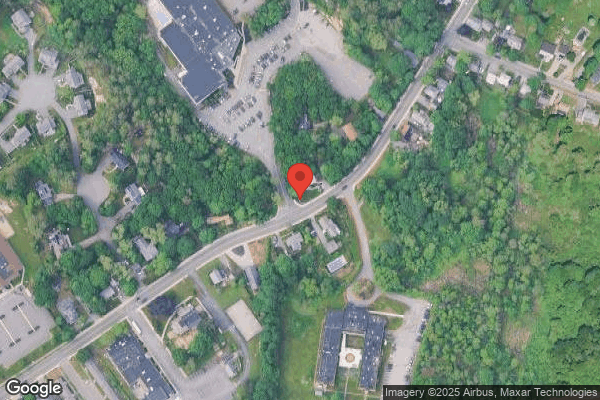
265 ESSEX STREET, BEVERLY, MA 01915 (978) 927-3260
For profit - Limited Liability company 202 Beds CAREONE Data: November 2025
Trust Grade
53/100
#13 of 338 in MA
Last Inspection: April 2025

Within standard 12-15 month inspection cycle. Federal law requires annual inspections.

Overview

Care One at Essex Park in Beverly, Massachusetts has a Trust Grade of C, which means it is average-neither great nor terrible compared to other nursing homes. It ranks #13 out of 338 facilities in the state, placing it in the top half, and #1 of 44 in Essex County, indicating it is the best option locally. The facility is showing improvement, with issues decreasing from 7 in 2024 to none in 2025. Staffing is a relative strength, rated at 4 out of 5 stars with a turnover rate of 30%, below the state average, meaning staff remain for longer periods, which benefits resident care. However, the home has been fined a total of $83,218, which is concerning and reflects some compliance issues. Specific incidents reported include a resident experiencing significant weight loss without proper monitoring or notification of their physician, indicating a failure to follow care protocols. Additionally, another resident's gastrostomy tube was dislodged, leading to dehydration and a rehospitalization after the facility did not ensure proper hydration monitoring. Lastly, there was a failure to administer prescribed anticonvulsant medication to a resident, resulting in missed doses and subsequent seizure activity. While the facility has strengths in staffing and ranking, these serious incidents highlight areas for concern in patient care.

Trust Score
C
53/100
In Massachusetts
#13/338
Top 3%
Safety Record
High Risk
Review needed
Inspections
Getting Better
7 → 0 violations
Staff Stability
✓ Good
30% annual turnover. Excellent stability, 18 points below Massachusetts's 48% average. Staff who stay learn residents' needs.
Penalties
✓ Good
$83,218 in fines. Lower than most Massachusetts facilities. Relatively clean record.
Skilled Nurses
⚠ Watch
Each resident gets only 28 minutes of Registered Nurse (RN) attention daily — below average for Massachusetts. Fewer RN minutes means fewer trained eyes watching for problems.
Violations
⚠ Watch
21 deficiencies on record. Higher than average. Multiple issues found across inspections.
★★★★★
5.0
Overall Rating
★★★★☆
4.0
Staff Levels
★★★★★
5.0
Care Quality
★★★★☆
4.0
Inspection Score
Stable
2024: 7 issues
2025: 0 issues

The Good

  • 4-Star Staffing Rating · Above-average nurse staffing levels
  • 5-Star Quality Measures · Strong clinical quality outcomes
  • Low Staff Turnover (30%) · Staff stability means consistent care
  • Full Sprinkler Coverage · Fire safety systems throughout facility
  • No fines on record
  • Staff turnover is low (30%)

    18 points below Massachusetts average of 48%

Facility shows strength in staffing levels, quality measures, staff retention, fire safety.

The Bad

Federal Fines: $83,218

Well above median ($33,413)

Moderate penalties - review what triggered them

Chain: CAREONE

Part of a multi-facility chain

Ask about local staffing decisions and management

The Ugly 21 deficiencies on record

4 actual harm
May 2024 7 deficiencies 2 Harm
SERIOUS (G)

Actual Harm - a resident was hurt due to facility failures

Deficiency F0692 (Tag F0692)

A resident was harmed · This affected 1 resident

**NOTE- TERMS IN BRACKETS HAVE BEEN EDITED TO PROTECT CONFIDENTIALITY** Based on observations, interviews, records, and policies reviewed, the facility failed to ensure that one Resident (#95) out of ...

Read full inspector narrative →
**NOTE- TERMS IN BRACKETS HAVE BEEN EDITED TO PROTECT CONFIDENTIALITY** Based on observations, interviews, records, and policies reviewed, the facility failed to ensure that one Resident (#95) out of a total sample of 34 residents, maintained acceptable parameters of nutritional status. Specifically, the facility failed to ensure Resident #95's weight was monitored when a weight change occurred, per facility policy, and resulted in significant weight loss and failed to notify the physician after significant weight loss was identified after Resident #95's gastrostomy tube (a tube inserted into the stomach to provide nutrition) was accidentally removed and not replaced. Findings include: Review of facility policy titled 'Weight Assessment and Intervention' dated March 2023, indicated the following but was not limited to: -Resident weights are monitored for undesirable or unintended weight loss or gain. -The Dietician will respond timely to a verified significant weight change. - The threshold for significant unplanned and undesired weight loss will be based on the following criteria: a. 1 month - 5% weight loss is significant. b. 6 months - 10% weight loss is significant. -The physician and the multidisciplinary team identify conditions and medications that may be causing anorexia weight loss or increasing the risk of weight loss for example a. Fluid and nutrient loss b. Inadequate availability of food or fluids c. Increased need for calories and or protein -care planning for weight loss our impaired nutrition is a multidisciplinary effort and includes the physician nursing staff, the dietitian the consultant pharmacist and the resident legal surrogate. -individualized care plans are addressed to the extent possible they identified causes of weight loss goals and benchmark for improvement and time frames and parameters for monitoring and reassessment. -interventions for undesirable weight loss shall be based on careful consideration of the following a. Nutrition and hydration needs of the residents. b. The use of supplementation and all feeding tubes Resident #95 was admitted to the facility in October 2023 with diagnoses including Parkinson's disease, dementia, dysphagia and dependent on tube feeding, gastrostomy status, unspecified severe protein calorie malnutrition. Review of Resident #95's Minimum Data Set (MDS) dated [DATE] indicated a Brief Interview for Mental Status (BIMS) was conducted which indicated the Resident had a memory problem and was cognitively impaired. The MDS further indicated that the Resident was dependent on tube feeding. On 4/30/24 at 9:08 A.M., the surveyor observed Resident #95 lying in bed, he/she was observed to be very thin in appearance. The Resident was not able to be interviewed. Review of nursing progress note dated 3/8/24 indicated the following but not limited to: Patient removed gastrostomy- tube (g-tube ) intact, attempts to replace g-tube with foley catheter failed secondary to gastrostomy site no longer patent (accessible) medical director made aware. Order obtained to schedule patient for interventional radiology (IR) for g-tube replacement, return call pending at this time, patient on modified diet and has adequate by mouth intake to cover through weekend, encourage fluids, guardian aware, dietician and speech language pathologist following. Review of dietician progress note dated 3/8/24 indicated the following but not limited to: -Resident weight stable times one week. G-tube dislodged the morning, medical director aware, plan for g-tube replacement 3/11/24. Will optimize by mouth intake with Med pass 2.0 (a nutritional supplement) four ounces three times a day between meals. 12 ounces daily will provide 720 kilo calories and 30 grams protein. Phone the guardian without answering. Registered dietician to closely monitor. Review of the medical record indicated Resident #95 weighed 125 lbs. (pounds) on 3/7/24 at the time his/her G-tube had become dislodged. Review of Resident #95's medical record indicated the Resident weighed 119.4 lbs. (a weight loss of 4.48%) on 3/11/24, in only three days after the g-tube became dislodged. Review of Resident #95's physician notes failed to indicate that the physician was notified of the weight change from 3/7/24 to 3/11/24. Review of Resident #95's nutritional orders failed to indicate a new intervention was added to address the immediate weight loss on 3/11/24. Review of Resident #95's medical record indicated the Resident had an appointment for the G-tube to be replaced on 3/15/24. Review of nursing progress note dated 3/15/24 indicated the following but not limited to: -Patient returned from interventional radiology no g-tube placed, tract scarred and unable to be accessed, medical director (MD) aware and will follow up with MD at IR regarding appropriate plan. Review of Resident #95's weekly weights after the G-tube had failed to be replaced indicated the following: -3/20/24 109 lbs. (a significant weight loss of 12.80% since the G-tube had been dislodged.) -3/22/24 110.6 lbs. (a confirmation of the significant weight loss) -3/11/24 119.4 lbs -3/7/24 125 lbs Resident #95's medical record failed to indicate the physician was notified immediately after the continued weight loss which had become significant as of 3/20/24. In addition, the medical record failed to indicate any new nutritional interventions were put into place after the significant weight loss. Review of a dietician progress note dated 3/22/24 indicated the following: re weigh requested due to significant variation compared to previous weights slash weight trends noted GTube unable to be replaced by interventional radiology weight 109 lbs. Review of dietician progress note dated 3/23/24 indicated the following rere-weigh (sic) indicates accurate significant weight loss encouragement of by mouth fluids and food provided while patient alert and able to safely take by mouth. Appreciate nursing diligence. By mouth intake remains inadequate with subsequent weight loss pending referral for G tube replacement plan to continue to optimize current nutrition intervention ONS (oral nutritional supplements) 4 times a day fortified foods at meals and snacks slash fluids between meals wait 110.6 pounds. Review of the RD progress note dated 3/23/24 indicated the following: Reweight indicates accurate, significant weight loss, current BMI (Body Mass Index) of 15 kg/m2 indicates underweight status. Medical director and nursing aware. Nursing attempt for IV access for hydration, unable to place IV for fluids. Review of nursing note dated 3/25/24 indicated the following: MD into asses, poor by mouth intake, patient refusing to allow IV access, subcutaneous access established to left upper extremity, normal saline running at 60 milliliters per hour. On 3/26/24 the following nursing note indicated: Patient with increased lethargy, unable to swallow and by mouth, no g-tube access. Resident was transferred to the hospital. Review of history and physical report dated 3/26/24 from the hospital indicated the following: -Resident's g-tube was accidentally dislodged on 3/8/24, patient was sent to IR on 3/15/24 for replacement however tract was not salvageable. Patient was sent back to facility without enteral access or acceptable nutrition plan and no planned procedure date for G tube replacement patient only able to tolerate small amounts of by mouth intake since 3/8/24 resulting in 15 lbs. (pounds) weight loss as patient has been without necessary tube feeding to maintain weight for 20 days. Patient was found to have lost about 15 lbs. and appeared dry hence the referral to the emergency department. Review of the Adult Malnutrition Assessment form completed when the Resident was inpatient in the hospital, dated 3/29/24 indicated the following: -this patient has been identified as meeting criteria for malnutrition based on etiology-based definitions BMI calculated 16.2. Adult malnutrition code as identified by dietician severe. During an interview on 5/2/24 at 10:24 A.M., Certified Nursing Assistant (CNA) #1 said the Resident loves to eat and would eat most meals fully when awake. CNA #1 said Resident #1 was provided with cereal at breakfast and only potatoes at lunch throughout the time the G-tube was dislodged. She further said she offers him/her snacks if the Resident wants. CNA #1 said she does not remember offering the Resident snacks when the tube feeding was dislodged. On 5/2/24 at 12:36 P.M., the surveyor asked the Food Service Director to print out Resident #95's meal ticket. Review of the diet slip provided by the food service director for Resident #95 indicated the following: -Breakfast pureed small portion: Mildly thick cranberry juice and puree hot cereal only. -Lunch Pureed small portion: Mildly thick cranberry juice super mashed only for lunch no dessert. -Dinner pureed small portion: Mildly thick cranberry juice puree protein only for supper no dessert. The Food Service Director said the meal ticket had been the same with the same portions with no changes since the previous month. During an interview on 5/2/24 at 10:26 A.M., Unit Manager #1 said all the residents on the short-term unit are on weekly weights unless otherwise ordered. She said the Unit Manager and the Registered Dietician are responsible for looking at the weights and recognizing weight changes. If weight loss notification is done to RD, MD, and resident representatives. Furthermore, interventions are made immediately. The UM said that she believed the Resident weights had been stable as the Resident was eating by mouth when the feeding tube had dislodged. The UM confirmed that a weight loss had occurred on 3/11/24 and no new intervention had been added. The UM said the Resident feeding tube was not replaced until 3/26/24 and at that time the Resident had lost significant weight. The UM said the Medical Director had not seen the Resident as the Resident did not have a skilled need. During an interview on 5/2/24 at 9:14 A.M., the Registered Dietician (RD) said the Resident was dependent on tube feeding for his/her daily caloric intake. She said the Resident ate pleasure foods by mouth only when arousable. She said the physician was aware that the Resident was dependent on tube feeding when the tube feed had dislodged. The RD said the intake of pleasure feeding was between 25-75% of meals and snacks offered. The RD said she did not check on the Resident's daily food consumption when the tube feeding was dislodged. The RD said she had added med pass 2.0 on 3/8/24 which was the only new intervention added throughout the period of weight loss. The RD said the physician was aware the tube feed needed to be replaced but was not aware of the initial weight loss on 3//11/24. The RD said she wrote an email to the MD on 3/22/24 inquiring about the status of the g-tube replacement as the Resident had lost 10 lbs. since the tube dislodged. The surveyor reviewed the correspondence to the MD from the RD dated 3/22/24. During an interview on 5/2/24 at 9:44 A.m., the Medical Director said he was relying on nursing staff to communicate with him regarding Resident #95's care. The MD said the nursing staff had made him aware that the Resident's intake had been adequate since the g-tube had dislodged on 3/8/24, but said he was unaware the Resident was still only eating a pleasure food portion, not a full meal. He further said there was a delay in his part, and he should have sent the Resident to the hospital sooner had he been aware that the Resident was having a rapid decline in weight loss. The MD said when he saw the Resident on 3/25/24 the Resident was dehydrated, his/her ability to swallow had declined and IV fluids had been started two days before the Resident was transferred to the hospital. The MD said the Resident should have been monitored closely due to being at high risk for dehydration and the fact that the Resident who depended on tube feeding for his daily intake needs was not getting the same amount of intake. The MD said that he never received an email communication from the RD on 3/22/24 regarding concerns with Resident #95. During an interview on 5/2/24 at 12:39 P.M., the Director of Nursing said the risk team did not follow the Resident as he/she resided in the short-term unit. She further said the RD should have monitored the Resident closely, as the RD would be the one to make recommendations to the MD. Refer to F693
SERIOUS (G)

Actual Harm - a resident was hurt due to facility failures

Tube Feeding (Tag F0693)

A resident was harmed · This affected 1 resident

**NOTE- TERMS IN BRACKETS HAVE BEEN EDITED TO PROTECT CONFIDENTIALITY** Based on observations, interviews, policy and record reviews, the facility failed to ensure that one Resident (#95) of one appli...

Read full inspector narrative →
**NOTE- TERMS IN BRACKETS HAVE BEEN EDITED TO PROTECT CONFIDENTIALITY** Based on observations, interviews, policy and record reviews, the facility failed to ensure that one Resident (#95) of one applicable resident, in a total sample of three residents, who received enteral nutrition (method of delivering nutrition through the stomach or the small intestine) via a gastrostomy tube (G-tube: tube inserted through the abdomen into the stomach to provide nutrition) received care and services to prevent complications. Specifically, the facility failed to ensure that fluids were administered and monitored to maintain acceptable parameters of hydration, after the tube was dislodged on 3/8/24 resulting in clinical signs of dehydration and need for the administration of intravenous fluids (IV fluids: specifically formulated liquids that are injected into a vein to prevent or treat dehydration) for the Resident. Resulting in a rehospitalization on 3/26/24, 18 days after the tube was dislodged. Findings Include: Review of the facility policy titled 'Enteral Nutrition Feedings' dated revised July 2023, indicated the following but not limited to: -It is the policy of this center to provide enteral nutrition therapy to residents unable to obtain nourishment orally when such therapy is ordered by the physician and not clinically contraindicated. -Flush tube with an additional 30-60 (ml) milliliters of water or administer prescribed flushing volume prior to initiating tube feeding. Always flush with water that is approximately room temperature to avoid abdominal cramping. Review of the facility policy titled 'Resident Hydration and Prevention of Dehydration' revised October 2017, indicated the following but not limited to: -This facility will strive to provide adequate hydration and to prevent and treat dehydration. -The dietician will assess all residents for hydration as part of the comprehensive assessment, at least quarterly, and more often as necessary per resident need. -Nurses will assess for signs and symptoms of dehydration during daily care. -If potential inadequate intake/or signs and symptoms of dehydration are observed, intake and output monitoring will be initiated and incorporated into a care plan. -Activities of Daily Living (ADL) status, diagnosis, individual preference, habits, and cognitive and medical status will be considered in all interventions. -The physician will be notified. -The dietician, nursing staff, and the physician will assess factors that may be contributing to inadequate fluid intake. -Laboratory tests may be ordered to assess hydration; the physician may initiate IV hydration. Hospitalization will be recommended as necessary. Review of the Merck Manual article, Hypernatremia ([NAME], [DATE]) at https://www.merckmanuals.com/professional/endocrine-and-metabolic-disorders/electrolyte-disorders/hypernatremia indicated the following: -In hypernatremia, the level of sodium in blood is too high -Hypernatremia involves dehydration, which can have many causes, including not drinking enough fluids . -Blood tests are done to measure the sodium level -Usually, fluids are given intravenously to slowly reduce the sodium level in the blood. Resident #95 was admitted to the facility in October 2023 with diagnoses including Parkinson's disease, dementia, dysphagia and dependent on tube feeding. Review of Resident #95's Minimum Data Set (MDS) dated [DATE] indicated a Staff Assessment for Mental Status was conducted which indicated the Resident had short term and long-term memory problem and was severely impaired and never/rarely made any decisions. The MDS further indicated that the Resident was dependent on tube feeding. Review of Resident #95's diet care plan date revised 10/4/21 indicated the following interventions: -Enteral nutrition per physician's orders -Solids puree solids -Liquid consistency: Mildly Thick Nutrition noted dated 2/29/24 indicated the Resident was receiving the following: -Jevity 1.5 at 60 milliliter/ hour times 24 hours with goal of infusion of 20 hours to provide 1200 ml formula, 1800 kcals, 76-gram protein and 916 ml water. Active physician orders indicated if patient removes g-tube, replace immediately with foley catheter to maintain patency, notify MD. Review of the medical record failed to indicate the Resident was being monitored for intake or output when the tube feed had dislodged. Review of nursing progress note dated 3/8/24 indicated the following but not limited to: Patient removed gastrostomy- tube (g-tube) intact, attempts to replace g-tube with foley catheter failed secondary to gastrostomy site no longer patent (accessible) medical director made aware. Order obtained to schedule patient for interventional radiology (IR) for g-tube replacement, return call pending at this time, patient on modified diet and has adequate by mouth intake to cover through weekend, encourage fluids, guardian aware, dietician and speech language pathologist following. Review of dietician progress note dated 3/8/24 indicated the following but not limited to: -Resident weight stable times one week. G-tube dislodged the morning, medical director aware, plan for g-tube replacement 3/11/24. Will optimize by mouth intake with Med pass 2.0 (nutritional supplement) four ounces three times a day between meals. 12 ounces daily will provide 720 kilo calories and 30 grams protein. Phone the guardian without answering. Registered dietician to closely monitor. Review of nursing progress note dated 3/15/24 seven days after feeding tube had dislodged indicated the following but not limited to: -Patient returned from interventional radiology no g-tube placed, tract scarred and unable to be accessed, medical director (MD) aware and will follow up with MD at IR regarding appropriate plan. The medical record failed to indicate a plan was in place to maintain Resident #95 ' s intake and hydration as he/she was totally dependent on tube feeding for daily caloric intake. Review of the RD progress note dated 3/23/24 18 days after the tube had dislodged, indicated the following: Reweight indicates accurate, significant weight loss on 3/8/24 125.0 lbs and on 3/23/24 110.6 lbs current BMI (Body Mass Index) of 15 kg/m2 indicates underweight - 10% change. Medical director and nursing aware. Nursing attempt for IV access for hydration, unable to place IV for fluids. Review of nursing note dated 3/25/24 indicated the following: MD into asses, poor by mouth intake, patient refusing to allow IV access, subcutaneous access established to left upper extremity, normal saline running at 60 milliliters per hour. On 3/26/24, 18 days after the tube was dislodged the following nursing note indicated: Patient with increased lethargy, unable to swallow and by mouth, no g-tube access. Resident was transferred to the hospital. Review of Resident #95 ' s weights indicated the following: -3/22/24 110.6 lbs -3/20/24 109 lbs -3/11/24 119.4 lbs -3/7/24 125 lbs Review of the clinical record included the following lab work obtained on the following dates: -2/26/24 Sodium 141 (normal range) measures sodium in blood. -2/26/24 Creatinine 0.67 (normal range 0.55-1.30) measures efficiency of kidneys -2/26/24 BUN 21 (Blood urea nitrogen) (normal range 6-24) measures how well your kidneys are functioning. -3/25/24 Sodium 160 (high) (normal range 135-146) measures sodium in blood. -3/25/24 BUN 66 (high) (normal range 6-24) measures how well your kidneys are functioning. -3/25/24 Creatinine 1.60 (high) (normal range 0.55-1.30) measures efficiency of kidneys Review of the history and physical report, dated 3/26/24 from the hospital indicated Resident #95 was diagnosed with dehydration upon admission to the hospital and indicated the following: -Resident's g-tube was accidentally dislodged on 3/8/24, patient was sent to IR on 3/15/24 for replacement however tract was not salvageable. Patient was sent back to facility without enteral access or acceptable nutrition plan and no planned procedure date for G tube replacement patient only able to tolerate small amounts of by mouth intake since 3/8/24 resulting in 15 lbs (pounds) weight loss as patient has been without necessary tube feeding to maintain weight for 20 days. Patient was found to have lost about 15 lbs and appeared dry hence the referral to the emergency department sodium level 165. During an interview on 5/2/24 at 9:44 A.M., the Medical Director said he was relying on nursing staff to communicate with him regarding Resident #95's care. The MD said the nursing staff had made him aware that the Resident's intake had been adequate since the g-tube had dislodged on 3/8/24. He further said there was a delay in his part, and he should have sent the Resident to the hospital sooner. The MD said when he saw the Resident on 3/25/24 the Resident was dehydrated, his/her ability to swallow had declined and IV fluids started two days before the Resident was transferred to the hospital. The MD said the Resident should have been monitored closely due to being at high risk for dehydration. During an interview on 5/2/24 at 11:26 A.M., the Registered Dietician (RD) said she encouraged nursing staff to provide more fluids to the Resident to replace the hydration that the Resident would have received from the feeding tube. She further said since the Resident had required tube feeding 100 percent for his/her nutritional support and hydration, he/she should have monitored closely as an at risk for dehydration. The RD said she advocated for the tube feed to be replaced sooner. During an interview on 5/2/24 at 12:39 P.M., the Director of Nursing said the risk team did not follow the Resident as he/she resided in the short-term unit. She further said the RD should have monitored the Resident closely. The Director of Nursing said that her expectation is that the RD would be the one to make recommendations to the MD.
CONCERN (D)

Potential for Harm - no one hurt, but risky conditions existed

Incontinence Care (Tag F0690)

Could have caused harm · This affected 1 resident

**NOTE- TERMS IN BRACKETS HAVE BEEN EDITED TO PROTECT CONFIDENTIALITY** Based on record review and interview, the facility failed to provide care and service for an indwelling Foley catheter (urinary ...

Read full inspector narrative →
**NOTE- TERMS IN BRACKETS HAVE BEEN EDITED TO PROTECT CONFIDENTIALITY** Based on record review and interview, the facility failed to provide care and service for an indwelling Foley catheter (urinary catheter which remains in the bladder to provide continuous urine drainage. A balloon inflated at the catheter's distal end prevents it from slipping out of the bladder after insertion) for one Resident (#83), out of a total sample of 34 residents. Specifically, for Resident #83, the facility failed to ensure the physician's order for changing/inserting the Foley catheter included catheter size/type and balloon size. Findings include: Resident #83 was admitted to the facility in March 2024 with diagnoses including retention of urine, obstructive and reflux uropathy. Review of Resident #83's Minimum Data Set (MDS) dated [DATE], indicated the Resident scored a 11 out of 15 on the Brief Interview for Mental Status (BIMS) score indicating that he/she had moderate cognitive impairment. The MDS further indicated the Resident had an indwelling foley catheter. Record review of a document titled 'Resident Evaluation-MA-V4' dated 3/31/24, indicated the Resident had an indwelling foley catheter, the record revealed no initial/admission documentation by the nursing staff addressing the Foley catheter size and balloon size that the Resident had in place when admitted . Review of the current physician orders indicated the following but not limited to: *Foley catheter -Every night shift every Saturday change the catheter secure tube holder and, -As needed change urinary catheter with French size:____ and Balloon size:____ The current physician's order did not indicate the size of the Foley catheter and balloon size to be reinserted if the Foley catheter needed to be changed. Review of care plan titled use of indwelling urinary catheter date initiated 3/31/24 failed to indicate the foley catheter size and balloon size. During an interview on 5/1/24 at 11:12 A.M., Nurse #1 said the physician orders for urinary catheter should have the size of the catheter and balloon indicated. During an interview on 5/2/24 at 8:20 A.M., the Director of Nursing said it is not in their policy to have orders indicating the size and balloon for foley catheter and if a reinsertion was required, they would start with a small size.
CONCERN (D)

Potential for Harm - no one hurt, but risky conditions existed

Deficiency F0710 (Tag F0710)

Could have caused harm · This affected 1 resident

**NOTE- TERMS IN BRACKETS HAVE BEEN EDITED TO PROTECT CONFIDENTIALITY** Based on record review and interviews, the facility failed to notify the physician of a significant weight loss for one Resident...

Read full inspector narrative →
**NOTE- TERMS IN BRACKETS HAVE BEEN EDITED TO PROTECT CONFIDENTIALITY** Based on record review and interviews, the facility failed to notify the physician of a significant weight loss for one Resident (#95) out of a total sample of 34 residents. Specifically, the facility failed to notify physicians of the significant weight loss on Resident #95 who was totally dependent on tube feeding for his/her daily nutritional needs. Findings include: Resident #95 was admitted to the facility in October 2023 with diagnoses including Parkinson's disease, dementia, dysphagia and dependent on tube feeding. Review of Resident #95's Minimum Data Set (MDS) dated [DATE] indicated a Brief Interview for Mental Status (BIMS) was conducted which indicated the Resident had memory problem and was cognitively impaired. The MDS further indicated that the Resident was dependent on tube feeding. Review of Resident #95 diet care plan date revised 10/4/21 indicated the following interventions: -Enteral nutrition per physician's orders -Solids puree solids -Liquid consistency: Mildly Thick Review of Resident #95 ' s weights indicated the following: -3/22/24 110.6 lbs -3/20/24 109 lbs -3/11/24 119.4 lbs -3/7/24 125 lbs Review of Resident #95 weights care plan last revised 4/4/24 indicated the following interventions: -Notify physician and responsible party of significant weight changes. Review of Resident #95's physician notes failed to indicate that the physician was notified of the significant weight changes from 3/7/24 at 125.0 lbs. (pounds) to 119.4 lbs. on 3/11/24 and continued to trend downwards. During an interview on 5/2/24 at 9:14 A.M., the Dietician said the Resident was relying on tube feeding 100% for daily nutritional value. The Dietician further said that the Physician should have been made aware of the Resident's significant weight loss sooner. During an interview on 5/2/24 at 9:44 A.M., The Medical Director said the nursing staff did not alert him to the significant weight loss on 3/11/24 where the Resident had lost 5.6 lbs (4.48%) three days after the tube had dislodged. The physician said he would have sent the Resident out to the hospital sooner for further intervention had he known that the Resident's intake was inadequate. The Medical Director said there was a delay in treating the Resident due to the lack of communication. During an interview on 5/2/24 at 12:39 P.M., the Director of Nursing said the dietician was responsible for monitoring the Resident's weight and should have notified the physician of the changes in the Resident's weight.
CONCERN (D)

Potential for Harm - no one hurt, but risky conditions existed

Unnecessary Medications (Tag F0759)

Could have caused harm · This affected 1 resident

Based on observations, policy review, record review, and interviews for two Residents (#30 and #138) out of five Residents observed, the facility failed to ensure it was free from a medication error r...

Read full inspector narrative →
Based on observations, policy review, record review, and interviews for two Residents (#30 and #138) out of five Residents observed, the facility failed to ensure it was free from a medication error rate of greater than 5% when two of four nurses observed made three errors out of 29 opportunities resulting in a medication error rate of 10.34%. Specifically, 1.) For Resident #30, the nurse administered the incorrect form and incorrect medication. 2.) For Resident #138, the nurse administered to incorrect medication. Findings include: Review of facility policy titled Administering Medications, revised April 2019, indicated, but was not limited to: -Medications are administered in a safe and timely manner, and as prescribed. -Medications are administered in accordance with prescriber orders. 1.) Resident #30 was admitted to the facility in September 2023 with diagnoses including asthma and dementia. Review of the most recent Minimum Data Set (MDS) assessment, dated 3/21/24, indicated that Resident #12 had moderate cognitive impairment as evidenced by a Brief Interview for Mental Status (BIMS) score of 12 out of 15. On 5/1/24 at 9:04 A.M. the surveyor observed Nurse #3 prepare and administer the following medications to Resident #30: -Enteric coated aspirin tablet, 81 milligrams (mg). -Multivitamin with minerals tablet. Review of Resident #30's active physician orders indicated the following: -Aspirin tablet chewable 81 mg, give 1 tablet by mouth one time a day, initiated 9/27/23. -Multivitamin oral tablet, give 1 tablet by mouth one time a day, initiated 9/22/23. During an interview on 5/1/24 at 12:51 P.M., Nurse #3 said he should have checked the order, but did not, and administered enteric coated aspirin instead of chewable aspirin, which was an error. Nurse #3 said administering the multivitamin with minerals was also an error, and he should have administered a different type of multivitamin without minerals. Nurse #3 showed the surveyor a new bottle of multivitamins, without minerals, and said this was the medication he should have given. During an interview on 5/1/24 at 1:12 P.M., the Director of Nursing (DON) said medications should be given as ordered by the physician. The DON said aspirin should not have been given in enteric coated form because it was ordered in chewable form. The DON said a multivitamin with minerals requires a specific order for minerals, and that Resident #30 should not have received a multivitamin with minerals. The DON said this was an error. 2.) Resident #138 was admitted to the facility in April 2024 with diagnoses including bladder cancer and urinary tract infection. Review of the most recent Minimum Data Set (MDS) assessment, dated 4/21/24, indicated that Resident #138 was cognitively impaired as evidenced by a Brief Interview for Mental Status (BIMS) score of 15 out of 15. On 5/1/24 at 9:38 A.M. the surveyor observed Nurse #4 prepare and administer the following medications to Resident #138: -Multivitamin with iron tablet. Review of Resident #138's active physician orders indicated the following: --Multivitamin/Minerals tablet, give 1 tablet by mouth one time a day, initiated 4/18/24. During an interview on 5/1/24 at 1:12 P.M., the Director of Nursing (DON) said medications should be given as ordered by the physician. The DON said Resident #30 should not have received a multivitamin with iron because iron requires a specific order, and the order was for multivitamin with minerals, not iron. The DON said this was an error.
CONCERN (D)

Potential for Harm - no one hurt, but risky conditions existed

Deficiency F0761 (Tag F0761)

Could have caused harm · This affected 1 resident

**NOTE- TERMS IN BRACKETS HAVE BEEN EDITED TO PROTECT CONFIDENTIALITY** Based on observations, interviews, and policy review, the facility failed to ensure staff stored all drugs and biologicals in ac...

Read full inspector narrative →
**NOTE- TERMS IN BRACKETS HAVE BEEN EDITED TO PROTECT CONFIDENTIALITY** Based on observations, interviews, and policy review, the facility failed to ensure staff stored all drugs and biologicals in accordance with accepted professional standards of practice. Specifically, the facility failed to properly secure medication carts on two of four units. Findings include: Review of the facility's policy titled Medication Labeling and Storage, revised February 2023, indicated, but was not limited to: -The facility stores all medications and biologicals in locked compartments under proper temperature, humidity and light controls. -The nursing staff is responsible for maintaining medication storage. -Compartments (including carts) containing medications and biologicals are locked when not in use, and the trays or carts used to transport such items are not left unattended if open or otherwise potentially available to others. 1.) The surveyor made the following observations on the [NAME] Unit: -On 5/1/24 at 9:00 A.M., the surveyor observed the medication cart on A side of [NAME] unit unlocked and unattended. Nurse #3 was not in the hallway and not within sight of the medication cart. -On 5/1/24 at 9:19 A.M., Nurse #3 left the A side medication cart unlocked and went down the hall out of view of the medication cart before returning and going into a resident room, which also was not within sight of the medication cart. During an interview on 5/1/24 at 9:01 A.M., Nurse #3 said he was assigned to the A side medication cart on the [NAME] unit and that he should not have left the medication cart unlocked and unattended. During an interview on 5/2/24 at 8:07 A.M., the Director of Nursing said medication carts should be locked if the nurse is not within sight of the medication cart. 2.) The surveyor made the following observation on the [NAME] Unit: -On 5/2/24 at 6:37 A.M., the medications carts were observed to be unlocked and unattended. There was a resident near the unlocked cart. During an interview on 5/12/24 at 6:40 A.M., Nurse #2 said medication carts should be locked if unattended. During an interview on 5/2/24 at 8:07 A.M., the Director of Nursing said medication carts should be locked if the nurse is not within sight of the medication cart.
CONCERN (D)

Potential for Harm - no one hurt, but risky conditions existed

Medical Records (Tag F0842)

Could have caused harm · This affected 1 resident

**NOTE- TERMS IN BRACKETS HAVE BEEN EDITED TO PROTECT CONFIDENTIALITY** Based on record review and interviews, the facility failed to maintain accurate medical records for one Resident #95 out of a to...

Read full inspector narrative →
**NOTE- TERMS IN BRACKETS HAVE BEEN EDITED TO PROTECT CONFIDENTIALITY** Based on record review and interviews, the facility failed to maintain accurate medical records for one Resident #95 out of a total sample of 34 residents. Specifically, the facility failed to complete daily documentation for Activities of Daily Living (ADLs). Resident #95 was admitted to the facility in October 2023 with diagnoses including Parkinson's disease, dementia, dysphagia. Review of Resident #95's Minimum Data Set (MDS) dated [DATE] indicated a Brief Interview for Mental Status (BIMS) was conducted which indicated the Resident had memory problem and was cognitively impaired. The MDS further indicated that the Resident was dependent on staff for total care. Review of the eating documentation section on the document titled, 'Documentation Survey Report' for February, March and April 2024, indicated documentation was incomplete for 21 shifts out of the 90 days. During an interview on 5/2/24 at 10:24 A.M., Certified Nursing Assistant (CNA) #1 said documentation for all ADLs should be complete and no holes (incomplete sections) should be left. During an interview on 5/2/24 at 1:30 P.M., the Director of Nursing said all ADLs should be documented daily.
Mar 2023 11 deficiencies
CONCERN (D)

Potential for Harm - no one hurt, but risky conditions existed

Deficiency F0552 (Tag F0552)

Could have caused harm · This affected 1 resident

**NOTE- TERMS IN BRACKETS HAVE BEEN EDITED TO PROTECT CONFIDENTIALITY** Based on record review and interview, the facility failed to obtain a written consent for the antipsychotic medication Olanzapin...

Read full inspector narrative →
**NOTE- TERMS IN BRACKETS HAVE BEEN EDITED TO PROTECT CONFIDENTIALITY** Based on record review and interview, the facility failed to obtain a written consent for the antipsychotic medication Olanzapine (a medication used to treat Schizophrenia and Bipolar disorder) for 1 Resident (#118) out of a total sample of 34 residents. Findings include: Resident #118 was admitted in 12/2022 with diagnoses including depression. Review of the Minimum Data Set (MDS), dated [DATE], indicated that Resident #118 scored a 10 out of a possible 15 on the Brief Interview for Mental Status (BIMS), indicating moderate impairment. Review of the facility policy titled Antipsychotic Medication Use, dated July 2022, indicated the following: - In states with specific requirements pertaining to the use of antipsychotic medications, their consent, documentation, review, etc. state-specific requirements are adhered to. Review of the current physician orders indicated that Resident #118 is currently prescribed Olanzapine (an antipsychotic medication used to treat Schizophrenia or Bipolar disorder) 3.75 milligrams, twice a day. Review of the clinical record did not indicate that there was a signed consent for Olanzapine. During an interview on 2/27/23 at 12:25 P.M., Unit Manager #3 said that there should be a consent for Olanzapine in the chart.
CONCERN (D)

Potential for Harm - no one hurt, but risky conditions existed

Investigate Abuse (Tag F0610)

Could have caused harm · This affected 1 resident

**NOTE- TERMS IN BRACKETS HAVE BEEN EDITED TO PROTECT CONFIDENTIALITY** Based on record review and interview, the facility failed to investigate an allegation of neglect for 1 Resident (#23) out of a ...

Read full inspector narrative →
**NOTE- TERMS IN BRACKETS HAVE BEEN EDITED TO PROTECT CONFIDENTIALITY** Based on record review and interview, the facility failed to investigate an allegation of neglect for 1 Resident (#23) out of a total sample of 34 residents. Findings include: Review of the facility policy Abuse and Neglect- Clinical Protocol, dated March 2018, indicated the following: - Neglect as defined at 483.5, means the failure of the facility, its employees or service providers to provide goods and services to a resident that are necessary to avoid physical harm, pain, mental anguish or emotional distress - Along with staff and management, the physician will help identify situations that might constitute or could be construed as neglect. - The staff, with the physician's input as needed, will investigate alleged abuse and neglect to clarify what happened and identify possible causes. Resident #23 was admitted in 11/2020 with diagnoses including anxiety and major depressive disorder. Review of the Minimum Data Set (MDS), dated [DATE], indicated that Resident #23 scored a 15 out of possible 15 on the Brief Interview for Mental Status (BIMS), which indicates intact cognition. Review of the progress notes indicated that on 2/12/23, Resident #23 verbalized intent to harm his/herself with the call bell light cord and was sent to the hospital for evaluation. Review of the hospital discharge paperwork, dated 2/14/23, indicated that there was a behavioral health consult and the following was reported by Resident #23: - On interview, the patient reports that . do not like doing it it was bleeding but he left me there and I wound up having to stay on the toilet from 4 A.M. until noon just waiting. He/she apparently has a behavior of spending excessive time in the bathroom. During an interview on 2/27/23 at 1:34 P.M., the Director of Nursing said that if a resident makes an allegation of neglect or abuse, the Director of Nursing immediately determines if it is an allegation or a customer care concern. The Director of Nursing said that she would have expected an allegation of being left on the toilet for a long period of time to be investigated. The Director of Nursing said that there must have been a breakdown in the filing system of hospital paperwork because she was not aware that the allegation was made to the hospital or why it was never reported to her when the paperwork was reviewed.
CONCERN (D)

Potential for Harm - no one hurt, but risky conditions existed

Comprehensive Care Plan (Tag F0656)

Could have caused harm · This affected 1 resident

**NOTE- TERMS IN BRACKETS HAVE BEEN EDITED TO PROTECT CONFIDENTIALITY** Based on observation, record review and interview, the facility failed to implement a care plan for safe smoking for 1 Resident ...

Read full inspector narrative →
**NOTE- TERMS IN BRACKETS HAVE BEEN EDITED TO PROTECT CONFIDENTIALITY** Based on observation, record review and interview, the facility failed to implement a care plan for safe smoking for 1 Resident (#39) out of a total sample of 34 residents. Findings include: Resident #39 was admitted to the facility in April 2016 with diagnoses that include Chronic Obstructive Pulmonary Disease, muscle weakness and hypertension (high blood pressure). Review of Resident #39's most recent Minimum Data Set (MDS) dated [DATE], indicated that the Resident had a Brief Interview for Mental Status score of 15 out of a possible 15, which indicated that the Resident is cognitively intact. Further review of the MDS indicated that Resident #39 requires supervision with locomotion on and off the unit, extensive assistance with all other activities of daily living and exhibited no behaviors. During an interview on 2/26/23 at 11:49 A.M., Resident #39 told the surveyor he/she had his/her cigarettes and lighter in his/her pocket. The Resident continued to say staff trust him/her and he/she has been here long enough. During an interview on 2/27/23 at 1:00 P.M., Resident #39 showed the surveyor his/her cigarettes that were in his/her pocket. Review of Resident #39's physician orders dated 3/31/21 indicate the following: may participate in independent smoking up to four times daily. Review of Resident #39's care plan for Safe Smoking dated 12/20/2016 indicated the following: *Interventions/Tasks: Secure smoking materials (cigarettes, matches, lighters etc.) at the nursing station. Review of Resident #39's most recent quarterly safe smoking evaluation dated 12/12/22 indicated the following: * Patient understands that smoking accessories (cigarettes, lighters, matches etc.) must be returned to and kept under the control of the center staff when not in use - this response was checked off as Yes During an interview on 2/27/23 at 1:16 P.M., Unit Manager #2 said Resident #39 is allowed to have cigarettes with him/her but not a lighter. During an interview on 3/1/23 at 7:47 A.M., the Director of Nursing said she would expect the care plan and safe smoking evaluation to be followed for Resident #39 and needs to update it.
CONCERN (D)

Potential for Harm - no one hurt, but risky conditions existed

Deficiency F0657 (Tag F0657)

Could have caused harm · This affected 1 resident

**NOTE- TERMS IN BRACKETS HAVE BEEN EDITED TO PROTECT CONFIDENTIALITY** 2. Review of the Facility's Policy titled, Care Plans Comprehensive Person-Centered, dated 4/25/22, indicated that assessments o...

Read full inspector narrative →
**NOTE- TERMS IN BRACKETS HAVE BEEN EDITED TO PROTECT CONFIDENTIALITY** 2. Review of the Facility's Policy titled, Care Plans Comprehensive Person-Centered, dated 4/25/22, indicated that assessments of the residents are ongoing and care plans are revised as information about the residents and the residents conditions change. Resident #105 was admitted to the facility in August 2020 with diagnoses that included dysphagia, Parkinson's disease and dementia. Review of Resident #105's most recent Minimum Data Set (MDS) dated [DATE], indicated BIMS of 99, which indicates severe cognitive impairments. The MDS also indicated that Resident #105 is an extensive assist of one person for eating. During an observation on 2/26/23 at 8:28 A.M., the surveyor observed Resident #105 alone in the dining room struggling to bring food to his/her mouth and observed that none of his/her drink cartons were opened to consume. Review of Resident #105's Speech Therapy Discharge summary dated [DATE], indicated consultation with therapists to facilitate patient's highest level of functional independence and correspondence with primary caregivers to facilitate development and follow-through of patient's plan of treatment. Review of Resident #105's [NAME] dated 2/27/23, indicated Assist with feeding. Review of Resident #105's Activity of Daily Living Care Plan dated 9/29/20, indicated an intervention dated 6/21/22 as Assist with feeding. During an interview on 2/27/23 at 2:53 P.M., Speech Therapist #1 said Resident #105 has fluctuations with their status with eating and said the care plan should already reflect that. During an interview on 3/01/23 at 9:45 A.M., the Director of Nursing said Resident #105's care plan and [NAME] should have been updated to show Resident #105's correct eating status. Based on record review and interview, the facility failed to 1. update the care plan for self harm/suicide risk for 1 Resident (#23) and 2. failed to update the care plan for Activites of Daily Living (ADL) for 1 Resident (#105) out of a total sample of 34 residents. Findings include: 1. Resident #23 was admitted in 11/2020 with diagnoses including anxiety and major depressive disorder. Review of the Minimum Data Set (MDS), dated [DATE], indicated that Resident #23 scored a 15 out of possible 15 on the Brief Interview for Mental Status (BIMS), which indicates intact cognition. Review of the care plan, dated 2/12/23, indicated the following: - Focus: Potential to Self Harm/Suicide risk: Resident #23 has a history of of SI (suicidal ideation), including statements and prior threats, recent inpatient section 12 psych stay - Interventions: Replace call light cords with hand held bells (initiated 2/14/23). During an observation on 2/27/23 at 1:53 P.M., Resident #23 was laying in bed next to his/her call light. During an observation on 3/01/23 at 7:58 A.M., Resident #23 had his/her call light in reach in bed. During an interview on 3/1/23 at 8:01 A.M., Unit Manager #3 said that Resident #23 had been cleared, on 2/15/23, to have his/her call light in reach and that the care plan should have been updated.
CONCERN (D)

Potential for Harm - no one hurt, but risky conditions existed

Deficiency F0658 (Tag F0658)

Could have caused harm · This affected 1 resident

**NOTE- TERMS IN BRACKETS HAVE BEEN EDITED TO PROTECT CONFIDENTIALITY** Based on record review and interview, the facility failed to ensure that 1 Resident (#118), had the appropriate diagnoses before...

Read full inspector narrative →
**NOTE- TERMS IN BRACKETS HAVE BEEN EDITED TO PROTECT CONFIDENTIALITY** Based on record review and interview, the facility failed to ensure that 1 Resident (#118), had the appropriate diagnoses before administering an antipsychotic medication, out of a total sample of 34 residents. Findings include: Resident #118 was admitted in 12/2022 with diagnoses including depression. Review of the Minimum Data Set (MDS), dated [DATE], indicated that Resident #118 scored a 10 out of a possible 15 on the Brief Interview for Mental Status (BIMS), indicating moderate impairment. Review of the facility policy, titled Antipsychotic Medication Use, dated July 2022, indicated the following: - Antipsychotic medications shall generally be used only for the following conditions/diagnoses as documented in the medical record, consistent with the definition(s) in the Diagnostic and Statistic Manual of Mental Disorders (current or subsequent editions): - a. schizophrenia - b. Schizoaffective Disorder - c. Schizophreniform disorder - d. Delusional disorder - Mood disorders (bipolar; depression with psychotic features, and treatment refractory major depression) - Psychosis in the absence of dementia - Medical illness with psychotic symptoms - Diagnoses alone that do not warrant the use of antipsychotic medication. In addition to the above criteria, antipsychotic medications will generally only be considered if the following conditions are also met: - The behavioral symptoms present as a danger to the resident or others; AND: - The symptoms are identified as being due to mania or psychosis Review of Resident #118's care plan indicates the following: Focus: At risk for adverse effects related to use of anti-depression medication, use of antipsychotic medication, anxiolytic Review of the current physician orders indicated that Resident #118 is currently prescribed Olanzapine (an antipsychotic medication used to treat Schizophrenia or Bipolar disorder) 3.75 milligrams, twice a day for anxiety. Review of the current diagnoses list for Resident #118 did not indicate that Resident #118 had any diagnoses of psychosis or delusions. Resident #118 has a diagnosis of major depressive disorder and dementia with behavioral disturbance, but no diagnoses related to psychosis. During an interview on 3/1/23 at 12:36 P.M., Unit Manager #3 said that behaviors are documented in the computer under the task section or in progress notes. Review of the clinical record did not indicate that Resident #118 has had any behaviors. During an interview on 3/1/23 at 9:59 A.M., the Director of Nursing said that she believes there are only two approved diagnoses, which are Schizoprenia and Huntington's disease for the use of an antipsychotic medication. If a resident has dementia with behavioral disturbance, then behaviors should be tracked. The Director of Nursing said that Resident #118 is not appropriate for therapy services due to his/her dementia and the physician is responsible for determining appropriate diagnoses for someone on an antipsychotic. The Director of Nursing said that Resident #118 was prescribed Olanzapine for his/her anxiety.
CONCERN (D)

Potential for Harm - no one hurt, but risky conditions existed

Respiratory Care (Tag F0695)

Could have caused harm · This affected 1 resident

**NOTE- TERMS IN BRACKETS HAVE BEEN EDITED TO PROTECT CONFIDENTIALITY** Based on observations, record reviews and interviews the facility failed to obtain an order for oxygen use for 1 Resident (#67) ...

Read full inspector narrative →
**NOTE- TERMS IN BRACKETS HAVE BEEN EDITED TO PROTECT CONFIDENTIALITY** Based on observations, record reviews and interviews the facility failed to obtain an order for oxygen use for 1 Resident (#67) out of a total sample of 34 residents. Findings include: Review of facility policy titled 'Oxygen Administration' edited 4/2/2019 indicated the following: Purpose: The purpose of this procedure is to provide guidelines for safe oxygen administration. Preparation: *1. Verify that there is a physician's order for this procedure. Review the physician's order or facility protocol for oxygen administration. Resident #67 was admitted to the facility in May 2021, with diagnoses including Asthma. Review of Resident #67's recent Minimum Data Set, dated [DATE] indicated the Resident has a Brief Interview for Mental Status (BIMS) score of 00 out of possible 15 which indicates he/she has severe cognitive impairment. On 2/26/23 at 9:31 A.M., the surveyor observed Resident #67 laying in bed wearing a nasal cannula receiving oxygen at a rate of 2L (Liters)/minute. Review of Resident #67's Physician orders failed to indicate an order for the use of oxygen. Review of Resident #67's respiratory impairment related to Asthma care plan last revised on 2/26/23 indicated the following intervention: *Administer oxygen as needed per physician order. During an interview on 3/01/23 at 8:50 A.M., the Director of Nursing said residents should have orders for oxygen use.
CONCERN (D)

Potential for Harm - no one hurt, but risky conditions existed

Medication Errors (Tag F0758)

Could have caused harm · This affected 1 resident

**NOTE- TERMS IN BRACKETS HAVE BEEN EDITED TO PROTECT CONFIDENTIALITY** 2. Review of facility policy titled 'Psychopharmacologic Medication Policy', revision date 9/25/2012 indicated the following: Po...

Read full inspector narrative →
**NOTE- TERMS IN BRACKETS HAVE BEEN EDITED TO PROTECT CONFIDENTIALITY** 2. Review of facility policy titled 'Psychopharmacologic Medication Policy', revision date 9/25/2012 indicated the following: Policy: *Residents who receive psychopharmacologic medications have been appropriately assessed and are monitored to evaluate the effectiveness of the medication(s) used, whether any side effects are present, and for reduction opportunities on an ongoing basis. Implementation: *15. If an antipsychotic medication has been prescribed complete a baseline AIMS (Abnormal Involuntary Movement scale) test to document any existing movement abnormalities. - Resident #143 was admitted to the facility in October 2022 with diagnoses including schizophrenia and left humerus fracture. Review of Minimum Data Set (MDS) assessment dated [DATE] indicated that Resident #143 scored 14 out of 15 on the Brief Interview of Mental Status (BIMS) indicating the Resident was cognitively intact. Further review of the MDS indicated Resident #143 was administered an antipsychotic medication were received on a routine daily basis. Review of the physician orders dated 10/16/2022 indicated the following: *An order dated 10/16/2022- clozapine tablet 100 mg give 4 tablets by mouth in the evening for schizophrenia. Review of the pharmacist note dated 10/17/22 and 11/17/22 indicated the Resident required an AIMS testing. During an interview on 3/1/23 at 8:55 A.M., the Director of Nursing (DON) said AIMS testing should be done upon admission to establish baseline, quarterly and then annually. She further acknowledged there was no AIMS testing completed In the Resident's medical record. Based on record review and interview, the facility failed to 1). set a stop date for an as needed psychotropic medication Lorazepam (a medication used to treat anxiety), for 1 Resident (#118), and 2. ensure an AIMS (Abnormal Involuntary Movement Scale) was completed for 1 Resident (#143) out of a total sample of 34 residents. Findings include: 1. Review of the facility policy titled Antipsychotic Medication Use, dated July 2022, indicated the following: - Residents will not receive PRN doses of psychotropic medications unless that medication is necessary to treat a specific condition that is documented in the clinical record. Resident #118 was admitted in 12/2022 with diagnoses including depression. Review of the Minimum Data Set (MDS), dated [DATE], indicated that Resident #118 scored a 10 out of a possible 15 on the Brief Interview for Mental Status (BIMS), indicating moderate cognitive impairment. Review of the current physician orders indicated that, in December 2022, Resident #118 was prescribed Lorazepam 0.5 milligrams PRN (as needed). There was no stop date when the order was prescribed. Review of the pharmacy recommendation, dated 12/16/22, indicated PRN ATIVAN 0.25 MG QD SINCE 12/01/22 NEEDS EVAL/DURATION. Review of the Physician note, dated 1/18/23, indicated an assessment of Tardive Dyskinesia. ? from Ativan (Lorazepam) PRN. Has more hand and lip tremors noted today . Review of the clinical record does not indicate that there was any review of the PRN medication. The PRN Lorazepam was discontinued on 2/24/23, over 2 months after the initial start date.
CONCERN (D)

Potential for Harm - no one hurt, but risky conditions existed

Deficiency F0761 (Tag F0761)

Could have caused harm · This affected 1 resident

Based on observation and interview the facility failed to ensure medications were stored properly on 2 of 4 resident care units. Findings include: Review of the facility's policy titled, Storage of Me...

Read full inspector narrative →
Based on observation and interview the facility failed to ensure medications were stored properly on 2 of 4 resident care units. Findings include: Review of the facility's policy titled, Storage of Medications, dated November 2020, indicated that nursing staff is responsible for maintaining medication storage and preparation areas in a clean, safe, and sanitary manner. During medication administration pass on 3/1/23 the following were observed: 1. Nurse #1 at 8:01 A.M., was observed to leave 5 bottles of medications on top of the medication cart and then was observed to walk into a resident's room to administer medications. Nurse #1 at 8:07 A.M., was observed to leave 5 bottles of medications on top of the medication cart and then was observed to walk into a resident's room to administer medications. Nurse #1 at 8:08 A.M., was observed walking down the hallway towards the nursing station away from her medication cart with 5 bottles of medication on top of the medication cart. During an interview on 3/01/23 at 8:09 A.M., Nurse #1 said that medications should be locked in the medication cart once the nurse is done pouring them. Nurse #1 said medications should never be left out on top of the medication cart if the nurse is no longer at the medication cart. 2, Nurse #2 at 8:30 A.M., was observed to open the medication cart drawer and the surveyor observed two medication cups not labeled with any resident information, one with a small white round medication tablet and the second cup was observed to have one round pink medication tablet and one long dark yellow medication tablet. During an interview on 3/1/23 at 8:31 A.M., Nurse #2 said she kept the pre-poured medications in the medication cart because the residents were not ready to take them. Nurse #2 further said she should have discarded the medications and said she should not have kept them in the medication cart. Nurse #2 at 8:35 A.M., was observed entering a resident room to administer medication, Nurse #2 entered the resident room and the medication cart was observed to be positioned 2 doors away out of Nurse #2's view. The surveyor observed 5 bottles of medication on top of the medication cart. During an interview on 3/1/23 at 8:36 A.M., Nurse #2 said the expectation is for medications to be secured and locked back into the medication cart once the nurse is done preparing them for the resident. During an interview on 3/01/23 at 9:44 A.M., the Director of Nursing (DON) said the expectation for staff is to perform hang hygiene before entering a resident's room and prior to leaving the residents room. During an interview on 3/01/23 at 9:46 A.M., the Director of Nursing said the expectation for nursing staff is to not pre-pour medication and keep them in the medication cart. The DON then said once medications are poured they should be given to the resident immediately and said if the resident is not ready for the medications then they should be discarded until they are.
CONCERN (D)

Potential for Harm - no one hurt, but risky conditions existed

Food Safety (Tag F0812)

Could have caused harm · This affected 1 resident

**NOTE- TERMS IN BRACKETS HAVE BEEN EDITED TO PROTECT CONFIDENTIALITY** Based on observation, interview and policy review, the facility failed to label and store food in the resident unit refrigerator...

Read full inspector narrative →
**NOTE- TERMS IN BRACKETS HAVE BEEN EDITED TO PROTECT CONFIDENTIALITY** Based on observation, interview and policy review, the facility failed to label and store food in the resident unit refrigerators to prevent foodborne illness and contamination on 2 of 4 units. Review of the facility policy titled Food Receiving and Storage, revised and edited 1/25/2023 indicated the following: Foods and Snacks Kept on Nursing Units: *All food items to be kept at or below 41 degrees Fahrenheit are placed in the refrigerated located at the nurses' station and labeled with a use by date. *All foods belonging to residents are labeled with resident's name, the item and the use by date. *Other opened containers are dated and sealed or covered during storage. *Partially eaten food is not kept in the refrigerated. Findings include: On 3/1/23 at 10:02 A.M., in the residential refrigerator on the first-floor [NAME] unit, two opened bags of bread with pieces ripped in half were observed with a sticker saying, Received on 2/21/23 11:26 A.M. There was no use by date on the bread packaging. On 3/1/23 at 11:00 A.M., in the nourishment kitchen on the [NAME] unit, a container of Nectar butter pecan not labeled/dated, three bottles of cola were not labeled/dated, and two cartons of apple juice and one bottle of cranberry juice were not labeled or dated. During an interview on 11:28 A.M., the Food Service Director said food items should be labeled and dated for when they are received up on the floor and with a use by date if there isn't one on the packaging. She continued to say she will need to educate the staff on proper labeling and dating.
CONCERN (E)

Potential for Harm - no one hurt, but risky conditions existed

Safe Environment (Tag F0584)

Could have caused harm · This affected multiple residents

**NOTE- TERMS IN BRACKETS HAVE BEEN EDITED TO PROTECT CONFIDENTIALITY** Based on observations and interviews, the facility failed to maintain a homelike environment on 2 of 4 resident units. Findings...

Read full inspector narrative →
**NOTE- TERMS IN BRACKETS HAVE BEEN EDITED TO PROTECT CONFIDENTIALITY** Based on observations and interviews, the facility failed to maintain a homelike environment on 2 of 4 resident units. Findings include: 1. During environmental rounds on 3/1/23 at 9:40 A.M., the following was observed on the first-floor [NAME] unit: *In room [ROOM NUMBER], wallpaper was peeling behind the B bed. *In room [ROOM NUMBER], wallpaper was peeling behind the A bed. *In room [ROOM NUMBER], the baseboard at the corner of the wall between the bathroom and the A bed was peeling away from the wall. *In room [ROOM NUMBER], the A bed television (TV) table had many scratches all over it. *In room [ROOM NUMBER], the B bed side windowsill was chipped and splintered showing exposed wood, the privacy curtain had numerous stains and there was a plaster spot on top of wallpaper behind the bed. *In room [ROOM NUMBER], wall paper was peeling behind the A bed, the TV stand for the B bed was splintered and peeling upwards exposing jagged wood. *In room [ROOM NUMBER], the clothing wardrobe door had wooden trim peeling outward. *In room [ROOM NUMBER], the clothing wardrobe had numerous scratches on the side of the furniture. *In room [ROOM NUMBER], wallpaper was peeling and ripping from the wall behind the B bed. The following was observed on 2/26/23 on the [NAME] unit: - room [ROOM NUMBER] B: wallpaper was peeling behind and above to the left of the bed - room [ROOM NUMBER] B: wallpaper was off underneath the window - room [ROOM NUMBER] B: wall was scratched behind the bed and the wallpaper was peeling underneath the window During an interview on 3/01/23 at 11:10 A.M., the Maintenance Director said that there is an email system to be notified of repairs and rounds are done 1-2 times a week. The Maintenance Director said that he writes down repairs as he goes, but doesn't keep a log. He said that repairs are usually done when rooms are cleared out or when the long term care residents are out of their rooms. The Maintenance Director said that the only current project was room [ROOM NUMBER].
CONCERN (E)

Potential for Harm - no one hurt, but risky conditions existed

Infection Control (Tag F0880)

Could have caused harm · This affected multiple residents

**NOTE- TERMS IN BRACKETS HAVE BEEN EDITED TO PROTECT CONFIDENTIALITY** 4. The surveyor made the following observations: *On 2/27/23 at 8:14 A.M., the surveyor observed Respiratory Therapist #1 go in ...

Read full inspector narrative →
**NOTE- TERMS IN BRACKETS HAVE BEEN EDITED TO PROTECT CONFIDENTIALITY** 4. The surveyor made the following observations: *On 2/27/23 at 8:14 A.M., the surveyor observed Respiratory Therapist #1 go in and out of resident rooms without performing hand hygiene. On 2/27/23 at 8:17 A.M., the surveyor observed Respiratory Therapist #1 carry a suction canister half filled with liquid with no gloves on and emptied the contents in the bathroom. During an interview on 2/27/23 at 8:21 A.M., the Respiratory Therapist #1 said he should have worn gloves to empty the contents in the suction canister. 3. Review of the facility policy titled Personal Protective Equipment, revised and edited on 9/16/2021 indicated the following: *Personnel who perform tasks that may involve exposure to blood/body fluids are provided appropriate personal protective equipment (PPE) at no charge. *Personal protective equipment provided to our personnel includes but is not necessarily limited to: b. Gloves (sterile, non-sterile, heavy duty and/or puncture -resistance) c. Masks The surveyor made the following observations: *On 2/26/23 at 7:49 A.M., Nurse #2 was observed at the medication cart on the resident unit with her mask below her chin, exposing her mouth and nose. The nurse proceeded into a resident room to administer medication with her mask below her chin, the nurse exited the room, went to the medication cart, and entered the same resident room again with the mask below her chin. *On 2/26/23 at 8:00 A.M., Nurse #2 was observed with her mask below her chin exposing her mouth and nose at the same medication cart on the resident unit. *On 2/26/23 at 8:17 A.M. and 9:22 A.M., Nurse #4 was observed with her mask below her nose, exposing her nose while at the nursing station of a resident unit. *On 2/26/23 at 1:28 P.M., Nurse #2 was observed with her mask down below her chin exposing her mouth and nose while in the hallway of a resident unit. During an interview on 3/1/23 at 7:45 A.M., the Director of Nursing said her expectations would be for staff to be wearing masks covering their noses and mouths at all times while on resident units. 2. Review of the Facility's Policy titled, Handwashing/Hand Hygiene, revised August 2015, indicated to use an alcohol-based hand rub containing at least 62% alcohol; or, alternatively, soap and water for the following situations: b. Before and after direct contact with residents; c. Before preparing medications The Policy further indicated that all personnel shall follow the handwashing/hand hygiene procedures to help to prevent the spread of infections to other personnel, residents and visitors. During medication administration pass on 3/1/23 the following were observed: * Nurse #1 at 7:29 A.M. was observed entering a resident room to administer medications and did not perform hand hygiene. * Nurse #1 at 8:03 A.M. was observed entering a resident room to administer medications and did not perform hand hygiene. * Nurse #1 at 8:06 A.M. was observed entering a resident room to administer medications, touched the bathroom door handle and did not perform hand hygiene. * Nurse #1 at 8:24 A.M. was observed entering a resident room to administer medications, touched the bathroom door handle and did not perform hand hygiene. During an interview on 3/1/23 at 8:25 A.M., Nurse #1 acknowledged she should have performed hand hygiene prior to entering any resident room. * Nurse #2 at 8:34 A.M. was observed entering a resident room to administer medications and did not perform hand hygiene. During an interview on 3/1/23 at 8:35 A.M., Nurse #2 said the expectation is to perform hand hygiene before entering a resident room. * Nurse #3 at 8:50 A.M. was observed to take a medication capsule out of the medication cup and was observed to open the capsule without gloves on, then poured the medication into the applesauce without gloves, was then observed to give the medication in the applesauce to the resident and did not perform hand hygiene prior to opening the capsule. During an interview on 3/1/23 at 8:51 A.M., Nurse #3 acknowledged he did open the capsule of medication with non-gloved hands and said he should have performed hand hygiene and donned gloves prior to opening the medication. * Nurse #3 at 8:52 A.M. was observed entering a resident room to administer medications and did not perform hand hygiene. During an interview on 3/1/23 at 8:53 A.M., Nurse #3 said the expectation is to perform hand hygiene prior to entering the resident room but he did not notice a hand sanitizing dispenser outside of the resident's room. During an interview on 3/01/23 at 9:44 A.M., the Director of Nursing said the expectation when a nurse is opening a medication would be to open the medication with gloves on and not with bare hands. During an interview on 3/01/23 at 9:44 A.M., the Director of Nursing said the expectation for staff is to perform hang hygiene before entering a resident's room and prior to leaving the residents room. Based on observation, policy review, and interview, the facility failed to maintain appropriate infection control practices by 1. failing to dispose of a used bandage for 1 Resident (#135), 2. failed to ensure proper hand hygiene was performed during medication administration pass and respiratory care, 3. failed to properly wear personal protective equipment, and 4. failed to use appropriate PPE when providing respiratory care. Findings include: 1. Resident #135 was admitted in 12/2022 with diagnoses including depression and hypertension. Review of the Minimum Data Set (MDS), dated [DATE], indicated that Resident #135 scored a 12 out of possible 15 on the Brief Interview for Mental Status (BIMS), indicating moderate impairment. During an observation on 2/26/23 at 10:12 A.M., Resident #135 was sitting in his/her chair with a bedside table next to him/her. There were two used bandages on the bedside table with a pink and yellowish residue. Resident #135 said that the nurse came in to change his/her dressing and left it on the table.
Feb 2023 2 deficiencies 2 Harm
SERIOUS (G) 📢 Someone Reported This

A family member, employee, or ombudsman was alarmed enough to file a formal complaint

Actual Harm - a resident was hurt due to facility failures

Notification of Changes (Tag F0580)

A resident was harmed · This affected 1 resident

Based on records reviewed and interviews, for one of three sampled residents (Resident #2), who was admitted to the Facility for a short term respite stay, and had a history of a seizure disorder for ...

Read full inspector narrative →
Based on records reviewed and interviews, for one of three sampled residents (Resident #2), who was admitted to the Facility for a short term respite stay, and had a history of a seizure disorder for which he/she required administration of anticonvulsant/anti-seizure medication, the Facility failed to ensure nursing notified the physician when his/her anticonvulsant/anti-seizure medication was not administered, per physician's orders. Resident #2's admission physician's orders indicated to administer Vimpat (anticonvulsant medication) 100 milligrams (mg) twice daily. However, the physician was not notified that the Vimpat had not been delivered from the pharmacy, that his/her scheduled doses were omitted (not administered) by nursing, and as a result, he/she missed 10 consecutive doses of the medication. On the day of Resident #2's planned discharge, he/she exhibited signs and symptoms of a change in condition with a decline in status, and experienced seizure activity. Findings include: The Facility Policy, titled Change in a Resident's Condition or Status, dated 02/2021, indicated staff would promptly notify the resident, his/her attending physician, and the resident's representative of changes in the resident's medical condition, and document in the resident's medical record any information relative to changes in the resident's medical condition. The Facility's Internal Investigation Report, undated, indicated Resident #2 was admitted to the Facility for a five-day period (Respite Stay), and on the day of admission Nurse Practitioner #1 did not write a prescription for his/her Vimpat. The Investigation Report indicated that during this time, four nurses that were assigned to provide his/her care, did not administer Resident #2's Vimpat, and all of them assumed there was a delay in receiving it from the pharmacy. Resident #2 was admitted to the Facility in January 2023, diagnoses included epilepsy (seizure disorder), neoplasm (tumor) of the brain, pleural effusion (fluid surrounding the lung), and obstructive uropathy. Review of Resident #2's Medication Review Report, dated 01/18/23, and signed by Nurse Practitioner (NP) #1 on 01/20/23, indicated Resident #2 physician's orders for medications included the administration of the following; -Vimpat (anticonvulsant, used for seizures) tablet, 100 mg by mouth two times a day. Review of WebMD, Uses, Side Effects, and More related to Vimpat (Lacosamide an anticonvulsant or antiepileptic drug), indicated it is used to prevent and control seizures. It works by reducing the spread of seizure activity in the brain. This medication works best when the amount of drug in the body is kept at a constant level. Patients should not stop taking this medication without first consulting with their physician. Seizures can become worse when the drug is suddenly stopped. Review of Resident #2's Medication Administration Record (MAR) for January 18, 2023 through January 23 2023 indicated he/she had physician's orders to be administered Vimpat 100 mg, two times a day, at 9:00 A.M., and 9:00 P.M., however Vimpat was not administered on: -01/18/23 9:00 P.M. -01/19/23 9:00 A.M. and 9:00 P.M. -01/20/23 9:00 A.M. and 9:00 P.M. -01/21/23 9:00 A.M. and 9:00 P.M. -01/22/23 9:00 A.M. and 9:00 P.M. -01/23/23 9:00 A.M. dose. -(ten consecutive doses). Further review of Resident #2's MAR related to the Vimpat indicated nurses documented the following: -Other, see nurse's notes -absence of condition/not applicable. Review of Resident #2's Nurse Progress Notes related to documentation regarding his/her Vimpat medication omission indicated the following: -Nurse Progress Note, dated 01/18/23, indicated Resident #2's Vimpat was on order from the pharmacy. -Nurse Progress Note, dated 01/19/23, timed 11:19 A.M., indicated Resident #2's Vimpat was on order from the pharmacy. -Nurse Progress Note, dated 01/19/23, timed 9:08 P.M., indicated Resident #2's Vimpat was on order from the pharmacy. -Nurse Progress Note, dated 01/20/23, timed 2:56 P.M., indicated Resident #2's Vimpat was on order from the pharmacy. -Nurse Progress Note, dated 01/20/23, timed 10:13 P.M., indicated Resident #2's Vimpat was on order from the pharmacy. -Nurse Progress Note, dated 01/21/23, indicated Resident #2's Vimpat was on order from the pharmacy. -Nurse Progress Note, dated 01/22/23, timed 10:16 A.M., indicated Resident #2's Vimpat was on order from the pharmacy. -Nurse Progress Note, dated 01/23/23, indicated Resident #2's Vimpat was on order from the pharmacy. Further review of Resident #2's medical record indicated there was no documentation to support that nursing staff notified Resident #2's physician regarding the missed doses of Vimpat, that the physician had been notified it had not been delivered from the pharmacy, or that nursing had contacted the pharmacy to see when the Vimpat would be delivered. The Situation Background Appearance Review and Notify (SBAR) Note, dated 1/23/22, indicated Resident #2 had a change in condition, was stiff and weak, and needed more help with Activities of Daily Living (ADLs). During interview on 02/17/23 at 2:35 P.M., Nurse #4 said she had been assigned to provide care for Resident #2 several times during his/her admission. Nurse #4 said she knew Resident #2's Vimpat was unavailable on several occasions, said she called the pharmacy, was told the Vimpat was going to be delivered, but said she did not notify Resident #2's physician or Nurse Practitioner of the omitted doses. Nurse #4 said that on 01/21/23 another nurse asked her where Resident #2's Vimpat was, so she called the pharmacy again, and was told that the pharmacy had not received the prescription (required) for it. Nurse #4 said she told the other nurse that a prescription was needed, but that she did not call the physician or NP herself, and left the Facility as her shift was over. During interview on 02/13/23 at 2:10 P.M., Nurse #3 said she was assigned to Resident #2 for the first time on 01/23/23. Nurse #3 said Resident #2 was scheduled to be discharged home that day and she noticed his/her Vimpat was unavailable. Nurse #3 said she notified Unit Manager #1 and Resident #2's Hospice Nurse that he/she did not receive Vimpat that day. Nurse #3 said she did not review Resident #2's MAR for the previous days and said she was unaware that Resident #2 had not received 10 consecutive doses of his/her Vimpat. Nurse #3 said Certified Nurse Aide (CNA) #1, who was familiar with Resident #2, told her Resident #2 was different that morning and needed more help with his/her ADLs. During interview on 02/14/23 at 2:22 P.M., Certified Nurse Aide (CNA) #1 said that on 01/23/23 Resident #2 needed more help than usual with ADLs. CNA #1 said Resident #2 was usually able to walk and help with washing, but that day she (CNA #1) needed help from another staff member to transfer him/her. CNA #1 said she found Resident #2 was too weak to walk, needed a wheelchair to move around the room, and was unable to help with washing him/herself. CNA #1 said she notified Nurse #3 of Resident #2's change. During interview on 02/14/23 at 10:58 A.M., Unit Manager #1 said that on 01/18/23, she sent a text message to NP #1 to let her know that Resident #2 was a new admission and needed prescriptions, but did not specifically tell NP #1 that they needed a written prescription sent to the pharmacy for Vimpat, and said she did not see NP #1 after she texted her that day. Unit Manager #1 said she was unaware until 1/23/23 that Resident #2's Vimpat had not arrived from the pharmacy and that there was no prescription written, until right before he/she was discharged from the Facility. During interview on 02/14/23 at 10:58 A.M., Nurse Practitioner (NP) #1 said she was in the Facility on 01/18/23 when Resident #2 was admitted , and said she signed his/her orders, but was unaware that he/she needed a prescription written and sent to the pharmacy for Vimpat. NP #1 said the nurses did not call her any time during his/her admission to notify her of any medication omissions until after Resident #2 had been discharged . NP #1 said she expected that if a medication was not available Nursing would notify the physician or NP and obtain new orders. NP #1 said missing Vimpat put Resident #2 at higher risk for seizure activity and said she would not have discharged him/her home that day as planned. During interview on 2/17/23 at 10:05 A.M., Nurse Practitioner (NP) #2 said she was on call on 01/23/23 and was notified via text message by Unit Manager #1 that Resident #2 was being discharged that day following a five-day respite stay at the Facility, had not received his/her Vimpat that day, and it appeared as though he/she might have had a seizure. NP #2 said she could not recall if she had a phone conversation with nursing regarding Resident #2, and said she was not made aware that he/she had not received 10 consecutive doses of Vimpat. NP #2 said she would have provided orders for and directed nurses to administer another anticonvulsant/antiseizure medication, and would have asked Resident #2's family if they would want him/her transferred to the Hospital for an evaluation. During interview on 02/14/23 at 1:26 P.M., the Director of Nurses (DON) said that nursing staff were expected to notify the physician or NP of any medication omission, but they determined that nurses had not notified the physician or NP of any of Resident #2's omitted medication doses.
SERIOUS (G) 📢 Someone Reported This

A family member, employee, or ombudsman was alarmed enough to file a formal complaint

Actual Harm - a resident was hurt due to facility failures

Deficiency F0760 (Tag F0760)

A resident was harmed · This affected 1 resident

**NOTE- TERMS IN BRACKETS HAVE BEEN EDITED TO PROTECT CONFIDENTIALITY** Based on records reviewed and interviews, for one of three sampled residents (Resident #2), who was admitted for short term resp...

Read full inspector narrative →
**NOTE- TERMS IN BRACKETS HAVE BEEN EDITED TO PROTECT CONFIDENTIALITY** Based on records reviewed and interviews, for one of three sampled residents (Resident #2), who was admitted for short term respite care, and whose diagnoses included a seizure disorder, the Facility failed to ensure he/she was free of significant medication error, when he/she was not administered Vimpat, (anticonvulsant medication) 100 milligrams (mg) twice daily, per physician's orders. Resident #2 missed 10 consecutive doses of Vimpat, and although nursing documented it was unavailable, nurses assigned to care for Resident #2 did not notify the physician to report the medication was not being administered or to obtain additional orders related to the omitted doses of Vimpat. On the day of Resident #2's discharge, he/she exhibited signs and symptoms of a change in condition with a decline in status, and nursing reported he/she exhibited signs and symptoms of seizure activity prior to discharge. The Hospice report dated [DATE], indicated Resident #2 had active seizures upon arrival at home that morning. Findings include: The Facility Policy, titled Adverse Consequences and Medication Errors, dated 4/2014, indicated: -A medication error was defined as the preparation or administration of drugs or biological's which was not in accordance with physician's orders, manufacturer specifications, or accepted professional standards and principals of the professional providing services. -An Example of a medication error included omission (a drug was ordered but not administered). -In the event of a significant medication related error, immediate action would be taken. Significant was defined as requiring treatment with prescribed medication, resulting in cognitive deterioration or impairment, was life threatening, or resulted in death. -The attending physician would be notified promptly of any significant error, and new orders would be implemented, the resident would be monitored closely, as directed. The Facility Policy, titled, Medication Administration Errors, dated 01/2015, indicated a medication administration error occurred when a resident received a dose of medication that deviated from the original physician's order, and included omission. All medication administration errors may be reported immediately to the physician responsible for the resident and the physician would provide instruction to the nurse regarding the care of the resident as a result of the medication error. Resident #2 was admitted to the Facility in [DATE], diagnoses included epilepsy (seizure disorder), neoplasm (tumor) of the brain, pleural effusion (fluid surrounding the lung), and obstructive uropathy. Review of Resident #2's Medication Review Report, dated [DATE], and signed by Nurse Practitioner (NP) #1 on [DATE], indicated Resident #2 had the following physician's orders: -Vimpat (anticonvulsant, used to treat seizures) tablet, 100 mg by mouth two times a day. Review of WebMD, Uses, Side Effects, and More related to Vimpat (Lacosamide an anticonvulsant or antiepileptic drug), indicated it is used to prevent and control seizures. It works by reducing the spread of seizure activity in the brain. This medication works best when the amount of drug in the body is kept at a constant level. Patients should not stop taking this medication without first consulting with their physician. Seizures can become worse when the drug is suddenly stopped. Review of Resident #2's Medication Administration Record (MAR) for [DATE] through [DATE] indicated he/she had physician's orders to be administered Vimpat 100 mg, two times a day at 9:00 A.M., and 9:00 P.M., however Vimpat was not administered at all during his/her admission, on the following dates and times; -[DATE] 9:00 P.M. -[DATE] 9:00 A.M. and 9:00 P.M. -[DATE] 9:00 A.M. and 9:00 P.M. -[DATE] 9:00 A.M. and 9:00 P.M. -[DATE] 9:00 A.M. and 9:00 P.M. -[DATE] 9:00 A.M. dose. -(ten consecutive doses). Further review of Resident #2's MAR related to the Vimpat indicated nurses documented the following: -Other, see nurse's notes -absence of condition/not applicable. Review of Resident #2's Nurse Progress Notes related to documentation regarding his/her Vimpat medication omission indicated the following: -Nurse Progress Note, dated [DATE], indicated Resident #2's Vimpat was on order from the pharmacy. -Nurse Progress Note, dated [DATE], timed 11:19 A.M., indicated Resident #2's Vimpat was on order from the pharmacy. -Nurse Progress Note, dated [DATE], timed 9:08 P.M., indicated Resident #2's Vimpat was on order from the pharmacy. -Nurse Progress Note, dated [DATE], timed 2:56 P.M., indicated Resident #2's Vimpat was on order from the pharmacy. -Nurse Progress Note, dated [DATE], timed 10:13 P.M., indicated Resident #2's Vimpat was on order from the pharmacy. -Nurse Progress Note, dated [DATE], indicated Resident #2's Vimpat was on order from the pharmacy. -Nurse Progress Note, dated [DATE], timed 10:16 A.M., indicated Resident #2's Vimpat was on order from the pharmacy. -Nurse Progress Note, dated [DATE], indicated Resident #2's Vimpat was on order from the pharmacy. Further review of Resident #2's medical record indicated there was no documentation to support that nursing staff contacted and notified Resident #2's physician regarding the missed doses of Vimpat or that nursing had contacted the pharmacy to see when the Vimpat would be delivered. The Situation Background Appearance Review and Notify (SBAR) Note, dated [DATE], indicated Resident #2 had a change in condition, was stiff and weak, and needed more help with Activities of Daily Living (ADLs). The Medication Error Report, dated [DATE], indicated Resident #2 had a physician's order for Vimpat 100 mg by mouth twice daily which was never received from the pharmacy, and nursing staff never reported to the physician or NP that the medication was unavailable. The Facility's Internal Investigation Report, undated, indicated Resident #2 was admitted to the Facility for a five day period (Respite Care), and on the day of admission Nurse Practitioner #1 did not write a prescription (required by the pharmacy in order to dispense) for Vimpat. The Investigation Report indicated that during this time, four nurses (that were assigned to care for him/her) did not administer Resident #2's Vimpat, and all of them assumed there was a delay in receiving it from the pharmacy. During interview on [DATE] at 2:35 P.M., Nurse #4 said she had been assigned to provide care for Resident #2 several times during his/her admission. Nurse #4 said she knew Resident #2's Vimpat was unavailable on several occasions, said she called the pharmacy, was told the Vimpat was going to be delivered, and said she did not notify Resident #2's physician or Nurse Practitioner of the omitted doses. Nurse #4 said that on [DATE] another nurse asked her where Resident #2's Vimpat was, so she called the pharmacy, and was told that the pharmacy had not received the prescription for it. Nurse #4 said she told the other nurse that a prescription was needed, but did not call the physician or NP herself, and left the Facility as her shift was over. During interview on [DATE] at 2:10 P.M., Nurse #3 said she was assigned to Resident #2 for the first time on [DATE]. Nurse #3 said Resident #2 was scheduled to be discharged home that day and she noticed his/her Vimpat was unavailable. Nurse #3 said she notified Unit Manager #1 and Resident #2's Hospice Nurse that he/she did not receive the Vimpat that day. However, Nurse #3 said she did not review Resident #3's MAR for the previous days and said she was unaware that Resident #2 had not received 10 consecutive doses of his/her Vimpat. Nurse #3 said Certified Nurse Aide (CNA) #1, who was familiar with Resident #2, told her Resident #2 was different that morning and needed more help with his/her Activity's of Daily Living (ADLs). During interview on [DATE] at 2:22 P.M., Certified Nurse Aide (CNA )#1 said that on [DATE] Resident #2 needed more help than usual with ADLs. CNA #1 said Resident #2 was usually able to walk and participate with washing, but that day she needed another staff member to help to transfer him/her, CNA #1 said she found Resident #2 was too weak to walk and needed a wheelchair to move around the room, and was unable to help with washing him/herself. CNA #1 said she notified Nurse #3. During interview on [DATE] at 10:58 A.M., Unit Manager #1 said that on [DATE], she sent a text message to NP #1 to let her know that Resident #2 was a new admission and needed prescriptions. Unit Manager #1 said in the text to NP #1 she did not specifically say they needed a prescription for Vimpat, and said she did not see NP # 1 after that on that day. Unit Manager #1 said she was not aware that Resident #2's Vimpat had not arrive from the pharmacy or that there had not been a prescription (required by pharmacy in order to dispense) written until [DATE], right before he/she was discharged from the Facility. Unit Manager #1 said she was notified by Nurse #3 on [DATE] that Resident #2 was weaker than usual, and that he/she might have had a seizure that morning. During interview on [DATE] at 10:58 A.M., Nurse Practitioner (NP) #1 said she was in the Facility on [DATE] when Resident #2 was admitted , and said she signed his/her orders, but was unaware that he/she needed a written prescription sent to the pharmacy for Vimpat. NP #1 said nursing staff did not call her any time during his/her admission to notify her of any medication omissions until after Resident #2 had been discharged home. NP #1 said she expected that if a medication was not available nursing staff would notify the physician or NP and obtain new orders. NP #1 said missing Vimpat put Resident #2 at higher risk for seizure activity, and said she would not have discharged him/her home that day as planned. During interview on [DATE] at 10:05 A.M., Nurse Practitioner (NP) #2 said she was on call on [DATE], and was notified via text message by Unit Manager #1 that Resident #2 was scheduled to be discharged home that day following a five day respite stay at the Facility, had not received his/her Vimpat, and it appeared as though he/she might have had a seizure. NP #2 said she could not recall if she had a phone conversation with staff regarding Resident #2, but said she was not made aware that he/she had not received 10 consecutive doses of Vimpat. NP #2 said she would have provided orders for and instructed nurses to administer an appropriate alternative medication, and would have asked Resident #2's family if they would want him/her transferred to the Hospital for an evaluation. Review of the Hospice Report, dated [DATE], indicated that on [DATE], Resident #1 was discharged home, and assessed as having increased lethargy and weakness, and family reported he/she had an active seizure upon arrival at home. The Hospice Report indicated Resident #2 died early the next morning on [DATE]. During interview on [DATE] at 1:26 P.M., the Director of Nurses (DON) said that nursing staff were expected to notify the physician or NP of any medication omission, but their investigation determined that nursing had not notified the physician or NP of any of Resident #2's omitted Vimpat doses. The DON said if medications were not yet delivered from the pharmacy, nursing staff were expected to check if the medication was available in the Omnicell (automated pharmaceutical dispensing machine), and notify the pharmacy.
Jan 2023 1 deficiency
CONCERN (D) 📢 Someone Reported This

A family member, employee, or ombudsman was alarmed enough to file a formal complaint

Potential for Harm - no one hurt, but risky conditions existed

Abuse Prevention Policies (Tag F0607)

Could have caused harm · This affected 1 resident

Based on records reviewed and interviews for one of three sampled employee personnel records (Nurse Aide #1), the Facility failed to ensure that the Staffing Agency they contracted with conducted a Ma...

Read full inspector narrative →
Based on records reviewed and interviews for one of three sampled employee personnel records (Nurse Aide #1), the Facility failed to ensure that the Staffing Agency they contracted with conducted a Massachusetts Nurse Aide Registry (NAR) background check and Criminal Offenders Record Information (CORI) background check upon hire, in accordance with Facility Policy and the Facility's Agency Contract. Findings include: Review of the Facility Policy titled Licensure, Certification, and Registration of Personnel, revised April 2007, indicated the facility conducts employment background screening checks, and criminal conviction investigation checks in accordance with current federal and state laws. Review of Facility's staffing agreement with Nurse Aide #1's Staffing Agency, dated 09/15/22, indicated the Agency's Human Resource Services included screening candidates for the Facility. The Surveyor received an email from the Director of Nurses on 01/18/23 at 1:44 P.M., that indicated Nurse Aide #1 started working at the Facility to provide resident care on 08/02/2022. During an interview on 01/13/2 at 1:00 P.M., the Administrator said the Facility was unable to provide any documentation to support that Nurse Aide #1 had a Massachusetts NAR background check and a CORI background check completed upon hire from the staffing agency, as contracted.
Understanding Severity Codes (click to expand)
Life-Threatening (Immediate Jeopardy)
J - Isolated K - Pattern L - Widespread
Actual Harm
G - Isolated H - Pattern I - Widespread
Potential for Harm
D - Isolated E - Pattern F - Widespread
No Harm (Minor)
A - Isolated B - Pattern C - Widespread

Questions to Ask on Your Visit

  • "Can I speak with families of current residents?"
  • "What's your RN coverage like on weekends and overnight?"

Our Honest Assessment

Strengths
  • • 30% annual turnover. Excellent stability, 18 points below Massachusetts's 48% average. Staff who stay learn residents' needs.
Concerns
  • • Multiple safety concerns identified: 4 harm violation(s), $83,218 in fines. Review inspection reports carefully.
  • • 21 deficiencies on record, including 4 serious (caused harm) violations. Ask about corrective actions taken.
  • • $83,218 in fines. Extremely high, among the most fined facilities in Massachusetts. Major compliance failures.
  • • Grade C (53/100). Below average facility with significant concerns.
Bottom line: Mixed indicators with Trust Score of 53/100. Visit in person and ask pointed questions.

About This Facility

What is Care One At Essex Park's CMS Rating?

CMS assigns CARE ONE AT ESSEX PARK an overall rating of 5 out of 5 stars, which is considered much above average nationally. Within Massachusetts, this rating places the facility higher than 99% of the state's 100 nursing homes. This rating reflects solid performance across the metrics CMS uses to evaluate nursing home quality.
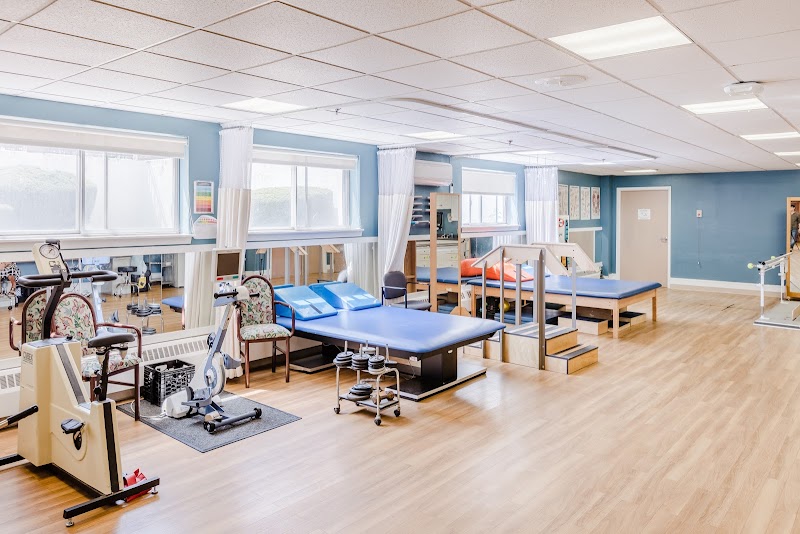
How is Care One At Essex Park Staffed?

CMS rates CARE ONE AT ESSEX PARK's staffing level at 4 out of 5 stars, which is above average compared to other nursing homes. Staff turnover is 30%, compared to the Massachusetts average of 46%. This relatively stable workforce can support continuity of care.

What Have Inspectors Found at Care One At Essex Park?

State health inspectors documented 21 deficiencies at CARE ONE AT ESSEX PARK during 2023 to 2024. These included: 4 that caused actual resident harm and 17 with potential for harm. Deficiencies causing actual harm indicate documented cases where residents experienced negative health consequences.
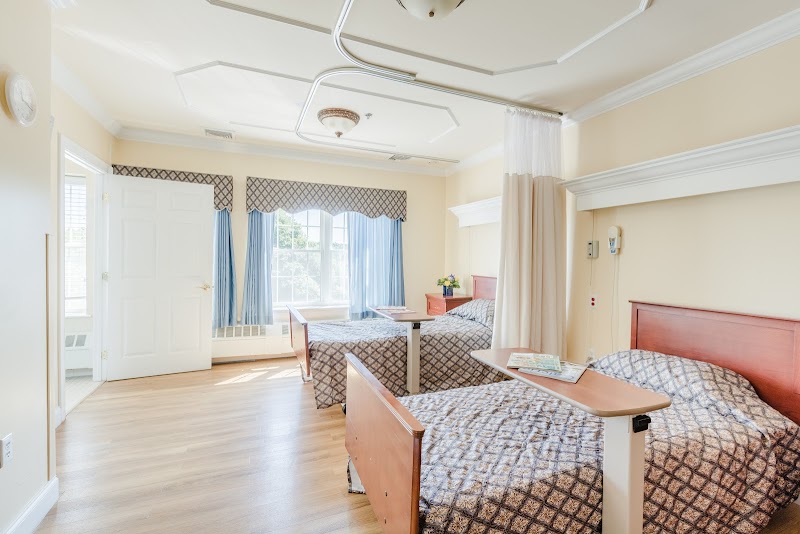
Who Owns and Operates Care One At Essex Park?

CARE ONE AT ESSEX PARK is owned by a for-profit company. For-profit facilities operate as businesses with obligations to shareholders or private owners. The facility is operated by CAREONE, a chain that manages multiple nursing homes. With 202 certified beds and approximately 155 residents (about 77% occupancy), it is a large facility located in BEVERLY, Massachusetts.
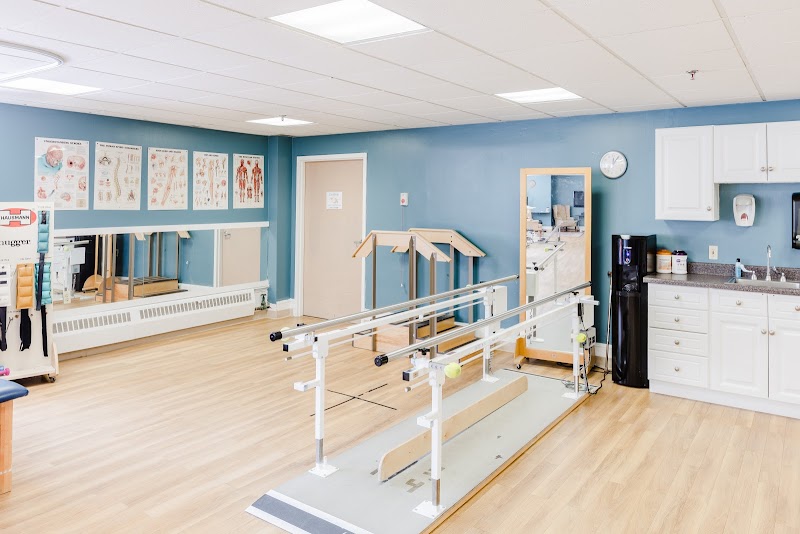
How Does Care One At Essex Park Compare to Other Massachusetts Nursing Homes?

Compared to the 100 nursing homes in Massachusetts, CARE ONE AT ESSEX PARK's overall rating (5 stars) is above the state average of 2.9, staff turnover (30%) is significantly lower than the state average of 46%, and health inspection rating (4 stars) is above the national benchmark.

What Should Families Ask When Visiting Care One At Essex Park?

Based on this facility's data, families visiting should ask: "Can I visit during a mealtime to observe dining assistance and food quality?" "How do you handle medical emergencies, and what is your hospital transfer rate?" "Can I speak with family members of current residents about their experience?"

Is Care One At Essex Park Safe?

Based on CMS inspection data, CARE ONE AT ESSEX PARK has a clean safety record: no substantiated abuse findings (meaning no confirmed cases of resident harm), no Immediate Jeopardy citations (the most serious violation level indicating risk of serious injury or death), and is not on the Special Focus Facility watch list (a federal program monitoring the lowest-performing 1% of nursing homes). The facility has a 5-star overall rating and ranks #1 of 100 nursing homes in Massachusetts. While no facility is perfect, families should still ask about staff-to-resident ratios and recent inspection results during their visit.

Do Nurses at Care One At Essex Park Stick Around?

Staff at CARE ONE AT ESSEX PARK tend to stick around. With a turnover rate of 30%, the facility is 16 percentage points below the Massachusetts average of 46%. Low turnover is a positive sign. It means caregivers have time to learn each resident's needs, medications, and personal preferences. Consistent staff also notice subtle changes in a resident's condition more quickly. Registered Nurse turnover is also low at 29%, meaning experienced RNs are available to handle complex medical needs.

Was Care One At Essex Park Ever Fined?

CARE ONE AT ESSEX PARK has been fined $83,218 across 2 penalty actions. This is above the Massachusetts average of $33,911. Fines in this range indicate compliance issues significant enough for CMS to impose meaningful financial consequences. Common causes include delayed correction of deficiencies, repeat violations, or care failures affecting resident safety. Families should ask facility leadership what changes have been made since these penalties.

Is Care One At Essex Park on Any Federal Watch List?

CARE ONE AT ESSEX PARK is not on any federal watch list. The most significant is the Special Focus Facility (SFF) program, which identifies the bottom 1% of nursing homes nationally based on persistent, serious quality problems. Not being on this list means the facility has avoided the pattern of deficiencies that triggers enhanced federal oversight. This is a positive indicator, though families should still review the facility's inspection history directly.