ARMENIAN NURSING & REHABILITATION CENTER
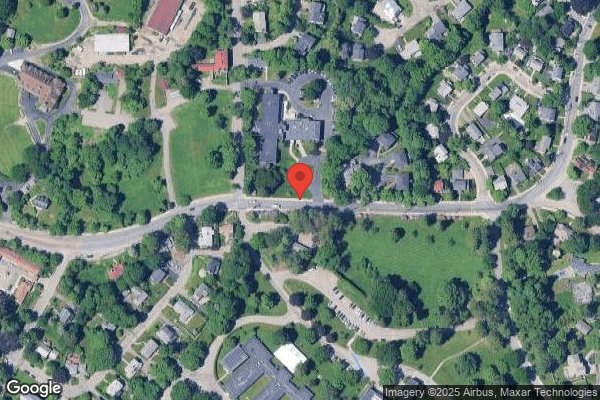
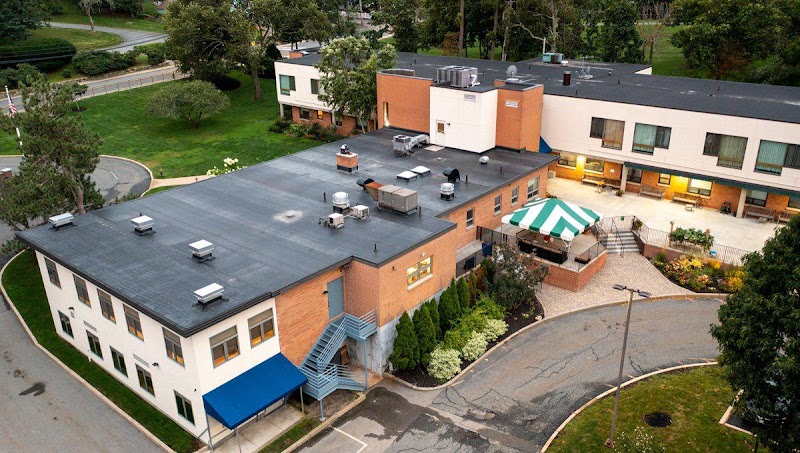
431 POND STREET, BOSTON, MA 02130 (617) 522-2600
Non profit - Corporation 83 Beds Independent Data: November 2025
Trust Grade
73/100
#68 of 338 in MA
Last Inspection: January 2025

Within standard 12-15 month inspection cycle. Federal law requires annual inspections.

Overview

Armenian Nursing & Rehabilitation Center in Boston has a Trust Grade of B, indicating it is a good choice overall. It ranks #68 out of 338 facilities in Massachusetts, placing it in the top half, and #6 out of 22 in Suffolk County, meaning only five local options are better. The facility is improving, with issues decreasing from 8 in 2024 to 5 in 2025, which is a positive trend. Staffing is a relative strength with a turnover of only 21%, significantly lower than the state's average, although RN coverage is concerning, as it is less than that of 75% of Massachusetts facilities. There are some weaknesses to note, including $10,800 in fines, which is average but still indicates some compliance issues, and specific incidents like residents receiving food that is cold or unappetizing, as well as staff not adequately assisting residents who need help with meals, which could affect their dignity and well-being.

Trust Score
B
73/100
In Massachusetts
#68/338
Top 20%
Safety Record
Low Risk
No red flags
Inspections
Getting Better
8 → 5 violations
Staff Stability
✓ Good
21% annual turnover. Excellent stability, 27 points below Massachusetts's 48% average. Staff who stay learn residents' needs.
Penalties
✓ Good
$10,800 in fines. Lower than most Massachusetts facilities. Relatively clean record.
Skilled Nurses
⚠ Watch
Each resident gets only 29 minutes of Registered Nurse (RN) attention daily — below average for Massachusetts. Fewer RN minutes means fewer trained eyes watching for problems.
Violations
⚠ Watch
22 deficiencies on record. Higher than average. Multiple issues found across inspections.
★★★★☆
4.0
Overall Rating
★★★☆☆
3.0
Staff Levels
★★☆☆☆
2.0
Care Quality
★★★★☆
4.0
Inspection Score
Stable
2024: 8 issues
2025: 5 issues

The Good

  • Low Staff Turnover (21%) · Staff stability means consistent care
  • Full Sprinkler Coverage · Fire safety systems throughout facility
  • No fines on record
  • Staff turnover is low (21%)

    27 points below Massachusetts average of 48%

Facility shows strength in staff retention, fire safety.

The Bad

Federal Fines: $10,800

Below median ($33,413)

Minor penalties assessed

The Ugly 22 deficiencies on record

Jan 2025 5 deficiencies
CONCERN (D)

Potential for Harm - no one hurt, but risky conditions existed

Comprehensive Care Plan (Tag F0656)

Could have caused harm · This affected 1 resident

**NOTE- TERMS IN BRACKETS HAVE BEEN EDITED TO PROTECT CONFIDENTIALITY** Based on observation, interview and record review, the facility failed to develop a care plan for one Resident (#53), out of a t...

Read full inspector narrative →
**NOTE- TERMS IN BRACKETS HAVE BEEN EDITED TO PROTECT CONFIDENTIALITY** Based on observation, interview and record review, the facility failed to develop a care plan for one Resident (#53), out of a total sample of 19 residents. Specifically, the facility failed to develop a vision care plan. Findings Include: Review of the policy titled Care Plan-Comprehensive, undated, indicated: Policy: -An individualized comprehensive care plan that includes measurable objectives and timetables to meet the resident's of medical, nursing, mental and psychological needs is developed for each resident. -Residents will have a person-centered comprehensive care plan developed and implemented to meet his other preferences and goals, and address the resident's medical, physical, mental and psychological needs. -For newly admitted residents, the comprehensive care plan must be completed within seven days of the completion of the comprehensive assessment (MDS admission Assessment) and no more than 21 days after admission. Resident #53 was admitted to the facility in August 2022 with diagnoses that included low vision right eye category 2, blindness left eye category 5, combined forms of age-related cataract, central retinal artery occlusion, left eye, chronic systolic (congestive) heart failure and weight loss. Review of Resident #53's most recent Minimum Data Set (MDS) dated [DATE], indicated Resident #53 has a Brief Interview for Mental Status (BIMS) exam score of 10 out of a possible 15 which indicated he/she has moderate cognitive deficits. The MDS assessment also indicated Resident #53 requires dependent assistance for self-care activities and has moderate vision impairments. On 1/14/25 at 8:10 A.M., the surveyor Resident #53 sitting in his/her chair eating breakfast. Resident #53 was asked what he/she was having for breakfast, he/she said I can't see everything on my plate. Resident #53 said he/she is unable to see out of his/her left eye and his/her vision in the right eye is blurry. Resident was asked if staff inform him/her what is on their plate, he/she said no but knows what food it is once he/she tastes it. On 1/15/25 at 12:15 P.M., the surveyor observed Resident #53 sitting in his/her chair getting ready to eat lunch. Resident #53 was asked if he/she was able to see what was on his/her plate for lunch. Resident #53 said he/she has something dark and something light on his/her plate and knows there is something to drink. Resident #53 was asked if he/she was able to identify his/her dessert, he/she said no. Resident #53 again stated that he/she will know what food it is once he/she tastes it. Record review on 1/15/25 at 3:43 P.M., failed to indicate a care plan was developed for low vision with interventions for Resident #53. During an interview on 1/16/25 at 8:25 A.M., Unit Manager #2 said the facility works with the family to identify the best strategies for the resident with visual deficits and educate the staff. Unit Manager #2 said she was not aware that Resident #53 was unable to identify the food on his/her plate. Unit Manager #2 said she would expect a visual care plan to be developed and implemented on admission. During an interview on 1/16/25 and 9:15 A.M., the Director of Nursing said she would expect a vision care plan to be developed on admission.
CONCERN (D)

Potential for Harm - no one hurt, but risky conditions existed

Deficiency F0658 (Tag F0658)

Could have caused harm · This affected 1 resident

**NOTE- TERMS IN BRACKETS HAVE BEEN EDITED TO PROTECT CONFIDENTIALITY** Based on observation, record review and interview, the facility failed for two Residents (#63 and #61), out of a total sample of...

Read full inspector narrative →
**NOTE- TERMS IN BRACKETS HAVE BEEN EDITED TO PROTECT CONFIDENTIALITY** Based on observation, record review and interview, the facility failed for two Residents (#63 and #61), out of a total sample of 19 residents, to provide weekly skin assessments in accordance with the physician's order. Specifically, 1. For Resident #63, the facility failed to complete weekly skin assessments, as per the physician's order, resulting in four missed weekly skin assessments, 2. For Resident #61, the facility failed to complete weekly skin assessments, as per the physician's order. Findings include: Review of the Massachusetts Board of Registration in Nursing Advisory Ruling on Nursing Practice, dated as revised April 11, 2018, indicated: - Nurse's Responsibility and Accountability: Licensed nurses accept, verify, transcribe, and implement orders from duly authorized prescriber's that are received by a variety of methods (i.e., written, verbal/telephone, standing orders/protocols, pre-printed order sets, electronic) in emergent and non-emergent situations. Licensed nurses in a management role must ensure an infrastructure is in place, consistent with current standards of care, to minimize error. Review of the facility policy titled Pressure Ulcer Risk Assessment and Prevention, not dated, indicated Skin assessment will be done by a licensed nurse on admission and weekly thereafter. Skin will be assessed for the presence of developing pressure ulcers or other skin conditions. 1. Resident #63 was admitted to the facility in December 2024 and has diagnoses that include but are not limited to mild cognitive impairment, neoplasm of bladder, and type 2 diabetes mellitus. Review of the Minimum Data Set (MDS) assessment dated [DATE] indicated Resident #63 scored a 9 out of 15 on the Brief Interview for Mental Status exam, indicating he/she as having moderately impaired cognition. Further, the MDS indicated Resident #63 as dependent on staff for bathing, upper and lower dressing, has no unhealed pressure ulcers, and is at-risk for developing pressure ulcers. During an observation and interview on 1/14/24 at approximately 9:30 A.M., Resident #63 was observed sitting in a wheelchair in the dining/activity room. Resident #63 said his/her feet hurt. When asked if he/she had any open areas or injuries, he/she said it feels like they (feet) are cut. Review of Resident #63's medical record indicated the following: - A nursing Admission/readmission (sic) assessment dated [DATE], indicated Resident #63 was assessed to have intact skin. - A physician's order indicated weekly skin assessment by a licensed nurse, document under assessments in PCC (the electronic medical record) every evening shift, every Friday. Start date 12/20/24. Review of Resident #63's clinical record failed to indicate any weekly skin assessments were completed. Review of the Treatment Administration Record (TAR) for December 2024 and January 2025, indicated the dates for the weekly skin assessments, signed off by licensed nursing, occurred on 12/20/24, 12/27/24, 1/3/25 and 1/10/25, resulting in four missed weekly skin assessments. During an interview on 1/15/25 at 3:49 P.M., Nurse #4 said assessing a resident's skin is done on admission and then weekly on-going. Nurse #4 said this is completed for all residents. Nurse #4 said the weekly skin assessment is documented on the weekly skin assessment in the electronic medical record. At this time, Unit Manager #2 came over and looked at Resident #63's assessments tab in the electronic medical record and said there were no weekly skin assessments there. Unit Manager #2 checked the progress notes and said there were no nursing notes regarding skin assessments. Unit Manager #2 said there was a note dated 1/10/25 regarding Resident #63's coccyx. Unit Manager #2 said the nursing staff are required to document on the weekly skin assessment the status of the resident's skin and not just sign the TAR. Review of the nursing note dated 1/10/24 at 12:44 P.M., indicated the primary nurse requested the physician and this nurse to assess Resident #63's coccyx due to redness at site. The note indicated the coccyx cleft is red and blanching, and the physician determined the area had some moisture-associated skin damage at coccyx cleft due to warm moist environment. In accordance with the physician's order, Resident #63 should have had weekly skin assessments completed for the weeks of 12/20/24, 12/27/24, 1/3/25, and 1/10/25. During an interview on 1/16/25 at 9:19 A.M., the Director of Nurses said she expects the weekly skin checks to be completed as ordered. 2. Resident #61 was admitted to the facility in March 2024 with diagnoses that included Parkinson's disease, end stage renal disease, and type 2 diabetes. Review of Resident #61's most recent Minimum Data Set (MDS) assessment, dated 12/14/24, indicated he/she scored a 12 out of a possible 15 on the Brief Interview for Mental Status (BIMS) exam indicating moderate cognitive impairments. The MDS further indicated the Resident is at-risk for developing pressure ulcers. Review of Resident #61's physician order, dated 3/28/24, indicated Weekly skin assessment by a licensed nurse, document under assessments in the electronic medical record. Review of Resident #61's diabetes care plan, dated 3/28/24, indicated Weekly skin assessment by a licensed nurse. Review of Resident #61's assessment section in the electronic medical record indicated the last completed skin assessment occurred on 11/21/24. Review of Resident #61's nursing progress notes from 11/24/24 through 1/15/25 failed to indicate that the Resident refused any skin checks. During an interview and observation of Resident #61's medical record on 1/16/25 at 8:06 A.M., Nurse #2 said Resident #61 does have an order for weekly skin checks and they should be done under the assessment tab in the electronic medical record. Nurse #2 said the last skin check recorded in the medical record was on 11/21/24. Nurse #2 said if a resident refuses a skin check, then it should be written in a nurse's progress note. During an interview on 1/16/25 at 9:19 A.M., the Director of Nurses said she expects the weekly skin checks to be completed as ordered.
CONCERN (D)

Potential for Harm - no one hurt, but risky conditions existed

ADL Care (Tag F0677)

Could have caused harm · This affected 1 resident

**NOTE- TERMS IN BRACKETS HAVE BEEN EDITED TO PROTECT CONFIDENTIALITY** Based on observations, record review and interviews, the facility failed to provide assistance with Activities of Daily Living (...

Read full inspector narrative →
**NOTE- TERMS IN BRACKETS HAVE BEEN EDITED TO PROTECT CONFIDENTIALITY** Based on observations, record review and interviews, the facility failed to provide assistance with Activities of Daily Living (ADLs), for two Residents (#45 and #64) out of a total sample of 19 residents. Specifically, the facility failed to provide assistance and/or supervision with meals as per the plan of care for Resident #45 and for Resident #64. Findings include: Review of the facility policy titled Activity of Daily Living, not dated, indicated ADL assistance will be provided according to the needs of the residents. ADL include bathing, grooming, dressing, mobility, incontinence care, positioning, transfer, eating and others. 1a. Resident #45 was admitted to the facility in September 2024 with diagnoses that included dementia, dysphagia, cognitive communication deficit and depression. Review of Resident #45's most recent Minimum Data Set (MDS), dated [DATE], indicated he/she scored a 3 out of a possible 15 on the Brief Interview for Mental Status (BIMS) indicating severe cognitive impairments. The MDS further indicated he/she is dependent on staff for eating. On 1/14/25 from 8:48 A.M. to 8:59 A.M., the surveyor observed Resident #45 in bed with his/her breakfast tray setup with out any staff present. Resident #45 was observed not initiating self- feeding. On 1/14/25 from 12:09 P.M. to 12:23 P.M., the surveyor observed Resident #45 in the dining room with his/her lunch tray setup without any staff present assisting him/her. Resident #45 was observed not initiating self-feeding and falling asleep at times. On 1/15/24 from 8:38 A.M. to 9:00 A.M., the surveyor observed Resident #45 in bed with his/her breakfast tray setup without any staff present. Resident #45 was observed not initiating self- feeding. Review of Resident #45's Activity of Daily Living (ADLs) care plan, dated 9/9/24, indicated ADL DEPENDENT: The Resident is dependent on staff with all ADLs due to: Dementia. During an interview on 1/16/25 at 7:54 A.M., Nurse #1 said Resident #45 needs assist from a staff member to eat. During an interview on 1/16/25 at 7:55 A.M., the MDS Nurse said if the Resident MDS is coded as the Resident being dependent with eating then that resident needs a staff member to feed them. During an interview on 1/16/25 at 8:10 A.M., Certified Nurse Aide (CNA) #1 said she is Resident #45's regular CNA during the day and said the Resident is a dependent resident and needs assist to eat his/her meal. CNA #1 said if the meal was in front of the Resident a staff member should be with him/her to assist the Resident with their meal. During an interview on 1/16/25 at 9:19 A.M., the Director of Nurses (DON) said if a resident is coded as dependent for eating then a staff member should be assisting the resident with their meal. 1b. Resident #64 was admitted to the facility in January 2022 with diagnoses including chronic diastolic heart failure, dysphagia (difficulty swallowing) and Parkinson's disease. Review of Resident #64's most recent Minimum Data Set Assessment (MDS) dated [DATE] indicated that the Resident had a Brief Interview for Mental Status score of 15 out of 15 indicating intact cognition. Further review of the MDS indicated that Resident #64 requires supervision or touching assistance from staff while eating meals. The surveyor made the following observations: - On 1/14/25 at 8:15 A.M., Resident #64 was sitting up in his/her bed eating his/her breakfast in his/her room at the end of the hallway. There were no staff members in his/her room offering assistance or providing supervision and the Resident could not be seen by staff from the hallway. - On 1/15/25 from 8:11 A.M. until 8:26 A.M., Resident #64 was sitting up in his/her bed eating his/her breakfast in his/her room at the end of the hallway. There were no staff members in his/her room offering assistance or providing supervision and the Resident could not be seen by staff from the hallway. - On 1/15/25 at 12:05 P.M., Resident #64 was eating lunch in his/her room at the end of the hallway. The resident was standing, hunched over his/her bedside table where the lunch tray was. Resident #64 was eating very rapidly and not alternating bites and sips of liquid. There were no staff members in his/her room offering assistance or providing supervision and the Resident could not be seen by staff from the hallway. - On 1/16/25 at 8:12 A.M., Resident #64 was eating breakfast in his/her room at the end of the hallway. The resident was standing, hunched over his/her bedside table where the lunch tray was. Resident #64 was eating very rapidly and not alternating bites and sips of liquid. The Resident's door was shut to his/her room. there were no staff members in his/her room offering assistance or providing supervision and the Resident could not be seen by staff from the hallway. At 8:33 A.M., 21 minutes since Resident #64 received his/her breakfast tray, a staff member checked in on the resident. Review of Resident #64's ADL Guide indicated that the resident requires supervision or touching assist while eating. Review of Resident #64's ADL Assistance care plan indicated the following interventions dated 2/8/24: Supervise and/or assist resident during meals to dysphagia and prefers to take his/her meals in his/her room. Review of Resident #64's nutrition care plan dated and revised 10/11/24 indicated that the resident is at risk of compromised nutritional status related to selective appetite with a history of dysphagia with silent aspiration of fluids. The care plan had the following intervention: Monitor for signs/symptoms of aspiration (wheezing, trouble breathing, a hoarse voice after eating, drinking and/or vomiting, or experiencing heartburn) at meal and snack time. Review of Resident #64's document titled Speech Therapy - Speech Language Pathologist Discharge Summary, dated from 2/8/24 - 5/7/24 for dysphagia therapy, indicated the following: - D/C (Discharge) instructions: Upright for intake, small bites/sips, slow rate, alternate solids/liquids, clear bolus before next bite. The document indicated that staff were educated on the discharge instructions for Resident #64. Review of Resident #64's Dietary Quarterly Assessment completed by the Registered Dietitian, dated 1/8/25, indicated the following: - Risk Factors: Silent aspiration of fluids During an interview on 1/16/25 at 8:37 A.M., Nurse #1 said staff will look at the care plans to know what type of ADL care residents need. Nurse #1 said Resident #64 is on aspiration precautions and he/she should be supervised as much as possible while eating. Nurse #1 said he/she can choke in an instant and staff need to do a better job with his/her supervision while he/she is eating. During an interview on 1/16/25 at 9:21 A.M., the Director of Nursing (DON) said the Certified Nursing Assistants use care cards to know what ADL care each residents need. The DON said the facility uses rotating supervision where staff go around and check in on each resident while they are eating in their rooms. The DON said a resident can choke in an instance and Resident #64 should be supervised more closely during meals.
CONCERN (D)

Potential for Harm - no one hurt, but risky conditions existed

Deficiency F0887 (Tag F0887)

Could have caused harm · This affected 1 resident

Based on policy review and interview, the facility failed to educate and offer the COVID-19 vaccine to one of one (Nurse #3) sampled staff member. Findings include: Review of the facility policy COVI...

Read full inspector narrative →
Based on policy review and interview, the facility failed to educate and offer the COVID-19 vaccine to one of one (Nurse #3) sampled staff member. Findings include: Review of the facility policy COVID-19 Infection Control Protocol dated as revised 11/6/23, indicated: All employees are encouraged to be vaccinated with the current vaccine requirements to be considered vaccinated according to DPH guidelines. We will honor employees' wishes and can decline vaccine booster for religious, medical and personal reasons in accordance to the most current DPH guidelines. During an interview with the Director of Nursing (DON) on 1/16/25 at 9:32 A.M., the surveyor requested evidence that the facility had educated Nurse #3 on the benefits and risks and potential side effects associated with the COVID-19 vaccine. The surveyor also requested evidence the facility had offered Nurse #3 the COVID-19 vaccine or information on obtaining the vaccine. The DON said the facility had not educated Nurse #3 about the COVID-19 vaccine or offered the COVID-19 vaccine, or provided information either verbally or in writing on how to obtain the vaccine. The DON said Nurse #3 was not offered a consent or declination form for the vaccine. The DON said that when staff ask her about acquiring the vaccine, she directs them to their local pharmacy. The DON said Nurse #3 had not asked her about how to obtain the COVID-19 vaccine.
CONCERN (E)

Potential for Harm - no one hurt, but risky conditions existed

Resident Rights (Tag F0550)

Could have caused harm · This affected multiple residents

Based on observation and interviews the facility failed to provide a dignified dining experience for several residents on one resident care unit (the first floor), out of two resident units. Findings...

Read full inspector narrative →
Based on observation and interviews the facility failed to provide a dignified dining experience for several residents on one resident care unit (the first floor), out of two resident units. Findings include: Review of the facility policy titled Dignity, not dated, indicated Each resident shall be cared for in a manner that promotes and enhances quality of life, dignity, respect and individuality. Treated with dignity means the resident will be assisted in maintaining and enhancing his or her self-esteem and self-worth. On 1/14/25 from 8:49 A.M. to 8:59 A.M., the surveyor observed a nurse standing while feeding a resident in his/her room. On 1/15/25 from 8:11 A.M. to 8:20 A.M., the surveyor observed a staff member deliver a resident his/her breakfast tray to the resident room. The staff member did not set up the tray but left it within reach of the resident and then exited the room. The surveyor observed the resident unable to initiate self-feeding. During lunch service in the first floor dining room on 1/14/25 at 12:01 P.M., a Resident was sitting at a table with three other residents who were being assisted by staff with eating. The Resident was hunched over with his/her head down facing the table with no meal in front of him/her while his/her tablemates were being assisted with eating. At 12:21 P.M., 20 minutes later, a staff member sat down with the Resident to assist with eating, the other tablemates were finished eating at this time. During breakfast service on the first floor on 1/15/25 at 8:51 A.M., a staff member delivered a breakfast tray to a resident in his/her room. At 8:57 A.M., a Certified Nursing Assistant was observed standing while feeding the resident, not at eye level of the resident, who was lying in his/her bed. During an interview on 1/16/25 at 7:54 A.M., Nurse #1 said staff should not serve a dependent resident meal to the resident until a staff member is ready to assist them with that meal. Nurse #1 said staff should be seated while assisting residents with their meal. During a follow up interview on 1/16/25 at 8:37 A.M., Nurse #1 said staff should not be standing while assisting with feeding residents and all residents at a table in the dining room should be served meals at the same. During an interview on 1/16/25 at 8:10 A.M., Certified Nurse Aide (CNA) #1 said staff should not leave meal trays in front of dependent residents until a staff member is ready to assist them. CNA #1 said staff should not stand while feeding a resident and instead the staff need to sit. During an interview on 1/16/25 at 9:19 A.M., the Director of Nurses (DON) said she expects when the meal is delivered to the resident then the staff should be ready to assist that resident. The DON said she expects staff to sit while feeding a resident and that all residents should be served their meal trays at the same time if they are sitting at a table in the dining room.
Jan 2024 8 deficiencies
CONCERN (D)

Potential for Harm - no one hurt, but risky conditions existed

Deficiency F0565 (Tag F0565)

Could have caused harm · This affected 1 resident

Based on record review and interview, the facility failed to respond to grievances communicated to staff by the resident council. Specifically, the facility failed to respond to grievances about a lac...

Read full inspector narrative →
Based on record review and interview, the facility failed to respond to grievances communicated to staff by the resident council. Specifically, the facility failed to respond to grievances about a lack of showers and green vegetables. Findings include: Review of the facility's policy 'Grievance Policy', (undated), indicated, but was not limited to: - The facility supports each resident's right to voice grievances and assures that after receiving the complaint/grievance, the facility actively seeks a resolution and keeps the resident appropriately apprised of its progress towards resolution. - Grievances can be voiced during the resident council meeting or at any time during the day, - Complaints/grievances can be raised by residents either verbally or in writing. - Residents have the right to prompt efforts by the facility to resolve grievances. - The Social Worker, who is the Grievance Official, retains records of grievances for at least three years and records will be available for review as needed. Grievance procedures included: - Staff member receiving complaint will notify the nursing supervisor, social worker, director of nurses or the administrator if the issue is not resolved to resident's satisfaction at the time of the complaint. - Unresolved complaints will be discussed in the interdisciplinary meeting within three business days of the complaint or knowledge of the complaint and considered a grievance] if not resolved in seven days. - The social worker, director of nurses, administrator, or designees will acknowledge the complaint/s by communicating with the resident and or the resident's responsible party. - The facility will conduct an investigation and take appropriate steps towards resolution of the complaint. - The facility will notify the resident and/ or responsible party about the results of the investigation within seven days after the interdisciplinary meeting. - The facility will communicate with the resident and/or family member about the resolution of the issues. - The facility will have documentation of the grievance and description of the resolution. - All grievances should be addressed with the resident and/or responsible party within 30 days of the initial interdisciplinary meeting, unless unable to meet with the ombudsman within a reasonable time for unresolved issues. If not resolved within 30 days, the facility will make a diligent effort to come up with a resolution as soon as possible. - Evidence demonstrating results of all grievances will be kept for a period of at least three years from the issuance of the resolution. Review of the resident council meeting minutes for 10/30/23, attended by residents and the Activity Director, indicated one resident complained of a missing blanket. Review of the grievance log entries for October and November 2023, failed to indicate a reference to a missing blanket, or a resolution. Review of the resident council meeting minutes for 11/27/23, attended by residents and the Activity Director, indicated the missing blanket from the previous month was not referenced and a resolution was not documented. The meeting minutes indicated one resident complained showers were only offered once per week, and another resident complained he/she had not showered recently. Review of the grievance log entries for November and December 2023, failed to indicate a reference to staff not offering or providing showers. Review of the resident council meeting minutes for 12/26/23, attended by residents and the Activity Director, indicated the complaint of a lack of showers was not referenced and a resolution was not documented. The meeting minutes indicated two residents asked for more green vegetables, including green beans, peas, asparagus, and spinach. Review of the grievance log entries for December 2023, failed to indicate a reference to the residents' requests for more green vegetables. During an interview with the resident group on 1/25/24 at 10:04 A.M., they said they did not recall expressing a concern in previous meetings about a missing blanket or of wanting more green vegetables. Residents said they did not know if council meetings were documented or if the facility responded to concerns raised by the council. During an interview with the Grievance Official (Social Worker) on 1/25/24 at 12:01 P.M., she said the facility discovered, during a mock survey held during the first week of January 2024, residents' grievances communicated in the resident council meetings were not relayed to the Grievance Official (Social Worker) Director of Nurses or the Administrator. The Grievance Official said that after learning of this communication breakdown she investigated and resolved the complaint of the missing blanket. The Grievance Official said she was unaware of residents' complaints from the November and December 2023 council meetings regarding a lack of showers and wanting more green vegetables with meals. The Grievance Official said these concerns were not investigated or resolved.
CONCERN (D)

Potential for Harm - no one hurt, but risky conditions existed

Abuse Prevention Policies (Tag F0607)

Could have caused harm · This affected 1 resident

Based on observations, interviews, and record review, the facility failed to implement their Abuse policy when one Resident (#14) alleged he/she witnessed the abuse of his/her roommate, out of a total...

Read full inspector narrative →
Based on observations, interviews, and record review, the facility failed to implement their Abuse policy when one Resident (#14) alleged he/she witnessed the abuse of his/her roommate, out of a total sample of 25 residents. Specifically, Resident #14 alleged that he/she witnessed Nurse #5 physically abuse his/her roommate in October 2023, and on 1/25/24 at 9:27 A.M., the surveyor made the Nursing Home Administrator (NHA) aware of Resident #14's allegation. Findings include: Review of the facility's policy titled, Abuse Prevention Program: Investigations and Protection of Patients, undated, indicated the following: -Should an incident or suspected incident of resident abuse, mistreatment, neglect or injury of unknown source be reported, the Administrator or his/her designee will appoint a member of management to investigate the alleged incident. The Clinical Director is responsible for investigation if needed. -The Administrator, Clinical Director, or designee will report the suspected abuse to the Department of Public health, Elder Abuse Hotline, the Police, or other regulating bodies as indicated. -The individual conducting the investigation will as [sic] a minimum: -Witness reports will be obtained in writing. Either the staff member will write their statement & and date it, or the investigator may obtain the staff statement, read it back to the member and have him/her sign and date it. Resident #14 was admitted to the facility in June 2021 with diagnoses including major depressive disorder and diabetes. Review of Resident #14's most recent Minimum Data Set (MDS) assessment, dated 11/29/23, indicated that on the Brief Interview for Mental Status exam Resident #14 scored a 15 out of a possible 15, indicating intact cognition. During an interview on 1/25/24 at 8:57 A.M., Resident #14 told the surveyor that in October of 2023 he/she witnessed a nurse physically force his/her roommate to take medications and said the nurse grabbed the roommate by the back of the neck and head and forced him/her to take the medication. Resident #14 said that the roommate was telling the nurse no and tried pushing the nurse away but said that the nurse kept her hands around the roommate's neck and back of his/her head, putting the medication cup to the roommate's mouth until the roommate complied and took the medication. Resident #14 said he/she notified the Assistant Director of Nursing (ADON) the next morning of what he/she had witnessed and that it was abuse. On 1/25/24 at 9:27 A.M., the surveyor notified the NHA of Resident #14's allegations. The NHA said the facility is aware of the allegation of physical abuse by the nurse and after speaking with the alleged victim in October 2023, decided to review the concern as a grievance rather than an allegation of abuse. The NHA said a grievance was initiated on 10/19/23 after the facility Social Worker (SW) #1, Director of Nursing (DON) and Activities Director (the translator) spoke with Resident #14's roommate on 10/19/23 and asked him/her if they feel safe, and he/she said yes and that there was no issue. On 1/25/24 the surveyor notified both the DON and NHA that Resident #14 told the surveyor in detail, and continues to verbalize, that he/she had witnessed abuse in October 2023. The DON and NHA said that they would follow-up. Review of the Health Care Facility Report System (HCFRS) failed to indicate the facility reported the allegation to the state agency within the required 2 hour time frame in October 2023. Review of the active working schedule in the facility indicated that Nurse #5 continued to work in the facility, without a change in room or assignments, after the allegation of abuse was reported on 10/19/23. Review of the Medication Administration Record (MAR), indicated Nurse #5 worked directly with Resident #14 and the alleged victim, administering medications, providing treatments, and obtaining vital signs after the allegation of abuse on 10/19/23. The facility failed to conduct resident interviews and failed to ensure Nurse #5 was removed from the facility after Resident #14 reported physical abuse, potentially exposing Resident #14 and other residents in the facility to abuse. During an interview on 1/25/24 at 2:23 P.M., the Assistant Director of Nursing (ADON) said she was aware of the abuse allegation on 10/19/23 because Resident #14 told her that Nurse #5 forced Resident #18 to take his/her mediations the night before and said that Resident #14 told her that the nurse should be fired. The ADON said she notified the NHA and DON a few minutes later and was told that the NHA, DON and SW #1 were already aware of the issue. The ADON said the allegations reported by Resident #14 are reportable events and should have been reported because Resident #14 can recognize abuse. During a follow-up interview on 1/26/24 at 9:16 A.M., the ADON said that when abuse is alleged it was the expectation that the accused is suspended pending investigations and that the abuse policy and procedures be implemented. During an interview on 1/26/24 at 9:28 A.M., SW #1 said the facility didn't start an abuse investigation in October 2023 because they didn't think the allegation rose to the level of abuse. SW #1 said in hindsight interventions should have been implemented immediately to ensure residents feel safe, and the facility should have implemented the abuse policy, including but not limited to reporting the allegation to the Department of Public Health, interviewing residents and staff, removing the alleged nurse from having access to residents, and obtaining written statements. During a follow-up interview on 1/29/24 at 9:44 A.M., with the DON and SW #1, the DON said the facility should have thoroughly investigated the abuse allegation in October 2023 and reported it. As well, she said as of 1/29/24, the facility had not implemented the abuse policy, despite being notified of Resident #14's continued concern 5 days prior. SW #1 said no residents were interviewed in October 2023 and none had been since the report was relayed to the facility by the surveyor on 1/25/24.
CONCERN (D)

Potential for Harm - no one hurt, but risky conditions existed

Report Alleged Abuse (Tag F0609)

Could have caused harm · This affected 1 resident

Based on interviews and record review, the facility failed to report an allegation of abuse to the State Agency no later than two hours after the allegation was made. Specifically, on 10/19/23 Residen...

Read full inspector narrative →
Based on interviews and record review, the facility failed to report an allegation of abuse to the State Agency no later than two hours after the allegation was made. Specifically, on 10/19/23 Resident #14 reported to the facility that he/she witnessed Nurse #5 abuse his/her roommate and the allegation was not reported to the Department of Public Health (DPH) Health Care Facility Report Agency (HCFRS) until 1/25/24 when the surveyor discussed the allegation with the Nursing Home Administrator (NHA). Findings include: Review of the facility's policy titled, Abuse Prevention Program: Investigations and Protection of Patients, undated, indicated the following: -The Administrator, Clinical Director, or designee will report the suspected abuse to the Department of Public health, Elder Abuse Hotline, the Police, or other regulating bodies as indicated. Resident #14 was admitted to the facility in June 2021 with diagnoses including major depressive disorder and diabetes. Review of Resident #14's most recent Minimum Data Set (MDS) assessment, dated 11/29/23, indicated that on the Brief Interview for Mental Status exam Resident #14 scored a 15 out of a possible 15, indicating intact cognition. During an interview on 1/25/24 at 8:57 A.M., Resident #14 told the surveyor that in October of 2023 he/she witnessed a nurse physically force his/her roommate to take medications and said the nurse grabbed the roommate by the back of the neck and head and forced him/her to take the medication. According to Resident #14, the roommate was telling the nurse no and tried pushing the nurse away but said that the nurse kept her hands around the roommate's neck and back of his/her head, putting the medication cup to the roommate's mouth until the roommate complied and took the medication. Resident #14 said he/she notified the Assistant Director of Nursing (ADON) the next morning of what he/she had witnessed and that it was abuse. On 1/25/24 at 9:27 A.M., the surveyor notified the NHA of Resident #14's allegations. The NHA said the facility is aware of the allegation of physical abuse by the nurse and after speaking with the alleged victim in October 2023, decided to review the concern as a grievance rather than an allegation of abuse. Review of the Health Care Facility Report System (HCFRS) failed to indicate the facility reported the allegation to the state agency in October 2023. During an interview on 1/25/24 at 2:23 P.M., the Assistant Director of Nursing (ADON) said she was aware of the abuse allegation on 10/19/23 because Resident #14 told her that Nurse #5 forced Resident #18 to take his/her mediations the night before and said that Resident #14 told her that the nurse should be fired. The ADON said the allegations reported by Resident #14 are reportable events and should have been reported. During an interview on 1/26/24 at 9:28 A.M., Social Worker (SW) #1 said the facility should have implemented the abuse policy including but not limited to reporting the allegation to the Department of Public Health. During a follow-up interview on 1/29/24 at 9:44 A.M., with the DON and SW #1, the DON said the facility should have reported the allegation when it was made in October 2023.
CONCERN (D)

Potential for Harm - no one hurt, but risky conditions existed

Investigate Abuse (Tag F0610)

Could have caused harm · This affected 1 resident

Based on interviews and record review, the facility failed to thoroughly investigate an allegation of abuse by one Resident (#14) out of a total sample of 25 residents. Findings include: Review of th...

Read full inspector narrative →
Based on interviews and record review, the facility failed to thoroughly investigate an allegation of abuse by one Resident (#14) out of a total sample of 25 residents. Findings include: Review of the facility's policy titled, Abuse Prevention Program, undated, indicated but is not limited to the following: Our abuse prevention program provides policies and procedures that govern, as a minimum: -Identification of occurrences and patterns of potential mistreatment/abuse. -The protection of residents during abuse investigation -Timely and thorough investigations of all reports and allegations of abuse. -An ongoing review and analysis of abuse incidents; and the implementation of changes to prevent future occurrences of abuse. Review of the facility's policy titled, Abuse Prevention Program: Investigations and Protection of Patients, undated, indicated the following: -Should an incident or suspected incident of resident abuse, mistreatment, neglect or injury of unknown source be reported, the Administrator or his/her designee will appoint a member of management to investigate the alleged incident. The Clinical Director is responsible for investigation if needed. -The Administrator will provide any supporting documents relative to the alleged incident to the person in charge of the investigation. -The individual conducting the investigation will as [sic] a minimum: A. Review the completed documentation forms. B. Review the patient's medical record to determine events leading up to the event interview the persons reporting the incident. C. Interview the patient is needed. D. Notify the Physician as needed to determine the resident's current level of cognitive function and medical condition. E. Interview staff members who have had contact with the resident during the period of the alleged incident. Resident #14 was admitted to the facility in June 2021 with diagnoses including major depressive disorder and diabetes. Review of Resident #14's most recent Minimum Data Set (MDS) assessment, dated 11/29/23, indicated that on the Brief Interview for Mental Status exam Resident #14 scored a 15 out of a possible 15, indicating intact cognition. During an interview on 1/25/24 at 8:57 A.M., Resident #14 told the surveyor that in October of 2023 he/she witnessed a nurse physically force his/her roommate to take medications and said the nurse grabbed the roommate by the back of the neck and head and forced him/her to take the medication. According to Resident #14, the roommate was telling the nurse no and tried pushing the nurse away but said that the nurse kept her hands around the roommate's neck and back of his/her head, putting the medication cup to the roommate's mouth until the roommate complied and took the medication. Resident #14 said he/she notified the Assistant Director of Nursing (ADON) the next morning of what he/she had witnessed and that he/she believed it was abuse. On 1/25/24 at 9:27 A.M., the surveyor notified the NHA of Resident #14's allegations. The NHA said the facility is aware of the allegation of physical abuse by the nurse and after speaking with the alleged victim in October 2023, decided to review the concern as a grievance rather than an allegation of abuse. Review of the active working schedule in the facility indicated that Nurse #5 continued to work in the facility, without changes in room or staffing assignments, after the allegation of abuse was reported on 10/19/23. Review of the medication administration record (MAR), indicated Nurse #5 worked directly with Resident #14 and the alleged victim, administering medications, providing treatments, and obtaining vital signs after the allegations of abuse on 10/19/23. The facility failed to conduct resident interviews and failed to ensure Nurse #5 was removed from the facility after Resident #14 reported physical abuse, potentially exposing Resident #14 and other residents in the facility to abuse. During an interview on 1/25/24 at 2:23 P.M., the Assistant Director of Nursing (ADON) said she was aware of the abuse allegation on 10/19/23 because Resident #14 told her that Nurse #5 forced Resident #18 to take his/her mediations the night before and said that Resident #14 told her that the nurse should be fired. The ADON said she notified the NHA and DON a few minutes later and was told that the NHA, DON and SW #1 were already aware of the issue. During a follow-up interview on 1/26/24 at 9:16 A.M., the ADON said that when abuse is alleged it was the expectation that the accused is suspended pending investigations and that the abuse policy and procedures be implemented, which includes a thorough investigation. During an interview on 1/26/24 at 9:28 A.M., Social Worker (SW) #1 said the facility didn't start the investigation in October 2023 because they didn't think the allegation rose to the level of abuse. SW #1 said in hindsight interventions should have been implemented immediately to ensure residents feel safe, and the facility should have implemented the abuse policy including but not limited to interviewing residents and staff, removing the alleged nurse from having access to residents, and obtaining written statements. During a follow-up interview on 1/29/24 at 9:44 A.M., with the DON and SW #1, the DON said the facility should have thoroughly investigated the abuse allegation in October 2023.
CONCERN (D)

Potential for Harm - no one hurt, but risky conditions existed

ADL Care (Tag F0677)

Could have caused harm · This affected 1 resident

**NOTE- TERMS IN BRACKETS HAVE BEEN EDITED TO PROTECT CONFIDENTIALITY** 2. Resident #12 was admitted to the facility in March 2022 with diagnoses including dysphagia (difficulty swallowing) and dement...

Read full inspector narrative →
**NOTE- TERMS IN BRACKETS HAVE BEEN EDITED TO PROTECT CONFIDENTIALITY** 2. Resident #12 was admitted to the facility in March 2022 with diagnoses including dysphagia (difficulty swallowing) and dementia. A review of the most recent Minimum Data Set (MDS) assessment, dated 1/22/24, indicated a Brief Interview for Mental Status score (BIMs) score of 15 out of 15 indicating intact cognition. Further review of the MDS assessment for functional abilities and goals for self-care indicated the following: *Resident #12 is Dependent for all functional tasks related to Activities of Daily Living (ADL) and requires supervision or touching assistance with eating - Helper provides verbal cues and/or touching/steadying and/or contact guard assistance. *Dependent - Helper does ALL of the effort. Resident does none of the effort to complete the activity. Or, the assistance of 2 or more helpers is required for the resident to complete the activity. During an observation 1/24/24 at 8:23 A.M., the surveyor observed the Resident in his/her room sitting in a wheelchair eating breakfast alone and could not be seen from the hallway. Adaptive equipment was observed on the breakfast tray. Food was observed on the Residents' clothing. No staff members were in the room or in the hallway. There was no staff member in the area supervising the Resident while he/she was eating. During an observation on 1/25/24 at 8:15 A.M., the surveyor observed the Resident in his/her room sitting in a wheelchair eating breakfast alone and could not be seen from the hallway. Adaptive equipment was observed on the breakfast tray. Food was observed on the Resident's clothing. No staff members were in the room or in the hallway. There was no staff member in the area supervising the Resident while he/she was eating. Review of Resident #12's physician orders indicated the following: *Diet Order: Mechanically altered diet. NAS (No Added Salt) diet Ground texture, Nectar/Mildly Thick consistency. * House supplement as needed. May offer 120 ml house supplement if meal intake <50%. *Magic Cup two times a day. A review of the Resident's ADL care plan dated 4/18/23 indicated the following: *Nutrition; Resident is at risk for compromised nutritional status r/t oropharyngeal dysphagia, vascular dementia and hx significant weight loss. *Encourage food and fluid intake throughout the day and at meals. *Encourage the Resident to attend the dining room for meals to enhance socialization and to provide supervision encouragement while eating. *Resident is able to feed him/herself with supervision, no added salt (NAS) ground diet with nectar thick liquids provided daily. Diet upgraded from puree to ground on 8/2/23. *The Resident will be assisted with putting in dentures before breakfast and take them out after dinner to assist with masticating meals. *Monitor and document oral intake on our food preferences and offer alternative entrees, if needed. Offer health supplement PO intake is less than 50% at meals provide appropriate positioning utensils adaptive equipment and or assistance at meals and snacks. *Provide appropriate positioning, utensils/adaptive equipment and/or assistance at meals and snacks. *ADL Dependent: Resident is dependent on staff with all ADL's due to severe osteoarthritis, chronic pain, dementia. *Resident is able to feed him/herself with supervision. A review of the dietary quarterly assessment dated [DATE] indicated the following: *Diet- Super cereal at breakfast. *Dietary Supplement- Magic Cup bid between meals. *Liquid Consistency- Nectar *Feeding Ability- Supervision or touching assistance. *Adaptive Equipment- Built up red spoons. *Physical Limitations- Deformities of fingers with resultant limited ROM. *Risk Factors- Oropharyngeal dysphagia, vascular dementia, hx of significant weight loss, hospice status. During an interview on 1/25/24 at 8:50 A.M., Certified Nurse's Assistant (CNA)#2 said that the Resident requires supervision while eating and sometimes needs help with utensils. During an interview on 1/25/24 at 8:53 A.M., Nurse #4 said Resident #12 requires setup assistance only and does not need to be supervised at all times during meals. Nurse #4 said residents should not eat alone if they require supervision or assistance during meals. During an interview on 1/26/24 at 9:13 A.M., the Assistant Director of Nursing (ADON) said residents who require supervision and queuing should not be left alone during meals. During an interview on 1/26/24 at 10:06 A.M., The Director of Nursing (DON) said residents who require supervision and queuing should not be left alone without supervision during meals. The DON said Resident #12 should not be left alone while eating. The DON said he would expect the plan or care to be followed. Based on observations, interviews and record review, for two Residents (#31 and #12) out of 25 sampled residents, the facility failed to provide supervision during meals. Specifically, 1. For Resident #31, the facility staff failed to provide supervision and verbal cues during meals. 2. For Resident #12, the facility failed to provide supervision or touching assistance during meals. Findings include: A review of the facility policy titled 'Activities of Daily Living' with no revision date indicated the following: -In order to protect the safety and well-being of staff and residents and to promote quality care, this facility provides assistance with activities of daily living (ADL) as needed. -ADL assistance will be provided according to the needs of the residents. -ADL includes eating. 1. Resident #31 was admitted to the facility in December 2020 with diagnoses including dysphagia and Dementia. A review of the most recent Minimum Data Set (MDS) assessment dated [DATE] did not indicate a Brief Interview for Mental Status score (BIMs) score because the Resident is rarely/never understood. Further review of the MDS assessment's functional abilities and goals for self-care indicated the following interim performance: -Eating-dependent, helper does all of the effort, resident does none of the effort to complete the activity. On 1/24/24 at 9:26 A.M., the surveyor observed Resident #31 in his/ her room sitting in a wheelchair eating breakfast on his/her own. There were no staff members in the area supervising the Resident while he/she was eating. On 1/25/24 at 8:38 A.M., the surveyor observed Resident #31 in his/her room sitting in a wheelchair eating breakfast on his/her own. There were no staff members in the area supervising the Resident while he/she was eating. On 1/25/24 at 8:43 A.M., the surveyor observed Resident #31 in his/her room sitting in a wheelchair eating breakfast on his/her own. There were no staff members in the area supervising the Resident while he/she was eating. A review of the Resident's January 2024 physician's orders indicated the following: -Supervised feed (verbal cues for attention) order date 10/3/23. A review of the Resident's ADL care plan dated 4/27/23 indicated the following: -Resident can at times feed himself/herself but eats very slowly. He/she requires supervision and cueing to stay on task and complete his/her meal and may need to be fed depending on the level of his/her fatigue. A review of the [NAME] (resident's Activities of Daily Living guide) indicated the following: -Eating-Supervision A review of the speech therapy notes dated 3/29/23 indicated the following: -Evaluation: Supervision during meals for verbal cues to attend to task iso [sic] cognitive deficits. *Supervision-how often does the patient require supervision/assistance at mealtime due to swallow safety? 91-100 % of the time. -Swallow strategies-recommend supervision for verbal cues iso cognitive impairments iso dementia, requires occasional redirection 2/2 distracted by external stimuli. A review of the dietary quarterly assessment dated [DATE] indicated the following: -Resident experienced significant weight loss in May 2023, weight is now stable. CNAs and dietary staff encouraged to leave Resident's meal tray for a longer period of time since he/she is a very slow eater. He/she seems to be able to focus on one food at a time, so if the dietary staff/CNAs notice that the Resident has finished a food, they will adjust his/her plate so eating the next food is more convenient. -Risk factors-oropharyngeal dysphagia, dementia, slow eater and generally minimal po (by mouth) intake. During an interview on 1/26/24 at 8:21 A.M., Certified Nurse's Assistant (CNA)#1 said that the Resident requires supervision while eating, he/she eats very slowly, he/she requires a staff member present at all times during the meal to encourage and cue the Resident to eat. If the Resident is left without supervision and cueing, he/she will not eat enough food. During an interview on 1/26/24 at 8:31 A.M., Unit Manger #2 said that the Resident should be supervised at all times during meals, his/her physician's order indicates supervision and verbal cues at meals, the Resident does eat very slowly, if he/she wants to eat on his/her own, the staff should remain in the room to verbally cue him/her. During an interview on 1/26/24 at 9:52 A.M., the speech therapist said after reviewing the most recent speech notes dated 3/29/23, the Resident does require supervision with verbal cues during meals.
CONCERN (D)

Potential for Harm - no one hurt, but risky conditions existed

Unnecessary Medications (Tag F0759)

Could have caused harm · This affected 1 resident

Based on observations, records reviews, policy review and interviews for one Resident (#322) out of four residents observed, the facility failed to ensure it was free from a medication error rate of g...

Read full inspector narrative →
Based on observations, records reviews, policy review and interviews for one Resident (#322) out of four residents observed, the facility failed to ensure it was free from a medication error rate of greater than 5% . One out of three nurses observed made two errors out of 27 opportunities resulting in a medication error rate of 7.41%. Specifically, Nurse #2 crushed an extended release diltiazem (a blood pressure lowering medication), which should not have been crushed and administered the incorrect dose of vitamin d3. Findings include: Review of the facility policy 'Administering Medications', undated, indicated, but was not limited to: 4. Medications must by administered in accordance with the orders, including any required time frame. Review of the facility policy 'Crushing Medications', undated, indicated, but was not limited to: -Medications shall be crushed only when it is appropriate and safe to do so, consistent with physician orders. 2. The nursing staff and/or consultant pharmacist shall notify any attending physician who gives an order to crush a drug that the manufacturer states should not be crushed (for example, long-acting or enteric coated medications). The attending physician or consultant pharmacist must identify an alternative or the attending physician must document (or provide the nurses with a clinically pertinent reason to document) why crushing the medication will not adversely affect the resident. 4. The resident's medications administration record (MAR) should reflect the physicians or nurse practitioners order to crush medications. Resident #322 was admitted to the facility in January 2024 with diagnoses including hypertension, vitamin d deficiency, and dysphagia (difficulty swallowing). On 1/25/24 at 8:47 A.M. the surveyor observed Nurse #2 prepare, crush, and administer the following medications to Resident #322: -Diltiazem HCl (hydrochloride) ER (extended release) 120 milligrams (mg), 1 tablet -Vitamin D3 Oral Tablet 25 (micrograms) mcg, 1 tablet Review of Resident #322's active physician orders indicated the following: -Diltiazem HCl ER Oral Capsule Extended Release 24 Hour 120 MG, give 1 capsule by mouth one time a day *do not crush*, initiated 1/12/24 -Vitamin D3 Oral Tablet 25 mcg, give 2 tablet [sic] by mouth one time a day, initiated 1/12/24 According to the National Institutes of Health (NIH), diltiazem hydrochloride extended-release tablets should be swallowed whole and not chewed or crushed. During an interview on 1/25/24 at 8:47 A.M., Nurse #2 said Resident #322 always takes his/her medications crushed because he/she is unable to swallow whole pills. Nurse #2 he was administering one vitamin d3 tablet and surveyor visualized one vitamin d3 tablet in Resident #322's medication administration cup prior to administration. During an interview on 1/25/24 at 10:23 A.M., Nurse #2 said Resident #322 has an order for diltiazem extended release capsules, but that the facility changed pharmacies and now sends tablets. Nurse #2 said he used to soak the capsule in applesauce, but since tablets won't soften like the capsule did he crushed it. Nurse #2 said the order for diltiazem extended release capsules indicated not to crush. During an interview on 1/26/24 at 10:57 A.M., Unit Manager #1 said the diltiazem extended release tablet for Resident #322 should not have been crushed. Unit Manager #1 said the nurse should have clarified the order for diltiazem extended release being sent in incorrect tablet form with either the provider or the pharmacy. During an interview on 1/26/24 at 11:52 A.M., the Director of Nursing (DON) said he was unsure if this diltiazem extended release should be crushed, but that the medication nurse should follow the facility guidelines for crushing medications.
CONCERN (F)

Potential for Harm - no one hurt, but risky conditions existed

Deficiency F0804 (Tag F0804)

Could have caused harm · This affected most or all residents

Based on observation and interviews, the facility failed to serve food that is palatable, and at a safe and appetizing temperature, on two out of two units. Findings include: During an initial tour of...

Read full inspector narrative →
Based on observation and interviews, the facility failed to serve food that is palatable, and at a safe and appetizing temperature, on two out of two units. Findings include: During an initial tour of the 1st and 2nd floor Units on 1/24/24 the surveyors met with the residents and the following concerns were expressed: -At 8:23 A.M. Resident #12 said he/she disliked the food at the facility. -At 8:36 A.M. Resident #17 said the meals are horrible. -At 8:50 A.M. Resident #222 said he/she disliked the food at the facility. -At 9:10 A.M. Resident #49 said the tea and oatmeal is often cold. On 1/25/24 at 7:30 A.M., during the breakfast tray line observation, the surveyor observed that the plate warmer was not being utilized and that all resident drinks were pre-poured and already on the trays. On 1/25/24 at 8:07 A.M., the 2nd floor food truck arrived to the resident care unit. After all resident trays were served the surveyor received the test tray at 8:13 A.M., and the following was recorded and observed: - Milk was 61.3 degrees Fahrenheit and tasted room temperature, not cold. - Juice was 63.1 degrees Fahrenheit and tasted room temperature not cold. - Scrambled eggs had a rubbery texture, and lacked in seasoning and flavor. The eggs were 98.6 degrees Fahrenheit and tasted room temperature, not hot. - Cinnamon Bread was 85.4 degrees Fahrenheit and tasted room temperature. - Oatmeal was 116 degrees Fahrenheit and tasted warm, not hot. On 1/25/24 at 8:12 A.M., the 1st floor food truck arrived to the resident care unit. After all resident trays were served the surveyor received the test tray at 8:22 A.M., and the following was recorded and observed: - Milk was 60.6 degrees Fahrenheit. - Juice was 64.5 degrees Fahrenheit. - Scrambled eggs had a rubbery texture, and tasted were bland. The eggs were 109 degrees Fahrenheit and tasted cold, not hot. - Toast was 102 degrees Fahrenheit and tasted cool, not hot. - Oatmeal was 113.2 degrees Fahrenheit, and tasted warm not hot. On 1/25/24 at 11:26 A.M., the surveyor observed that the plate warmers were not being utilized, and that all resident drinks were pre-poured and already on the trays. On 1/25/24 at 11:56 A.M., the 2nd floor food truck arrived to the resident care unit. After all resident trays were served the surveyor received the test tray at 12:08 A.M., and the following was recorded and observed: - Milk was 57.7 degrees Fahrenheit and tasted room temperature, not cold. - Juice was 59.5 degrees Fahrenheit and tasted room temperature not cold. - Beef was 101.8 degrees Fahrenheit and was greasy; the beef tasted warm, not hot. - [NAME] was 109.2 degrees Fahrenheit and was warm, not hot. - Vegetable medley was 105.4 degrees Fahrenheit and tasted warm, not hot. - Hummus was 74.6 degrees Fahrenheit and tasted room temperature. On 1/25/24 at 12:05 A.M., after all resident trays were served on the 1st floor the surveyor received the test tray, and the following was recorded and observed: - Milk was 59.3 degrees Fahrenheit and tasted warm, not cold. - Juice was 60 degrees Fahrenheit and tasted warm, not cold. - Beef was 102.9 degrees Fahrenheit, tasted oily, and was warm, not hot. - [NAME] was 106 degrees Fahrenheit and tasted warm, not hot. - Vegetable medley was 135.1 degrees Fahrenheit and tasted hot. - Hummus was 82.7 degrees Fahrenheit and tasted room temperature. During an interview on 1/26/24 at 7:57 A.M., the Food Service Director (FSD) said she conducts test trays intermittently but has not been recording the results. The FSD said the acceptable parameters for hot food would be 160-165 degrees Fahrenheit when the residents receive their meals. The FSD would expect cold drinks to be around 36-40 degrees Fahrenheit when the residents receive them. The FSD said drinks are pre-poured in advance, for breakfast the milk and juice is pre-poured around 7:00 A.M., half an hour before the tray line begins, and roughly an hour before all residents receive their trays. The FSD said the plate warmer is functional.
CONCERN (F)

Potential for Harm - no one hurt, but risky conditions existed

Food Safety (Tag F0812)

Could have caused harm · This affected most or all residents

Based on observation, policy review, and interview, the facility failed to store food in accordance with professional standards for food service safety. Specifically, the facility failed to ensure pro...

Read full inspector narrative →
Based on observation, policy review, and interview, the facility failed to store food in accordance with professional standards for food service safety. Specifically, the facility failed to ensure produce with significant signs of decomposition was discarded, that staff did not store their drinks with resident food and ingredients, and that food was labeled and not kept beyond the use-by date in the main kitchen and unit kitchenettes. Findings include: Review of the undated facility's policy titled Food Handling indicated, but was not limited to, the following: - Food will be stored, prepared, handled and served so that the risk of foodborne illness is minimized. - Prepared foods should be checked before serving to residents and non-labeled and foods older than 72 hours should be discarded. - Food should be stored appropriately in the refrigerator or at room temperature. - Foods should be labeled when opened and foods prepared in the facility should also be labeled. - Foods should be discarded on or before its expiration date. - Foods prepared in the facility should be discarded within 72 hours. Prepared foods should be inspected daily. On 1/24/24 at 07:14 A.M., the surveyor made the following observations during the initial walkthrough of the main kitchen: - A shaker bottle (a bottle with a wire ball in it for the purpose of mixing powders or additives, typically dietary supplements or flavoring, into liquid) filled with pink liquid stored next to resident food and ingredients in the walk-in refrigerator. - Two containers of strawberries with significant signs of decomposition, including discoloration, deterioration of texture, and the presence of a white, wispy growth. - A bag of cilantro with significant signs of decomposition, including discoloration and deterioration of texture. - Ground beef, the package was open but undated in the walk-in refrigerator. - A container of nectar thick consistency apple juice, opened but unlabeled in the walk-in refrigerator. - Deli meat, opened and wrapped in plastic wrap, with two dates: 1/13 and 1/16, in the walk-in refrigerator. - Cheese, opened and wrapped in plastic wrap, with two dates: 1/18 and 1/21. - A container of apple cider, opened and almost empty but undated in the walk-in refrigerator. - A half gallon container of milk, open but undated in the walk-in refrigerator. During an interview on 1/24/24 at 7:26 A.M., the kitchen staff said the shaker bottle belongs to a cook. On 1/24/24 at 07:30 A.M., the surveyor made the following observations during the initial walkthrough of the 1st floor kitchenette: - An open container of milk, dated 1/15 On 1/24/24 at 07:35 A.M., the surveyor made the following observations during the initial walkthrough of the 2nd floor kitchenette: - A bottle of cranberry juice, opened but undated During an interview on 1/26/24 at 7:57 A.M., the Food Service Director (FSD) said all refrigerators are checked daily, and that during the daily checks produce is cycled and produce with signs of spoilage is discarded. The FSD said the strawberries and cilantro should have been discarded. The FSD said employee drinks should not be stored in the walk-in refrigerator with the resident food and ingredients, even if the drink is covered; the FSD said employees have designated refrigerators to store their drinks and food. The FSD says all food items, including milk, should be labeled and dated when they are opened or prepared, and should be discarded after three days. The FSD said that for the food items labeled with two dates that the earlier date is the prepared or opened date, and the later date is the use-by date. The FSD said the unit kitchenettes should be checked twice a day and any unlabeled or expired food should be discarded.
Dec 2022 9 deficiencies
CONCERN (D)

Potential for Harm - no one hurt, but risky conditions existed

Comprehensive Care Plan (Tag F0656)

Could have caused harm · This affected 1 resident

Based on records reviewed, observation and interviews the facility failed to implement the plan of care for 2 Residents (#8 and #46), 1). For Resident #8 the facility failed to implement a physician's...

Read full inspector narrative →
Based on records reviewed, observation and interviews the facility failed to implement the plan of care for 2 Residents (#8 and #46), 1). For Resident #8 the facility failed to implement a physician's order for floor mats; and 2). For Resident #46 the facility failed to implement a physician's order and a care plan for air mattress settings, out of a total sample of 19 Residents. Findings include: Review of the facility policy titled, Comprehensive Person Center Care Planning, undated, indicated staff will implement a person centered care plan. 1.) Resident #8 was admitted to the facility in 12/21 with diagnosis of muscle weakness, diabetes and arthritis. Review of Resident #8's Significant Change of Status Minimum Data Set assessment, dated 9/4/22, indicated he/she had a vision impairment, required one person assistance for ambulation, and had a fall with major injury. Review of physician's order, dated 8/28/22, indicated: -shock absorbent floor mat to left side of bed. During an observation on 11/29/22 at 8:04 A.M. Resident #8 was in his/her bed eating breakfast. The surveyor did not observe a floor mat on the left side of the bed. The surveyor was unable to observe any floor mats for Resident #8 in his/her room. During an observation on 11/30/22 at 6:59 A.M. Resident #8 was in his/her bed sleeping. The surveyor did not observe a floor mat on the left side of the bed. The surveyor was unable to observe any floor mats for Resident #8 in his/her room. During an interview on 11/30/22 at 2:54 P.M., Certified Nurse Aide (CNA) #1 said that she was not aware that Resident #8 required a floor mat. During an interview on 11/30/22 at 4:51 P.M., CNA #5 said she was not aware that Resident #8 required a floor mat. During an observation on 11/30/22 at 2:46 P.M., the surveyor accompanied by the Director of Nursing (DON) observed Resident #8 sitting on the side of his/her bed. There was no floor mat to the left side of his/her bed. The DON said that the floor mats are large and would be visible in the room. The DON was unable to find the floor mat. 2.) Resident #46 was admitted to the facility in April 2018 with diagnosis including dementia, osteoarthritis and chronic pain. Review of Resident #46's Quarterly Minimum Data Set assessment, dated 10/5/22, indicated he/she was at risk for skin break down and was dependent on staff for bed mobility. Review of the physician's order, dated 4/5/21, indicated: -Monitor low air loss, alternating pressure mattress every shift for proper function. Ensure every shift that weight setting is at 100 pounds (lbs). Review of Resident #48's plan of care related to skin breakdown, dated as reviewed on 10/12/22, indicated: -Monitor low air loss, alternating pressure reducing mattress every shift for function. -Make sure the setting is at 100 lbs. During an observation on 11/29/22 at 3:59 P.M., Resident #46 was in his/her bed and the air mattress was set to 150. During an observation on 11/30/22 at 7:00 A.M., Resident #46 was in his/her bed and the air mattress was set to 150. During an interview on 12/1/22 at 7:29 A.M., Nurse #2 said she checks the air mattress settings on the night shift (11:00 P.M. to 7:00 A.M.). Nurse #2 said sometimes the settings accidentally change. During an interview on 11/30/22 at 2:50 P.M., the Director of Nursing said the air mattress should be set to the physician's order.
CONCERN (D)

Potential for Harm - no one hurt, but risky conditions existed

Deficiency F0692 (Tag F0692)

Could have caused harm · This affected 1 resident

Based on records reviewed, observation and interviews, the facility failed to ensure nursing implemented physician's orders for obtaining reweighs and monitoring a significant weight loss in one Resid...

Read full inspector narrative →
Based on records reviewed, observation and interviews, the facility failed to ensure nursing implemented physician's orders for obtaining reweighs and monitoring a significant weight loss in one Resident (#27) out of 19 sampled residents. Findings included: Review of the facility policy titled Weight Loss Policy, undated, indicated the following: -A five percent weight loss in 30 days and a 10 percent weight loss in 180 days are considered a significant weight loss. - The registered dietitian will review and update the resident ' s record with a progress note. - The physician will be notified of any recommendations made by the dietitian Resident #27 was admitted to the facility in September 2022 with diagnosis including dementia with agitation, osteoporosis and anxiety. Review of Resident #27's admission Minimum Data Set Assessment, dated 9/26/22, indicated that he/she makes self understood and he/she could understand others. The MDS indicated he/she required supervision with meals and did not have weight loss. Review of Resident #27's admission Nutritional Assessment, dated 9/26/22, indicated his/her usual body weight is 155-160 pounds. Review of Resident #27's plan of care related to nutrition, dated 9/26/22, indicated he/she will not experience significant weight loss through the goal target date. Review of the physicians order, dated 9/19/22 indicated the following: -re-weigh for weight fluctuations of 3 pounds in one week and document the re-weigh -re-weigh for weight fluctuations of 5 pounds in one month and document the re-weigh Review of the physician's order, dated 11/2/22, indicated the following: -monthly weights on the the 11th during the day shift (7:00 A.M. to 3:00 P.M.) -re-weigh for weight fluctuations of 3 pounds in one week and document the re-weigh. Notify the physician, dietitian, and the health care agent. -re-weigh for weight fluctuations of 5 pounds in one month and document the re-weigh. Notify the physician, dietitian, and the health care agent. Review of Resident #27's weights indicated the following: 9/20/2022 160 pounds (lbs) 9/21/2022 151.4 lbs 9/26/2022 156.8 lbs 10/3/2022 155.8 lbs 10/10/2022 154.2 lbs 10/17/2022 151.2 lbs 10/24/2022 150 lbs 10/31/2022 148.8 lbs 11/11/2022 140 lbs, a loss of 8.8. lbs in 11 days Review of the weight record indicated that Resident #27 had a weight loss from 9/26/22 at 156.8 pounds to 148.8 pounds on 10/31/22, which is an 8 pound loss and a 5% significant weight loss in one month. Resident #27 then lost another 8.8 pounds on 11/11/22, which was a 5.9% significant weight loss. Review of the clinical record indicated that Resident #27 had an order for a House Regular diet with 120 milliliters of house supplement or 237 milliliters of Boost Glucose control (a supplement) if meal intake is less than 50%. The order was initiated on 9/26/22. There is no indication in the clinical record that any additional interventions to prevent further weight loss were attempted. Review of the physicians note, dated 12/1/22 recorded as a late entry for 11/15/22, indicated that there was no documentation to support the physician addressed Resident #27's significant weight loss. During an interview on 11/30/22 at 4:53 P.M., Certified Nurse Aide #5 said that Resident #27 is a picky eater and doesn't always like his/her meals and he/she looked like he/she lost weight. During an interview on 11/30/22 at 3:28 P.M., the Dietitian said she noticed the weight loss for Resident #27. The Dietitian said she made nursing aware on 11/11/22, 11/14/22 and 11/28/22 that Resident #27 required a re-weigh. The Dietitian said she did not implement any new recommendations or recommendations for prevent further weight loss for Resident #27's because she was waiting on the re-weigh. The Dietitian said the re-weigh has not been obtained. During an interview on 11/30/22 at 4:31 P.M., Nurse #1 said Resident #27 is not a big eater and he/she is picky. Nurse #1 said she was aware that the dietitian had requested re-weighs for Resident #27 and was not sure why the weights were not obtained. During an interview on 11/30/22 at 3:55 P.M., the Director of Nursing (DON) said nursing should follow physician's orders for weights. The DON said that nursing should have obtained a re-weigh for Resident #27. During a follow up interview on 12/6/22 at 9:12 A.M., the Dietitian said that she had she had missed something on my end regarding Resident #27's documented weight loss on 10/31/22 and acknowledged that no interventions were implemented to address the weight loss.
CONCERN (D)

Potential for Harm - no one hurt, but risky conditions existed

Respiratory Care (Tag F0695)

Could have caused harm · This affected 1 resident

Based on observation, policy review, record review and interviews the facility failed to ensure that nursing maintained infection control standards of practice related to the care of oxygen tubing. Nu...

Read full inspector narrative →
Based on observation, policy review, record review and interviews the facility failed to ensure that nursing maintained infection control standards of practice related to the care of oxygen tubing. Nursing failed to change oxygen tubing according to physician's orders and nursing failed to remove old oxygen tubing from the care area for one Resident (#55) out of a total sample of 19 residents. Findings include: Review of the facility policy titled Oxygen Administration, undated, indicated: -at regular intervals to check and clean oxygen equipment including tubing. Resident #55 was admitted to the facility in February 2022 with diagnosis including fatigue (tiredness) , emphysema (condition of the lungs which air sacs are damage causing breathlessness) and congestive heart failure (a weakness of the heart that leads to a build up of fluid in the lungs). Review of Resident #55's Quarterly Minimum Data Set (MDS) assessment, dated 8/31/22, he/ she makes self understood and he/she usually understands others. The MDS indicated he/she required oxygen. Review of Resident #55's active physician's order, dated 3/26/22, indicated: -change oxygen tubing weekly on Wednesday 7:00 A.M. to 3:00 P.M. shift. Review of Treatment Administration Record (TAR) for November 2022, dated 11/30/22, indicated the oxygen tubing was changed on 11/16/22 and 11/23/22. However, during observations made on 11/29/22 and 11/30/22, Resident #55's oxygen tubing connected to his/her oxygen concentrator was labeled as 11/16/22. During and observation on 11/29/22 at 8:23 A.M., Resident #55's oxygen tubing was dated 11/16/22 and was connected to the oxygen concentrator. The tubing was observed draped across the night stand and not in a plastic bag. There was a plastic bag on Resident 55's chair dated 10/23/22 and oxygen tubing dated 10/23/22. During an observation on 11/29/22 at 10:10 A.M., Resident #55's oxygen tubing was dated 11/16/22 and was connected to the oxygen concentrator. The tubing was observed draped across the night stand and not in a plastic bag. There was a plastic bag on Resident 55's chair dated 10/23/22 and oxygen tubing dated 10/23/22. During an observation on 11/29/22 at 4:52 P.M., Resident #55's oxygen tubing was connected to the oxygen concentrator was dated as 11/16/22. The tubing was observed draped across the night stand and not in a plastic bag. There was a plastic bag on Resident 55's chair dated 10/23/22 and oxygen tubing dated 10/23/22. During an observation on 11/30/22 at 7:01 A.M., Resident #55's oxygen tubing was connected to the oxygen concentrator and was dated as 11/16/22. Resident #55 was in bed sleeping and wearing the oxygen. There was a plastic bag on Resident 55's chair dated 10/23/22 and oxygen tubing dated 10/23/22. During an observation on 11/30/22 at 8:30 A.M., Resident #55's oxygen tubing dated as 11/16/22. The tubing was laying on his/her bed beside him/her on the linens. Nurse #5 and Nurse #6 said that the oxygen tubing should be changed weekly and oxygen tubing should be stored in a bag when not in use. Nurse #5 and Nurse #6 observed the plastic bag on Resident 55's chair dated 10/23/22 and oxygen tubing dated 10/23/22. They said the tubing dated 10/23/22 should be discarded. During an interview on 11/30/22 at 2:57 P.M., Certified Nurse Aide (CNA) #1 said Resident #55 wears oxygen all the time and when he/she doesn't wear oxygen he/she will put the tubing on the top of the bed. CNA#1 said that Resident #55 should put his/her oxygen in a bag when not is use. CNA #1 said she has not observed the oxygen tubing on the floor. During an interview on 11/30/22 at 4:51 P.M., CNA #5 said that Resident #55 wears oxygen. CNA #5 said he/she takes off the oxygen and he/she puts the oxygen tubing on the bed. CNA #5 said she has not observed the oxygen tubing on the floor. During an interview on 12/1/22 at 7:32 A.M., Nurse #2 said that Resident #55 wear's oxygen during the night shift. Nurse #2 said when Resident #55 removes his/her oxygen Nurse #55 will find the tubing on his/her bed side table and Nurse #2 has not observed the oxygen tubing on the floor. Nurse #5 said Resident #55 should have a bag to store his/her oxygen in while not in use. She said when she finds the oxygen tubing on the bed she will replace it. During an interview on 12/1/22 at 6:43 A.M., Resident #55 was sitting up on the edge of his/her bed. The oxygen tubing was underneath his/her pillow. The oxygen bag was on a chair out of his/her reach. Resident #55 said that he/she would not put the oxygen tubing on the floor. Furthermore, the Resident said the floor is dirty and would place the oxygen in a bag if the bag was stored off the floor. During an interview on 11/30/22 at 9:51 A.M., the Director of Nursing (DON) said that oxygen tubing is changed weekly on Thursday and as needed. The oxygen tubing should be dated. The DON said oxygen tubing should be stored in a bag when not in use. The DON said that he added to Resident #55's plan of care that he/she puts his/her tubing on the floor. However, the DON did not provide the surveyor with any individualized interventions to address Resident #55 putting his/her oxygen on the floor. However, based on observations and interviews regarding Resident #55's oxygen tubing use and during the survey there were no observations of the tubing being placed on the floor.
CONCERN (D)

Potential for Harm - no one hurt, but risky conditions existed

Deficiency F0697 (Tag F0697)

Could have caused harm · This affected 1 resident

**NOTE- TERMS IN BRACKETS HAVE BEEN EDITED TO PROTECT CONFIDENTIALITY** Based on observation, record review, policy review and interview, the facility failed to properly respond to reports of ongoing ...

Read full inspector narrative →
**NOTE- TERMS IN BRACKETS HAVE BEEN EDITED TO PROTECT CONFIDENTIALITY** Based on observation, record review, policy review and interview, the facility failed to properly respond to reports of ongoing pain for 1 Resident (#19) out of a total of 19 sampled Residents. Findings include: Resident #11 was admitted to the facility in March 2022 with diagnoses including coronary artery disease, cerebral ischemic attach and dysphagia. Review of his/her most recent Minimum Data Set assessment dated [DATE] indicated he/she scored a 6 out of a 15 on the Brief Interview for Mental Status indicating he/she is moderately cognitively impaired and requires assistance with bathing, dressing and toileting. The MDS also indicated that Resident #11 reported he/she had a 6 out of 10 on the pain scale and had reported occasional pain over the past 7 days and received as needed pain medications in the past 5 days. During an interview with Resident #11 on 11/29/22 at 9:06 A.M., he/she appeared restless in bed and had facial grimacing. Resident #11 told the surveyor he/she was in pain and said that this/her hands and rectum hurt. The surveyor alerted Nurse #10 who responded, Oh. Resident #11 is due for meds soon and returned to his/her attention to his/her medication cart. Review of Resident #11's Pain Management Care Plan, dated 3/10/22 indicated: Problem: Resident requires assistance with Activities of Daily Living (ADL'S) and is at risk for pain: Interventions: Monitor for signs of pain using 0-10 scale or non-verbal signs of pain, such as groaning, grimacing, guarding, or restlessness. Assist to re-position as indicated for comfort. Provide meaningful distractions such as snacks, drinks, activities, events or one on one time with staff. Provide non-pharmacological interventions as appropriate; warm cloth, ice pack on a specific body location protected from bare skin for 20 minute intervals. Administer pain medication as ordered: Gabapentin, Ultram as needed, Tylenol as needed. Monitor efficacy and for signs of adverse reactions. Review of the facility's Pain Management Program Policy, undated indicated: *The Resident's response to the pain Management plan will be regularly monitored. The Licensed Nurse will notify the physician of the need for revisions to the pain management plan when pain is reported a level 3 or greater or is unacceptable to the resident at any level. *Residents who are taking increasing doses of PRN medications for greater than 3 days will be re-assessed to determine need for routine dosing for pain for pain relief. *Alternative pain strategies such as Epidural - PCA management, Hospice pain consult, rehabilitative services consult, psychiatry consult or pharmacist consult will be considered when pain is unrelieved. Review of Resident #11's physician's orders indicated the following: *Tylenol tablet 325 milligrams (mg); two tablets every 8 hours PRN (as needed) by mouth as needed for pain or fever, 3/10/22 *Tramadol tablet 50 mg; 1 tablet three times a day PRN by mouth, 10/12/22 Resident #11's physician's orders failed to indicate that he/she had any scheduled pain medications. Review of Resident #11's progress notes indicated the following: 10/11/22 11:20 P.M.: Resident complained of pain in his/her upper and lower torso and chest area.PRN (as needed) Tylenol given. Physician and the 11-7 nurse made aware. 10/12/22 8:08 P.M.: Physician to see resident new order .increase Tramadol 50 MG to 3 x day PRN for pain. 10/16/22 3:15 P.M.: Resident is alert and oriented. Complaining of chest and back pain this morning. Nitroglycerin and tramadol 50 MG received as ordered. Vital signs monitored and saved in chart. Still complaining of pain. Physician was aware twice about evolution of the resident. 10/16/22 10:57 P.M.: Resident alert/oriented at baseline.PRN Tramadol/Tylenol administered with some effect, call bell within reach, safety maintained throughout shift. Will continue to monitor. 11/16/22 8:55 A.M.: Physician's note: Resident does take tramadol 3 times daily for chronic back pain. He/she finds this to be helpful . 11/18/22 4:37 P.M.: Resident refused shower today. Reports pain in buttocks area, given tramadol PRN Review of the narcotic book and Resident #11's October 2022 Medication Administration Record indicated: *Resident #11 received 36 doses of Tramadol from October 12, 2022 through October 31, 2022. *Resident #11 received 9 doses of Tylenol from October 4 2022 through October 28, 2022. *Resident #11 reported pain ranging between 4-8 on a scale of 10. Review of the narcotic book and Resident #11's November Medication Administration Record indicated: Resident #11 received 77 doses of Tramadol from November 1, 2022 through November 30, 2022. *Resident #11 reported pain ranging between 3-8 on a scale of 10. During an interview with Resident #11's physician on 11/30/22 at 1:03 P.M., he said that he thought that Resident #11 was on a scheduled dose of pain medication in addition to PRN medication. The Physician said that he thought that Resident #11 may have drug seeking behaviors, but was not aware if psych services had evaluated him/her for that kind of behavior. The Physician said that he believed that Resident #11 would always be in some sort of pain. The Physician said that Resident #11 was on hospice services but was not aware if hospice had evaluated Resident #11 for pain management. The Physician said he was not aware that Resident #11 was taking PRN medications so frequently and would have expected the nursing staff to alert him so they could have scheduled the medication. Additional review of Resident #11's clinical record failed to indicate any drug seeking or substance abuse history or that psych services had evaluated Resident #11 to determine if he/she had behaviors of drug seeking. Review of Resident #11's hospice notes failed to indicate facility staff had communicated to hospice staff Resident #11's reports of pain or his/her dosages of PRN tramadol. During an interview with Nurse #7 on 12/1/22 at 8:35 A.M., she said that Resident #11 is always asking for his/her pain medication. Nurse #7 said that he/she just gave him/her some. During an interview with Resident #11 on 12/1/22 at 8:38 A.M., he/she was grimacing while laying in bed. Resident #11 said that he/she was having pain in his/her hands and rectum.
CONCERN (D)

Potential for Harm - no one hurt, but risky conditions existed

Unnecessary Medications (Tag F0759)

Could have caused harm · This affected 1 resident

Based on observation, interview and record review, the facility failed to ensure it was free of a medication error rate of 5% or greater when 2 of 4 nurses on 1 of 2 units observed, made 5 errors in 2...

Read full inspector narrative →
Based on observation, interview and record review, the facility failed to ensure it was free of a medication error rate of 5% or greater when 2 of 4 nurses on 1 of 2 units observed, made 5 errors in 28 total opportunities resulting in a medication error rate of 17.86%. This impacted 2 Residents (#60 and #2) out of 4 residents observed. Findings include: Review of the facility policy titled, Medication Administration, dated 01/2021, indicated: - medications will be administered as prescribed in accordance with manufacturer's specifications. - medications to be given with meals will be given at a meal time - check the date on the package/container, no expired medications will be administered -verify the medication three times before administering the dose - medications are administered within 60 minutes of the scheduled time. 1. During the medication pass on 11/30/22 at 8:44 A.M., Nurse #7 prepared the following medications for Resident #60: - carvedilol 6.25 milligrams (mg), one tablet (medication used to to treat hypertension) Review of the physician's order dated 11/11/22, indicated administer carvedilol 6.25 mg with meals (should be given with food to slow the rate of absorption to reduce side effects). - multiple vitamin, one tablet Review of the physician's order dated 11/29/22 indicated administer multiple vitamins with minerals. Nurse #7 said that Resident #7 had already had his/her meal and she should have administered the medication with his/her breakfast as ordered by the physician. Nurse #7 said she should have administered the multiple vitamin with minerals but she did not. 2. During the medication pass on 11/30/22 at 9:30 A.M., Nurse #8 prepared the following medications for Resident #2: - ketotifen fumarate eye drops (eye drops used to treat allergies), dated as opened 10/20/22, good for 4 weeks (28 days) once opened. Administered by Nurse #8, 41 days after opened. - buproprion 75 milligrams (mg), 1 tablet by mouth administered 11/30/22 at 9:30 A.M., administered late, 1 hour 30 minutes after the scheduled time Review of the physician's order, dated 8/19/22 indicated buproprion 75 mg by mouth twice daily at 8:00 A.M. and 2:00 P.M. - multiple vitamin, one tablet Review of the physician's order dated 5/25/22 indicated for multiple vitamins with minerals. Nurse #8 said she was not aware of the expiration date for the ketotifen fumarate eye drops. She said medications should be administered within one hour of the physicians ordered time and said she was late administering buproprion. Nurse #8 said said that she did not give the multiple vitamin with minerals but should have. During and interview on 11/30/22 at 9:56 A.M., the Director of Nursing said medications should be administered according to physician's order, medications should be given within one hour of the scheduled time and expired medications should not be administered.
CONCERN (D)

Potential for Harm - no one hurt, but risky conditions existed

Infection Control (Tag F0880)

Could have caused harm · This affected 1 resident

Based on observation, interview and policy review, the facility failed to ensure that infection control practices were maintained related to hand hygiene. Specifically 1.) Certified Nurse Aide (CNA) #...

Read full inspector narrative →
Based on observation, interview and policy review, the facility failed to ensure that infection control practices were maintained related to hand hygiene. Specifically 1.) Certified Nurse Aide (CNA) #2 was using her cell phone while assisting a resident with a meal and did not perform hand hygiene and CNA #2 removed a personal head phone from her ear and continued to assist the resident with his/her meal without performing hand hygiene and 2.) Nurse #4 completed cleaning medical equipment and removed her gloves and did not perform hand hygiene and Nurse #4 after administering medications to a resident, did not perform hand hygiene. Findings include: Review of the facility policy titled, Hand Hygiene, dated 03/17, indicated to perform hand hygiene: - when you come in contact with inanimate objects - before and after use of gloves 1.) During the dining observation in the Main Dining Room on 11/29/22 at 4:55 P.M., the surveyor observed: -CNA #2 with her cell phone in her hand while assisting a resident with dinner. -The surveyor approached CNA #2 and she quickly placed her phone on the resident's lap and then with the same hand she touched the plate and utensils and continued to assist the resident with the meal without performing hand hygiene. -The surveyor observed a head phone in CNA #2's ear. -CNA #2 said she was using a personal head phone. -CNA #2 then removed the head phone from her ear, put the head phone on the table, then picked up the head phone, put the headphone in her hand, touched the plate and then touched the utensils and continued to assist the resident with his/her meal without performing hand hygiene. -The surveyor asked CNA #2 about hand hygiene protocols and she immediately got up from her seat and went over to another CNA. -CNA #2 returned to the resident at 5:01 P.M., she performed hand hygiene and resumed assisting the resident with his/her meal. During and interview on 11/29/22 at 4:57 P.M., Nurse #1 said that staff should not have personal items out while assisting residents with meals. Nurse #1 said that CNA #2 should have performed hand hygiene after touching her cell phone and her headphone. During an interview on 12/1/22 at 9:50 A.M., the Director of Nursing said that staff should not use their personal phones and head phones during meal time. He said that CNA #2 should have performed hand hygiene after touching her cell phone and head phone before continuing to assist the resident with his/her meal. 2.) During the medication pass on 11/30/22 at 7:47 A.M., the surveyor observed: -Nurse #4 clean medical equipment while wearing gloves. -Nurse #4 removed her gloves, disposed of the gloves in the trash and did not perform hand hygiene. -Nurse #4 then unlocked her computer touching the keyboard in preparation for the medication pass. - At 8:07 A.M., Nurse #4 administered a medication mixed in applesauce with a spoon to a resident. -Nurse #4 disposed of the the spoon and the medication cup in the trash and she did not perform hand hygiene. -Nurse #4 then returned to her medication cart to document the medication as administered. During an interview on 11/30/22 at 8:10 A.M., Nurse #4 said she should have performed hand hygiene after he/she removes gloves. Nurse #4 said she should have performed hand hygiene after administering medications. During an interview on 11/30/22 at 9:49 A.M., the Director of Nursing said that hand hygiene should be preformed before and after glove use. The DON said that hand hygiene should be performed after administering medications.
CONCERN (E)

Potential for Harm - no one hurt, but risky conditions existed

Resident Rights (Tag F0550)

Could have caused harm · This affected multiple residents

Based on observation and interview, the facility failed to 1.) ensure Residents were provided a dignified experience during meals on the 1st floor and 2.) failed to ensure staff were not storing their...

Read full inspector narrative →
Based on observation and interview, the facility failed to 1.) ensure Residents were provided a dignified experience during meals on the 1st floor and 2.) failed to ensure staff were not storing their personal belongings in a Resident's closet (#49) out of a total of 19 sampled Residents. Findings include: 1. On 11/29/22 at 8:05 A.M., 11/30/22 at 7:52 A.M., and 12/1/22 at 8:00 A.M., the surveyor observed staff standing over Resident #22 while assisting the Resident with his/her meal. No other staff prompted the staff assisting to get a chair and sit while feeding Resident #22. On 11/29/22 at 8:17 A.M., the surveyors heard multiple staff refer to Residents as feeders while passing breakfast trays. During observations of the lunch meal on 11/29/22 at 12:04 P.M. on the 1st floor dinning room, multiple residents were eating their meals while their others at their tables had not received a their meal. Residents watching their table mates eat could be heard saying, where's my food? why is it taking so long. One staff person was observed standing while assisting a Resident and upon seeing a surveyor stopped and, retrieved a chair and then sat down to continue assisting the Resident. Multiple staff were heard referring to Residents as feeders During observations of the dinner meal on 11/29/22 at 4:55 P.M., the surveyor observed CNA #2 feeding a Resident with one hand while she held her cell phone in another hand keeping her focus on her phone. Upon seeing the surveyor, she immediately placed the cell phone on the Resident's lap and then focused on assisting the Resident. When asked what was placed on the Resident's lap, CNA #2 said she had placed her cell phone on the Resident's lap. CNA #2 then removed the cell phone and promptly left. During an interview with the Director of Nursing on 12/1/22 at 9:45 A.M. he said that he had been made aware of the above concerns. 2. On 11/29/22 at 8:16 A.M. the surveyor observed a CNA enter a resident room wearing her winter jacket. At 8:19 A.M., the surveyor observed the CNA still in the room, but no longer wearing her winter jacket and making up a bed. At 8:42 A.M. the surveyor entered the room and observed the CNA's winter coat and scarf stored in Resident #49's closet. During an interview with the Director of Nursing on 12/1/22 at 9:45 A.M., he acknowledged the act of staff using Resident closet space to store personal items.
CONCERN (E)

Potential for Harm - no one hurt, but risky conditions existed

Deficiency F0761 (Tag F0761)

Could have caused harm · This affected multiple residents

Based on observation, interview and policy review, the facility failed to ensure expired medications were not available for administration in 3 of 3 medication carts observed. Review of the facility p...

Read full inspector narrative →
Based on observation, interview and policy review, the facility failed to ensure expired medications were not available for administration in 3 of 3 medication carts observed. Review of the facility policy titled, Medication Administration, dated 1/21, indicated: - check the date on the package/container, no expired medications will be administered - nurse will record date opened on medications, certain products such as multi-dose vials (insulin) and ophthalmic (eye drops) have specified shortened end-of-use dating. Position statements from the American Society of Ophthalmic Registered Nurses and American Society of Cataract & Refractive Surgery state that multi-dose eye drops should be disposed of within 28 days after initial use. *During the medication pass observation on South Cart 2 on 11/30/22 at 9:30 A.M., surveyor observed: -ketotifen fumarate (an ophthalmic eye drop used to treat allergies), dated as opened on 10/20/22 (opened for 41 days). Review of the manufacturer's guidelines ketotifen fumarate is good for 4 weeks (28 days) once opened. -one multi-dose inhaler labeled as fluticasone propionate and salmeterol inhalation powder medication used to treat chronic obstructive pulmonary disease), opened and undated. Review of the manufacturer's guidelines indicate that once fluticasone propionate and salmeterol inhalation is removed from the foil pouch, write the opened date and use by date on the label. The use by date is one month from the date opened for the first dose. During an interview with Nurse #8, she said she was not aware that the eye drops had expired and was not aware the fluticasone propionate and salmeterol inhalation needed to have a date opened and use by date. During an interview on 11/30/22 at 9:37 A.M., the Unit Manager said that eye drops are good for 60 days and the fluticasone propionate and salmeterol inhalation comes from the pharmacy open and not in the foil packaging and said the fluticasone propionate and salmeterol inhalation needs to have dates opened and use by dates. *During and observation on the North Cart 1 on 11/30/22 at 12:00 P.M., the surveyor with Nurse #4 observed: - one Lantus insulin (medication used to treat diabetes) pen, dated as opened 10/5/22 and expired 11/3/22 - one aspart insulin (medication used to treat diabetes) pen, dated as opened 11/2/22 and expired 11/29/22 - one Levemir insulin (medication used to treat diabetes) pen, opened and undated - one multi-dose inhaler labeled as fluticasone propionate and salmeterol inhalation powder, opened and undated - one bottle of UTI-Stat (urinary tract protection medication used to treat urinary tract infections), opened and undated. Review of the manufactures guidelines indicate to discard 3 months after opening. During an interview on 11/30/22 at 12:08 P.M., Nurse #4 said she would remove the expired medications from the medication cart. Nurse #4 said that medications should be dated once opened. *During and observation on the North Cart 2 on 11/30/22 at 12:19 P.M., the surveyor with Nurse #7 observed: -one multi-dose inhaler labeled as fluticasone propionate and salmeterol inhalation powder, opened and undated During an interview on 11/30/22 at 12:25 P.M., Nurse #7 said she wasn't aware that fluticasone propionate and salmeterol inhalation powder required to be dated when opened and said she would review manufactures guidelines.
CONCERN (E)

Potential for Harm - no one hurt, but risky conditions existed

Medical Records (Tag F0842)

Could have caused harm · This affected multiple residents

**NOTE- TERMS IN BRACKETS HAVE BEEN EDITED TO PROTECT CONFIDENTIALITY** Based on records reviewed and interviews the facility failed to keep an accurate medical record related to advanced directives f...

Read full inspector narrative →
**NOTE- TERMS IN BRACKETS HAVE BEEN EDITED TO PROTECT CONFIDENTIALITY** Based on records reviewed and interviews the facility failed to keep an accurate medical record related to advanced directives for two Residents (#27 and #41) and failed to accurately document the administration of as needed (PRN) medication for one Resident (#11) out of a total sample of 19 Residents. Findings include: Review of the facility policy titled Medical Records, undated, indicated the facility will maintain an accurate medical record for each resident. 1.) For Resident #27 the facility failed to maintain an accurate medical record related to his/her advanced directives specifically code status. Resident #27 was admitted to the facility in [DATE] with diagnosis including dementia with agitation, osteoporosis and anxiety. Review of Resident #27's Minimum Data Set assessment, dated [DATE], indicated that he/she makes self understood and he/she could understand others. Review of Resident #27's active physician's order, dated [DATE], indicated: -Full Code (if a person's heart stops beating and/or they stop breathing, all resuscitation procedures, such as cardiopulmonary resuscitation (CPR) will be provided to keep them alive) Review of Resident #27 Massachusetts Medical Orders for Life-Sustaining Treatment (MOLST) form dated [DATE], indicated: -Do Not Resuscitate (DNR) (no cardiopulmonary resuscitation (CPR). During an interview on [DATE] at 4:24 P.M., the Director of Nursing said that the MOLST should match the active physician's order and he would review Resident #27's code status. 2.) For Resident #41 the facility failed to maintain an accurate medical record related to his/her advanced directives specifically health care proxy. Resident #41 was admitted to the facility in [DATE] with diagnosis including cerebral infraction (death in part of the brain) and vascular dementia with behavioral disturbances Review of Resident #41's Quarterly Minimum Data Set assessment, dated [DATE], indicated he/she had a severe cognitive impairment and his/her Health Care Proxy had been invoked (when the resident lacks the ability to make their own medical decisions and the health care agent makes medical decisions for the resident). Review of Resident #41's Decree on Special Proceeding for Health Care Proxy, dated [DATE], indicated Resident #41's health care proxy was affirmed in court. The document indicated that Resident #41 lacked the capacity to make healthcare decisions. Review of a physician's order dated [DATE], indicated his/her health care proxy was not invoked. Review of the the Social Services notes, dated [DATE], [DATE] and [DATE], indicated that Resident #41's health care proxy was invoked. Review of Resident #41's plan of care related to advanced directives, dated as reviewed [DATE], indicated his/her health care proxy was invoked on [DATE]. During an interview on [DATE] 8:51 A.M., Resident #41's Health Care Agent said she was Resident #41's health care proxy and it was court affirmed. The health care proxy said she was making Resident #41's medical decisions. During an interview on [DATE] at 4:30 P.M., the Director of Nursing reviewed the physician's order that indicated Resident #41's Health Care Proxy was not activated. The Director of Nursing said he would review Resident #41's advanced directives. 3.) The facility failed to ensure the administration of an as needed (PRN) Tramadol (narcotic medication used to treat pain) was documented as administered accurately in Resident #11's Medication Administration Record (MAR). Resident #11 was admitted to the facility in [DATE] with diagnoses including coronary artery disease, cerebral ischemic attack and dysphagia. Review of his/her most recent Minimum Data Set assessment dated [DATE] indicated he/she scored a 6 out of a 15 on the Brief Interview for Mental Status indicating he/she is moderately cognitively impaired and requires assistance with bathing, dressing and toileting. The MDS also indicated that Resident #11 reported he/she had a 6 out of 10 on the pain scale and had reported occasional pain over the past 7 days and received as needed pain medications in the past 5 days. Review of Resident #11's physician's orders indicated: Tramadol (a narcotic used to treat pain): 50 milligrams (mg) tablet, Give 1 tablet by mouth 3 times a day as needed for pain. Review of Resident #11's [DATE] MAR and the Narcotic Book indicated: *On [DATE], he Narcotic Book indicated Resident #11 received 1 dose of Tramadol. The MAR indicated that Resident #11 did not receive any Tramadol. *On [DATE] the Narcotic Book indicated Resident #11 received 2 doses of Tramadol. The MAR indicated Resident #11 only received 1 dose of Tramadol. *On [DATE] the Narcotic Book indicated Resident #11 received 1 dose of Tramadol. The MAR indicated that Resident #11 did not receive doses of Tramadol. *On [DATE] the Narcotic Book indicated Resident #11 received 3 doses of Tramadol. The MAR indicated that Resident #11 only received 2 doses of Tramadol. *On [DATE] the Narcotic Book indicated Resident #11 received 2 doses of Tramadol. The MAR indicated that Resident #11 only received 1 dose of Tramadol. *On [DATE] the Narcotic Book indicated Resident #11 received 1 dose of Tramadol. The MAR indicated that Resident #11 did not receive any doses of Tramadol. *On [DATE] the Narcotic Book indicated Resident #11 received 1 dose of Tramadol. The MAR indicated that Resident #11 did not receive any doses of Tramadol. *On [DATE] the Narcotic Book indicated Resident #11 received 1 dose of Tramadol. The MAR indicated that Resident #11 did not receive any doses of Tramadol. *On [DATE] the Narcotic Book indicated Resident #11 received 2 doses of Tramadol. The MAR indicated that Resident #11 received only 1 dose of Tramadol. Review of the [DATE] MAR and Narcotic Book indicated: *On [DATE] the Narcotic Book indicated Resident #11 received 2 doses of Tramadol. The MAR indicated that Resident #11 did not receive any doses of Tramadol. *On [DATE] the Narcotic Book indicated Resident #11 received 3 doses of Tramadol. The MAR indicated that Resident #11 received only 1 dose of Tramadol. *On [DATE] the Narcotic Book indicated Resident #11 received 2 doses of Tramadol. The MAR indicated that Resident #11 received only 1 dose of Tramadol. *On [DATE] the Narcotic Book indicated Resident #11 received 3 doses of Tramadol. The MAR indicated that Resident #11 received only 2 doses of Tramadol. *On [DATE] the Narcotic Book indicated Resident #11 received 3 doses of Tramadol. The MAR indicated that Resident #11 received only 2 doses of Tramadol. *On [DATE] the Narcotic Book indicated Resident #11 received 3 doses of Tramadol. The MAR indicated that Resident #11 received only 1 dose of Tramadol. *On [DATE] the Narcotic Book indicated Resident #11 received 3 doses of Tramadol. The MAR indicated that Resident #11 received only 2 doses of Tramadol. *On 11/24 the Narcotic Book indicated Resident #11 received 3 doses of Tramadol. The MAR indicated that Resident #11 received only 2 doses of Tramadol. *On [DATE] the Narcotic Book indicated Resident #11 received 2 doses of Tramadol. The MAR indicated that Resident #11 received only 1 dose of Tramadol. *On [DATE] the Narcotic Book indicated Resident #11 received 3 doses of Tramadol. The MAR indicated that Resident #11 received only 2 doses of Tramadol. *On [DATE] the Narcotic Book indicated that Resident #11 received 3 doses of Tramadol. The MAR indicated that Resident #11 received only 2 doses of Tramadol. *On [DATE] the Narcotic Book indicated that Resident #11 received 3 doses of Tramadol. The MAR indicated that Resident #11 did not receive any Tramadol. During an interview with the Director of Nursing on [DATE] at 9:45 A.M. he was unaware of the discrepancies between the Narcotic Book and the MAR. The Director of Nursing said that nursing should document the Tramadol on both the Narcotic Book and the MAR.
Understanding Severity Codes (click to expand)
Life-Threatening (Immediate Jeopardy)
J - Isolated K - Pattern L - Widespread
Actual Harm
G - Isolated H - Pattern I - Widespread
Potential for Harm
D - Isolated E - Pattern F - Widespread
No Harm (Minor)
A - Isolated B - Pattern C - Widespread

Questions to Ask on Your Visit

  • "Can I speak with families of current residents?"
  • "What's your RN coverage like on weekends and overnight?"

Our Honest Assessment

Strengths
  • • No major safety red flags. No abuse findings, life-threatening violations, or SFF status.
  • • 21% annual turnover. Excellent stability, 27 points below Massachusetts's 48% average. Staff who stay learn residents' needs.
Concerns
  • • 22 deficiencies on record. Higher than average. Multiple issues found across inspections.
  • • $10,800 in fines. Above average for Massachusetts. Some compliance problems on record.
Bottom line: Mixed indicators with Trust Score of 73/100. Visit in person and ask pointed questions.

About This Facility

What is Armenian Nursing & Rehabilitation Center's CMS Rating?

CMS assigns ARMENIAN NURSING & REHABILITATION CENTER an overall rating of 4 out of 5 stars, which is considered above average nationally. Within Massachusetts, this rating places the facility higher than 99% of the state's 100 nursing homes. This rating reflects solid performance across the metrics CMS uses to evaluate nursing home quality.
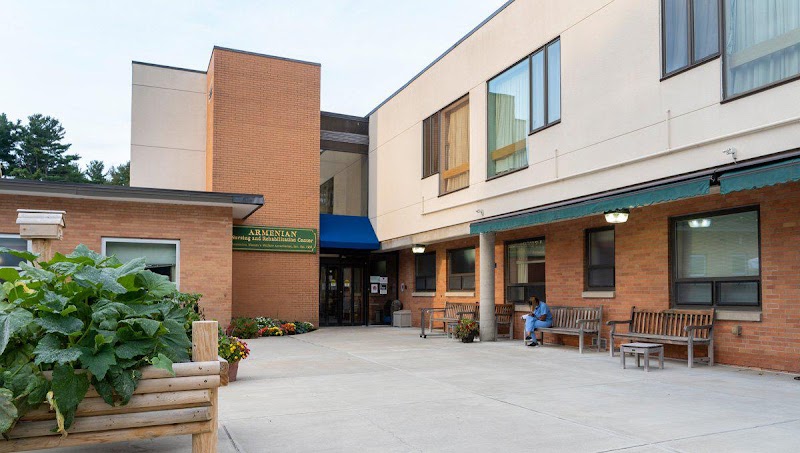
How is Armenian Nursing & Rehabilitation Center Staffed?

CMS rates ARMENIAN NURSING & REHABILITATION CENTER's staffing level at 3 out of 5 stars, which is average compared to other nursing homes. Staff turnover is 21%, compared to the Massachusetts average of 46%. This relatively stable workforce can support continuity of care.

What Have Inspectors Found at Armenian Nursing & Rehabilitation Center?

State health inspectors documented 22 deficiencies at ARMENIAN NURSING & REHABILITATION CENTER during 2022 to 2025. These included: 22 with potential for harm.

Who Owns and Operates Armenian Nursing & Rehabilitation Center?

ARMENIAN NURSING & REHABILITATION CENTER is owned by a non-profit organization. Non-profit facilities reinvest revenue into operations rather than distributing to shareholders. The facility operates independently rather than as part of a larger chain. With 83 certified beds and approximately 76 residents (about 92% occupancy), it is a smaller facility located in BOSTON, Massachusetts.
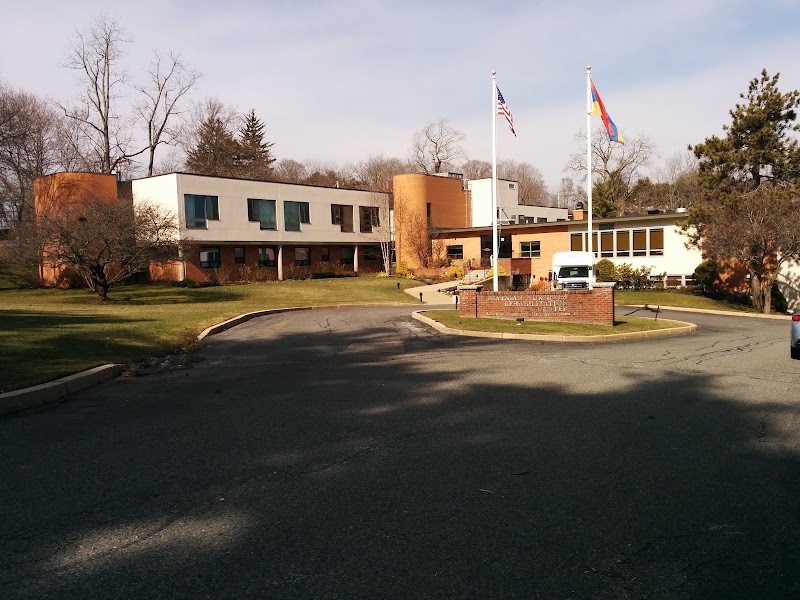
How Does Armenian Nursing & Rehabilitation Center Compare to Other Massachusetts Nursing Homes?

Compared to the 100 nursing homes in Massachusetts, ARMENIAN NURSING & REHABILITATION CENTER's overall rating (4 stars) is above the state average of 2.9, staff turnover (21%) is significantly lower than the state average of 46%, and health inspection rating (4 stars) is above the national benchmark.

What Should Families Ask When Visiting Armenian Nursing & Rehabilitation Center?

Based on this facility's data, families visiting should ask: "Can I visit during a mealtime to observe dining assistance and food quality?" "How do you handle medical emergencies, and what is your hospital transfer rate?" "Can I speak with family members of current residents about their experience?"

Is Armenian Nursing & Rehabilitation Center Safe?

Based on CMS inspection data, ARMENIAN NURSING & REHABILITATION CENTER has a clean safety record: no substantiated abuse findings (meaning no confirmed cases of resident harm), no Immediate Jeopardy citations (the most serious violation level indicating risk of serious injury or death), and is not on the Special Focus Facility watch list (a federal program monitoring the lowest-performing 1% of nursing homes). The facility has a 4-star overall rating and ranks #1 of 100 nursing homes in Massachusetts. While no facility is perfect, families should still ask about staff-to-resident ratios and recent inspection results during their visit.

Do Nurses at Armenian Nursing & Rehabilitation Center Stick Around?

Staff at ARMENIAN NURSING & REHABILITATION CENTER tend to stick around. With a turnover rate of 21%, the facility is 25 percentage points below the Massachusetts average of 46%. Low turnover is a positive sign. It means caregivers have time to learn each resident's needs, medications, and personal preferences. Consistent staff also notice subtle changes in a resident's condition more quickly.

Was Armenian Nursing & Rehabilitation Center Ever Fined?

ARMENIAN NURSING & REHABILITATION CENTER has been fined $10,800 across 1 penalty action. This is below the Massachusetts average of $33,187. While any fine indicates a compliance issue, fines under $50,000 are relatively common and typically reflect isolated problems that were subsequently corrected. Families should ask what specific issues led to these fines and confirm they've been resolved.

Is Armenian Nursing & Rehabilitation Center on Any Federal Watch List?

ARMENIAN NURSING & REHABILITATION CENTER is not on any federal watch list. The most significant is the Special Focus Facility (SFF) program, which identifies the bottom 1% of nursing homes nationally based on persistent, serious quality problems. Not being on this list means the facility has avoided the pattern of deficiencies that triggers enhanced federal oversight. This is a positive indicator, though families should still review the facility's inspection history directly.